
T20 World Cup: Black Caps have lost to India. But they are winning
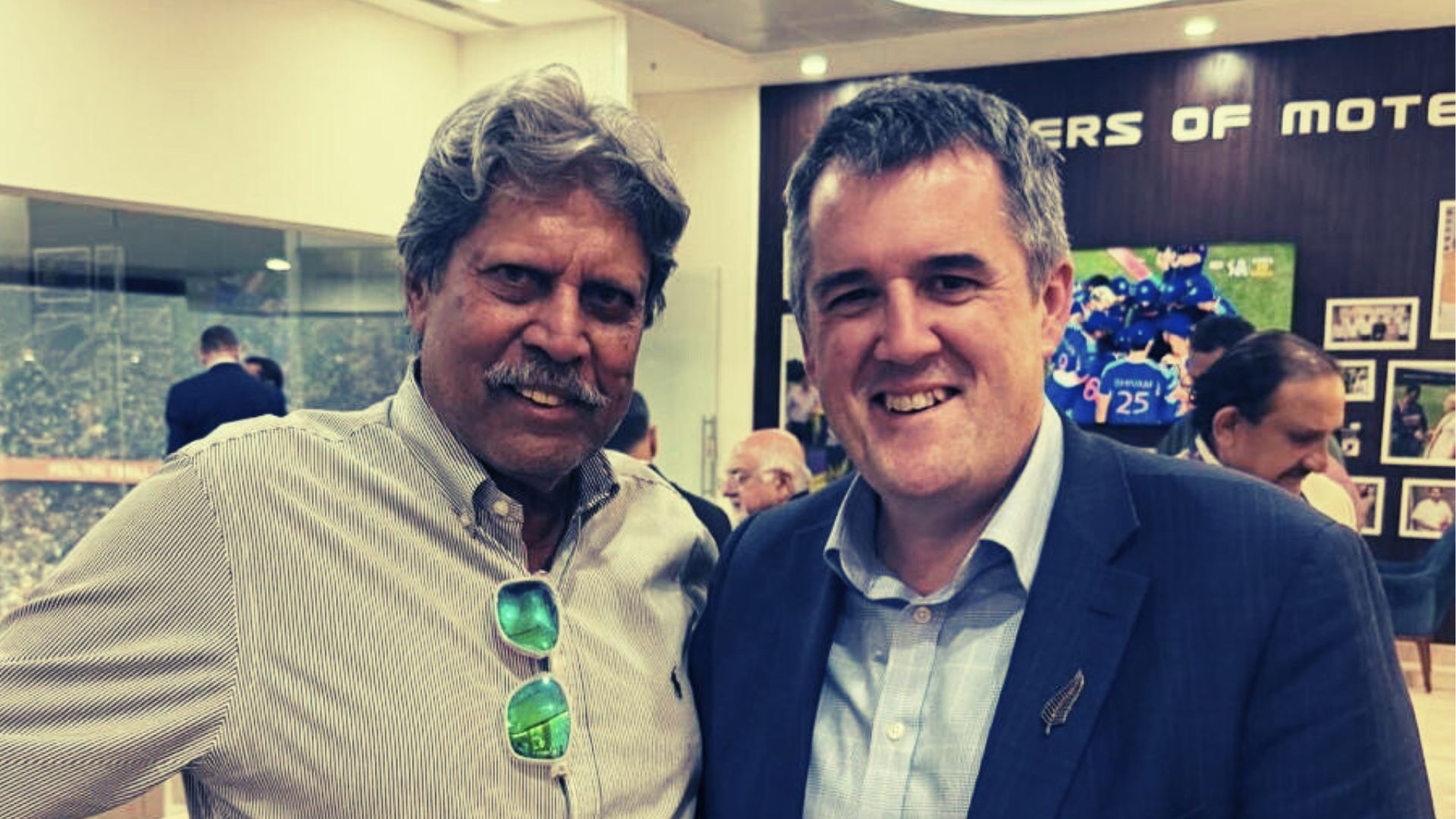
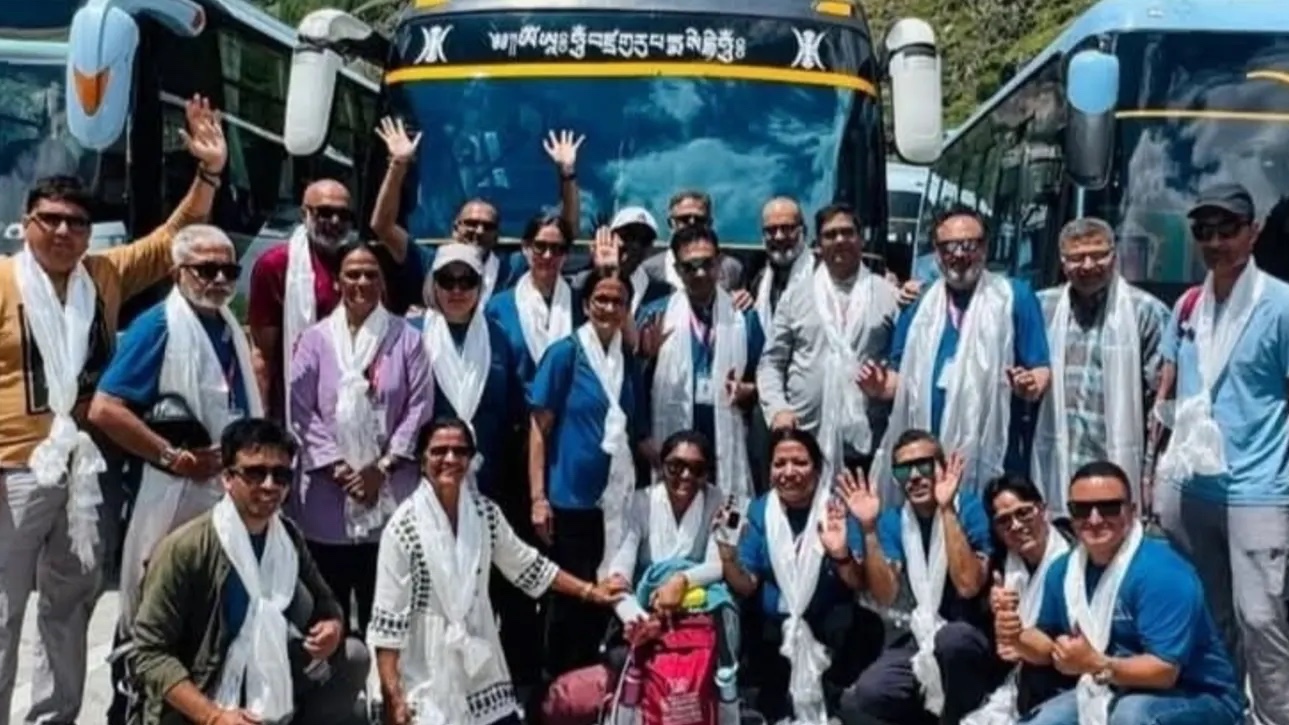
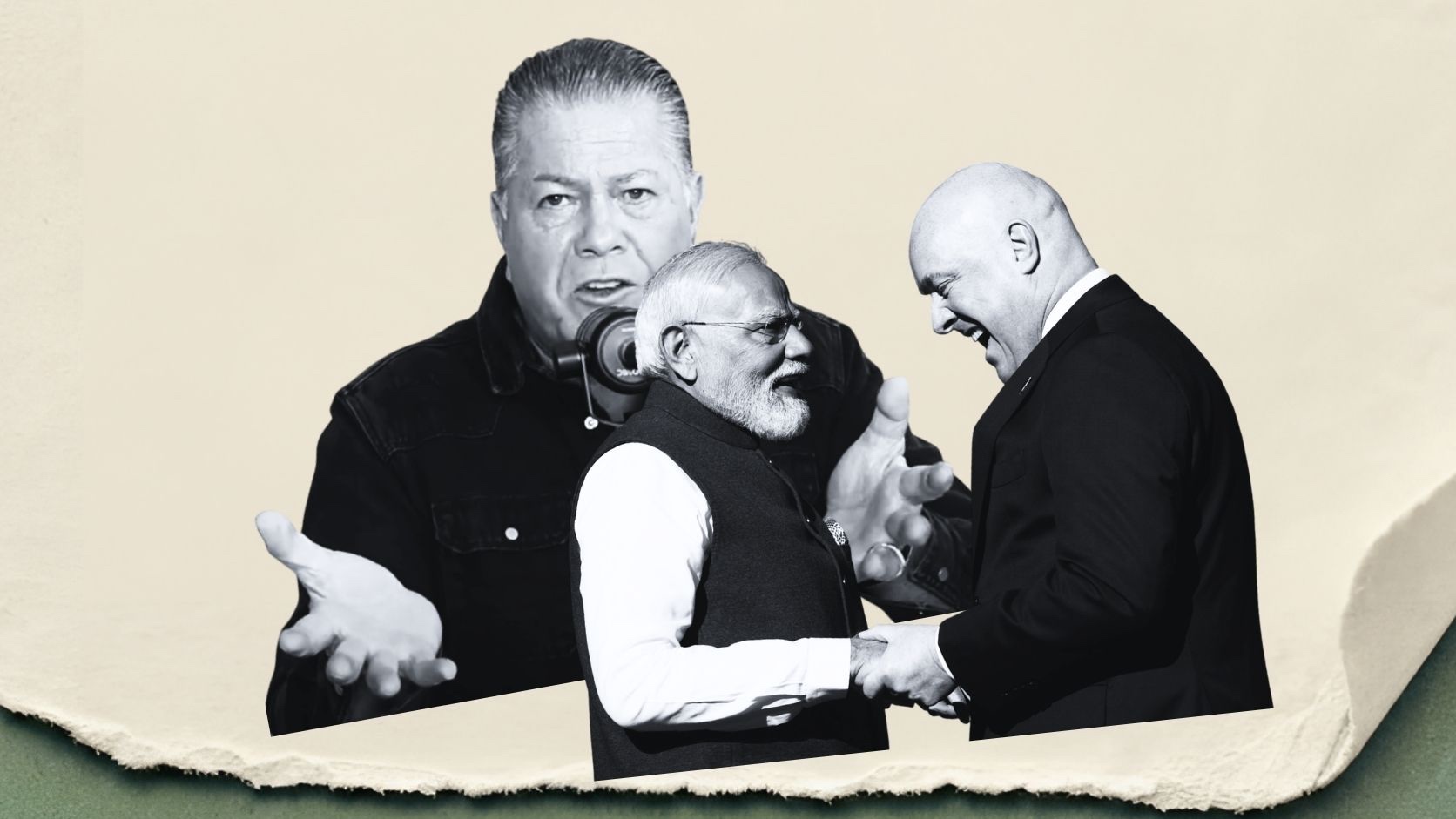
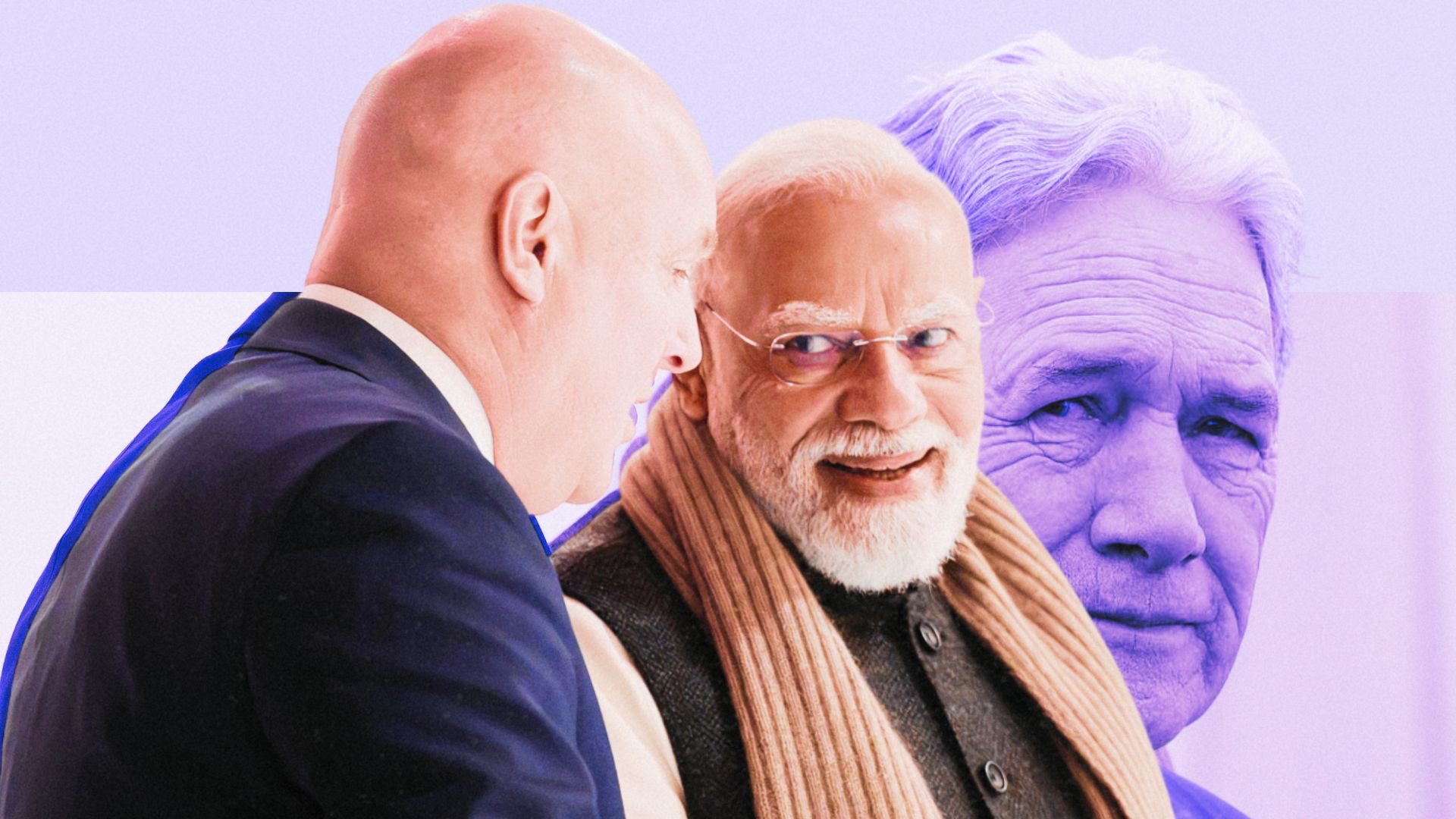
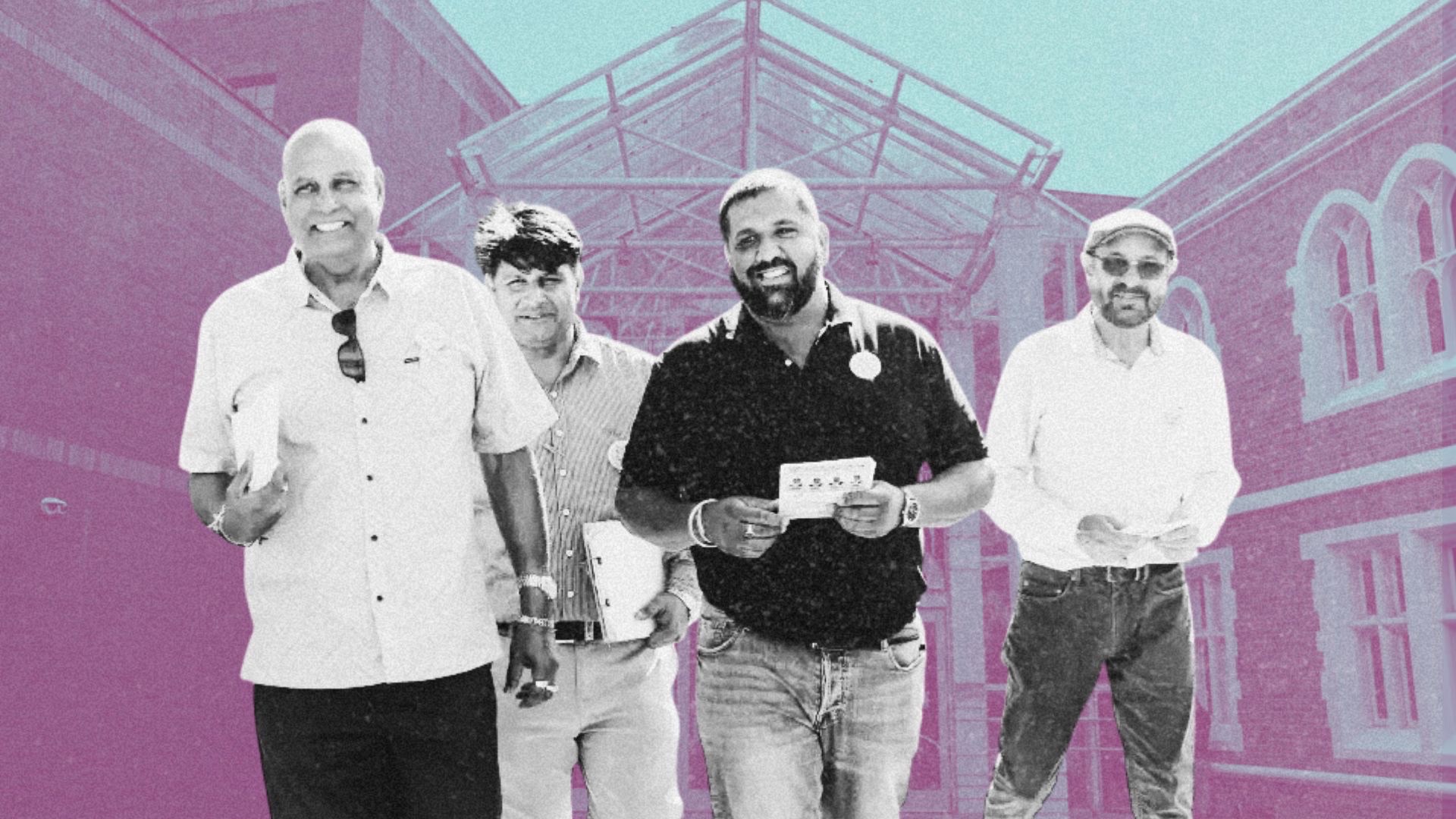
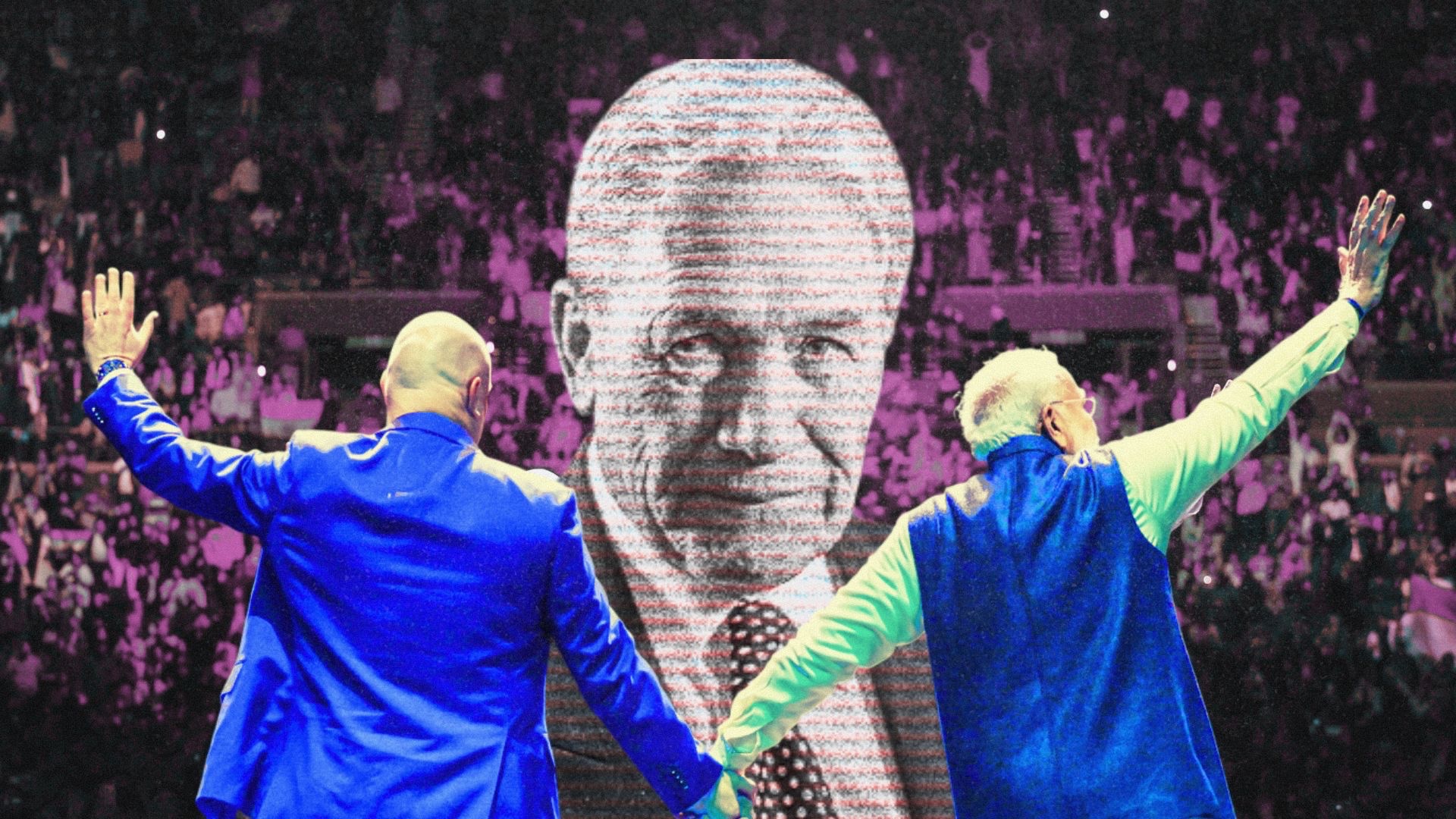
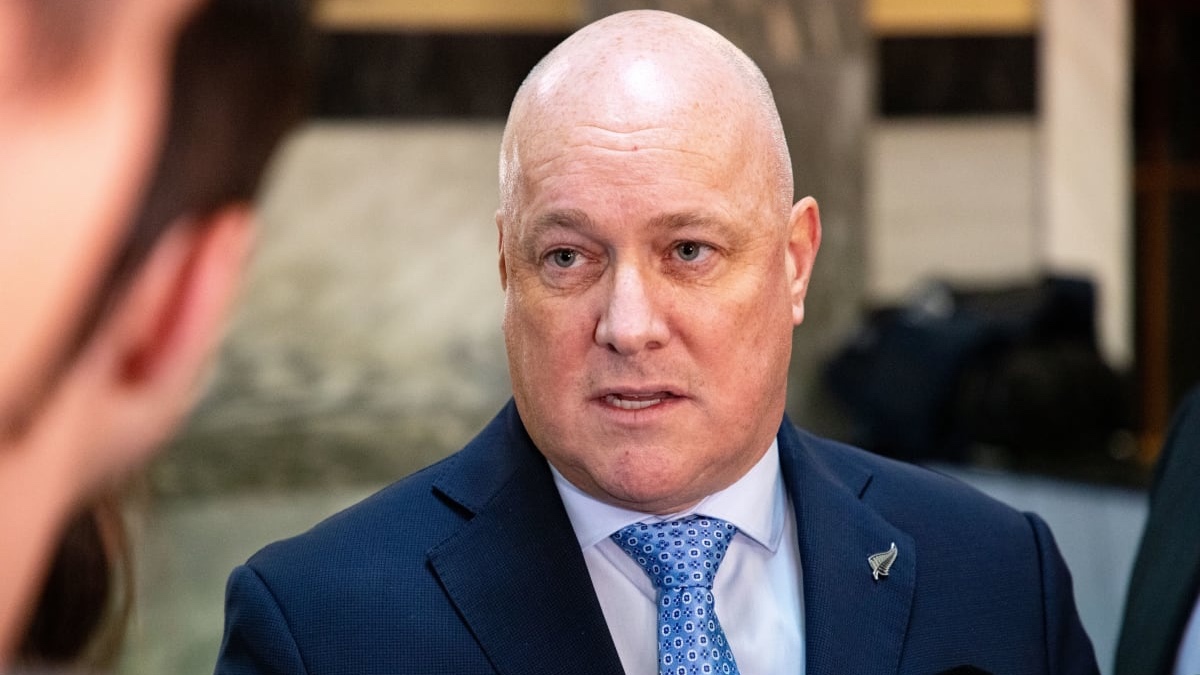
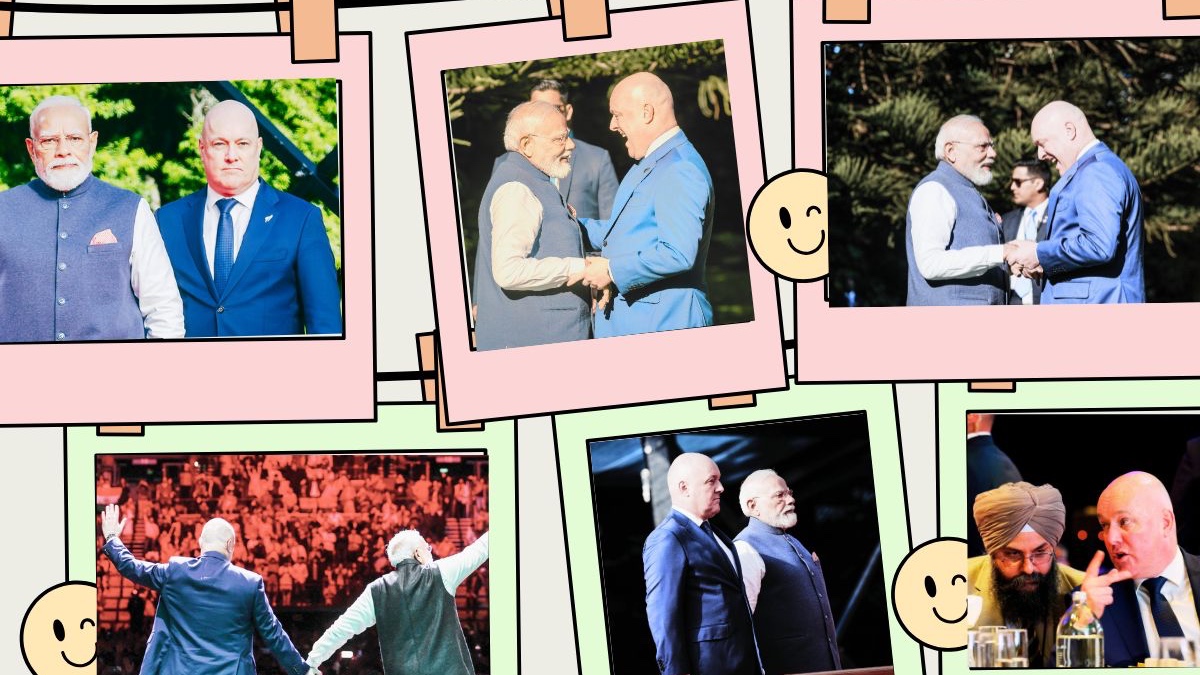
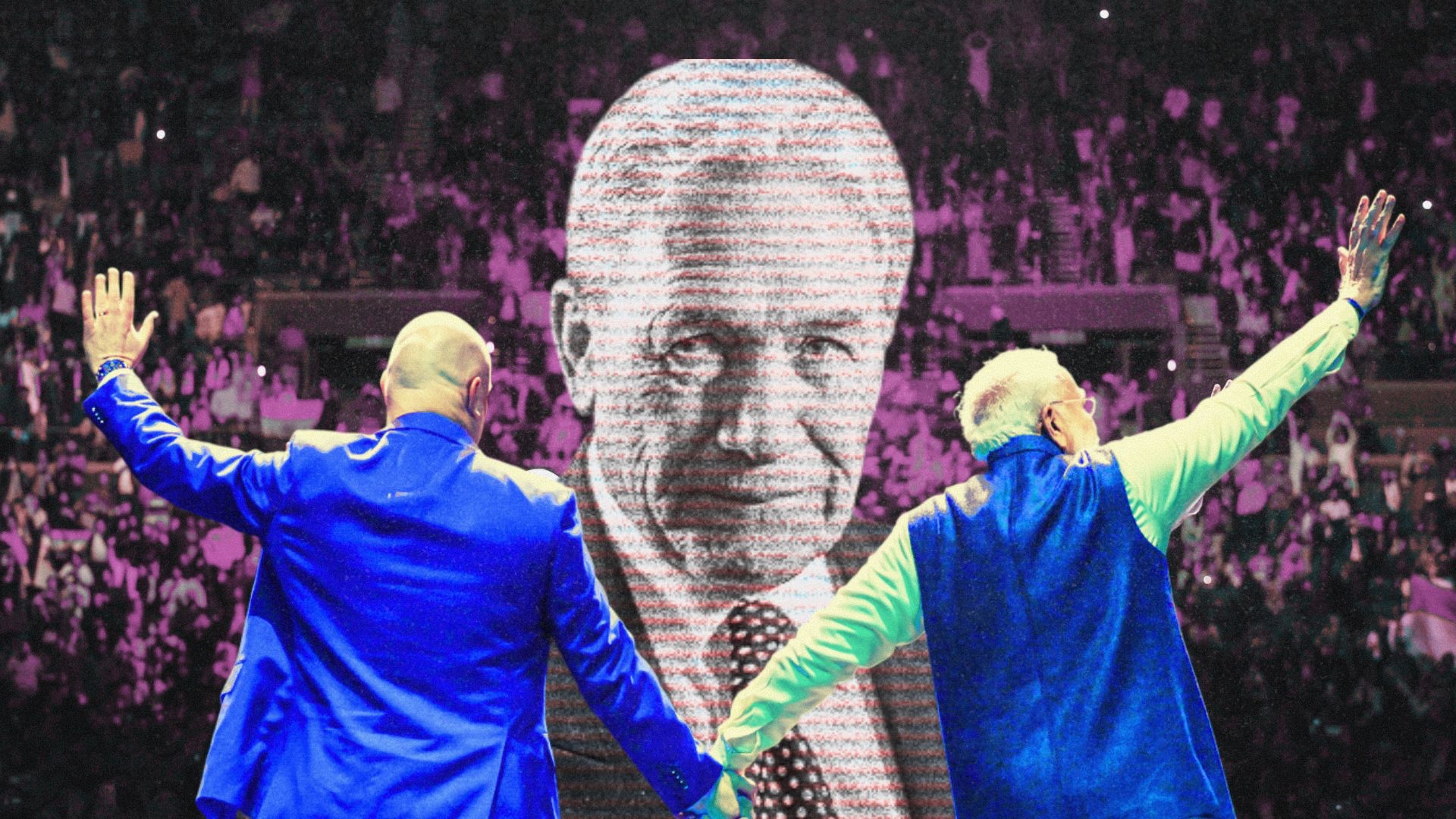
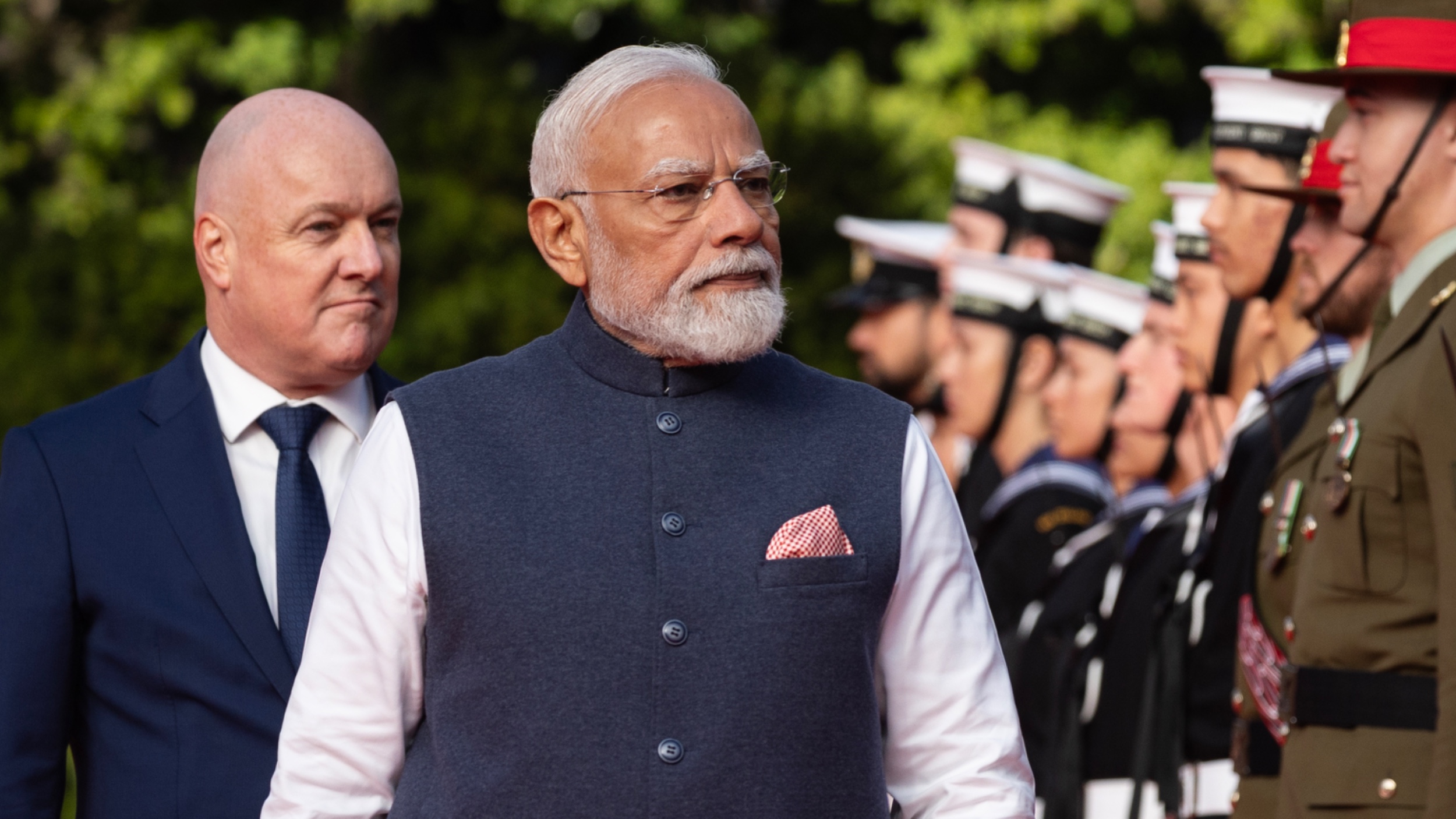
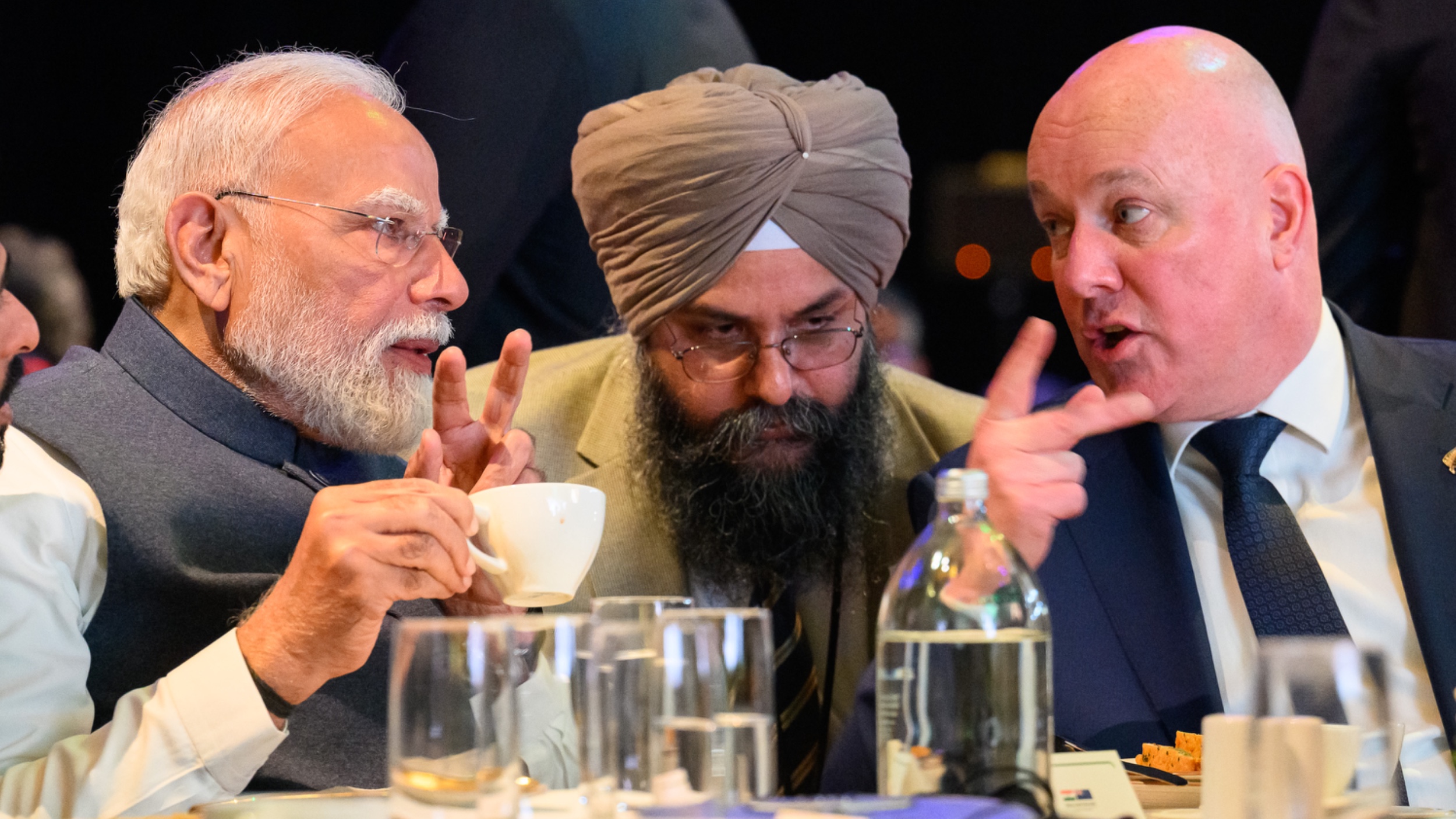
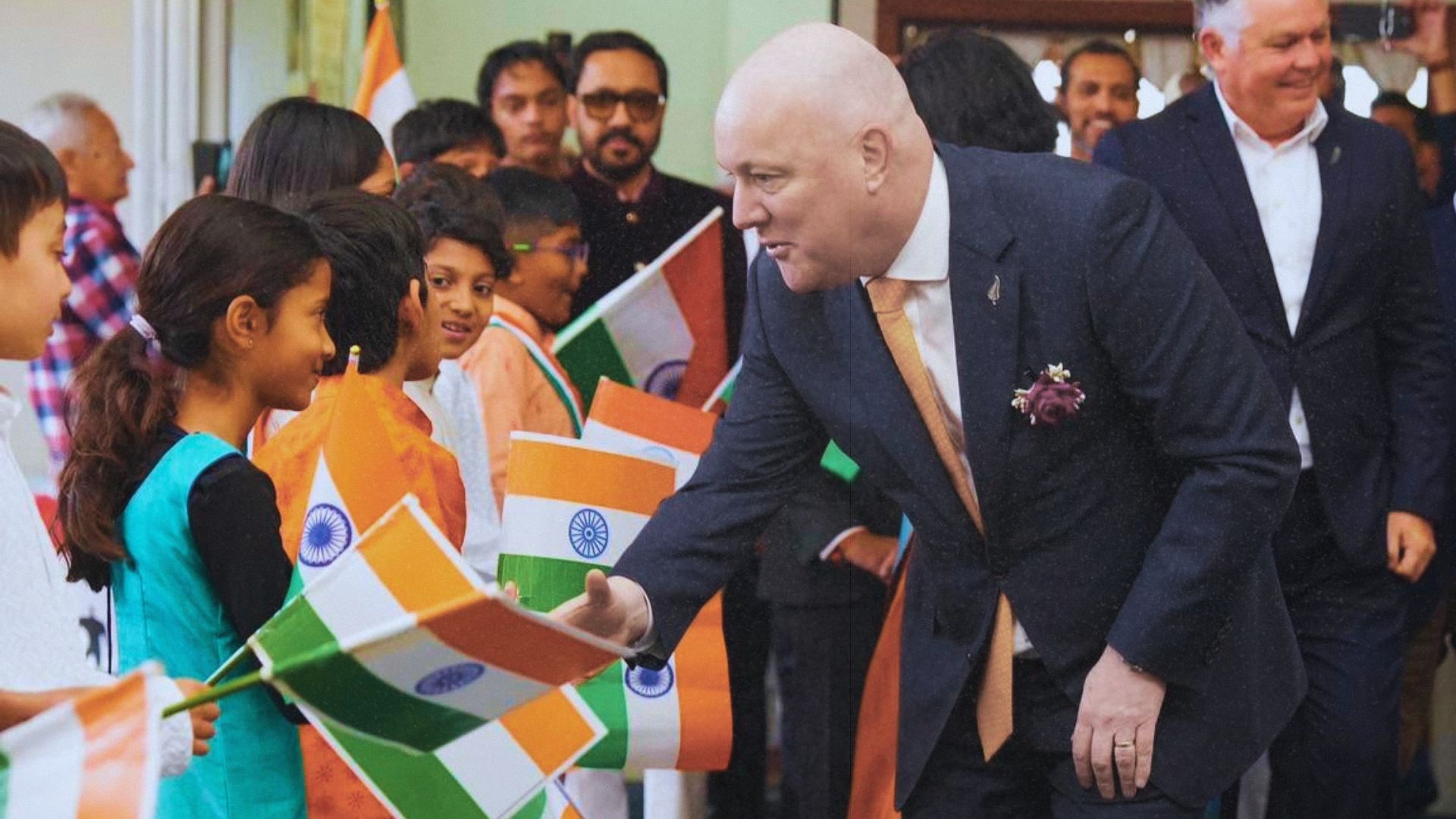
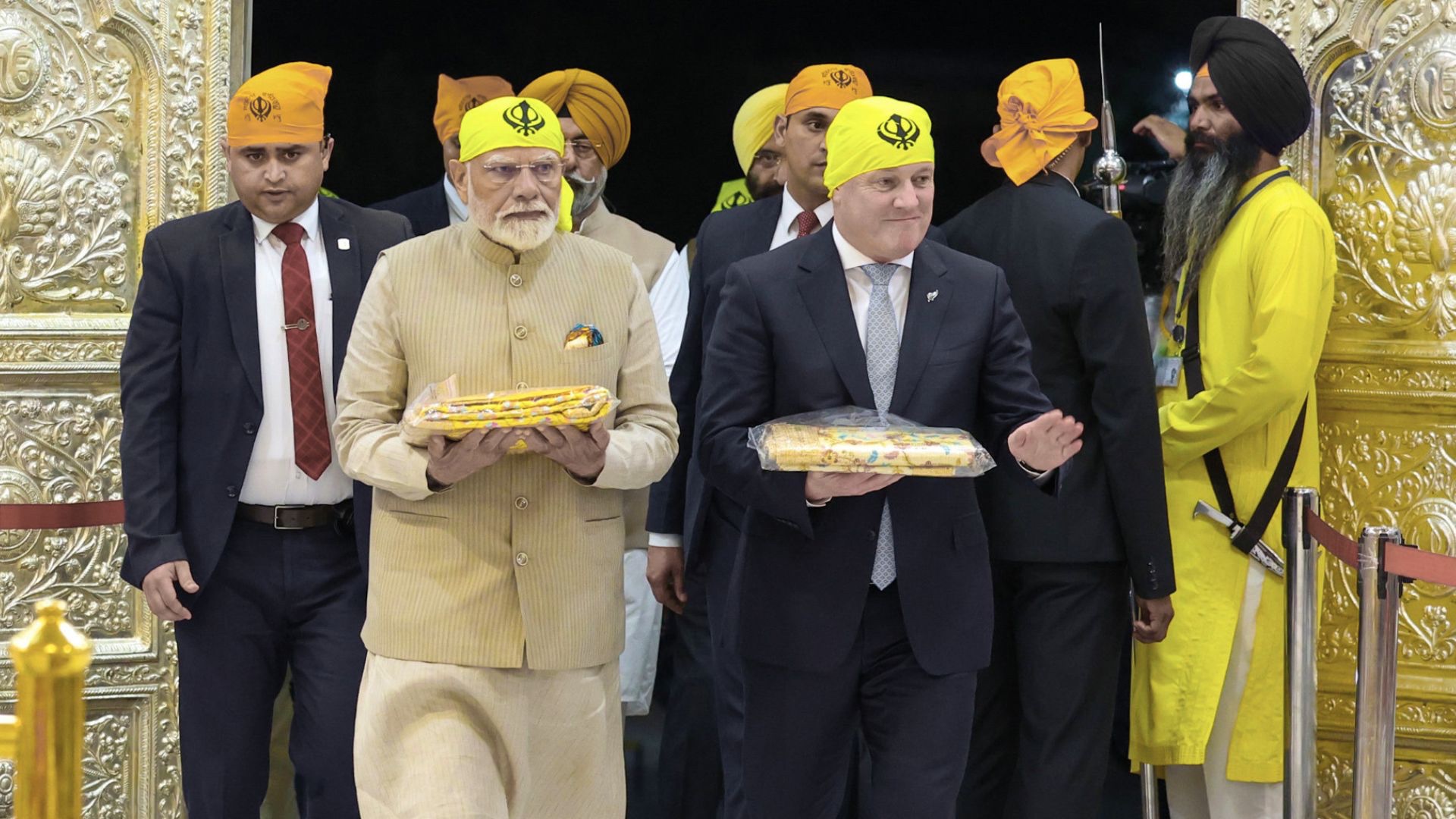
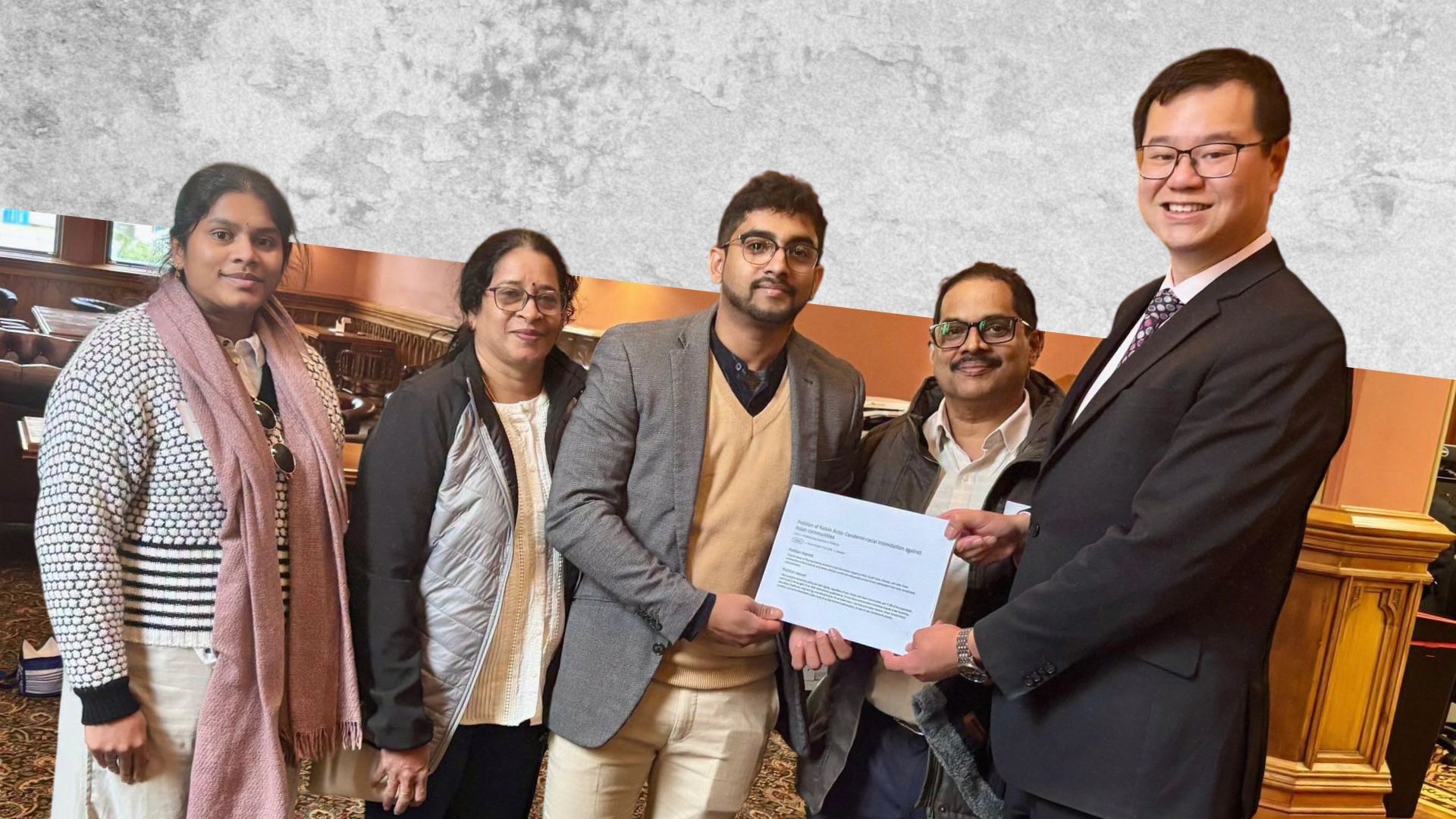
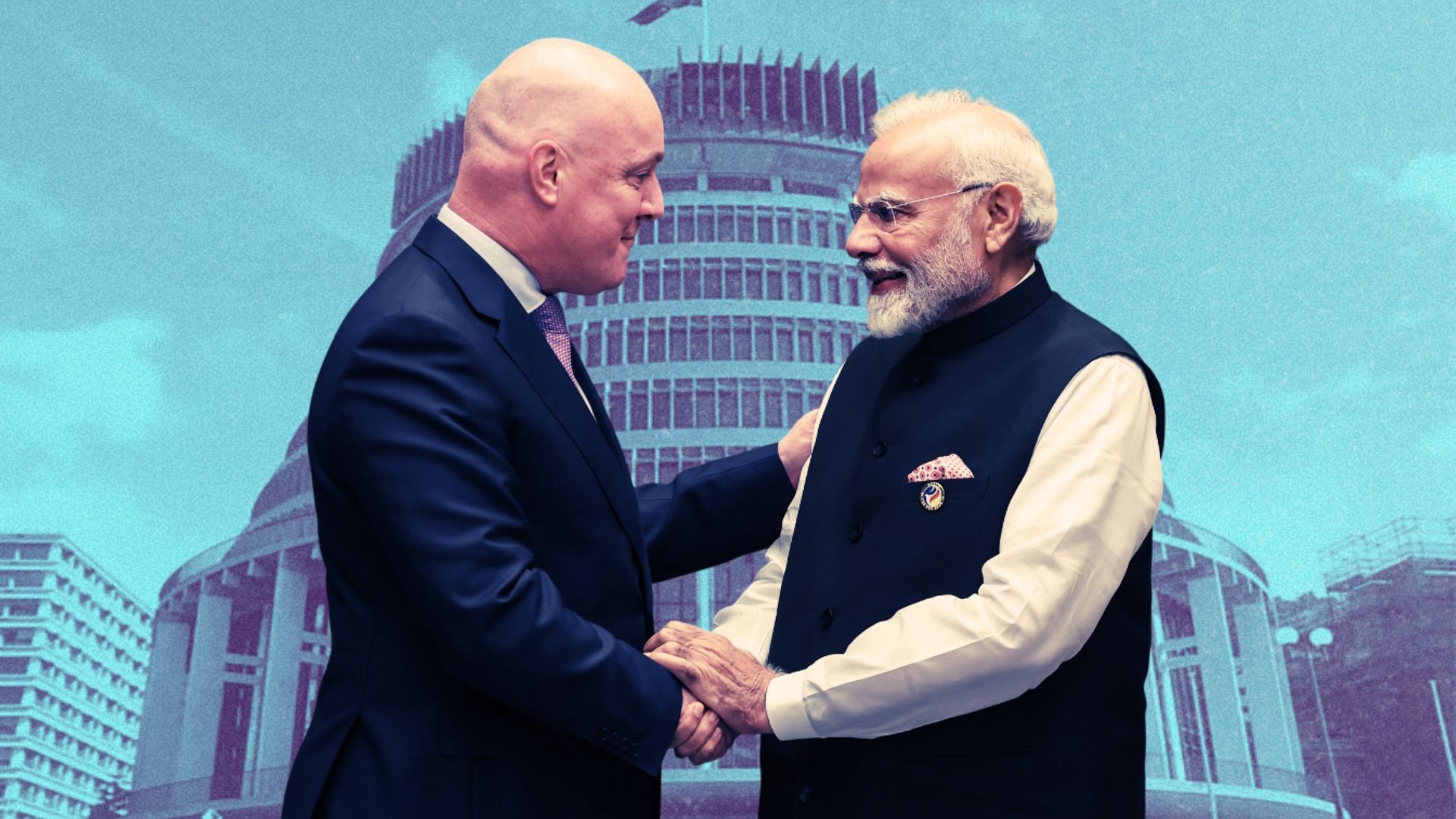
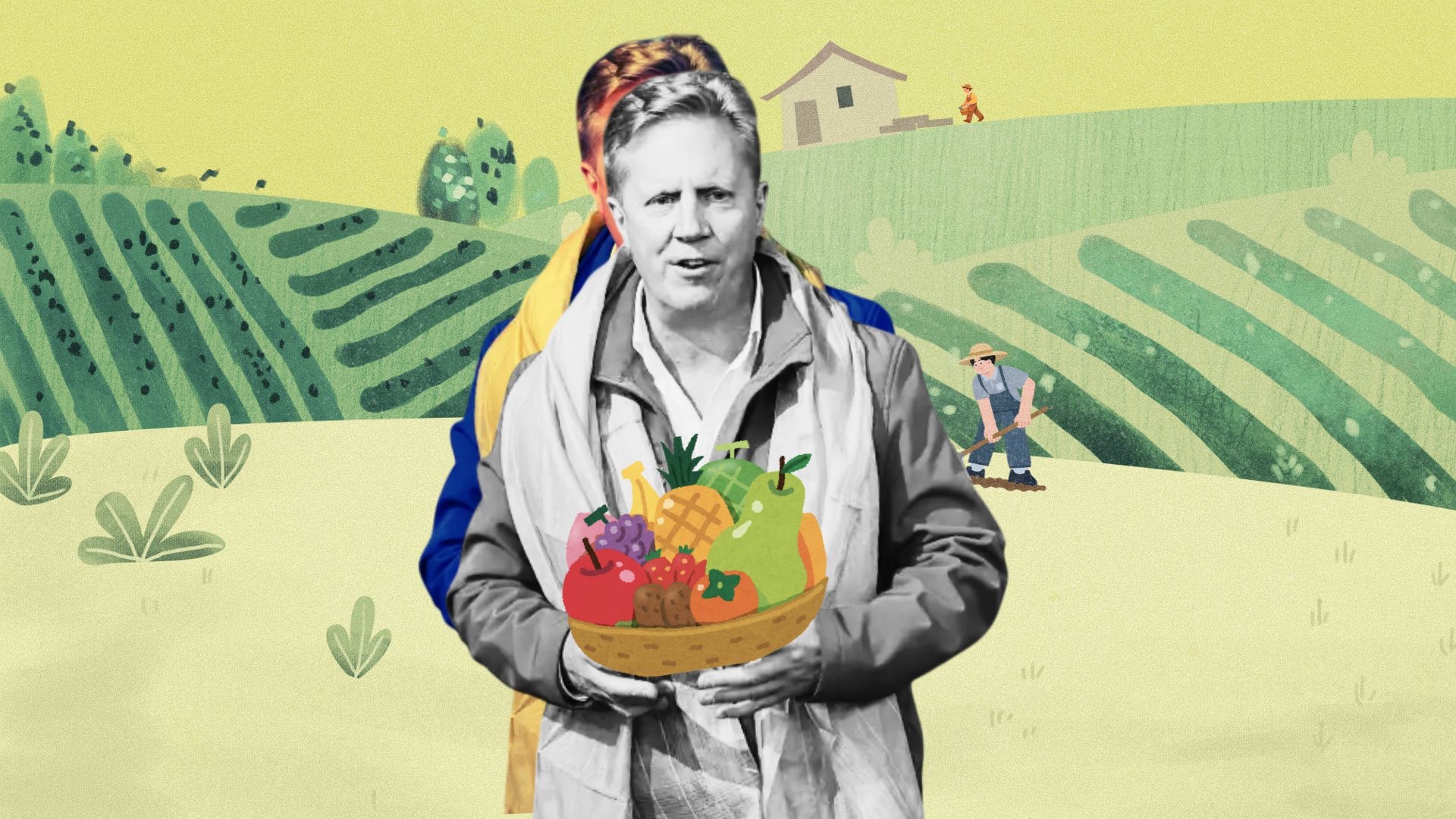
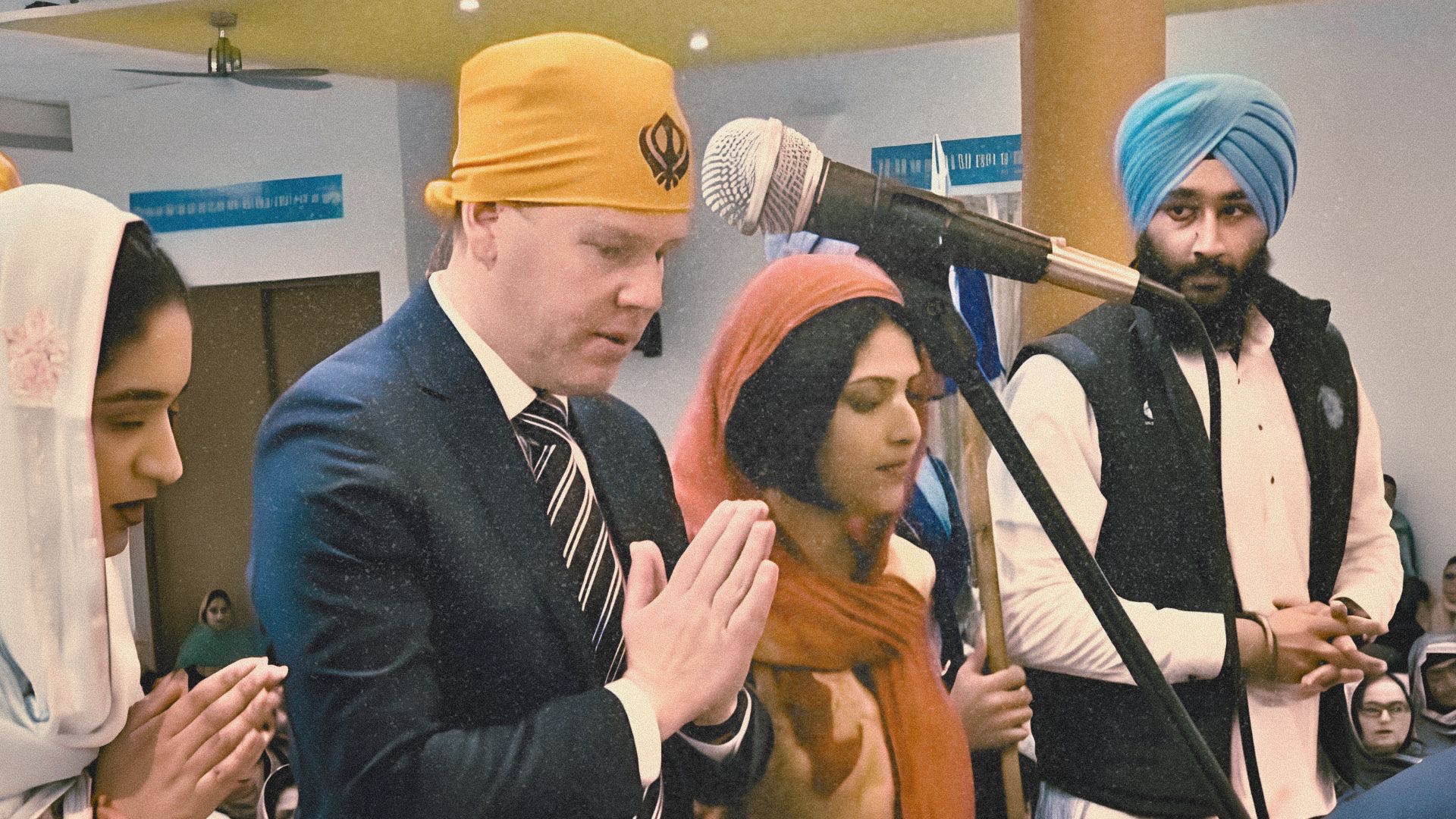
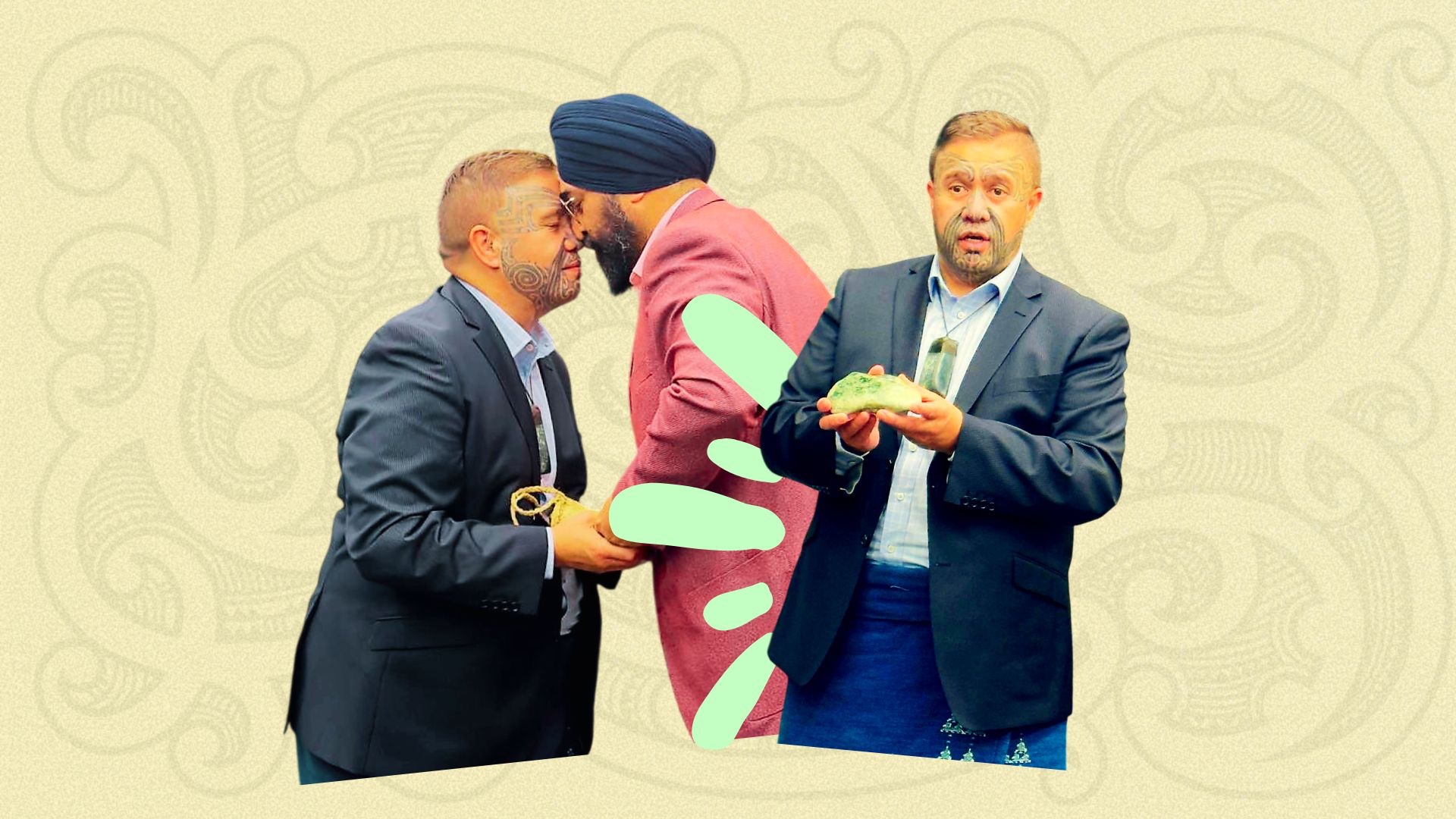
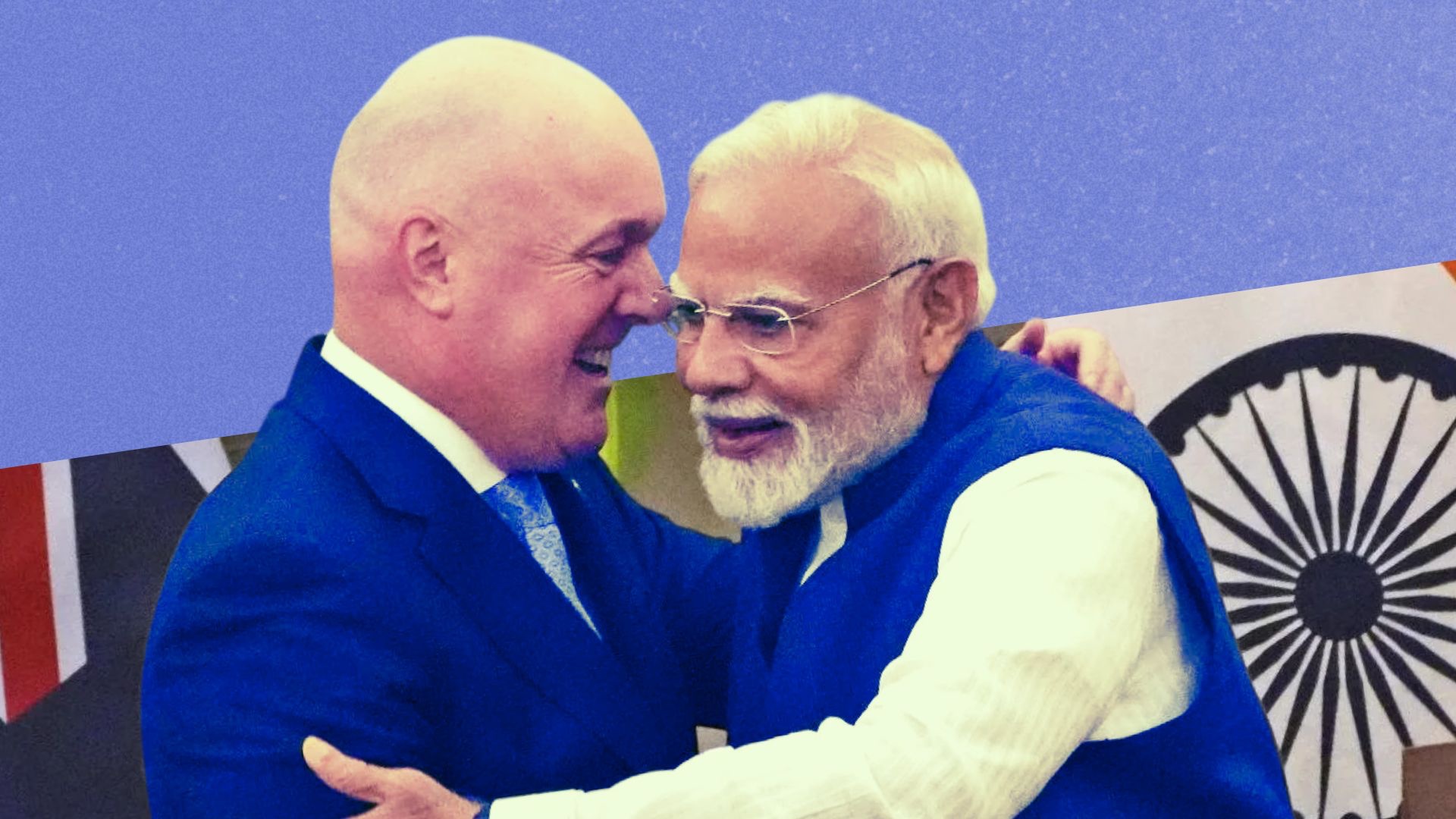
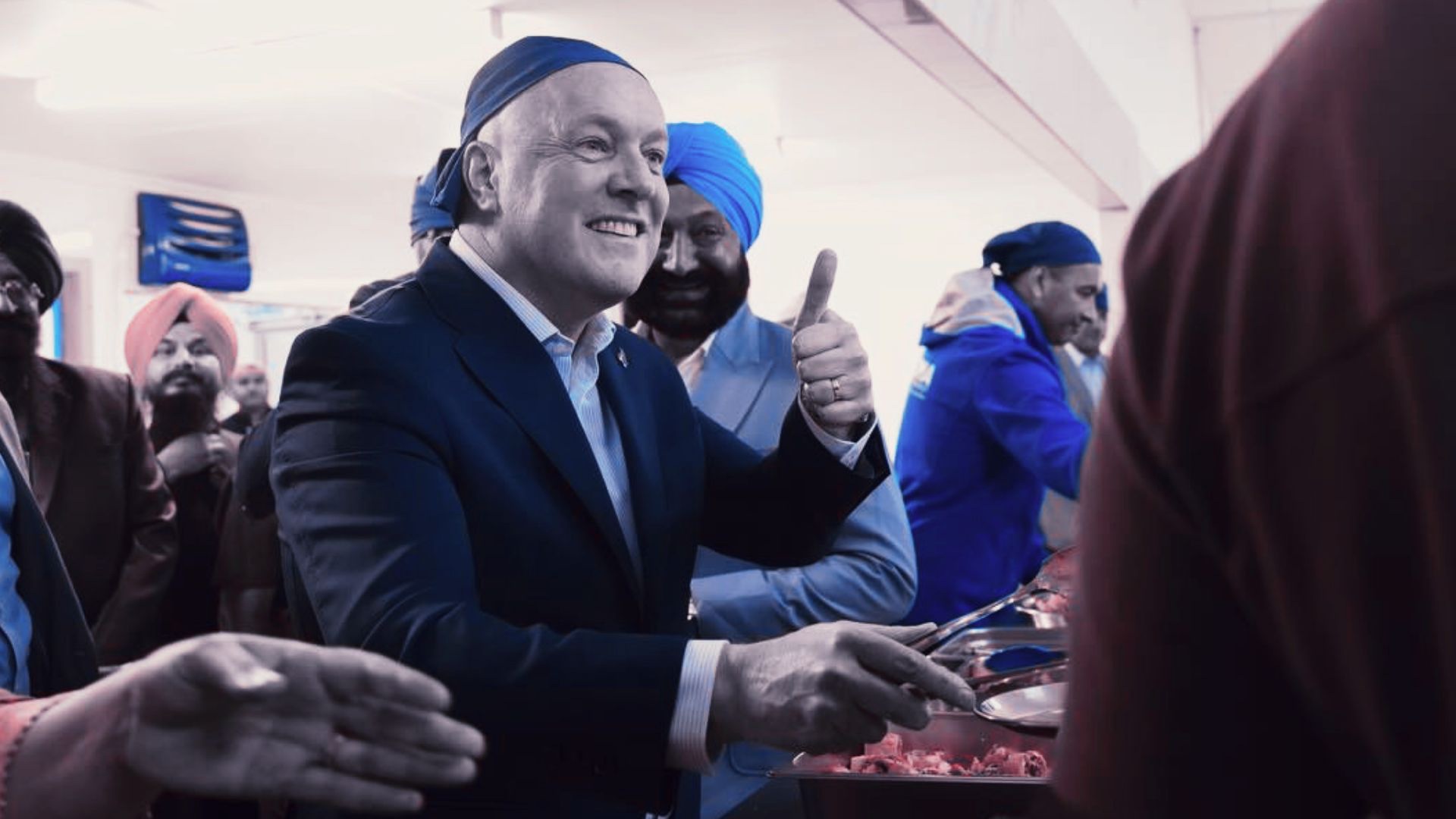
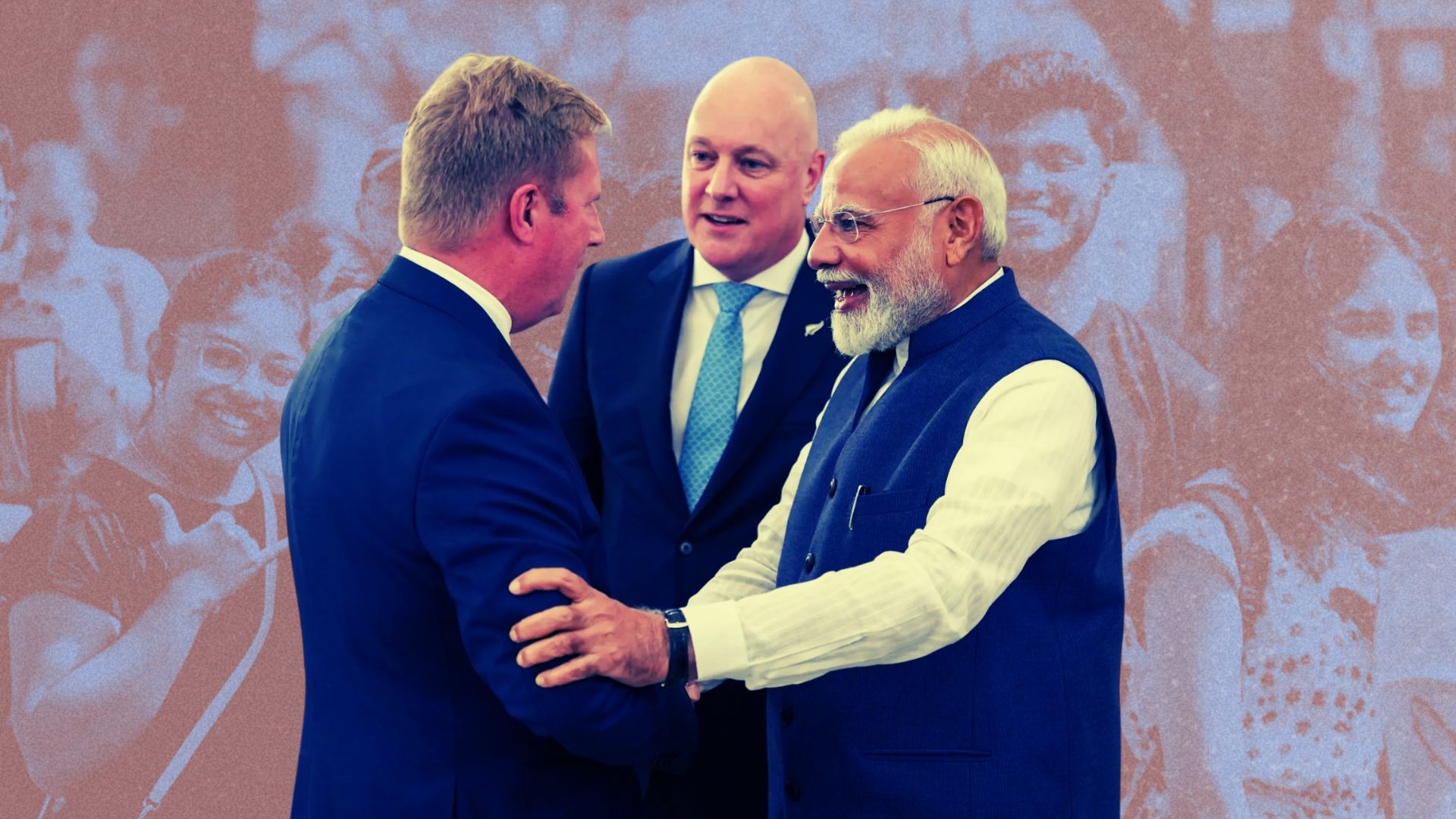
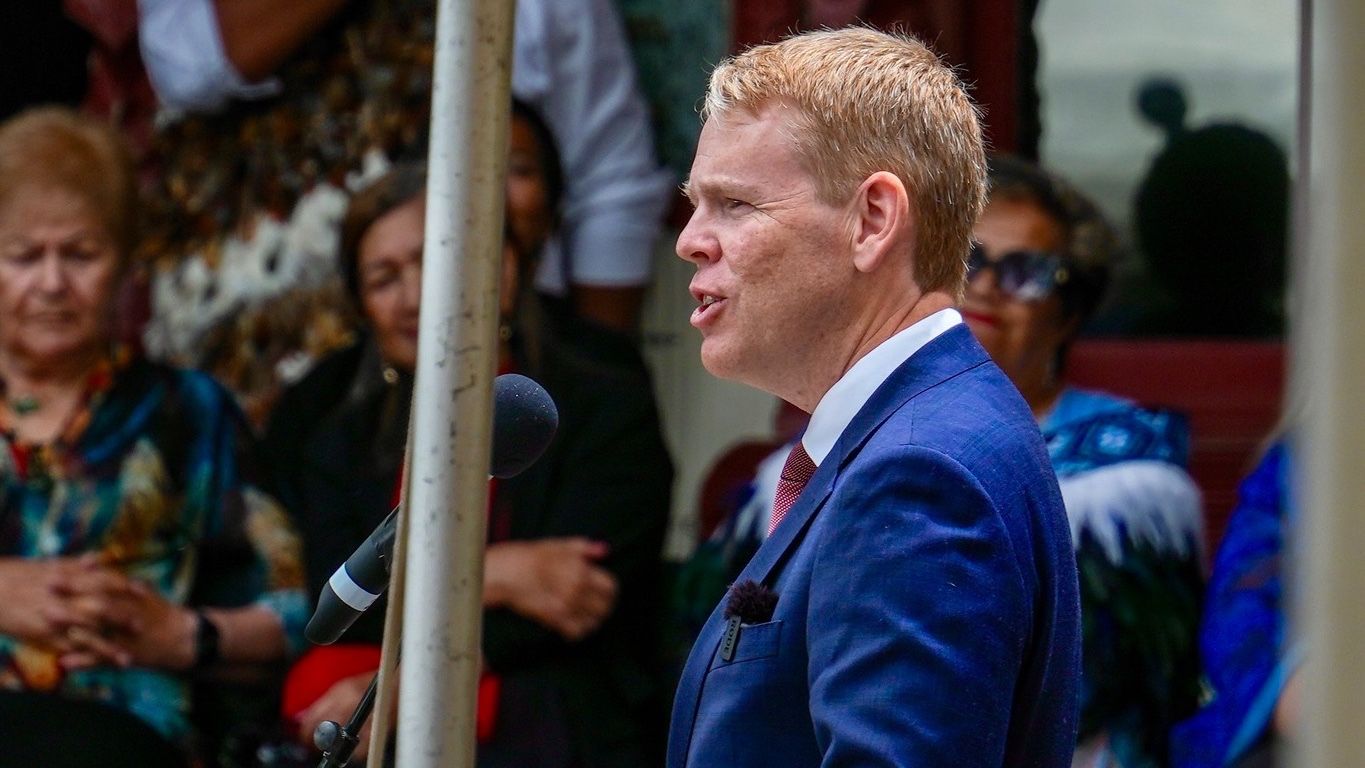
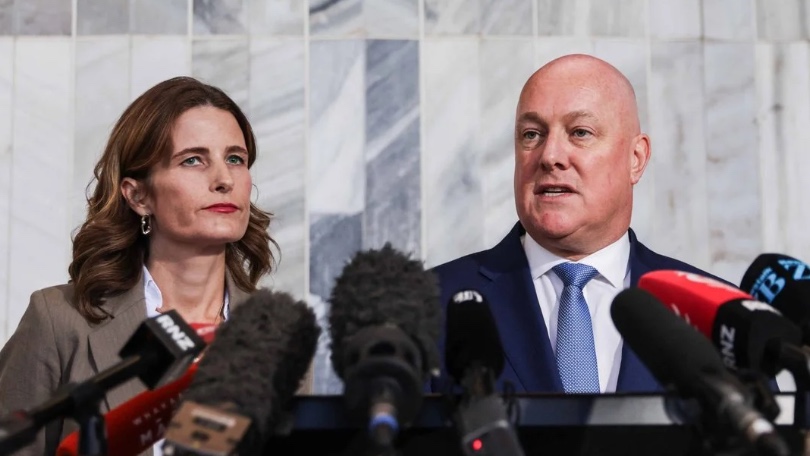
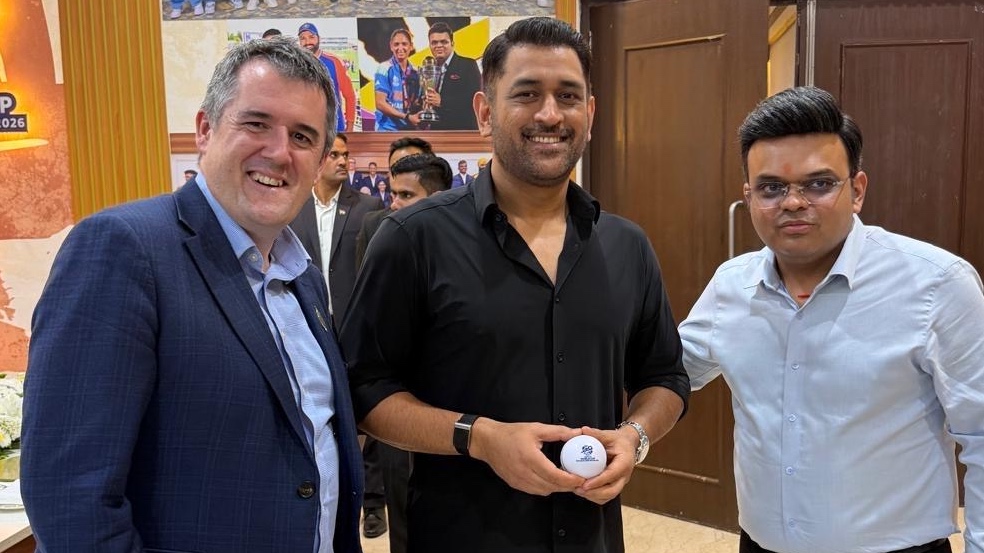
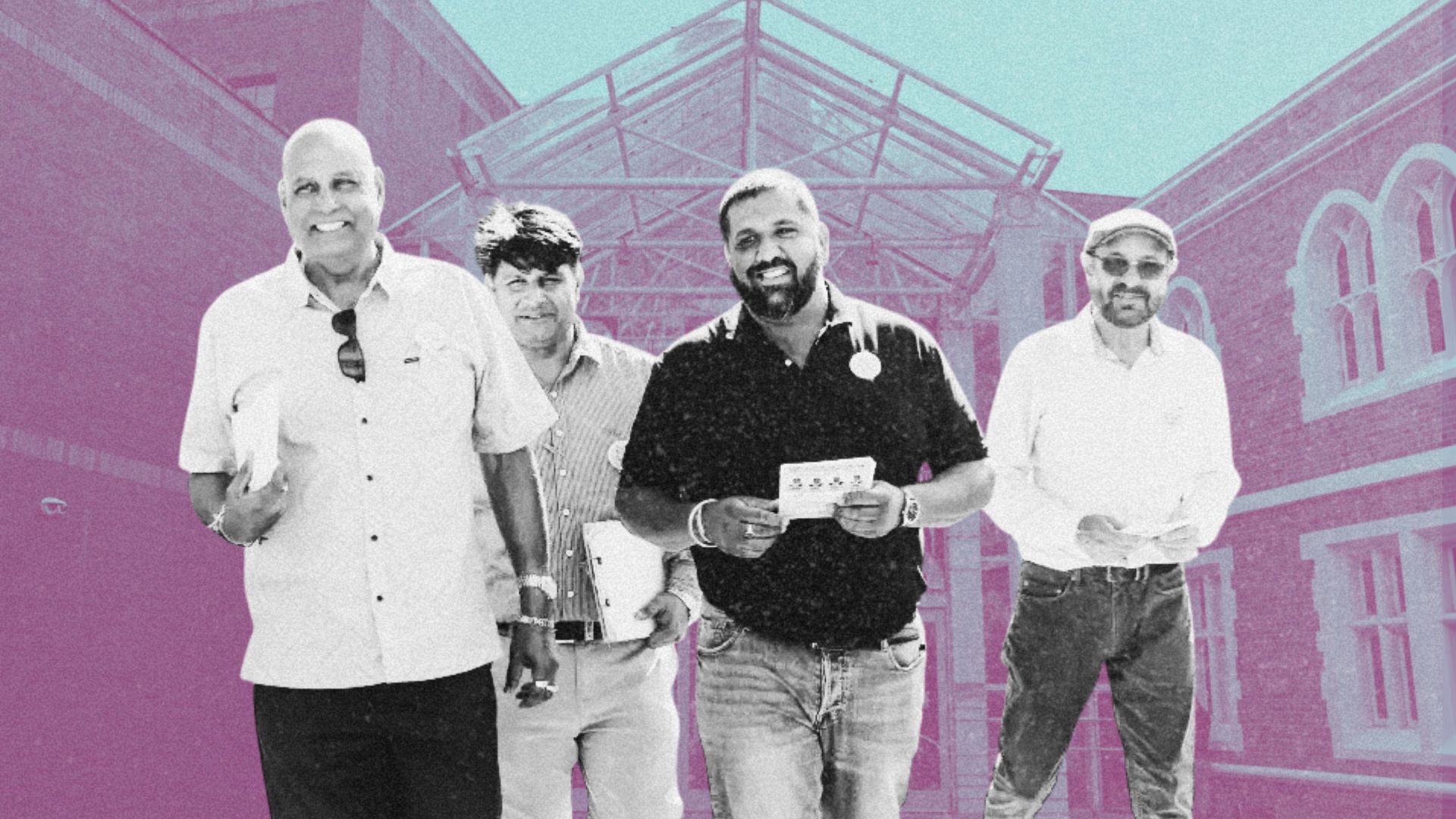
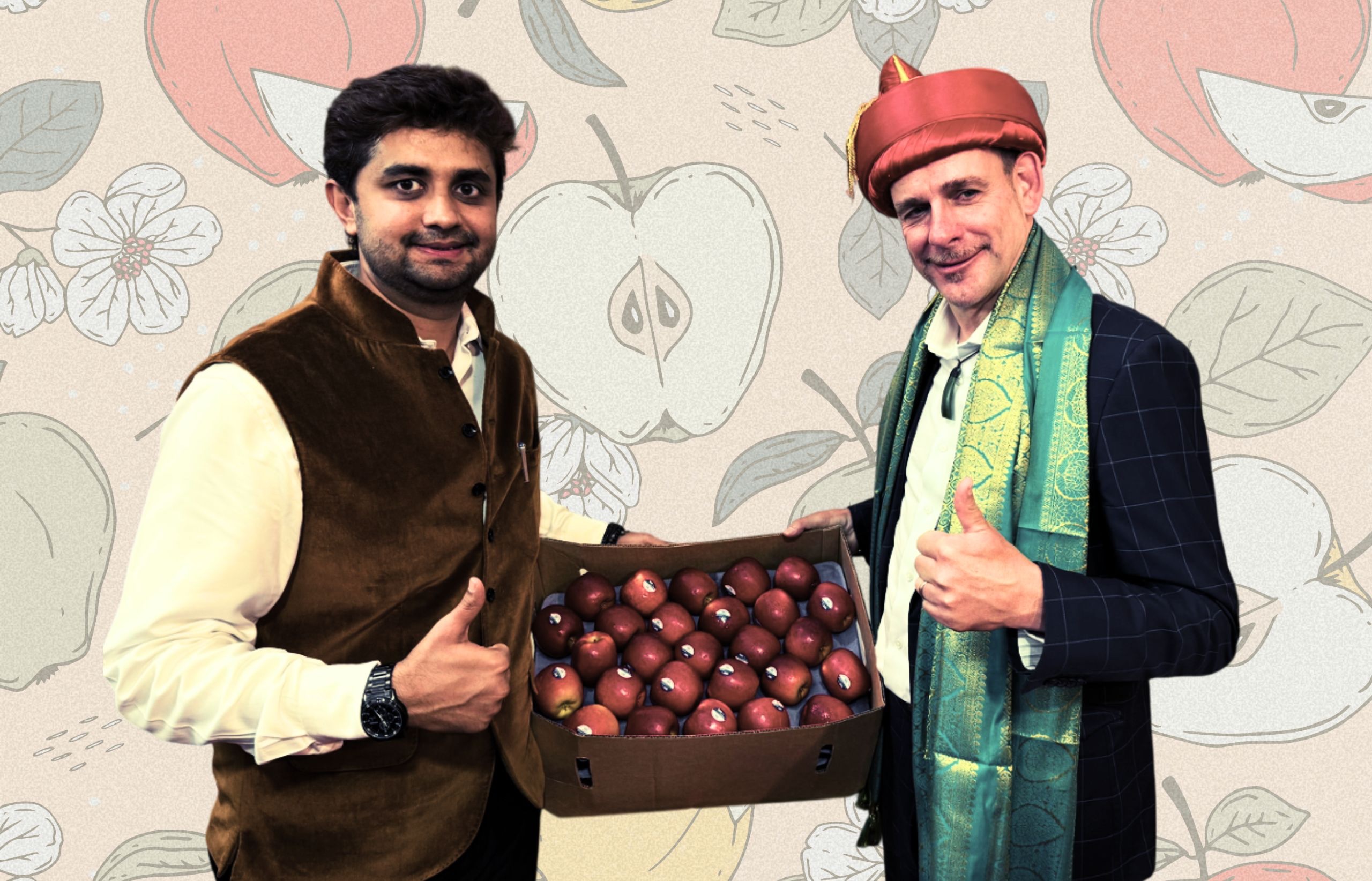
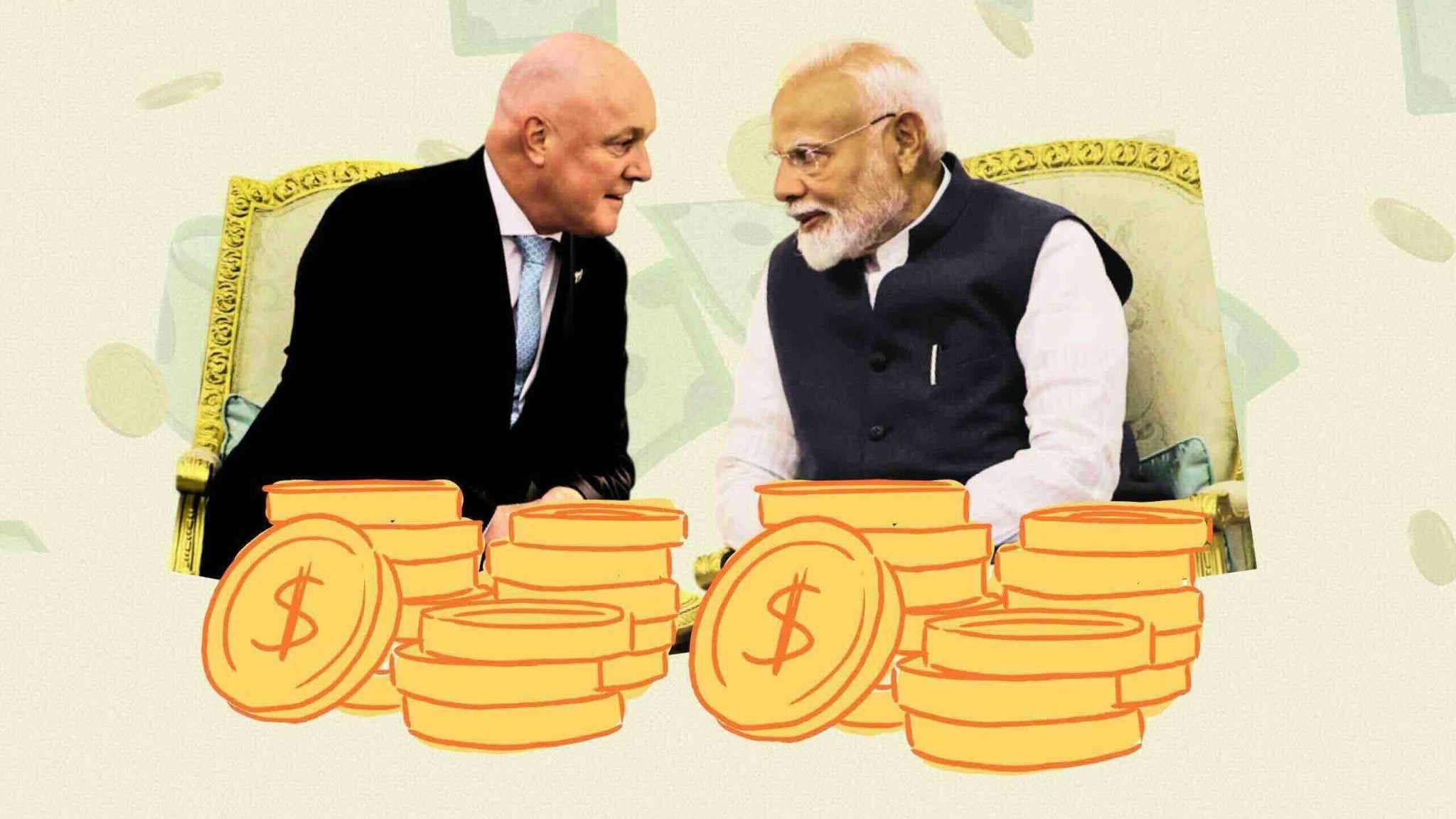
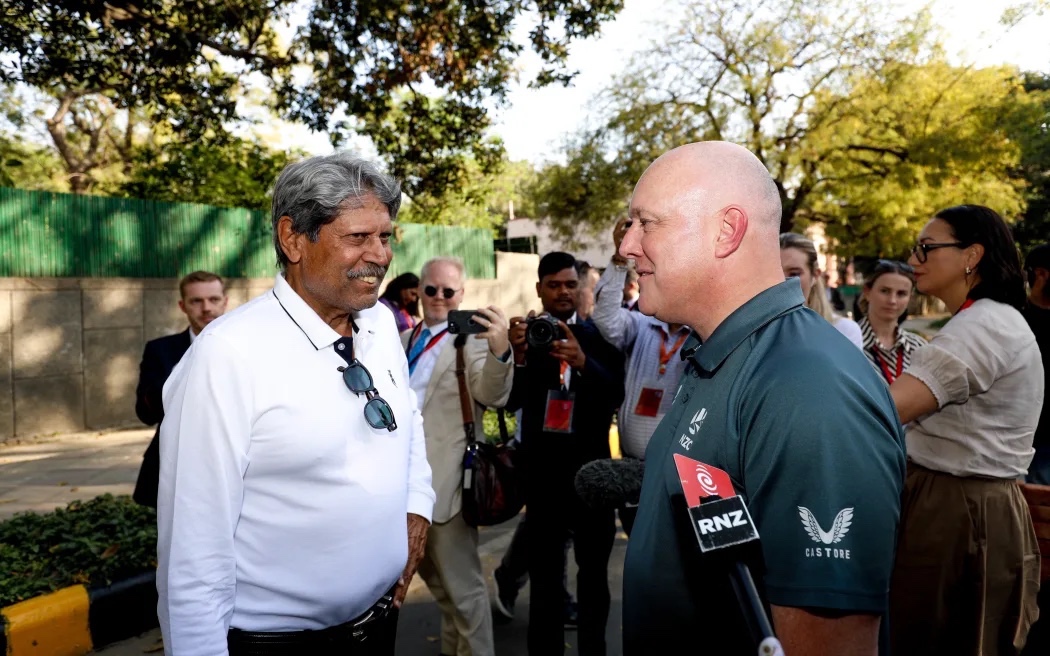
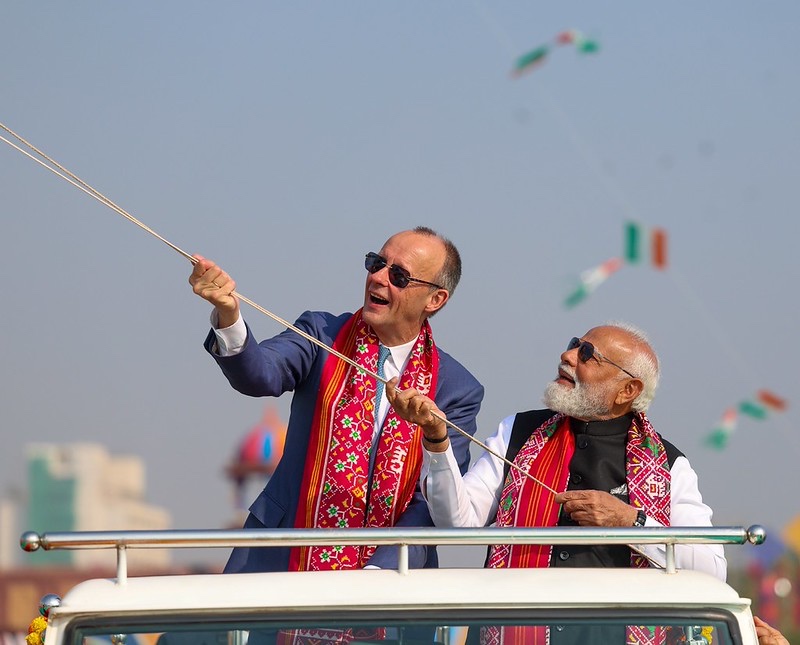
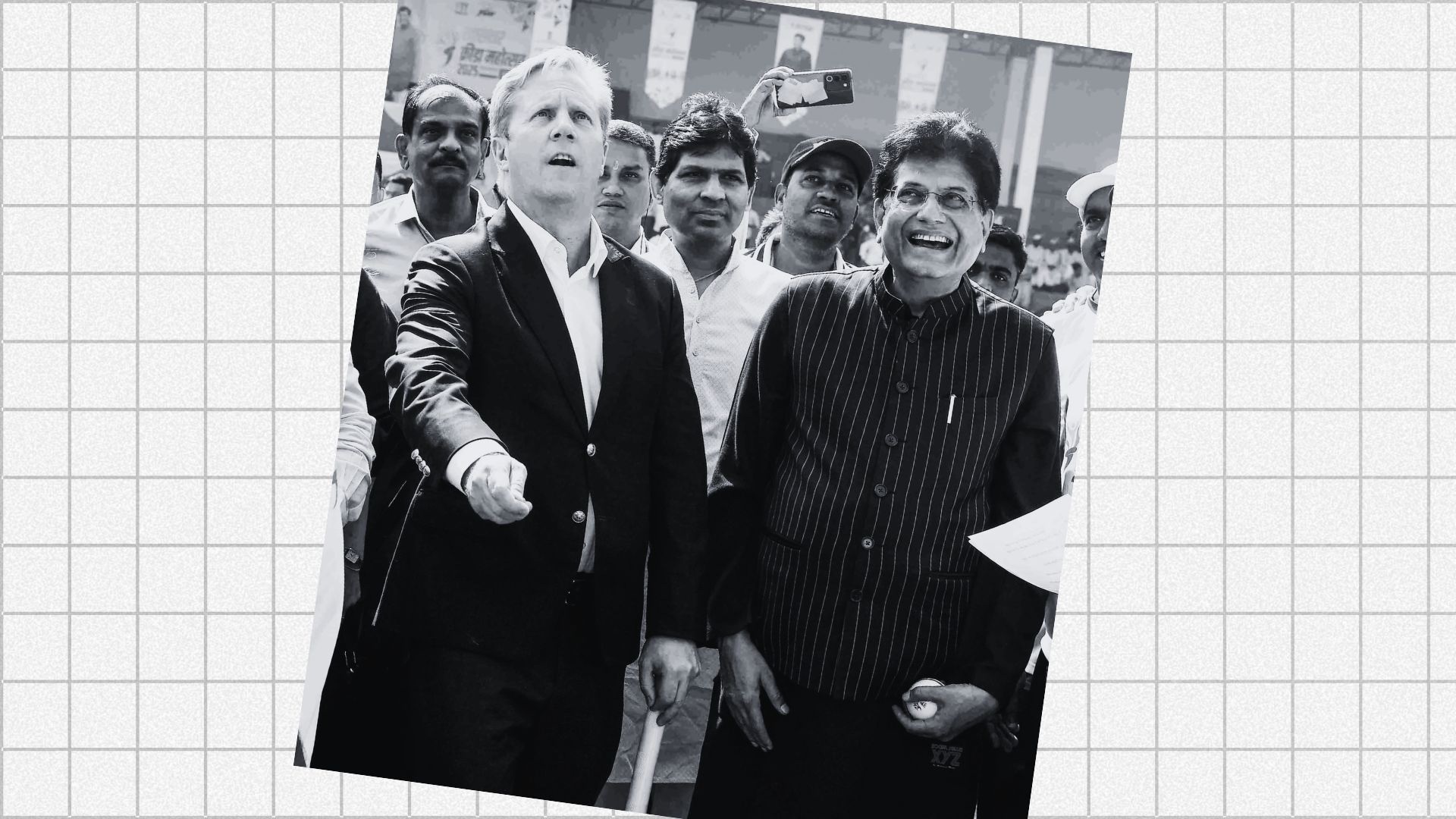
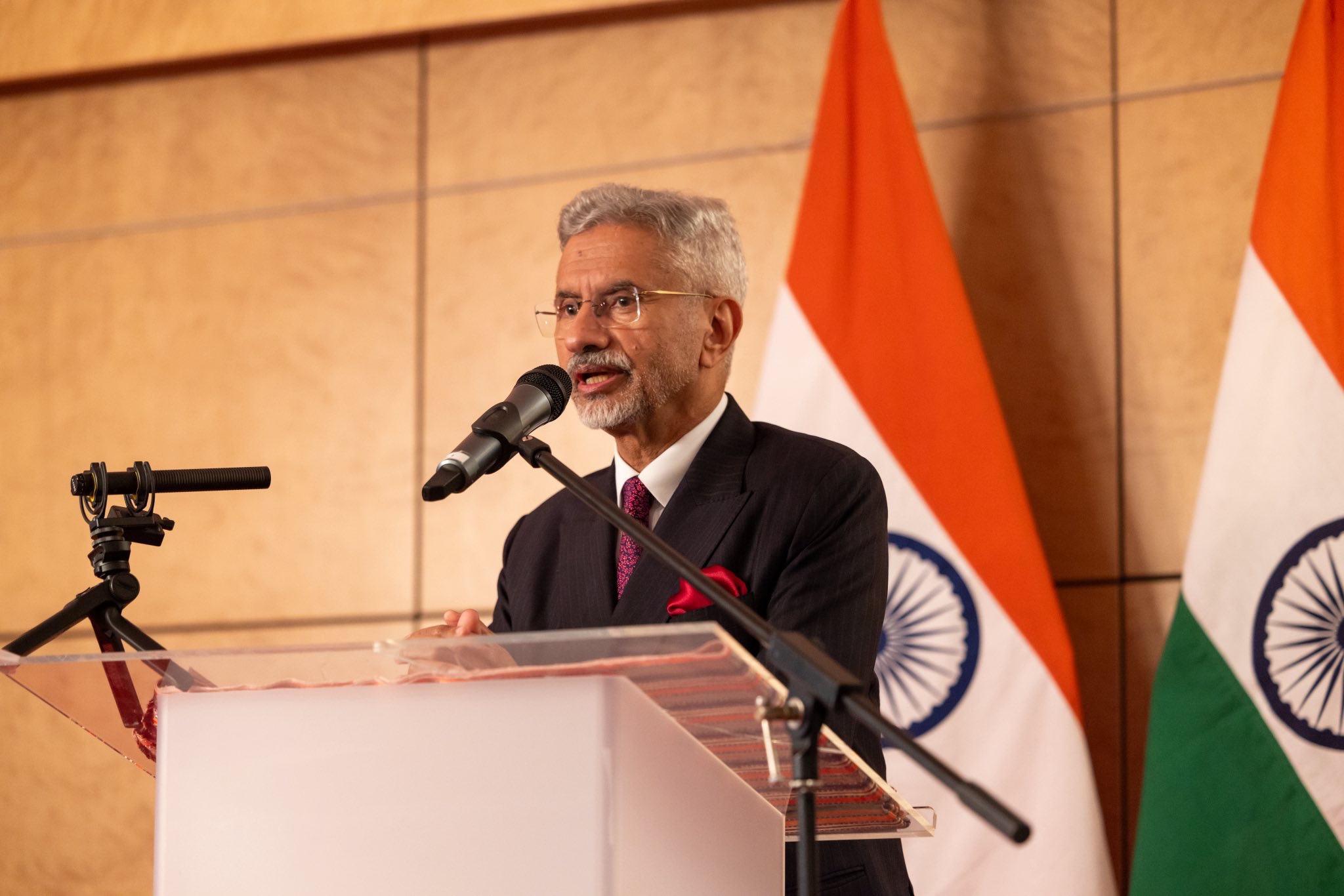
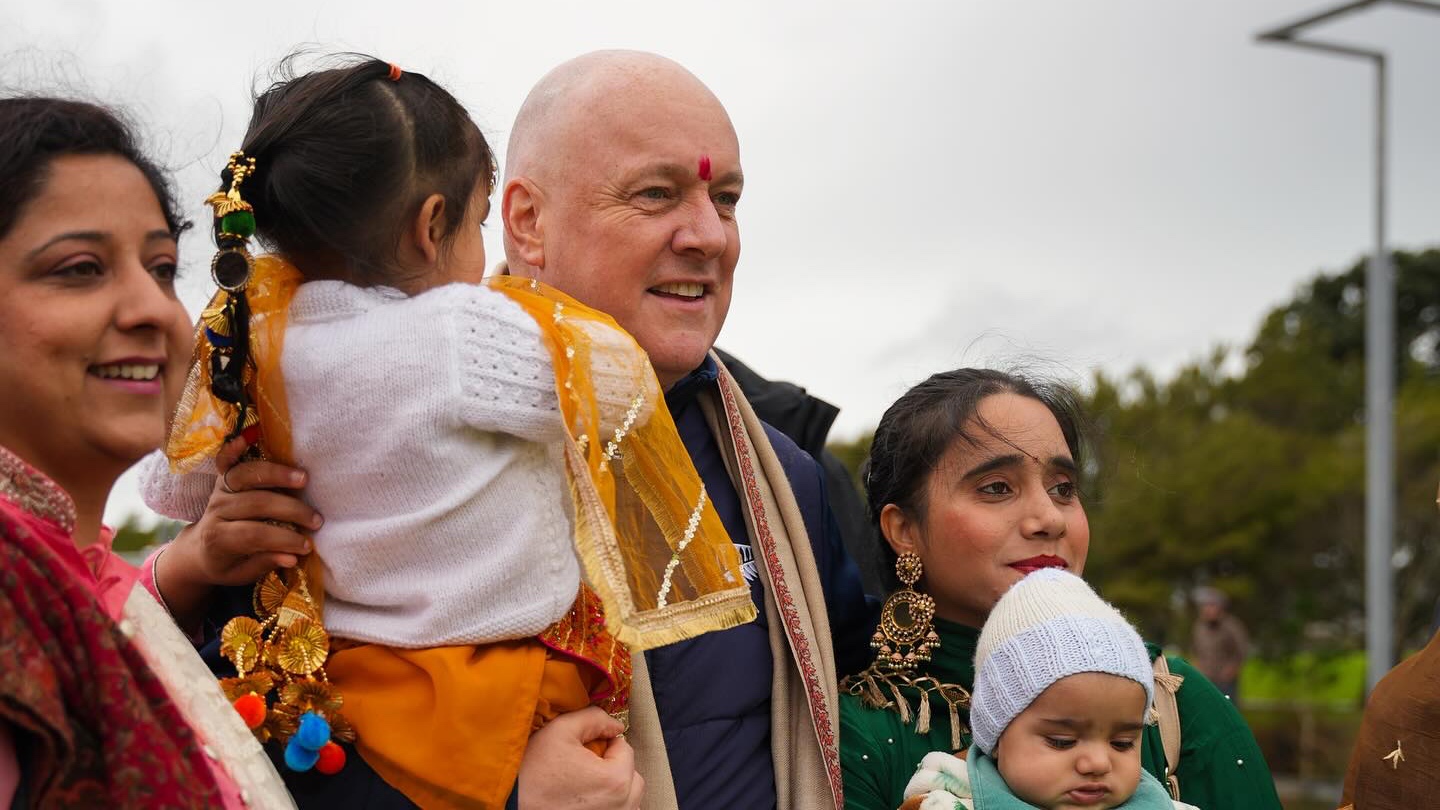
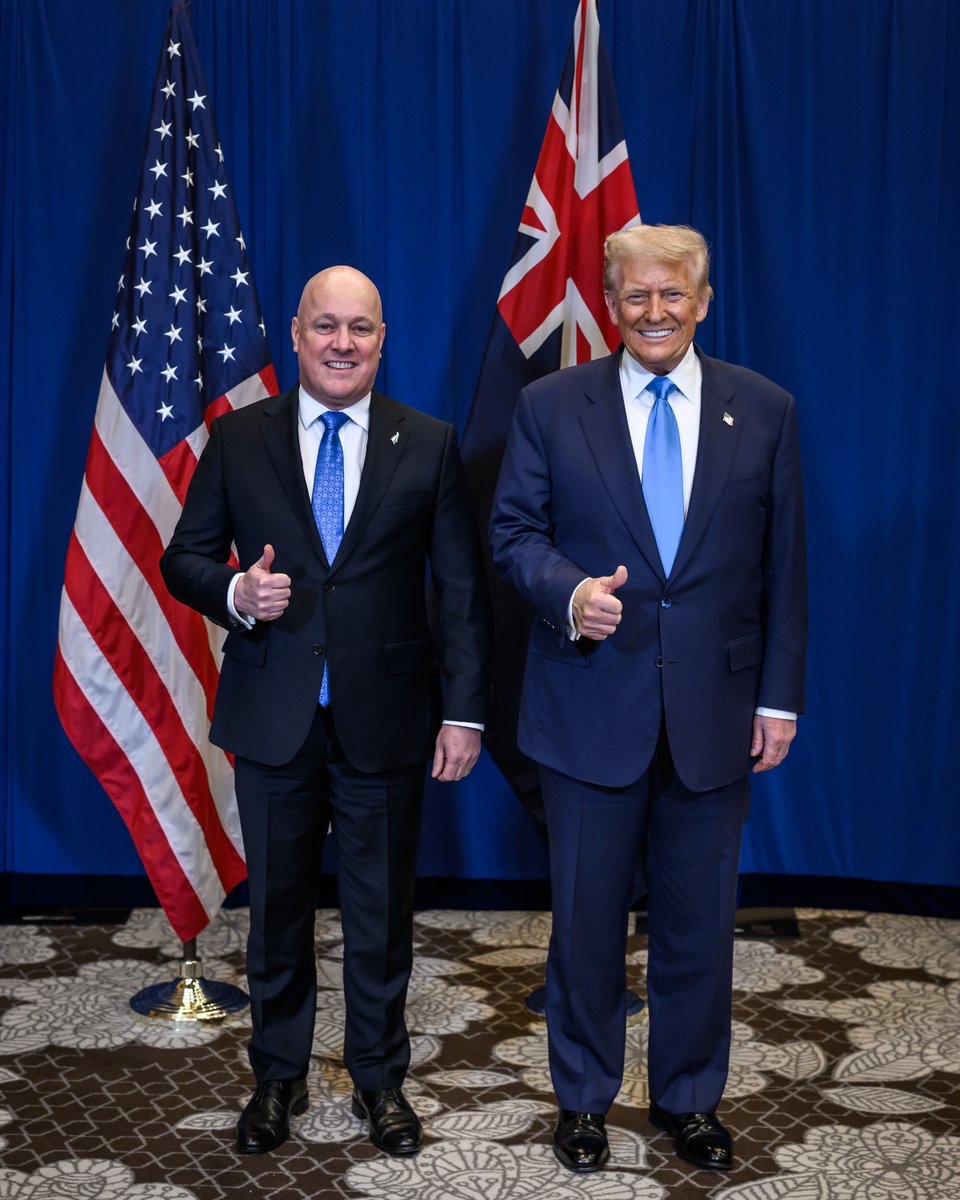
Associate sport minister Chris Bishop with Indian cricket legend Kapil Dev at Ahmedabad on March 8, 2026. (Supplied photo)
Even in their loss to the South Asian giant, Black Caps have a lot to cheer about.
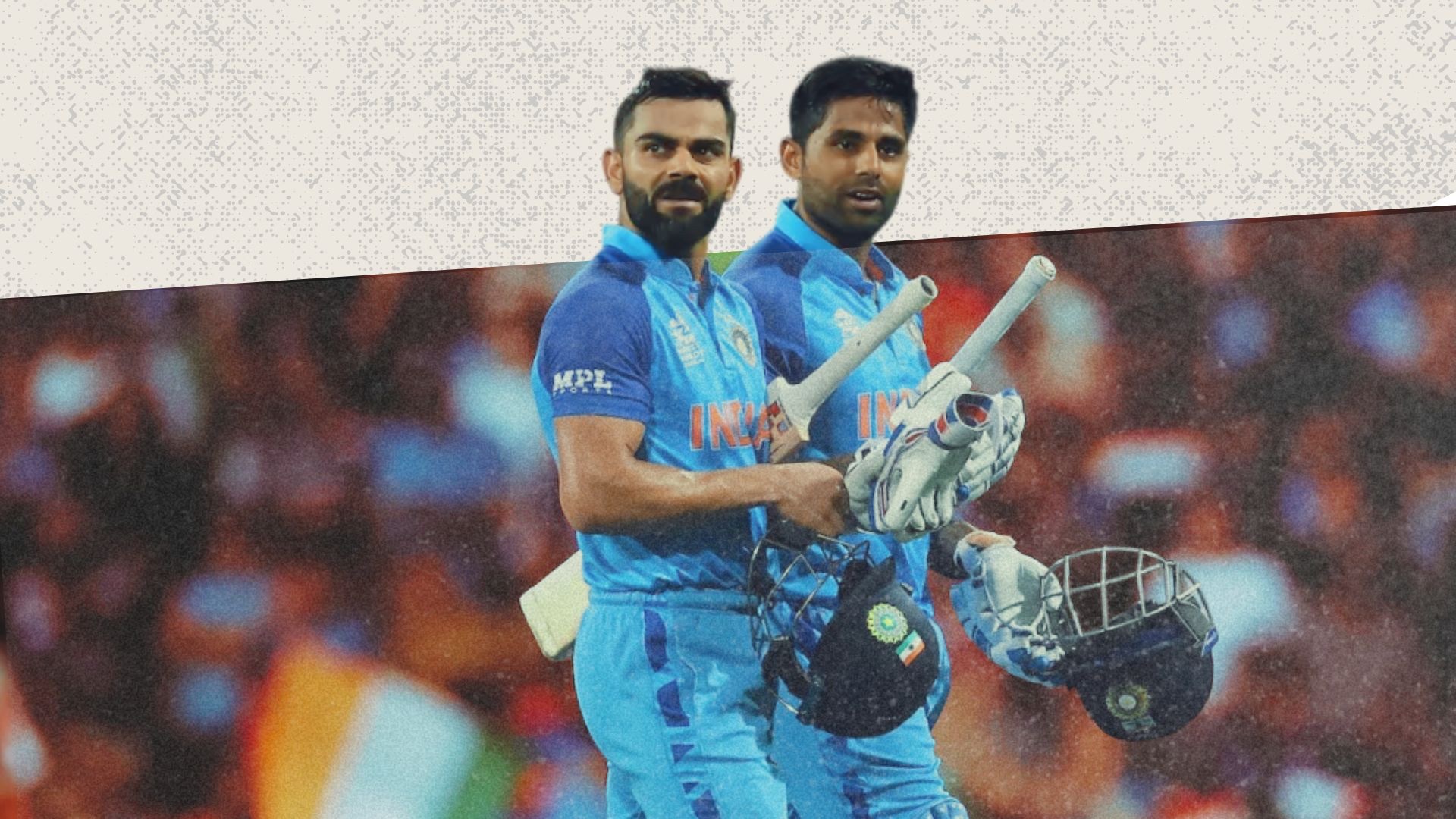
On Sunday, India won their third T20 World Cup title, and second in a row, beating New Zealand in Ahmedabad by 96 runs. India has now lifted the T20 World Cup trophy more times than anyone else, winning three out of the total 10 editions of the tournament.
Even in their loss to the South Asian giant, Black Caps have a lot to cheer about. This was their fifth final across ICC events since the 50-over World Cup in 2015, quite an achievement for the relatively small cricketing nation.
This rising stature on the world stage underscores the urgent need for New Zealand Cricket (NZC) to either upgrade the existing limited-overs domestic league or start a new T20 event. This event should be financially lucrative and attract global players. Failure to do so would mean more players taking up casual contracts with NZC and flying around the world playing the rapidly increasing private T20 leagues.


Another option being discussed is for Kiwi teams to be a part of the BBL in Australia. Cricket Australia officials have travelled to Auckland this year to make a presentation to the NZC board about the possible inclusion of a New Zealand team in the BBL in 2028.
A Deloitte independent report, expected soon, will advise NZC on the future of its T20 competition. If the soccer and basketball leagues can do that, surely the idea has merit for the sport of cricket.
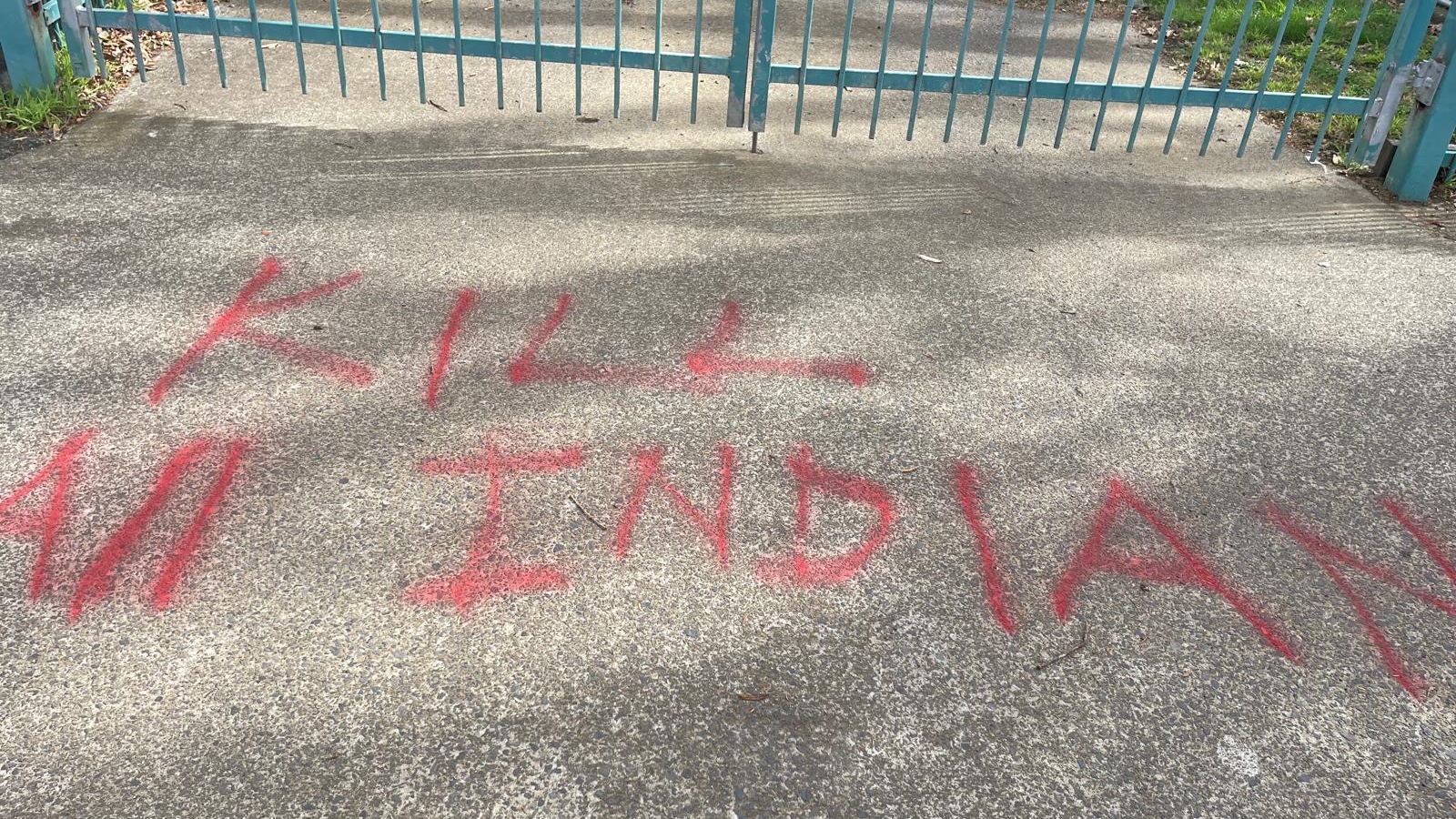
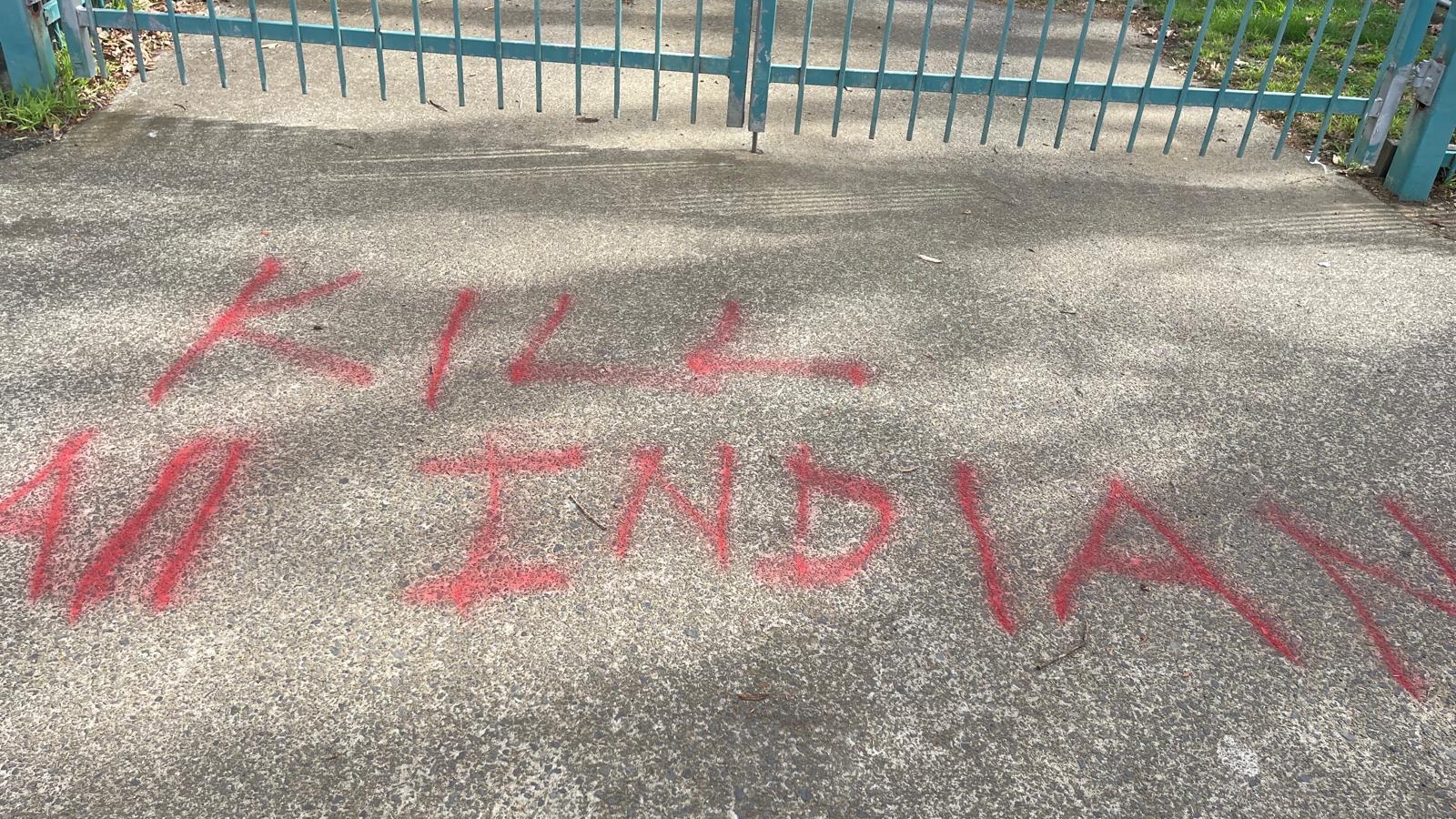
'Devastating': Indian family racially abused in Christchurch, hunt on to identify attacker “We’ll always be reminded of this, thanks to this man who thinks we don’t belong.”
Immigration reset: National drops hints as parties on left and right target permanent residence New Zealand's permanent residence framework provides an edge over Australia and Canada in attracting overseas talent.
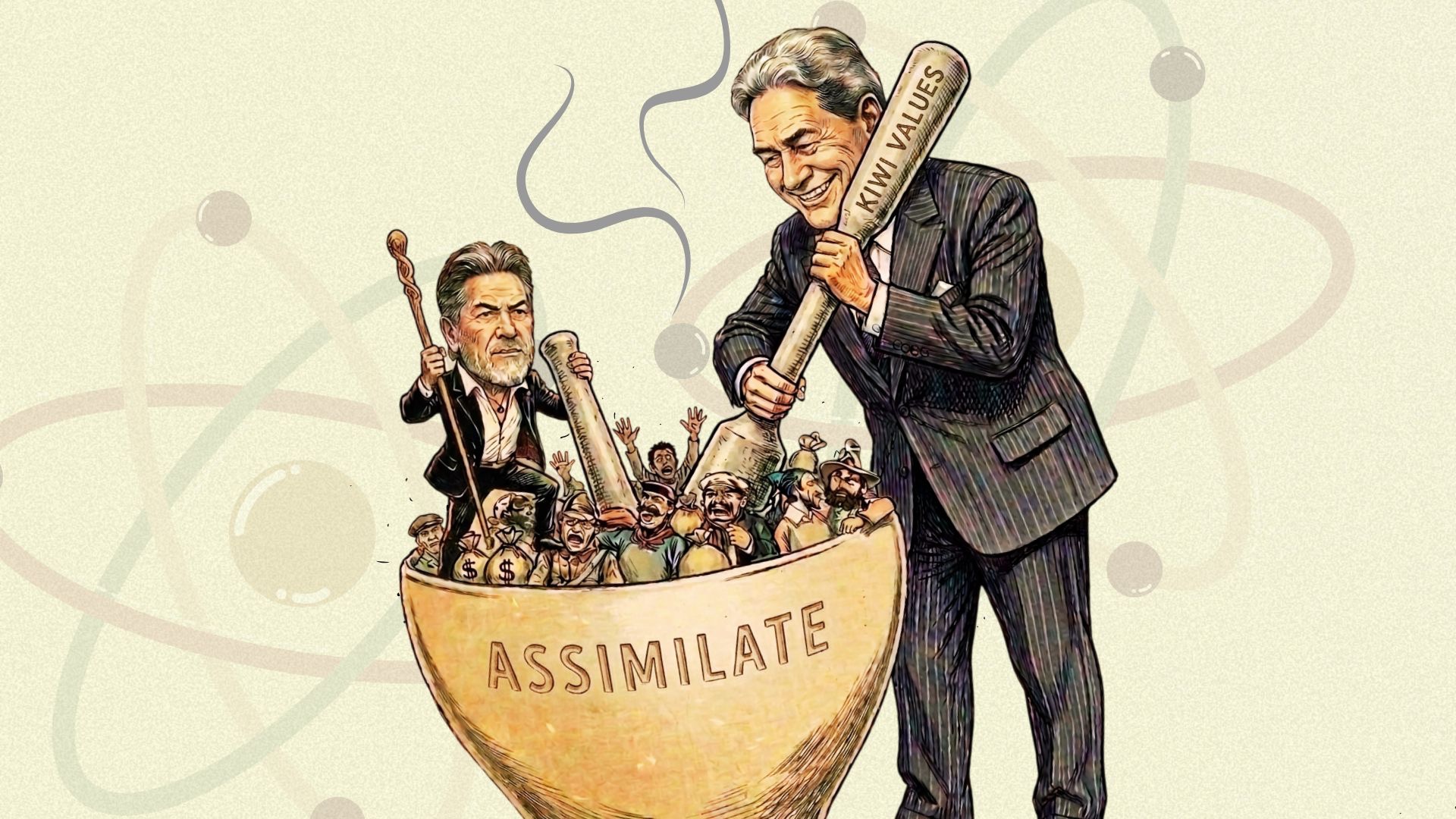
NZ First’s policy of division: Turning hatred of migrants into political power This is no immigration reform. It is the politics of exclusion presented as population planning.
What also needs to be acknowledged is the strong grassroots cricketing structure of the country, and the importance placed on sports in schools and households. Across all age groups, there are several thousands cricket players throughout New Zealand.
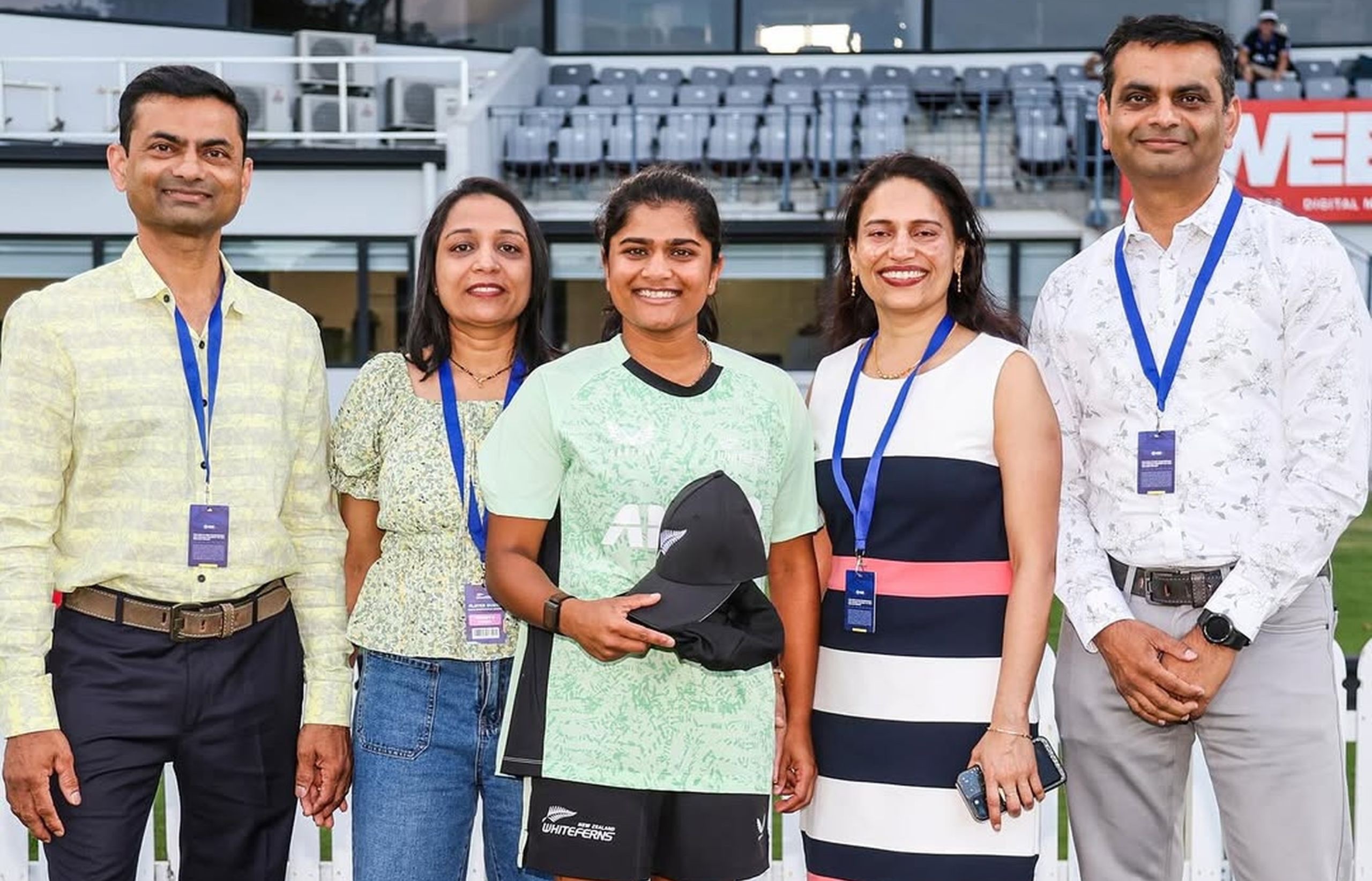
Players of Asian origin constitute a significant portion of that number, especially in Auckland, where some estimates suggest they make up about 45 per cent of the total playing population. From such relatively small numbers, producing competitive teams across formats in international cricket is truly commendable.
Small cricketing nations rising
At the 2026 T20 World Cup, a pleasant surprise was the performance of the associated nations. These nine nations proved that cricket is fast expanding into non-traditional markets. The huge diaspora of people of Indian origin across the world is obviously helping in no small way.
Close to three dozen players of Indian origin representing the associated nations are evidence of this trend. Canada and the USA led this pack with 11 and nine Indian-origin players respectively.
It was also evident that the shorter the format, the smaller the gap in skills is amongst cricket-playing nations. Shadley van Schalkwyk from the USA stood out with 13 wickets and was the joint second in the tournament for most wickets.
India’s success at the event again reflected the nation’s might, in what can be termed its unofficial national sport (also for people of Indian origin across the world). This was also a good example of the flow-on effects of having the most successful T20 league, the Indian Premier League (IPL), run in the country.
India's first title triumph at an ICC World Cup was at Lord's in 1983. That transformed the cricketing landscape of the country. This latest title victory is a good indicator of things in the foreseeable future: India’s dominance on and off the cricketing pitch in its shortest format.