
What life is really like for Indian IT workers serving global firms

Working conditions for many of India’s IT workers are far from pleasant.
What does working from home actually look like for the five million Indian IT professionals?
IT workers in India keep a lot of the world’s technology ticking over. They may be operating your company’s helpdesk, or responding to a query about your latest gadget.
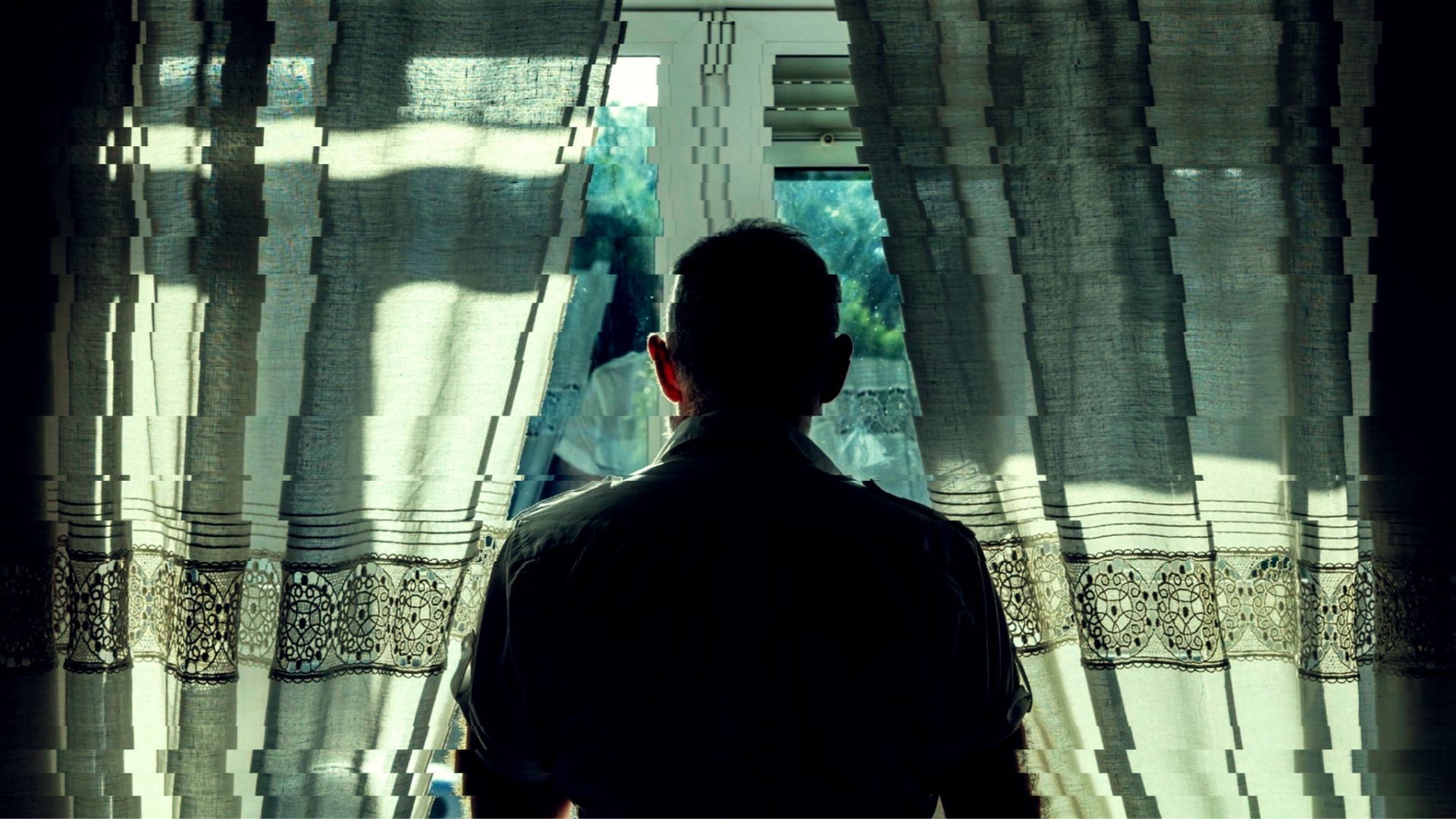
They may also be working from home. And in India’s IT hubs, like Bangalore, Chennai or Hyderabad, this is likely to be from a cramped apartment filled with backup battery systems the workers have paid for themselves.
For despite often working for some of the biggest companies in the world, research I carried out with colleagues shows that working conditions for many of India’s IT workers are far from pleasant.
Ever since COVID, the pros and cons of remote working have been tested across the world. In some places, for some people, a switch to hybrid or fully remote working represents a degree of freedom and self-determination.
But not everywhere. So what does working from home actually look like for the 5 million Indian IT professionals who keep the digital infrastructure of big western companies running?
Truant student may have to curb Khalistan speech in India but will be deported, NZ tribunal rules The 21-year-old's education provider terminated his enrollment within a year because of poor attendance.
New Zealand-trained Indian pilot hailed for saving 174 people in Flydubai suspected crash bid Smit Machchhar trained with Mainland Air in Dunedin for about 18 months between 2008 and 2009.
54 hours worked, 26 hours paid: Indian migrant wins $60,000 from Auckland employer The man's additional claim that he paid unlawful premiums to procure the visa didn't hold up in the employment tribunal.
One of the biggest challenges is space. In India, more than half of the population live with members of their extended family. Many of the 51 workers we interviewed share their homes with children, parents, grandparents and in-laws – all squeezed into small apartments which now double up as offices.
For them, remote working means organising large family groups in small spaces so that one person can have a quiet corner in which to work.
A professional background for a video call required careful choreography in a crowded household with two rooms where babies might be crying next to elderly relatives with medical complaints.
For the workers we spoke to who had care responsibilities for various family members, the juggling required was extraordinary. We were told of profound knock-on effects for family life, with chaotic mealtimes and evenings hijacked by calls.
But perhaps the biggest challenge we learned about was to do with basic infrastructure. Power cuts are routine in many Indian cities. Internet bandwidth, shared among other family members working or studying from home, is often unreliable.
We met many IT professionals, doing identical work to their counterparts in London or San Francisco, who had spent their own money on domestic backup power systems so they could stay online. During home visits, we saw battery units occupying valuable domestic space on balconies, in hallways and porches – equipment these homes were never designed to hold. A proper unit – the kind needed to run a laptop, router, and fan through India’s routine power cuts – costs up to £400, roughly equivalent to a month’s take-home pay for a junior IT worker.
Meanwhile, internet bandwidth had to be carefully rationed. Television schedules were reorganised around work calls. Most meetings defaulted to audio-only, with video reserved for special occasions.
Along with power supplies and other equipment, some said workplace surveillance had also moved into their homes. One 33-year-old male IT worker said his employer’s online system would “calculate how many hours you work, and which other websites you visit”. He added that lapses would “automatically trigger a [message to my] manager”.
The surveillance extended into absurd territory. When power cuts struck – a routine occurrence – some workers were expected to prove it. A 28-year-old male engineer told us: “The boss said ‘go out and take photos of your house and send it’. He needed proof.”
Working conditions
These frustrations are not going unheard. In 2025, hundreds of IT workers took to the streets in Bangalore carrying placards which read “We are not your slaves” and demanding a legal right to disconnect and the enforcement of limits on working hours. When the state government proposed extending the maximum working day from ten to 12 hours, workers protested again. So far, India’s IT sector remains exempt from key labour protections, and no right to disconnect has been brought into law.

IT workers protest in Bangalore over working conditions. (EPA/Jagadeesh NV)
A key part of their protest was to do with workplace inequality – which had simply been relocated from the office into the home.
Organisations saved on office space, utilities and equipment. Those costs didn’t disappear – they were transferred to workers and their families.
In some countries that might mean buying a desk. To many of the Indian IT professionals we spoke to, who keep the digital infrastructure of big western companies running, it meant investing in domestic power backup systems, rationing internet bandwidth, rearranging entire households, and absorbing the emotional toll of work without boundaries – all while managing infrastructure failures.
A software developer in Bangalore with identical skills to one in Boston faces entirely different remote work realities. If remote work is to deliver on its promise, organisations and policymakers must recognise that “working from home” means fundamentally different things depending on where that home is – and who bears the hidden costs of making it work.
(The writer is Professor of Work and Equality, University of Bath. This was first published in The Conversation.)