
Can a citizenship test really measure what it means to be a New Zealander?

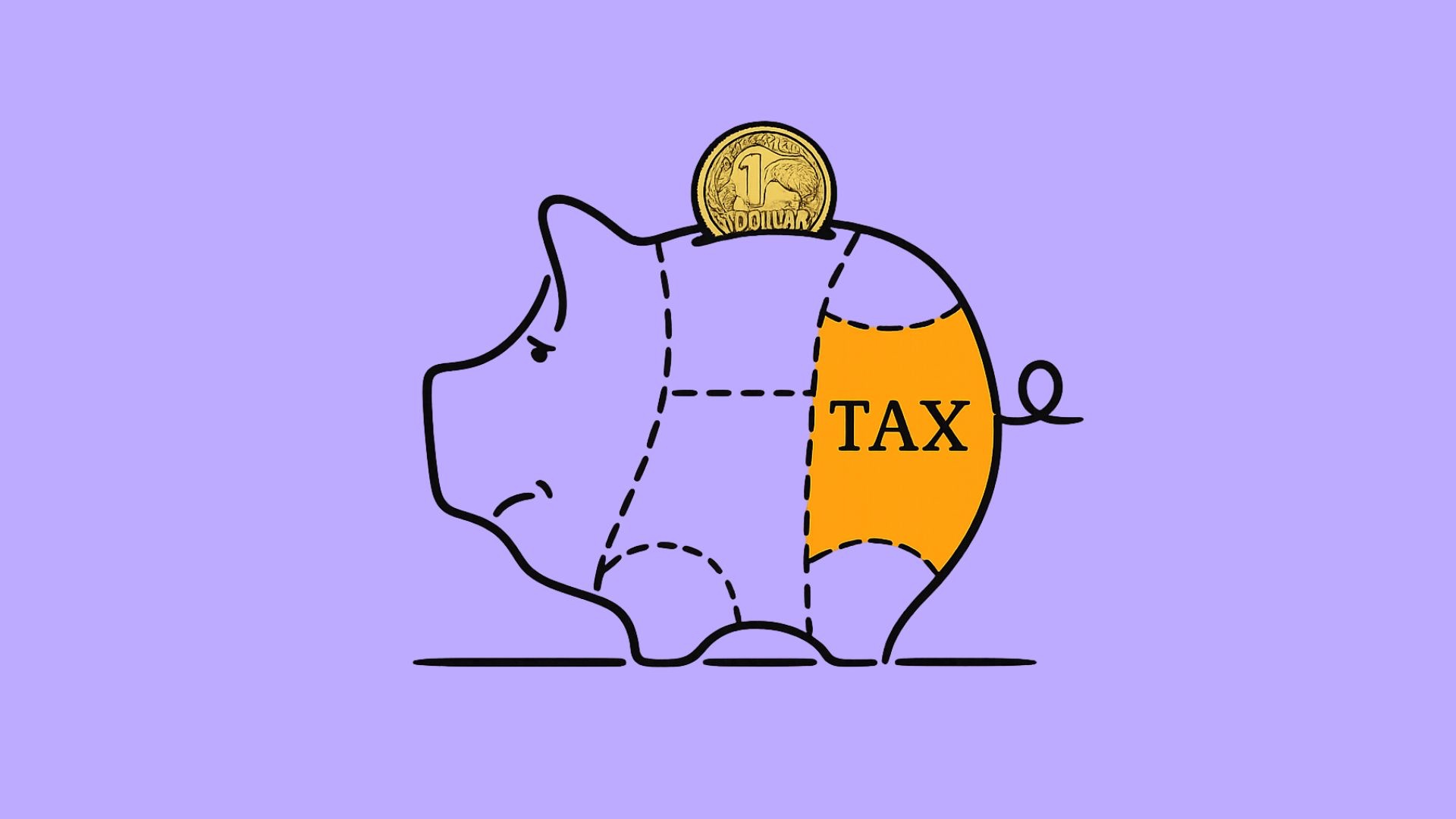
The government will introduce a new citizenship test from next year.
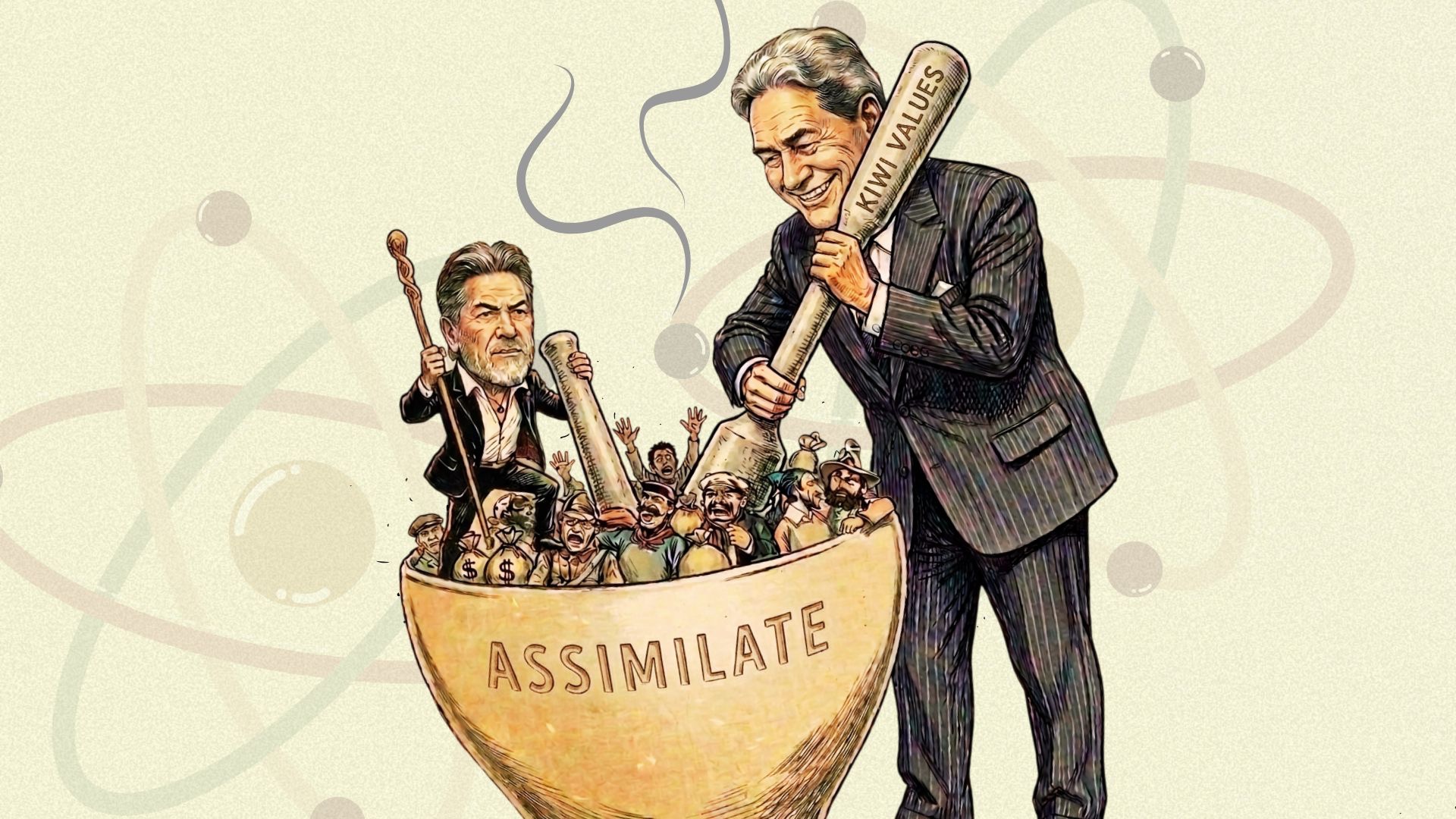
The risk is that it becomes an exercise in selective historical amnesia at the expense of an honest profile of the country.
New Zealanders like to think of themselves as an uncomplicated lot. So straightforward, in fact, that successful completion of a short test can determine one’s fitness to become a Kiwi.
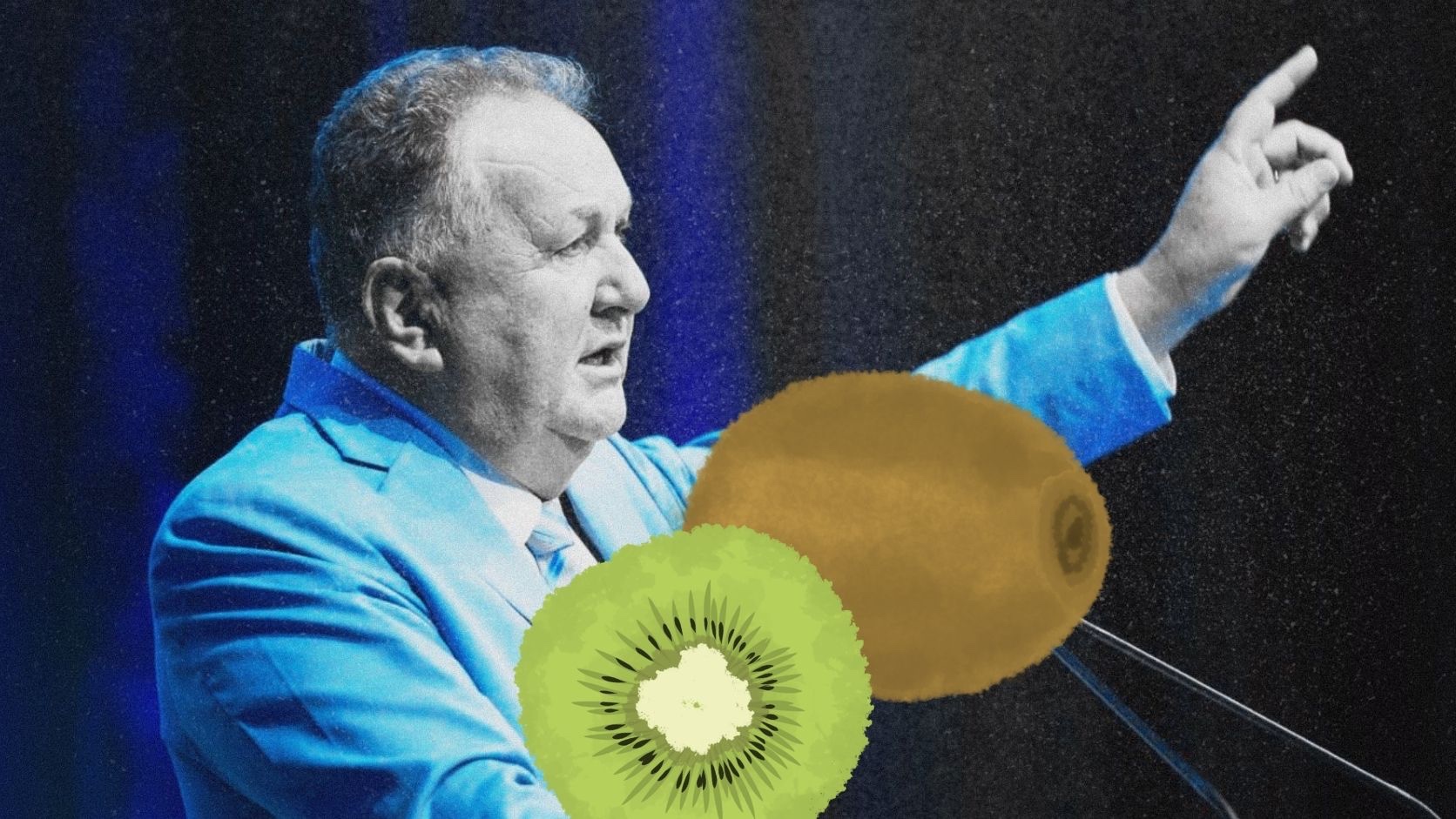
At least, that’s the plan from Minister of Internal Affairs Brooke Van Velden, who has announced that from late 2027 part of the process of becoming a New Zealand citizen will entail scoring at least 75 per cent in a 20-question multiple-choice test.
At one level, this makes sense. If someone wishes to become a citizen of New Zealand, it seems reasonable to expect them to know something of the place. The same might be said of people who are already New Zealanders, but the test will apply only to aspiring citizens.
On closer inspection, however, the proposed test raises questions that deserve close attention, particularly regarding methodology.
For the results of any test to be valid, the assessment method needs to be appropriate to the purpose of the exercise, which has to be carefully designed into the test questions themselves.
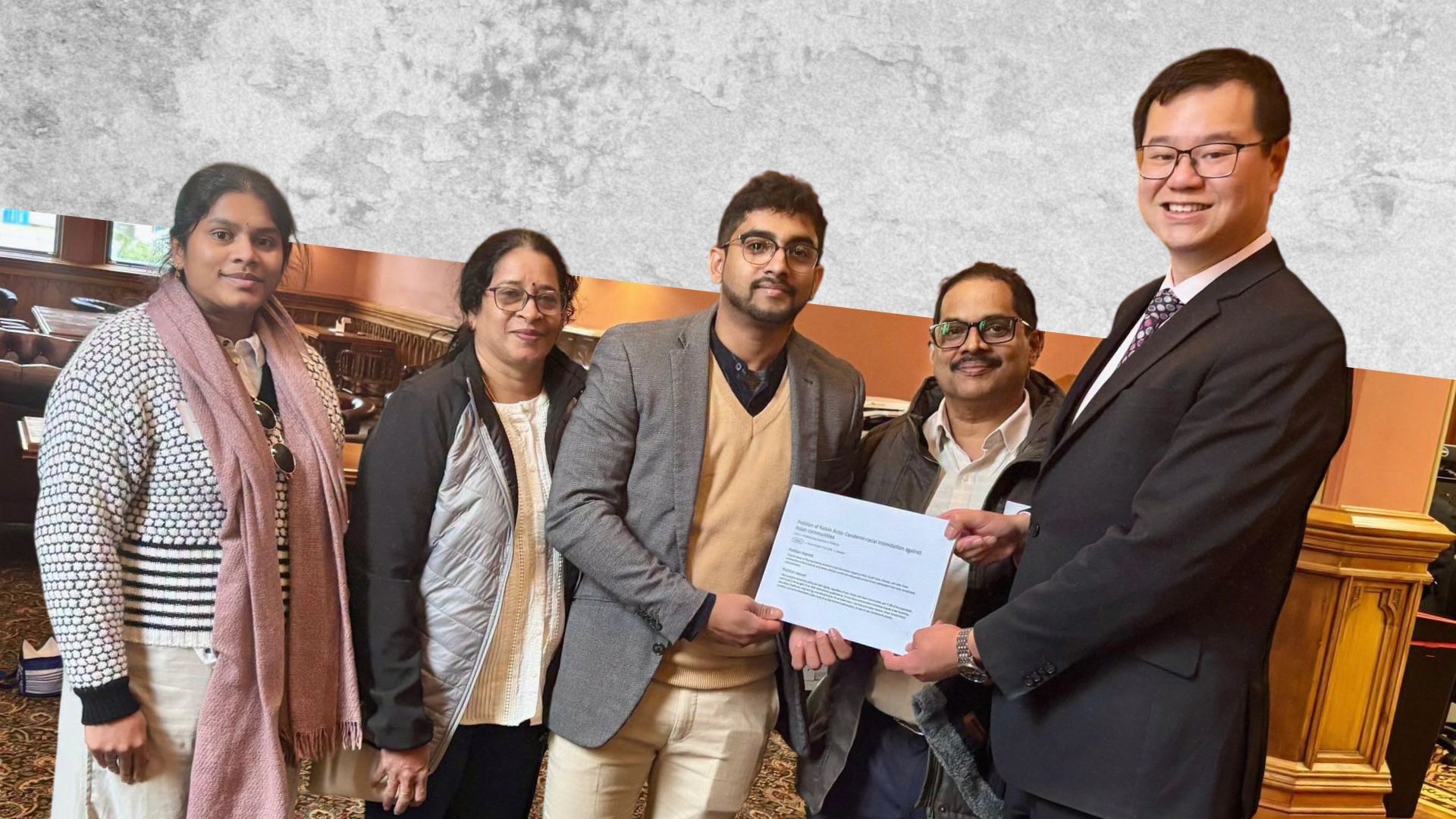
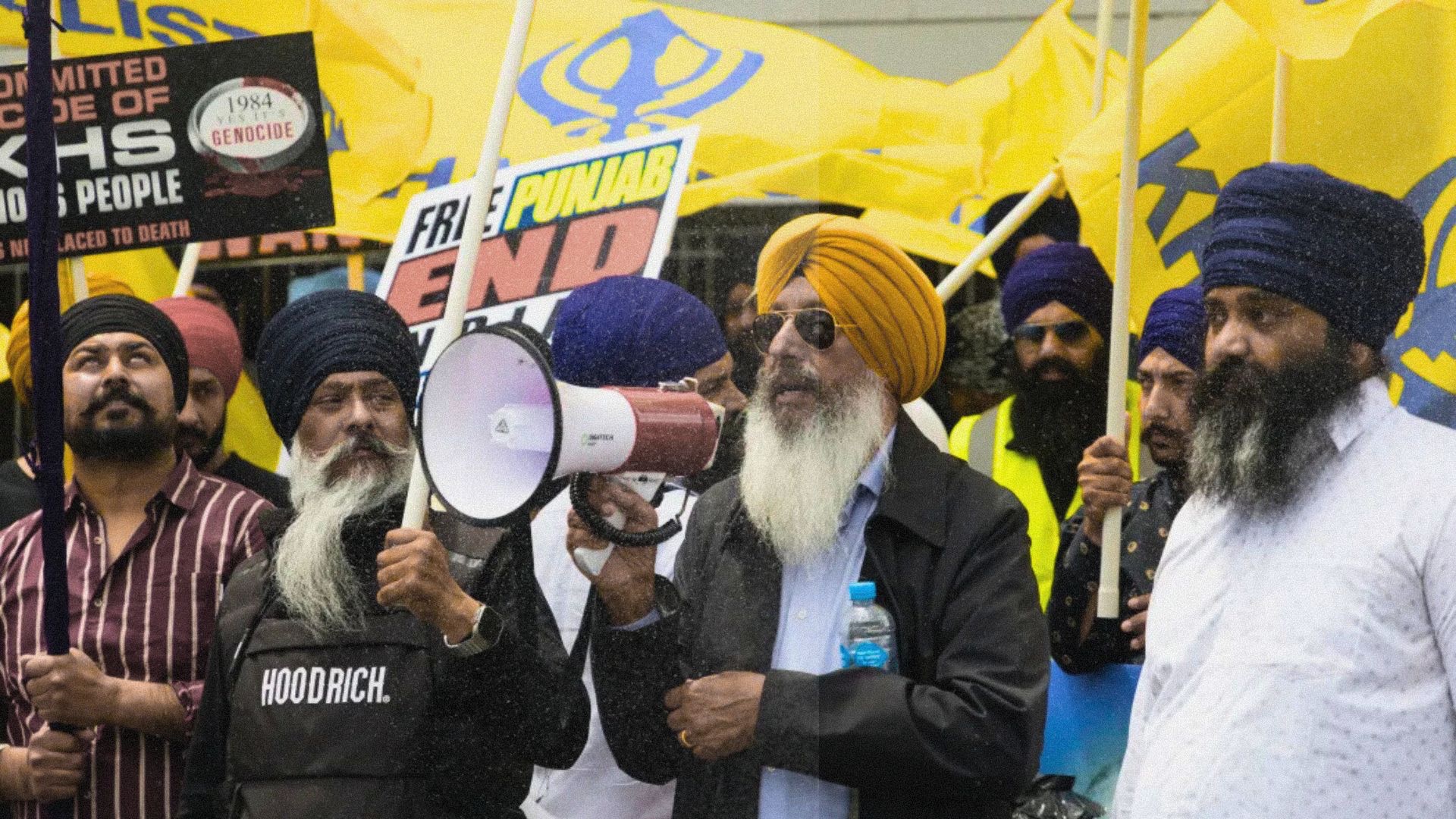
South Asian diaspora raises over $200,000 for New Zealanders missing in Nepal flood "I'm so proud of the Indian community here who...supported us, saying it is not a Nepal problem but our problem."
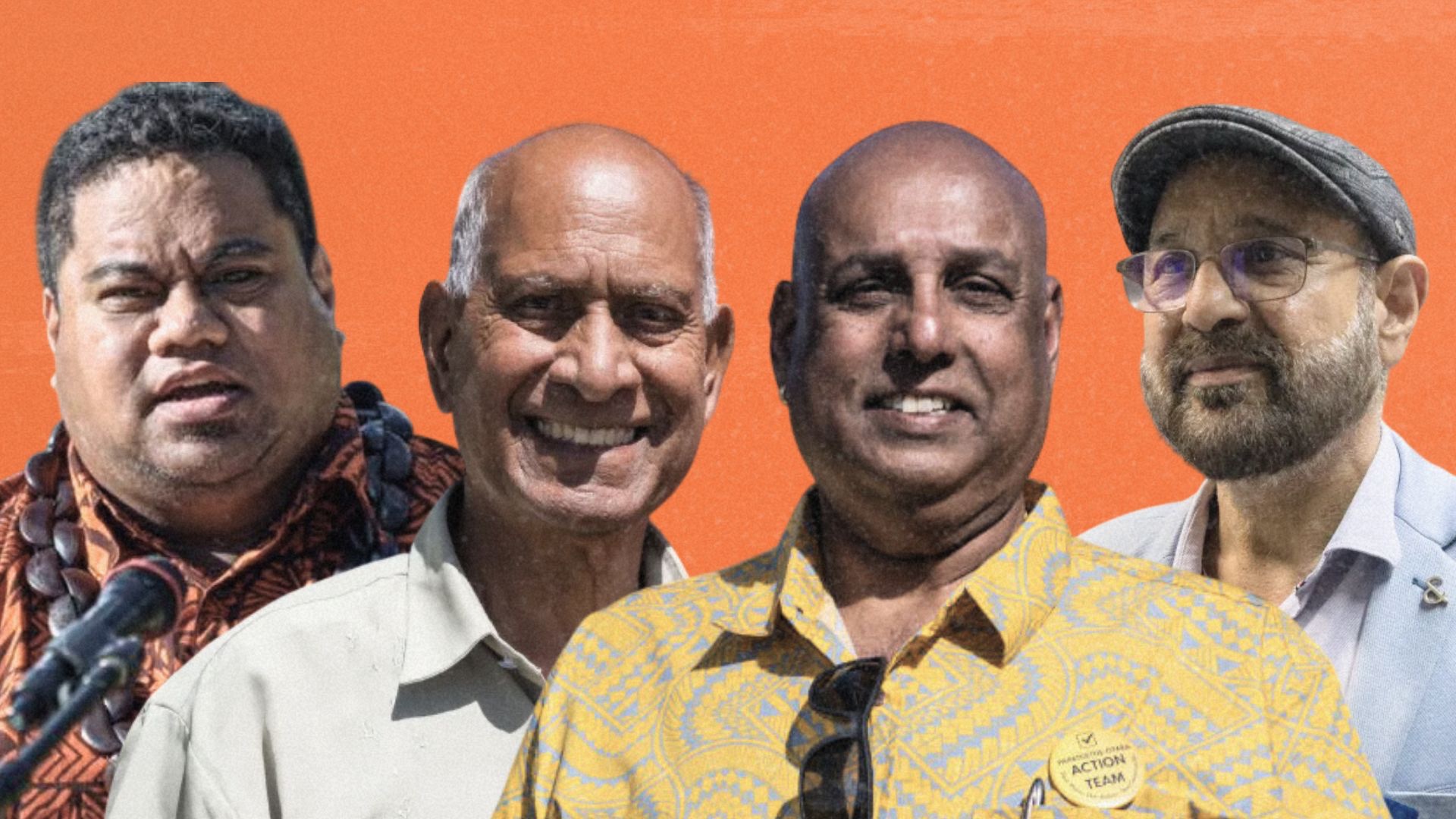
Tamakis launch Indian-origin candidate for Epsom who surrendered passport and has ‘assimilated’ “I know a whole lot of people are going to be like shocked,” says Hannah Tamaki.
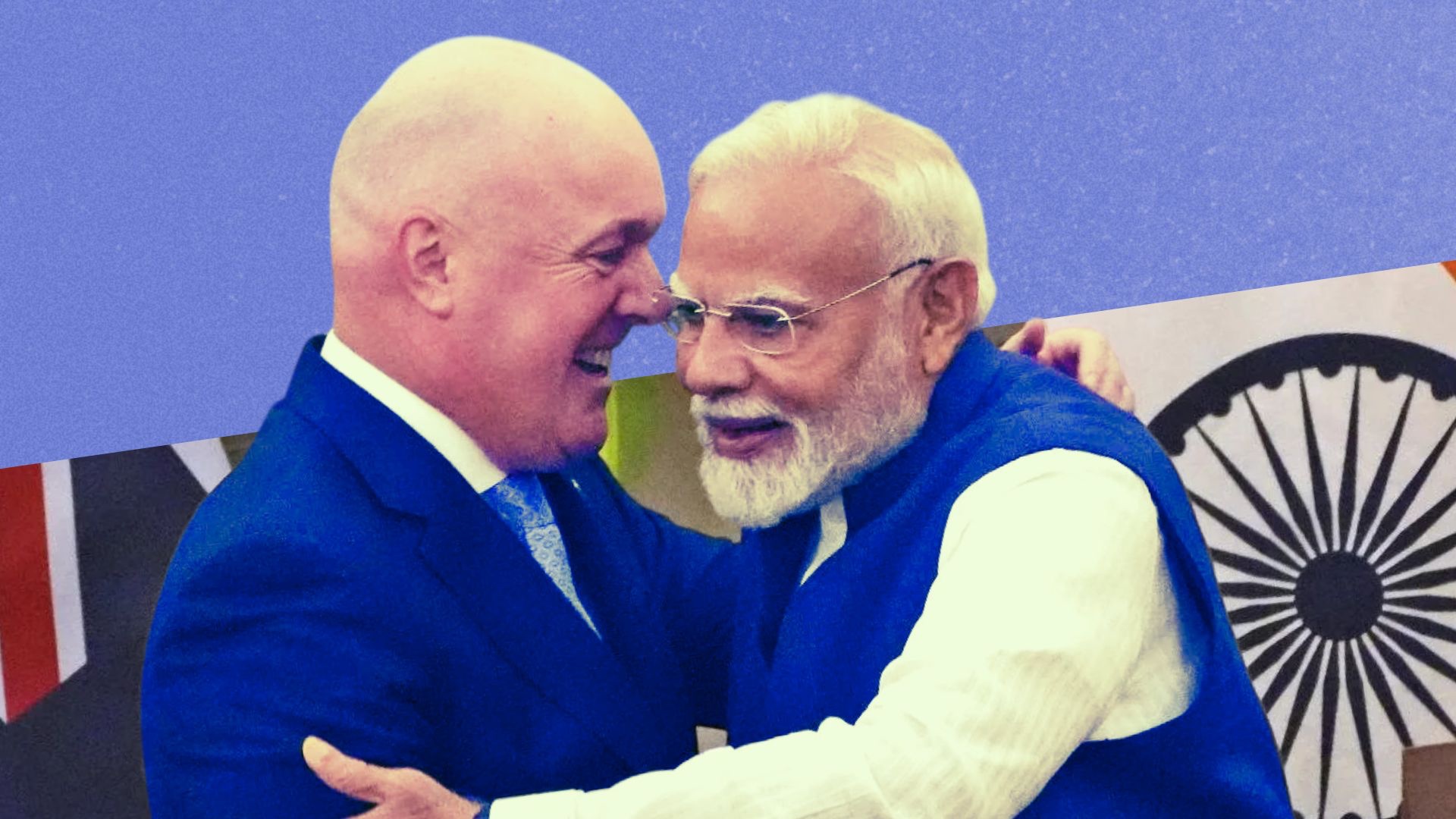
Priyanca Radhakrishnan tries to puncture Luxon’s FTA victory, says India was already sold “Things have changed quite dramatically on the Indian government side,” says the Indian-origin Labour MP.
In other words, exactly what are we testing for? Van Velden has indicated the government is concerned “we have lost a sense of what it means to be a New Zealander”.
Accordingly, budding Kiwis will be quizzed on their comprehension of a range of topics including the contents of the Bill of Rights Act, human rights, voting rights and democratic principles, and New Zealand’s system of government.
Some of these lend themselves to precise, accurate responses. New Zealanders’ democratic and civil rights are, for instance, explicitly articulated in the Bill of Rights Act.
But designing a limited series of potential responses for complex, contested issues, such as the nature of freedom of speech or respect for human rights, poses any number of challenges.
Unintended effects
Like referendums, multiple-choice tests can unhelpfully reduce complex concepts to short, simple (if not simplistic) propositions. It is difficult to meaningfully assess someone’s appreciation of these intricate matters simply by requiring them to choose one option.
International research on the value of citizenship tests is not reassuring. There is some evidence people retain a limited amount of factual information for a short time following a test, but little indication preparing for and taking a test produces meaningful behavioural change.
On top of that, when the broader political and policy context is hostile to migrants (as is increasingly the case in New Zealand), such tests can produce the opposite of what is intended.
Research in the United Kingdom, for instance, has found some new citizens feel less connected with their new home having taken a test, perhaps out of anxiety or confusion about its relevance to their daily lives.
In short, learning about a host country may be useful in the short run, but rote learning to pass a multiple-choice test does not have meaningful, durable effects.
Historical amnesia?
Beyond those technical considerations lie questions about the actual resources available to people preparing to take the test, and the subtantive nature of the questions they will be asked.
Both will send clear signals about what it means to be a New Zealander. This takes on greater significance in the context of the current government’s rollback of Maori and Treaty of Waitangi influence in law and policy.
We might expect a citizenship test to include questions about the country’s constitutional arrangements. But Van Velden made no reference to te Tiriti o Waitangi when setting out the broad areas for inclusion in the test.
When Australia toughened its citizenship regime nearly a decade ago, Indigenous understandings of citizenship didn’t feature in a test about “Australian values”. The British test has been criticisedfor ignoring the legacy of imperialism in its former colonies.
What does not feature in the New Zealand citizenship test will matter every bit as much as what does. The risk is that it becomes an exercise in selective historical amnesia at the expense of an honest, comprehensive profile of the country.
“What it means to be a New Zealander” is no easy thing to define, let alone distil into a questionnaire that captures the country’s sense of itself. On the other hand, a simplified and partial version of national identity might be easier to convey in a short, multiple-choice test.
(This story first published in The Conversation. The writer is Professor of Politics, Te Kunenga ki Pūrehuroa at Massey University.)