
Kiwi-Indian robbed thrice in 10 months tells parliament committee why retailers need more powers

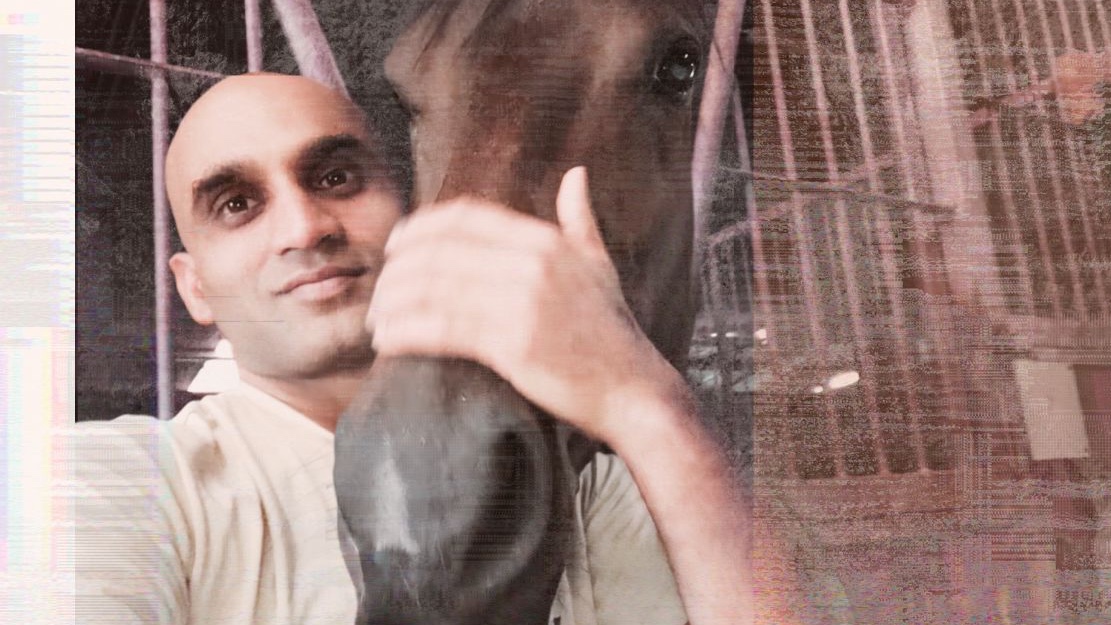
Suraj Prakash owns a sports apparel and accessory store in Hutt Valley.
The Justice Select Committee has heard why – or why not – should citizens be allowed powers to arrest offenders.
Suraj Prakash could have been happy when police finally caught the five people, four of them juveniles, who kept robbing his sports goods store in Hutt Valley. Instead of a court hearing, the retailer says he received a different invitation.
"They invited me to family group conference...I was thinking they called me for the court." On Wednesday, Prakash told MPs on Parliament’s justice select committee that he had barely opened the store when the attacks began.
"So I opened my business last year in April, and it's not even a year. And I got hit by three times," he said. "The same group hit me three times."


The exchange unfolded on March 13, 2026, as Prakash appeared before the Justice Select Committee, which is hearing submissions on the government’s Crimes Amendment Bill.
The draft legislation makes it legally permissible for retailers to use physical and mechanical restraints to detain shoplifters, and also lifts restrictions on engaging physically with such intruders by using reasonable force.
'Devastating': Indian family racially abused in Christchurch, hunt on to identify attacker “We’ll always be reminded of this, thanks to this man who thinks we don’t belong.”
Immigration reset: National drops hints as parties on left and right target permanent residence New Zealand's permanent residence framework provides an edge over Australia and Canada in attracting overseas talent.
NZ First’s policy of division: Turning hatred of migrants into political power This is no immigration reform. It is the politics of exclusion presented as population planning.
The Bill passed its first reading in Parliament in December last year. Before the Bill is signed into law, the legislative change must be scrutinised by a select committee, which can propose tweaks in its report that is due by June 9, 2026.
For Prakash, the debate is personal. He opened the Stirling Sports store on the main street in Upper Hutt in April 2025 using savings and a bank loan. Within three weeks, a man smashed the shopfront with an axe and burgled the store.
In January 2026, masked offenders again shattered the glass front door about 6am and stole about $9,000 worth of goods. Another attempted break-in in February led to the arrest of five people, four youths and a 20-year-old man.
The repeated attacks have driven up the store’s insurance premiums to about $6,000 a year and forced Prakash to sleep inside the shop at times to guard it.
Back at the committee hearing, Prakash told MPs offenders often walk out with goods knowing staff can do little to stop them.
"All they say is the F word...because we can't do anything at the moment…they just walk out from my shop with my belonging from my shop."
Prakash said he believes tougher laws could help deter retail crime. "Once it starts…when the people know, okay, this is happening in New Zealand, the law change…it will definitely...stop the retail crime."
Prakash’s story illustrated the frustration many retailers say they face. But as MPs heard throughout the hearing, not everyone agrees the solution lies in expanding citizens’ arrest powers, or at least not without sufficient safeguards.
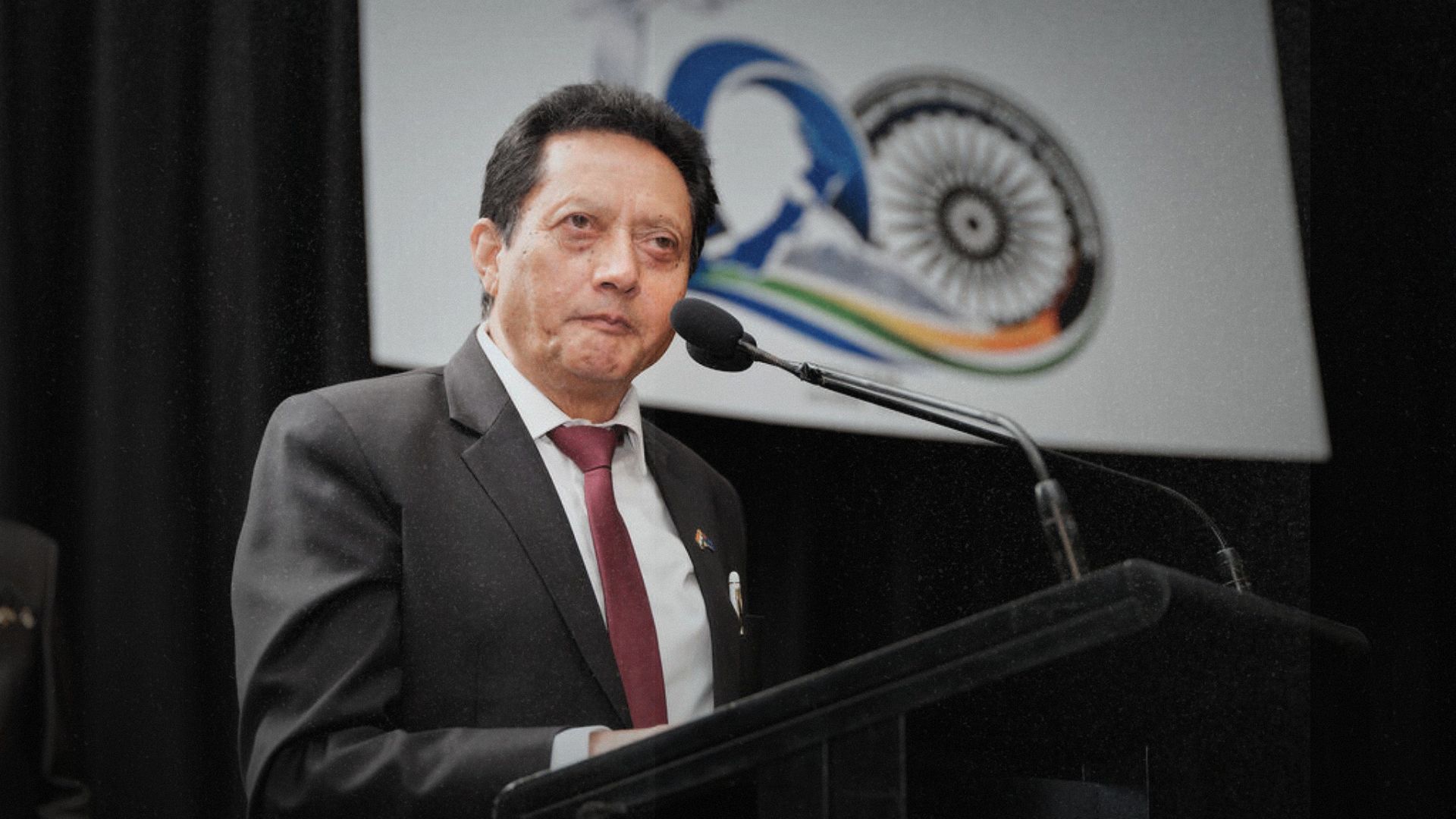
The apex body of Indian diaspora organisations across New Zealand supported efforts to empower retailers but with a few riders. Any law change must ensure individuals acting in good faith while using force are protected from legal fallouts, the New Zealand Indian Central Association argued.
Kiwi-Indians own and operate thousands of mom-and-pop dairy stores. The organisation recommends the new law should specify explicitly statutory thresholds for reasonable force and require public awareness guidance from police.
A few organisations appearing before the justice committee warned the proposed changes could create legal, safety and human rights risks if members of the public are encouraged to physically intervene when suspected offenders are caught.
Mana Mokopuna, the Children’s Commissioner, told MPs empowering citizens to arrest people could expose children and young people to harm and present significant risks to their rights.
The Human Rights Commission warned it could create a heightened risk of arbitrary detention and disproportionate use of force. The commission said the reforms could particularly affect and Pasifika communities.
The Law Association’s Criminal Law Committee said it understood the aim of addressing retail crime, but warned granting arrest powers to citizens could shift enforcement burdens onto untrained civilians and increase the risk of wrongful detention.
At least 200 people have made submissions on the Crime Amendment Bill that was drafted on recommendations from the ministerial advisory group for victims of retail crime that is due to wrap up in May.
Its chair, Sunny Kaushal, had brought Suraj along to the select committee hearings on Wednesday. He said widening citizen's arrest powers will only bring New Zealand's laws in line with Canada and Australia.
"The experience of Canada and Australia is the best evidence we have for determining what will happen here. I haven’t seen any evidence that these changes led to a massive change in retailer behaviour or instances of harm in those countries."
The Auckland Indian Association took a stronger stance, telling MPs "we need stronger laws that will hold criminals accountable and better protect victims when they need it most."
In its submission, the group said organised theft rings were increasingly targeting retailers and exploiting low penalties for shoplifting, allowing offenders to move from store to store with little risk of serious consequences.
It also supported clearer legal protections for victims who intervene, arguing the law should stand behind retailers who act reasonably to defend themselves or their property when confronted with theft.
The committee will now consider submissions before reporting back to Parliament on whether the proposed law changes should proceed.