
Explainer: The politics behind removing te reo Maori from school lunch scheme name
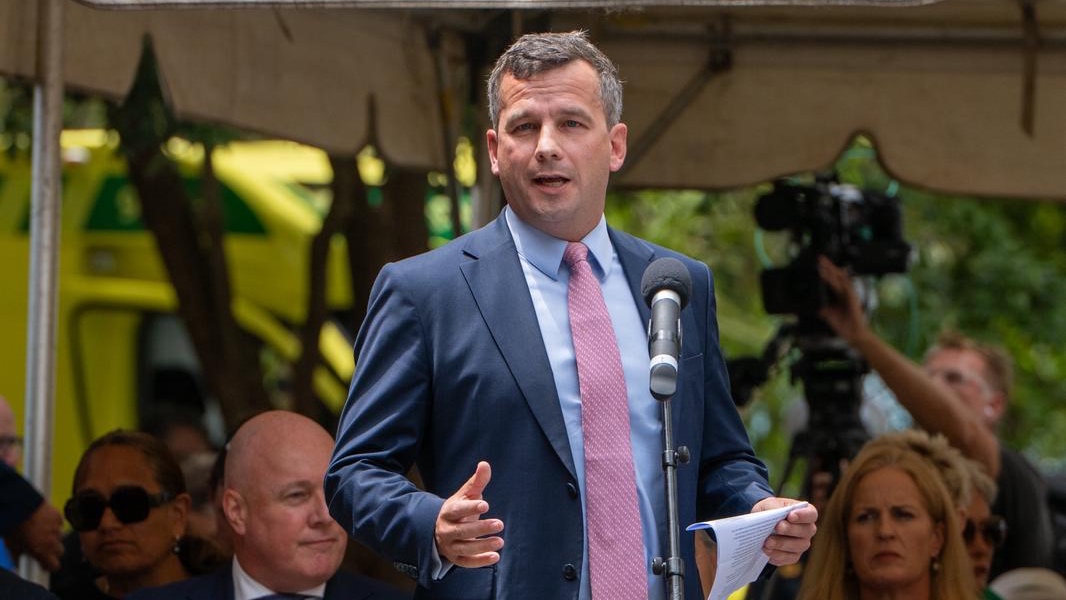
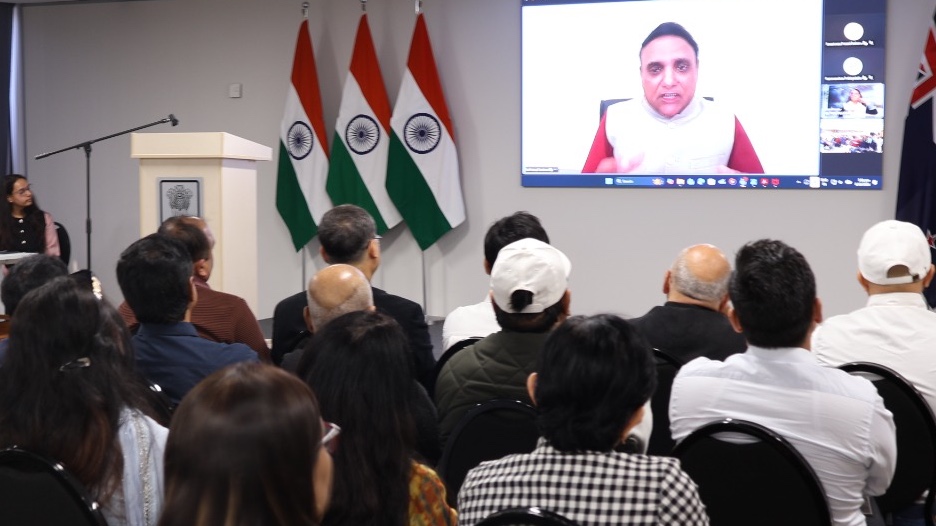
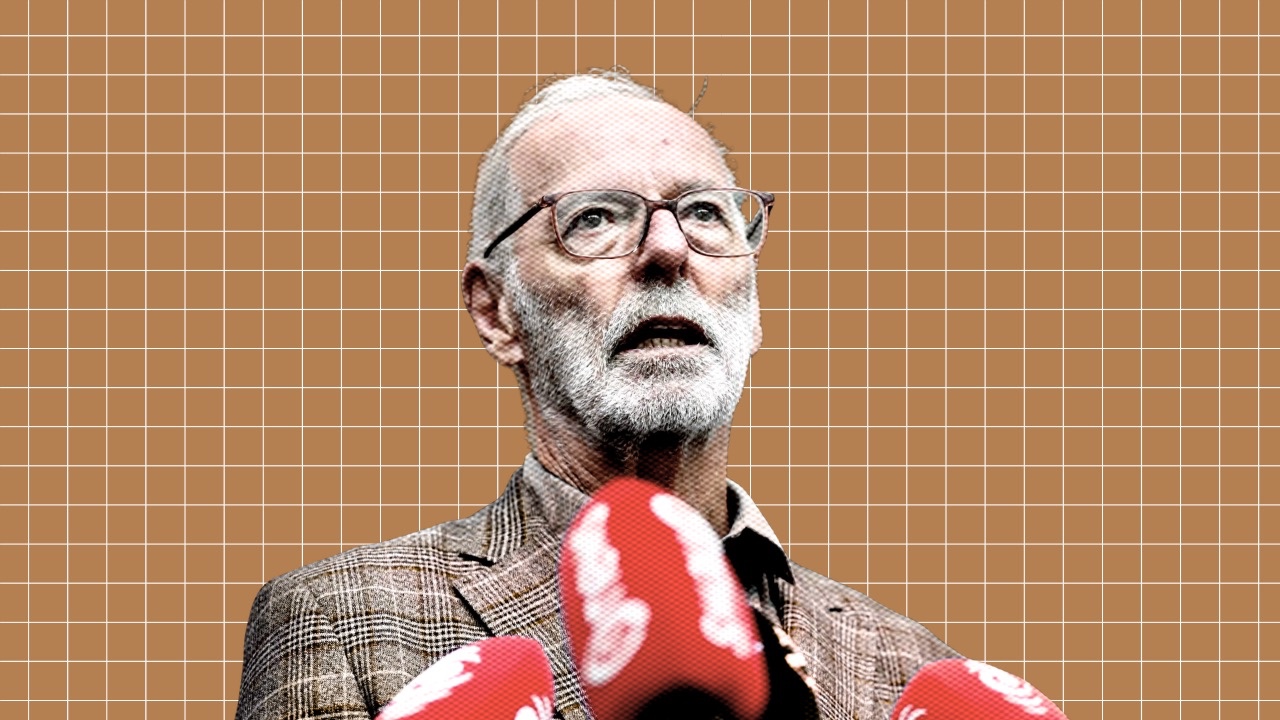
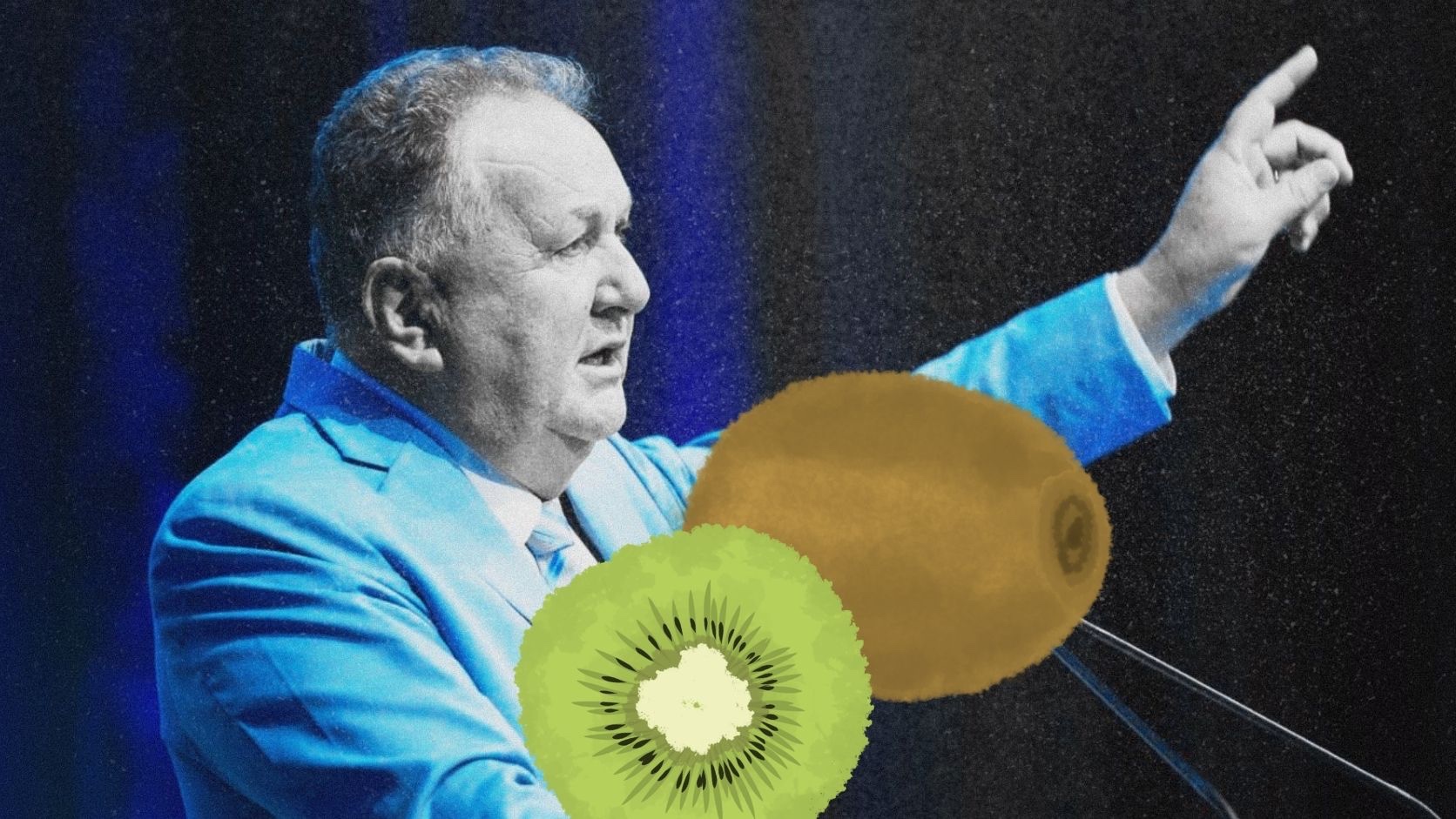
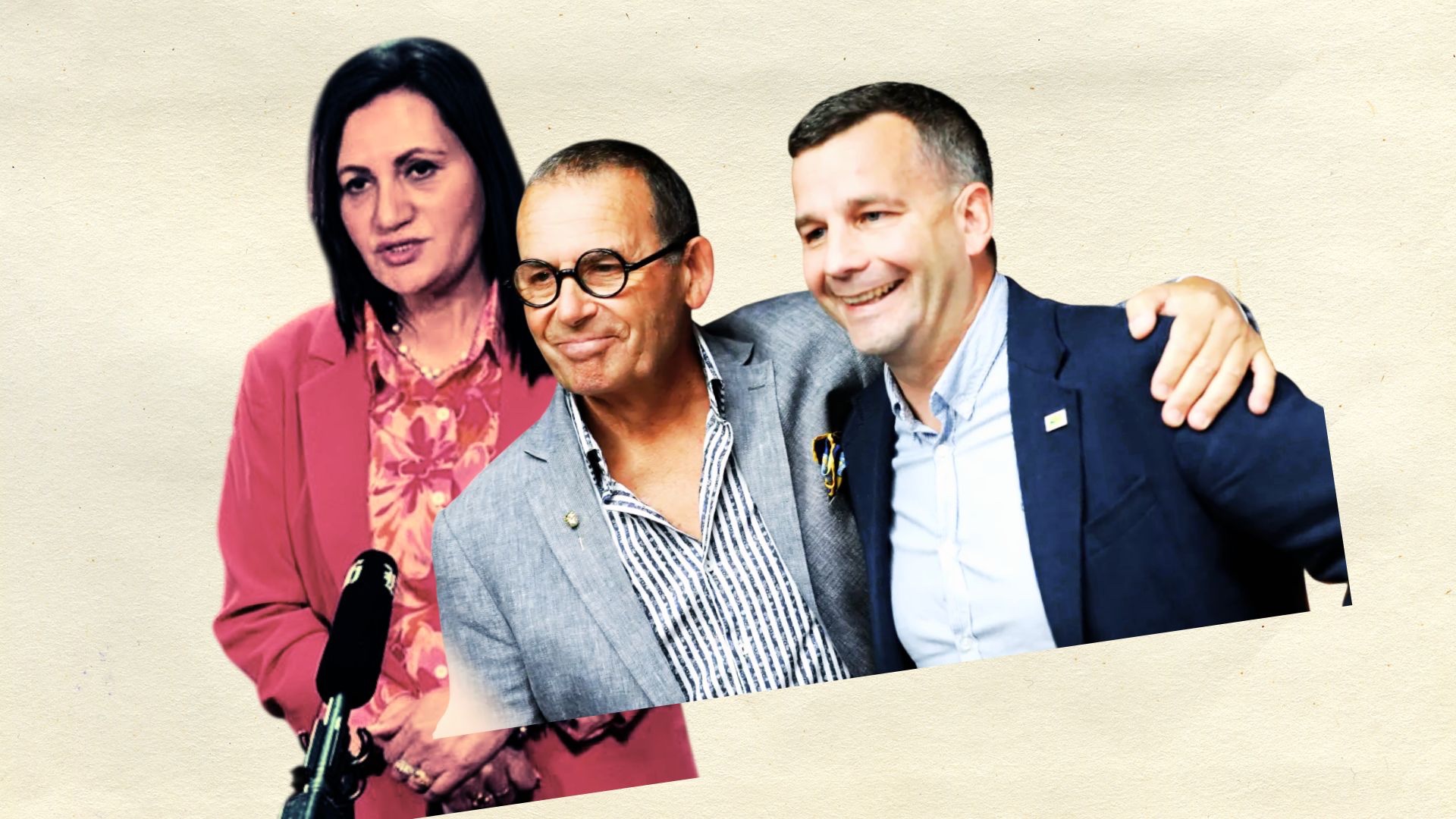
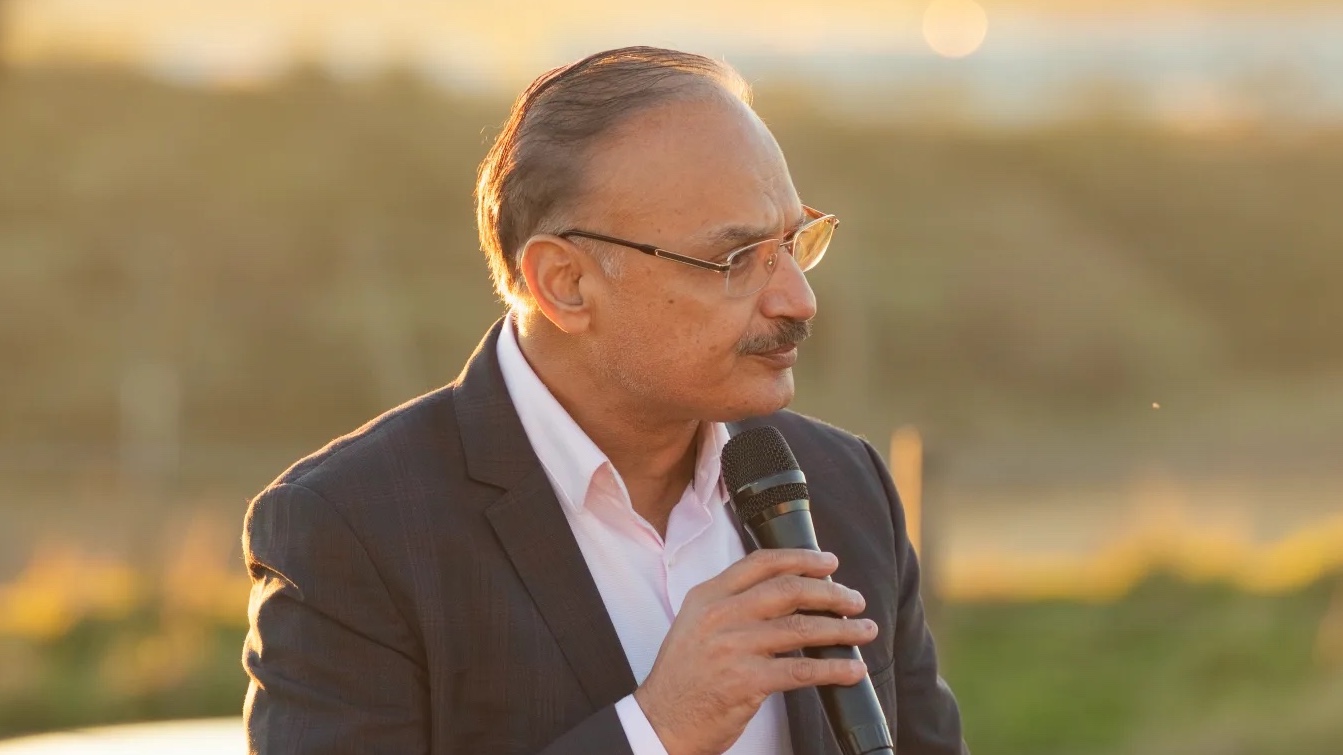
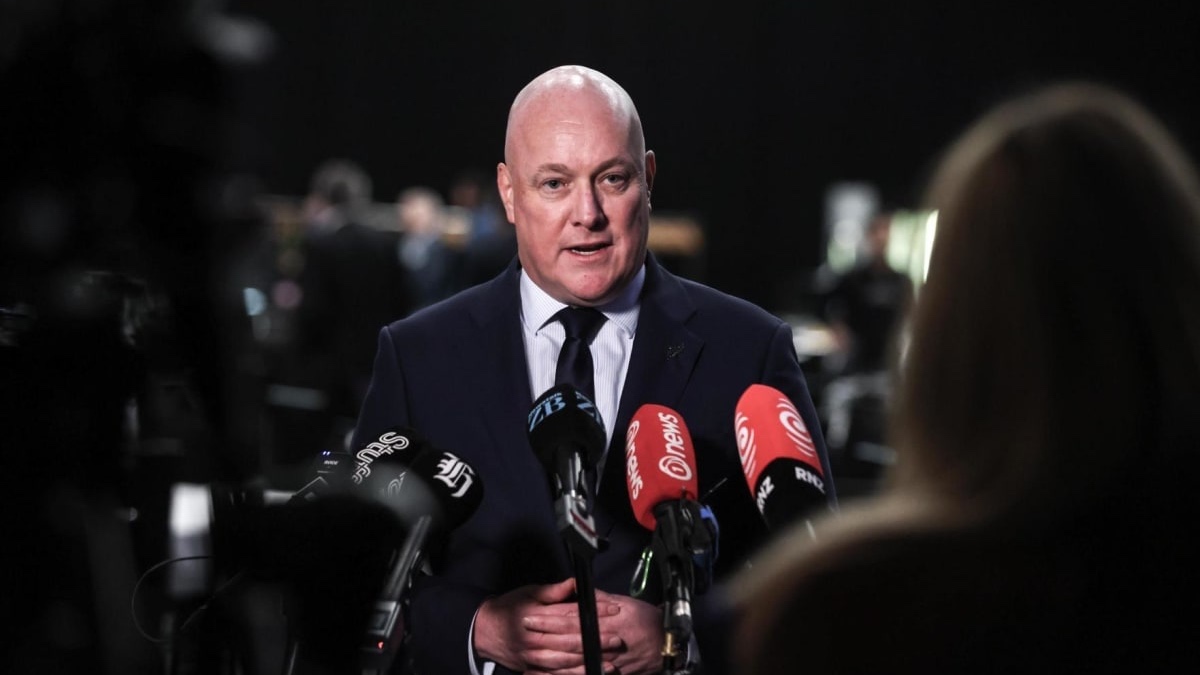
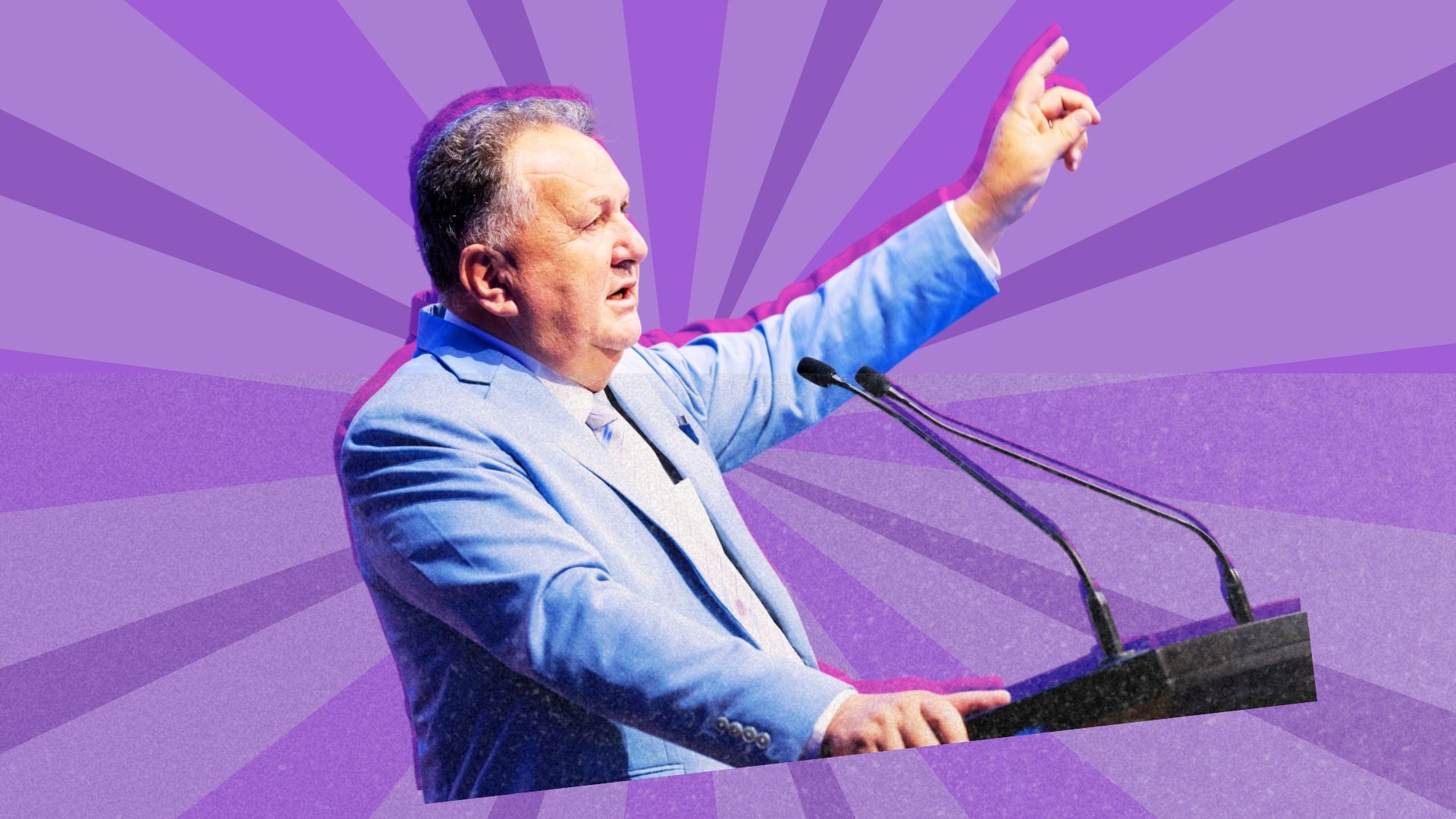
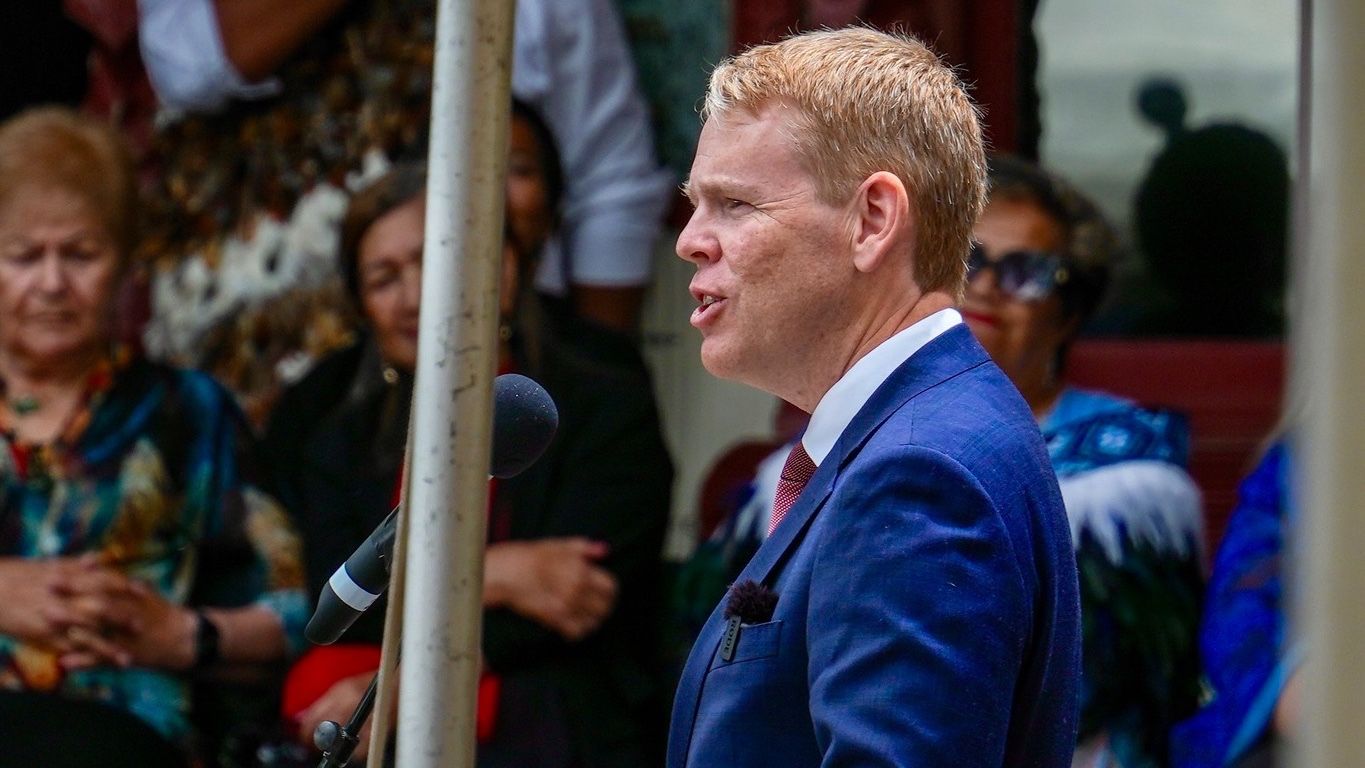
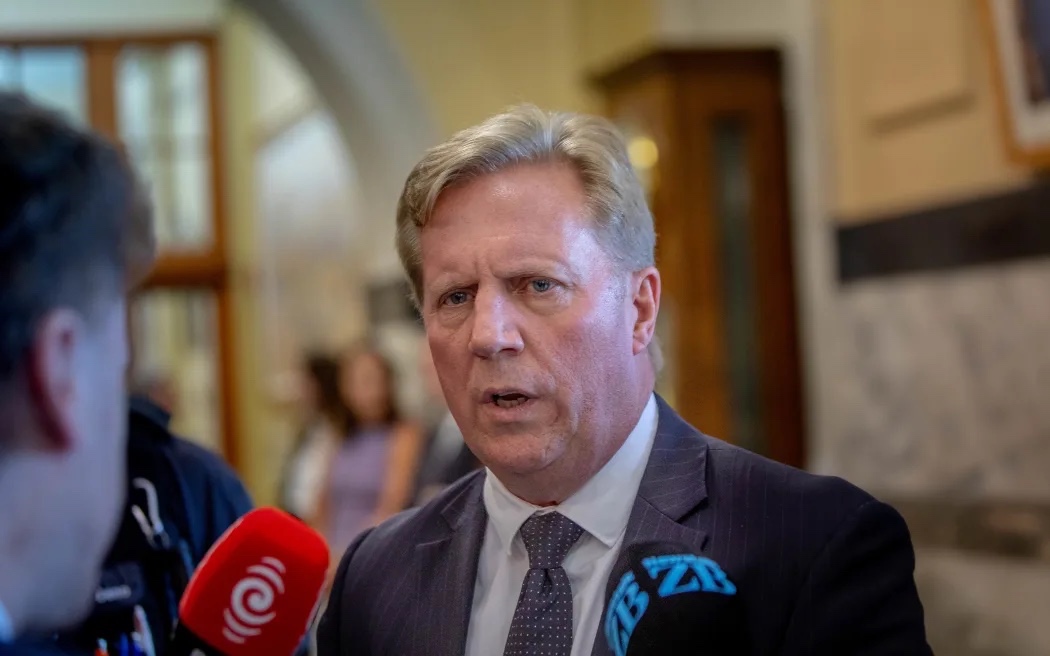
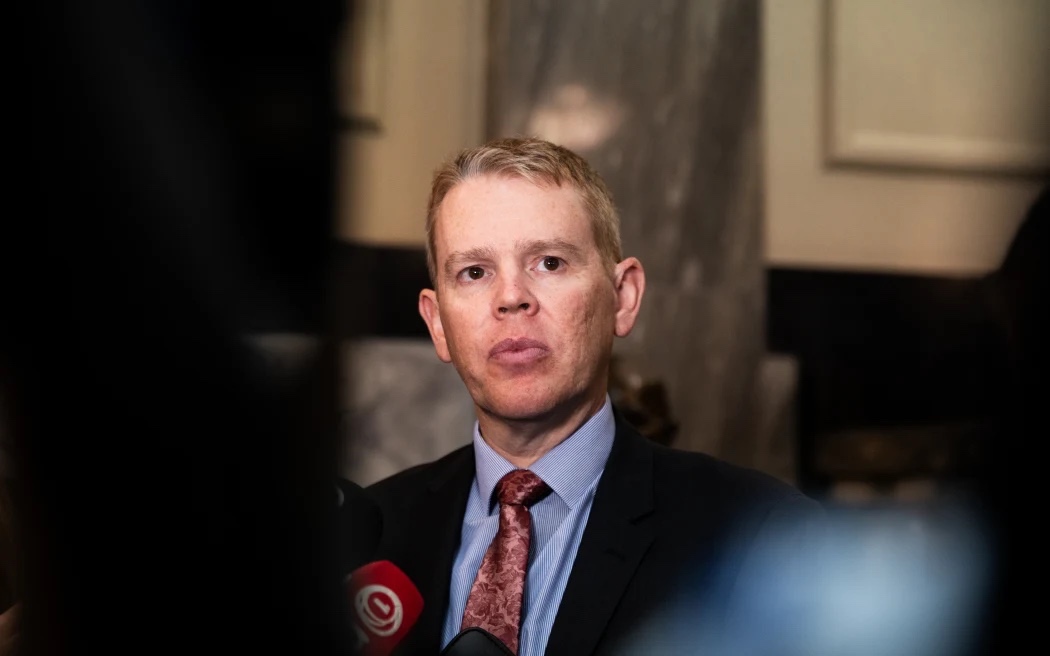
ACT Party leader David Seymour speaks at Waitangi on February 5, 2026. (Facebook/David Seymour)
It is helpful to see the move as neither a trivial branding update nor an existential crisis. Still, it does matter a lot.
The government has quietly removed te reo Maori from the bilingual official name of national school lunches programme, sticking to the English-only title 'Healthy School Lunches'.
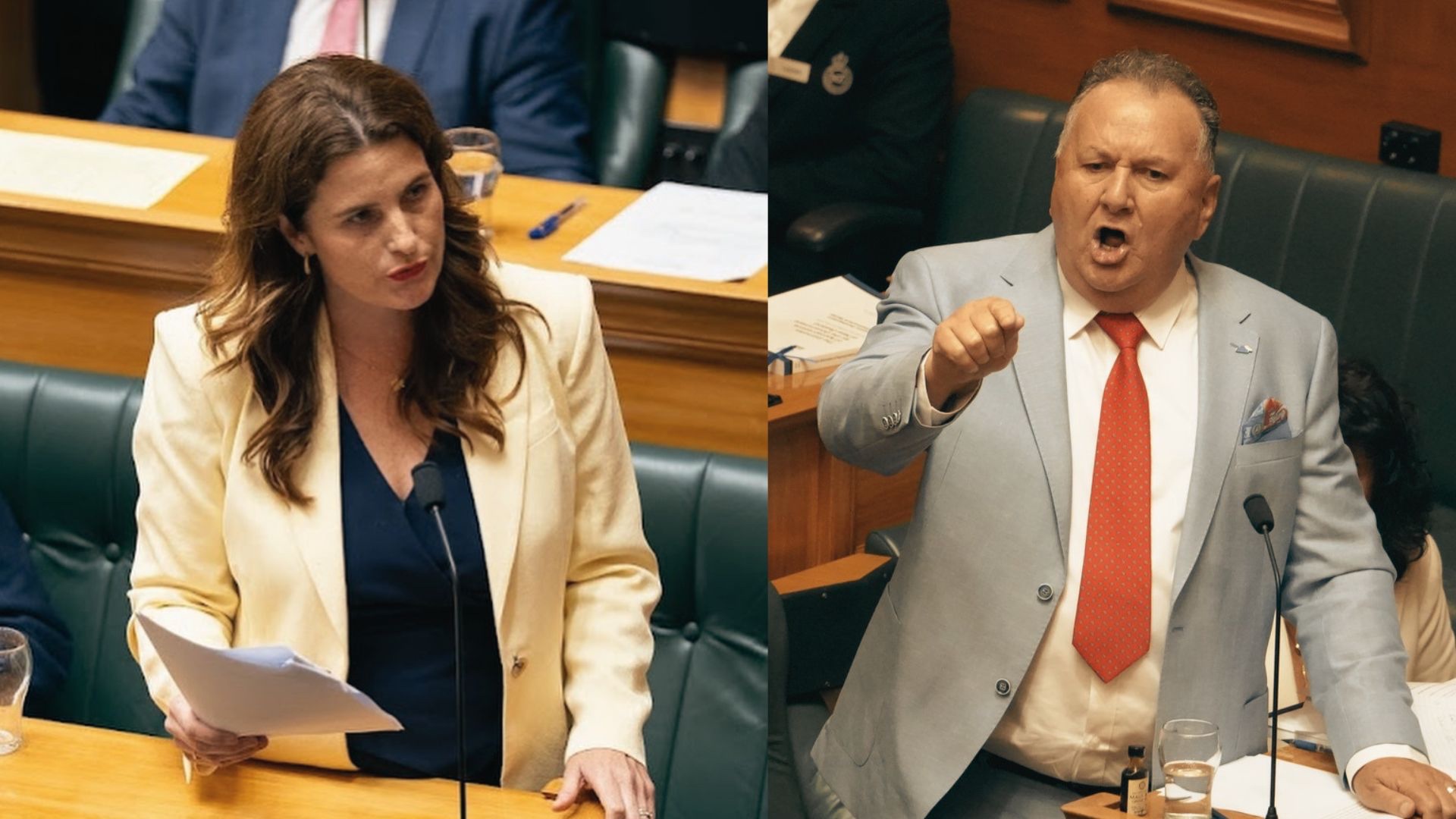
The cabinet agreed to update the name of the programme in October 2025, NZ Herald reported on Friday. Associate education minister David Seymour framed the decision as a matter of clarity and practicality. "That’s why we’re using an English name that everyone understands," he was quoted as saying. In this post on X today, the deputy prime minister said interpreting the move as racist was "so 2023".
Seymour's simplification of the issue is, at best, incomplete. You may or may not agree with his reasoning. Yet surely any discussion about a country’s indigenous language cannot be reduced to a binary choice between modern-day pragmatism and something else. Language, particularly indigenous language, carries layers of history, law and identity that go far beyond just ease of understanding.
To see why this debate has drawn sharp reactions, including criticism from the Maori Party, it helps to understand the institutional context behind te reo Māori in public life.
Te reo Maori is not just symbolic, it is legal
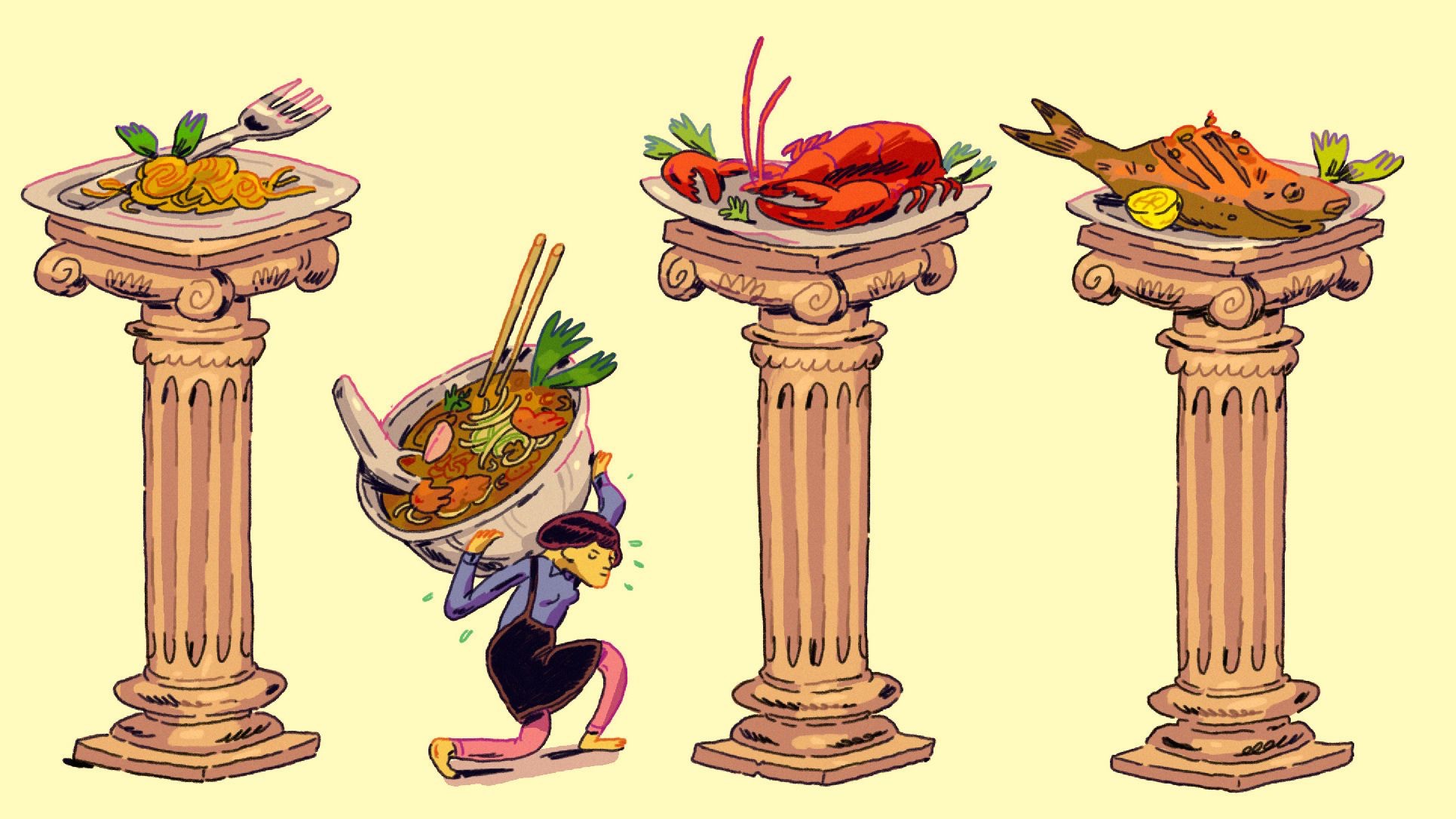
From designing restaurants to running Auckland Diwali: The many lives of Arnav Taode Taode brings his passion for Indian arts and culture to his first year managing BNZ Auckland Diwali 2026.
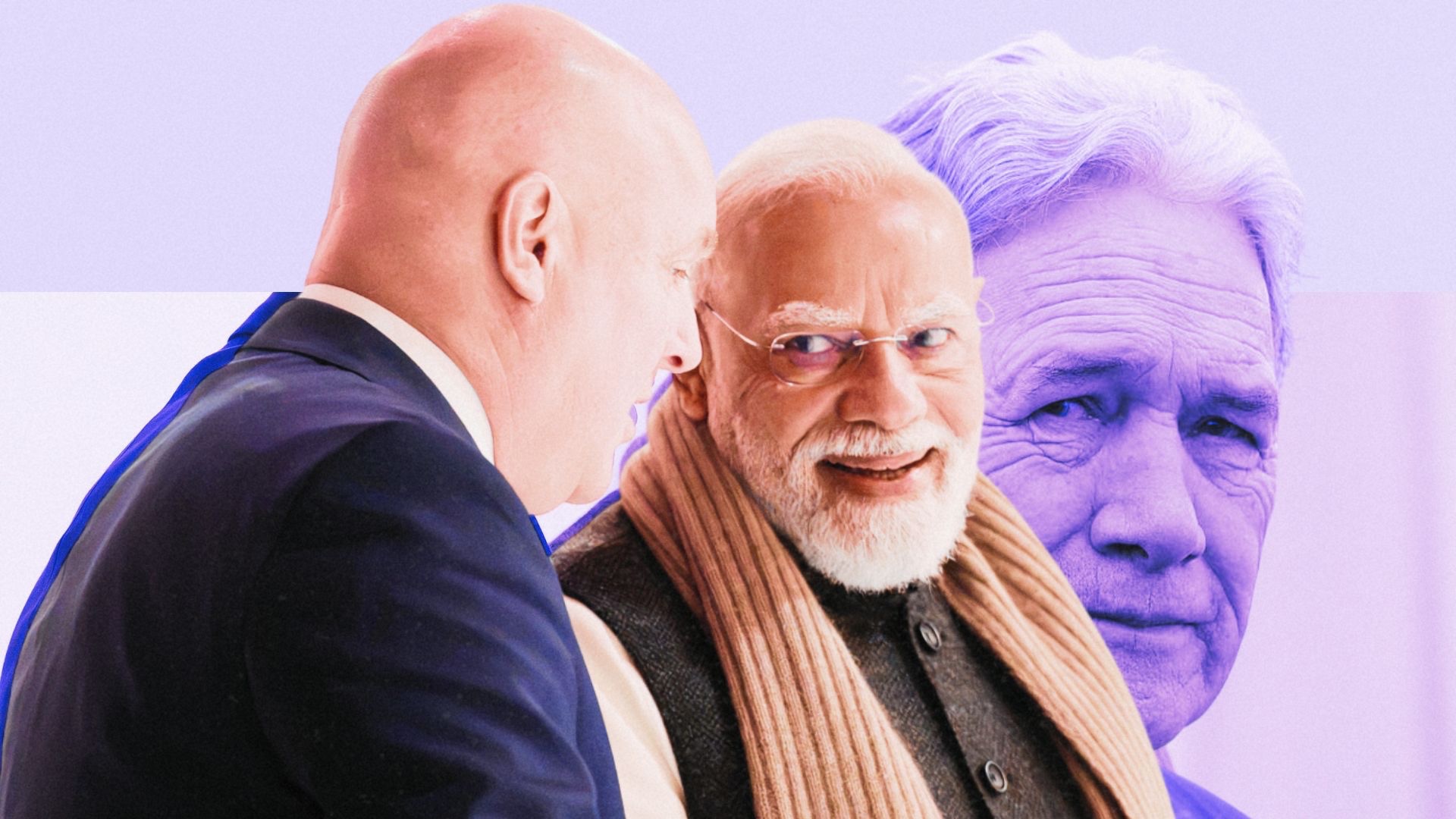
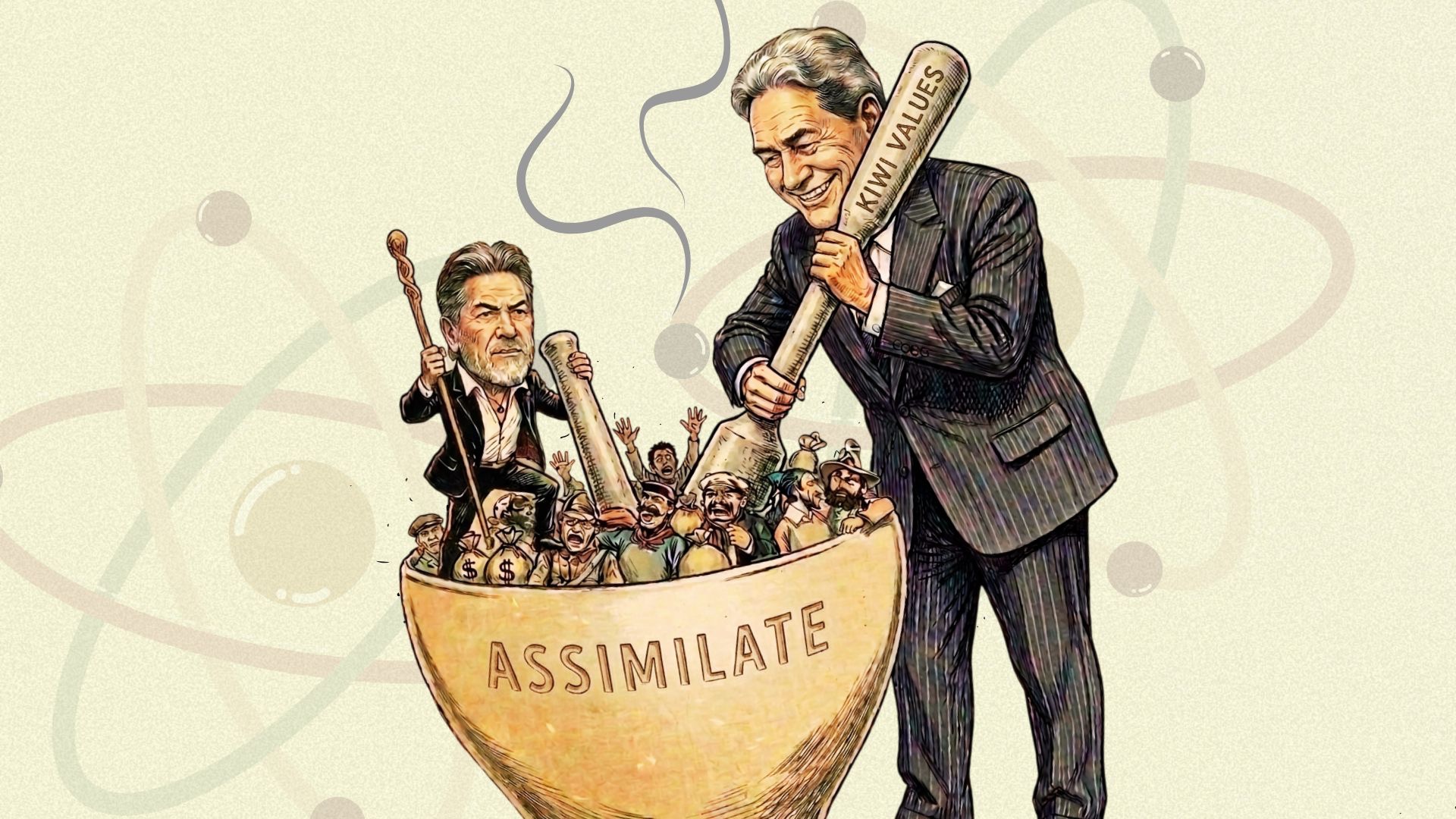
Winston Peters says ‘diversity is disunity’. What does the evidence tell us? Evidence from business, sport and social policy suggests diversity can strengthen economies and cohesion but on one condition.
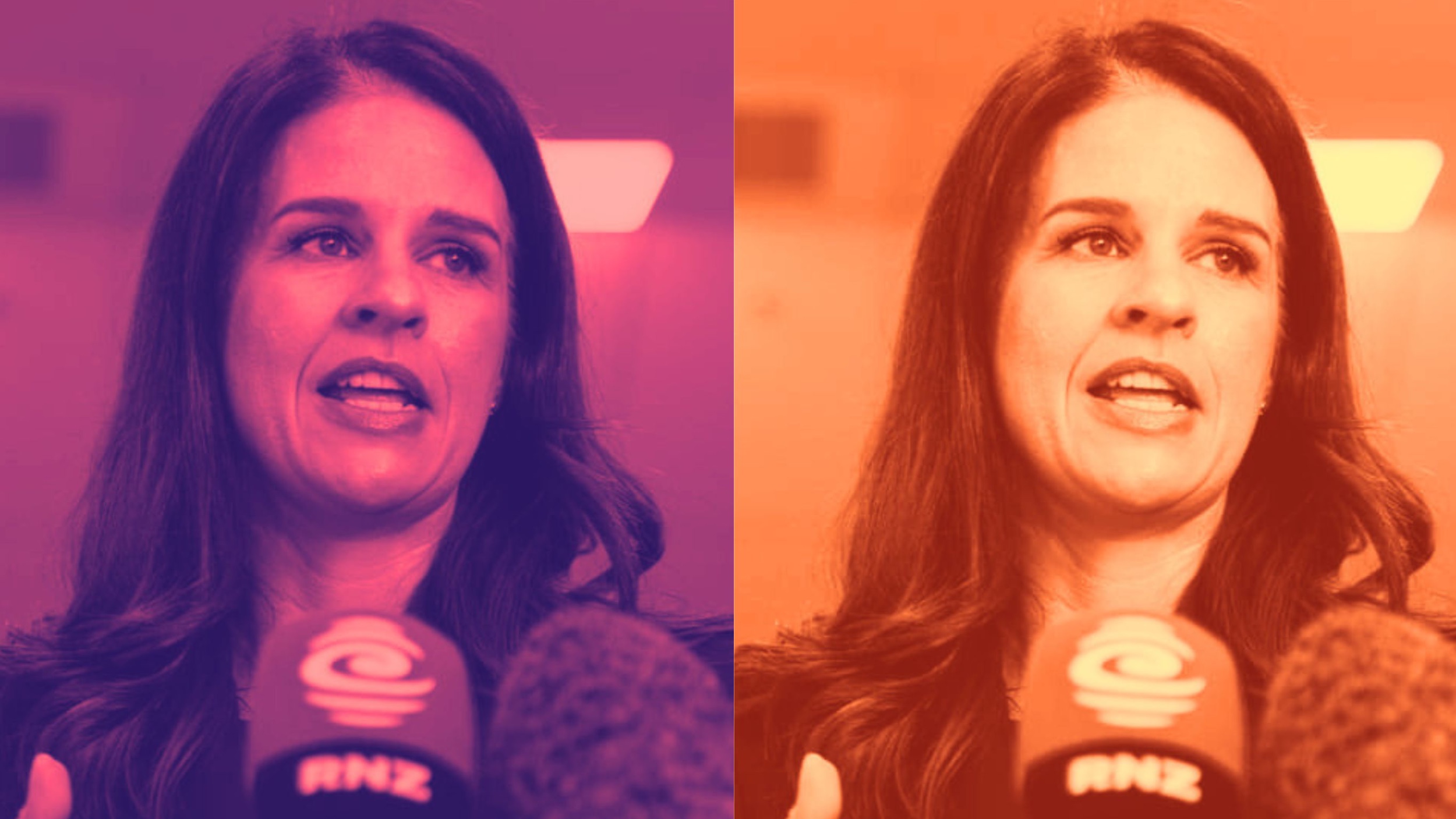
Baby born in Sri Lanka to New Zealand residents caught in limbo after Down syndrome diagnosis Immigration tribunal orders fresh residence assessment after finding a “serious mistake” by immigration officials.
Te reo Maori is one of New Zealand’s official languages, recognised under the Māori Language Act 2016. That legislation was not merely ceremonial. It established a structured, partnership-based approach to revitalising the language after decades of decline.
The Act created two complementary strands. Te Matawai, an independent statutory body representing iwi and Maori language stakeholders. Its role is to support language revitalisation within Maori communities. Maihi Karauna, the Crown’s own language strategy, outlining how government agencies should support and promote te reo Maori across public services.
Under Maihi Karauna, the government sets targets to increase the number of New Zealanders who can speak basic te reo Maori and to normalise its presence in public life. That includes usage in official communications, education and public broadcasting.
This framework is important context. The bilingual name 'Ka Ora, Ka Ako | Healthy School Lunches' was introduced in 2020 during a period when expanding the visibility of te reo Maori in state institutions was an explicit policy goal.
When the current government removes the Maori name, critics interpret that not simply as tidying up branding, but as a shift in how those commitments are prioritised.
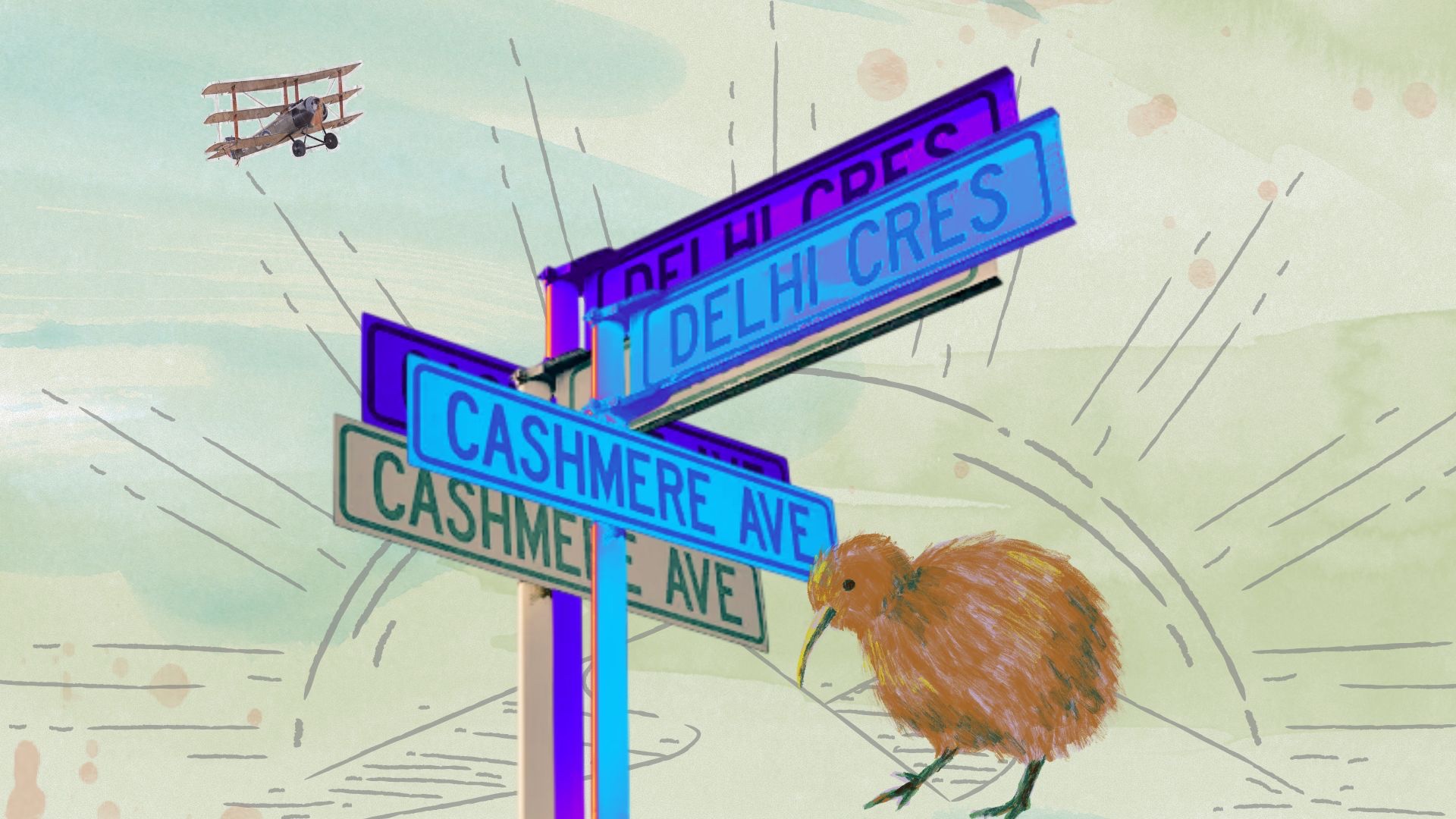
The road sign precedent
This is not the first time language policy has intersected with politics. In 2022–23, Waka Kotahi advanced proposals for bilingual road signage, gradually introducing te reo Maori alongside English as signs were replaced. The idea aligned with Maihi Karauna’s normalisation goals.
The proposal triggered strong public debate. Some saw bilingual signage as a natural reflection of Aotearoa’s bicultural foundations. Others raised concerns about readability, cost, or whether such changes were even a priority given other more pressing needs.
Following the 2023 election, that broader rollout has slowed. Together, the road sign debate and the school lunch programme name change illustrate how language visibility in public space can quickly move from administrative policy to cultural flashpoint.
Language is not abstract. Many migrant families in New Zealand move fluidly between English and one or more native languages. Some have witnessed first-hand how language debates can shape national politics back home itself.
That perspective can help frame what is happening here. Language policy is rarely just about comprehension. It touches on belonging, recognition, and how a nation sees its foundational communities.
Seymour’s framing emphasises efficiency and clarity. Those opposing the move emphasise Treaty commitments and historical responsibility. Both arguments sit within a broader question: how should a modern state balance practical governance with cultural recognition?
Reducing the debate to the English-is-easier argument misses the fact that the status of te reo Maori is anchored in law and in New Zealand’s constitutional conversation.
This issue does not demand that people pick a side. It does, however, require understanding the landscape in which decisions are made. Te reo Maori is not simply another language option. It is the indigenous language of this country, legally recognised and institutionally supported. Decisions about its visibility carry symbolic and political weight.
Whether one supports or questions today’s change, it is helpful to see it not as a trivial branding update, nor as an existential crisis, but as part of an ongoing national negotiation about identity. In a country like New Zealand, increasingly multilingual, increasingly diverse, those two ideas will continue to intersect.