
Out Loud: The day Te Tiriti got the Indian guy in the room
The moment that set me on a search for myself in New Zealand.
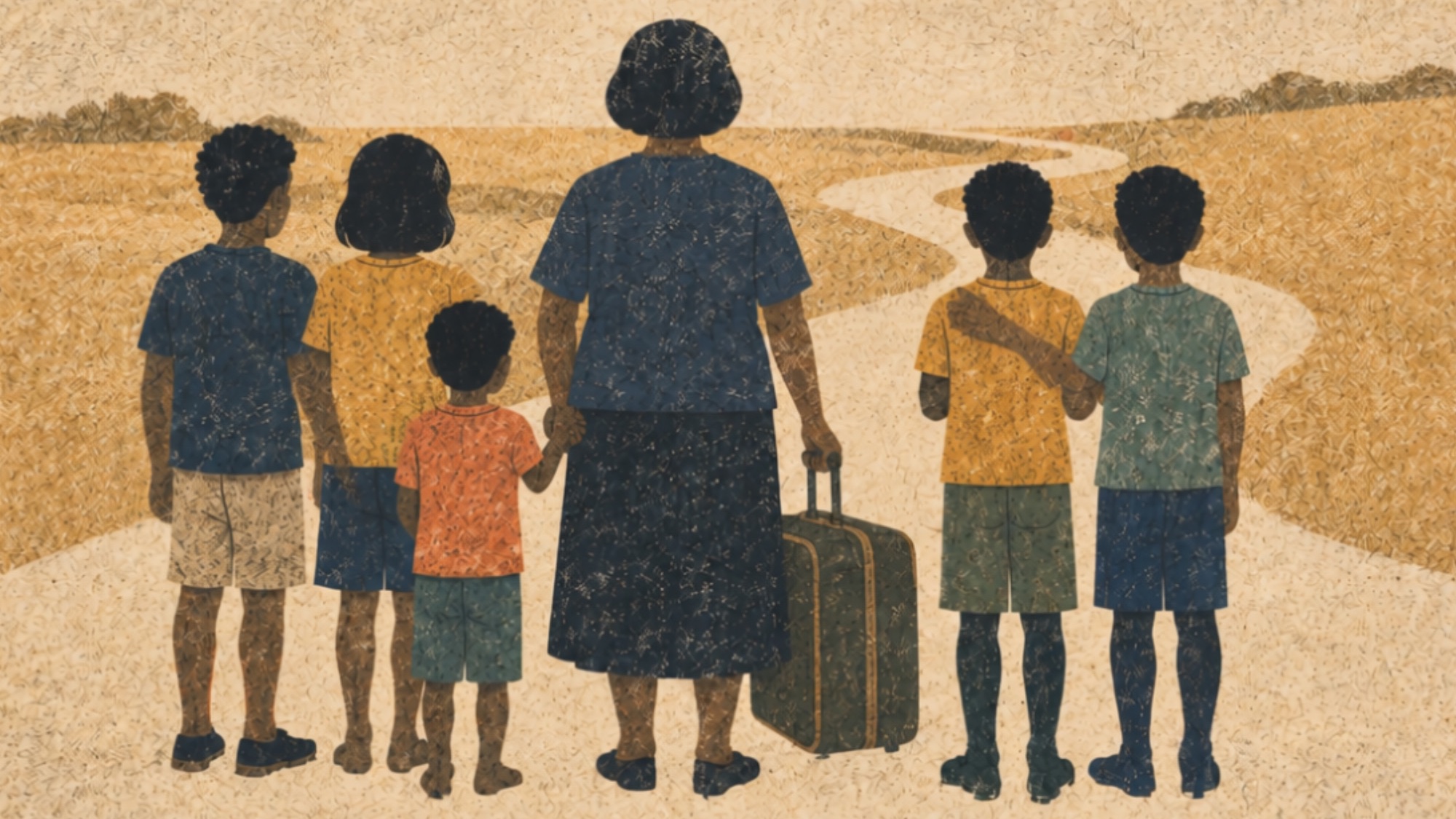
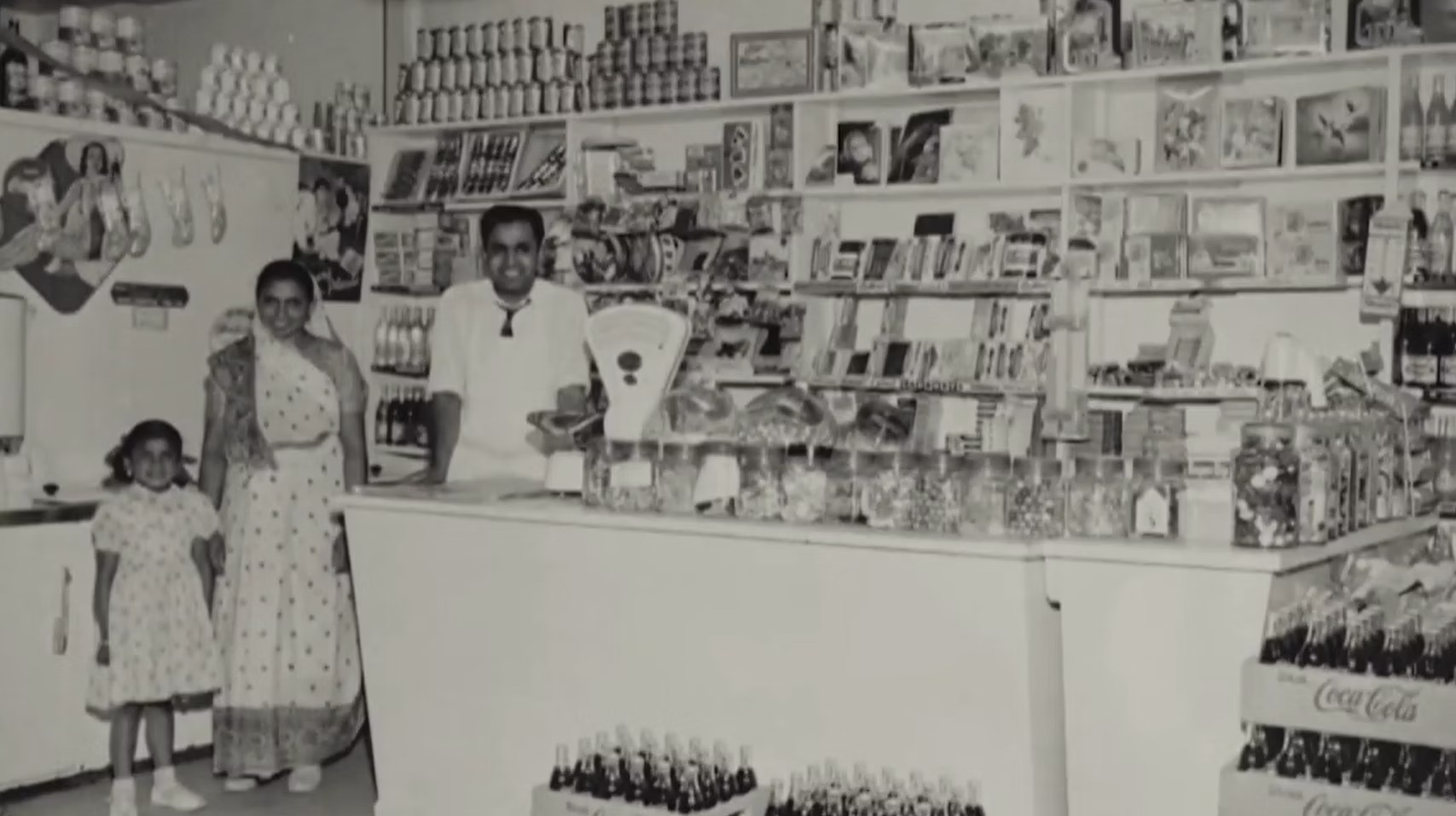
How long do we have to build lives, work double shifts, buy homes and raise children before New Zealand admits we are no longer guests?
('Out Loud' is an opinion column that takes the political, cultural and social debates Indian migrant households save for home and says them out loud, consequences pending.)
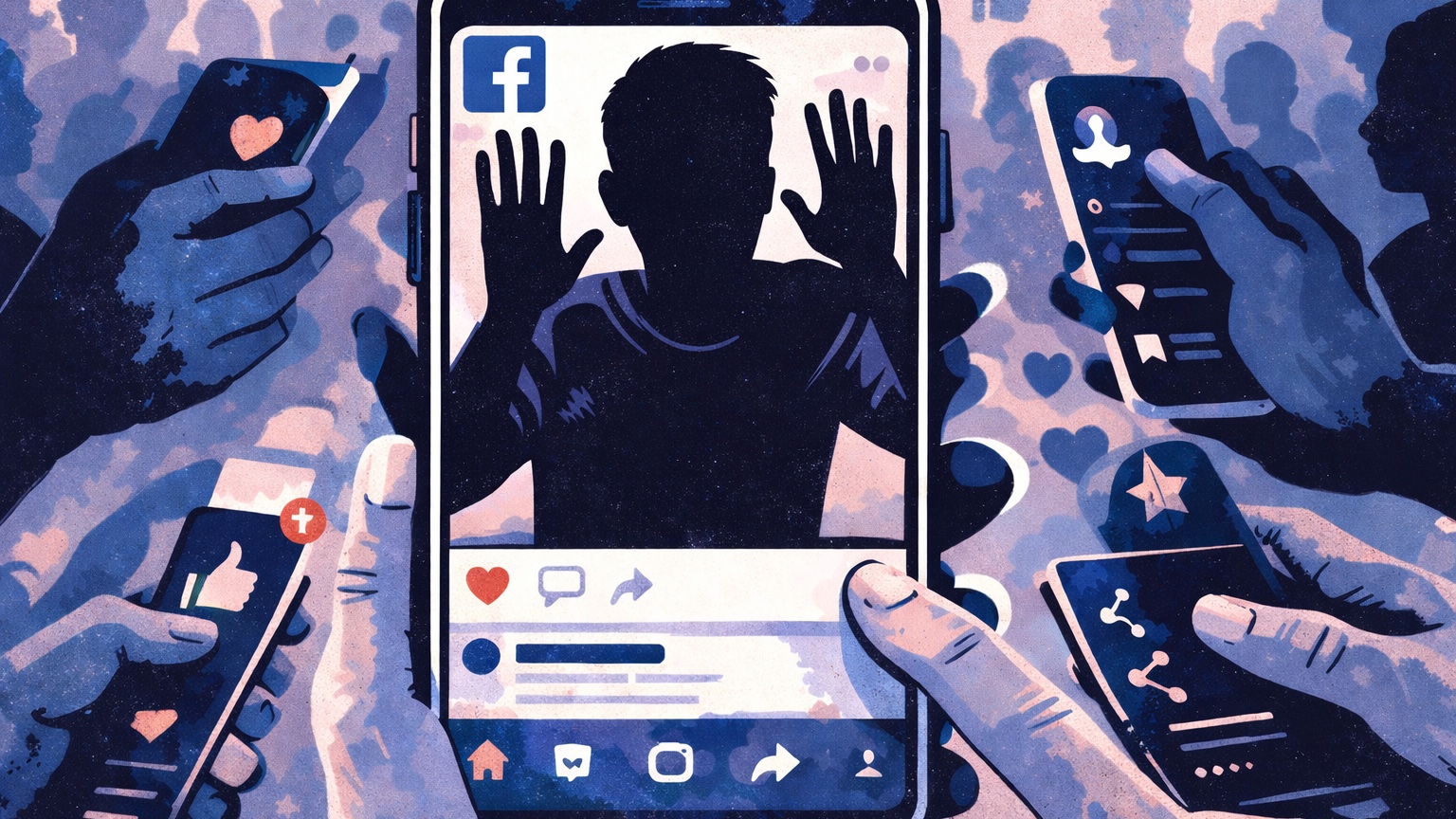
It took more than a year in New Zealand before Te Tiriti (Treaty of Waitangi) stood up from history books and looked me in the eye. It was autumn of 2025. I was slumped on the couch in my living room one morning, scrolling through Facebook waiting for the morning coffee to kick in, when one post jumped out from the glut of social media.
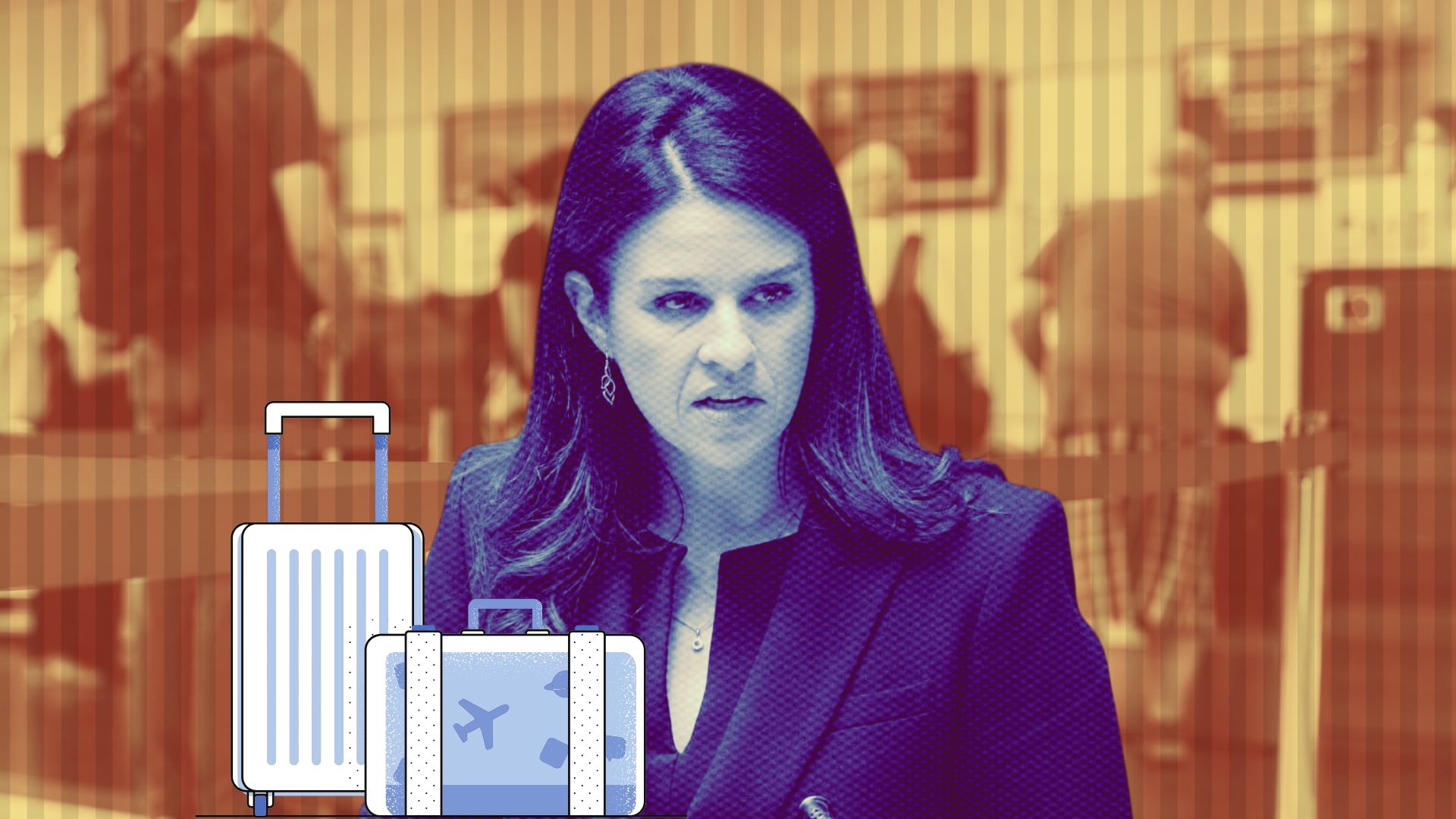
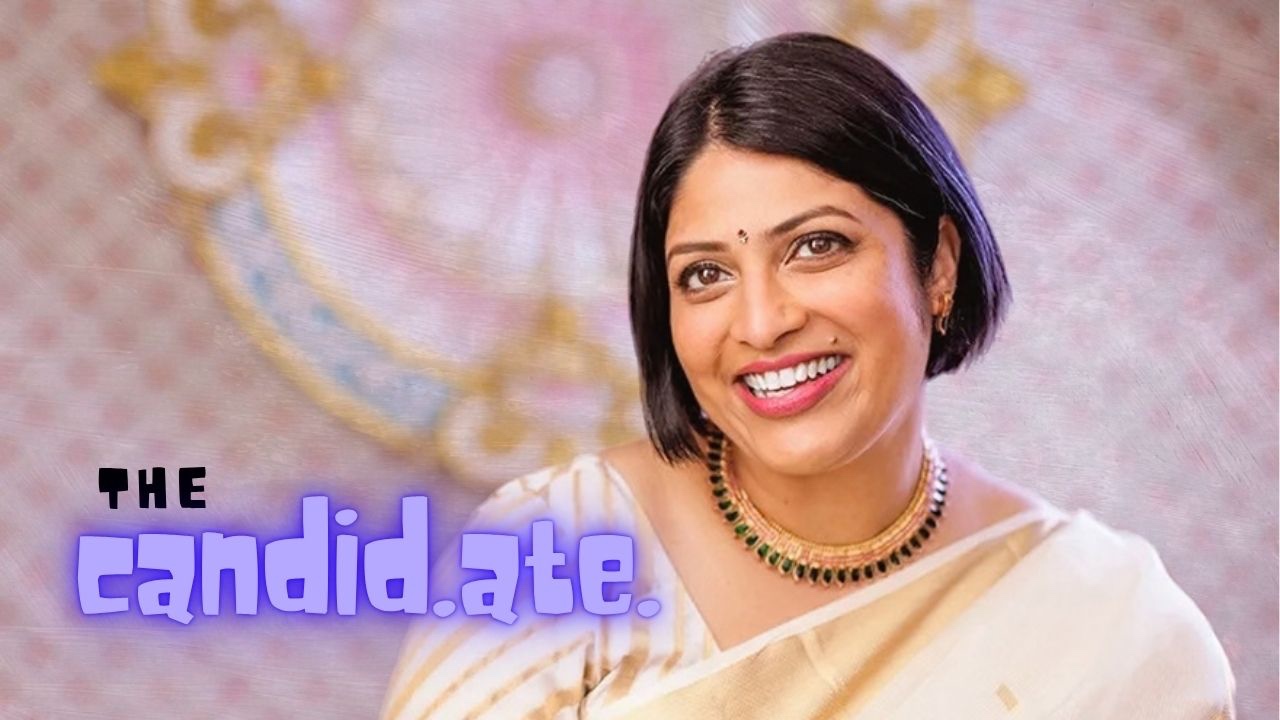
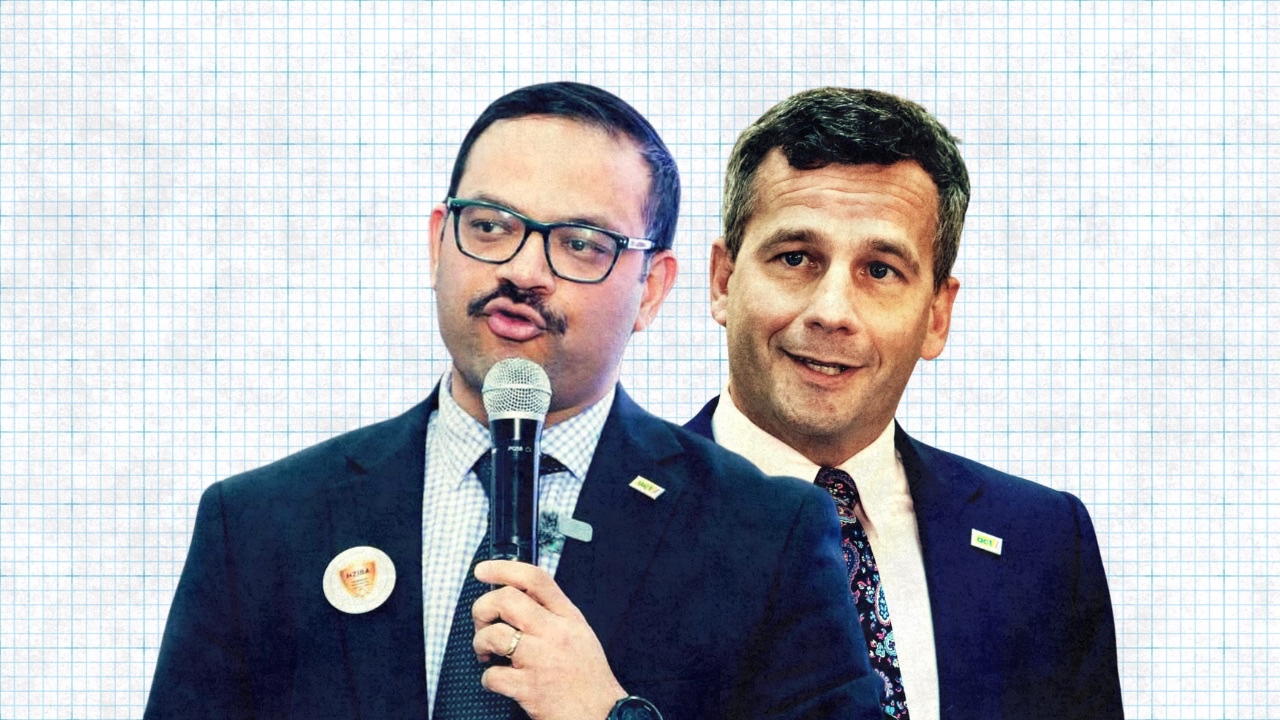
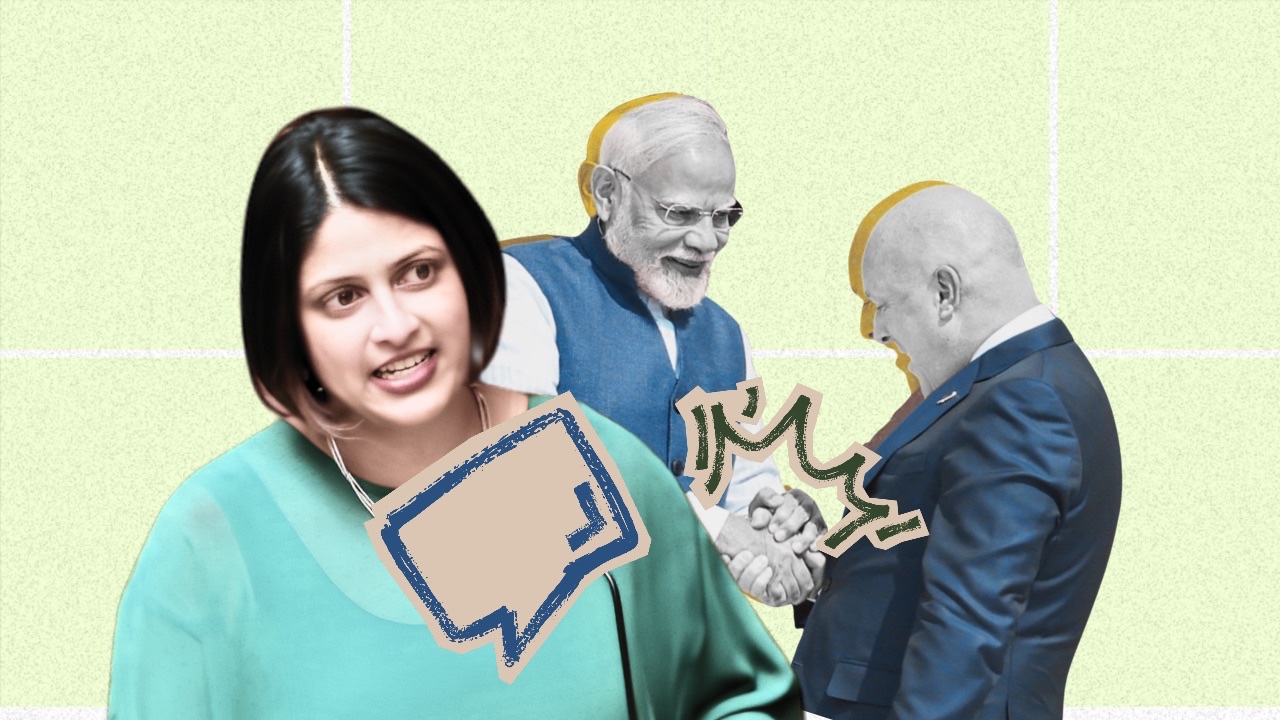
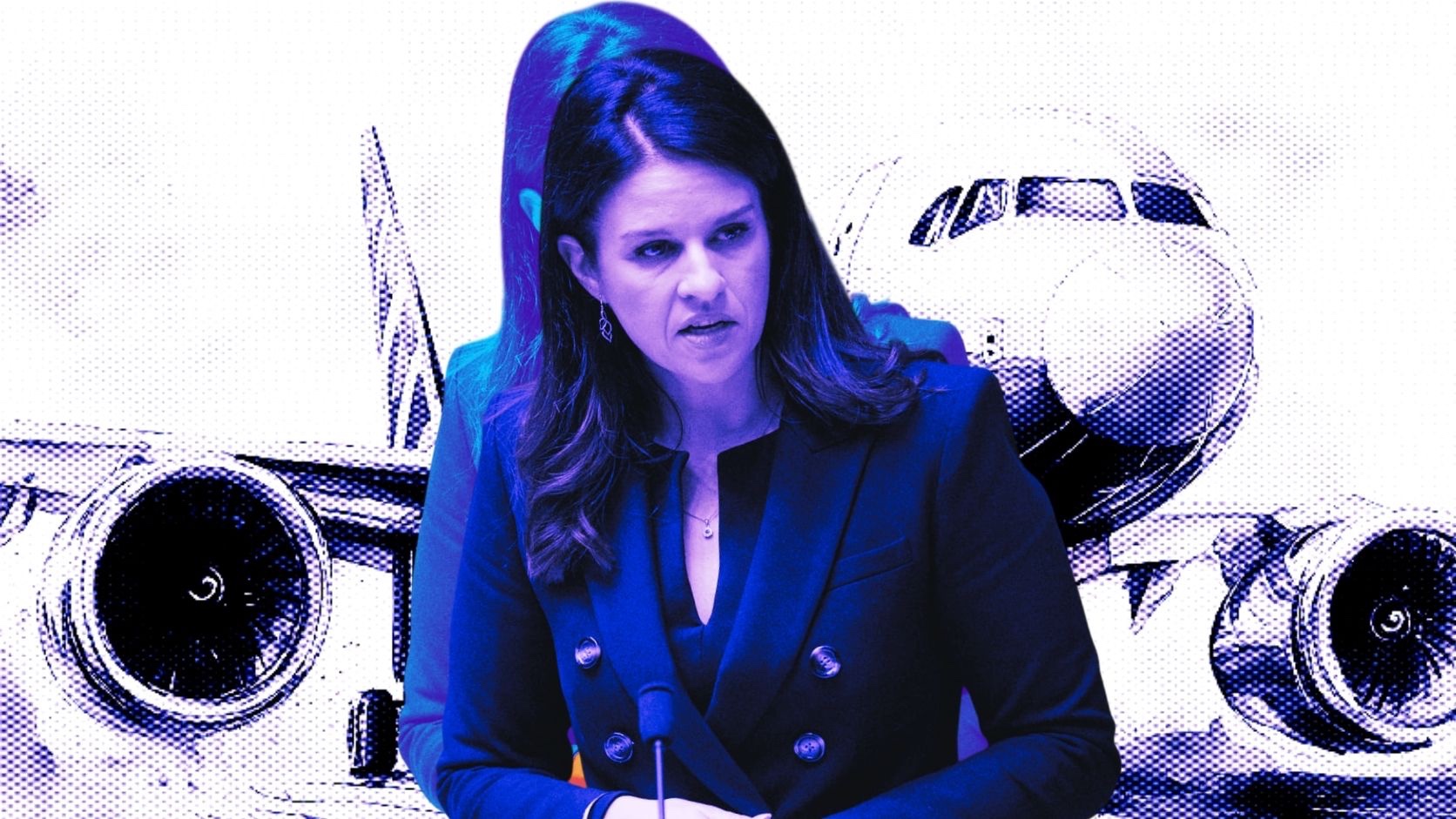
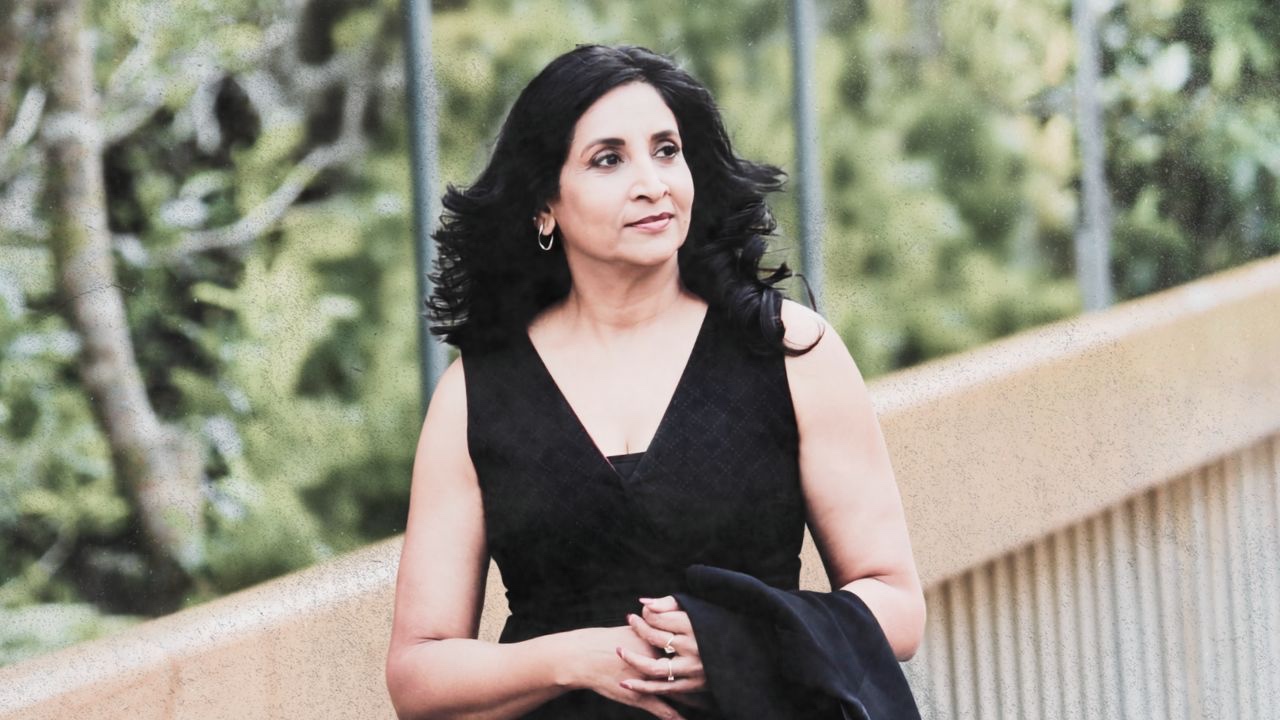
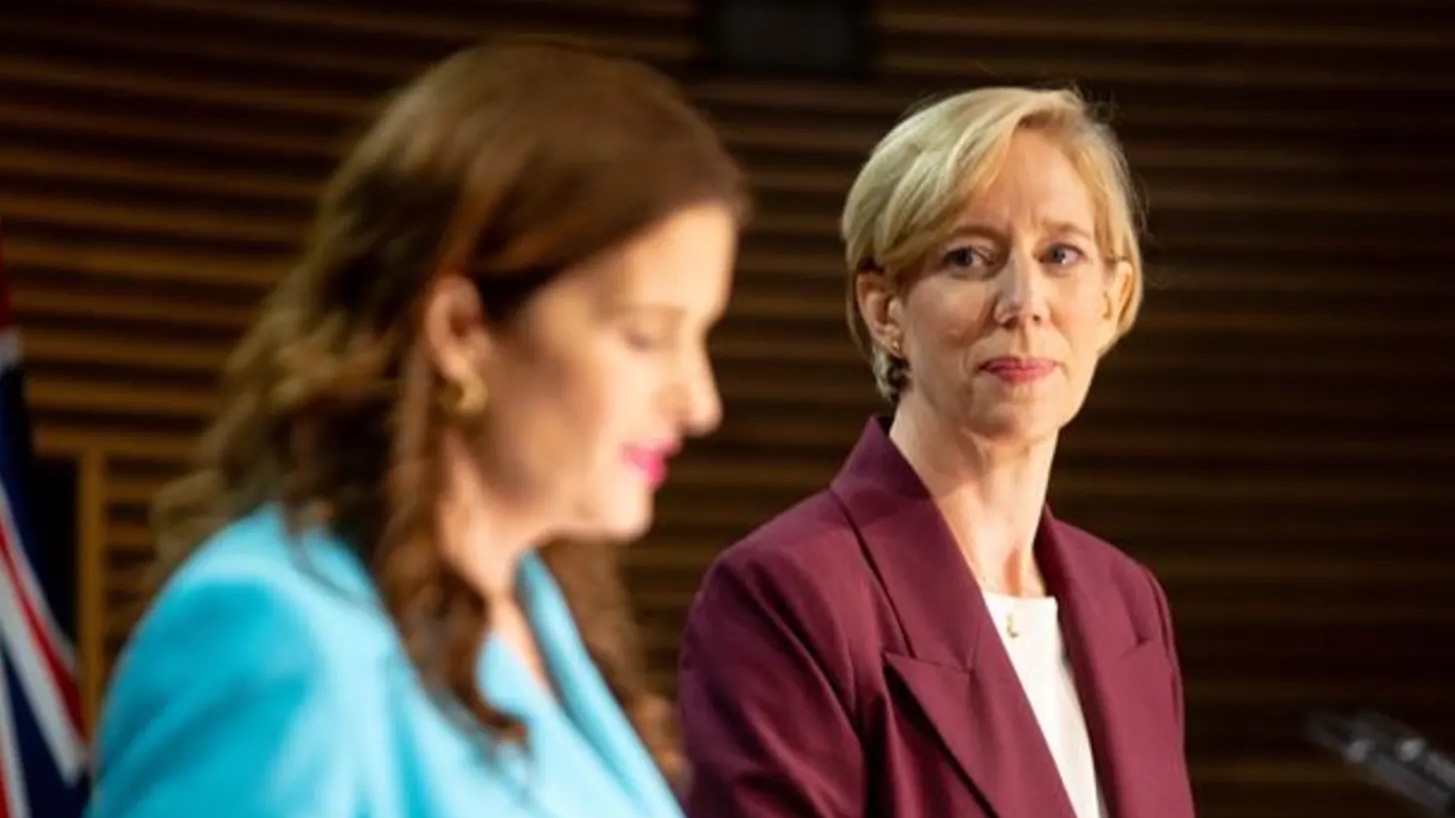
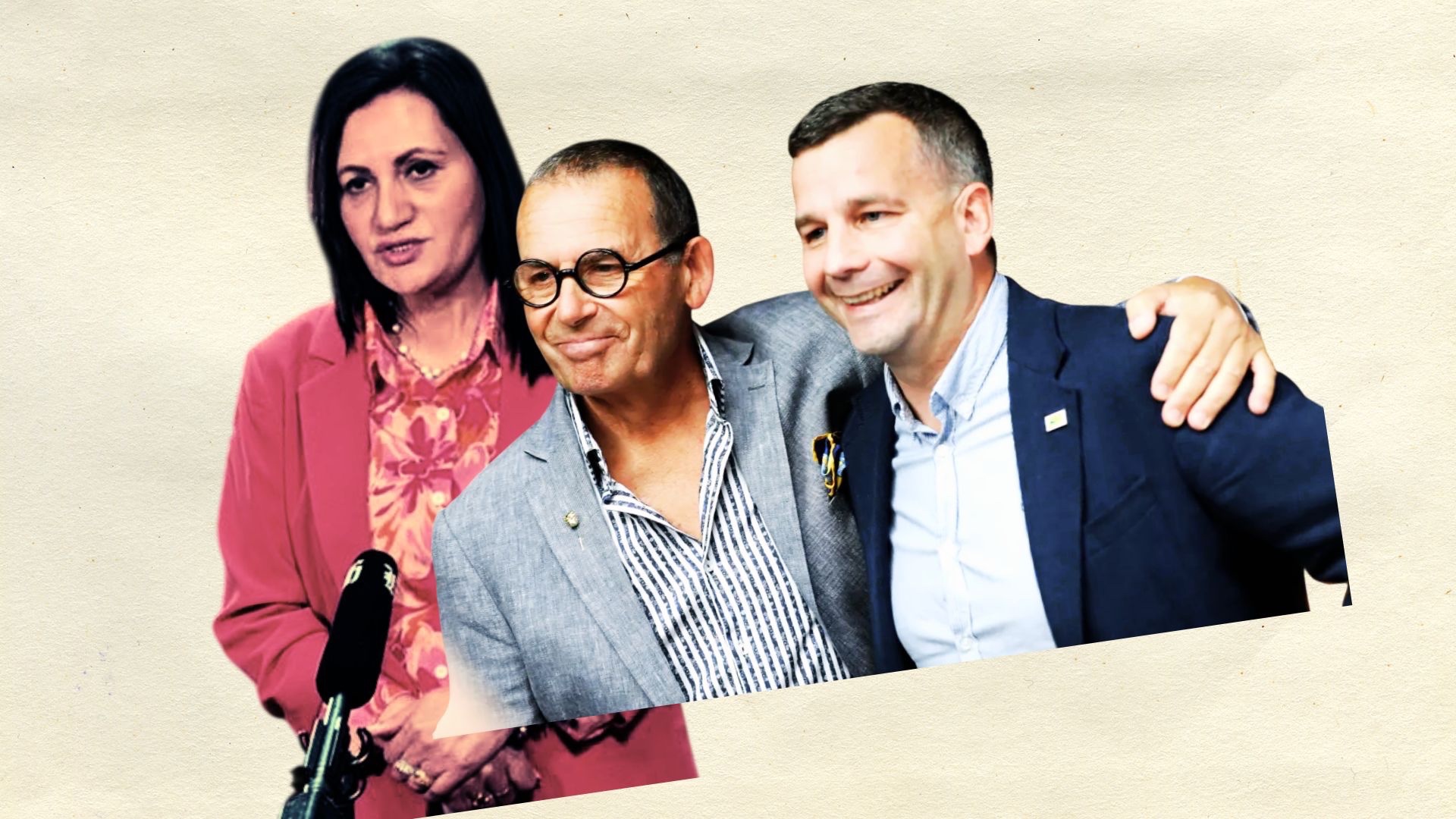
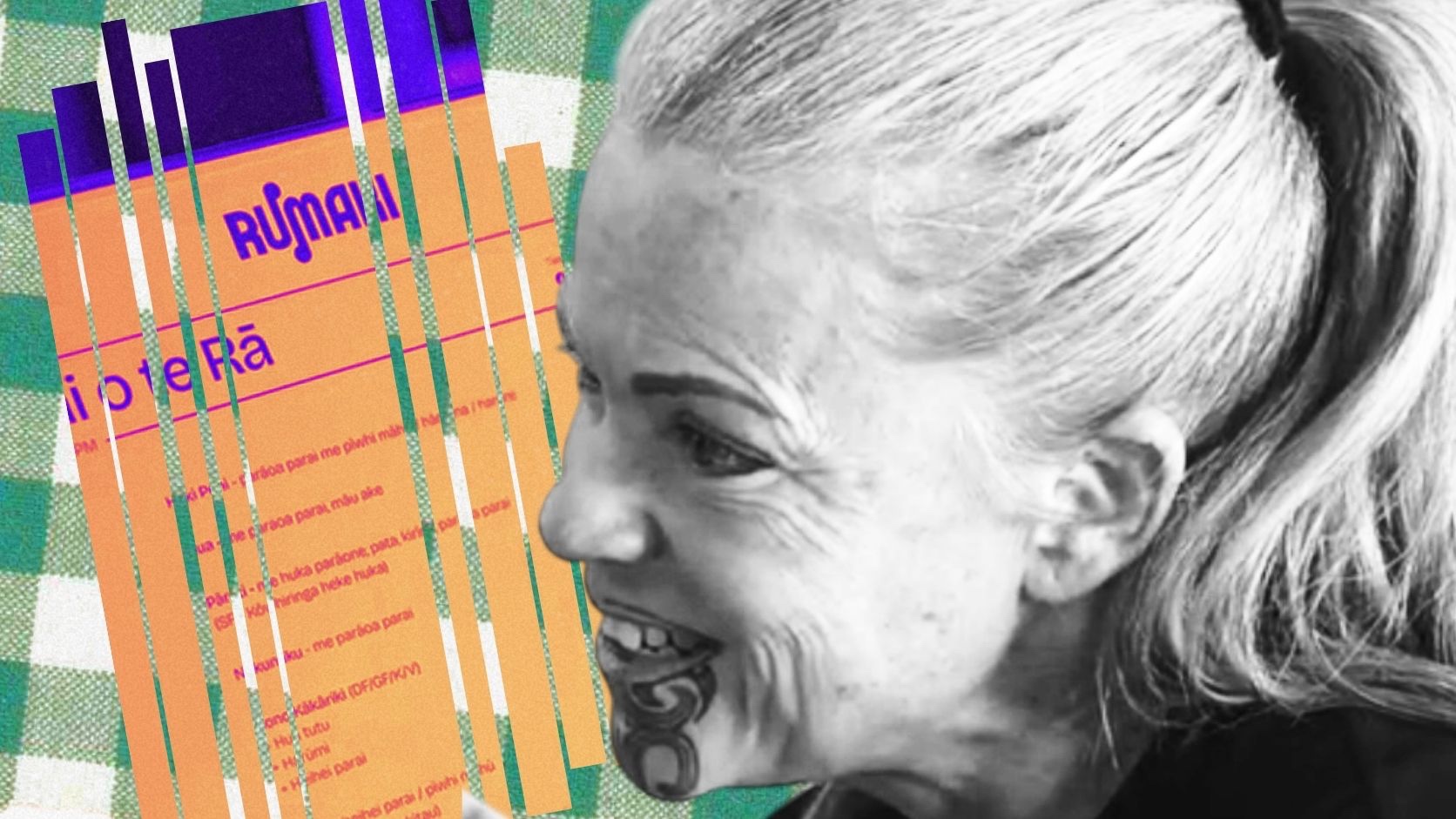
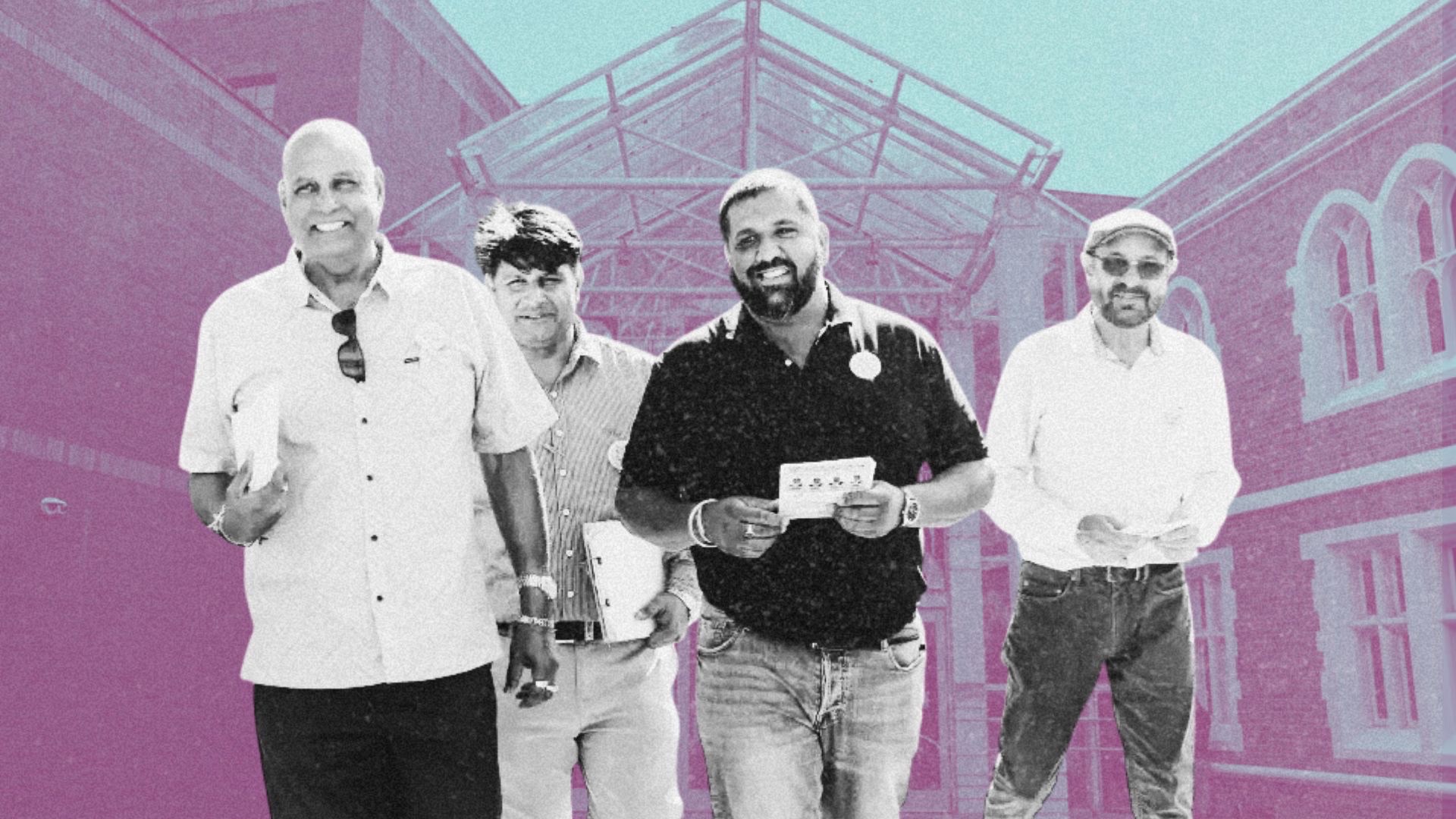
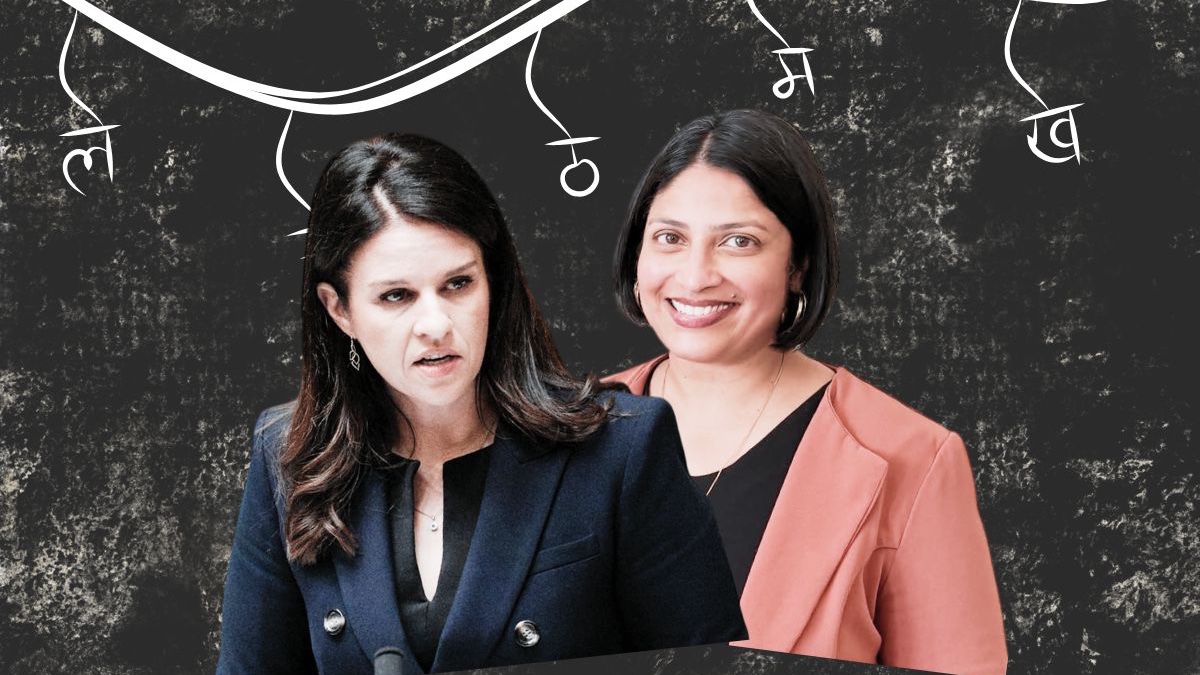
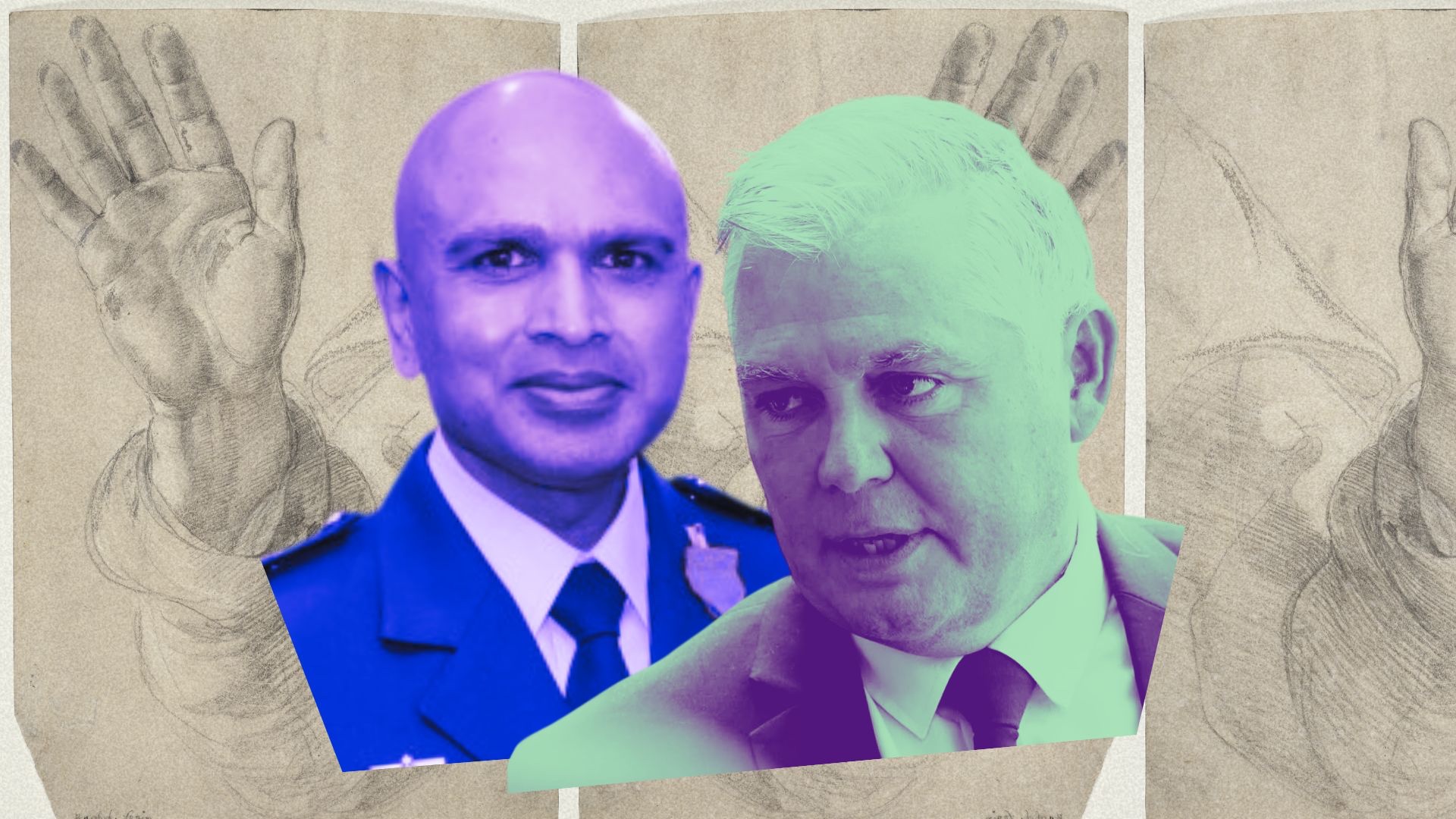
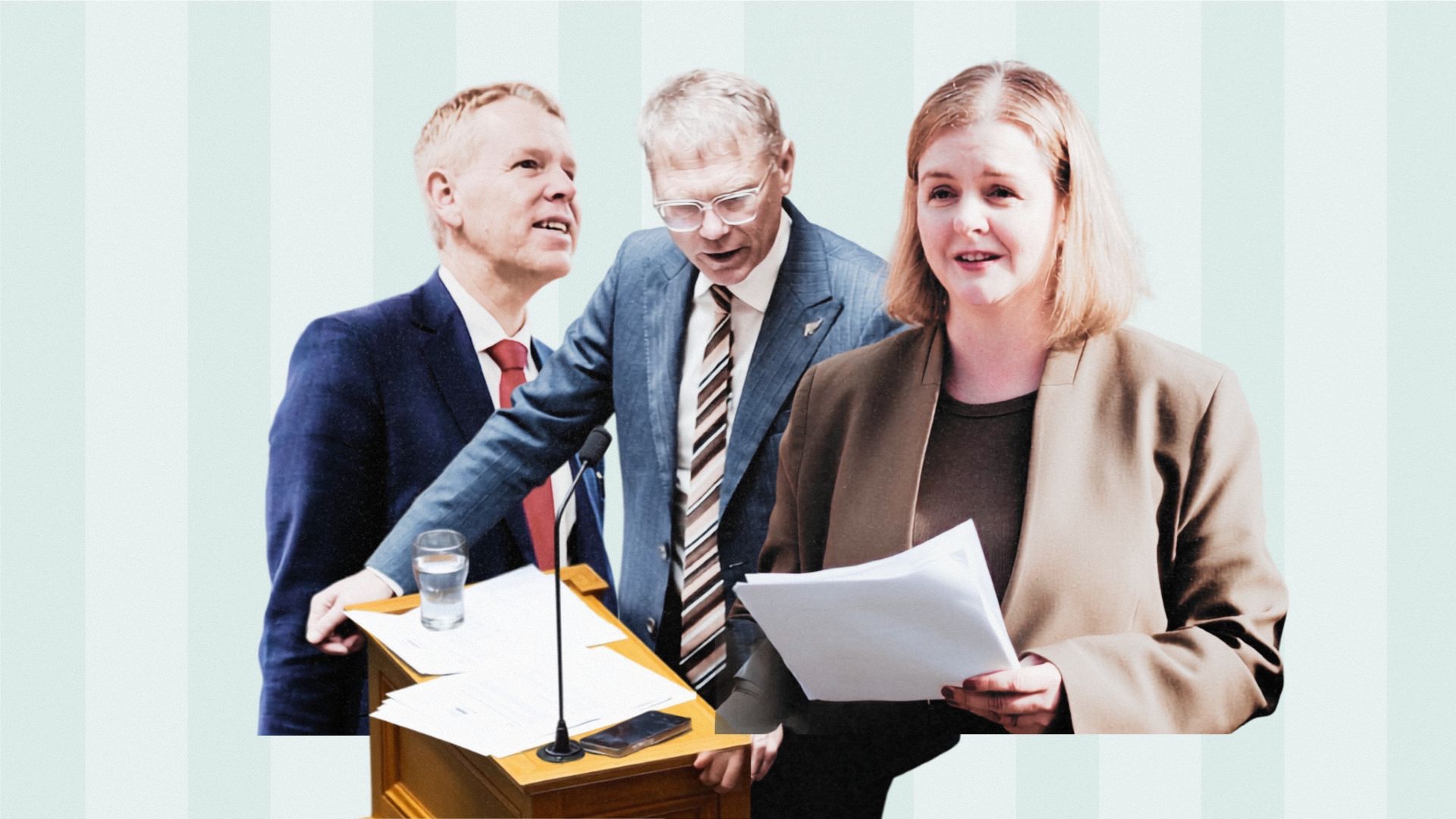
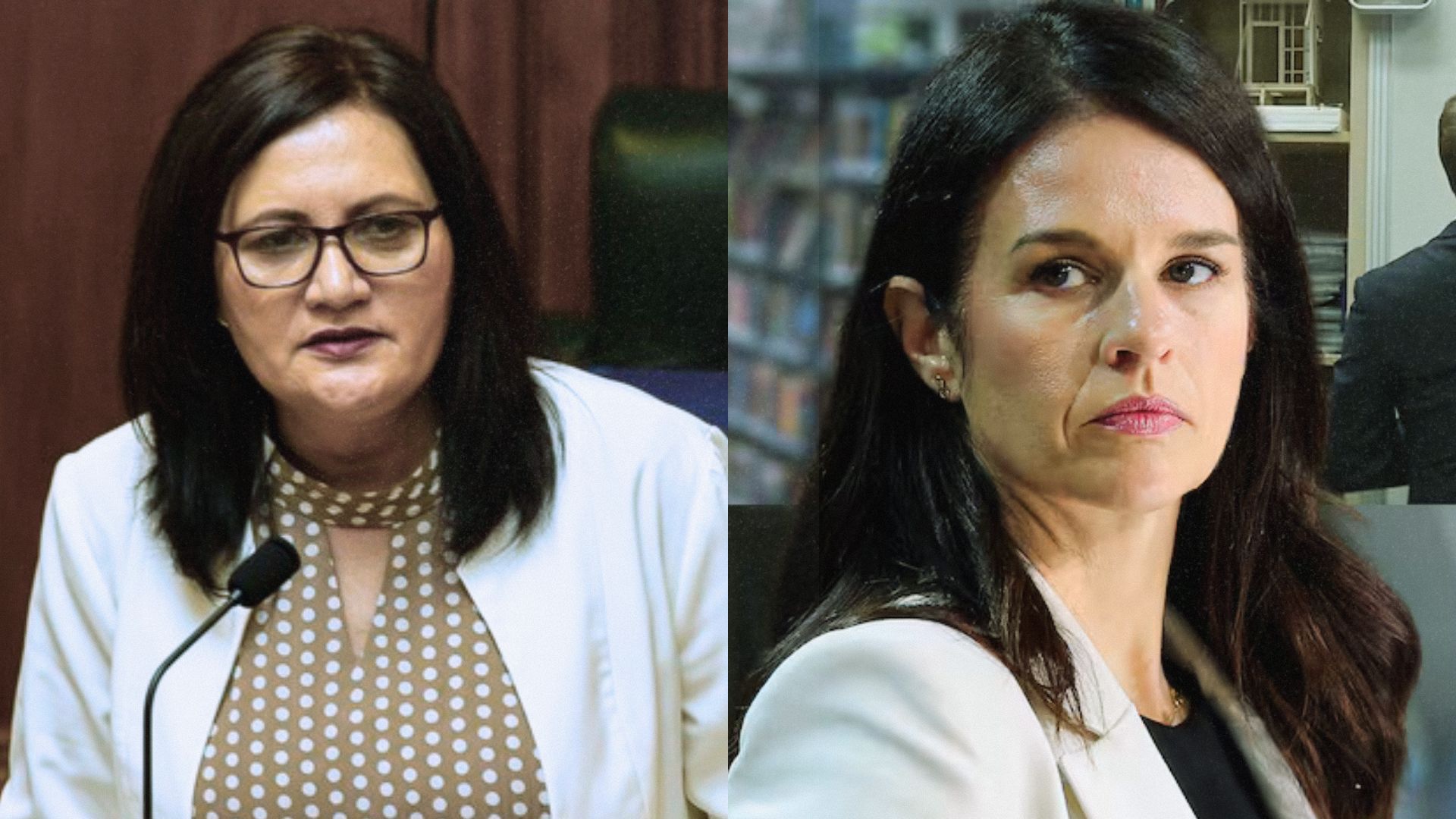
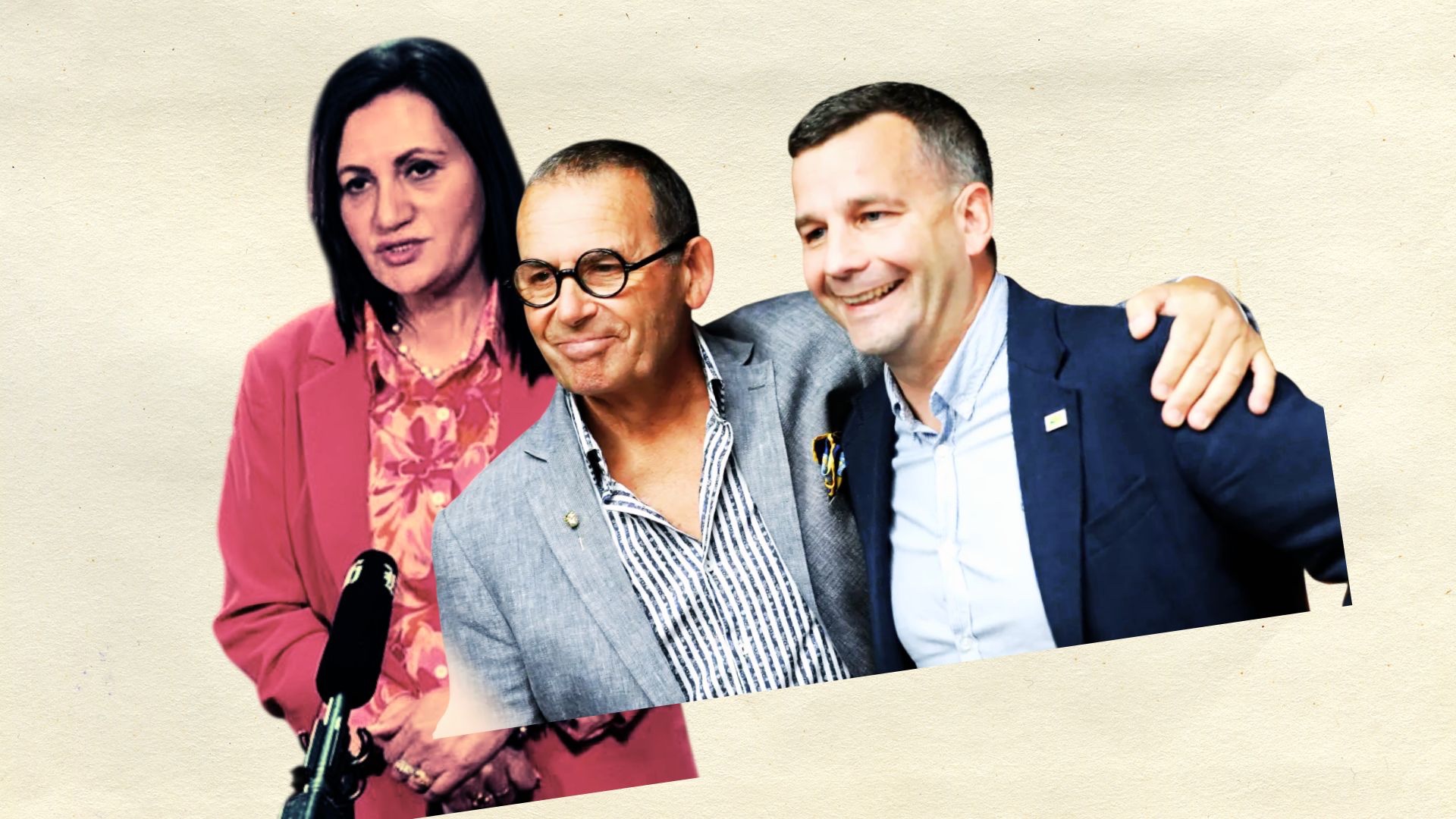
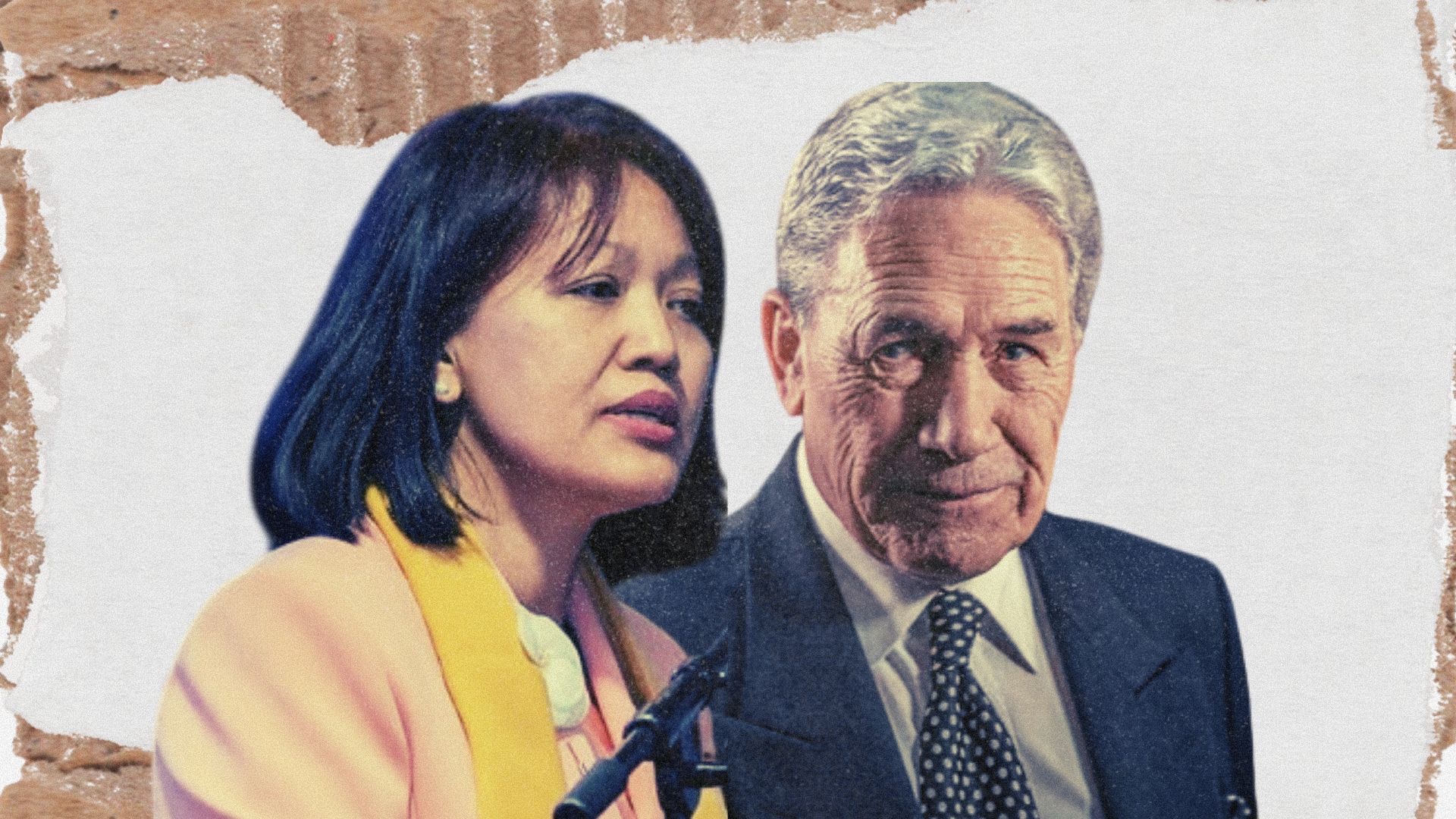
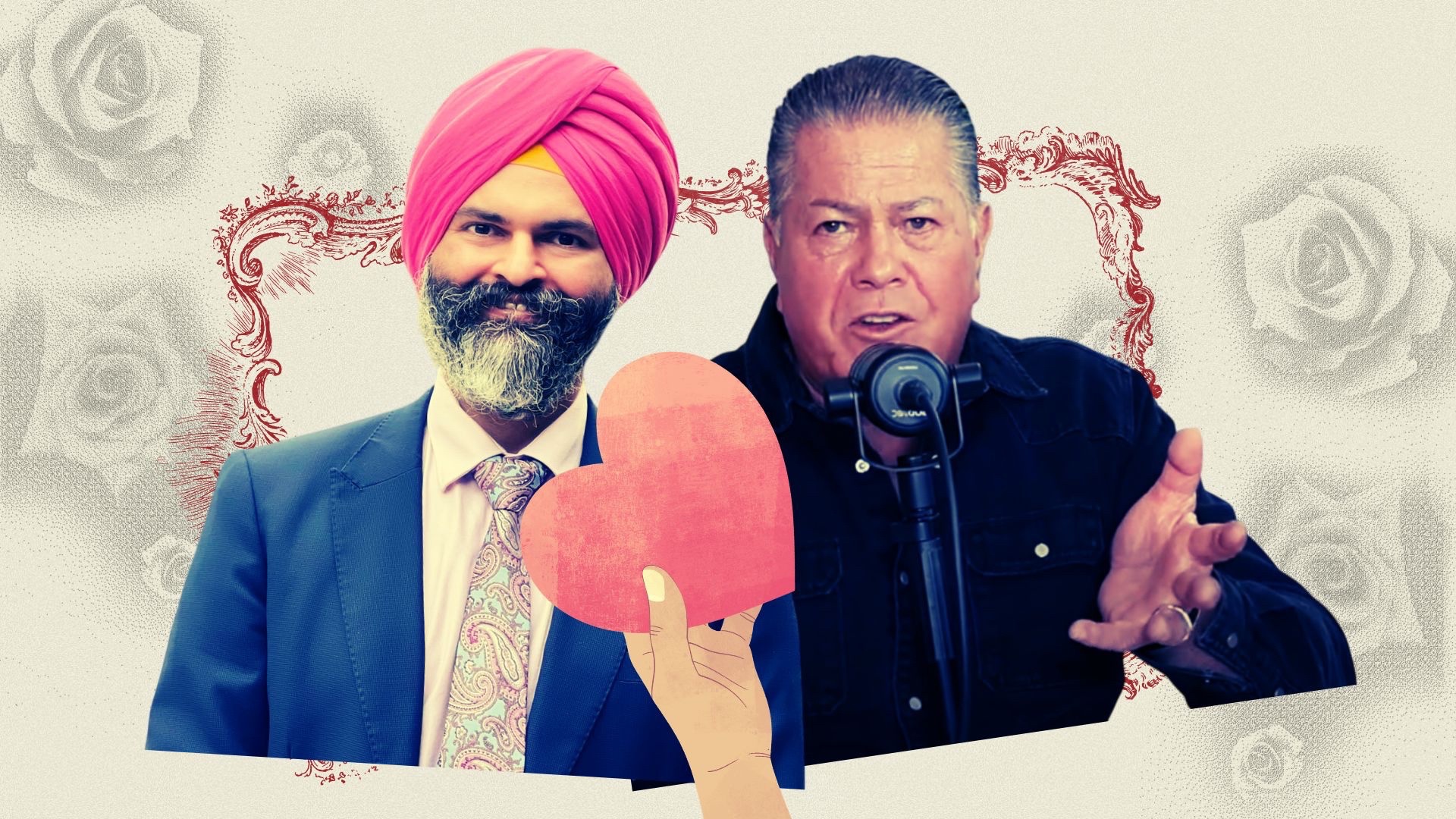
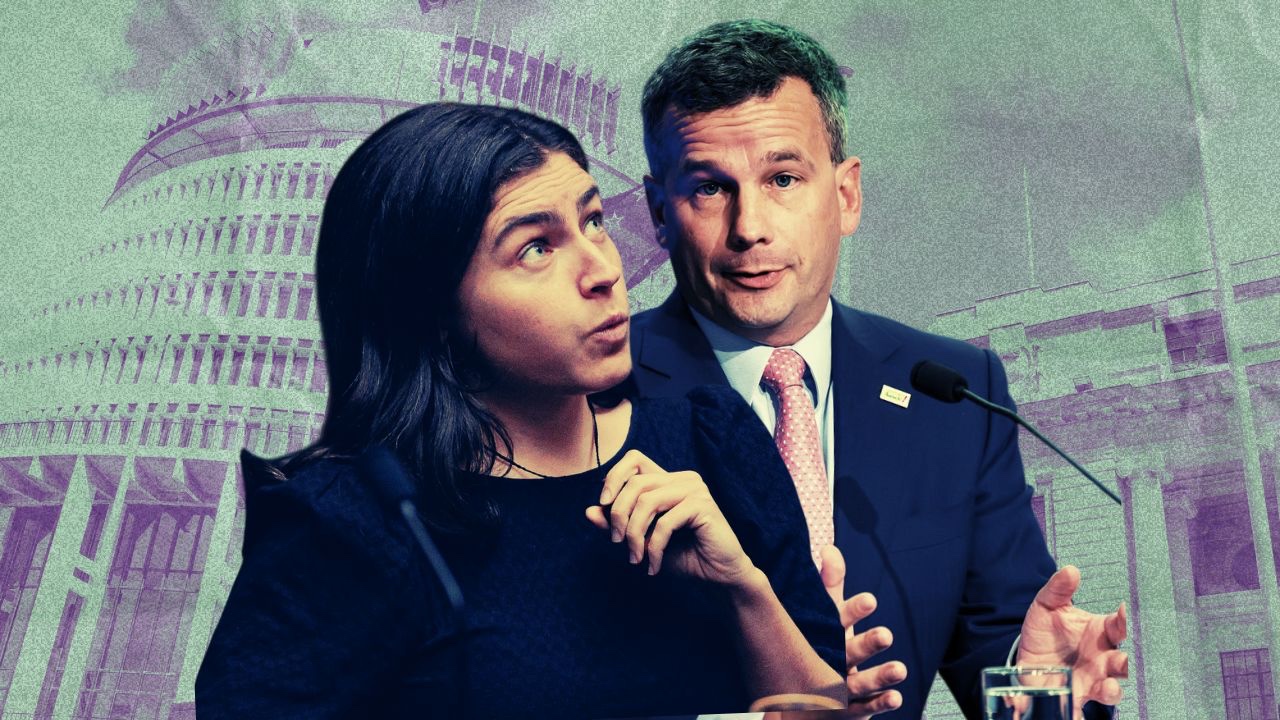
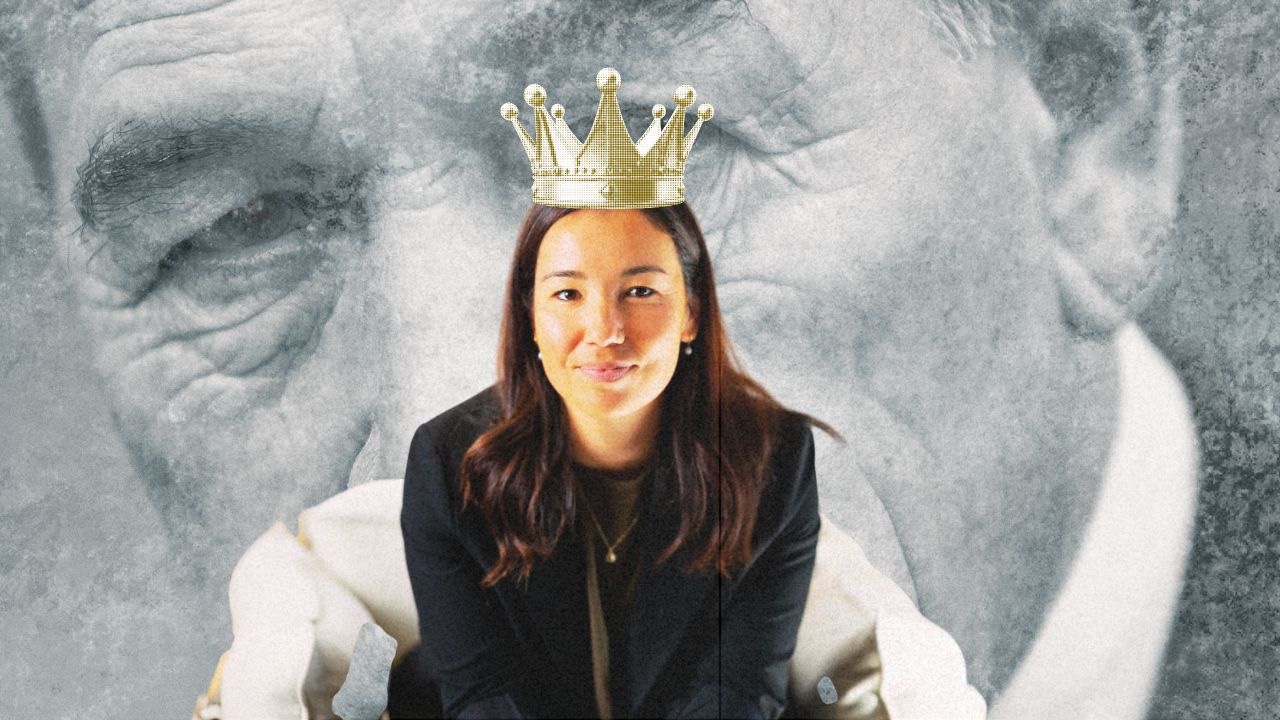
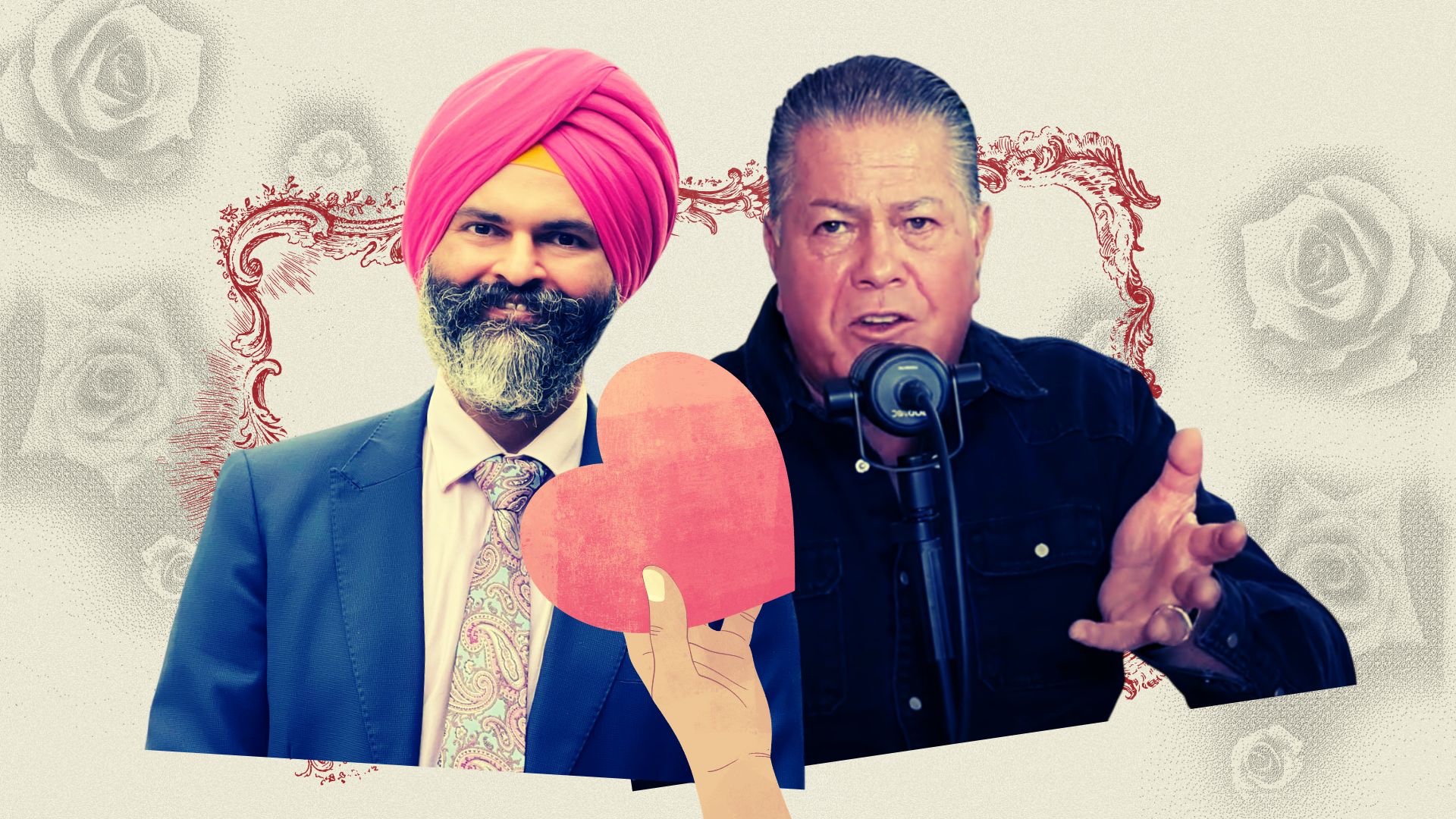
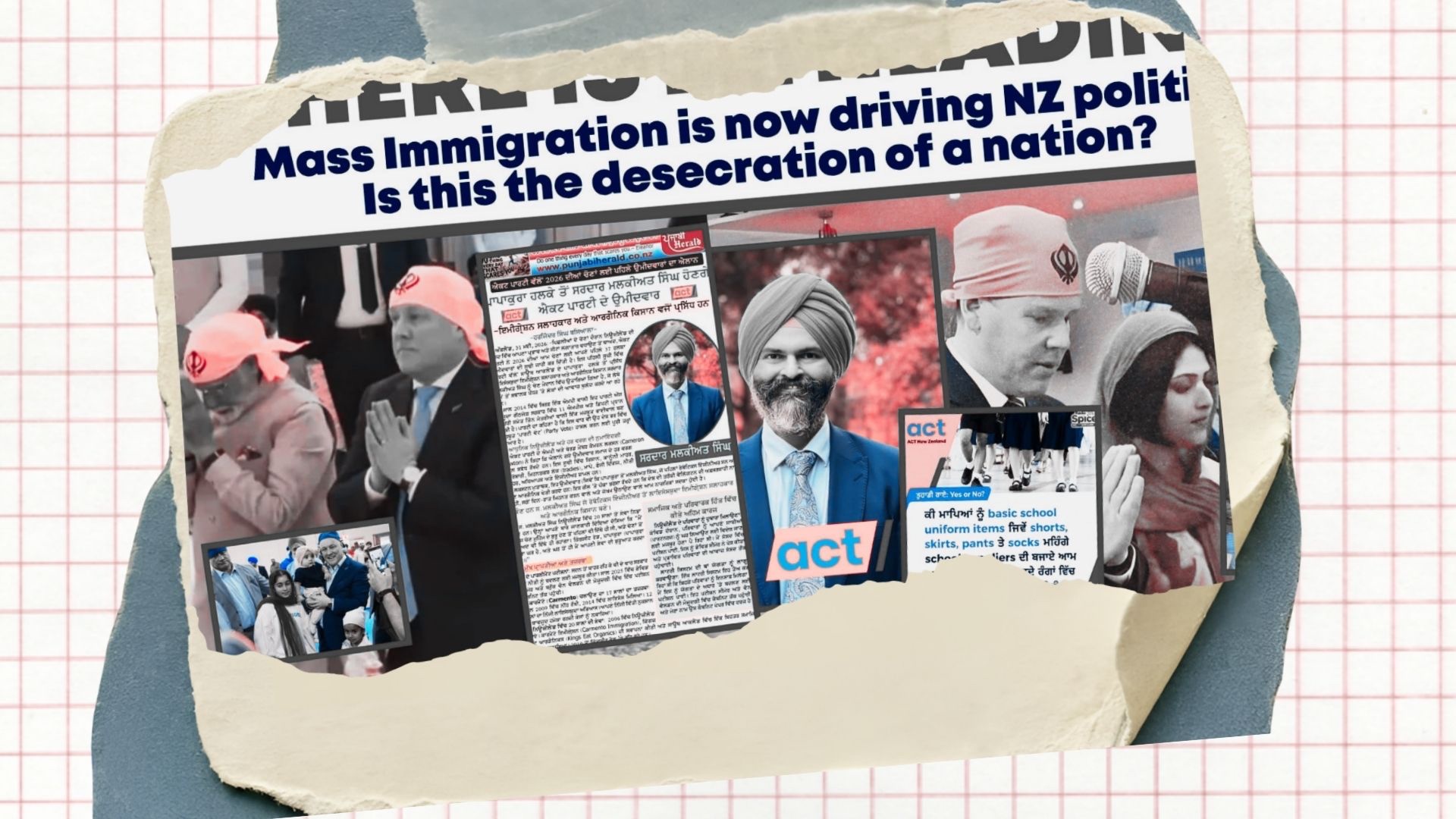
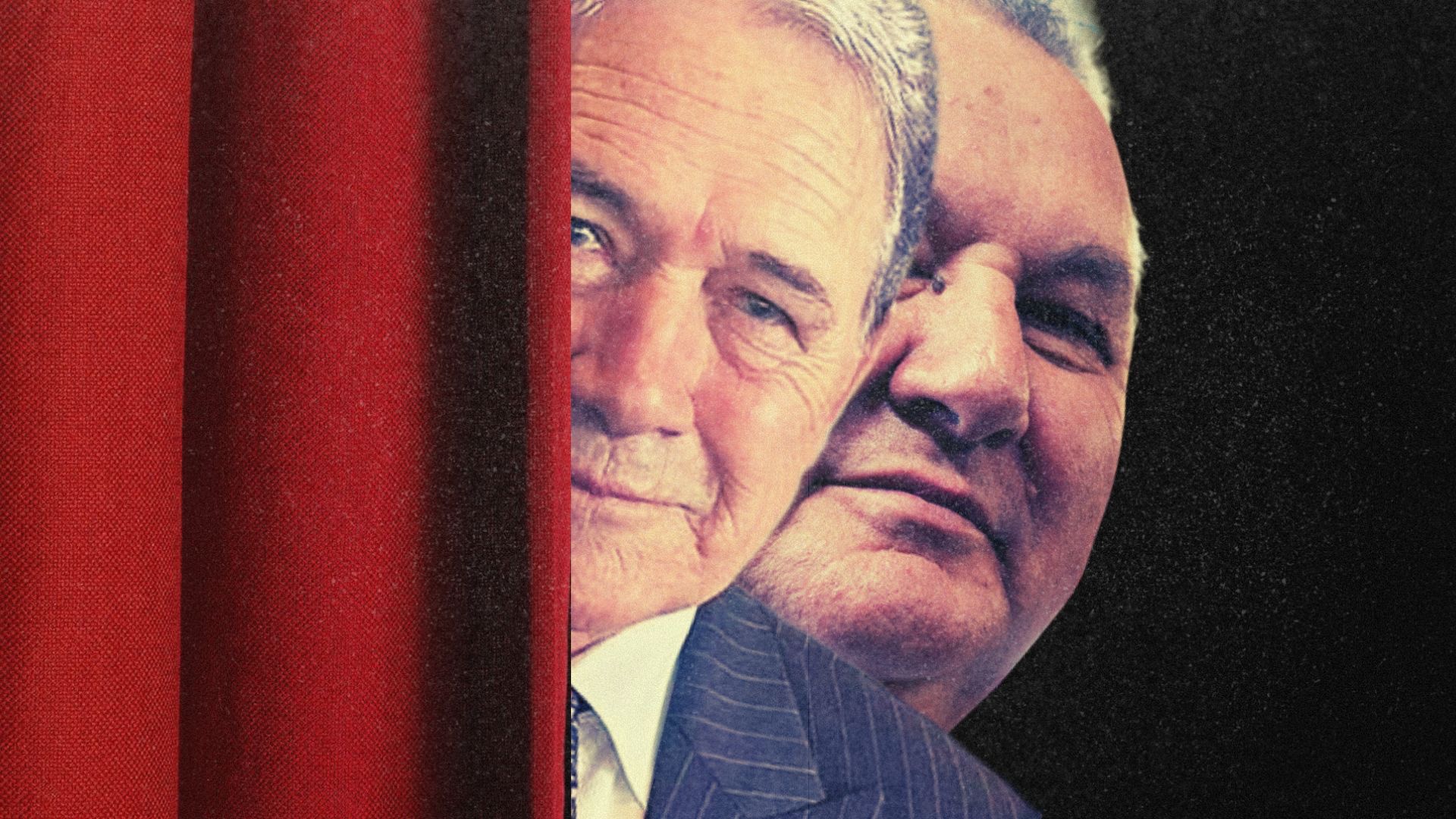
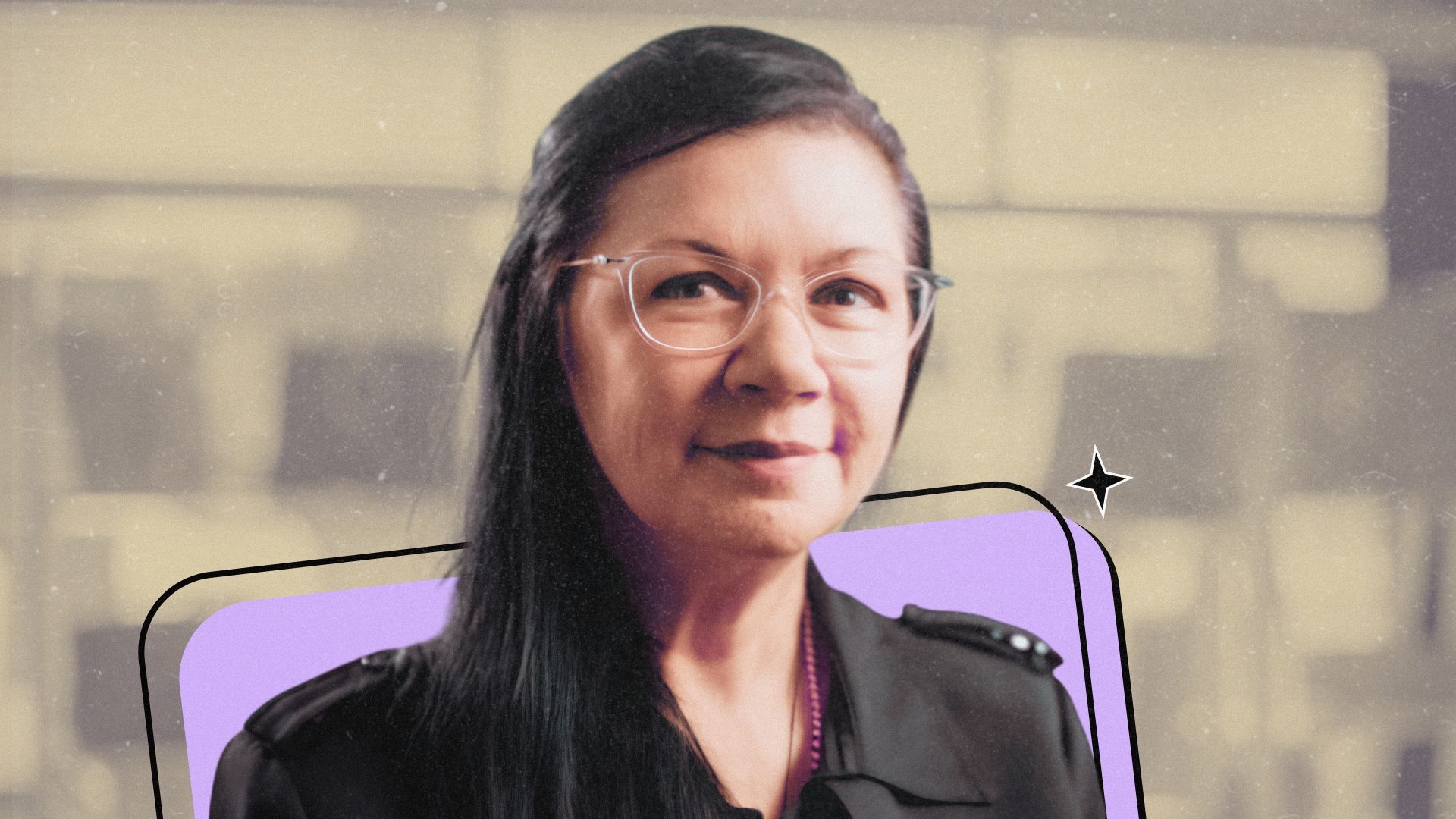
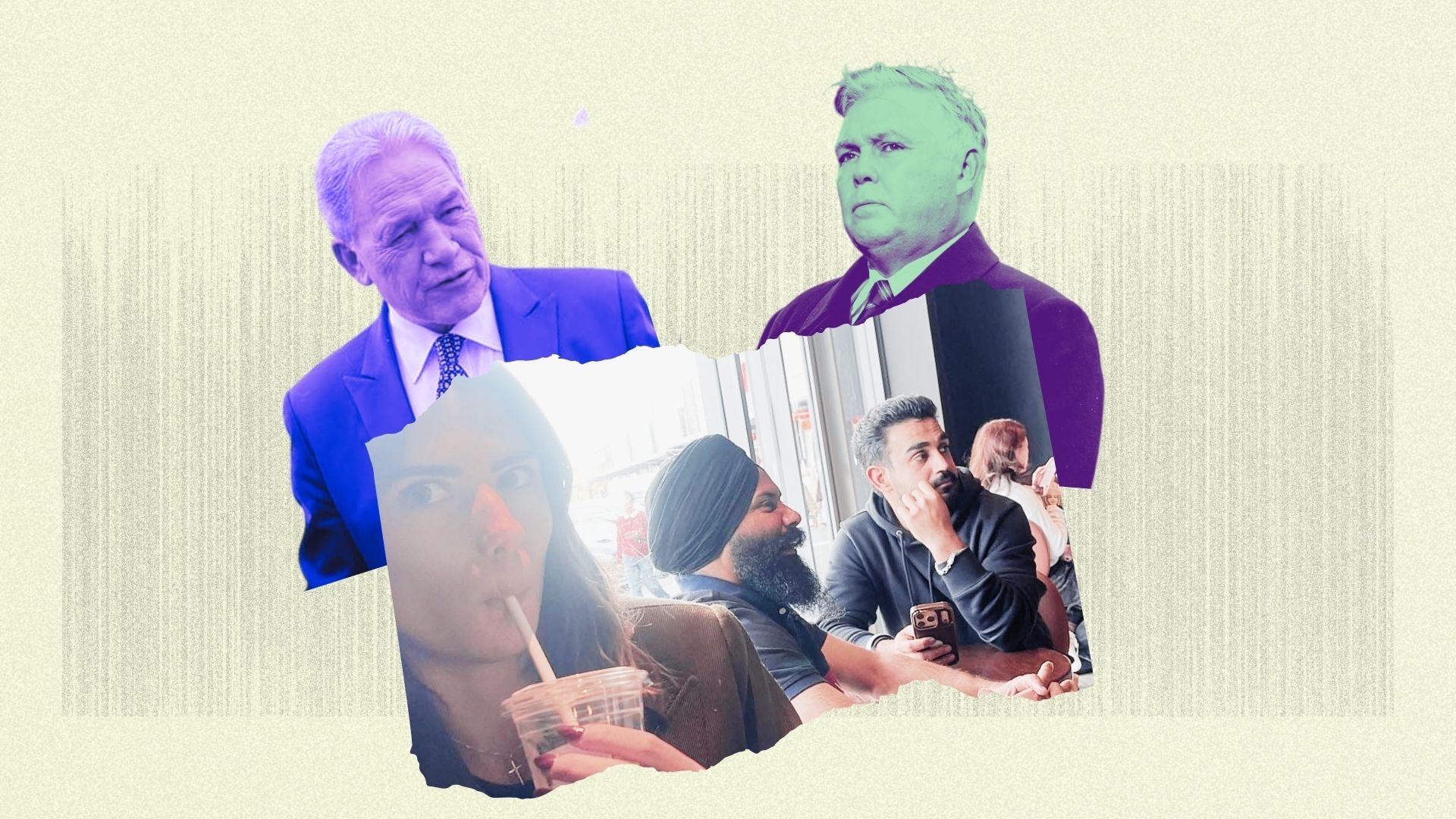
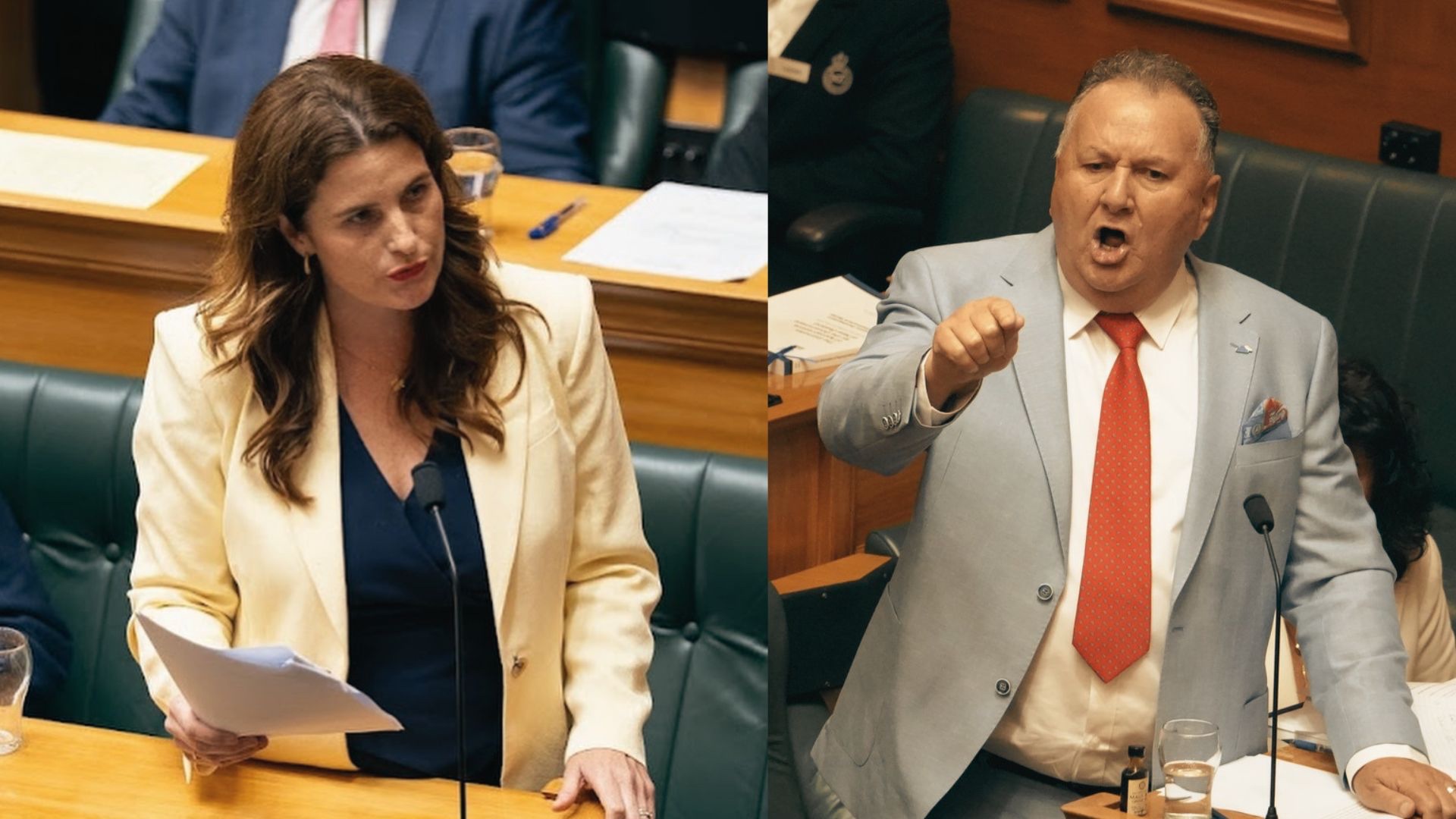
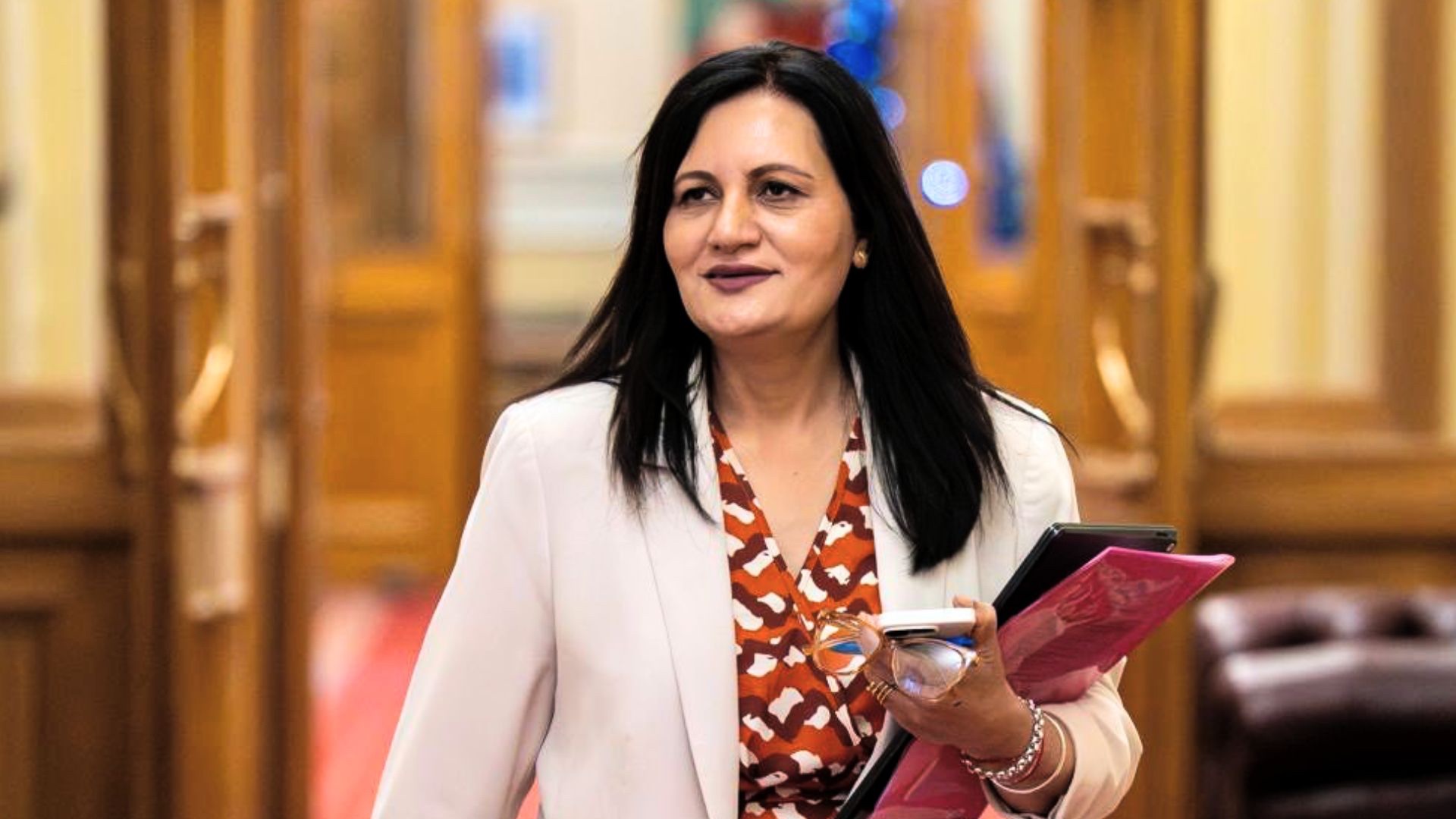
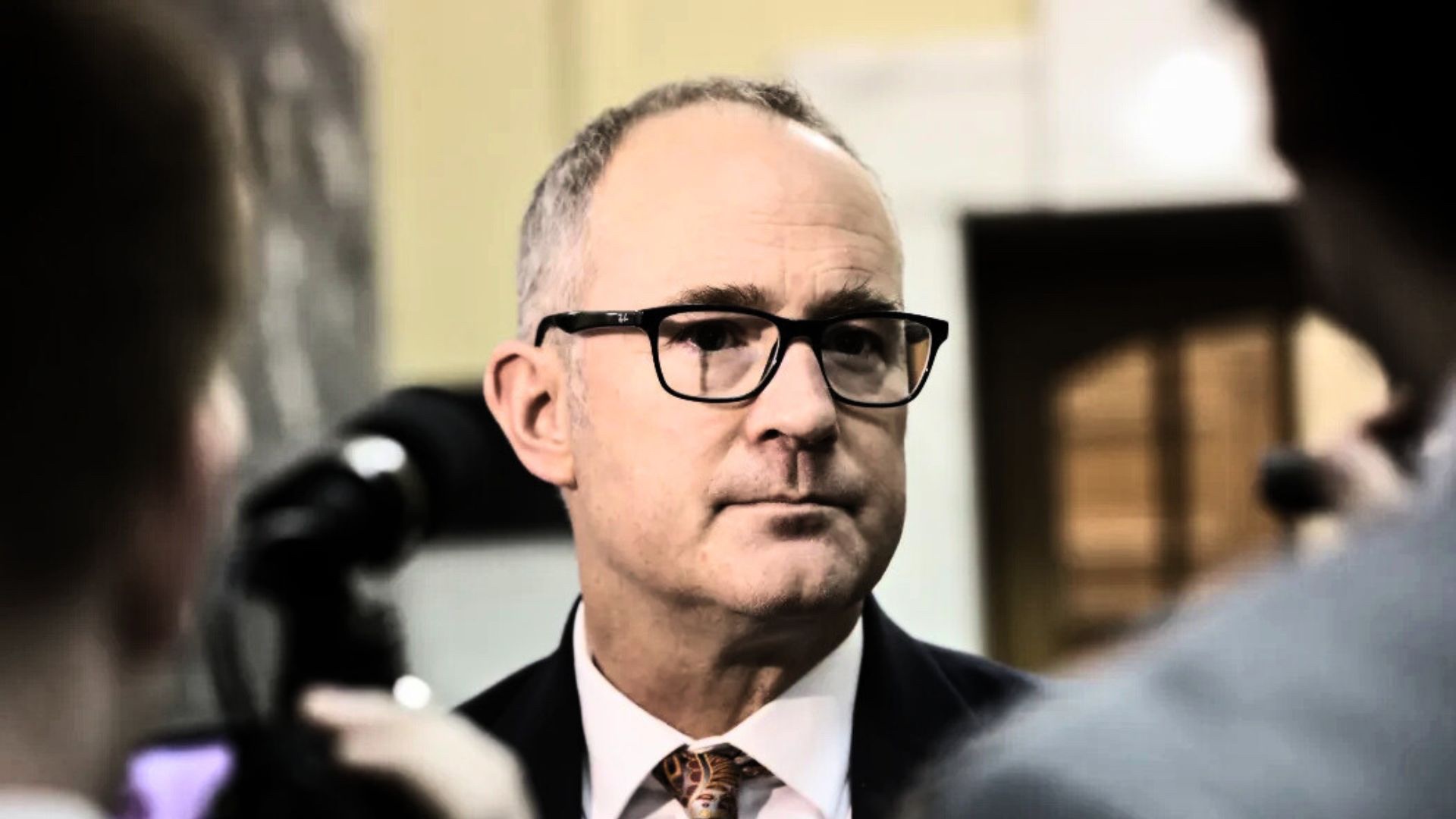
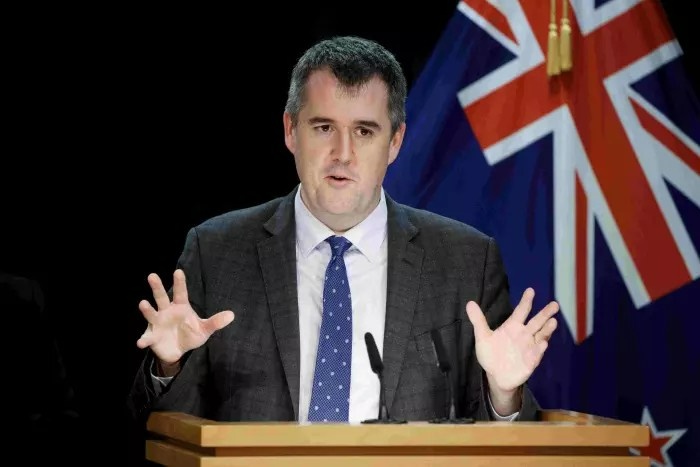
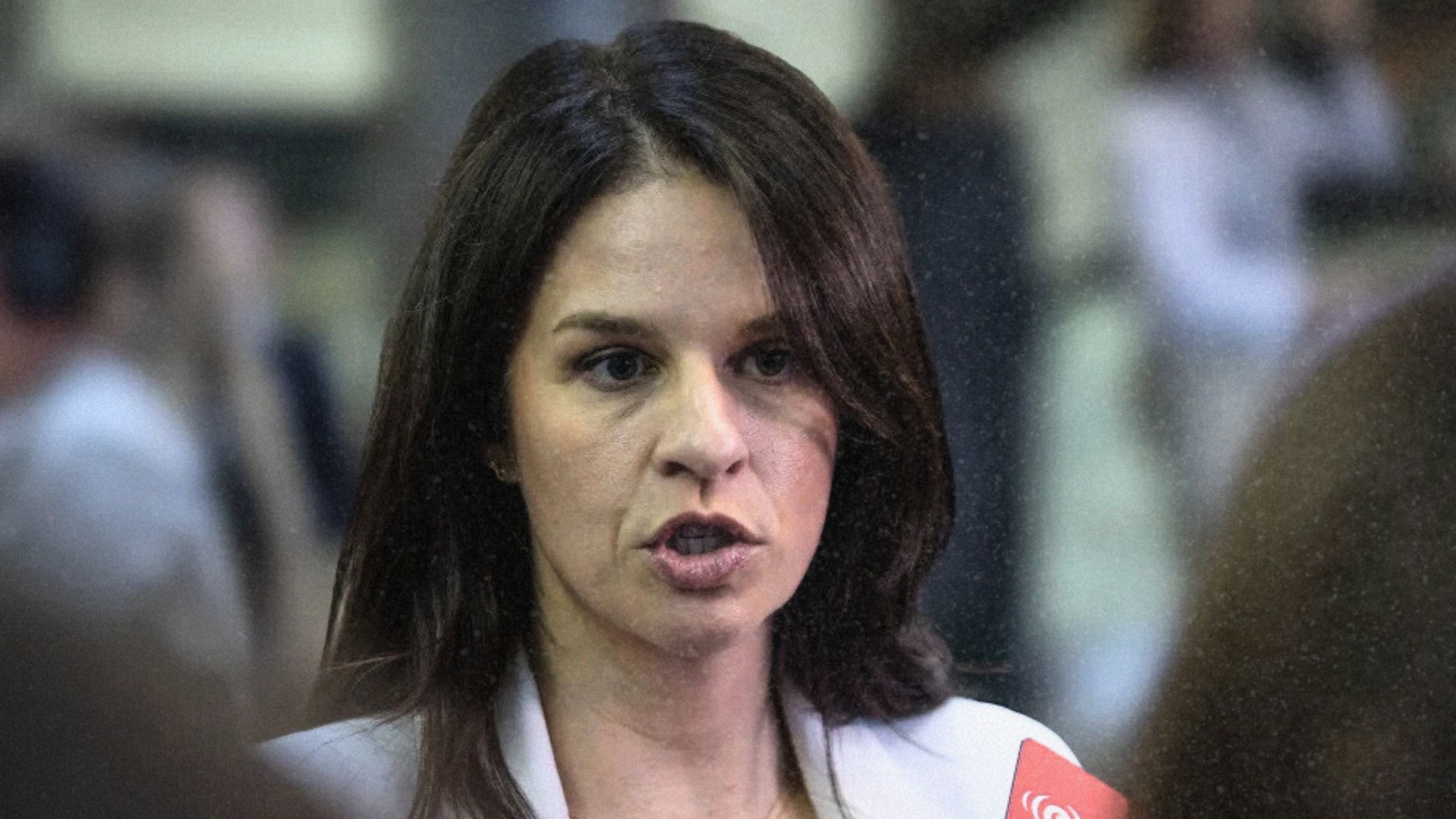
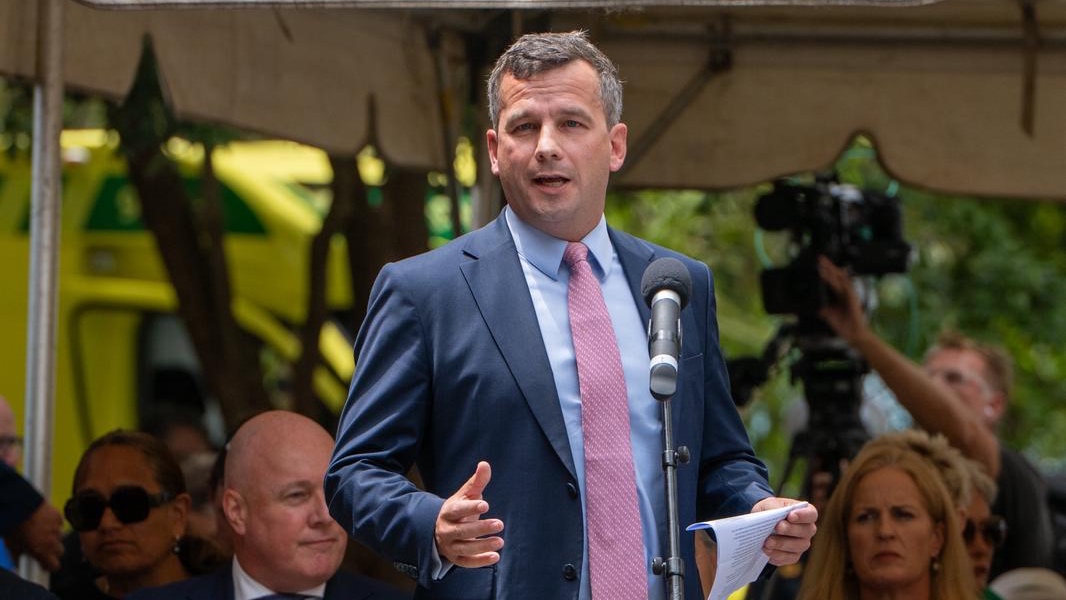
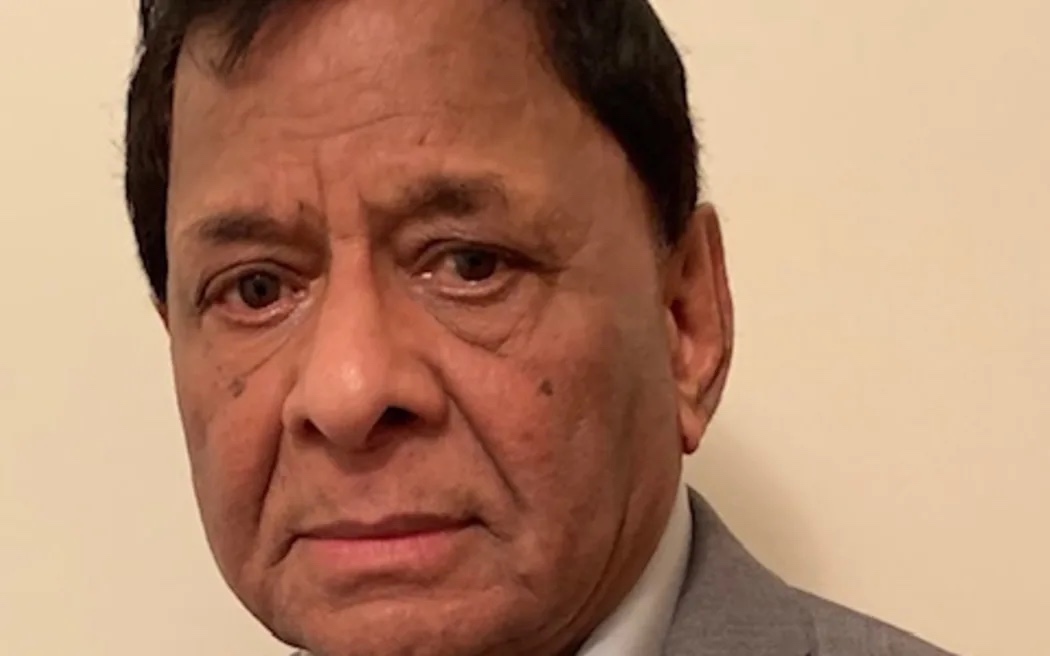
“Immigrant Forgets Where She Lives.” Under it was a photo of ACT Party MP Parmjeet Parmar. It woke me up like no amount of caffeine possibly could.
The Dean of Law at University of Auckland, Khylee Quince, had found the need to bring up Parmar's ancestry over what seemed like something parliamentarians do all the time. The Kiwi-Indian politician had lodged a member’s bill. This one was meant to stop universities allocating resources based on race. It landed just as the cabinet was calling for a 'colourblind' public service.
Quince's issue seemed not as much with the bill but rather the member who had brought it. An Indian migrant. A third-time parliamentarian, but that didn't matter. She was a migrant. I stared at the post, thumb hovering over the screen, knowing this wasn't just political sparring. This felt like gatekeeping.
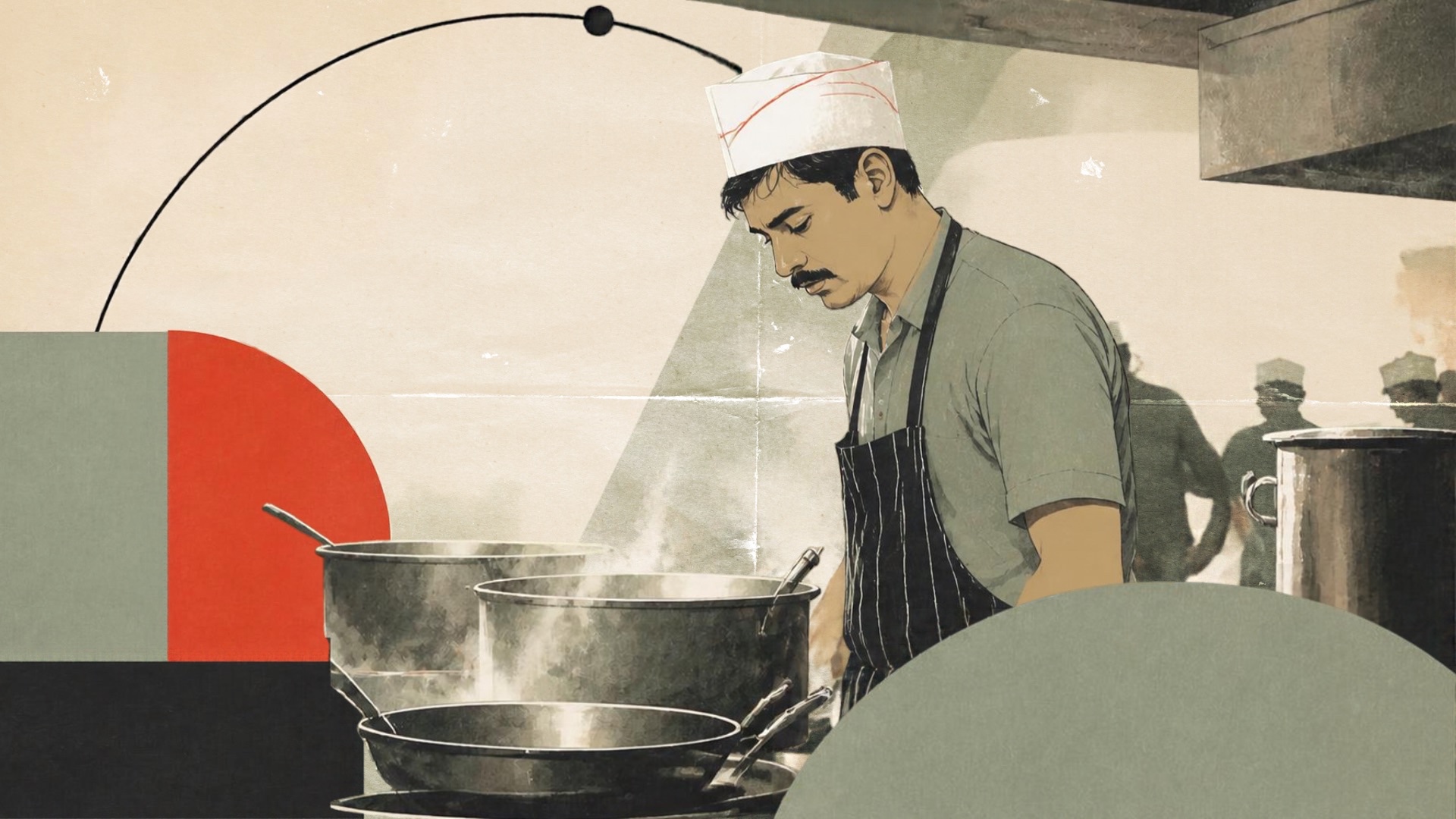
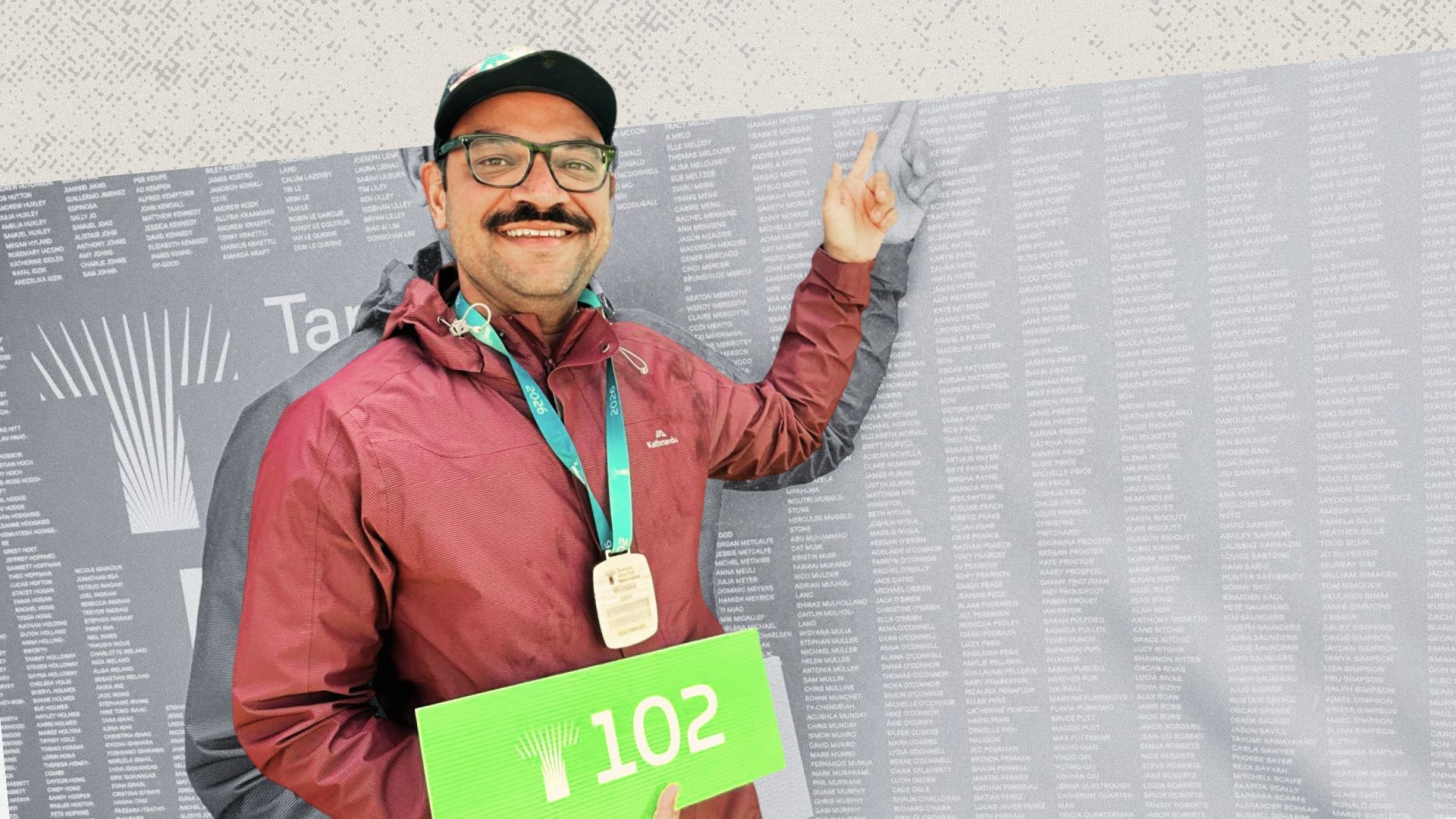
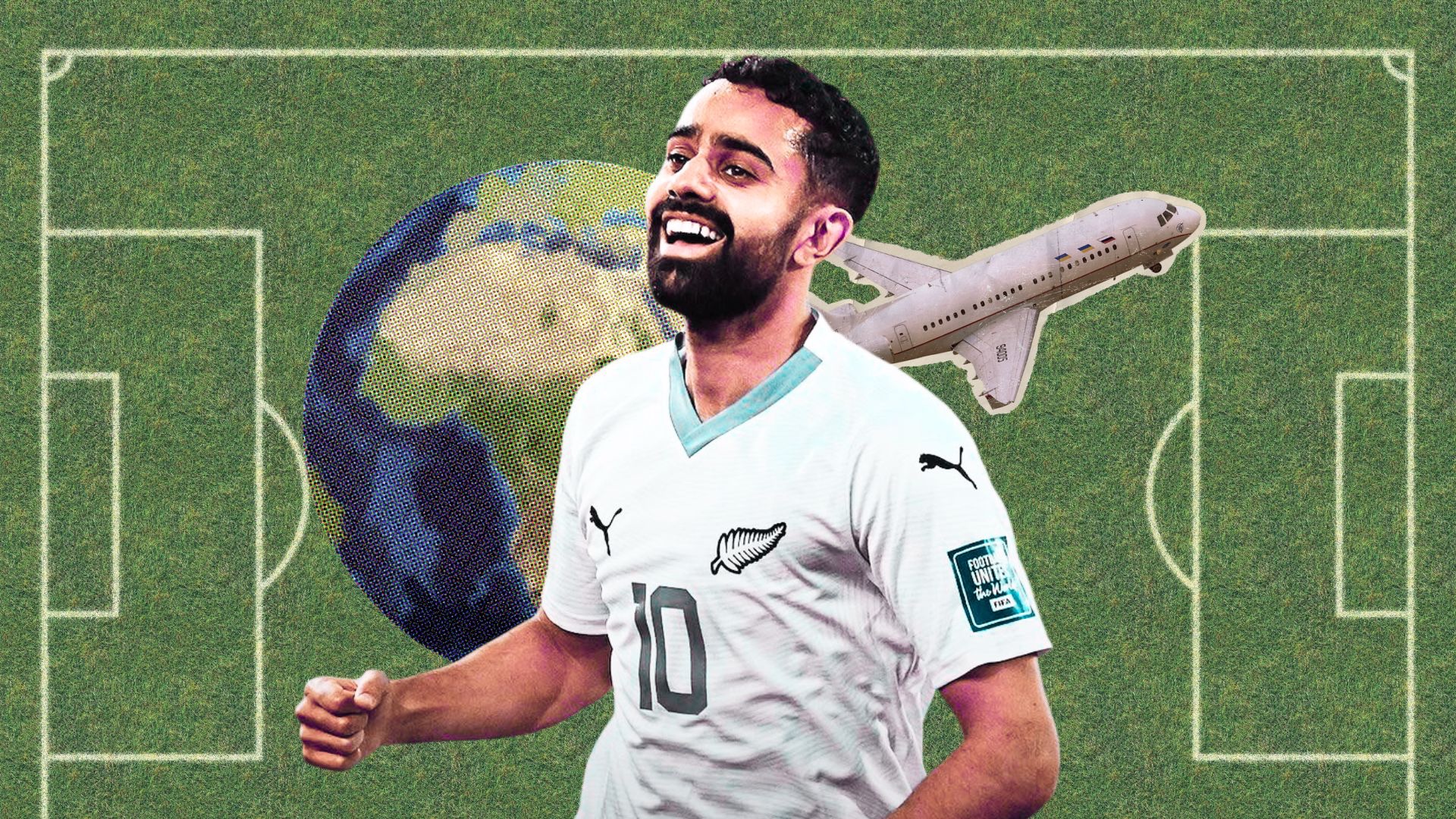
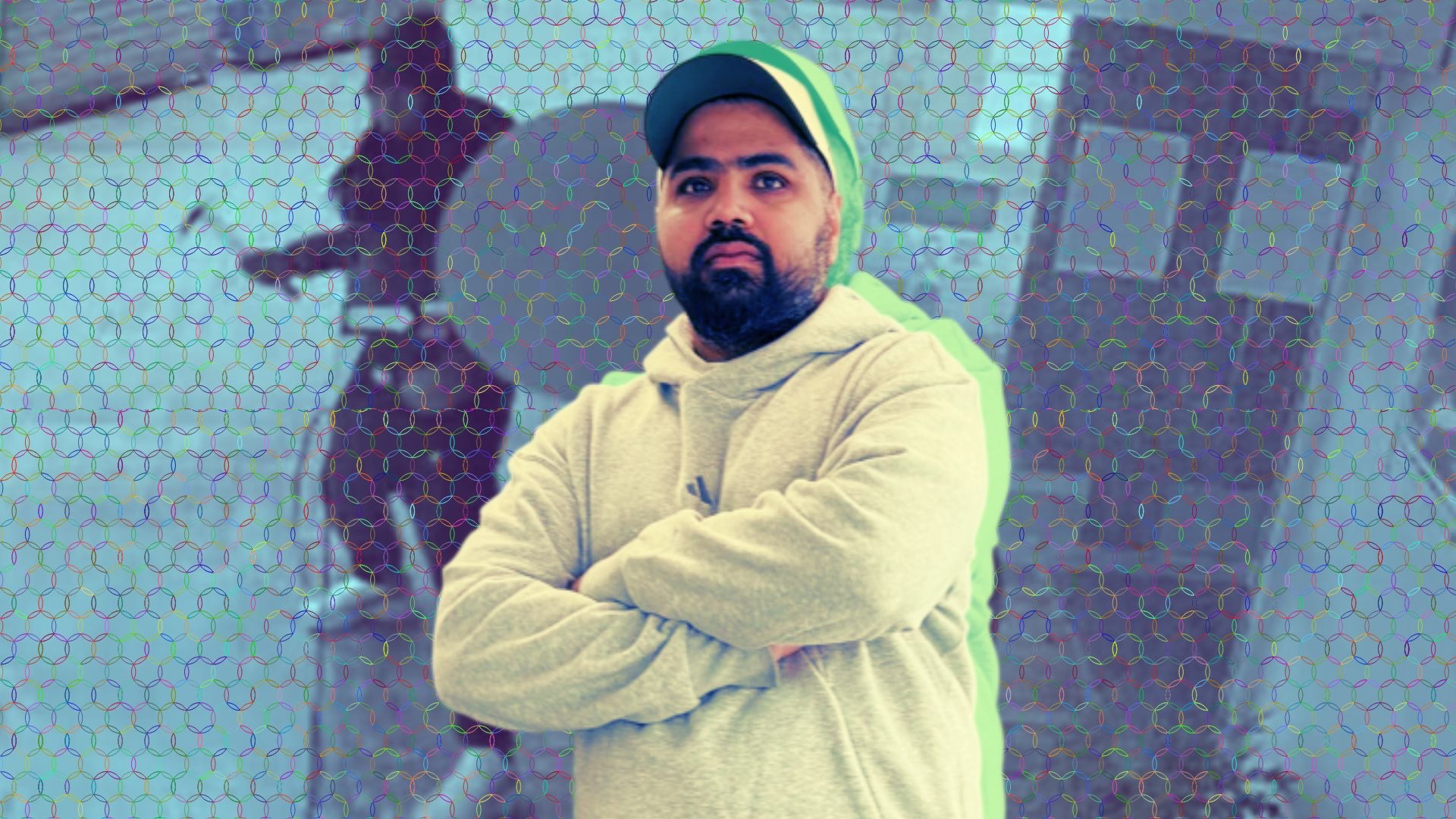
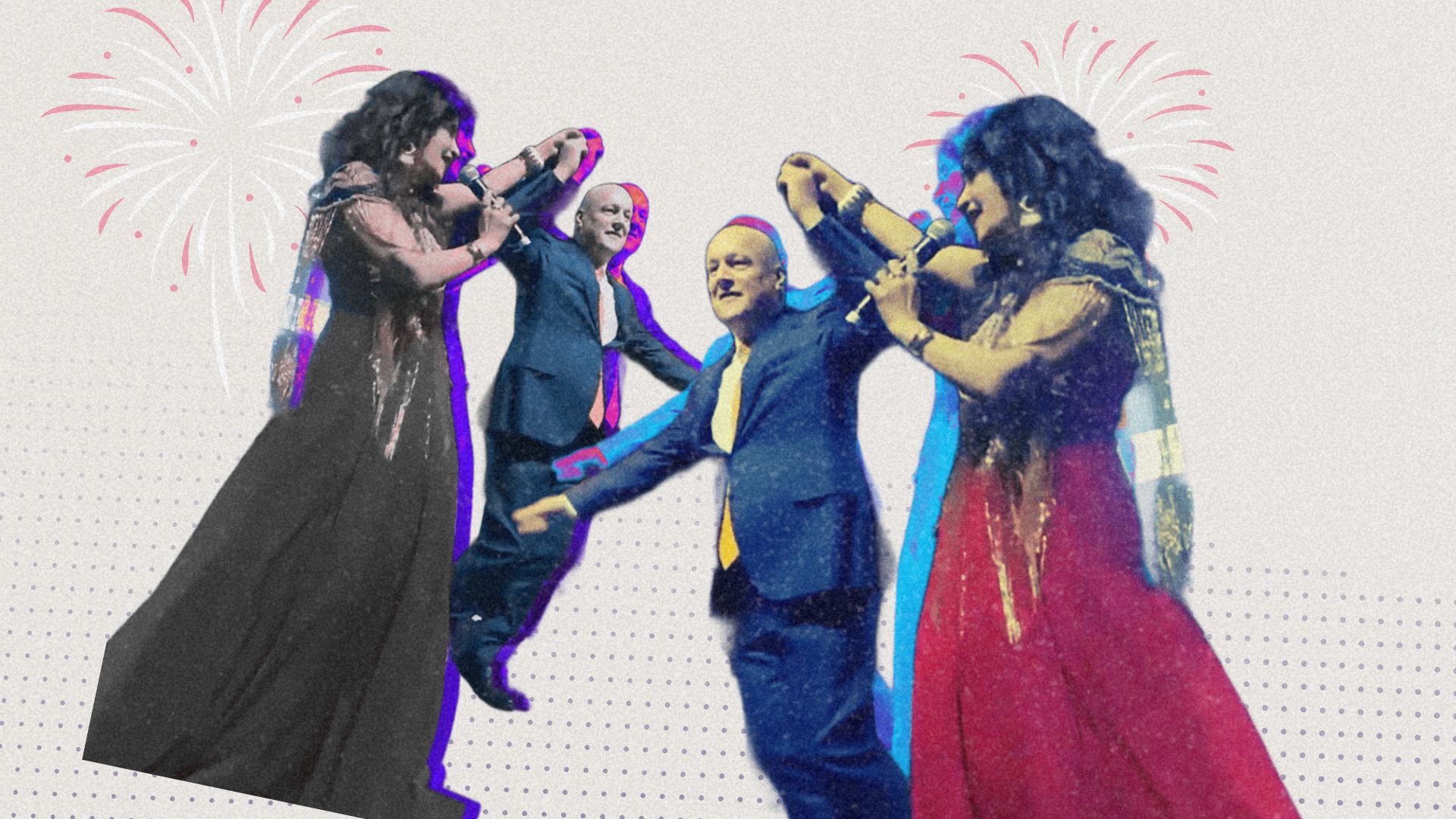
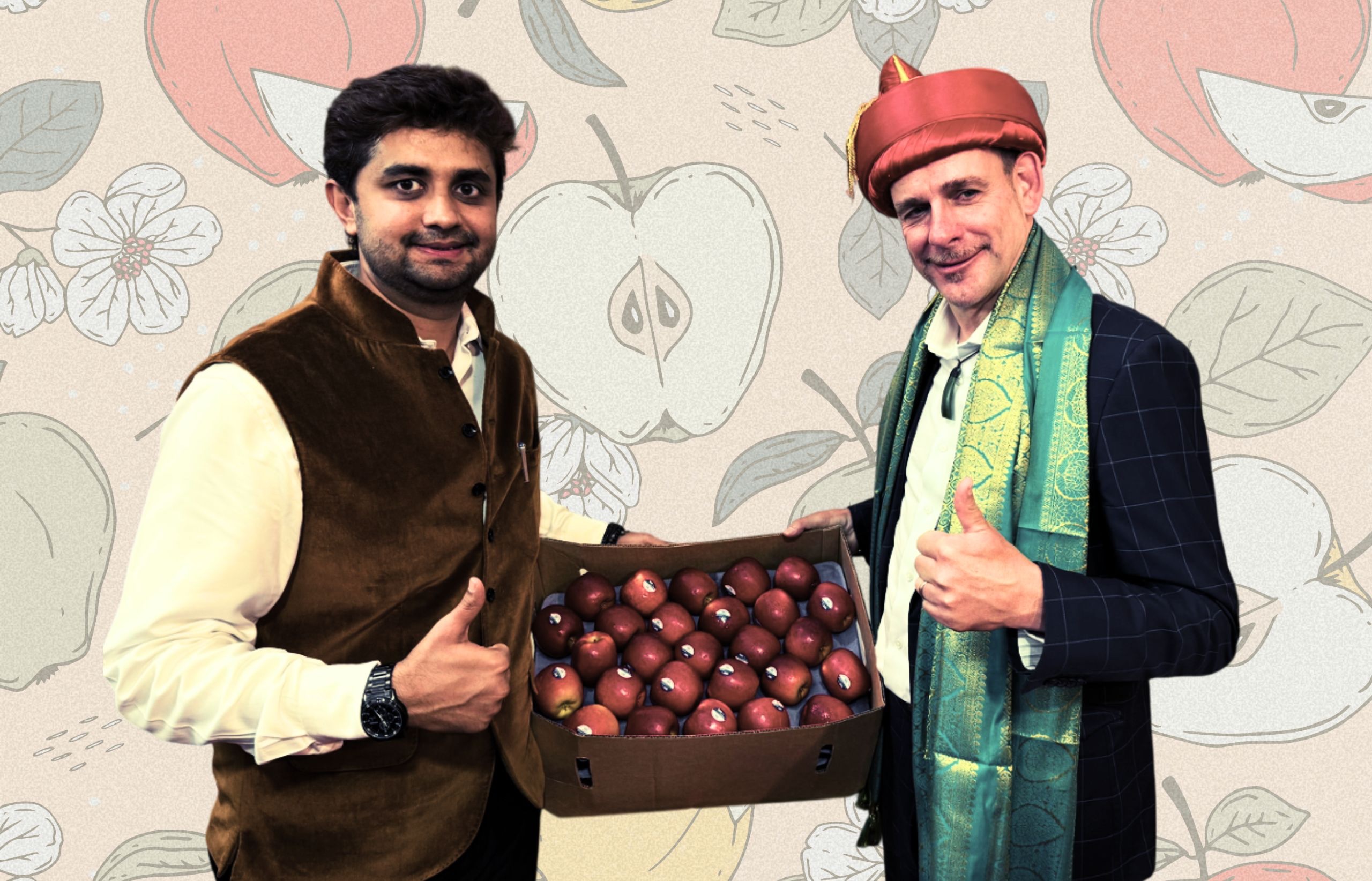
From designing restaurants to running Auckland Diwali: The many lives of Arnav Taode Taode brings his passion for Indian arts and culture to his first year managing BNZ Auckland Diwali 2026.
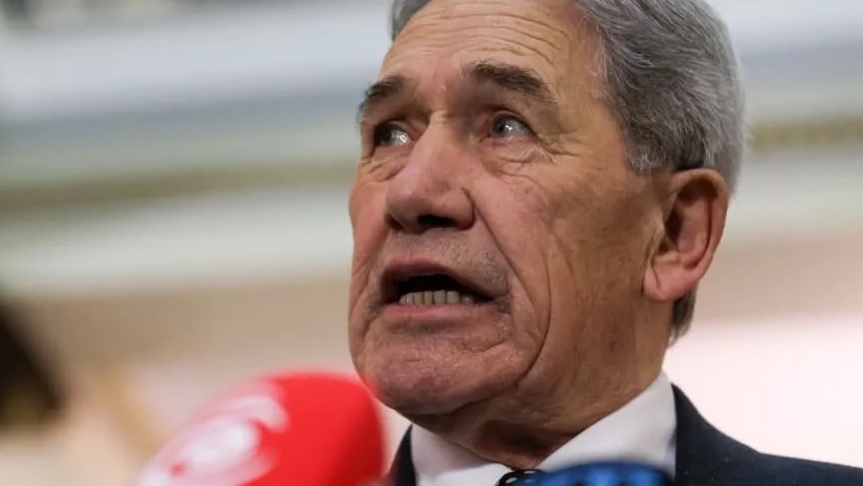
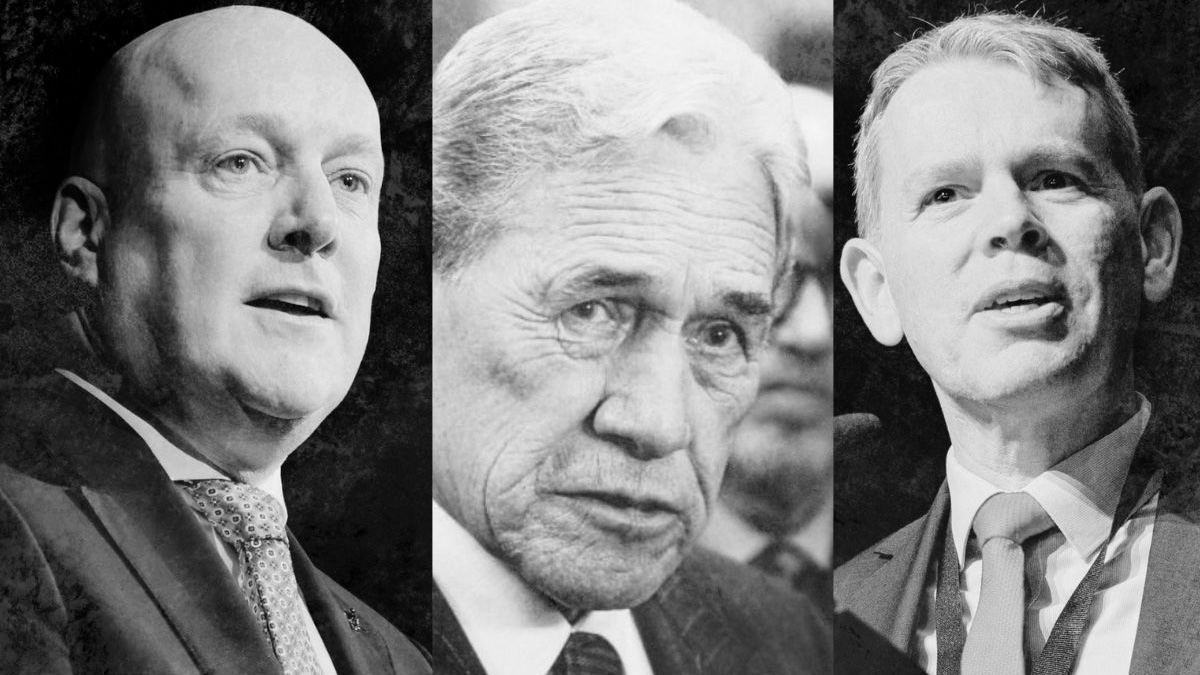
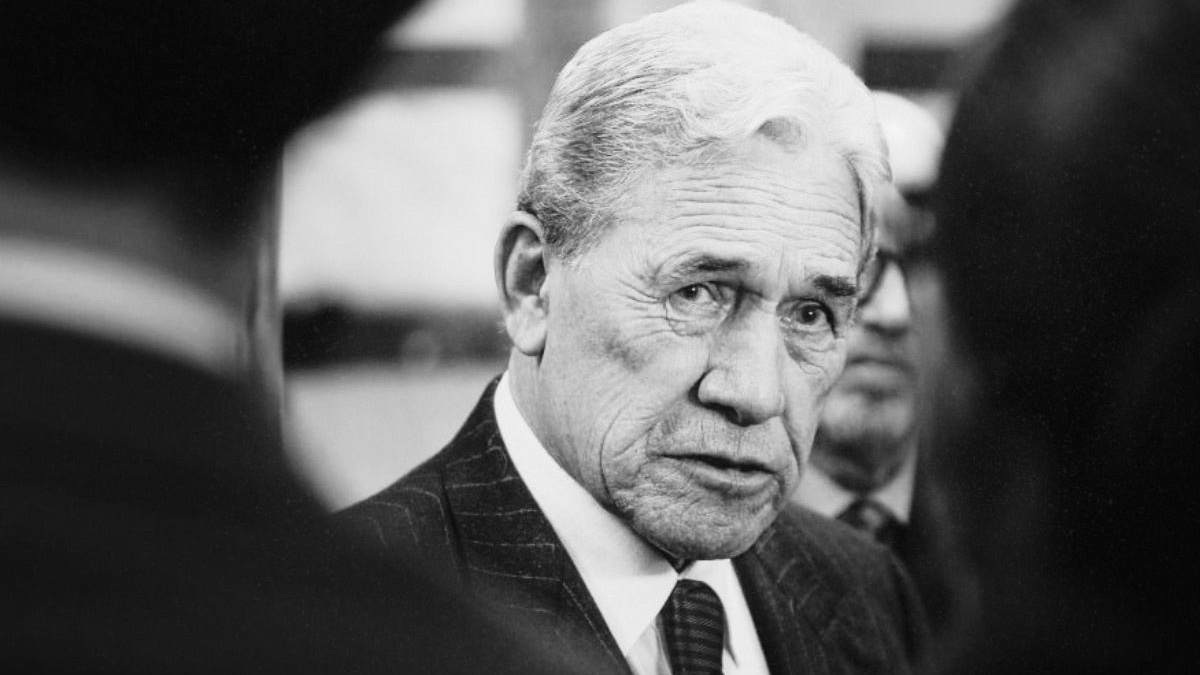
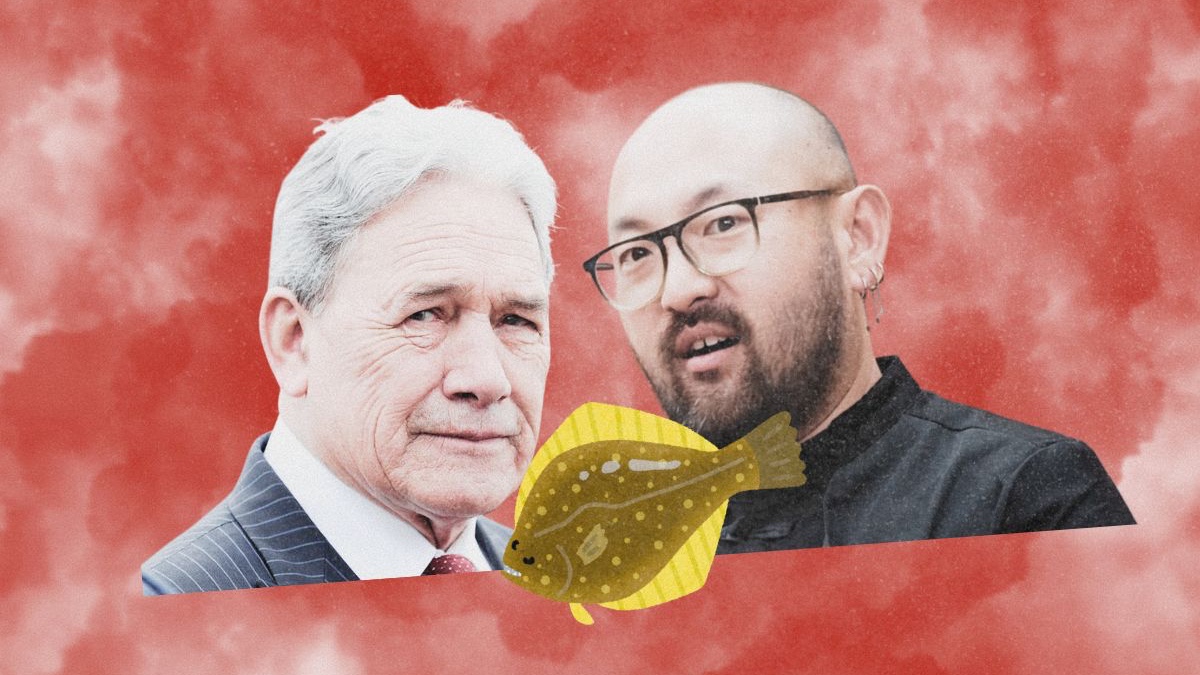
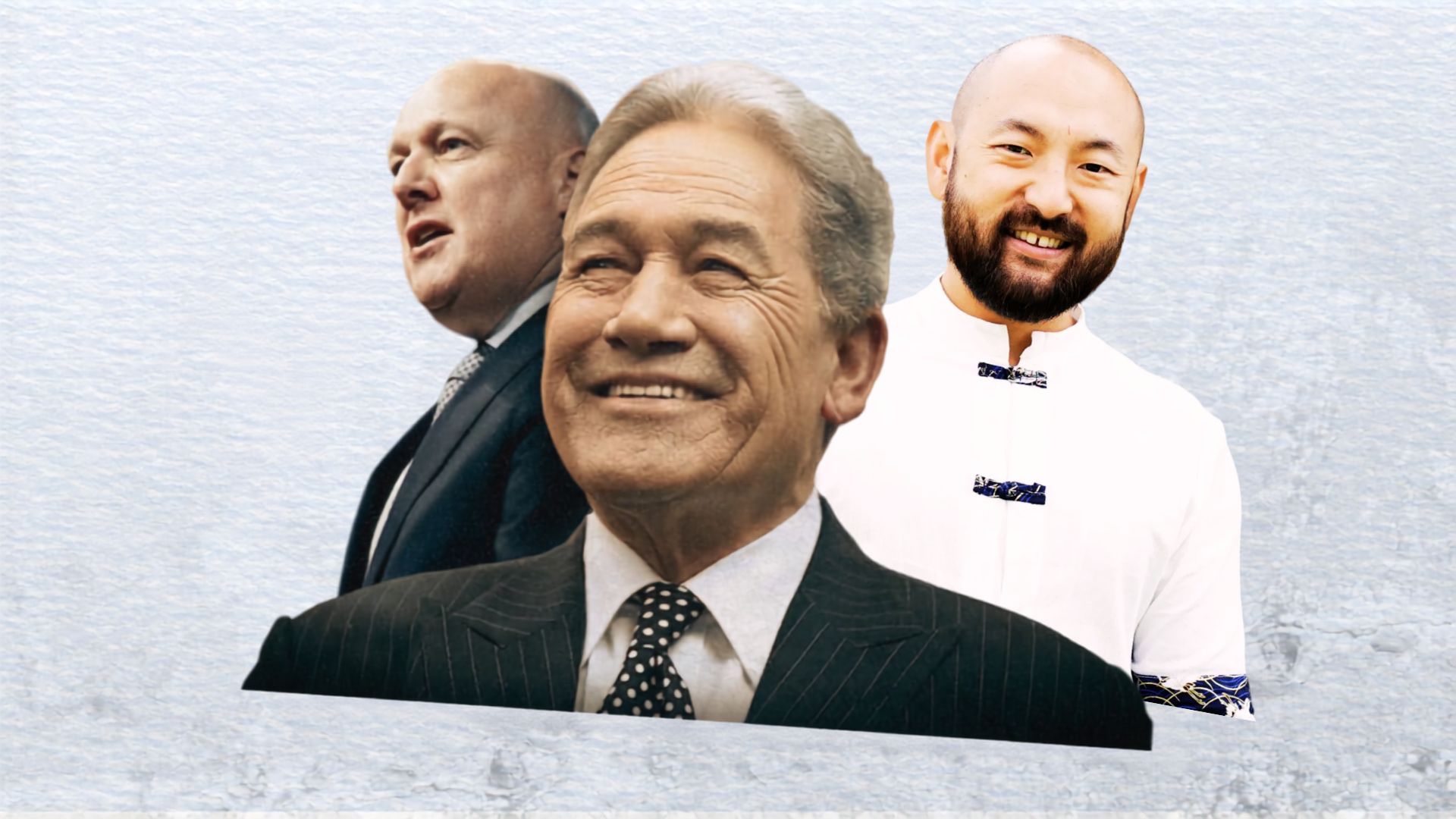
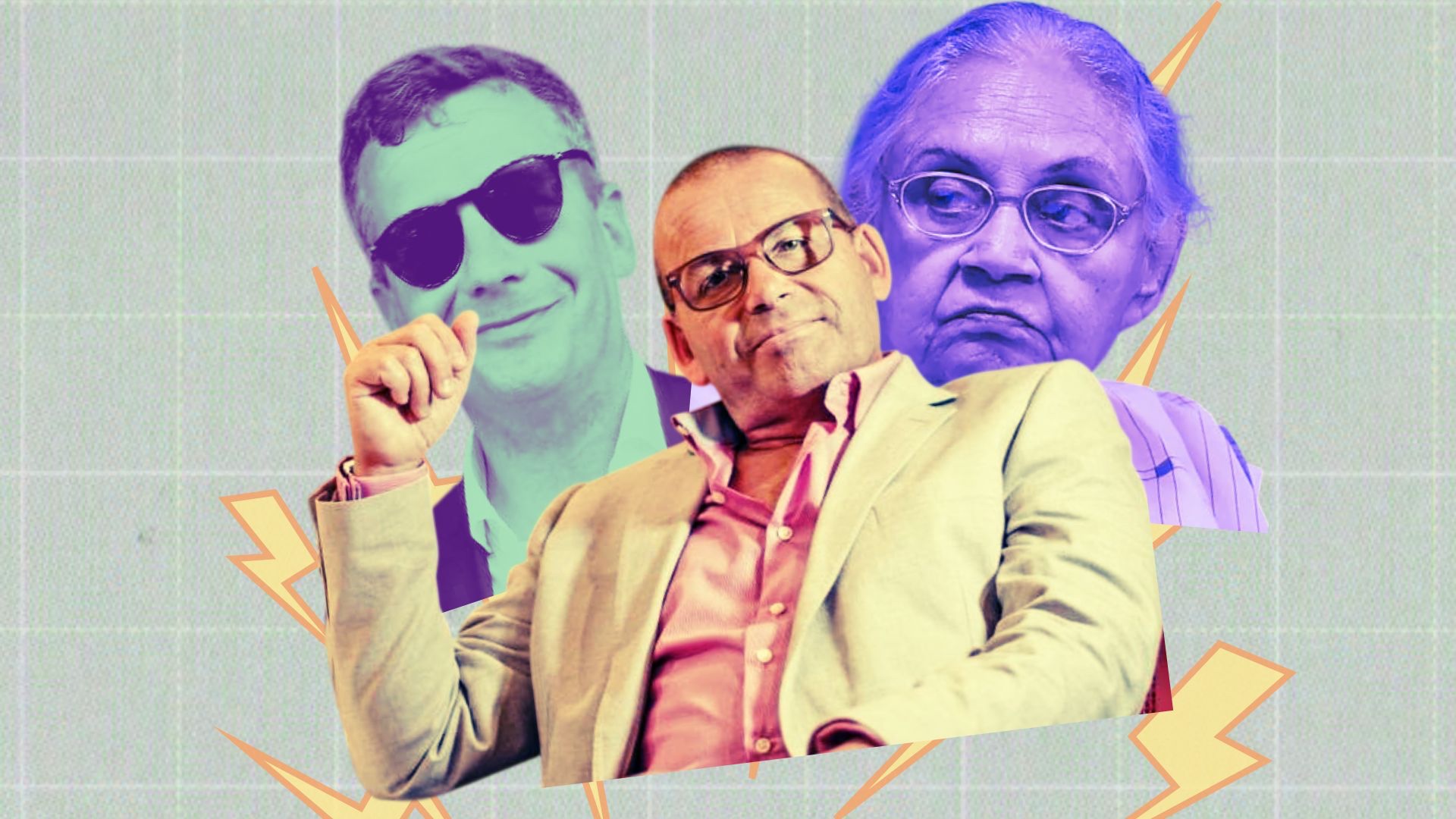
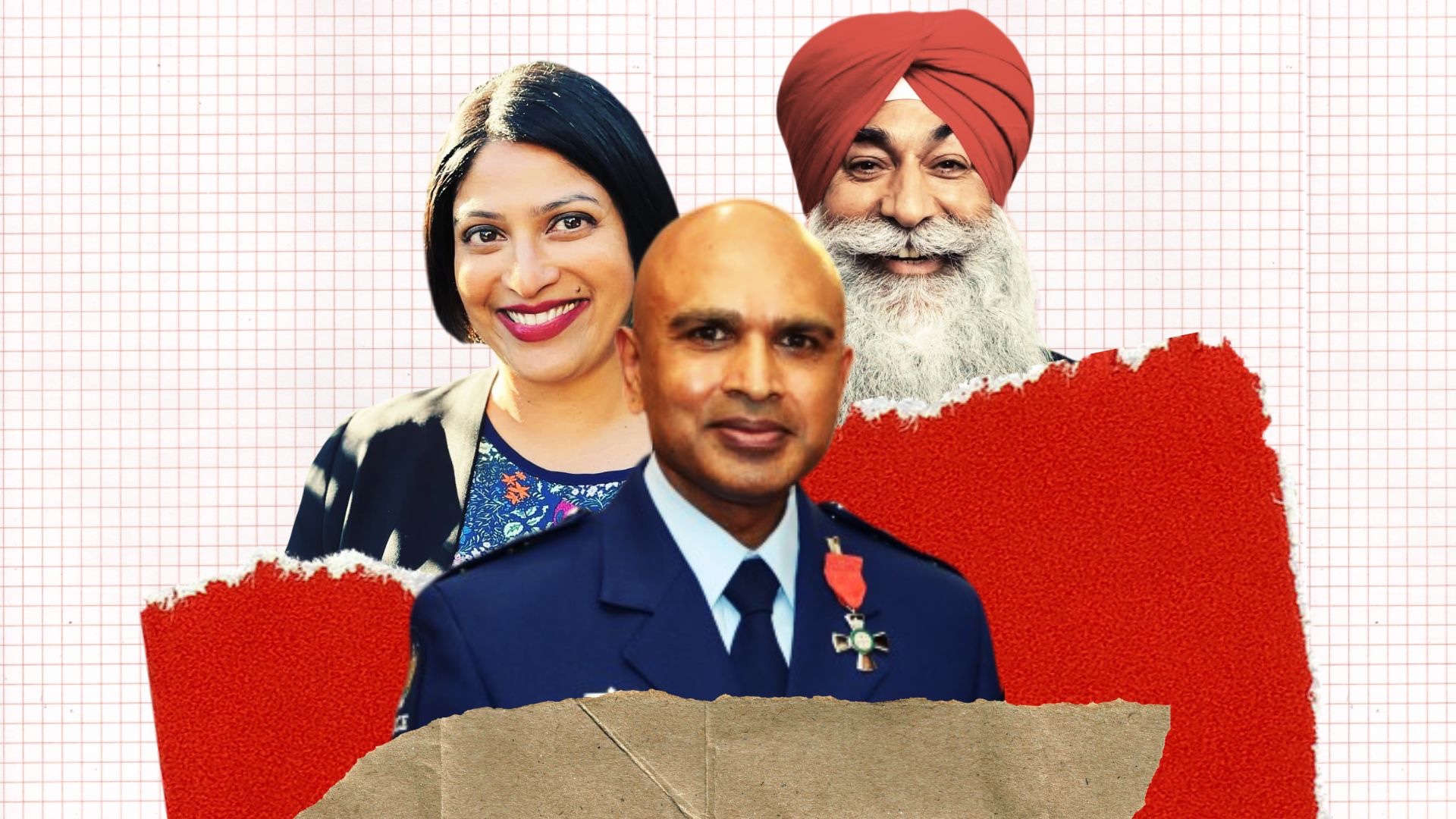
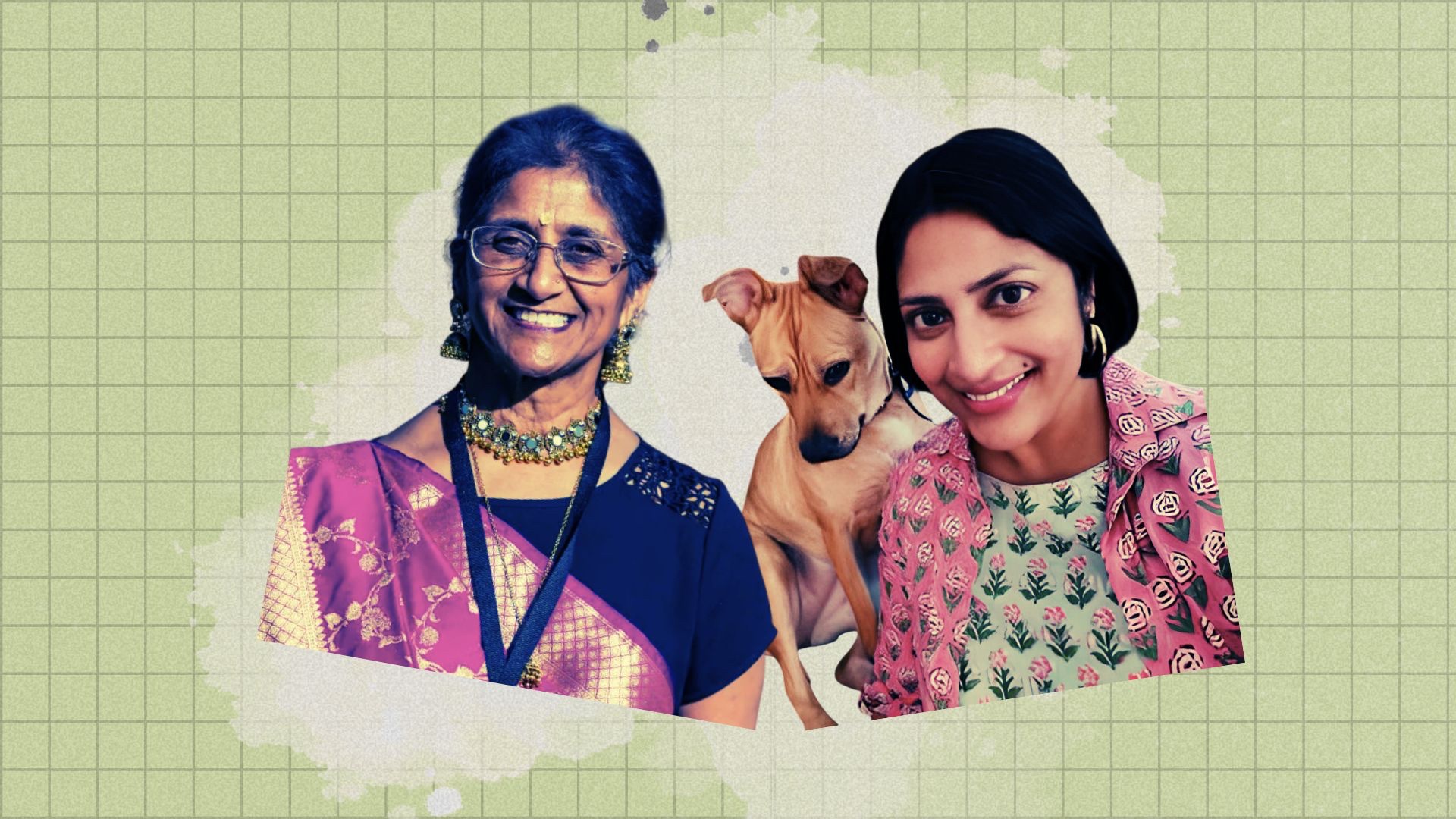
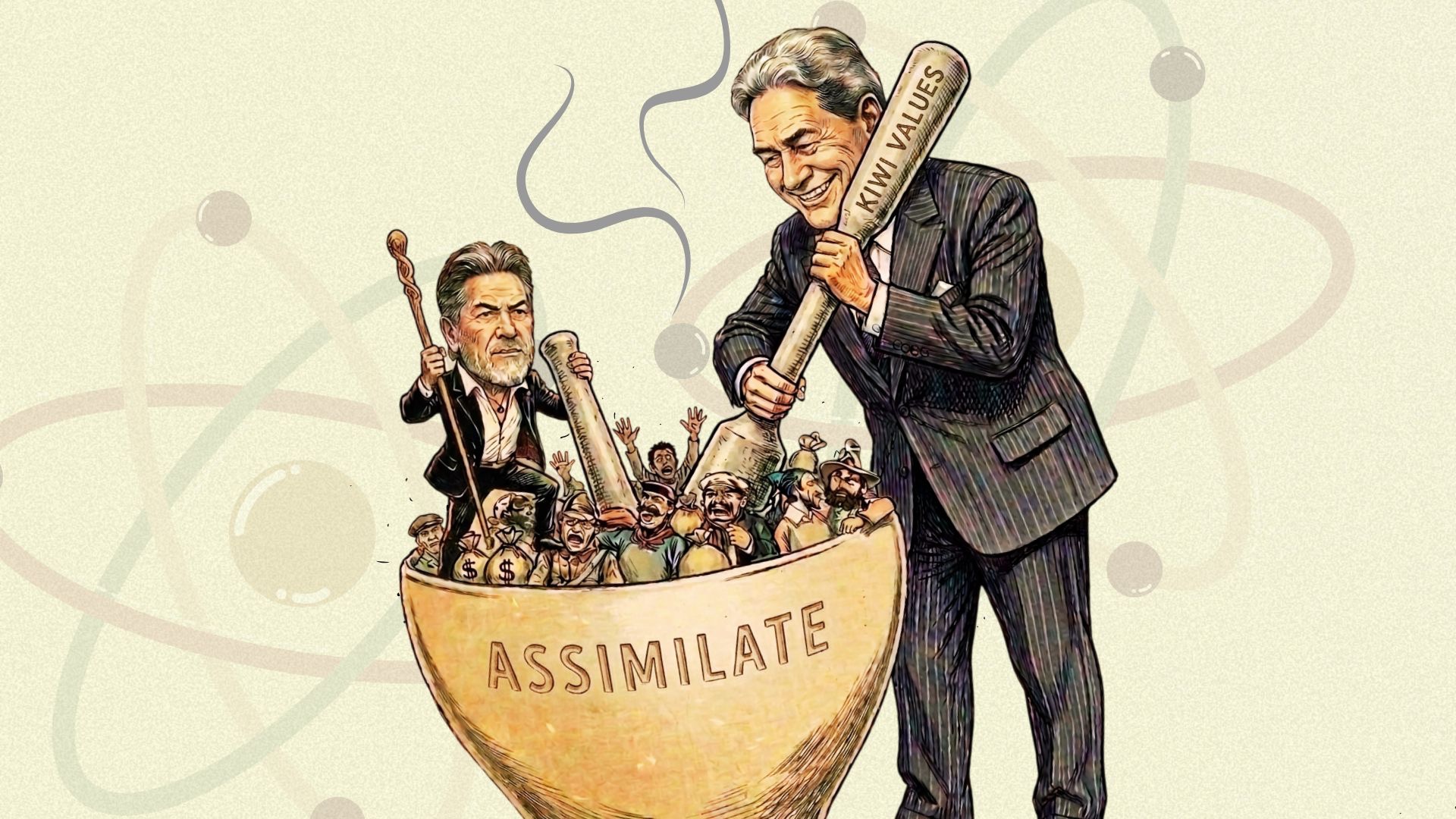
Winston Peters says ‘diversity is disunity’. What does the evidence tell us? Evidence from business, sport and social policy suggests diversity can strengthen economies and cohesion but on one condition.
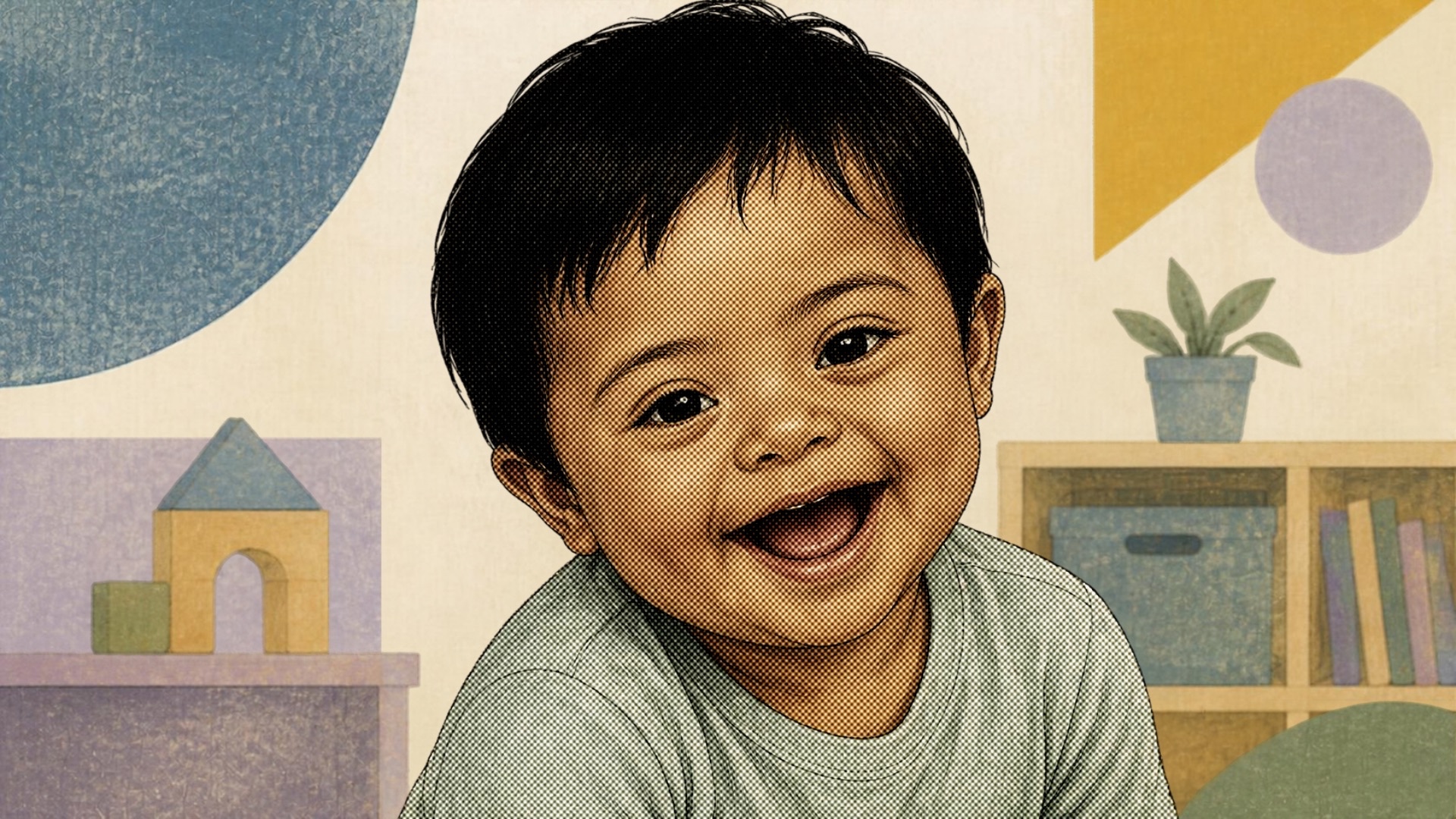
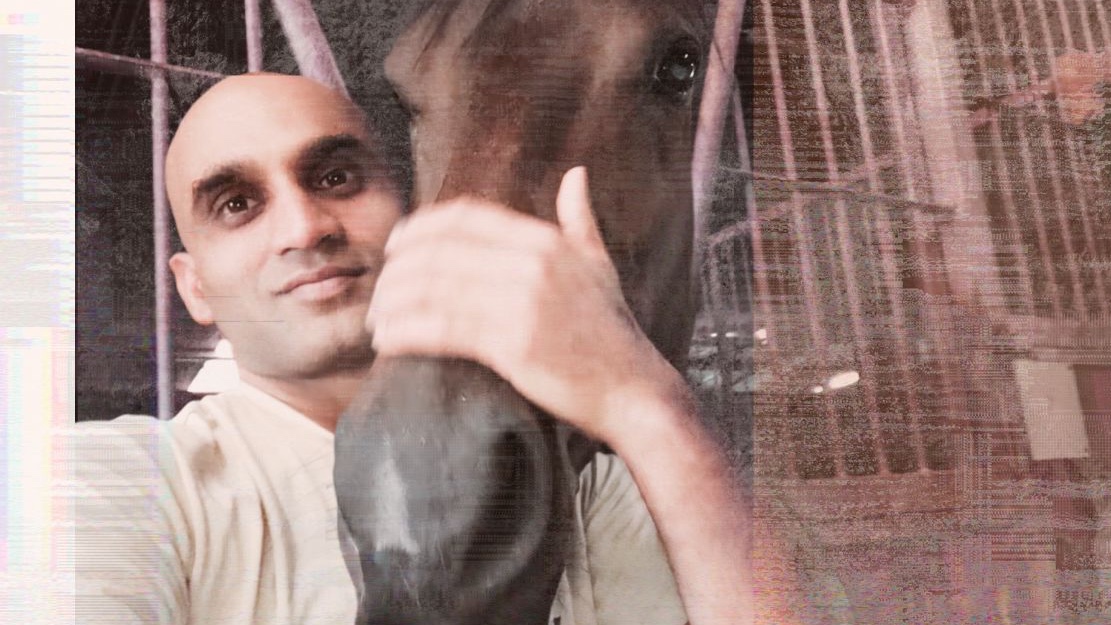
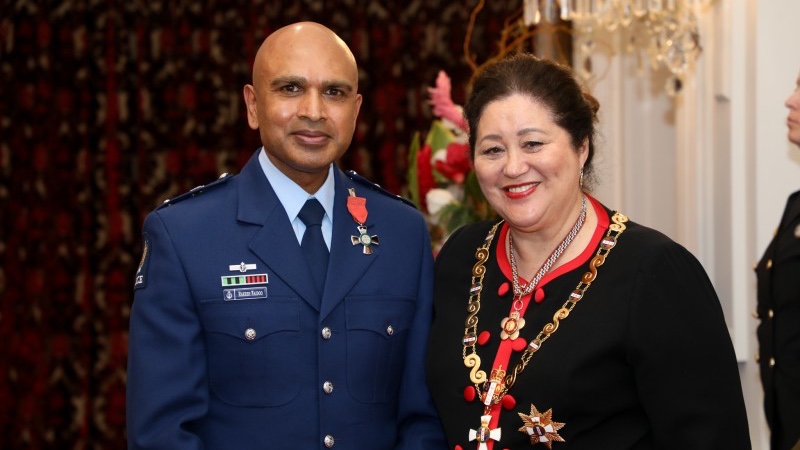
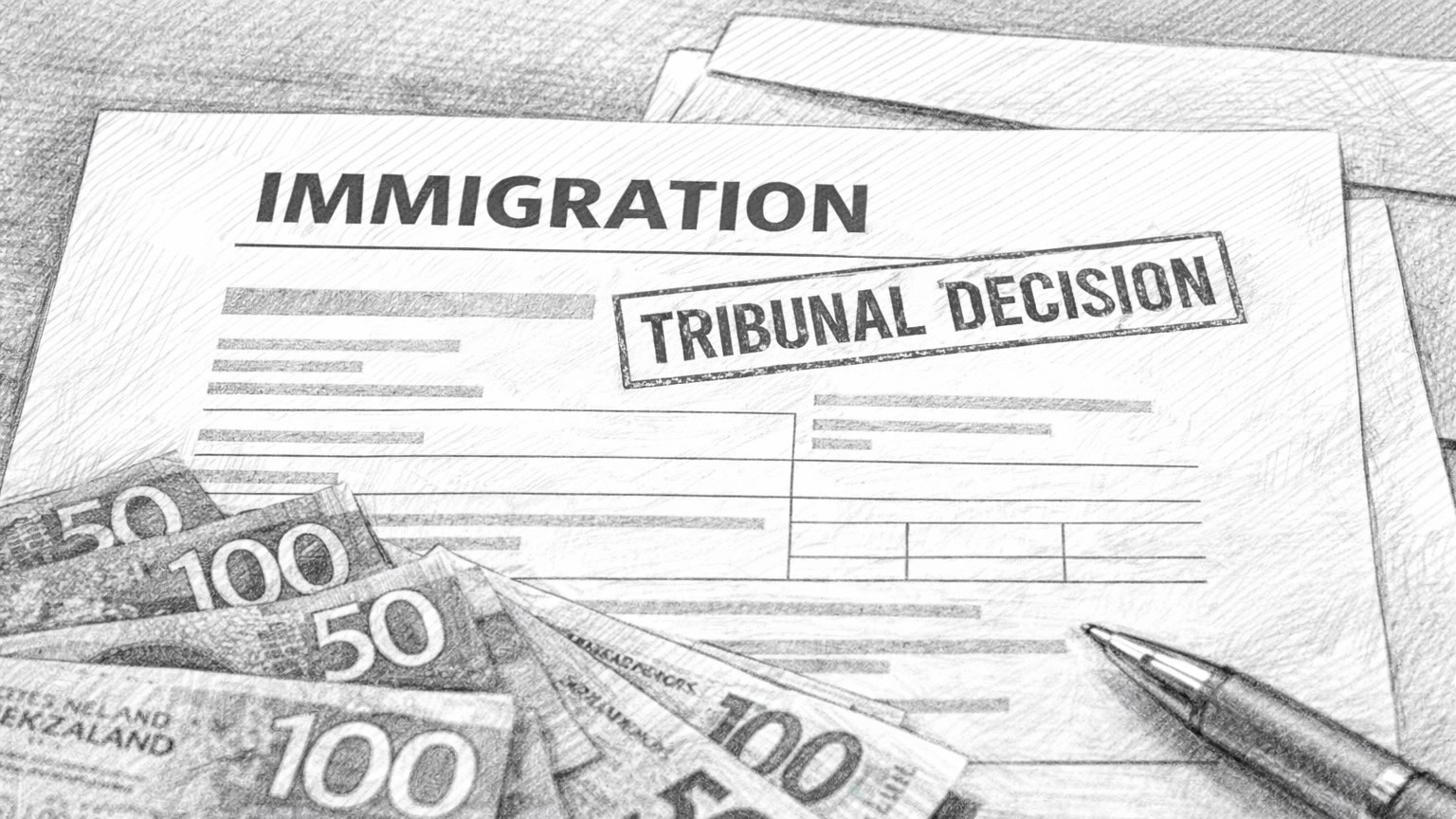
Baby born in Sri Lanka to New Zealand residents caught in limbo after Down syndrome diagnosis Immigration tribunal orders fresh residence assessment after finding a “serious mistake” by immigration officials.
As the weight of those words sank in, bewilderment gave way to anger. The emotional roller-coaster left a lingering buzz. The sort you pretend you don’t notice while absolutely noticing it. Helplessness.
I couldn’t shrug off the feeling. I remembered the neat summary of Te Tiriti sitting in the backroom of my memory: the 1840 agreement between Māori chiefs and the Crown, a tidy terms-and-conditions document I thought I could keep at arm’s length. It was time to bring it out and dust it off.
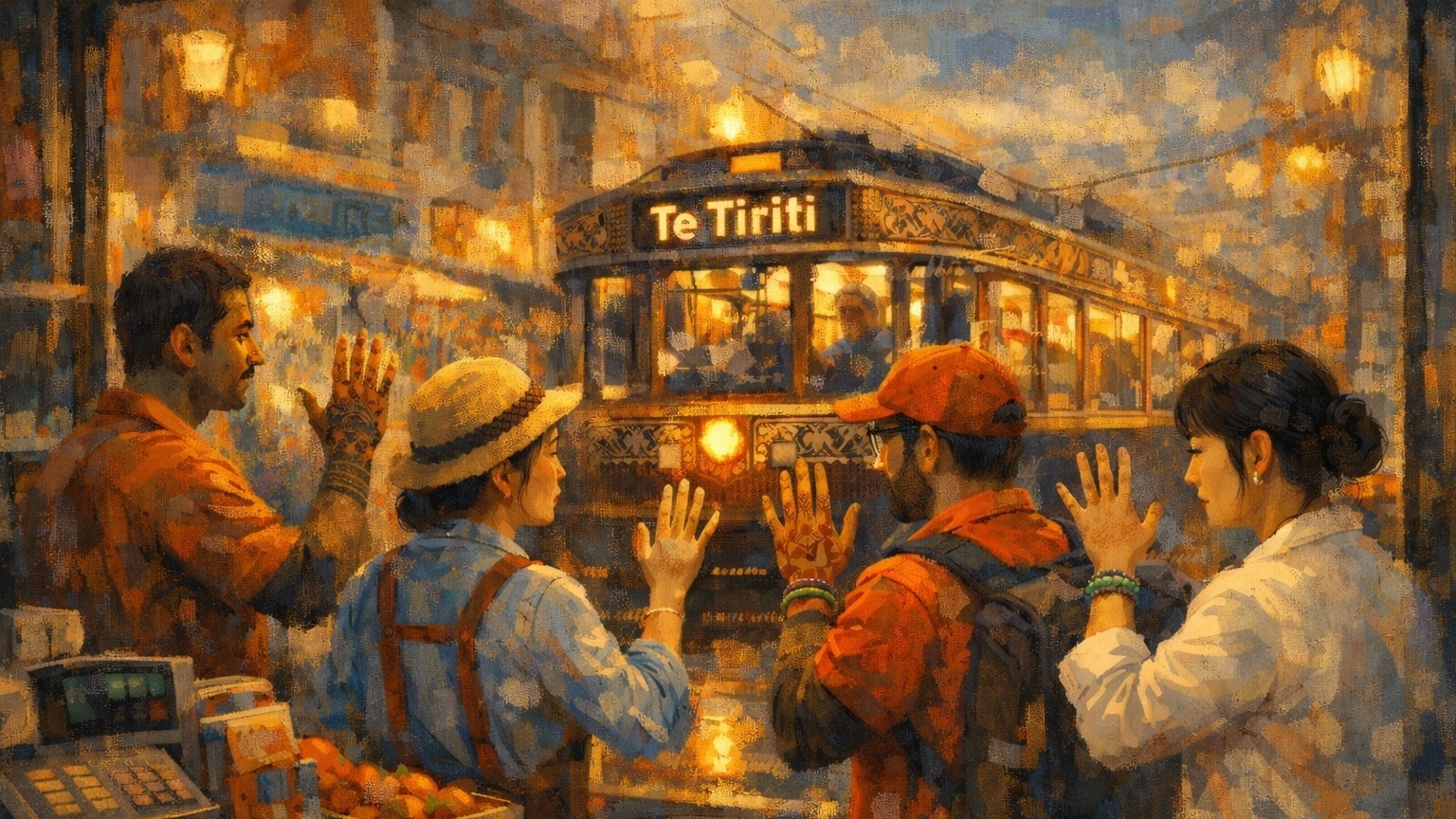
Had I also forgotten where I lived? Did I ever truly know? Until that moment, I had treated the Treaty as context, a period in the background of New Zealand politics. Watching an academic question an Indian migrant’s right to legislate, I felt the Treaty reach across the living room, past Parliament, and land squarely in my chest. Te Tiriti felt like a covenant I had stumbled into.
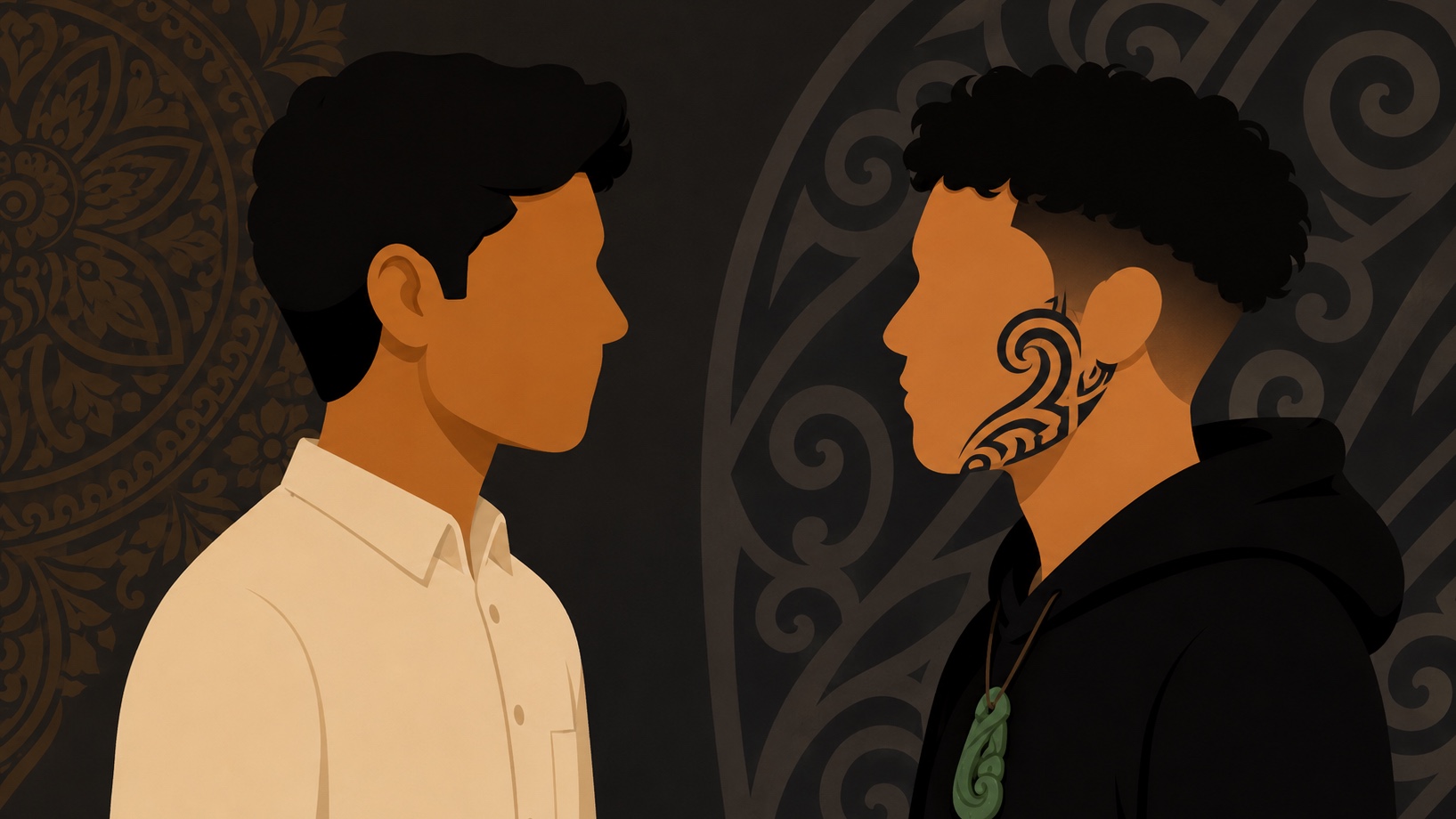
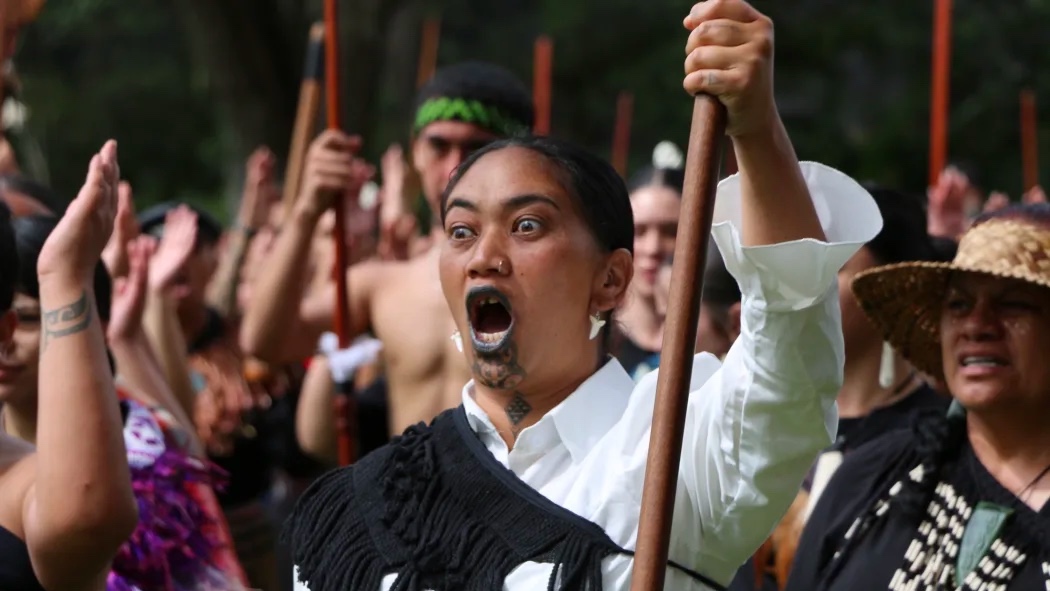
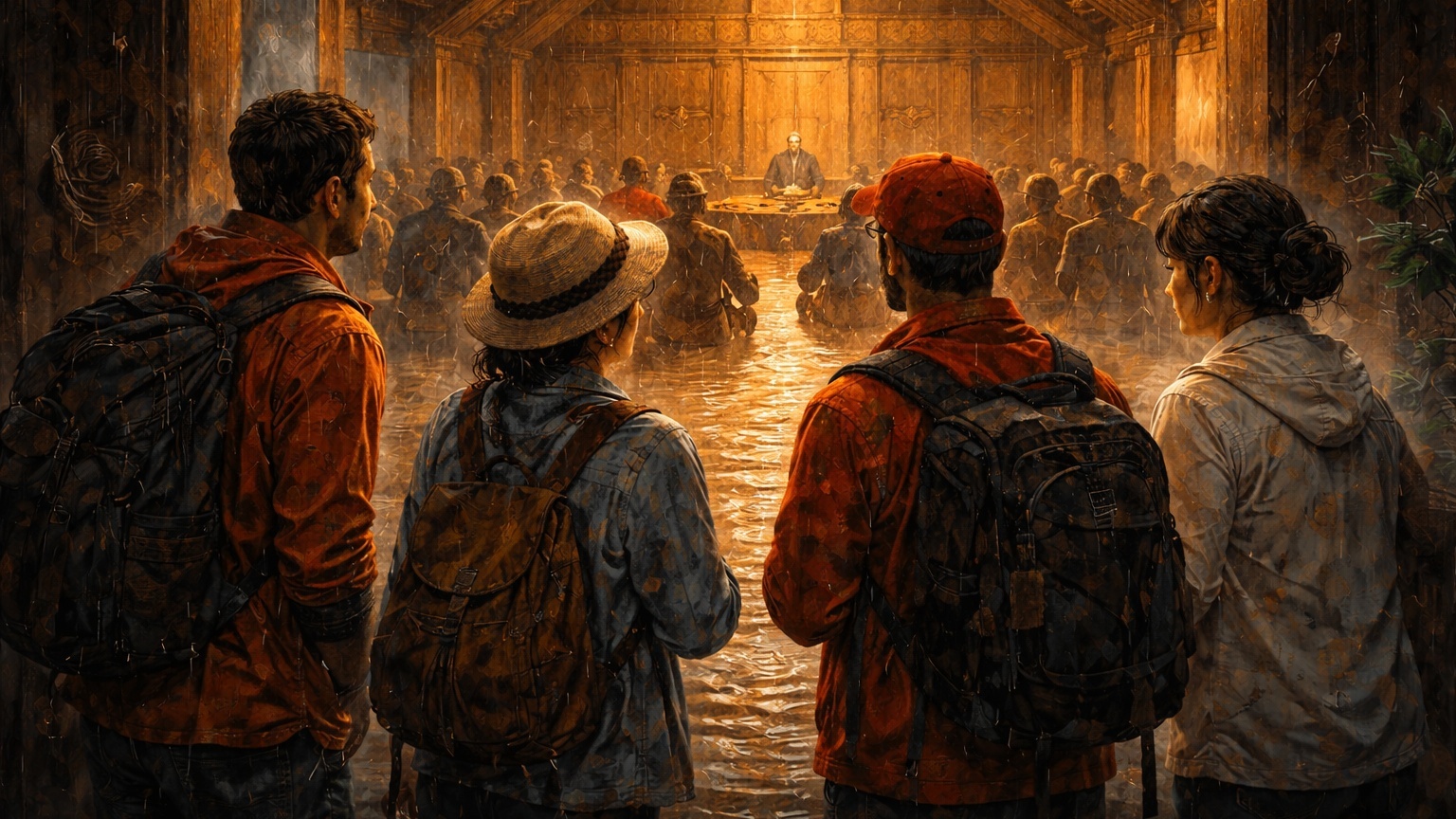
I kept replaying every occasion where introductions were made on behalf of migrants—news reports, panel summaries, diversity briefings—where the script was the same: tauiwi (non-Indigenous people) as manuhiri (guests), outsiders asked to look, listen and leave softly. I had nodded along. A polite little gesture to keep the peace. But somewhere between the repeated introductions and the unspoken expiry dates, the guest tag started to feel like a ceiling I was meant never to push through.
Weeks after I arrived in Auckland in March of 2023, I sat in the living room of a friend’s house one evening, nursing tea and bonding with another migrant colleague over the bruises of the Empire. We spoke about the Raj, about shared coloniser scripts, and congratulated ourselves on understanding the pain Māori carried. We clinked cups over the idea that our colonised past gave us honourary insight, never imagining that the Treaty — the very symbol of that imperial past — would be the lens through which migrants like us were measured in a postcolonial nation.
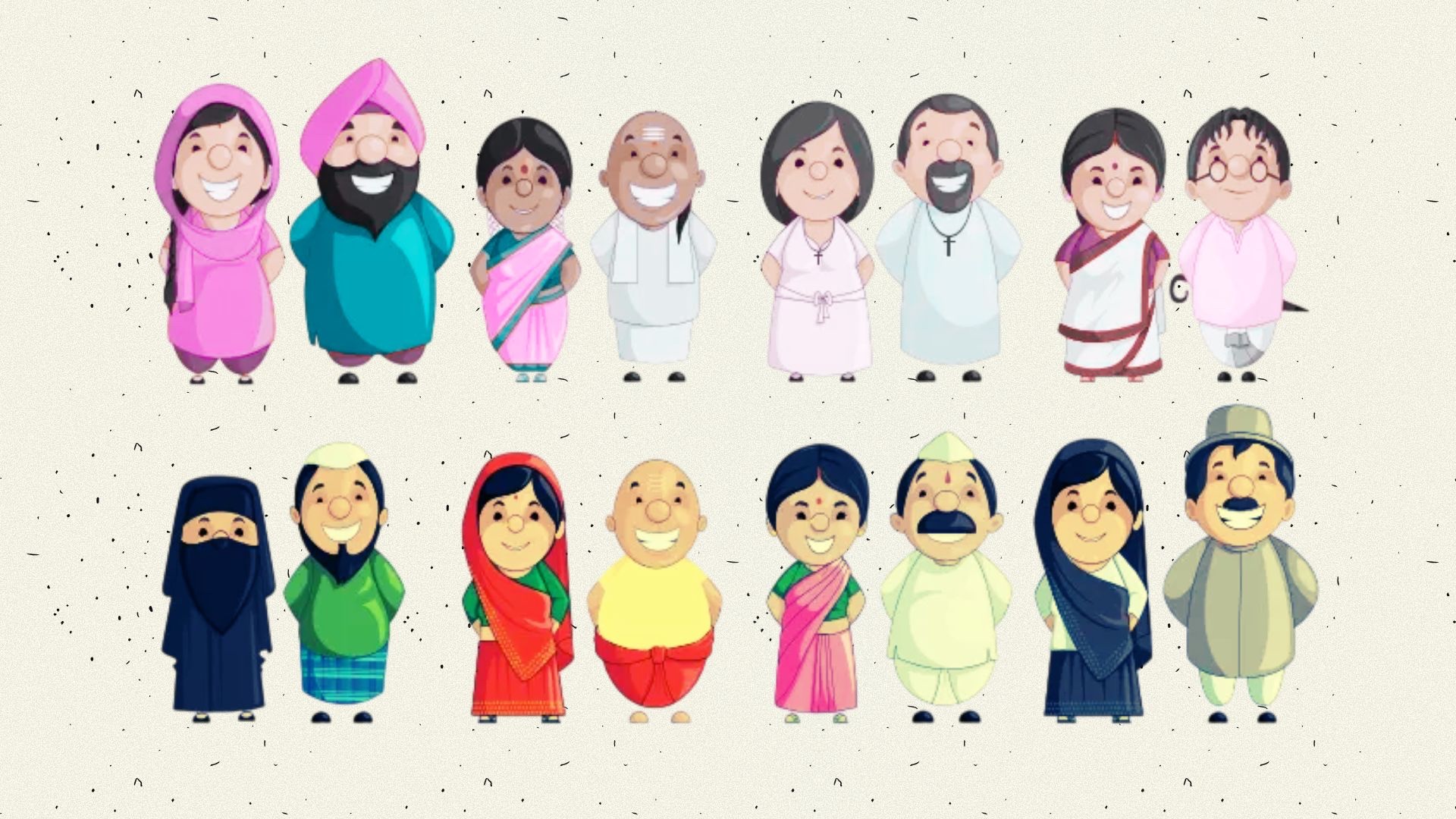
That lens is still largely described as binary. Māori and the Crown, first comers and the Imperial sceptre that followed. But time rolled over (like it always does). More groups of people began turning up - from Asia, South Asia, Southeast Asia, Pacific islands, the Middle East, Latin America, Africa. That morning, phone in hand, I could feel those histories shifting to make room for me even if I wasn’t ready.
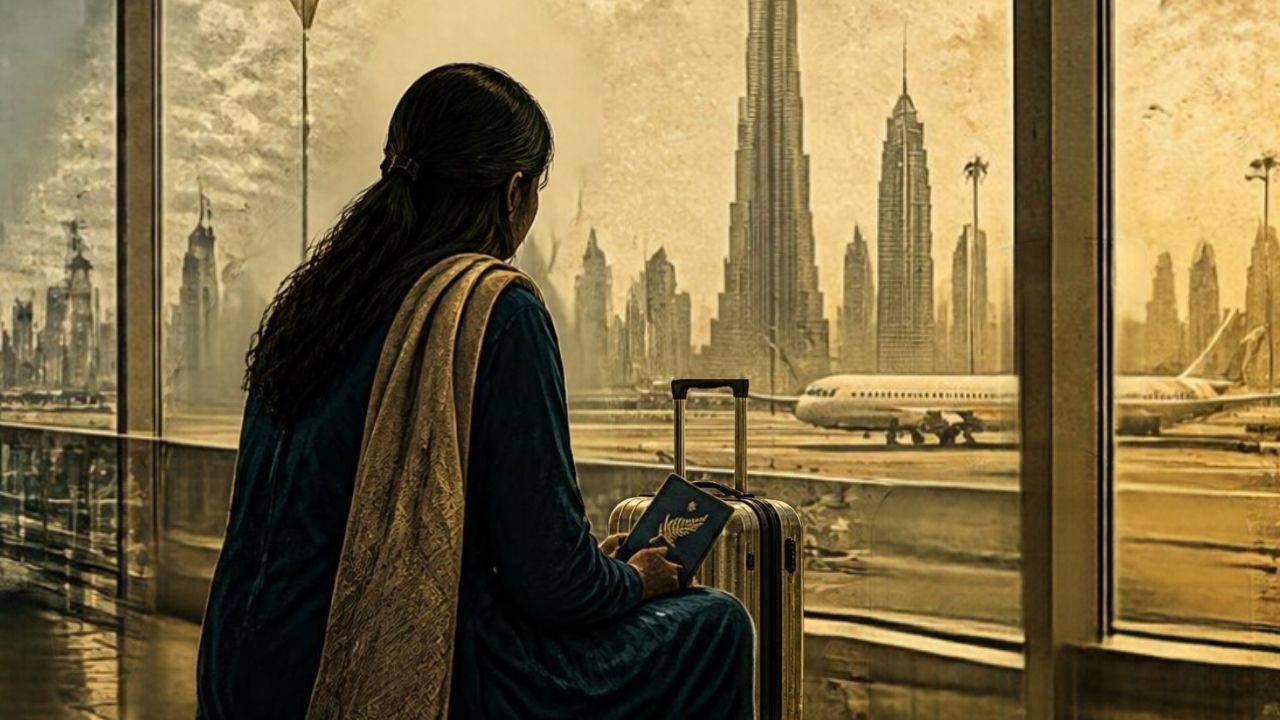
In nearly every panel or policy debate I have attended, migrants are slotted into the same polite corner—for our gratitude, for our willingness to sit quietly in someone else’s lounge, for our promise to keep our bags packed. Guest, visitor, temporary beneficiary: different words for the same distance. Sometimes it is used as shorthand, a way to remind migrants who signed the Treaty first and who did not.
When an academic calls a Kiwi-Indian MP a guest, what am I meant to hear about my own future? How long do we have to build lives, work double shifts, buy homes and raise children before New Zealand admits we are no longer guests?