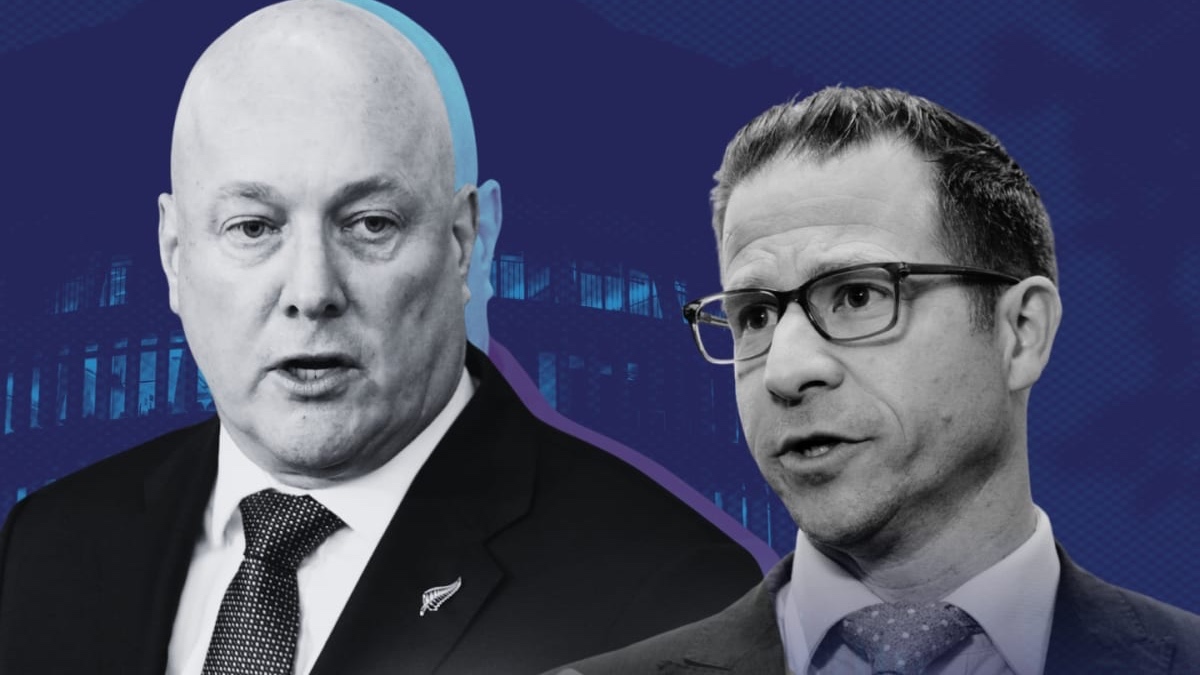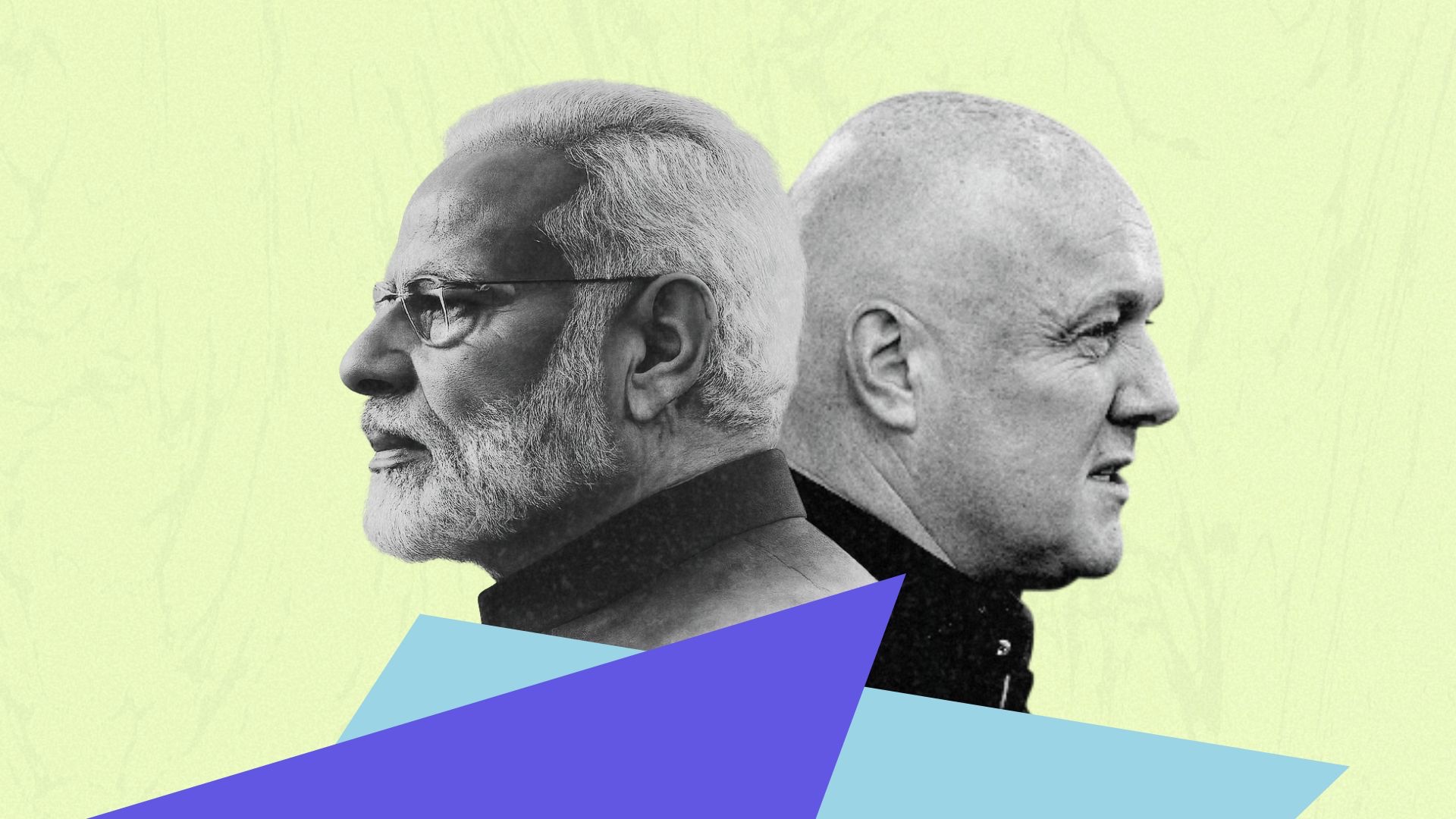

Luxon, Hipkins deep in untested waters over India deal as Modi's visit looms
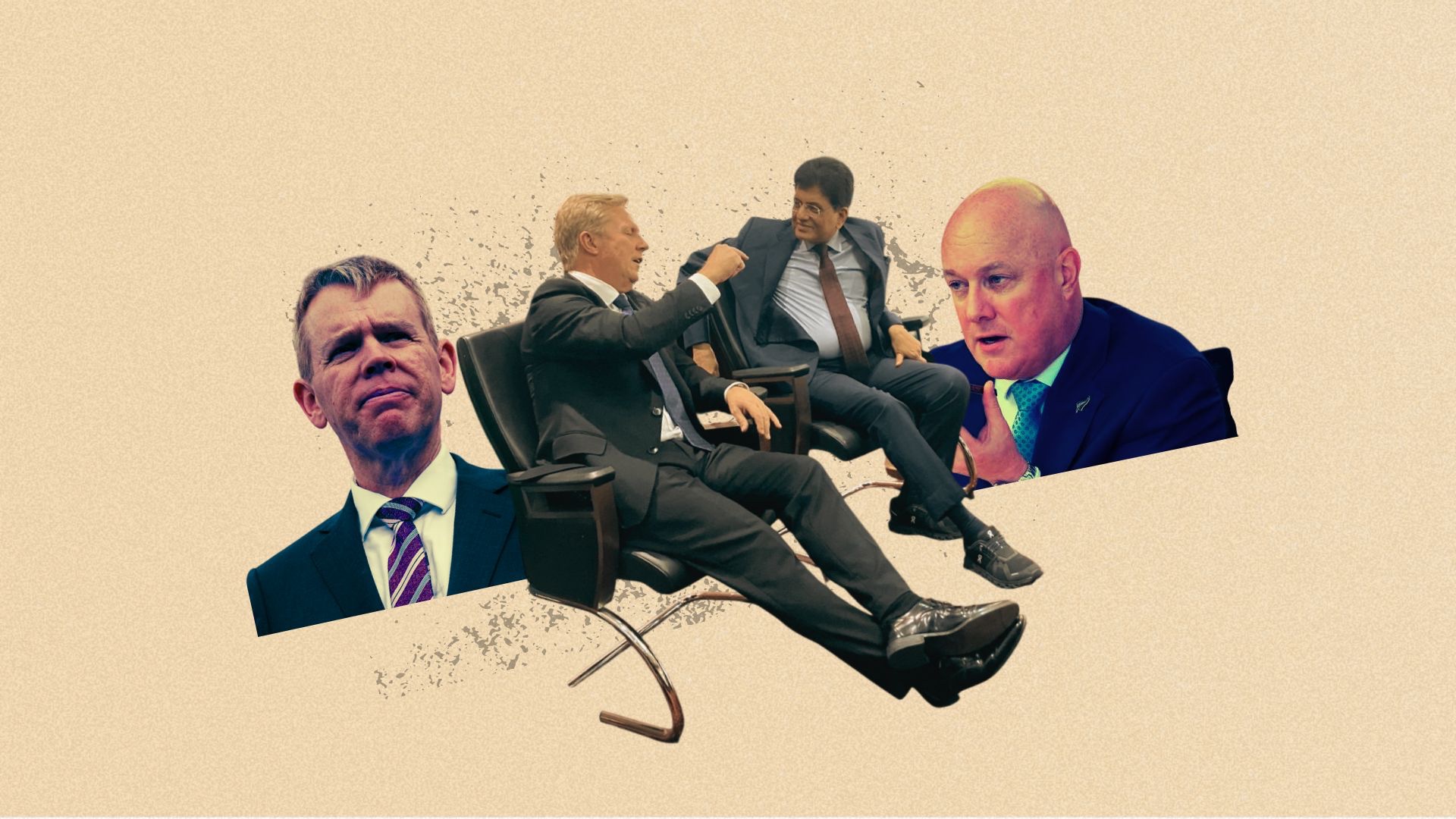
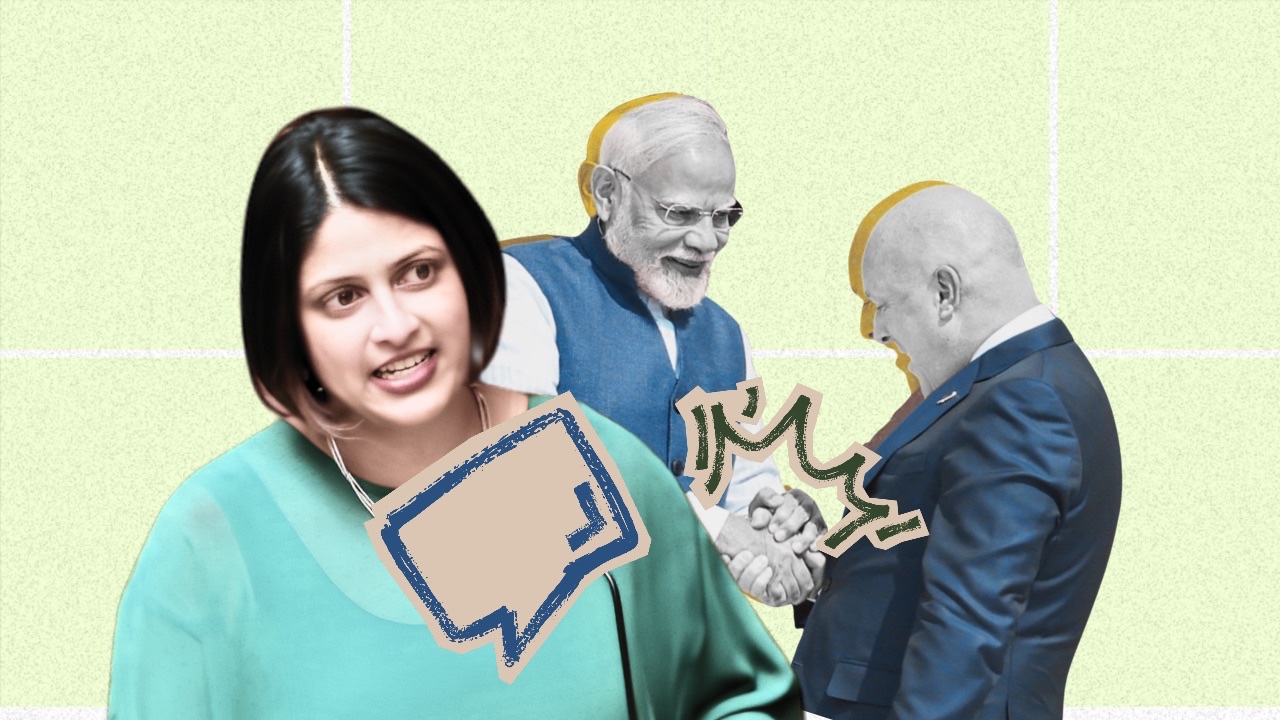
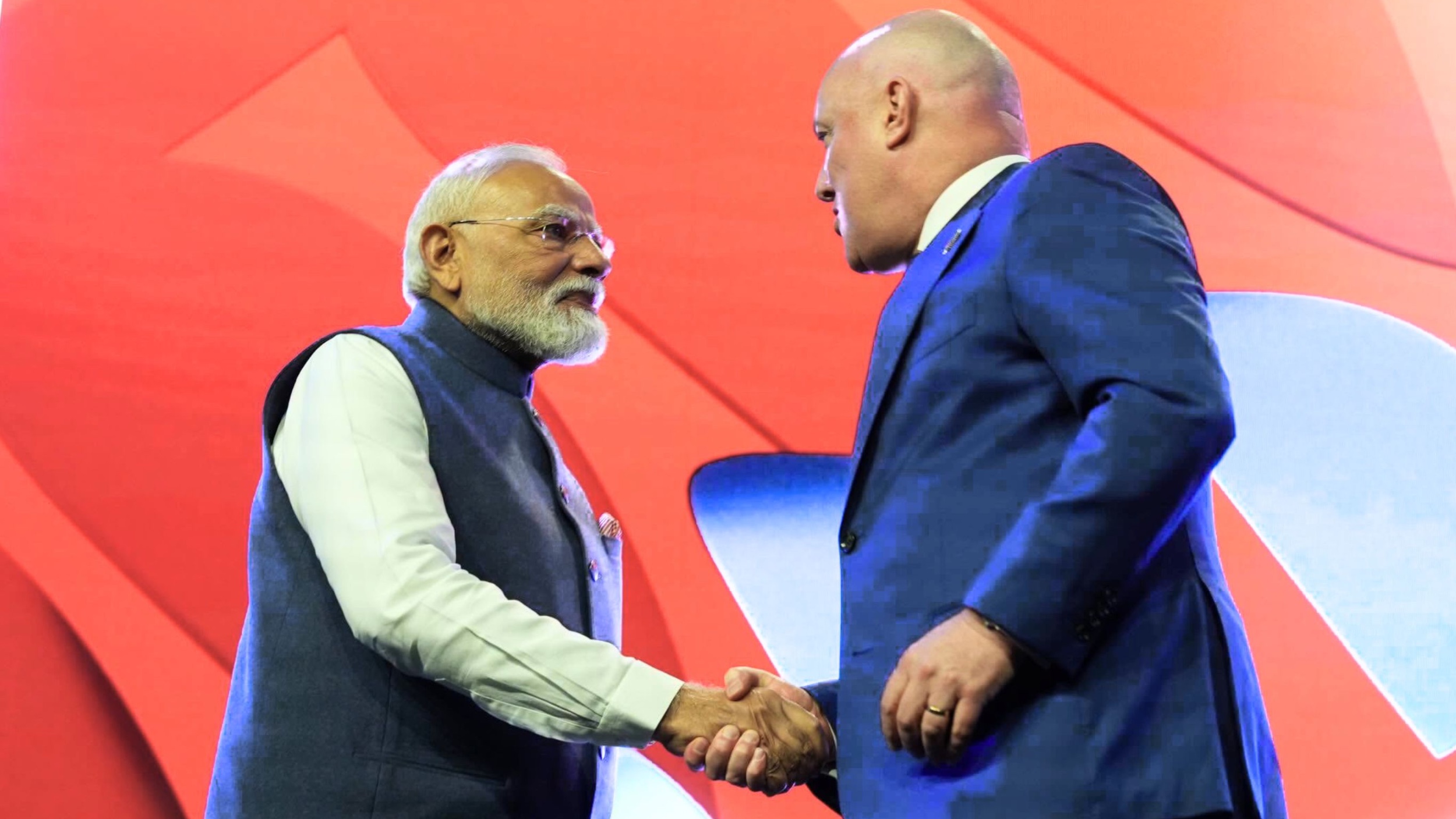
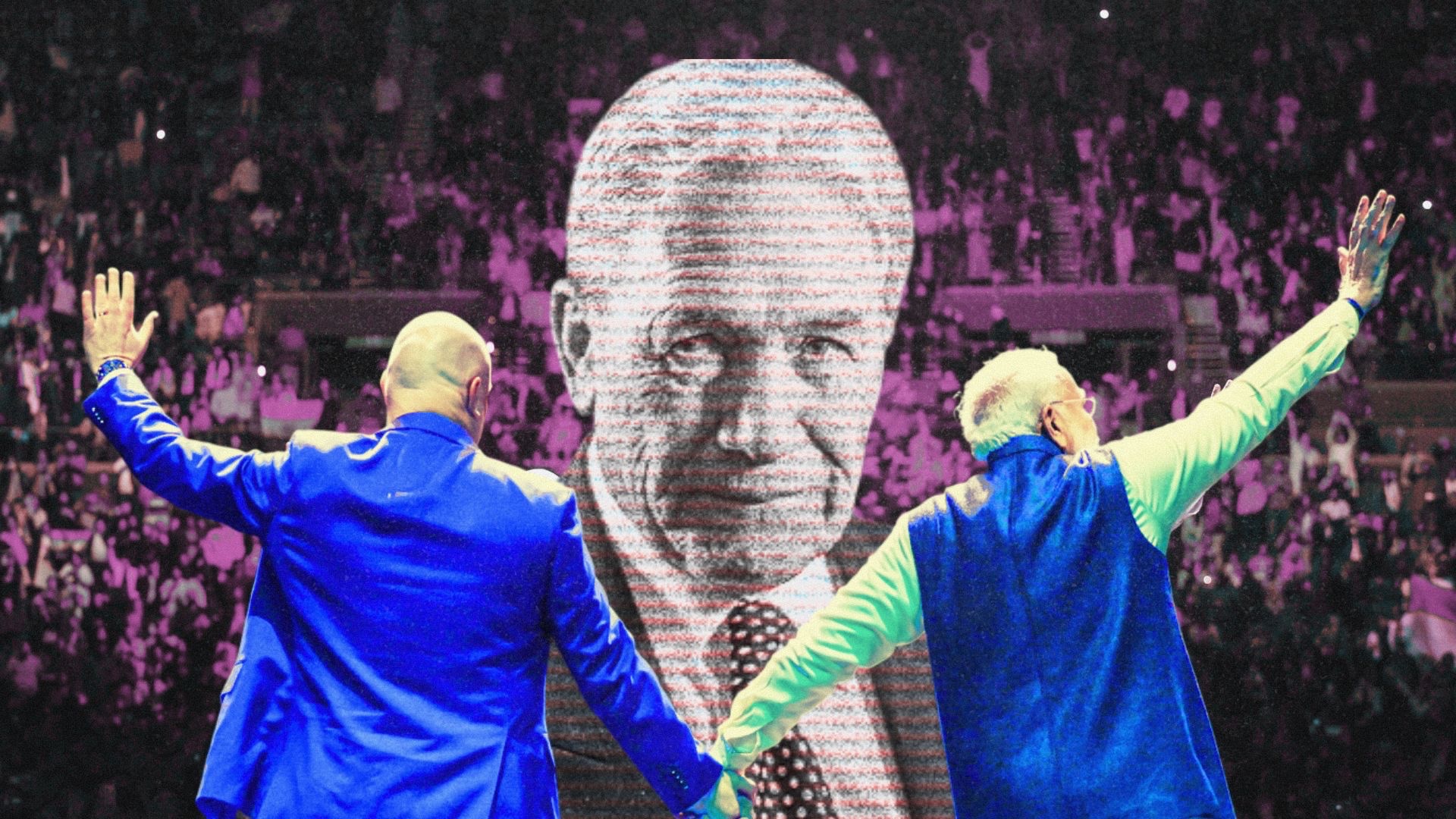
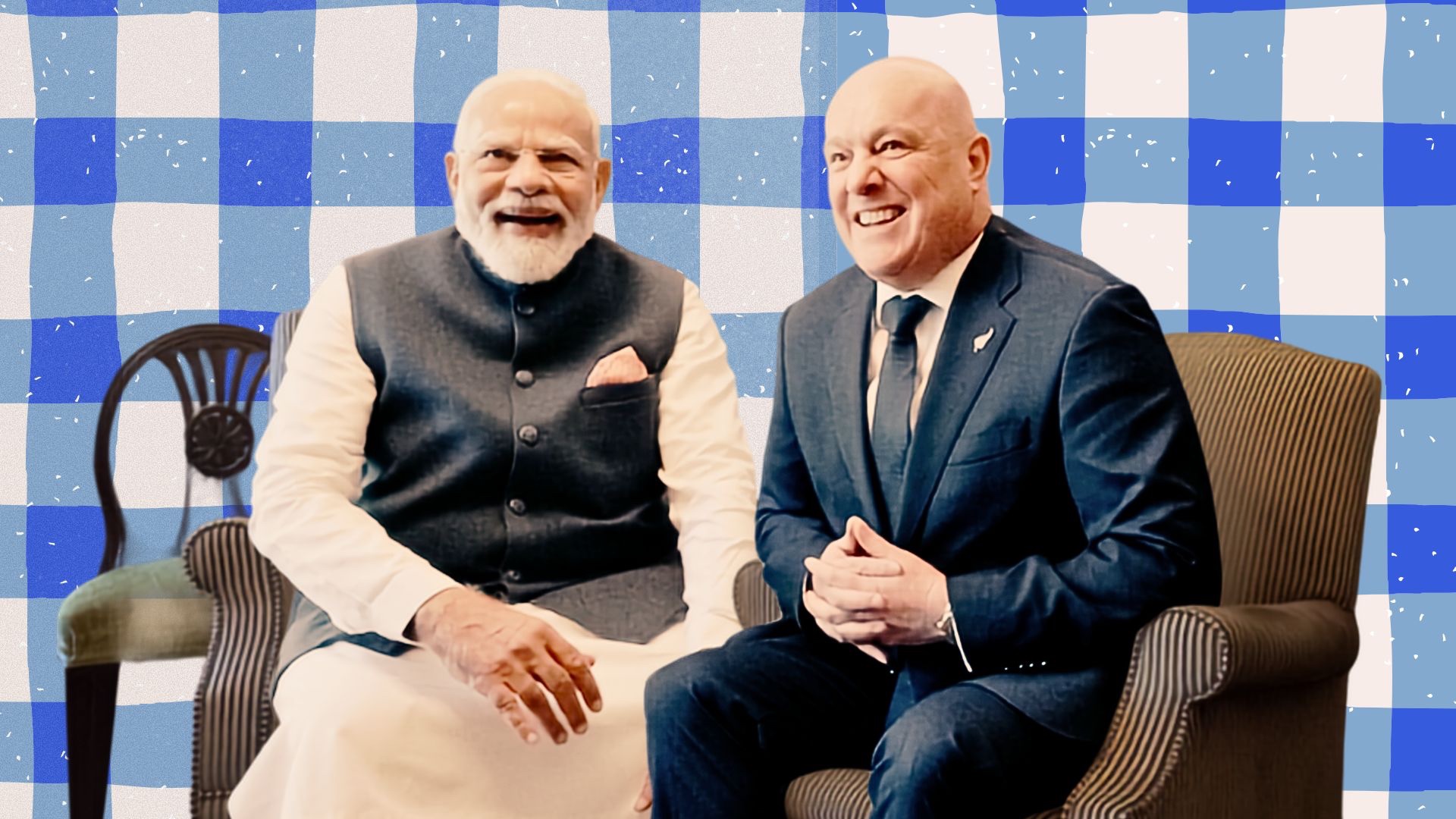
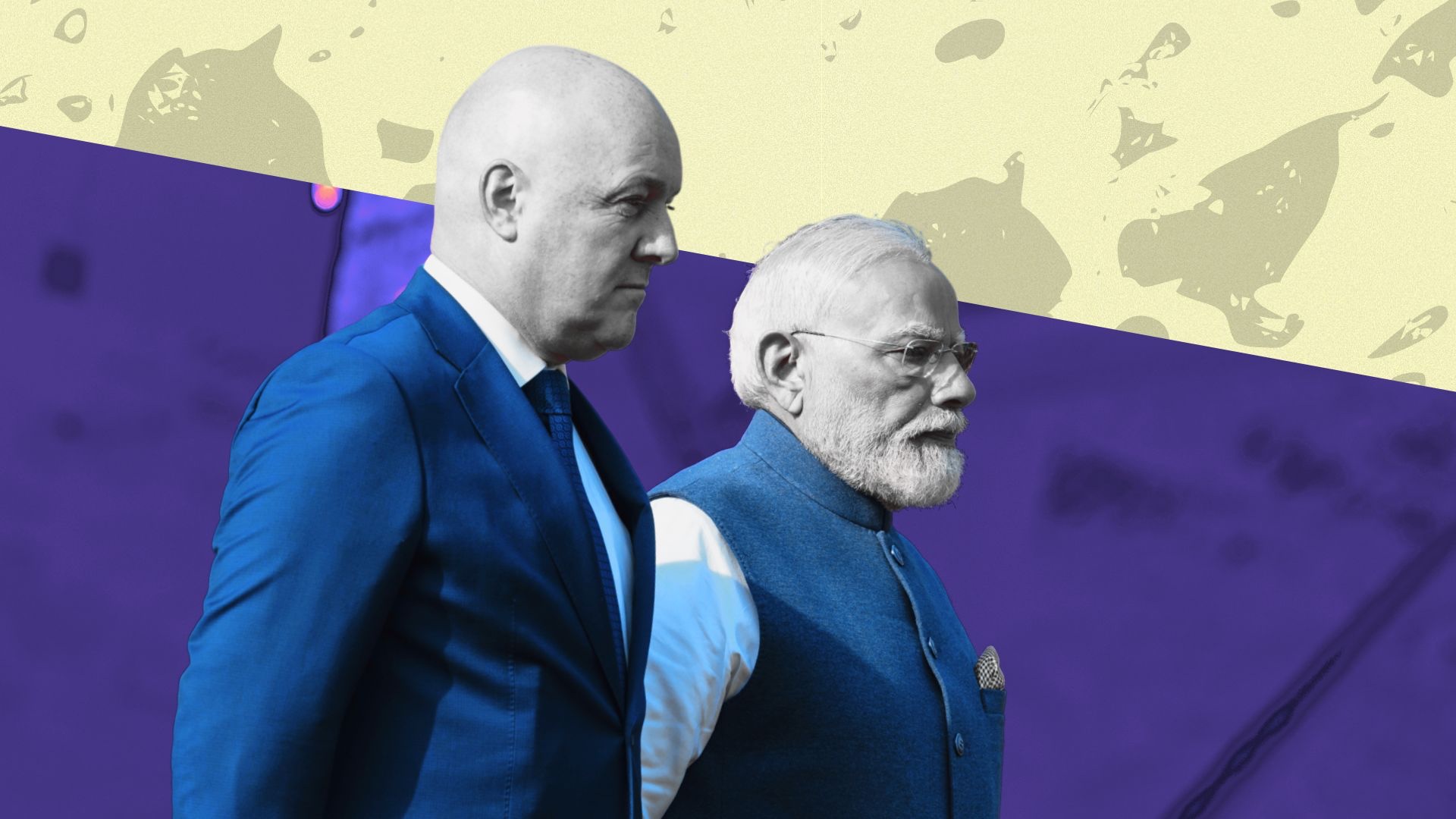
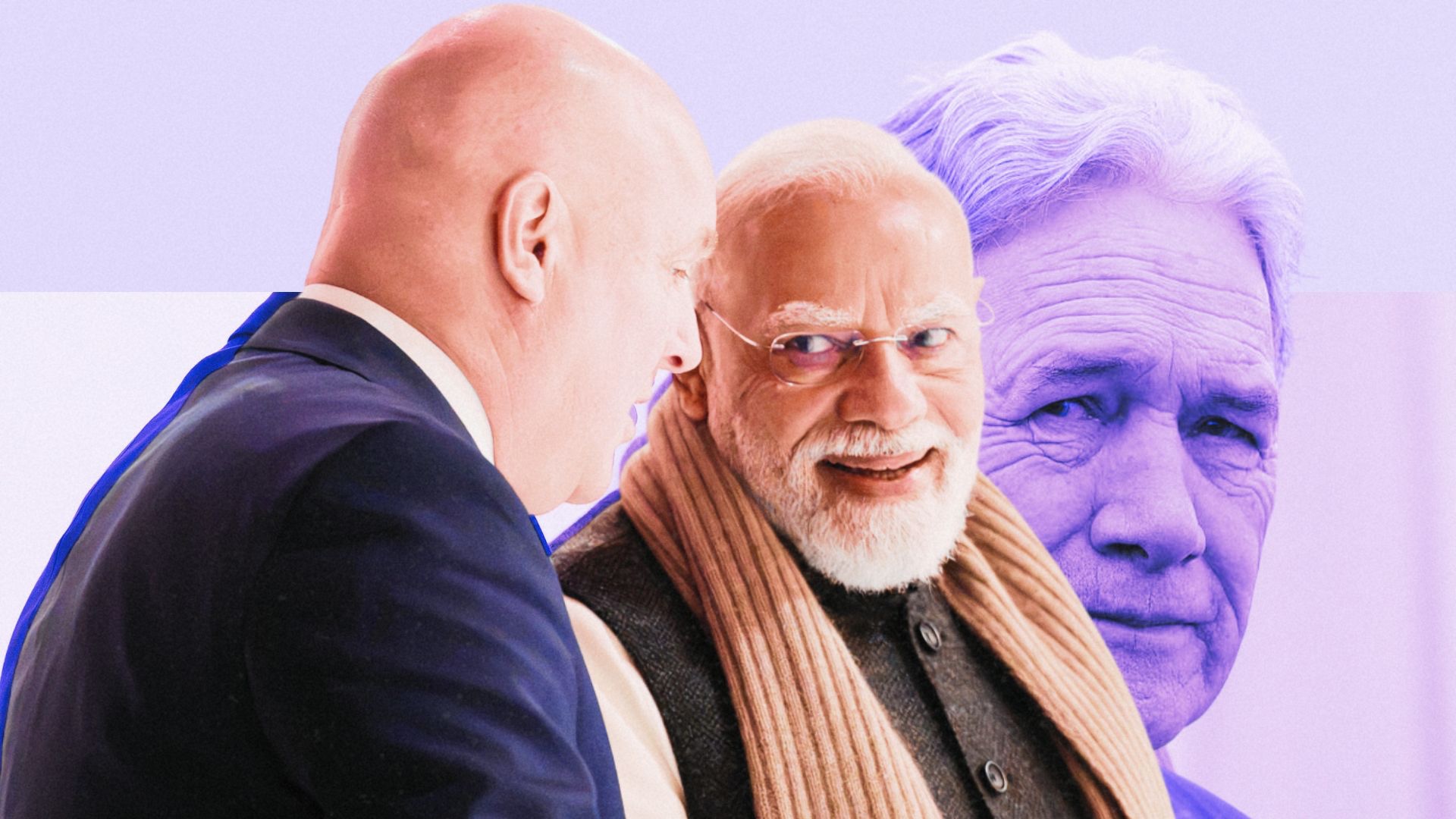
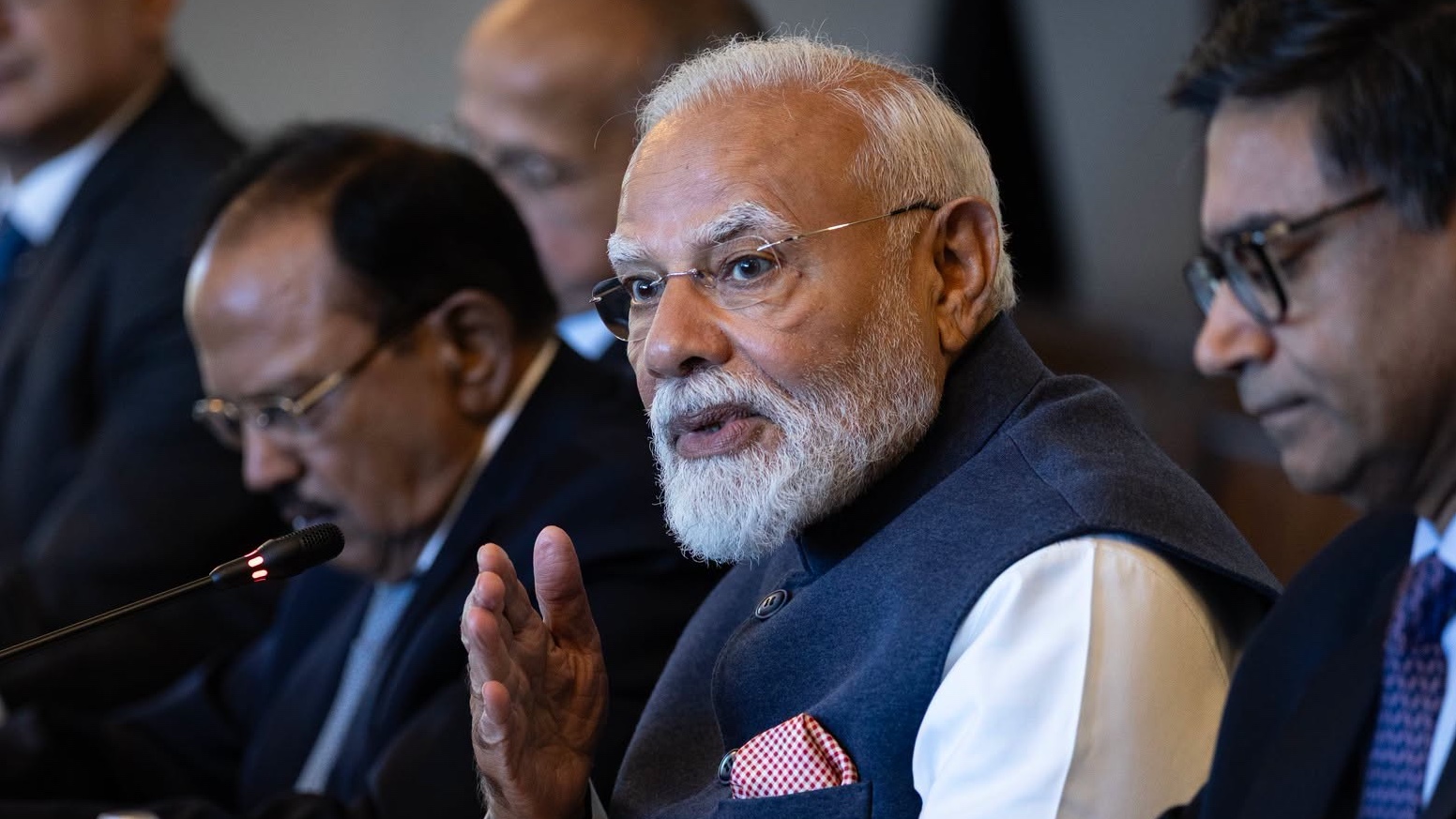
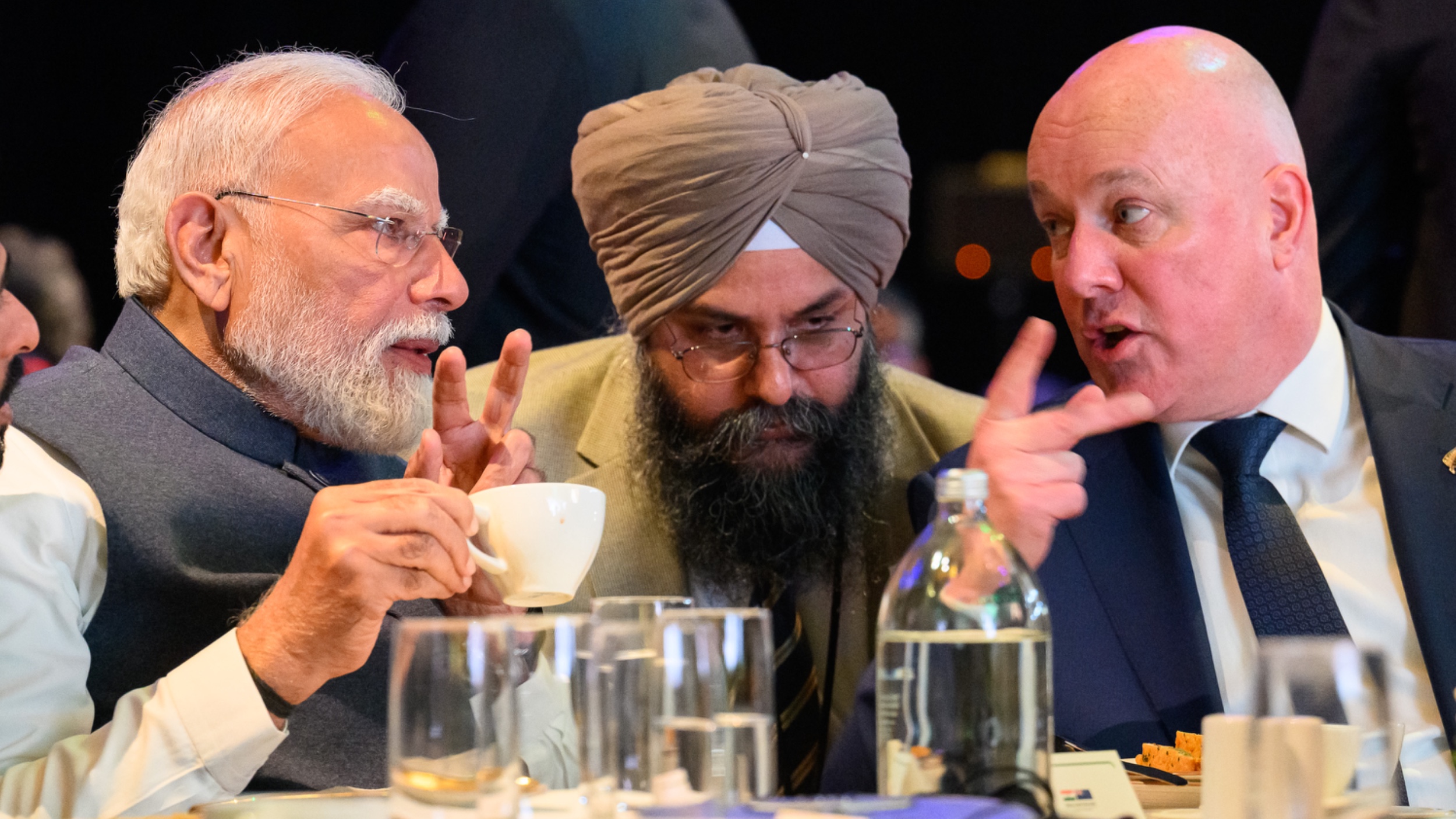
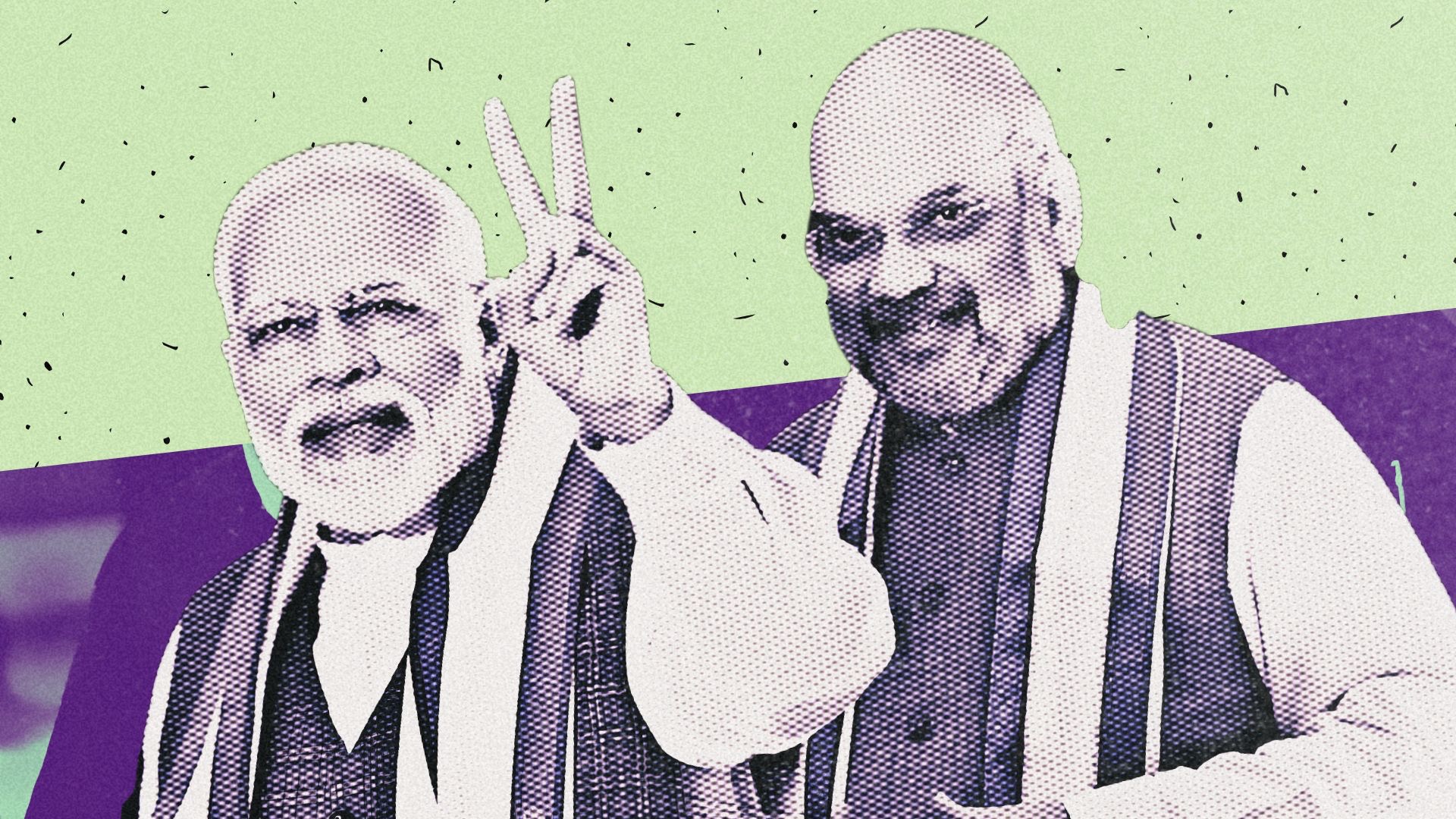
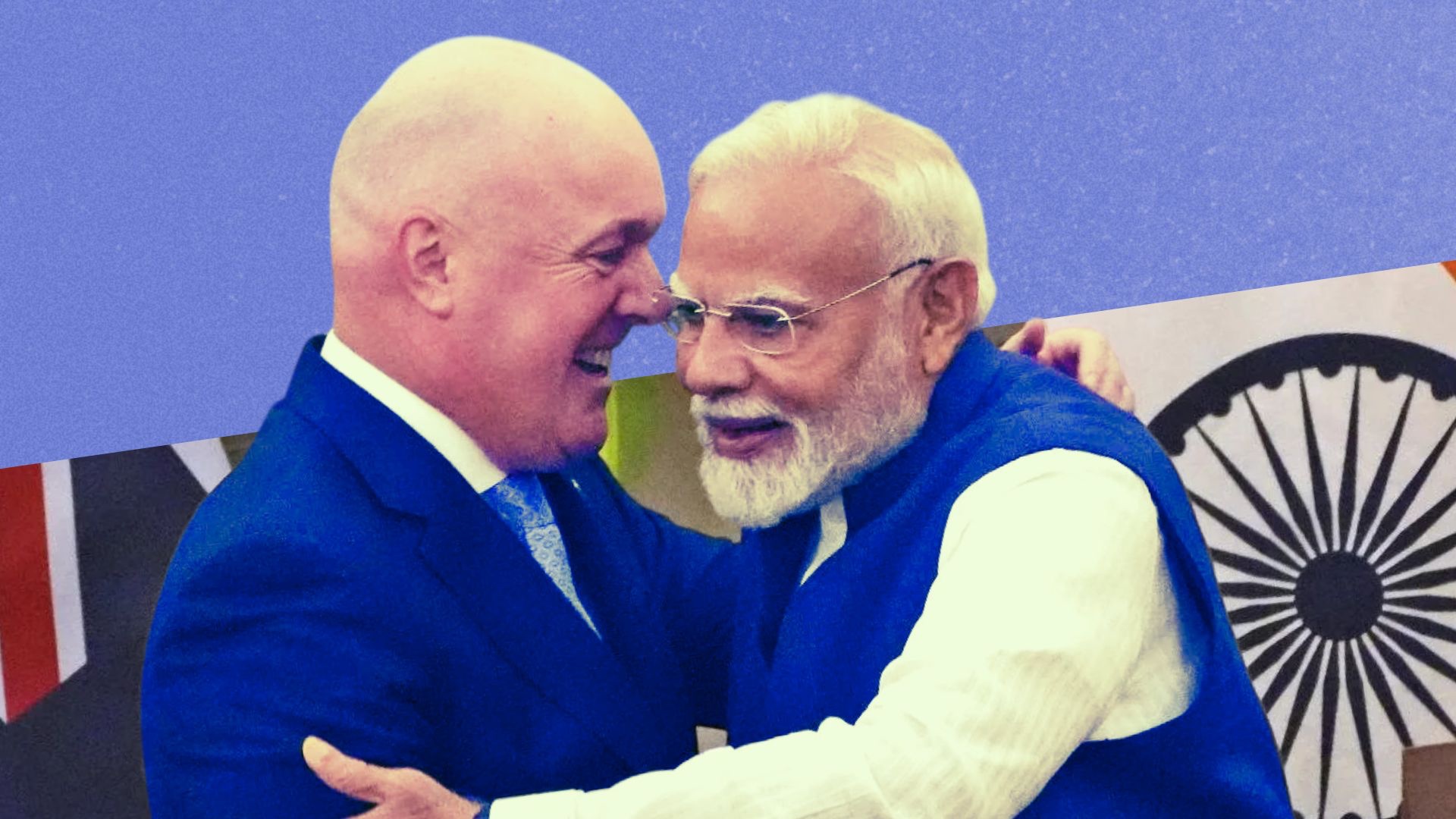
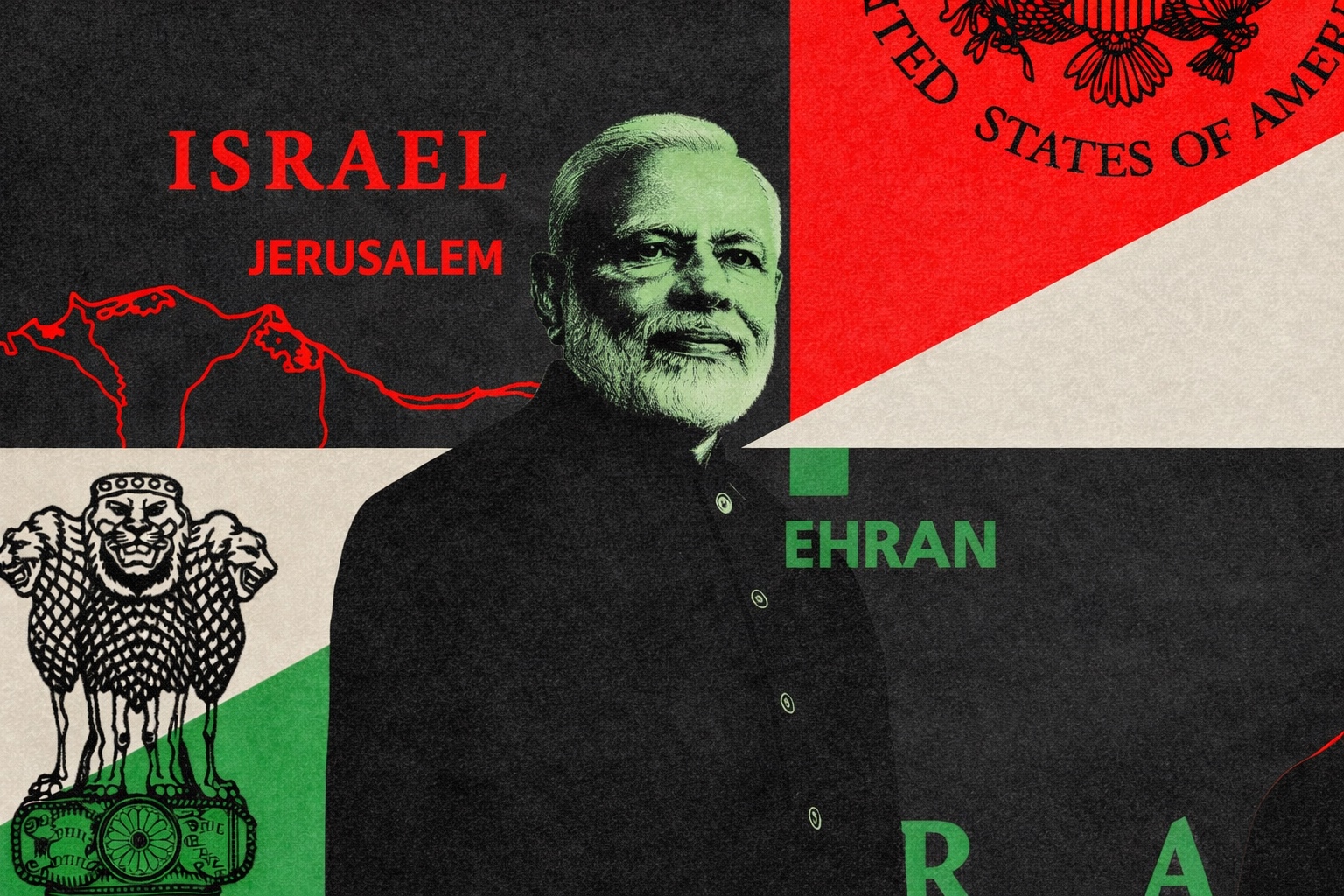
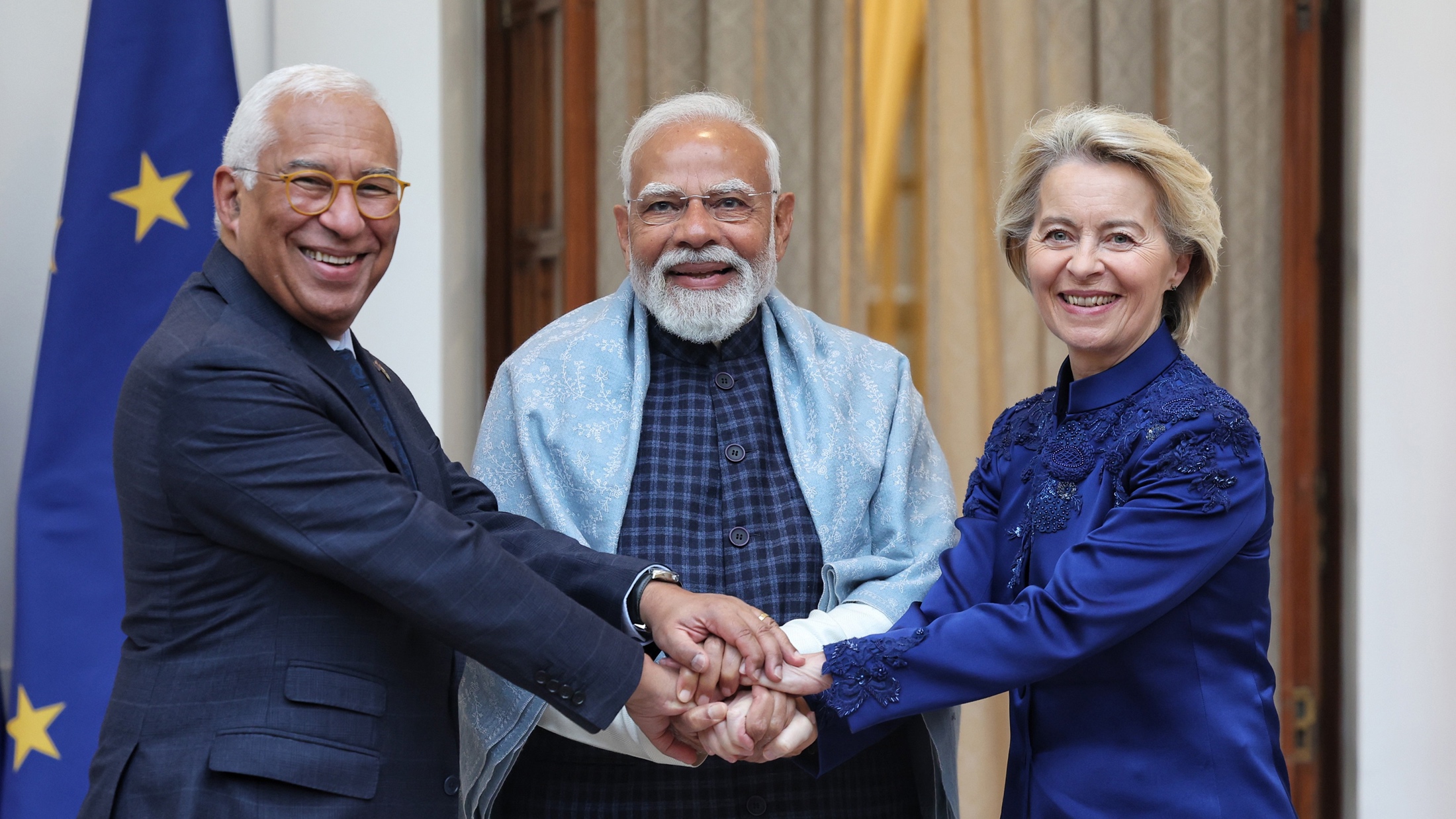
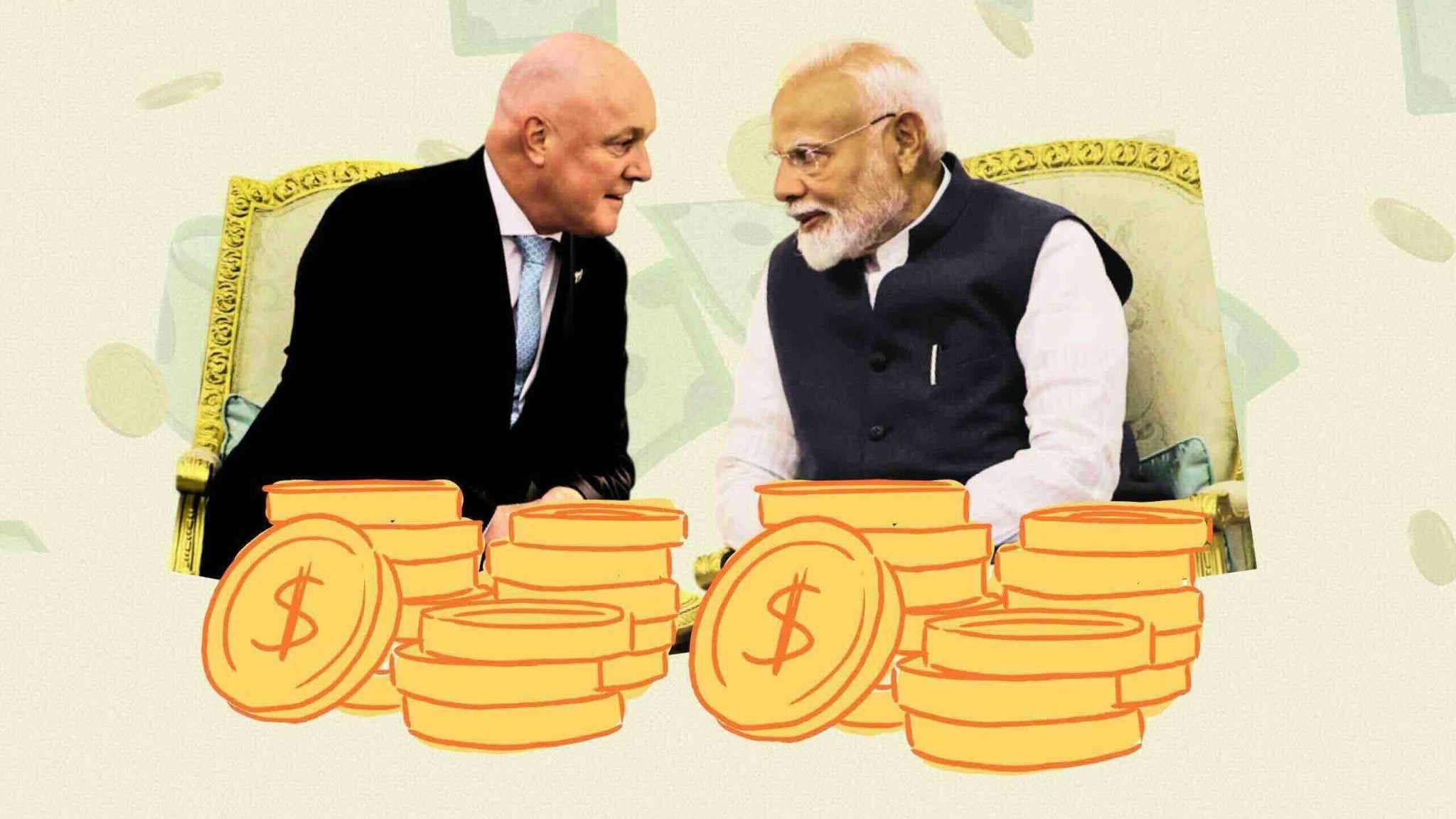
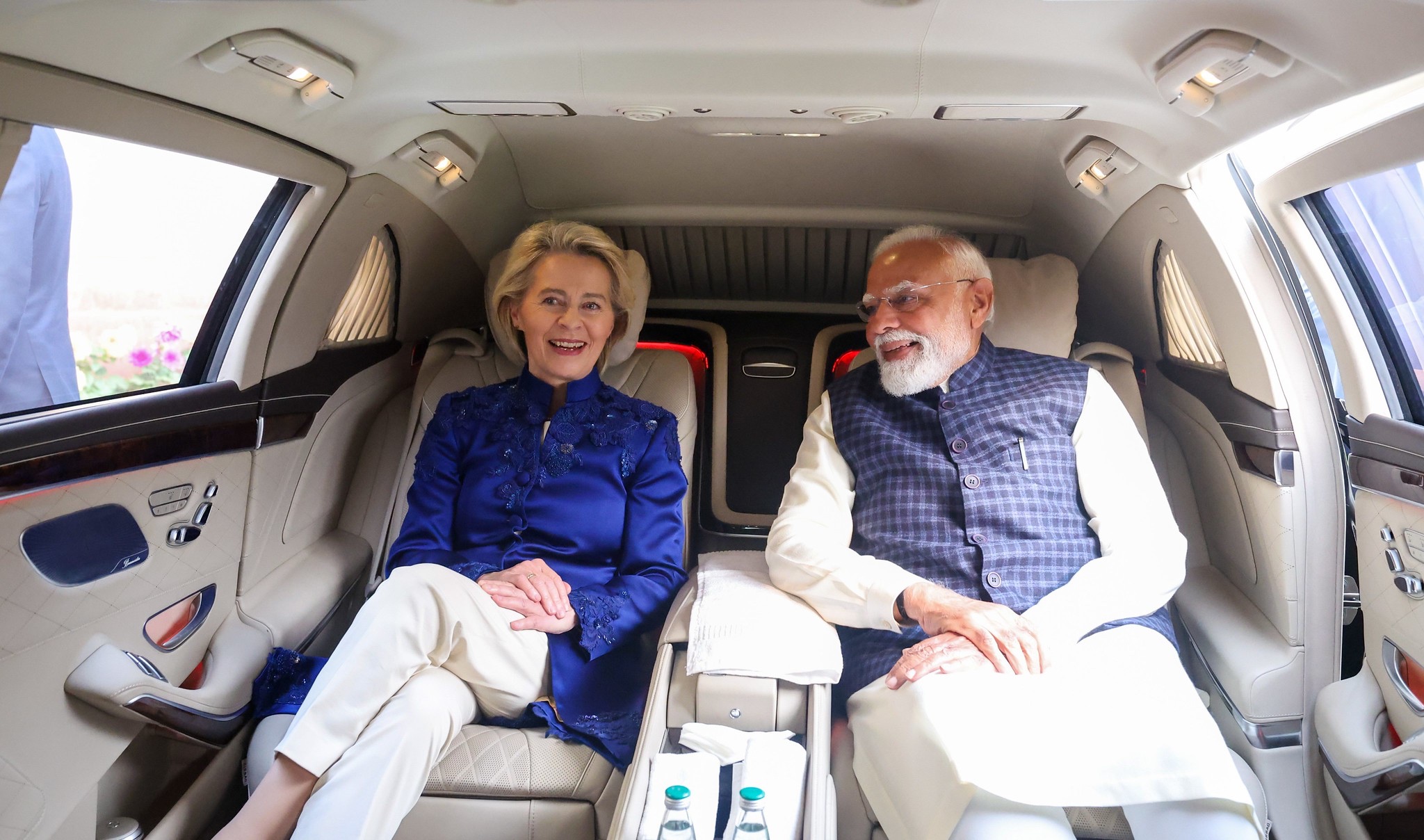
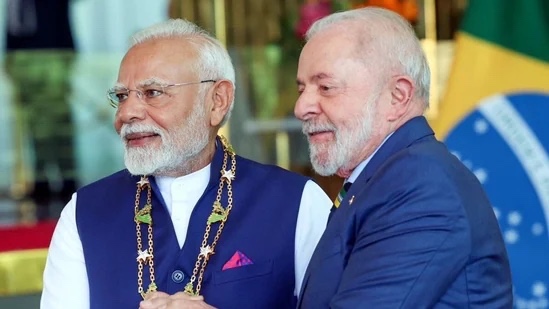
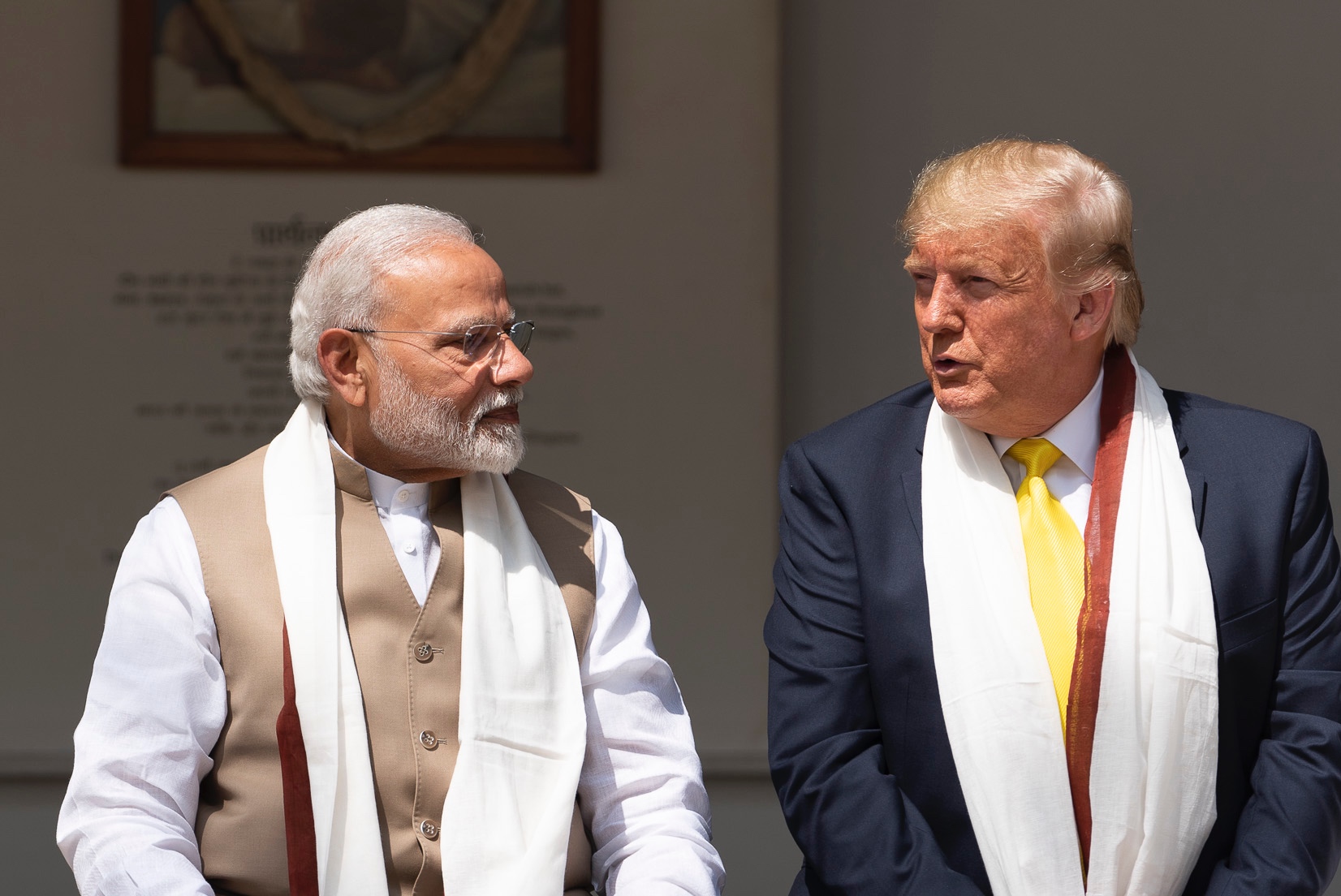
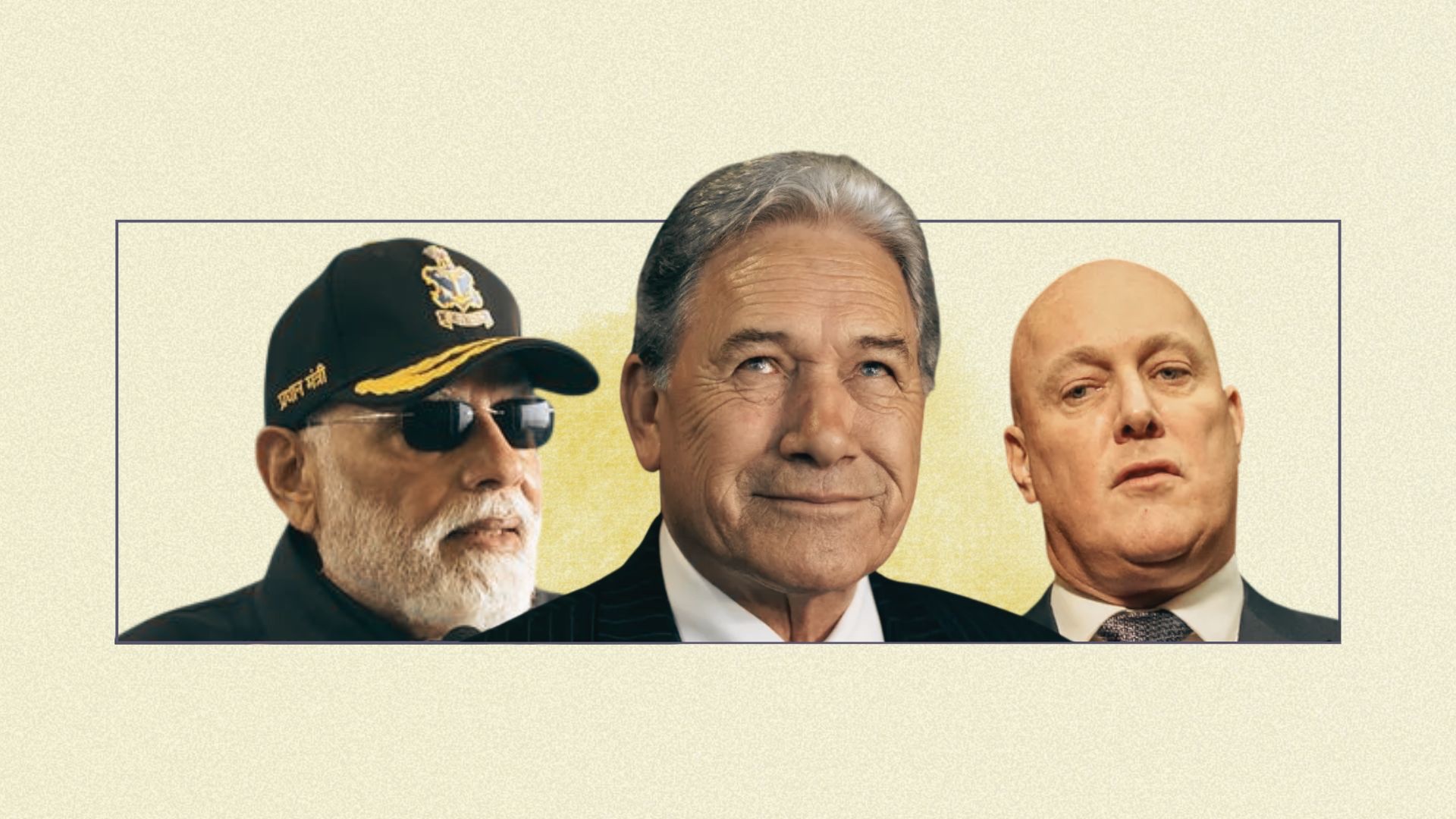
Indian prime minister Narendra Modi's impending visit has raised the stakes for New Zealand.
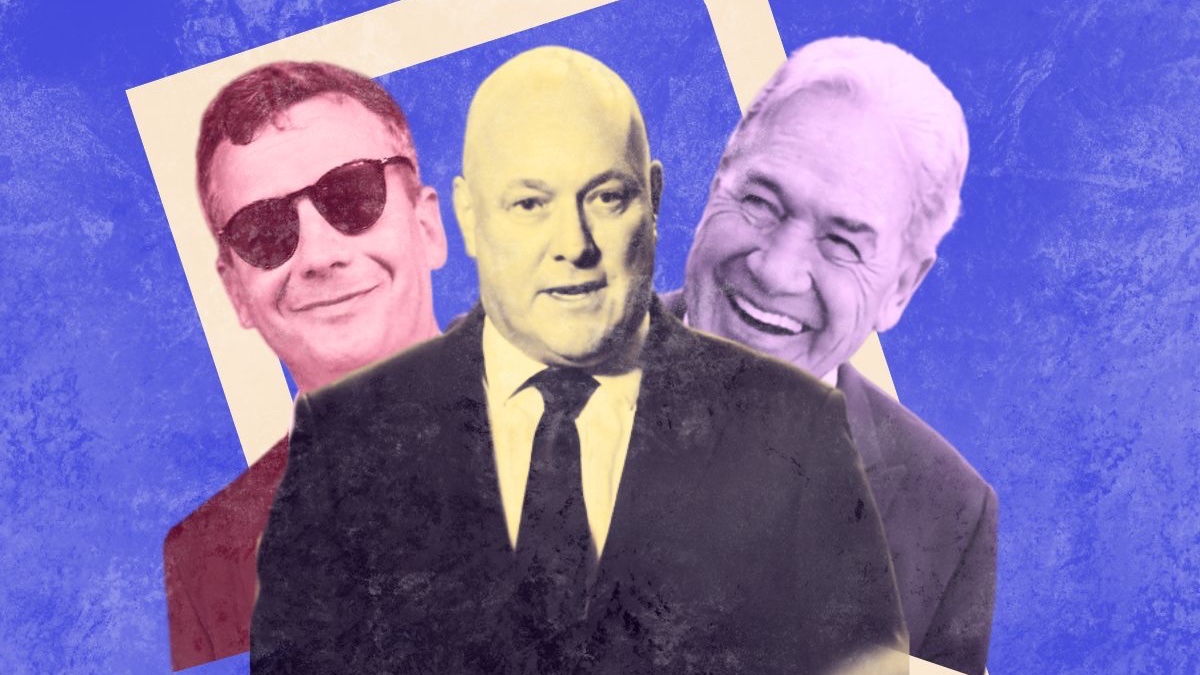
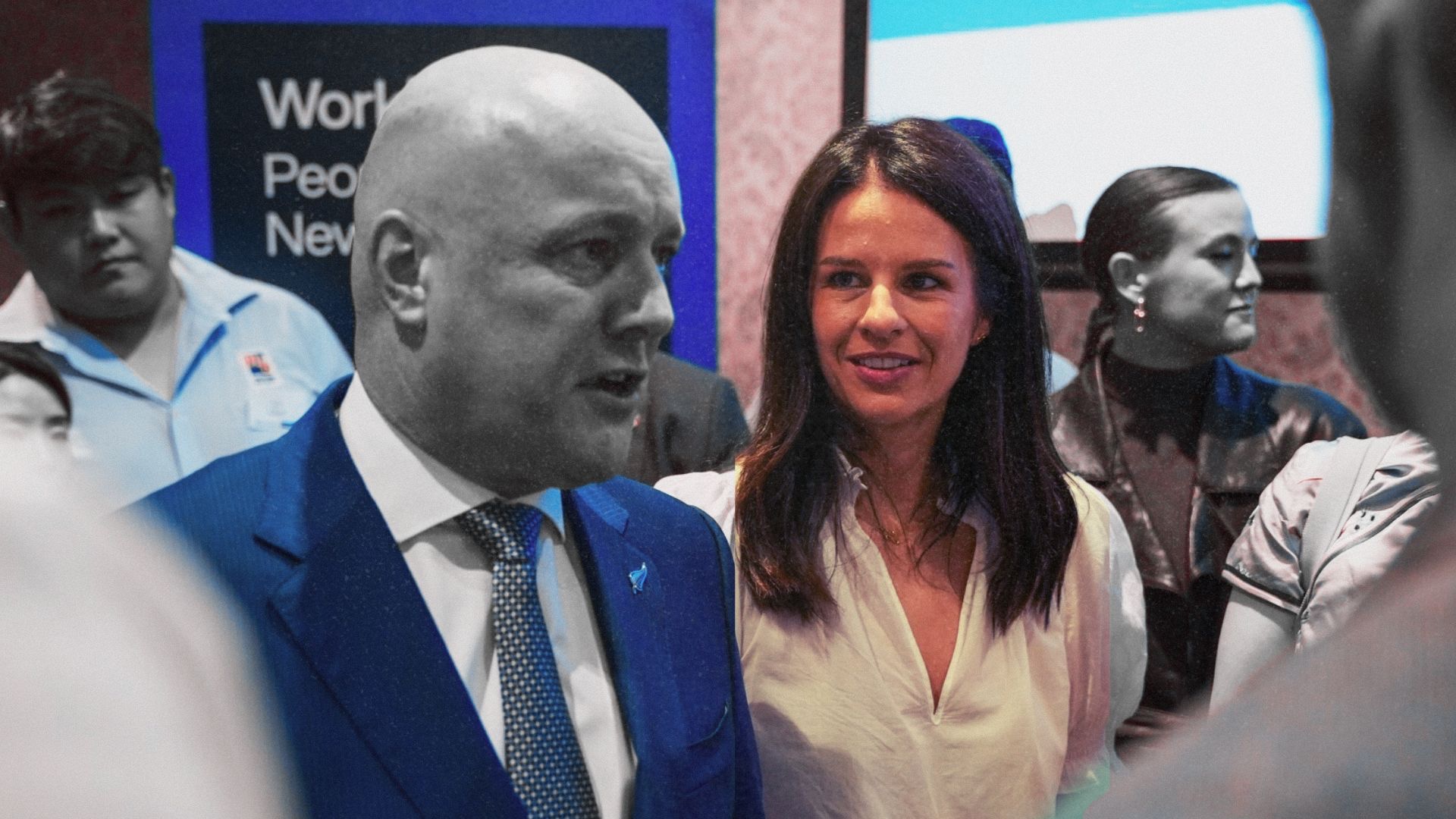
The National government can sign the NZ-India FTA. It won't be any good without Labour's support.
Analysis: One would have hoped the Indian government's announcement Narendra Modi is coming to New Zealand was a sign a consensus on the bilateral trade deal was finally emerging among our political parties.
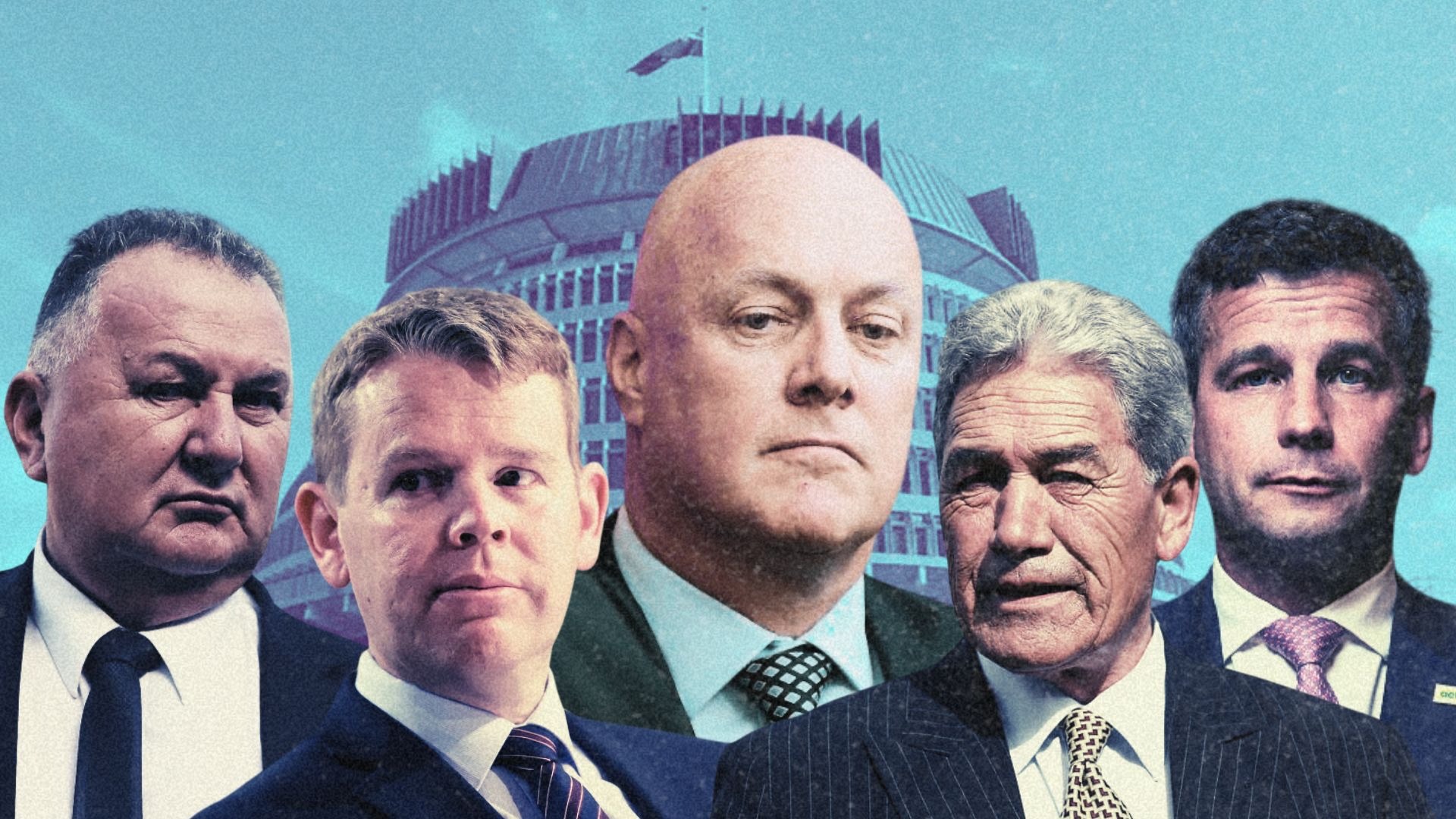
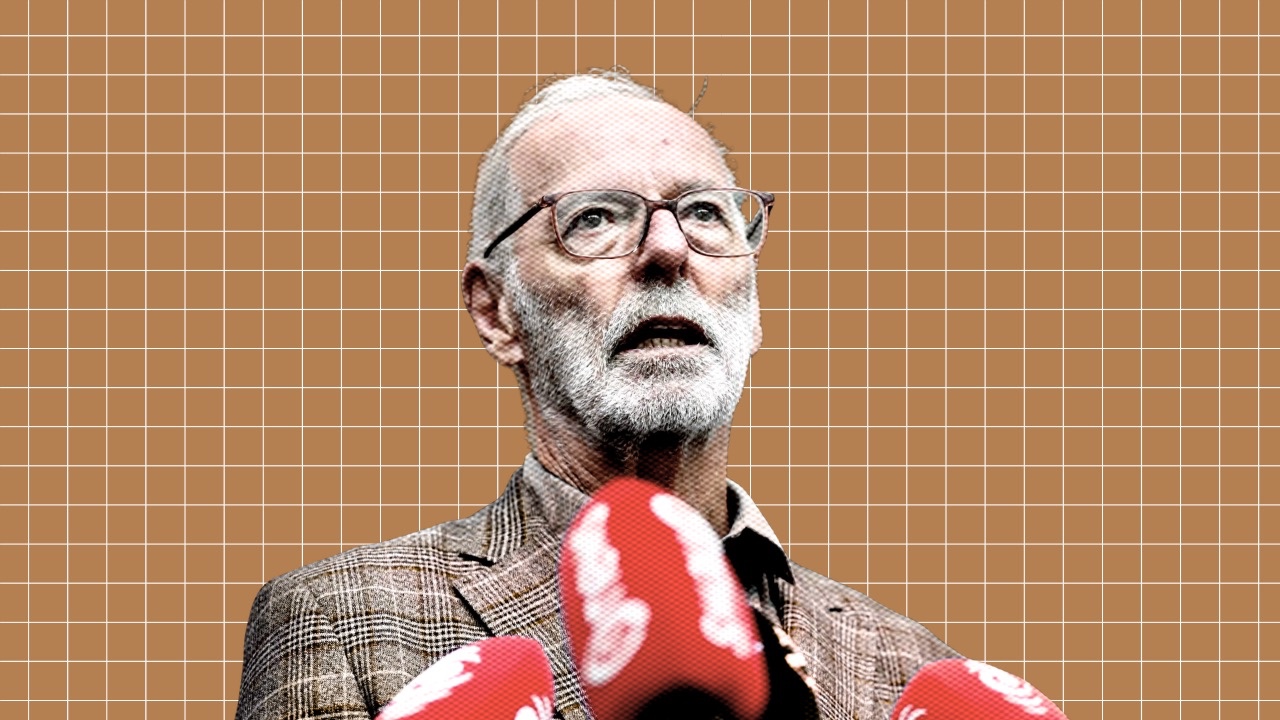
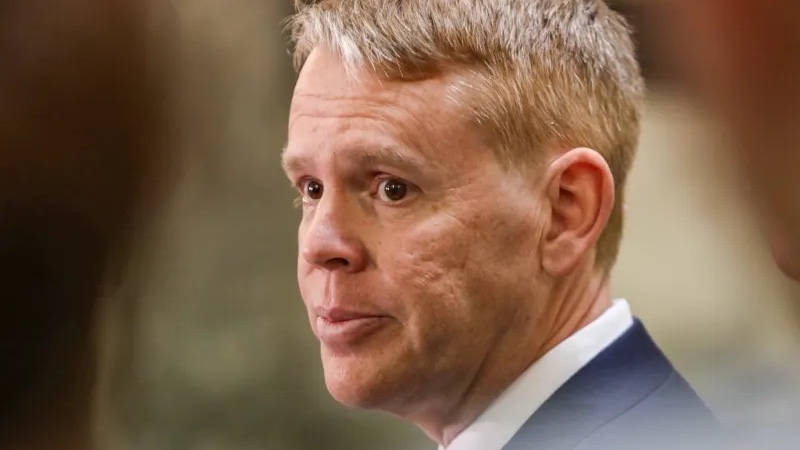
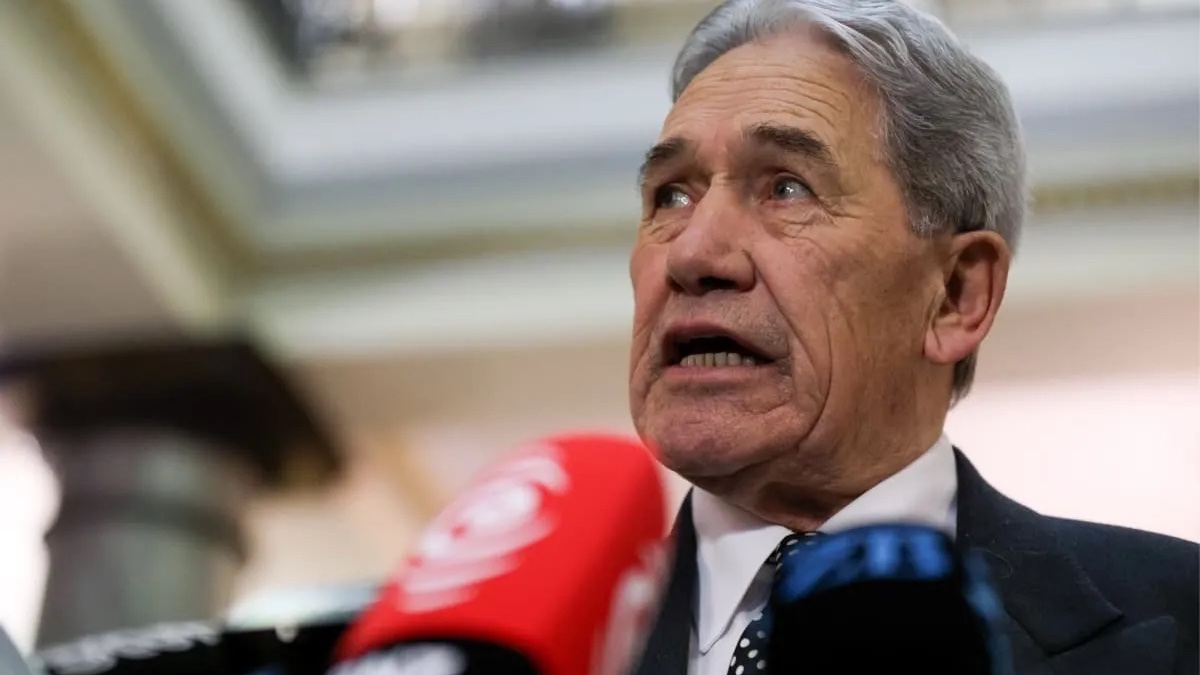
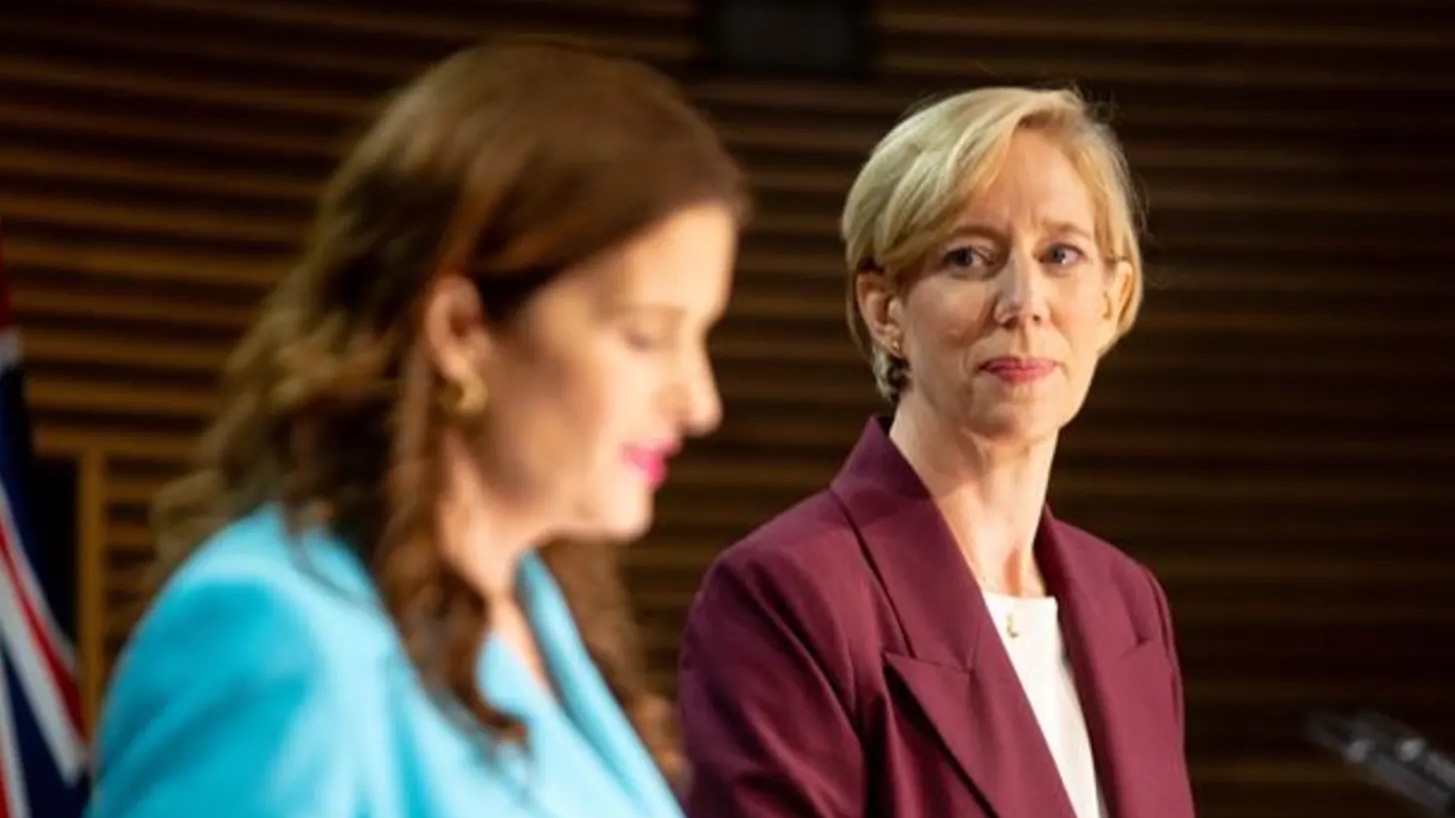
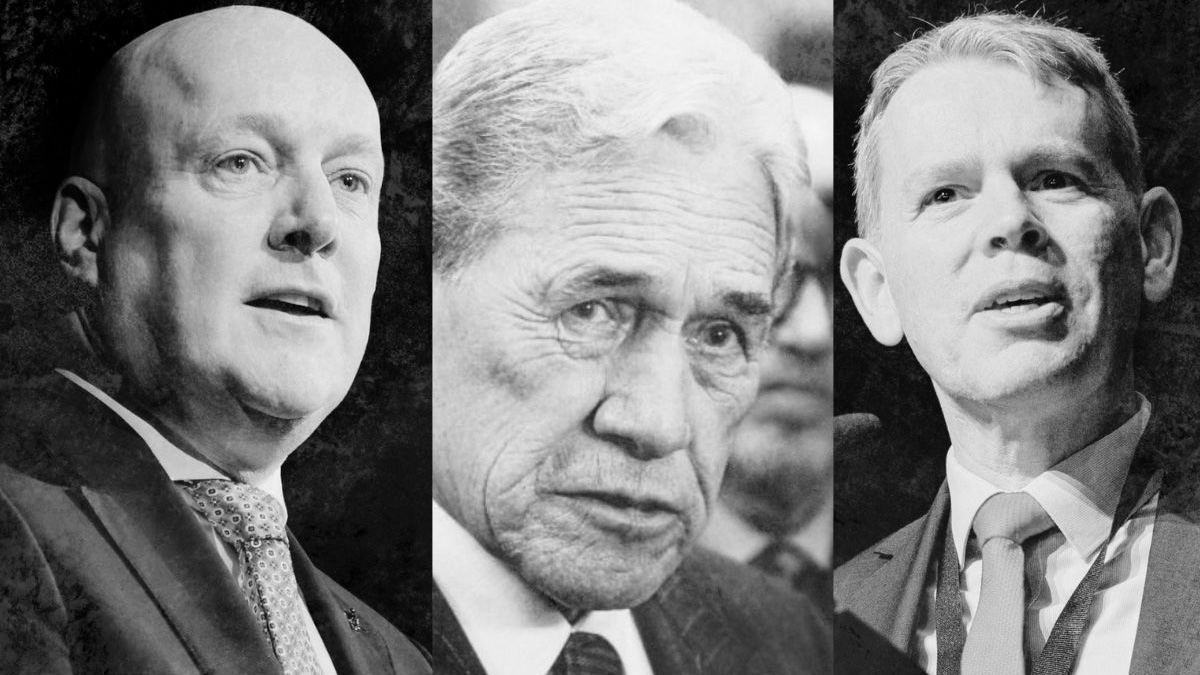
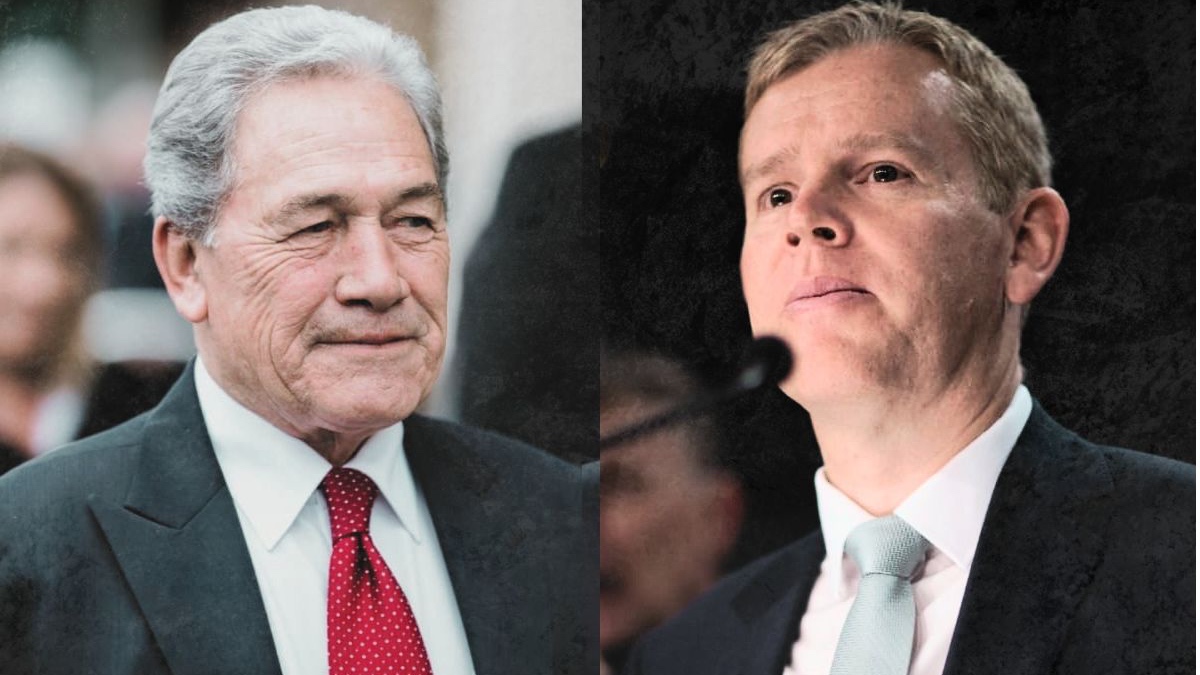
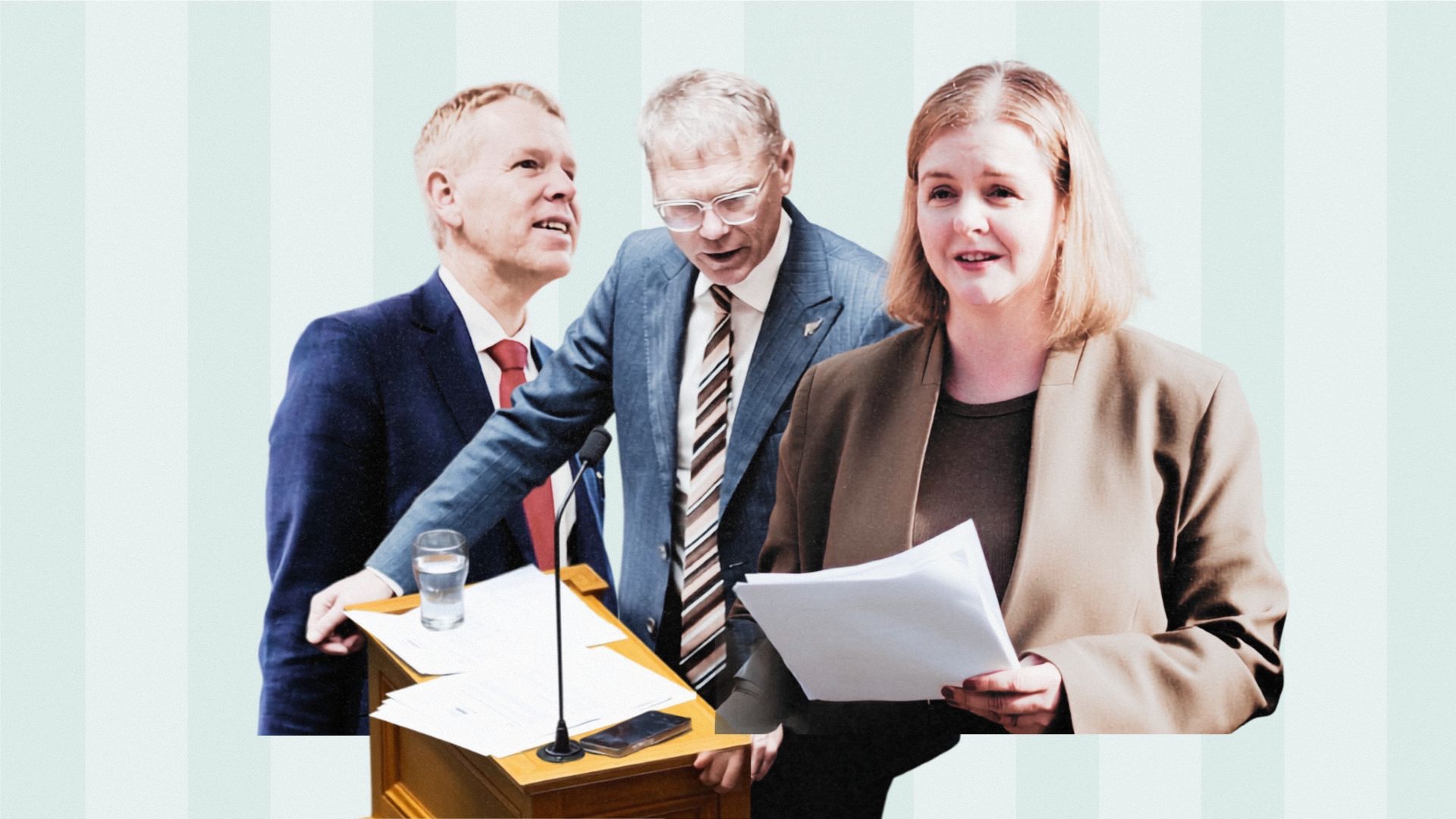
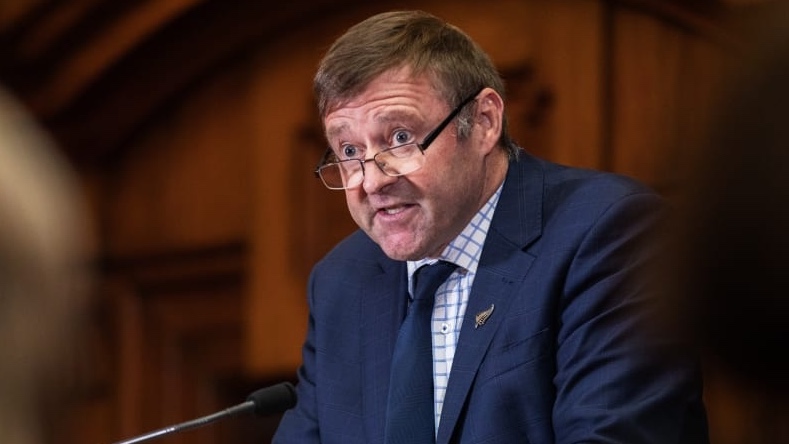
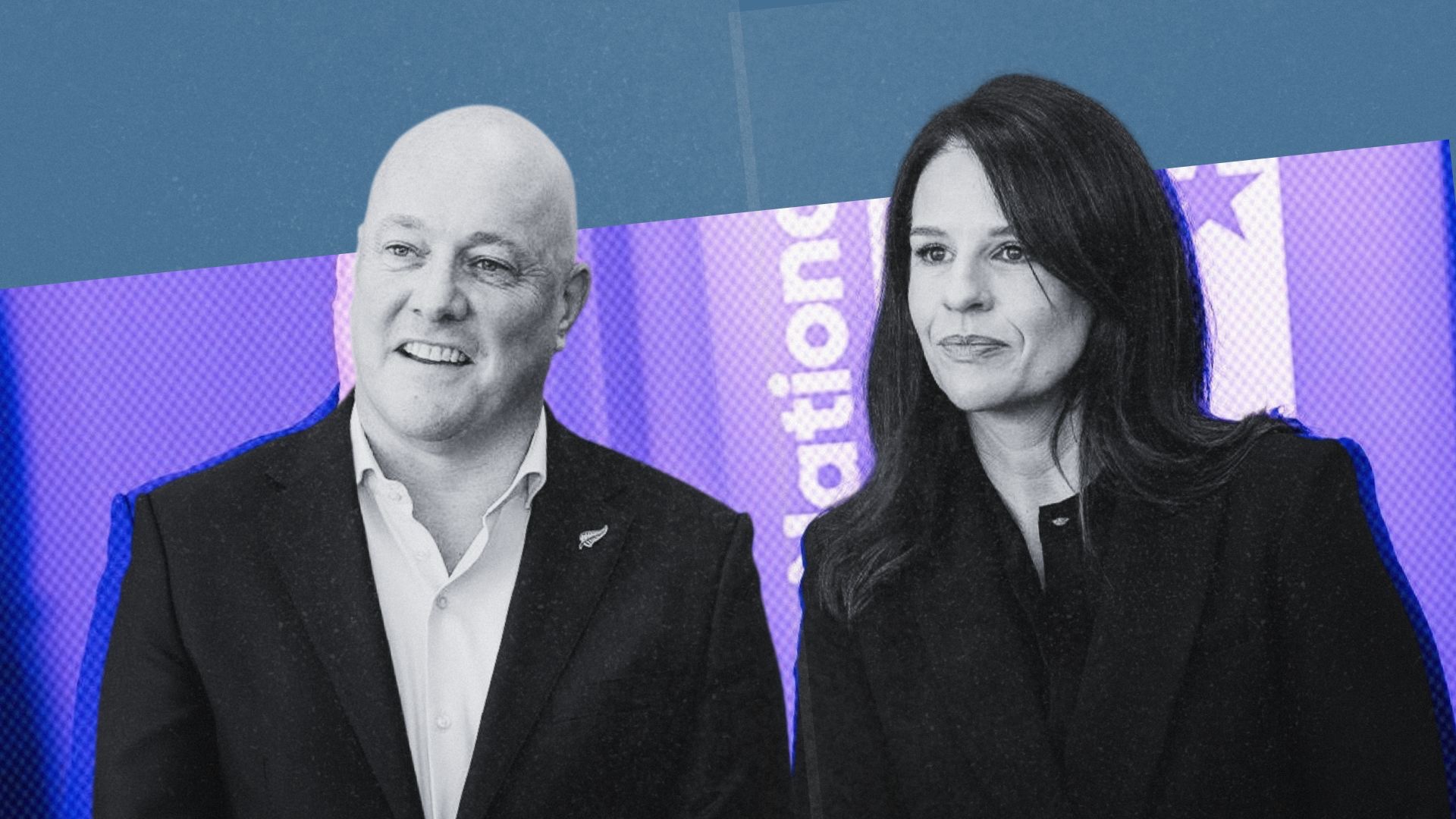
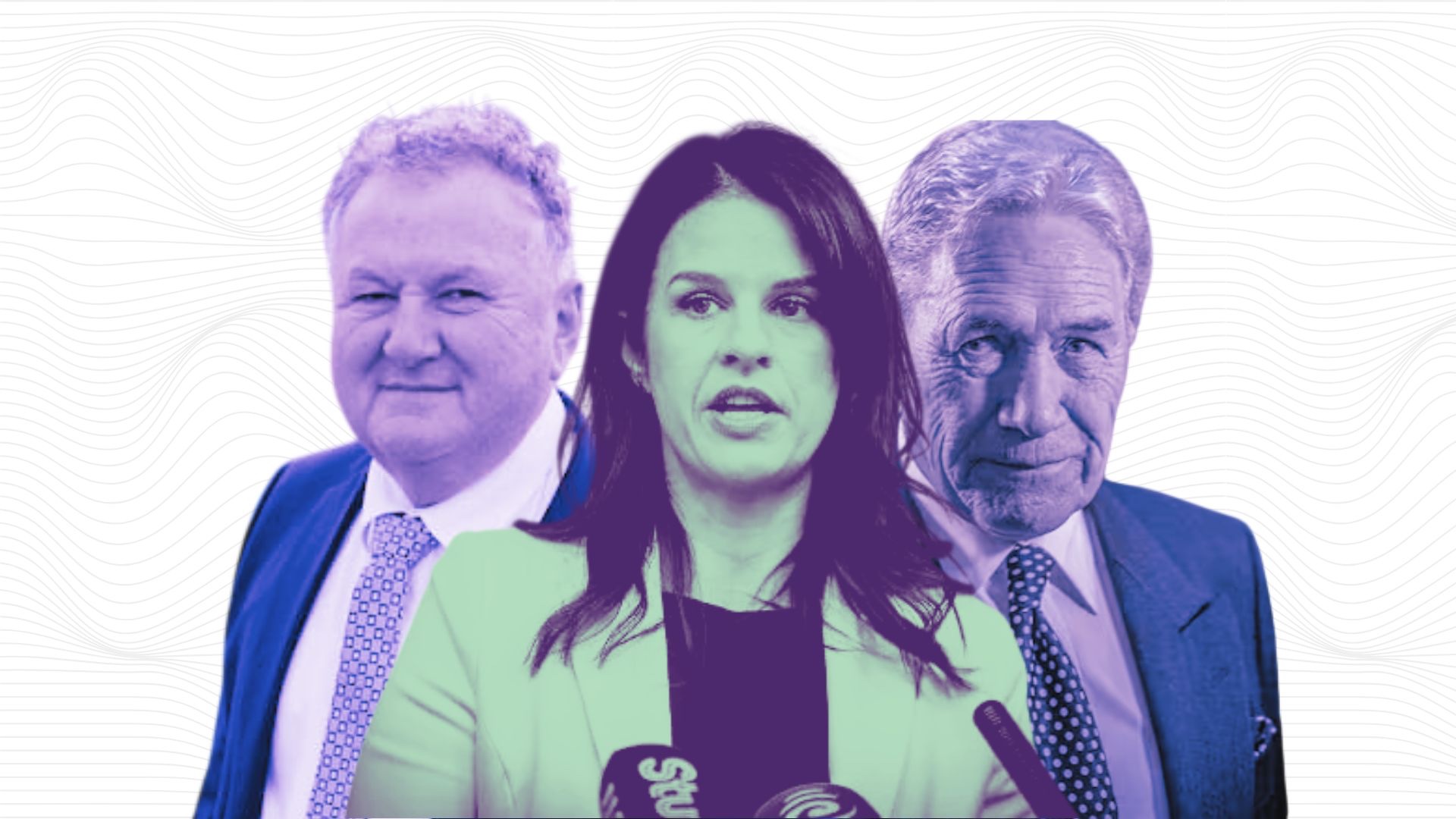
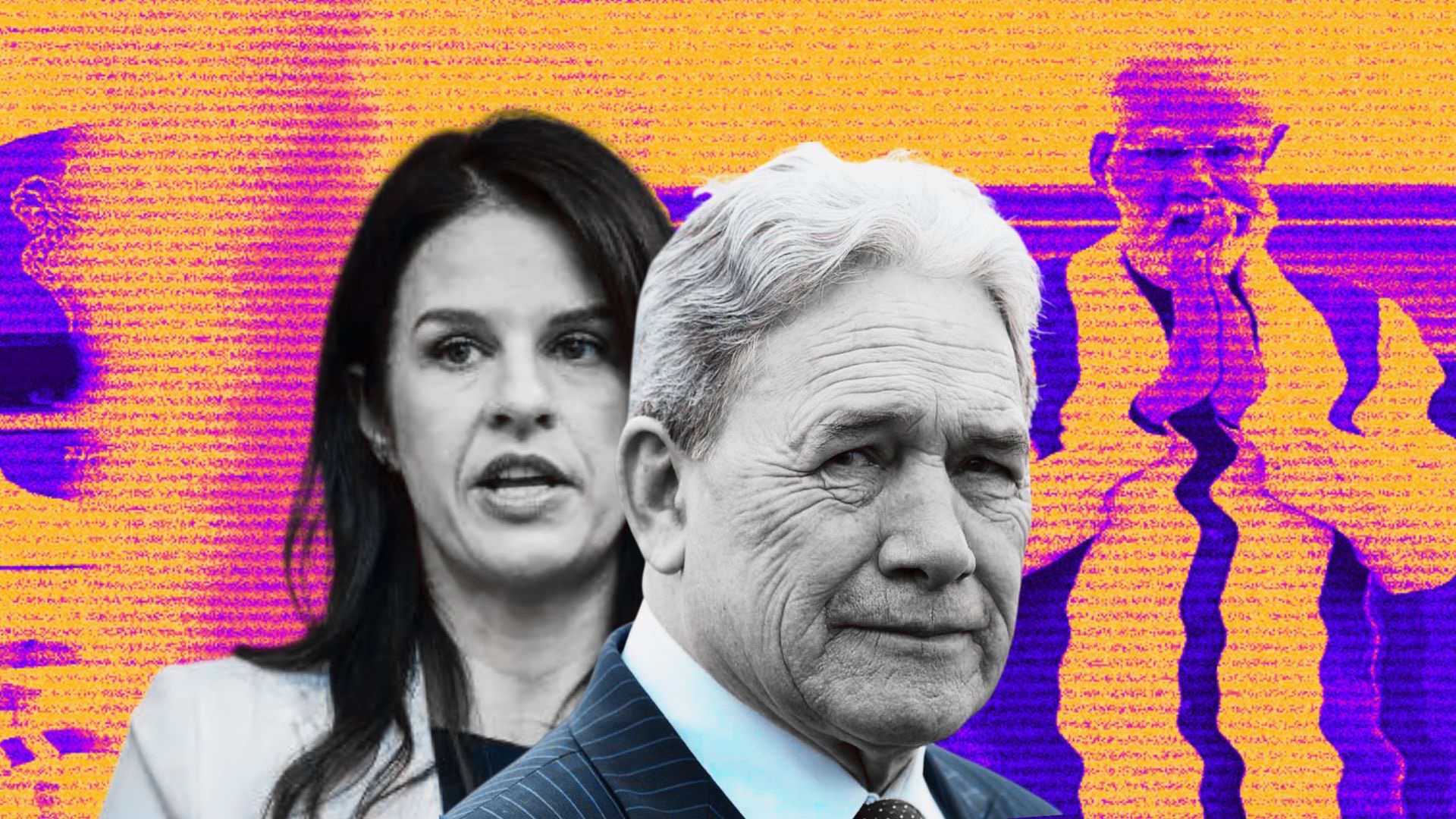
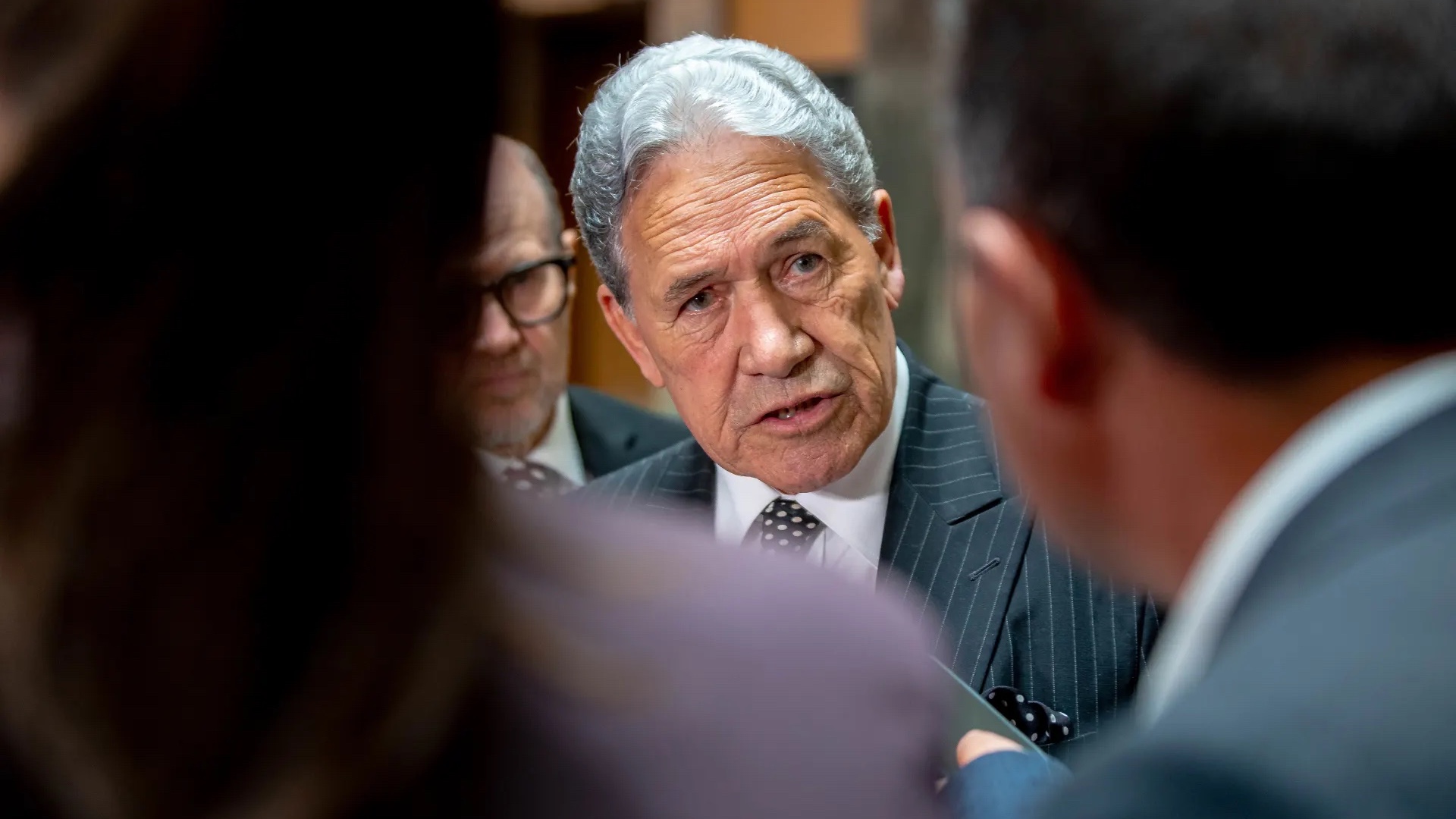
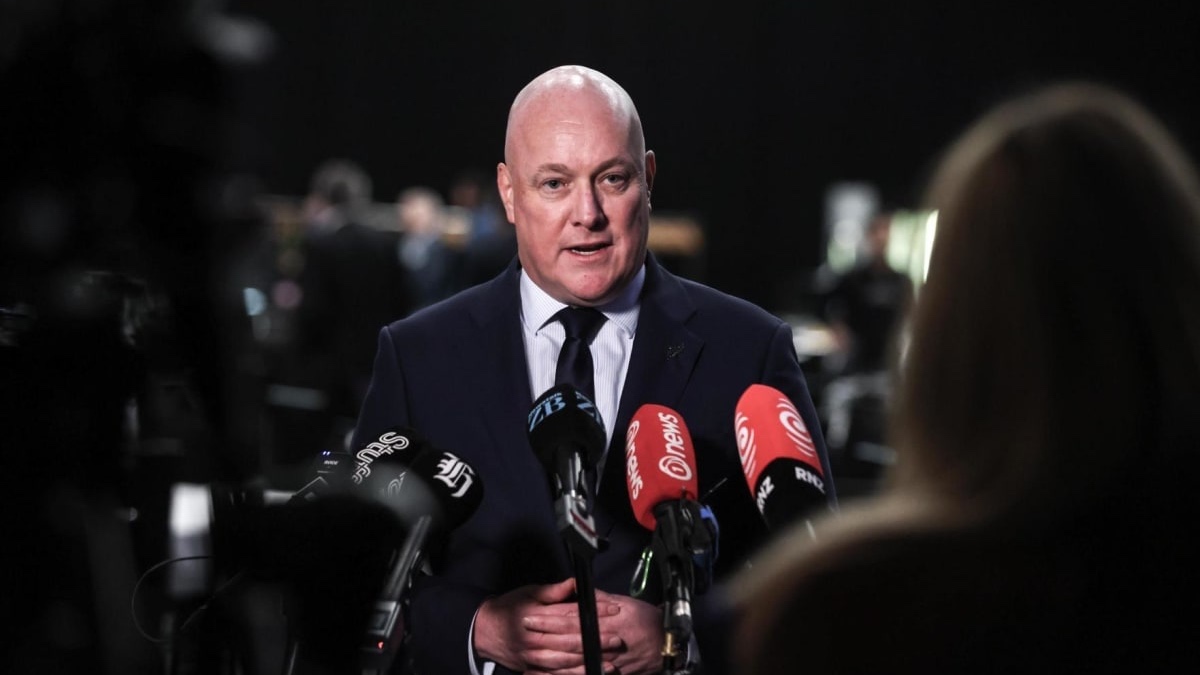
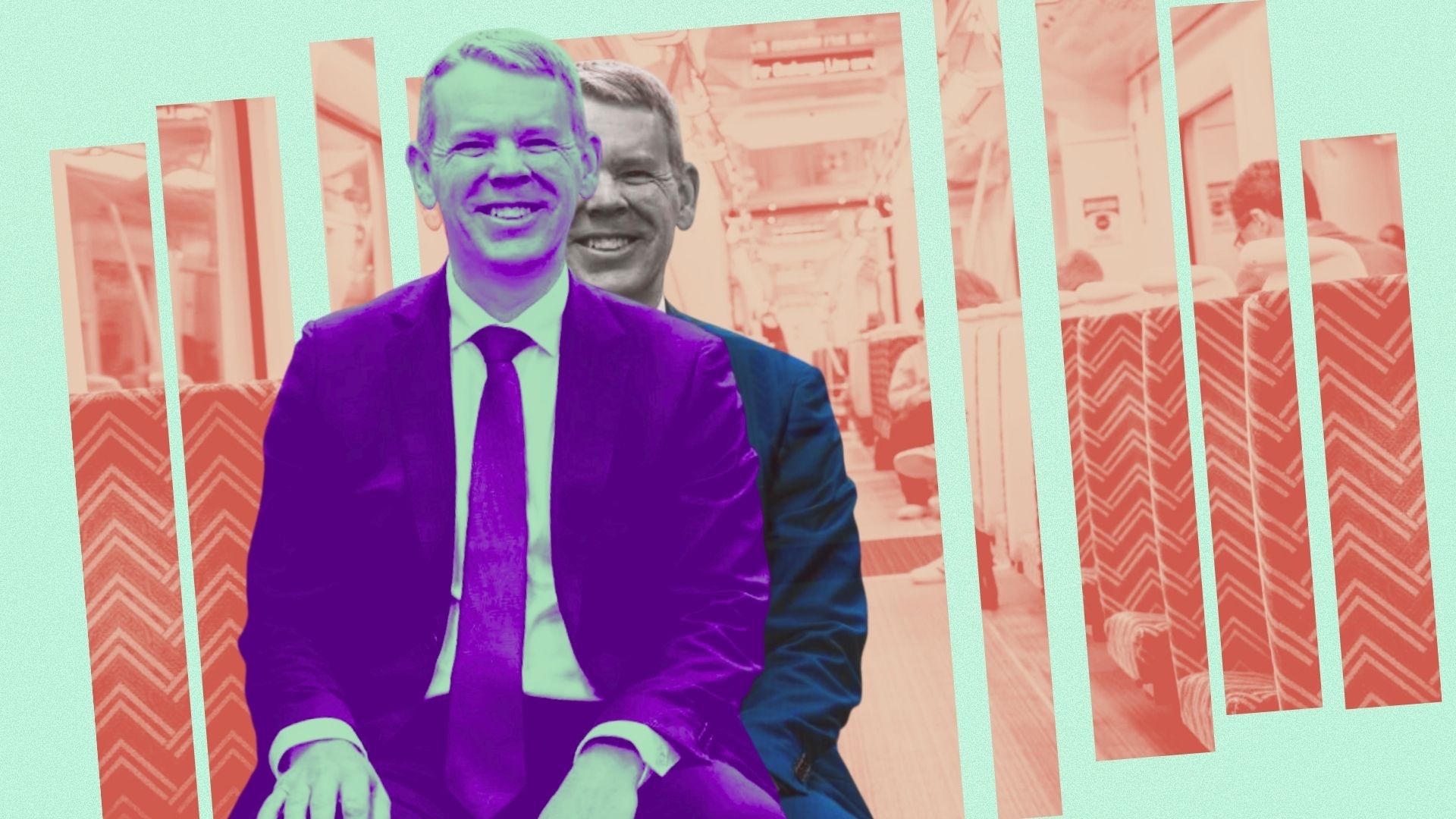
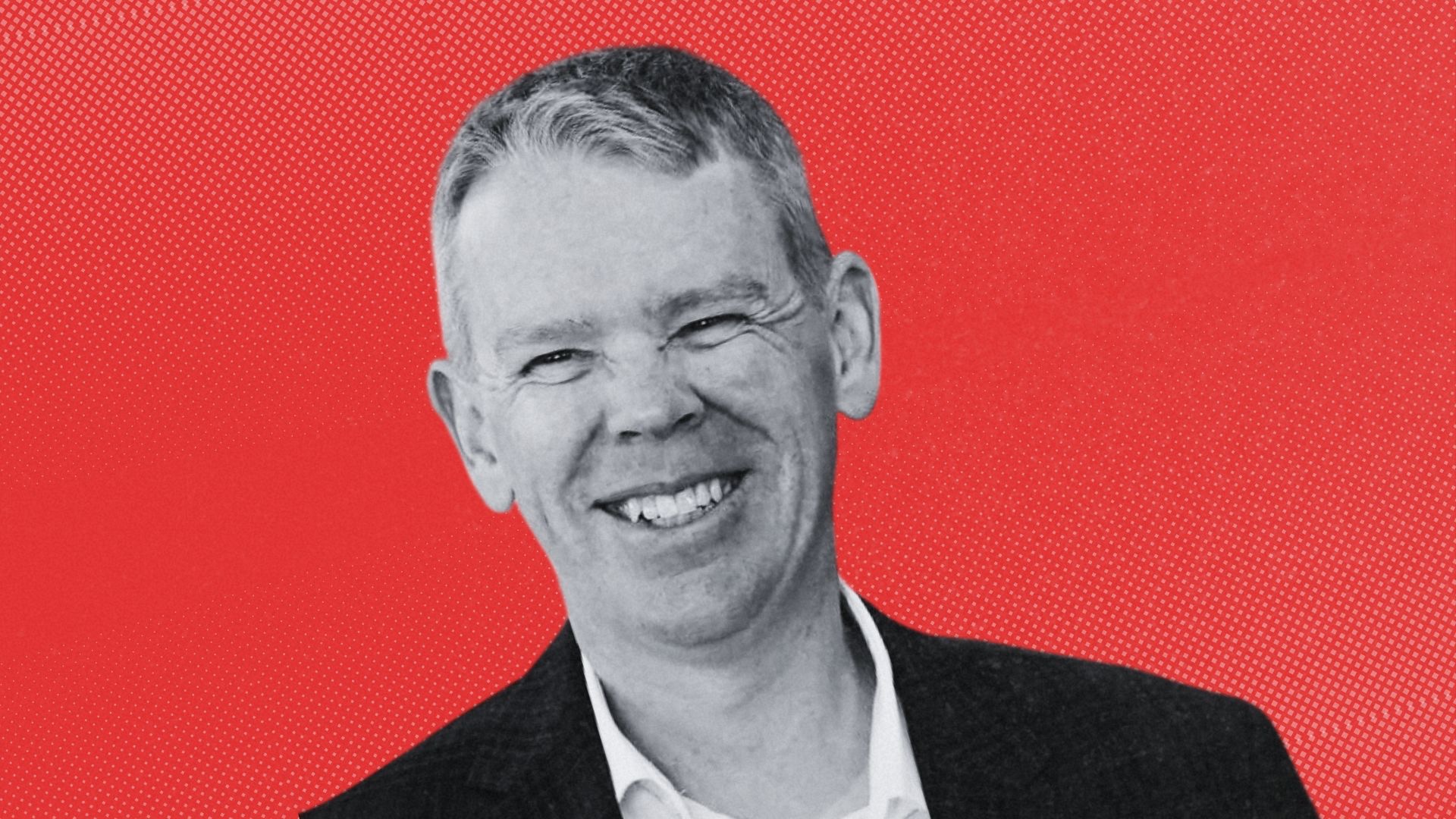
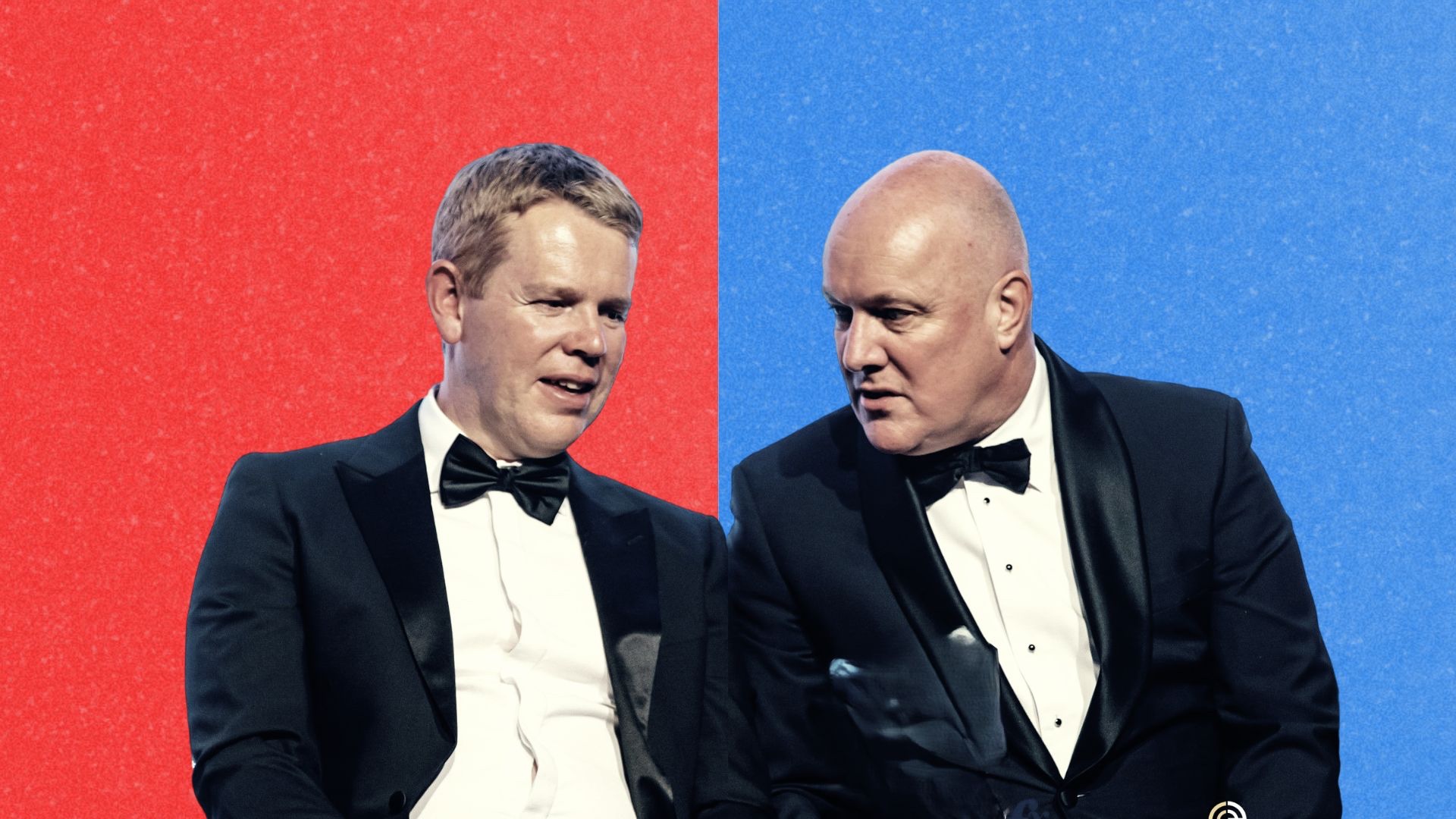
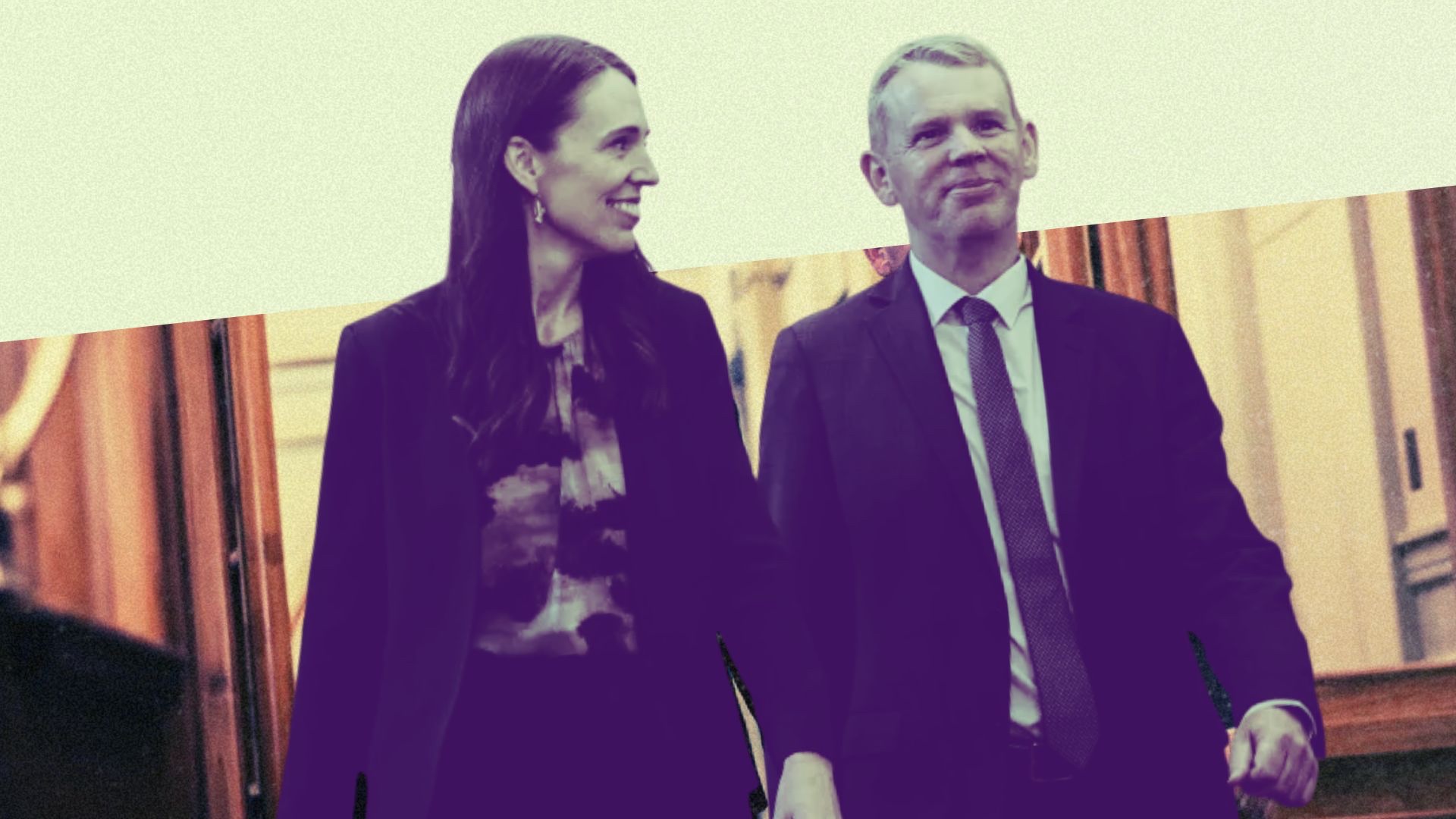
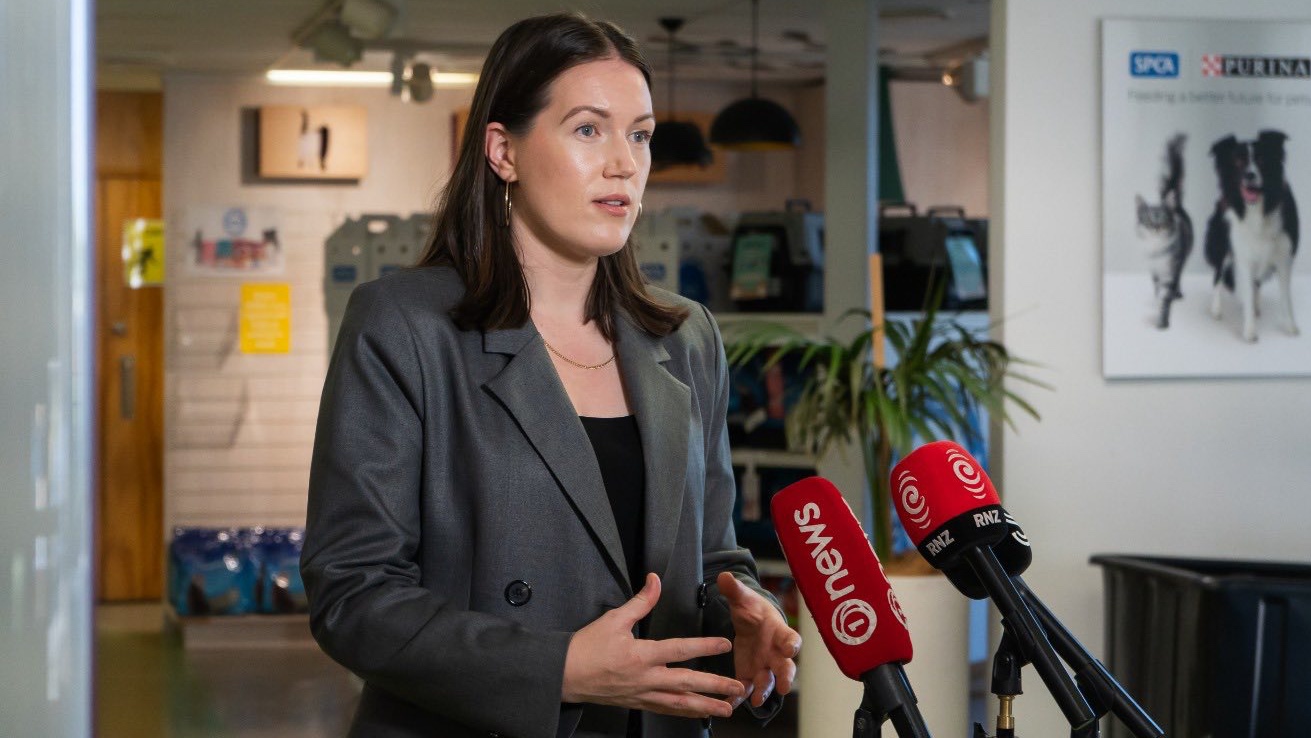
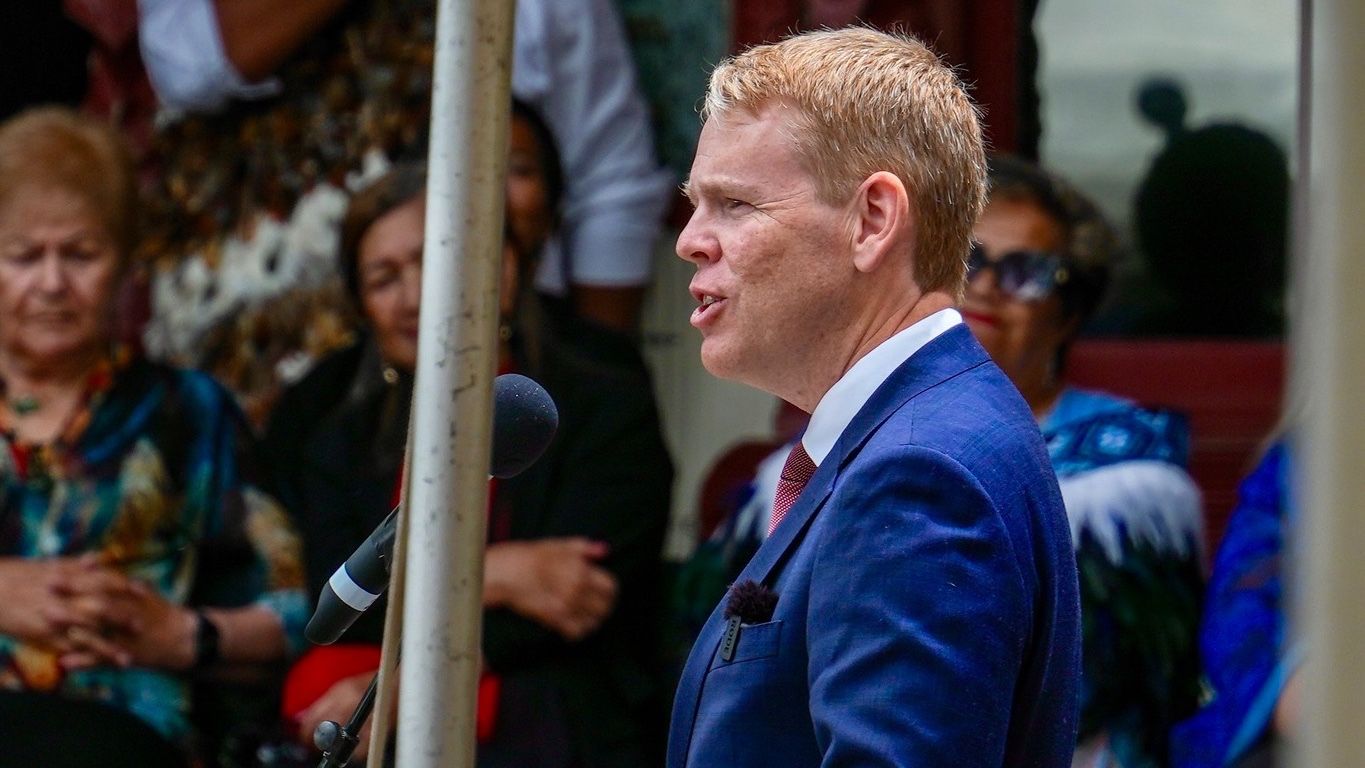
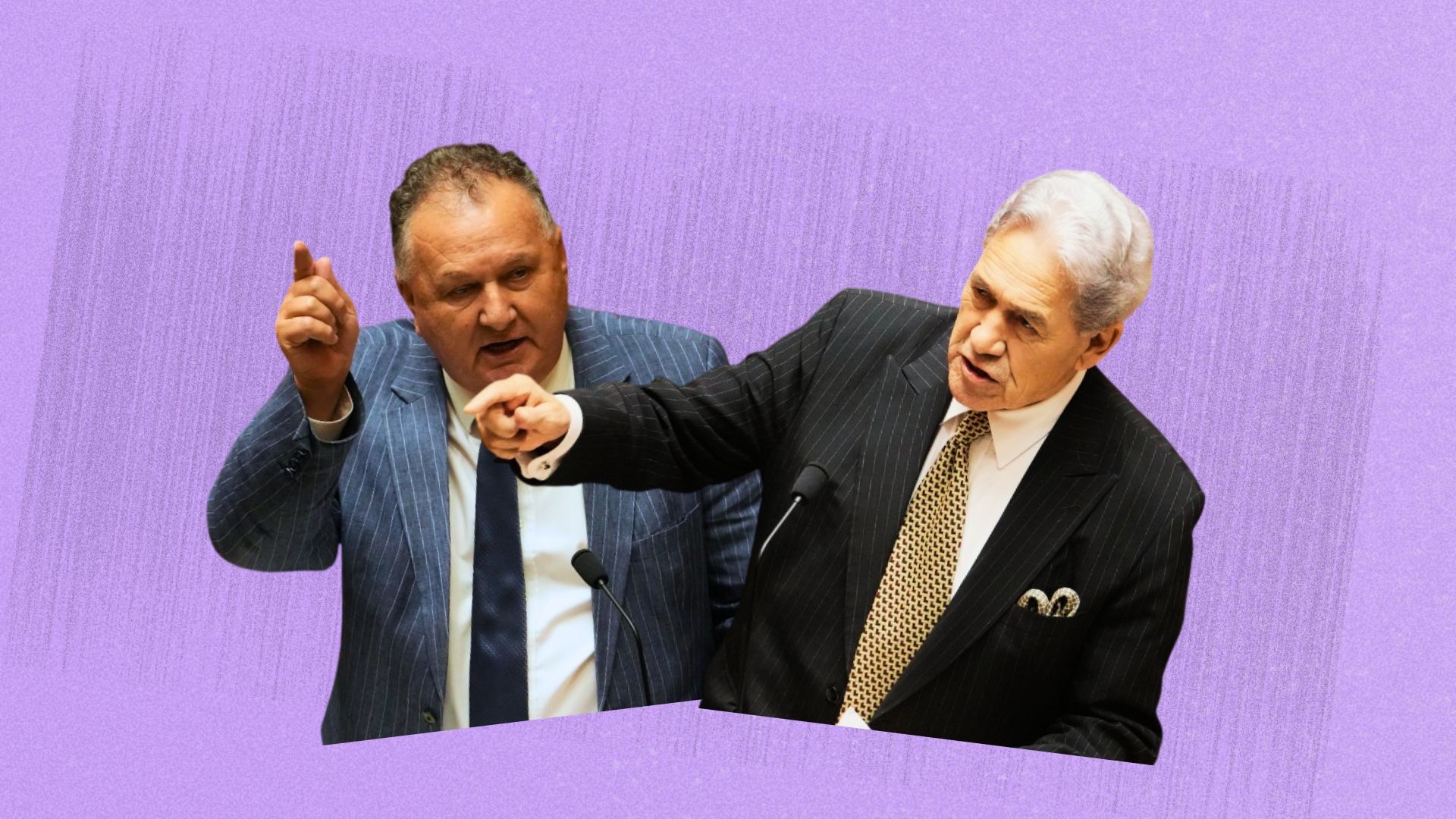
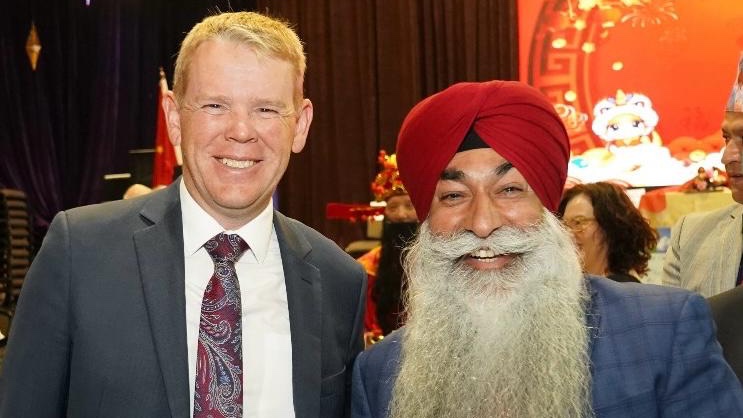
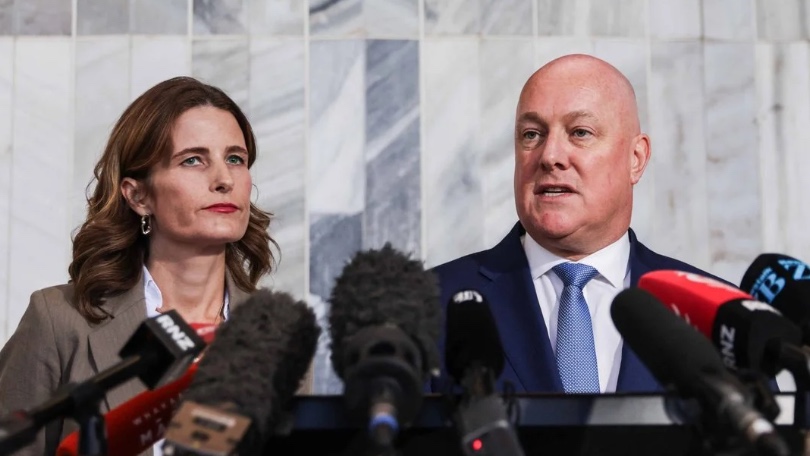
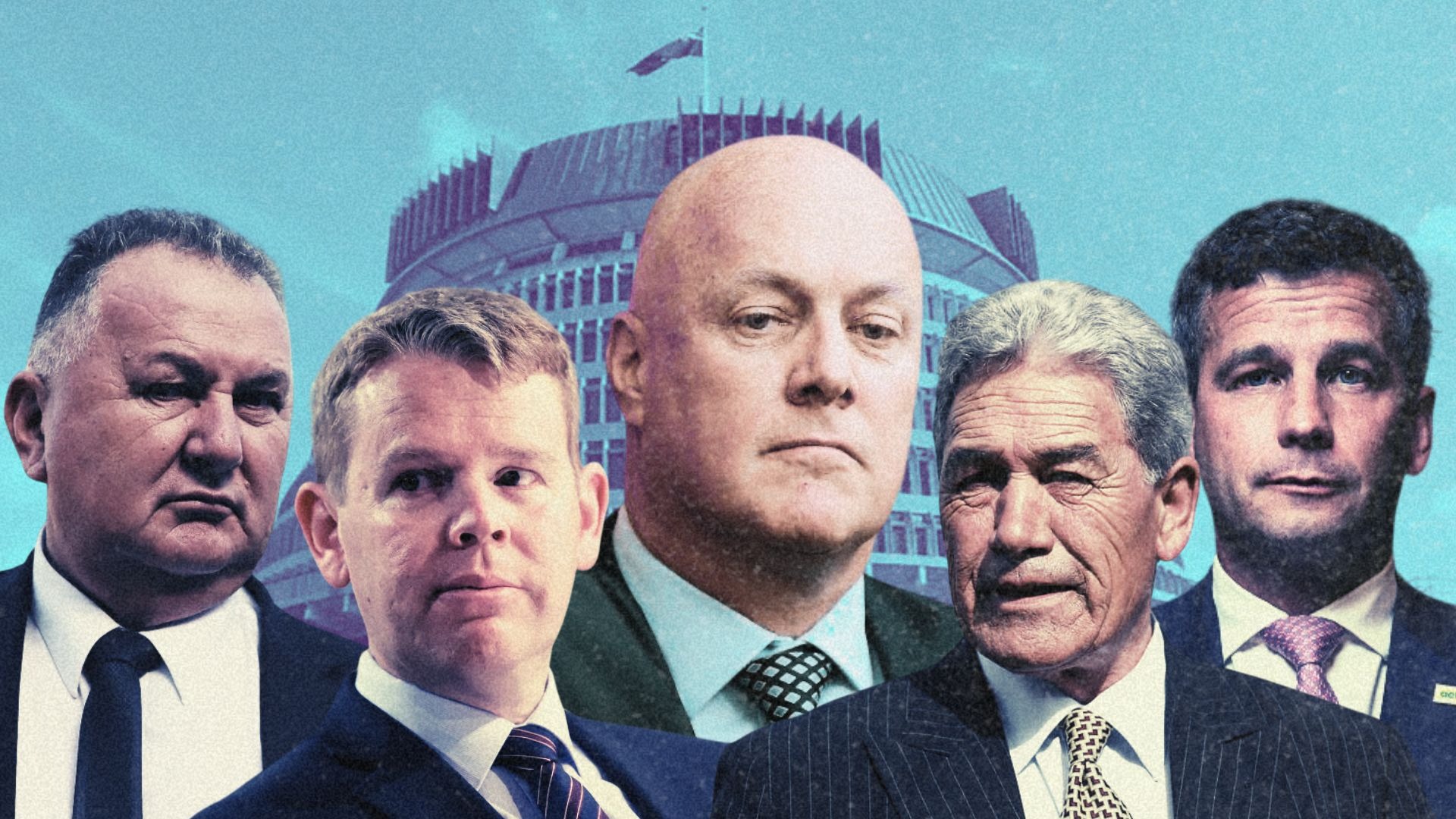
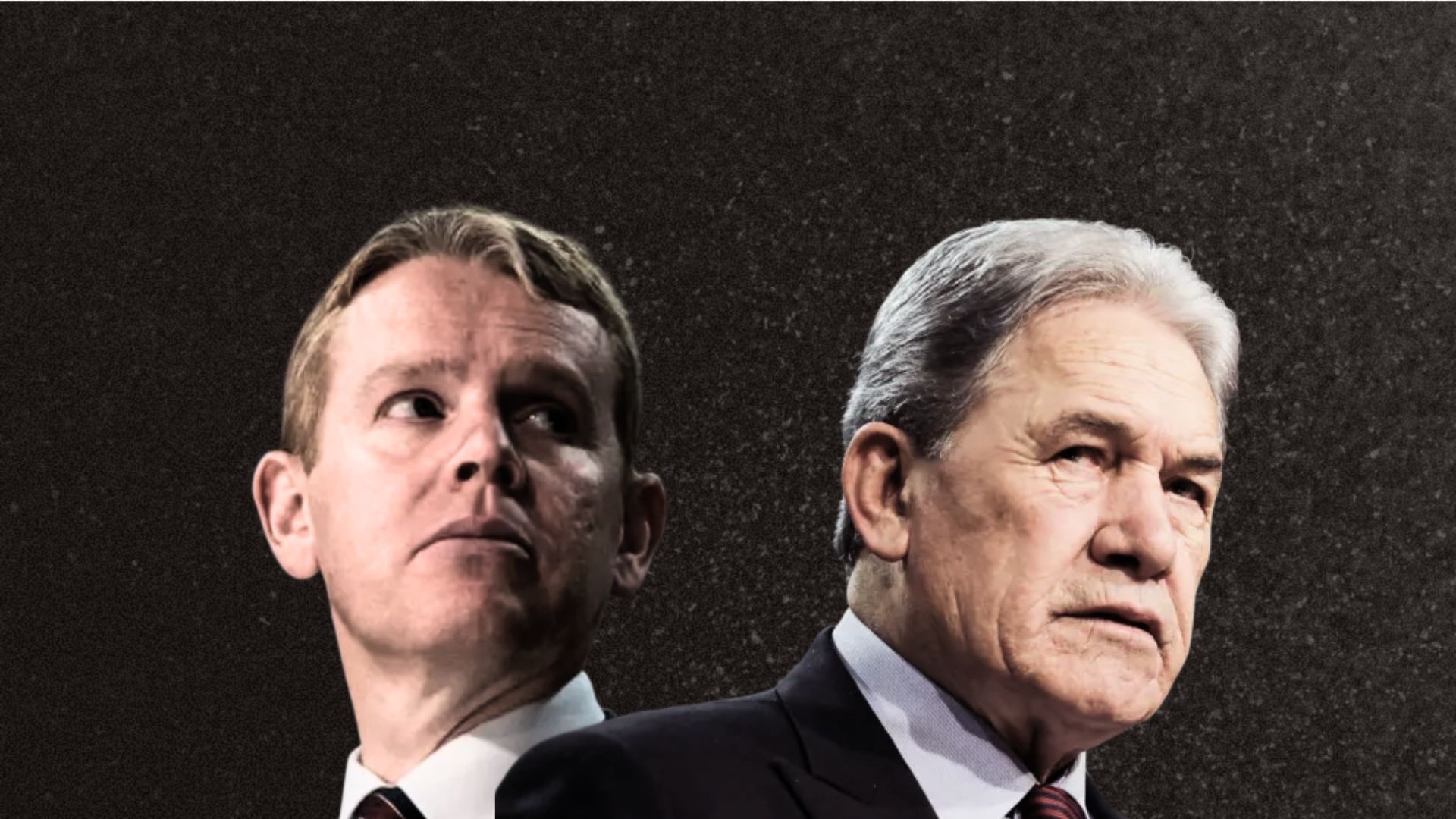
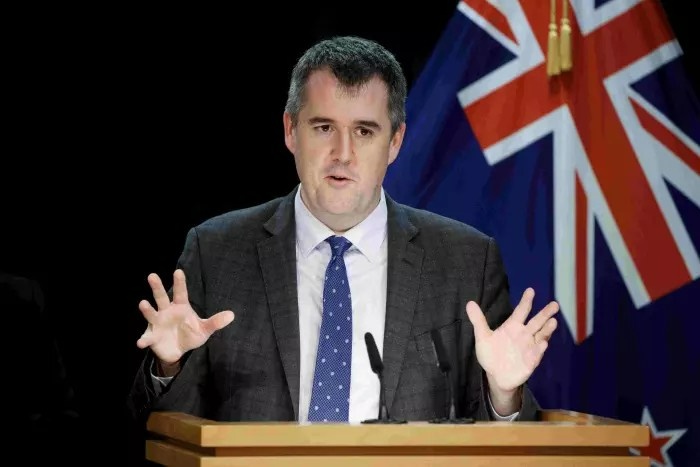
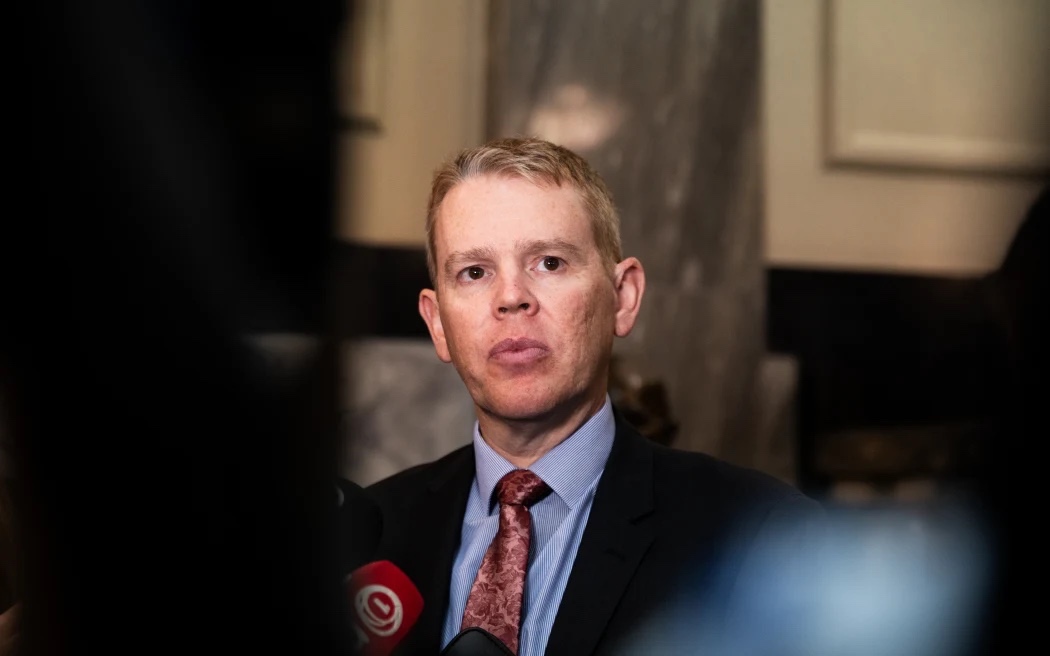
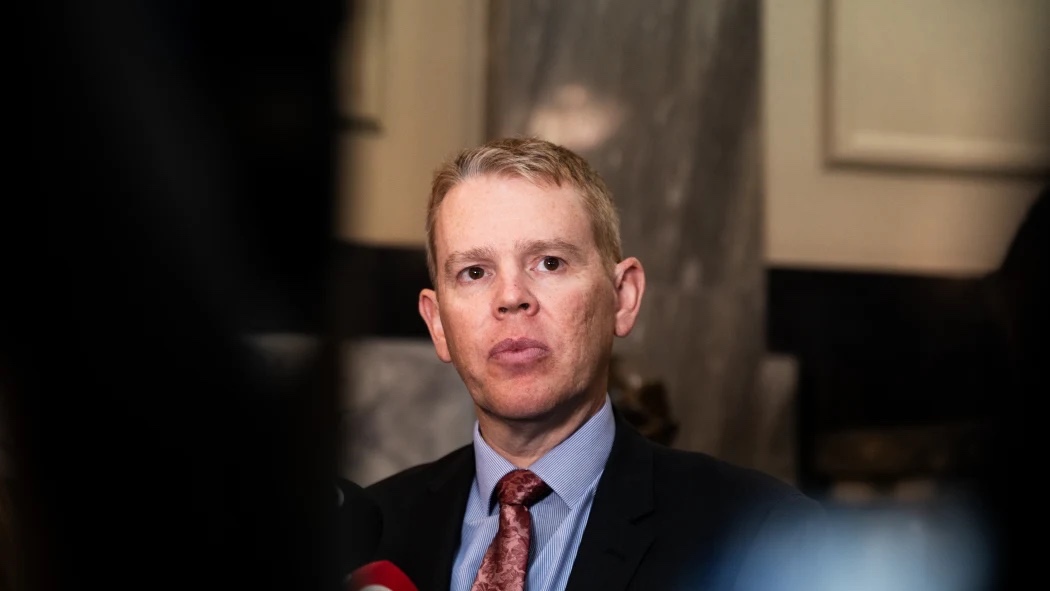
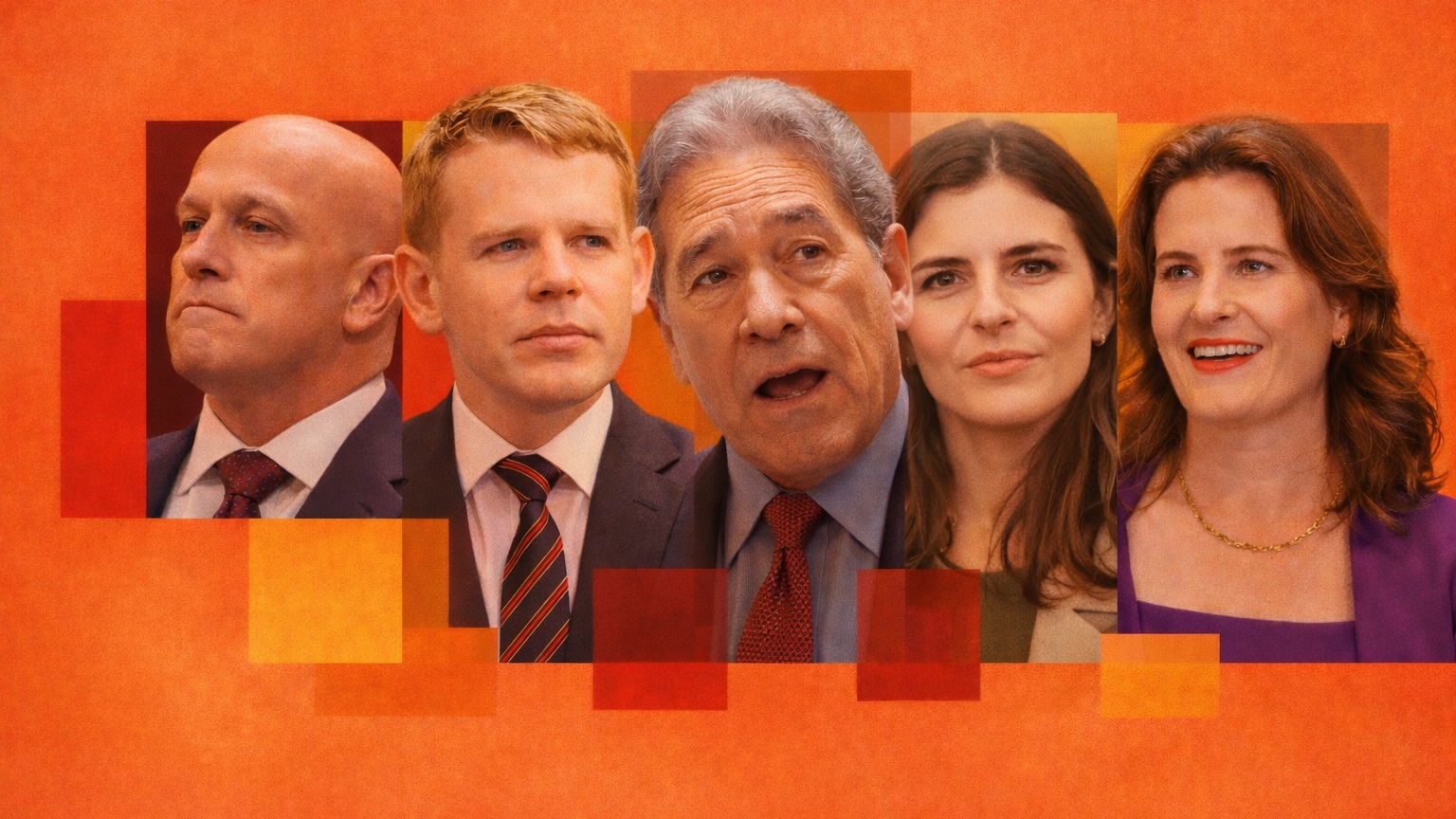
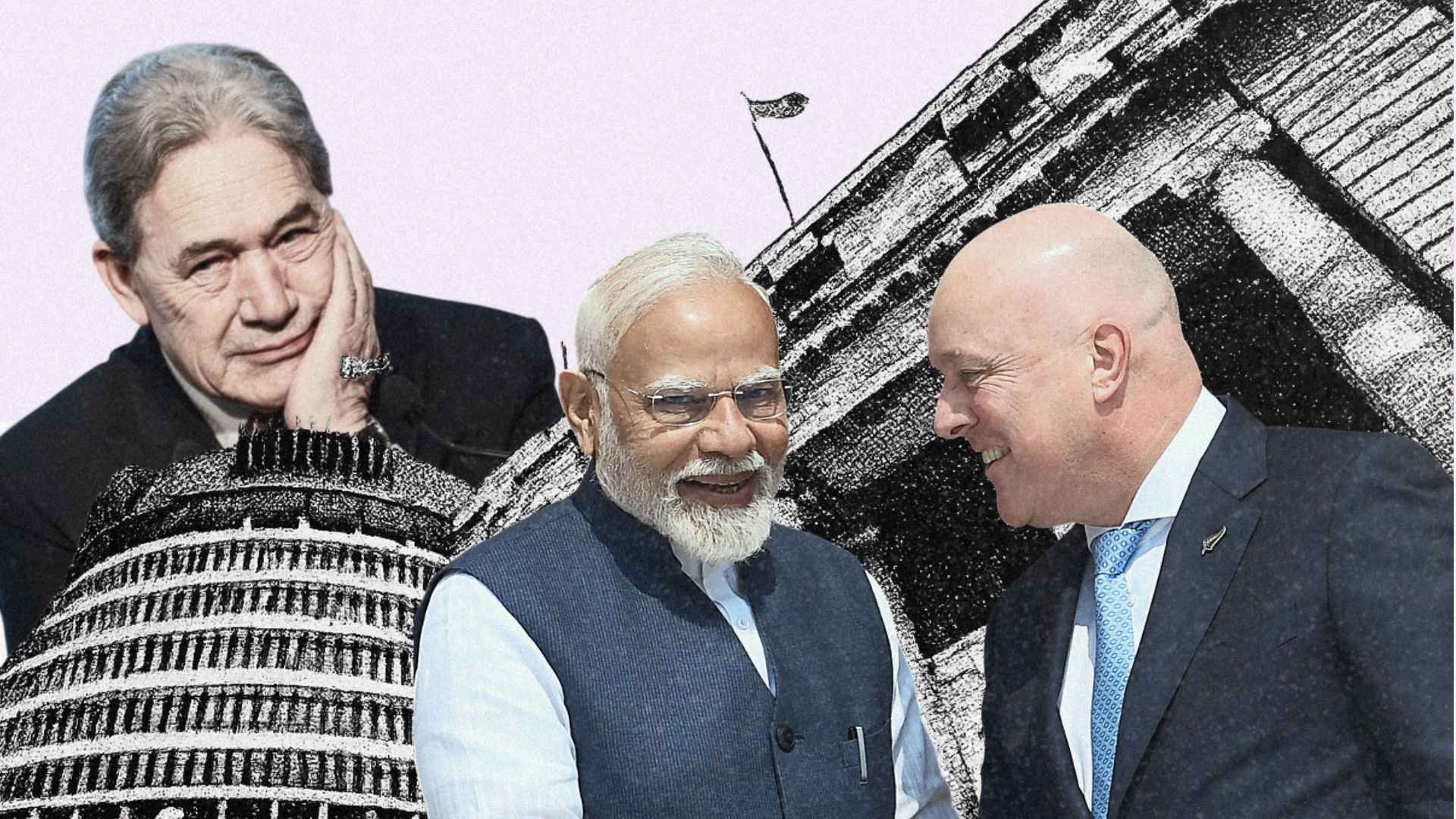
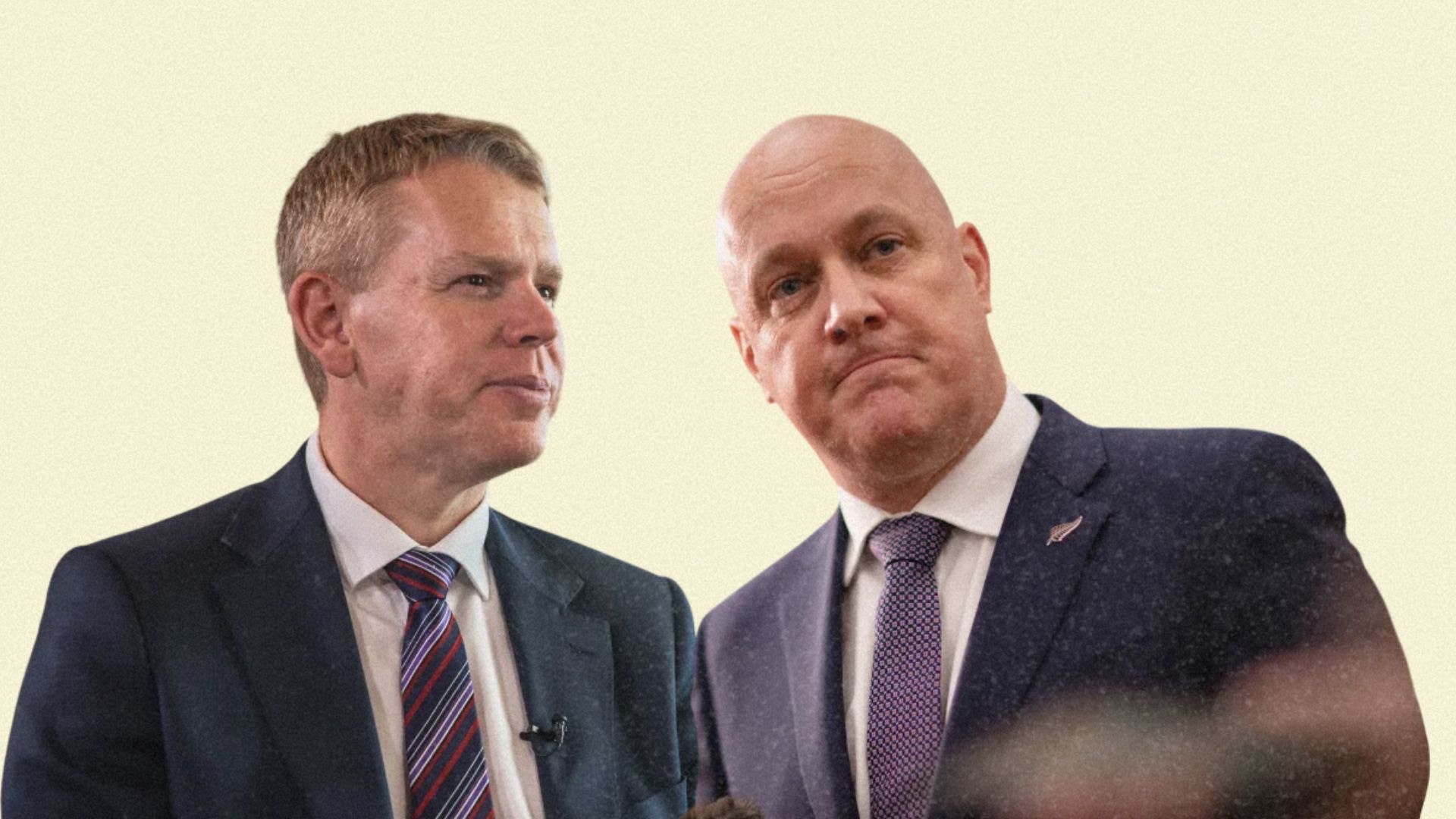
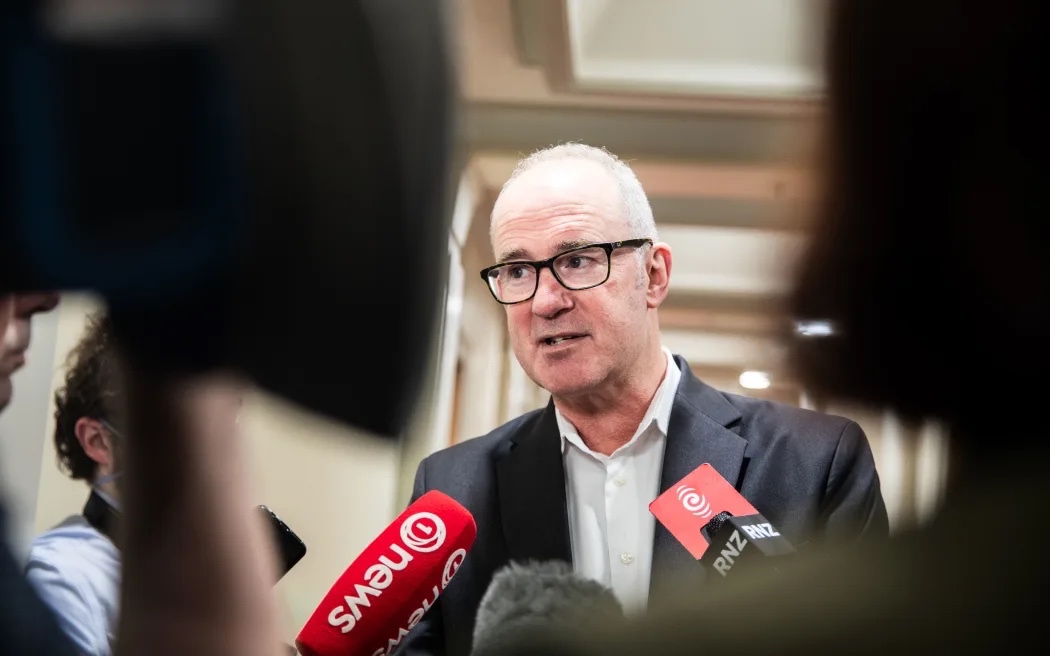
Labour leader Chris Hipkins poured cold water over those expectations last evening. For National to sign the free trade agreement (FTA) without being fully sure it will be approved by Parliament would be "recklessly irresponsible", he warned.
Hipkins isn't totally off the mark here. It will be unprecedented for the government to raise the stakes for New Zealand in a trade deal that, at this stage, clearly won't pass Parliament.
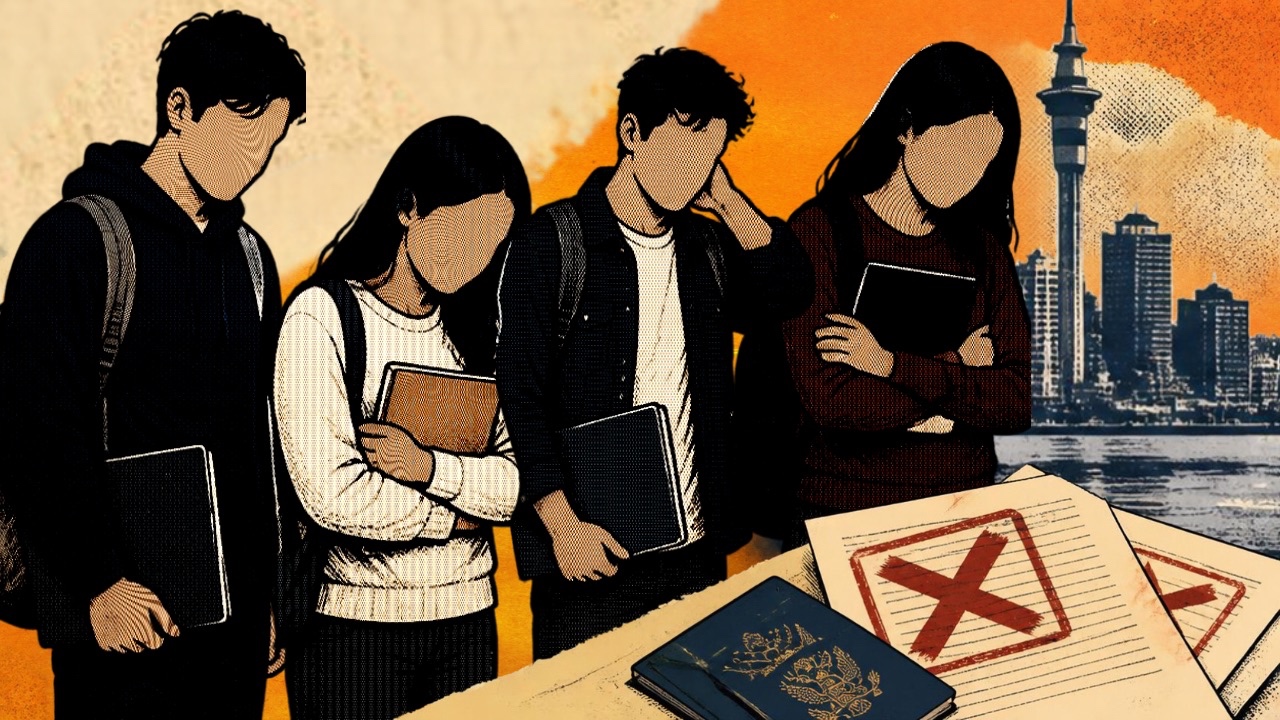
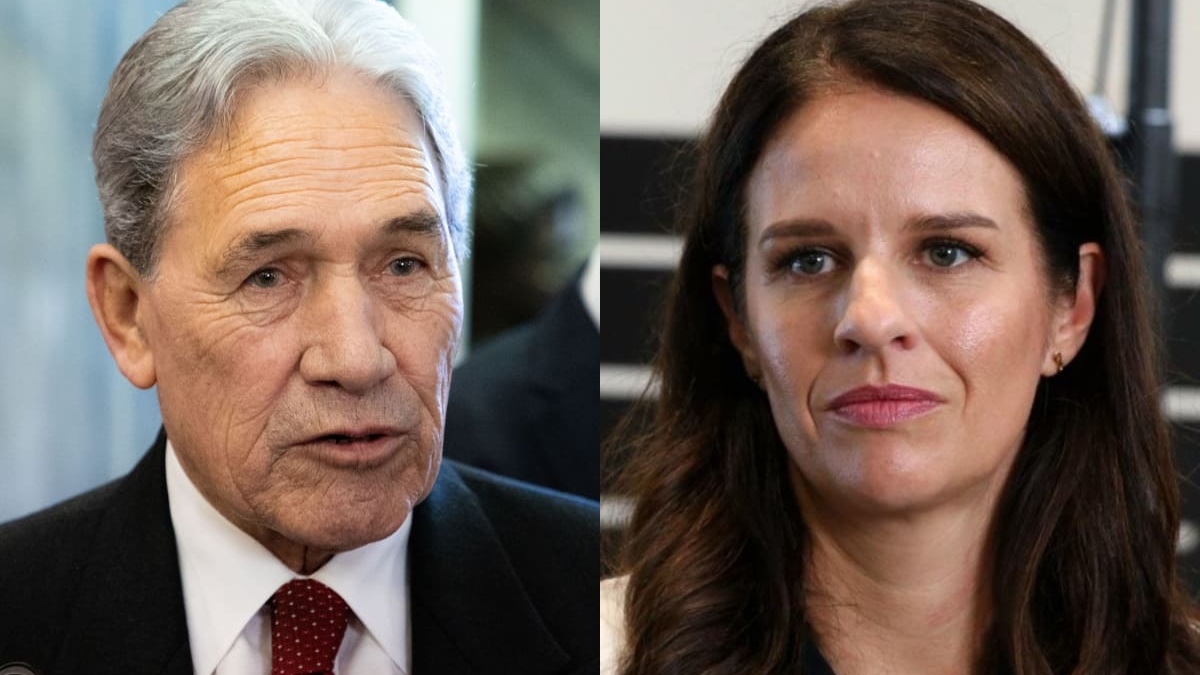
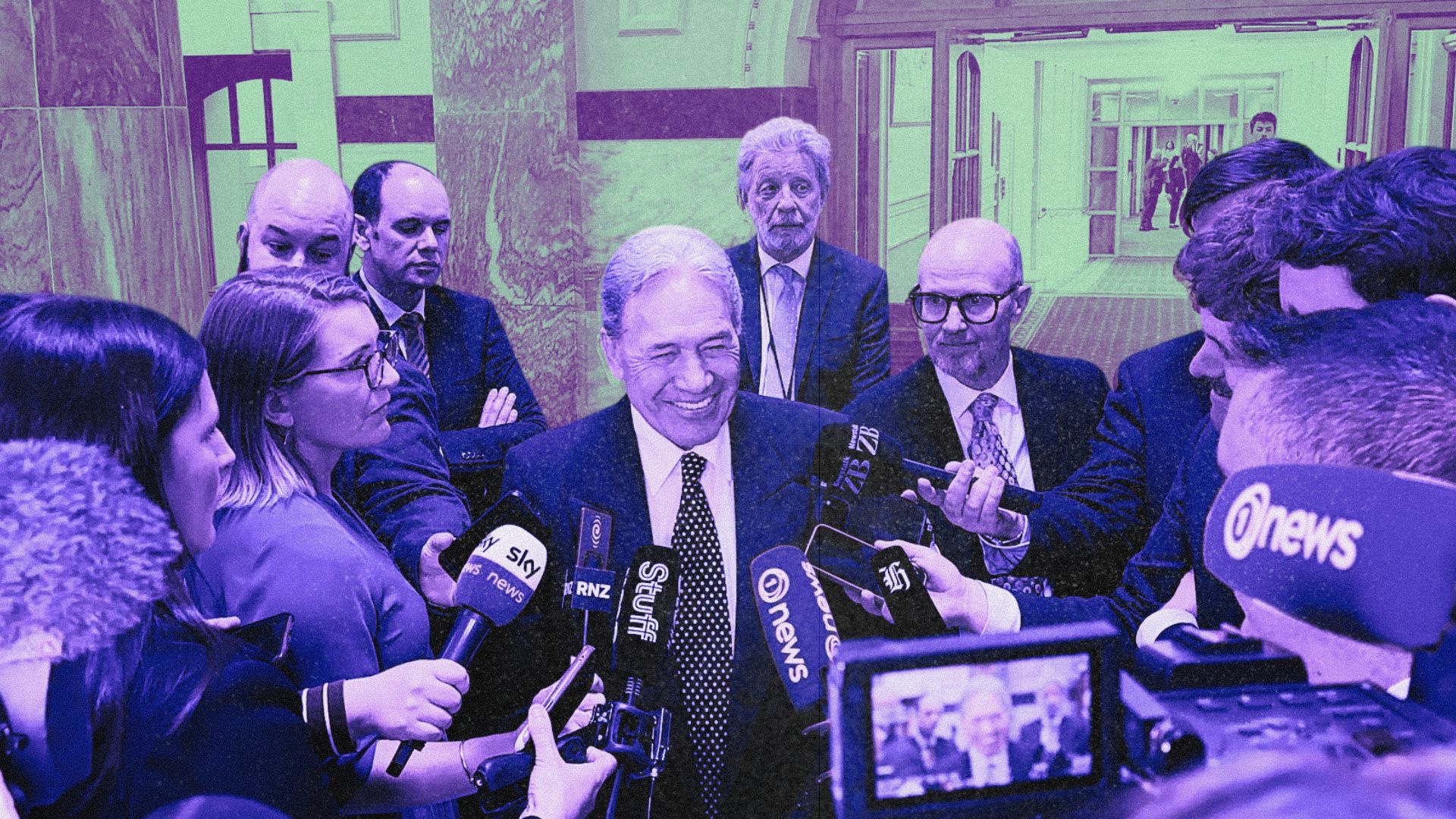
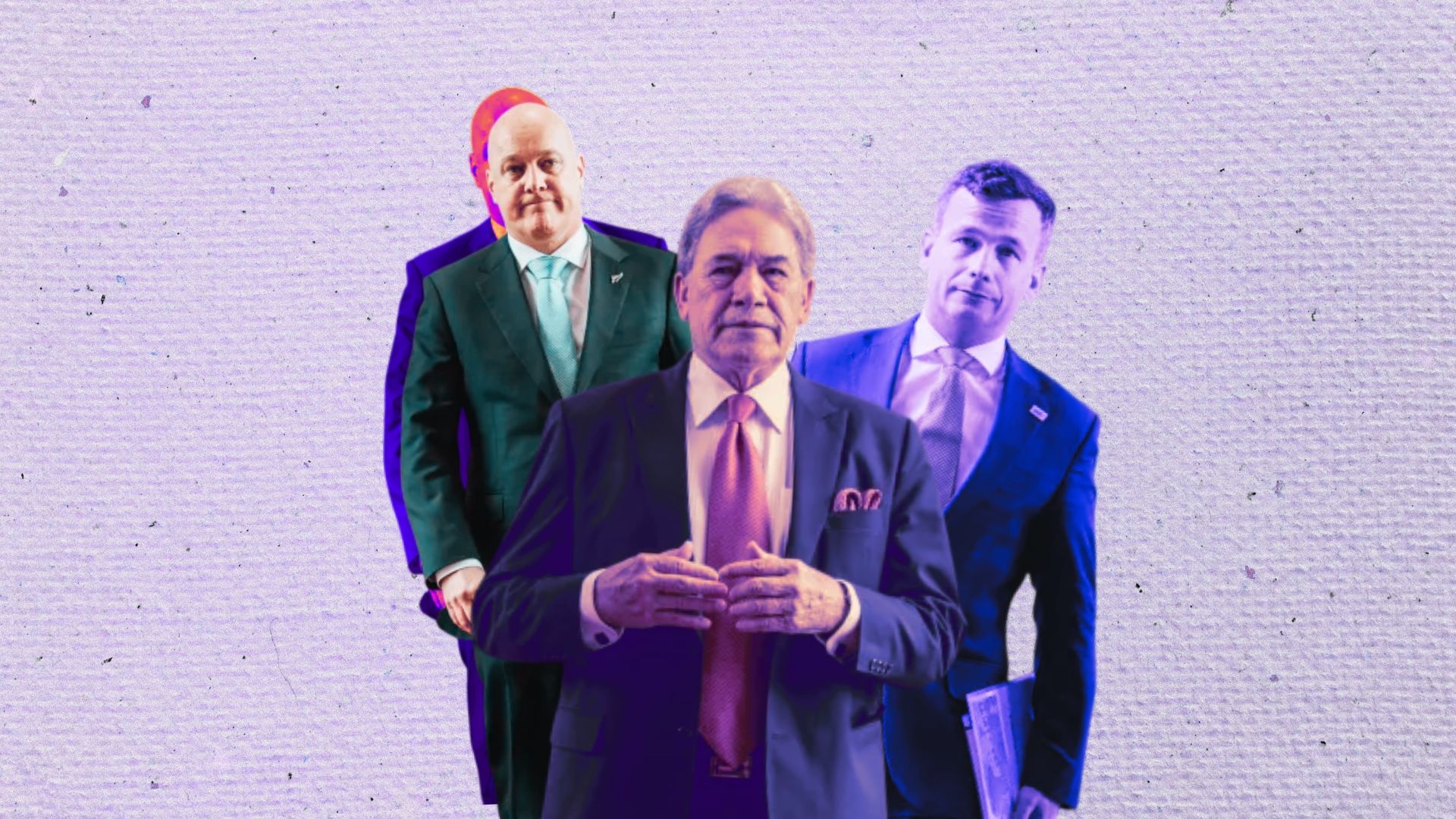
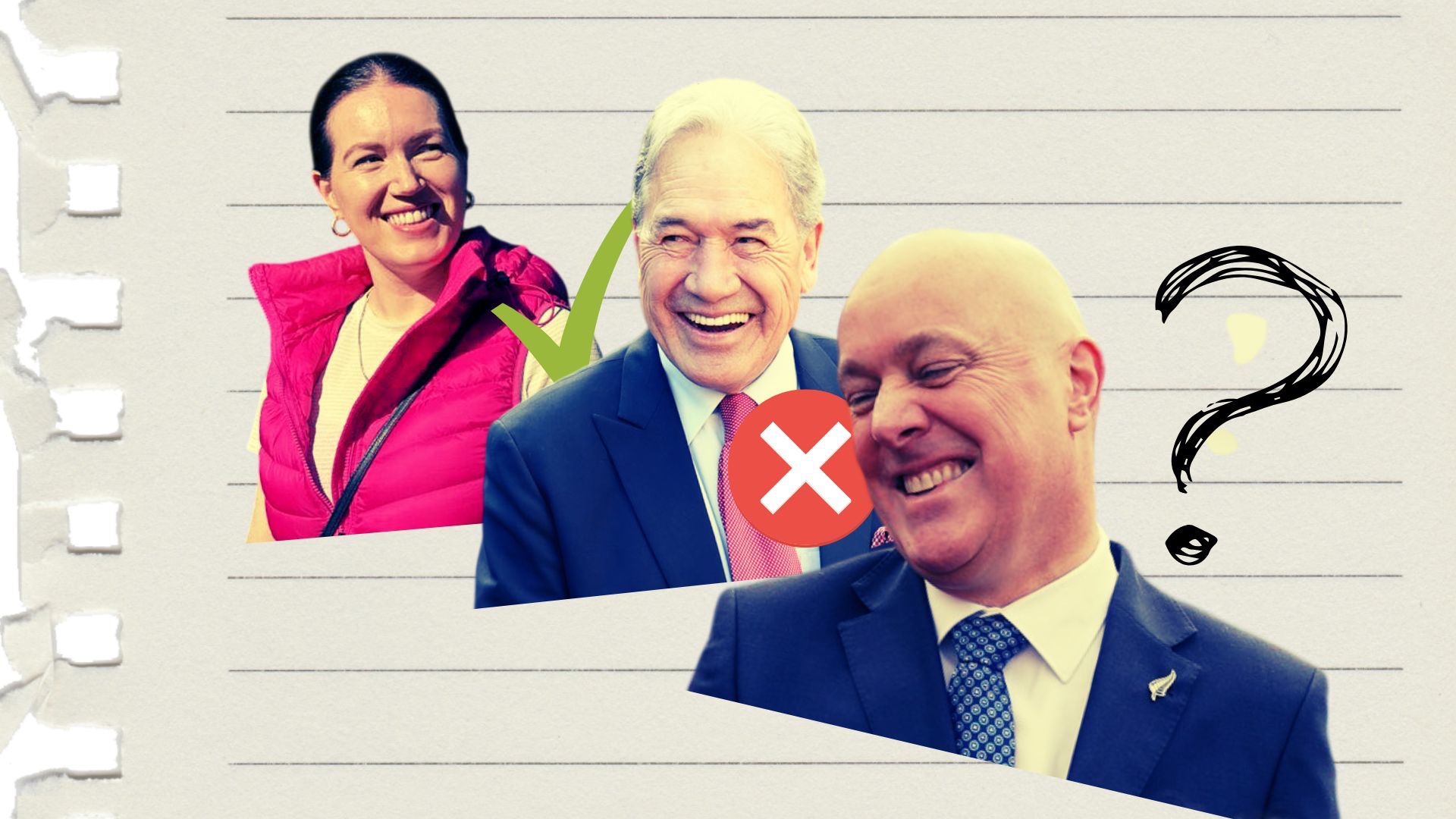
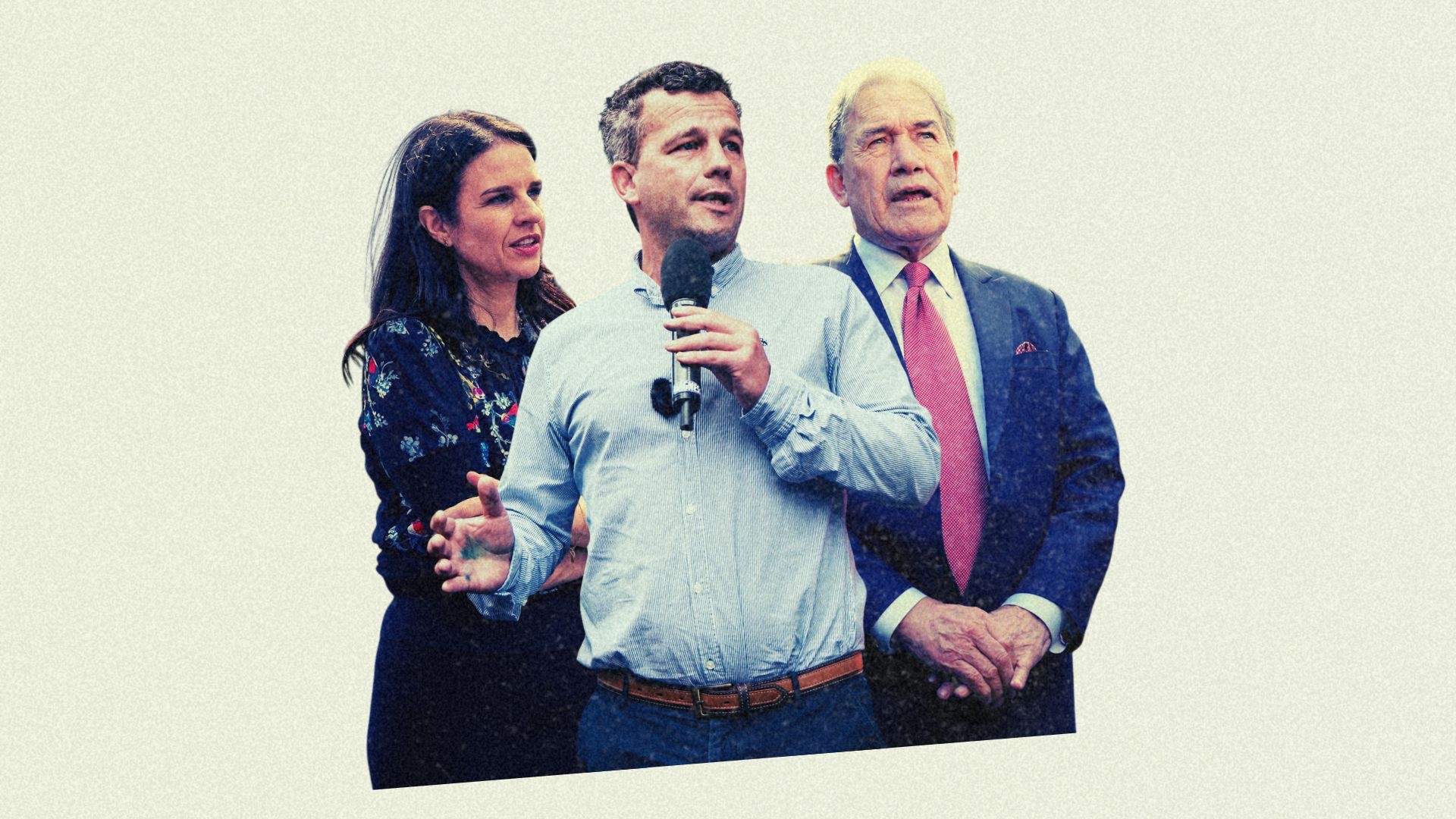
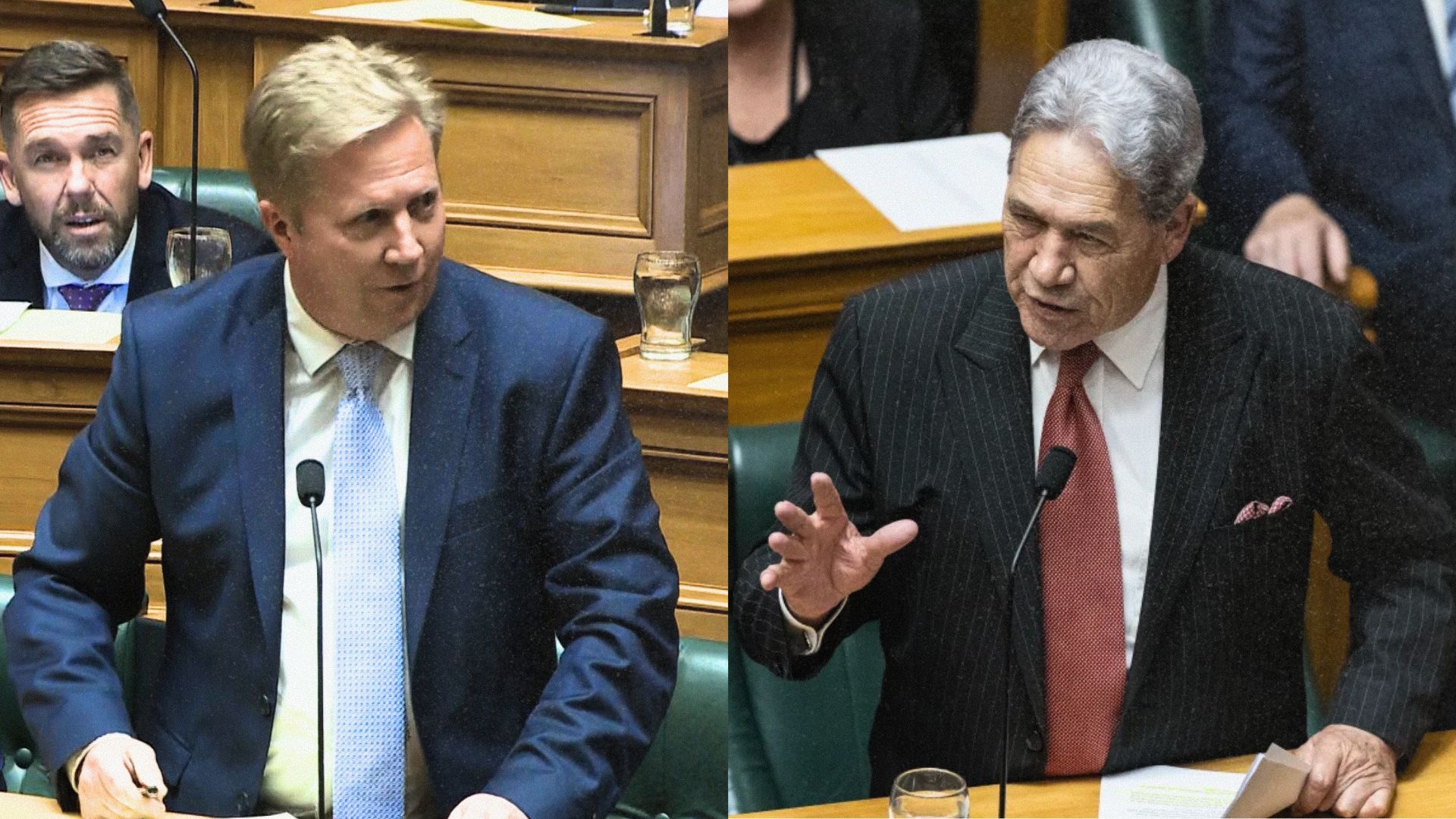
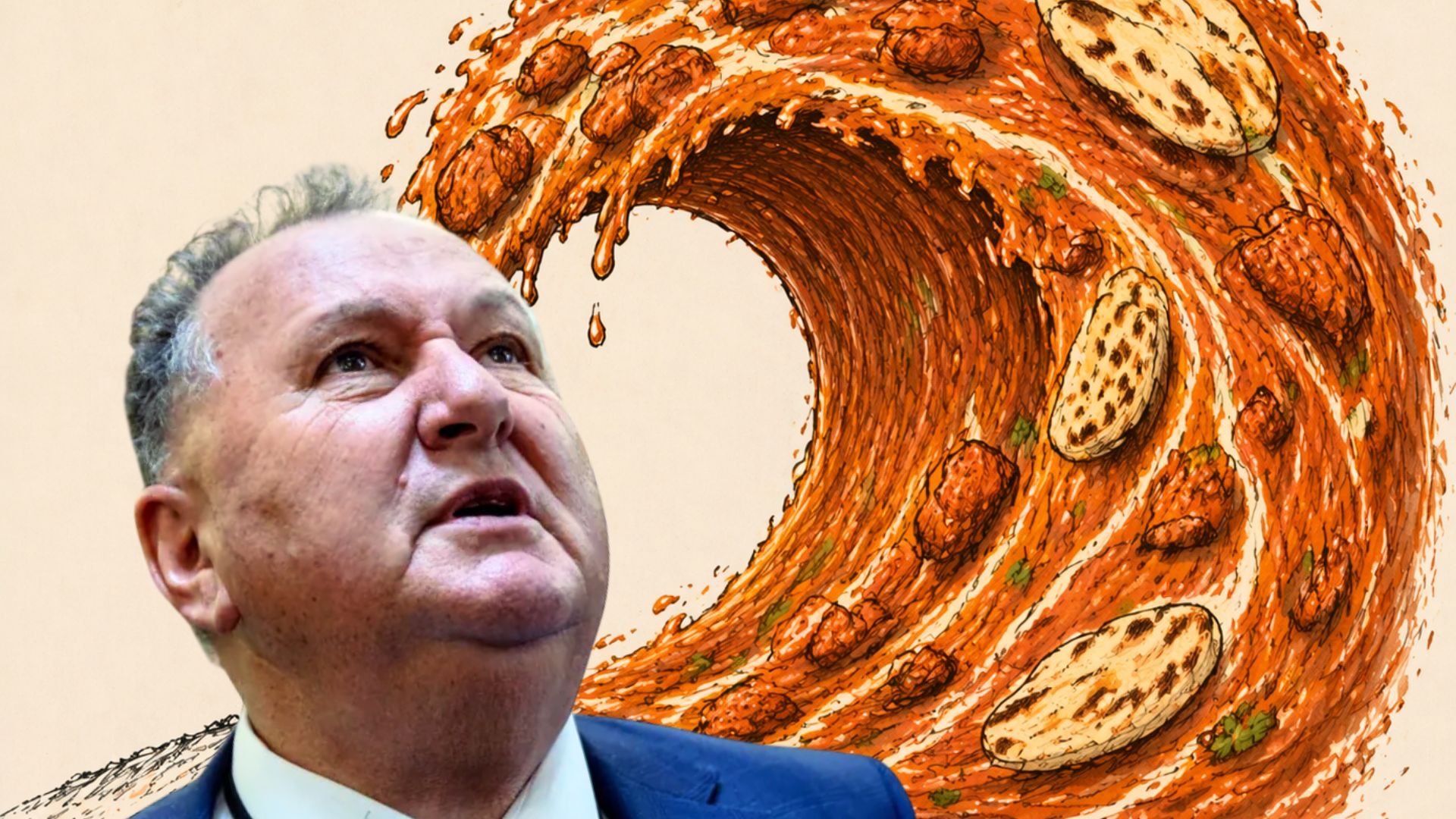
National needs Labour's support as coalition partner NZ First isn't supporting the deal, mainly because it says the deal needlessly encourages migration from India.
Hipkins says he is naturally inclined towards upholding the bipartisan support that has historically been accorded to such trade deals. But before he can commit, he wants clarifications over issues like foreign investment, and labour and student mobility the deal offers.
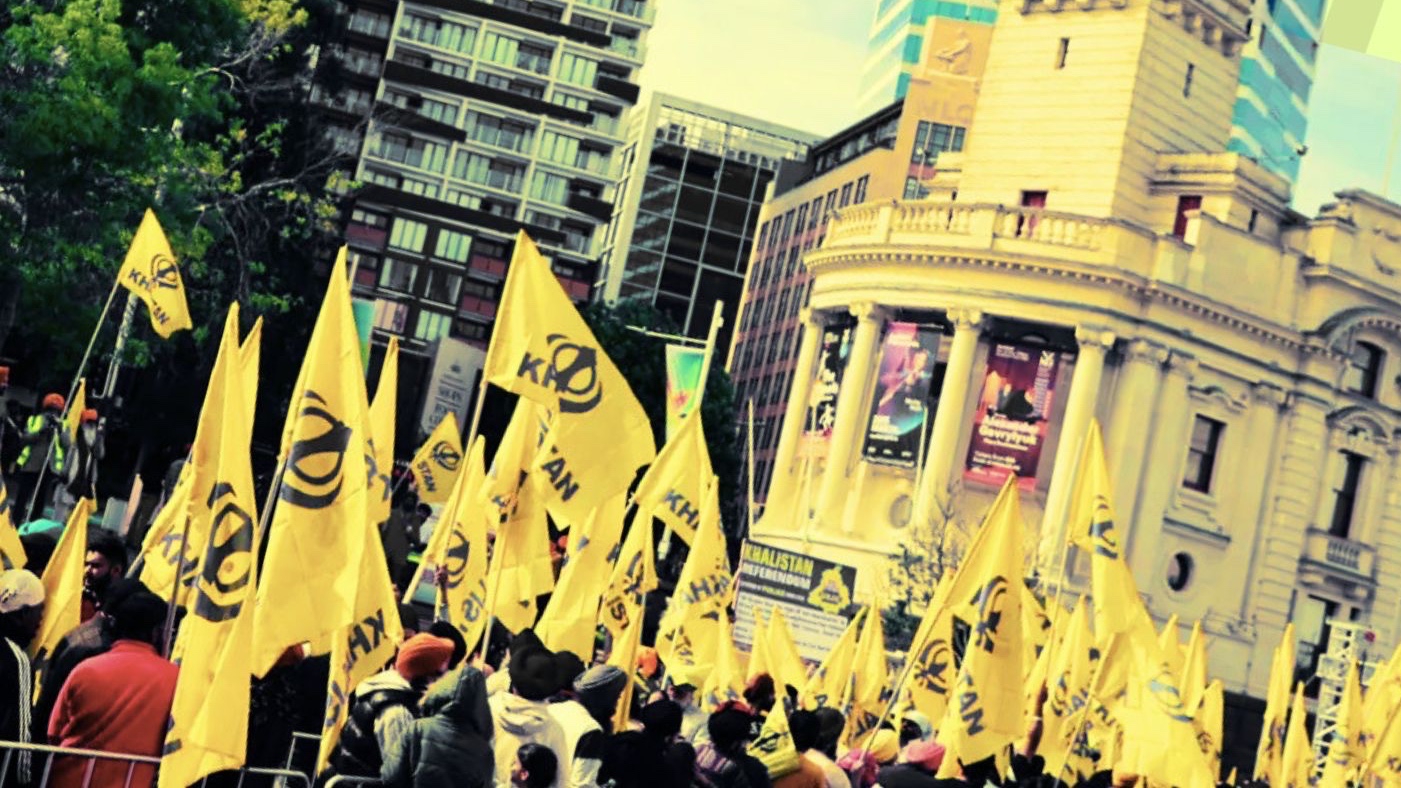
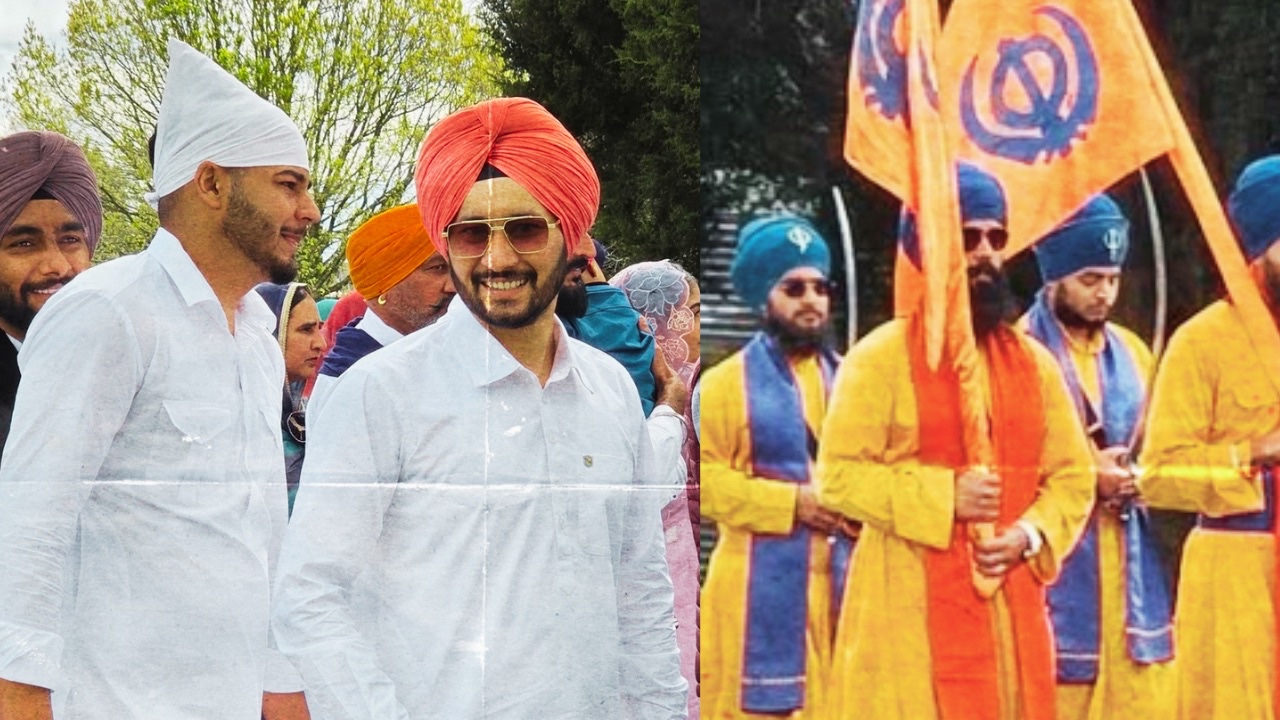
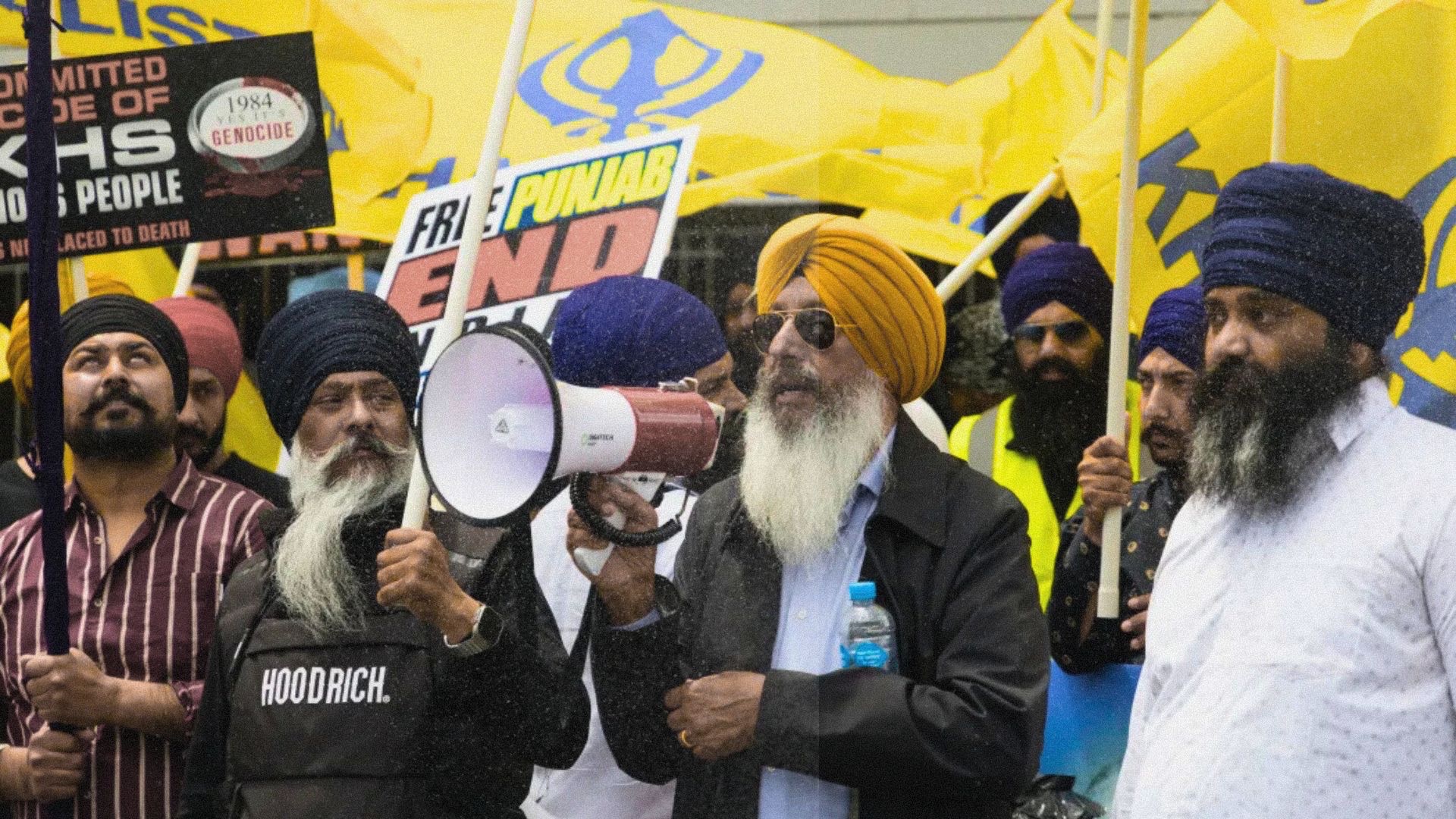
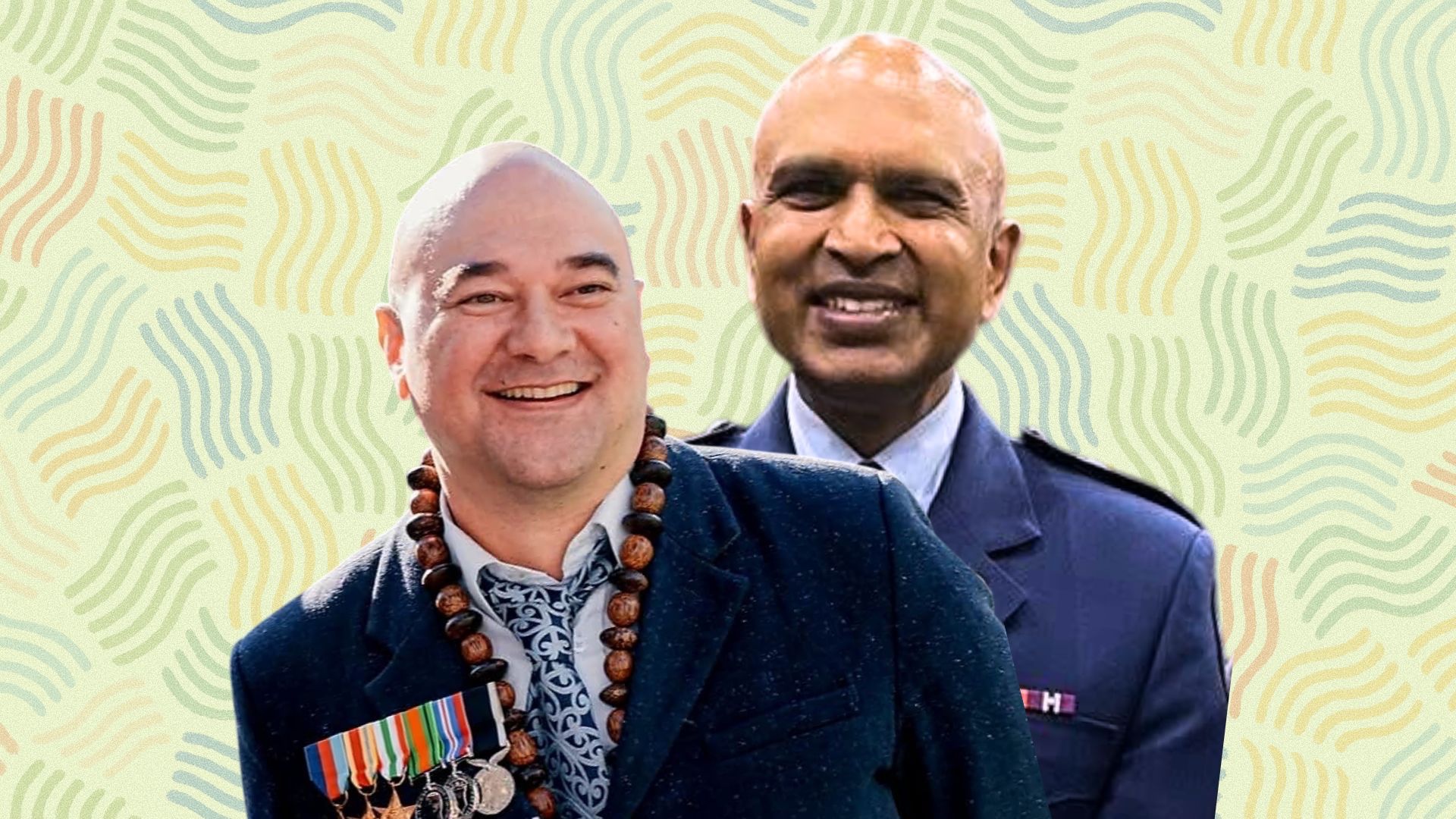
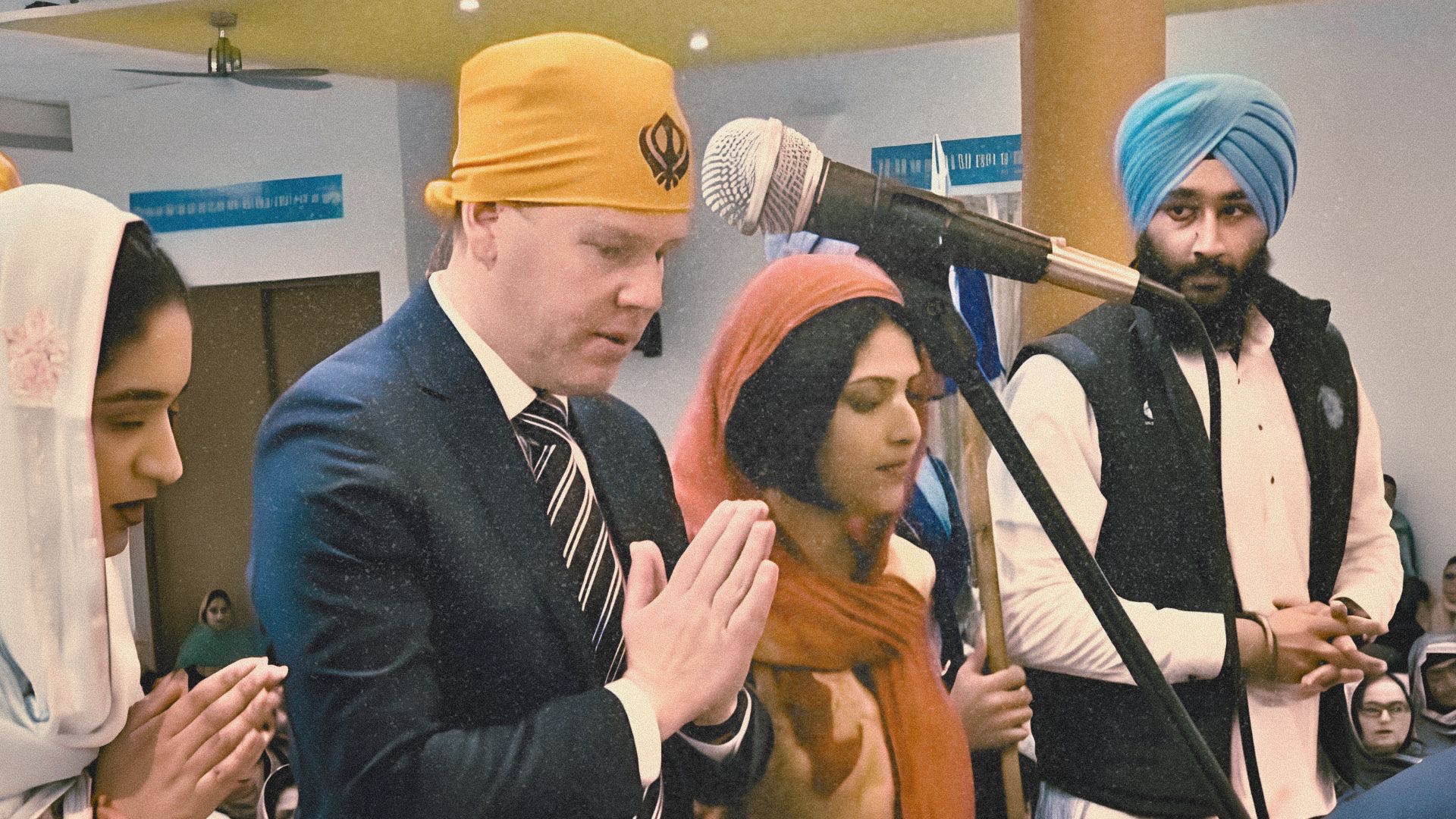
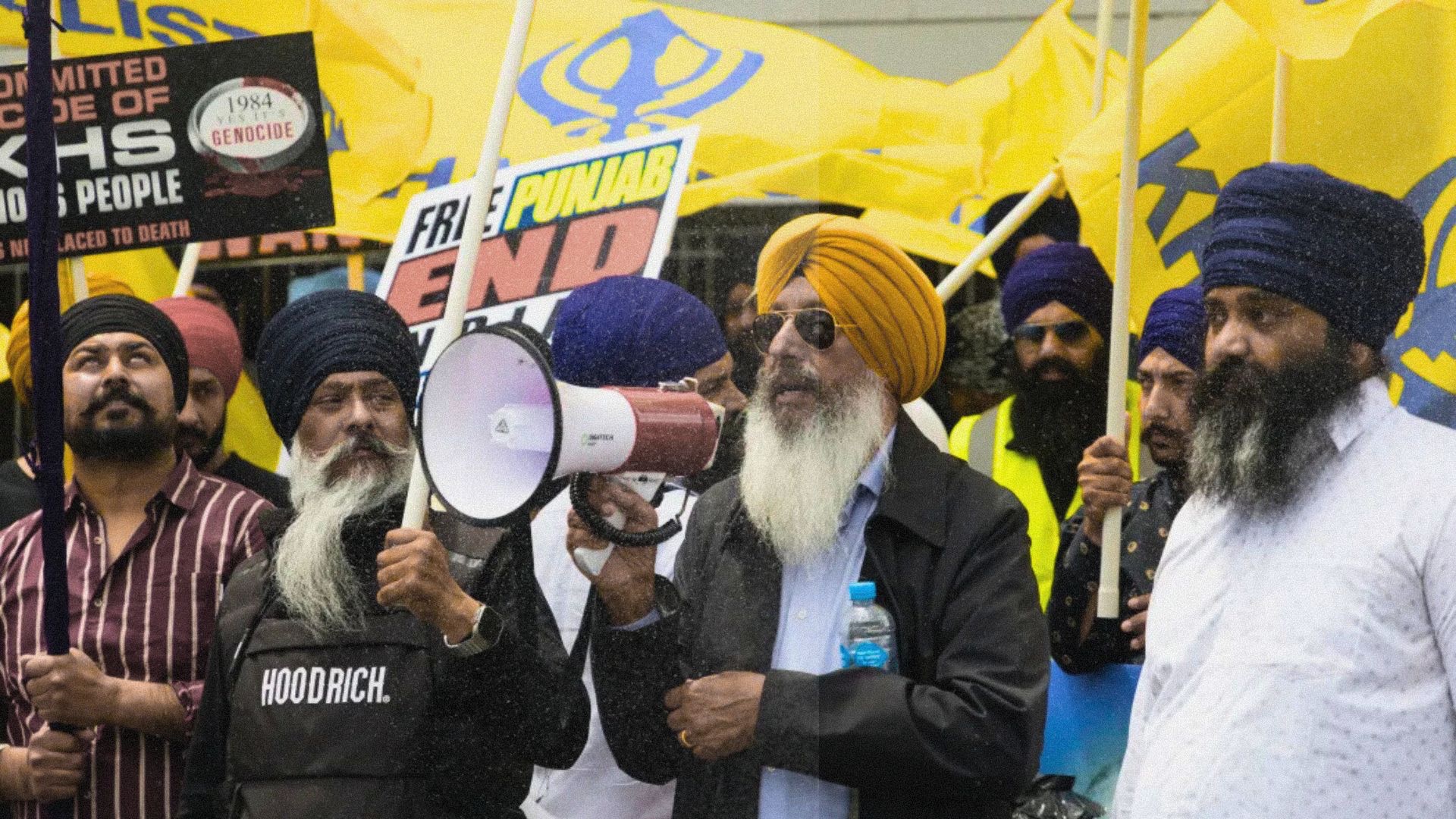
Truant student may have to curb Khalistan speech in India but will be deported, NZ tribunal rules The 21-year-old's education provider terminated his enrollment within a year because of poor attendance.
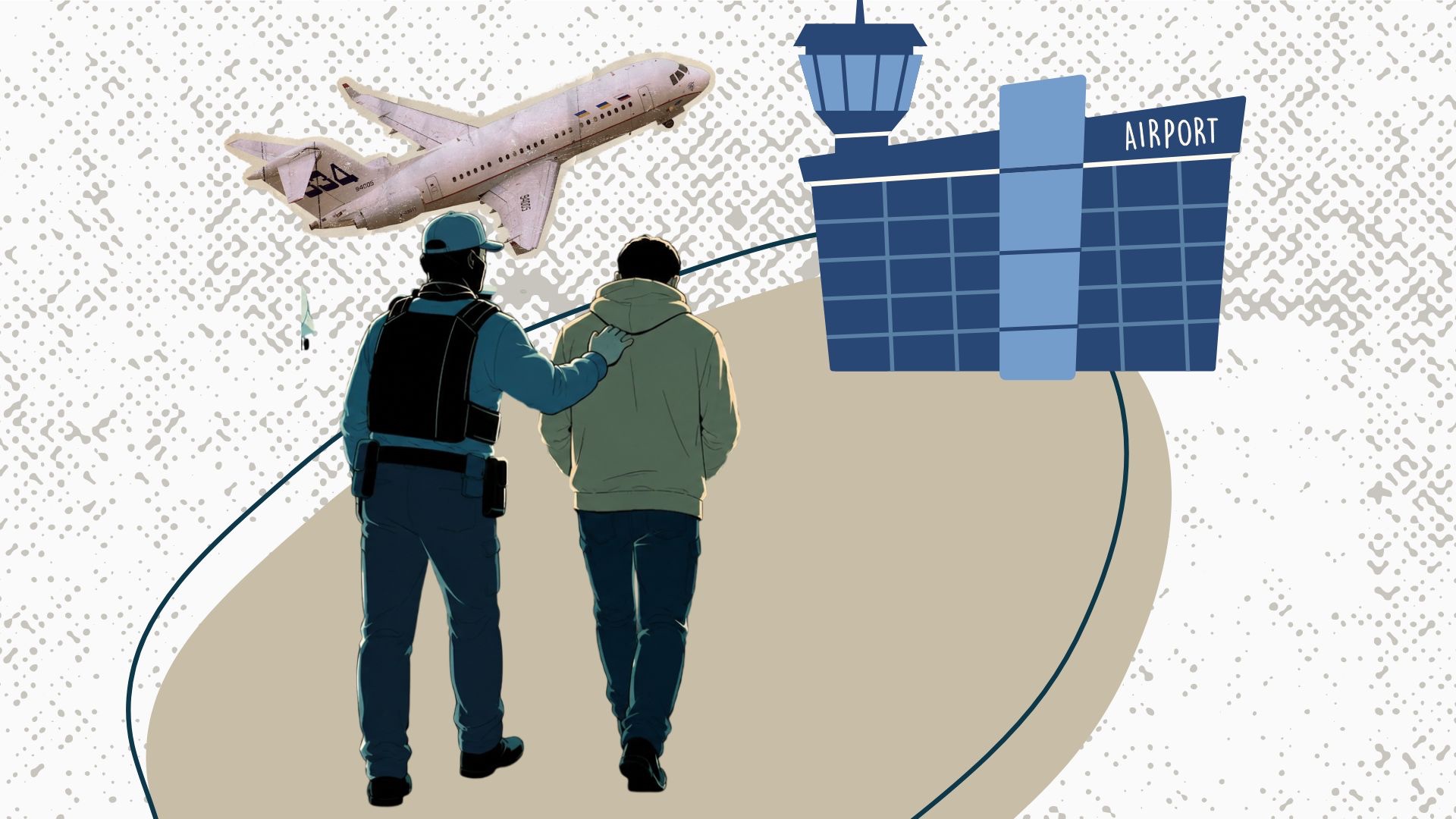
New Zealand-trained Indian pilot hailed for saving 174 people in Flydubai suspected crash bid Smit Machchhar trained with Mainland Air in Dunedin for about 18 months between 2008 and 2009.
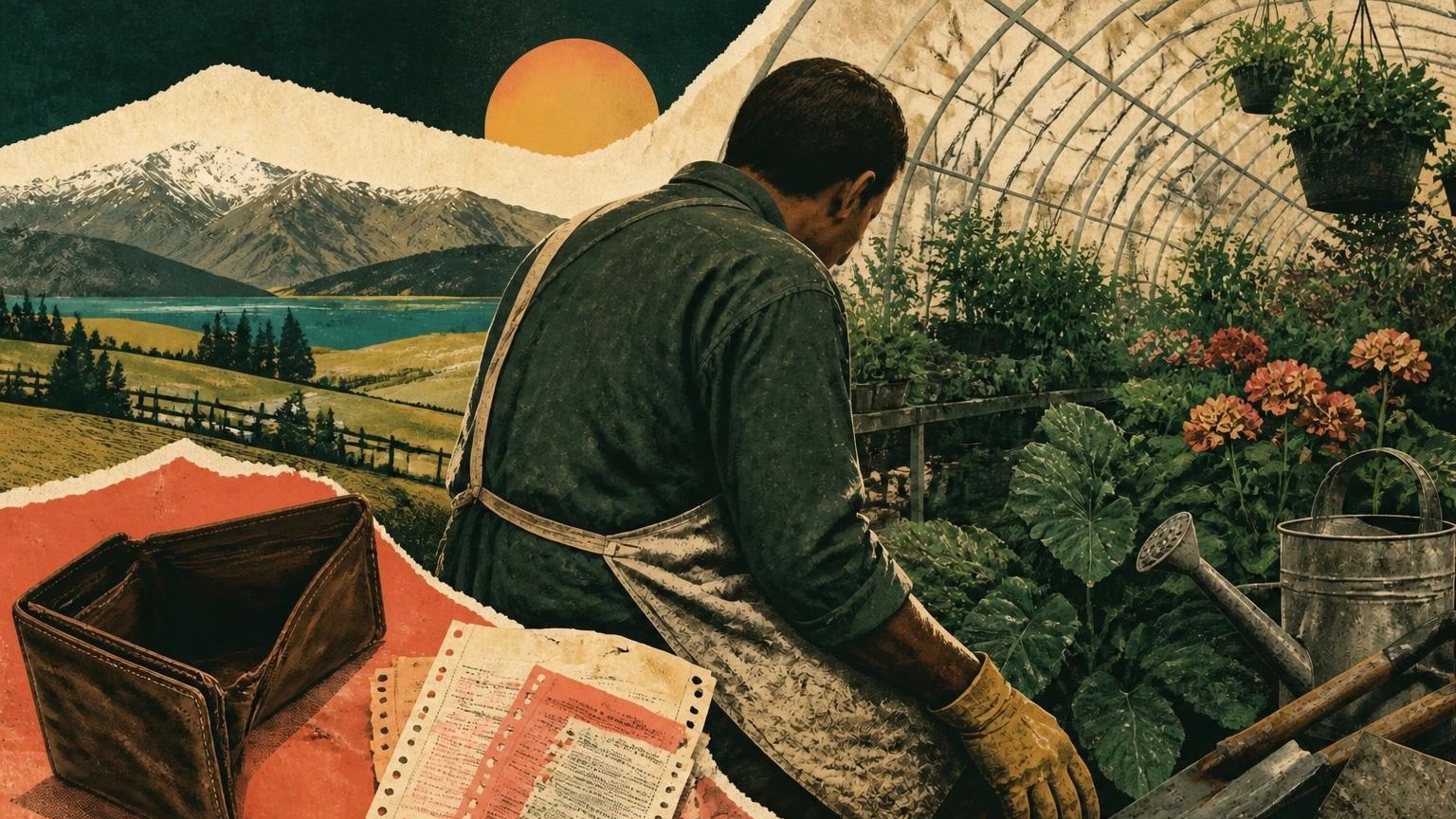
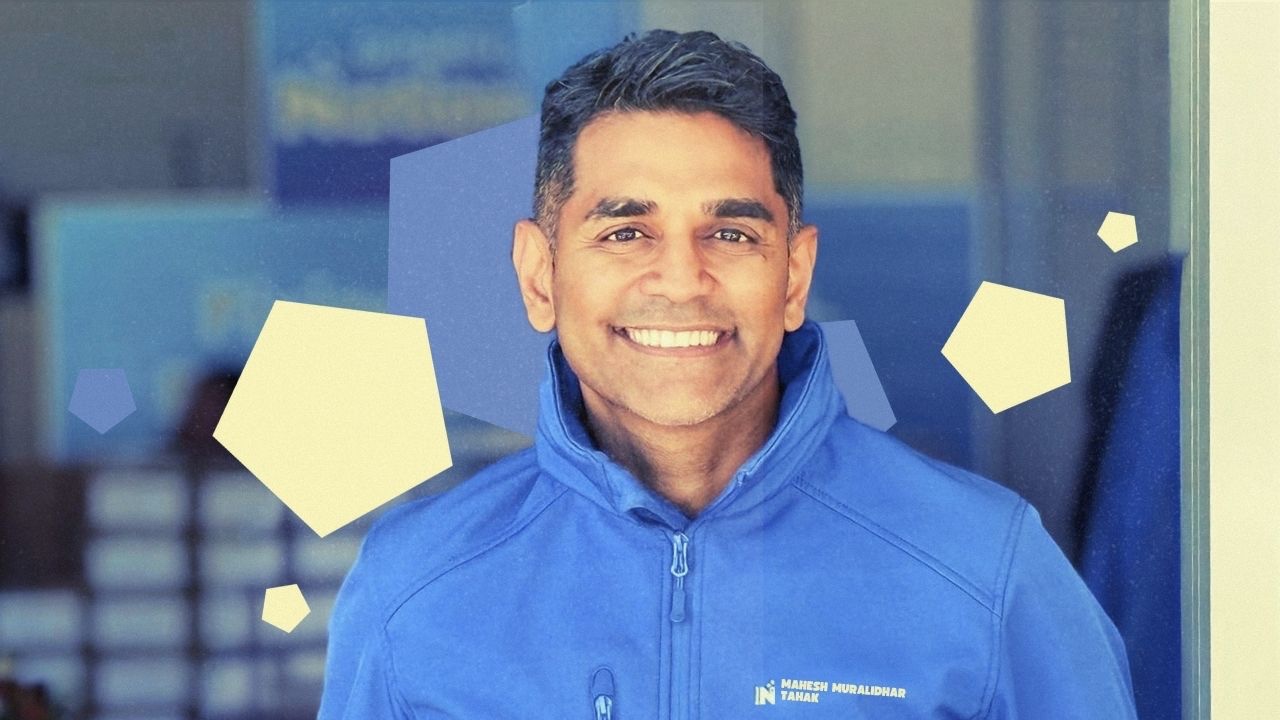
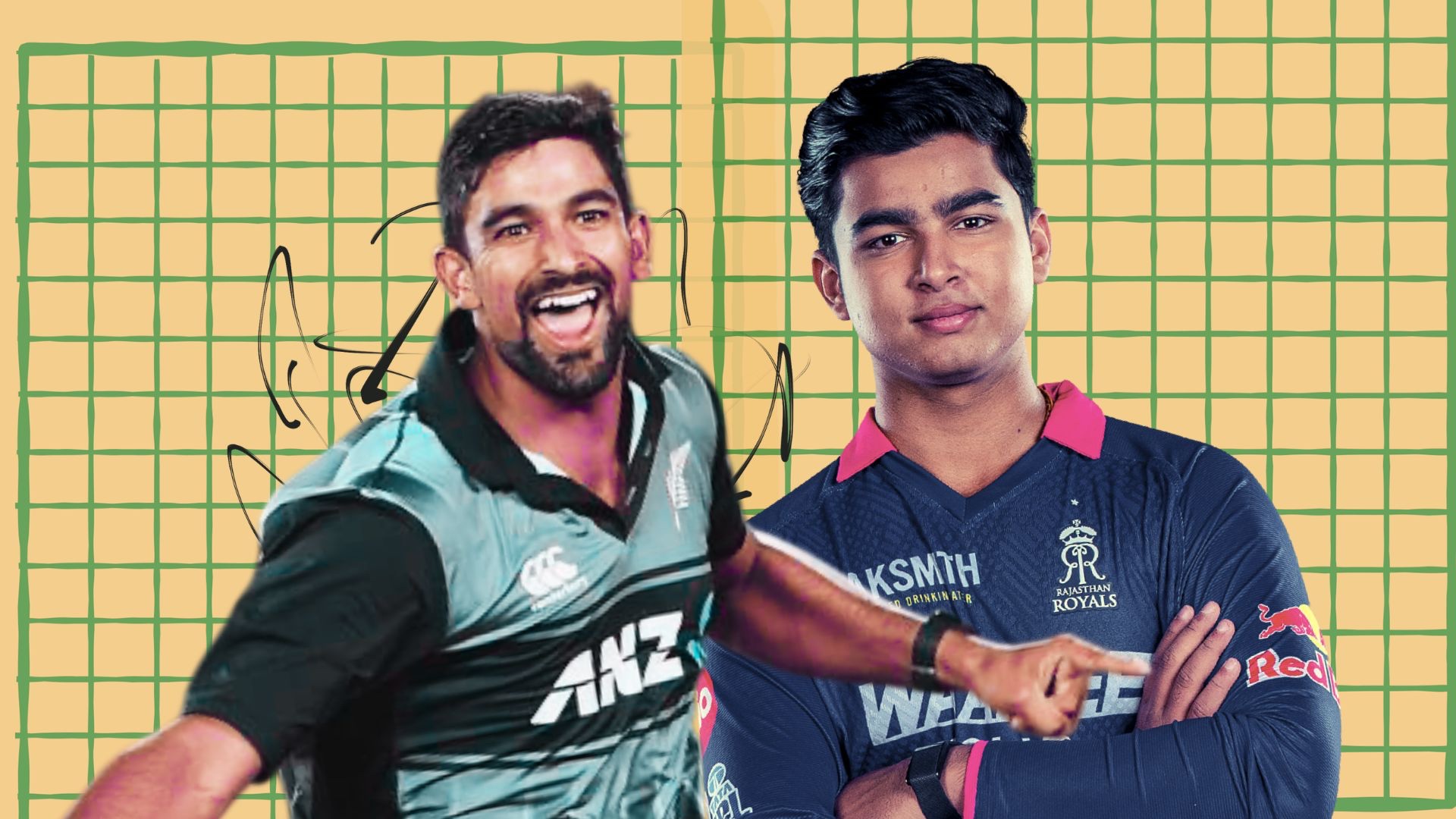
54 hours worked, 26 hours paid: Indian migrant wins $60,000 from Auckland employer The man's additional claim that he paid unlawful premiums to procure the visa didn't hold up in the employment tribunal.
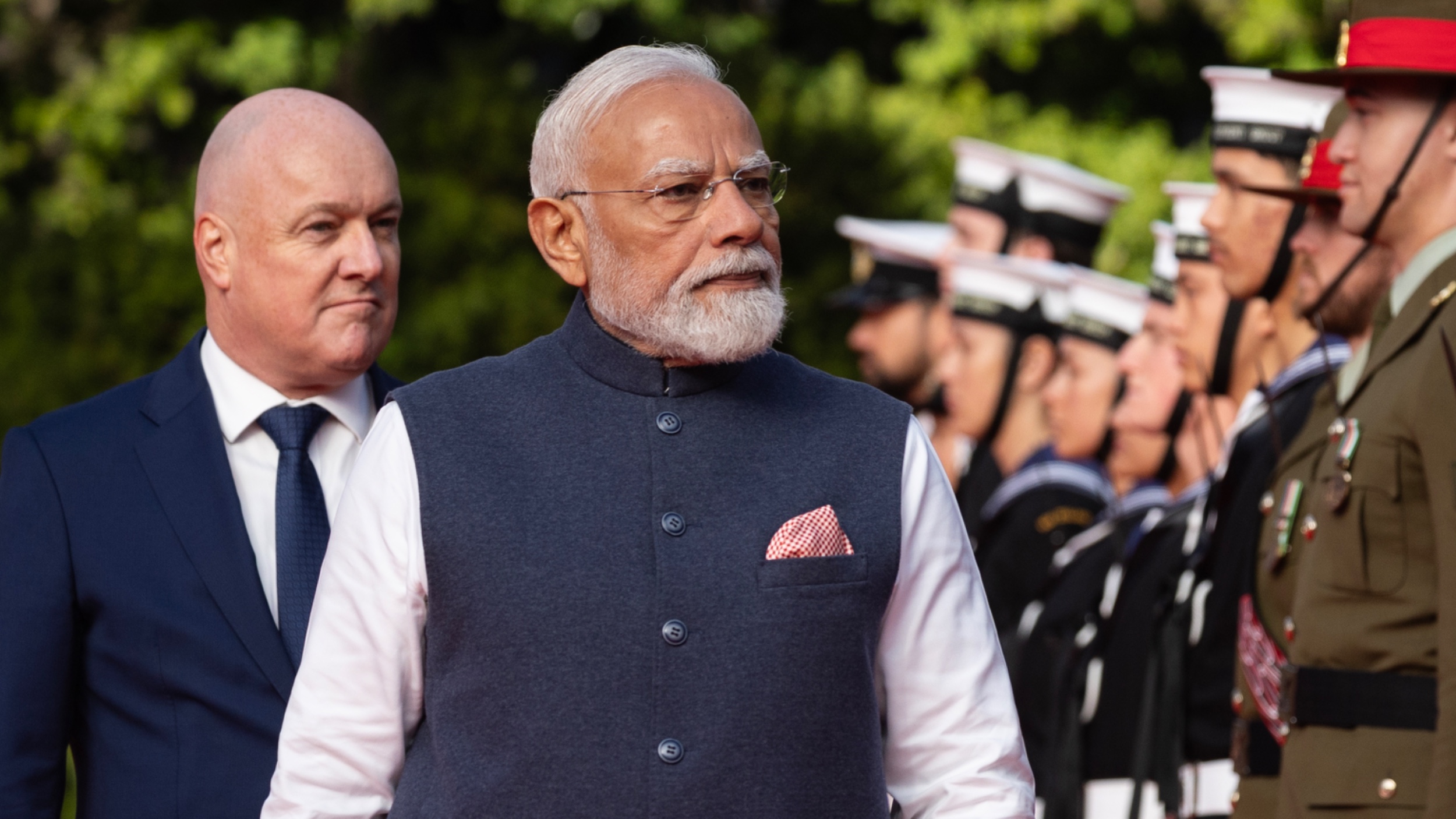
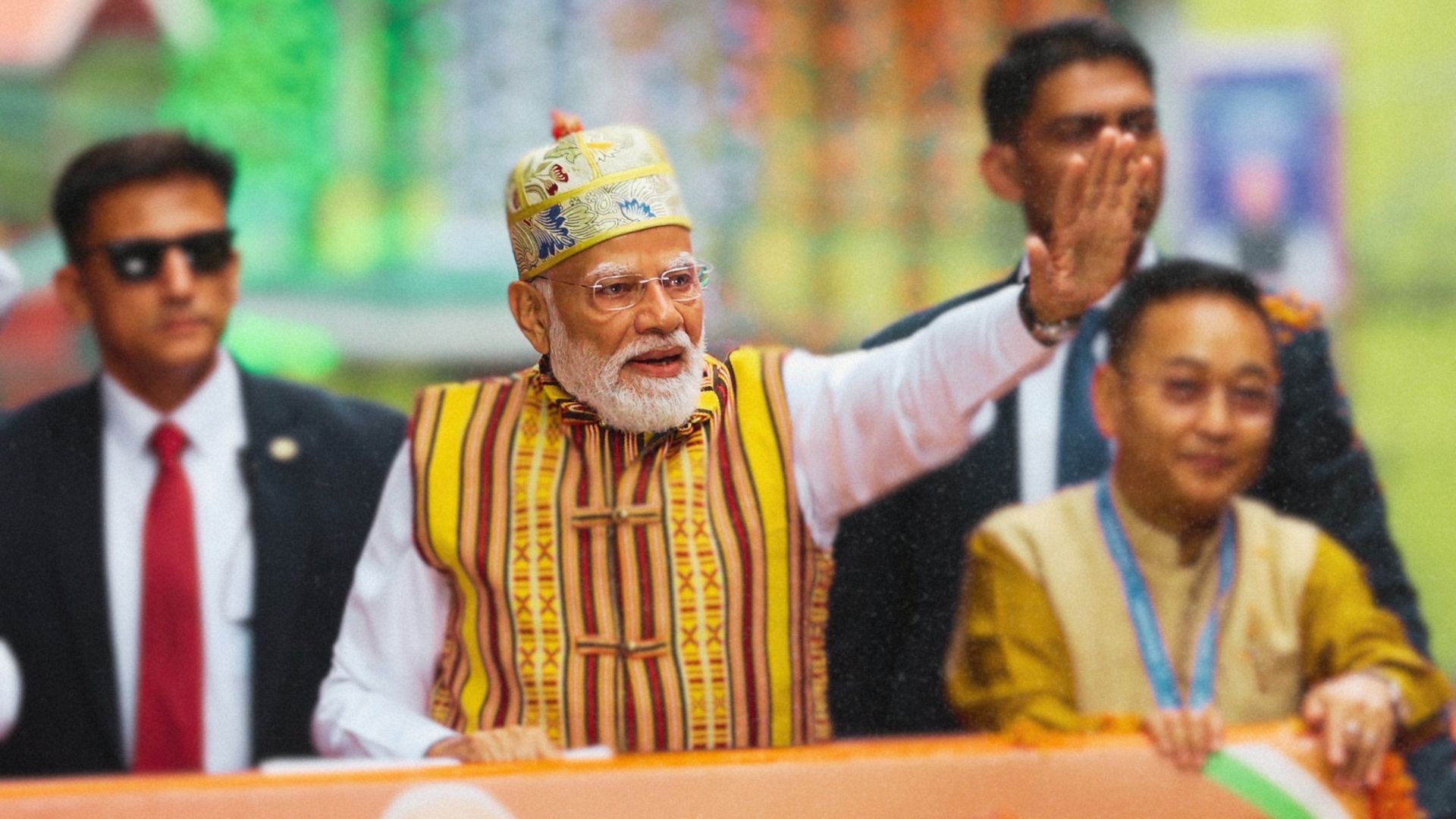
That's where we're at, as of today. And that would have been all well if the Indian government hadn't gone public, on March 29, with news that Luxon's government is preparing to host Modi in July.
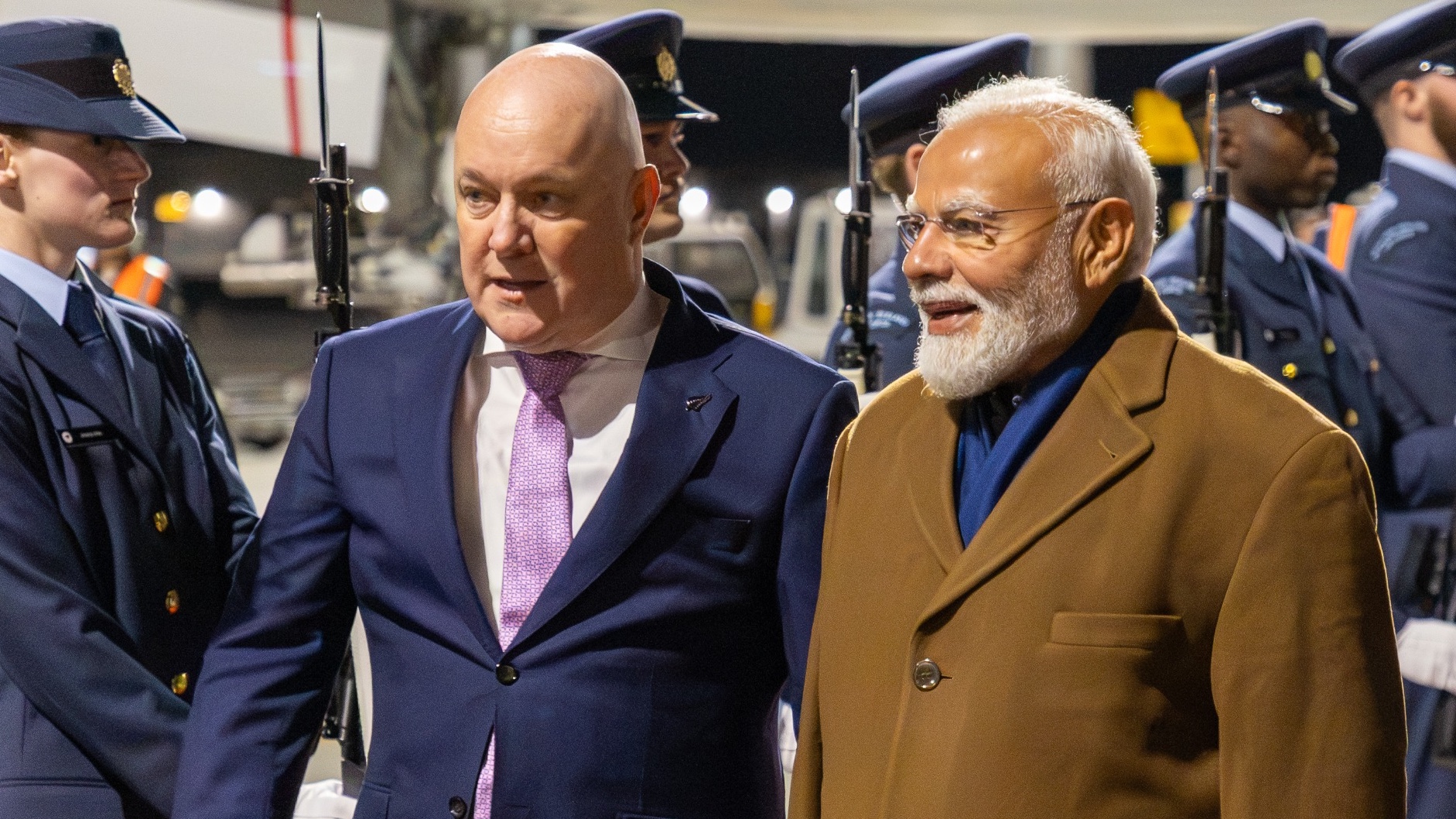
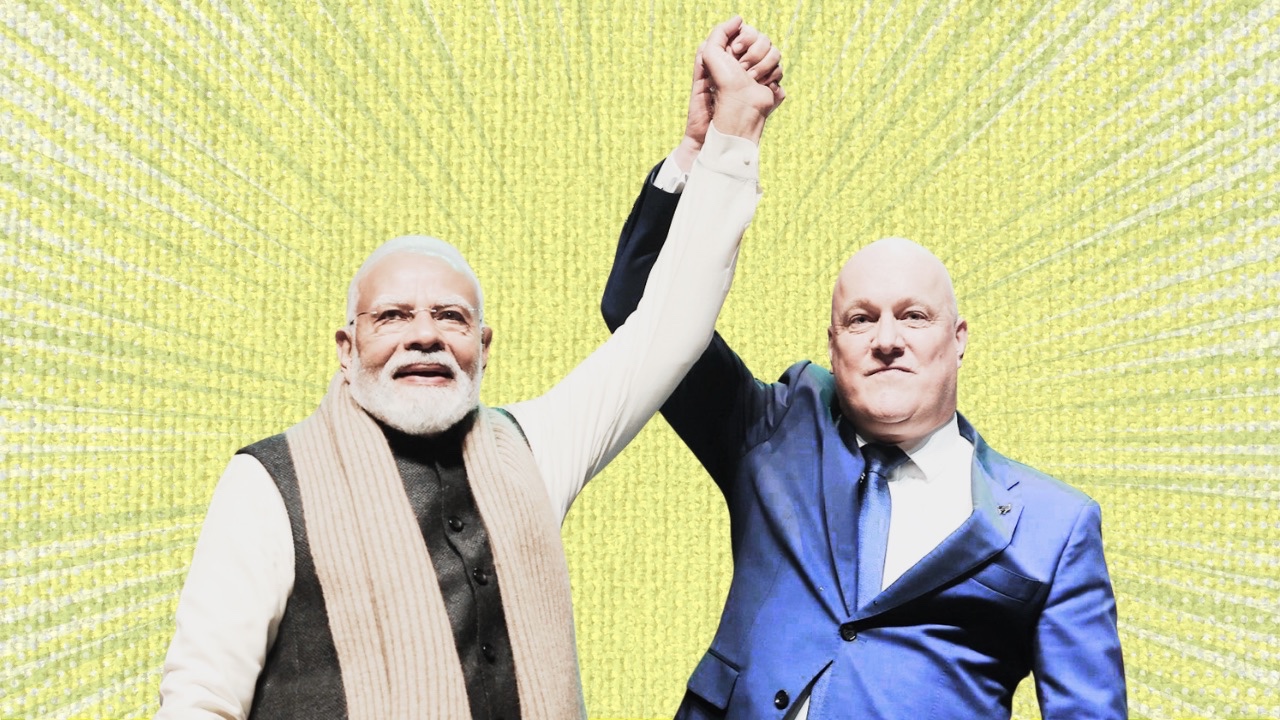
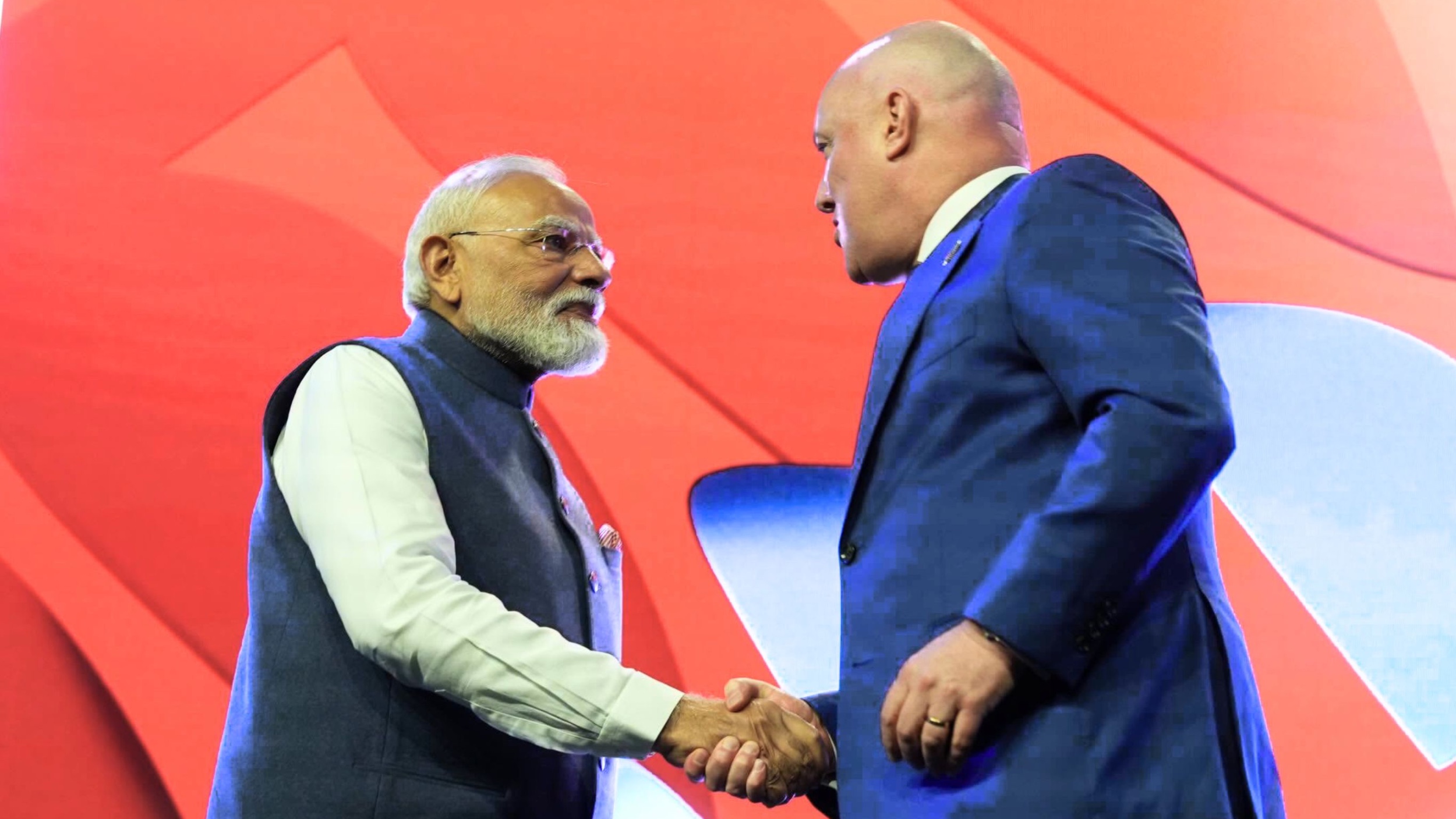
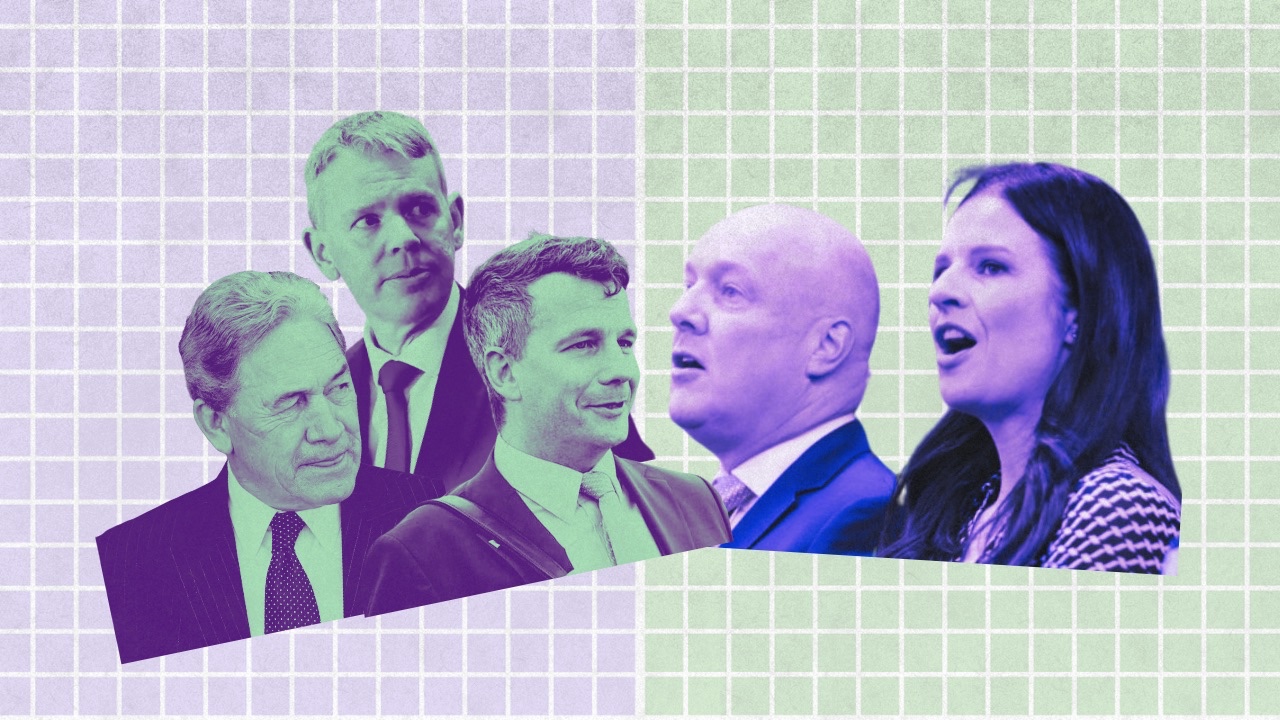
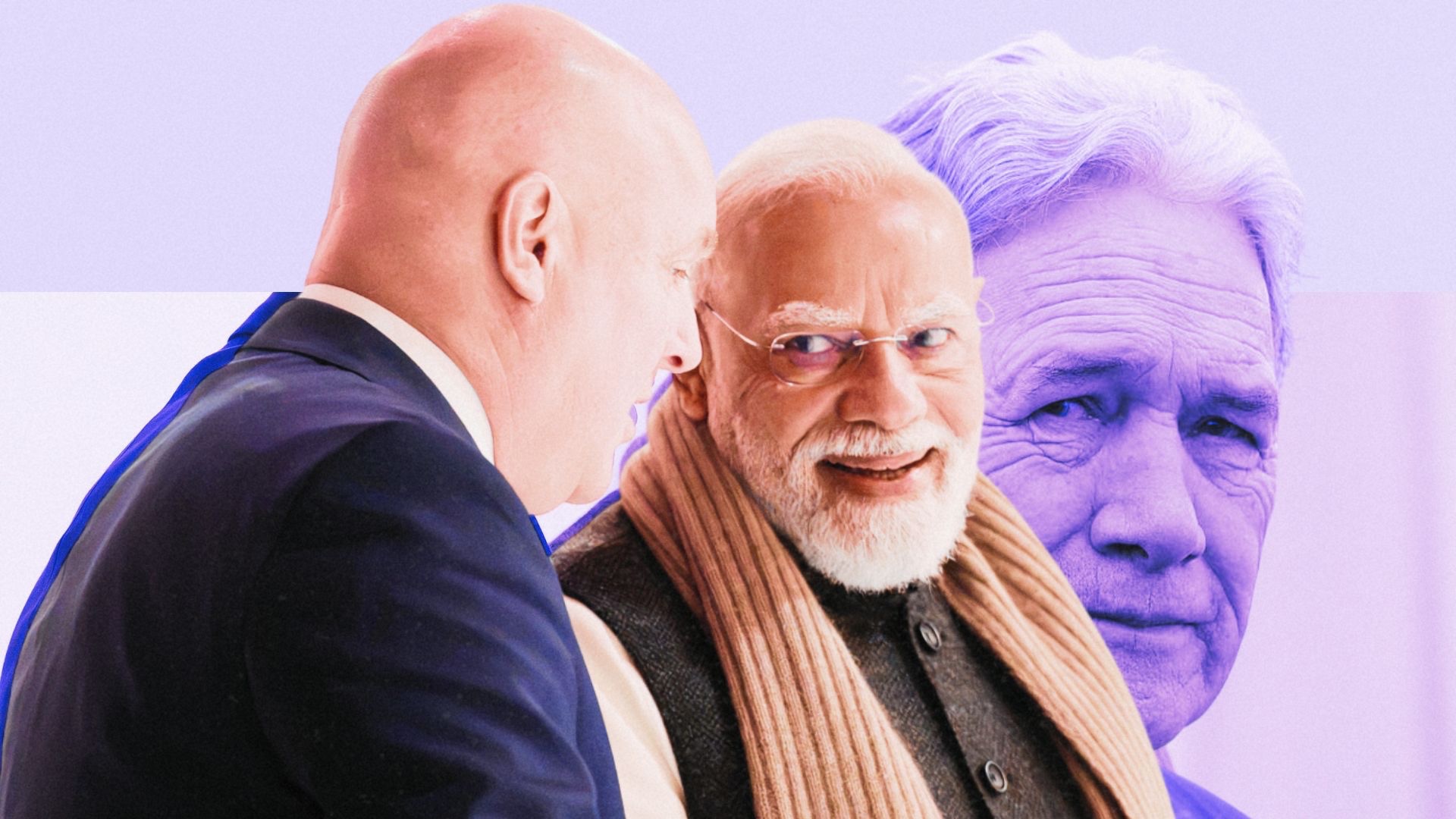
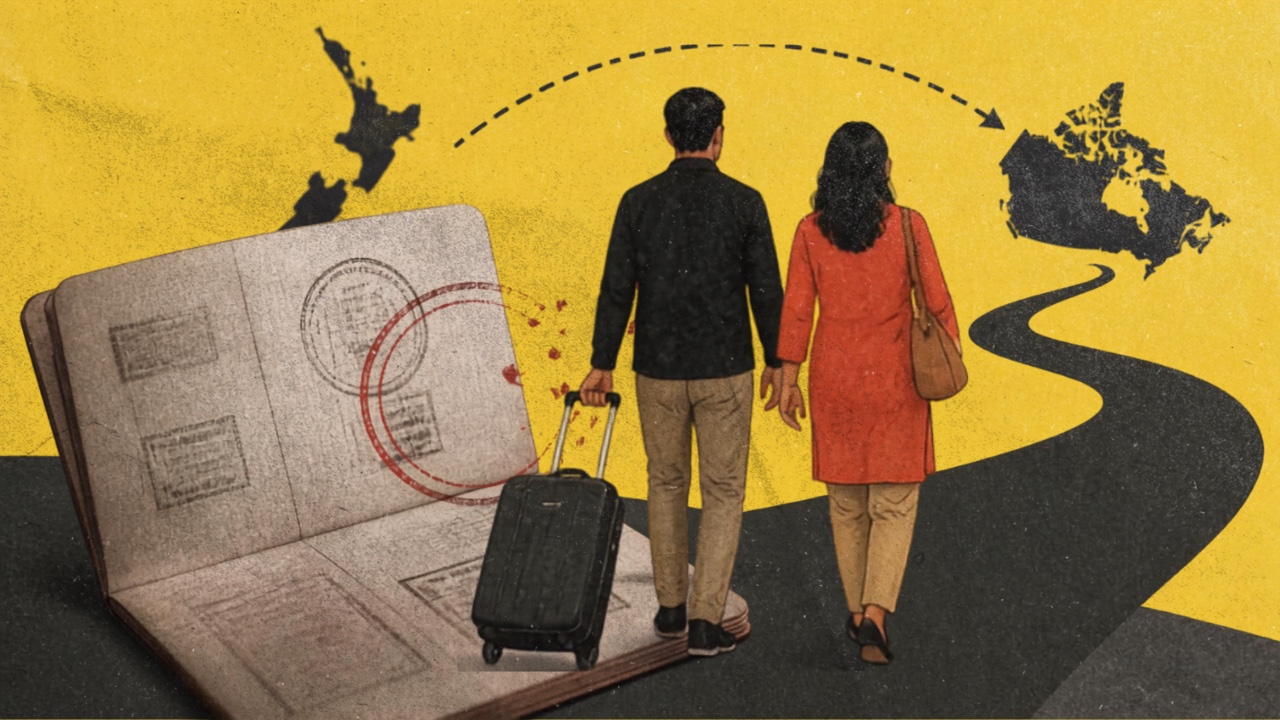
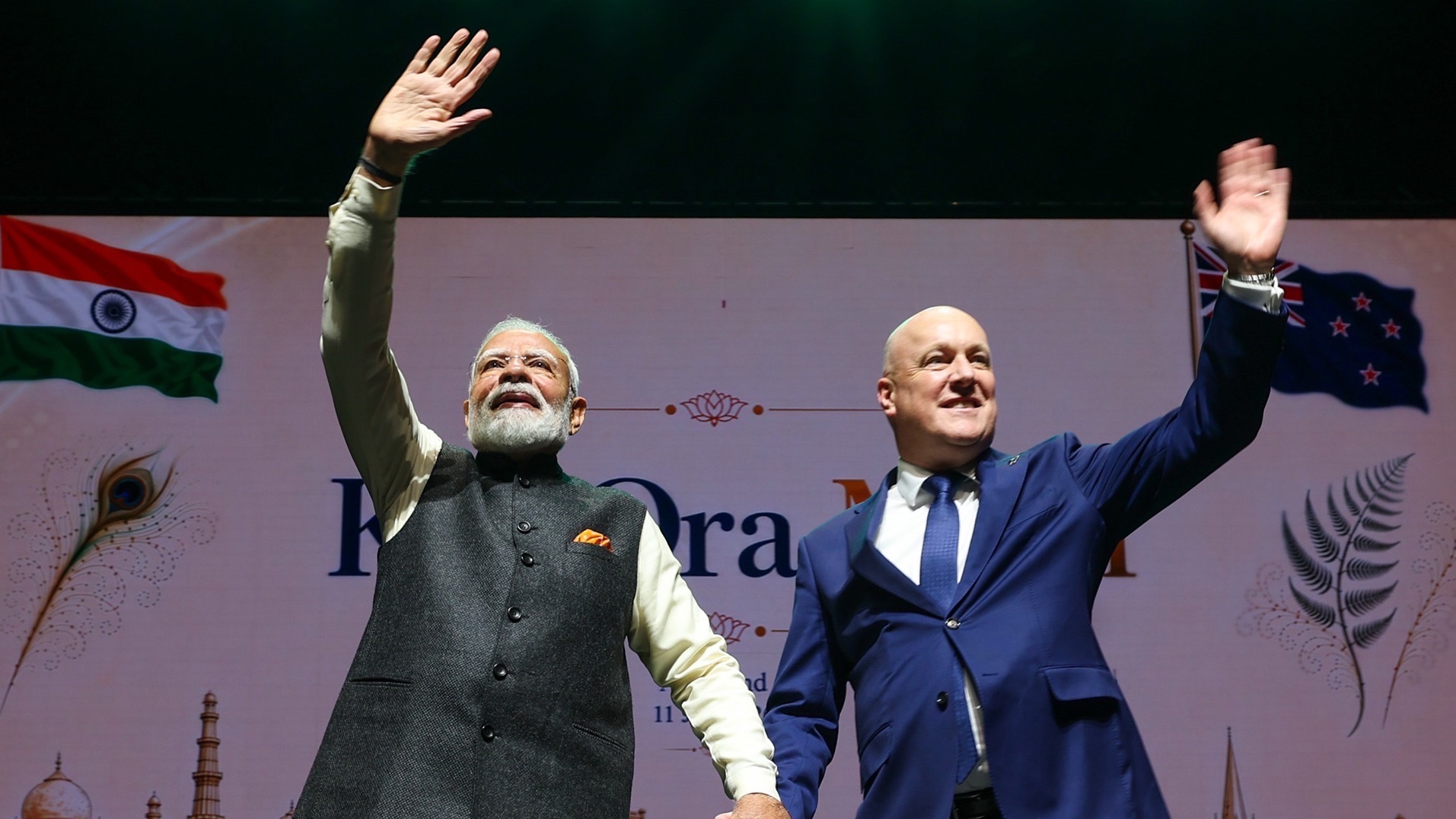
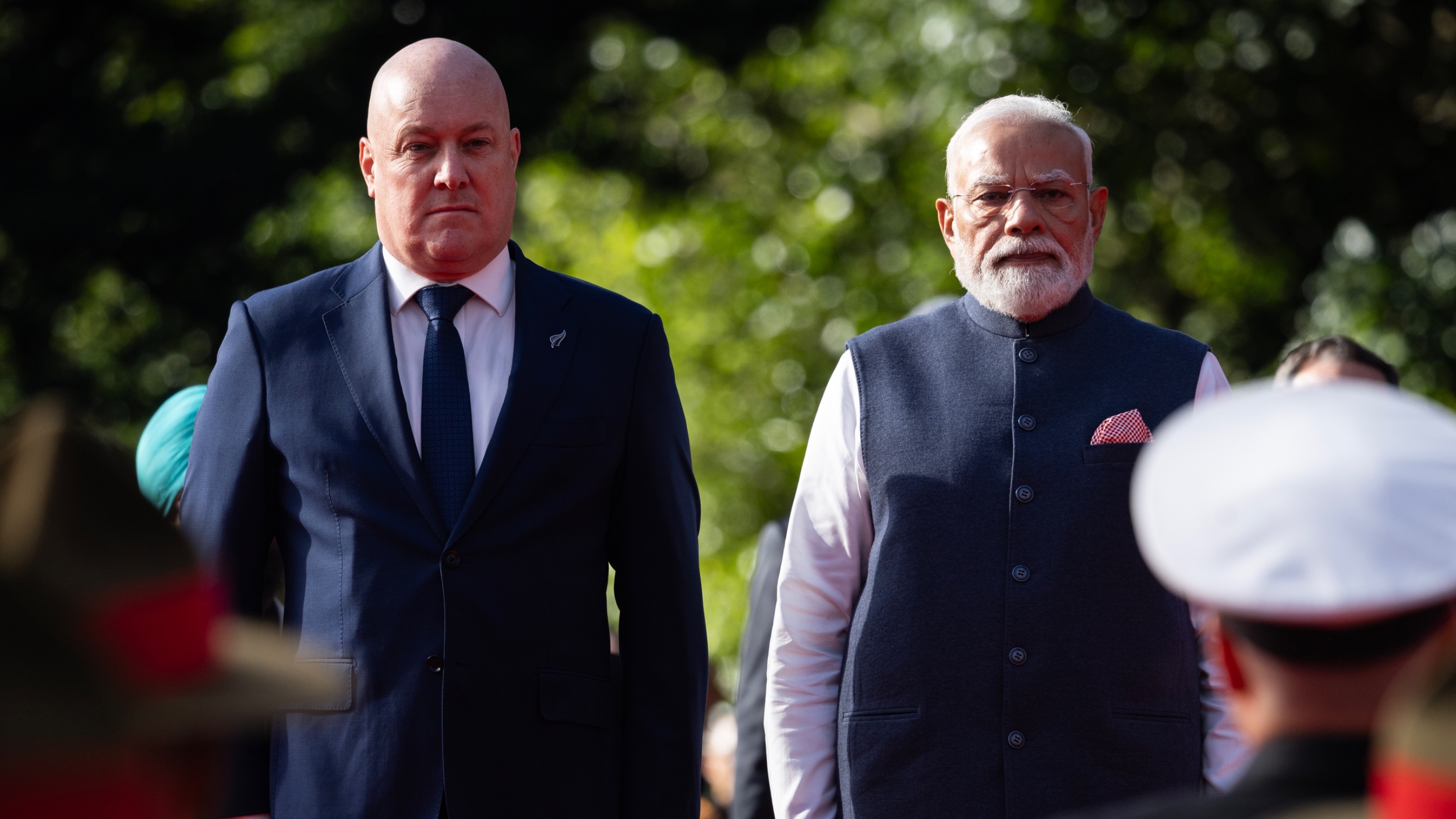
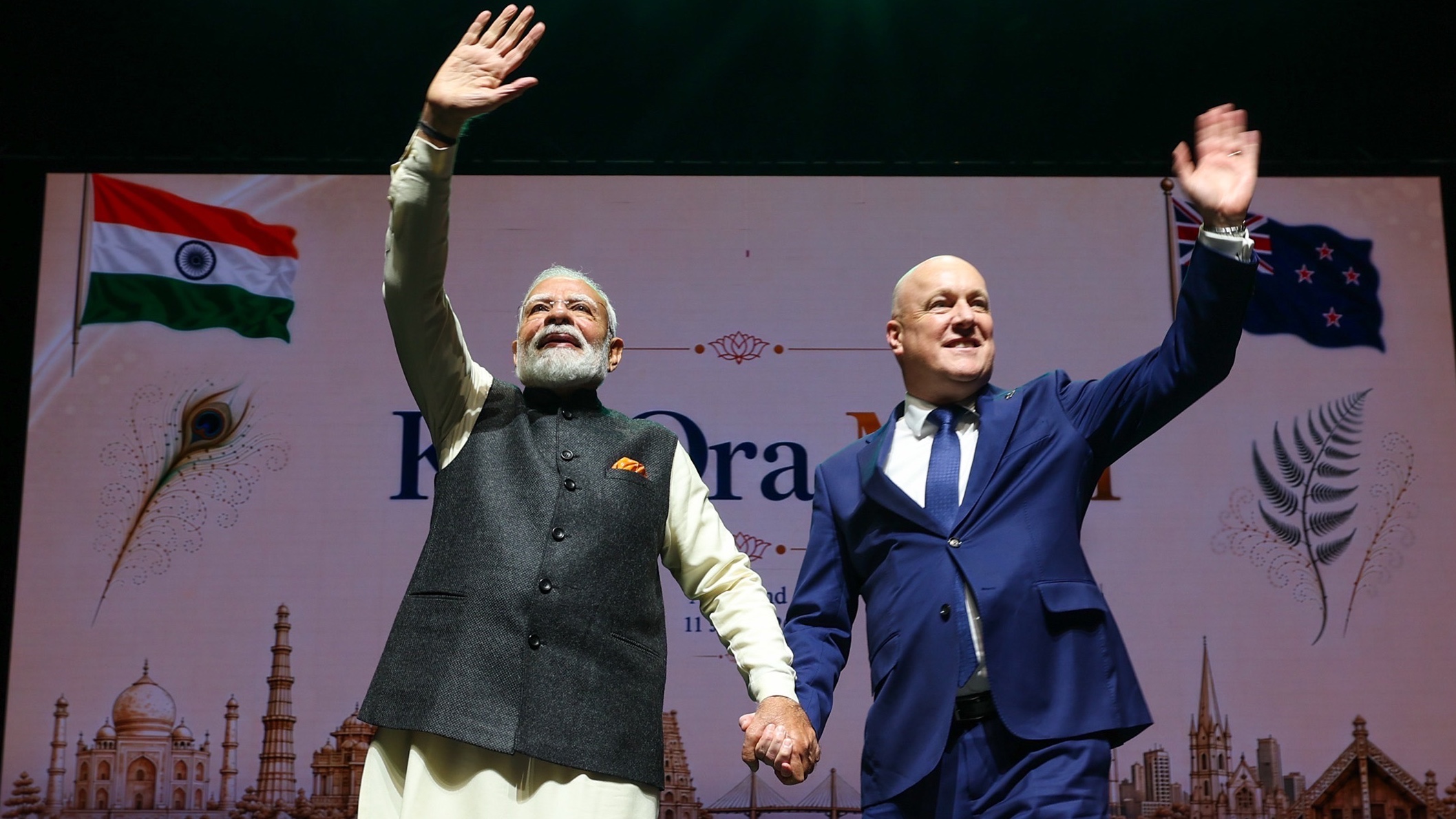
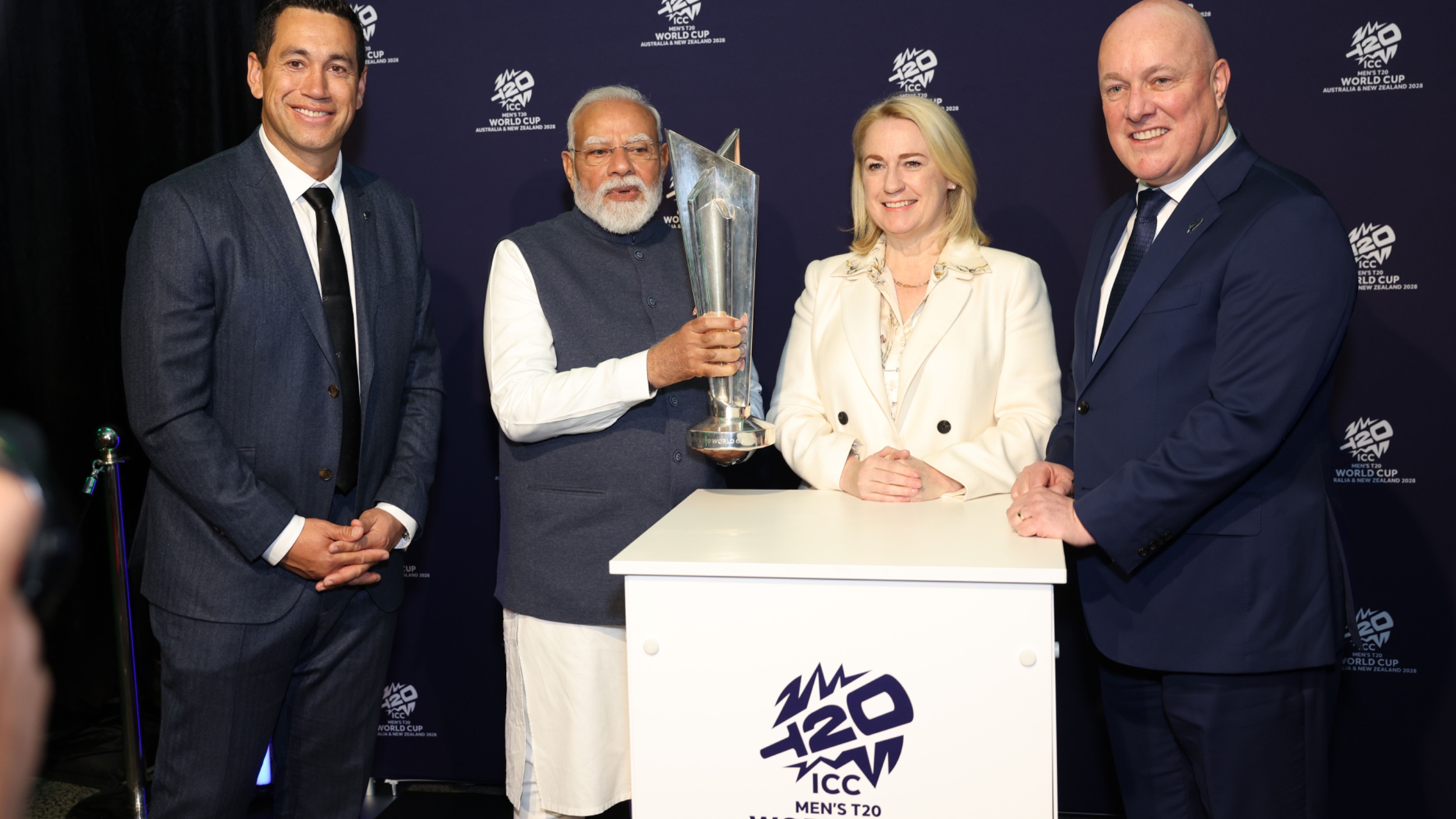
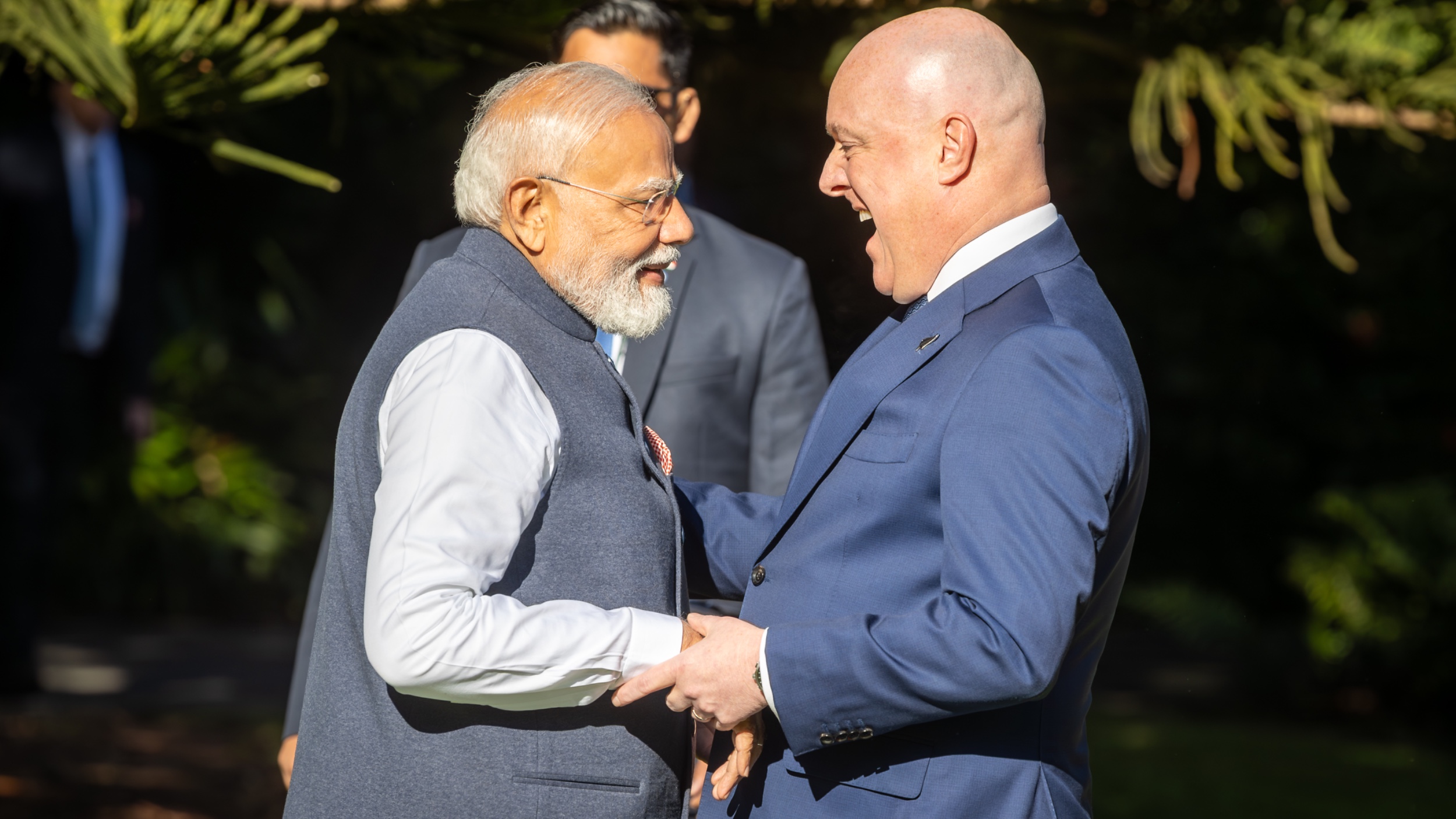
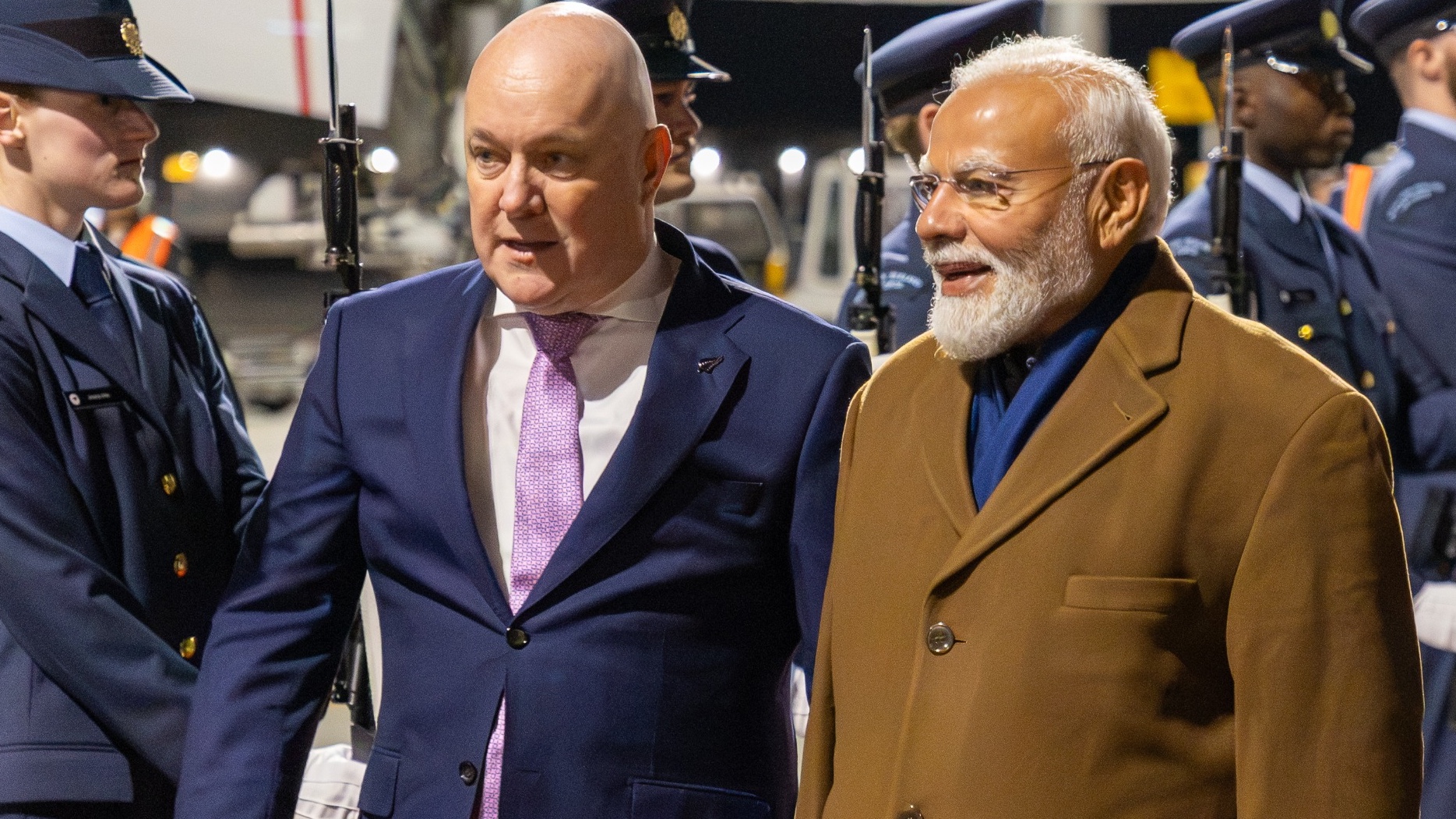
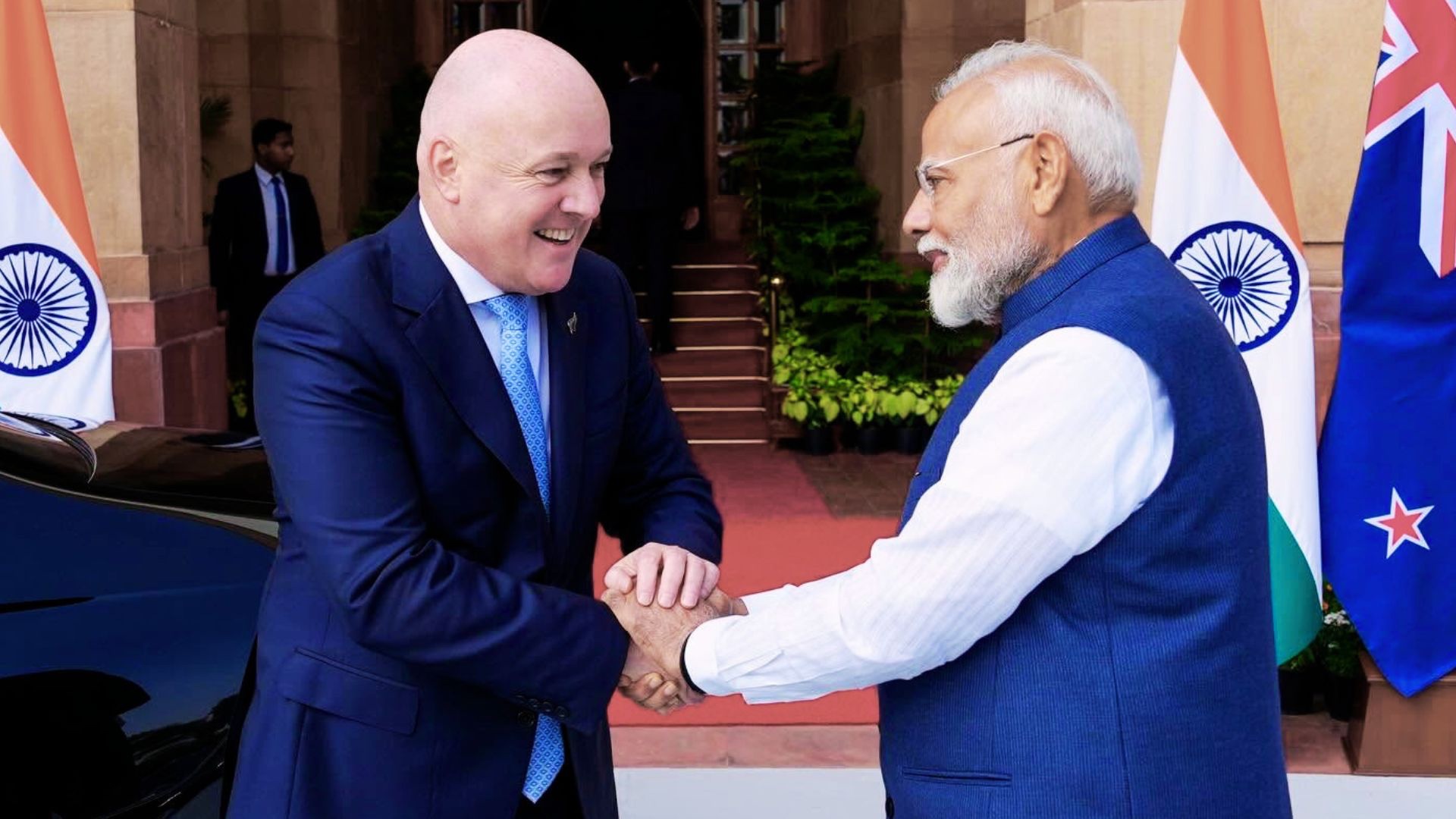
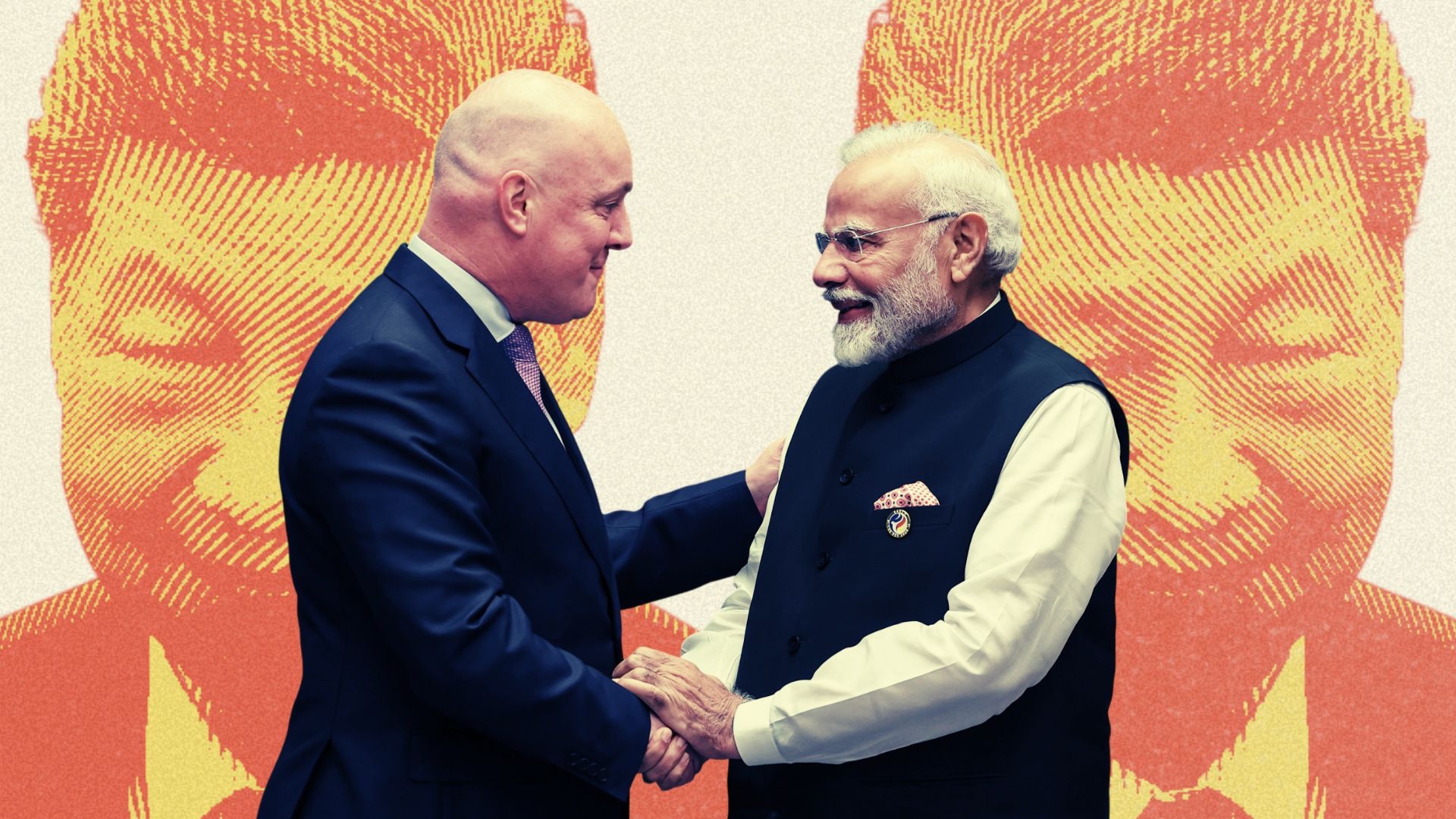
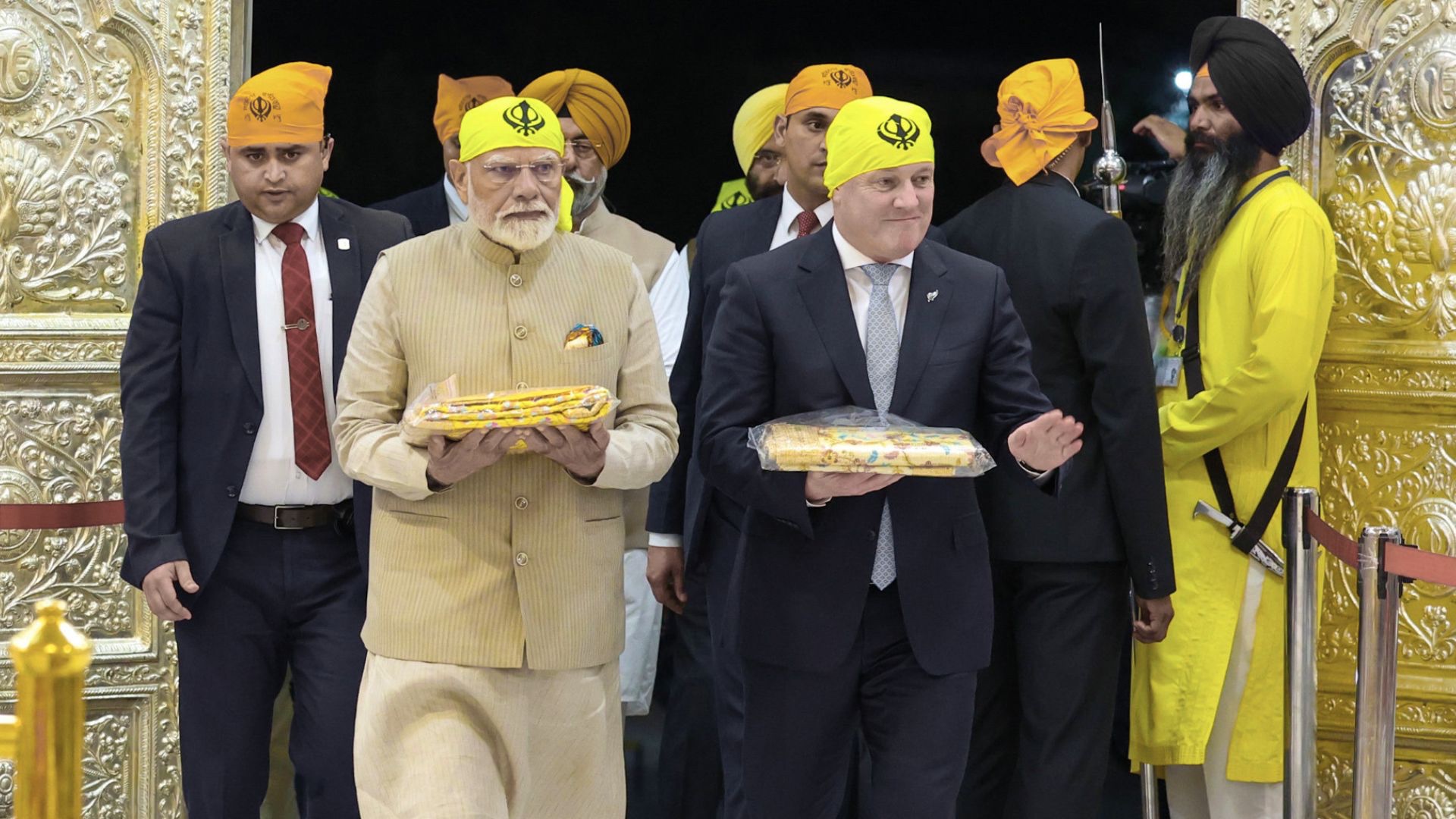
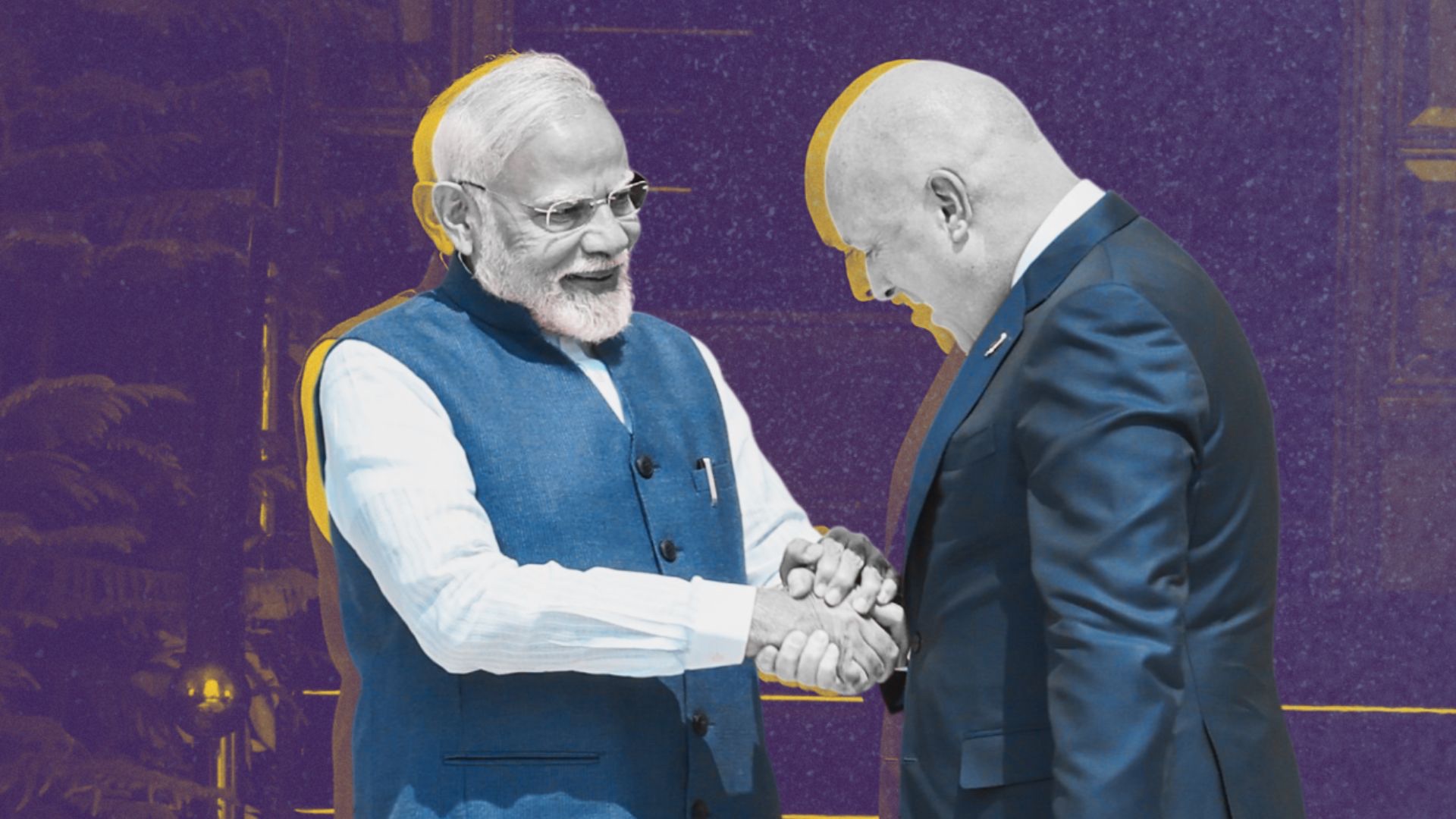
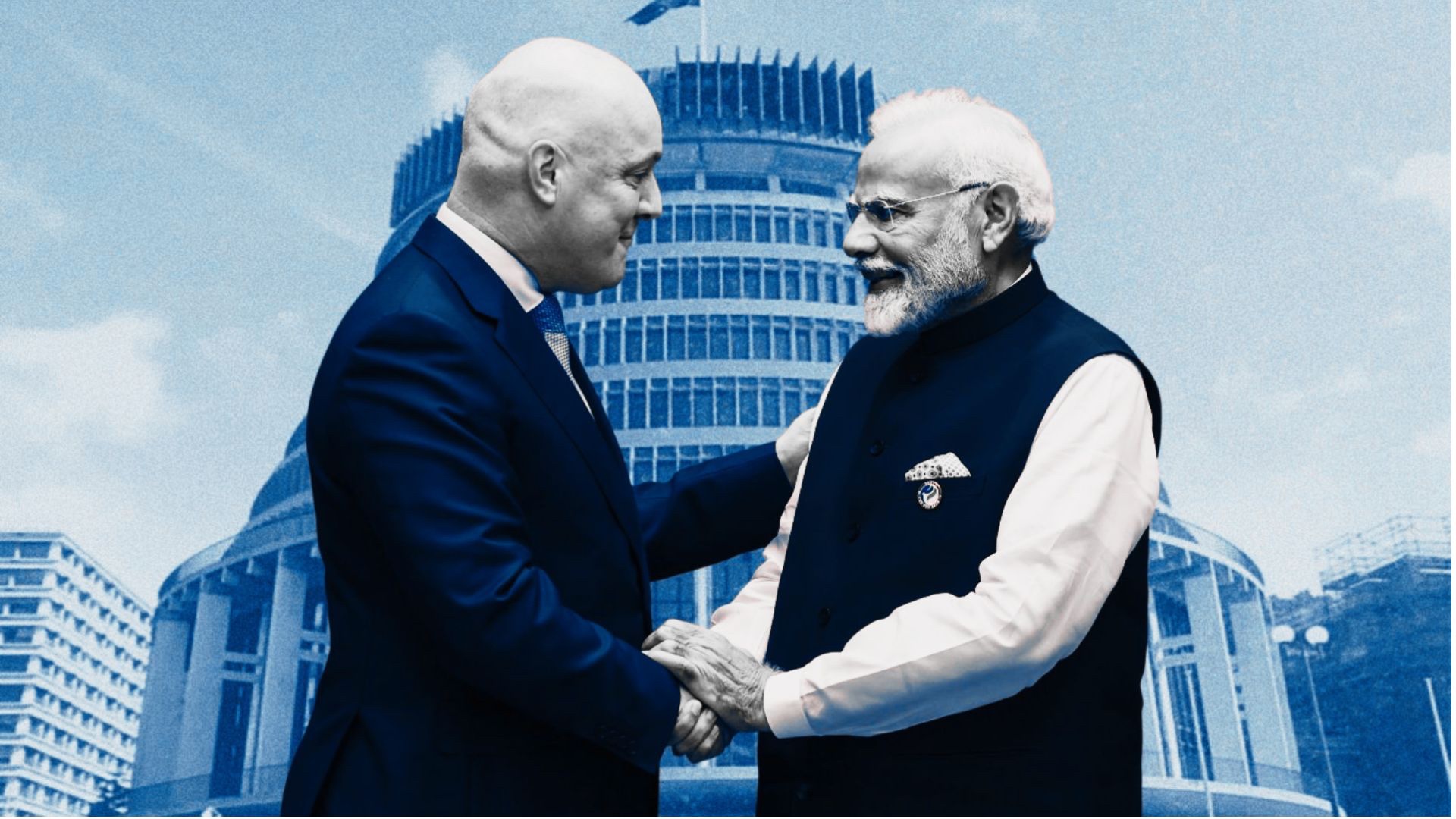
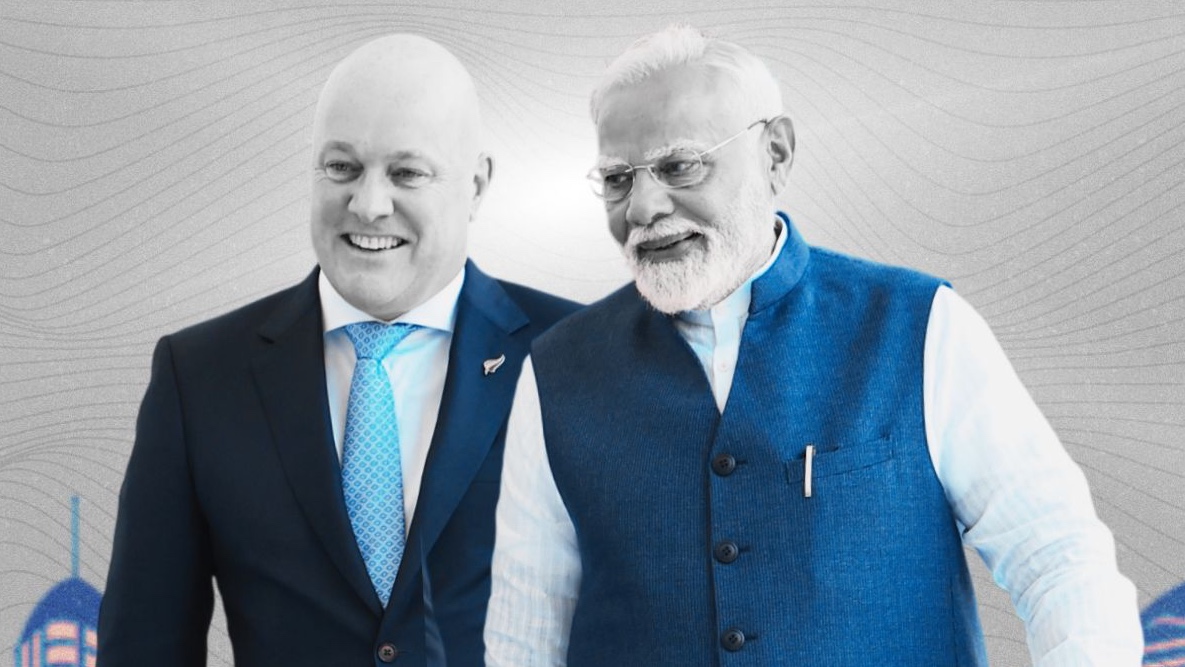
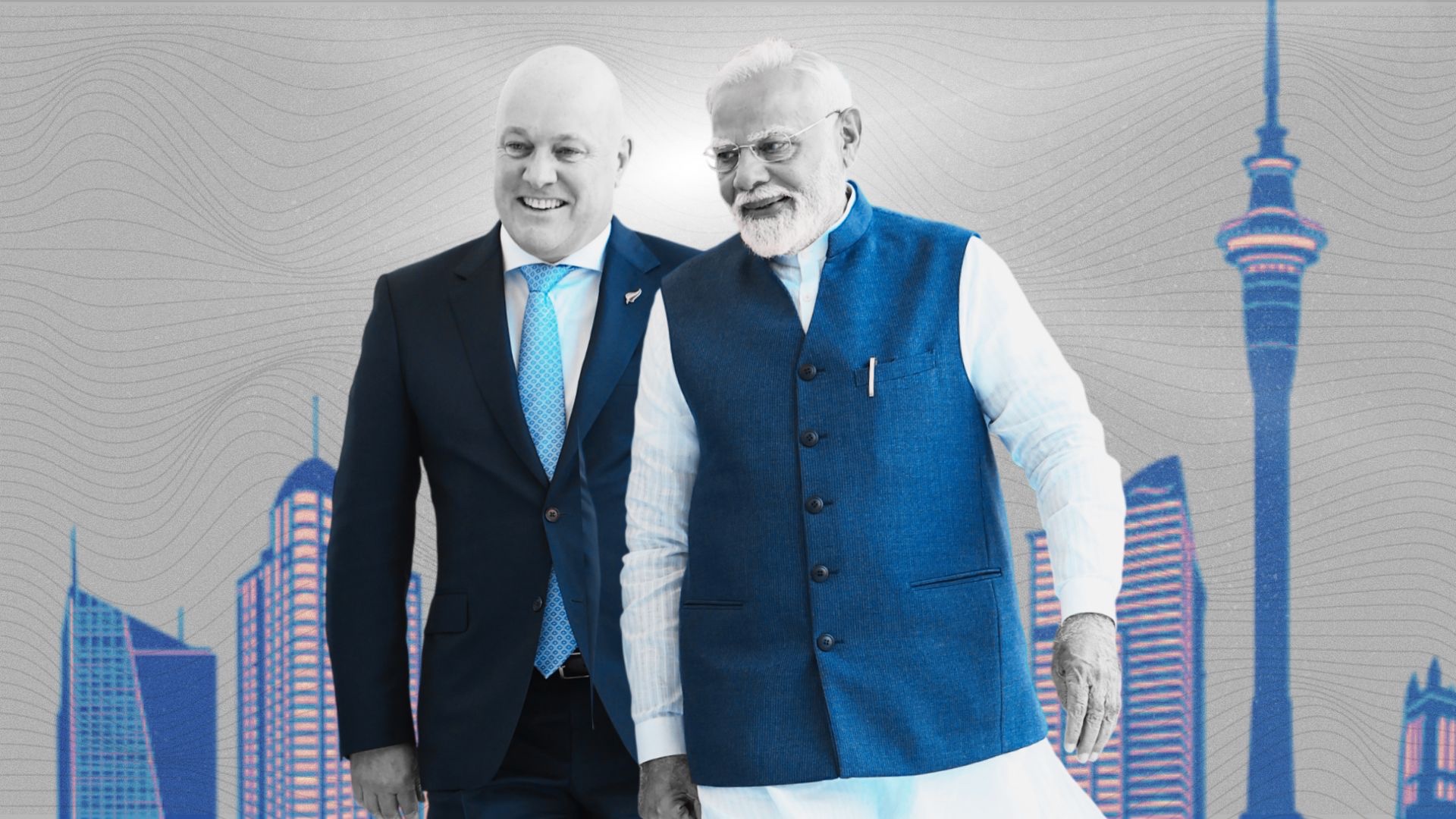
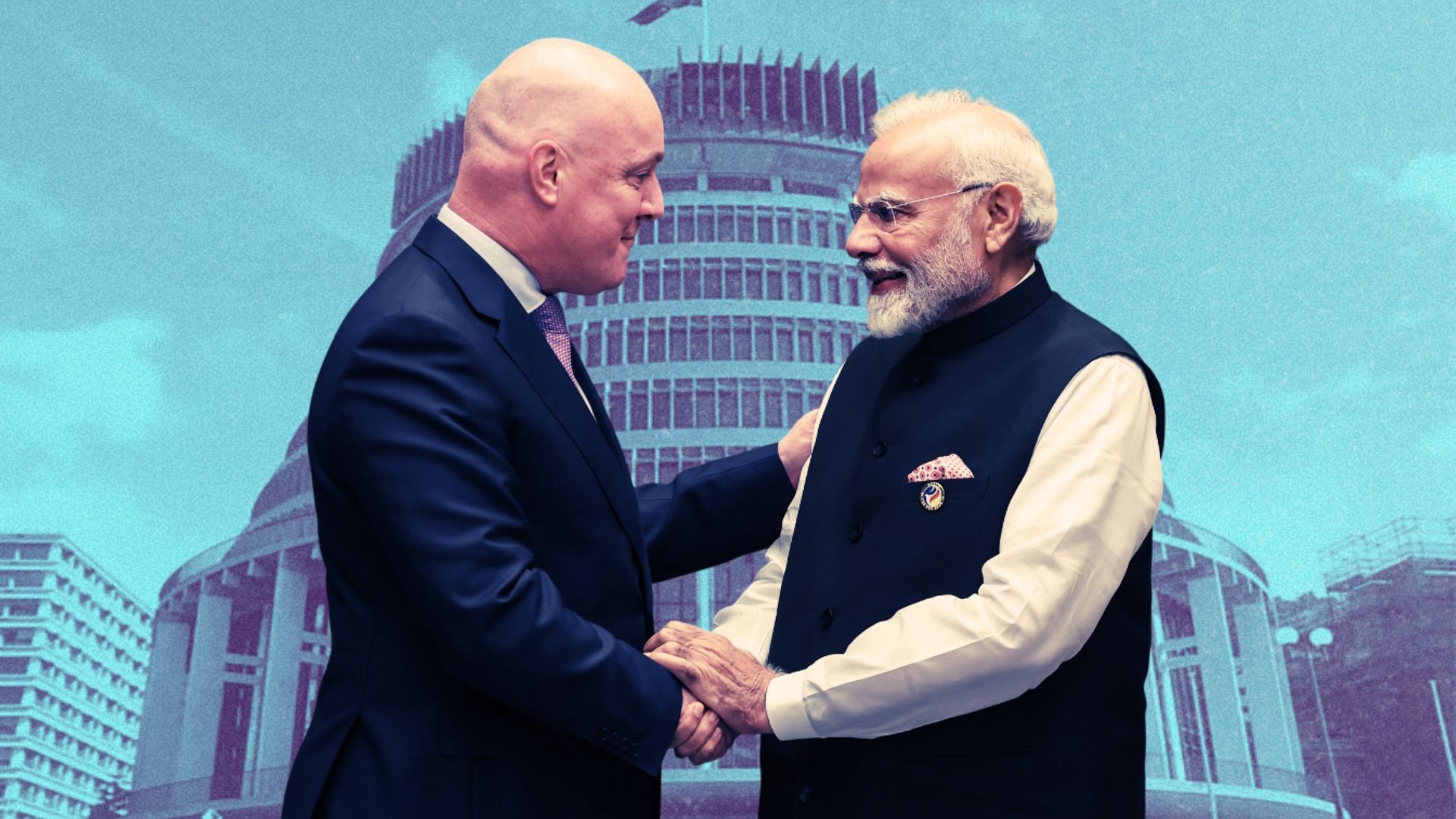
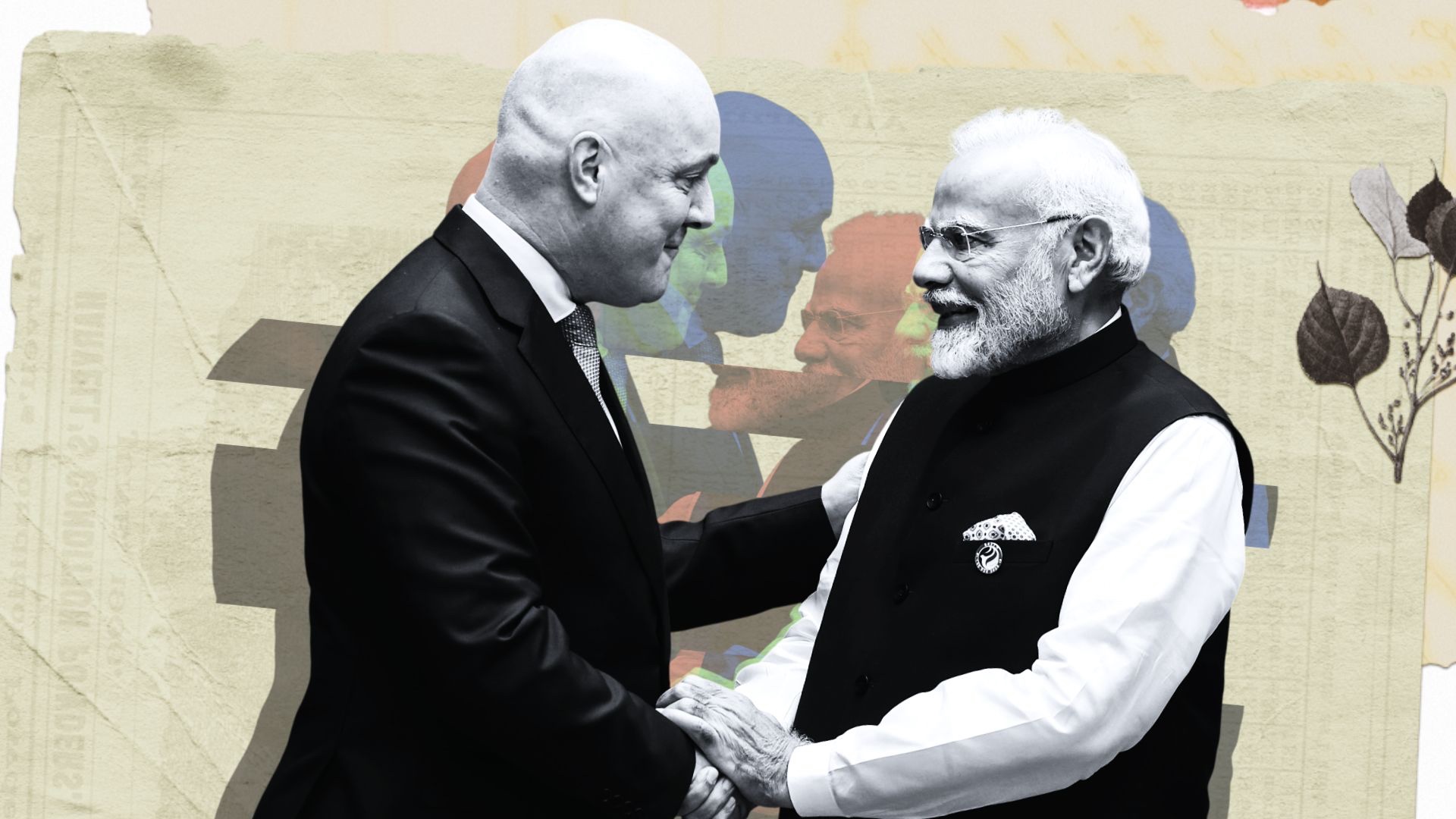
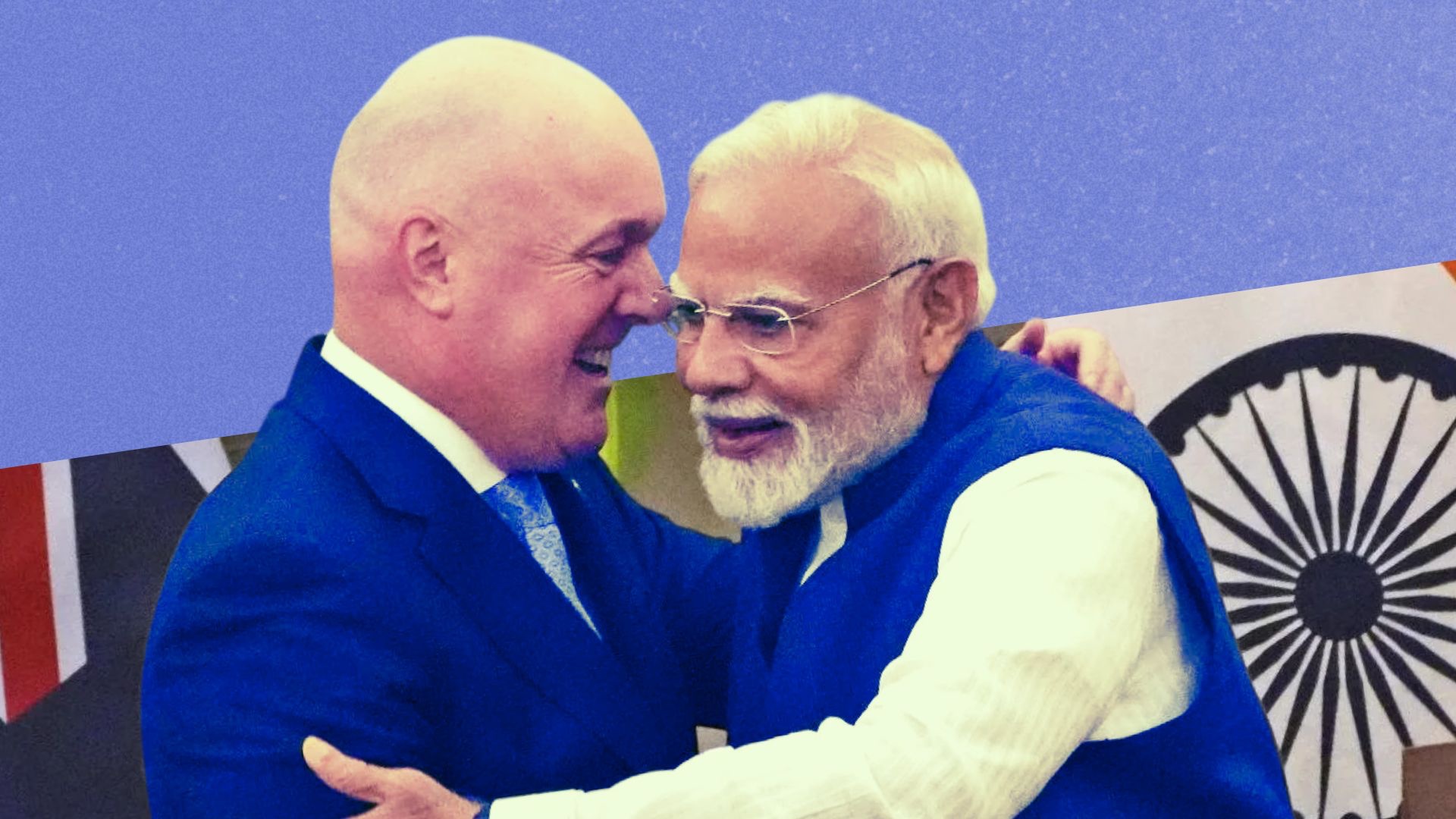
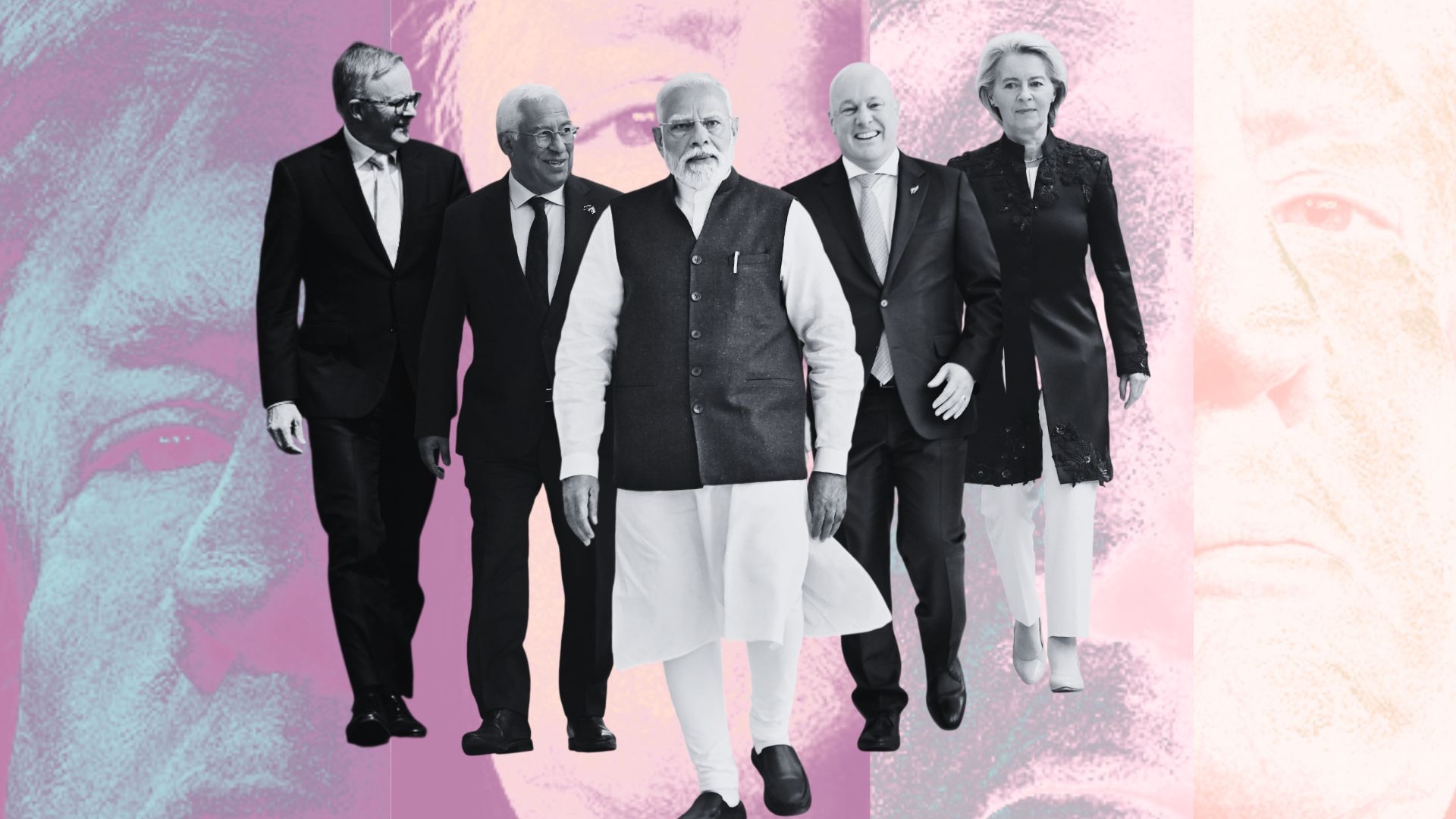
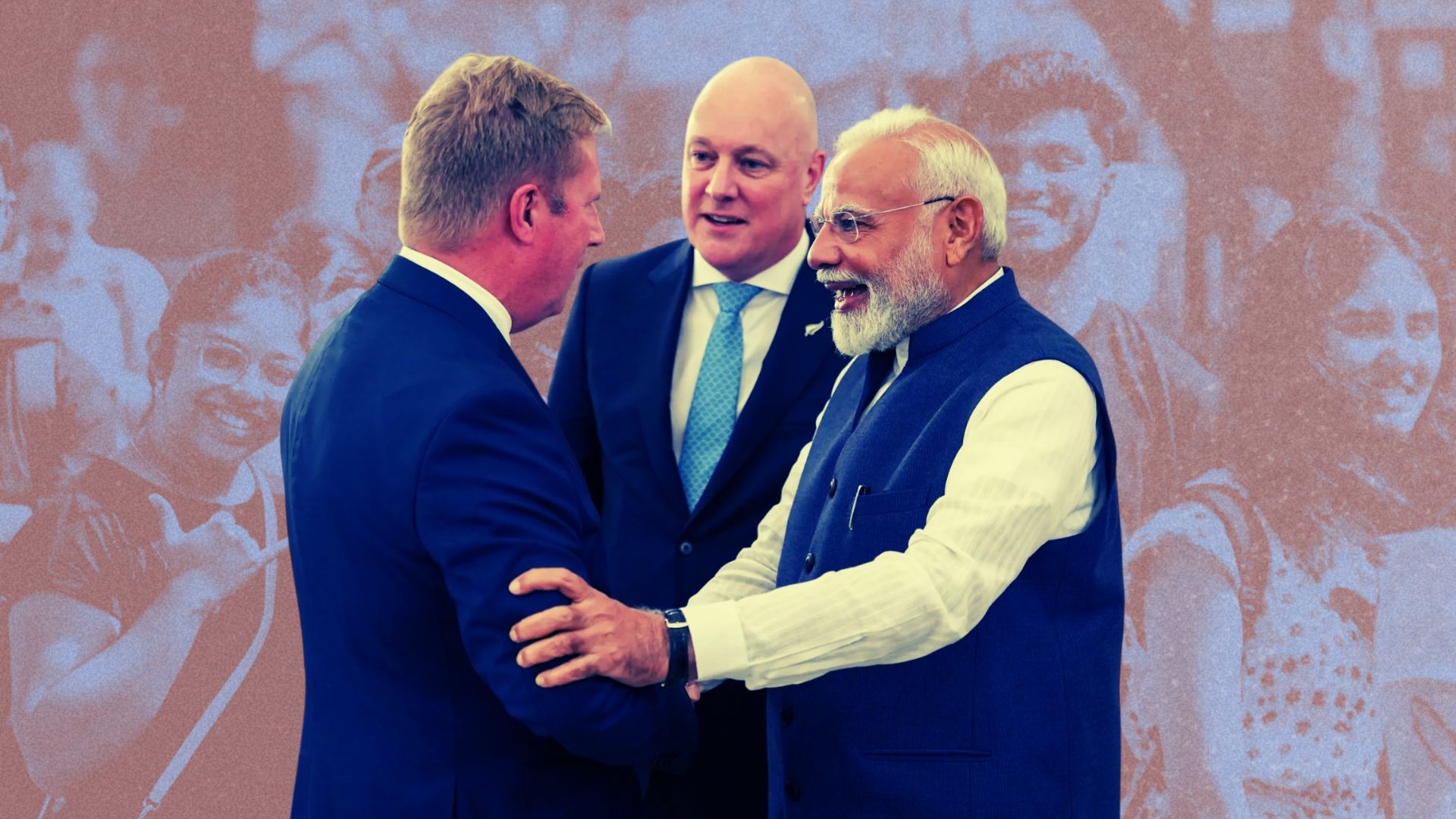
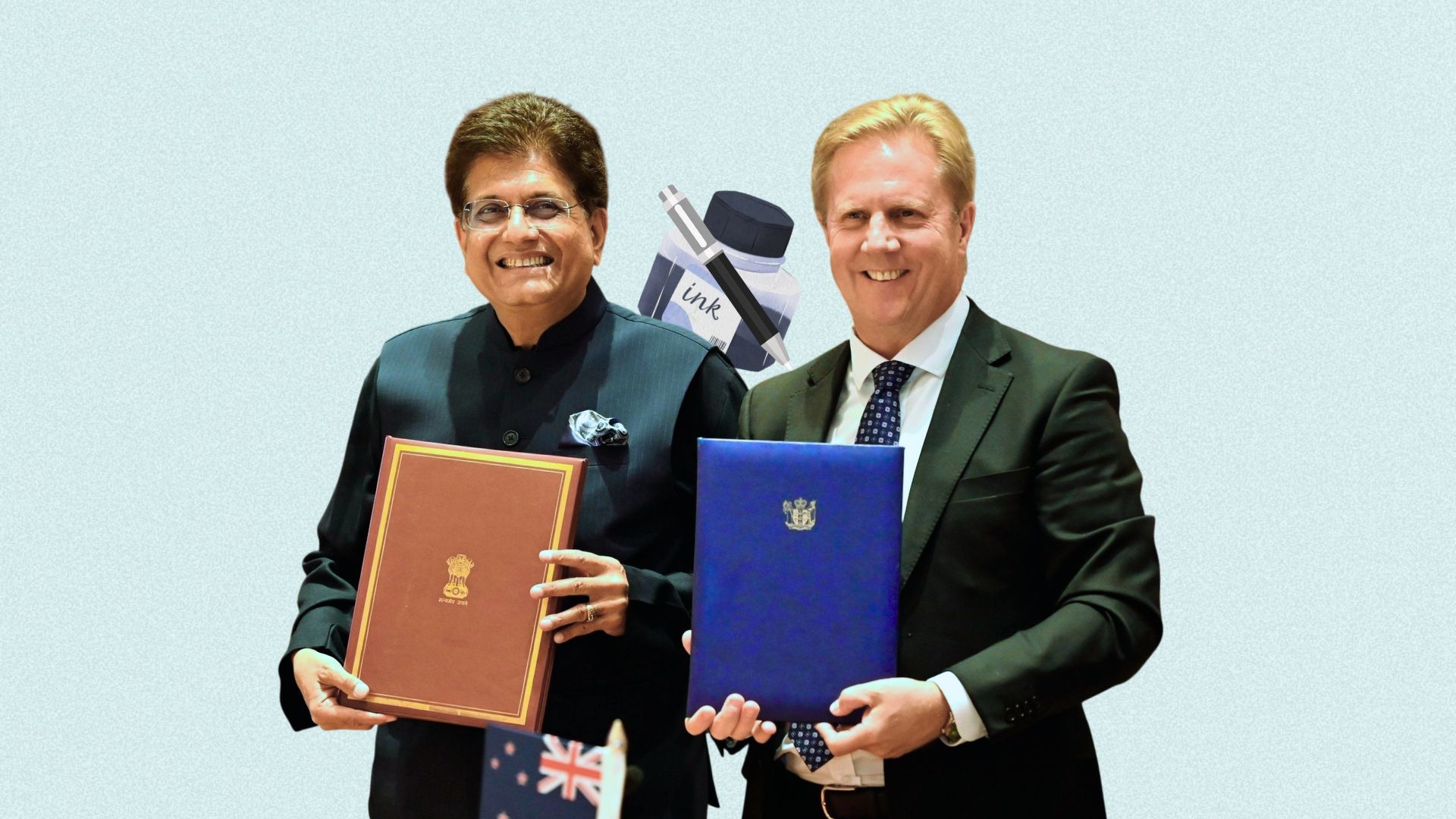
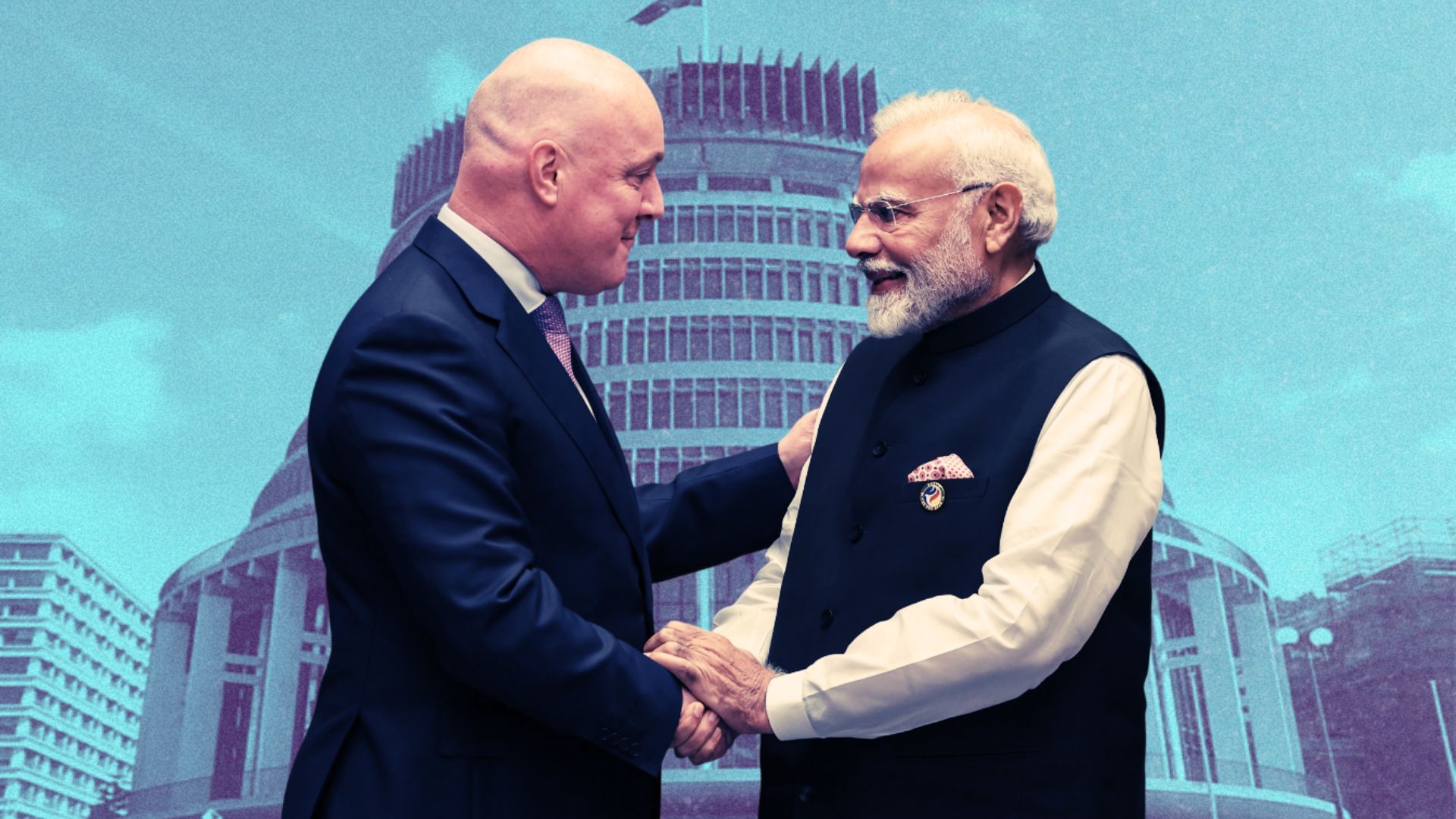
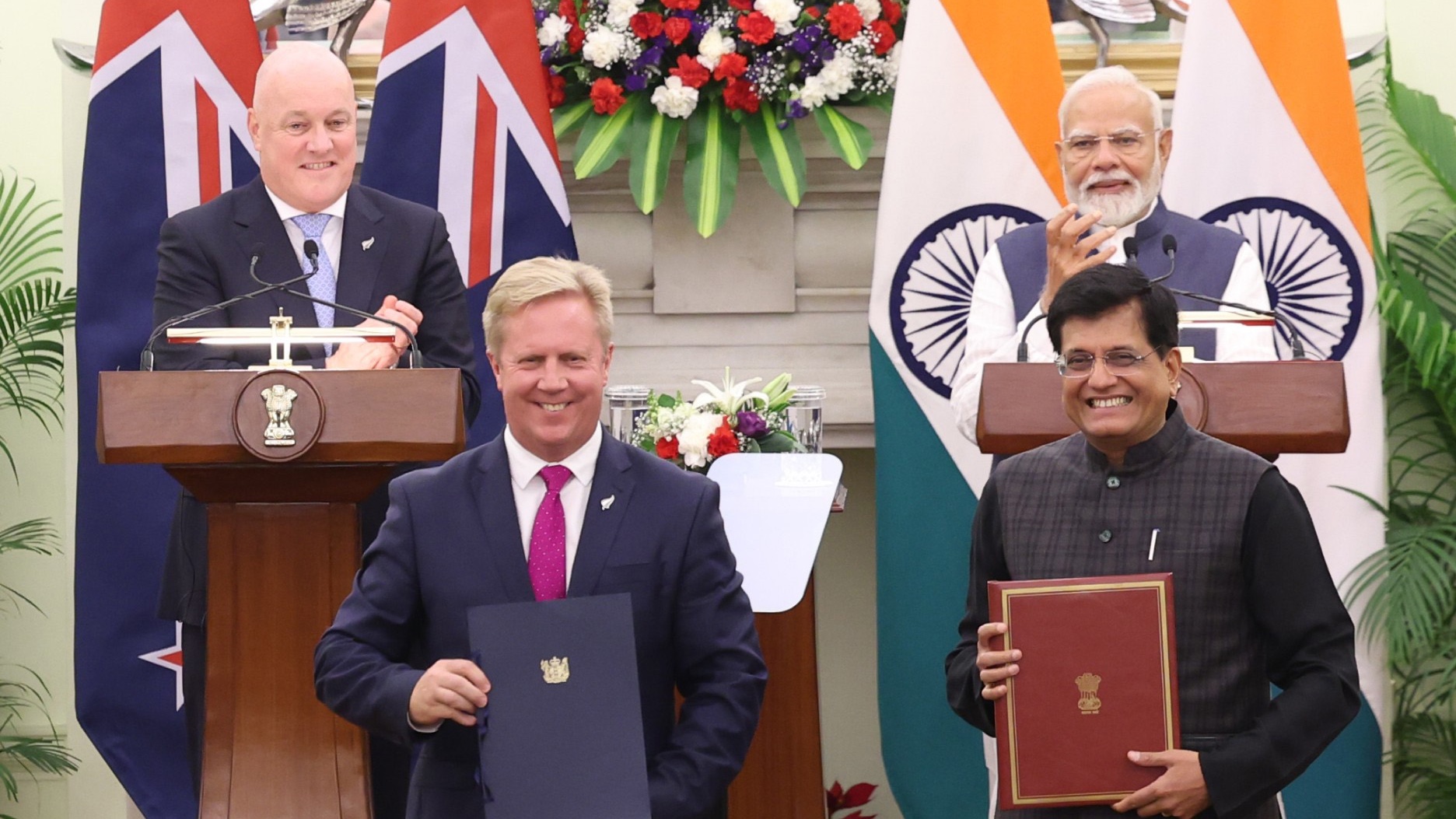
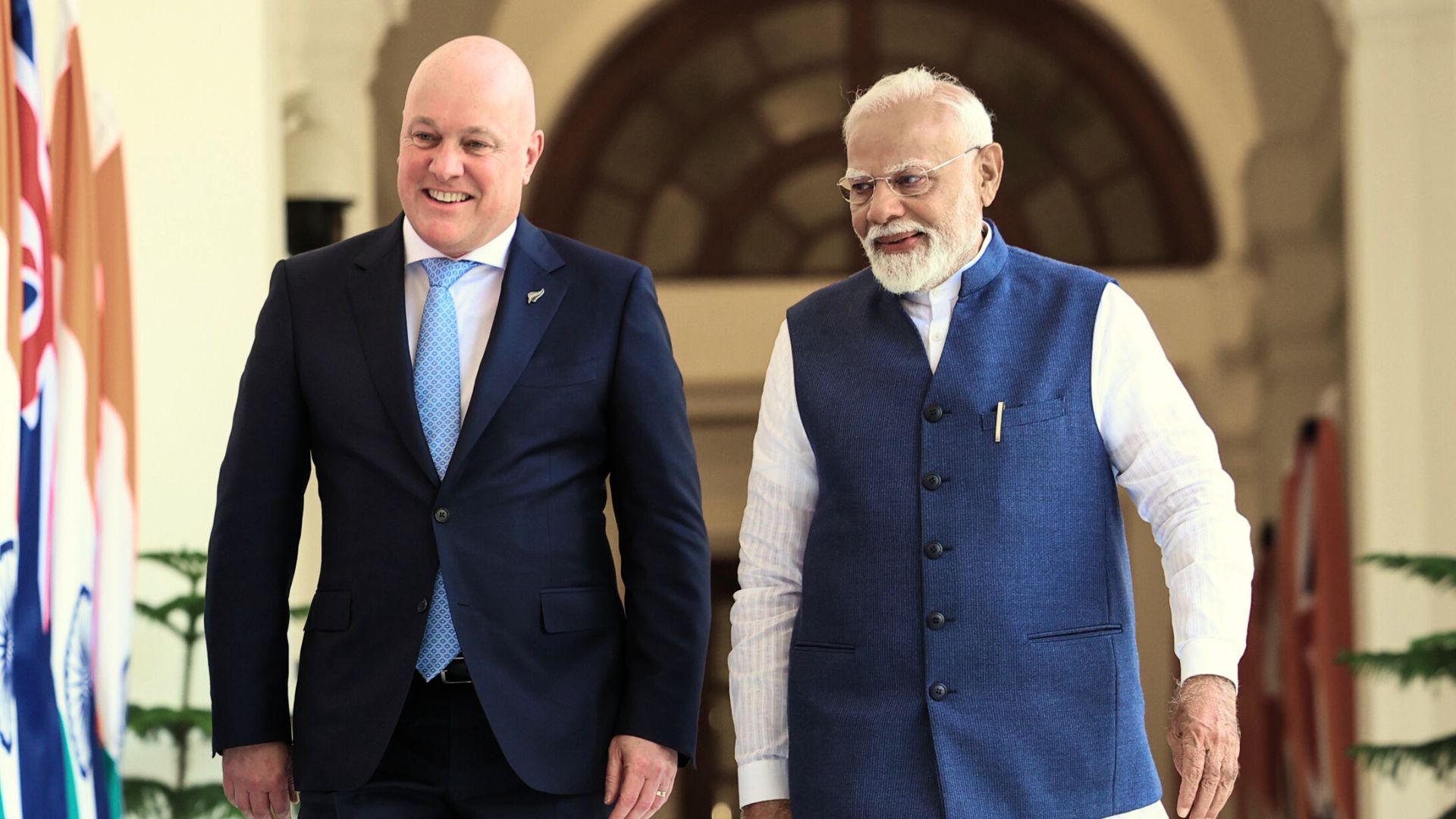
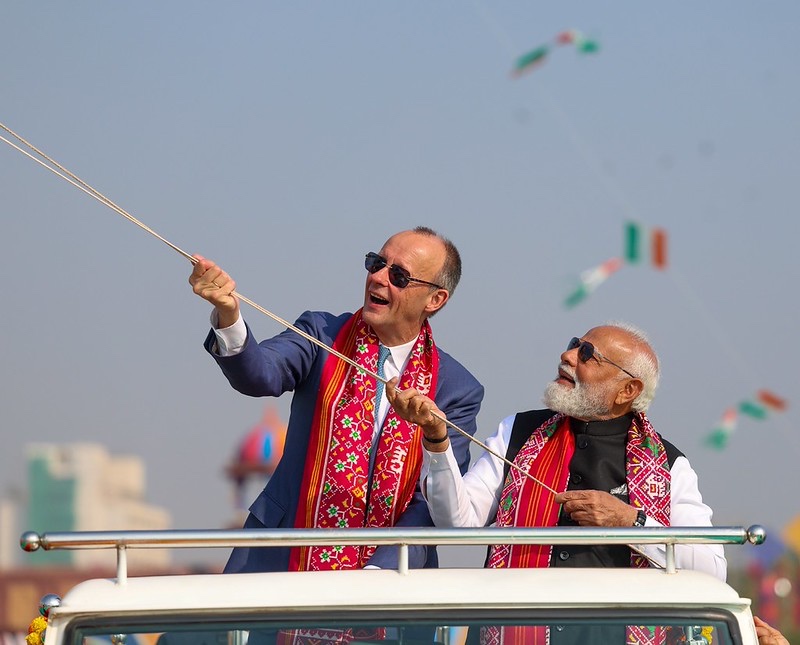
It's widely expected Modi's maiden visit to New Zealand will also mark the signing of the trade deal. That means every day National and Labour spend without an agreement, they push the country towards an awkward position.
Existing rules do allow Luxon to sign the agreement with India without Labour's support. But it would be not just unprecedented but also not of much use.
The cabinet manual prescribes a government should put up bilateral and multilateral treaties of consequential nature for parliamentary examination (and approval) before it signs on the document or takes binding actions.
The manual does allow the government to sign a treaty before parliamentary examination only where this is "urgently necessary in the national interest".
From the Comprehensive and Progressive Agreement for Trans-Pacific Partnership to the UK and EU trade agreements, all previous governments have signed trade deals with bipartisan backing already locked in.
Signing a trade deal is different from being able to enforce it though. The devil lies in the details.
Luxon can sign the deal all he wants. But he needs Parliament's backing for the law changes that will untimely enable the government to deliver to India what the deal promises.
An India-New Zealand FTA wouldn’t pass through a single law. It would be stitched into force through one enabling bill, and a series of targeted amendments across customs, investment, intellectual property, and sector-specific legislation.
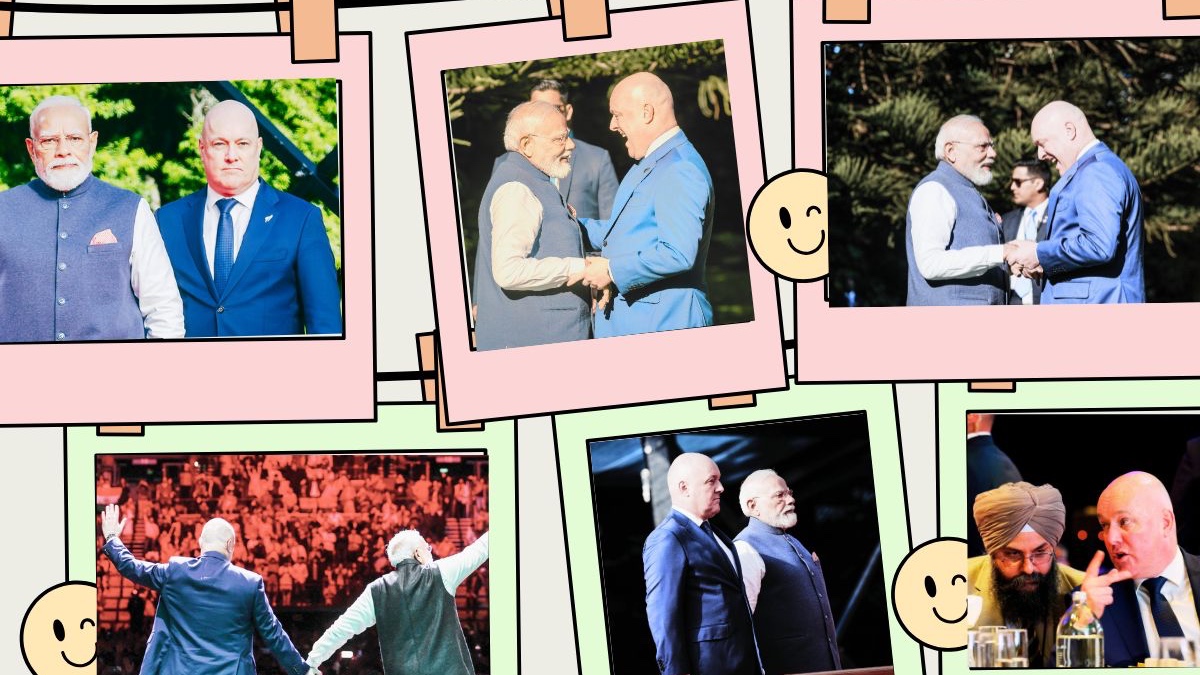
That's where Hipkins' warning is most worrying. Imagine the embarrassment if Luxon and Modi end up posing for photo ops after signing the agreement, and the government is later unable to make the deal work without parliamentary consensus?
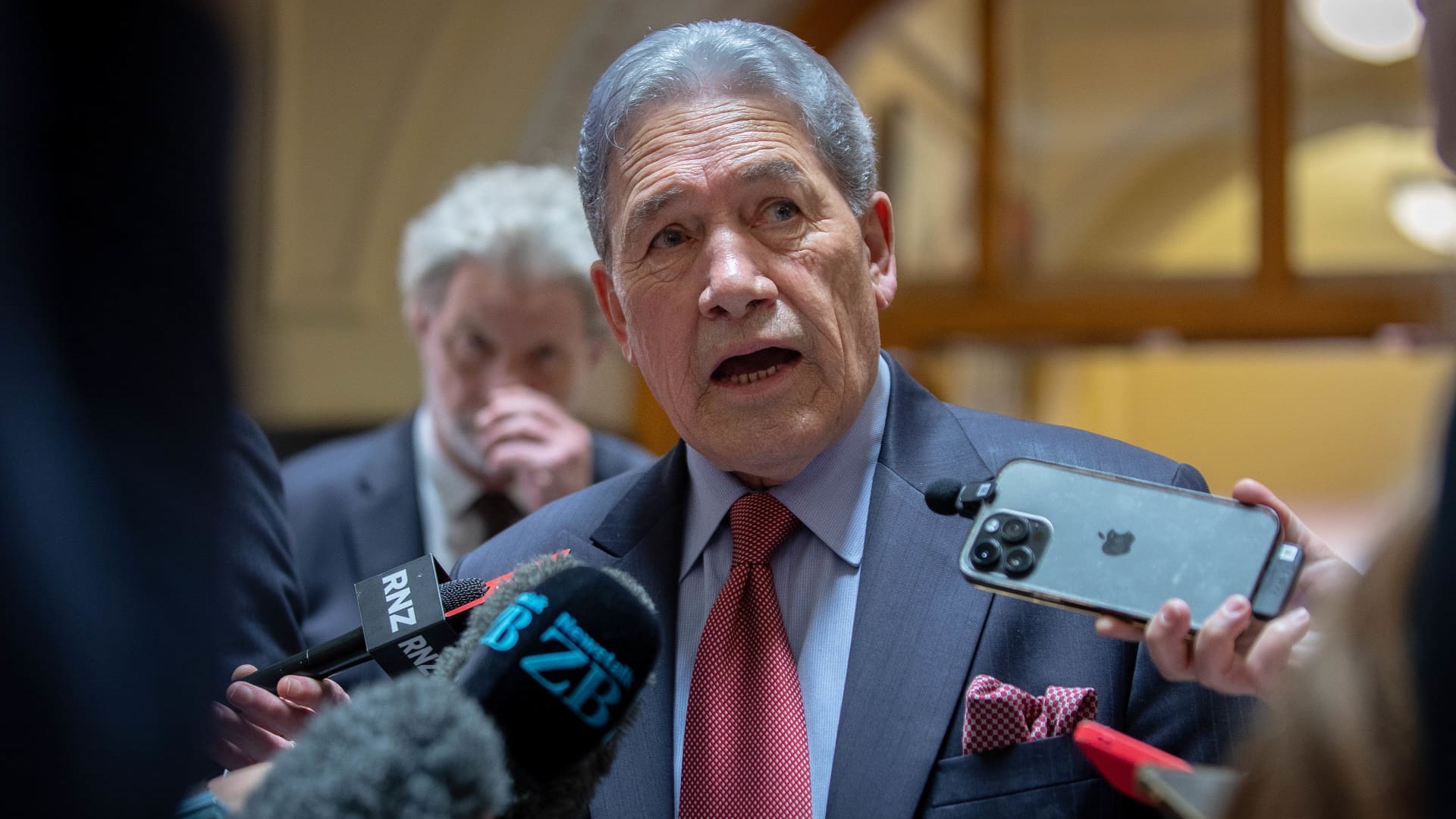
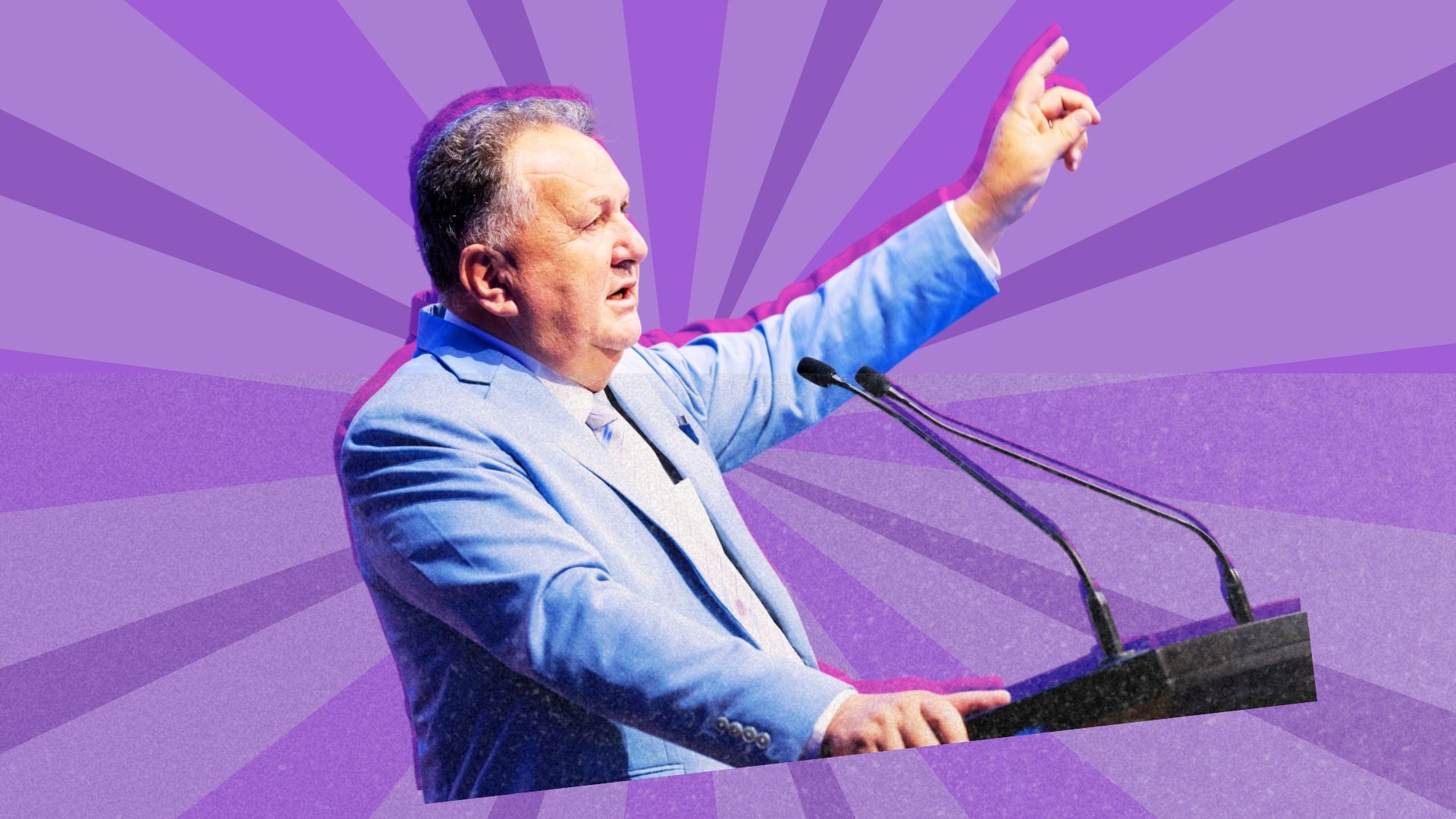
"We recognise it's a priority for the country," Hipkins told journalists on March 30. "But at this point they [National] certainly cannot take our support for granted."
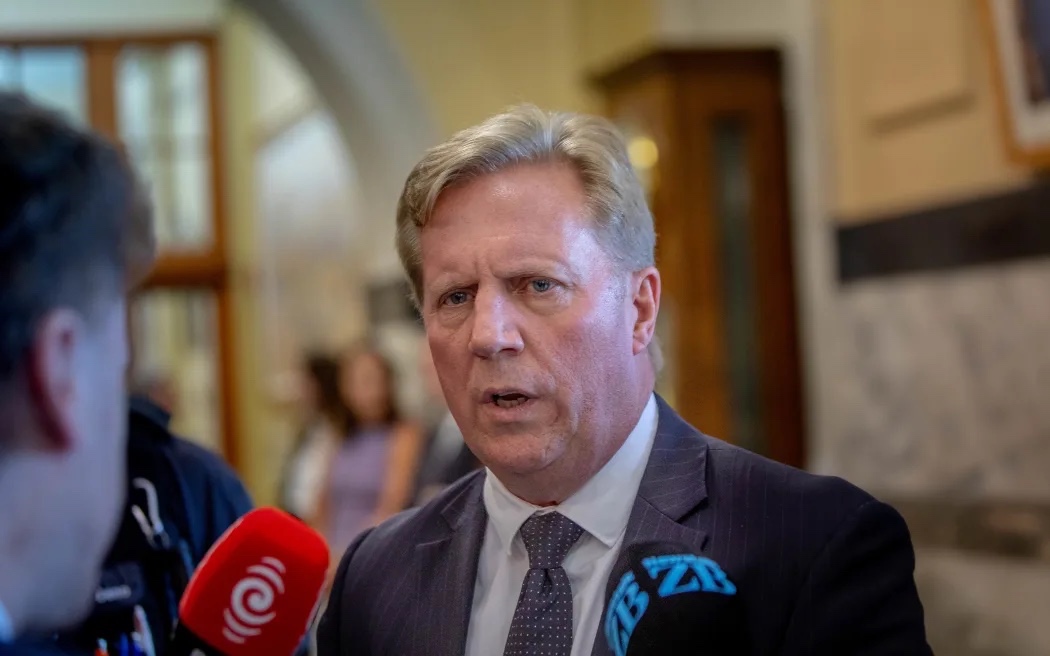
The Labour leader is suggesting trade minister Todd McClay isn't responding to his requests with the urgency the issue warrants.
"I've written back to the prime minister after receiving Todd McClay's letter last week, so we did that within about four days. They took a month to get back to me," Hipkins said.
"I wrote back to them within about four days. I haven't had any response back from them."
Hipkins says the government's initial reply wasn't satisfactory. "[In the second letter] we set out again in even more detail what the concerns were, because the letter that I received from Todd McClay did not address those."
Hipkins says the text of the agreement "that we have seen" contradicts the public statements that the government have been making.
"We need an explanation for that...my message to them [National] right now is that we're making this a priority."
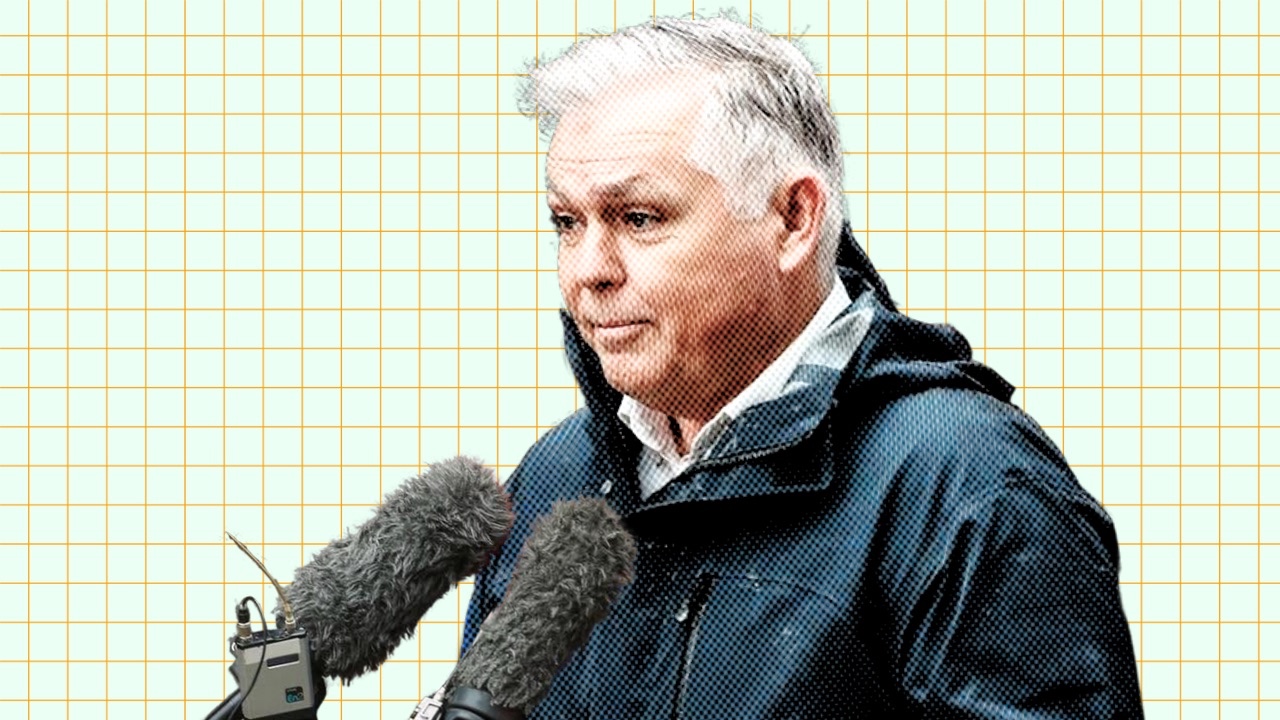
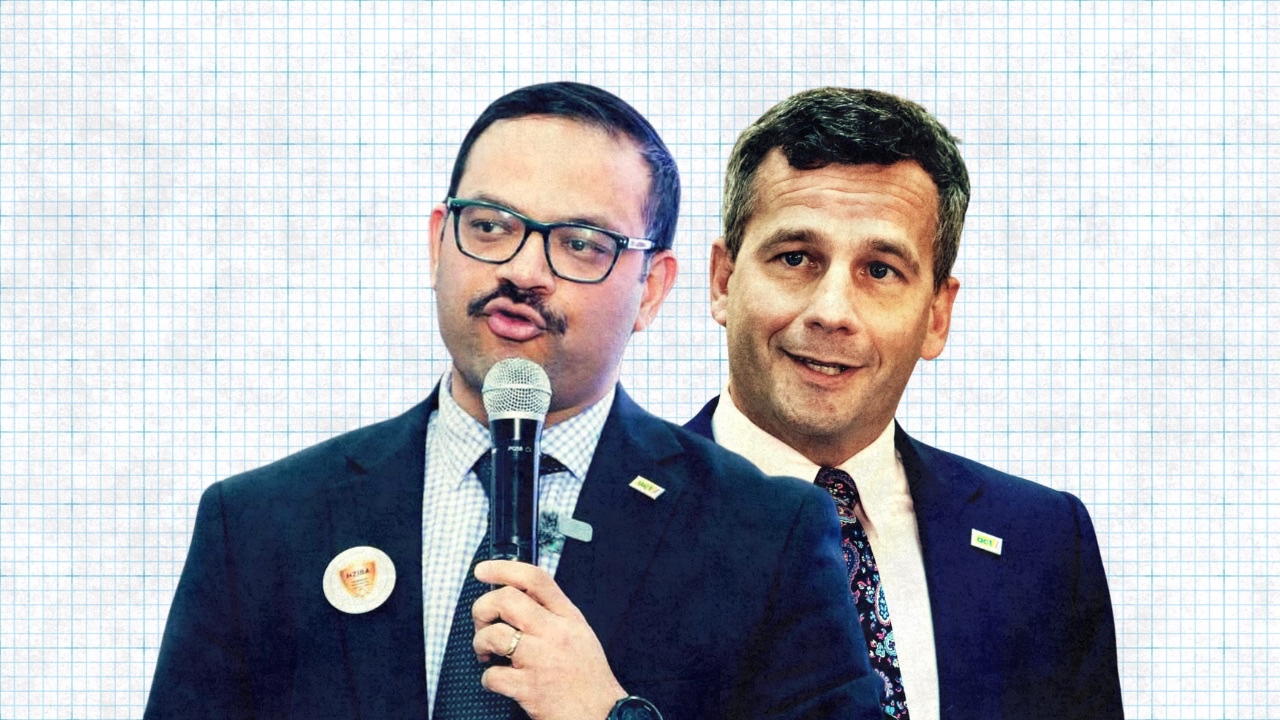
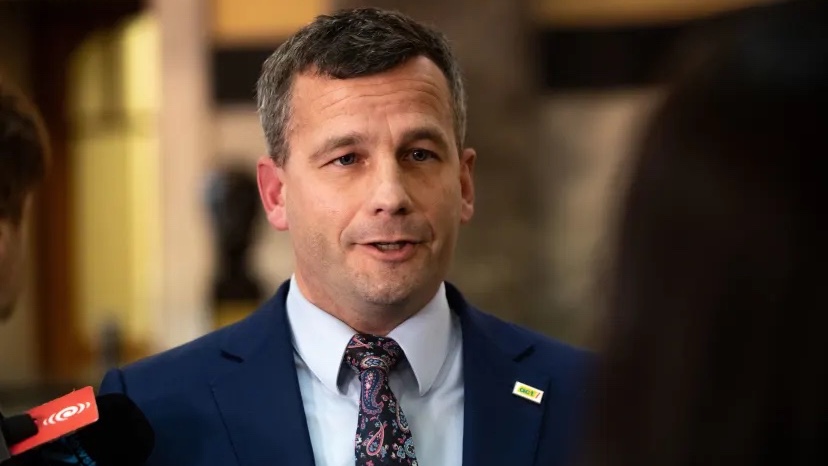
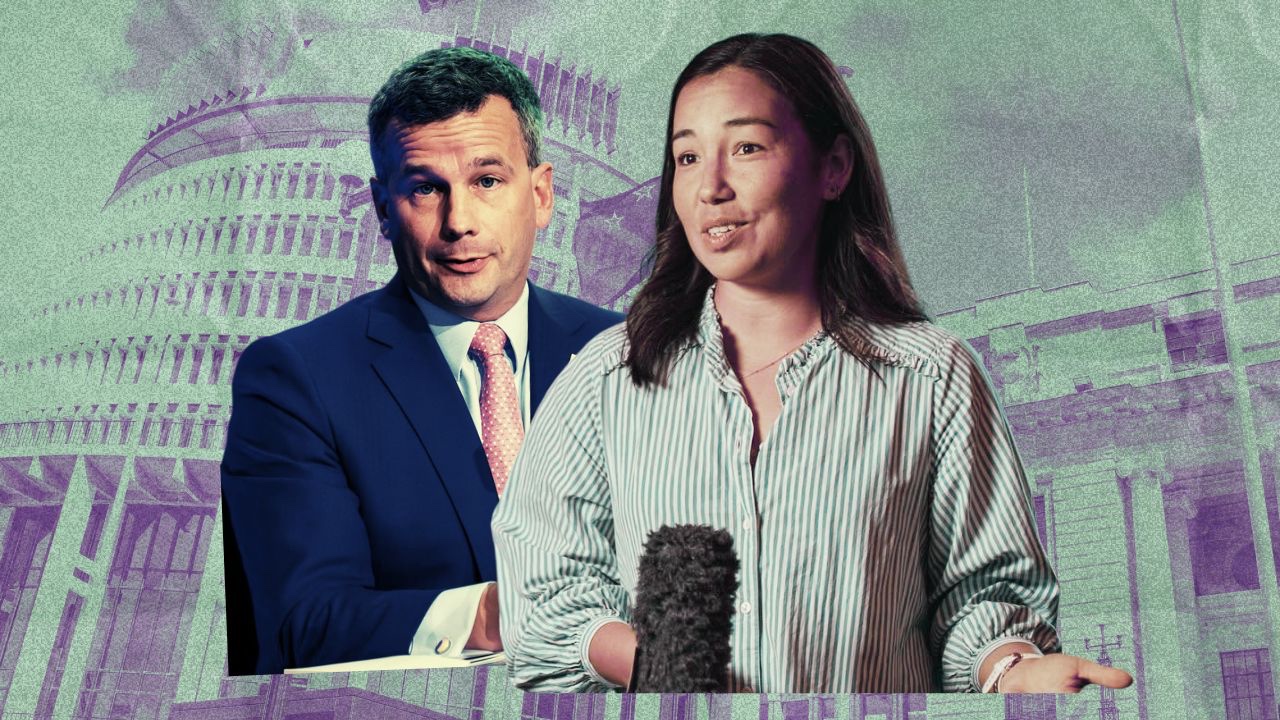
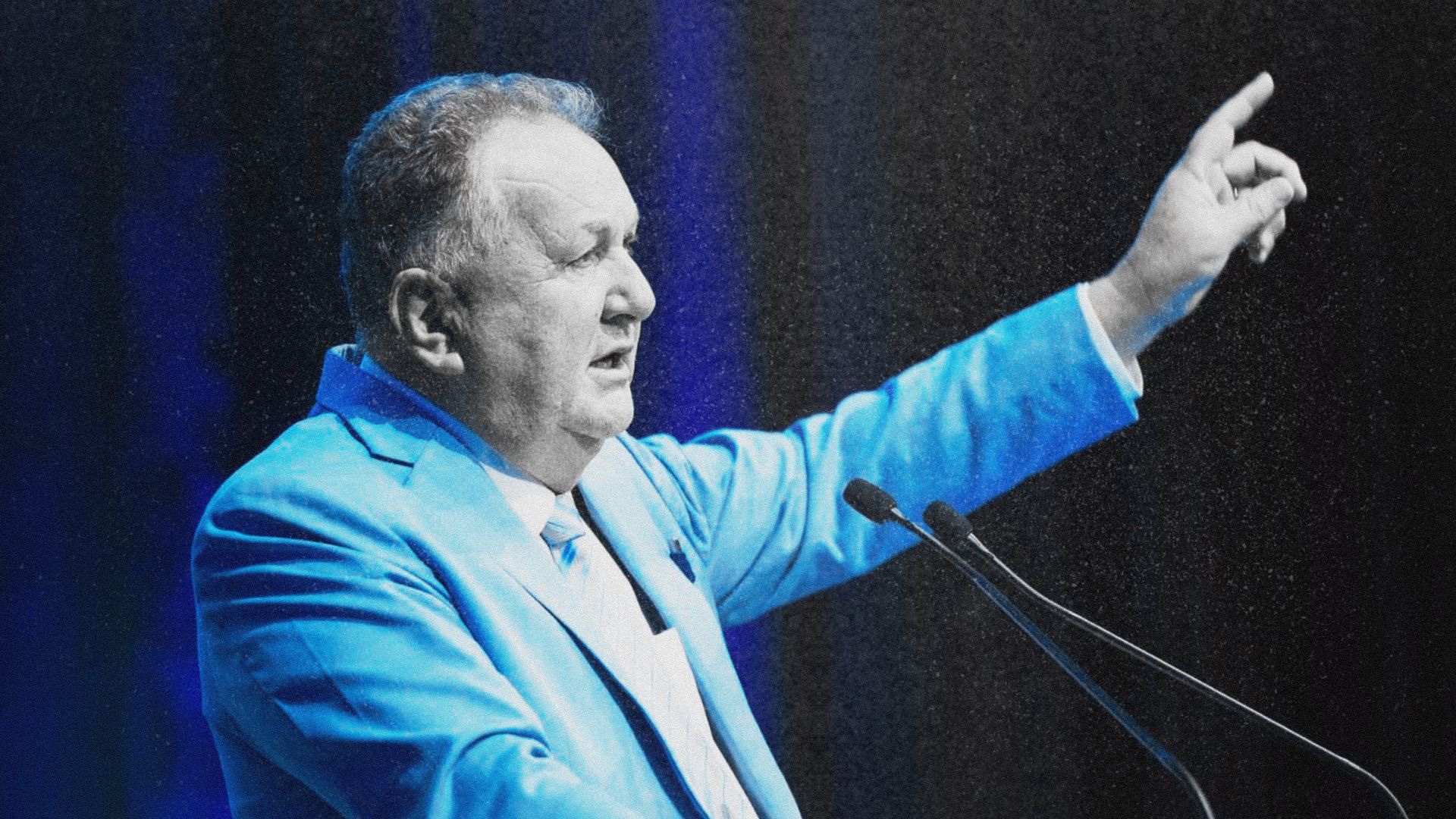
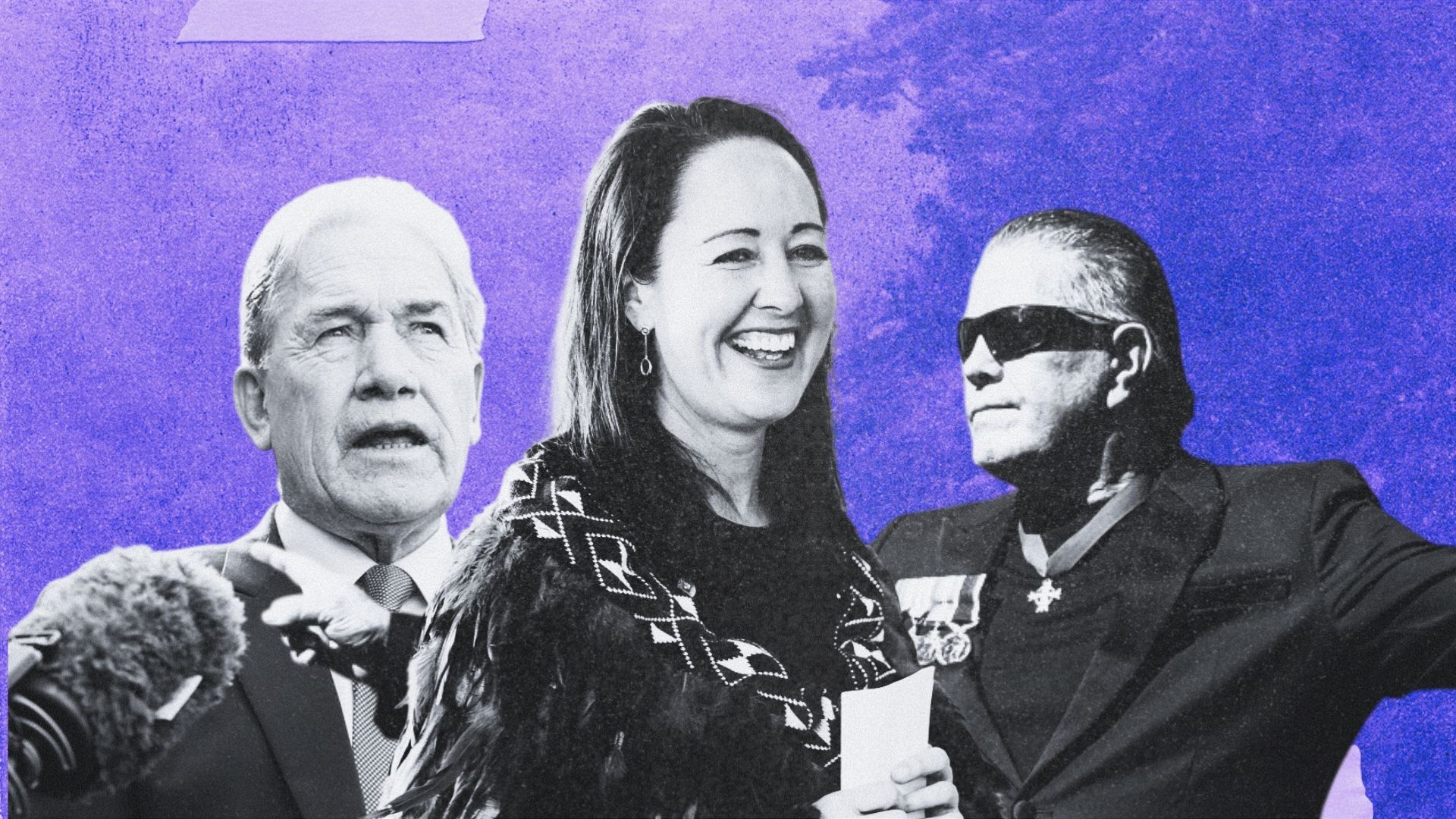
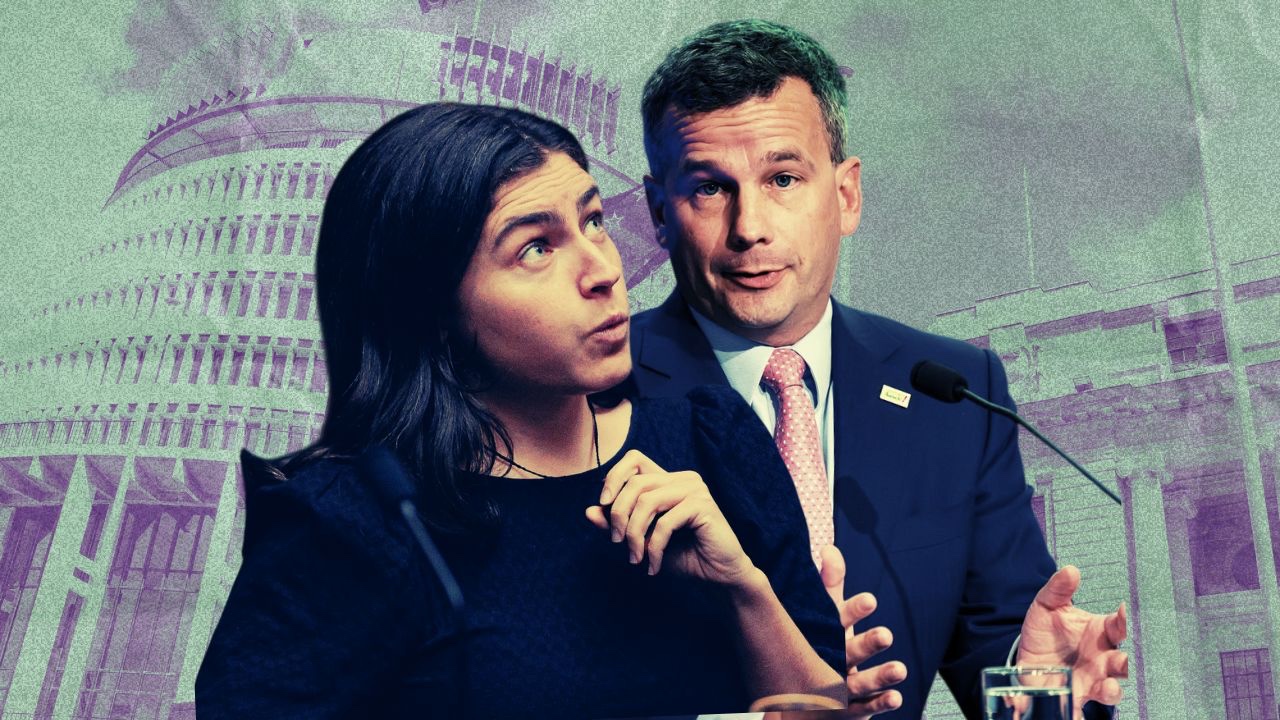
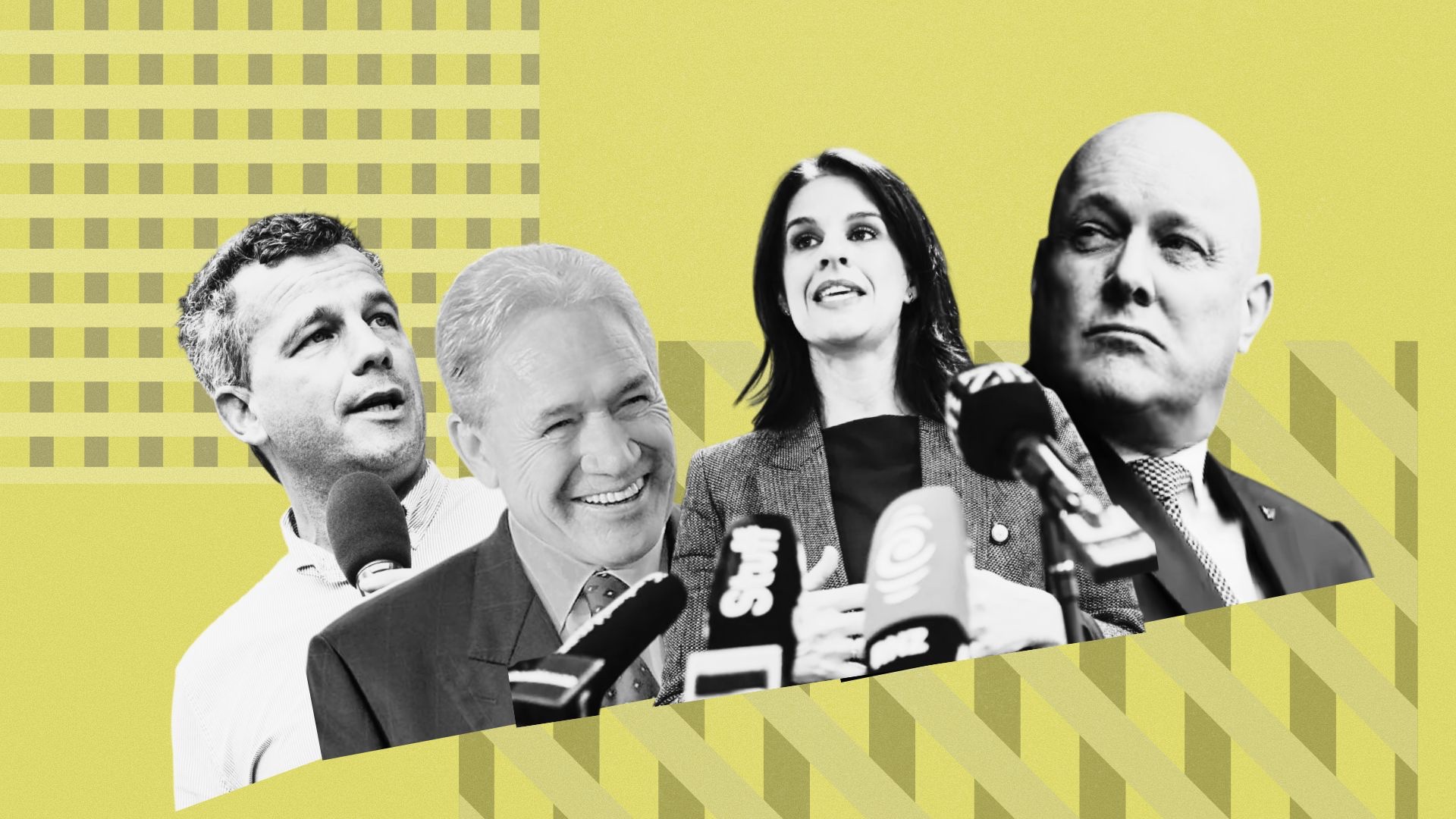
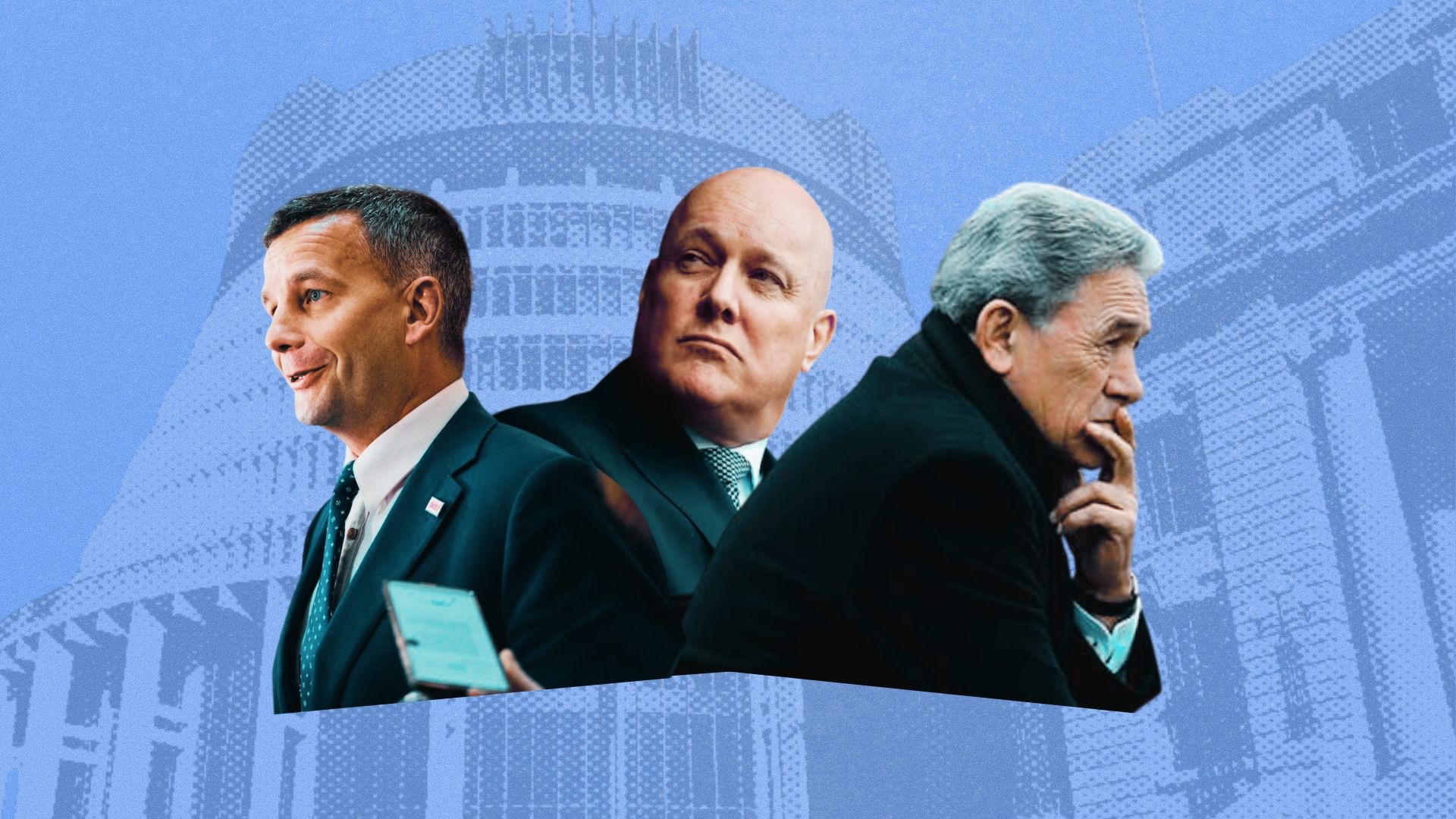
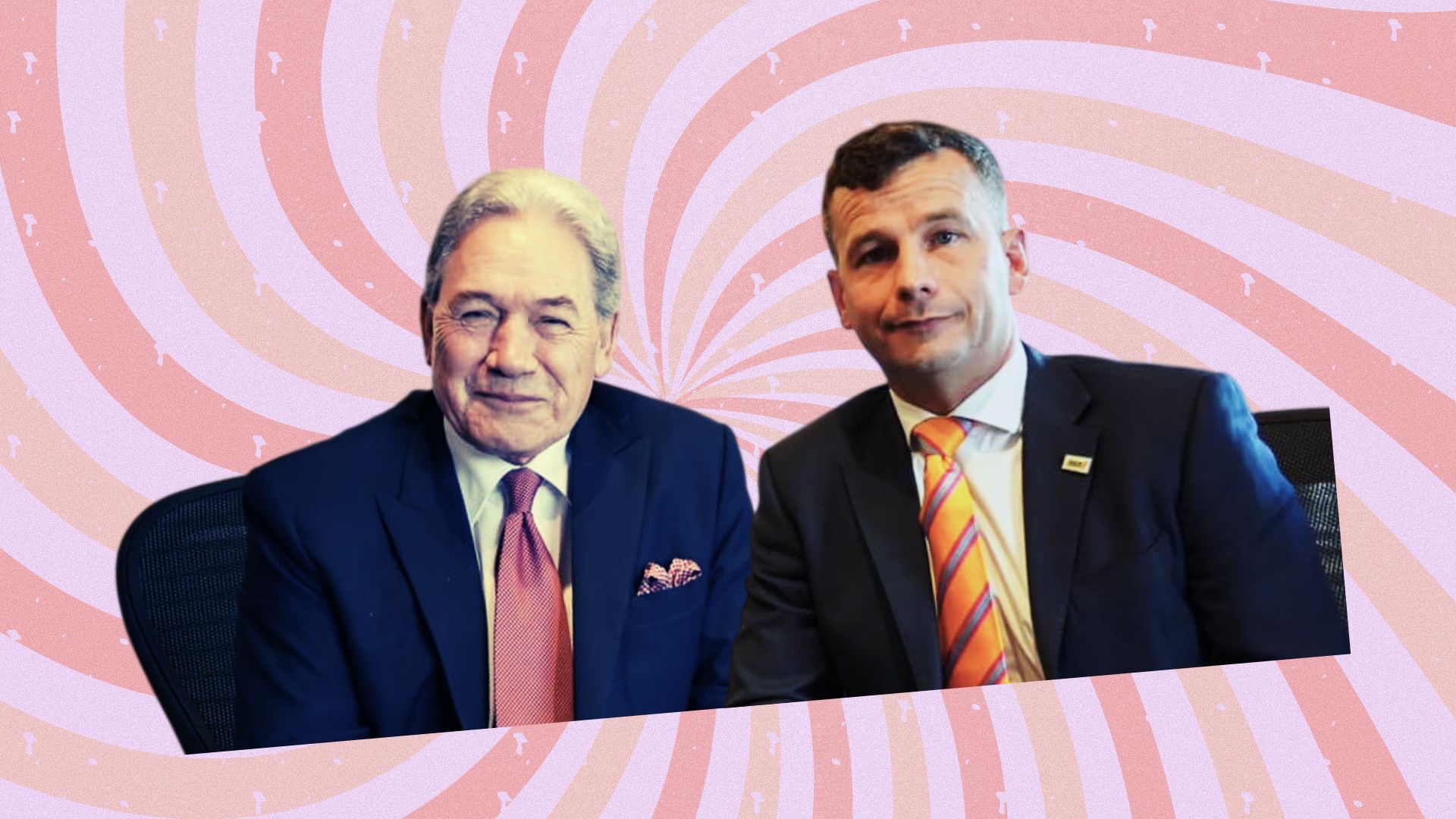
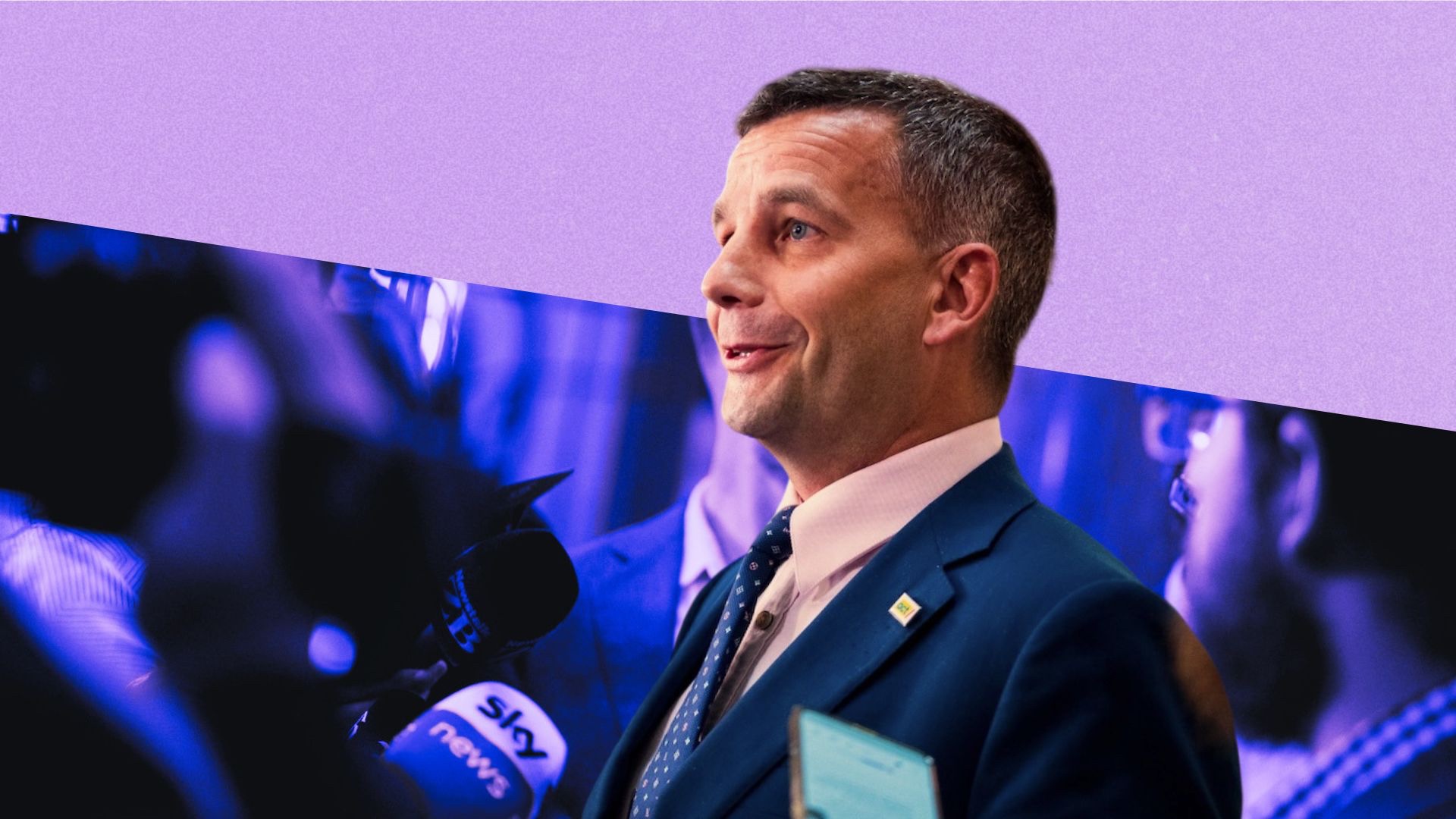
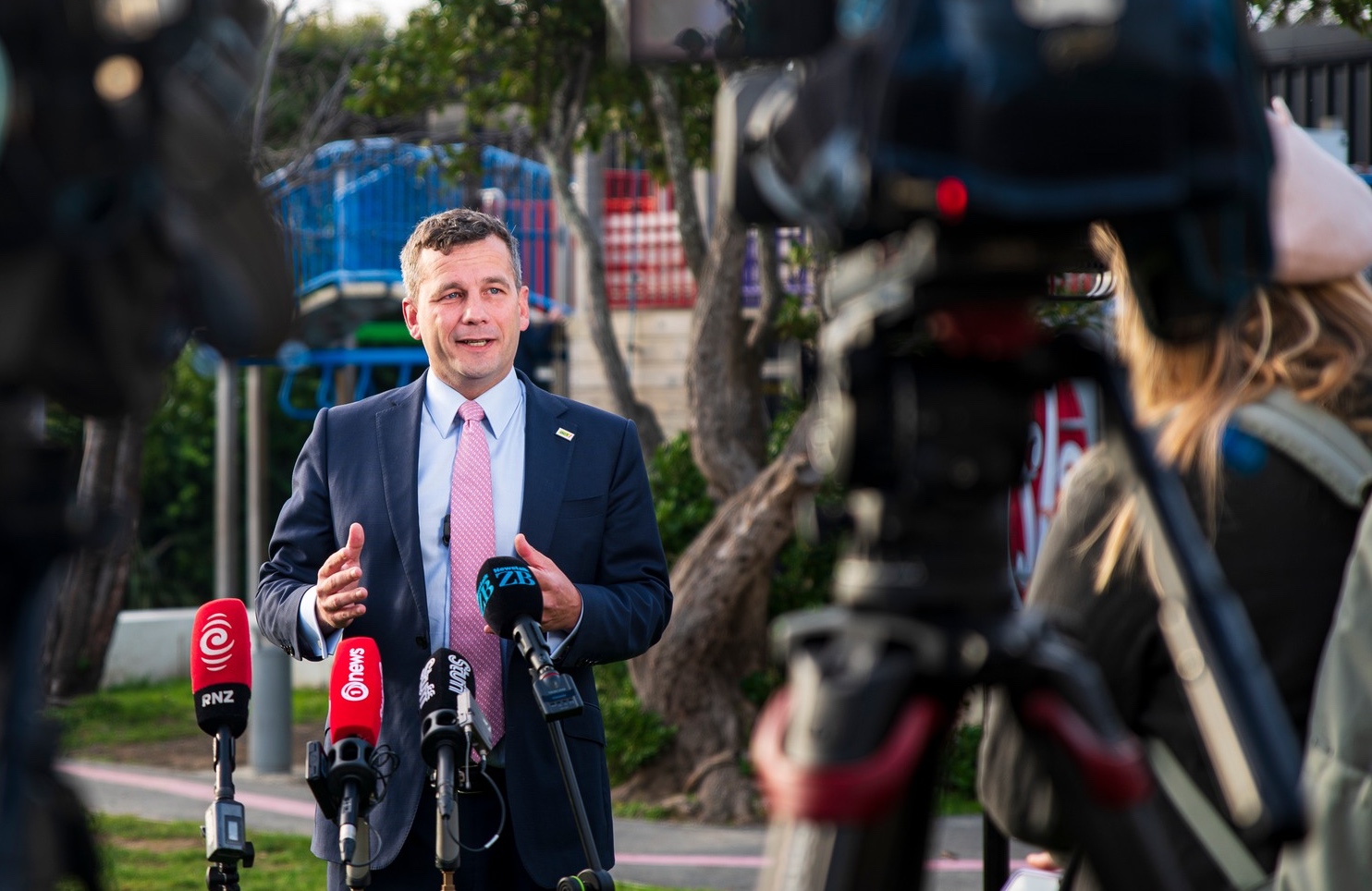
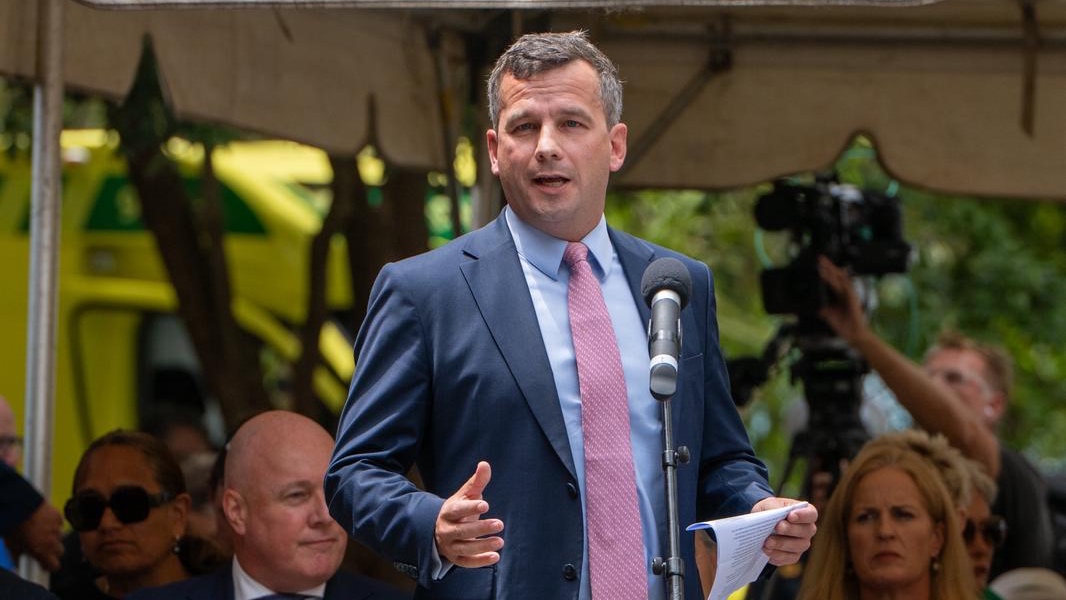
On Tuesday, deputy prime minister and ACT Party leader David Seymour encouraged Hipkins to "man-up" and don't indulge in politics over a deal that he believes is, on balance, good for New Zealand.
He said people may have legitimate concerns about immigration, but the deal with India is not going to open the floodgates for migrants the way some political parties have suggested.
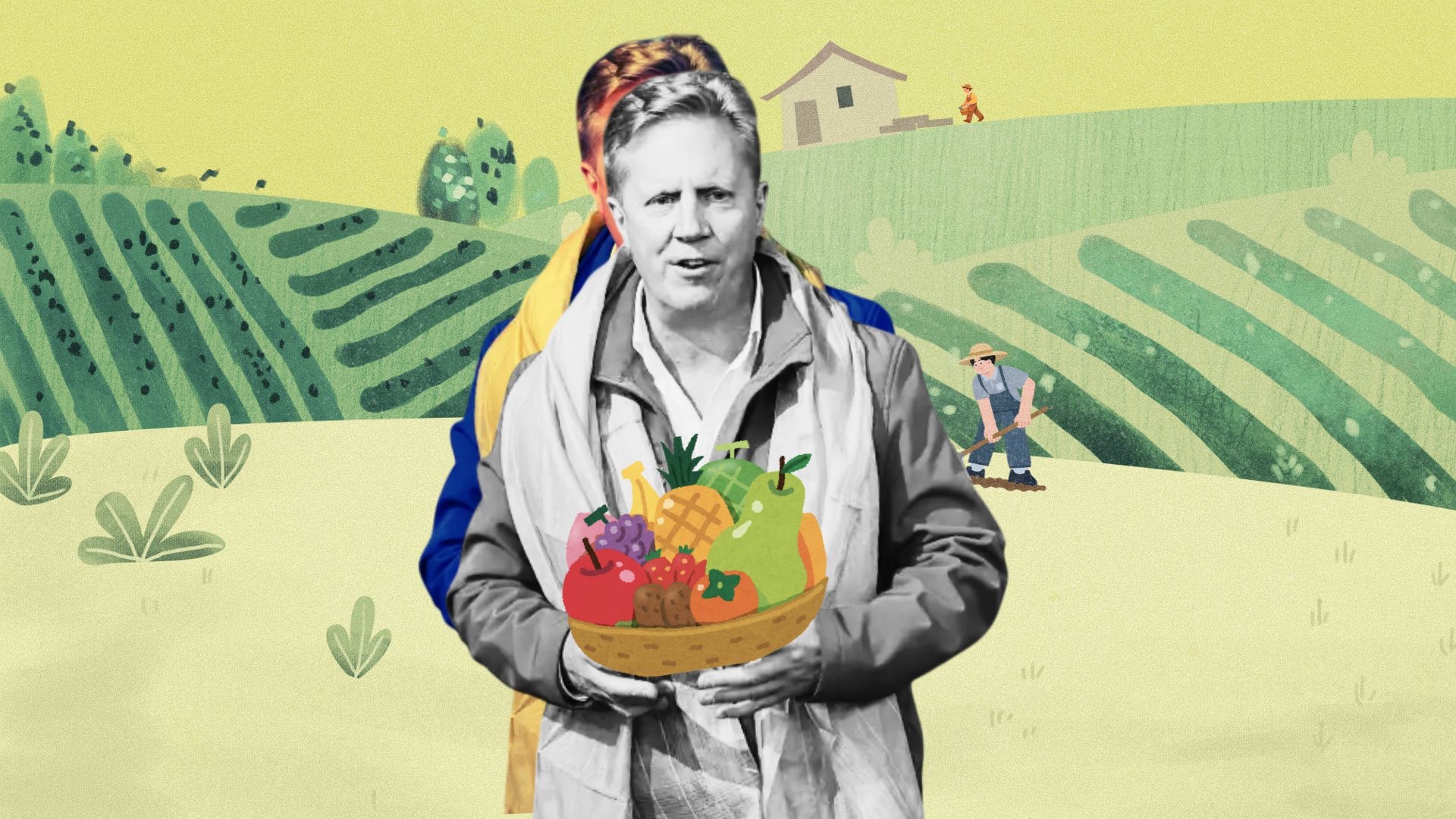
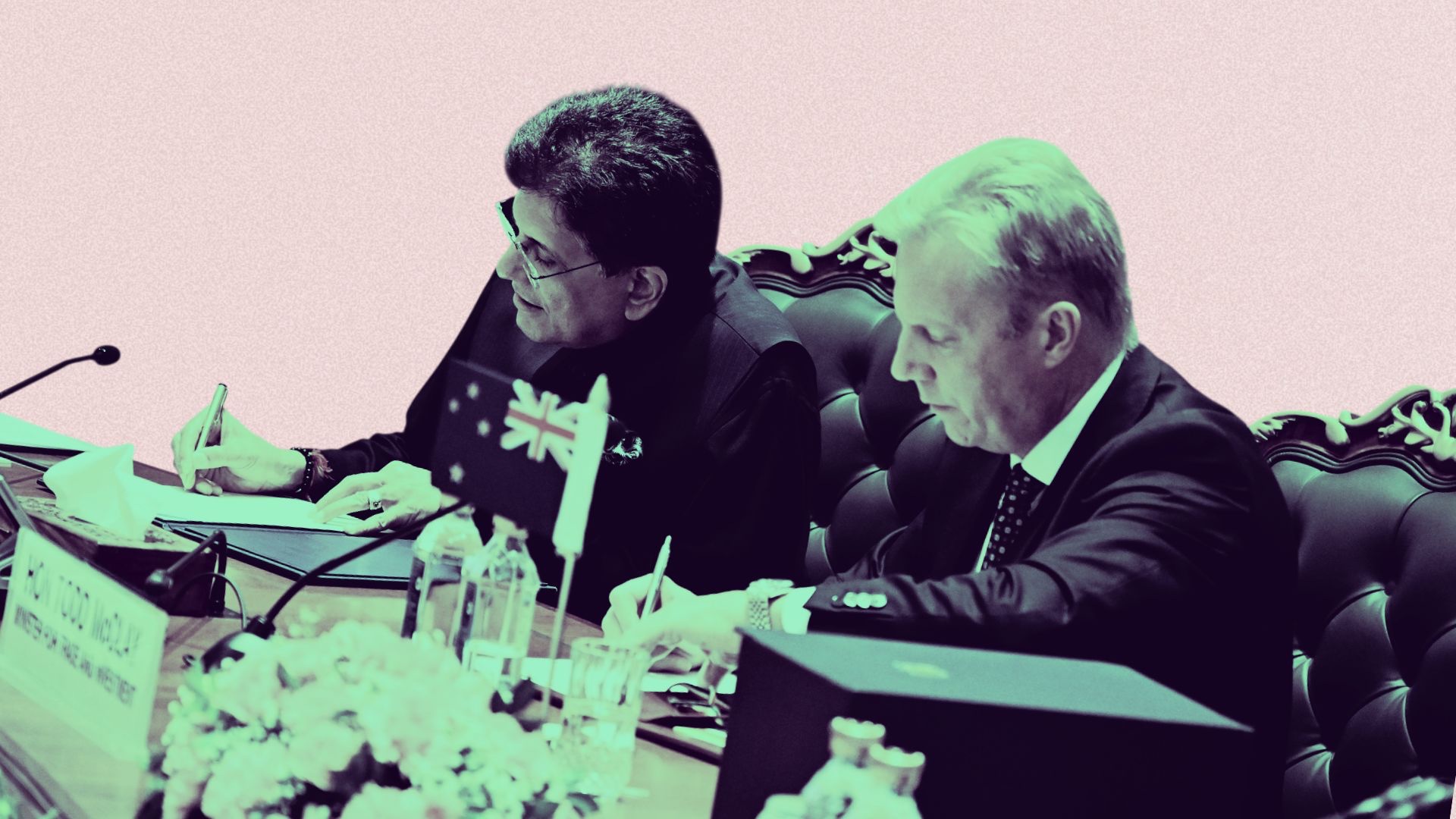
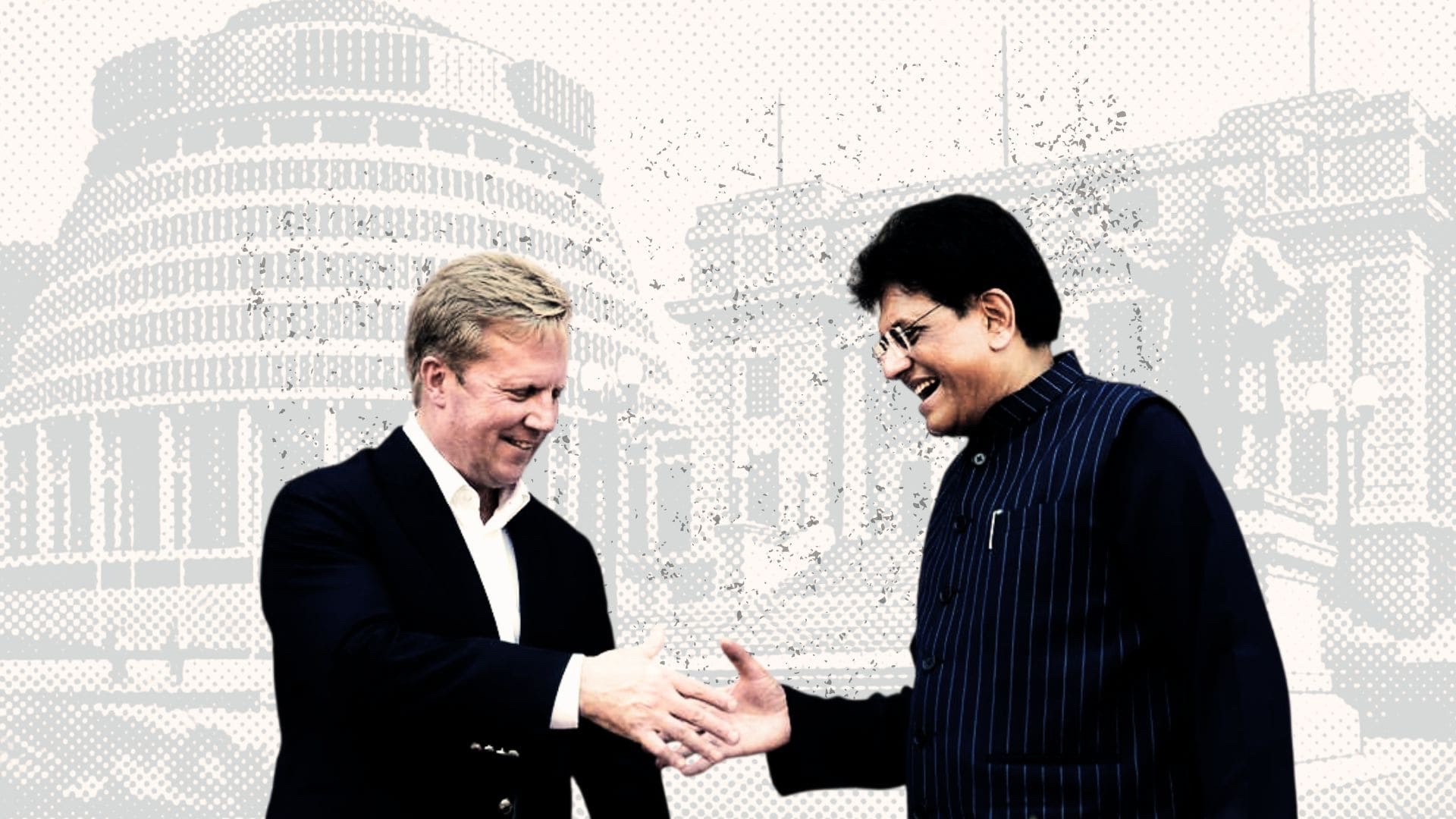
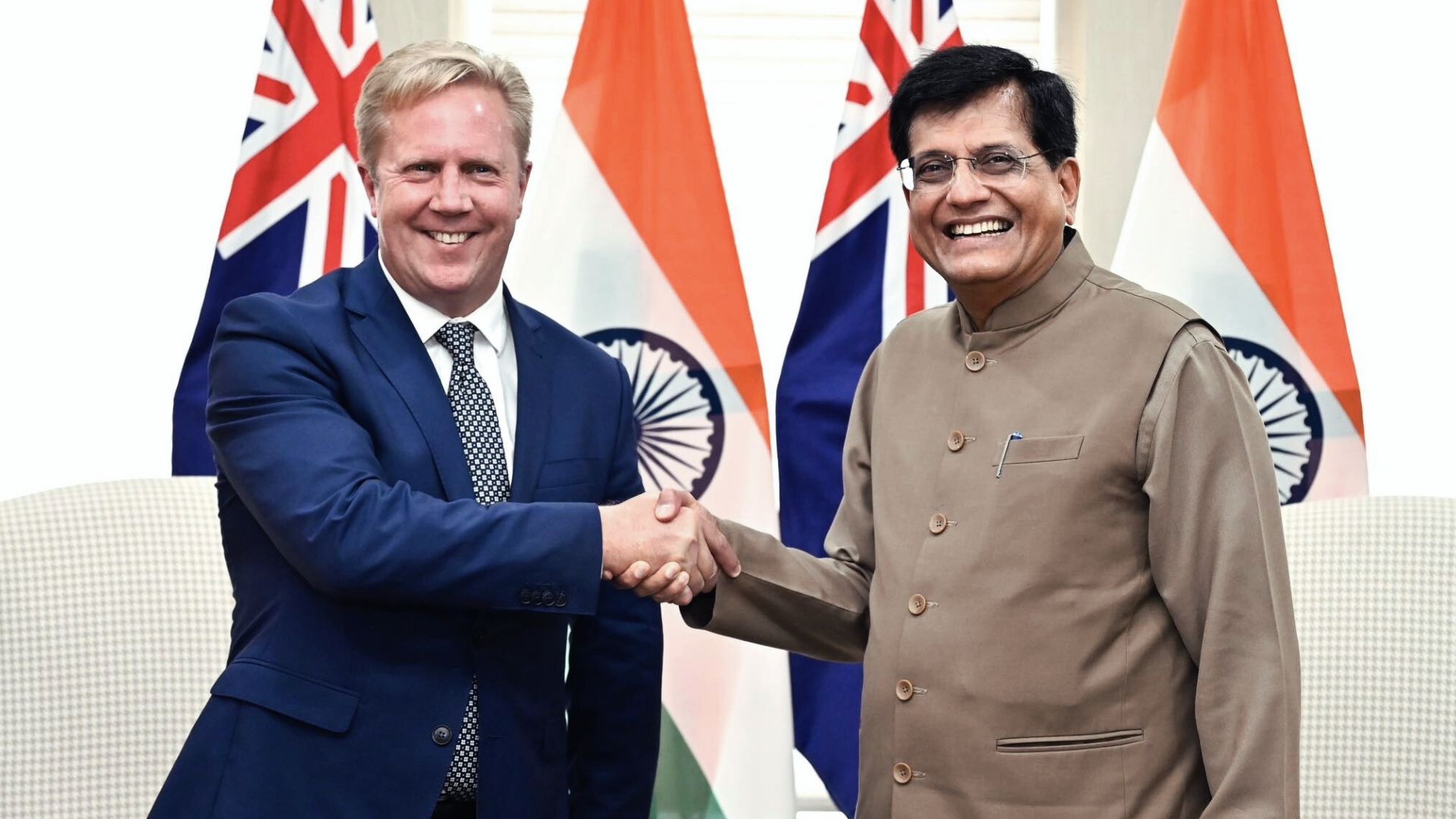
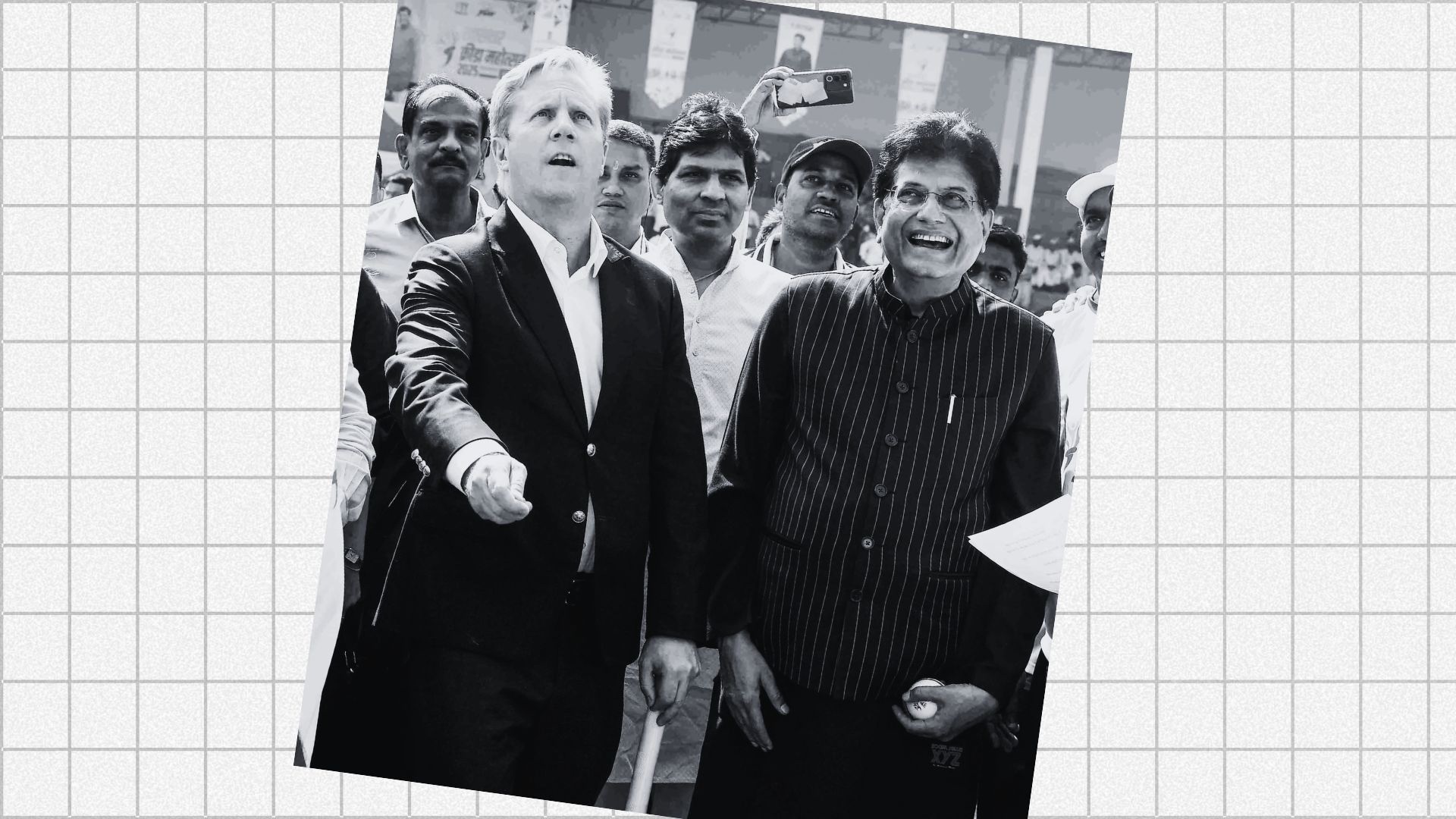
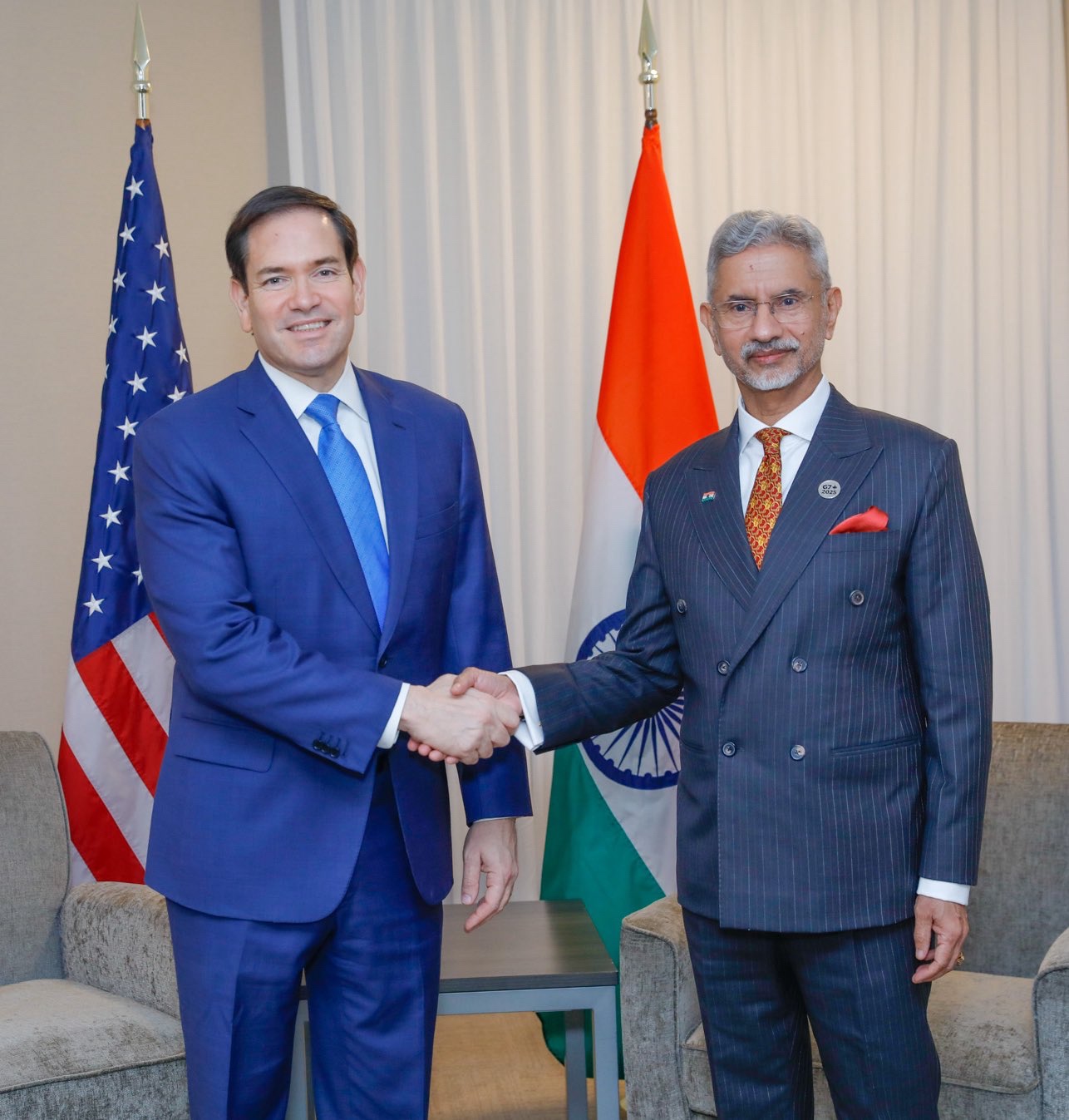
The announcement about Modi's visit came after trade minister Todd McClay met Indian counterpart Piyush Goyal at a World Trade Organization ministerial conference in Cameroon on March 29.
The two ministers "briefly reviewed preparations for the upcoming New Zealand visit of Prime Minister Shri Narendra Modi", India's commerce and industry ministry said in a press statement Sunday evening.
"Expressing high enthusiasm for this visit, New Zealand confirmed that a substantial list of deliverables are currently being finalised by both sides for this visit," the press statement read.
"To further strengthen economic ties, New Zealand will be hosting a high-level business delegation during Prime Minister Modi’s visit."