
How racism united Indian migrants in New Zealand a century ago
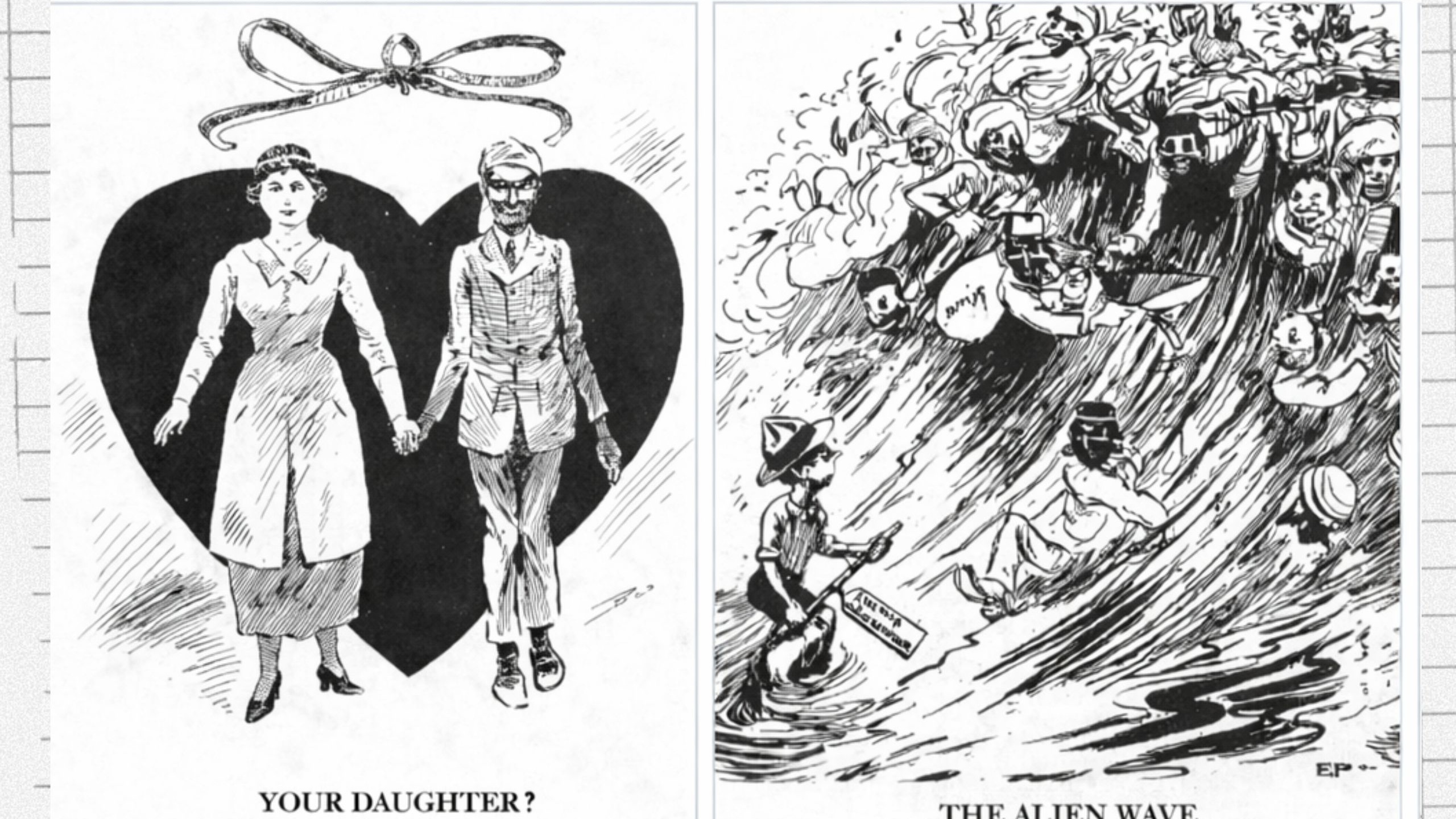
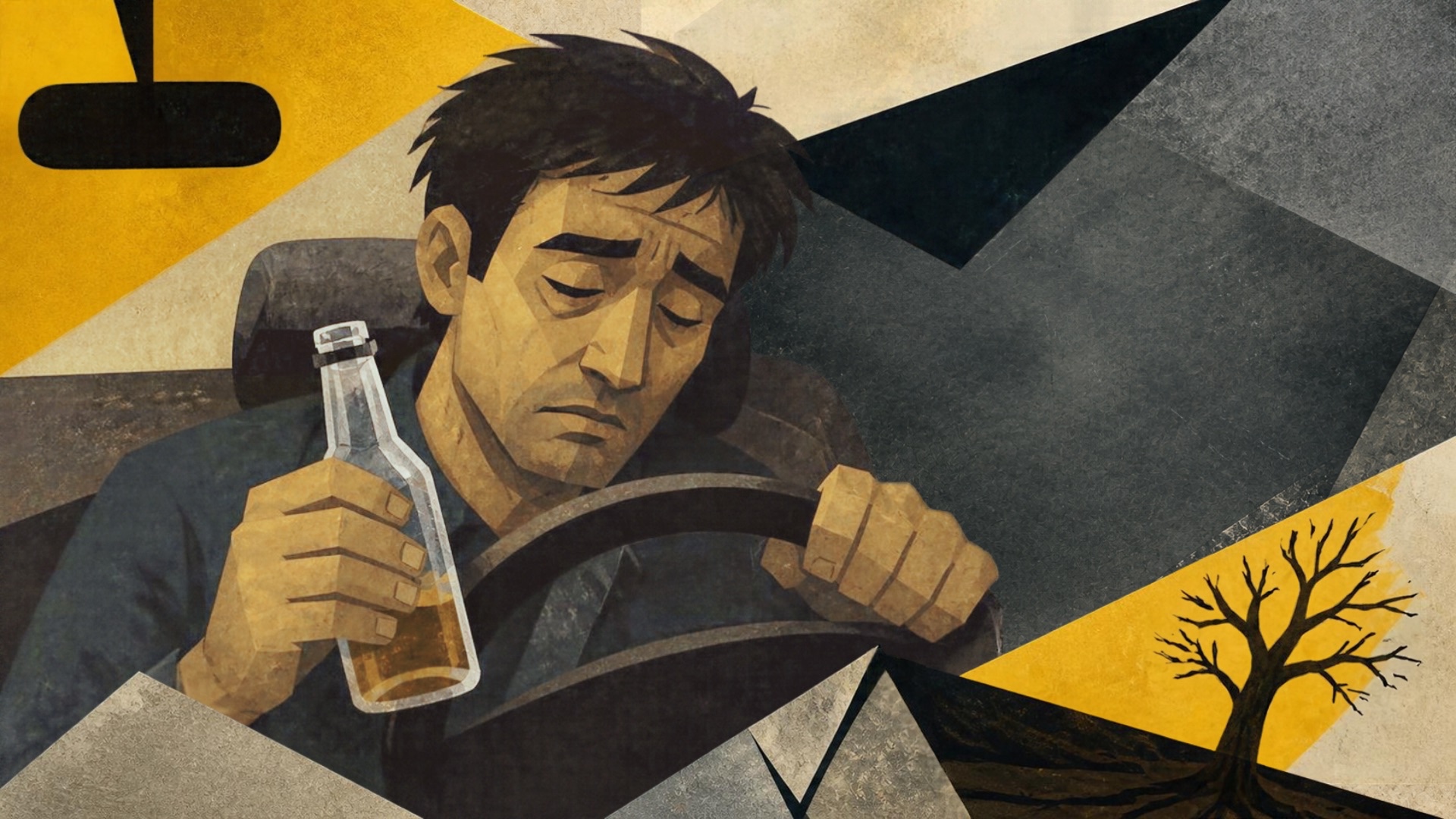
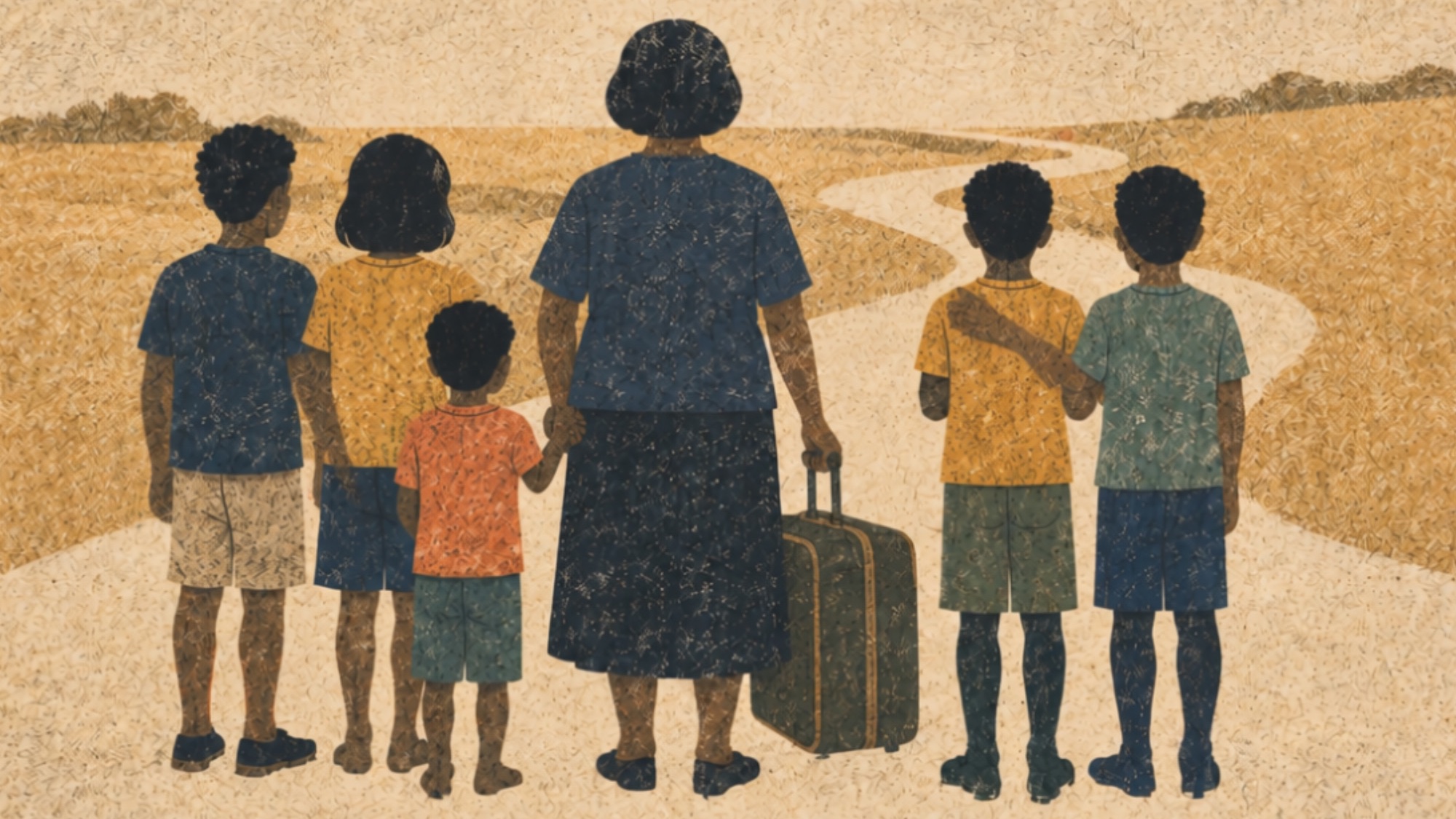
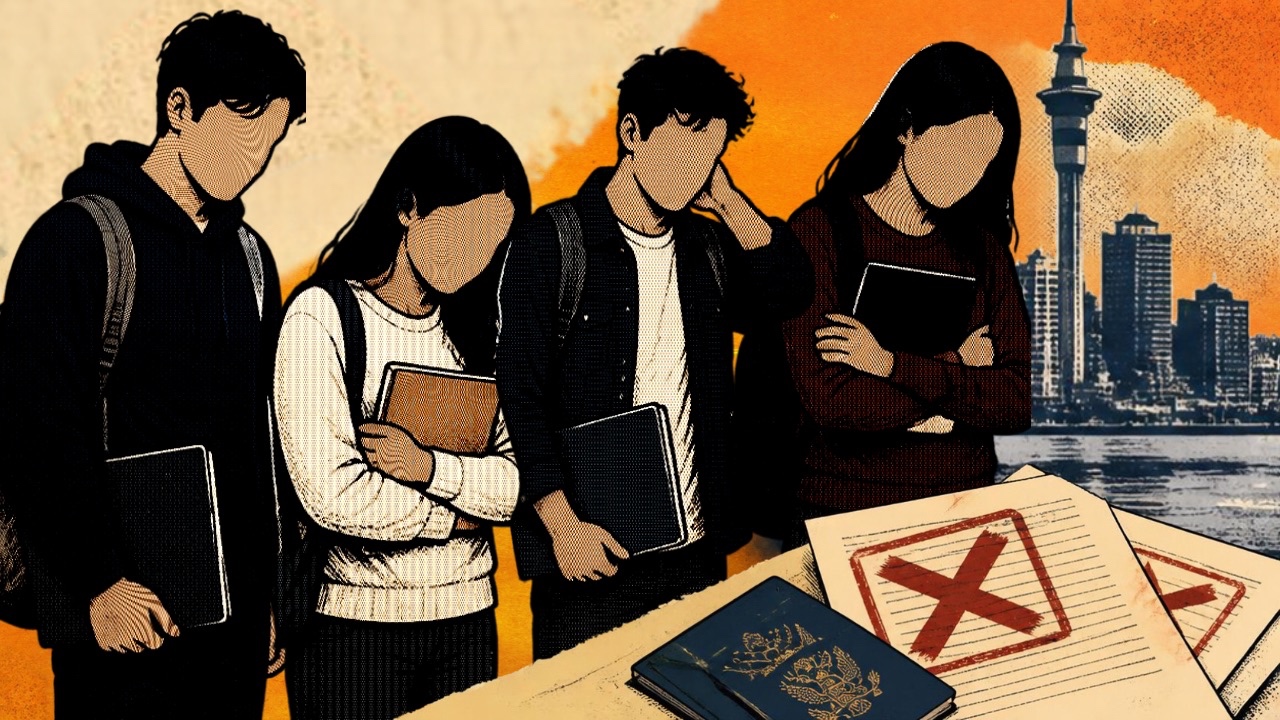
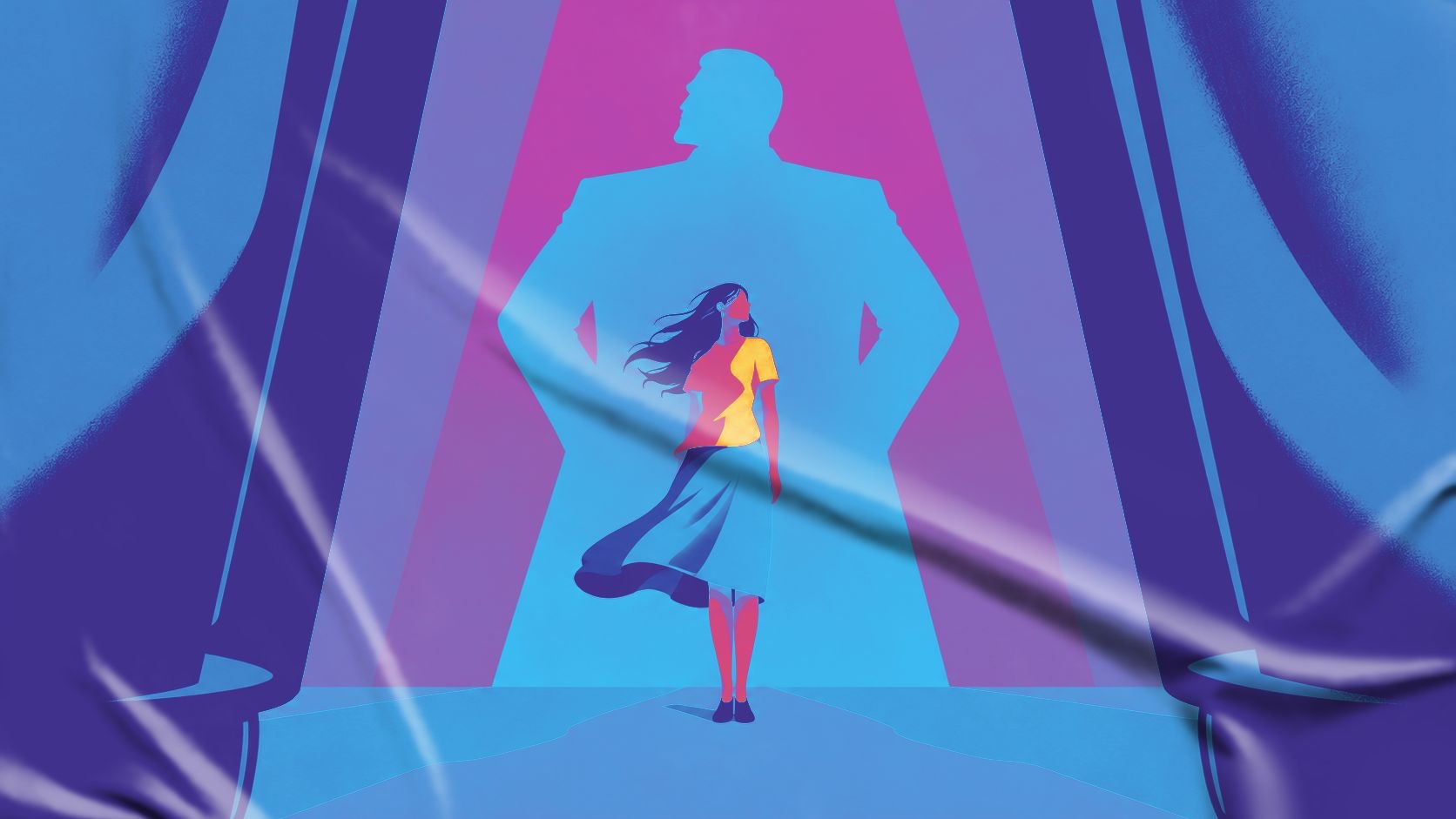
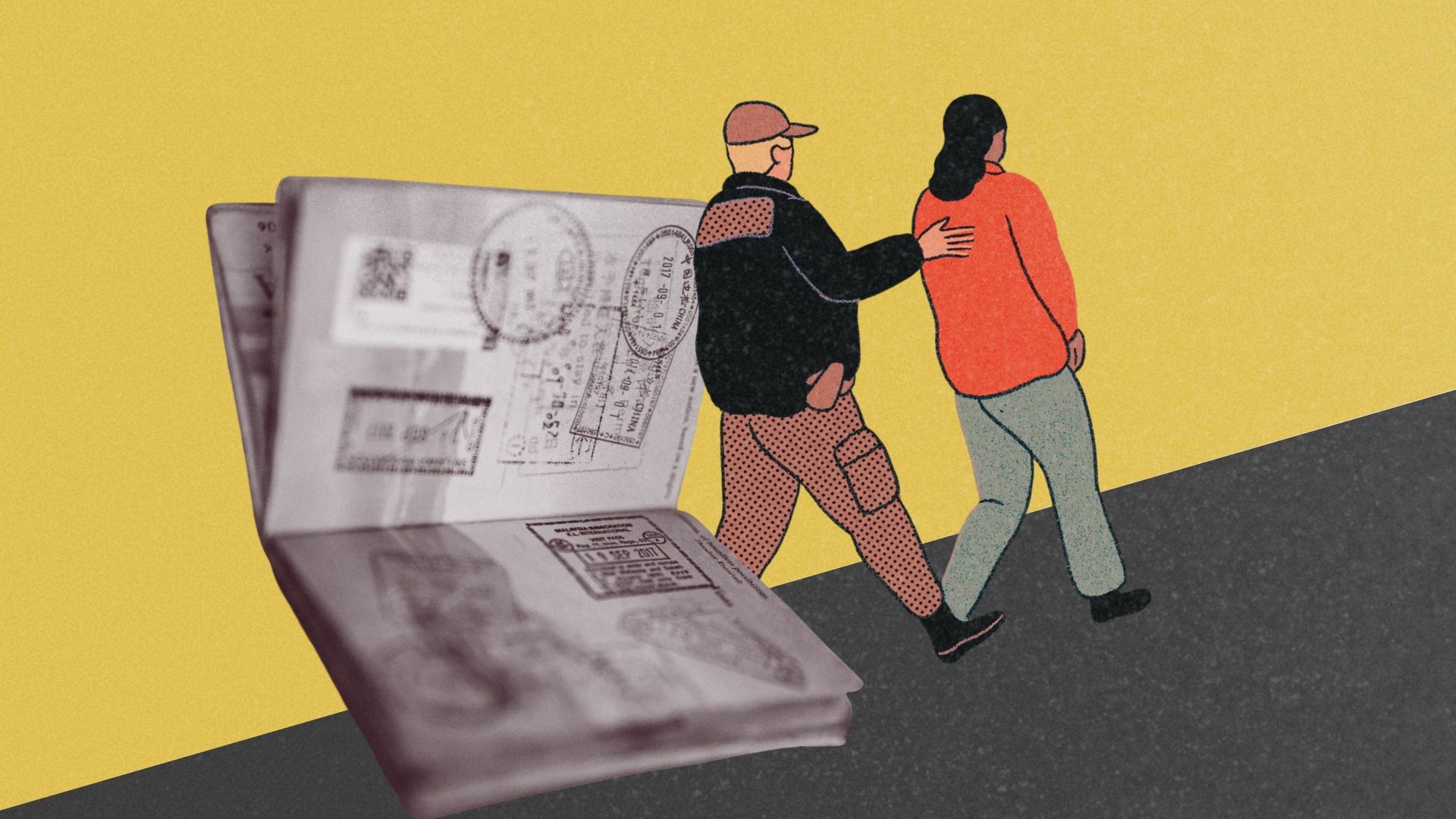
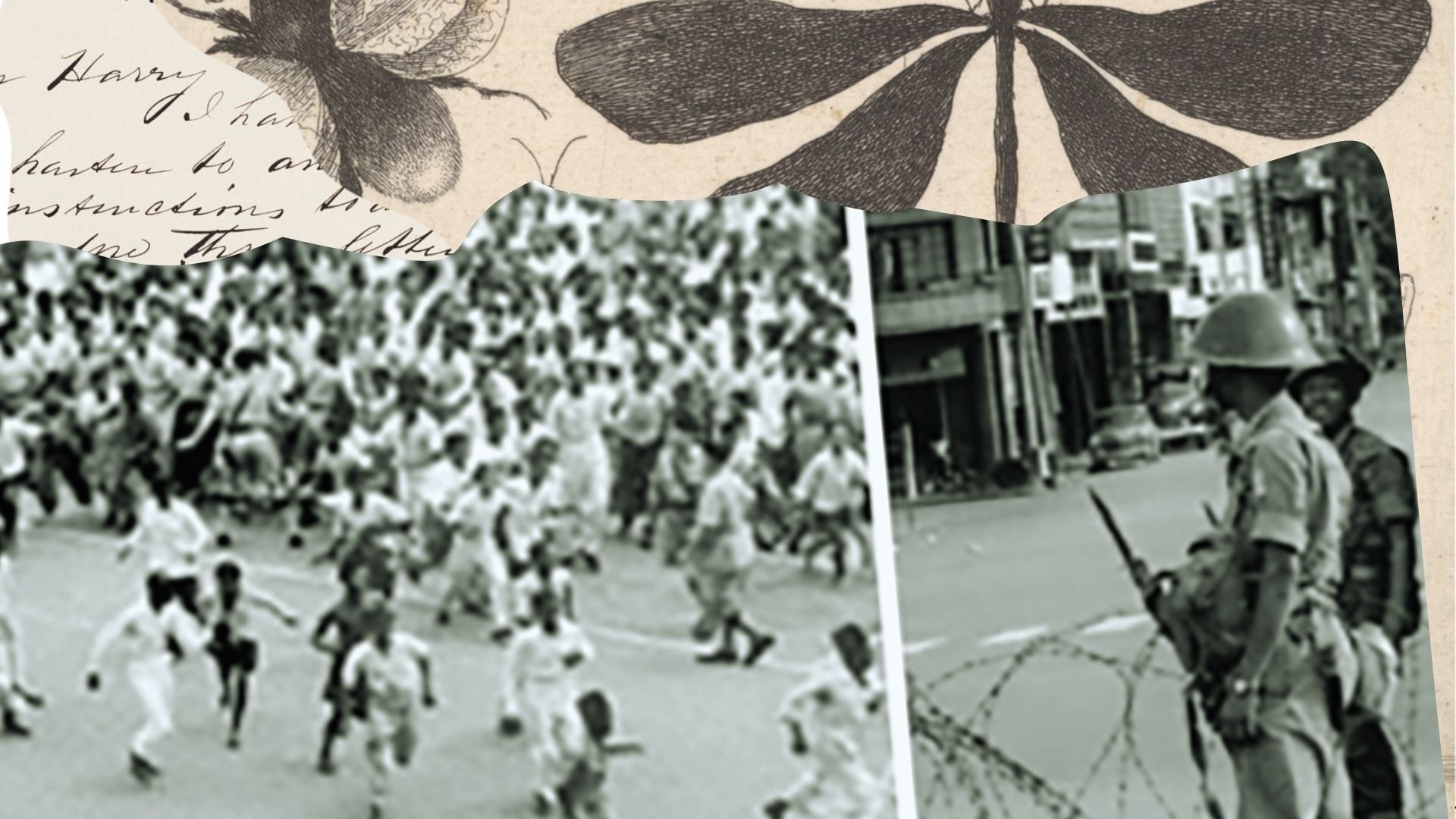
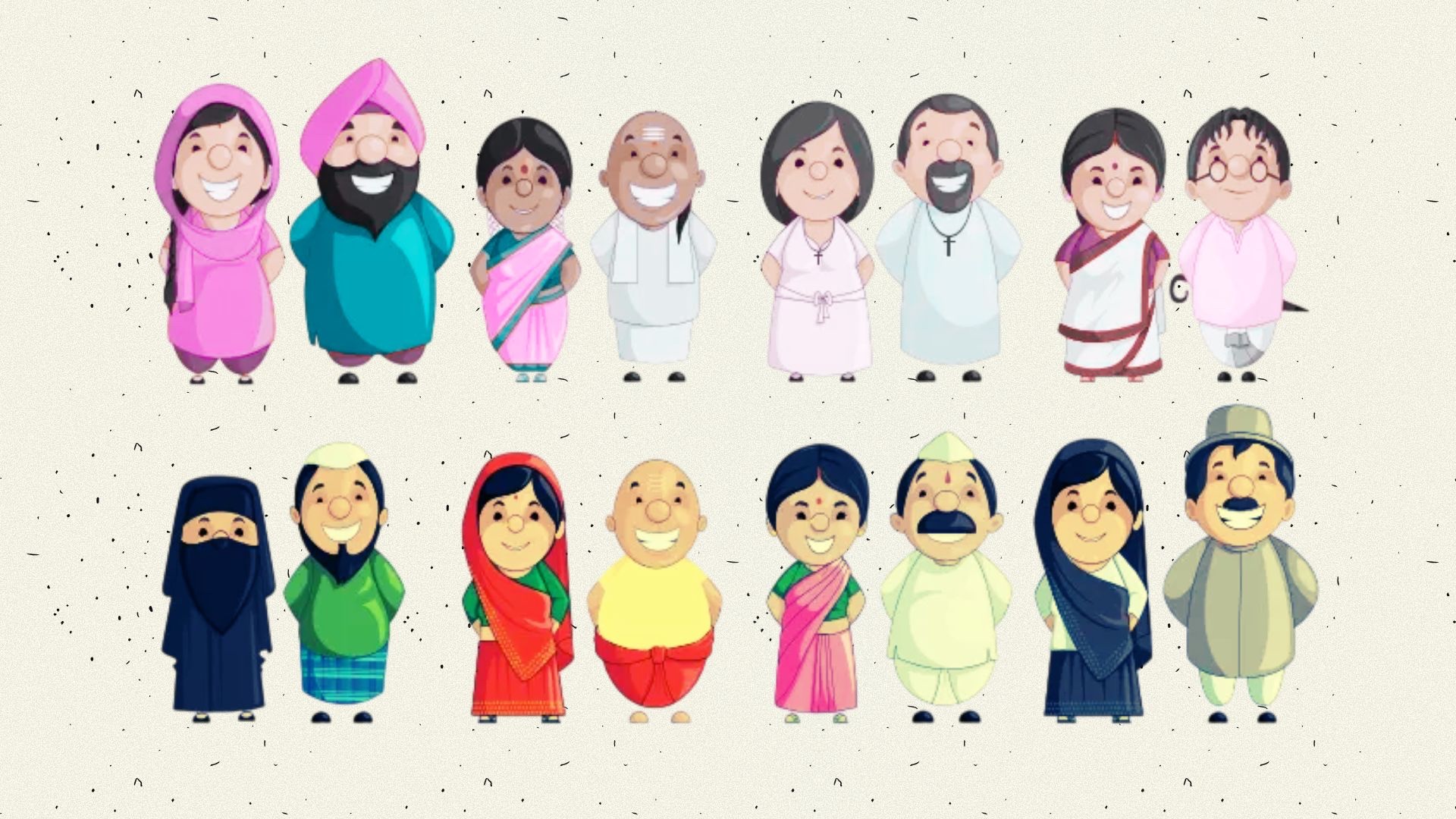
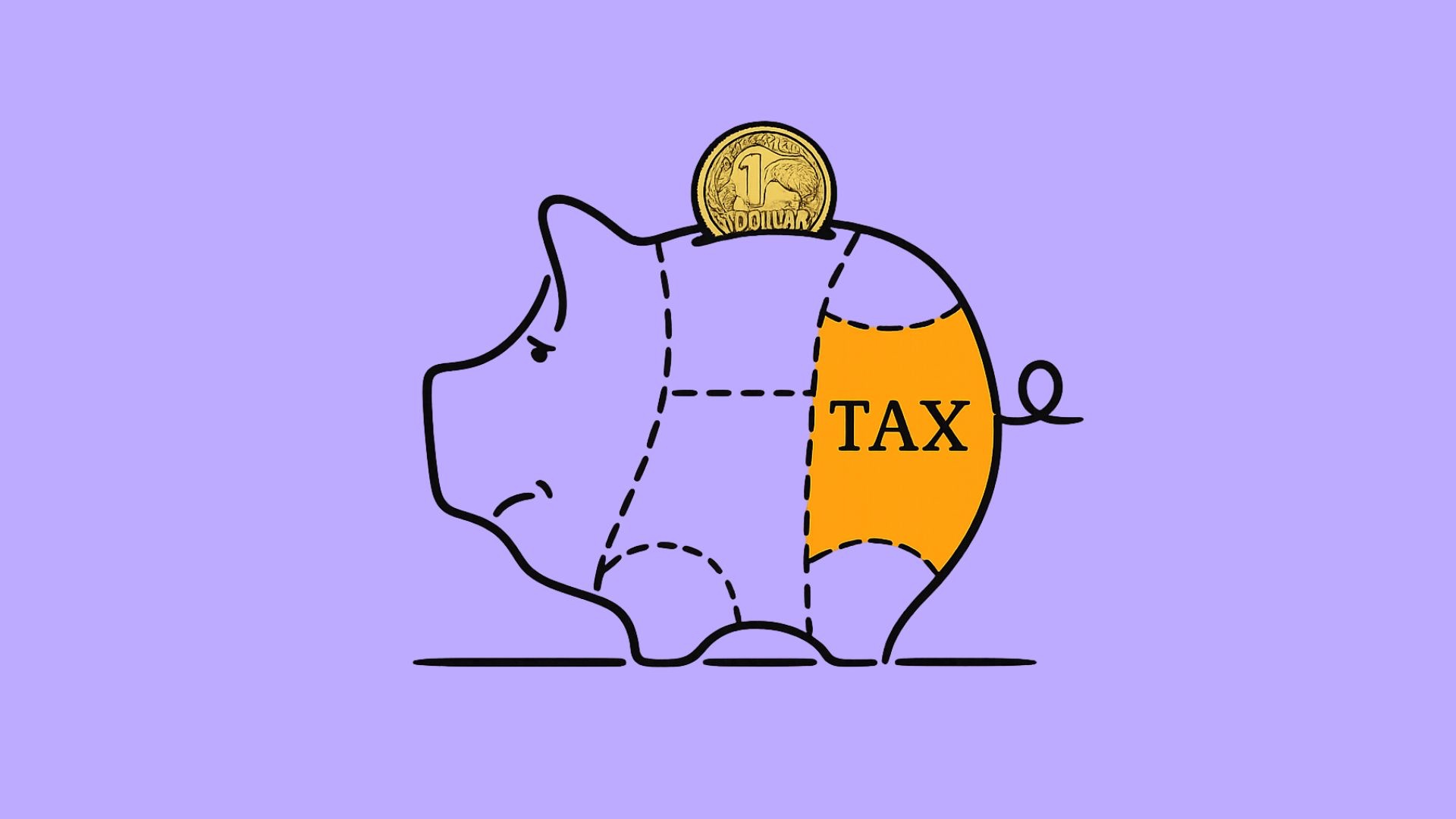
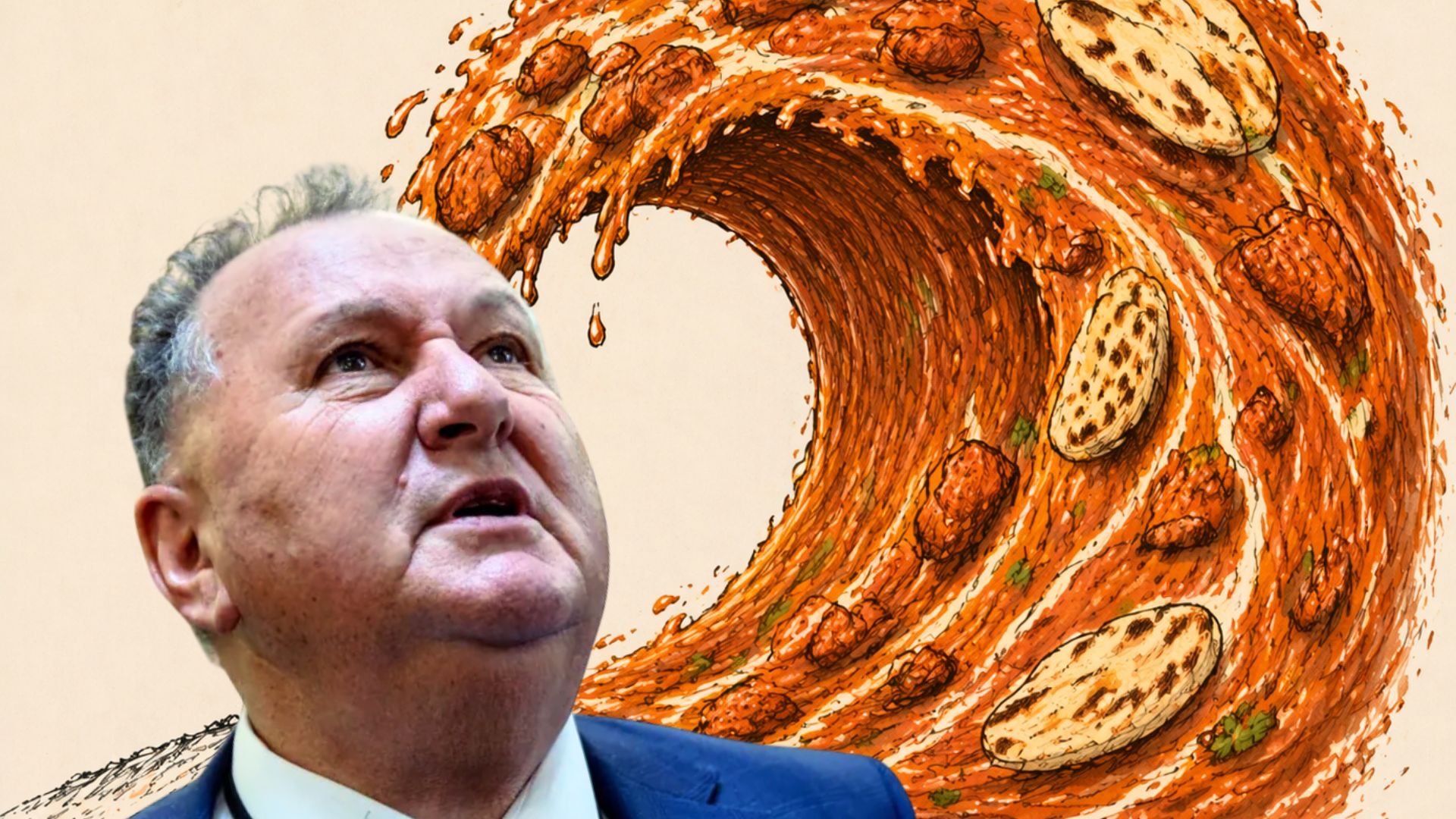
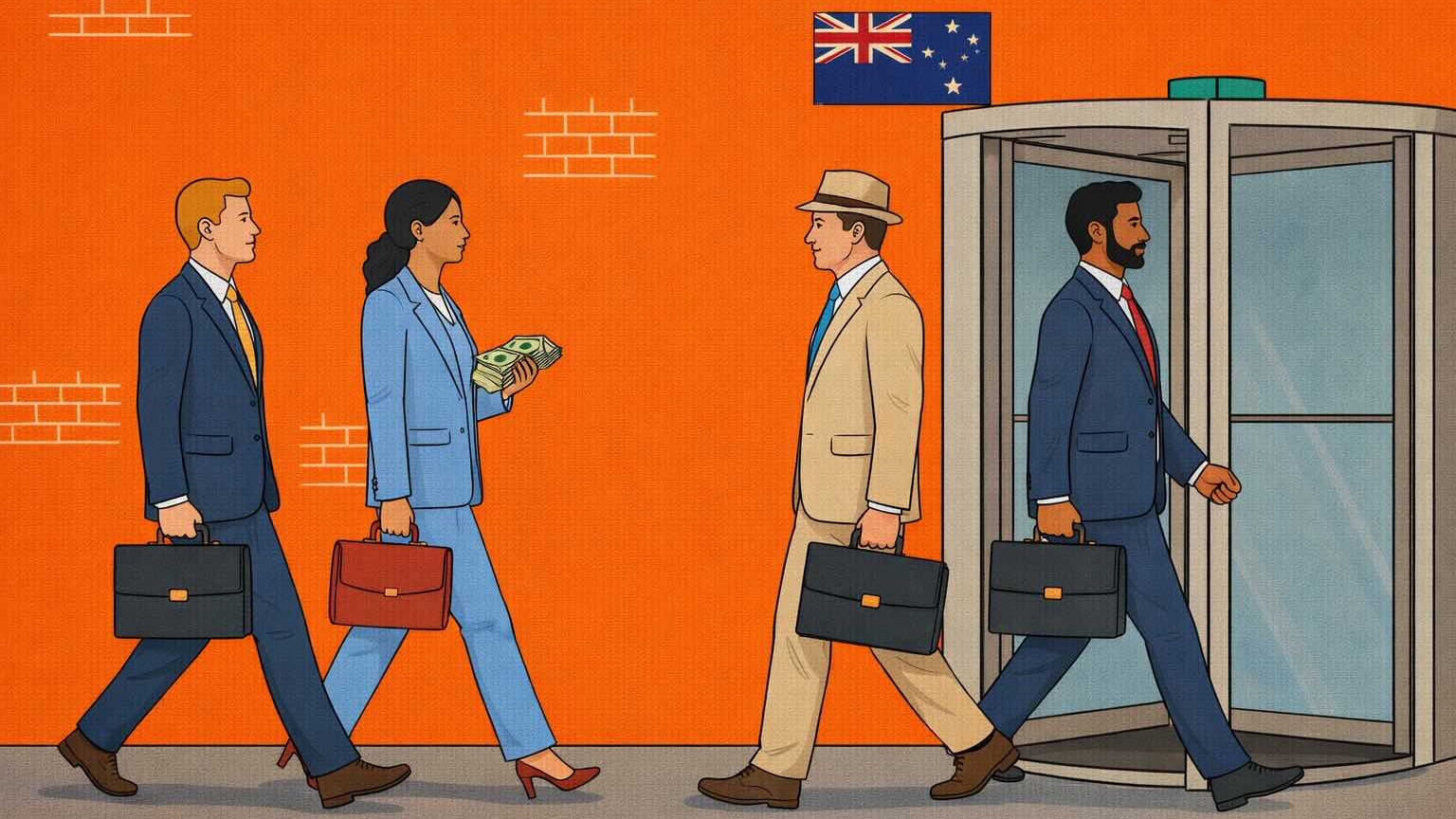
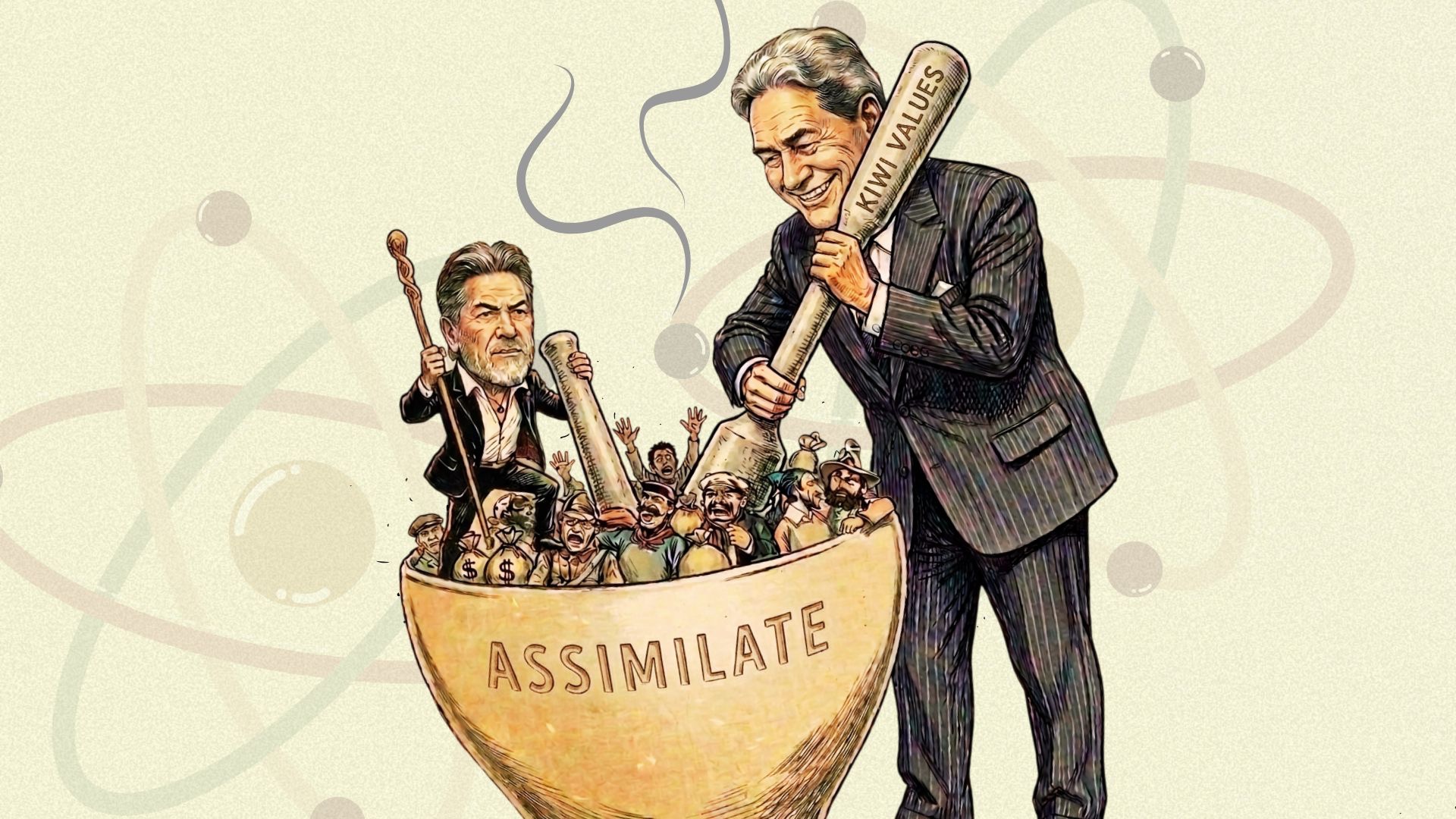
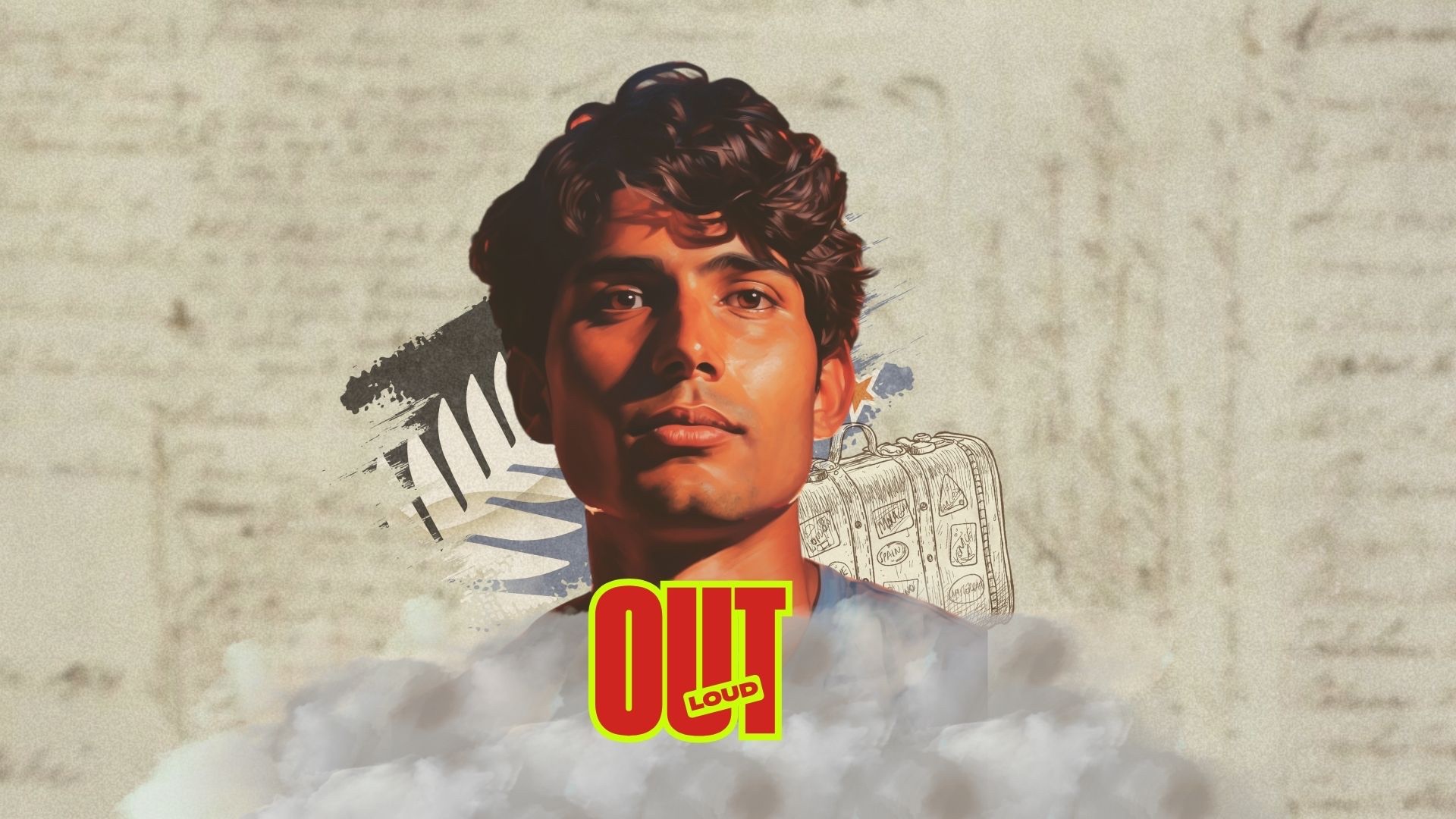
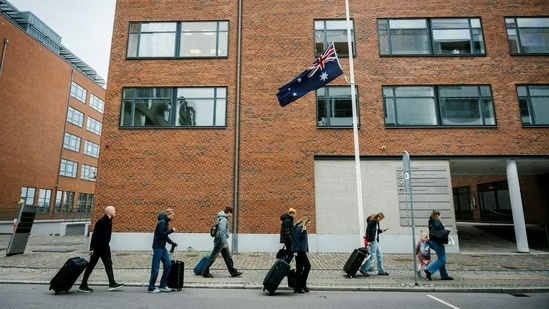
A series of racist cartoons against migrants began appearing in tabloids in the early 1900s. (Supplied photo)
The White New Zealand League once wanted to preserve New Zealand's "racial purity".
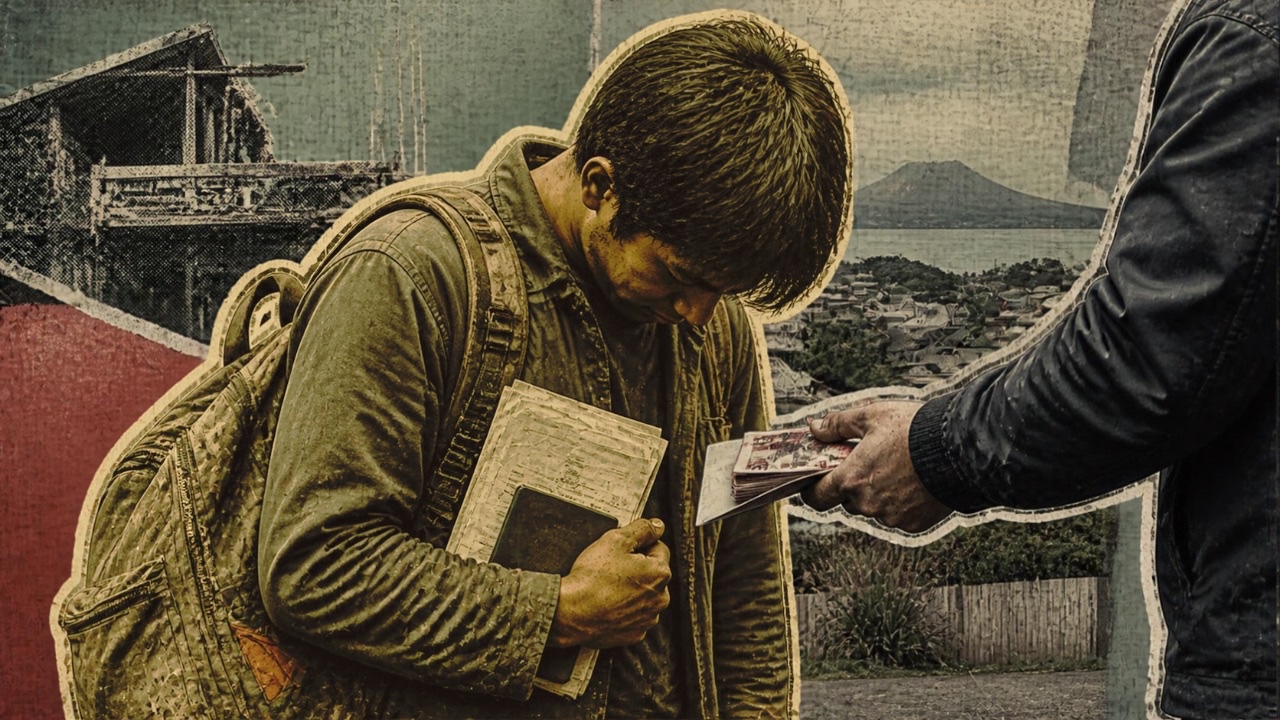
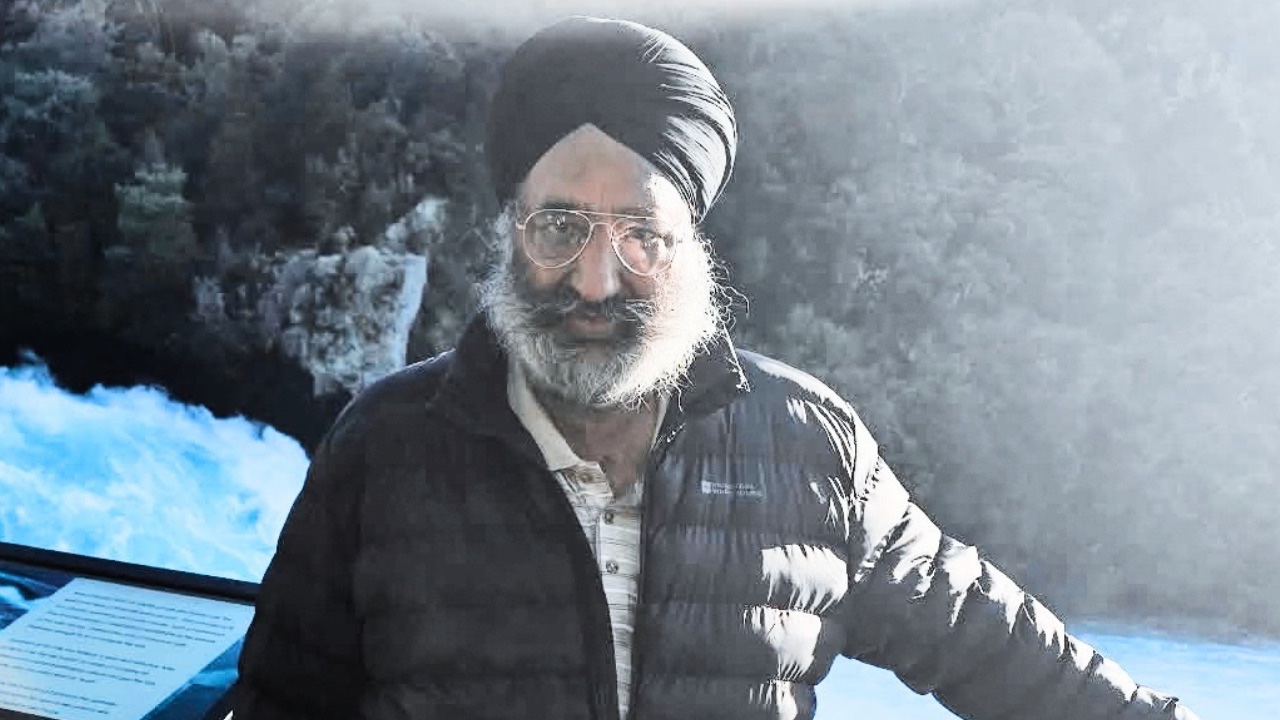
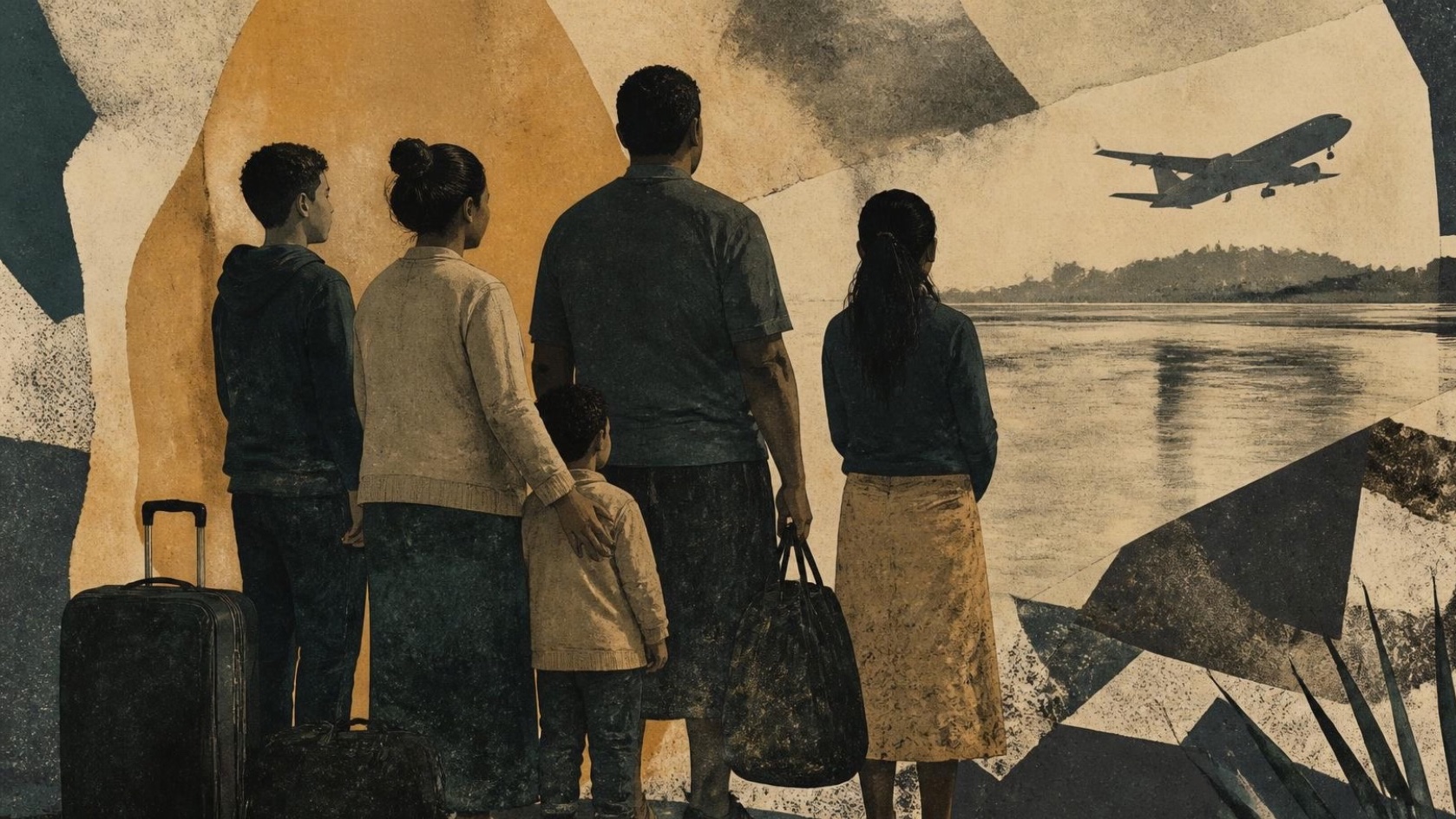
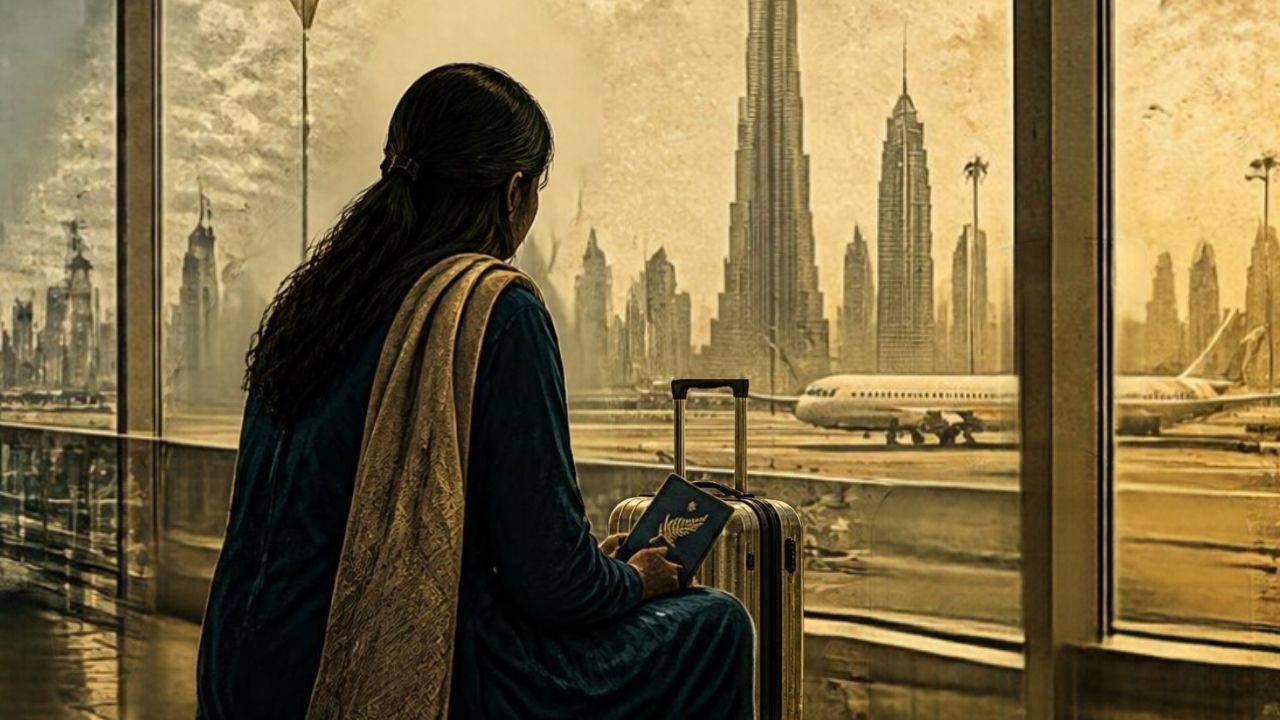
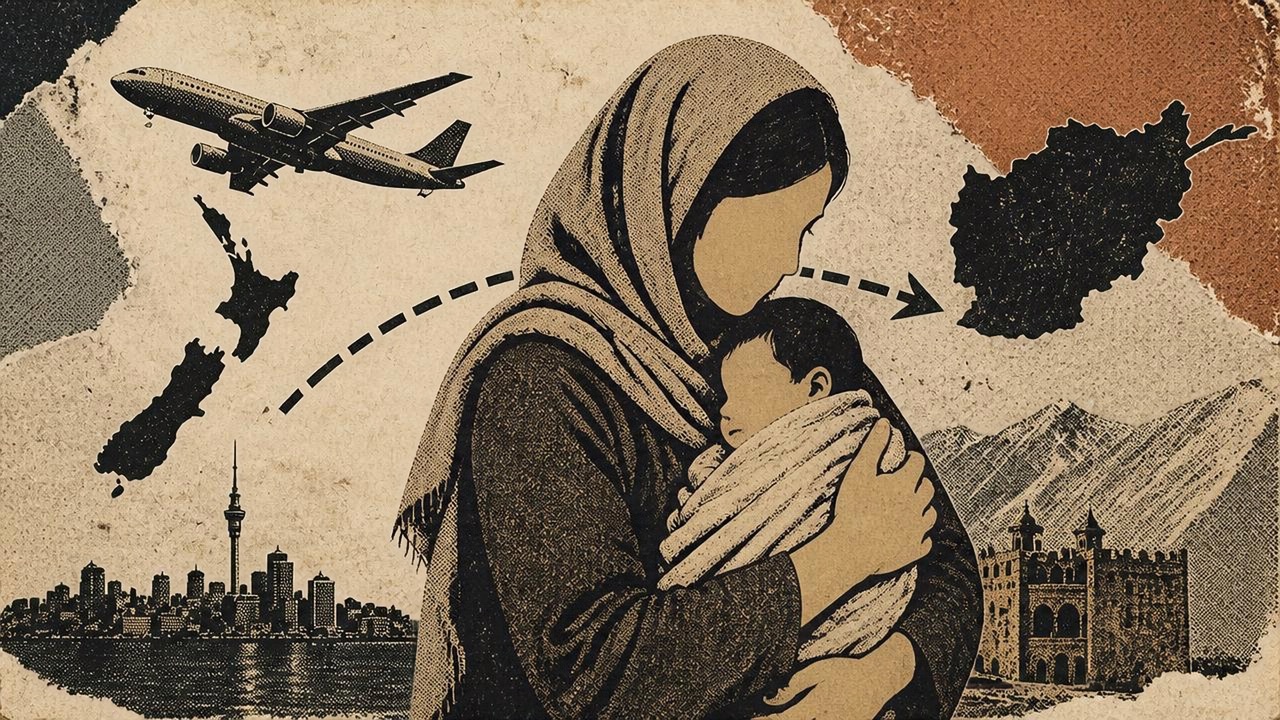
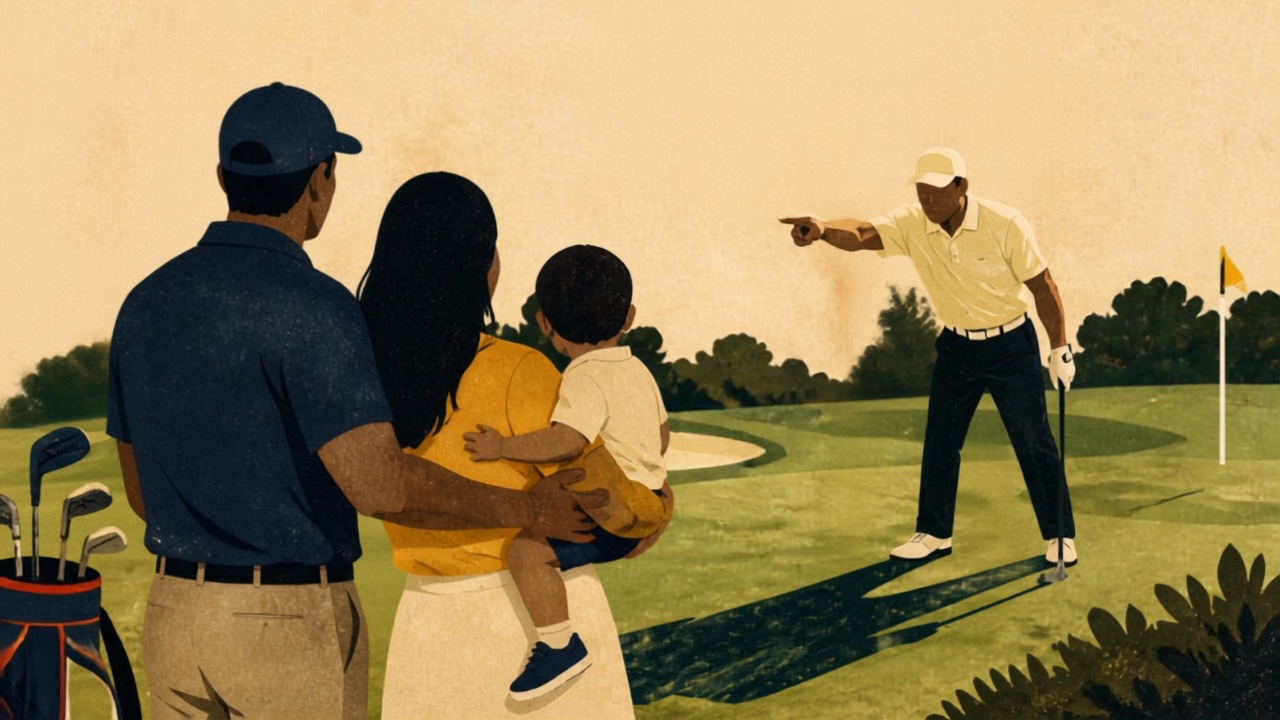
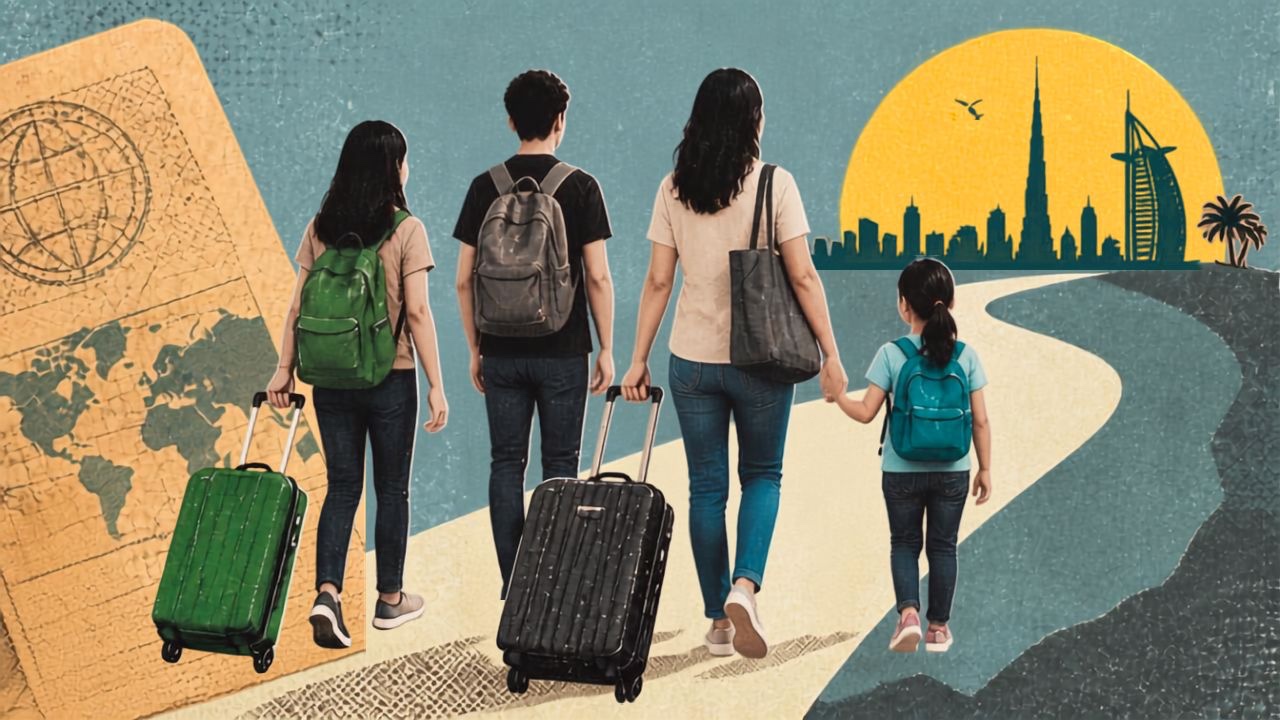
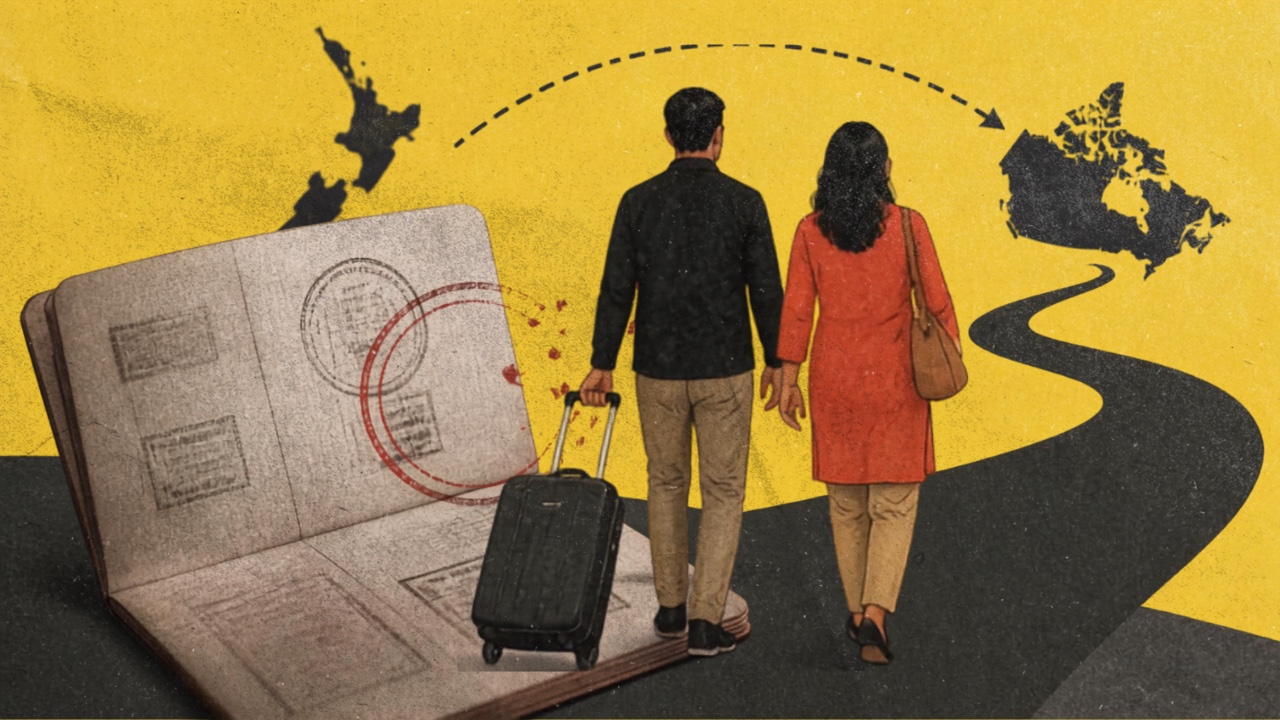
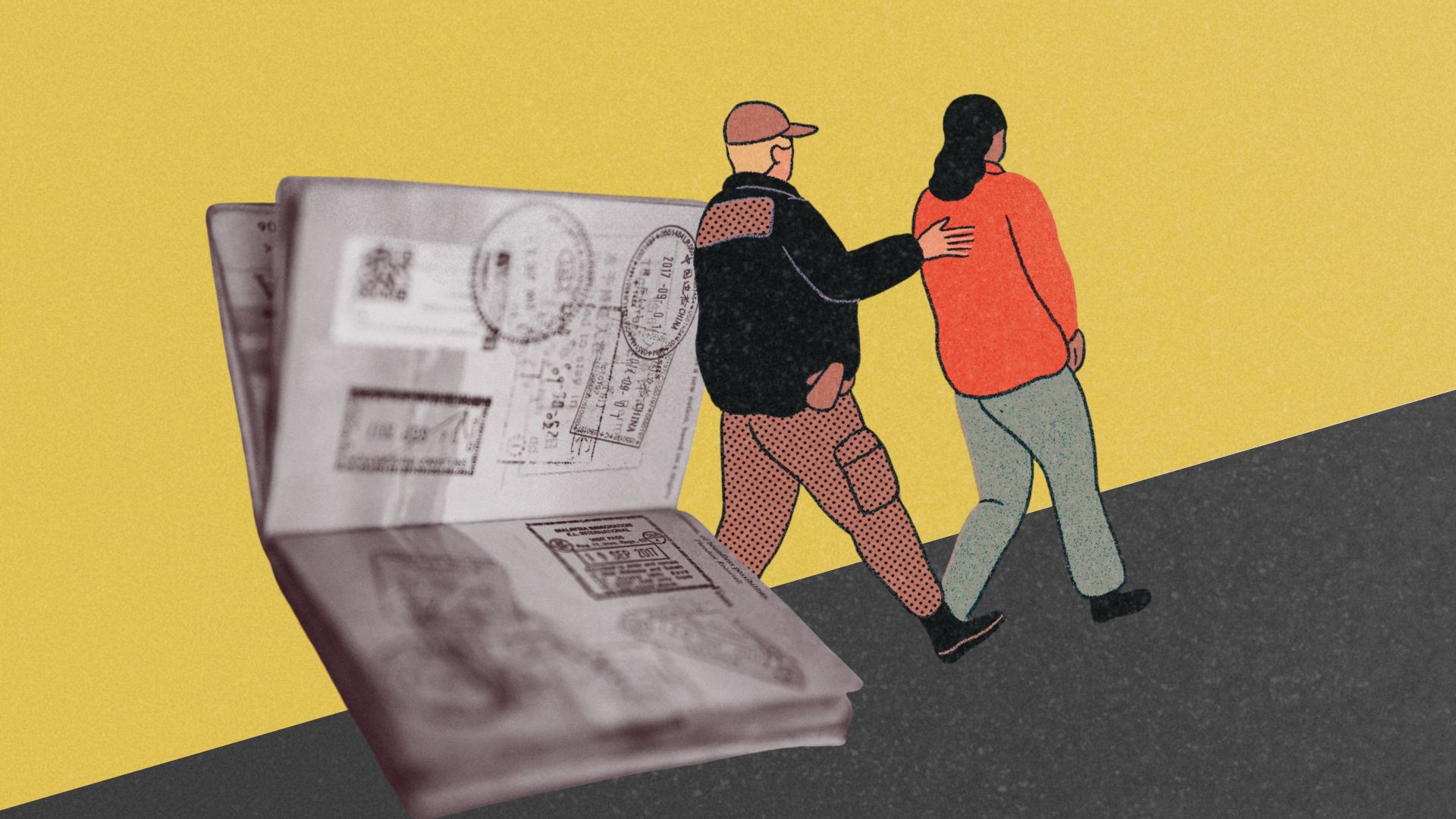
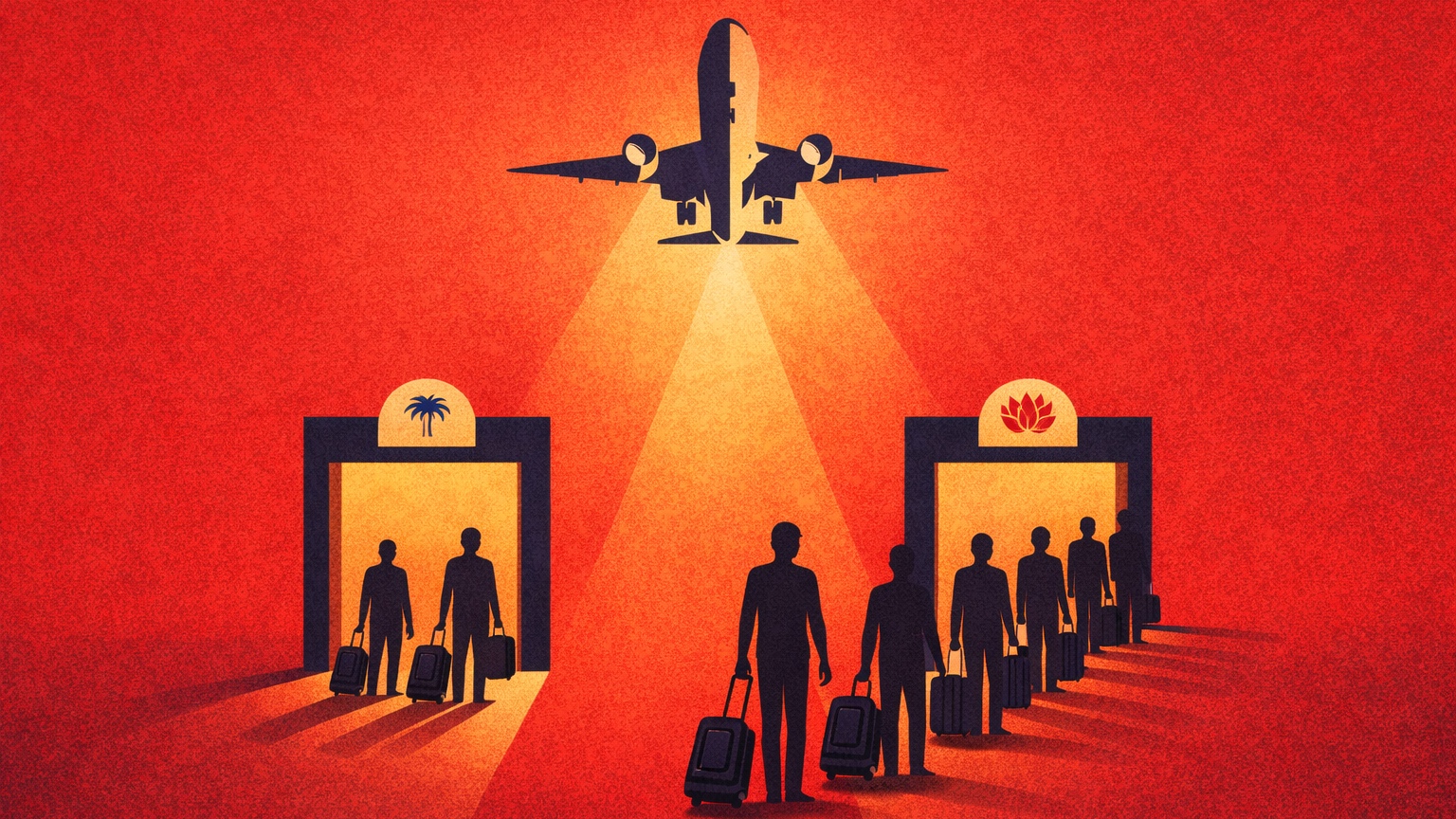
In the early 1900s, when New Zealand still imagined itself as a "Better Britain" in the South Pacific, a young man from Punjab in India boarded a train to what is now known as Kolkata. He was to get on a ship to California. That vessel never sailed.
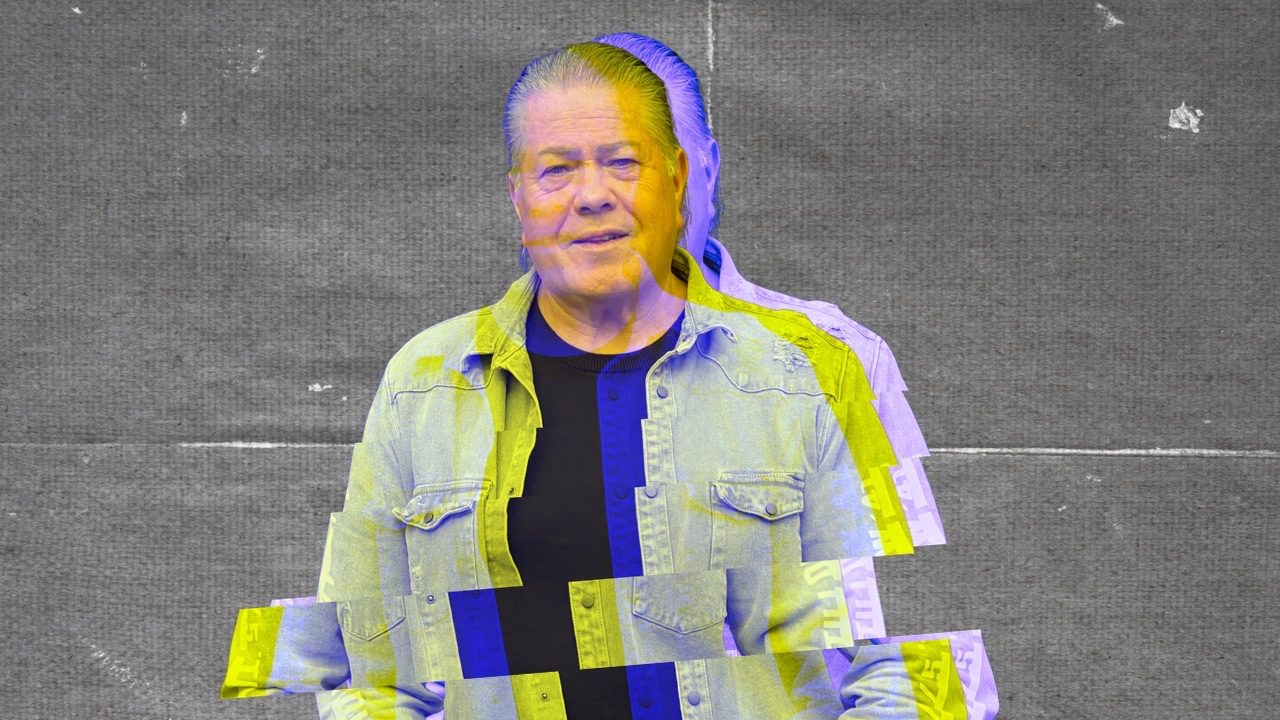
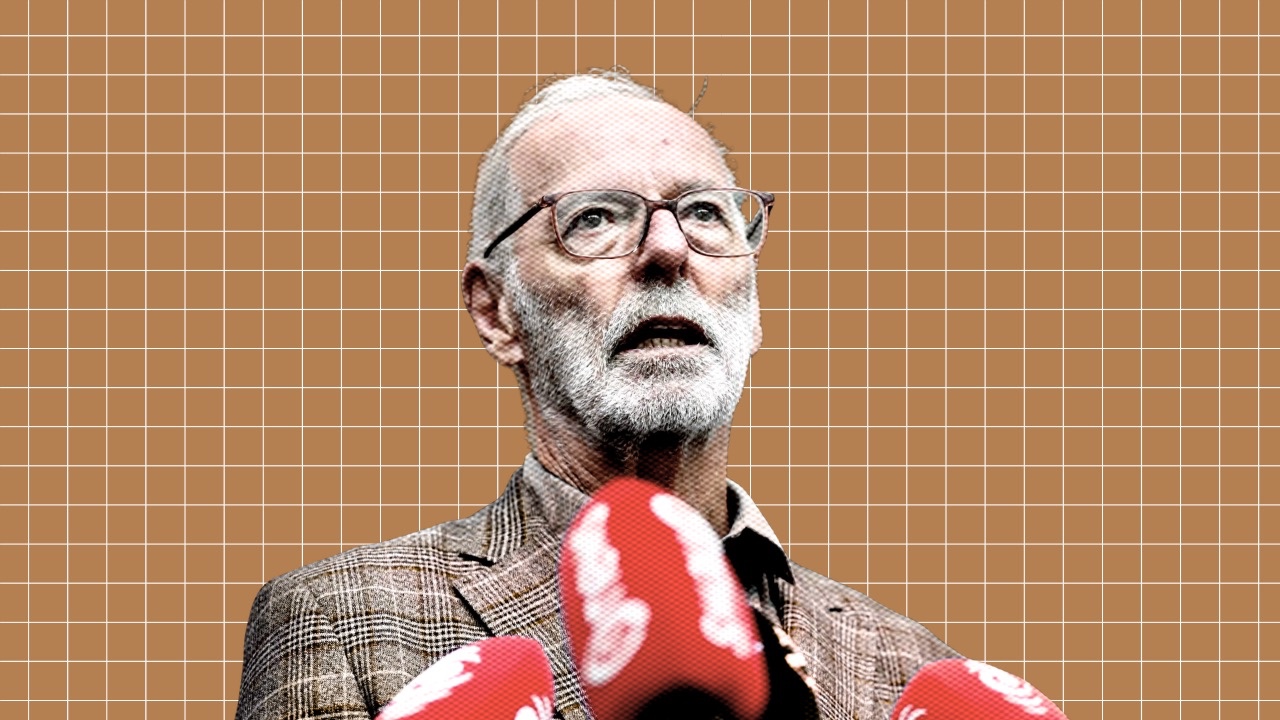
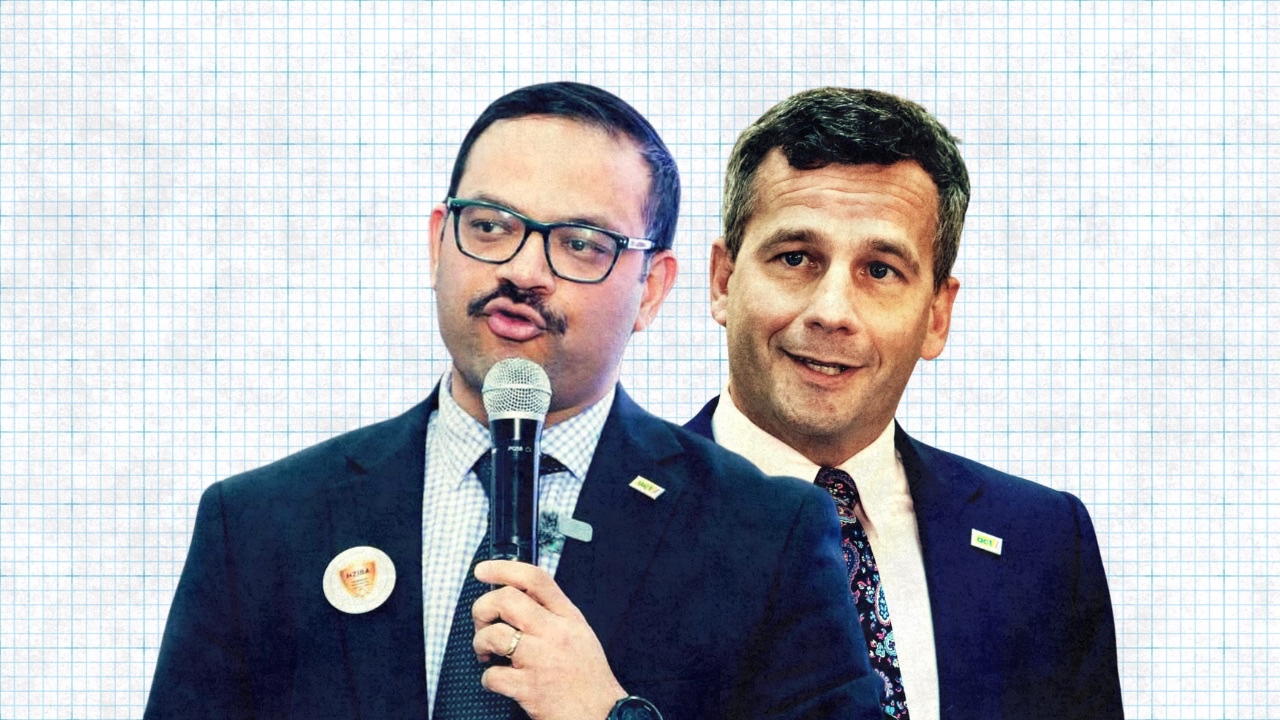
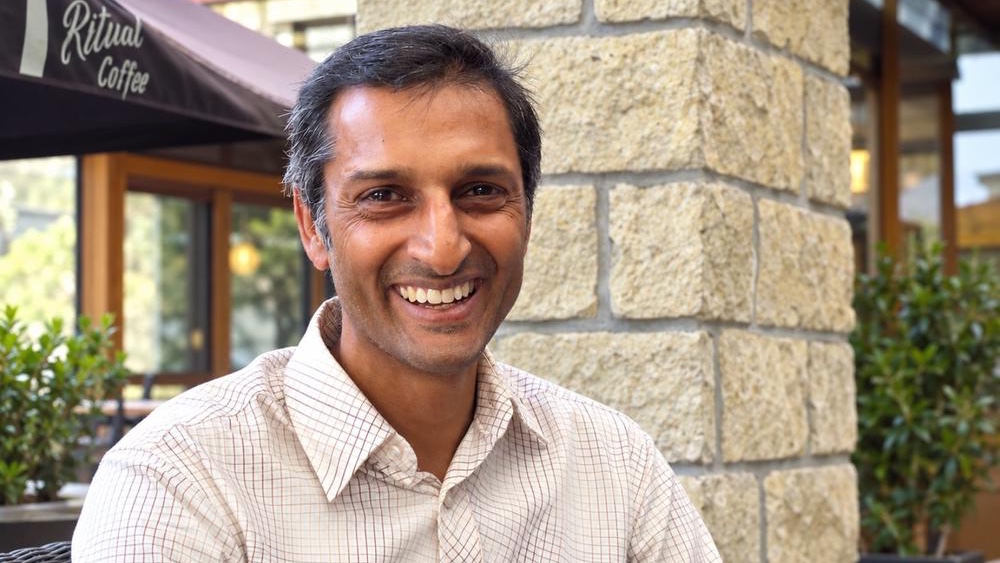
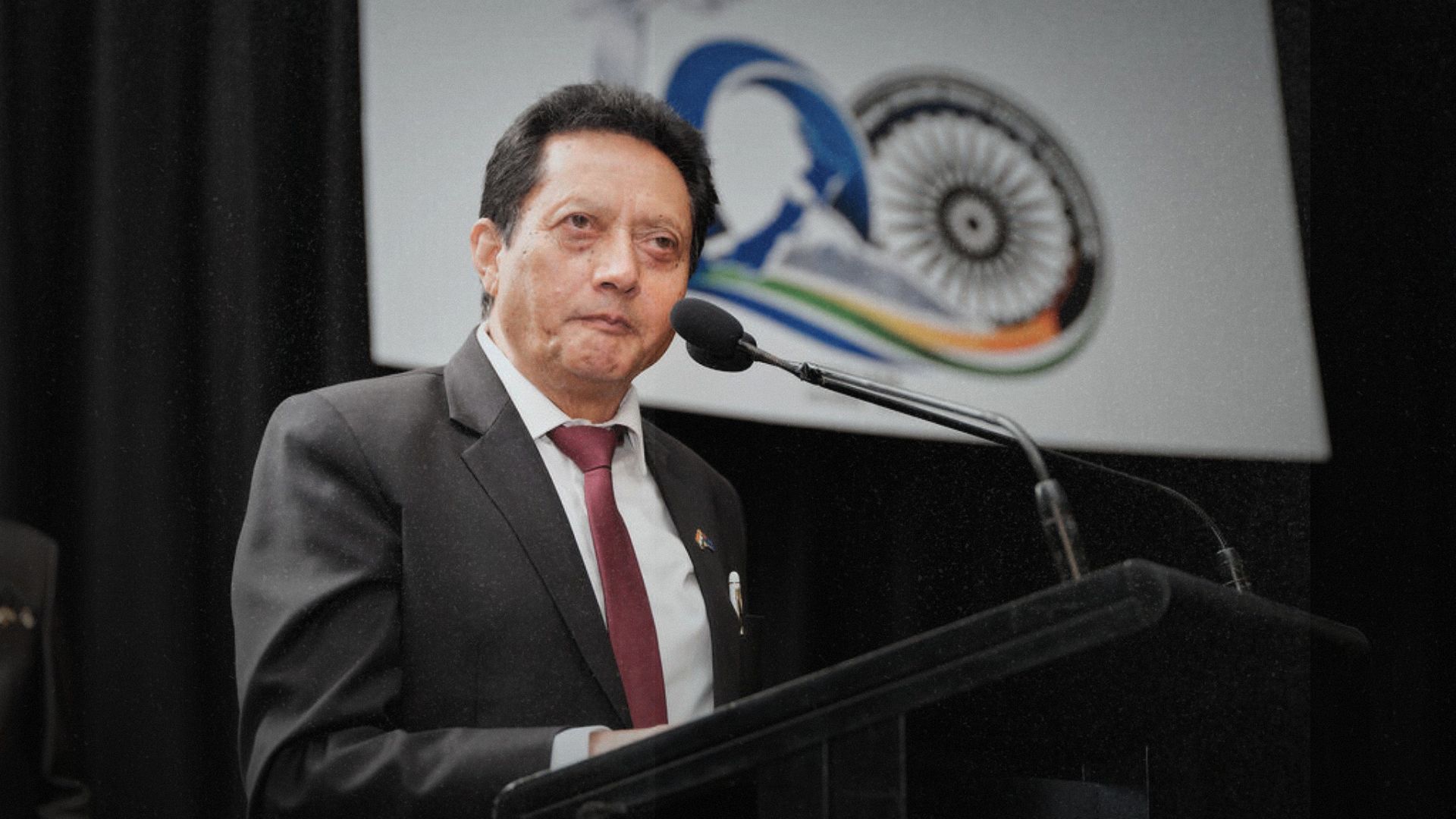
"So, we have the example of this early pioneer," recalls Veer Khar, president of the New Zealand Indian Central Association (NZICA). "There was another ship going to New Zealand [when the ship to California was delayed]. He said, ‘Oh, let me go there.’ So he came to New Zealand."
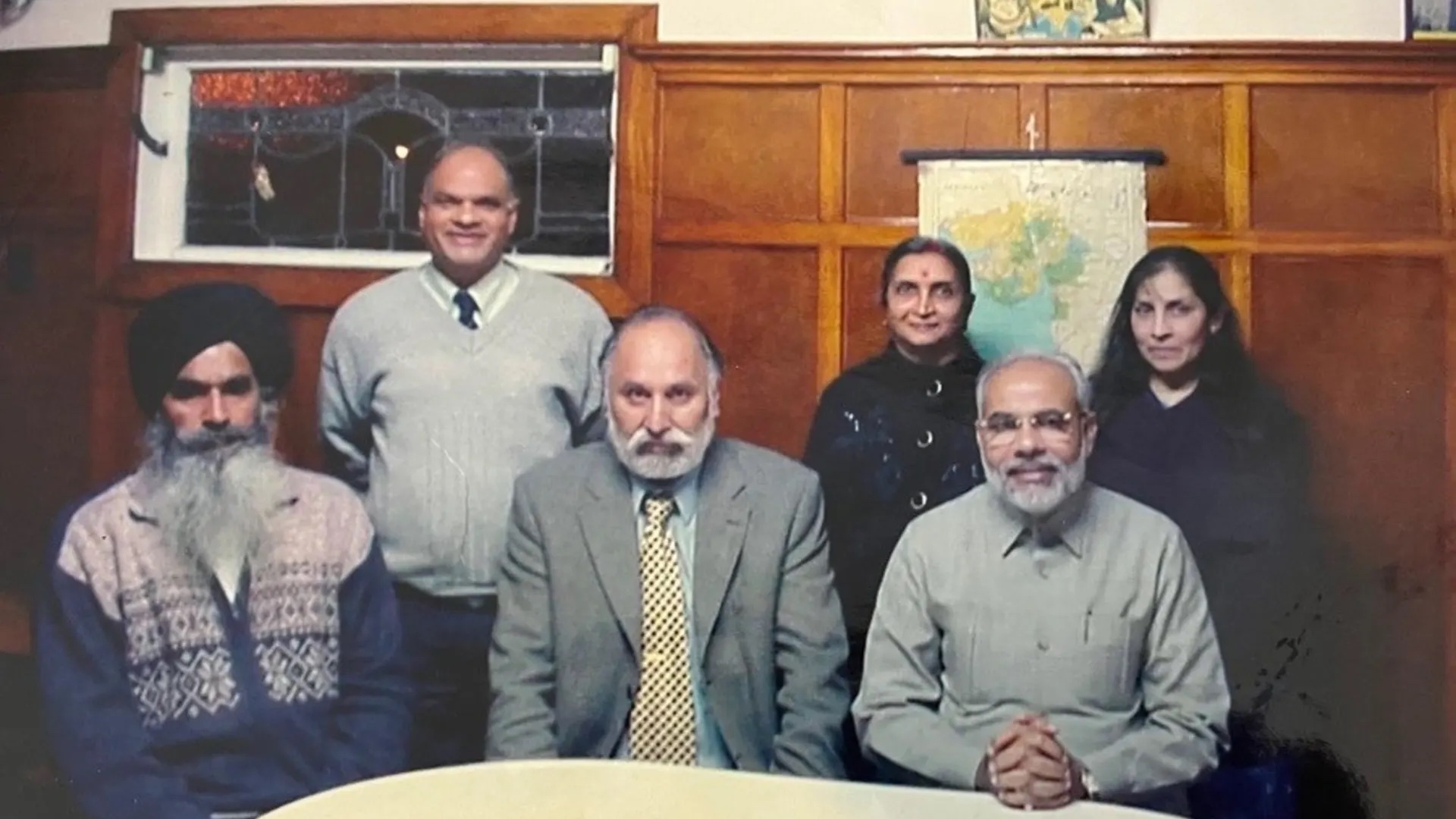
Instead of San Francisco, he arrived on the farmlands near Pahiatua, east of Palmerston North, one of a handful of Indians working on lands like the "Hindu Farm" in the lower North Island.
Pukekohe and the politics of land
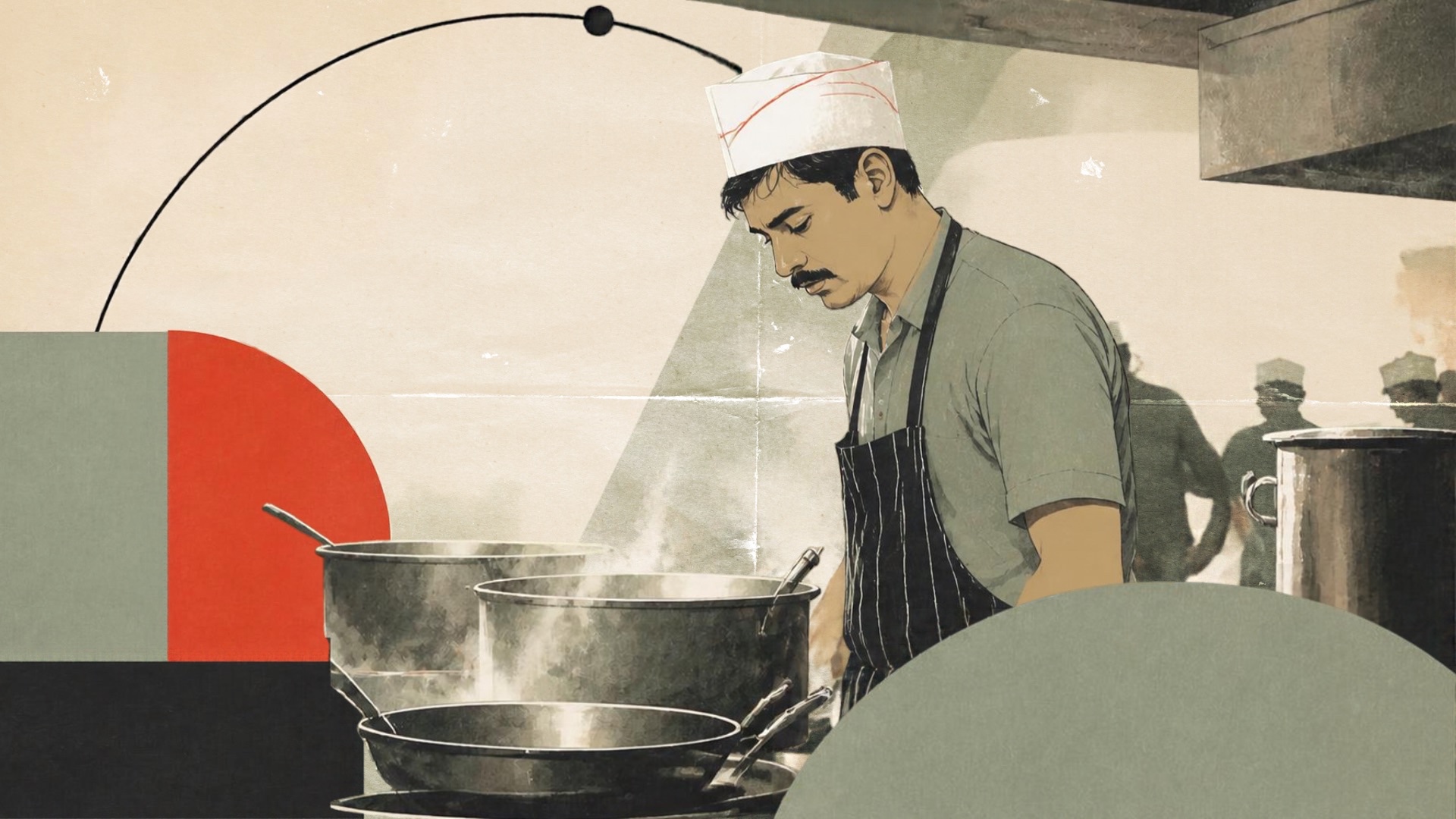
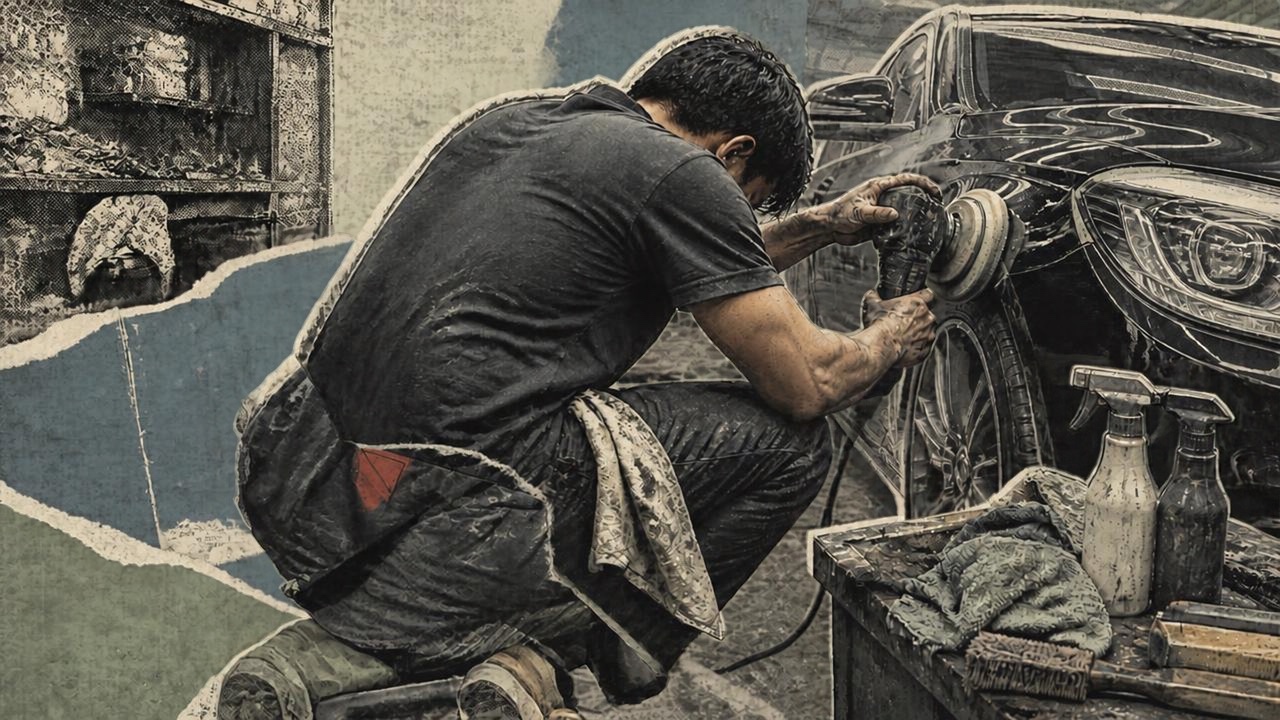
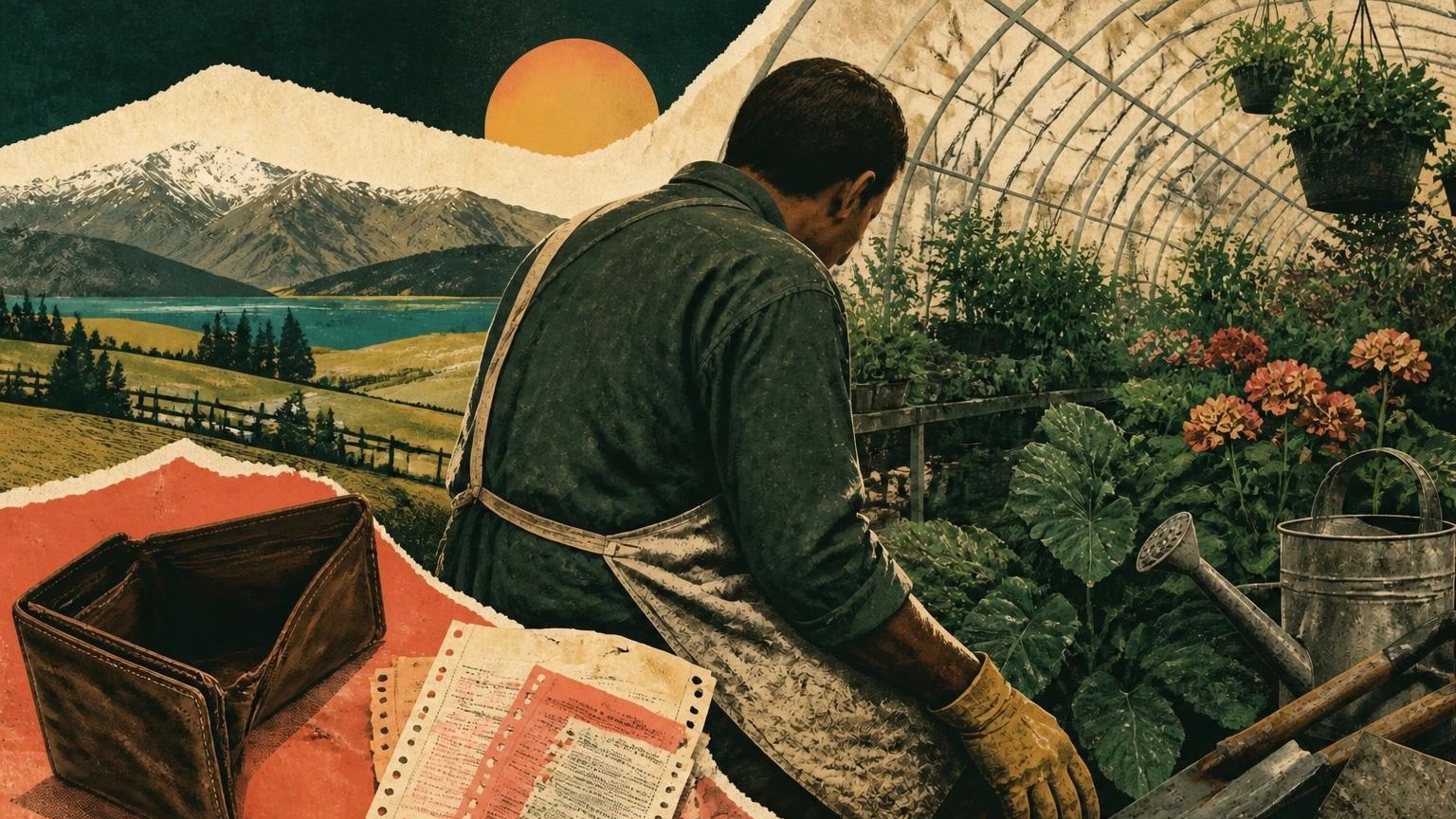
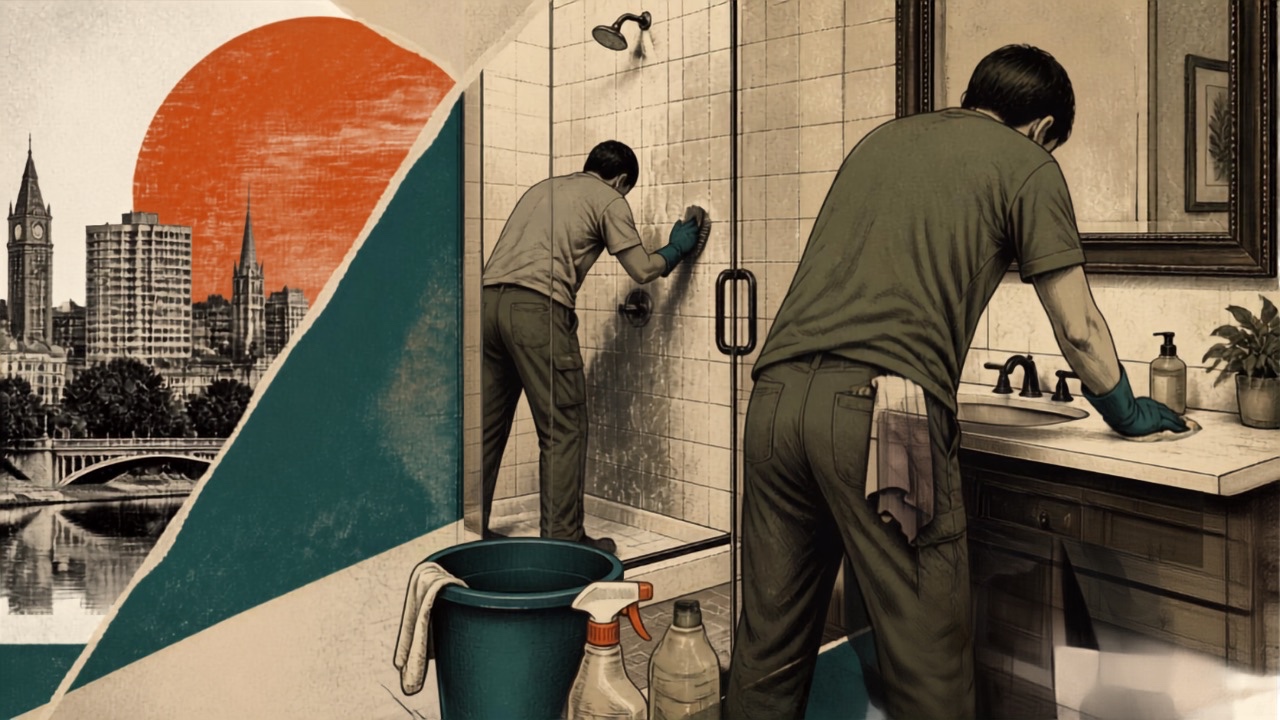
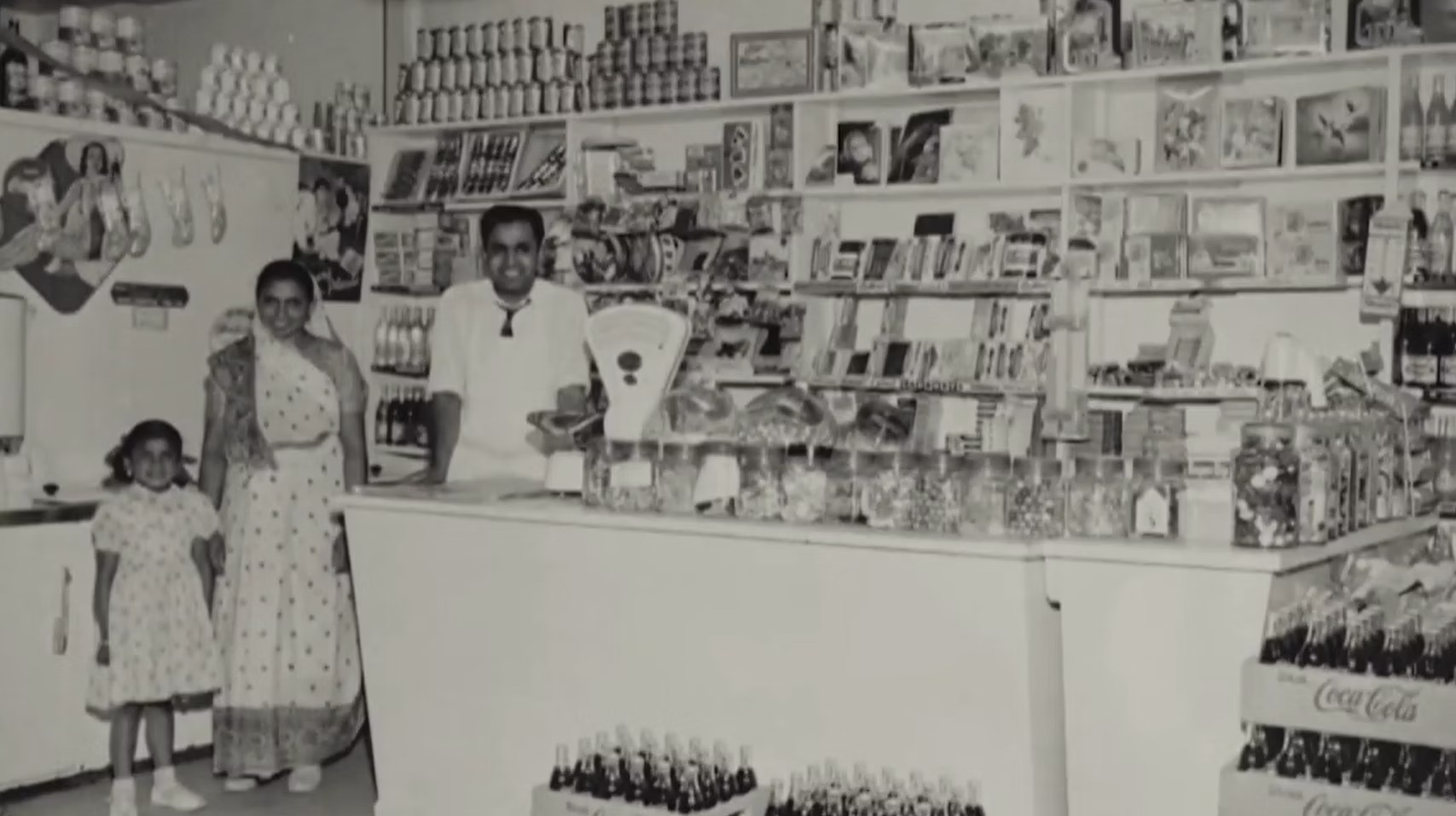
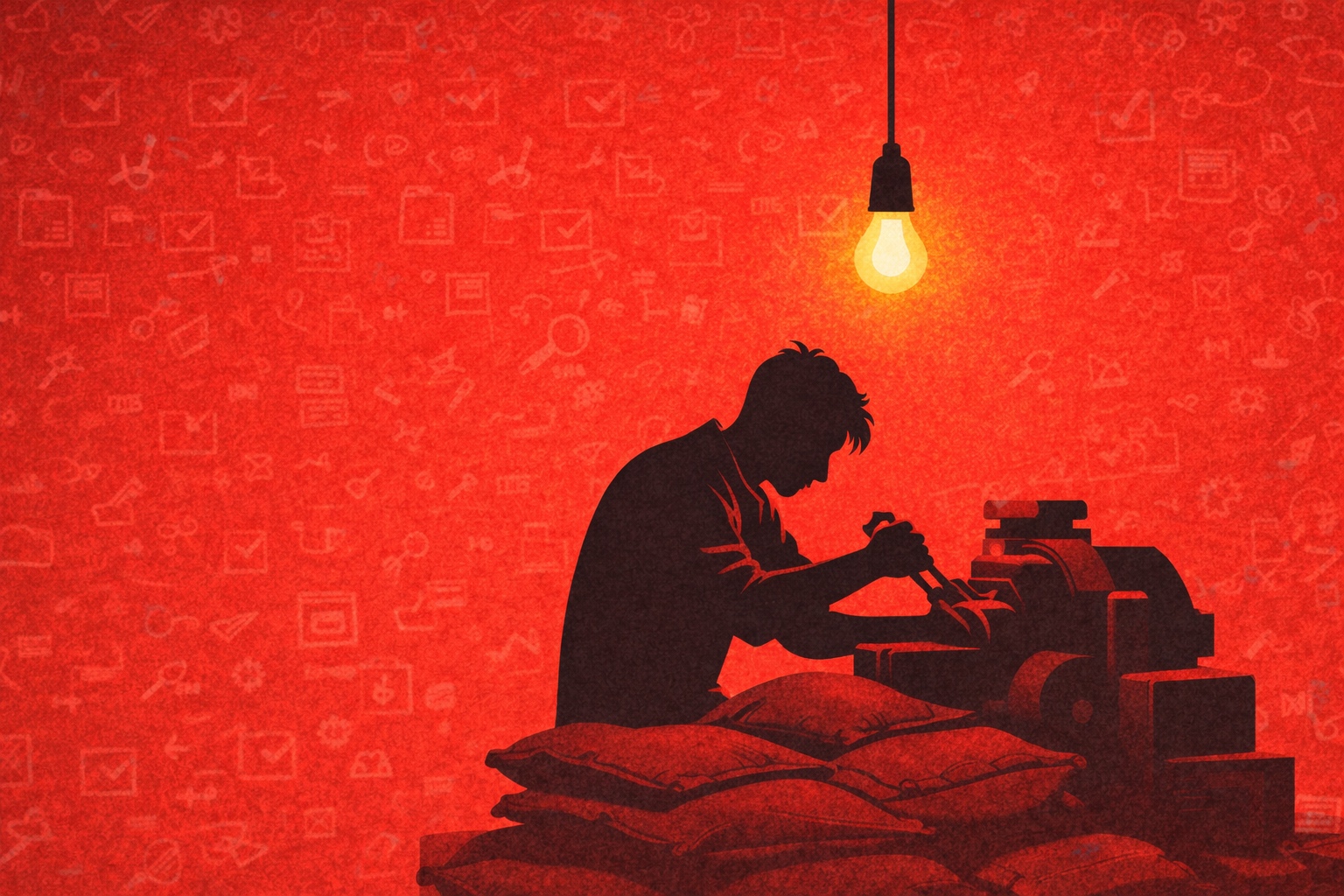
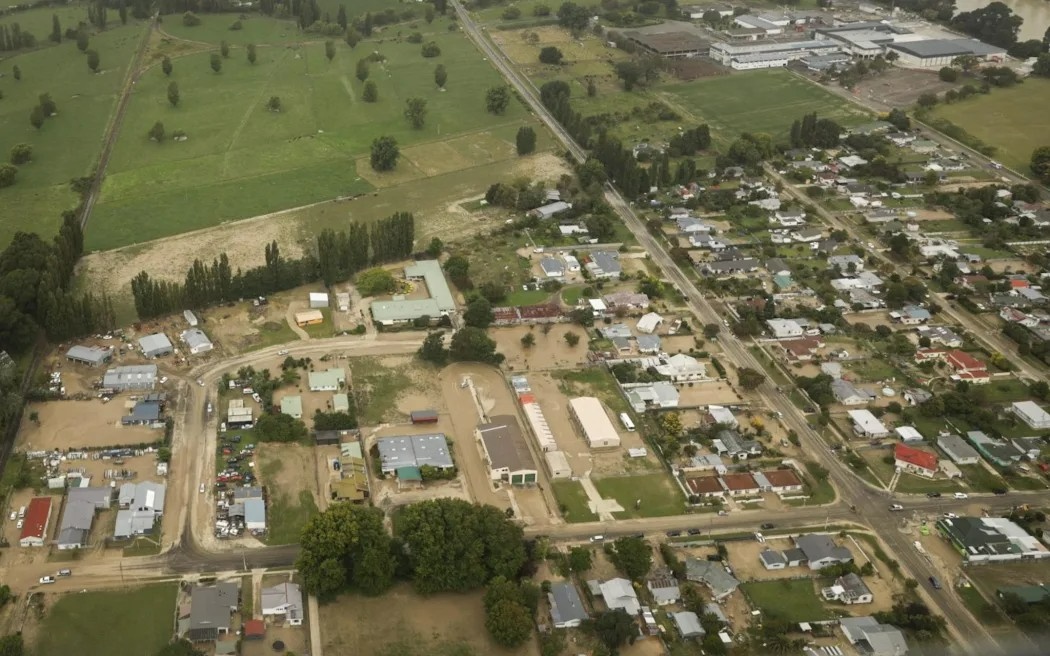
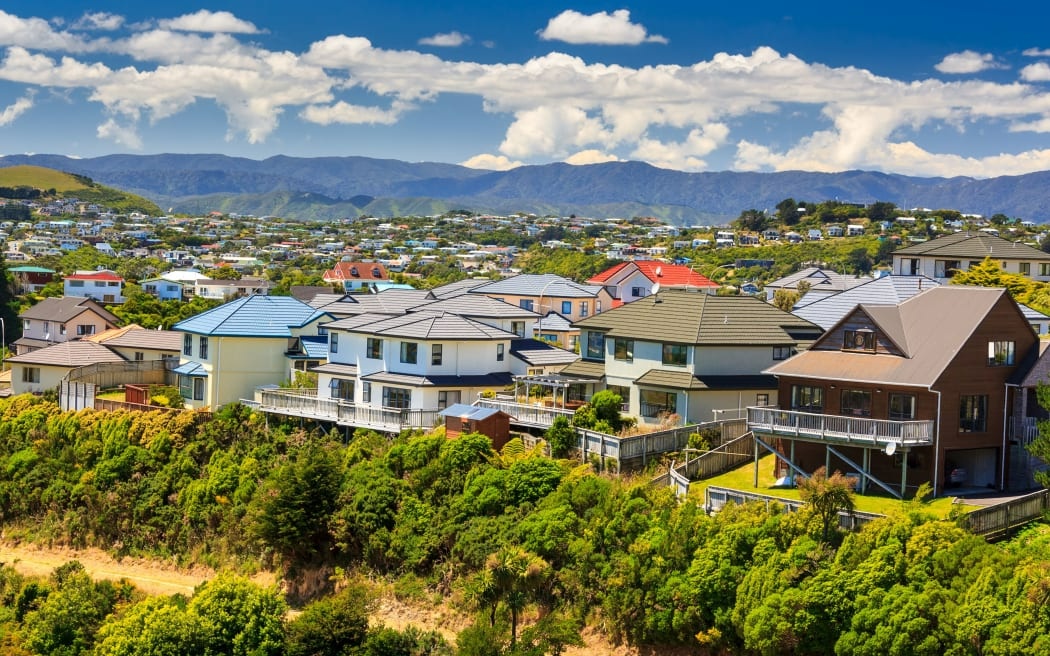
Pukekohe, 50 kilometres south of Auckland, is a district of fertile volcanic soil that supplied vegetables to the country’s largest city. In the early 1920s, many Indians worked as labourers for European market gardeners, sleeping in tents pitched along fields as they cleared bush, cut tea tree and dug drains through stubborn soil.
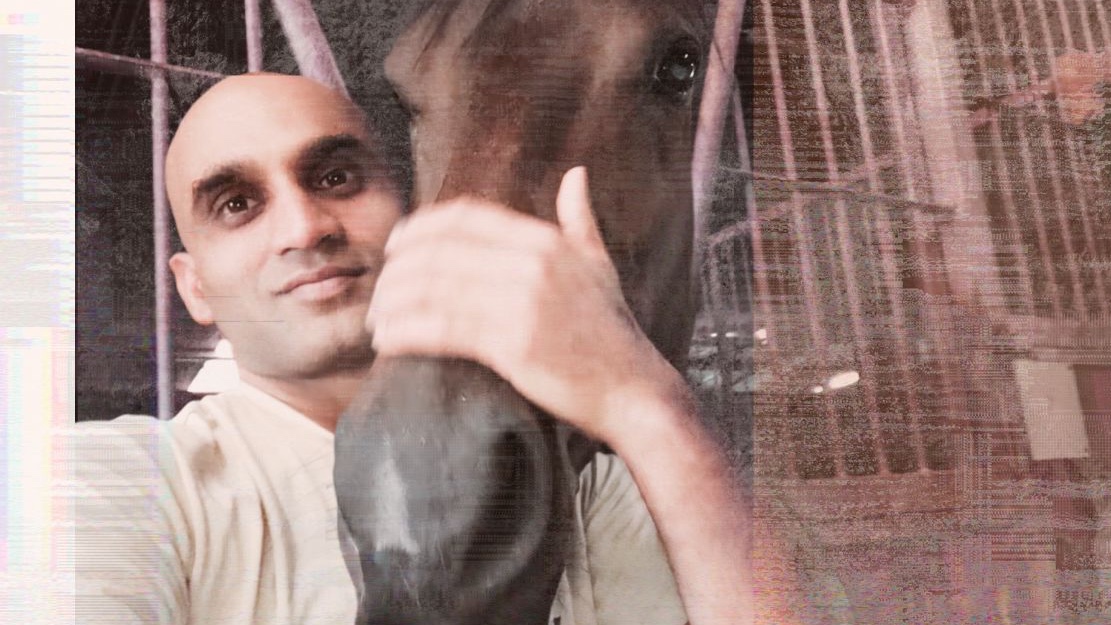
Being Indian and Kiwi at once. How Ajaz Patel's 10-wicket haul brought his two worlds together A historic moment in Mumbai left the Black Caps spinner reflecting on something far deeper than cricket.
India's SIR voter controversy reaches New Zealand in Muslim man's asylum case The man claimed Muslims excluded from voter lists risked losing welfare benefits and being treated as illegal immigrants.
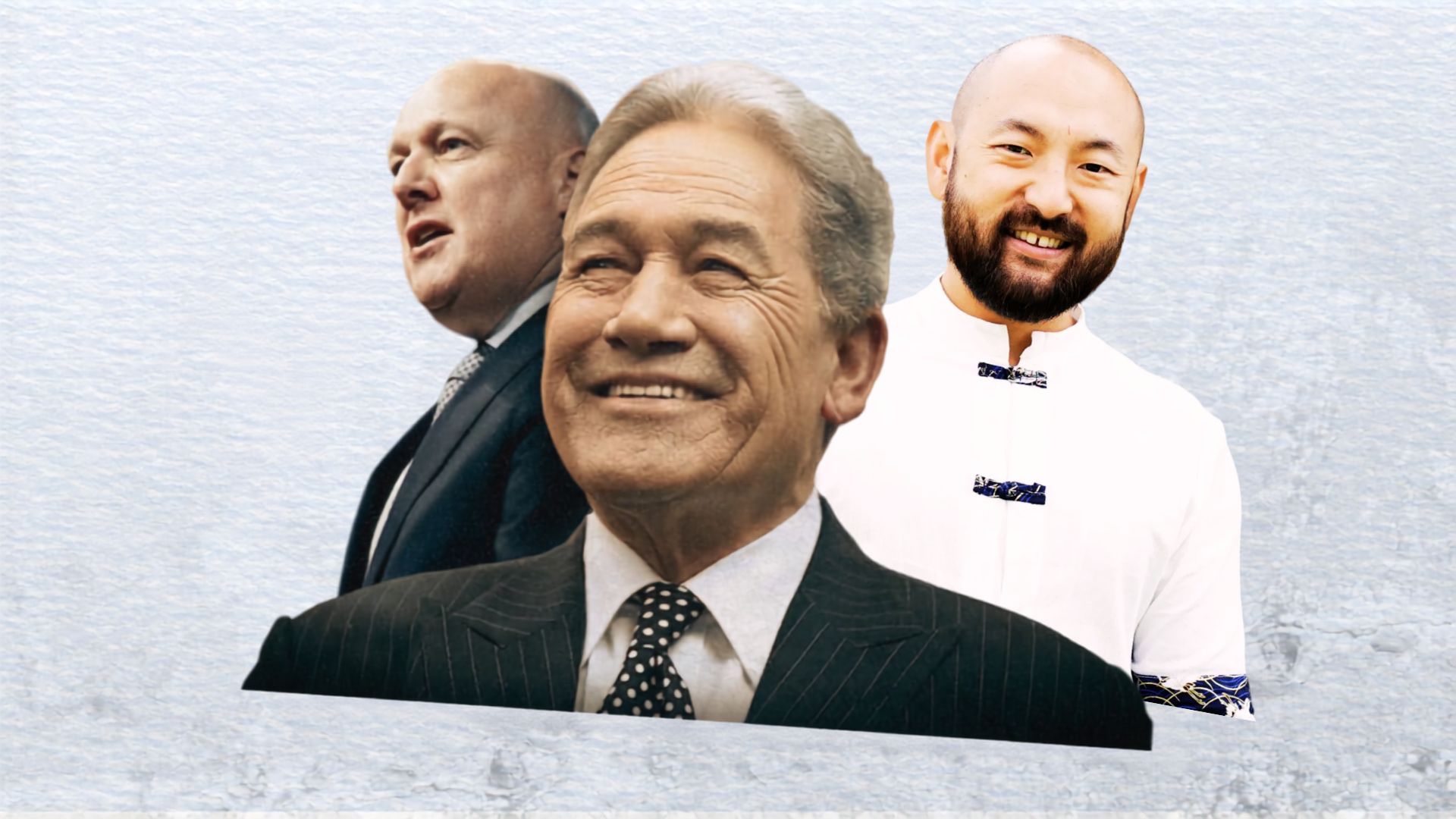
Election 2026: A right majority is possible even if Opportunity enters Parliament The latest polls suggest National, ACT and NZ First could secure a majority, with the Opportunity Party's fortunes still crucial.
Gradually, some began leasing small plots, typically two to five acres, to grow lettuces and other vegetables. According to Auckland Council's Pukekohe Heritage Survey, the first Indian to lease land was Mitha Unka on Blakes Road in 1918. Between 1920 and 1926, 46 Indian market gardeners arrived in Pukekohe; by 1929 at least five Indian-run gardens were operating, followed by another 39 arrivals between 1930 and 1936.
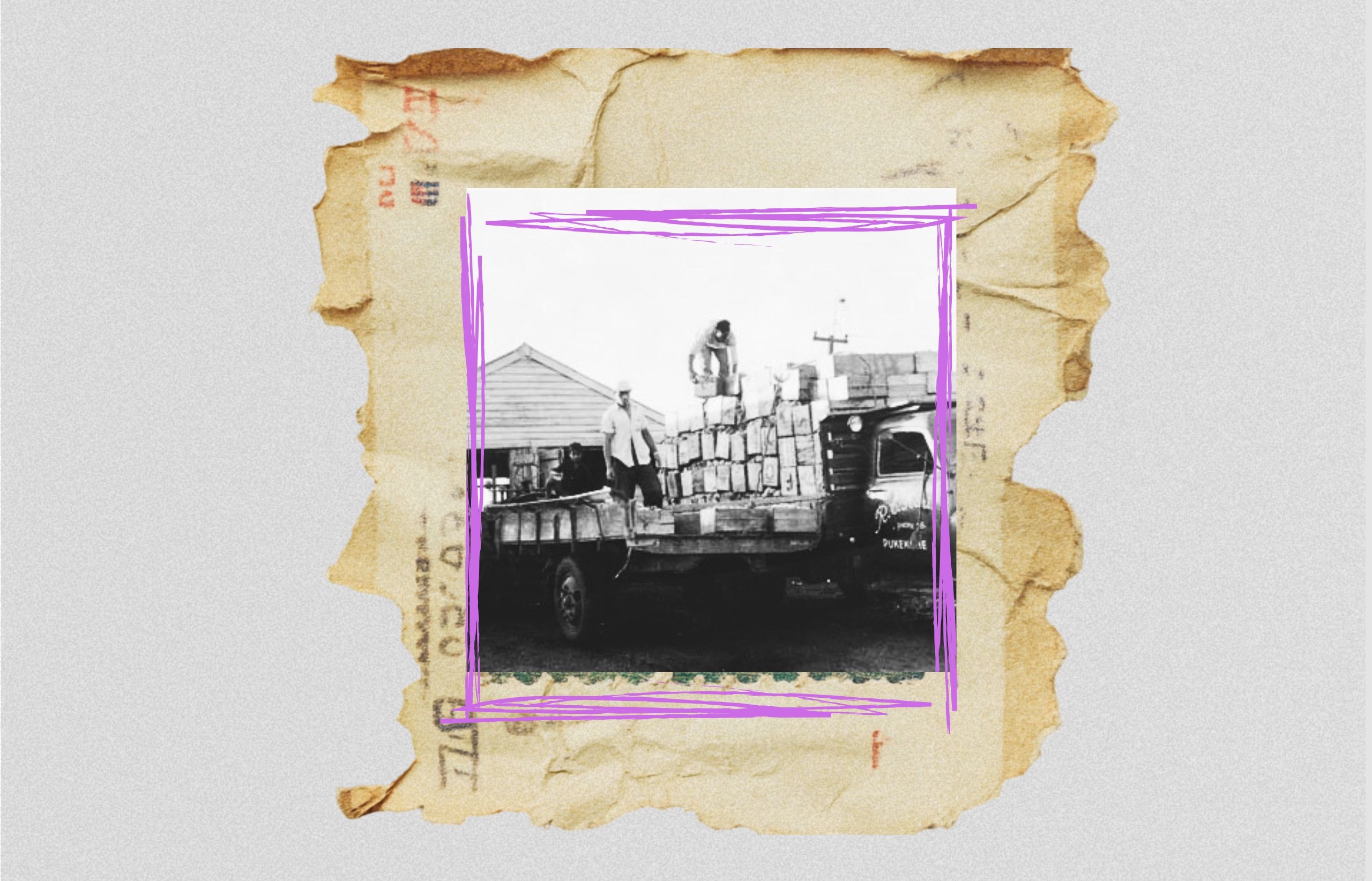
Workers loading Ravji Hari's vegetable truck in Pukekohe. He established his market garden in the 1940s. (Umesh Patel/Te Ara)
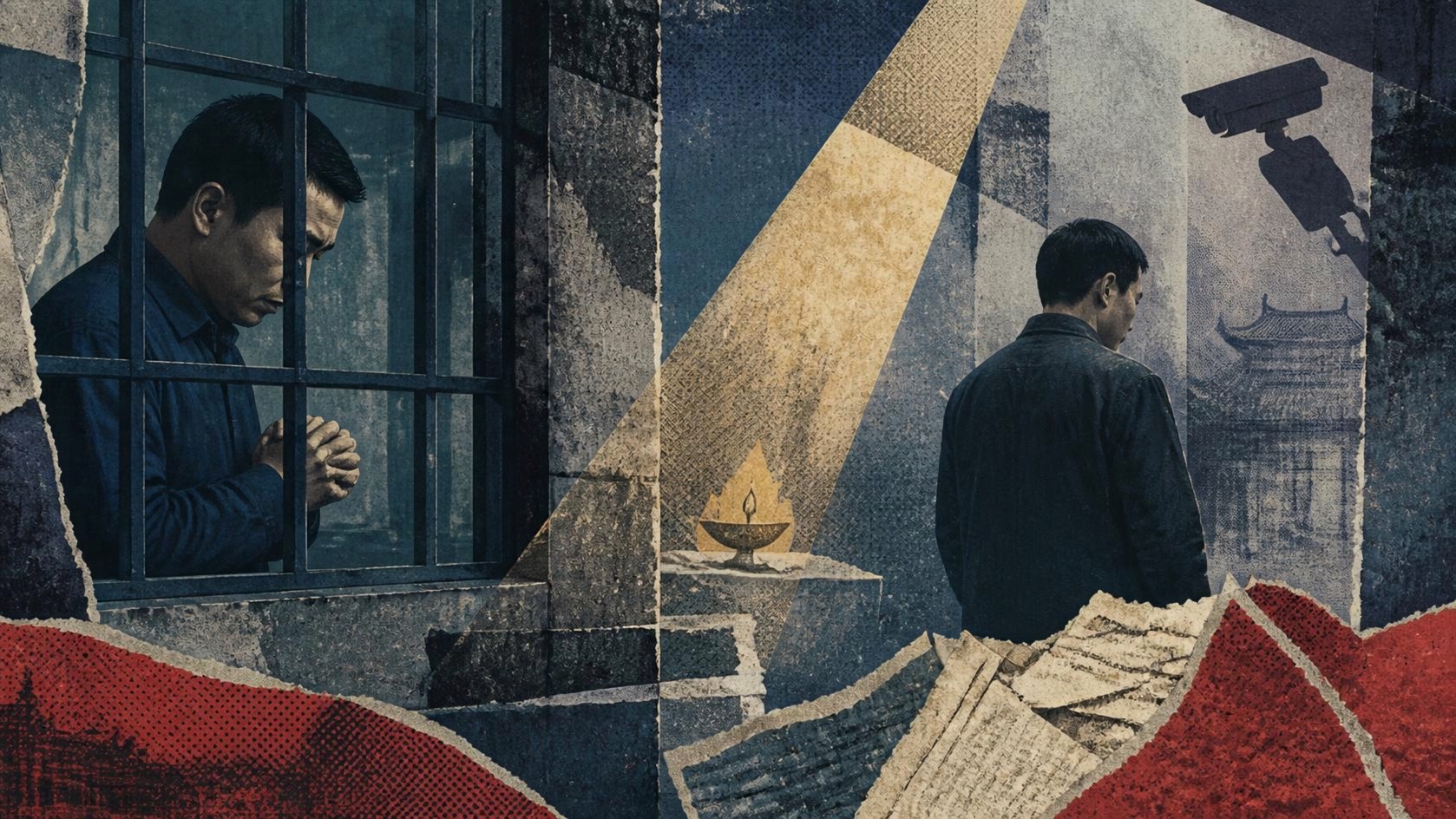
In 1926, the White New Zealand League formed, campaigning to halt what it described as the "Asiatic influx" and to preserve the country’s "racial purity". Public meetings warned that Indians and Chinese threatened the economic future of white New Zealanders. One platform declared that the Dominion must remain a "white man’s country".
Pukekohe became one of the movement’s flashpoints. Indian growers were excluded from local growers’ associations, bodies that influenced distribution and pricing. Without membership, participation in the agricultural mainstream was constrained.
The discrimination was both structural and personal. Barbers refused service. Hotel bars turned them away. In some cinemas, seating was segregated. In workplaces, separation was formalised.
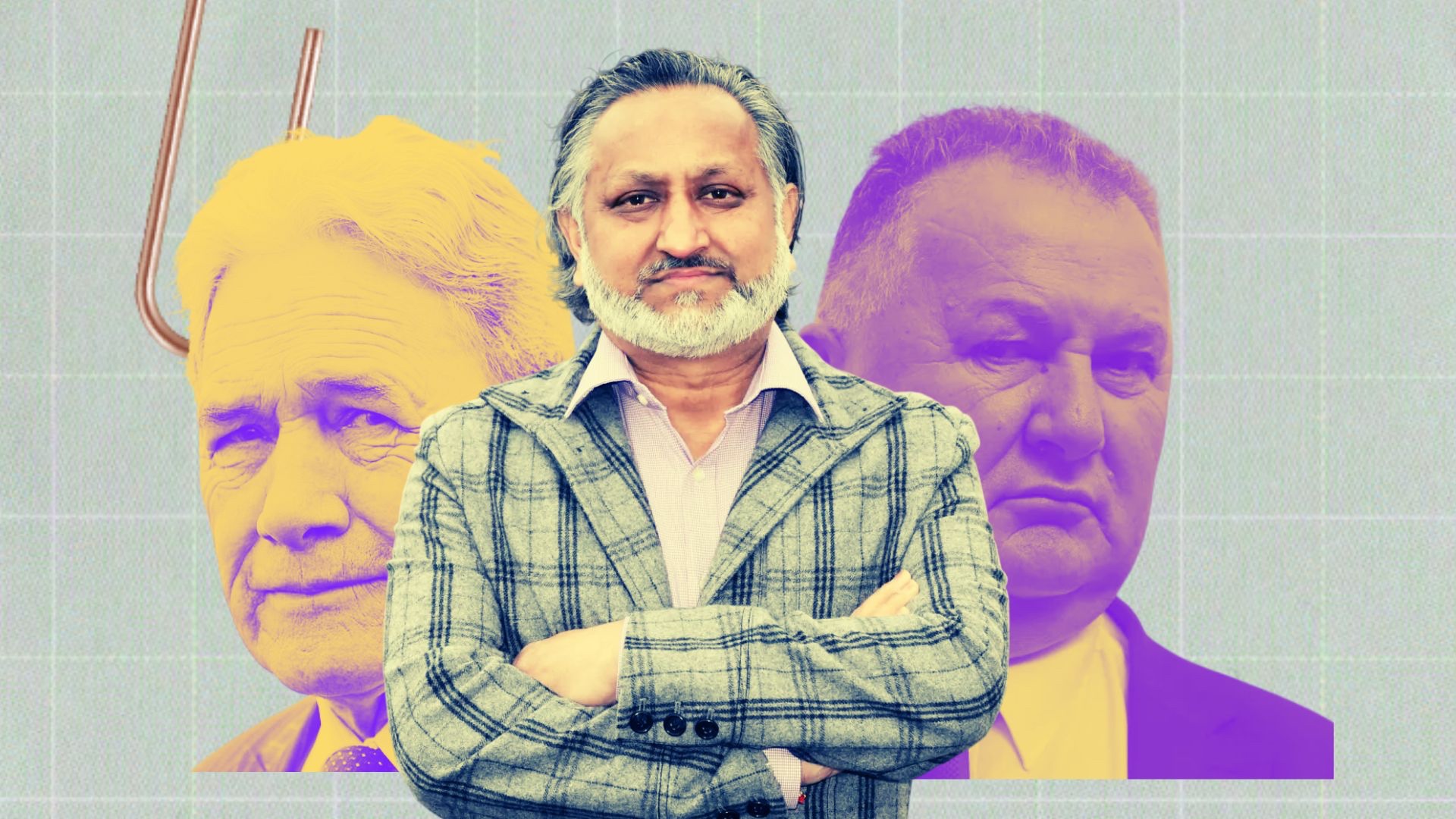
“If you go to a factory and you have to go to a canteen, you will have a separate canteen,” Khar says. “And sometimes you will be asked to wear a small black badge so that people could identify you.”
Attempts were made to restrict Indian land ownership in districts like Pukekohe, land their labour had helped cultivate. Proposals reached Parliament, where some were defeated, but the hostility remained.
The decision to organise
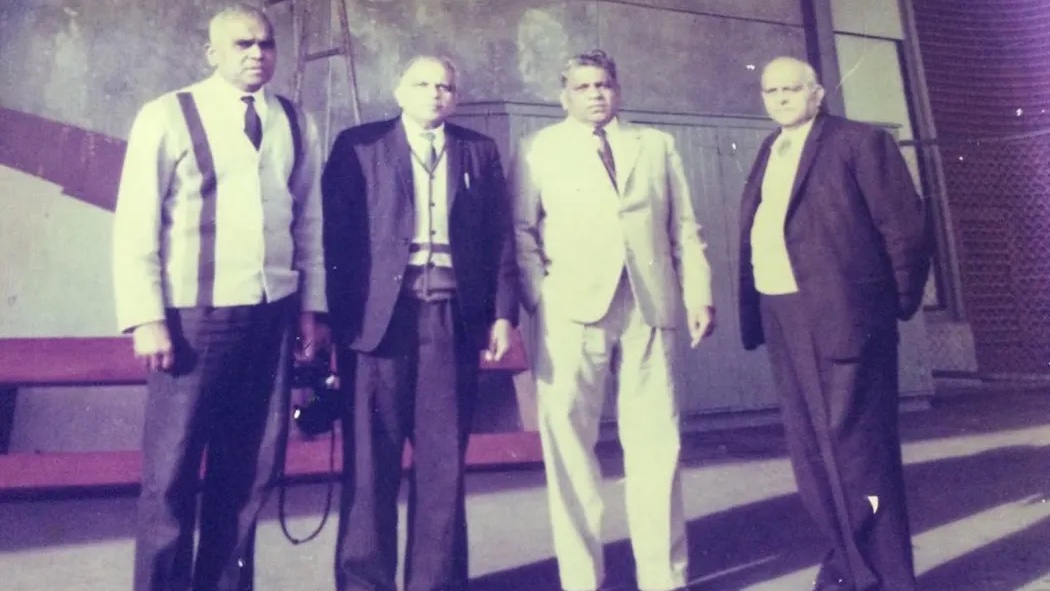
By the mid-1920s, Indians in New Zealand were not entirely unorganised. Small regional associations had already formed in Auckland and Wellington, serving as cultural and support groups. In rural districts, particularly among market gardeners in places like Pukekohe, an informal network called Country Section NZ Indian Association operated to represent growers facing discrimination.
Khar points out the Indian community then had no single representative body influential enough to deliver any real change in attitudes. "They suddenly found that if we fight against this individually, it won’t work," Khar says. "We need to get together."
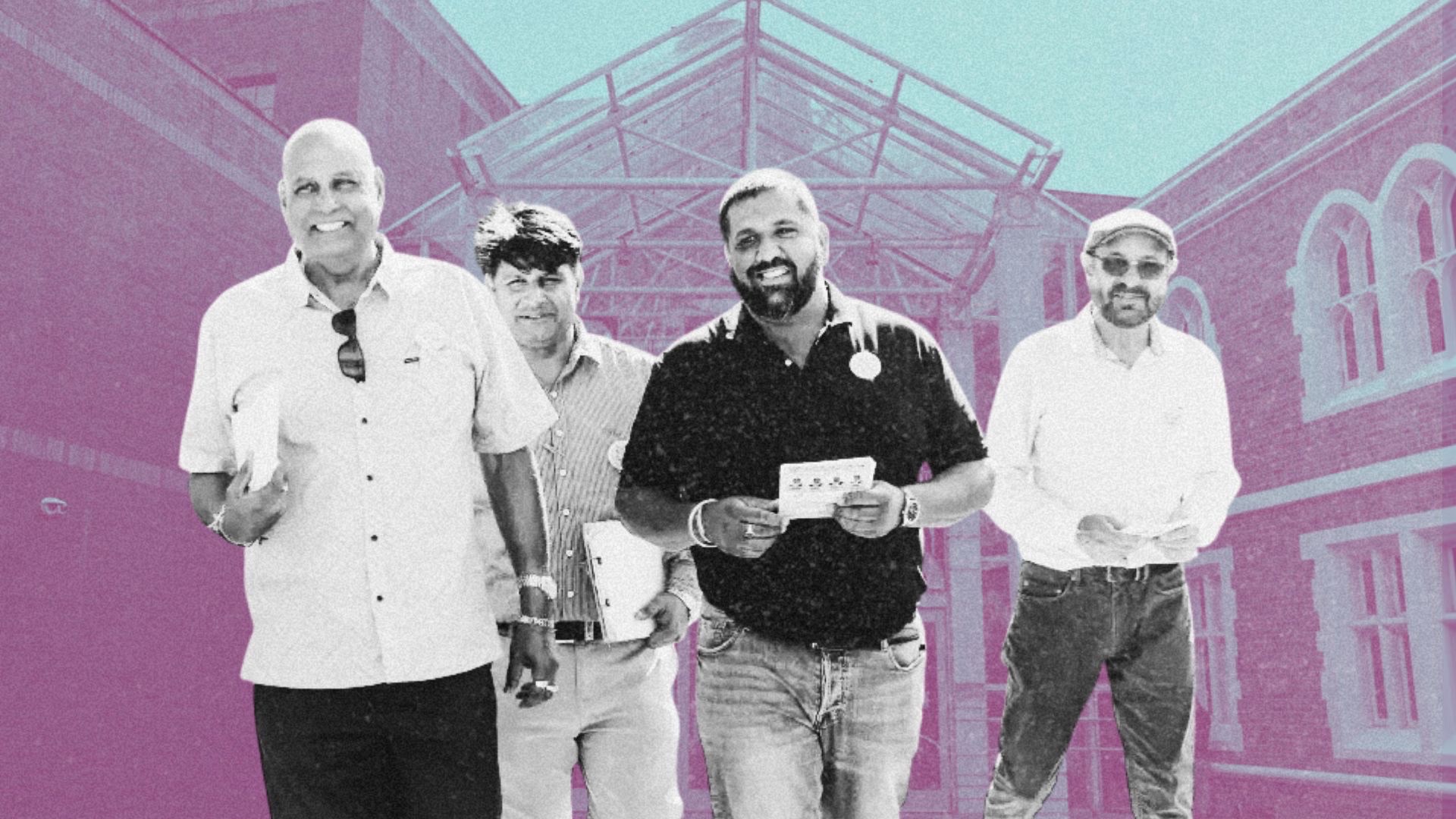
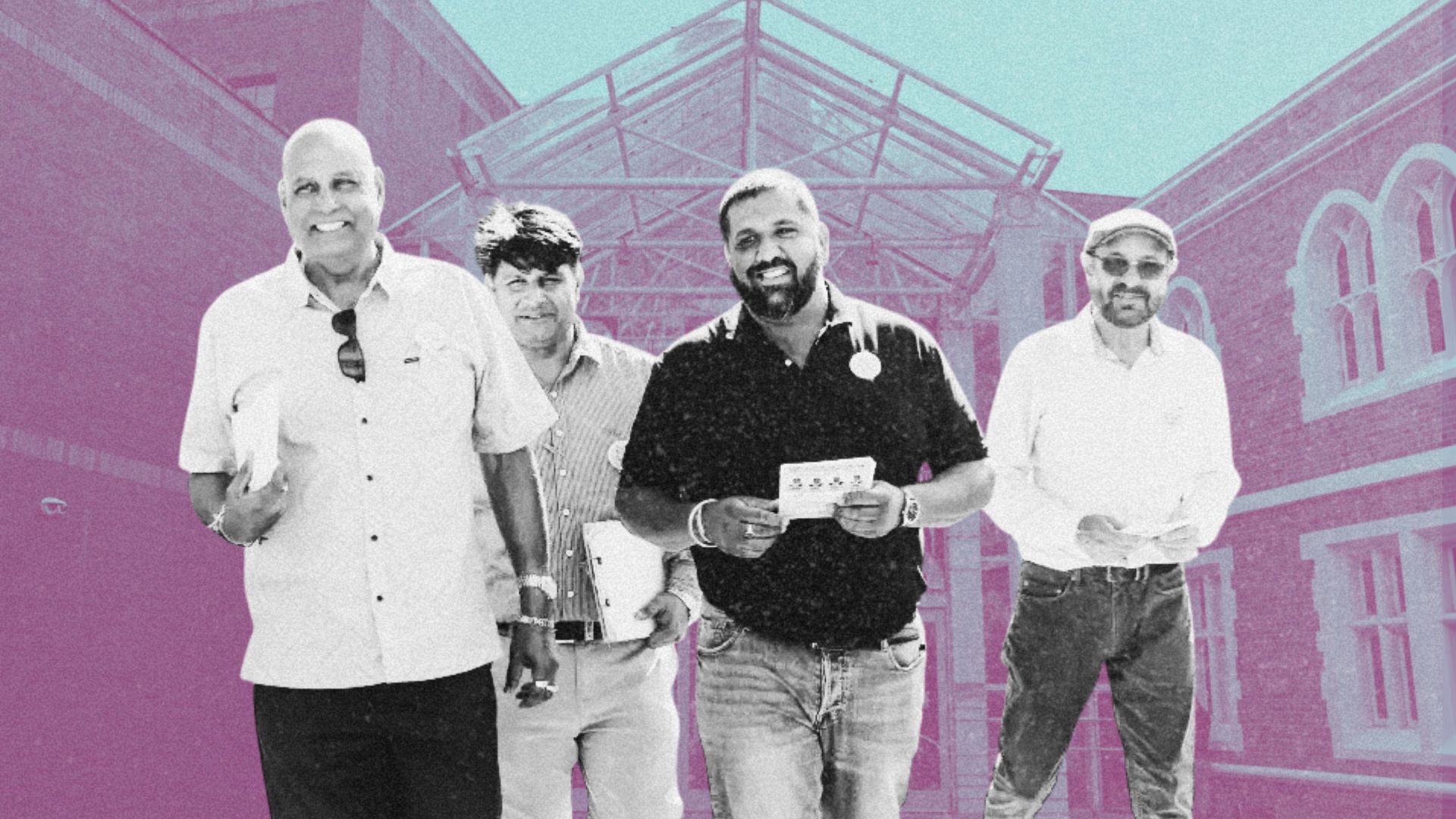
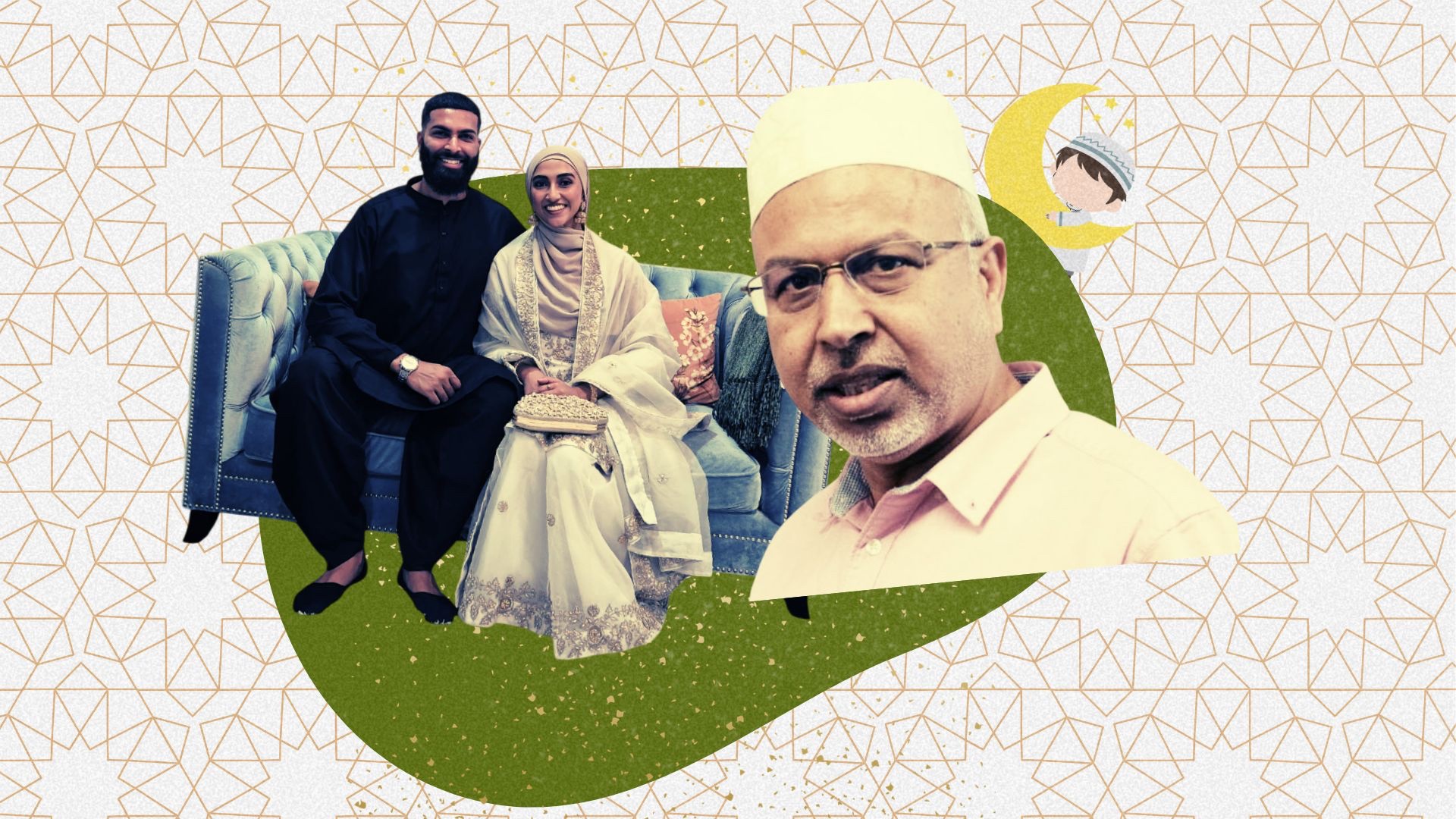
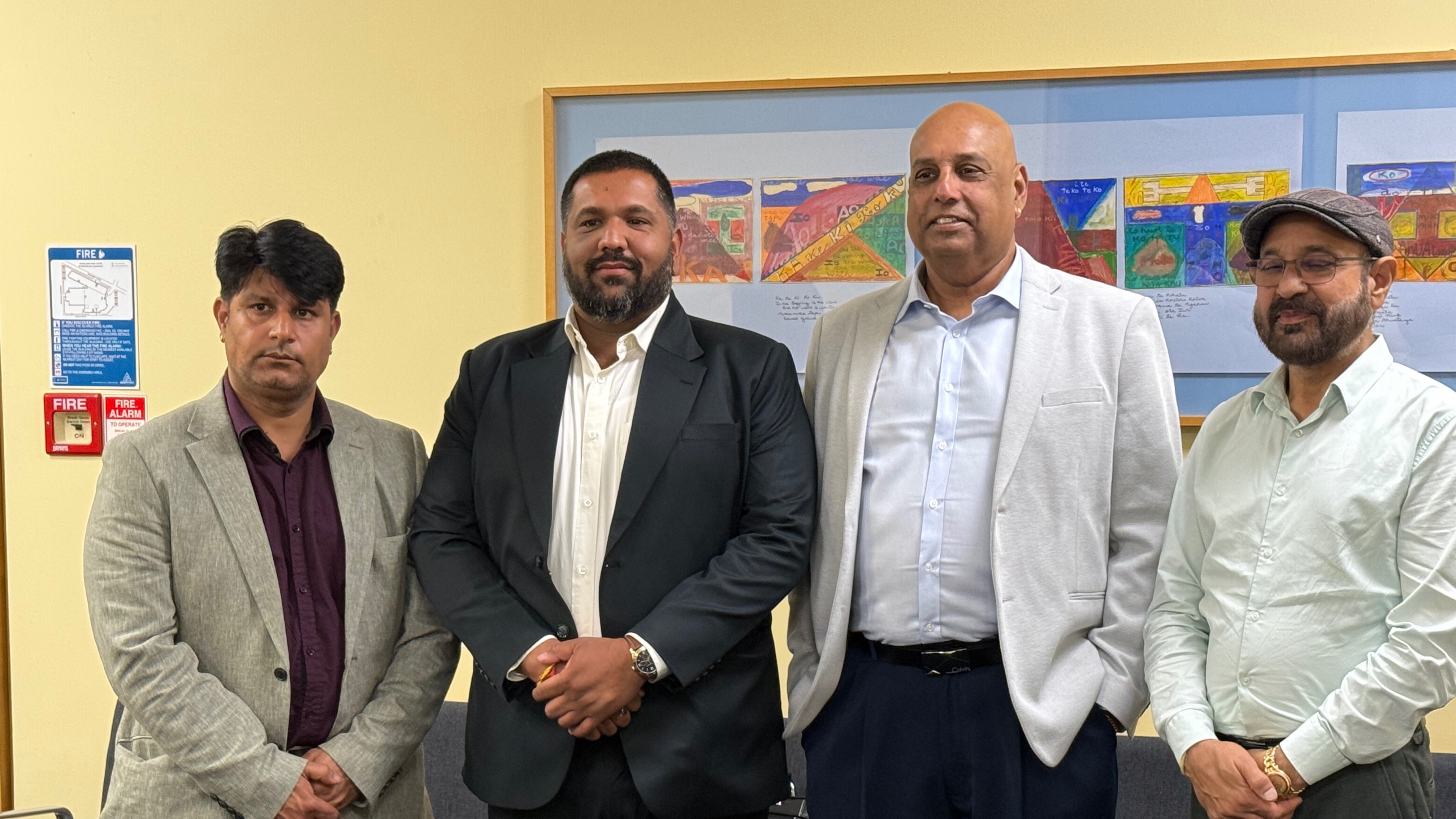
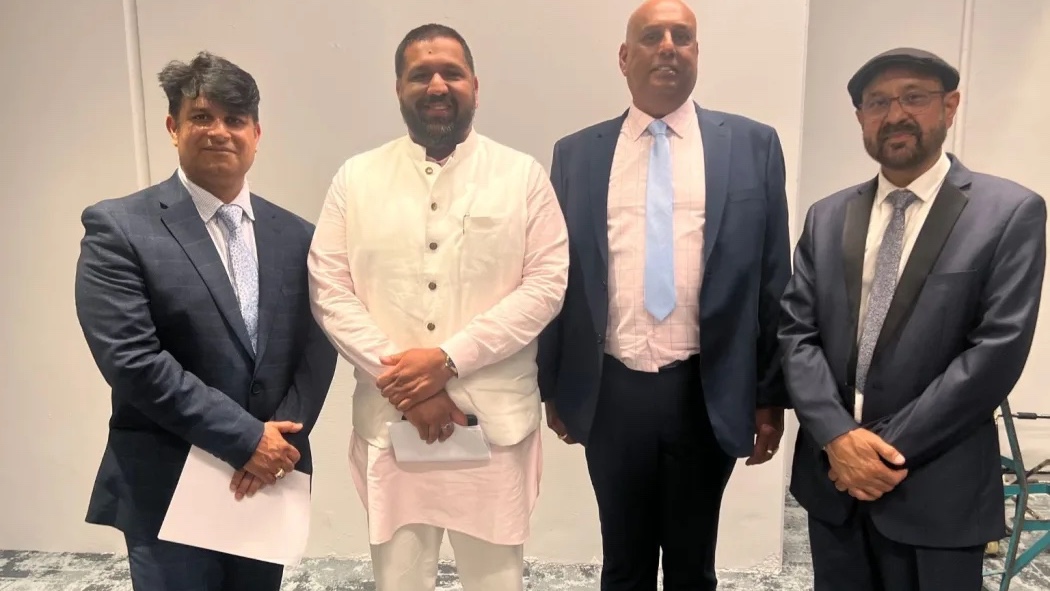
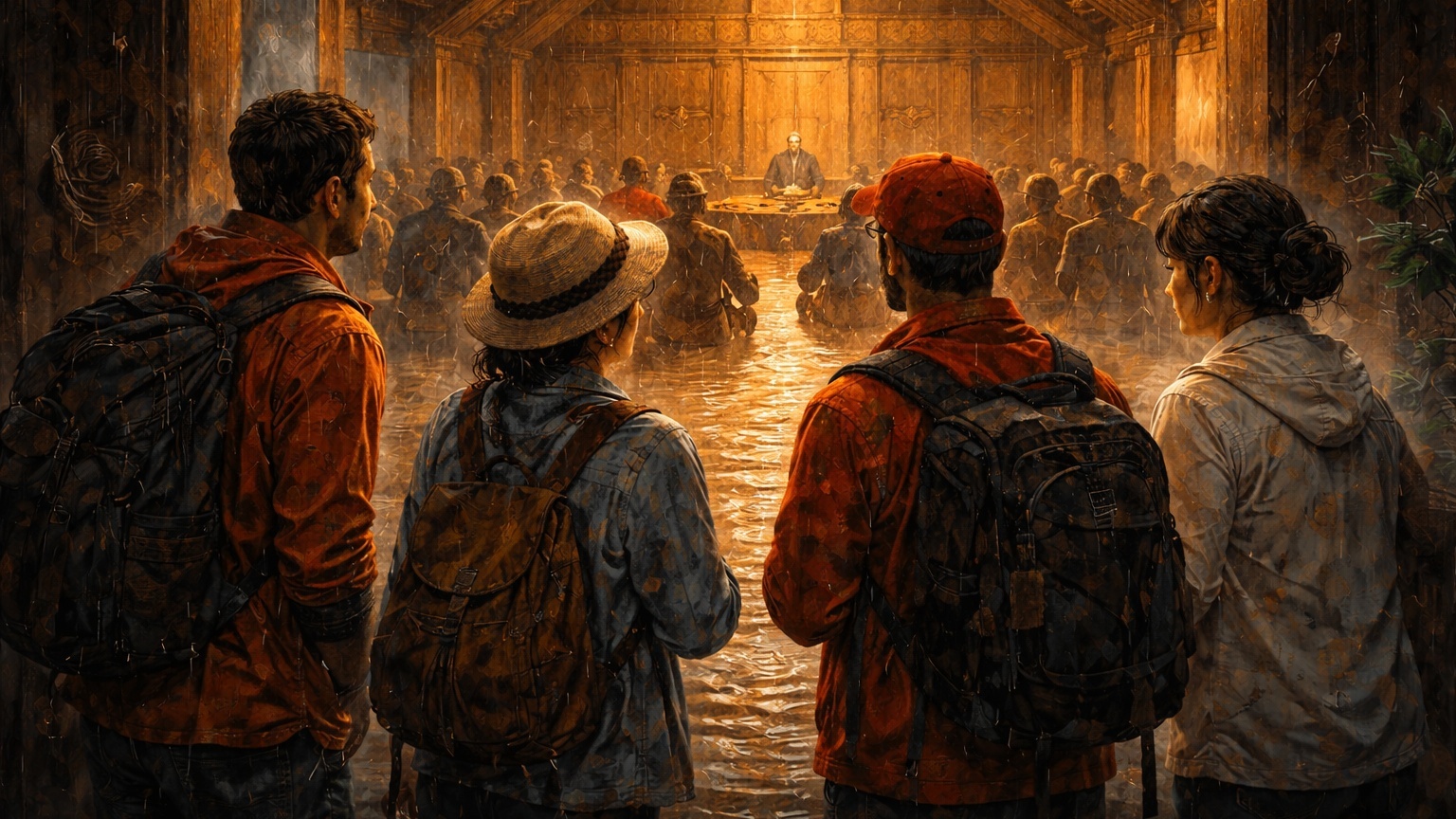
In 1926, representatives from Indian associations in Auckland, Wellington and rural districts gathered near Grafton Bridge in Auckland. They formed a central coordinating body, the New Zealand Indian Central Association (NZICA), which Khar currently heads. This year, that organisation is marking its 100th anniversary.
What began as a defensive alliance against discrimination became an enduring institution. "They would talk to a person. If he is not receptive, they would find someone who is receptive," Khar says. "They engaged with Pakeha. They engaged with Maori. They raised issues to parliamentarians. Slowly, very slowly," Khar says.
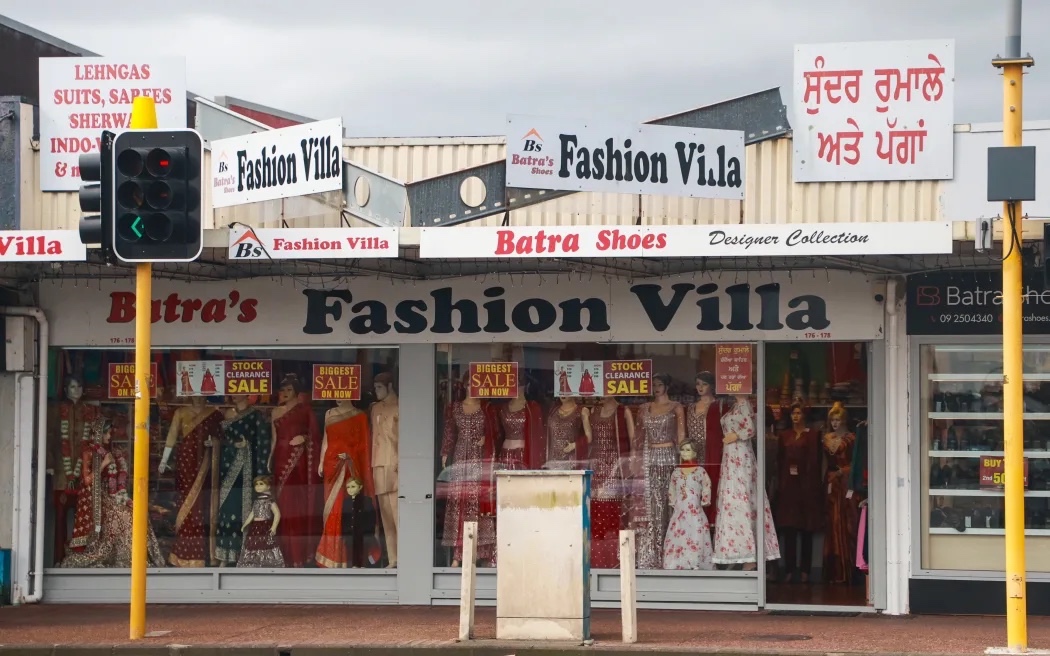
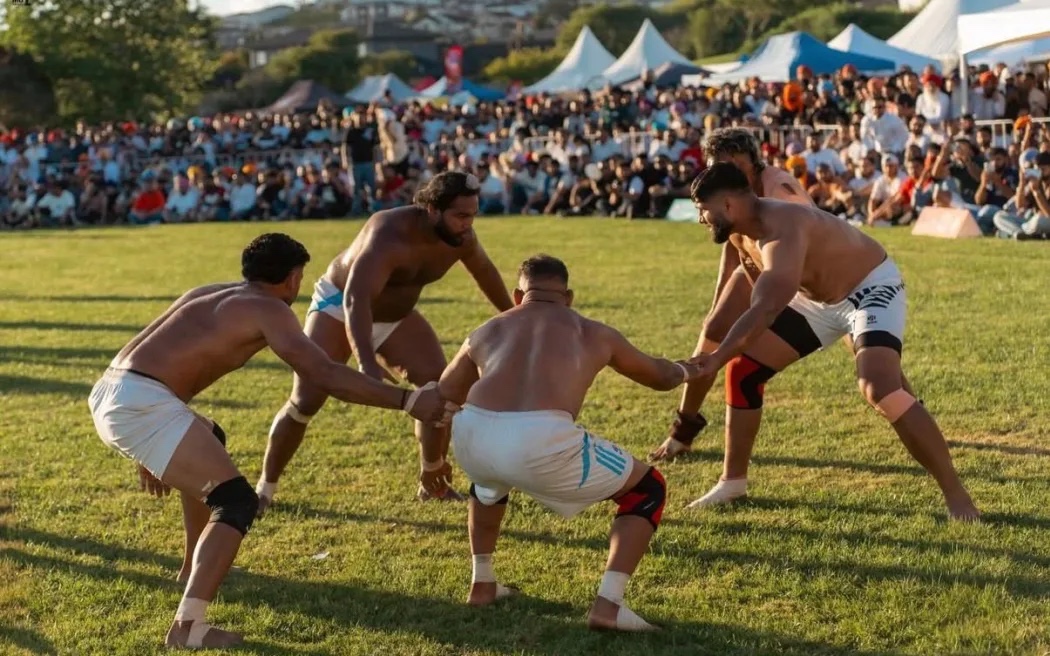
Restrictions eased over time. Civic rights expanded. Community numbers grew. From a few thousand mid-century, the Indian population in New Zealand now stands at about 350,000, the country’s third-largest ethnic group.
A century later
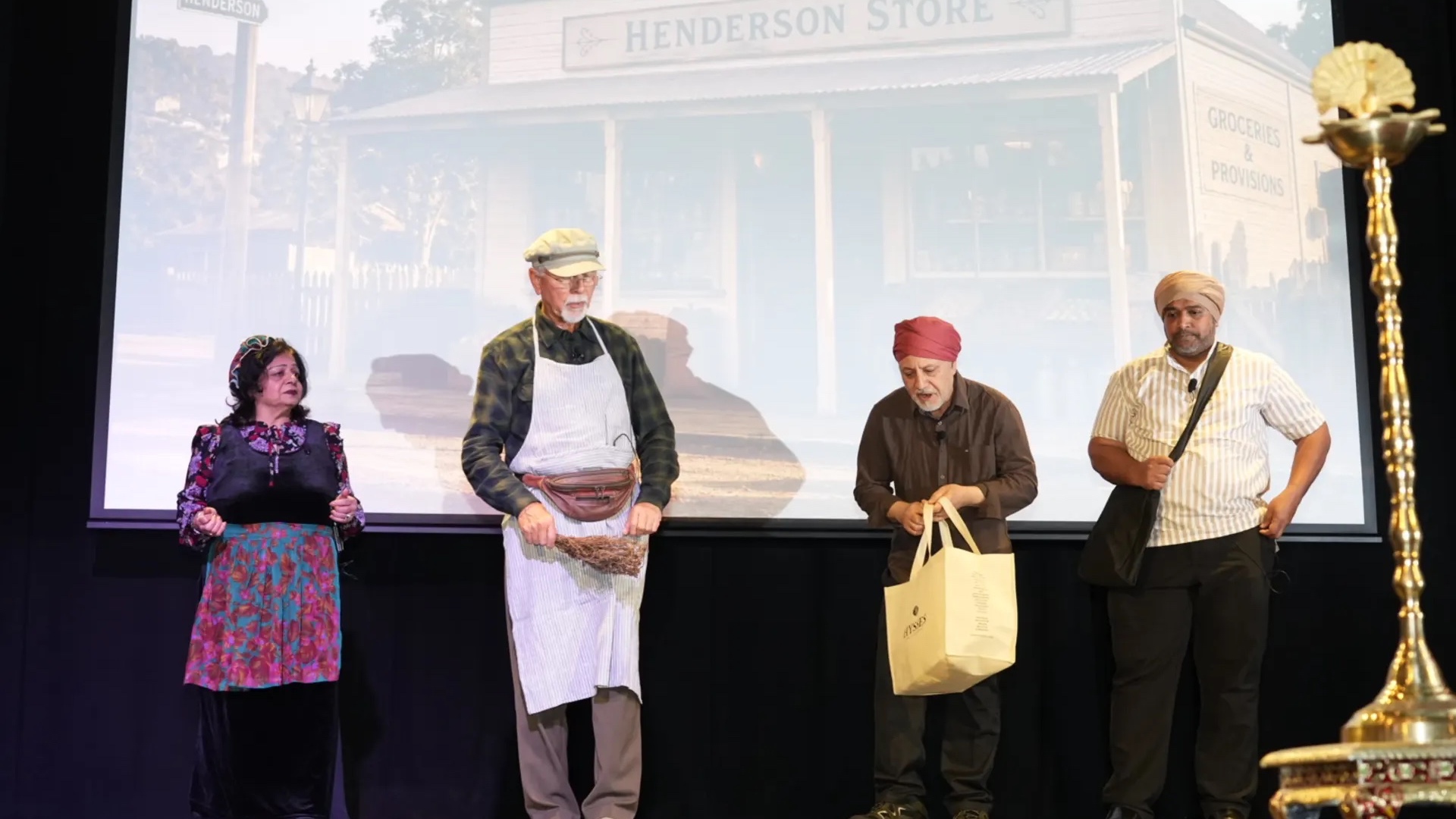
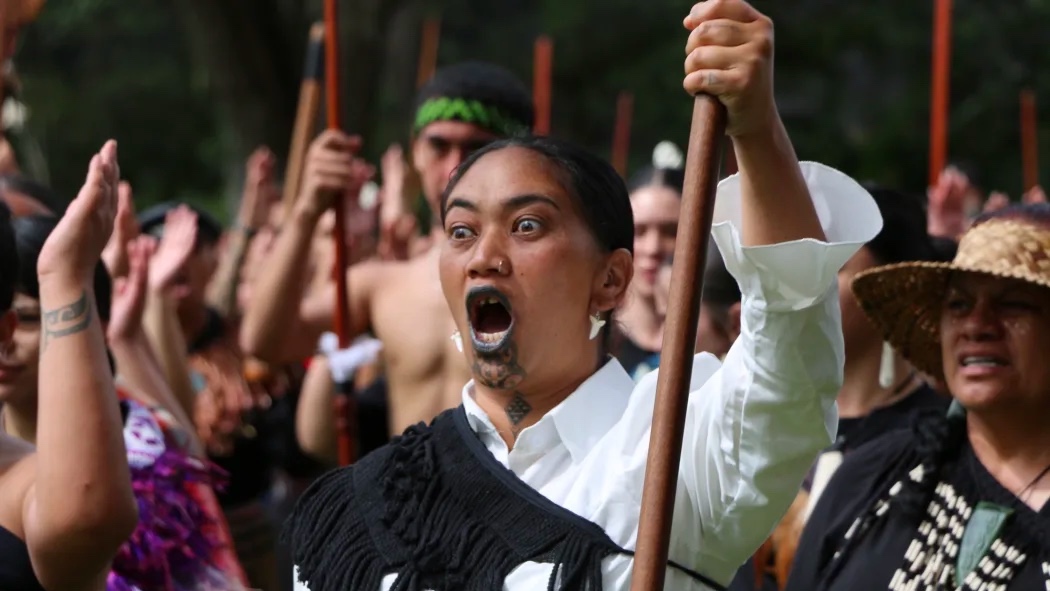
The NZICA now has 22 branches nationwide. Its centenary will be marked by year-long commemorations, including a documentary tracing 100 years of Indian life in New Zealand; and the presentation of a sculpture assembled from one million pieces as a tribute to tangata whenua.
Khar is careful how he frames the migration story. "One thing about Indian immigrants...we were not persecuted in India. We were venturing out. If I had 10 dollars in the pocket, I wanted 20."
That ambition brought Indians here. Organisation kept them here. A century ago, they were campaigning to buy land, join associations, vote and enter public spaces without segregation.
The man who missed his ship to California could not have imagined the arc that followed. But his offhand decision to hop onto the ship to New Zealand placed him at the beginning of a story that would take decades to unfold.