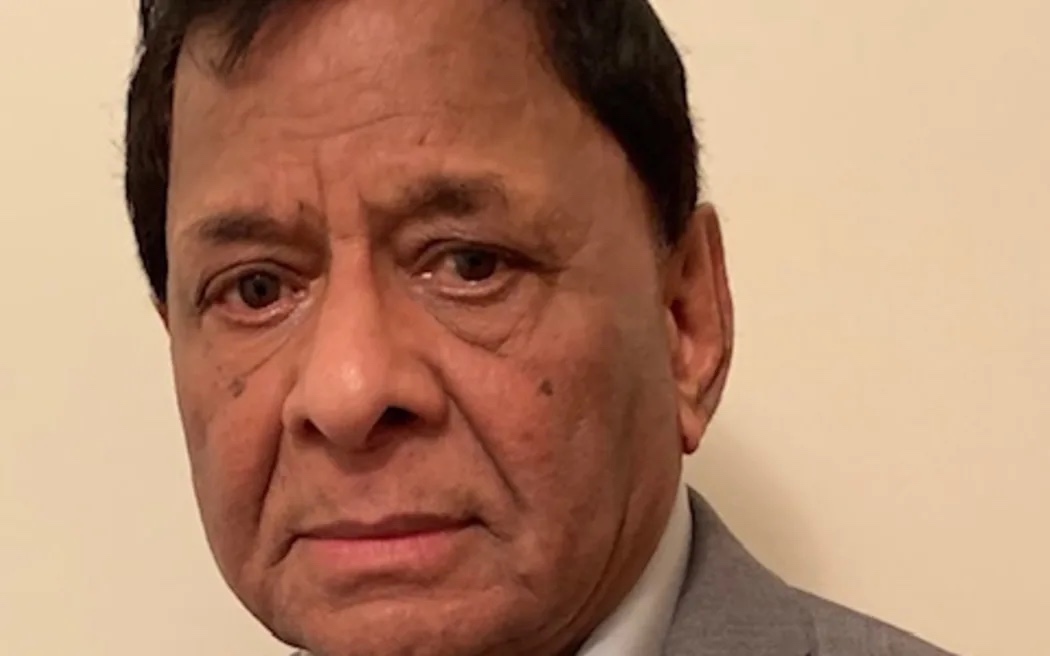

Out Loud: Migrant in me wants to believe David Seymour. But I can't

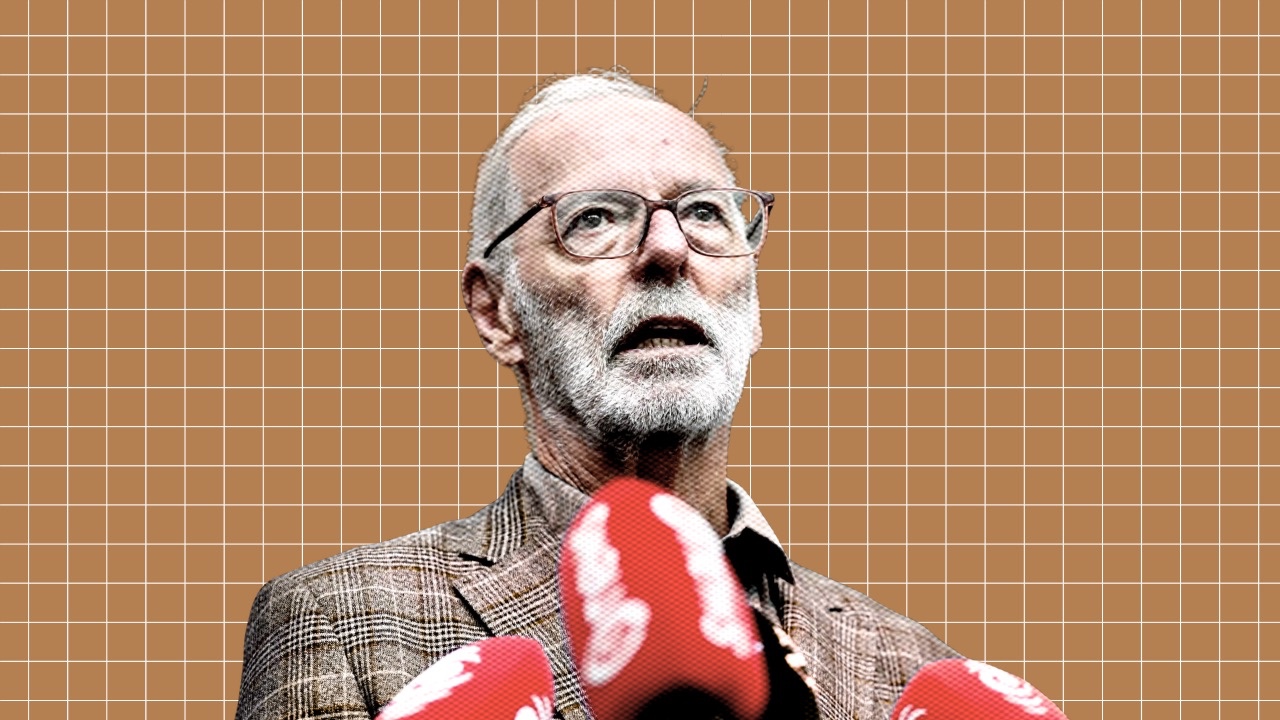
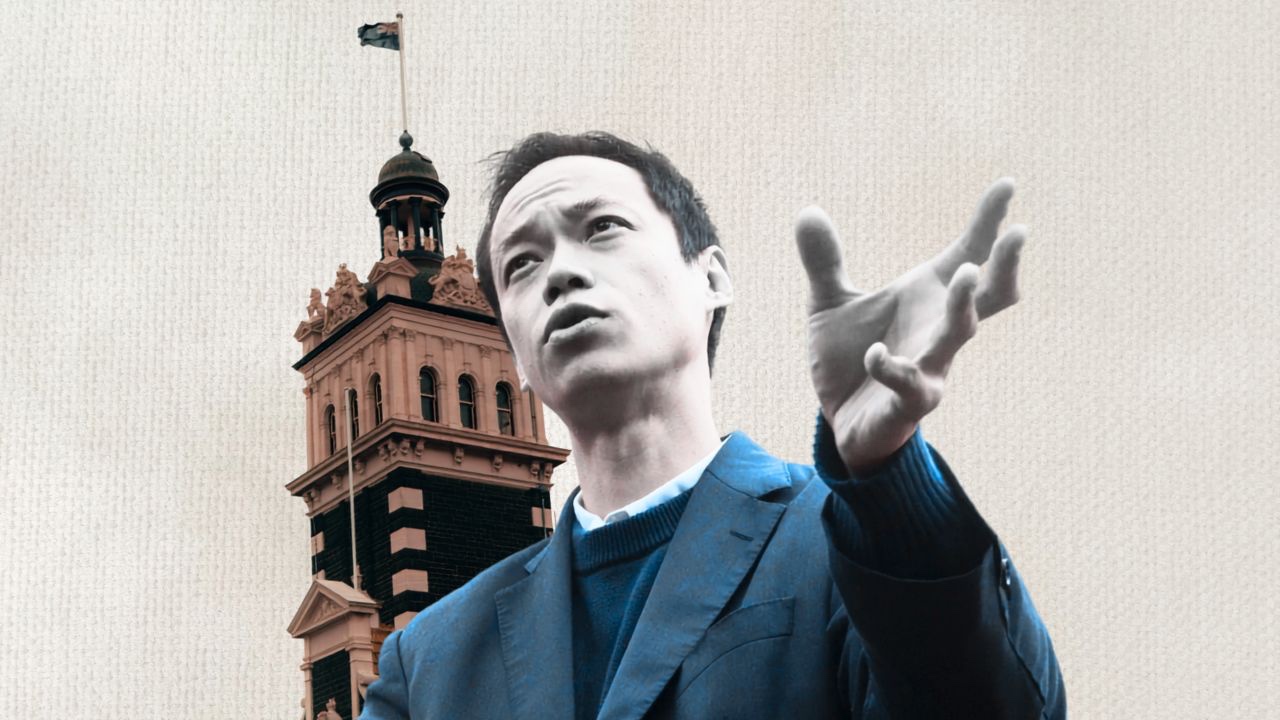
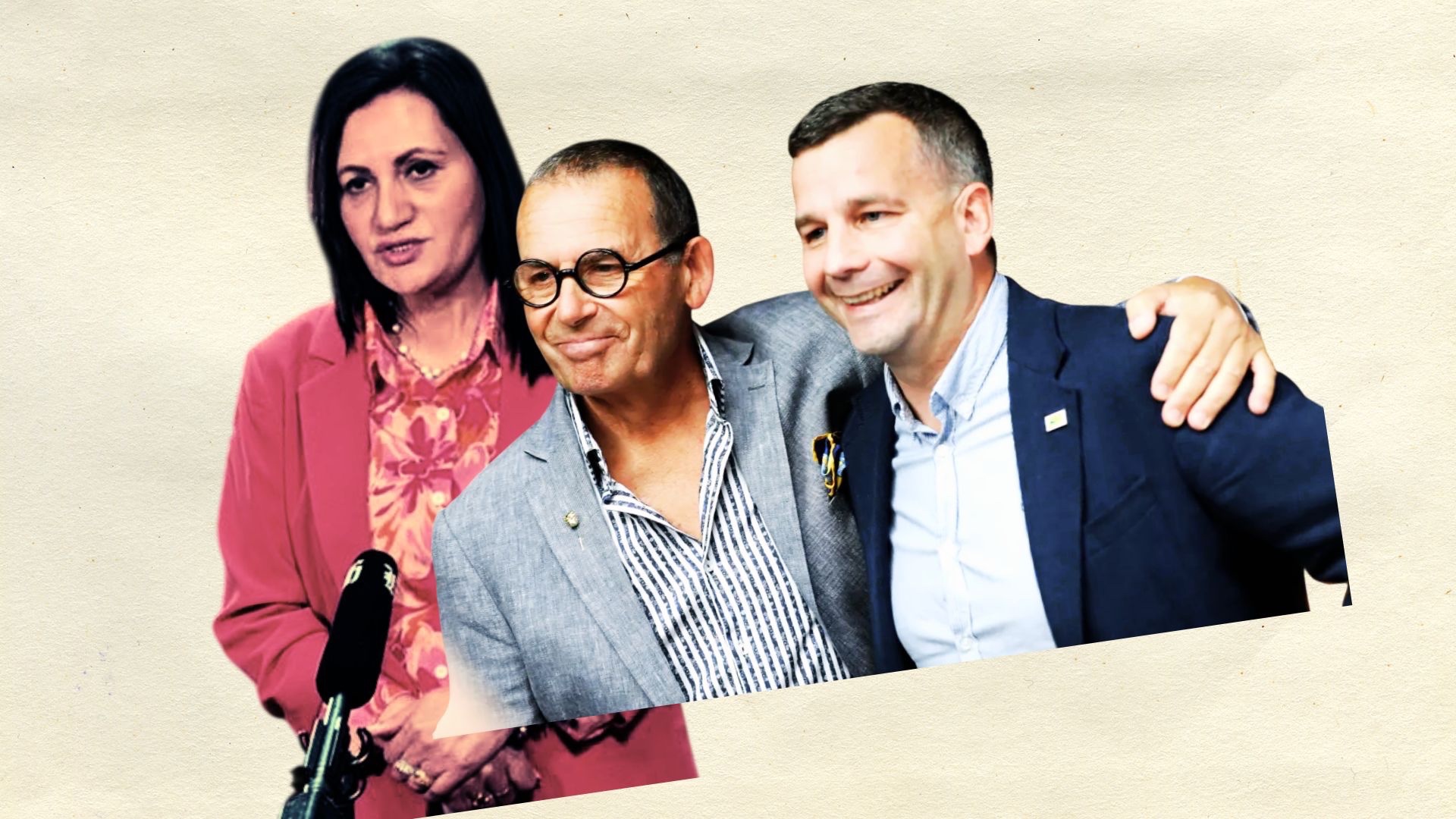
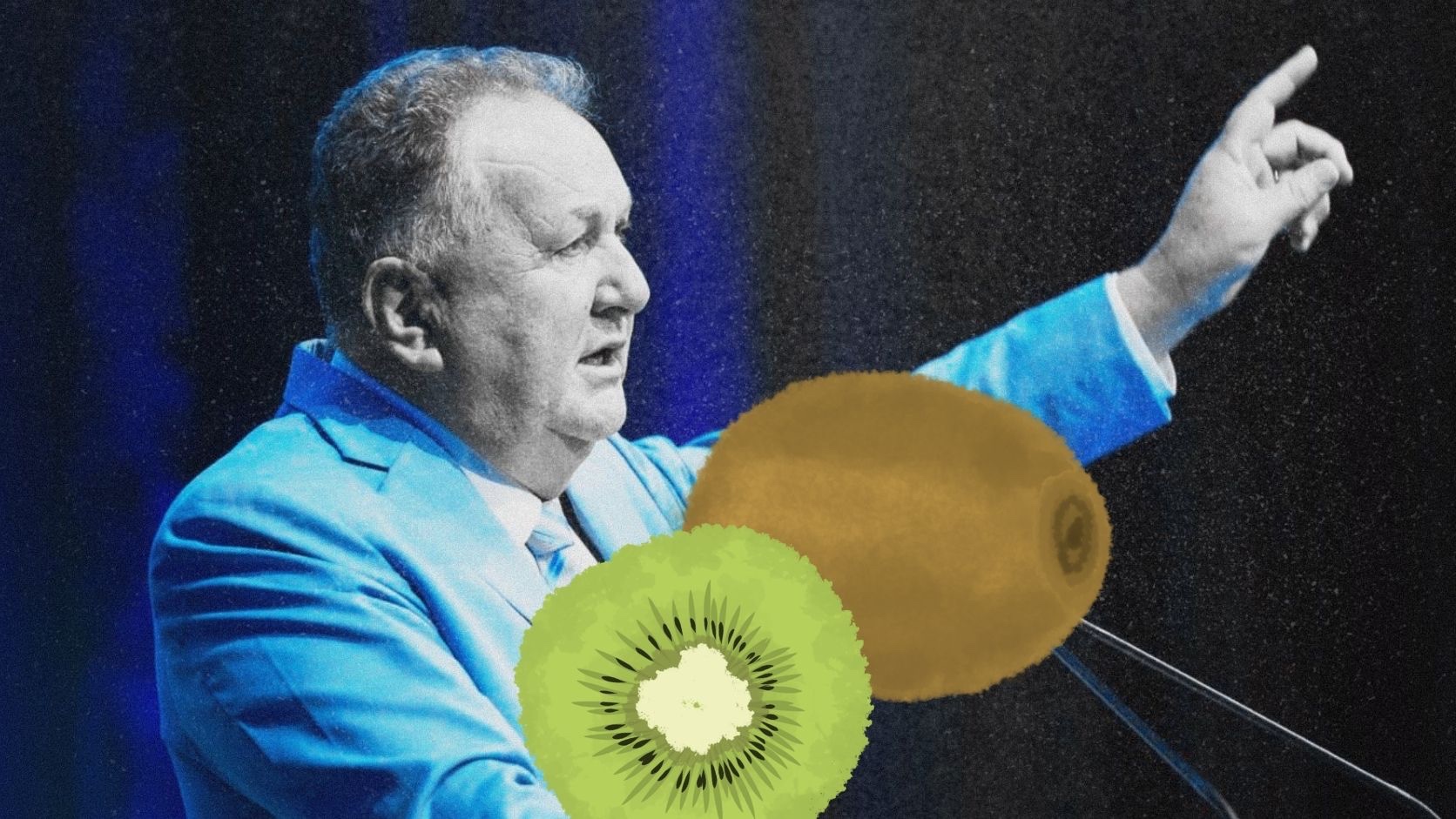
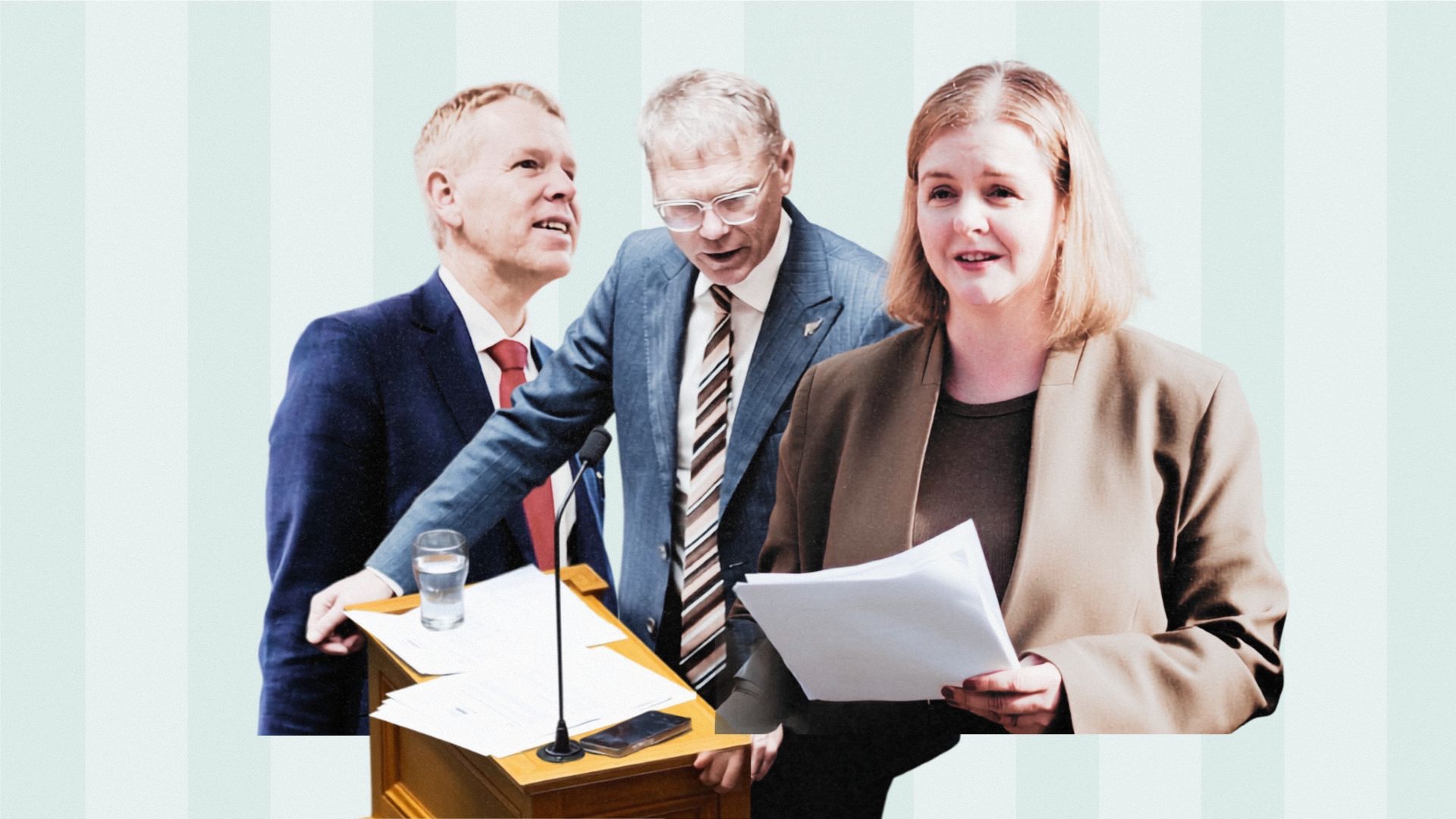
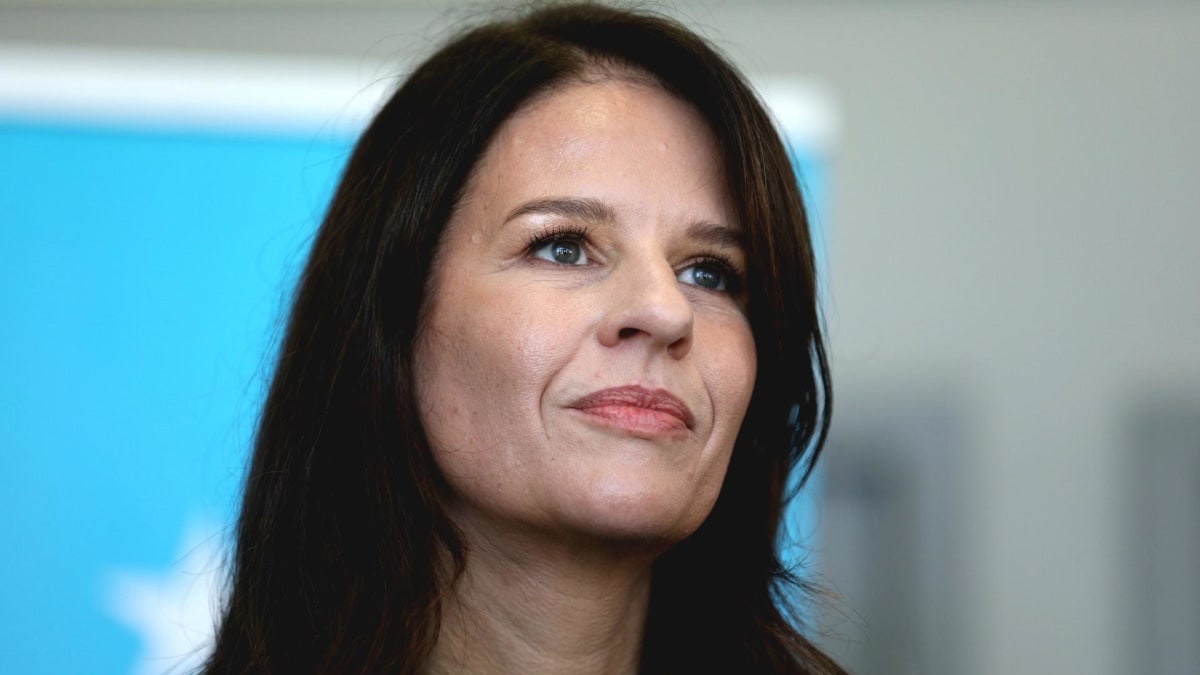
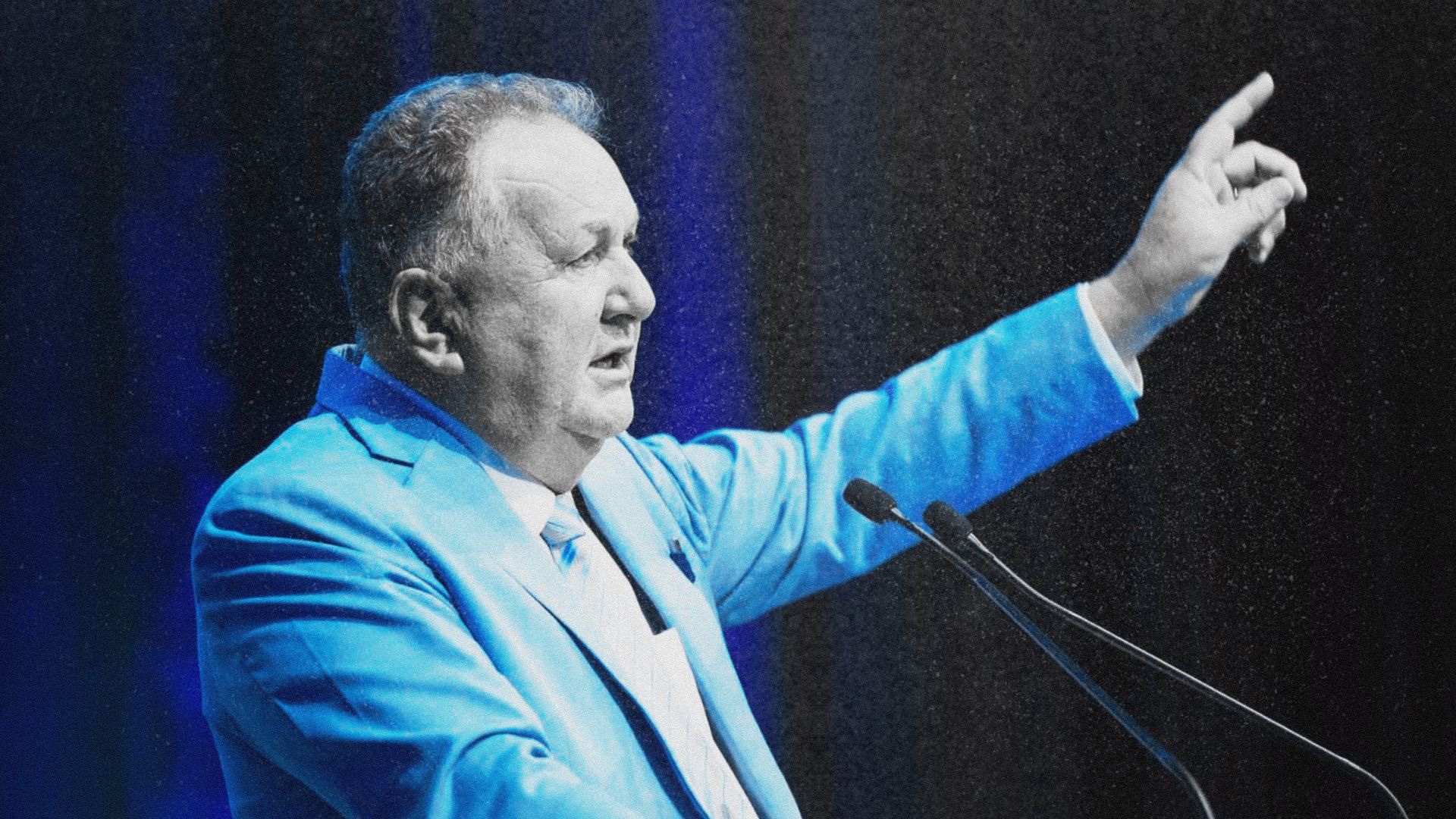
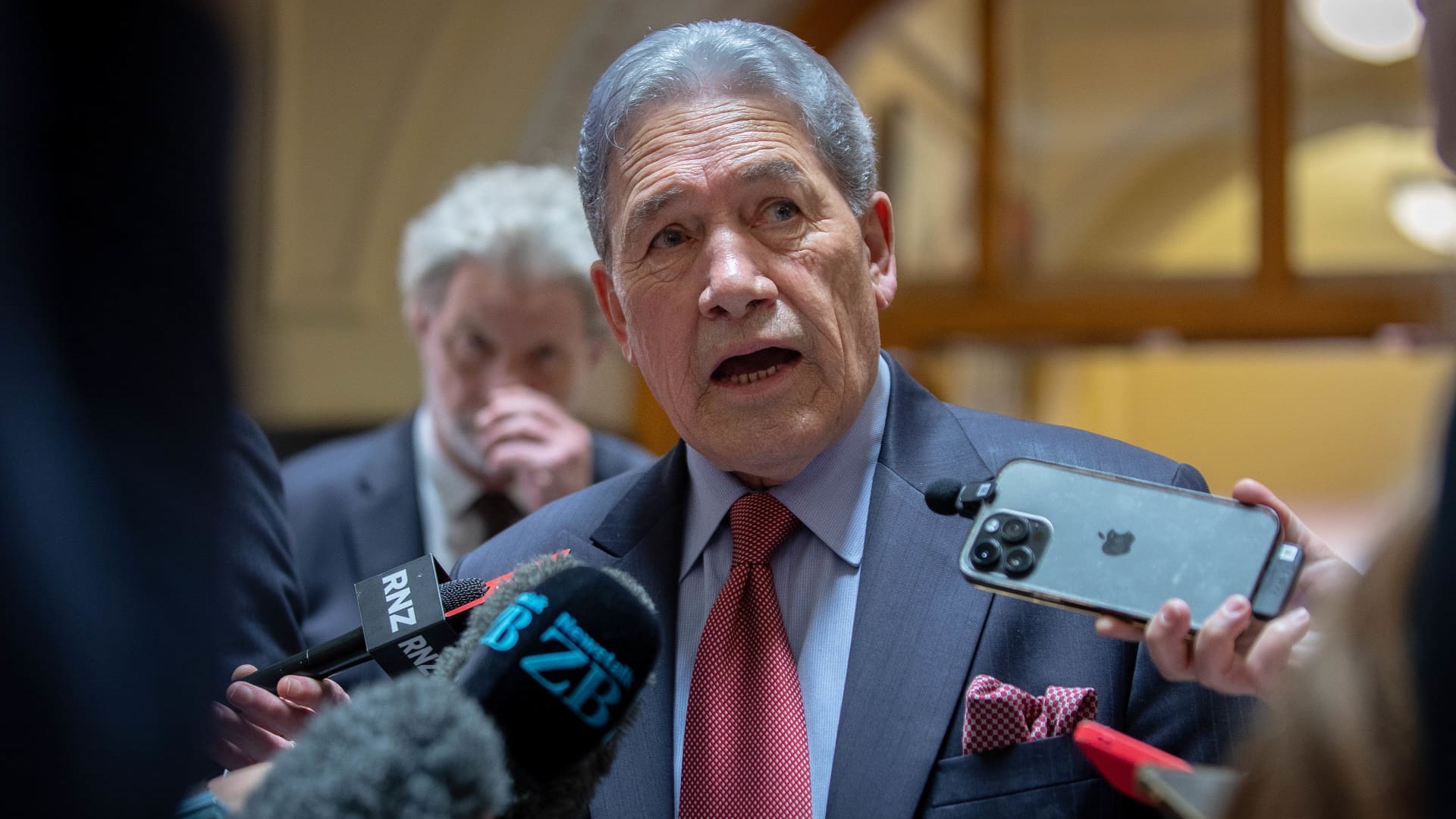
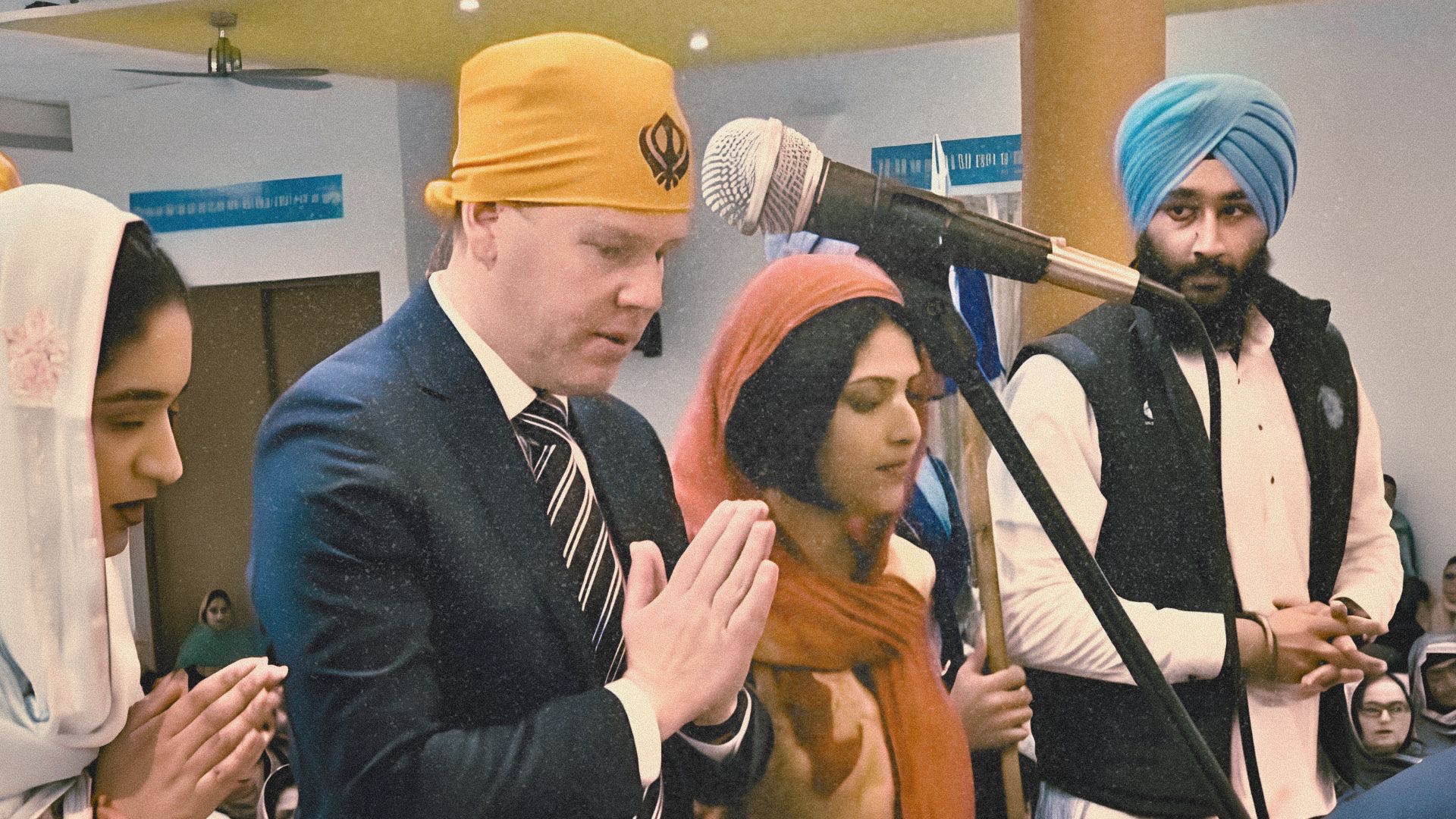
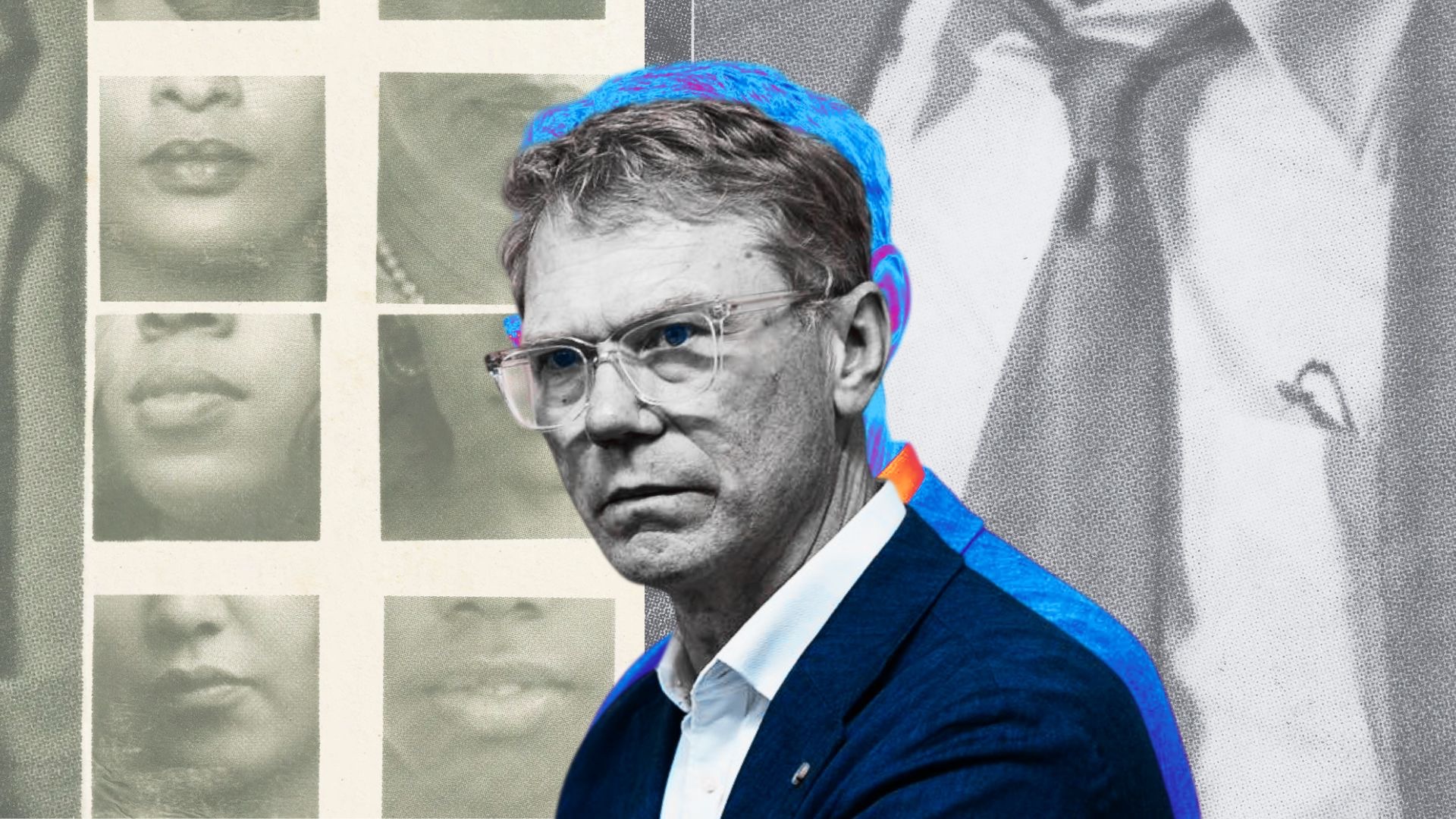
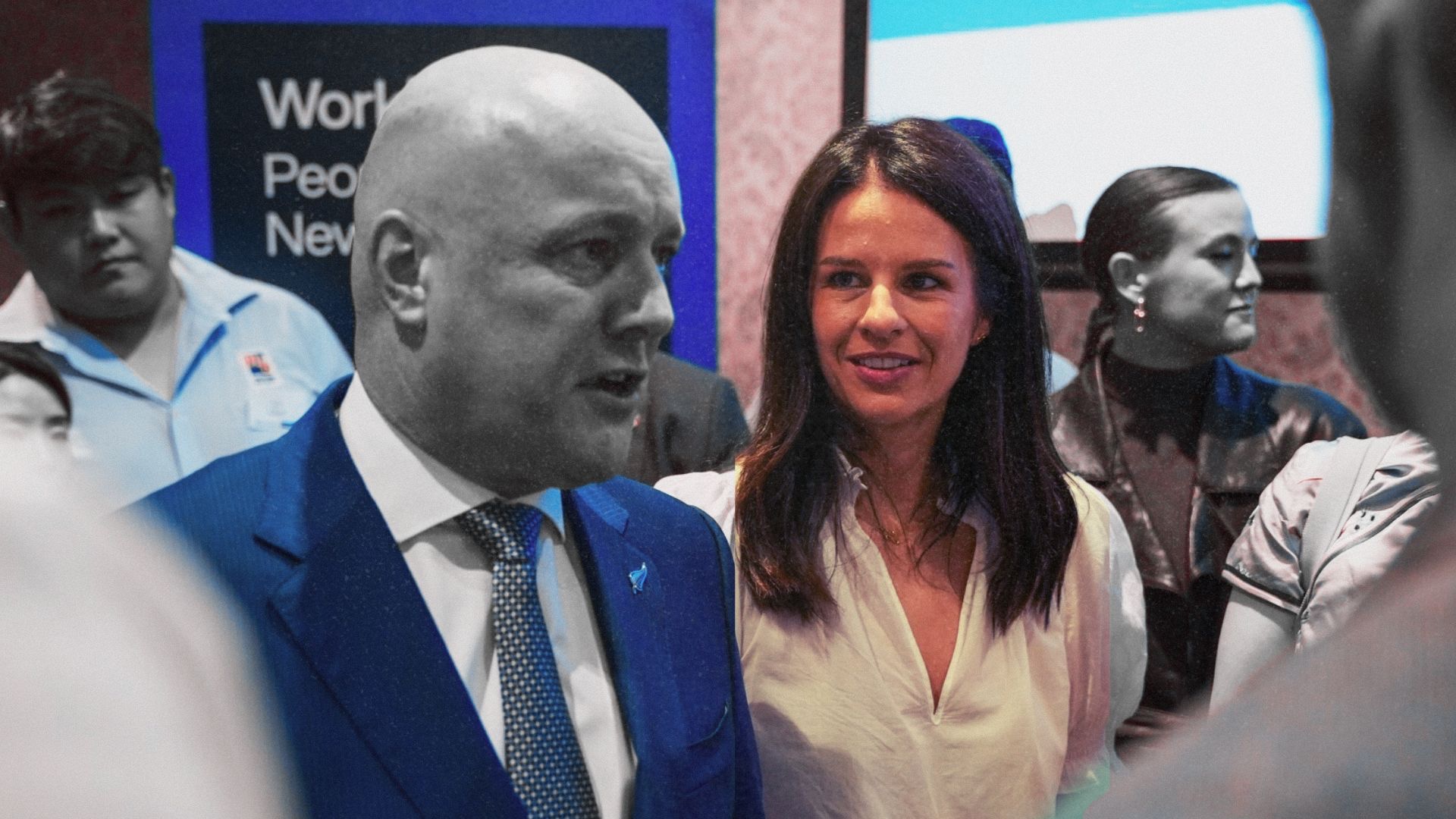
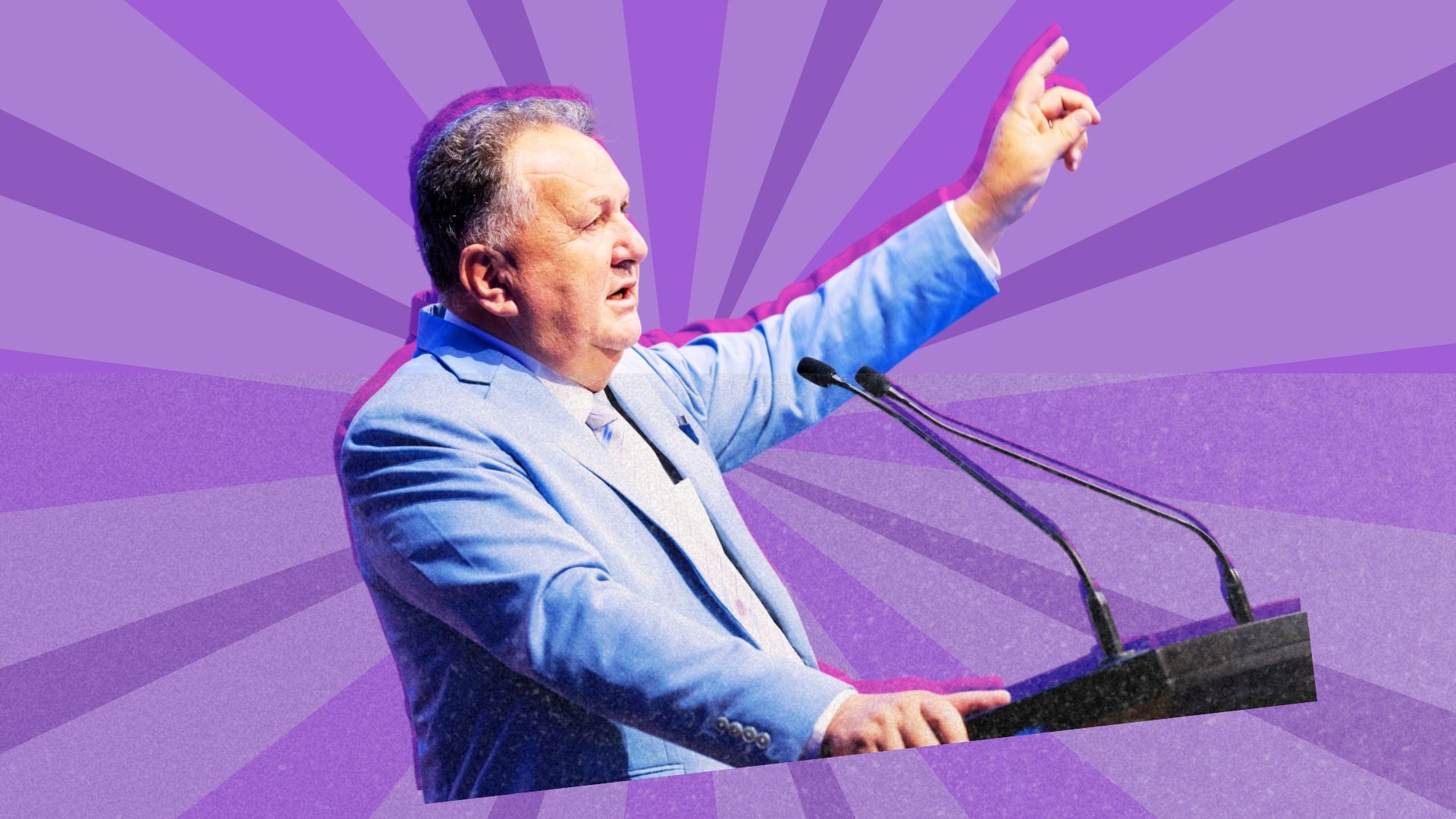
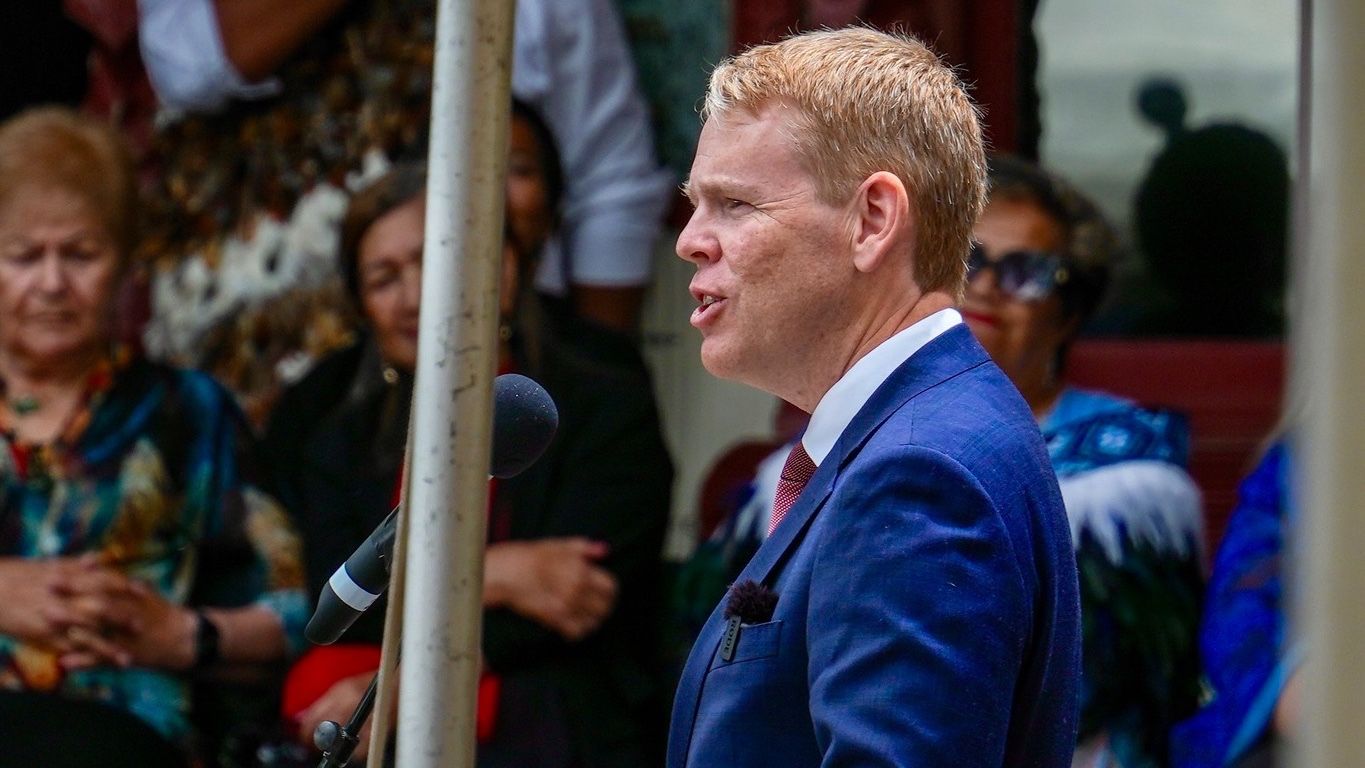
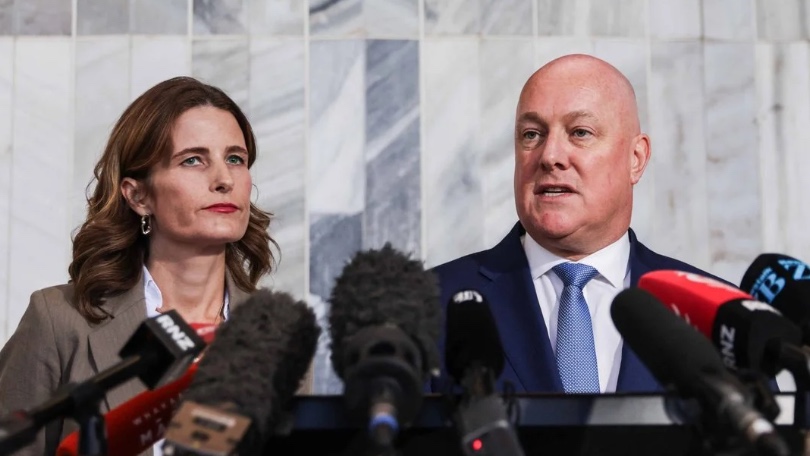
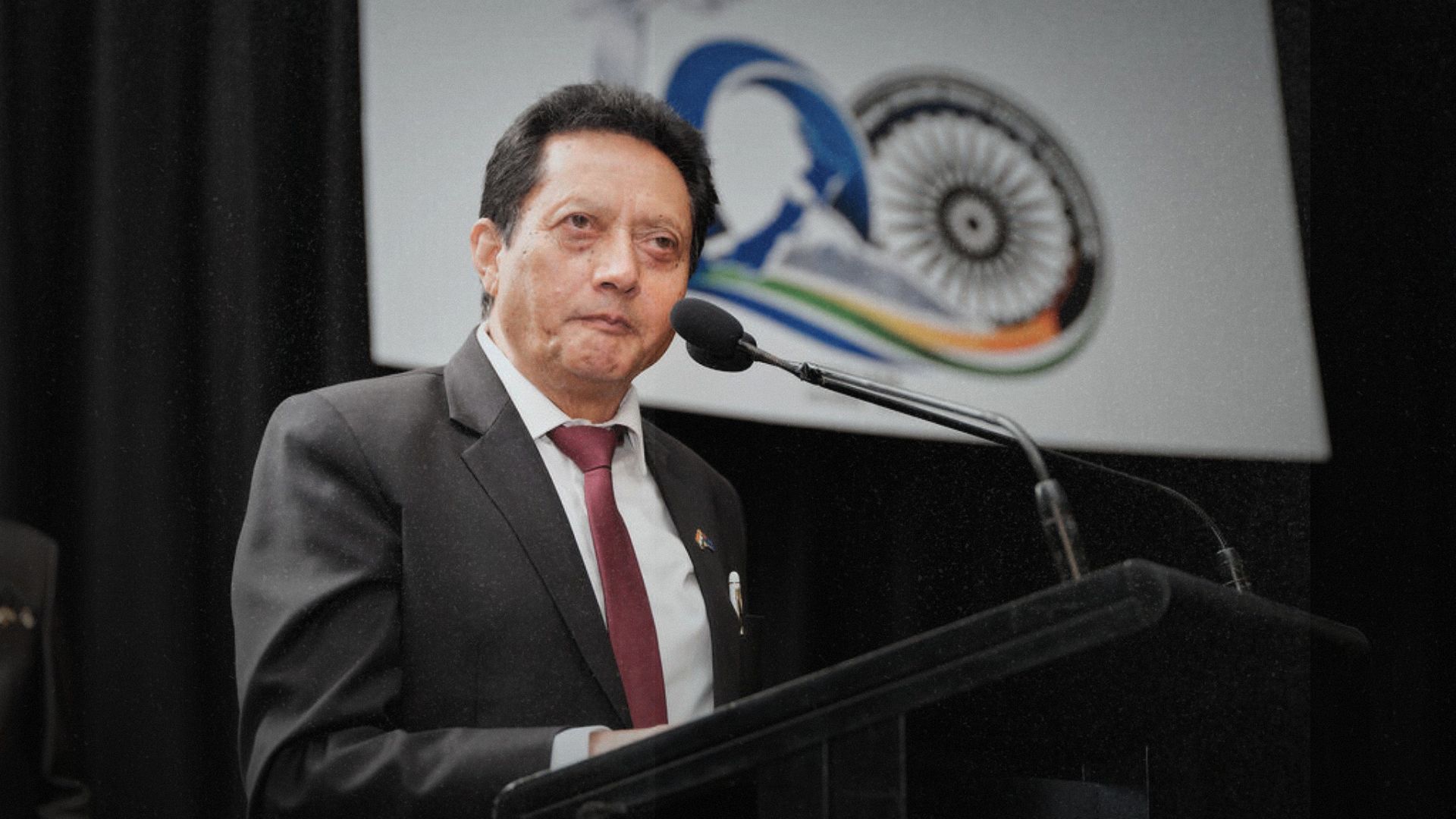
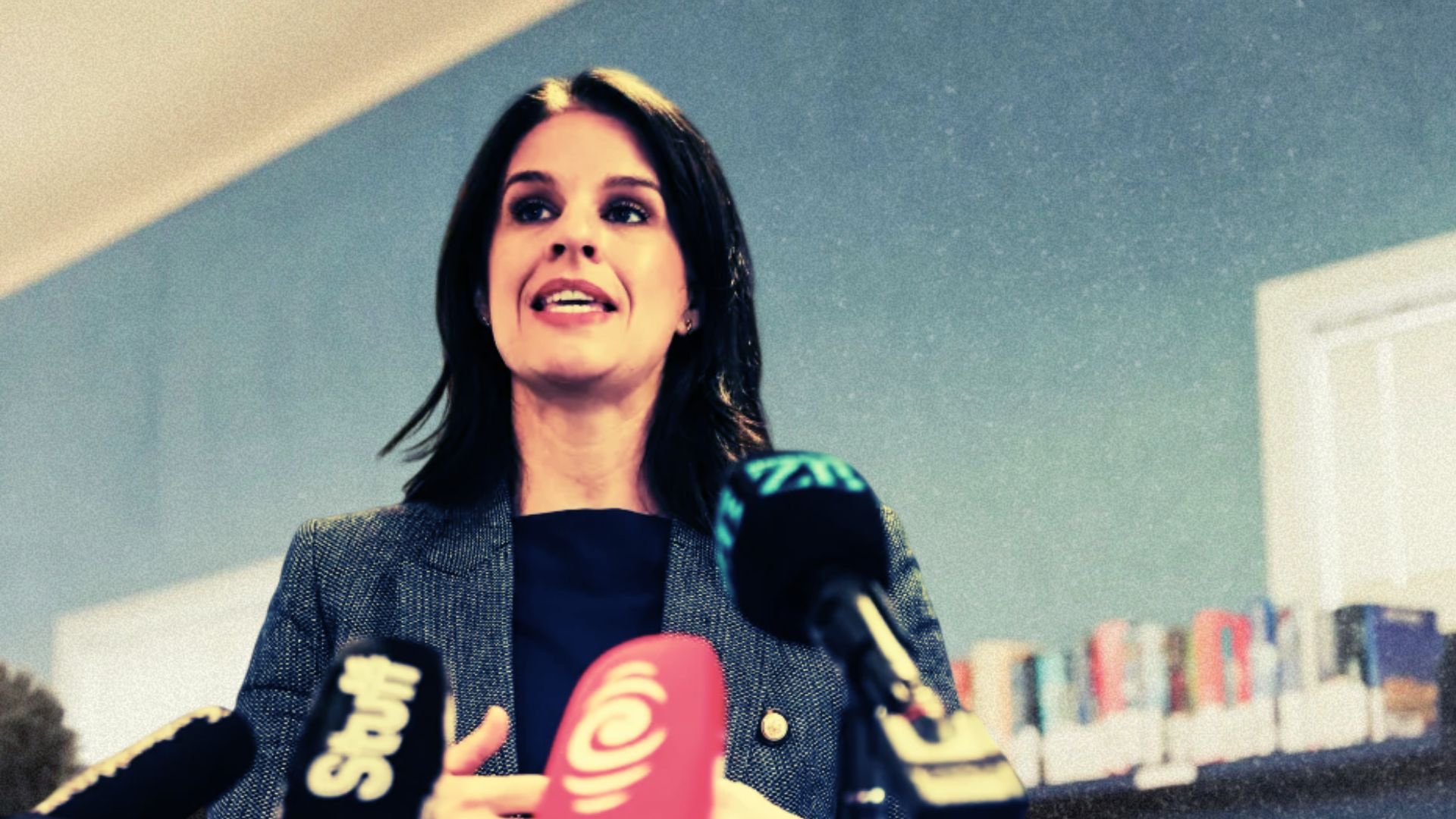
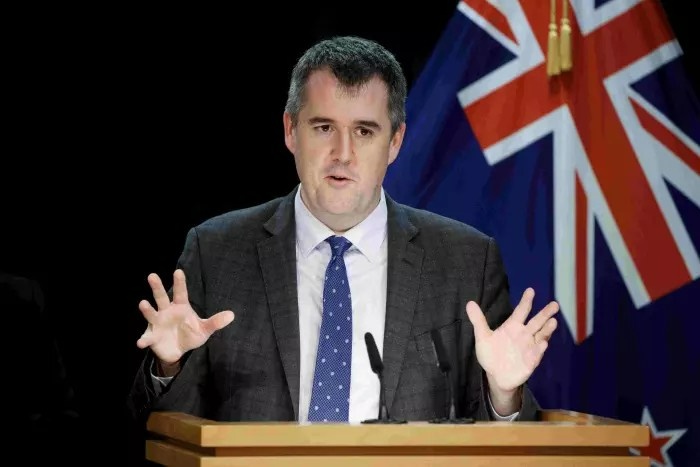
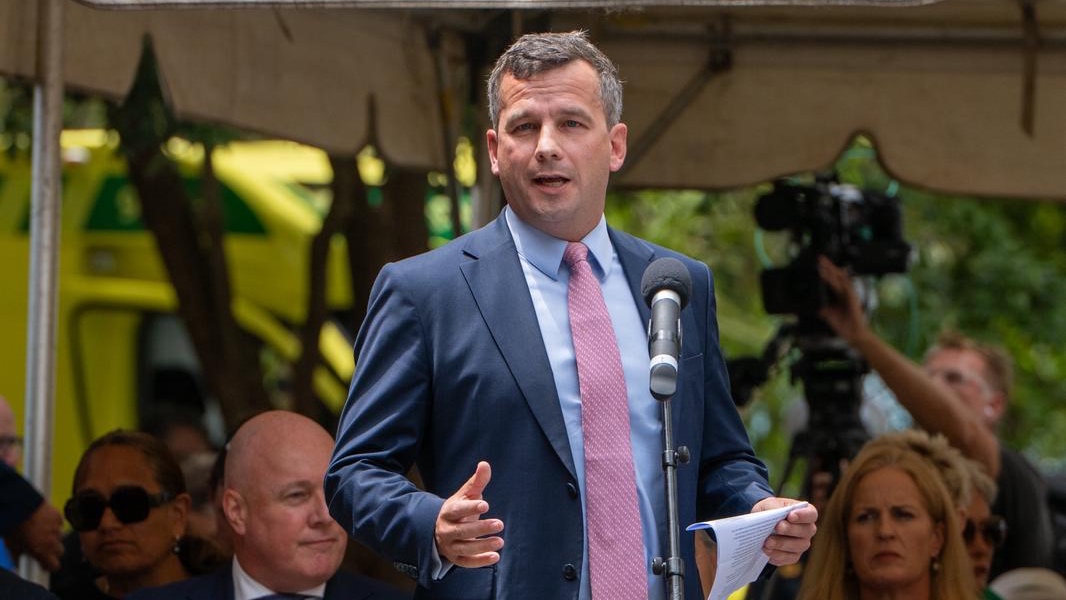
ACT Party leader David Seymour.
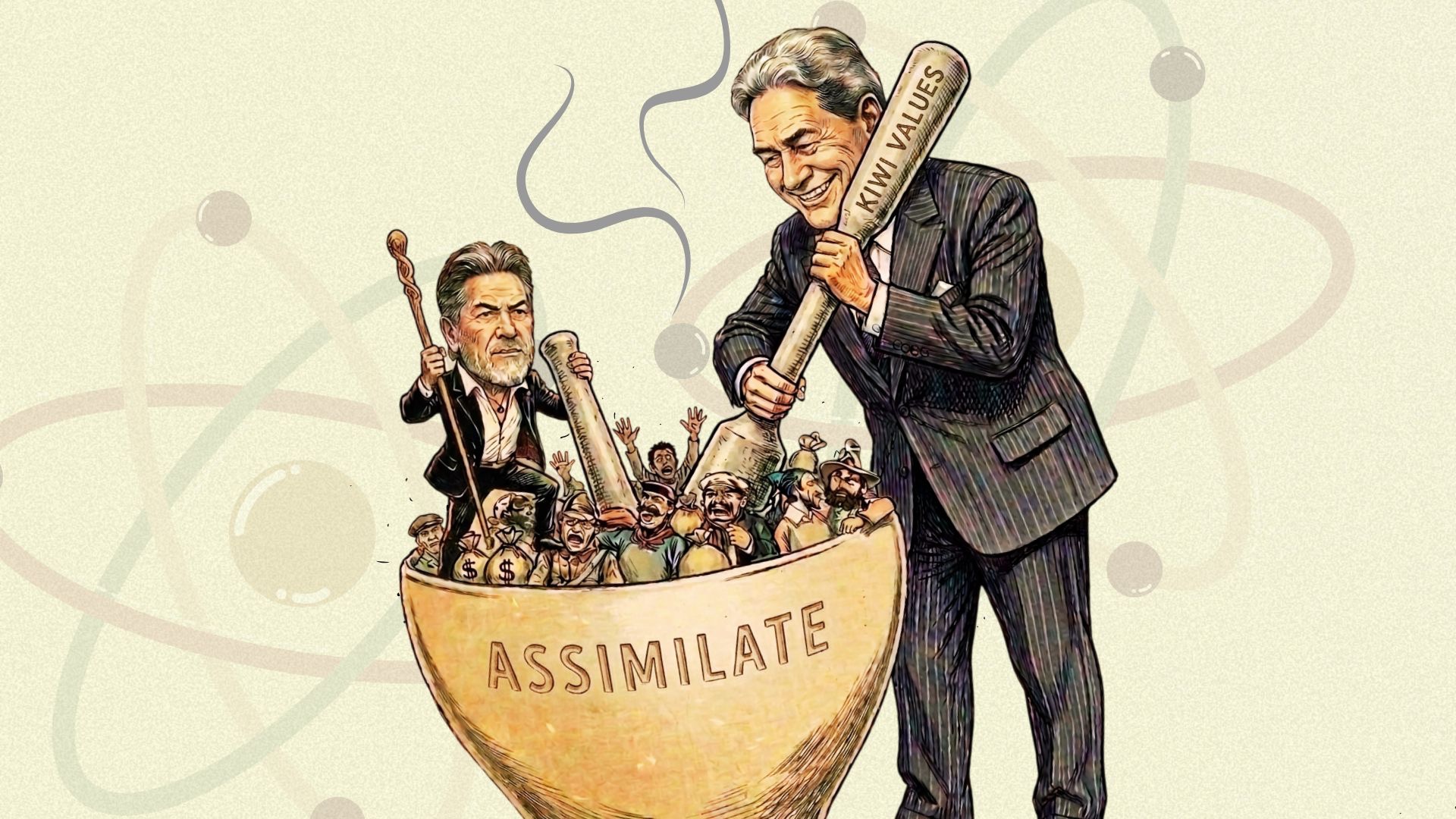
The story the ACT Party leader is telling is, frankly, quite appealing. But it can be intellectually thin.
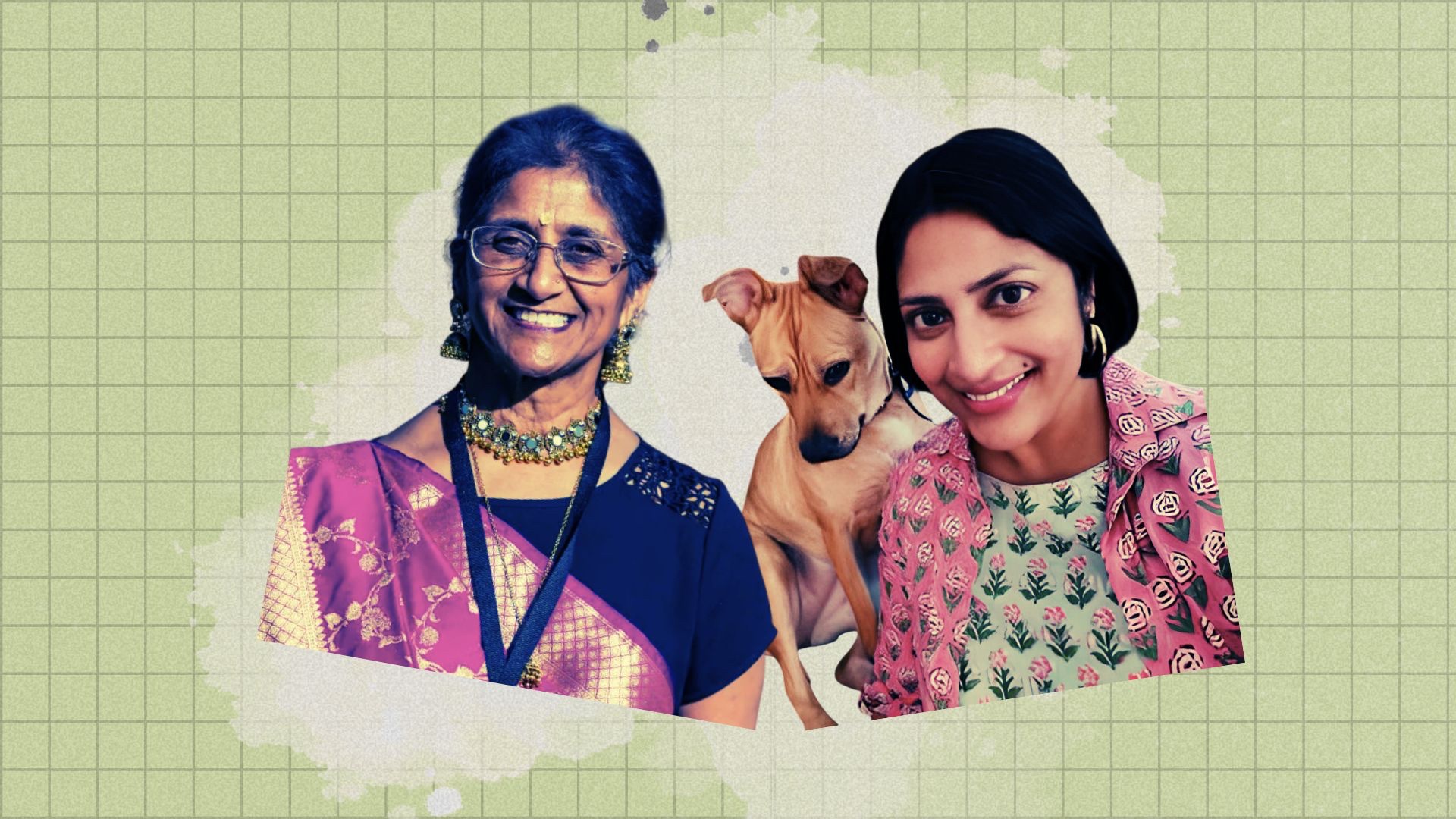
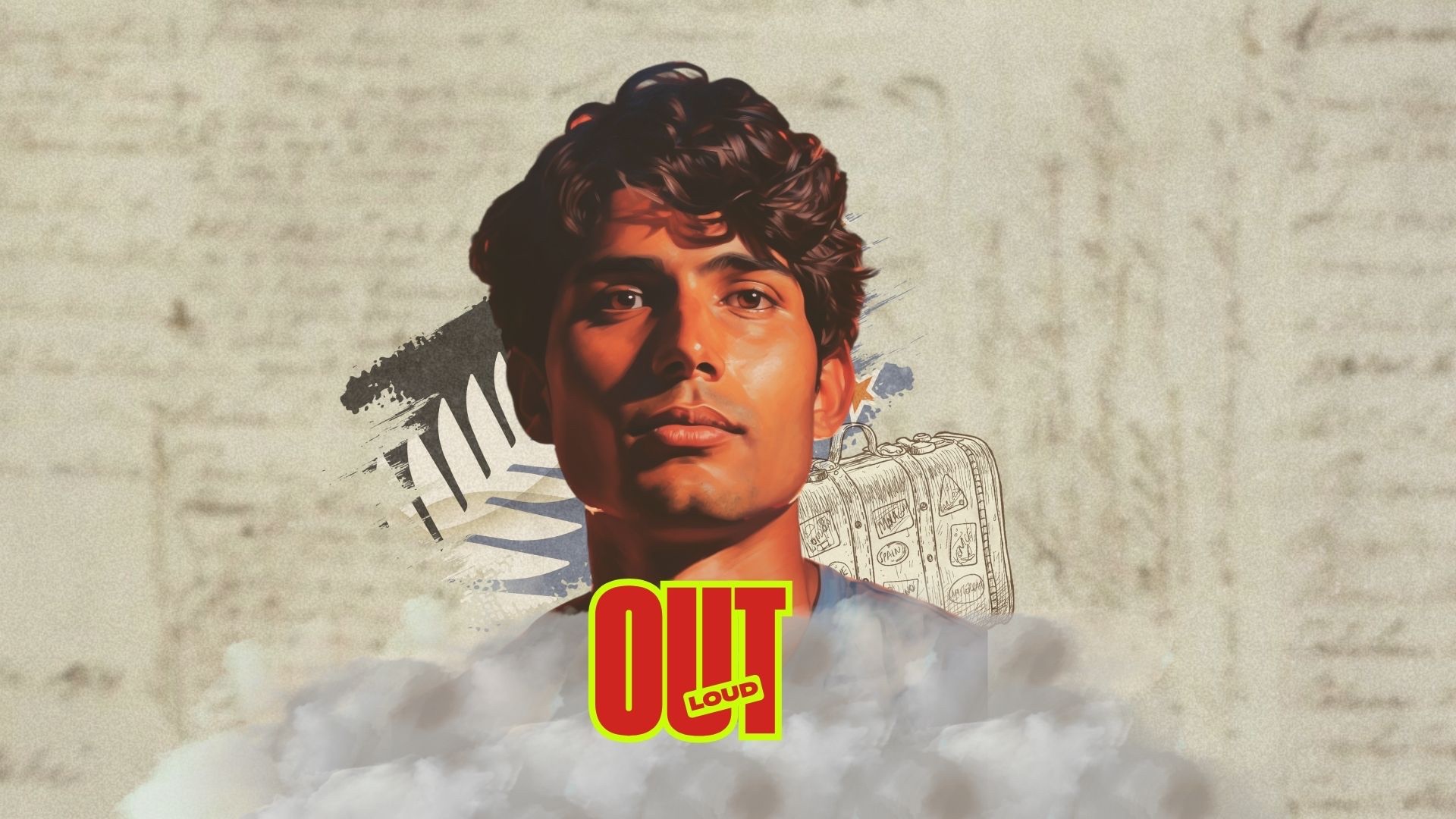
('Out Loud' is an opinion column that takes the political, cultural and social debates Indian migrant households save for home and says them out loud, consequences pending.)
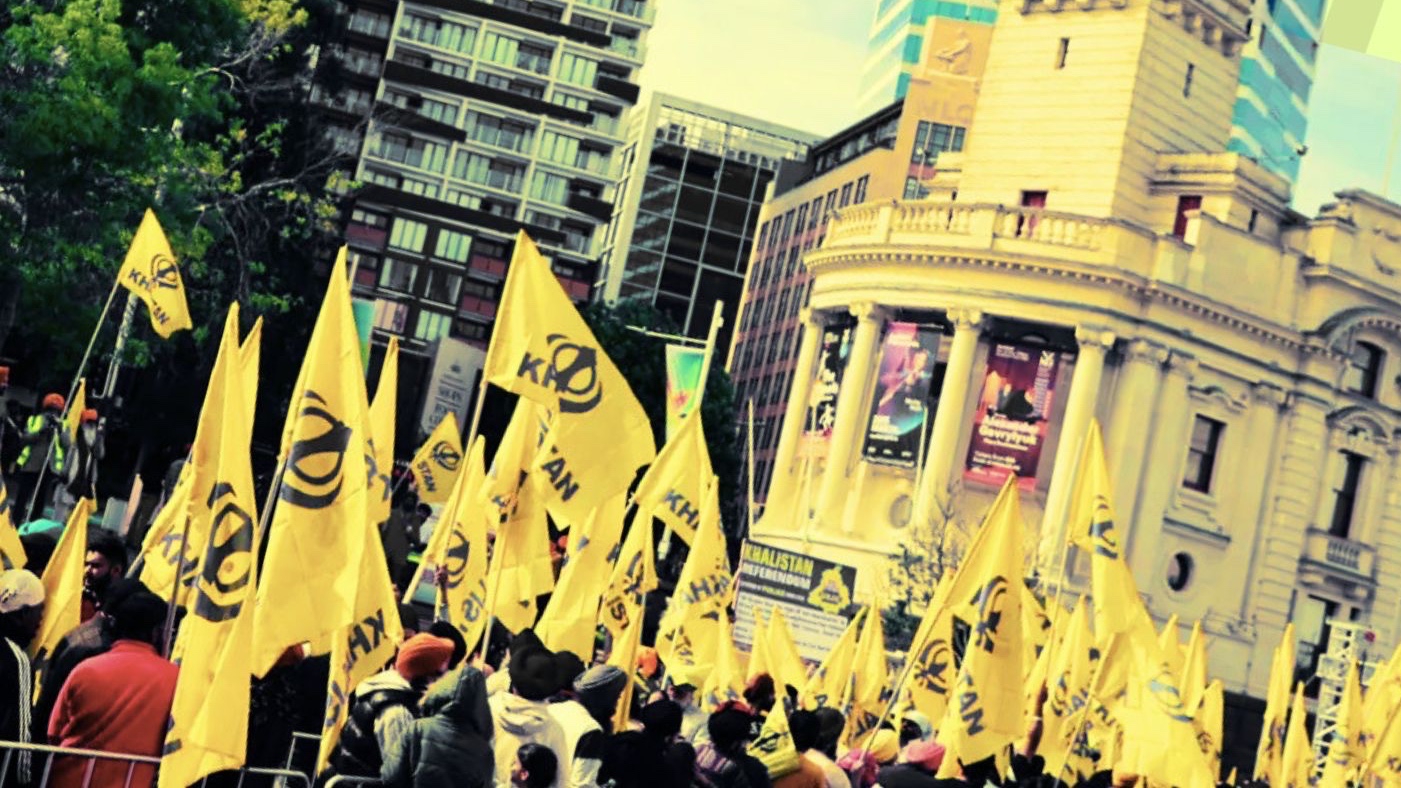
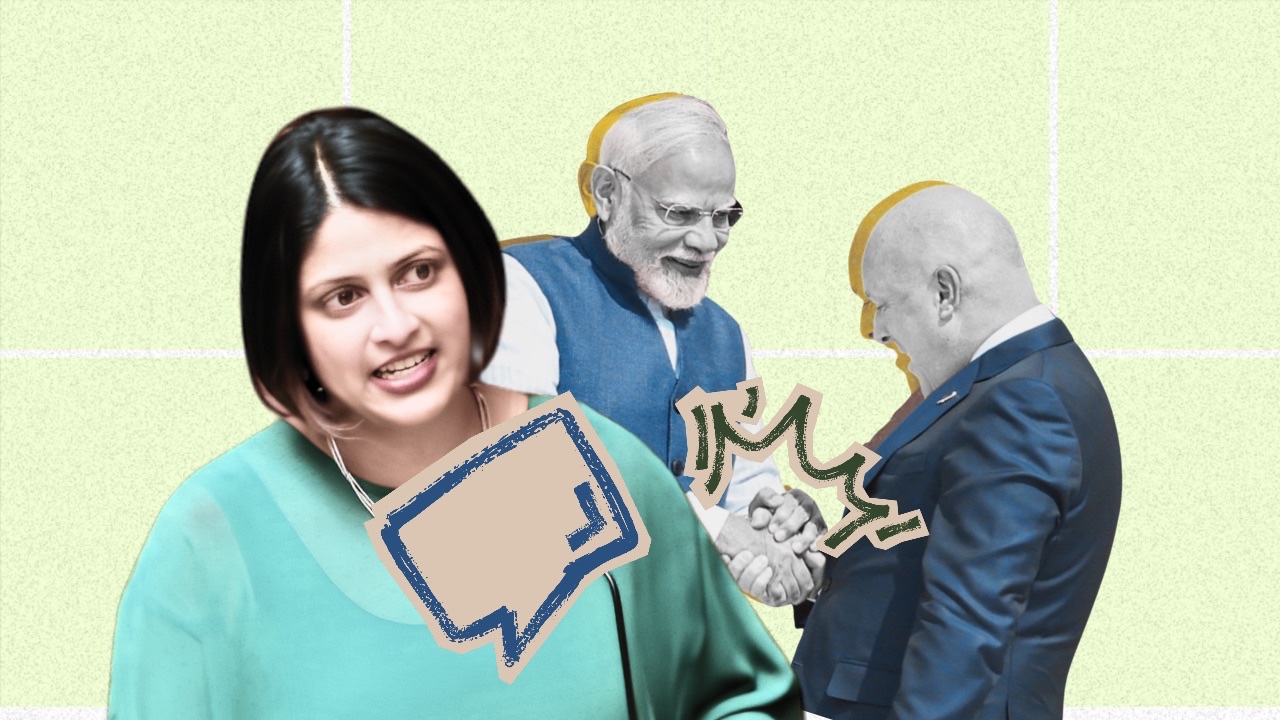
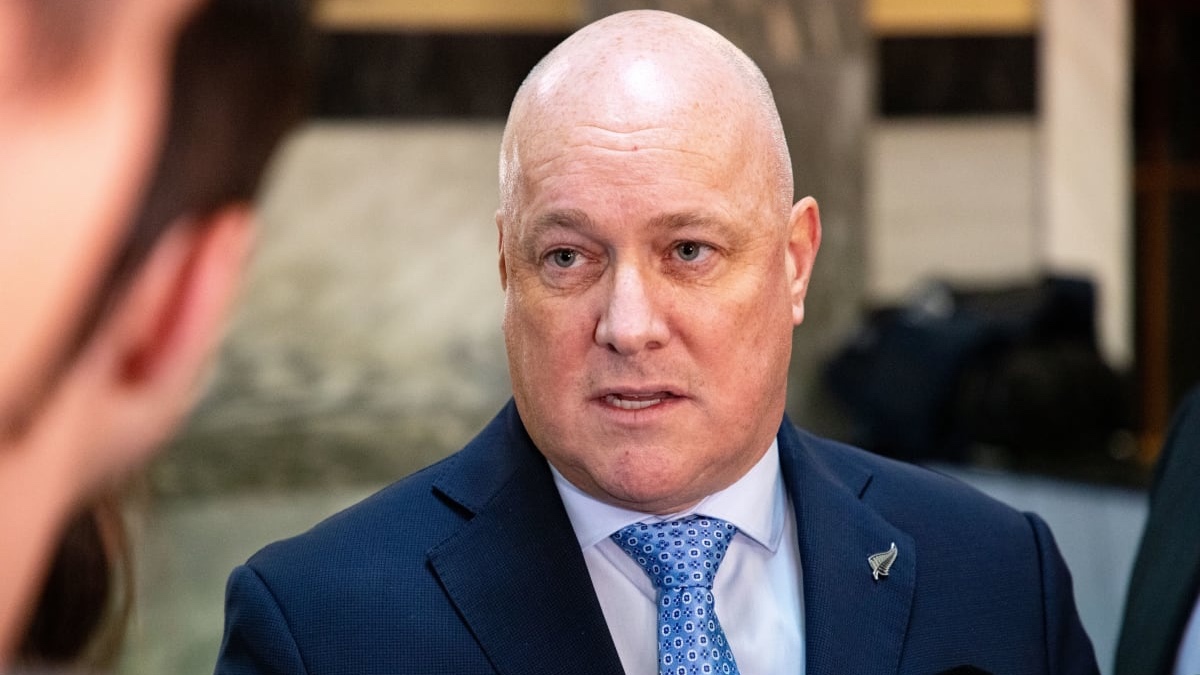
On Easter Monday, David Seymour proposed identity should be one of three issues that "should matter most to the country" this election year.
"We need a better story about who we are," the ACT leader posted on his Facebook page on April 6. He suggested "we haven't been British for a time", and that a bicultural view of New Zealand was past its expiry date.
"It is about what we have in common, we all came here for better, instead of what divides us (who’s ancestors came when)."
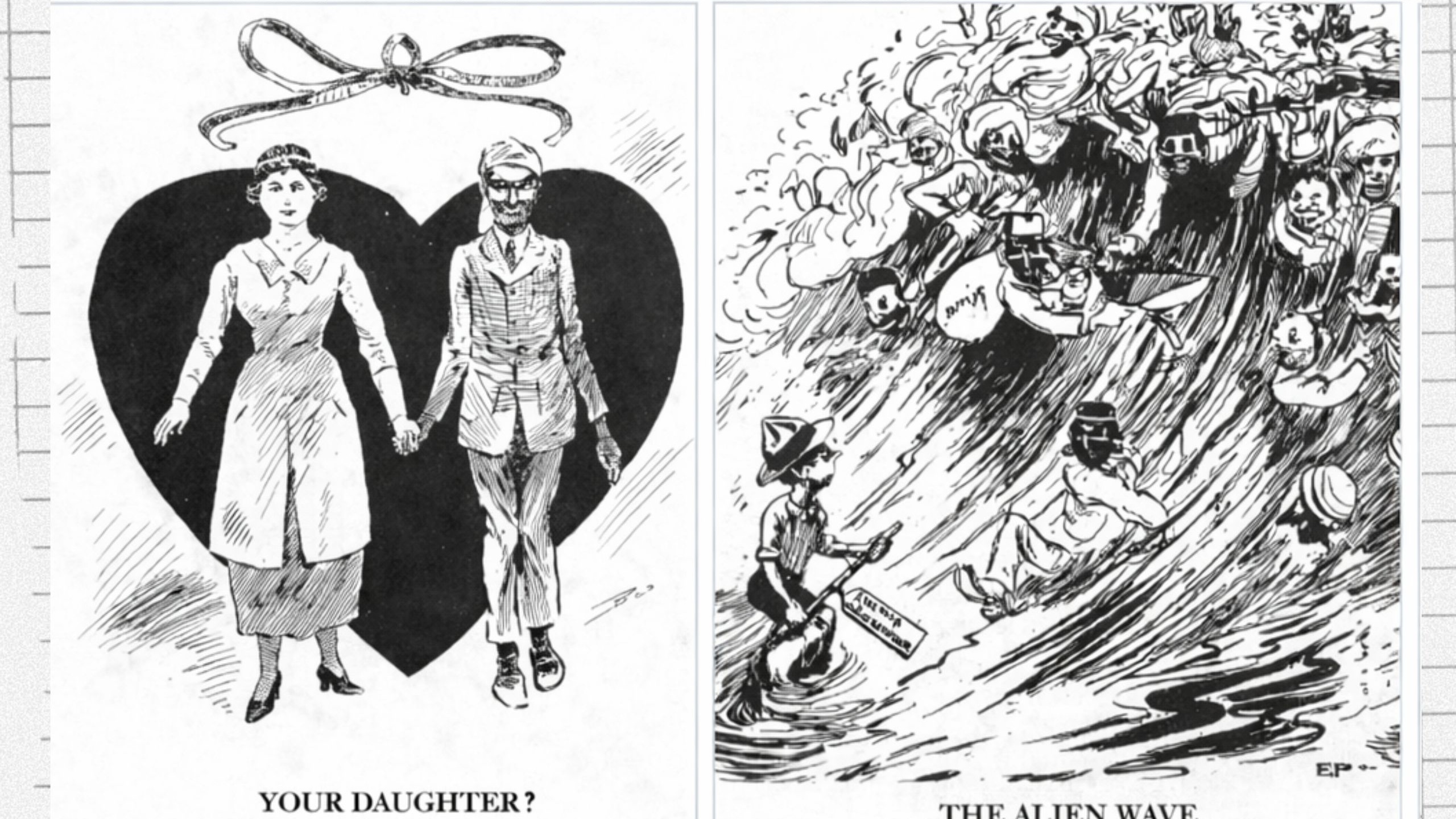
Seymour is offering migrants something that is hard to refuse. The simple proposition that New Zealand is a nation of settlers. We all came here chasing opportunity. Nobody has a greater claim than anyone else.
India is coming to Auckland: Full schedule revealed for cricket, football, hockey, Diwali From the Black Caps and All Whites taking on India to Diwali, hockey, bowls and city-wide light displays, Auckland has revealed its sporting centenary programme.
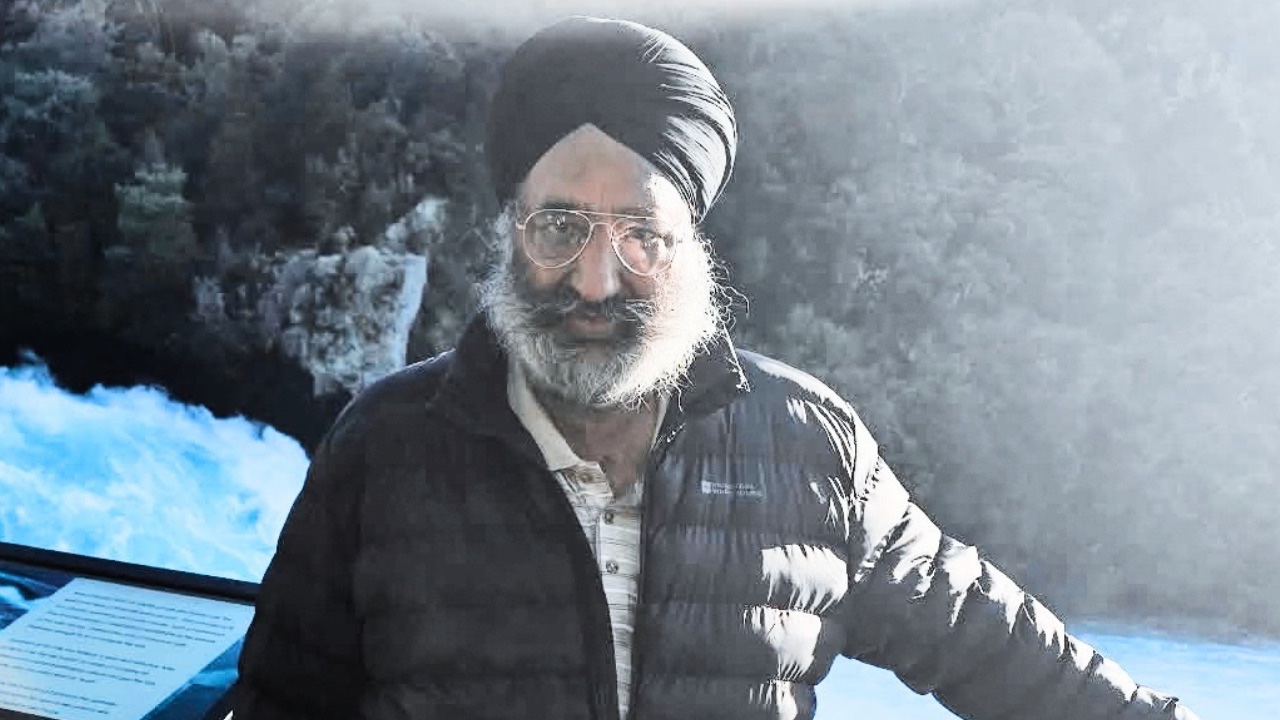
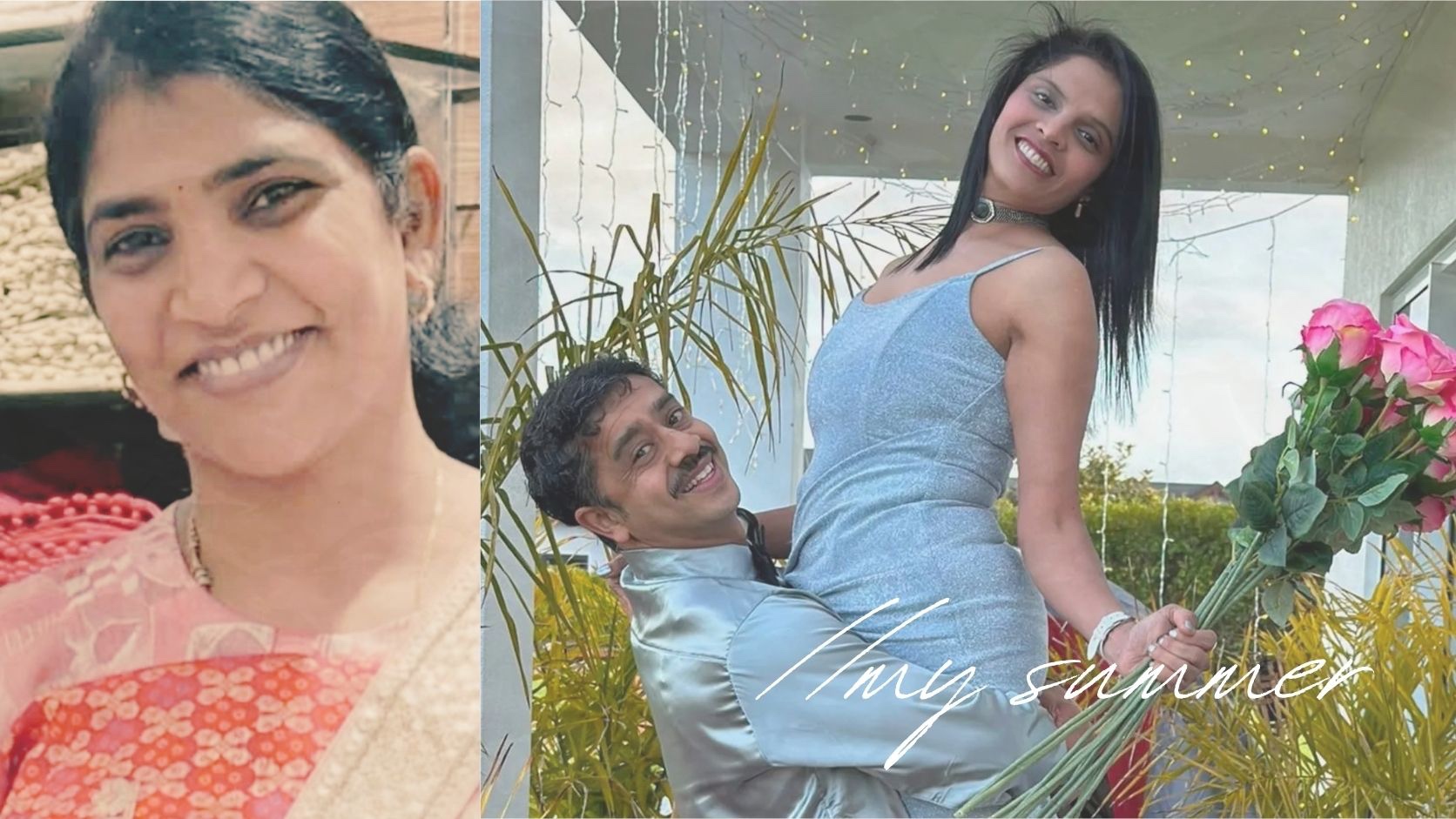
Indian man dies six months after arriving in New Zealand, fundraiser launched Emergency services were called to the crash at Kawarau Falls on Sunday.
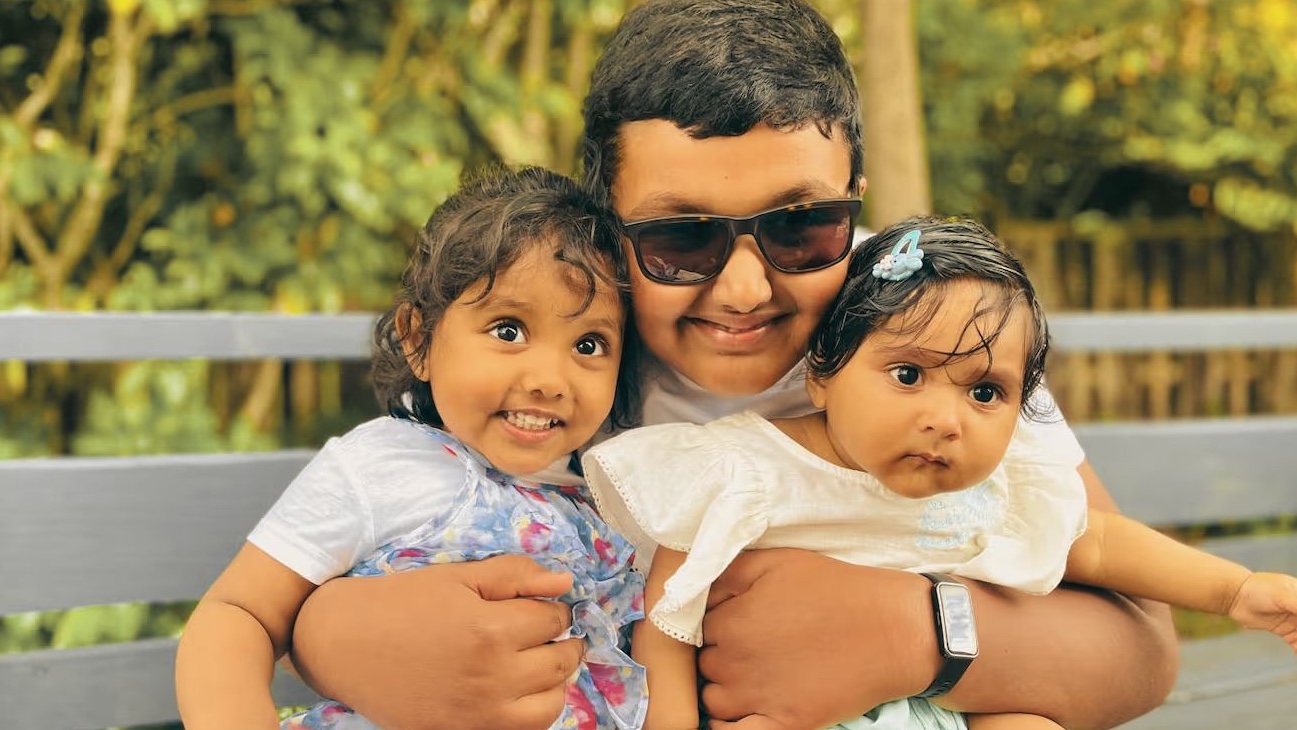
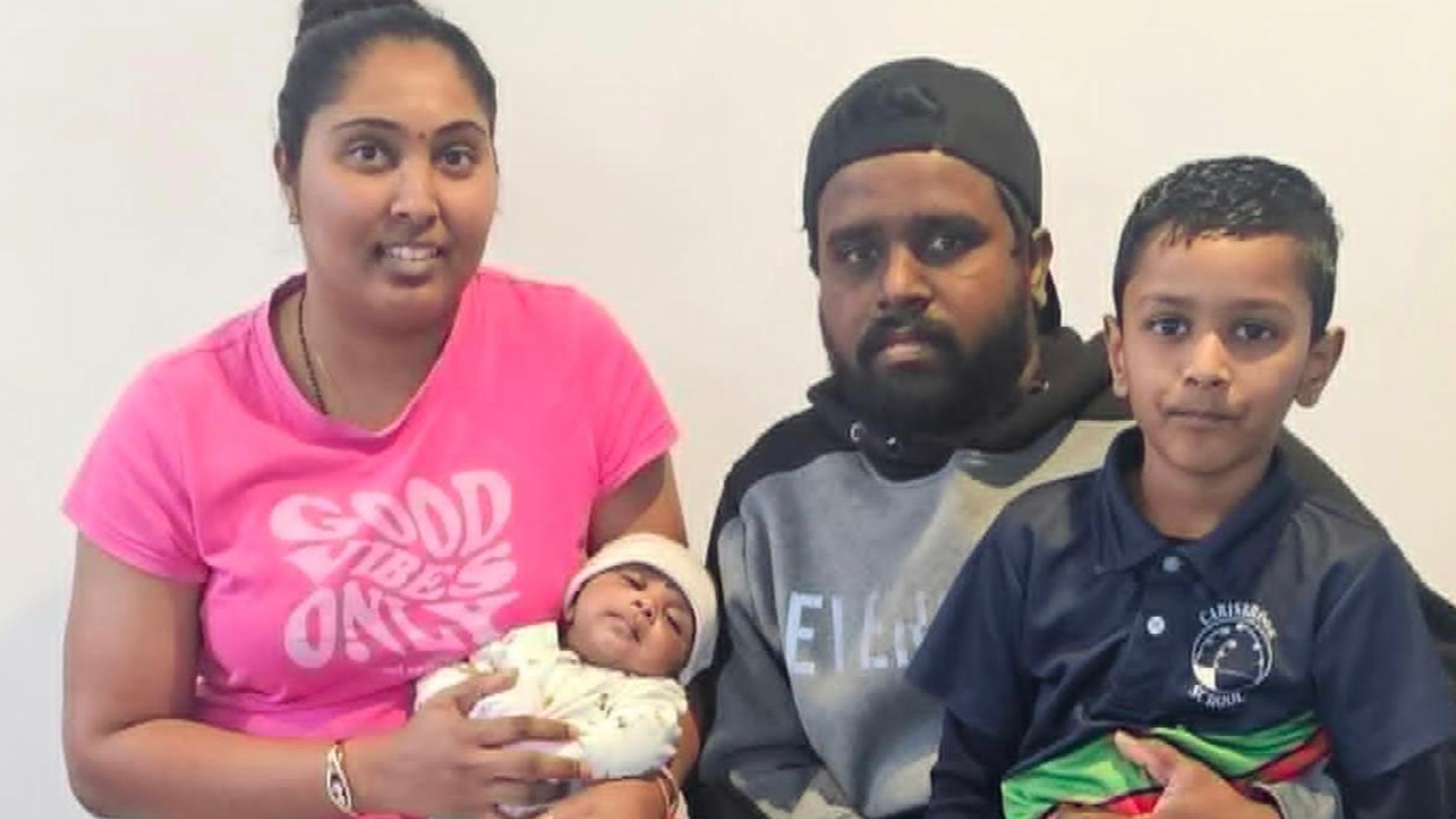
$70,000 bill for Rotorua man after father visiting from India to help with newborn twins has stroke A fundraiser has been launched after the uninsured visit has left the family carrying the full cost of hospital treatment
For someone who arrived here on a visa, built a career, pays taxes and is trying to build a future, that argument has obvious appeal. It removes a quiet anxiety migrants often carry. That belonging might always be conditional.
In Seymour’s story, there are no conditions. Just citizens. And yet, the more I think about it, the less convinced I am. Not because I disagree with the idea of equal citizenship. But because the way he tries to get there feels strangely unnecessary.
Migrants, perhaps more than anyone else, understand how countries are built in layers. We come from places where history is not a theoretical debate but a lived reality.
In India, where I come from, arguments about who came first, who ruled whom, and whose civilisation shaped what are part of everyday political life. If anything, there is a renewed emphasis on civilisational identity and historical continuity. You grow up understanding that societies are built over time, not all at once.
So when someone suggests that everyone is just another wave of settlers, it doesn’t feel empowering. It feels intellectually thin. We know the difference between arriving somewhere and founding it.
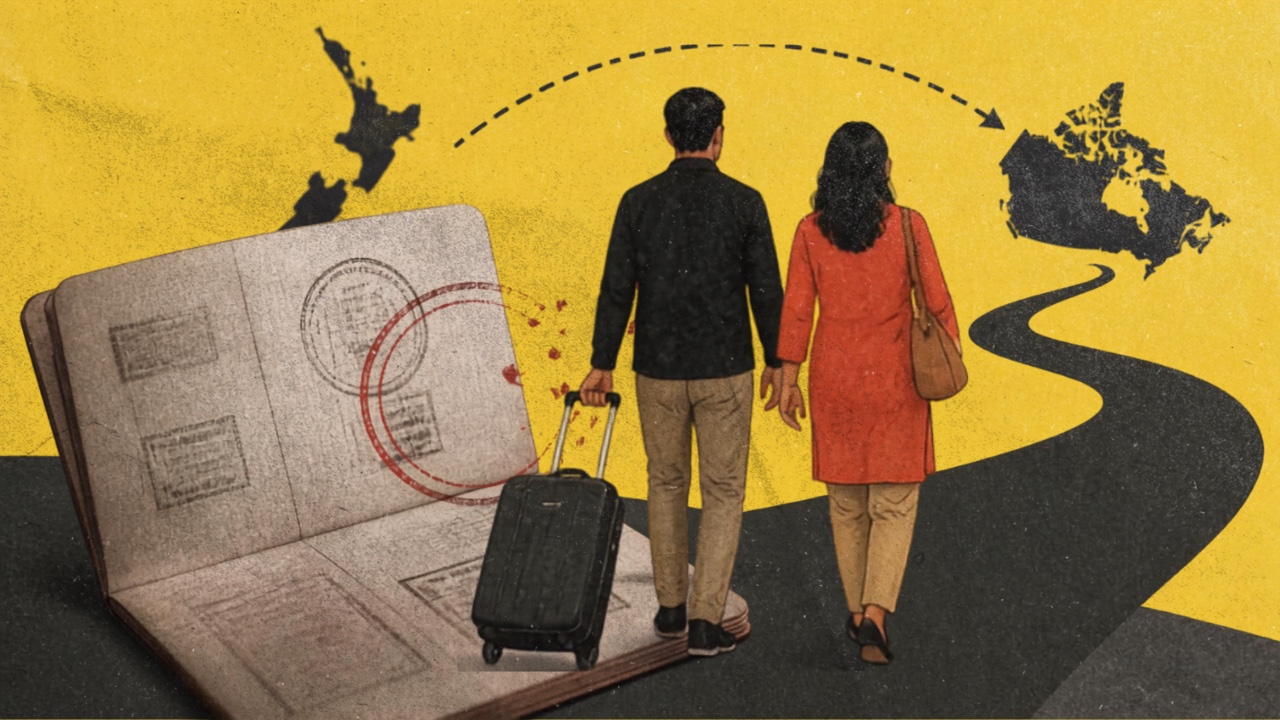
Recognising that difference does not make migrants lesser. It just makes us realistic. I did not found New Zealand. I did not negotiate its founding agreements. I did not shape the institutions that make this country work.
I arrived into a system that already existed, one that I benefit from and contribute to (dare I say, massively). That seems like a perfectly respectable position to occupy. It does not require historical promotion to feel meaningful.
That's where Seymour’s argument begins to feel slightly patronising. It assumes migrants need psychological reassurance in the form of historical equivalence. That unless we are told we are all the same kind of settlers, we might somehow feel excluded.
But many migrants are not looking for symbolic inclusion in the past. We are looking for recognition in the present. We don’t need to be told we are founders to feel we belong. We know we are contributors.
There is also something else migrants tend to understand instinctively. You can acknowledge who was here first without feeling you arrived last. Those are not the same thing.
In fact, migrants may be among the least confused about this because migration itself teaches humility. You learn quickly that you are entering someone else’s social contract. You adapt and you contribute. Over time you become part of the fabric. But you don’t need to pretend you wove the original cloth.
In fact, what feels missing from New Zealand’s identity debate is something else entirely.
Whether we talk about biculturalism or a nation of settlers, migrants often appear as supporting characters in someone else’s historical story. The debate focuses heavily on origins. Much less on who is helping sustain the country today.
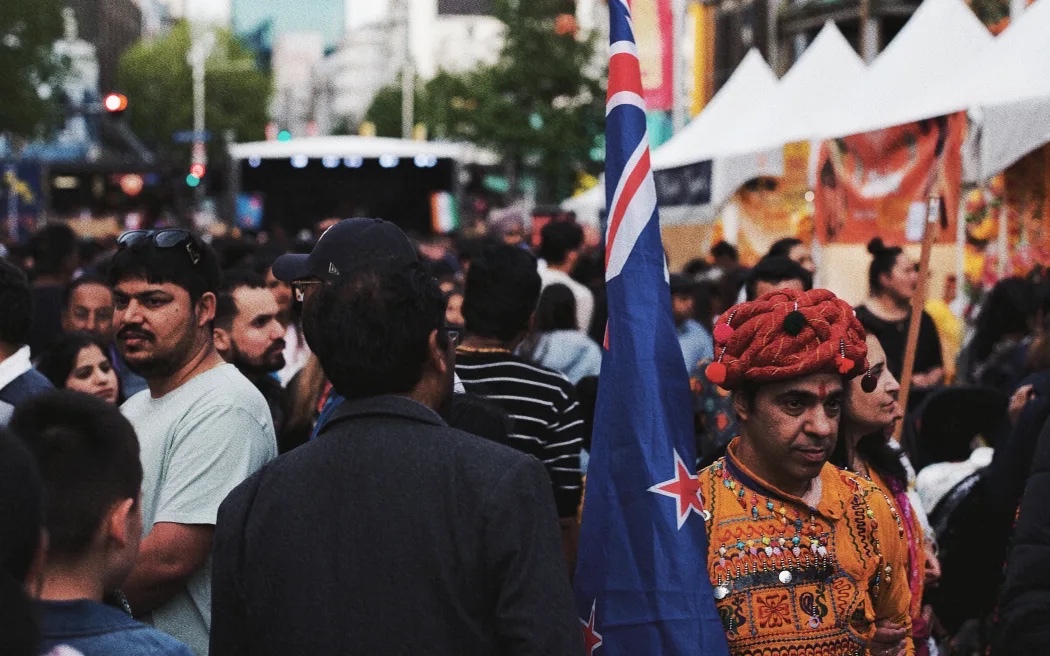
Yet the reality is migrants are not just participants in a social story. We are participants in an economic one. Migrants are filling labour shortages in health, technology and education. Migrants are starting businesses, expanding the tax base and helping offset the demographic pressures of an ageing population.
Yet, this agency rarely features in how belonging is discussed. Instead, the conversation tends to circle around whether migrants fit into a bicultural framework or whether everyone should simply be considered settlers. Both approaches, in different ways, miss something important.
They treat migrants as people who must be placed within a national story. Not as people actively shaping its next chapter. Perhaps the more useful question is not whether everyone is a settler. Perhaps it is whether migrants are recognised as stakeholders in New Zealand’s future.
Most migrants I know are not looking for historical elevation. They are looking for the practical recognition that their work matters, their contribution matters, their stake in the country’s future is real.
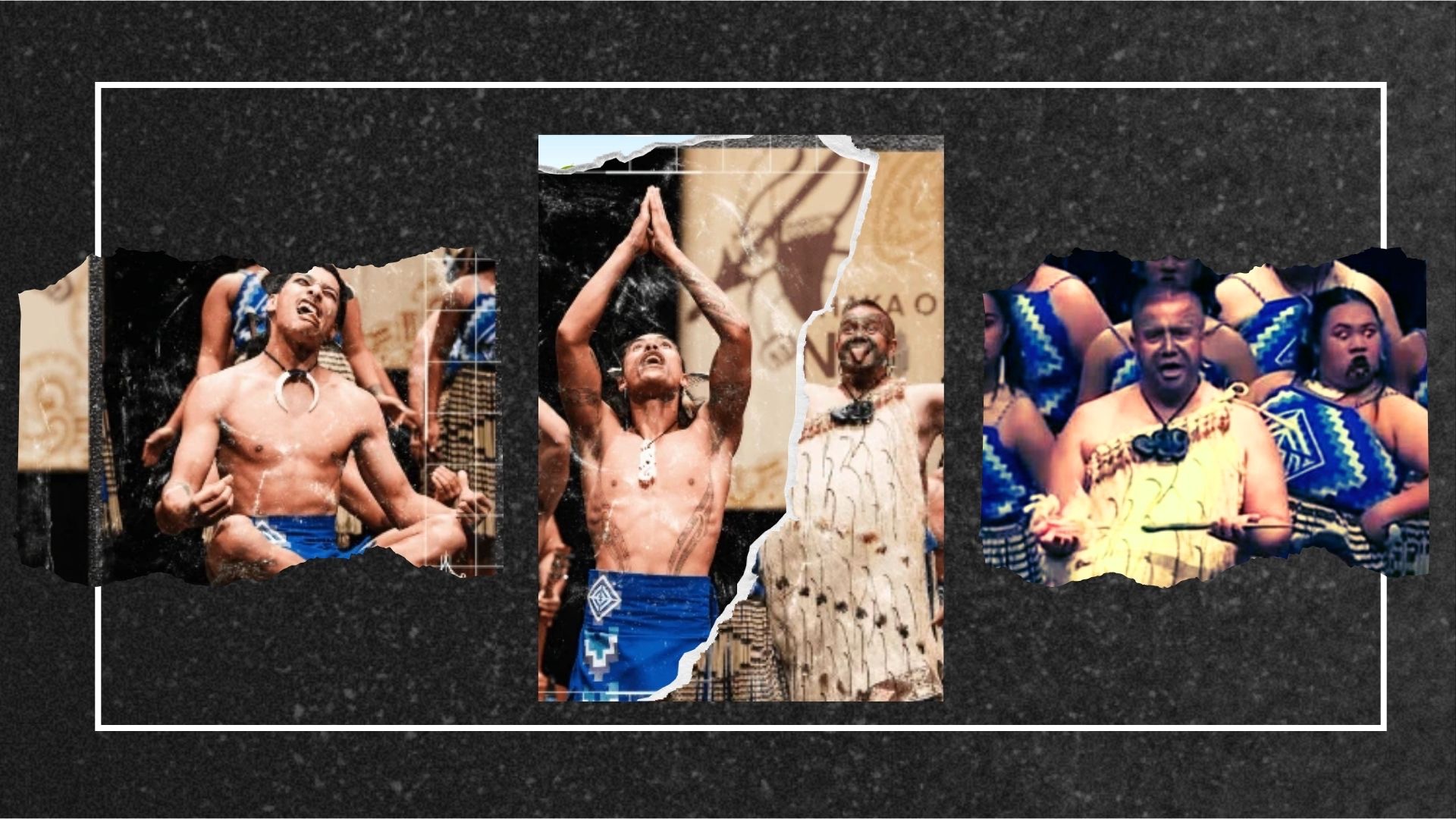
A mature country should be able to hold multiple truths at once. That Maori have a foundational place in New Zealand’s story. That historical settlements and Treaty debates matter. And that migrants, while not founders, are builders of the country as it exists today.
These ideas do not cancel each other out unless we insist they must. What feels unnecessary is the suggestion that equality requires pretending everyone arrived in the same way. Equality can also mean recognising different starting points while valuing present contribution.
Migration teaches you many things. One of them is how tempting it is to accept any story that gives you immediate belonging. Another is how important it is to resist stories that feel too convenient.
Migrants don’t need New Zealand’s past rewritten to claim our place here. We are already writing our place through the lives we build, the risks we take, and the futures we tie to this country.
We are not founders. We are not first inhabitants. But we are not spectators either.