Election 2026: Labour set to send two Indian MPs. National playing catch-up
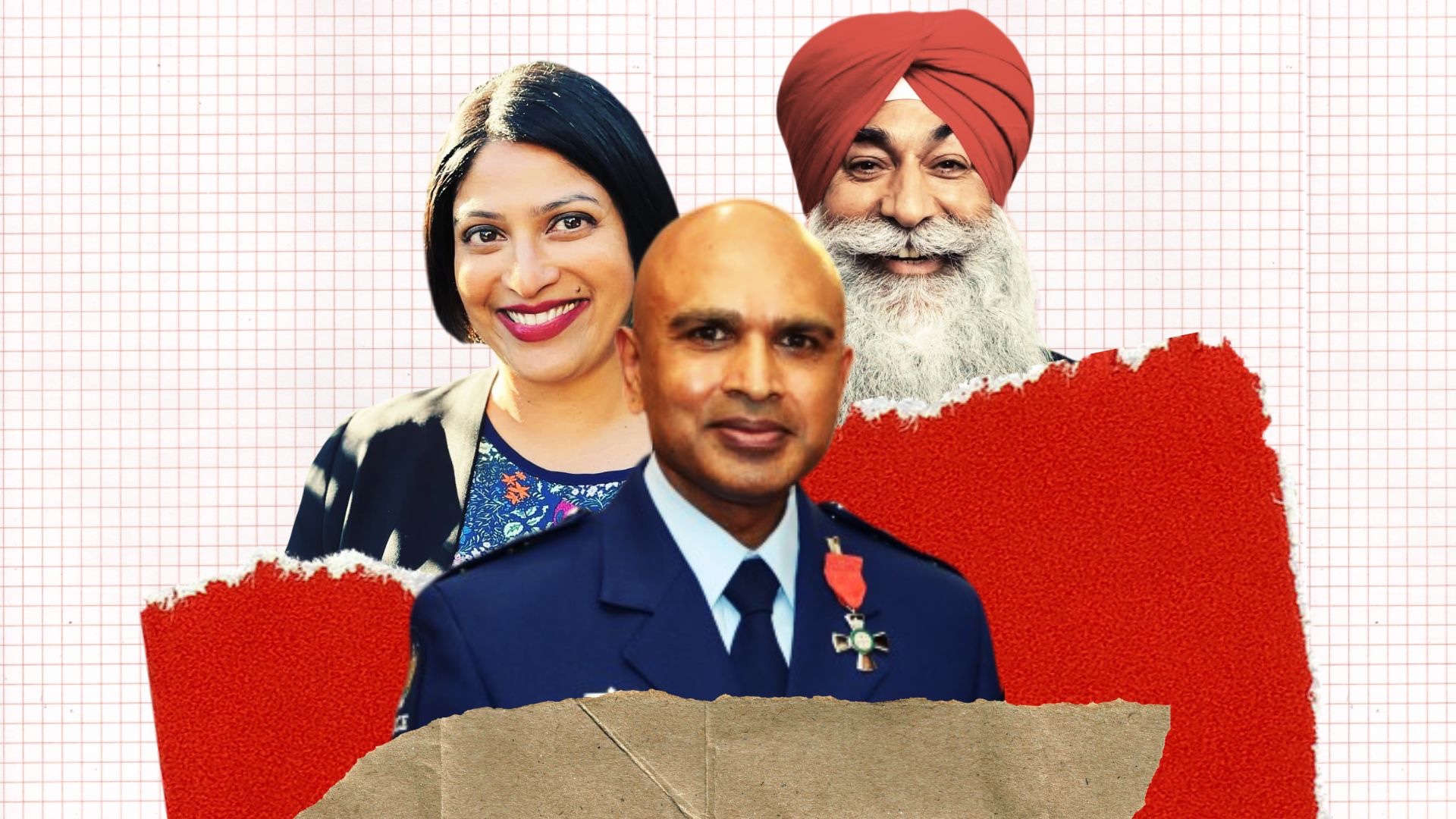
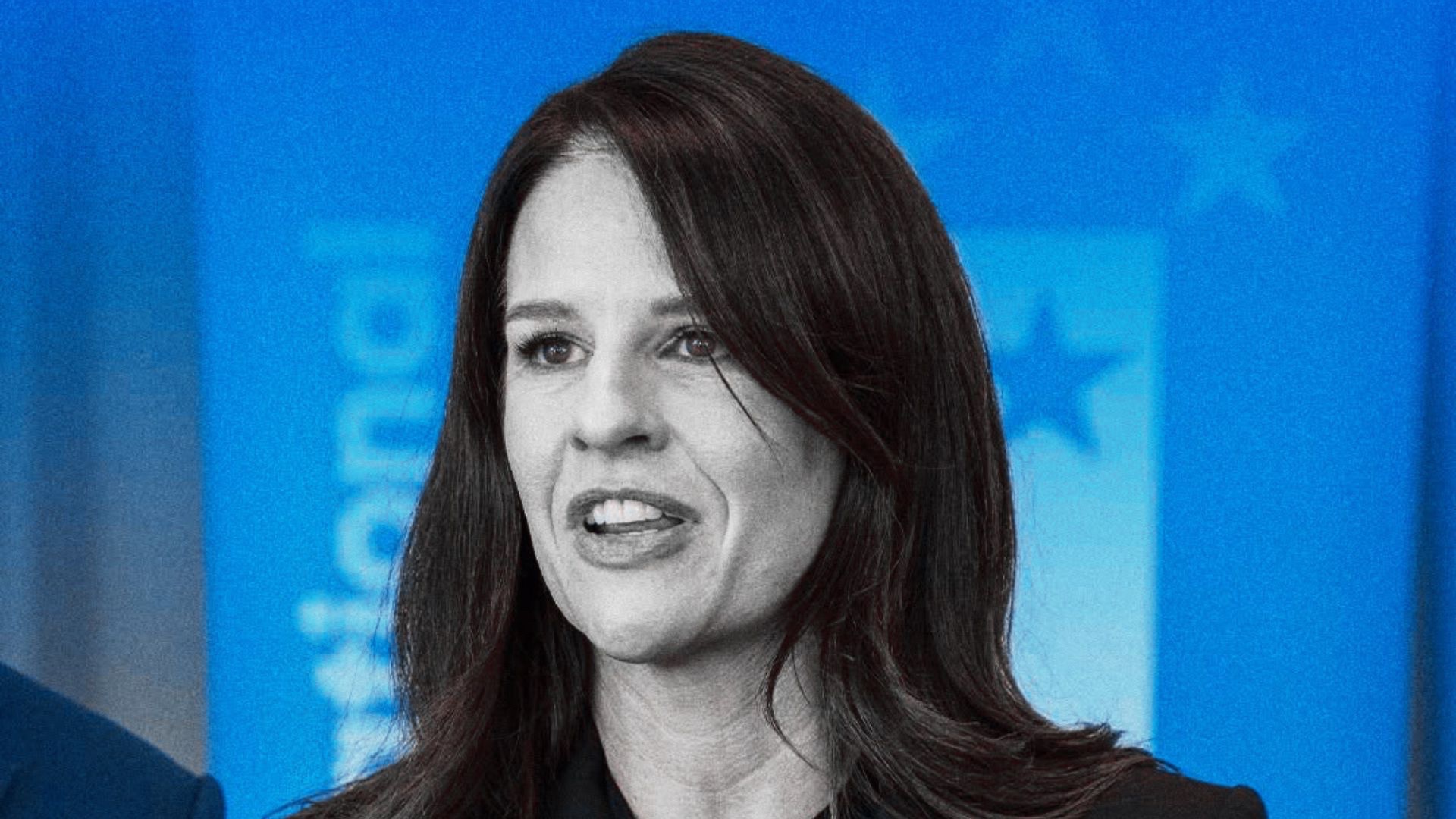
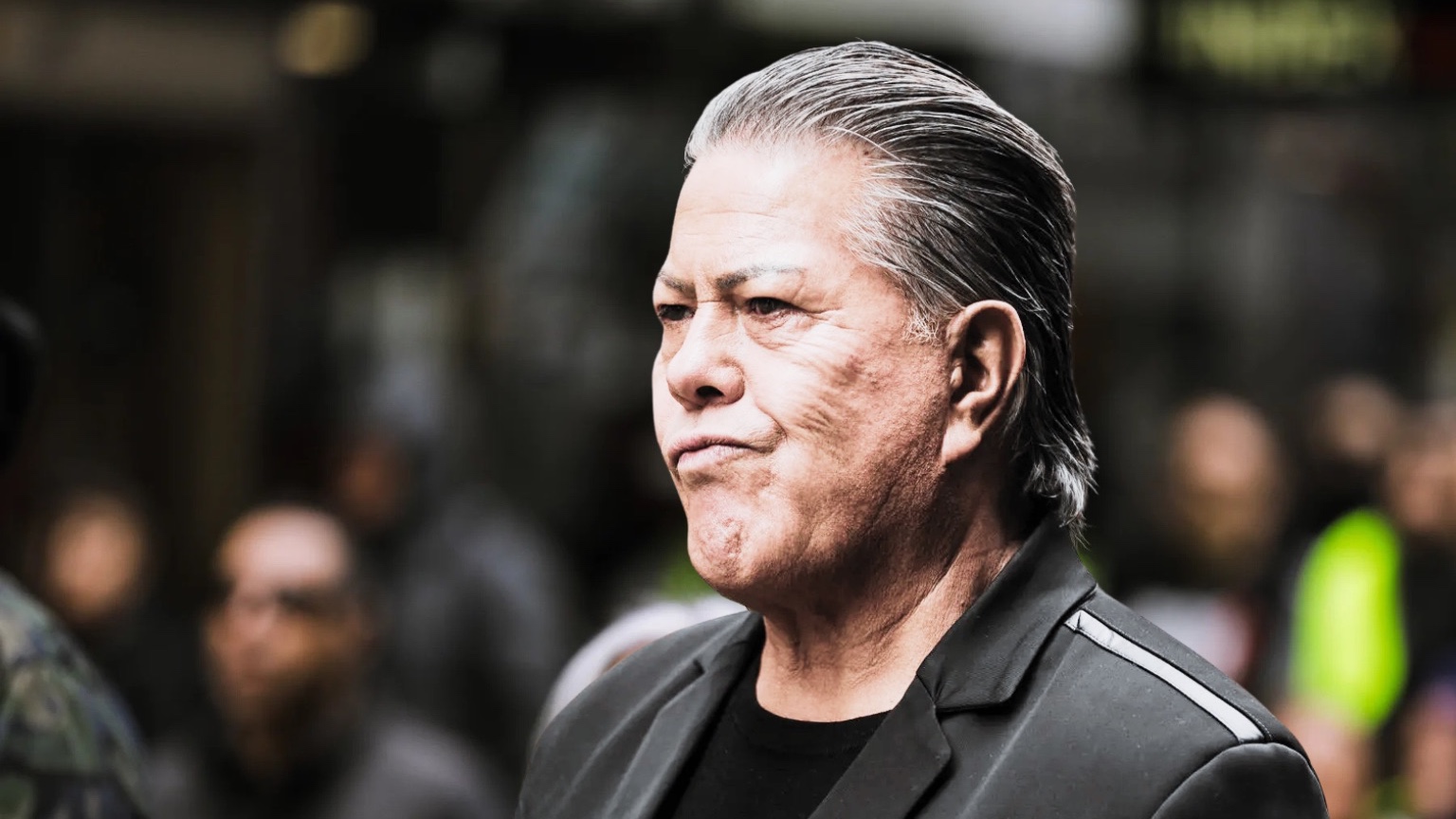
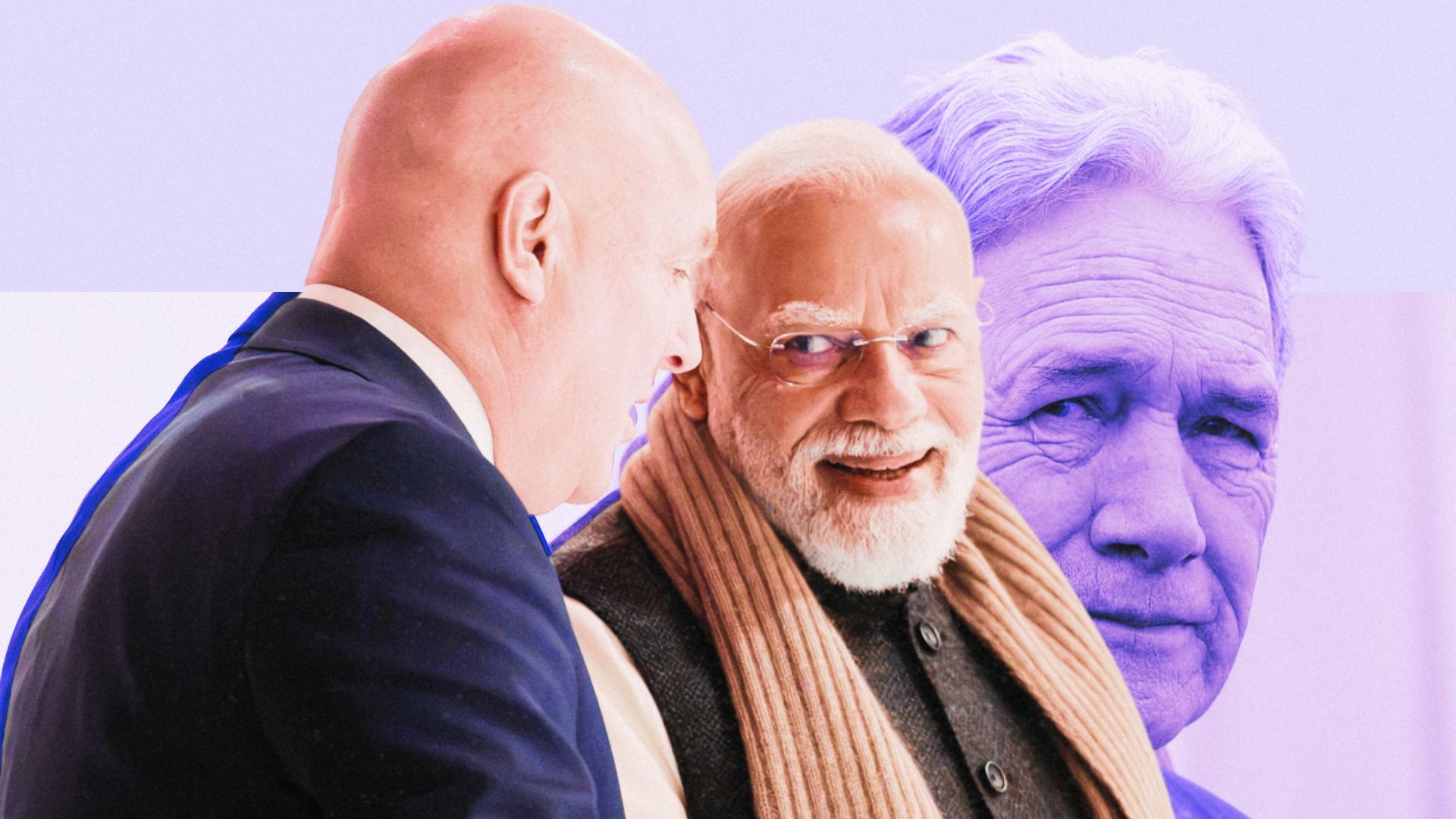
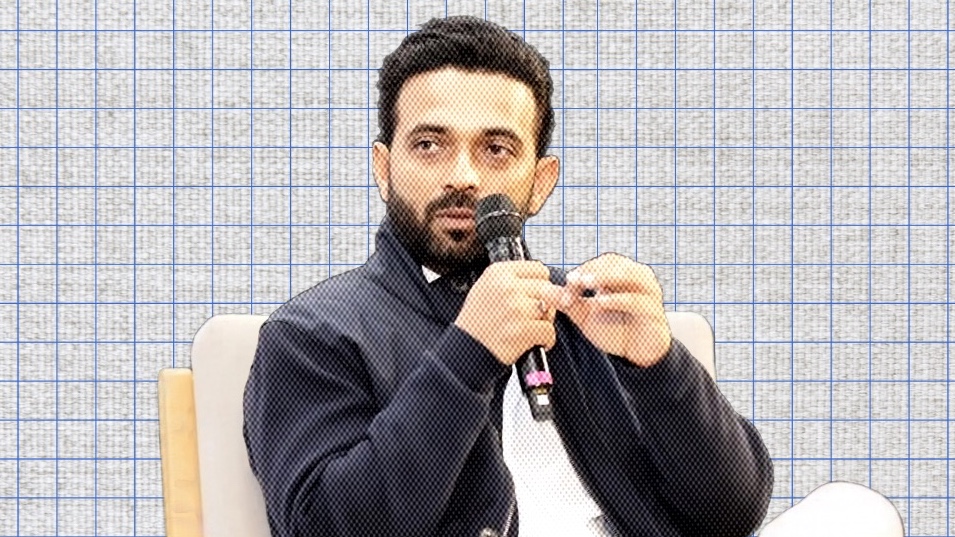
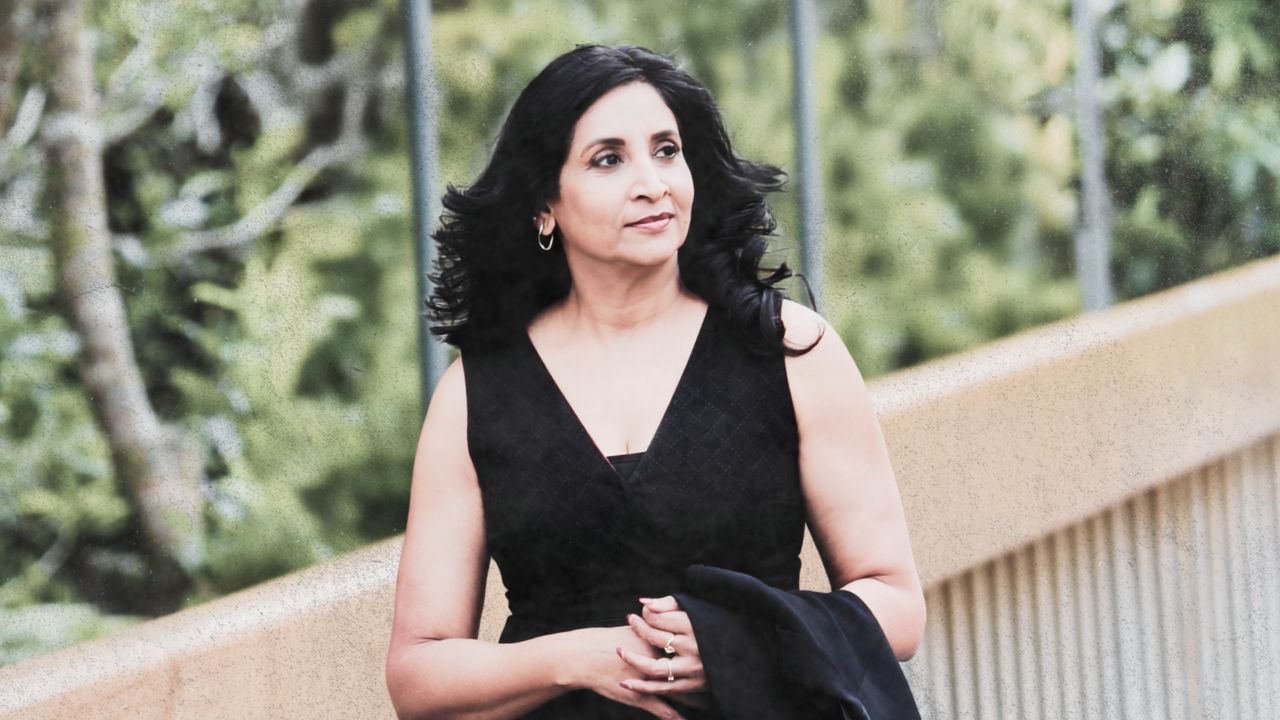
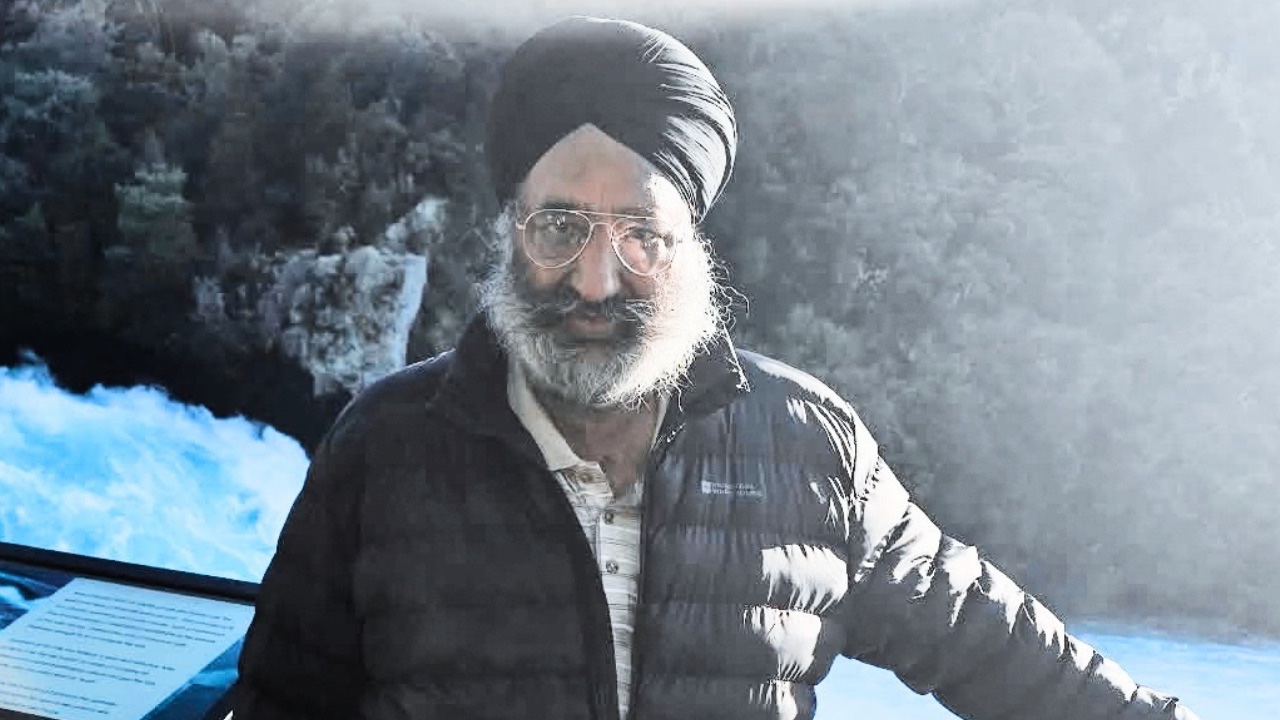
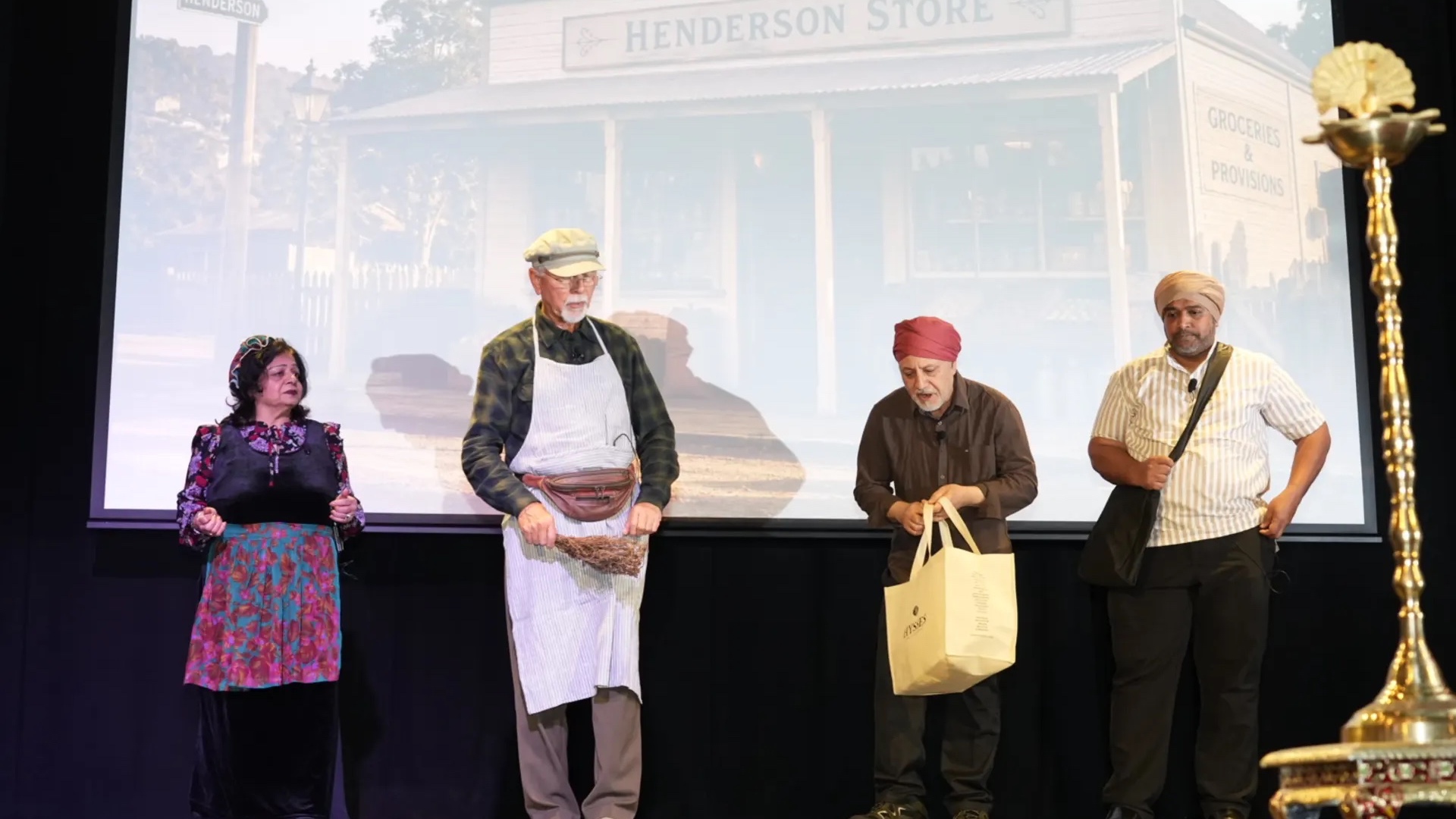
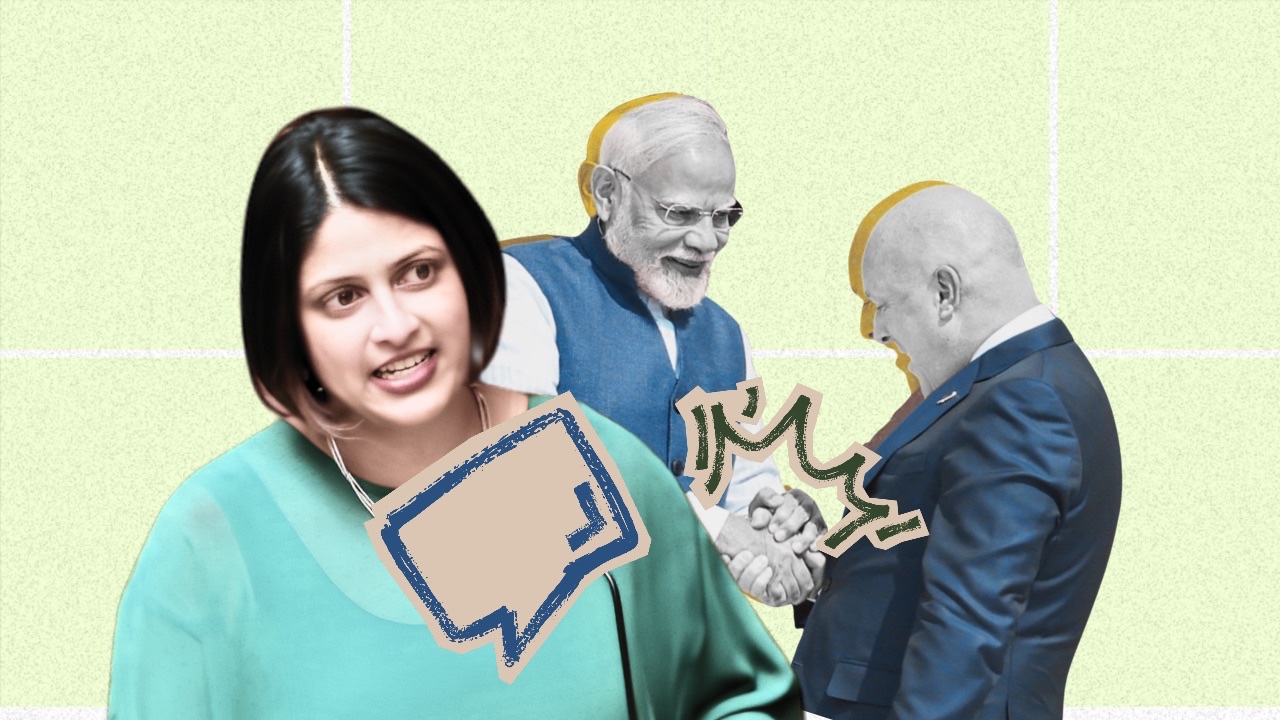
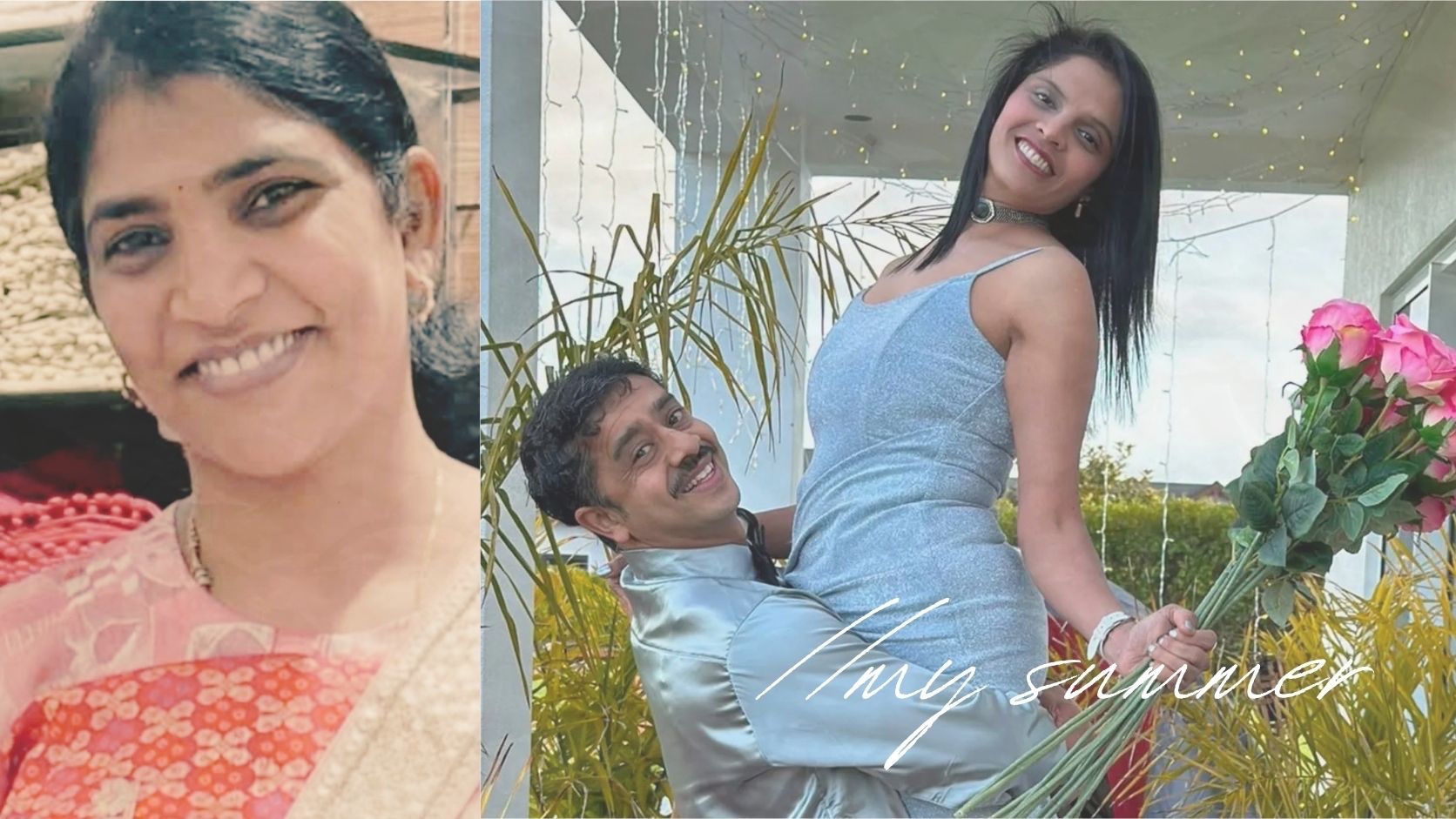
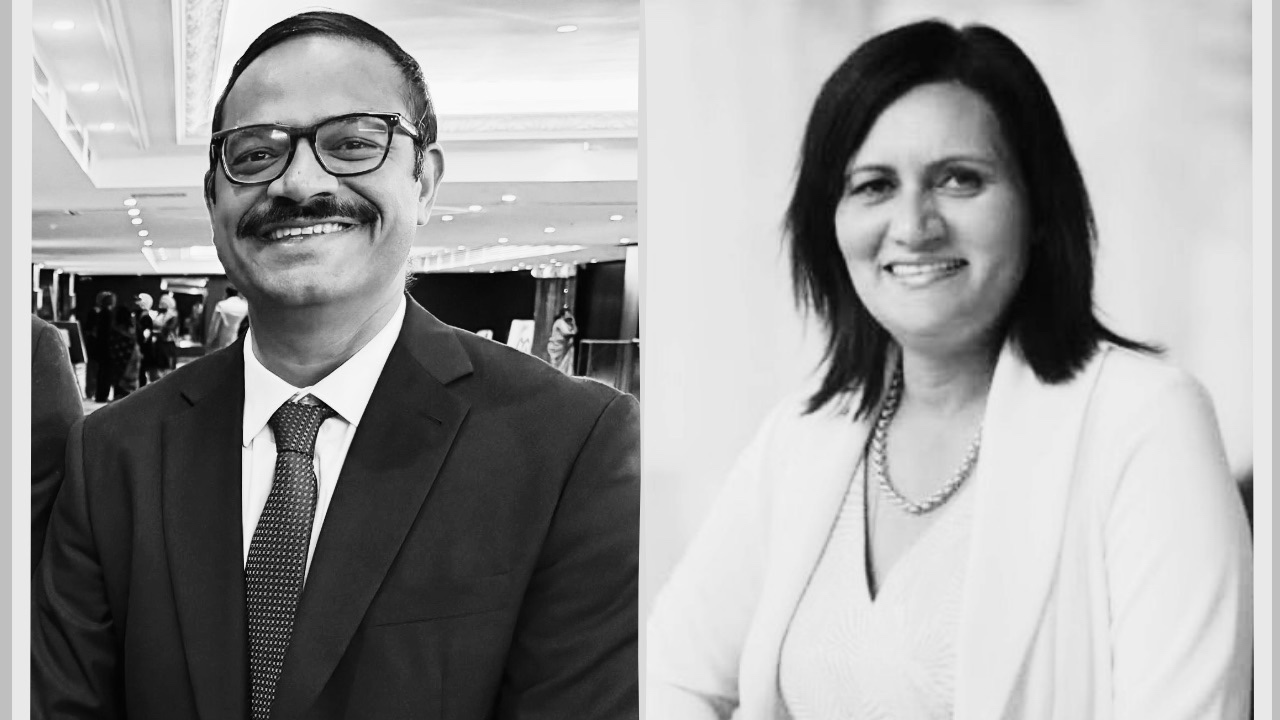
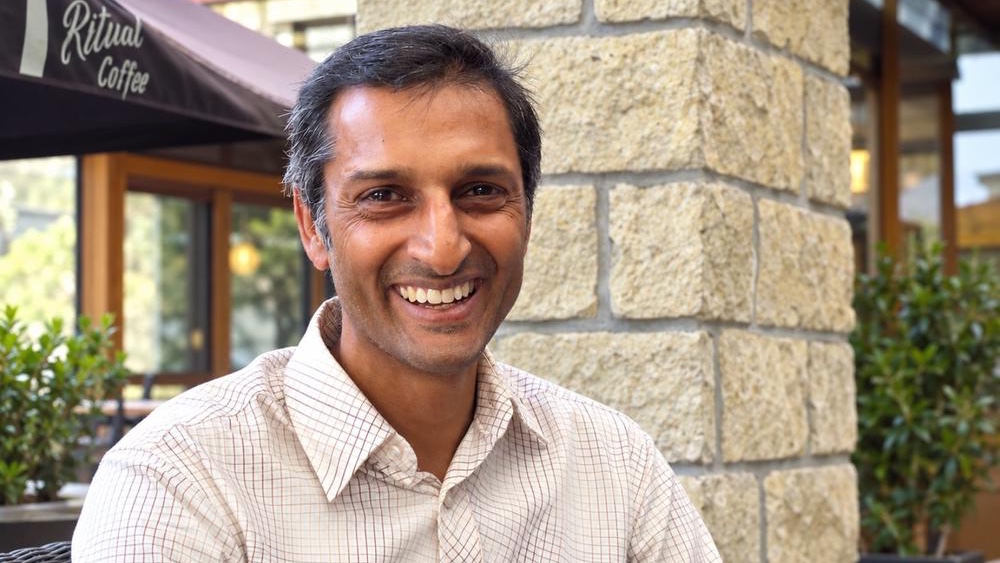
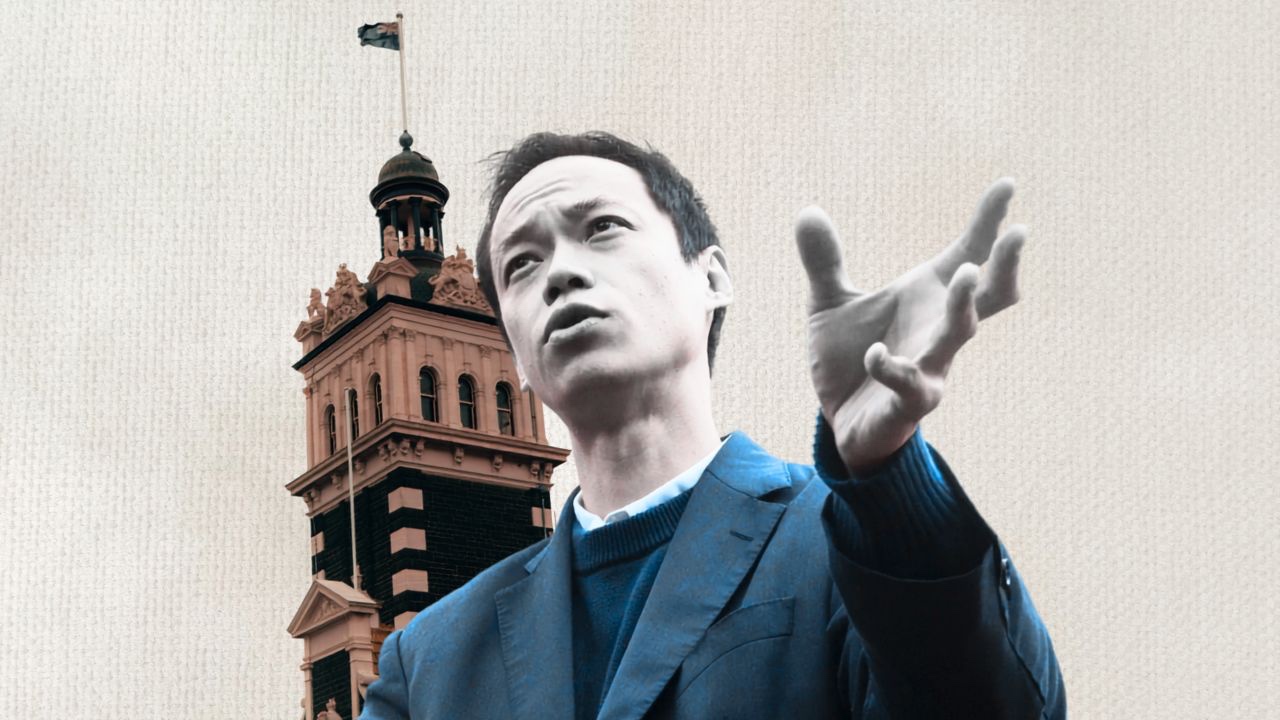
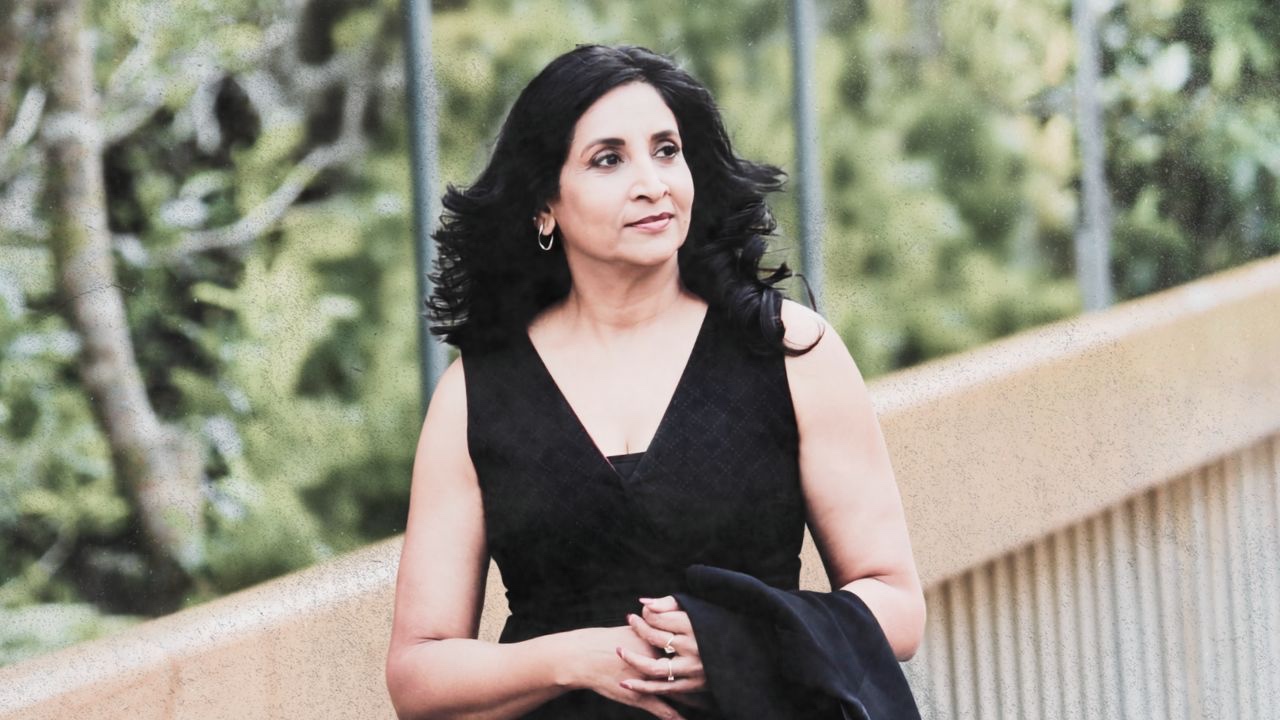
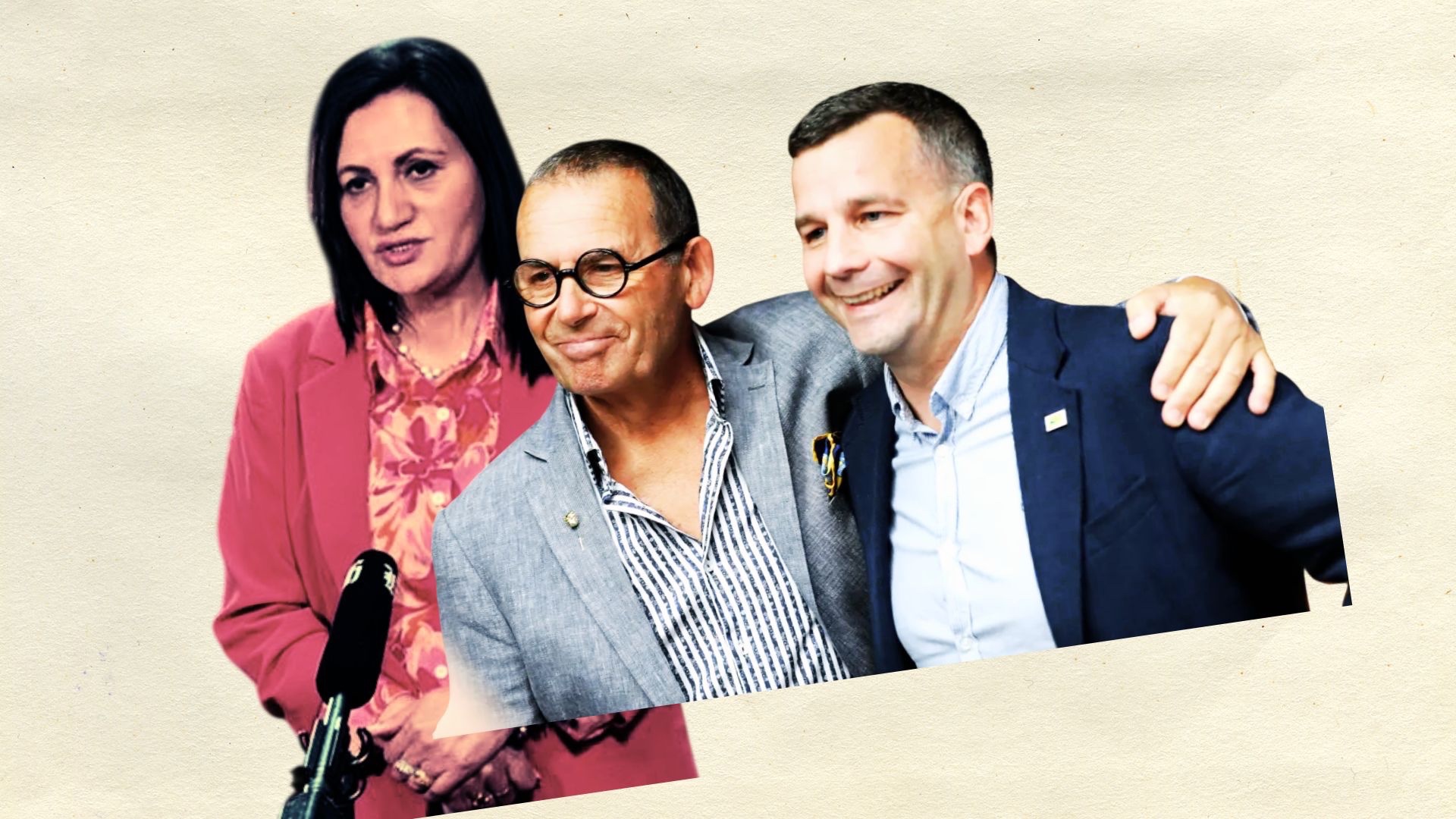
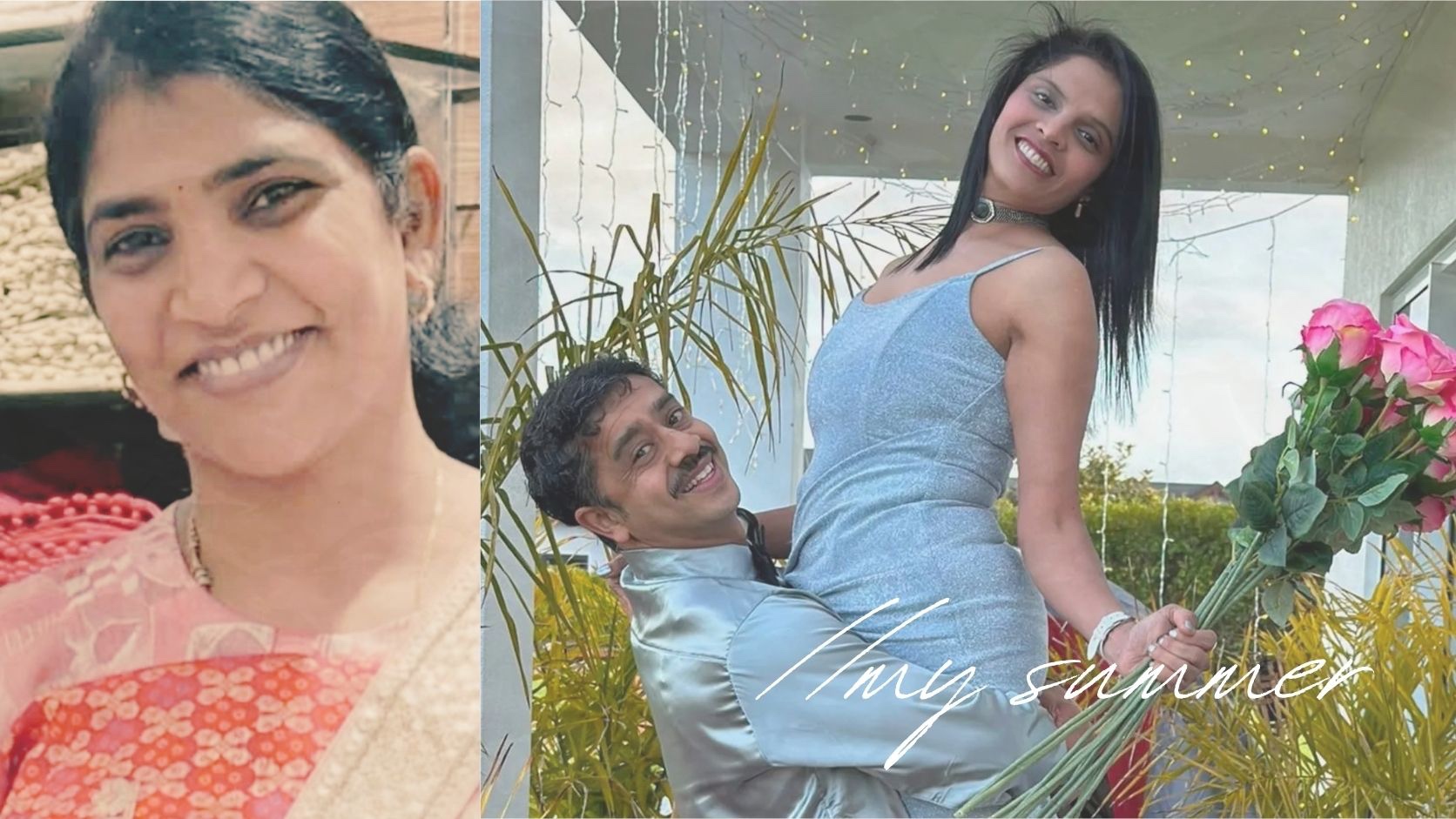
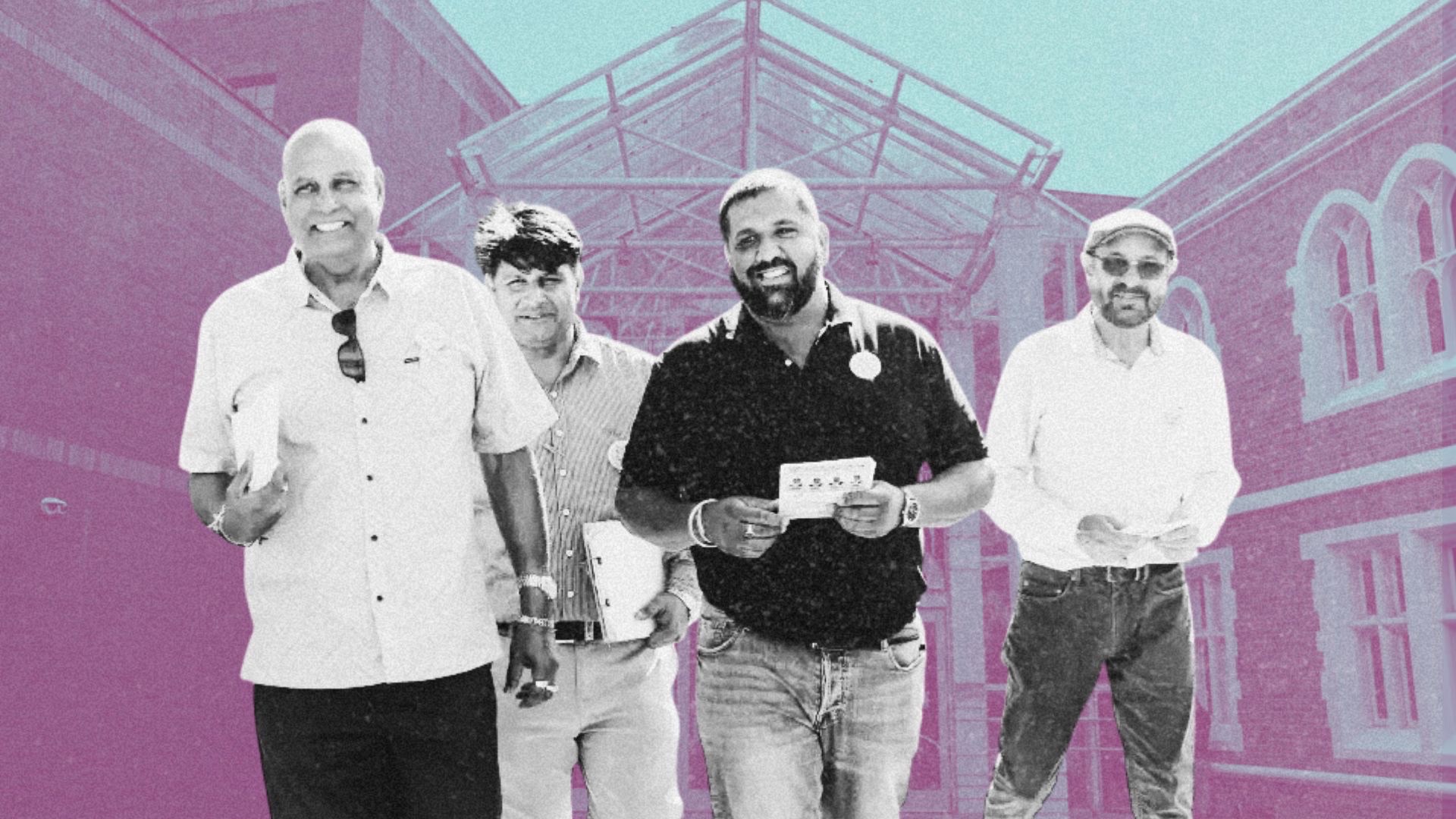
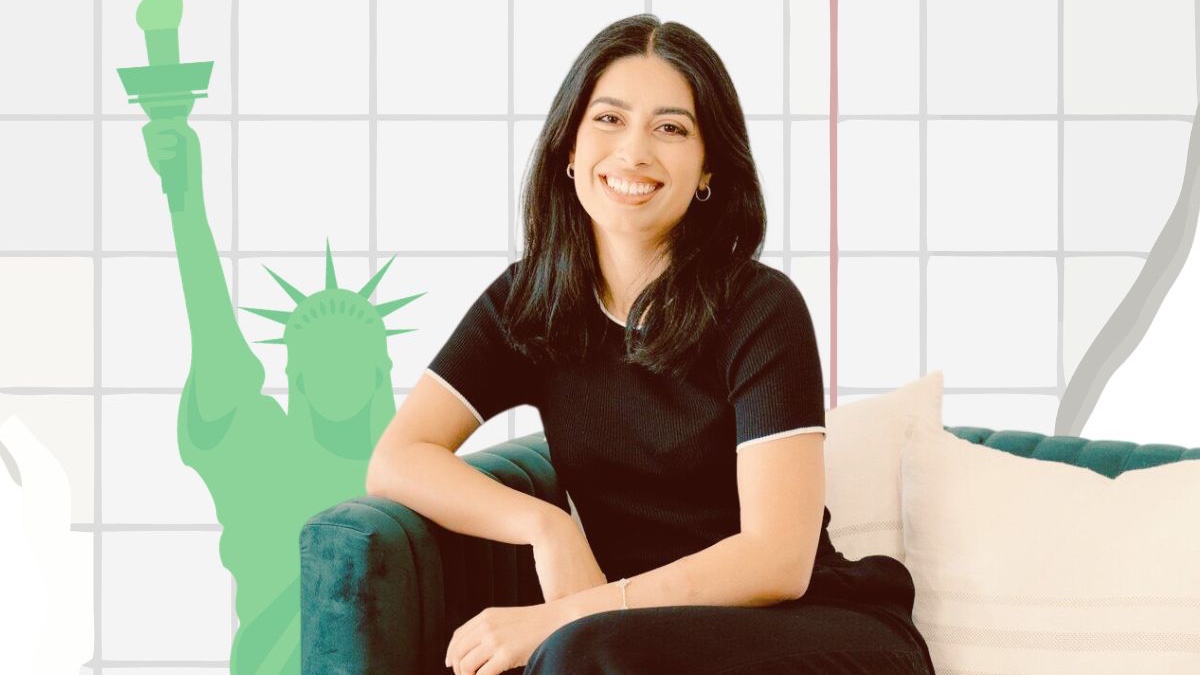
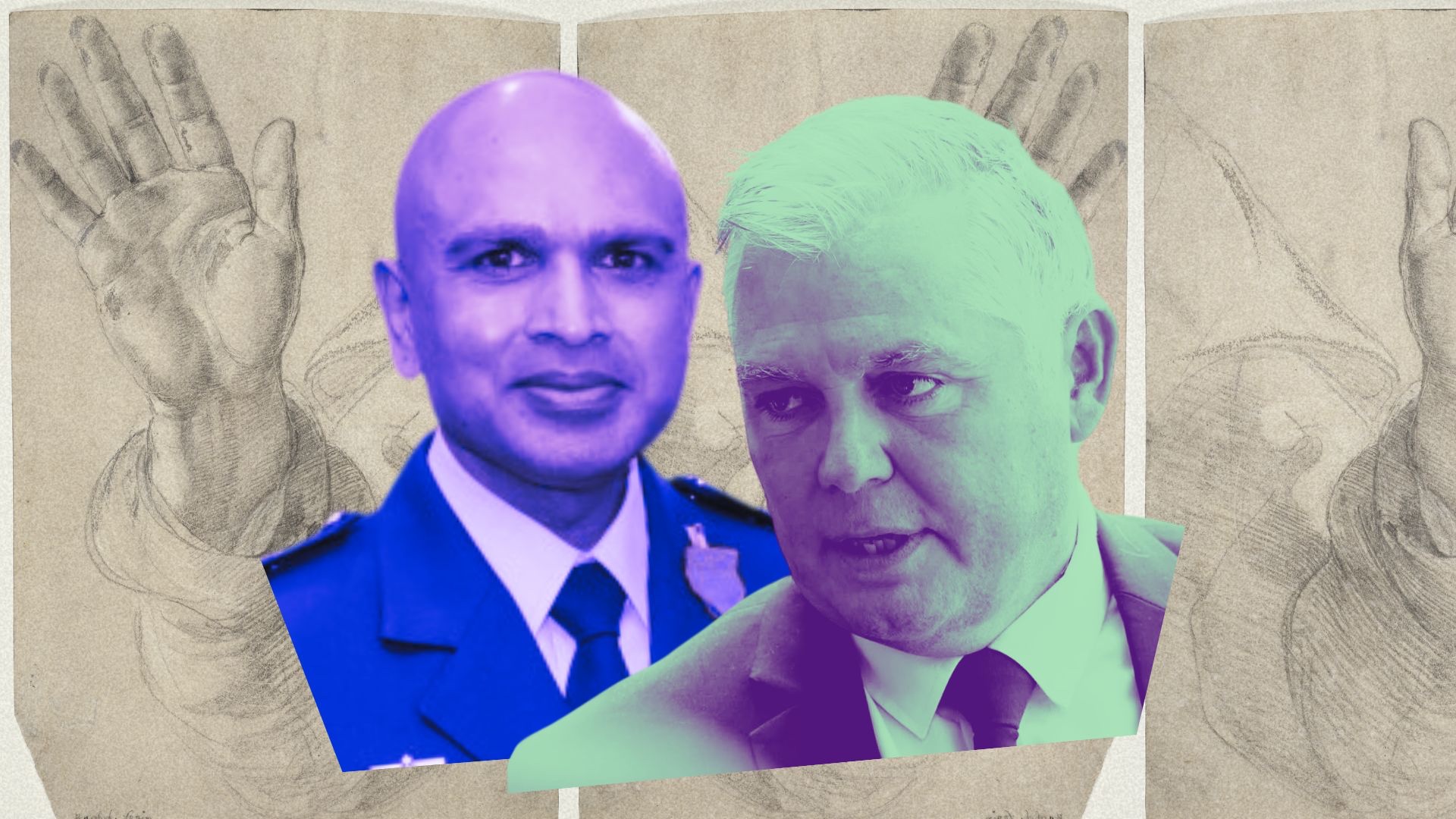
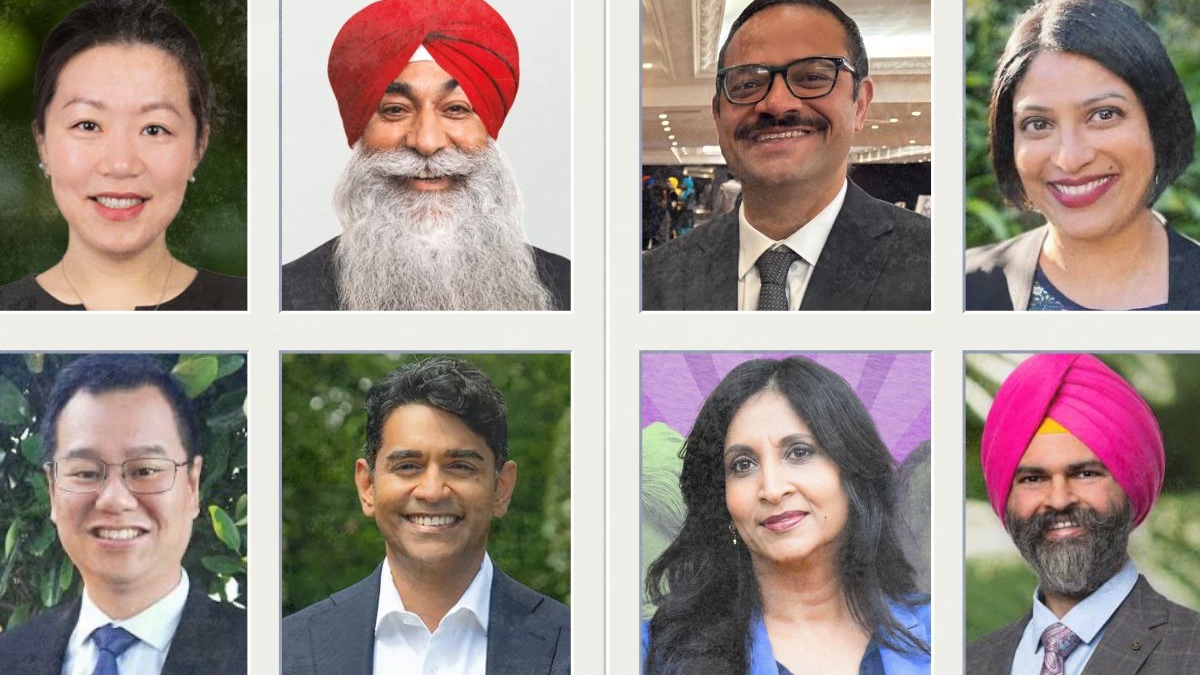
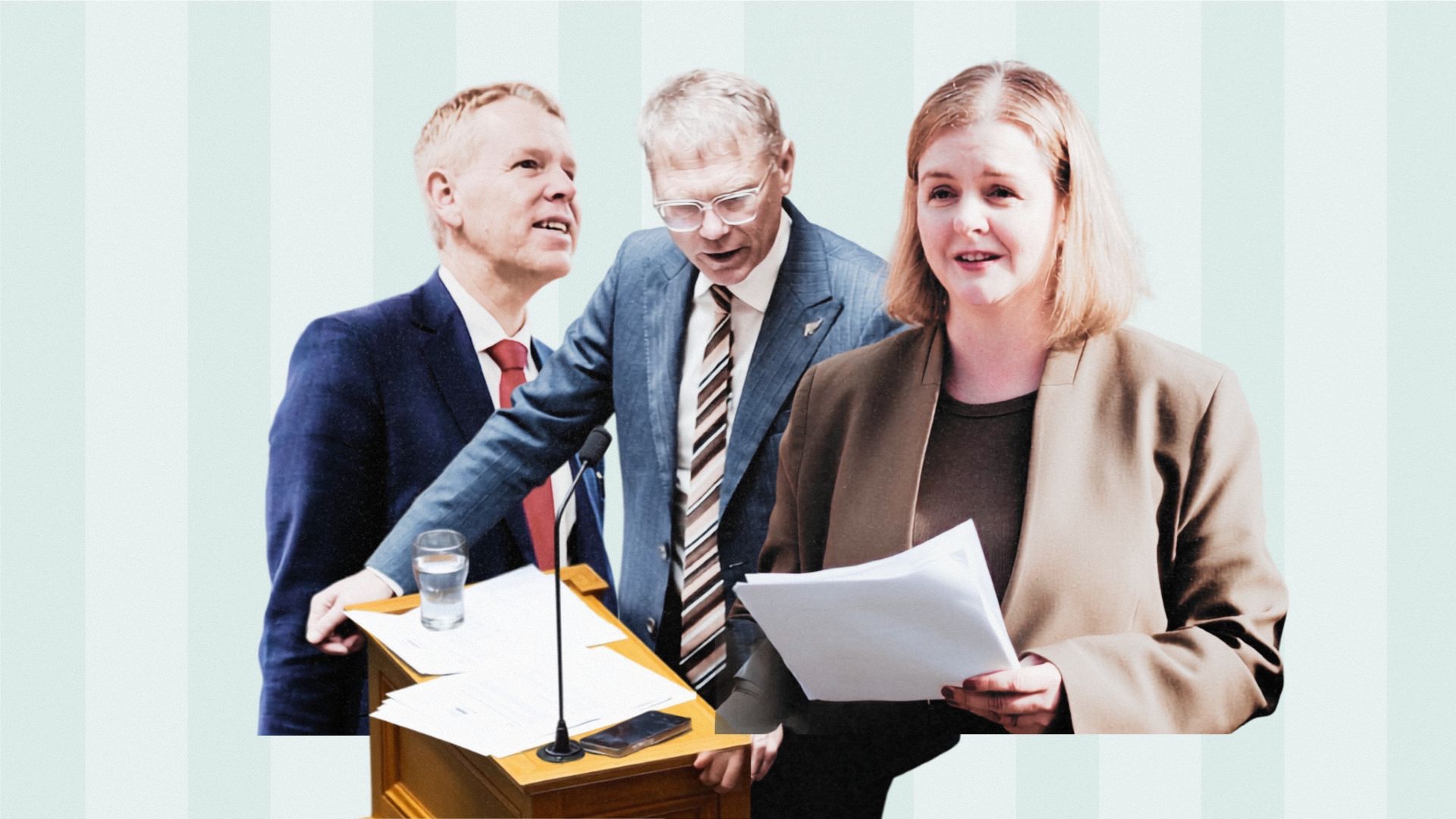
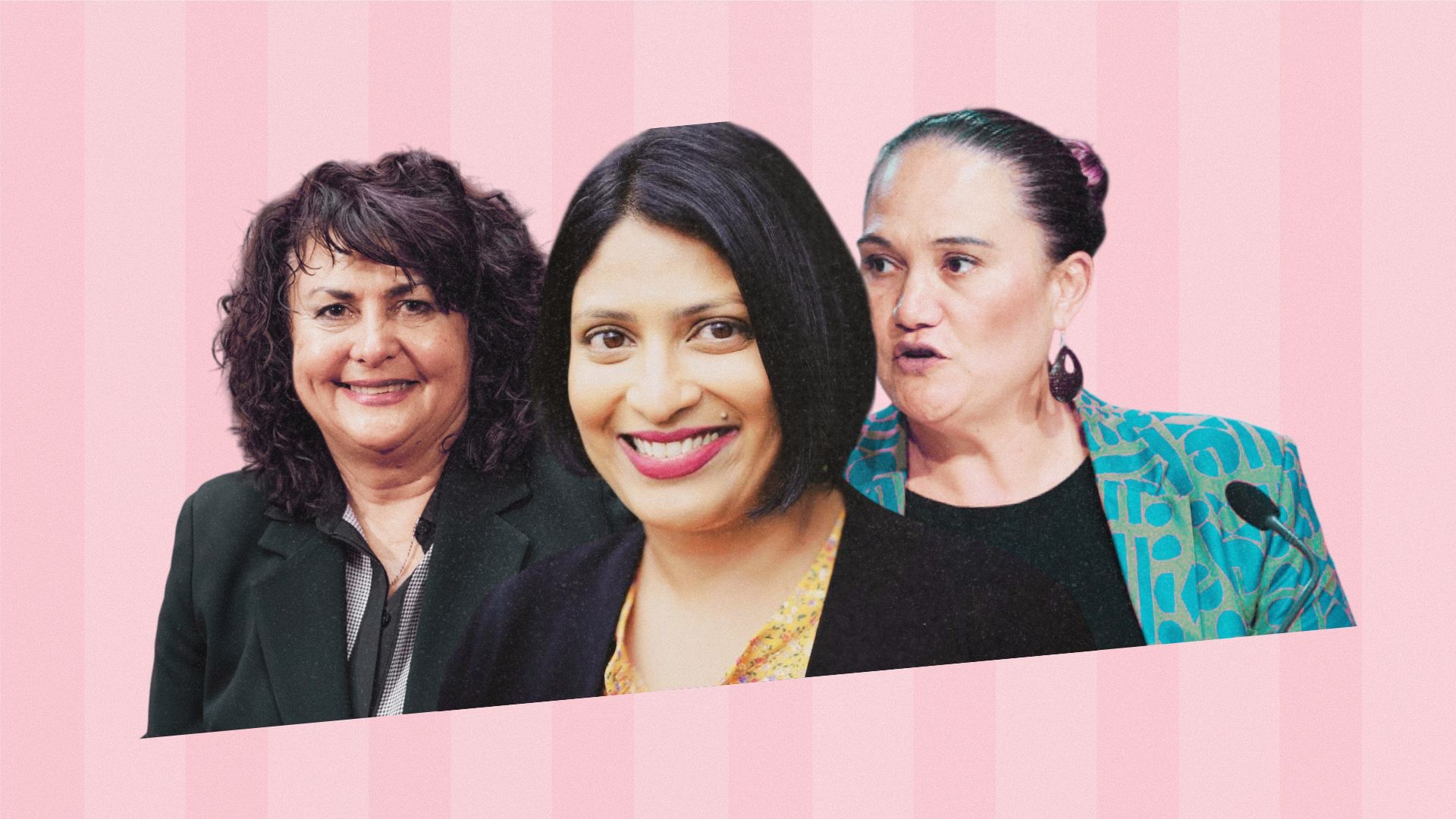
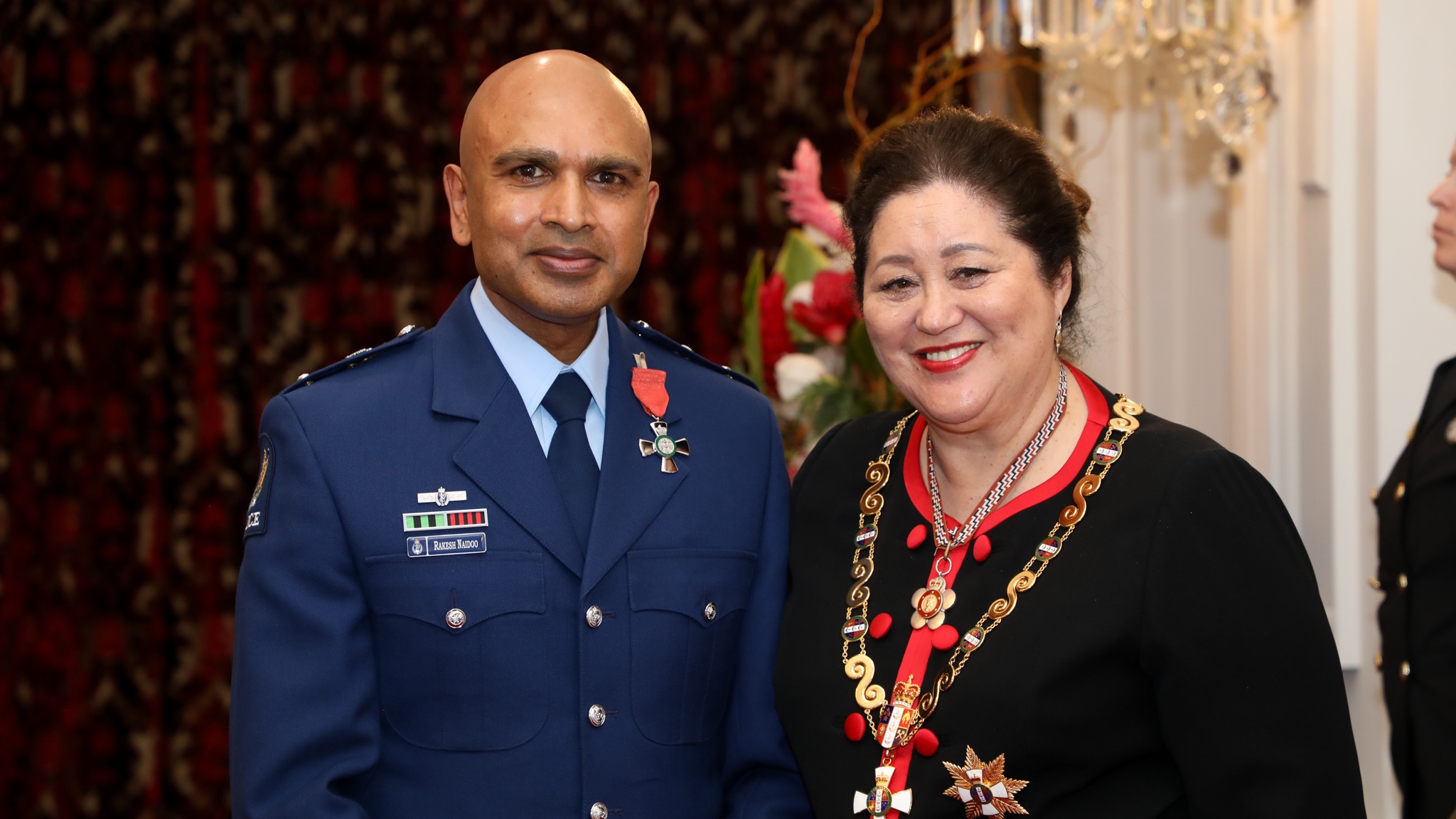
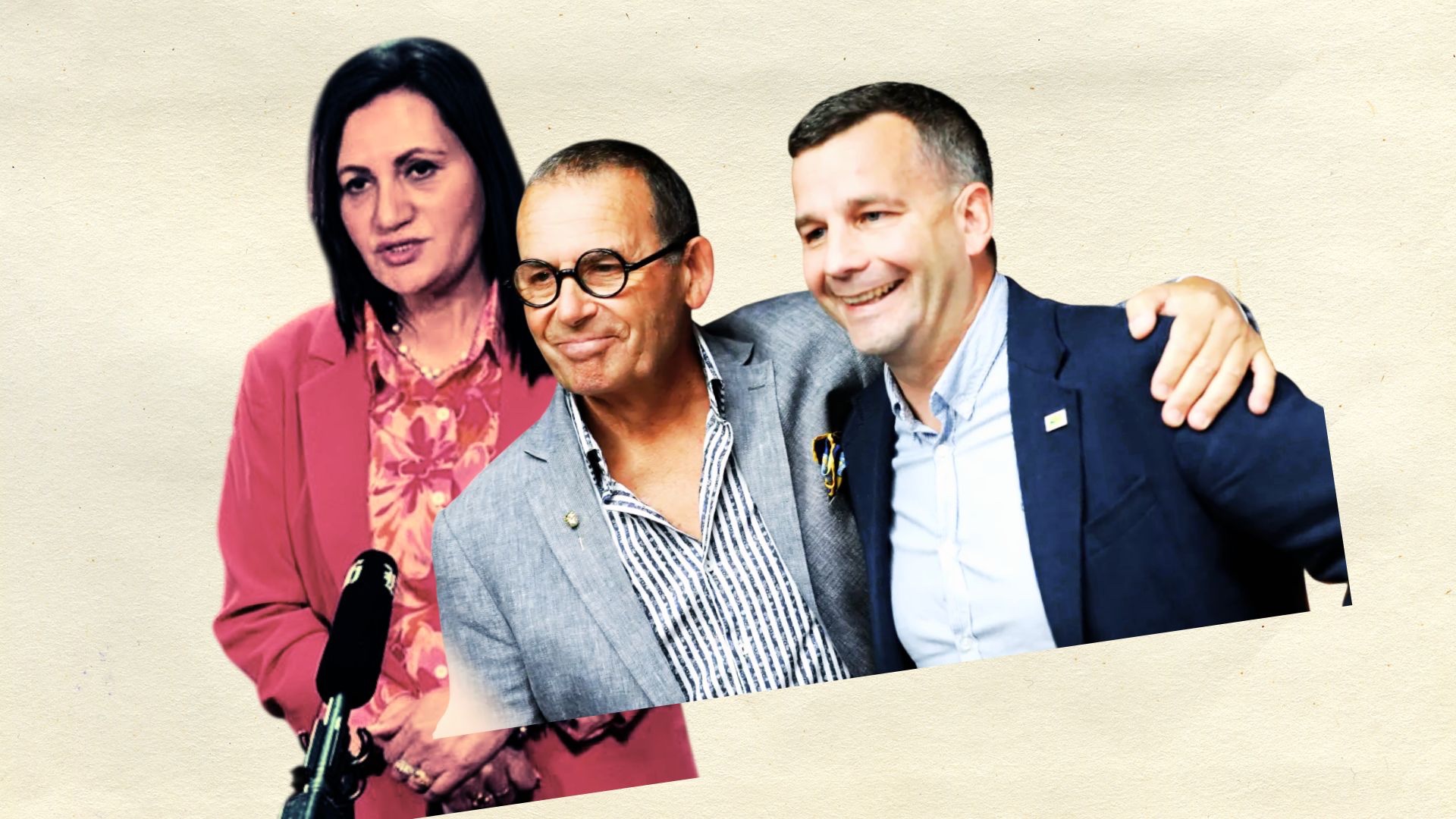
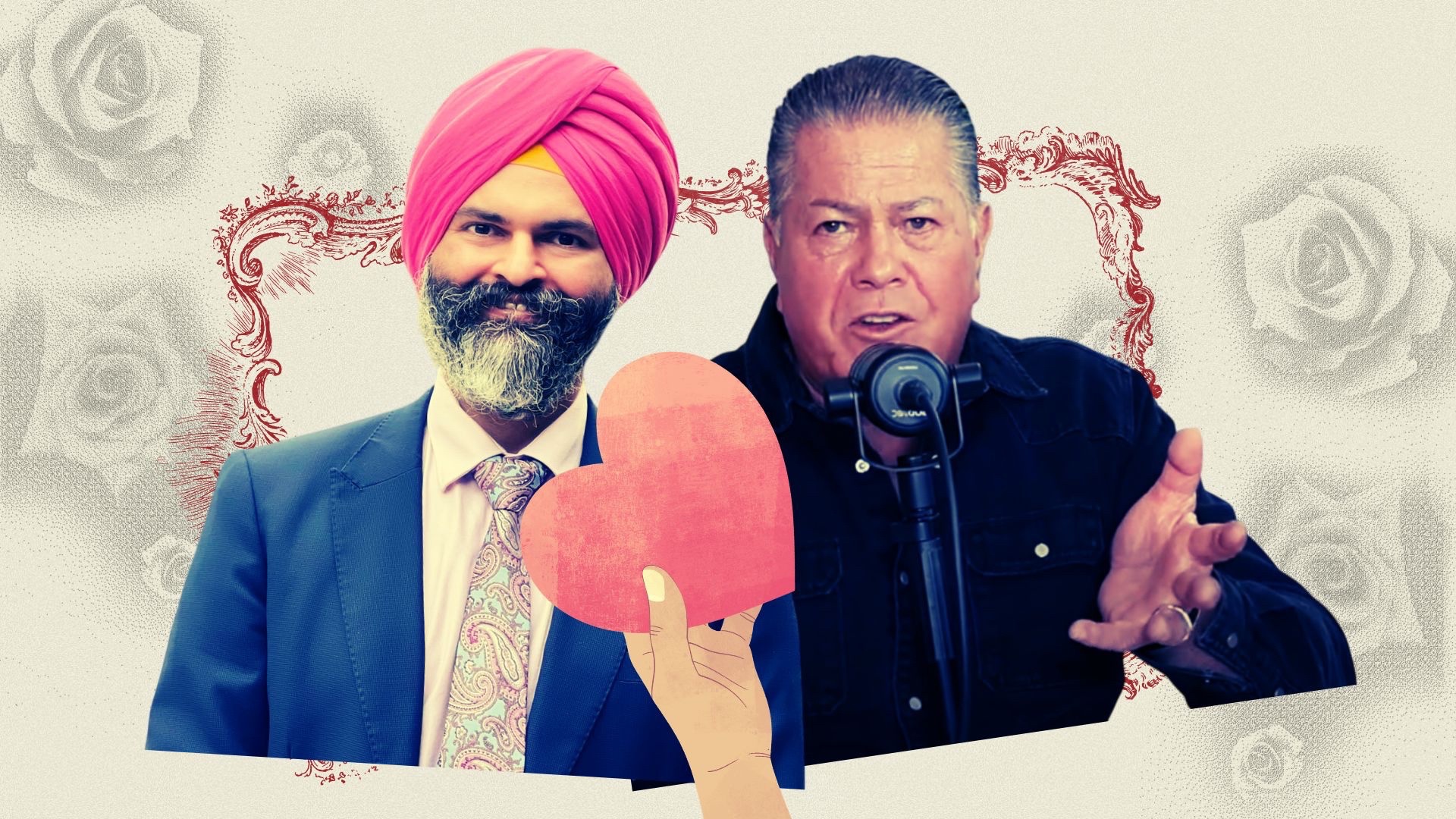
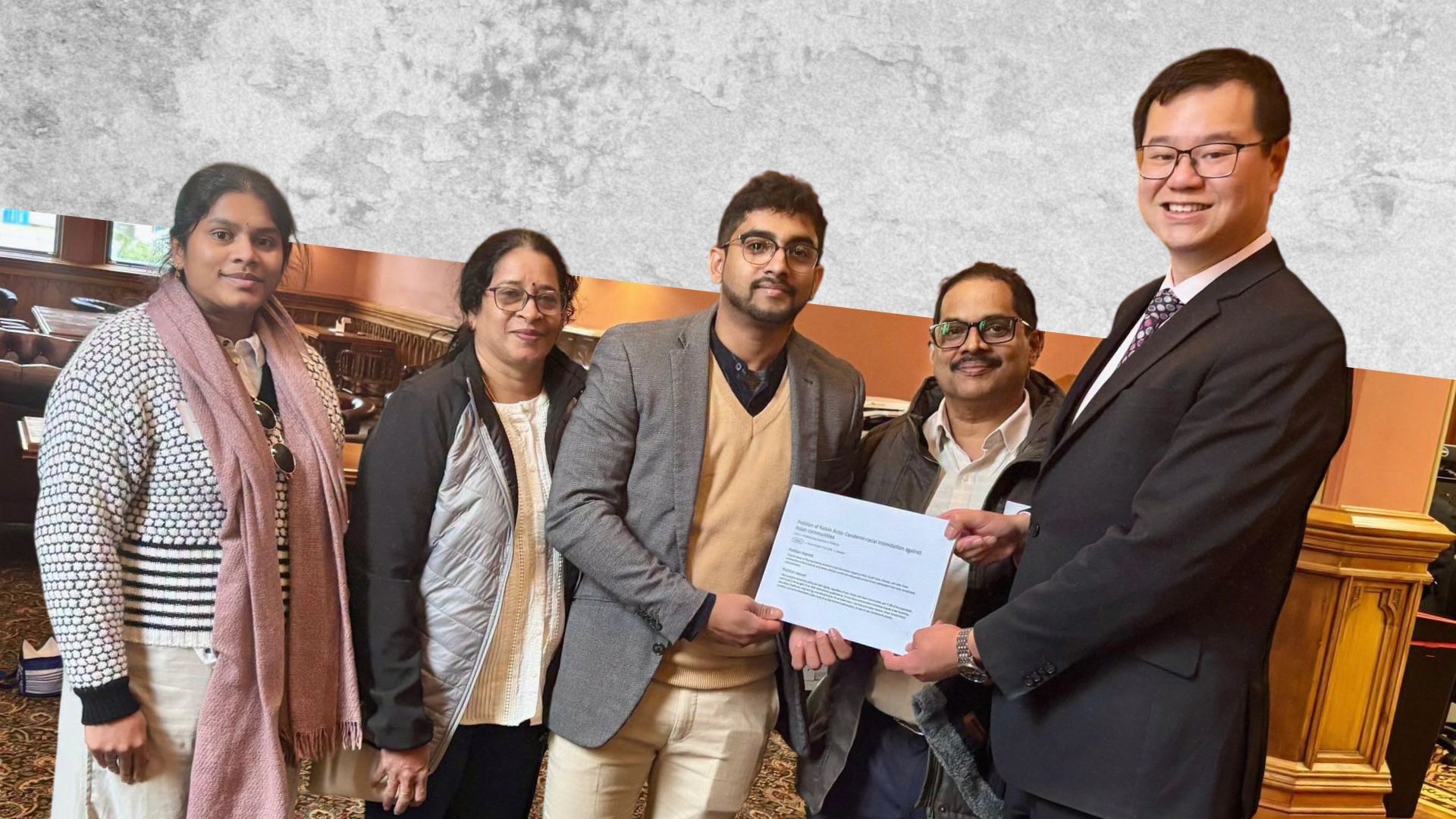
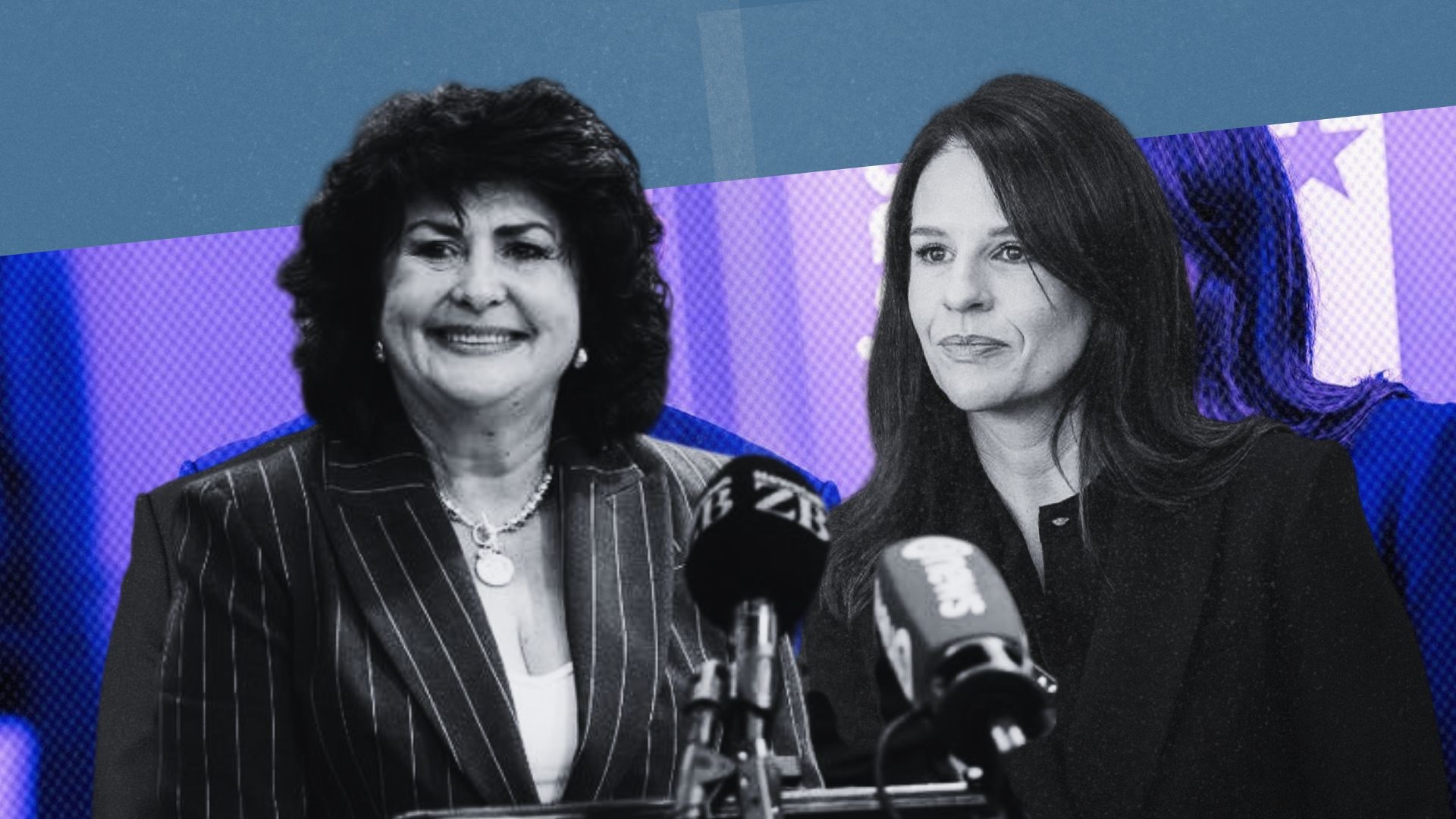
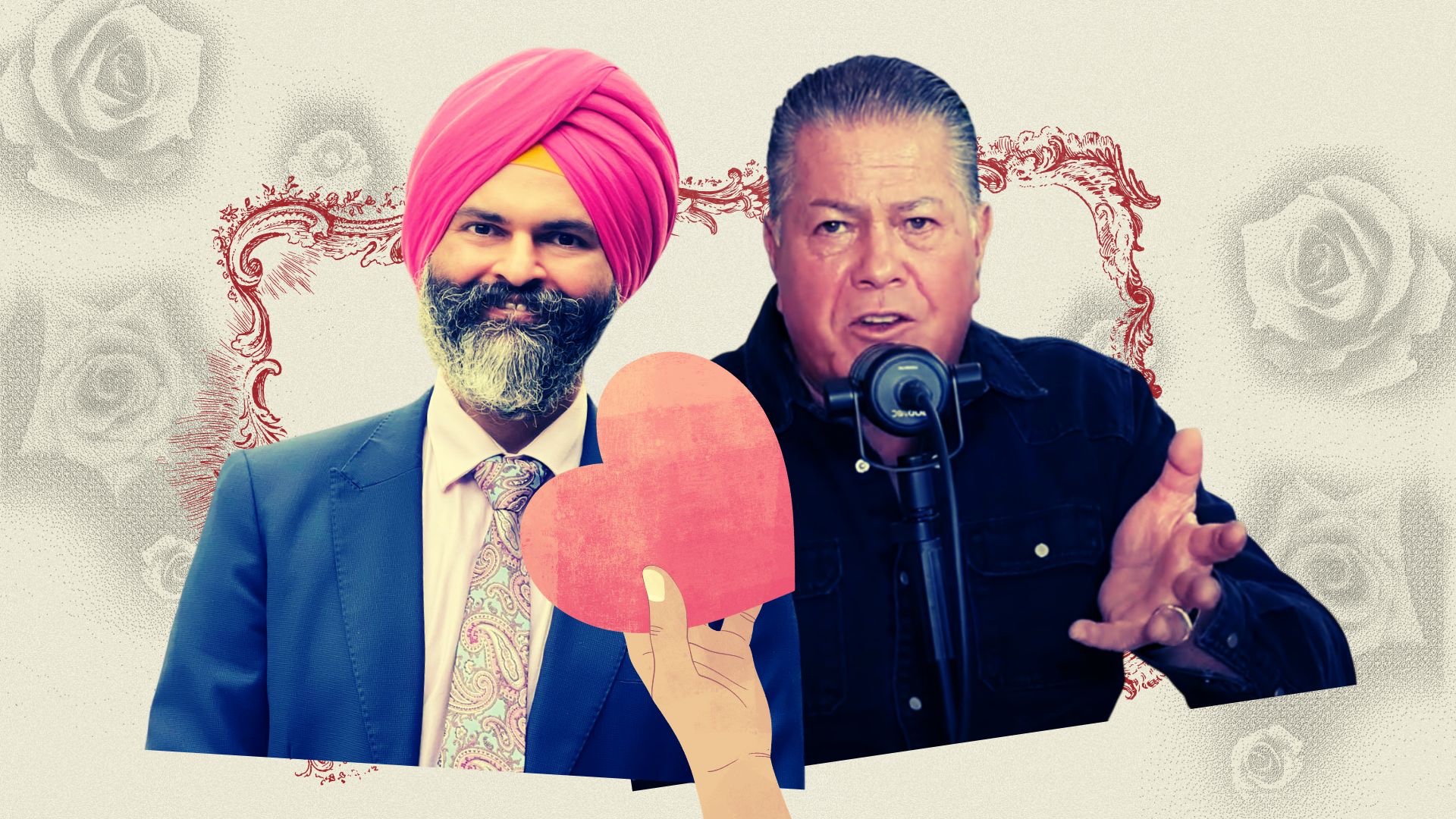
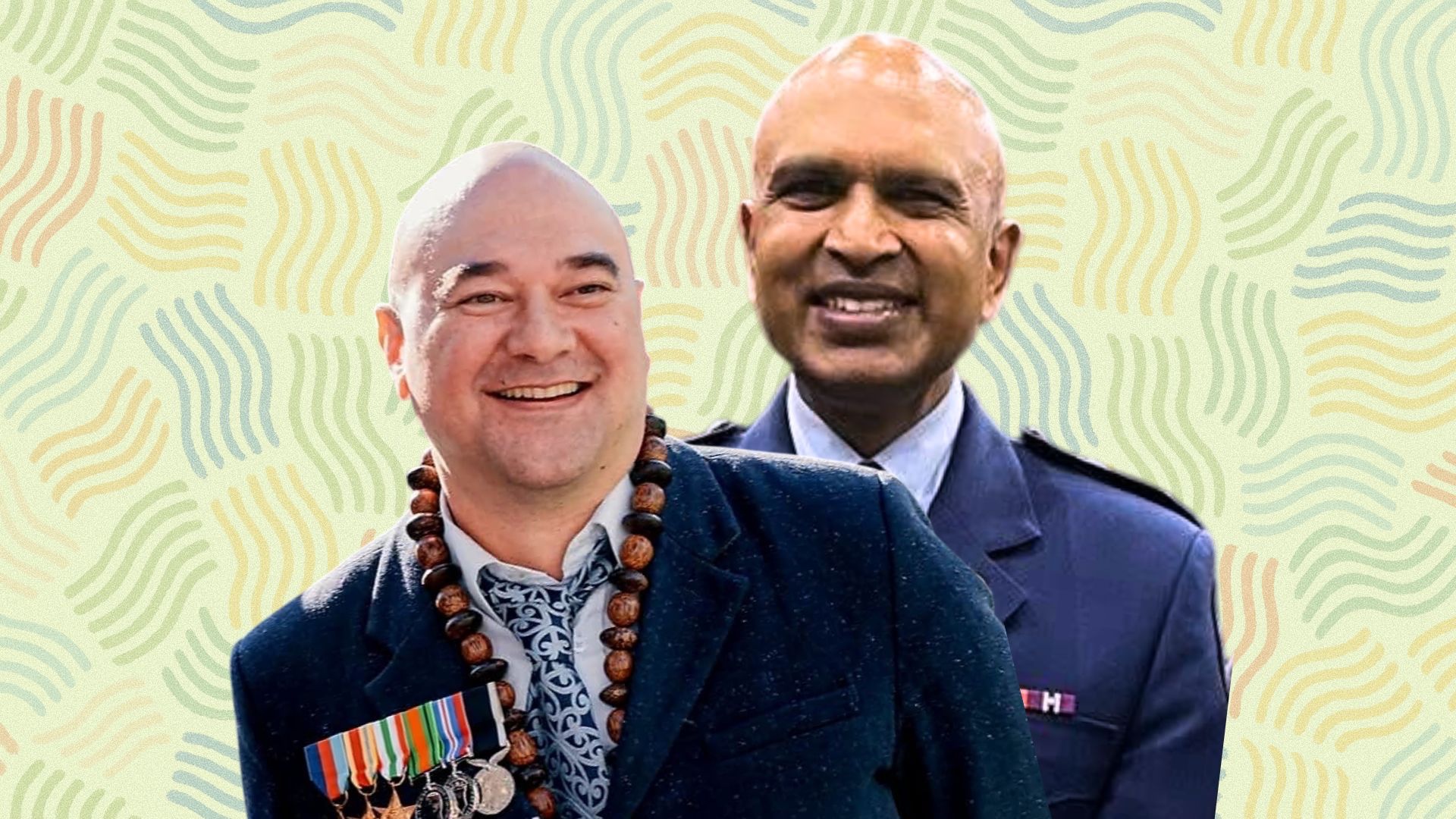
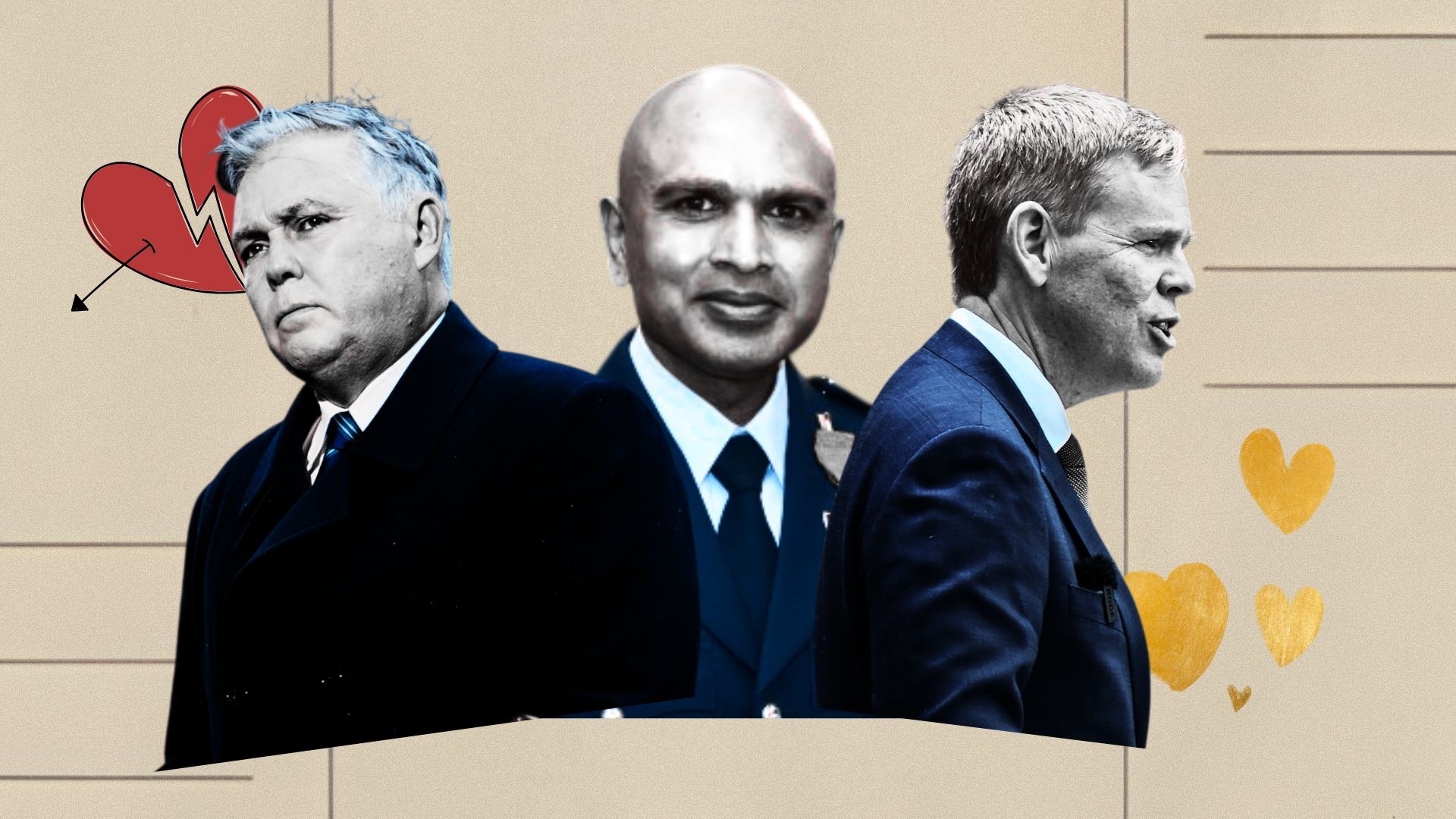
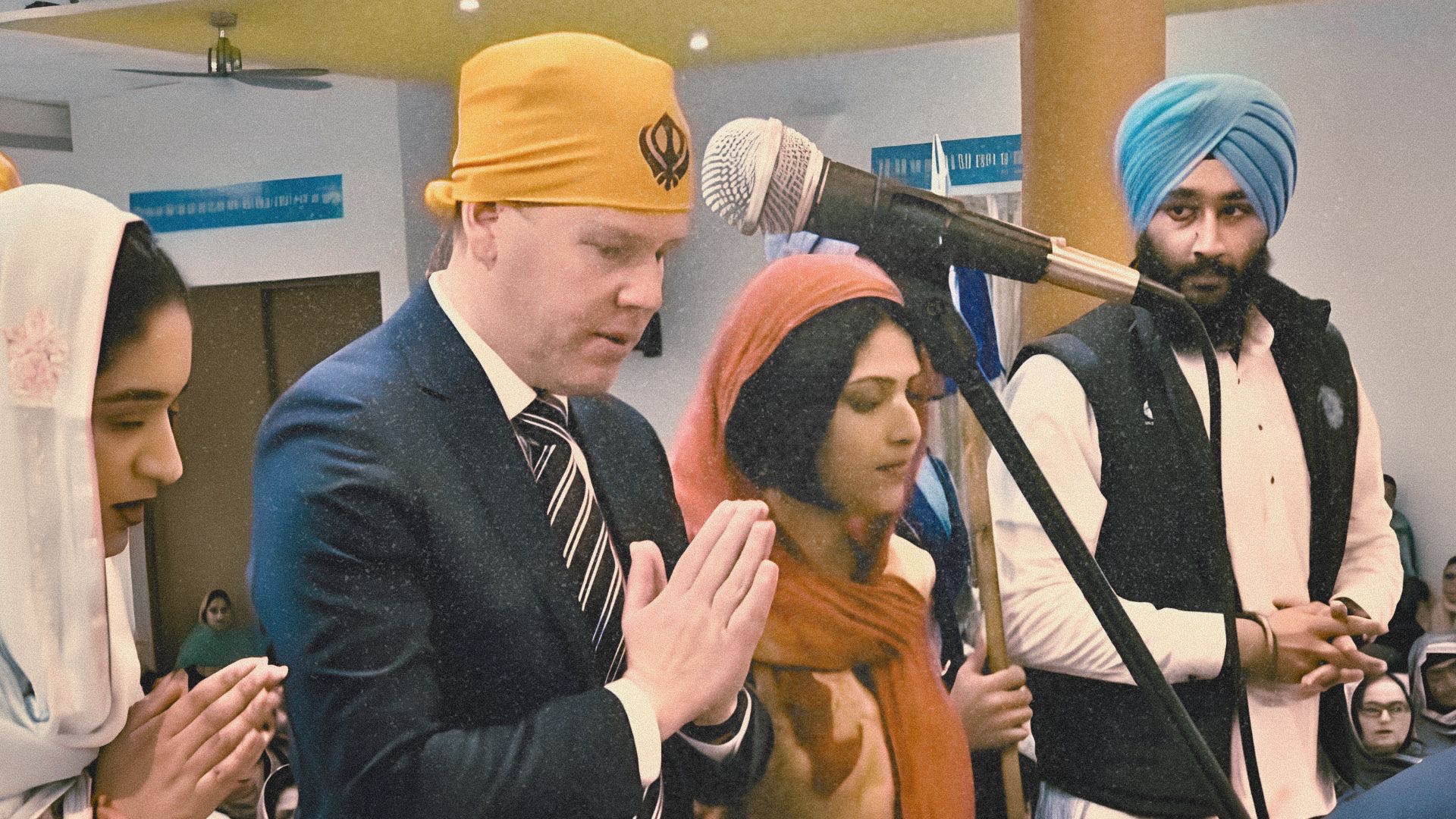
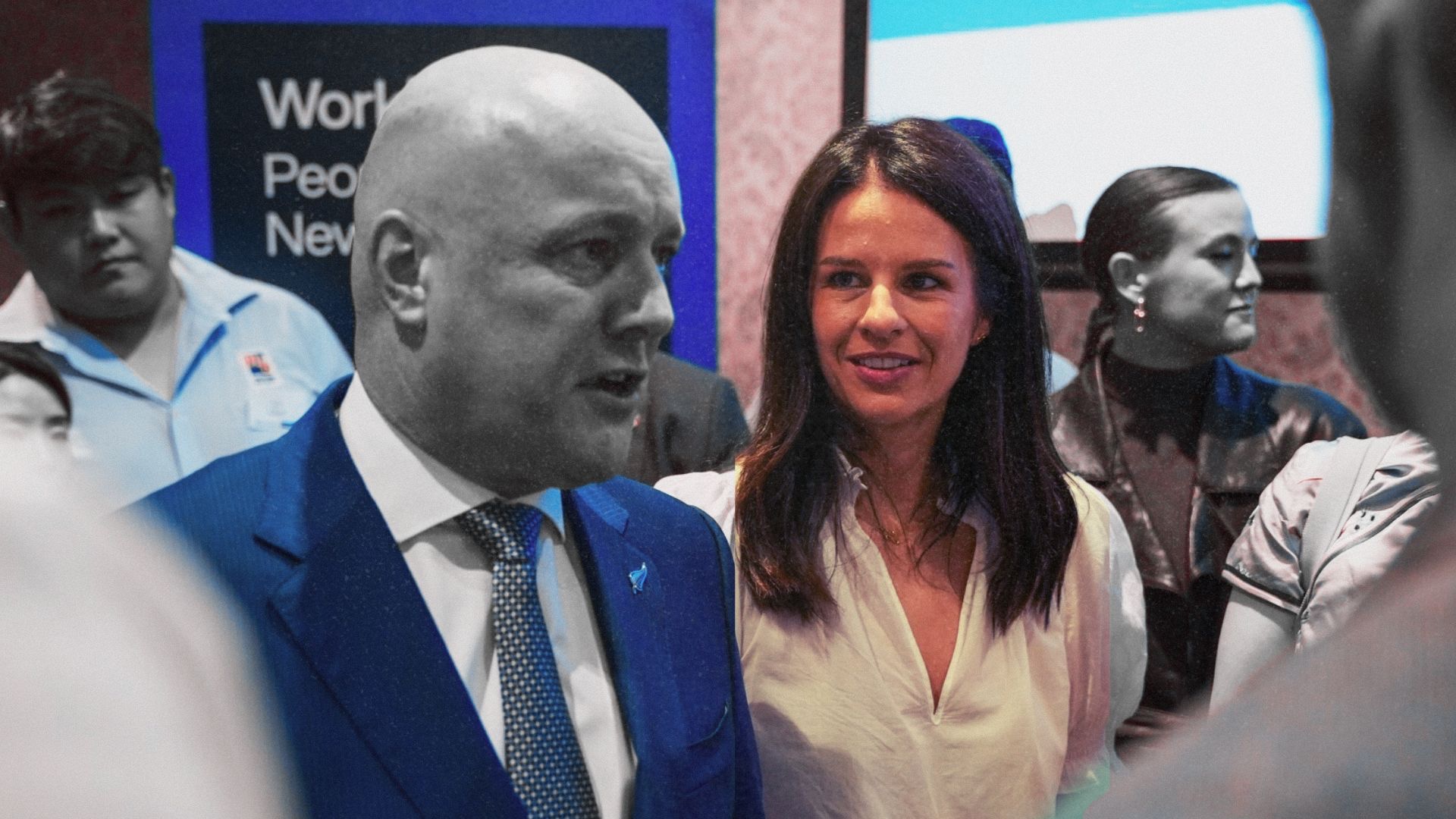
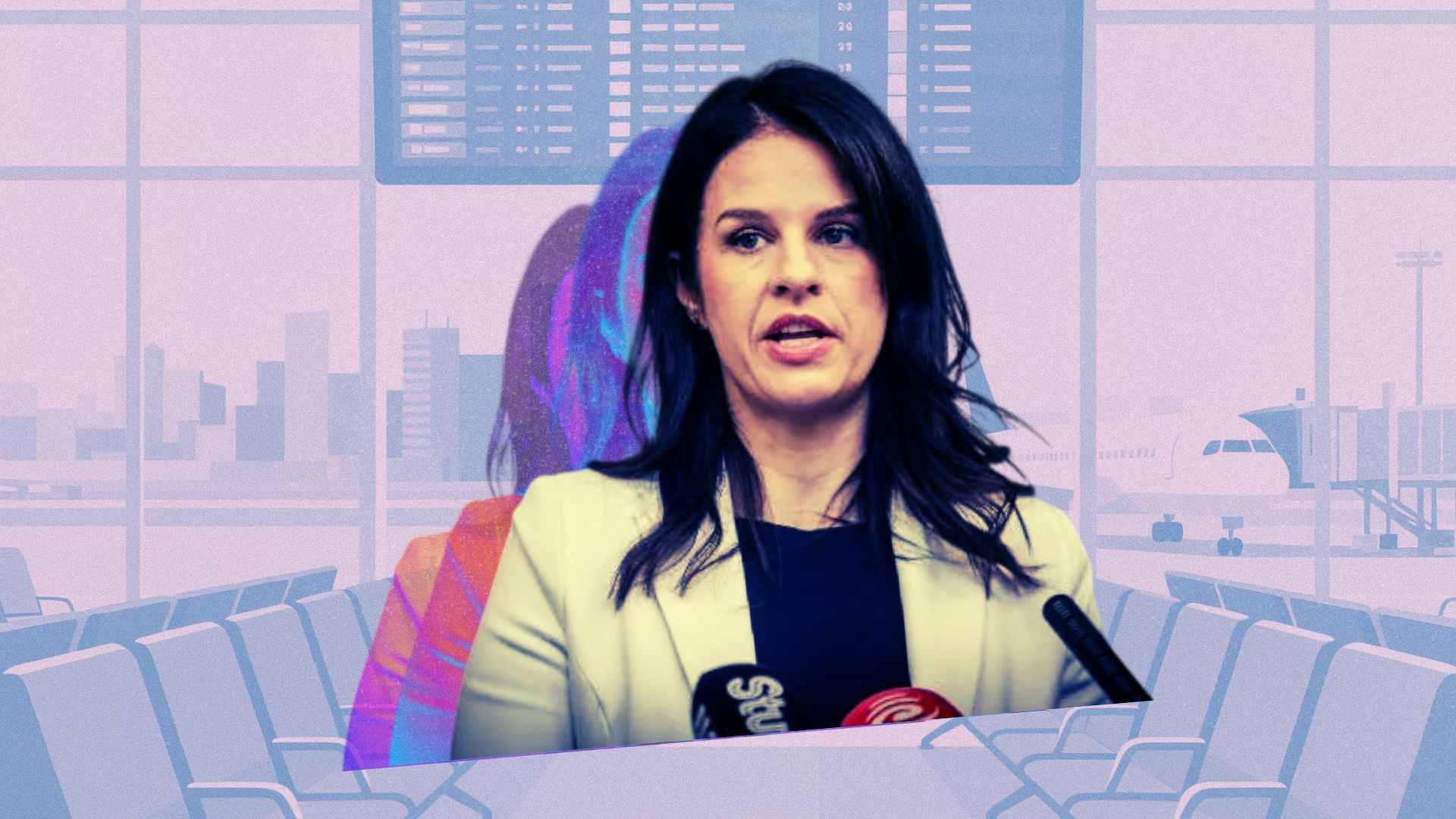
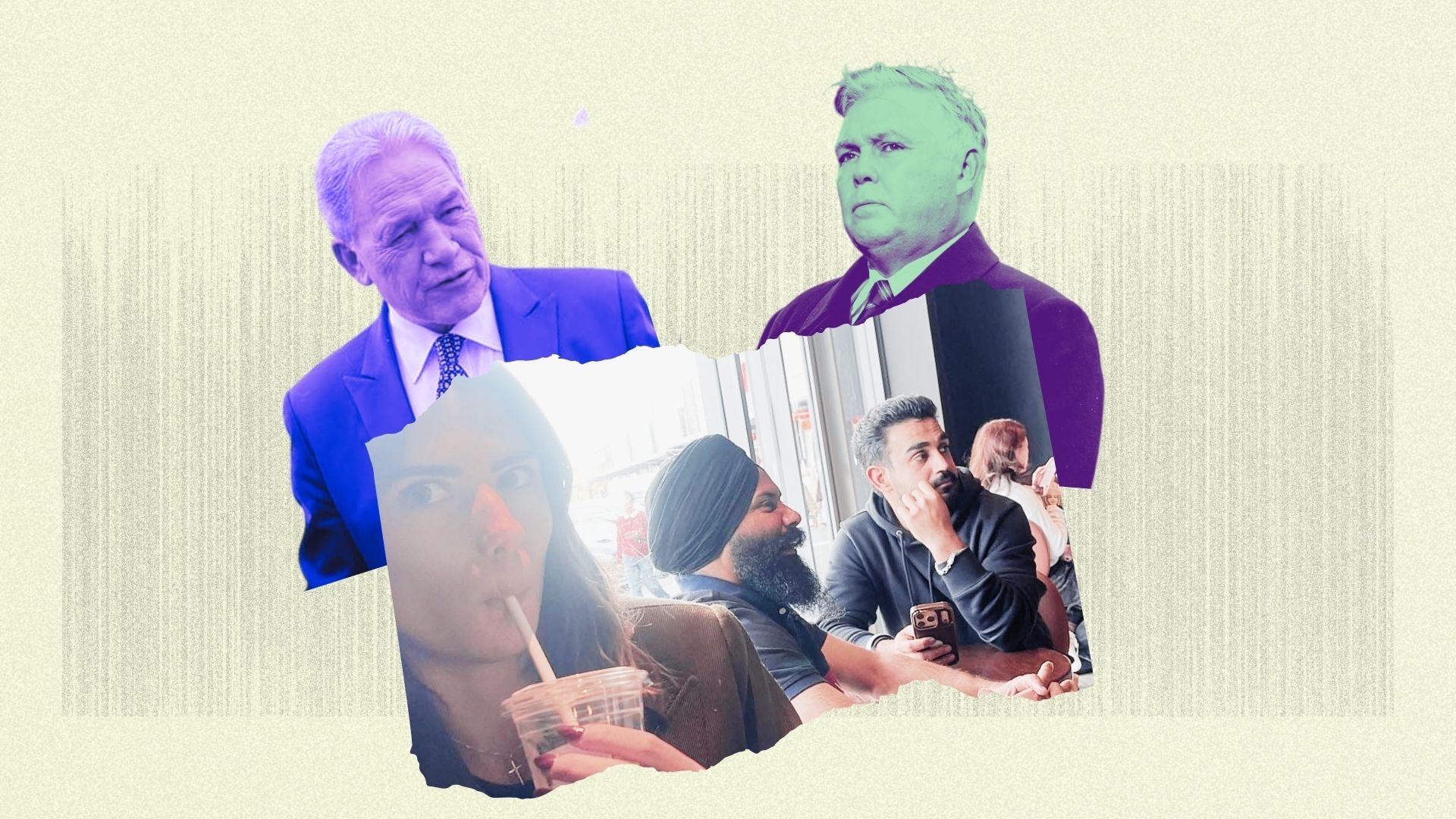
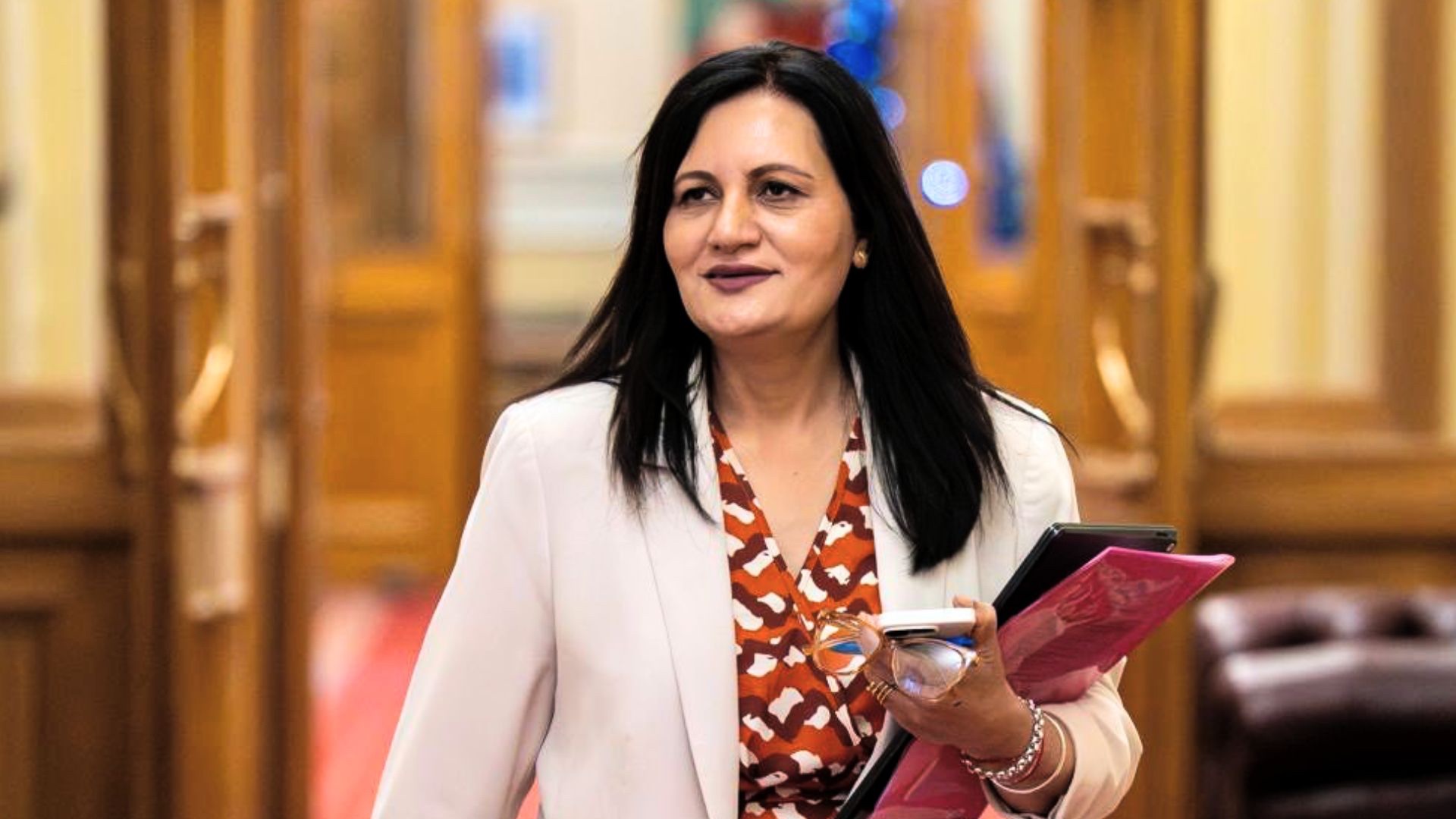
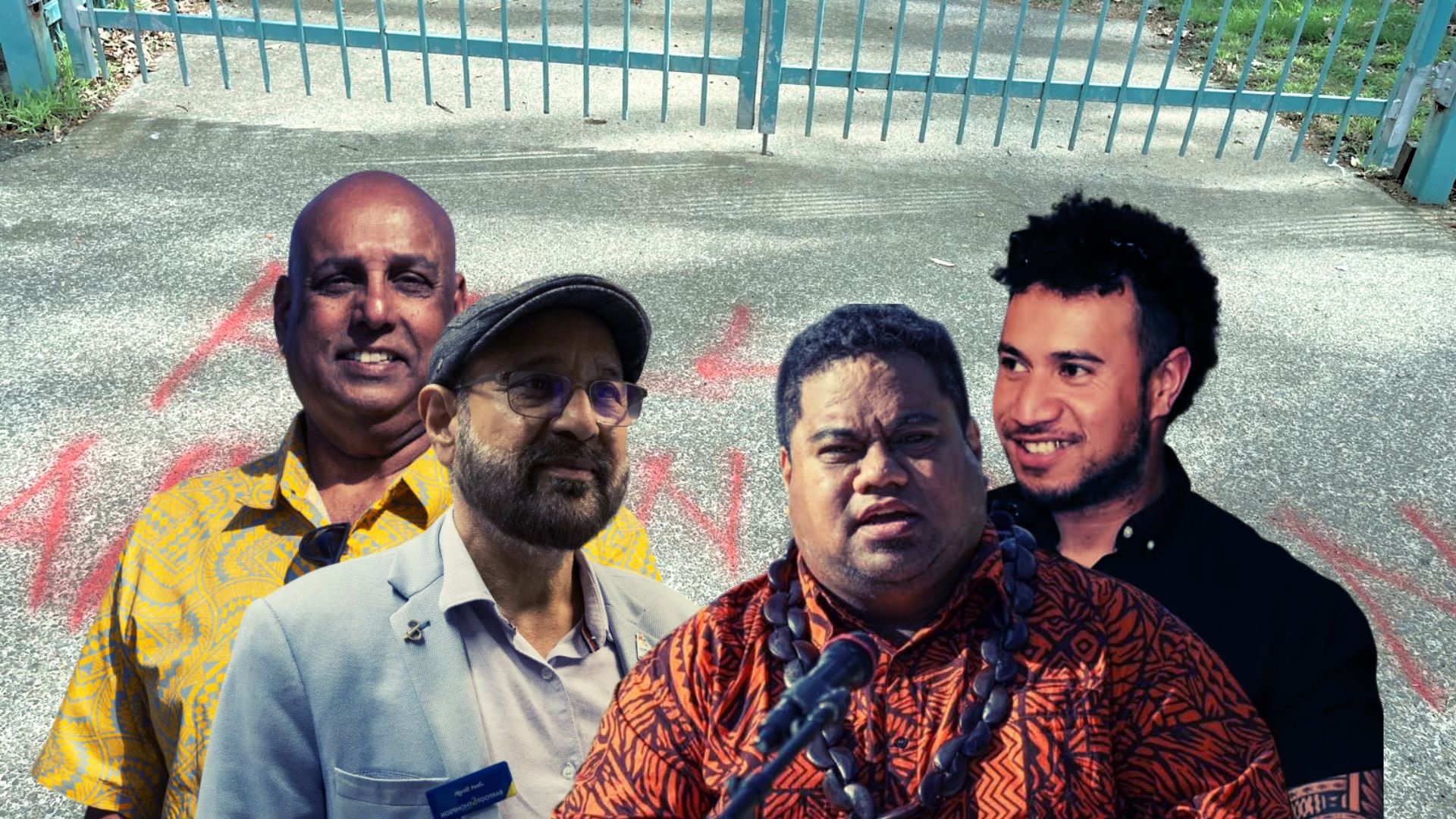
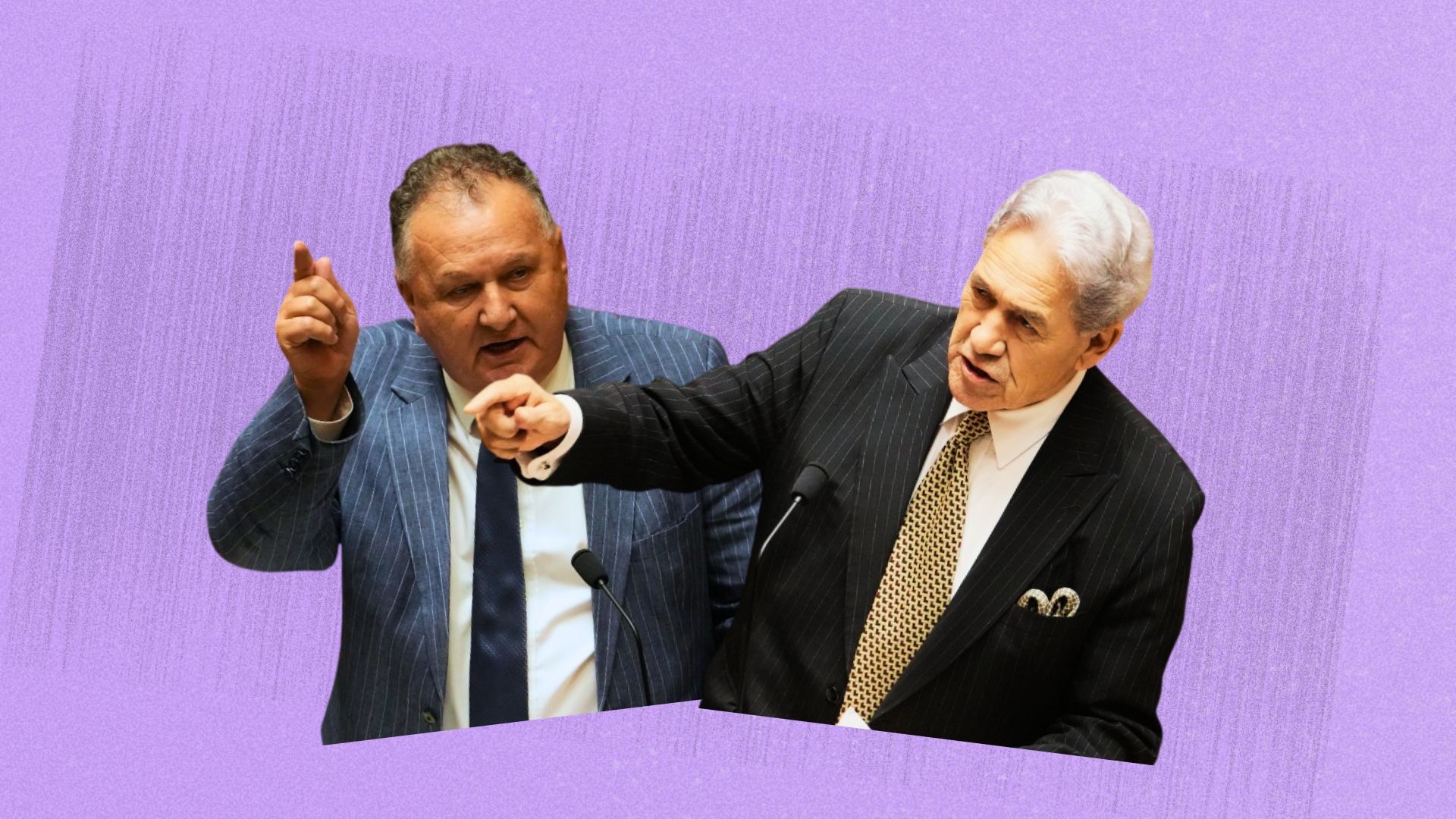
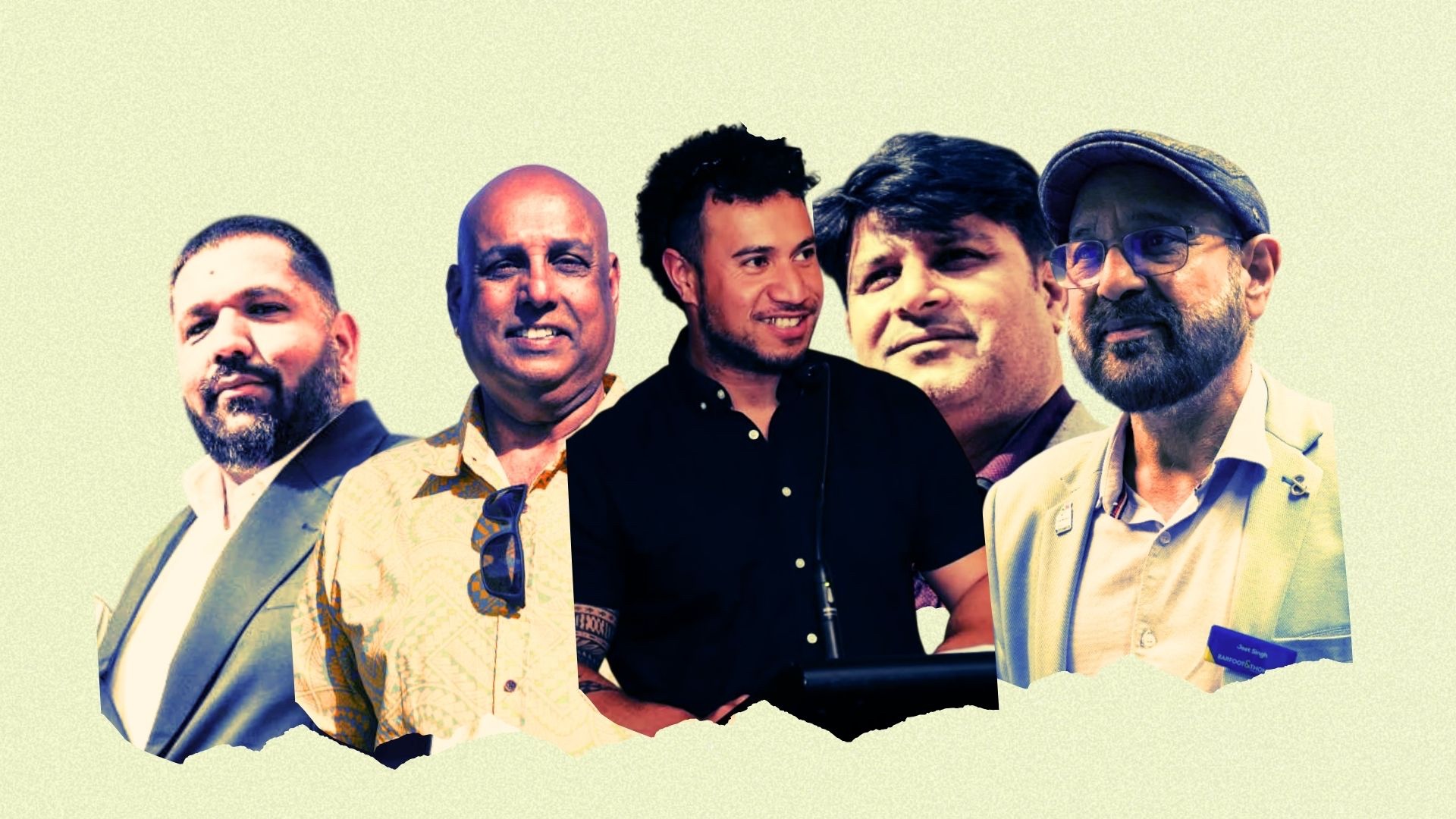
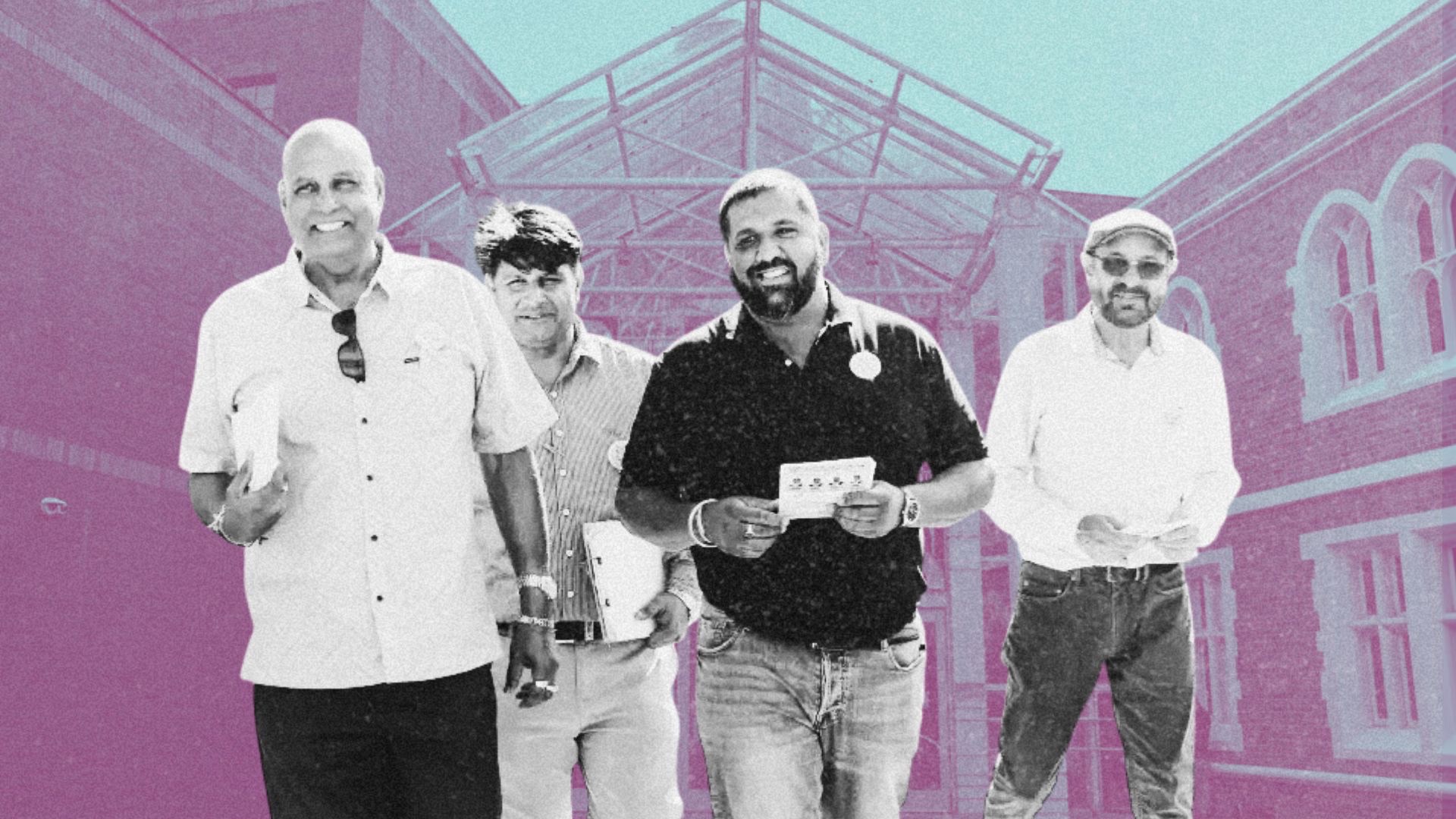
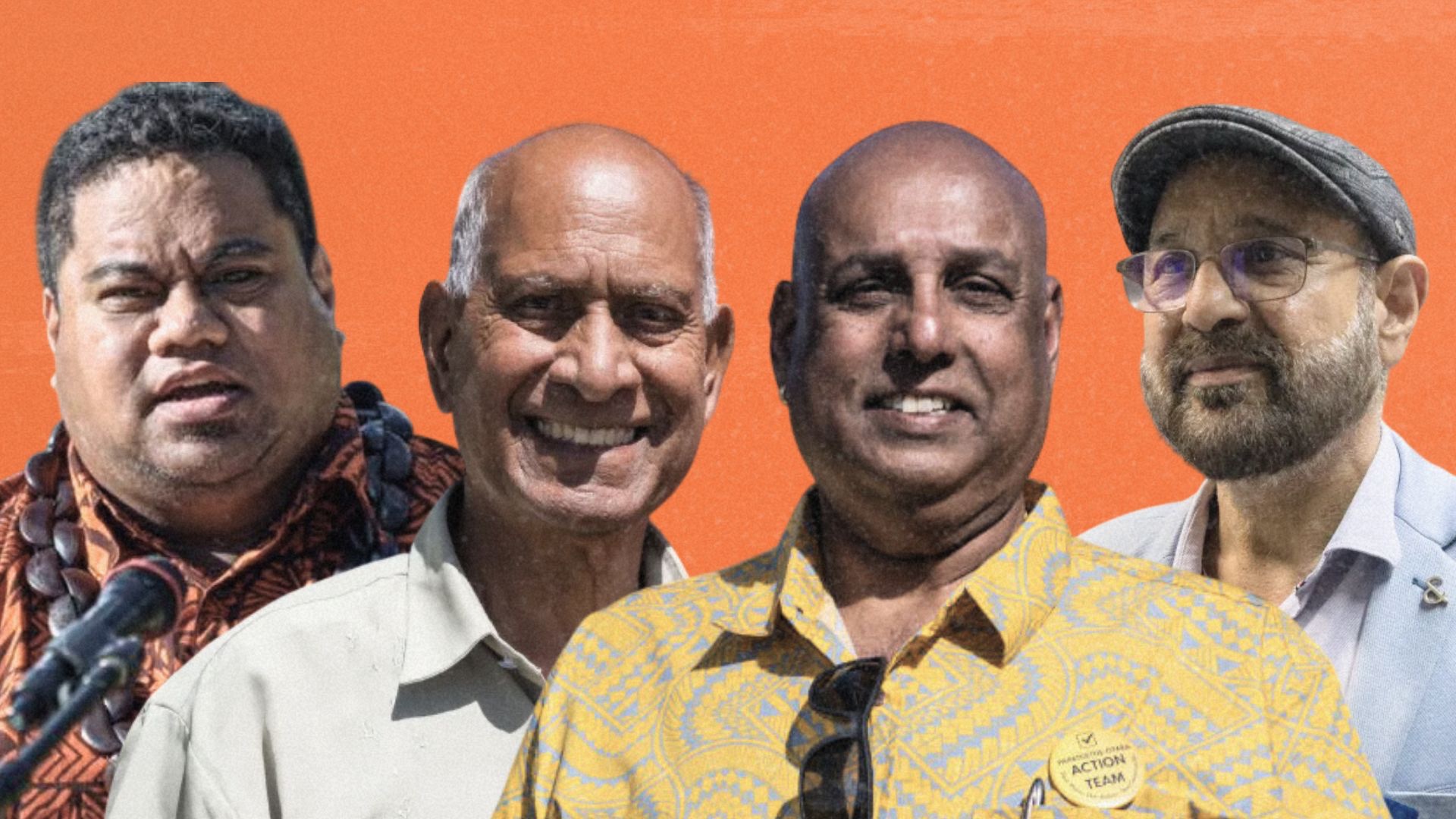
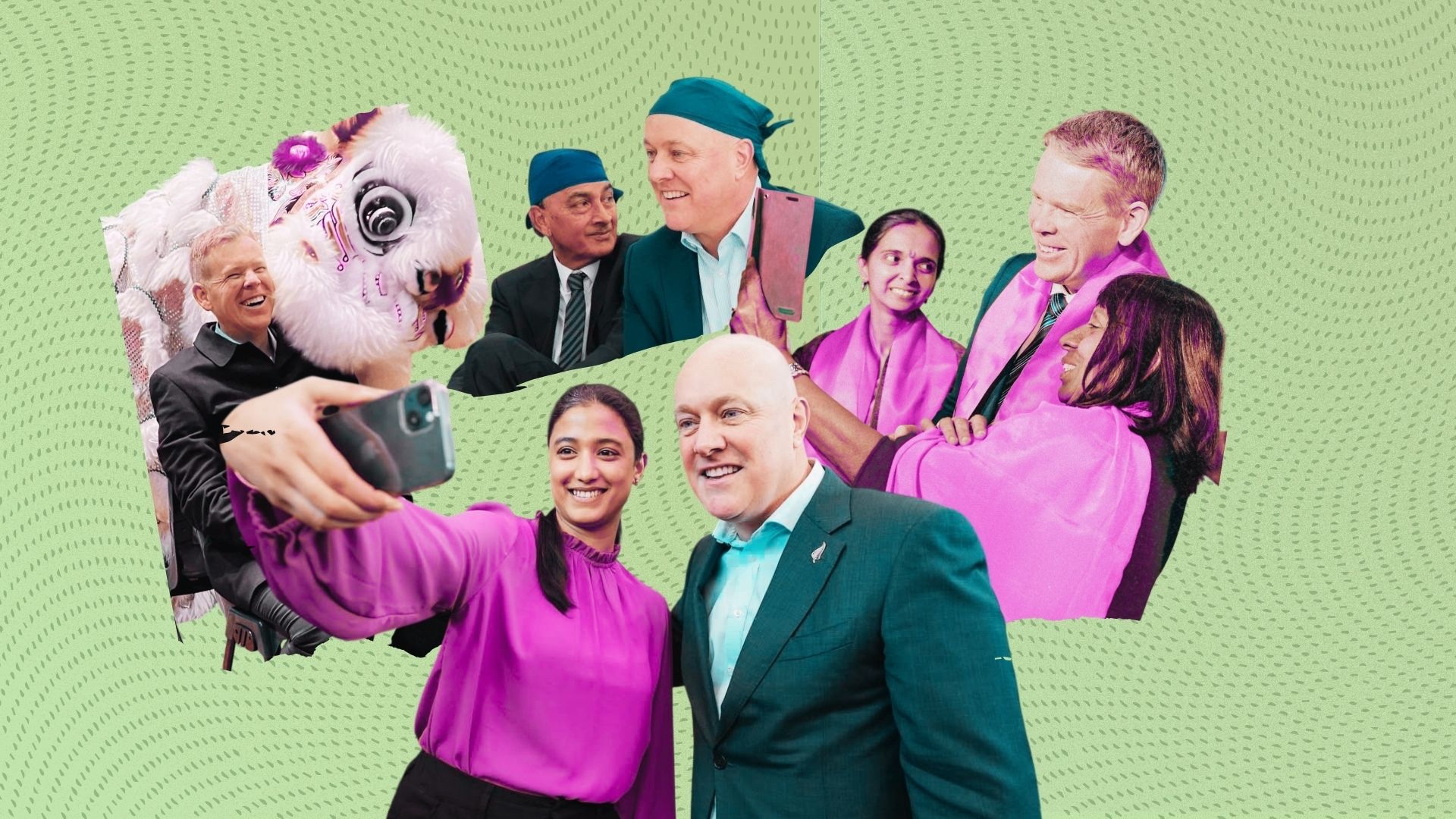
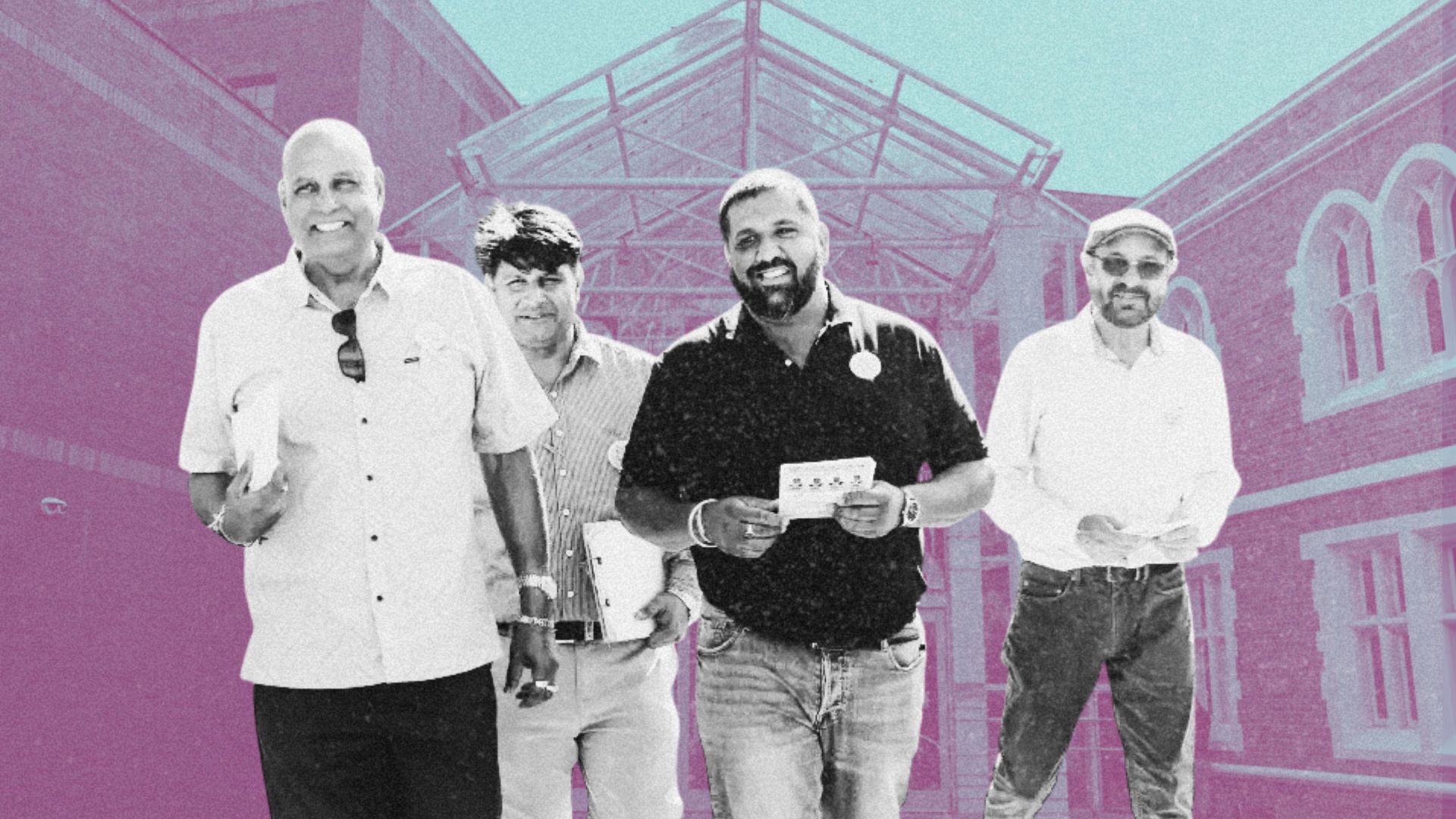
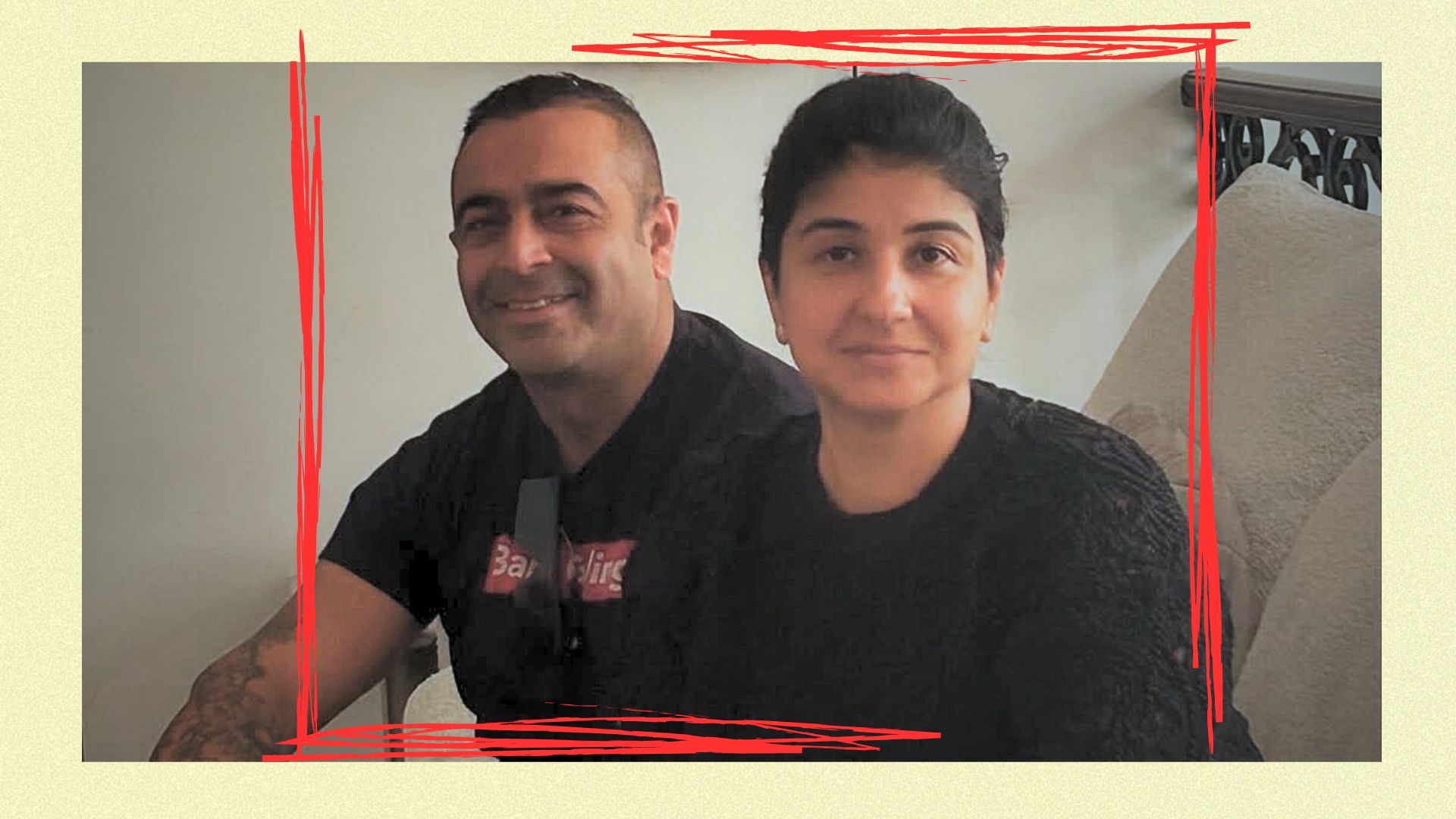
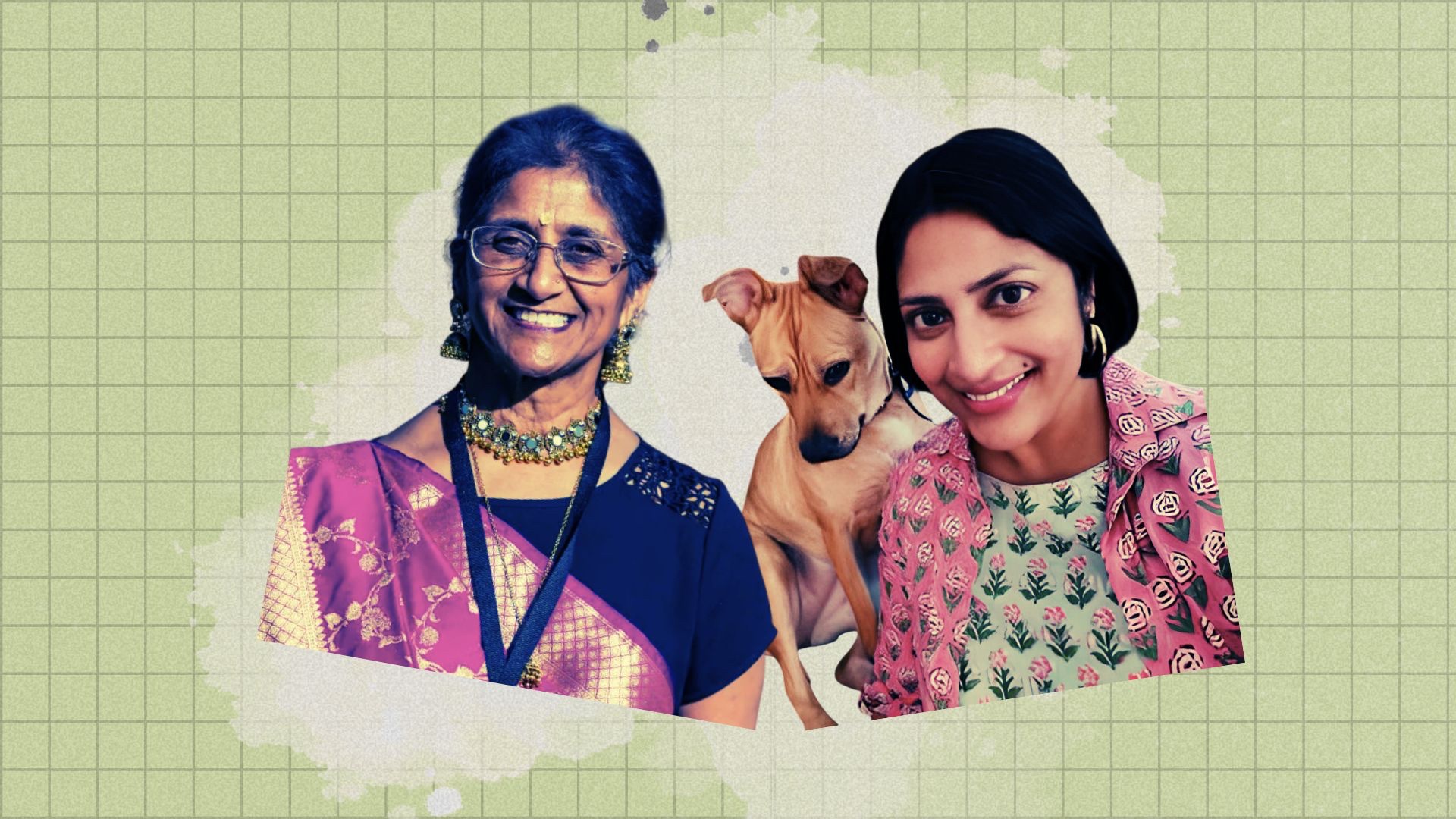
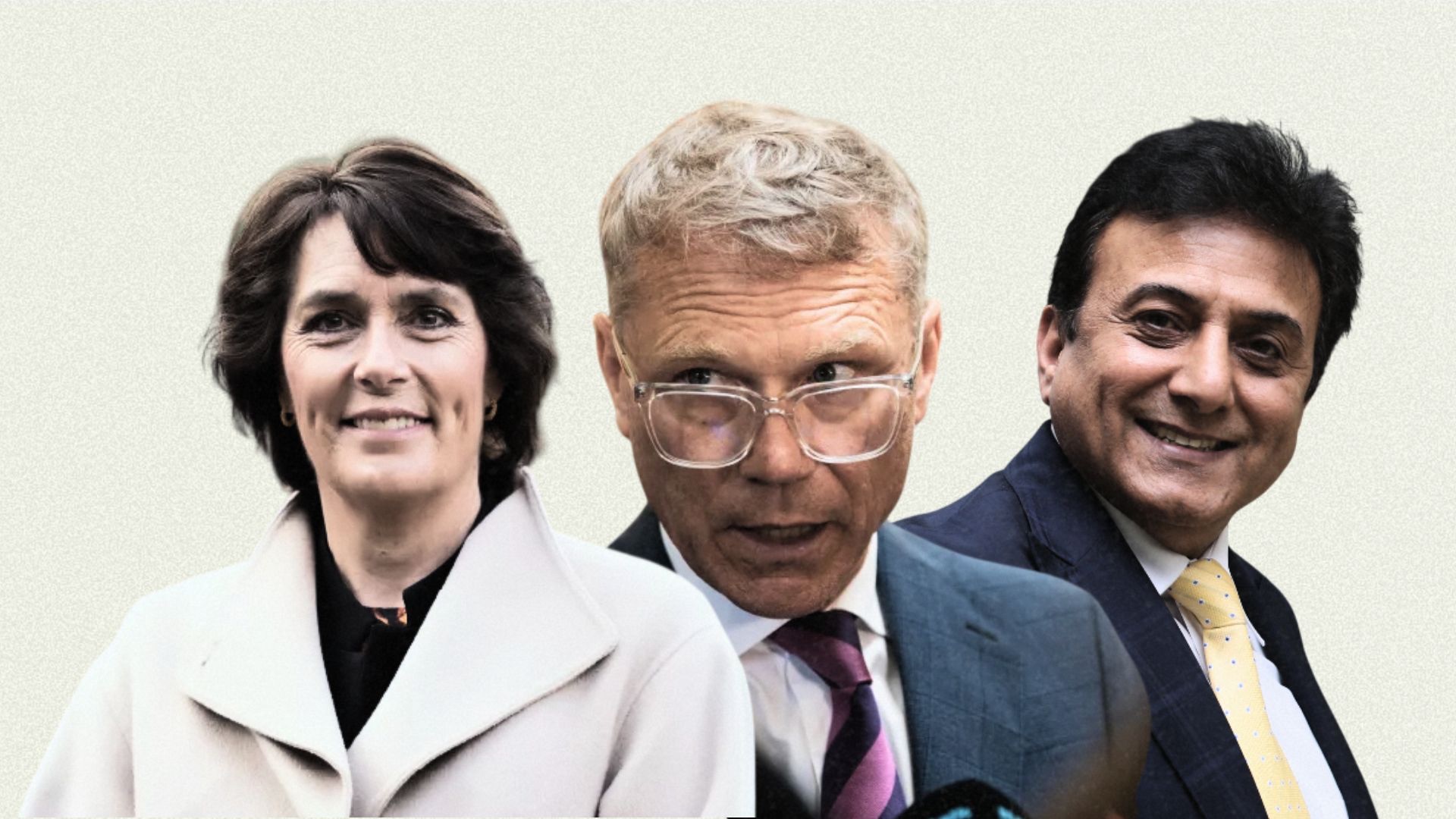
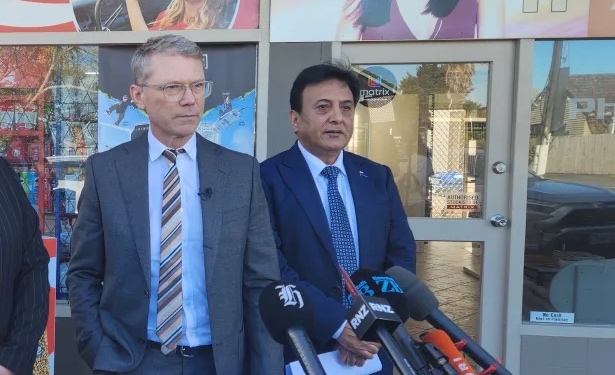
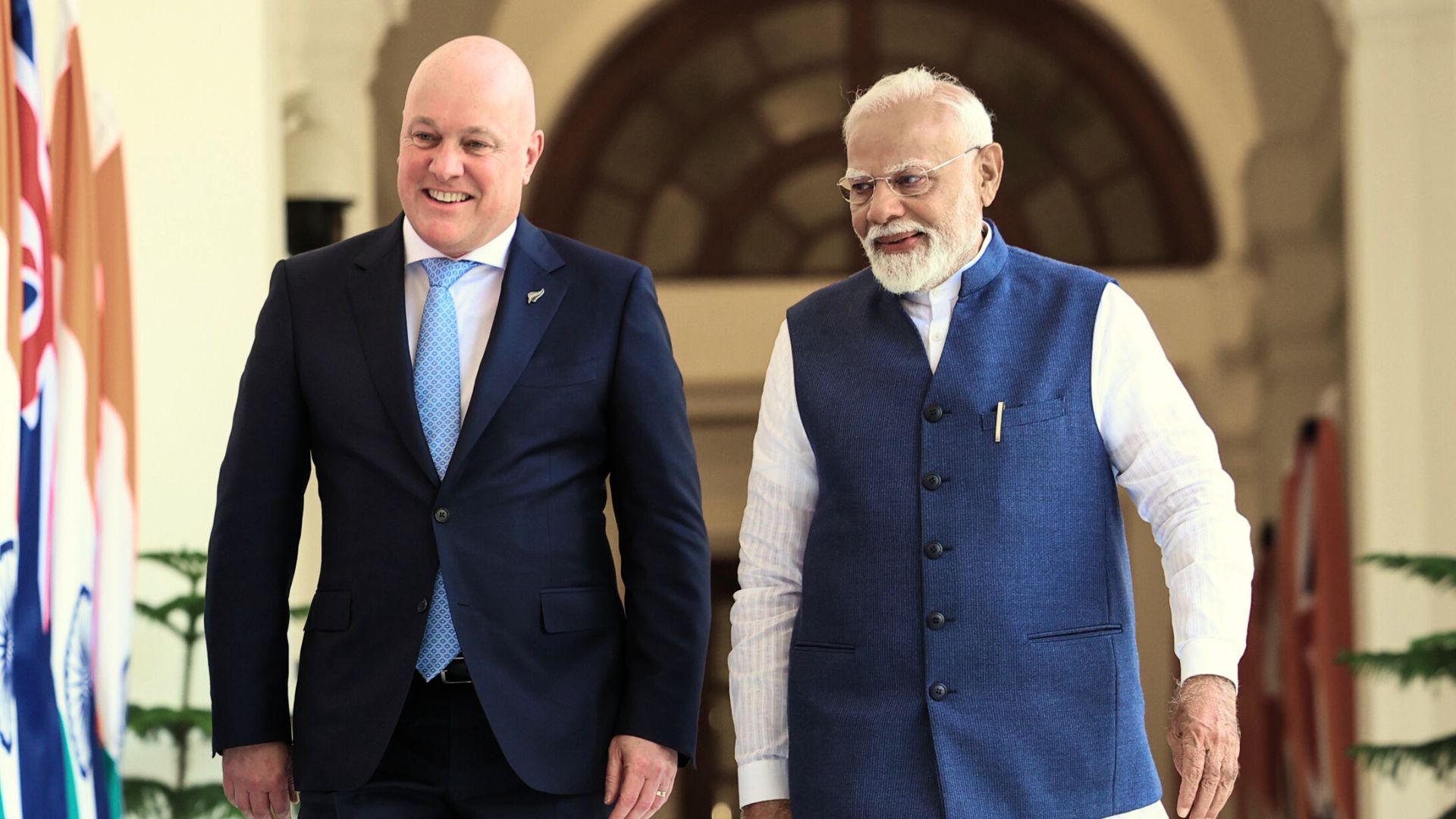
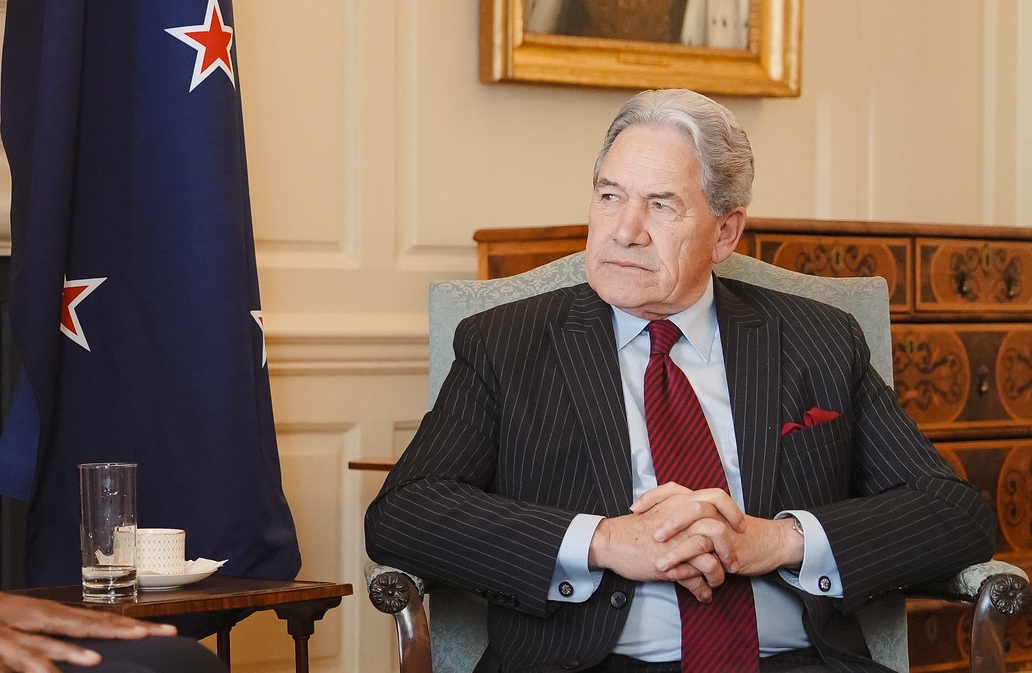
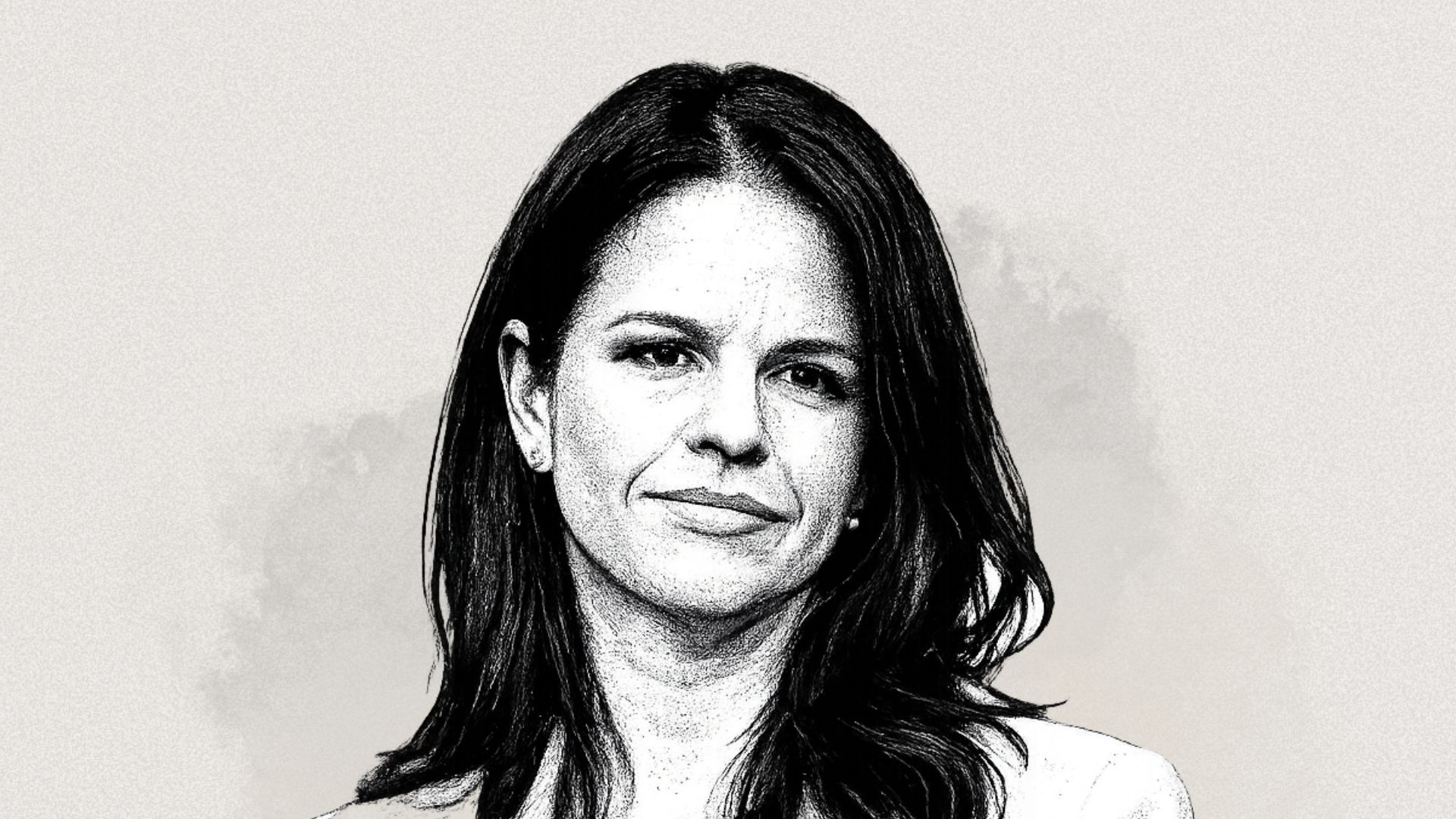
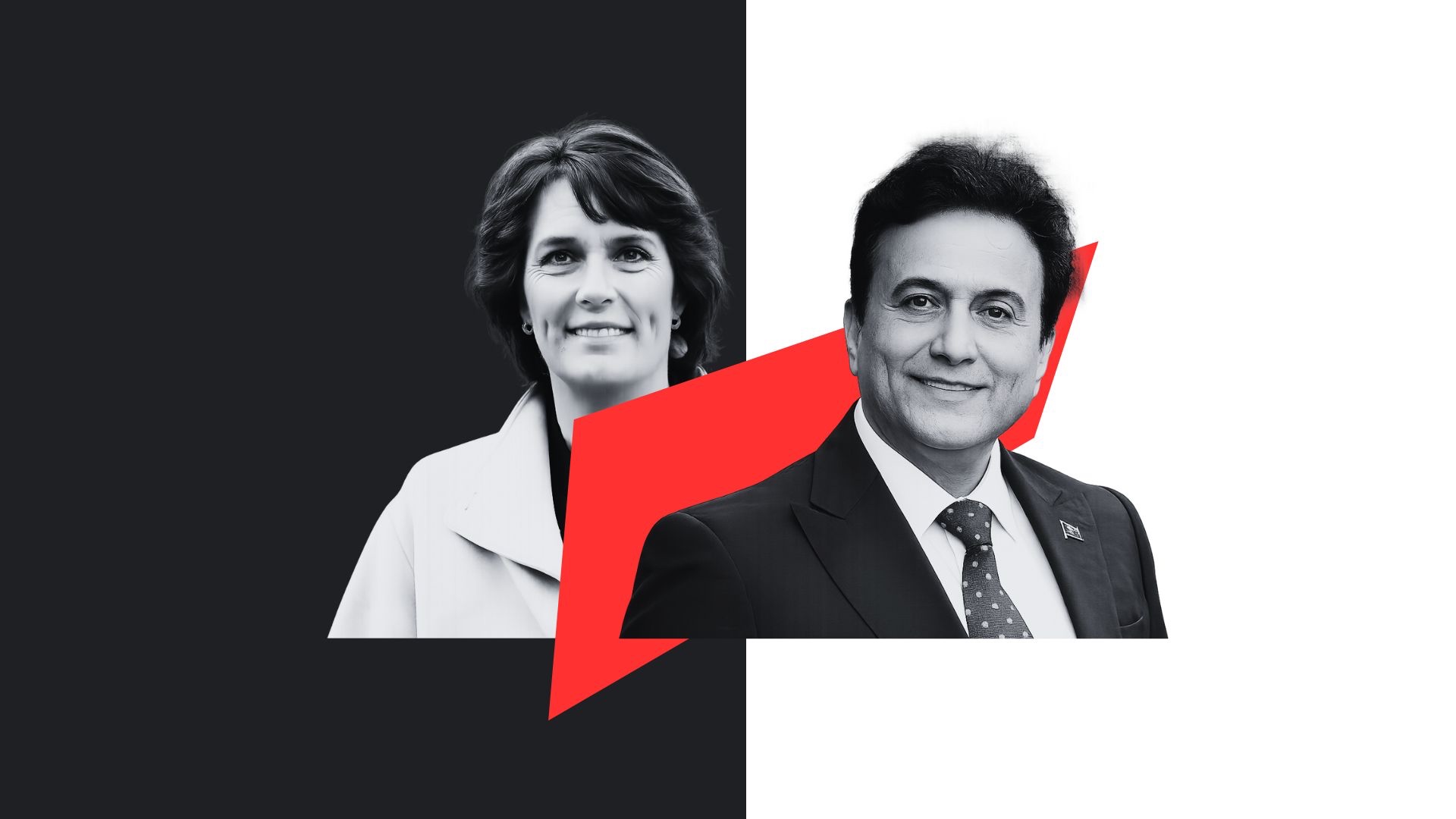
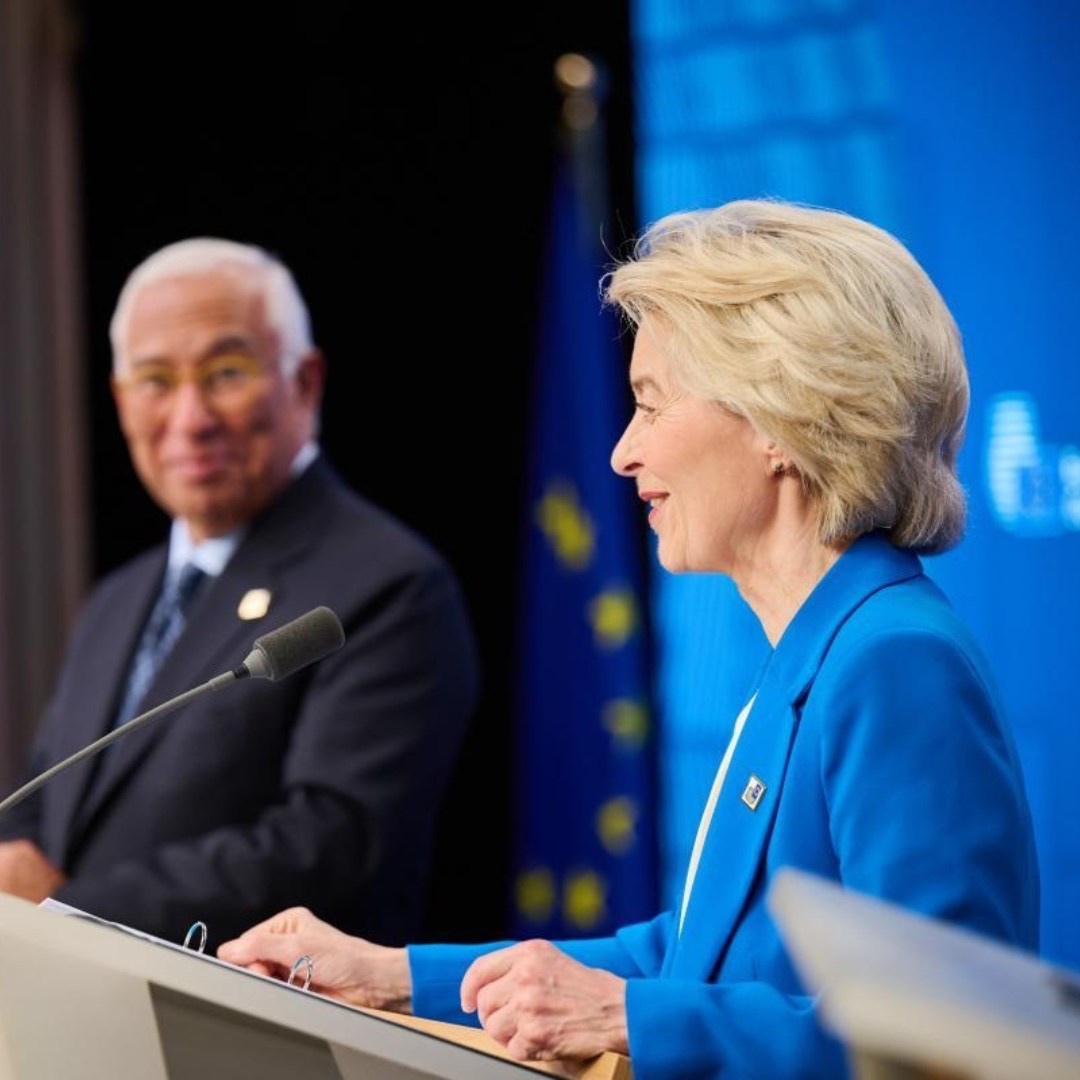
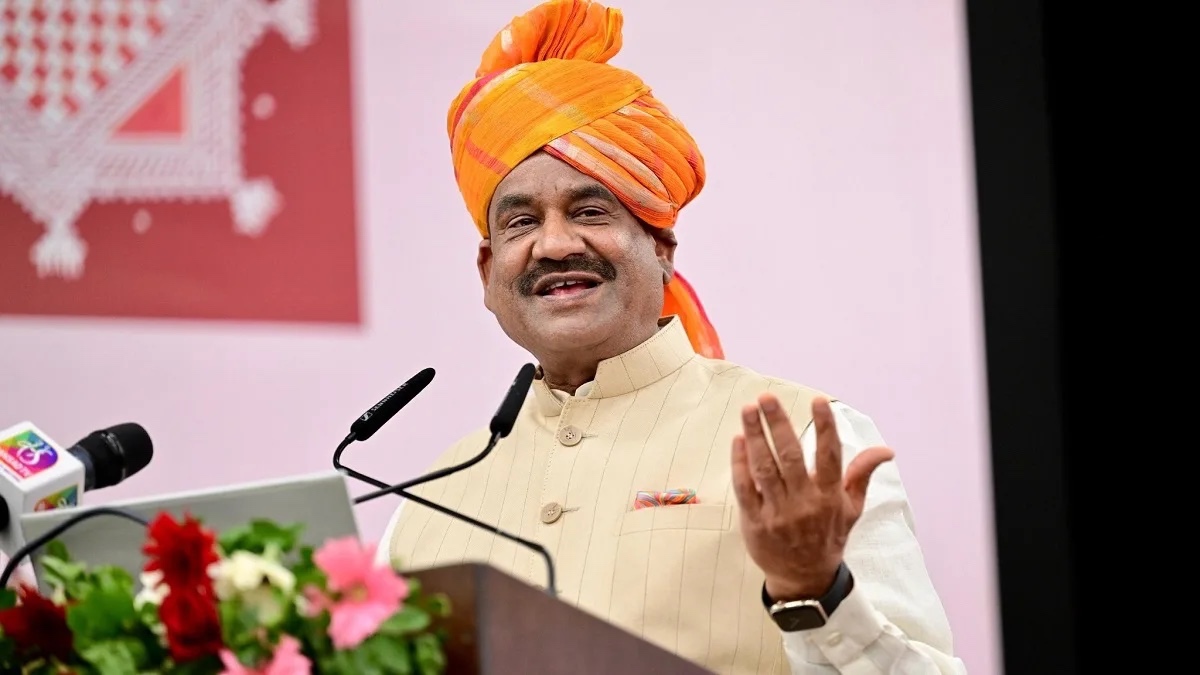
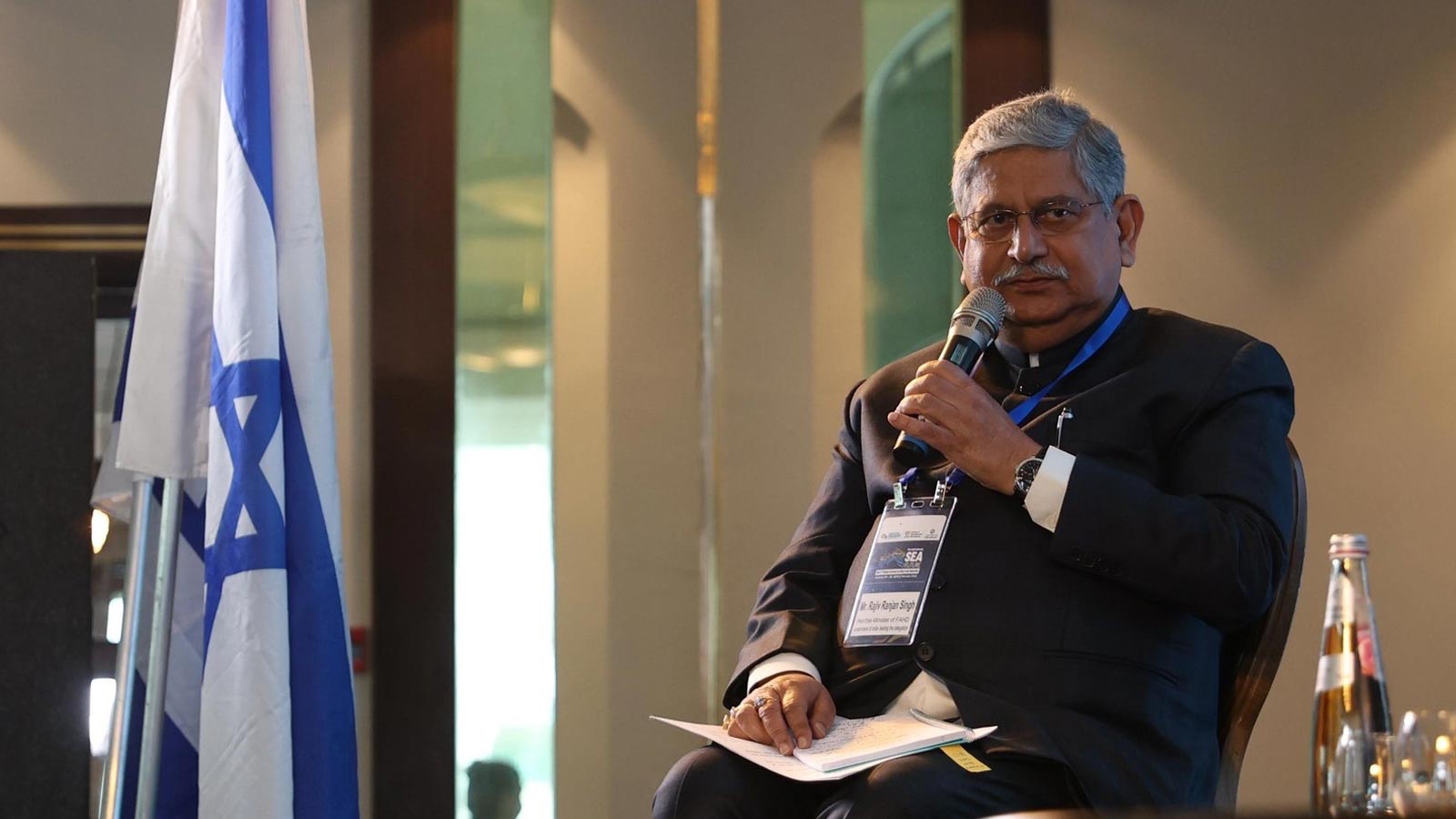
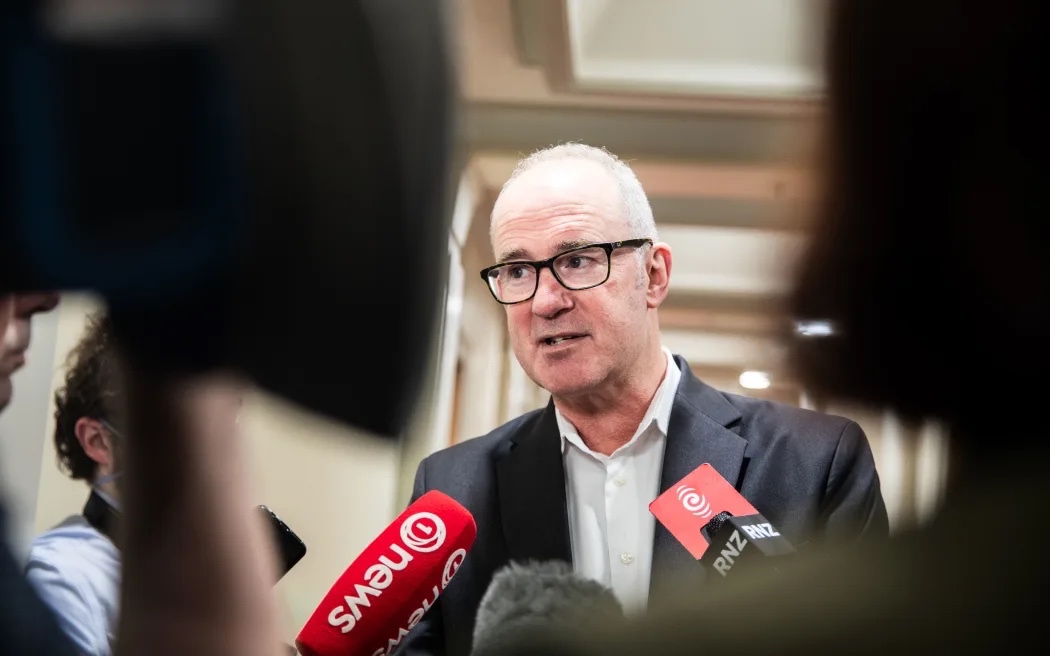
Labour candidates (from left) Priyanca Radhakrishnan, Rakesh Naidoo and Kharag Singh.
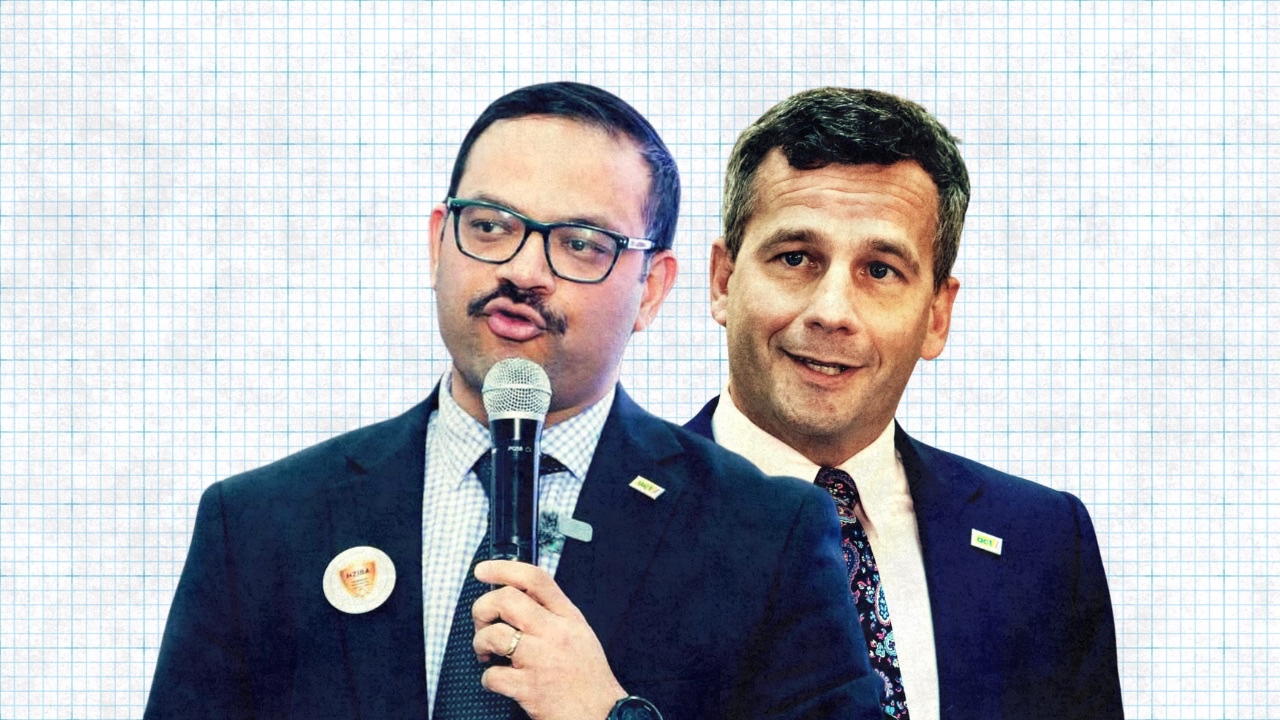
National is fielding their biggest contingent of Indian-origin candidates. Most are in Labour strongholds.
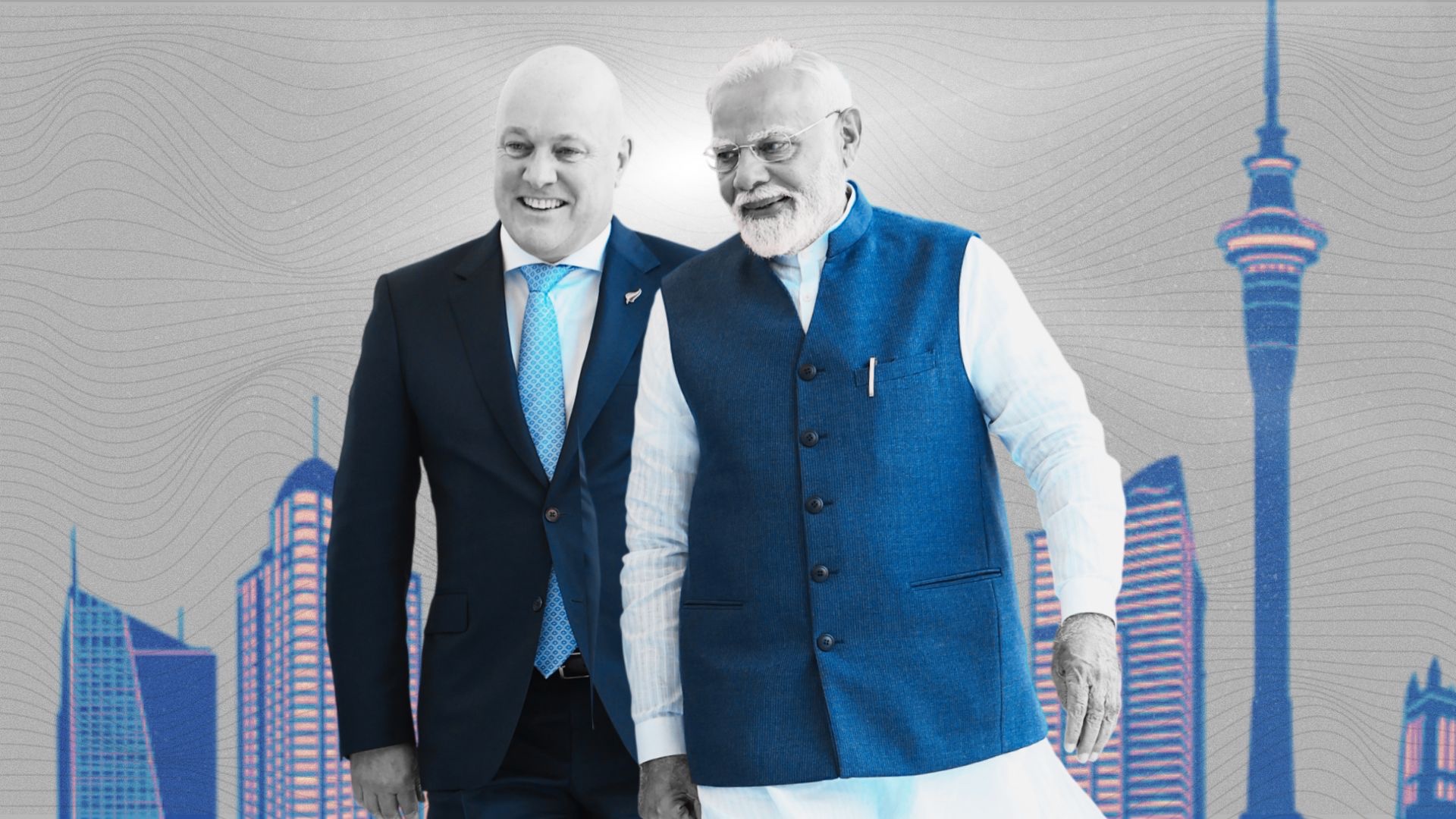
Analysis: The Labour Party's 2026 list has effectively locked in at least two Indian-origin faces in the next Parliament.
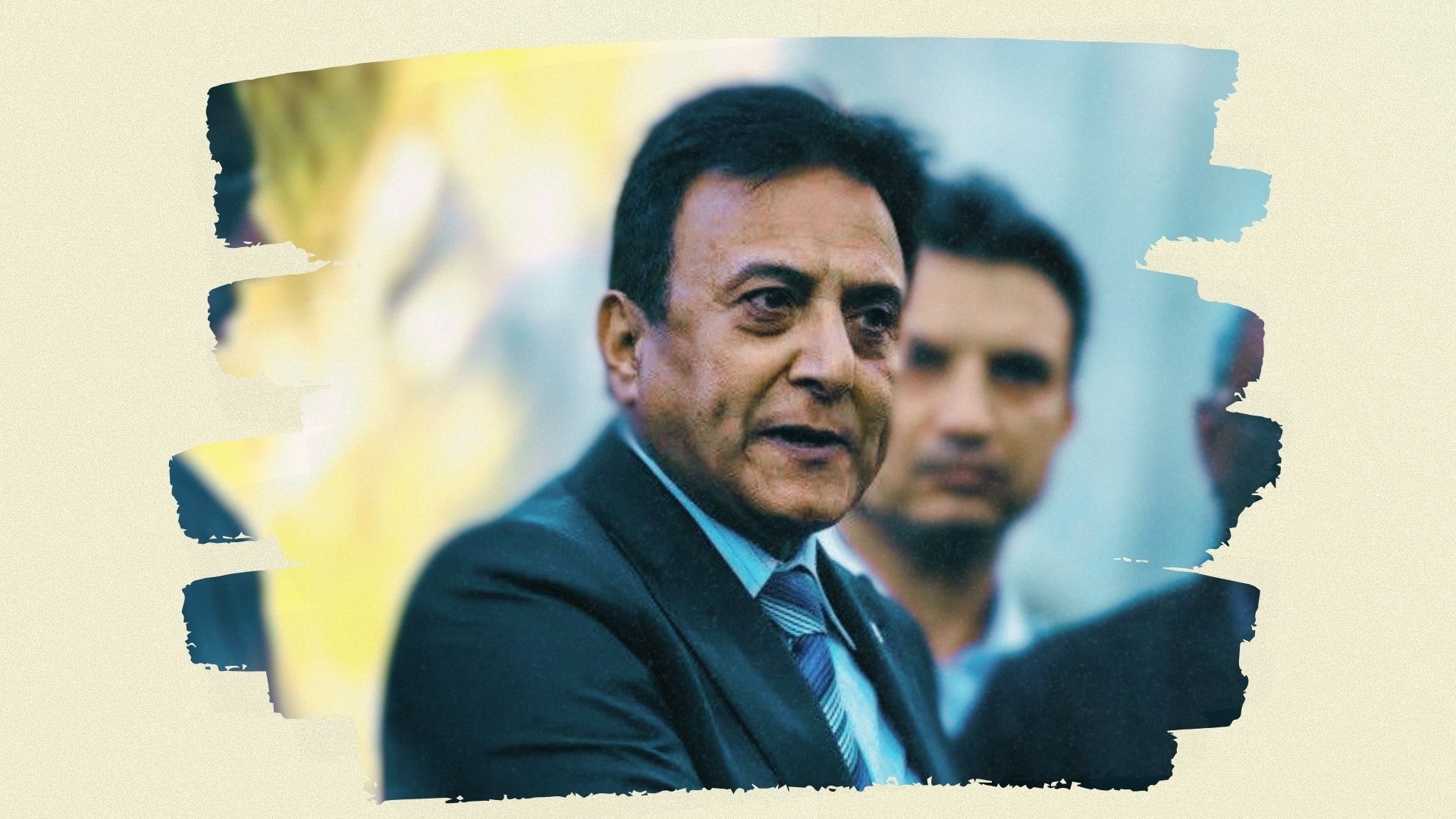
Debutant Rakesh Naidoo is placed 13th on the list, while MP Priyanca Radhakrishnan is at 18th. On current polling, both sit comfortably within Labour’s expected caucus size.
But the contrast with the National Party is increasingly becoming sharp. It continues to field a broader slate of Indian-origin candidates across electorates, without offering many no real chance of entering Parliament.
Labour’s pathway: List security and electorate opportunity
Labour’s Indian representation in Elections 2026 is anchored by its party list.
Being Indian and Kiwi at once. How Ajaz Patel's 10-wicket haul brought his two worlds together A historic moment in Mumbai left the Black Caps spinner reflecting on something far deeper than cricket.
India's SIR voter controversy reaches New Zealand in Muslim man's asylum case The man claimed Muslims excluded from voter lists risked losing welfare benefits and being treated as illegal immigrants.
Election 2026: A right majority is possible even if Opportunity enters Parliament The latest polls suggest National, ACT and NZ First could secure a majority, with the Opportunity Party's fortunes still crucial.
Radhakrishnan’s ranking effectively secures her return to Parliament, while Naidoo’s higher placement signals a deliberate elevation of a first-term candidate into a top-tier position, ahead of more established political figures.
Beyond the list, Labour also has Kharag Singh contesting from the south Auckland suburb of Takanini, a competitive electorate where Labour believes Singh has a realistic pathway to victory.
Since it was constituted in 2020, Takanini has swung between Labour and National. It requires cross-community support across South Auckland’s diverse voter base rather than reliance on a single demographic bloc.
If successful, Singh would add a third Indian-origin MP to Labour’s caucus.
A Labour bloc built through continuity
Labour’s Indian representation has never been large, but it has been consistent.
From Rajen Prasad to Priyanca Radhakrishnan, and now potentially Naidoo and Singh, the party has developed a repeatable pathway into Parliament through both list ranking and targeted electorate selection.
What stands out in 2026 is scale. For the first time, Labour is positioned to potentially return multiple Indian-origin MPs simultaneously, rather than cycling representation through a single figure.
National’s Indian candidates: Visible slate, uncertain conversion
National’s 2026 Indian-origin candidate slate shows a broad attempt at geographic and demographic representation, but most of these candidates are contesting electorates where winning is historically difficult.
As things stand, only one candidate has the electoral history that offers a realistic shot at entering Parliament through the electorate. National has yet to announce its party list.
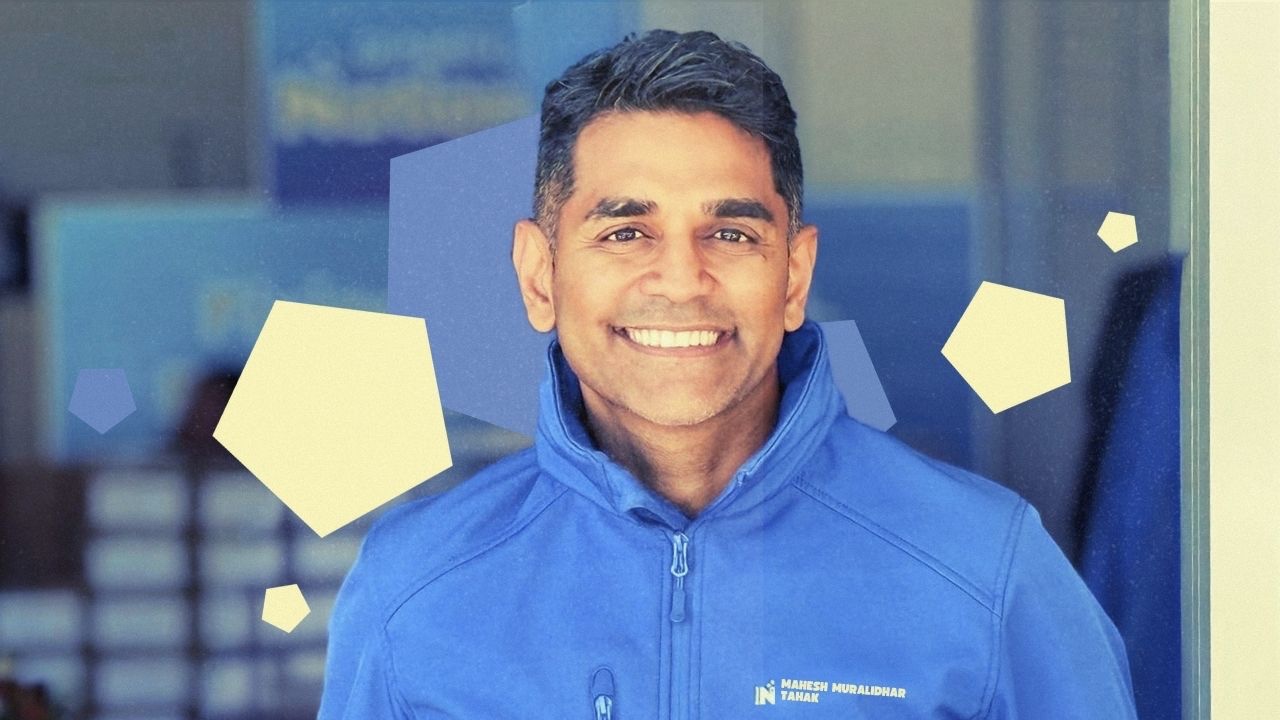
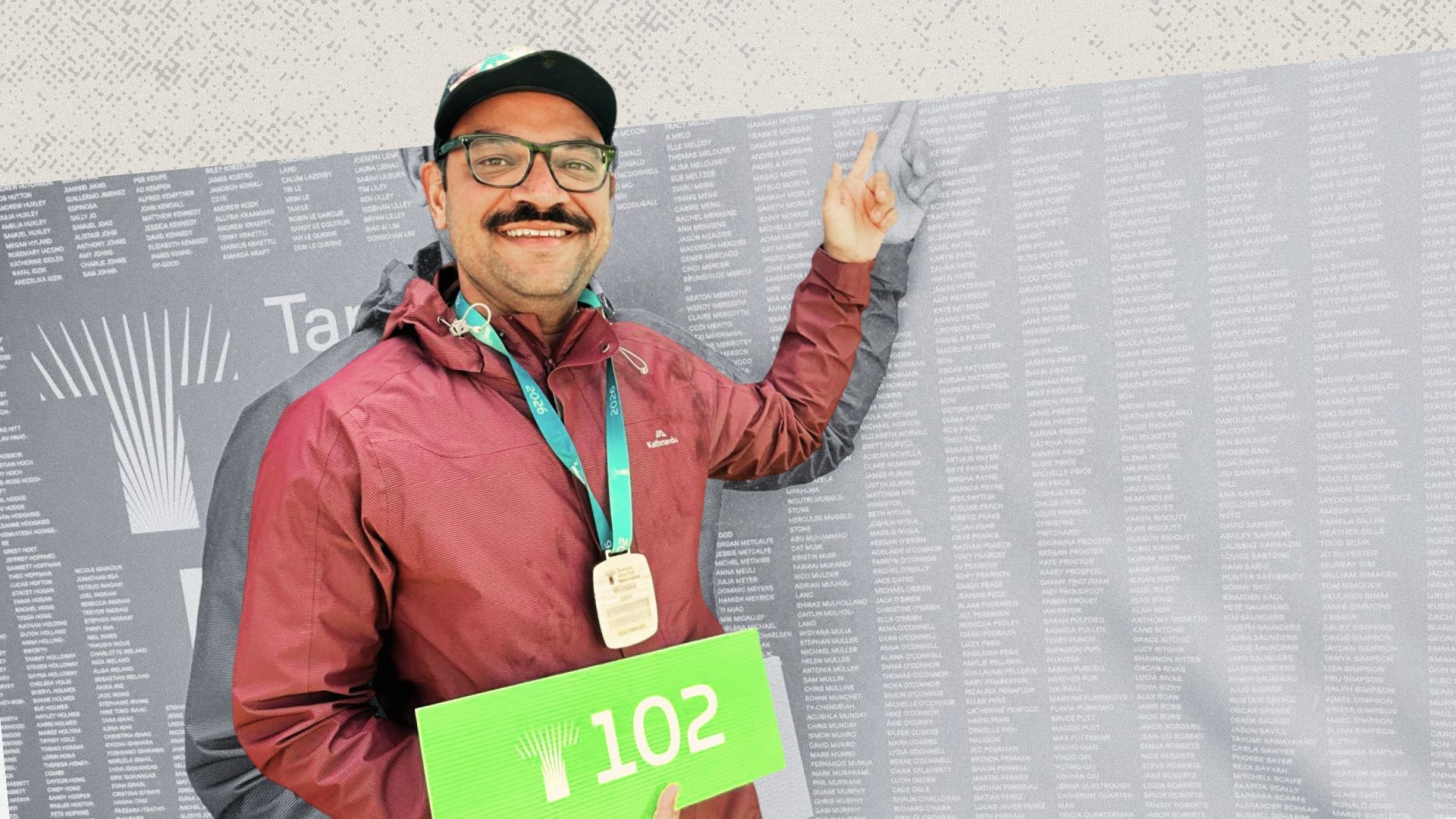
Within that electorate slate, Mahesh Muralidhar from Tamaki represents the clearest immediate pathway to Parliament.
Tamaki remains a structurally strong centre-right electorate, historically delivering large National majorities on the party vote and serving as one of its most reliable urban seats.
However, the seat is no longer straightforward, following ACT’s Brooke van Velden winning the electorate in 2023, introducing a fragmented centre-right contest heading into 2026.
In James Christmas, the ACT Party has found a former National candidate to replace Velden, who is not contesting this year. He is likely to have cut-through with National's centre-right voters here.
The remainder of National’s Indian-origin candidates are contesting electorates with significantly weaker conversion prospects.
These include Lalit Arya in Ōtāhuhu, Ghouse Majeed in Manurewa, Sunil Kumar in Glendene, Ankit Bansal in Palmerston North, and Karuna Mathu in Wellington Bays (formerly Rongotai).
These electorates sit within long-established Labour-leaning or Labour-dominant urban and provincial seats.
Manurewa and Ōtāhuhu, for example, have delivered continuous Labour electorate victories since 2014, while maintaining sustained Labour party-vote strength across successive elections.
Palmerston North has remained a consistent Labour electorate stronghold, and Wellington Bays has followed a similar pattern of Labour dominance in recent cycles.
Two models of representation
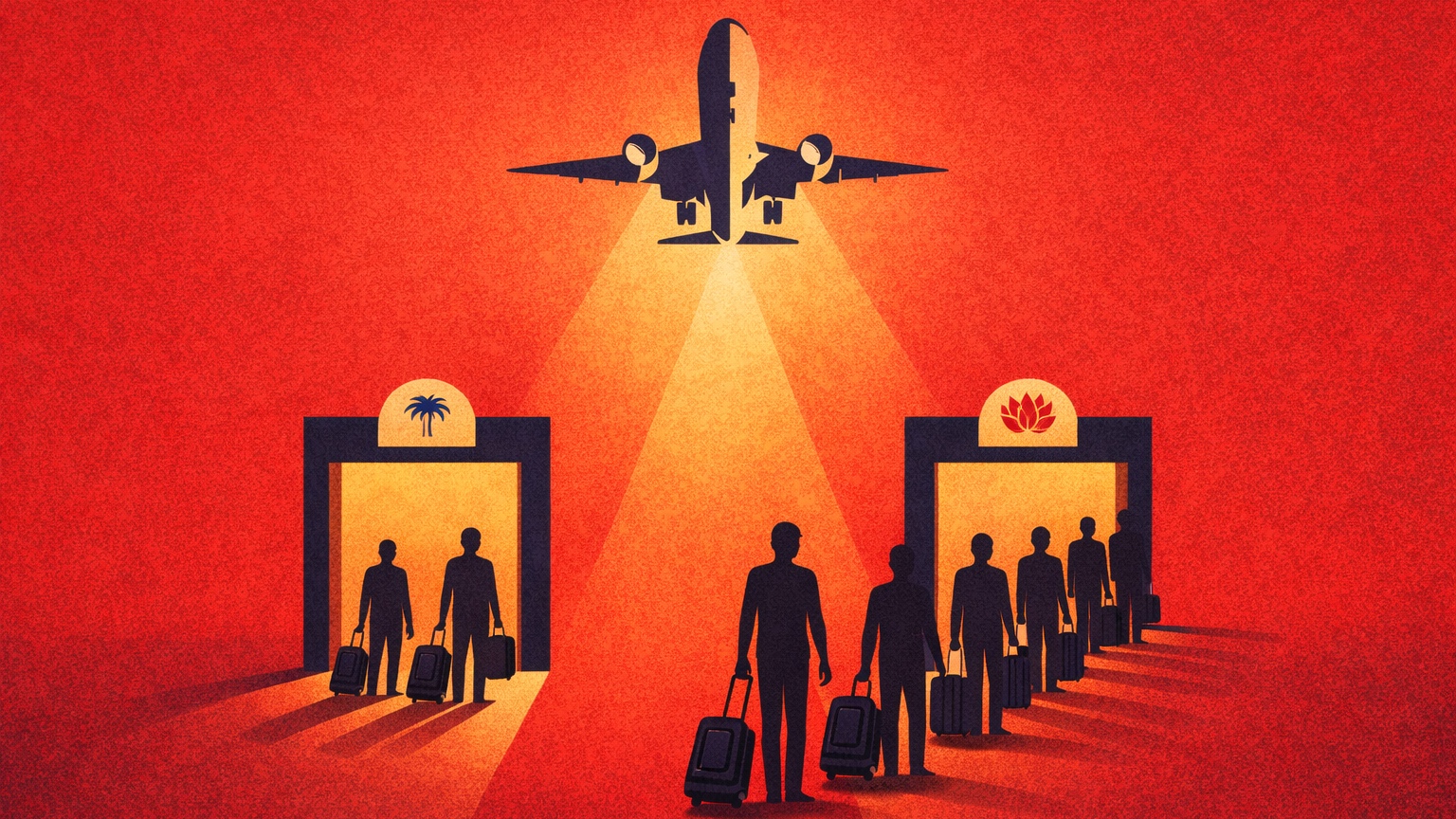
Taken together, the 2026 picture shows two distinct approaches to political representation.
Labour’s model concentrates Indian-origin candidates in high-probability pathways into Parliament, either through strong list ranking or viable electorate contests.
National’s model distributes representation more broadly across electorates, but with fewer candidates positioned in seats that reliably convert candidacy into parliamentary seats under MMP conditions.
The result is a divergence in outcomes even when both parties are drawing from similar candidate pools.
The 2026 test
If current polling holds, Labour is positioned to return at least two Indian-origin MPs via its list alone, with a third possible through Kharag Singh’s electorate contest in Takanini.
National’s outcome will depend heavily on whether candidates like Mahesh Muralidhar can convert electorate positioning into a seat, and how far others can exceed expectations in Labour-strong areas.
The underlying question heading into the election is no longer about visibility. It is about conversion.
And on that measure, Labour currently has the clearer pathway.