
FTA visas: India suggests Peters is confusing trade for immigration
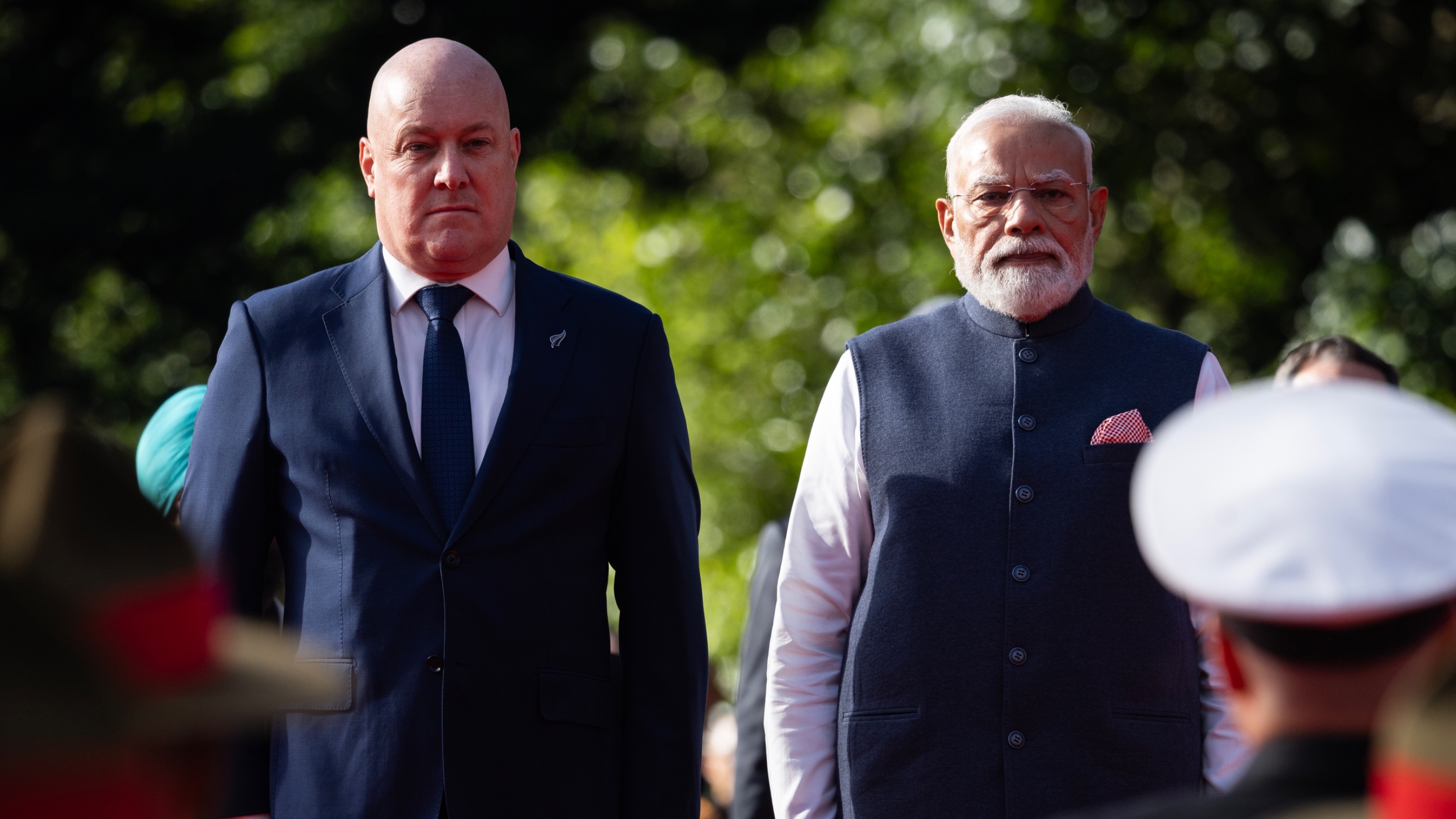
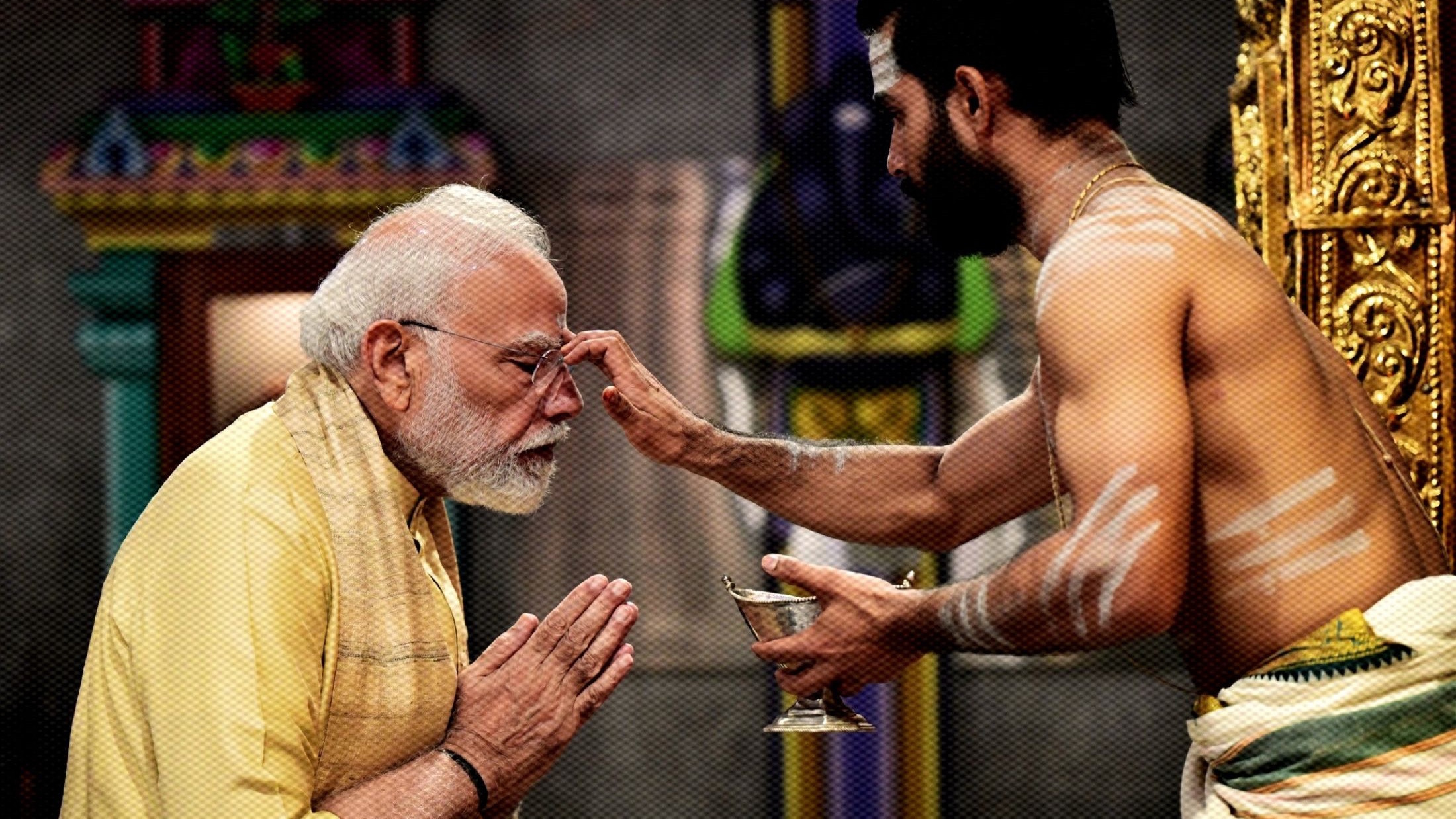
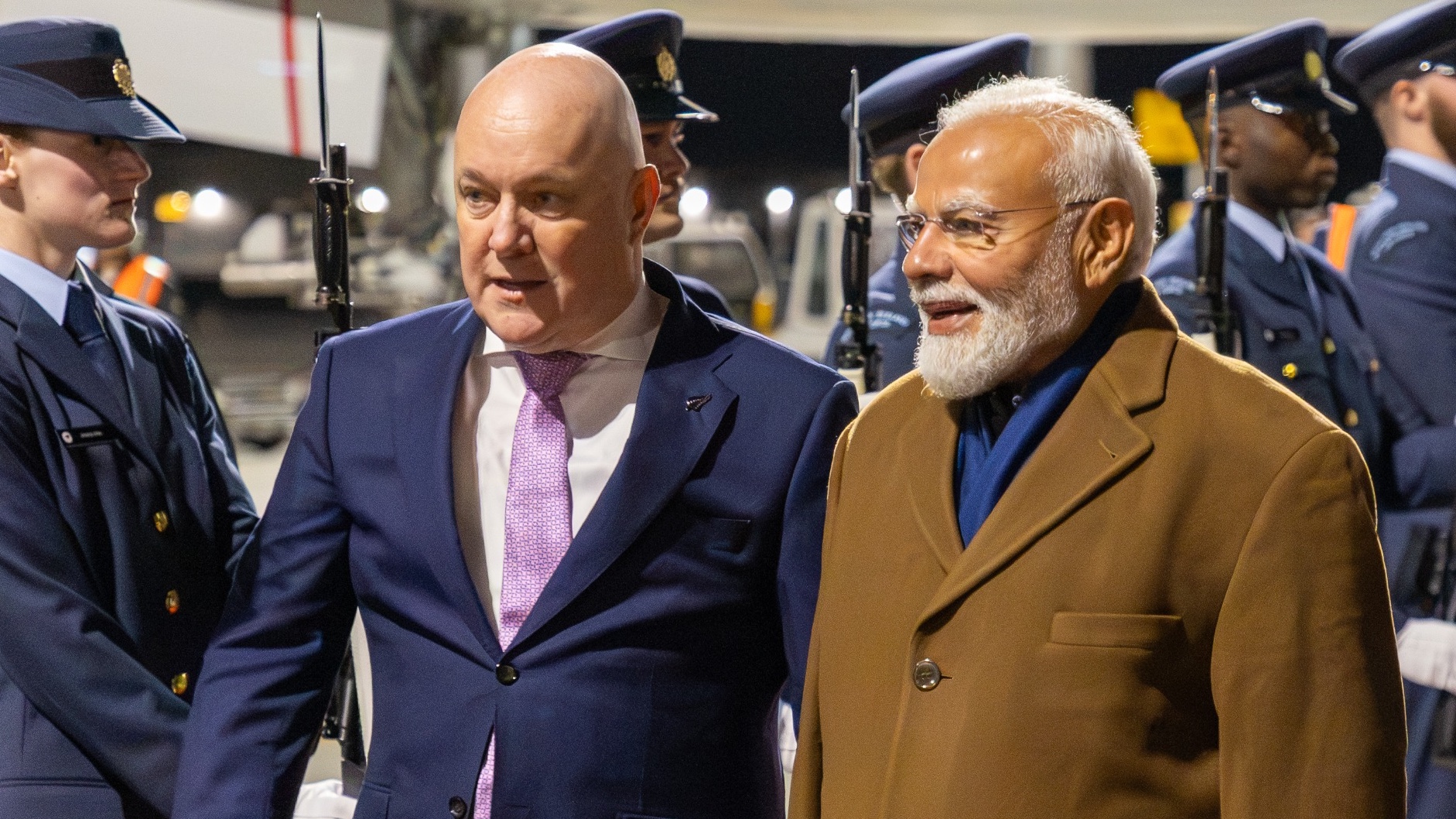
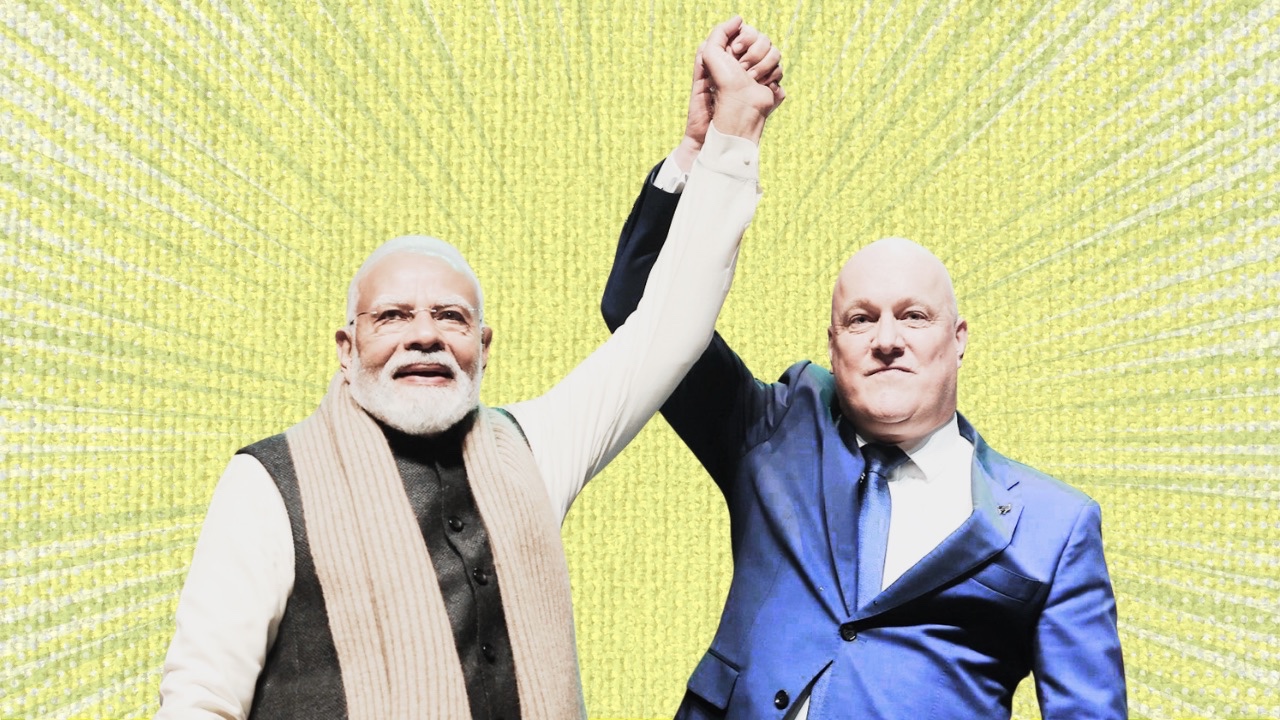
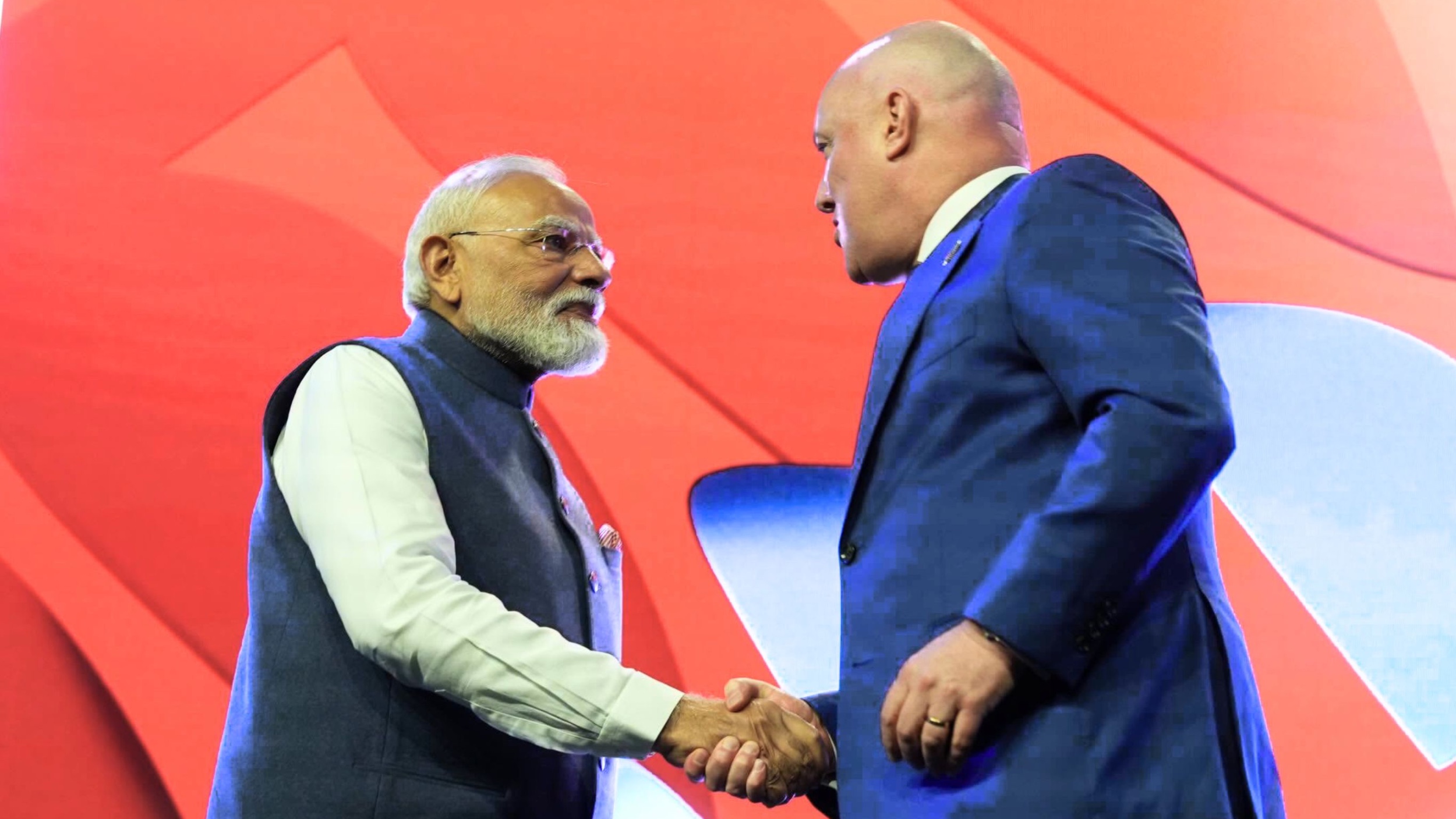
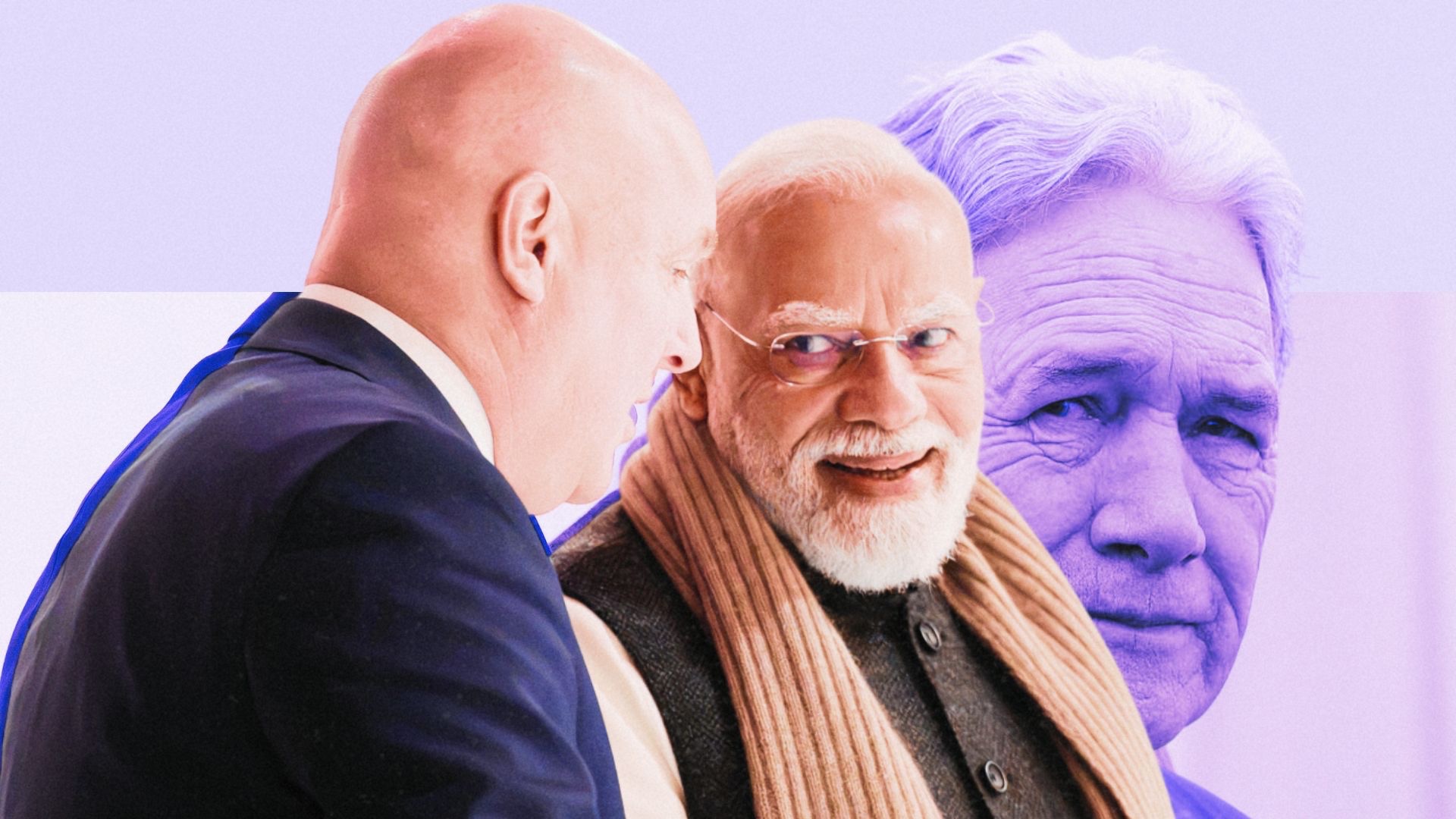
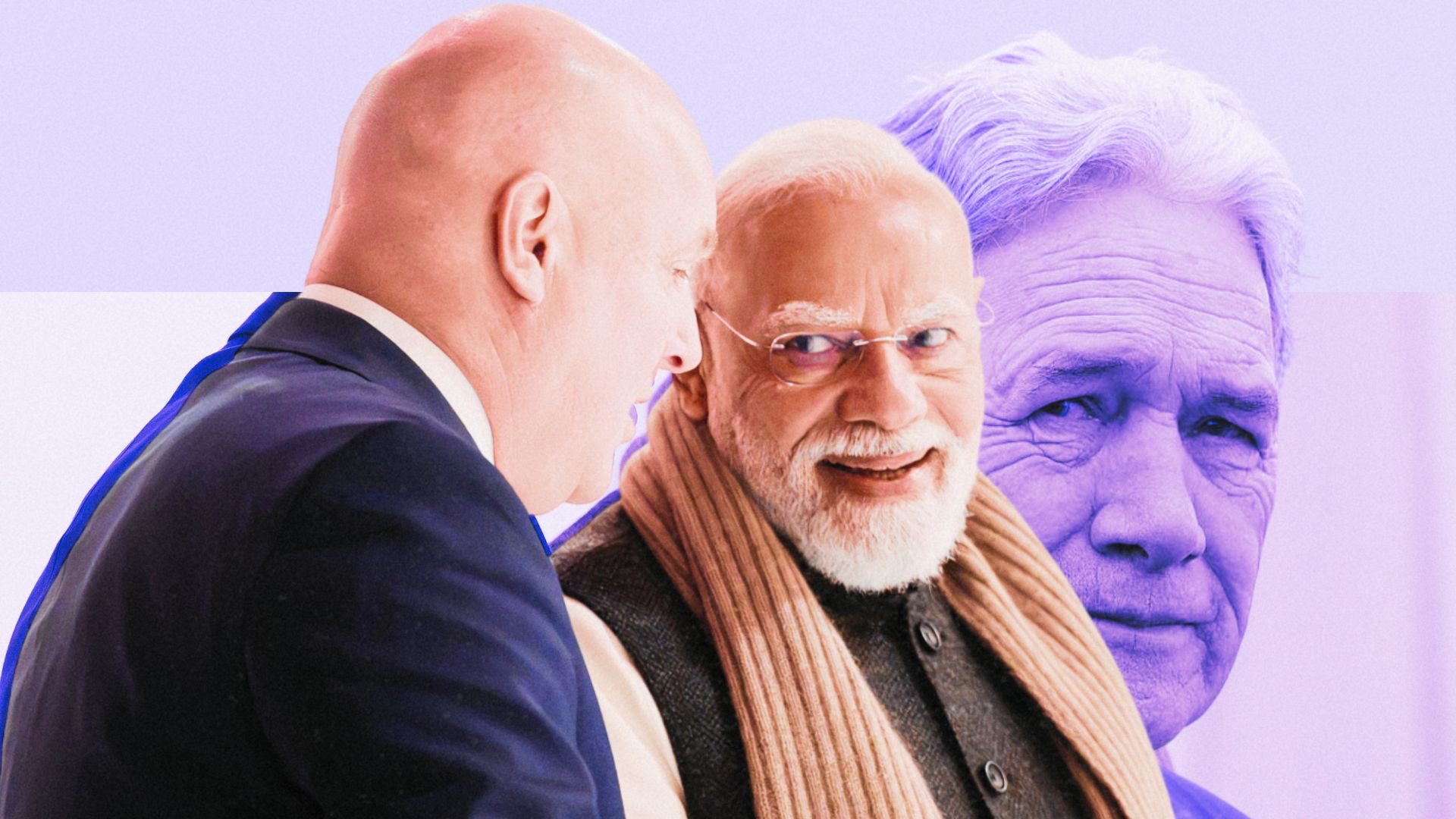
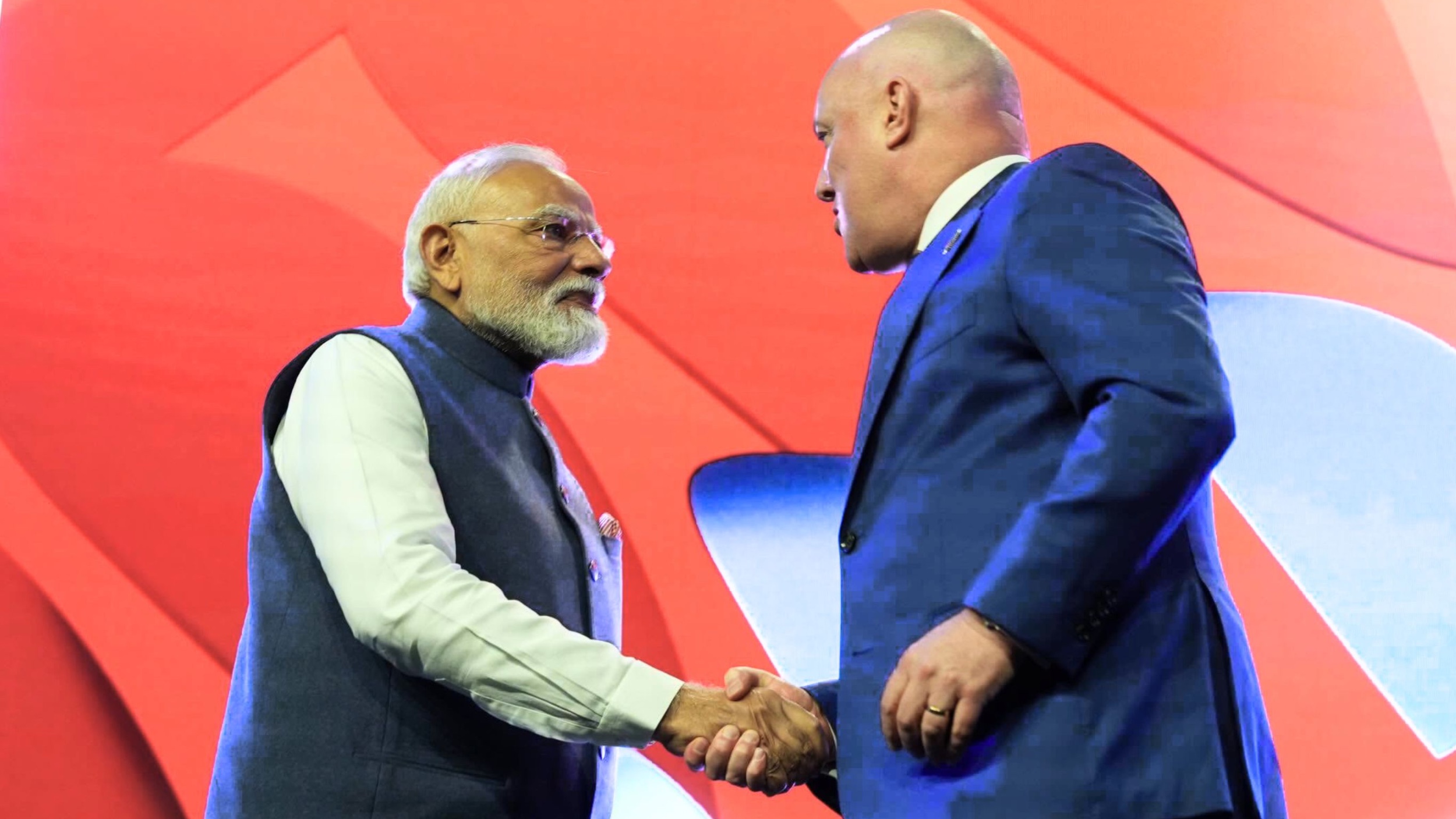
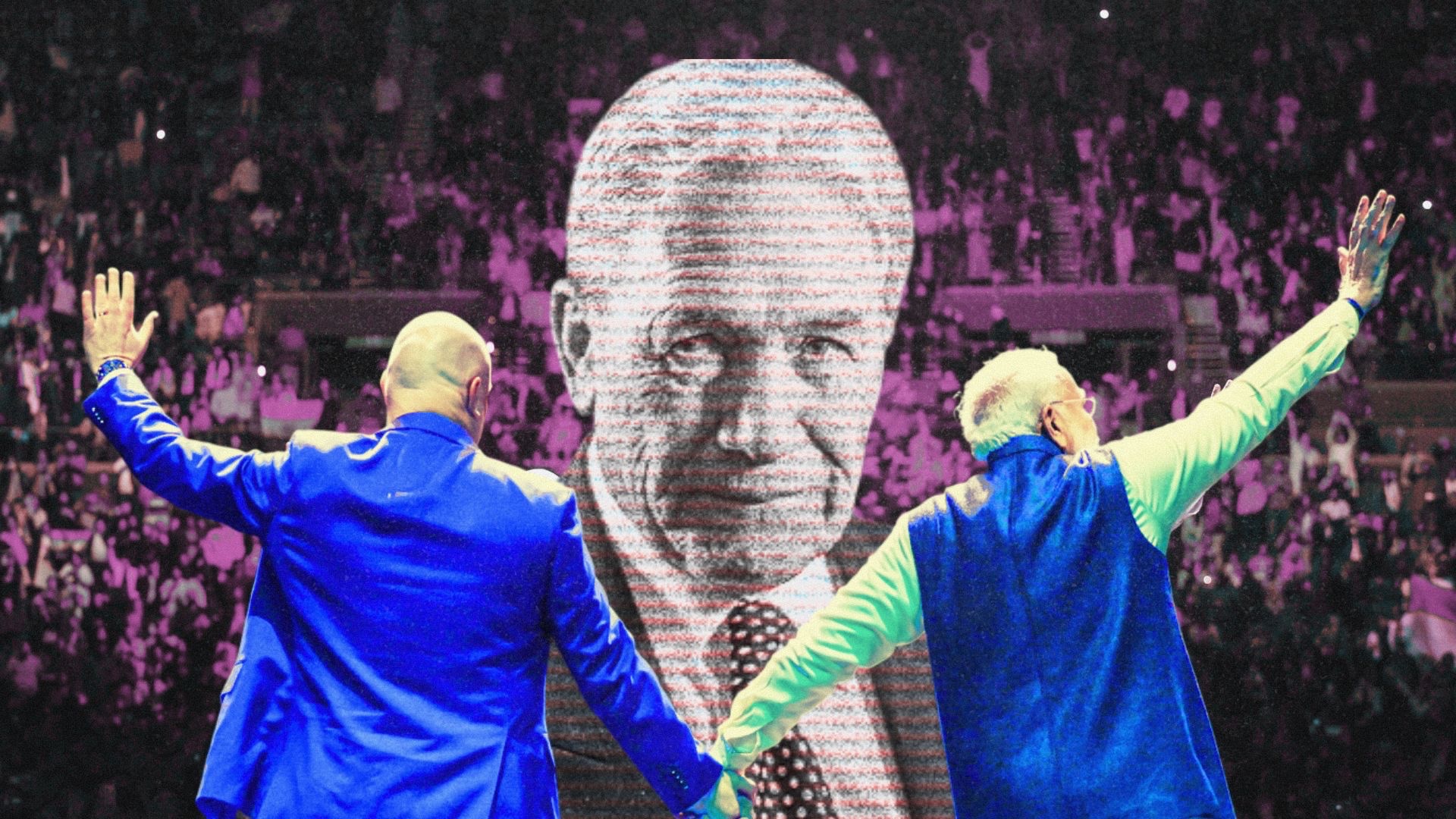
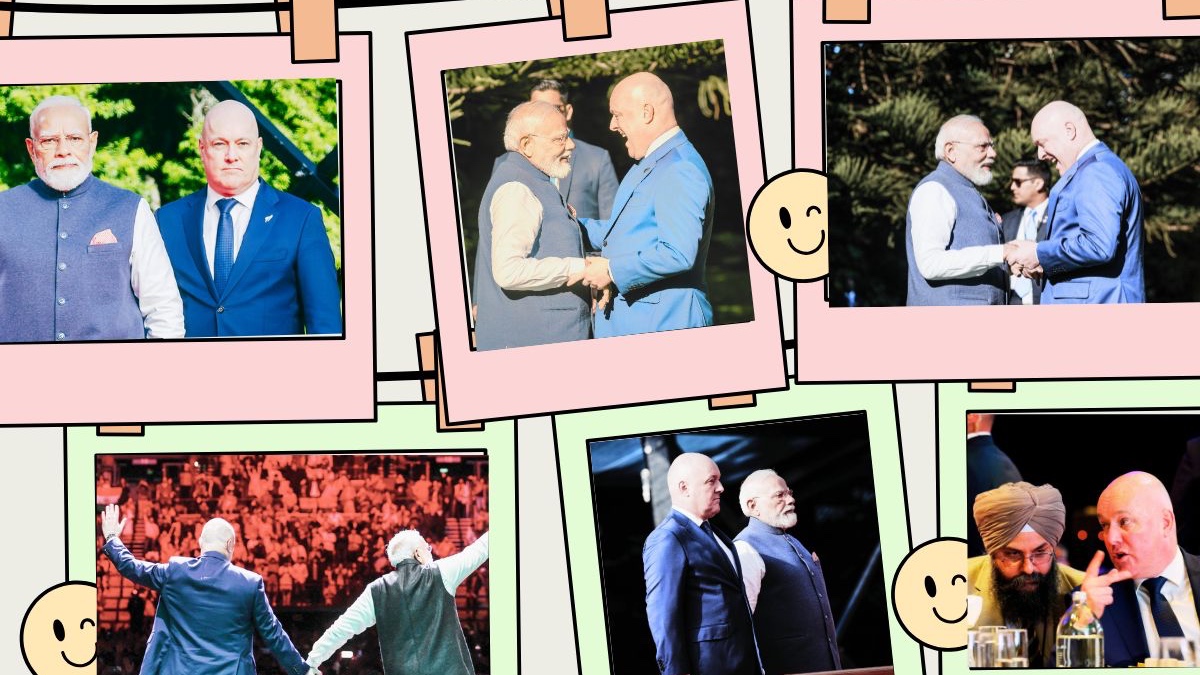
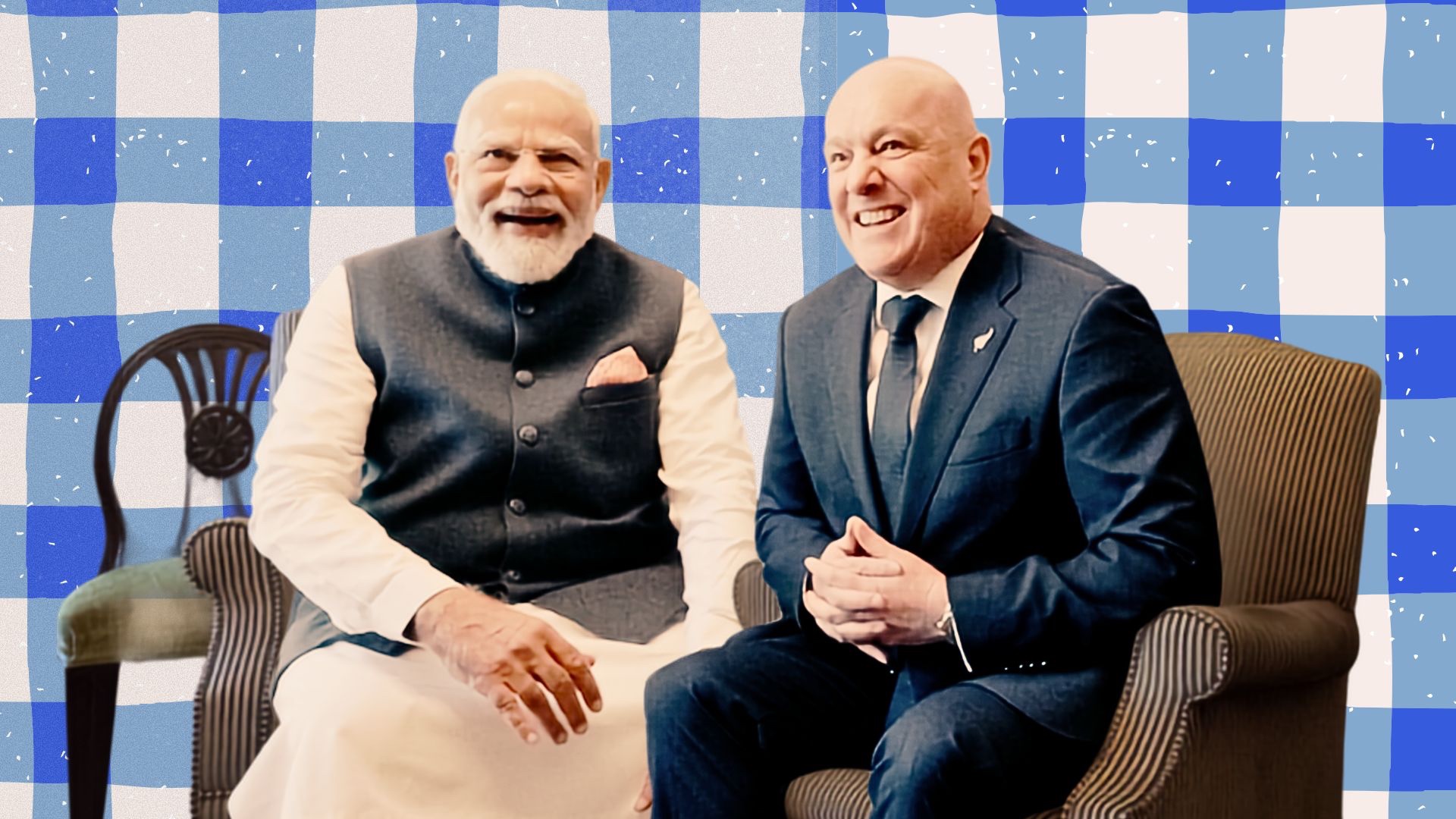
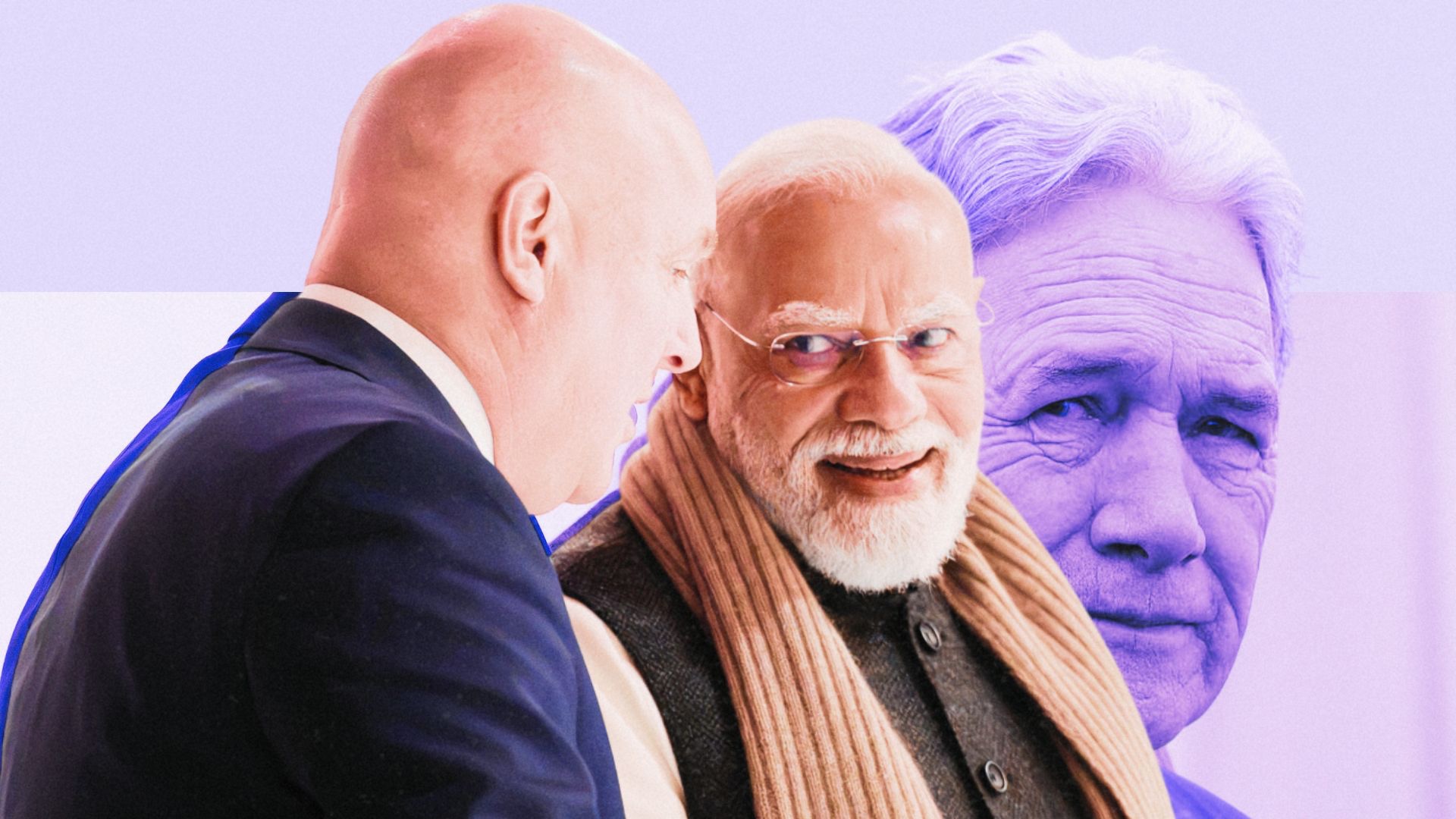
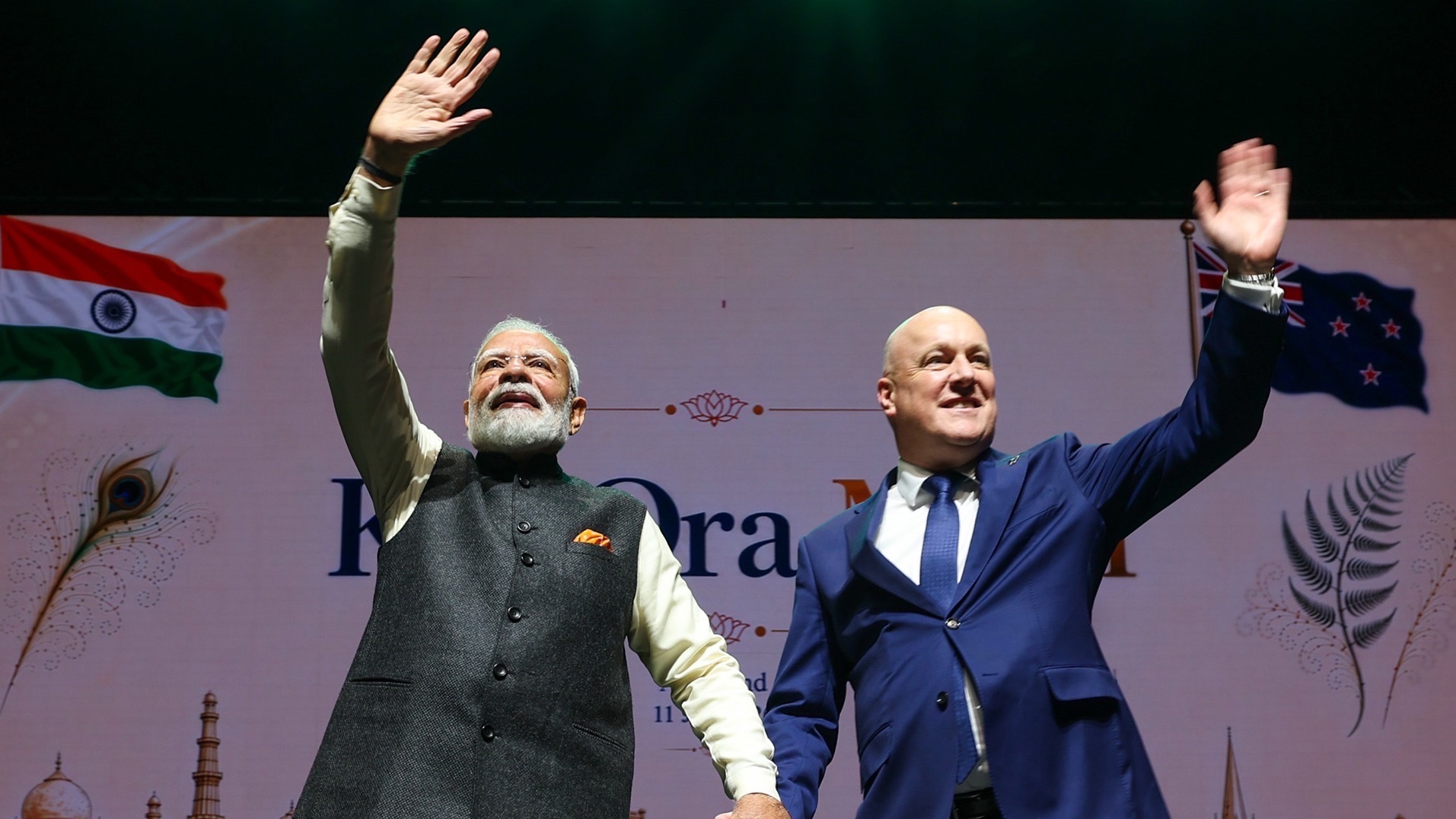
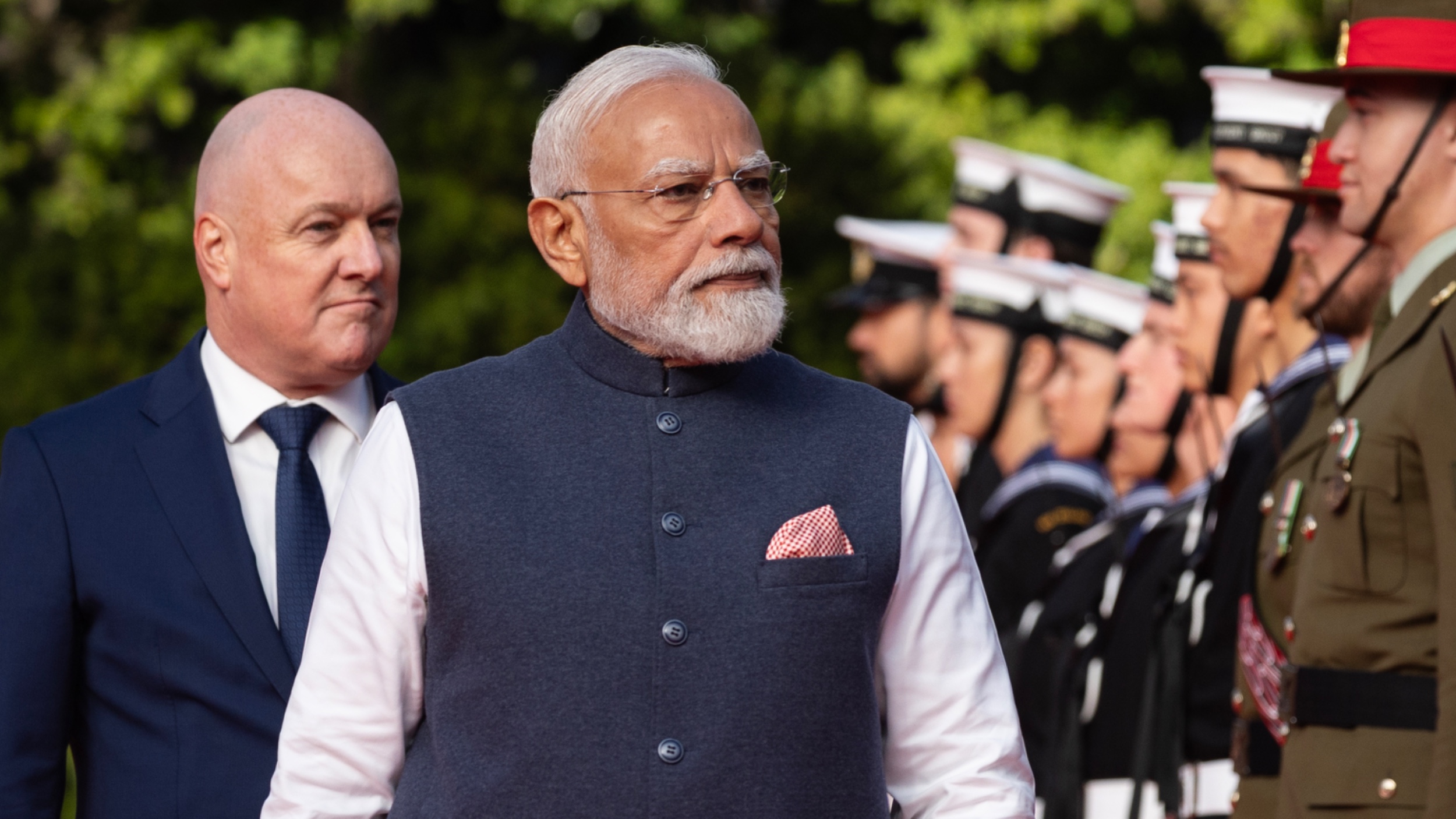
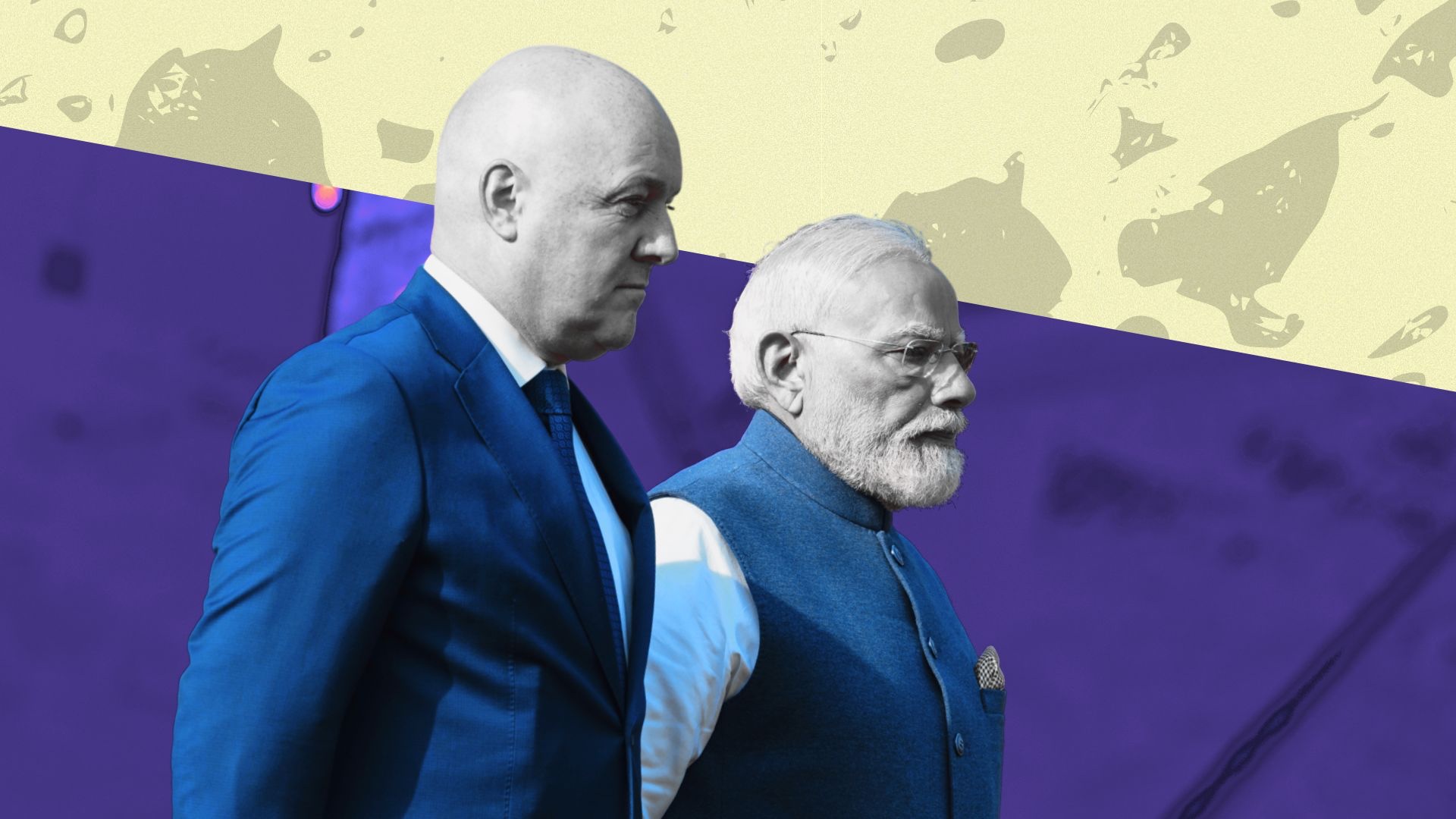
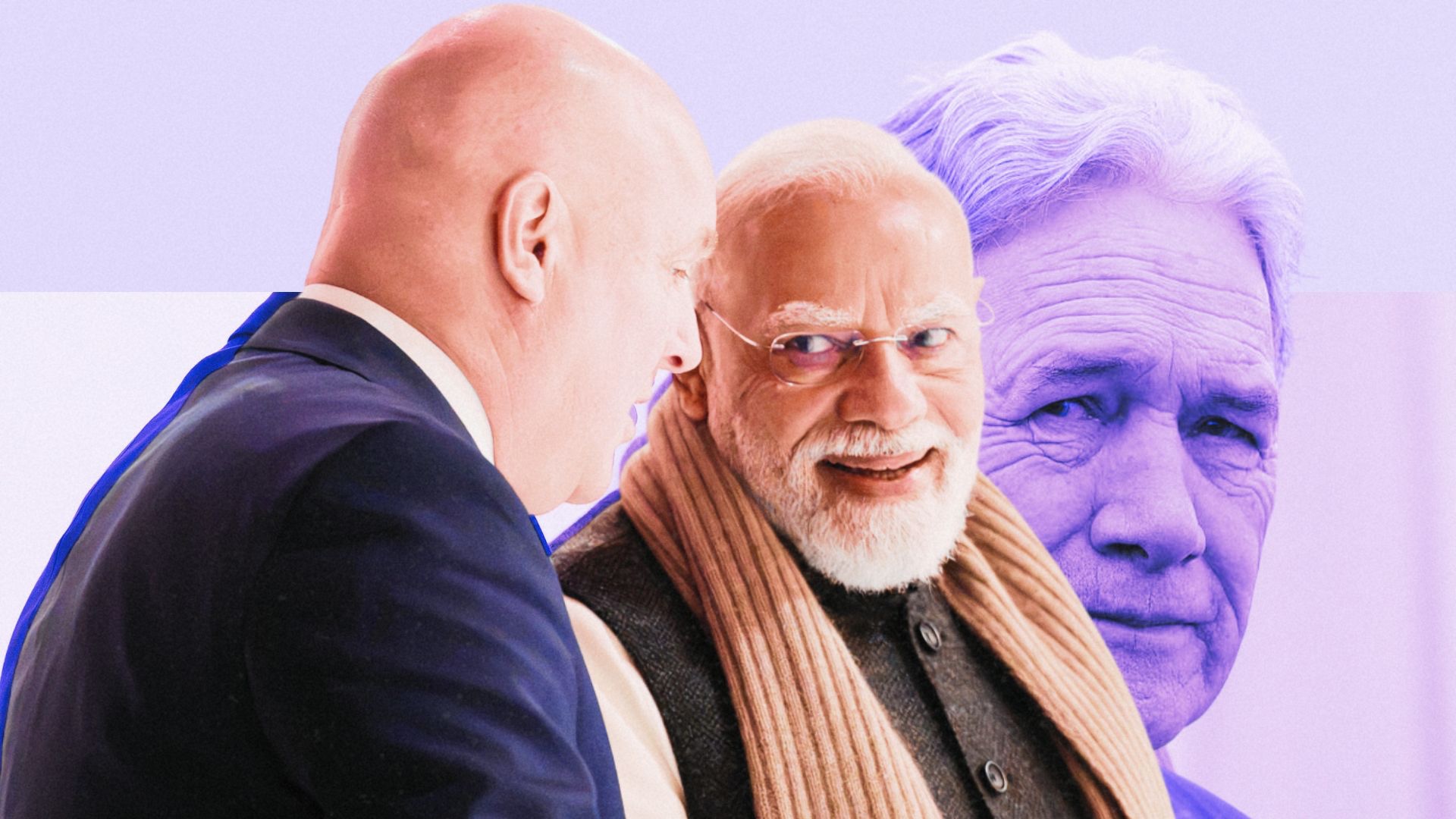
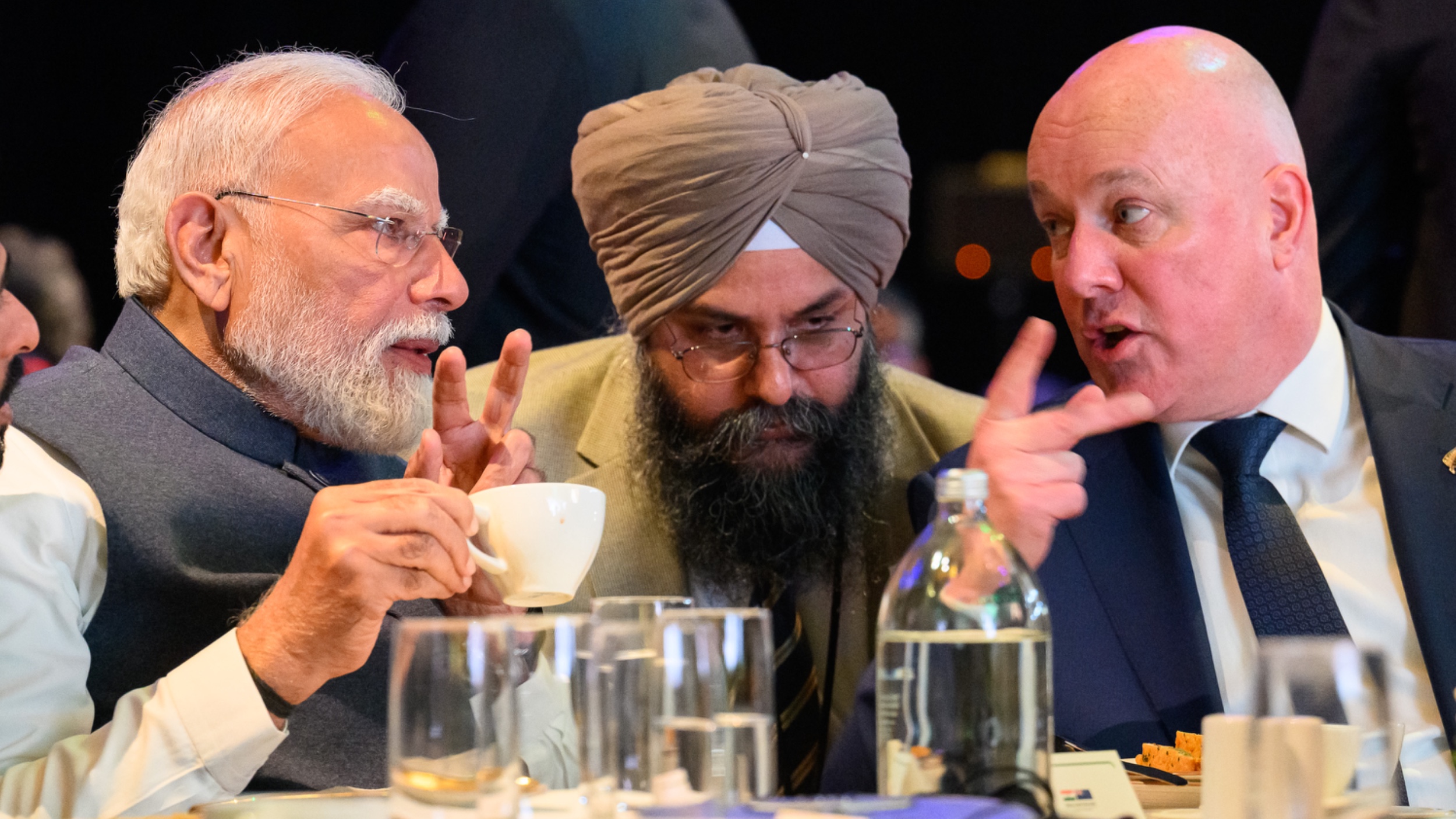
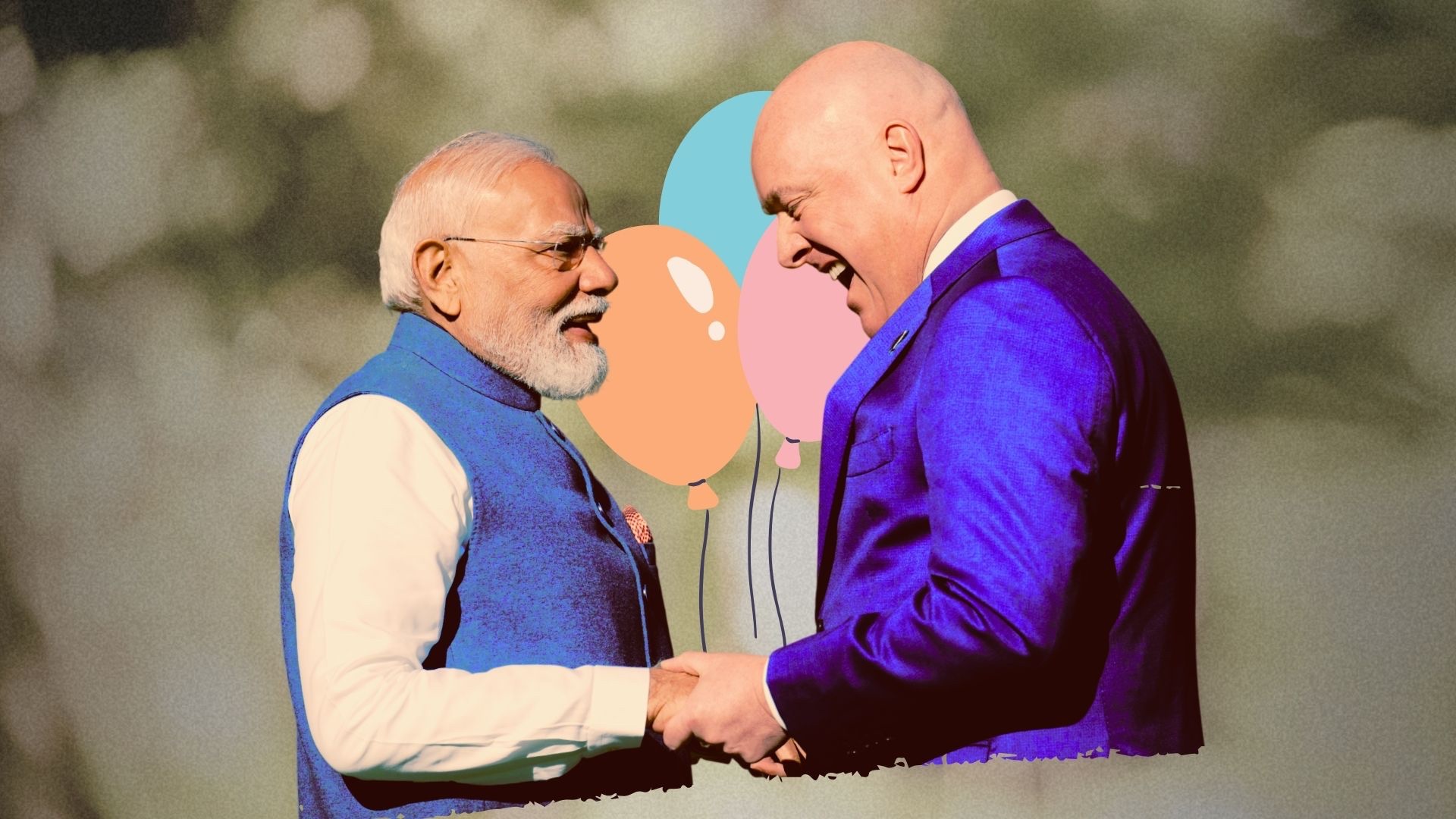
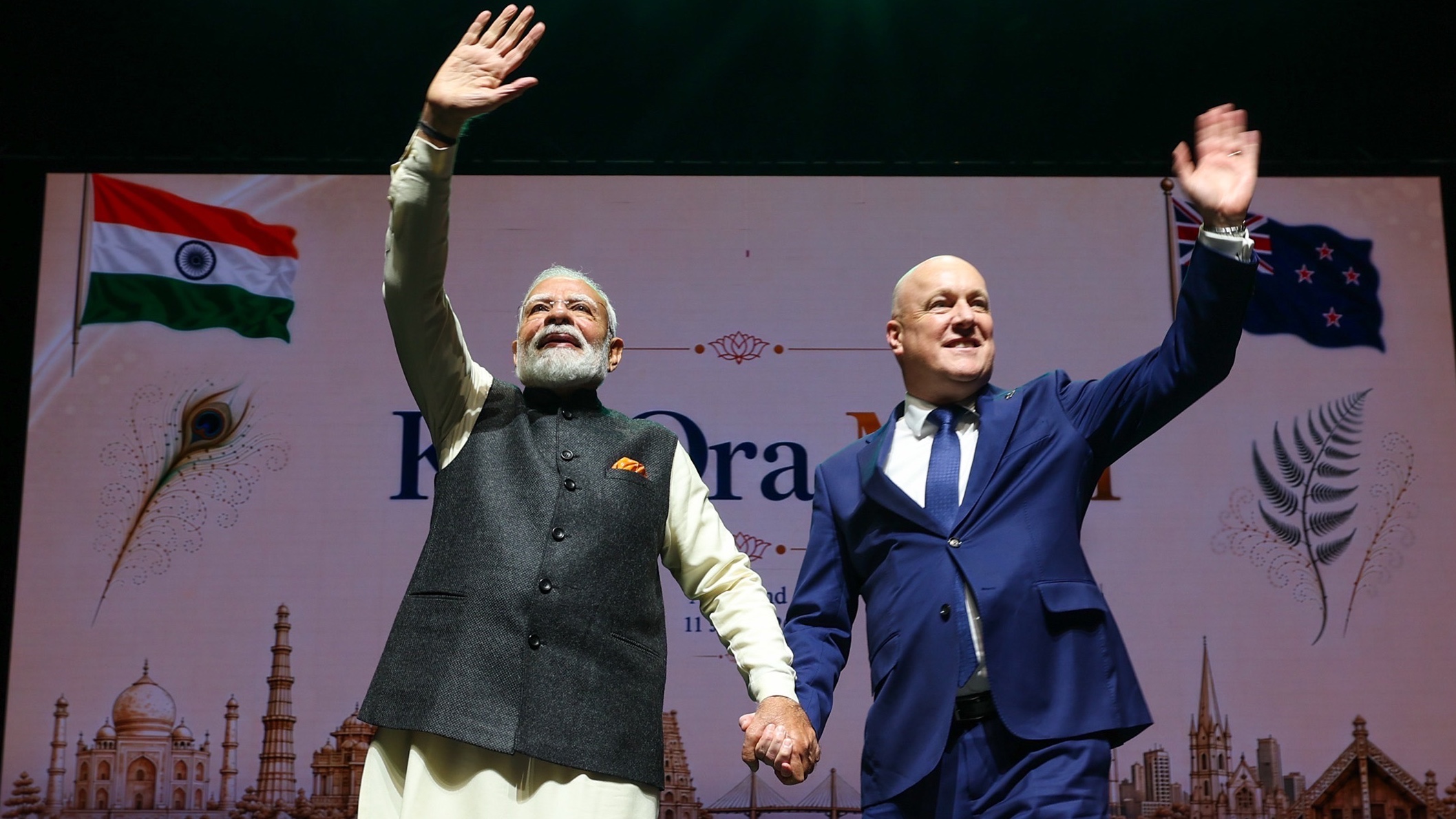
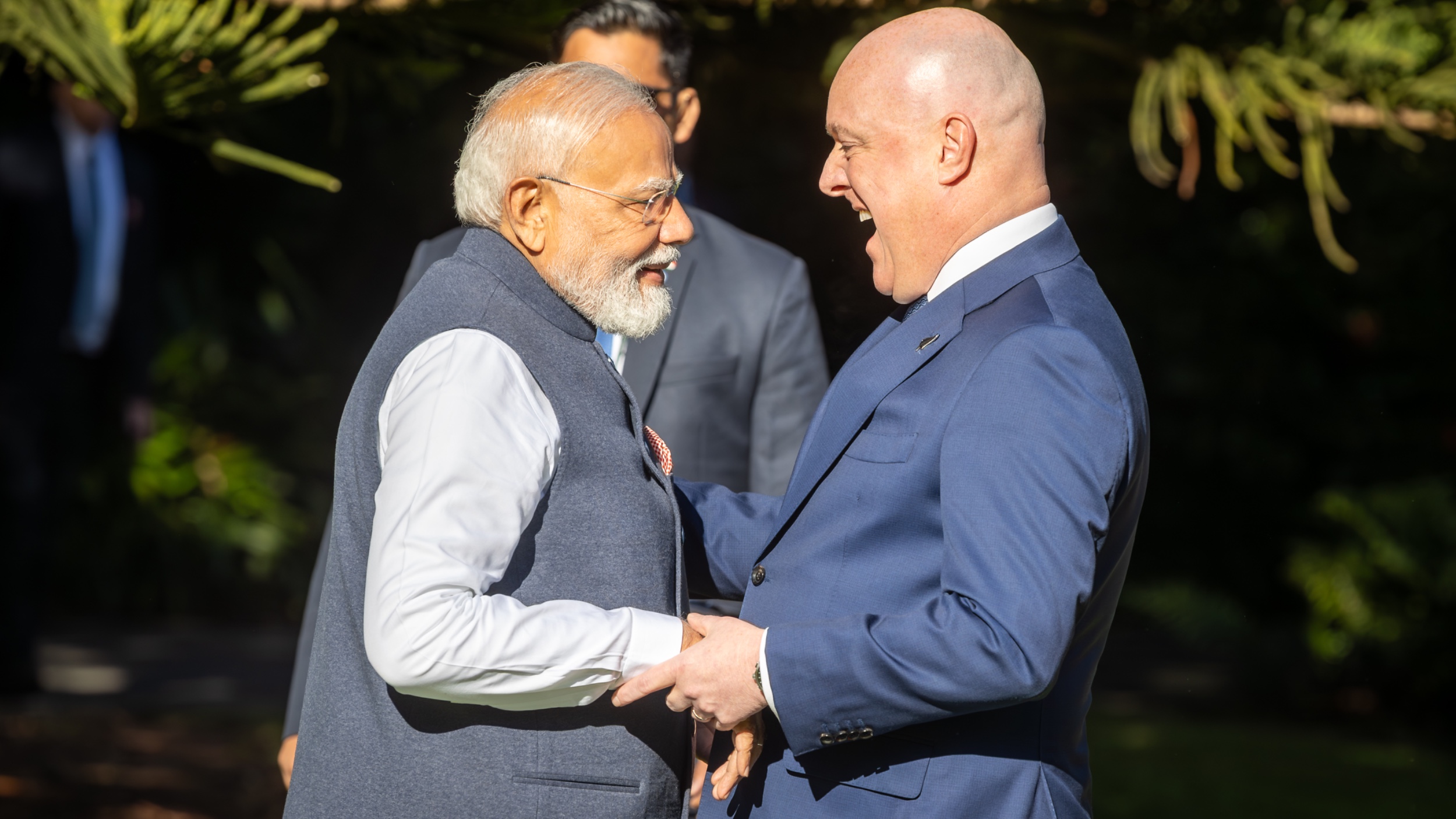
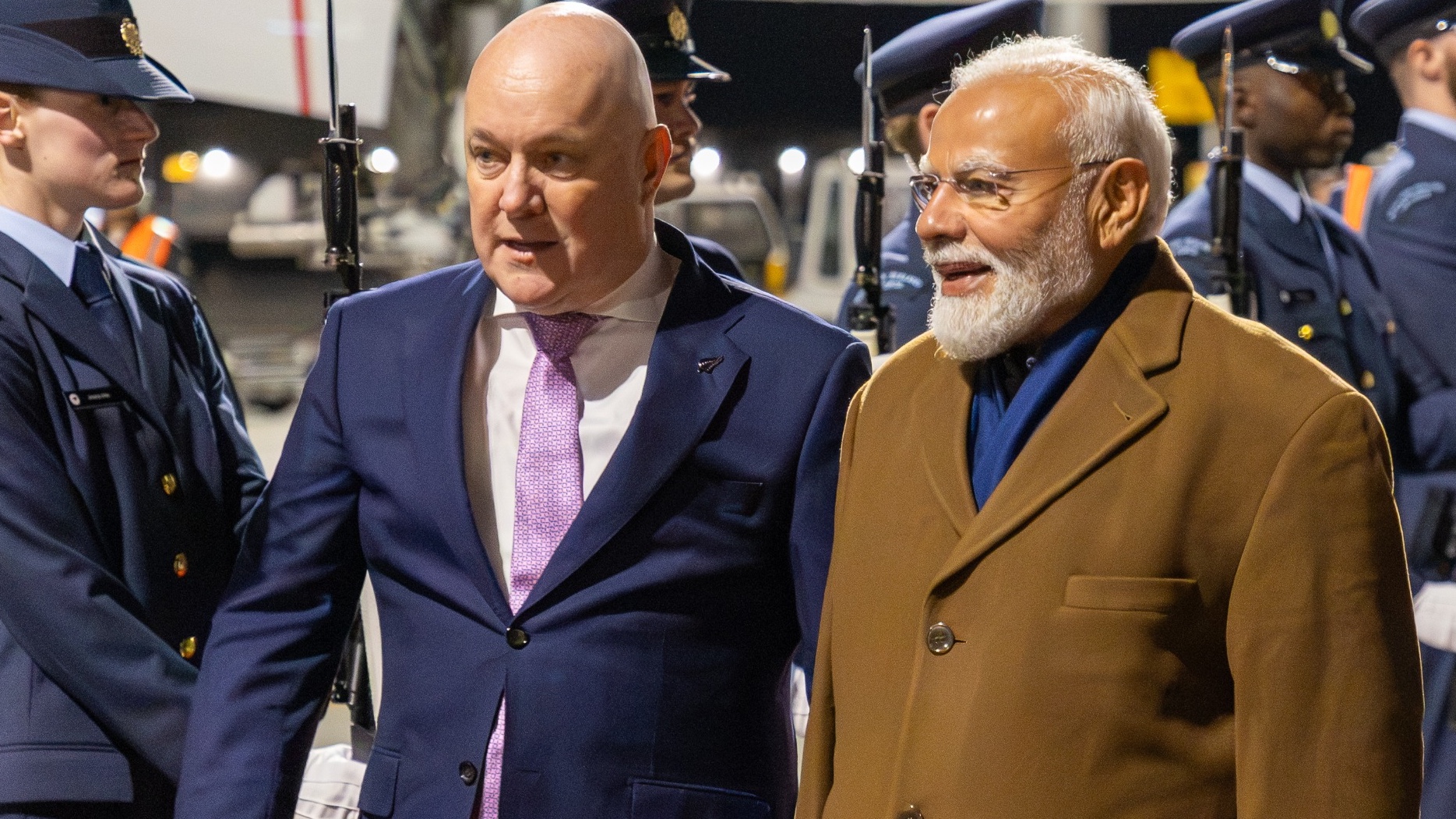
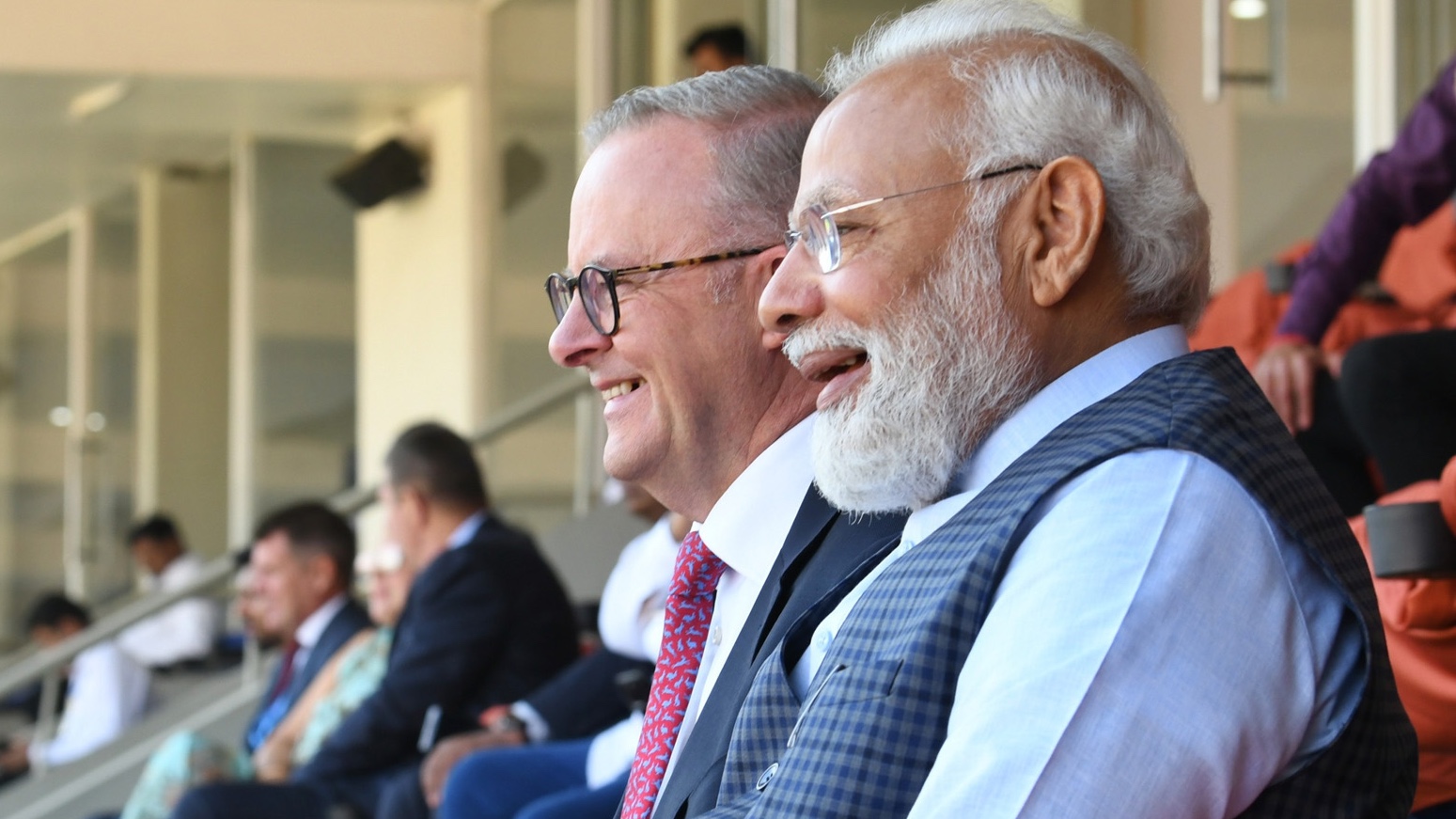
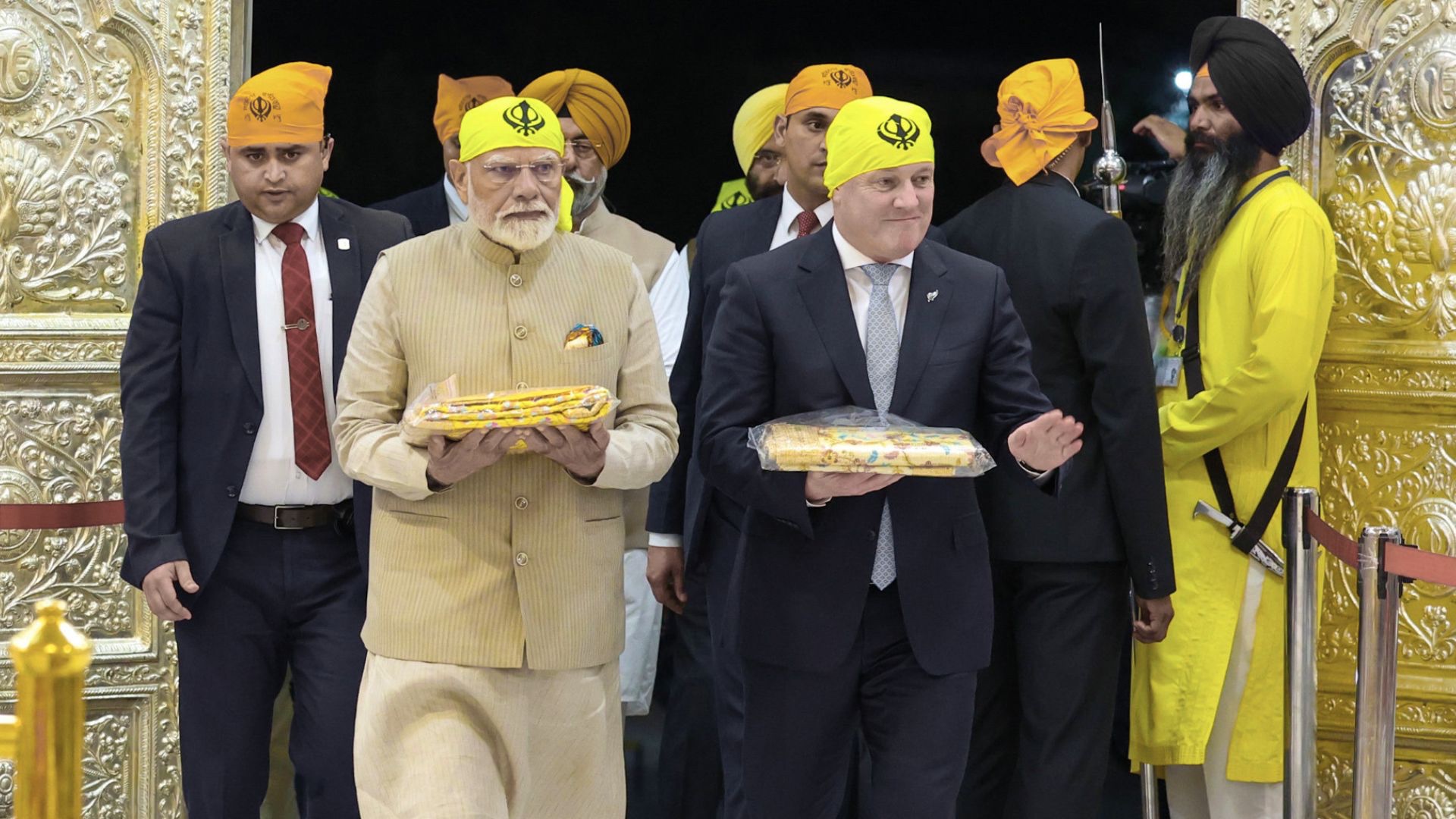
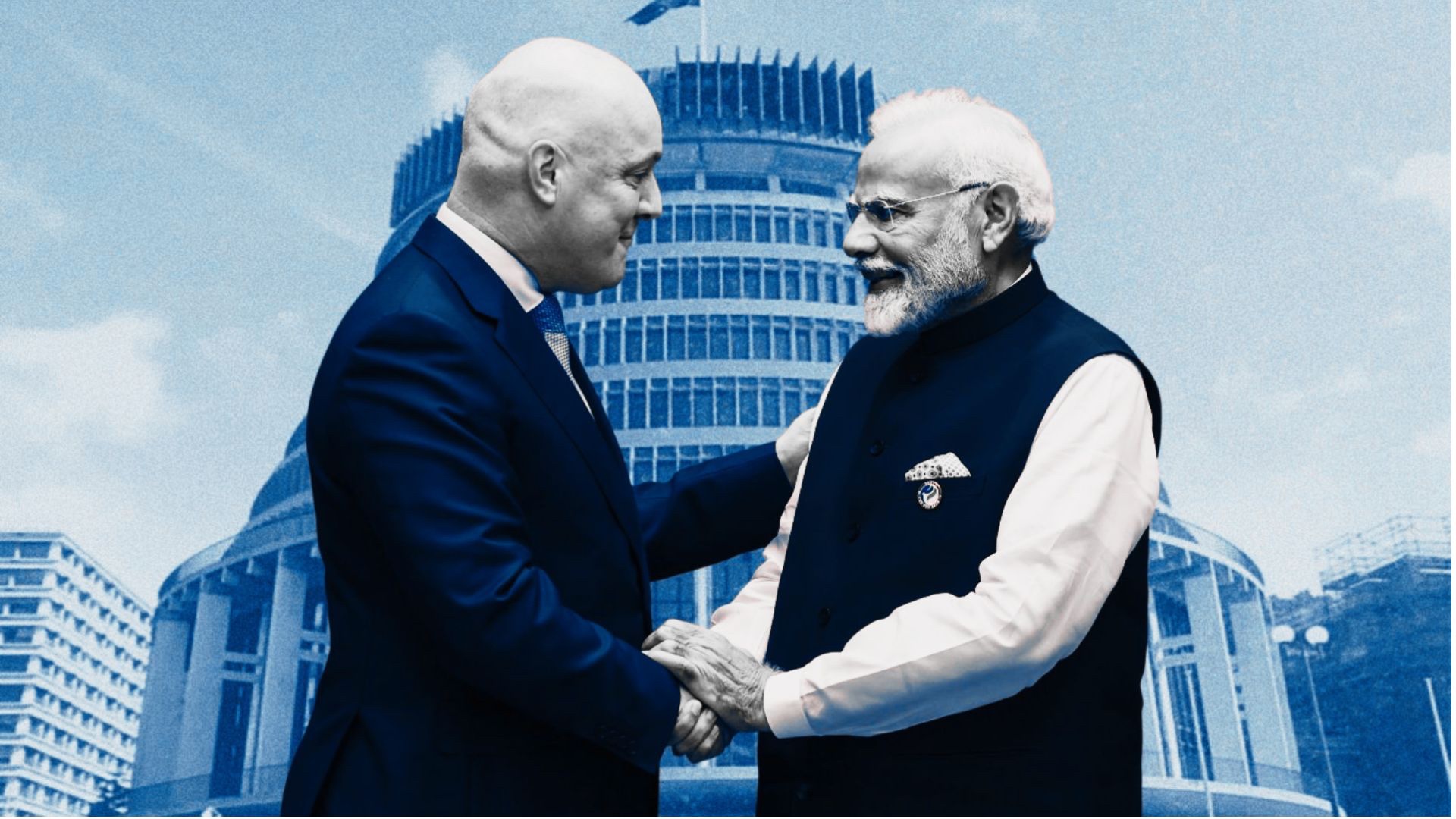
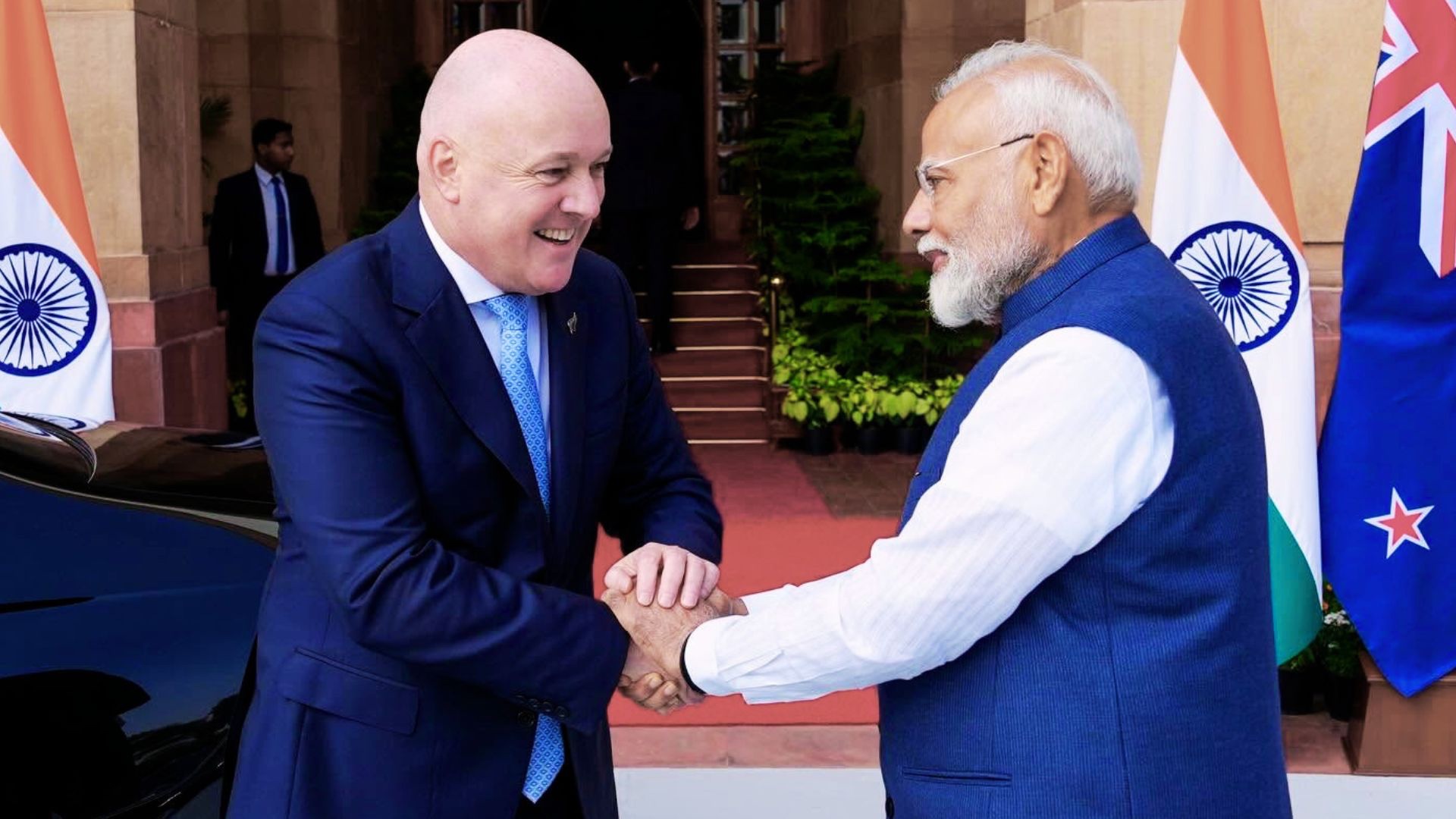
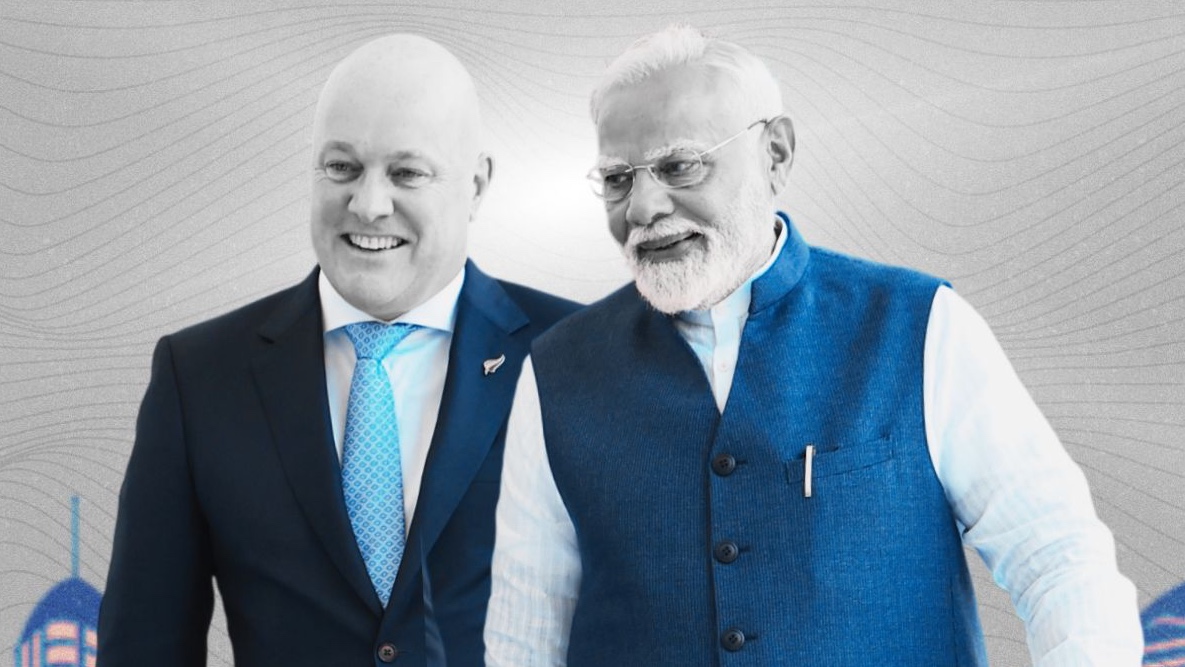
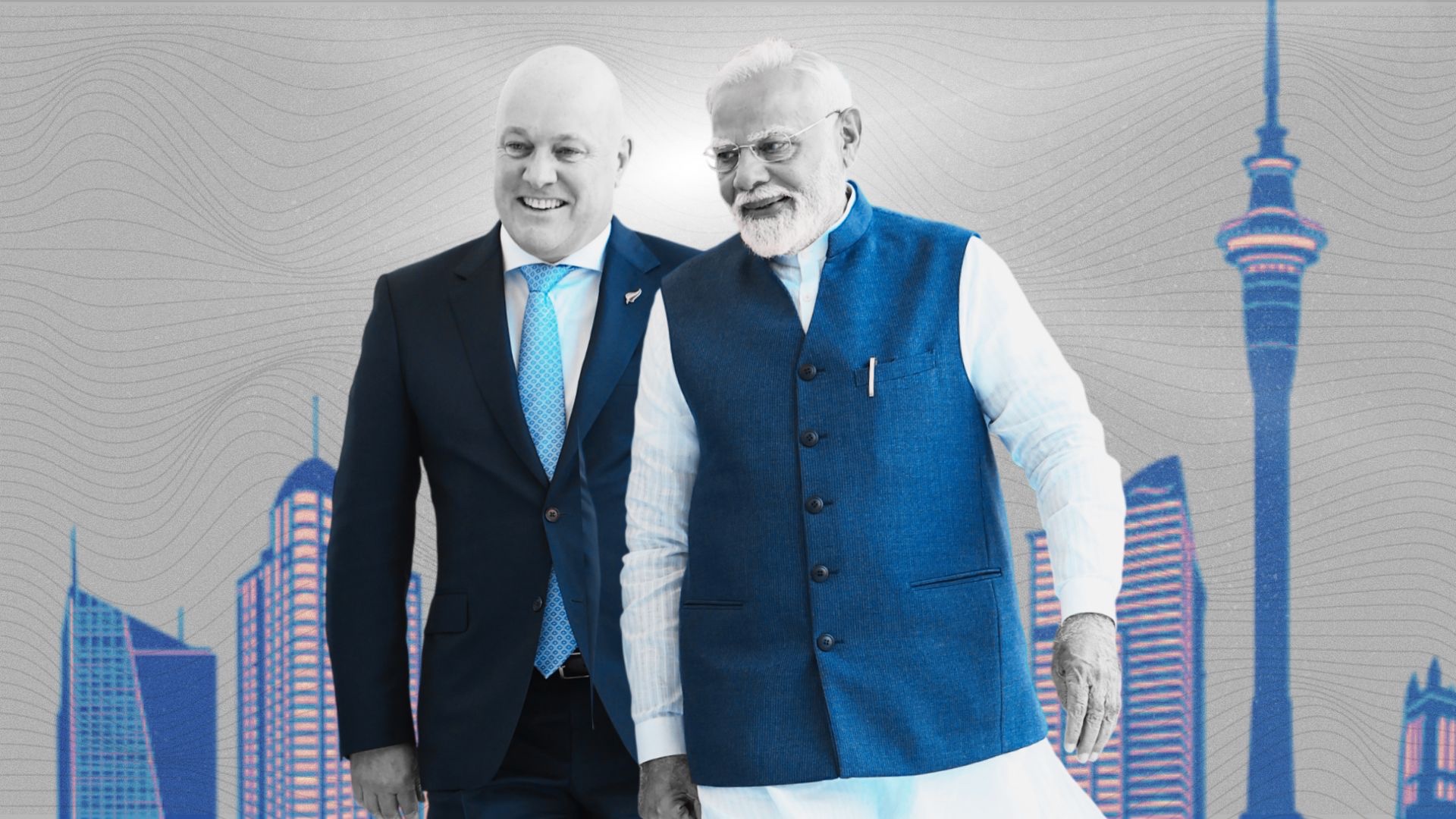
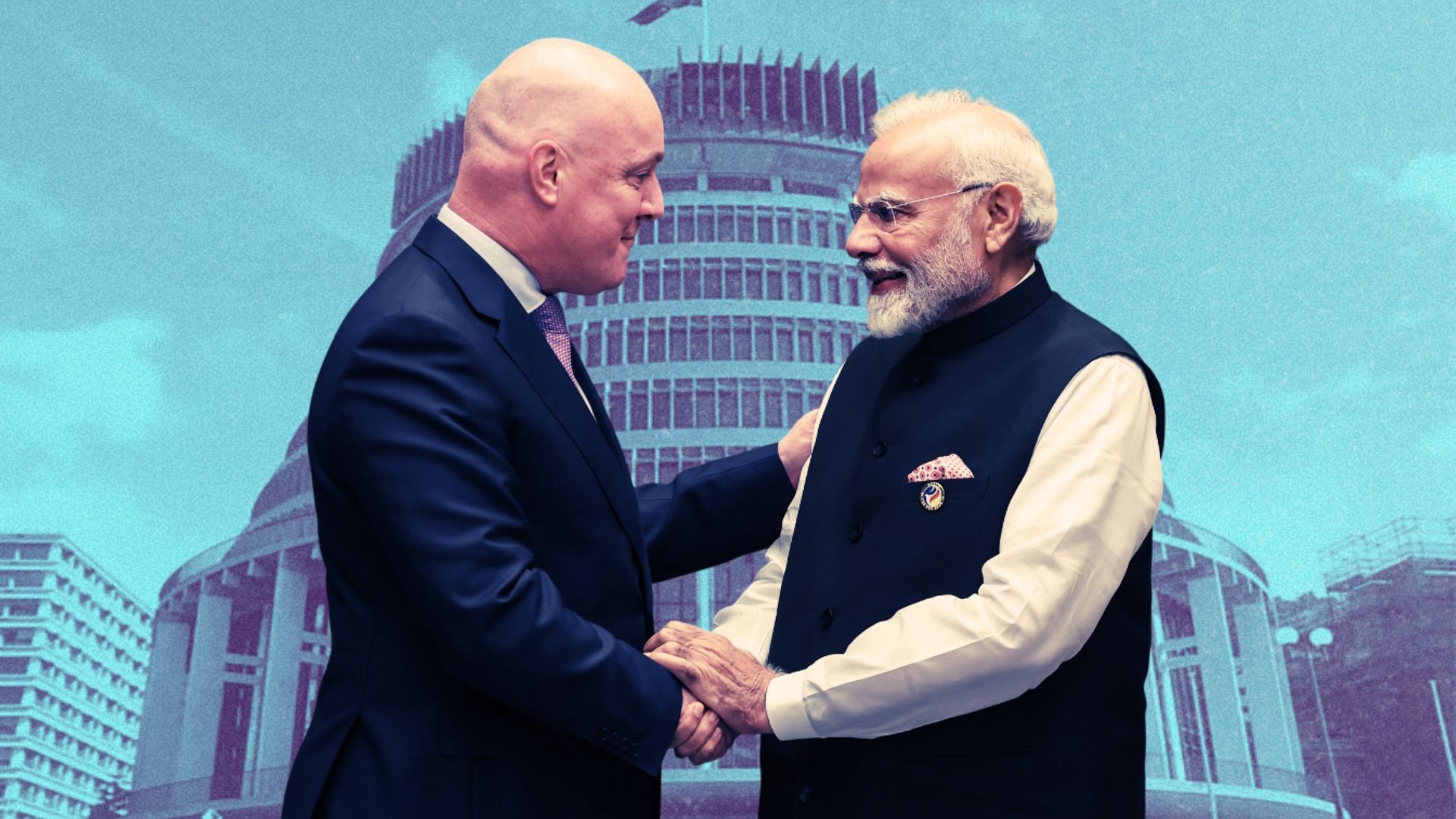
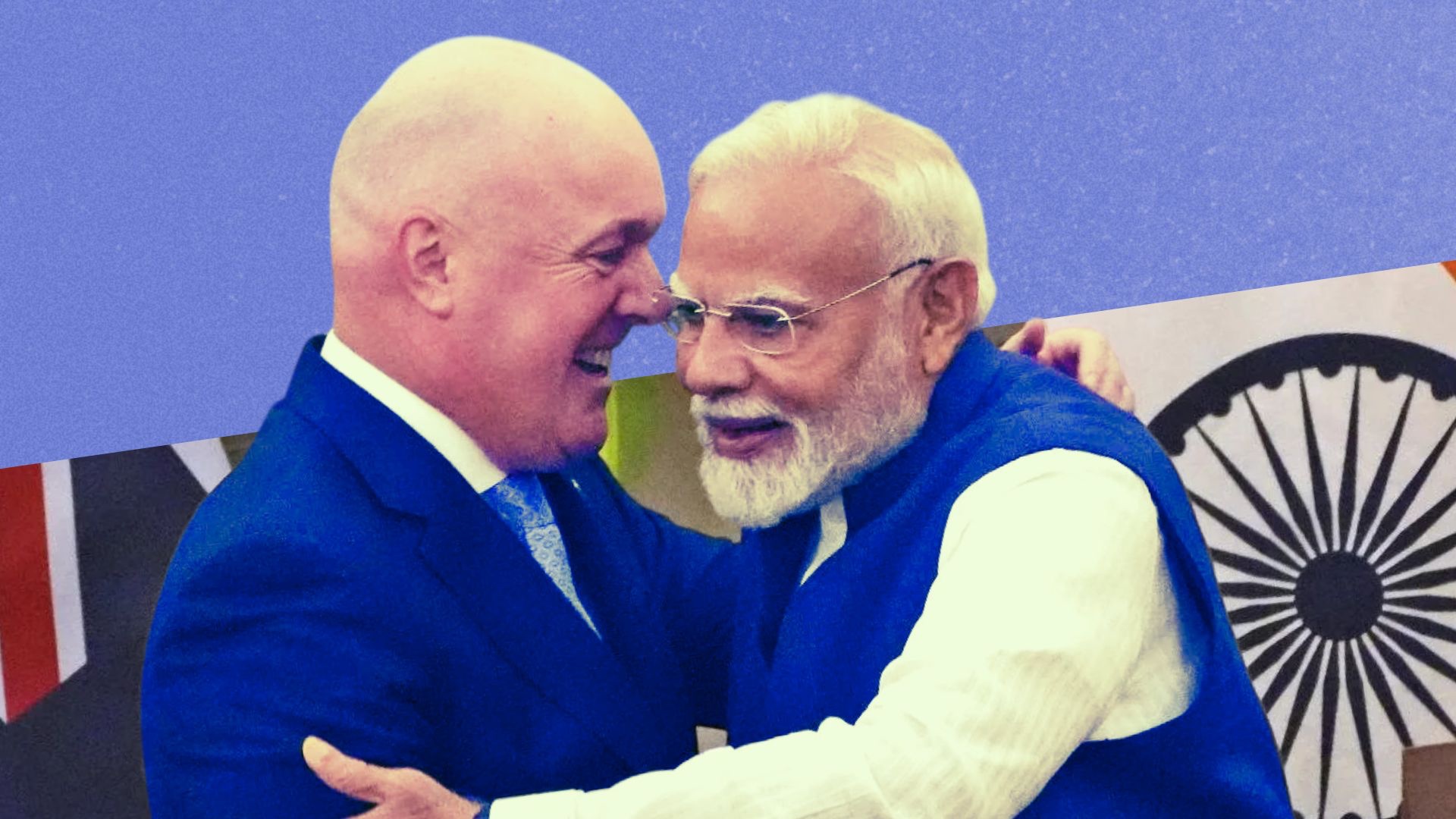
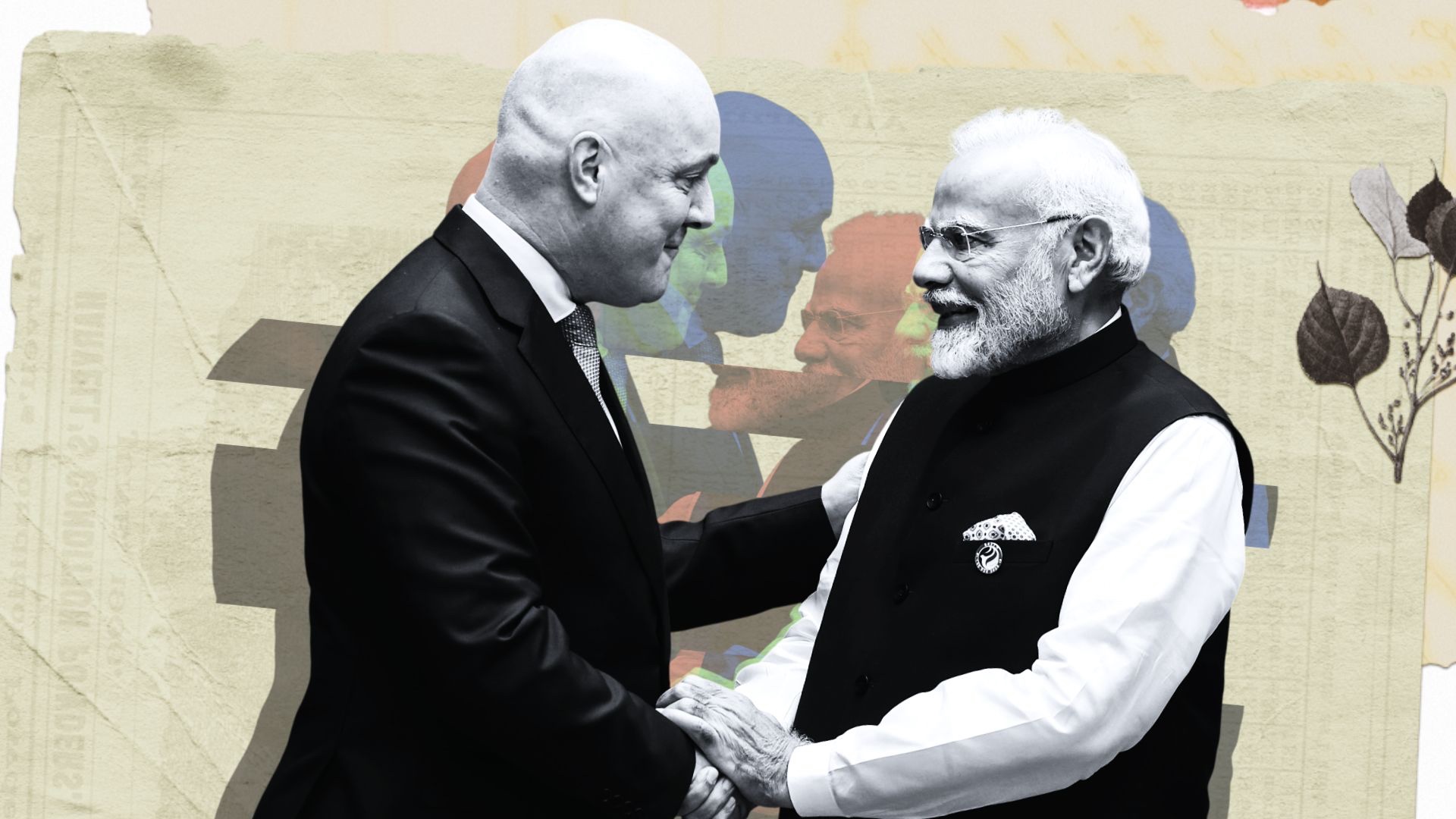
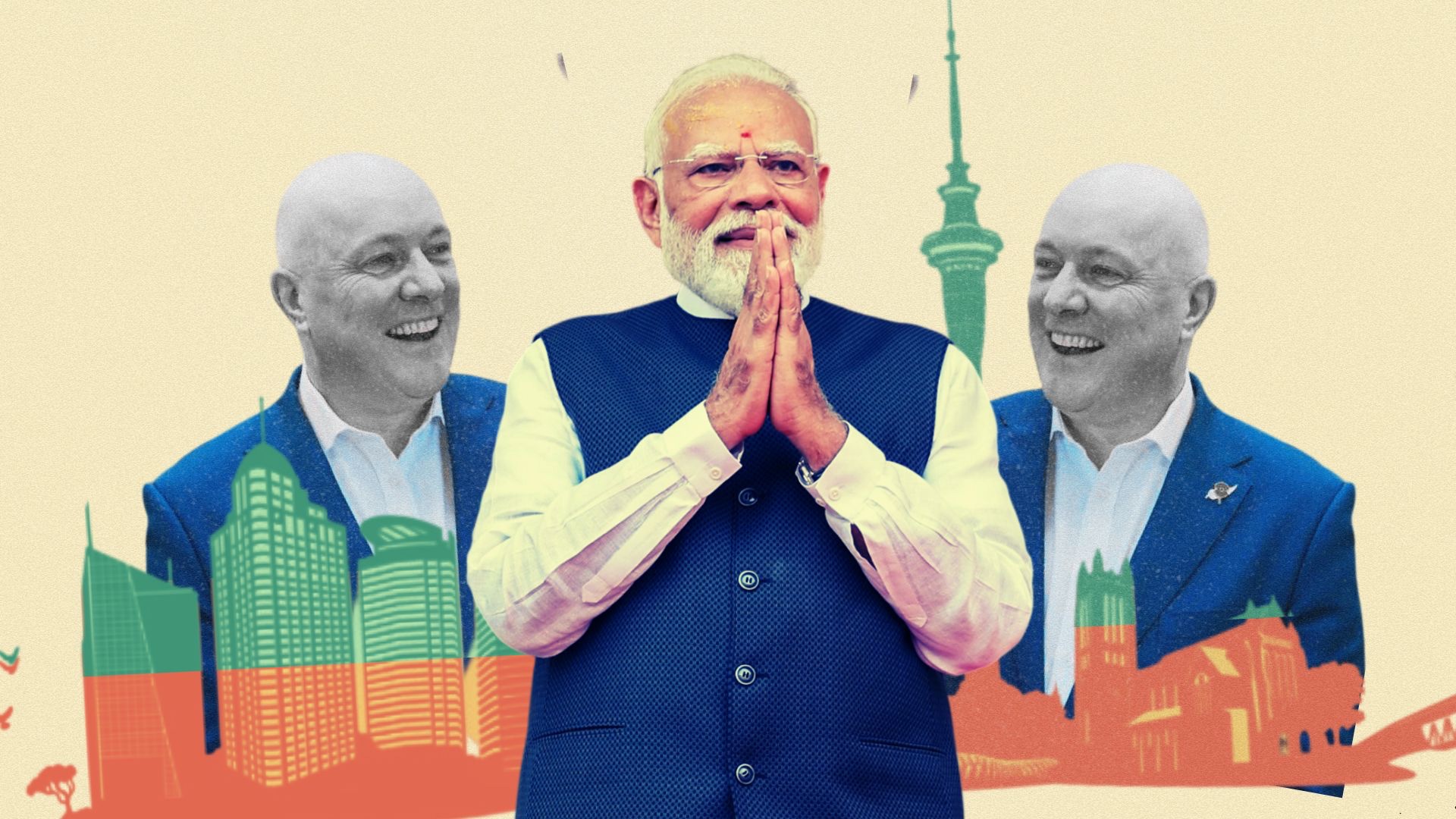
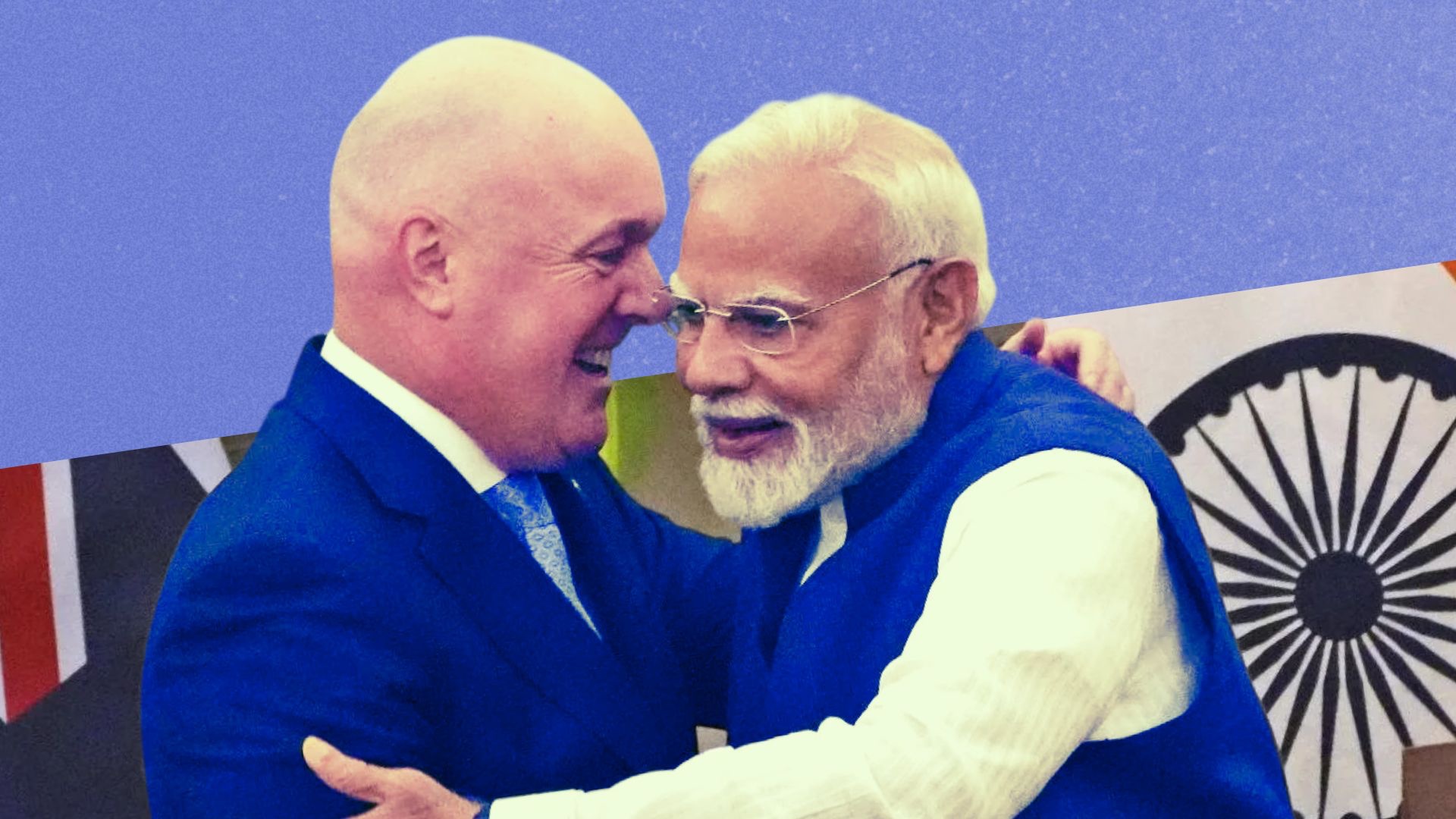
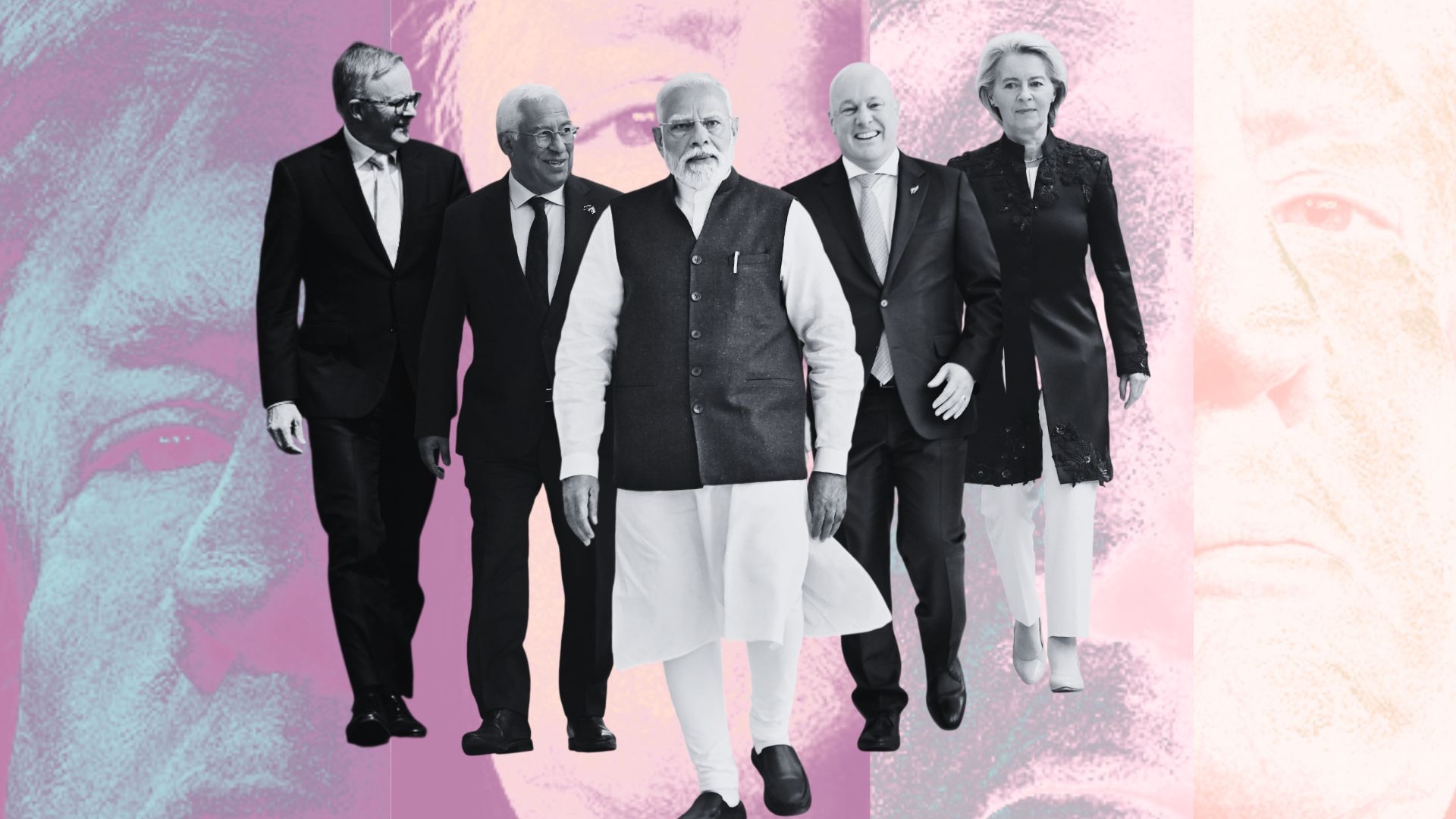
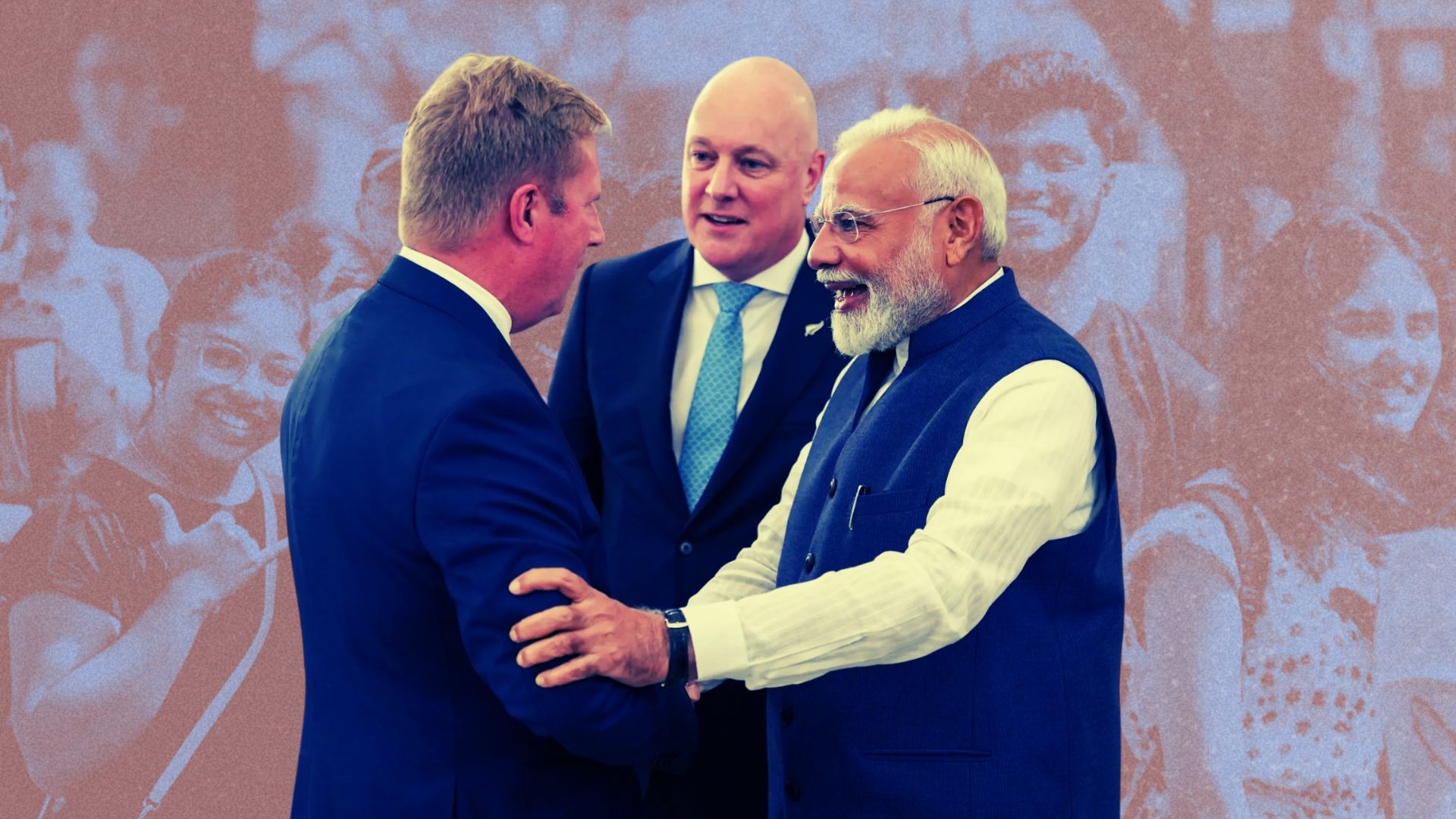
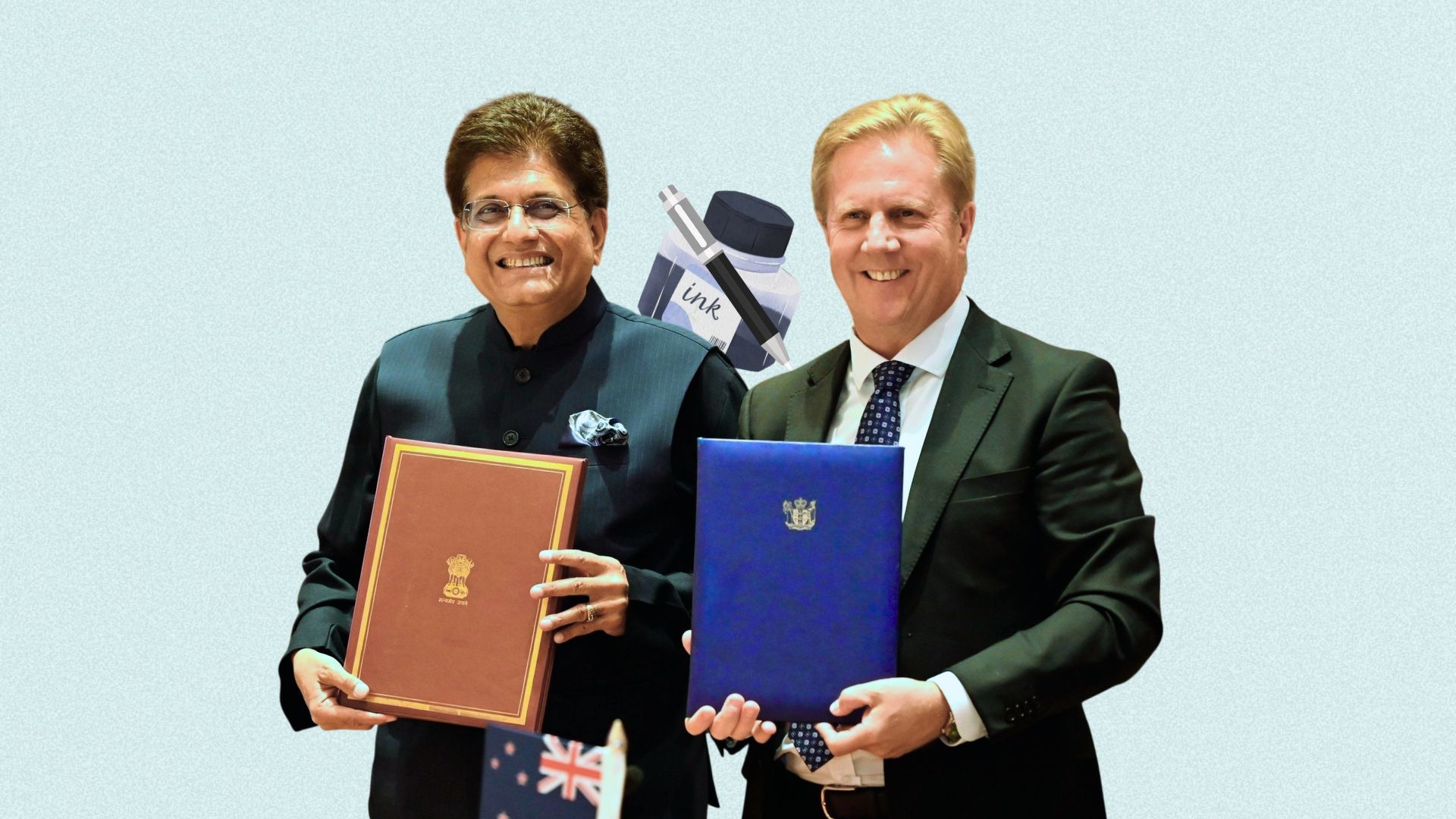
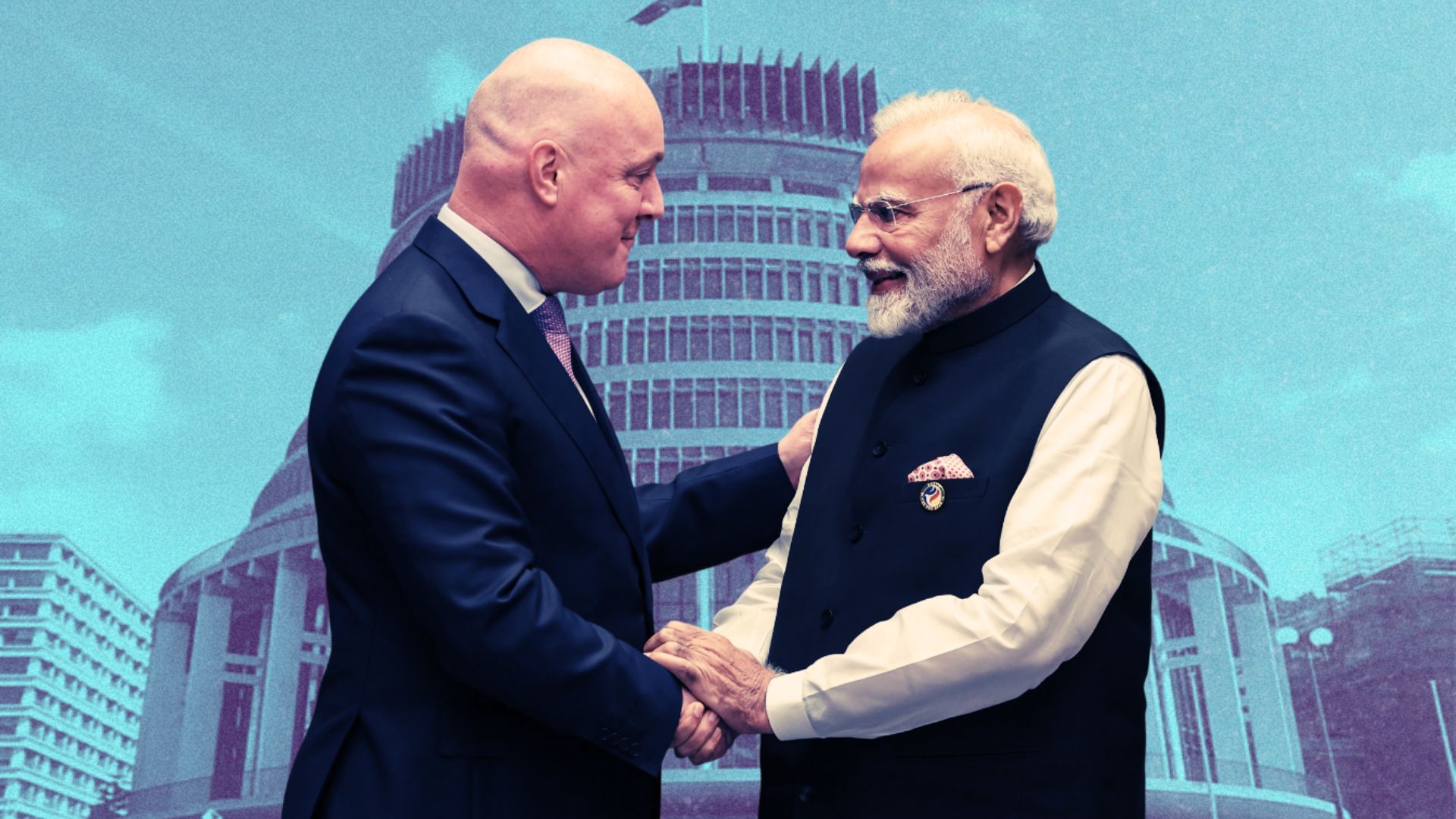
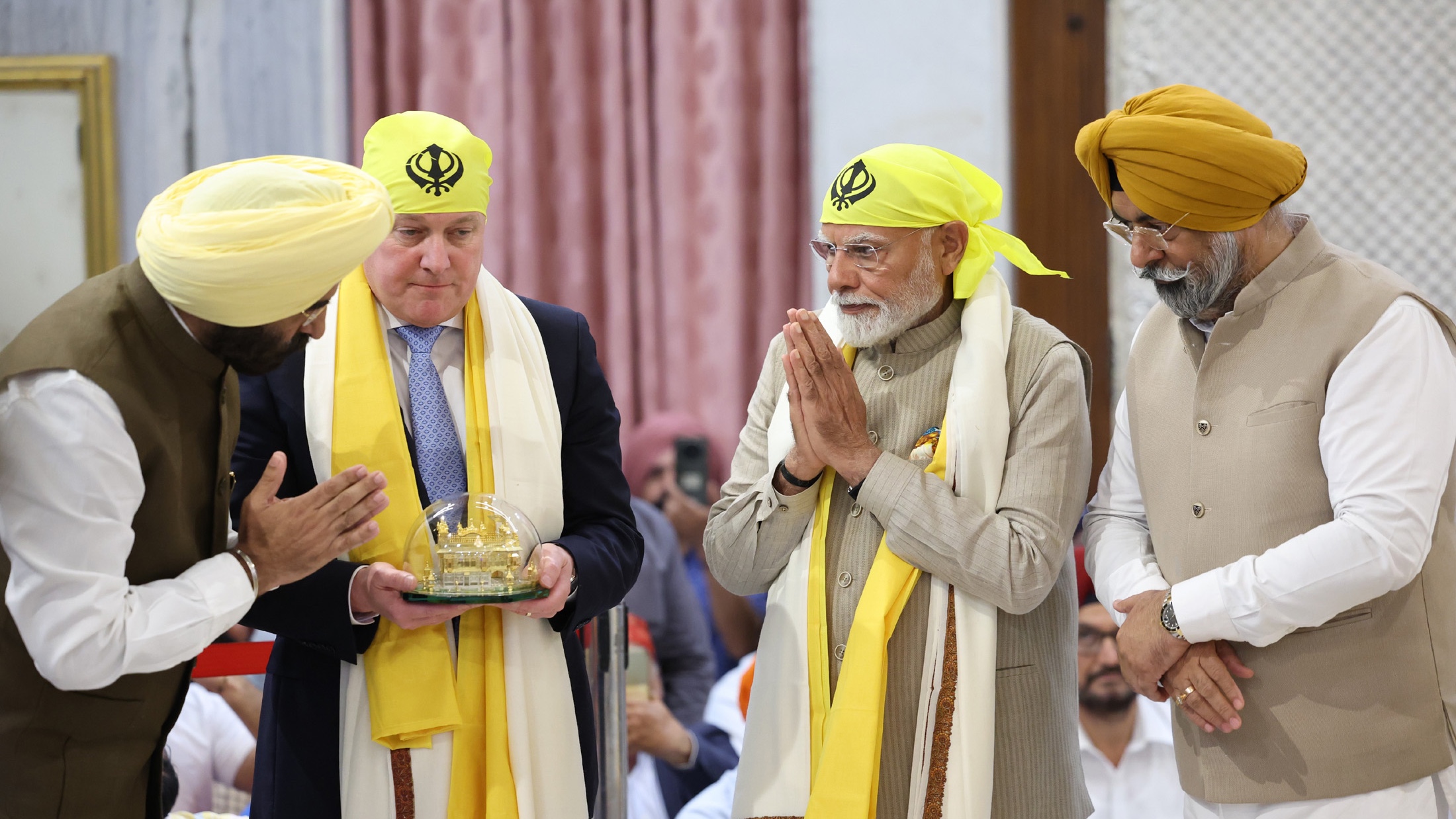
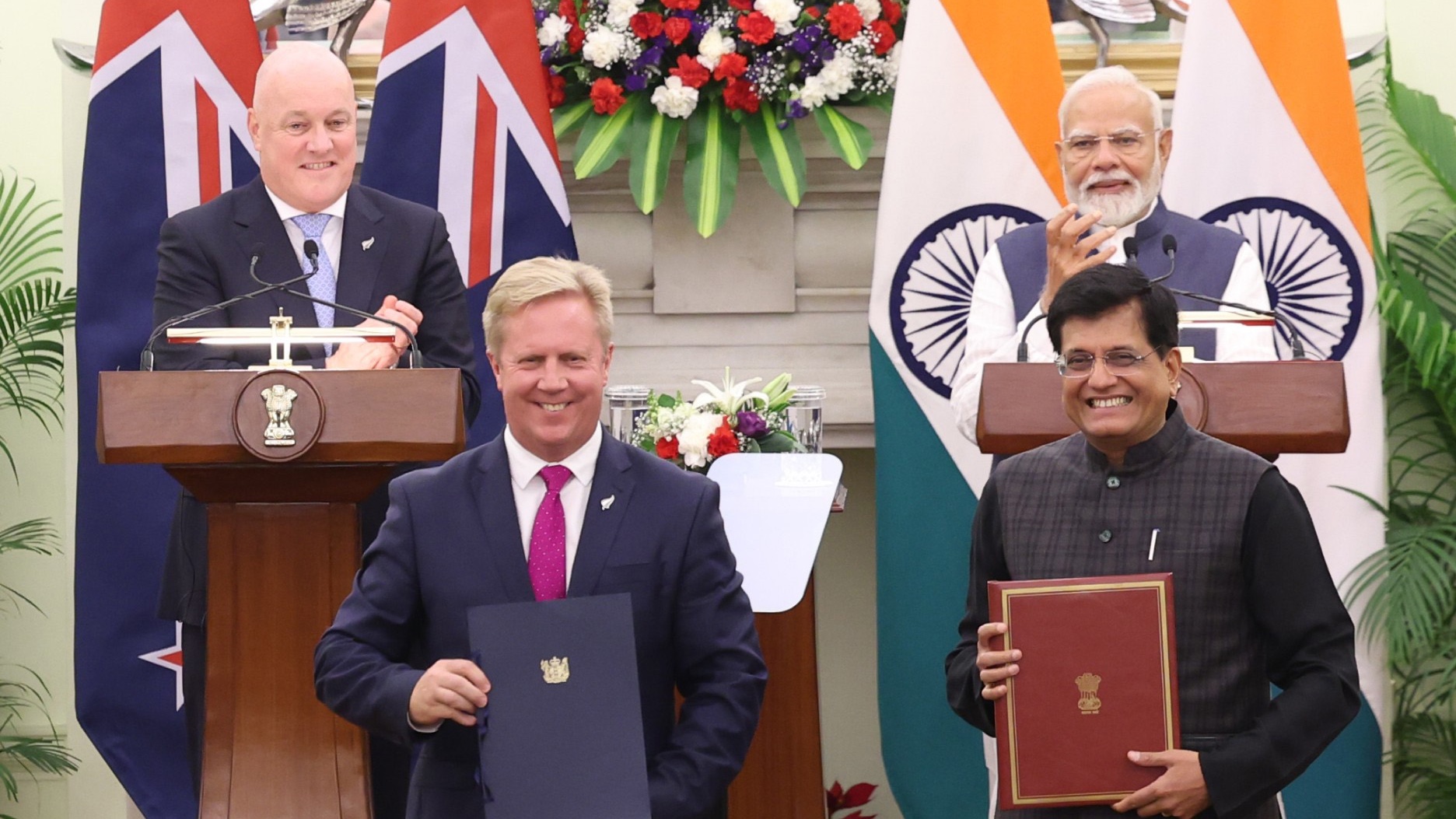
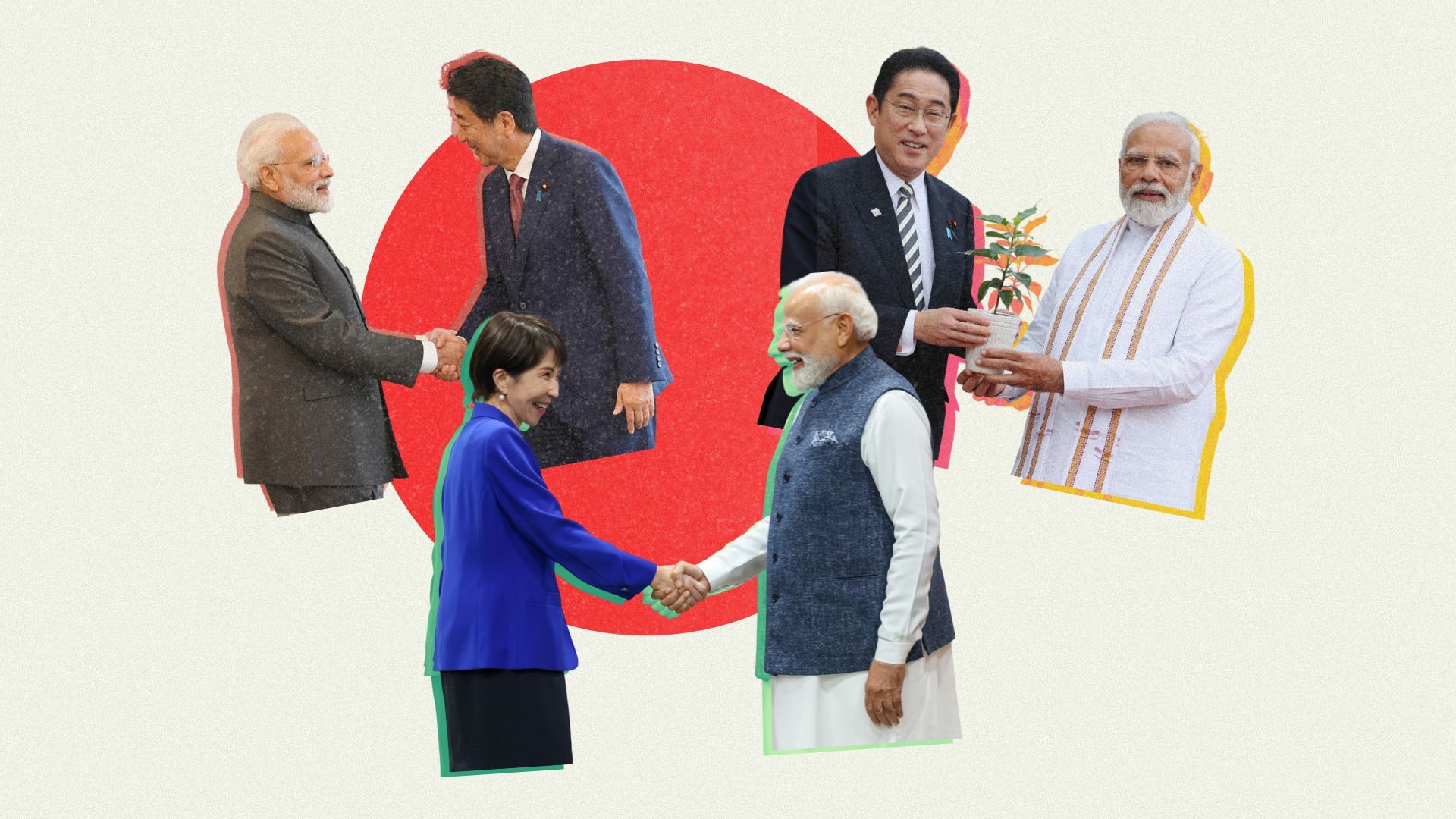
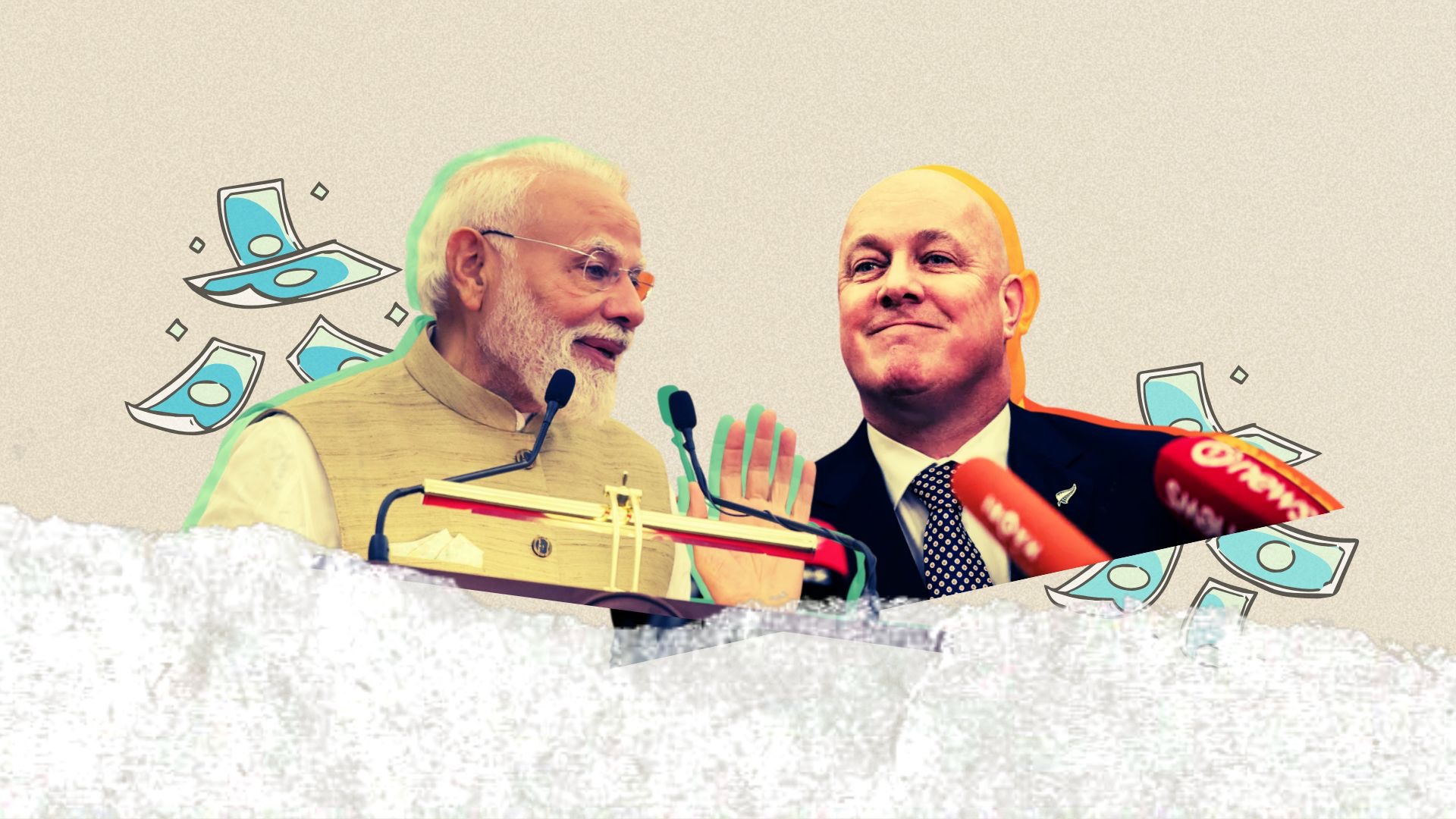
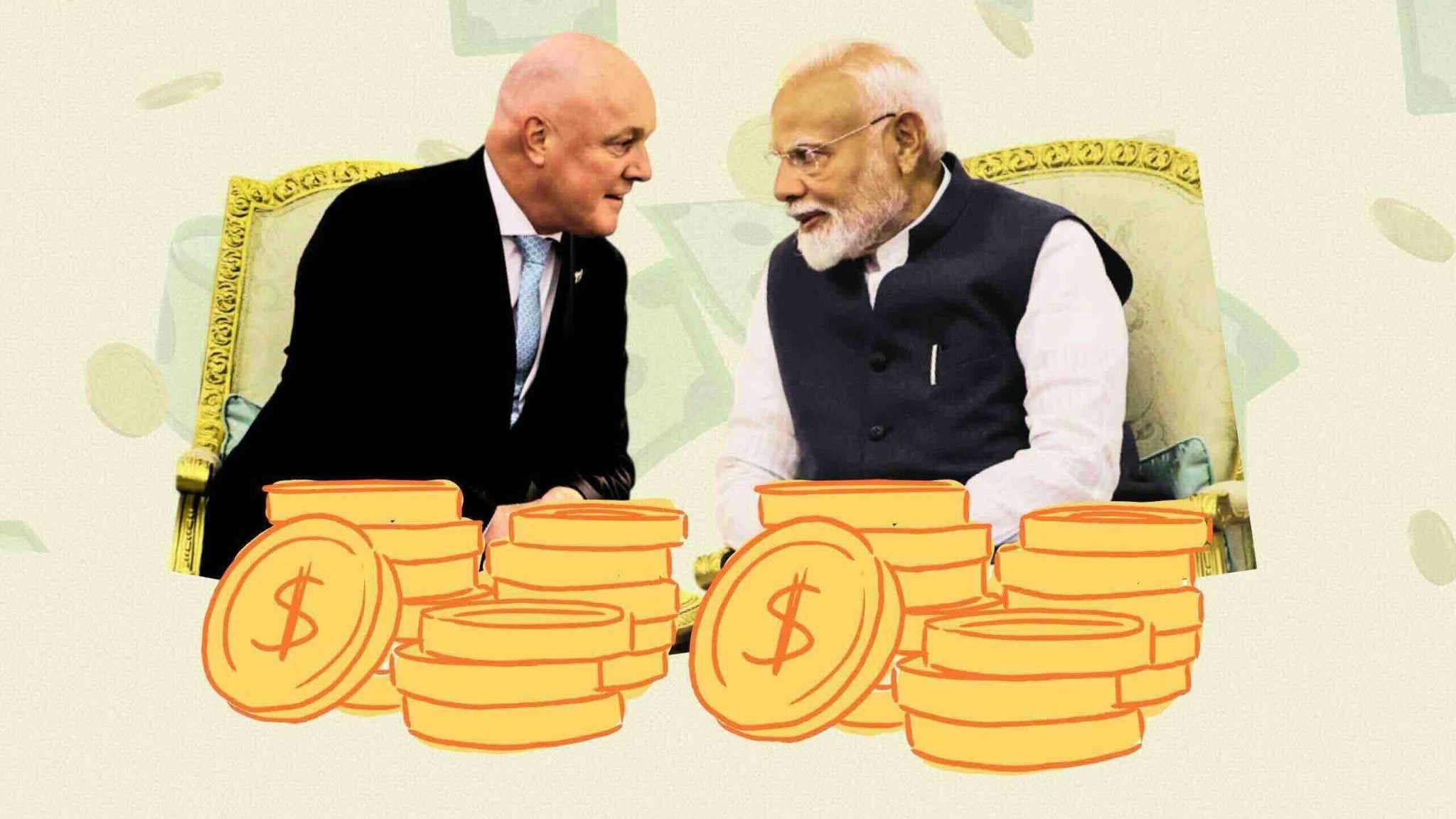
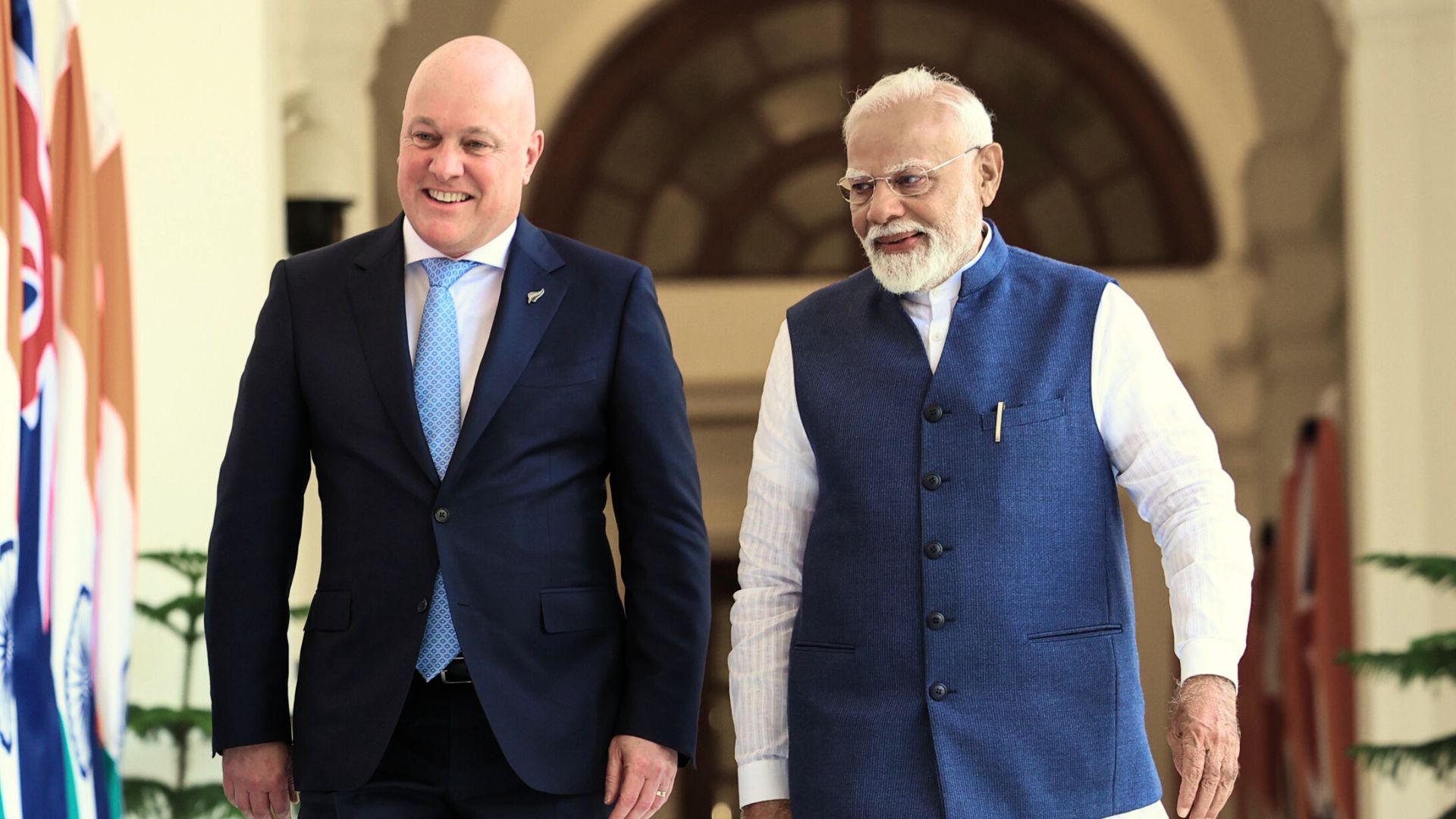
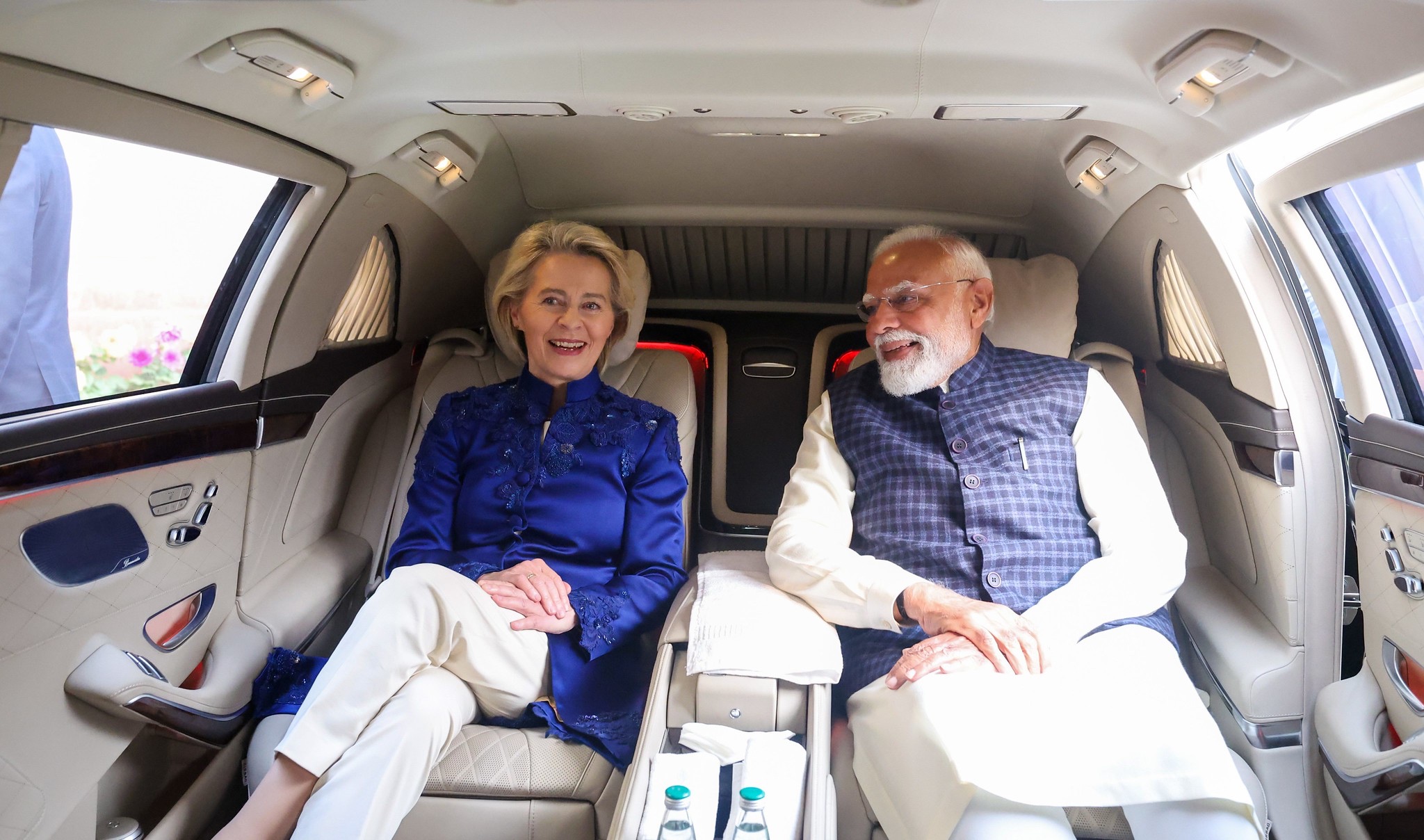
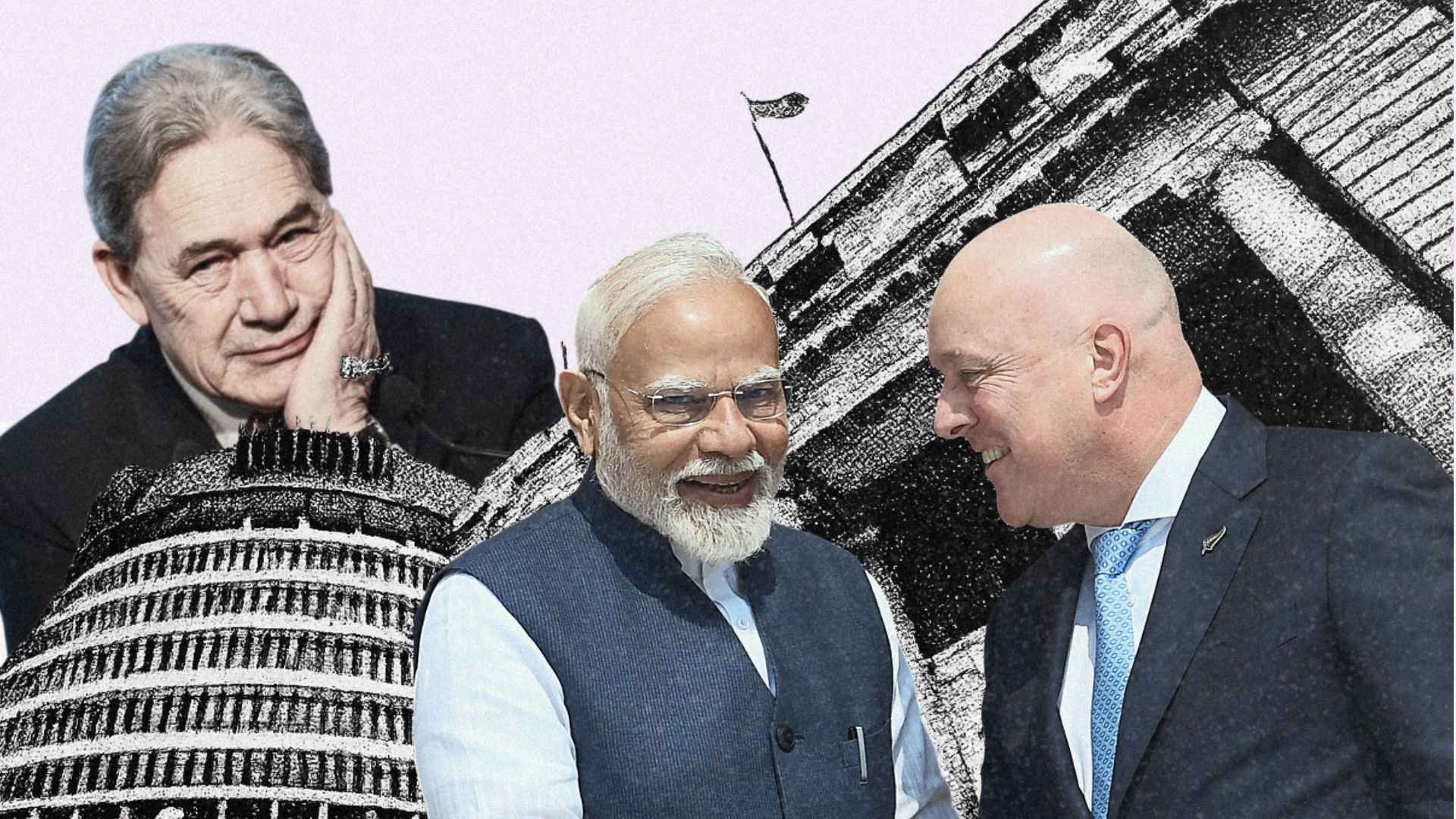
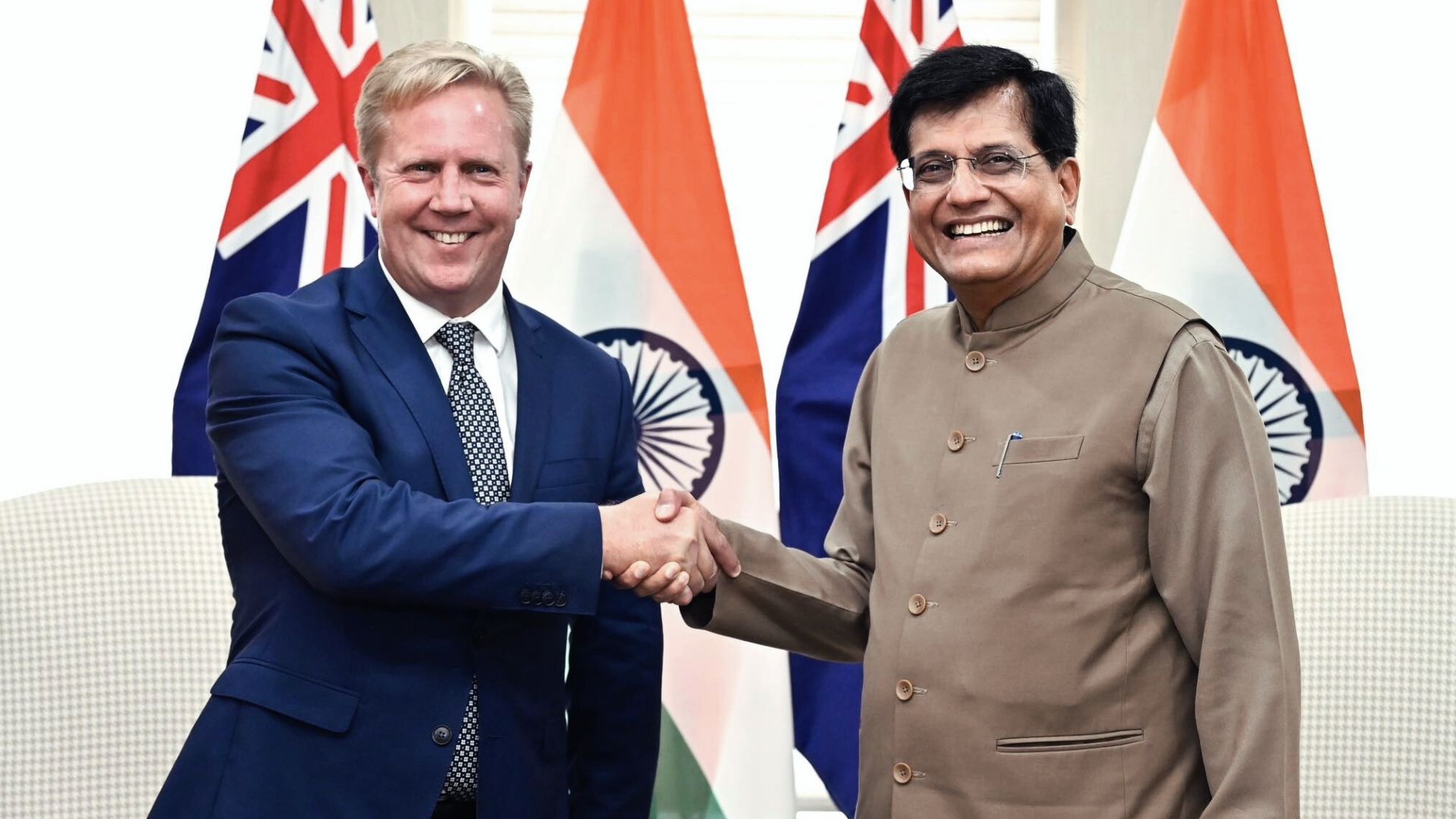
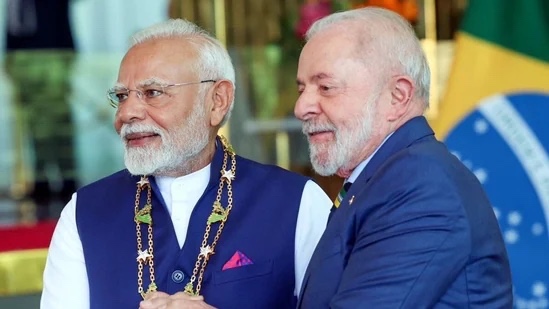
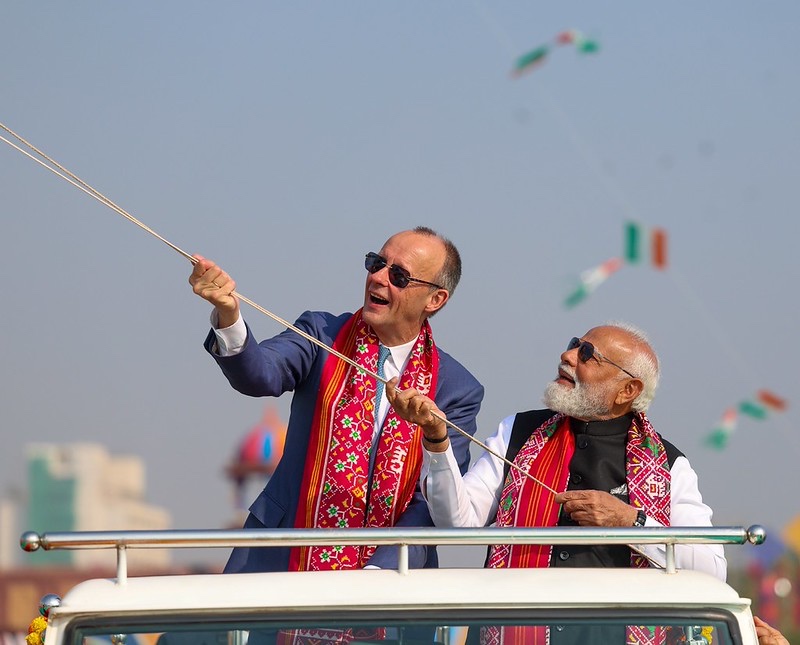
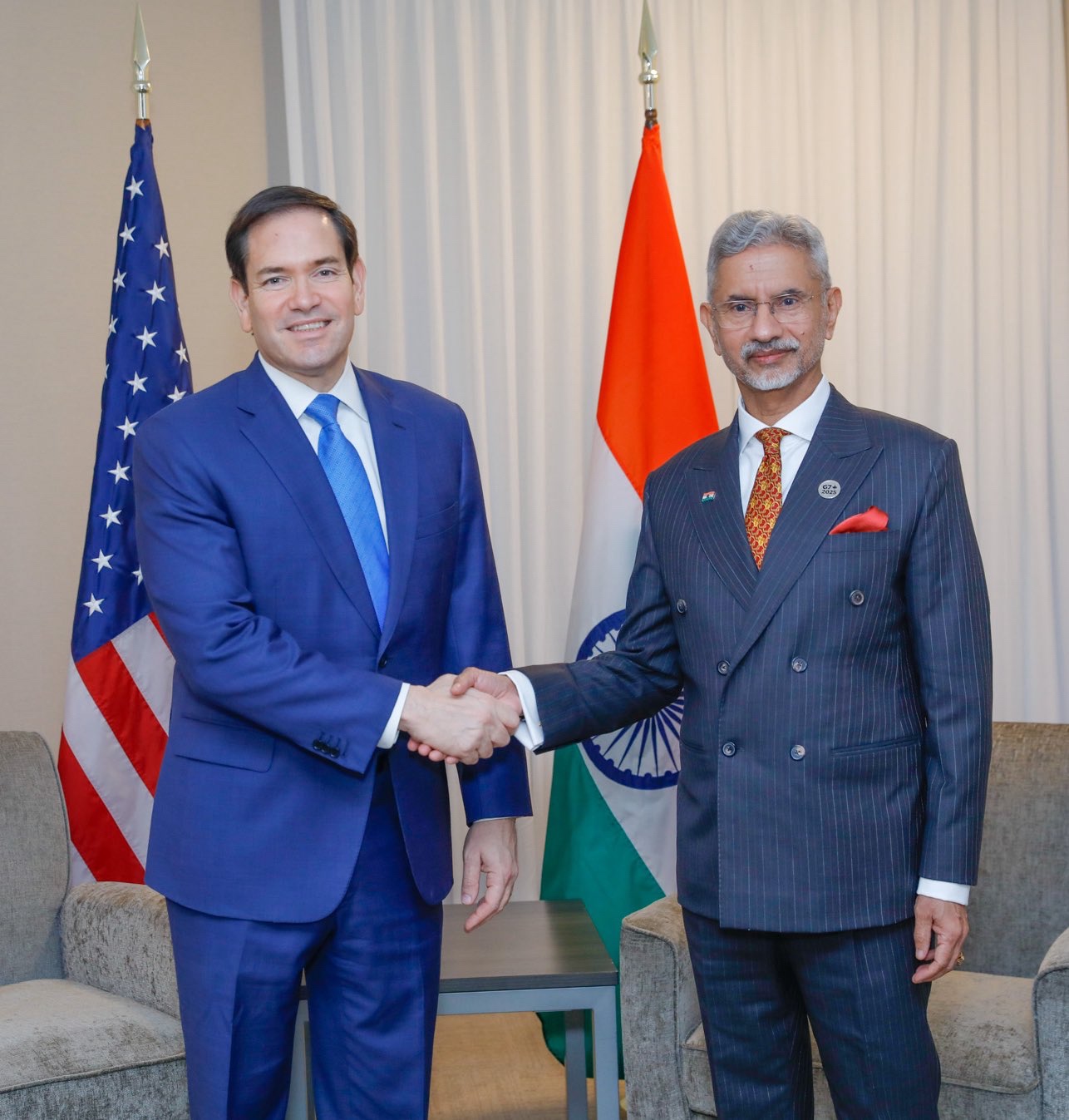
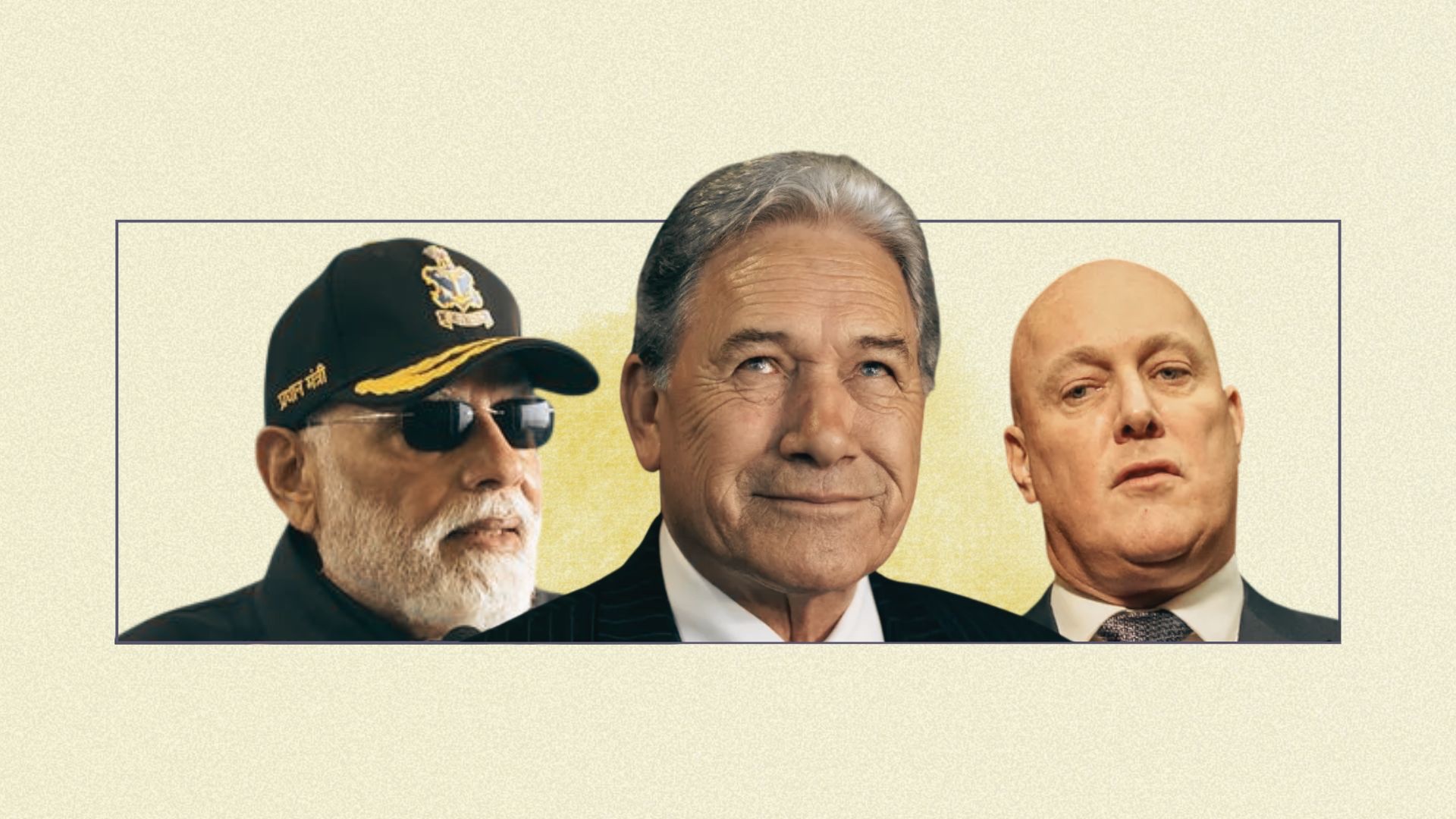
Prime minister Christopher Luxon and India's Narendra Modi at Government House Auckland on July 11, 2026.
“It has nothing to do with immigration, which is a completely different phenomenon of people moving and permanently residing.”
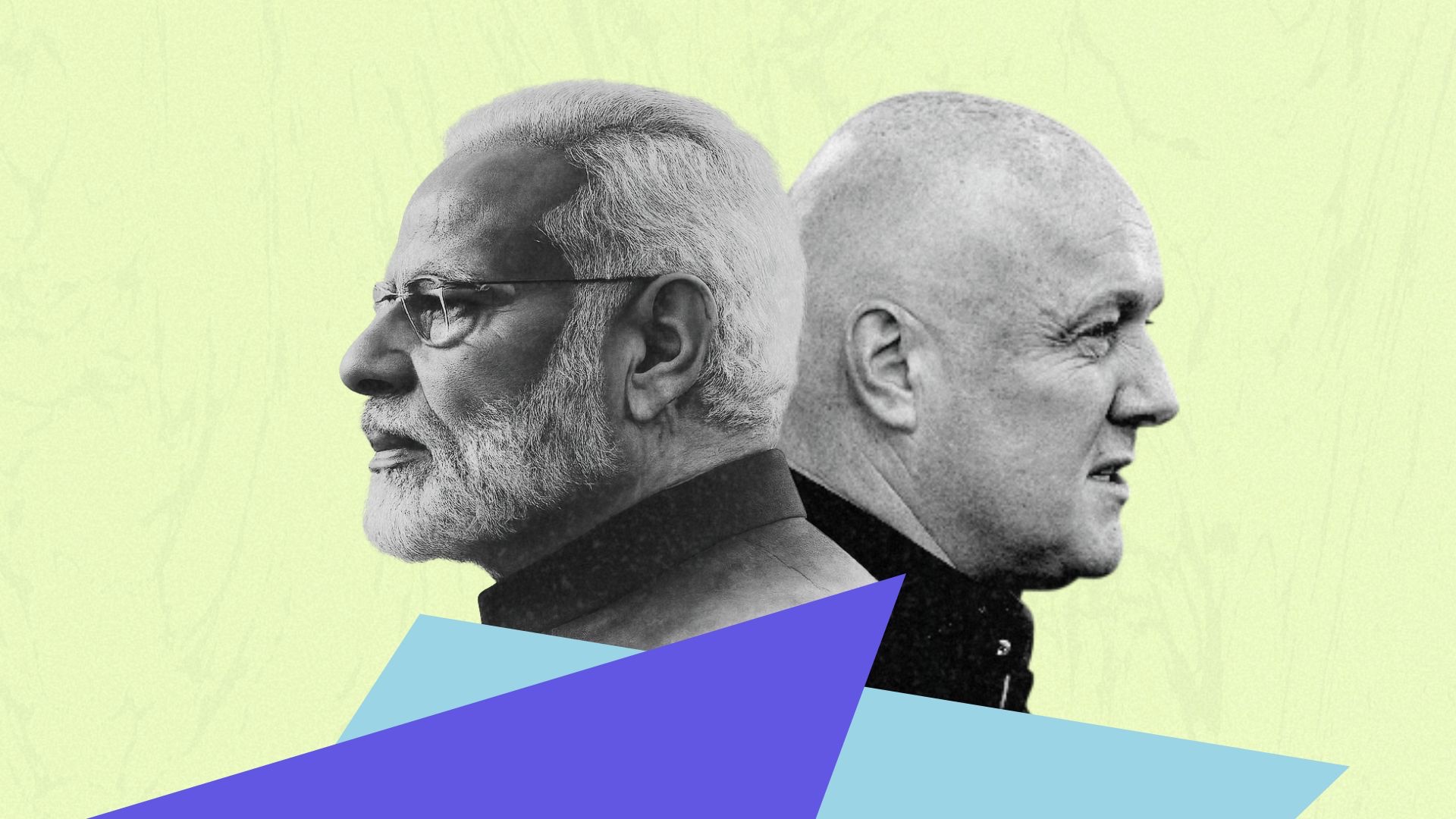
Analysis: For Winston Peters, the India FTA’s visa clauses are about immigration. For India, they are about whether trade can happen at all.
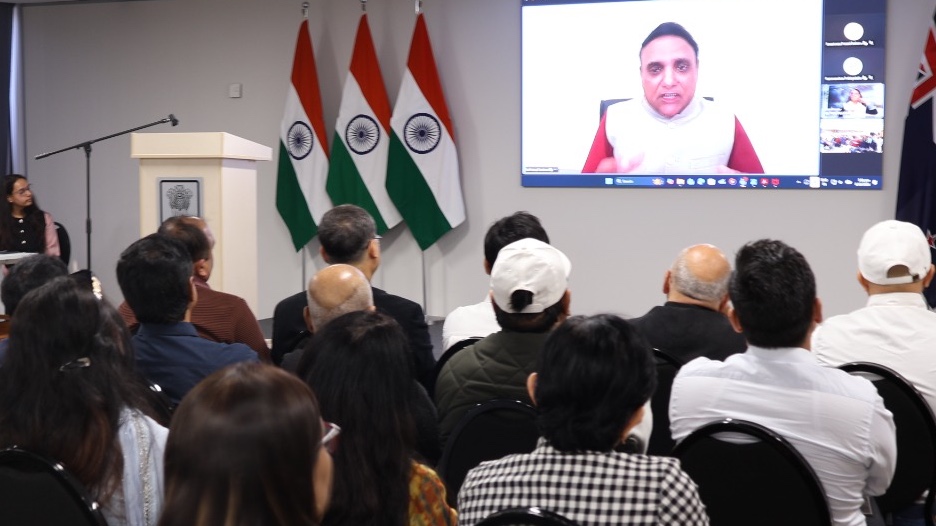
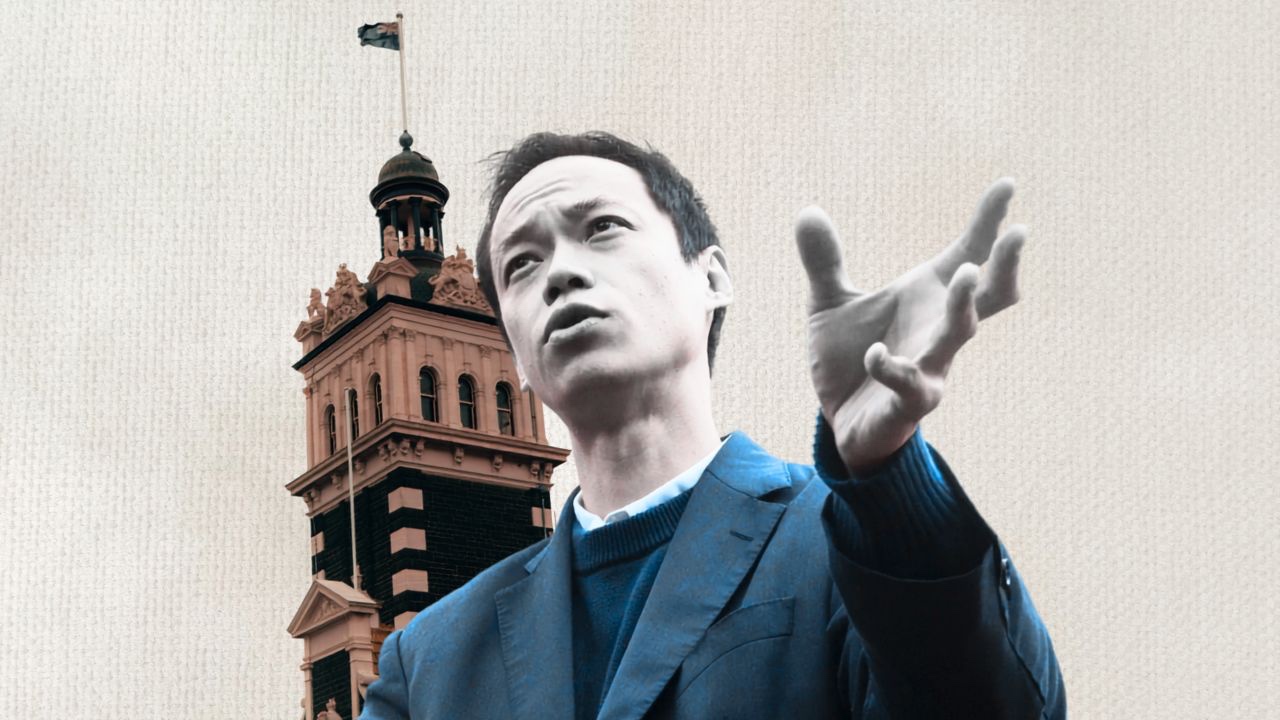
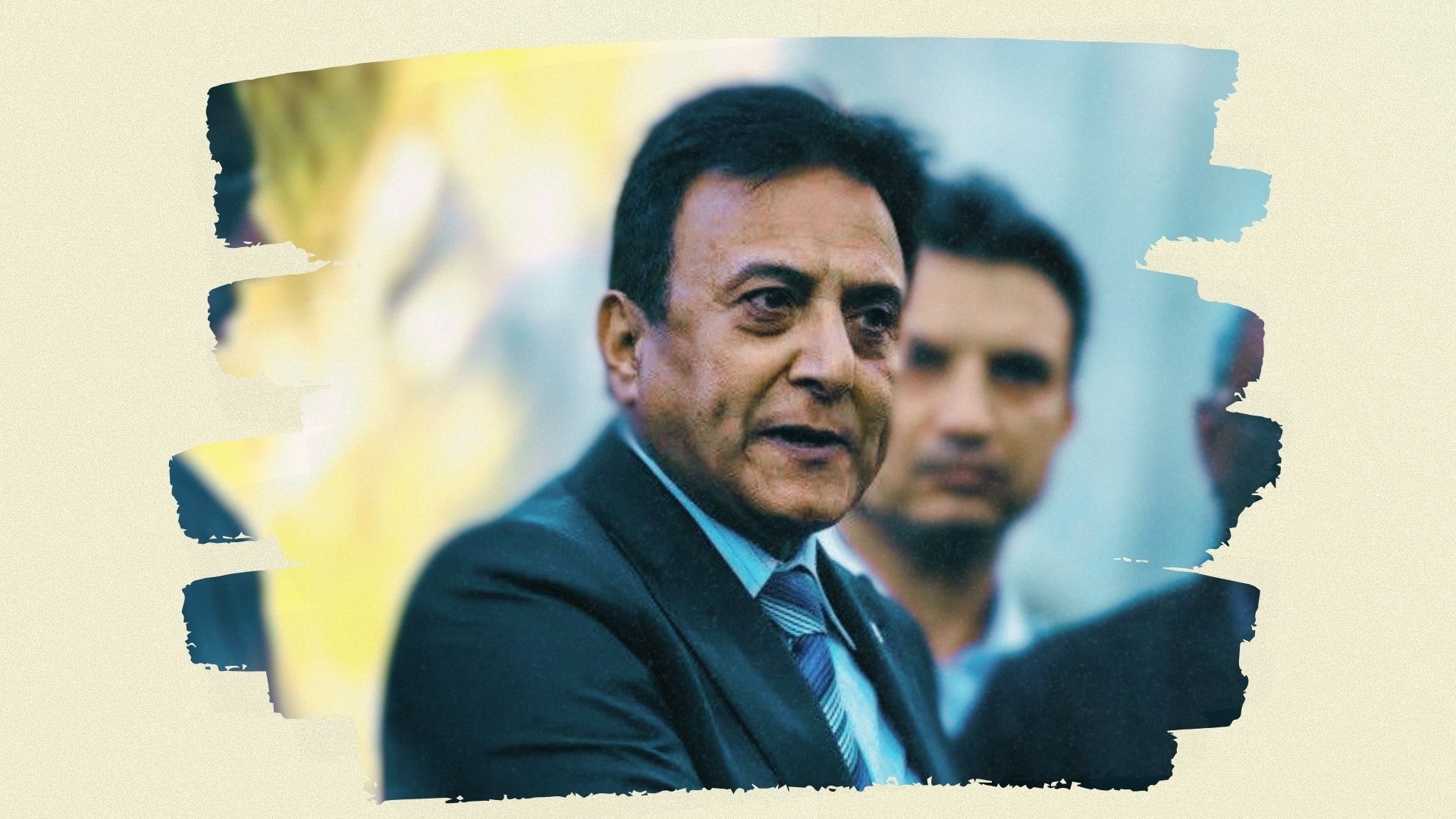
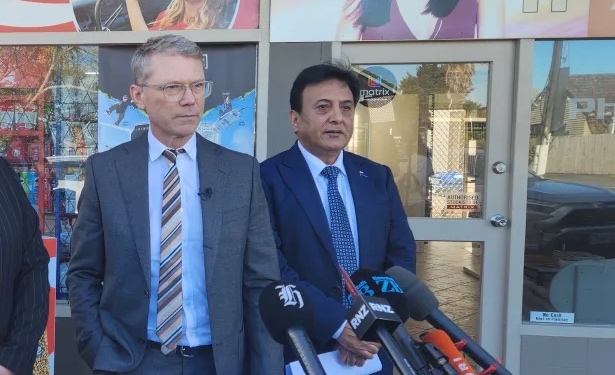
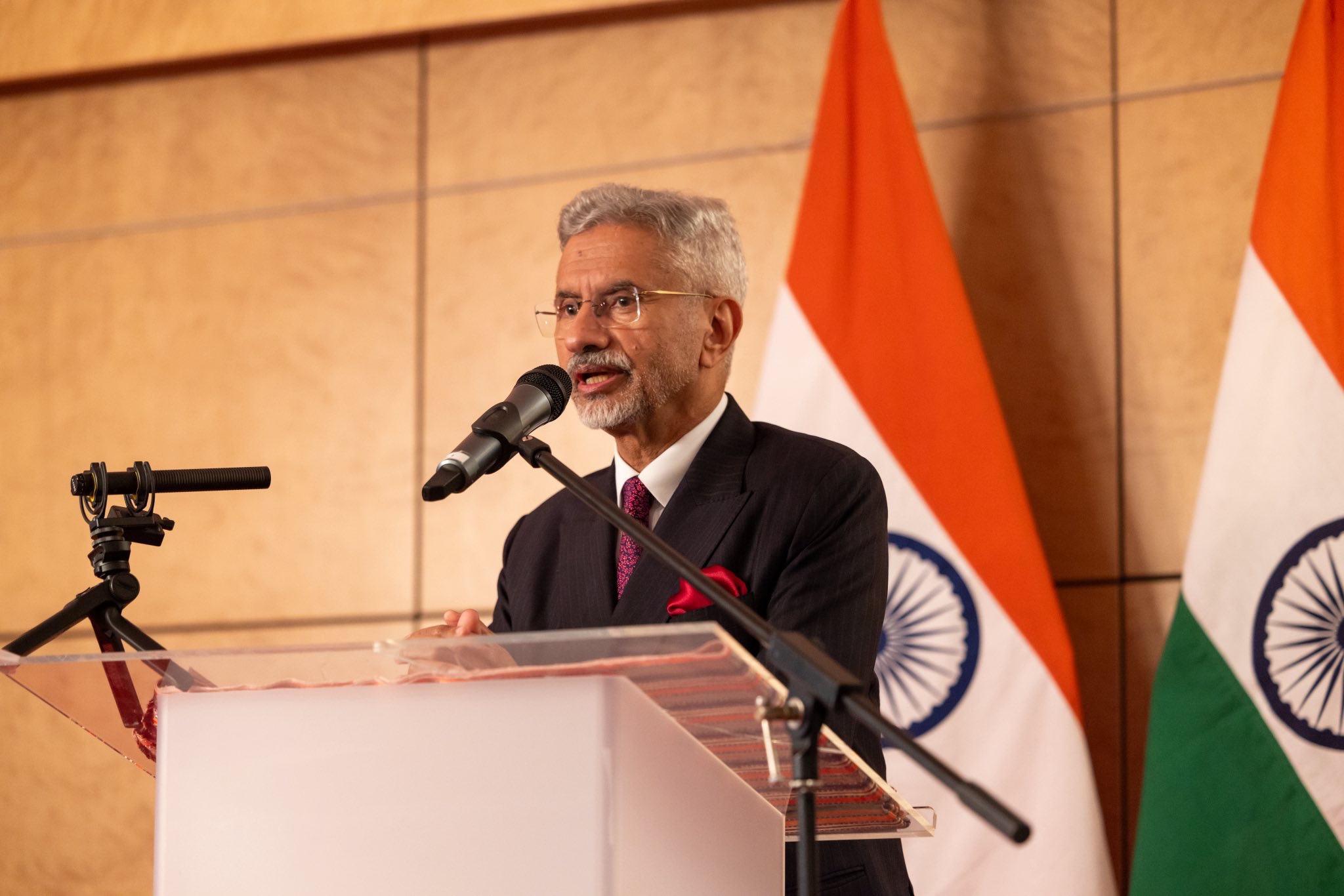
“The FTA is not an agreement for immigration,” India’s secretary (east), Rudrendra Tandon, told reporters at a briefing in Auckland on July 11, while Indian prime minister Narendra Modi’s official visit to New Zealand was still under way.
“Immigration and mobility of skilled manpower are two different issues altogether.”
Tandon did not name Peters. But his explanation directly challenges the New Zealand First leader’s framing of the country-specific visa provisions negotiated under the free trade agreement.
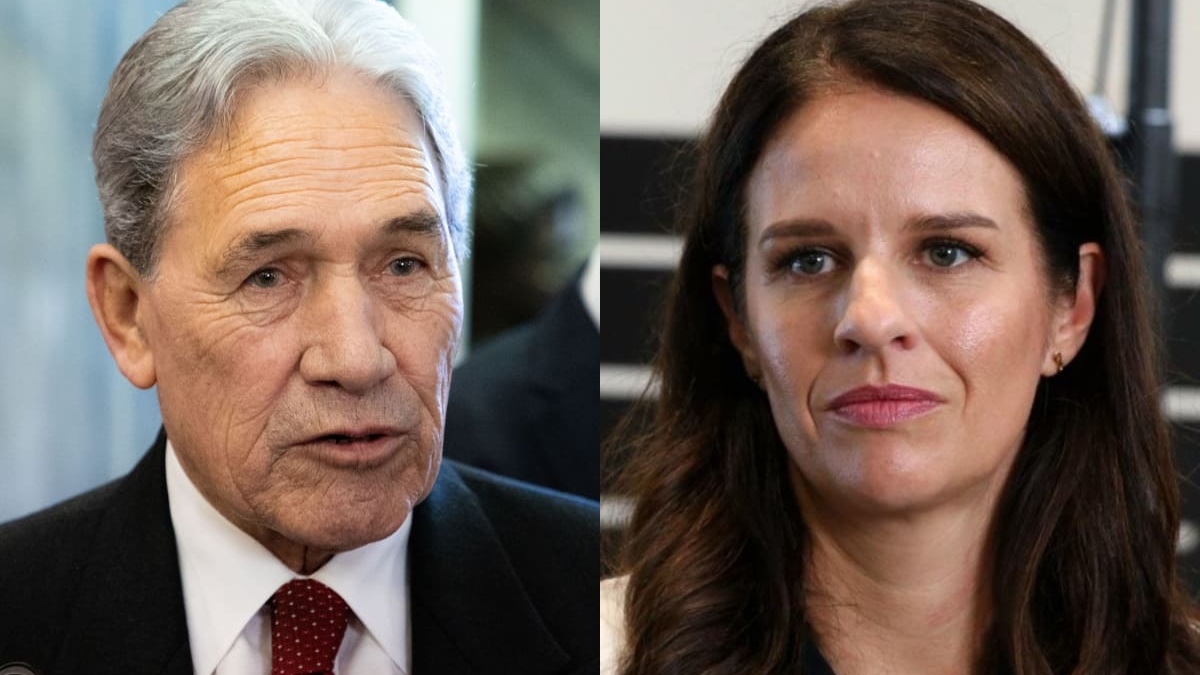
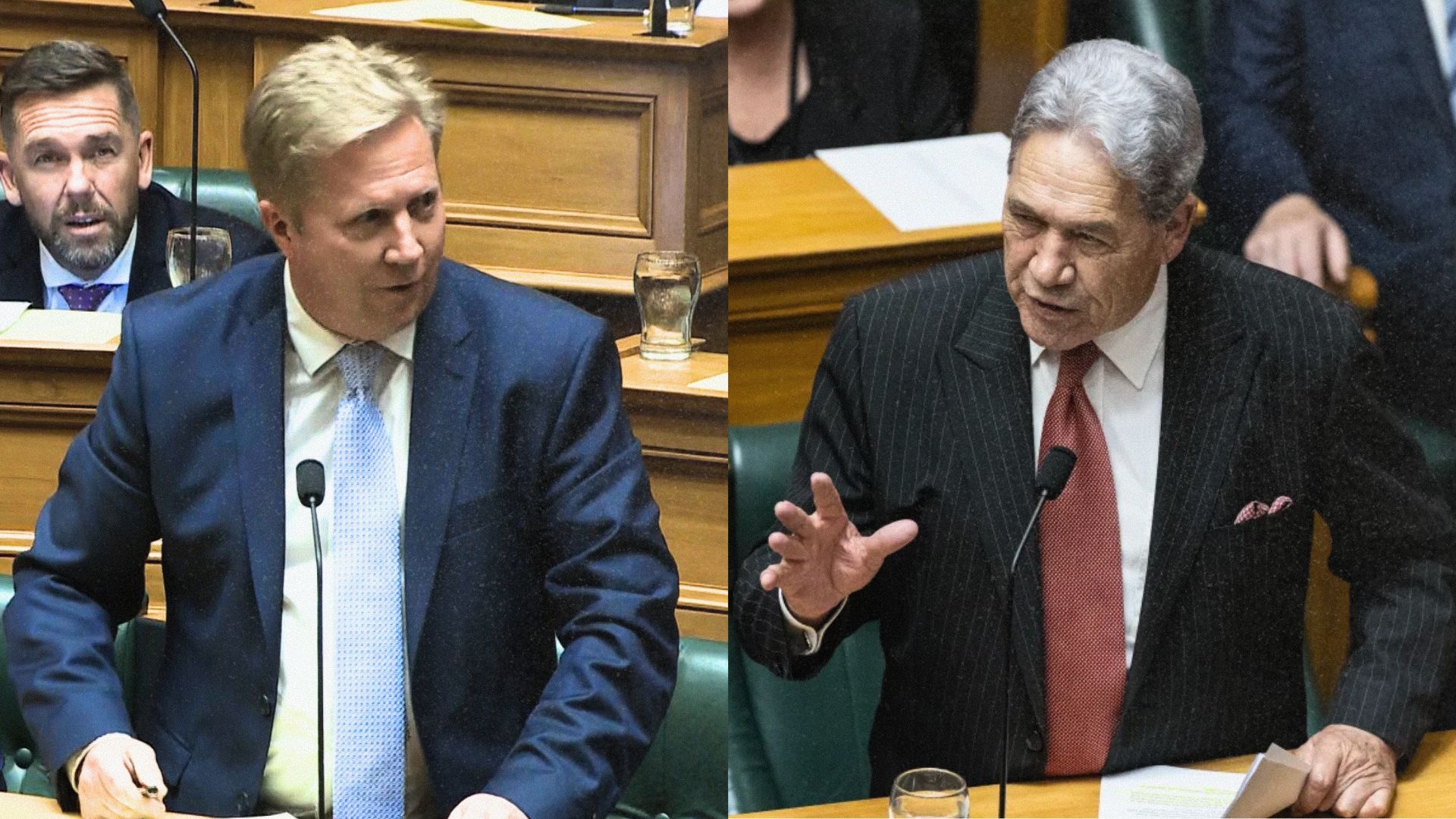
Peters has repeatedly treated the provisions as immigration concessions, questioning whether Indian citizens will receive preferential treatment and accusing the government of subsequently developing more restrictive policies targeting Indian migrants.
‘Two types of Indians’: Peters questions Kiwi Indians’ loyalty after watching Modi welcome The New Zealand First leader on why changing passports alone may not make someone a New Zealander.
BNZ Diwali rolls out Bollywood red carpet as Meenakshi Sheshadri revisits Damini in Auckland A Screen Auckland-backed cinema showcase is bringing South Asian films into Auckland theatres as part of this year’s Diwali celebrations.
International experts join Auckland’s Ayurveda Day celebrations Diet, yoga and connections with nature were among the themes explored at the event.
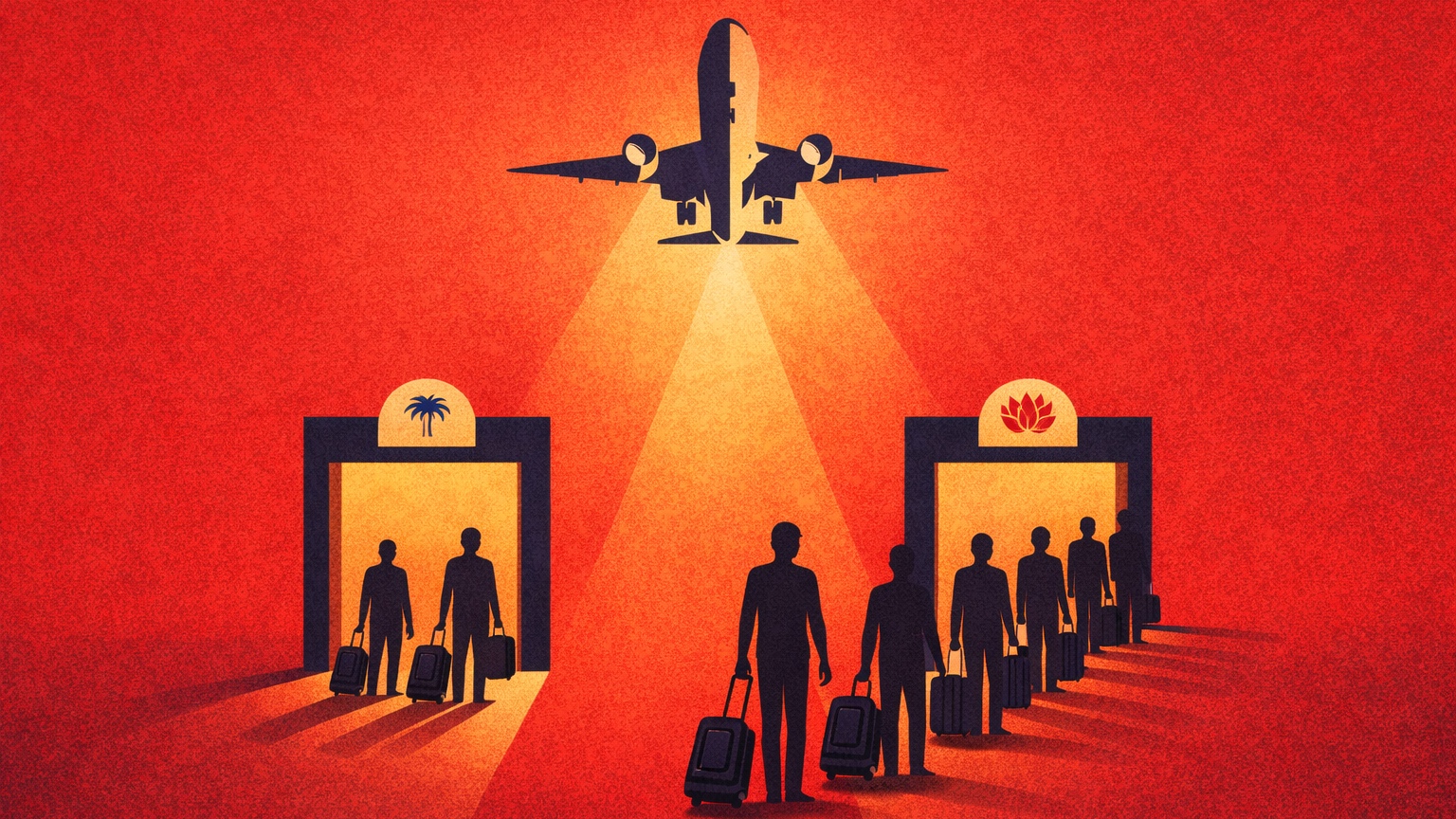
India says the clauses were negotiated for a different reason. To ensure its services companies can temporarily move skilled employees into New Zealand to deliver business secured under the FTA.
“The commitments that were crafted in the FTA pertain to mobility of skilled manpower under the existing laws that New Zealand has,” Tandon said.
“And the reason the idea of mobility was introduced in the FTAs is because, as you know, we are an exporter of services.”
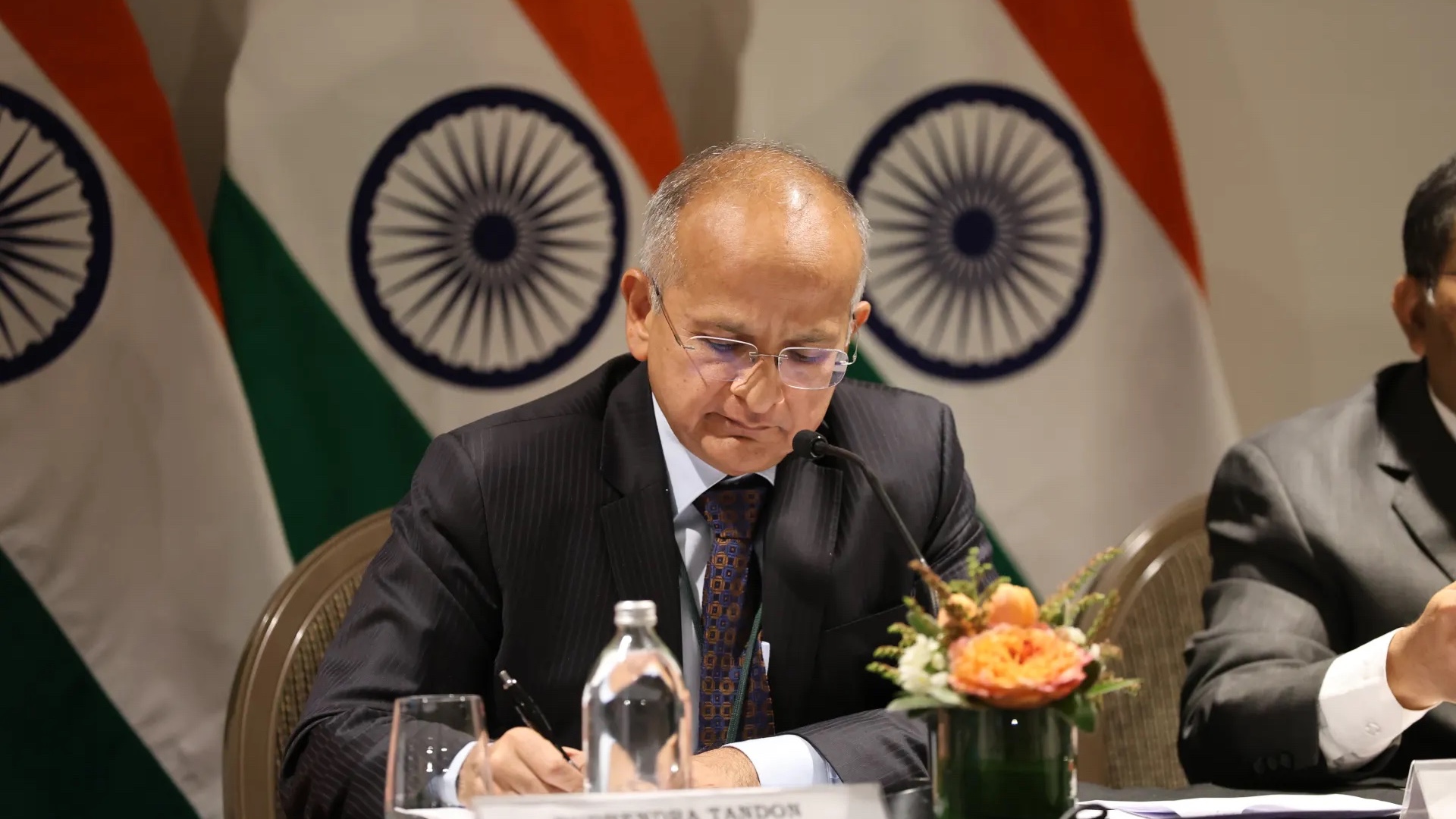
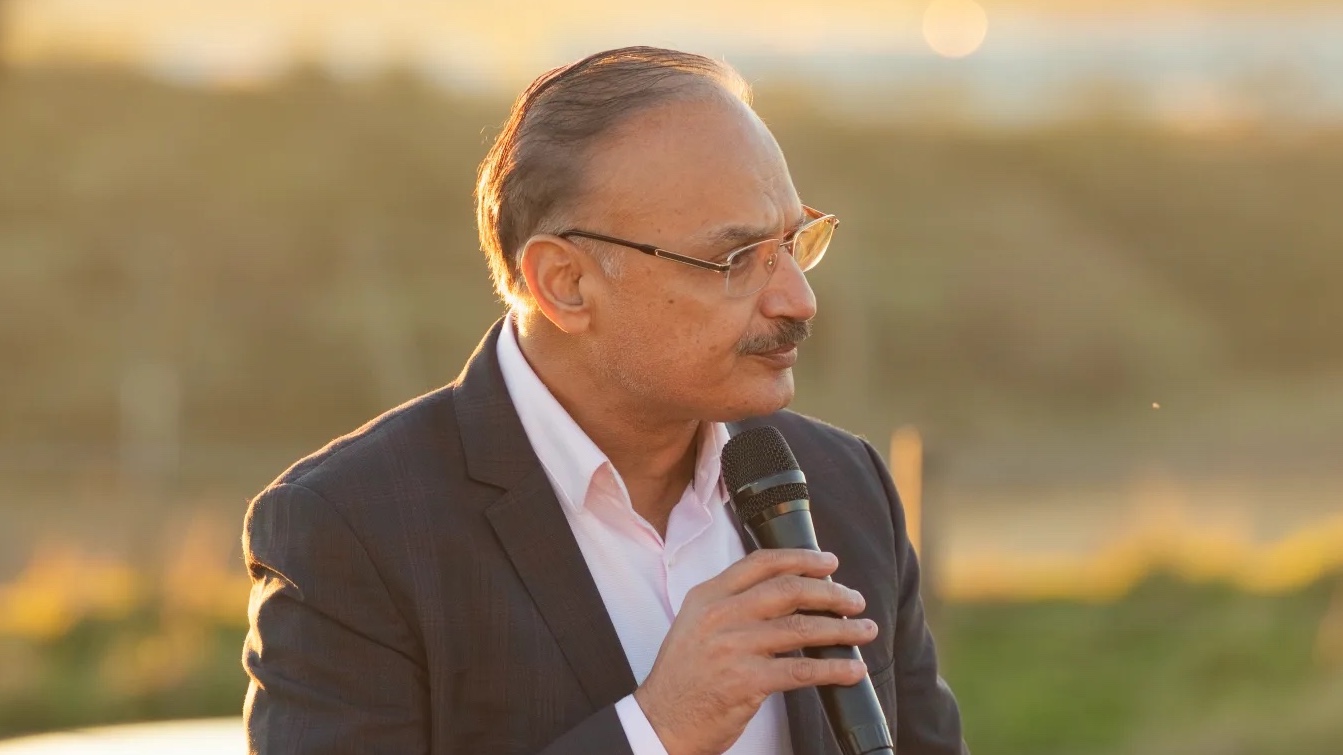
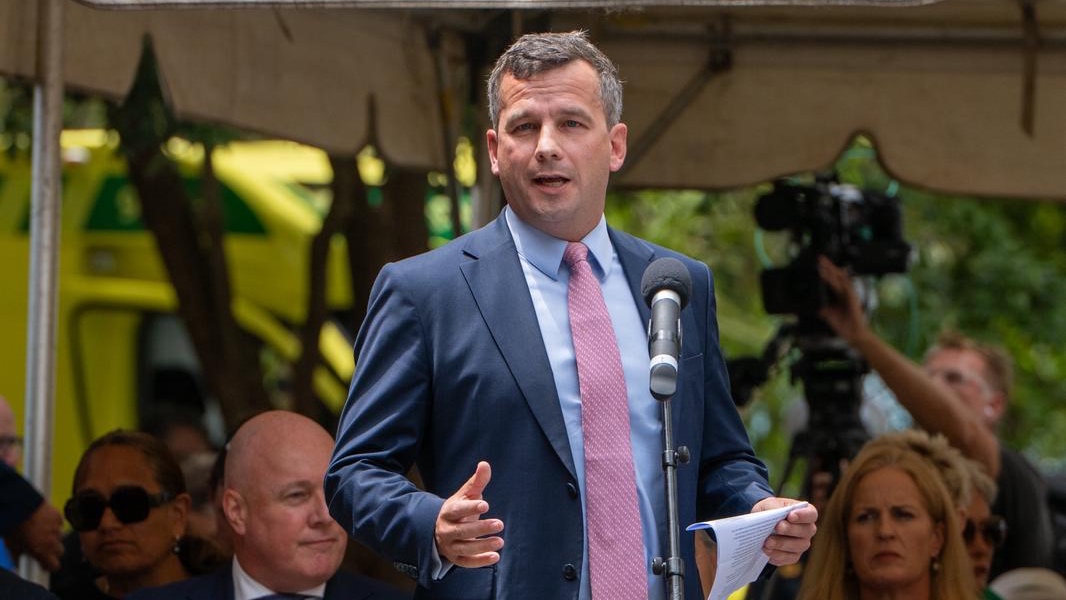
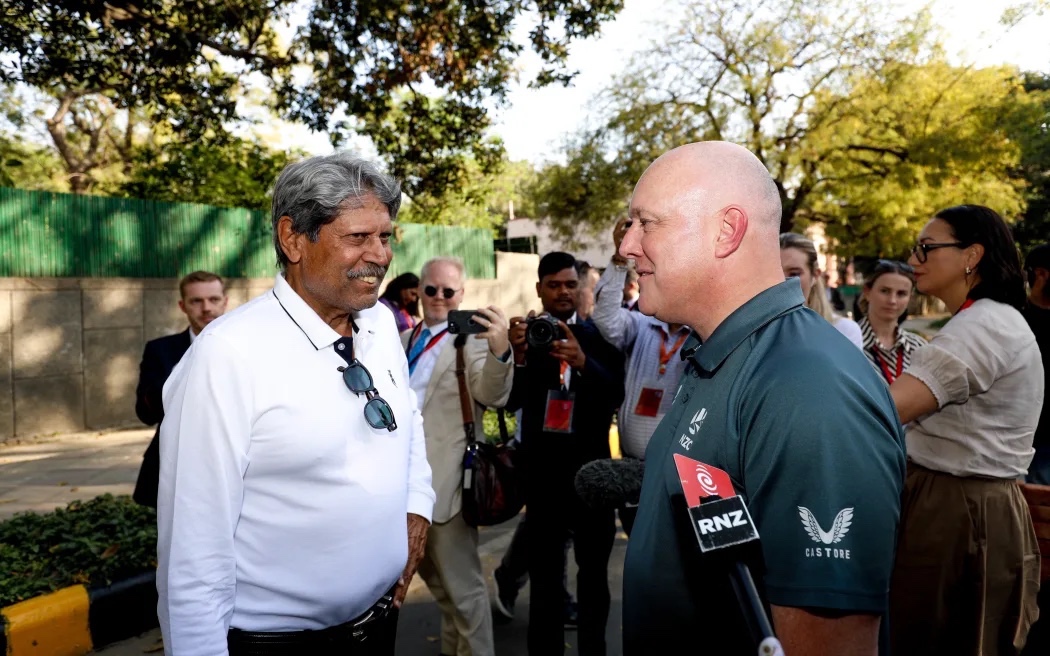
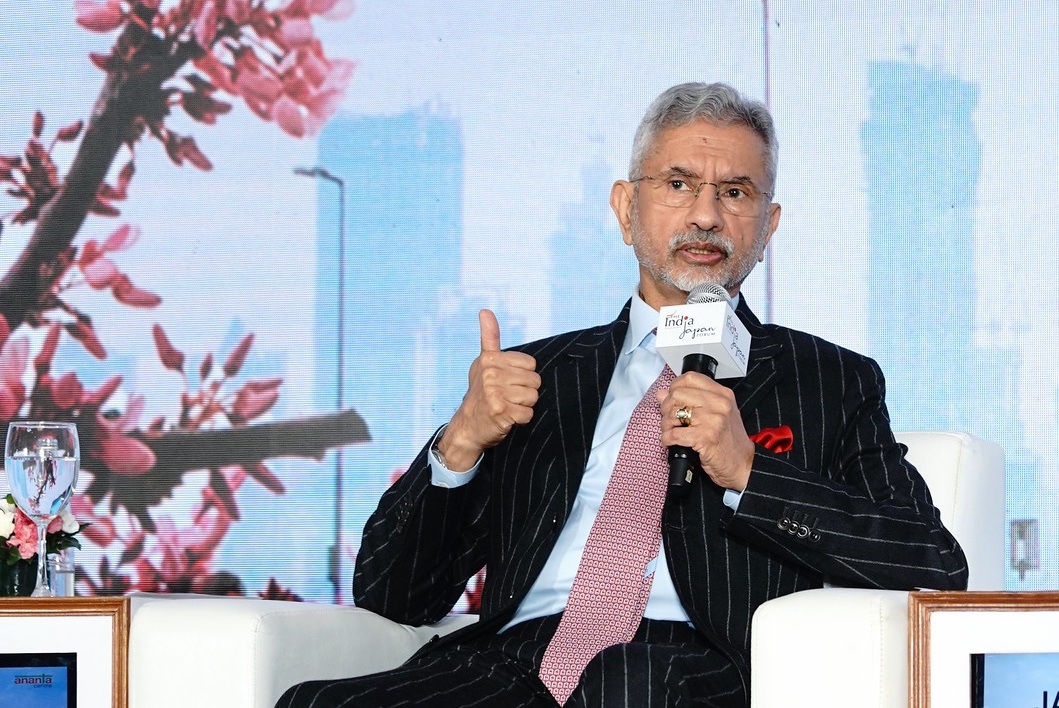
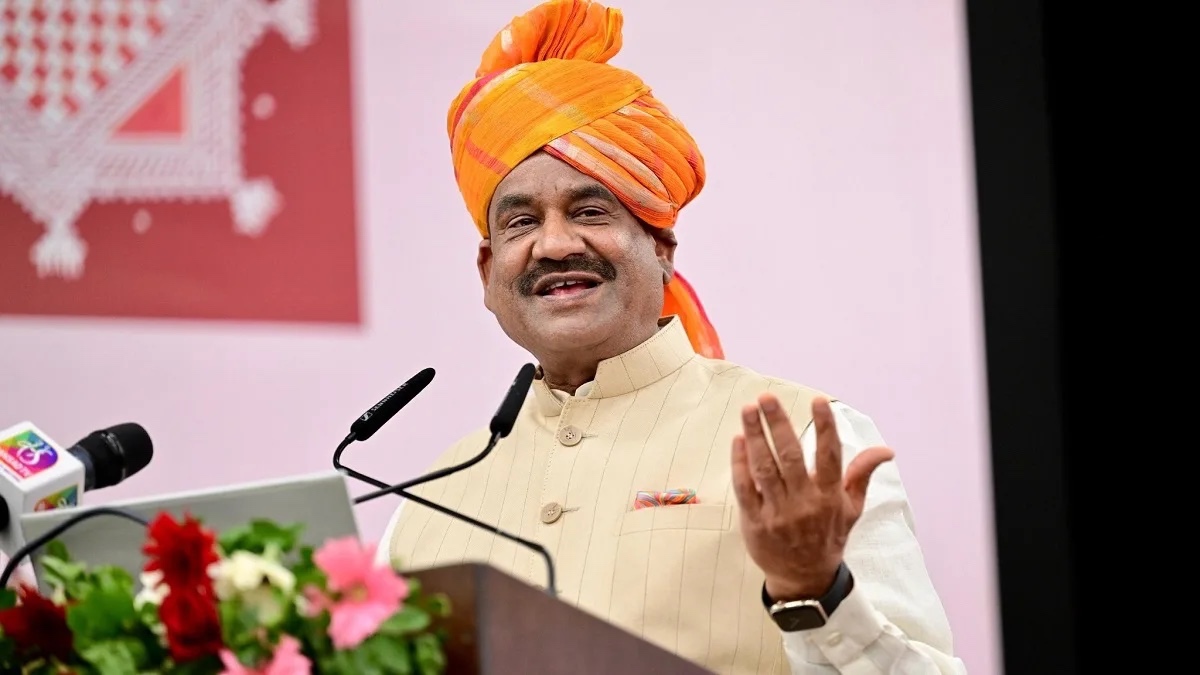
Rudrendra Tandon is secretary (east) at India's external affairs ministry. (RNZ/Blessen Tom)
That is the central distinction in India’s argument.
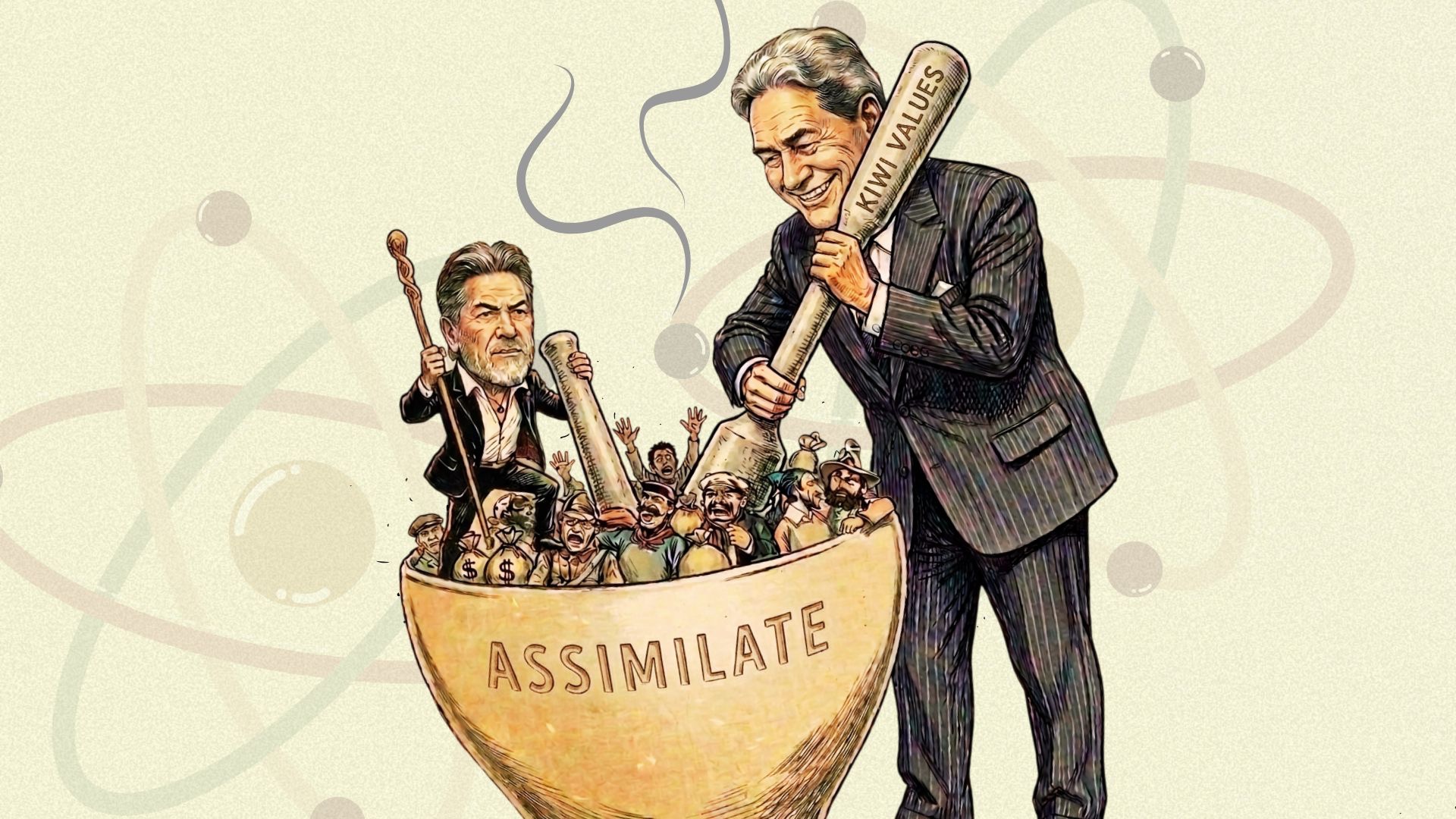
Peters is looking at the provisions through the lens of immigration policy. Who can enter New Zealand, who can work here, whether one nationality receives different conditions and how much freedom future governments retain to change those settings.
India is looking at them through the lens of market access. Whether an Indian company that wins business in New Zealand can temporarily send the specialists required to perform the work.
“The fact that our skilled personnel of companies have visa issues or have problems in mobility sometimes acts as a de facto market barrier,” Tandon said.
A company may gain access to the New Zealand market on paper. But that access becomes less meaningful if it cannot send the software specialists, consultants, engineers, managers or other skilled employees needed to fulfil contracts and support customers.
For India, which is a major exporter of services, visas are therefore not necessarily an issue sitting outside a trade agreement. They can determine whether the commercial access promised by the agreement can actually be used.
Tandon said including skilled-worker mobility in the agreement represented a development in India’s approach to trade negotiations.
“This time, it is in fact an innovation in the way we negotiate FTAs,” he said.
“The idea was to ensure that skilled manpower mobility was ensured.”
“It has nothing to do with immigration, which is a completely different phenomenon of people moving and permanently residing.”
The distinction is not absolute.
The provisions still concern the entry and work rights of people and will operate through New Zealand’s immigration system. But India says their purpose is to enable temporary trade in services, not to create a route for permanent settlement.
That makes the disagreement partly one of definition and partly one of political perspective.
Peters has argued that immigration was effectively included in the FTA and has questioned whether New Zealand was open with India about subsequent changes to its visa policies.
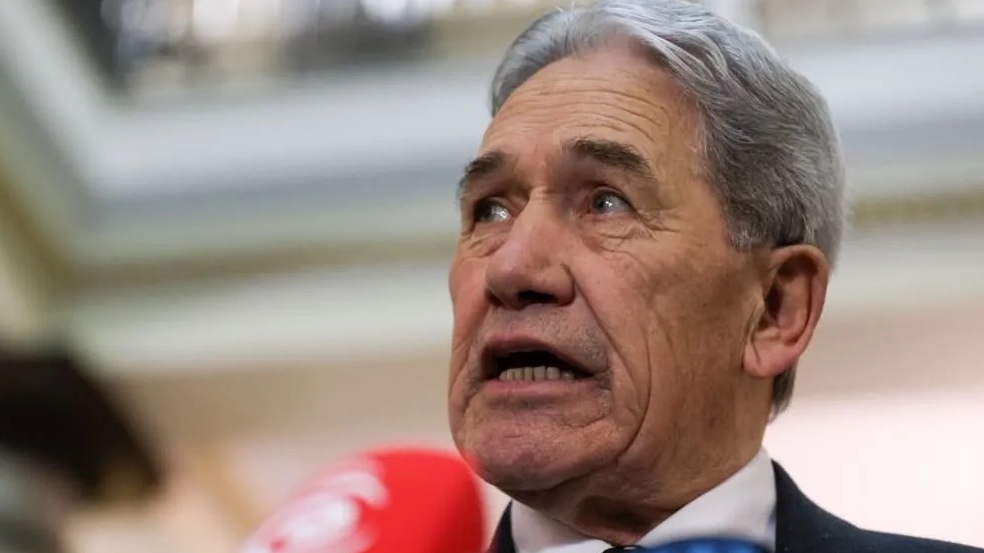
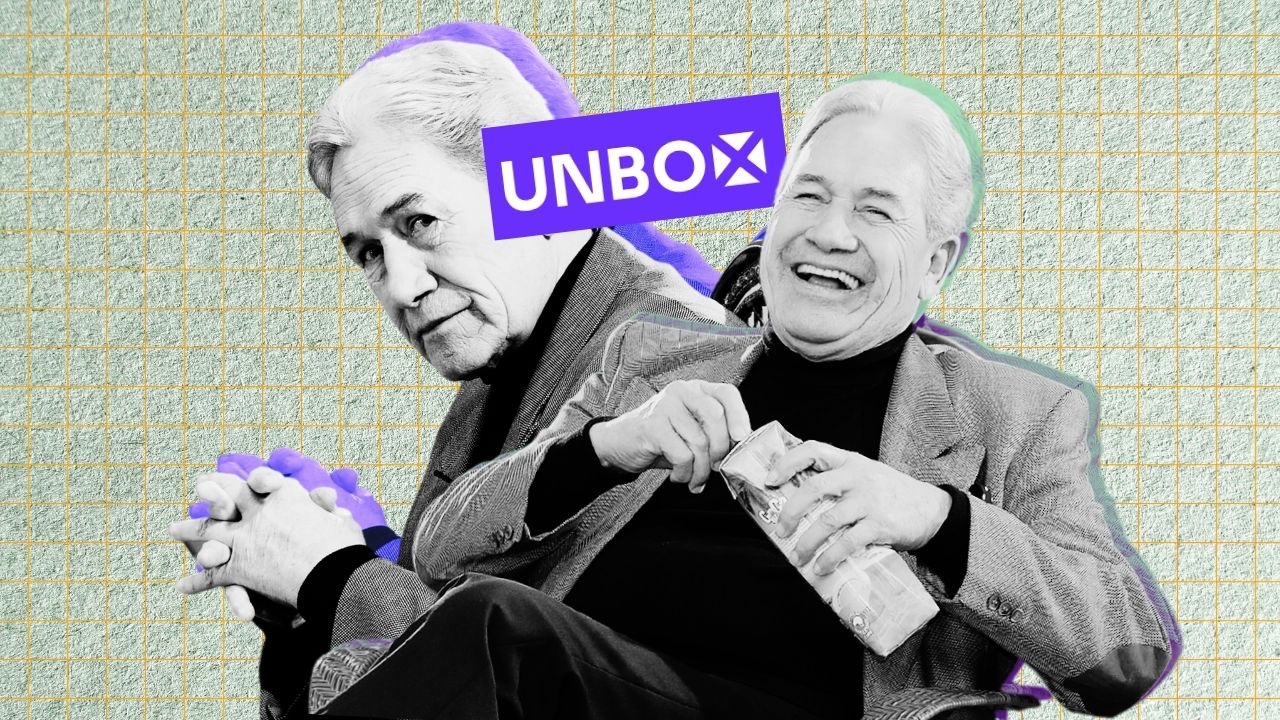
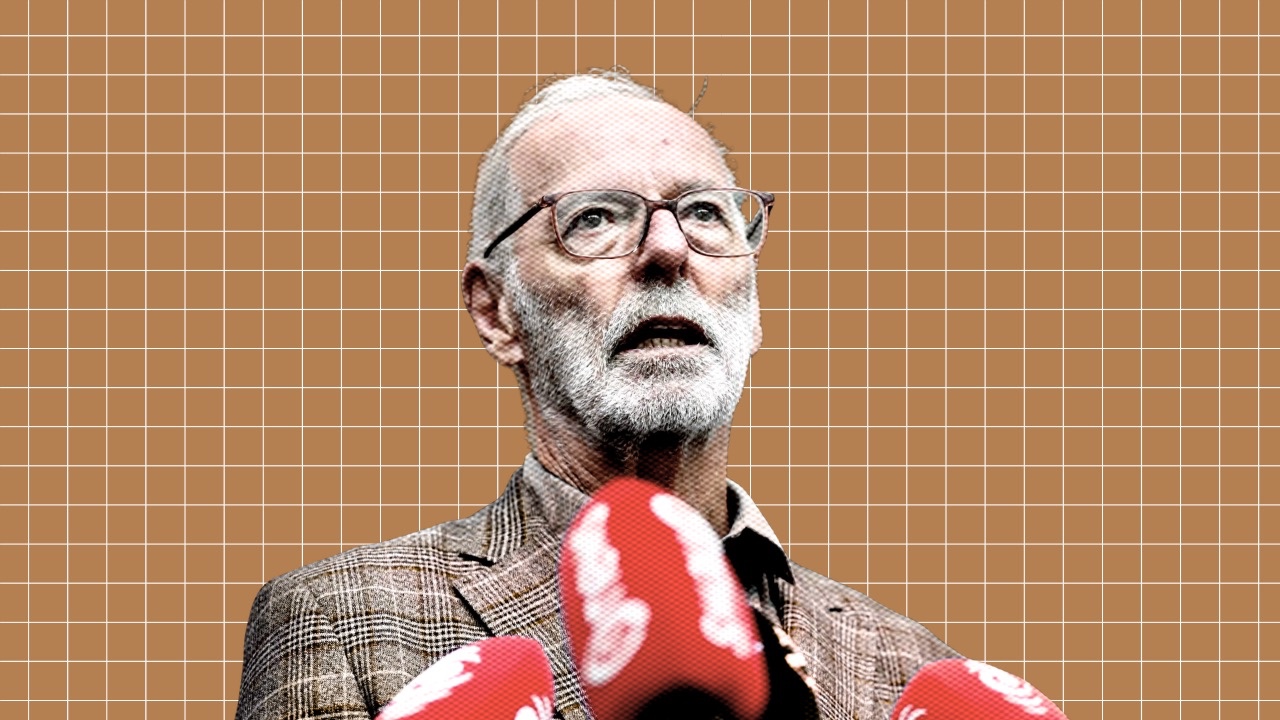
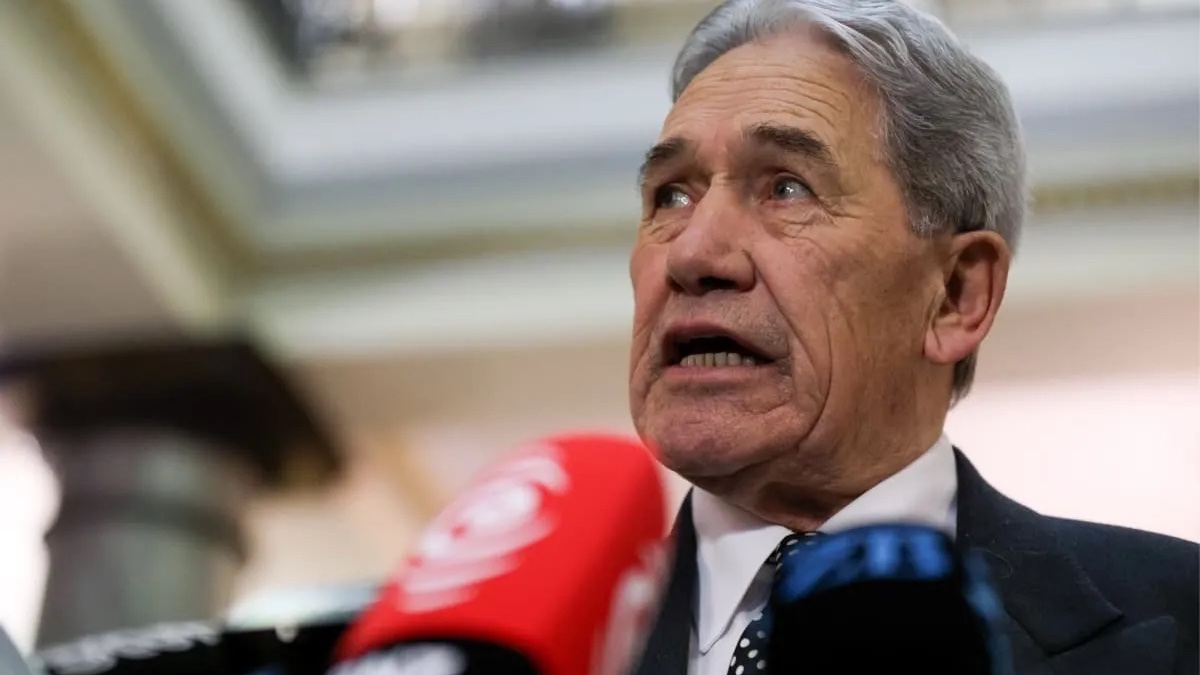
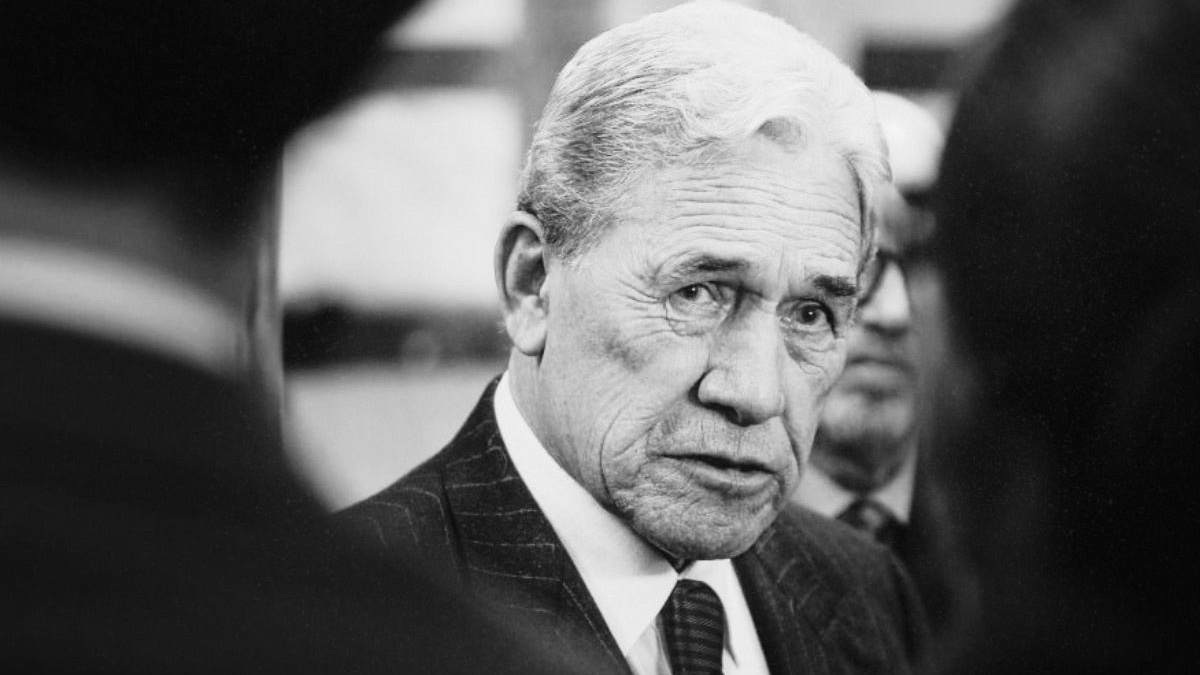
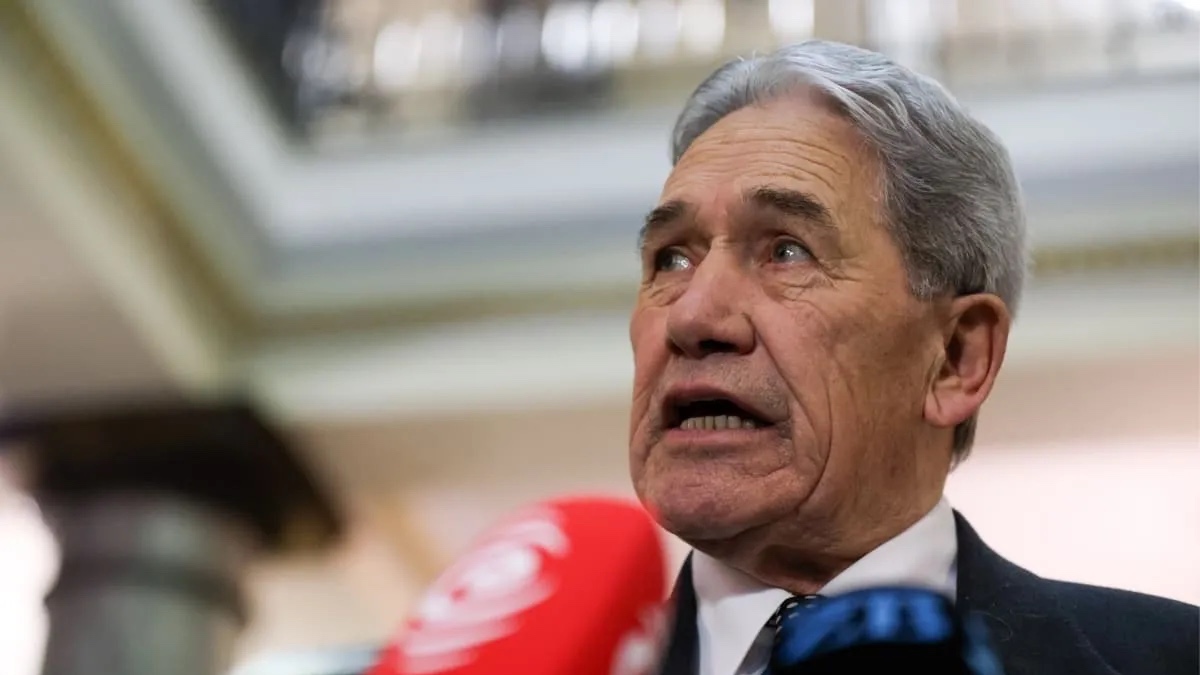
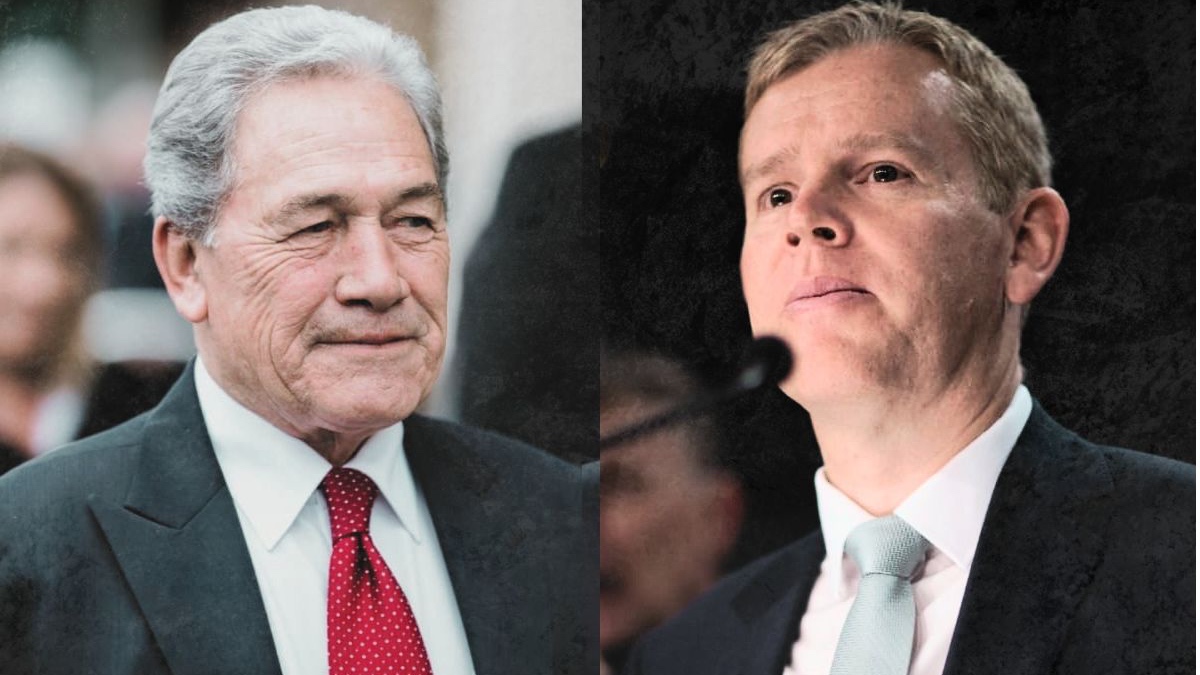
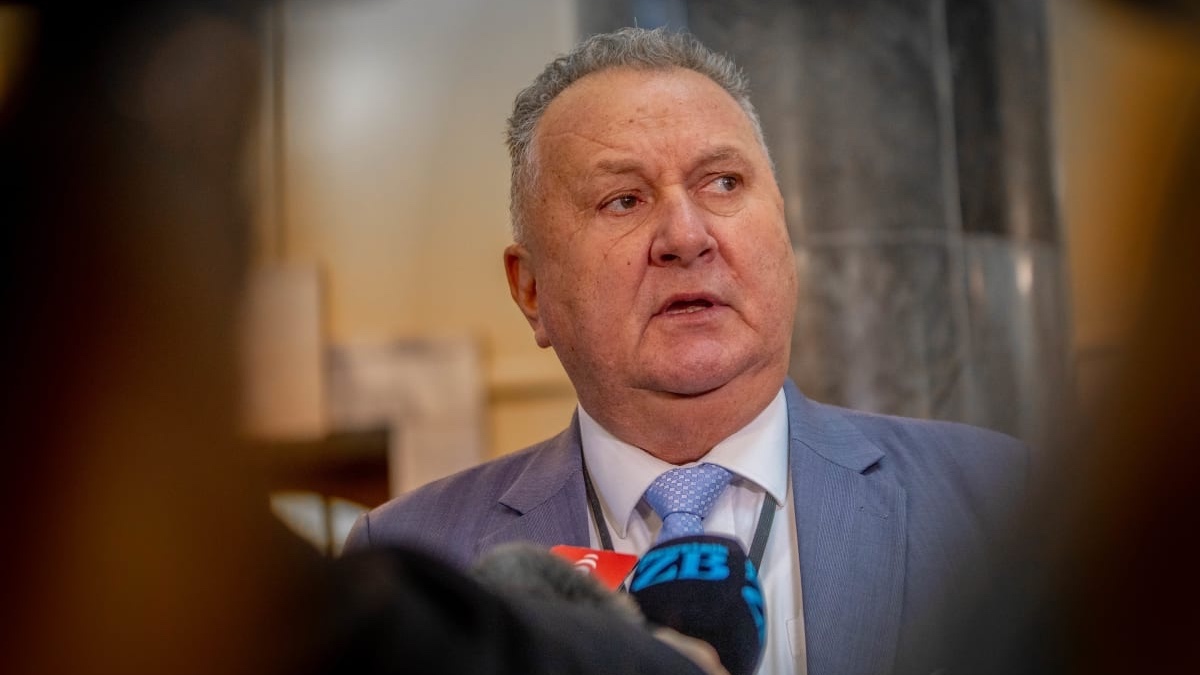
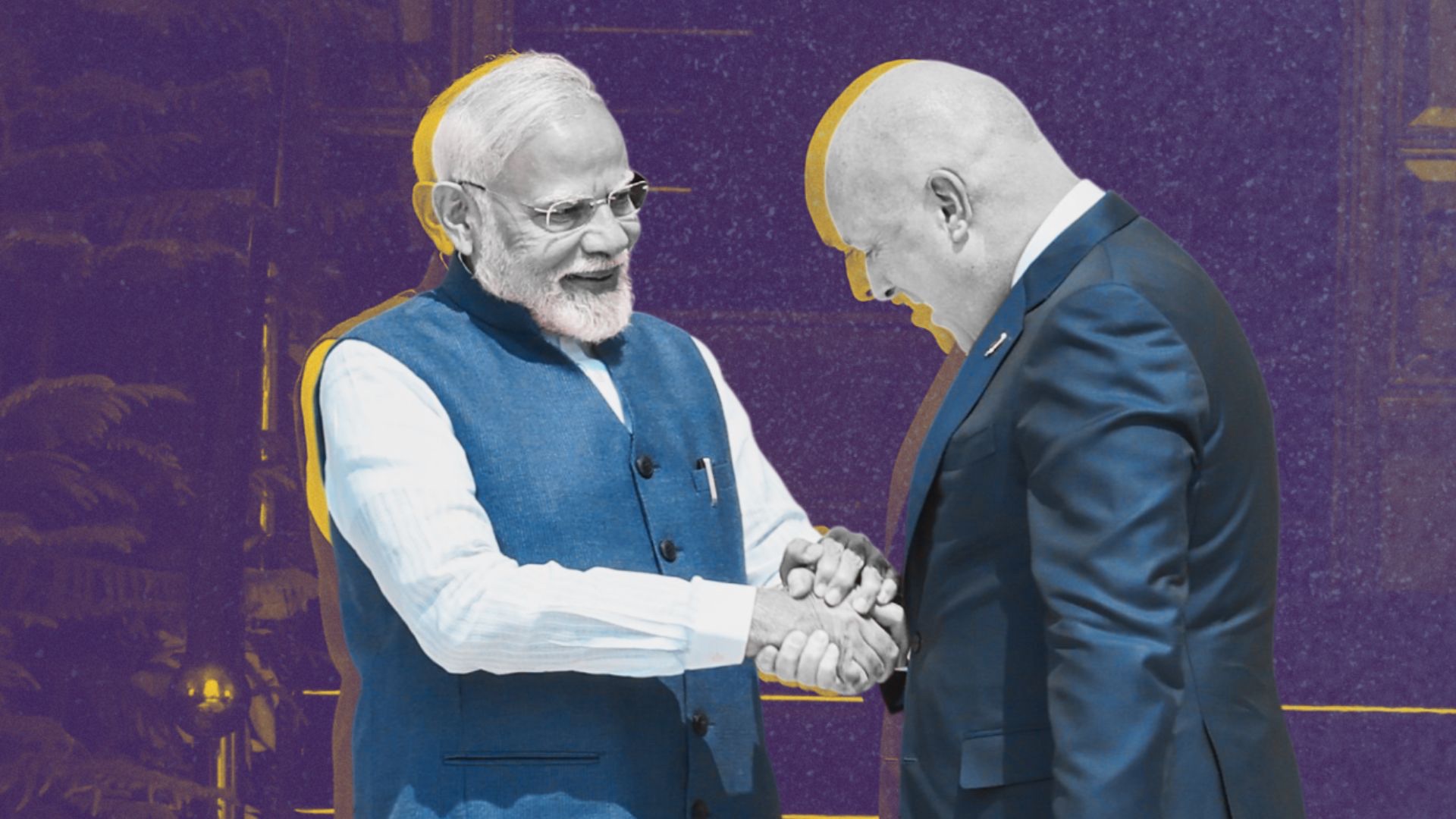
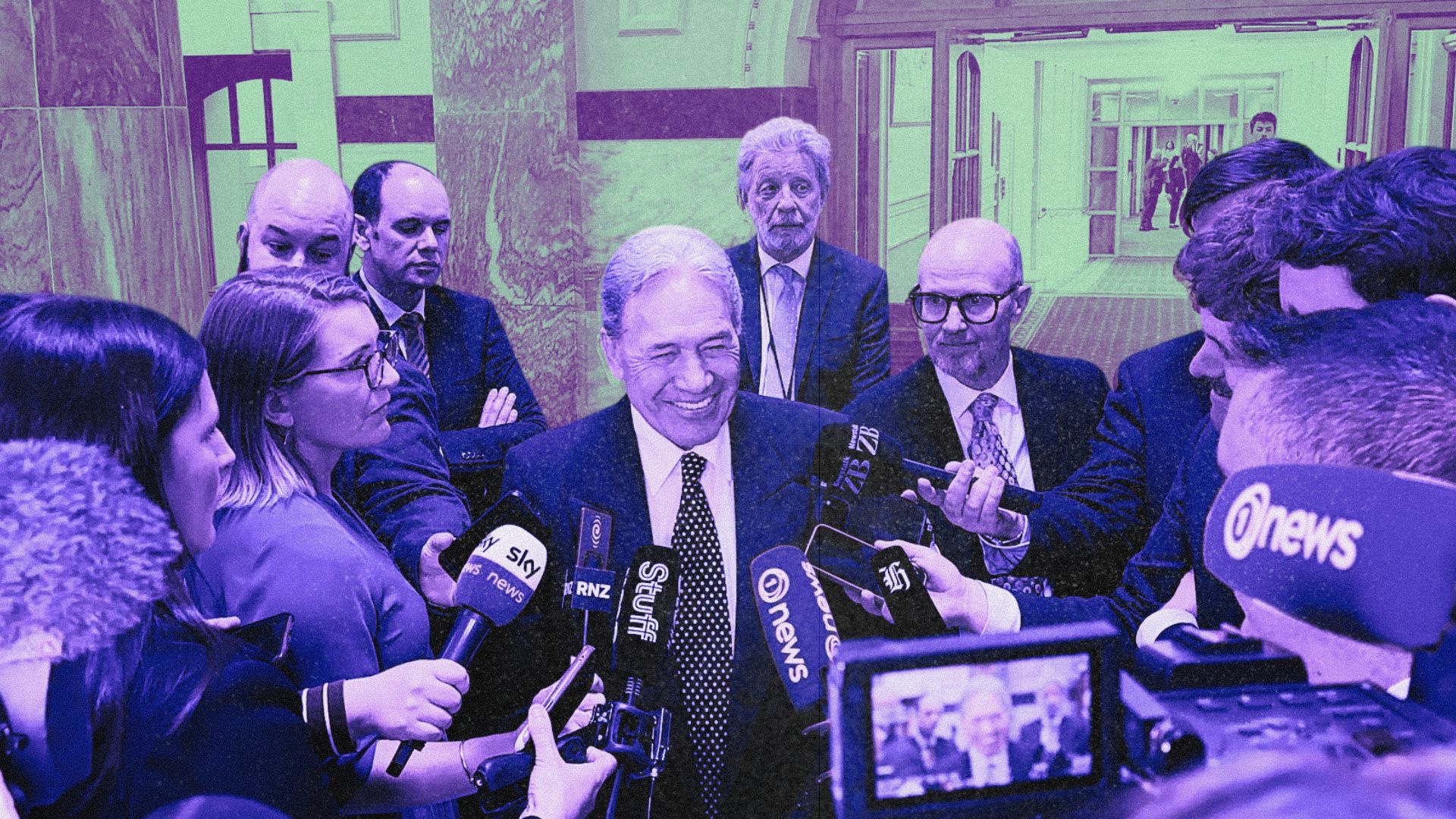
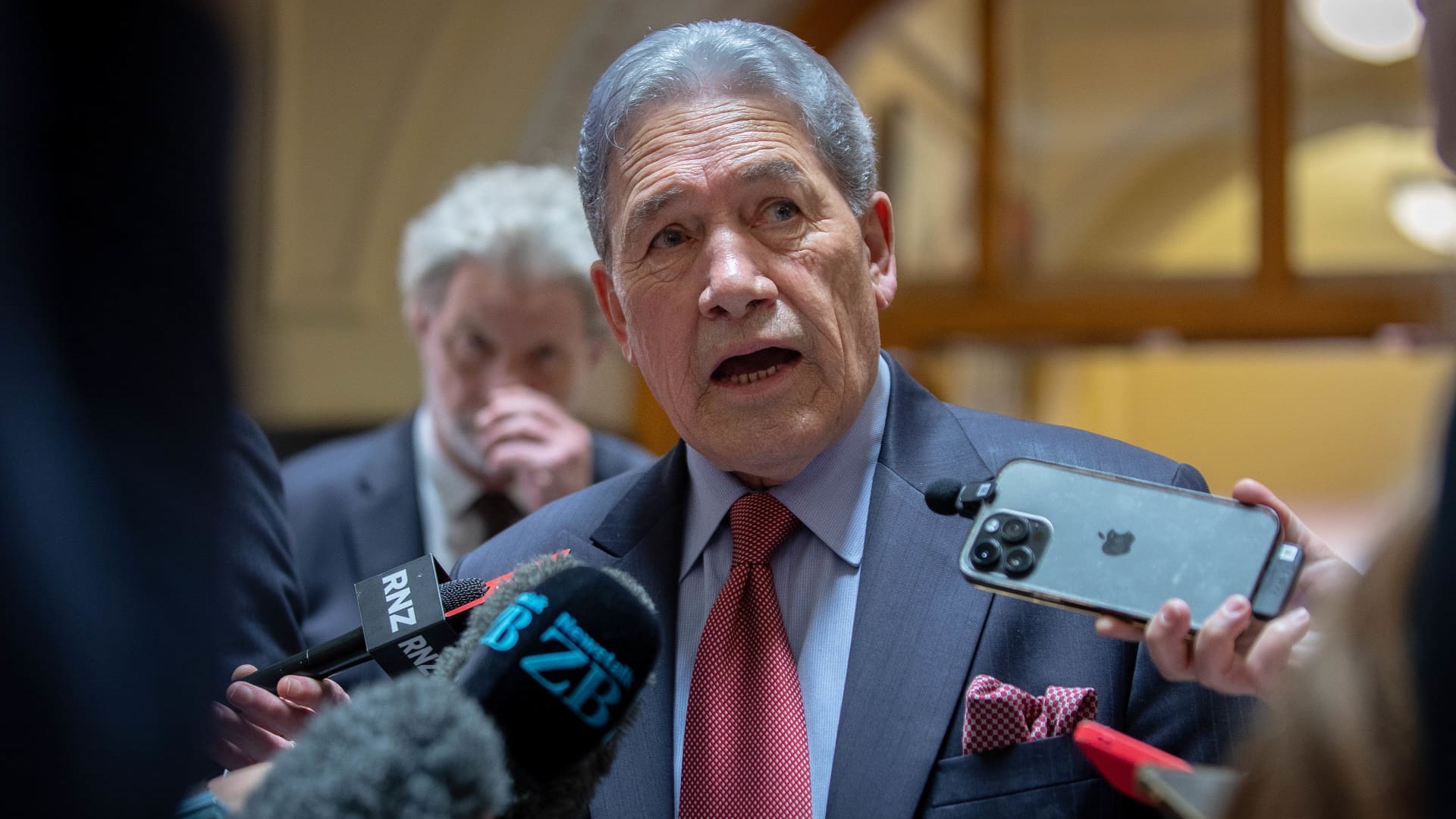
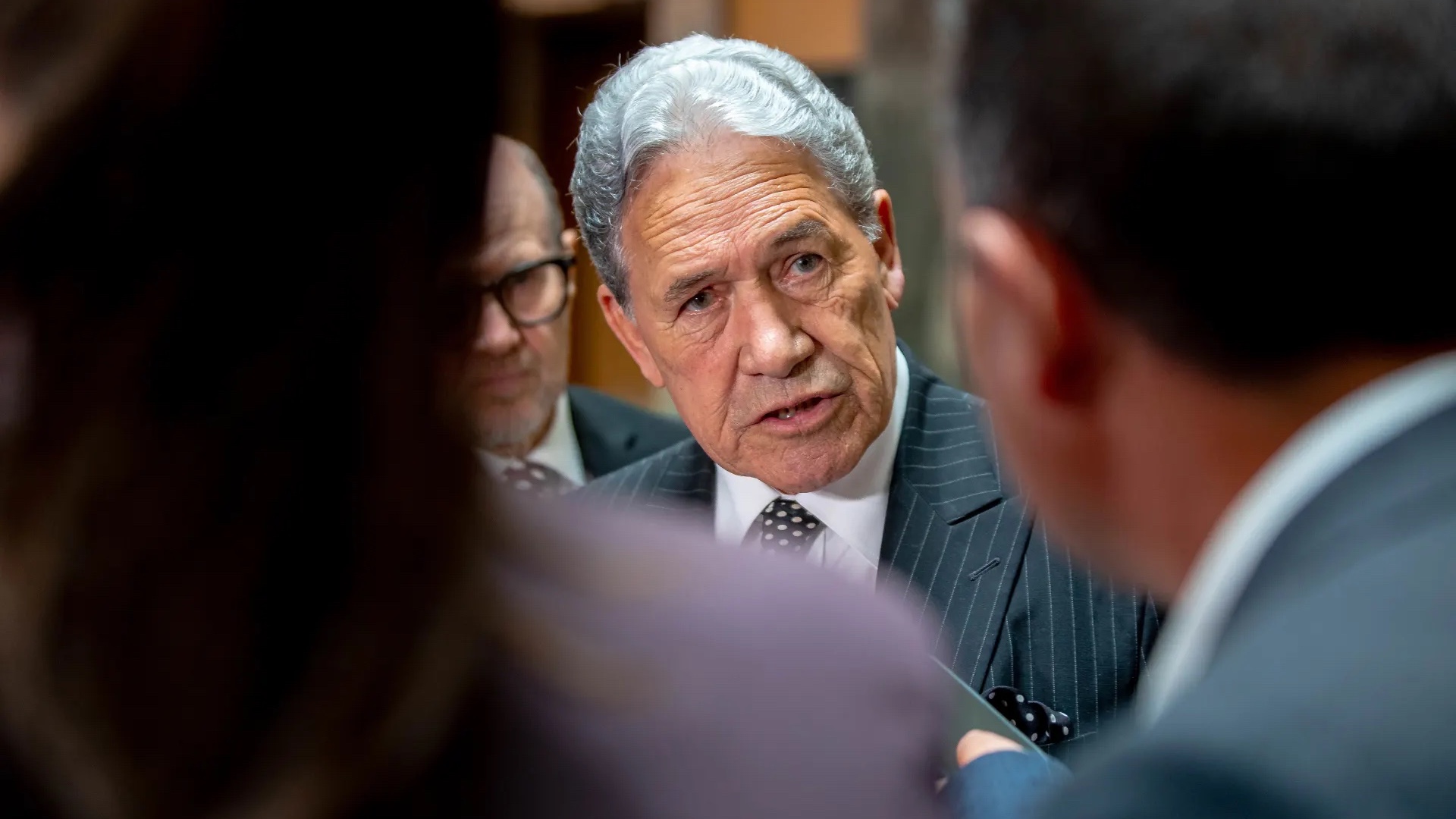
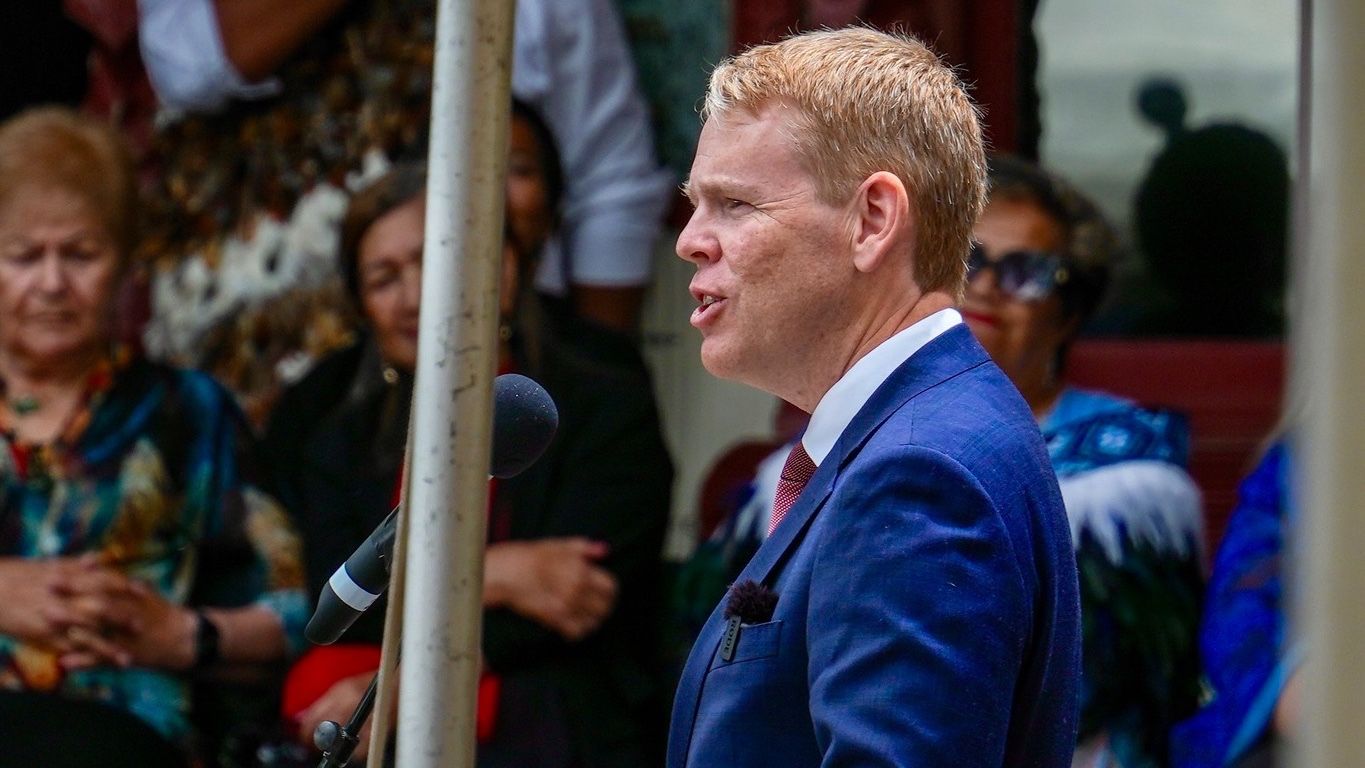
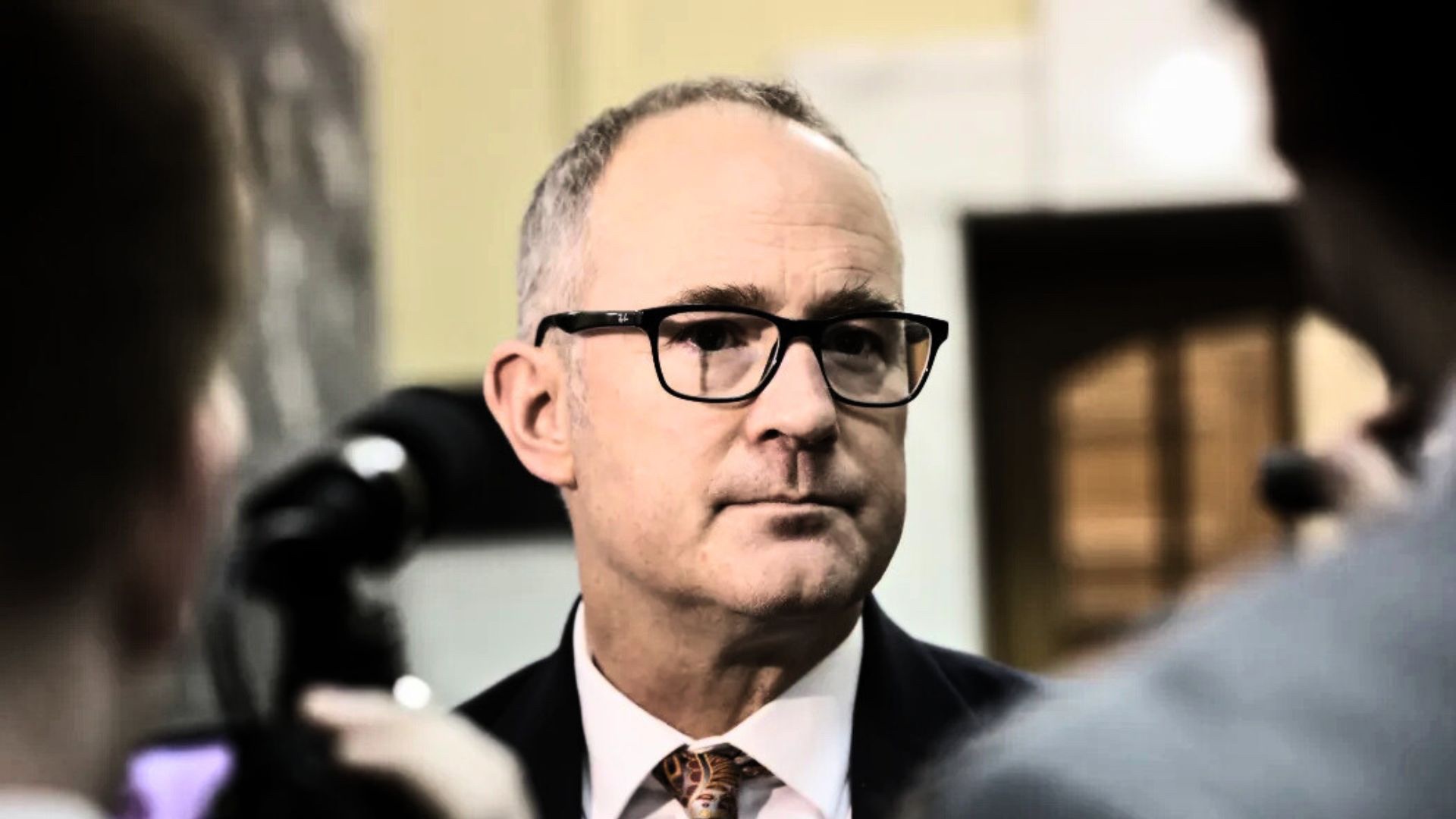
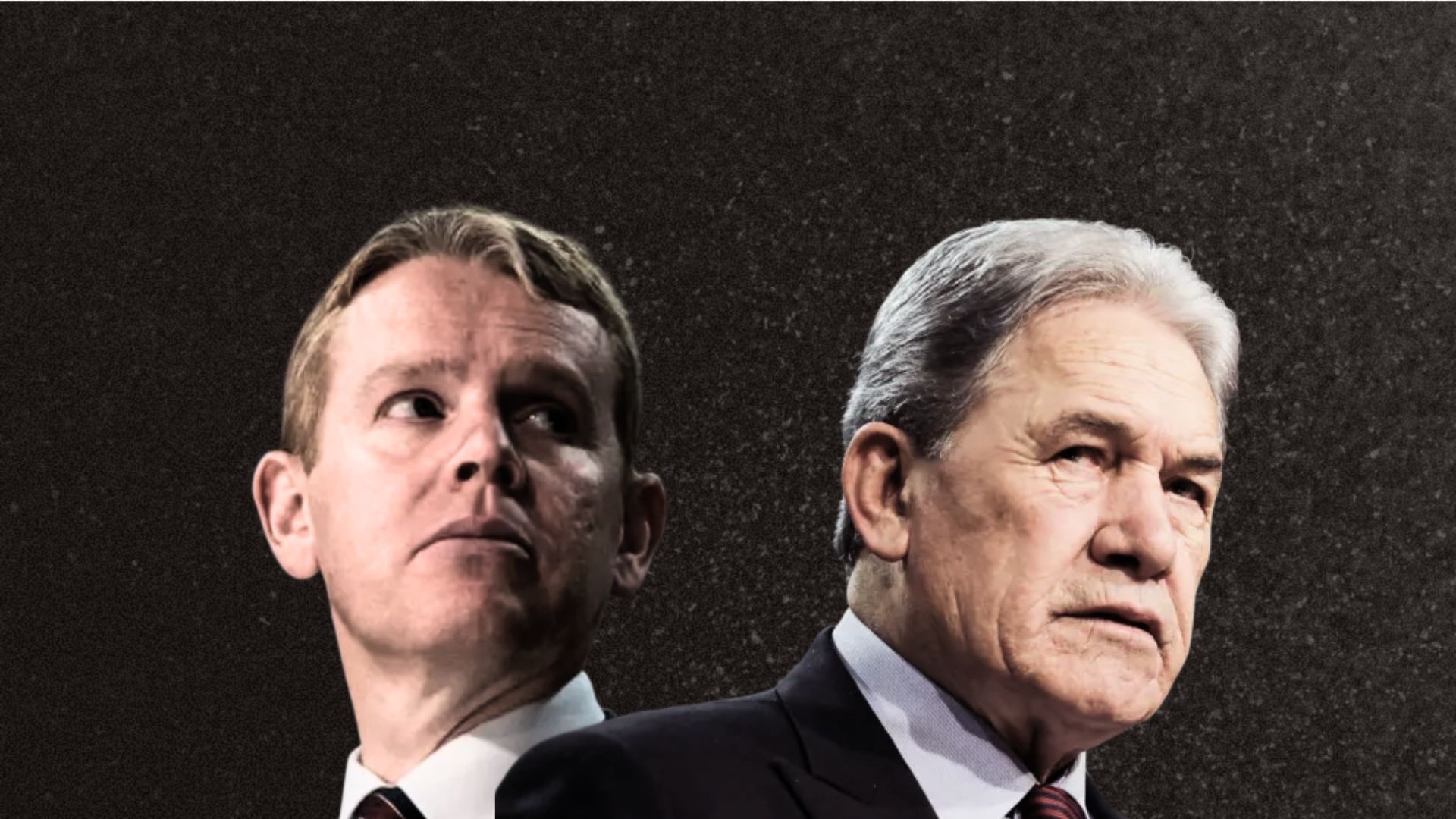
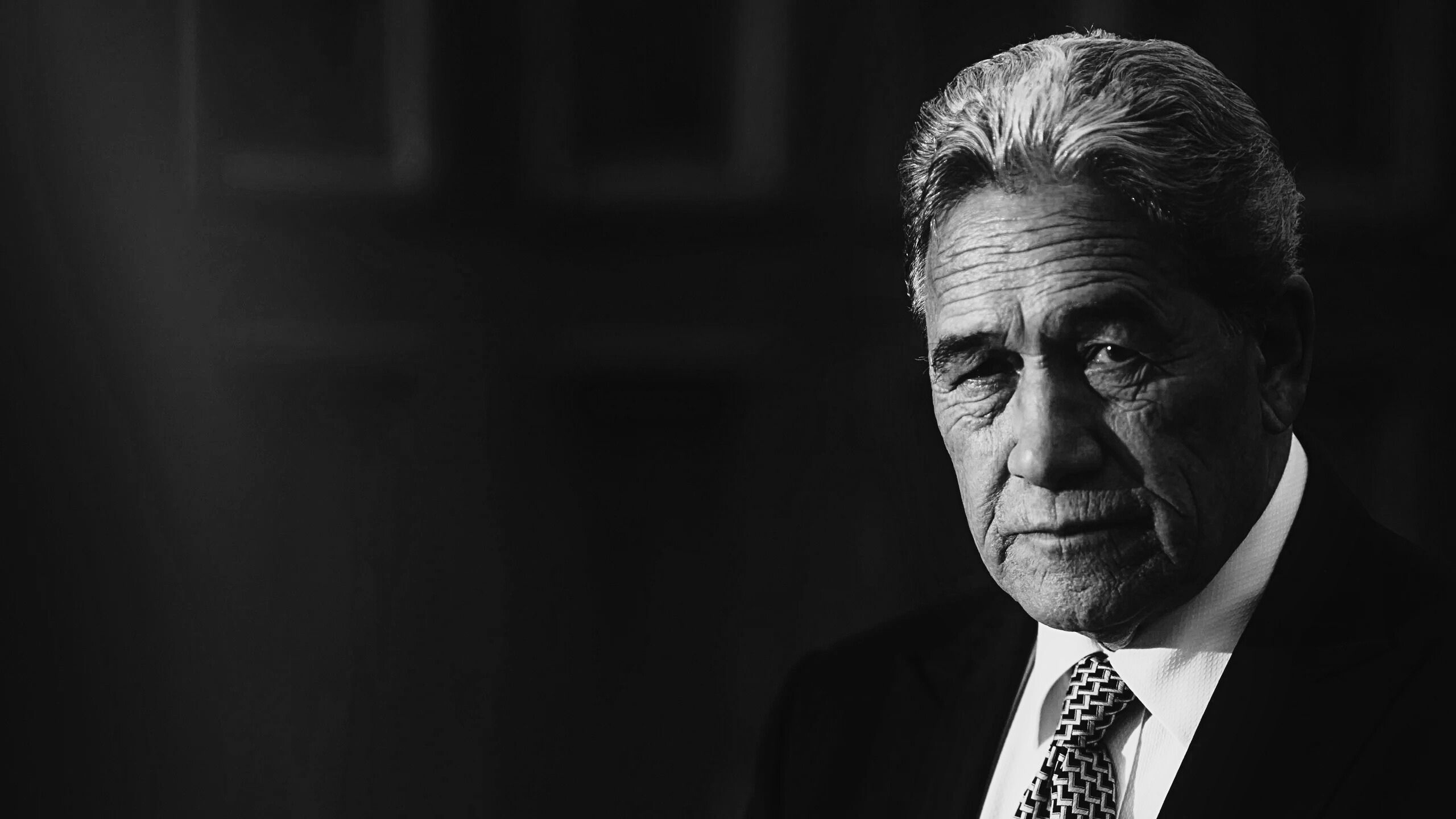
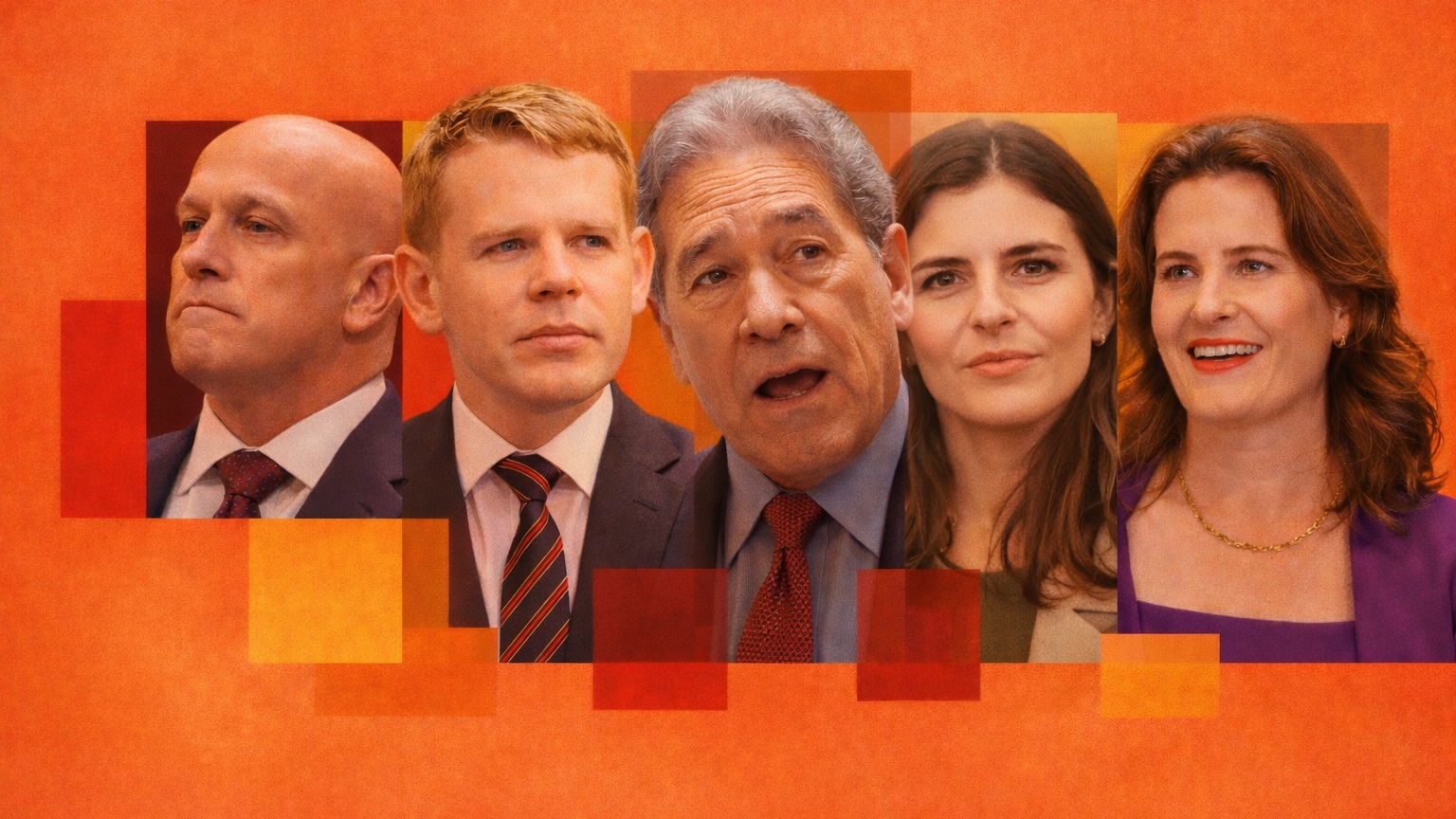
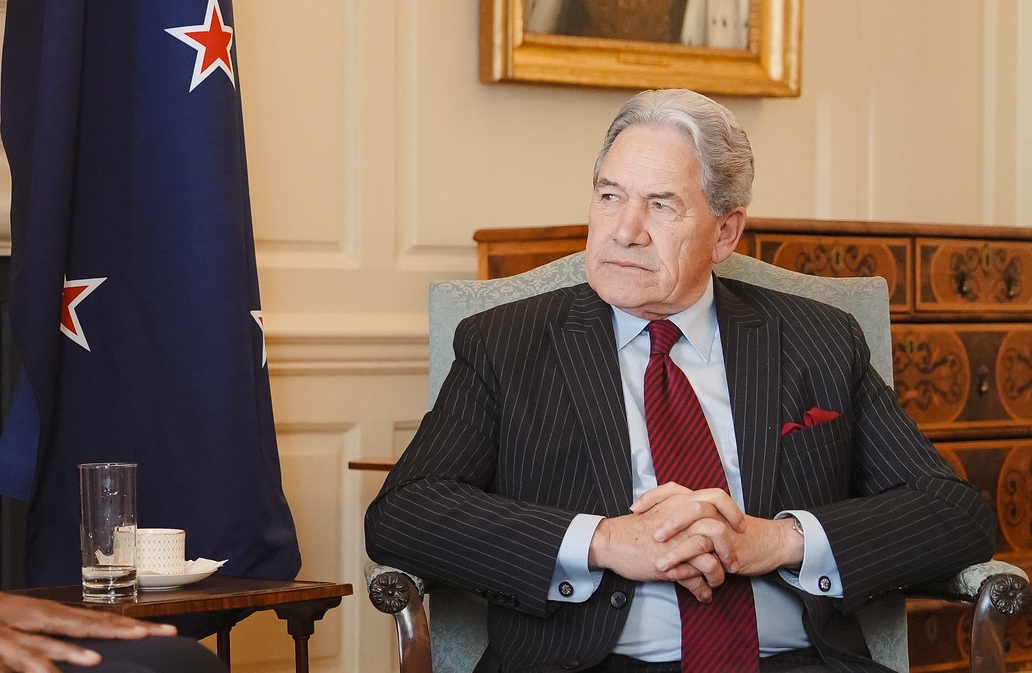
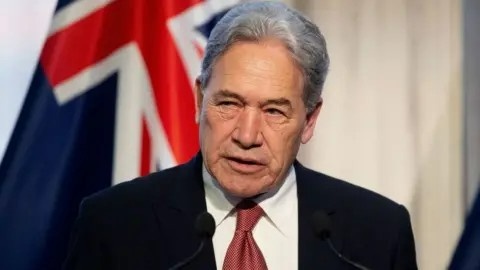
New Zealand First leader and foreign minister Winston Peters. (RNZ)
He has asked whether officials were effectively operating on a “Don’t let Modi know” basis while considering policies that would affect Indian citizens differently.
India’s high commissioner to New Zealand, Muanpuii Saiawi, has already rejected Peters’ suggestion that New Delhi was misled, saying she did not personally believe that was the case.
Tandon’s comments go further by explaining why India wanted mobility commitments written into the agreement in the first place.
His argument is that a trade deal can remove tariffs and formal restrictions while leaving another barrier intact. The inability of services companies to move the people through whom their services are delivered.
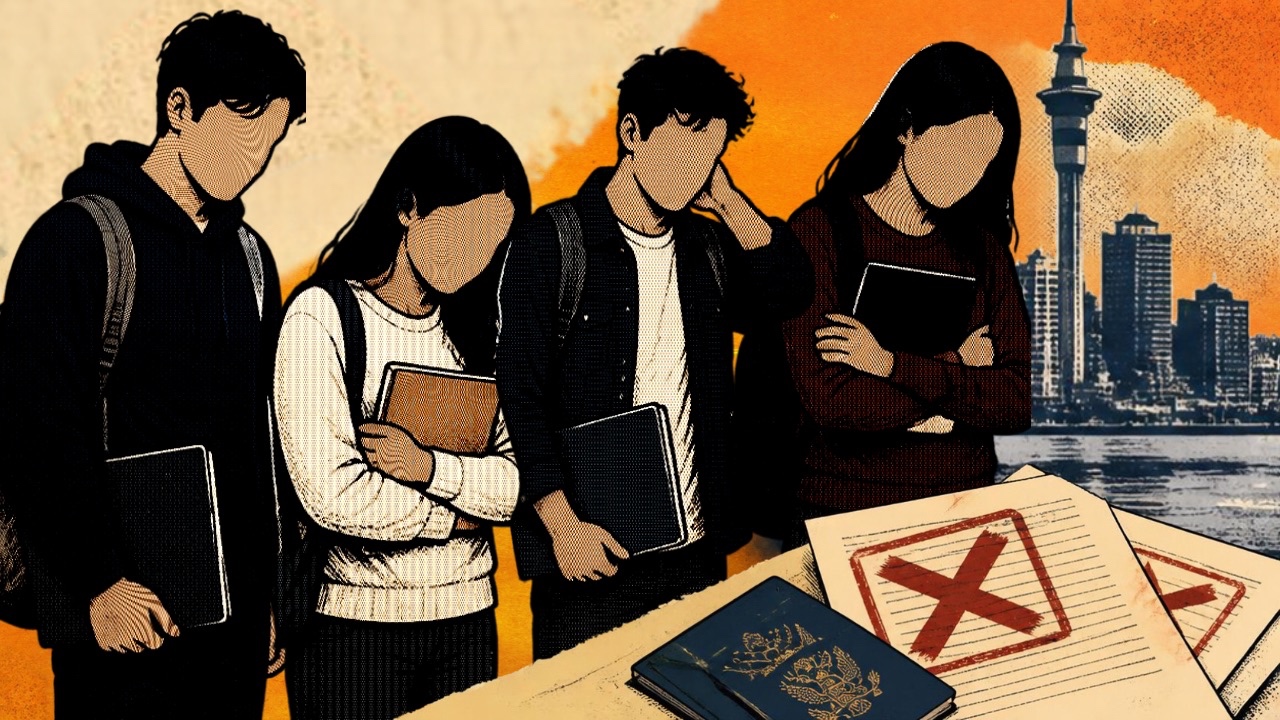
That concern also surfaced when Awaaz asked Tandon about New Zealand’s high visa rejection rates for applicants from India.
Tandon initially stressed that granting or refusing visas remained a sovereign decision for New Zealand.
“As long as our businesses can work, our students get to study, the exchanges as planned by the two sides are taking place, visa decision and conferring visas is a sovereign decision that we can’t really comment upon at this juncture,” he said.
But when pressed on whether high rejection rates were a problem from India’s perspective, he acknowledged their potential effect on the relationship.
“It’s a loss of opportunity for the speed at which we can build up the relationship,” he said.
“But, again, as I said, it’s a sovereign decision and we have to go by that sovereign decision.”
The answer was carefully framed.
India did not dispute New Zealand’s right to decide individual applications. Nor did Tandon argue that Indian applicants should automatically receive visas.
But his remarks make clear that New Delhi sees visa difficulties as capable of slowing the commercial, educational and people-to-people relationship both governments say they want to expand.
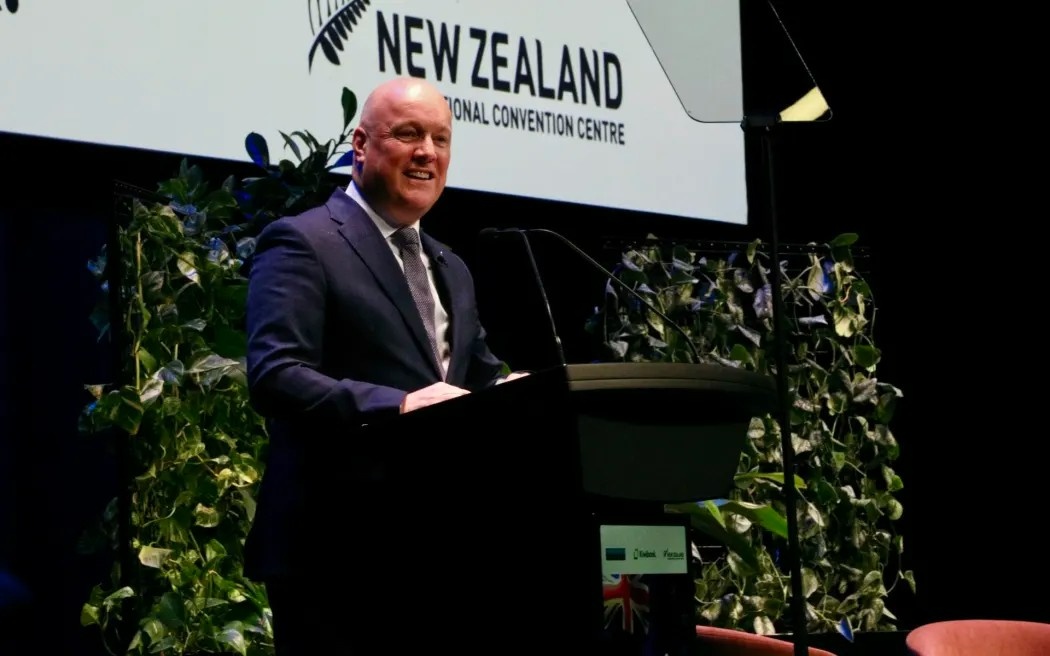
Prime Minister Christopher Luxon has acknowledged that India will face different FTA immigration settings, while rejecting Peters’ contention that the approach is discriminatory.
The political sensitivity lies in the fact that the same provision can be described truthfully in two different ways.
It is a visa provision because it governs the movement of people across New Zealand’s border. But it is also a trade provision if those people are moving temporarily to deliver services sold under the FTA.
New Delhi argues that without workable mobility arrangements, New Zealand could claim to open its market to Indian services companies while visa barriers prevented those companies from using that access in practice.