
'Concerning': Police step in after Tamaki calls for purging Indians over Modi visit
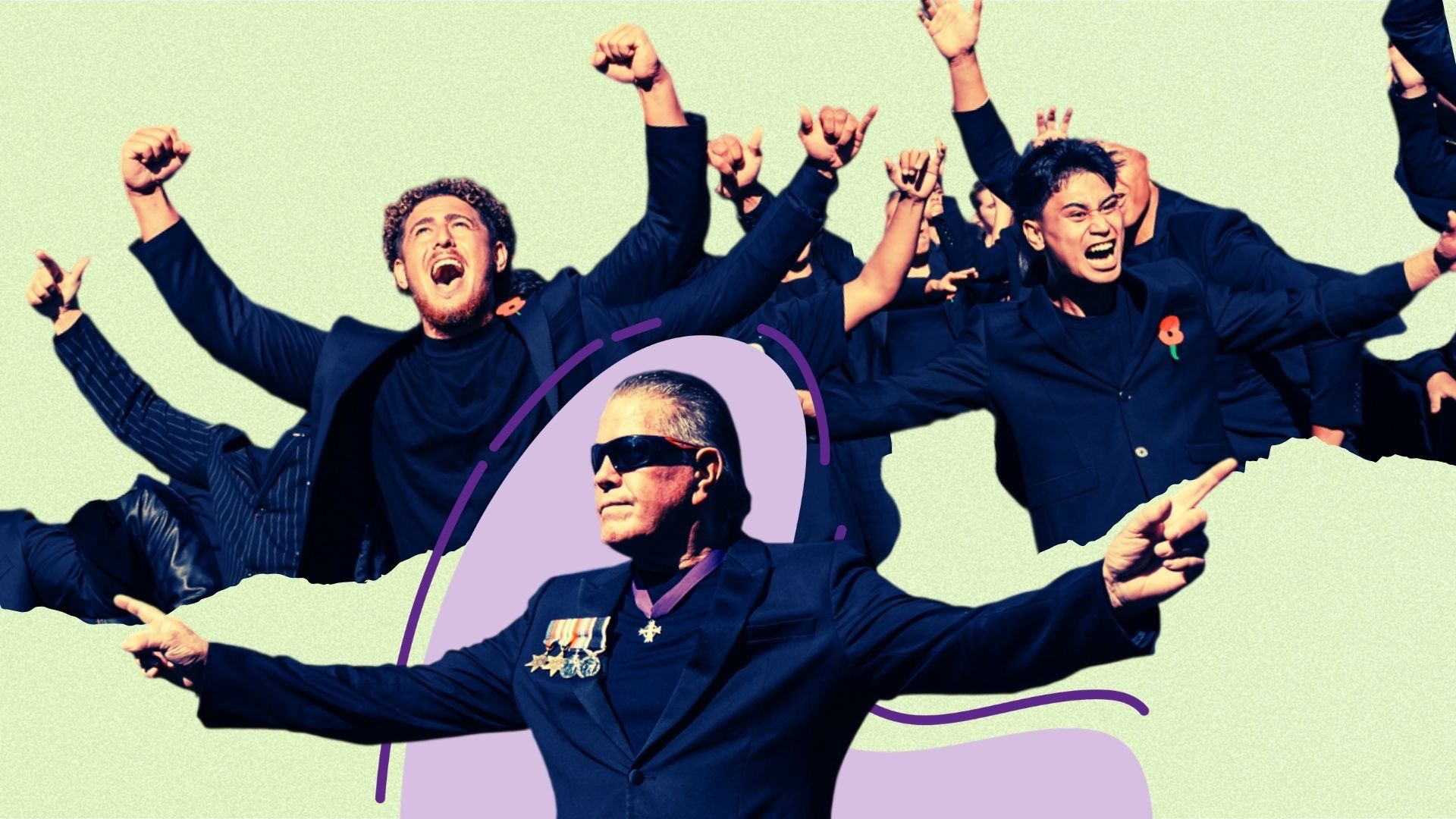
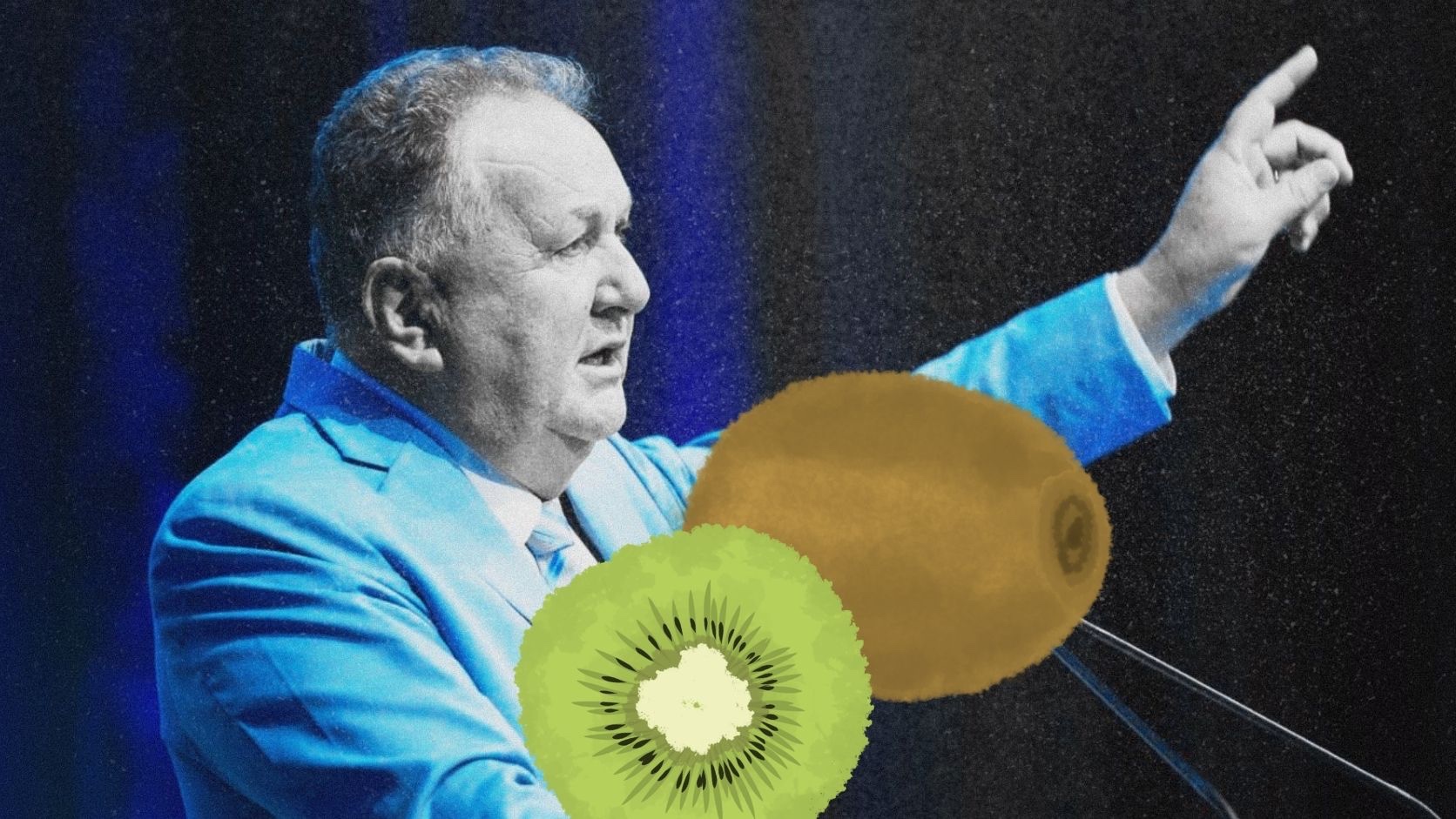
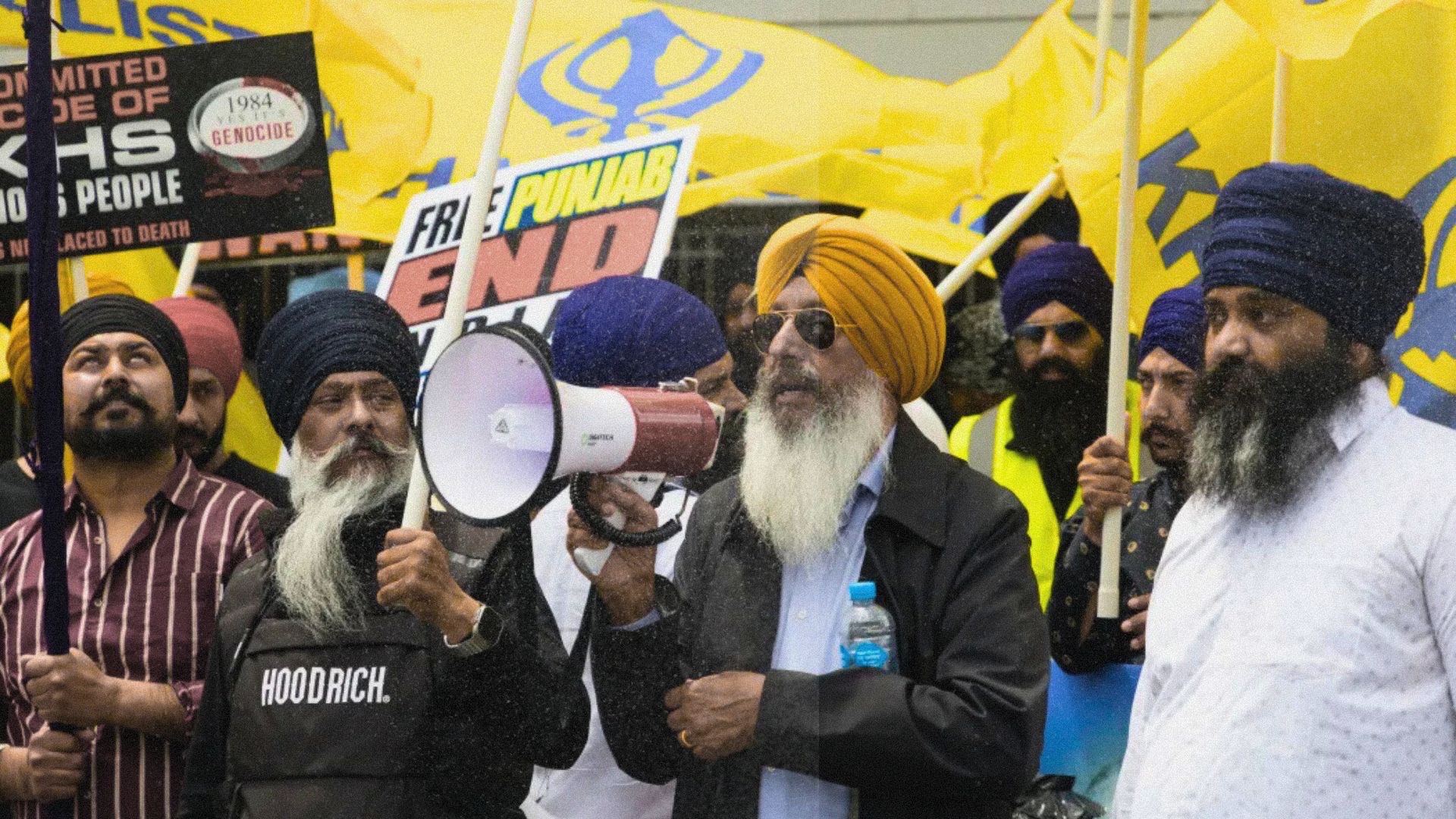
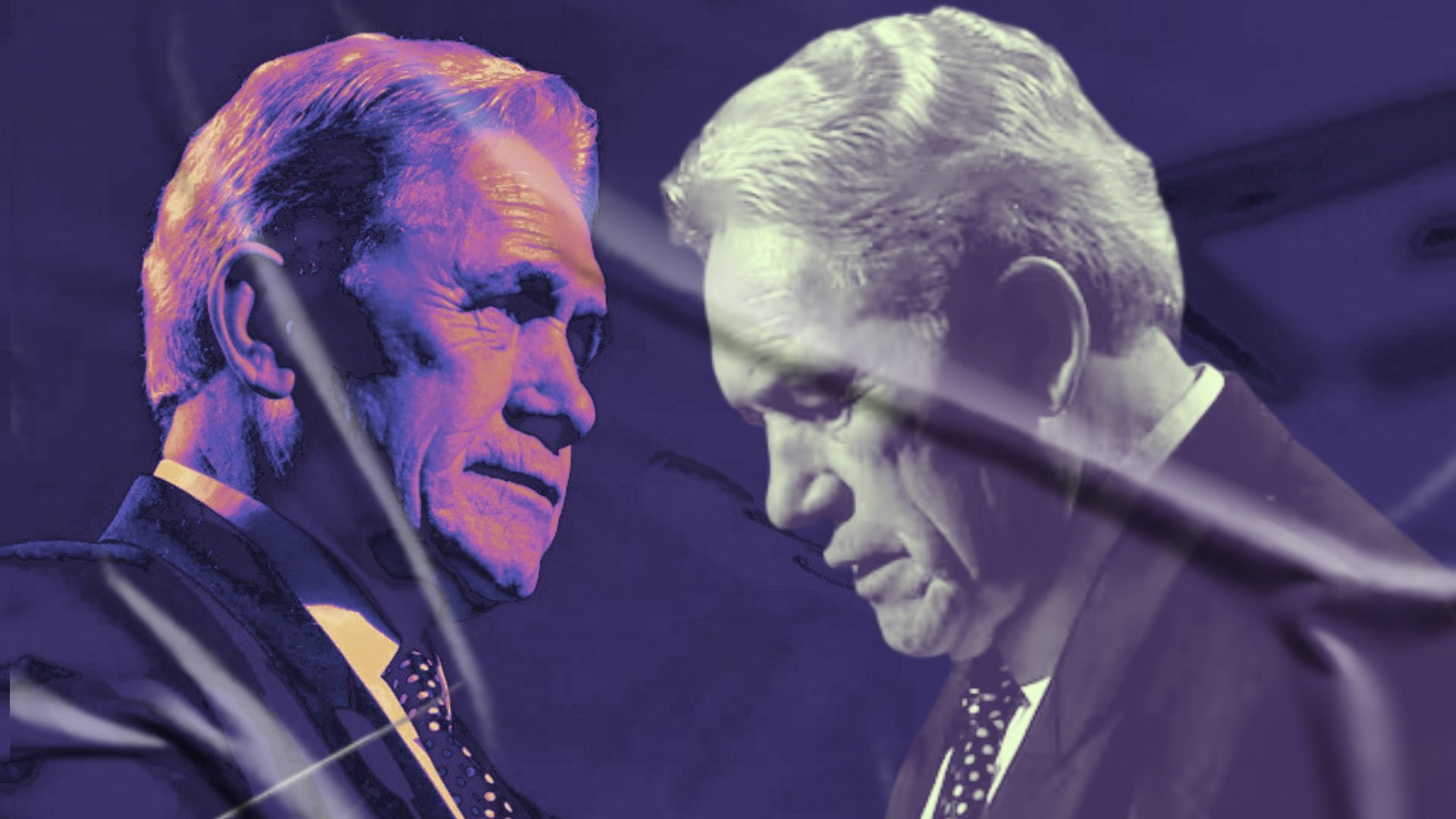
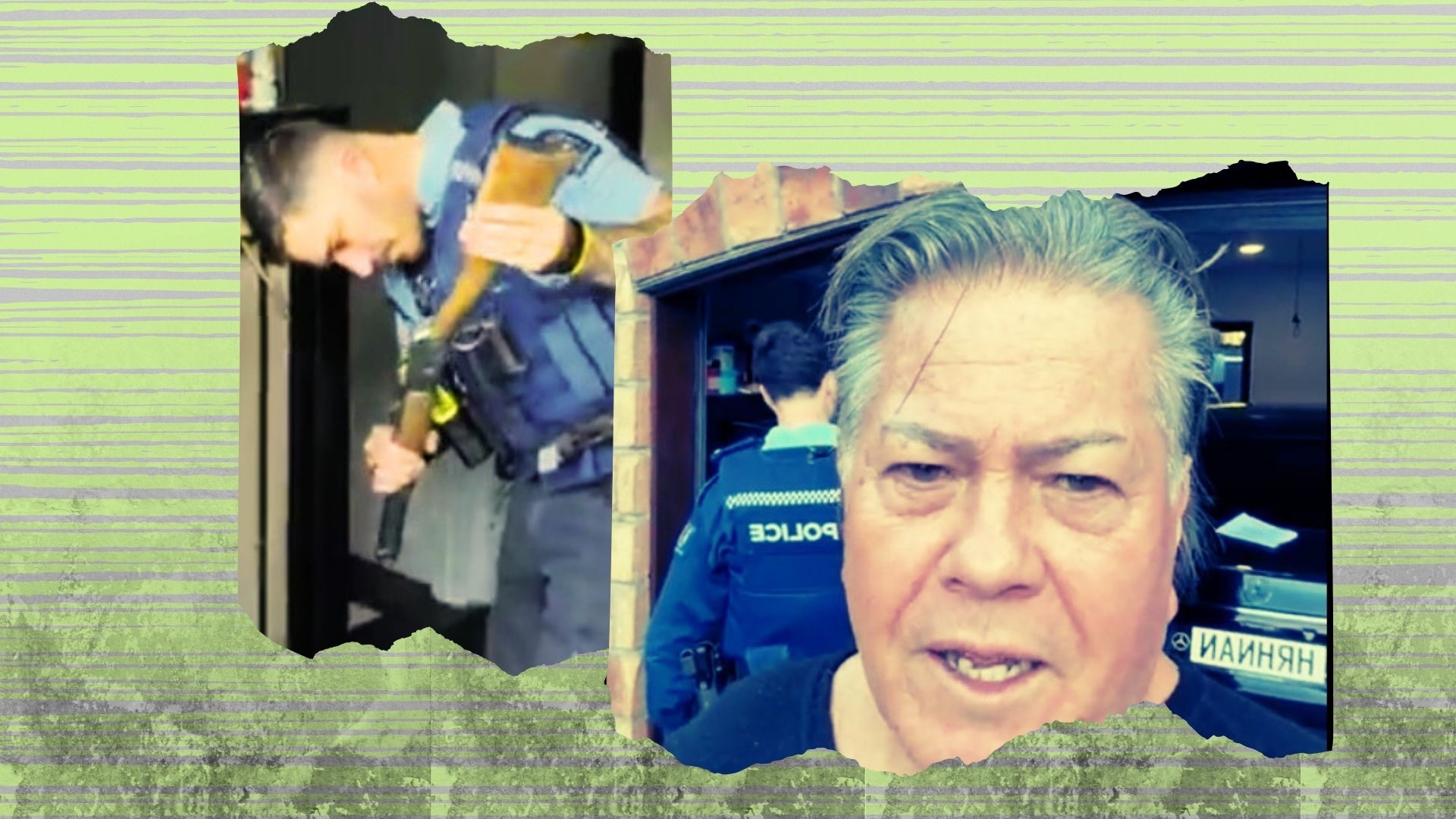
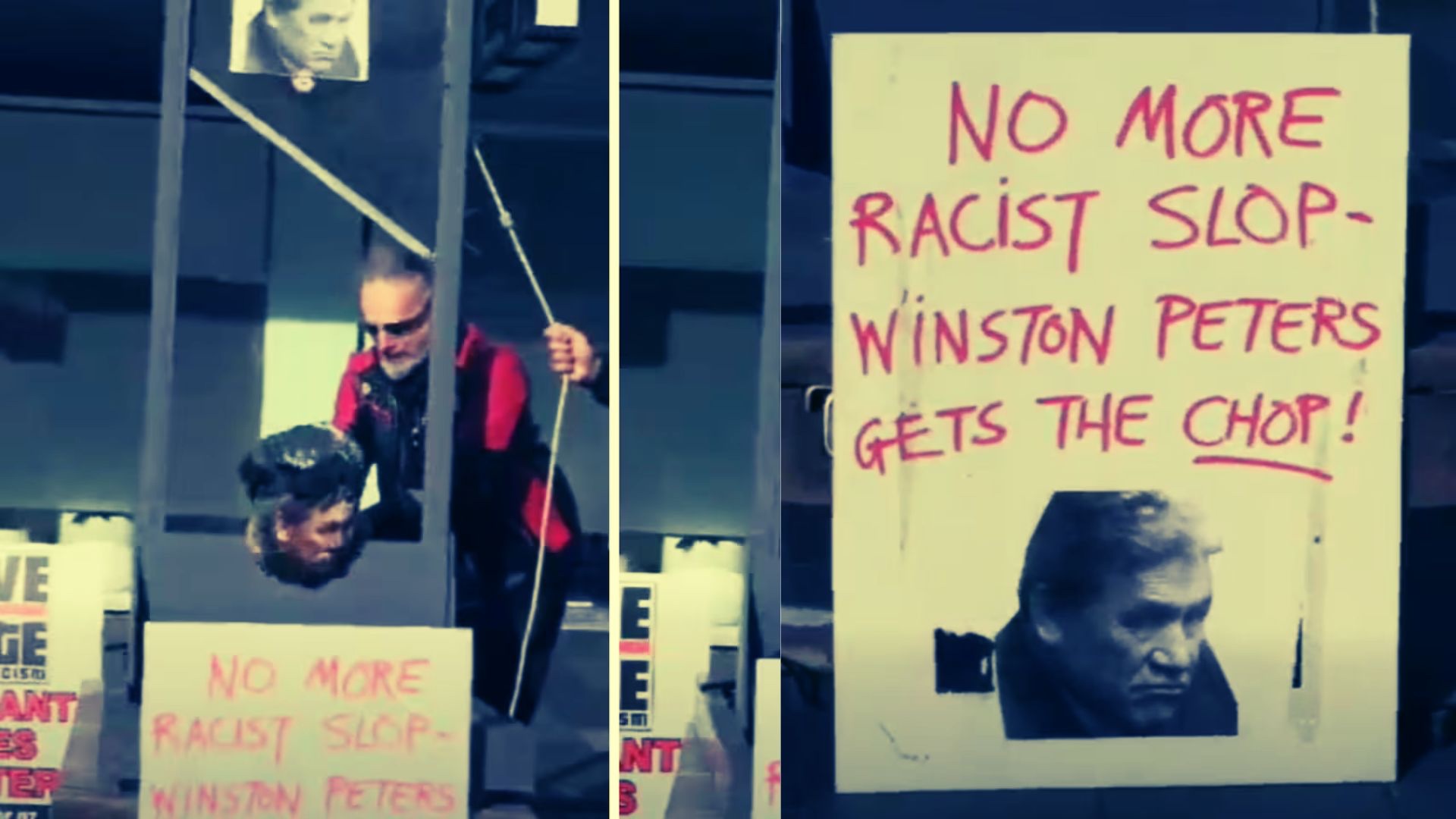
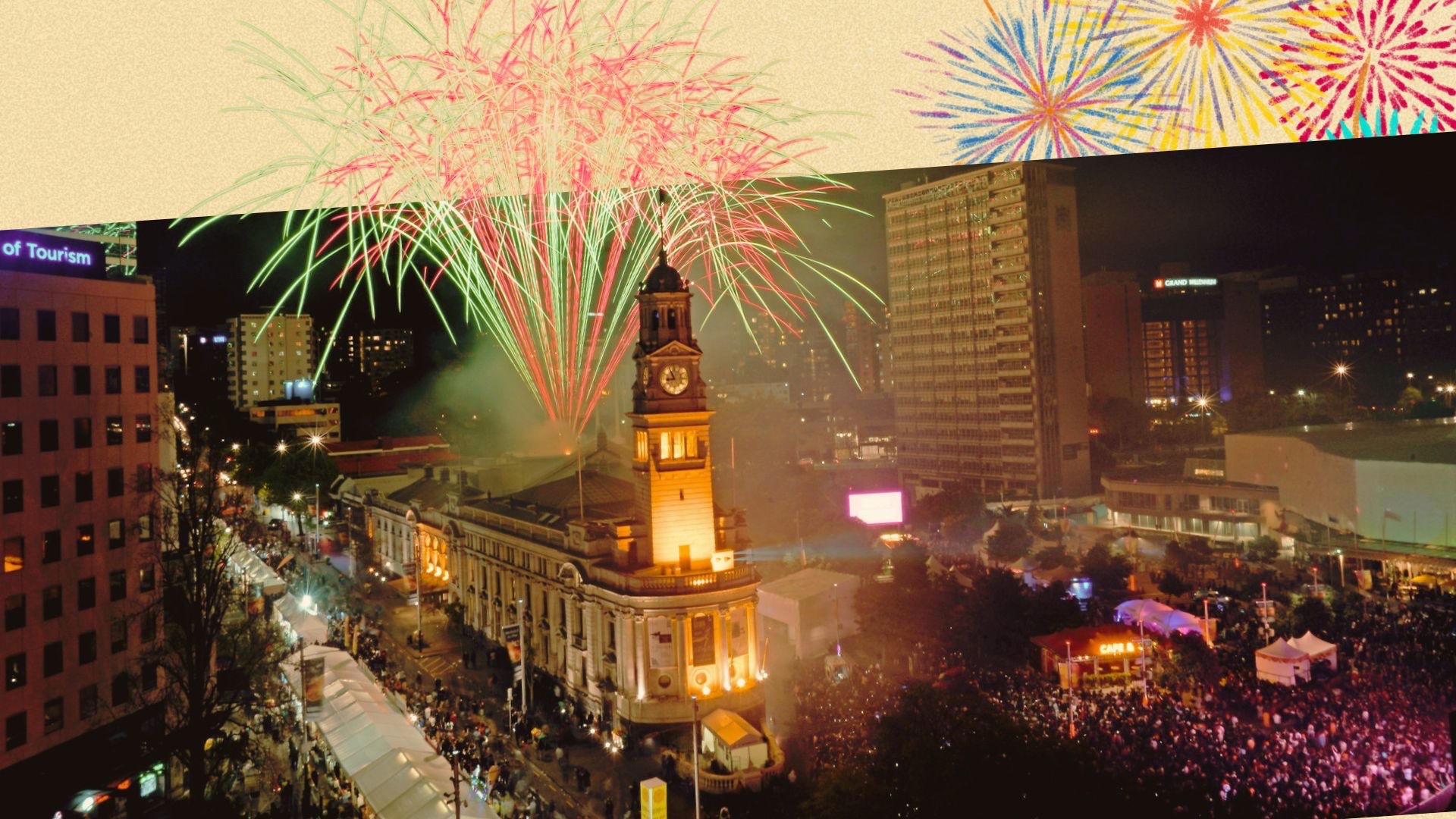
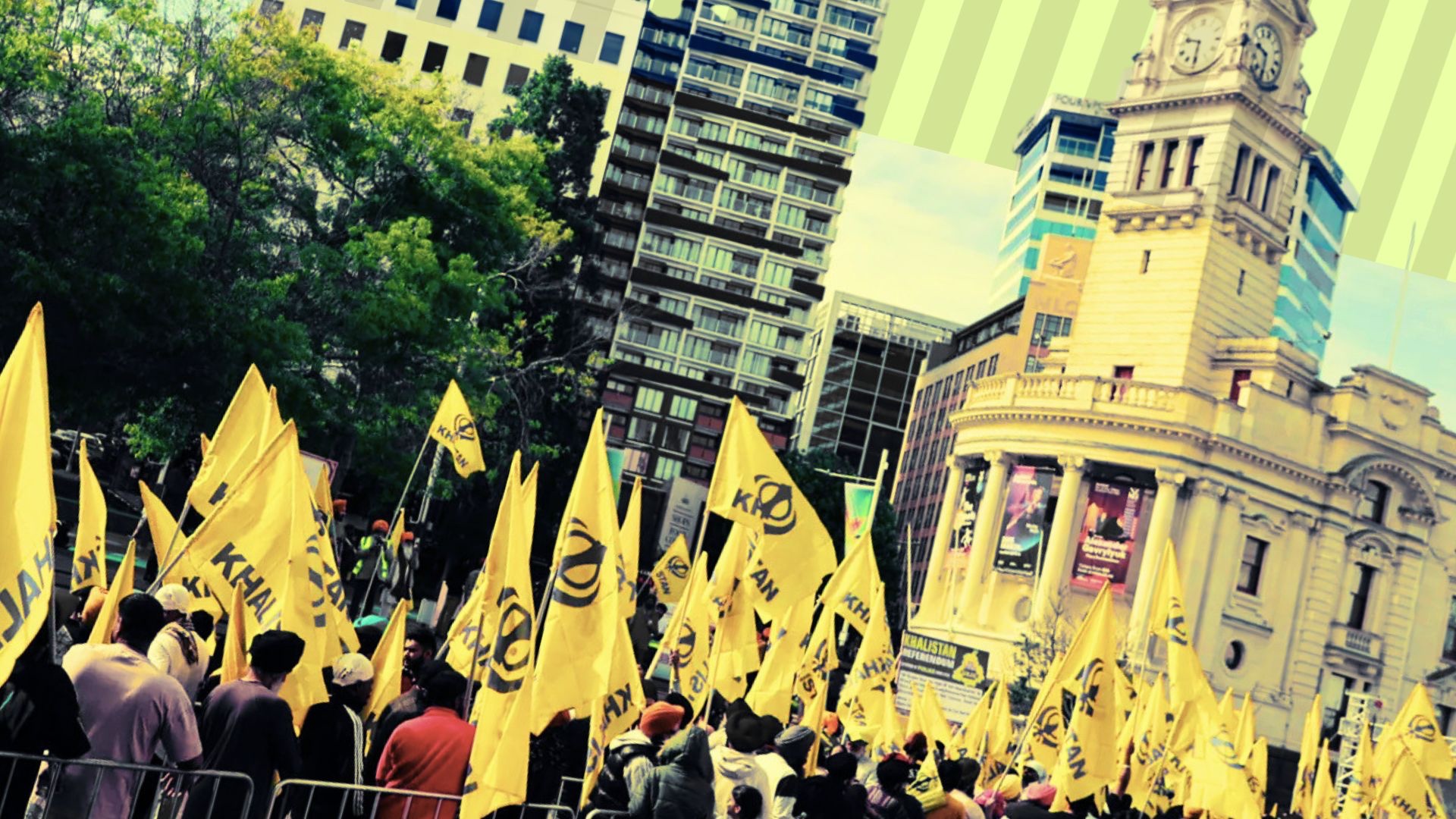
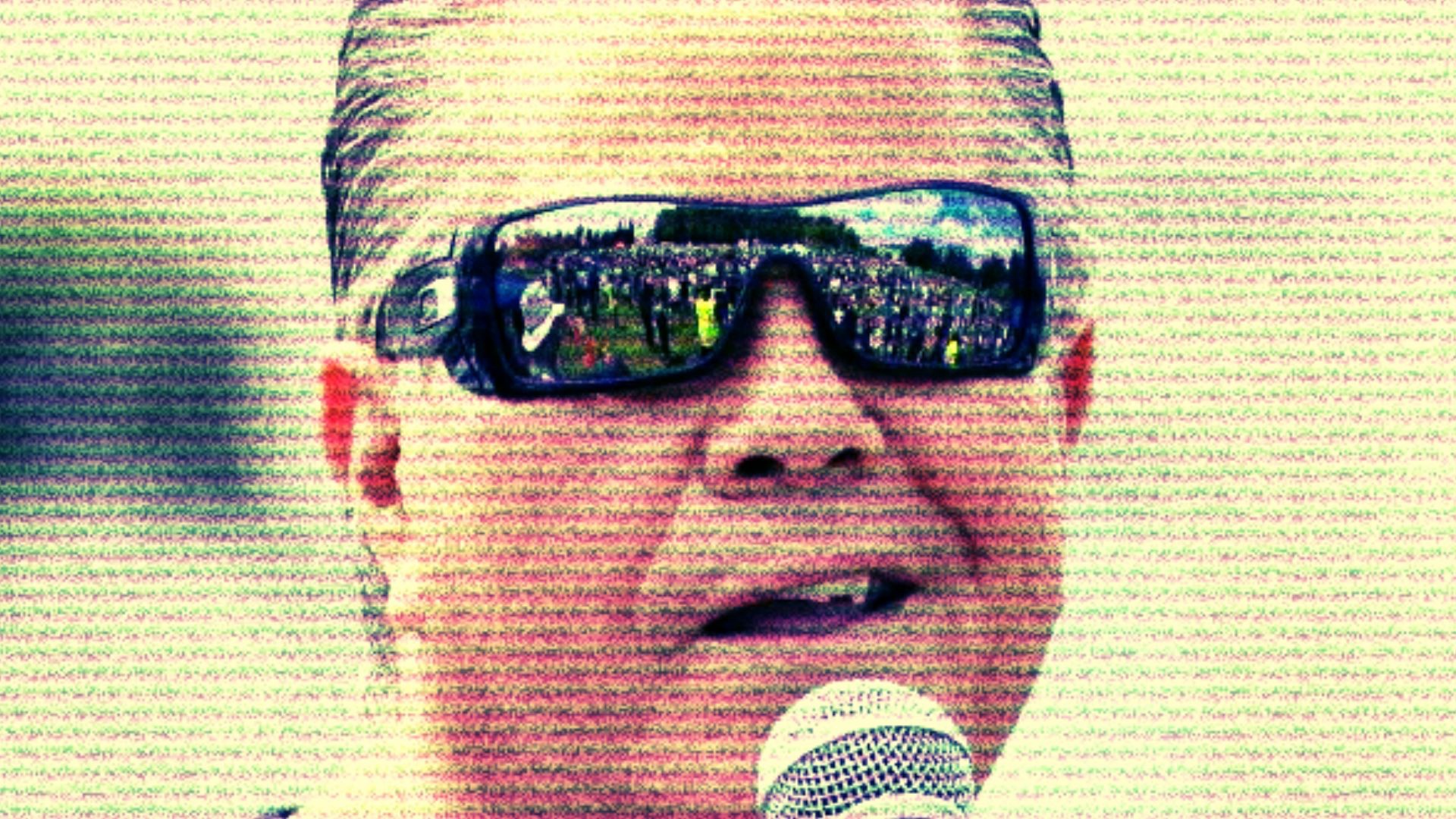
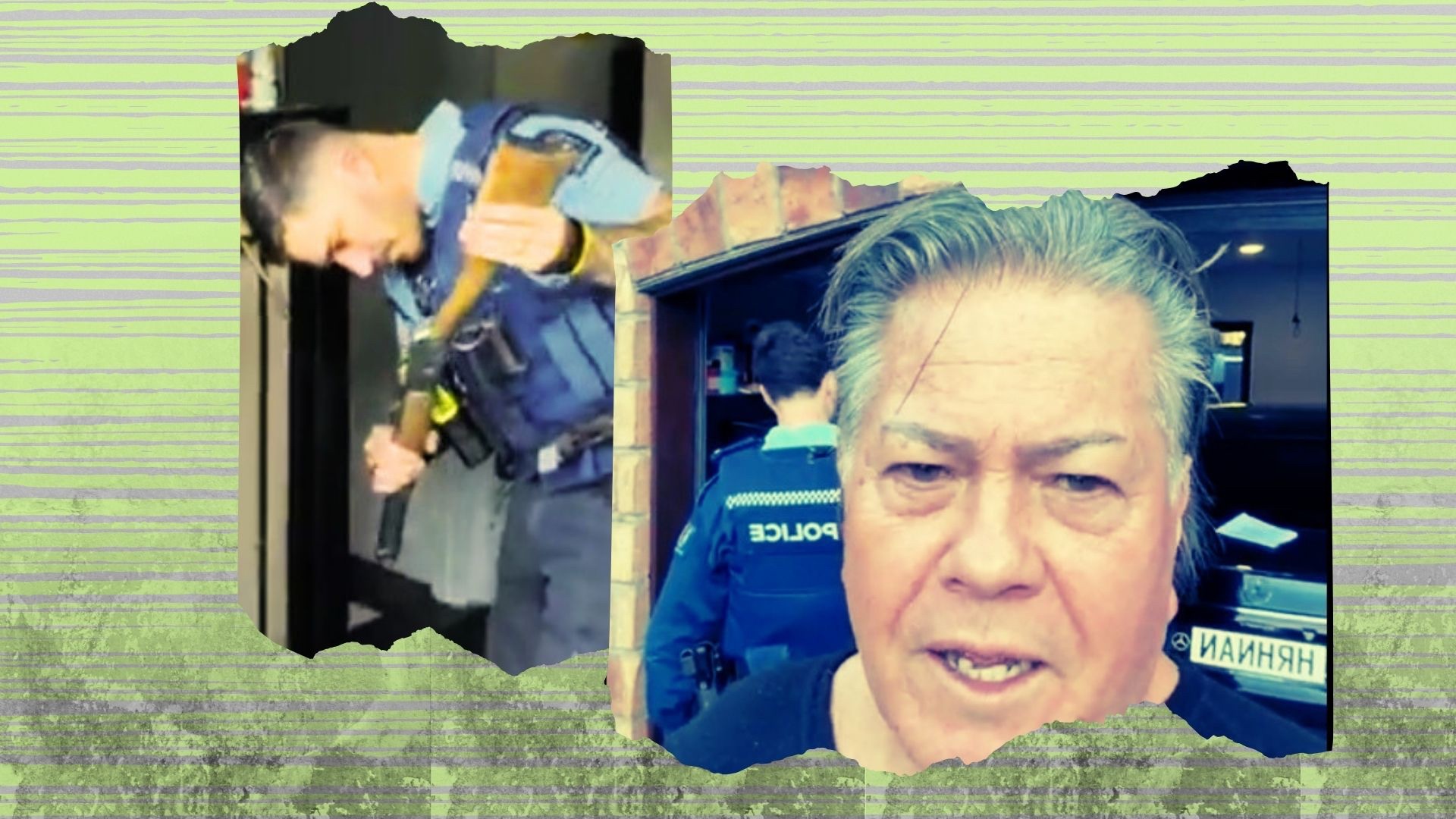
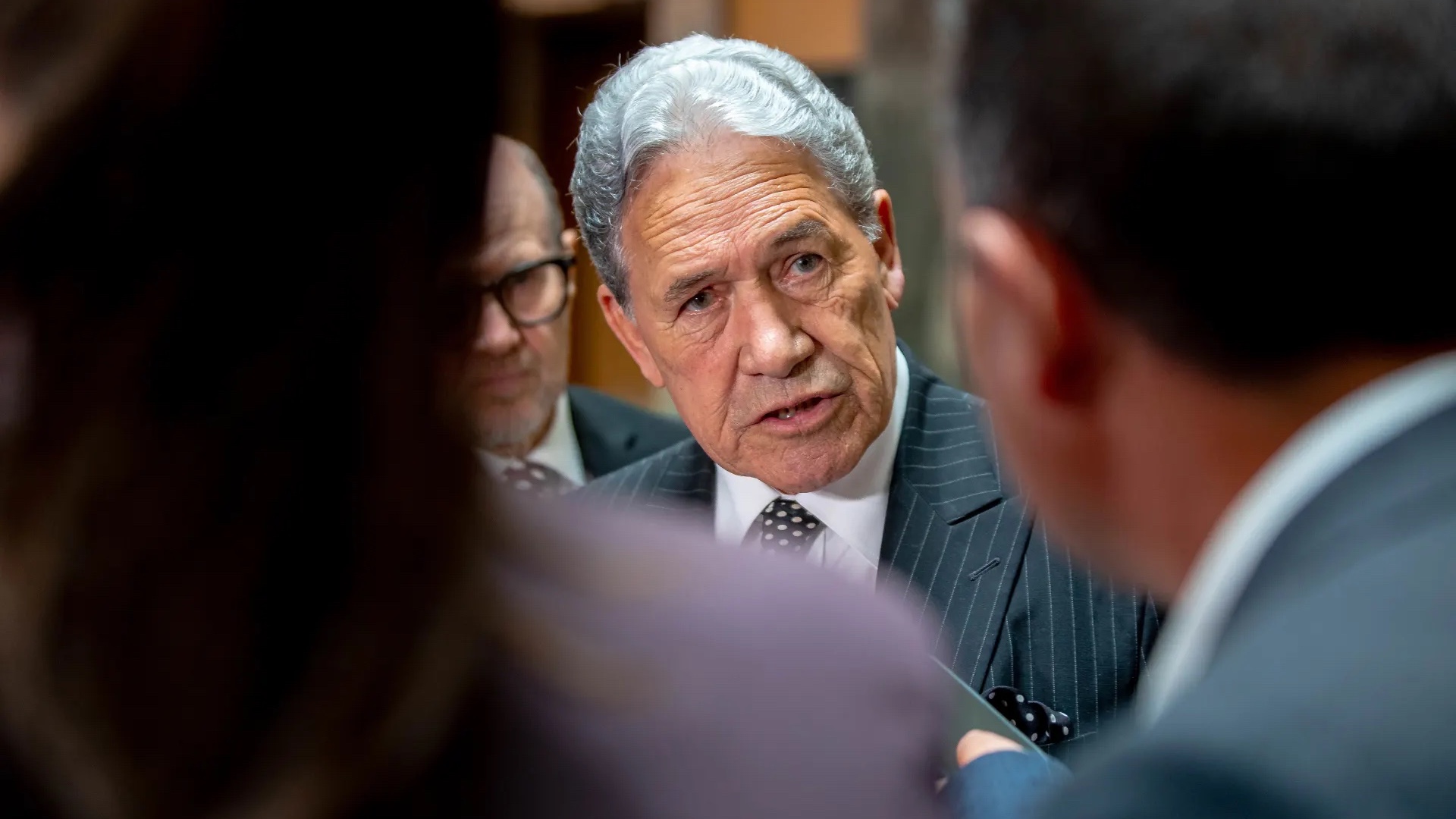
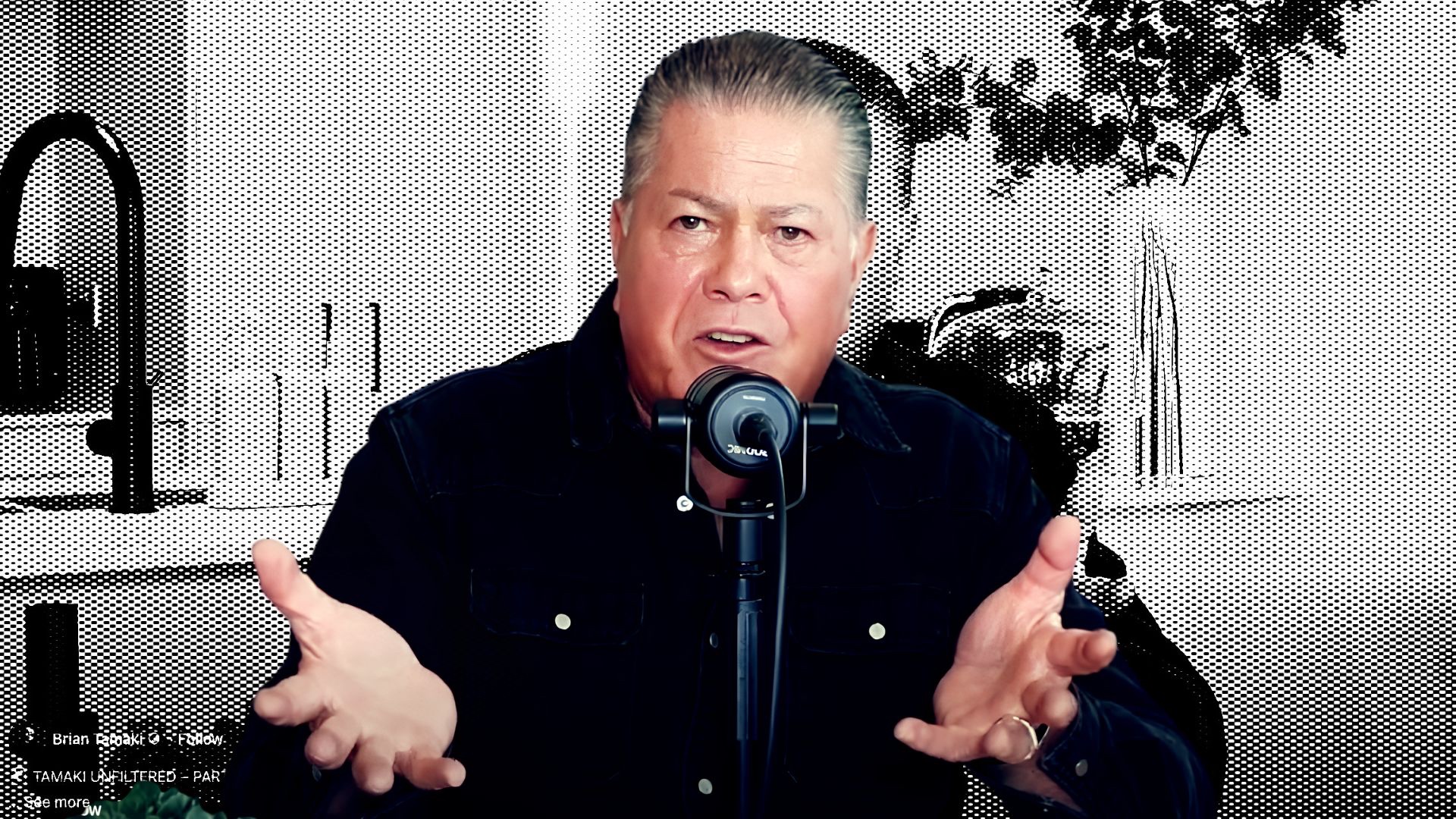
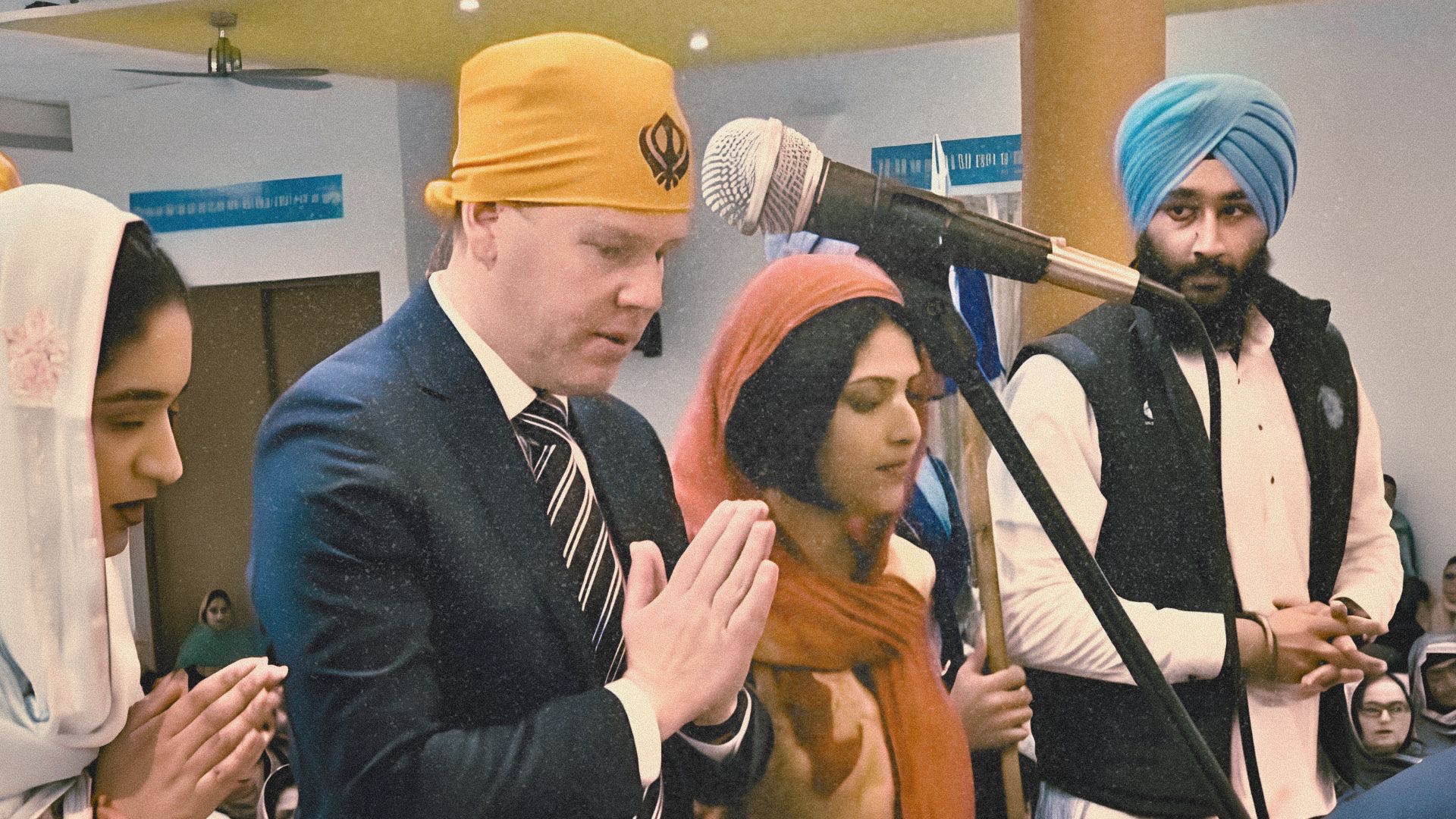
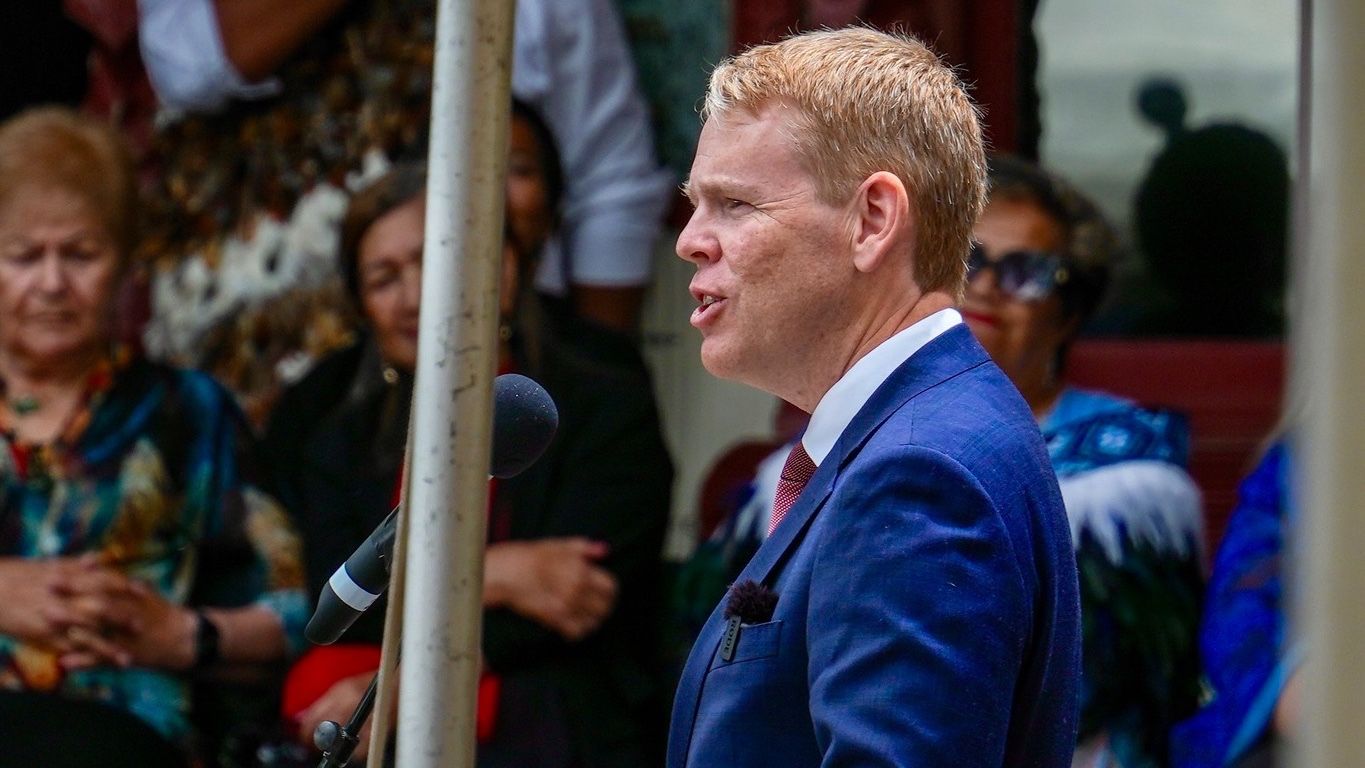
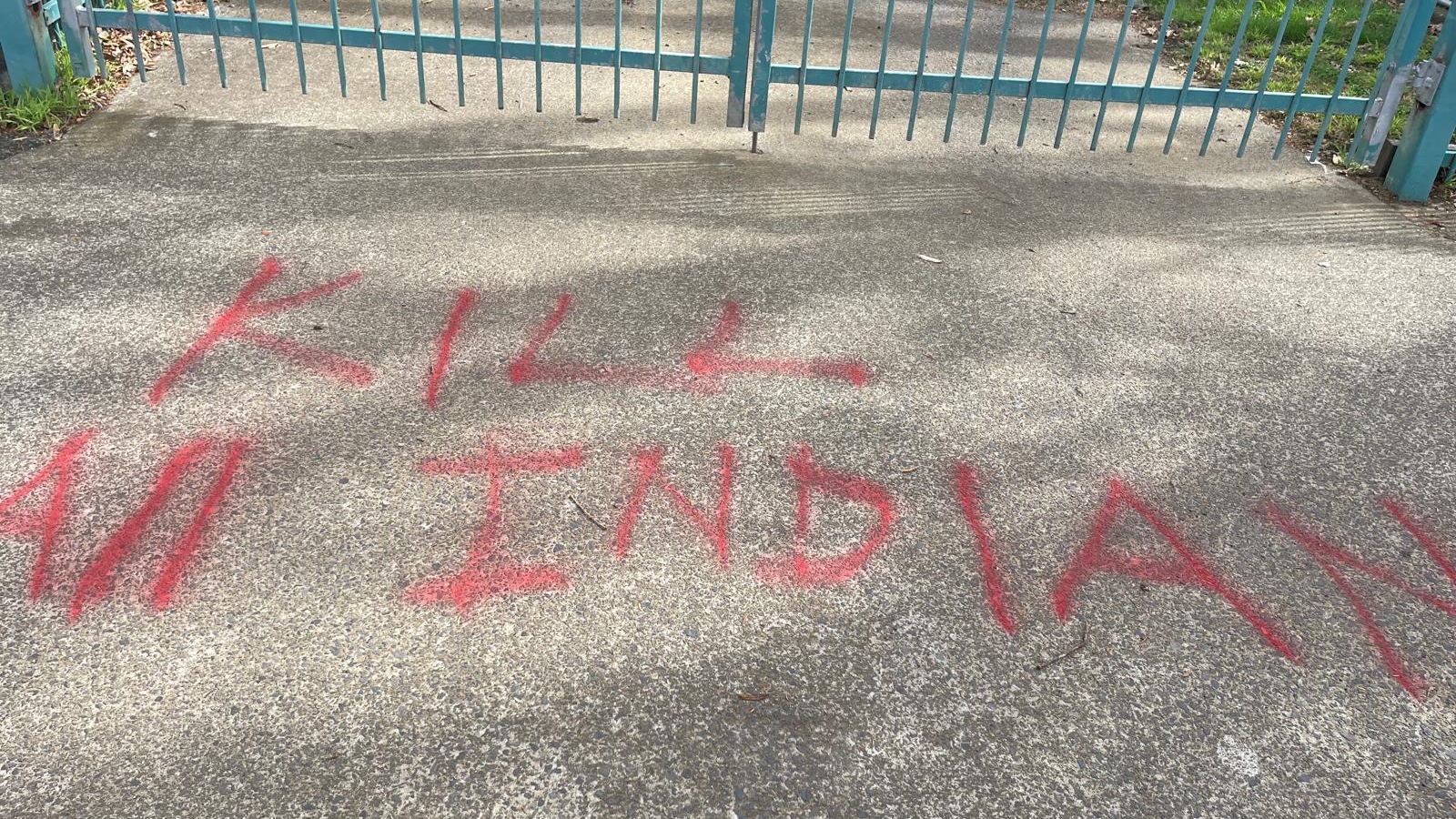
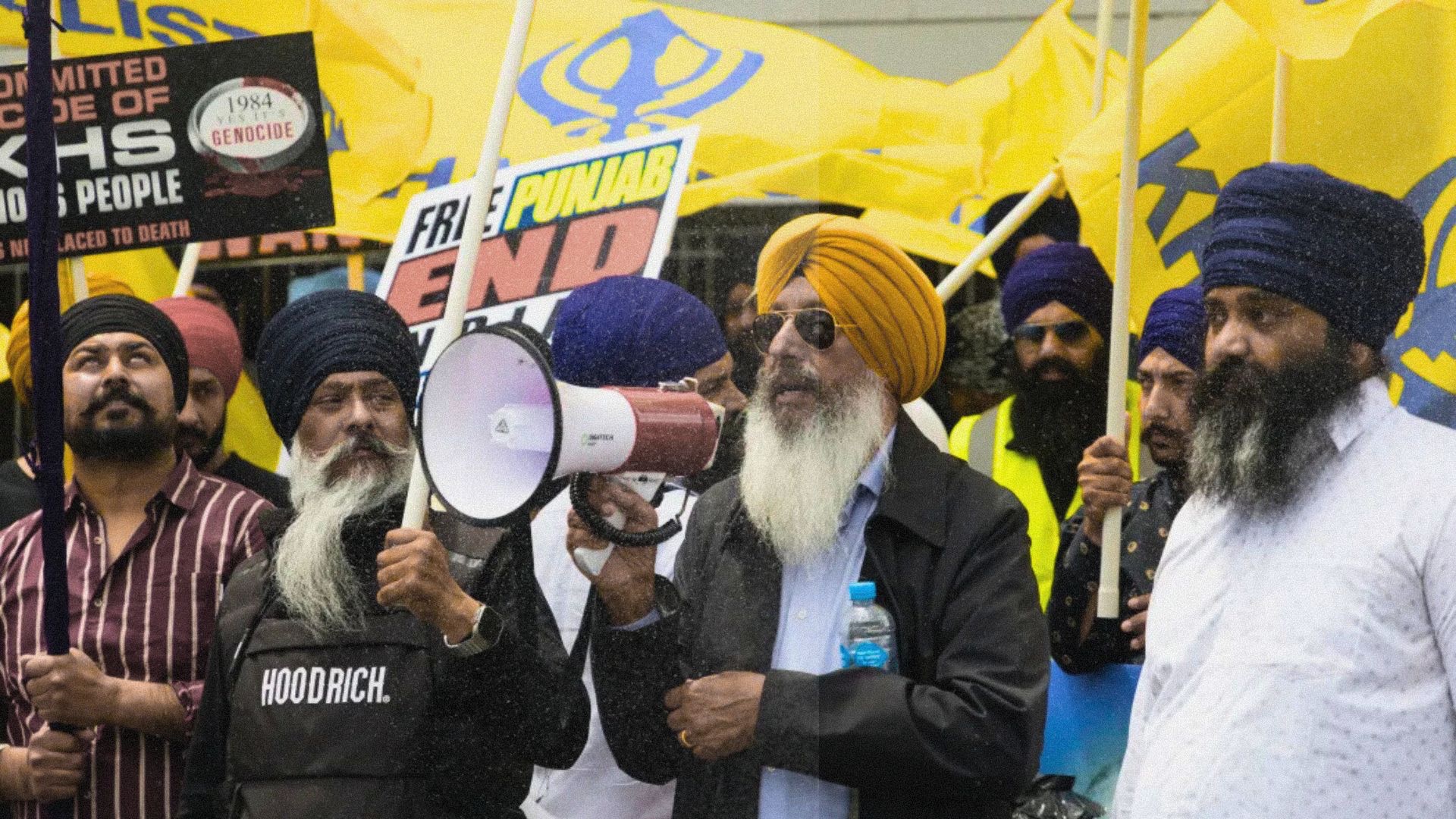
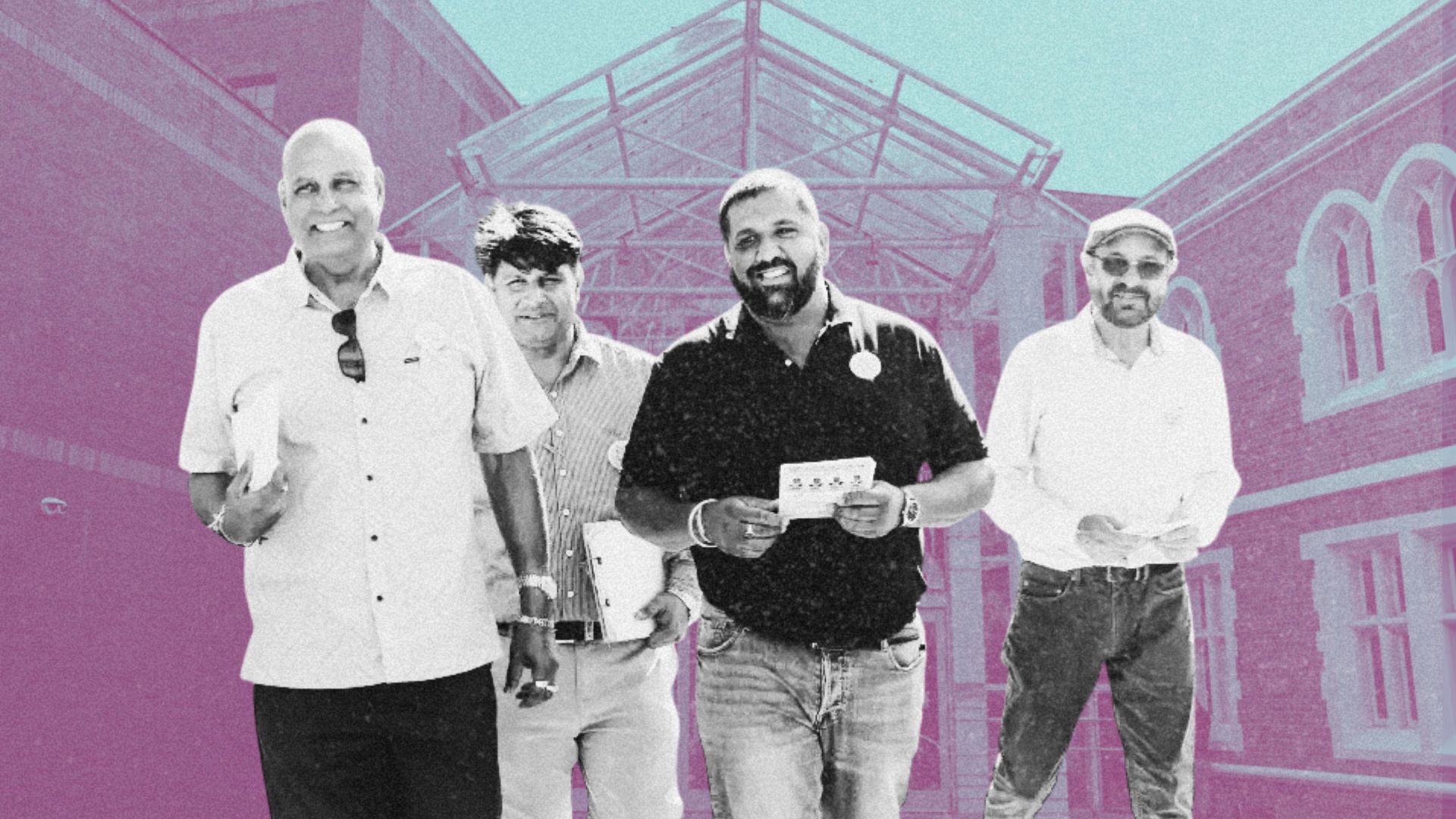
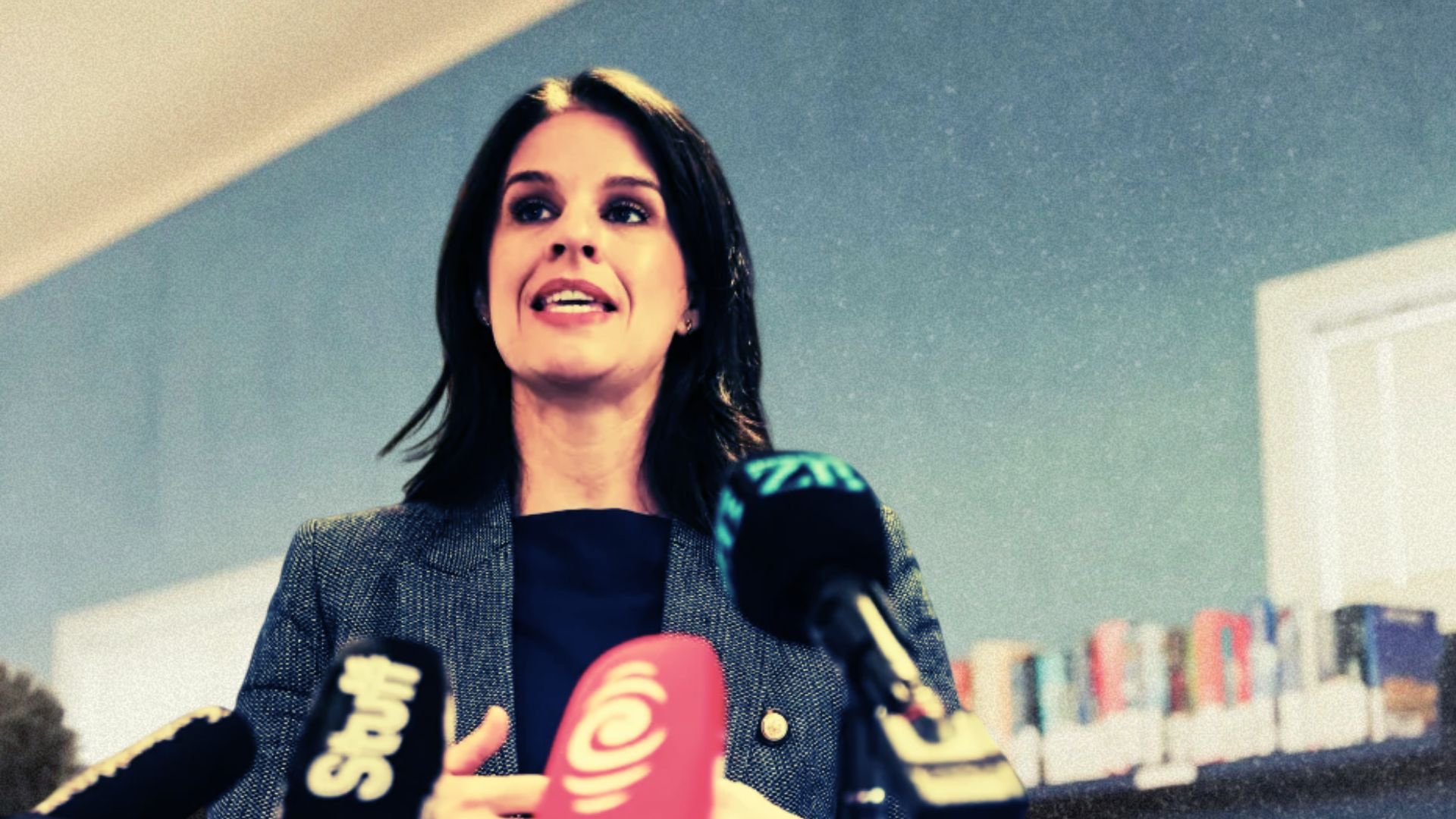
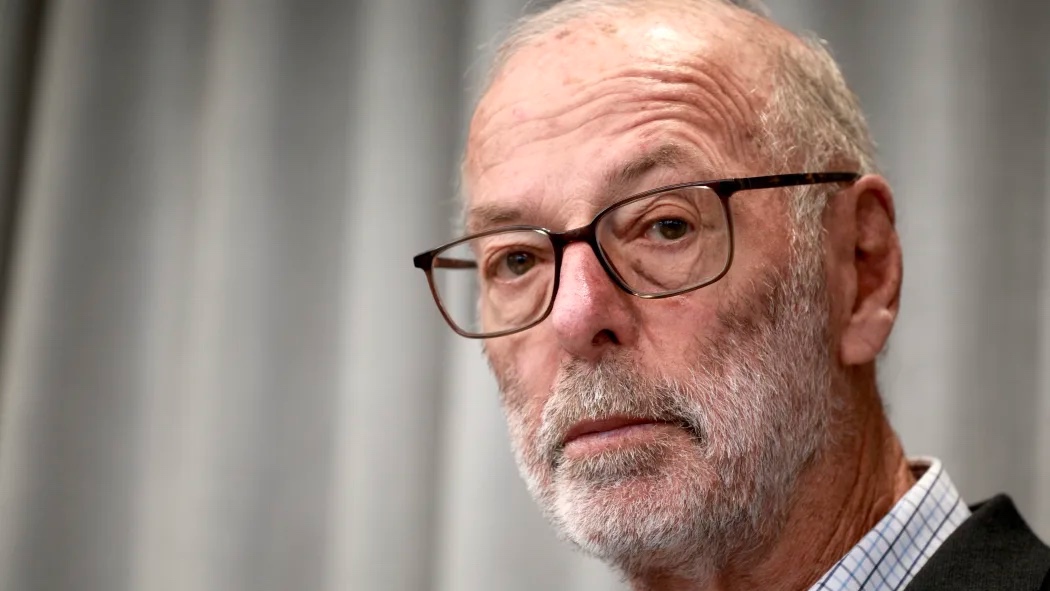
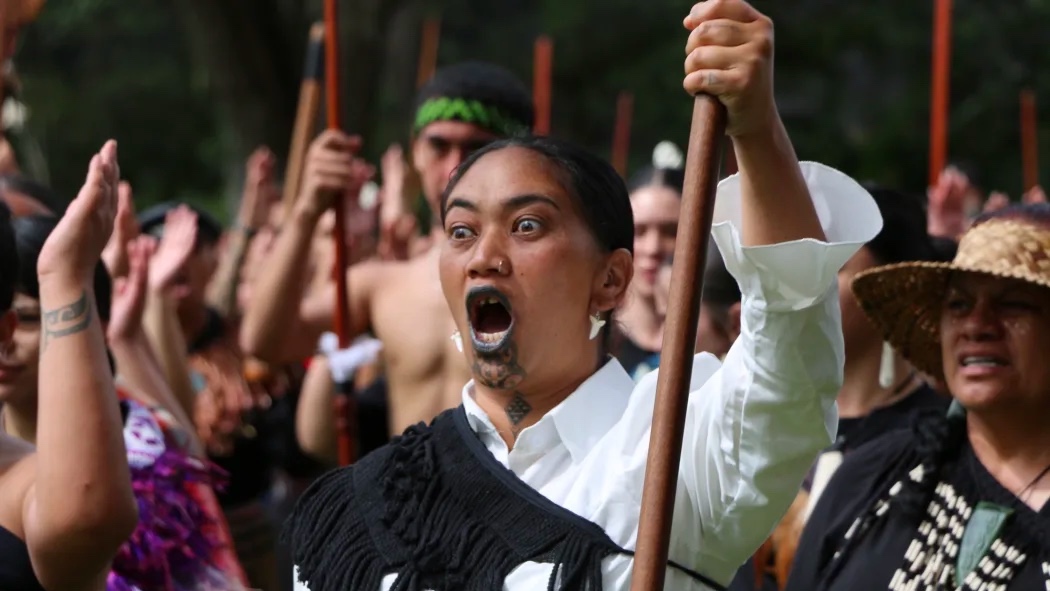
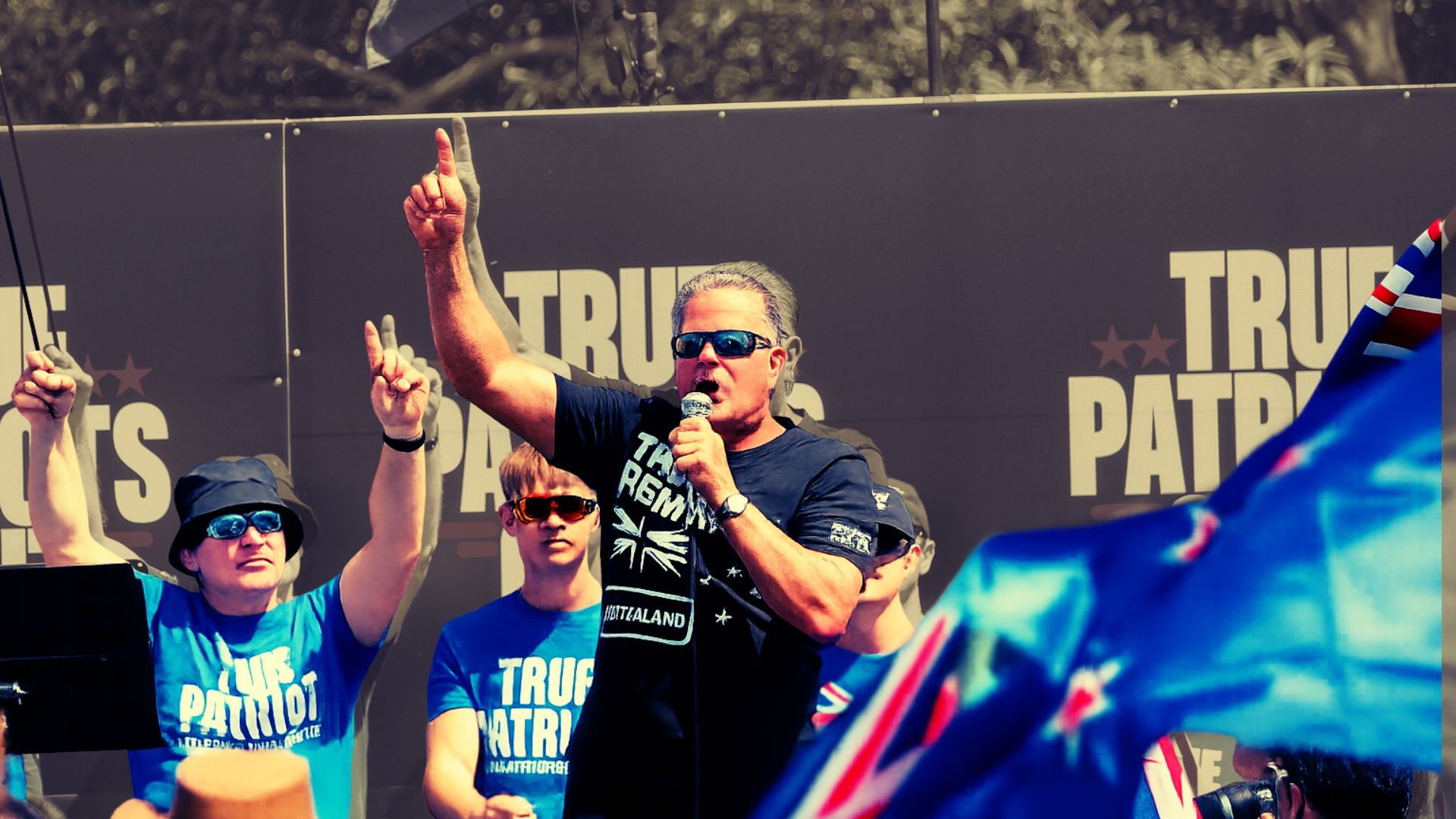
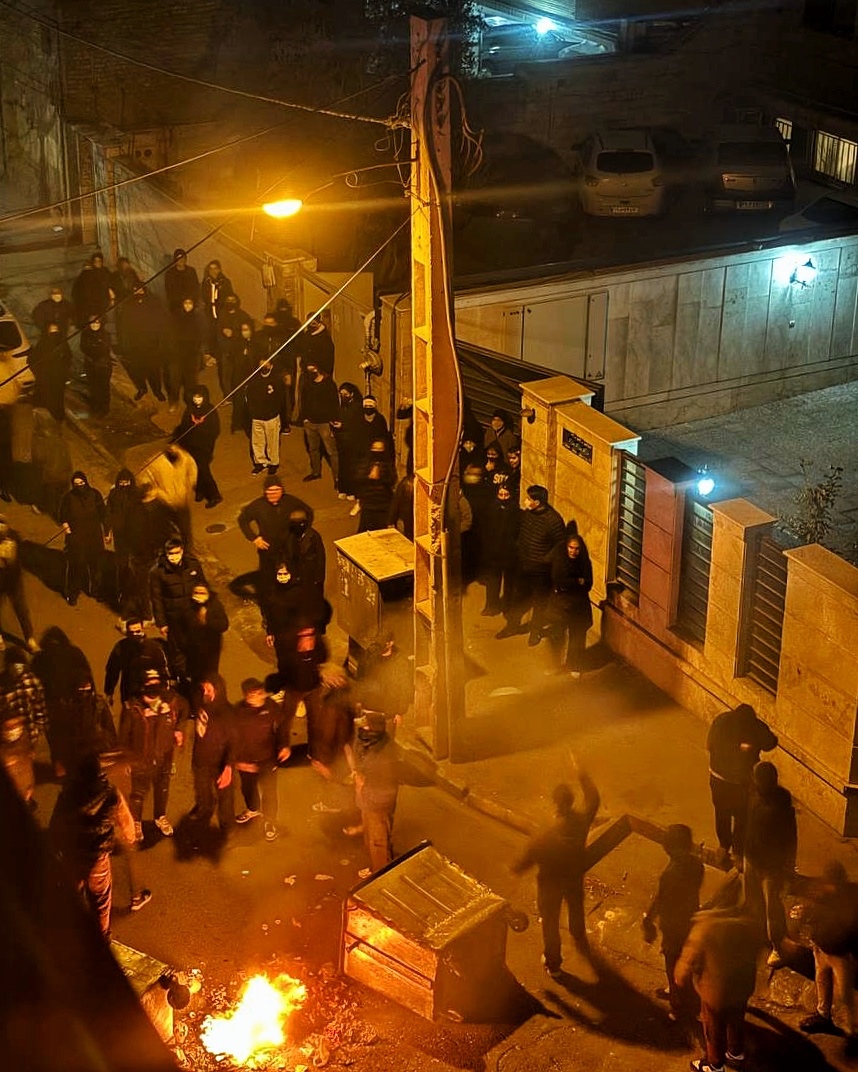
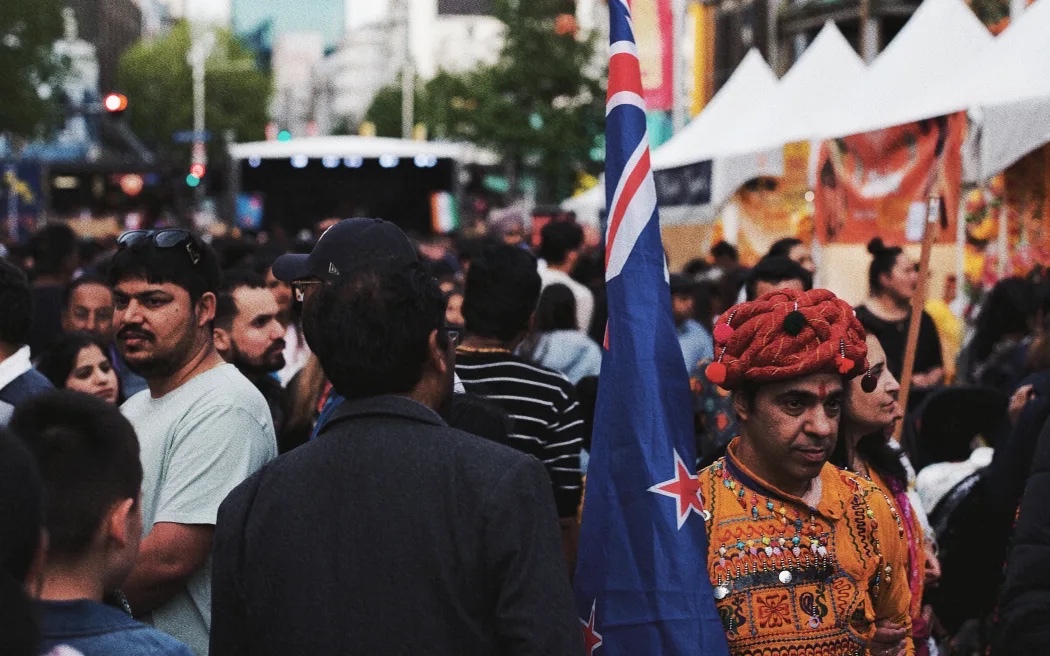
Scenes from a protest by Brian Tamaki against immigration in Auckland on April 25, 2026.
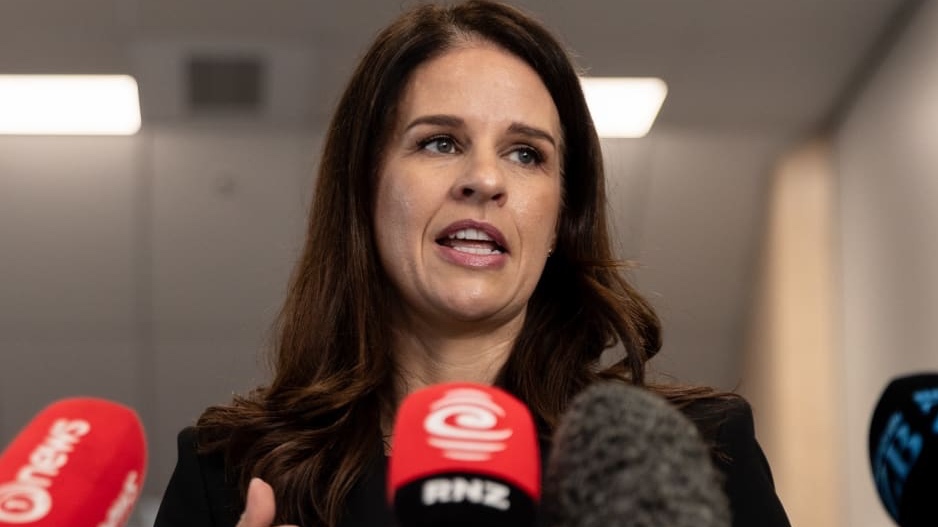
“We are actively monitoring the situation and will continue to engage with community leaders to understand and respond to any concerns.”
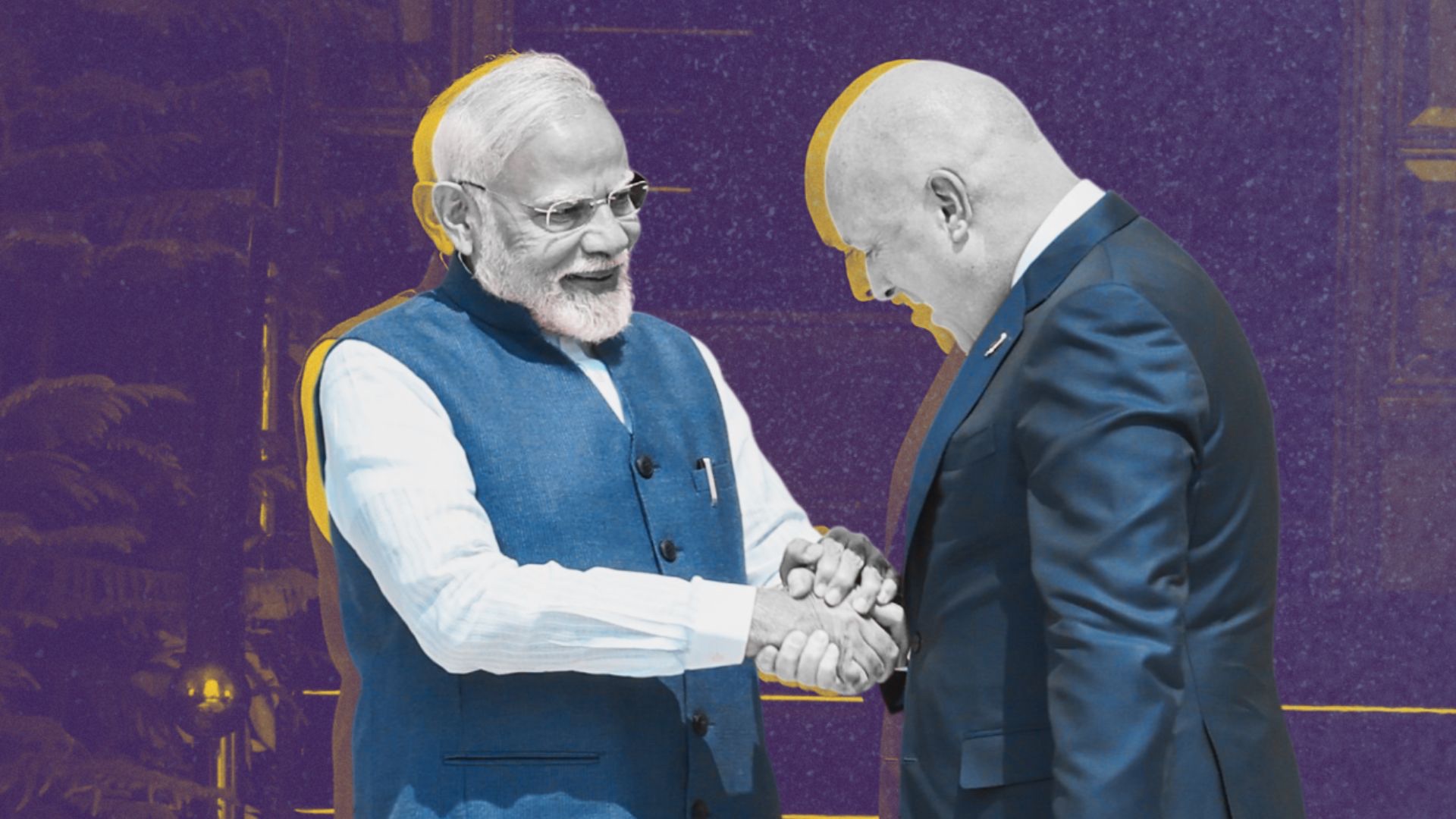
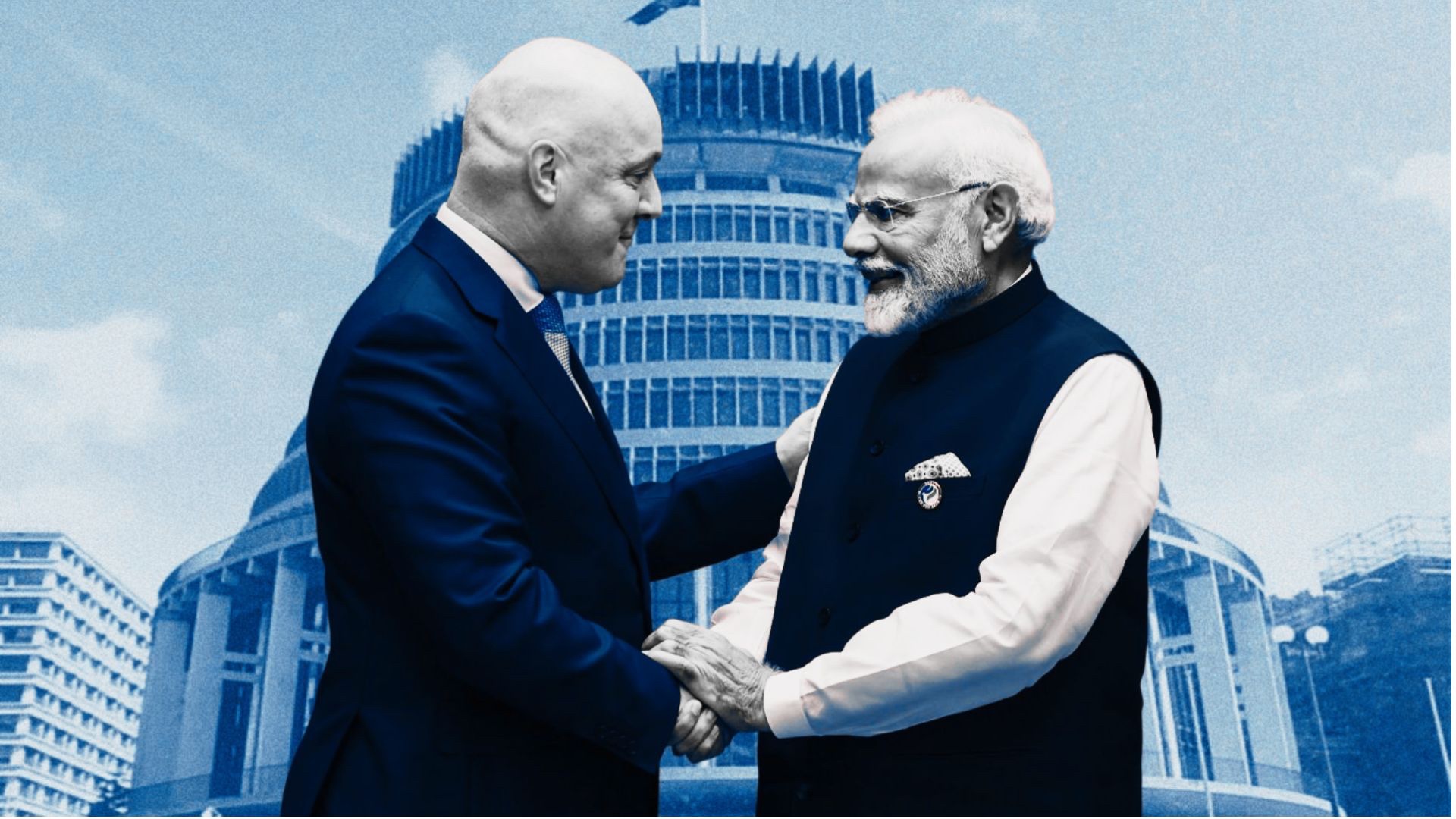
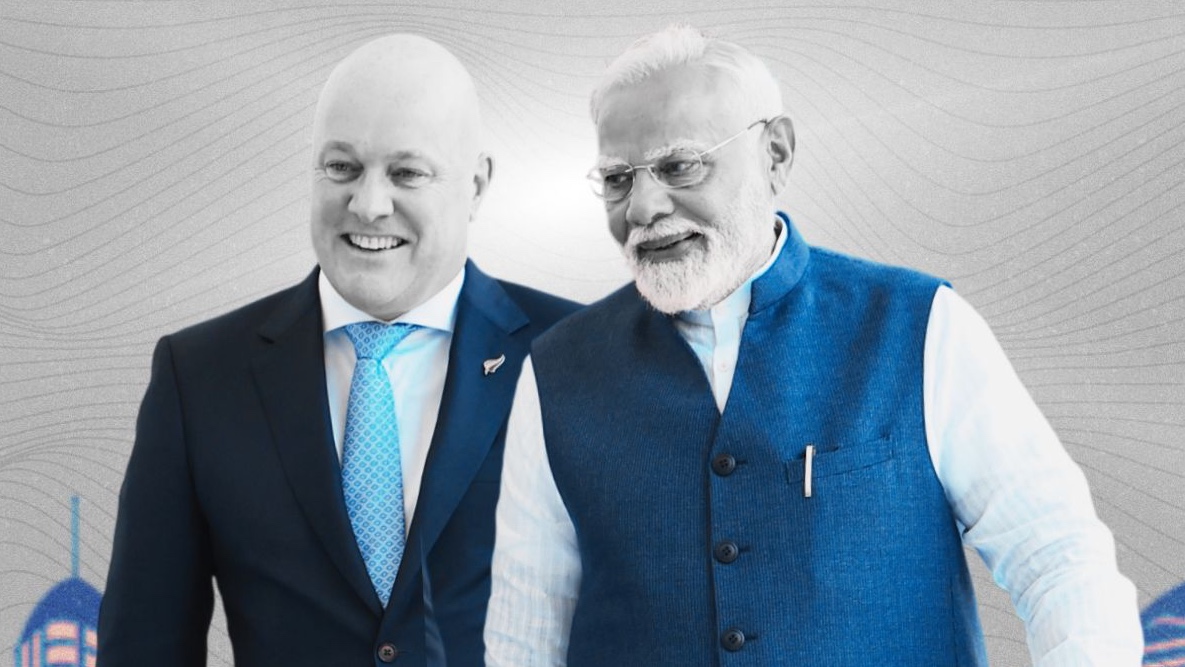
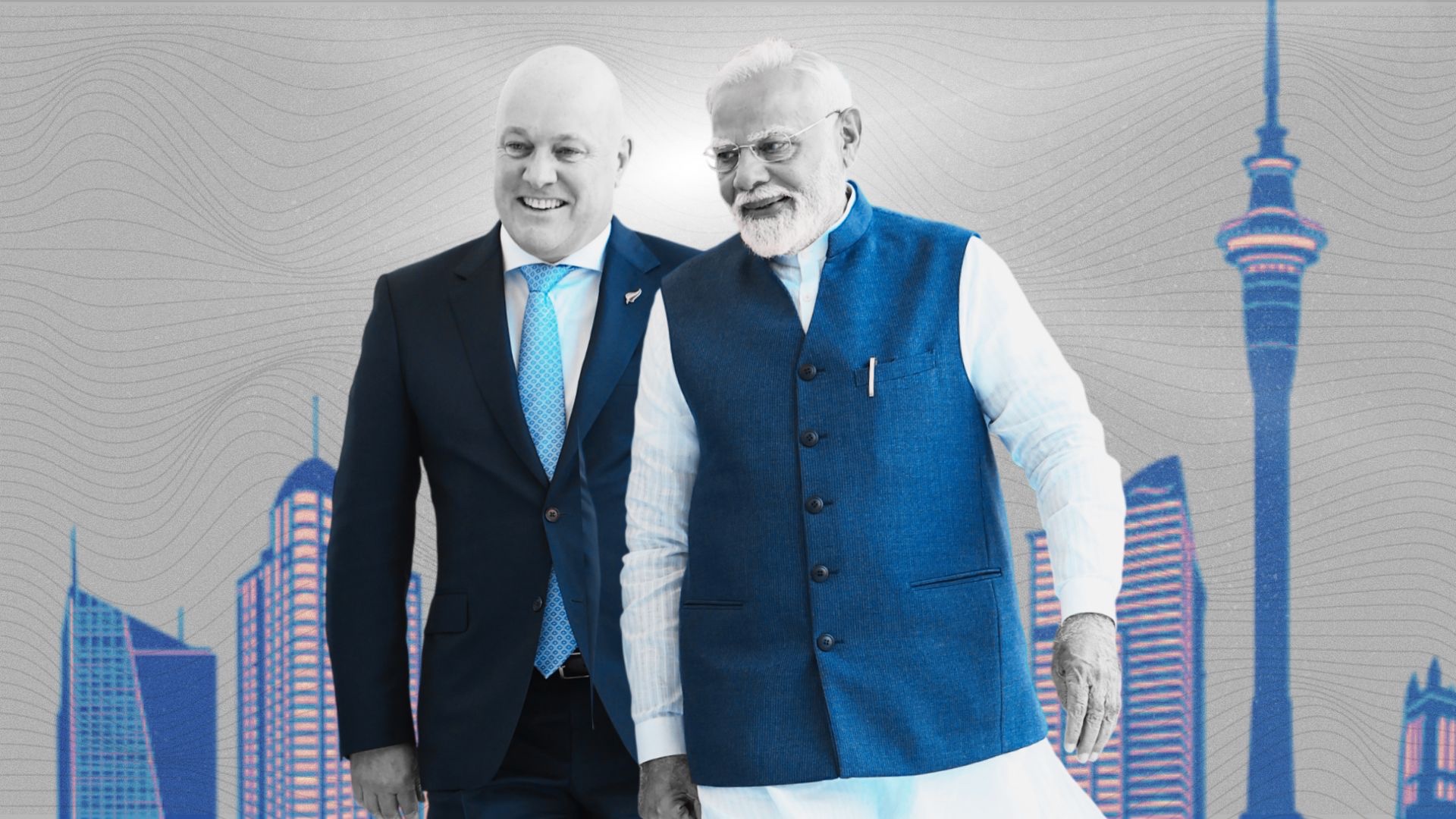
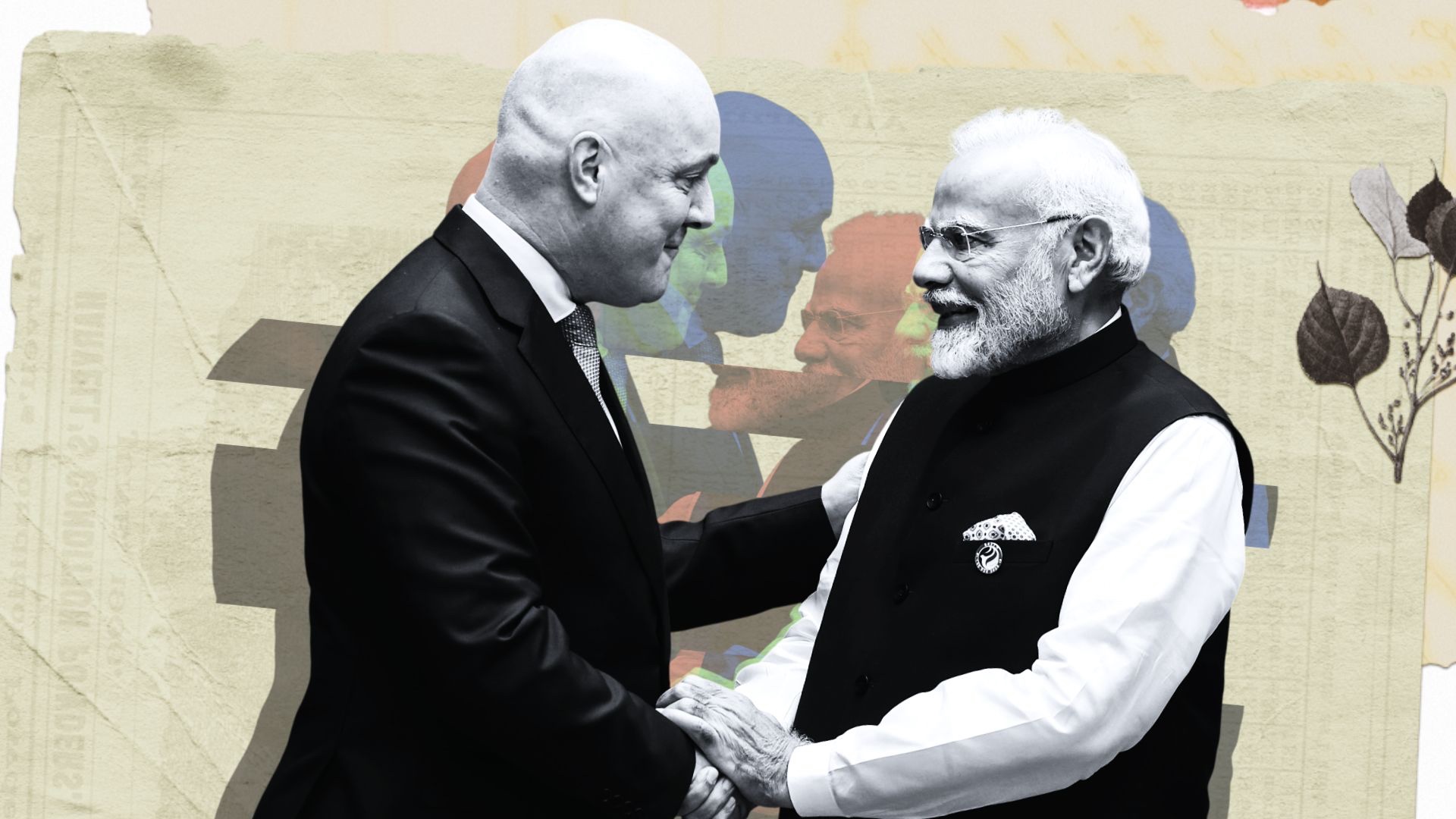
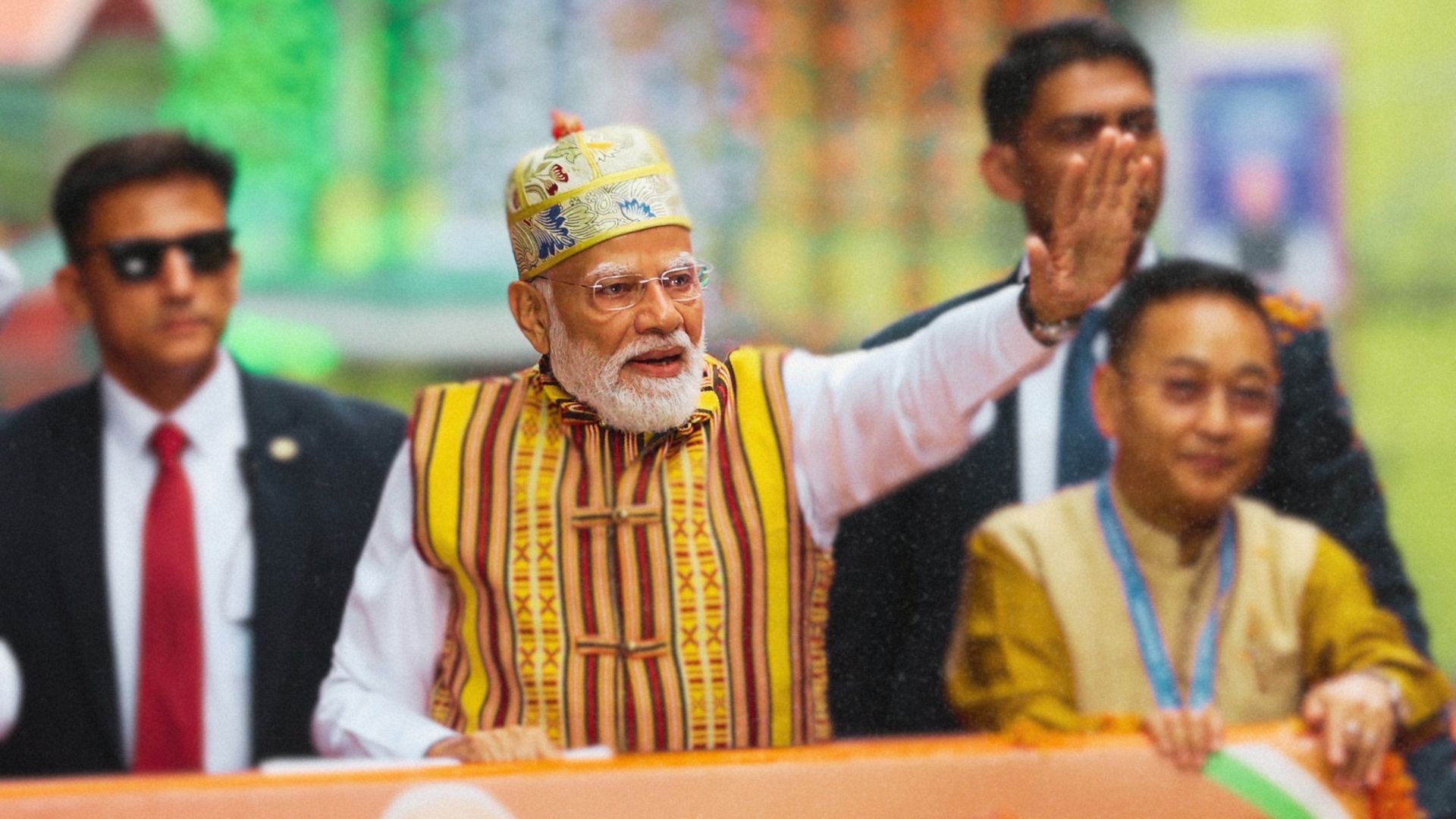
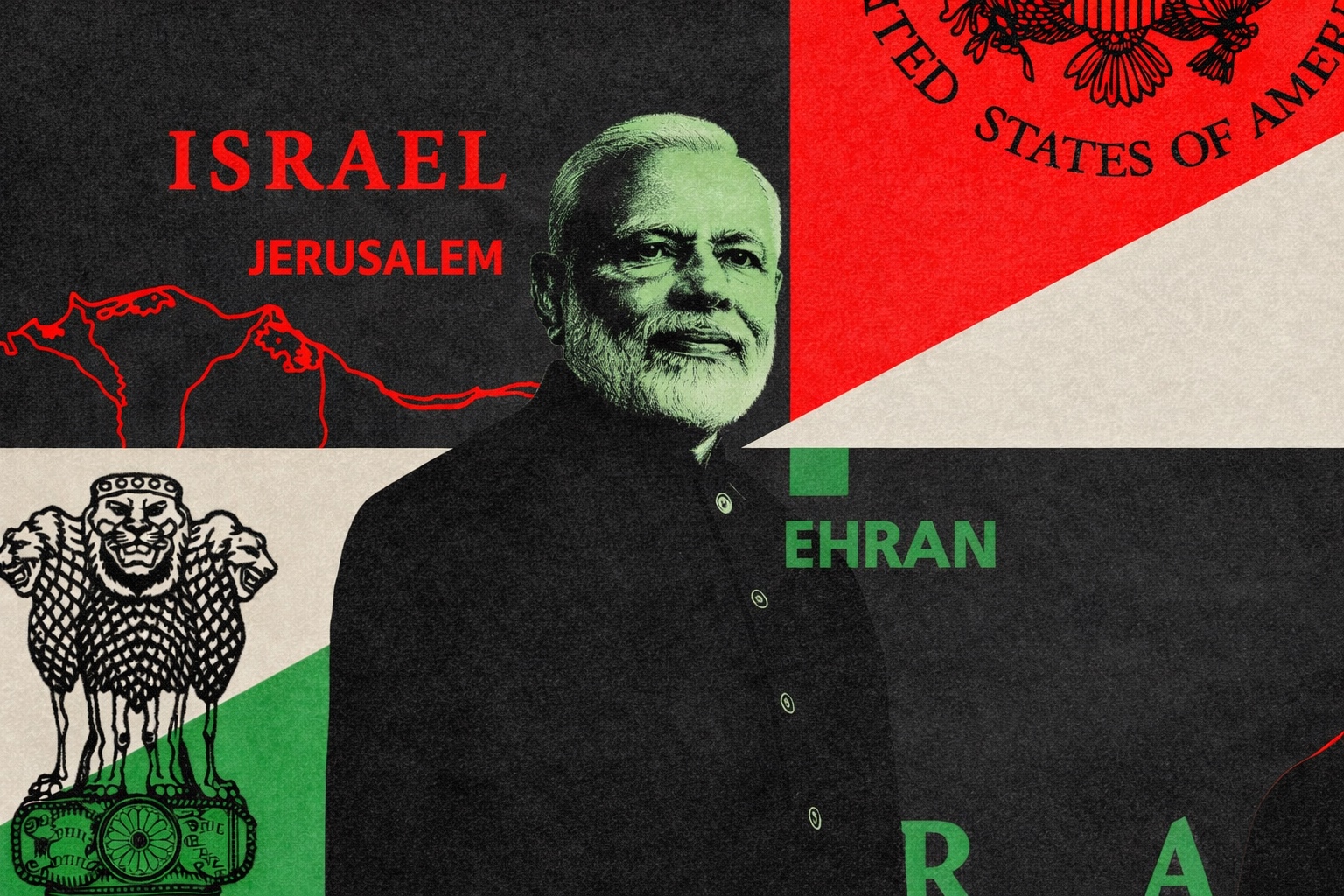
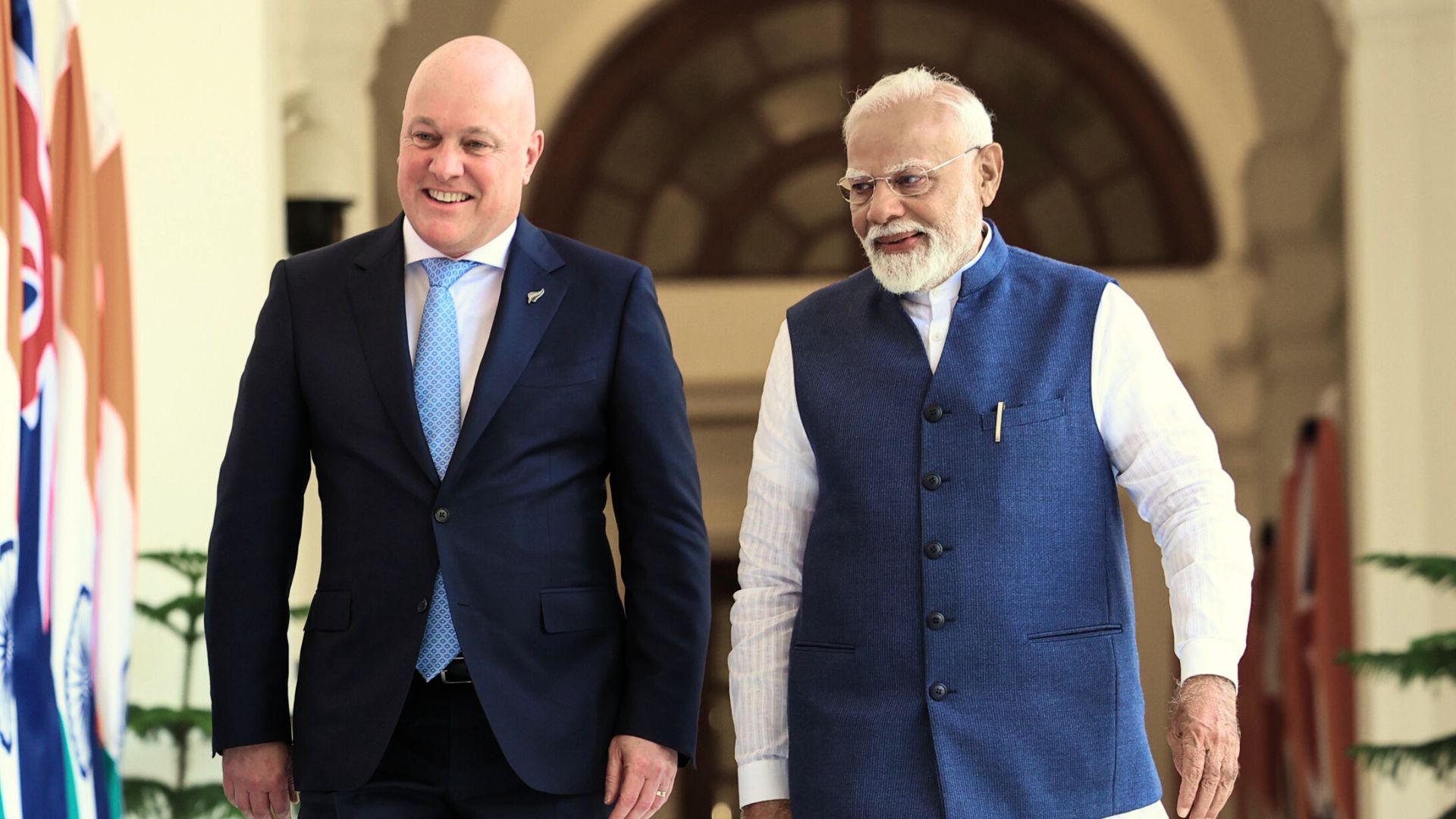
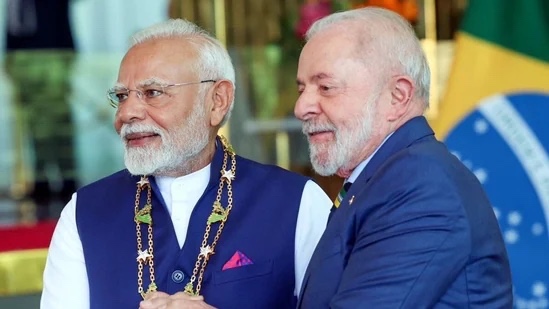
New Zealand Police have moved to reassure Indian and wider ethnic communities after recent online content caused concern ahead of the expected visit of Indian Prime Minister Narendra Modi.
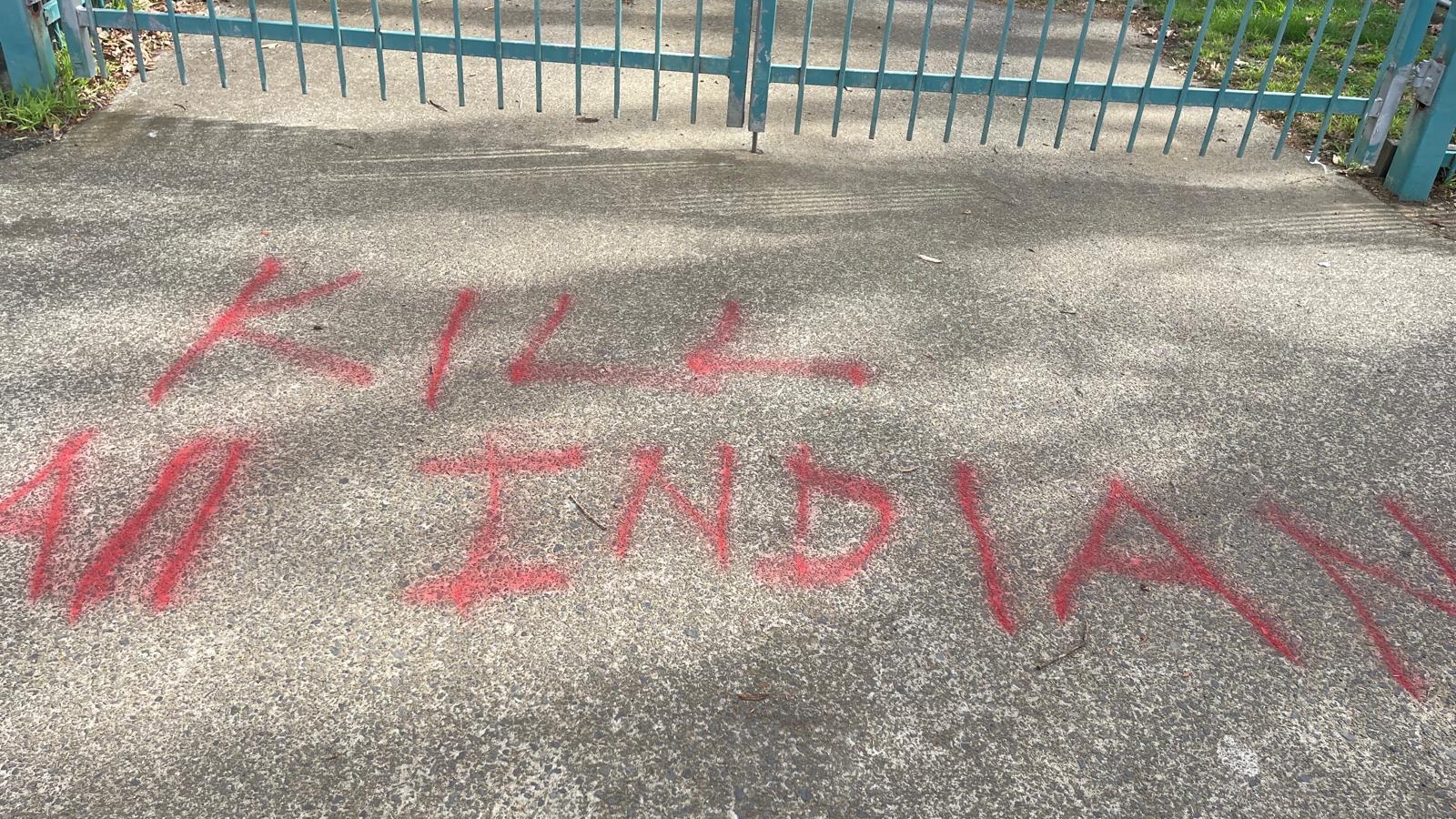
In a statement sent to Indian community leaders on June 18, police said they were aware of “recent online content that may be concerning for some communities, particularly ahead of the upcoming visit of the Prime Minister of India”.
“Police want to reassure Indian and wider ethnic communities that their safety and wellbeing remain a priority,” the statement said.


“We are actively monitoring the situation and will continue to engage with community leaders to understand and respond to any concerns.”
Police said the material had been “referred for legal assessment”, and any further action would be considered in line with legislation.
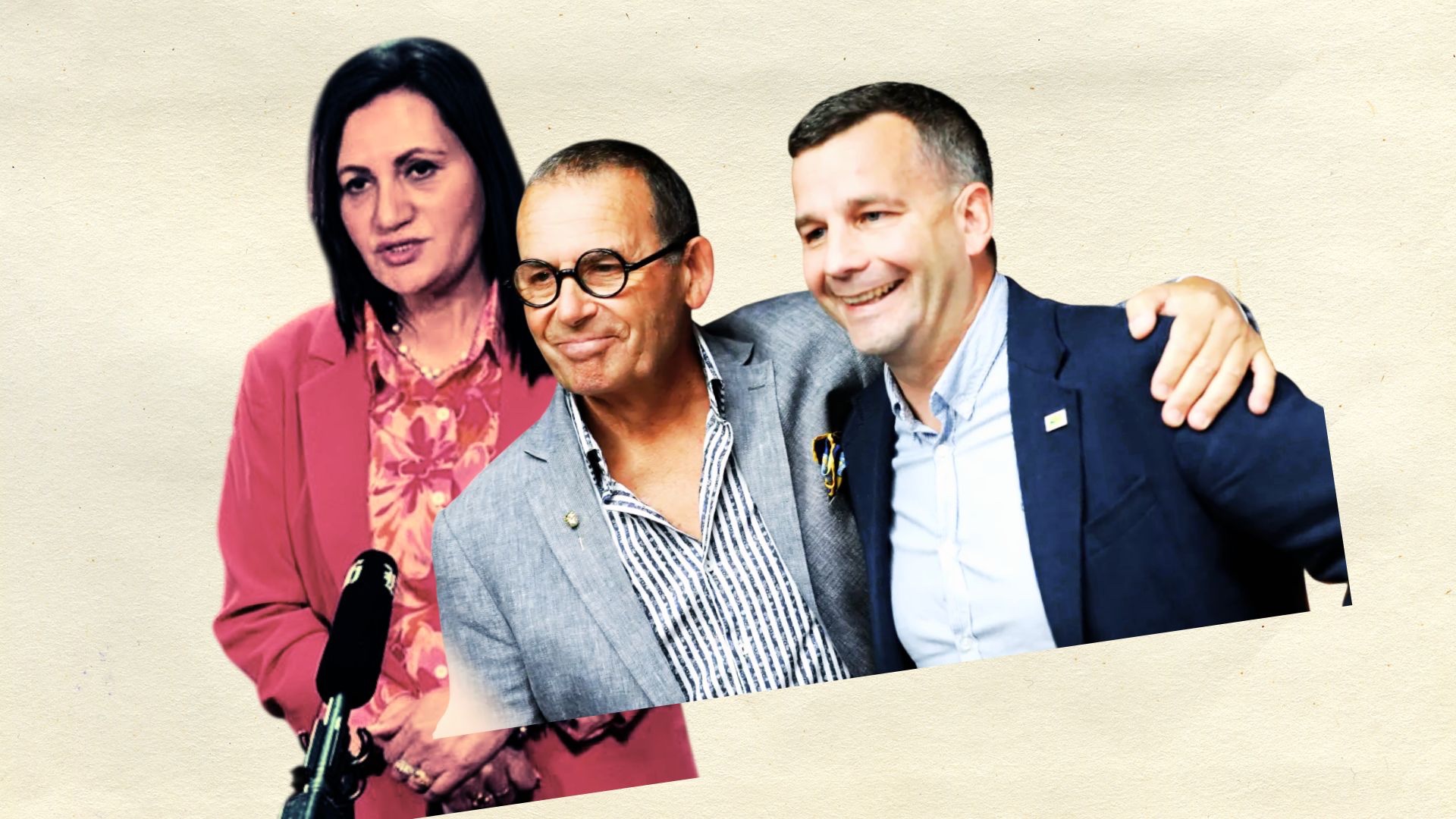
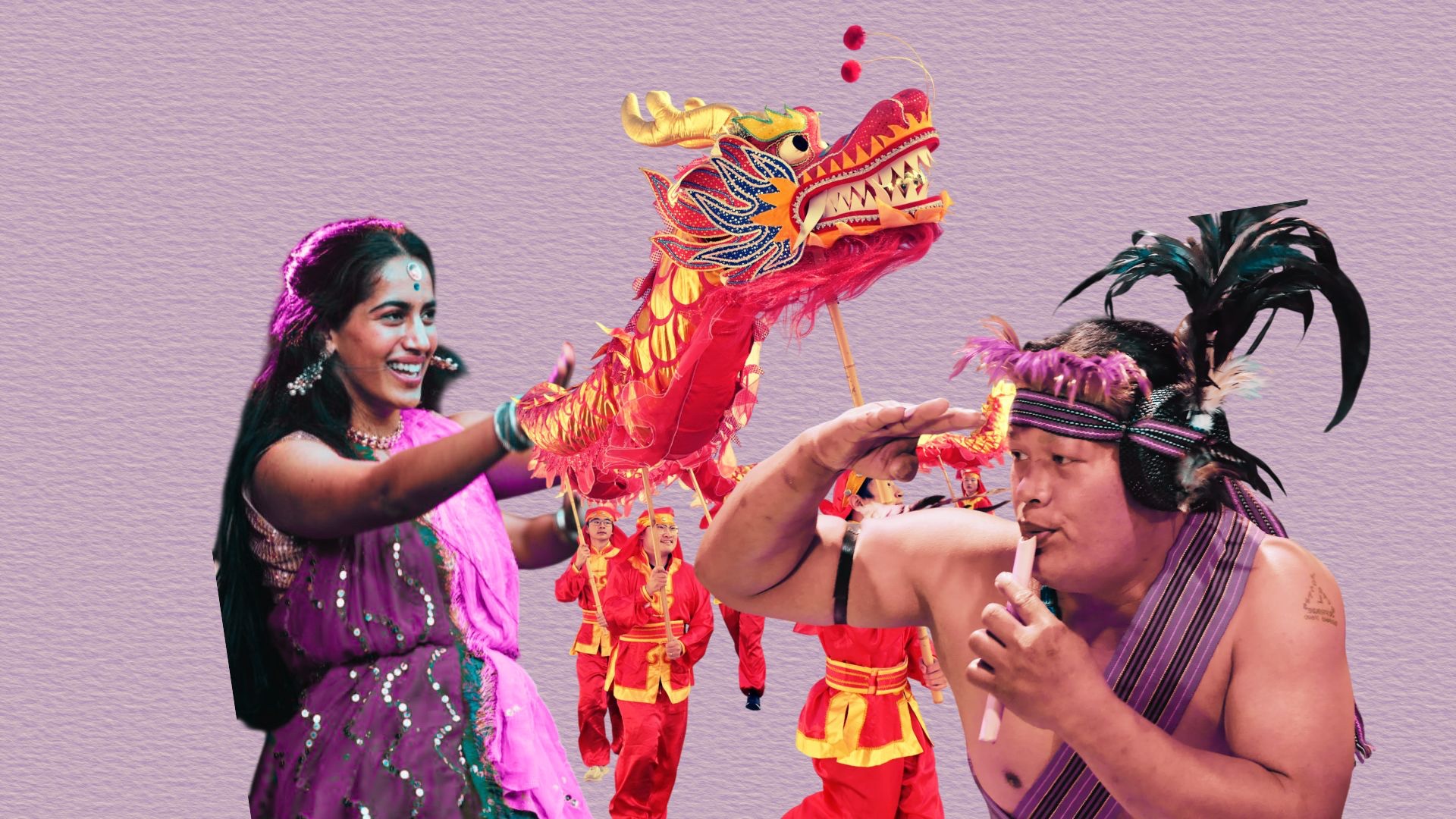
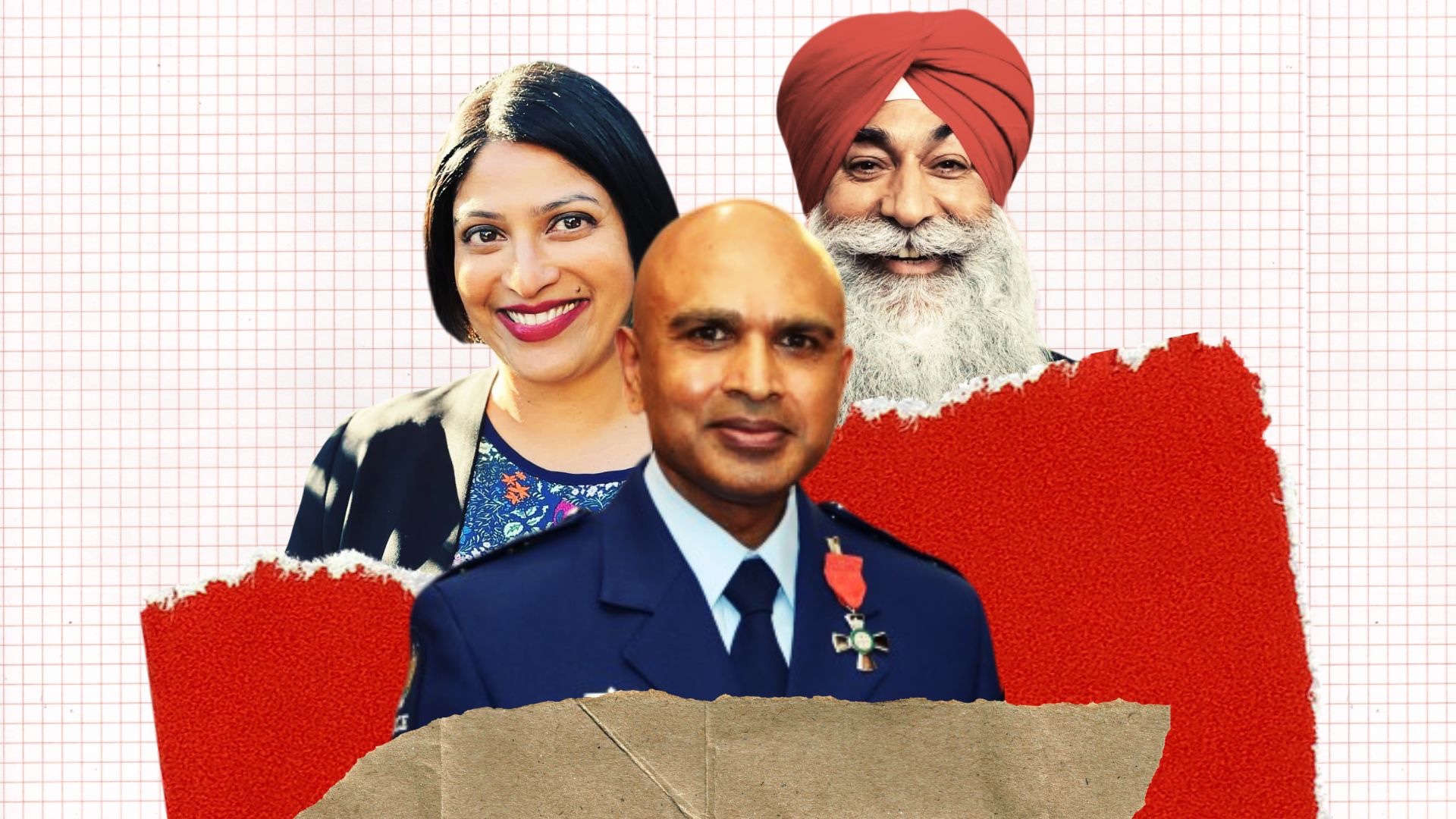
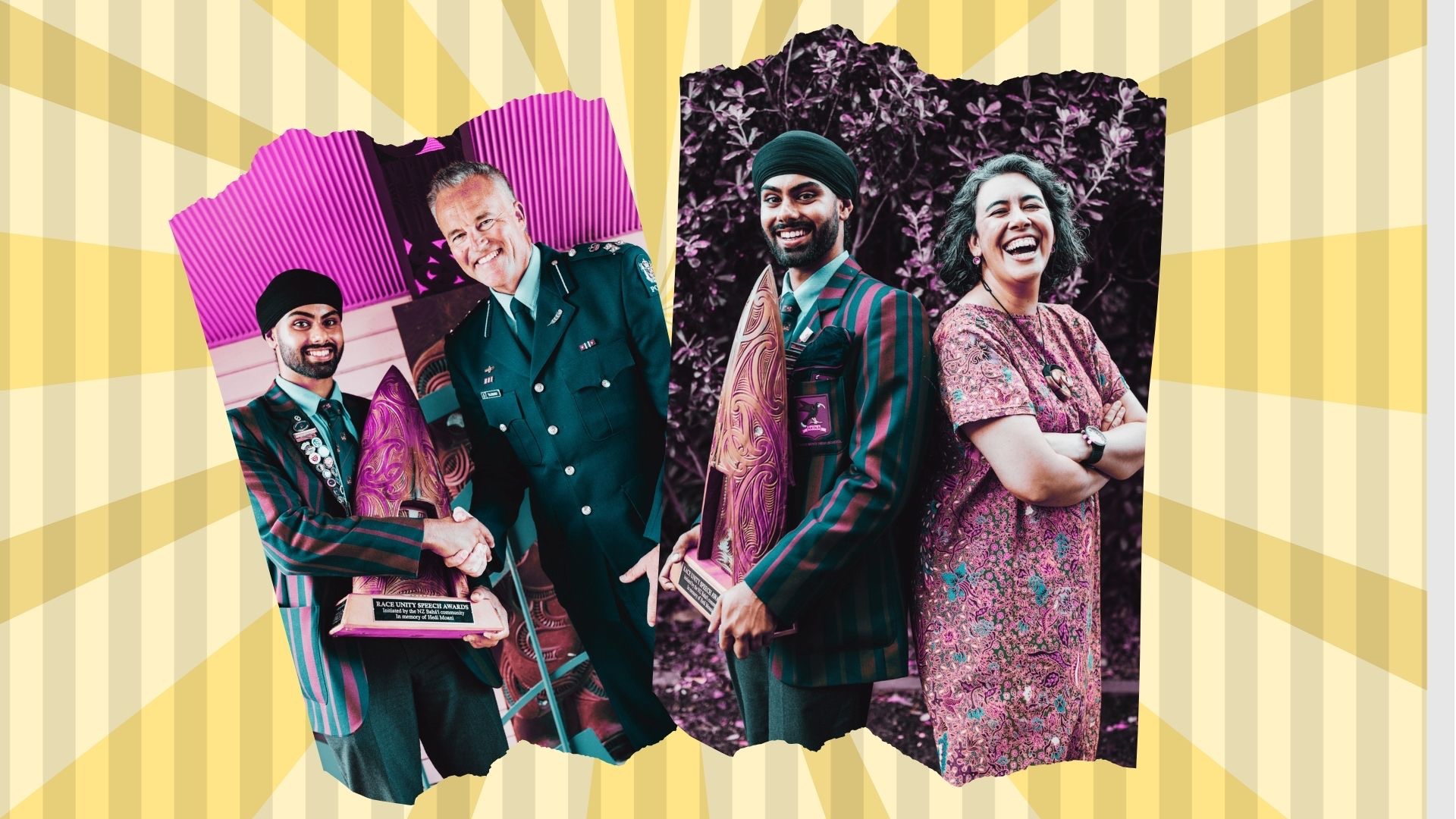
South Asian diaspora raises over $200,000 for New Zealanders missing in Nepal flood "I'm so proud of the Indian community here who...supported us, saying it is not a Nepal problem but our problem."
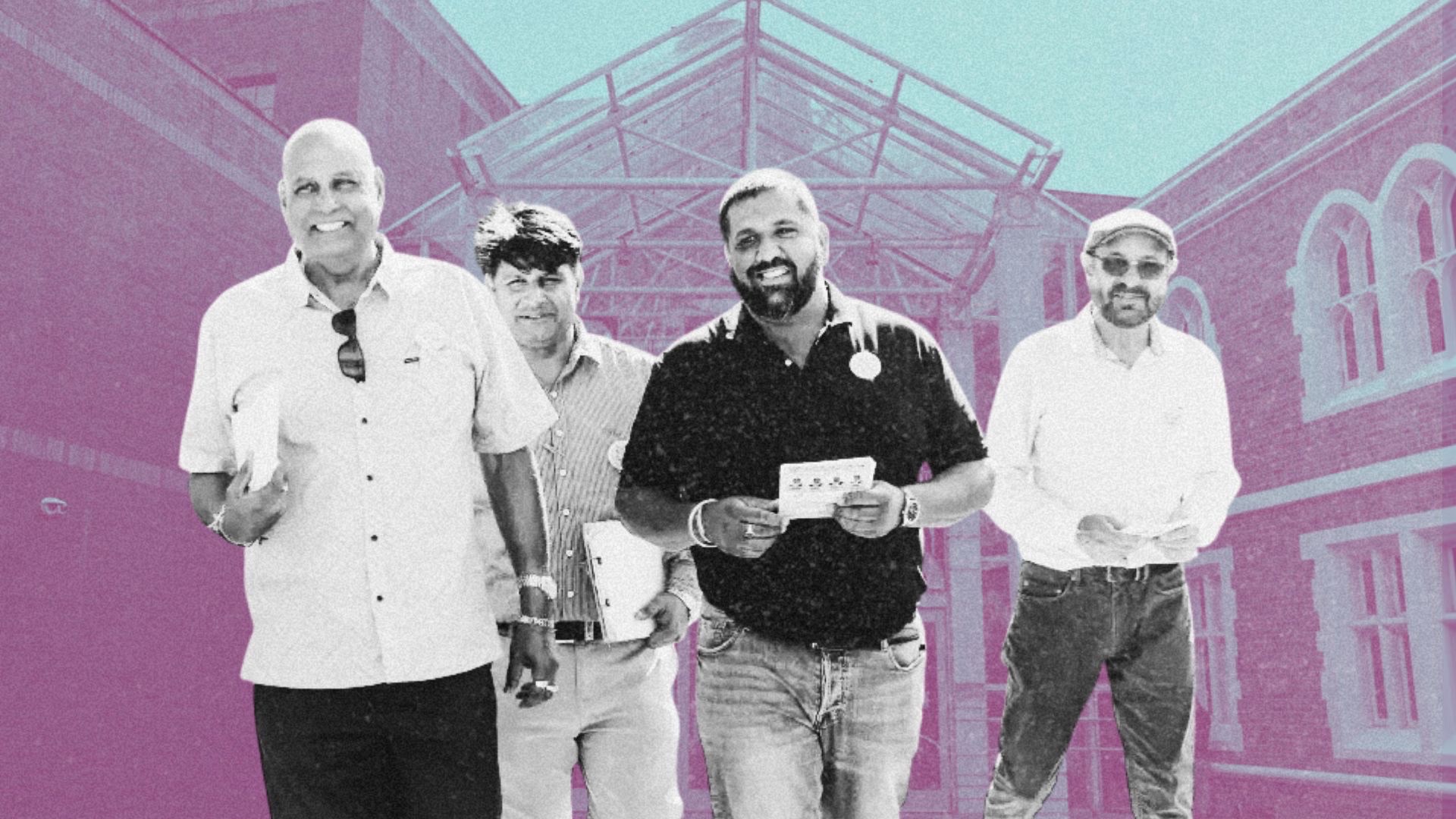
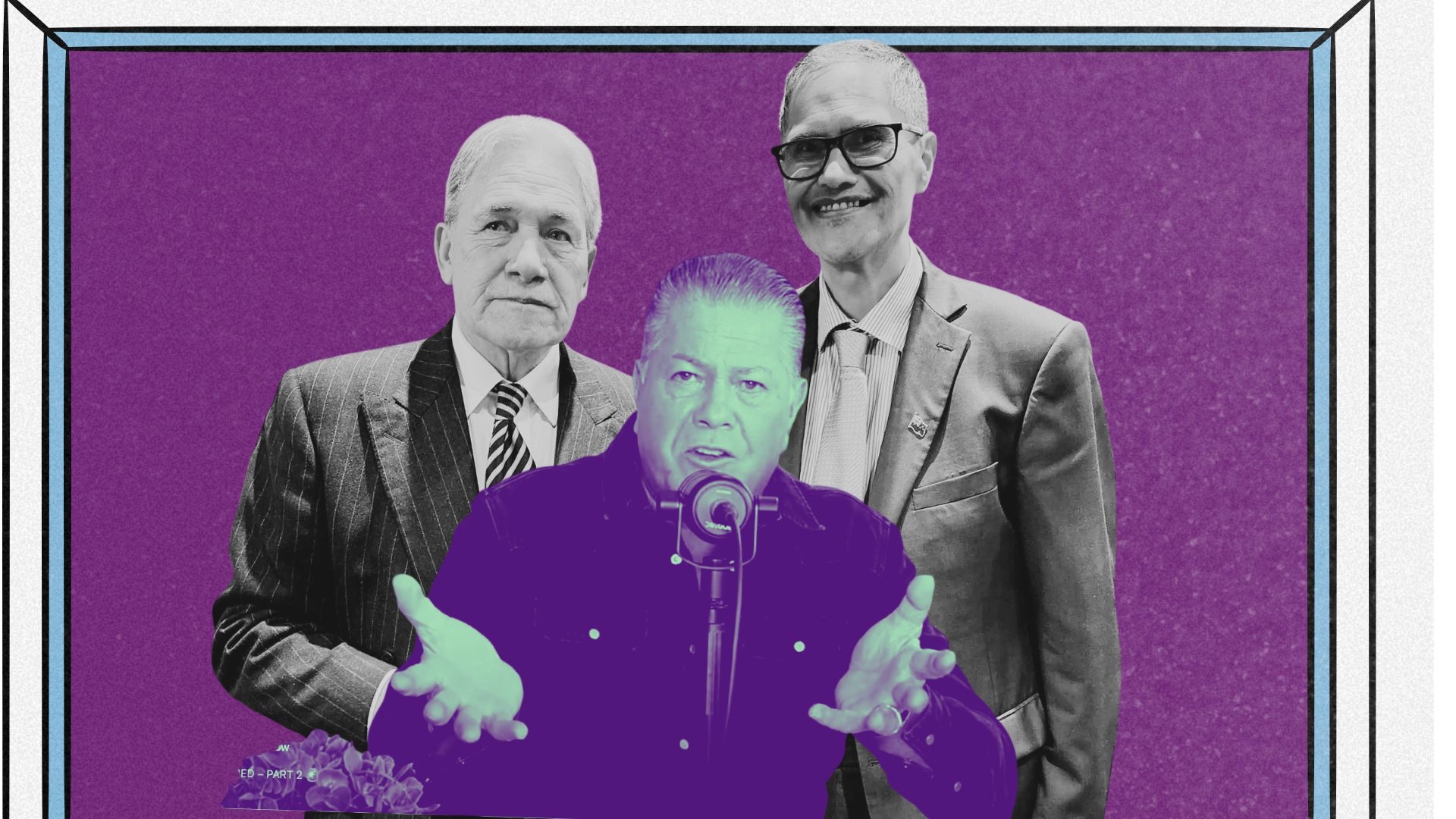
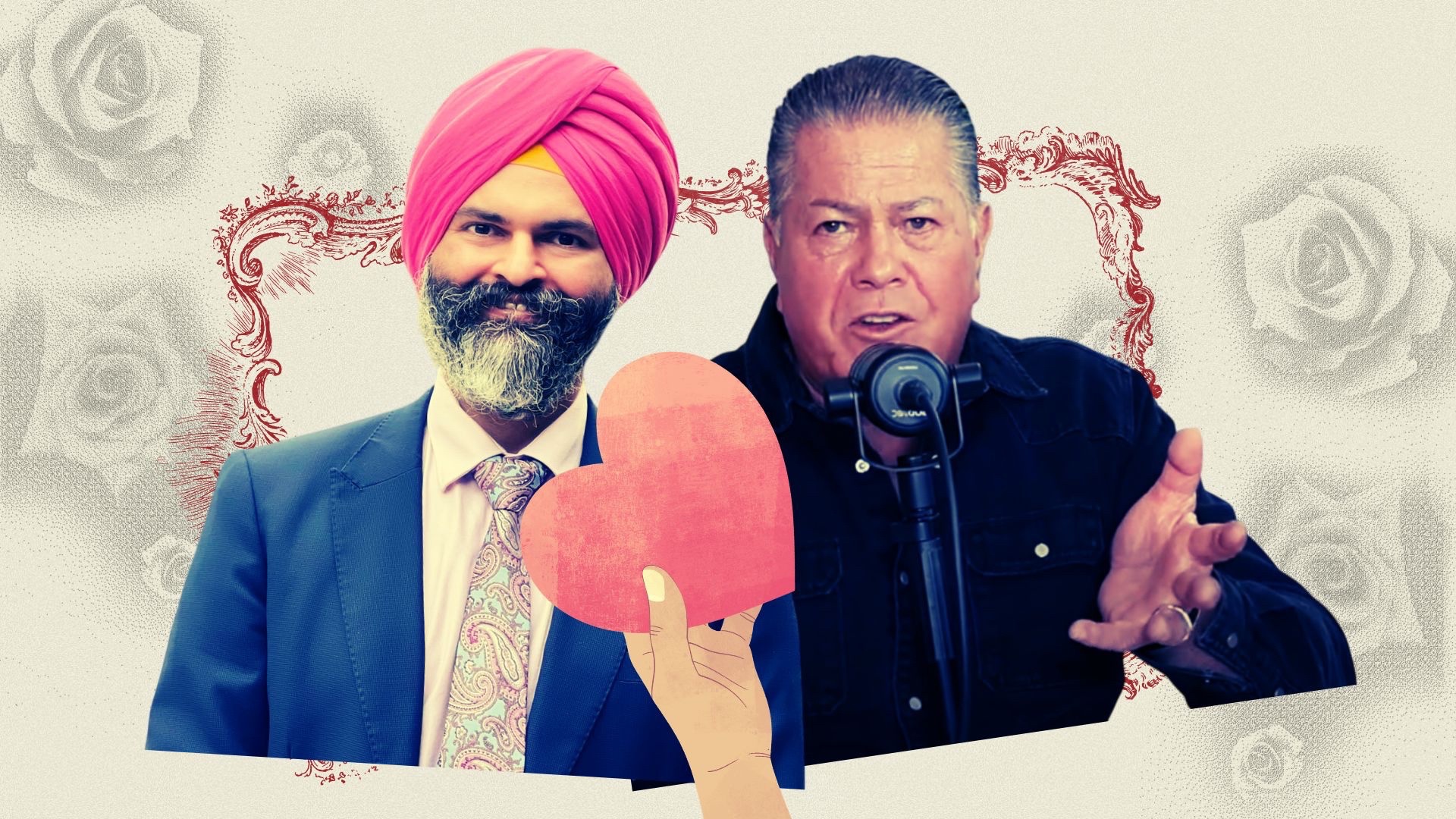
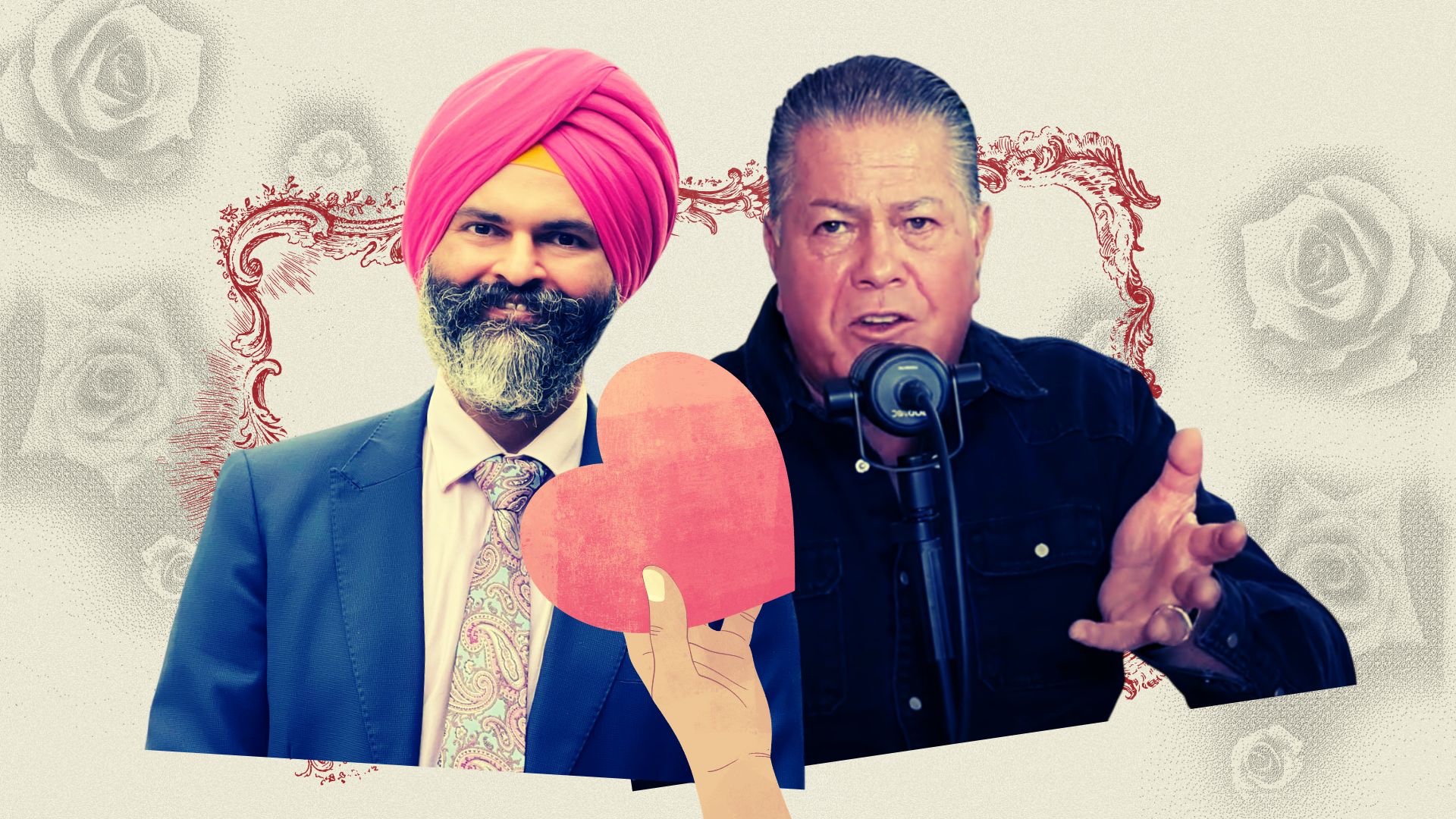
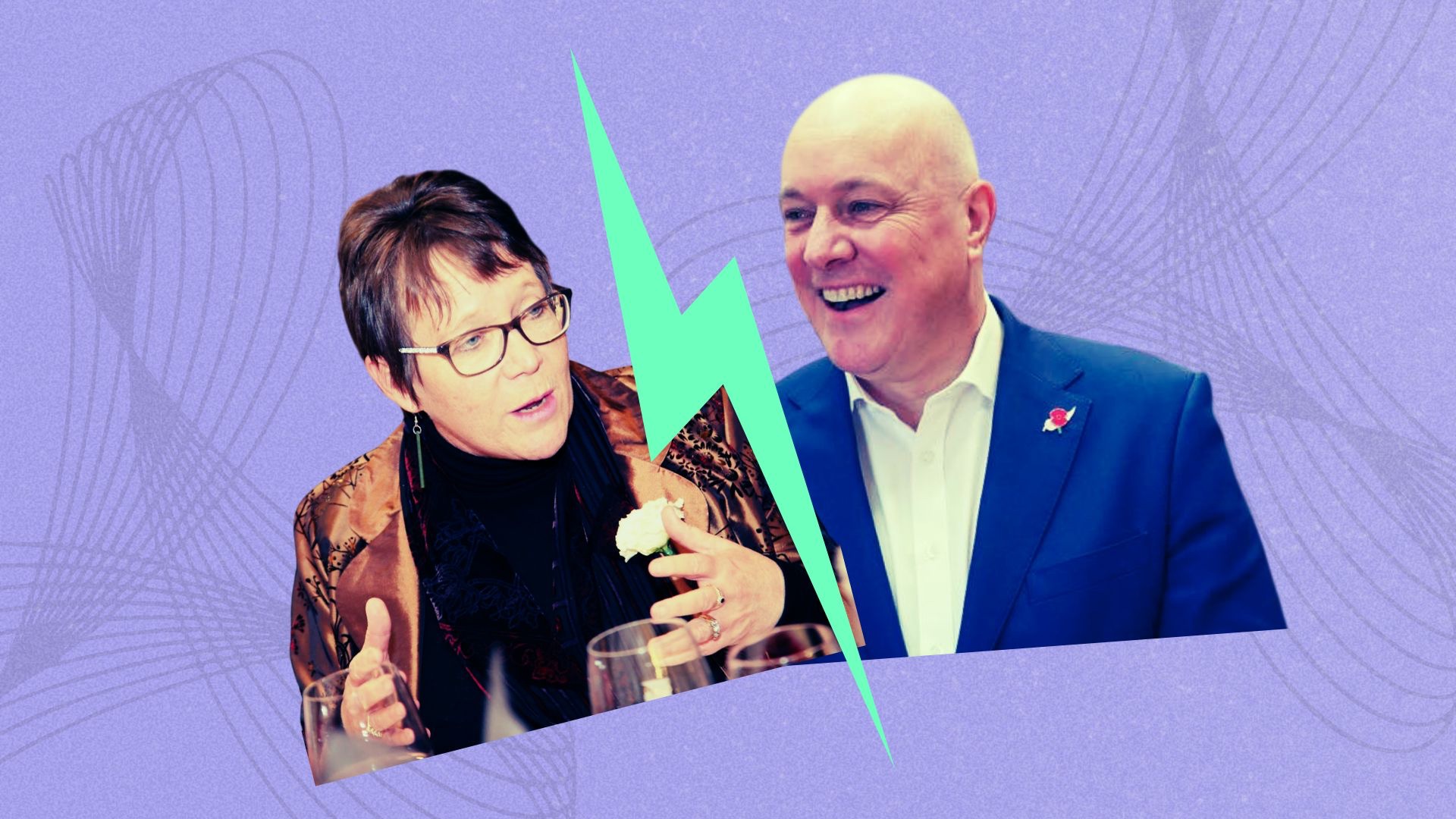
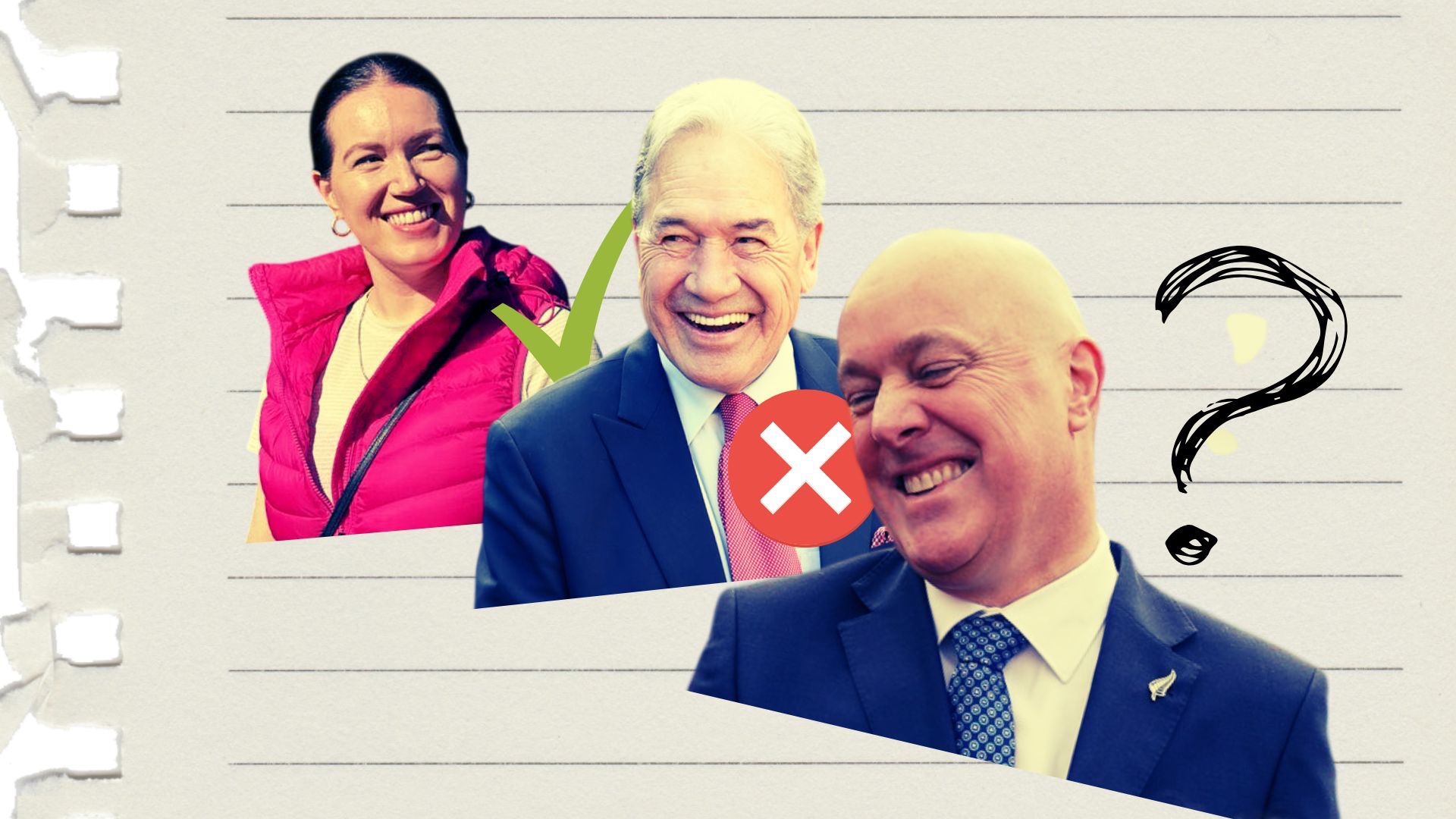
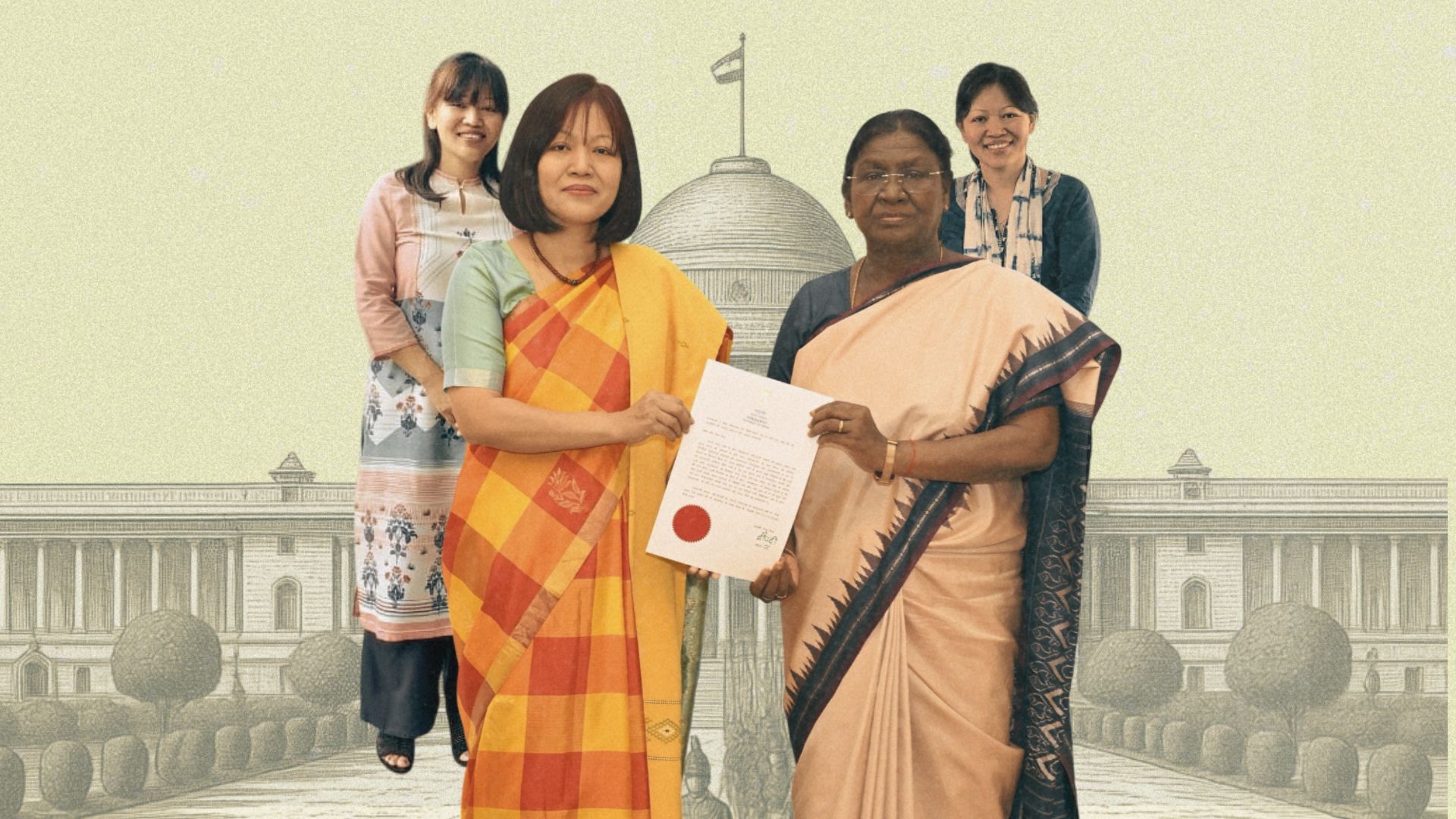
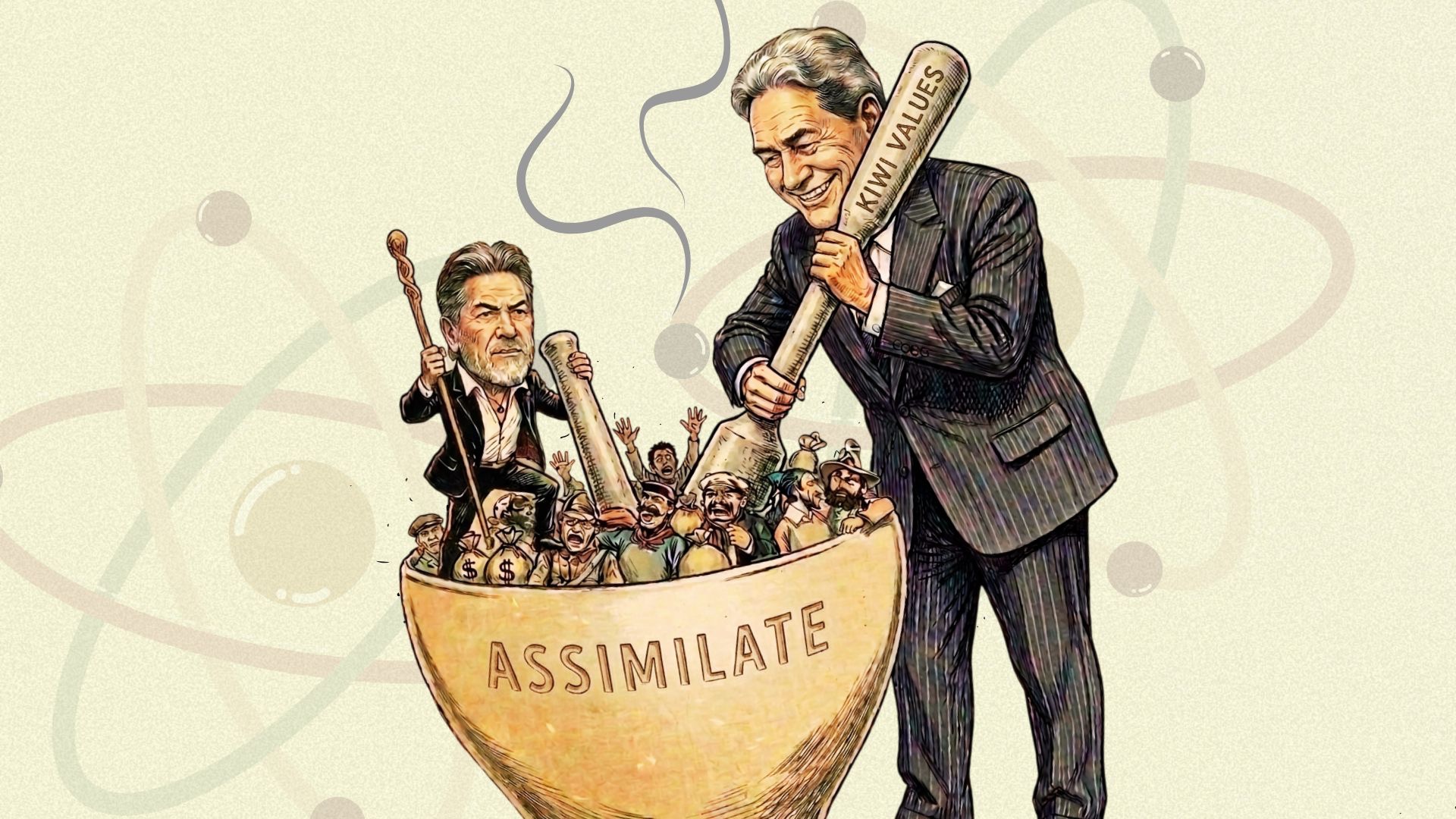
Tamakis launch Indian-origin candidate for Epsom who surrendered passport and has ‘assimilated’ “I know a whole lot of people are going to be like shocked,” says Hannah Tamaki.
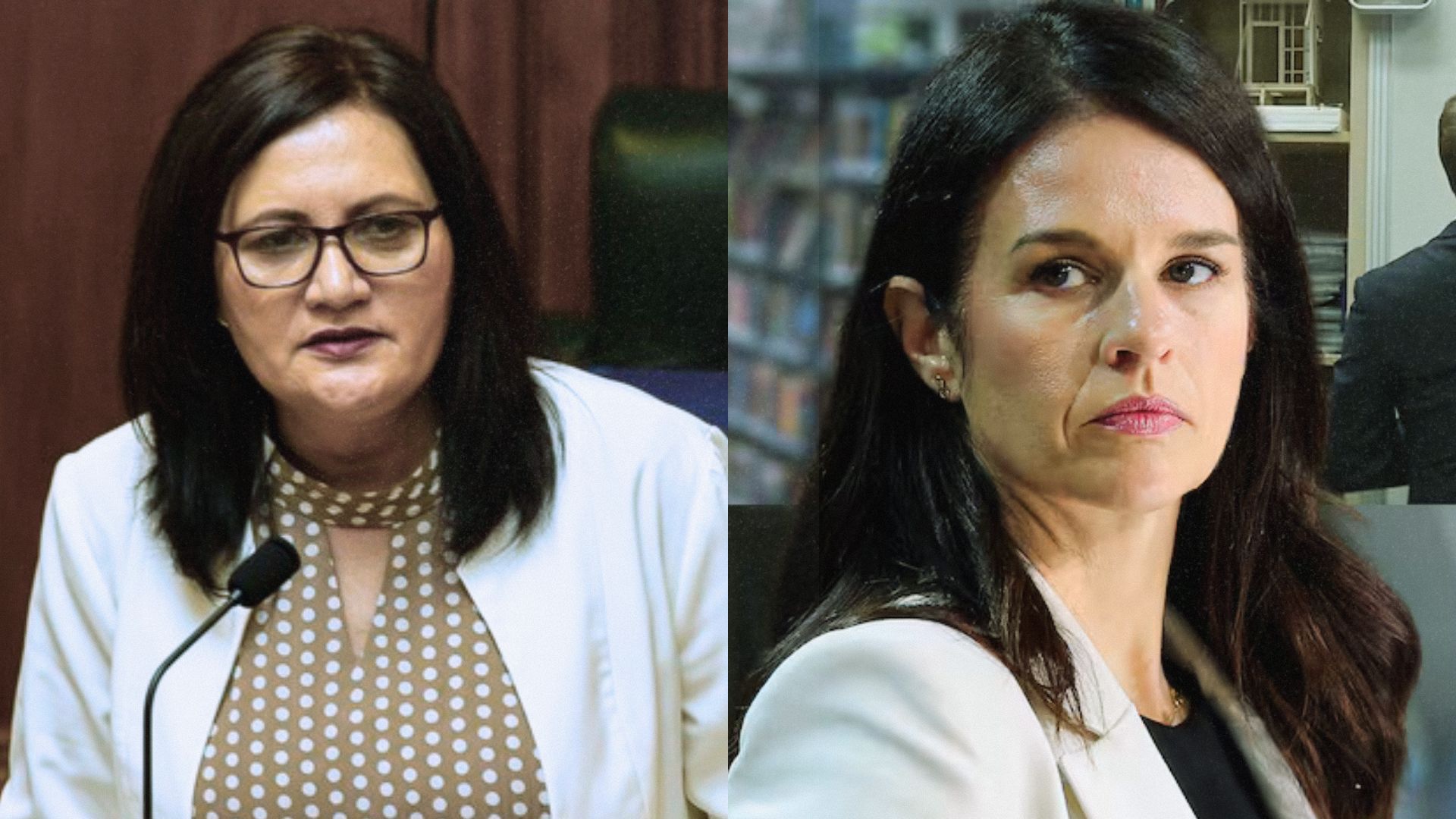
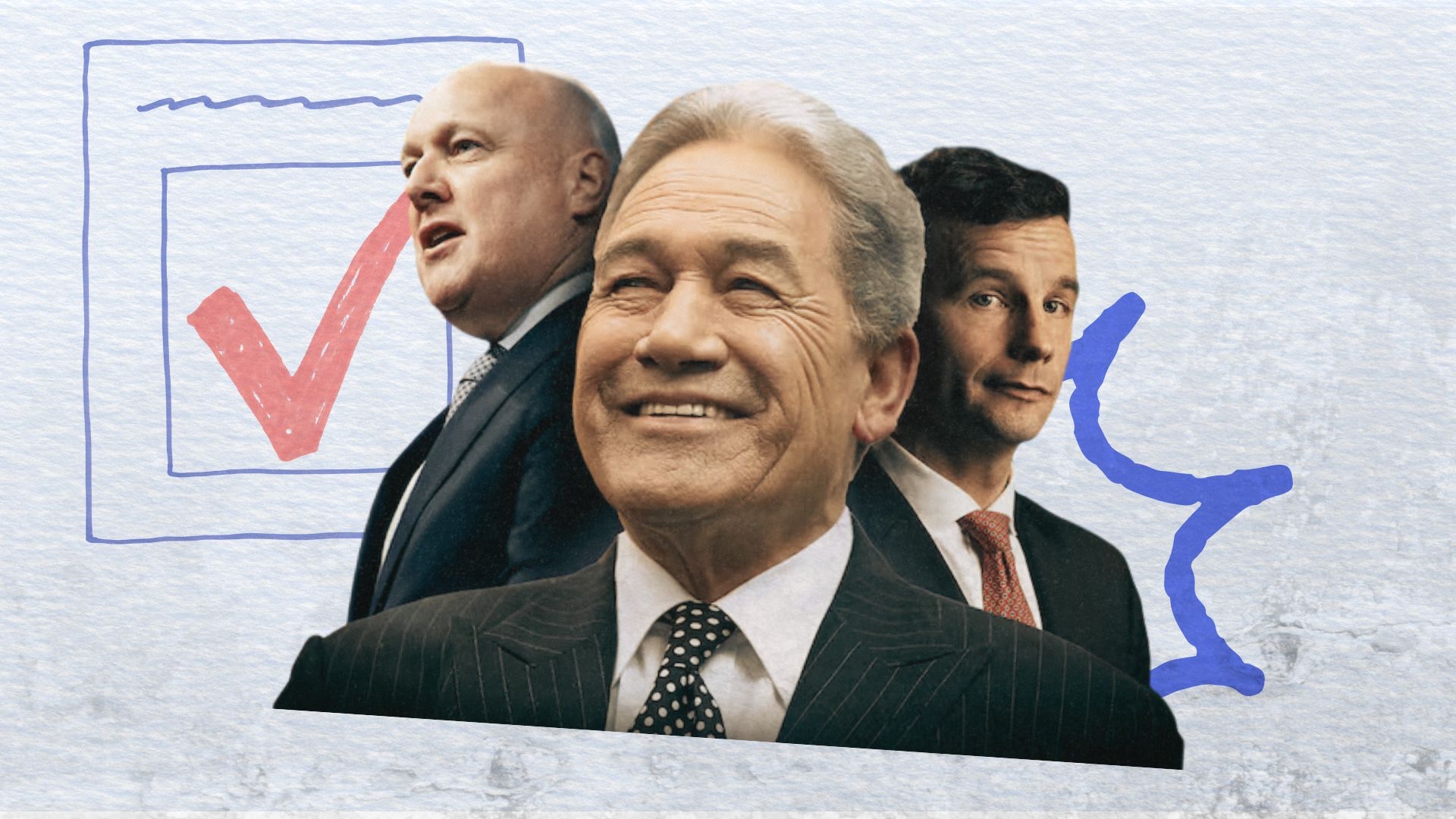
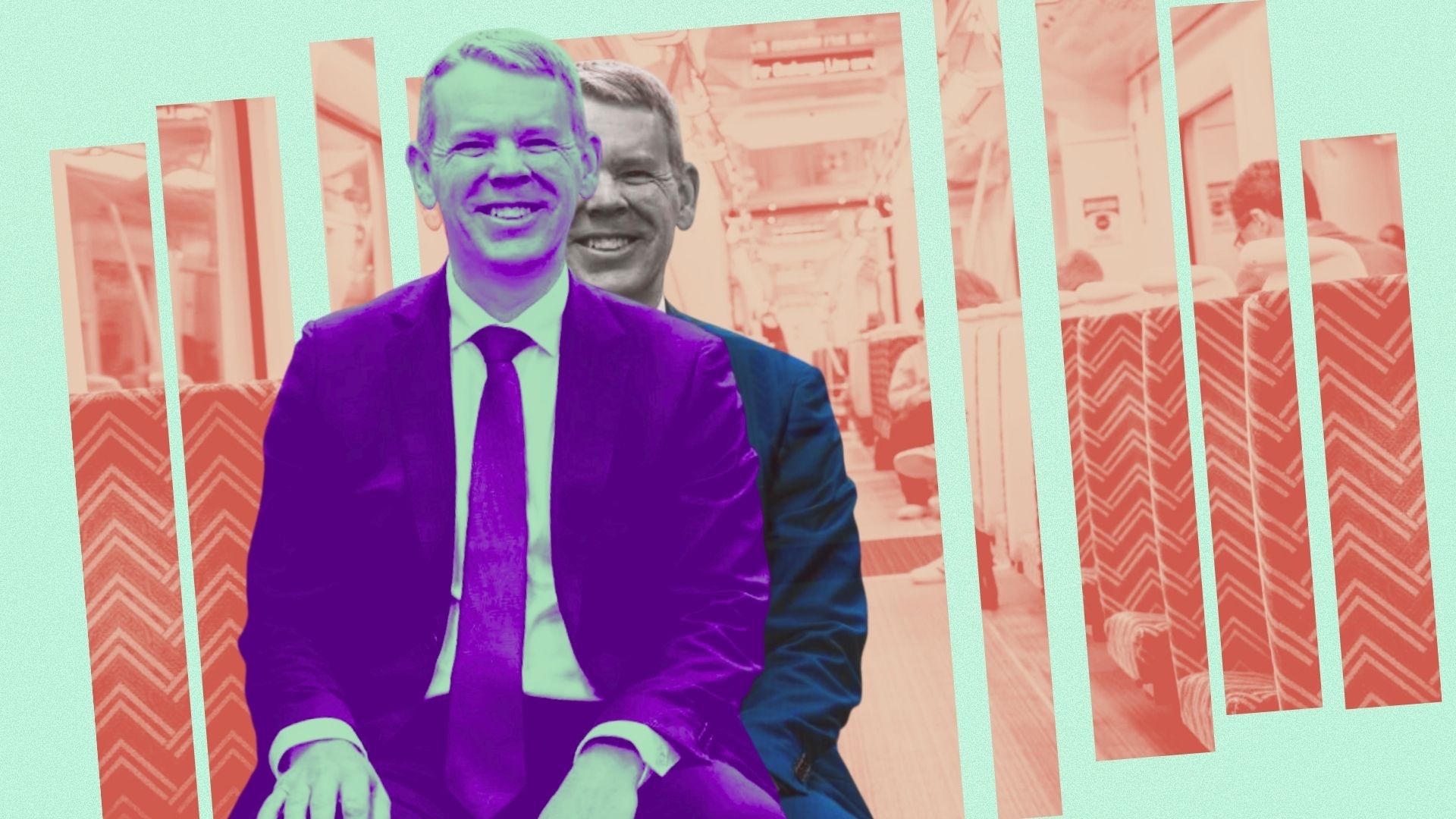
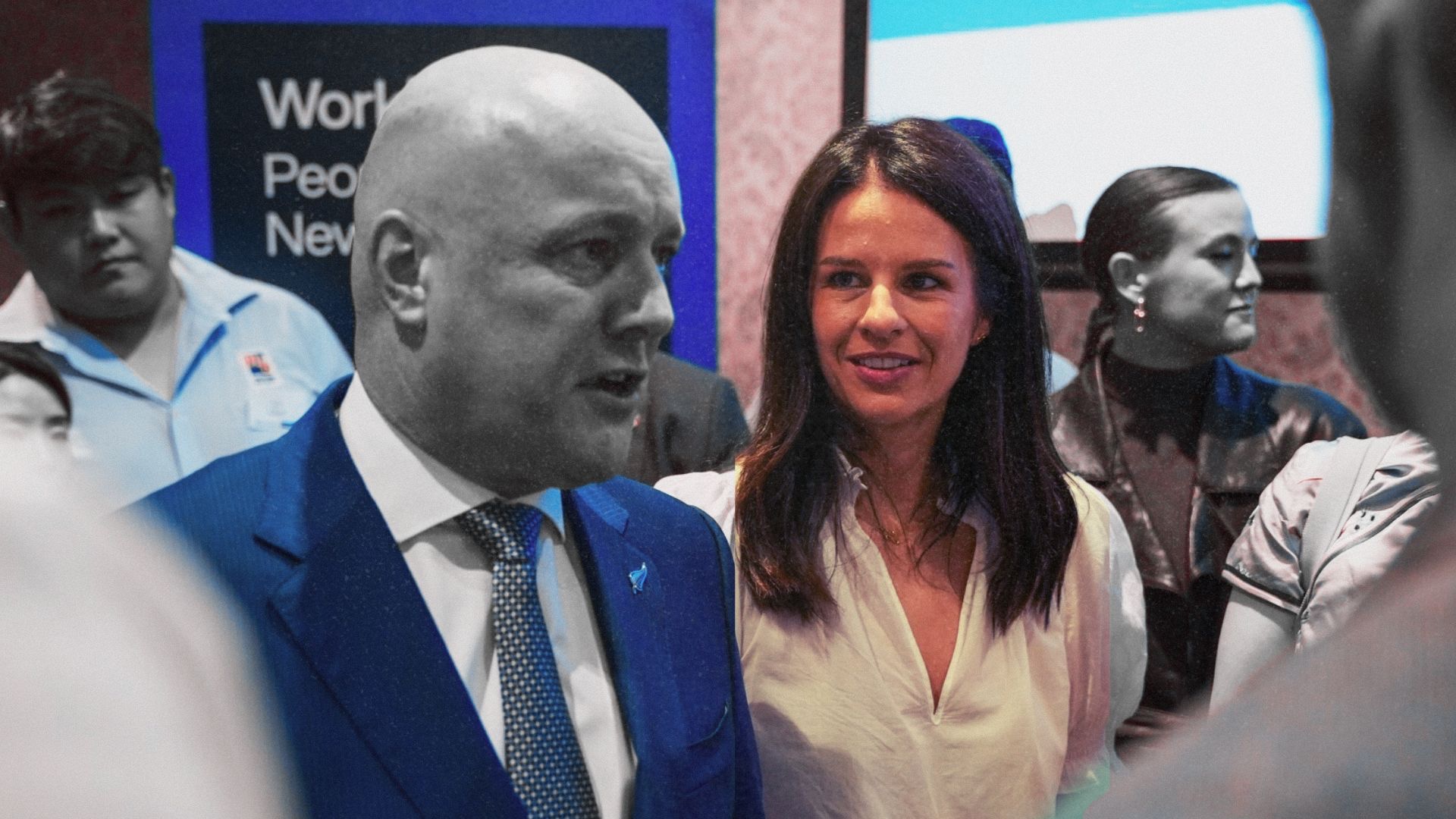
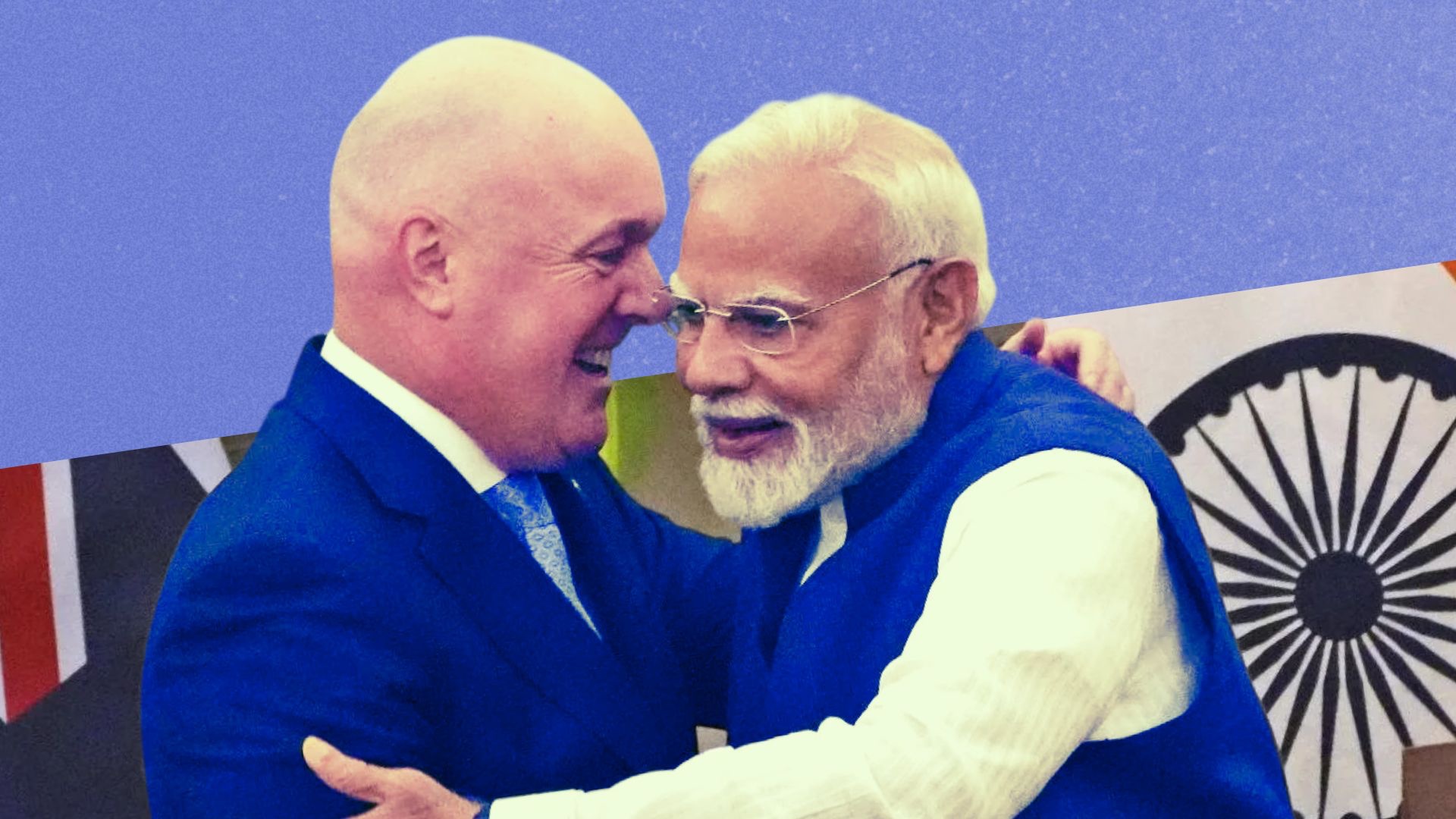
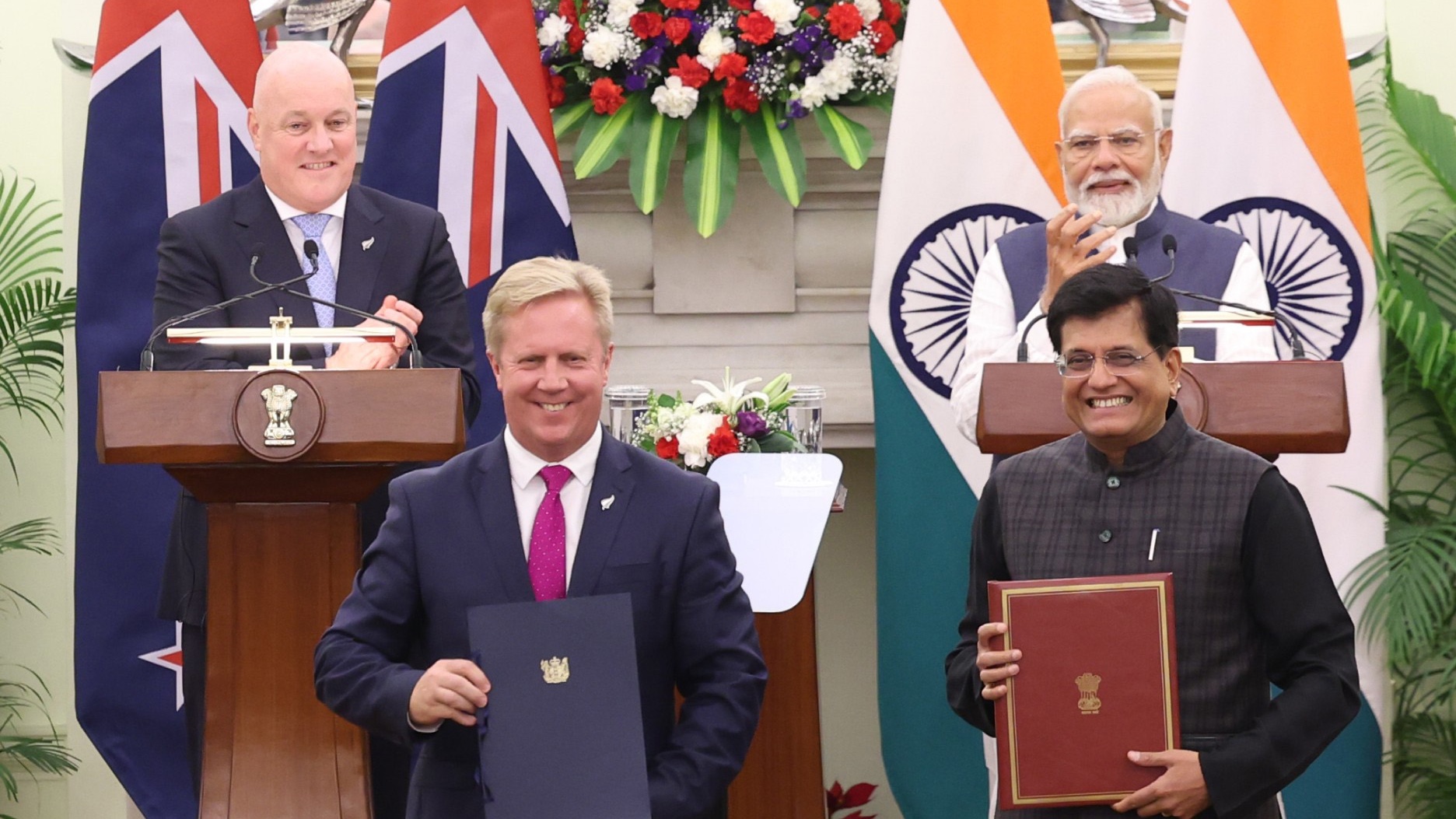
Priyanca Radhakrishnan tries to puncture Luxon’s FTA victory, says India was already sold “Things have changed quite dramatically on the Indian government side,” says the Indian-origin Labour MP.
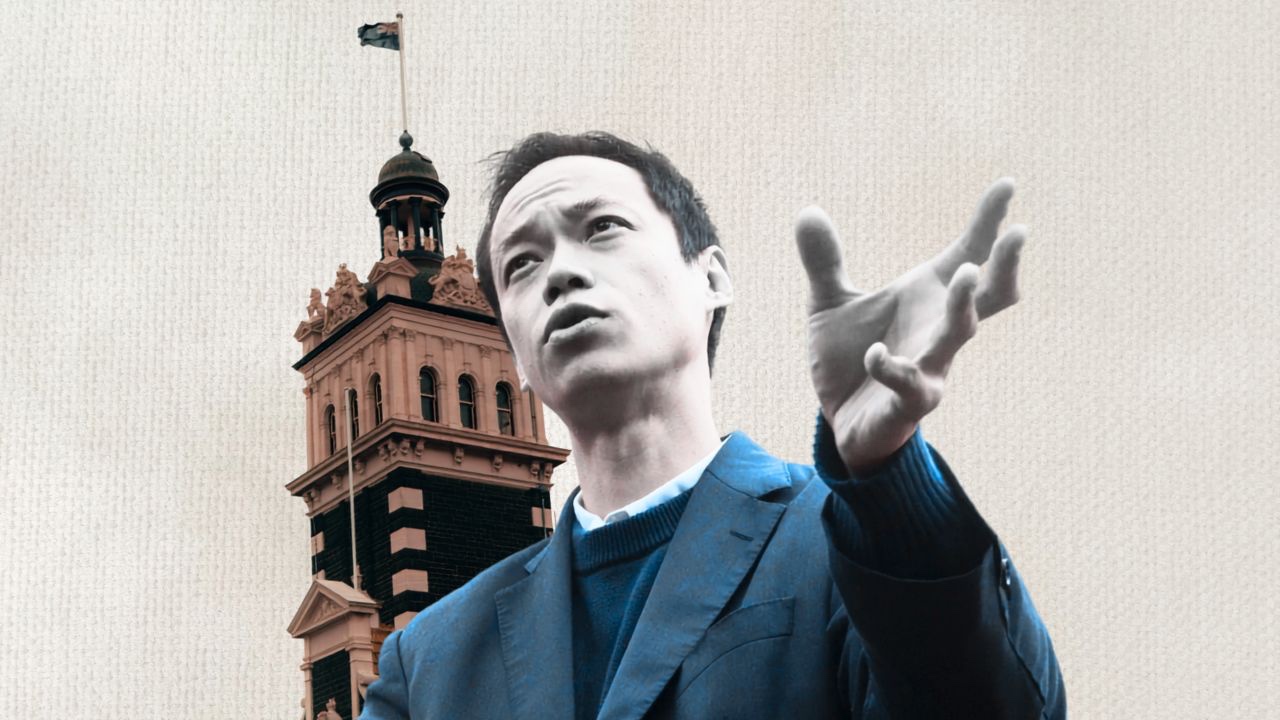
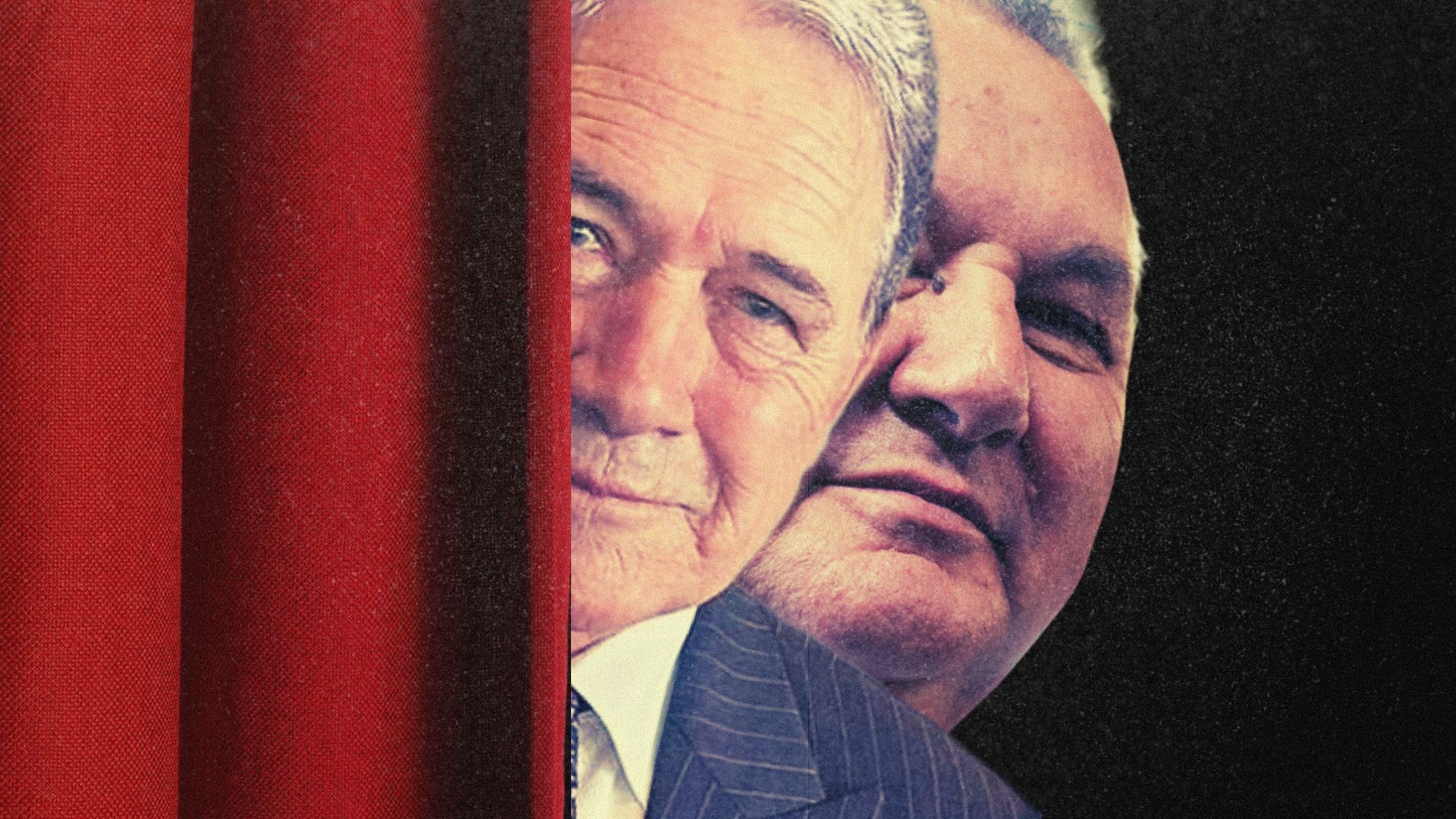
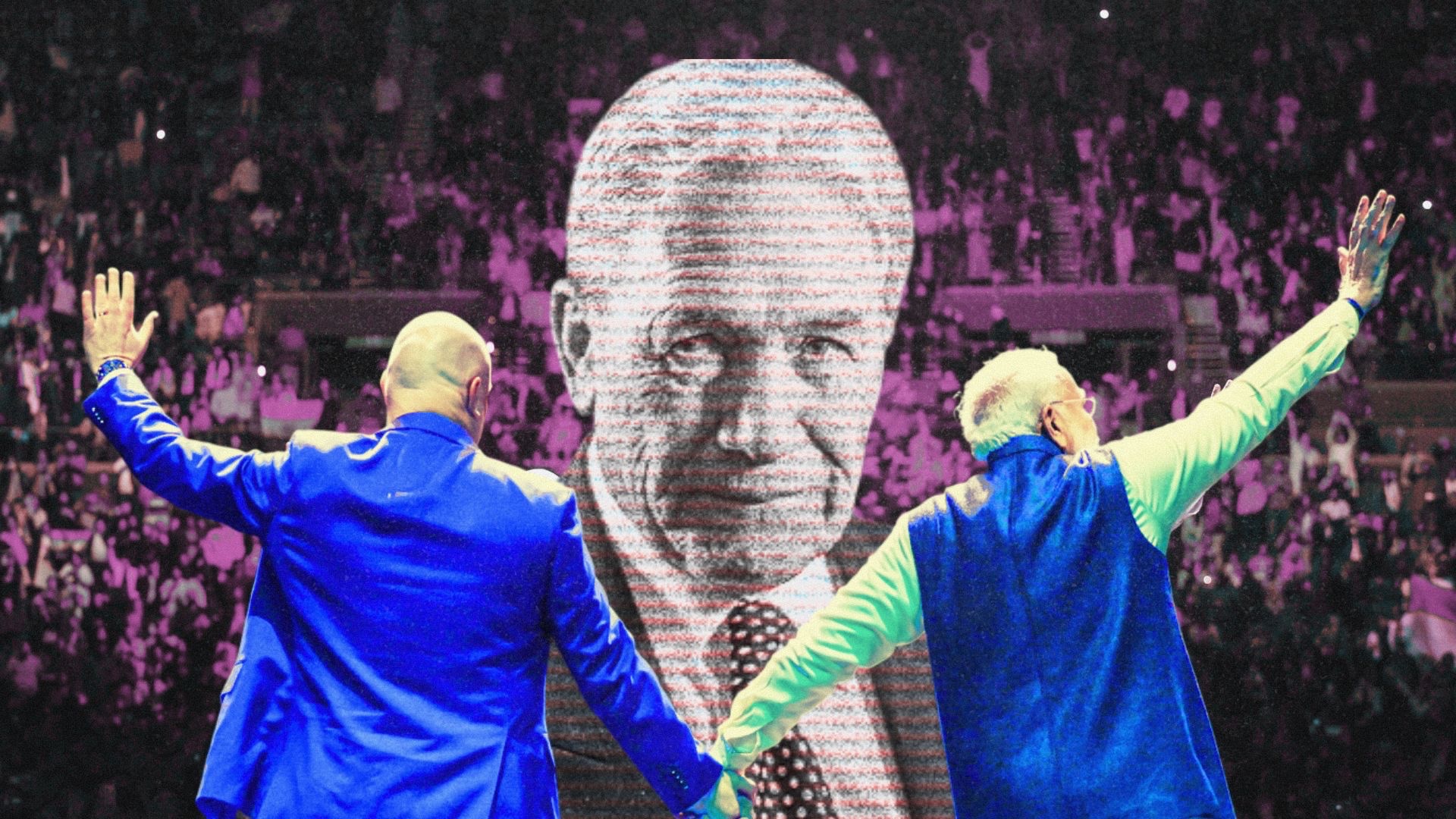
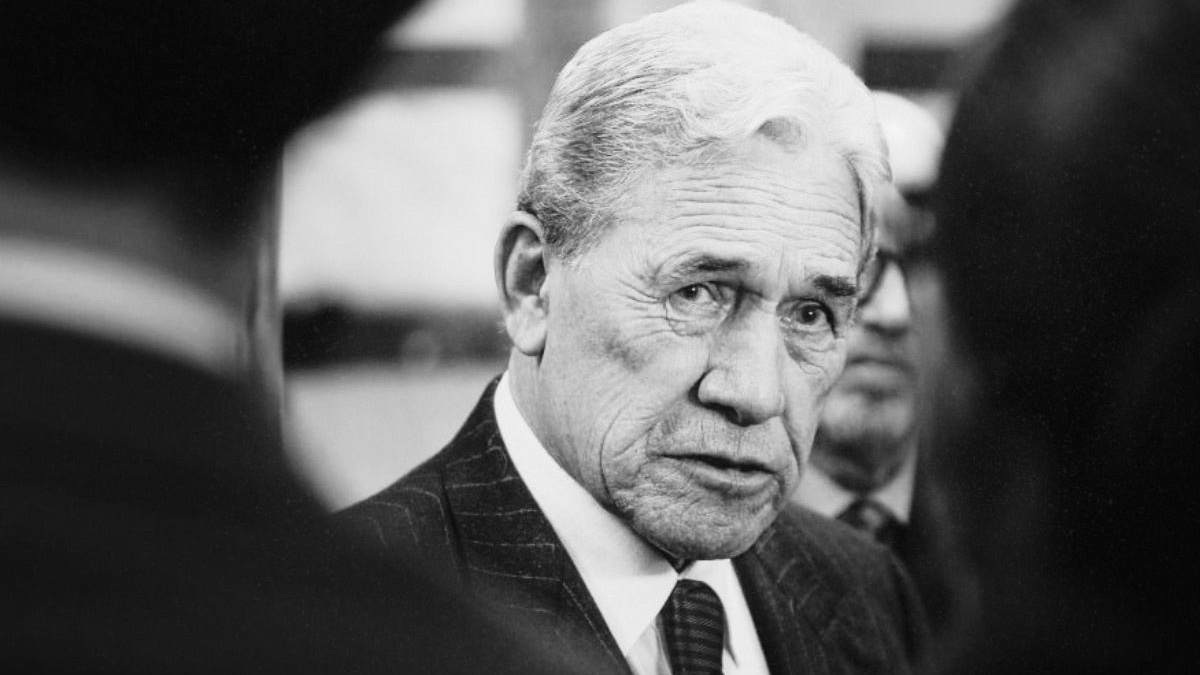
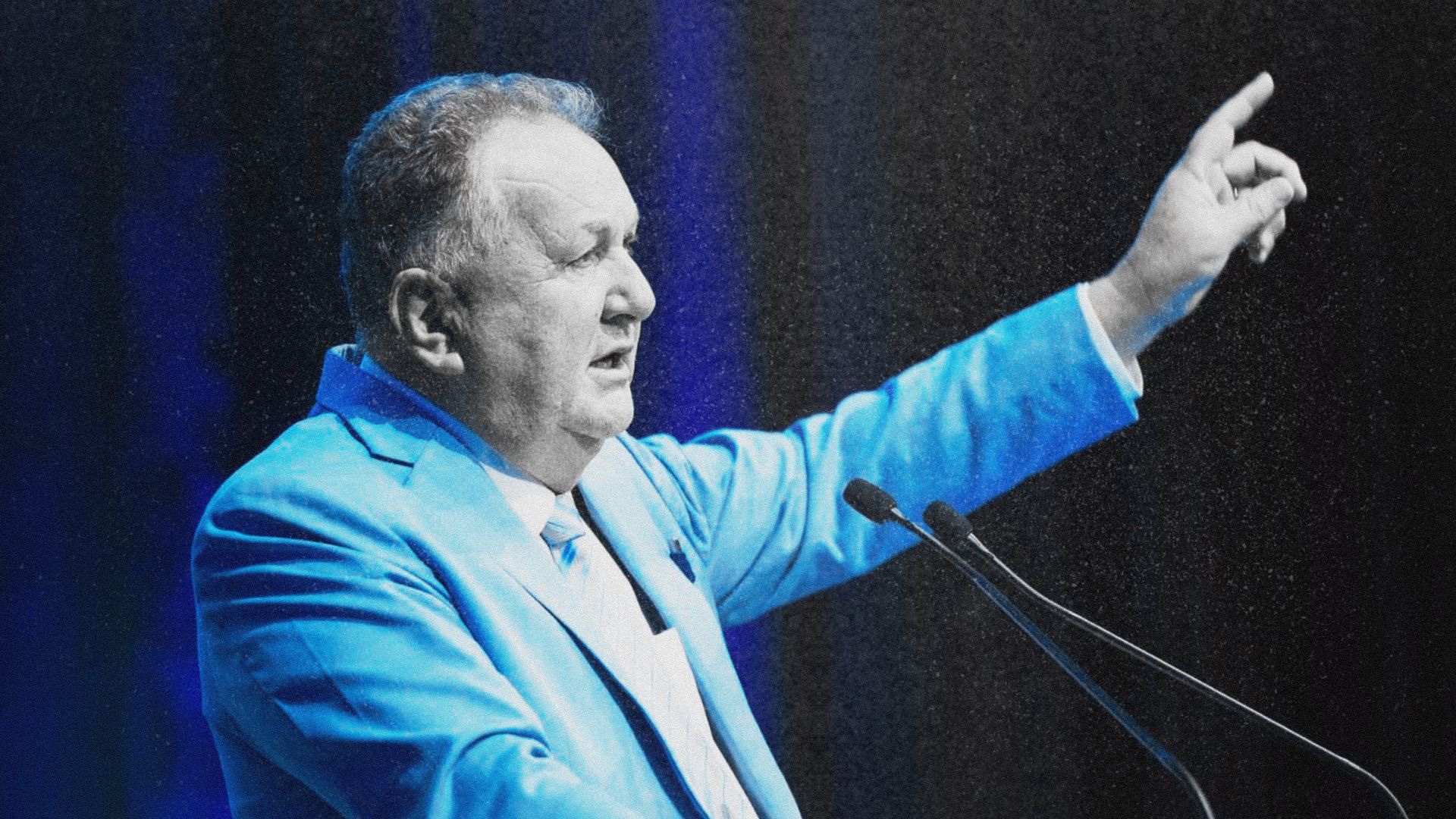
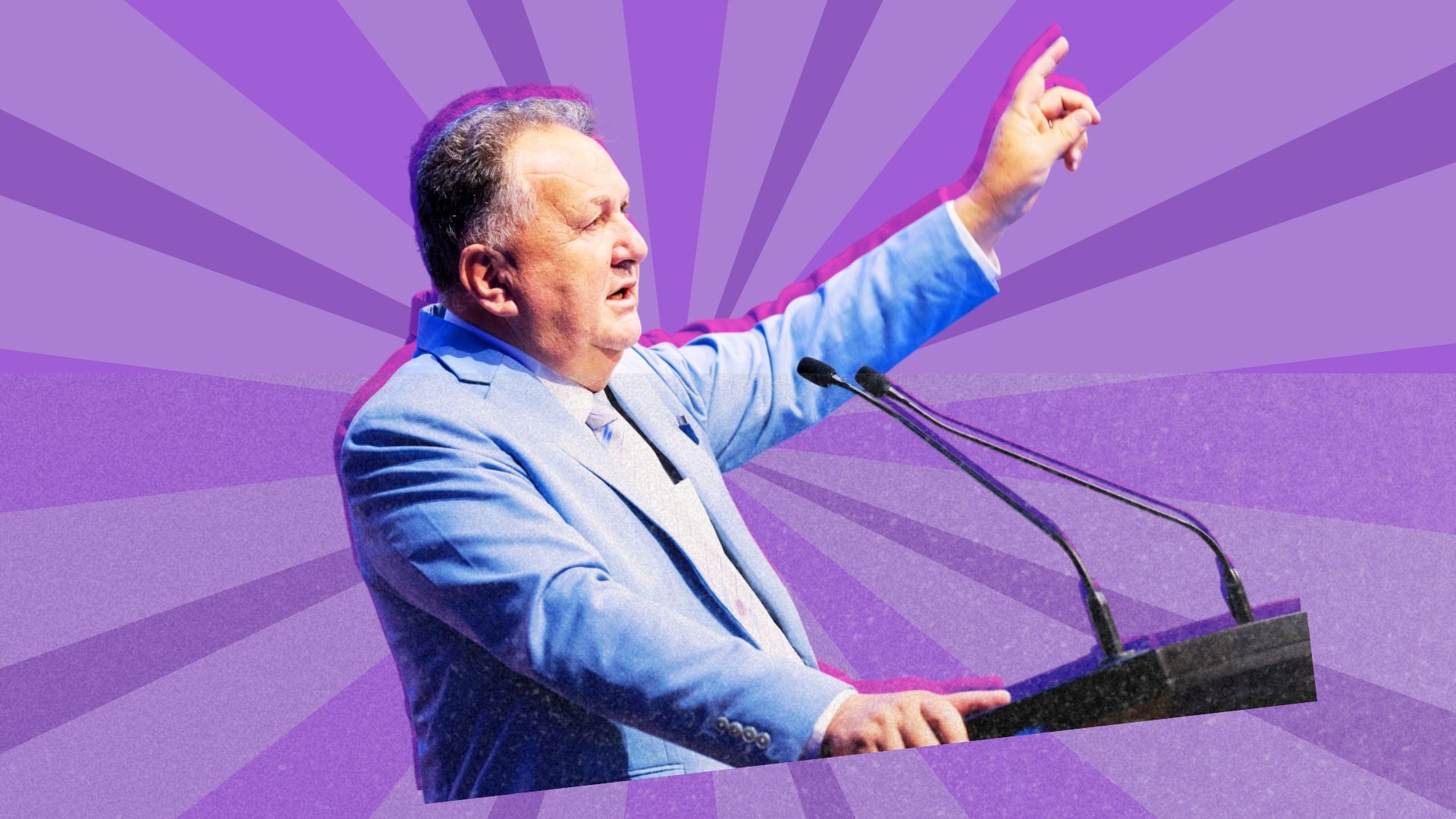
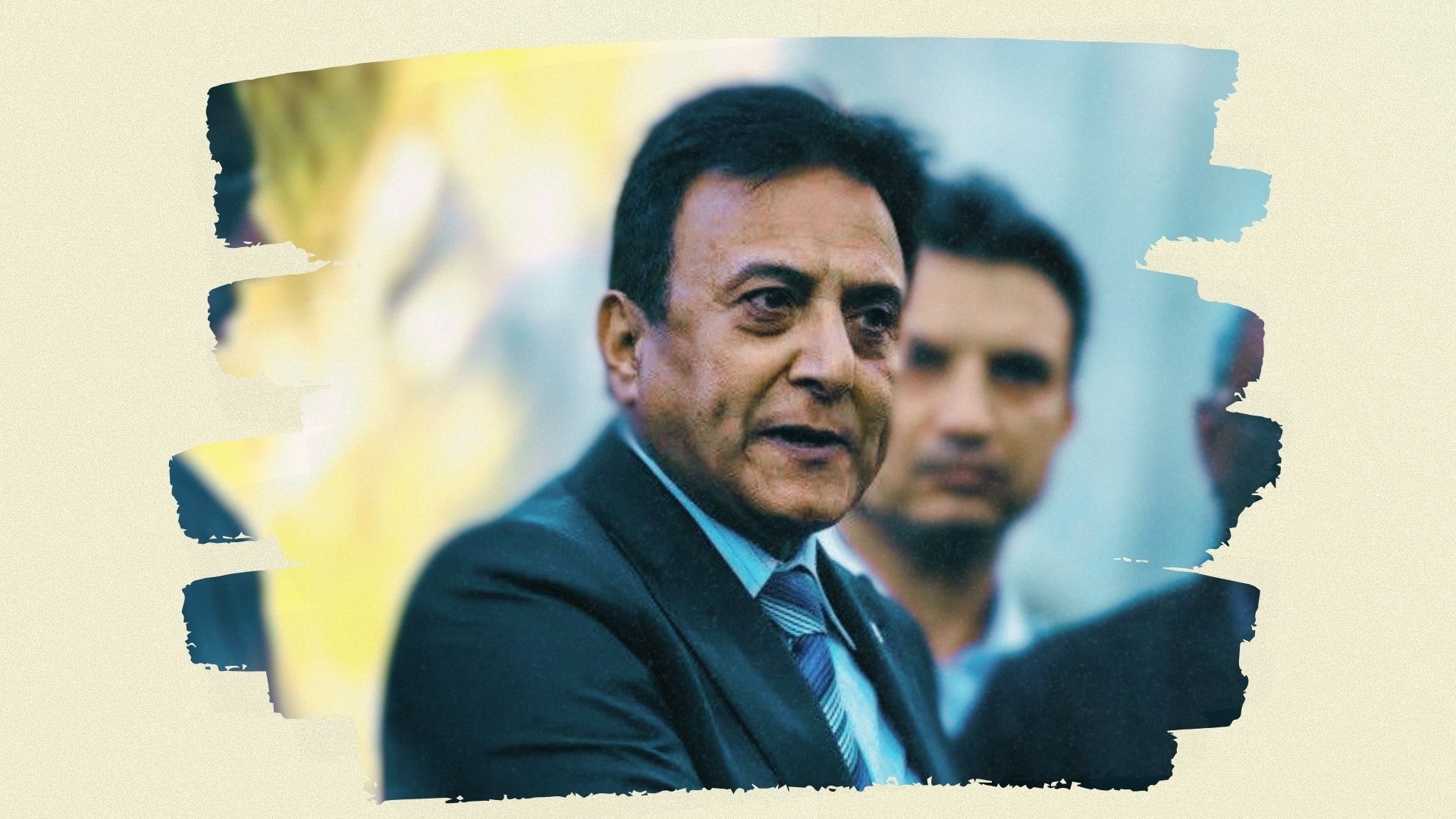
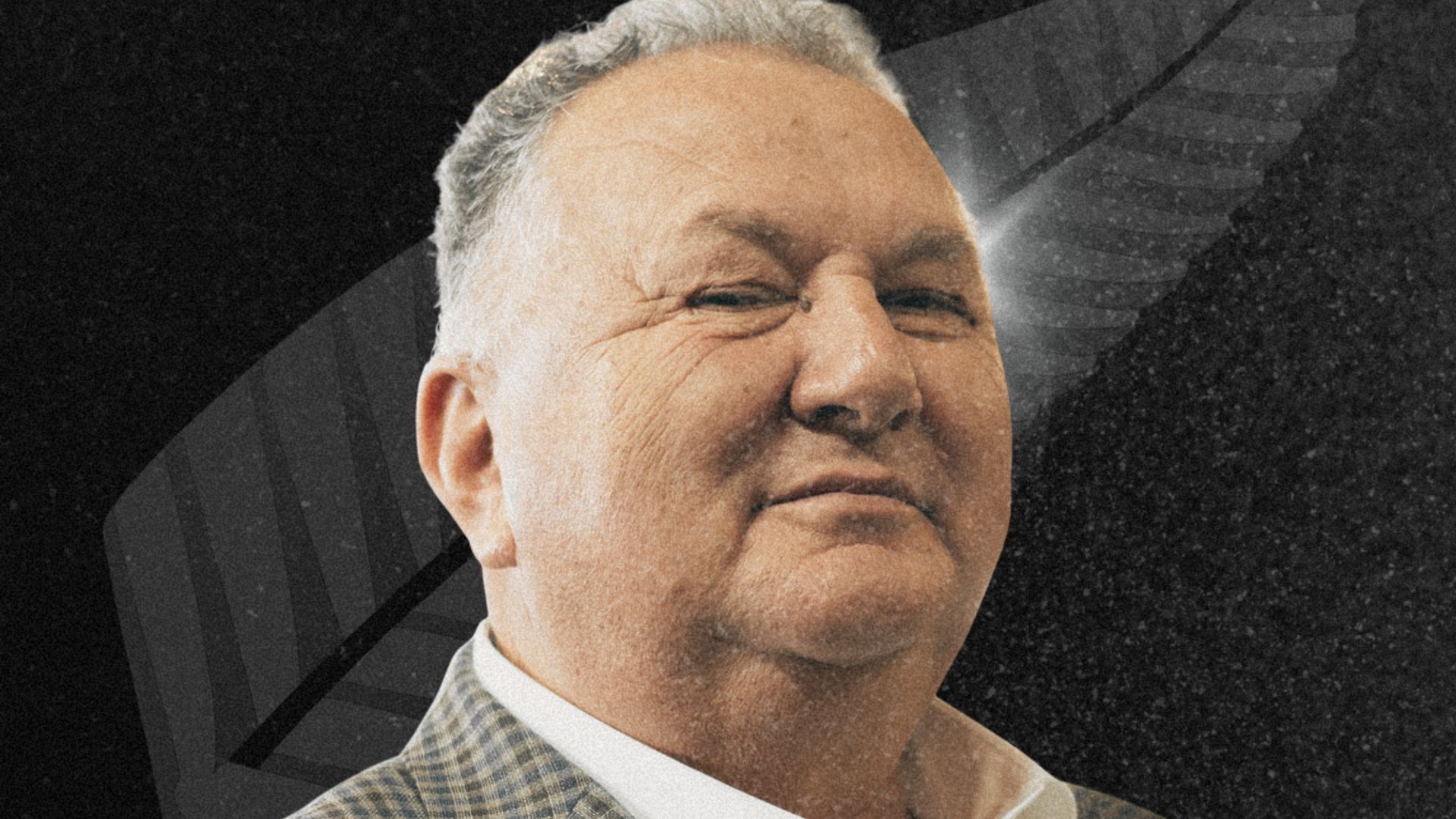
The statement did not name Destiny Church leader Brian Tamaki, but it comes after Awaaz reported Tamaki had called for “purging New Zealand of Hindus, Sikhs and Muslims” and raised the prospect of burning mosques and temples in comments linked to Modi’s expected visit to Auckland.
In a Facebook post on June 18, Tamaki criticised the government for inviting Modi to New Zealand and called the Indian prime minister a “monster”.
He said there were “two unspeakable reasons” for saying so.
“Here’s the first reason why, and I’m going to speak it out very loudly and clearly to you,” Tamaki said.
“Modi is a Christian killer. Right now in his country, he is killing Christians. He is currently purging India of all Christians and burning church buildings down.”
Tamaki then said New Zealand should “reciprocate in kind”.
“Let’s purge New Zealand of Hindus, Sikhs and Muslims. And while we’re at it, if they’re burning churches down, why don’t we burn mosques and their temples down?” he said.
“Tit for tat.”
Churches and other religious organisations operate openly across India, where freedom of religion is enshrined in the constitution. There is no nationwide ban on churches or on the practice of any faith.
Tamaki’s latest comments marked a sharp escalation from his earlier anti-Modi rhetoric, shifting from opposition to India’s prime minister to language directed at whole religious communities in New Zealand.
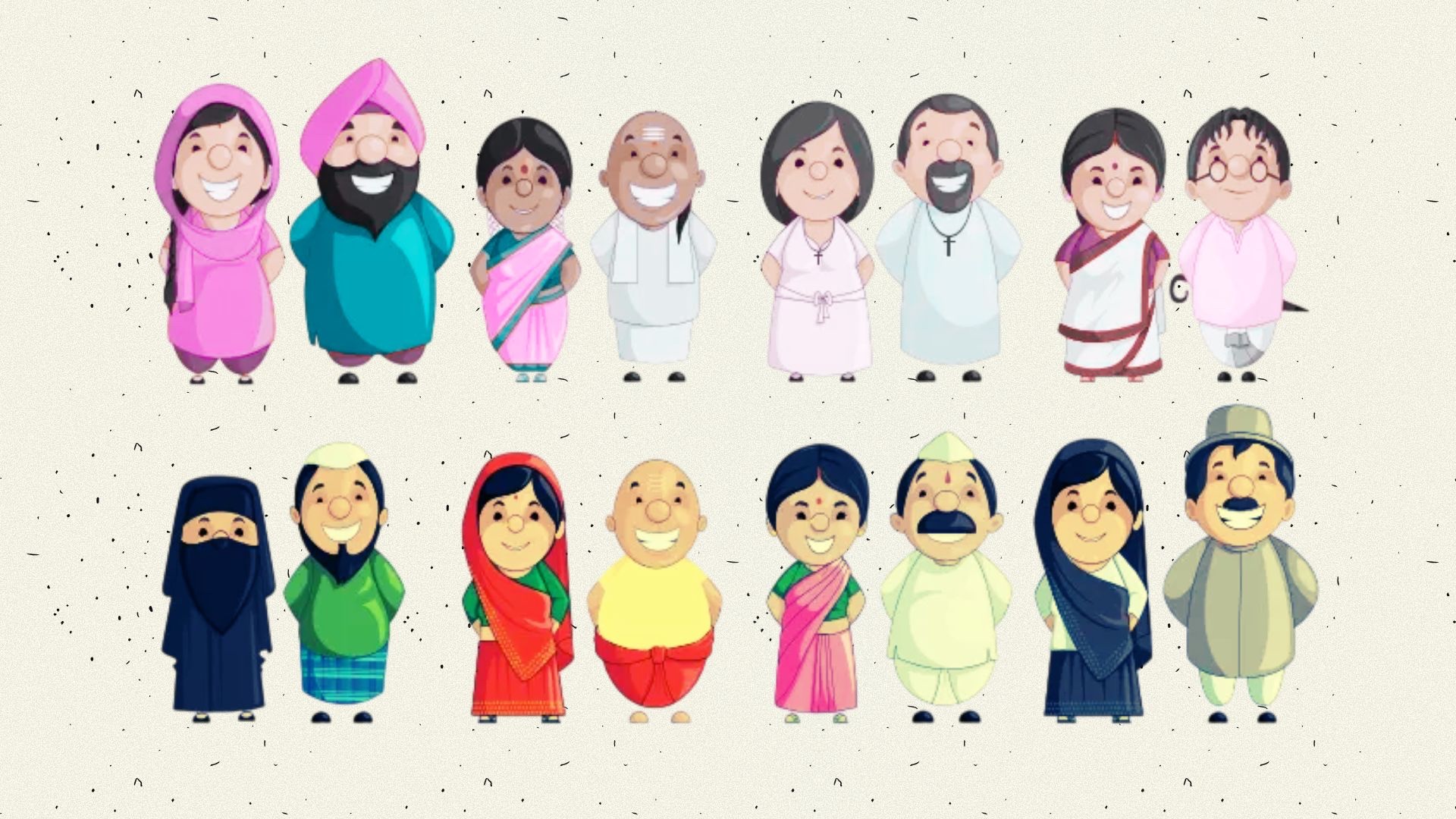
At least 340,000 New Zealanders are of Indian descent, according to official estimates. A majority of them are Hindus and Sikhs, while Muslims in New Zealand include people from a wide range of ethnic and national backgrounds.
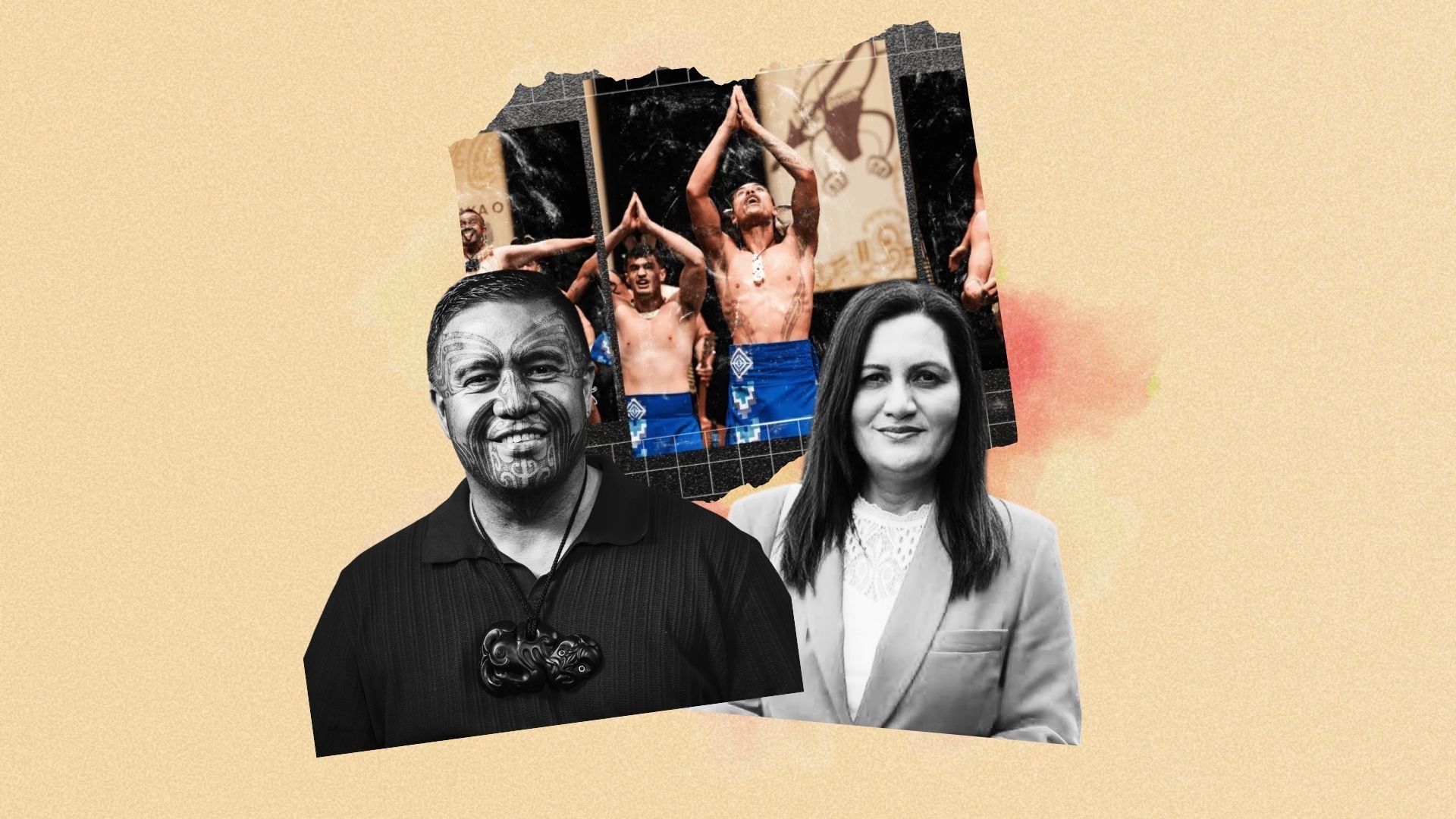
Earlier this month, Tamaki called on supporters to attend what he described as a “Massive Anti-Mass Immigration HAKA” at Auckland’s Aotea Centre on July 7.
He urged people to take a “day off to save NZ” and positioned the protest as a response to immigration policy and demographic change.
In that June 4 Facebook post, Tamaki linked the planned demonstration directly to Modi’s visit.
“If 20,000 Indians can Stand And Take Auckland.. Then 30,000 Kiwis should show to Fight For your Country and Children’s Future,” Tamaki wrote at the time.
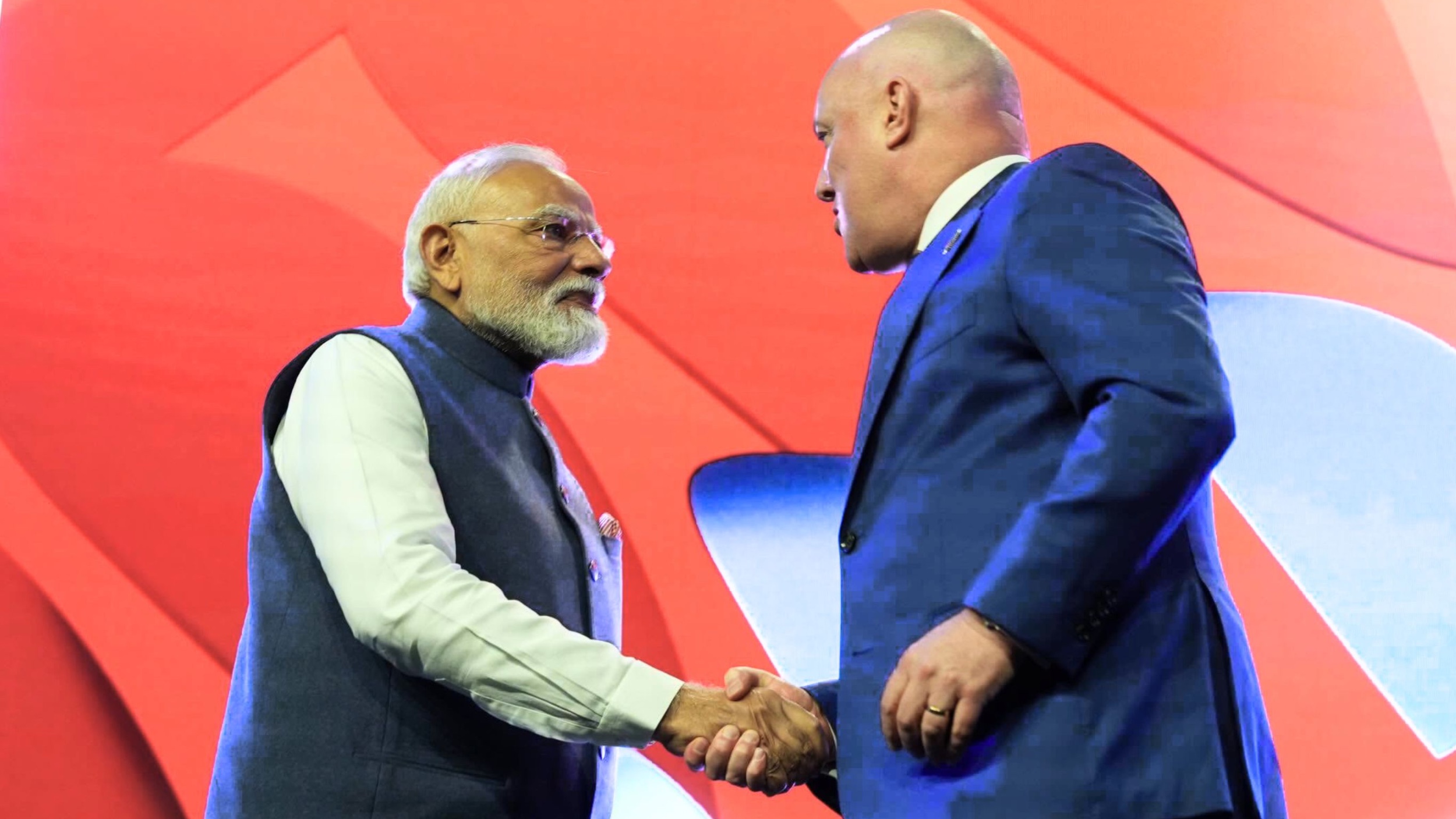
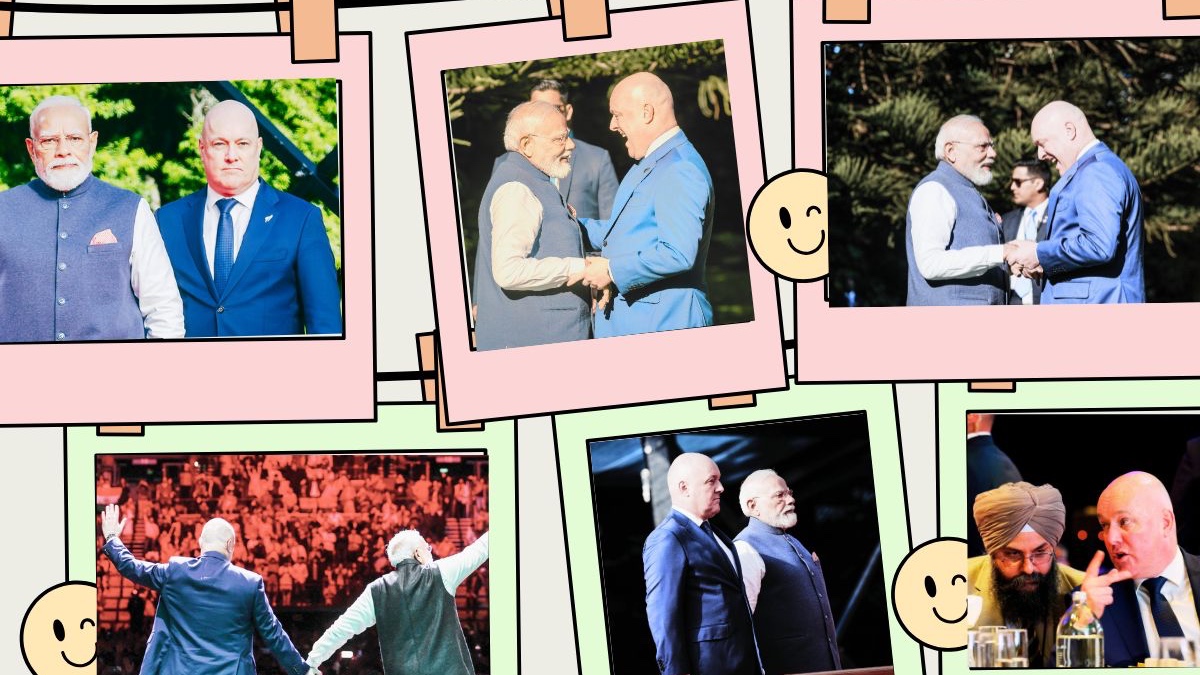
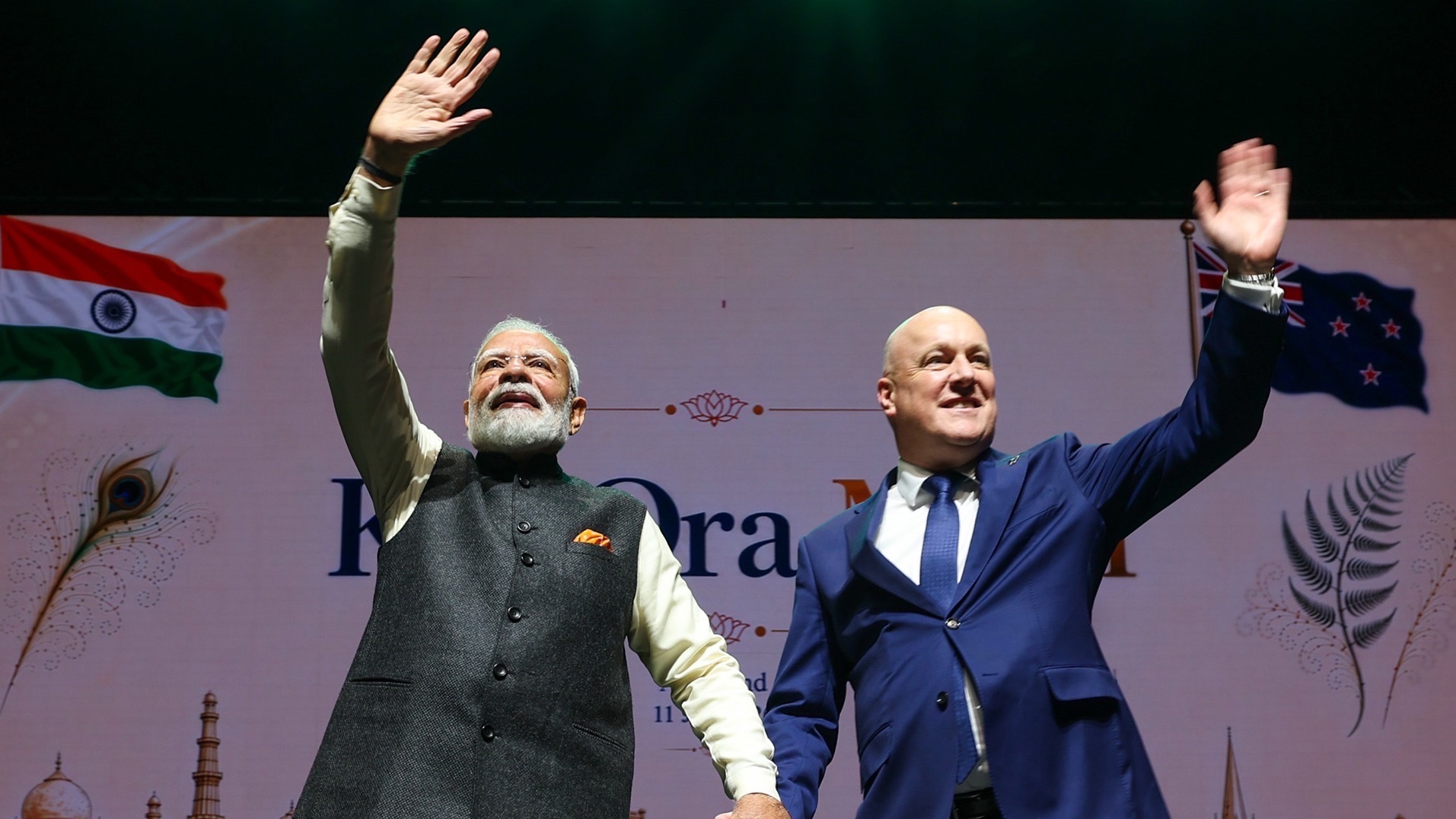
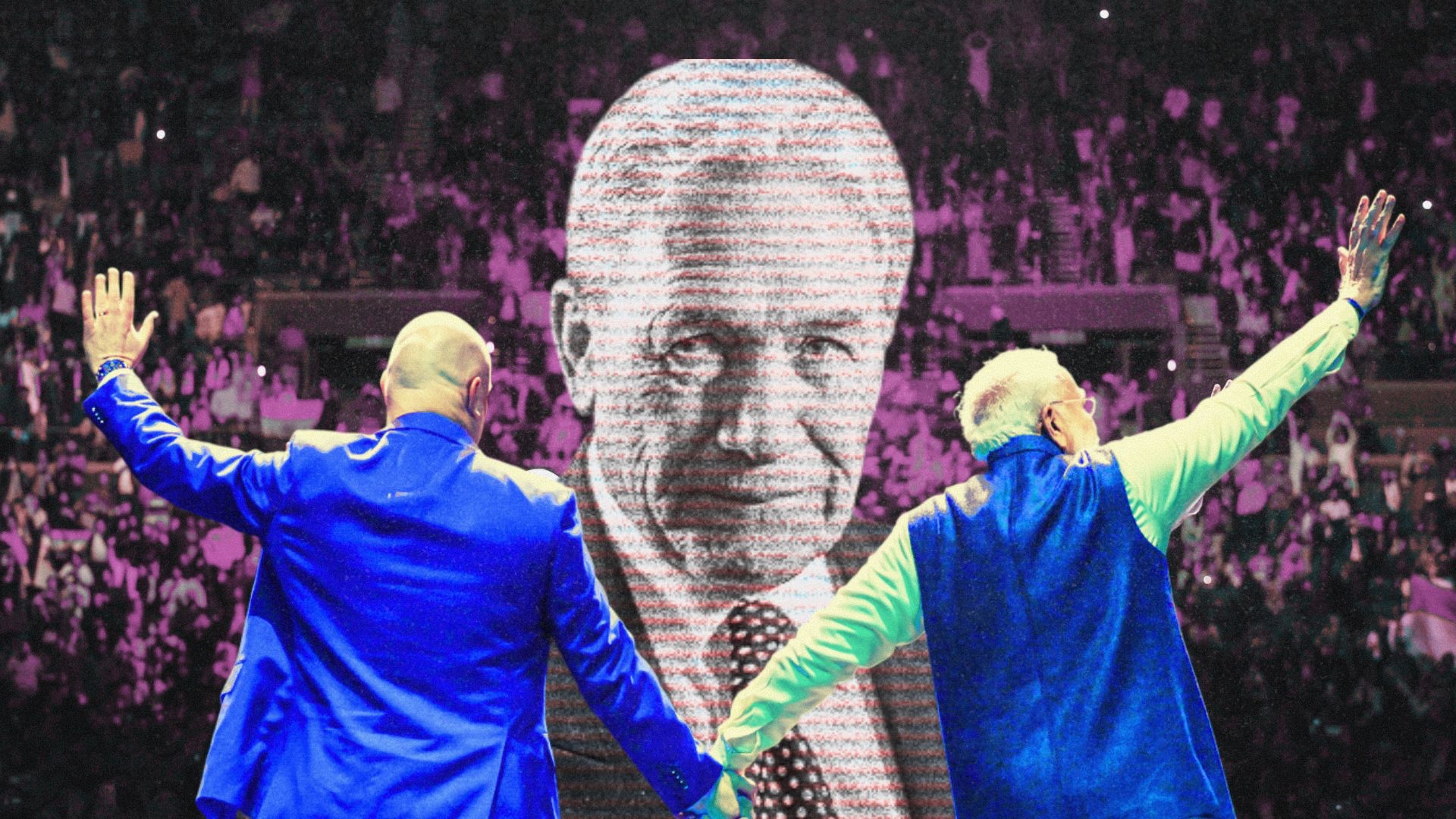
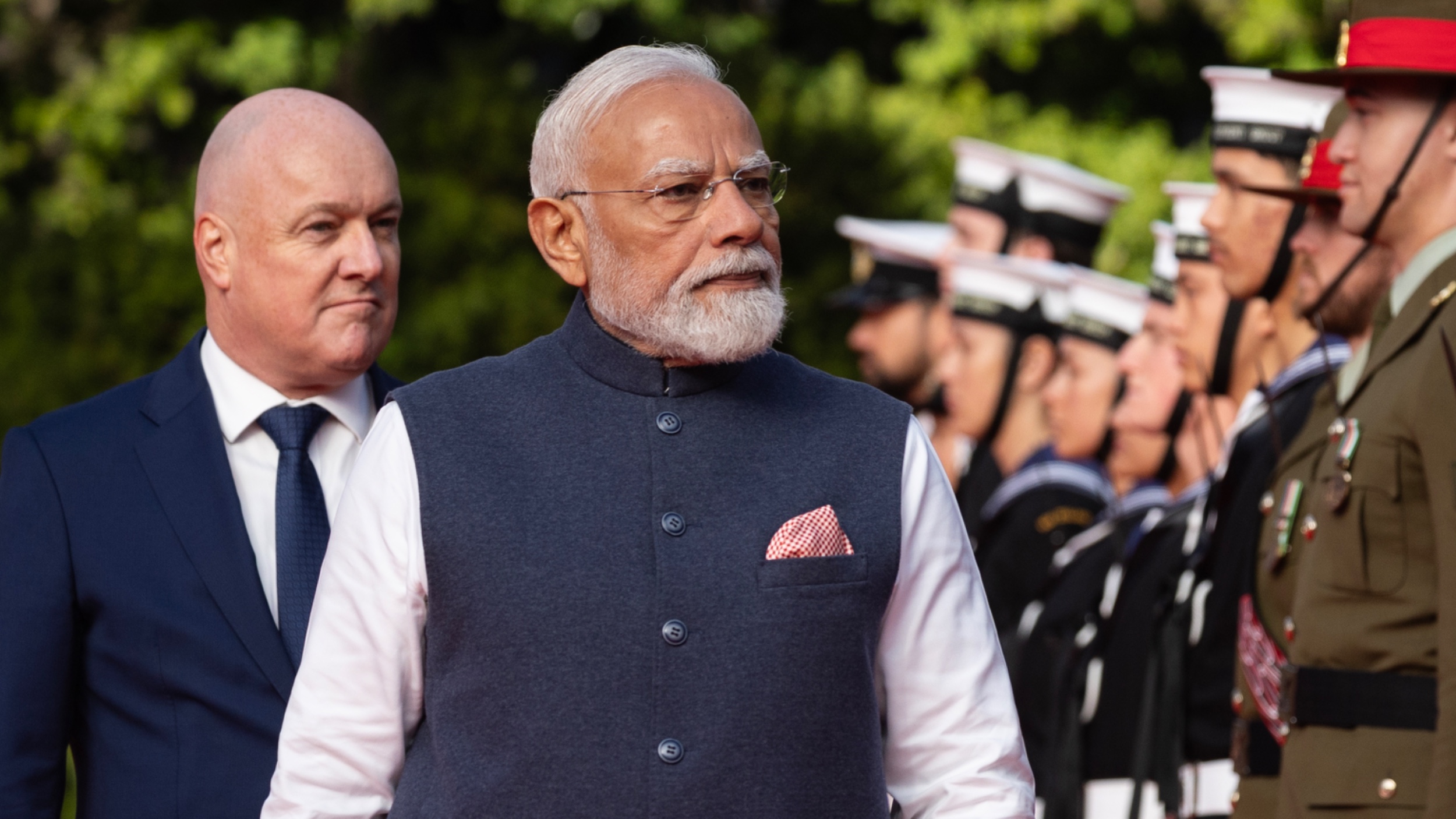
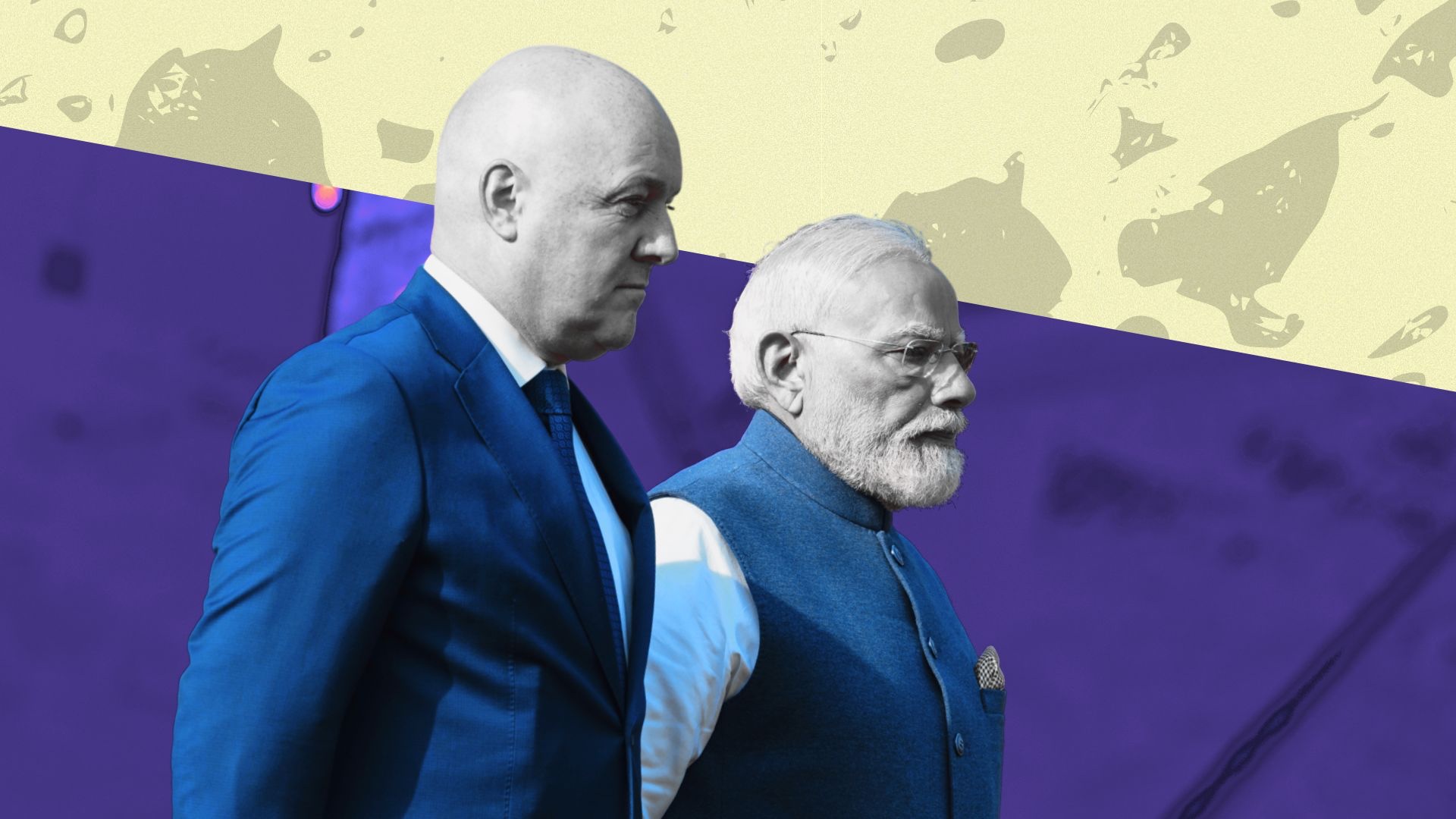
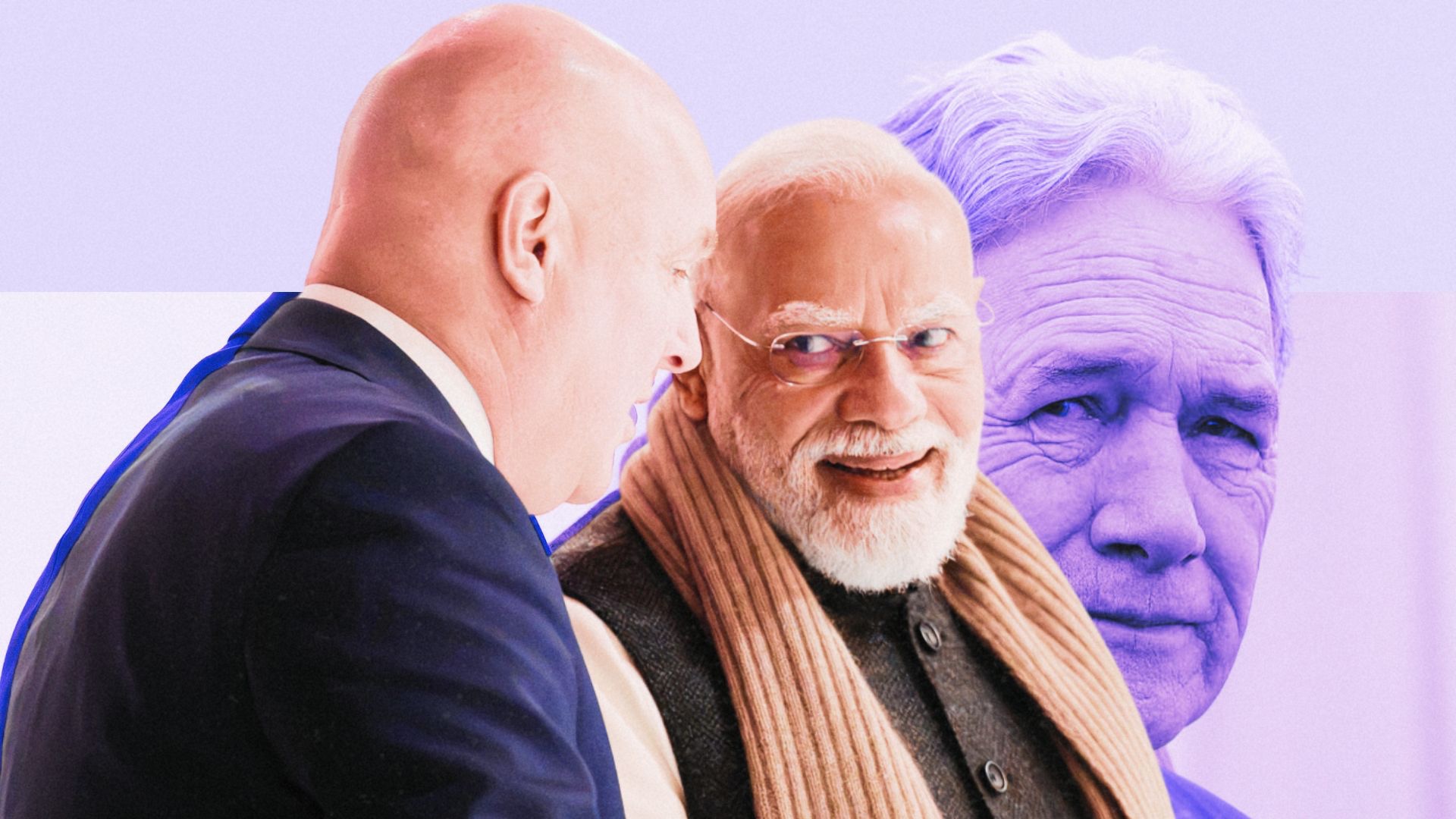
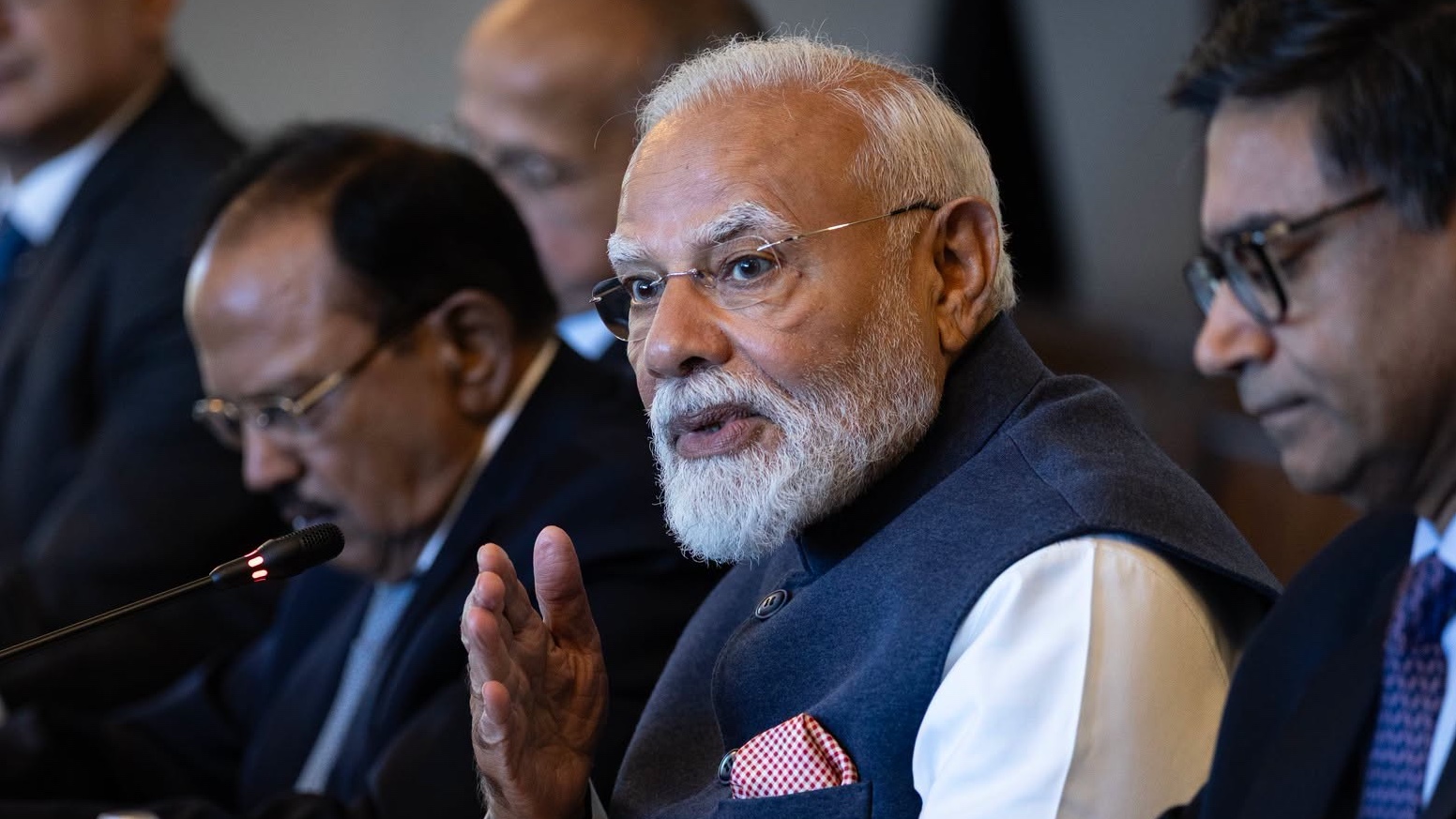
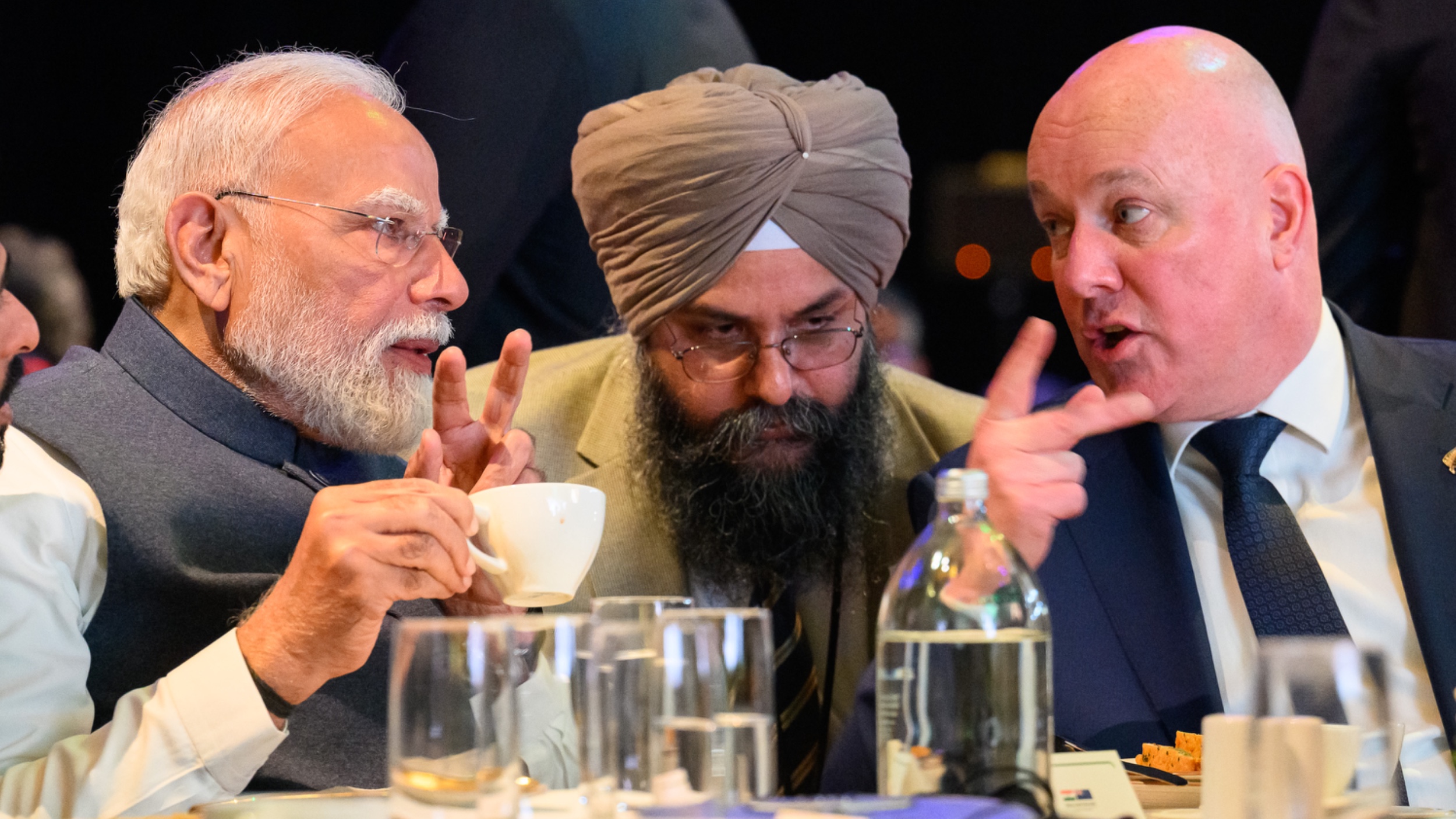
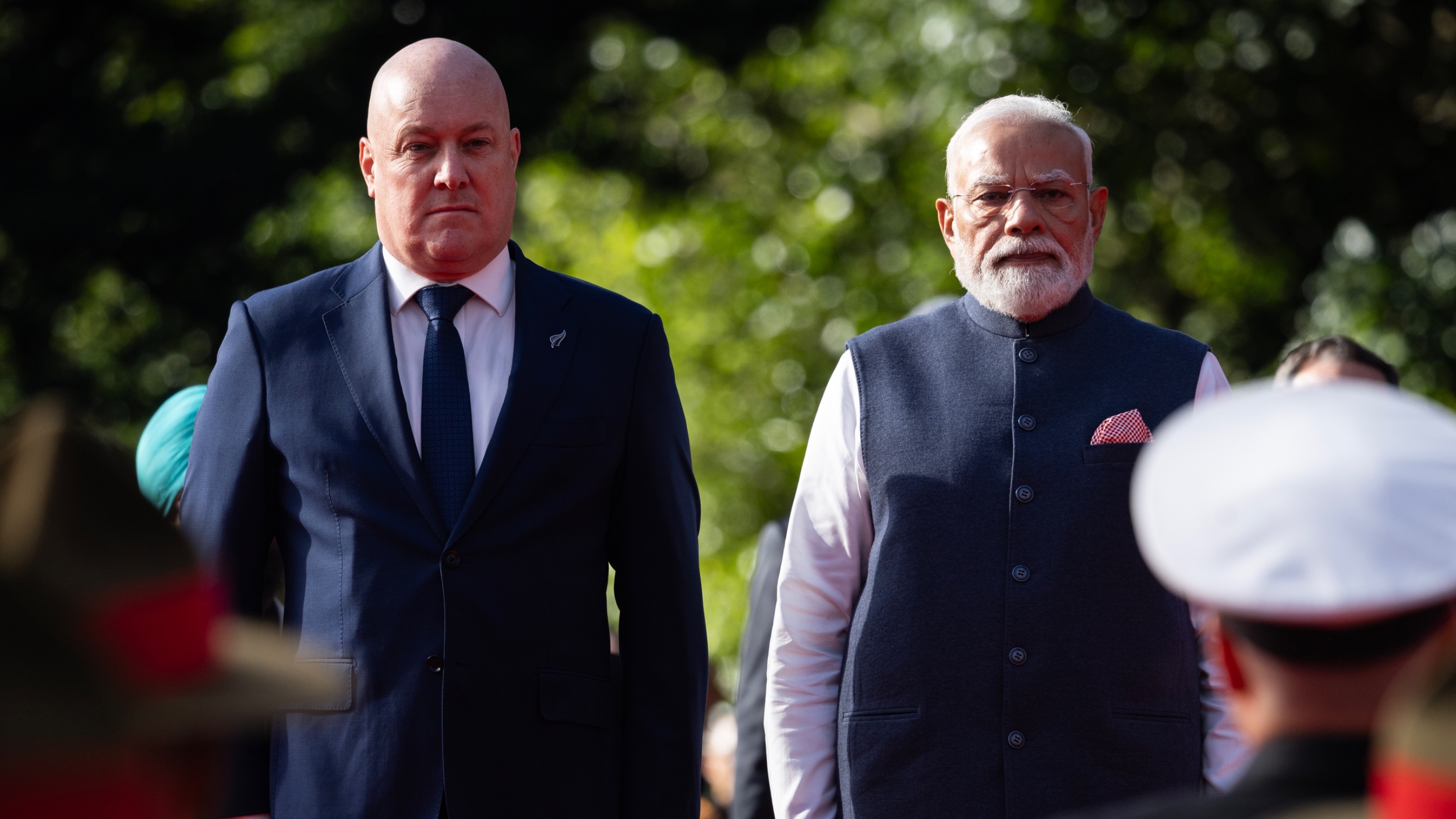
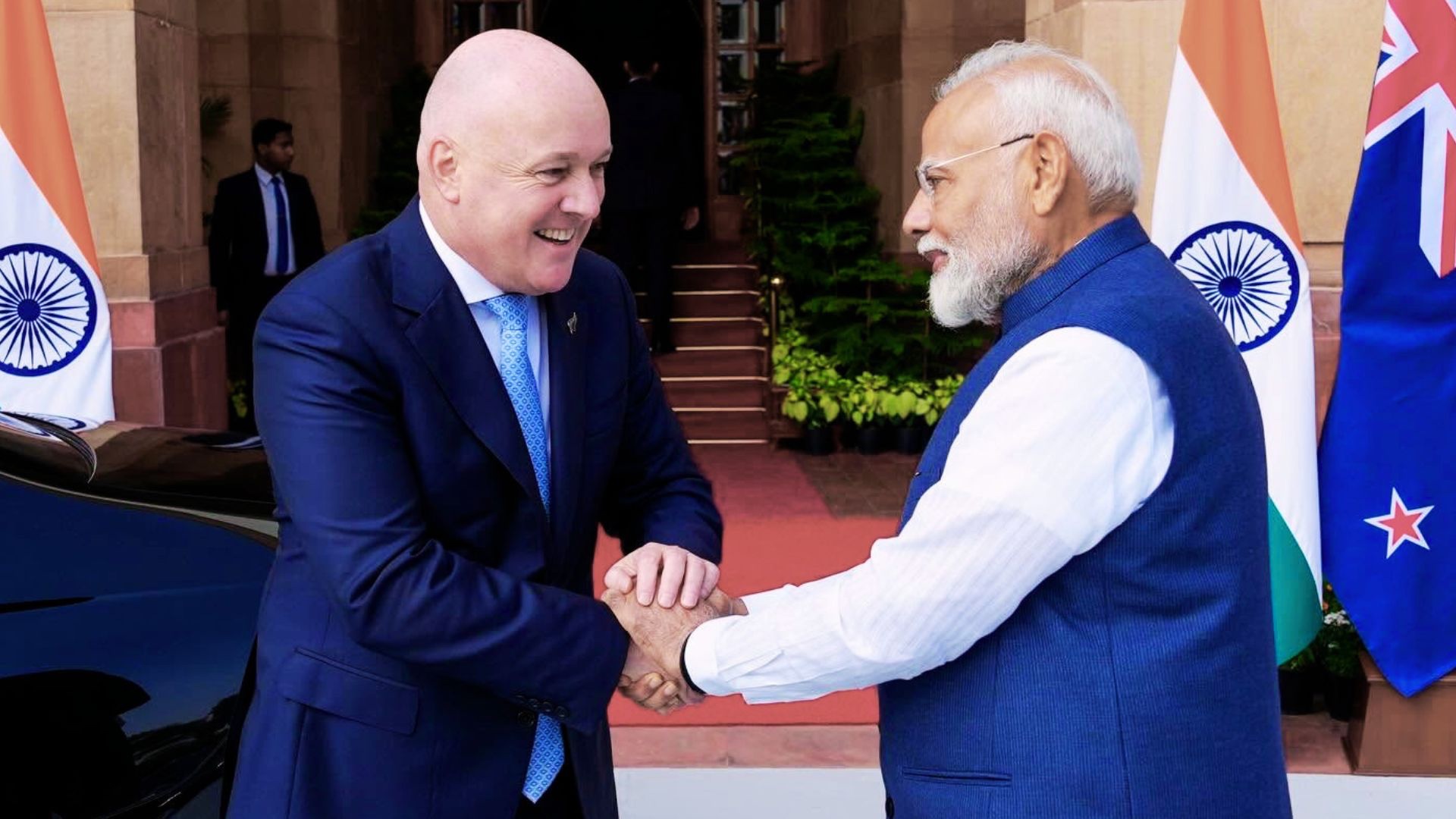
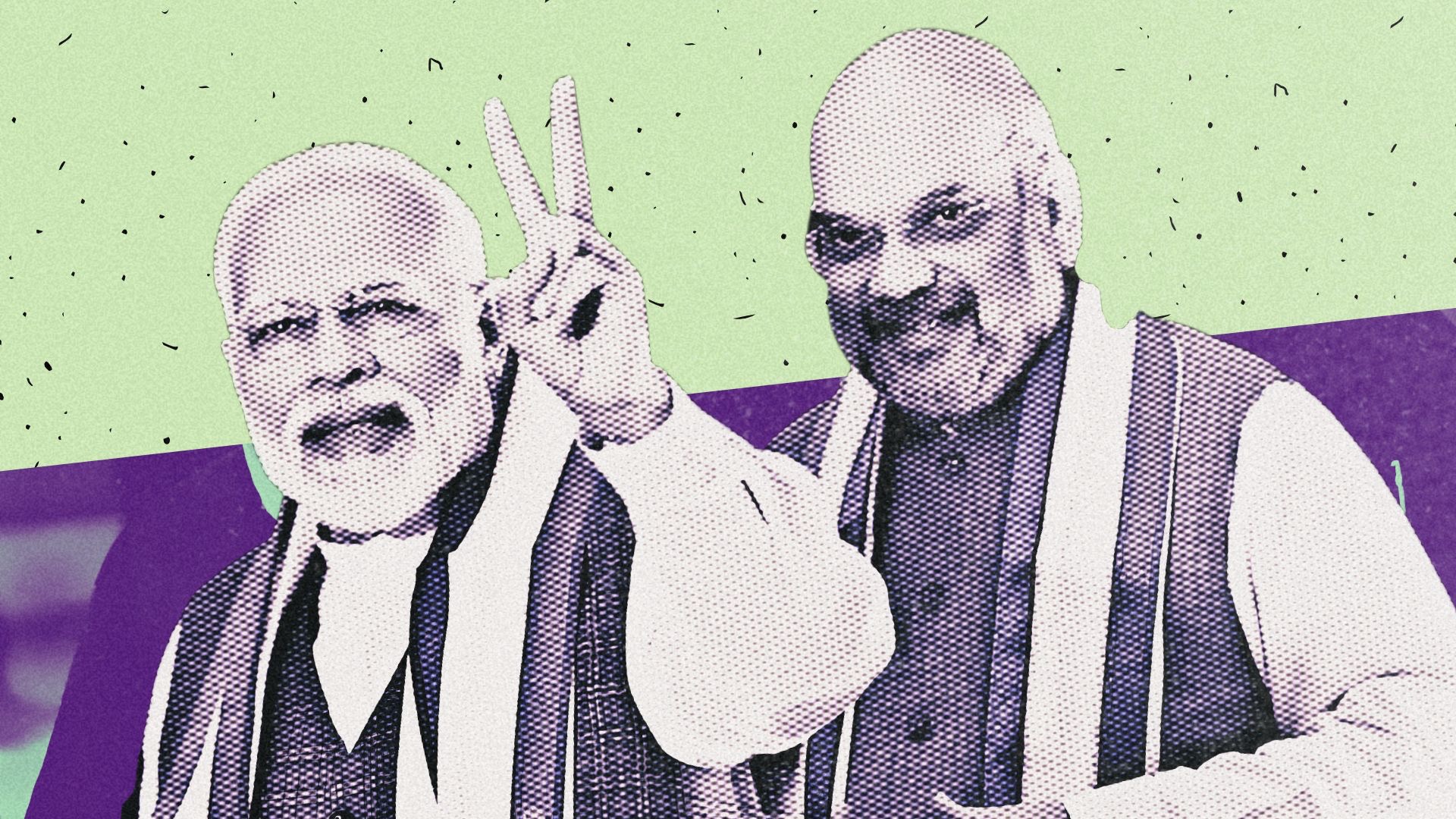
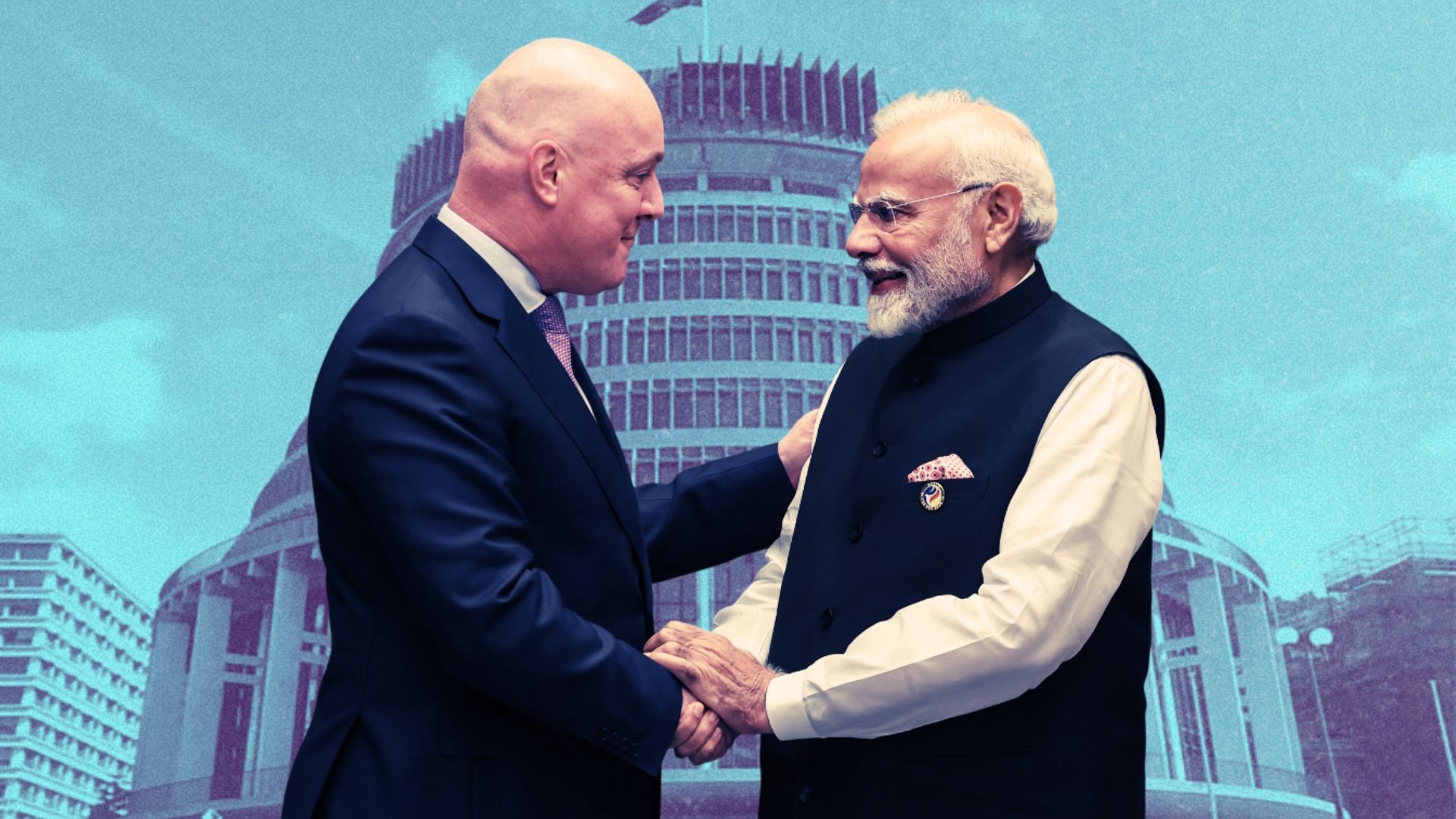
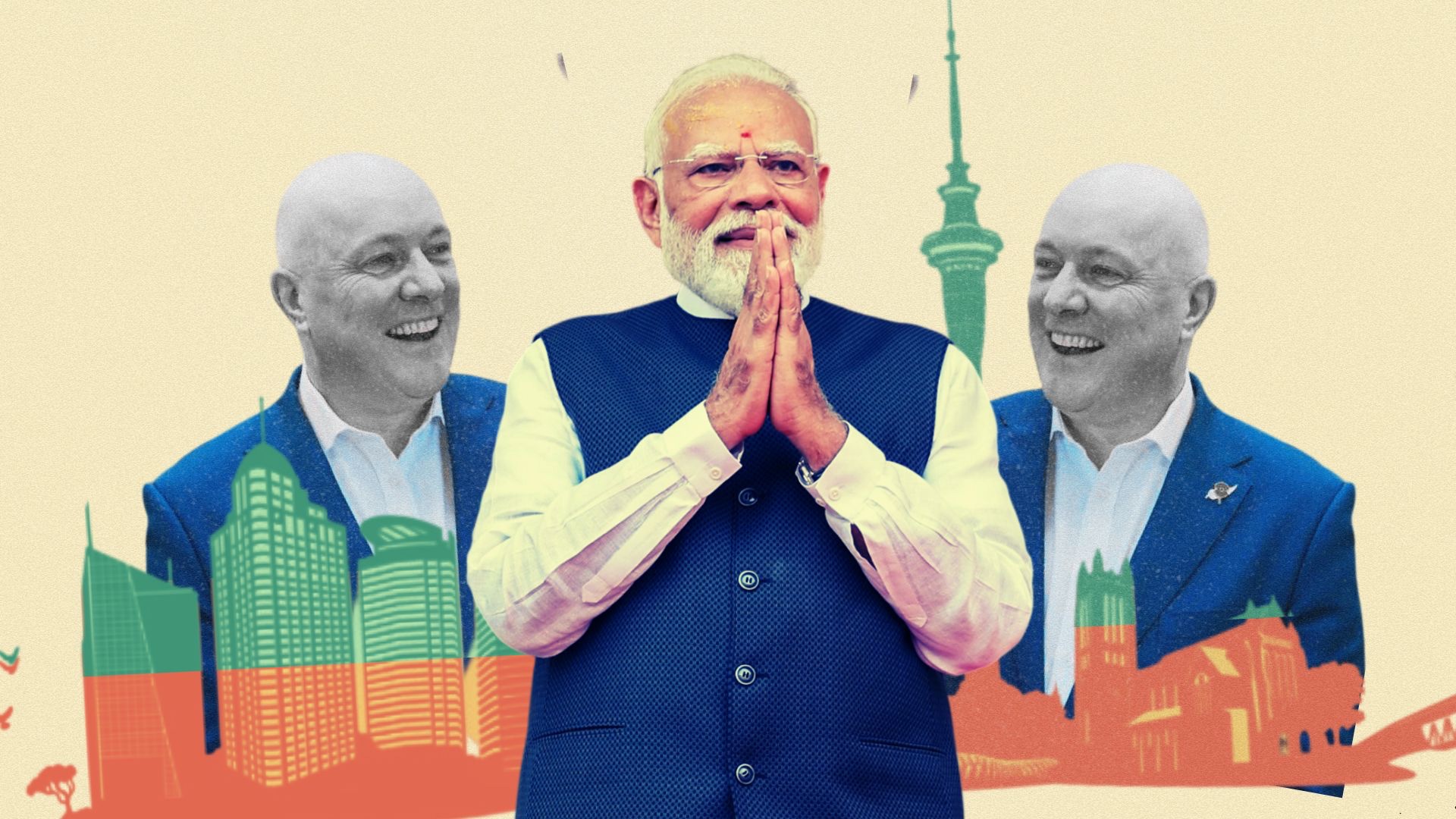
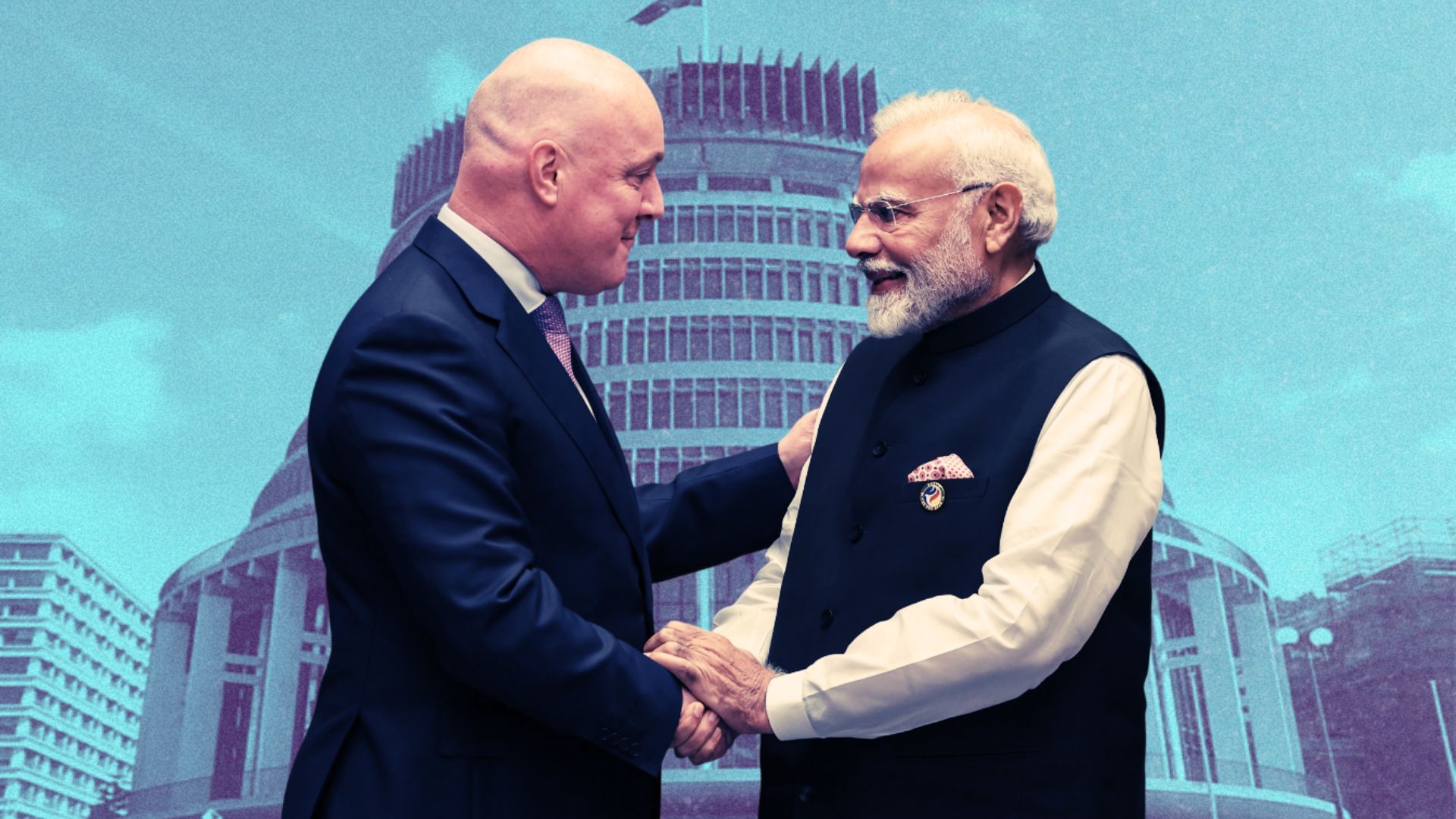
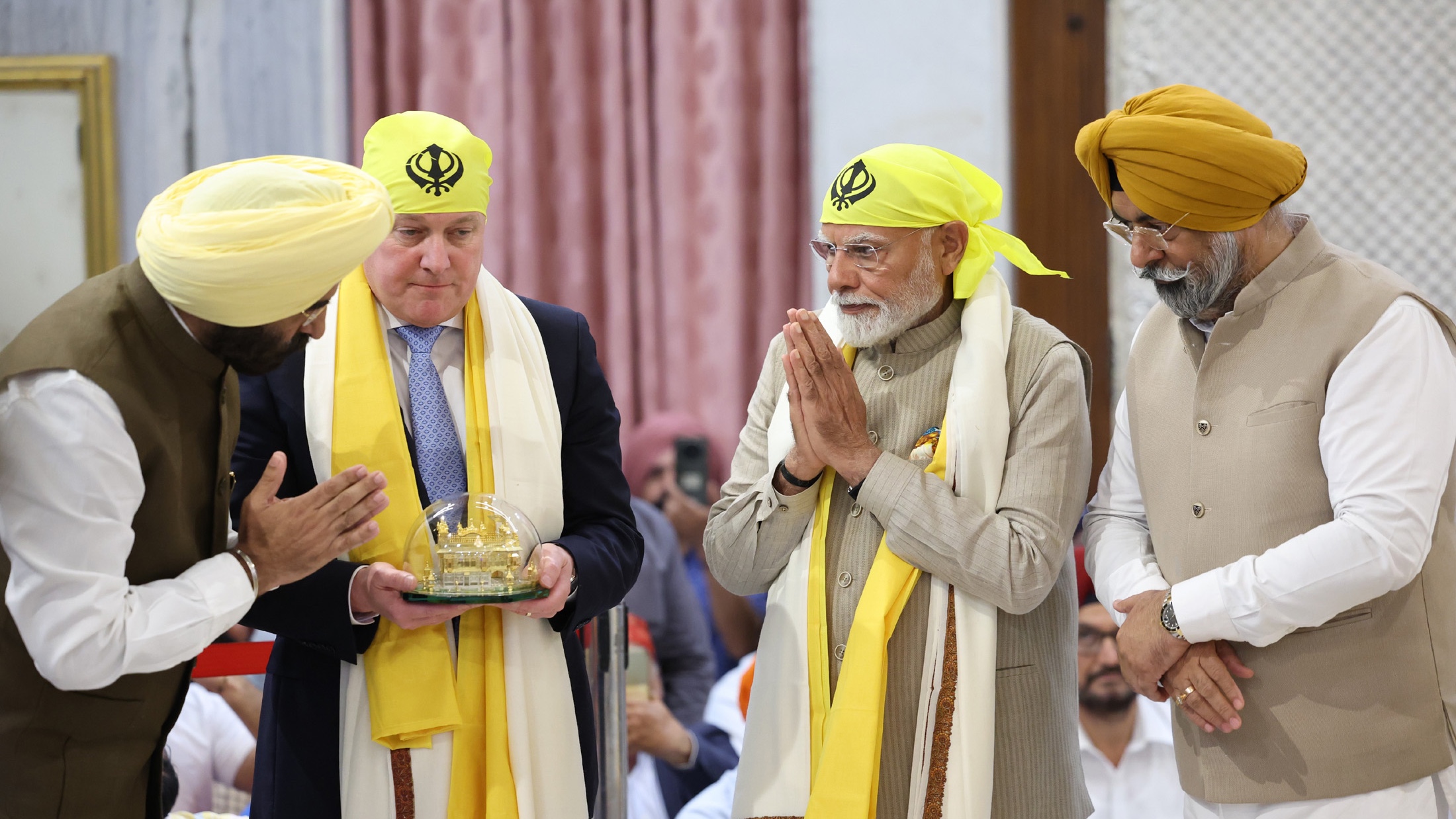
Modi is expected to visit New Zealand in July, though the exact date has yet to be officially announced.
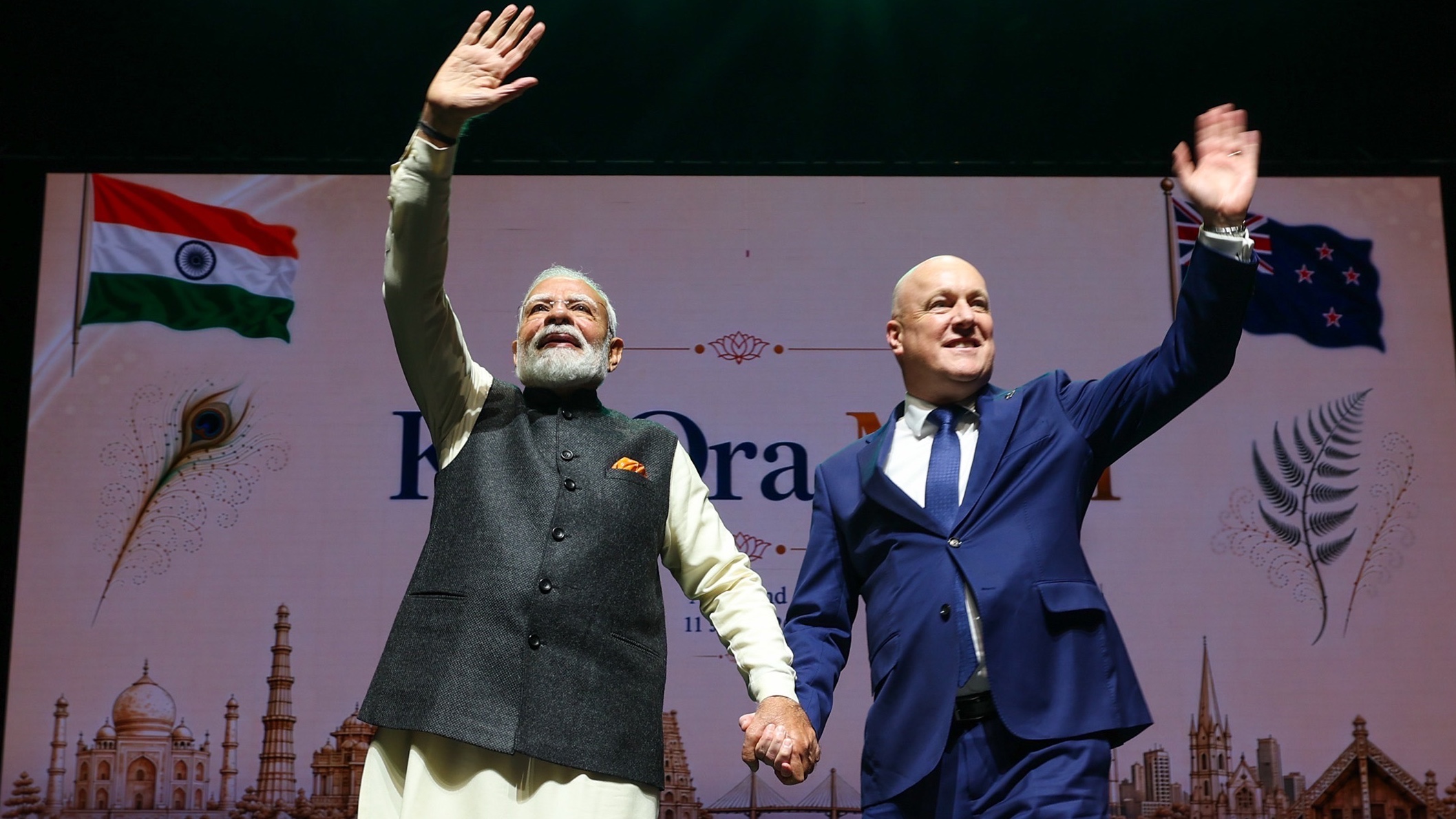
Preparations for the visit have been gathering pace, with organisers launching kiaoramodi.co.nz as a dedicated website for the Indian prime minister’s Auckland community reception.
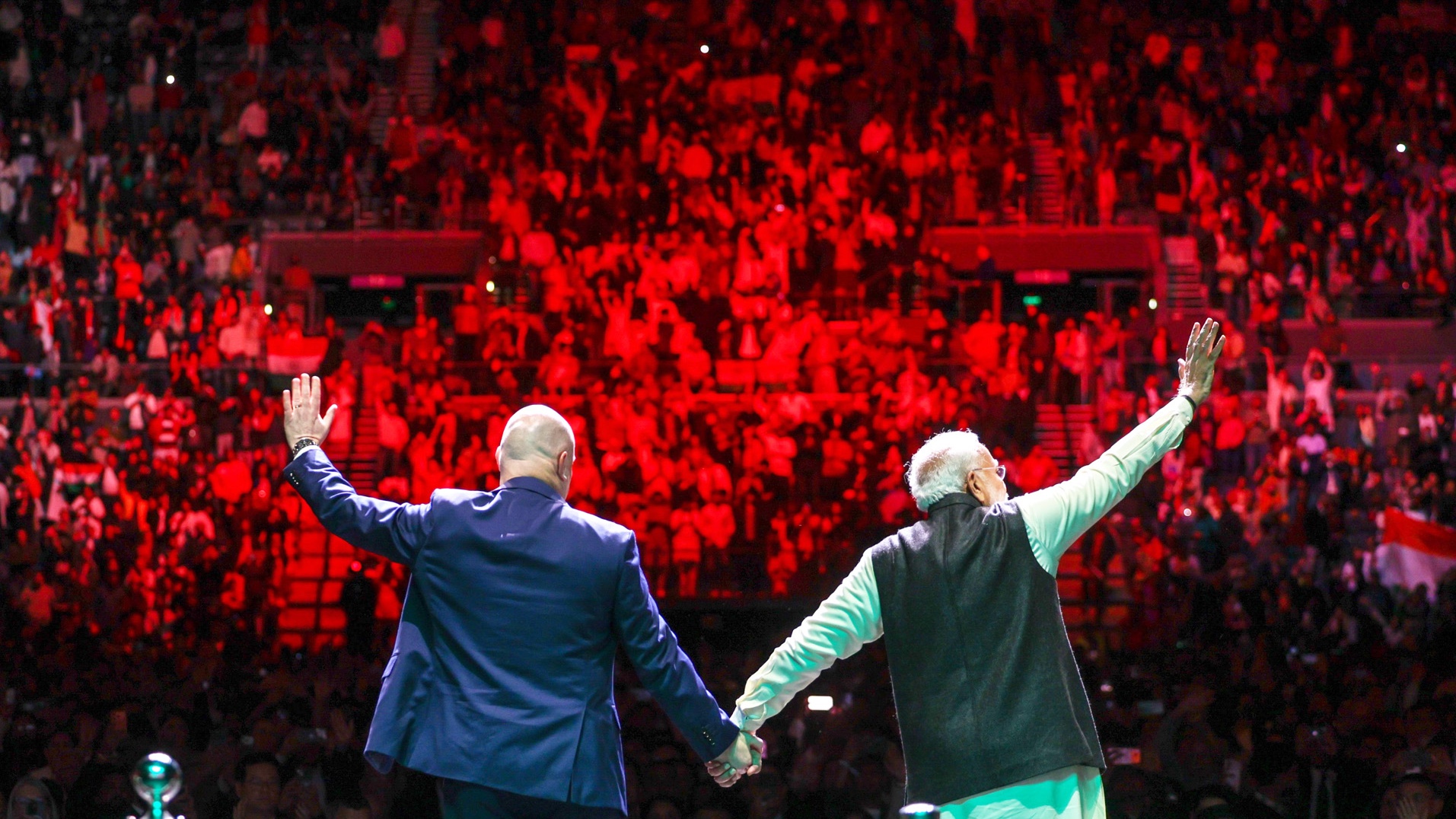
The gathering is being built up as the centrepiece of Modi’s visit.
Sources familiar with organising committee discussions told Awaaz a security team from India visited Auckland last week for a recce. The only venue they visited was Spark Arena, effectively ruling out Eden Park as an option.
Eden Park had been considered because organisers estimated it could accommodate about 35,000 attendees, while Spark Arena offered a fully enclosed venue but with a smaller capacity of about 12,000.
At least 120 community organisations had informally indicated they intended to register for tickets once the process opened. Through those organisations alone, organisers estimated as many as 80,000 people had already expressed interest in attending.
In its statement, police encouraged anyone who felt unsafe or experienced concerning behaviour to report it.
Police said people should call 111 when someone is injured or in danger, there is a serious or immediate risk to life or property, or a crime is being or has just been committed and the offenders are still at the scene or have just left.
For matters that do not need urgent Police assistance, people can call 105 or report online.
“New Zealand Police remain committed to ensuring all communities feel safe, supported, and confident going about their daily lives,” the statement said.
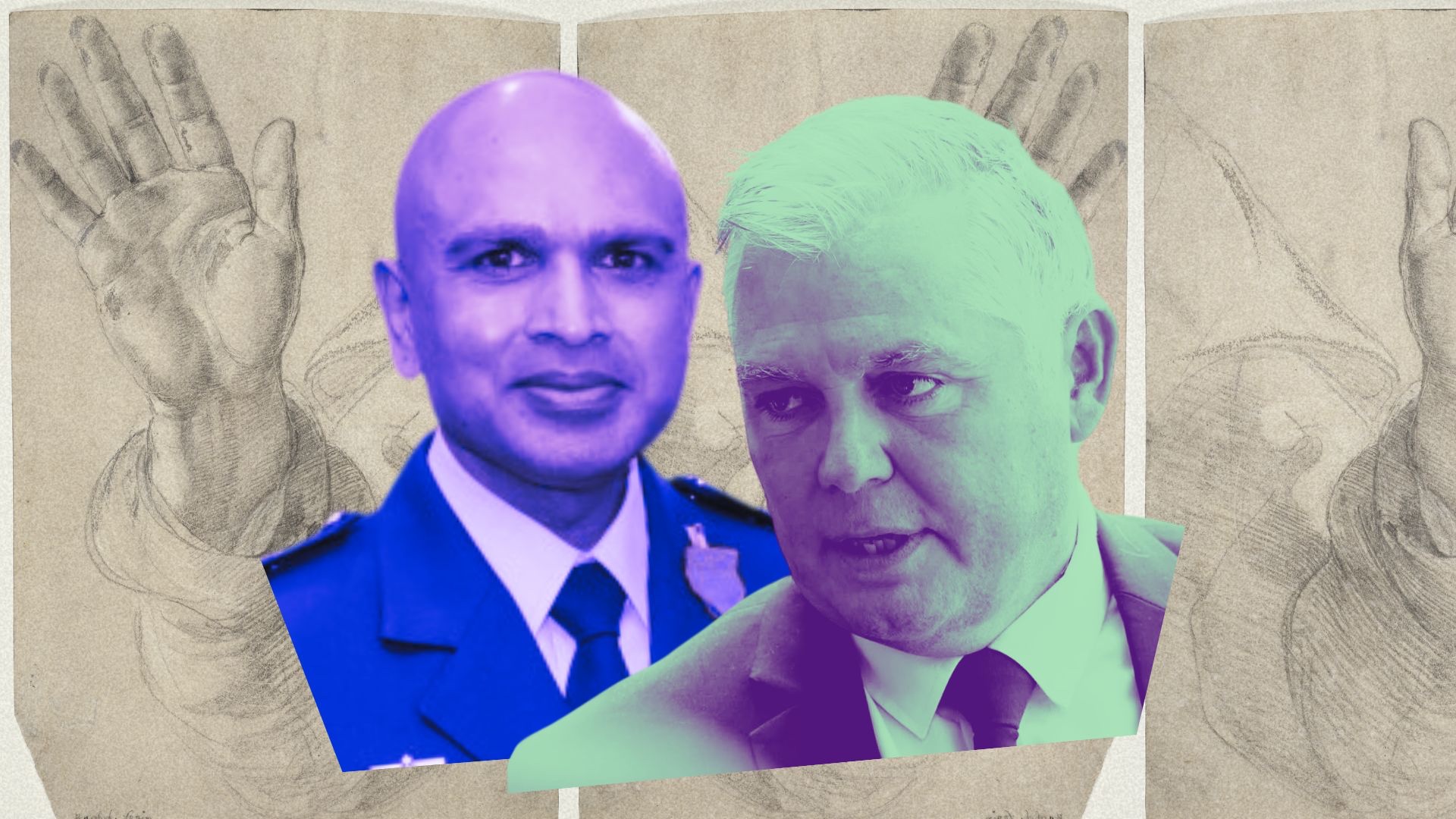
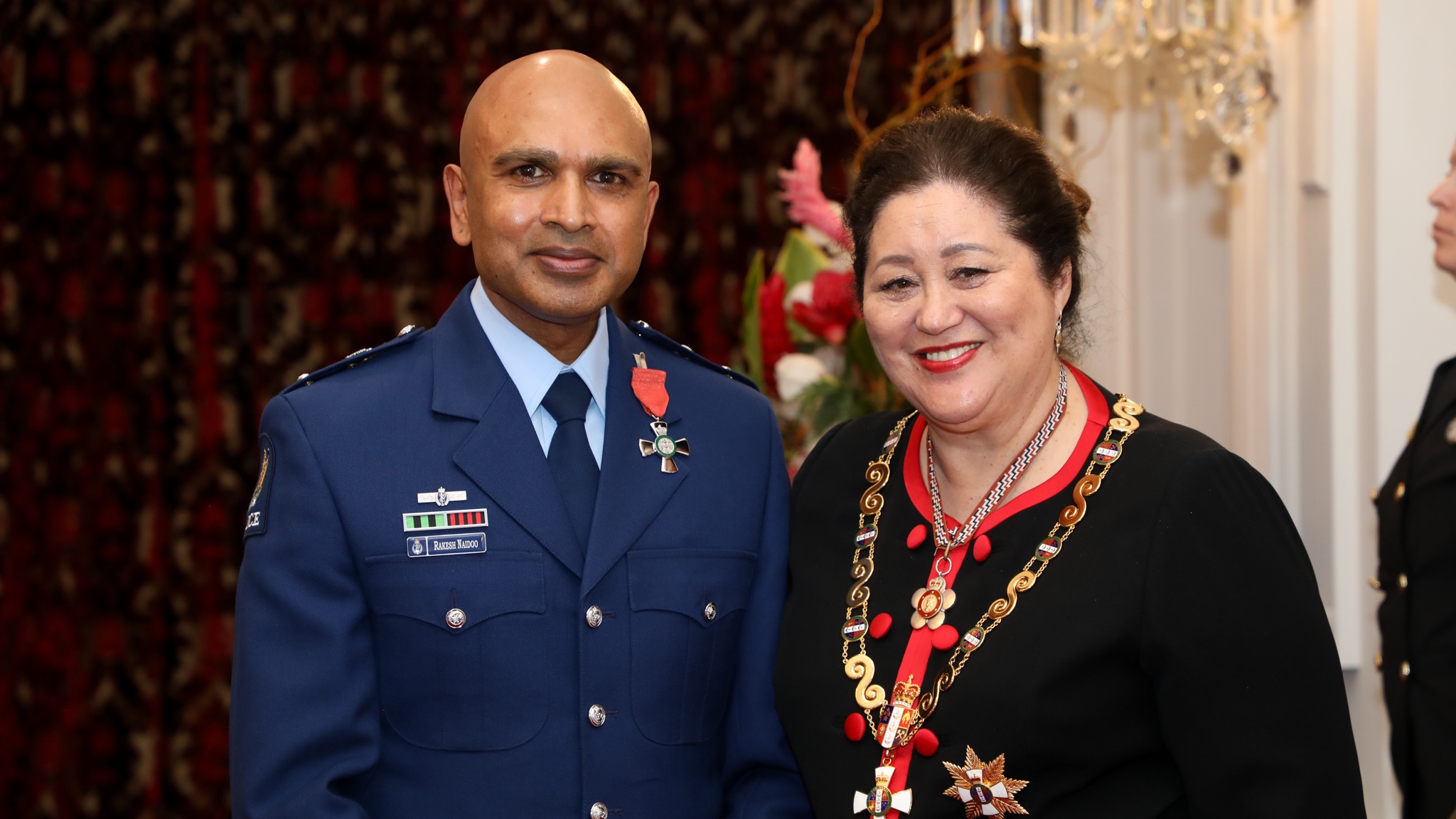
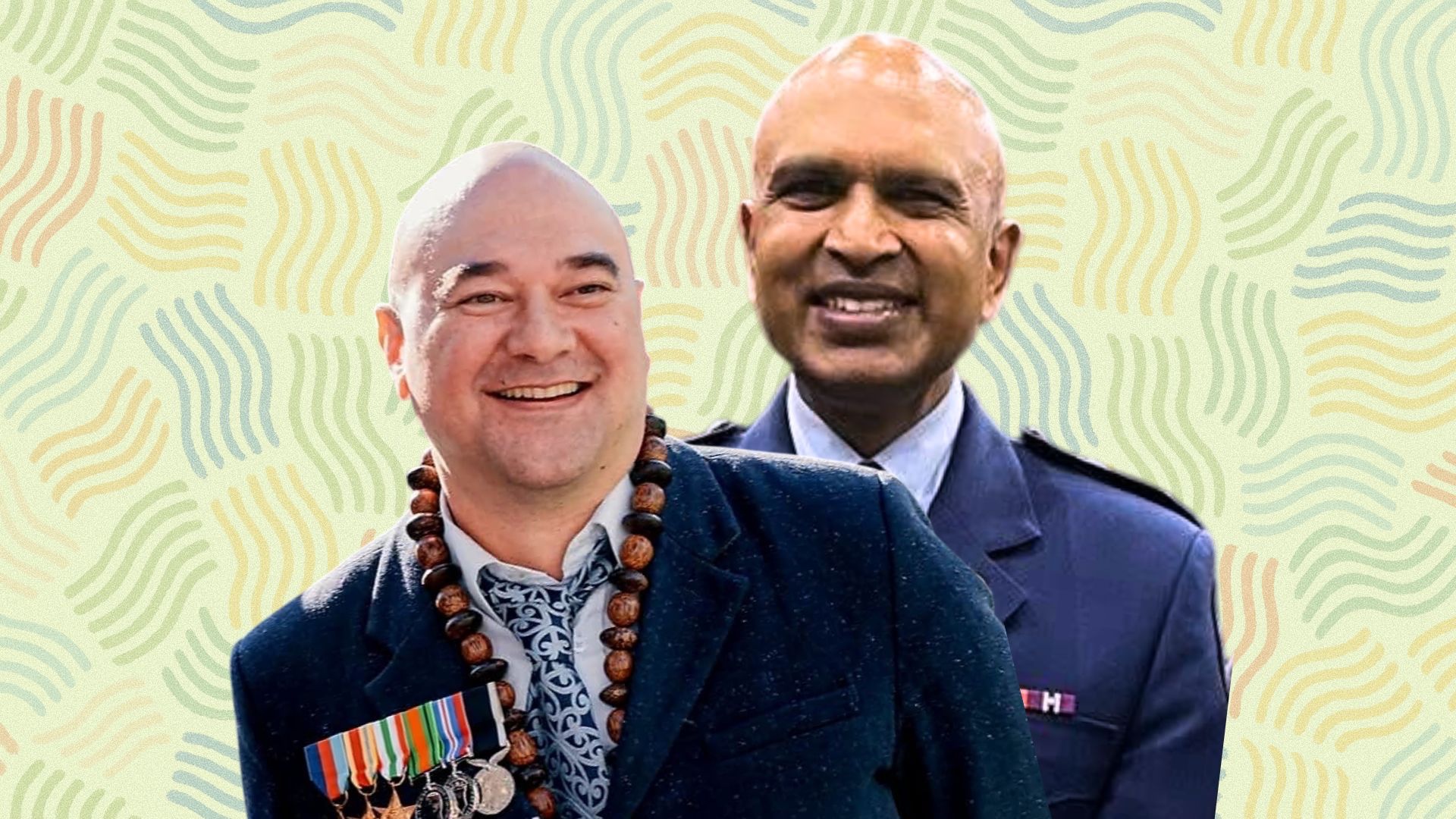
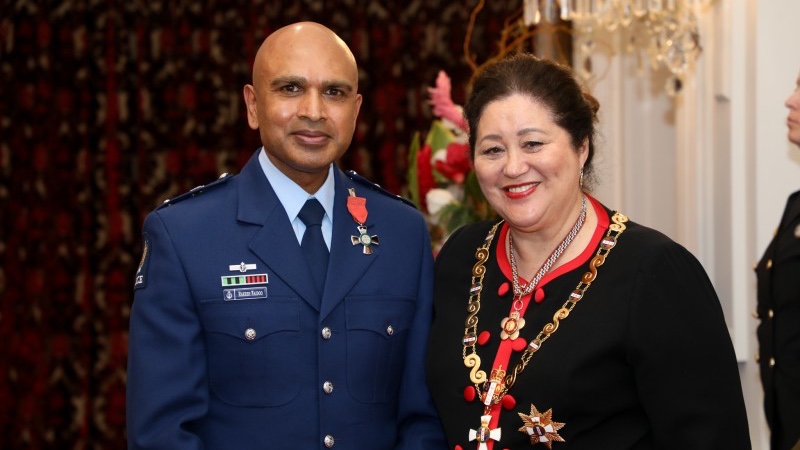
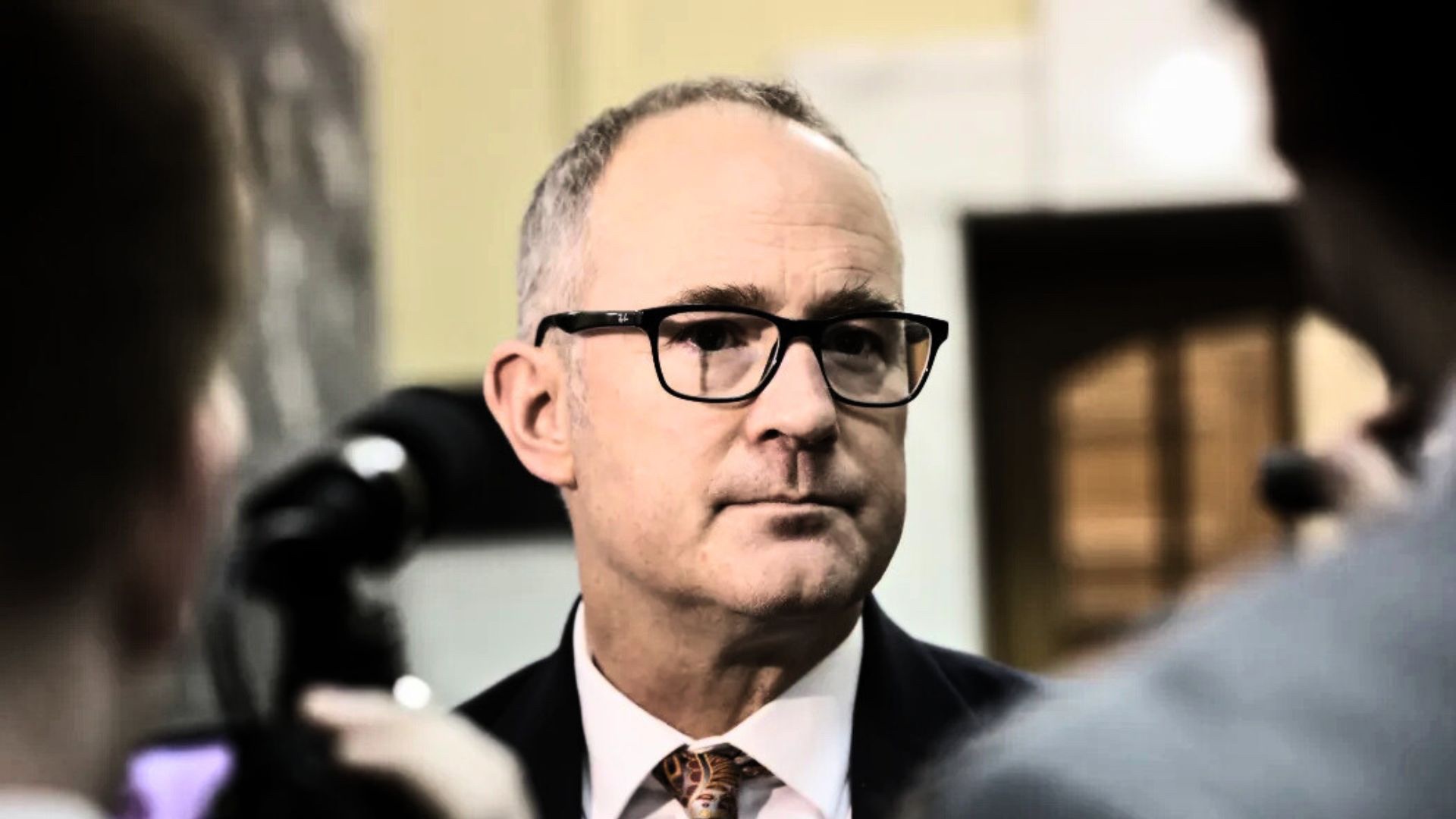
The police statement was signed by Acting Assistant Commissioner Phillip Taikato, Iwi & Community Partnerships.