
Burden of 'thin liberalism': What Hipkins and Labour can learn from Starmer’s downfall

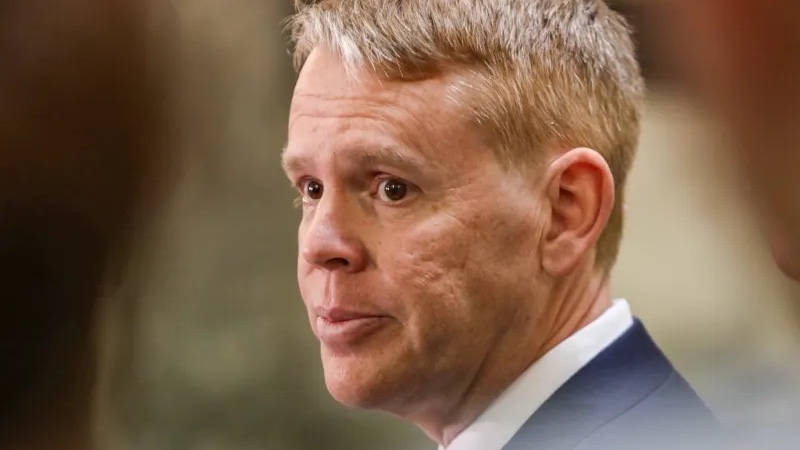
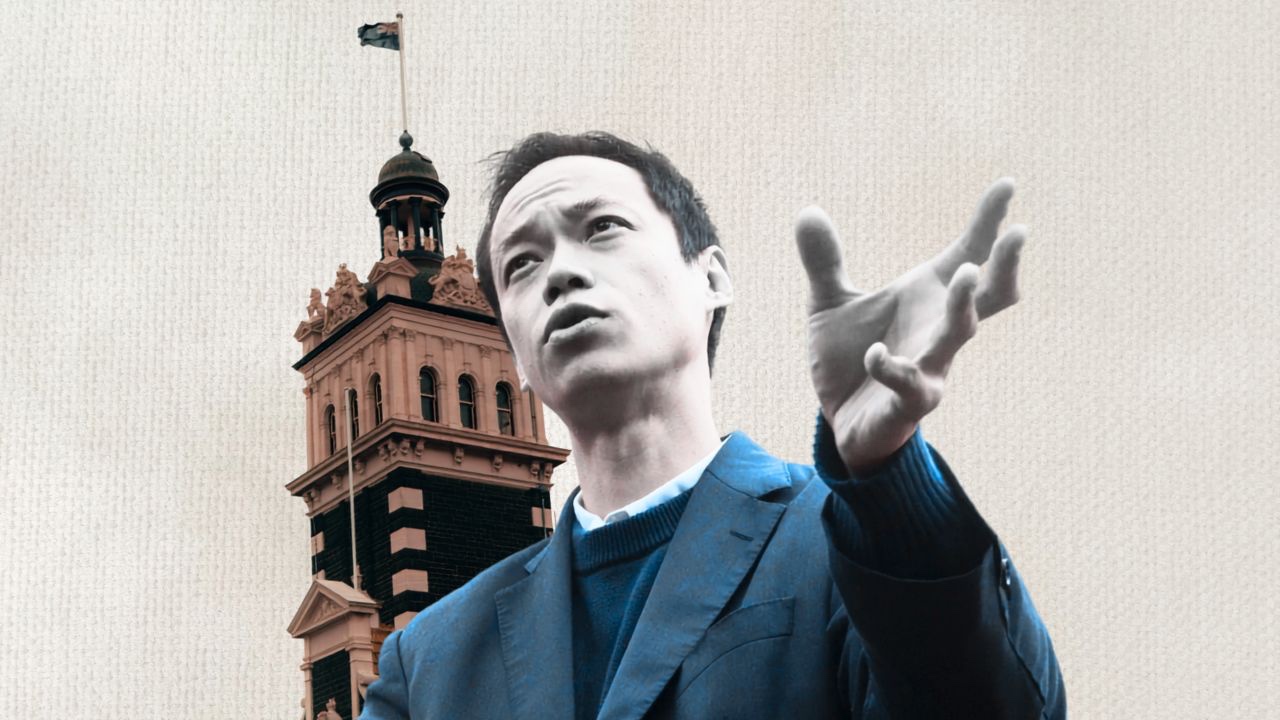
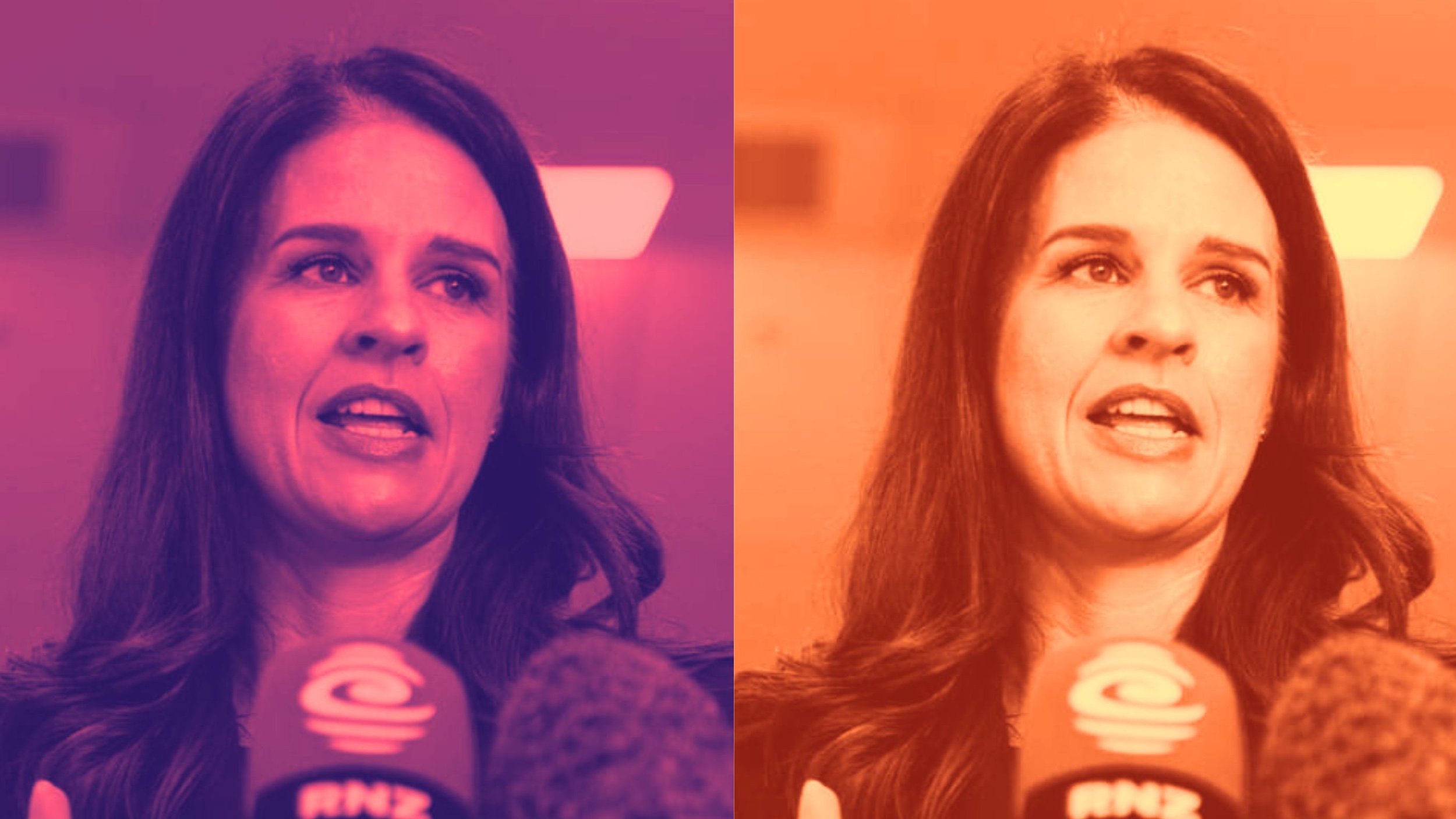
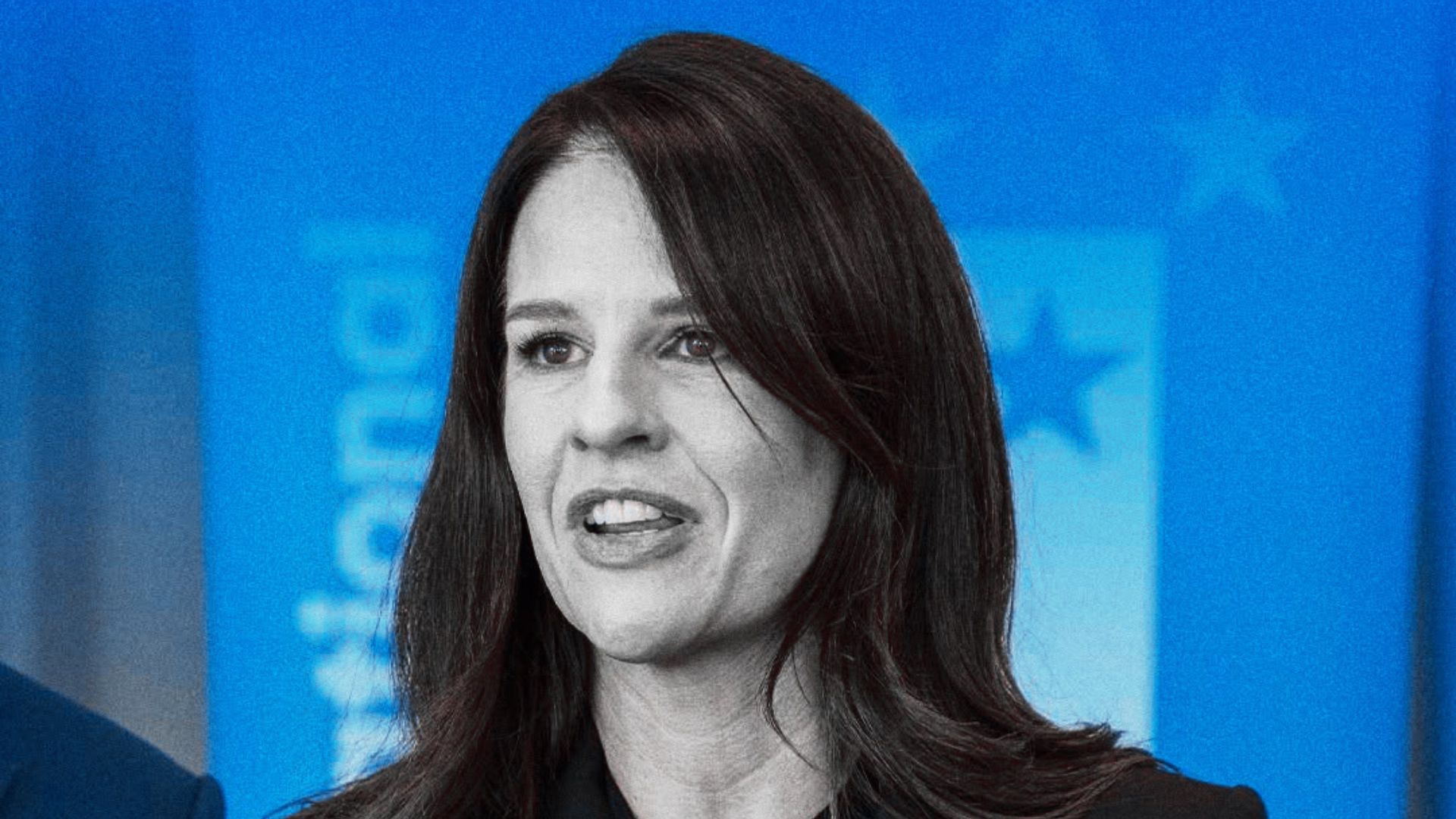
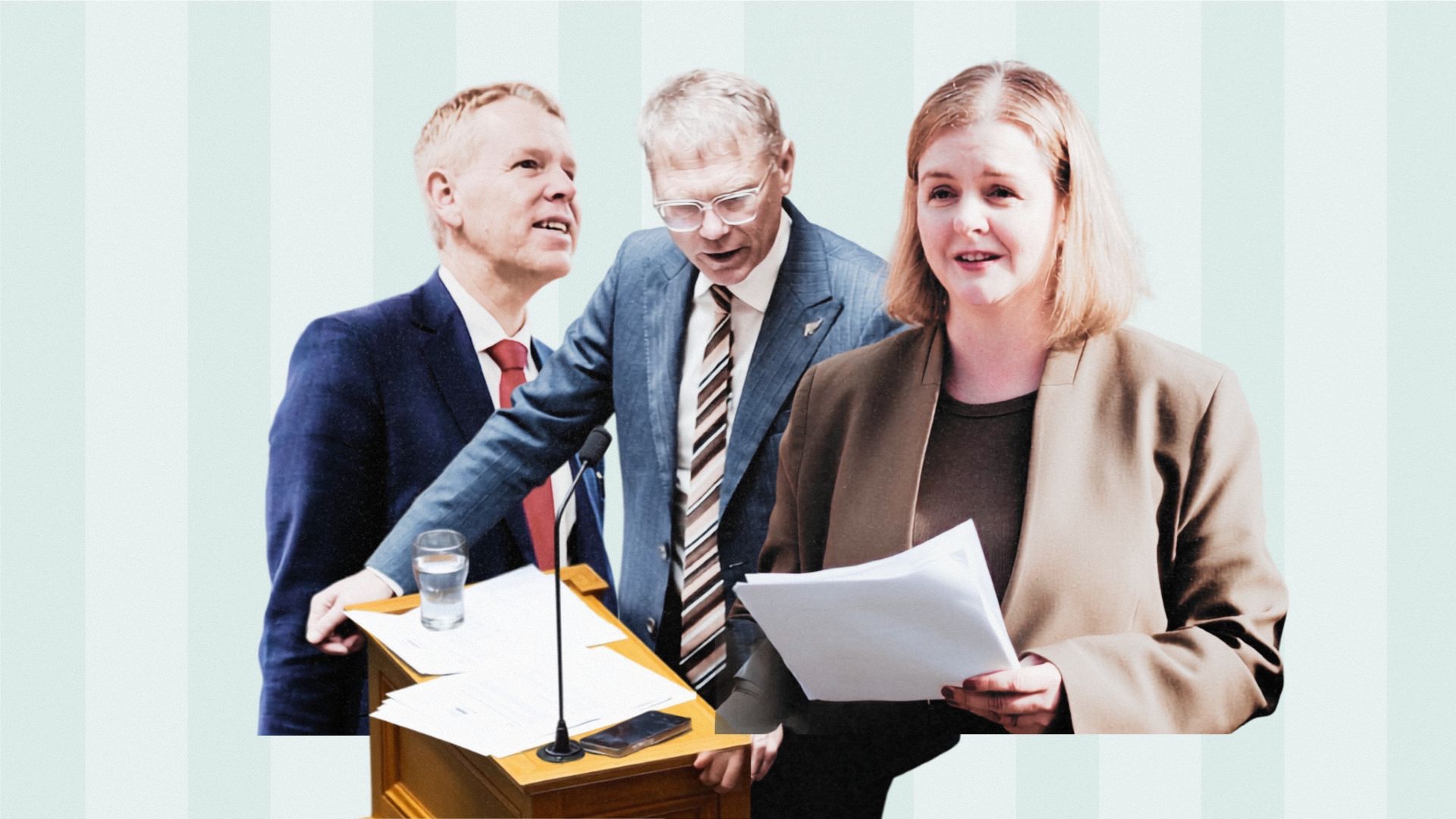
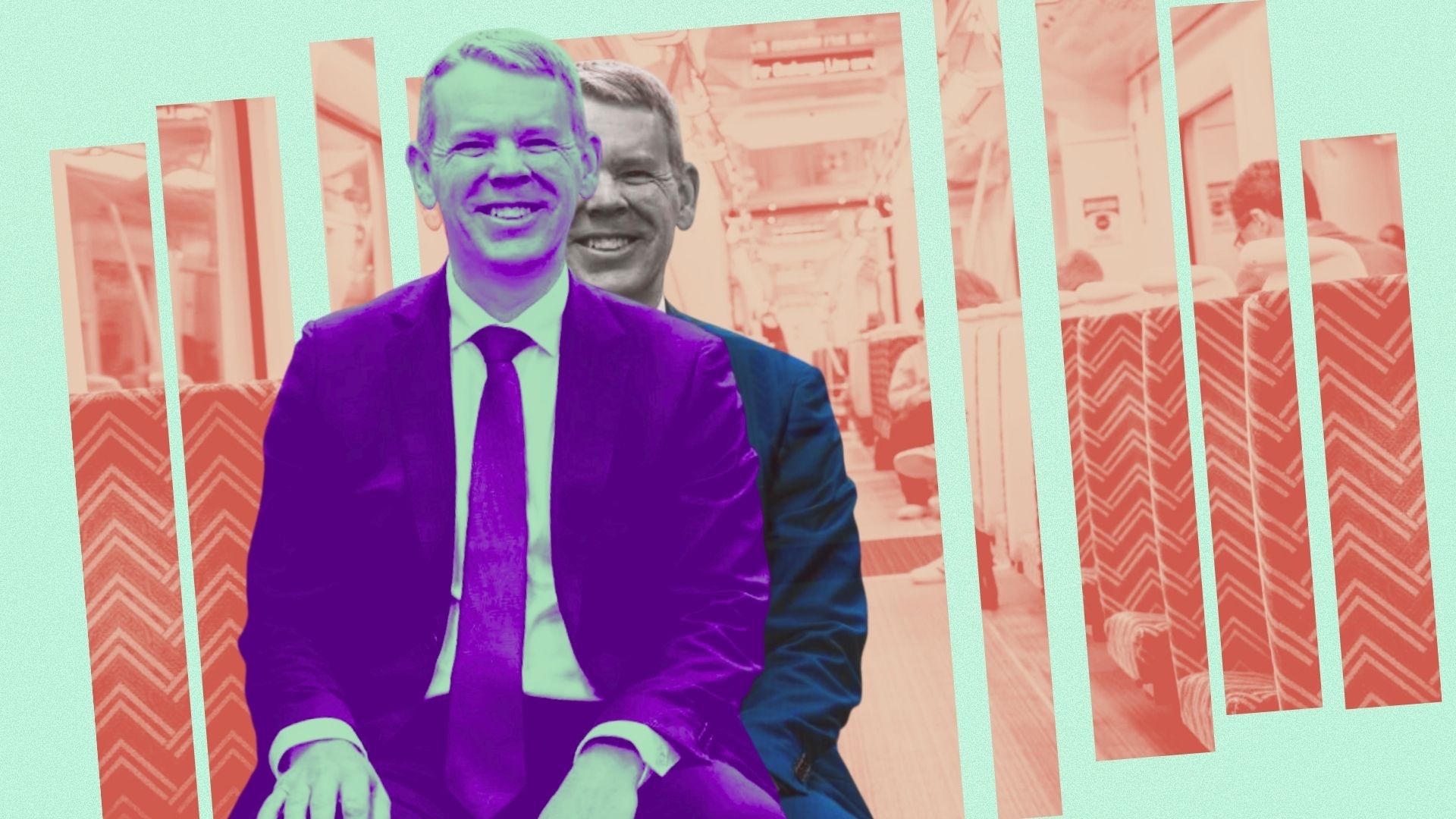
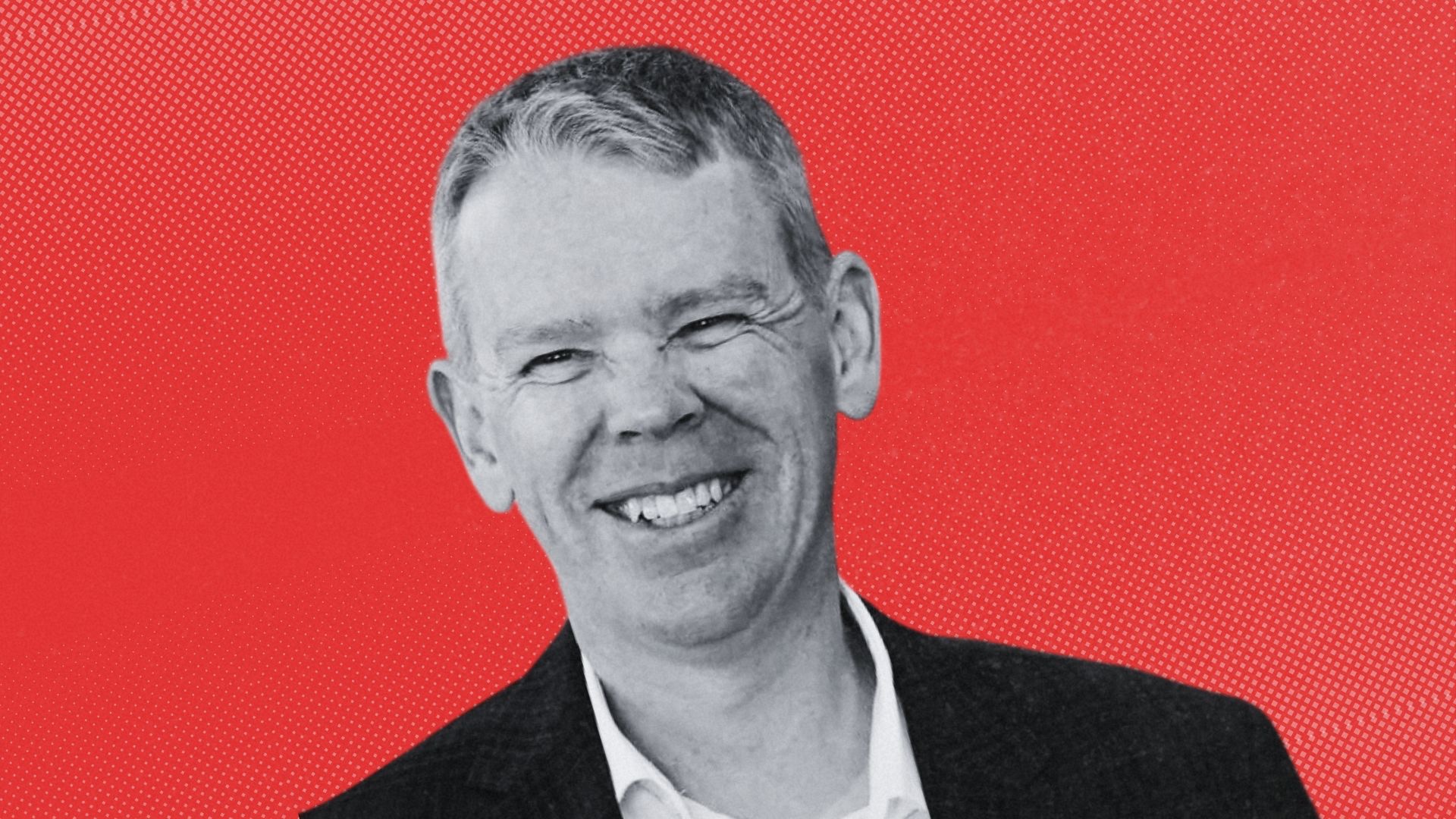
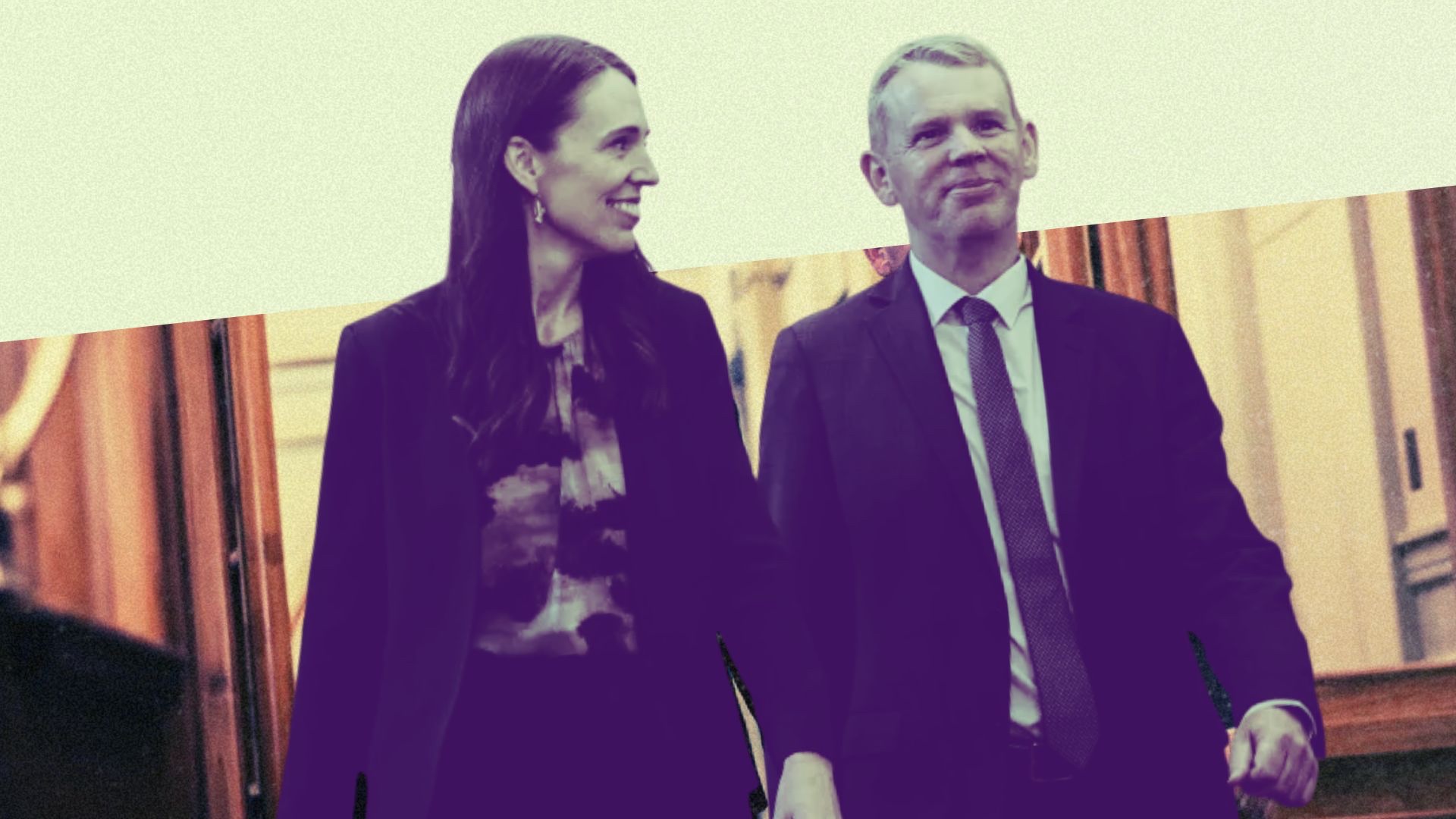
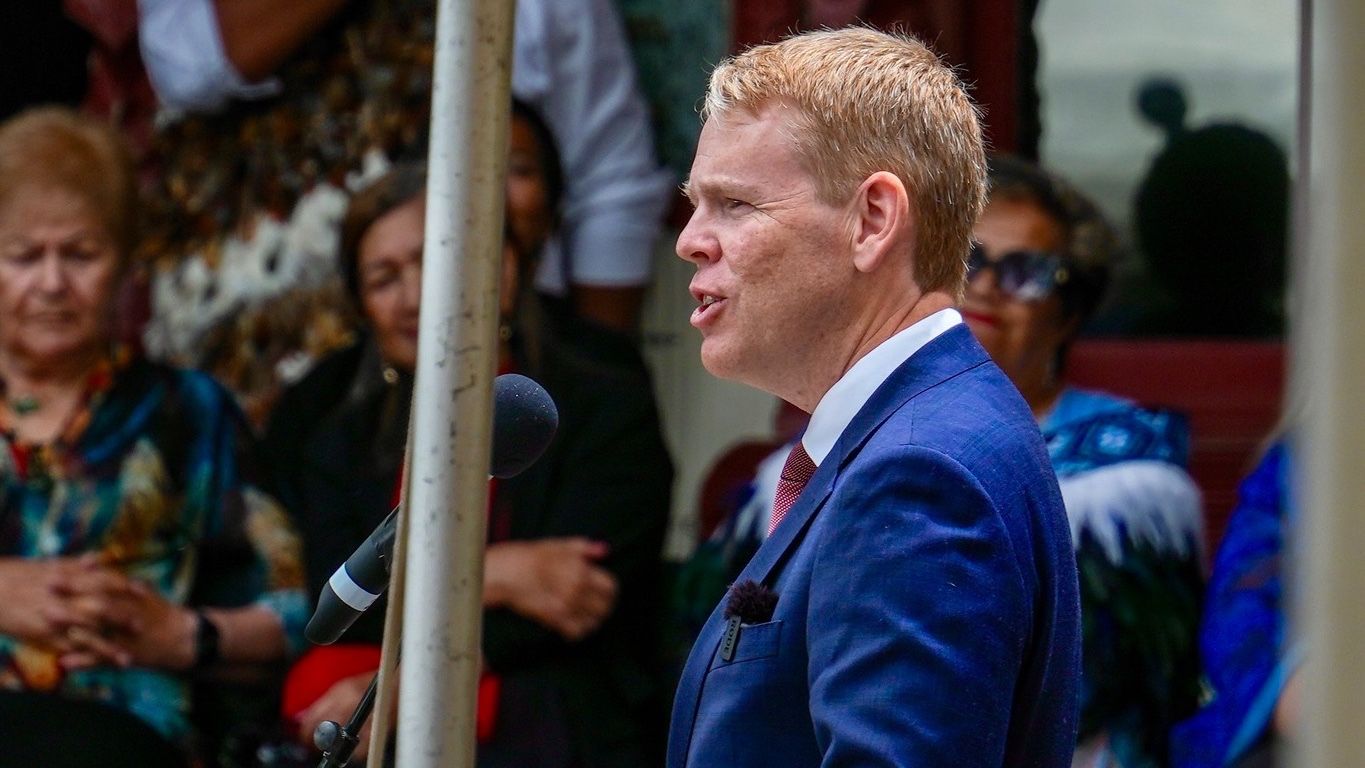
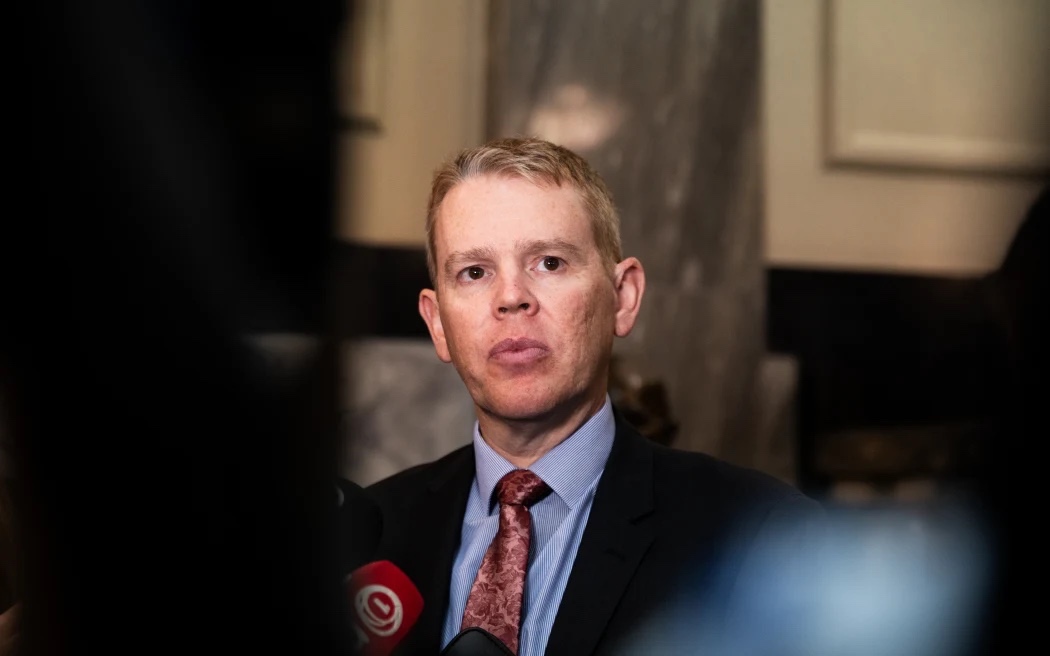
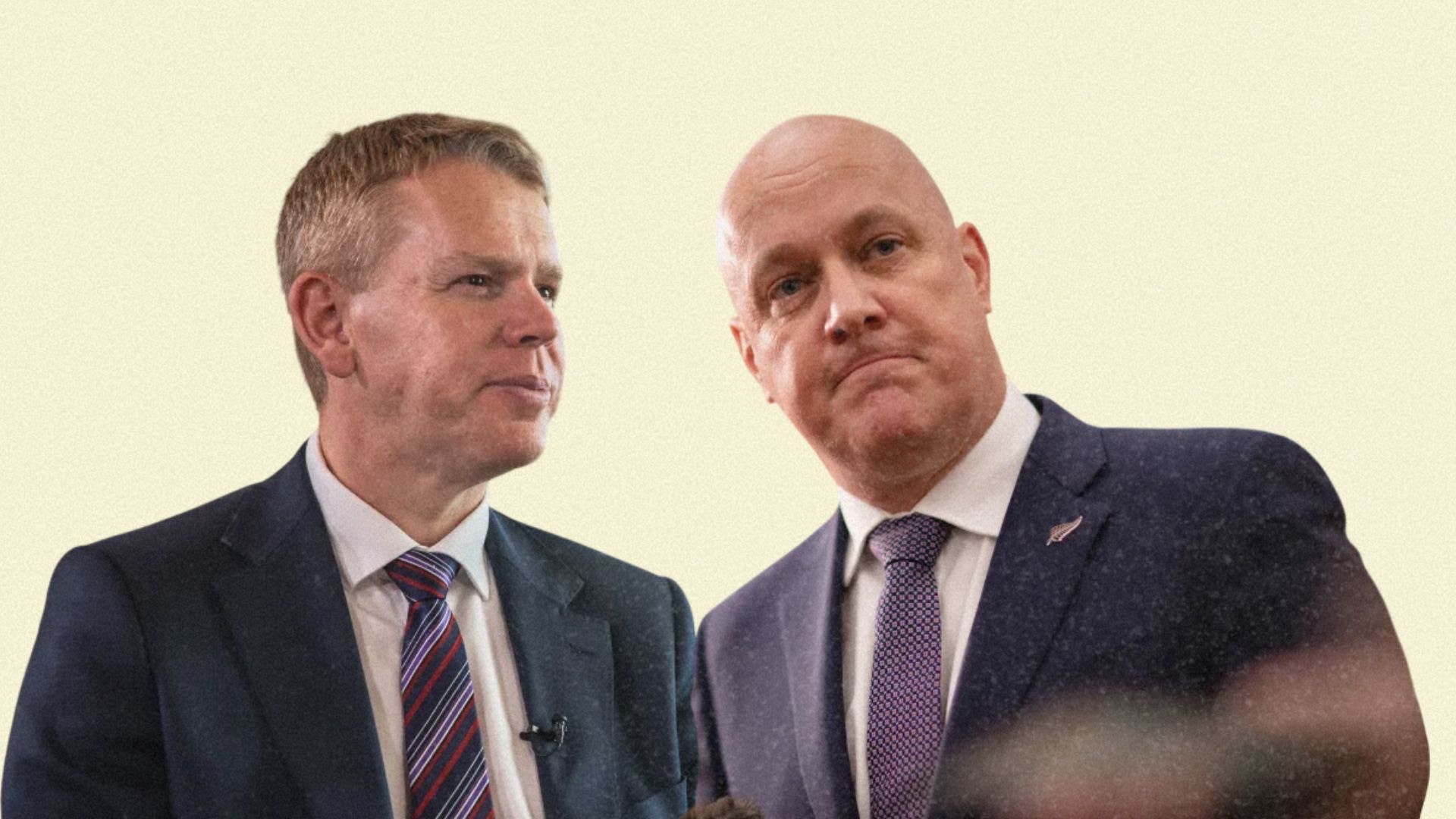
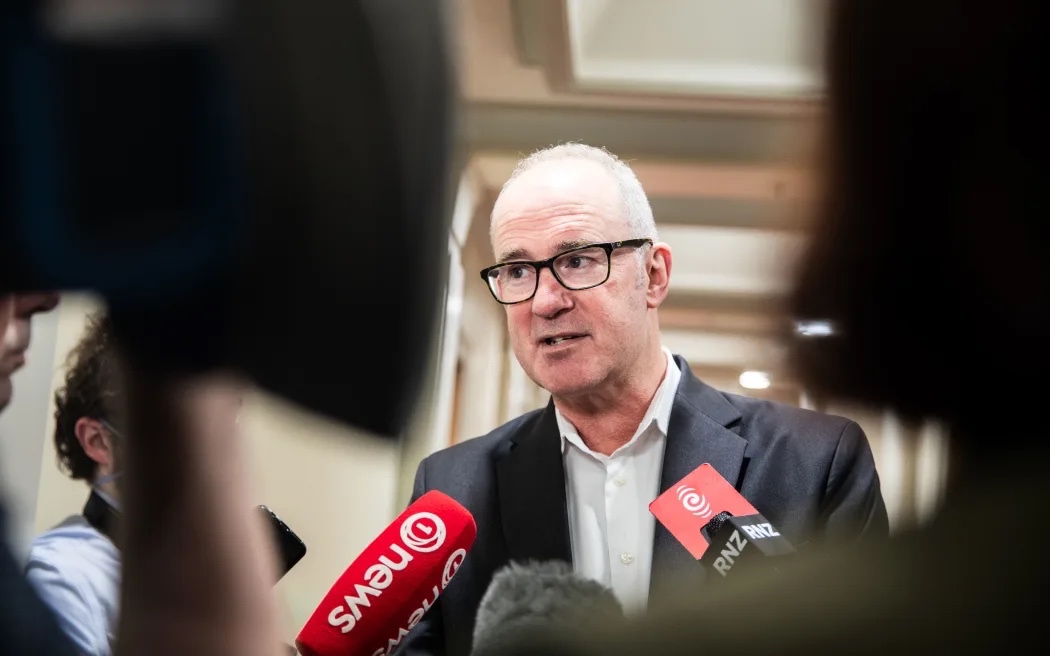
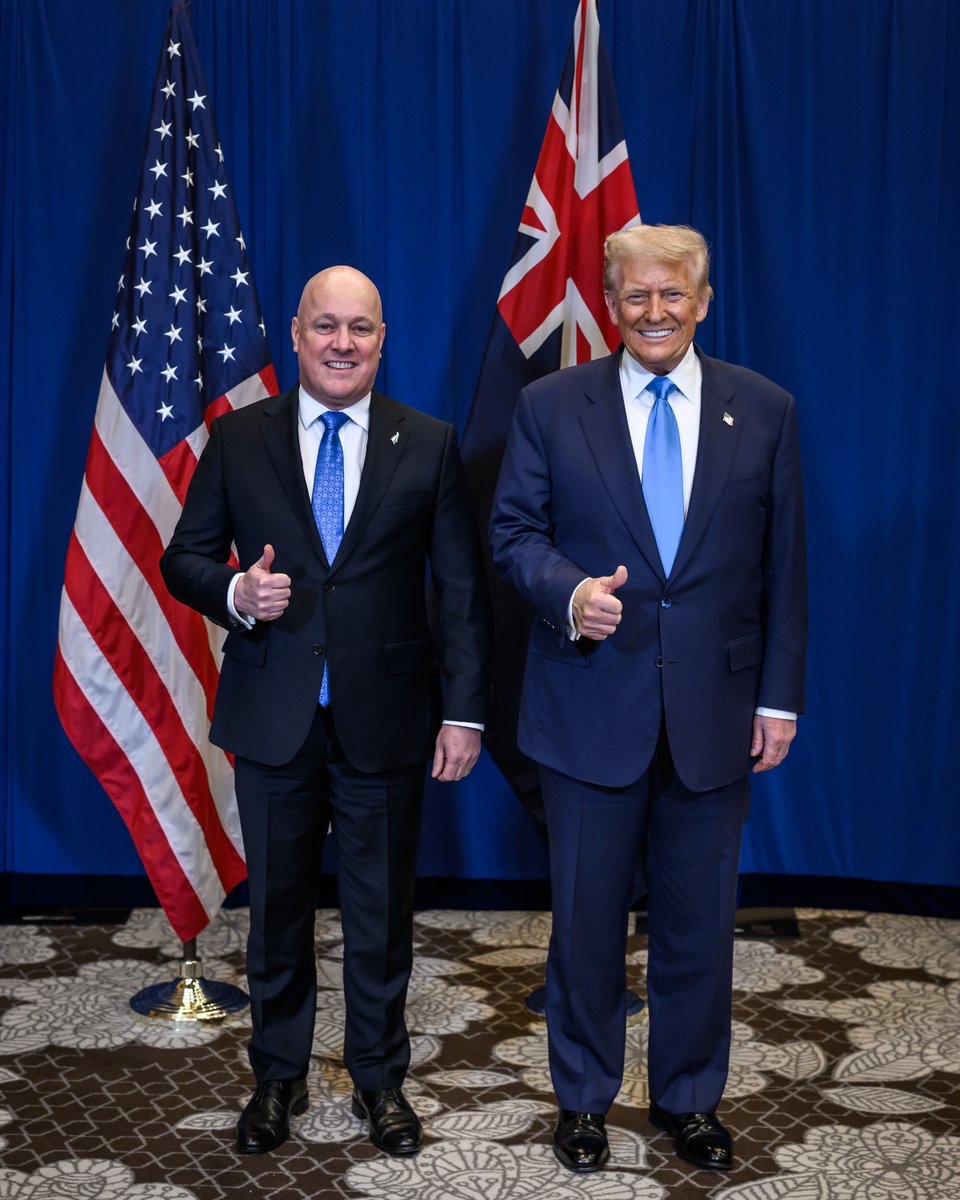
Labour Party leader and former prime minister Chris Hipkins.
In trying to appeal to everyone, the party could struggle to articulate a clear sense of what it stands for.
Opinion: When Keir Starmer stepped down as British prime minister this week, it said as much about his troubled premiership as it did about a crisis facing other social-democratic Labour parties.
Much was made of Labour’s “landslide victory” in the UK in 2024, when the party won 411 of 650 seats in the House of Commons. But Britain’s disproportional first-past-the-post electoral system had transformed just one third of the popular vote into a commanding parliamentary majority.
With turnout at only 59.7%, roughly one in five eligible voters actually backed a Labour candidate. In other words, Labour entered office with overwhelming parliamentary power but a shallow democratic mandate.
Since then, the party’s position has deteriorated further, with polling often placing it at 20% or lower as support has fragmented to both left and right.
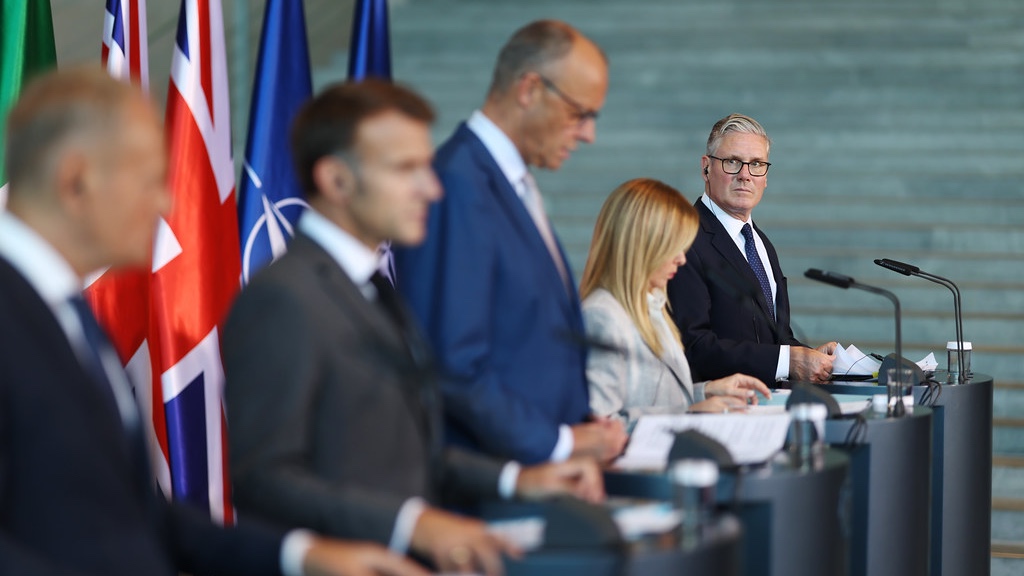
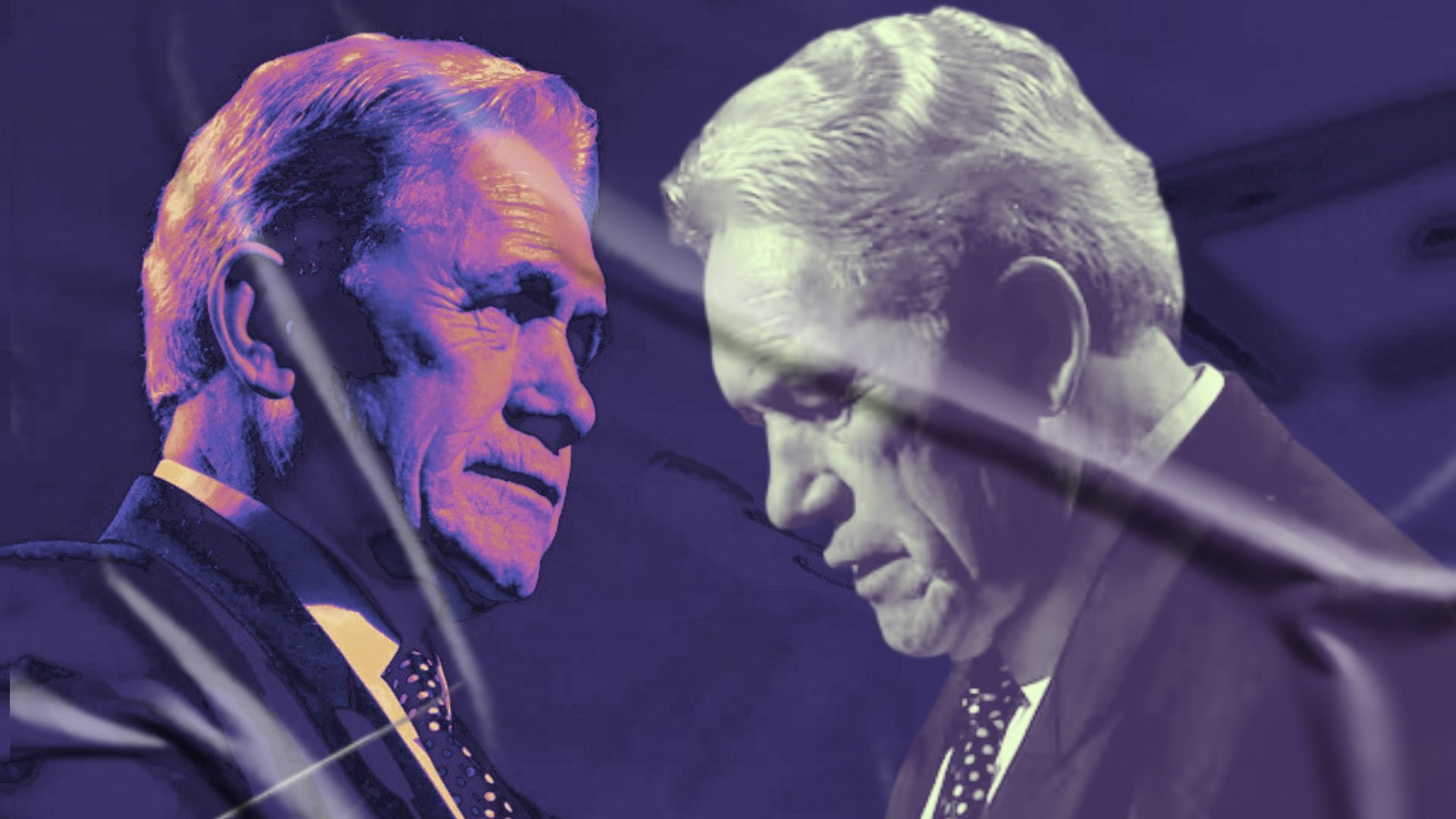
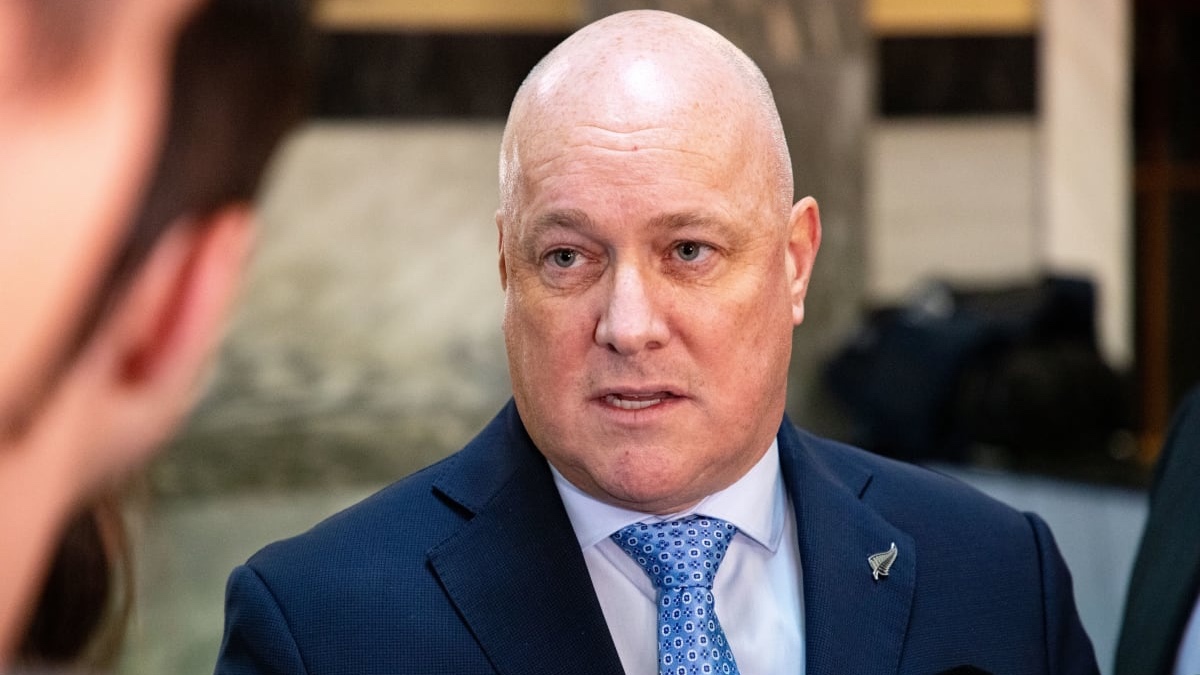
Former UK prime minister Keir Starmer gives a press statement as he visits Berlin for an E5 meeting on June 24, 2026. (Supplied photo)
A 2025 survey of Labour defectors found that concerns about immigration were pushing some voters towards Reform UK and the Conservatives. Others were abandoning the party because it was not seen as progressive enough, driving them towards the Greens and Liberal Democrats.
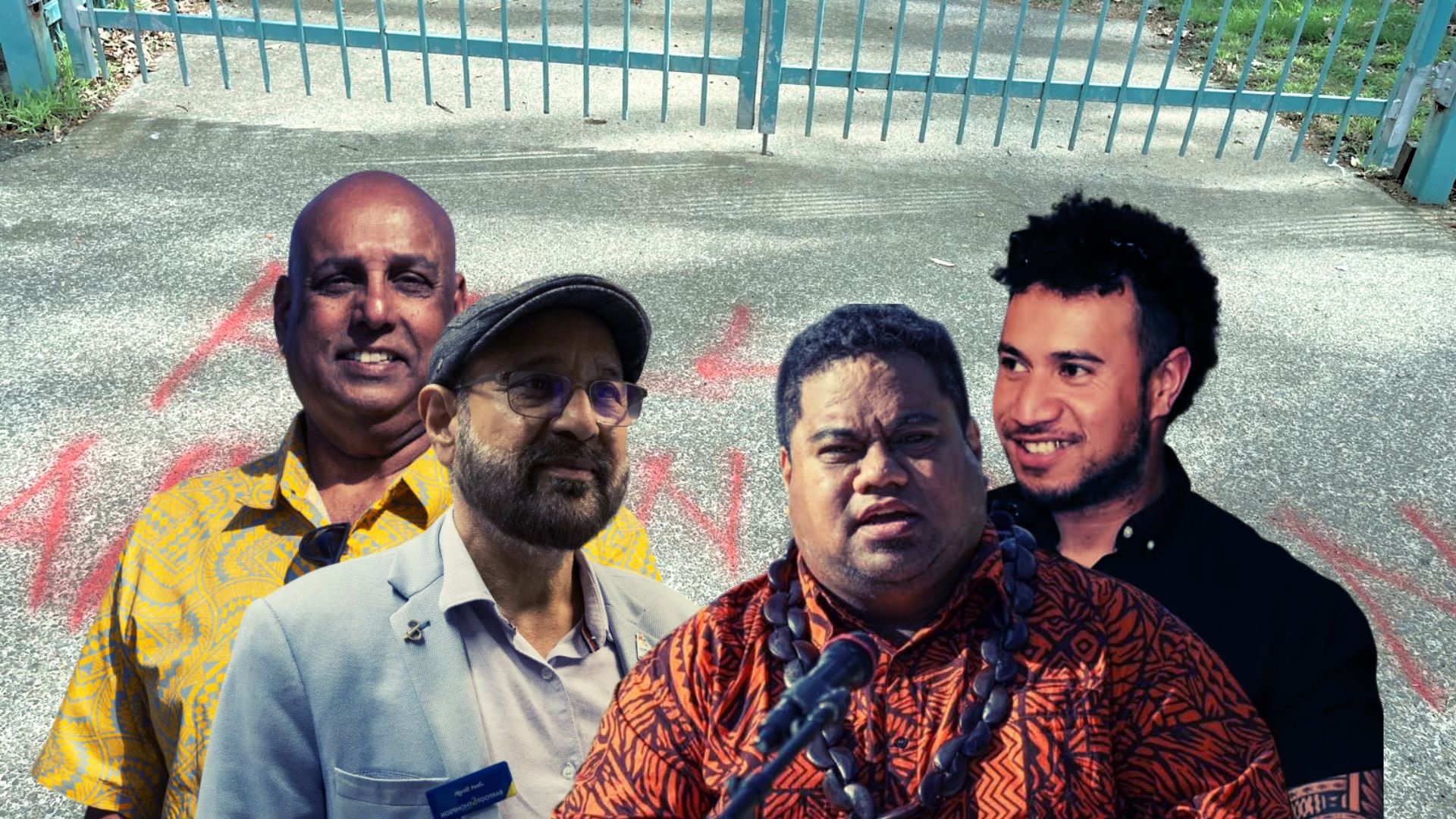
South Asian diaspora raises over $200,000 for New Zealanders missing in Nepal flood "I'm so proud of the Indian community here who...supported us, saying it is not a Nepal problem but our problem."
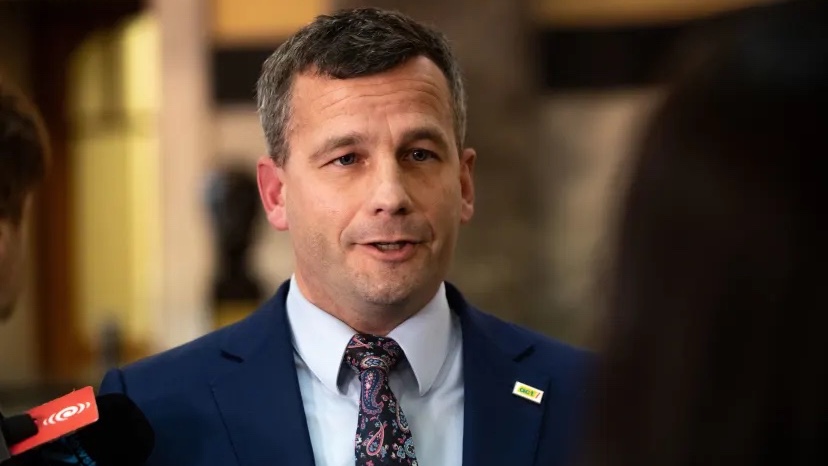
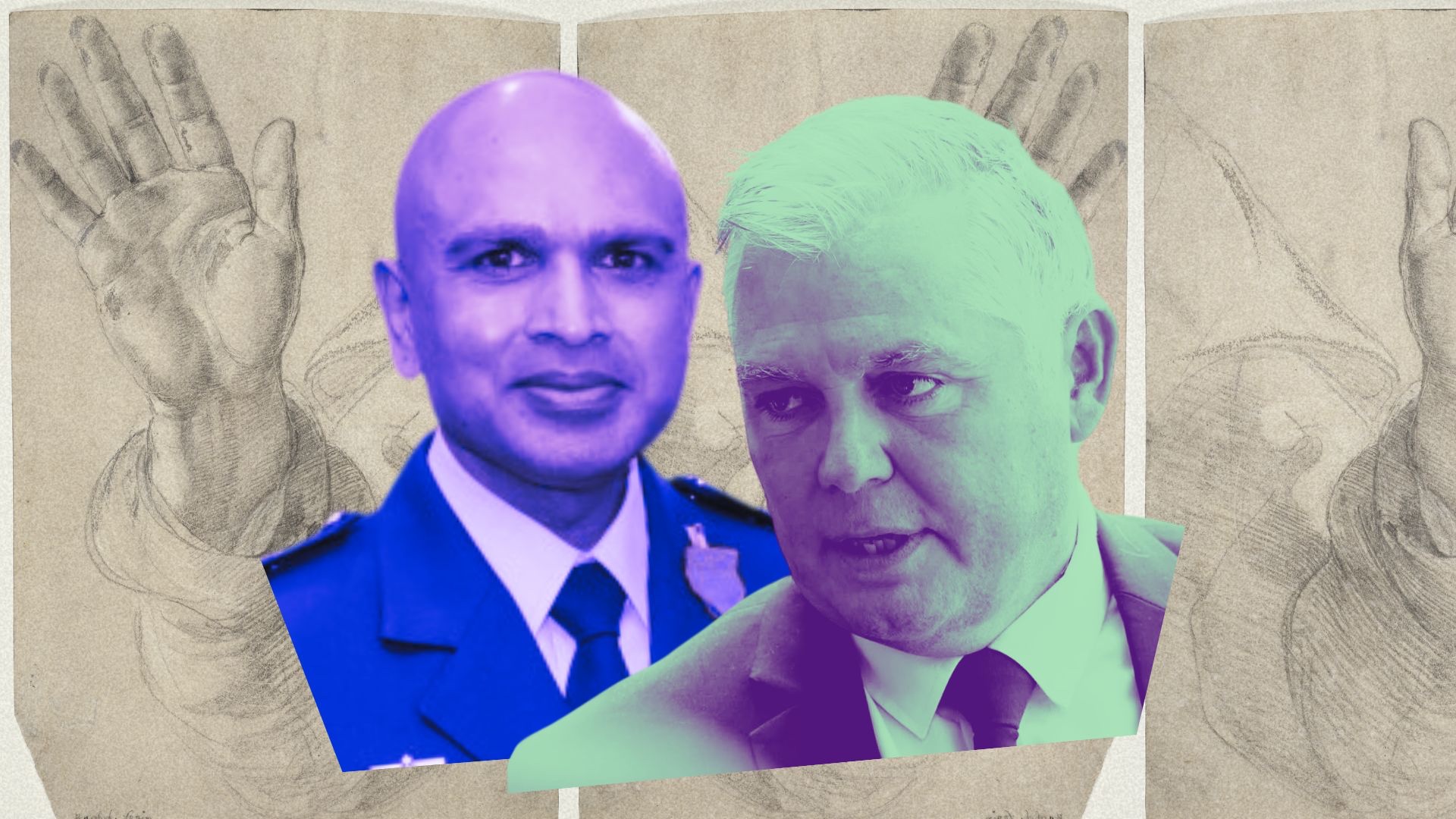
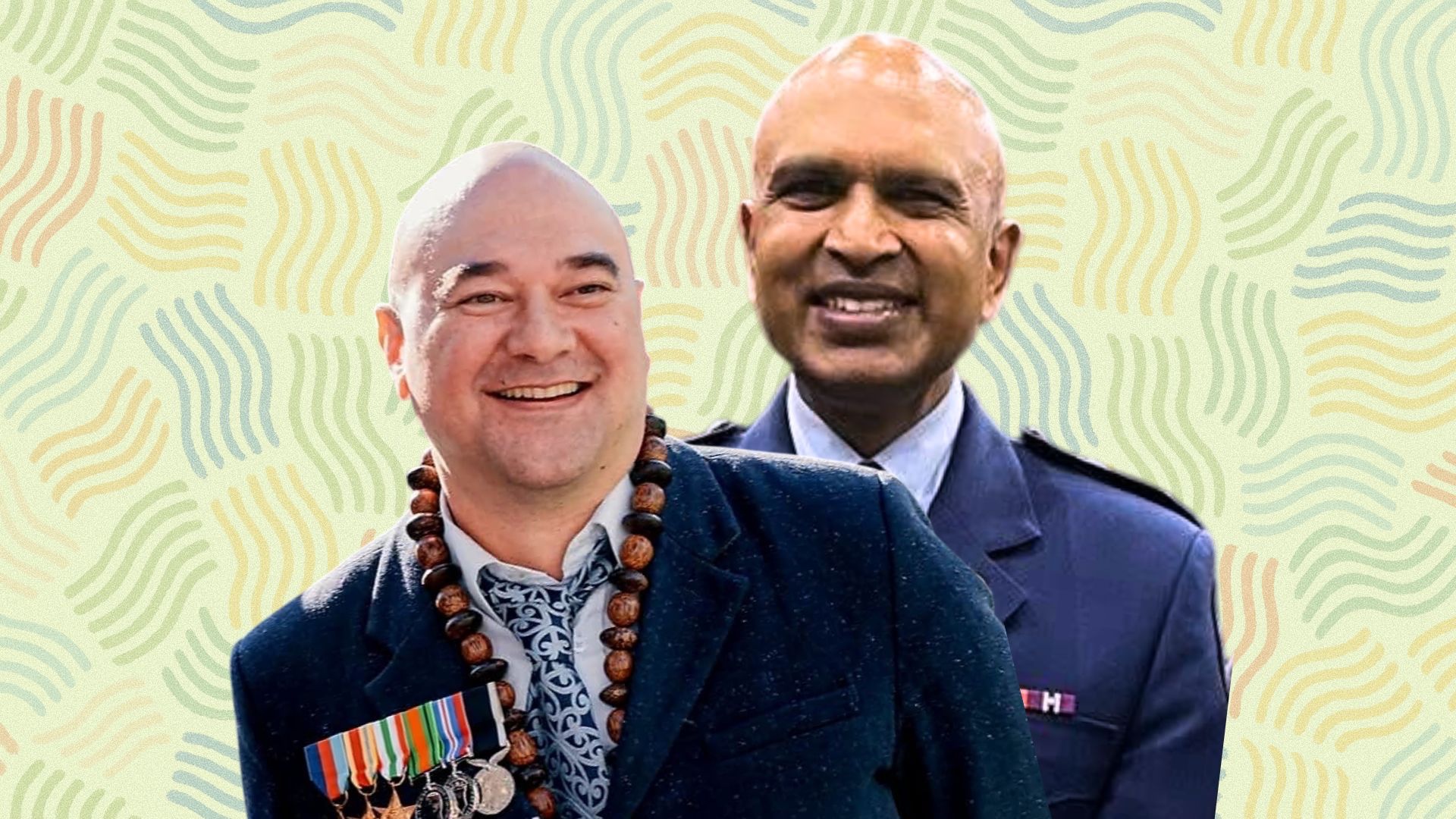
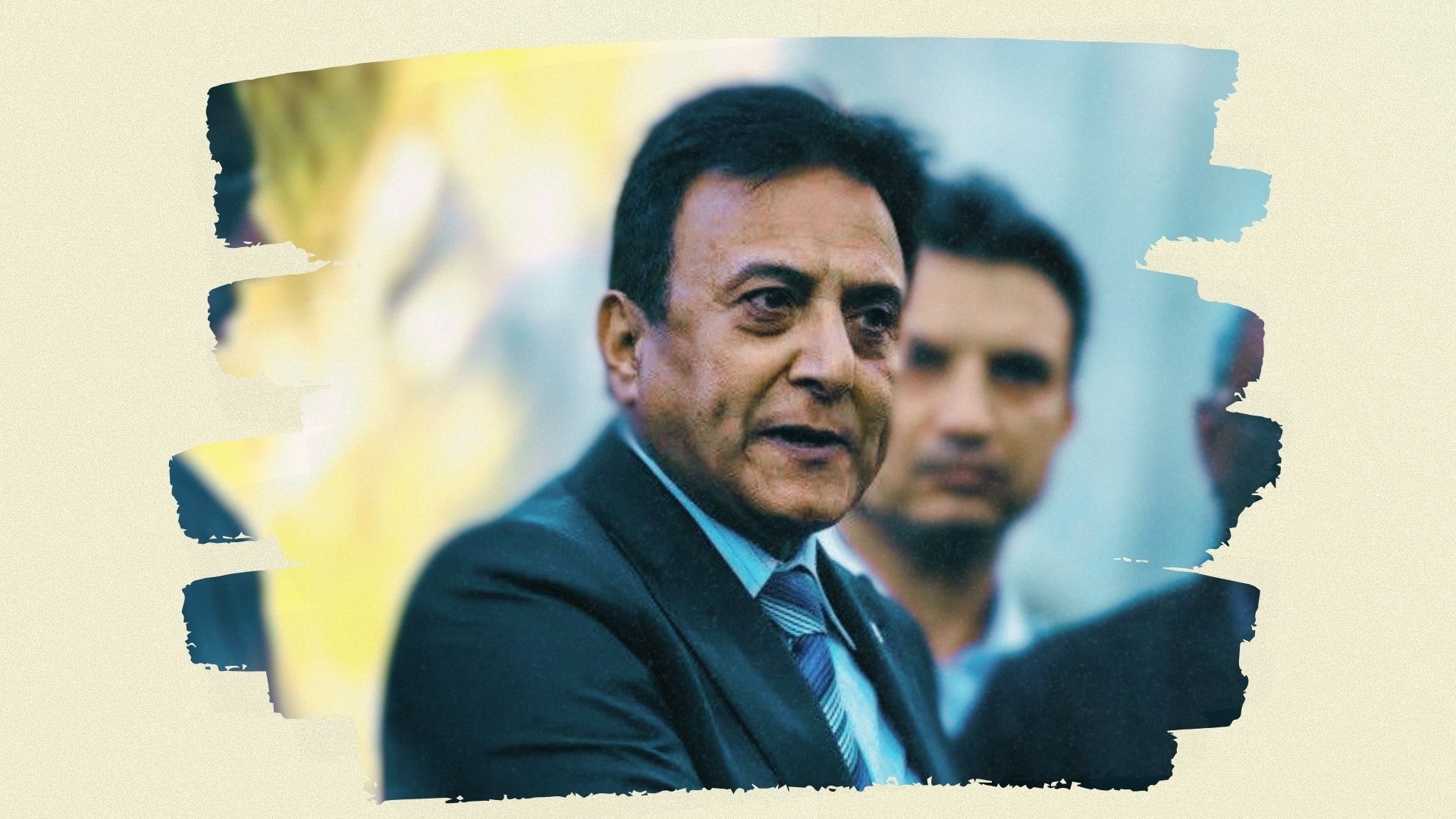
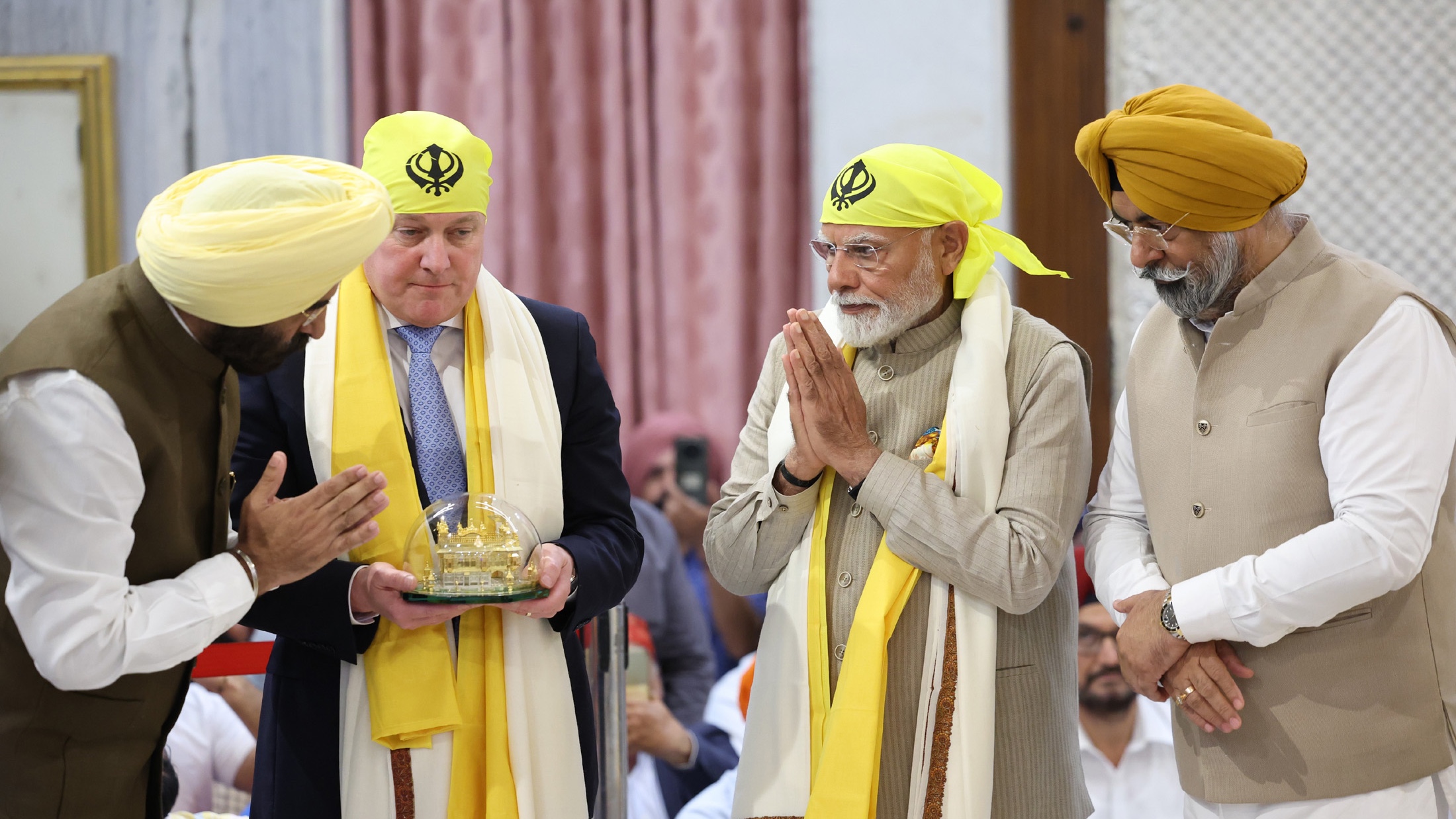
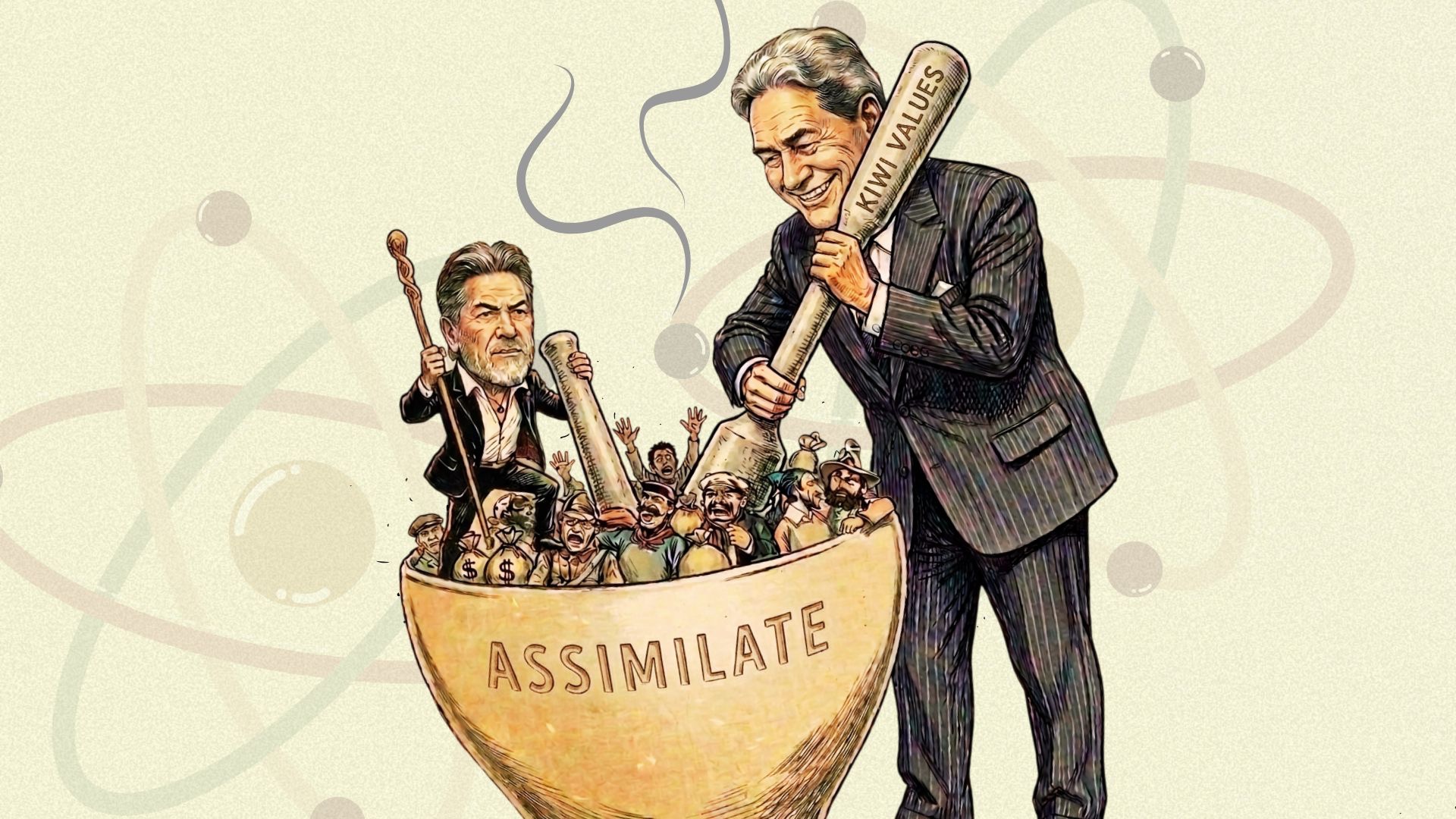
Tamakis launch Indian-origin candidate for Epsom who surrendered passport and has ‘assimilated’ “I know a whole lot of people are going to be like shocked,” says Hannah Tamaki.
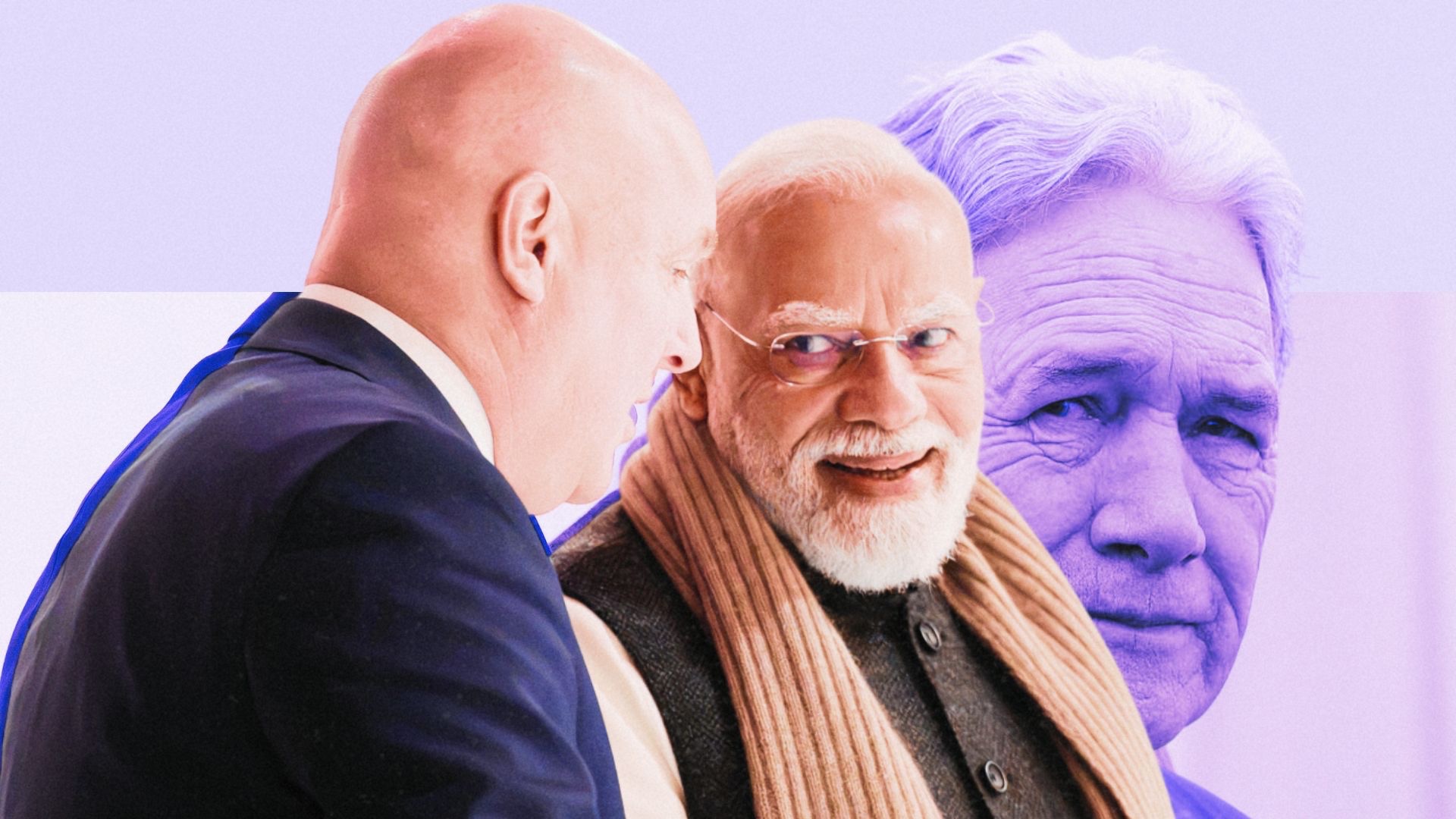
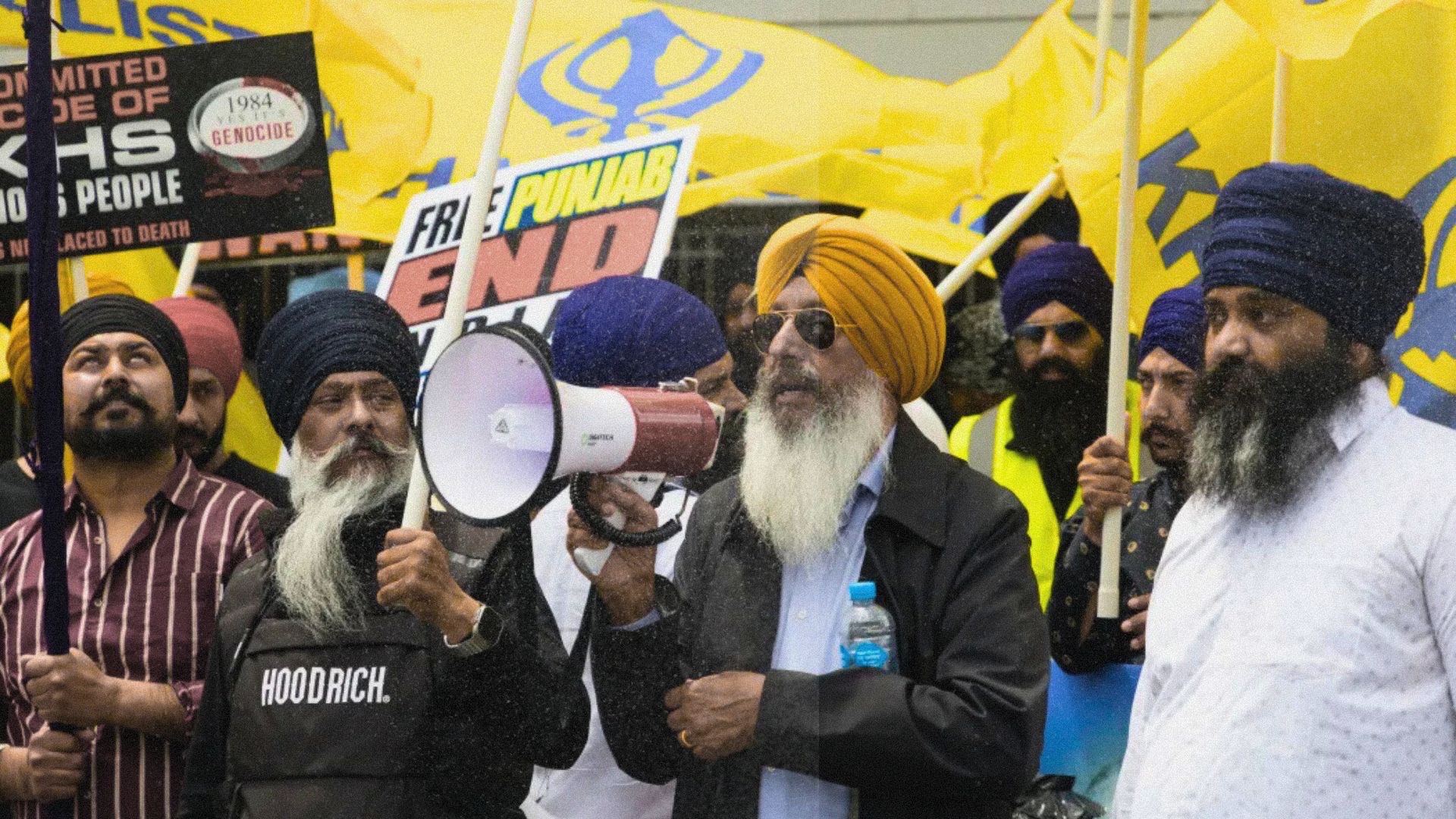
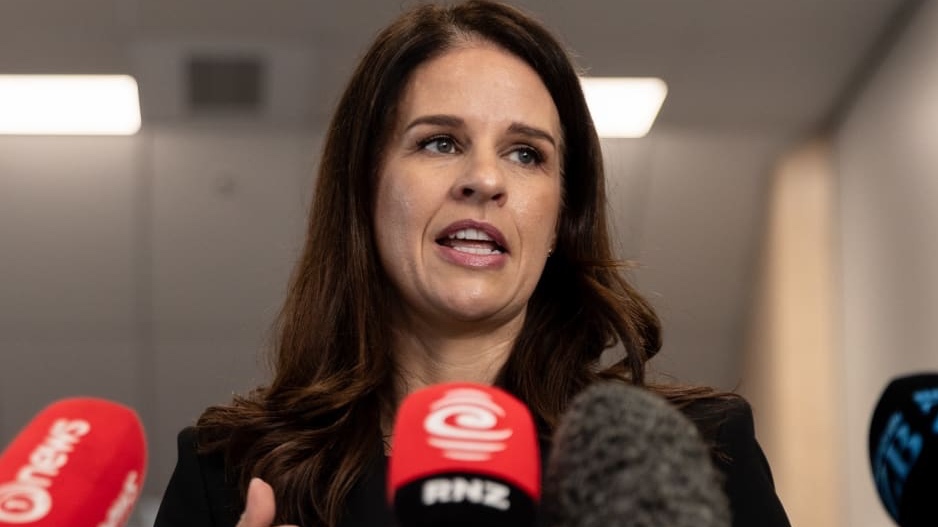
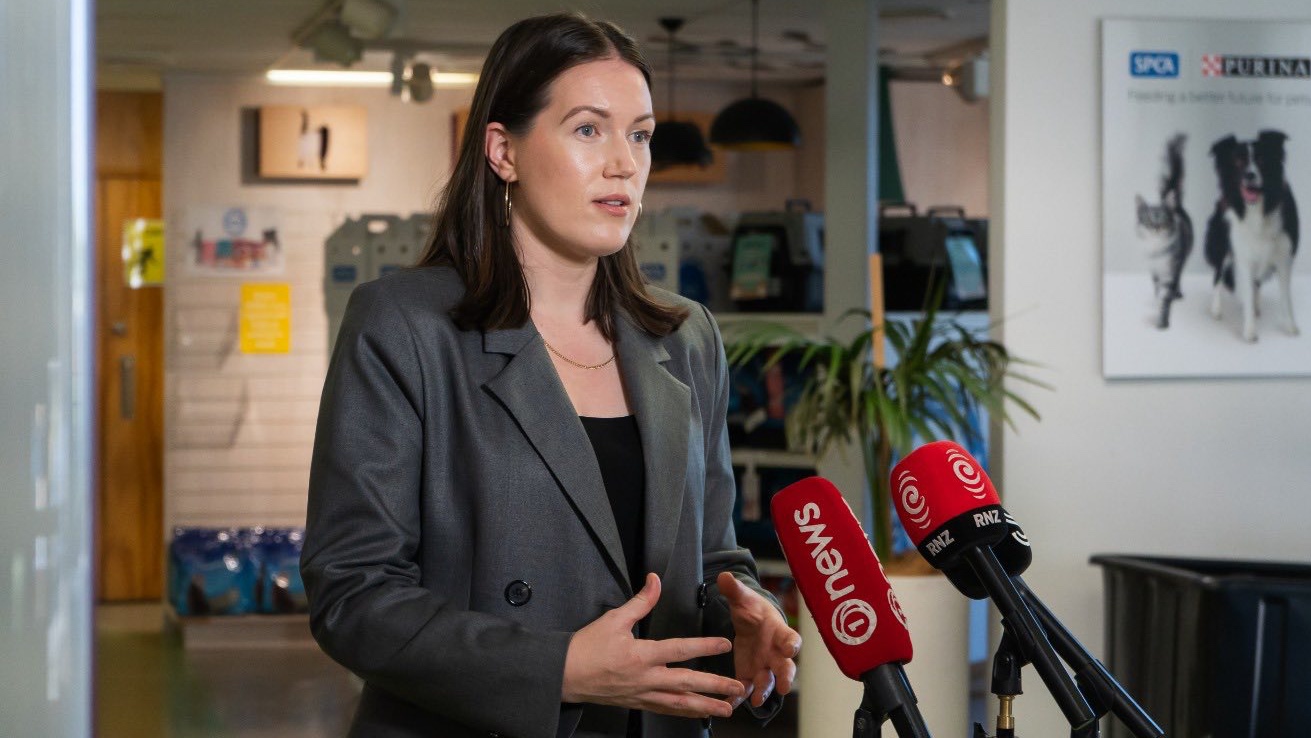
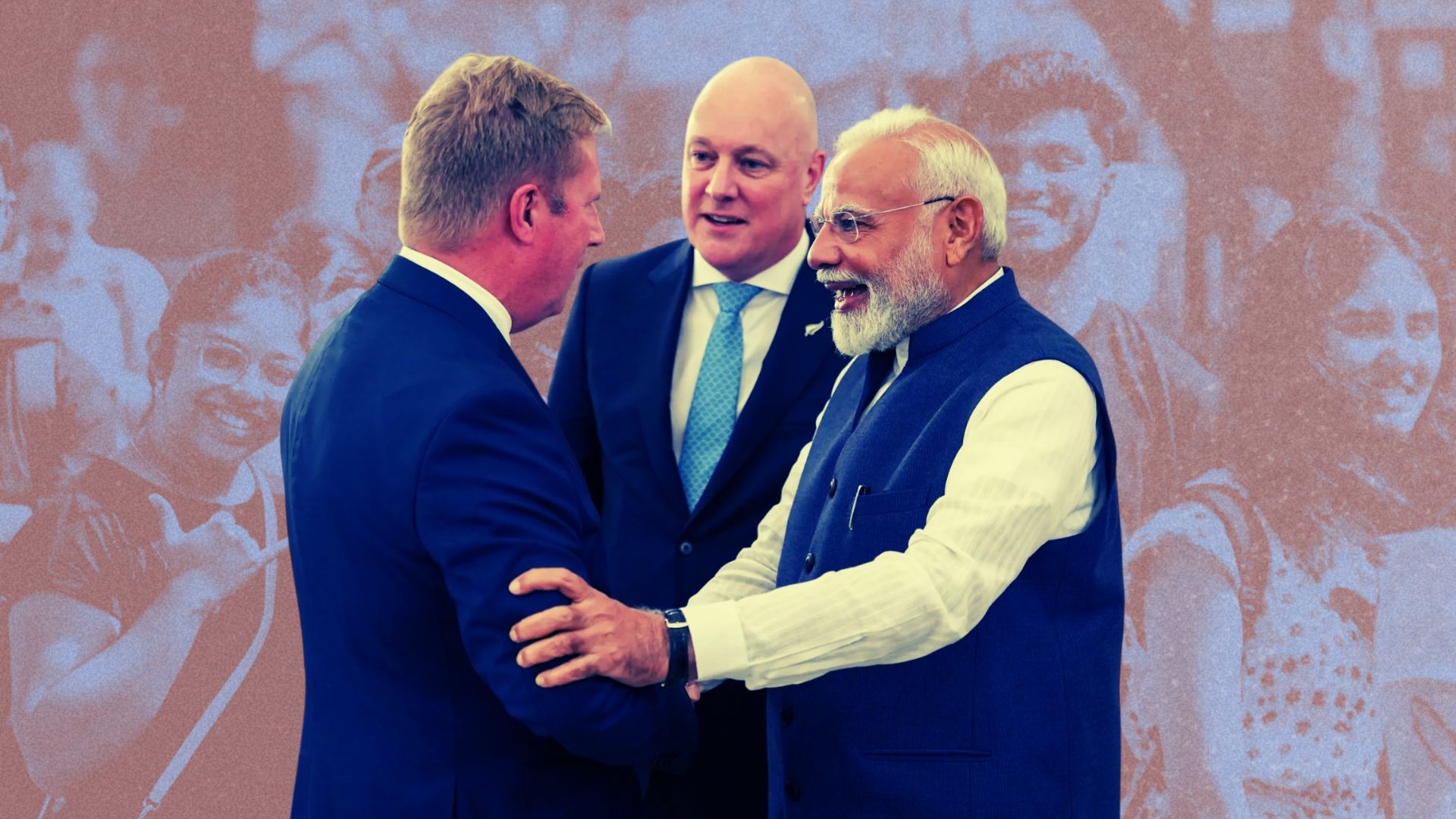
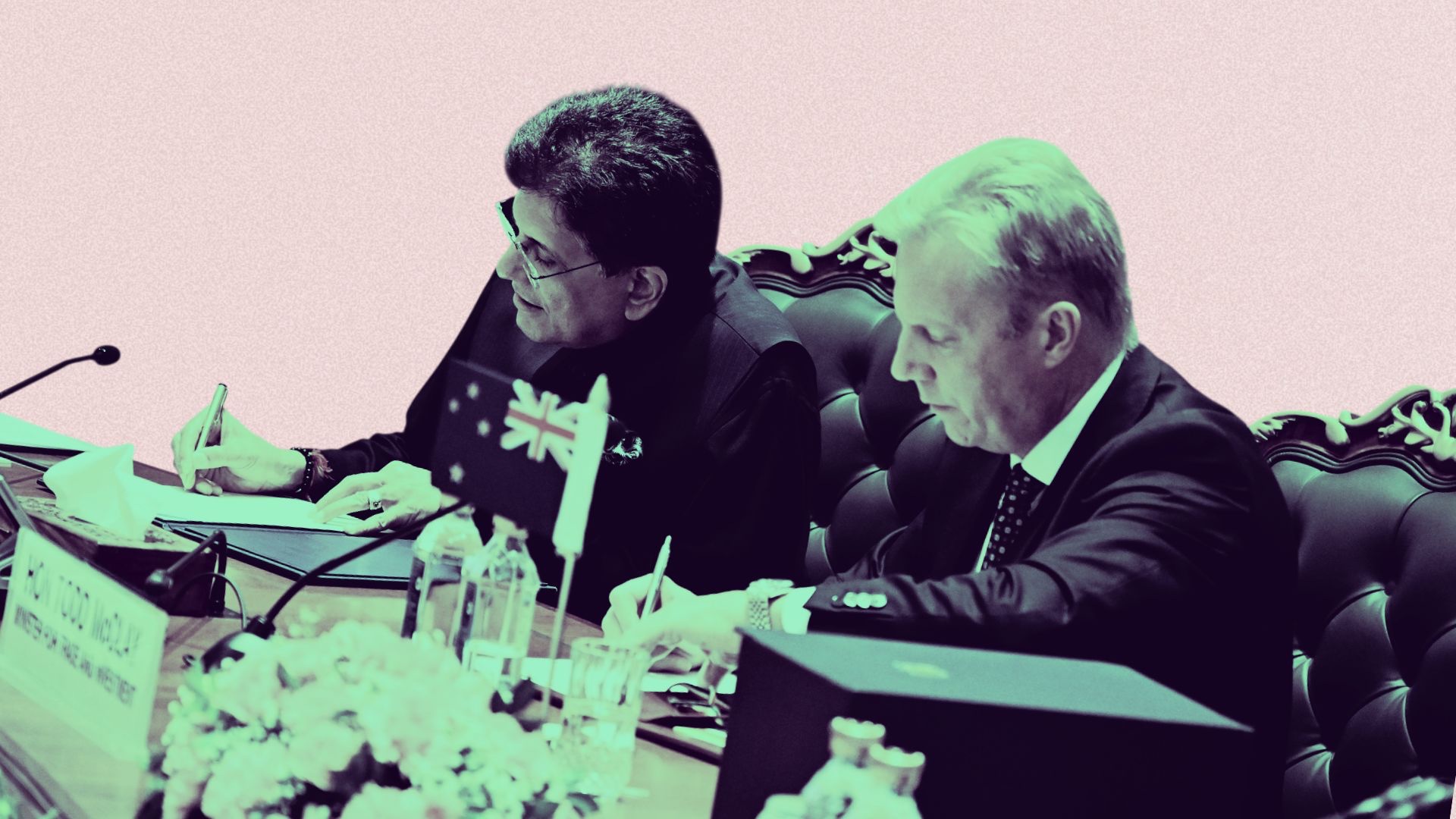
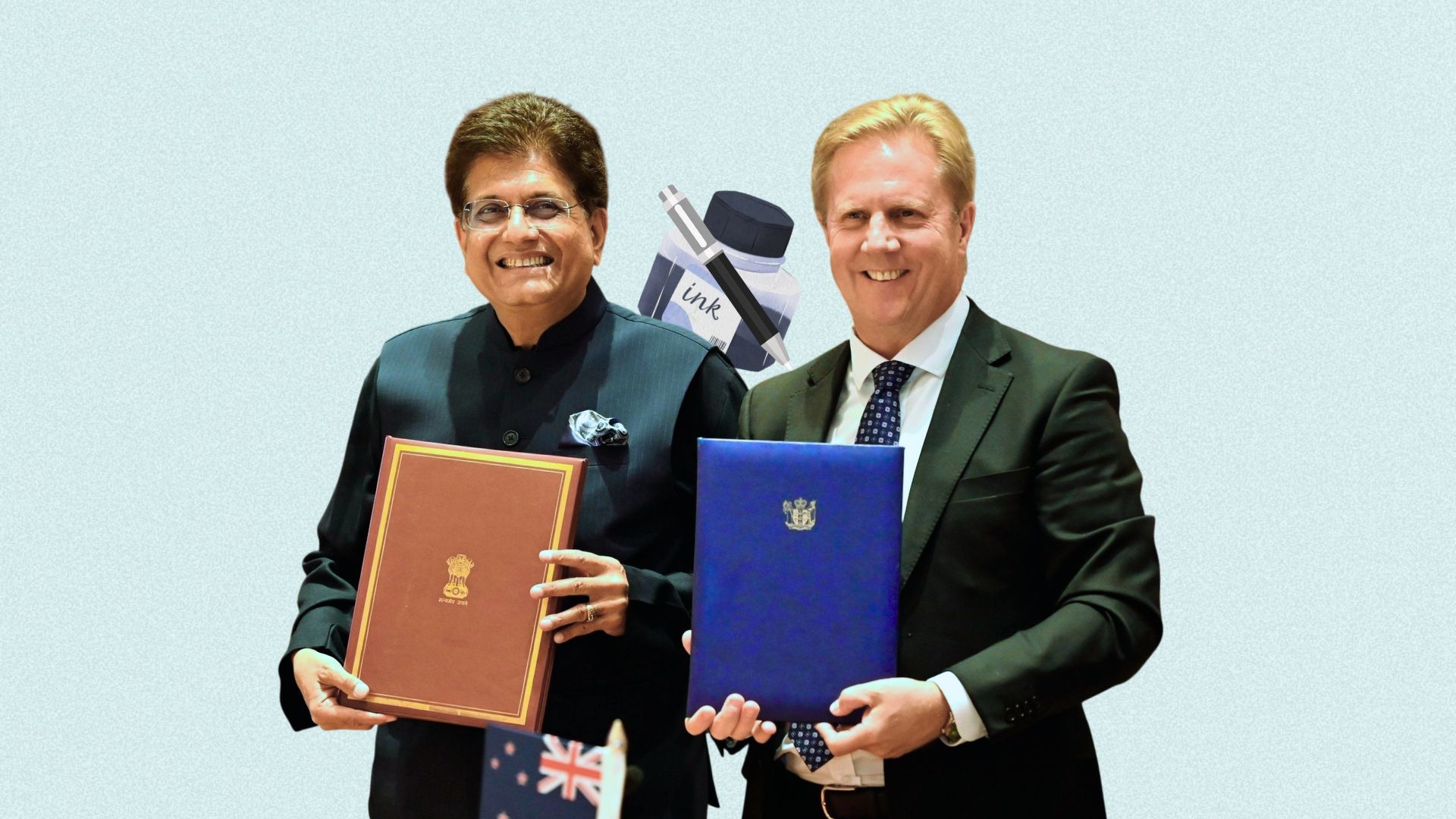
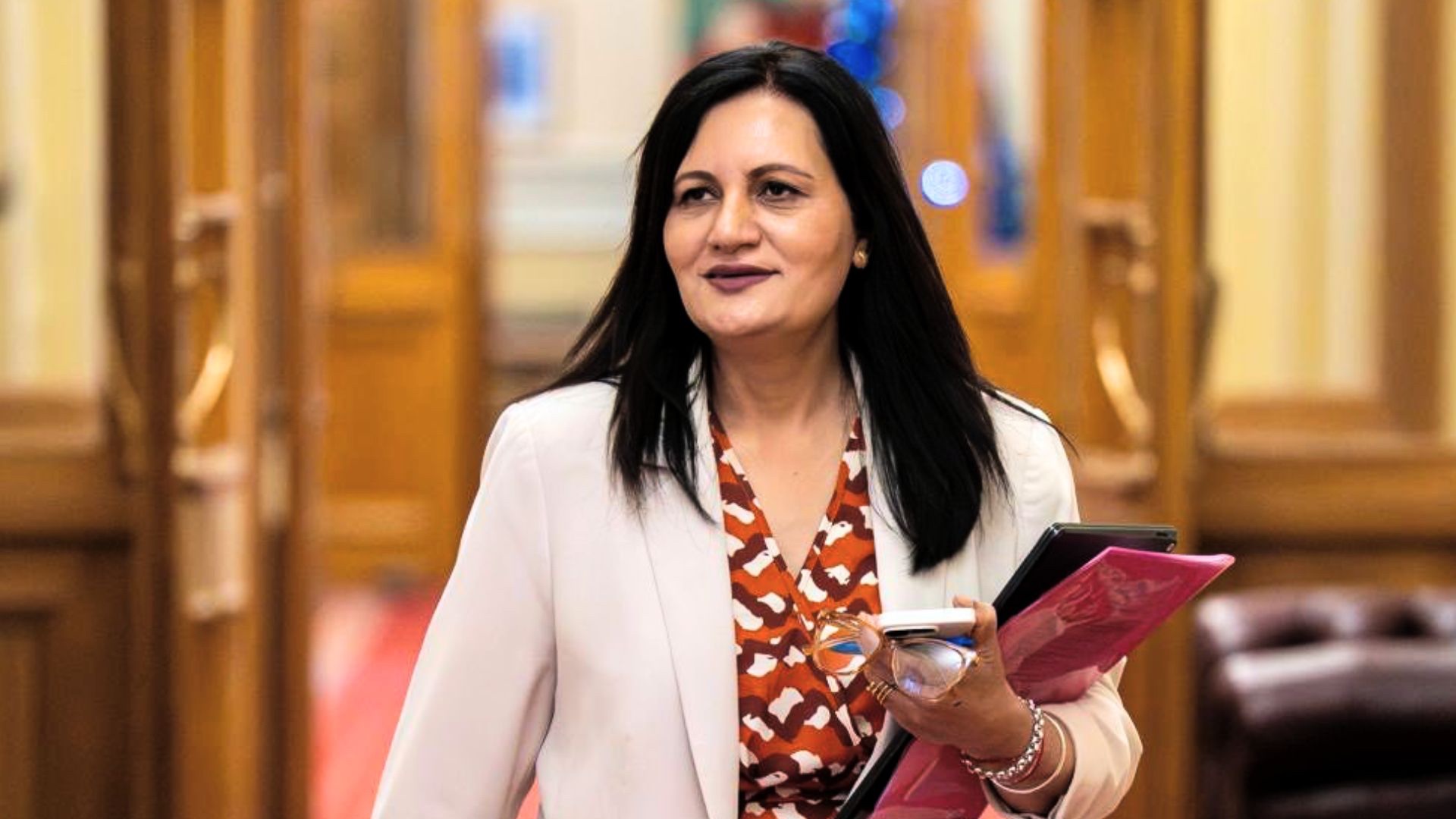
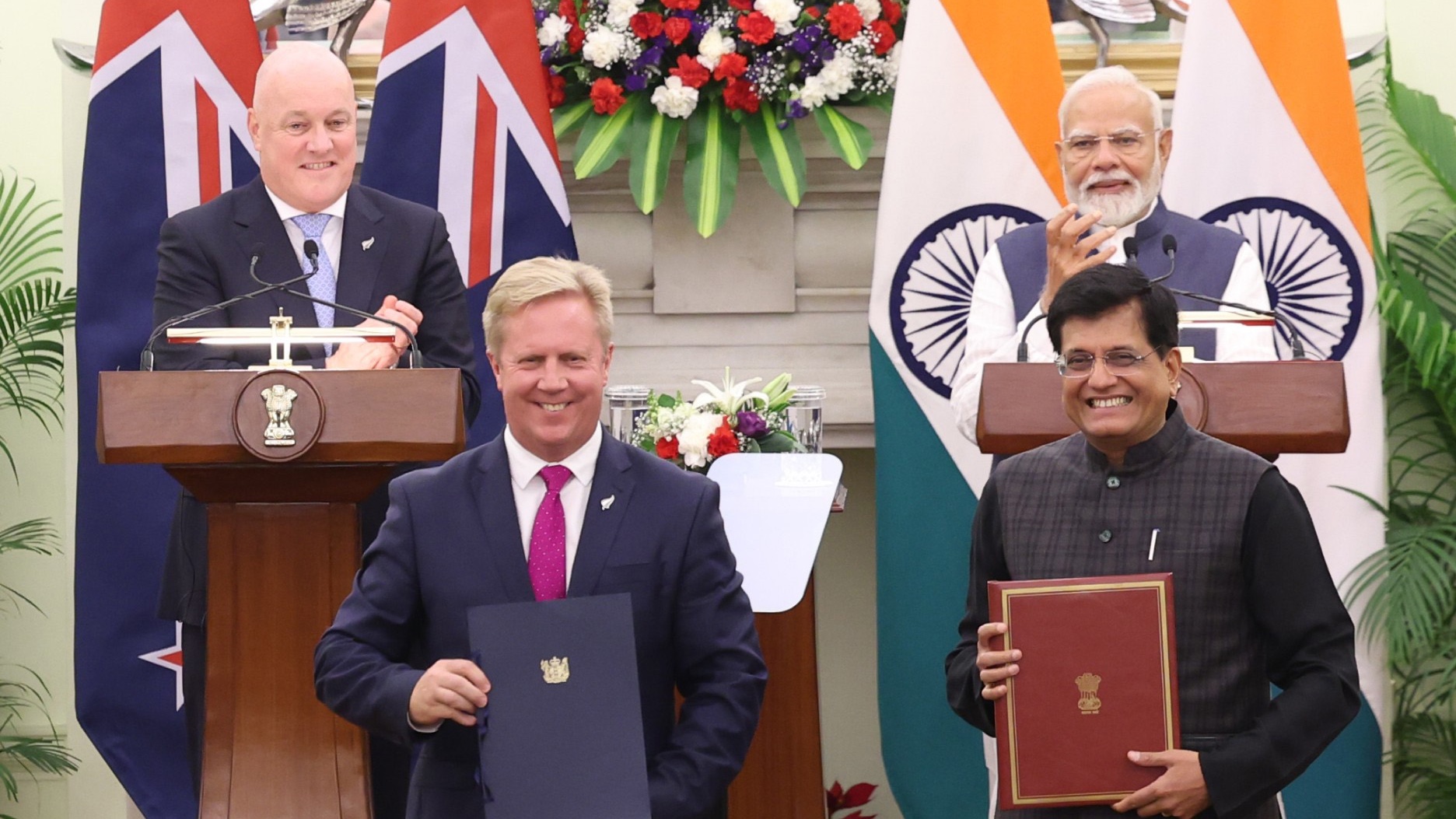
Priyanca Radhakrishnan tries to puncture Luxon’s FTA victory, says India was already sold “Things have changed quite dramatically on the Indian government side,” says the Indian-origin Labour MP.
One factor has united both groups, however: dissatisfaction with Starmer himself.
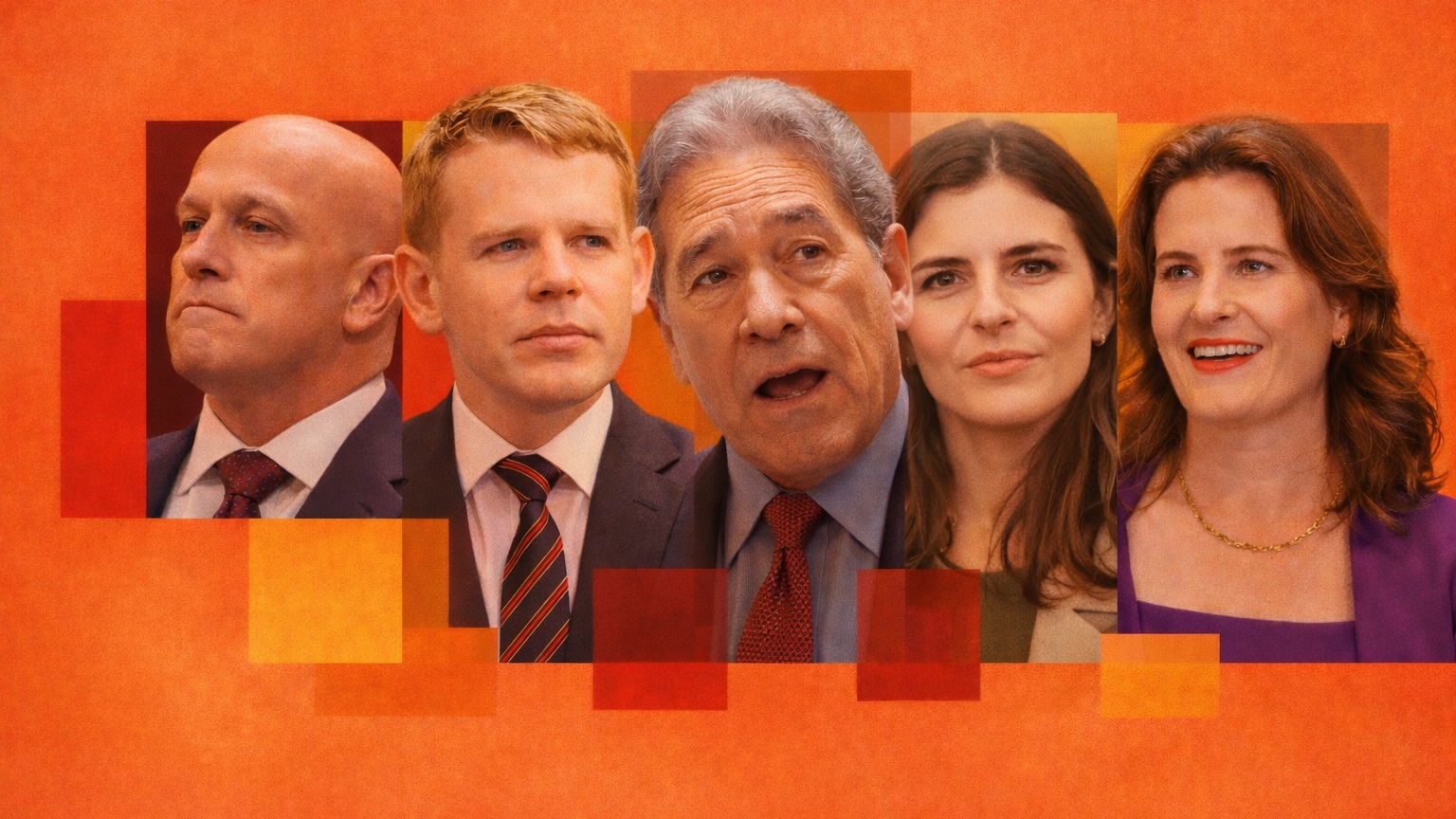
So, what lessons can New Zealand Labour leader Chris Hipkins draw from these voter trends and his former counterpart’s downfall as he seeks a return to power in November?
The burden of ‘thin labourism’
In the social media era, politics has become more personalised. Voters often look to leaders more than their parties when deciding on whom to support or oppose.
It’s unclear whether Andy Burnham, now positioned to succeed Starmer, can give UK Labour a much-needed boost in the polls as Jacinda Ardern did when installed seven weeks before New Zealand’s 2017 election.
At this point, polling suggests an early election would be disastrous for UK Labour, while a likely winner would be Nigel Farage’s Reform UK party.
In New Zealand, meanwhile, the political landscape is still as it once was in the UK: dominated by two traditional parties.
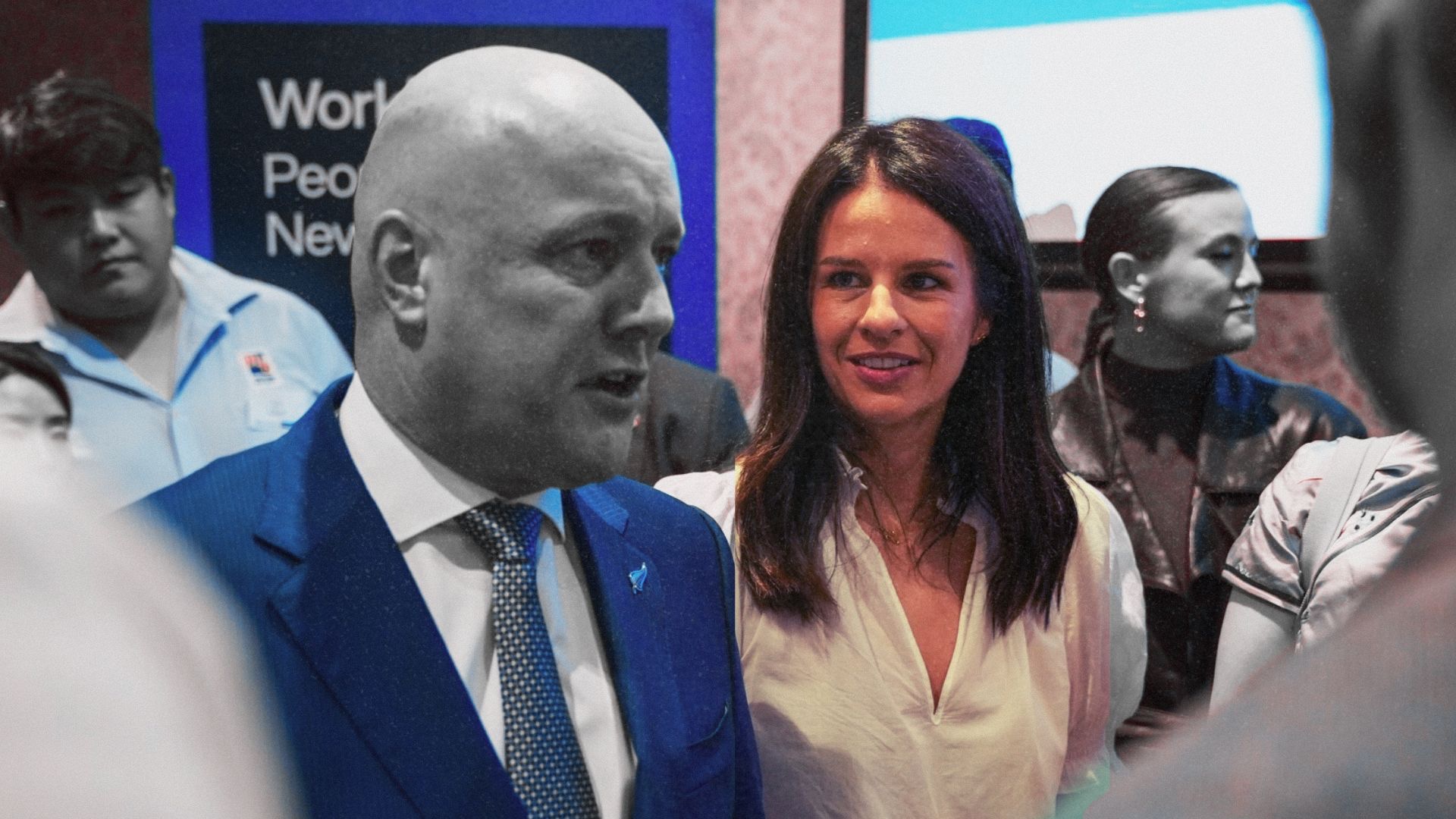
Polling support for National and Labour combined may be at a 30-year low, but this year’s election is still most likely to return either Hipkins or National’s Christopher Luxon as prime minister.
Because both major parties compete for the political centre, many feel there isn’t enough to distinguish them. Labour leaves the more radical terrain to the Greens and Te Pāti Māori, opting instead for a safer, though politically constrained, position in the middle.
As with its sister parties in the UK and Australia, Labour has retreated to a form of “thin labourism” – an attenuated version of its traditional ideology.
These parties are not returning to the social-democratic policy settings of the postwar era. And they no longer espouse the Third Way politics associated with figures such as Tony Blair and Helen Clark, which some critics on the left derided as “neoliberalism with a human face”.
They may now talk confidently about economic growth and, in New Zealand’s case, about using competition to lower prices. Yet at the same time, they are wary of unsettling financial markets with ambitious policies on wages, industrial relations or public ownership.
So, they tinker with taxes and transfers – such as proposing a capital gains tax to fund GP visits – while the Greens to their left push more radical policy.
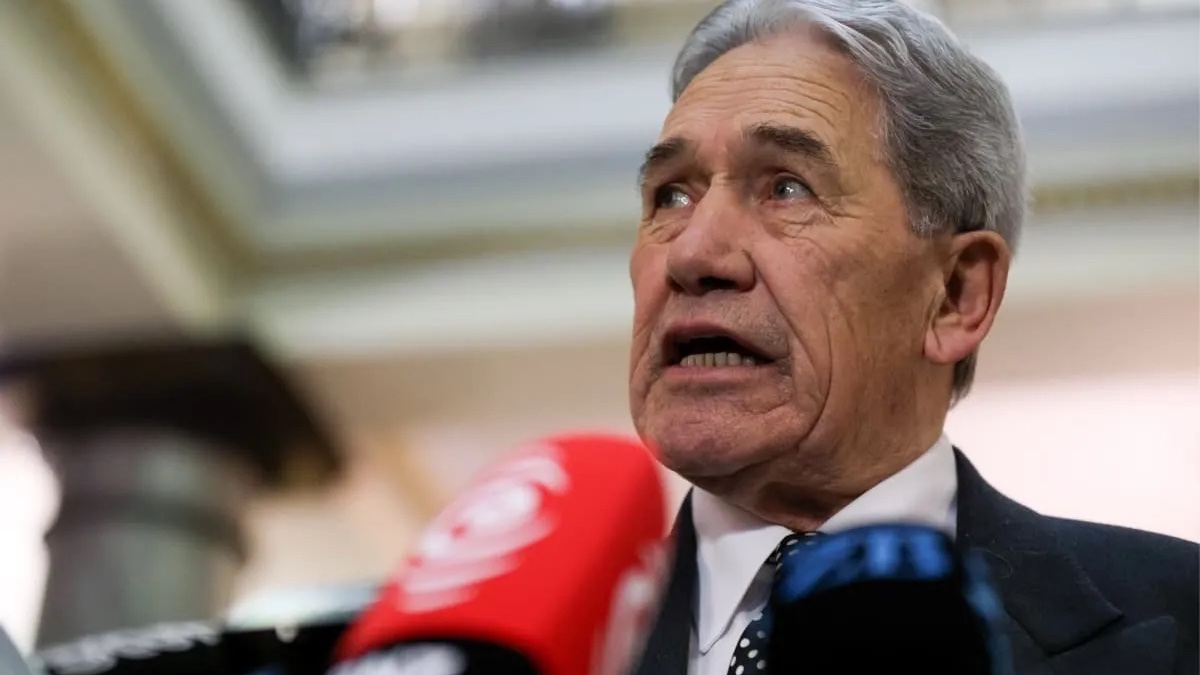
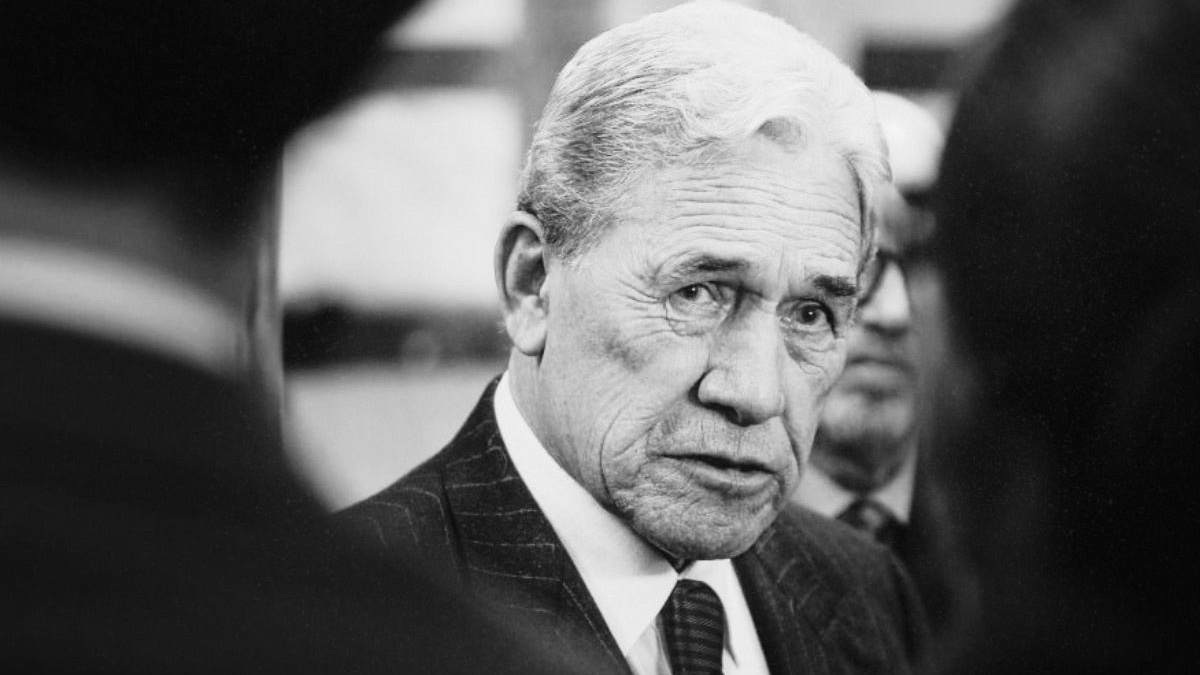
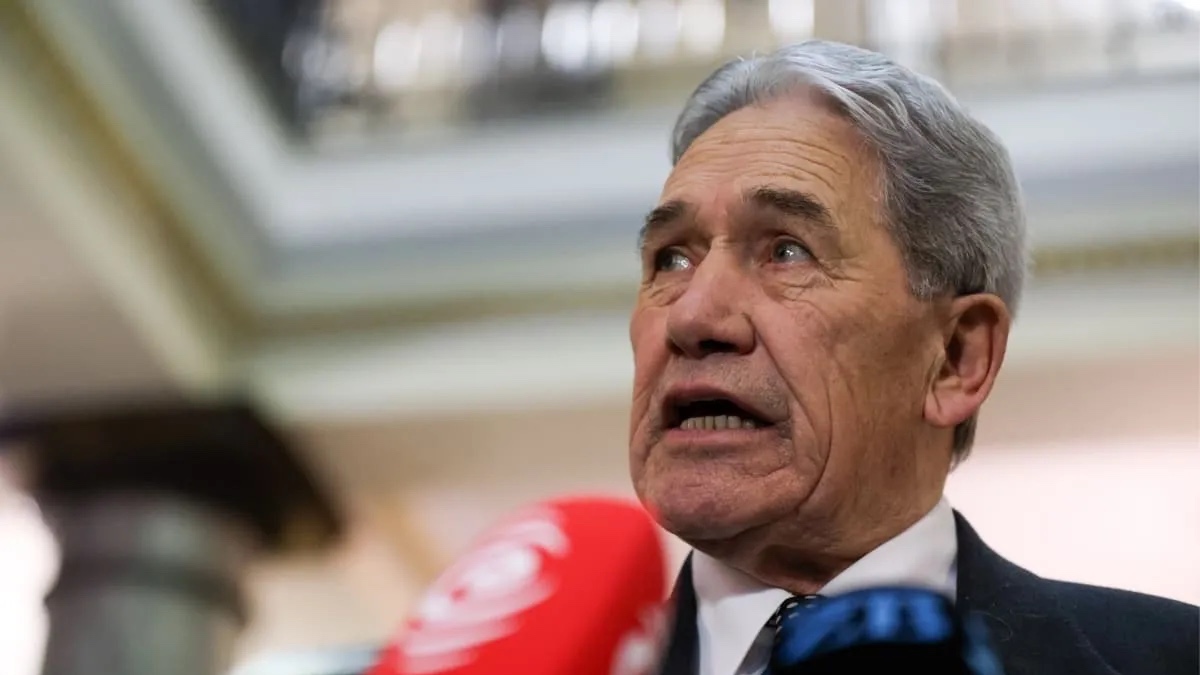
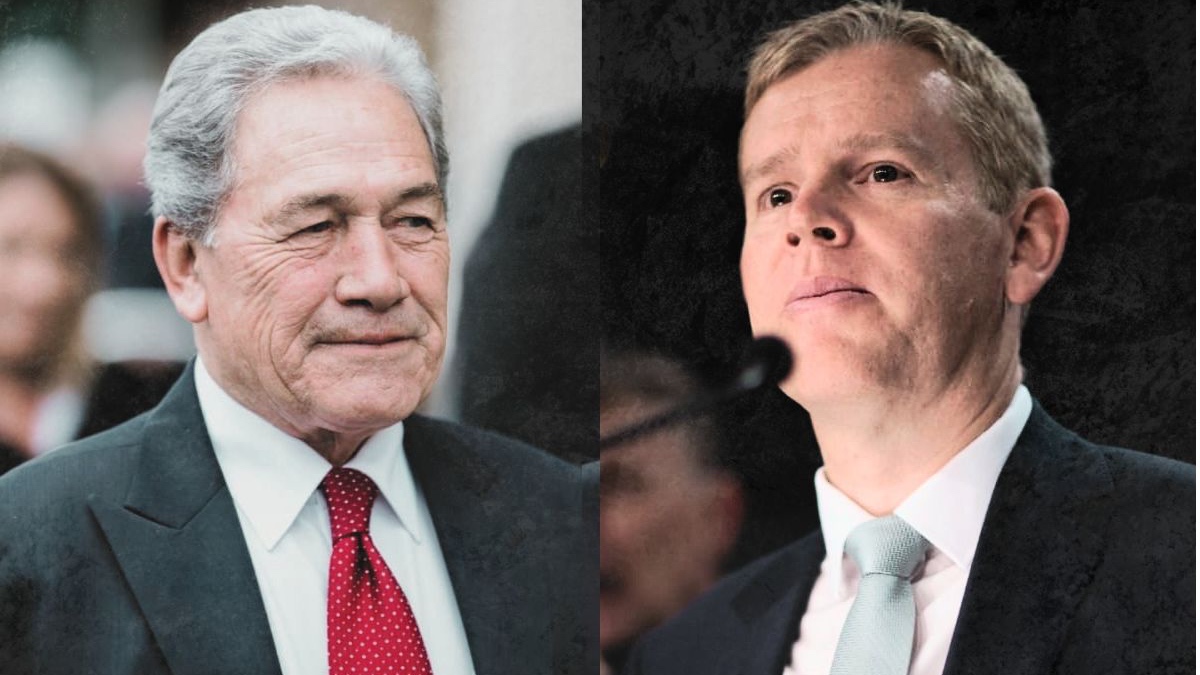
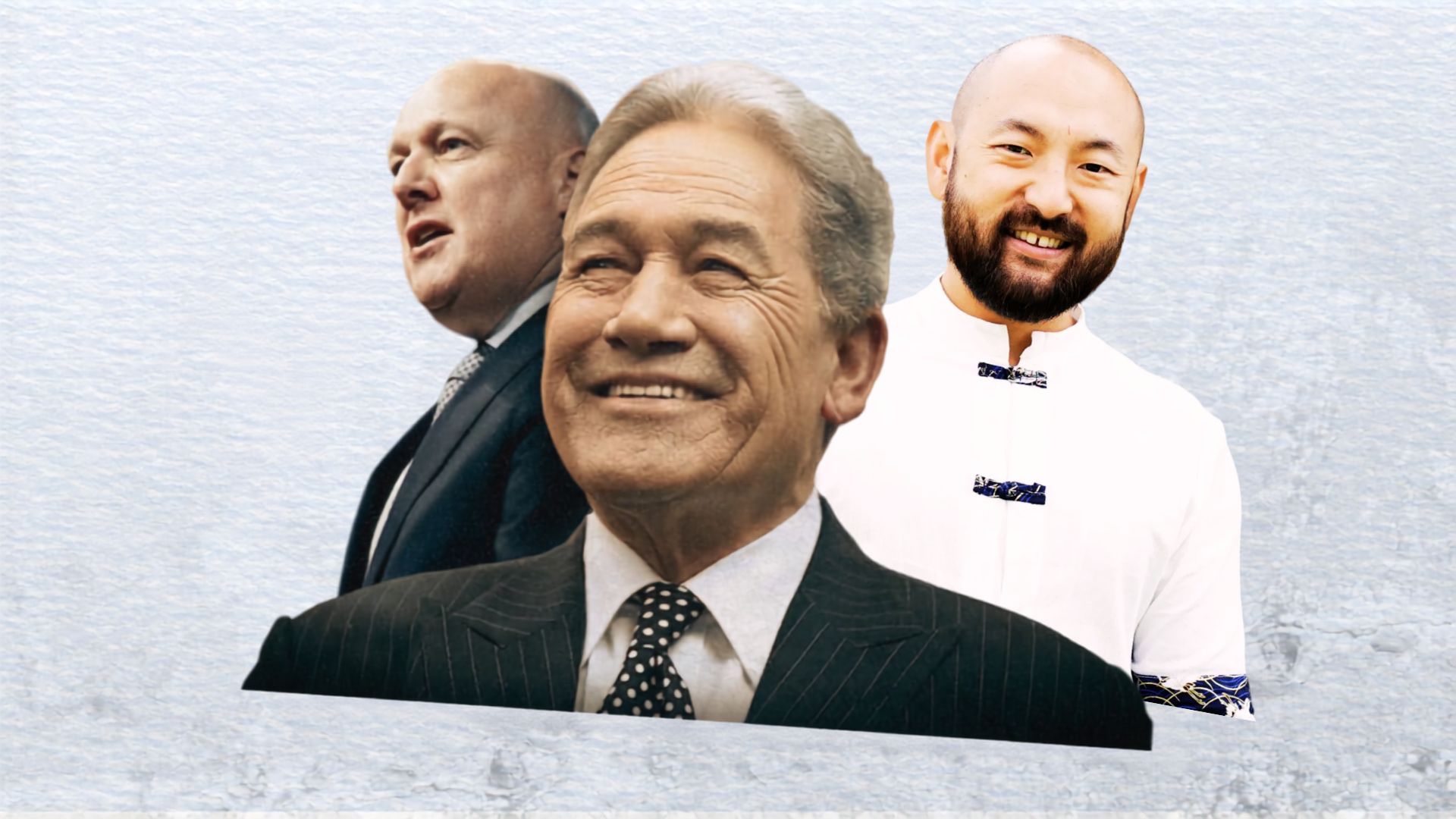
All the while, populist parties such as Reform UK, Pauline Hanson’s One Nation and Winston Peters’ New Zealand First are capitalising on dissatisfaction with the political mainstream and polarising issues such as immigration.
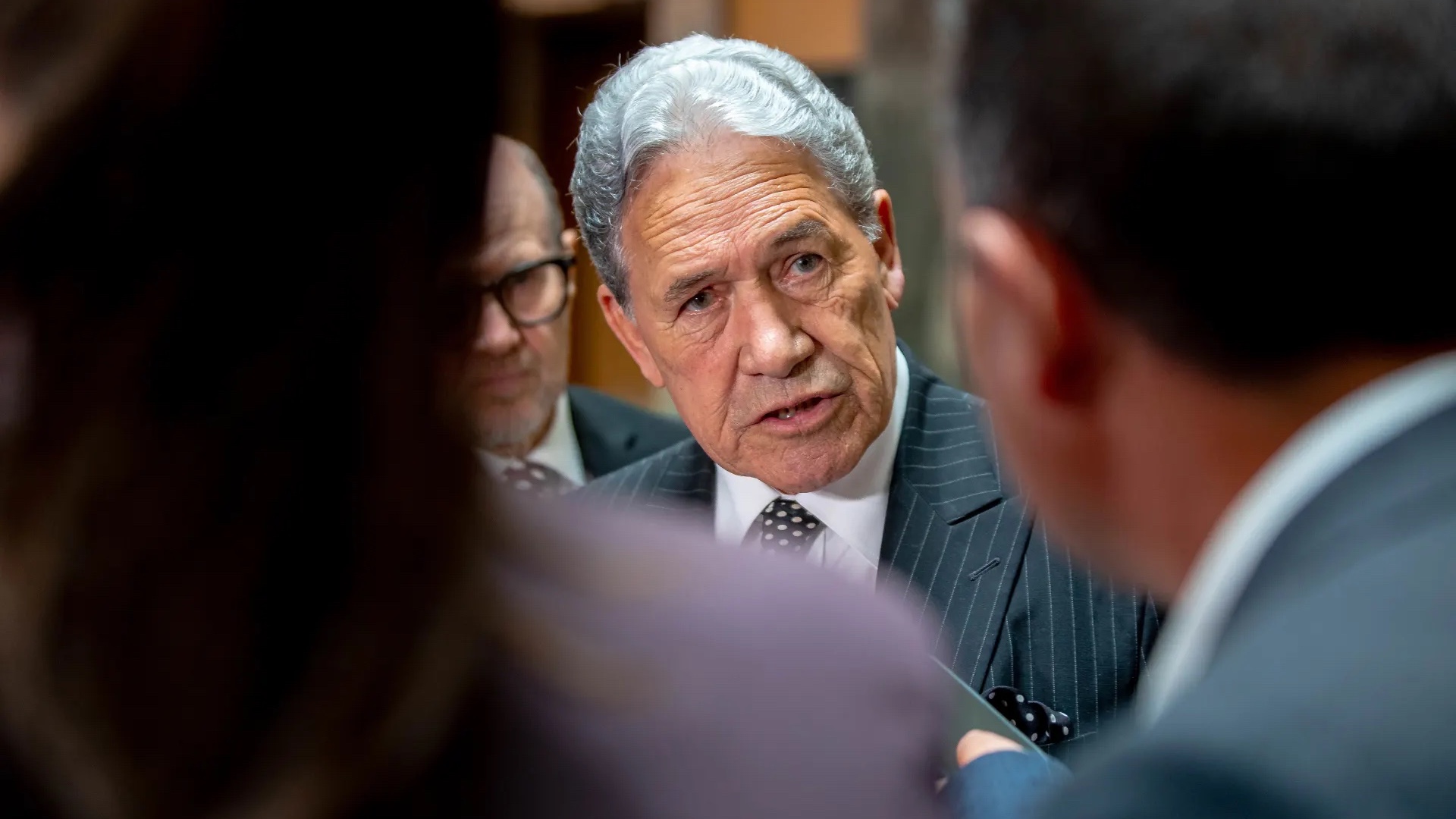
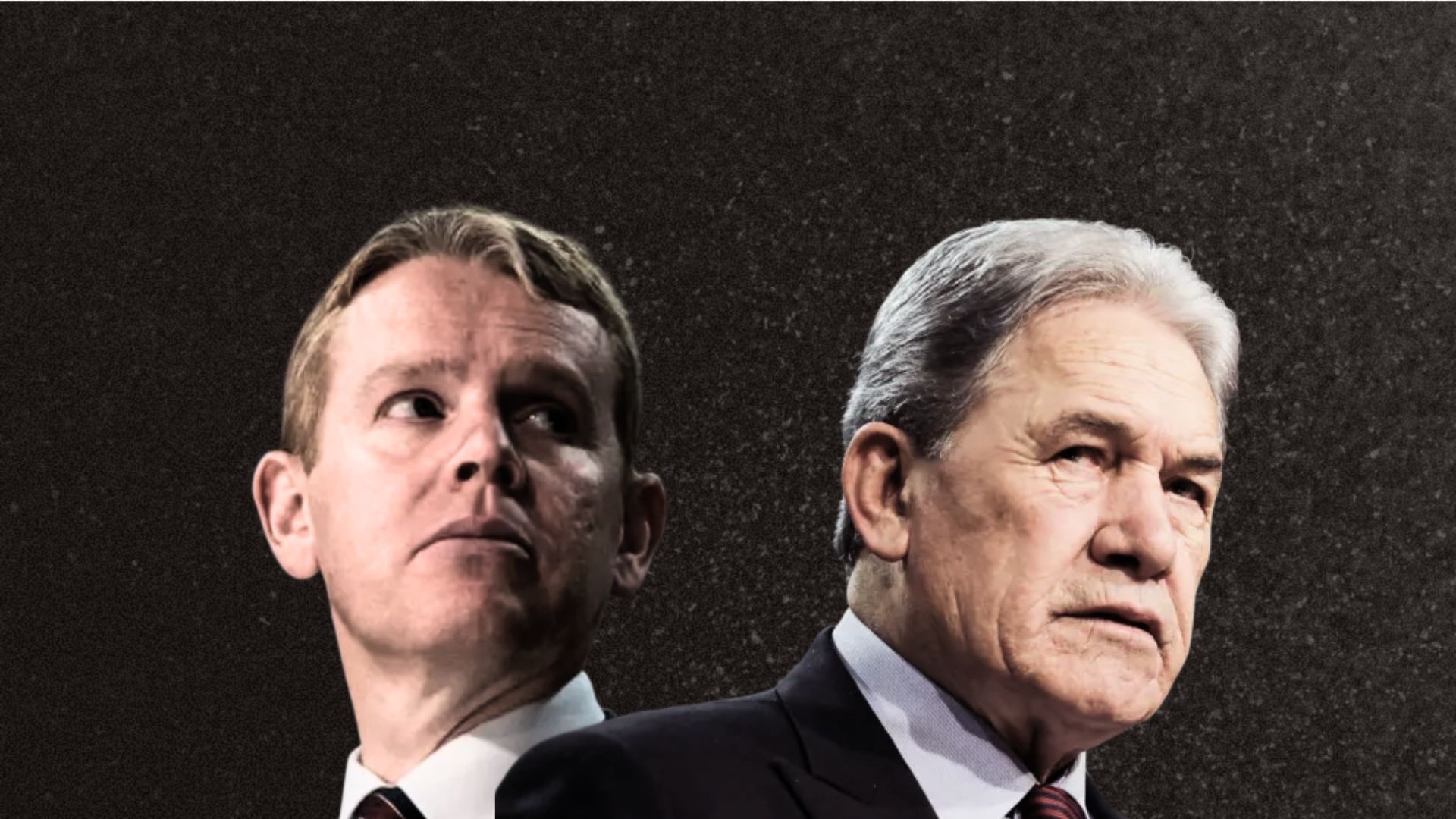
Already, Peters has begun targeting traditional Labour territory, from the West Coast to Pacific communities in South Auckland.
Labour is caught between a younger constituency concerned with progressive issues, and an older, more culturally conservative bloc that is sceptical of them. Like in the UK, it risks losing voters in each direction.
Will political pragmatism prevail?
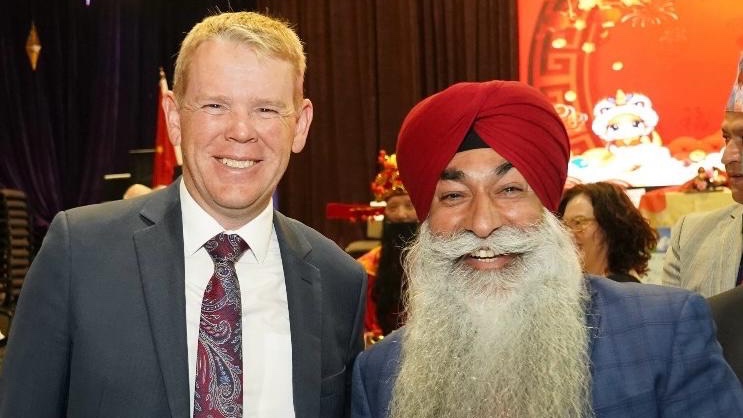
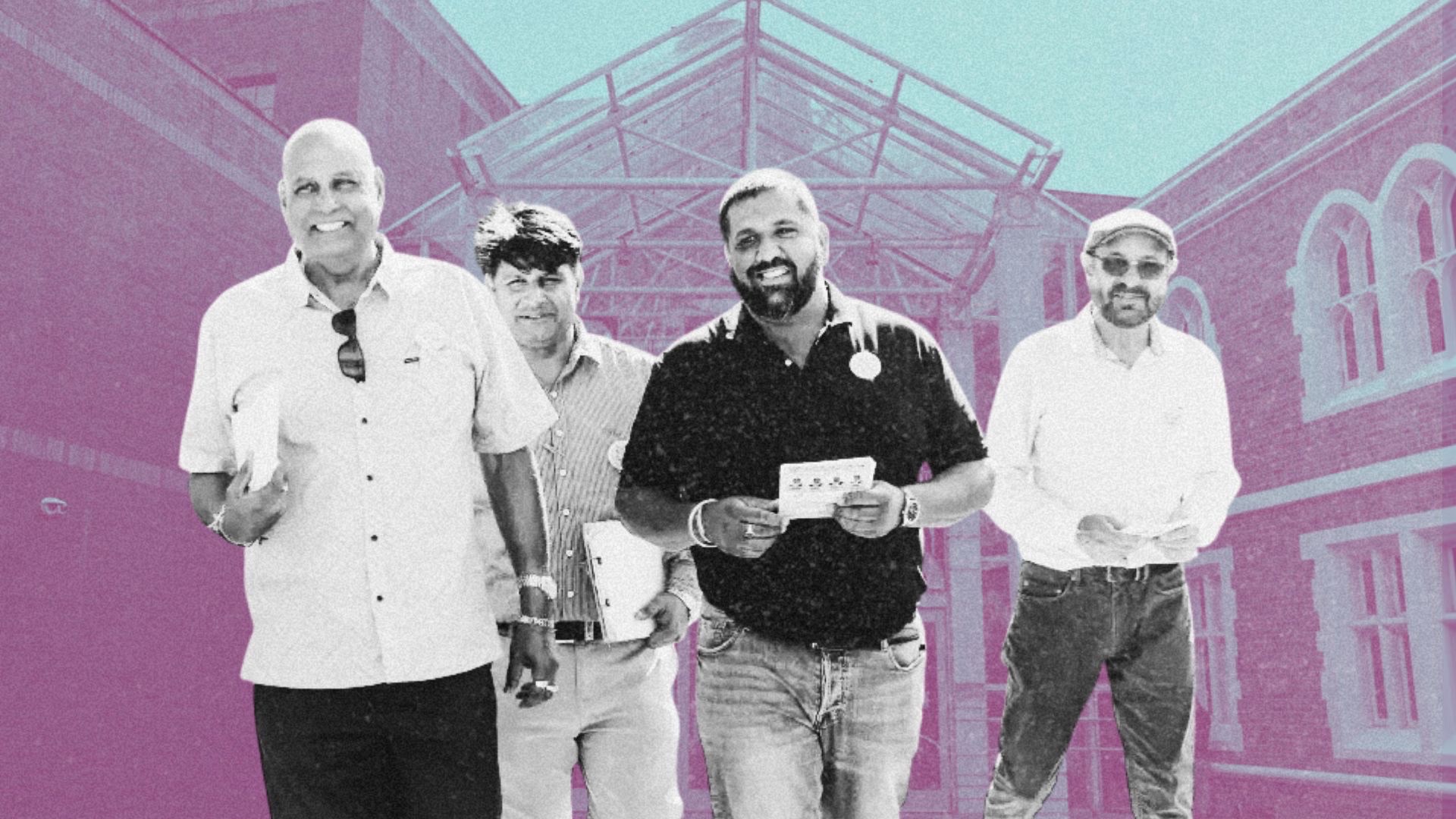
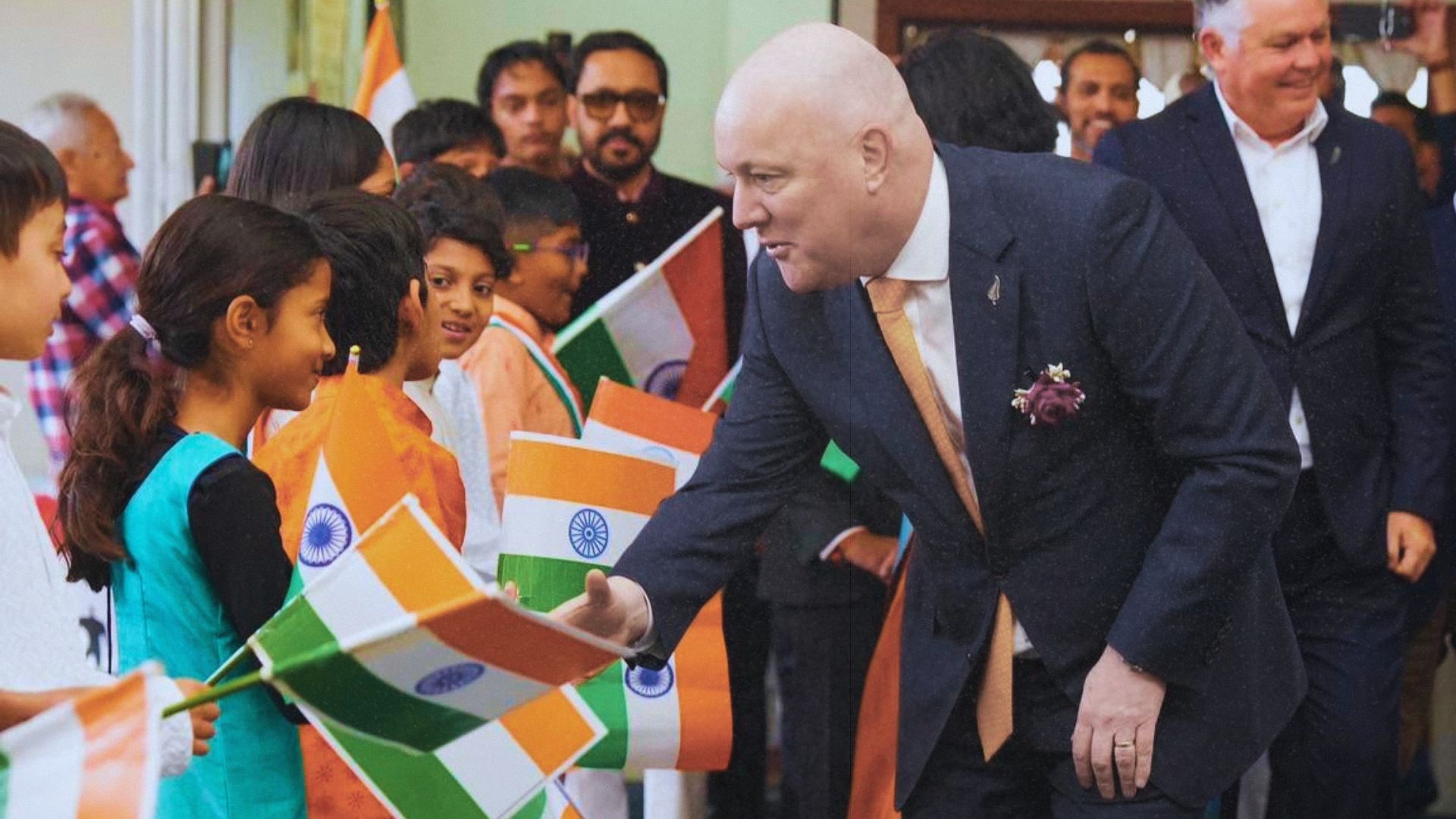
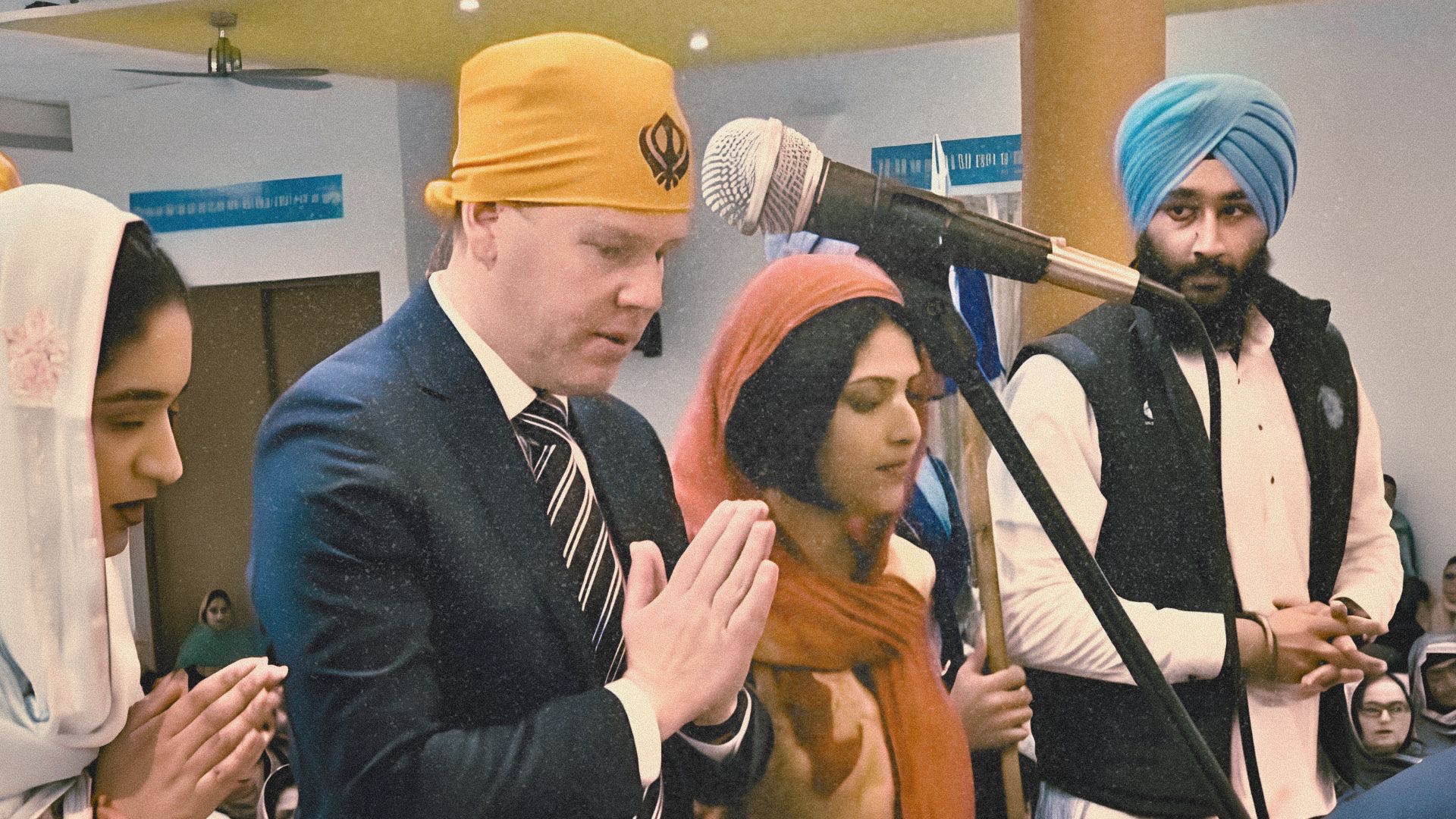
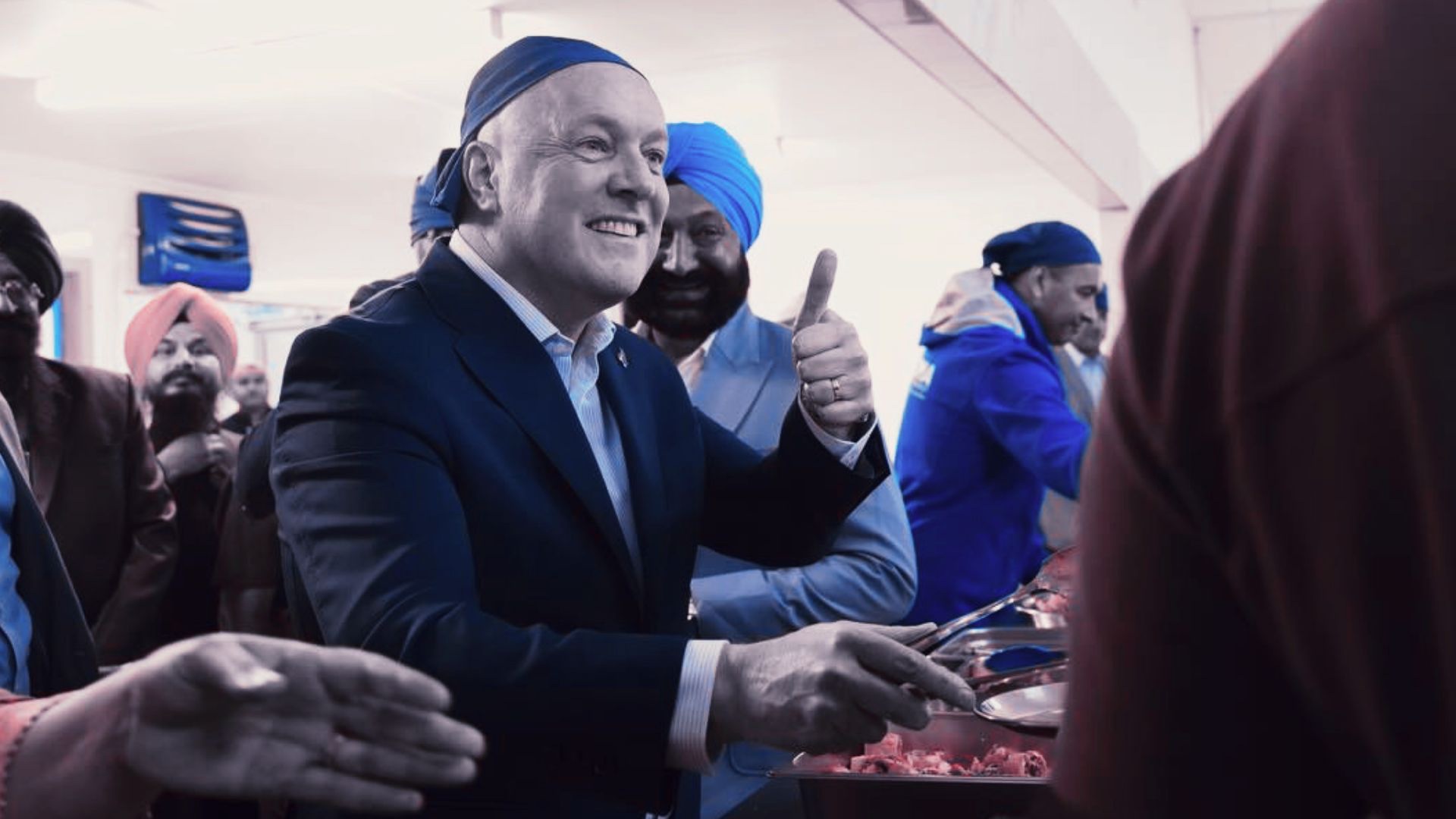
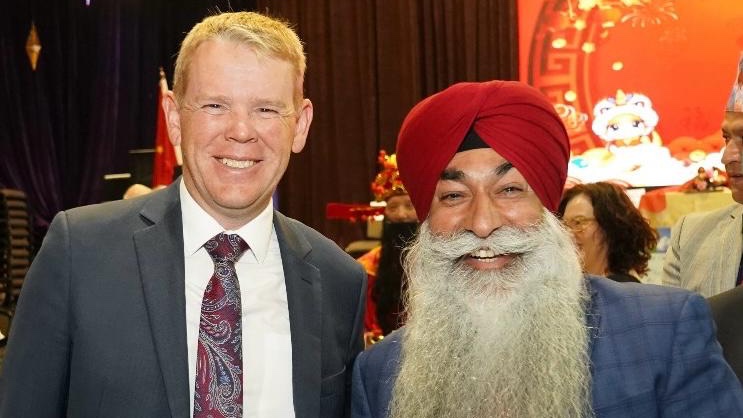
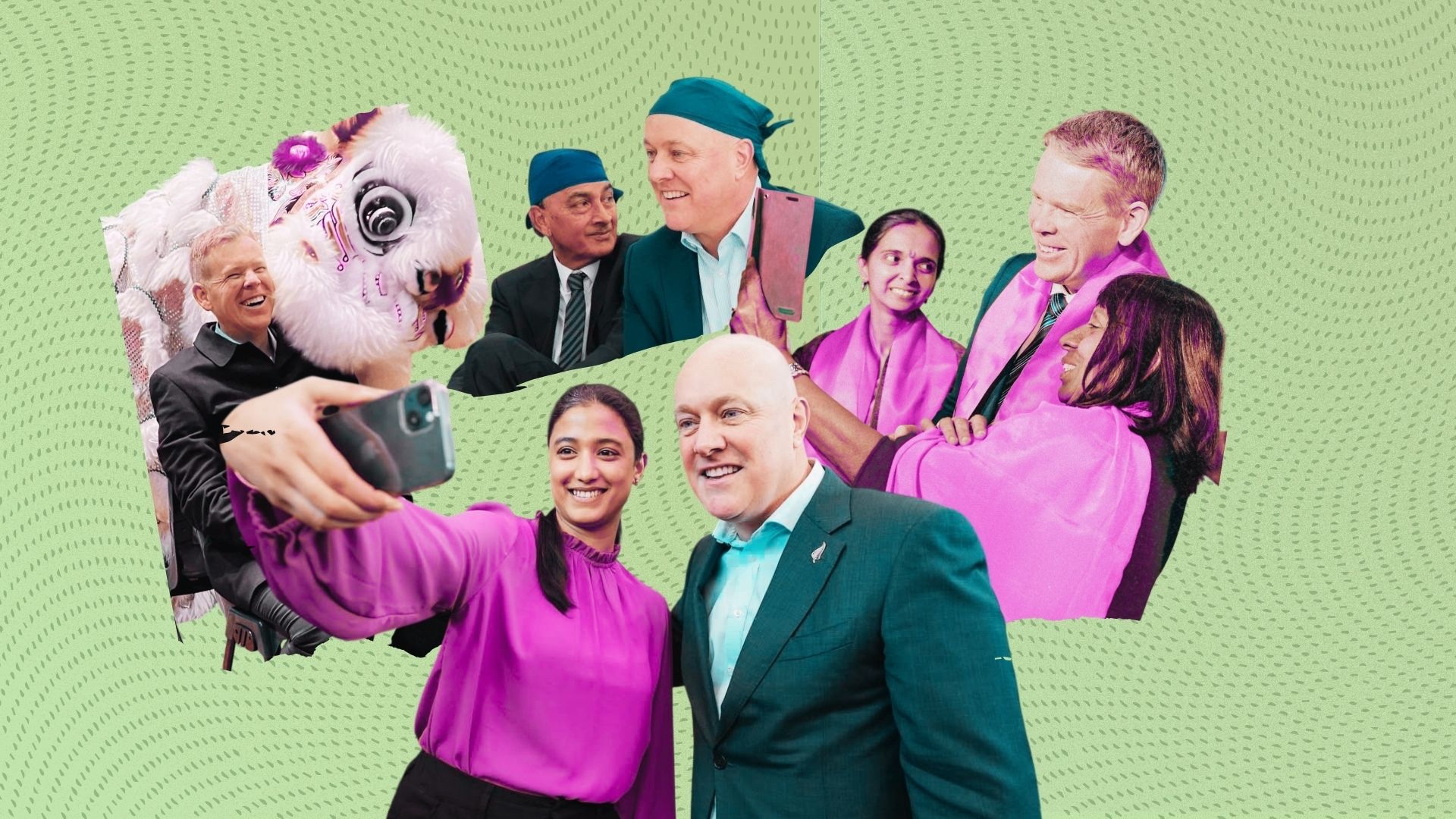
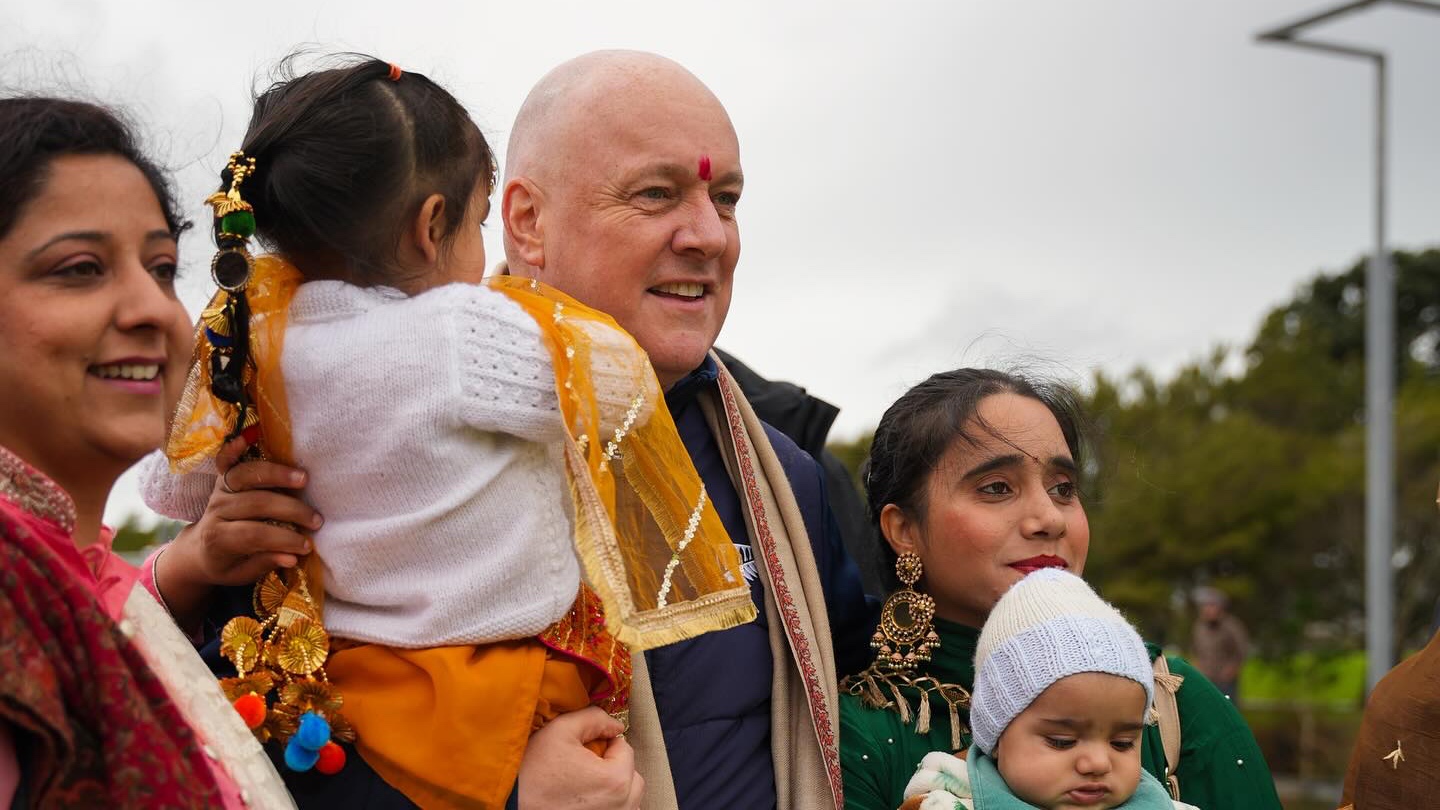
Hipkins with Kharag Singh, Labour Party's candidate from Takanini, Auckland.
Labour’s challenge, then, is to hold together diverse constituencies with different priorities and expectations. In trying to appeal to all of them, the party could struggle to articulate a clear sense of what it stands for.
Hipkins, for example, rarely speaks the language of traditional social democracy, with its emphasis on cooperation and solidarity. Instead, he tends to focus on competition, economic growth and the cost of living – themes that are shared by his opponents on the right.
And as with Starmer, Hipkins has not generated strong enthusiasm among voters.
His preferred-prime-minister ratings have often fallen below 20%, while his approval ratings have slipped into negative territory. The fact that Luxon faces similar challenges offers little political advantage.
With no obvious breakout political figure capable of shaking up the electoral landscape – an Ardern or a Burnham – New Zealand’s pre-election head-to-head debates will present two contestants with weak or declining leadership capital. The options for likely next prime minister are merely pragmatic, and not inspirational.
Labour has stayed ahead in post-Budget polls but has yet to release a full manifesto. Hipkins could return to power in November.
But if he does, he’ll face political pressures similar to those that defeated Starmer.
(This story was first published in The Conversation. Grant Duncan is Research Associate, Public Policy Institute, University of Auckland, Waipapa Taumata Rau.)