
Migrant denied residence for being morbidly obese won’t be deported from New Zealand

The woman's medical treatment back home was also in question.
The woman's health turned out to be a key reason why she was eventually allowed to settle in New Zealand permanently.
A woman who was denied New Zealand residence because she was considered morbidly obese has now won the right to stay.
The 42-year-old Kiribati woman has Type 2 diabetes, and the country's appellate body – the Immigration and Protection Tribunal – found deporting her could put her health at risk because of limitations in the health system in her home country.
She first came to New Zealand in January 2017 after being selected through the Pacific Access Category, a ballot-based pathway that allows a limited number of people from Kiribati and some other Pacific countries to apply for residence.
Winning the ballot does not guarantee residence. Applicants must still meet immigration requirements, including health, character and employment criteria.
The woman applied for residence in March 2017 and remained in New Zealand on a visitor visa while Immigration New Zealand (INZ) considered the application.
From designing restaurants to running Auckland Diwali: The many lives of Arnav Taode Taode brings his passion for Indian arts and culture to his first year managing BNZ Auckland Diwali 2026.
Winston Peters says ‘diversity is disunity’. What does the evidence tell us? Evidence from business, sport and social policy suggests diversity can strengthen economies and cohesion but on one condition.
Baby born in Sri Lanka to New Zealand residents caught in limbo after Down syndrome diagnosis Immigration tribunal orders fresh residence assessment after finding a “serious mistake” by immigration officials.
A residence application does not itself give someone the right to remain in New Zealand, so she still needed to hold a valid temporary visa while it was being processed.
She applied for another visitor visa before her existing visa expired, but the new application was returned because it did not meet lodgement requirements.
When her visitor visa expired in January 2018, she became unlawful even though her residence application was still unresolved. The INZ then stopped processing the residence application.
She later unsuccessfully sought a visa under section 61 of the Immigration Act. After ministerial intervention, she was granted a six-month visitor visa in July 2020, making her lawful again and allowing INZ to resume processing her original residence application.
That application was declined in January 2021 because she did not meet New Zealand’s acceptable standard of health. The Tribunal recorded the reason plainly – morbidly obese.
Her health has now become central to an immigration decision again, but this time in her favour. The woman has Type 2 diabetes and requires ongoing medication and monitoring.
Medical evidence before the tribunal showed her diabetes had previously been poorly controlled, although more recent evidence said she was clinically well and had lost some weight.
She was taking metformin and required continued monitoring for complications associated with diabetes. In its order on August 19, the tribunal considered evidence that the medication and treatment she needs may not be readily available if she is returned to Kiribati.
It also considered evidence about limitations in Kiribati’s health system, including shortages of medical staff, equipment and medicines. The tribunal found her health could, therefore, be placed at risk if she were deported.
But the decision also confronted the other side of that argument.
The woman’s health had previously counted against her when she sought residence, and the tribunal acknowledged there remained a public interest in protecting New Zealand’s health system from significant costs.
It said there was a possibility she could become a significant burden on the public health system in future.
However, that concern was not enough to justify deportation when weighed against her current condition and wider humanitarian circumstances.
The tribunal also noted INZ had assessed her as meeting the acceptable standard of health in October 2024, despite her earlier residence application having failed on health grounds.
By then, her immigration history had become more complicated. Between 2021 and 2024, she held a series of partnership-based work visas and later married a New Zealand resident.
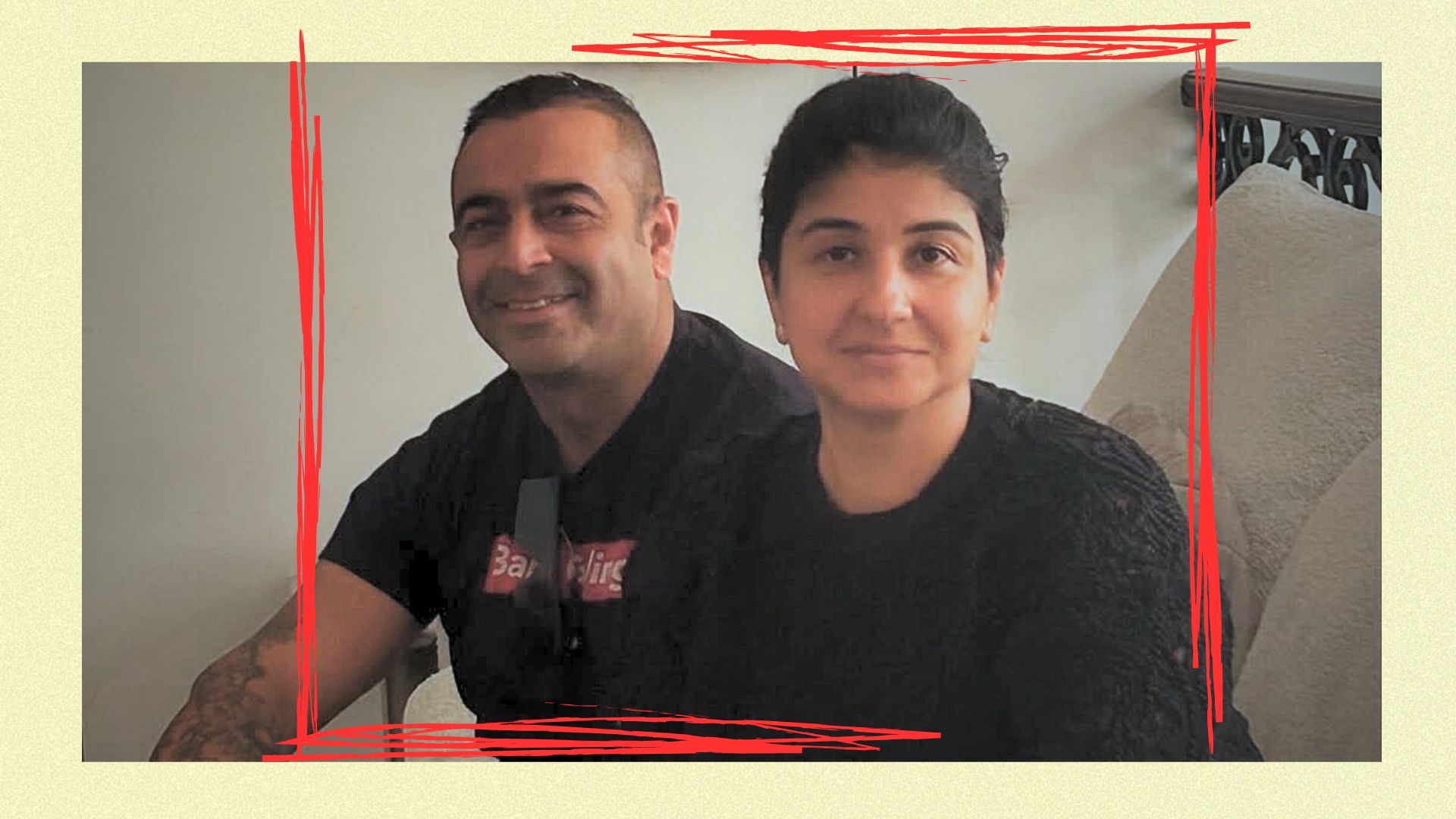
The couple have a two-year-old daughter who is a New Zealand citizen. The woman applied for residence through her husband in 2023, but that application was declined because he was not eligible to sponsor her.
Her husband had been convicted of male assaults female in 2018 and was himself liable for deportation. His deportation liability was later suspended for three years from March 2025, provided he did not offend again.
The woman subsequently applied for another partnership-based work visa. When that application was declined and her interim visa expired in July 2025, she again became unlawful and liable for deportation.
The tribunal acknowledged that remaining in New Zealand without a valid visa undermined the integrity of the immigration system. It also noted she had repeatedly attempted to maintain or regularise her immigration status through temporary and residence visa applications.
Her family circumstances were another significant factor in the appeal. The woman is the primary caregiver of her two-year-old daughter. If deported, she intended to take the child with her to Kiribati while her husband remained in New Zealand to work.
That would separate the child from her father and older half-siblings and take her away from the only country she has known. The tribunal found it was in the child’s best interests to remain in New Zealand with her mother and wider family.
The Tribunal ruled that deporting her would be unjust and unduly harsh, and ordered she be granted a resident visa.