
Explainer: Interest rates have gone up again. But they won’t affect the prices that matter most

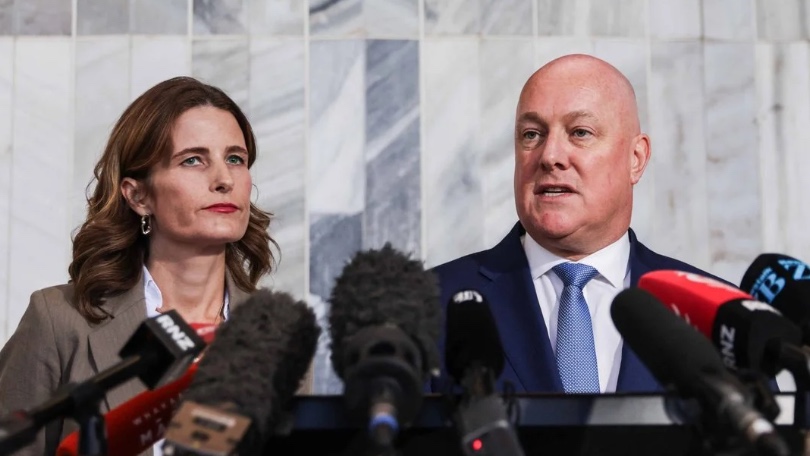
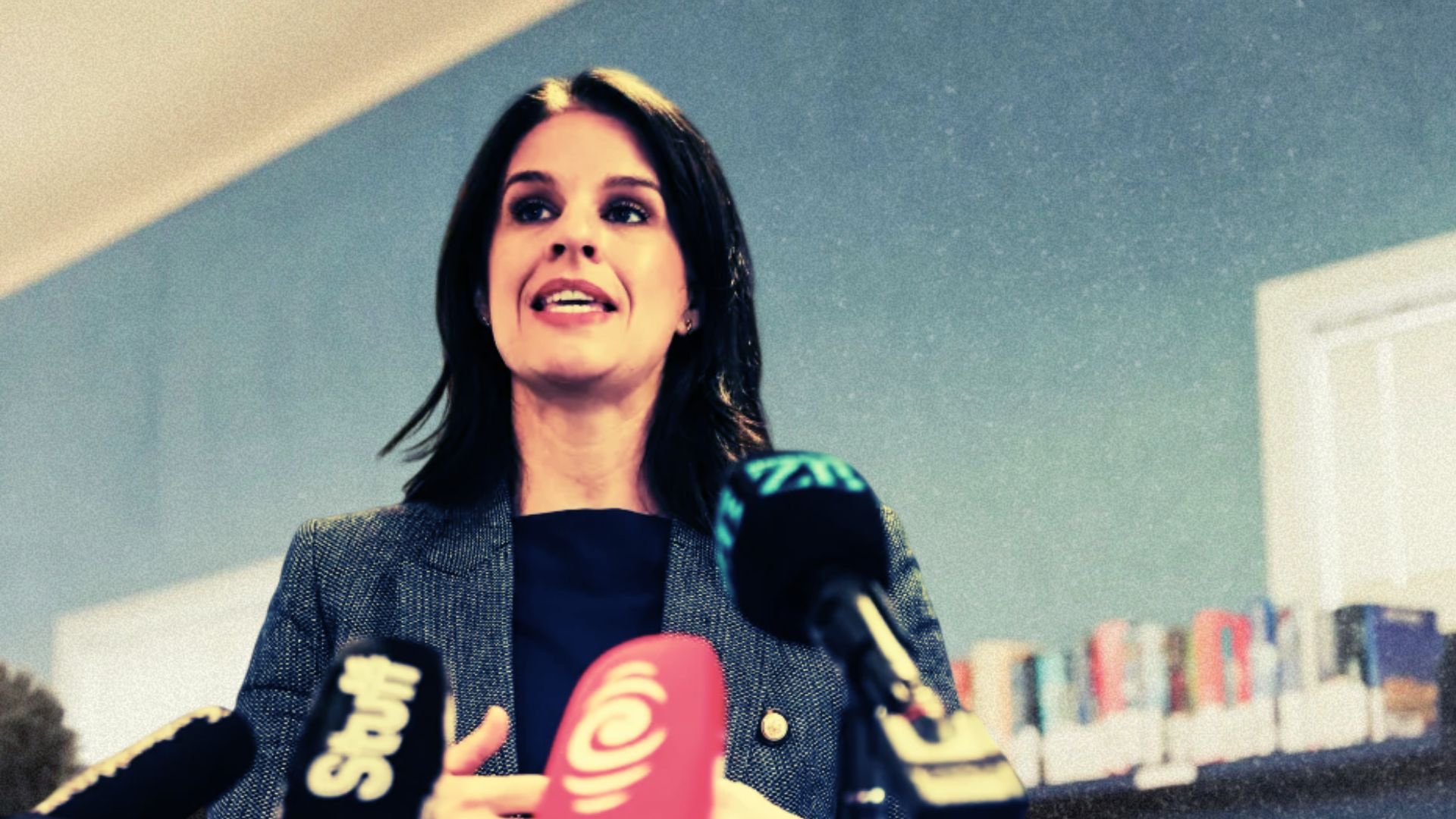
Finance minister Nicola Willis and Reserve Bank governor Dr Anna Breman. (RNZ/Mark Papalii)
The latest OCR hike is unlikely to relieve the pressure voters feel at the petrol station and the supermarket.
As anticipated, the Reserve Bank of New Zealand has raised the official cash rate (OCR) by 0.25 basis points to 2.75 per cent.
This was arguably the bank’s most closely watched policy announcement of the year. Landing barely nine weeks before the November 7 election, the decision will ripple through mortgage rates, business confidence and household budgets.
But behind the headlines lies a harder truth: a large share of the inflation squeezing Kiwi households is being driven from offshore and isn’t something the OCR can influence directly.
Essentially, the OCR is a key tool for maintaining price stability. Annual inflation hit 4.1 per cent in the year to June, up from 3.1 per cent in March. That is well above the Reserve Bank’s 1–3 per cent target band, designed to sustain economic growth and create jobs.
This is the fastest inflation increase in more than two years. The bank had already flagged it in May, forecasting headline inflation would peak near 4 per cent before easing, based on global oil prices rising because of the Middle East crisis.
From designing restaurants to running Auckland Diwali: The many lives of Arnav Taode Taode brings his passion for Indian arts and culture to his first year managing BNZ Auckland Diwali 2026.
Winston Peters says ‘diversity is disunity’. What does the evidence tell us? Evidence from business, sport and social policy suggests diversity can strengthen economies and cohesion but on one condition.
Baby born in Sri Lanka to New Zealand residents caught in limbo after Down syndrome diagnosis Immigration tribunal orders fresh residence assessment after finding a “serious mistake” by immigration officials.
By July, as oil prices cooled, the bank trimmed its peak forecast to 3.9 per cent and lifted the OCR to 2.50 per cent, its first hike in three years. In May, the bank was projecting inflation easing to 3.3 per cent by the September quarter, returning to the 2 per cent by mid-2027.
These near-term forecasts remain highly uncertain, however, given the volatility of oil prices and supply chain disruptions to essentials such as fuel, food and fertilisers.
The question is therefore whether making borrowing more expensive for households and businesses is the best response to inflationary pressures coming from beyond New Zealand’s borders.

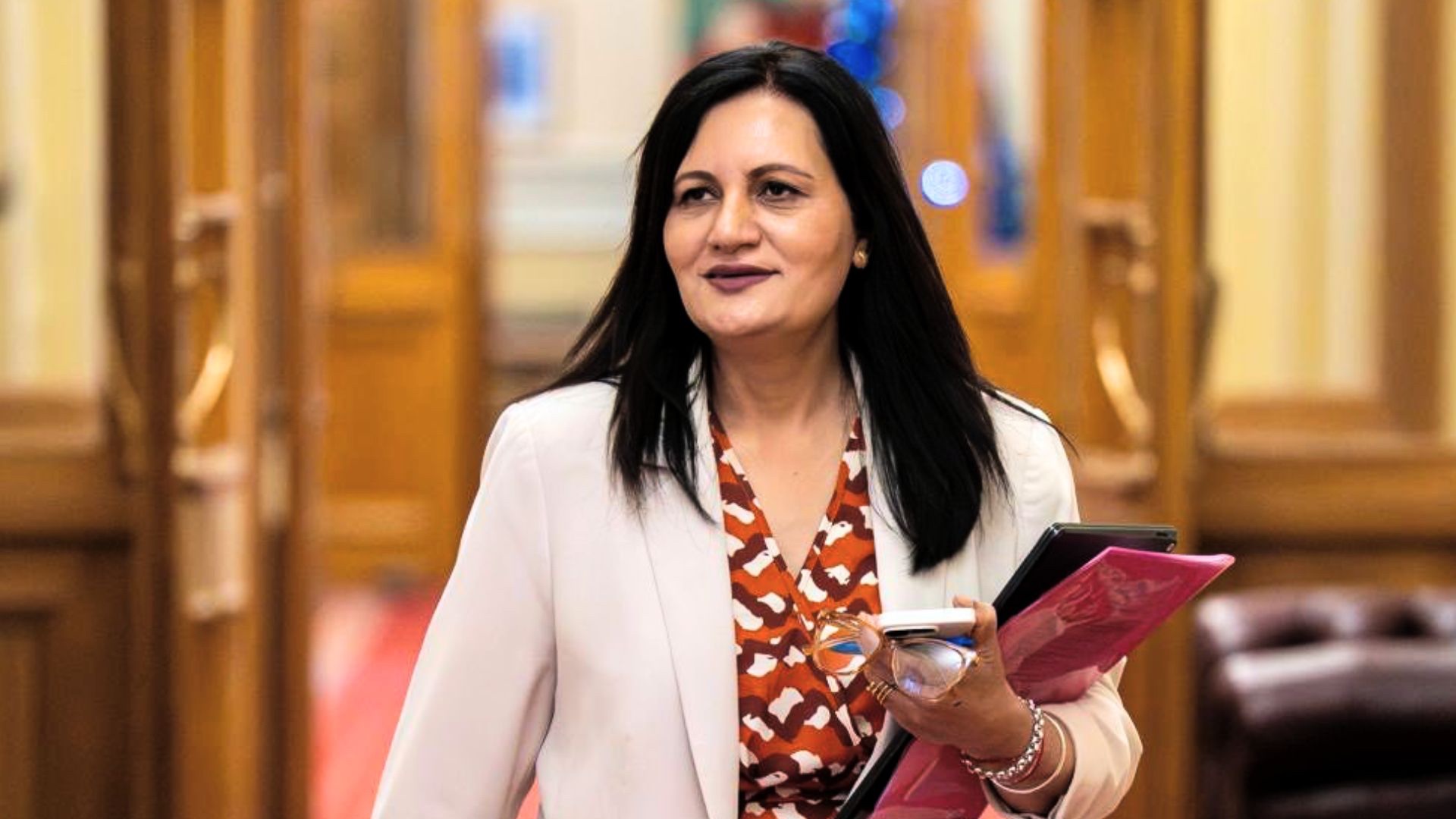
Rahul Sen is a senior lecturer in the Department of Economics and Finance at Auckland University of Technology. (Supplied photo)
Events beyond our control
Non-tradable inflation – the prices of goods and services produced and sold domestically – will respond to a higher OCR. Borrowing becomes more expensive, dampening spending and slowing price rises.
But tradable inflation – goods and services exposed to foreign markets, such as fuel, imported food and fertiliser – is driven by exchange rate movements and global commodity prices beyond New Zealand’s ability to control.
As the graph below shows, tradable inflation rising faster than non-tradable inflation is what’s driving current trends.
Tradable inflation rose 4.9 per cent over the year to June, nearly doubling from 2.5 per cent in March. By contrast, non-tradable inflation was largely stable, shrinking only slightly from 3.5 per cent to 3.4 per cent during the same period.
A huge driver of the spike in tradable inflation has been petrol prices, up by 27.5 per cent, with other vehicle fuels and lubricants up by more than 70 per cent.
Without these big fuel price hikes, headline inflation would have been about 2.9 per cent – inside the Reserve Bank’s target band and needing no immediate change to the OCR.
In fact, non-tradable inflation has been tracking well, largely because of a cooling housing market. And tradable inflation was also trending down until the second Trump presidency began in late 2024.
In other words, most of the current inflation problem has been imported, which has a clear impact on a small, open economy like New Zealand’s.
Continued inflationary pressure
The main shock, of course, has been the Middle East conflict precipitated by the US-Israel attack on Iran, and the subsequent disruption to shipping in the Strait of Hormuz.
New Zealand imports nearly all its fuel and much of its fertiliser, including urea and phosphate used on farms, through this key sea route. Any disruption to those supply chains flows straight through to pump prices and food costs.
That risk hasn’t gone away, and now includes threats to shipping in the Red Sea and the Bab el-Mandeb strait that normally carries 12–15 per cent of global trade. If container ships are forced to take longer routes around Africa, freight costs inevitably rise.
The resulting volatility and uncertainty will last as long as the conflict persists. But how much impact today’s OCR announcement will have remains unclear.
It might help bring non-tradable inflation down below the three per cent target. But if tradable inflation climbs to five per cent or more, generating greater pressure on energy and food security, the Reserve Bank won’t be able to control headline inflation quickly.
Today’s decision matters for mortgage holders and for a government seeking reelection during a cost-of-living crisis. And it is unlikely to relieve the pressure voters feel at the petrol station and the supermarket.
The OCR remains the Reserve Bank’s most effective tool against homegrown, demand-driven inflation. It can help anchor long-term expectations, so a temporary shock doesn’t turn into a lasting wage-price spiral.
But it can’t lower the price of a barrel of oil or guarantee safe passage through the Red Sea. Getting non-tradable inflation to below 3 per cent comes with the risk of dampening economic growth in general while global uncertainty continues to drive tradable inflation.
(This was first published in The Conversation. Rahul Sen is Senior Lecturer, Department of Economics and Finance, Auckland University of Technology)
(About the Author : Senior Lecturer, Department of Economics and Finance, Auckland University of Technology)