
Migrant prison guards in Auckland accused of drug smuggling can't work, can't go home
The men from Fiji and Tonga are awaiting trial.
Two fathers facing serious corruption charges have been unable to work elsewhere because of their visas and awaiting criminal trials in 2028.
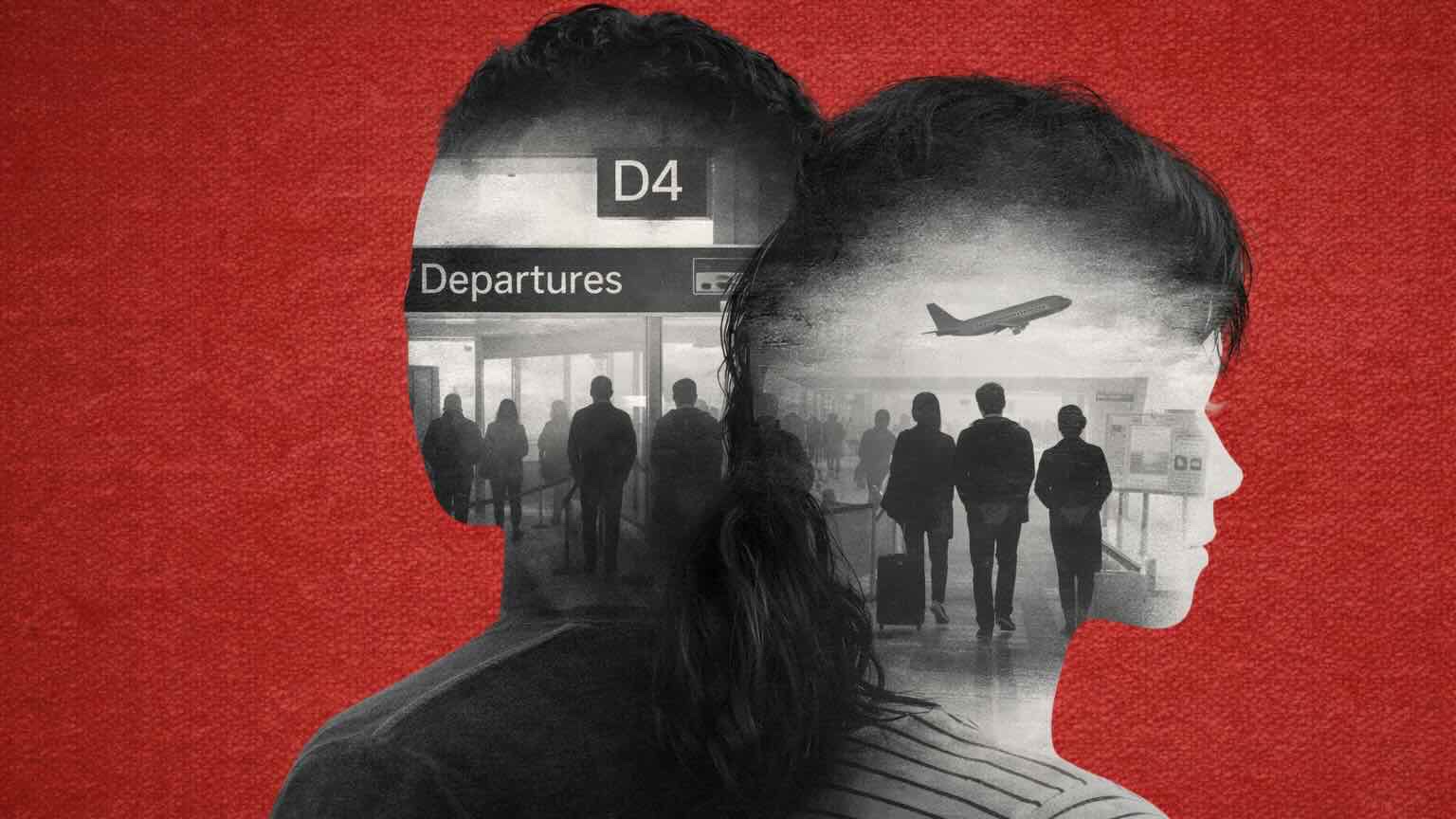
Two migrant prison officers accused of smuggling drugs into Auckland’s Mt Eden prison have found themselves in an extraordinary predicament.
They cannot return to their jobs, their visas prevent them from working elsewhere, and they cannot simply go home for good while awaiting trial.
Both men are fathers of three and the sole breadwinners for their families. One expected to run out of money by September 10, while the other has been surviving on savings that may already be exhausted.
Their circumstances have emerged in two separate Employment Relations Authority (ERA) determinations dated September 18.
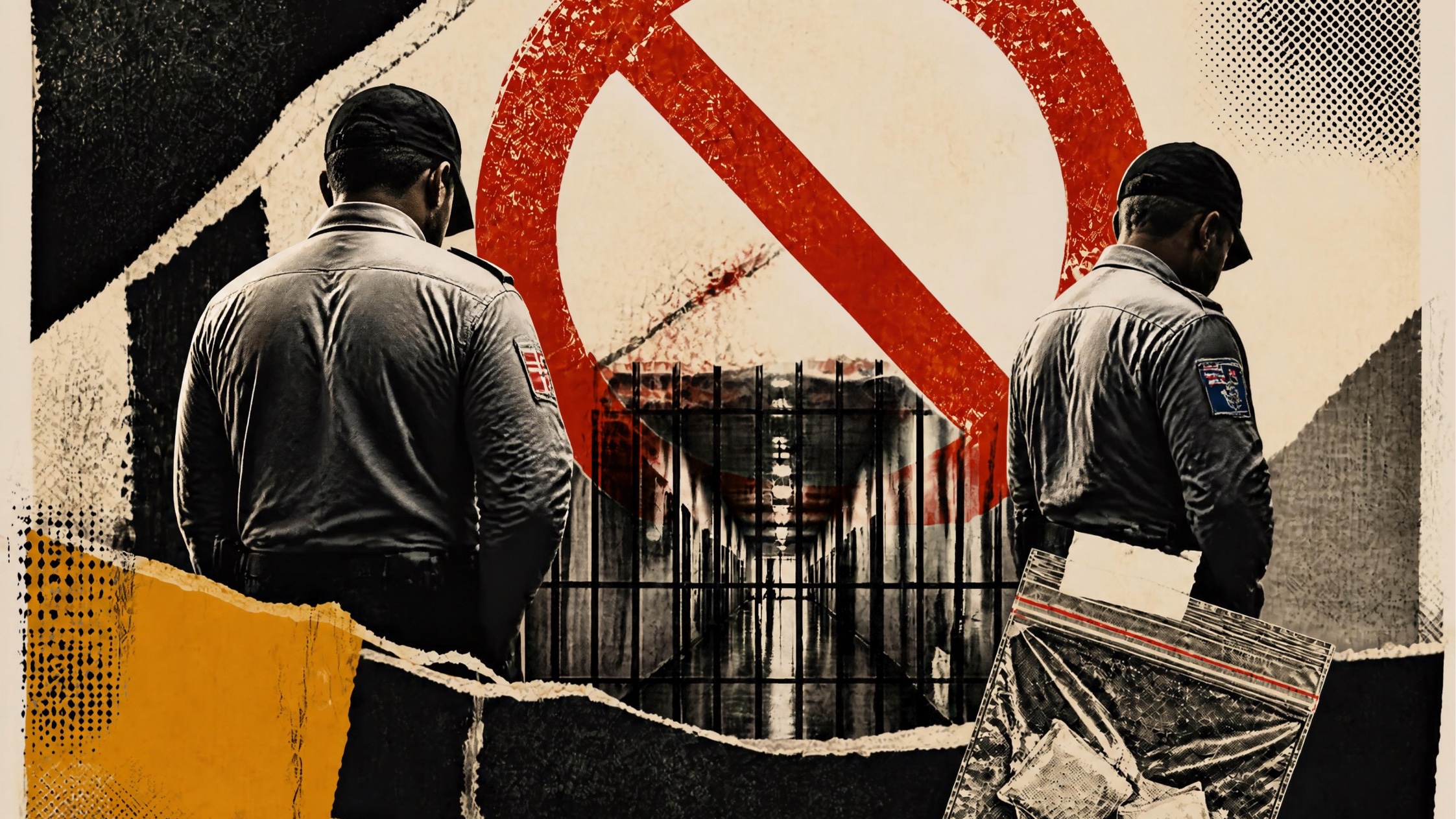
The officers were arrested on May 20 as part of Operation Jasper, a major police investigation into alleged bribery, corruption and drug trafficking at Mt Eden and Spring Hill prisons.
South Asian diaspora raises over $200,000 for New Zealanders missing in Nepal flood "I'm so proud of the Indian community here who...supported us, saying it is not a Nepal problem but our problem."
Tamakis launch Indian-origin candidate for Epsom who surrendered passport and has ‘assimilated’ “I know a whole lot of people are going to be like shocked,” says Hannah Tamaki.
Priyanca Radhakrishnan tries to puncture Luxon’s FTA victory, says India was already sold “Things have changed quite dramatically on the Indian government side,” says the Indian-origin Labour MP.
One officer, originally from Fiji, faces 16 criminal charges. The other faces 11. Both have pleaded not guilty and are awaiting trial, scheduled for February 2028.
According to police allegations outlined in the determinations, the men accepted or agreed to accept payments for smuggling contraband into prison, including mobile phones and packages described as sausages containing methamphetamine, cannabis and tobacco.
Both have interim name suppression.
Following their arrests, the Department of Corrections stopped paying them for periods when their bail conditions prevented them from working. The men challenged that decision, arguing they had effectively been suspended without pay.
But the ERA declined their applications for interim relief, suggesting instead that they approach the immigration minister for permission to work elsewhere.
Six children, no wages
The Fijian officer moved to New Zealand four years ago and started working for Corrections in April 2024.
His wife, who is unemployed, and their three children, aged four, seven and 14, live with him in Auckland. The children arrived in January this year, and the family's temporary visas are tied to his employment.
Before his arrest, he earned between $3,400 and $4,000 a fortnight. His family pays $750 a week in rent, alongside school expenses and household bills.
He told the ERA he was living on modest savings that might already be exhausted.
The second officer faces a similar financial predicament.
His wife and three children, aged 11, 17 and 18, are Tongan citizens living in New Zealand. He told the Authority he expected to run out of money by September 10.
Although he has extended family in New Zealand, they cannot support his family financially over the long term.
Neither household can rely on ordinary welfare support because of the officers' immigration status.
Both men are also caught between their bail conditions and their employer-specific work visas.
The Fijian officer is prohibited from going within 100 metres of Mt Eden prison. A judge removed the same restriction for the other officer, but his conditions preventing contact with co-defendants remain in place.
Their visas permit them to work for Corrections in Auckland, but not for another employer.
They must also remain available for their criminal proceedings. Although their published bail conditions do not establish an outright overseas travel ban, they cannot simply relocate permanently to their home countries and abandon their cases.
An immigration lifeline
ERA member Peter Fuiava acknowledged the officers' predicament, describing the Fijian officer as caught between a "rock and a hard place".
However, he rejected the argument that Corrections should be required to continue paying them while they were unable to work.
In the second officer's case, Fuiava said continuing his wages would create an expectation that Corrections should pay employees whenever criminal charges prevented them from working.
The Authority nevertheless found there were arguable questions about the men's employment arrangements, particularly whether they could work at another Corrections facility in Auckland.
Fuiava suggested the men explore approaching the Minister of Immigration, who could potentially vary their visa conditions to allow them to seek alternative employment.
Their serious criminal charges could otherwise prevent them from obtaining new work visas.
The Authority also considered the interests of their children. It noted that the Fijian officer's family could return to Fiji, while the two older children in the Tongan family were approaching important stages of their secondary education.
Neither officer has been granted permission to work elsewhere as a result of the determinations.
Their substantive employment disputes remain unresolved, with their criminal trial scheduled to begin in February 2028.