
Election 2026: Can New Zealand please start talking about creating wealth?
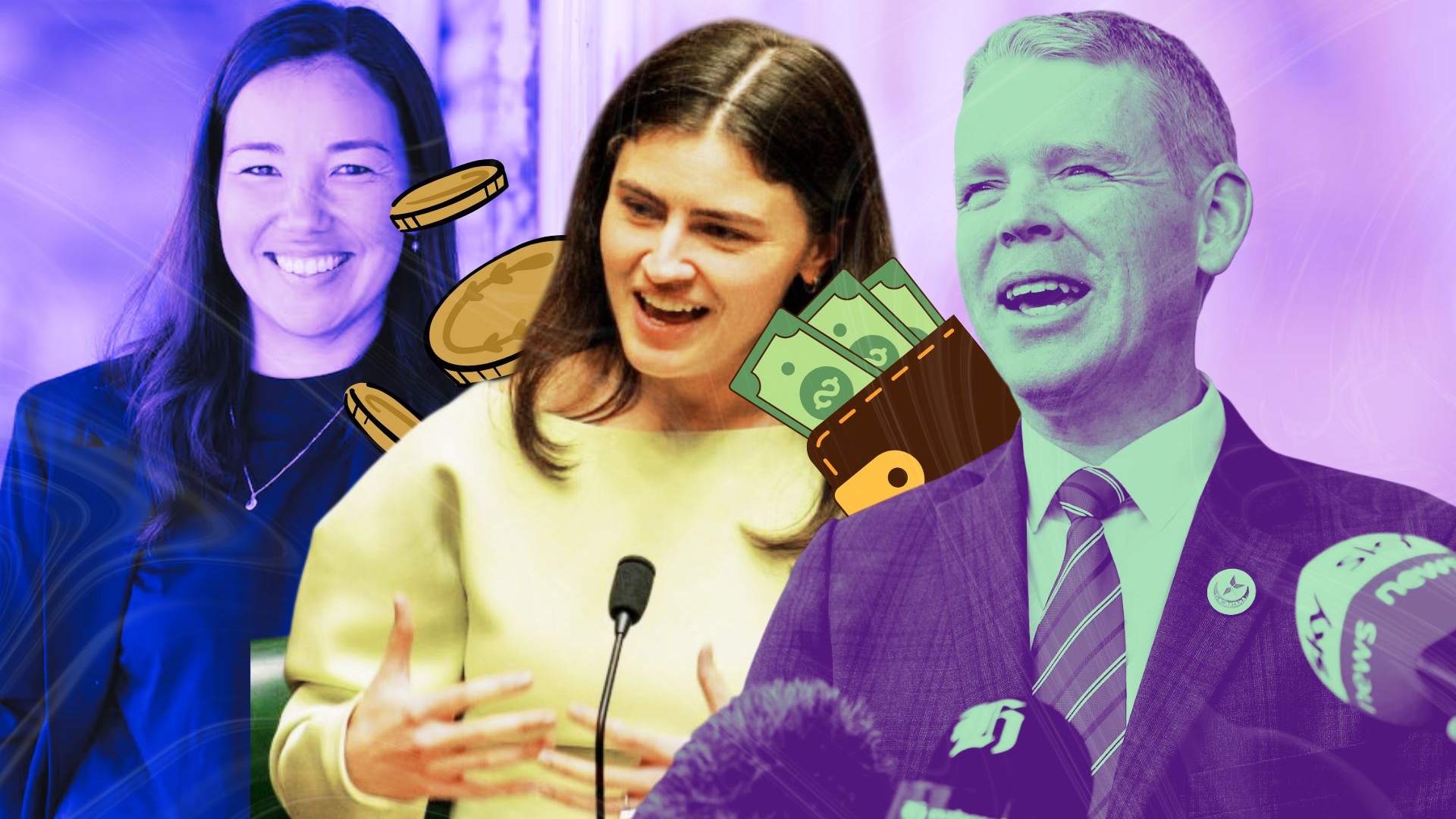
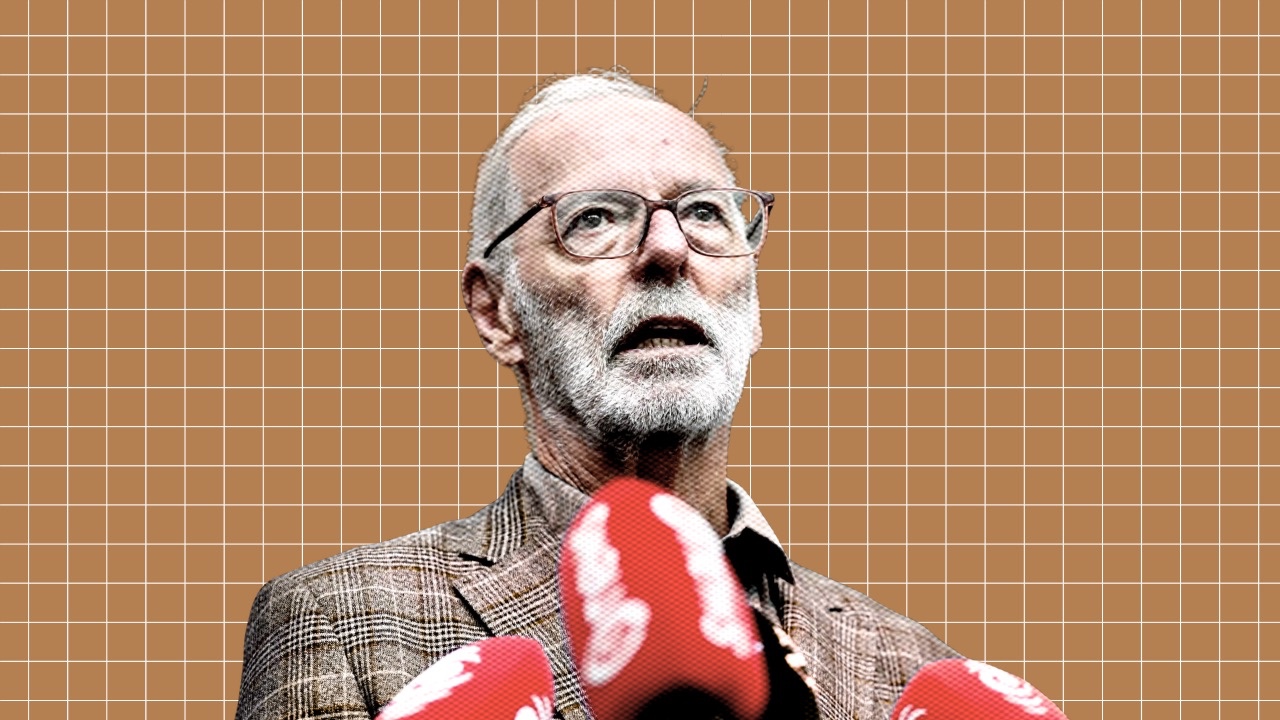
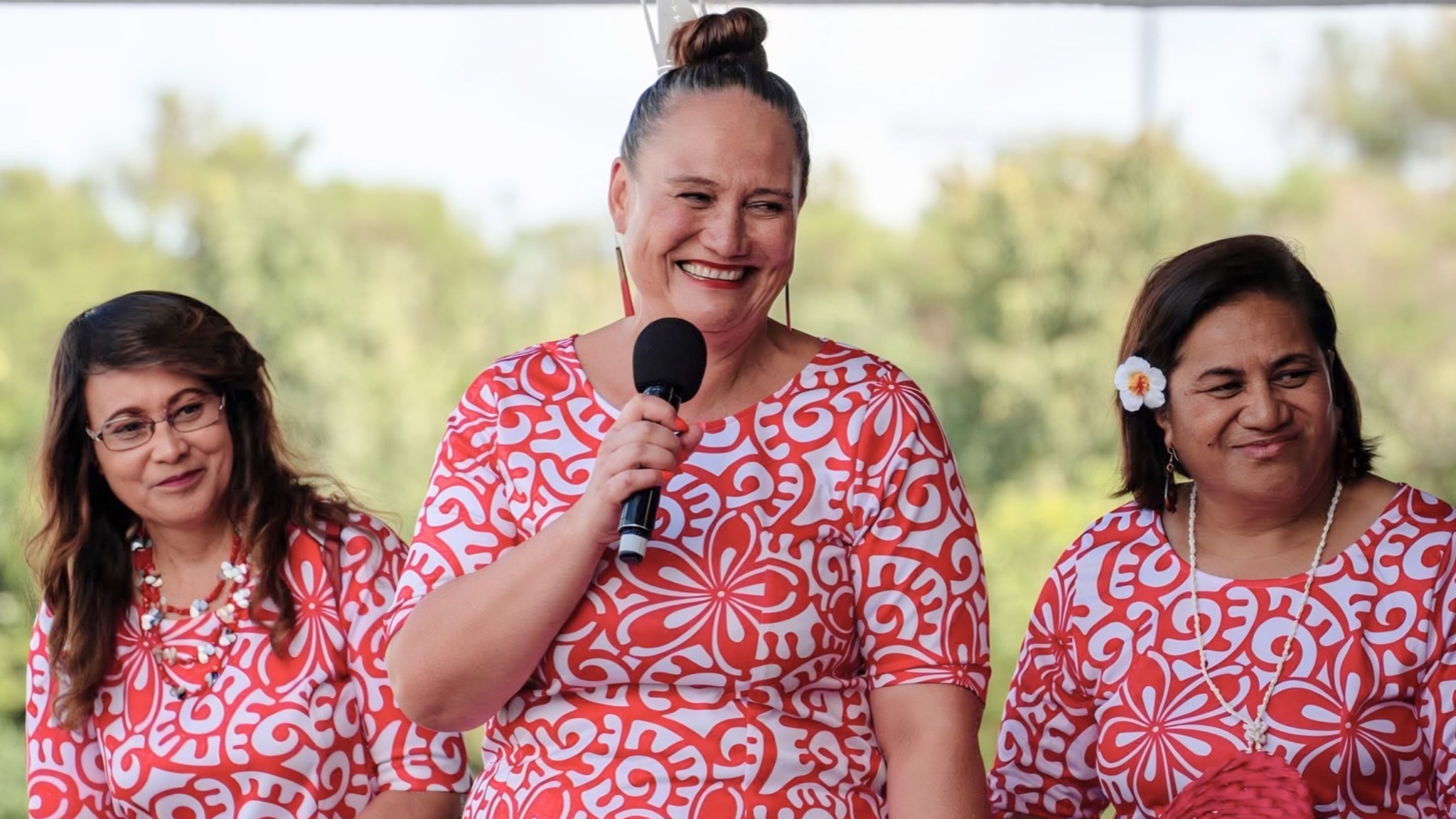
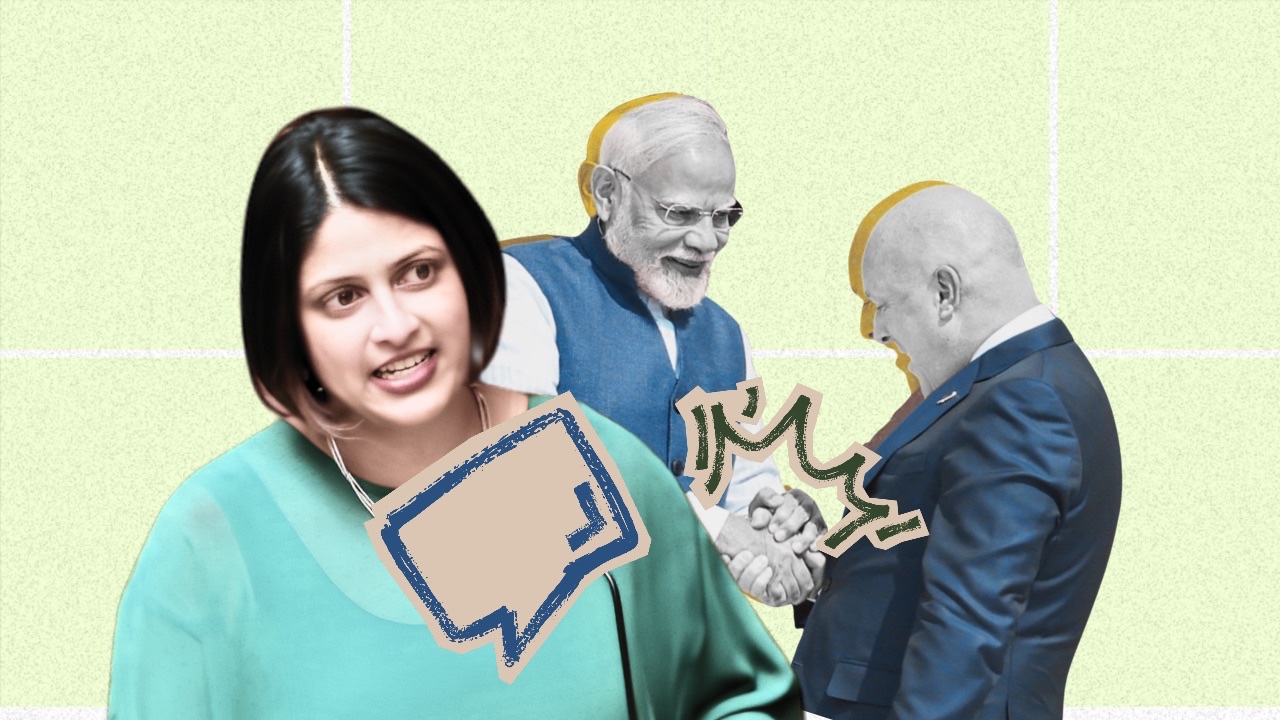
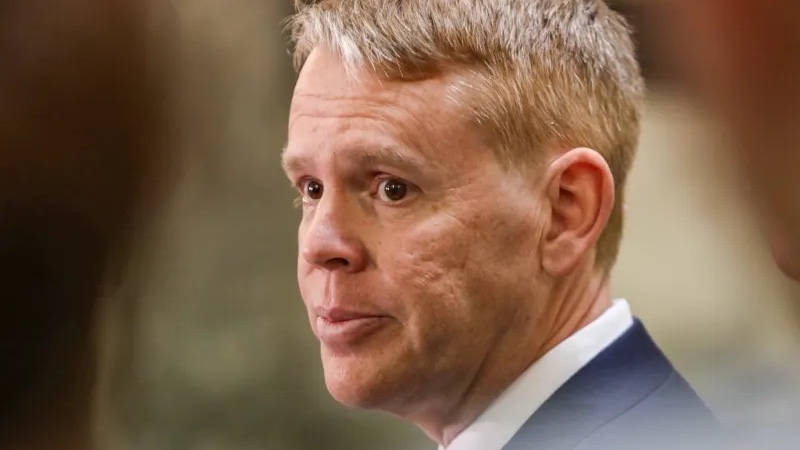
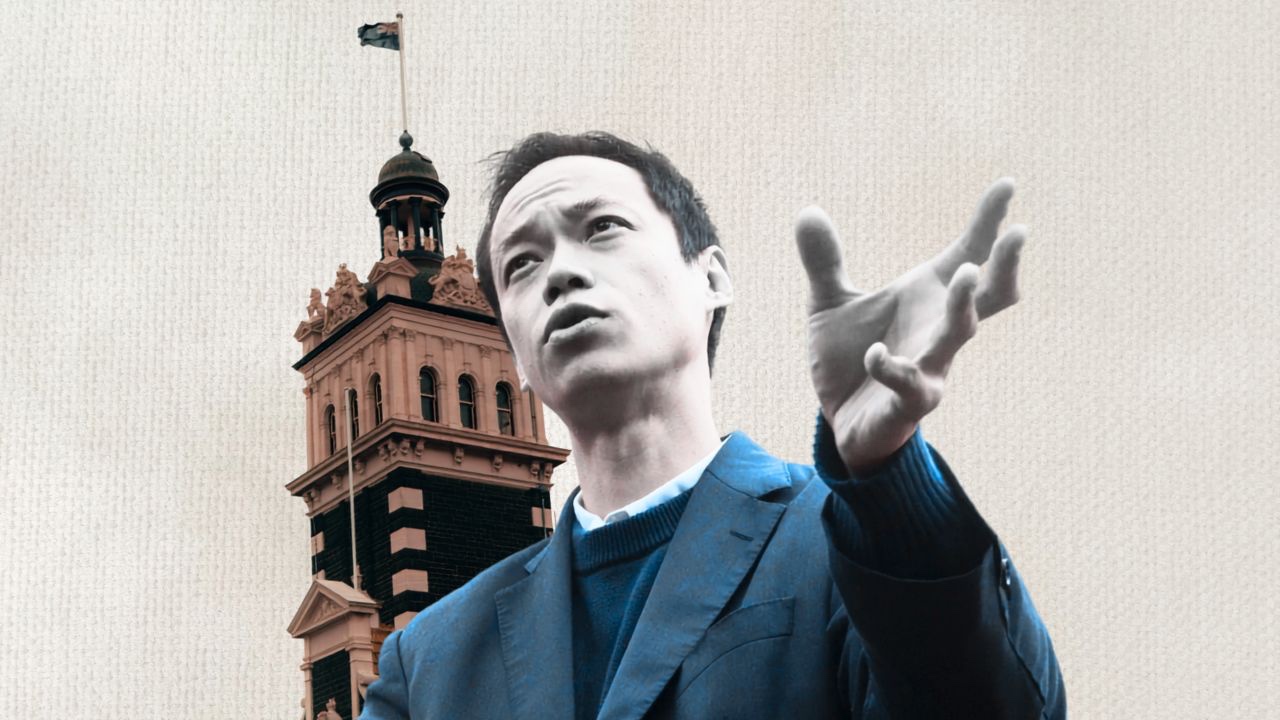
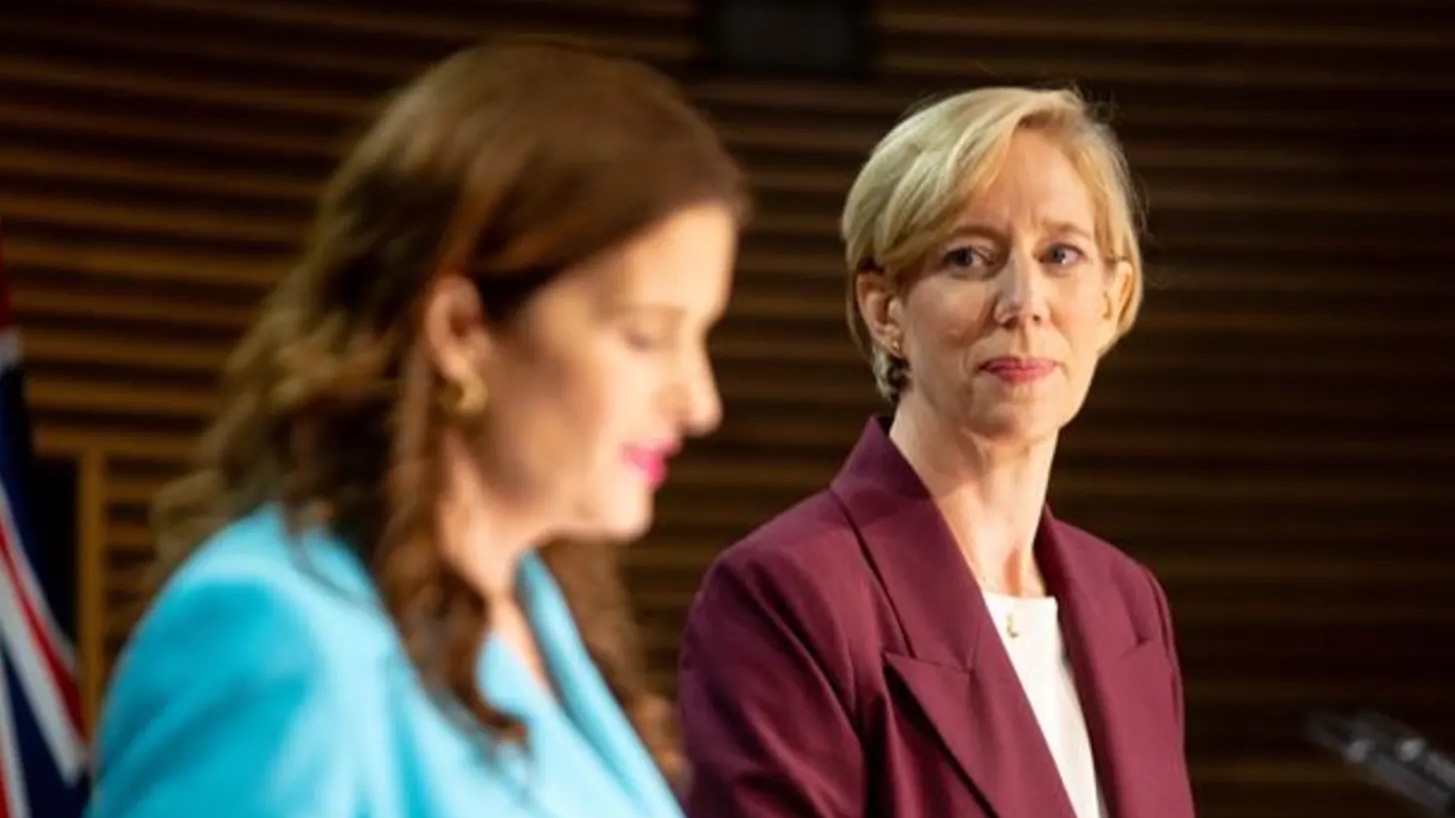
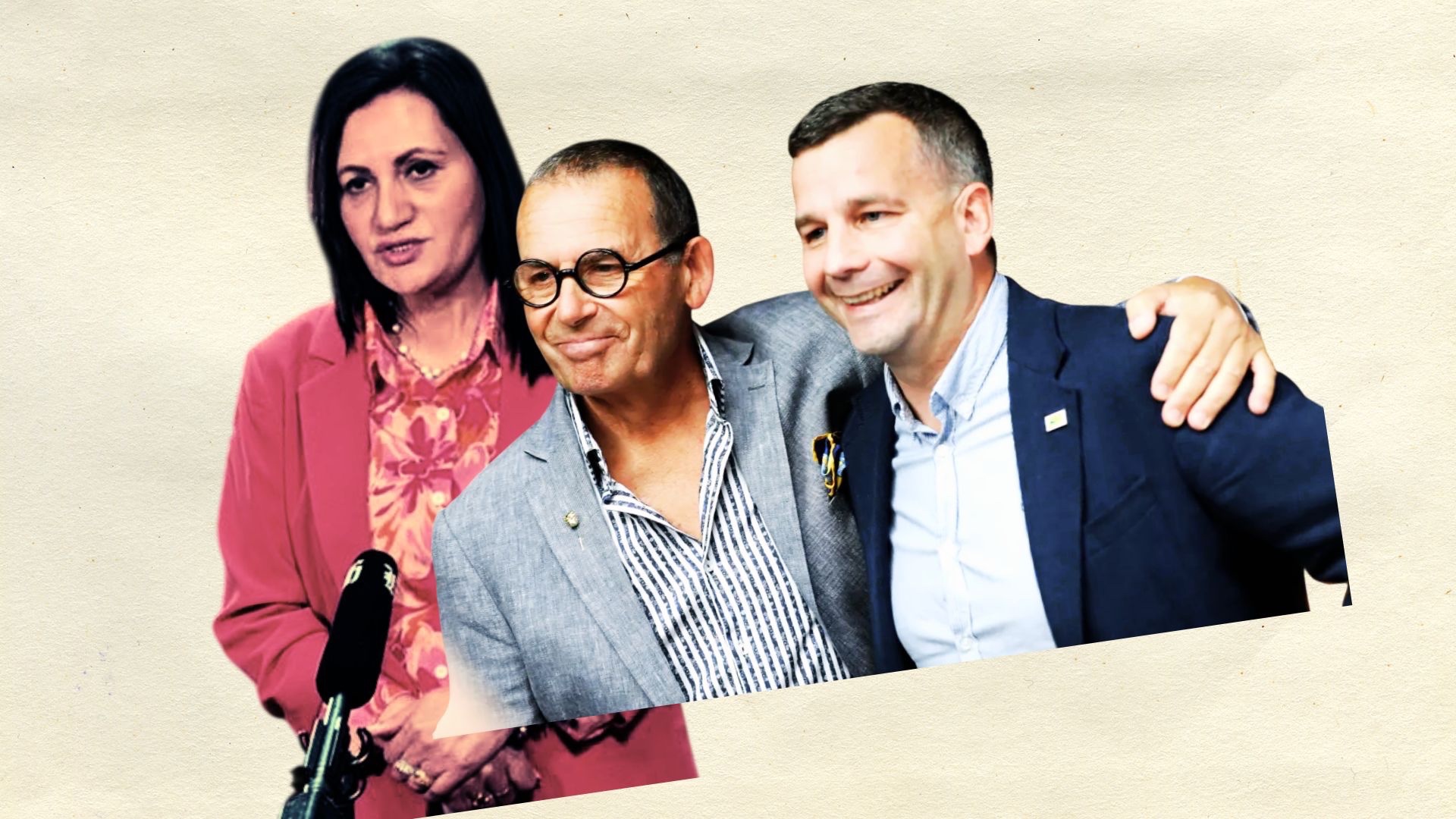
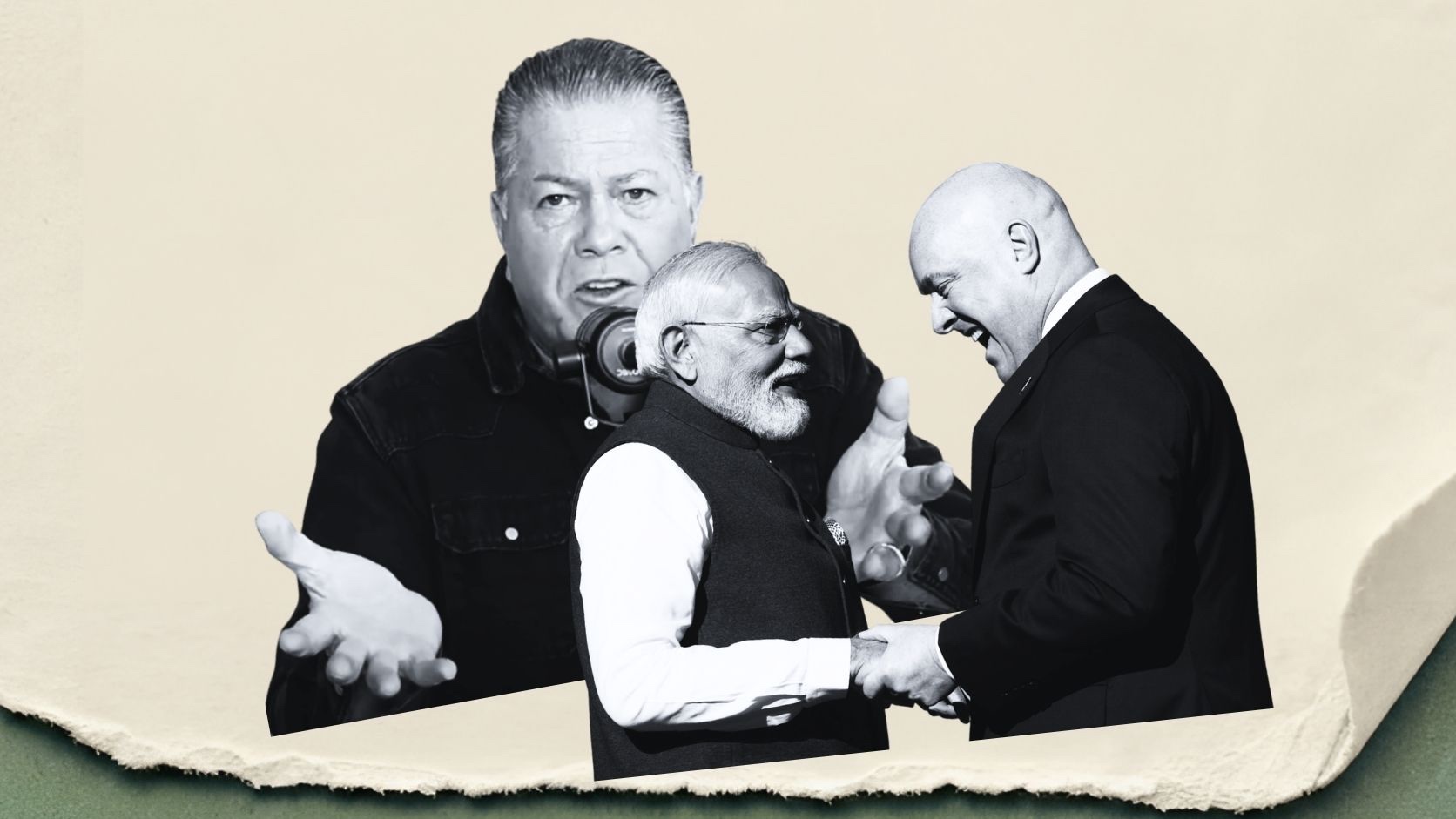
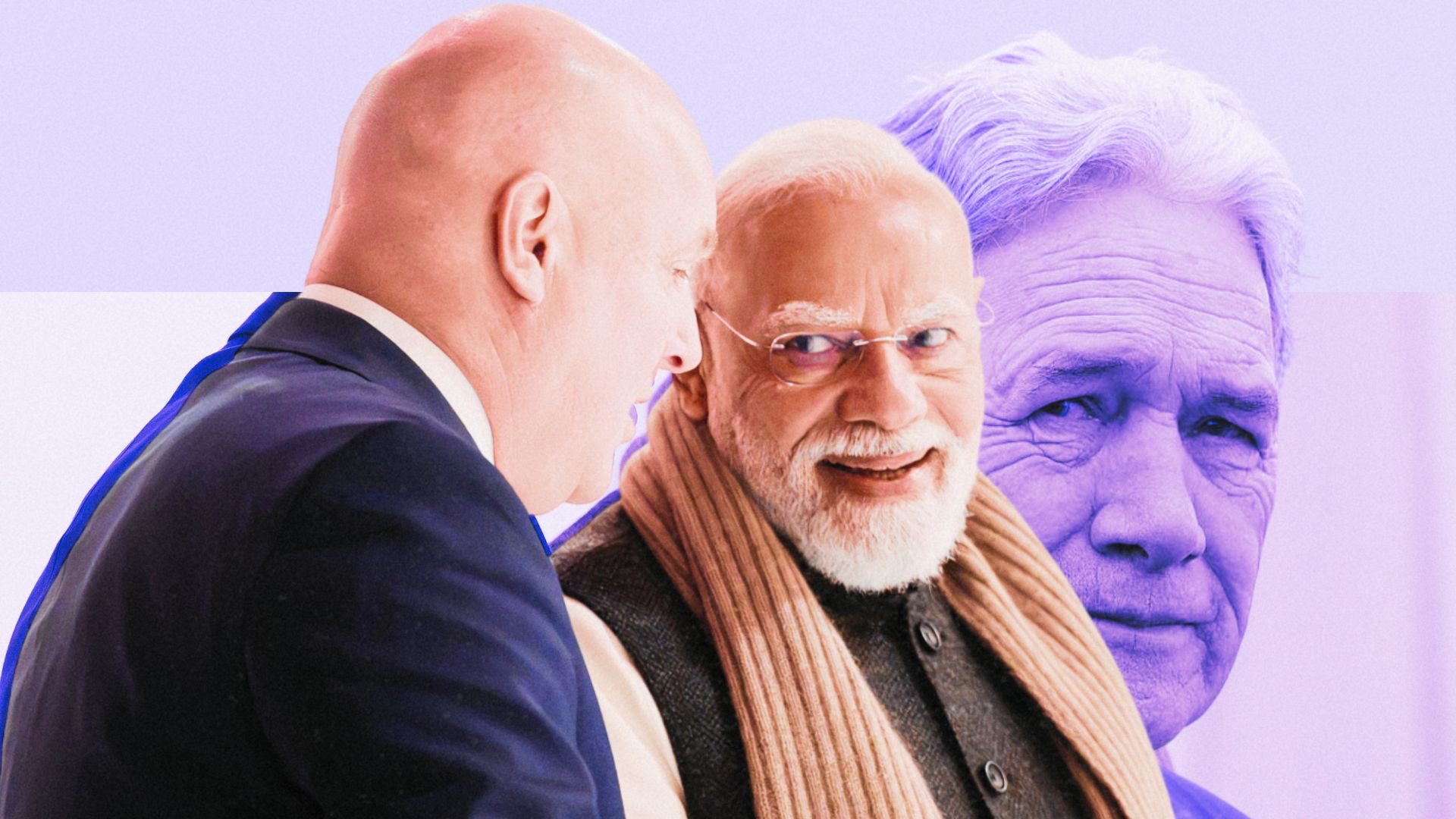
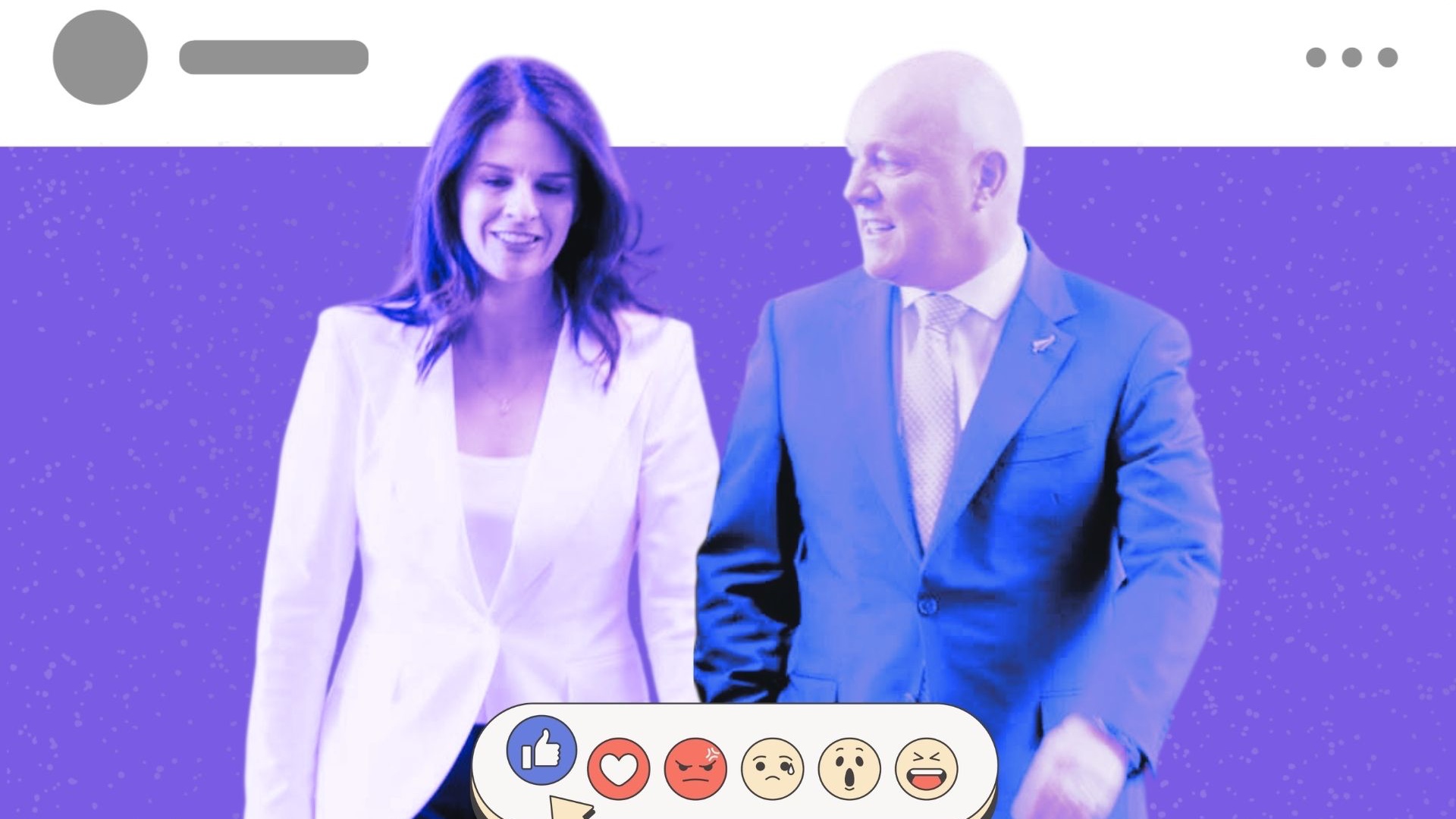
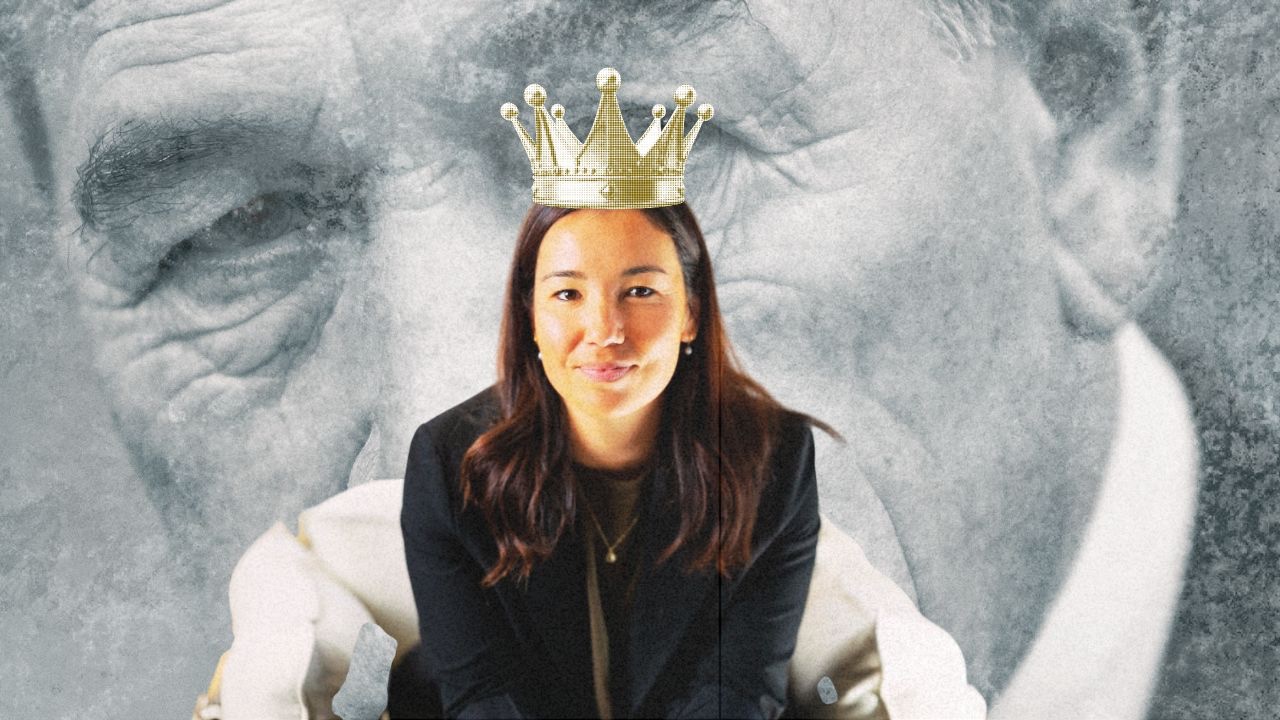
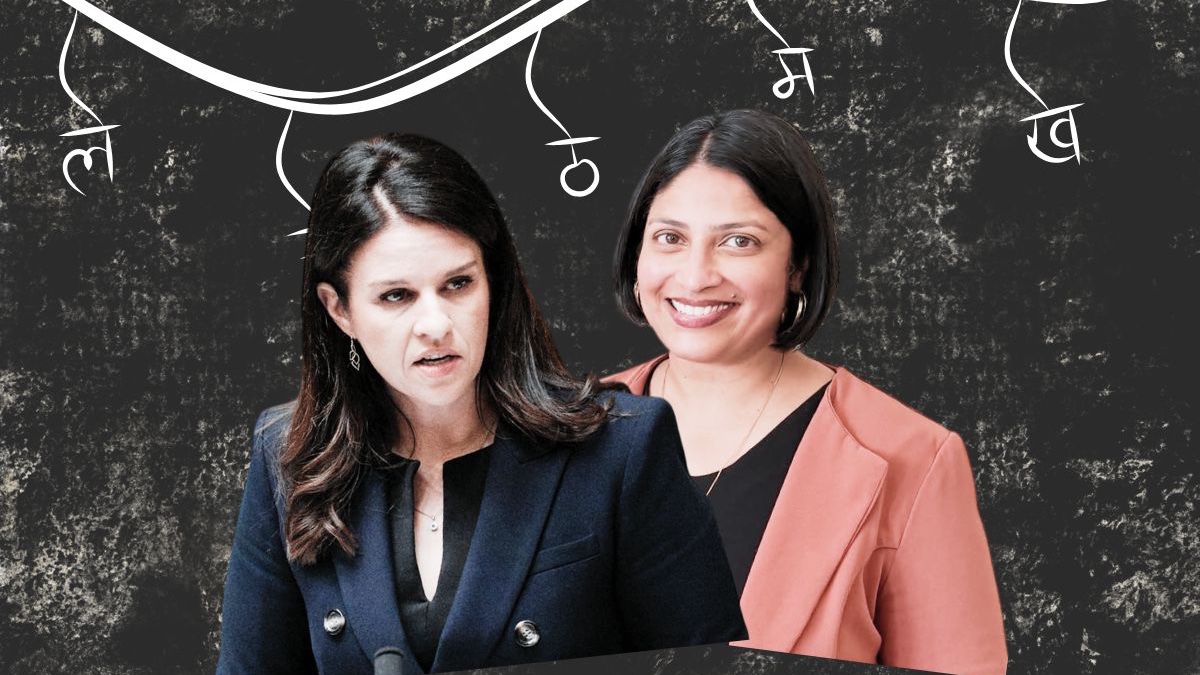
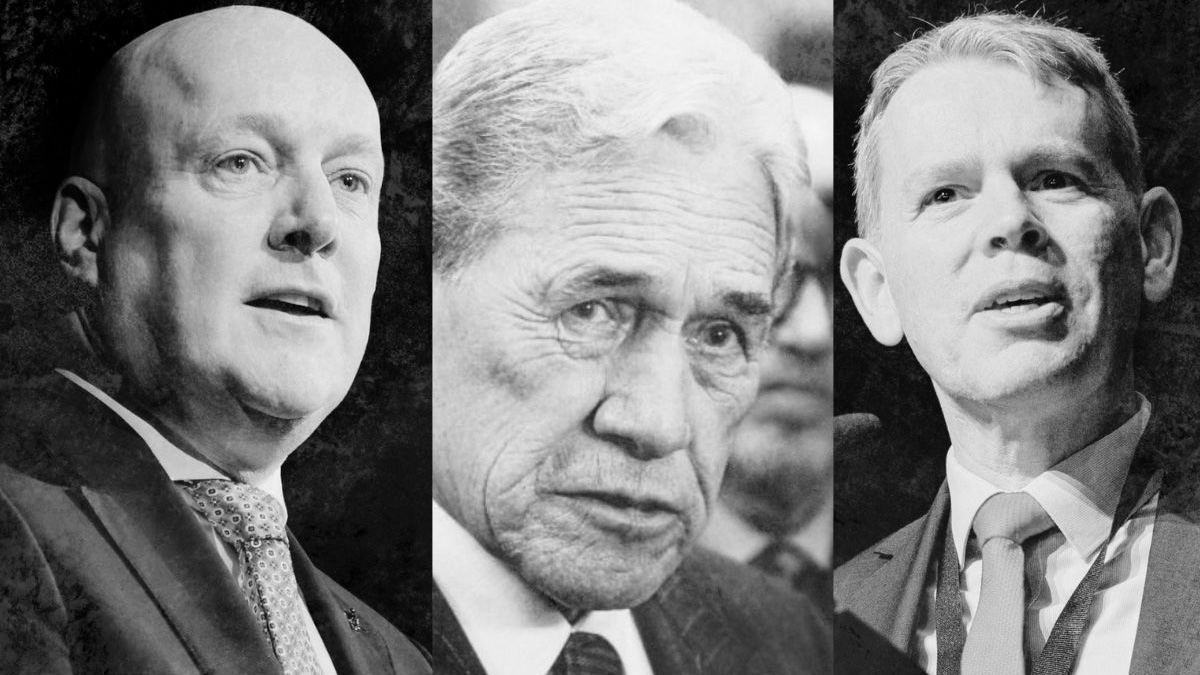
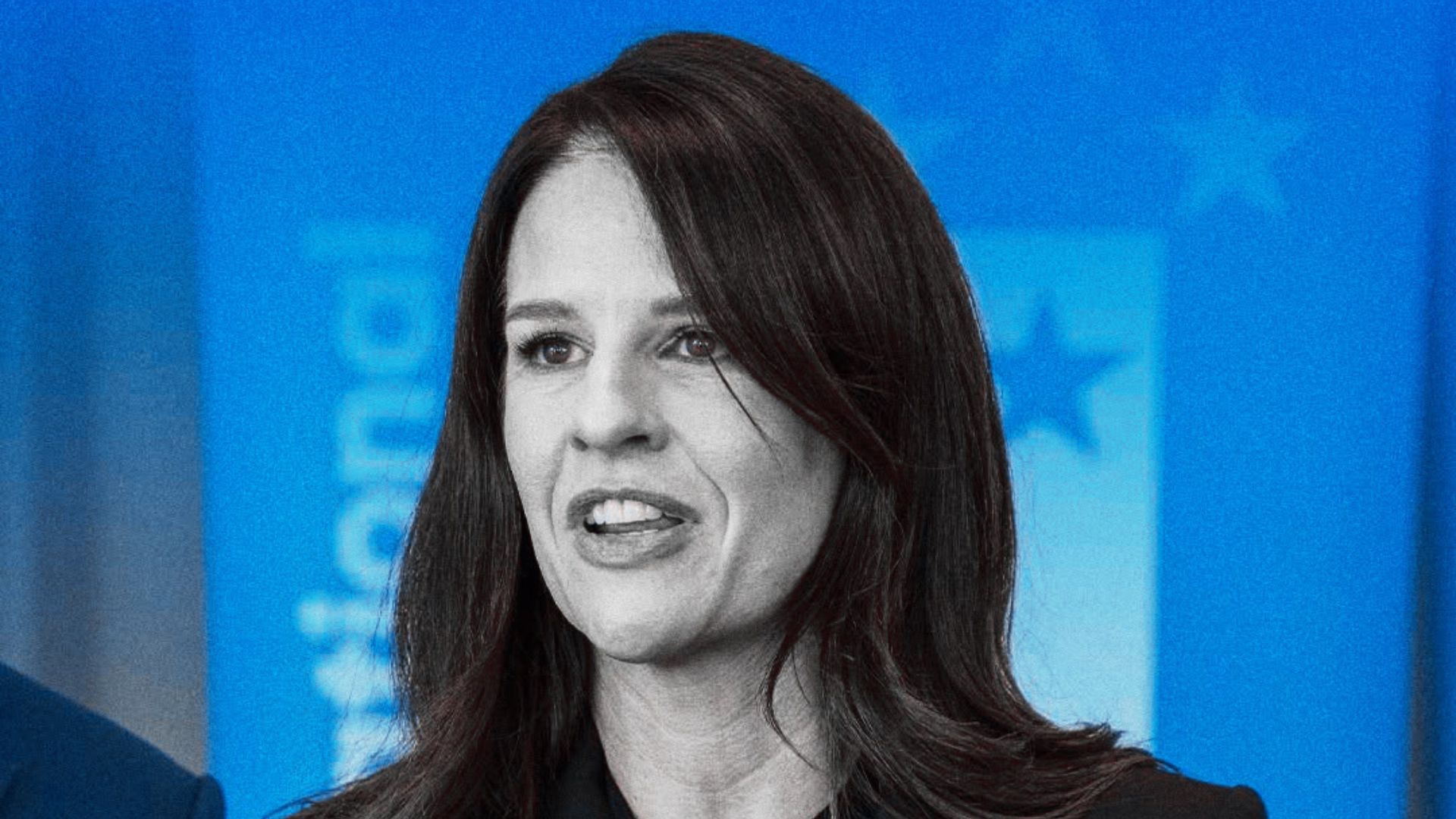
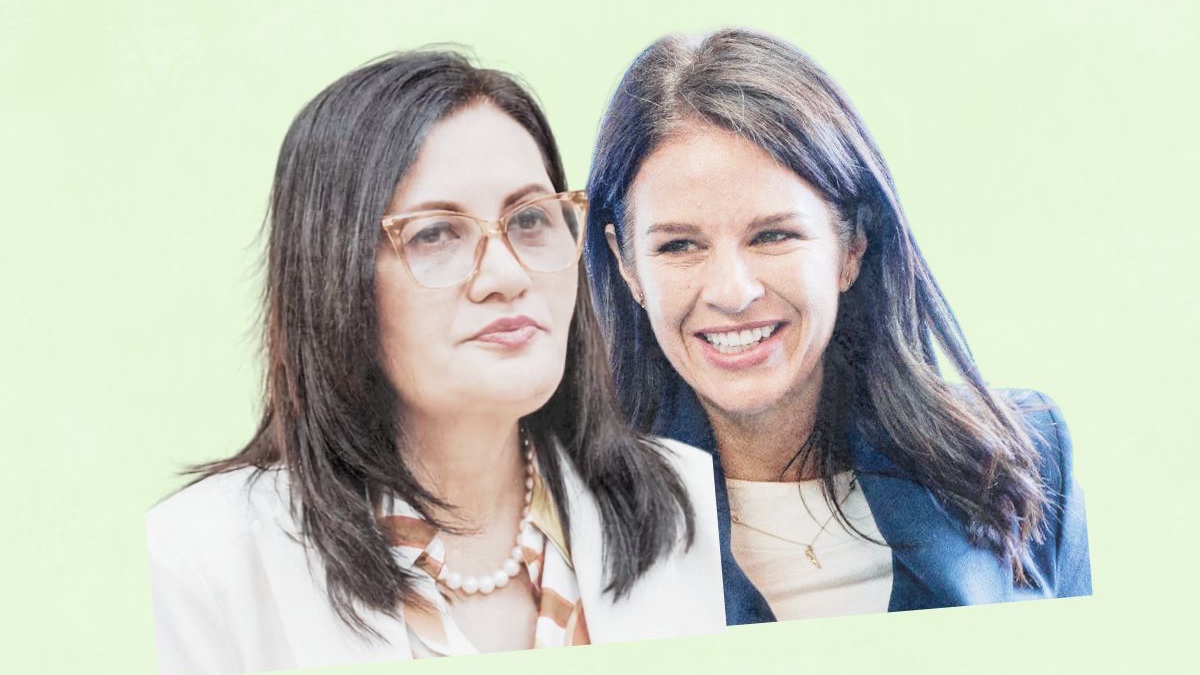
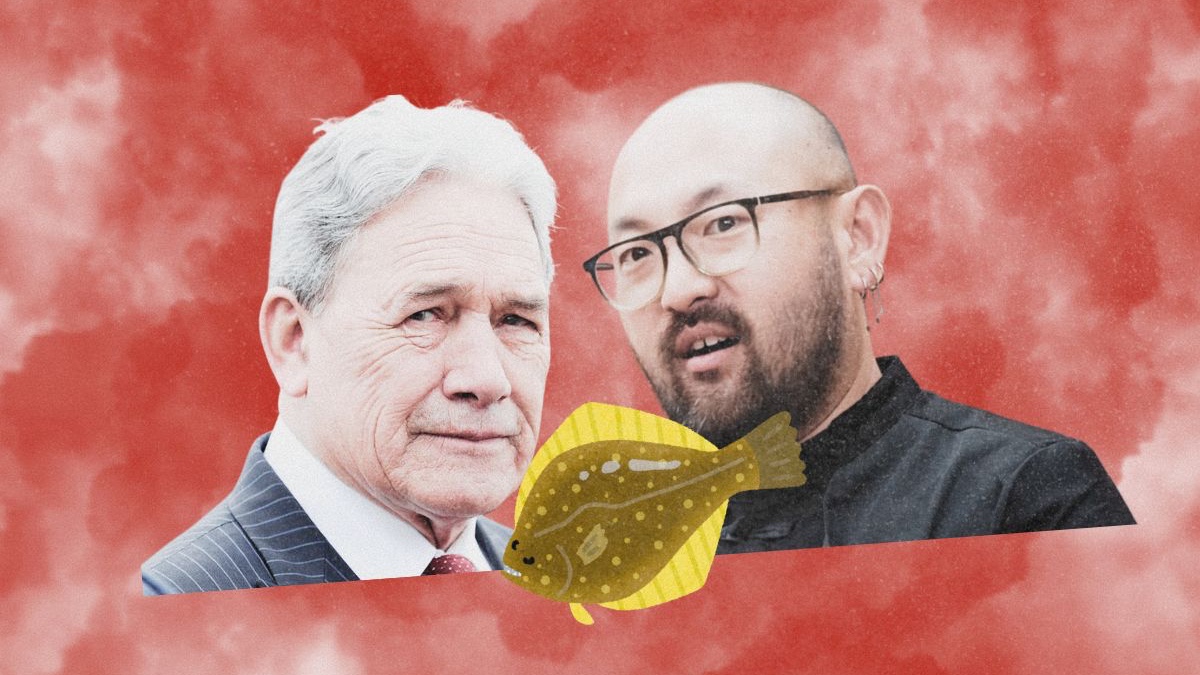
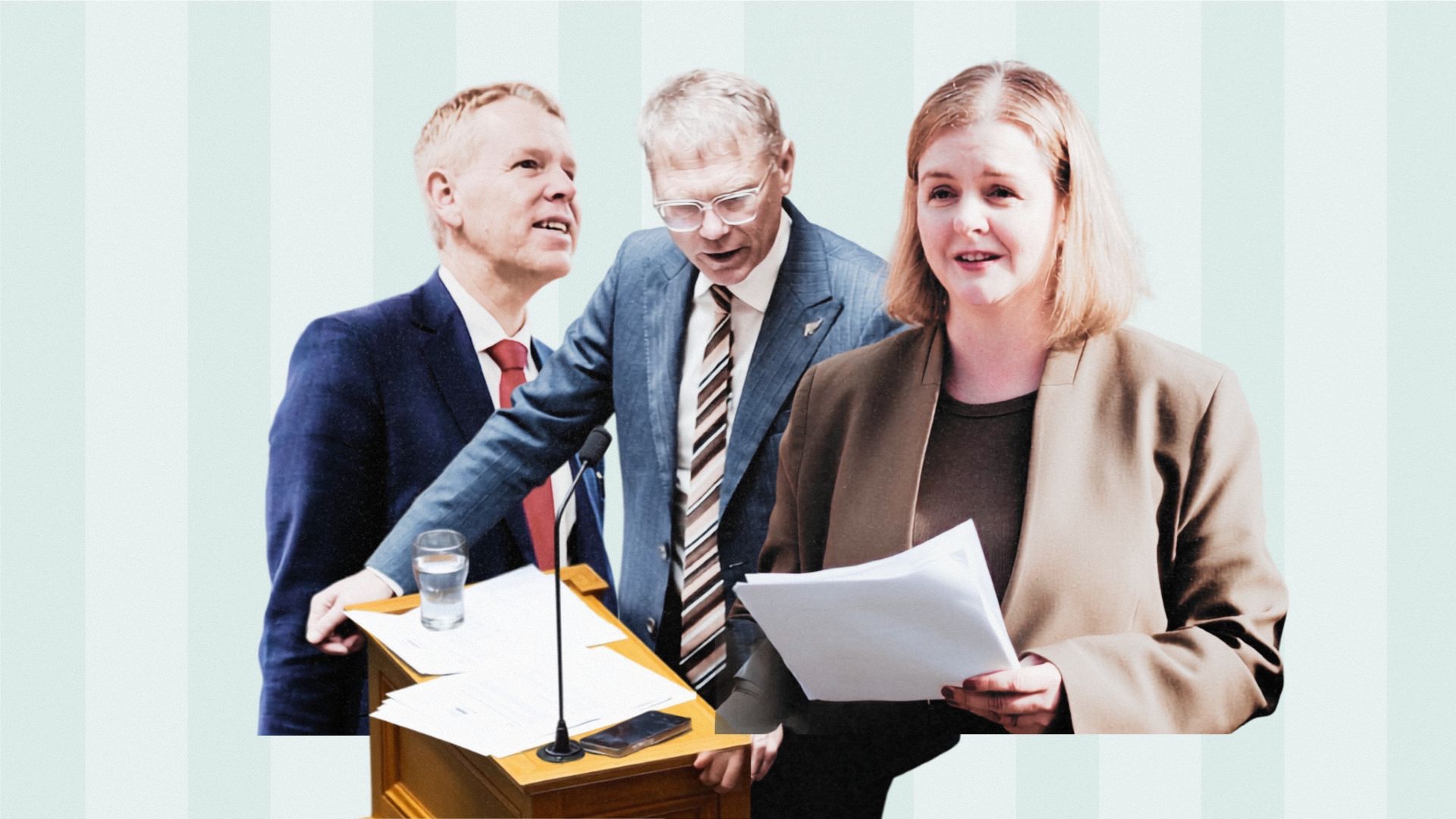
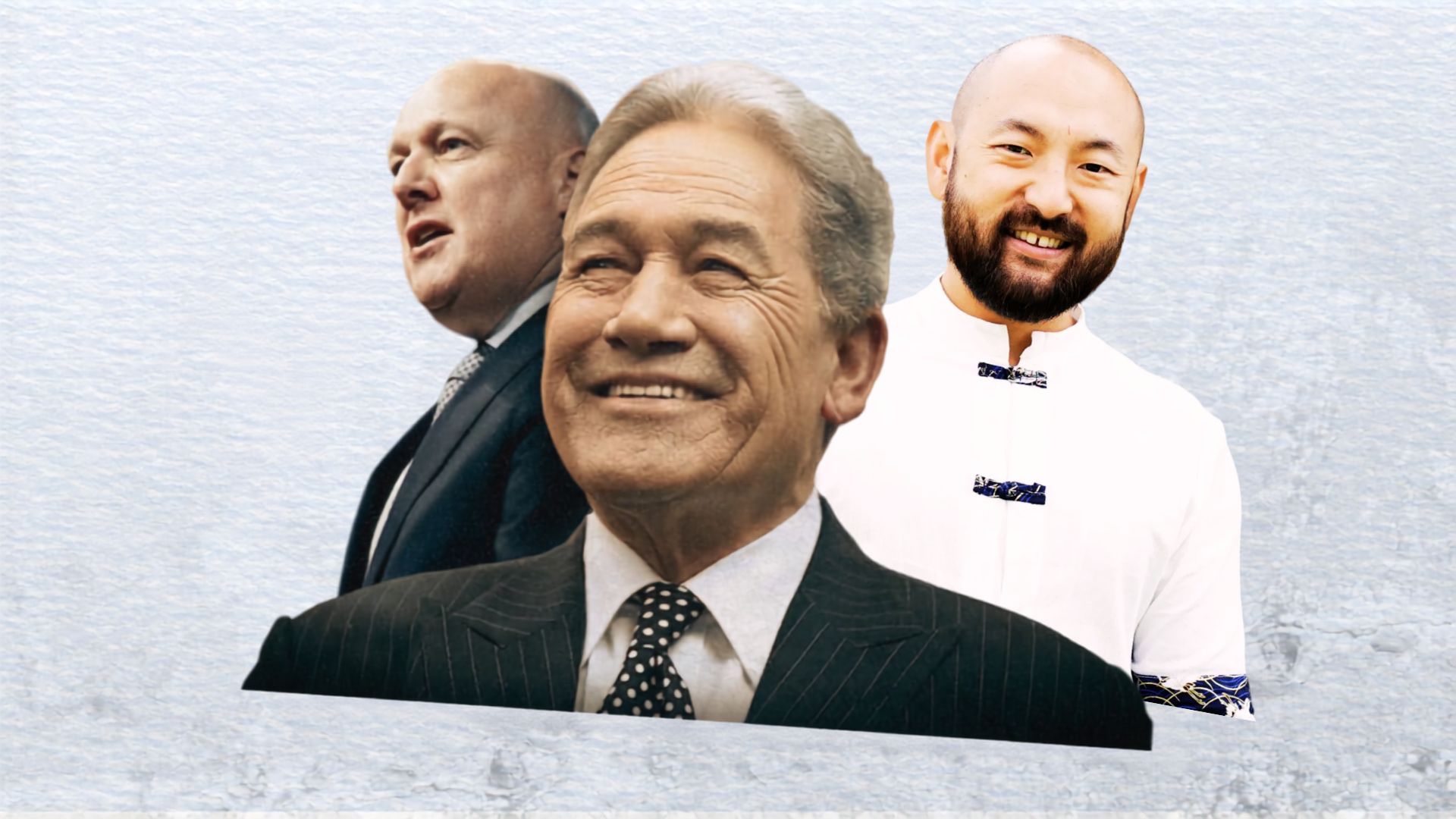
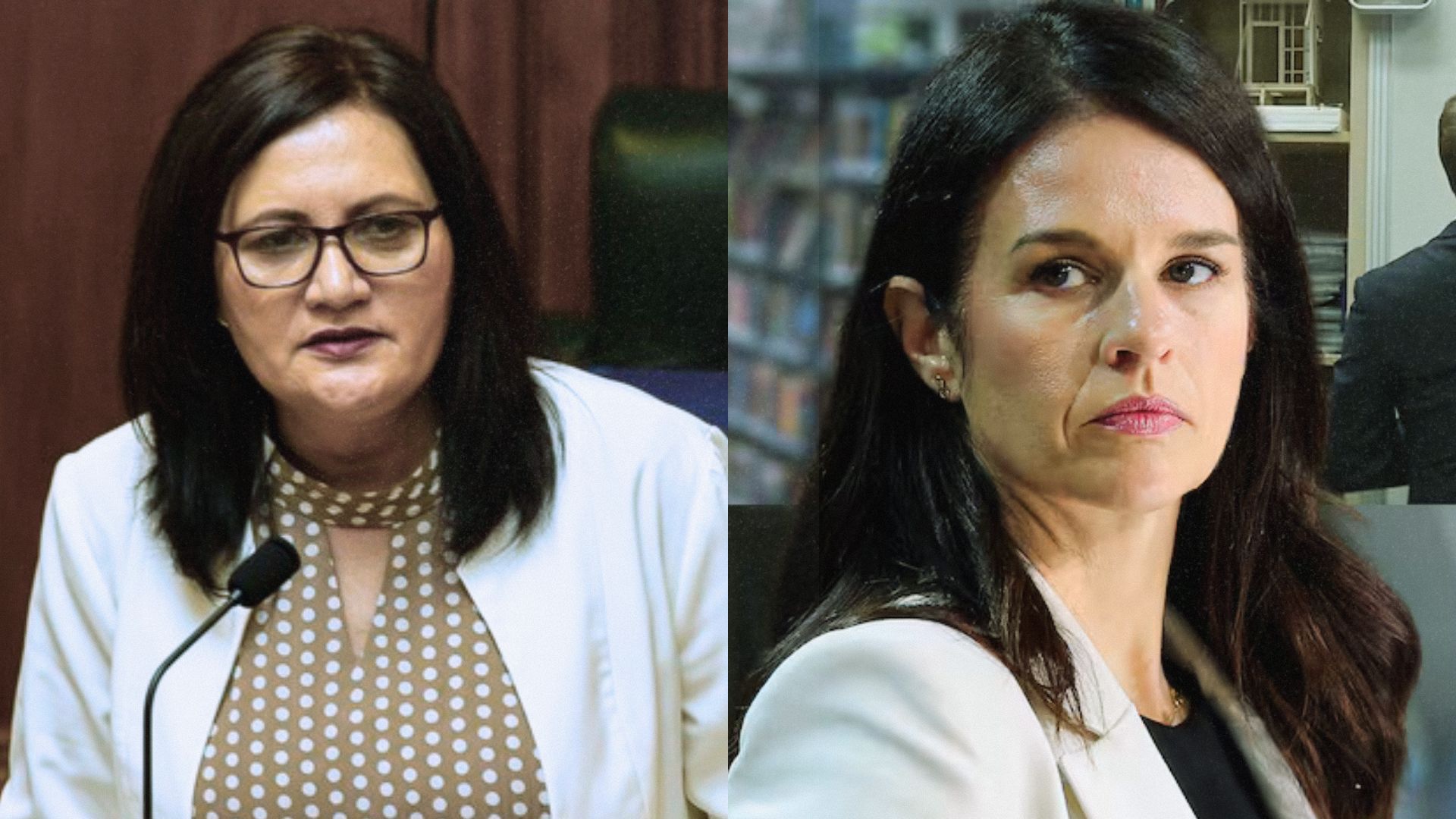
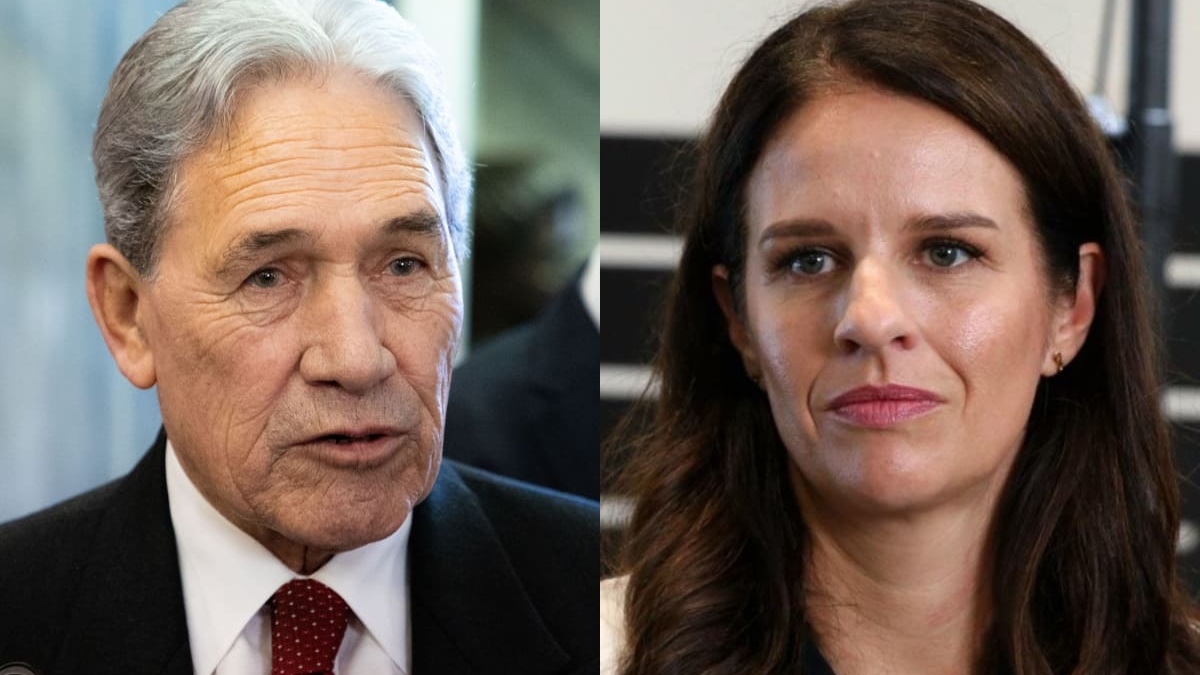
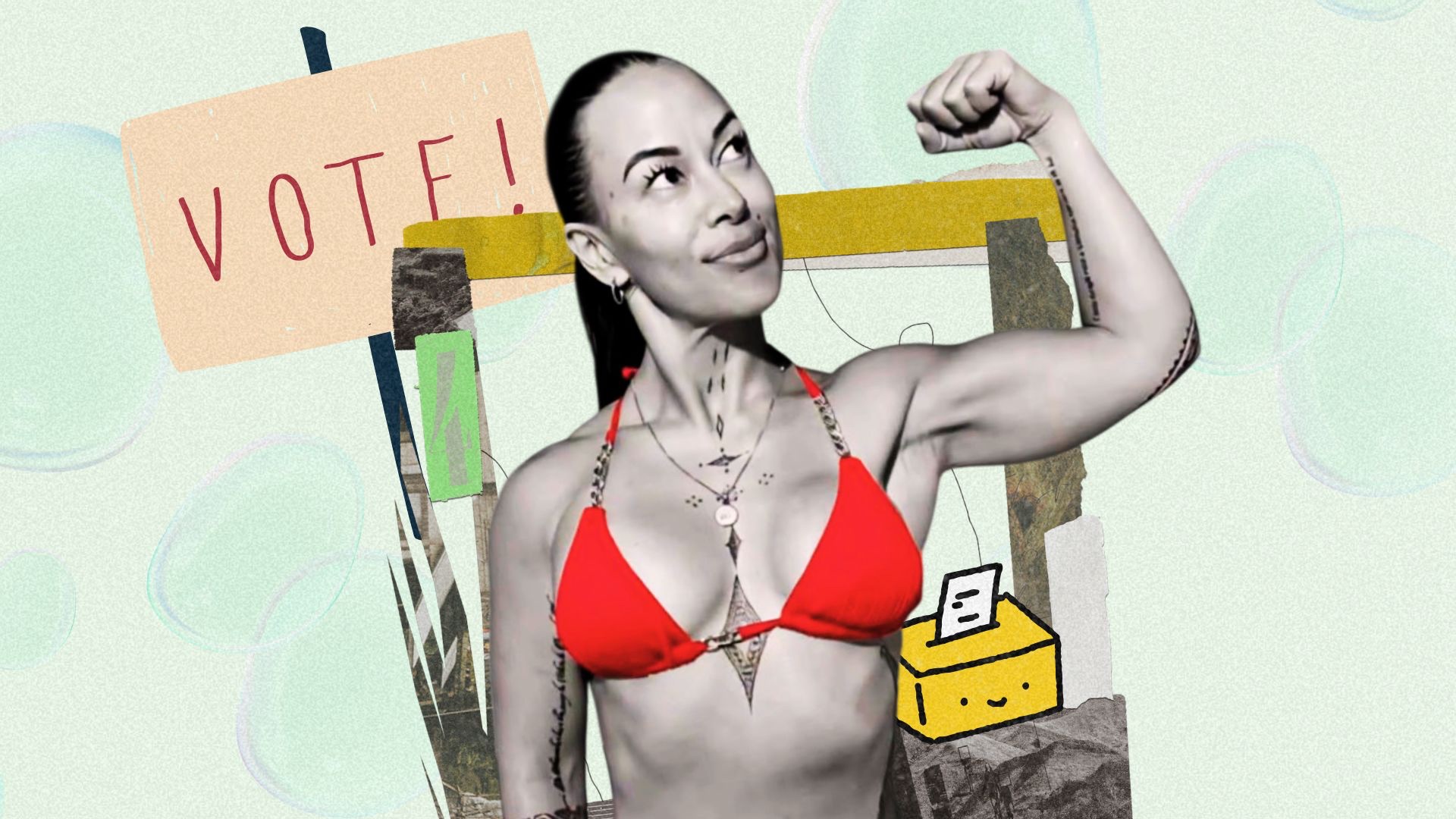
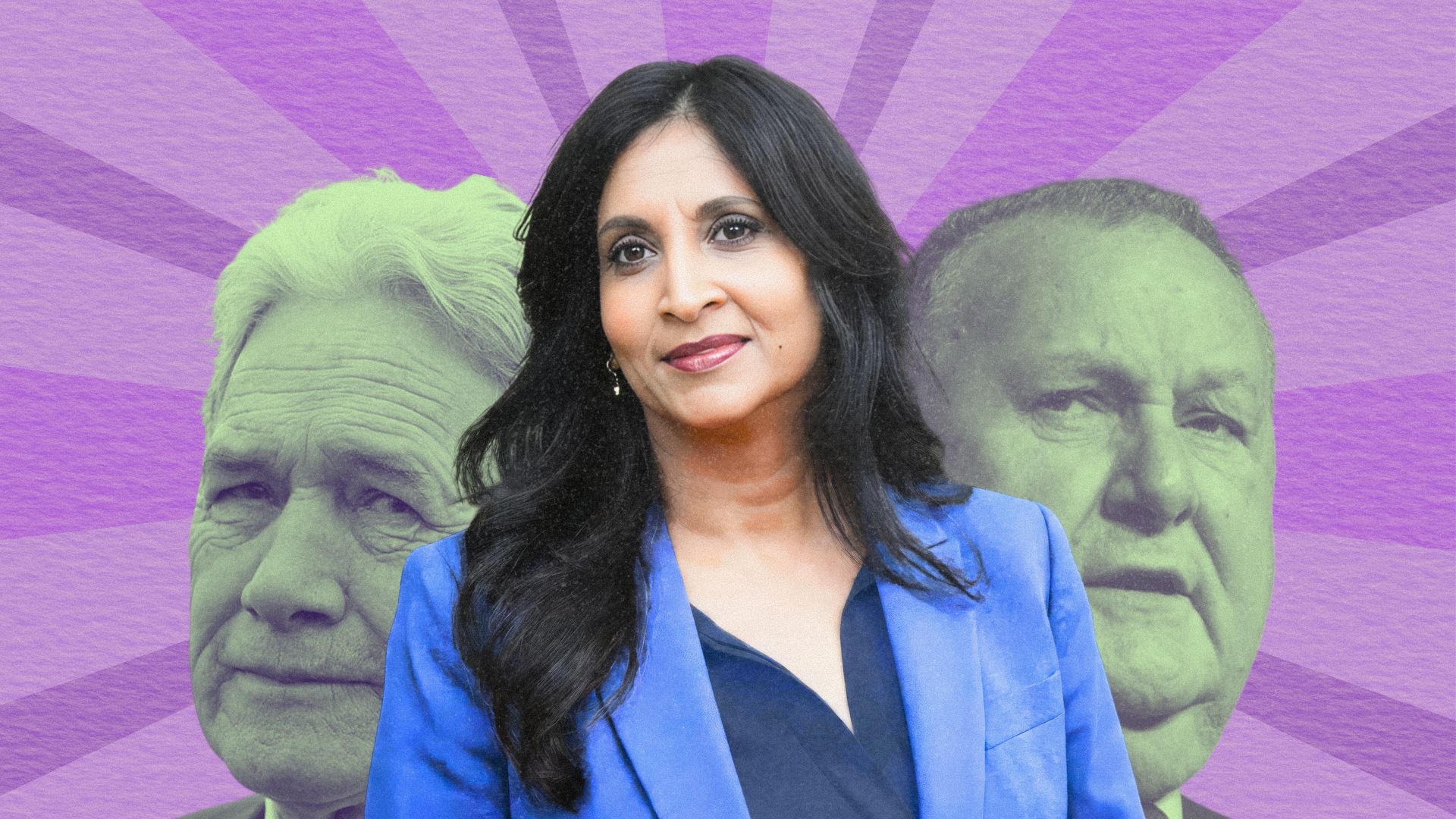
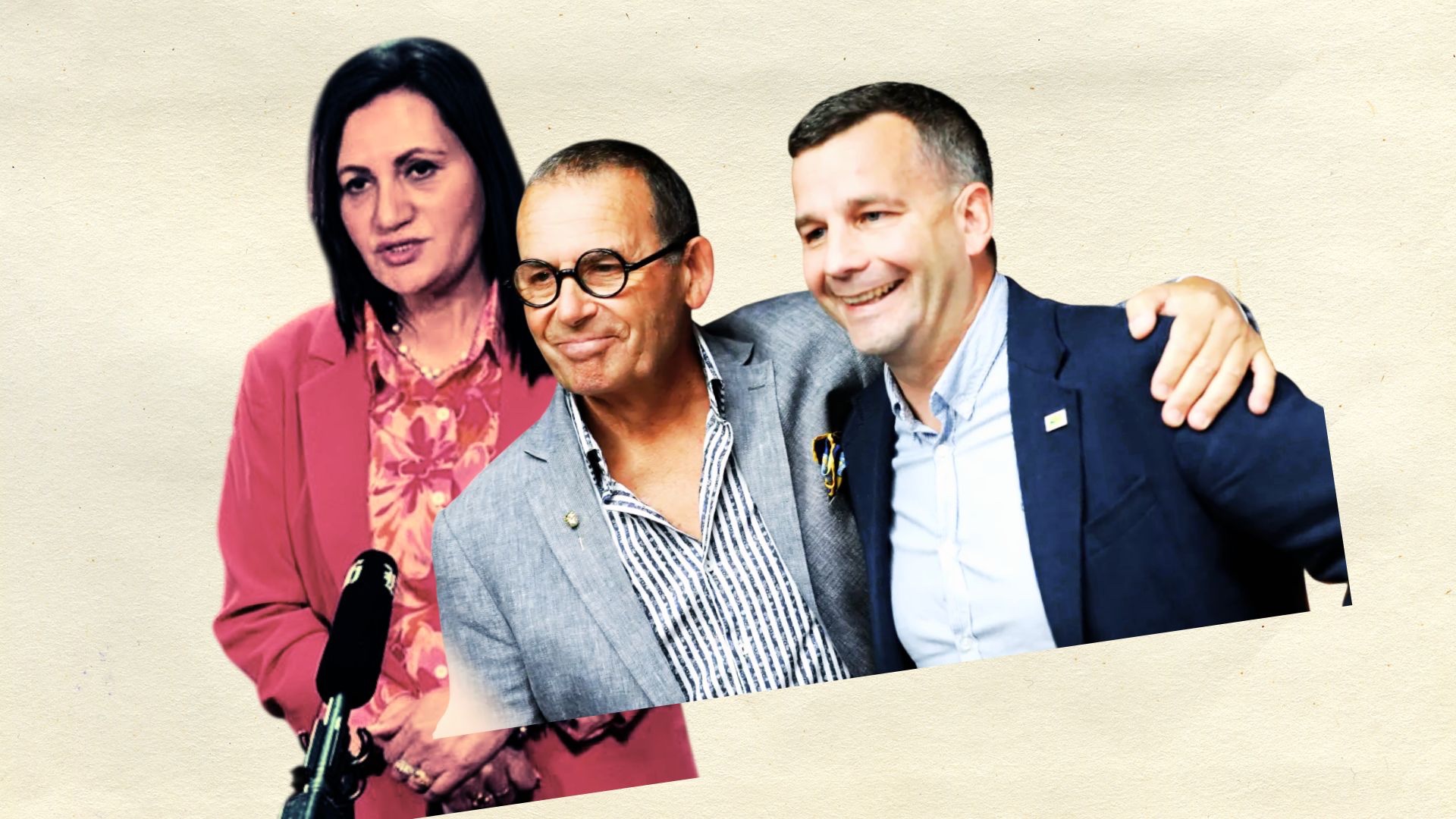
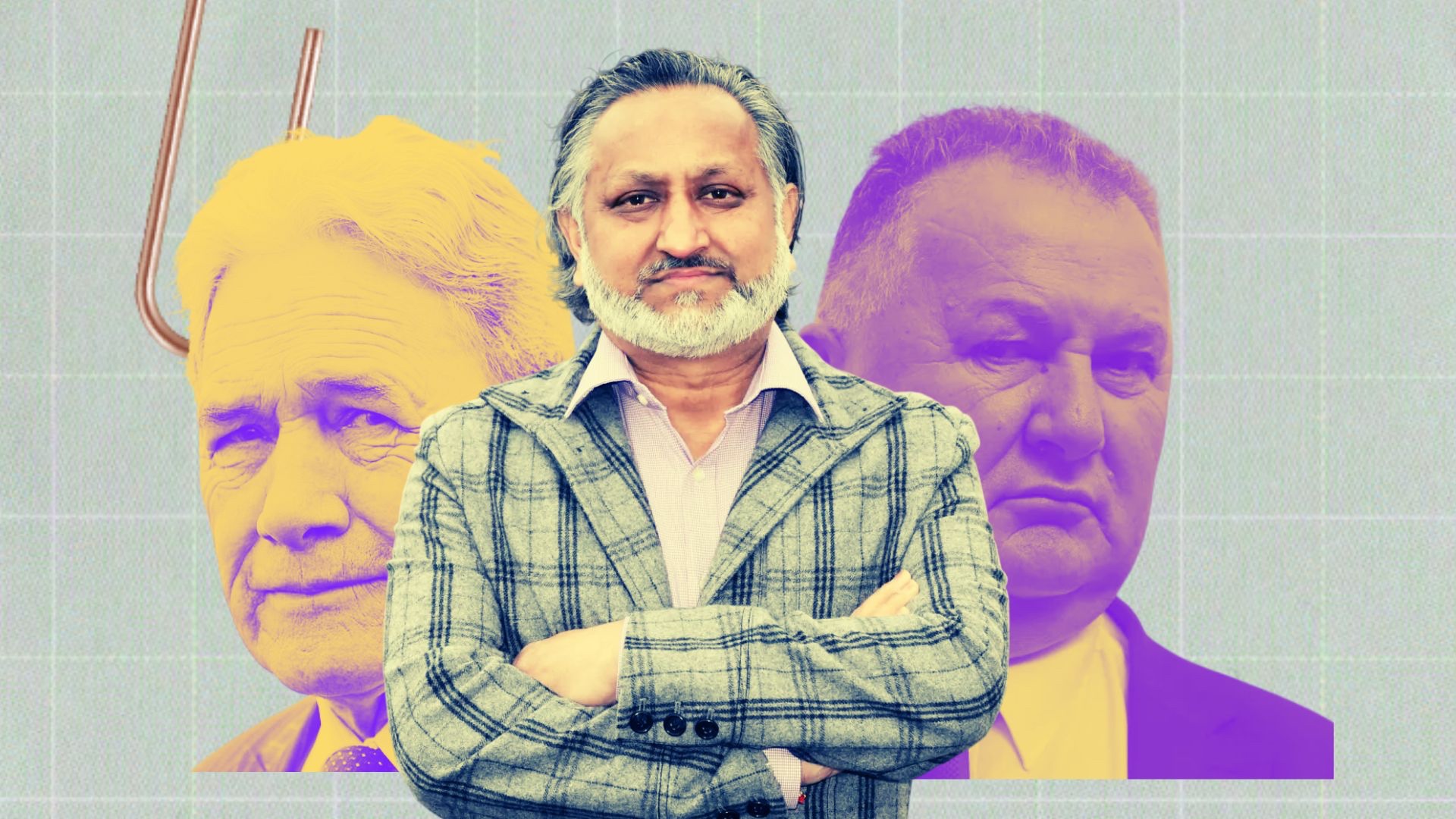
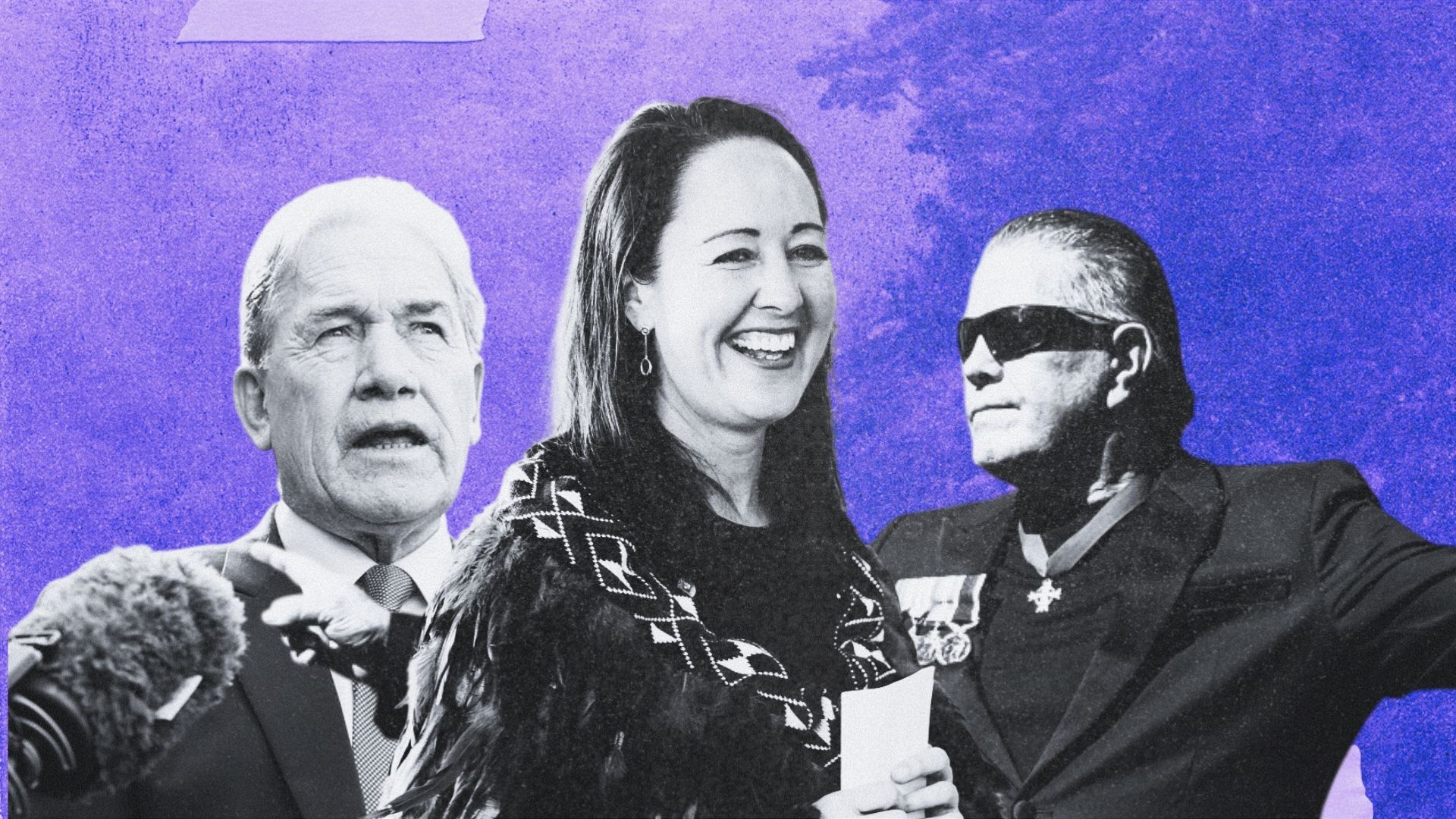
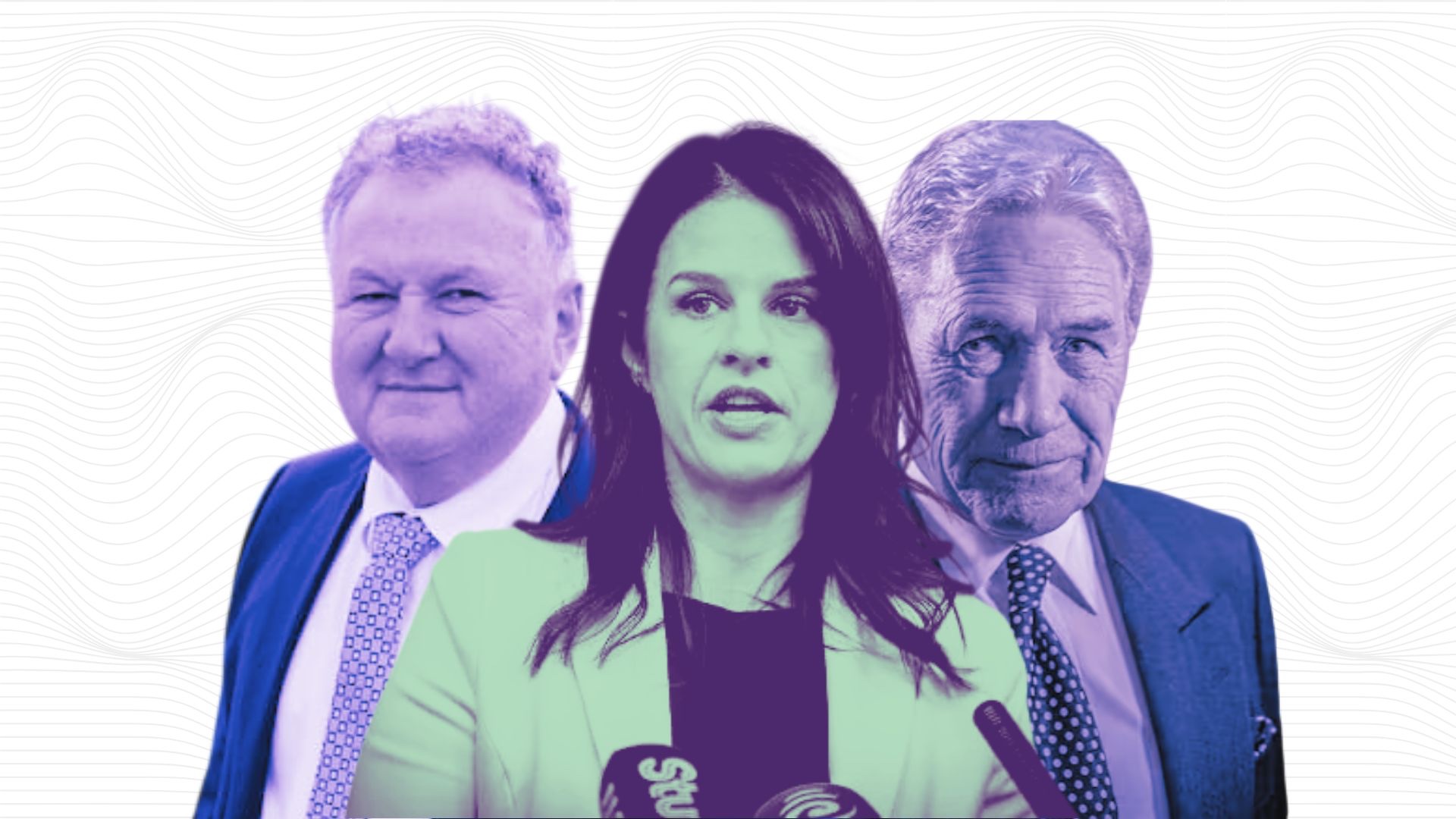
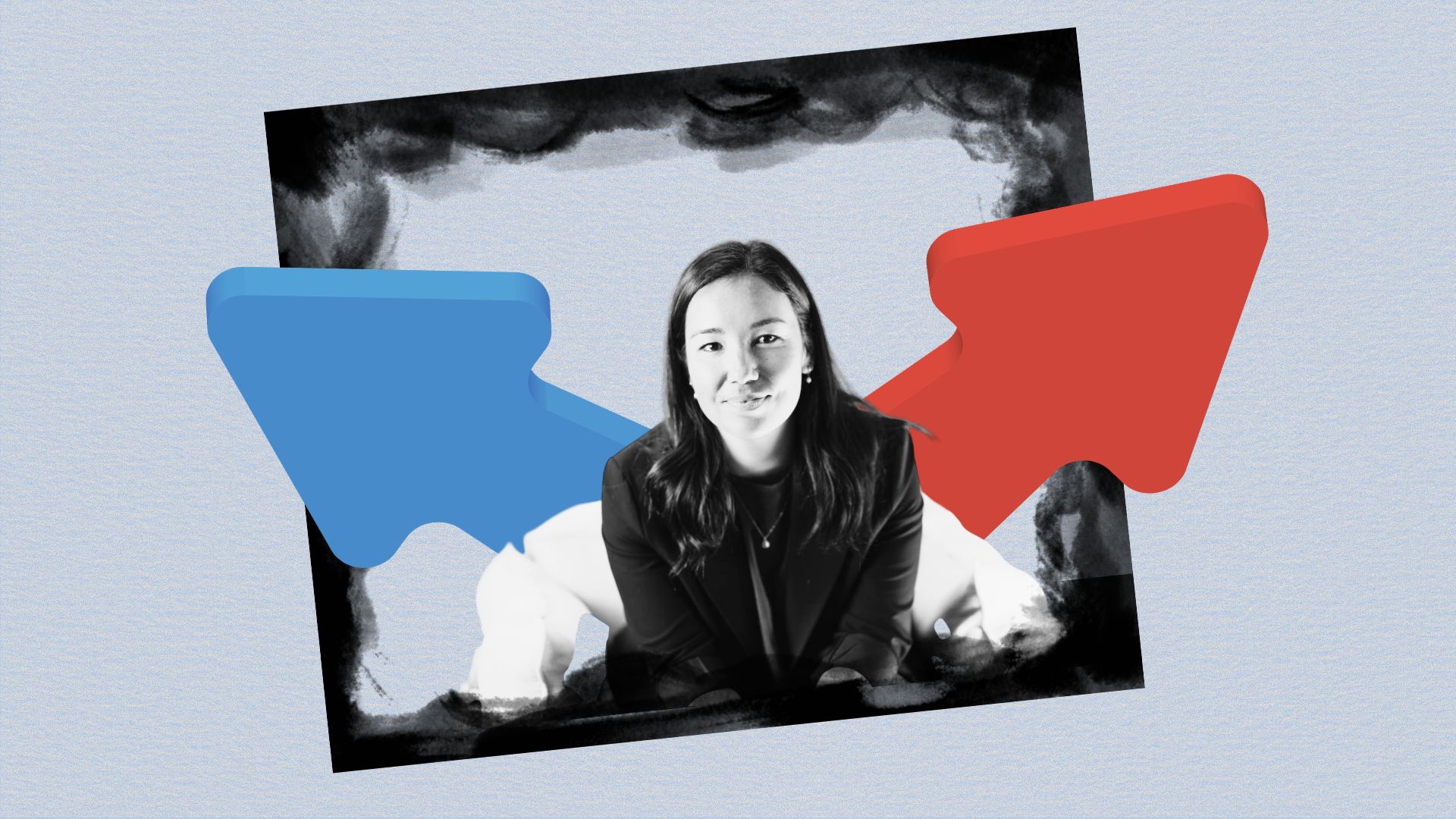
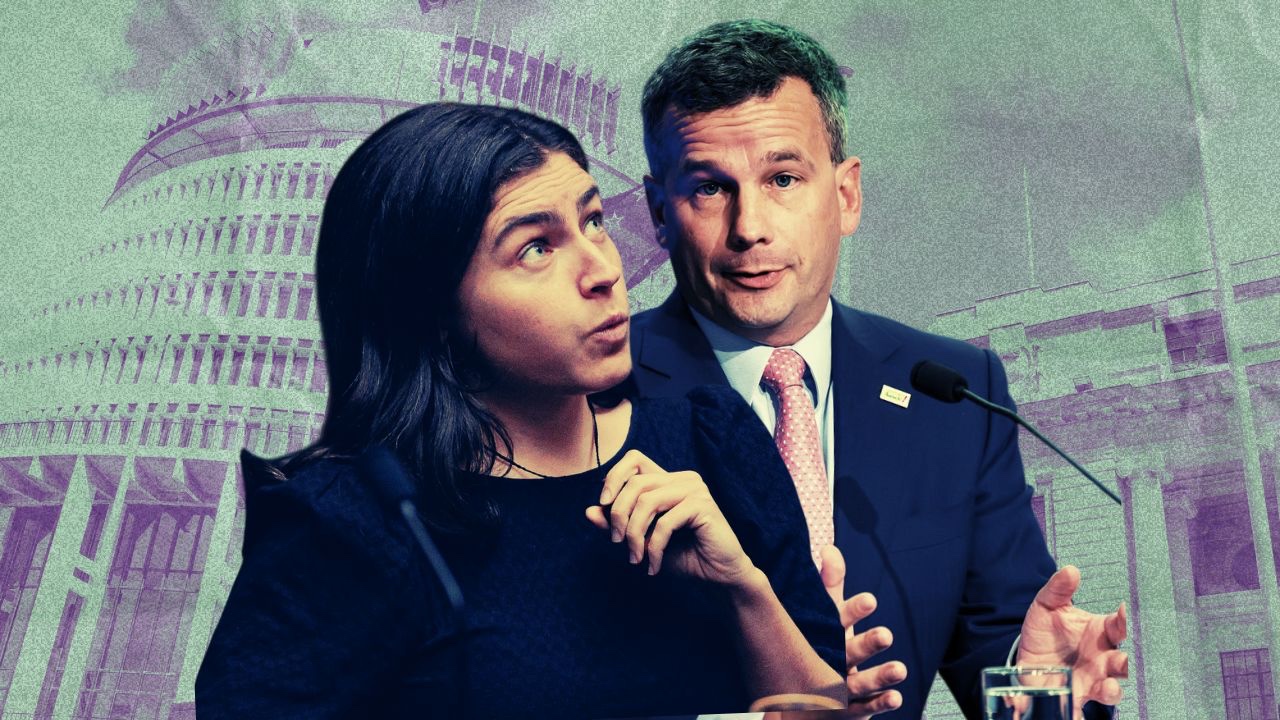
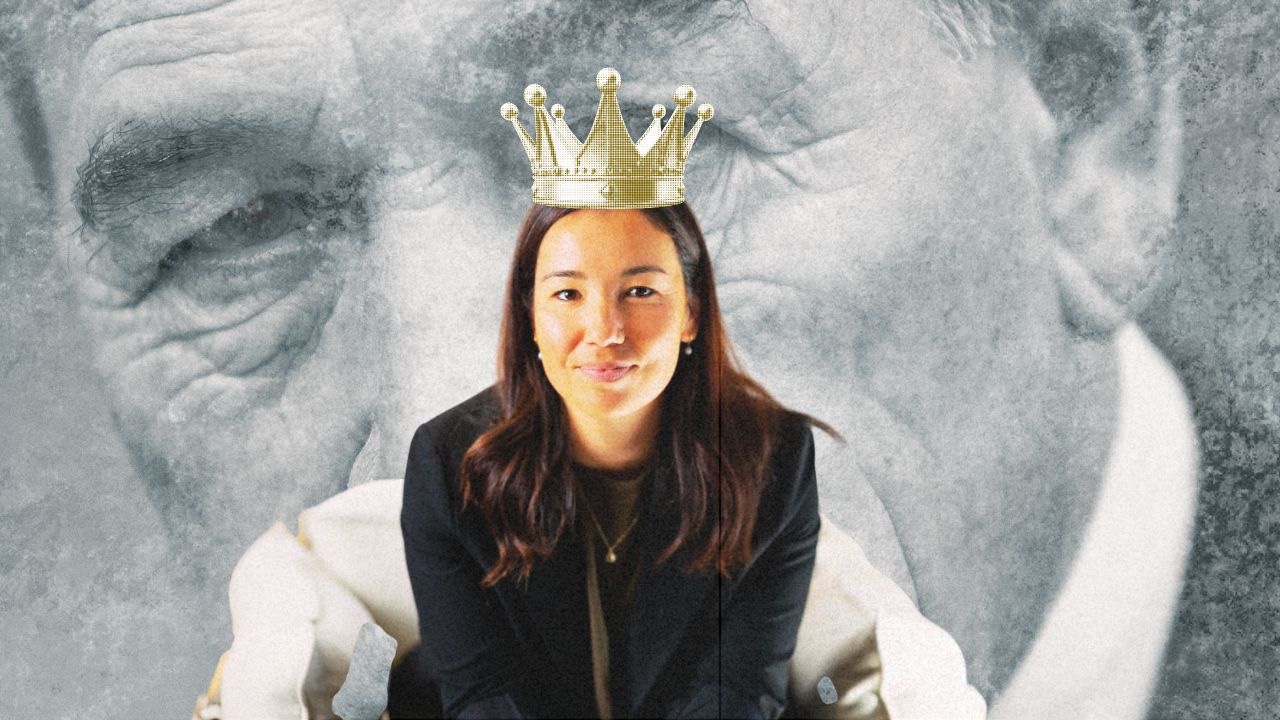
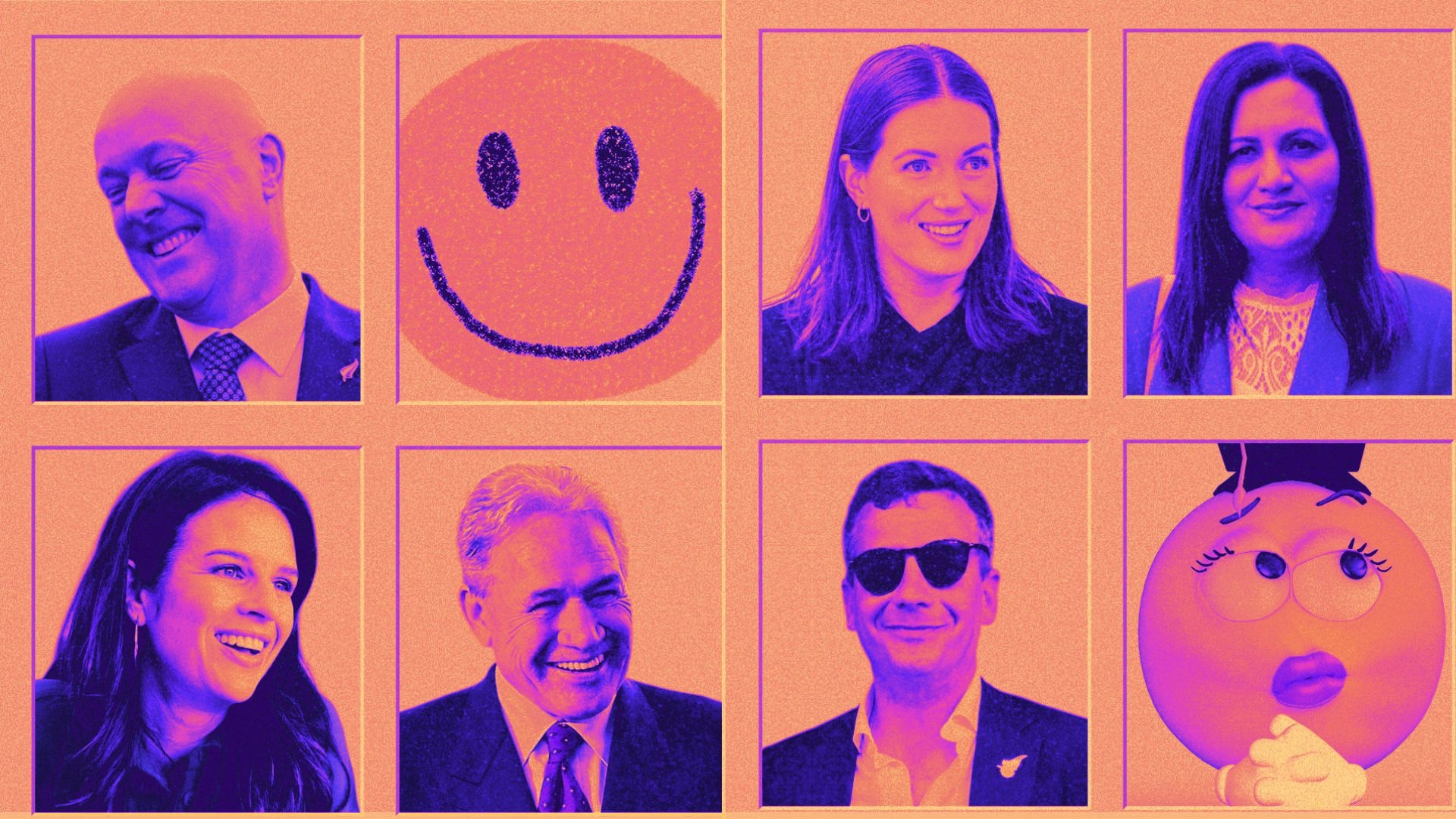
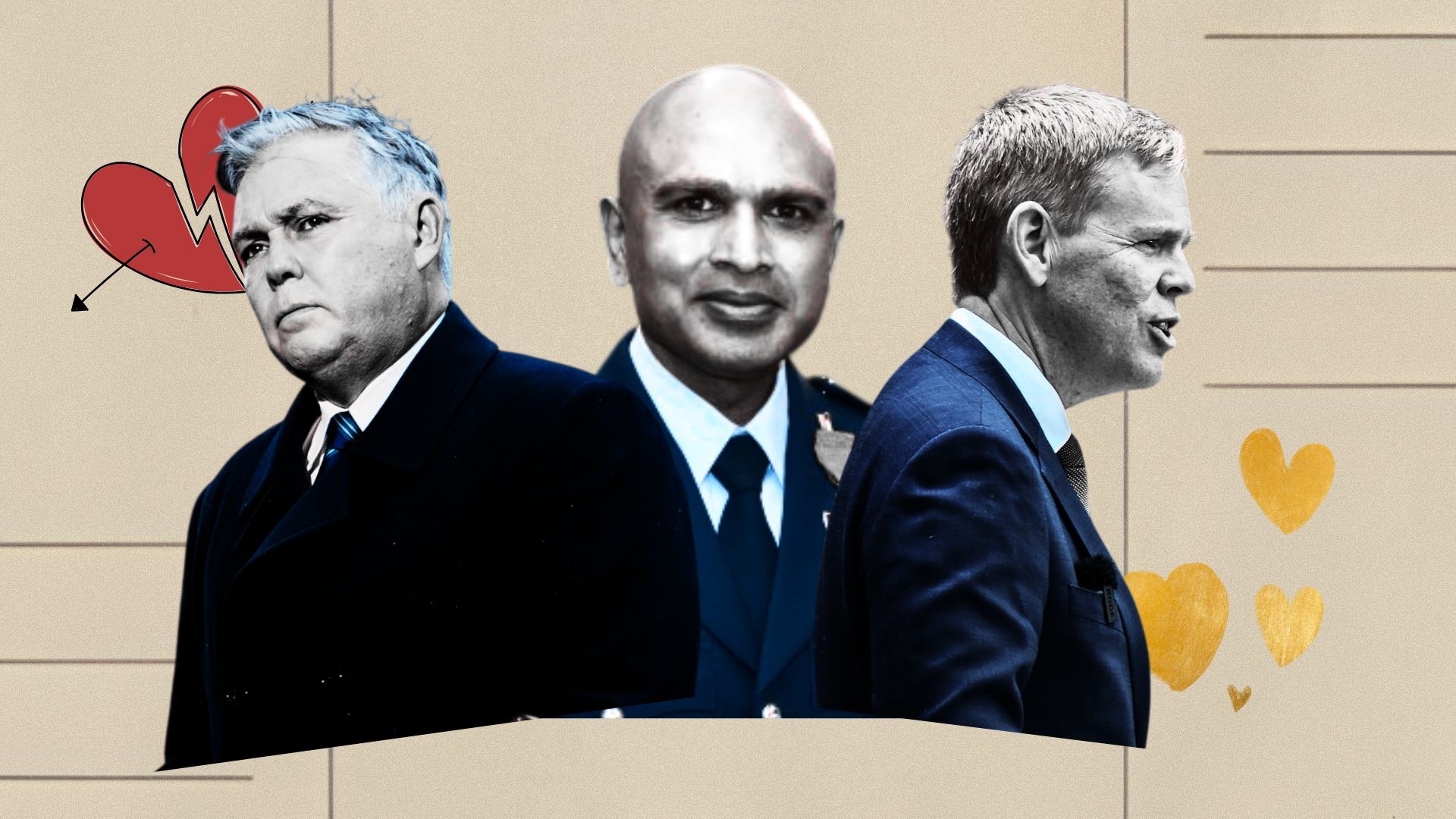
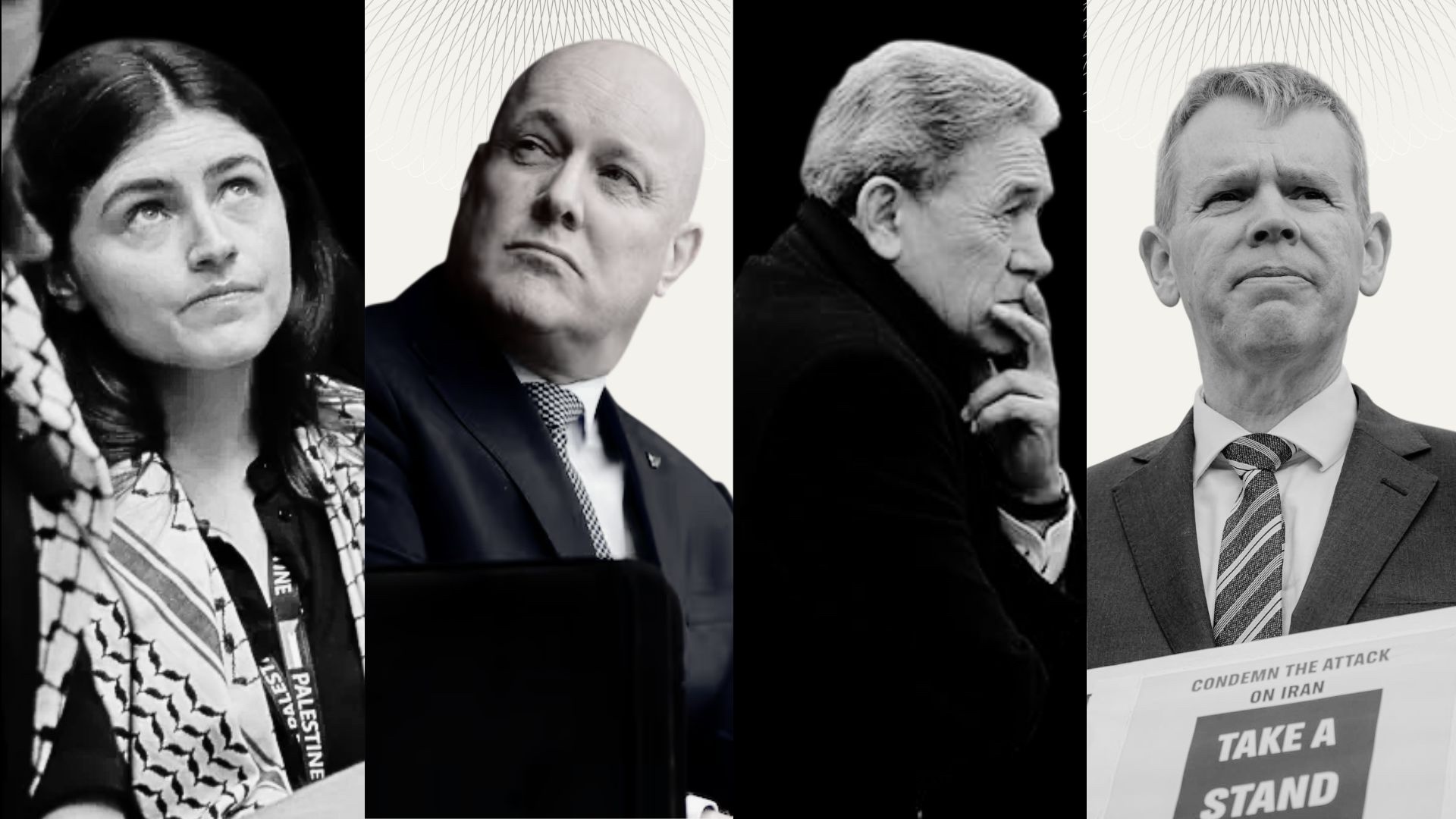
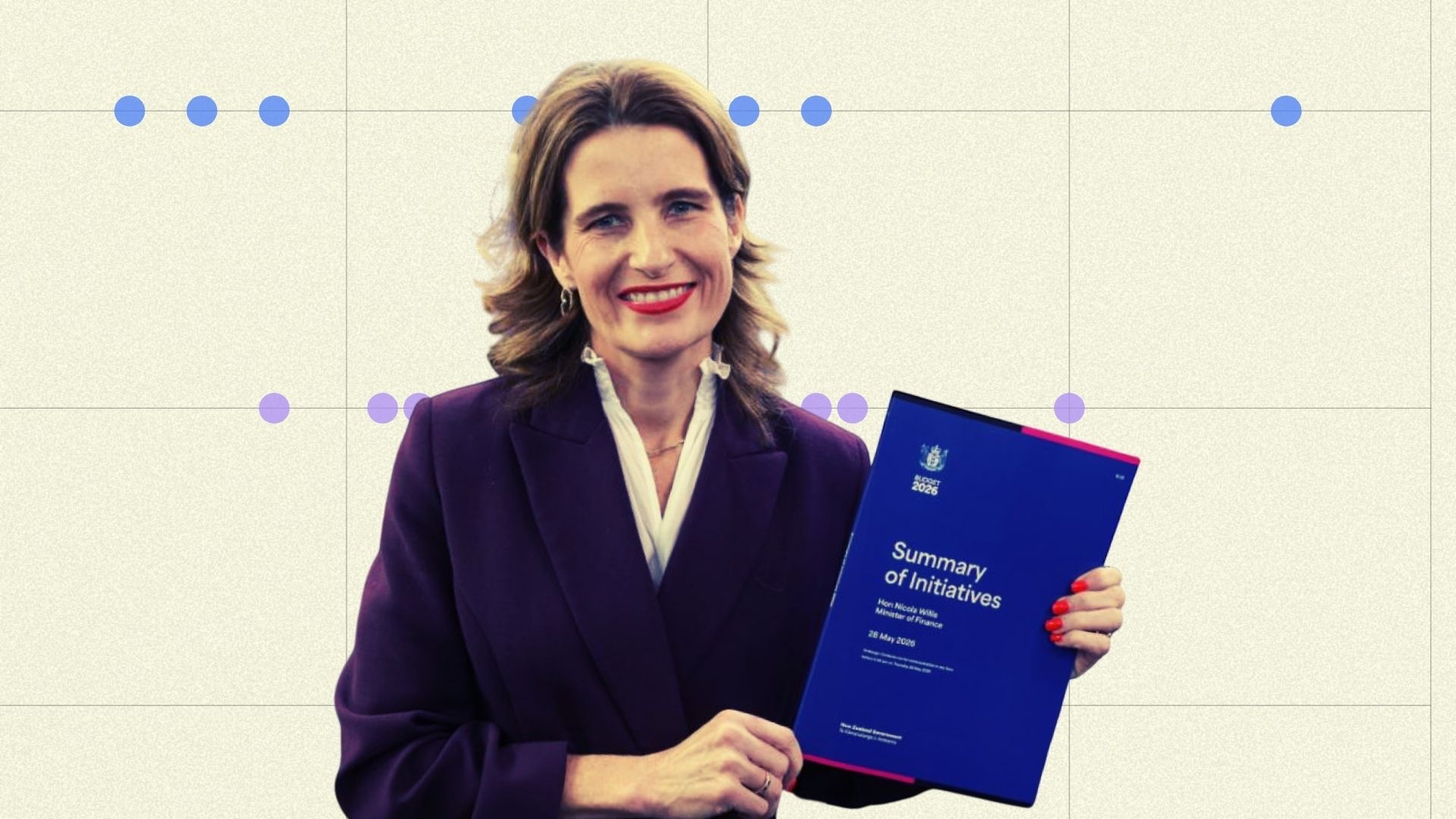
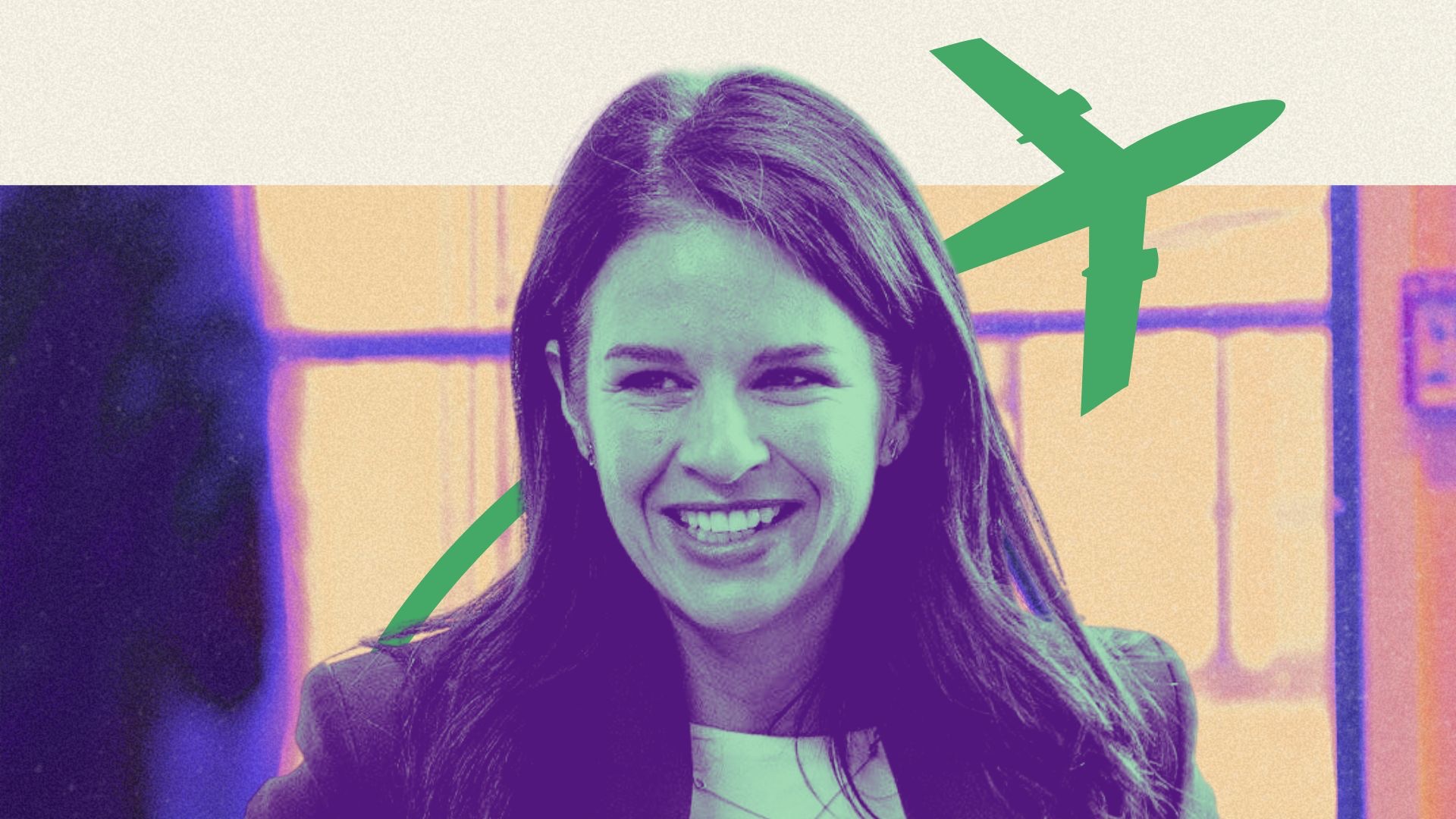
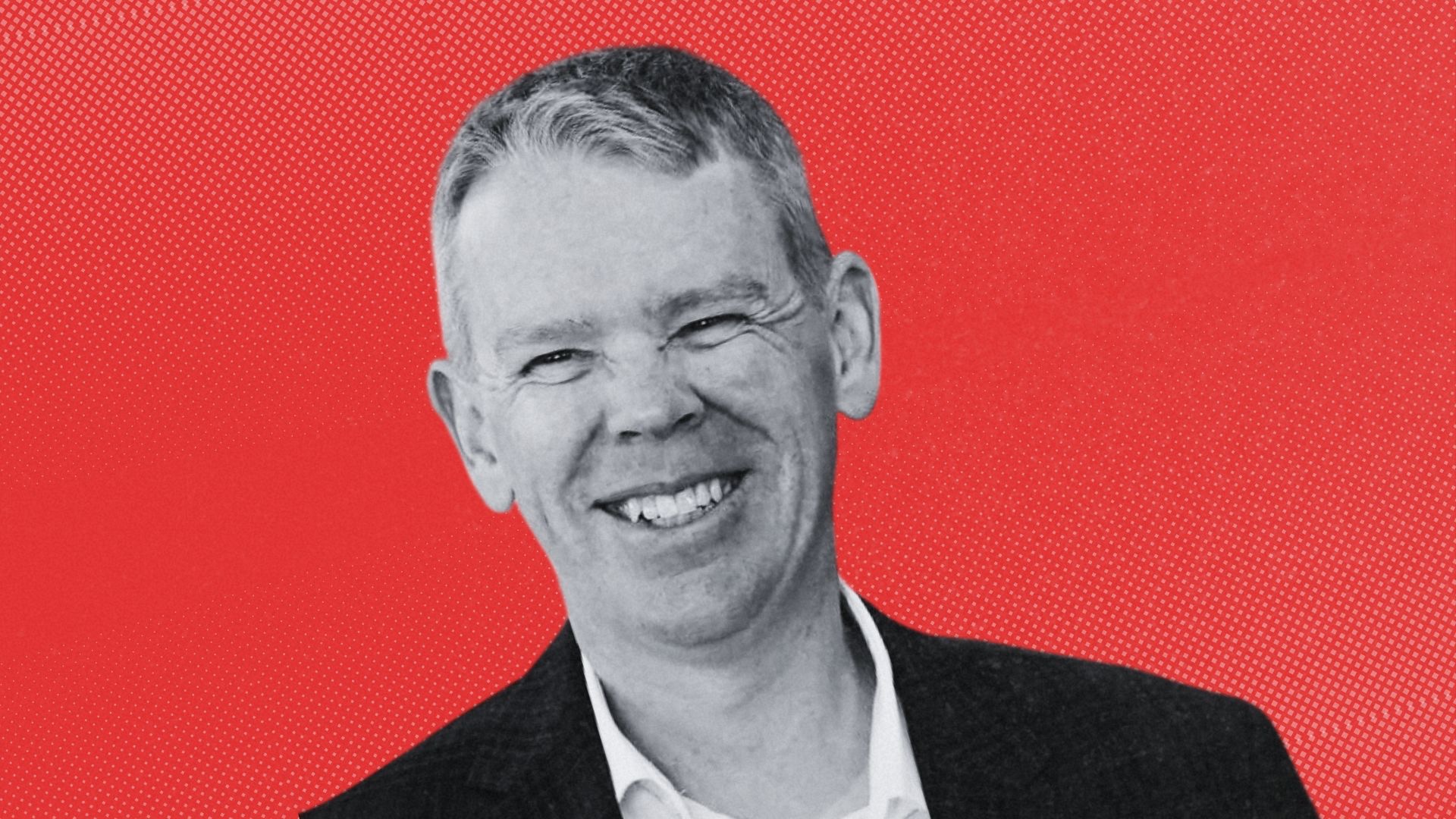
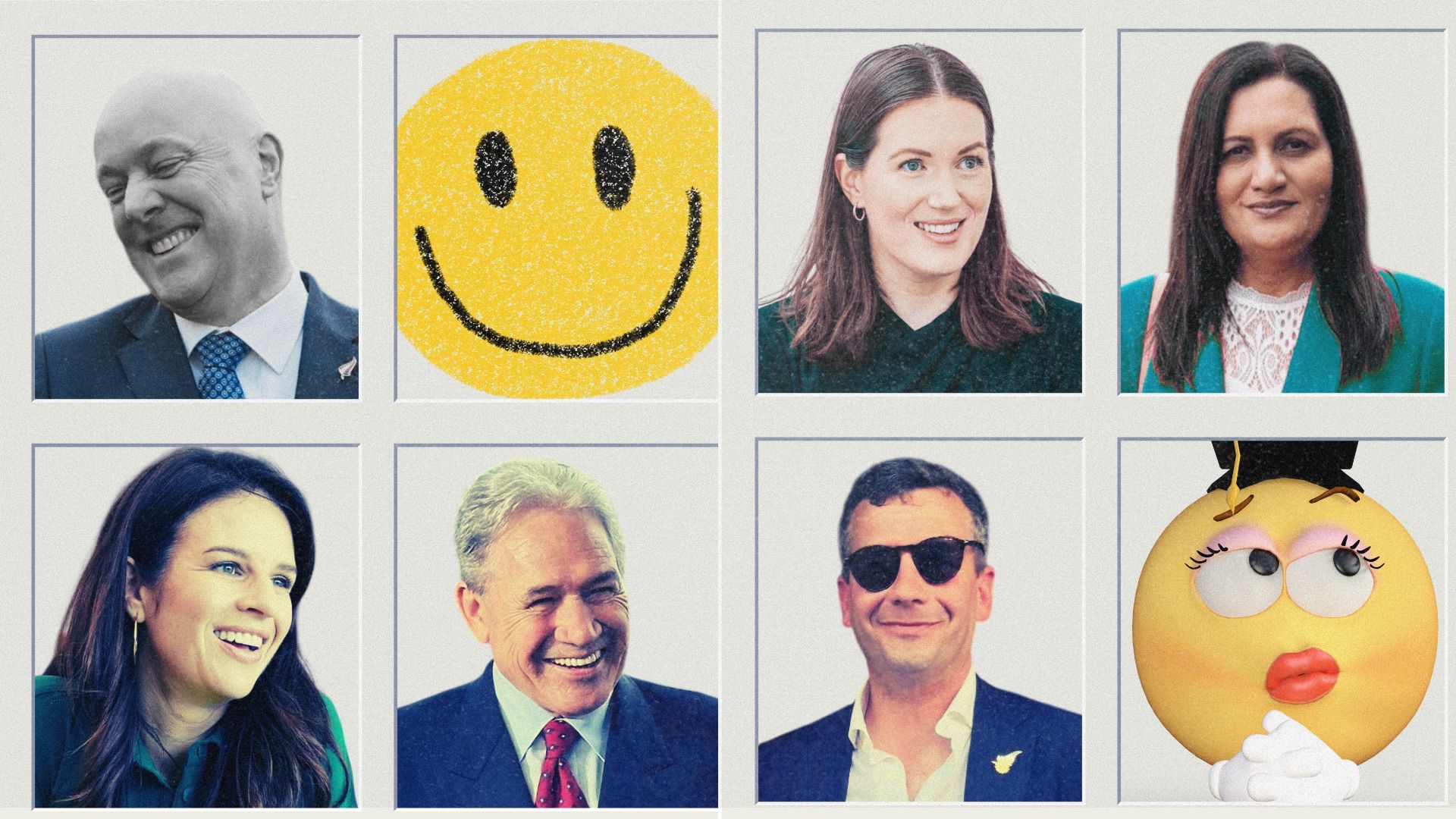
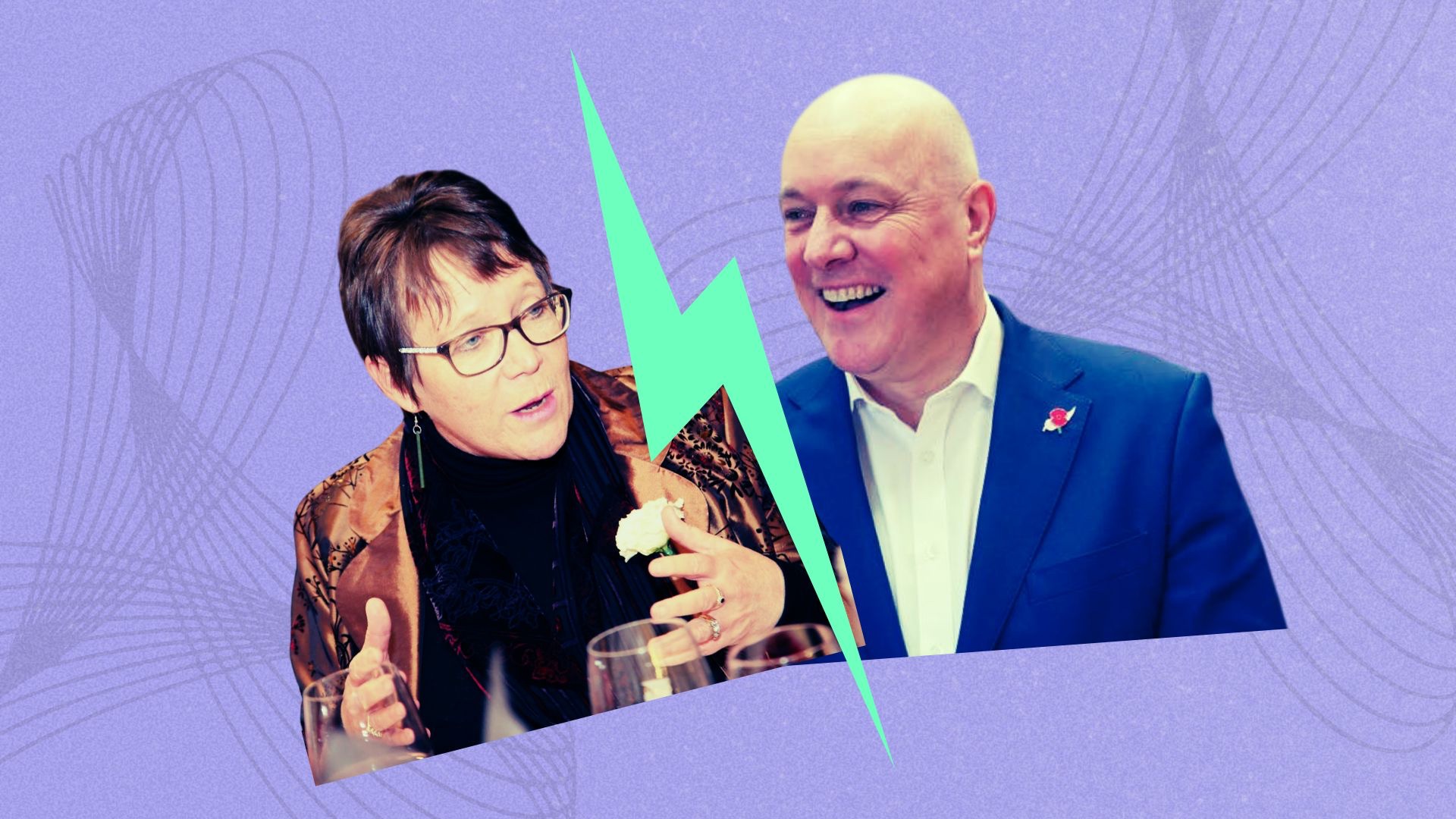
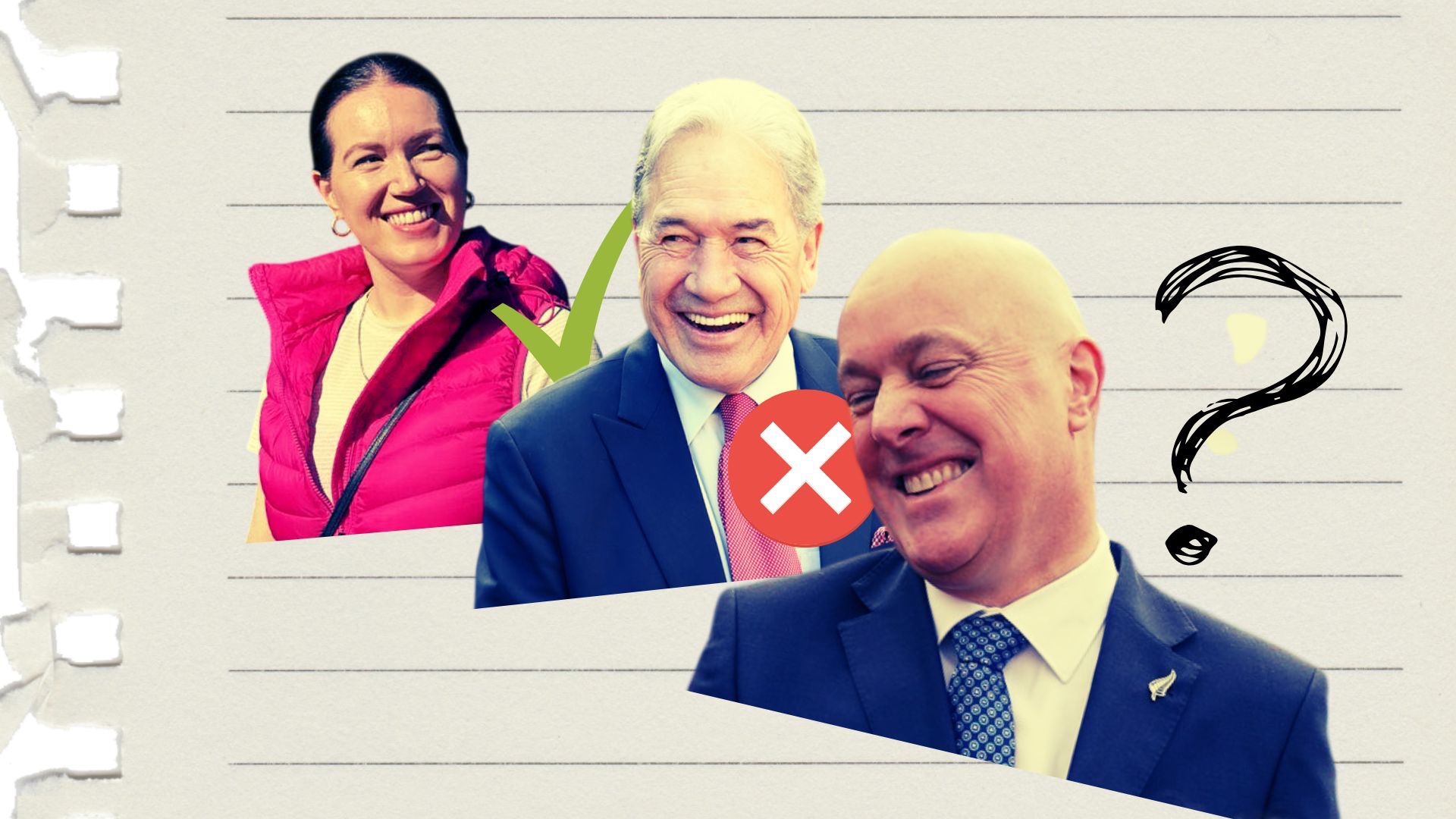
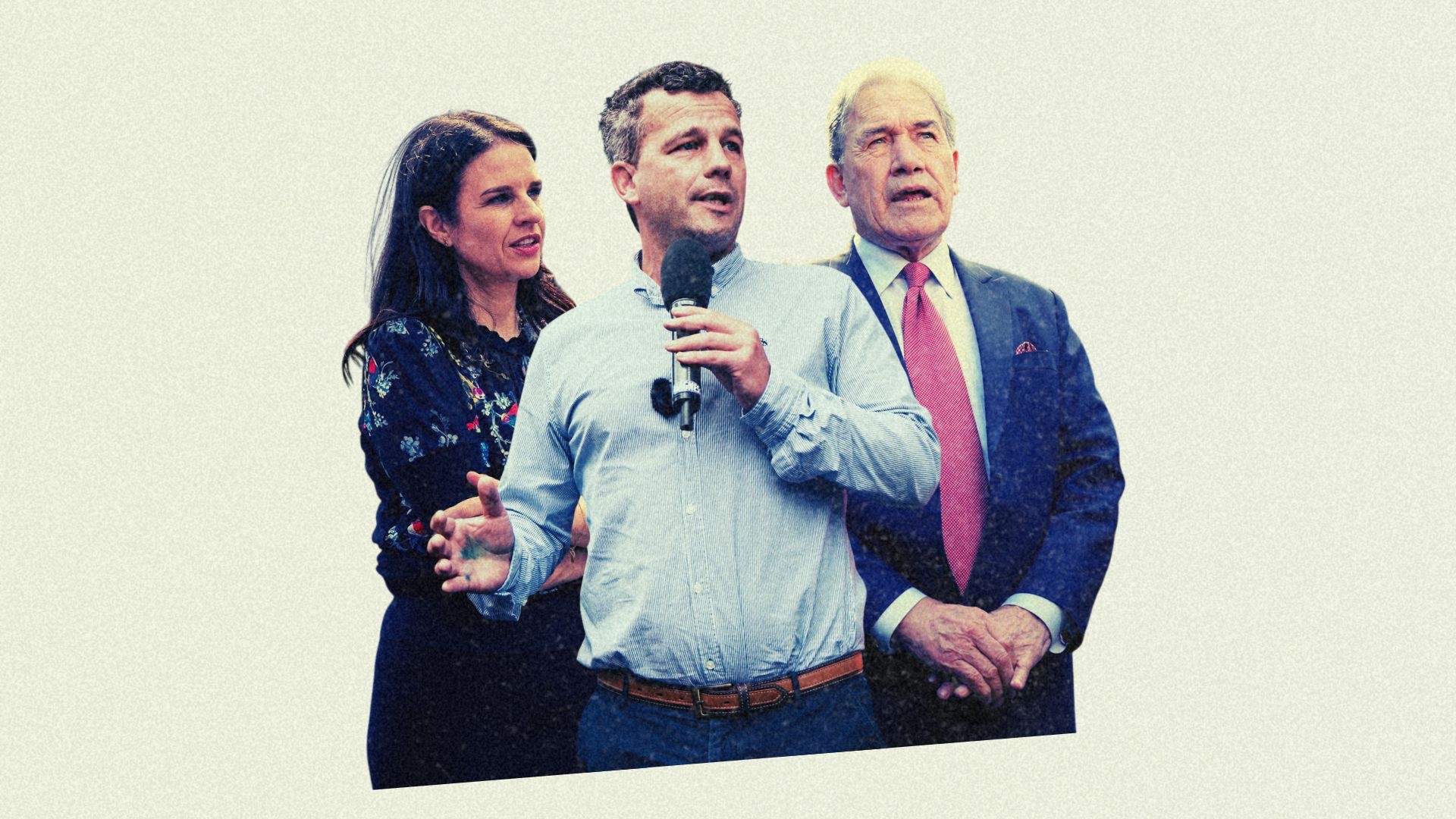
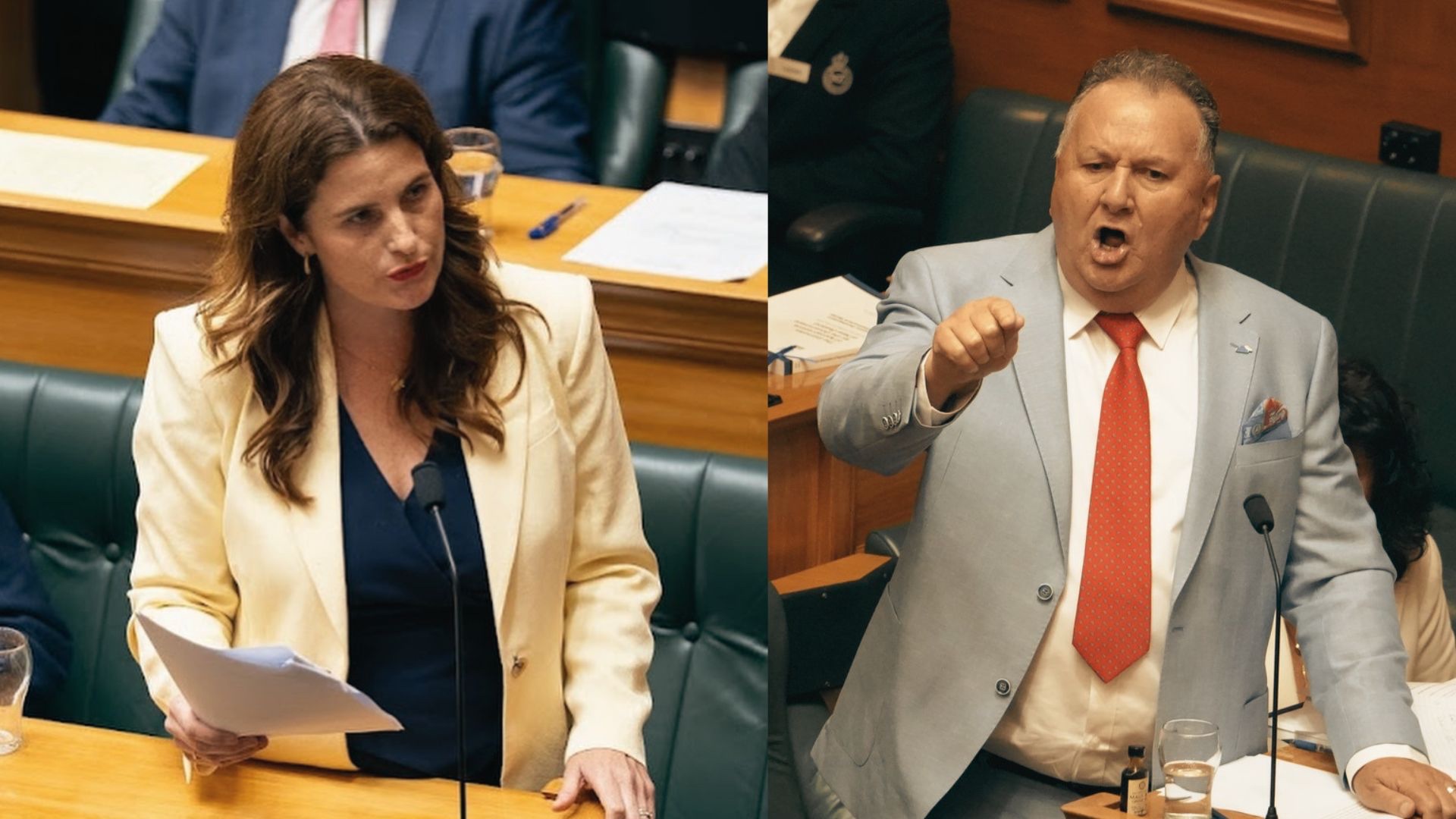
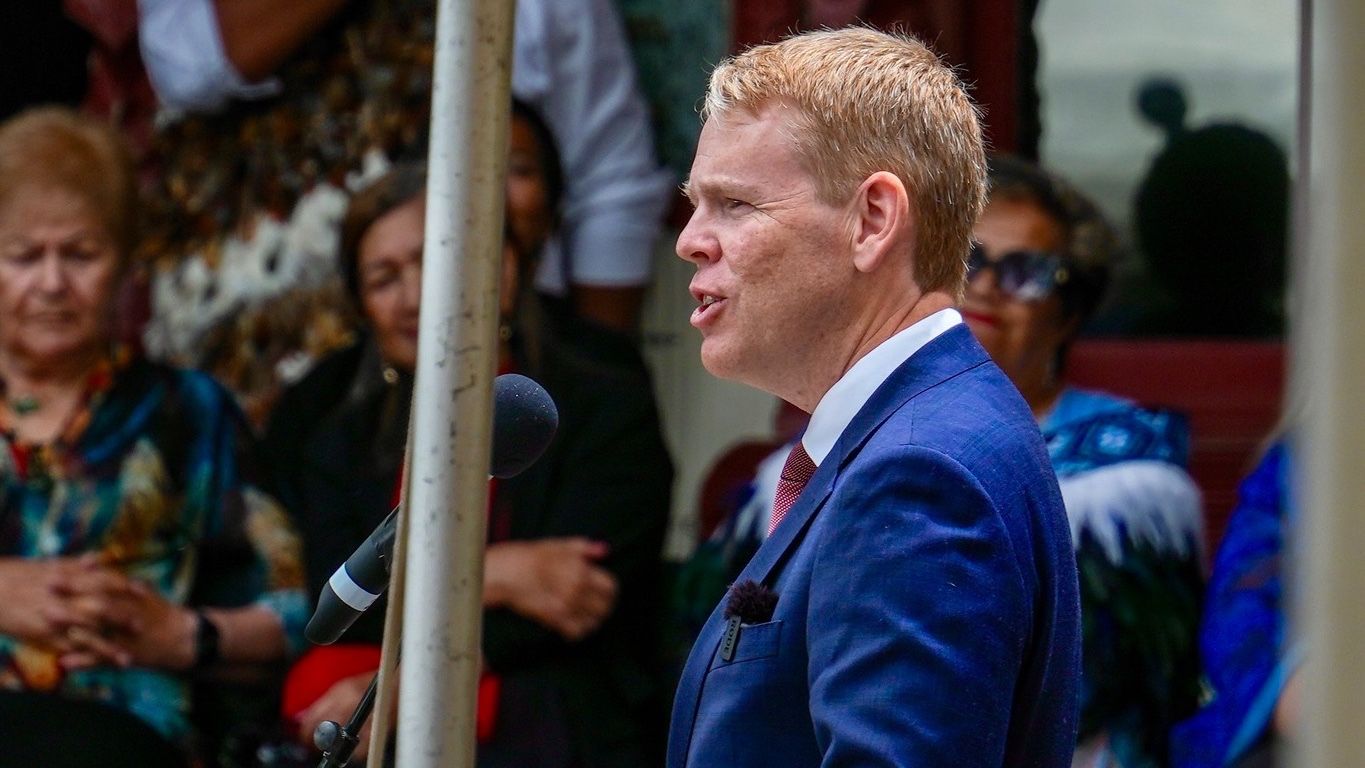
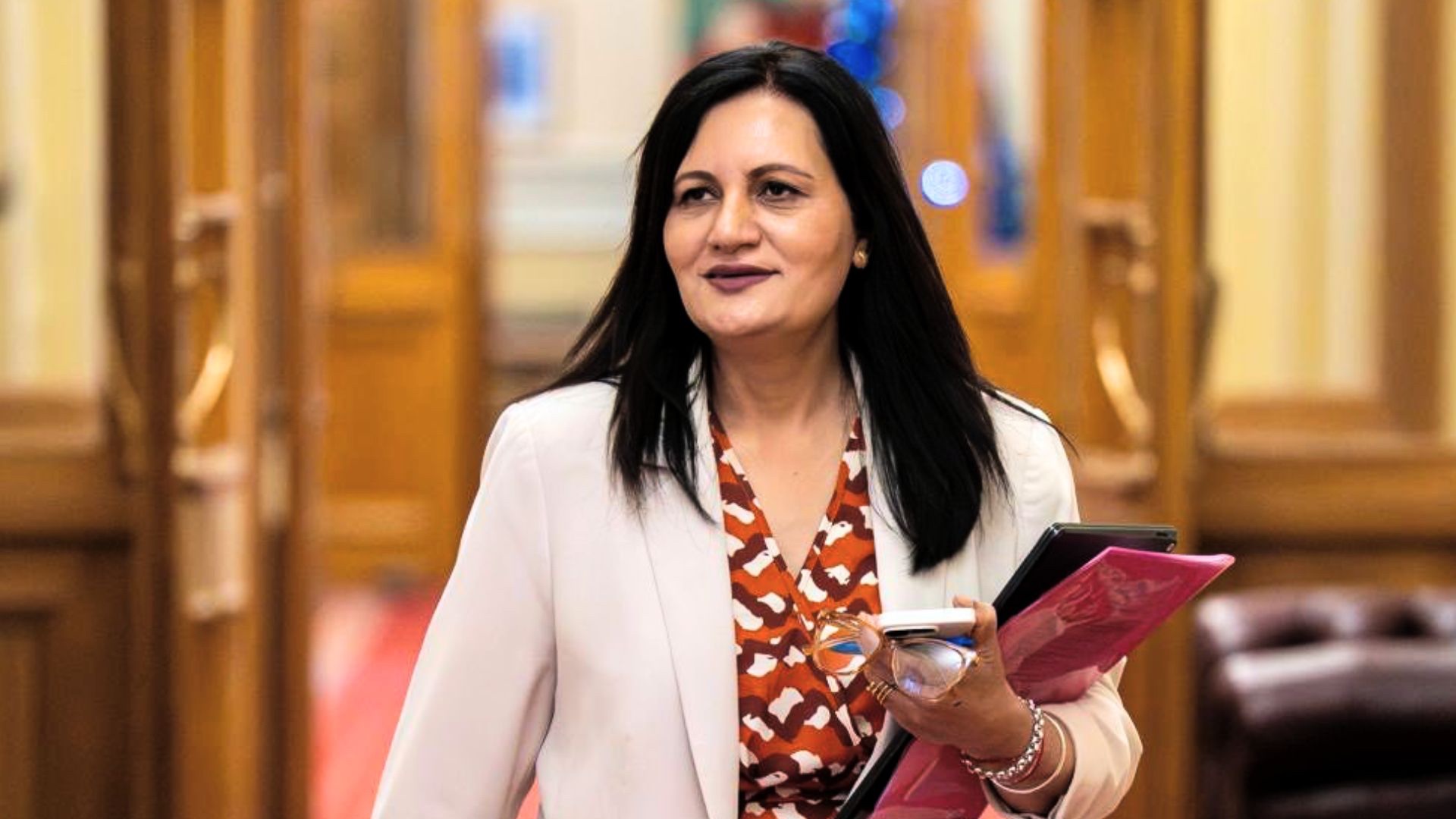
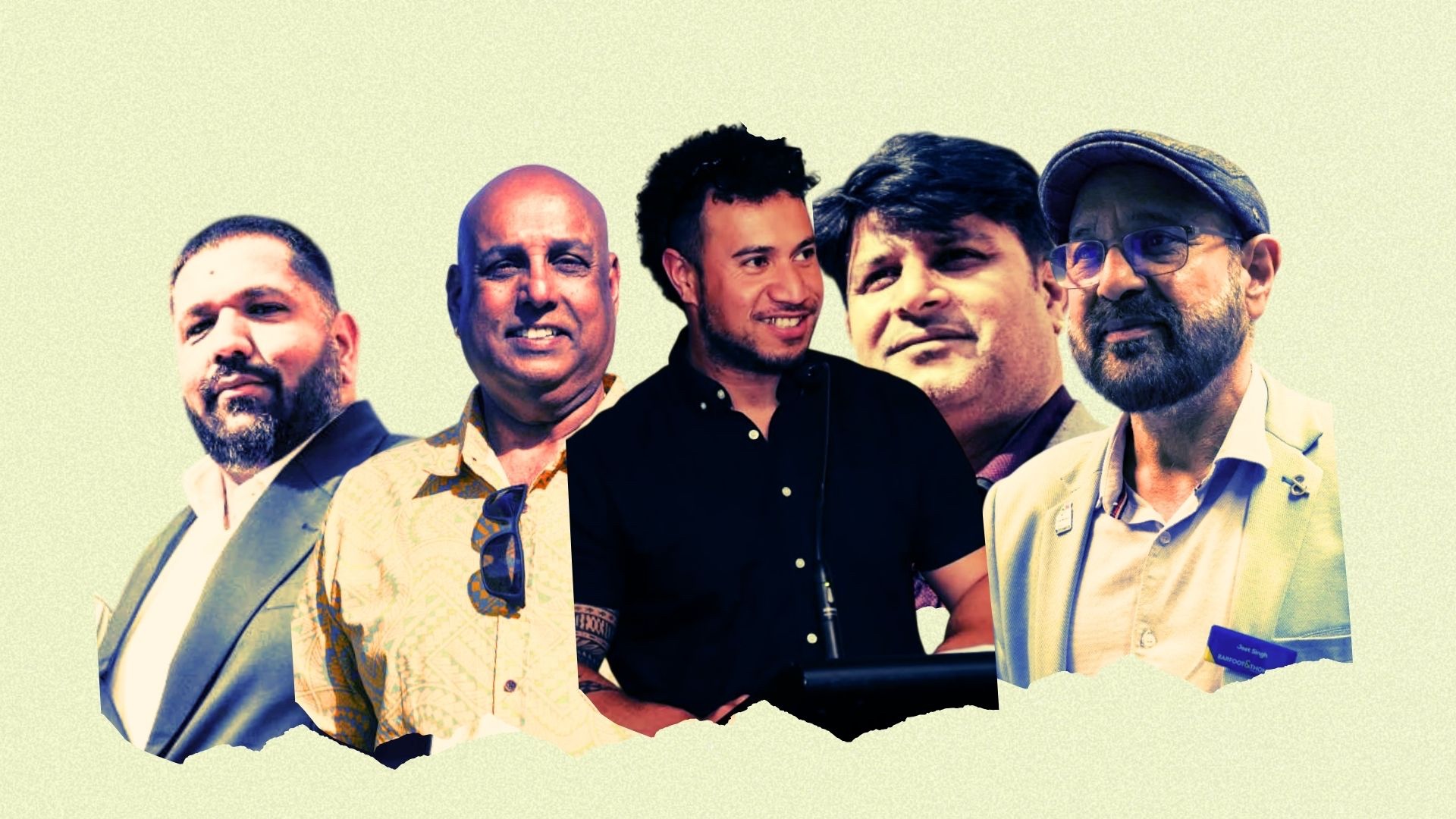
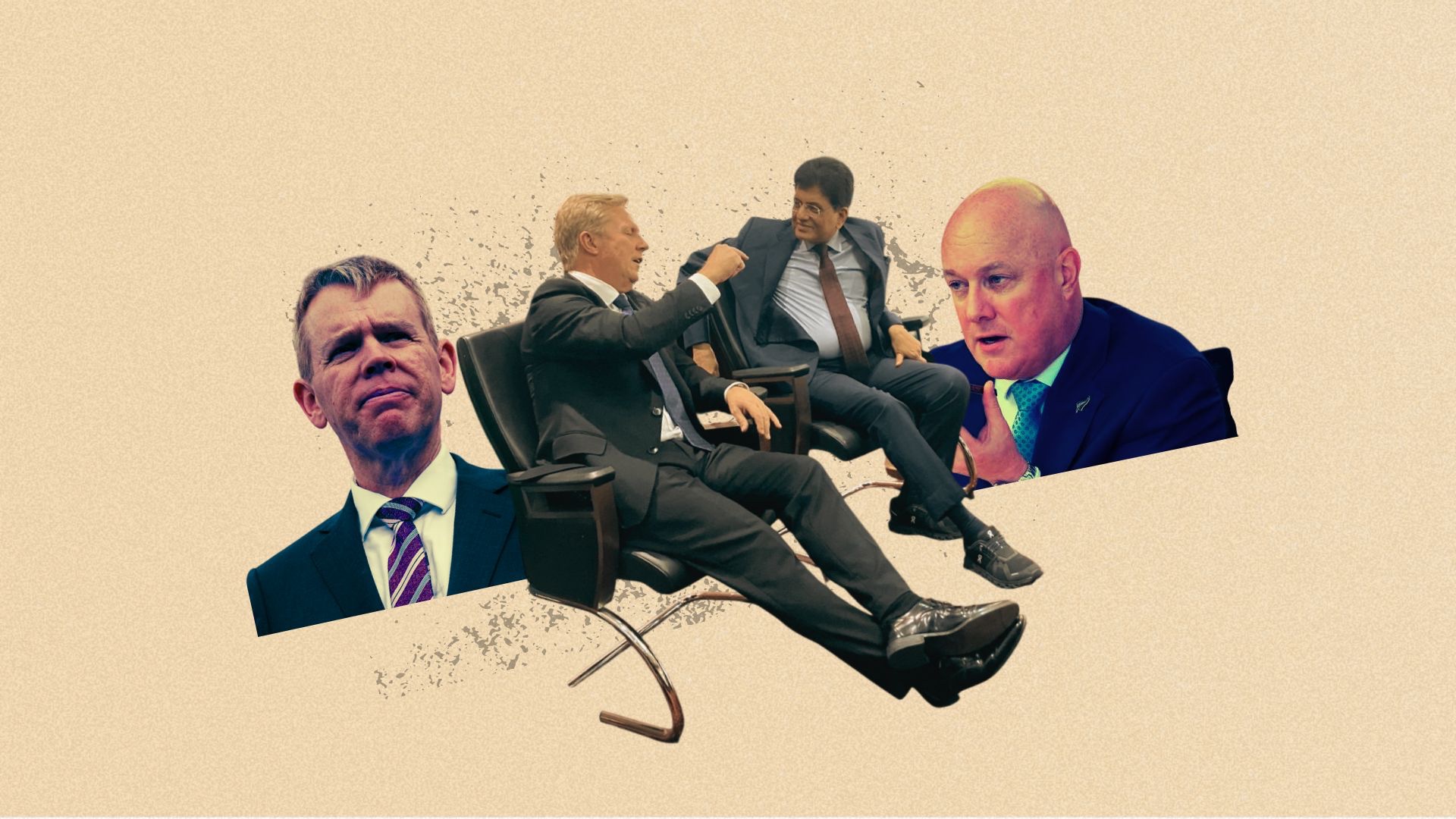
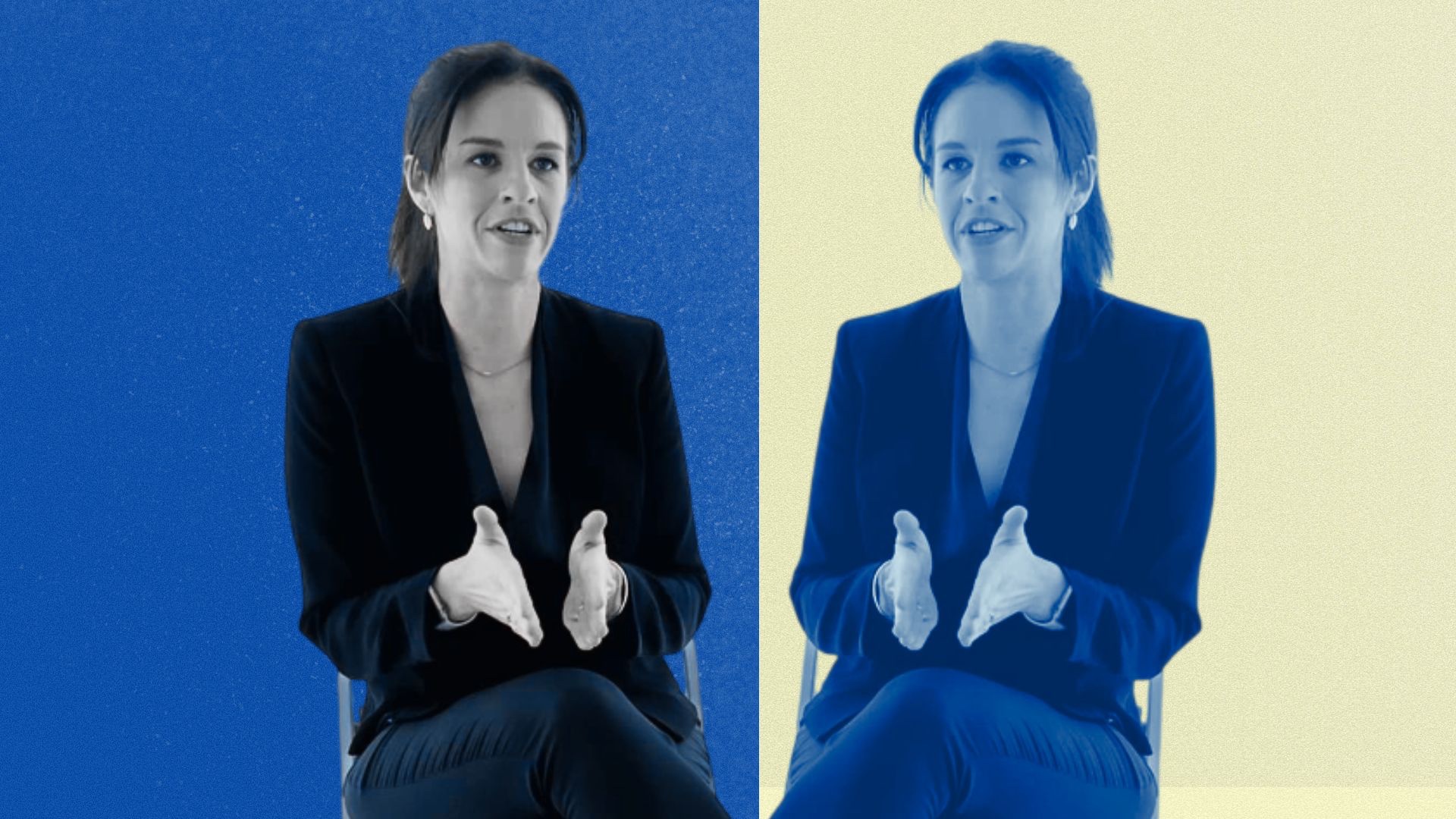
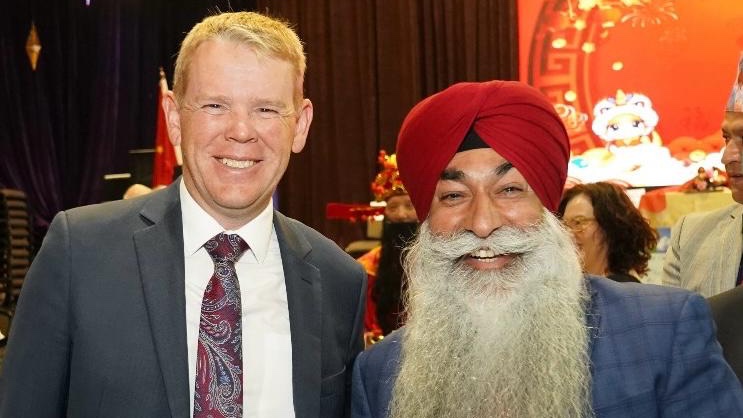
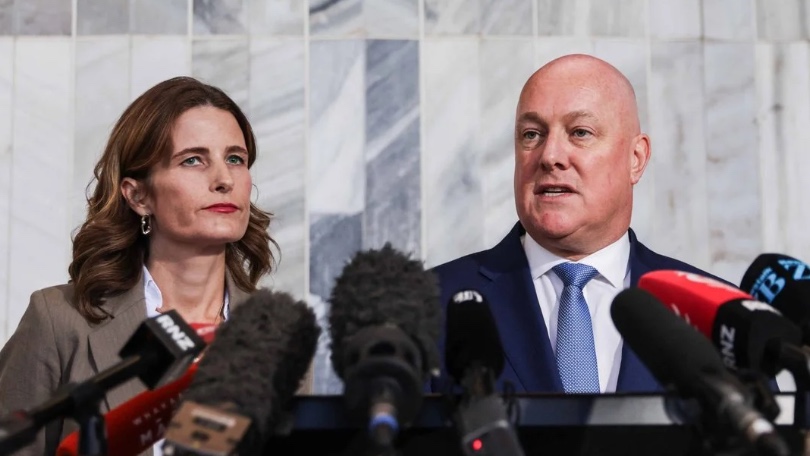
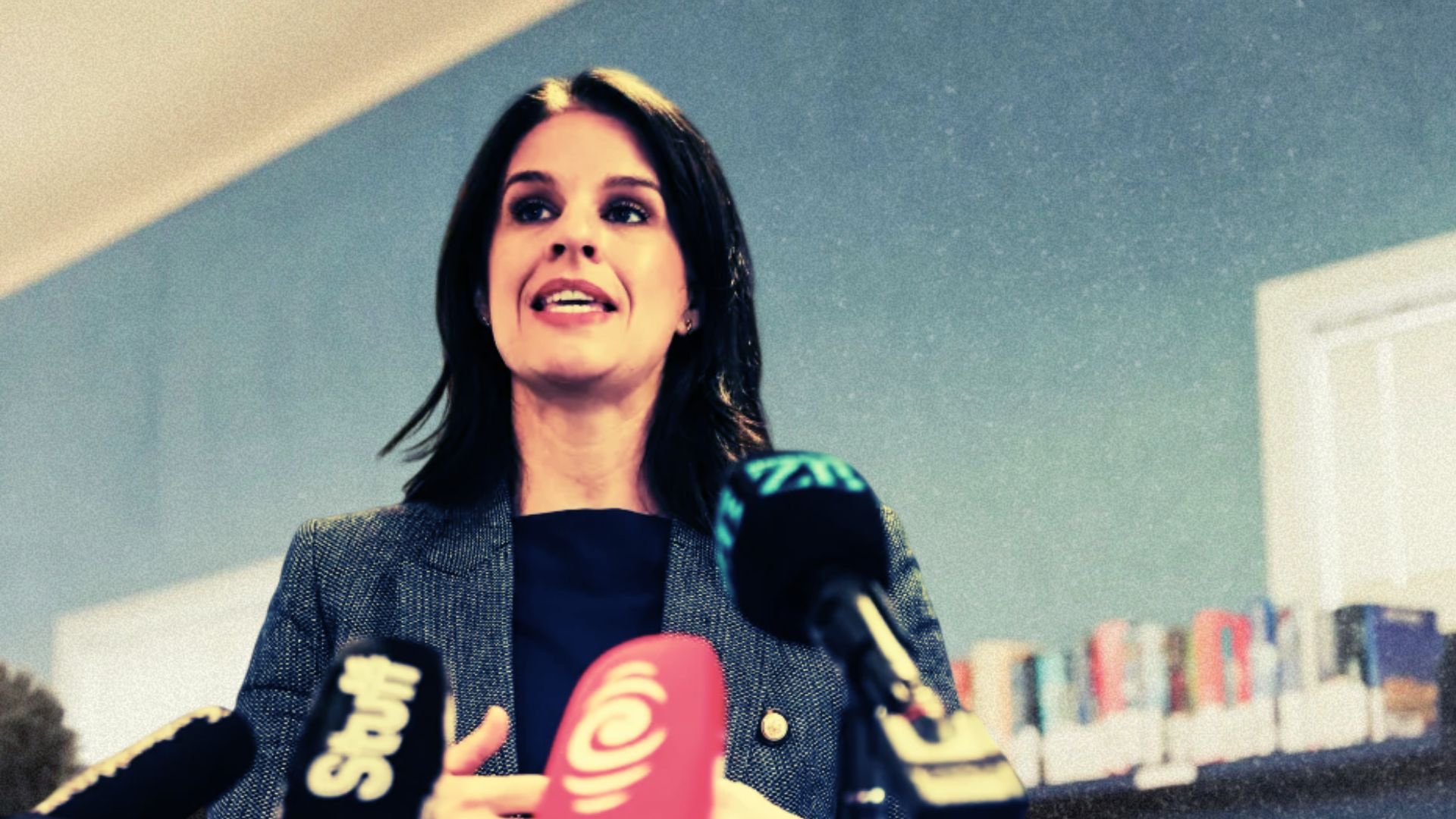
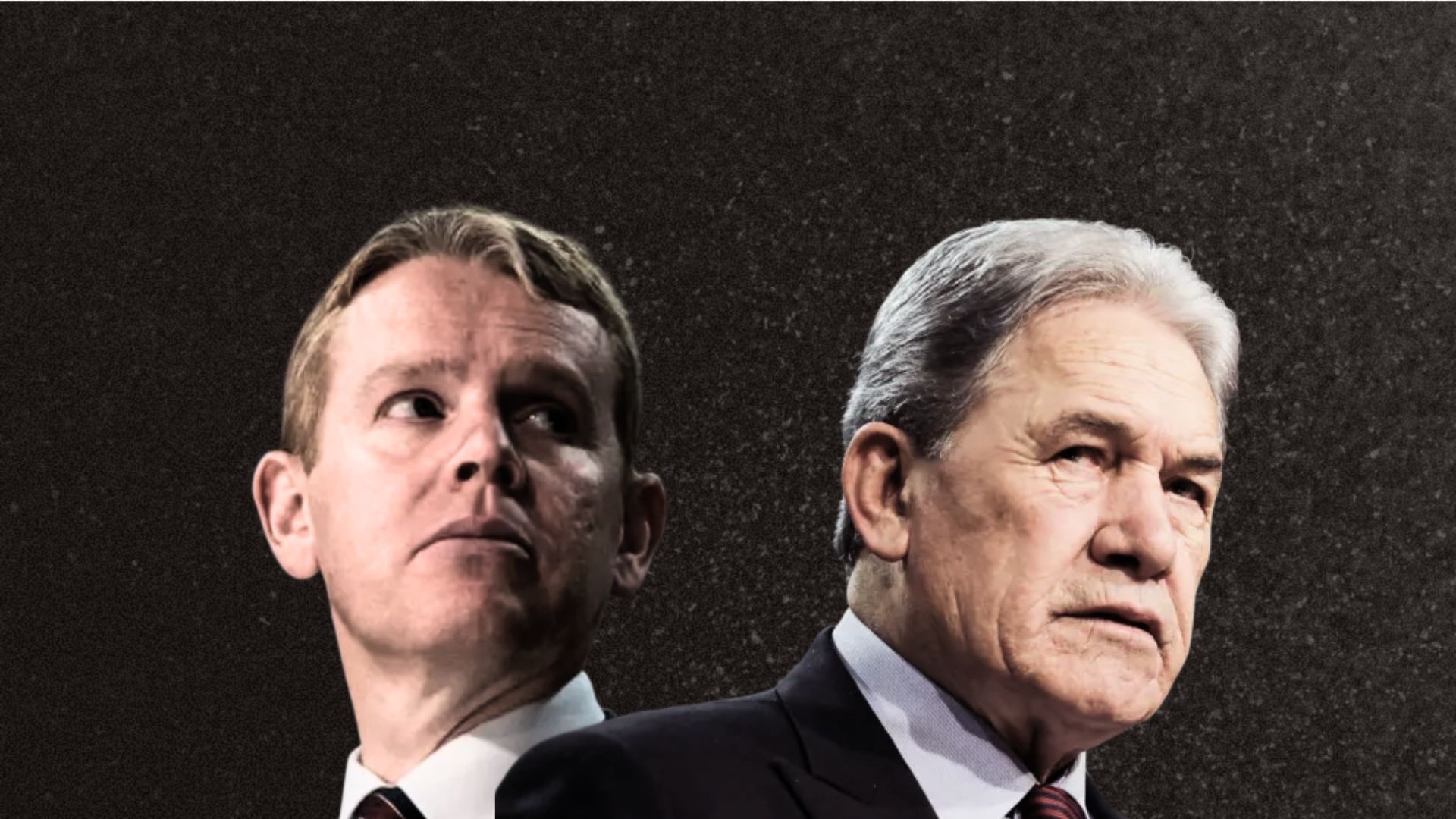
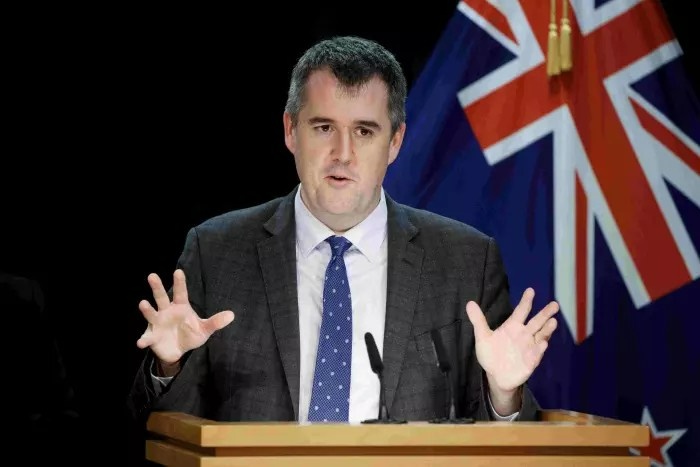
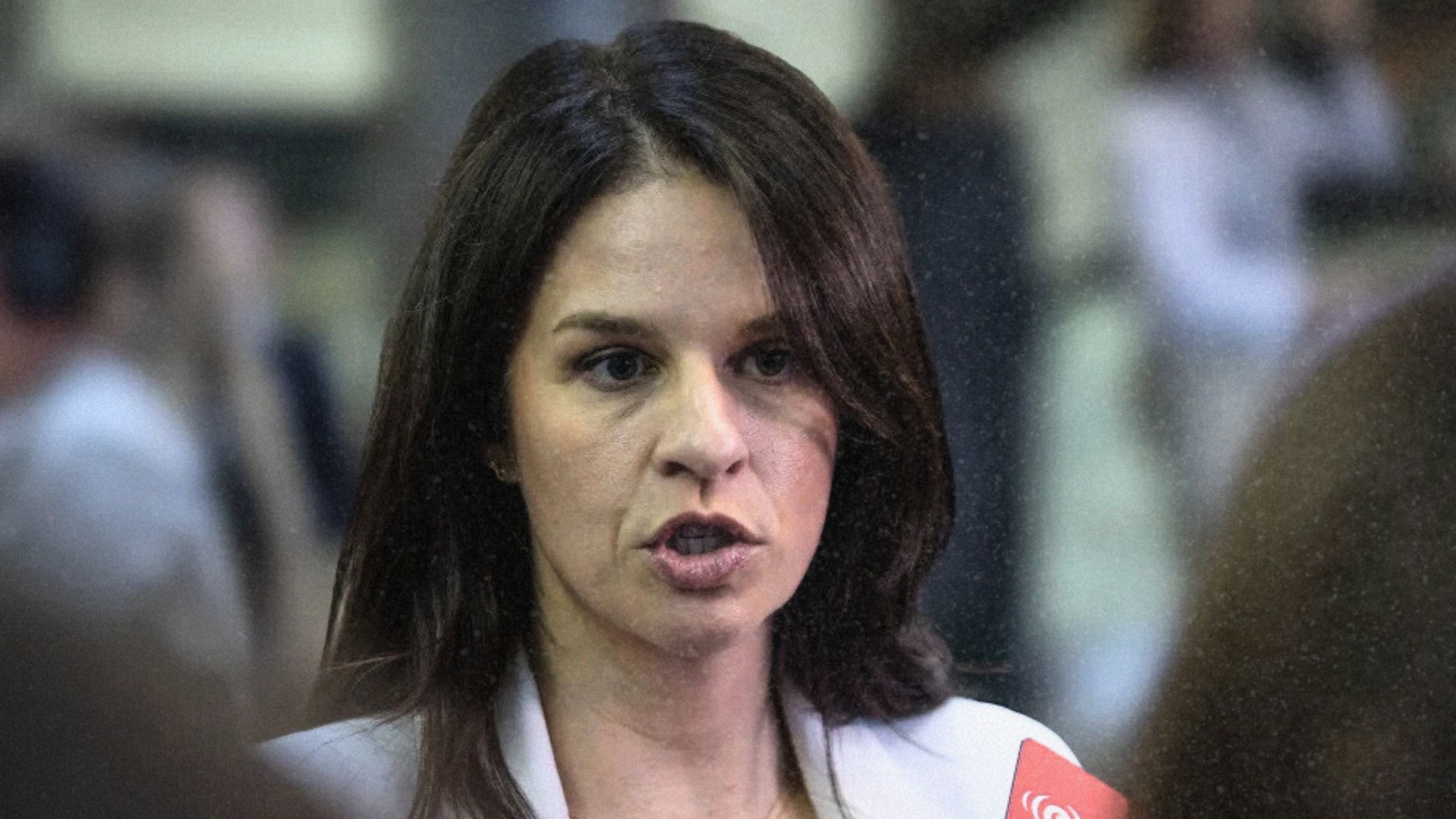
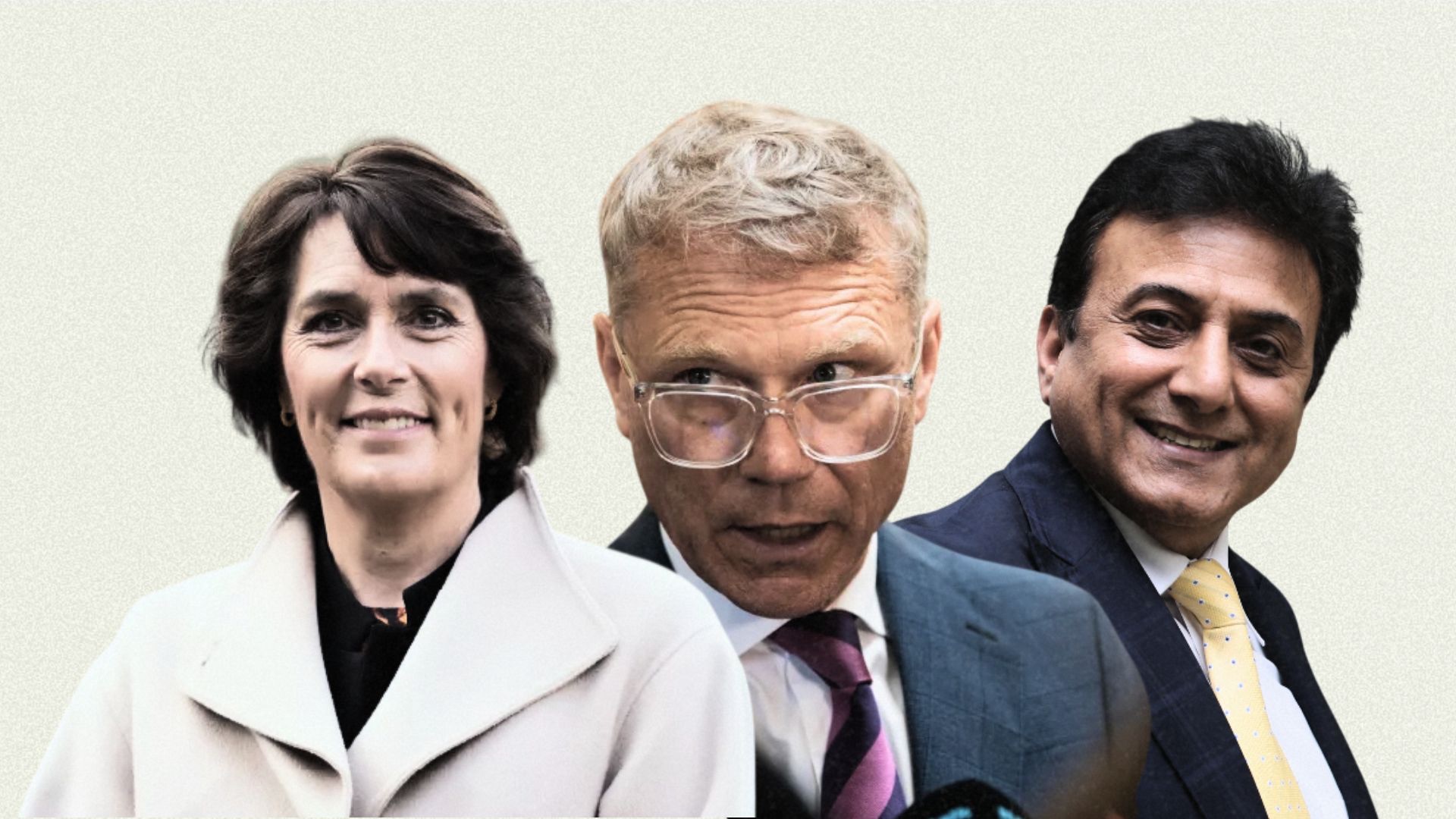
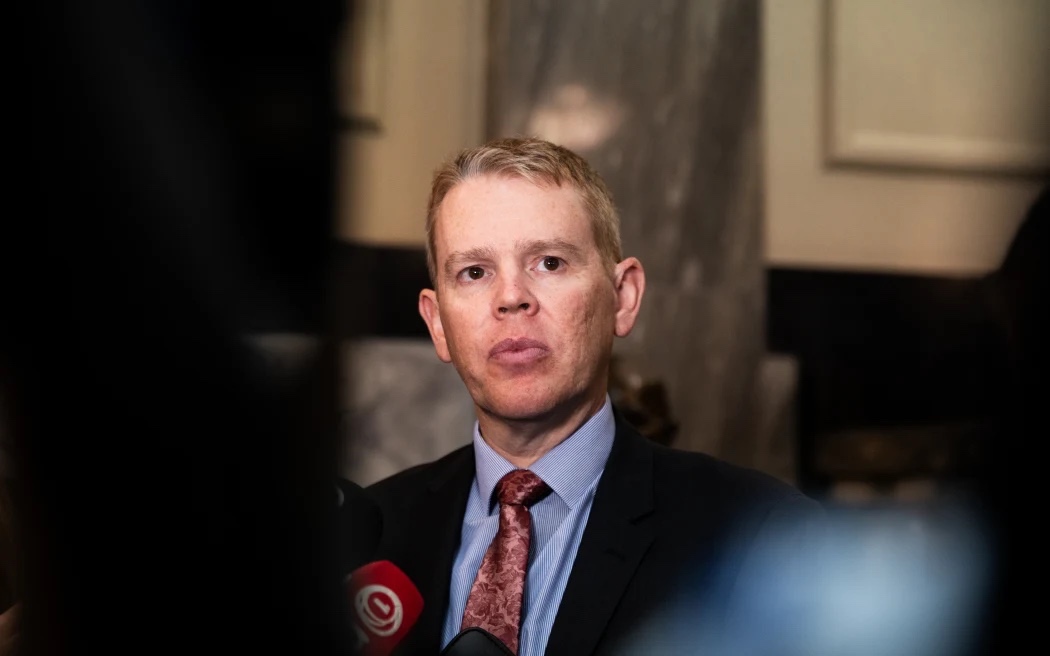
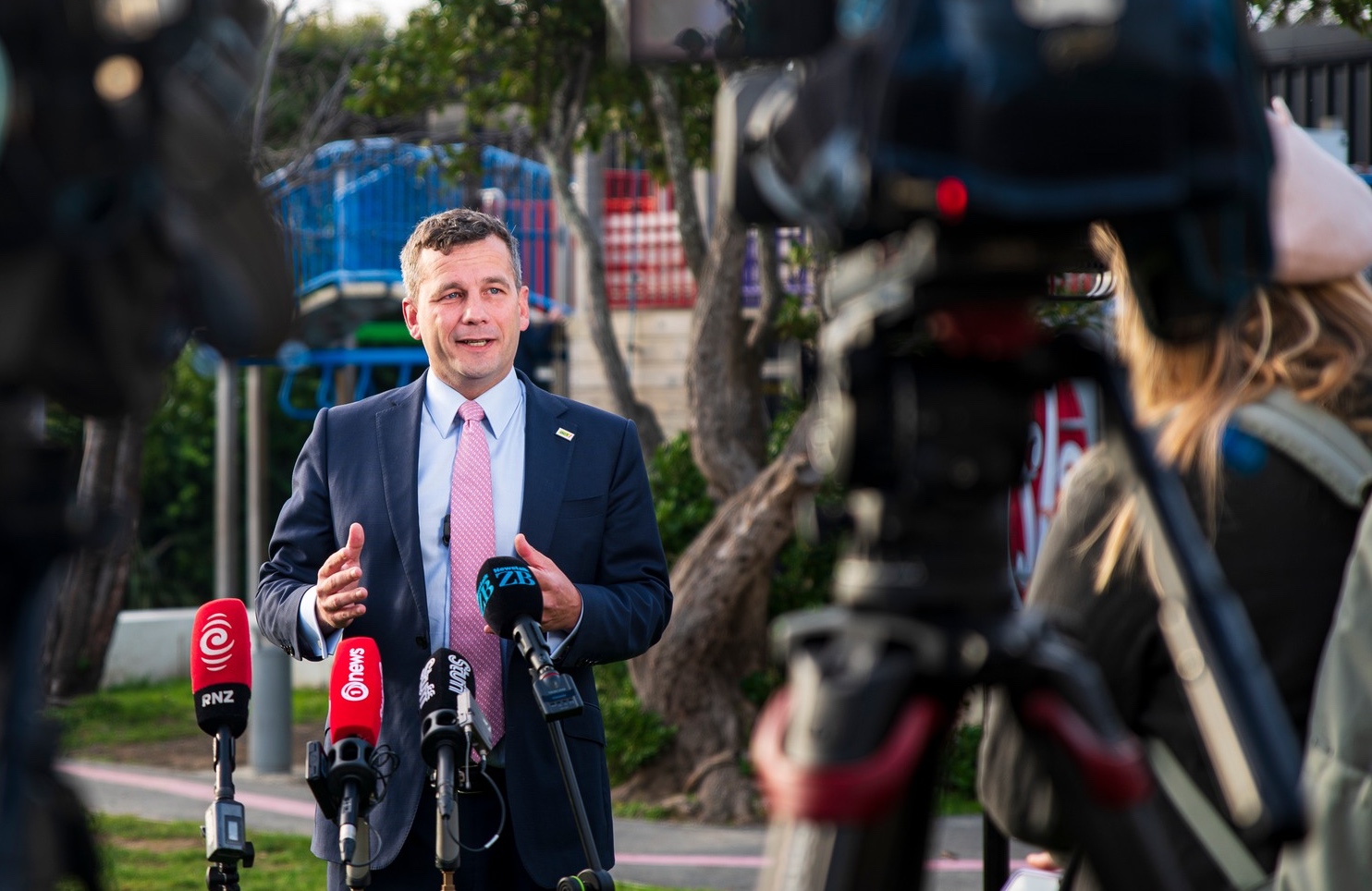
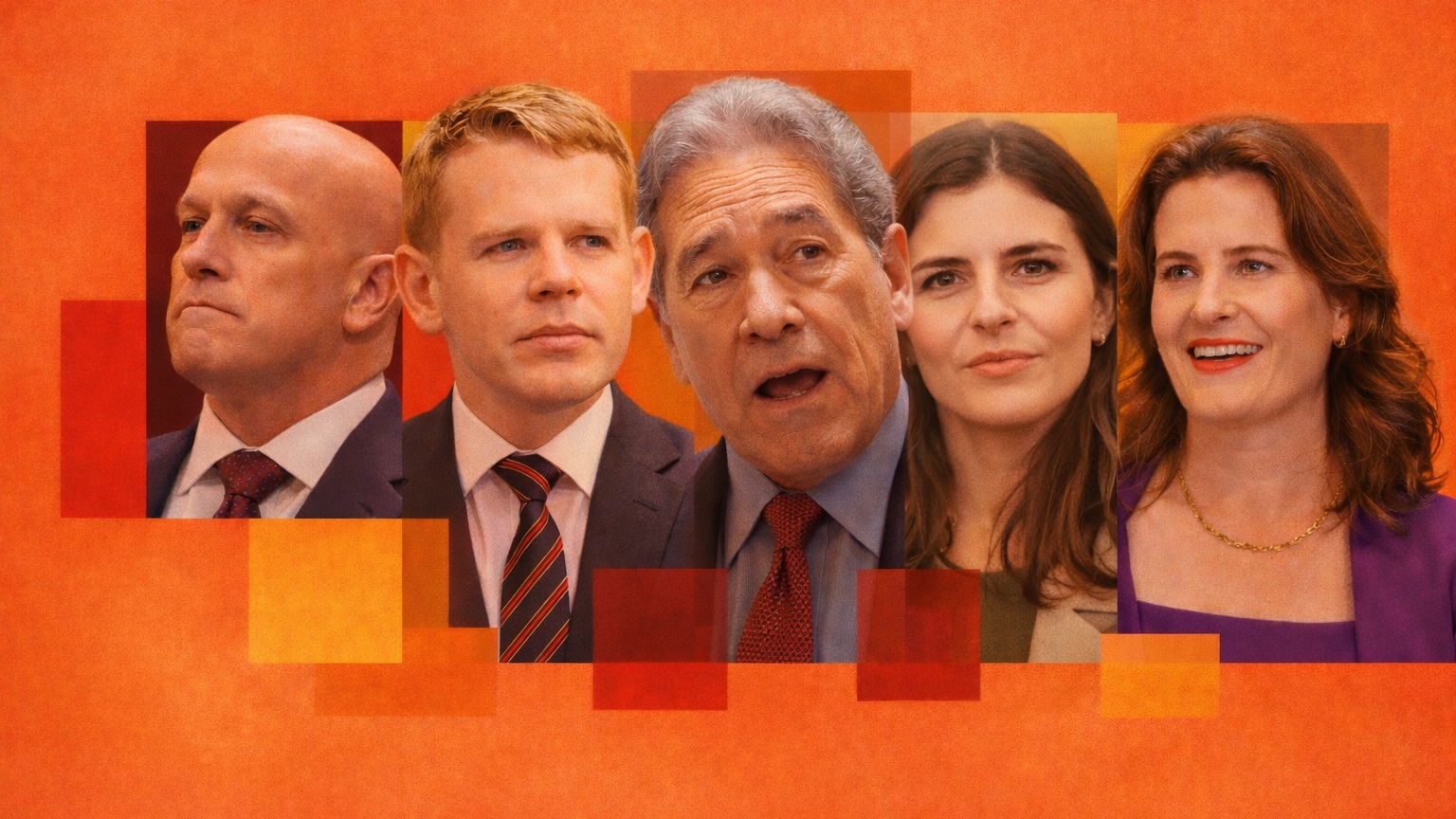
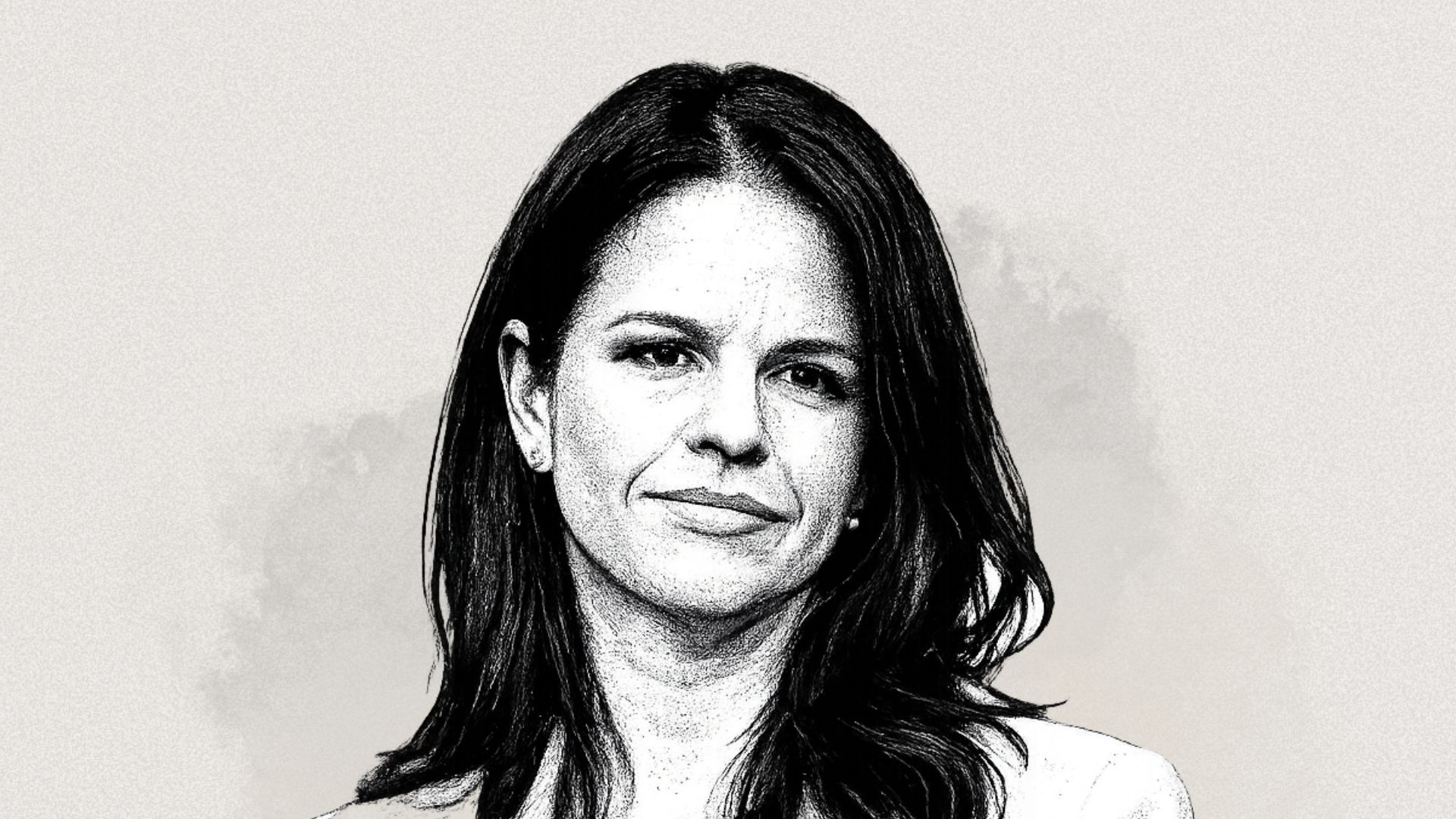
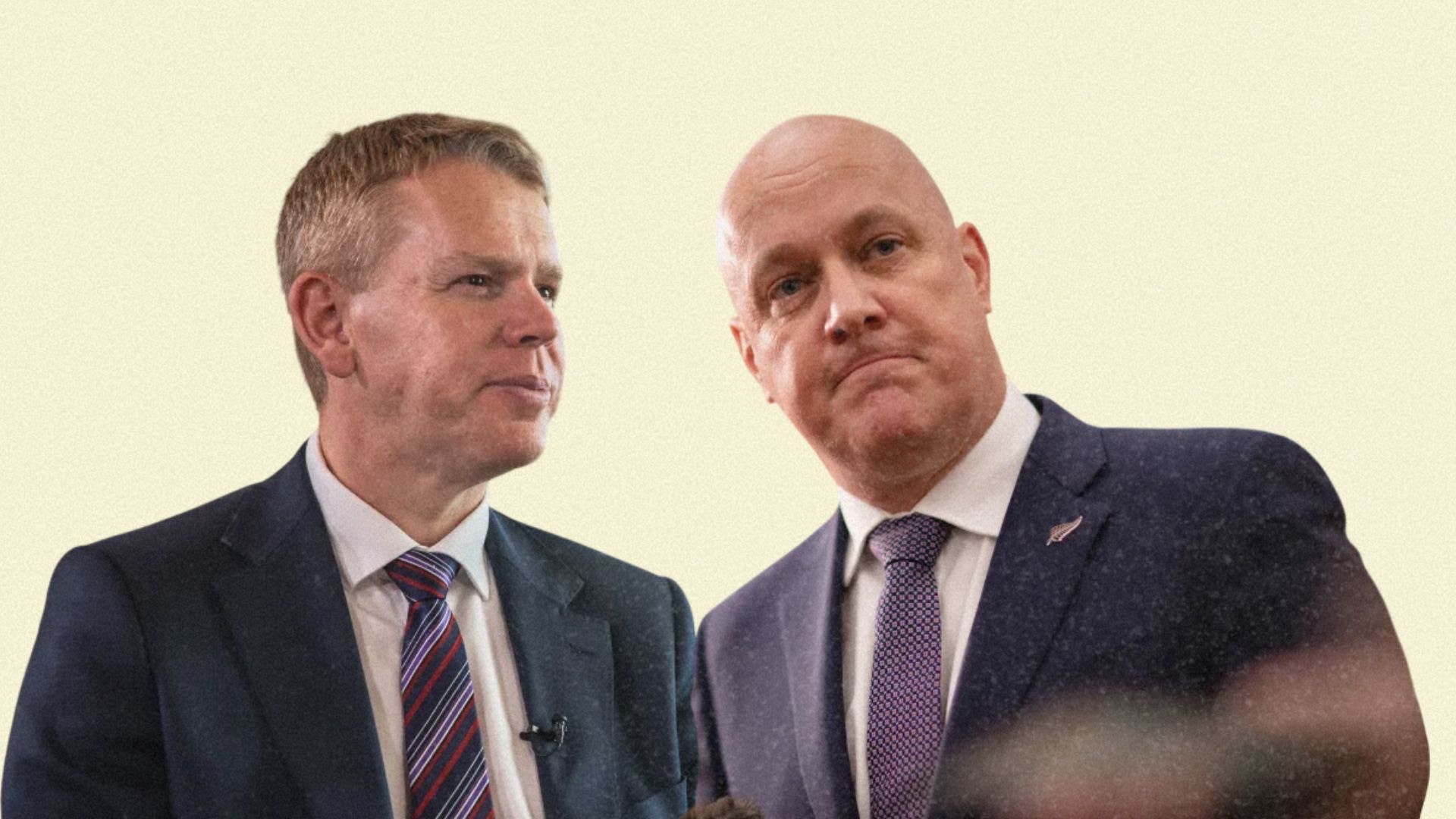
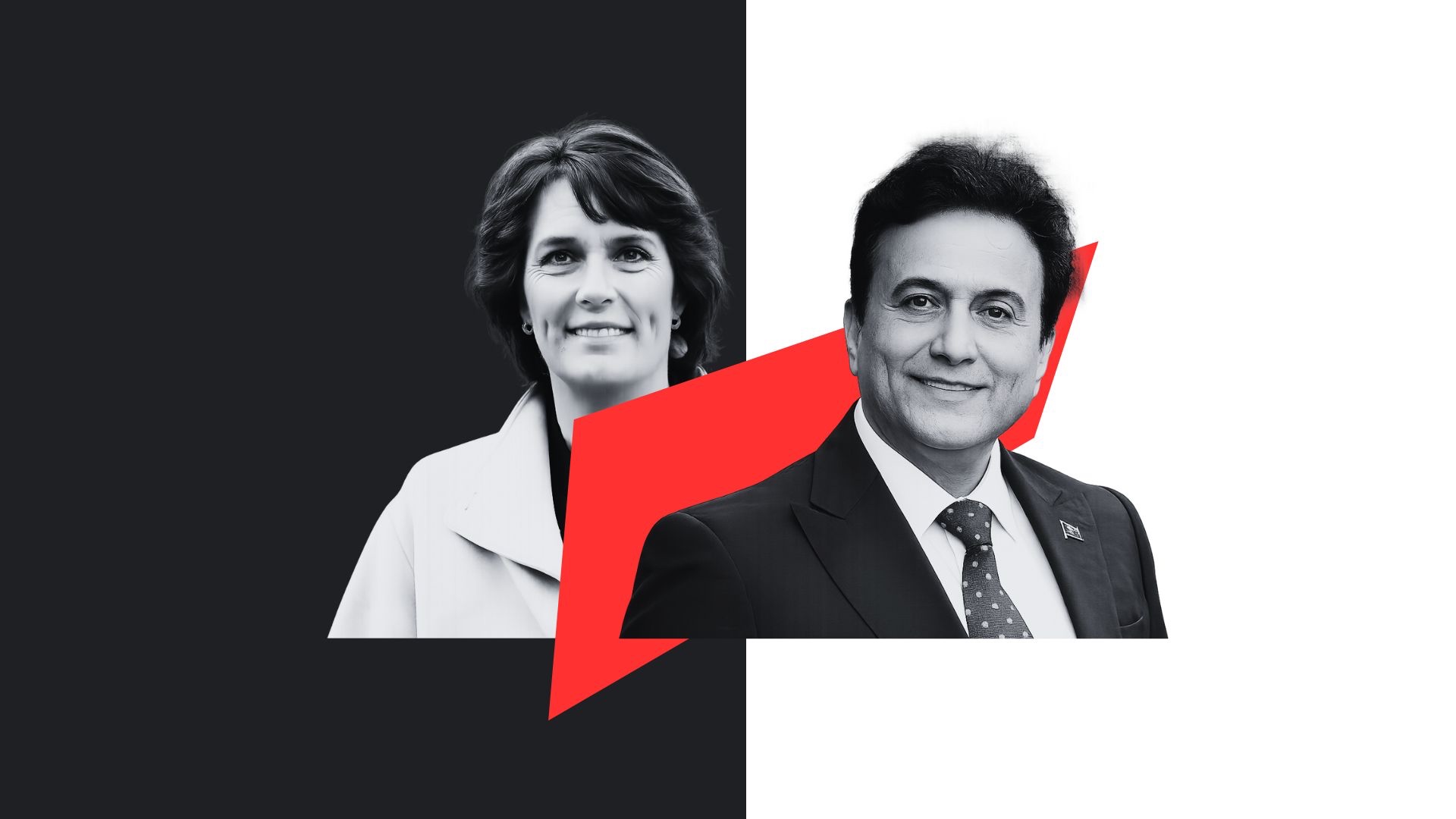
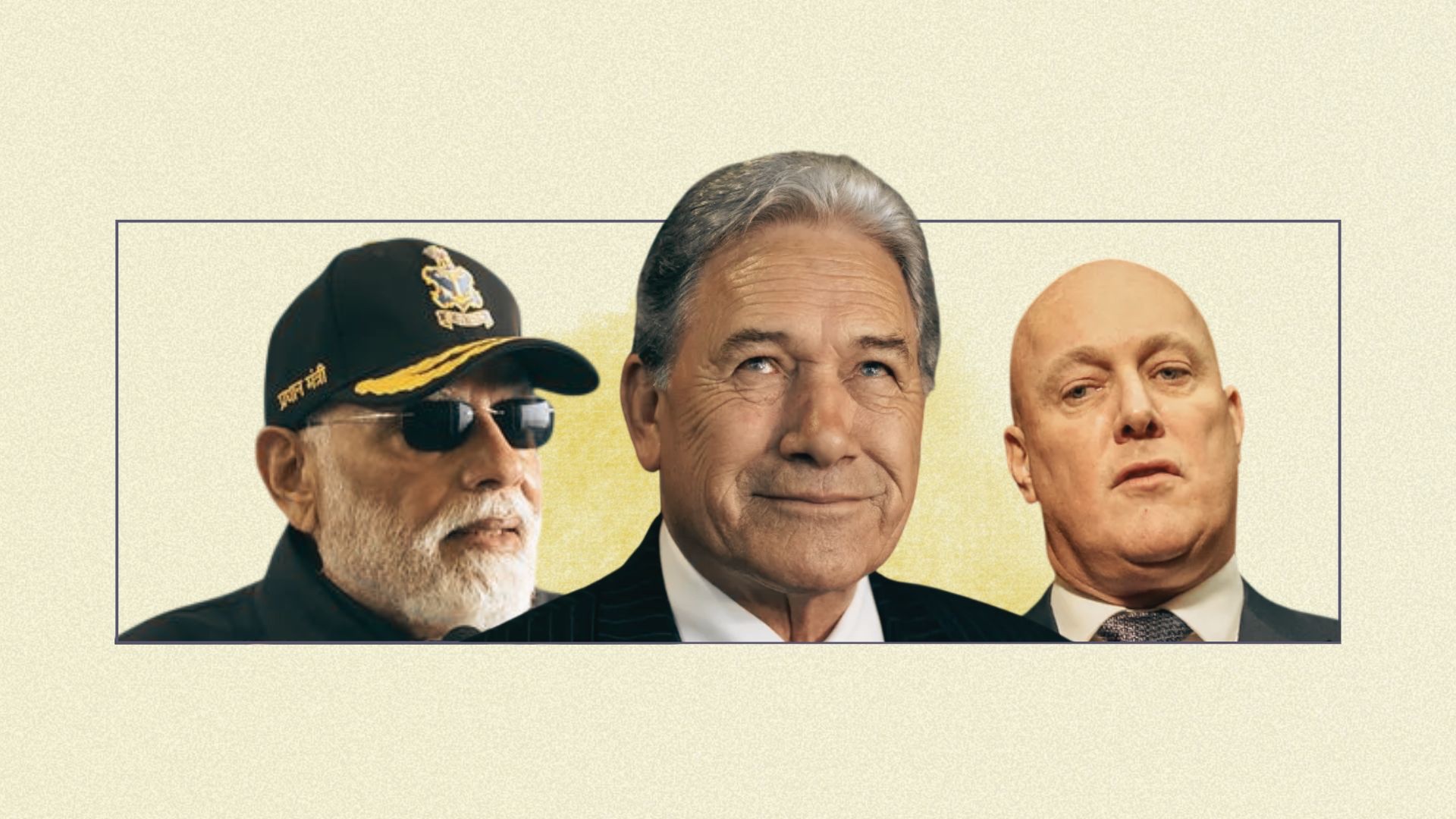
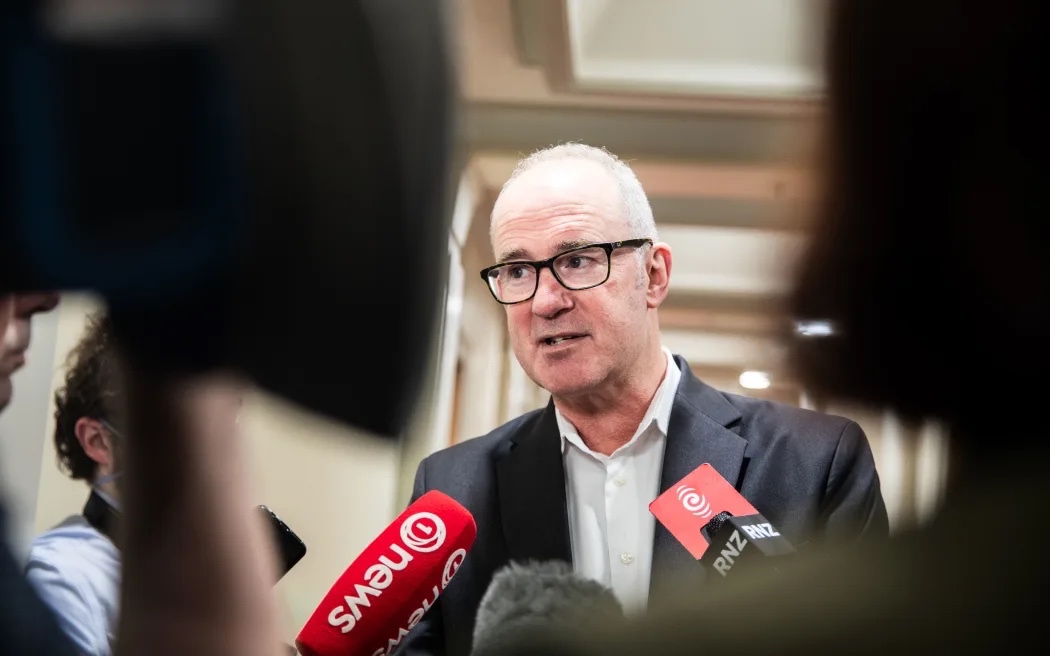
(From left) Opportunity Party leader Qiulae Wong, Green Party's Chloe Swarbrick and Labour's Chris Hipkins.
Socialism and capitalism are often presented as an ideological argument. History shows us no economic system is a magic solution.
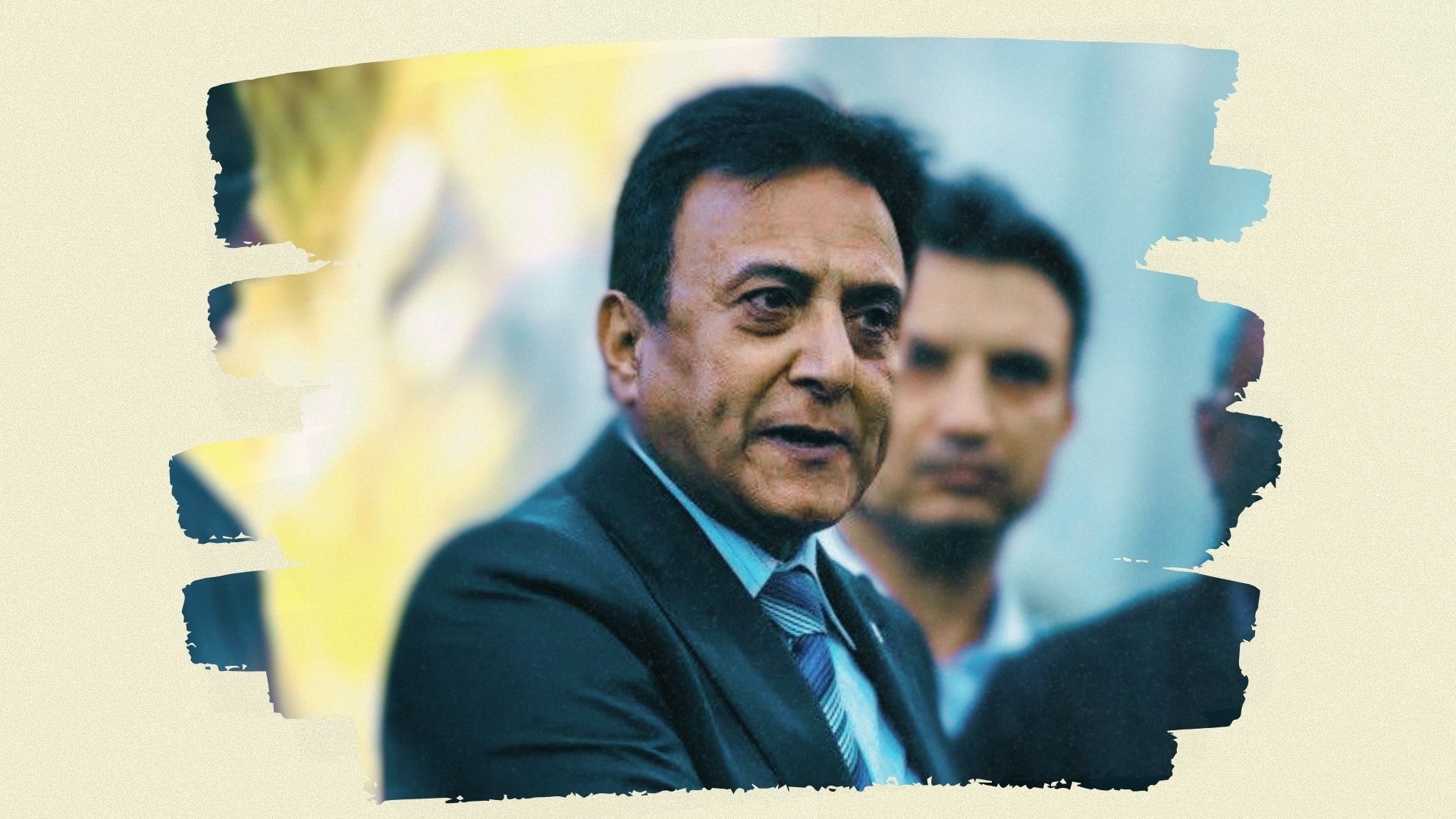
(The writer, based out of Wellington, migrated from India in 2008. He prefers not to be named.)
Opinion: Every election year in New Zealand, we hear political parties promising more. More benefits, more subsidies, more support for families and more government-funded services.
There is one question I don't hear enough. How are we going to pay for it? Our political debate seems increasingly focused on how to distribute wealth, rather than how to create it.
You don't have to look far in this election campaign to see what I mean.
The Green Party begins its 2026 manifesto from the proposition that “Aotearoa has enough for all of us”, arguing instead that wealth is concentrated too heavily at the top. Its programme proposes making the super-rich and large corporations pay more to fund public services while cutting income tax for most New Zealanders.
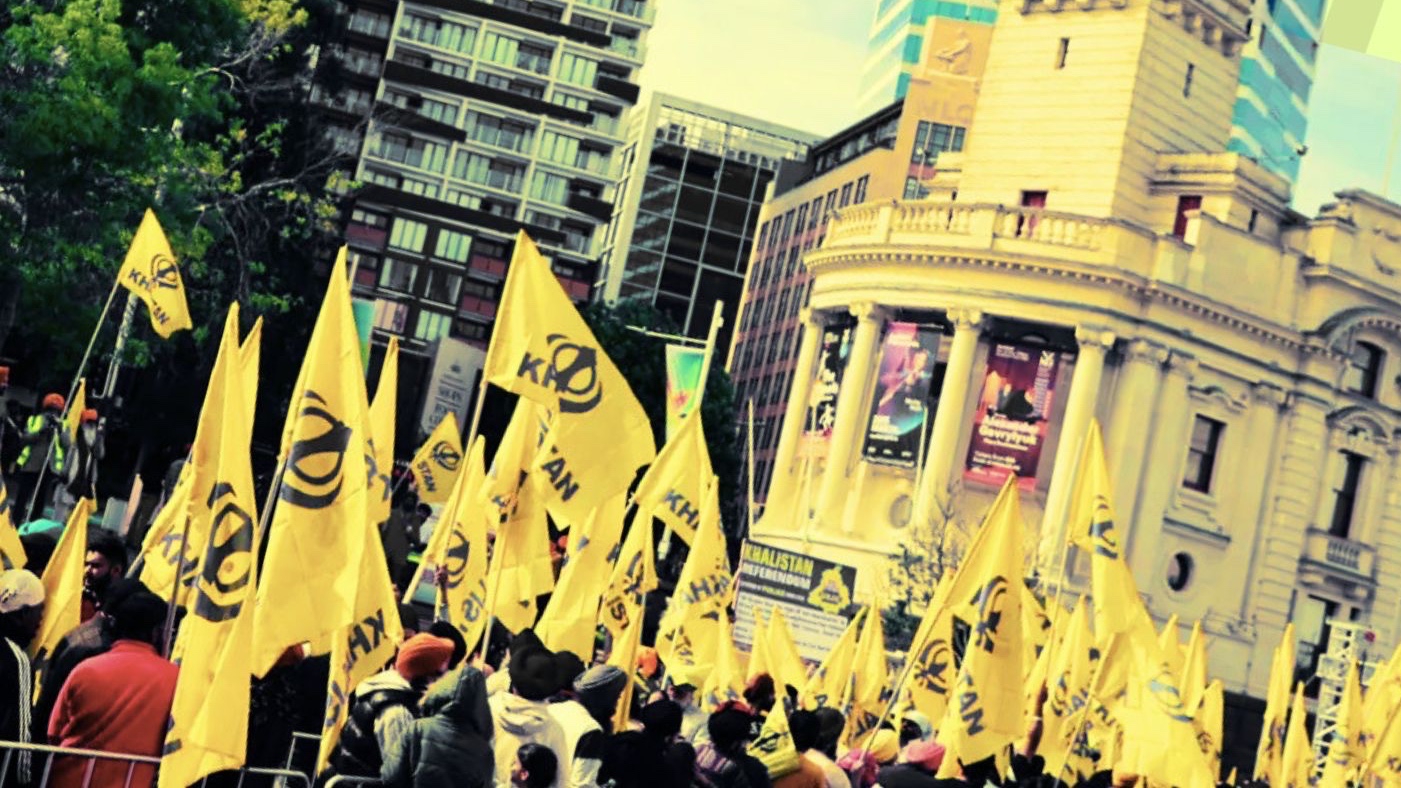
Truant student may have to curb Khalistan speech in India but will be deported, NZ tribunal rules The 21-year-old's education provider terminated his enrollment within a year because of poor attendance.
New Zealand-trained Indian pilot hailed for saving 174 people in Flydubai suspected crash bid Smit Machchhar trained with Mainland Air in Dunedin for about 18 months between 2008 and 2009.
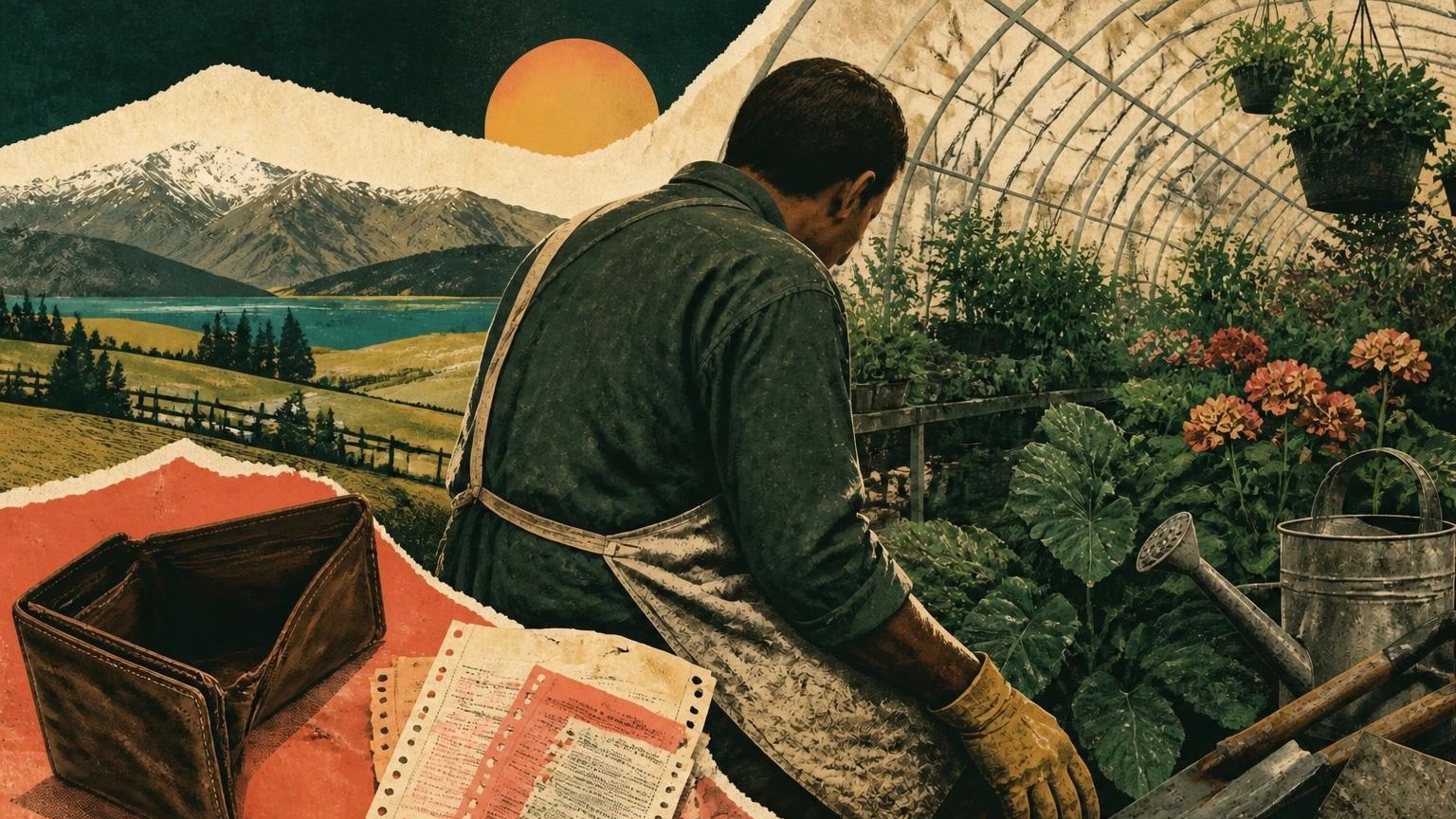
54 hours worked, 26 hours paid: Indian migrant wins $60,000 from Auckland employer The man's additional claim that he paid unlawful premiums to procure the visa didn't hold up in the employment tribunal.
Opportunity is proposing an even more fundamental redistribution of the tax burden. Its Tax Reset would eventually give almost every adult a Citizen's Income of up to $19,400 a year, funded principally through an annual tax on residential and commercial land.
Labour, meanwhile, wants to impose a 28 per cent tax on profits made from the sale of residential investment and commercial property, excluding the family home and other specified assets. The money would be ring-fenced for health, including three free GP visits a year for every New Zealander.
There may be perfectly good arguments for all of these policies. Inequality matters. Housing matters. Healthcare matters. Whether property and wealth are taxed appropriately is a legitimate argument to have.
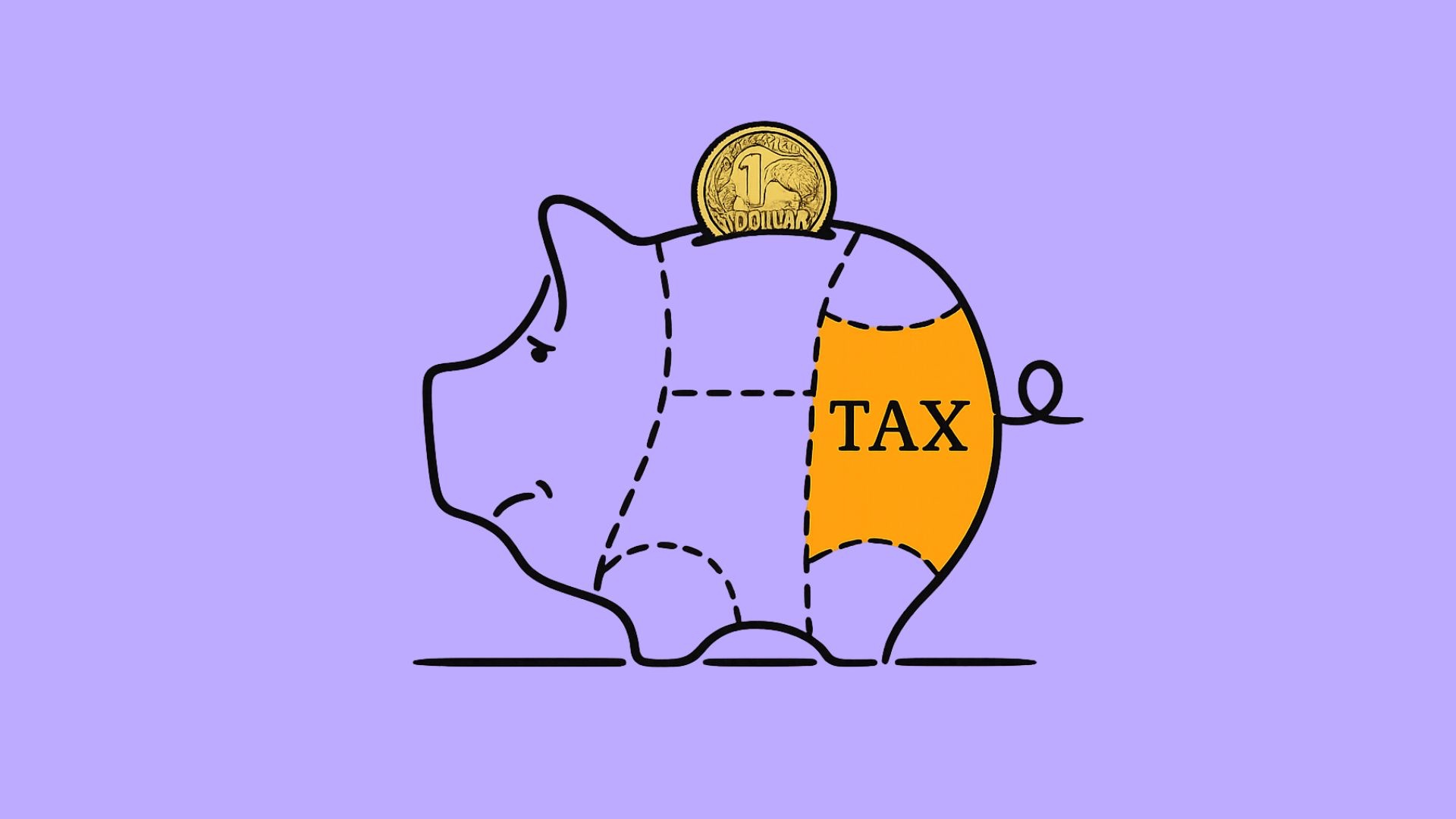
But look at where so much of the political argument begins: who has too much, who should pay more, who should receive more, and how the existing pie should be divided.
There is nothing wrong with supporting families who genuinely need help or investing in healthcare and education. A strong social safety net matters. But a generous welfare system can only be sustained by a strong, productive economy.
So where is the conversation about innovation, productivity, exports and revenue generation? New Zealand needs policies that encourage people and businesses to innovate, invest, take risks and create wealth.
We should be rewarding entrepreneurship, hard work and new ideas – not creating an environment where additional success is increasingly viewed as something that should simply be taxed to fund more government spending.
If we want better healthcare, better education, better infrastructure and greater support for those who need it, we need to grow the economy that funds them. Look at New Zealand as a company. NZ Inc. needs to make more money.
We should be asking how we can become a world leader in areas where we have an advantage, increase the value of our exports, attract investment, retain talent and develop industries that create high-value jobs.
To be fair, these parties are not ignoring wealth creation altogether.
Opportunity says its land tax would discourage property speculation and redirect money into businesses. It has also put forward policies aimed at innovation and a more productive economy.
Labour argues that too much New Zealand wealth is tied up in property rather than productive investment. Its proposed New Zealand Future Fund would invest in infrastructure and innovative Kiwi businesses, with the explicit aim of creating jobs and keeping more wealth in New Zealand.
My argument isn't that political parties have no growth policies. It is that the political conversation about creating substantially more wealth still seems much quieter than the argument about taxing, transferring and sharing the wealth we already have.
The debate around socialism and capitalism is often presented as an ideological argument. But history shows that no economic system is a magic solution. The collapse of the Soviet Union had many causes, and it would be simplistic to blame one factor.
The bigger lesson is that economic incentives, productivity and innovation matter. We shouldn't build a society where people feel that working harder, taking risks or building a successful business is something to be penalised.
At the same time, we shouldn't abandon those who need support. We need to do both. Create wealth and distribute it responsibly. The next election should, therefore, be about more than what politicians can give people over the next three years.
I want to hear politicians challenged on something more ambitious than which tax they will introduce, which payment they will increase or which service they will make free.
Tell us what New Zealand is going to produce that the rest of the world wants to buy. Tell us which industries can become globally significant from here. Tell us how a New Zealand business with a brilliant idea becomes a billion-dollar company without having to leave New Zealand to do it.
It should be about what kind of country we want to leave to the next generation. Before casting our votes, we should ask every political party – what is your plan to make New Zealand more productive, more innovative and more prosperous? Because before we can sustainably distribute wealth, we have to create it.”