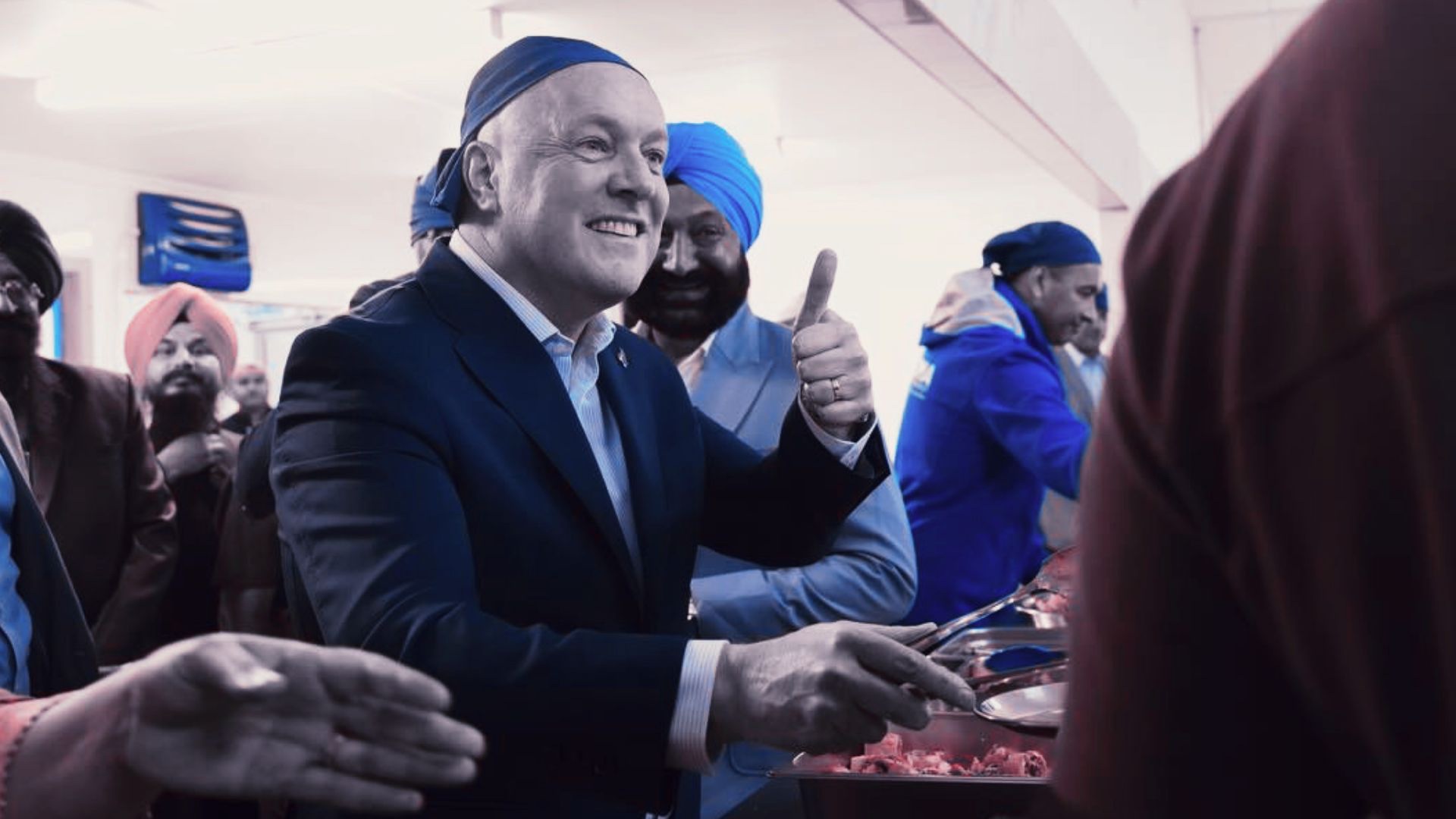

“So that is fine, tearing the Indian flag?” Police minister Mitchell grilled over free speech

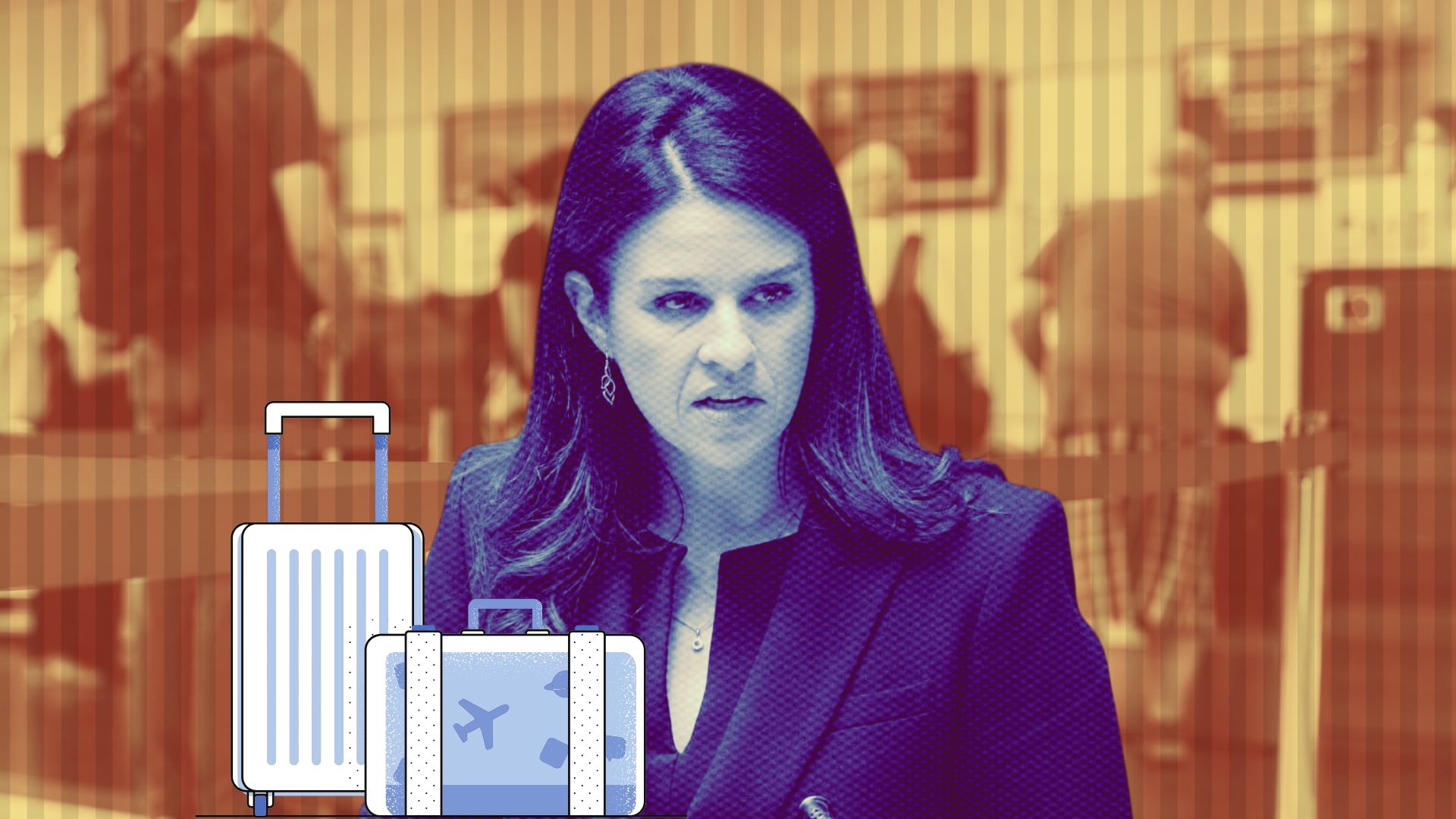
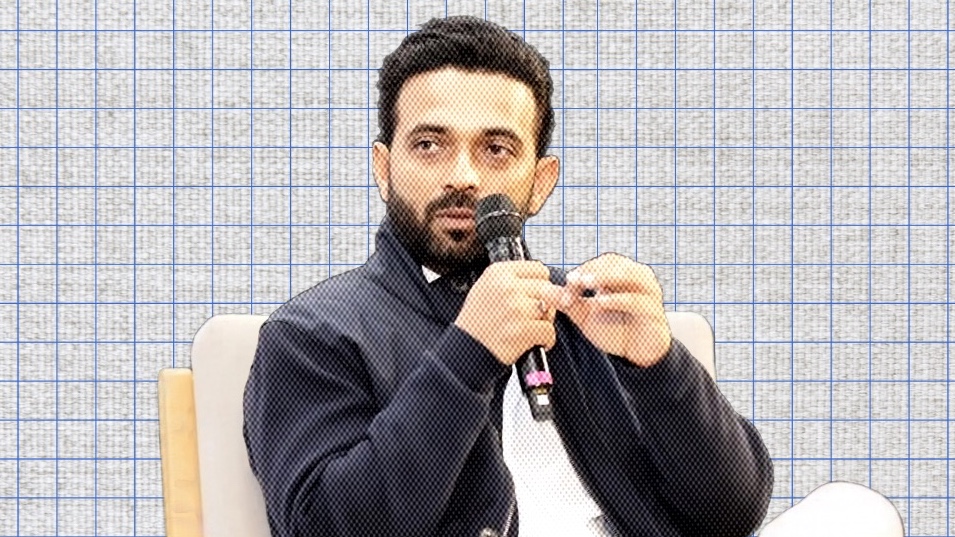
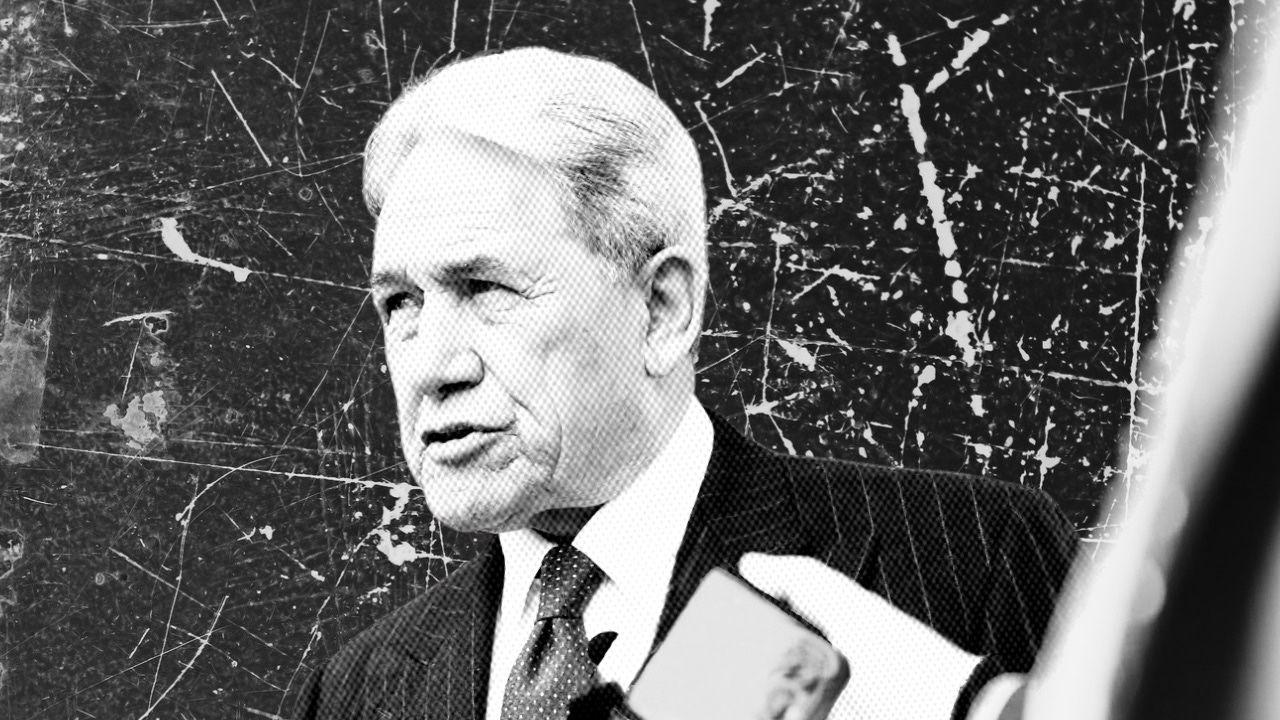
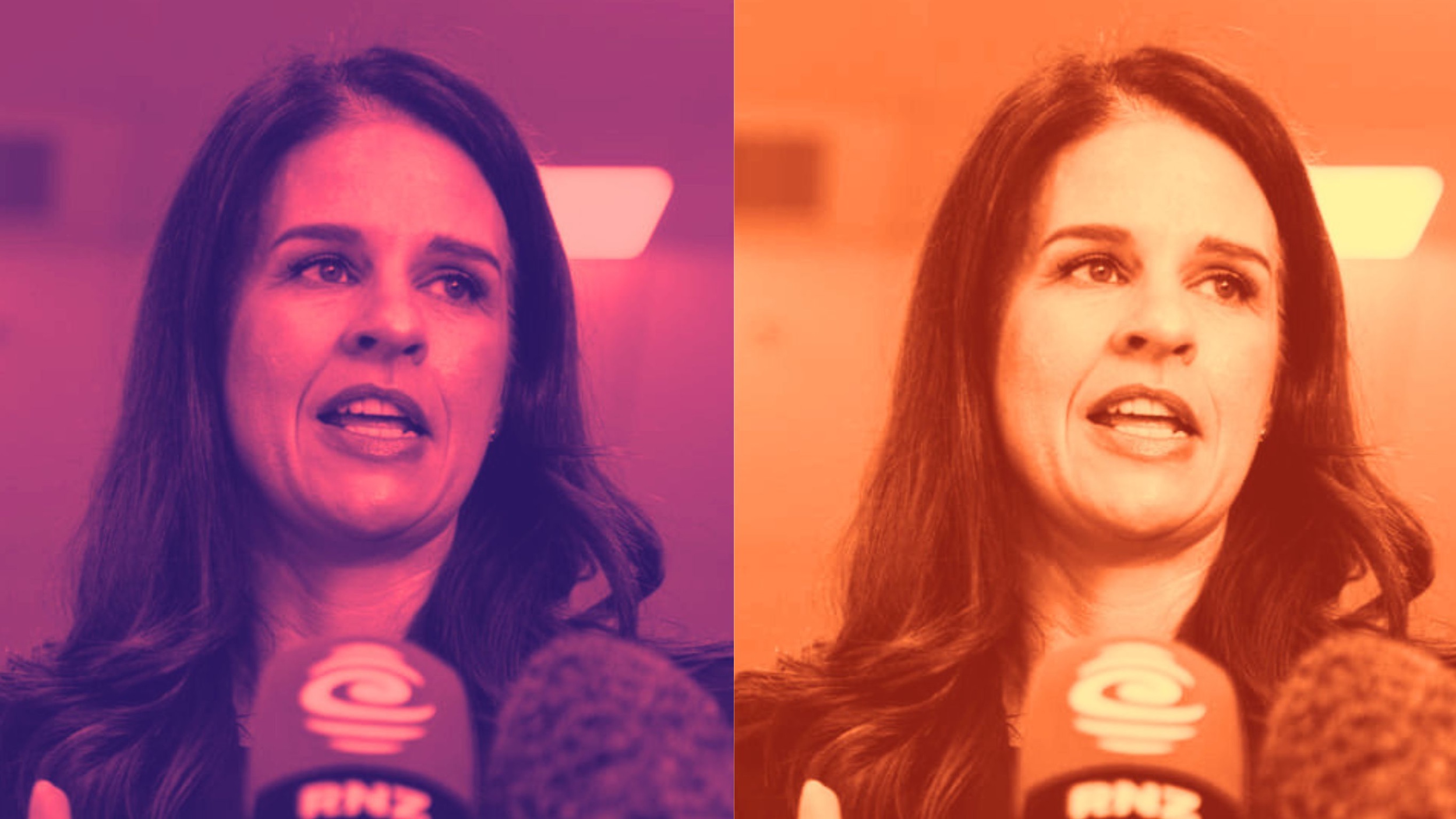
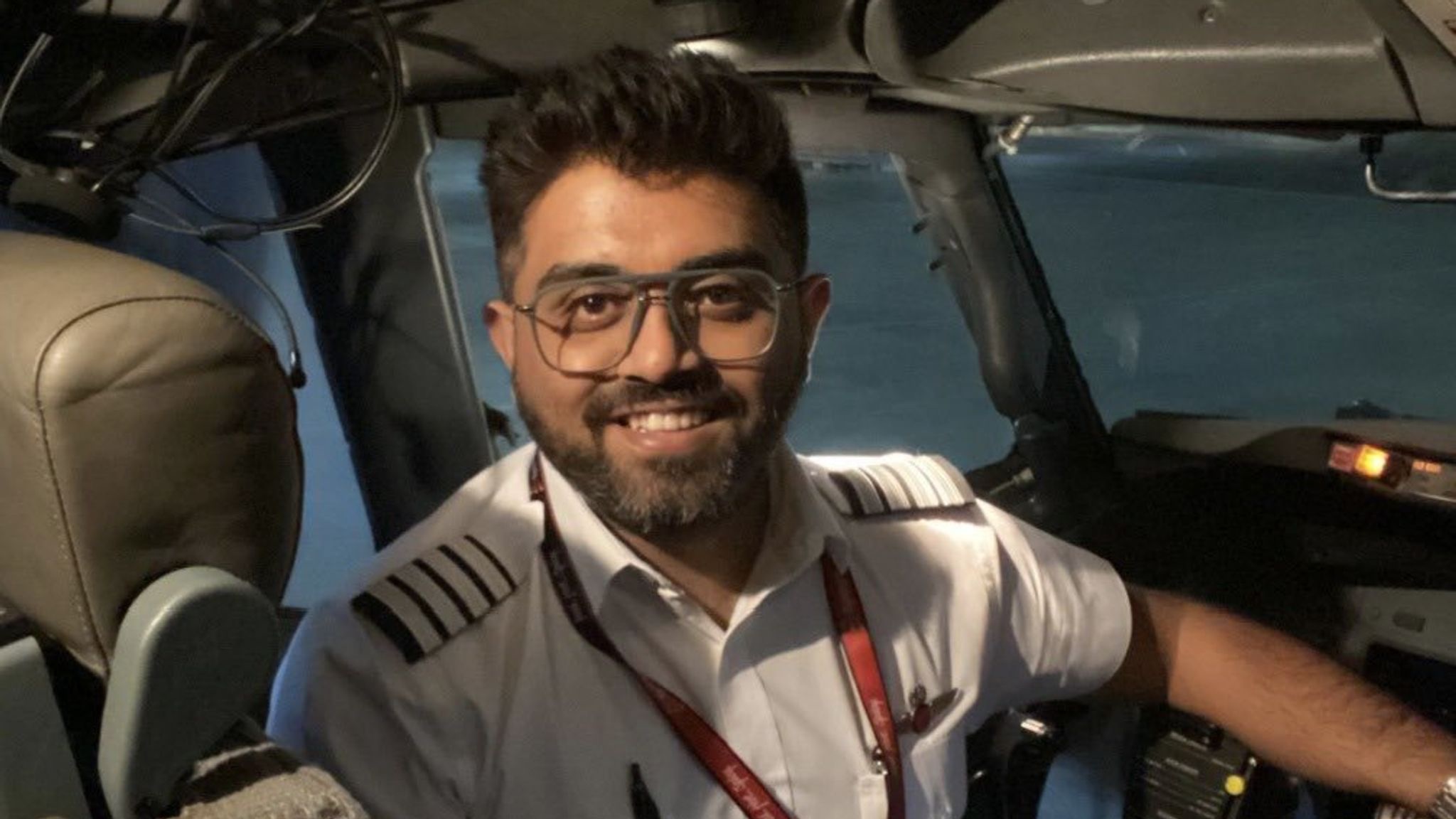
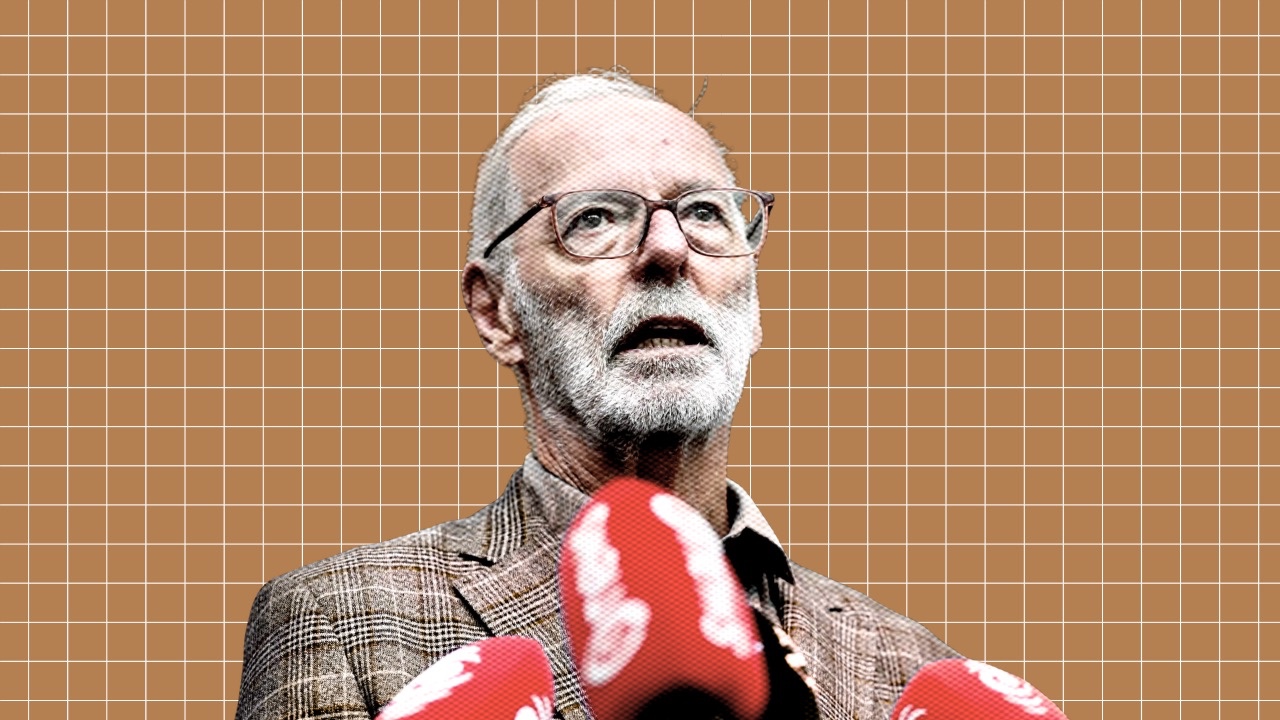
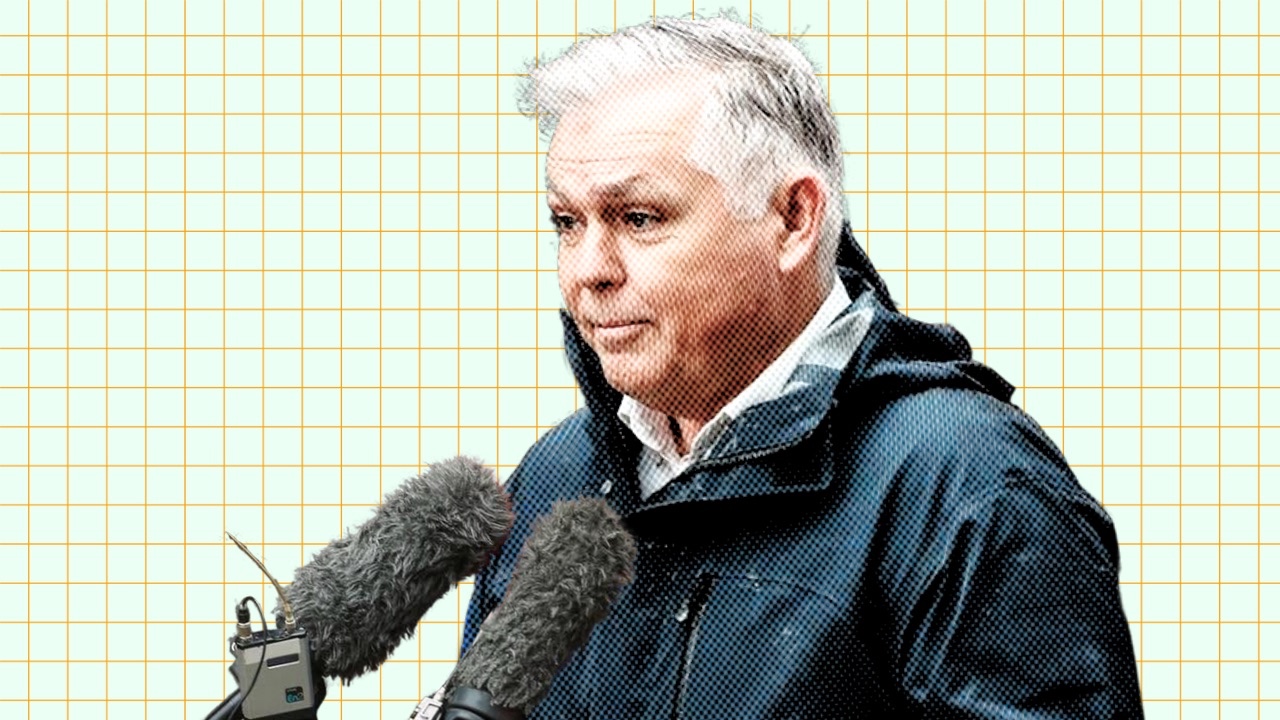
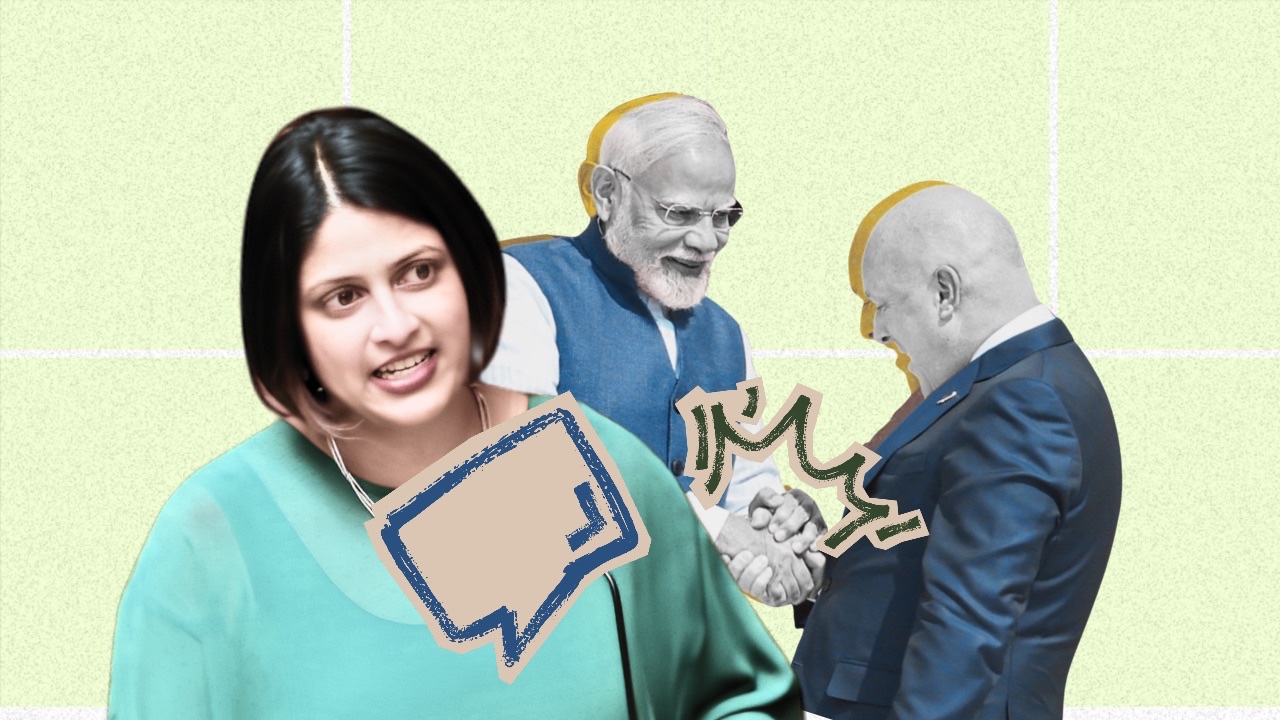
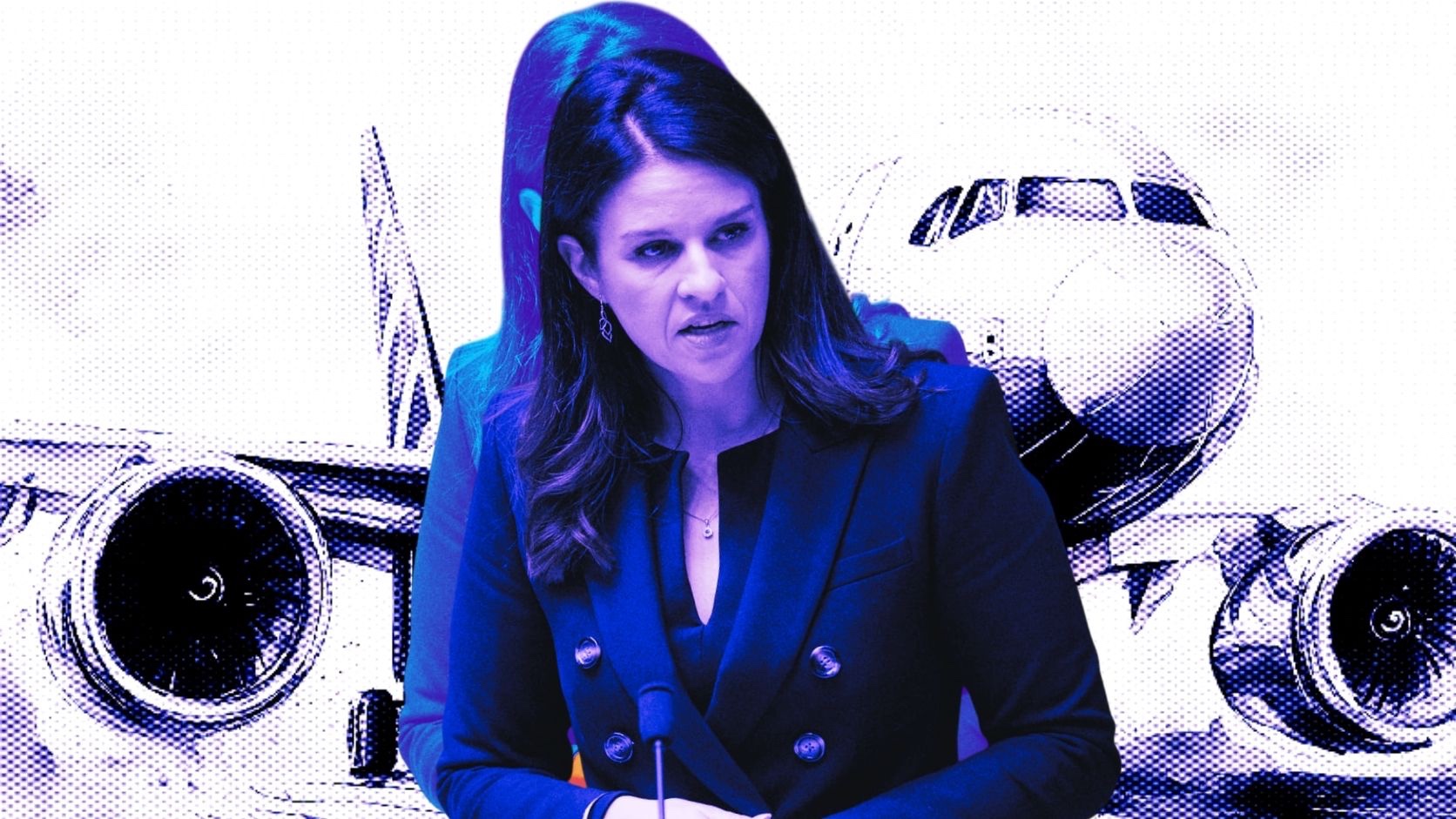
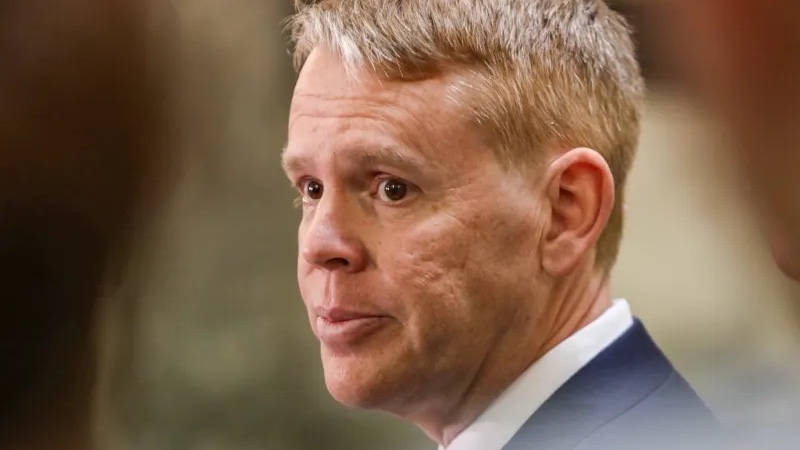
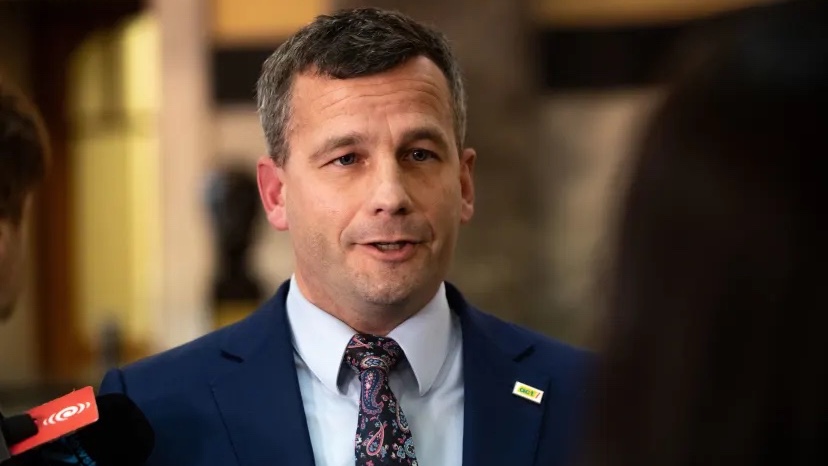
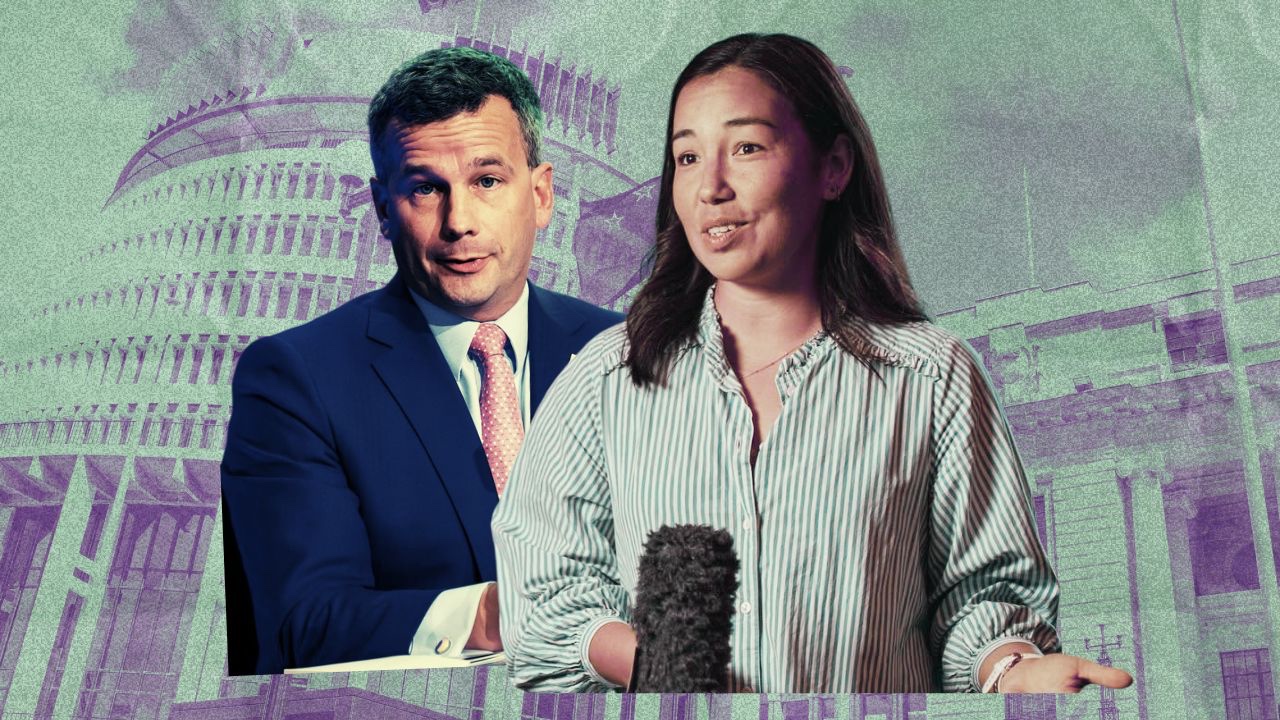
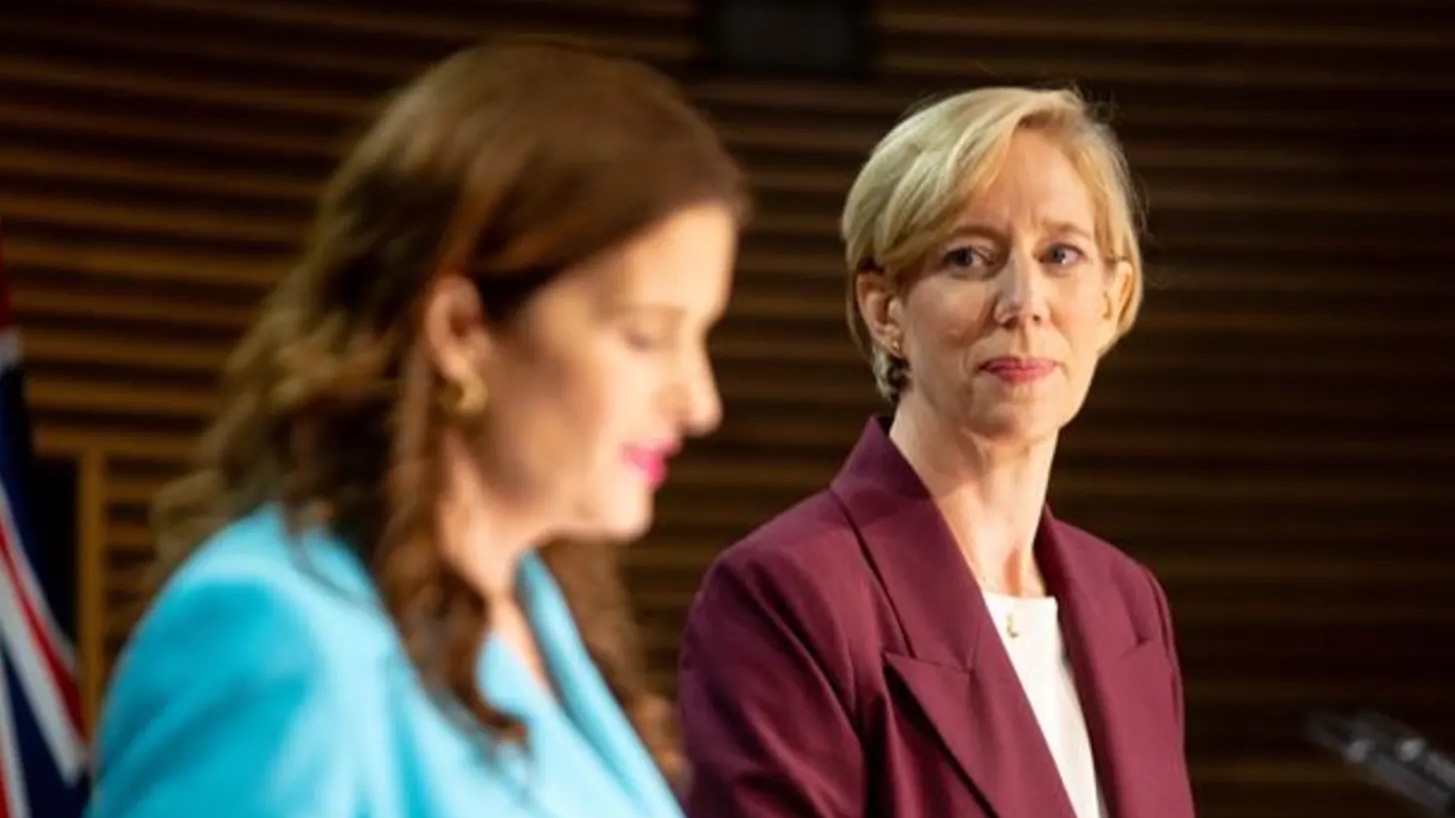
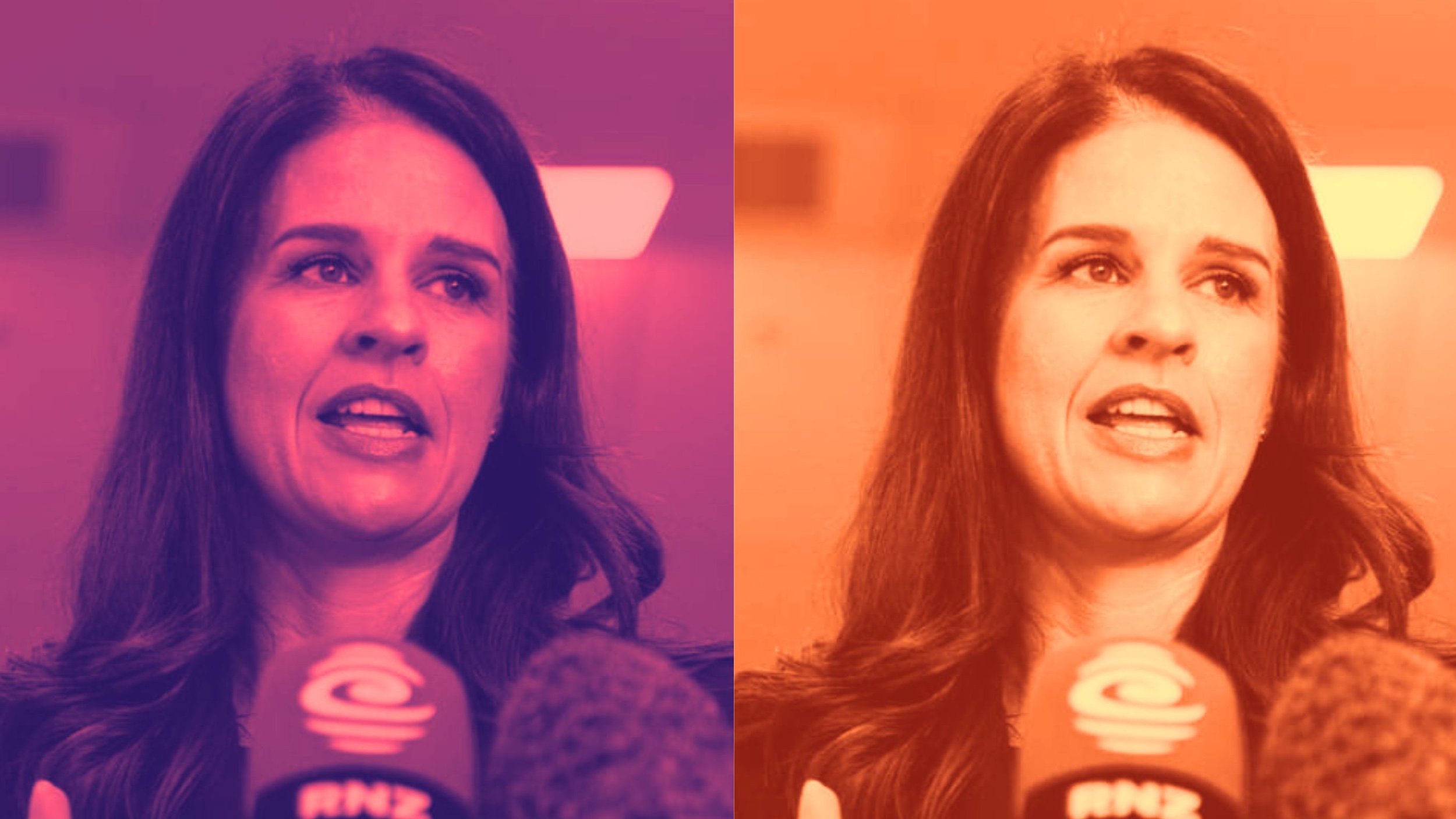
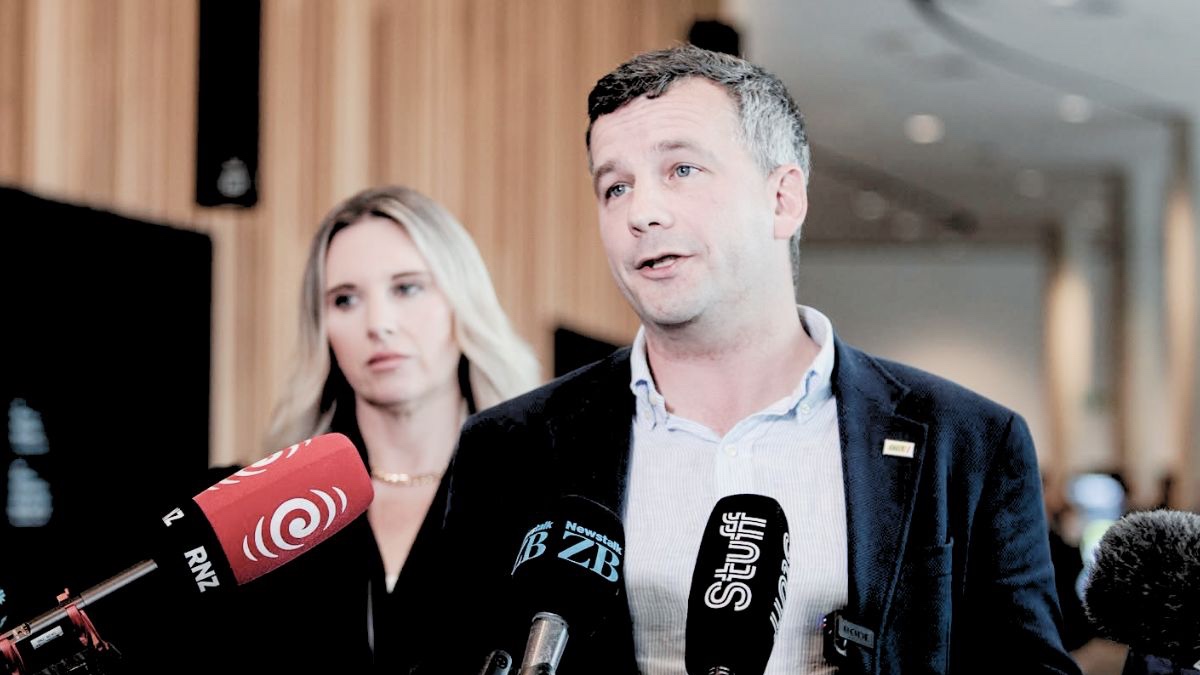
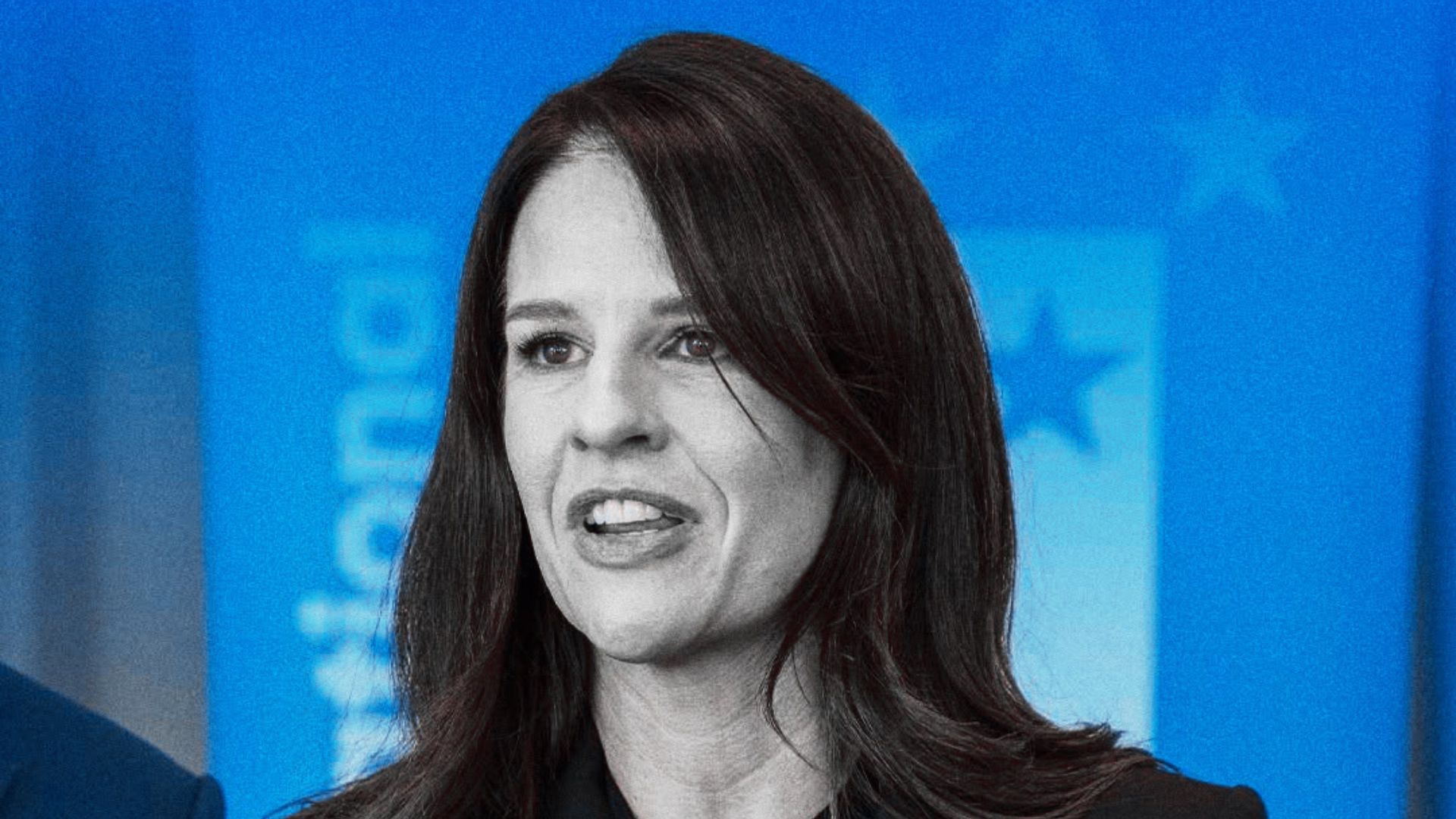
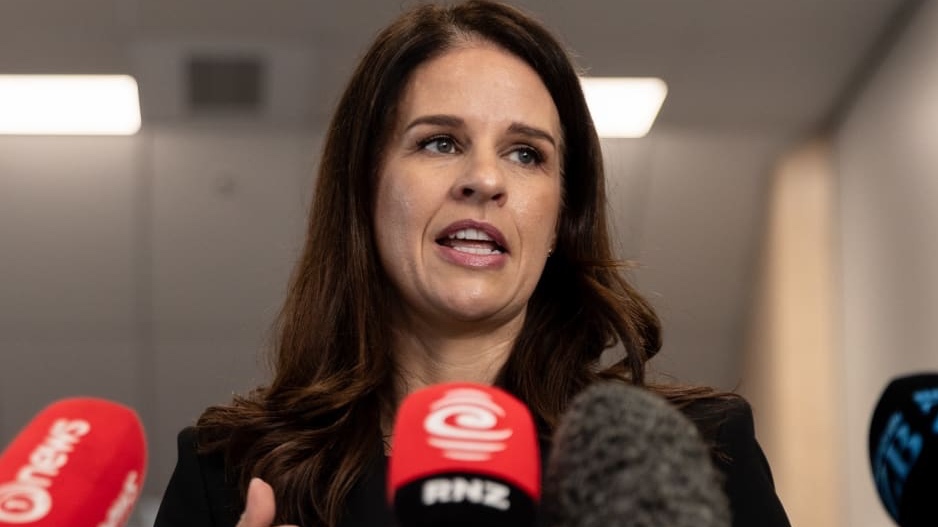
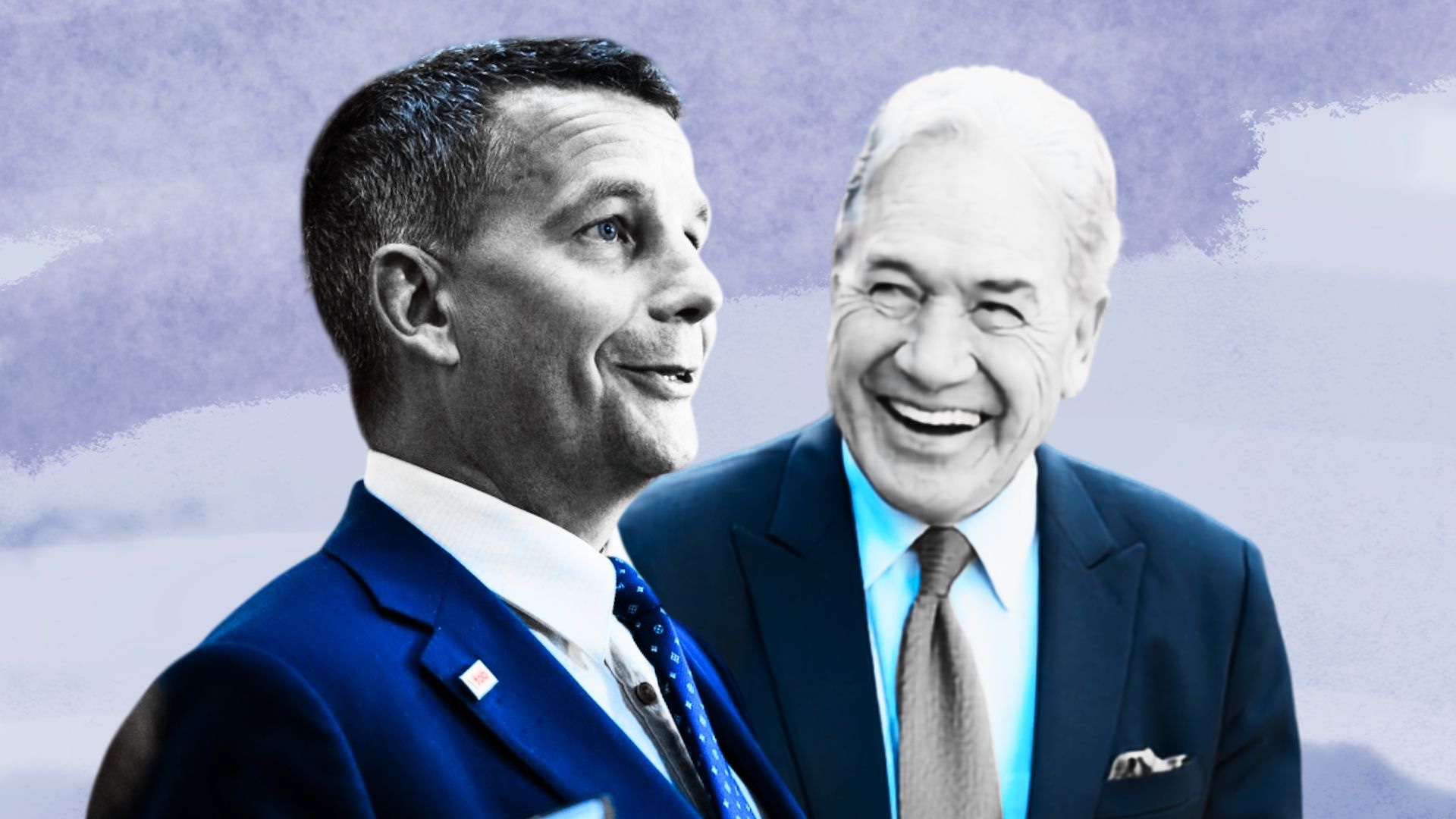
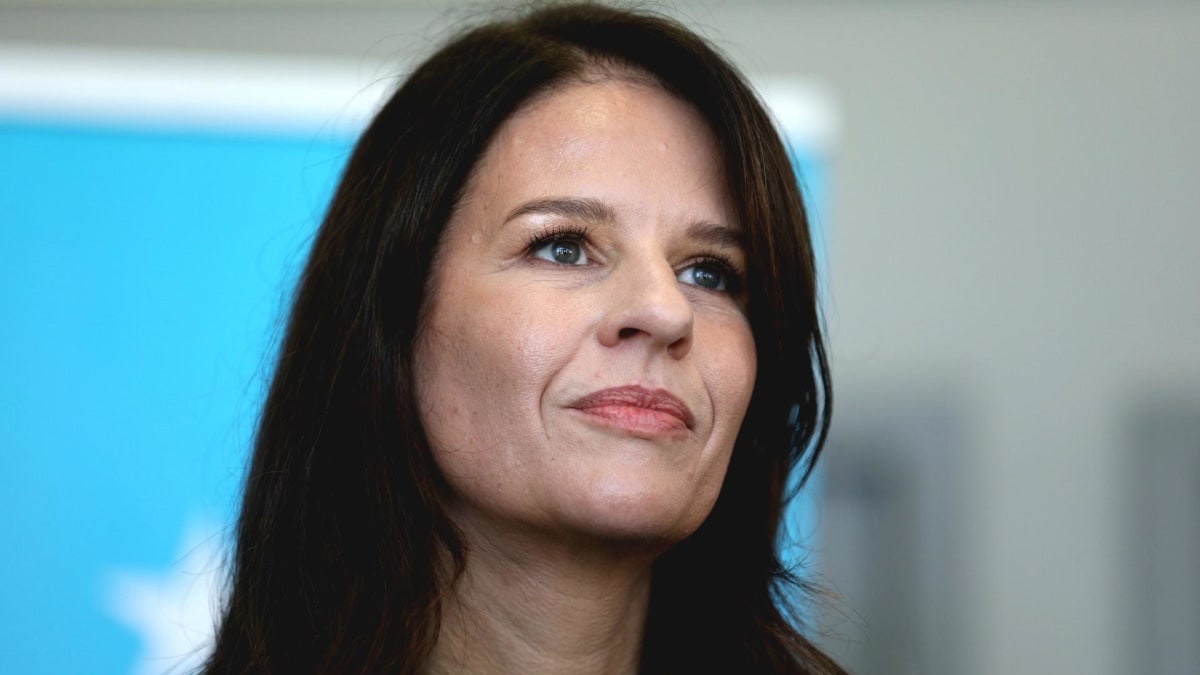
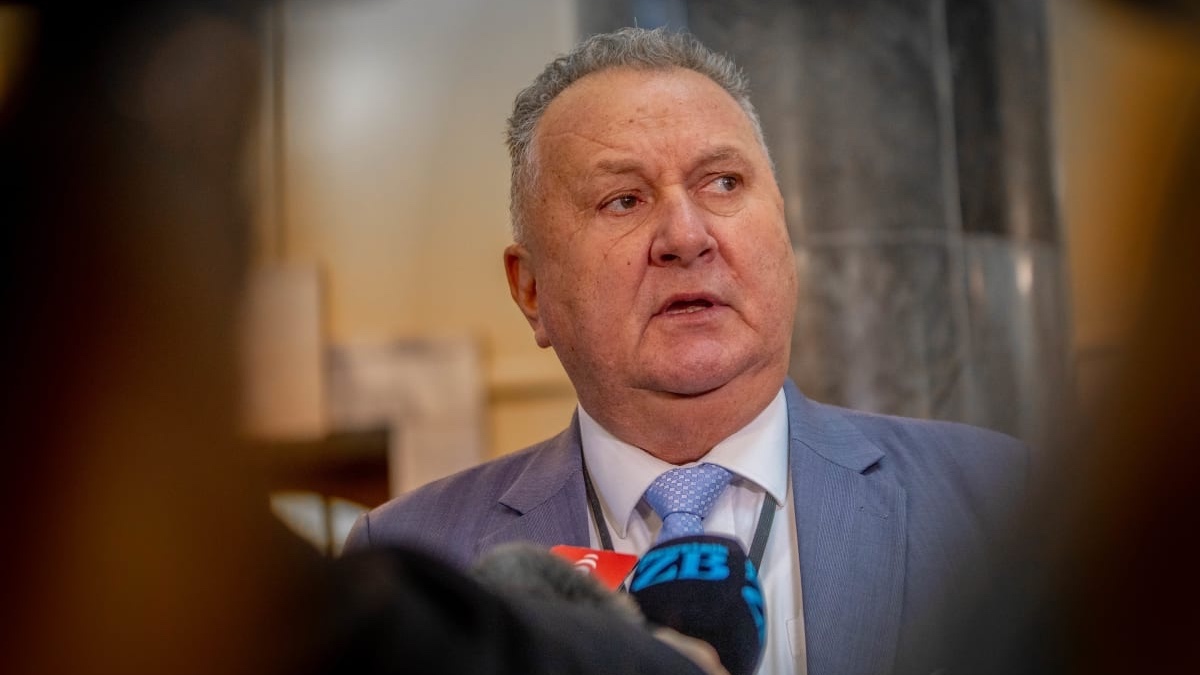
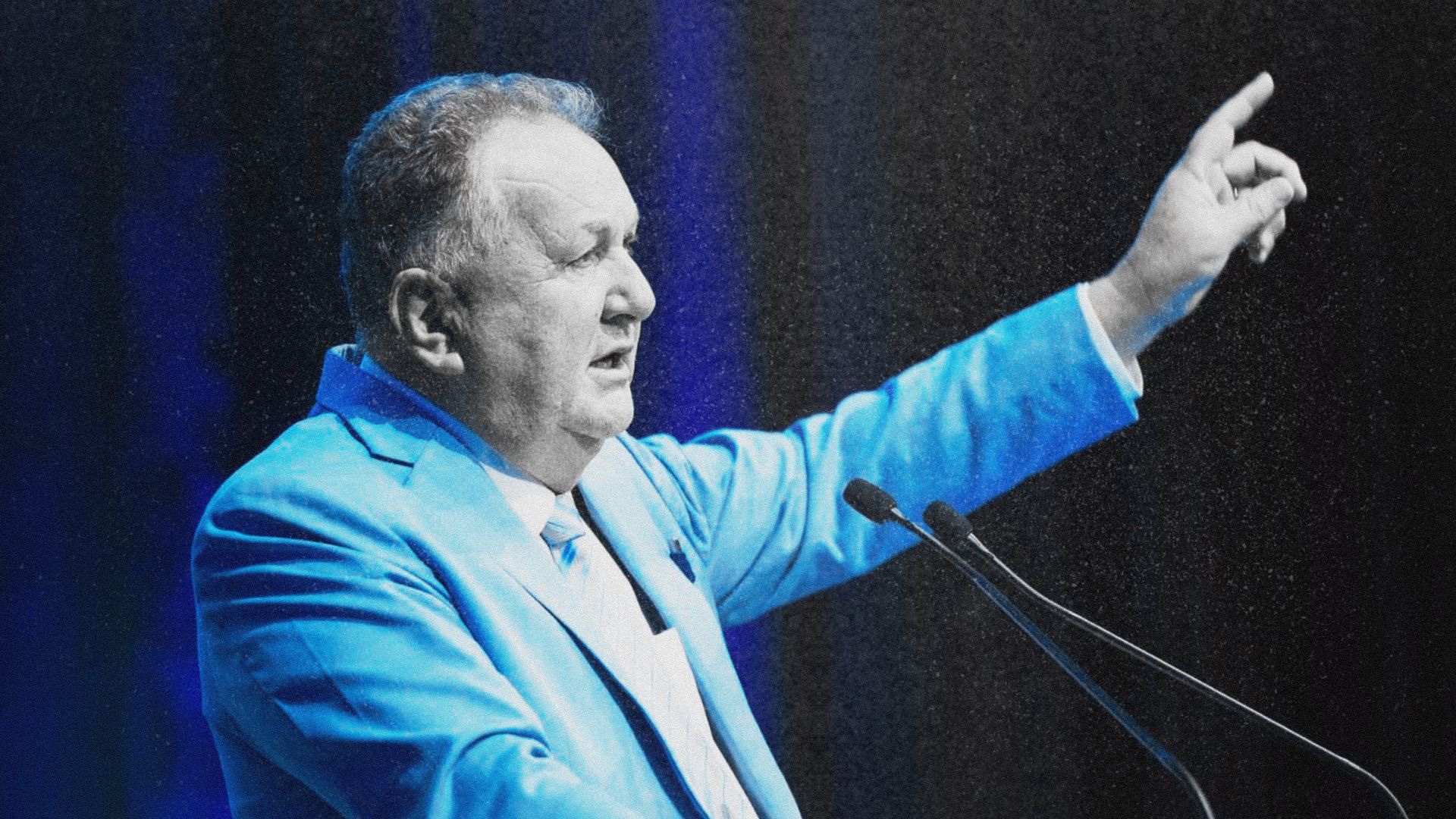
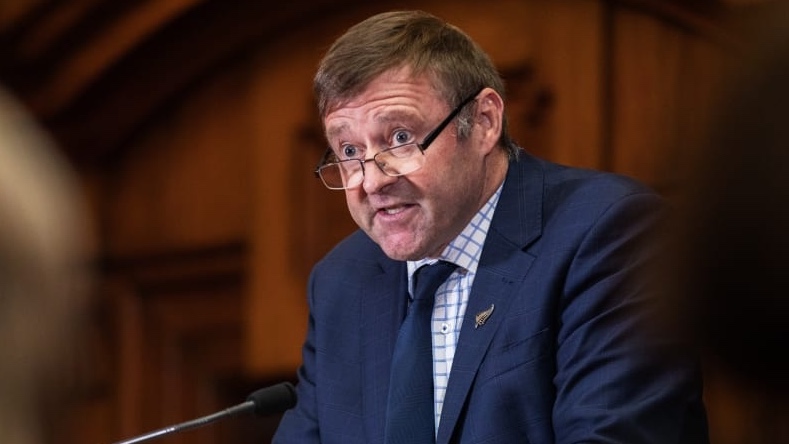
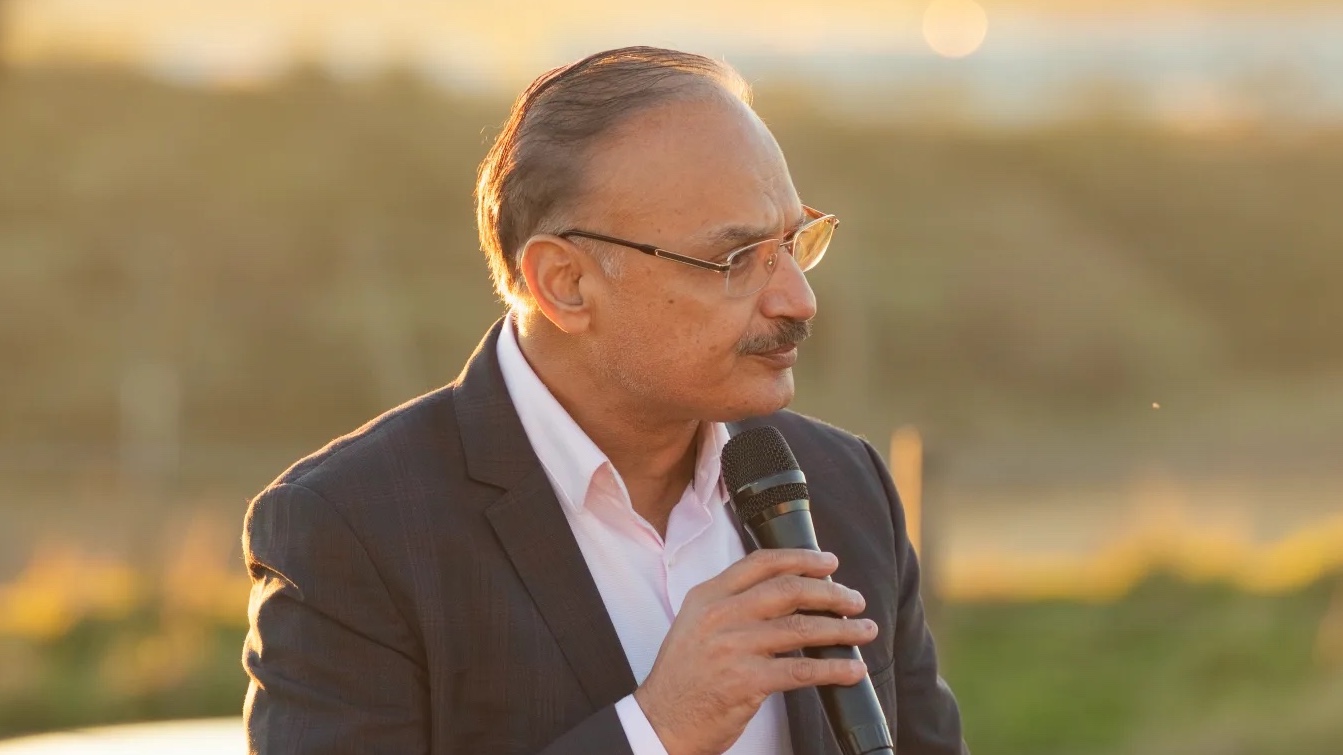
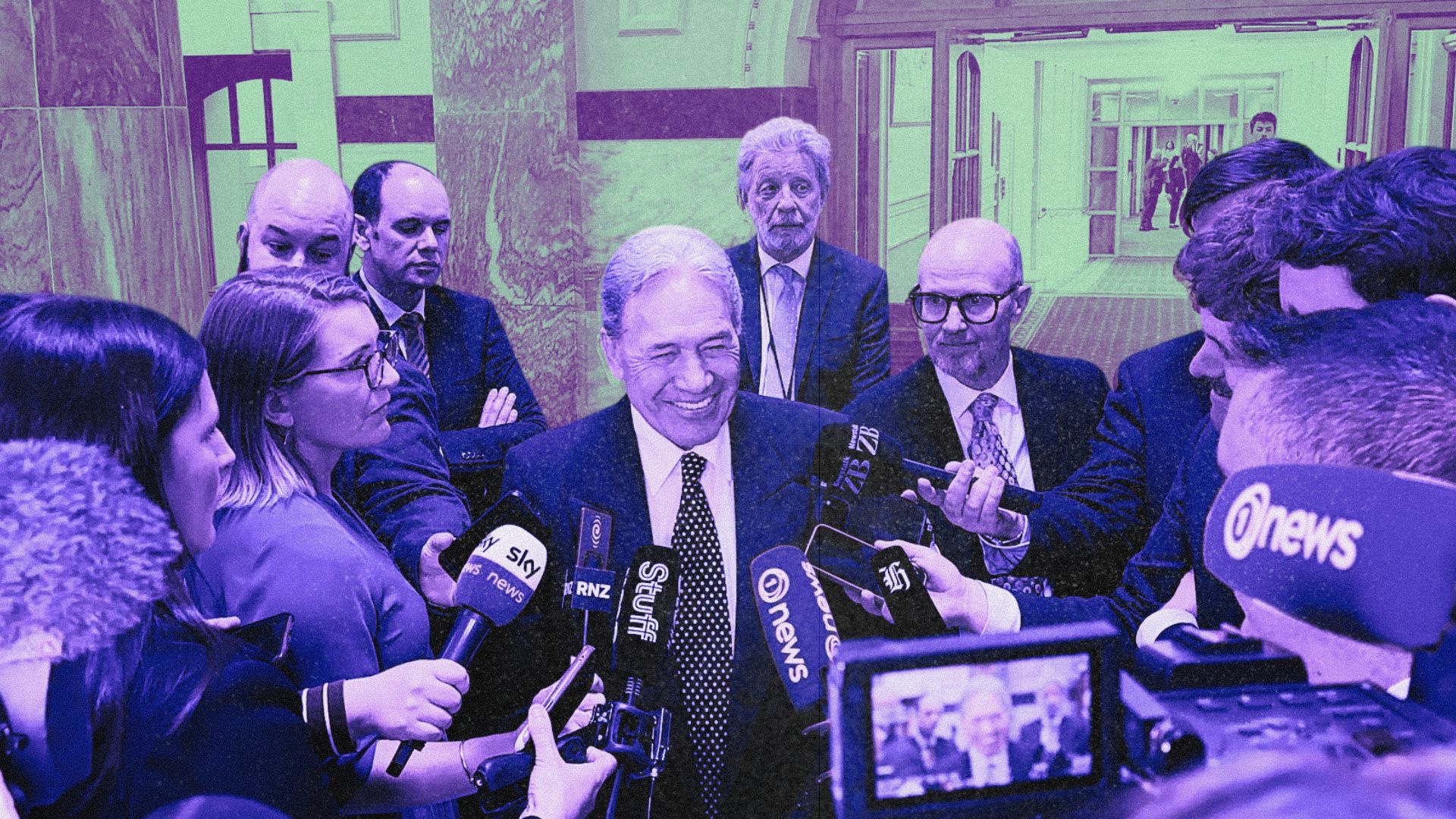
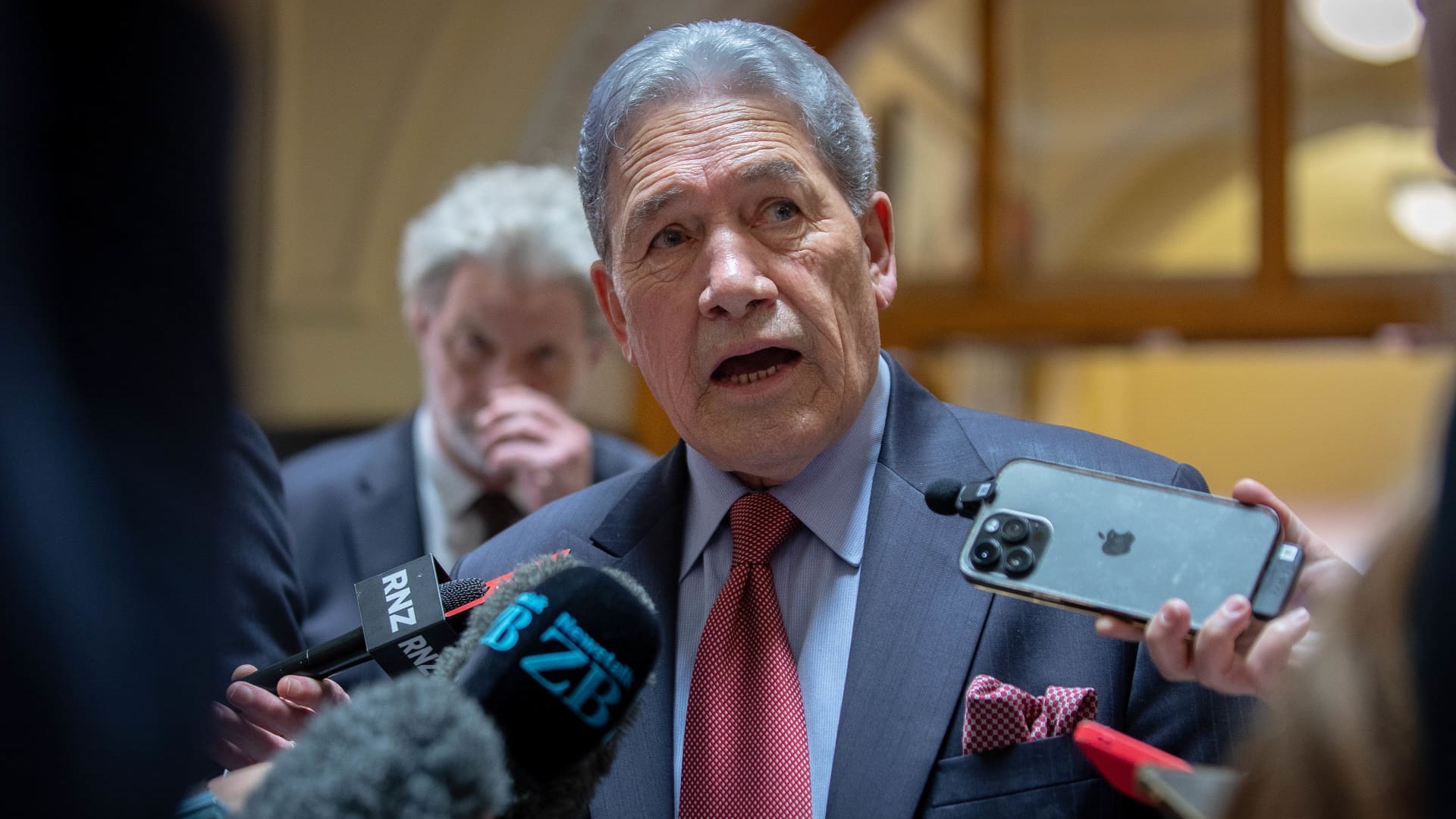
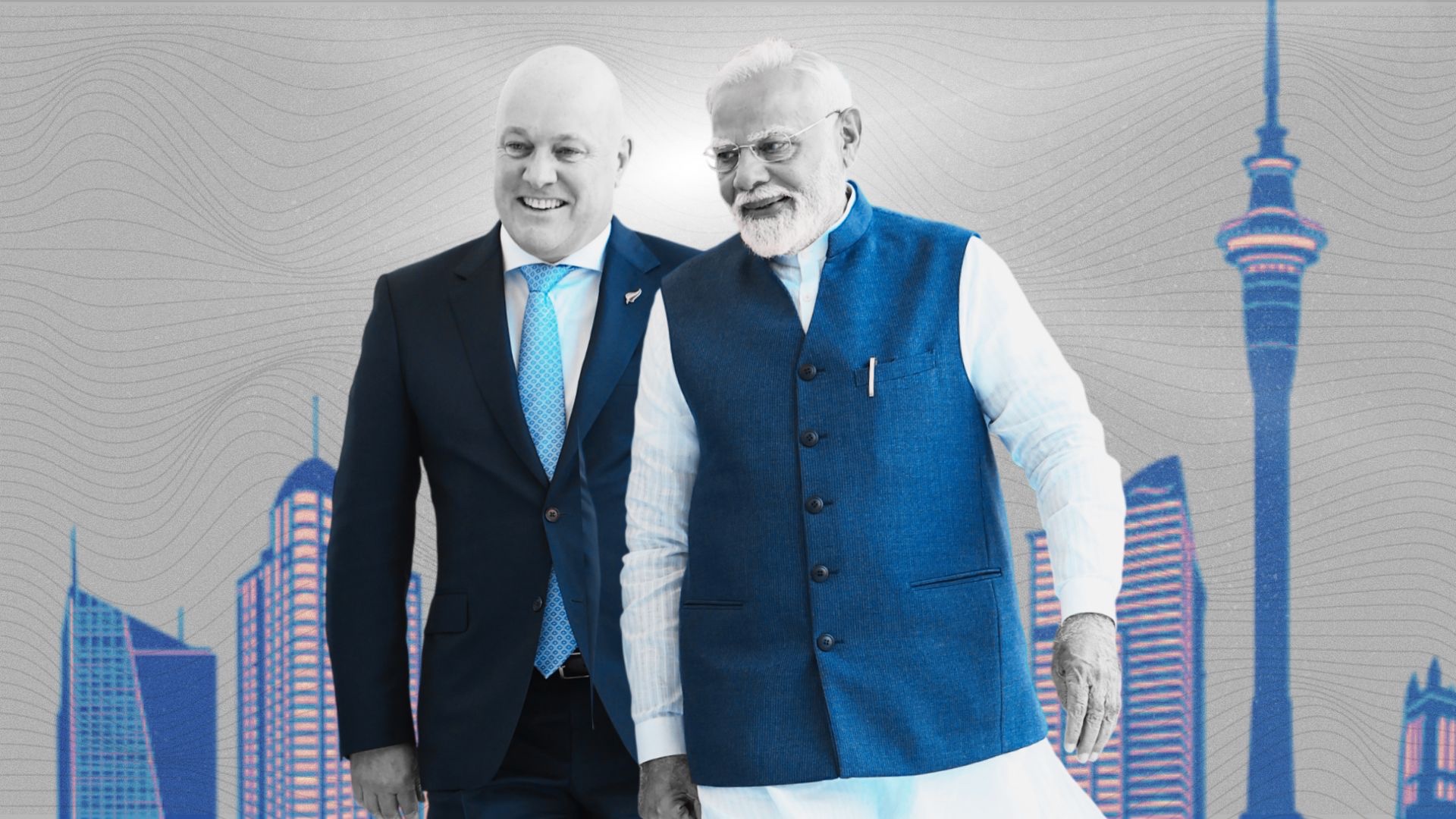
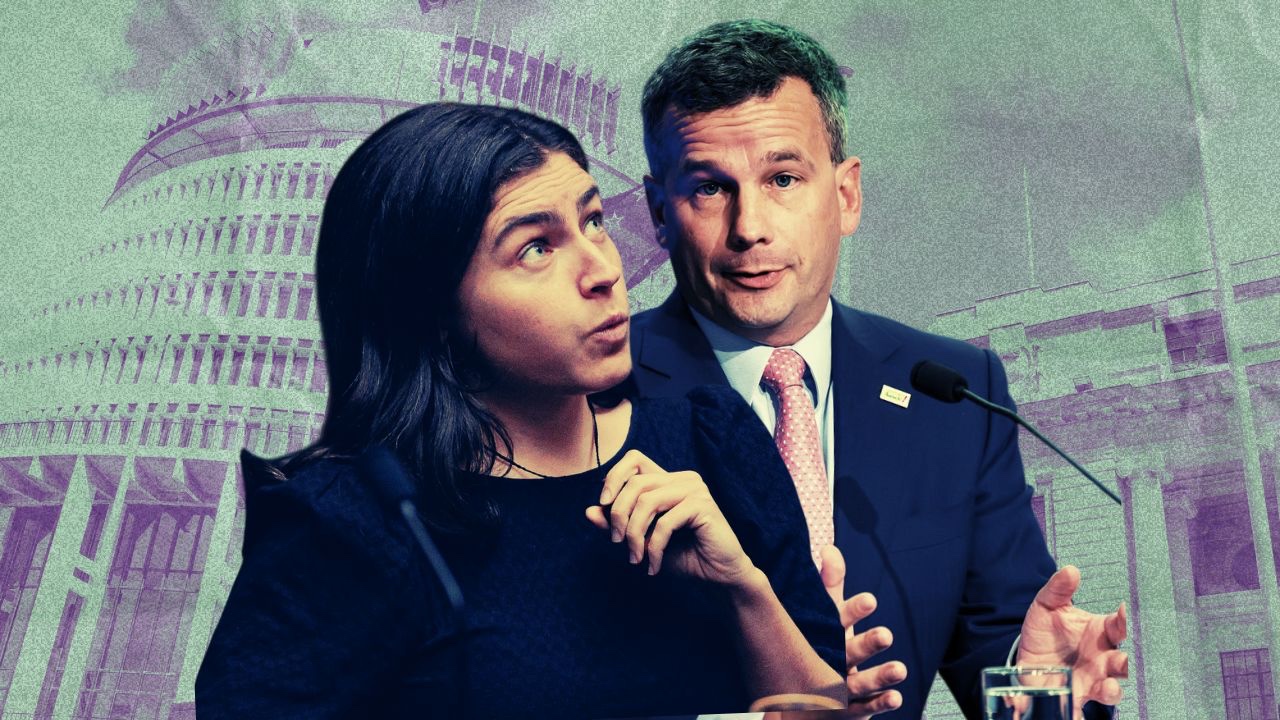
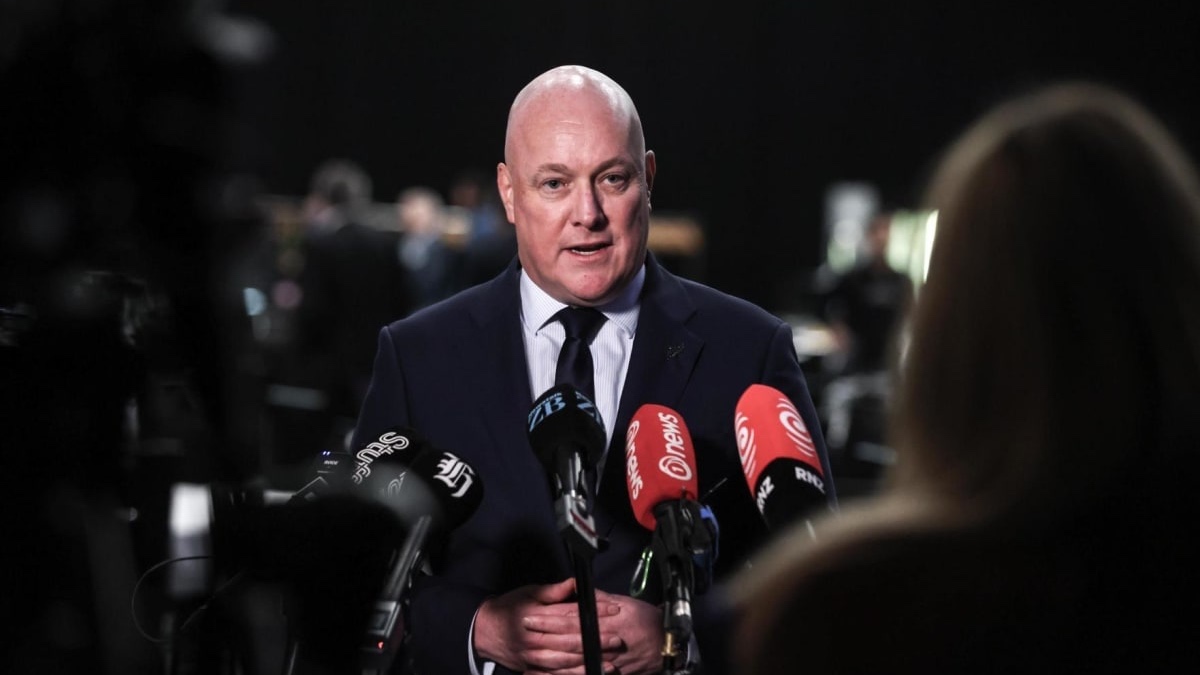
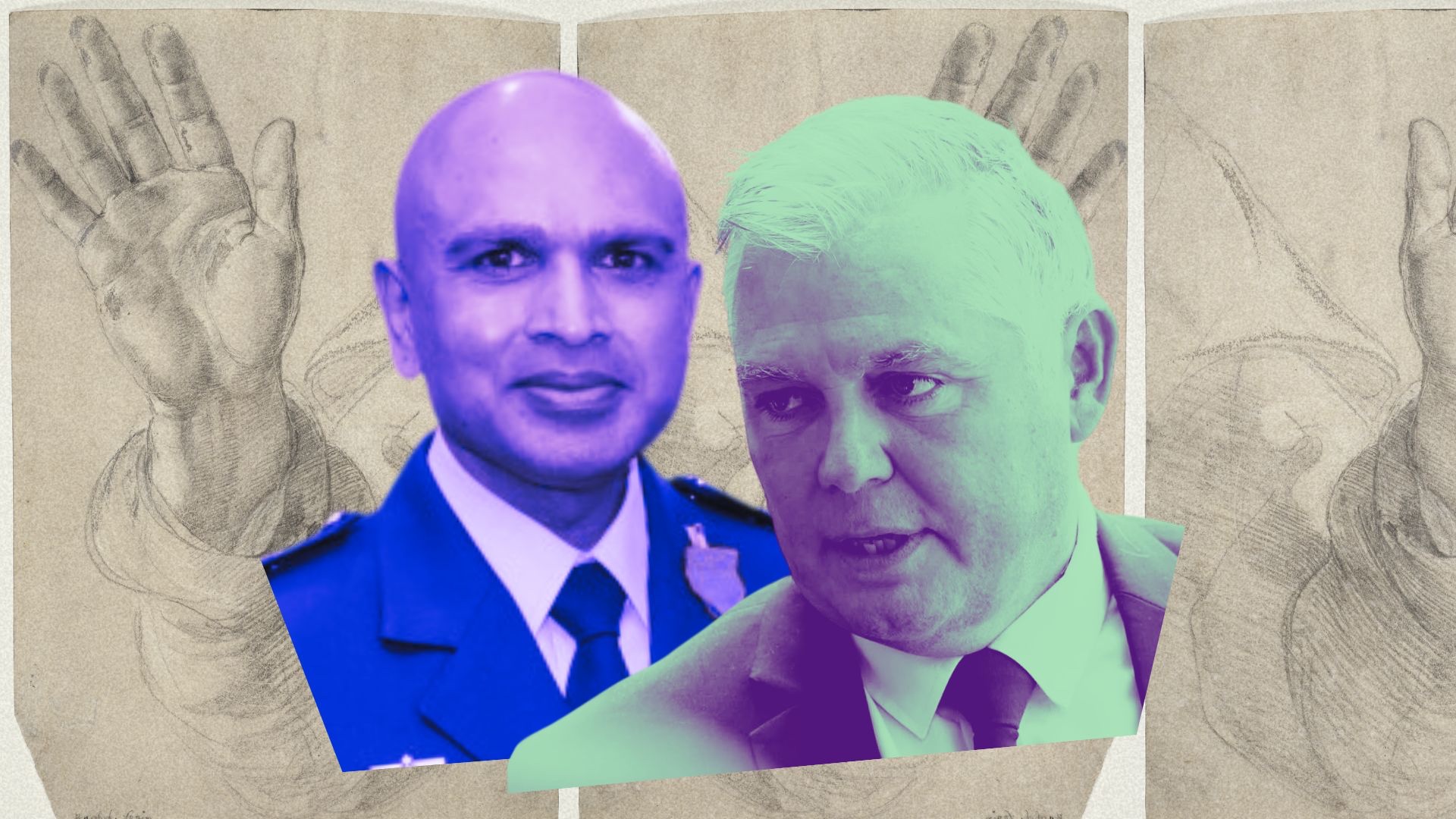
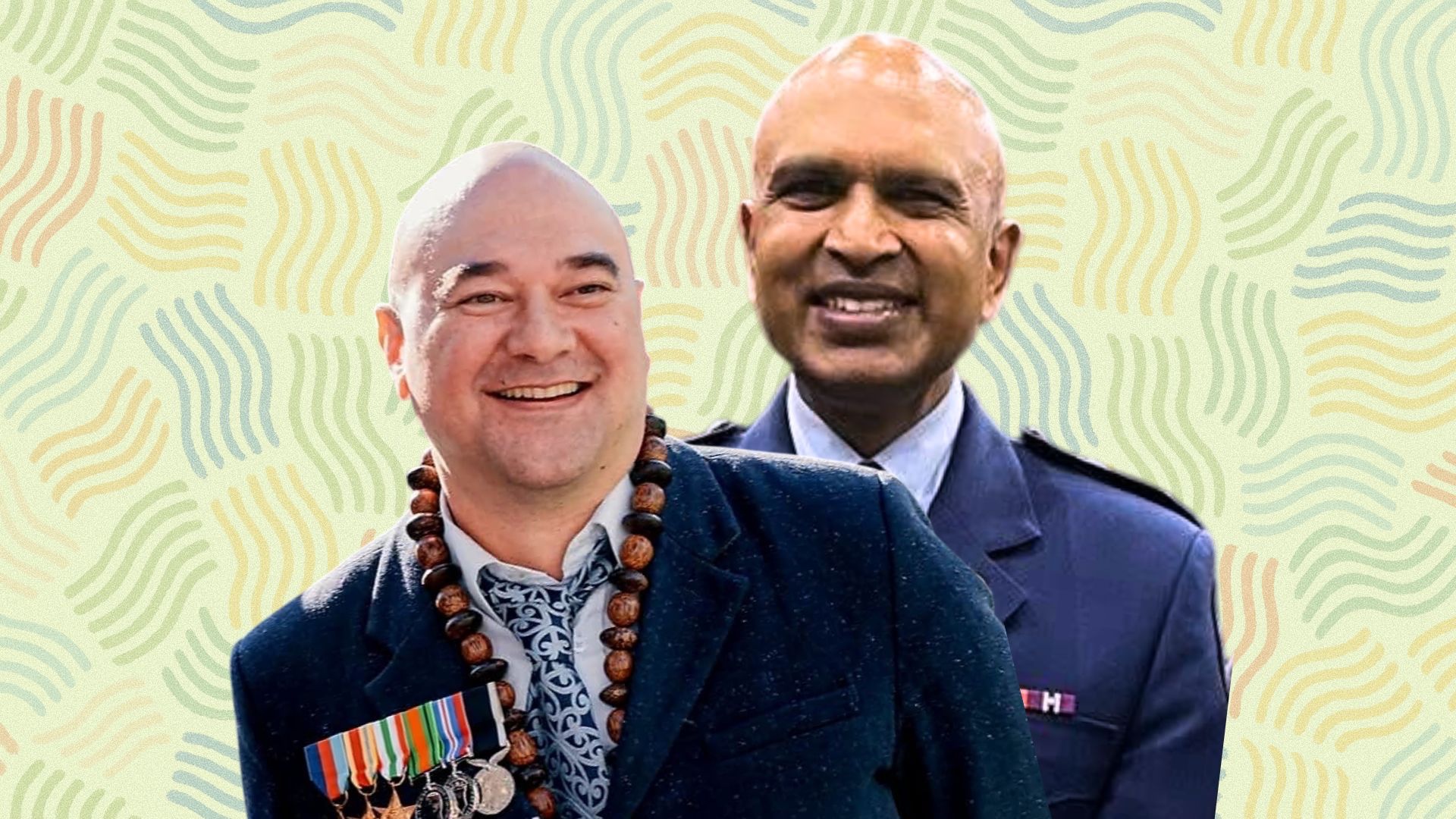
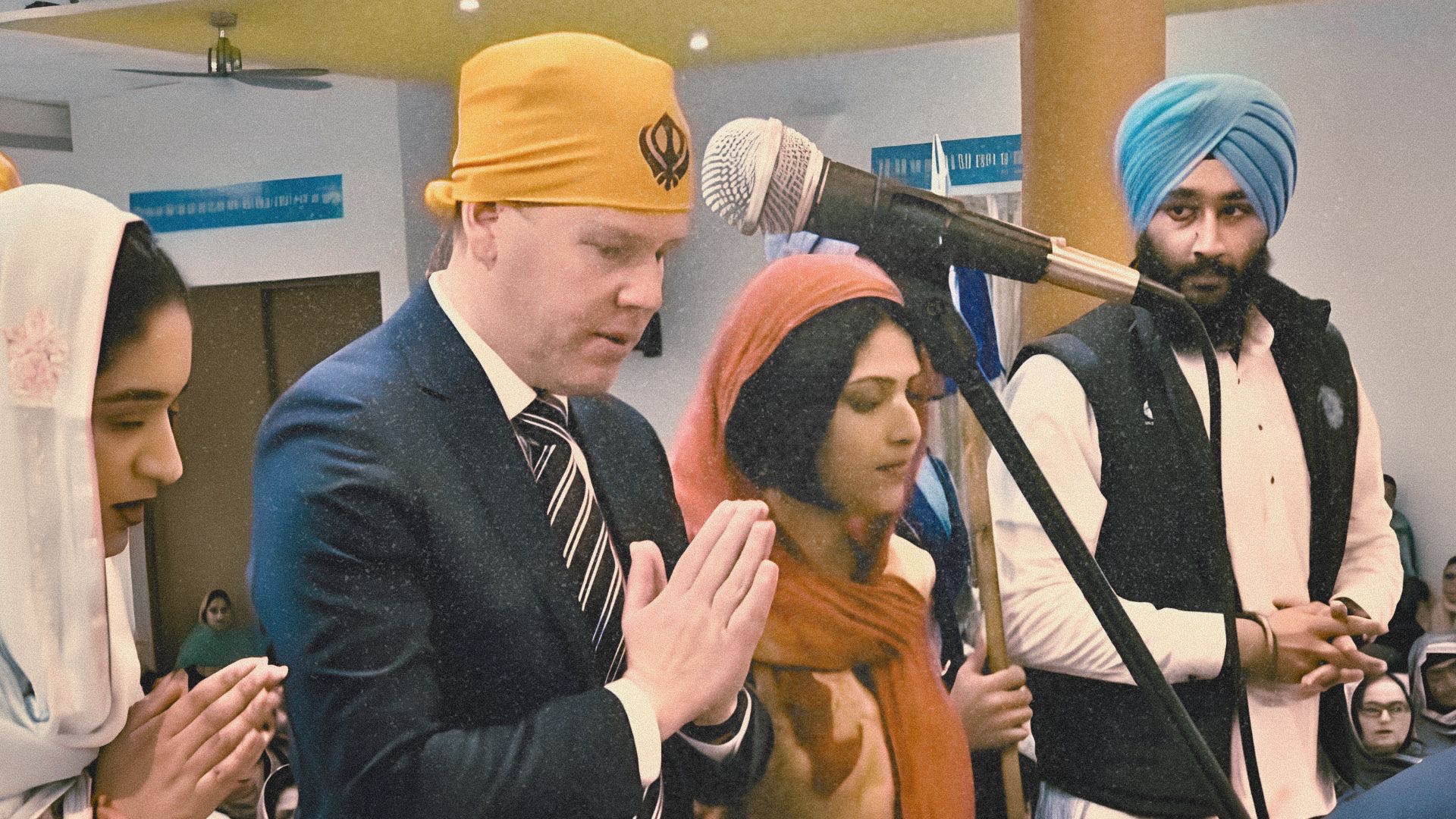
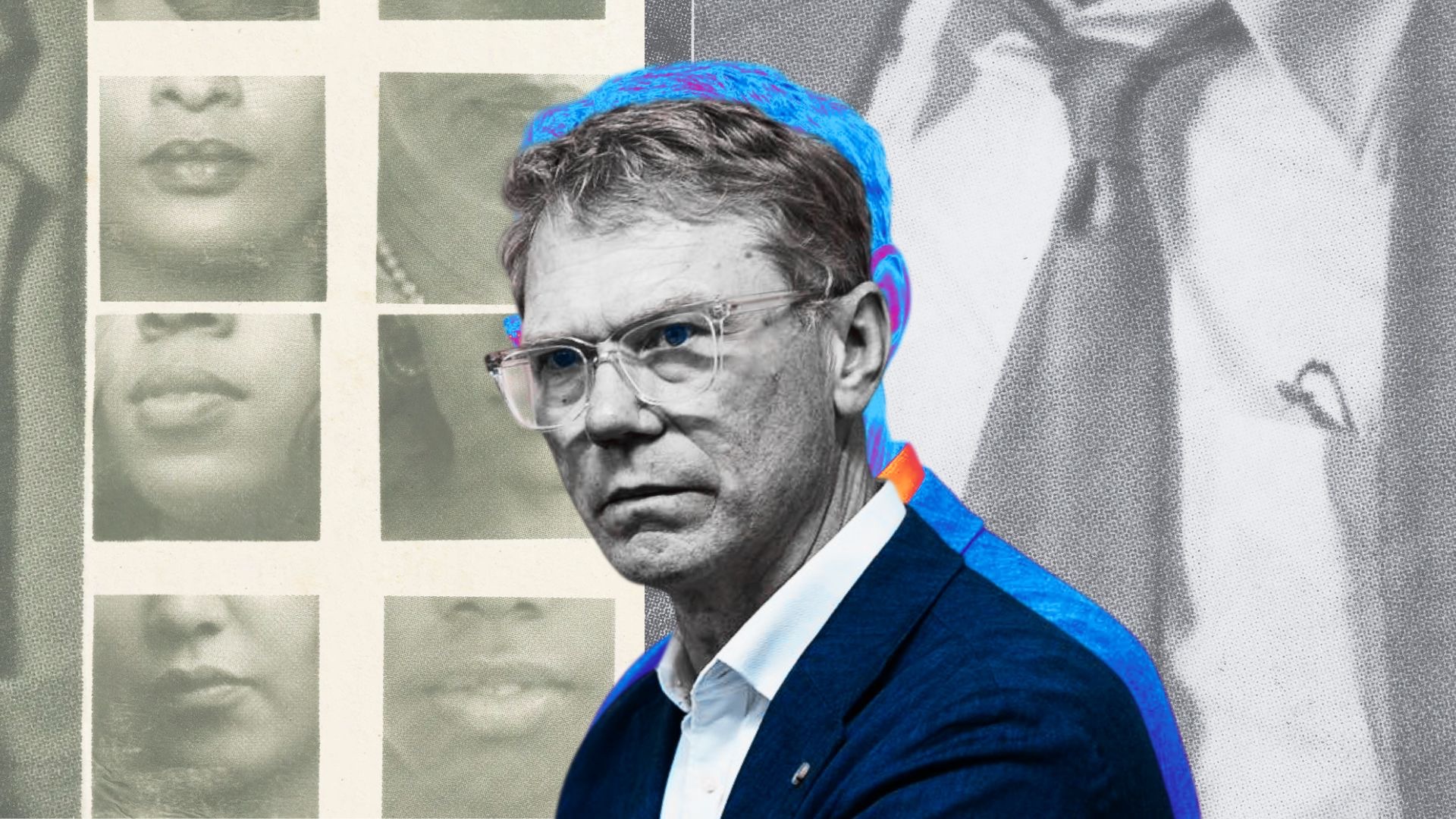
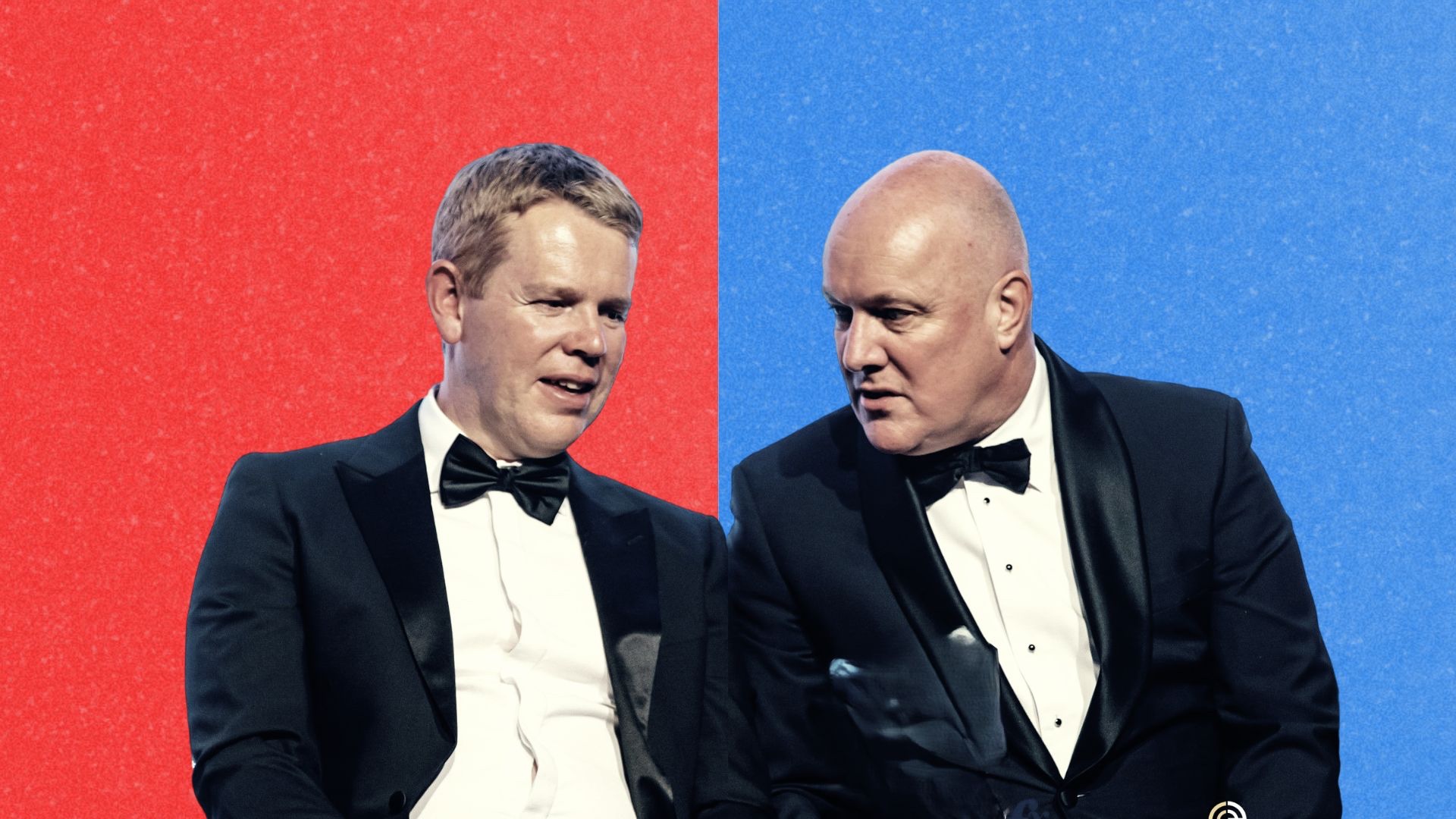
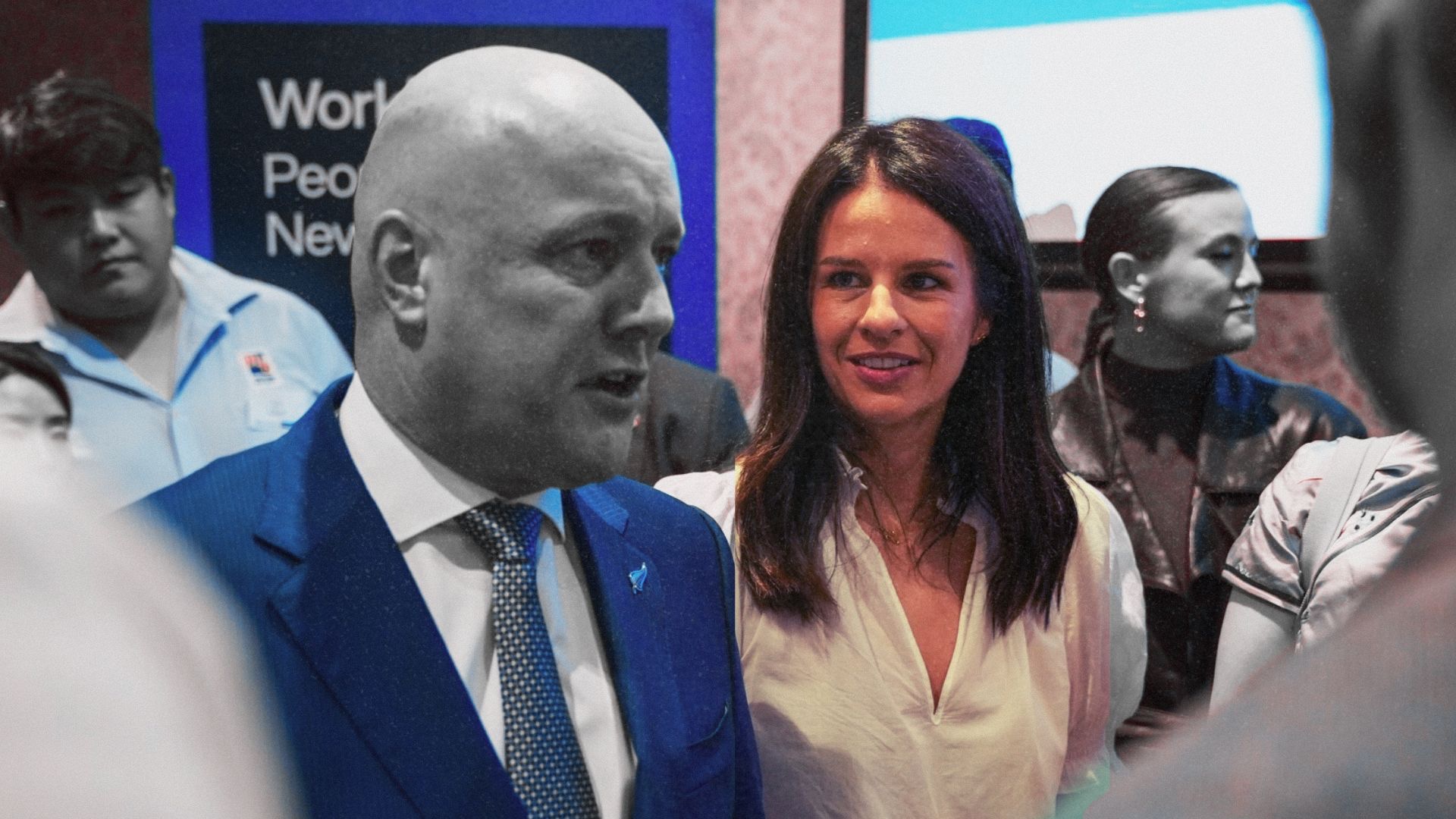
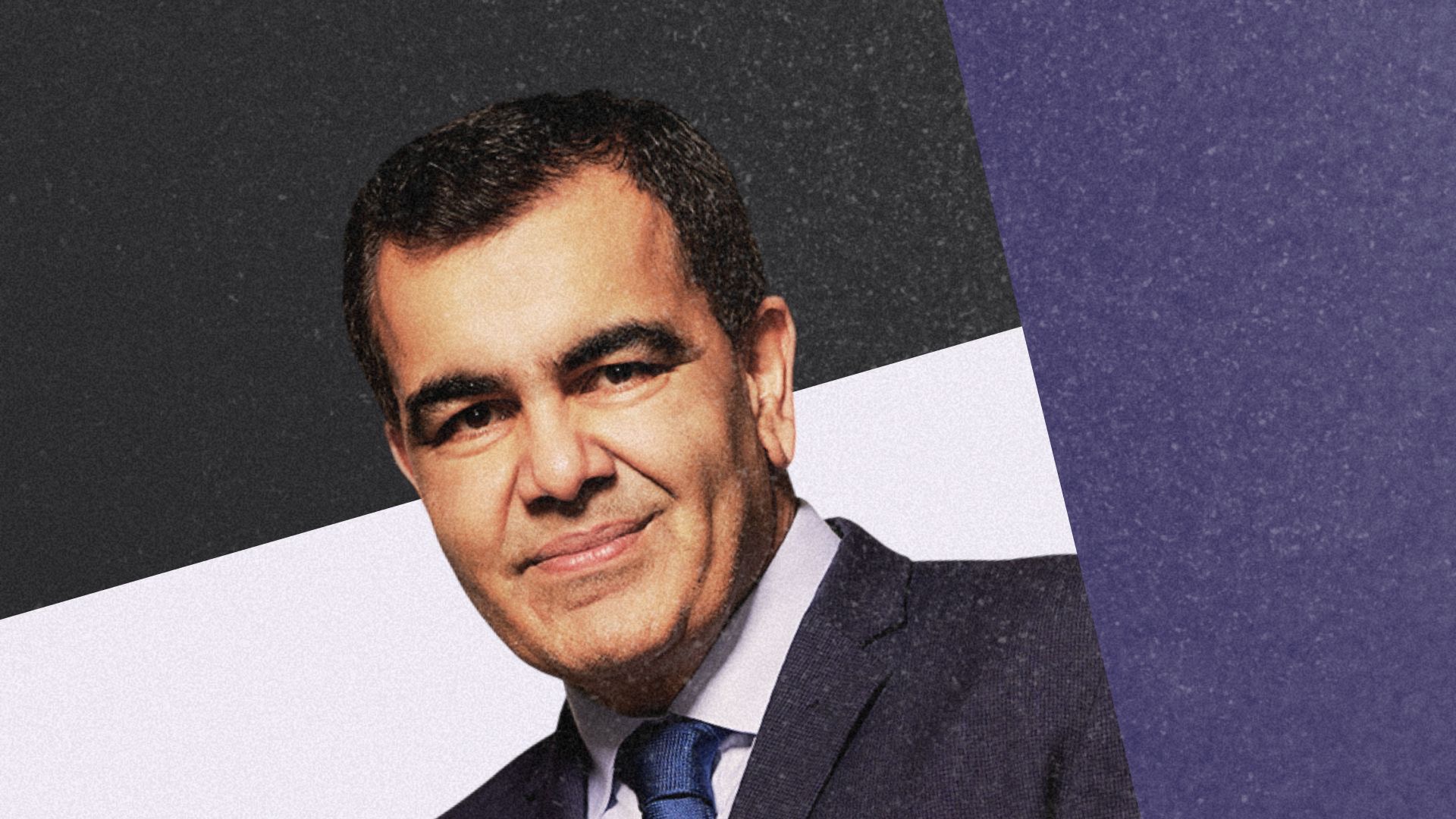
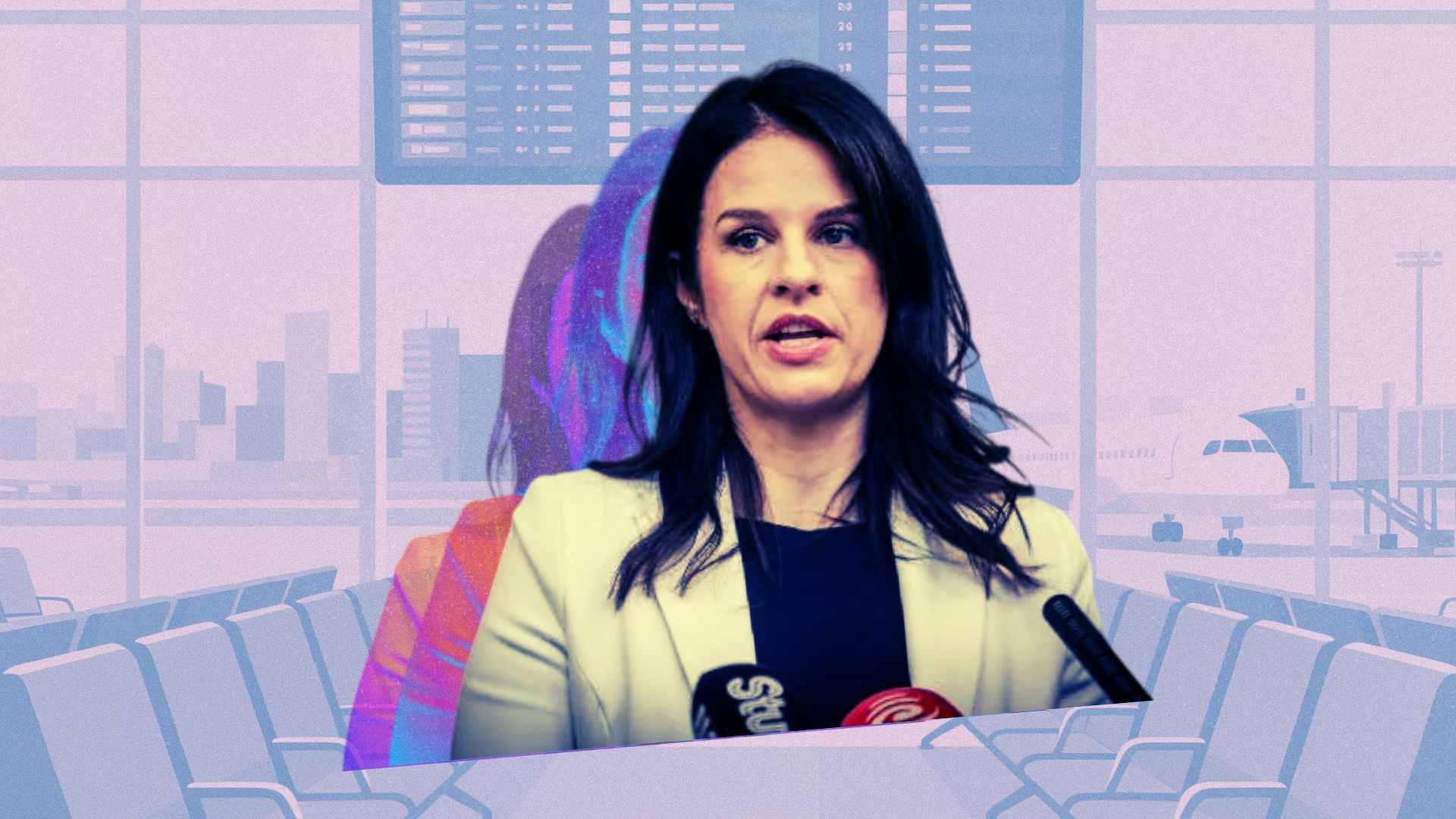
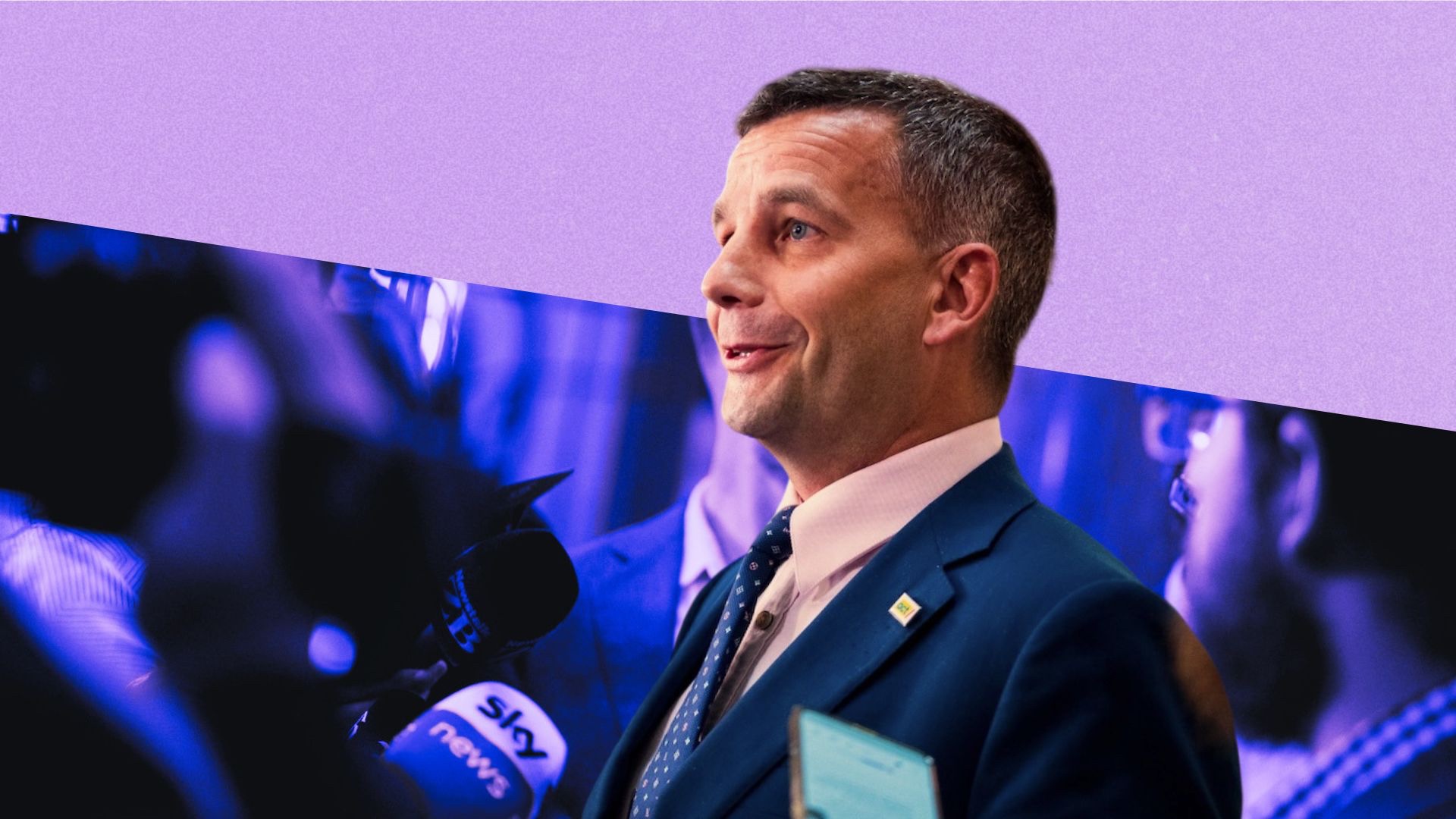
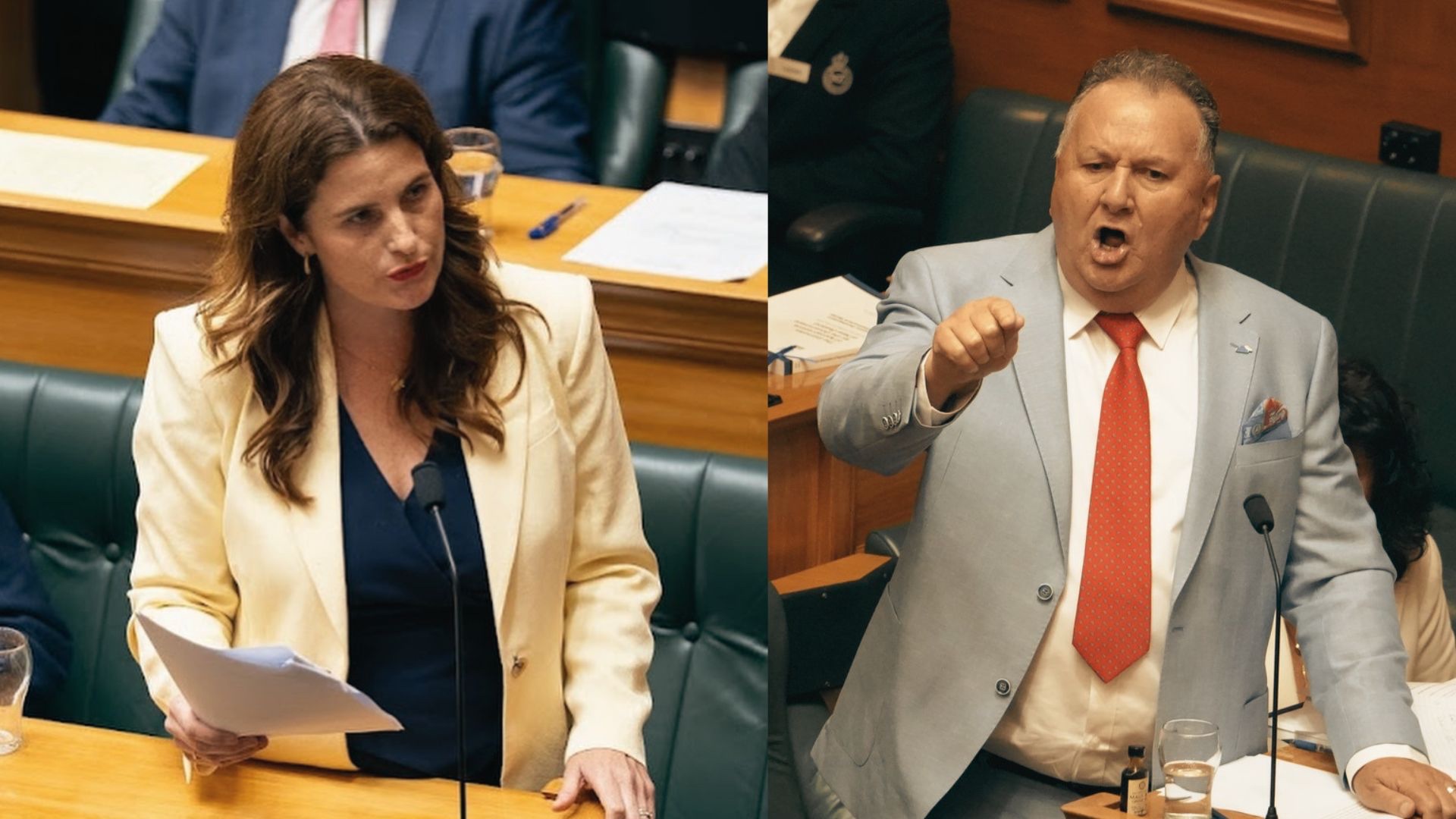
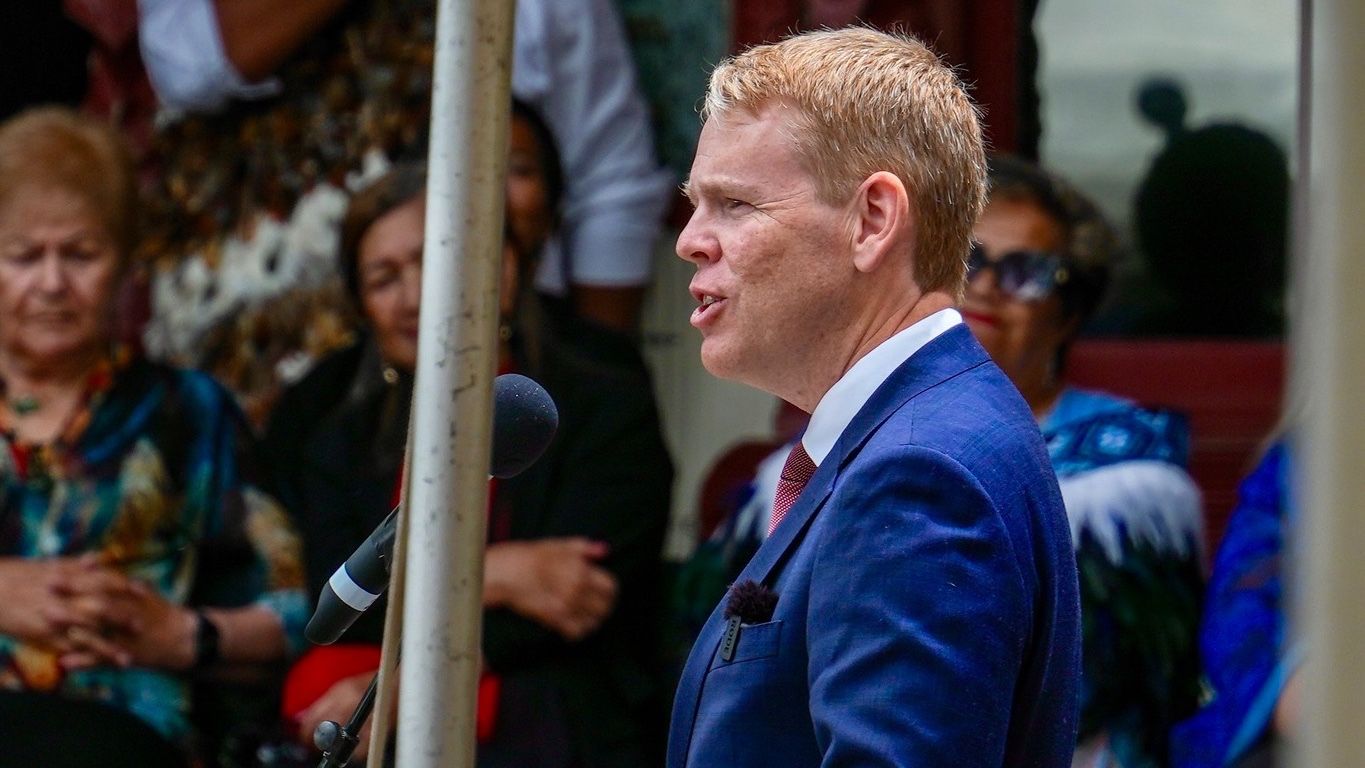
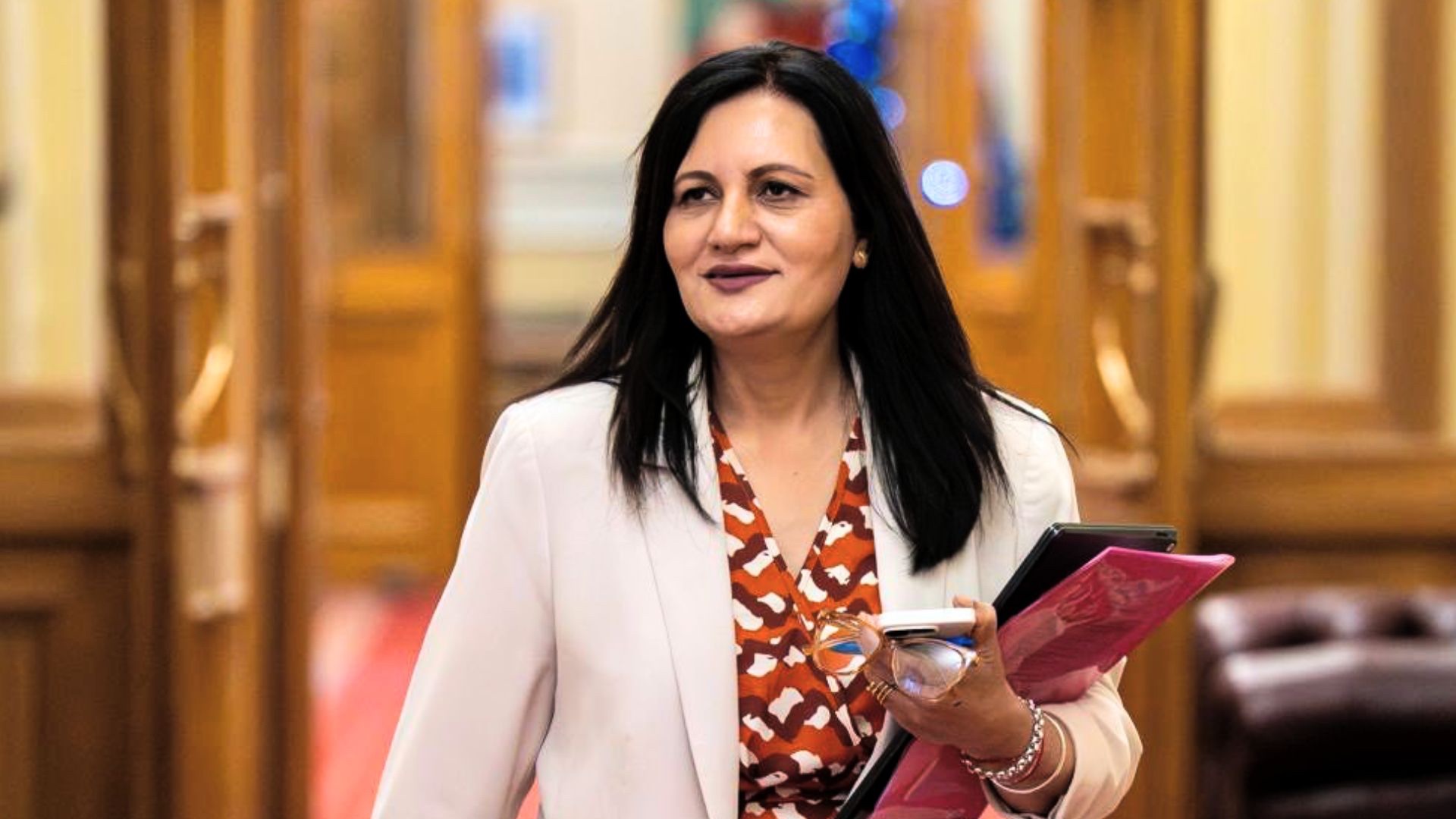
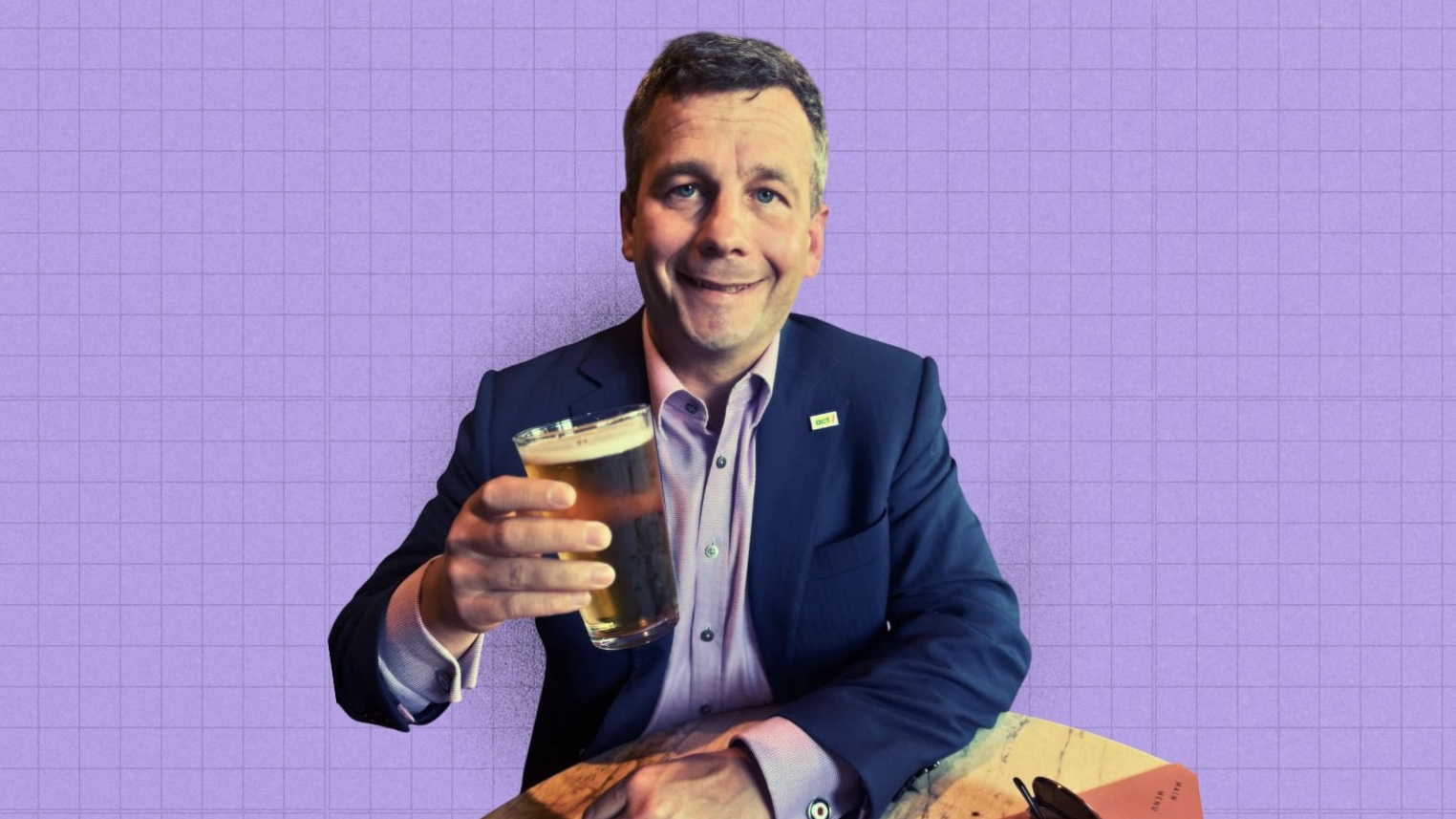
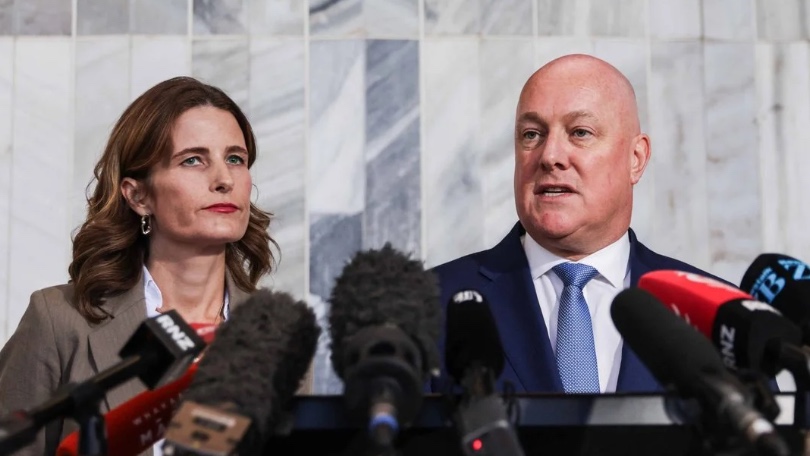
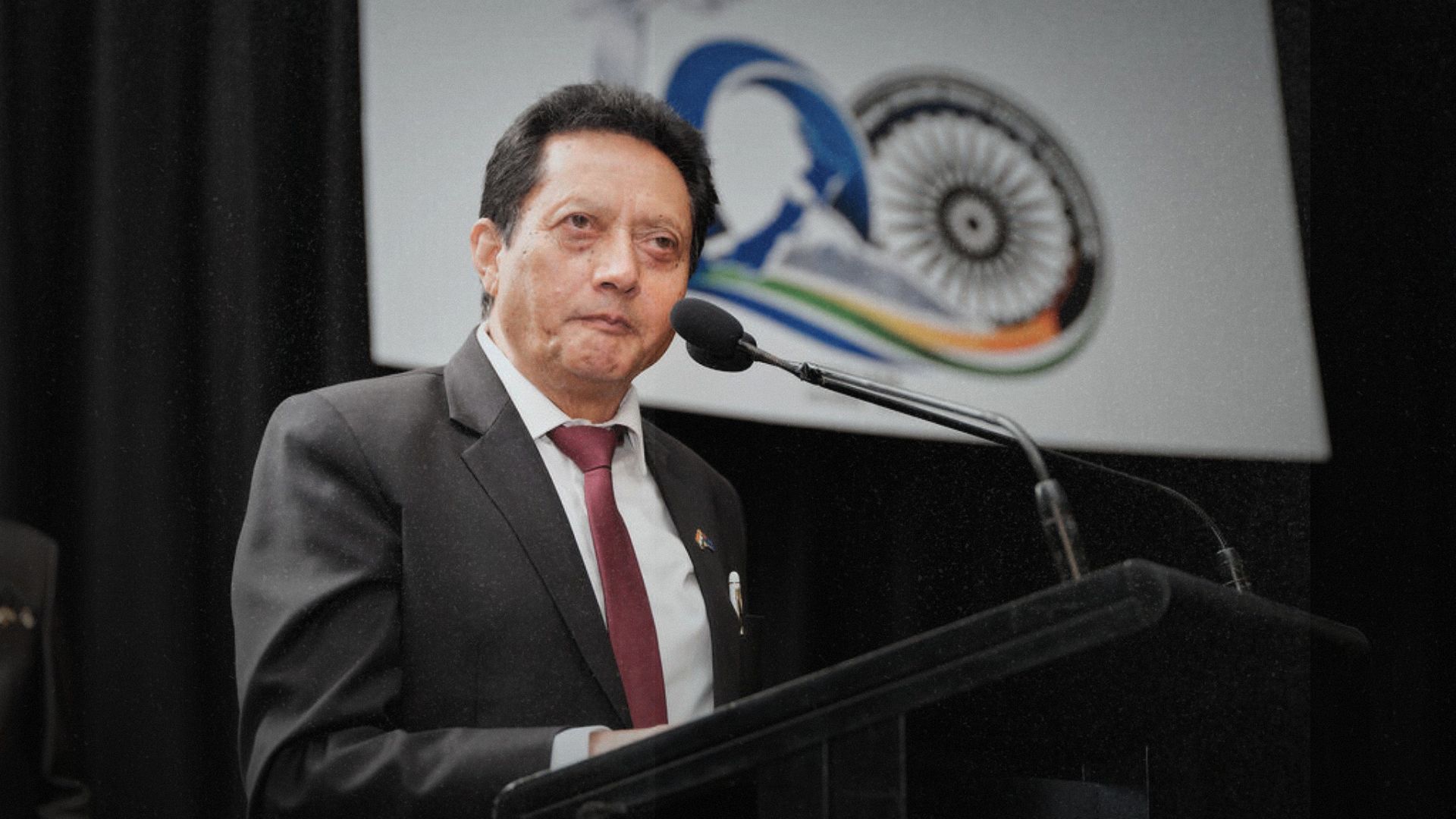
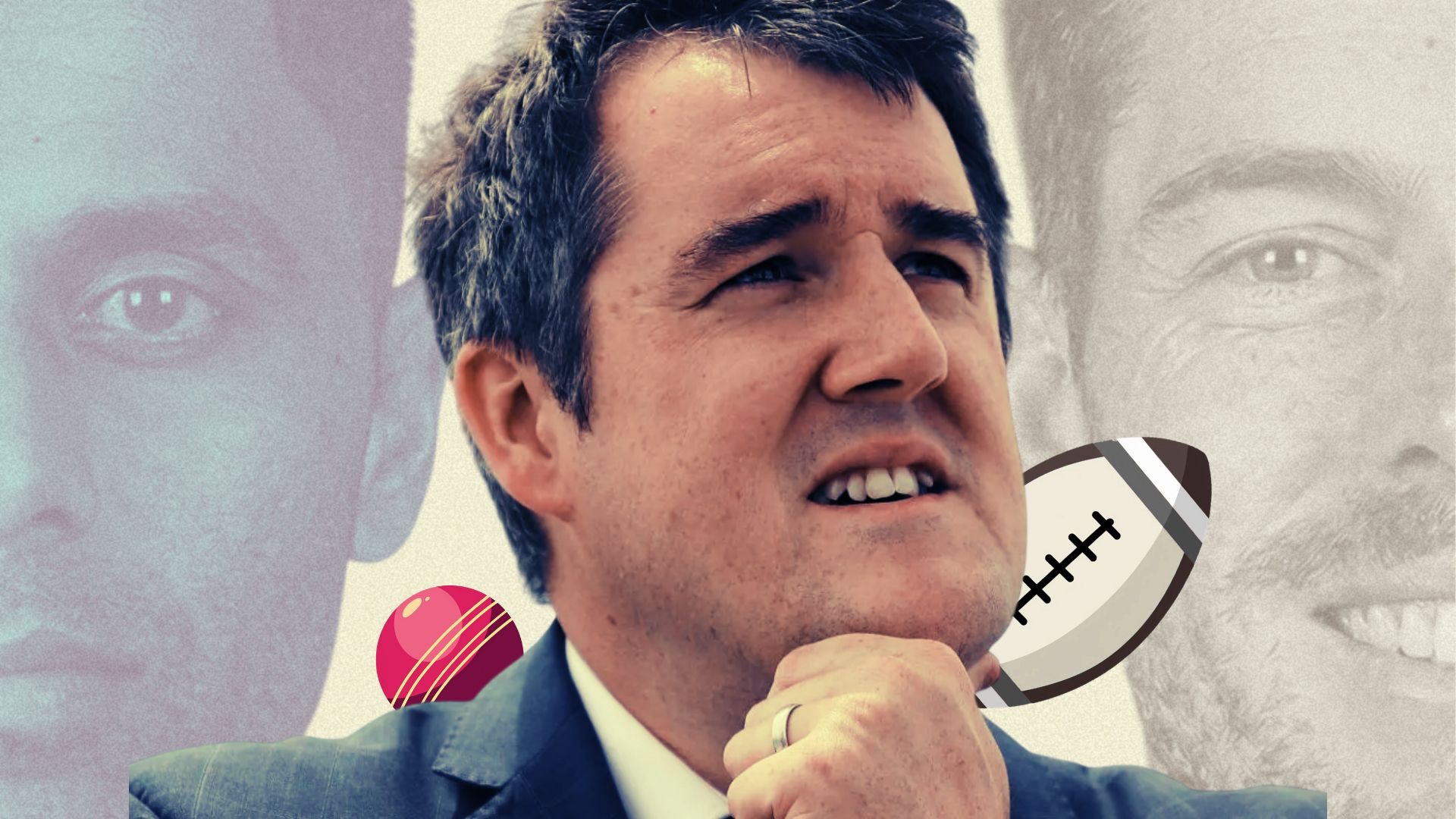
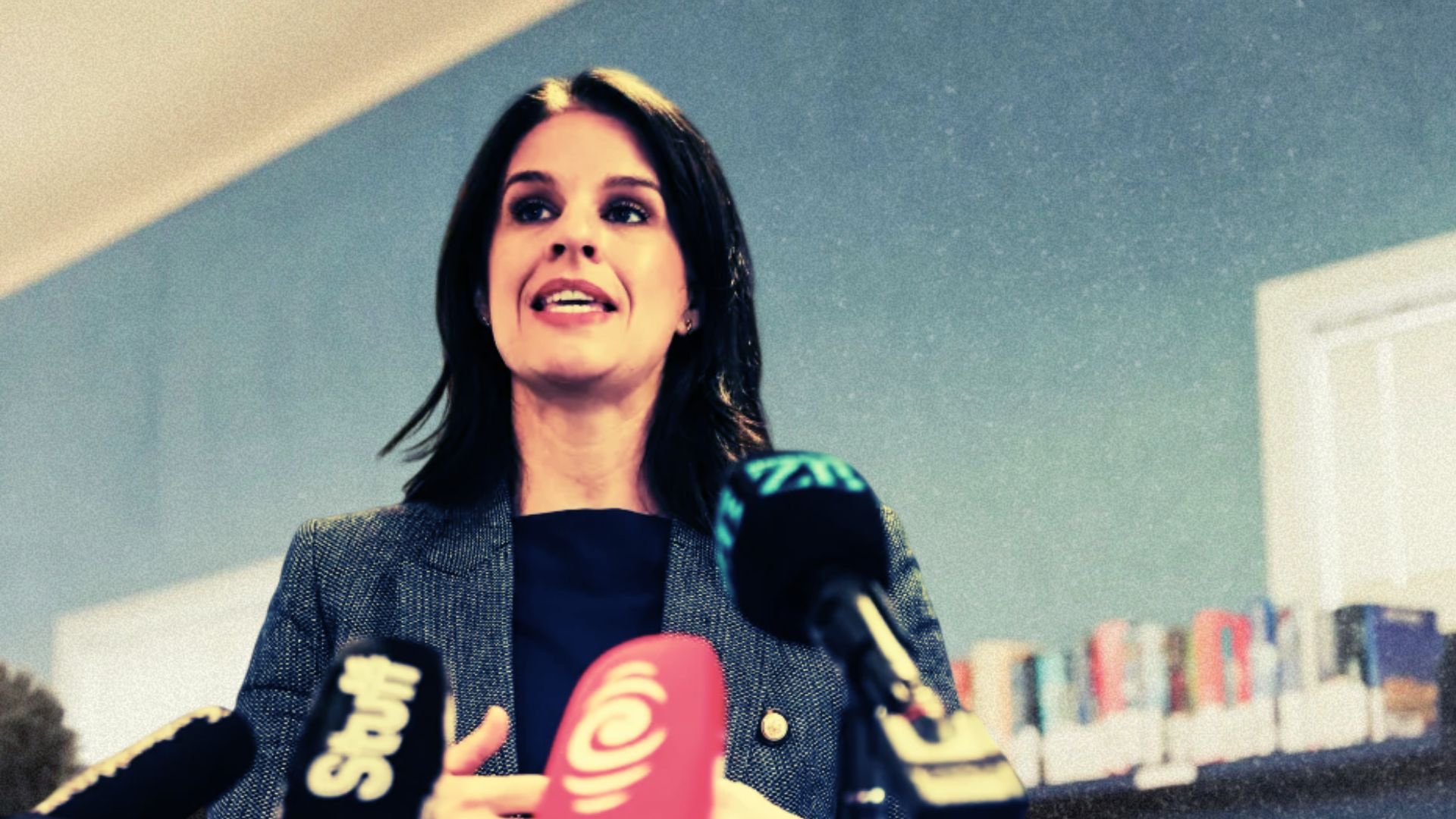
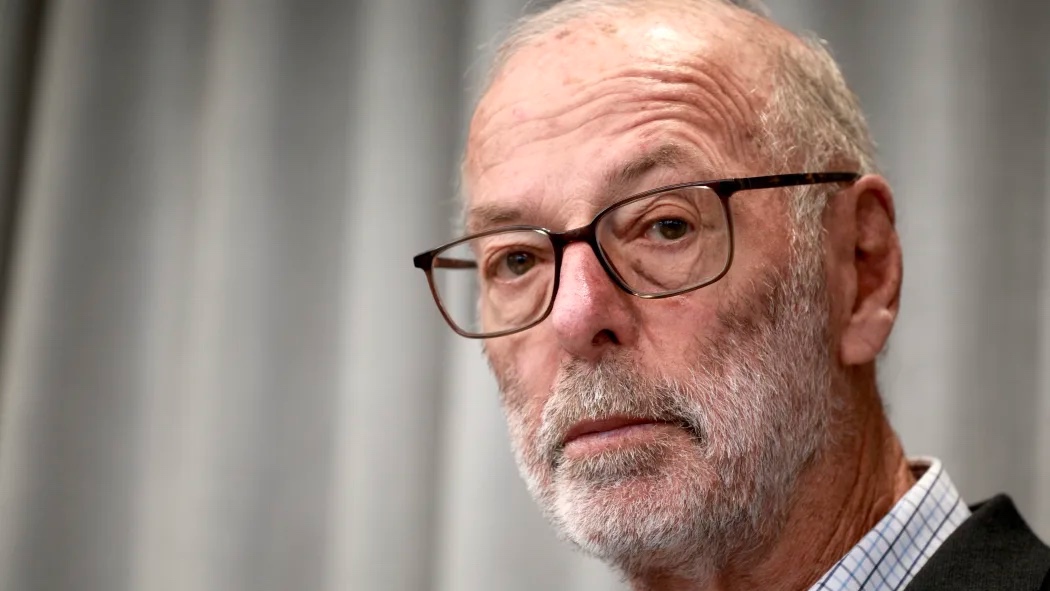
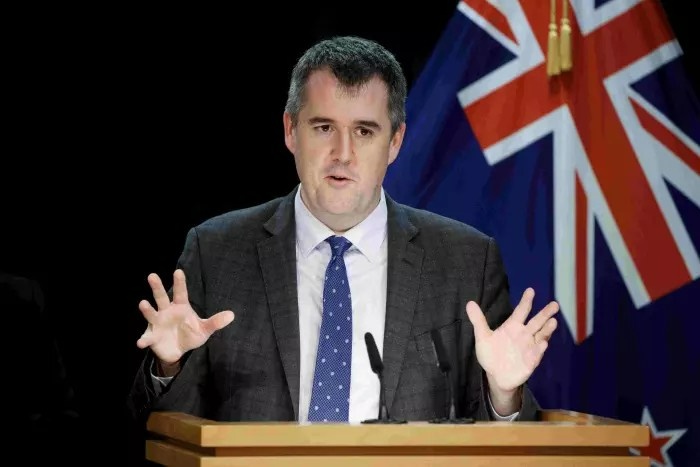
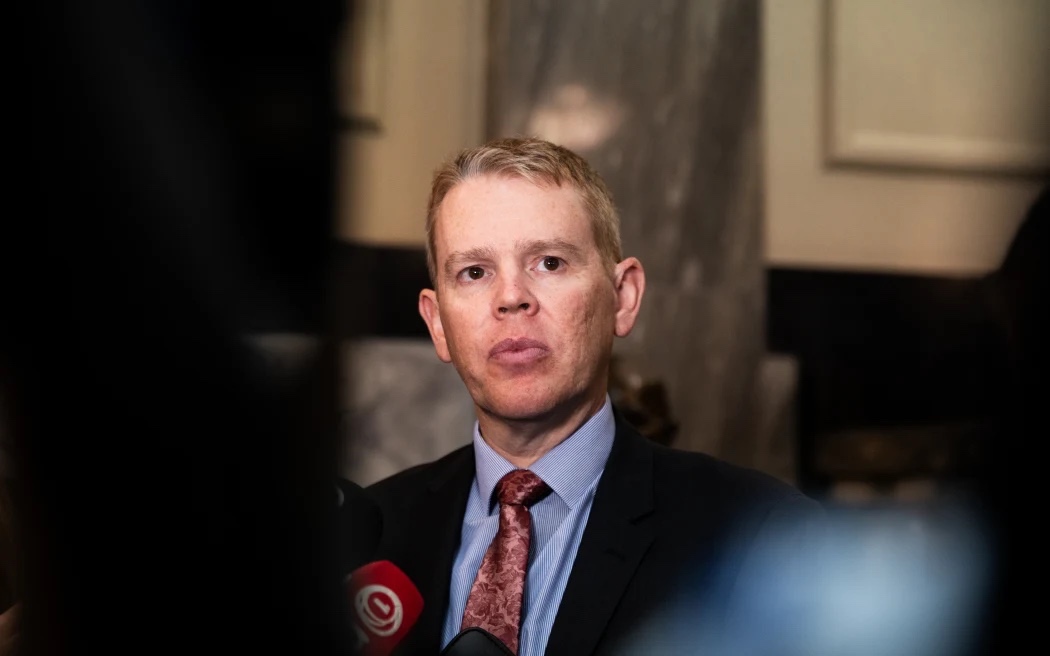
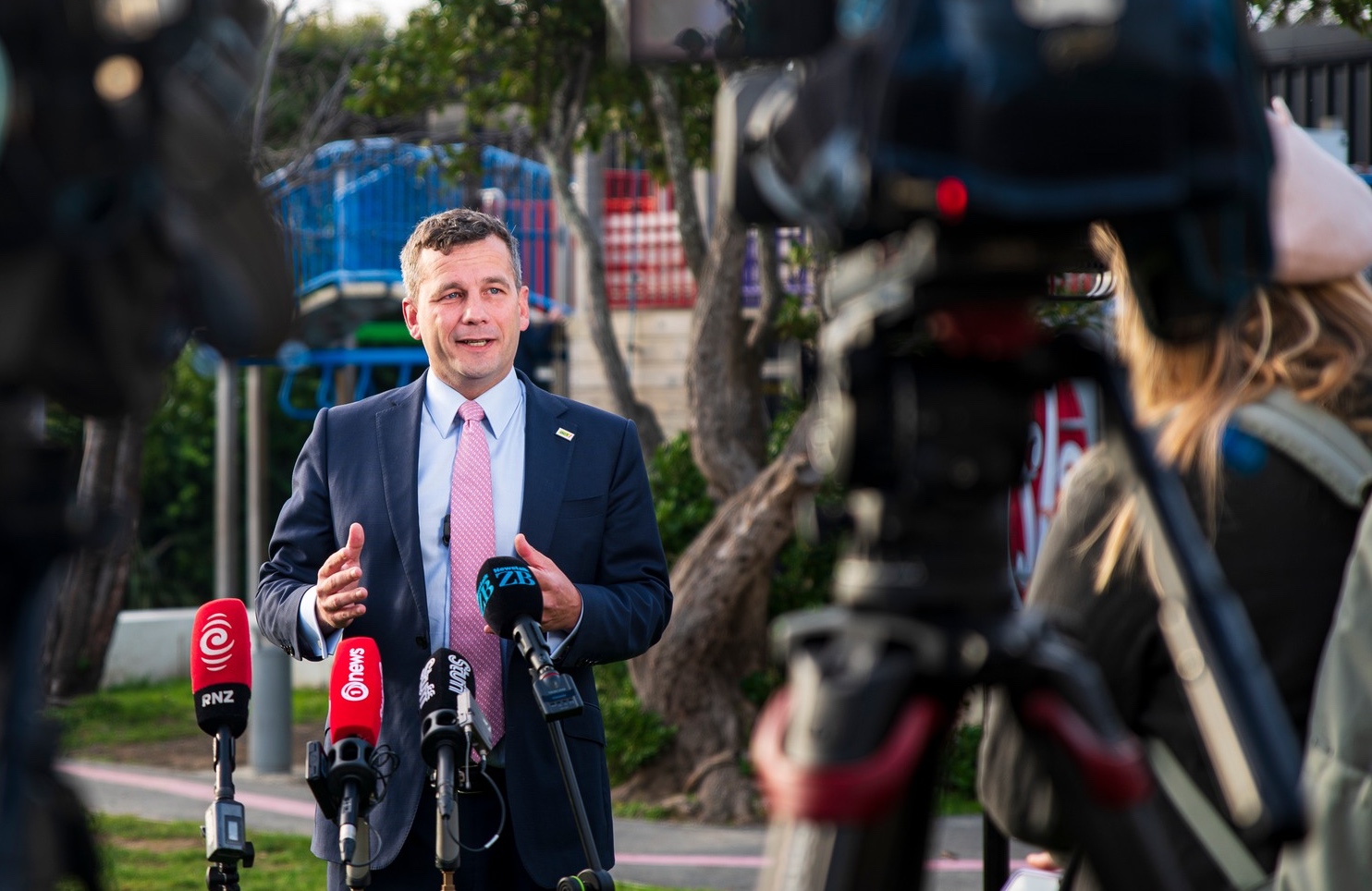
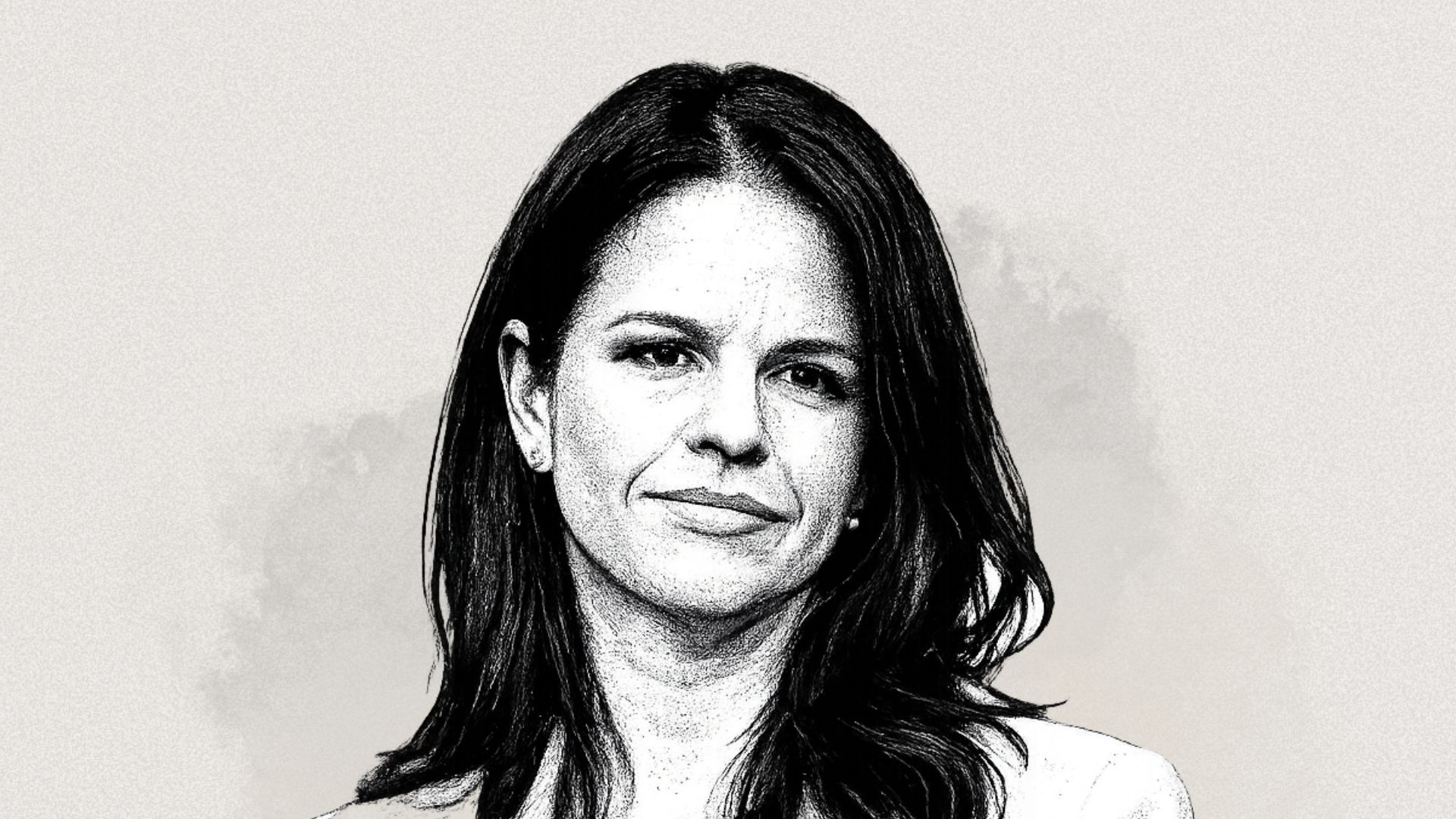
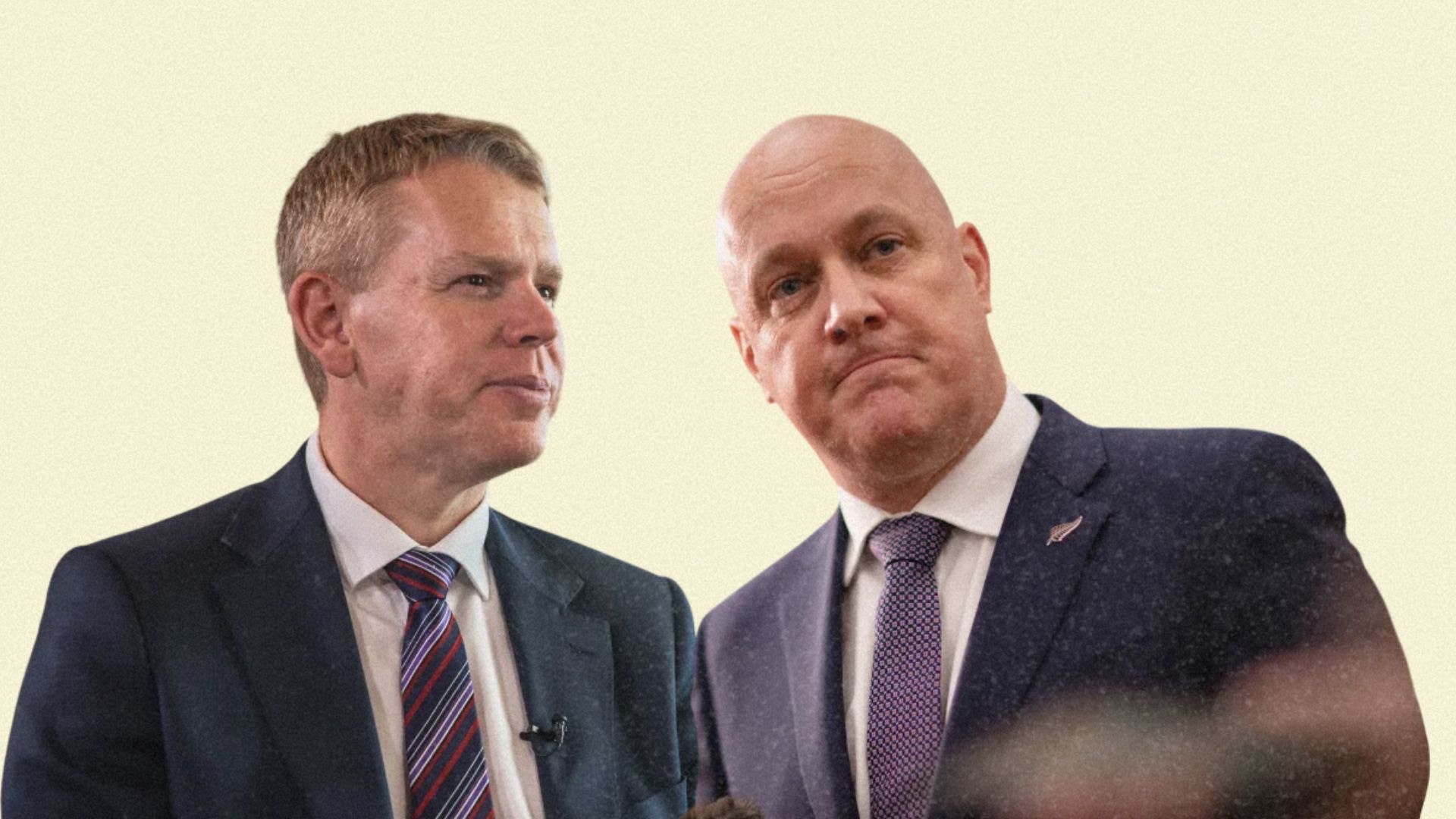
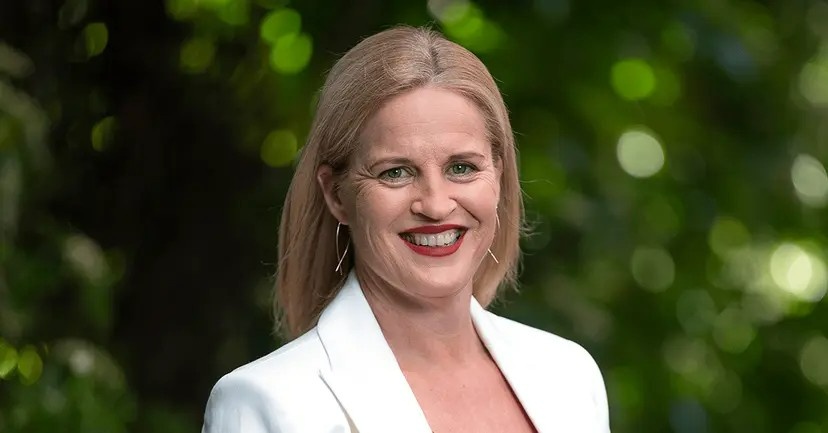
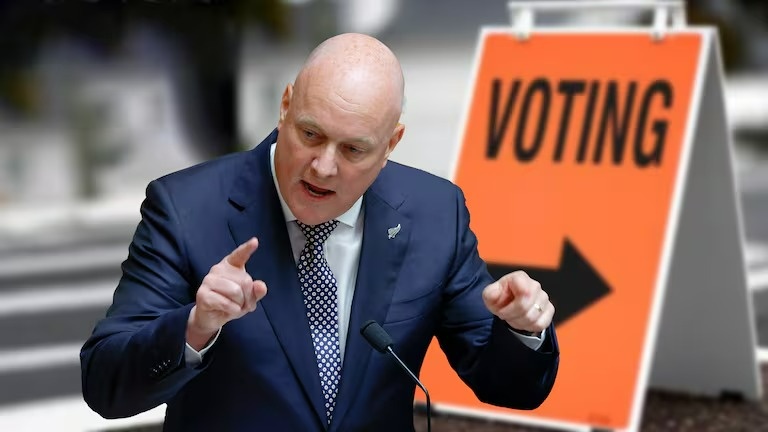
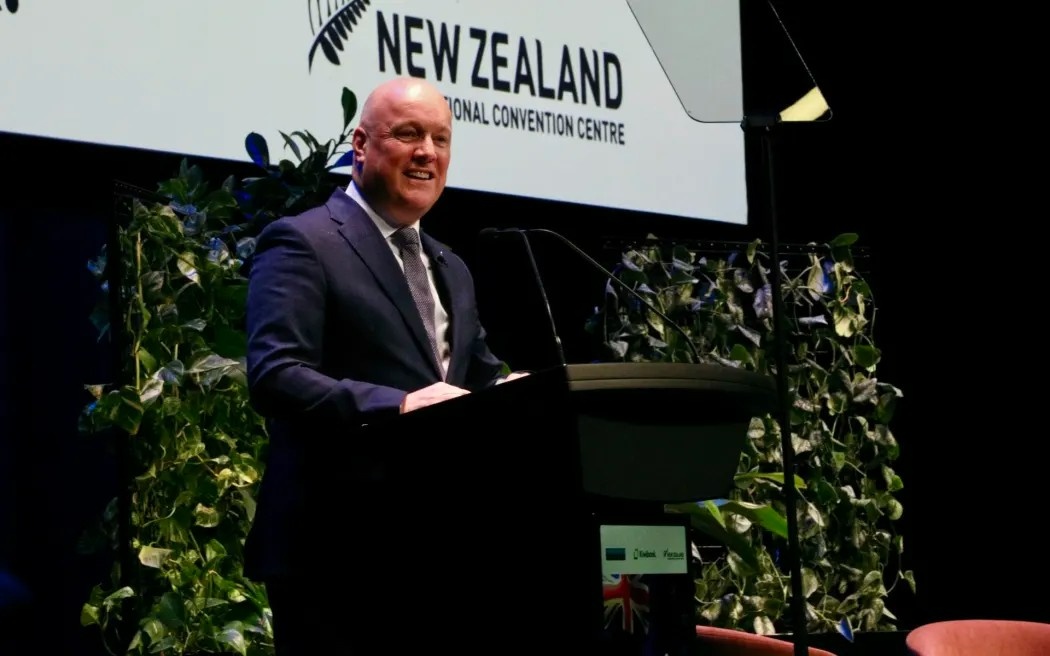
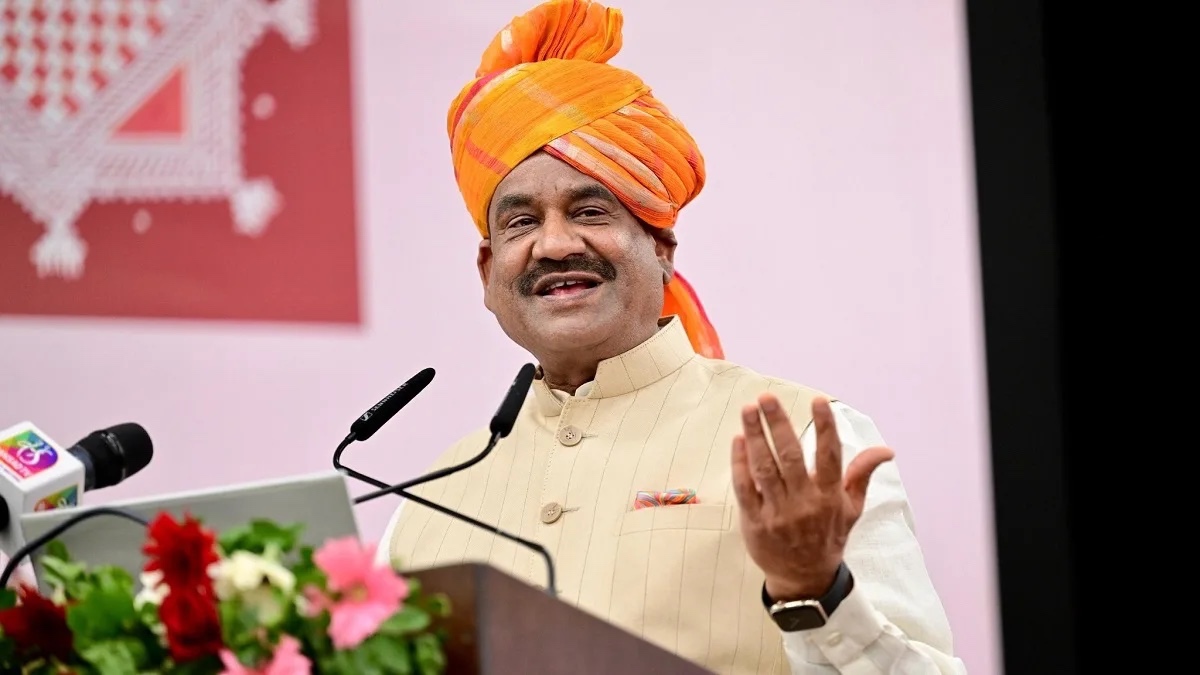
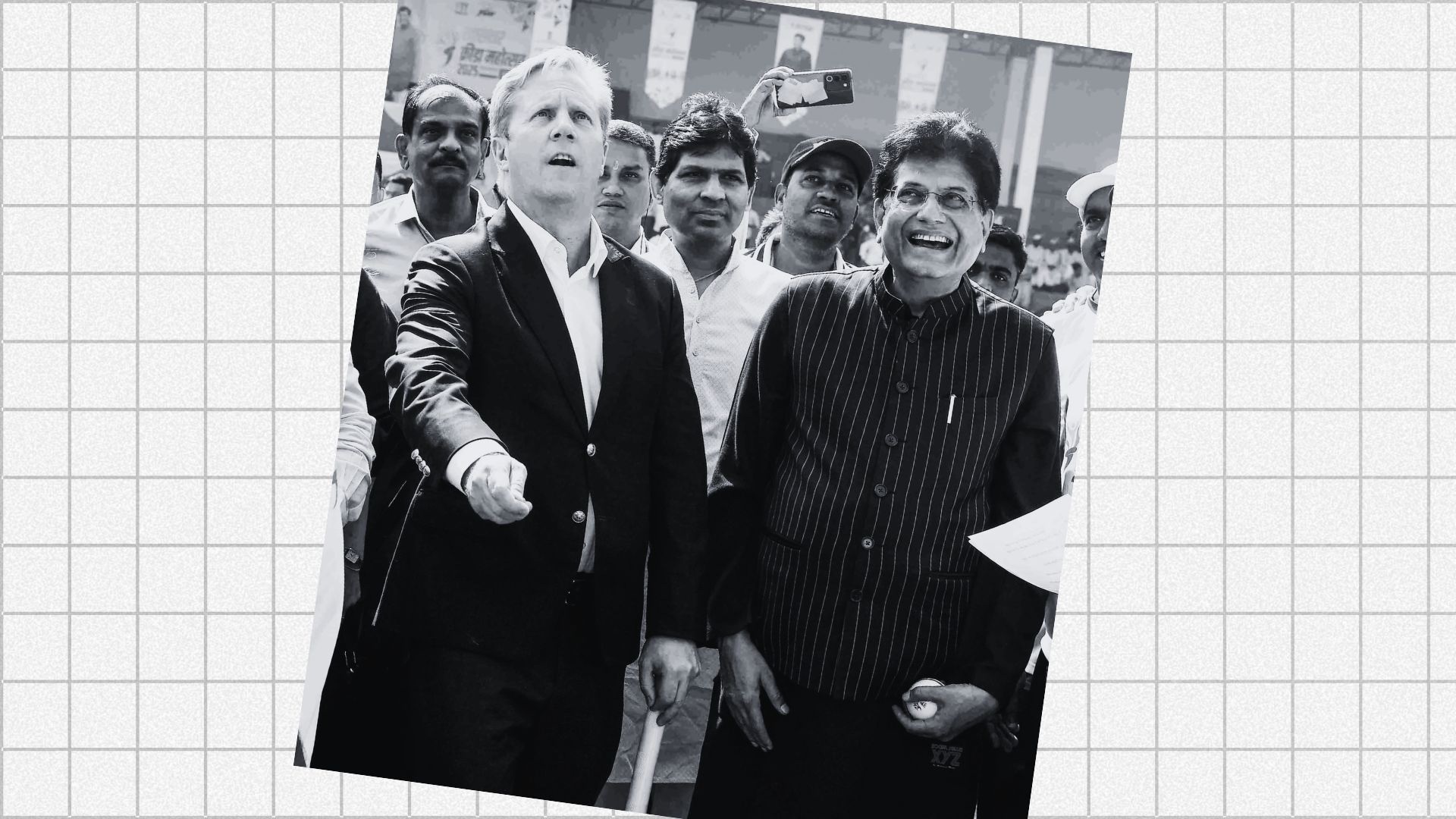
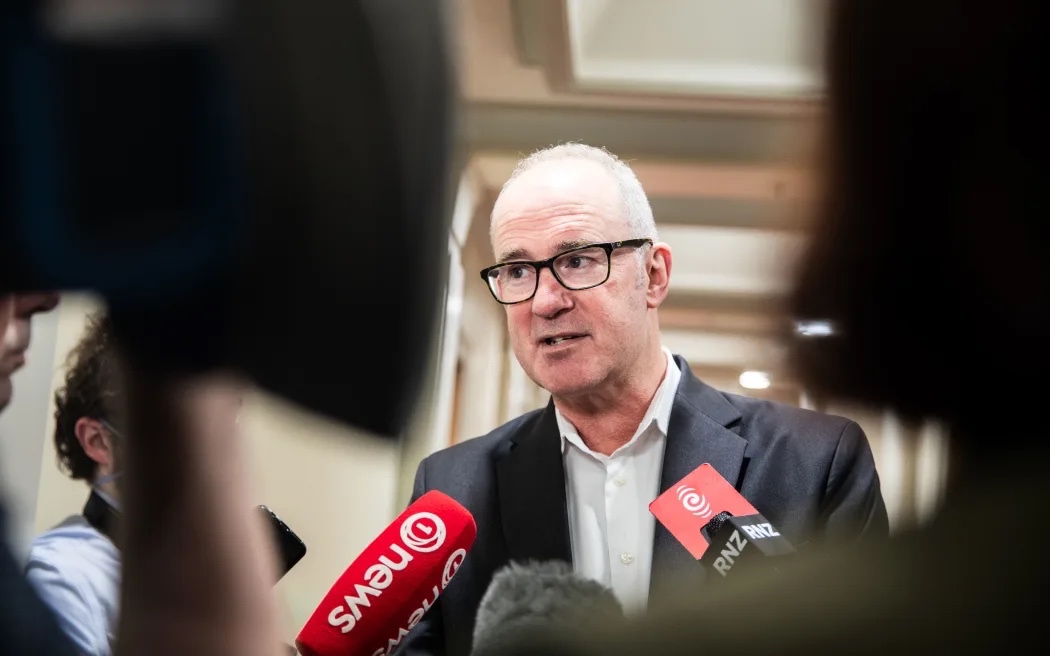
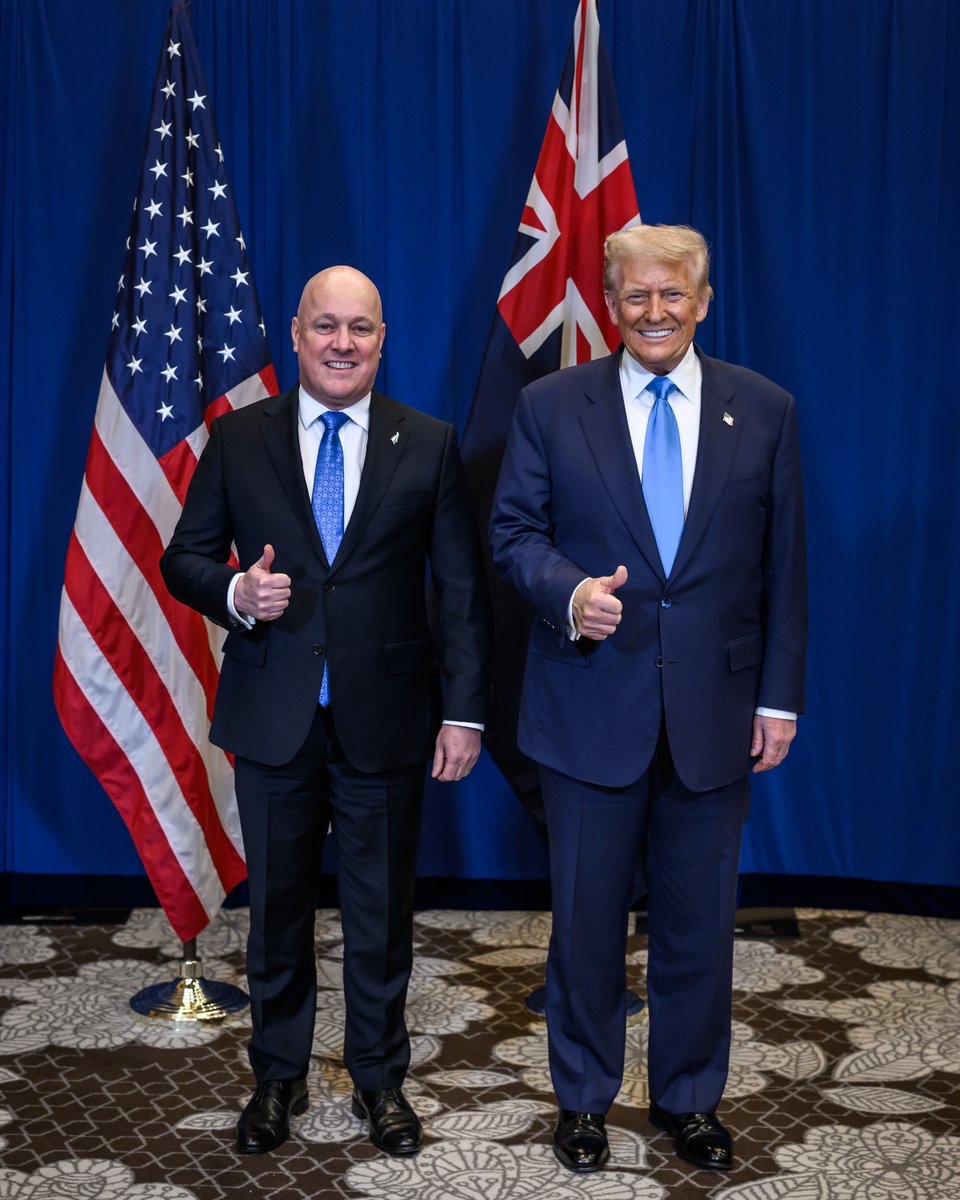
Police minister Mark Mitchell.
A pointed exchange over Khalistan protests and Brian Tamaki puts the senior National MP on the spot over the limits of free speech.
(Unboxed is a new series of political interviews supported by the New Zealand Indian Central Association.)
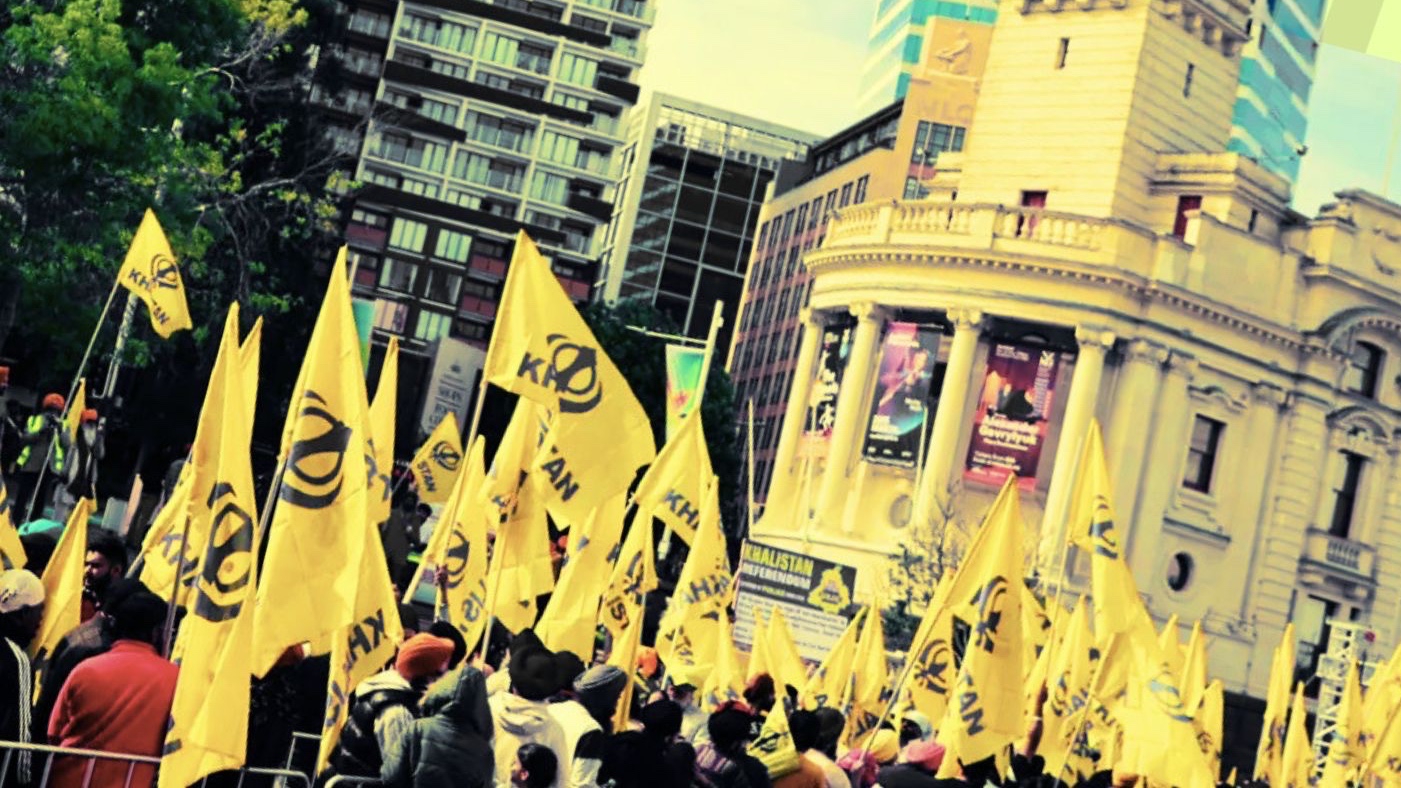
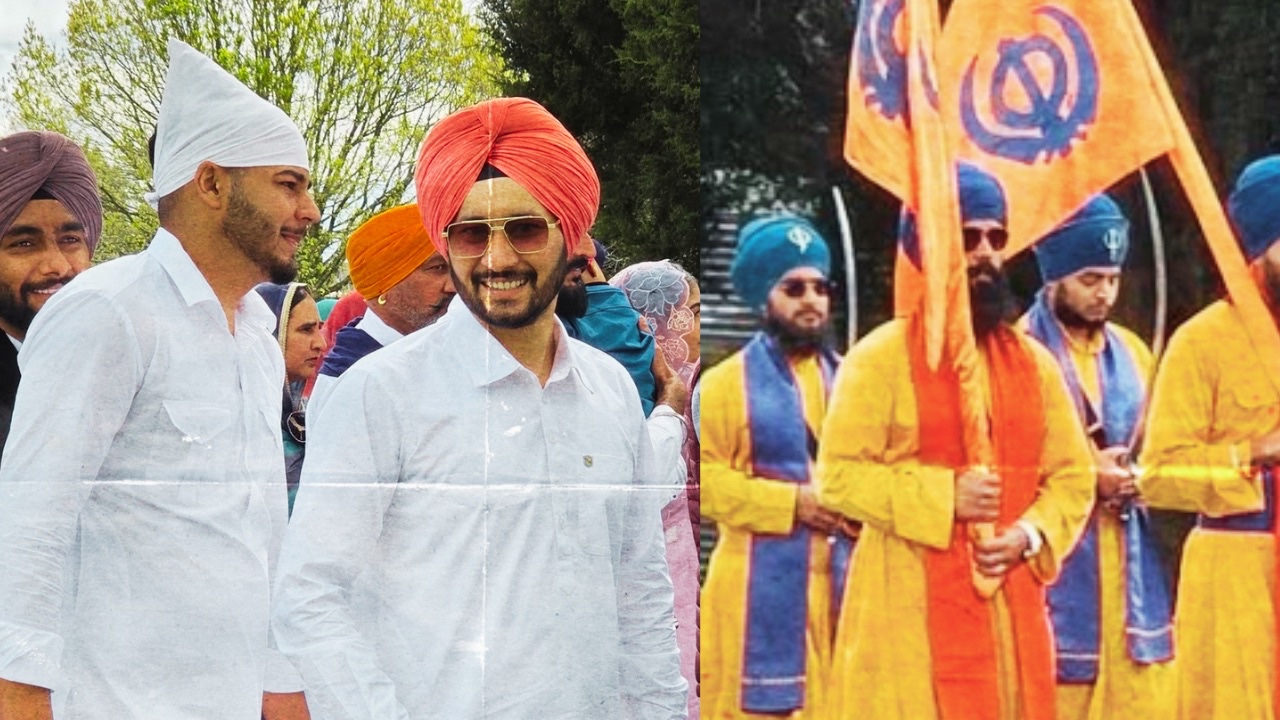
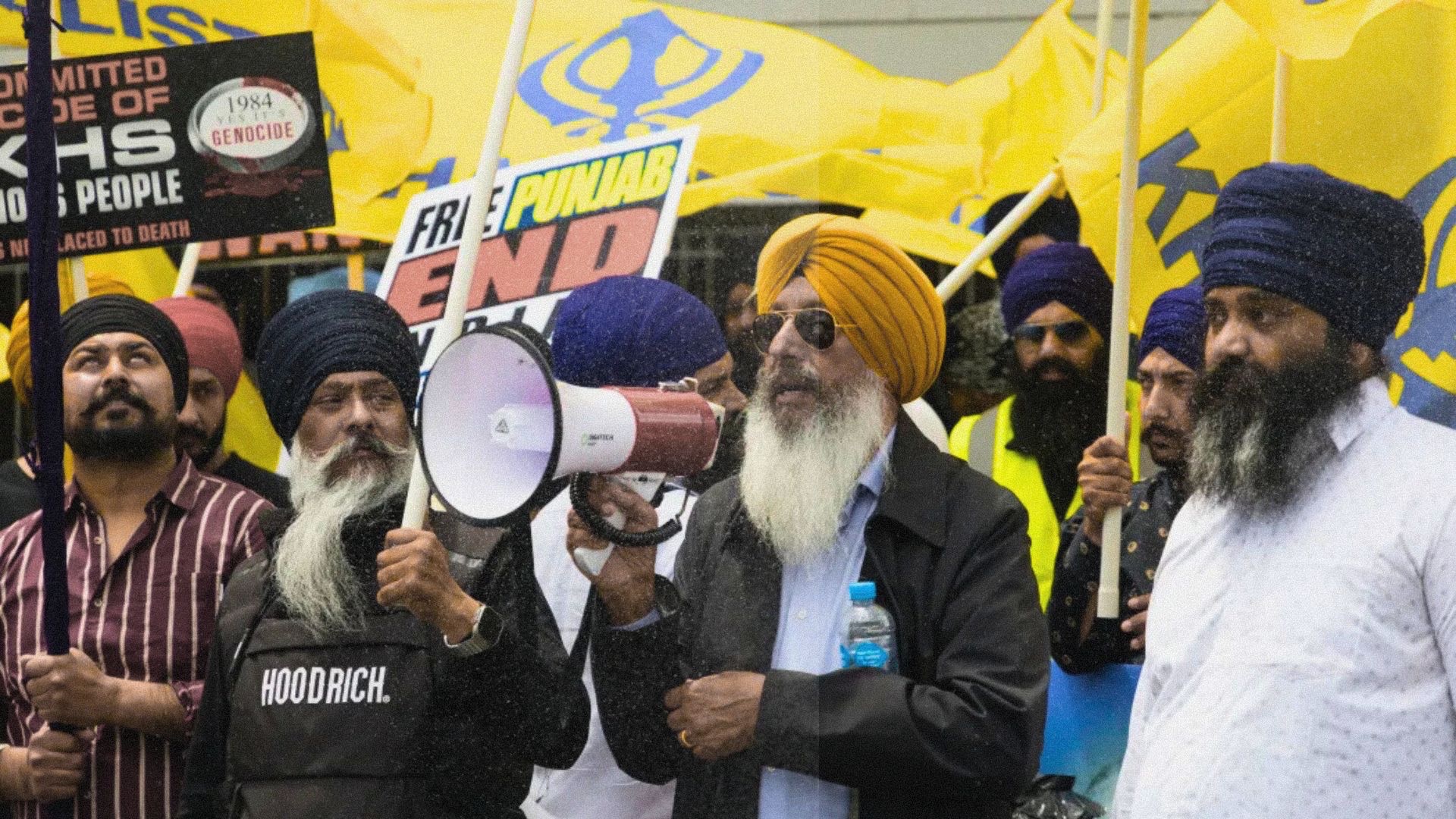
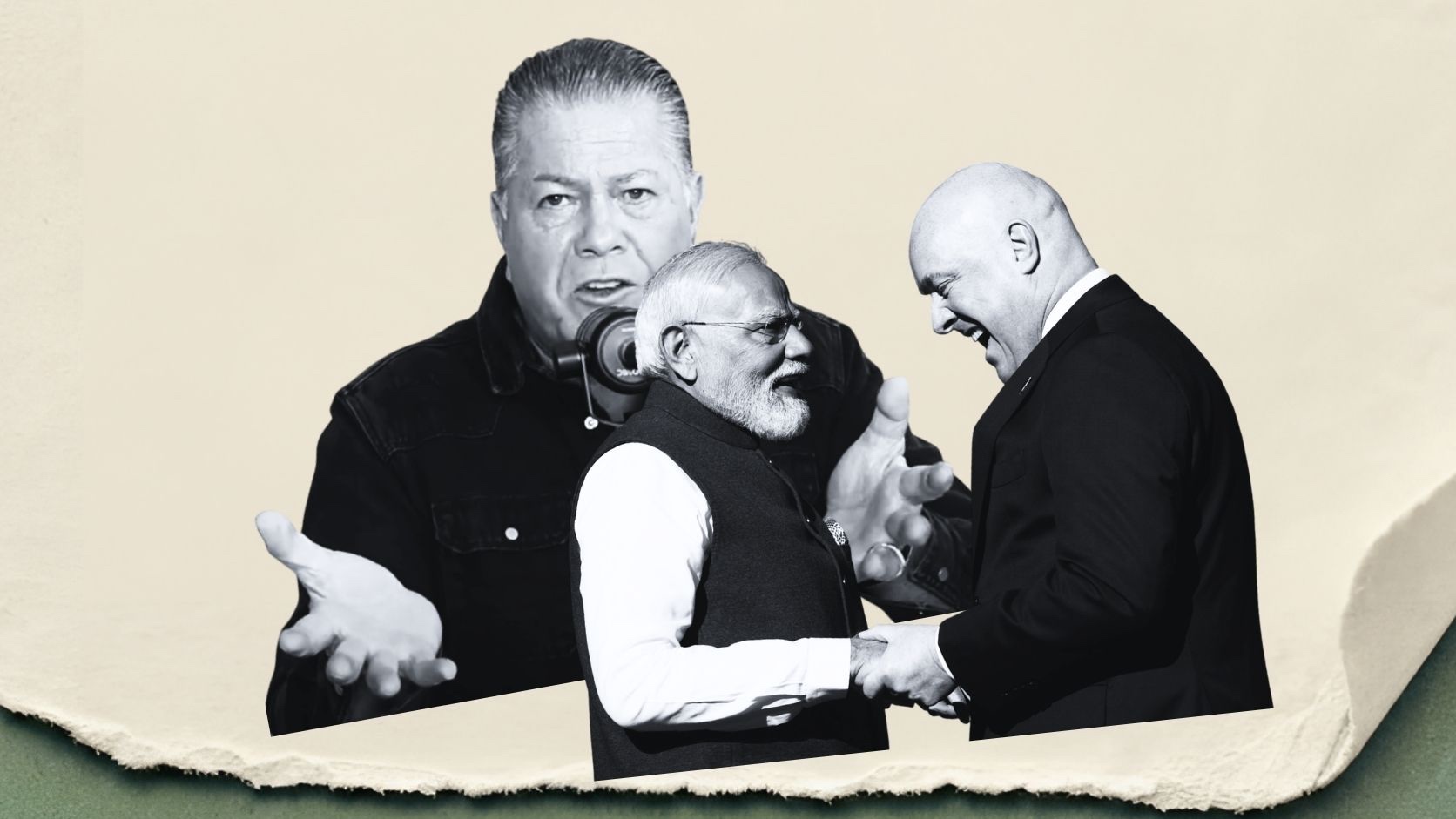
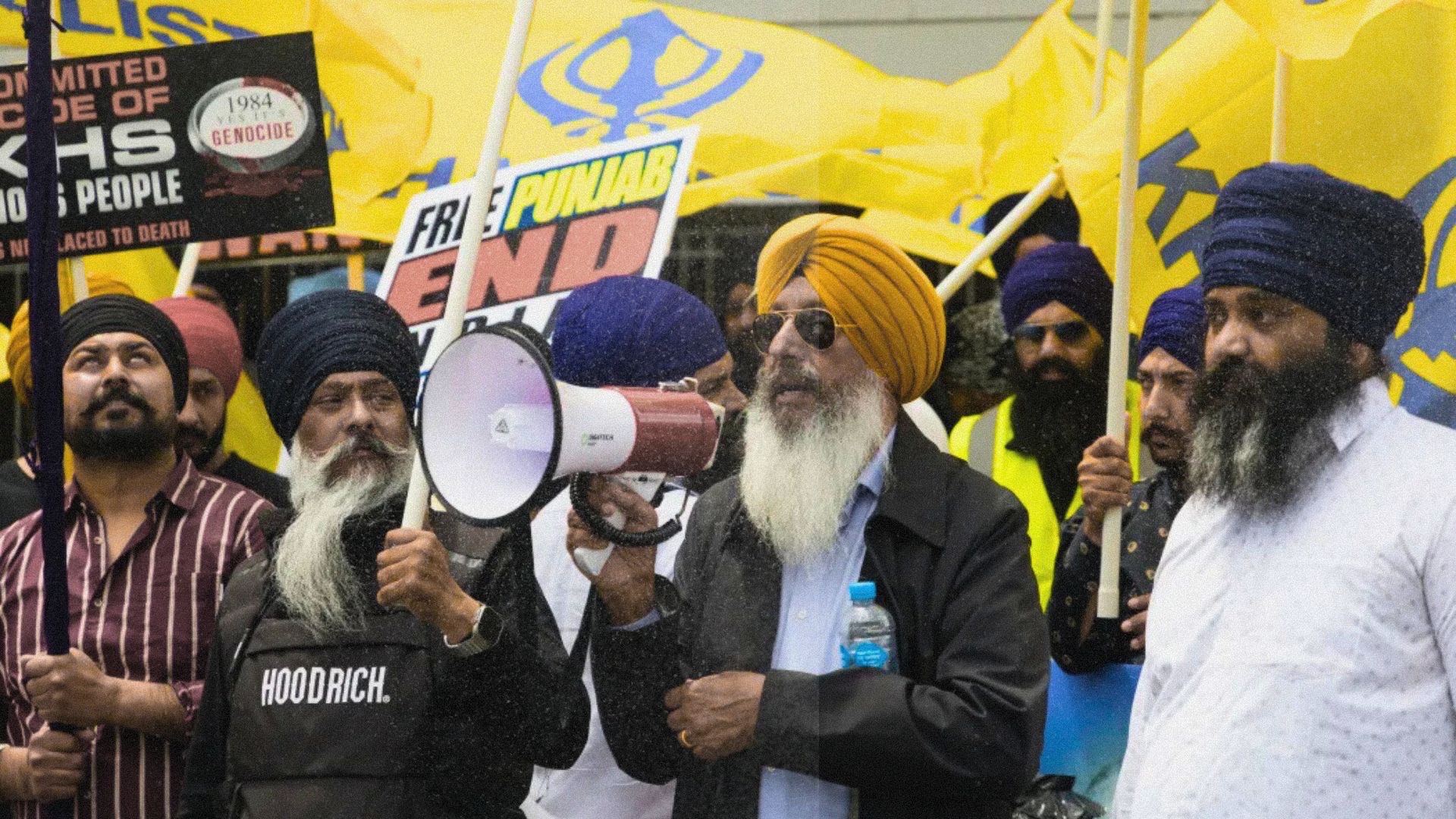
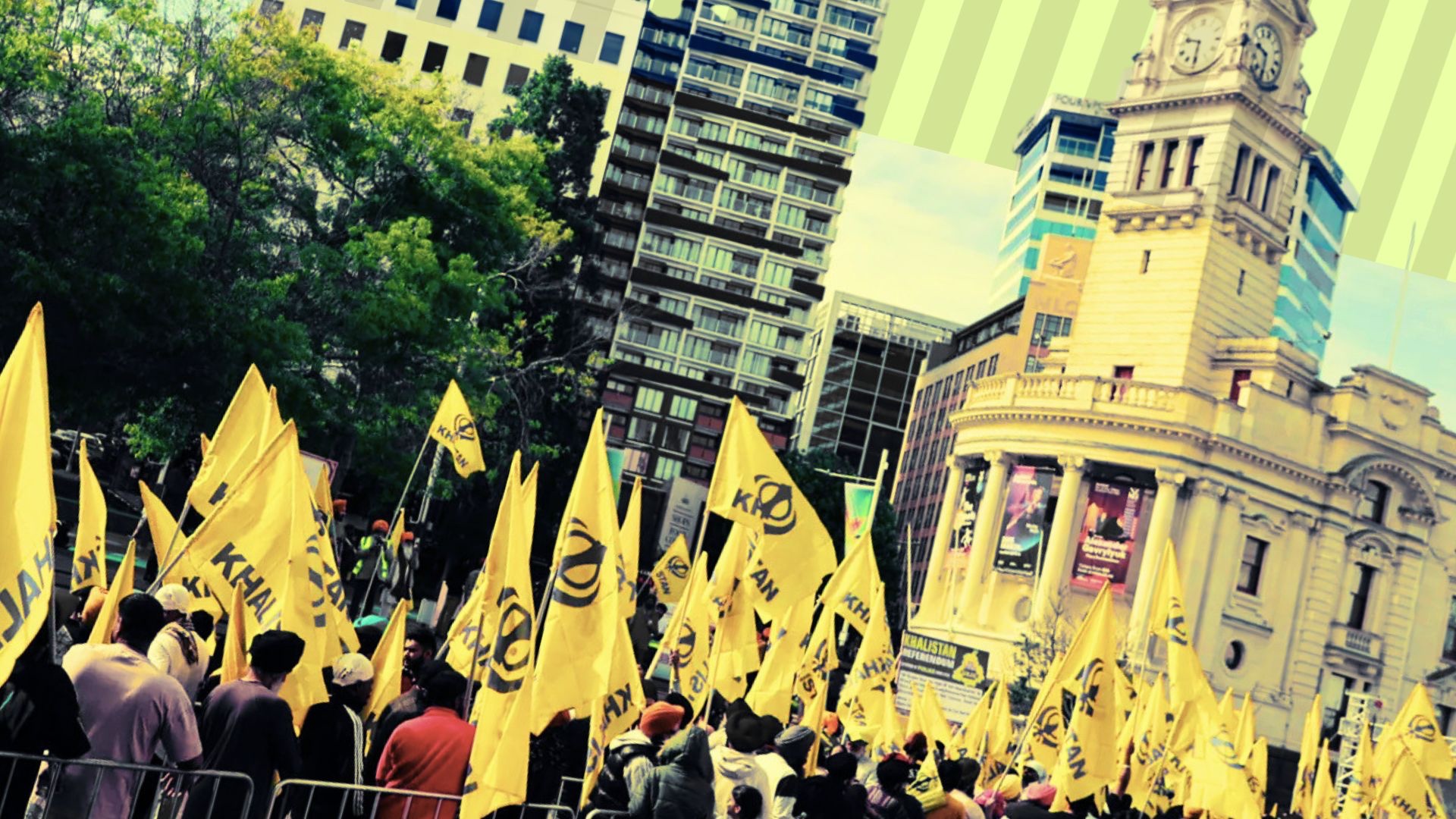
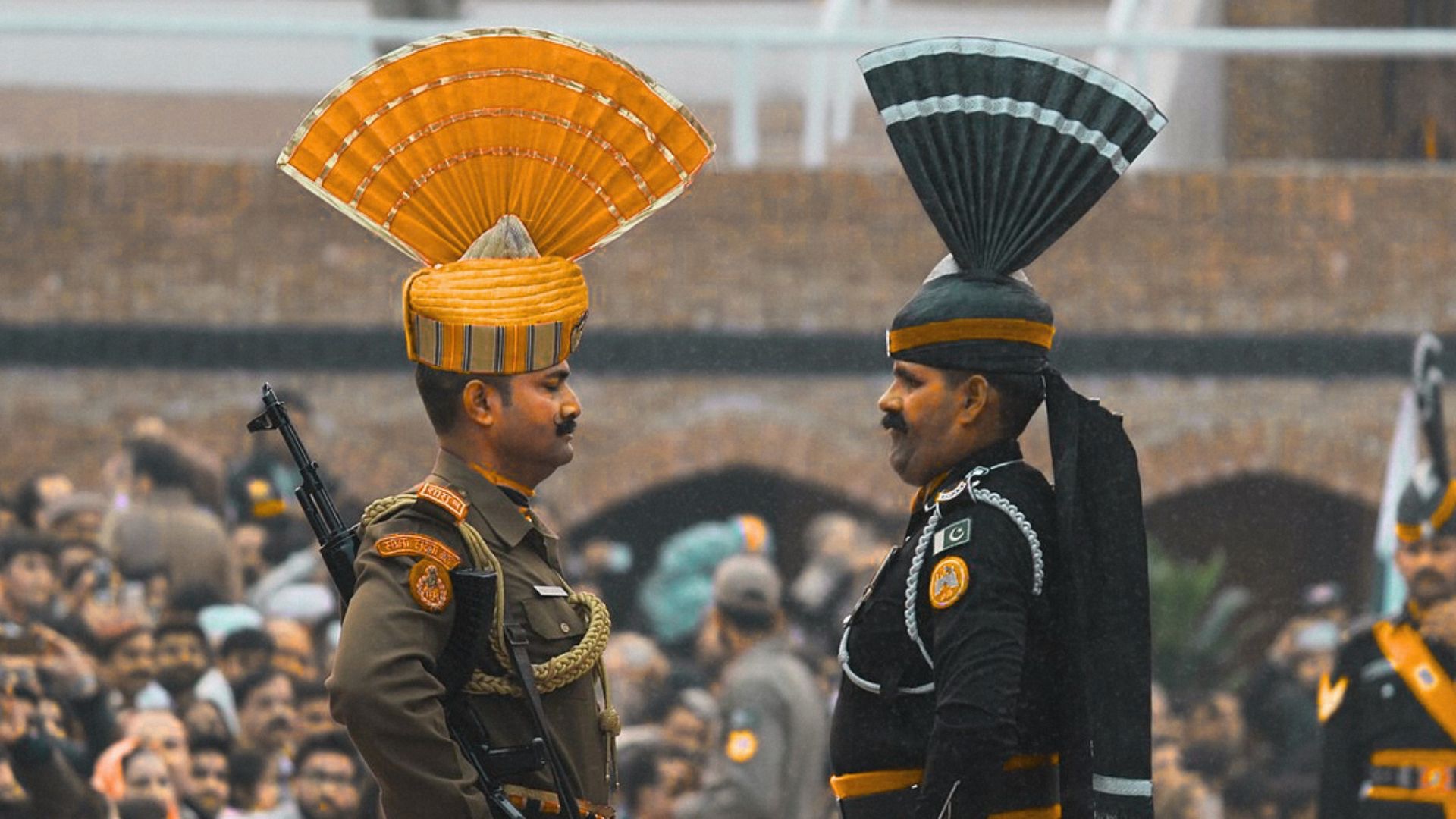
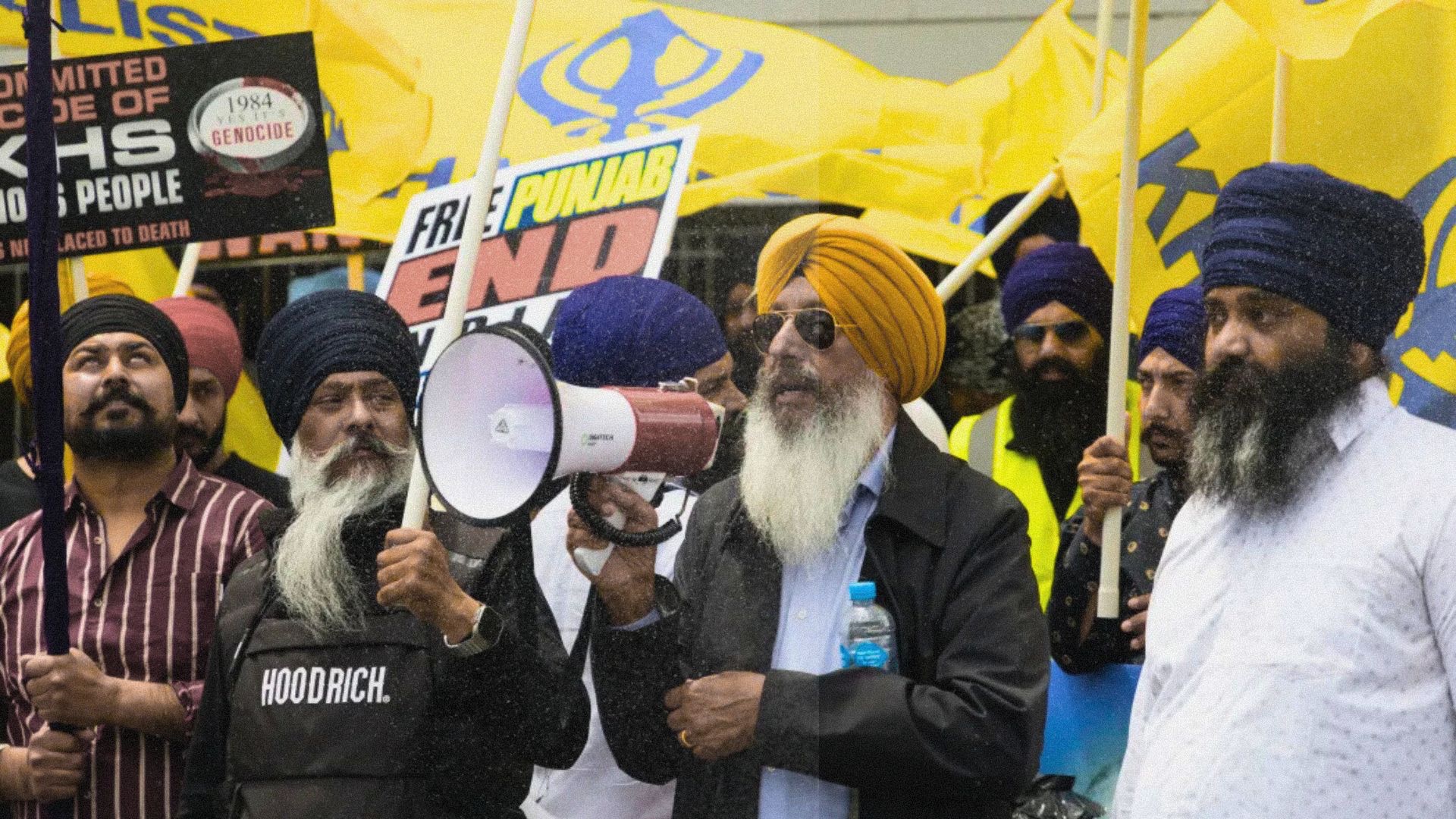
When does an offensive protest become a matter for the police? And should Khalistan supporters who tear and stamp on the Indian flag face the same scrutiny as Destiny Church leader Brian Tamaki?
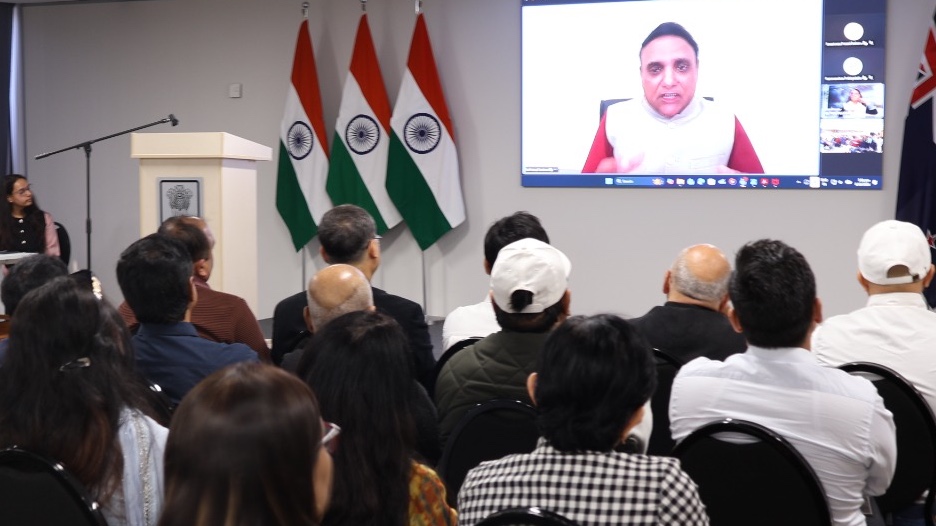
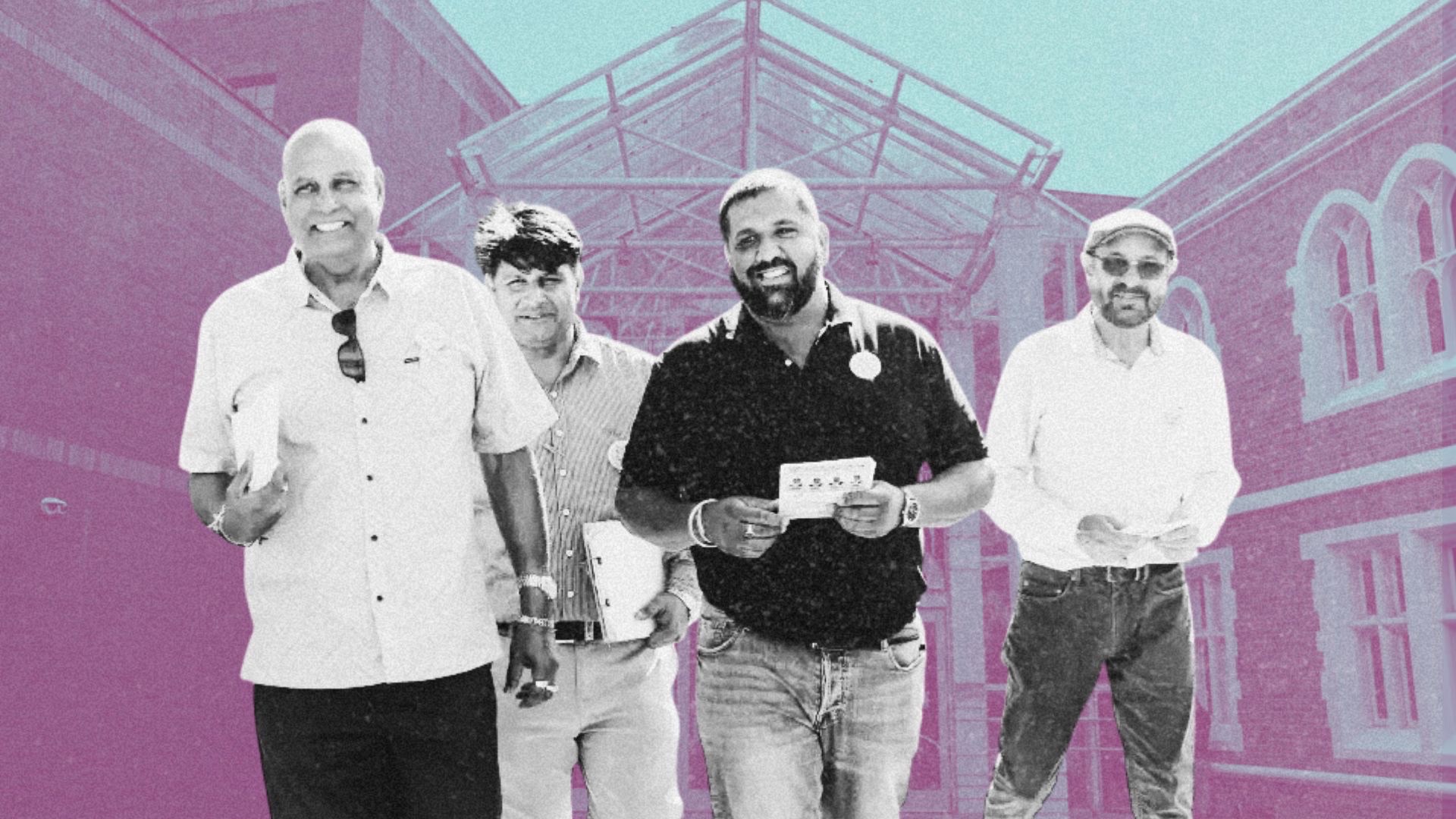
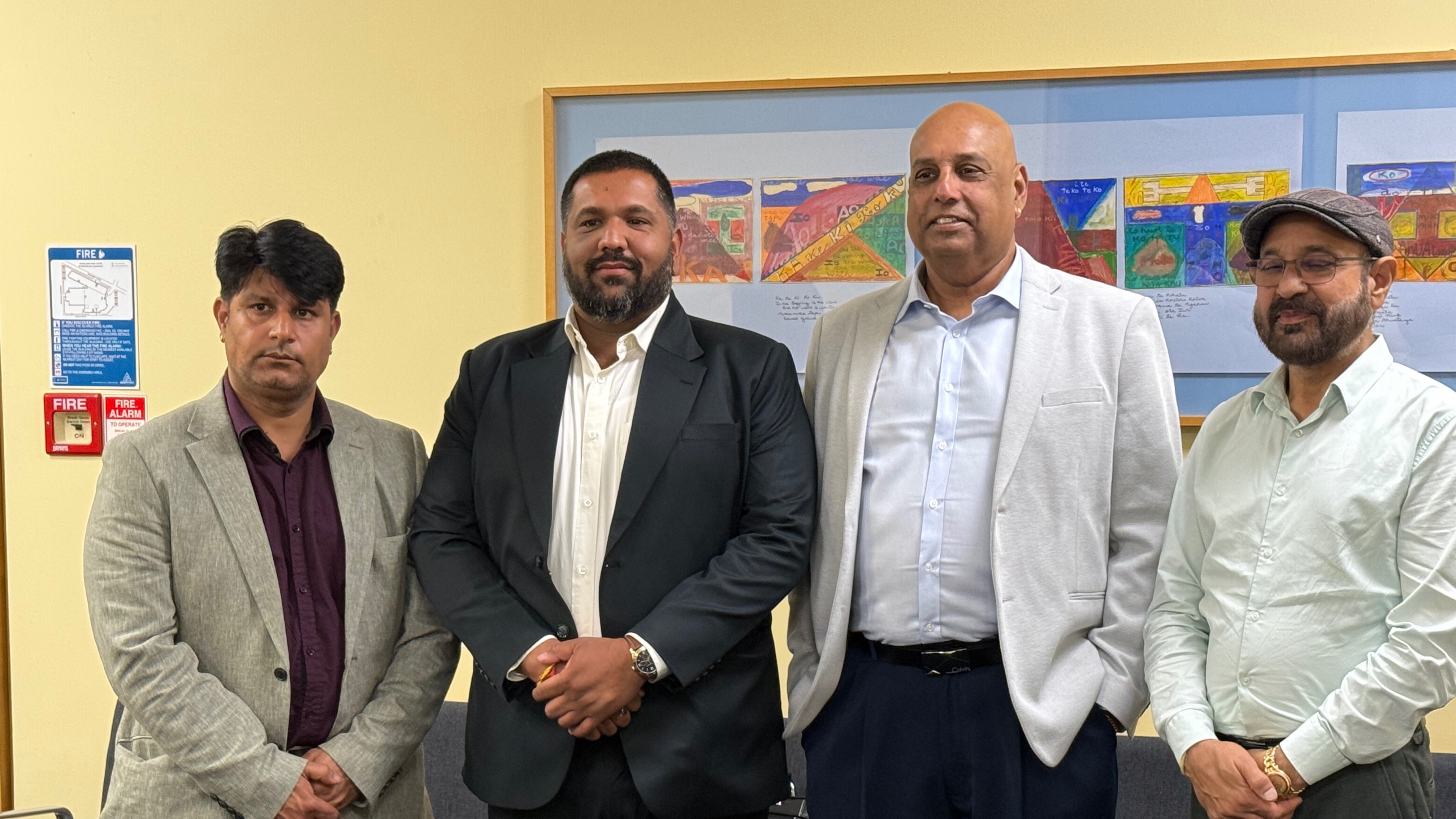
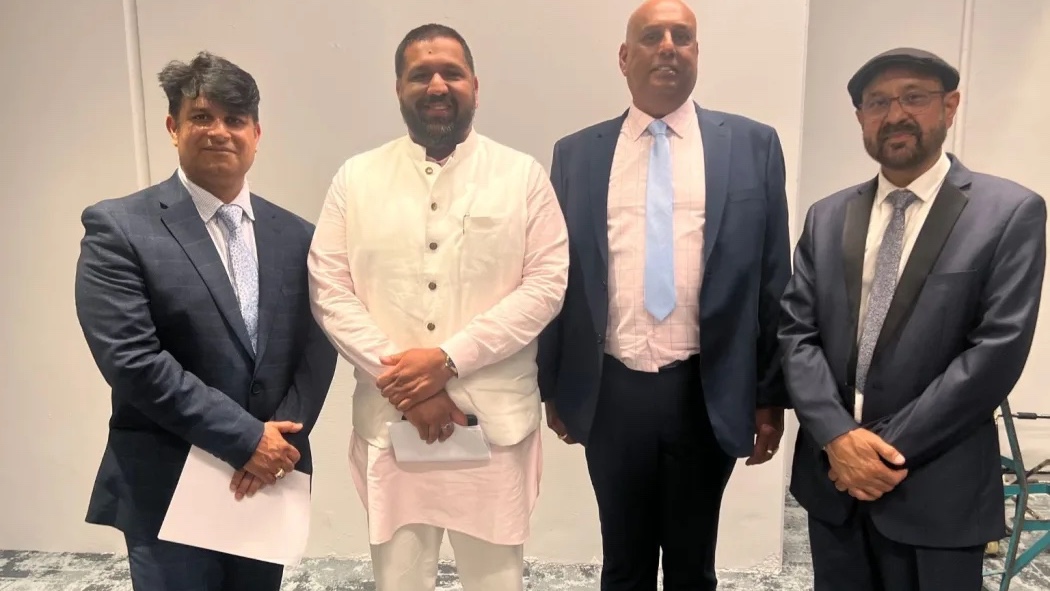
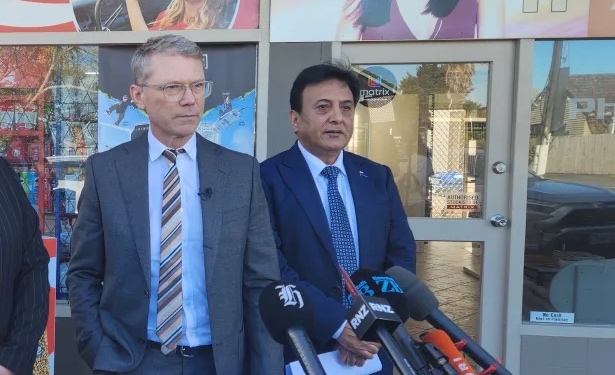
Police minister Mark Mitchell was confronted with these questions during an episode of Unboxed in South Auckland on October 3.
Mitchell defended the right to peaceful protest, even when demonstrators cause offence, but insisted the same legal standards must apply to everyone regardless of the cause they represent.
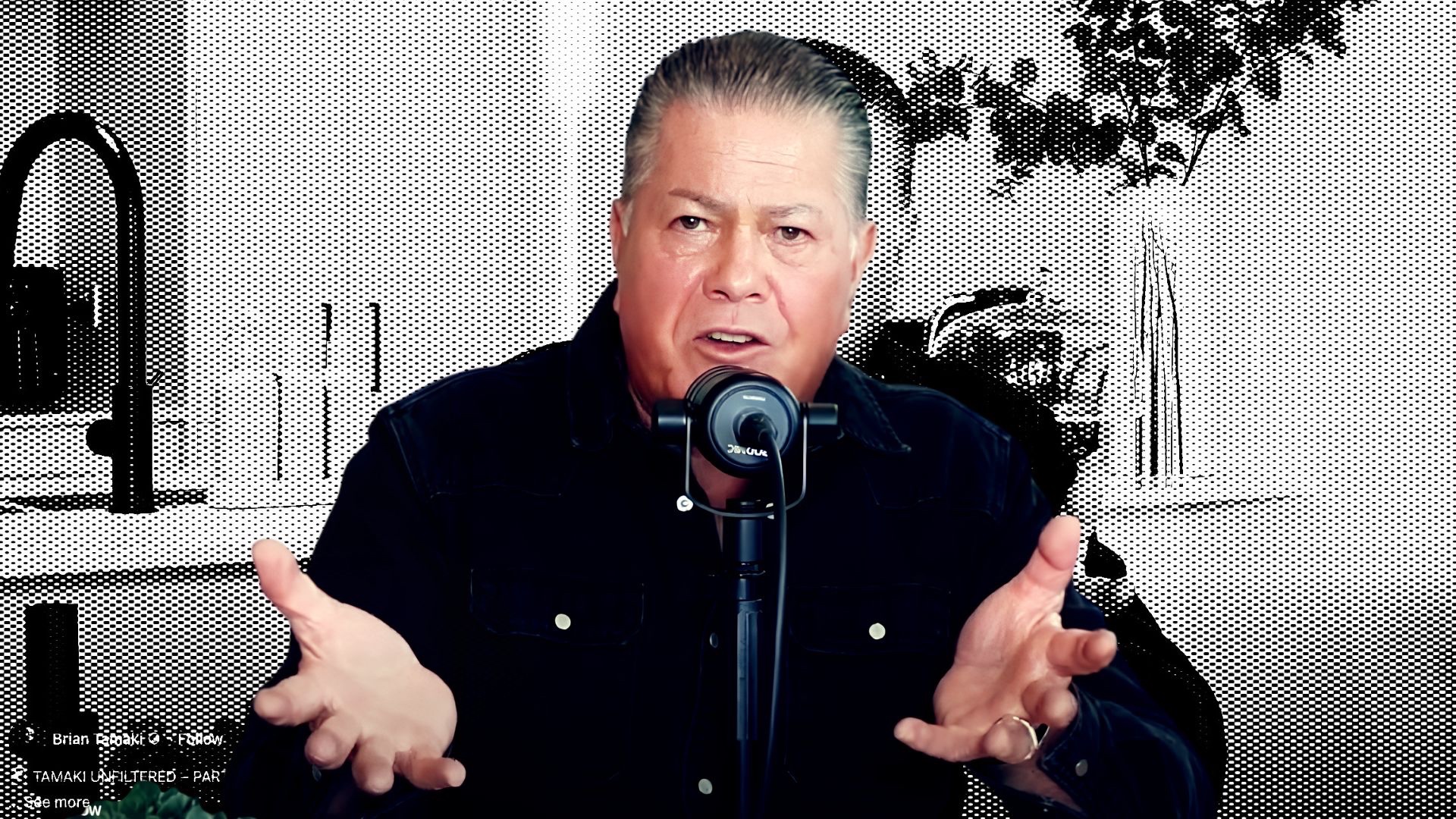
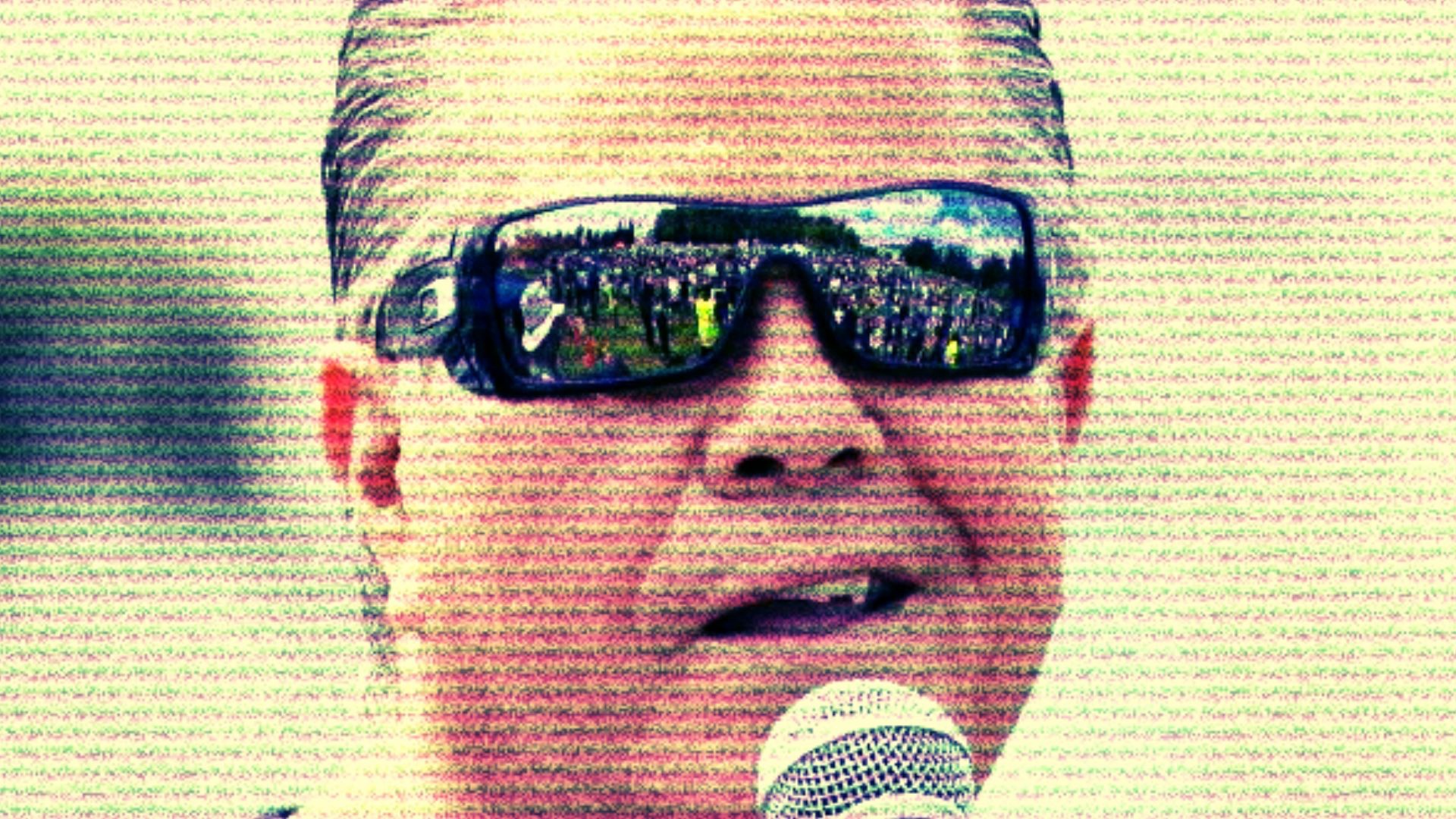
“The expectation around the Khalistani protests will be exactly the same expectation around Brian Tamaki,” he said.
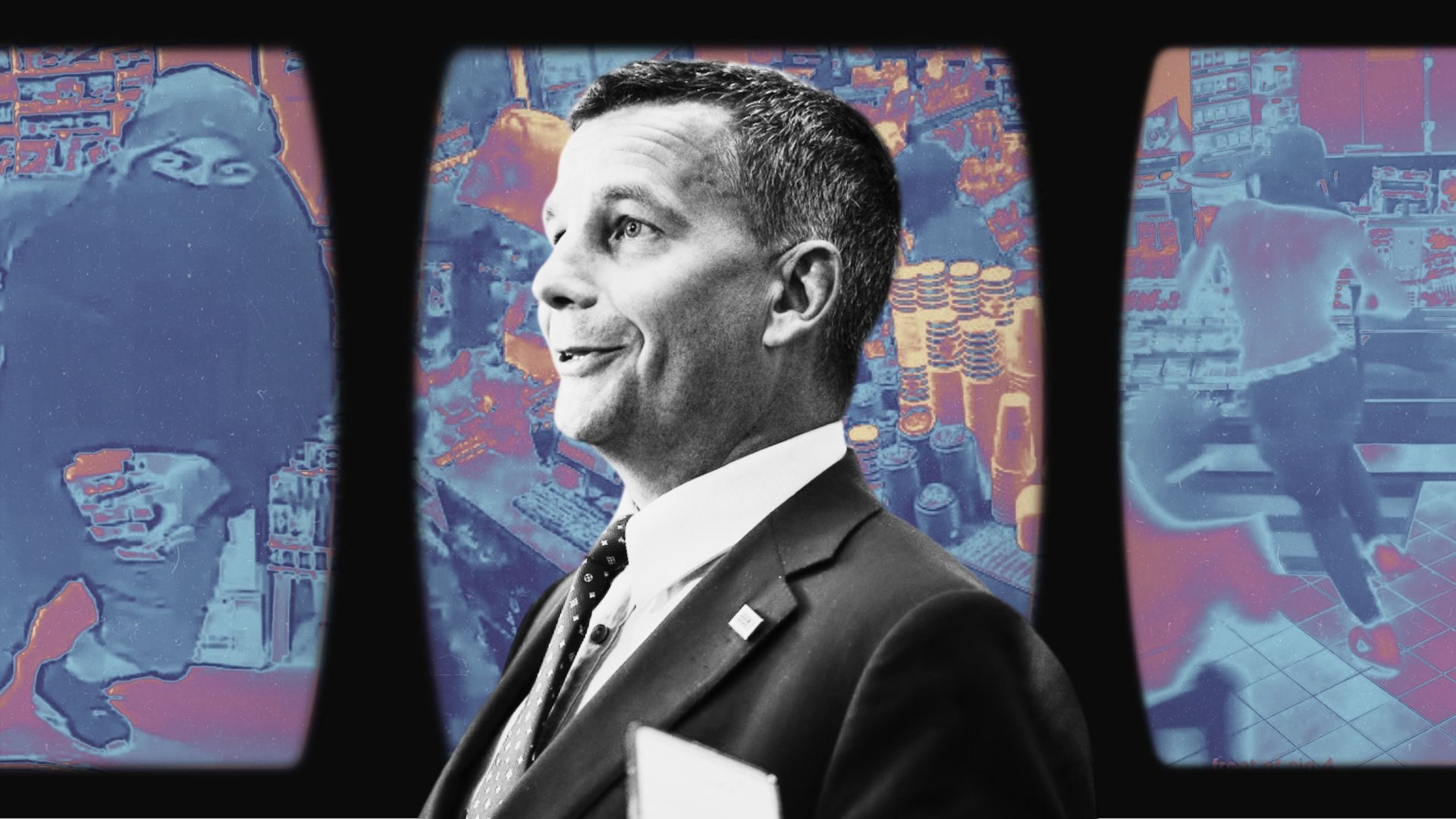
From designing restaurants to running Auckland Diwali: The many lives of Arnav Taode Taode brings his passion for Indian arts and culture to his first year managing BNZ Auckland Diwali 2026.
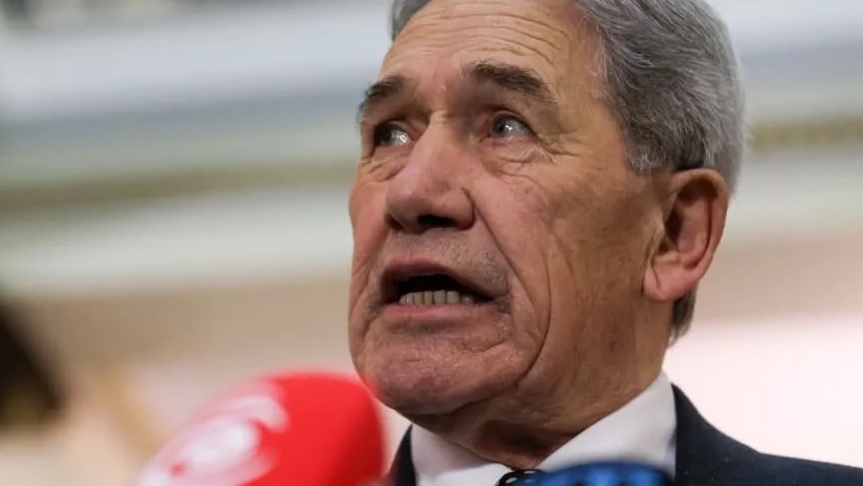
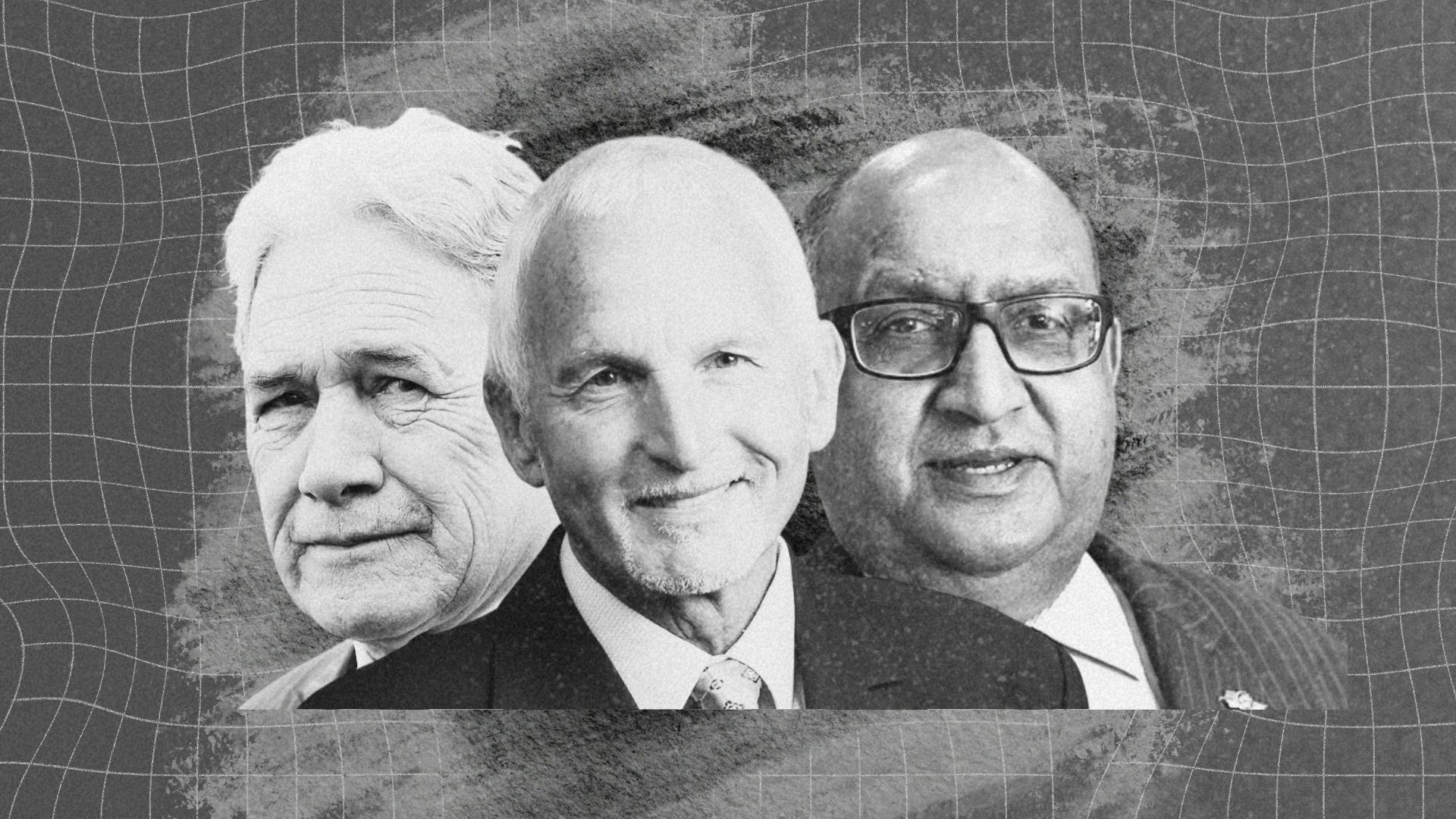
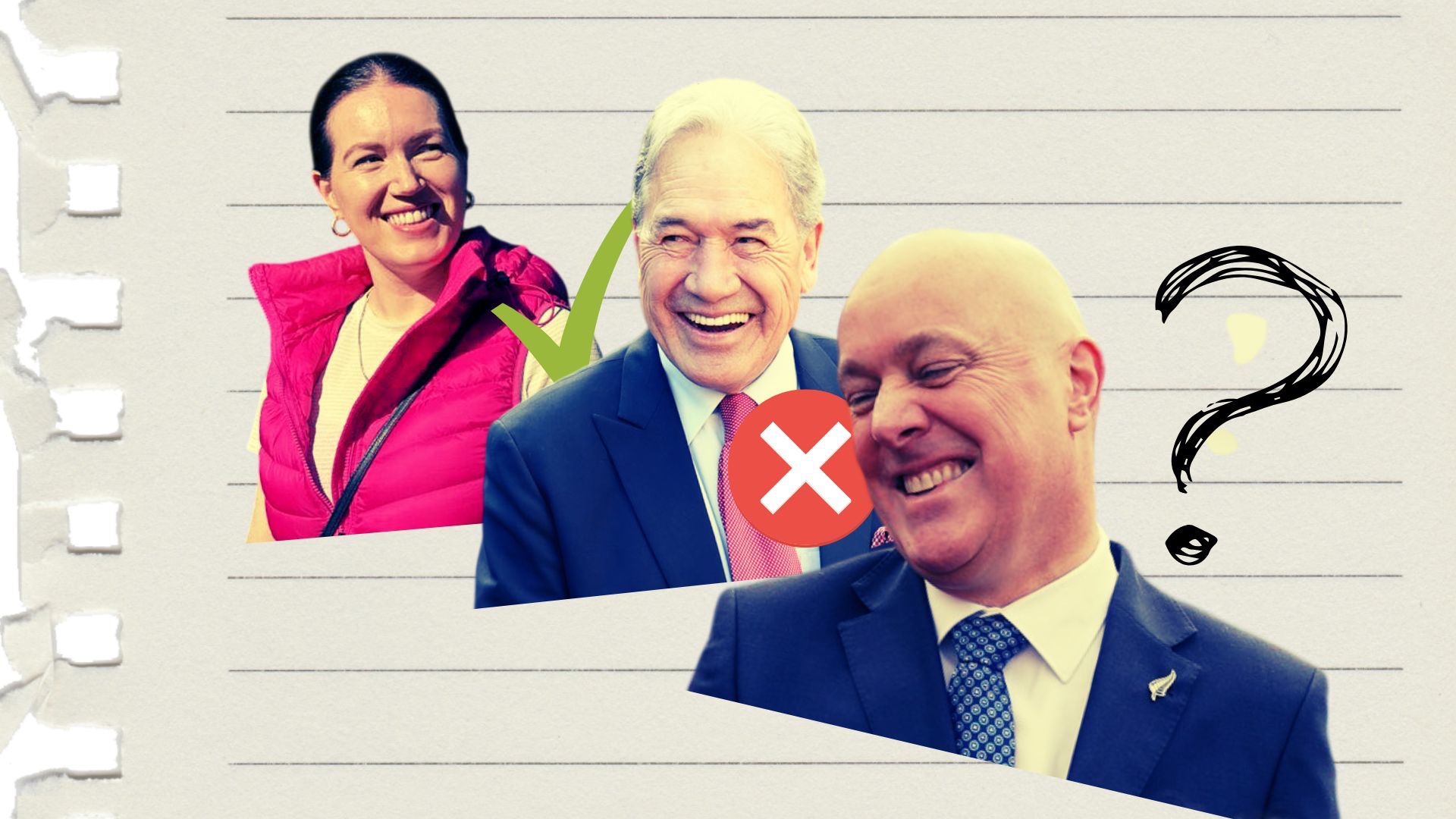
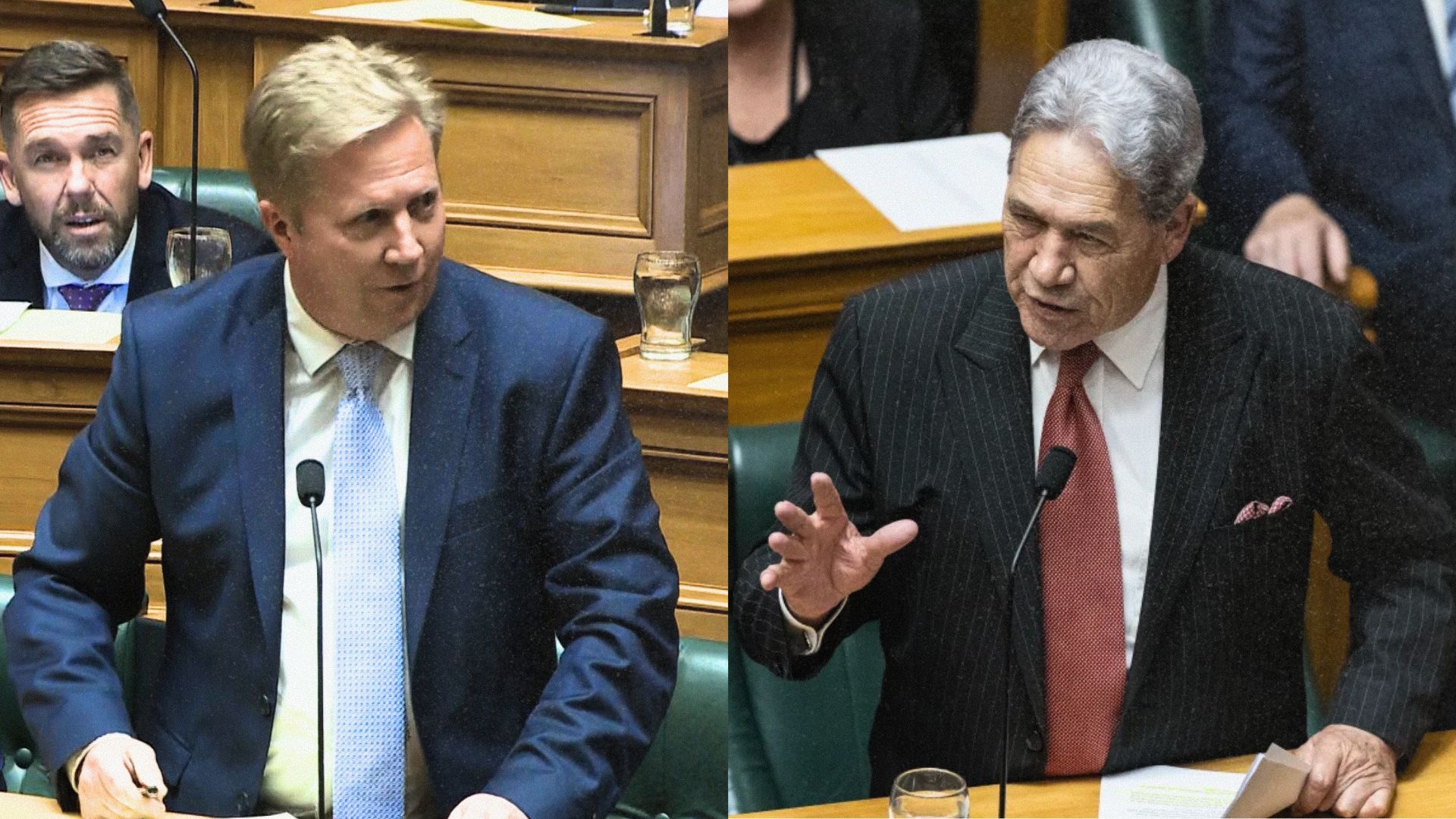
Winston Peters says ‘diversity is disunity’. What does the evidence tell us? Evidence from business, sport and social policy suggests diversity can strengthen economies and cohesion but on one condition.
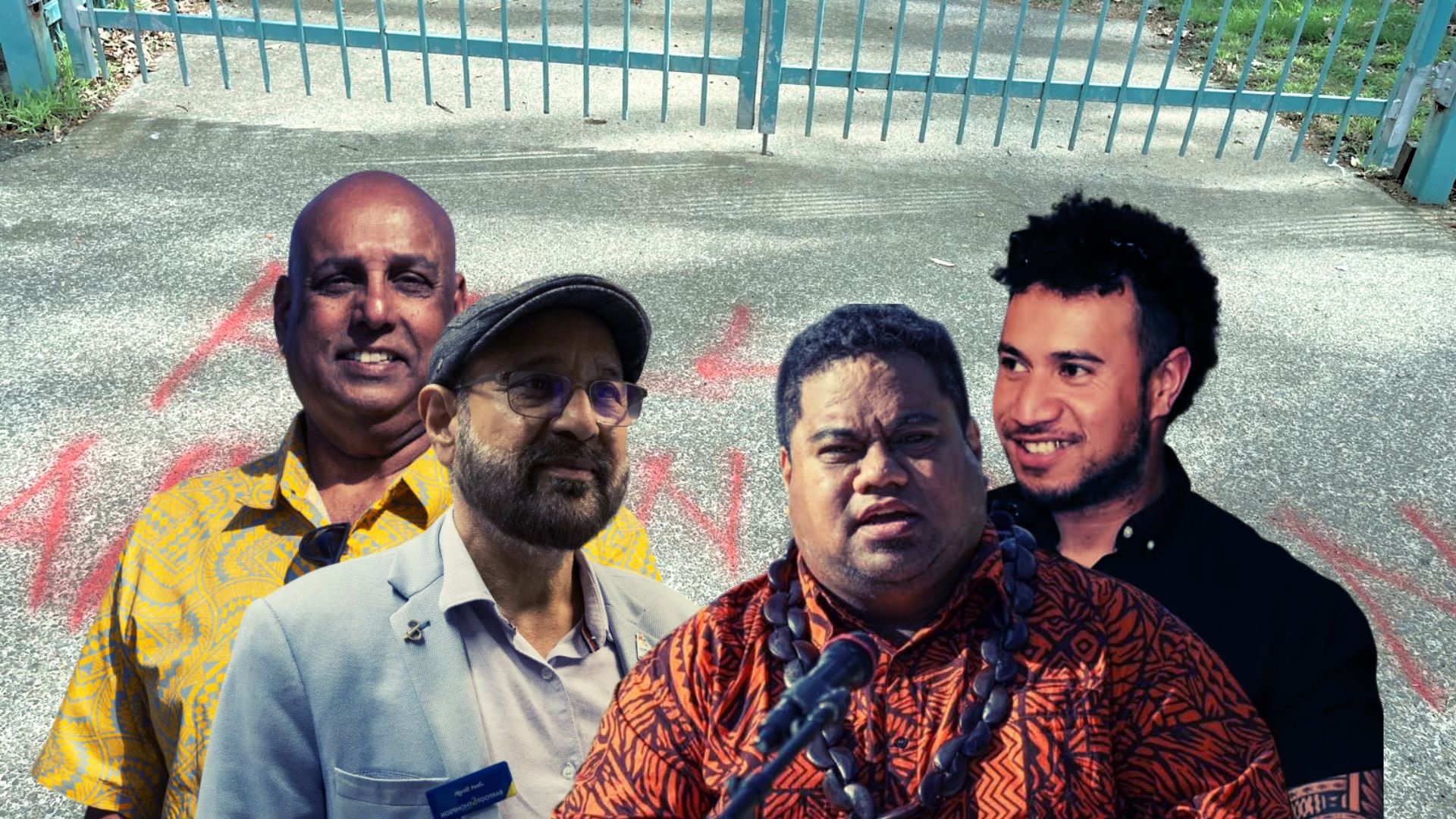
Baby born in Sri Lanka to New Zealand residents caught in limbo after Down syndrome diagnosis Immigration tribunal orders fresh residence assessment after finding a “serious mistake” by immigration officials.
“In our democracy, you retain the right to come out and engage in peaceful protest, okay, and we must protect that. Whether you believe in what they're saying or what they're doing, that must be protected. That is a cornerstone and a foundation of our democracy.”
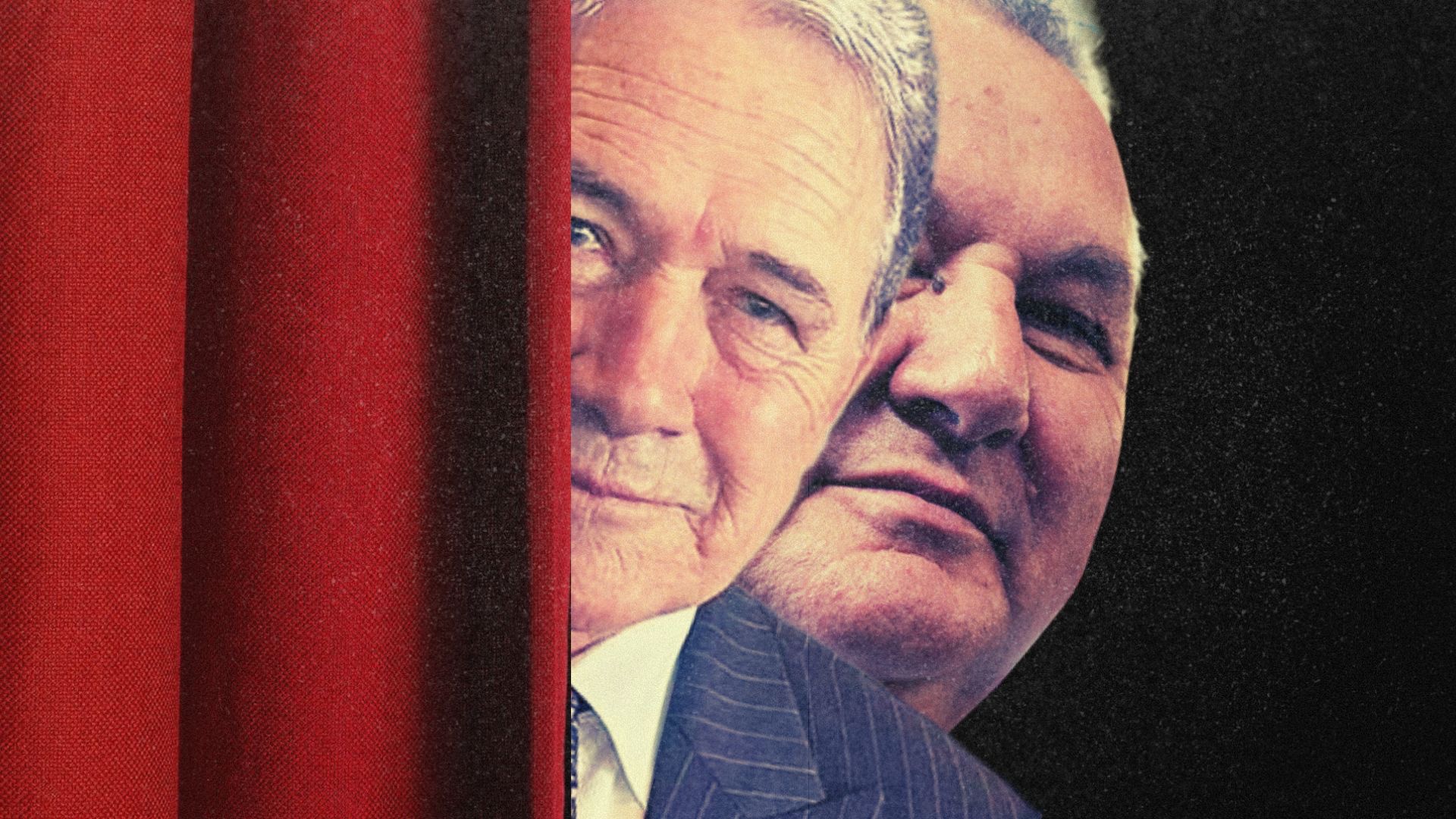
But the discussion became pointed when Mitchell, who is also the ethnic communities minister, cited Tamaki's actions as an example of behaviour deserving strong public condemnation.
“You would have seen me come out very clearly with very clear condemnation of Brian Tamaki when he is out there interrupting other people's rights, which is what he has done when they have been tearing and ripping and stabbing flags. That deserves strong condemnation.”
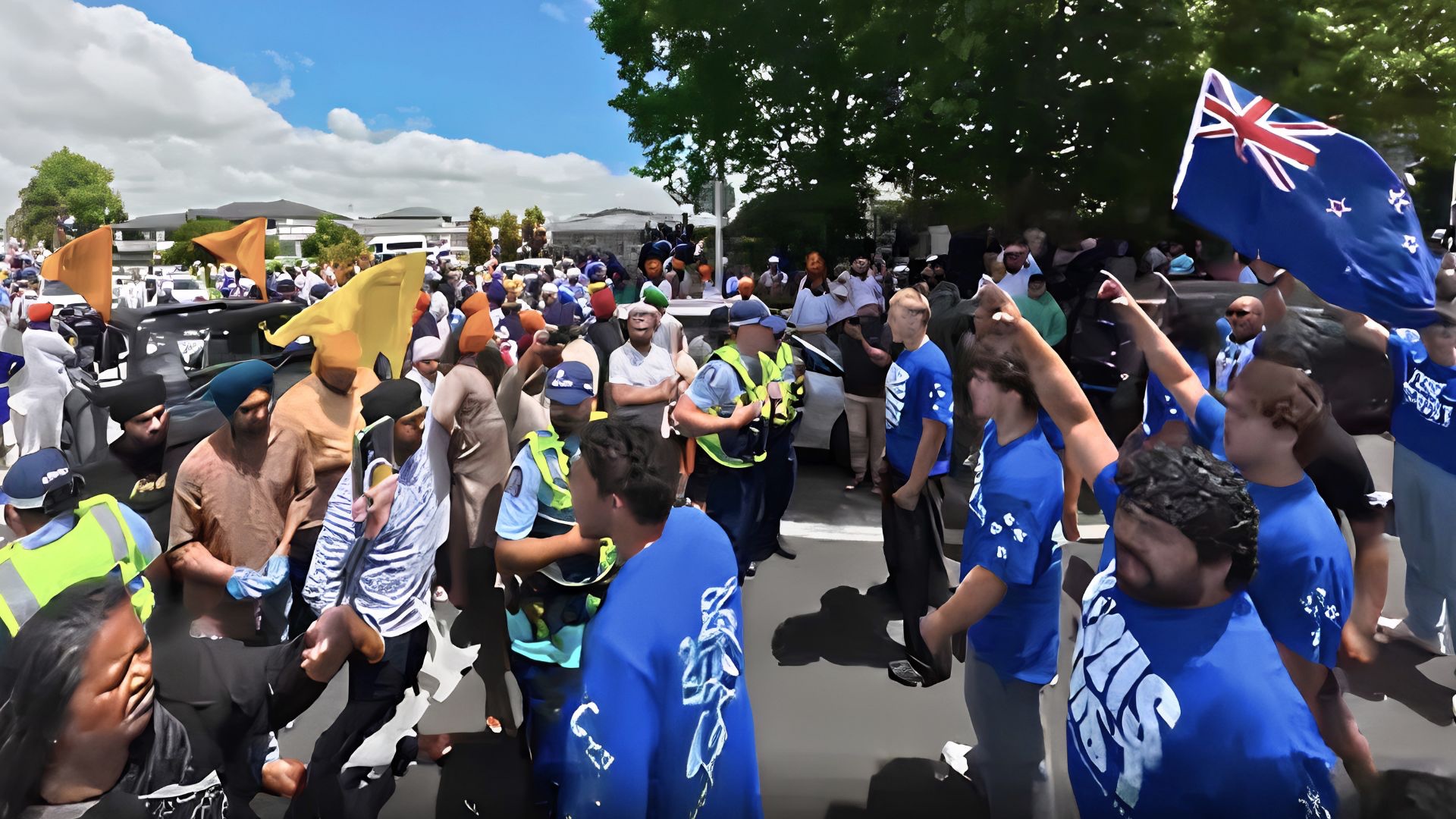
A panellist immediately challenged the distinction, arguing that Khalistan demonstrators had also desecrated the Indian national flag.
“They overstep that line all the time because they tear the Indian flag and stamp on it. That is what you quoted just now for Brian Tamaki,” the panellist said.
“Well, that is not what initiated the police investigation of Brian Tamaki, though,” Mitchell replied. The panellist pressed him. “So that is fine, tearing the flag and stamping on it?”
“No, it is not. All of us would condemn that and we would be offended by that. In a democracy like ours, it is not illegal to be — it is not a crime to be offended,” Mitchell said.
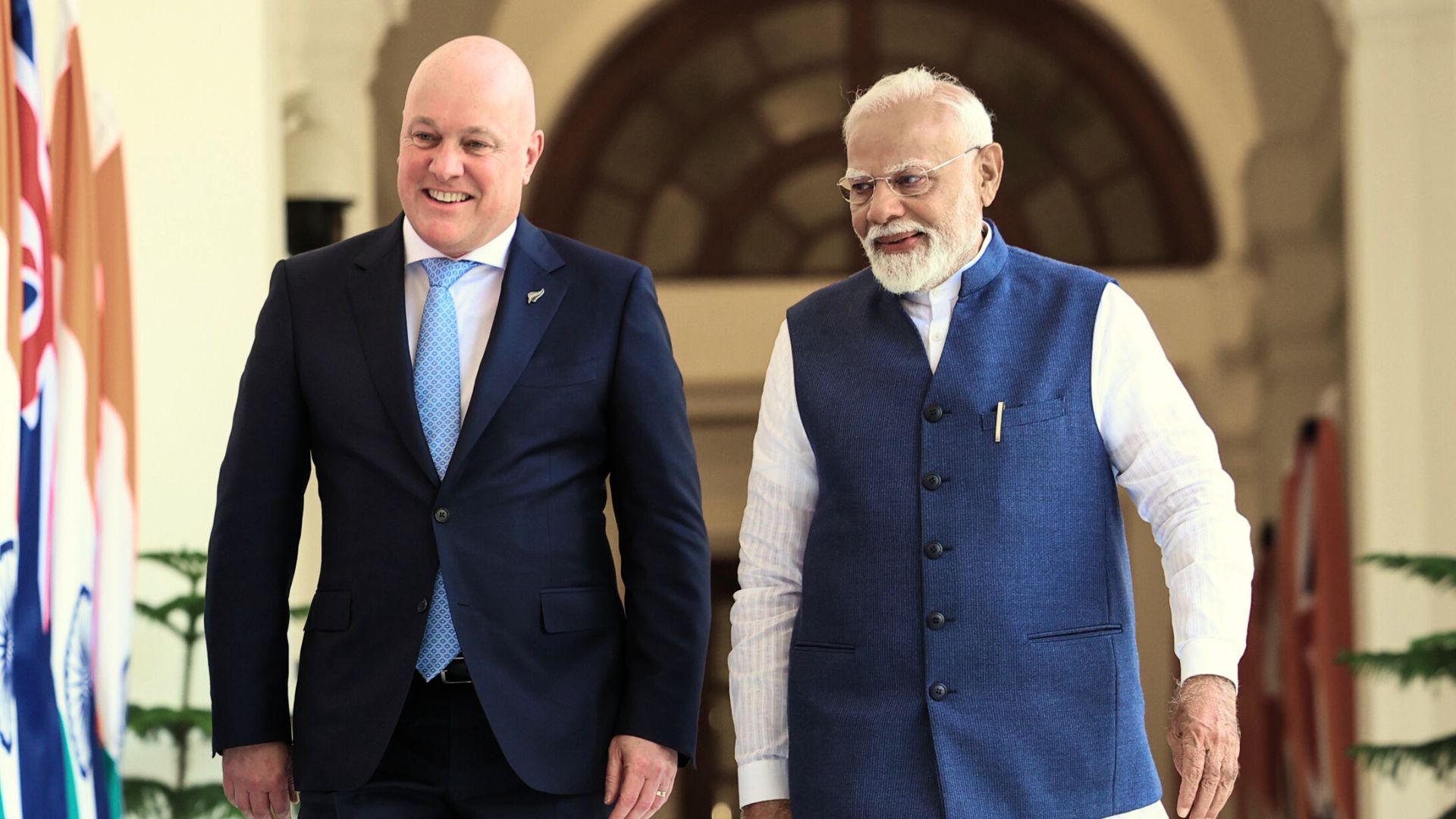
The discussion had begun with a question about New Zealand's improving relationship with India and whether the government was sufficiently alert to the activities of Khalistan separatists.
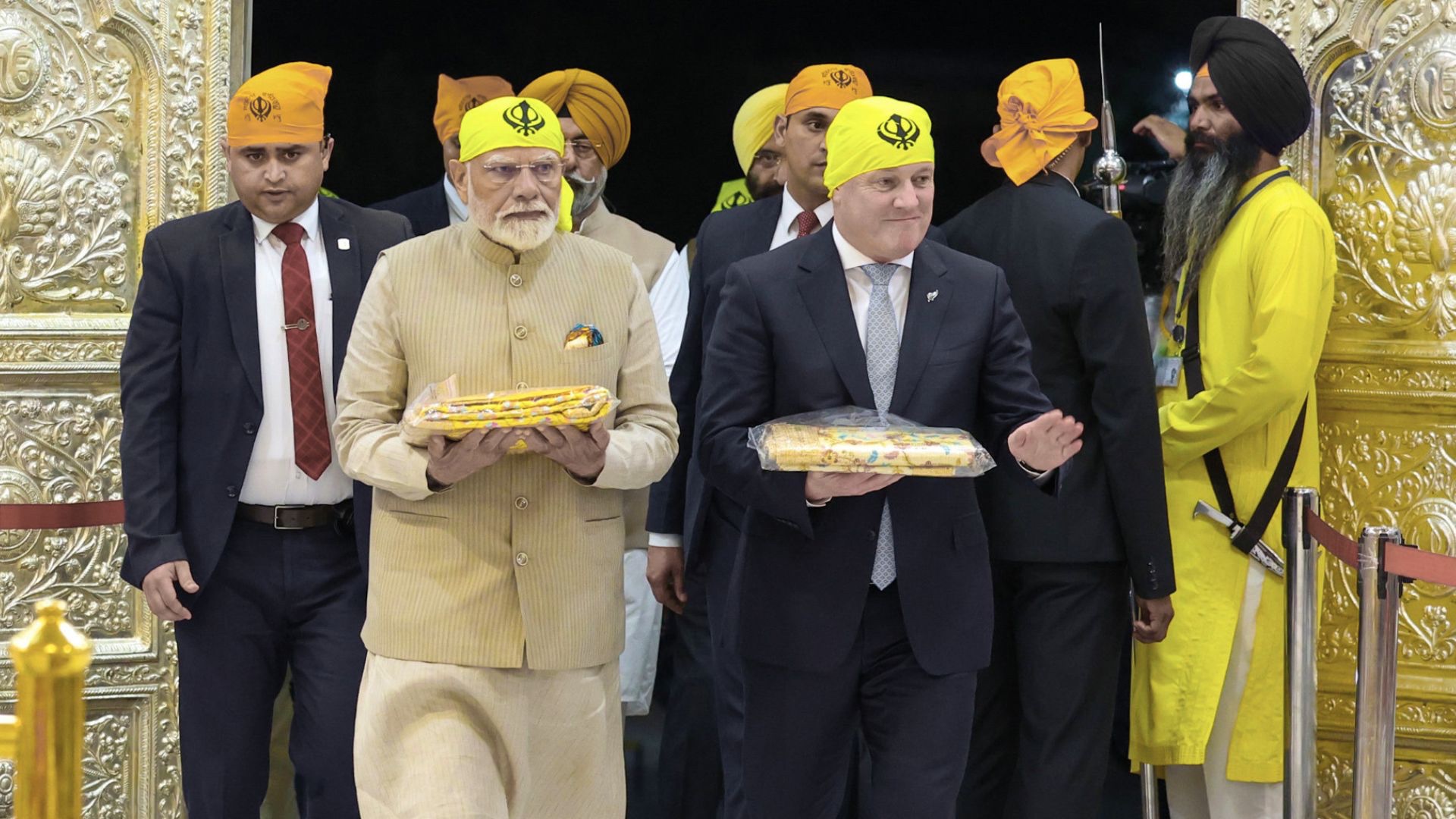
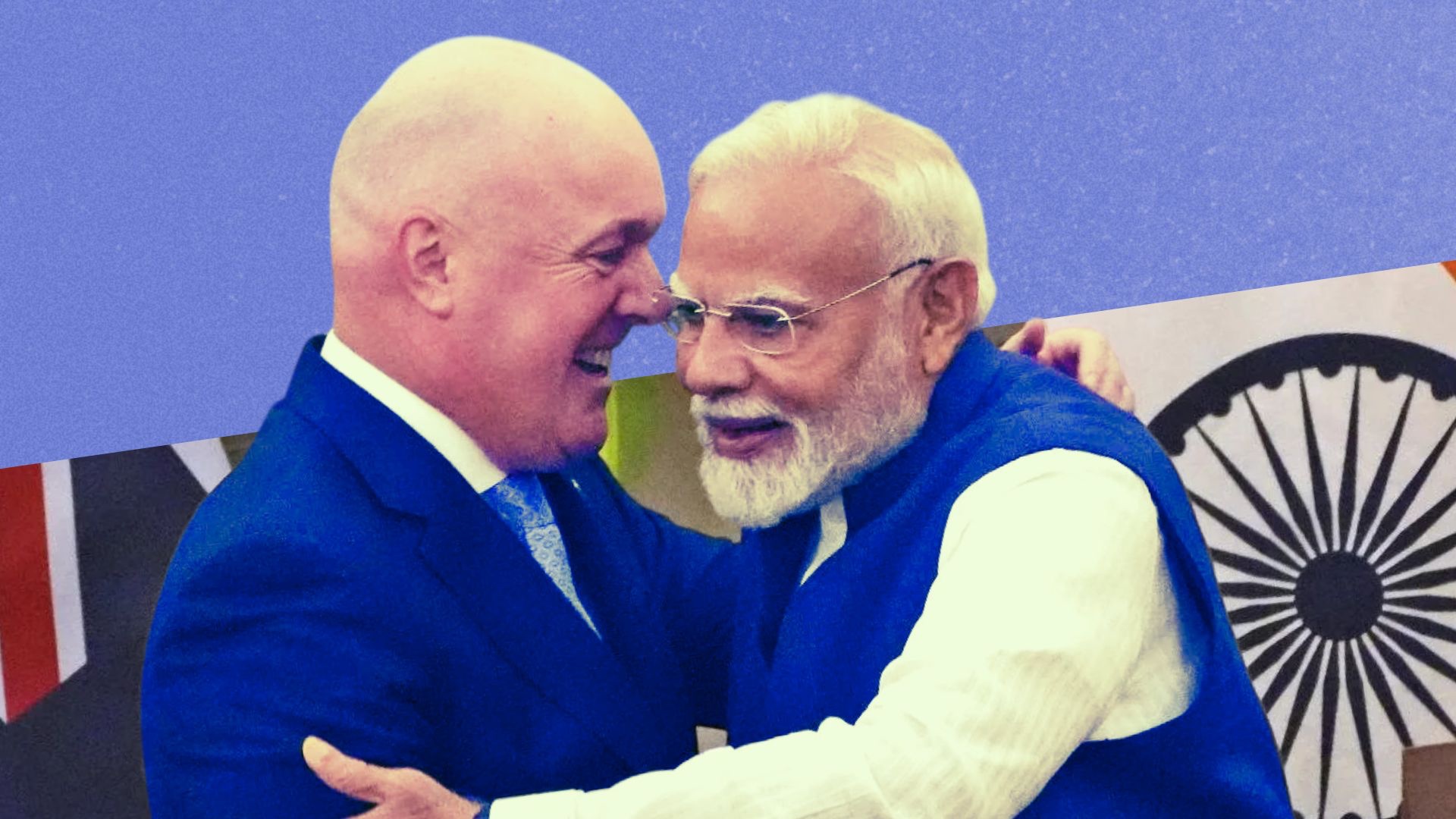
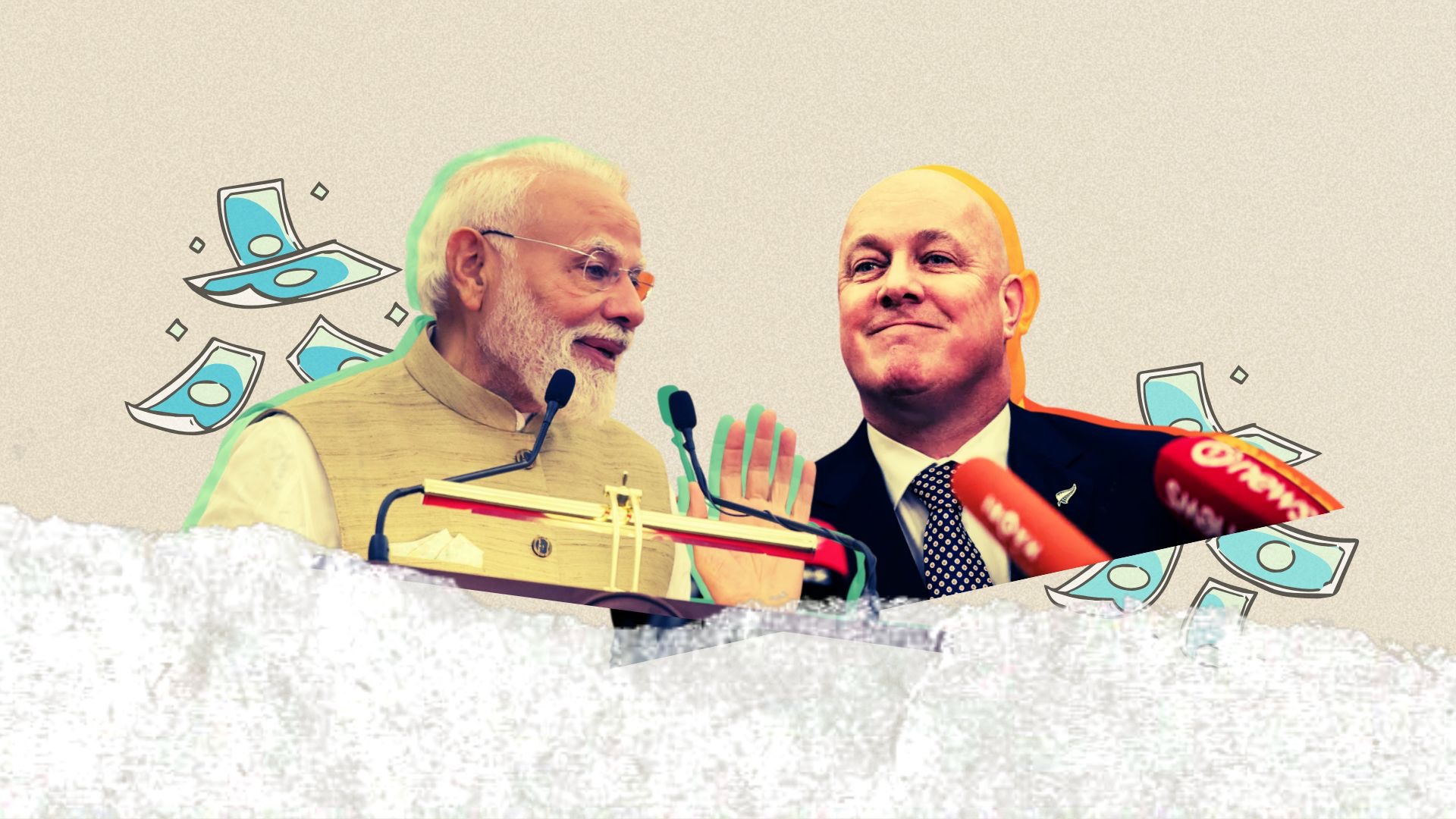
A panellist recalled a question put to prime minister Christopher Luxon during his visit to India last year about separatism in New Zealand.
While acknowledging New Zealand's commitment to freedom of expression, the panellist questioned whether authorities were doing enough to prevent intimidation of people who disagreed with the separatist movement.
“What we don't want is an attack here or a threat to people who do not follow that kind of ideology,” the panellist said.
Mitchell responded by identifying Khalistan protests directly and explaining why the right to peaceful demonstration had to be protected. “Freedom of speech allows us to condemn people if we feel that they have overstepped the mark,” he said.
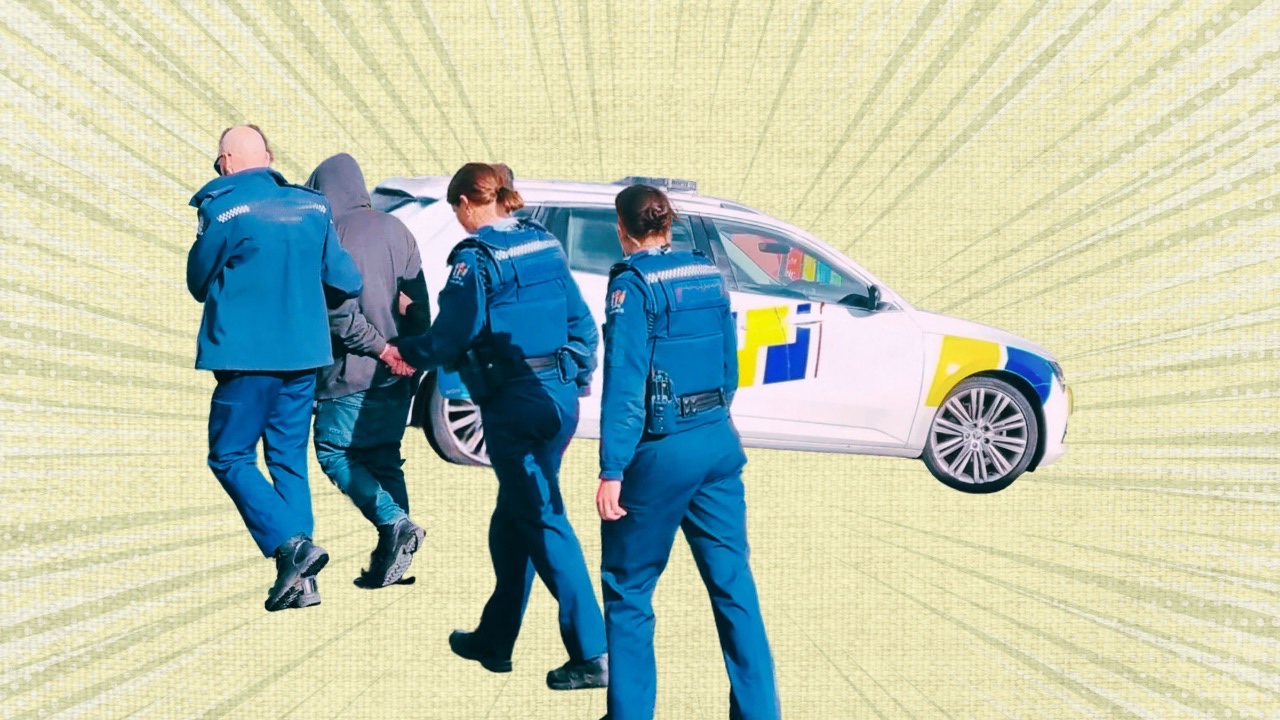
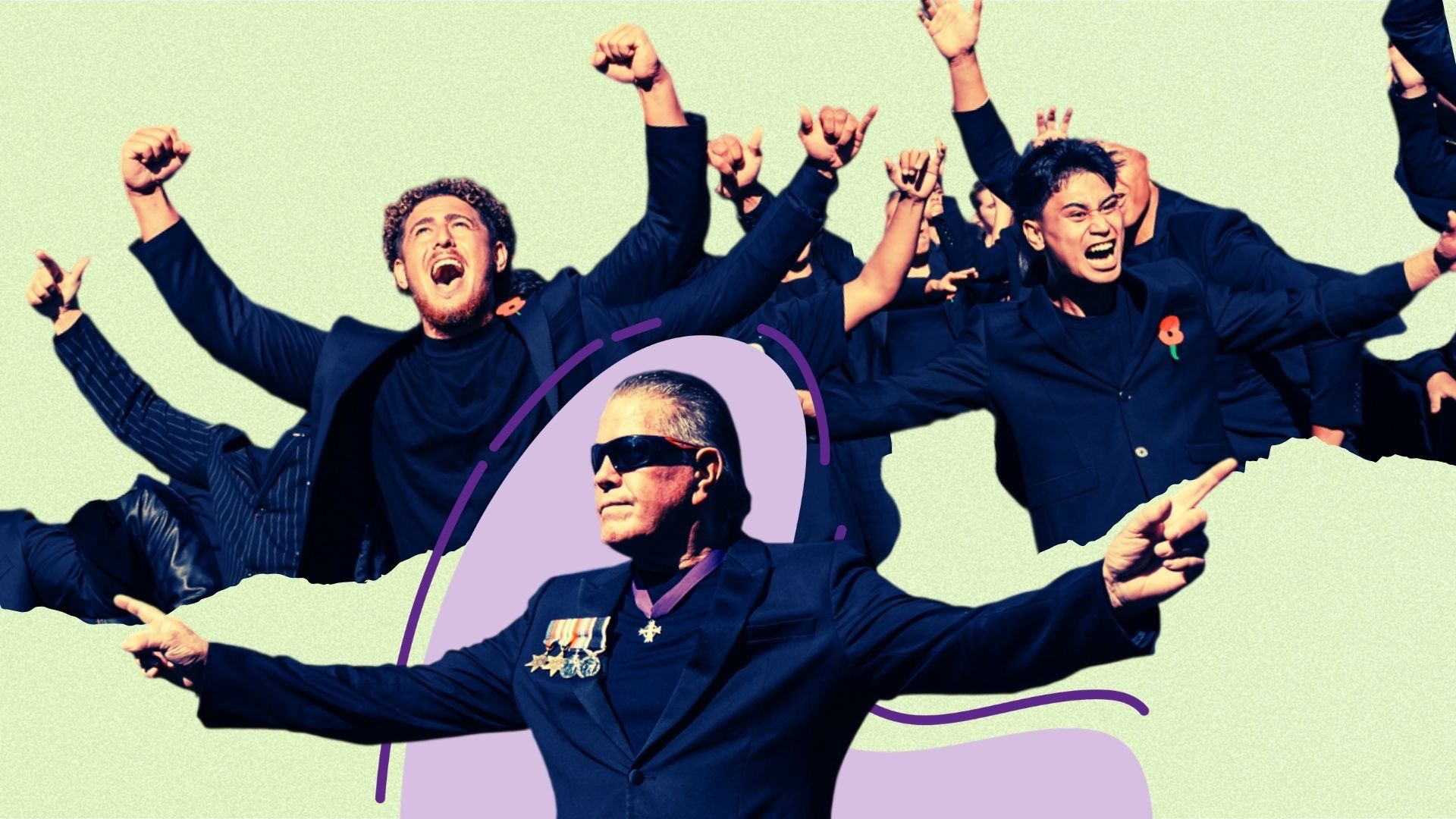
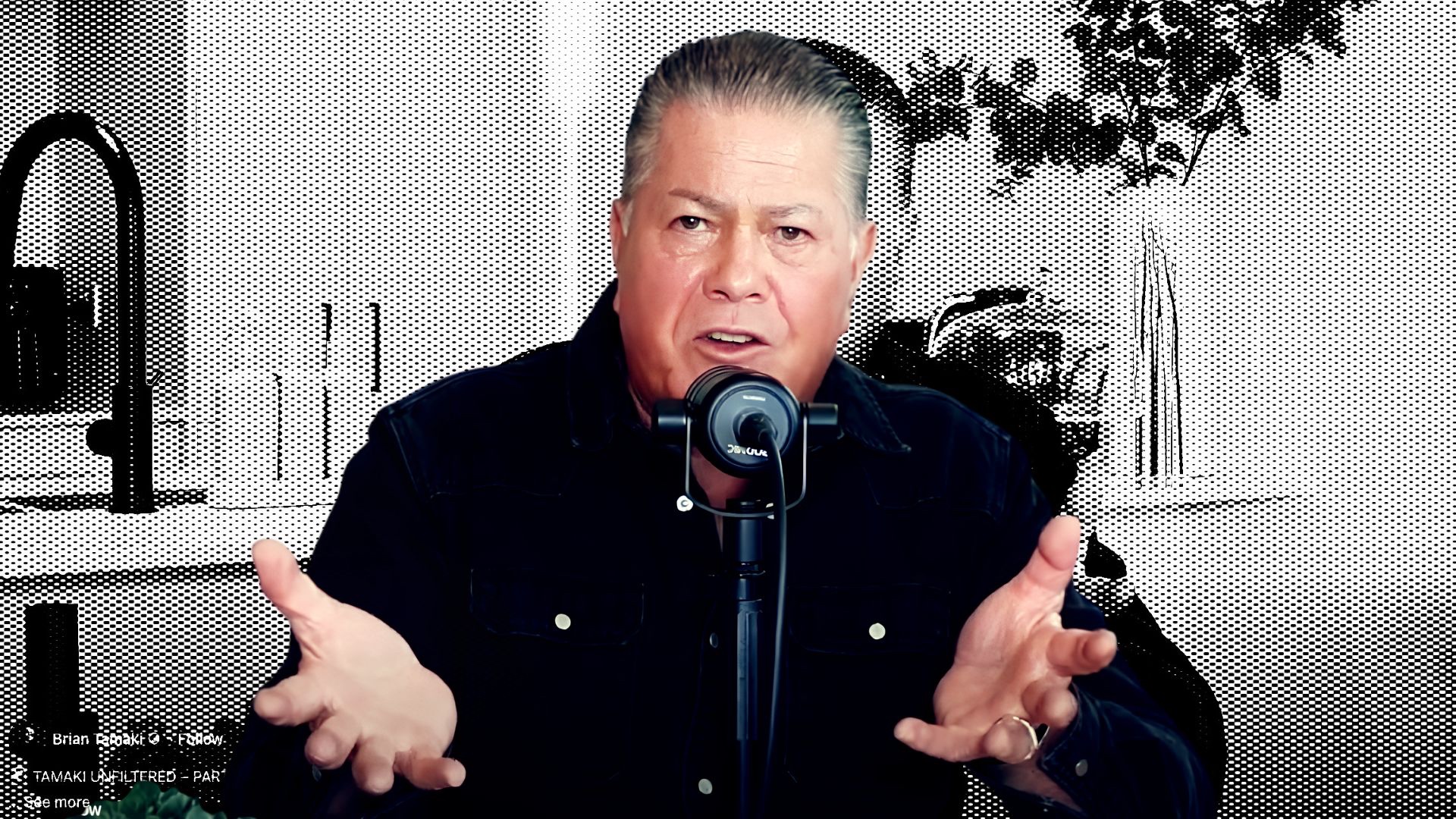
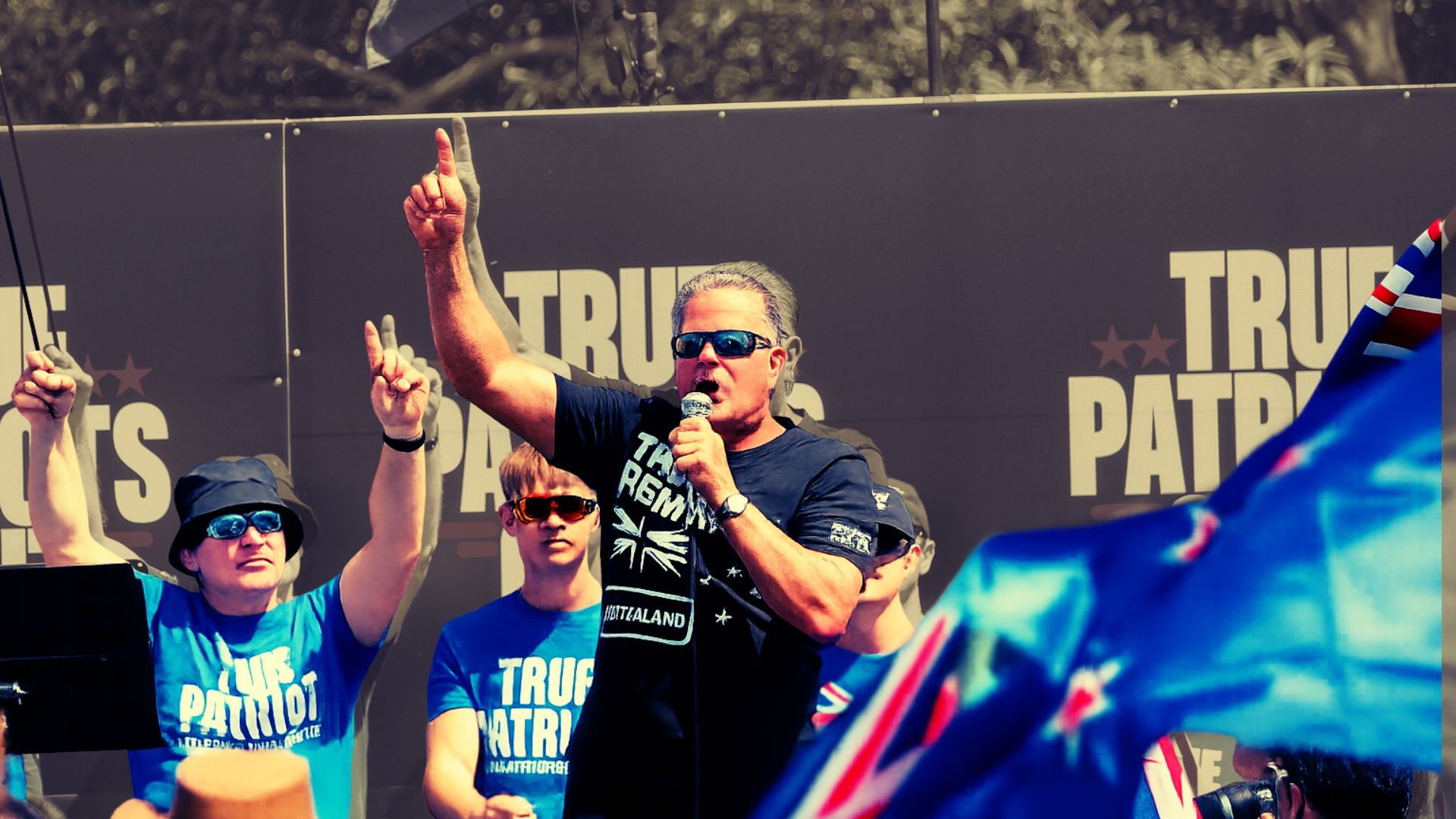
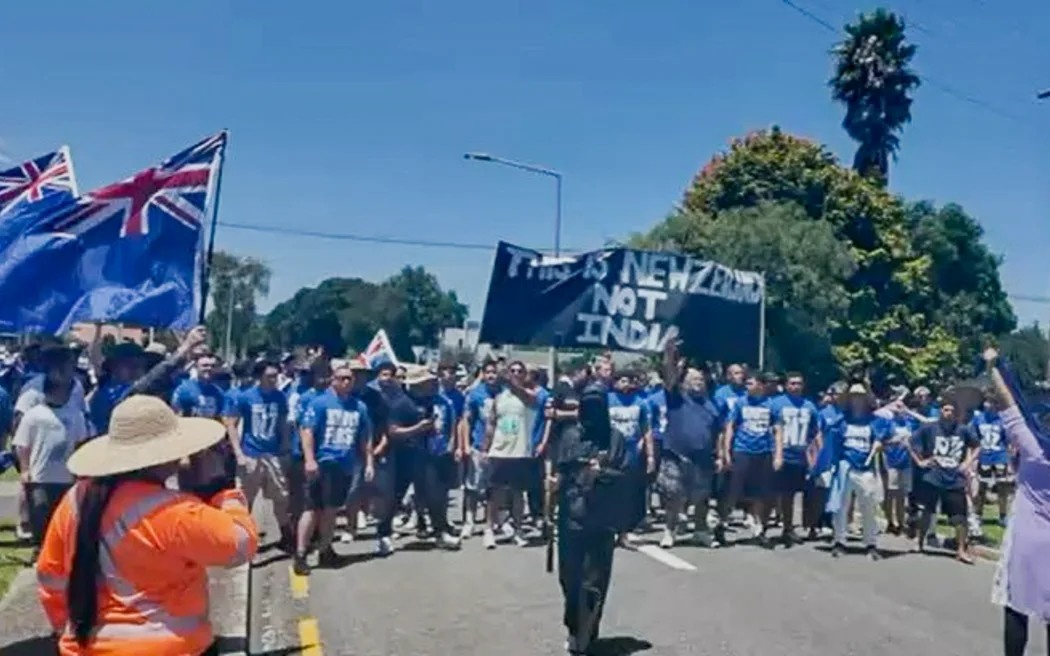
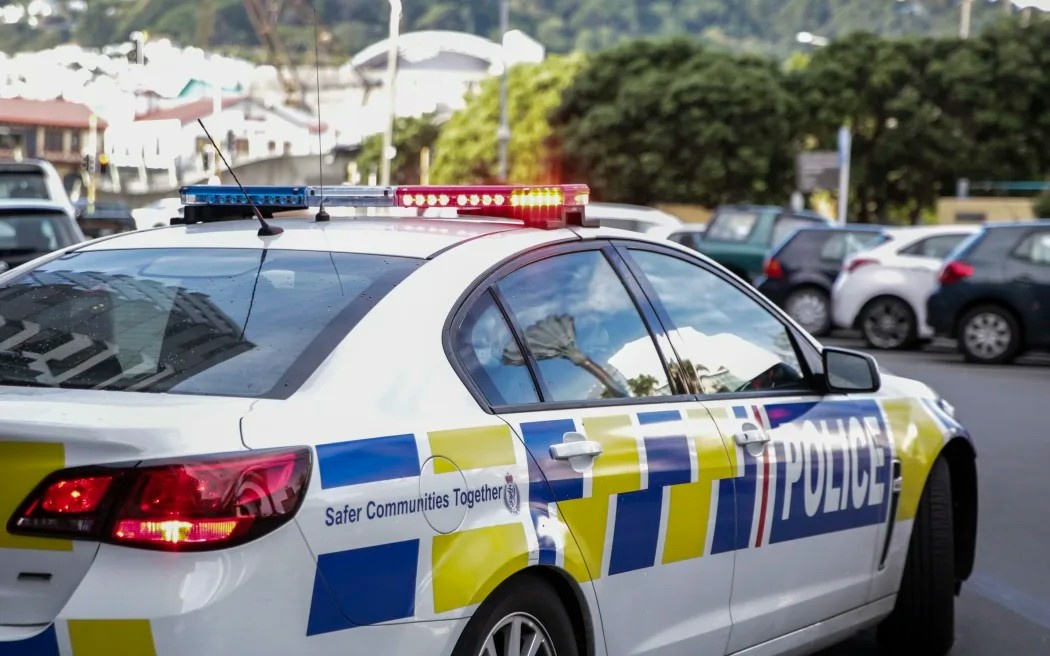
He also referred to Tamaki's attempted crossing of the Auckland Harbour Bridge and the police investigation into his activities.
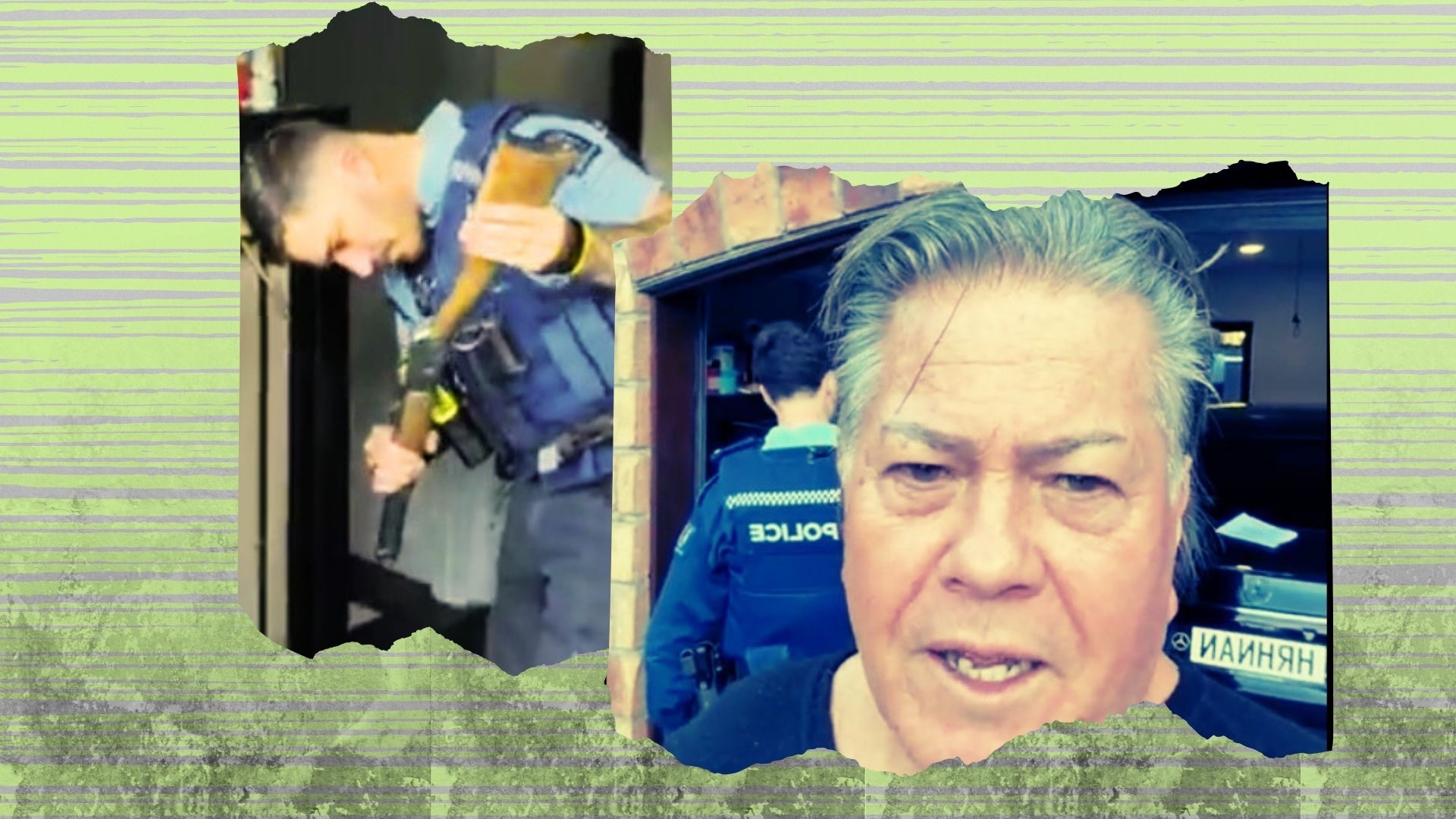
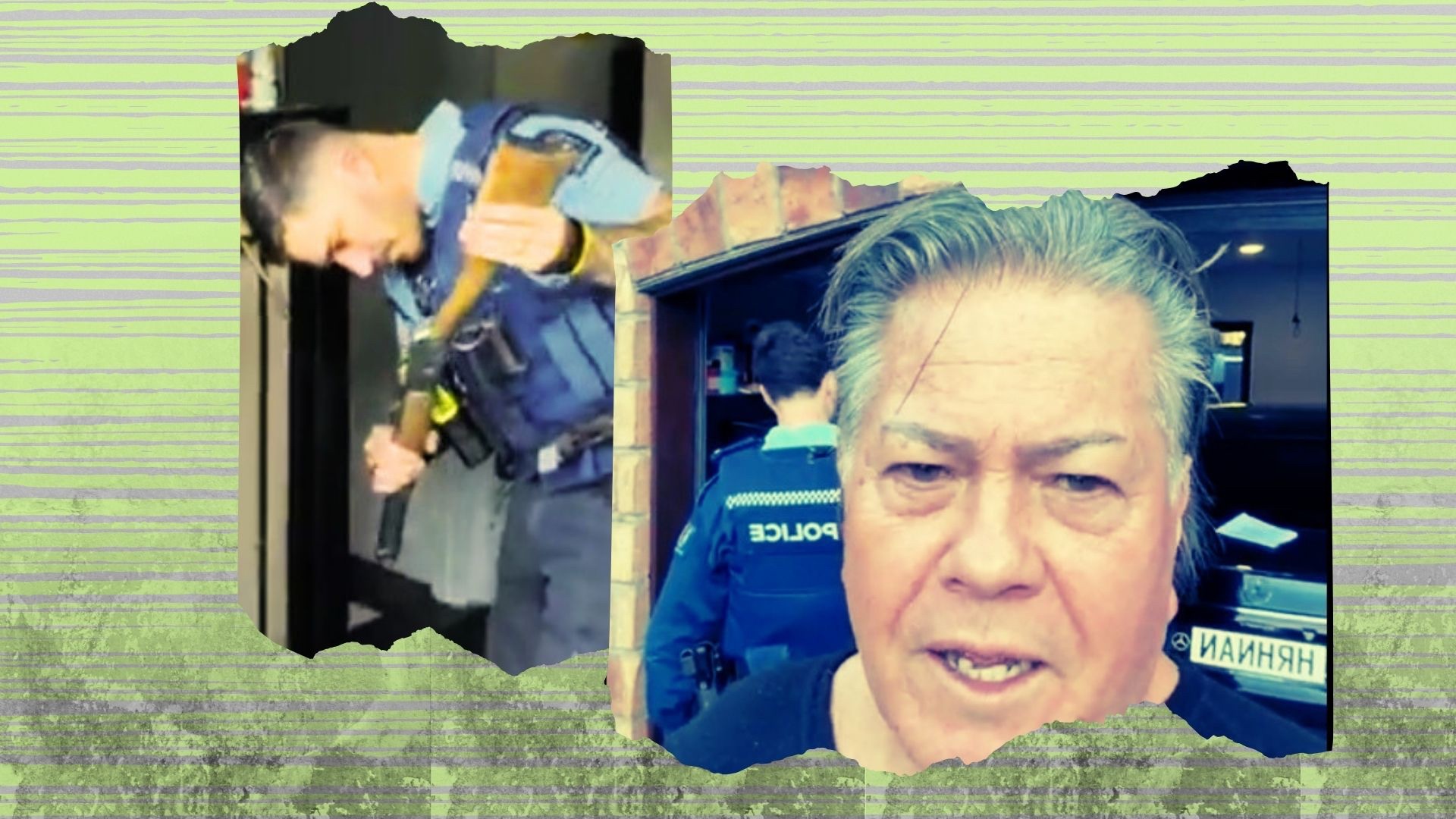
“He is provocative. He has tried to provoke, but you would have seen recently that he overstepped the line and the police initiated an investigation. He had his firearms taken.”
Since that October 3 interview, Tamaki has been summonsed to court on three charges of allegedly inciting racial disharmony under the Human Rights Act. The charges relate to alleged offending in June, and he pleaded not guilty in the Manukau District Court on October 19.
Tamaki denies inciting hostility against Indians, saying his comments targeted Indian prime minister Narendra Modi and alleged human-rights abuses in India rather than people because of their race or ethnicity.
The charges do not concern the flag-related conduct discussed during Mitchell's interview. The minister, meanwhile, maintained that police should intervene if Khalistan demonstrators breached the law.
“If you had the Khalistani protests and they overstepped that threshold, then like everyone else, my expectation is the police will take action on that.”