
Bhajan clubbing: Young Kiwi-Indians are reimagining spirituality with devotional music
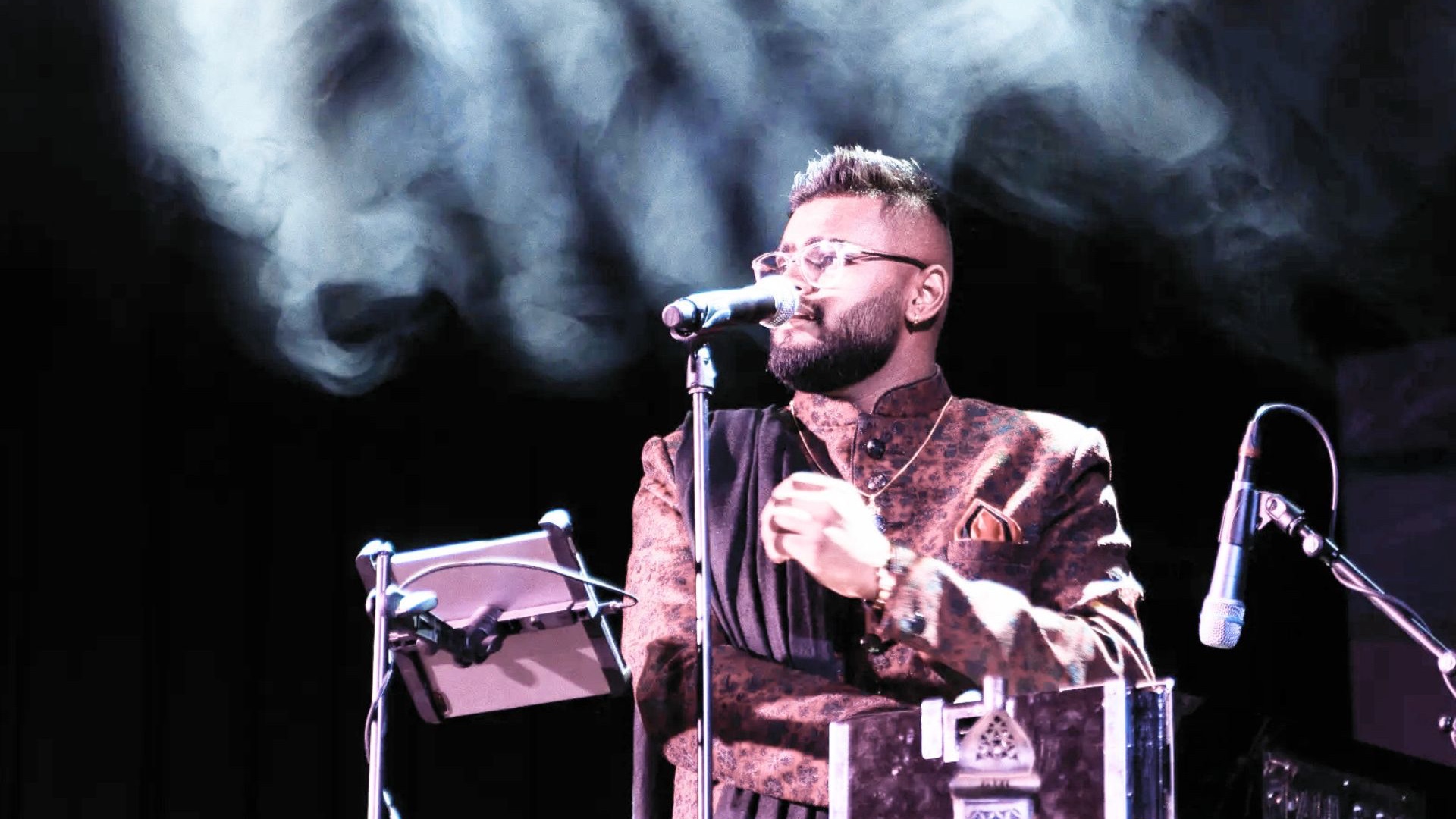
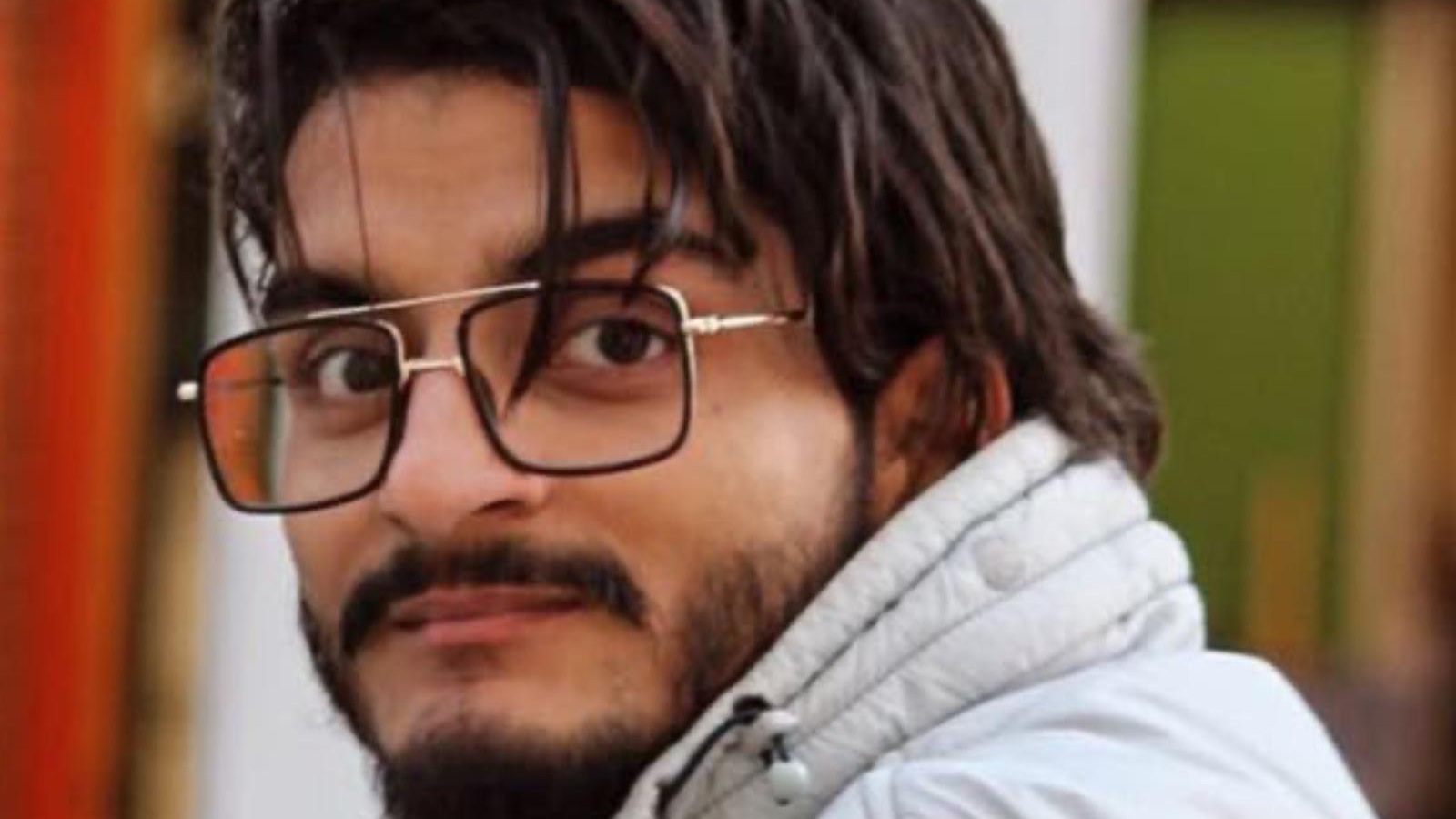
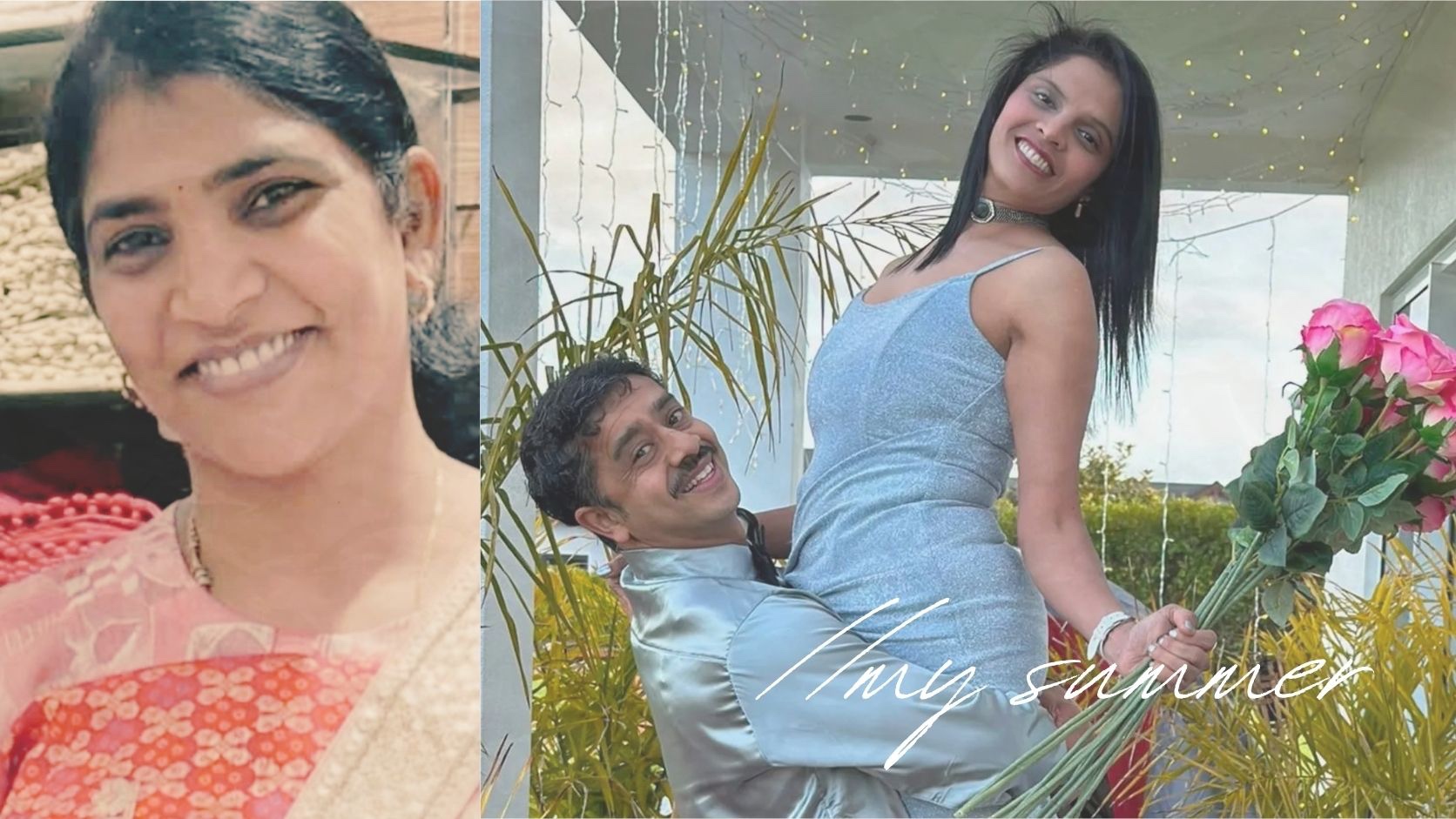
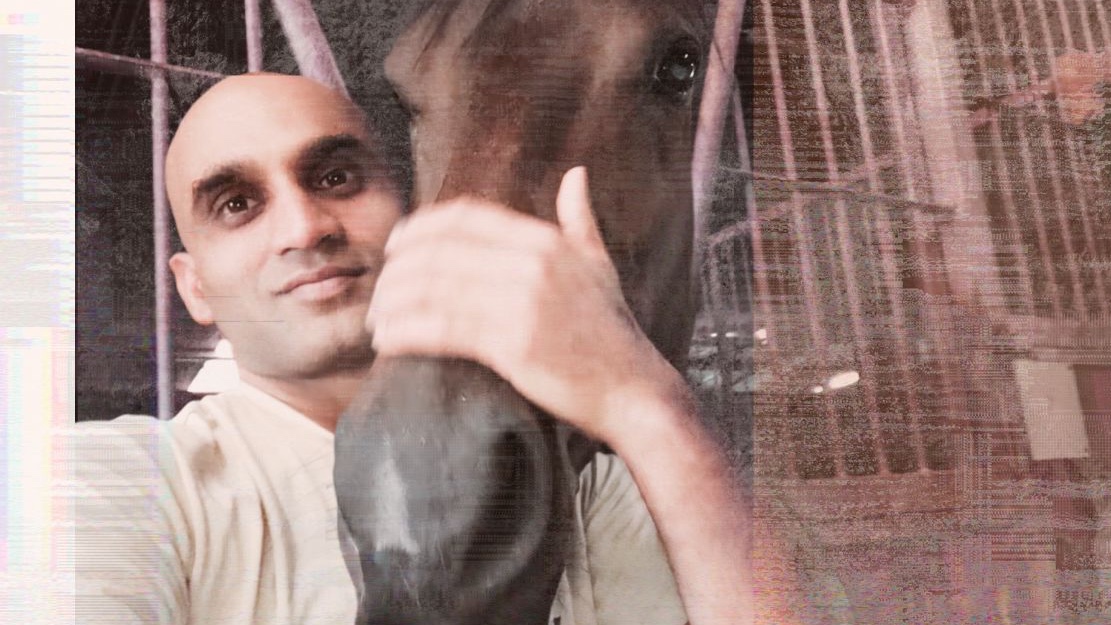
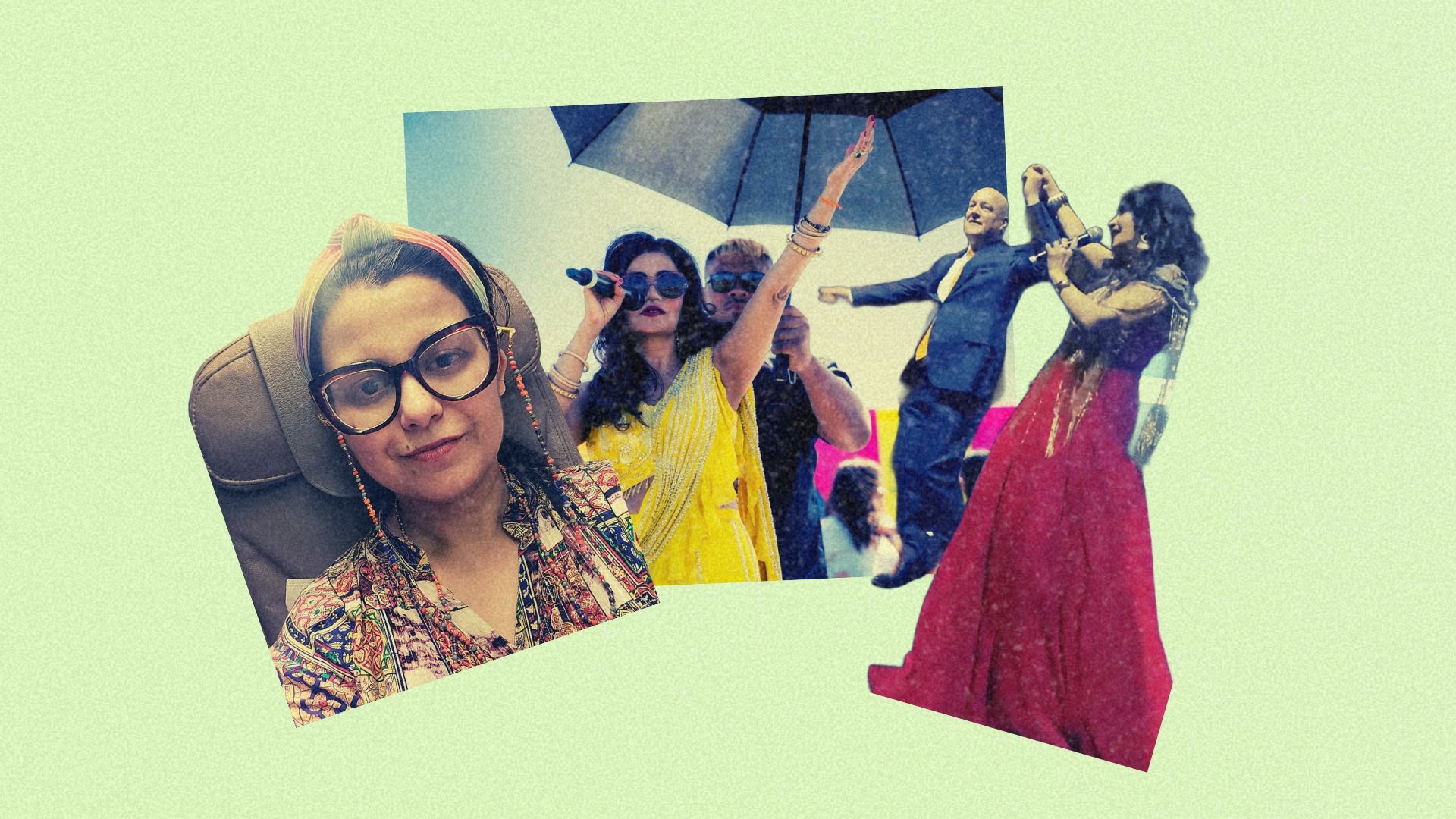
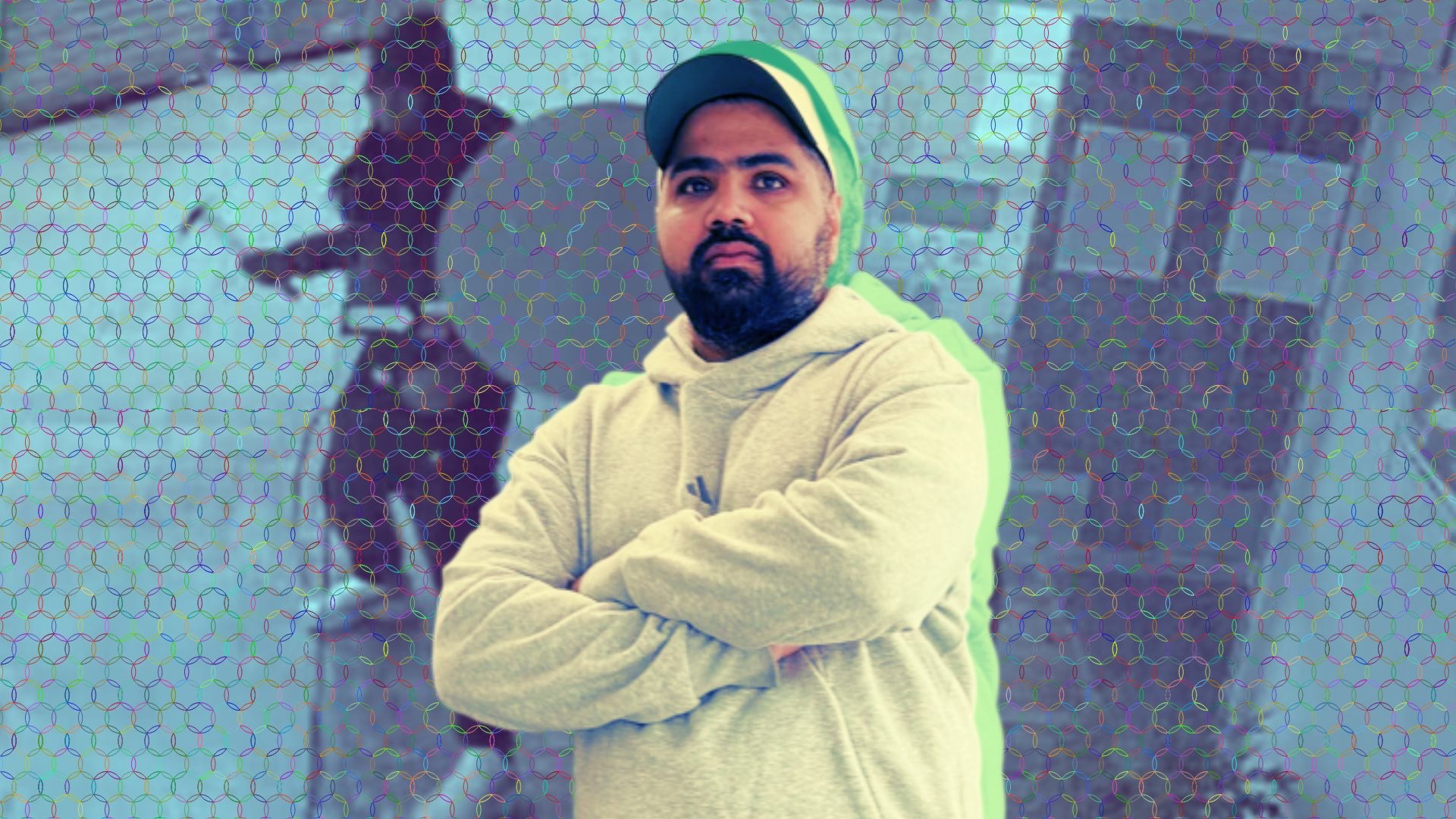
Ravitesh Deo was the main performer of Bhajan Jams in Papatoetoe. (Supplied photo)
"It gives people time to de-stress and comes without the baggage of drinks or alcohol."
A devotional music trend from India is finding an audience in New Zealand, with bhajan concerts drawing crowds looking for a night out free from alcohol and "regrets".
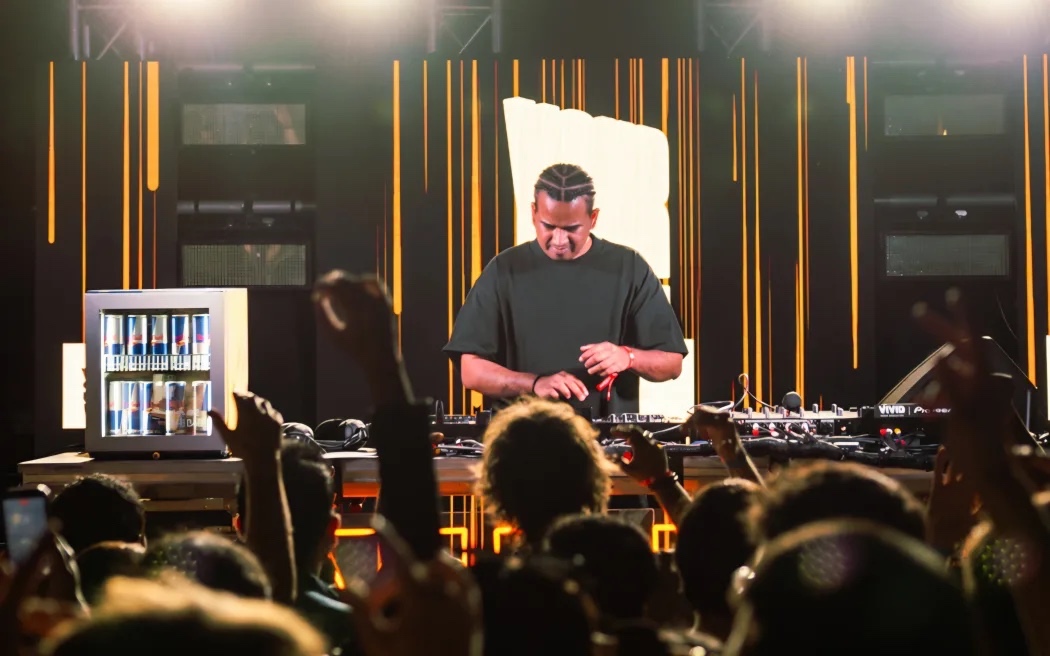
Bhajan clubbing transforms traditional Hindu devotional music into a lively, concert-style experience, with event spaces taking on a nightclub-like atmosphere on some weekends.
The trend is gaining traction in Auckland, Wellington and Christchurch, as well as overseas, with crowds swapping club music and vodka shots for chanting, live music and chai.

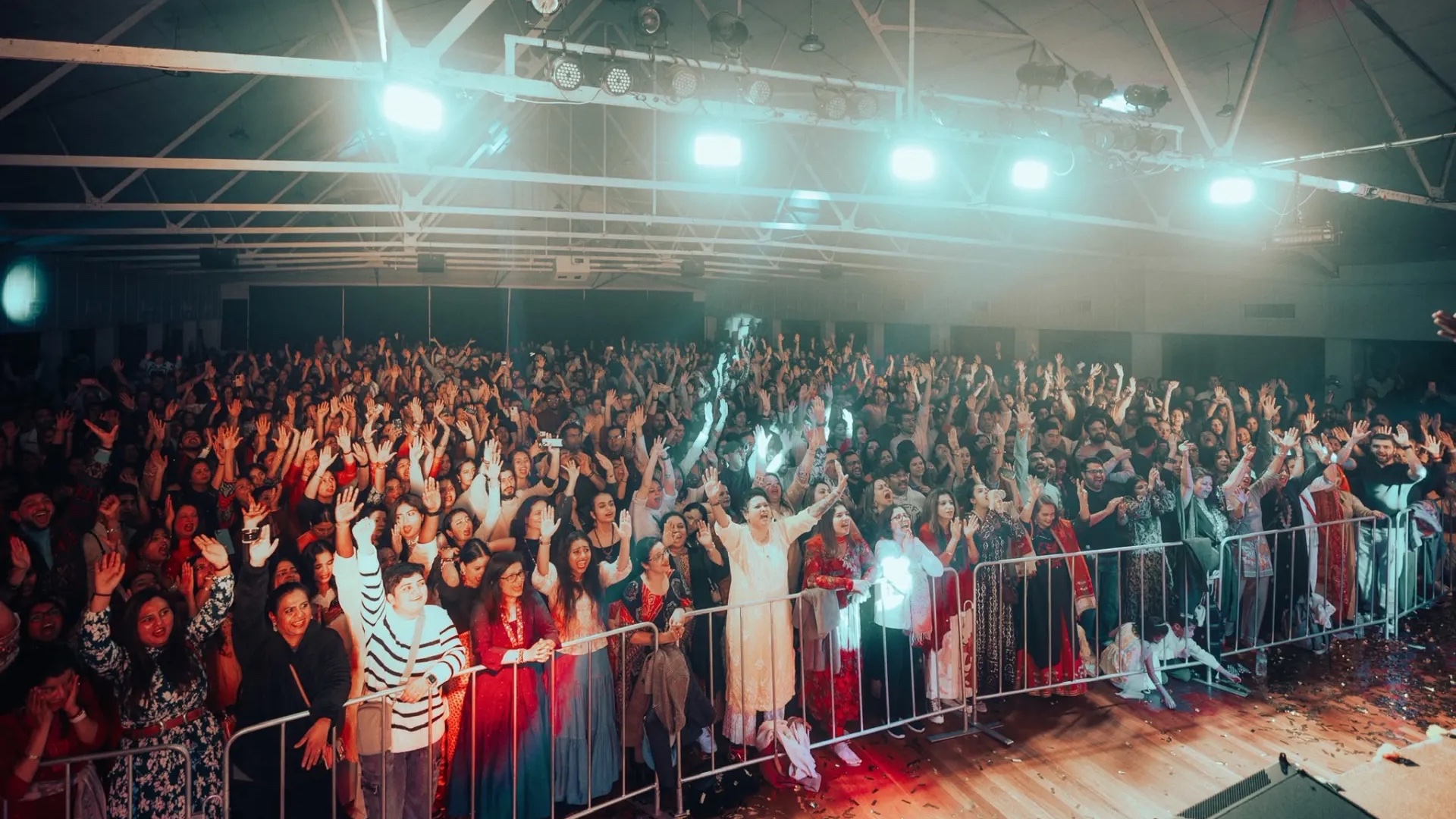
Auckland's Mahatma Gandhi Centre hosted a bhajan clubbing event in June, with hundreds of community members singing and dancing to bhajans.
"It was a highly energetic night," said university student Divya Simone Karippail, who attended the Auckland event.
Election 2026: Will Kiwi-Indian voters decide the battle for Takanini? A South Auckland seat with one of New Zealand’s biggest Indian populations is shaping up as a test for ethnic identity and the ballot box.
India is coming to Auckland: Full schedule revealed for cricket, football, hockey, Diwali From the Black Caps and All Whites taking on India to Diwali, hockey, bowls and city-wide light displays, Auckland has revealed its sporting centenary programme.
What does an Indian-origin MP owe Kiwi Indians? Priyanca Radhakrishnan on identity, belonging The three-term Labour MP says you can be Indian and Kiwi. Why should belonging require you to choose sides?
"It was everything I thought it would be," she said. "The atmosphere was incredibly devotional, and I felt it was a safe place."
Karippail said it was her first time at a bhajan clubbing event, and being able to dance to bhajans was the best part of the night.
Lynfield College student Jiya Tailor shared a similar experience. It was also the first time she had attended a bhajan clubbing event.
"It was a very energetic atmosphere, like it created a space where people can come and celebrate their culture," Tailor said. "It was like having fun in a spiritual way."
Tailor said bhajan clubbing was different from doing bhajans at home or in a temple.
"It was just having fun, dancing, singing, feeling the energy of the crowd," she said. "It was amazing."
Tailor said bhajan clubbing had become a place for young people to meet and socialise.However, she said it was not limited to younger people, with people of all ages attending.
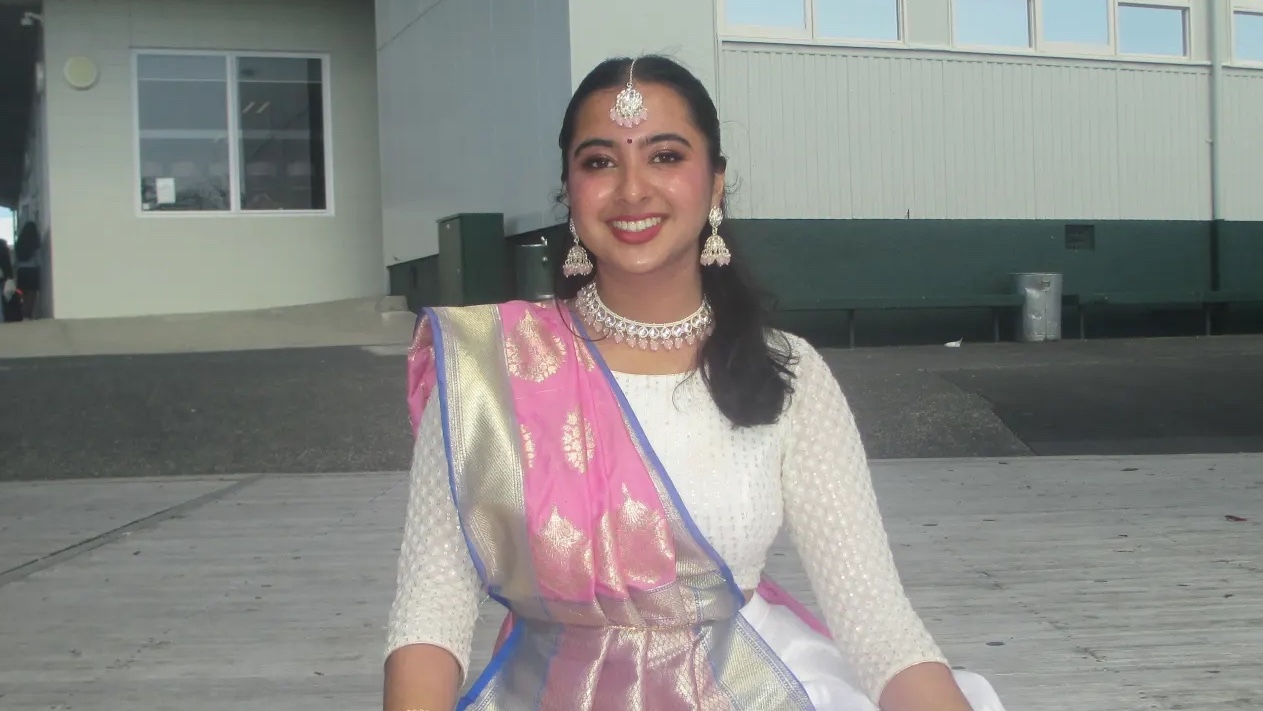
Mahima Shukla agreed. Shukla is a nurse practitioner at Auckland's Starship Hospital and a mother of two.
"I was really drawn to the event after seeing a poster online and a reel on Instagram and I had never seen anything like it before," Shukla said.
It was also the first time Shukla experienced bhajan clubbing.
"It felt like you're in a concert is probably the best way to describe it, but you are still hearing bhajans in a modern format," she said.
"It's exactly what people in our generation I think can relate to because it's bright, it's loud, it's high energy, but it's still the devotional music that you're so desperately seeking and you don't find anywhere else," she said. "It's like a spiritual concept."

That said, Shukla said the event was not religious in nature.
She said while it featured Hindu bhajans and songs, it was more like a concert and, ultimately, about the music.
"You don't have to wear the traditional clothing like when you would go to a temple, or behave in a certain way," Shukla said.
"This is more like a concert or a gig and as long as you are someone who enjoys music, I think you'll enjoy."
She said the Auckland event had a mix of age groups.
Rahul Chopra was one of the main organisers of the Auckland bhajan clubbing event, alongside Tashi Events and Desi DNB.
Chopra, a high school teacher in Auckland, said he wanted to connect young people with spirituality in a different way.
"I just feel like there are times where people - a lot of our young people - struggle to connect with our spiritual events or spiritual roots because I think they get bored with the traditional ways of doing things," he said.
"So we wanted to keep a format which presents the message, but in a new way," he said.
"And for both old and young, it's not just for one generation, but just wanted to showcase how much energy and fun you can get while keeping it devotional."

Chopra also said the event was not religious.
He said the events were open to everyone, and no one was expected to pray or be religious to attend.
His team has already held events in Wellington and Christchurch and is planning more shows.
"[Bhajan clubbing] also gives people time to de-stress and comes without the baggage of drinks or alcohol and you can wake up the next day without a hangover or any regrets," Chopra said.
The popularity of bhajan clubbing is growing as more events are held around New Zealand.
Another event called Bhajan Jams, organised by the NZ Cultural Trust, was held at the Vedic Centre in Papatoetoe on Saturday.
The event featured a 14-piece live band, with bhajans recreated by musician and singer Ravitesh Deo.
"With Bhajan Jams, what we've done is a lot of re-creation in the music," Deo said.
He said all the musicians who performed were local and, like the bhajan clubbing events, the show was not a religious event but was open to anyone who enjoyed music.
"I have Muslim and Christian friends coming and people from a lot of other faiths and religions coming because they all want to experience the music," Deo said.
Deo said many young people did not see religion in the same way older generations had and wanted to experience different faiths without the same distinctions.
He said bhajans played with traditional instruments created one experience, but adding a twist with drums and bass changed the sound.
"It gives you a different feeling, and it just becomes different to your ears," he said.
Deo said the organisers would donate the proceeds from the event to Gift of Life Fiji, which funds heart surgeries for children in Fiji.
Like the others, Deo expects bhajan clubbing to become more popular in New Zealand.
But for Rahul Chopra, the trend could eventually move beyond dedicated bhajan events and into the mainstream festival circuit.
"Bhajan clubbing could be a part of big concerts or festivals like Christmas in the Park," he said.
"I think it will be a different experience for people, and I feel like there's an opportunity."
This story was first published on rnz.co.nz