
Woman says marriage at risk as husband's drink-driving conviction jeopardises NZ residence
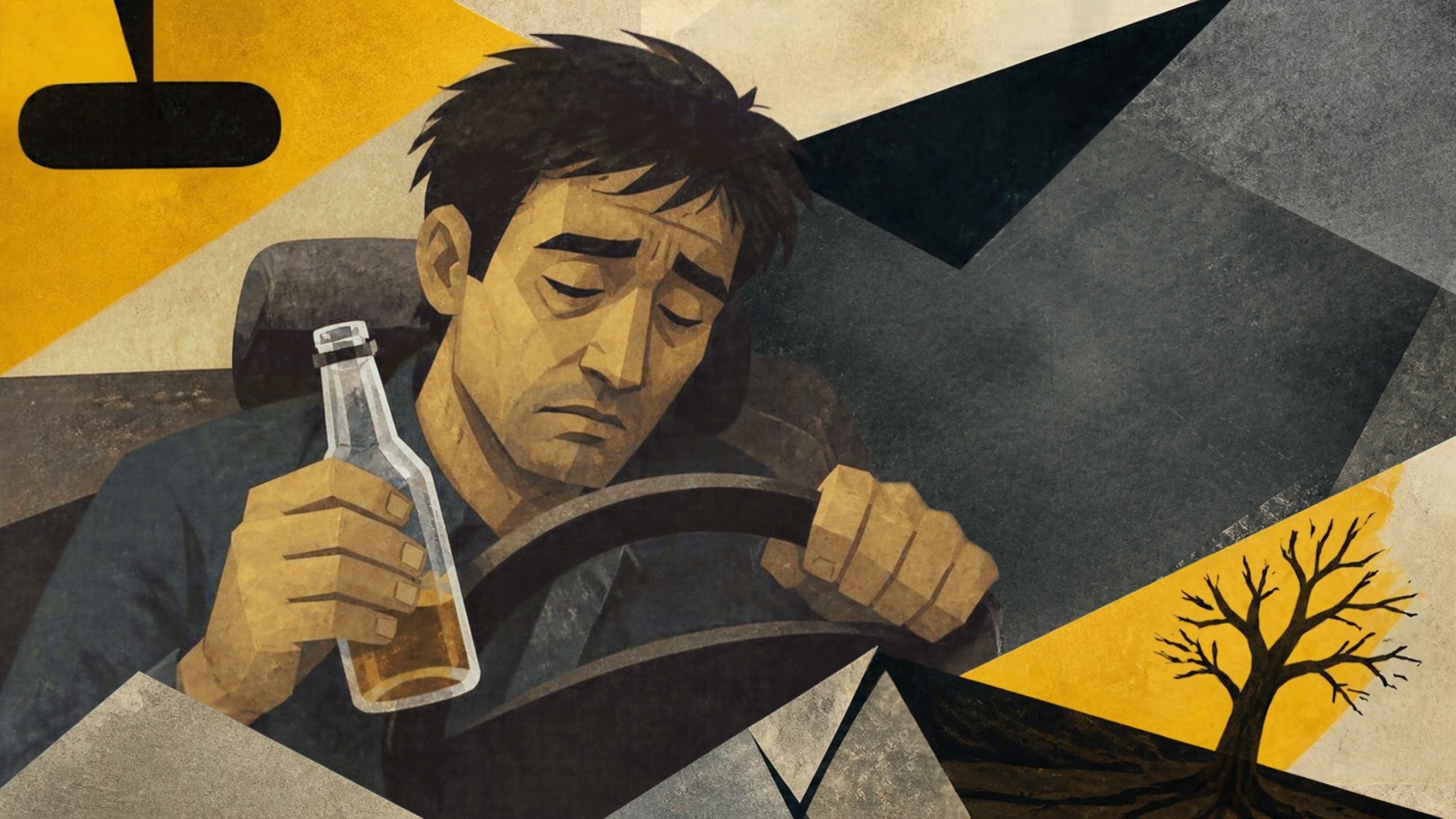
Her husband was found heavily drunk behind the wheel soon after he became a resident.
The Indian woman fears family backlash, social rejection and pressure to remarry if she is forced to return.
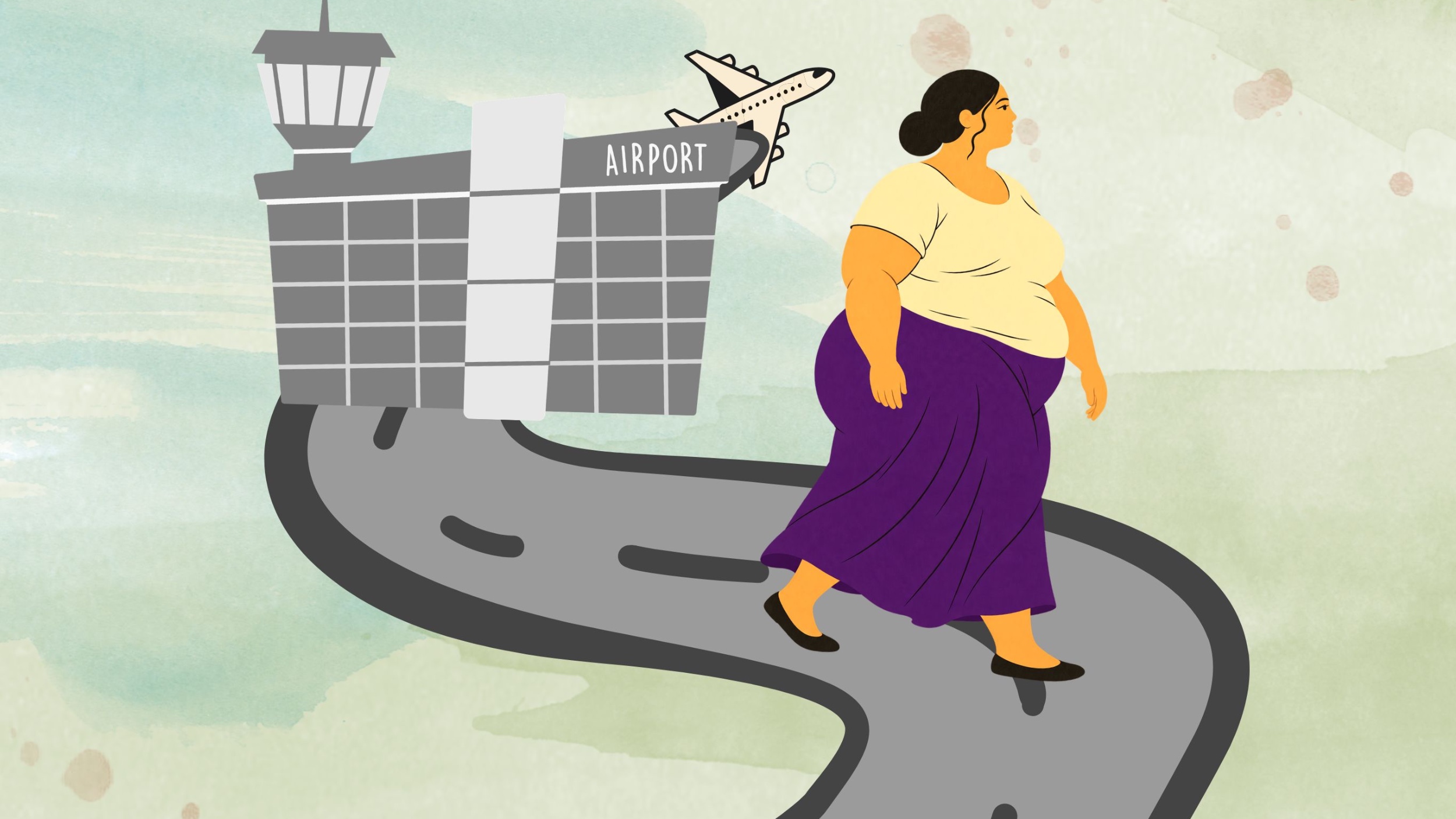
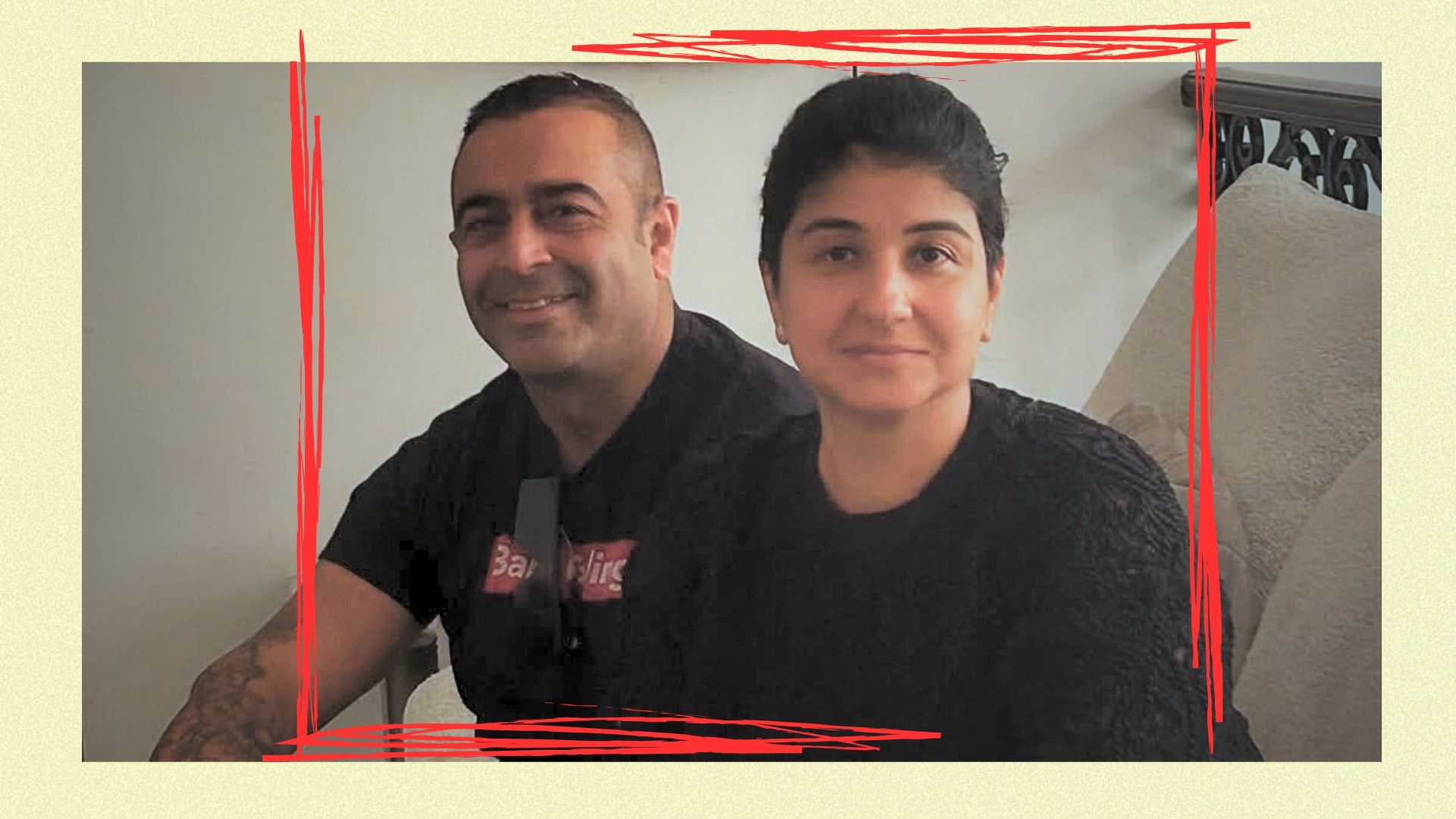
An Indian woman's hopes of settling in New Zealand with her husband have been derailed by a drink-driving offence he committed nearly two years before they met.
The 26-year-old woman, whose marriage was arranged in India in February 2024, fears the relationship could collapse if she is forced to return home after her residence application was rejected.
Her husband told the Immigration and Protection Tribunal (IPT) a forced separation could destroy their marriage despite their love and commitment.
The woman also feared being blamed for the failure of her arranged marriage, facing social rejection and being pressured to remarry in India.
But the tribunal dismissed her appeal, questioning whether the separation would be permanent and finding insufficient evidence to support her fears of mistreatment.
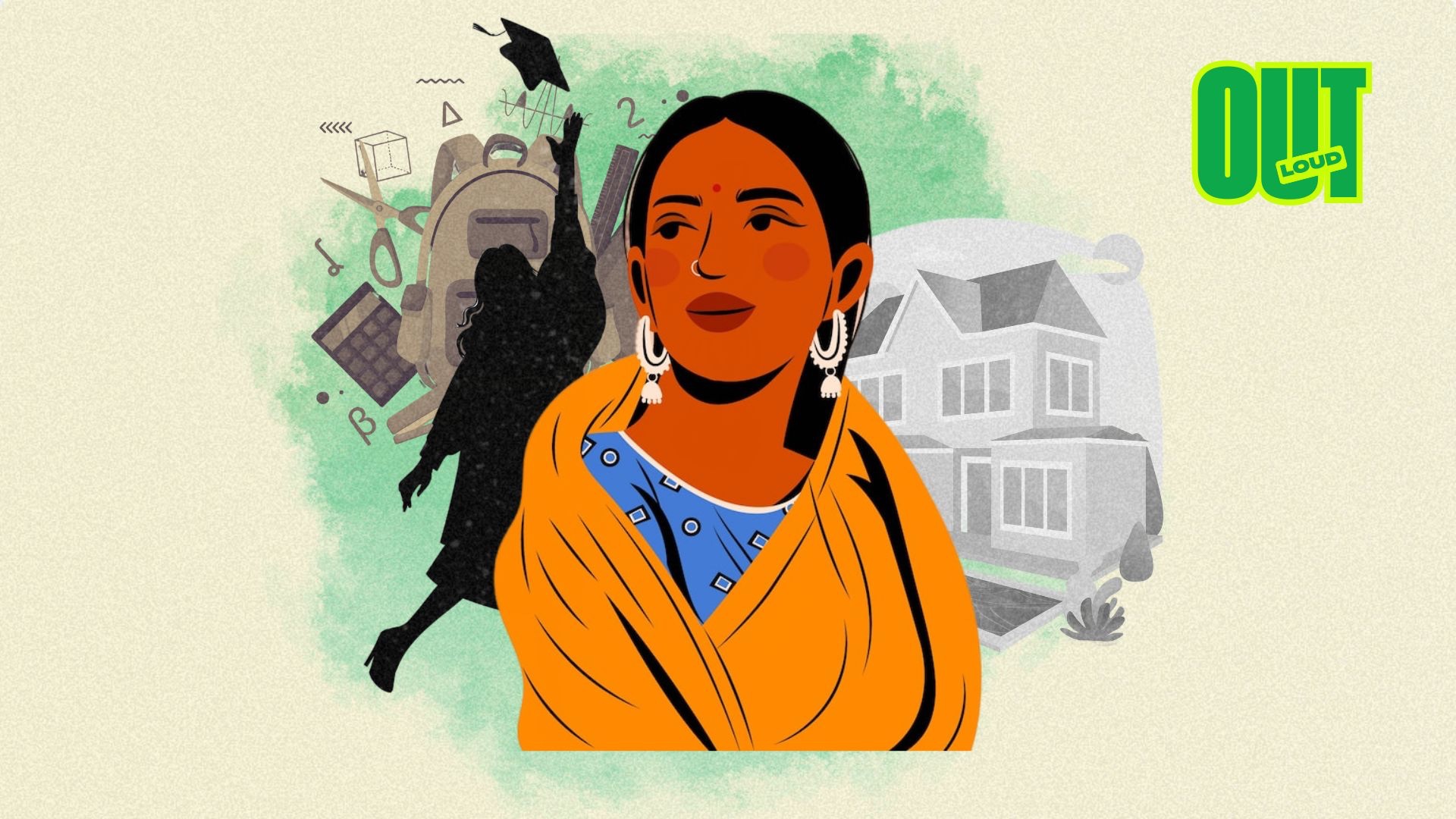
Out Loud: Winston Peters wants migrants to assimilate. But he keeps seeing us as migrants If acceptance matters, can assimilation be only a one-way obligation?
Woman says marriage at risk as husband's drink-driving conviction jeopardises NZ residence The Indian woman fears family backlash, social rejection and pressure to remarry if she is forced to return.
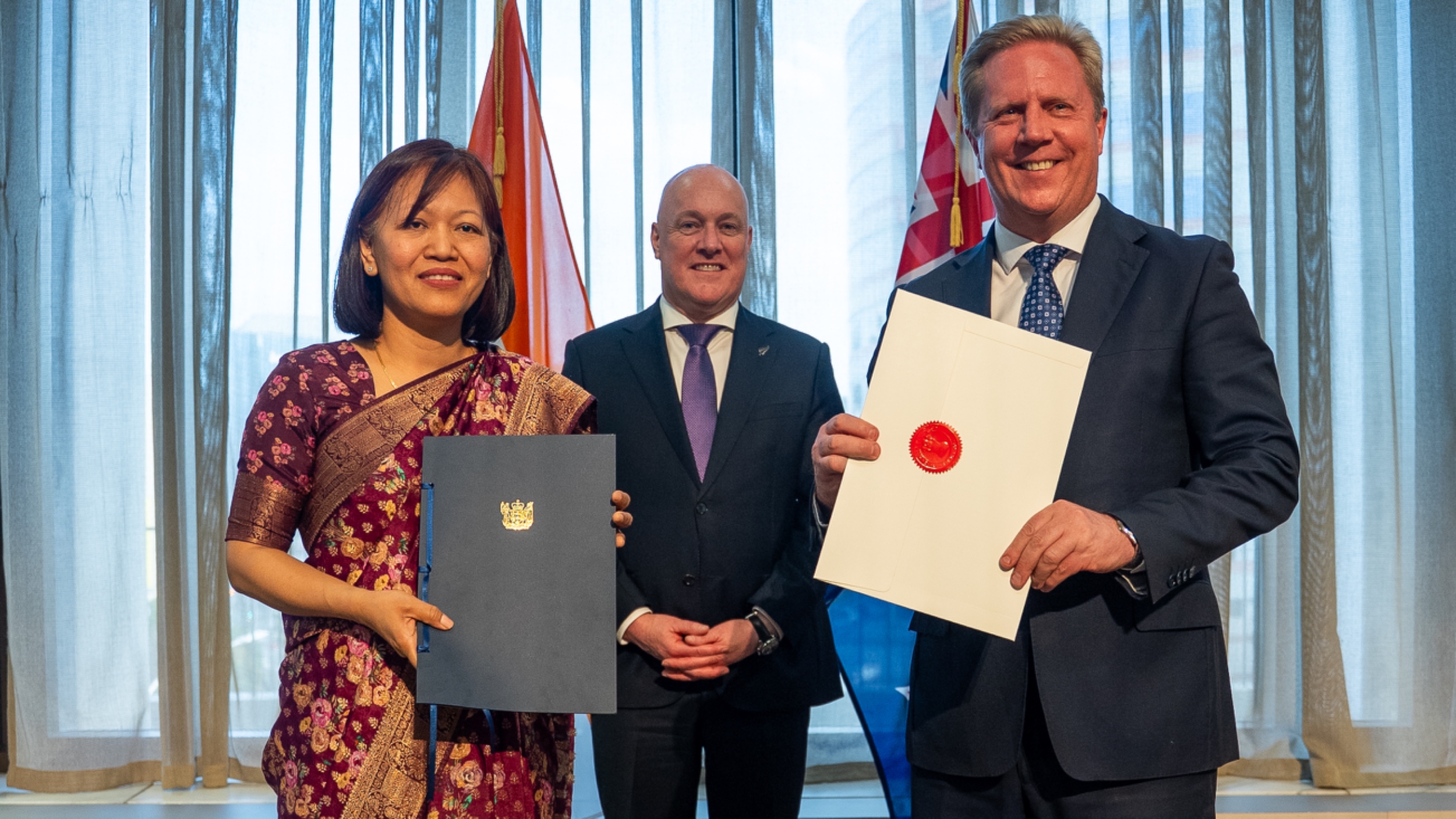
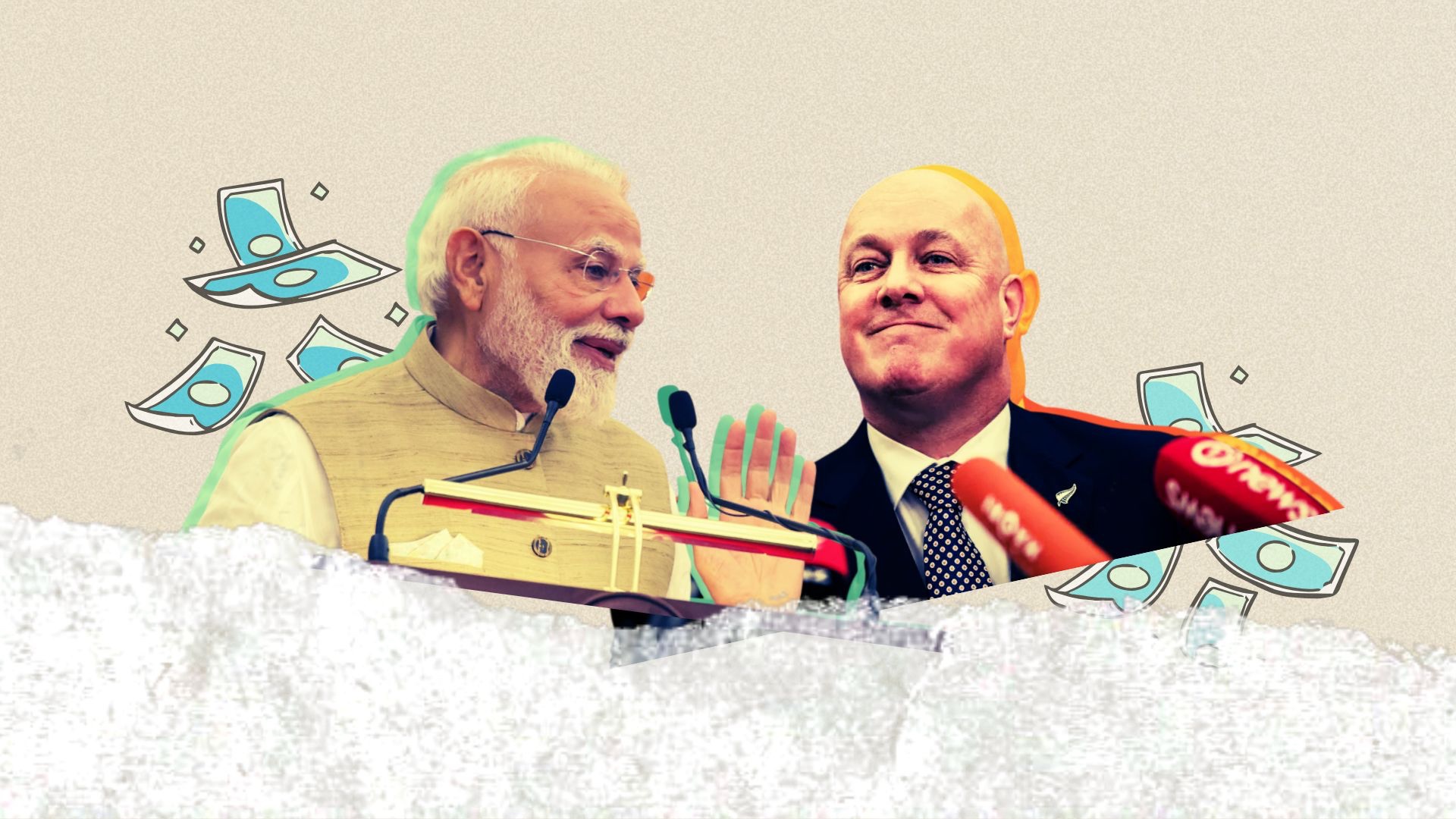
'Highest quality deal': NZ-India free trade agreement officially begins "Big step towards doubling the value of our exports in 10 years."
The case, detailed in an October 5 tribunal decision, began just 15 days after the husband gained New Zealand residence. He had arrived in New Zealand in 2014 and obtained residence under the Skilled Migrant category in March 2022.
He was caught driving next month with a blood alcohol level of 204 milligrams per 100 millilitres, more than twice the legal limit. He was convicted the following month, fined $800, disqualified from driving for 28 days and ordered to fit an alcohol interlock.
Although he was not imprisoned, the conviction made him liable for deportation because the offence carried a maximum three-month prison sentence and occurred within two years of his gaining residence.
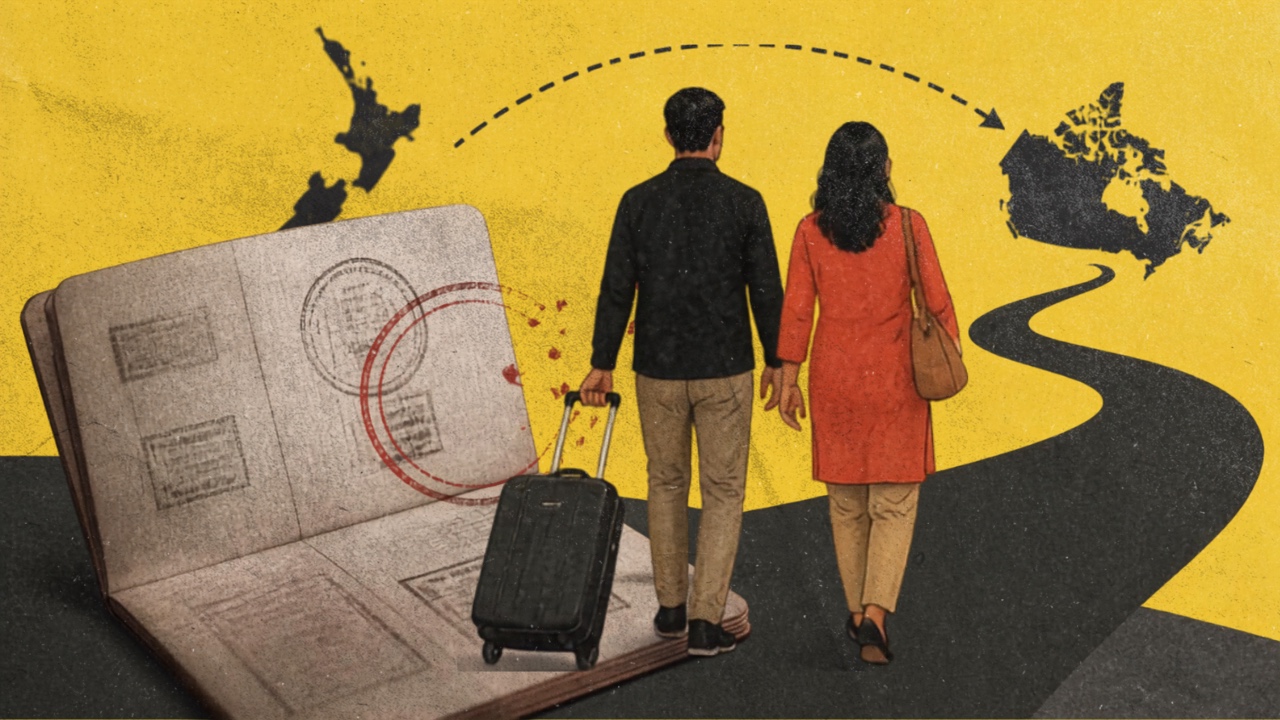
In January 2024, he travelled to India, where he met the woman through a family arrangement. They married the following month and arrived together in New Zealand in April.
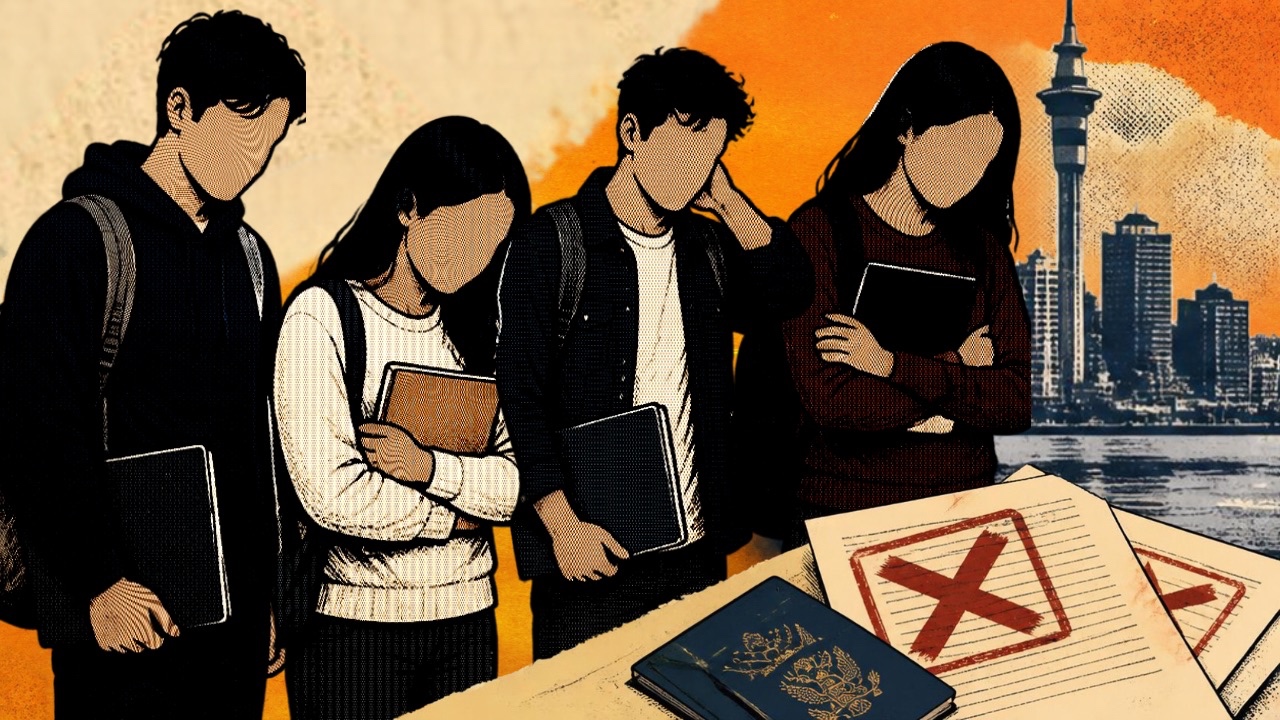
She applied for residence in February 2025, but Immigration New Zealand (INZ) declined her application because her husband was ineligible to support it while liable for deportation.
The woman appealed, arguing that the decision was legally incorrect and that her circumstances justified an exception. She said returning to India without residence could expose her to family conflict, emotional abuse, social rejection and even physical intimidation.
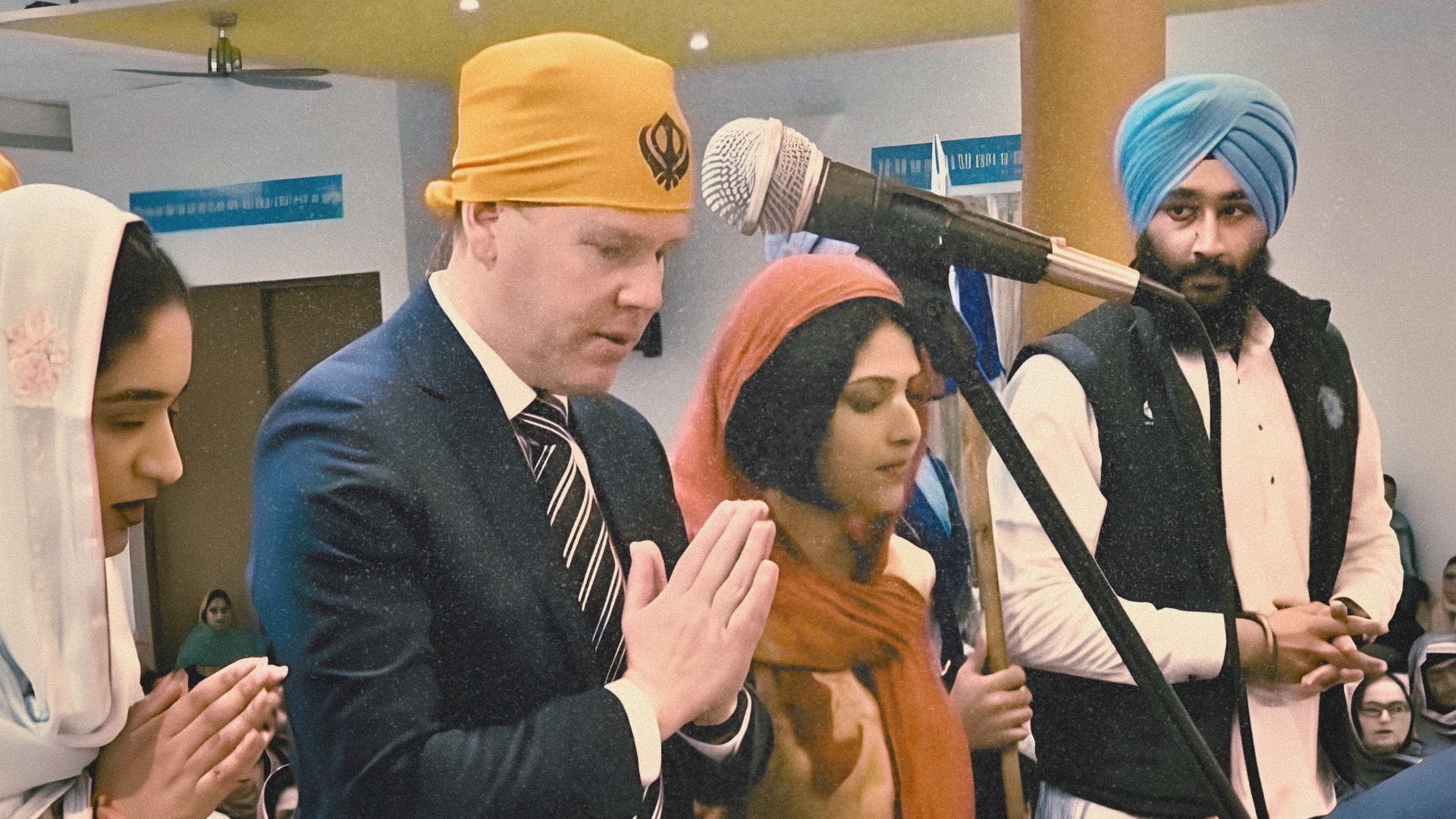
Her husband supported those fears, pointing to the stigma surrounding failed arranged marriages in their traditional Sikh community. However, tribunal member A M Clayton found little evidence connecting those concerns to her particular family circumstances.
“There is simply no nexus between the claims she makes and the country information other than the claim that her family are conservative Sikhs,” Clayton said.
The tribunal also considered any separation potentially temporary. In March 2026, the husband's deportation liability had been suspended until March 2028, allowing him to remain in New Zealand subject to conditions. He could potentially support a residence application after that period.
The woman held a student visa valid until October 20, 2026, and could seek further temporary visas. Clayton said the husband had already received leniency and must accept consequences for his serious offending.
“The fact that he cannot support the appellant’s application for a resident visa during that period is not a particularly onerous consequence of his serious offending,” Clayton said.
The appeal was dismissed.