
93-29: Parliament approves India FTA, deal expected to come into force in October
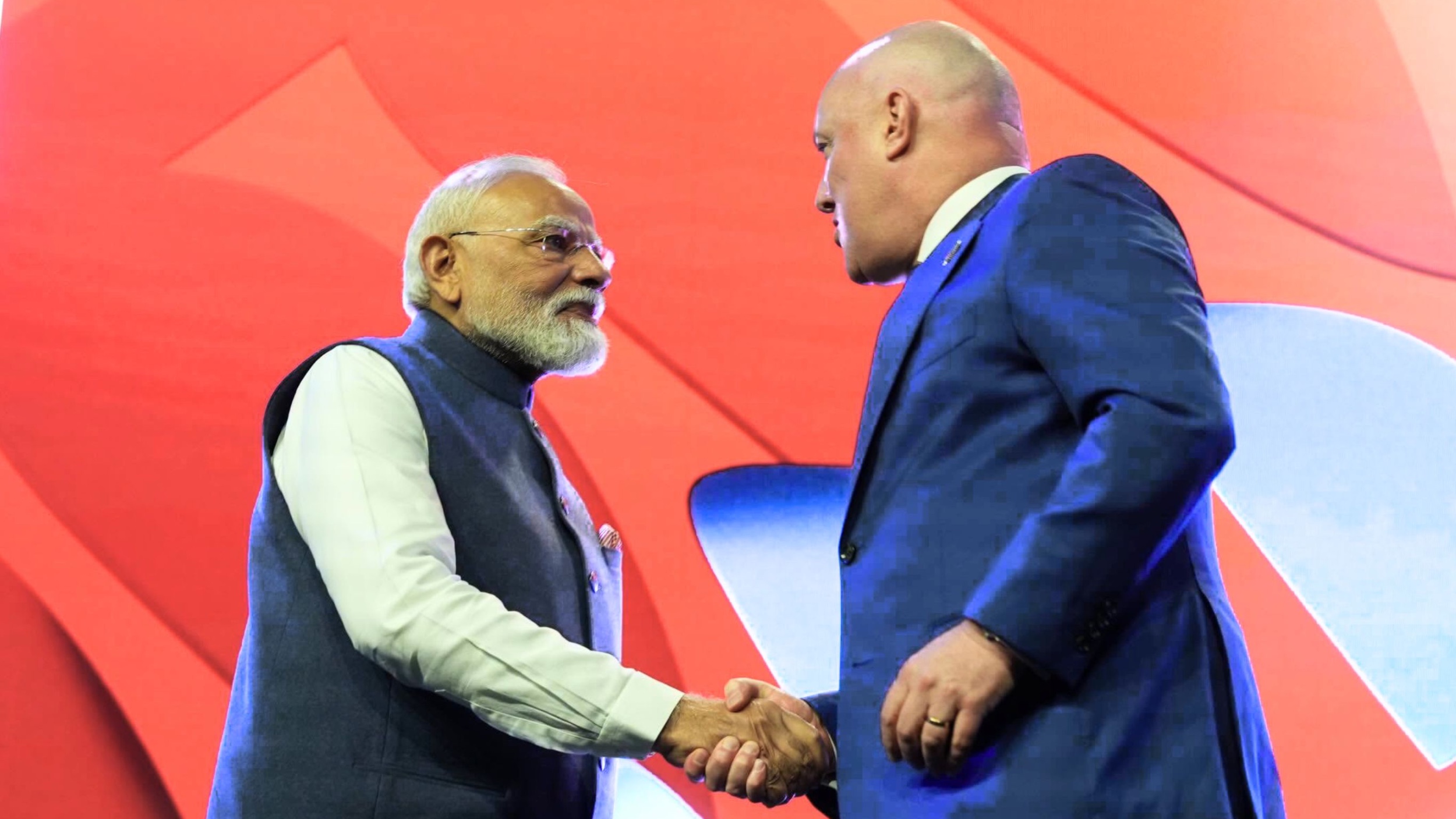
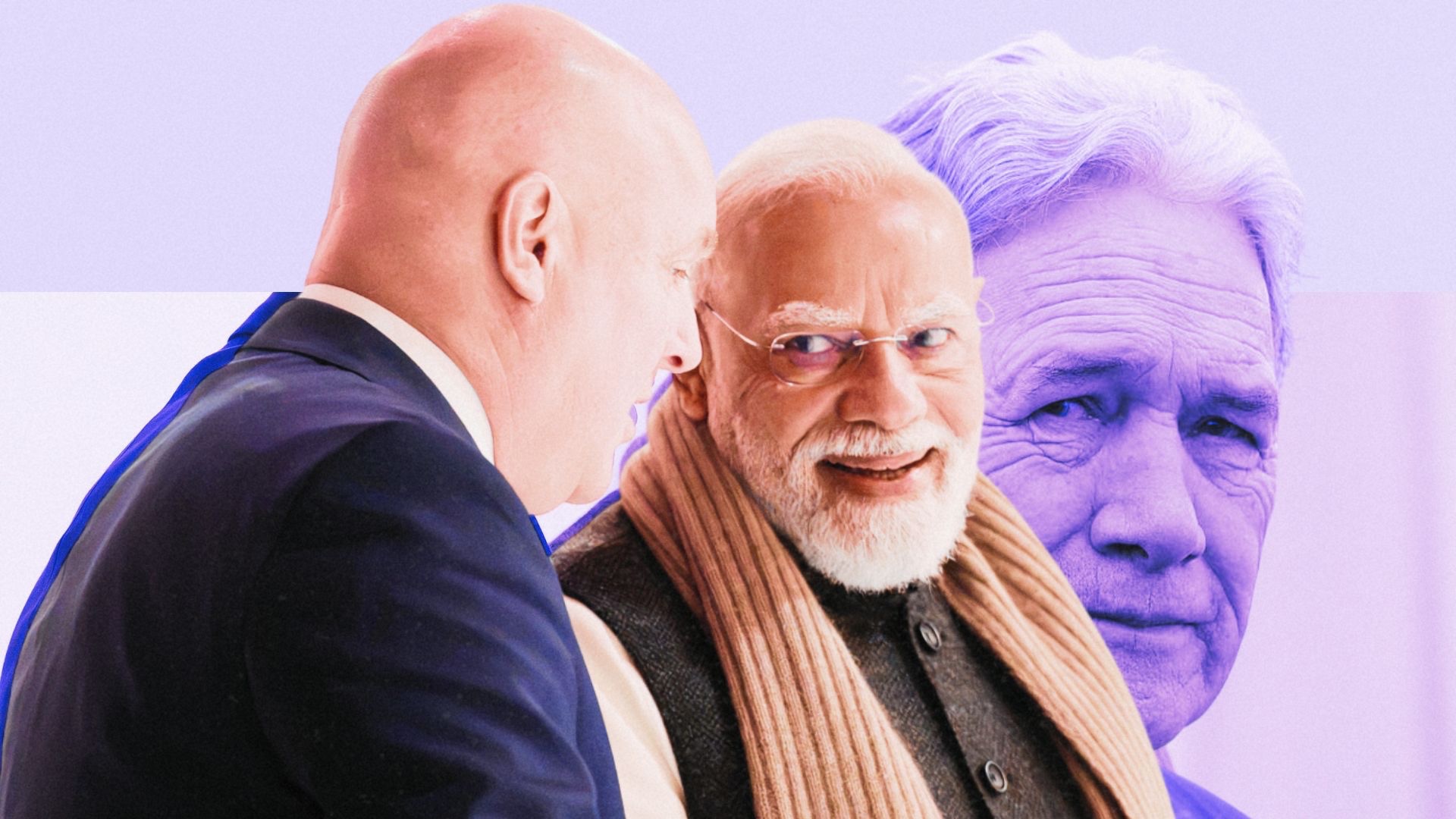
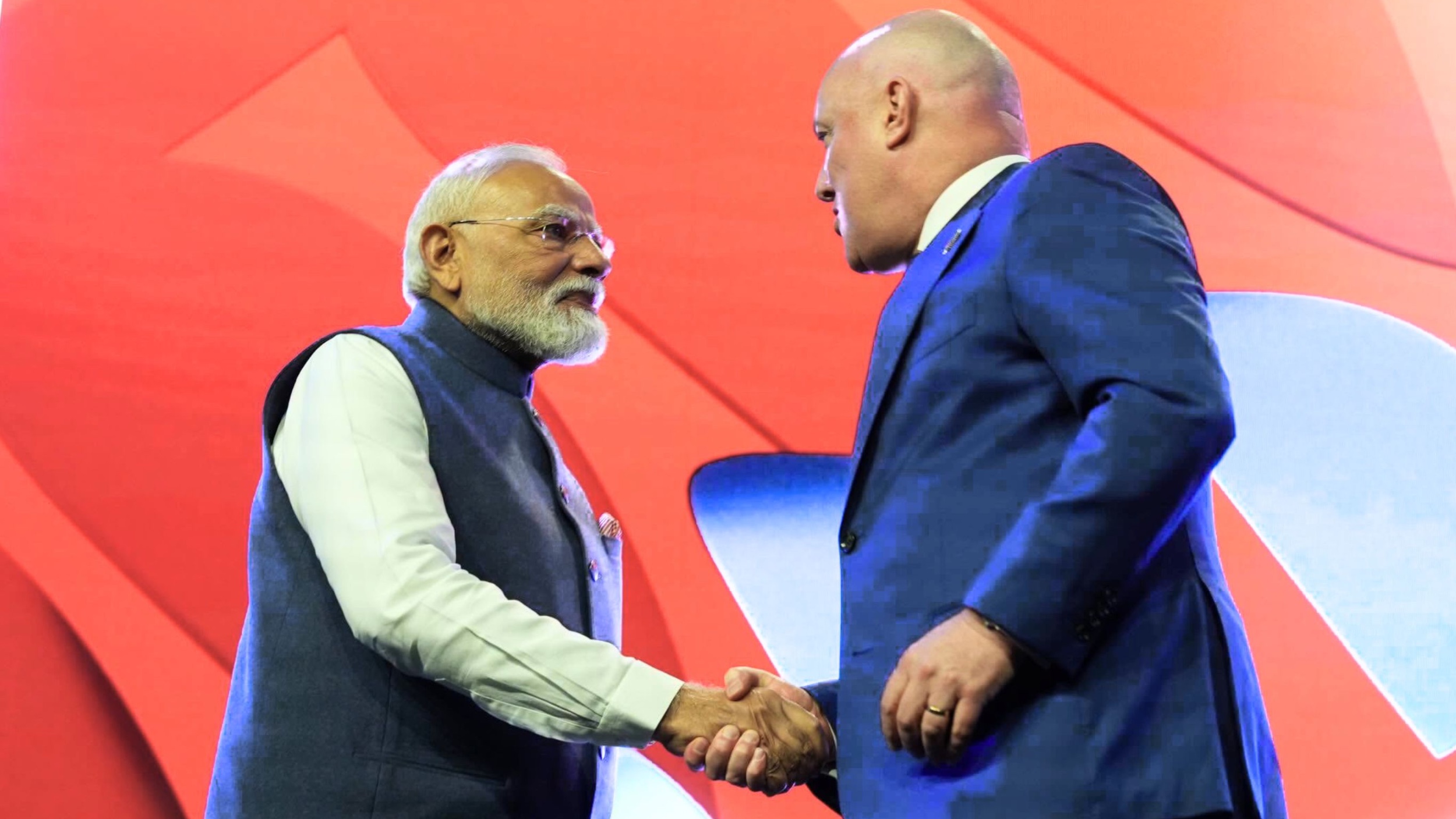
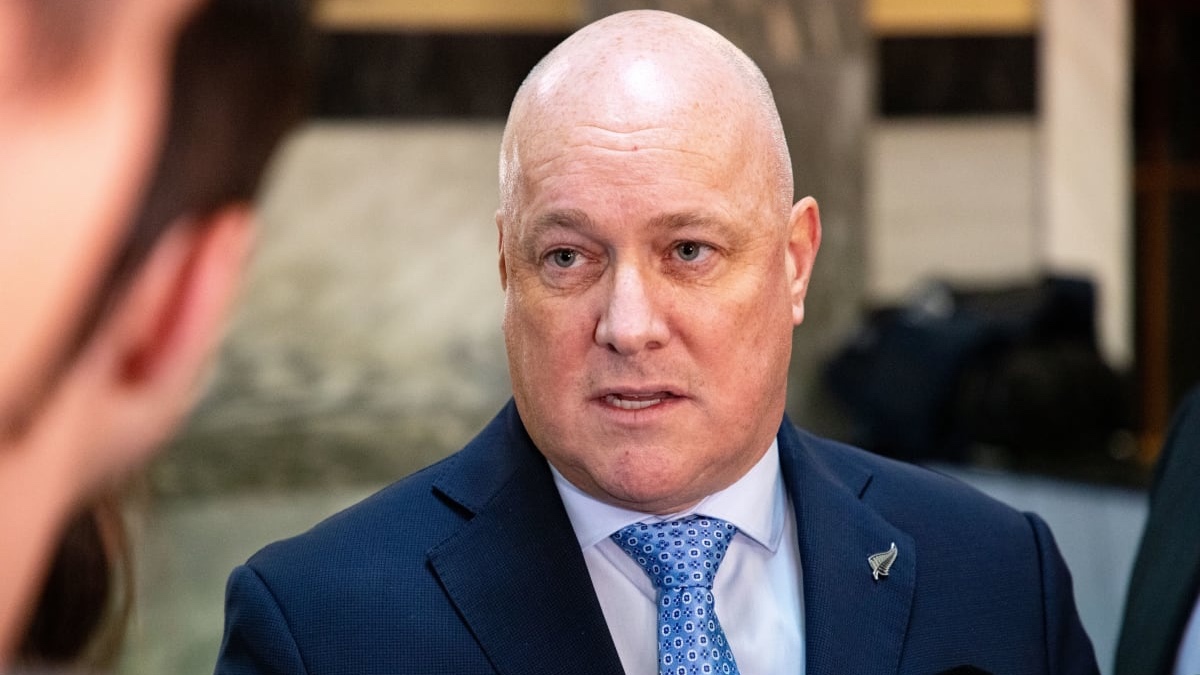
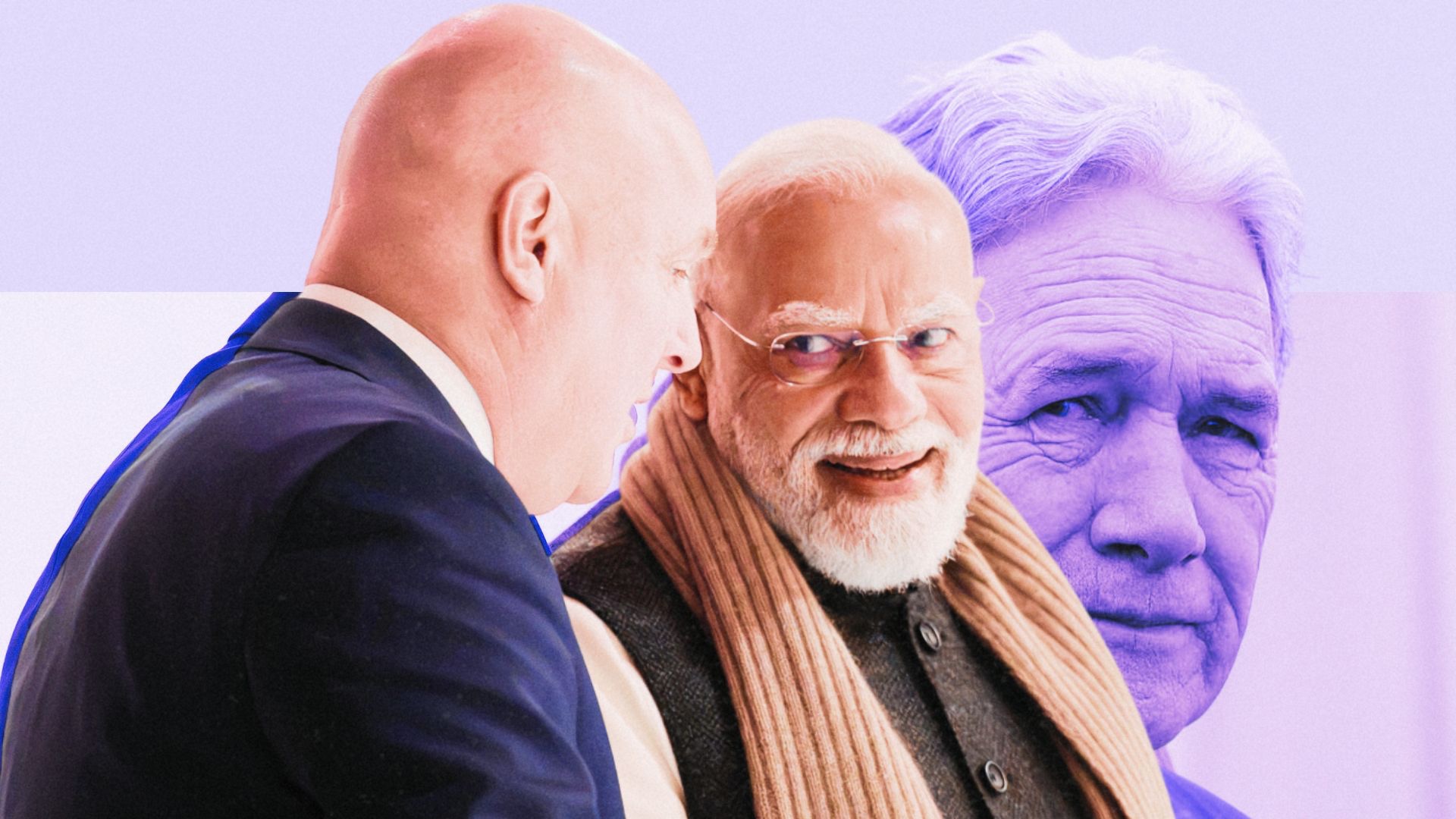
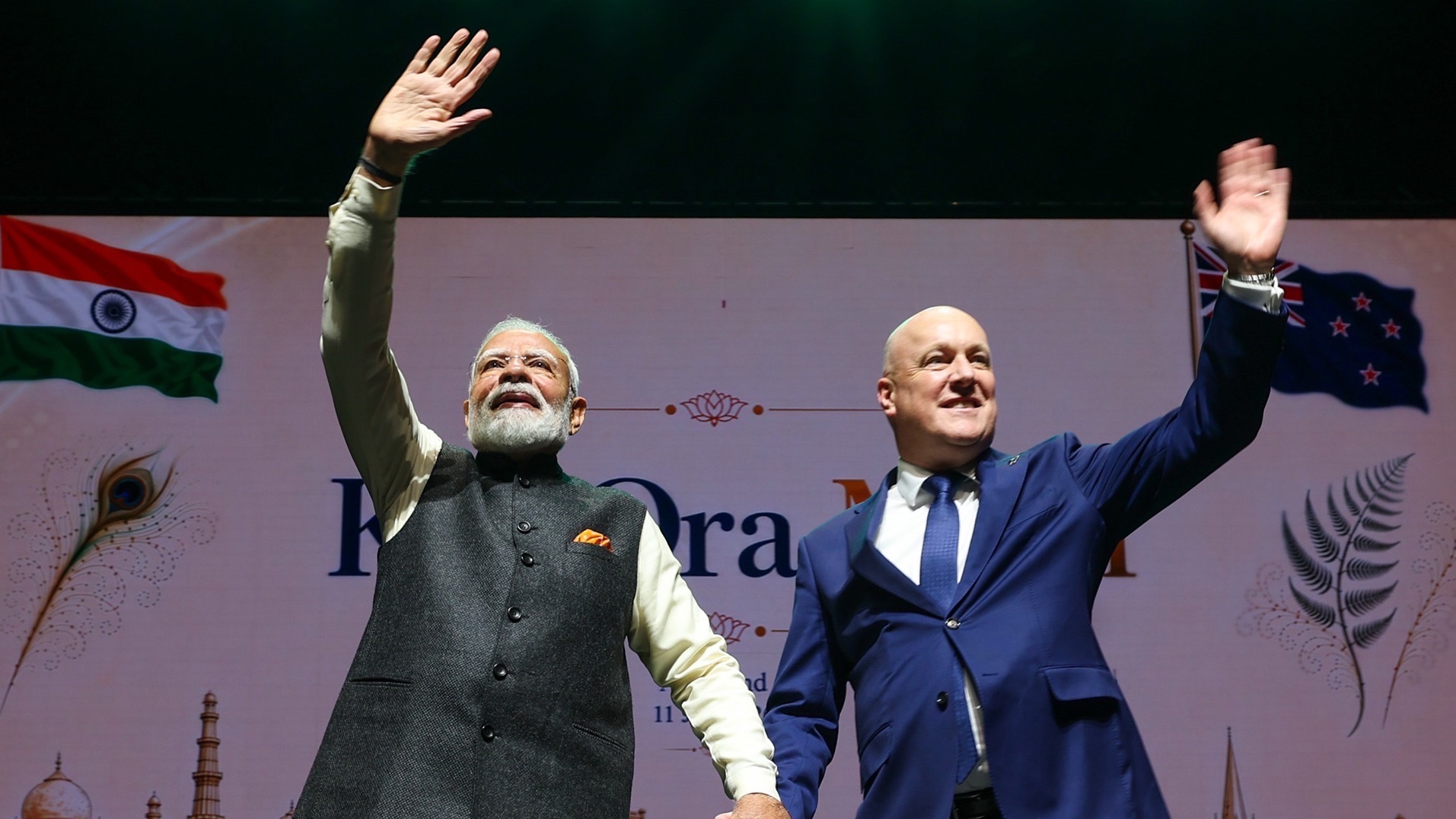
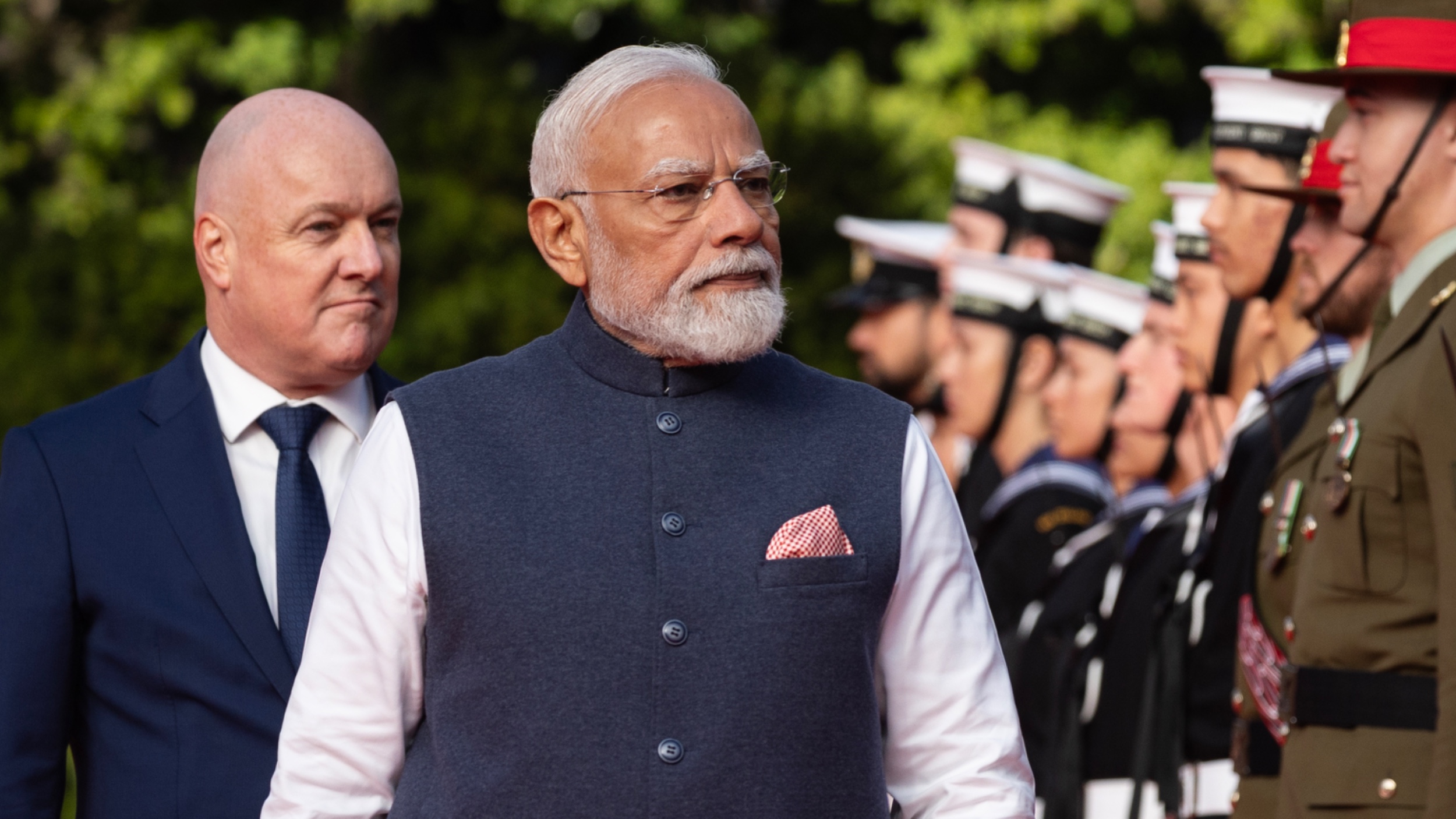
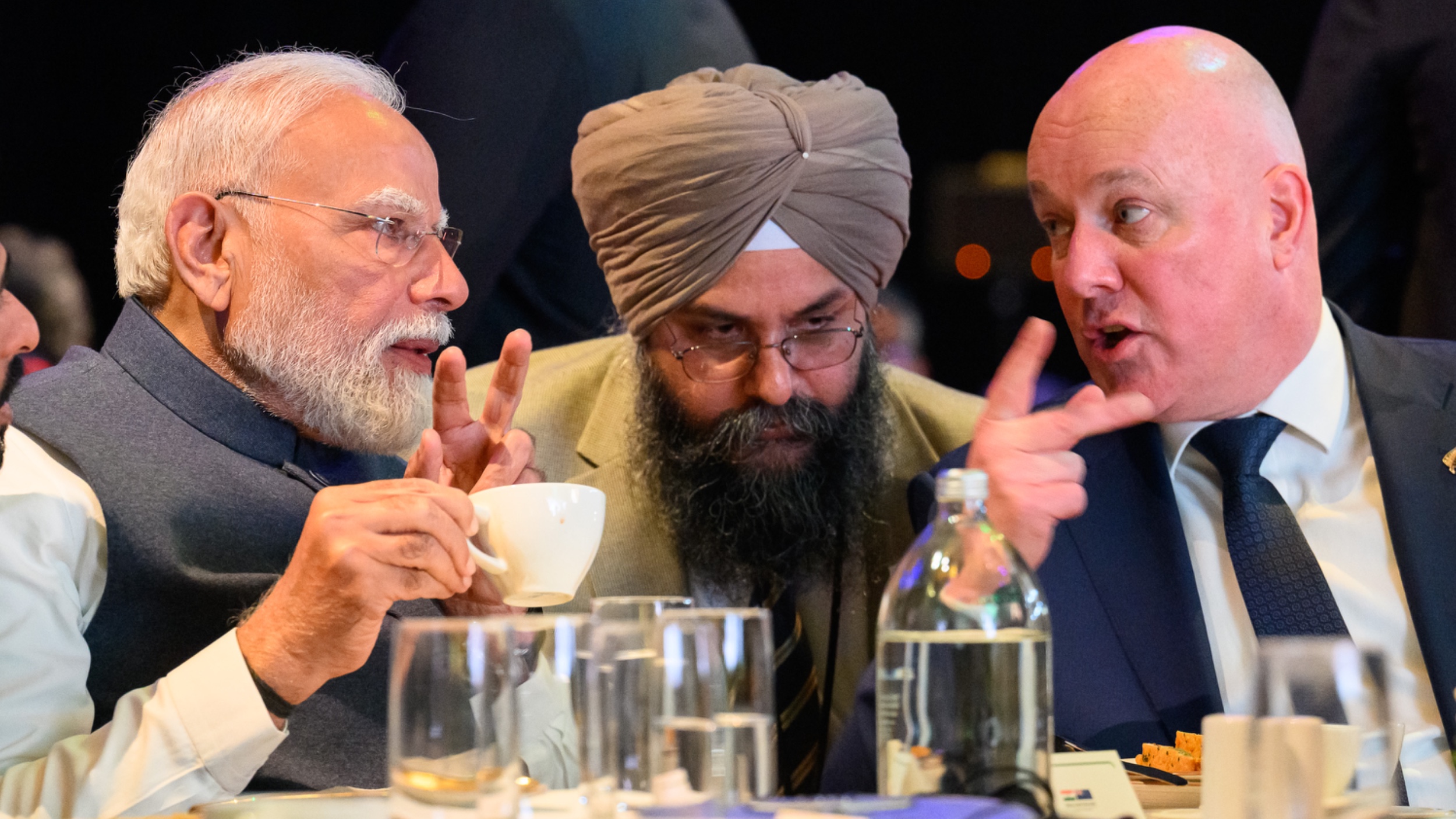
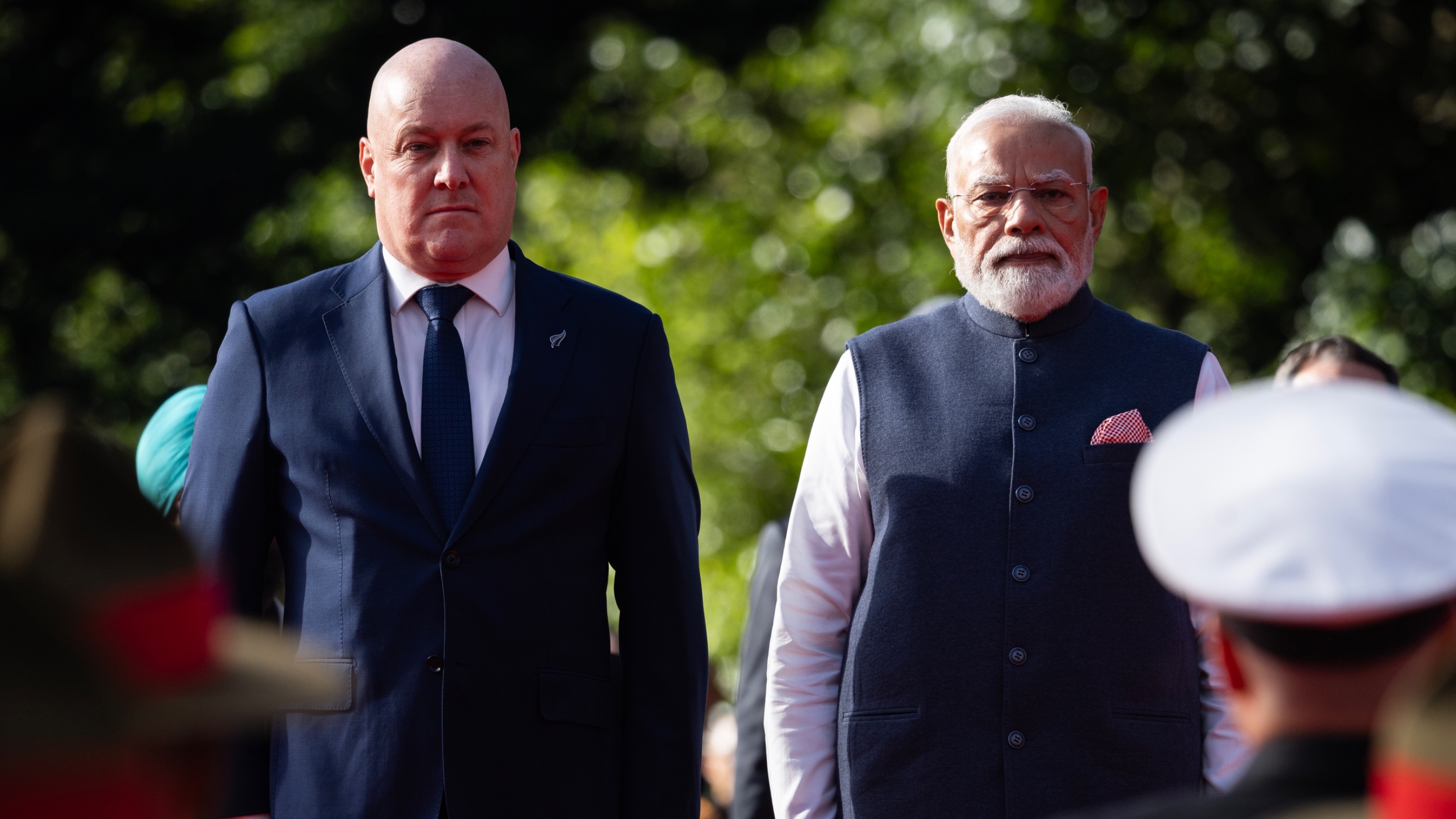
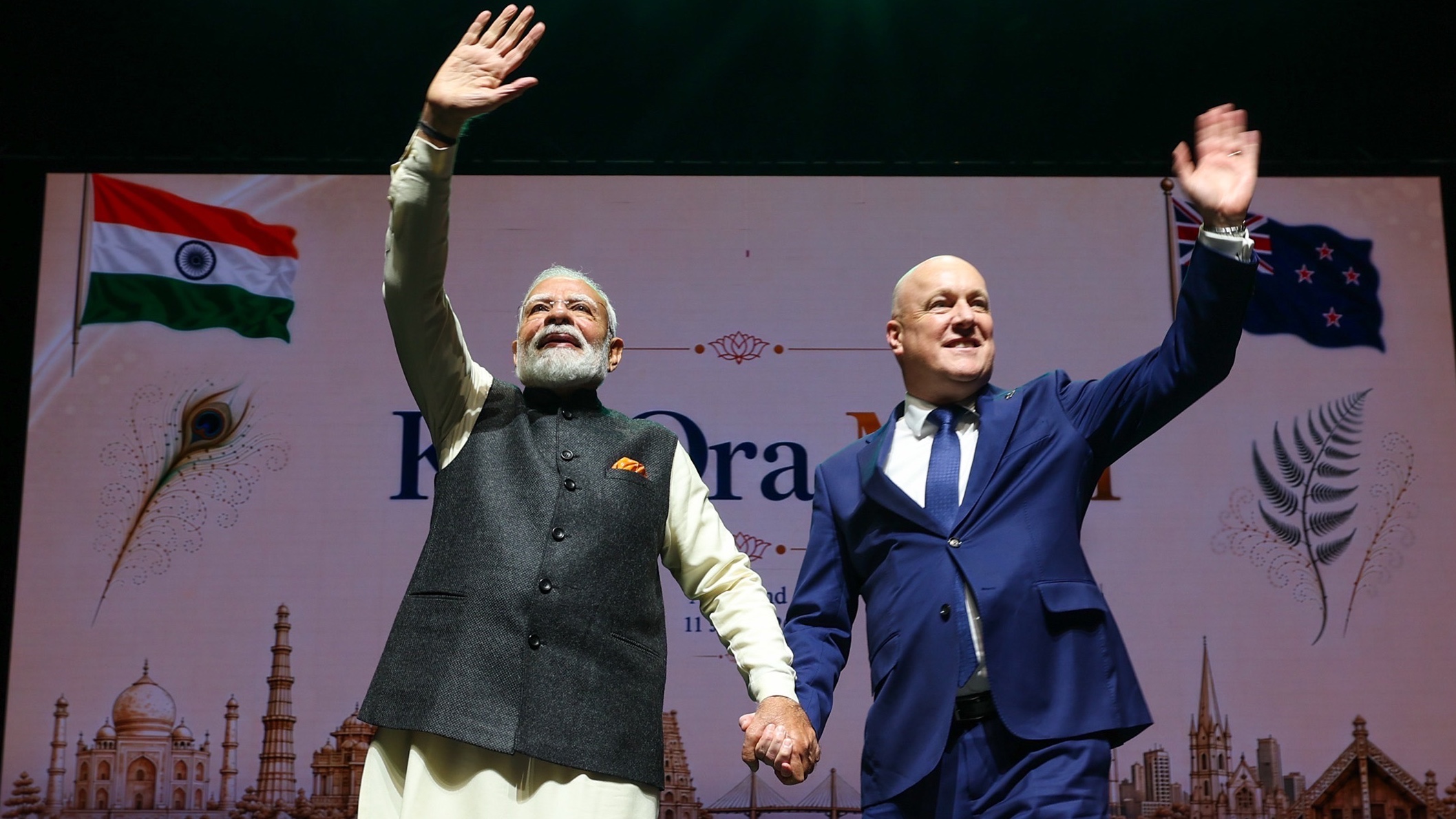
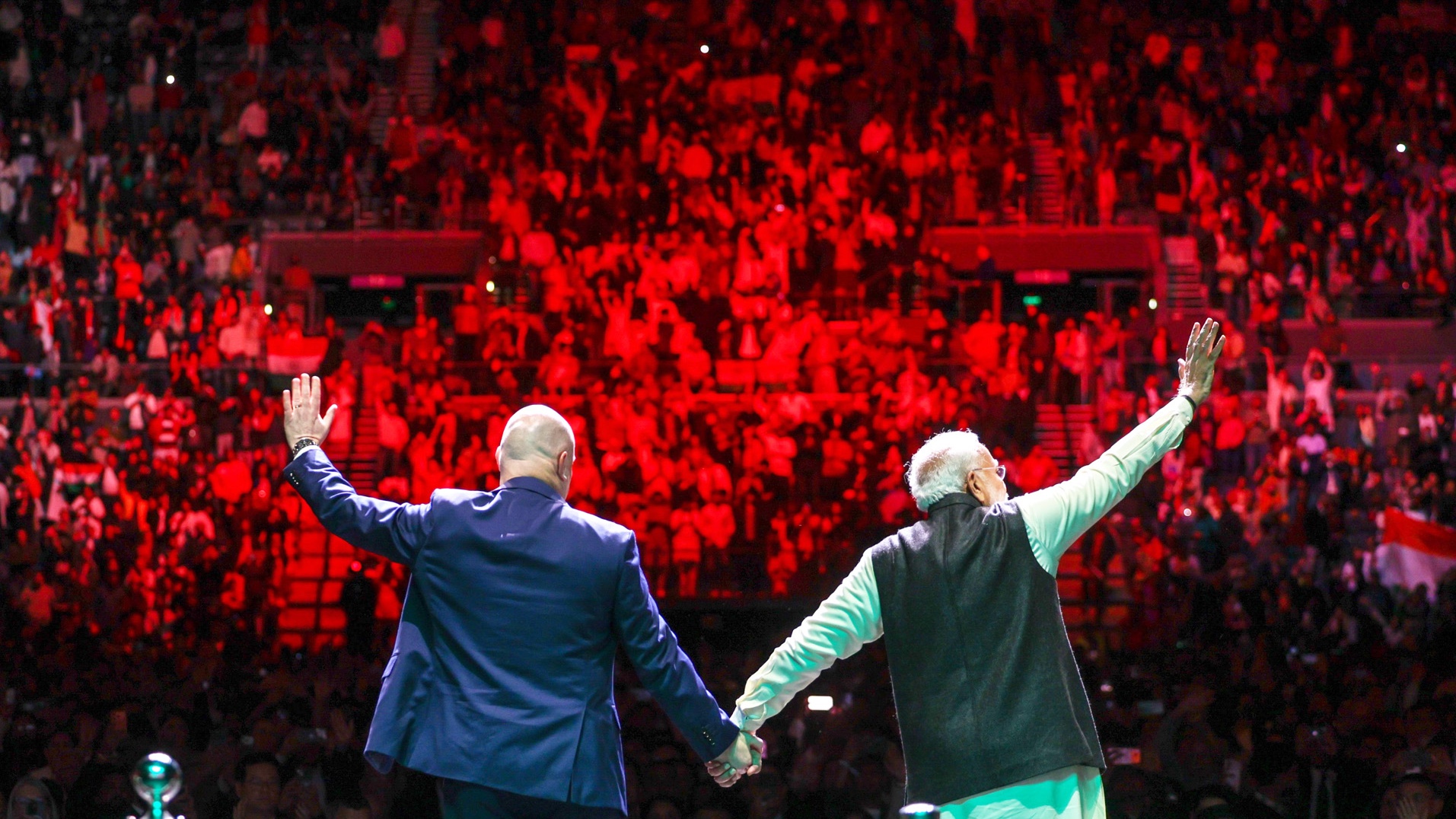
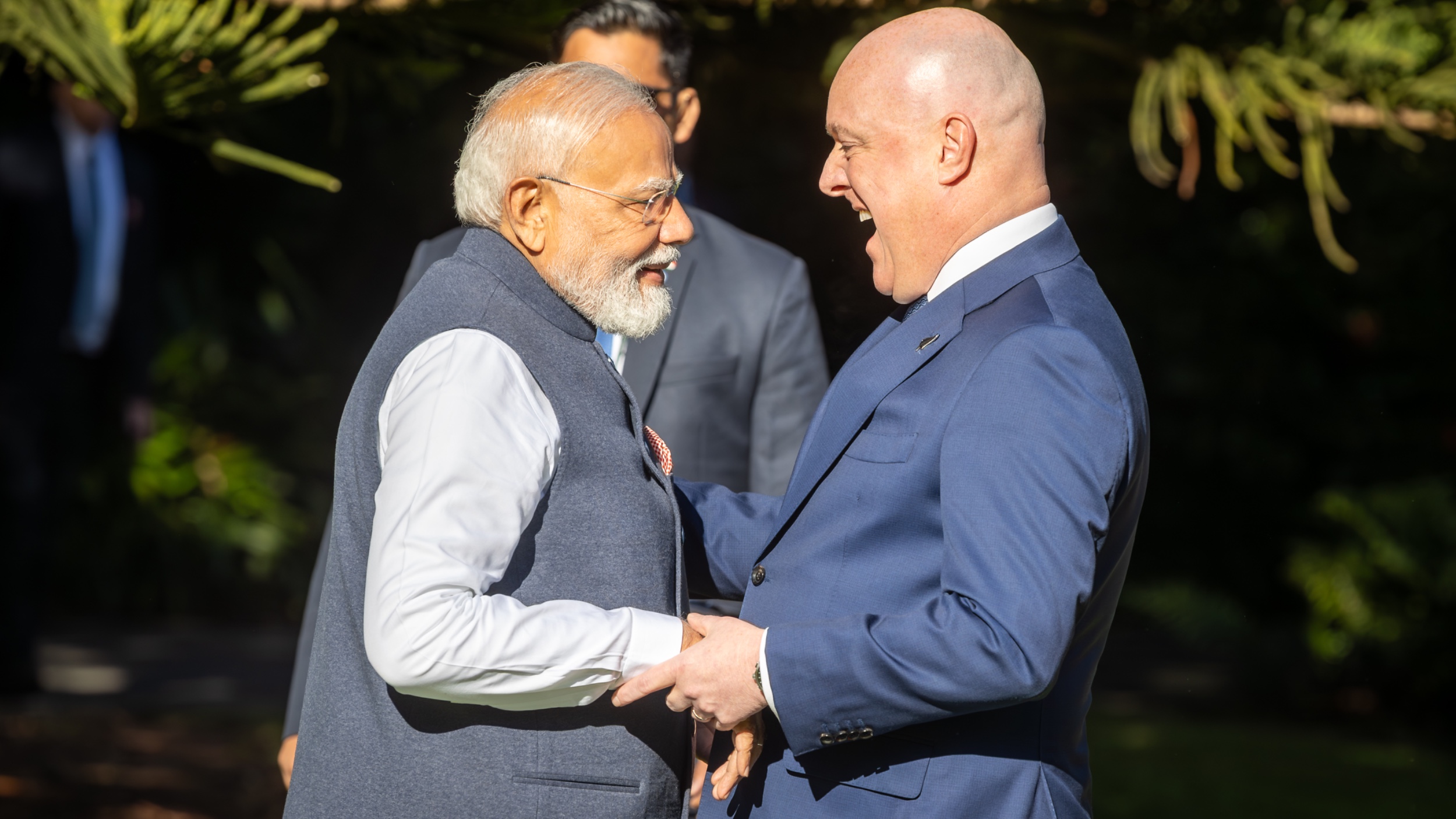
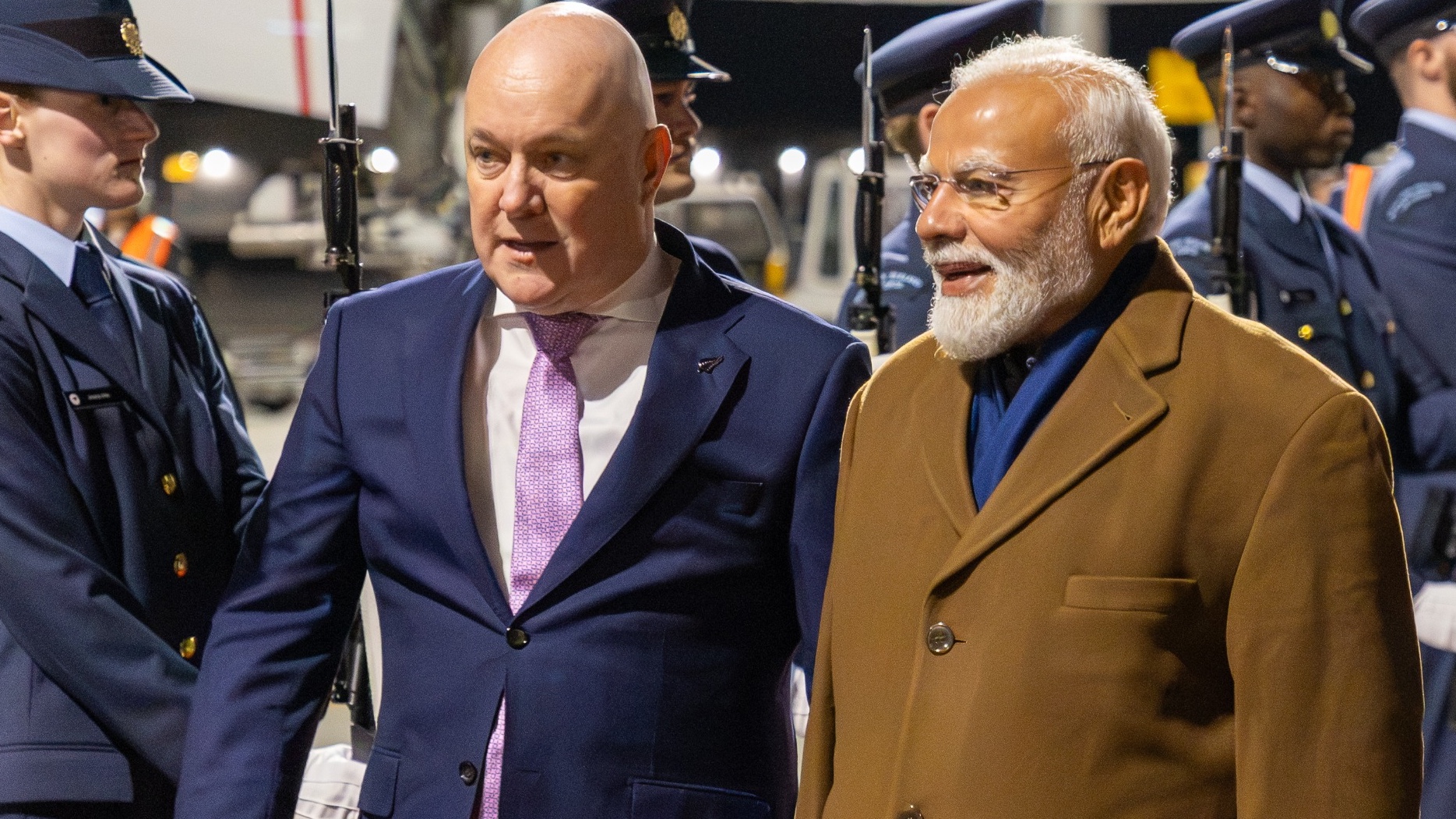
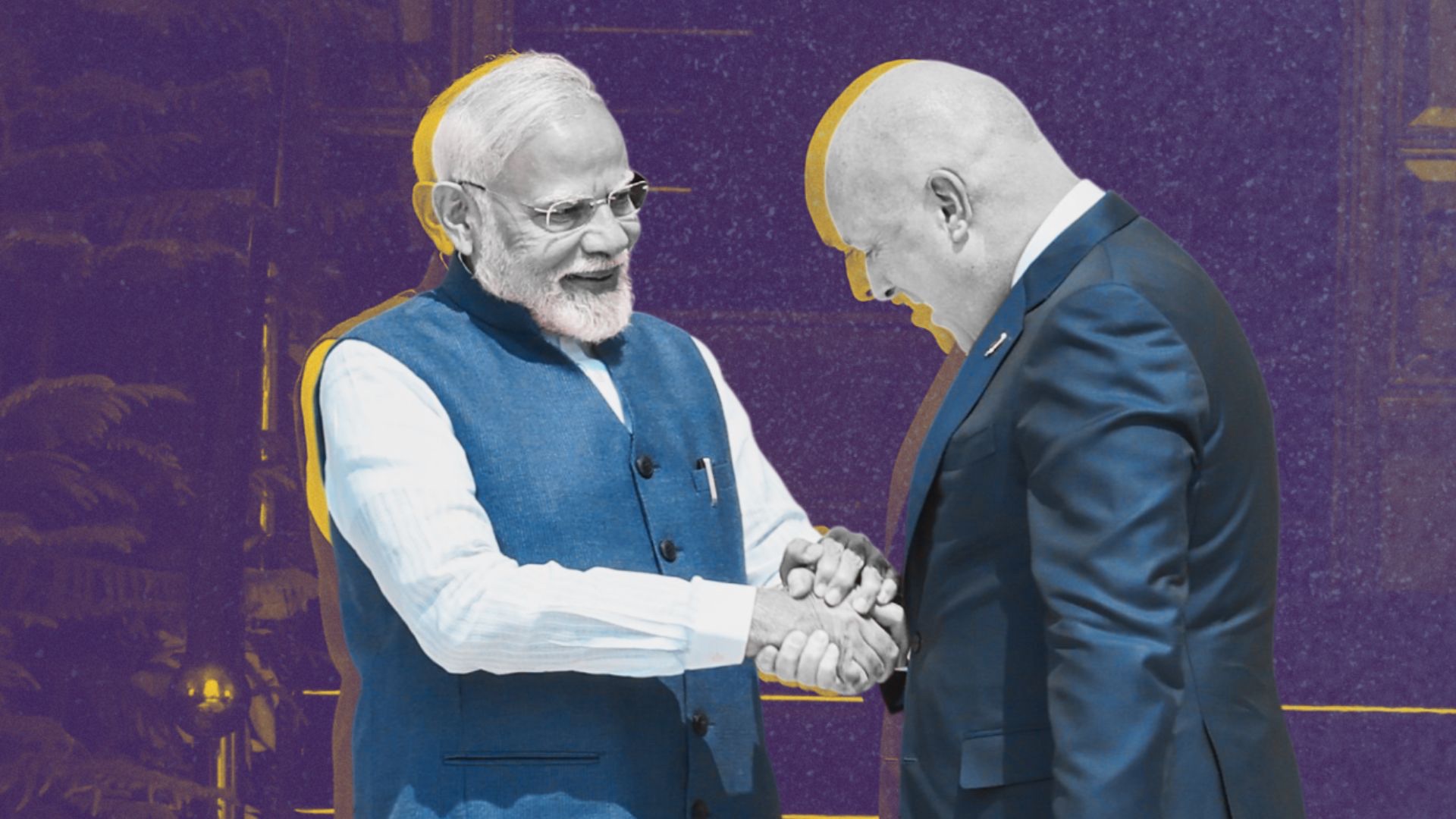
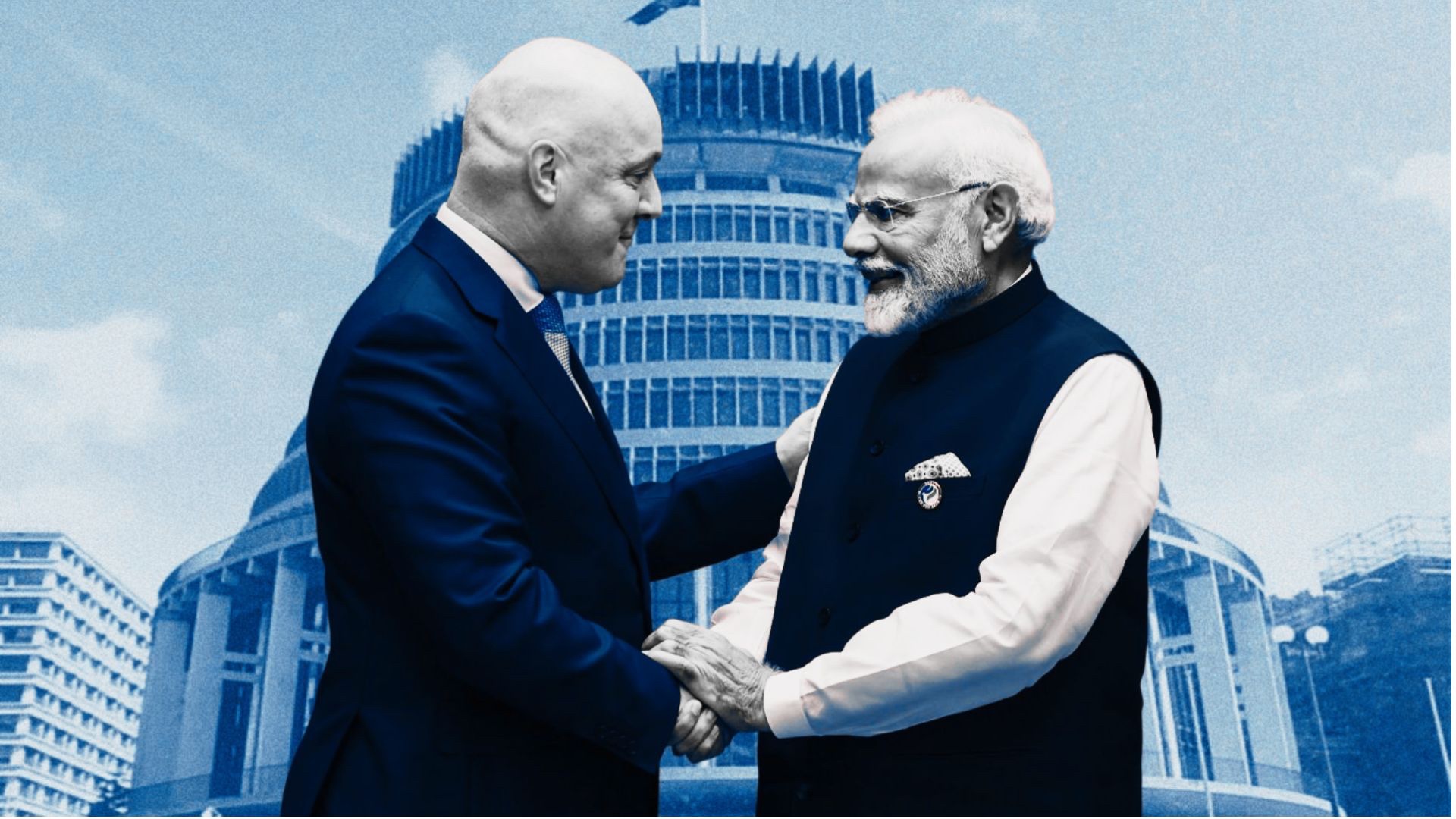
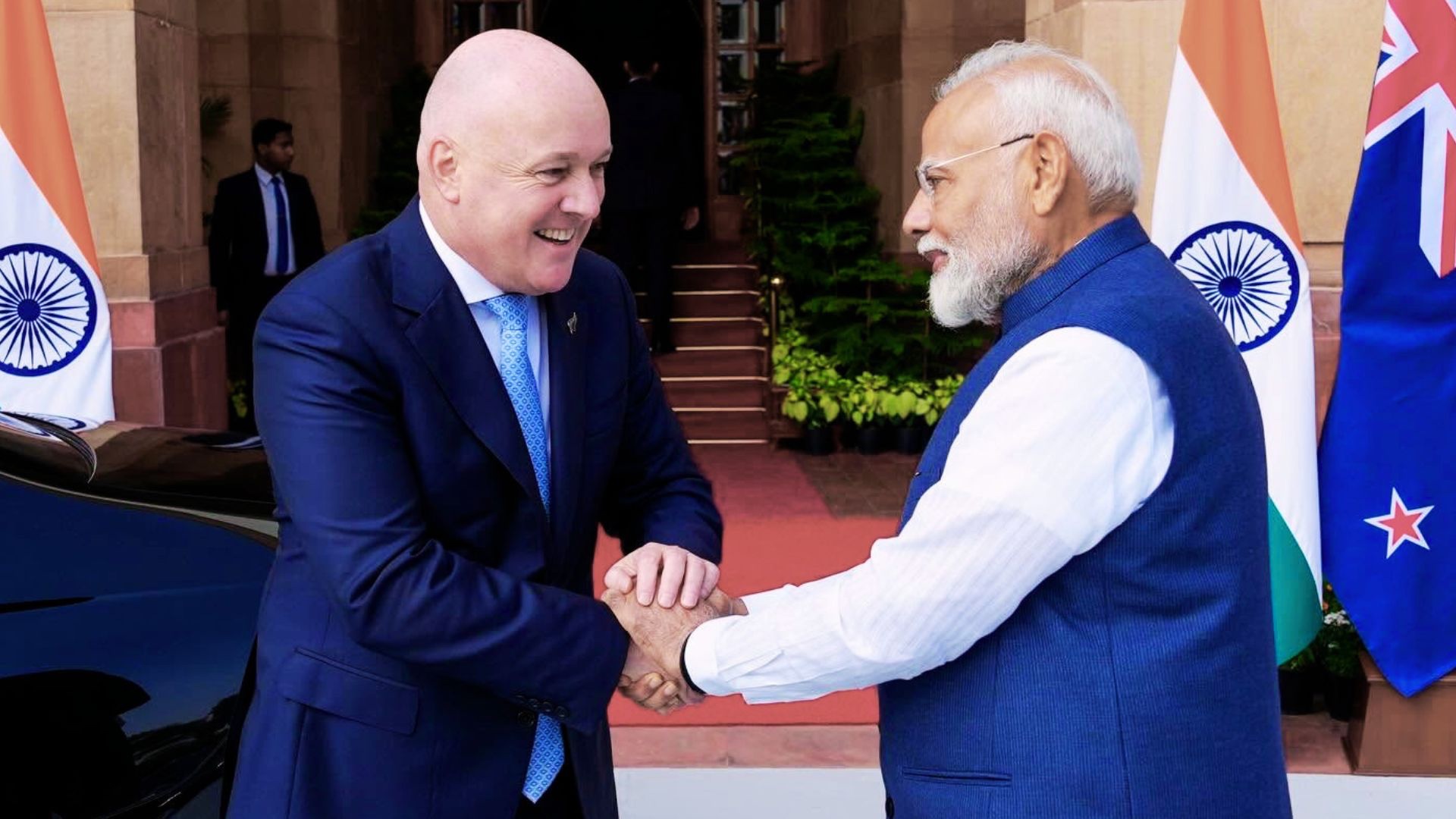
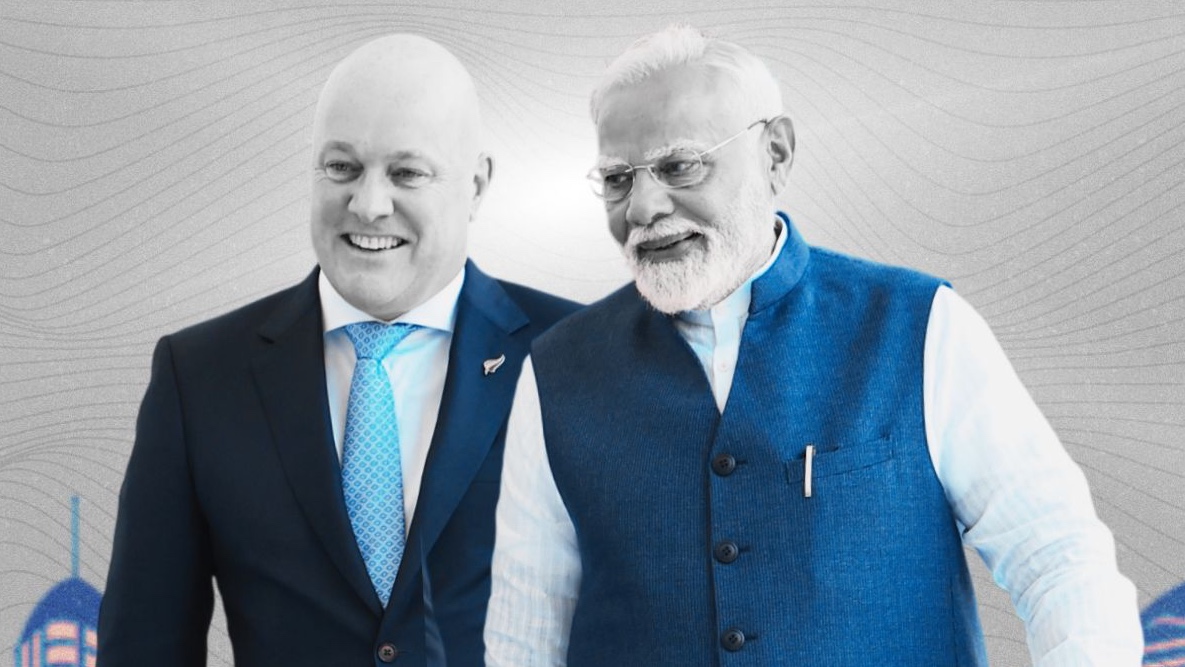
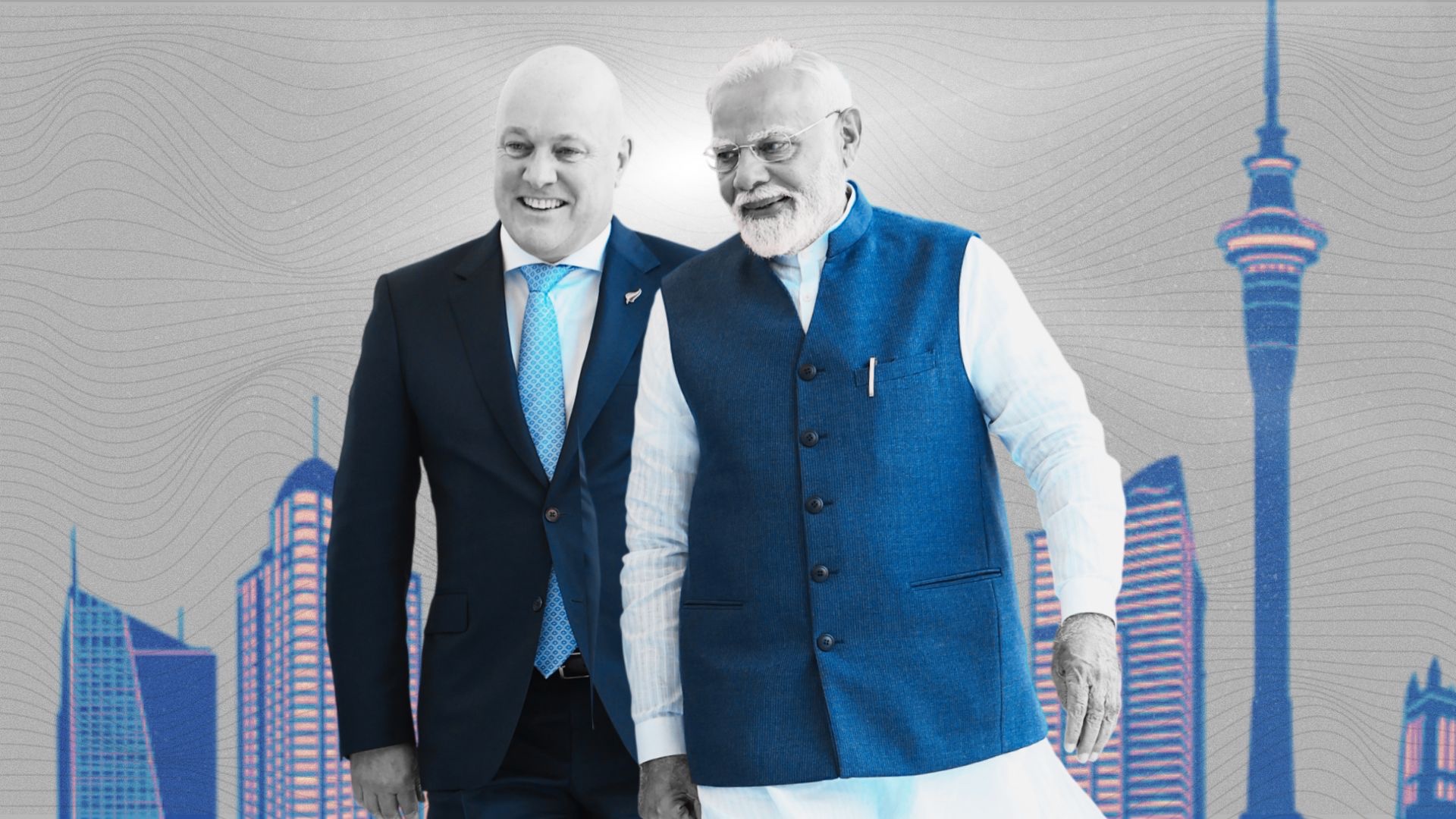
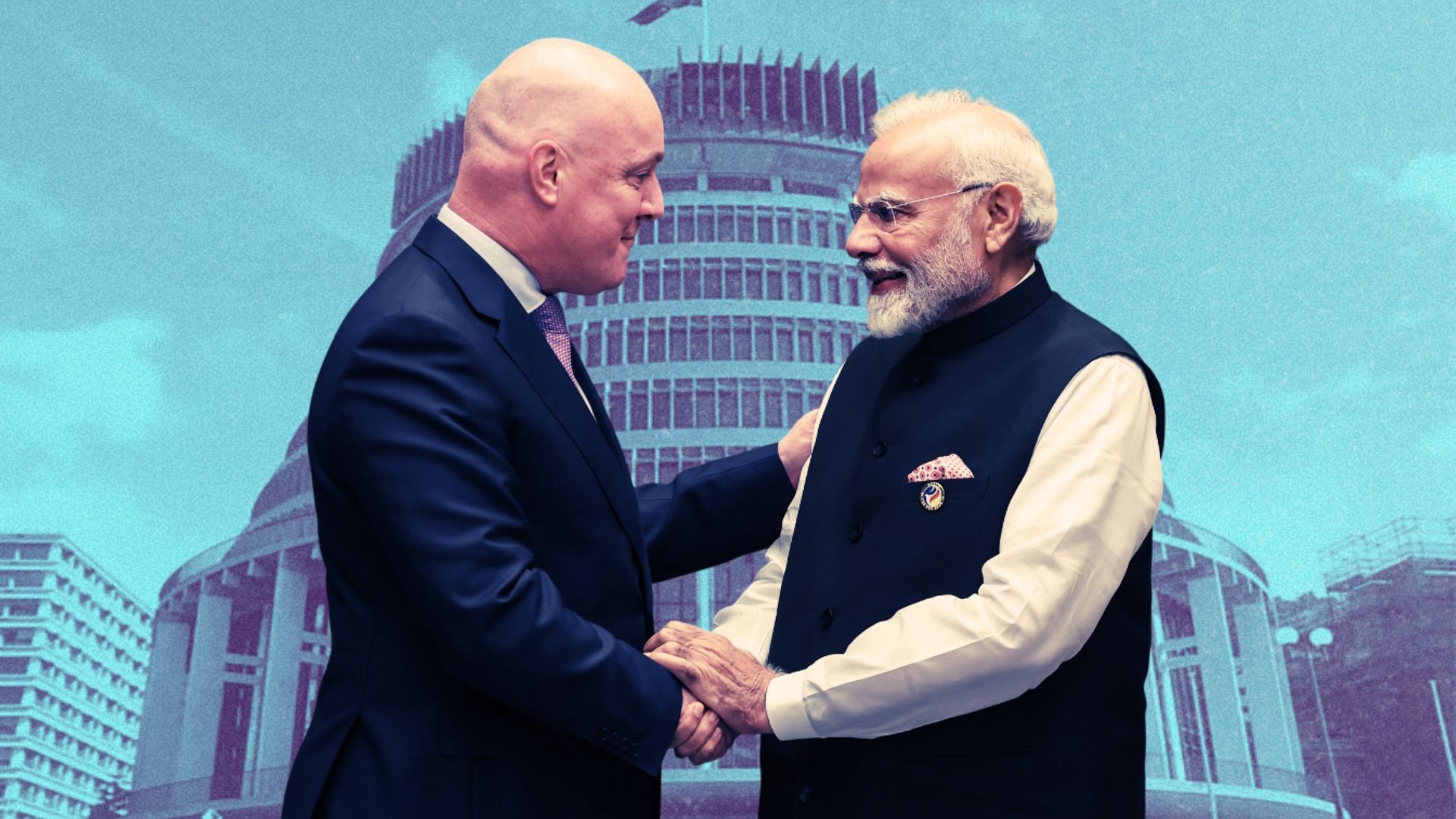
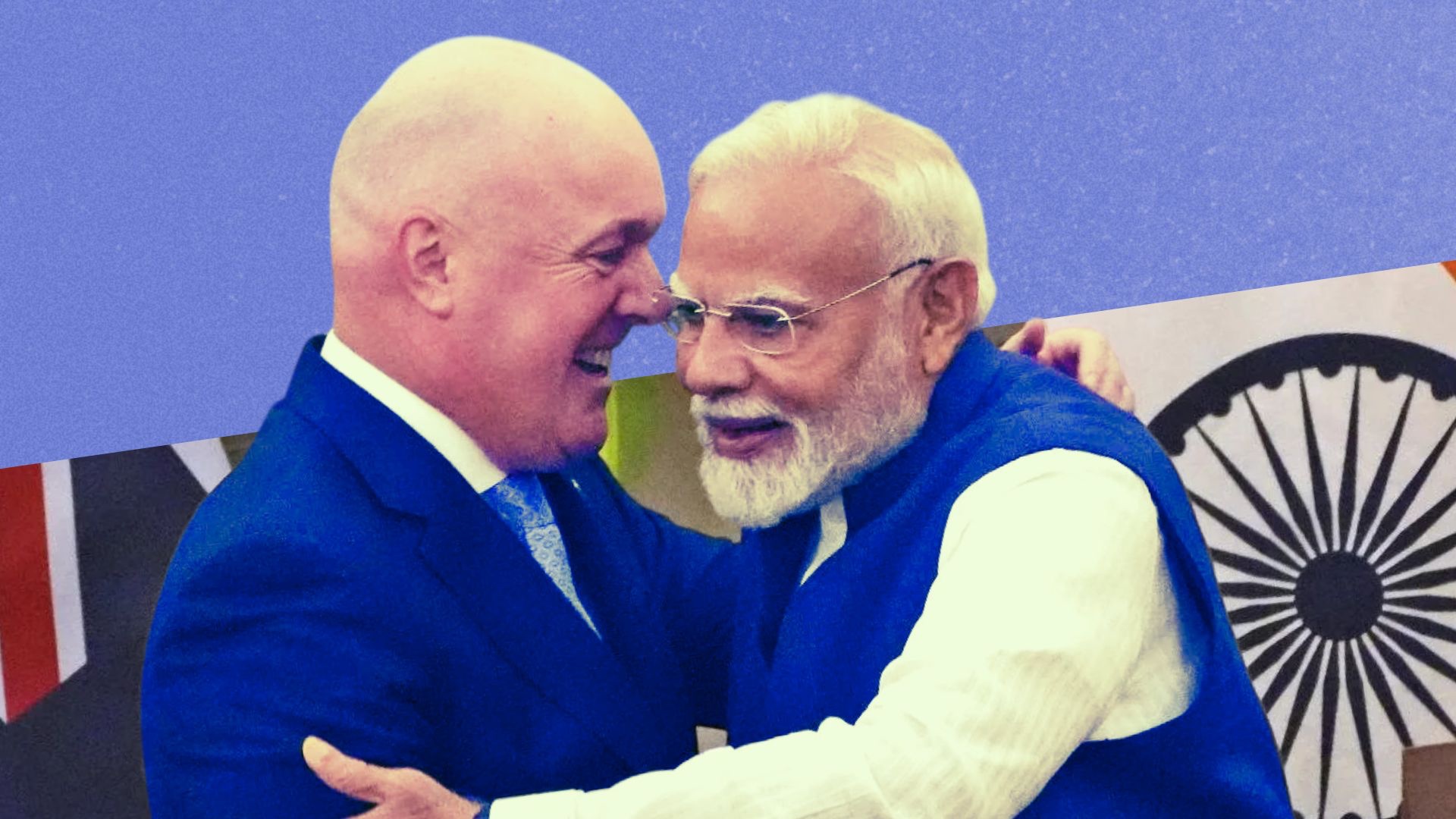
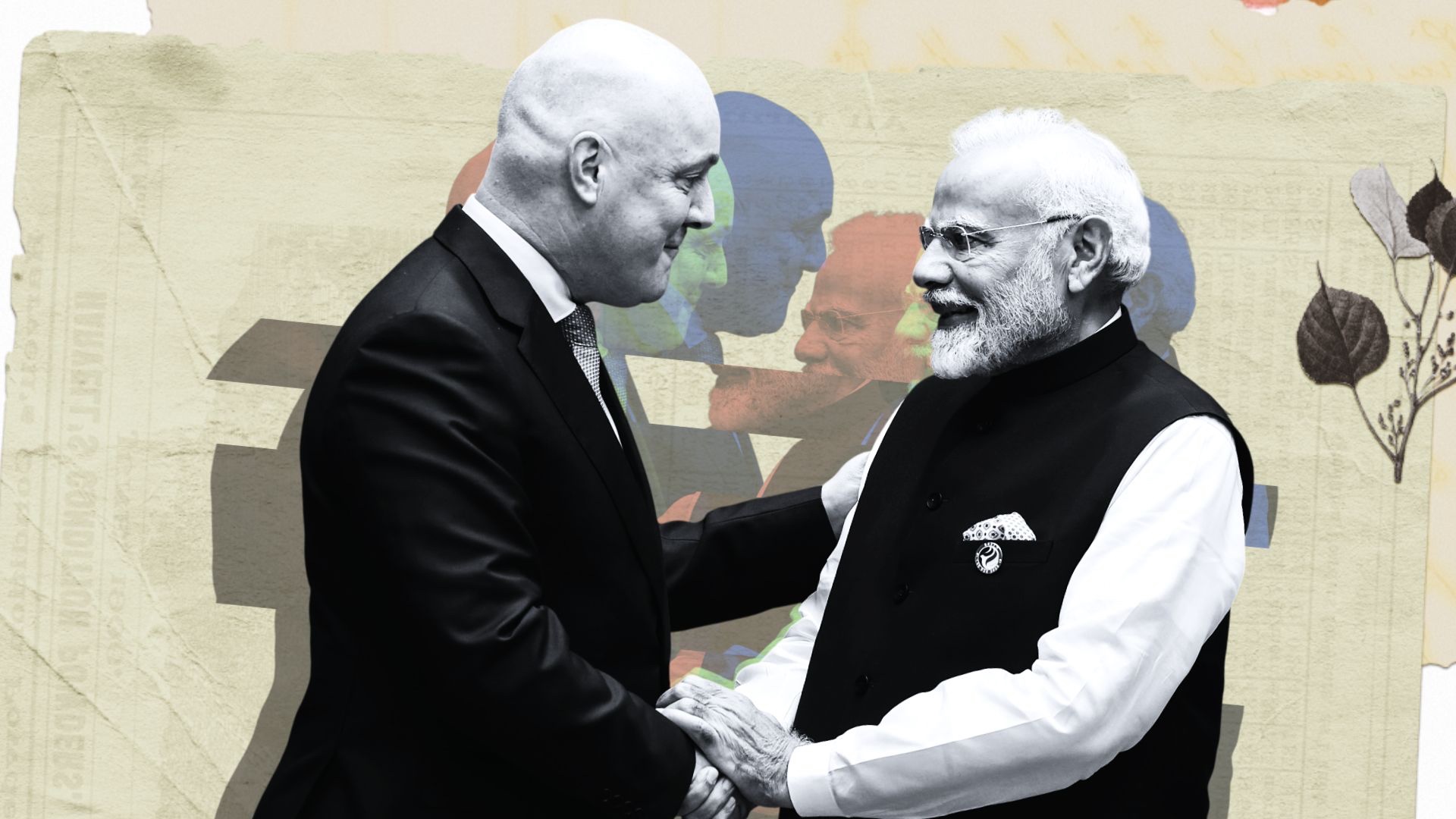
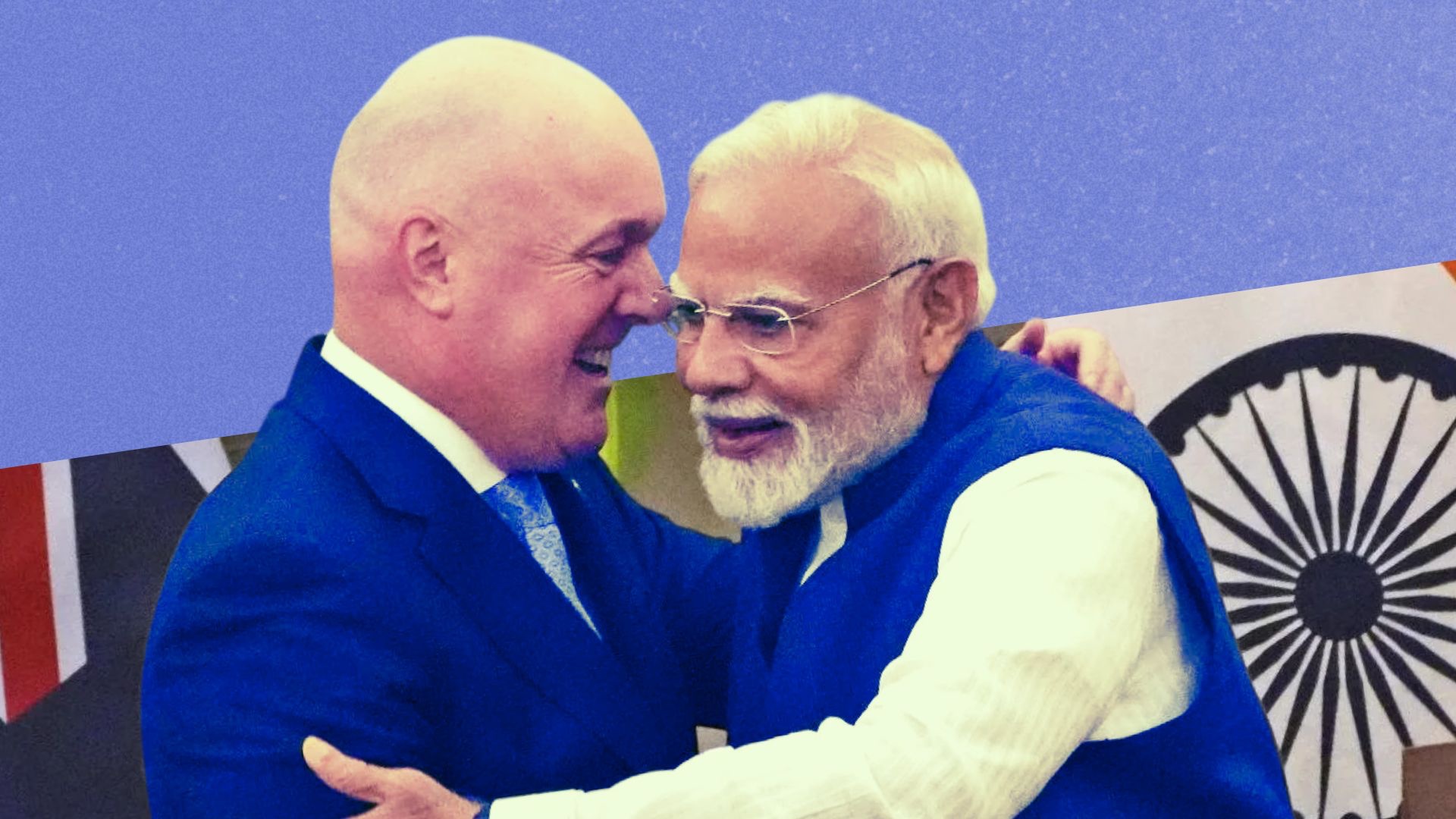
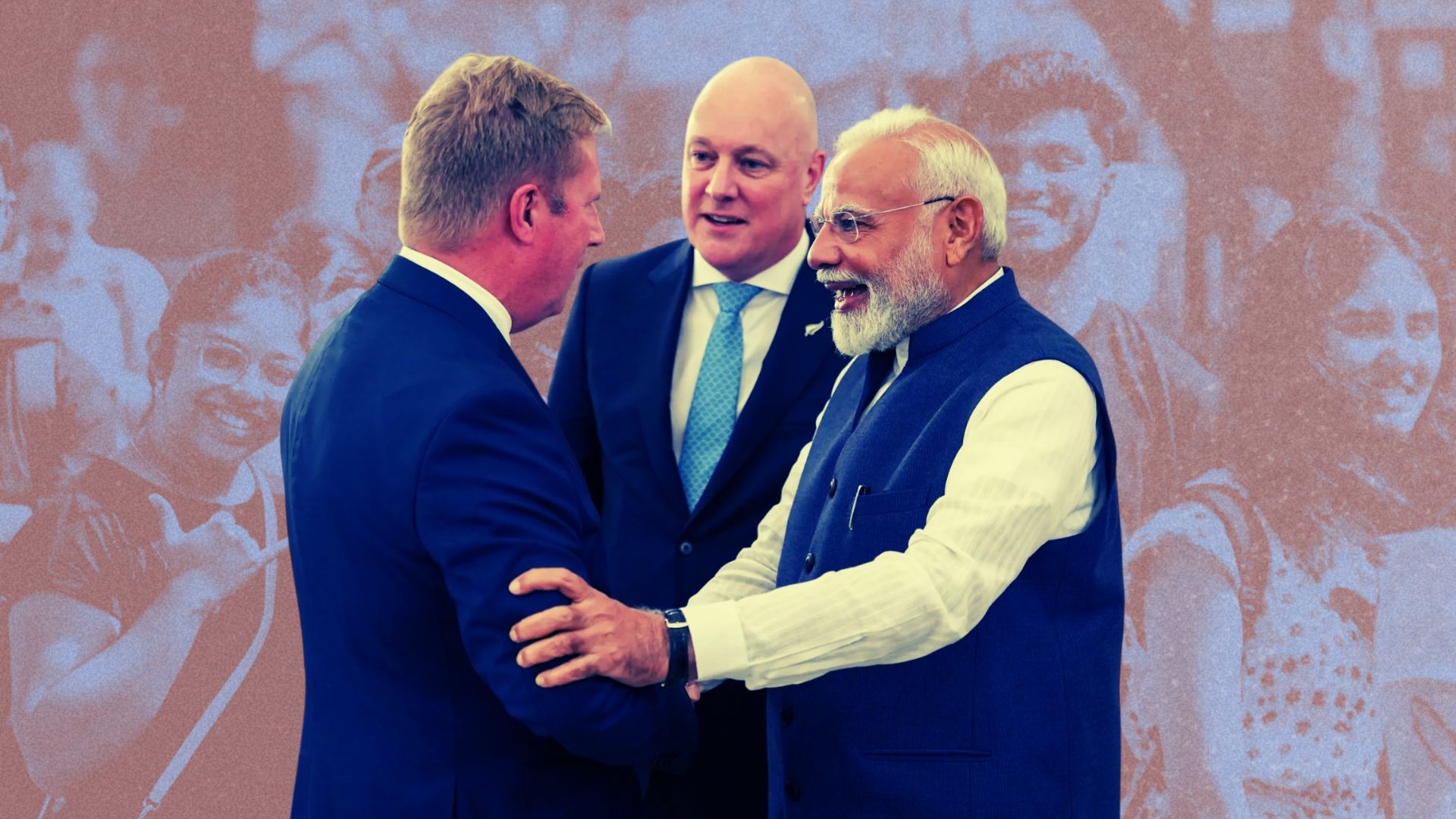
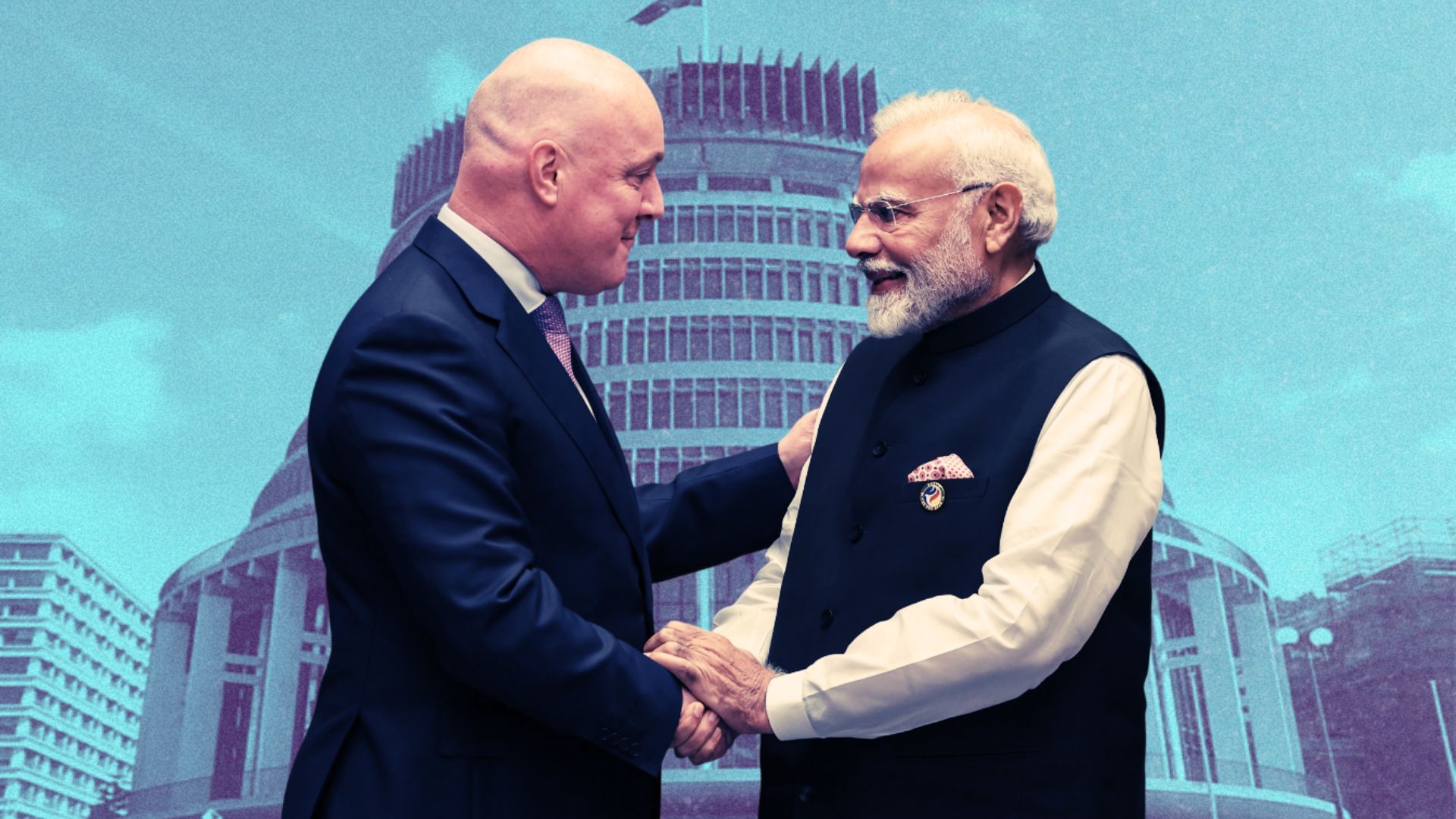
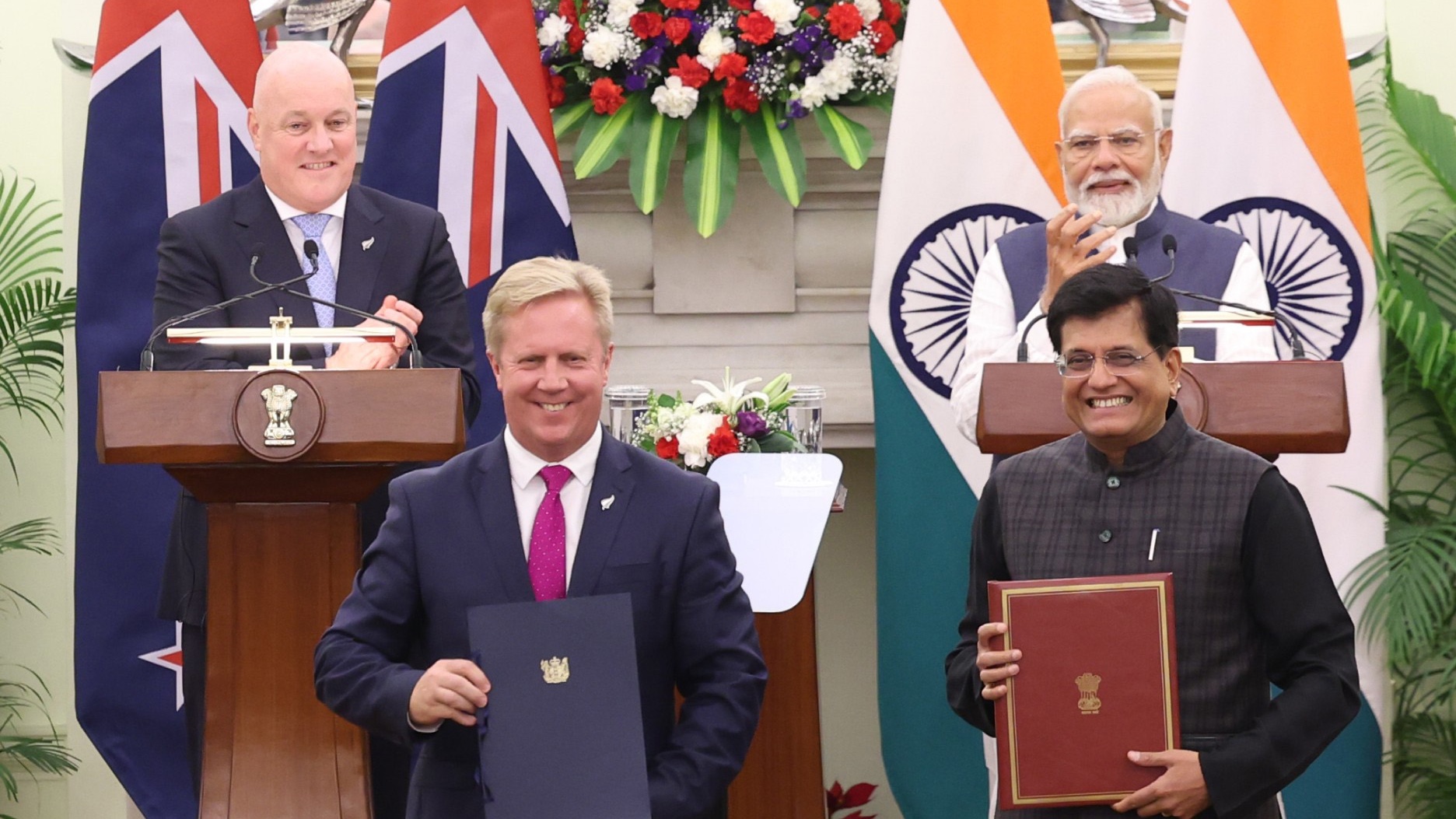
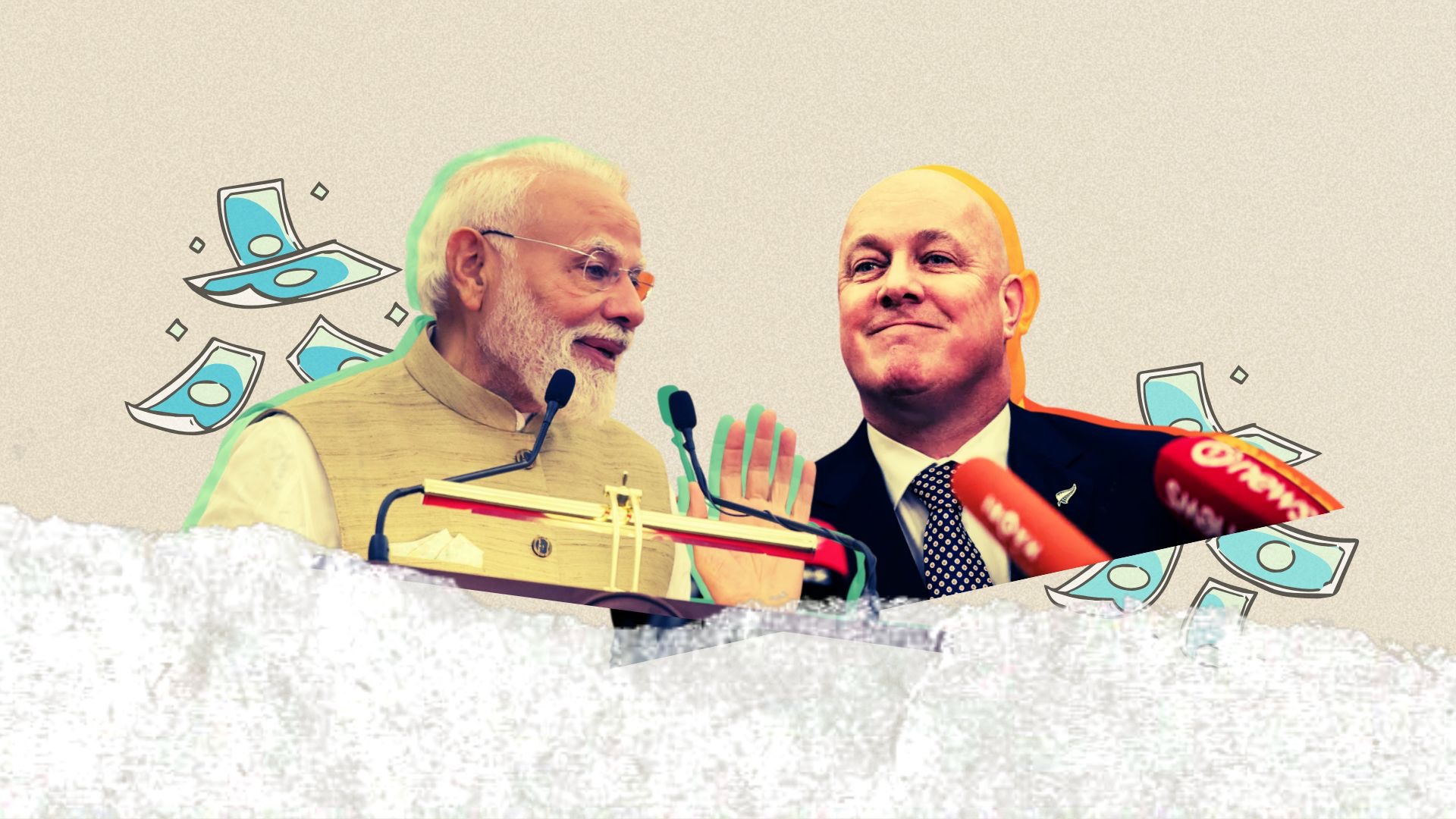
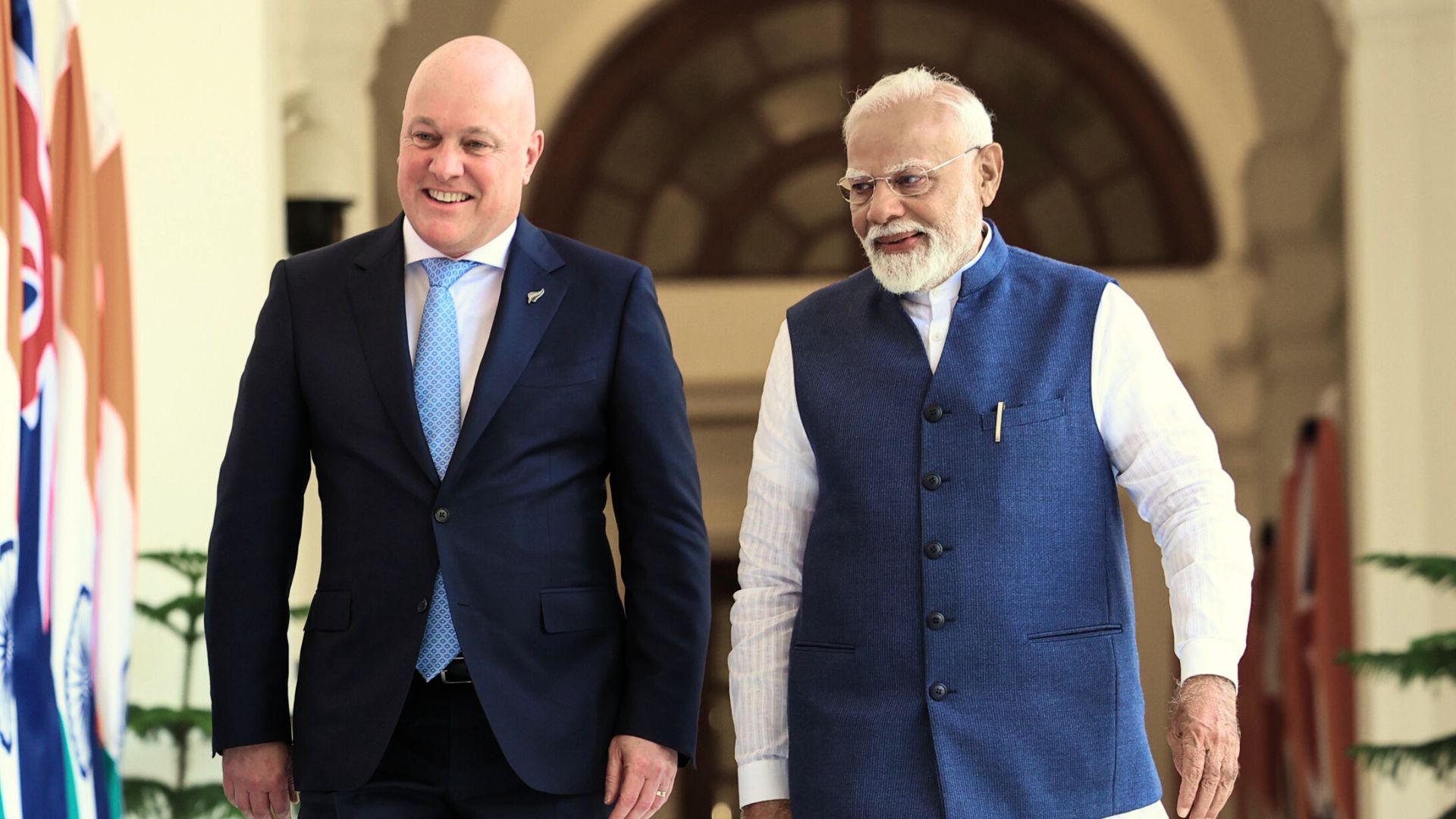
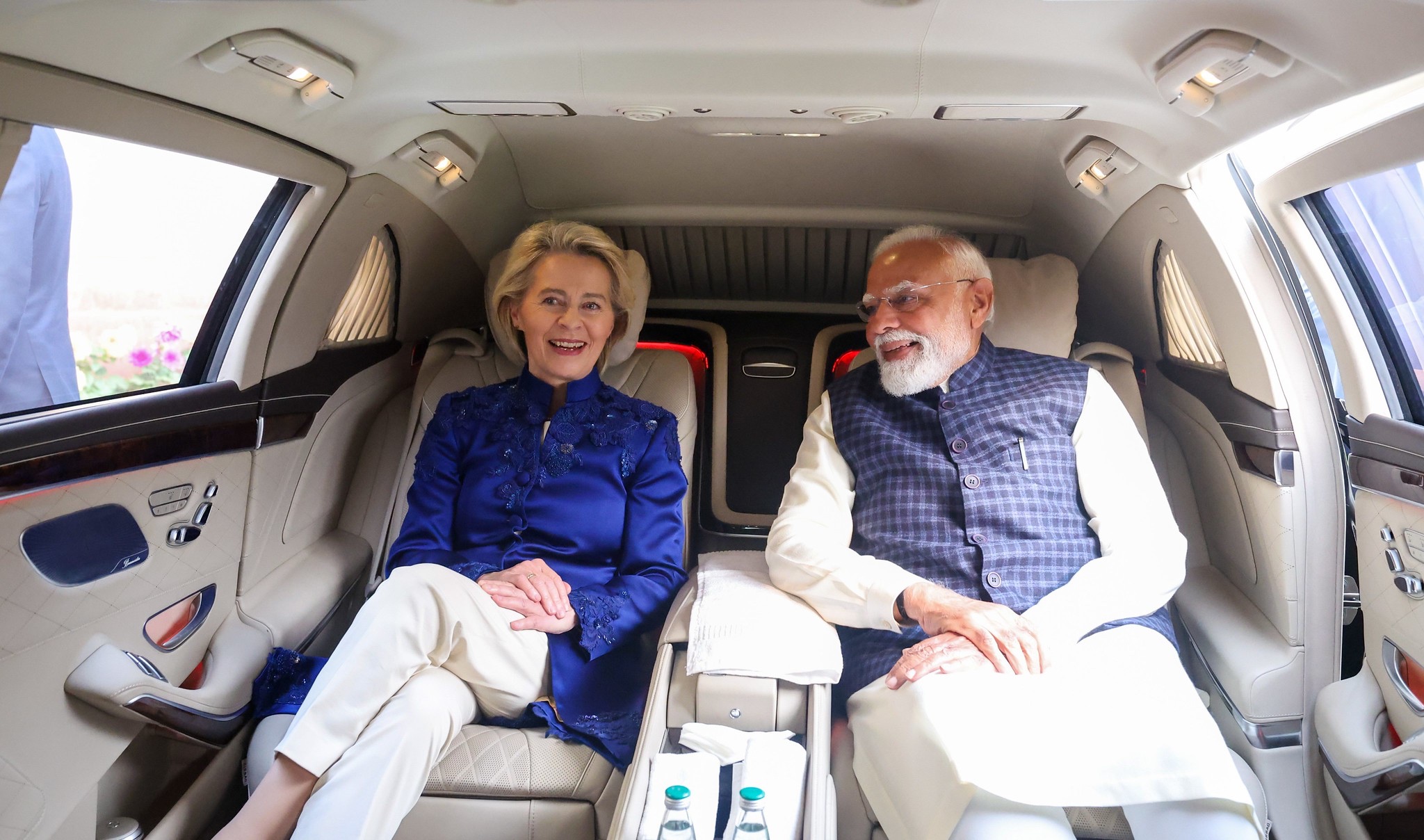
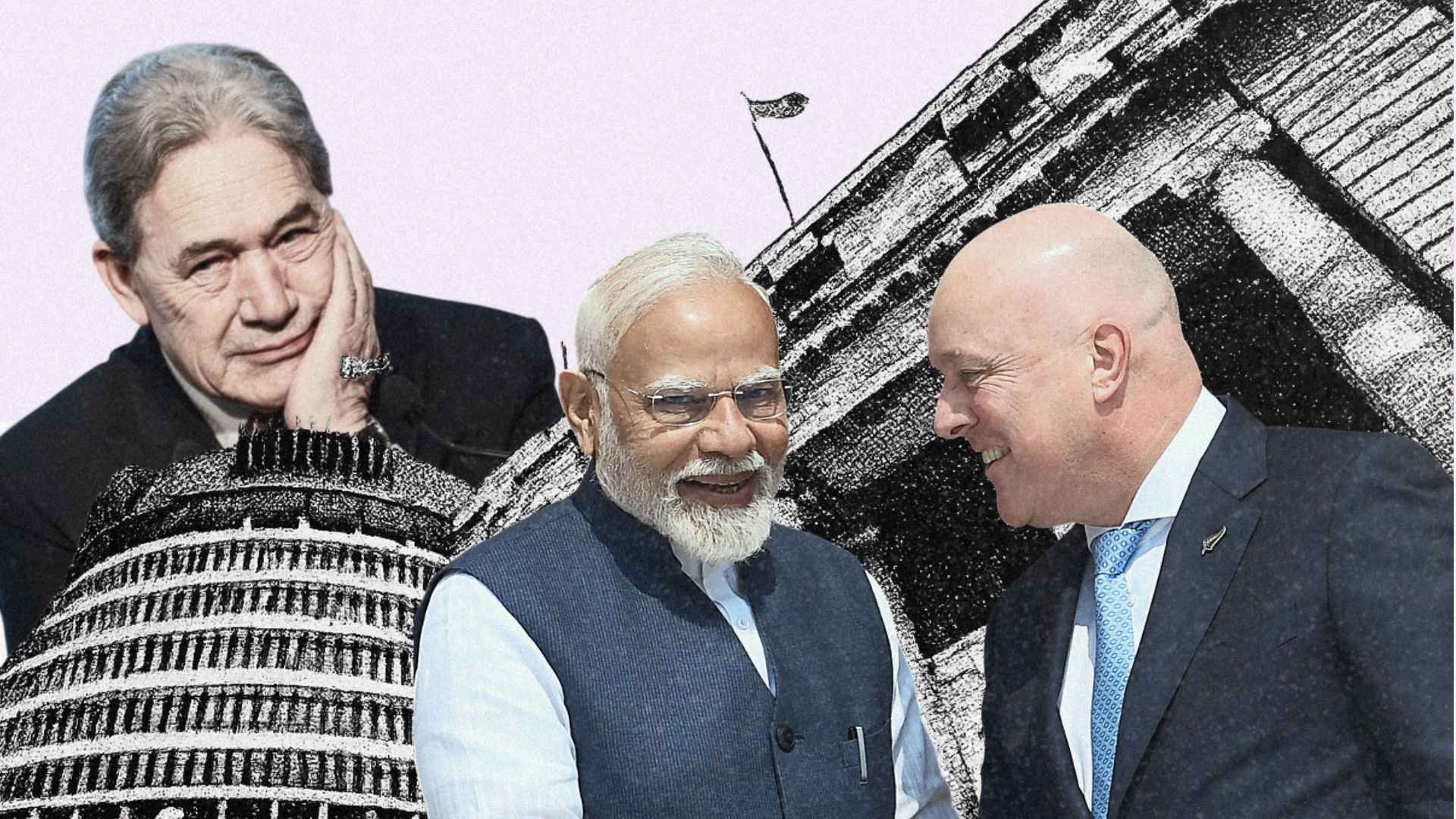
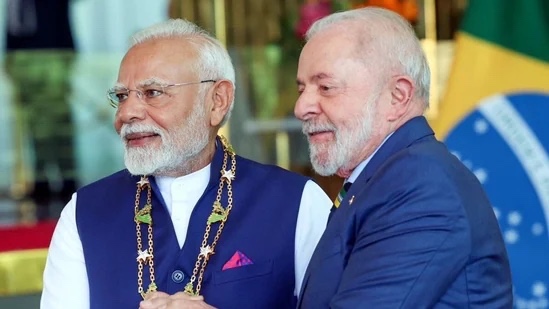
Prime minister Christopher Luxon with Indian counterpart Narendra Modi in Auckland. (Supplied photo)
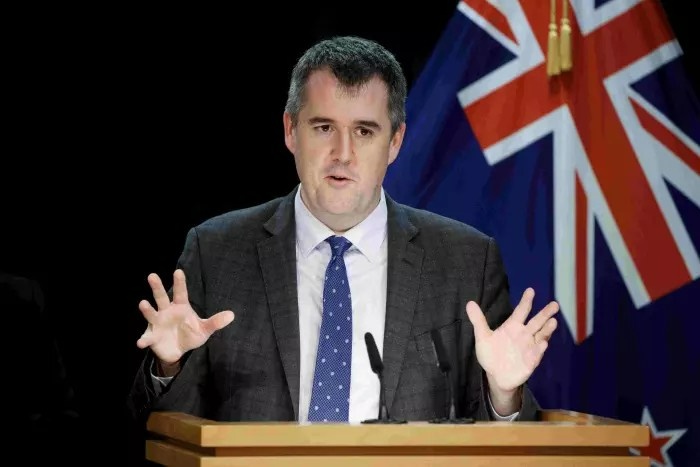
“We expect this high quality agreement to enter into force this year,” says trade minister Todd McClay.
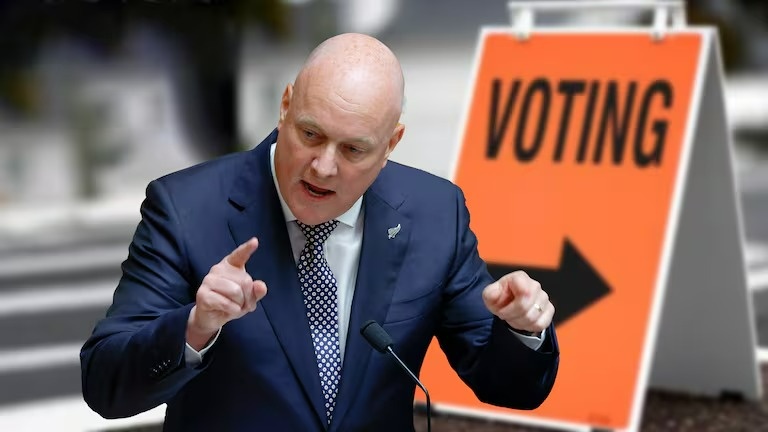
Parliament on Wednesday approved the legislation needed to implement New Zealand’s free trade agreement with India, with MPs backing the bill by 93 votes to 29.
Trade and investment minister Todd McClay said the vote demonstrated strong parliamentary support for the agreement, which the government expects to enter into force before the end of the year.
“The India FTA opens the door for Kiwi exporters to one of the world’s largest and fastest-growing economies,” McClay said.
The agreement is not yet in force. Both New Zealand and India must complete their respective ratification and operational procedures before it can take effect.
India has indicated that could happen within weeks. Indian commerce secretary Rajesh Agrawal said on Tuesday the agreement was expected to become operational in the second half of October.
South Asian diaspora raises over $200,000 for New Zealanders missing in Nepal flood "I'm so proud of the Indian community here who...supported us, saying it is not a Nepal problem but our problem."
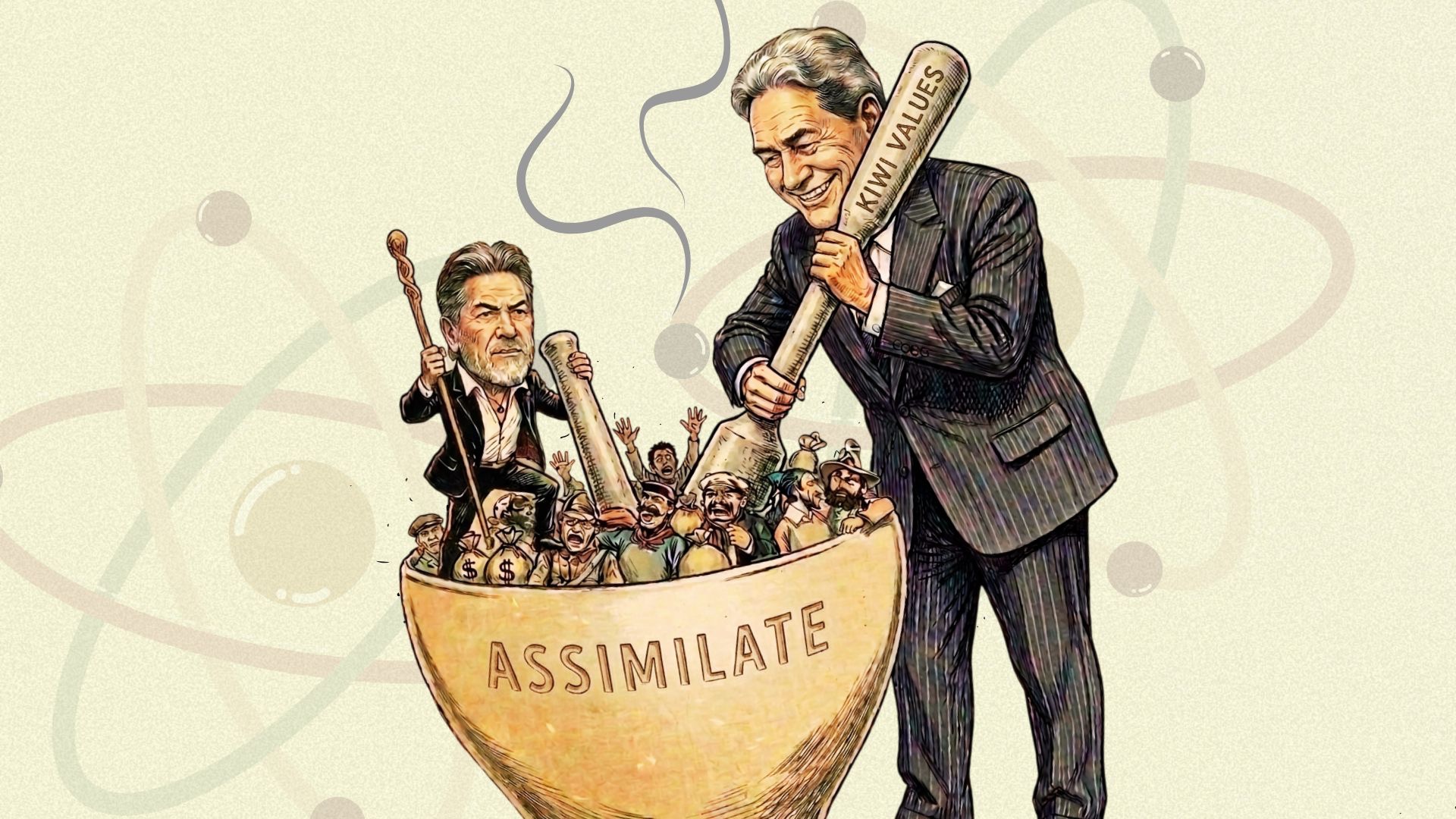
Tamakis launch Indian-origin candidate for Epsom who surrendered passport and has ‘assimilated’ “I know a whole lot of people are going to be like shocked,” says Hannah Tamaki.
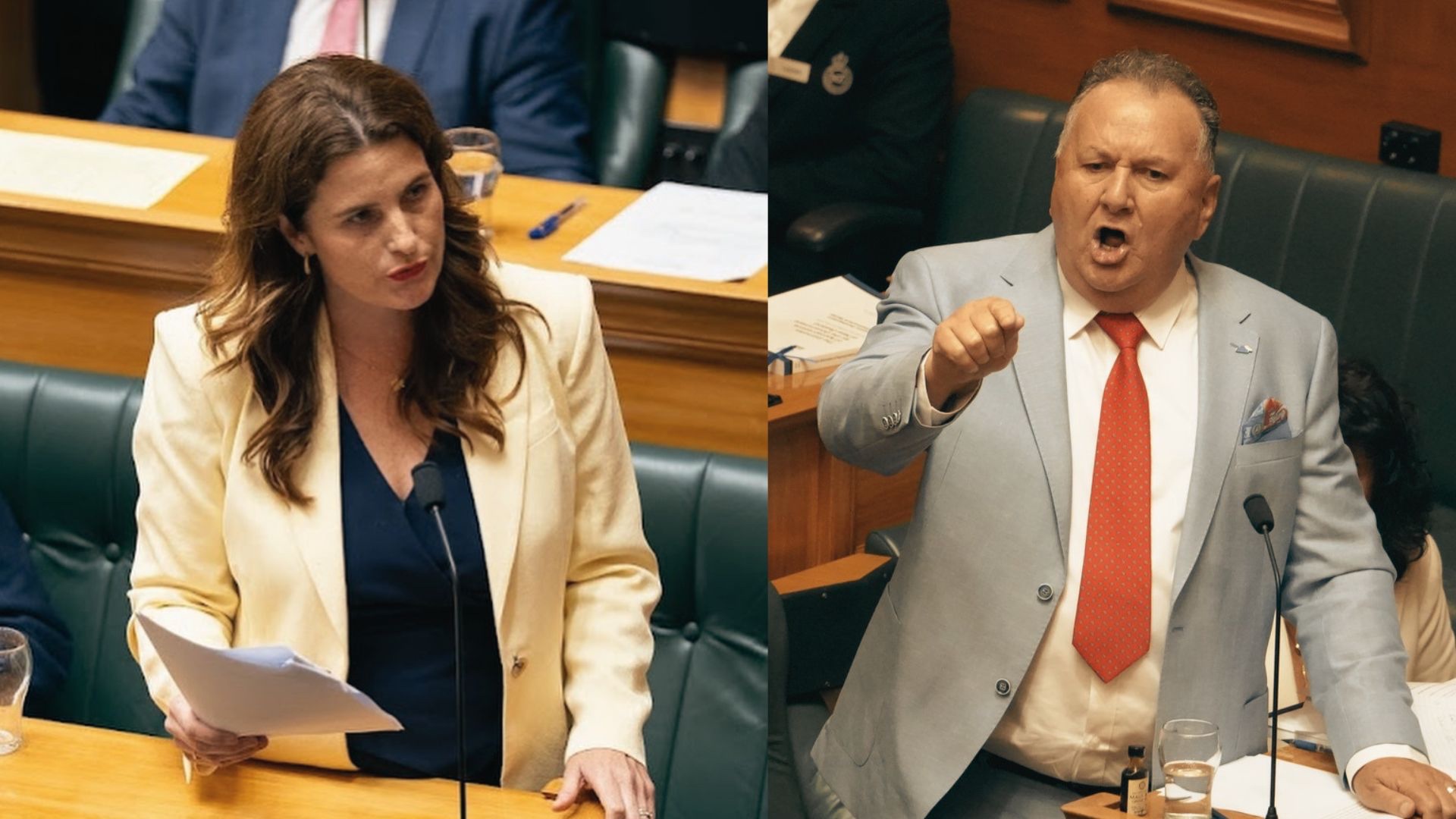
Priyanca Radhakrishnan tries to puncture Luxon’s FTA victory, says India was already sold “Things have changed quite dramatically on the Indian government side,” says the Indian-origin Labour MP.
“We are expecting that the agreement will get operationalised in the latter half of October 2026. The exact date for the same will be announced soon ... because both sides have to completely take stock of the operationalisation processes and procedures,” Agrawal said.
An Indian official separately told news agency PTI that the agreement could come into force from October 19.
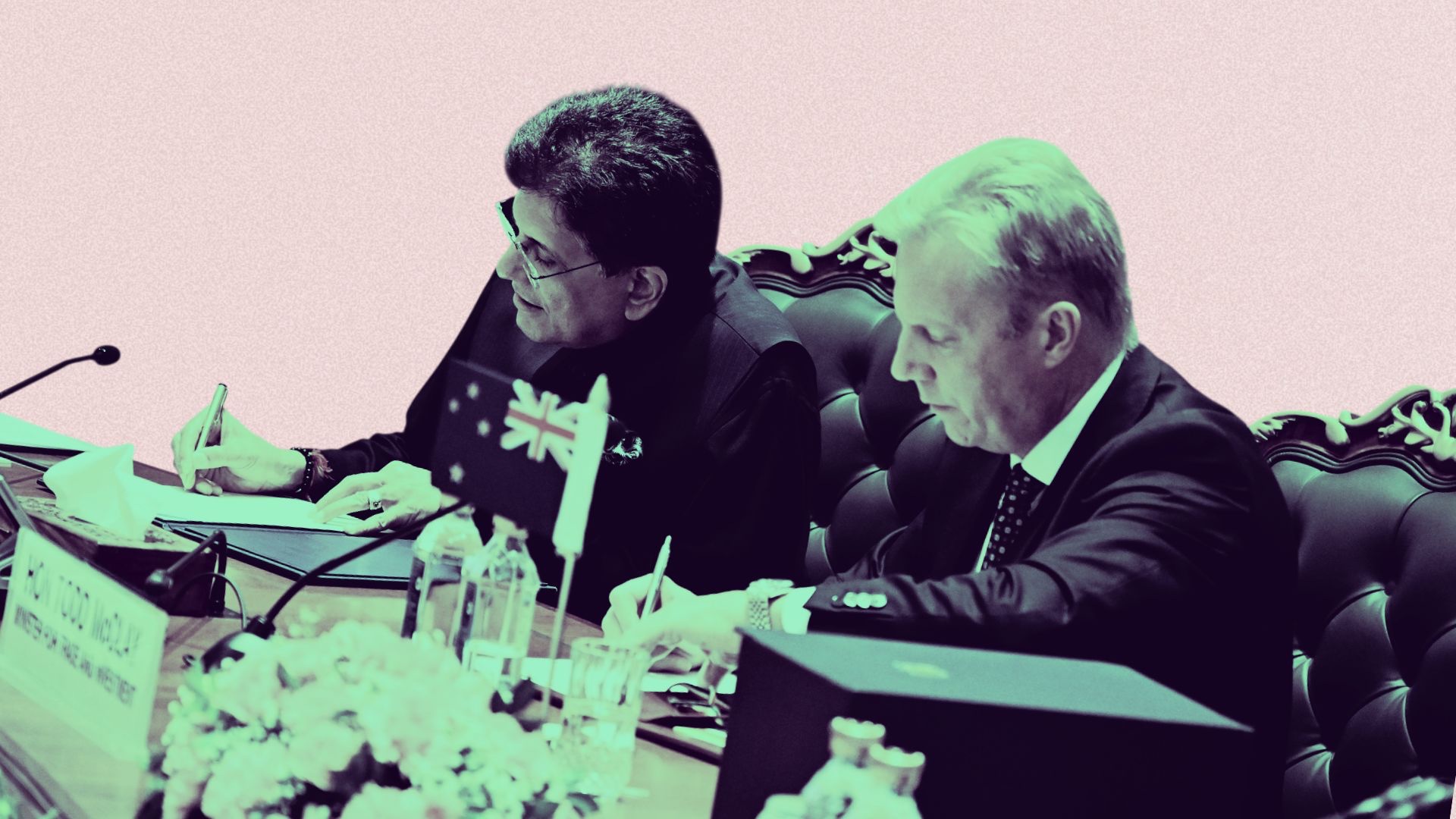
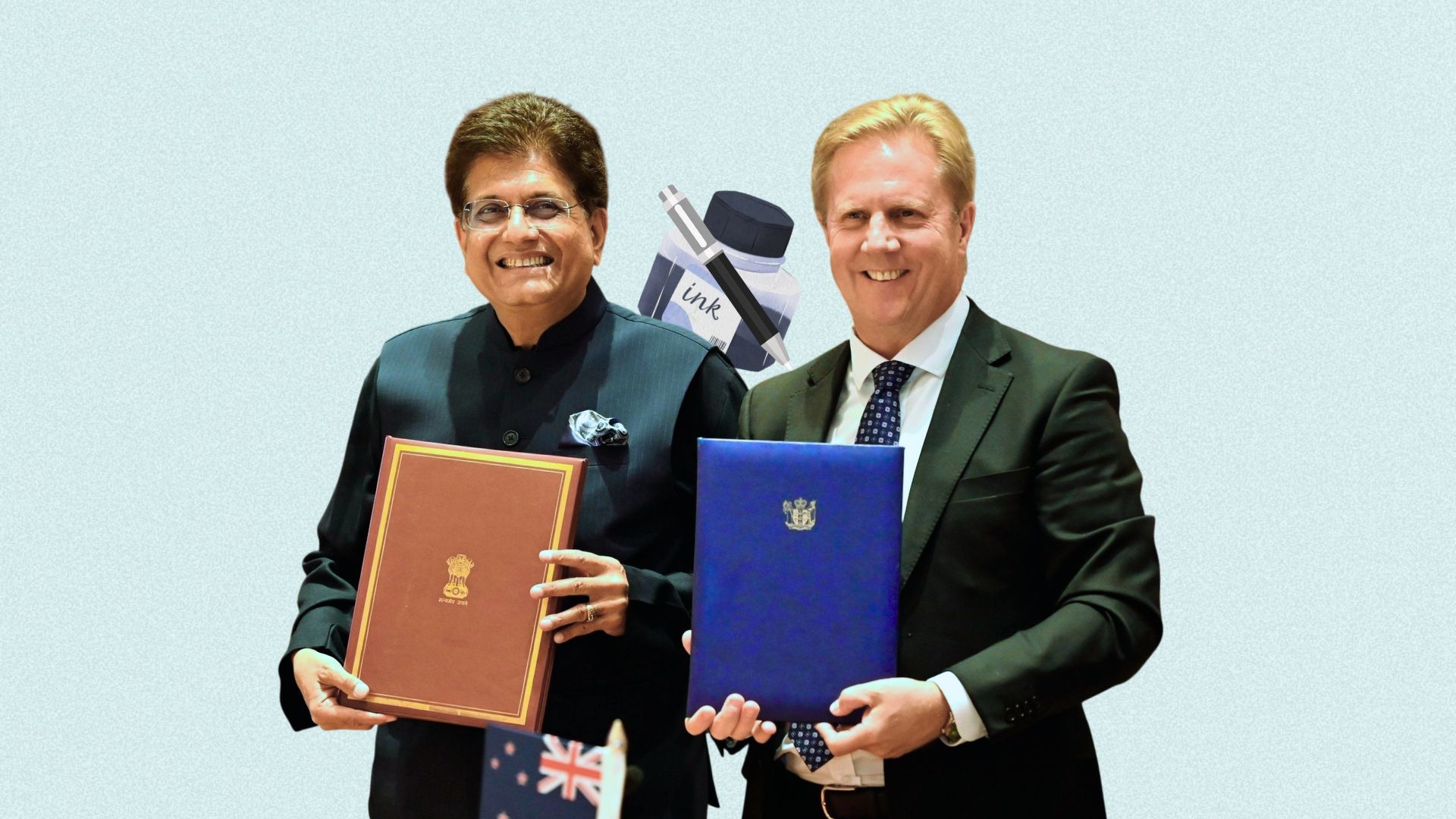
The India Free Trade Agreement Legislation Amendment Bill makes changes to New Zealand law needed to implement the deal, which was signed in New Delhi on April 27 after about nine months of negotiations.
The 93-29 vote also reflected broad parliamentary support for a trade agreement that has become politically contentious, particularly over its migration provisions.
National, Labour and ACT supported the legislation; while the Greens, New Zealand First and Te Pāti Māori voted against it.
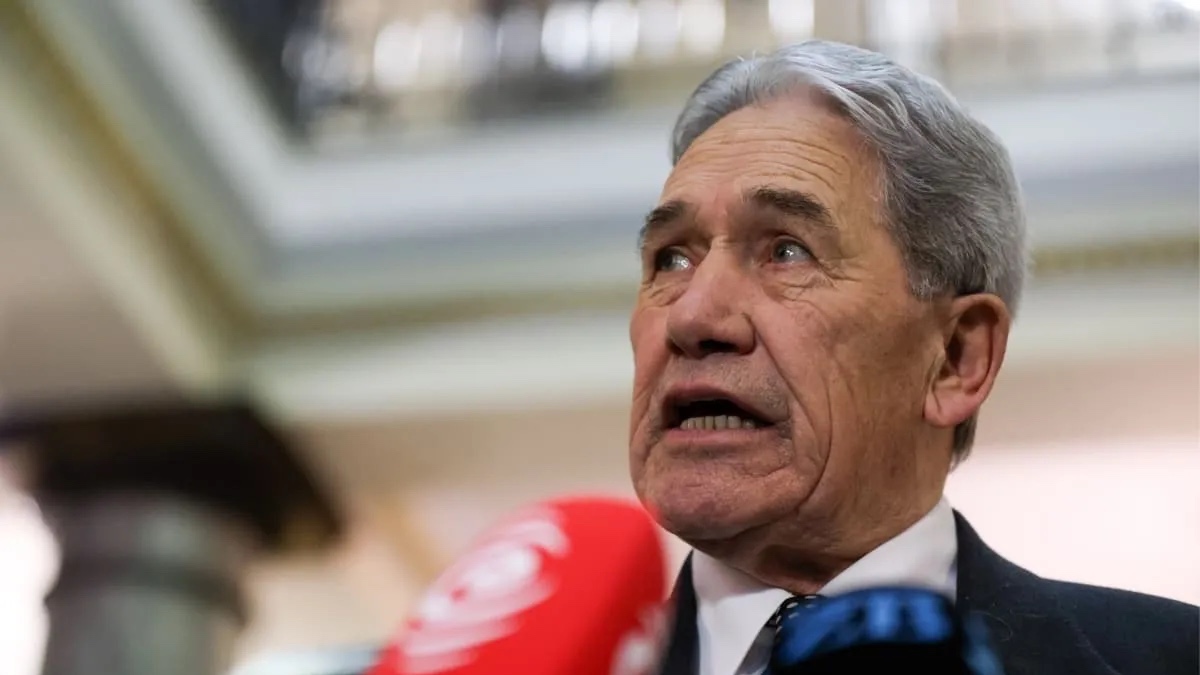
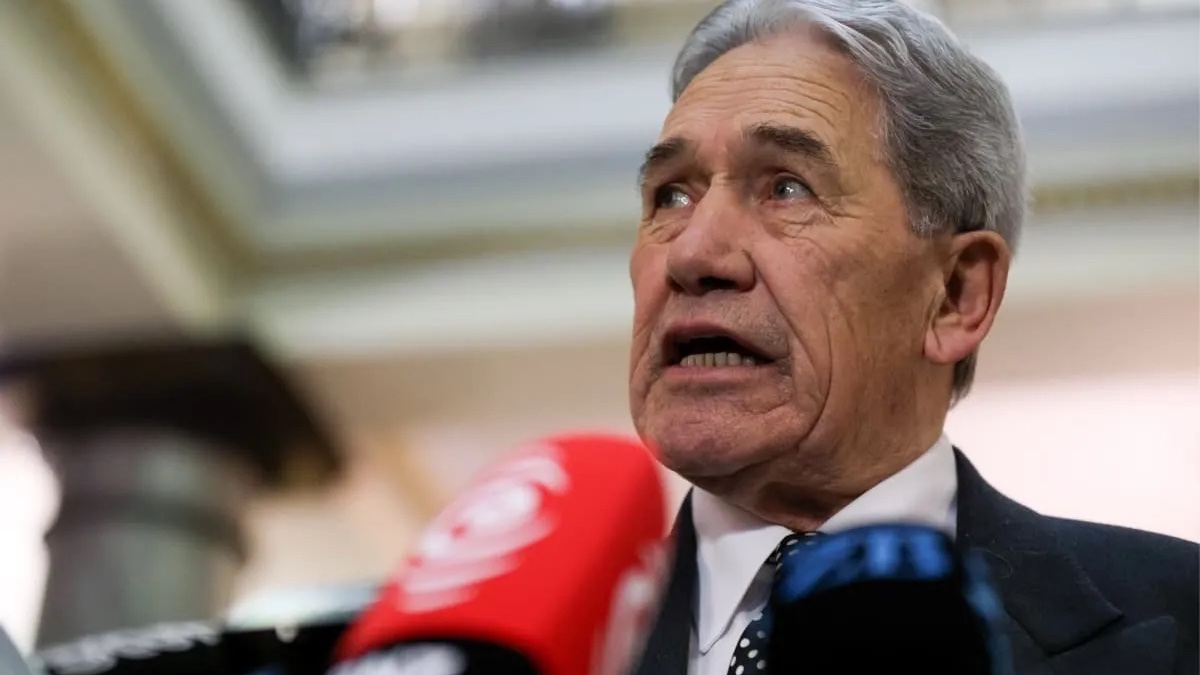
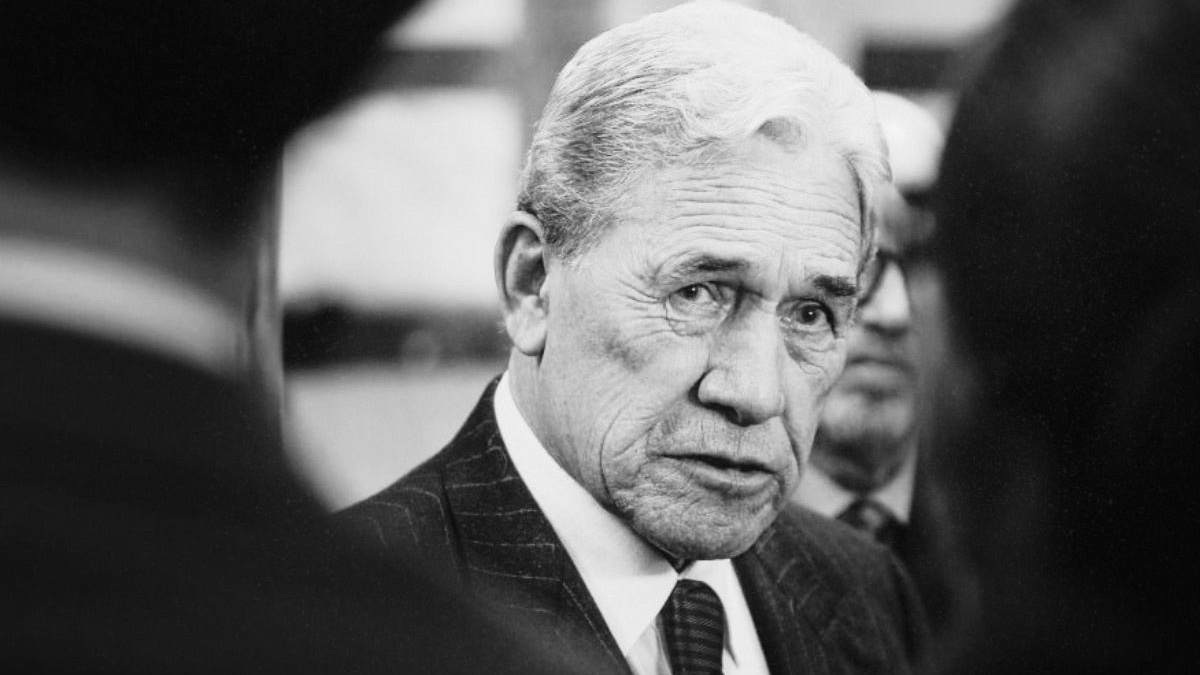
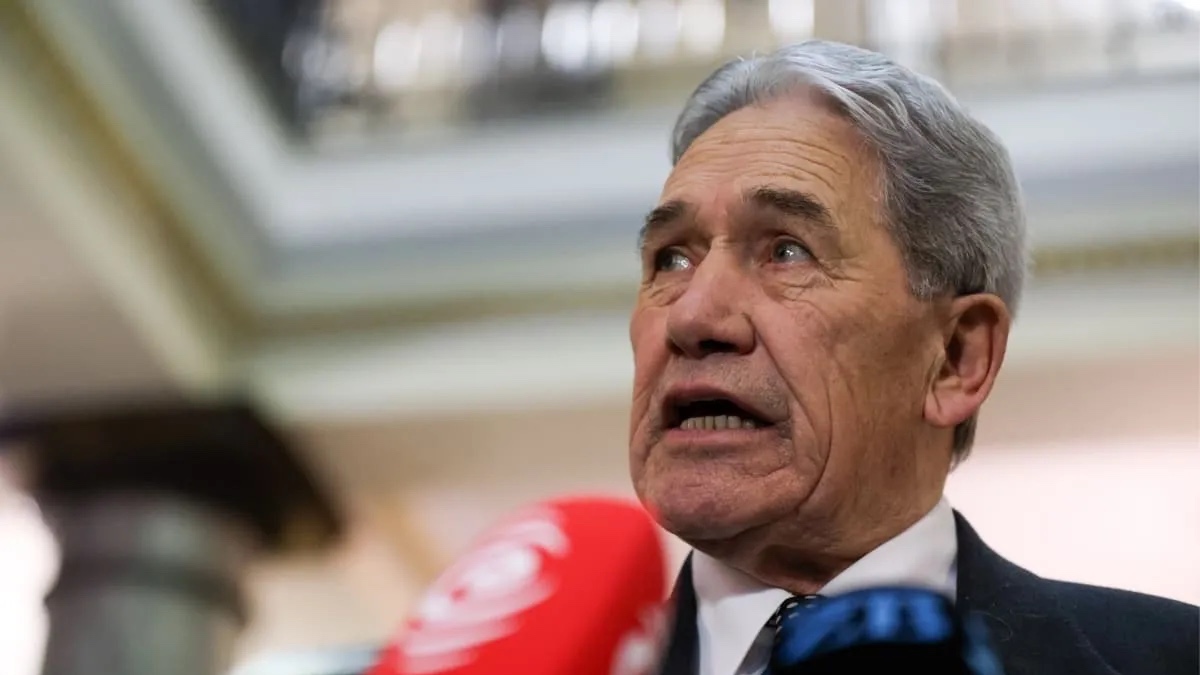
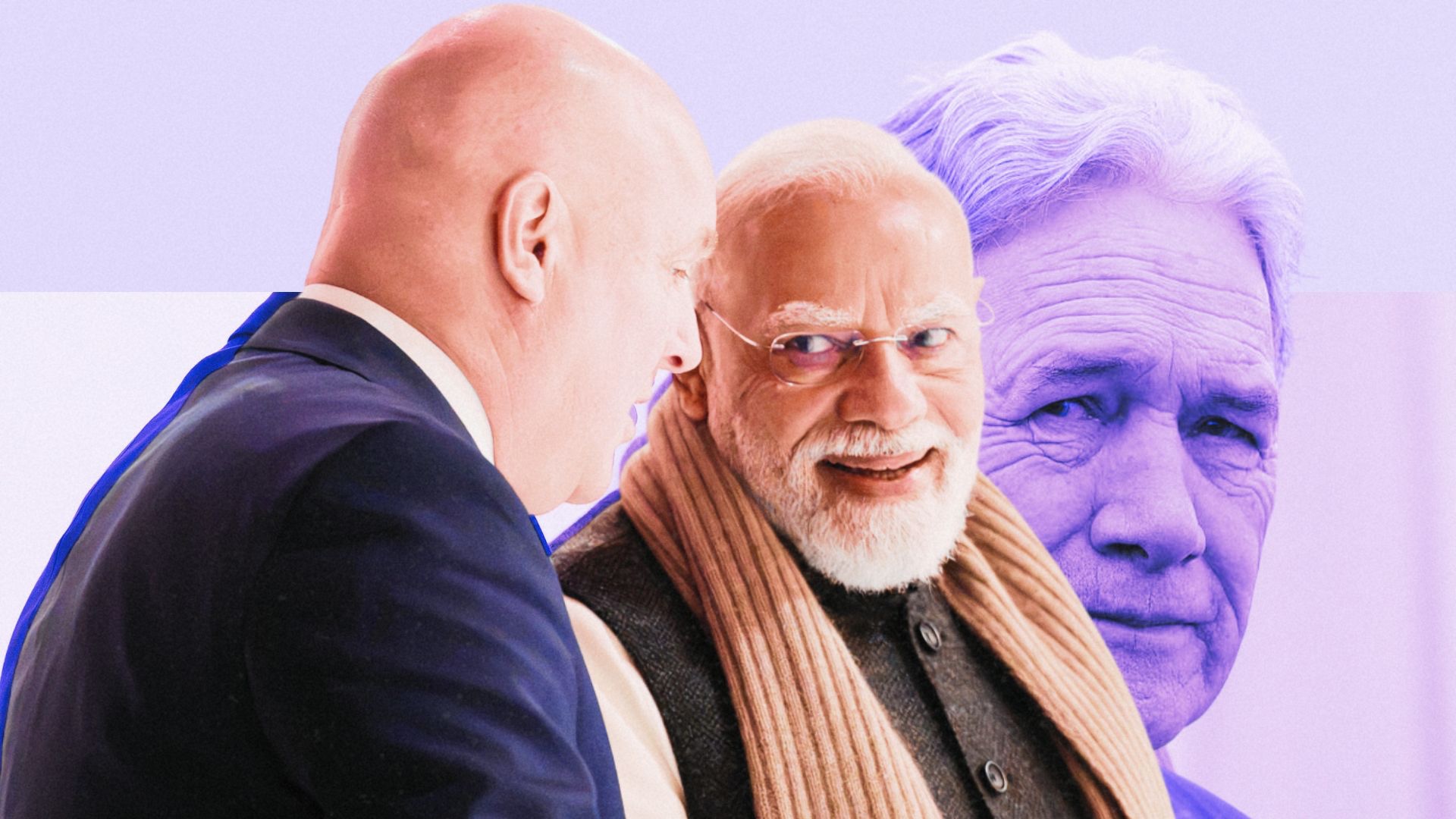
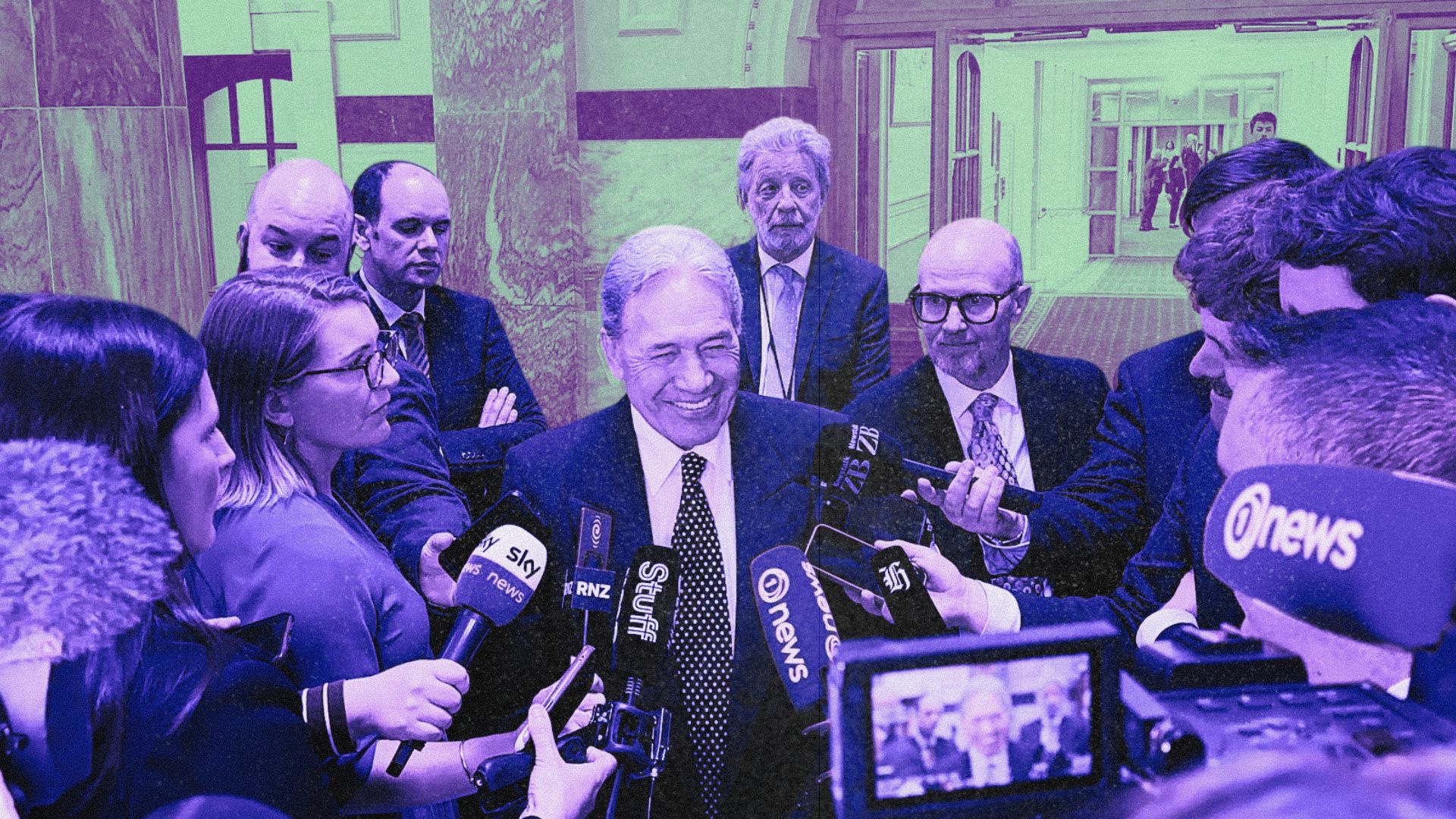
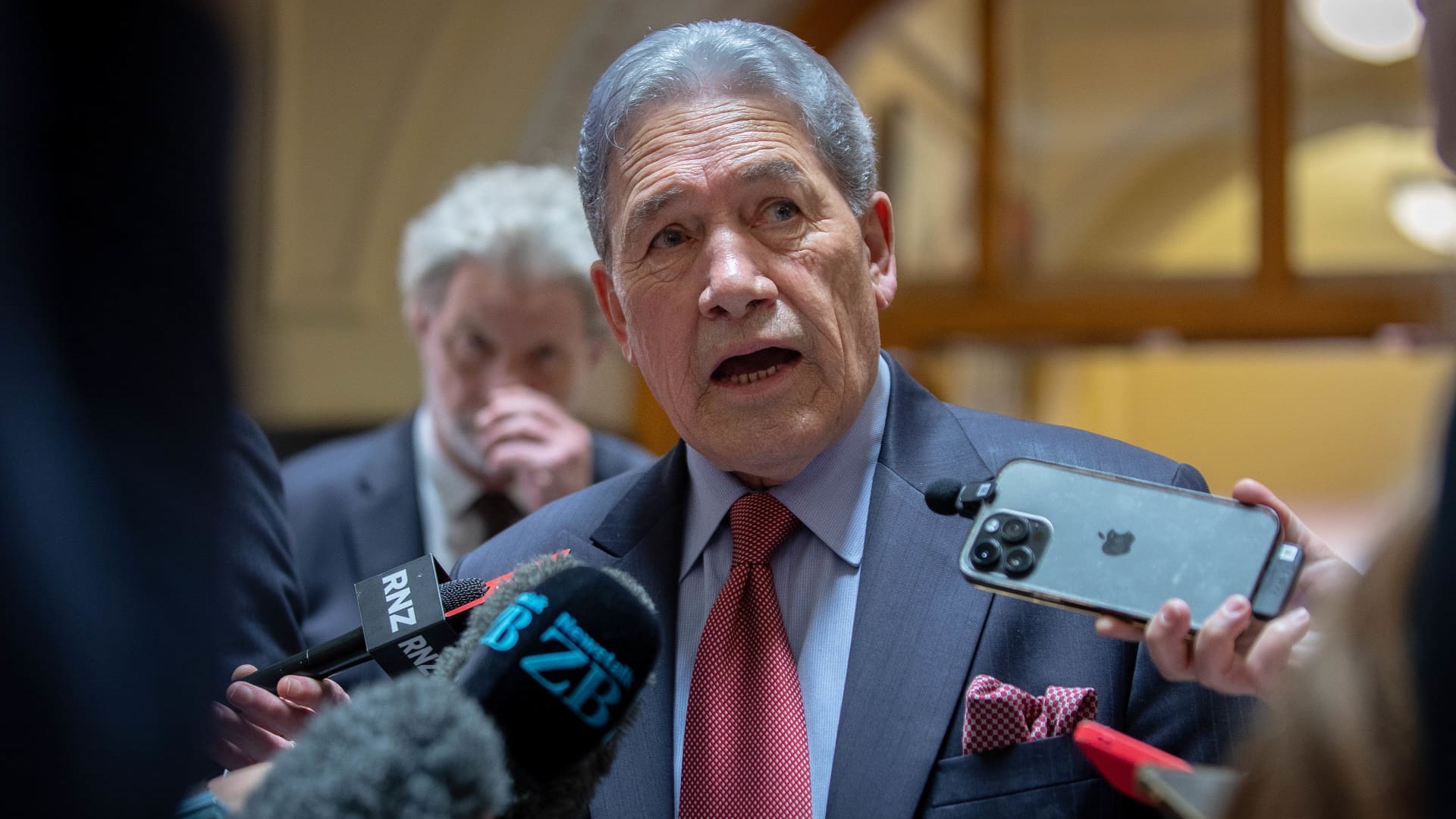
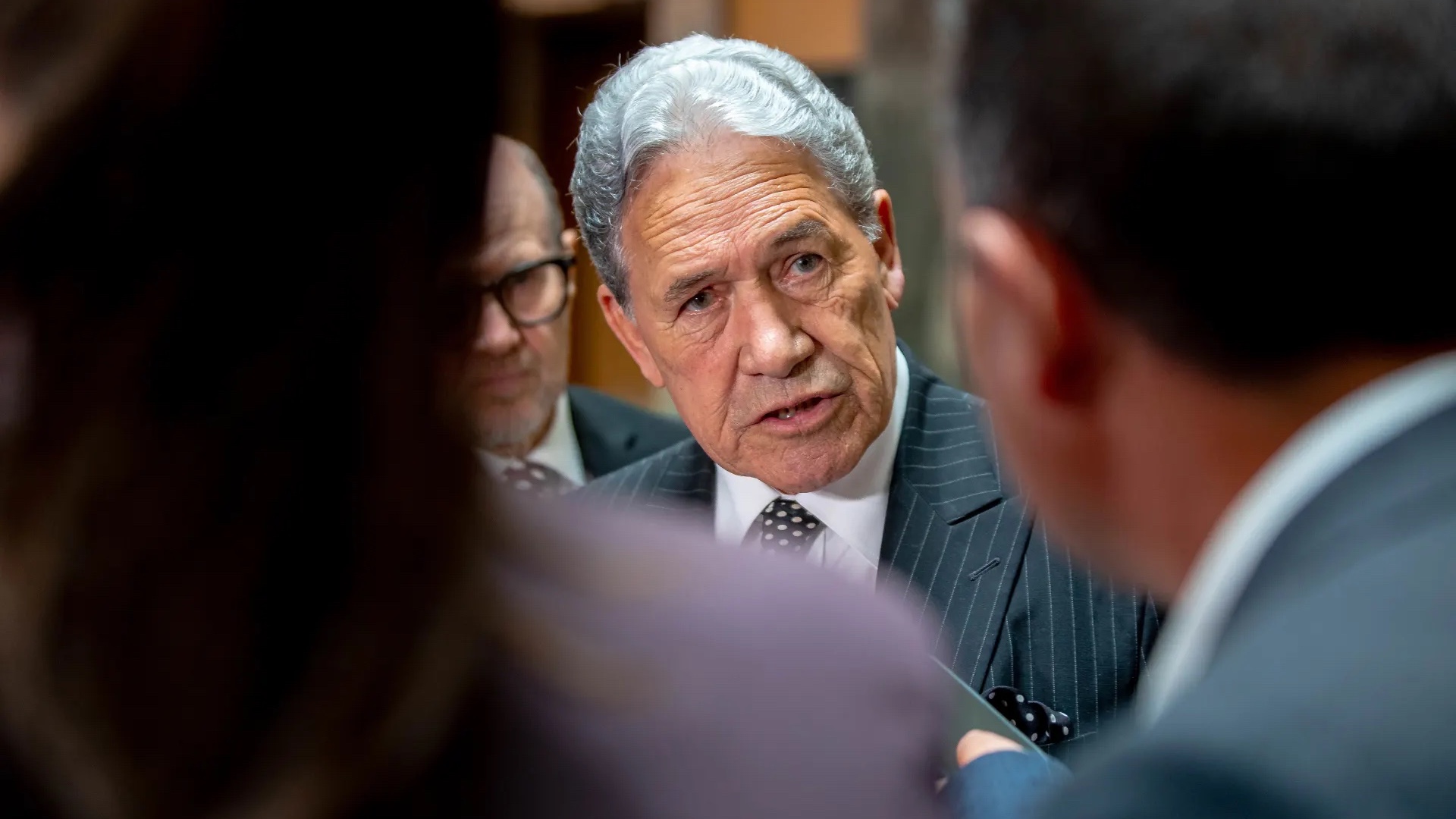
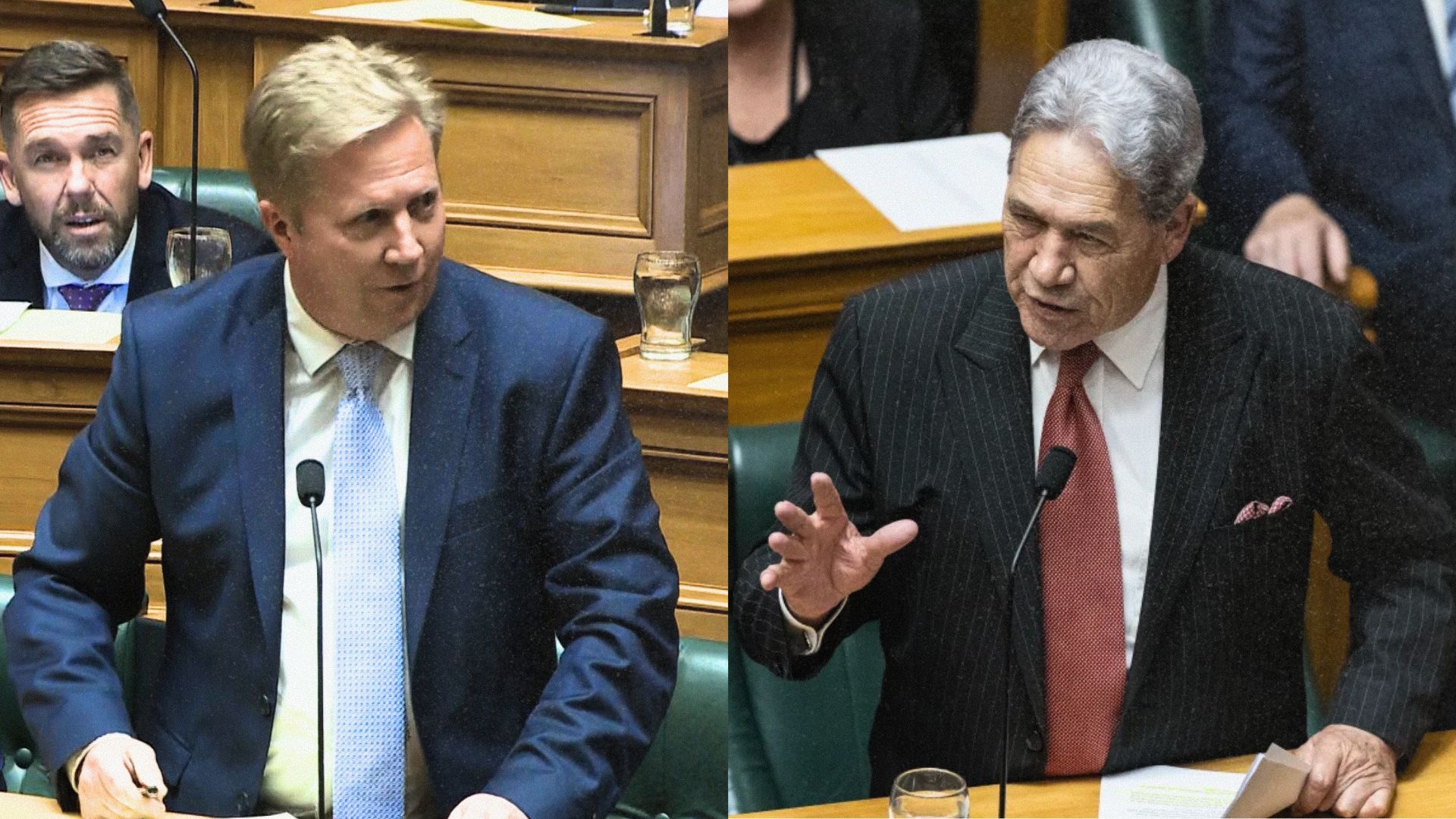
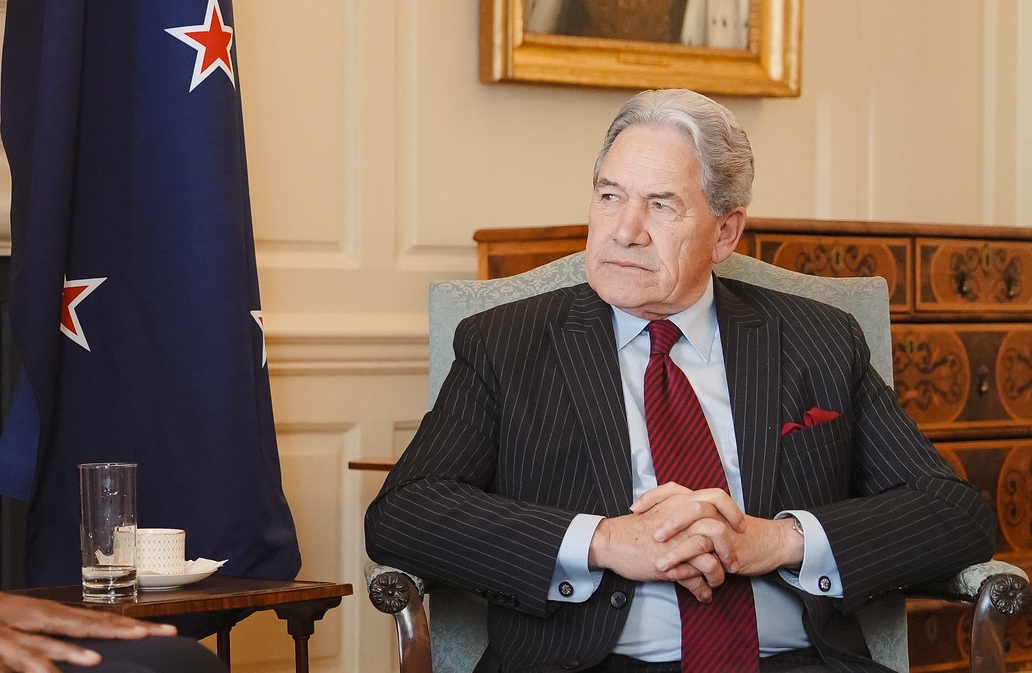
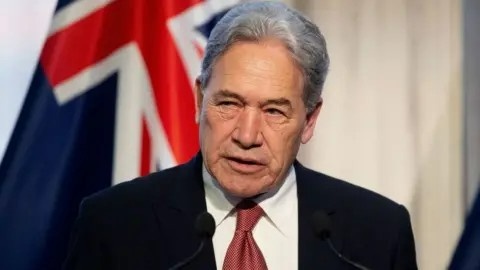
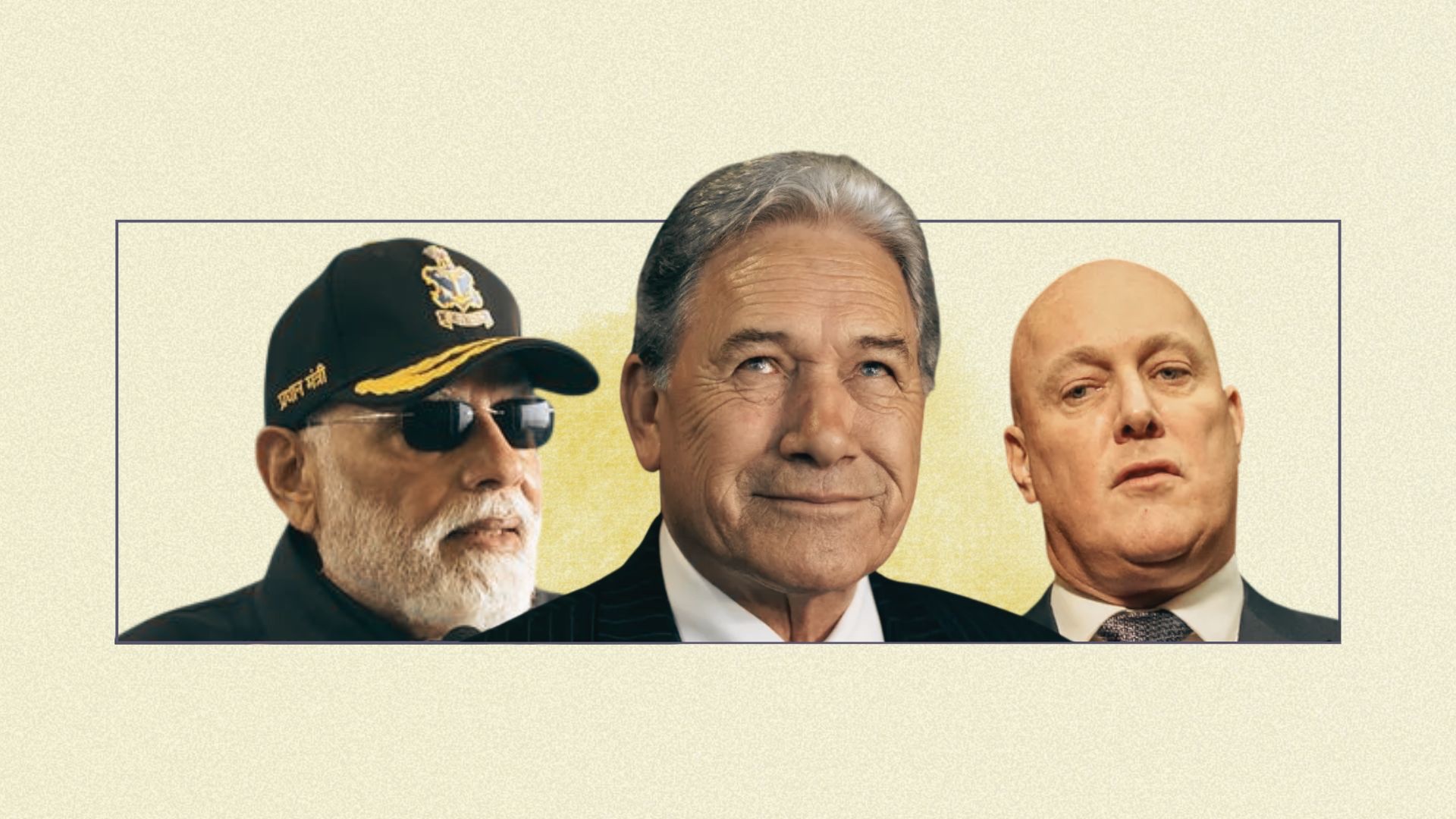
New Zealand First leader Winston Peters.
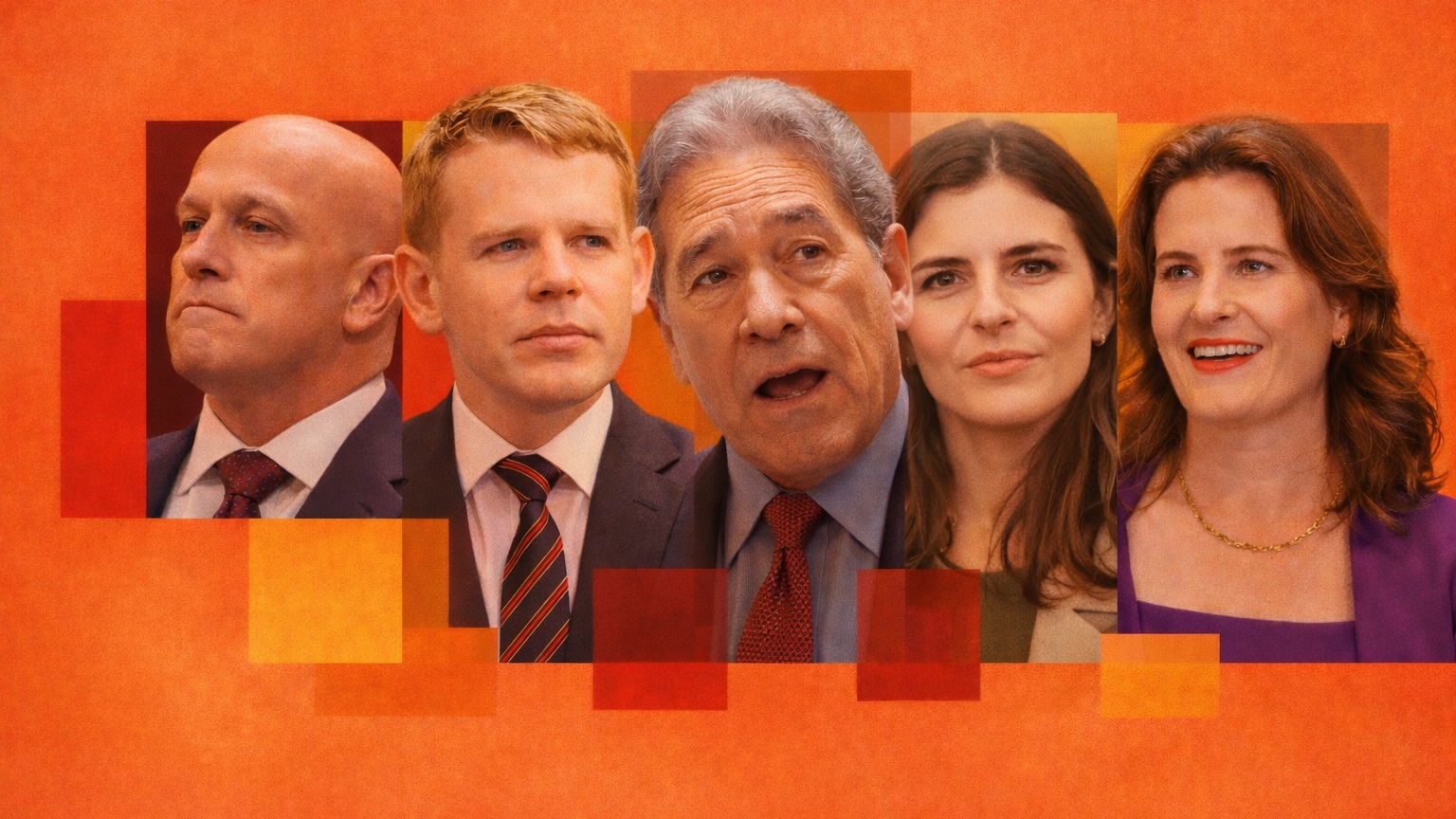
New Zealand First has been the most vocal opponent of the agreement, with leader Winston Peters arguing that migration provisions should not have been included in a trade deal.
The argument has centred particularly on temporary entry for workers and provisions affecting Indian students. But a parliamentary select committee examining the agreement concluded the migration commitments were “relatively narrow” and that future governments retained considerable freedom to change wider immigration settings.
The agreement includes a dedicated pathway for up to 1,670 skilled Indian workers a year in specified occupations, while also confirming post-study work opportunities for qualifying Indian graduates.
The student provisions do not remove existing limits because New Zealand already does not impose a numerical cap on Indian student visas.
India has also pushed back against attempts to characterise the temporary-entry provisions as immigration concessions, arguing they are intended to allow Indian businesses and professionals to make use of services access negotiated under the trade deal.
During Indian prime minister Narendra Modi’s visit to New Zealand in July, a senior Indian official said mobility of skilled workers and immigration were “two different issues altogether”.
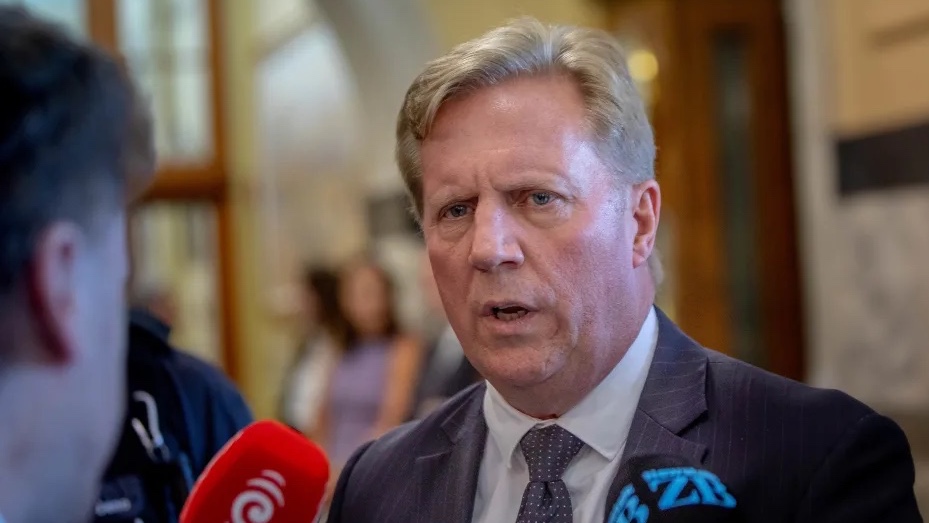
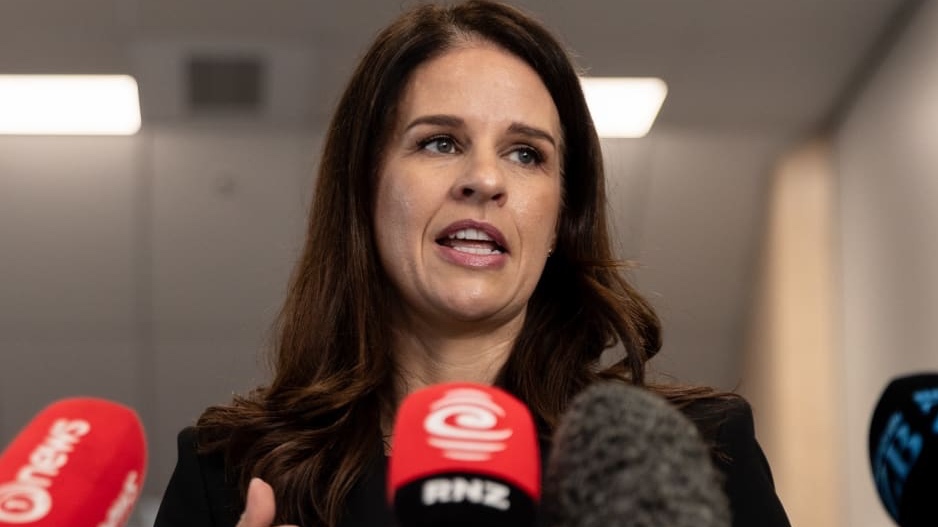
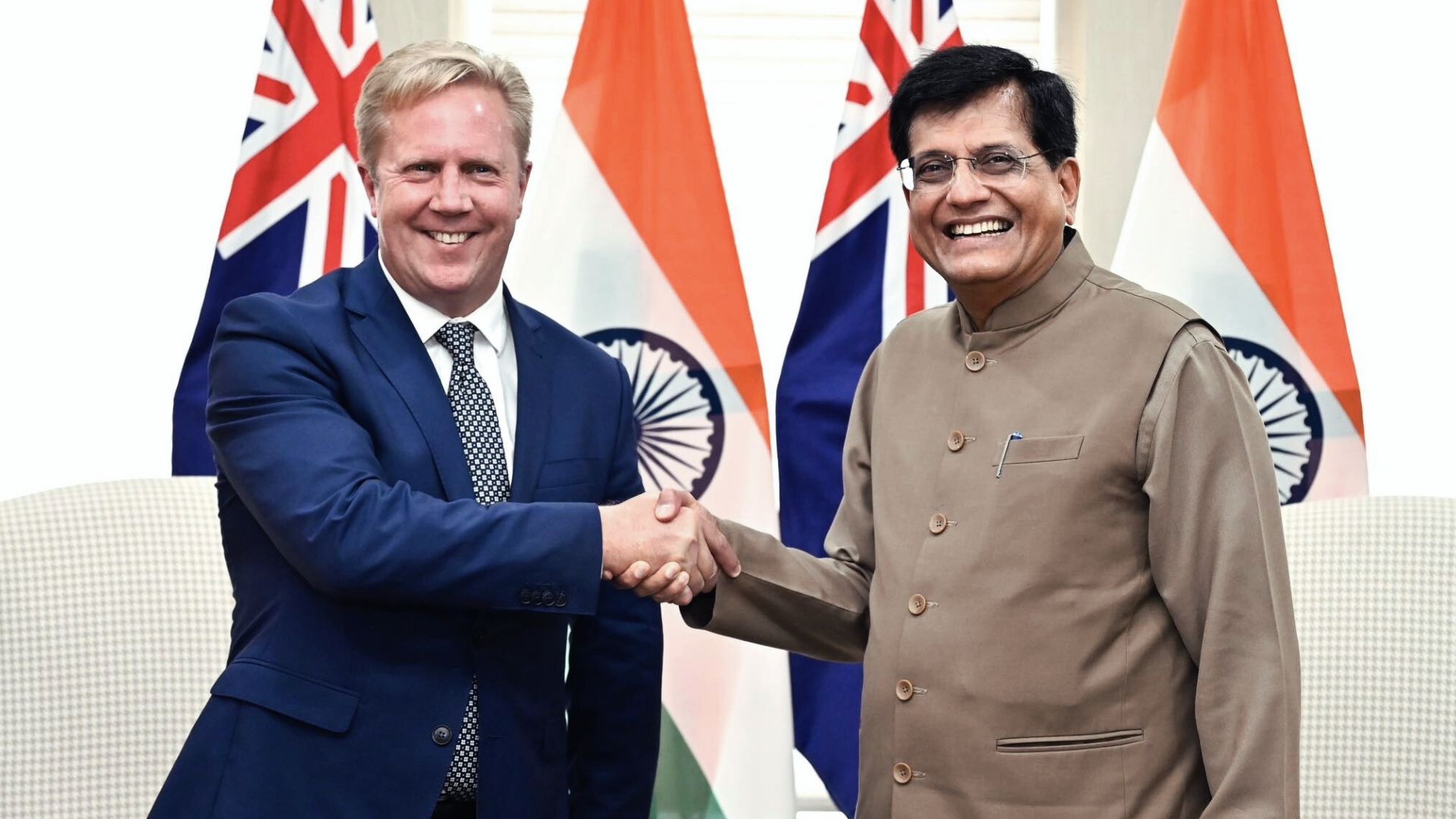
Trade minister Todd McClay.
For exporters, McClay said the benefits would begin as soon as the agreement enters into force.
From day one, 57 per cent of New Zealand’s current exports to India will become duty-free. Once the agreement is fully implemented, tariffs will be eliminated or significantly reduced on 95 per cent of exports.
“The kiwifruit industry alone expects to save around $125 million in tariffs over five years,” McClay said.
The deal also includes faster border clearance and preferential access across sectors including food, fibre, technology, education, tourism and professional services.
The FTA marks the culmination of a trade negotiation that had stalled for years before being formally restarted during prime minister Christopher Luxon’s visit to India in March 2025.
McClay said the government remained confident the remaining procedures could be completed soon.
“We expect this high quality agreement to enter into force this year,” he said.
The agreement will take effect only after both governments have completed their formal ratification requirements.