
New Zealand revives India research institute as FTA exposes ‘gap of ignorance'
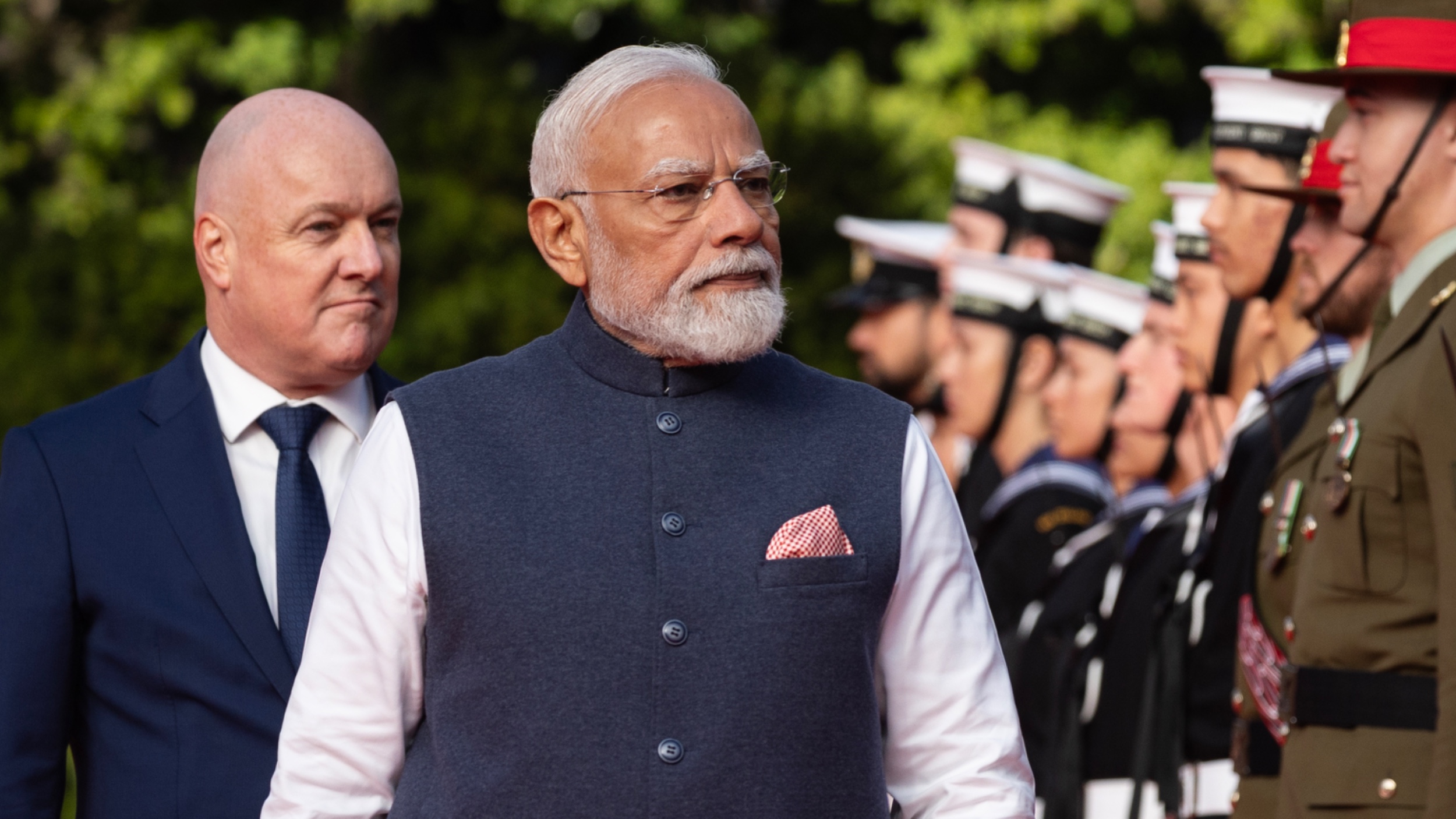
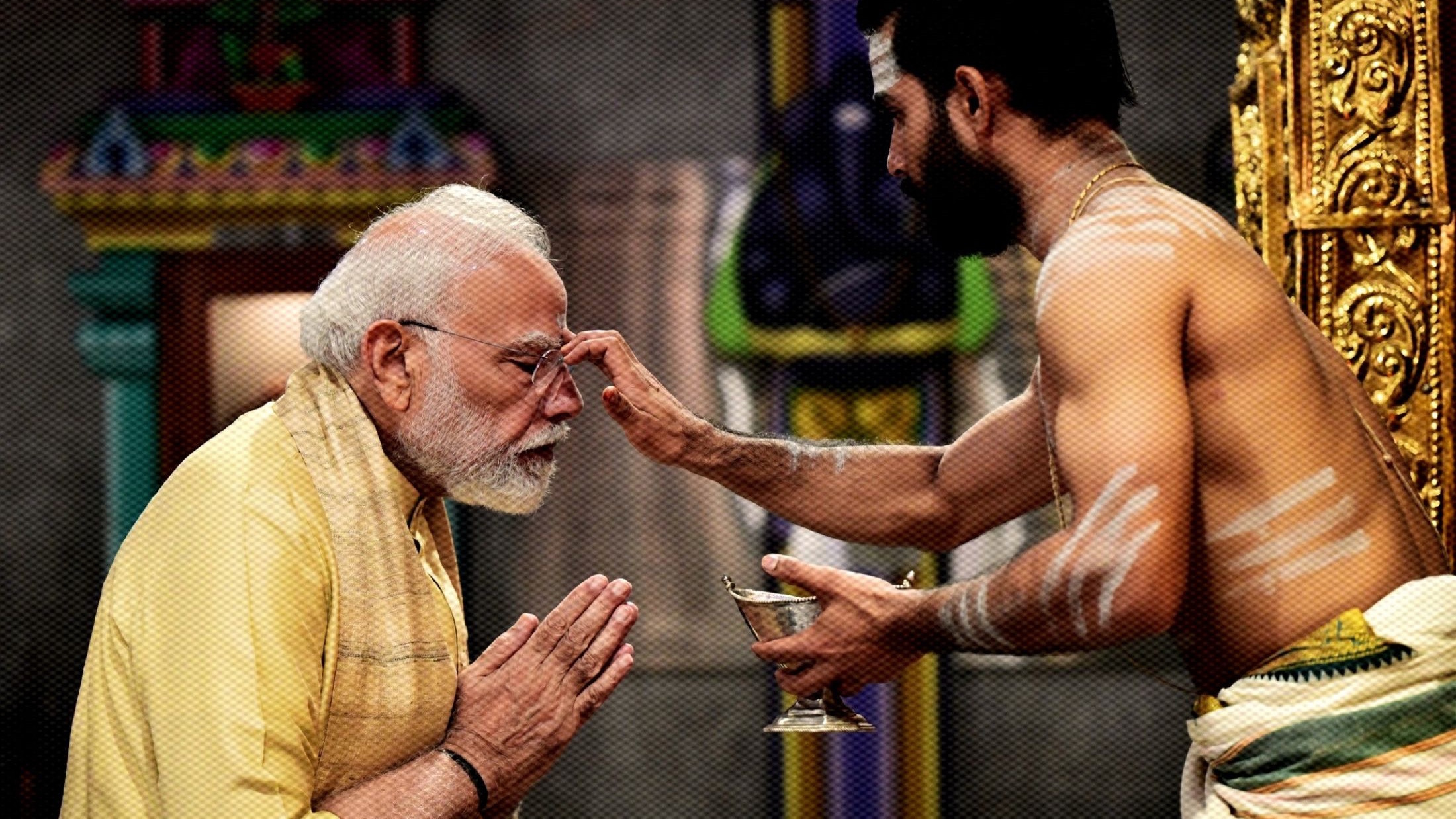
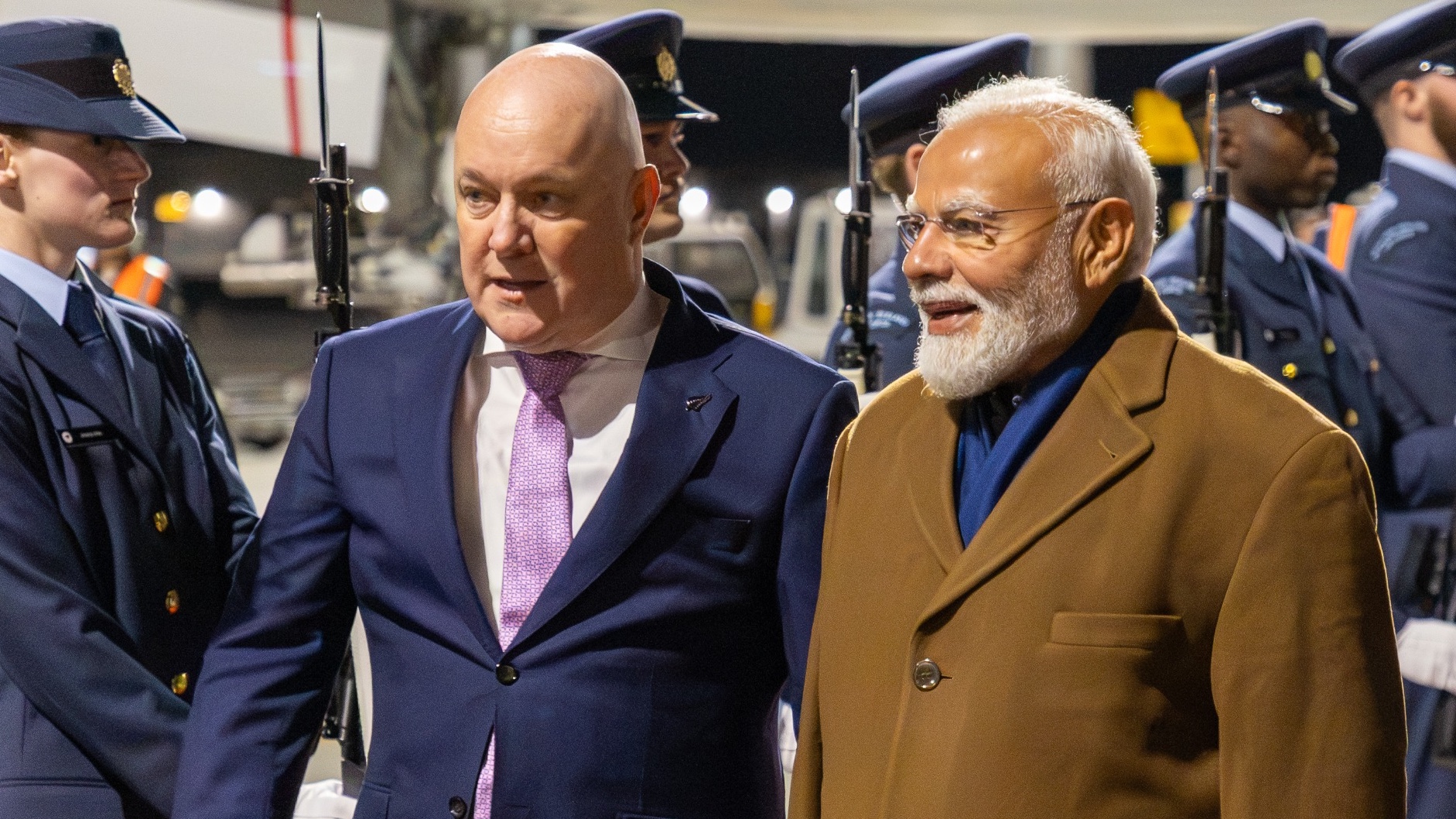
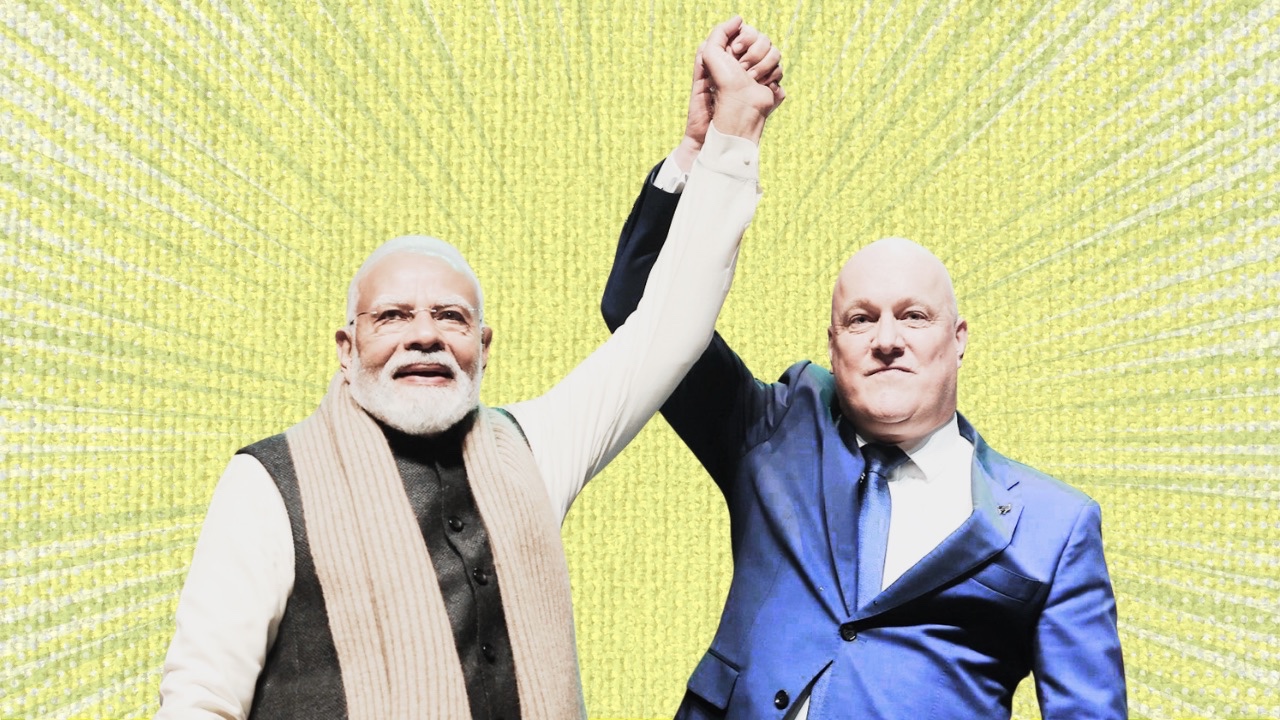
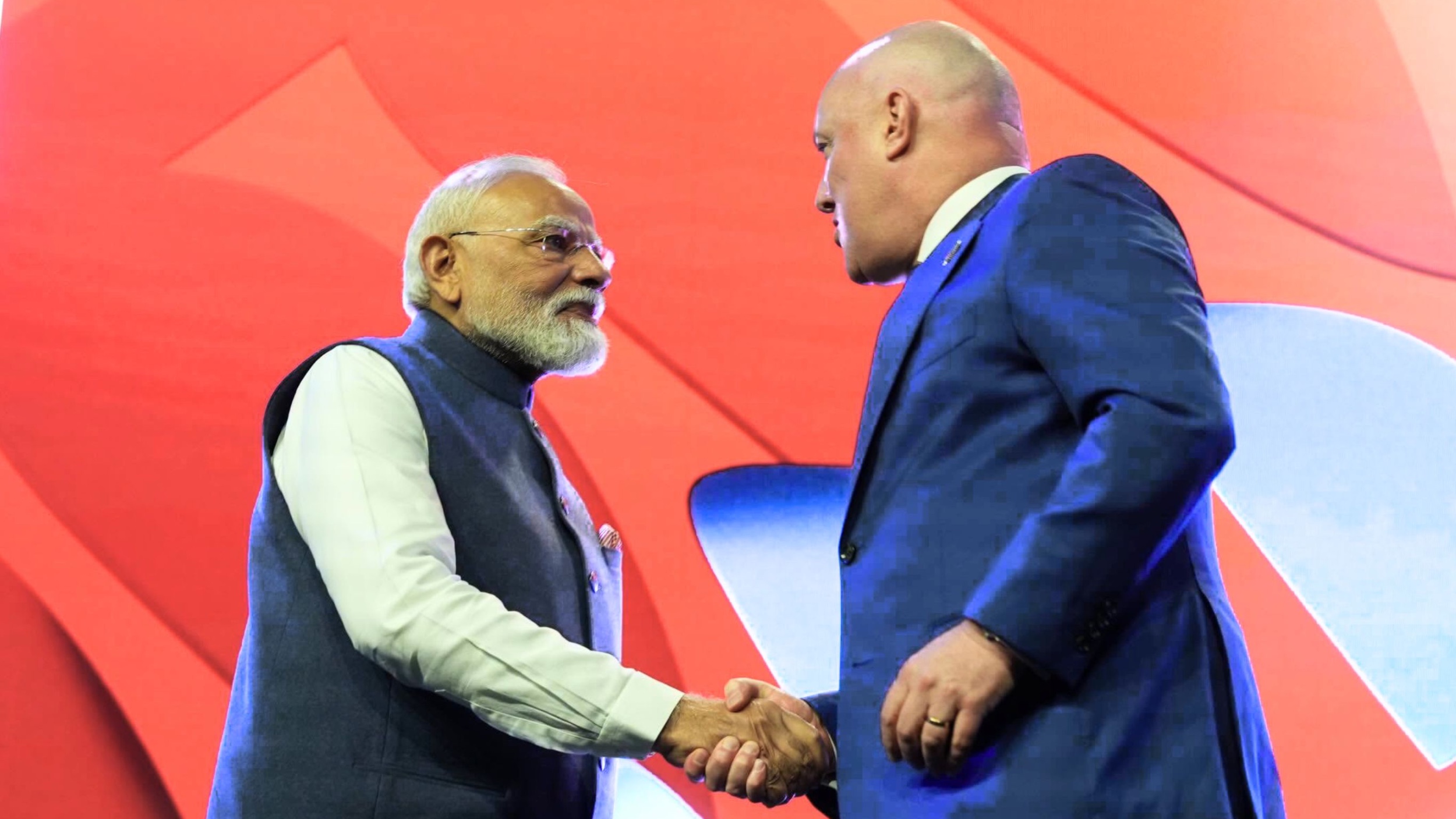
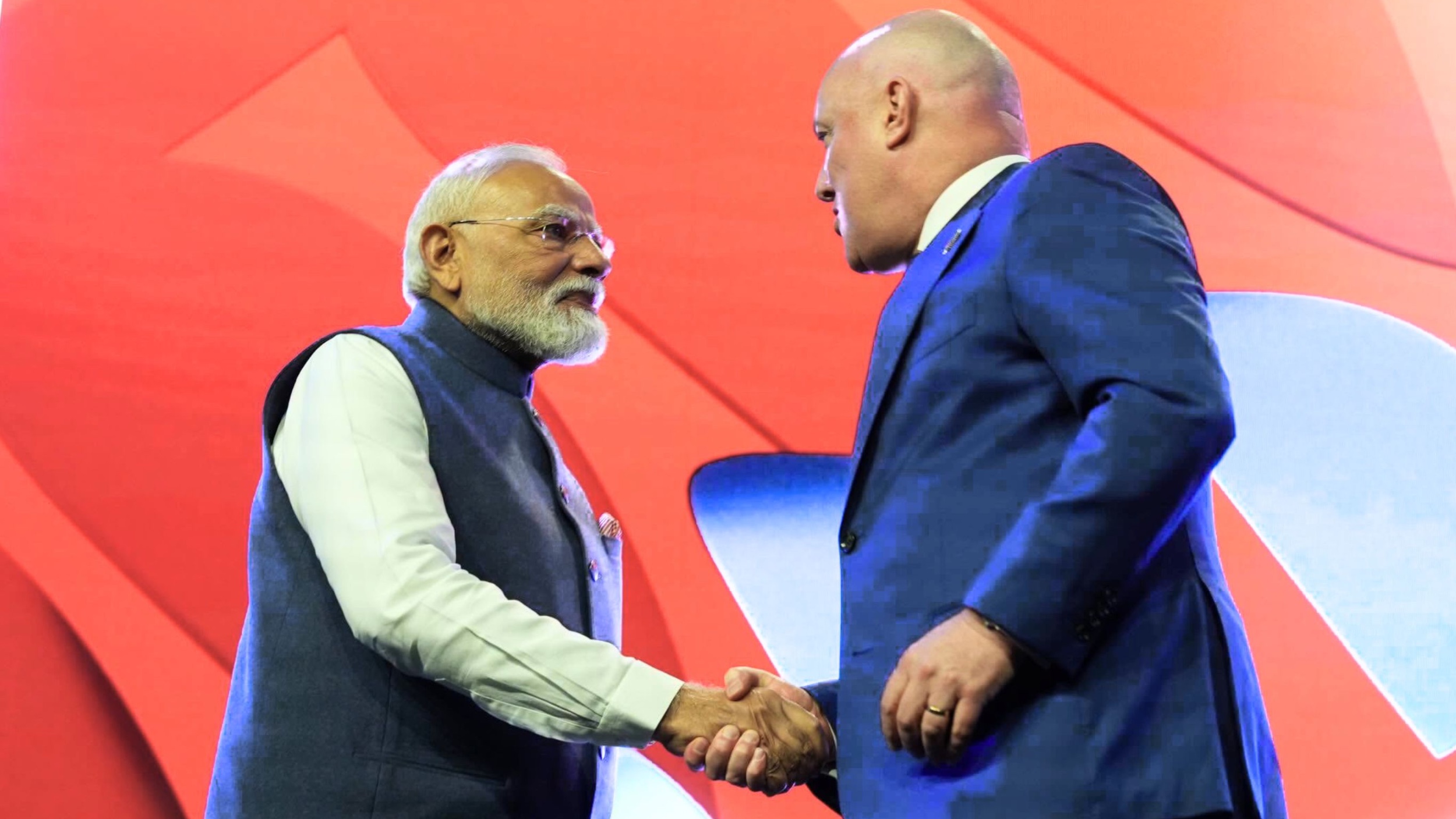
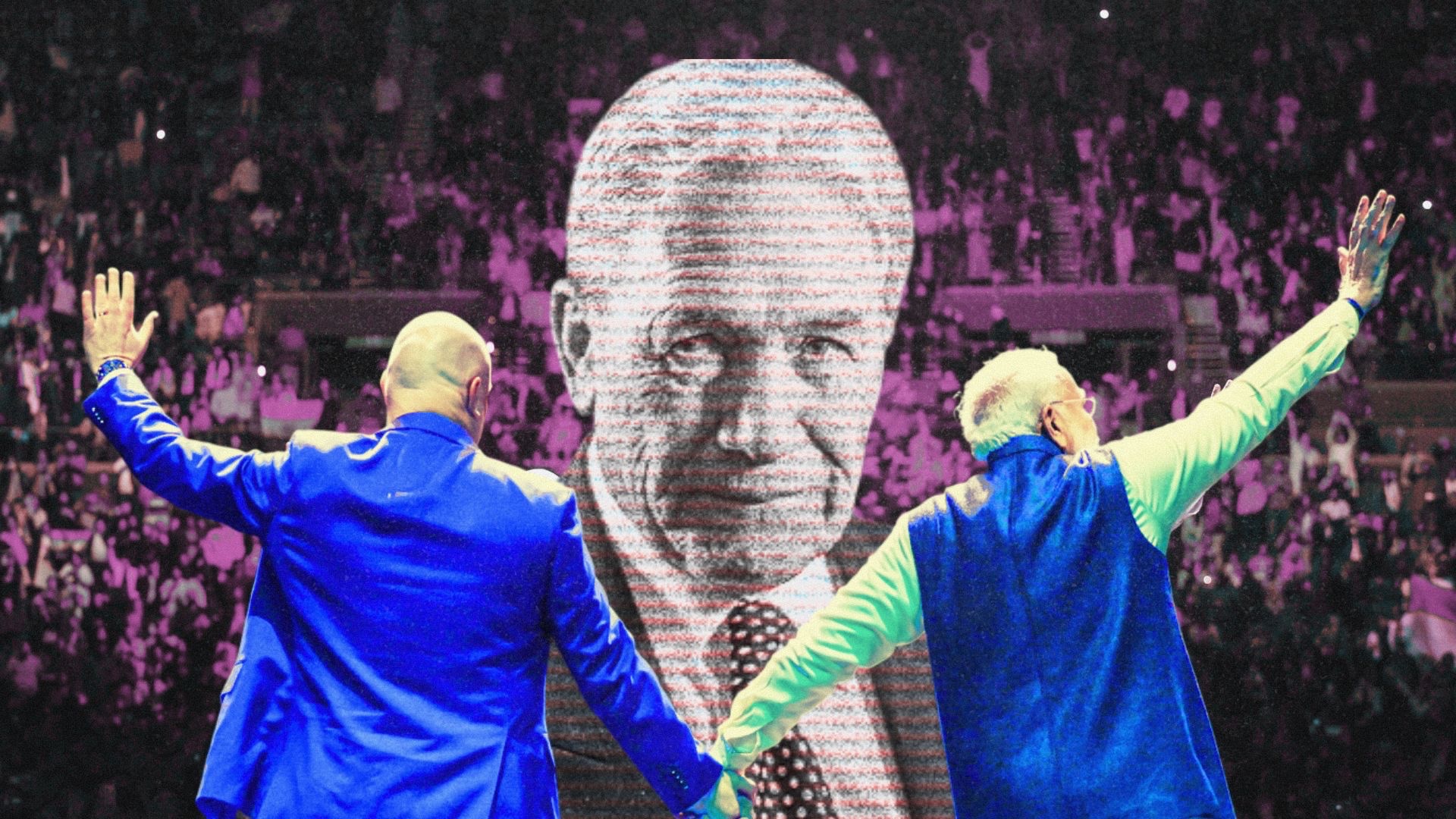
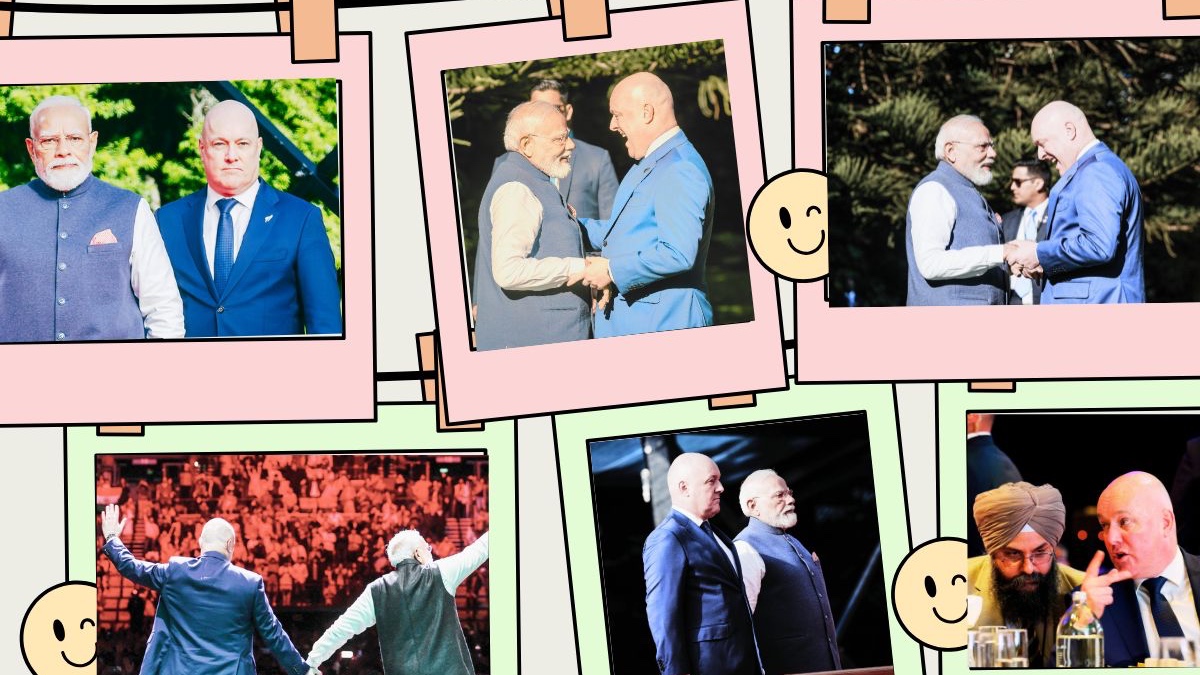
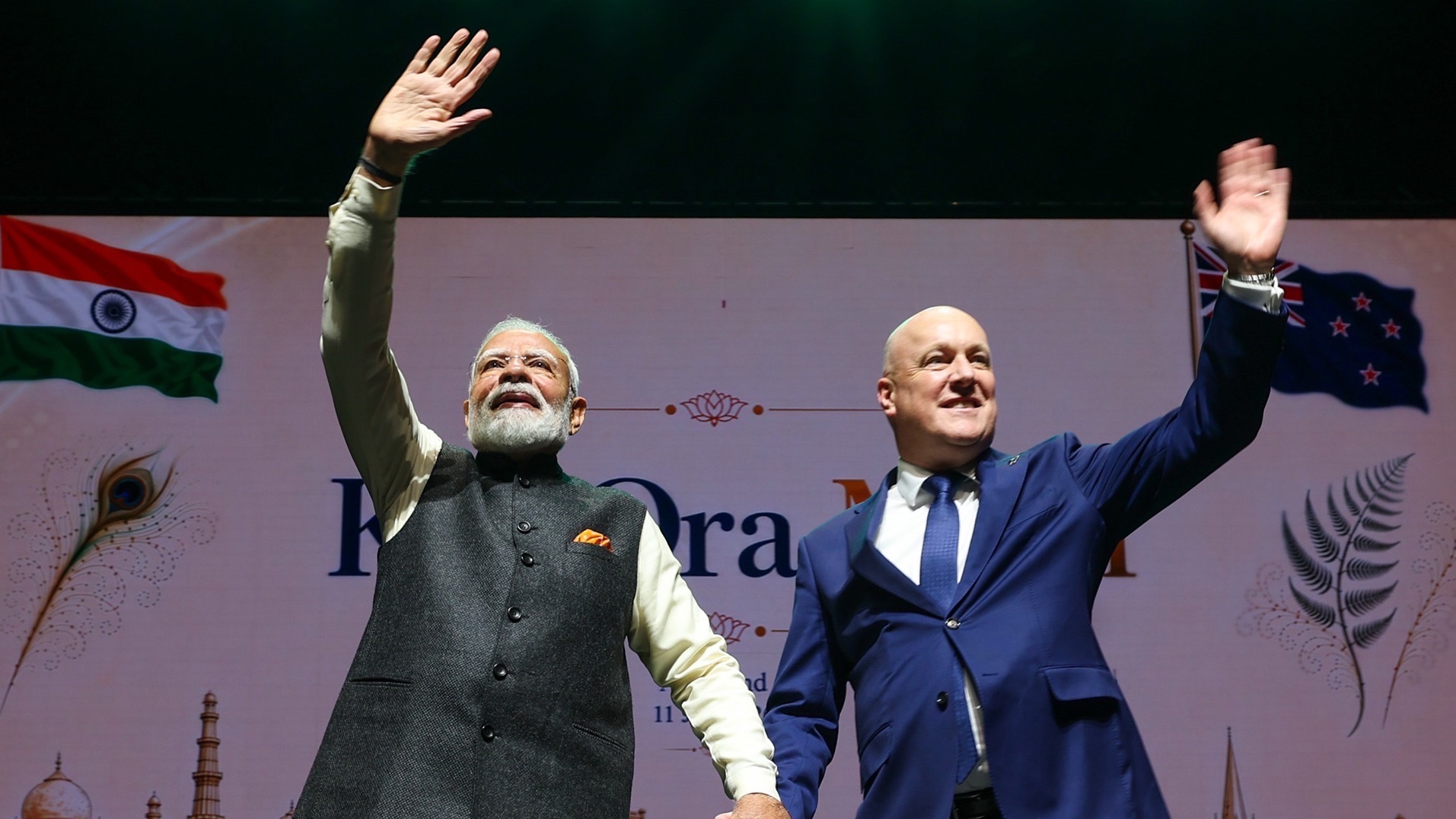
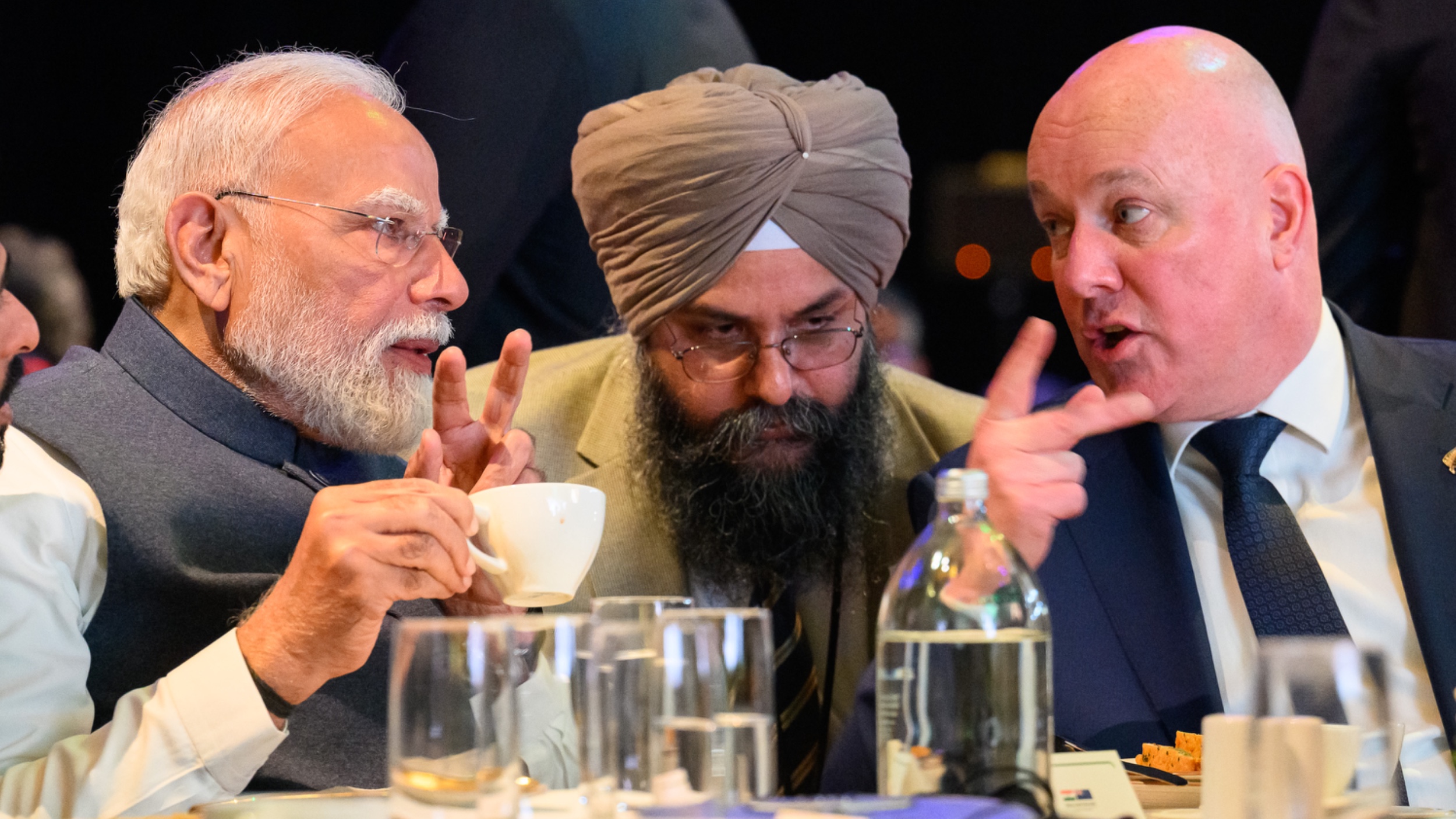
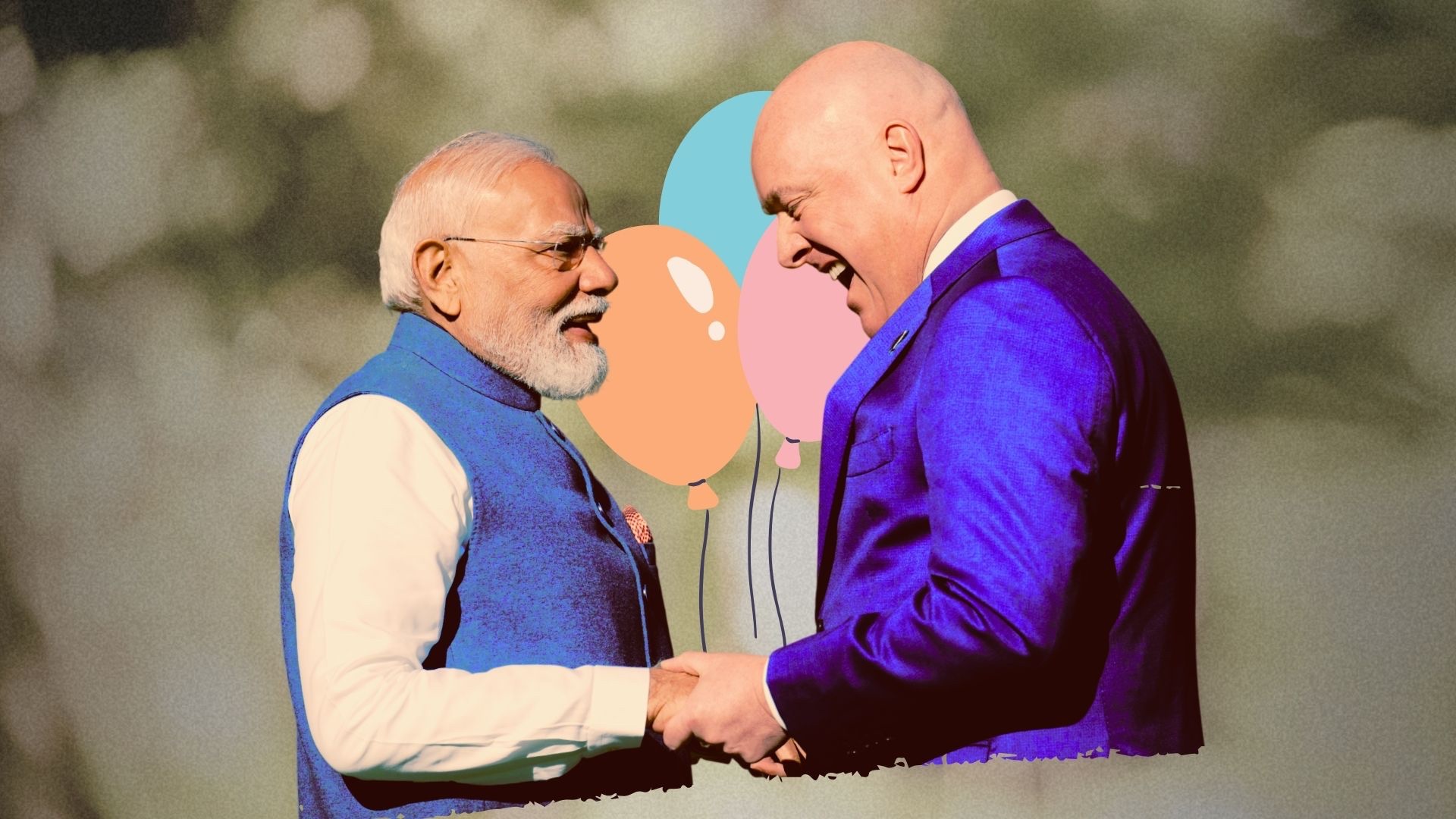
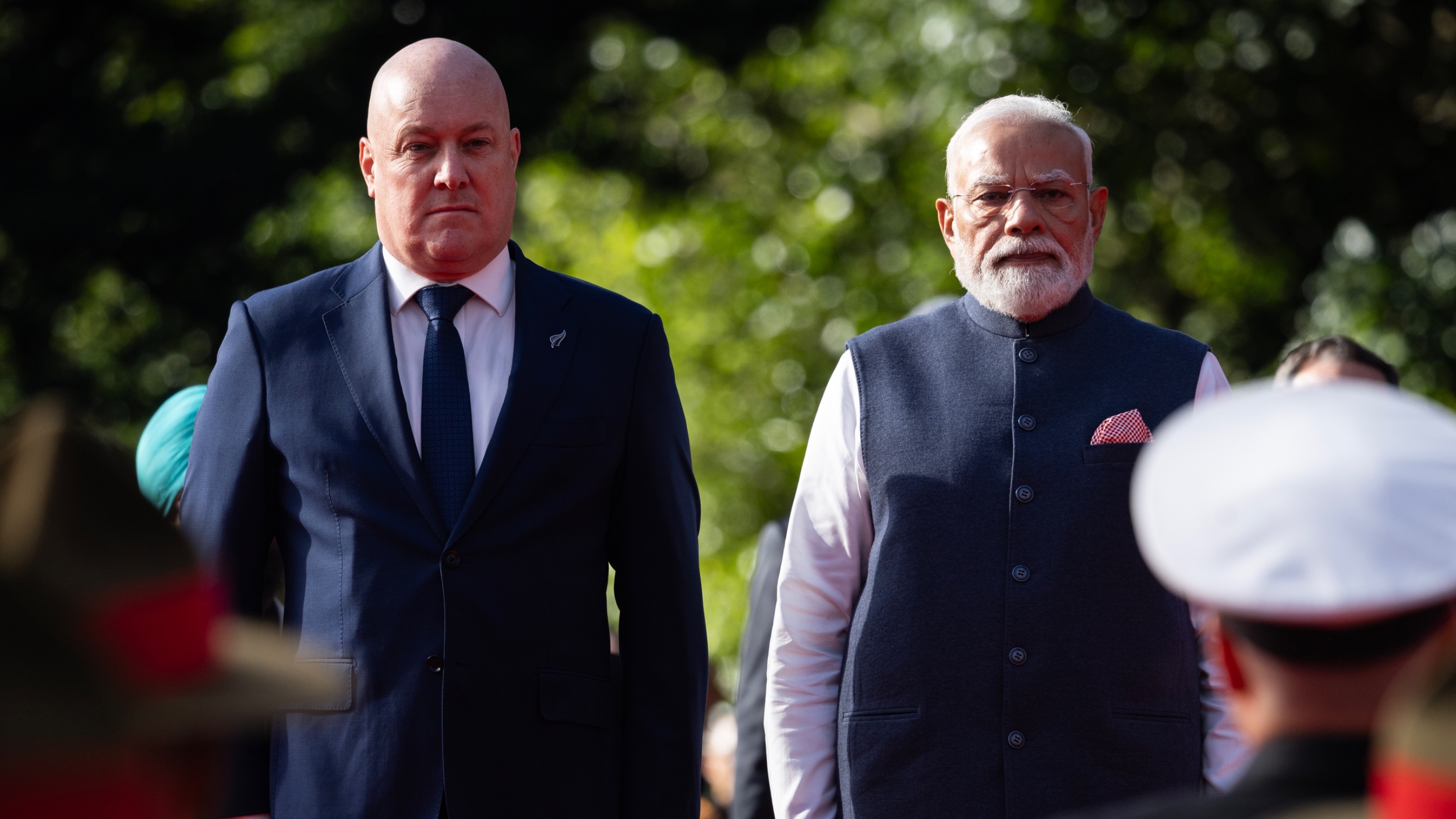
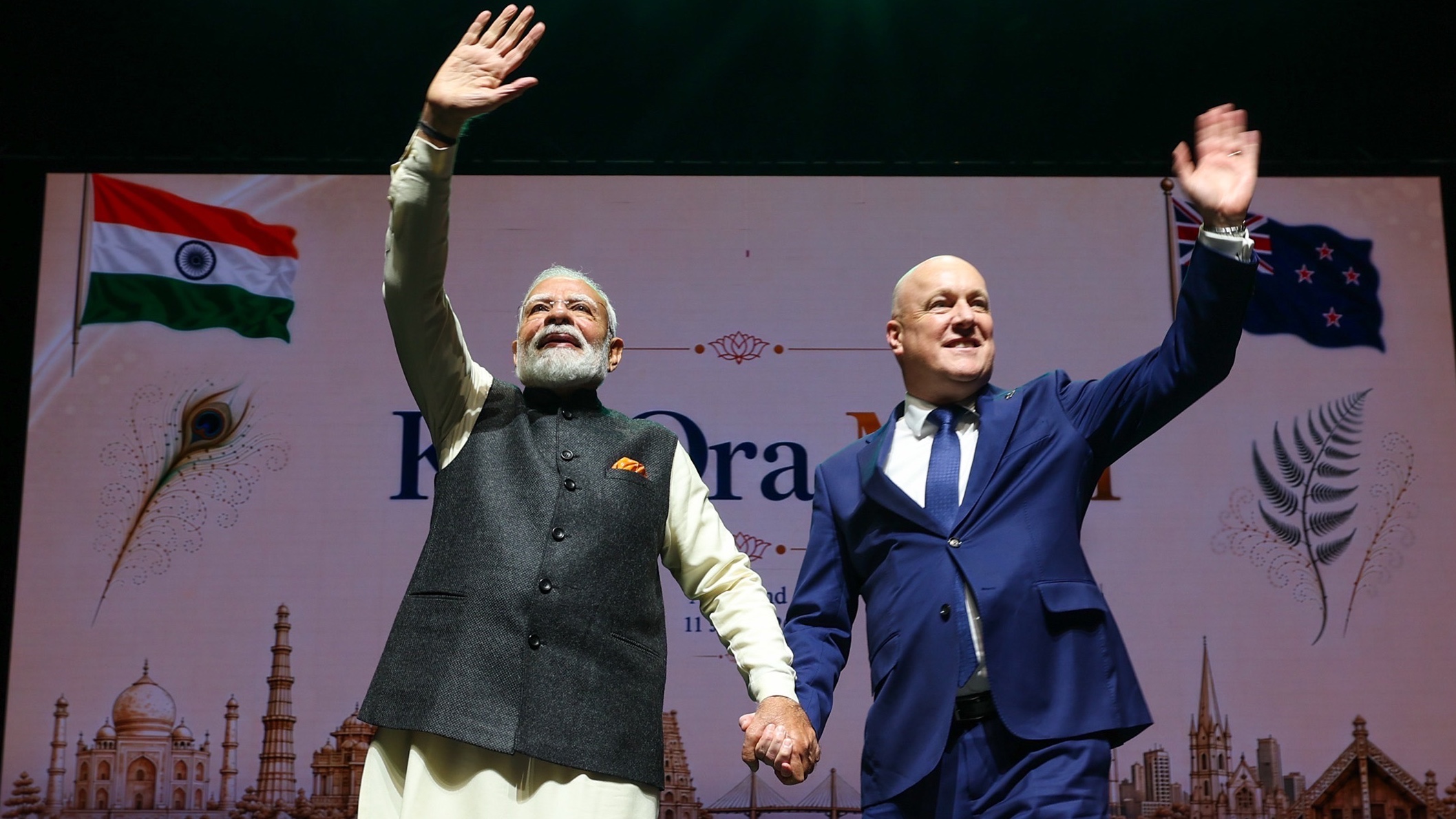
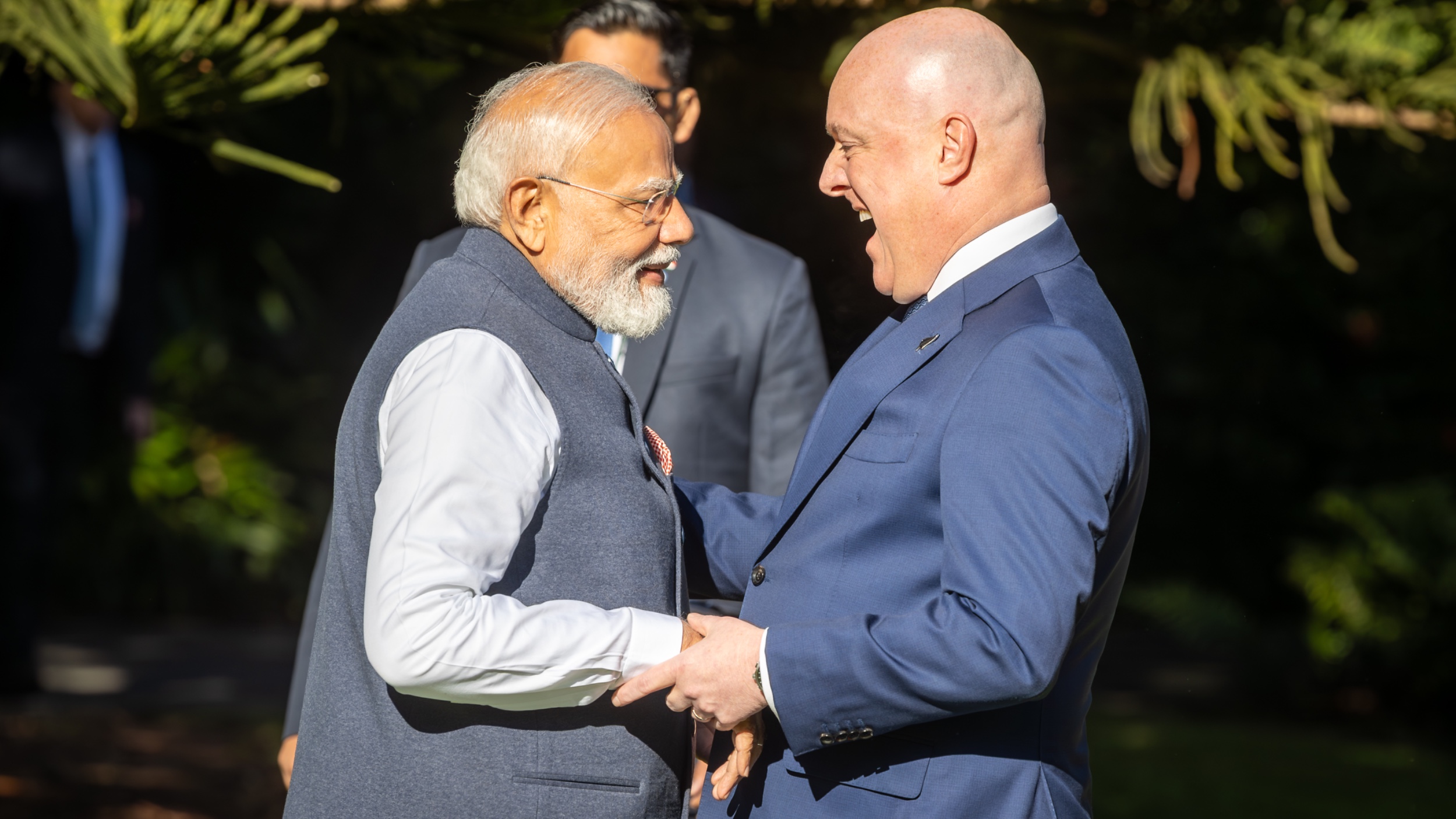
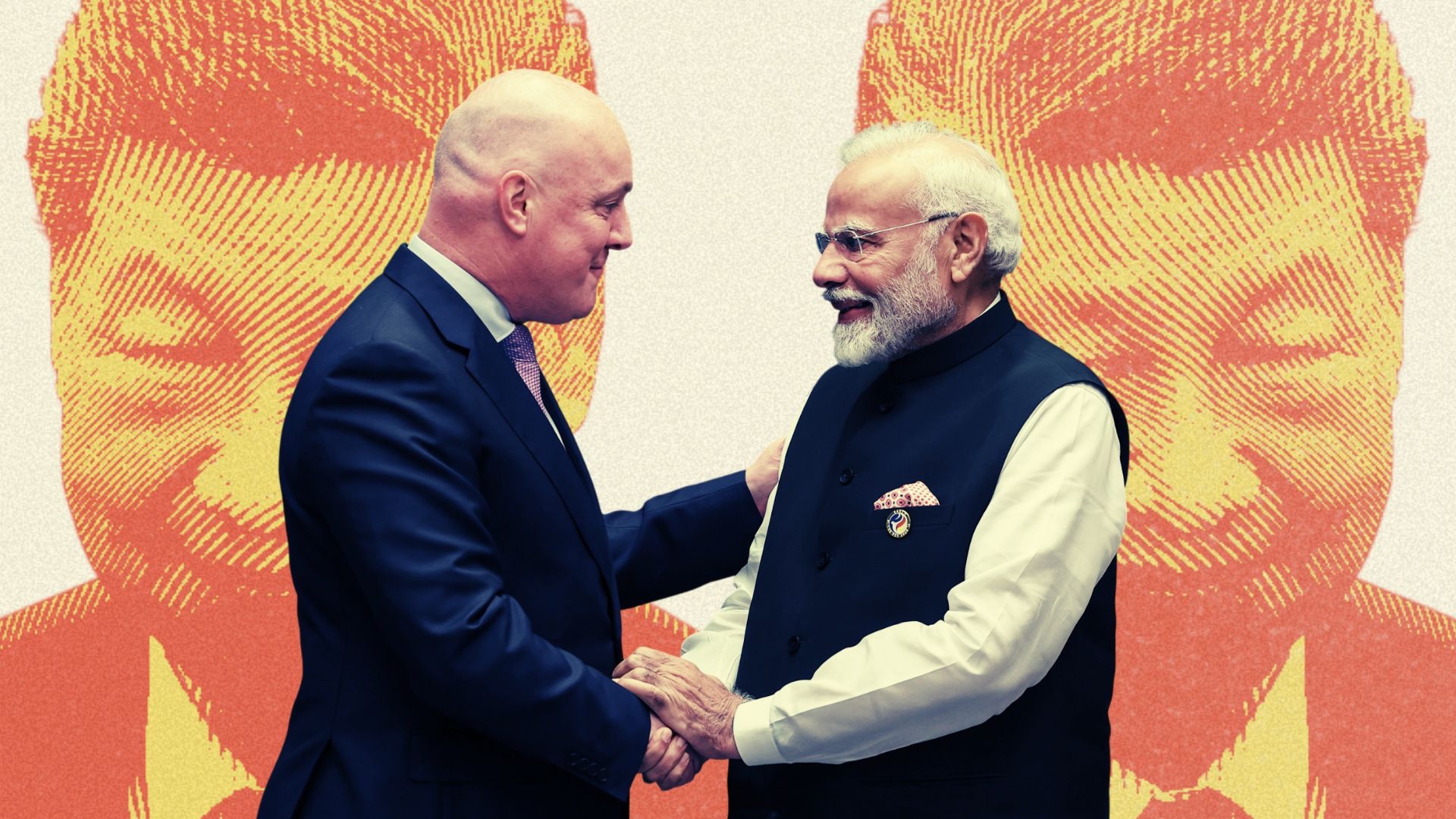
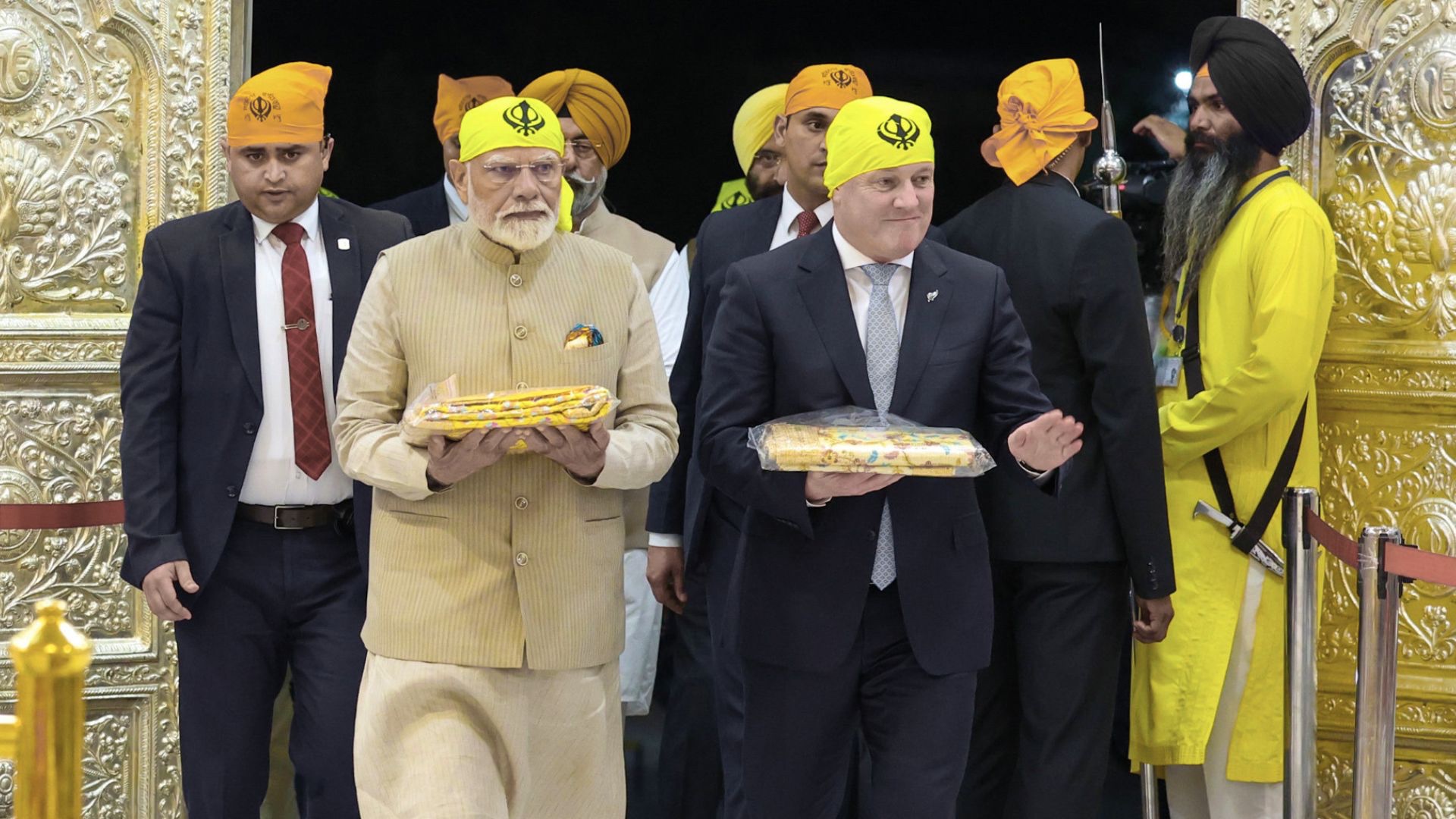
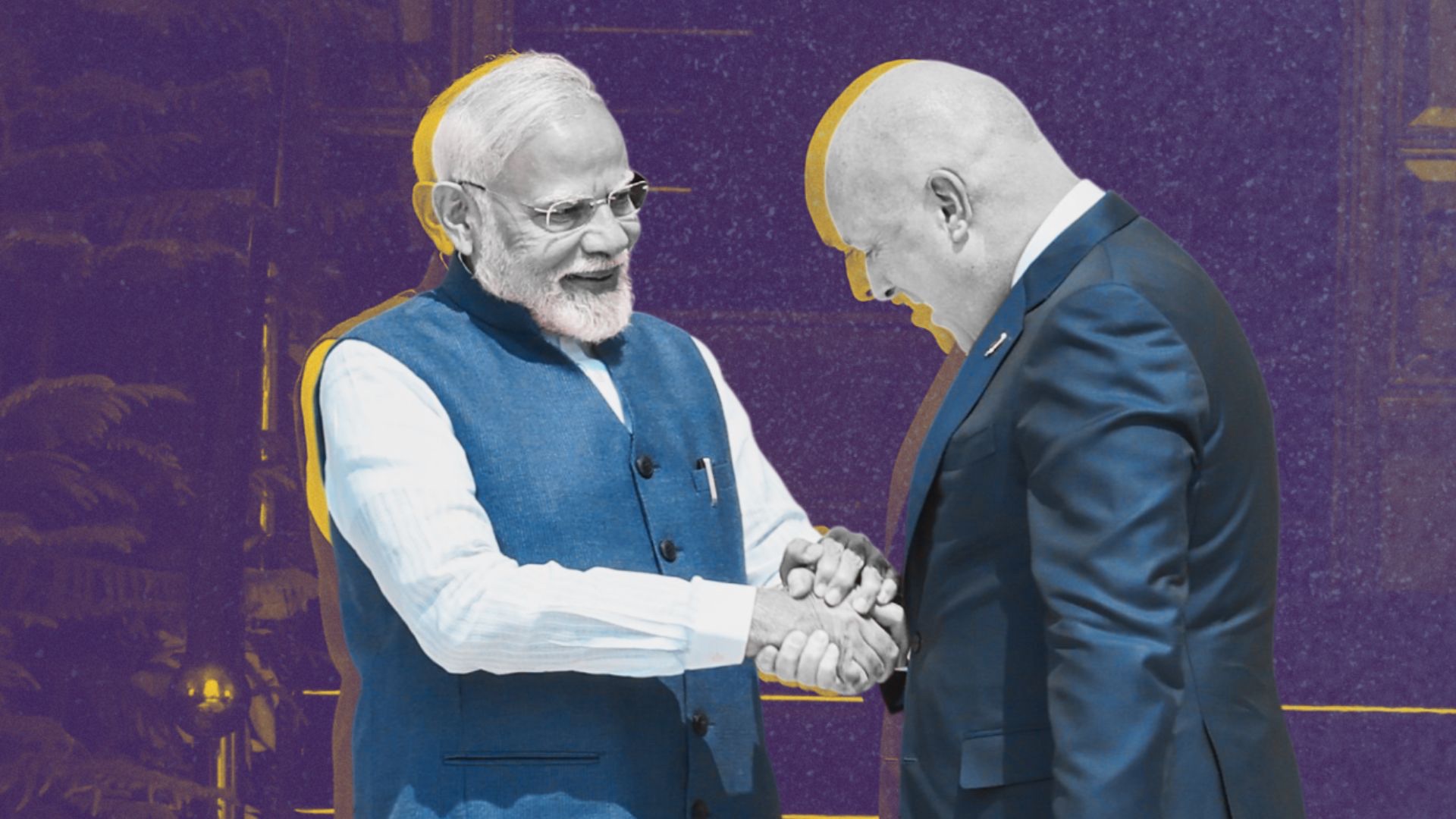
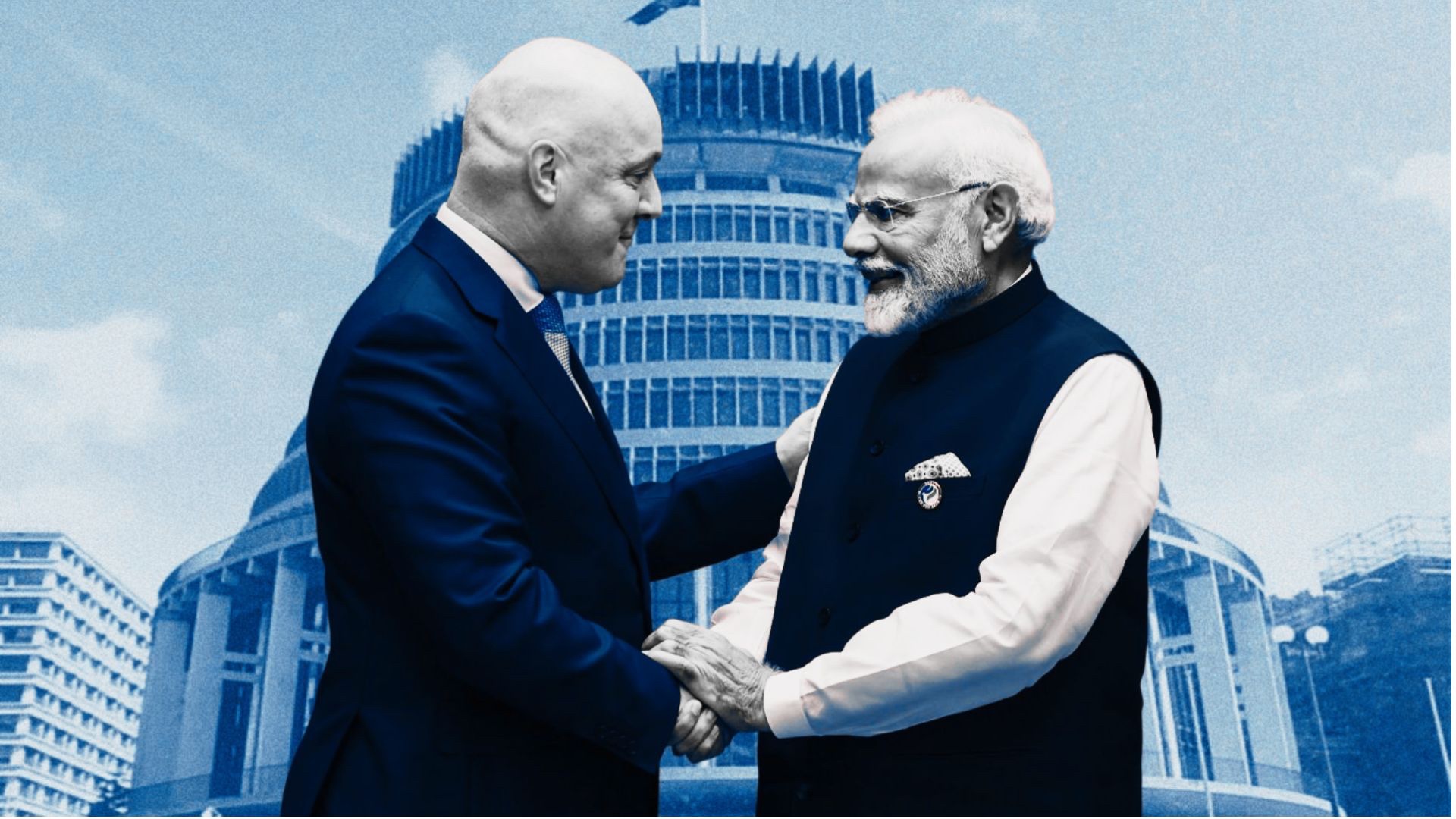
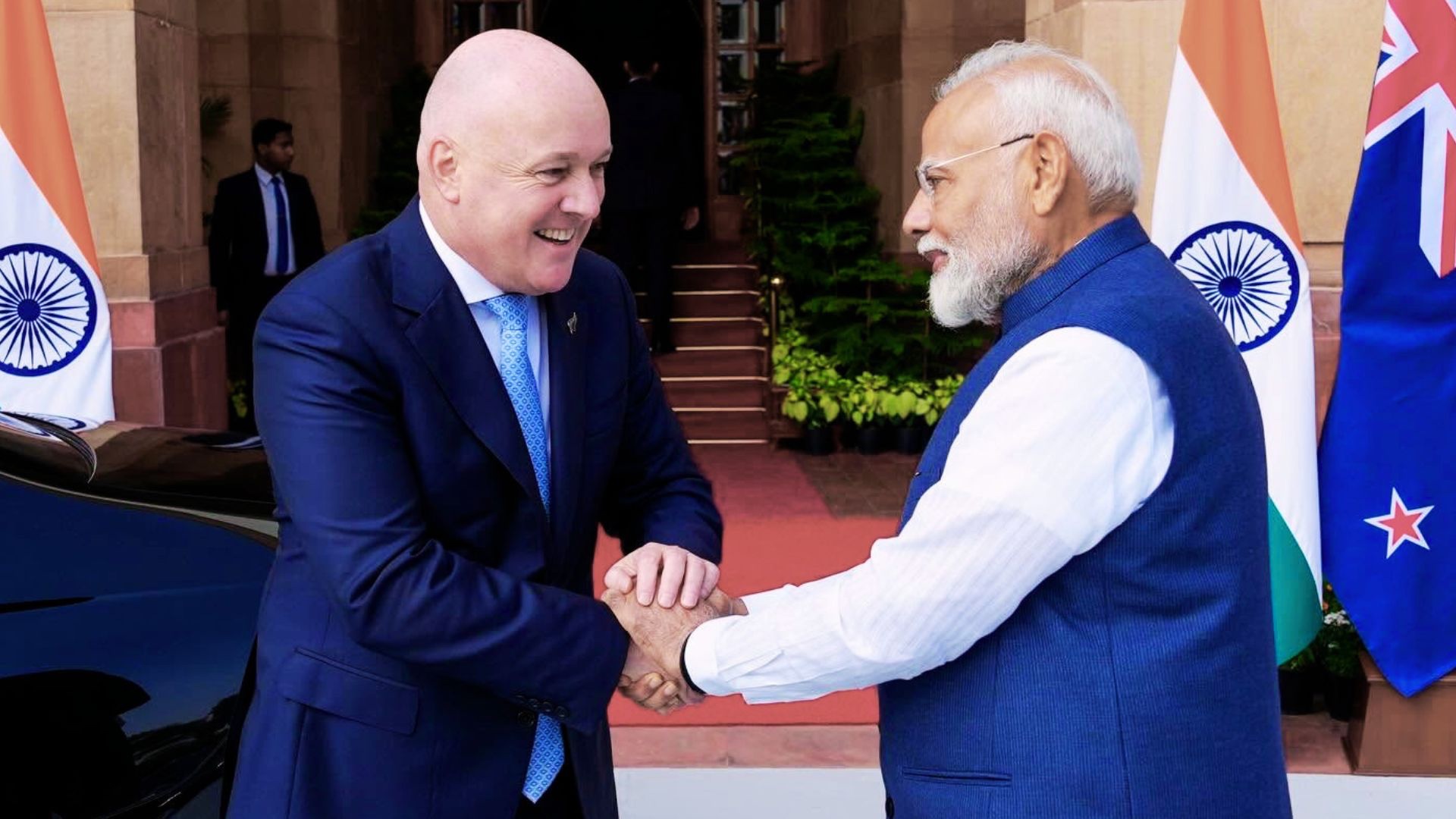
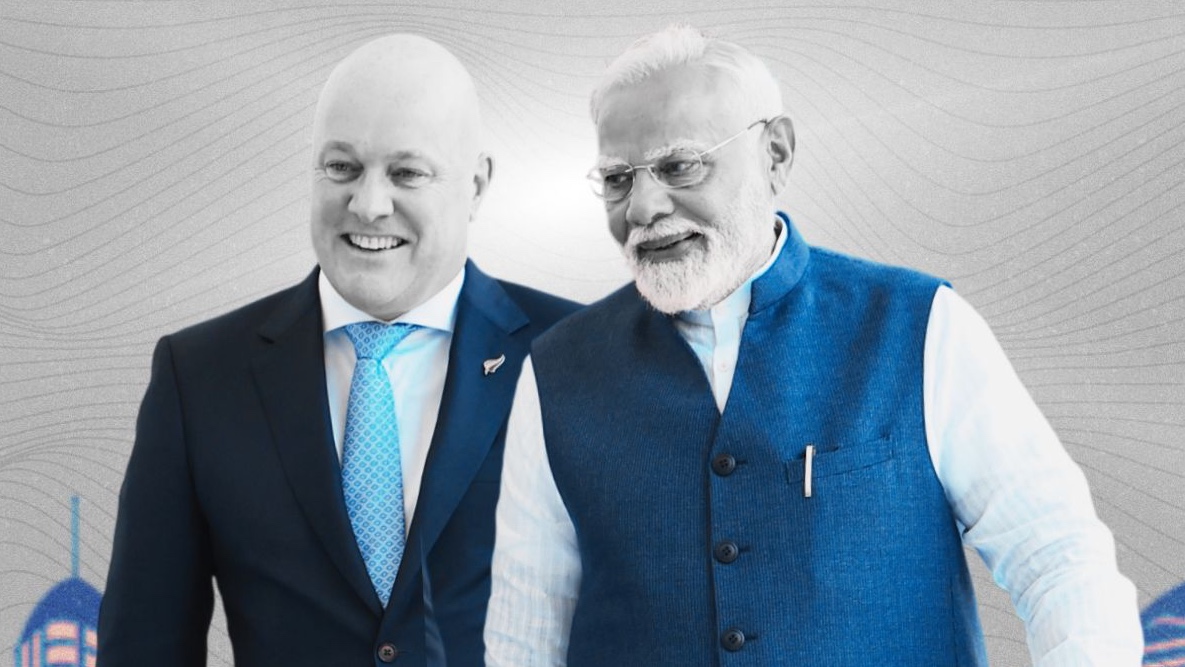
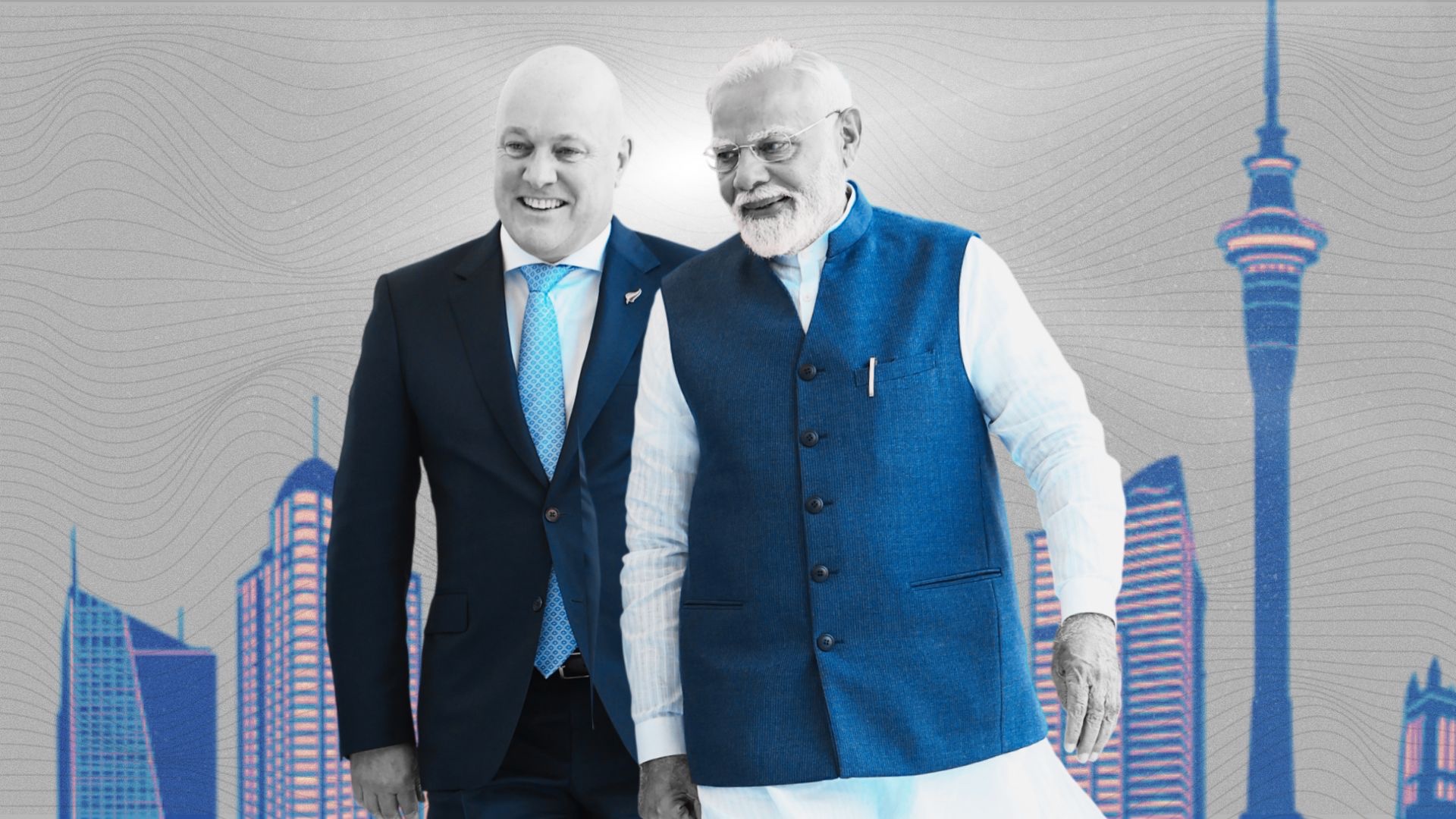
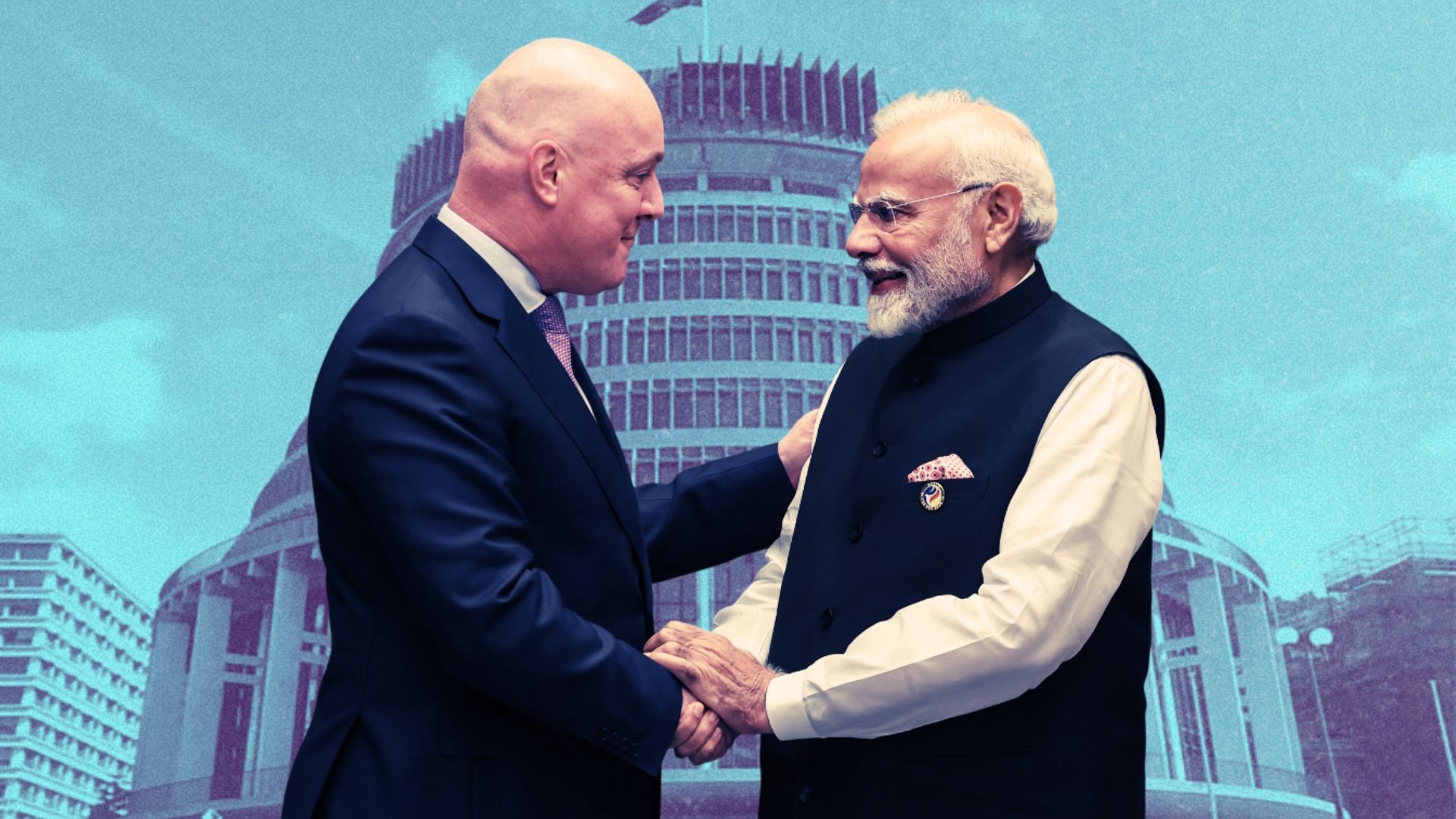
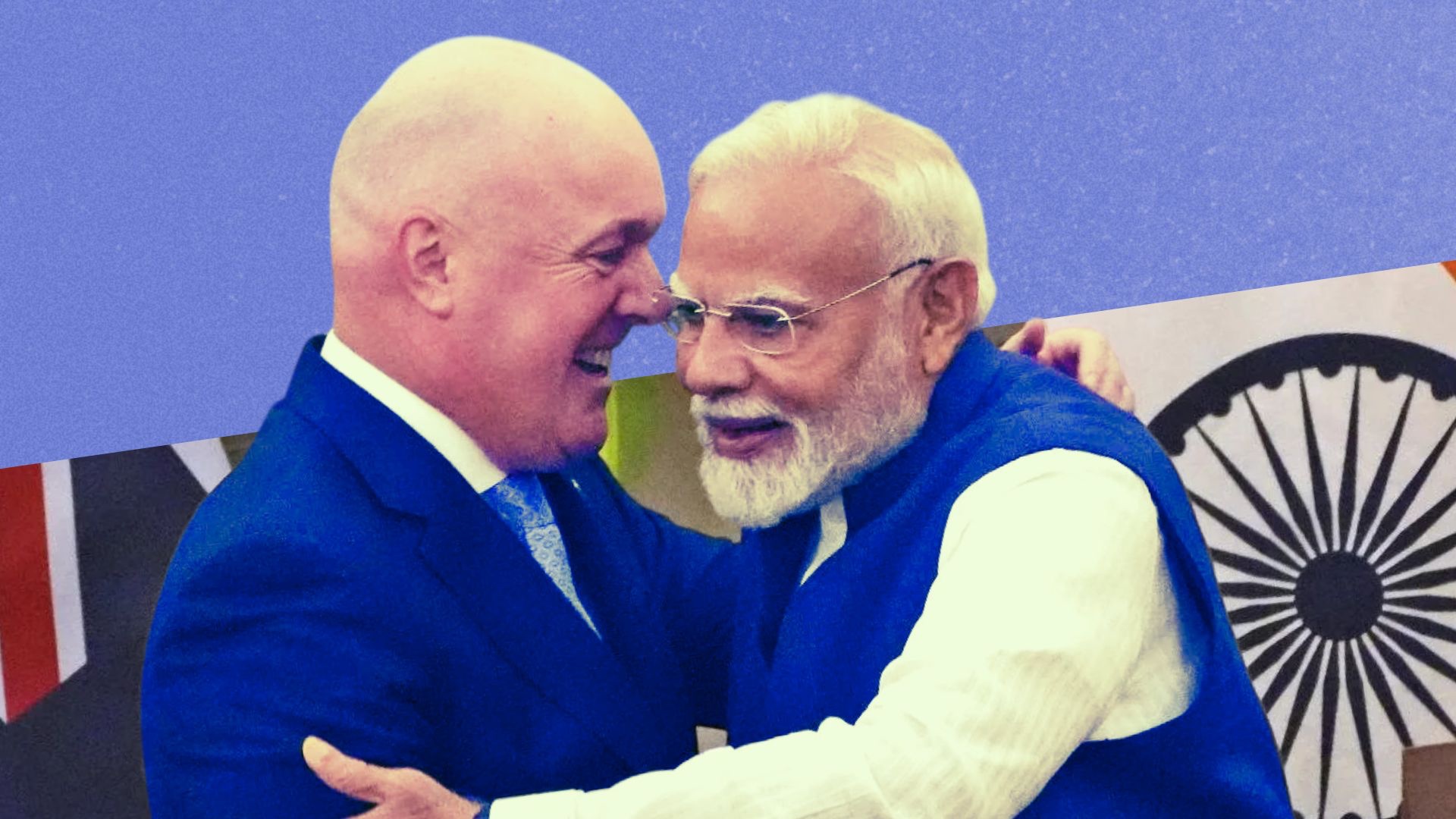
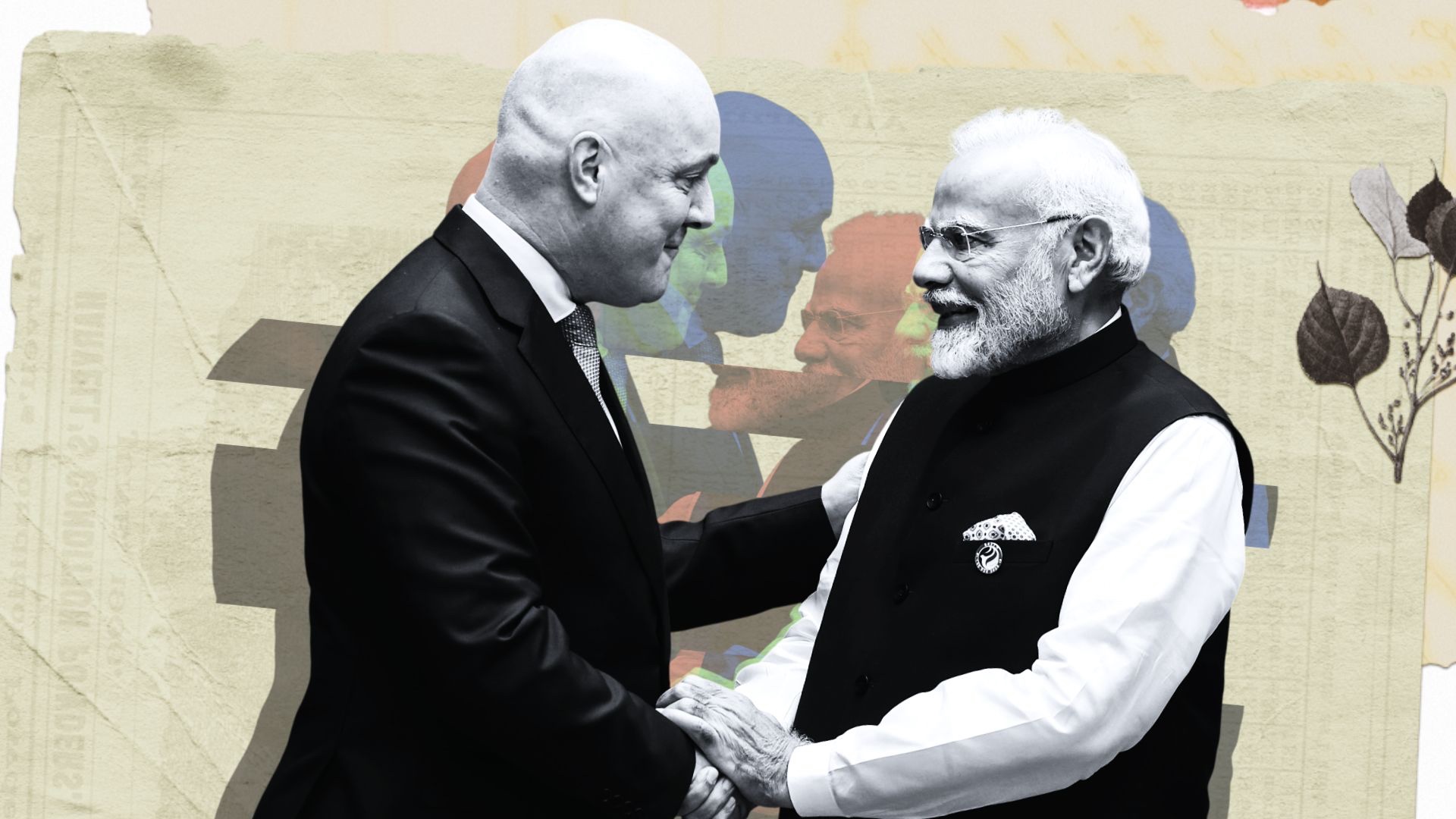
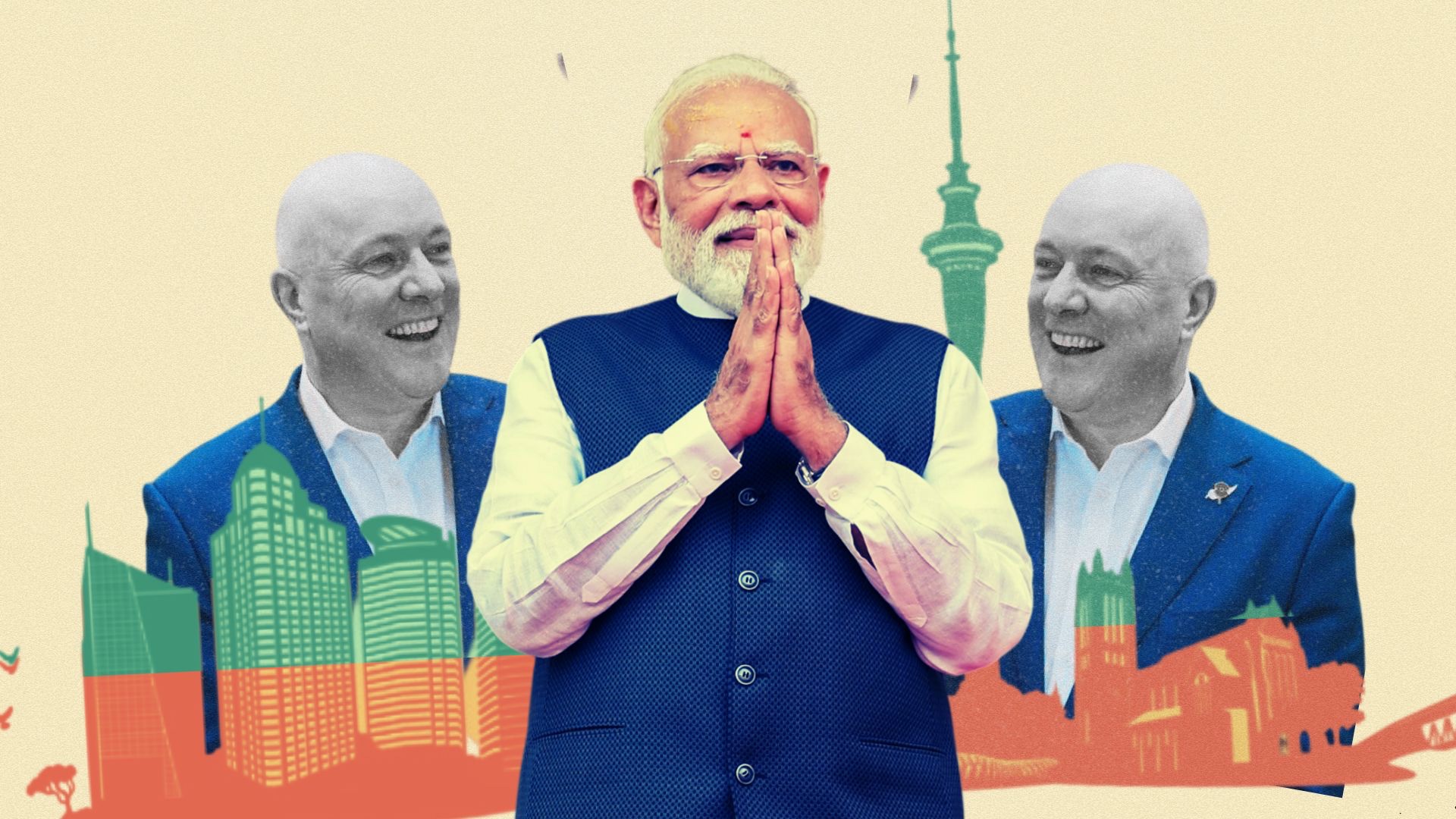
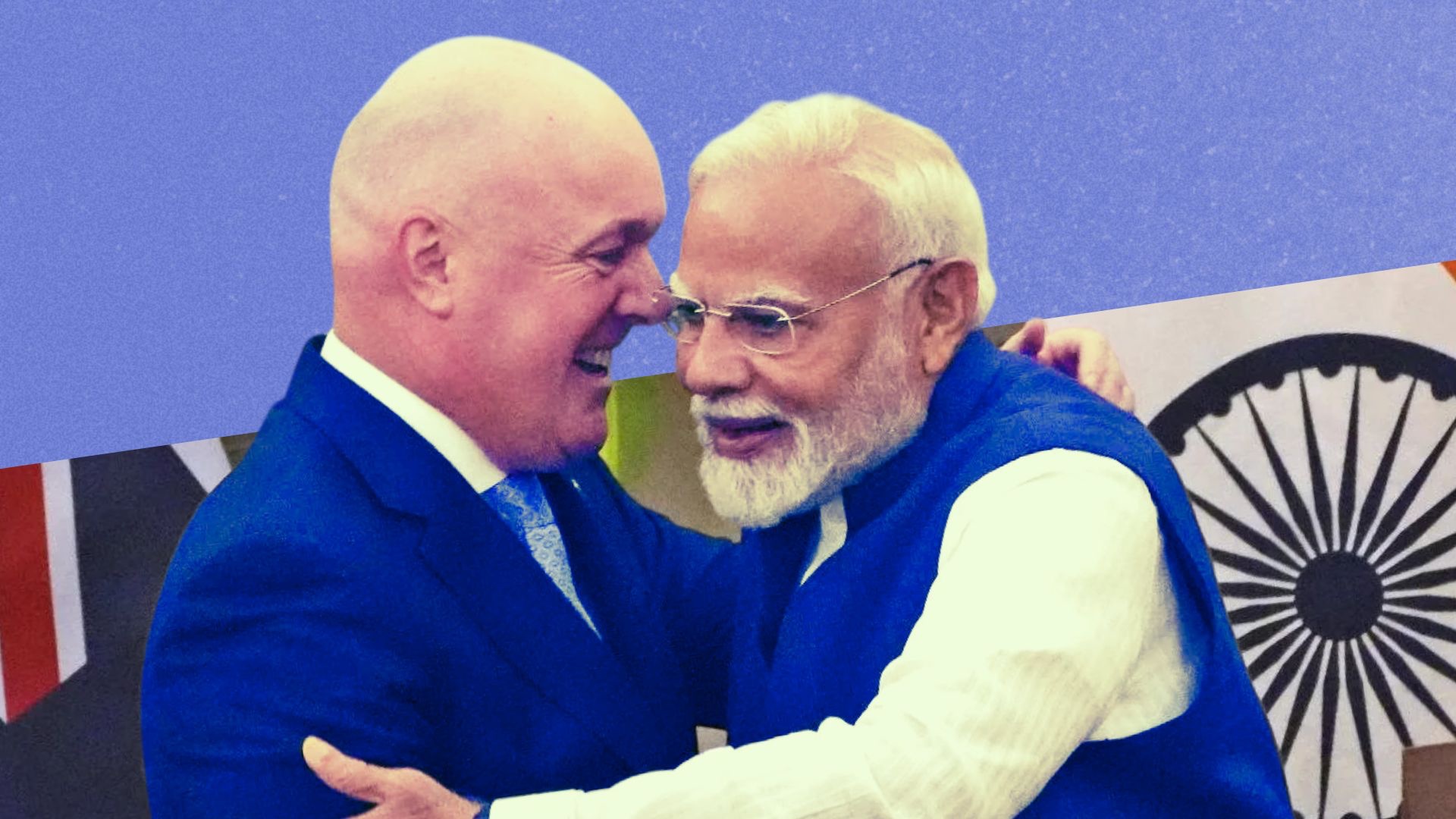
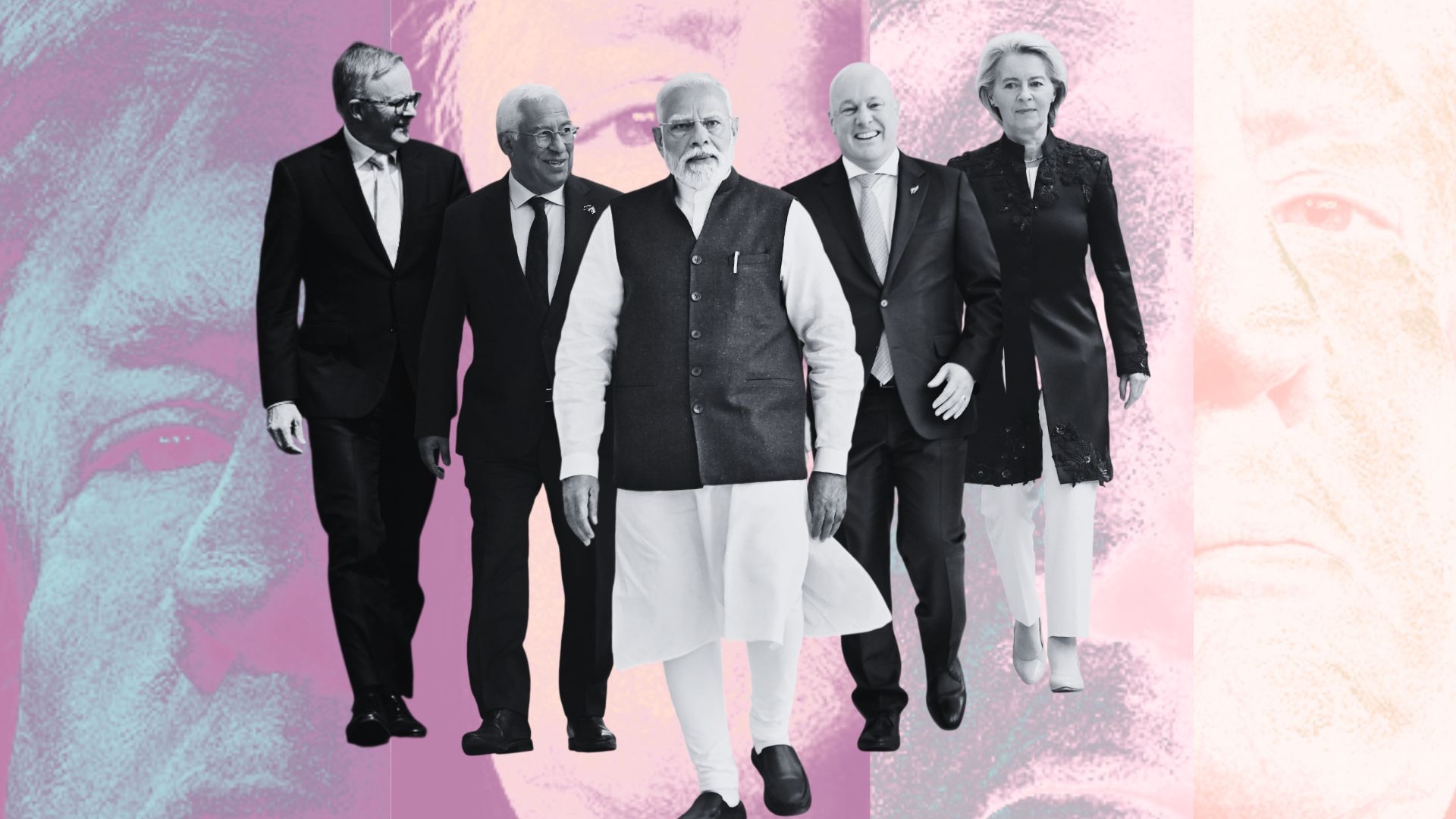
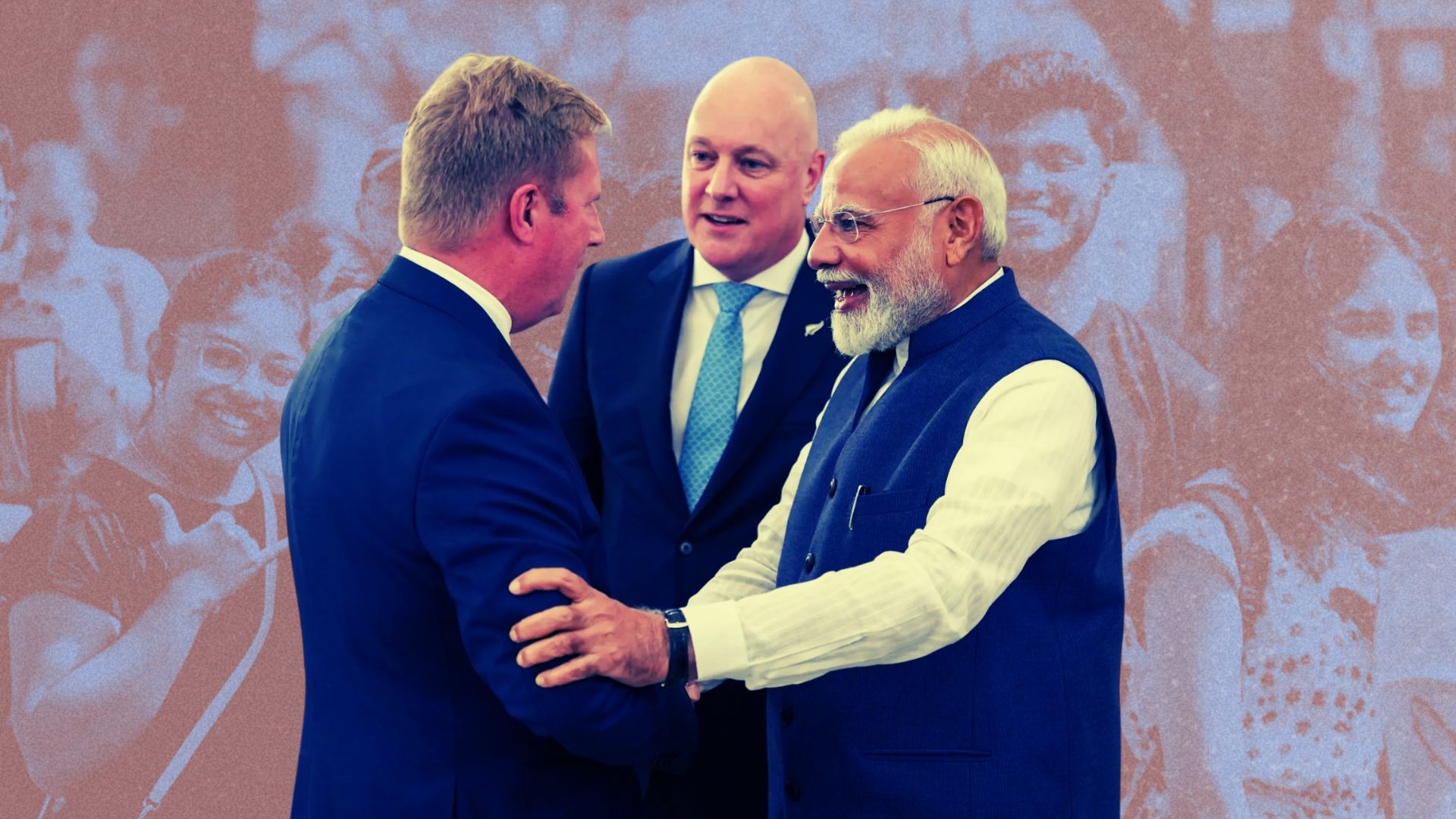
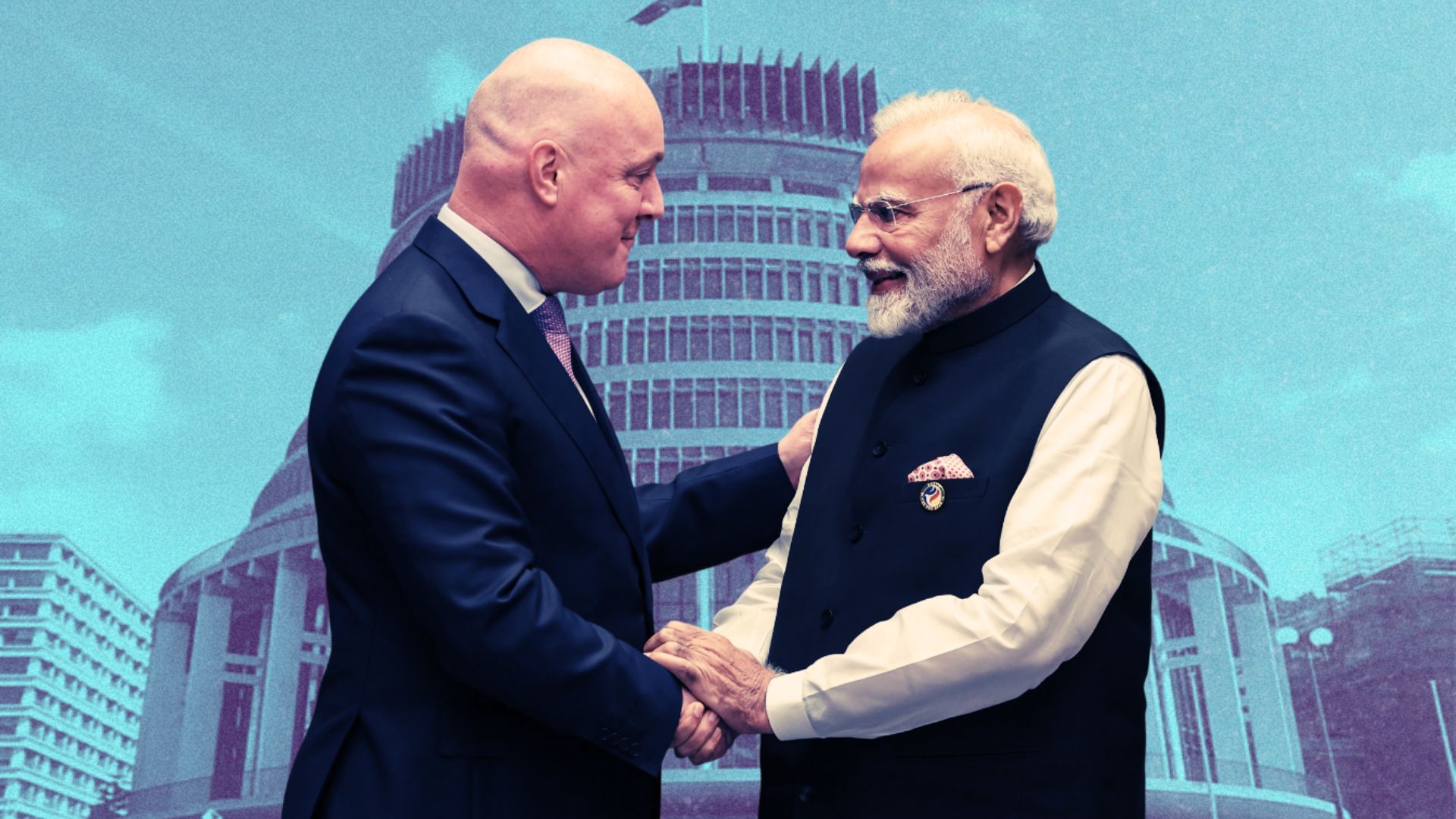
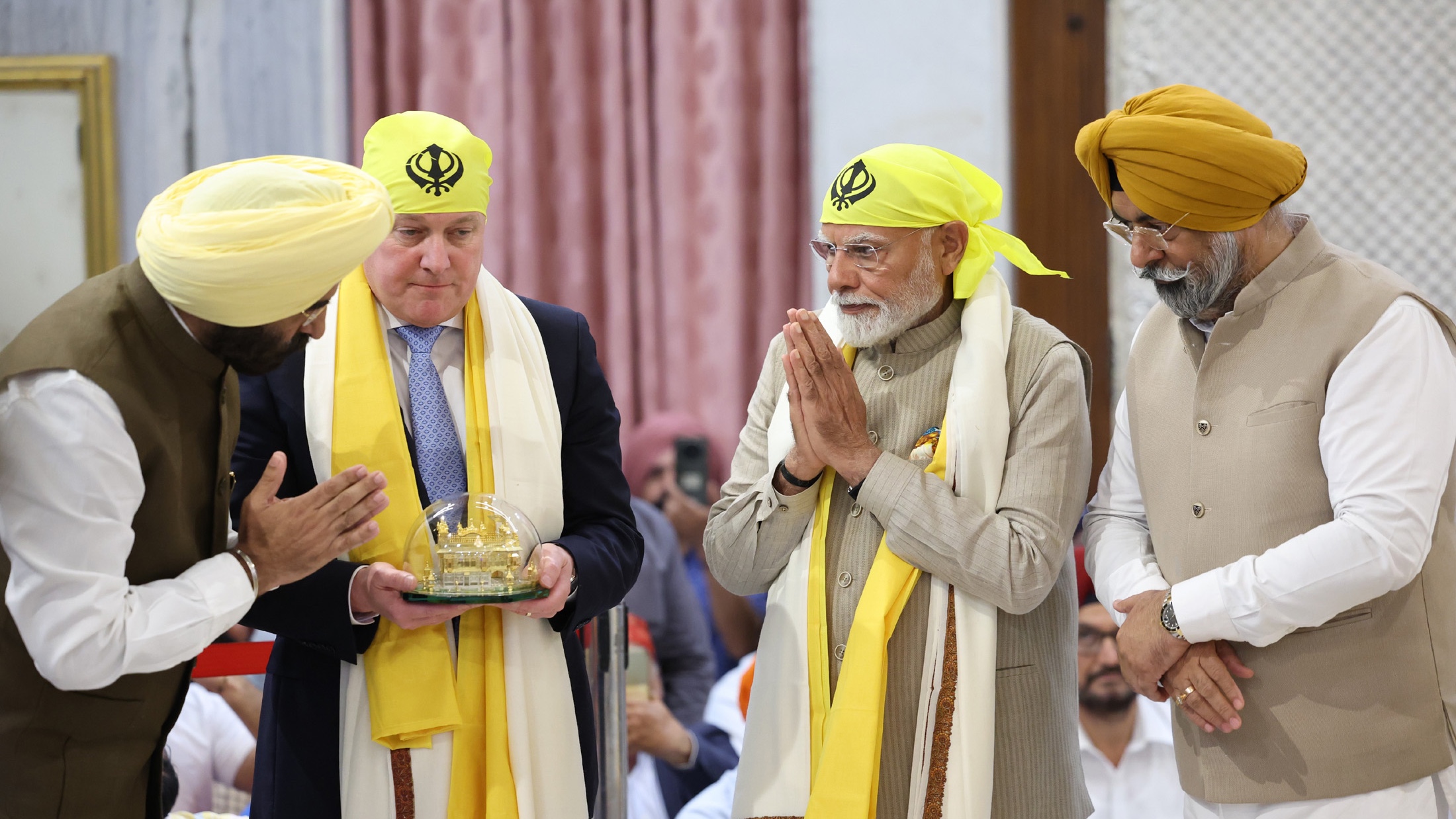
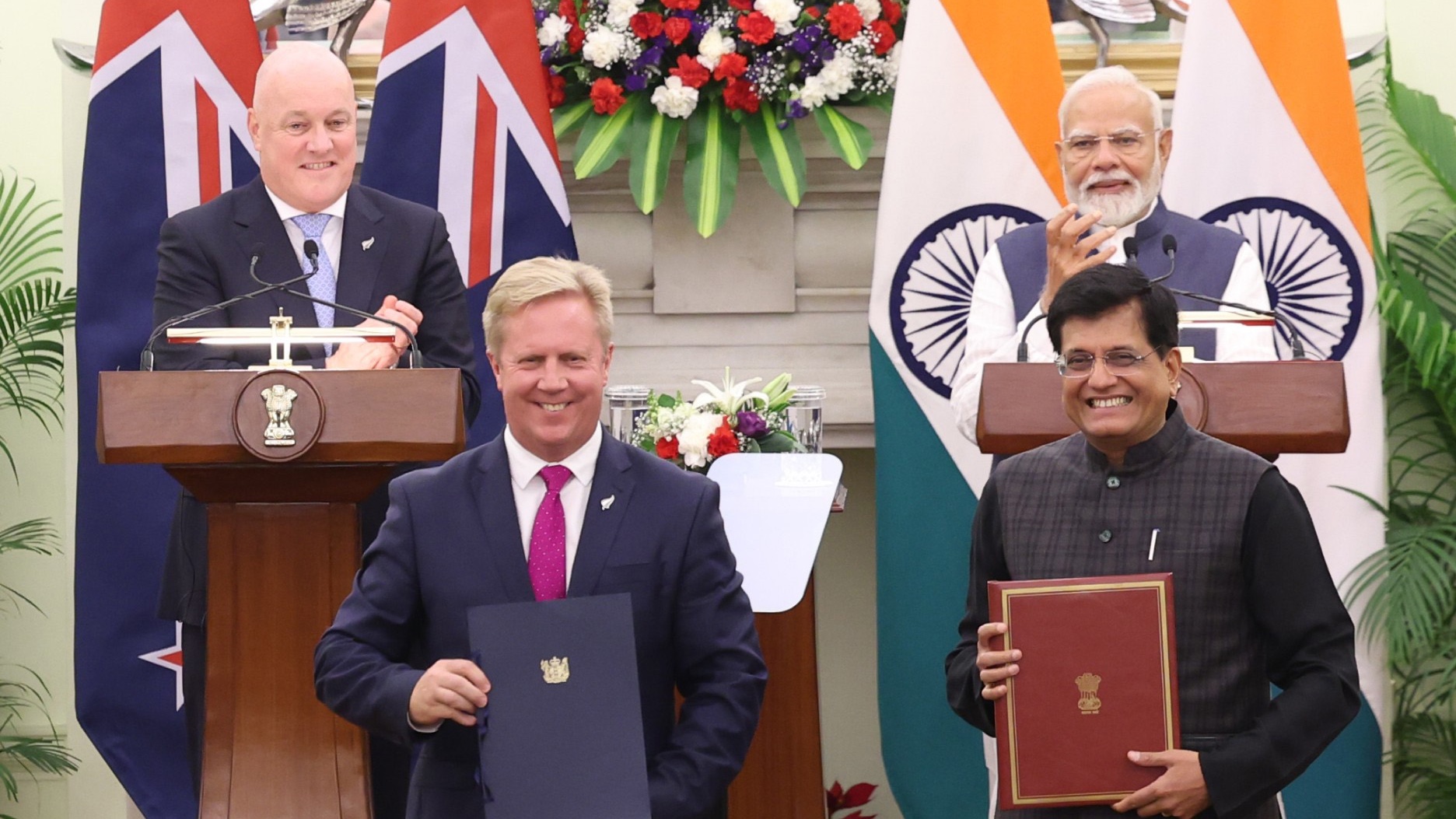
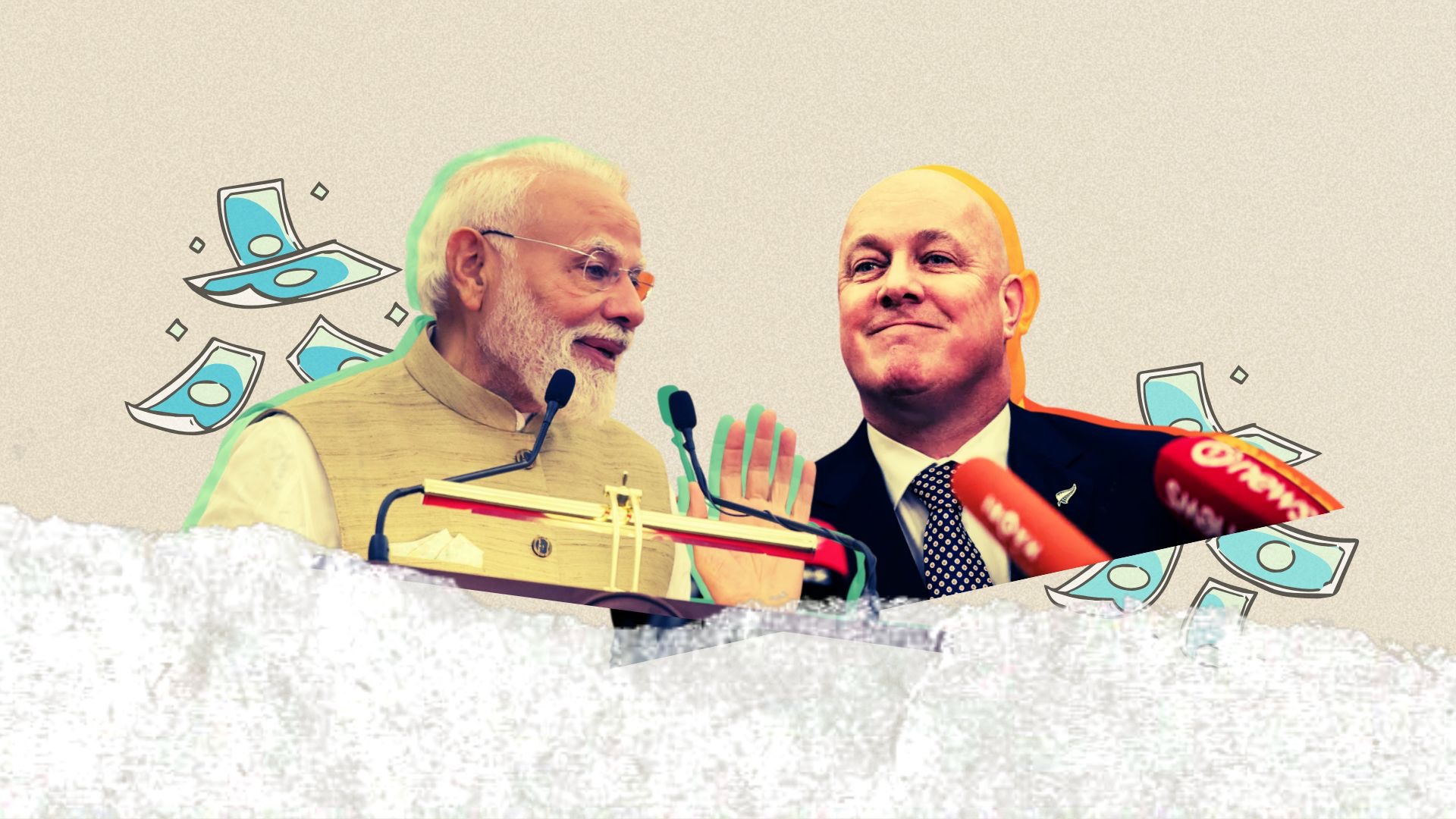
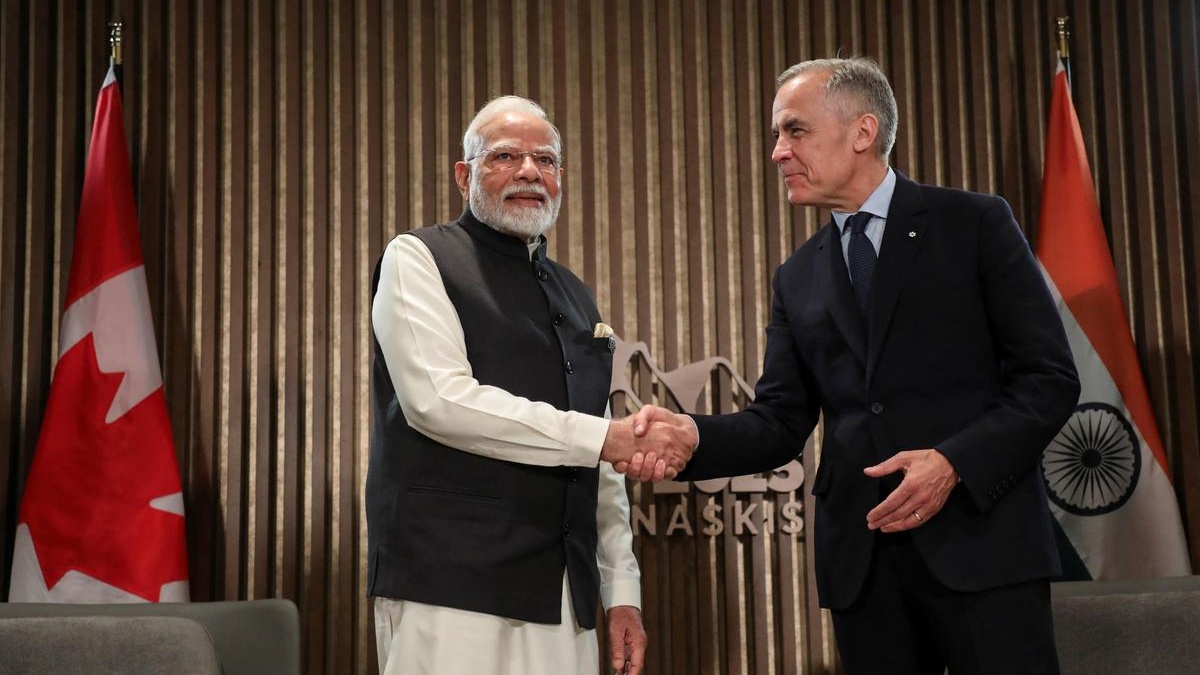
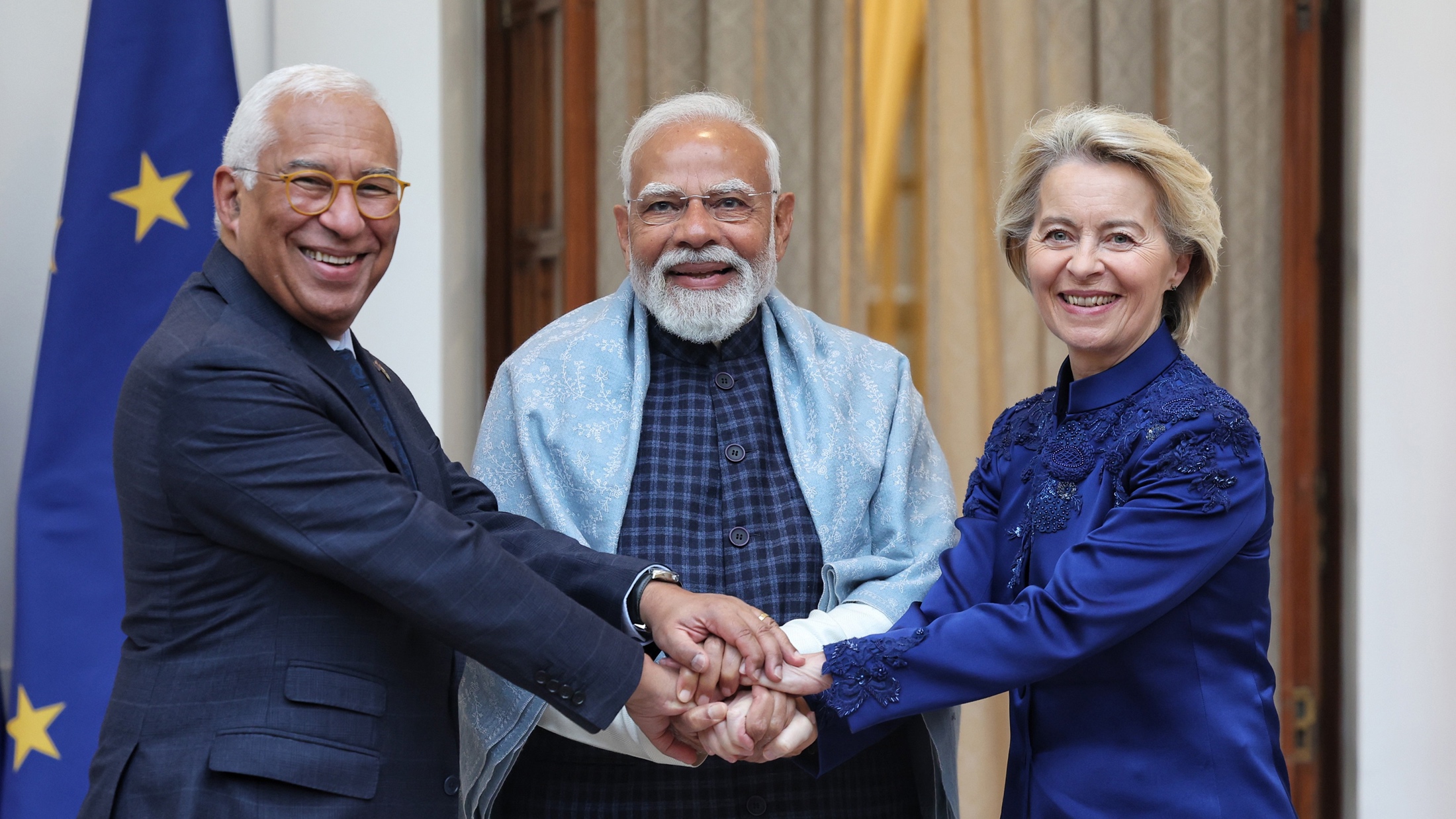
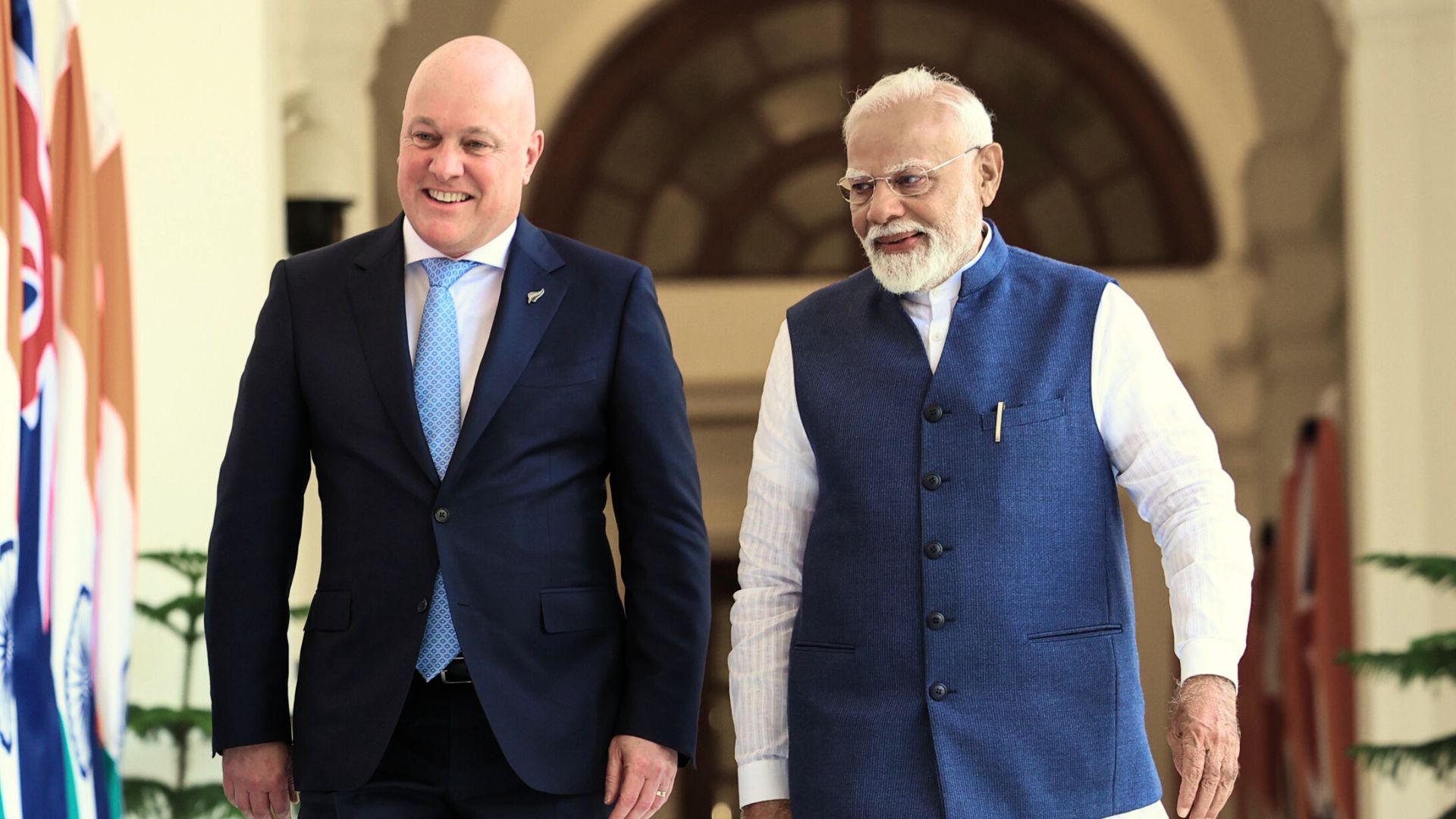
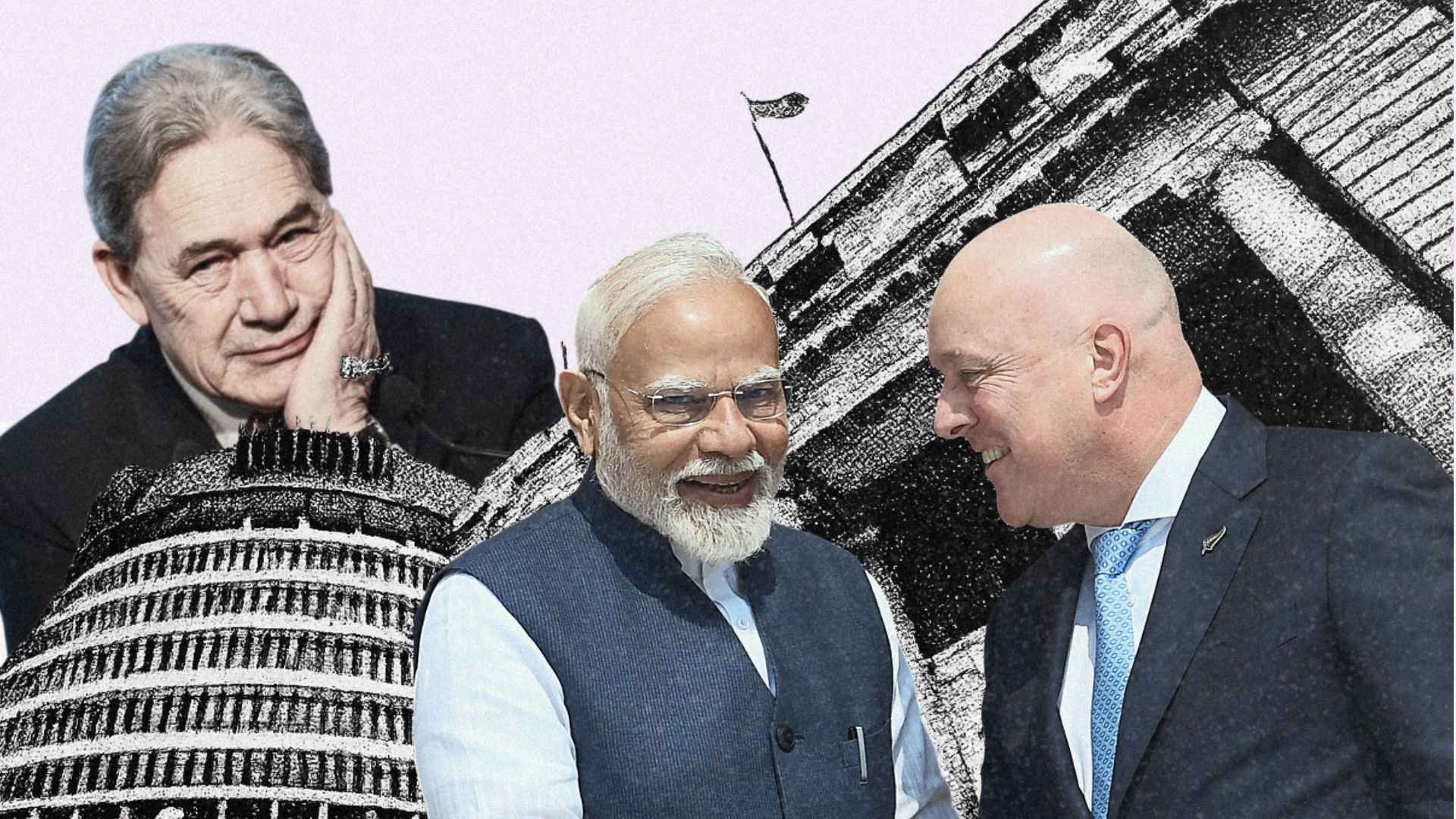
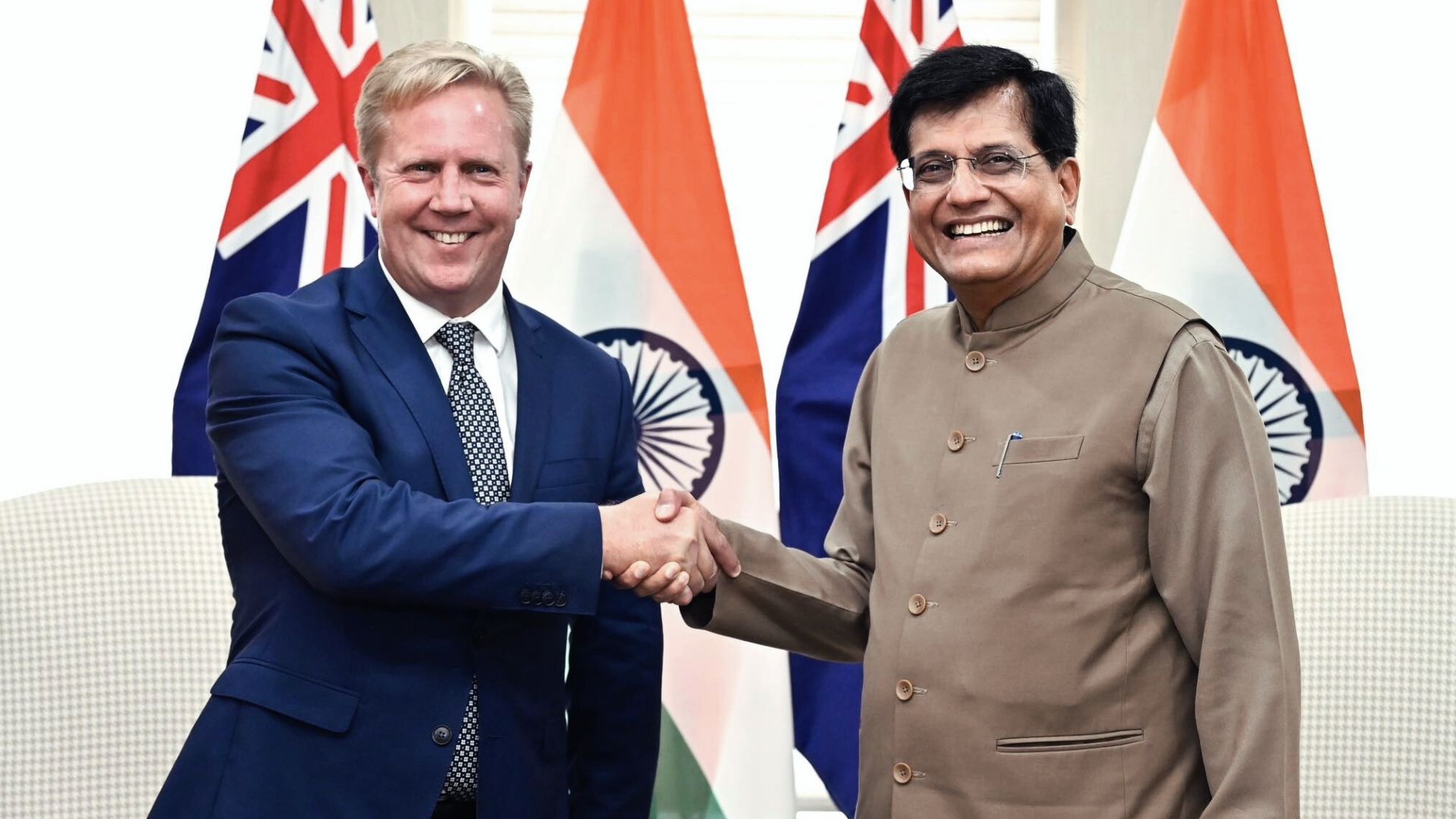
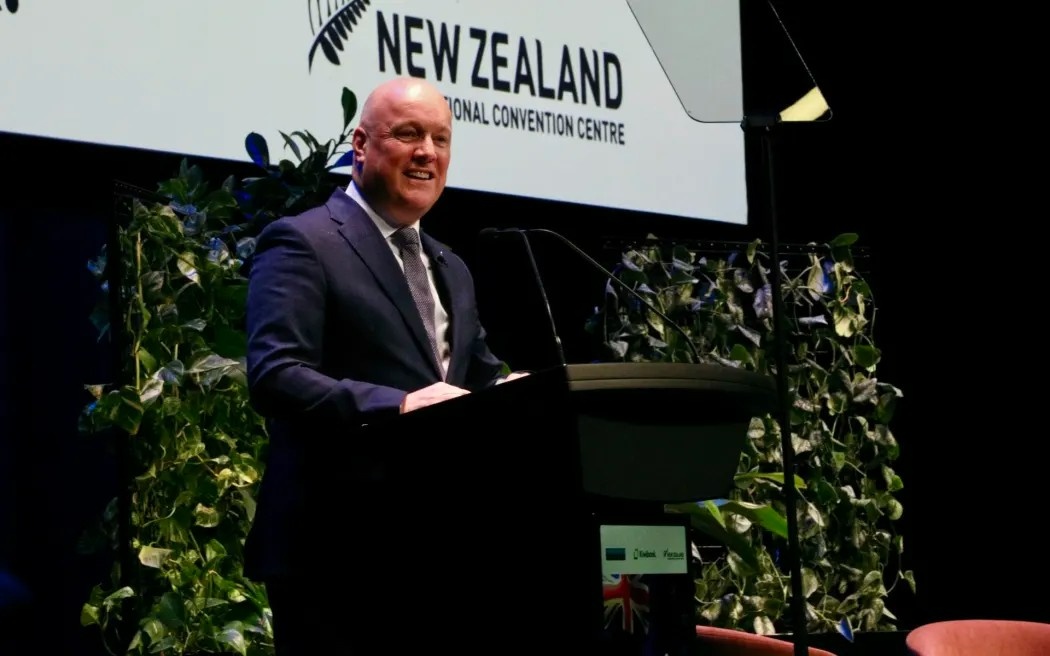
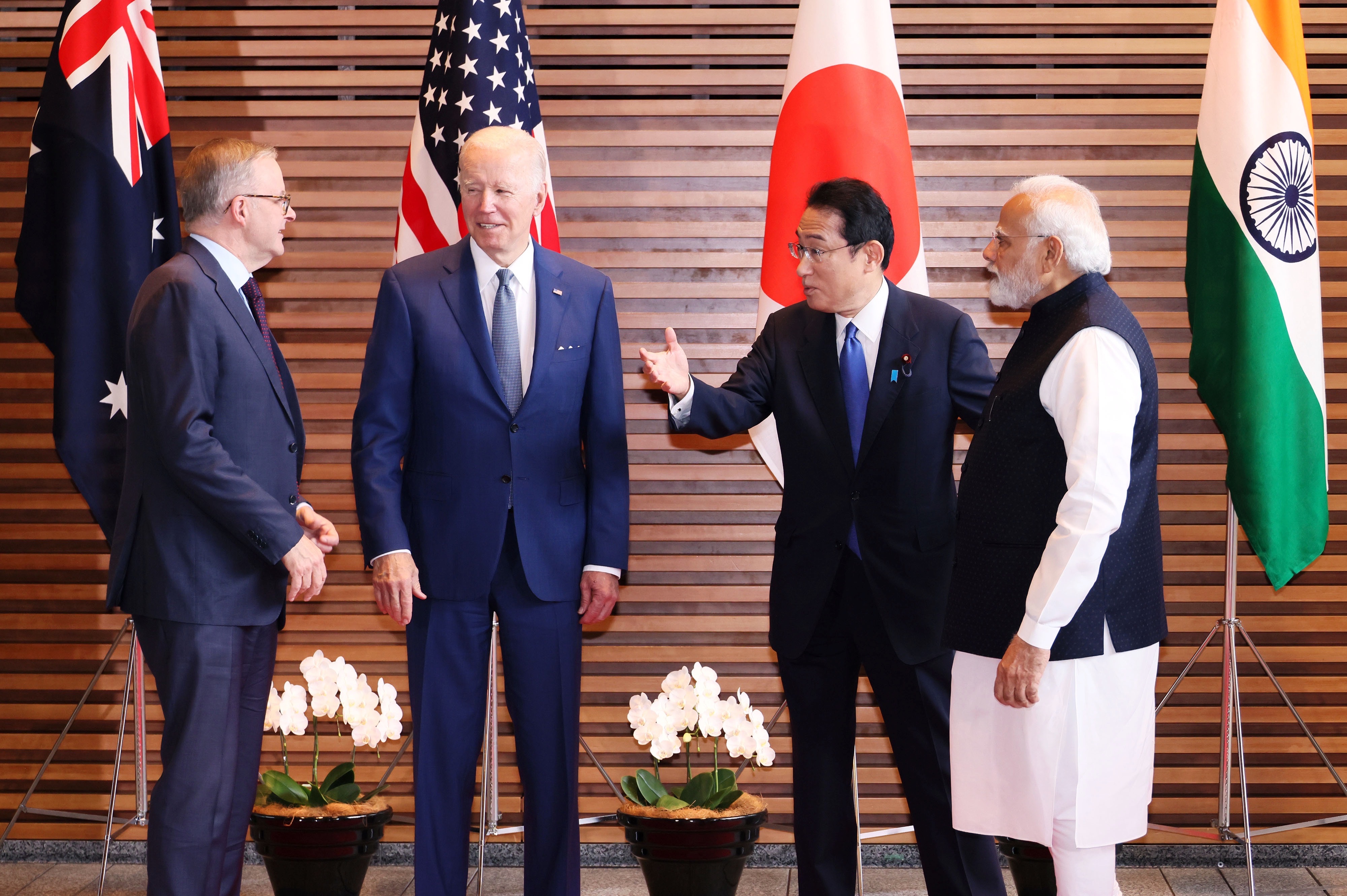
Prime minister Christopher Luxon with India's Narendra Modi at Government House Auckland on July 11, 2026. (Mark Tantrum)
"Now that we have the FTA in place, even though it's not perfect, it opens up a lot of opportunities for us."
The India Research Institute is poised to be relaunched on Wednesday in a bid to share knowledge of the South Asian nation with policy planners following implementation of the free trade deal.
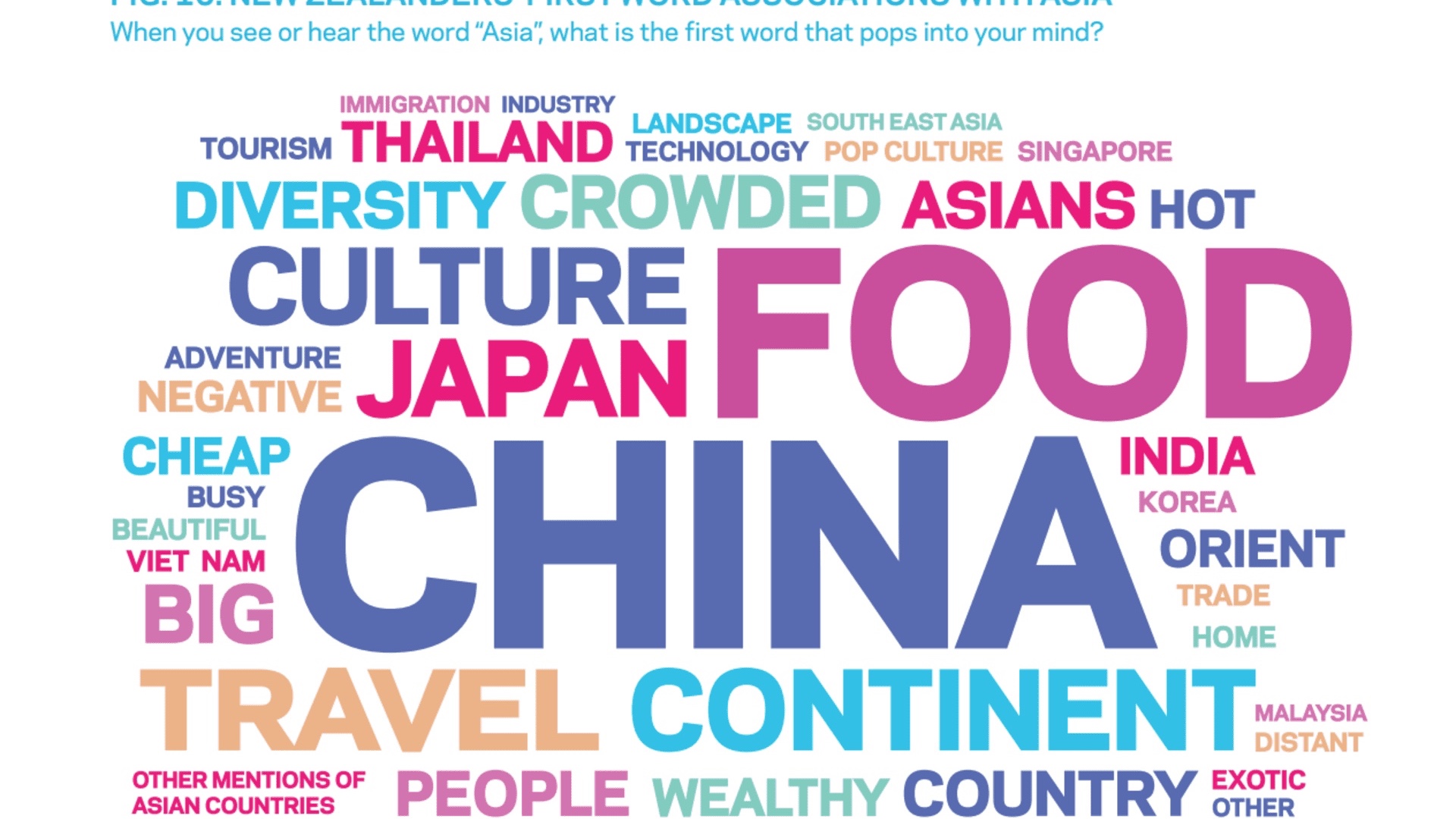
A recent survey by the Asia New Zealand Foundation found that 61 percent of New Zealanders saw India as important, with 27 percent believing it was very important to the country's future.
However, the same survey said that just 29 percent of Kiwis reported having a fair amount of knowledge about the South Asian nation.
The Victoria University of Wellington's India Research Institute seeks to broaden such knowledge.
Launched in 2012, the institute was mandated to conduct research on contemporary and historic relationships between the two nations, as well as inform the New Zealand public and policy officials on issues related to India.
From designing restaurants to running Auckland Diwali: The many lives of Arnav Taode Taode brings his passion for Indian arts and culture to his first year managing BNZ Auckland Diwali 2026.
Winston Peters says ‘diversity is disunity’. What does the evidence tell us? Evidence from business, sport and social policy suggests diversity can strengthen economies and cohesion but on one condition.
Baby born in Sri Lanka to New Zealand residents caught in limbo after Down syndrome diagnosis Immigration tribunal orders fresh residence assessment after finding a “serious mistake” by immigration officials.
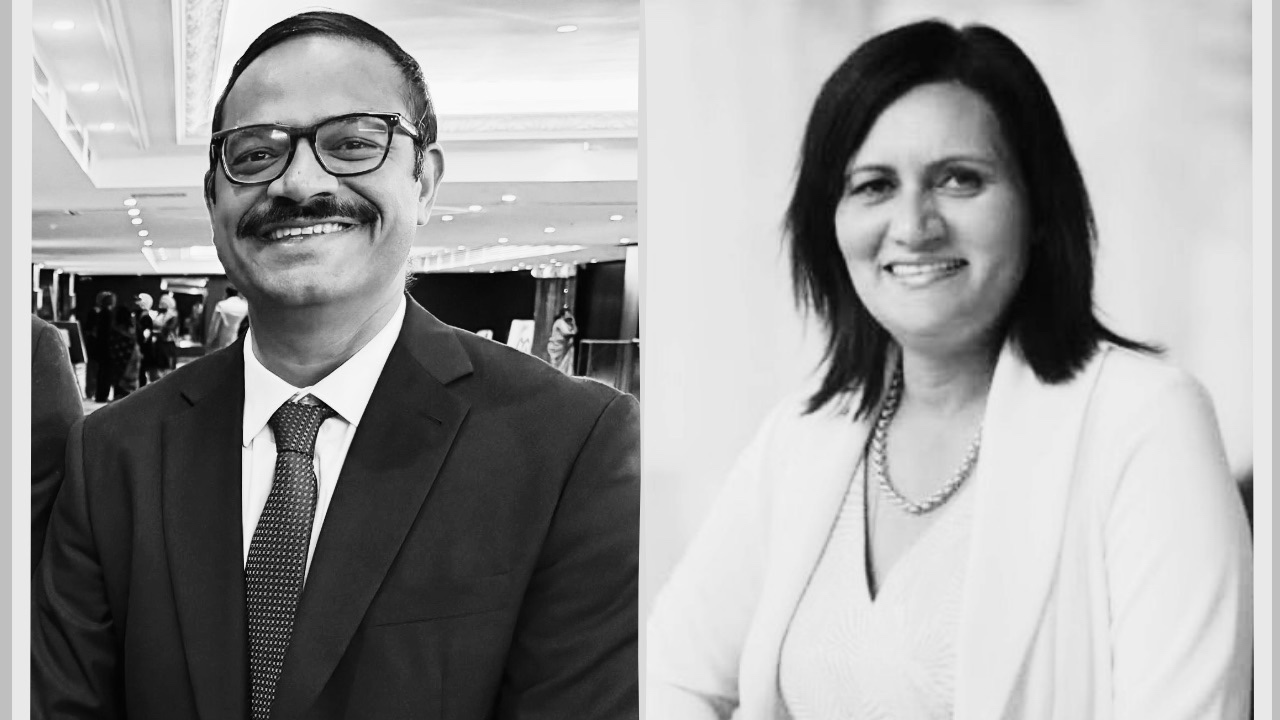
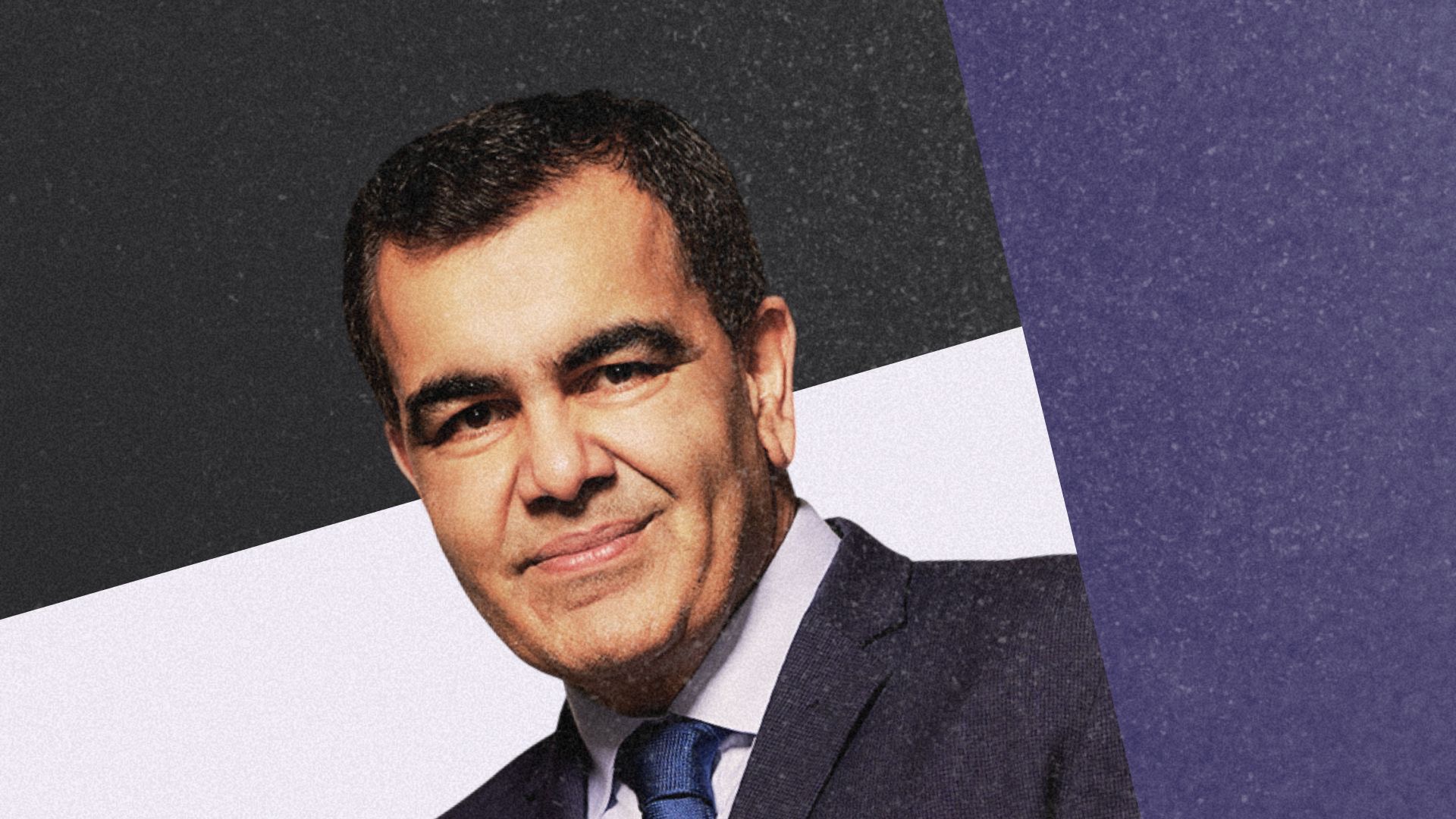
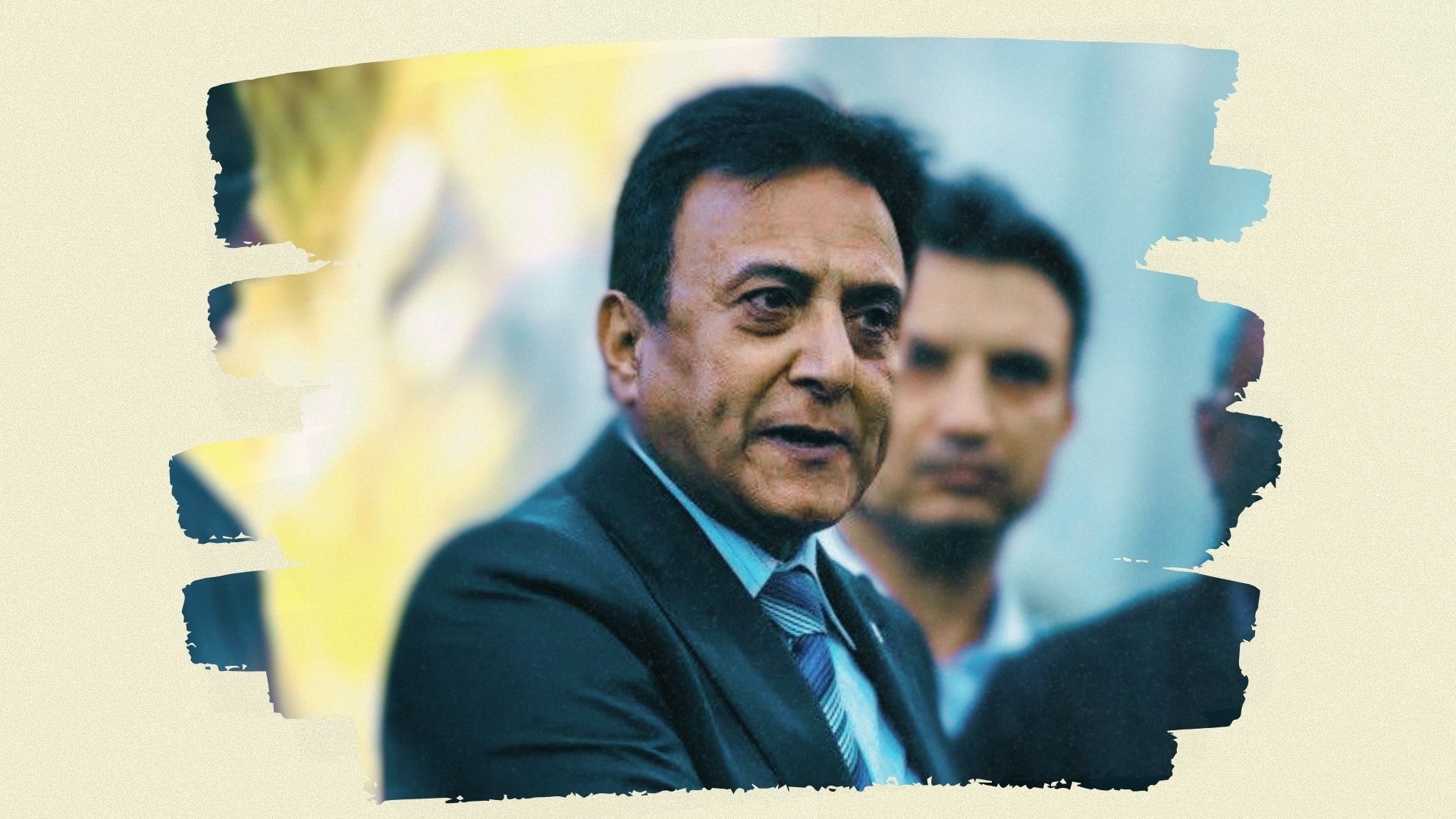
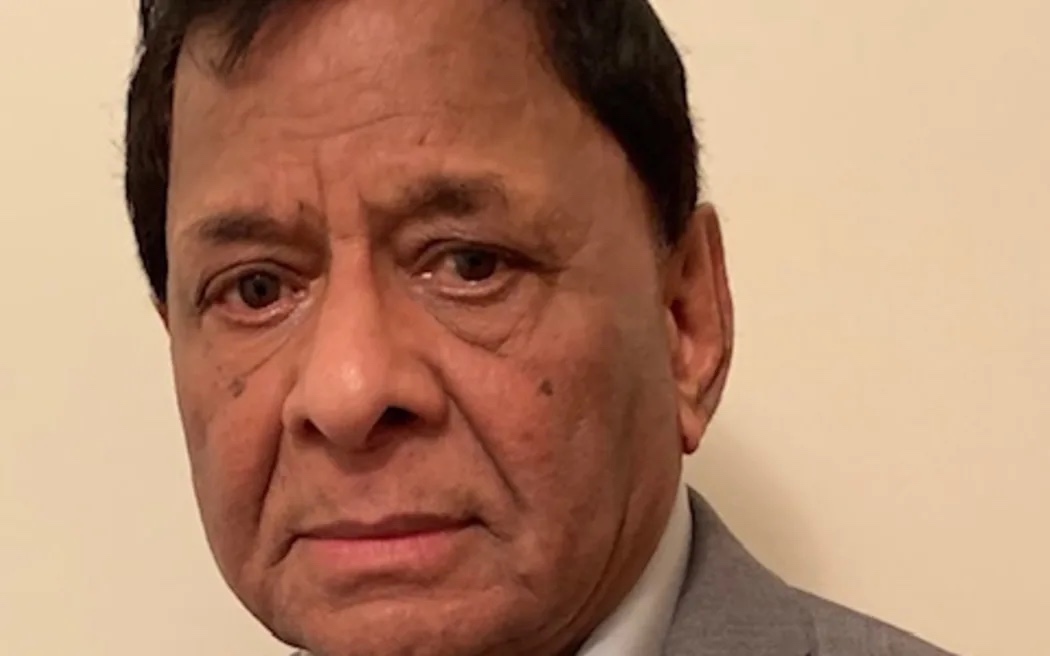
"This is what we did for the next seven to eight years until Covid-19 happened," said Sekhar Bandyopadhyay, the institute's founding director, who has returned from retirement to lead the organisation through March 2027.
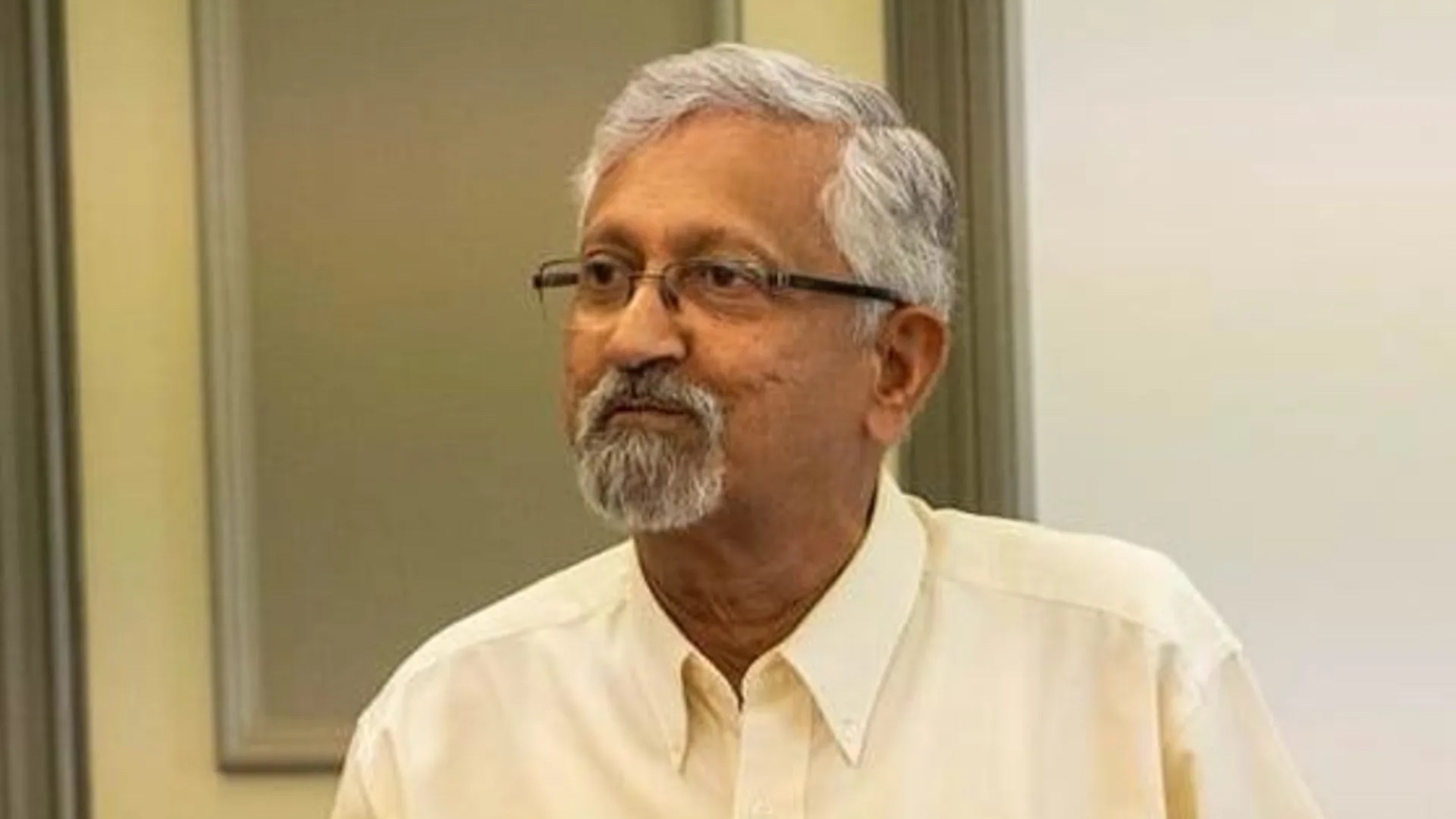
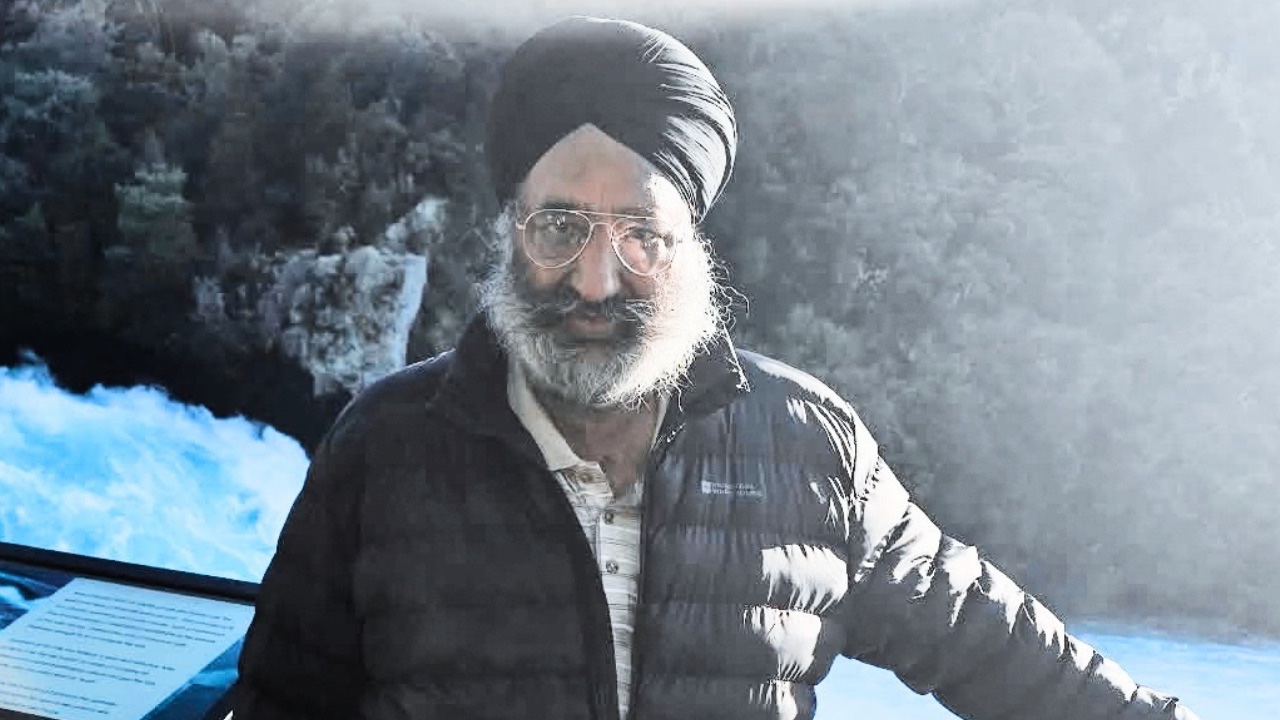
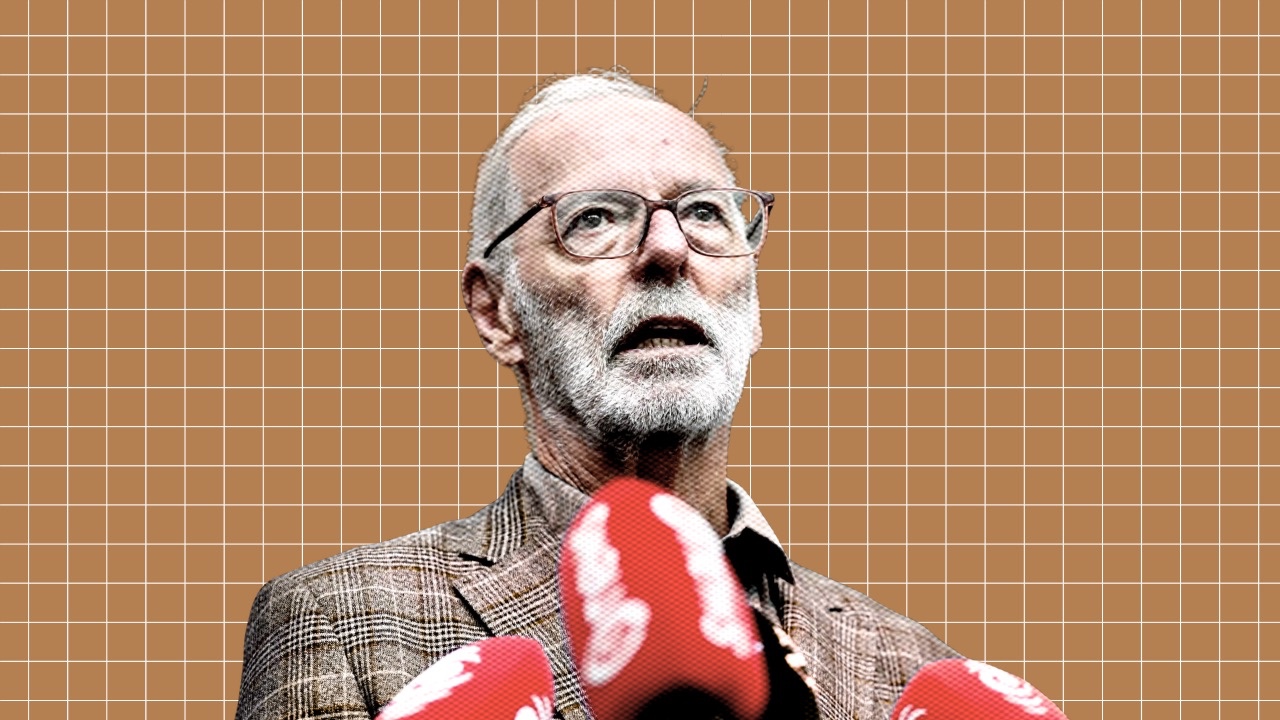
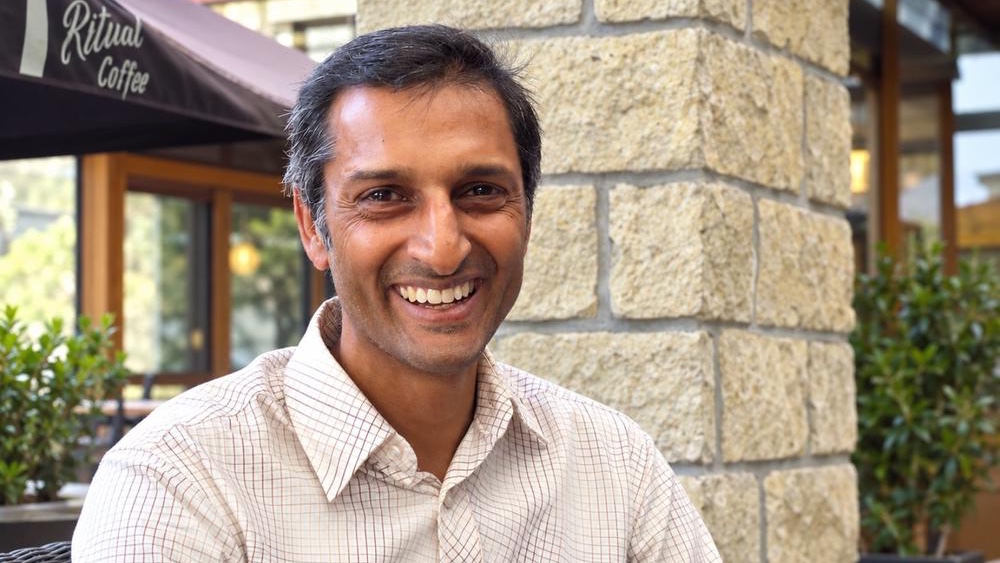
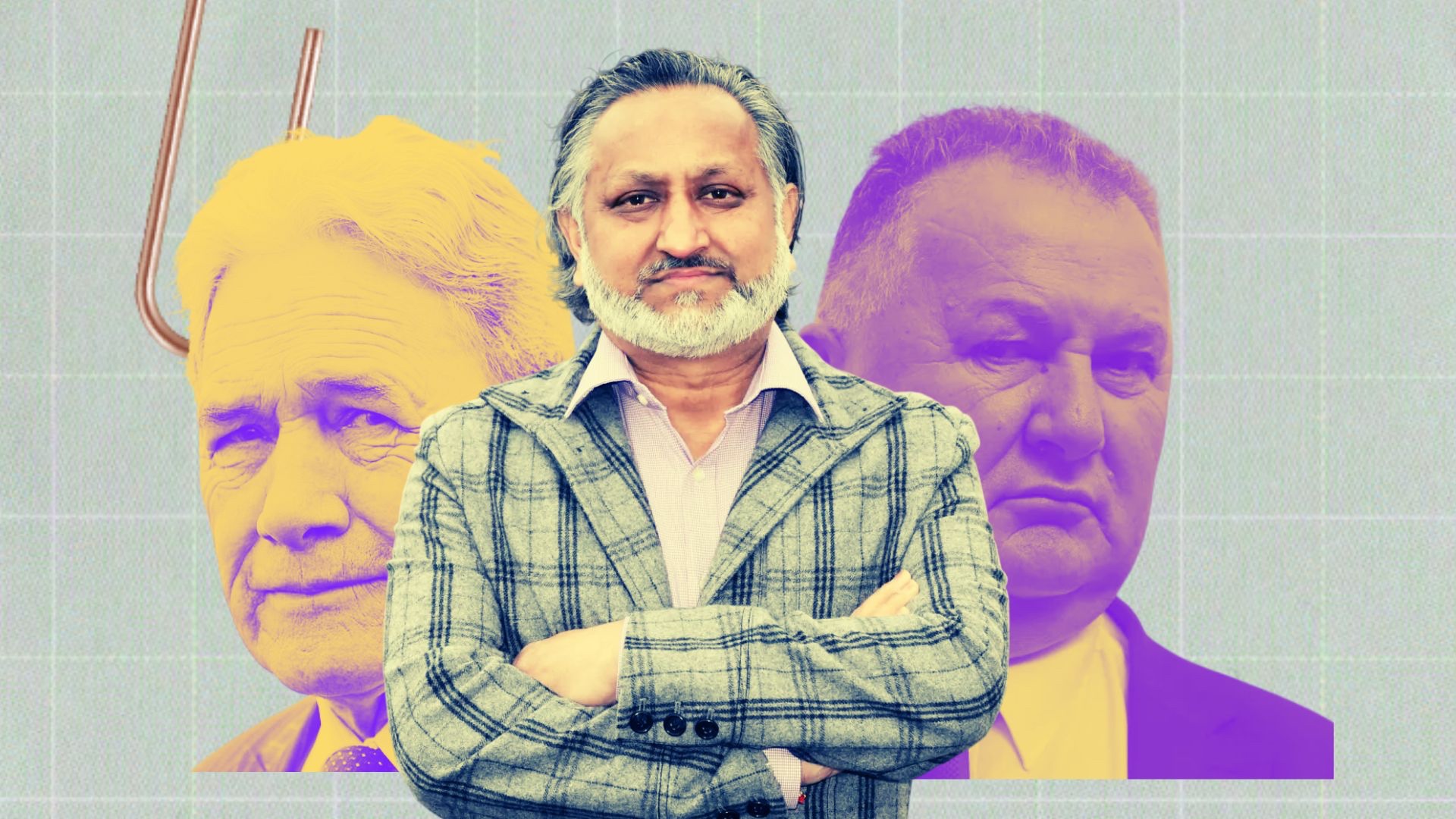
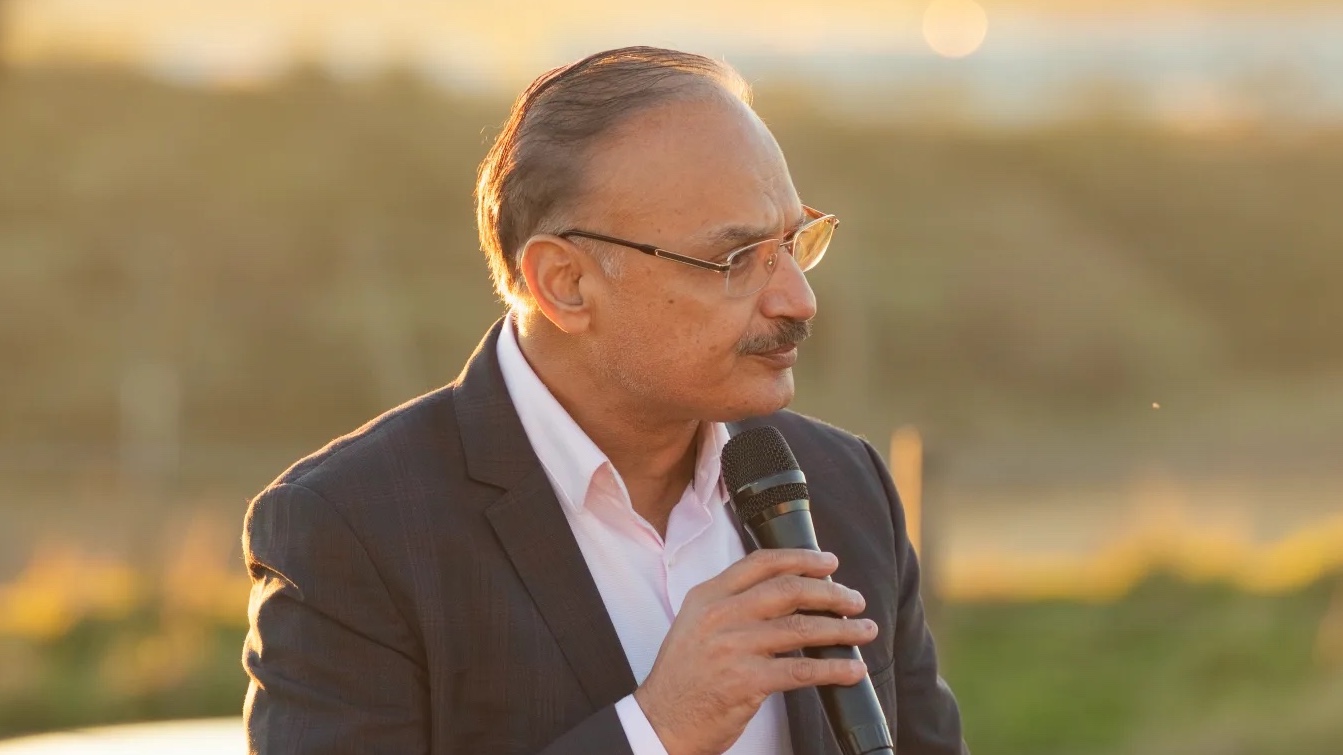
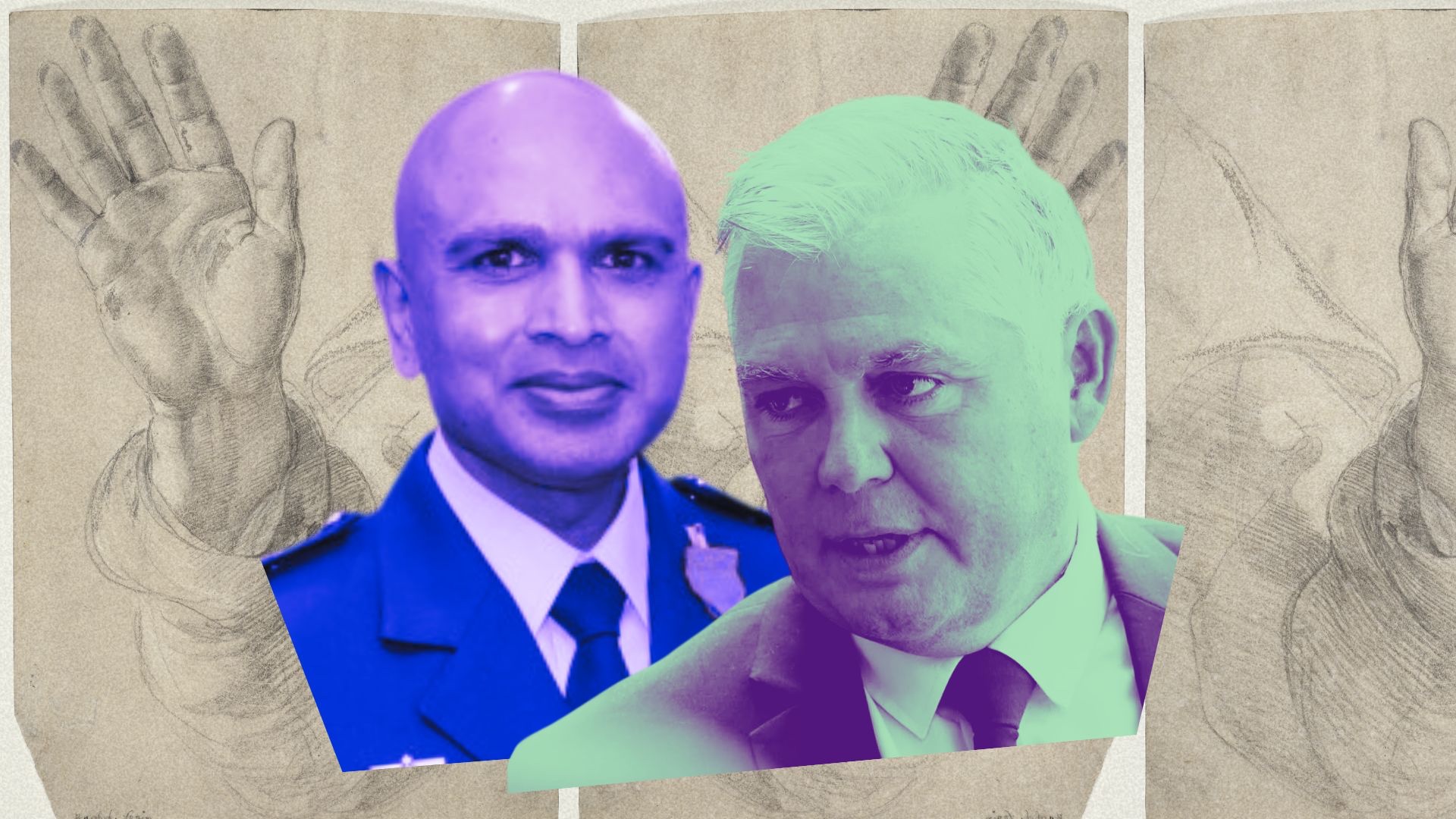
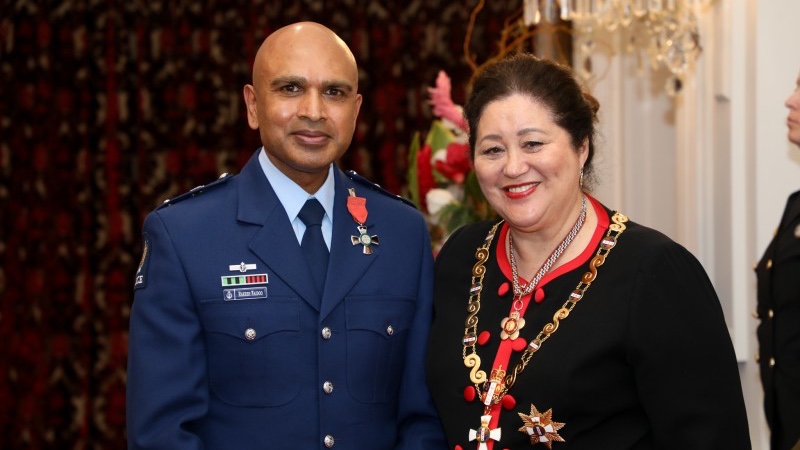
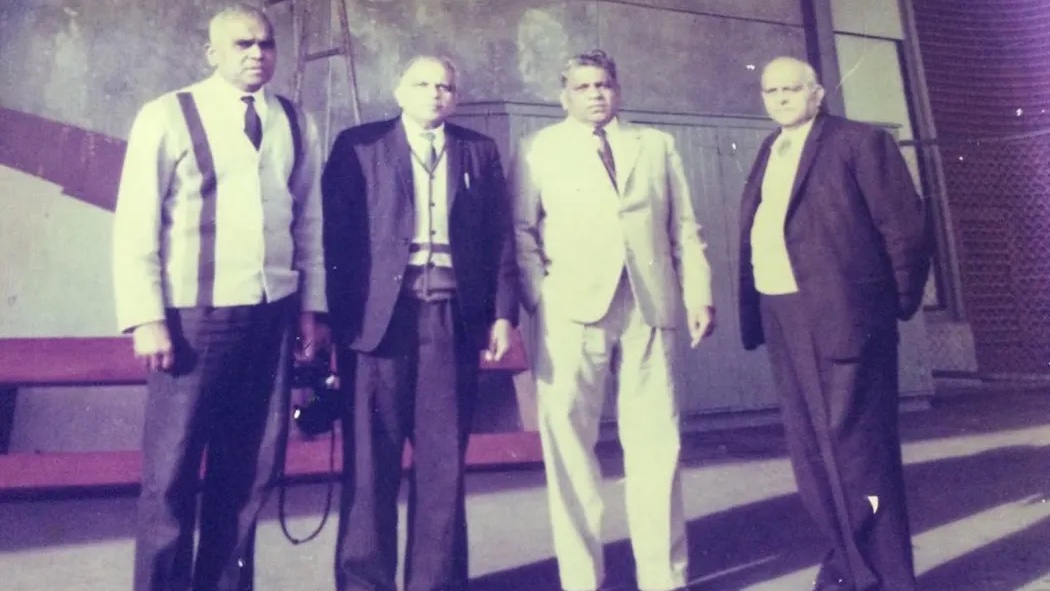
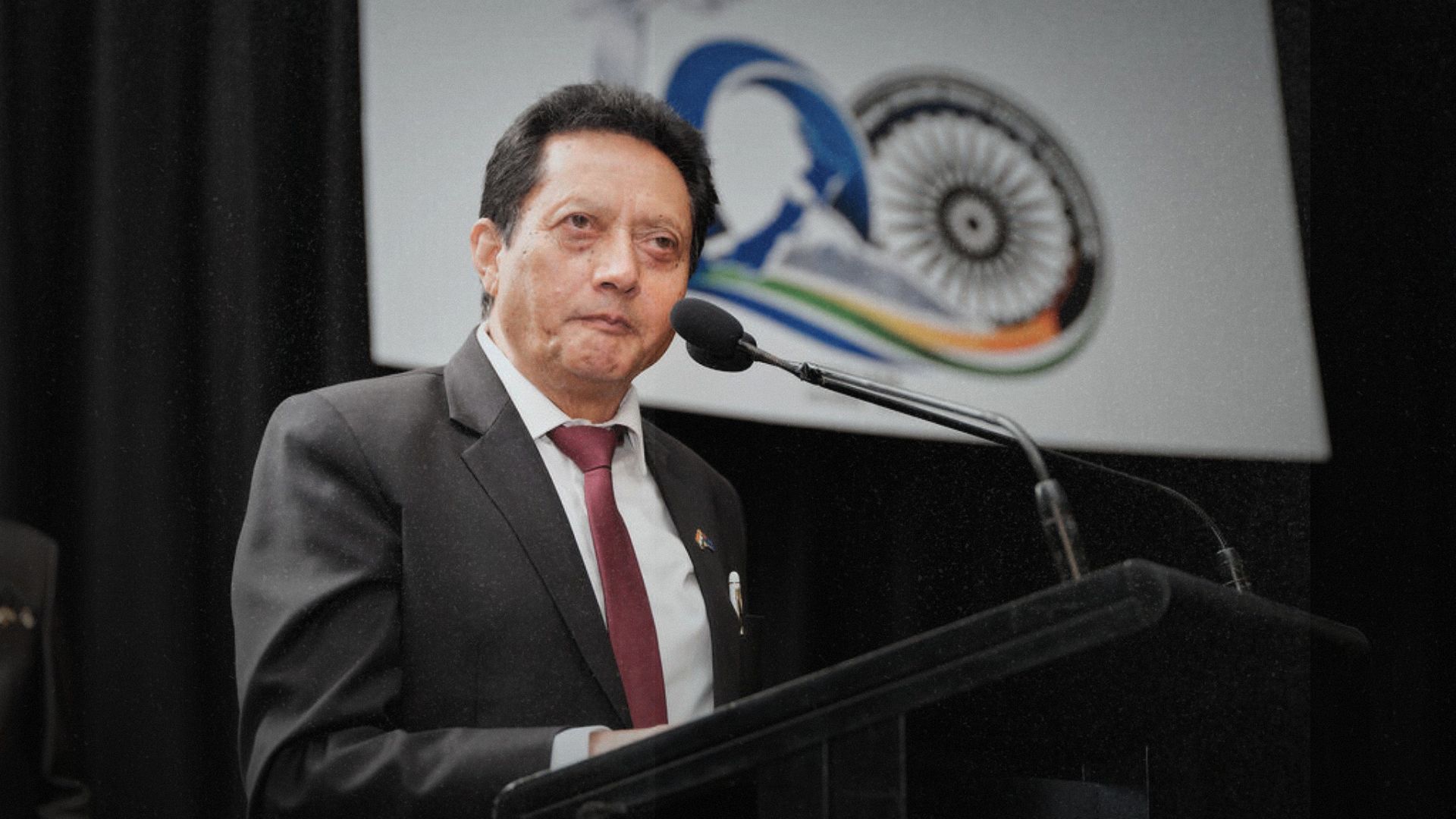
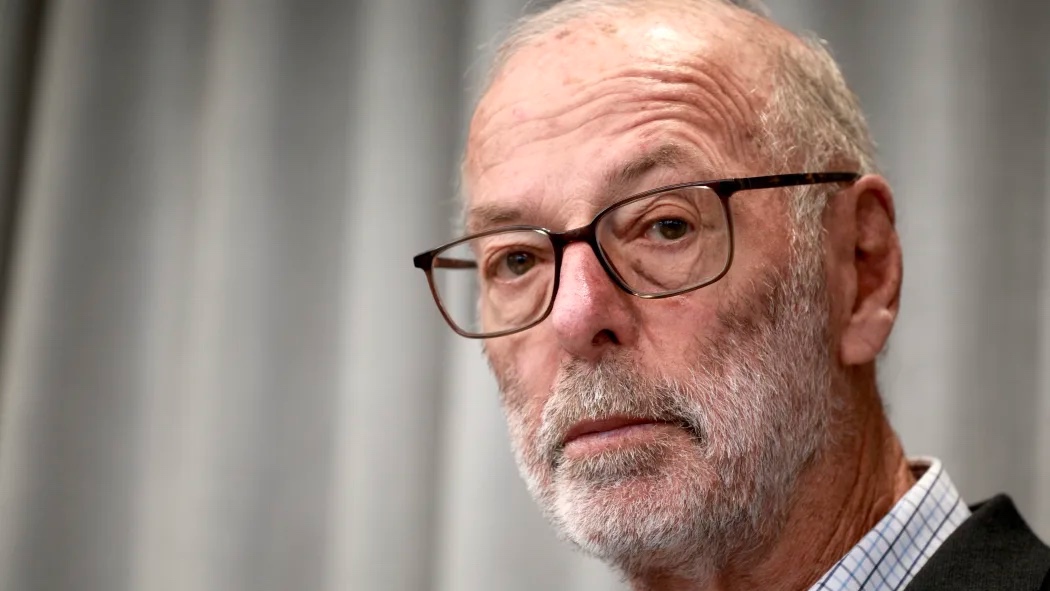
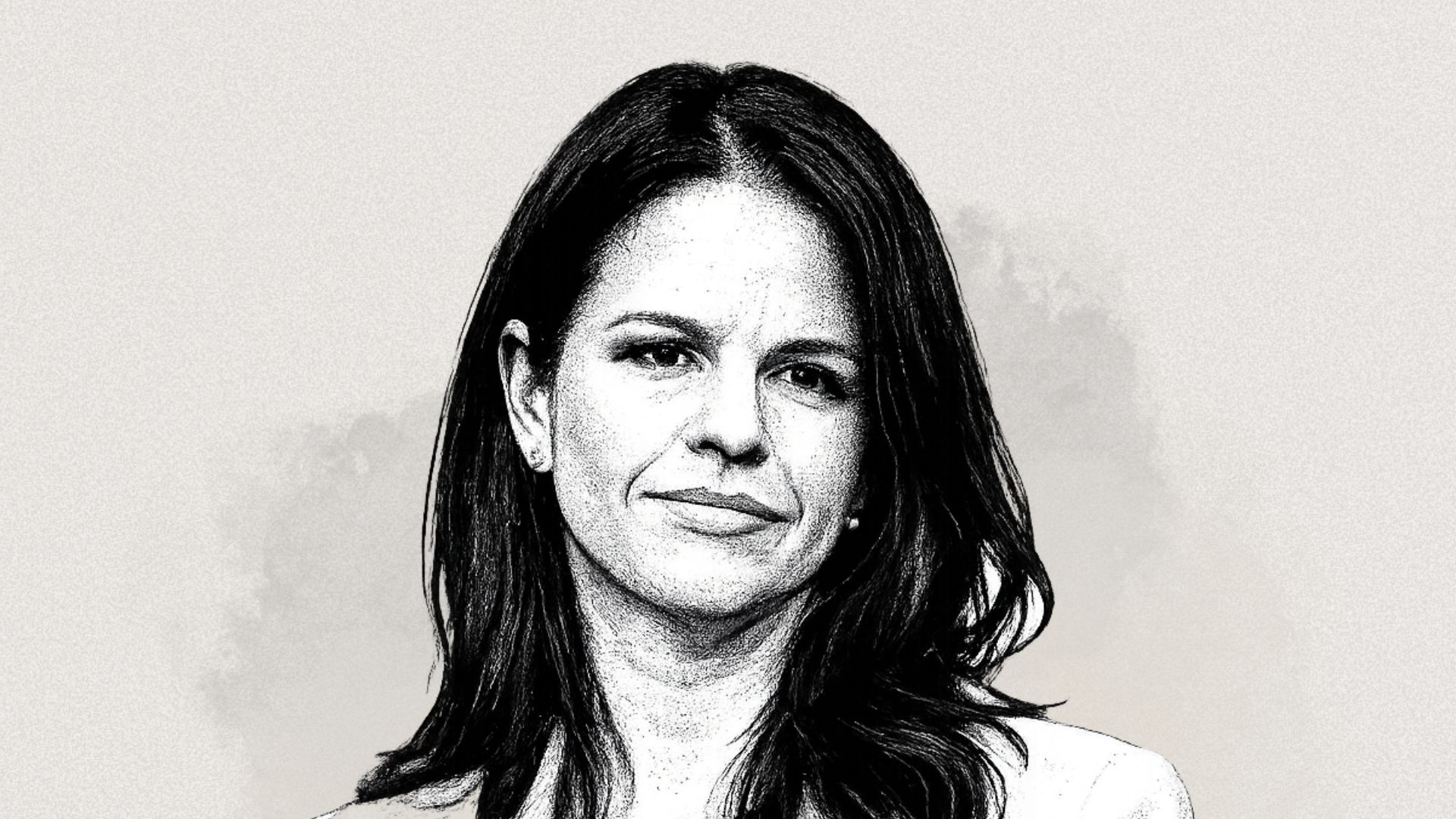
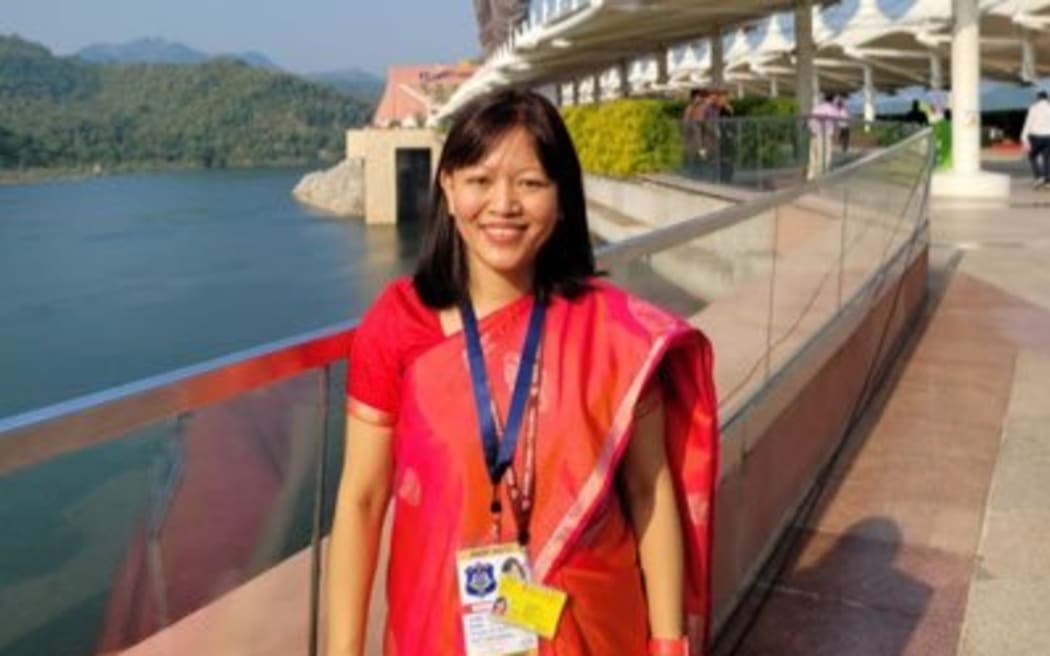
Sekhar Bandyopadhyay, founding director of the India Research Institute. (Supplied photo)
Based at Victoria University, the institute brings together about 40 scholars engaged in India research in seven domestic universities, including University of Auckland, Auckland University of Technology, Massey University, University of Canterbury, University of Waikato and Otago University.
The institute's relaunch will be marked on Wednesday with a public lecture by professor Ian Hall, acting head of the School of Government and International Relations at Griffith University in Queensland.
Titled "Where is the Pacific in India's Indo-Pacific?", Hall's lecture is an example of the work the institute does, said Bandyopadhyay, who comes from the eastern Indian city of Kolkata and has been living in New Zealand for almost 35 years.
Last year, the eminent Indian-origin academic was recognised for his life-long contribution to history, with the New Zealand Historical Association unveiling an award bearing his name.
Called the Sekhar Bandyopadhyay Prize, the award is handed out biennially for the best article by a New Zealand-based scholar in any field, excluding the field of New Zealand history, published in a journal between 1 April and 31 March of the relevant two-year period.
Elaborating on the research institute's goals, Bandyopadhyay said it was "an independent research organisation, providing objective knowledge on contemporary India for New Zealand policy planners".
"Our main function is to hold academic conferences, symposia and lectures to showcase relevant research, and to bring together scholars on India to New Zealand to inform public policy," Bandyopadhyay said.
"The institute also has a role in leading non-official dialogue between the two countries.
"[We] often work alongside our Indian counterparts, including the Indian Council for World Affairs, and are funded in part by the New Zealand Ministry of Foreign Affairs and Trade."
Bandyopadhyay said the institute undertook 19 research projects and published five books before going into hiatus.
"In a sense, we were operating as a national centre of India studies in New Zealand during this time," he said.
"[But then] came the Covid-19 lockdown in 2020. At that point, I also retired from the university. After the lockdown, the university was struck by a serious financial crisis ... the institute's funding disappeared and it practically became inactive.
"We did have some skeletal programs over the last five-six years, but not at the scale we used to.
"Then again from end of last year, India became important to the New Zealand government. ... [At that point] the Ministry of Foreign Affairs and Trade realised, unlike other developed countries, New Zealand does not have a national centre of research on India."
Bandyopadhyay said the government had given a "very generous grant" to revitalise the institute.
Victoria University had also committed to give the institute a permanent home, he said.
As before, the institute is expected to work in collaboration with the Asia New Zealand Foundation and participate in track two diplomacy with partner organisations in India, including the Indian Council for World Affairs.
Bandyopadhyay said the institute's goal was also to develop research exchange programmes with notable Indian universities, including Ashoka University, Jawaharlal Nehru University and the Indian Institute of Technology Chennai, among others.
"[Those] relationships which had fallen into slumber will be revived again," he added.
Bandyopadhyay said New Zealand's perception of India had changed "very significantly" in recent decades.
"Although the general public may not have the details about what is happening in India, they certainly have an understanding about the growing importance of India in the world," he said.
"Even when you look at the mainstream media in New Zealand. India used to be in news only when something bad or negative happened, otherwise it won't feature at all."
However, these days the media appeared to focus on doing business with India and how it could benefit the domestic economy.
"I would say one aspect that has become permanently imprinted in New Zealand's perception about India is the economic potential of it," Bandyopadhyay said.
"And now that we have the FTA (free trade agreement) in place, even though it's not perfect, it opens up a lot of opportunities for us."
On fears that have been expressed about increased migration from India because of the trade deal, the professor said it appeared to originate from a "lack of understanding of the nature of Indian migration".
"[However] this is an election year," he said.
"Migration has always been an issue in every election, with this year being no exception. ... It is quite unfortunate, though, that this time Indians particularly are being targeted. It makes me sad.
"A cursory glance at the Census report would reveal the Indian population in New Zealand is more educated, better employed and has a larger median income than the rest of the population."
Bandyopadhyay said India's image in New Zealand appeared to have changed and yet it still wasn't perfect.
"More work needs to be done to bridge the gap of ignorance that still remains on both sides," he said.
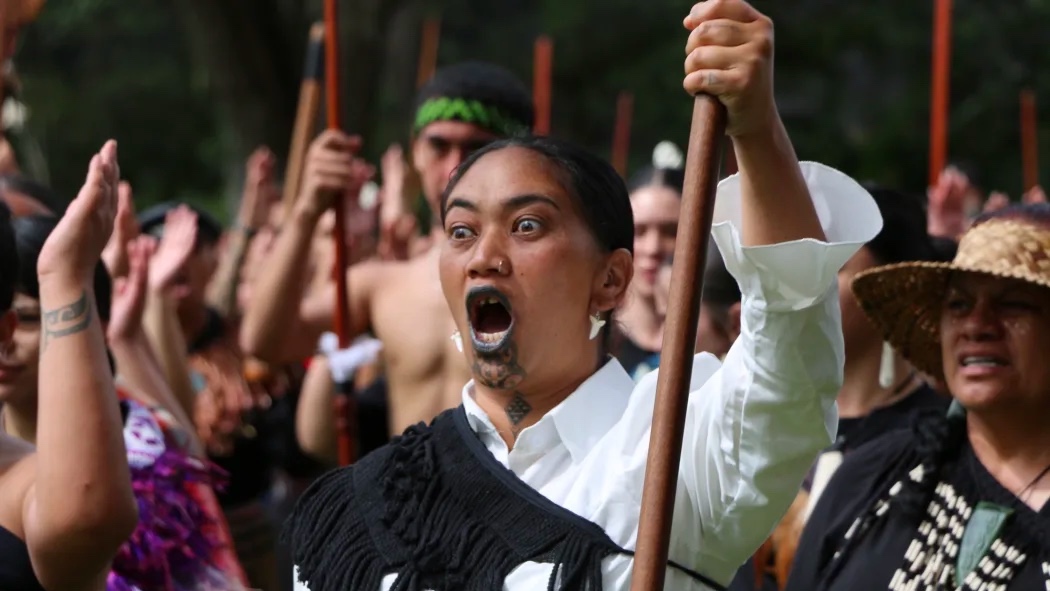
"Māori groups should also be brought into this dialogue. More knowledge-sharing and bridge-building exchanges must happen between scholars on both sides, and our institute will help facilitate that."
(This story was first published on rnz.co.nz)