
National's pain is no gain for Labour. New poll pegs Opportunity Party as kingmaker

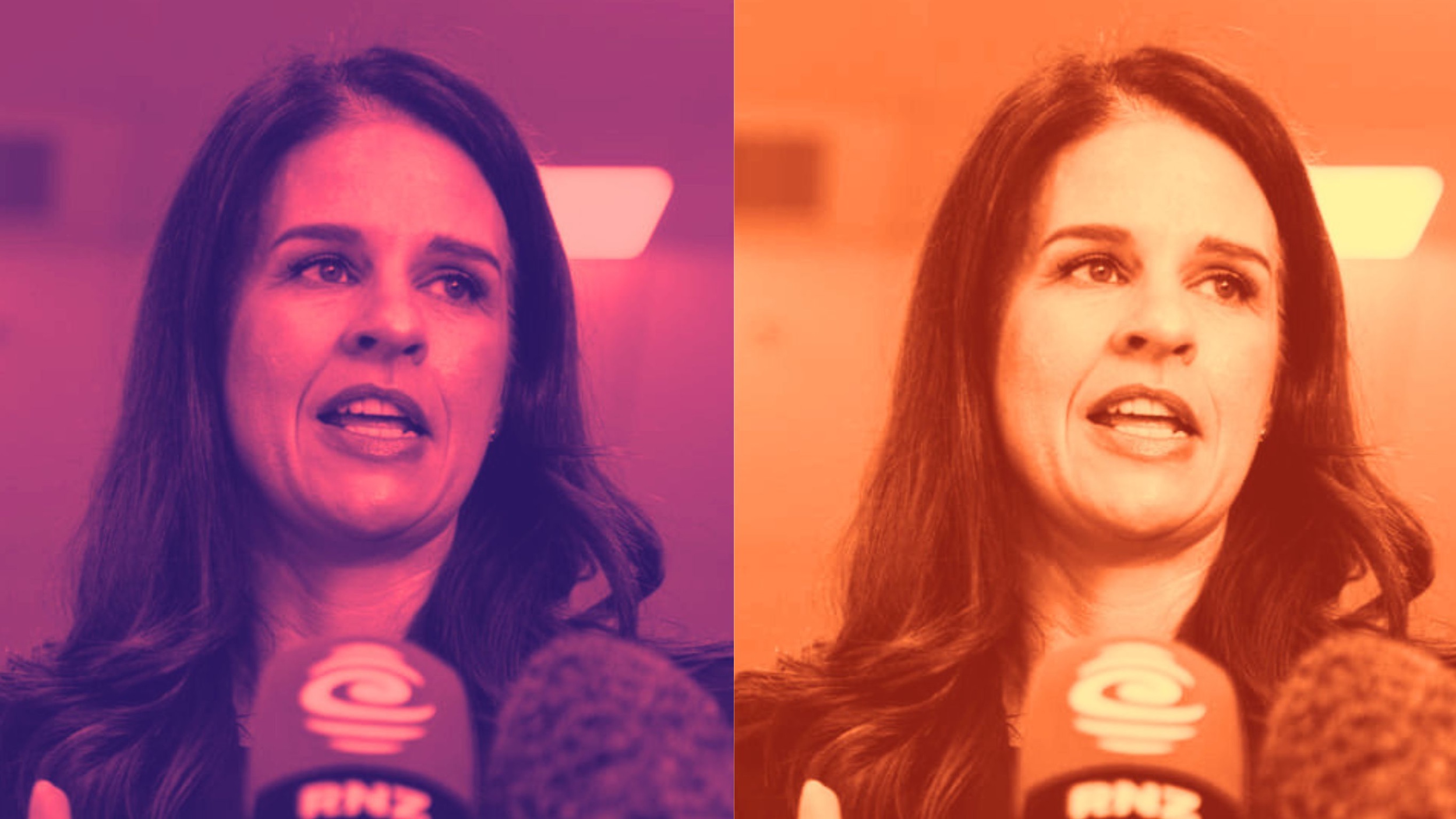
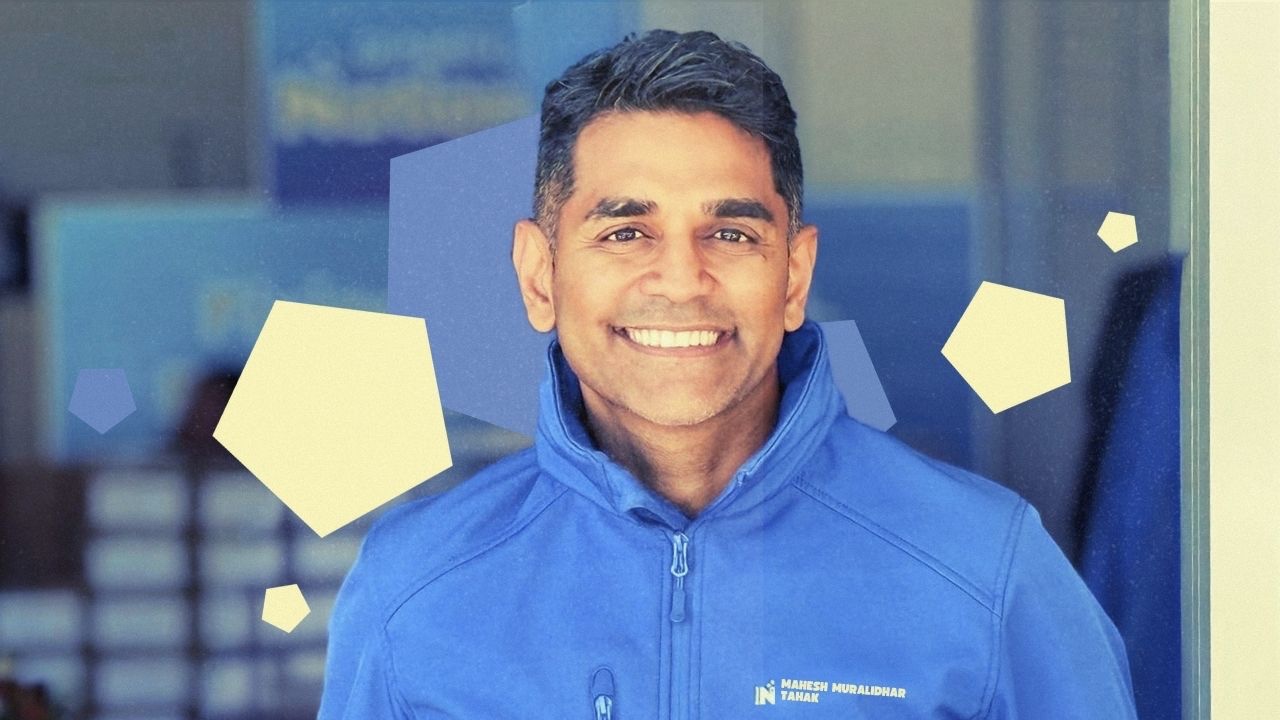
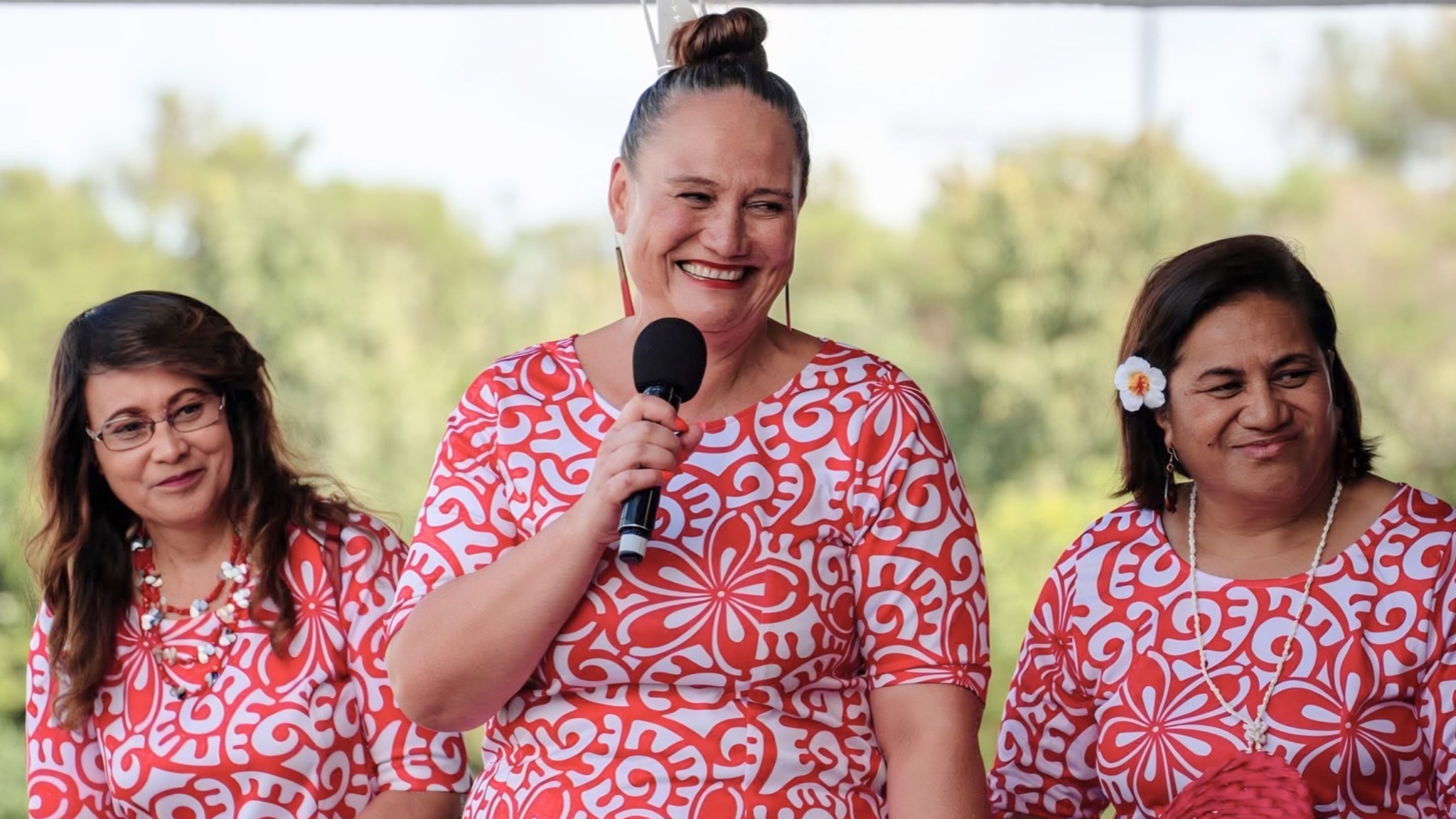
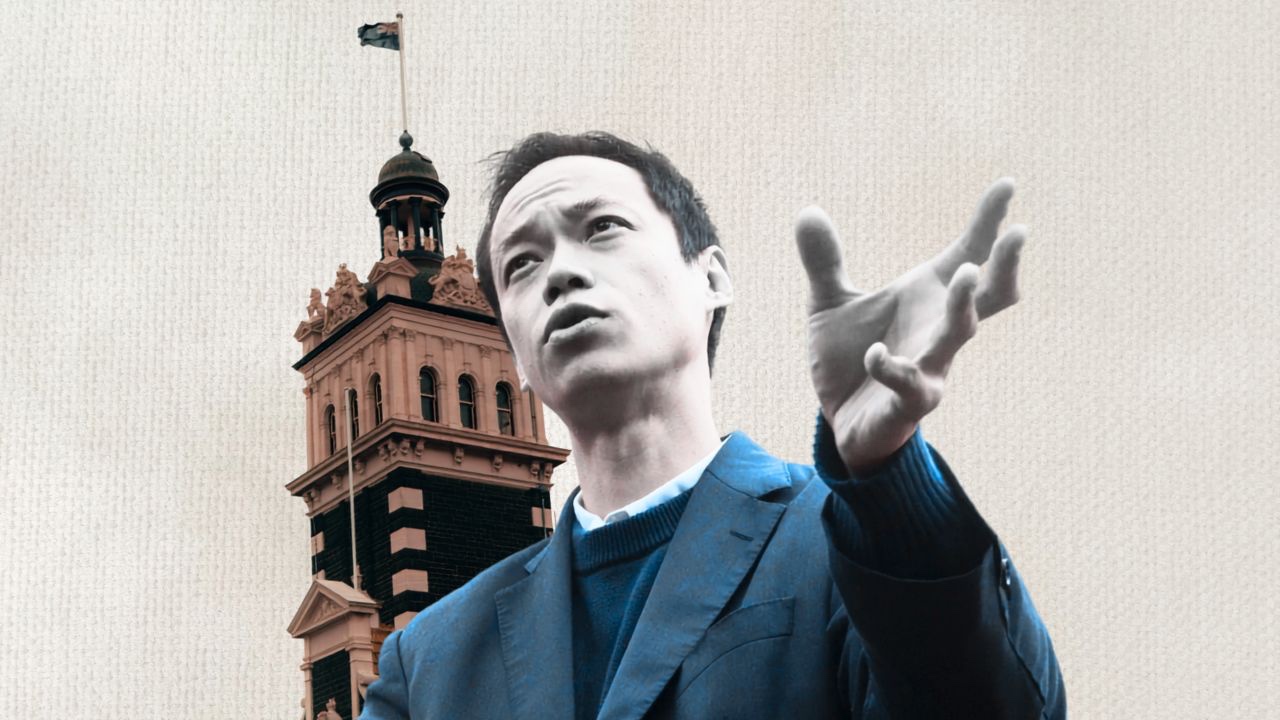
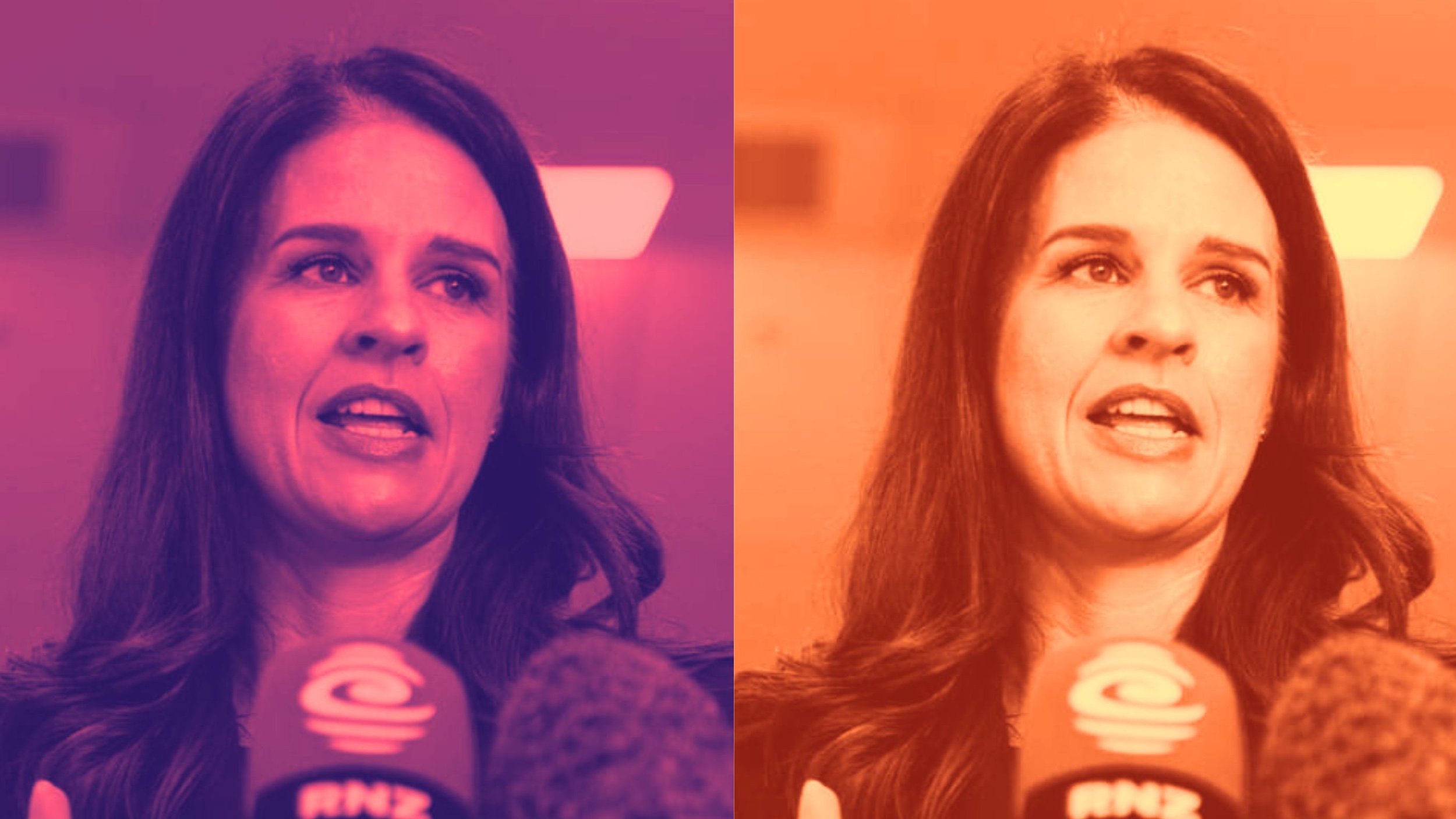
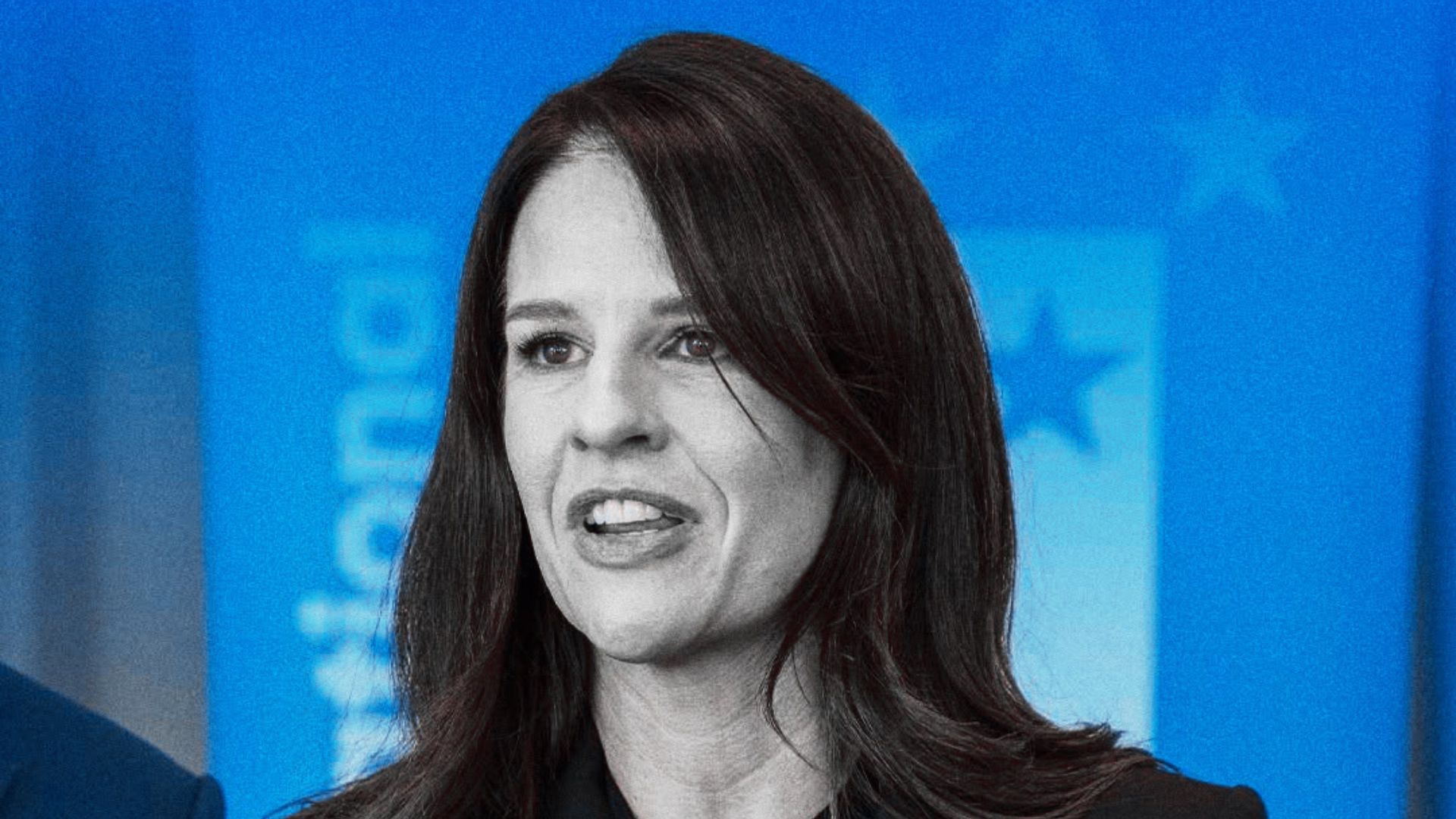
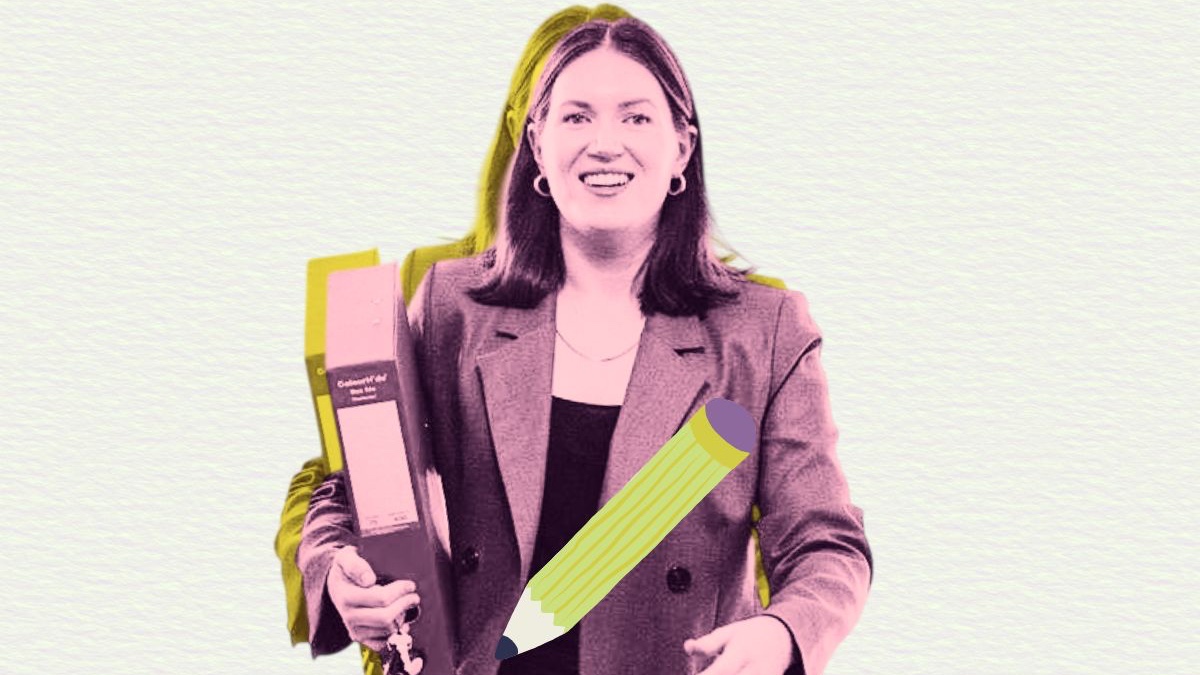
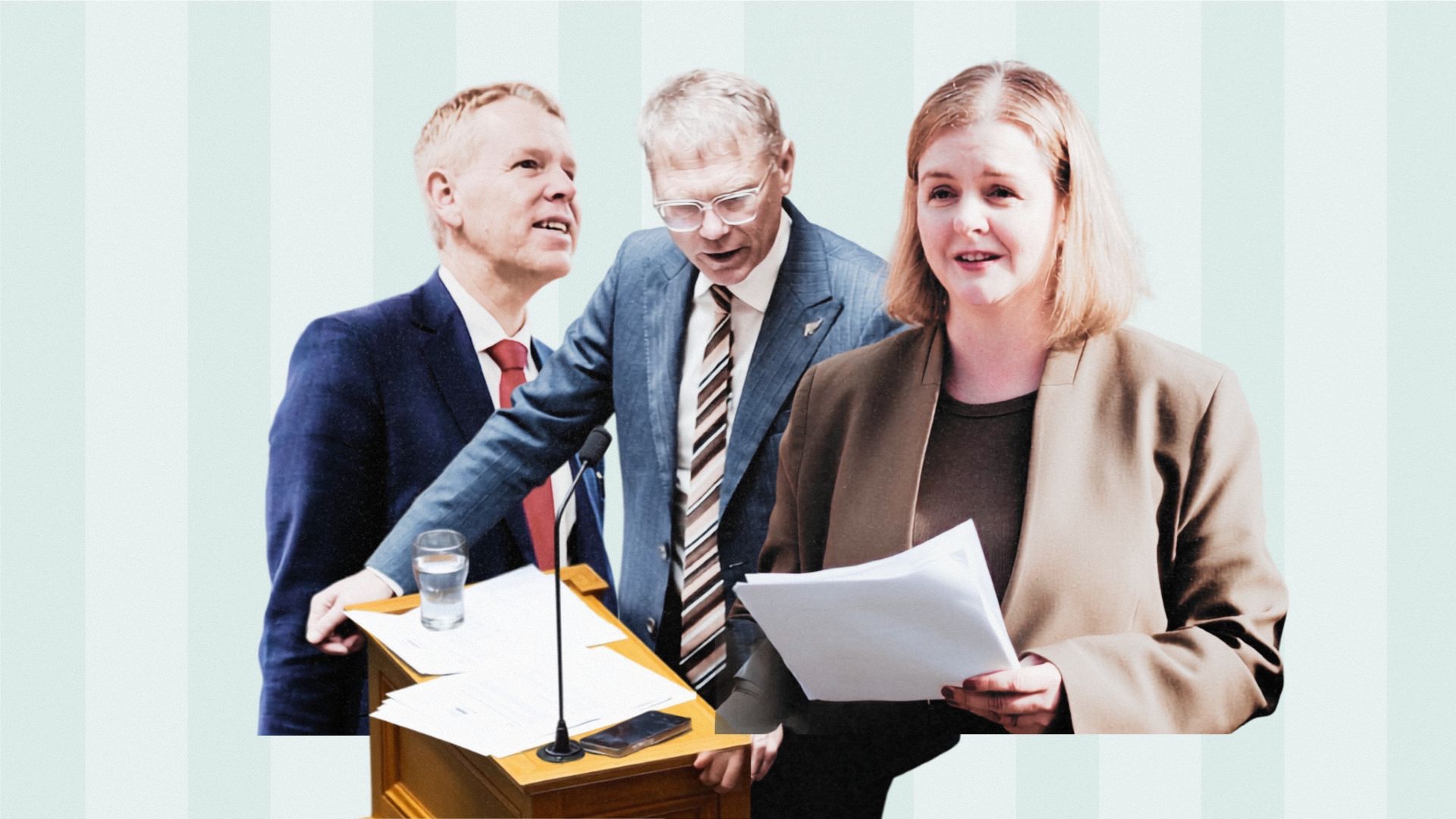
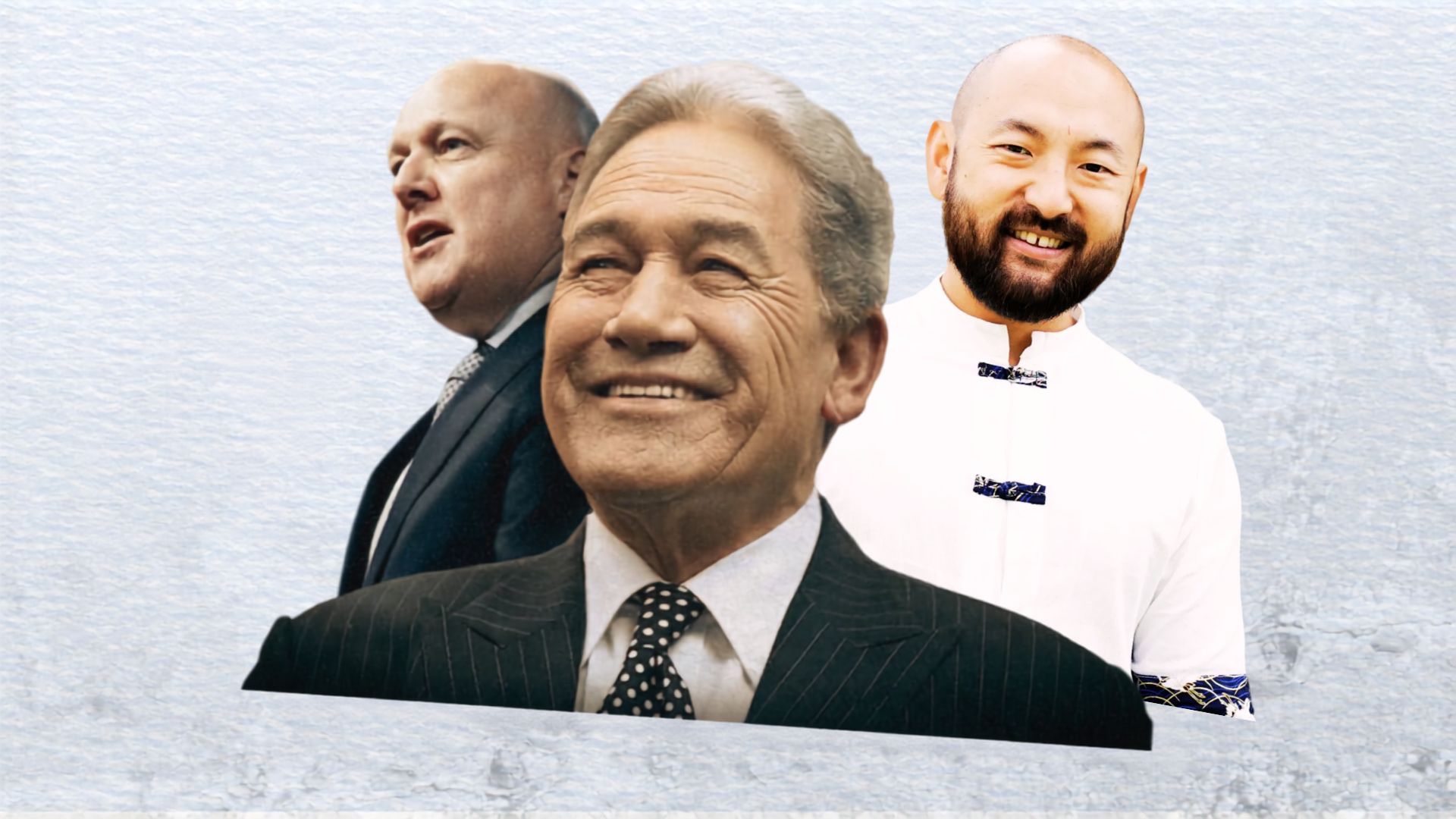
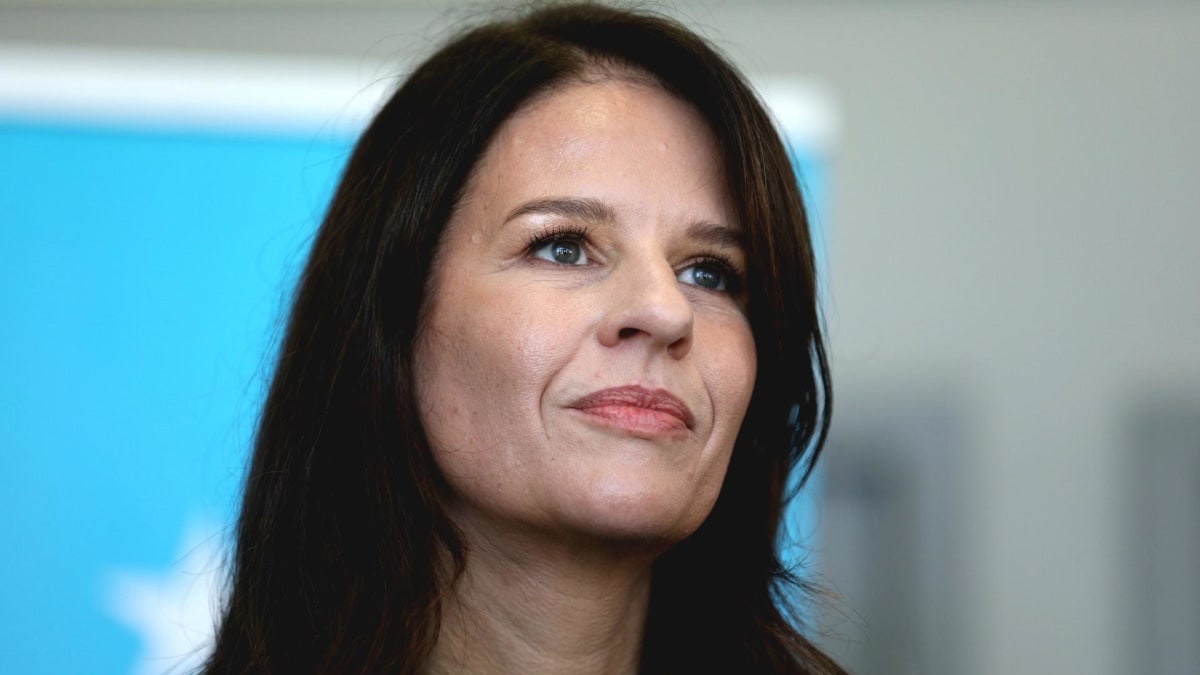
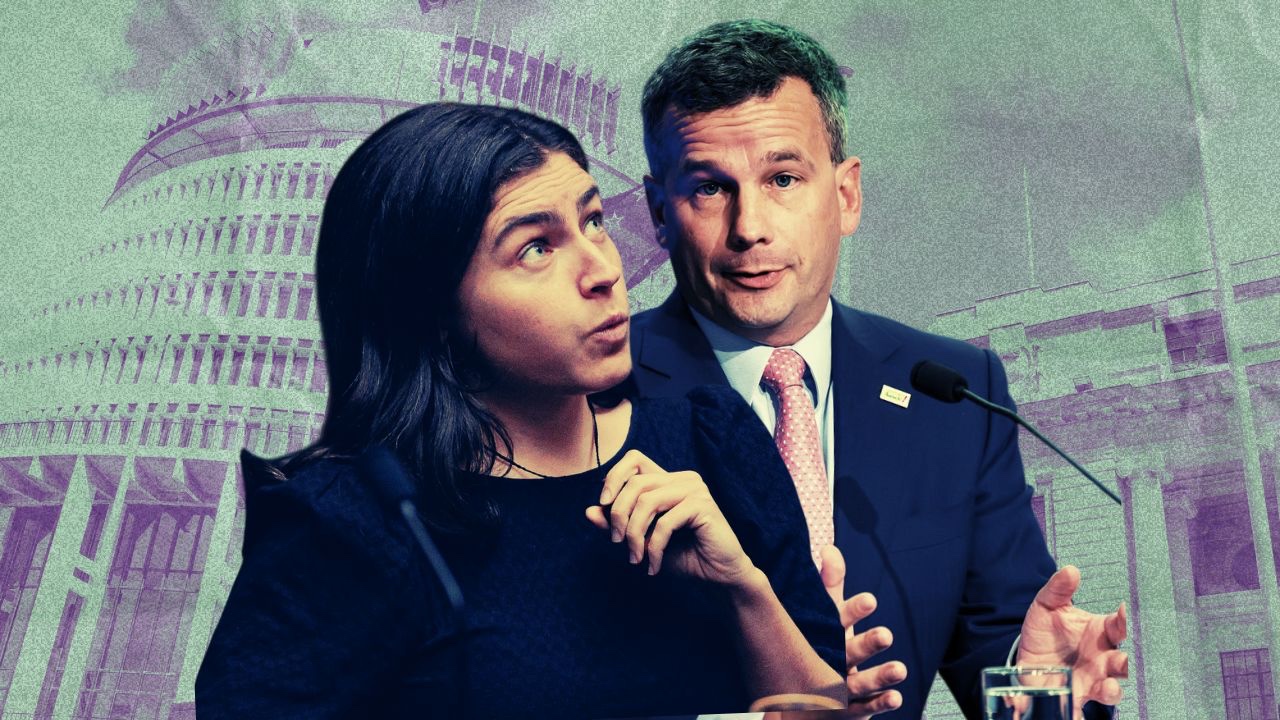
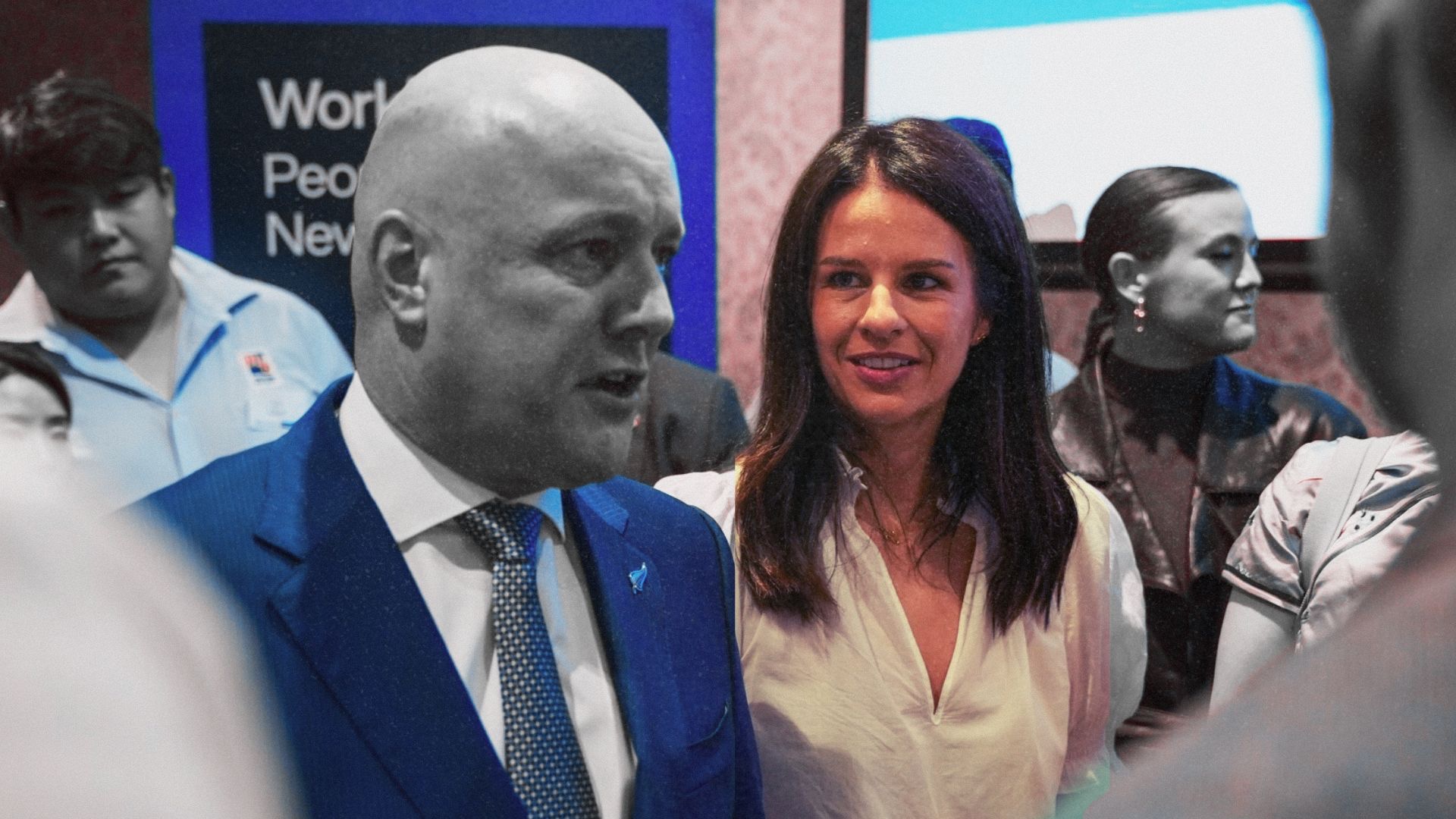
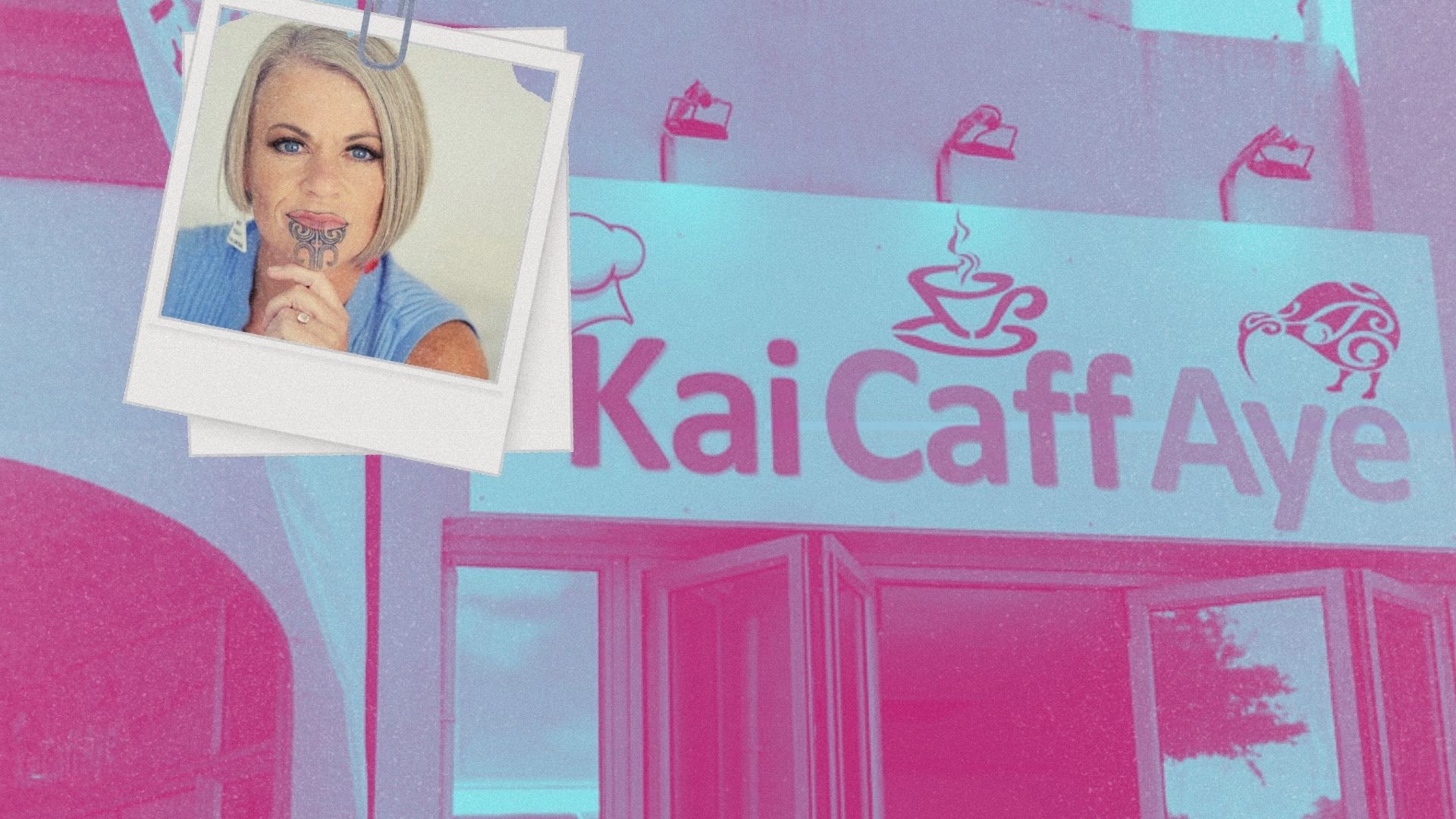
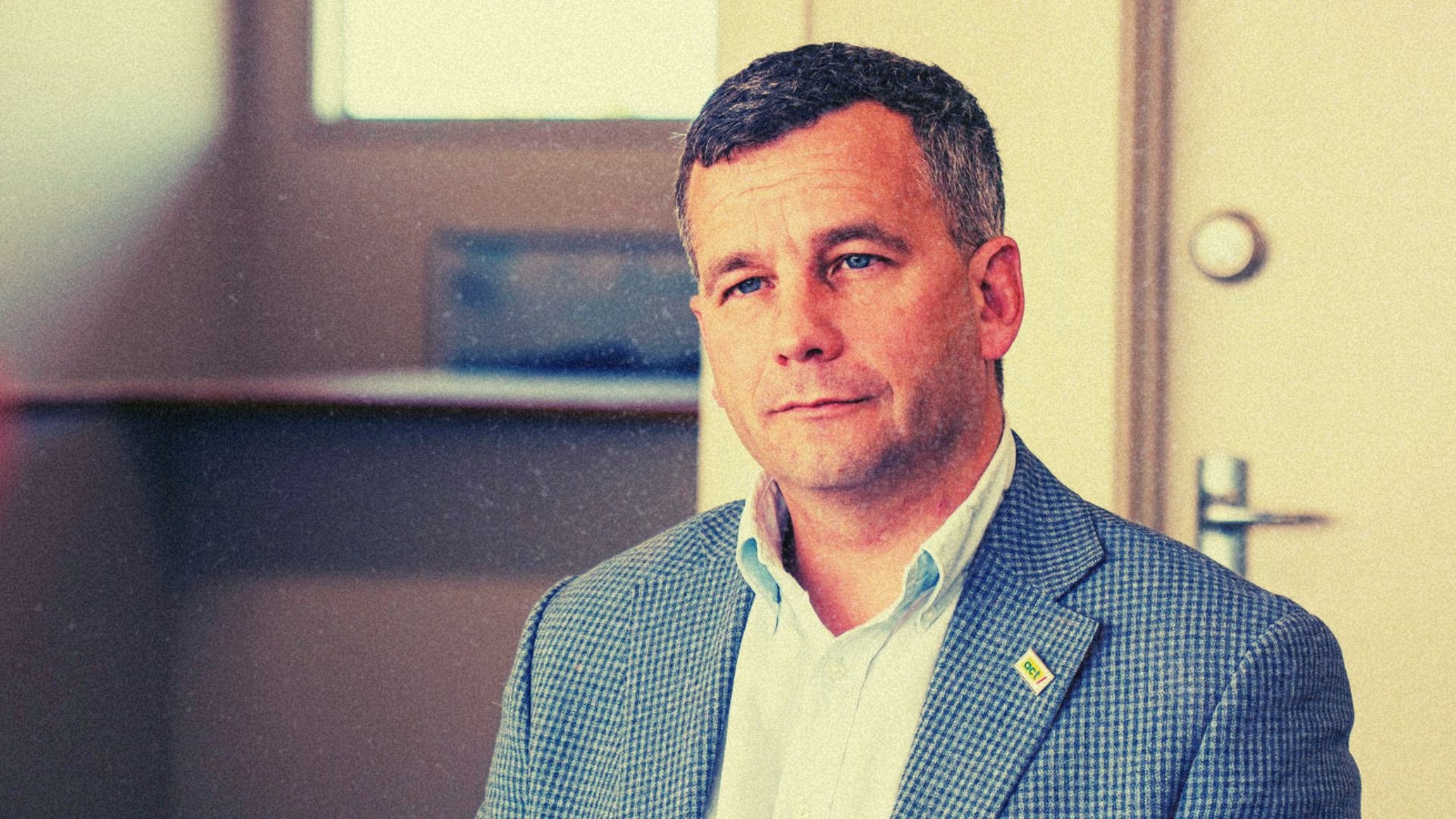
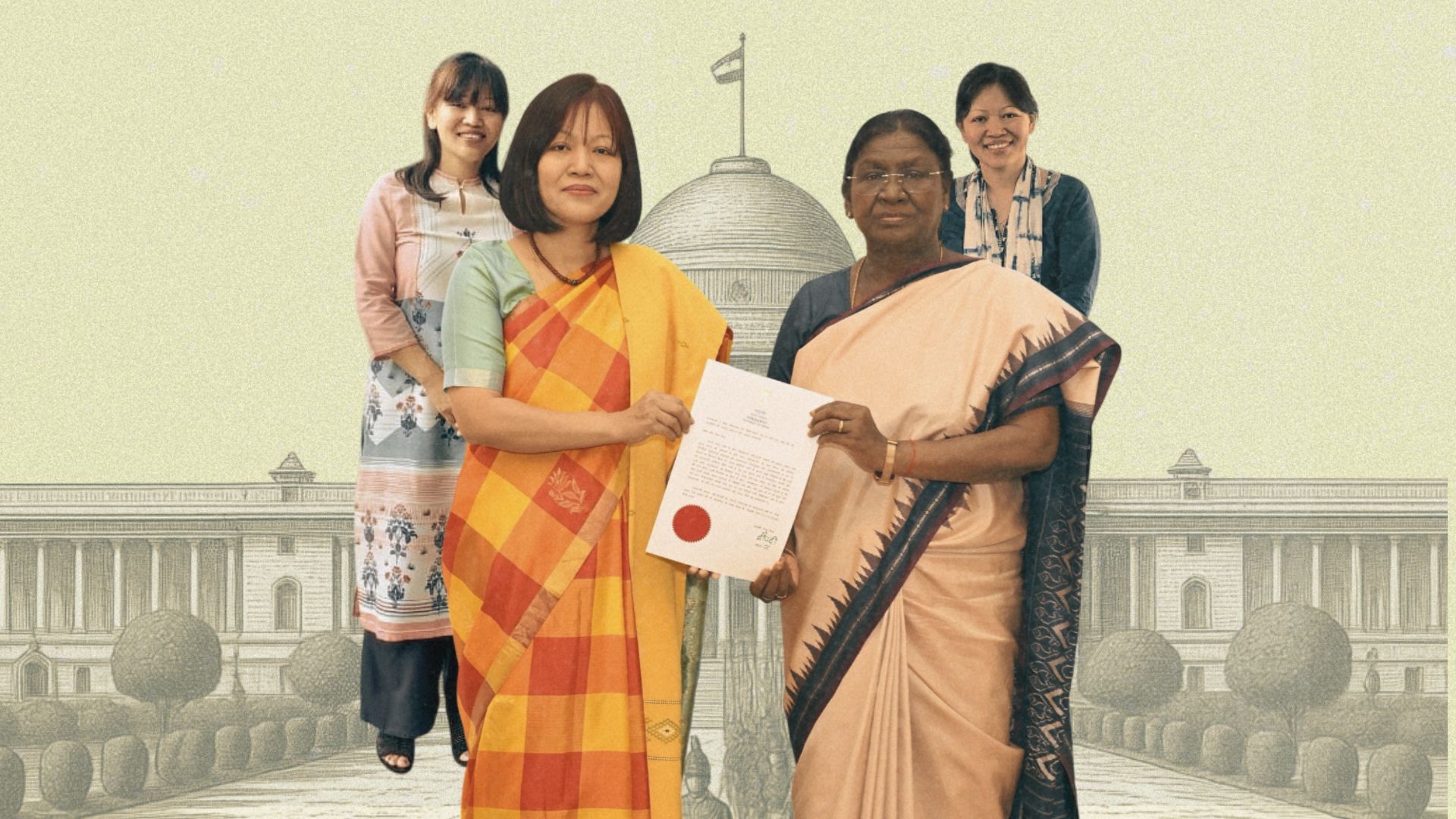
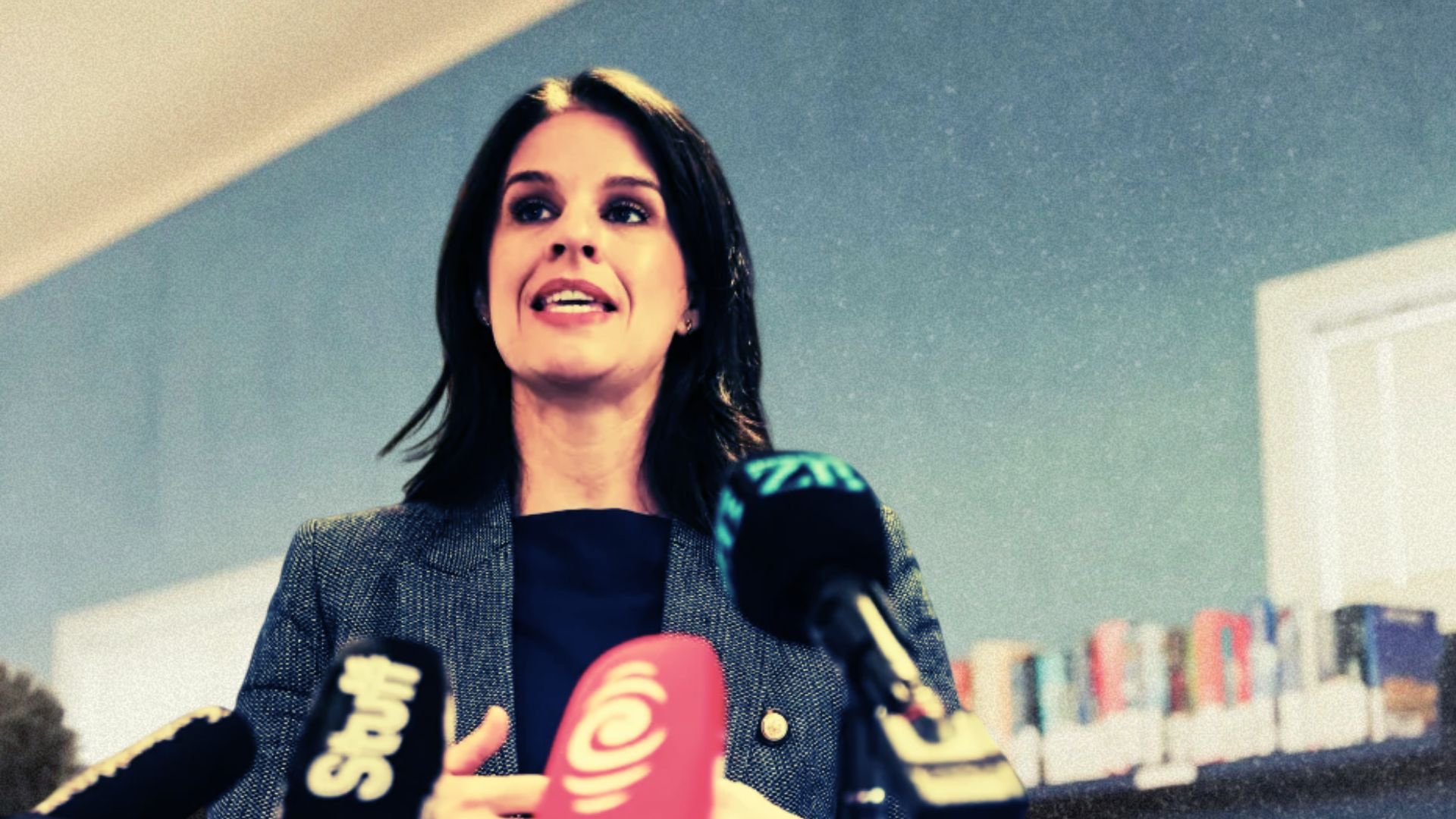
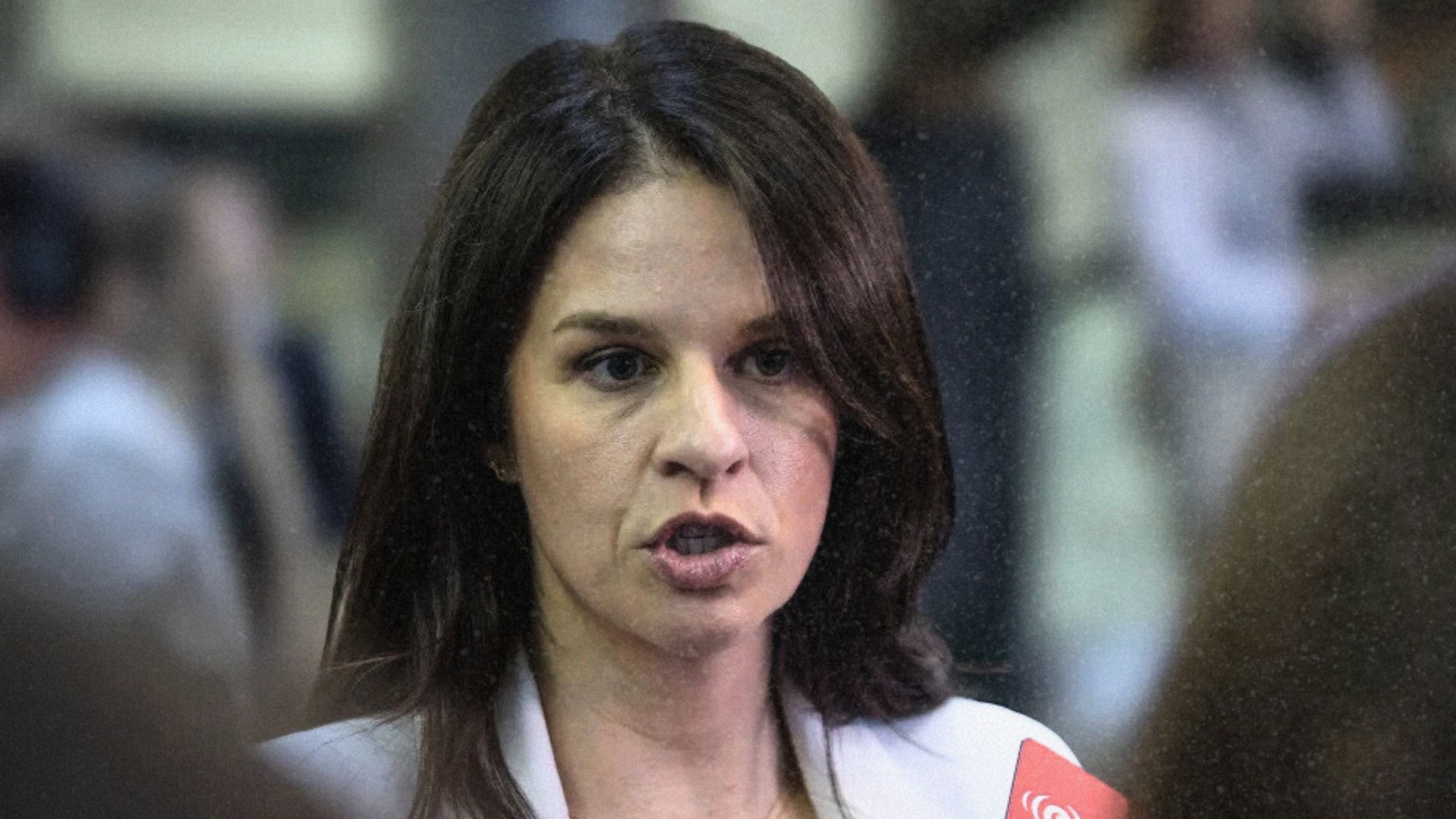
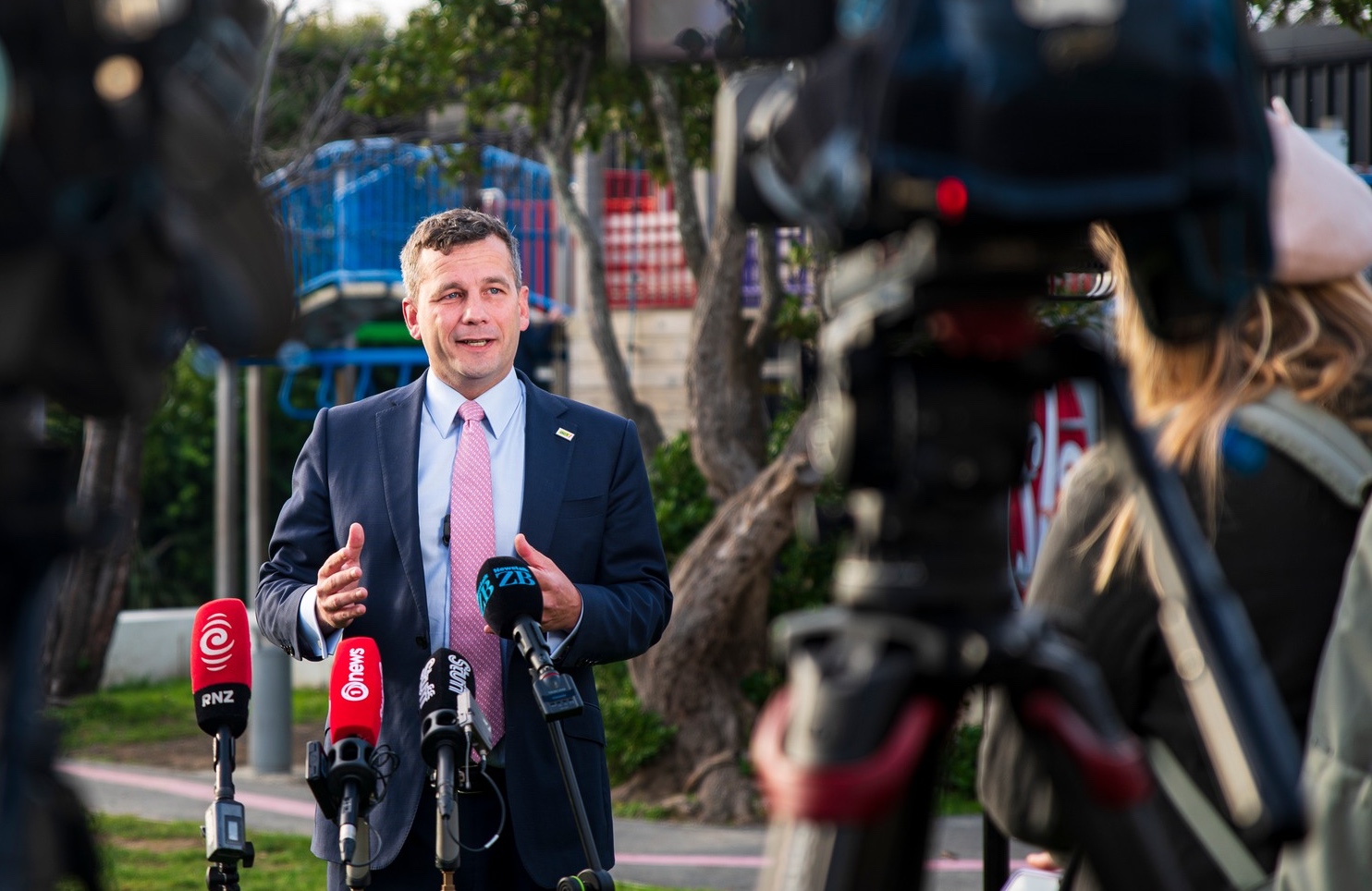
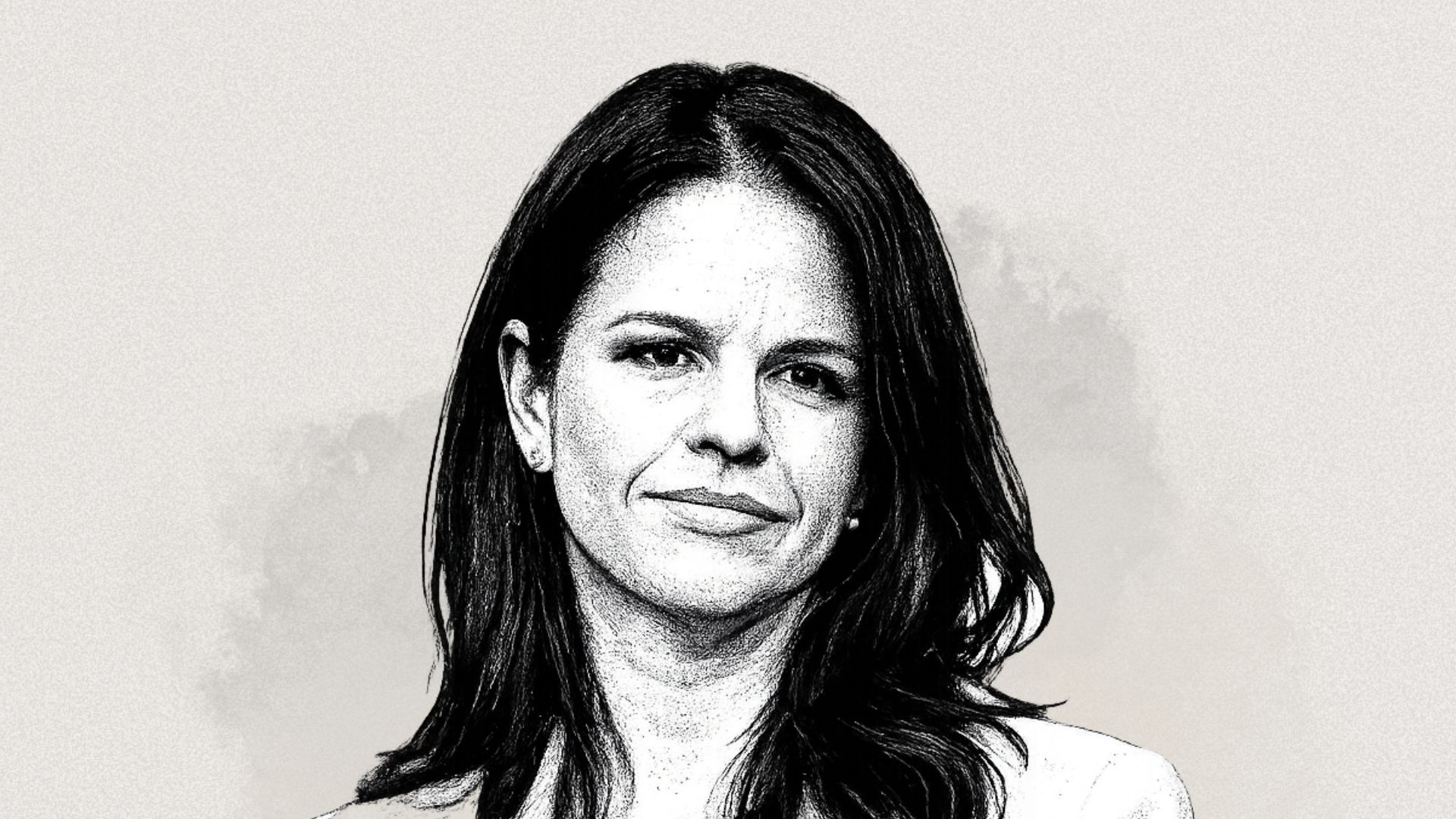
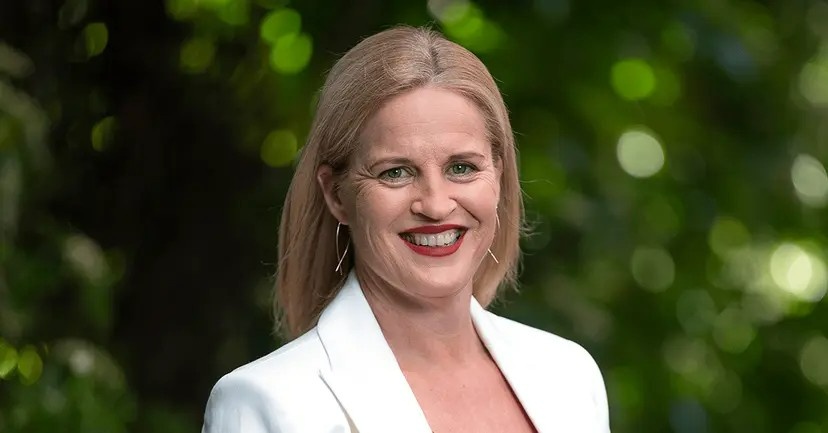
Qiulae Wong is the new leader of a refreshed Opportunity party, formerly The Opportunities Party led by Gareth Morgan.
Neither the left nor right bloc can form a government without Opportunity, an RNZ poll has found.
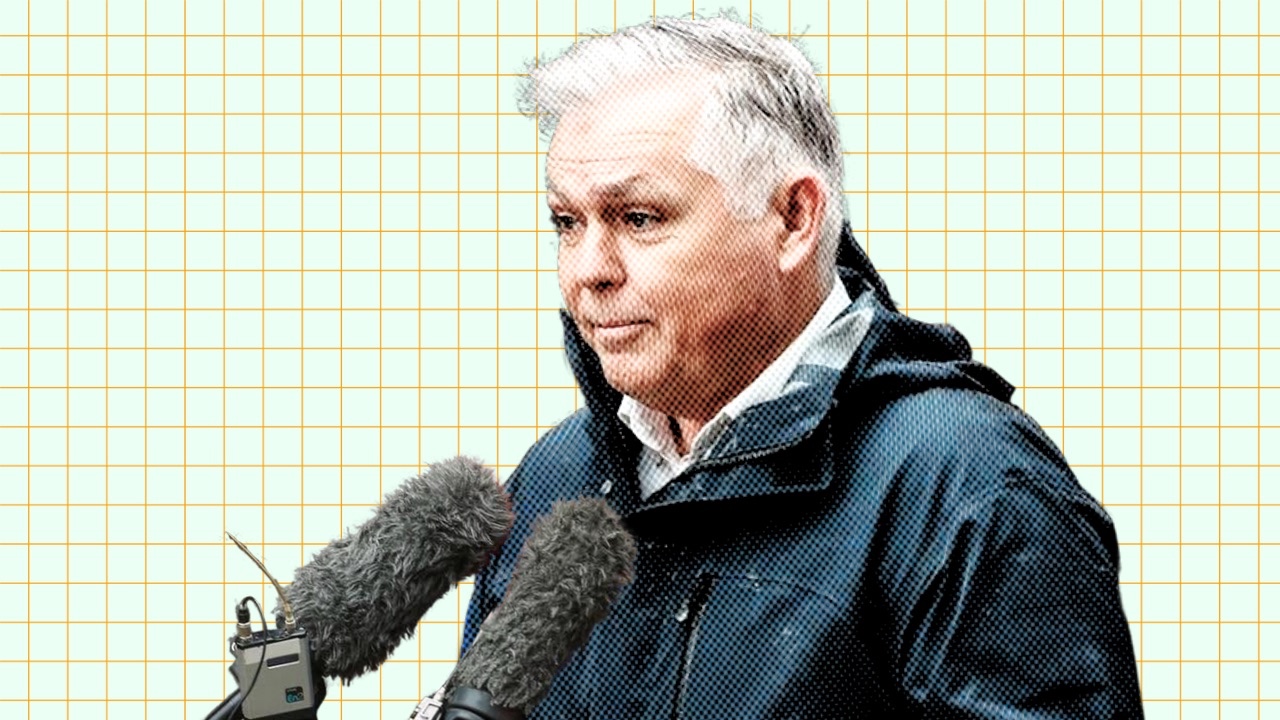
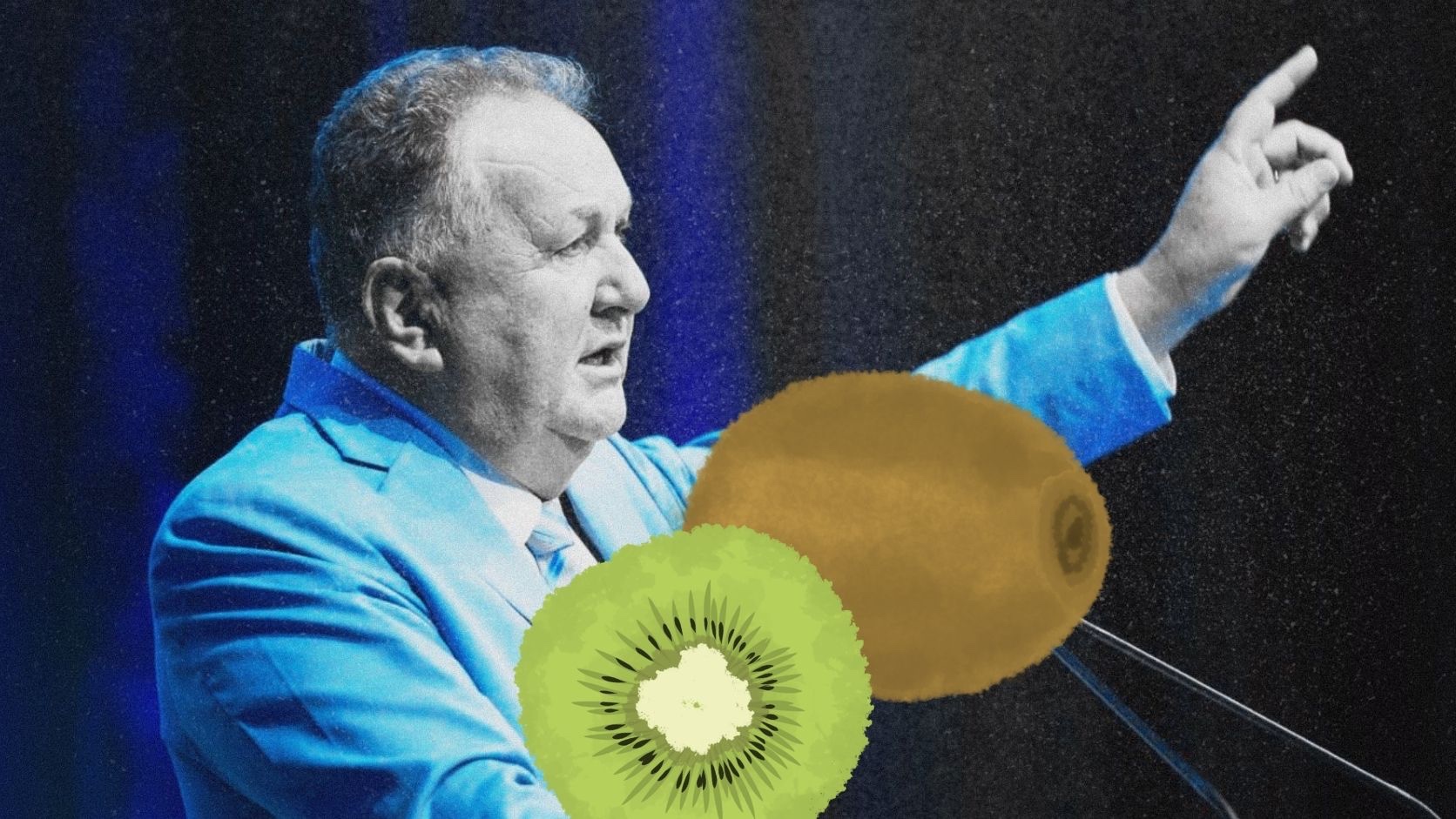
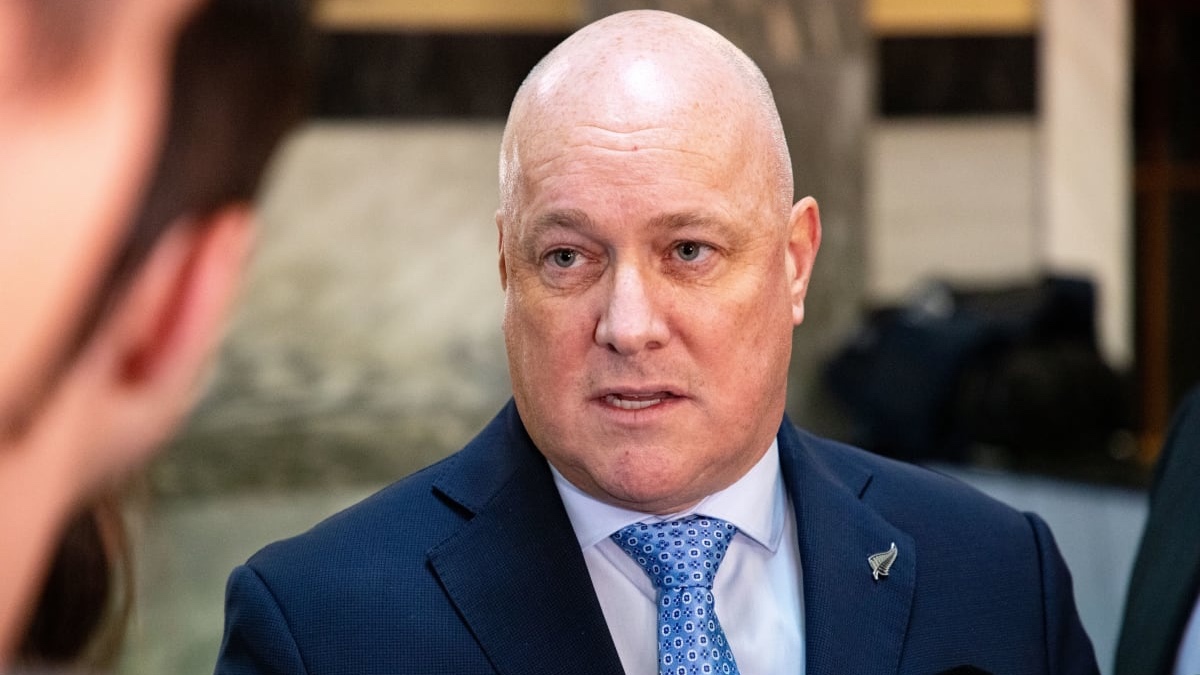
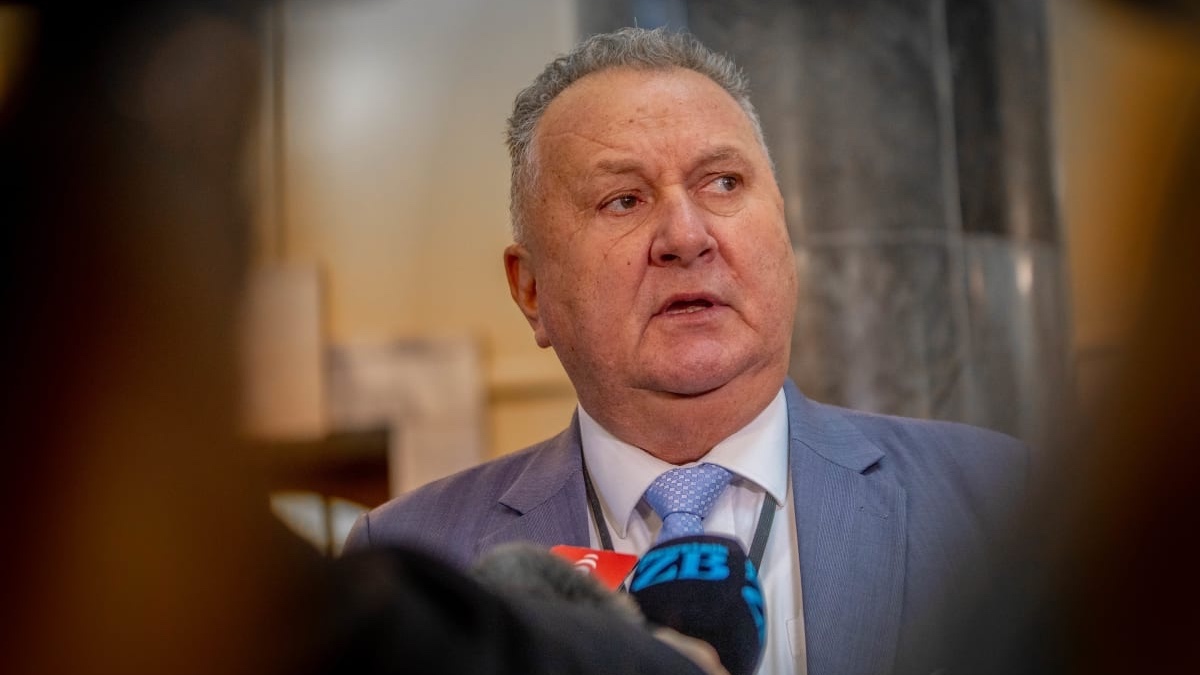
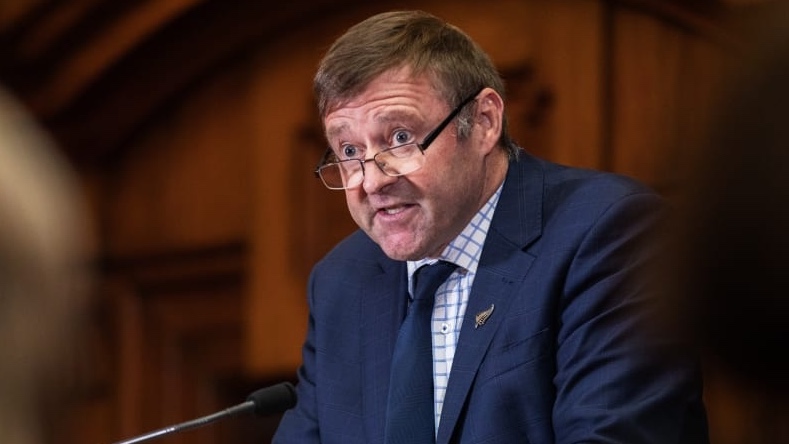
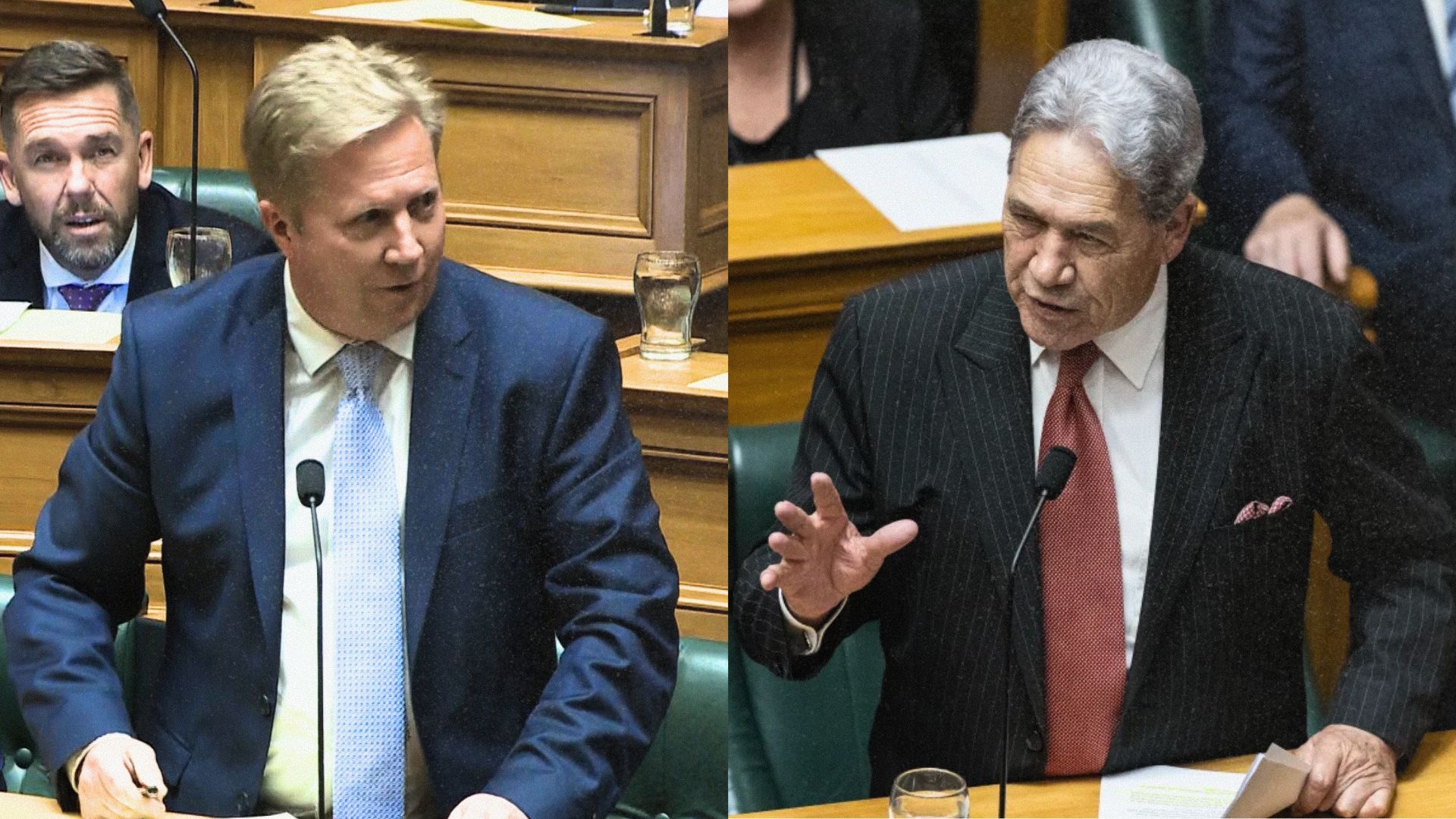
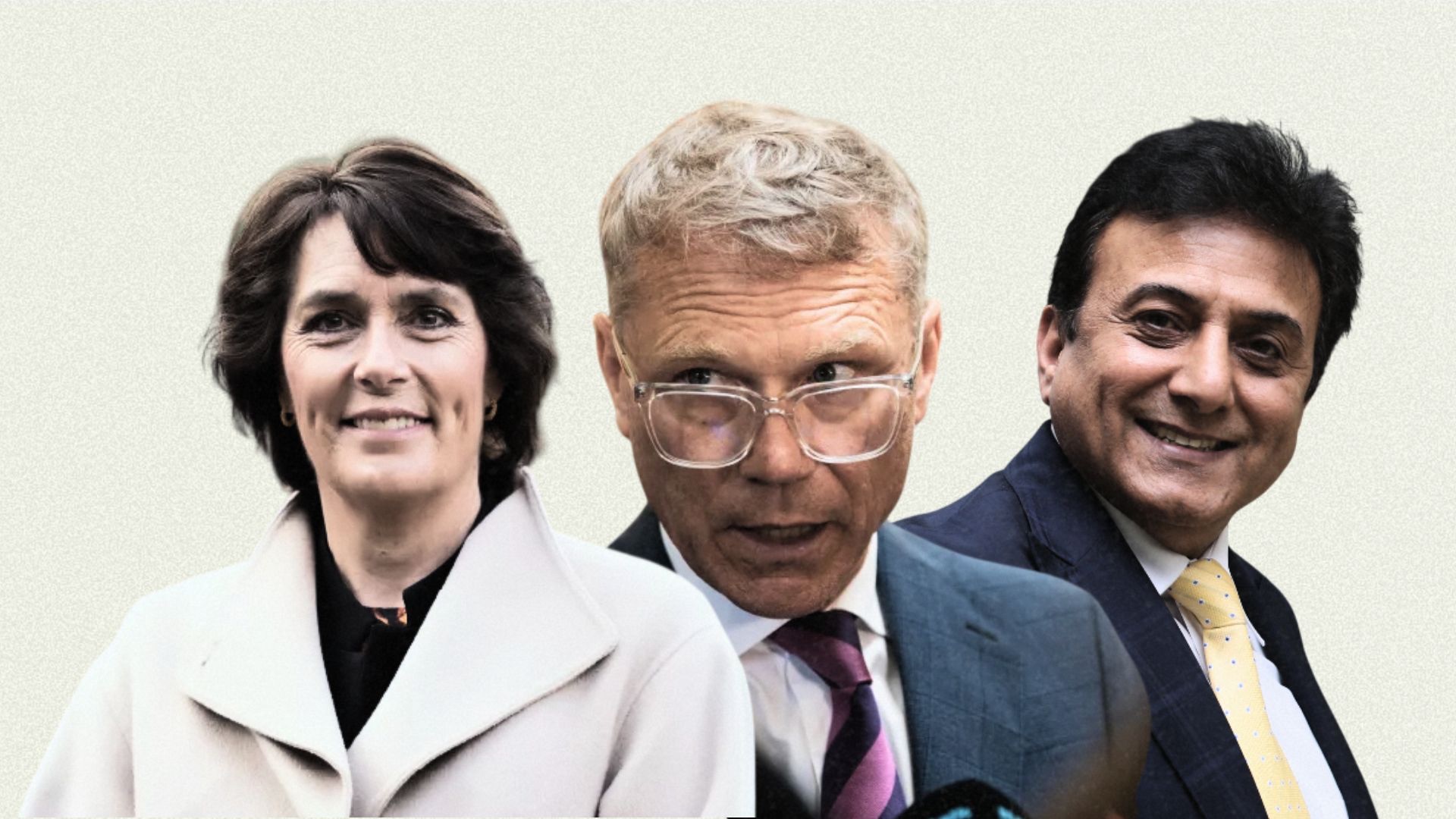
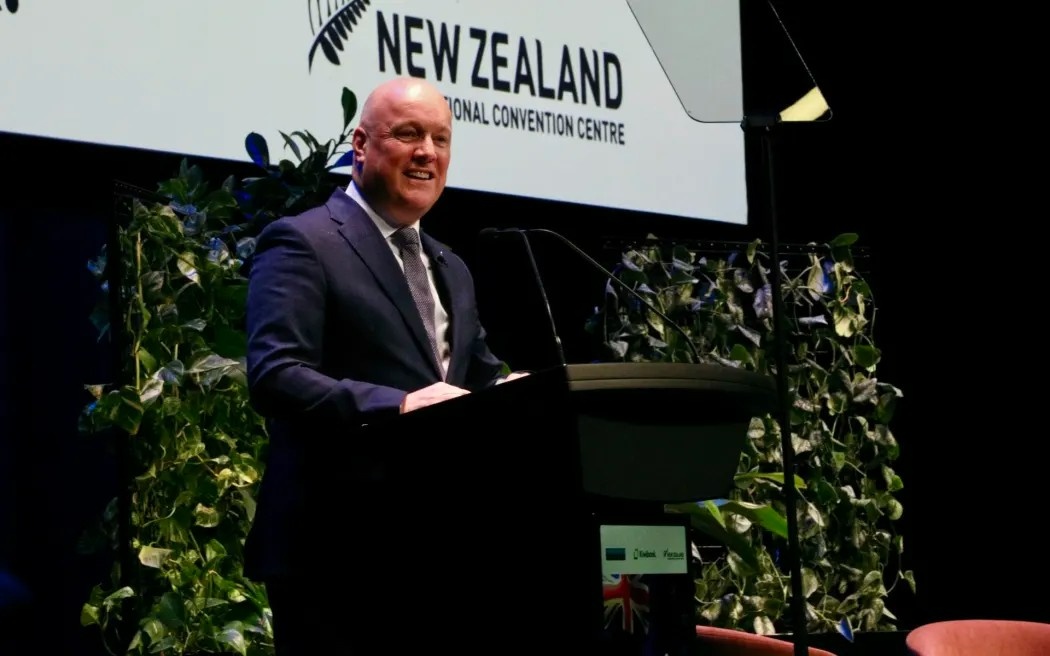
Analysis: In normal times, National would be panic-stations after a sub-30 percent poll, with no path to power, and a leader who's never been less popular.
But these are far from normal times. After the last few weeks' turmoil, the party would have been braced for an even uglier result. The latest RNZ-Reid Research poll isn't a ringing endorsement for the coalition government by any means.
The three governing parties are mostly unchanged from the last poll in July and unable to form a government, the prime minister's personal popularity is worse, and a growing number of voters think the country is on the wrong track.
With all of that going on it defies logic an alternative Labour-led government wasn't able to capitalise and make a case for being in power. Even more strikingly, Labour wasn't able to snatch any votes off National in the process.
It points to National's 29.1 percent in this poll now being baked in for the party - a portion of voters who will vote blue through thick and thin and have a high tolerance for party in-fighting and destabilisation, or are so tuned out of politics the headlines of late completely escaped them.
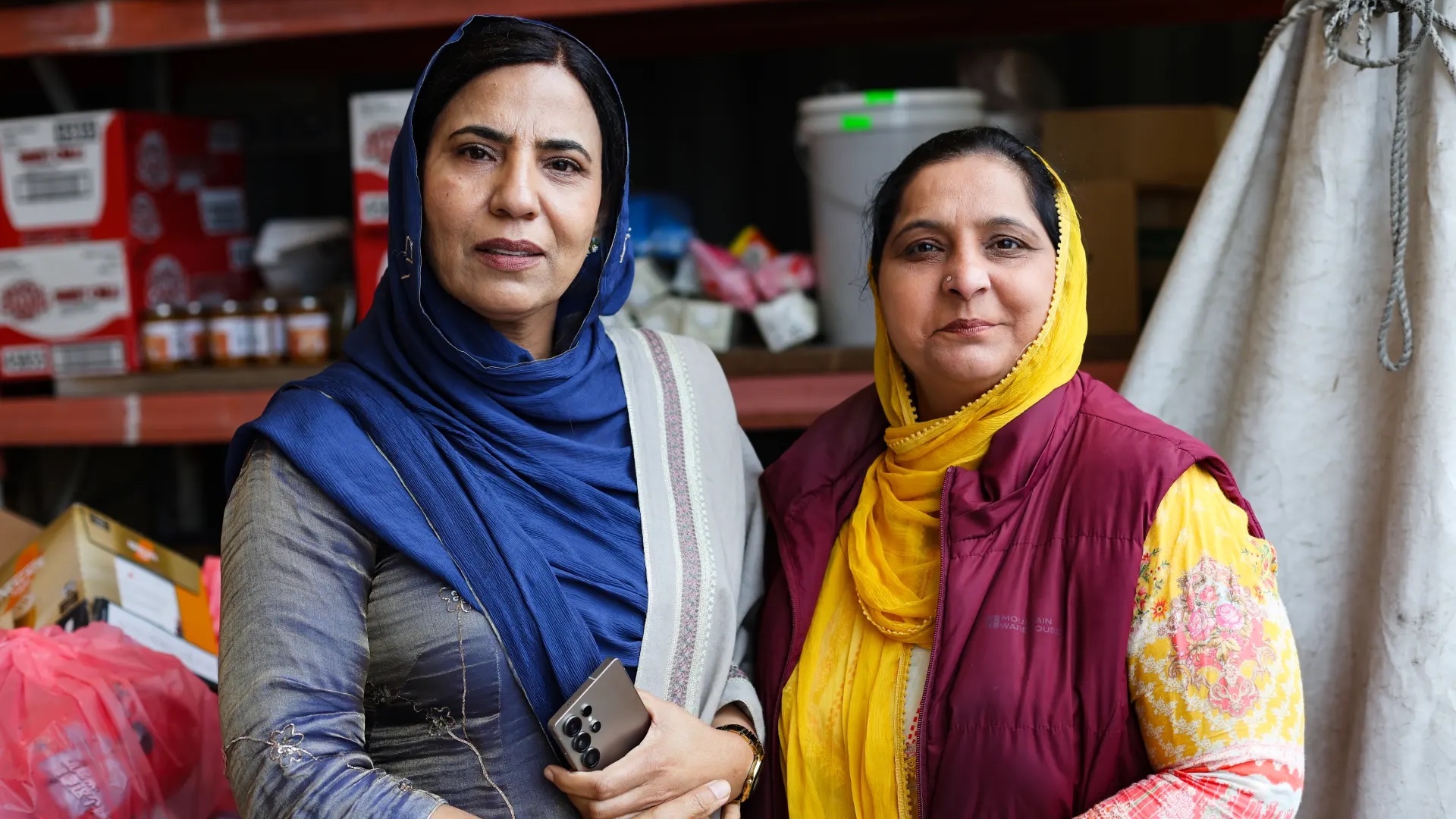
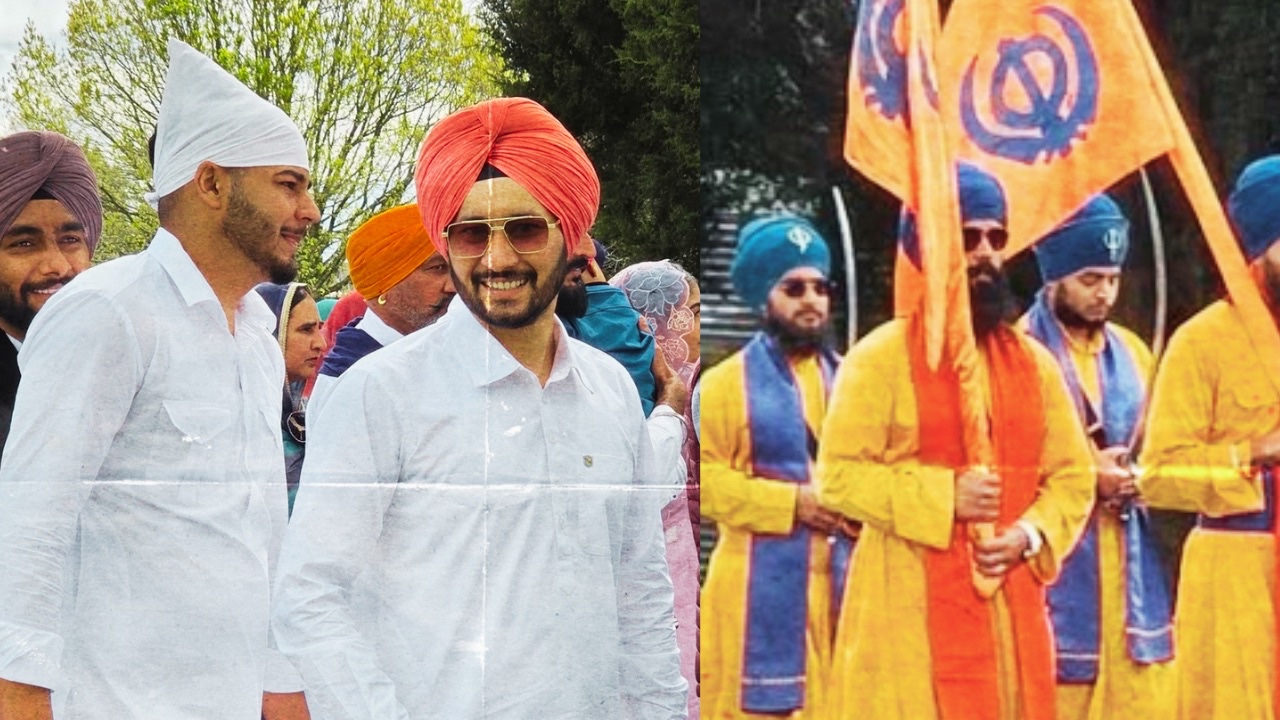
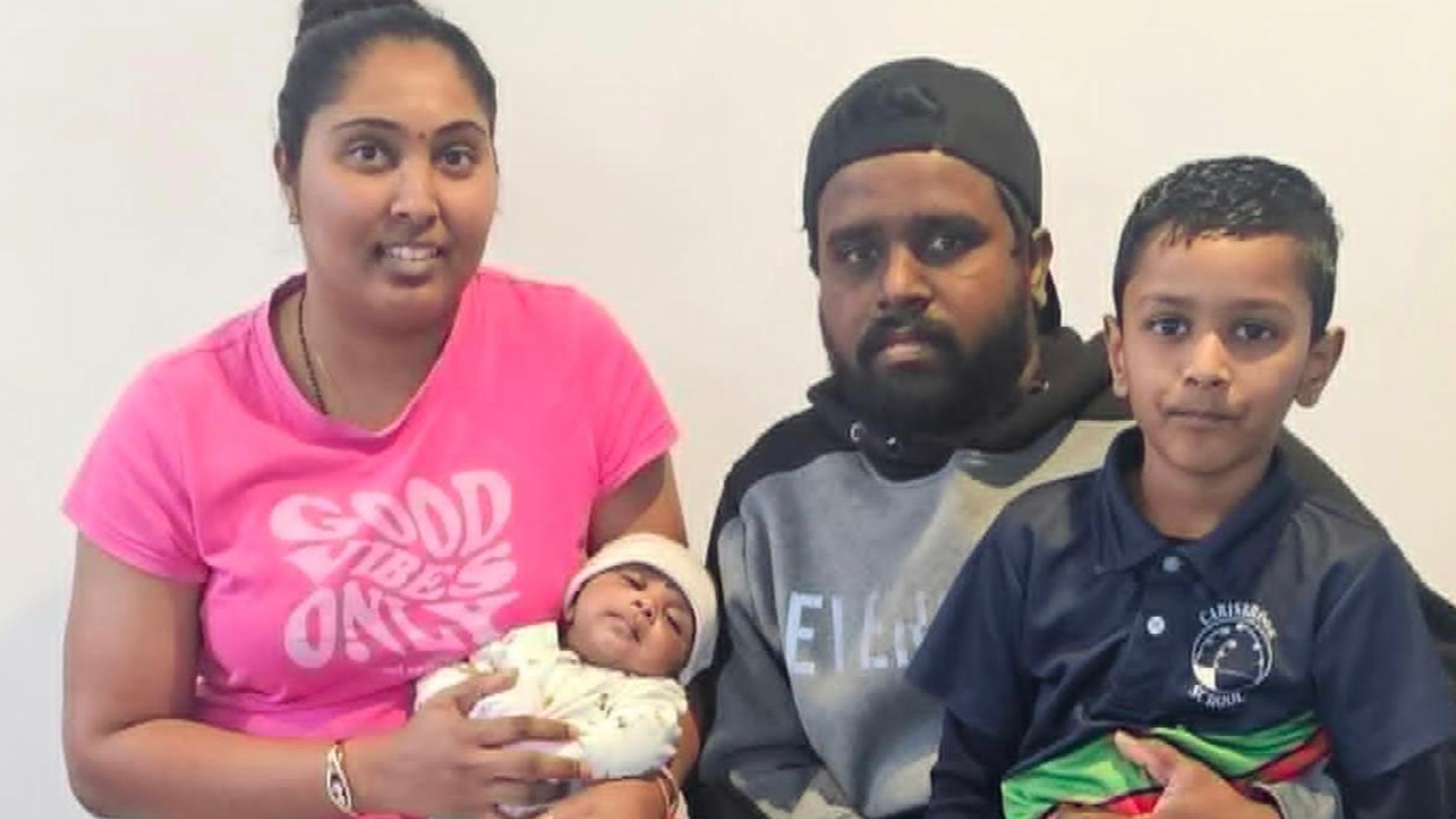
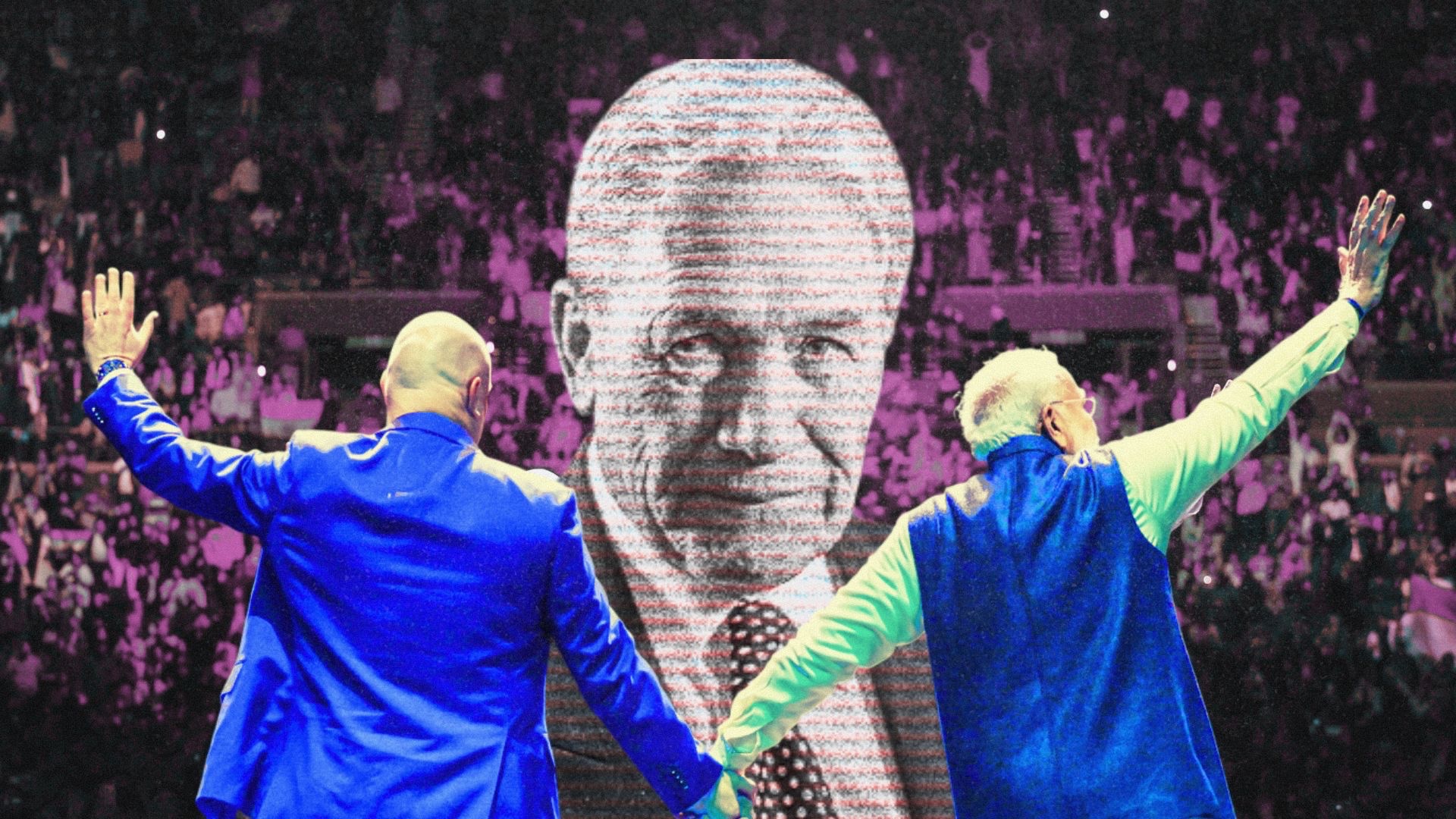
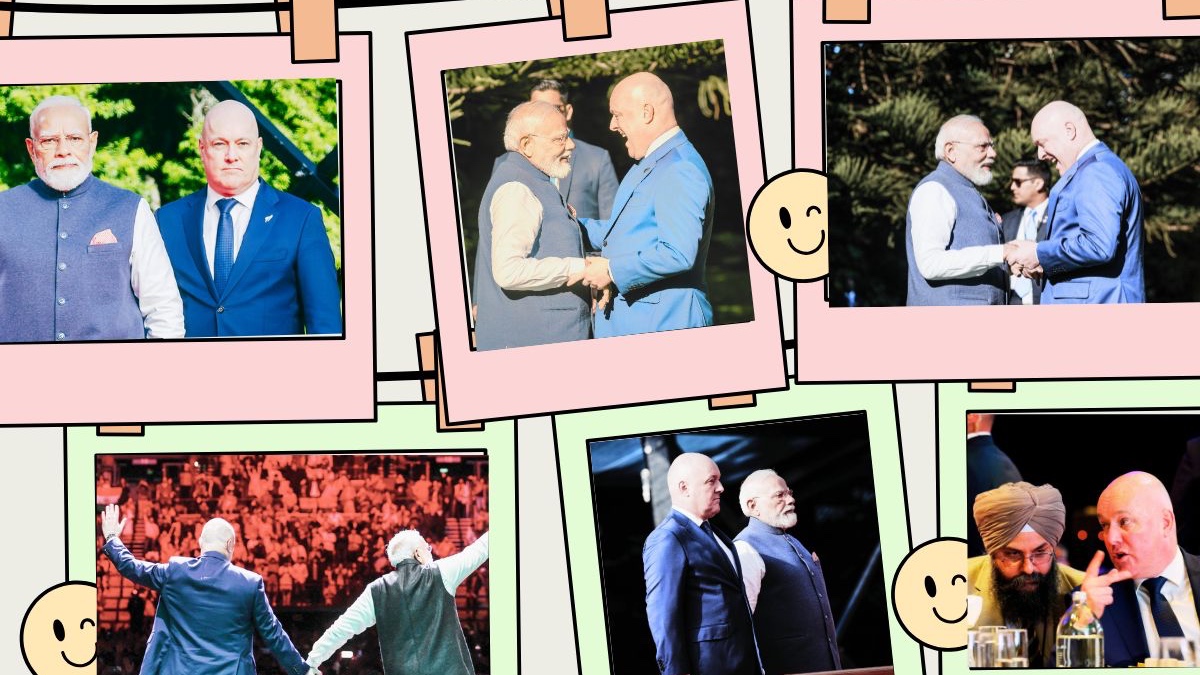
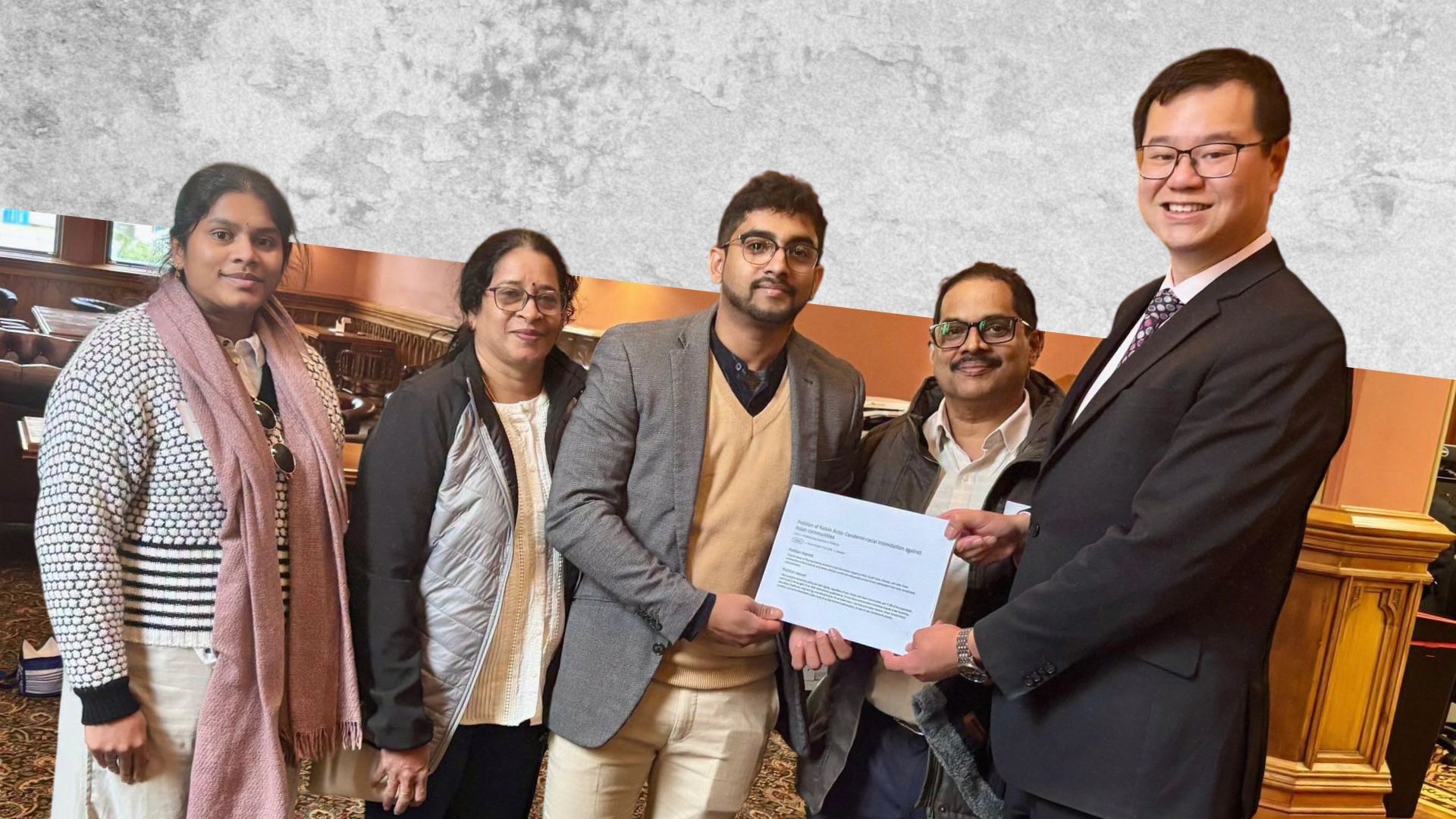
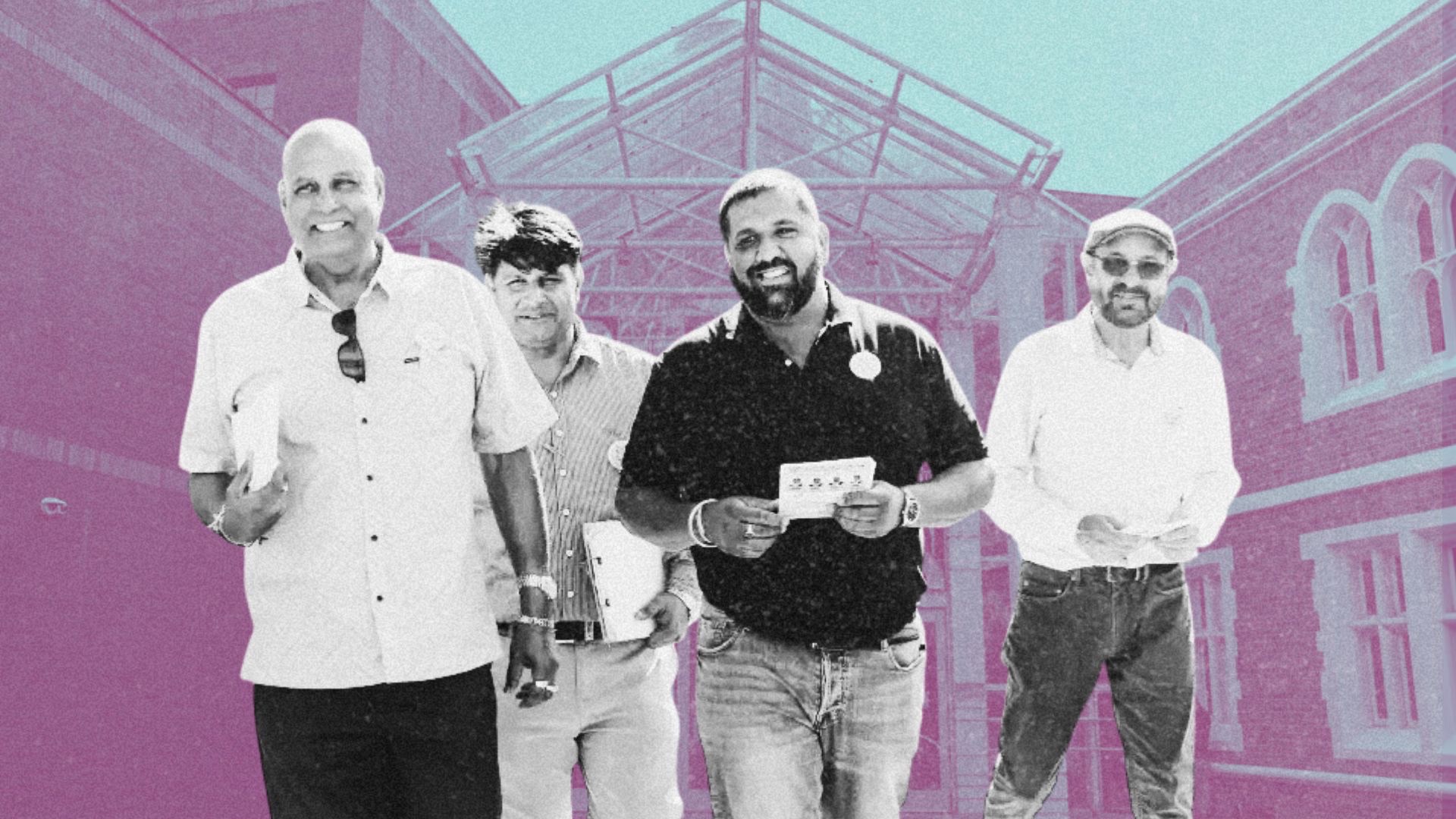
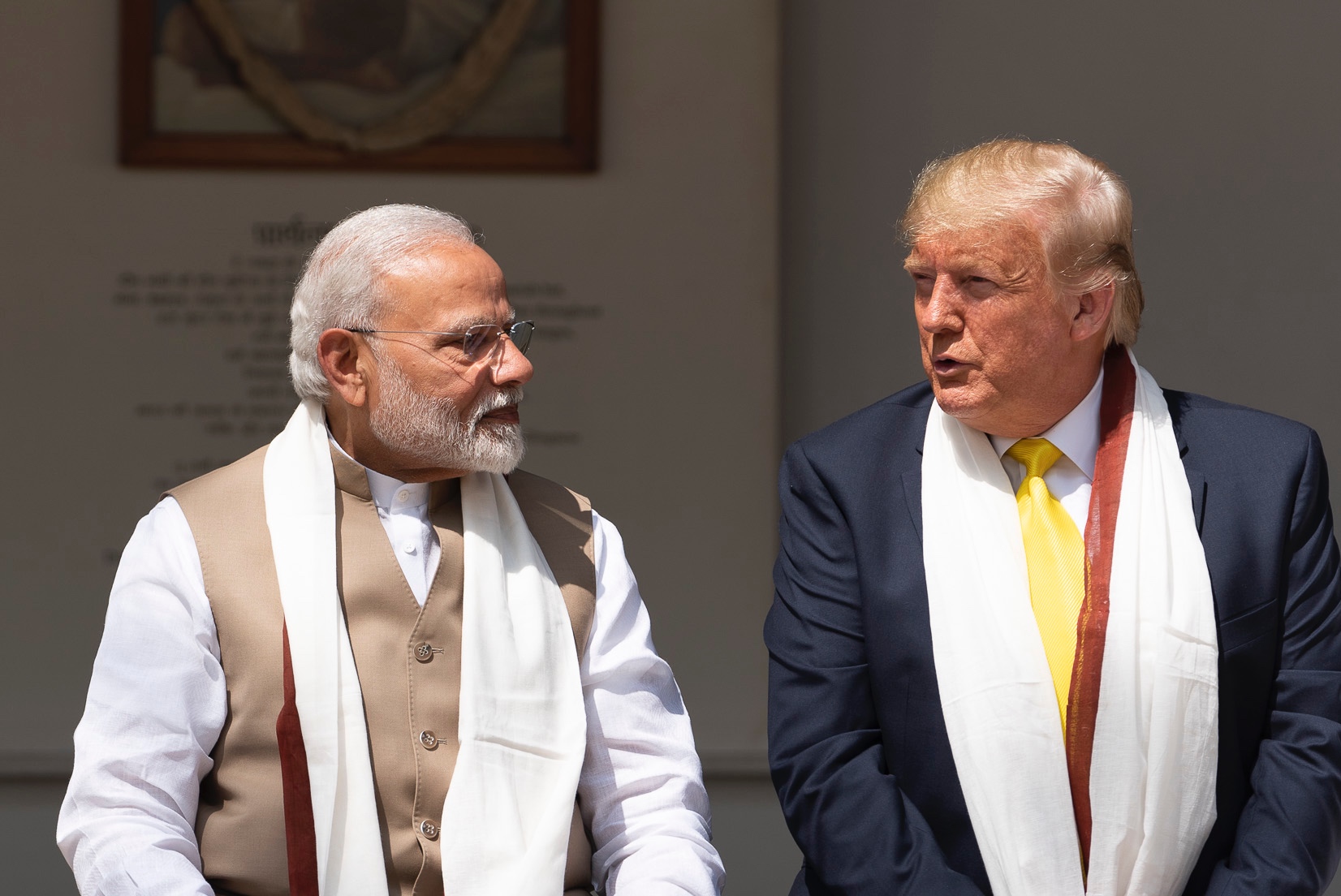
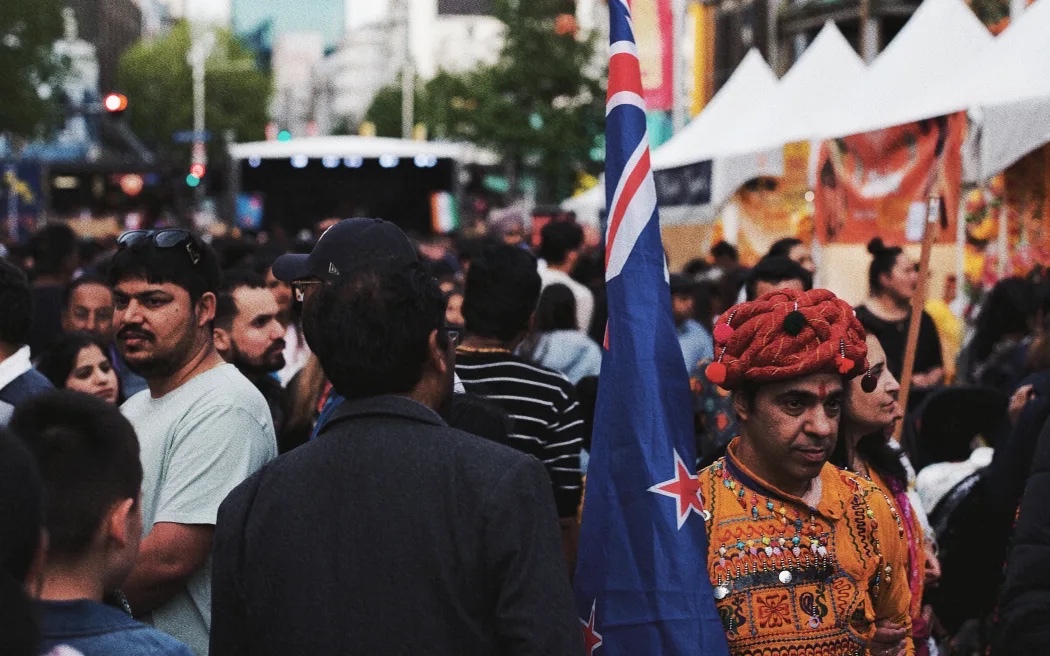
Election 2026: Will Kiwi-Indian voters decide the battle for Takanini? A South Auckland seat with one of New Zealand’s biggest Indian populations is shaping up as a test for ethnic identity and the ballot box.
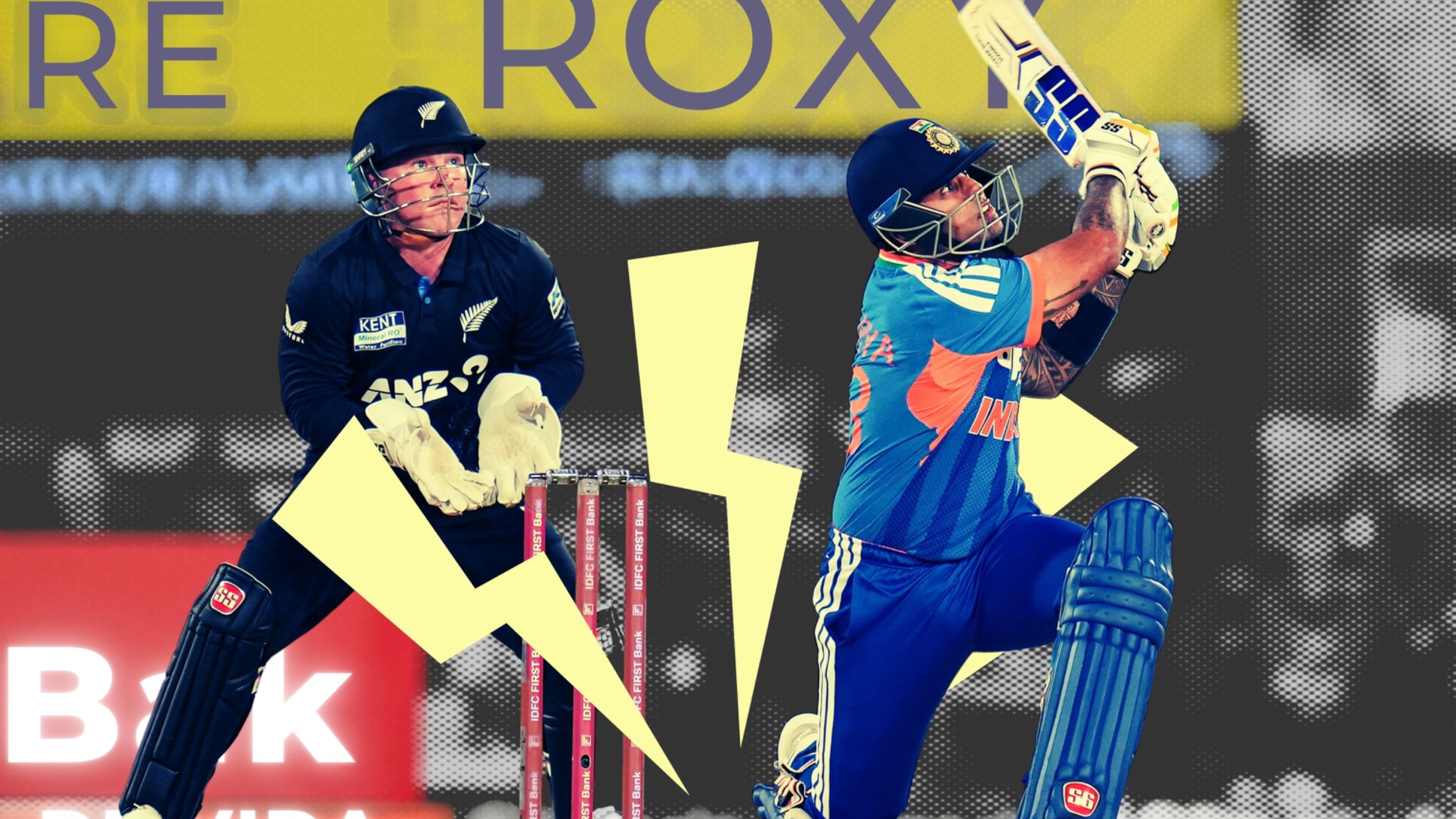
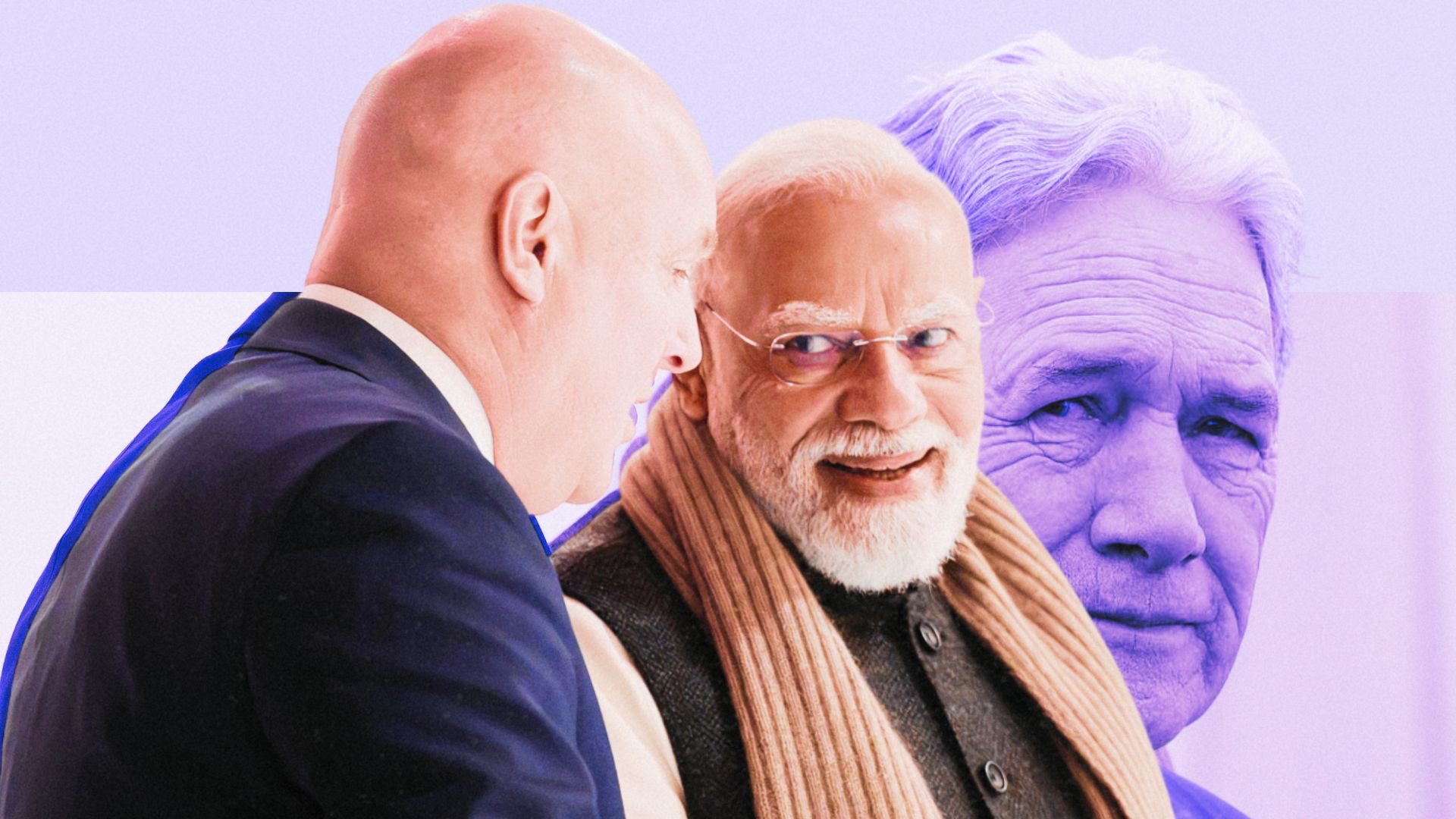
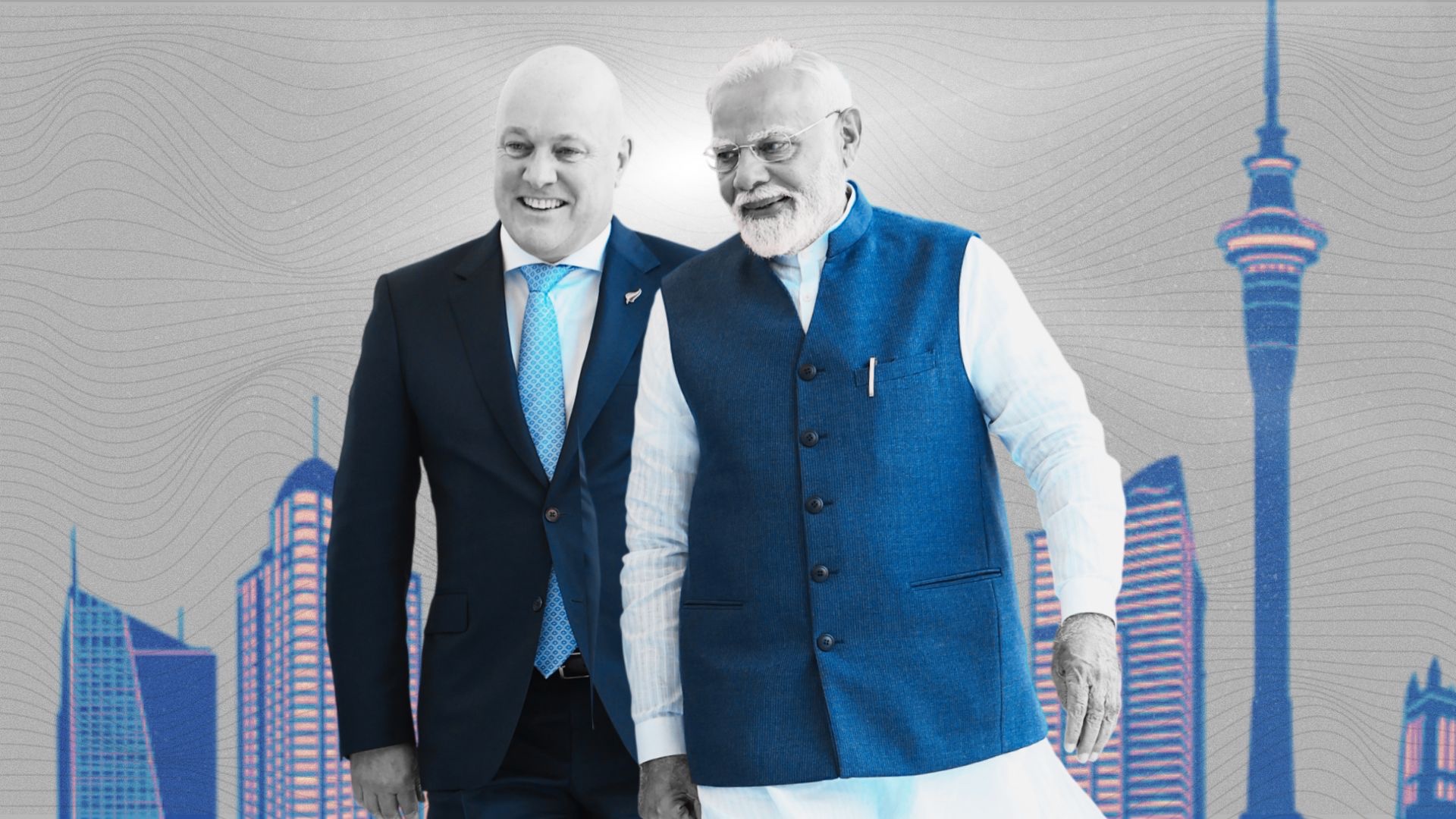
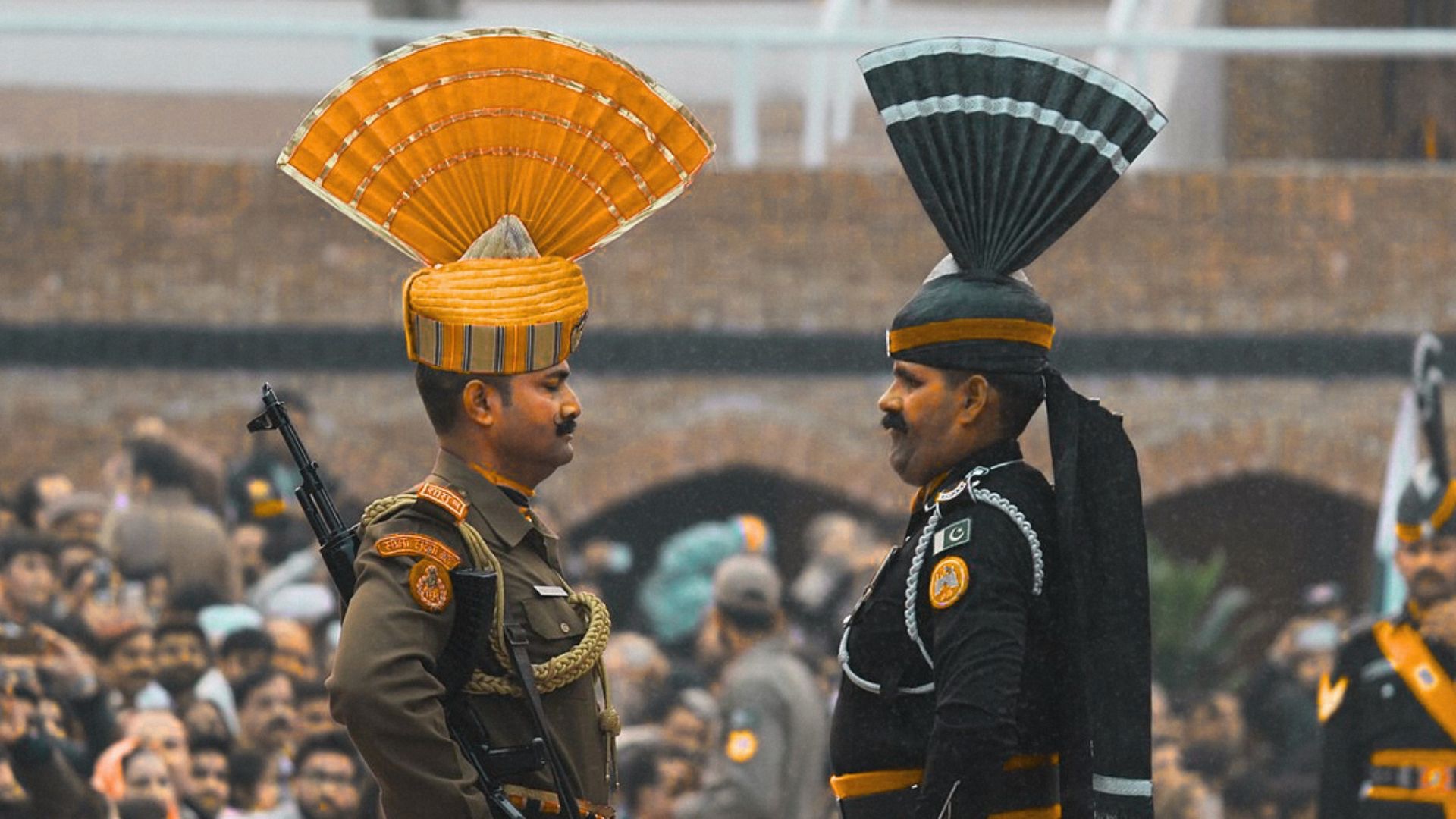
India is coming to Auckland: Full schedule revealed for cricket, football, hockey, Diwali From the Black Caps and All Whites taking on India to Diwali, hockey, bowls and city-wide light displays, Auckland has revealed its sporting centenary programme.
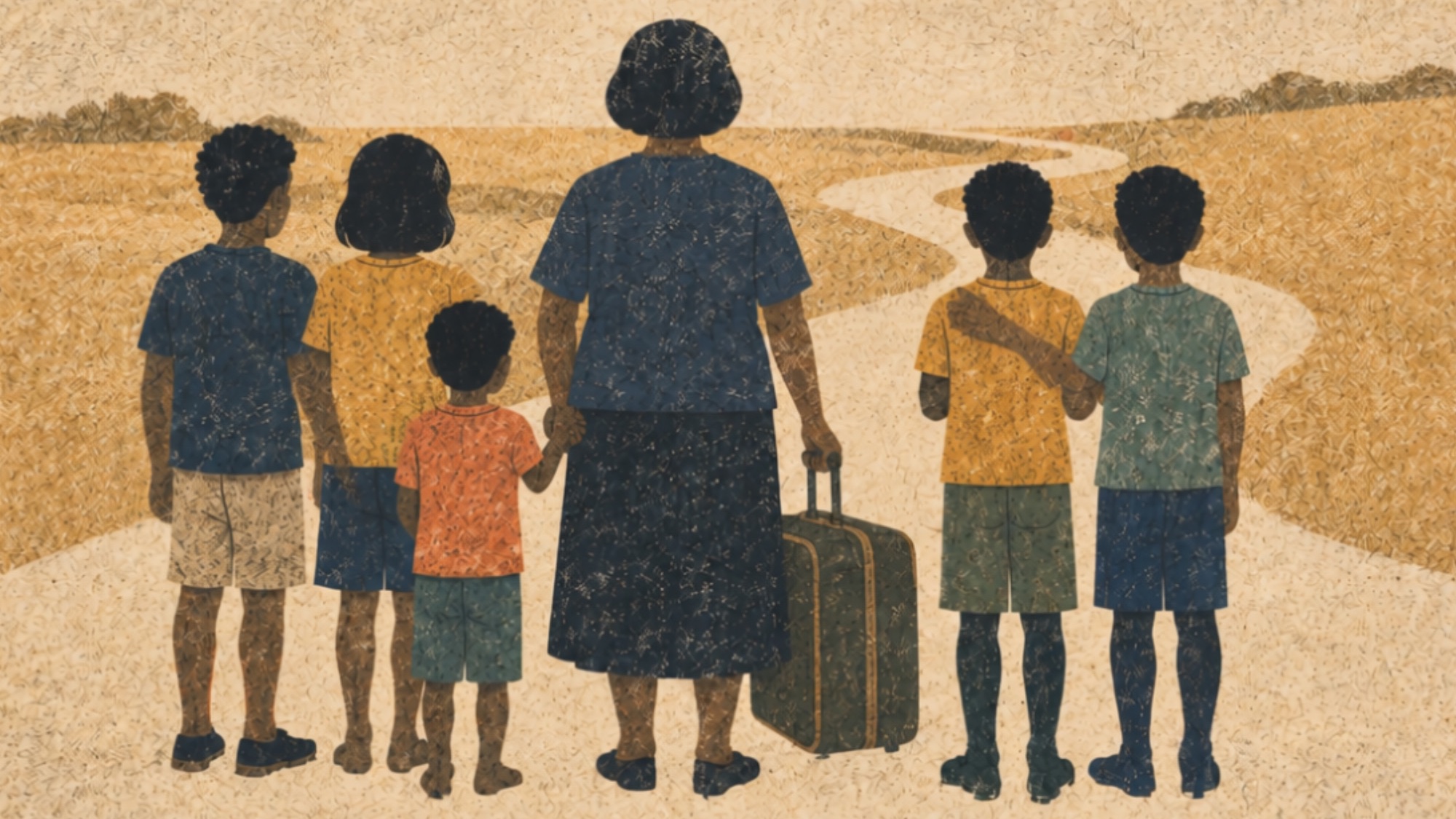
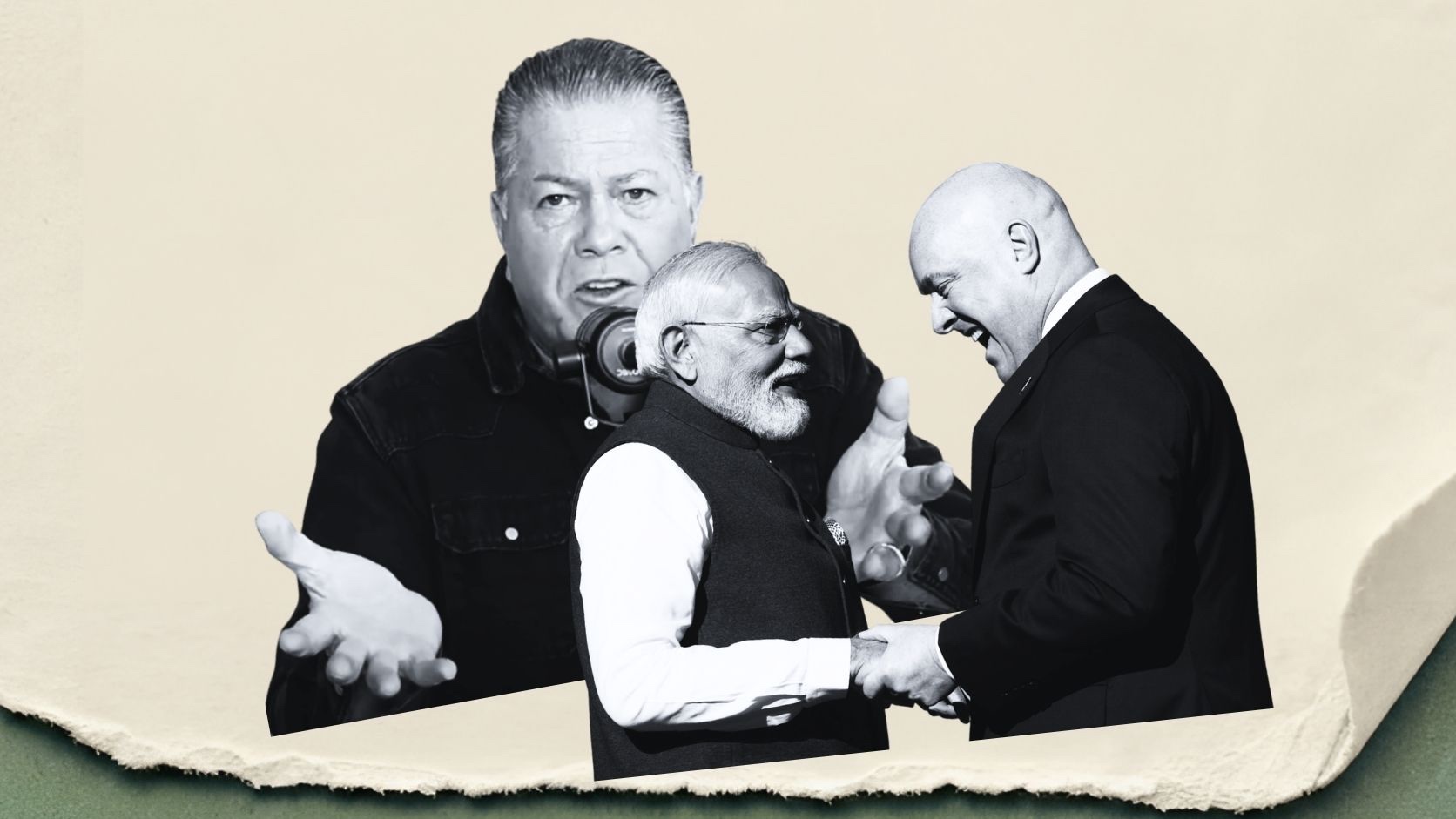
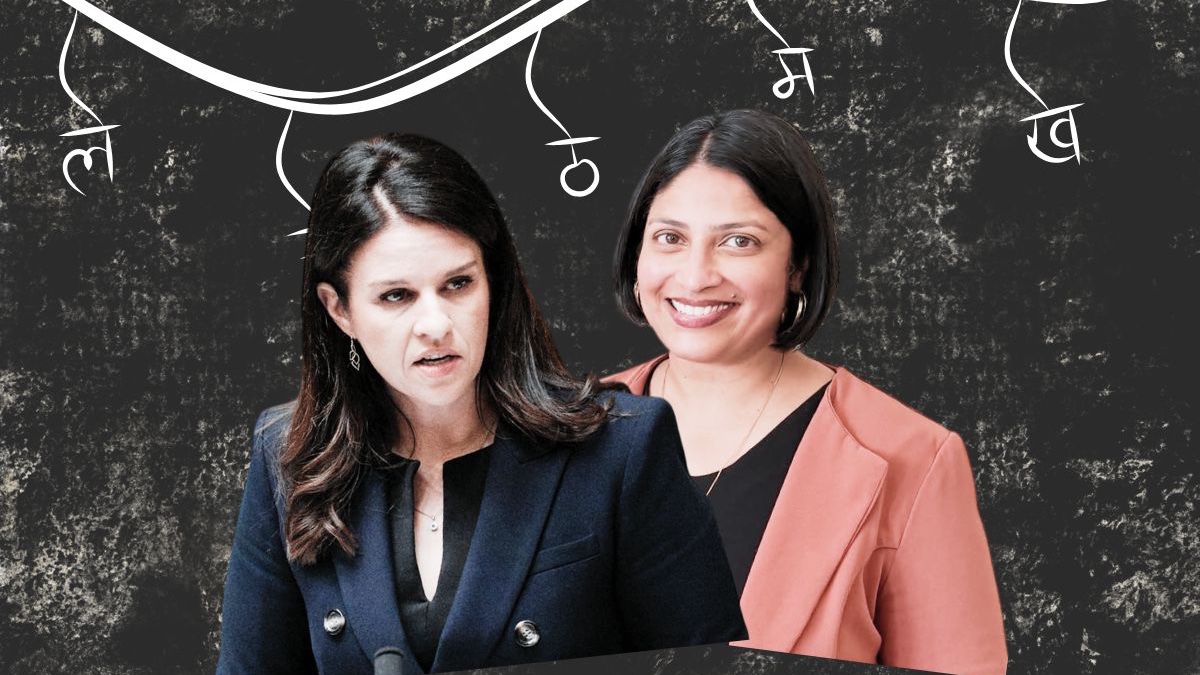
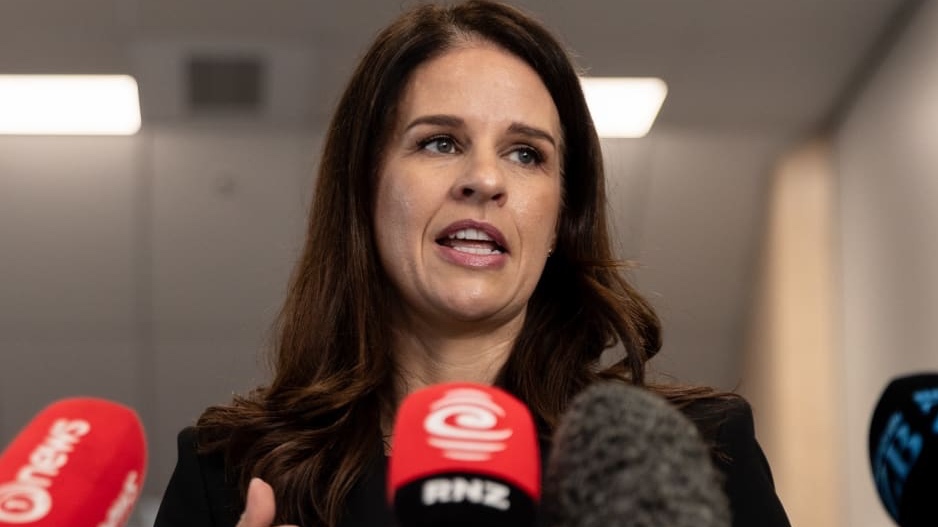
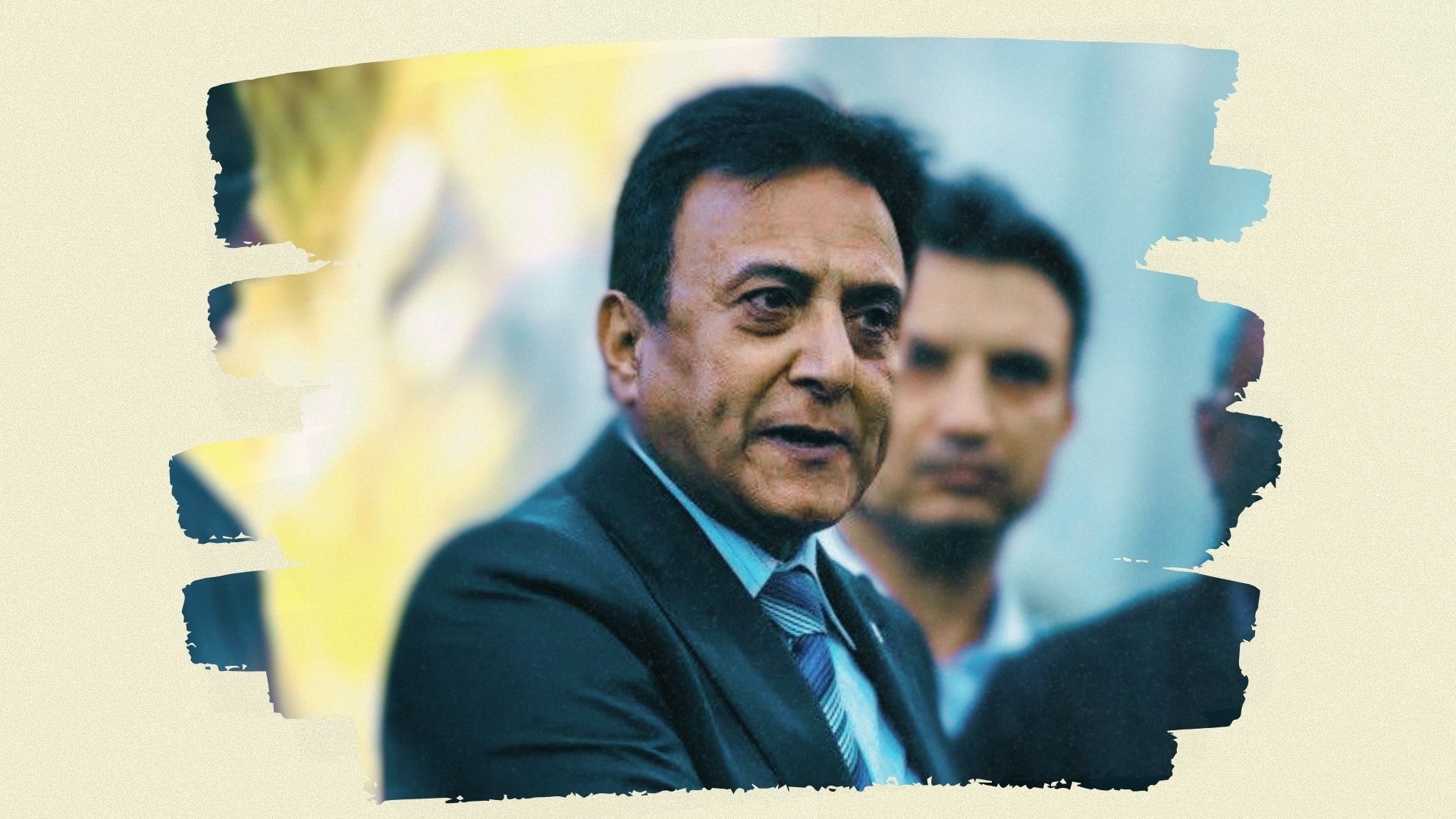
What does an Indian-origin MP owe Kiwi Indians? Priyanca Radhakrishnan on identity, belonging The three-term Labour MP says you can be Indian and Kiwi. Why should belonging require you to choose sides?
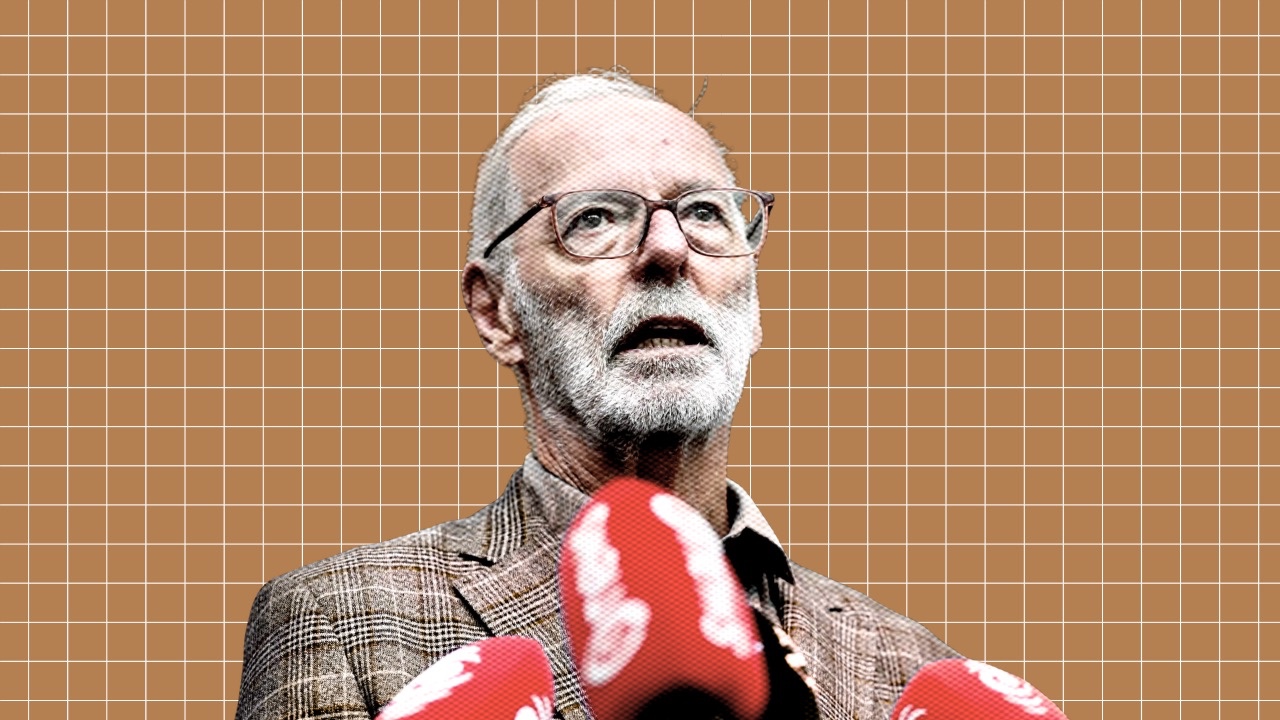
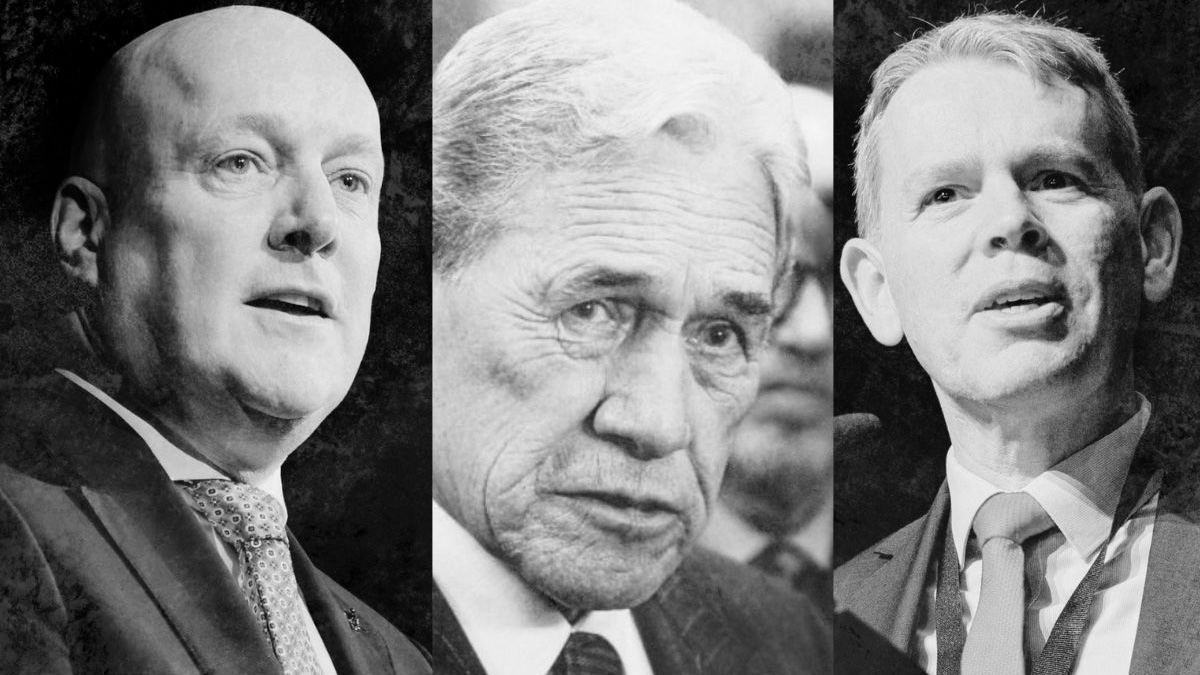
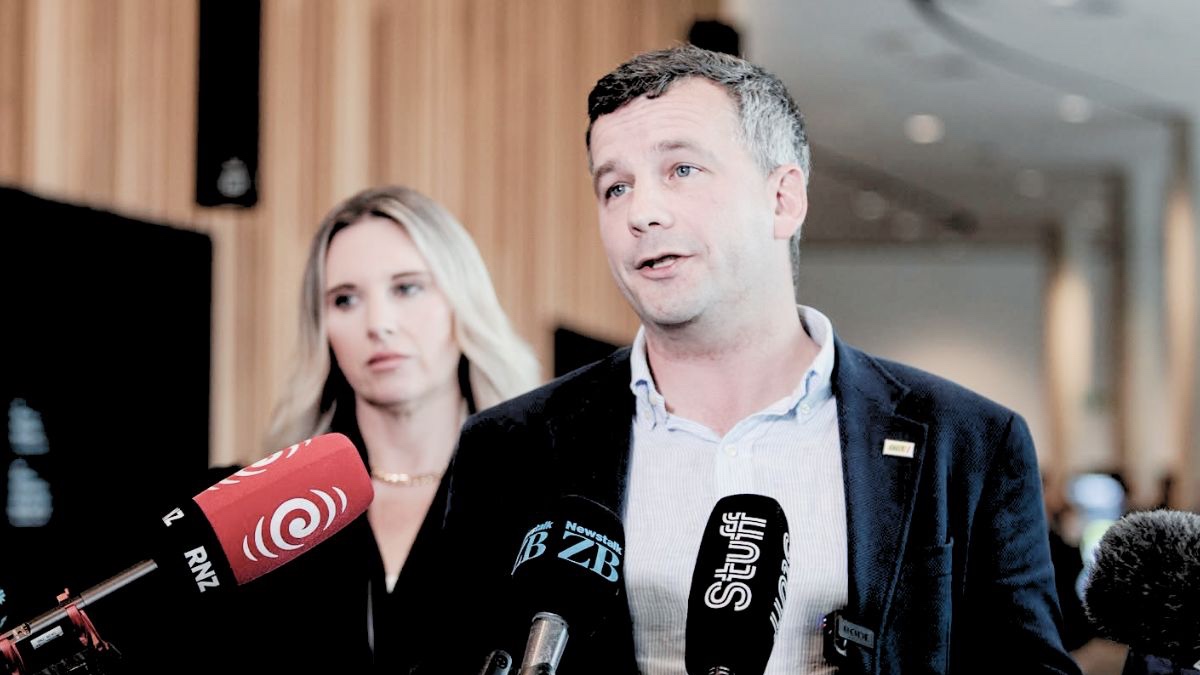
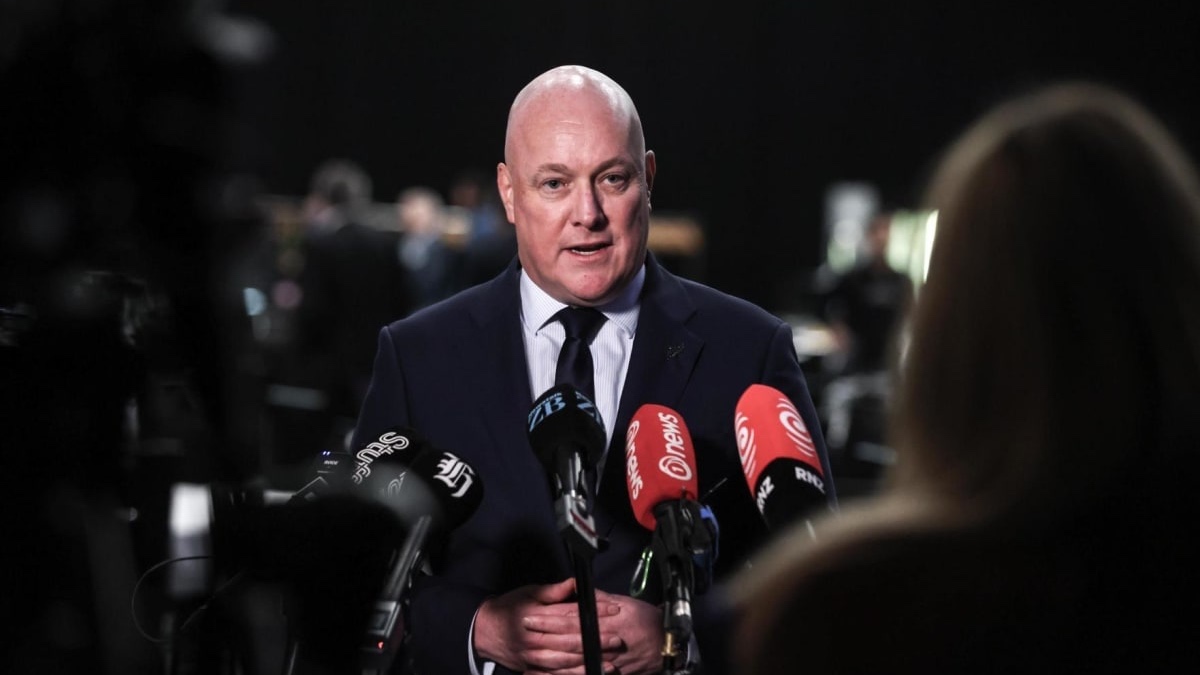
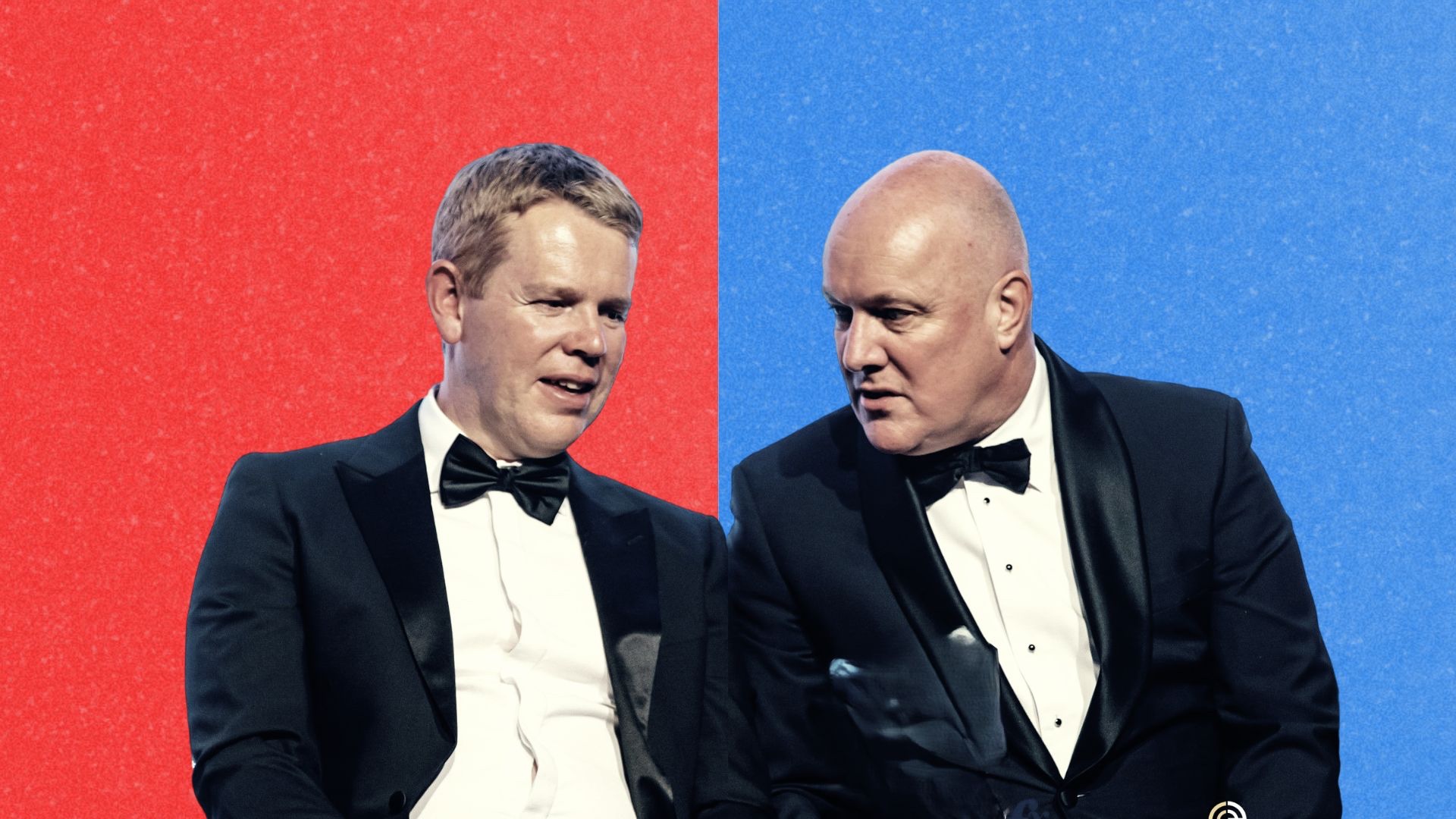
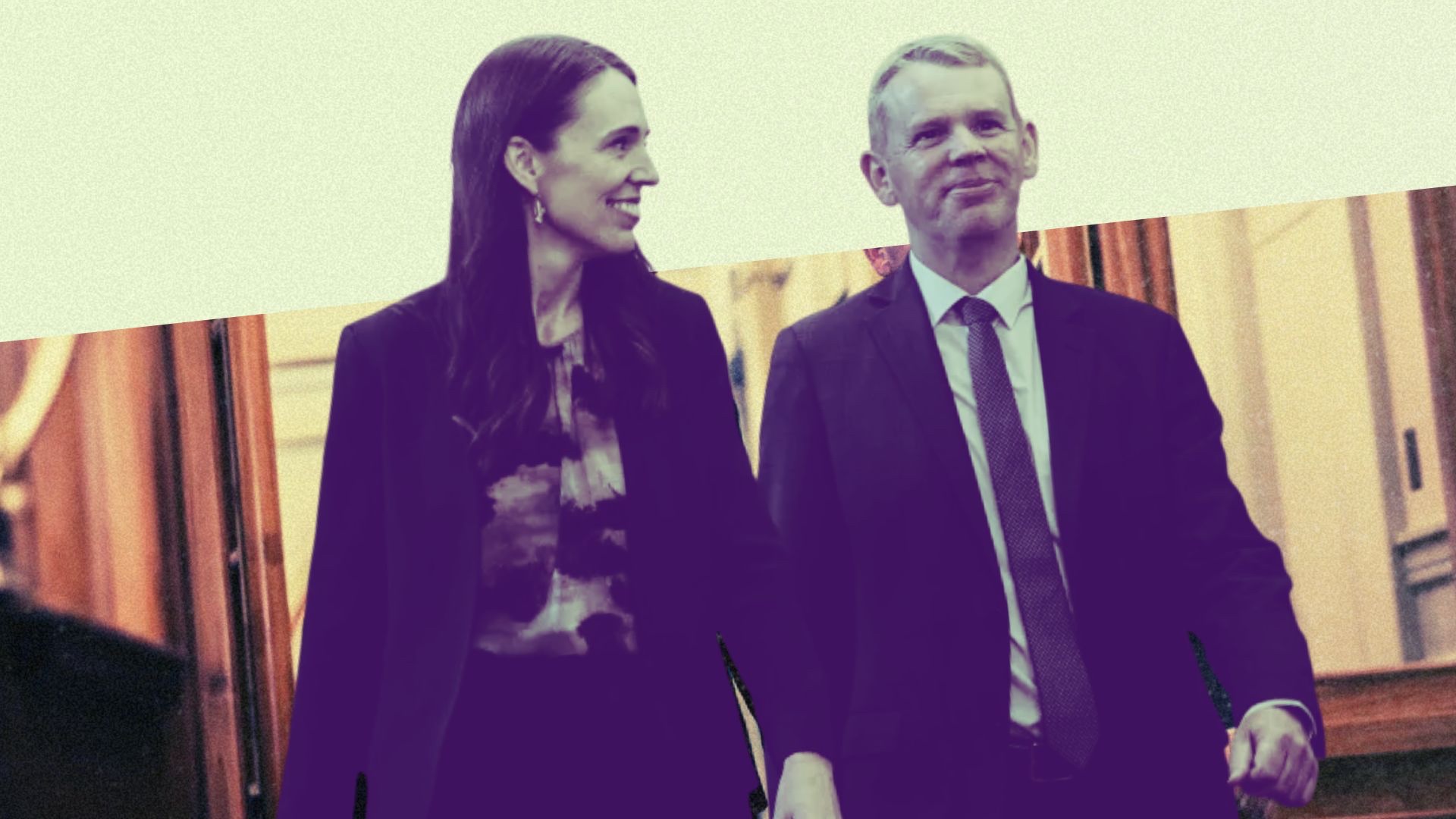
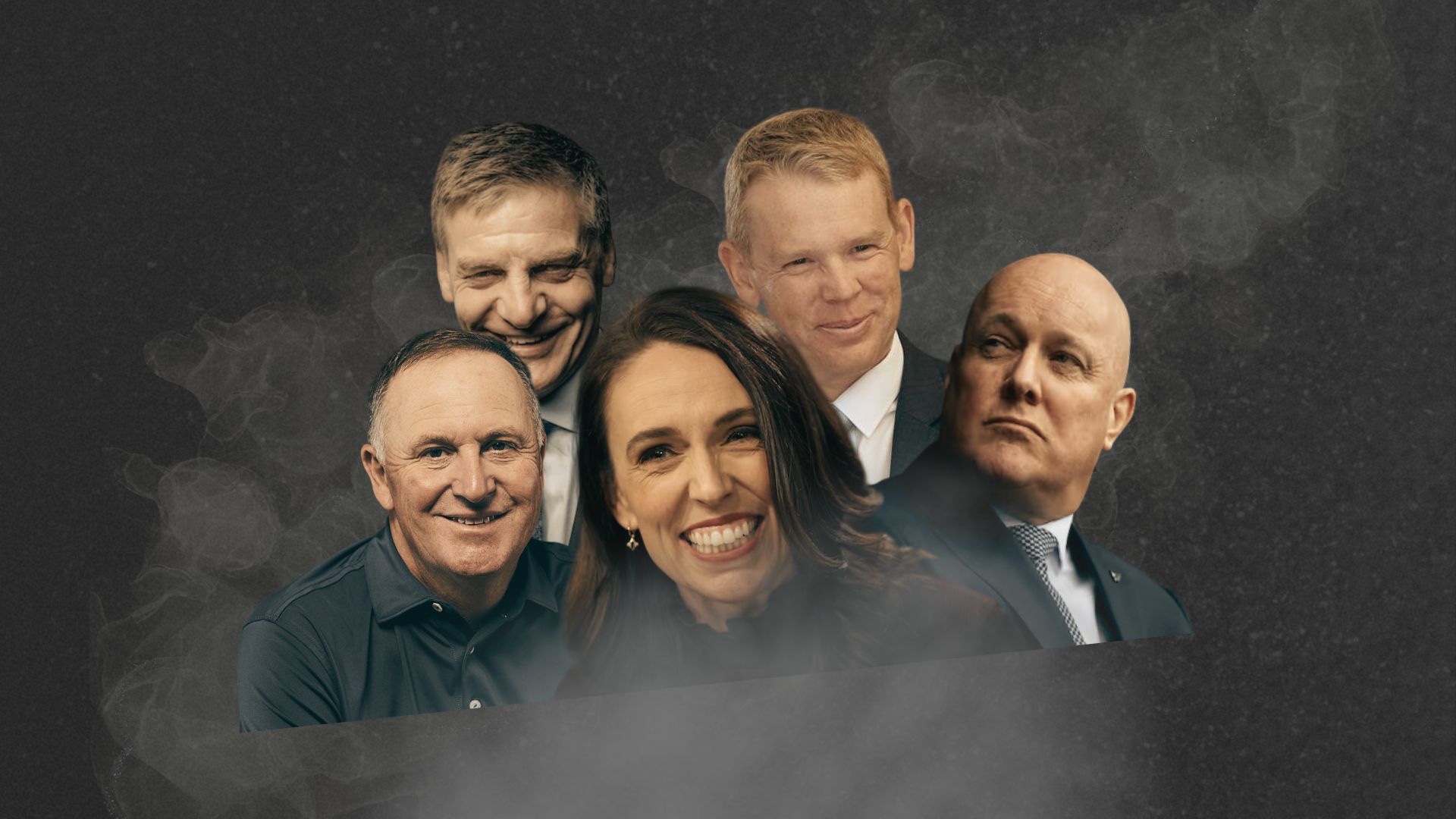
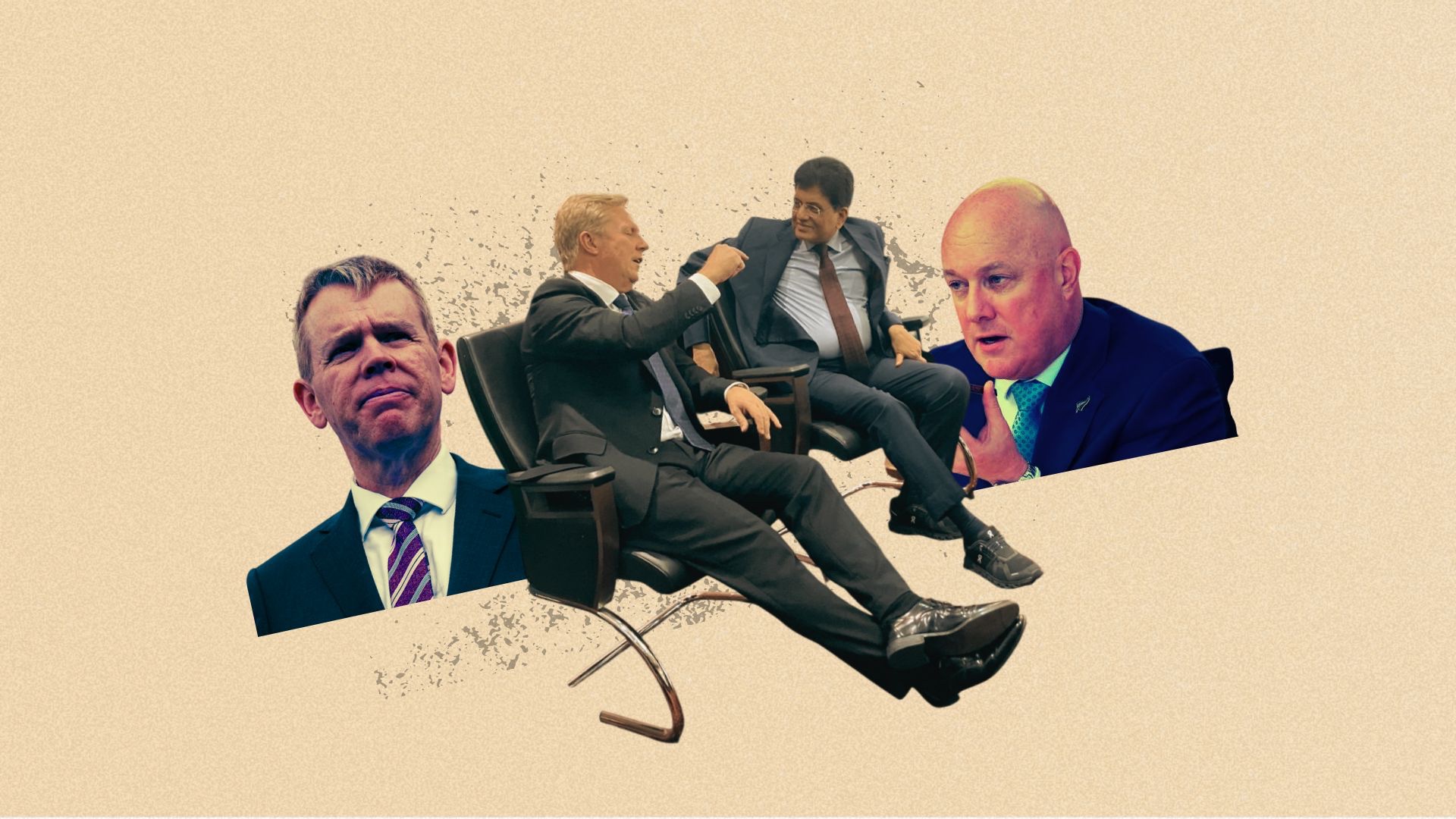
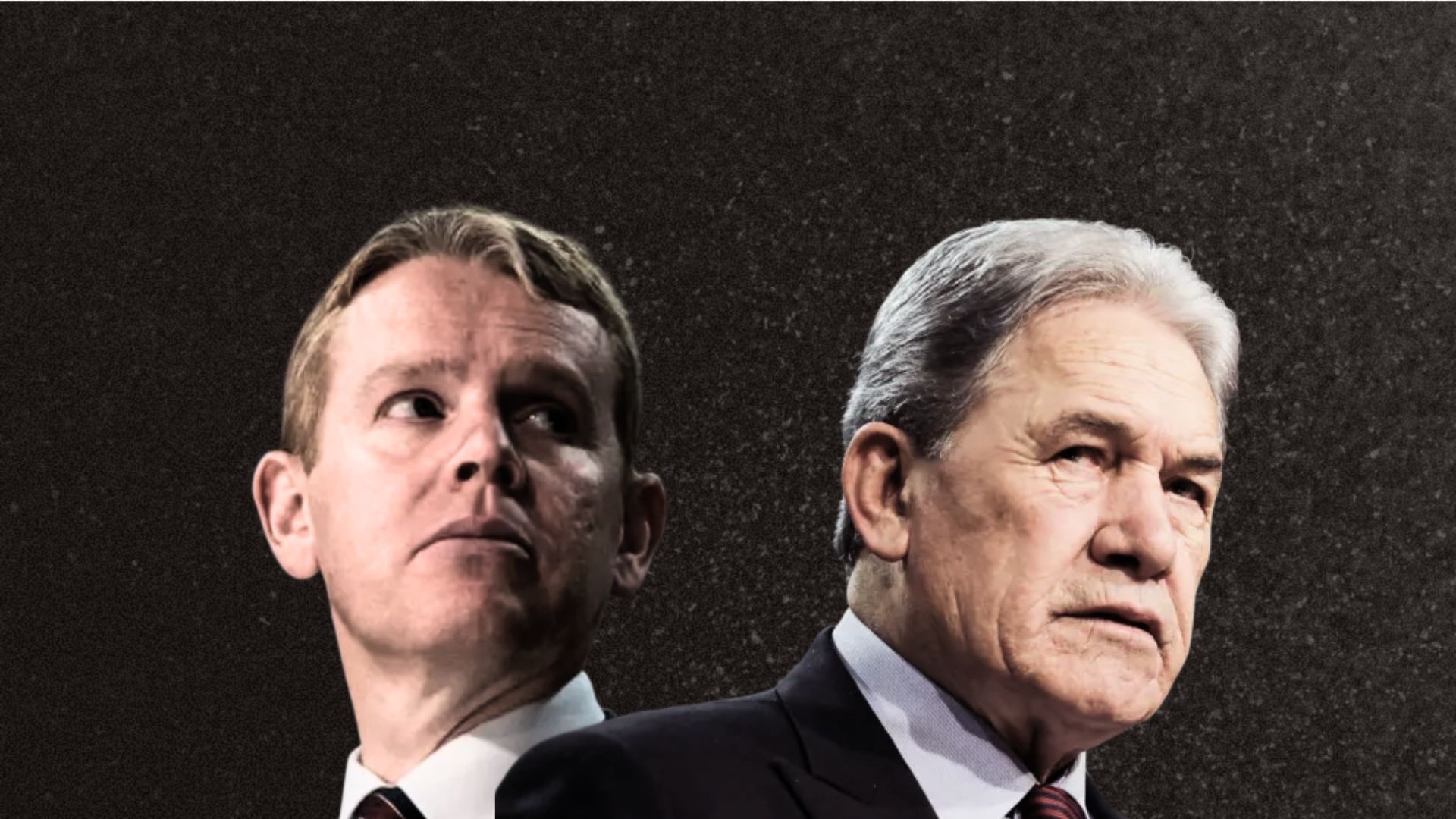
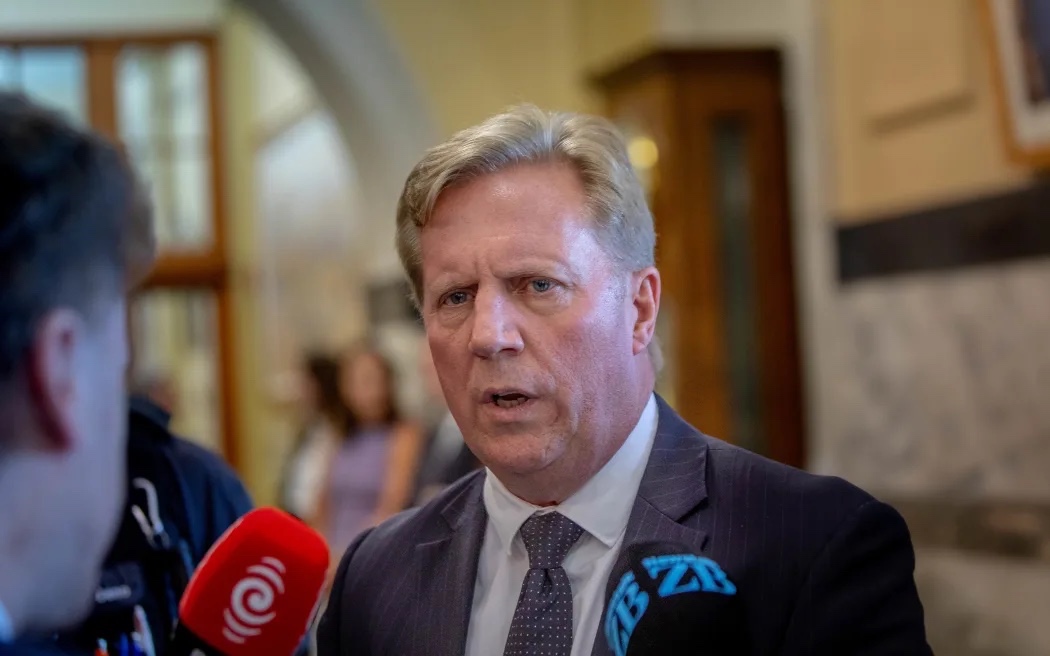
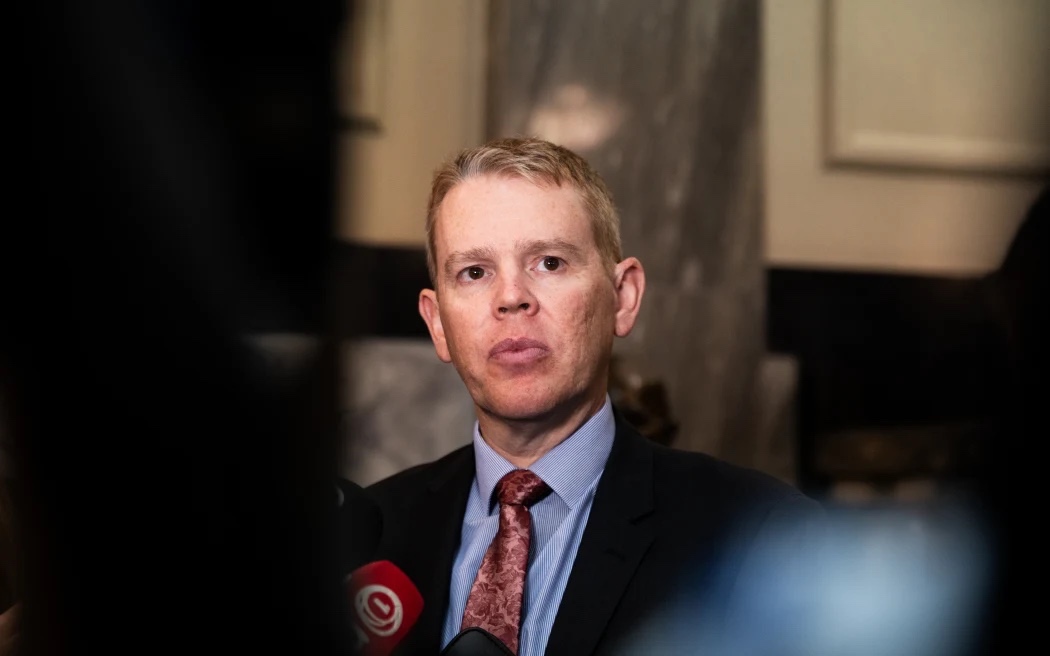
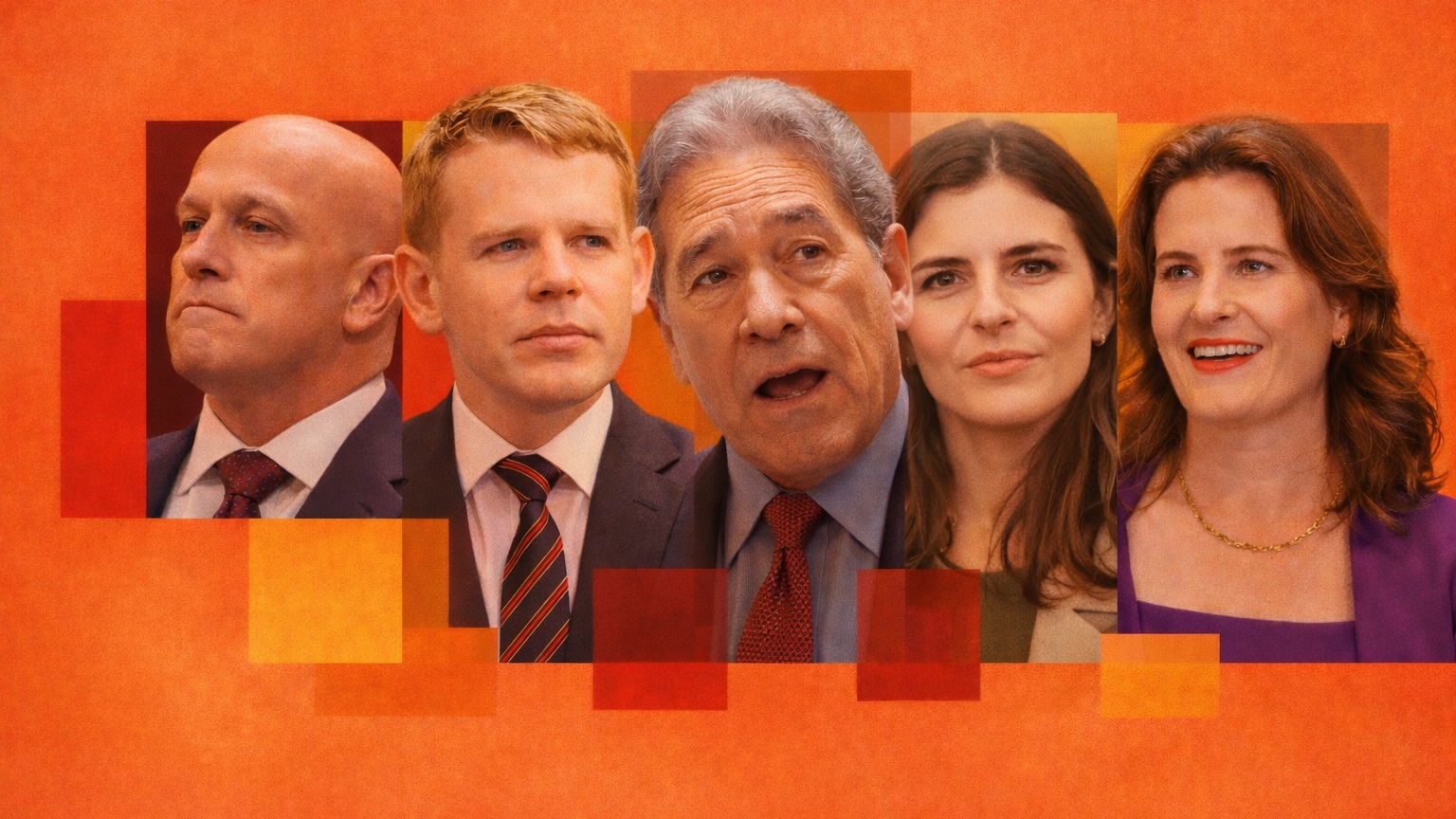
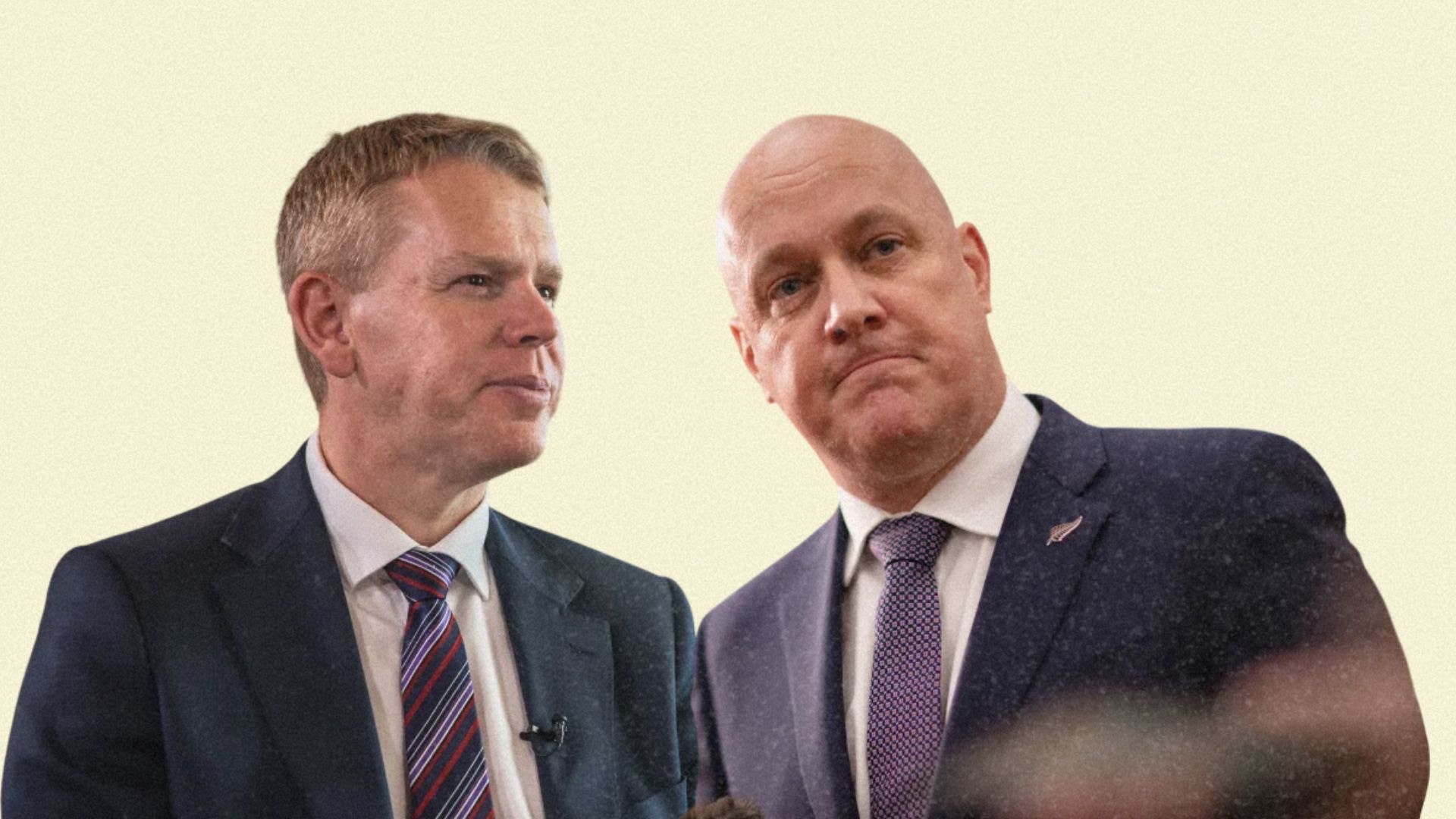
On top of that Christopher Luxon's personal favourability is continuing on its downward decline since he took over as leader, his net performance registering -22.9 percent, and rating behind Chris Hipkins on preferred prime minister with 19.9 percent to the Labour leader's 21.3 percent.
Rounding out the trio of bad news for National was voters feeling like the country is headed in a worse direction than it was in the same poll last month (a net score of -20.9 to July's -11.8).
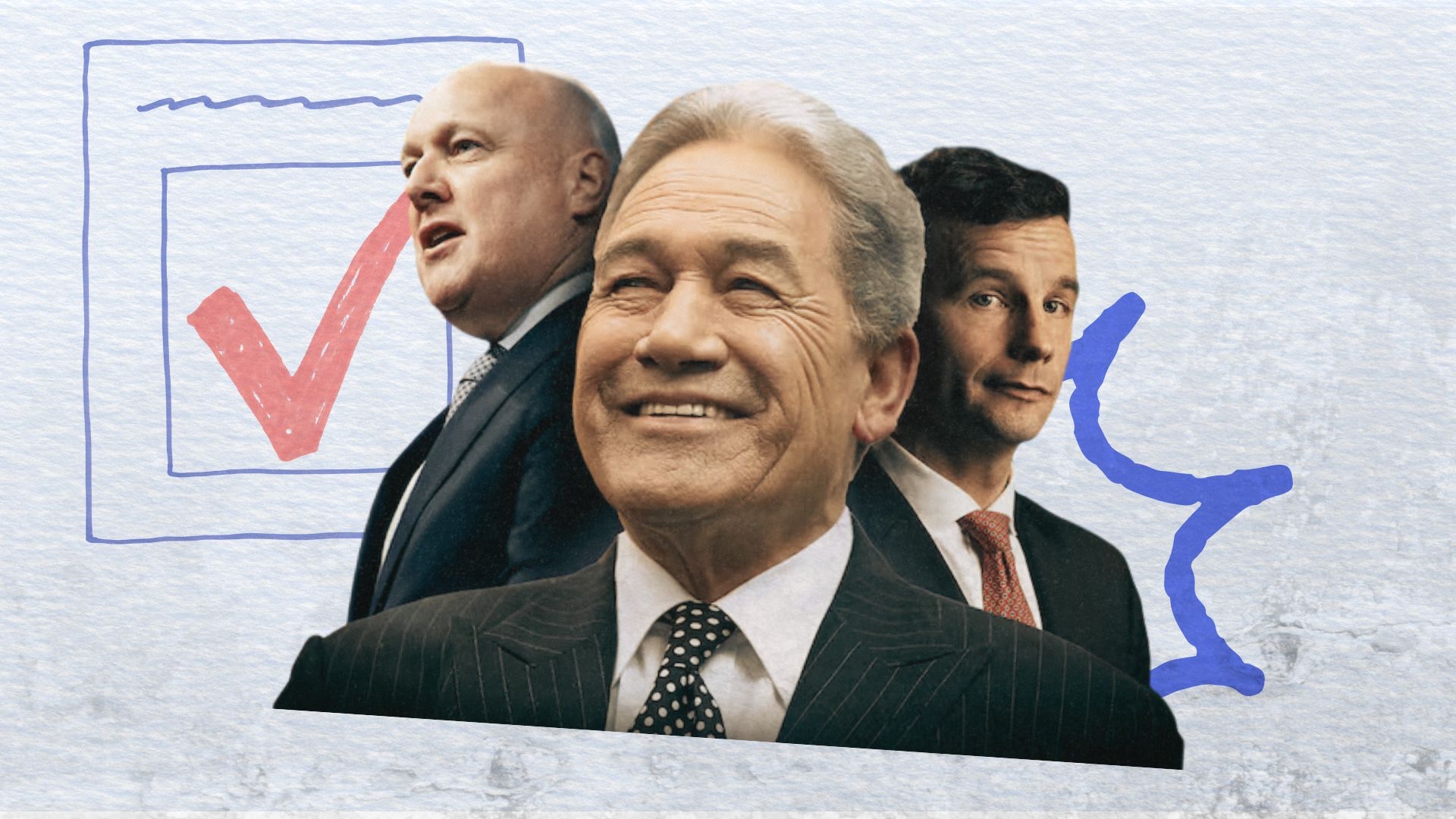
The other wrinkle in this poll is the success of Opportunity, which has crossed the five percent threshold and now has the balance of power.
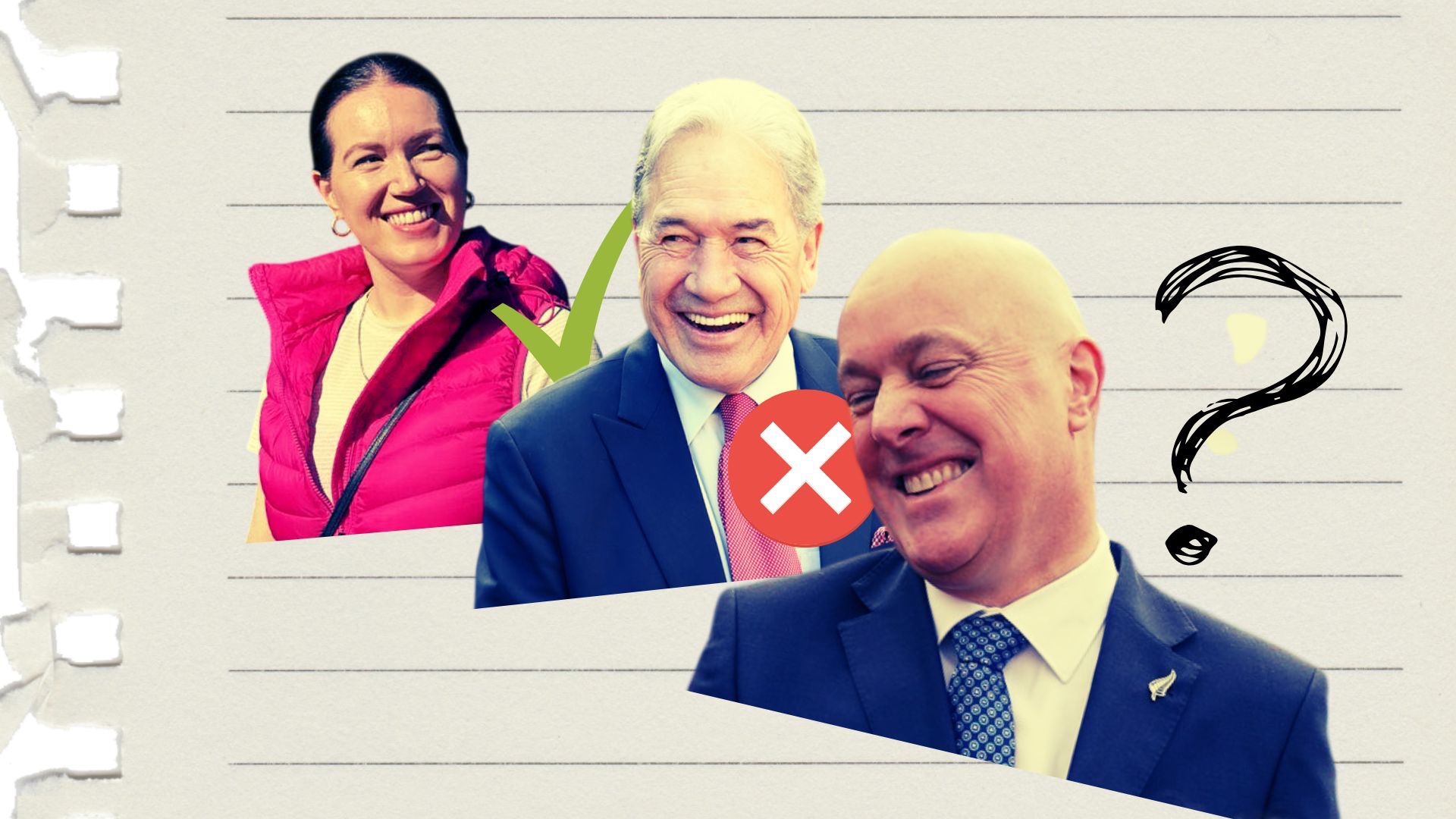
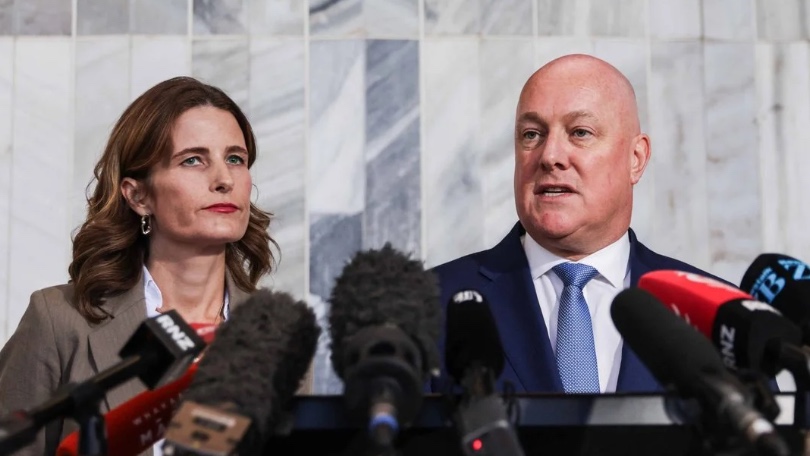
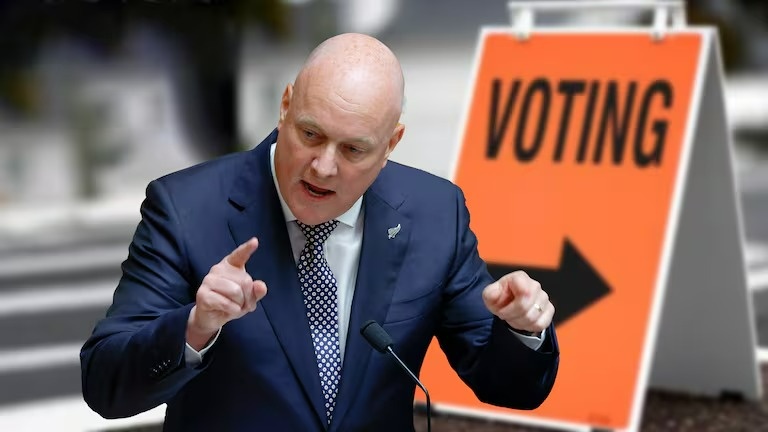
Luxon ruled out Opportunity a few weeks ago with a captain's call that started the ball rolling on discontent within his caucus.
RNZ's poll gives the party six seats and hands it the 'kingmaker' title with neither the left nor right bloc able to form a government without it.
If those numbers were replicated on November 7 nobody believes Luxon wouldn't pick up the phone to try get a deal done.
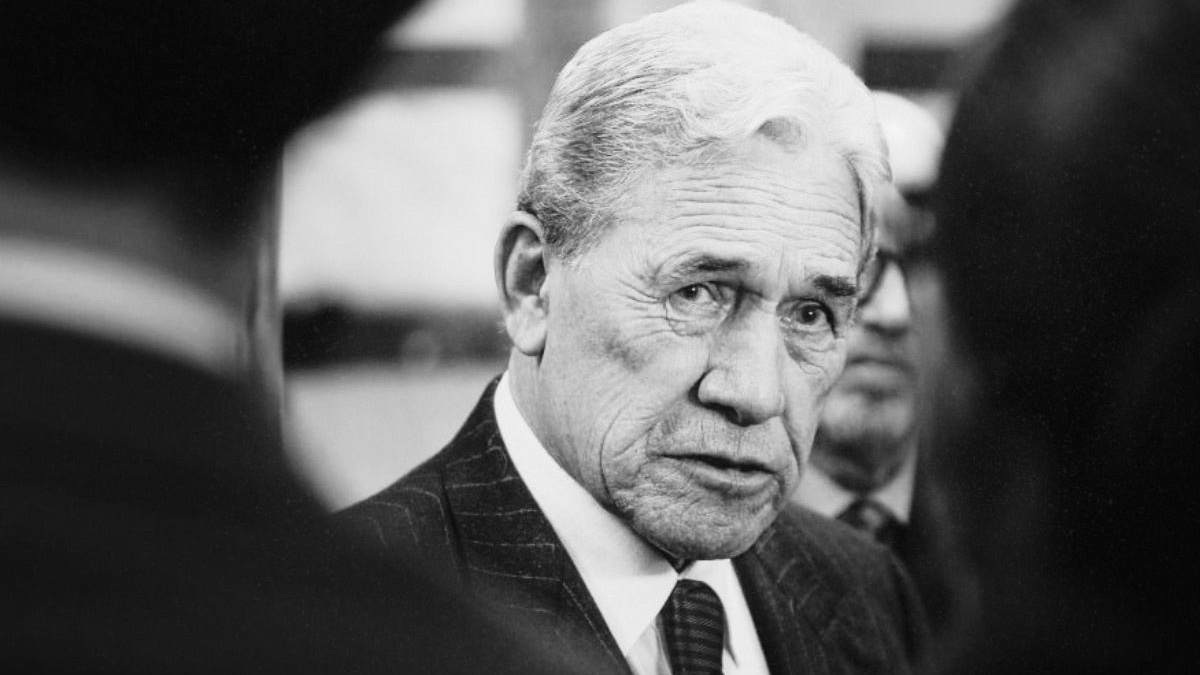
In Hipkins' case, by not explicitly ruling out Opportunity like he has New Zealand First, he has left the door wide open to it.
In a perfect world for Labour it would peel at least some votes off National as well as disgruntled NZ First voters unhappy with the focus on the fringe newcomers to the party.
That would strengthen the Labour vote and allow it to form a coalition with the help of the Greens and Opportunity, and cut Te Pāti Māori out of the frame.
Hipkins knows the policies and political plays of Te Pāti Māori are a handbrake on collecting some of the more centrist Labour vote.
While Labour won't do any deals with Opportunity or signal as much to voters, it's clearly its preferred path to power.
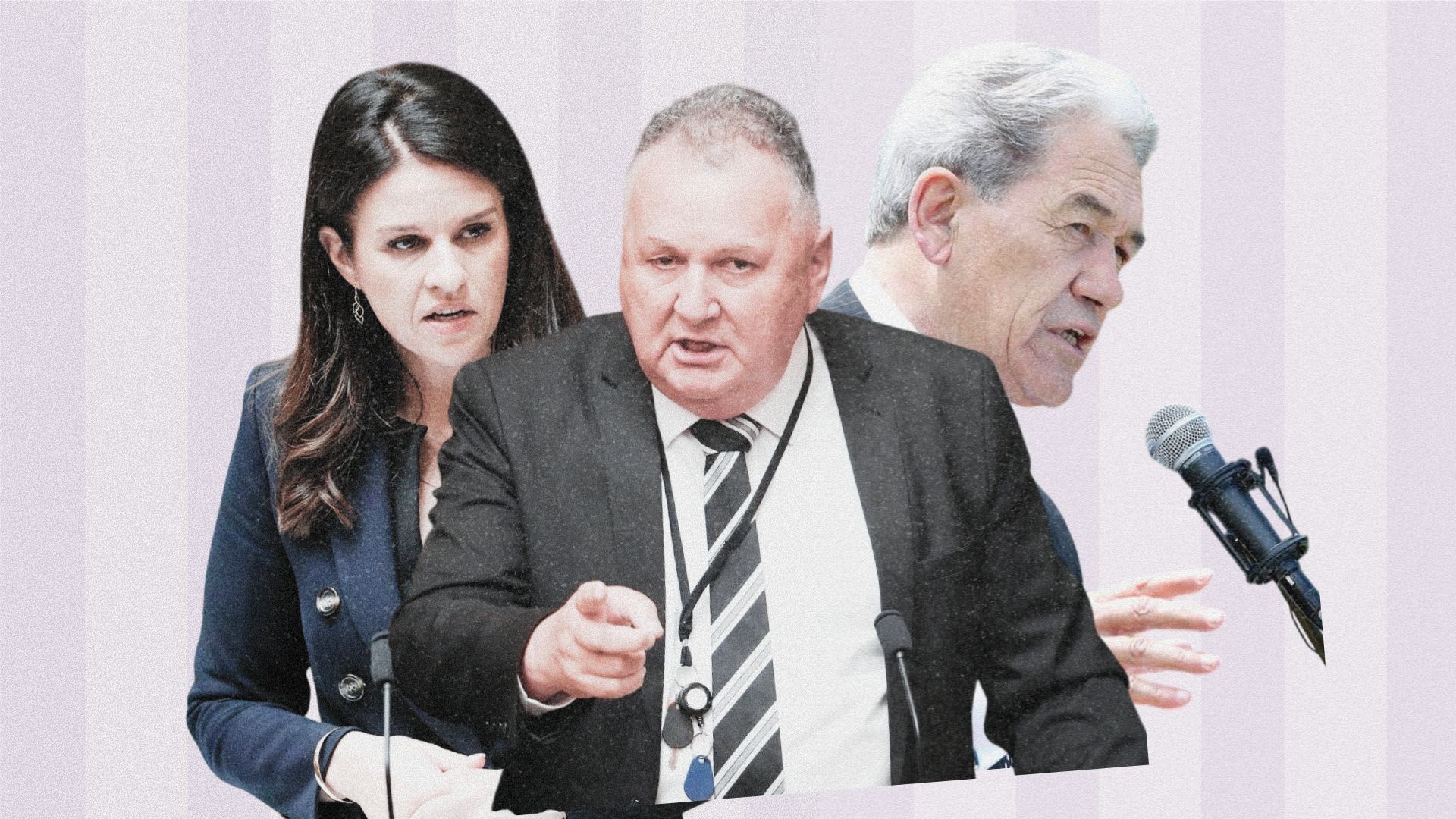
The alternative on current polling is a four-party coalition for either side of the political divide.
Luxon has already shown this term the political management required to keep three parties on the same page, and how easily it can derail.
Add another party to the mix and the role of prime minister could start to look less like running the country and more like herding cats.
The growing influence of the minor parties has been born out of the shrinking purple vote - National and Labour's combined vote - an international trend where the two major parties are giving way to more complex coalition governing arrangements.
In this month's RNZ-Reid Research poll the combined National/Labour vote was 61.3 percent, down on 62.7 percent in July's poll.
The minor parties are now pushing 40 percent of the vote share and the undecided/don't know/would not vote category is down below five percent.
There will be nothing easy about National and Labour bucking the global trend and growing their share of the vote - and with just 75 days until the election, time is running out.