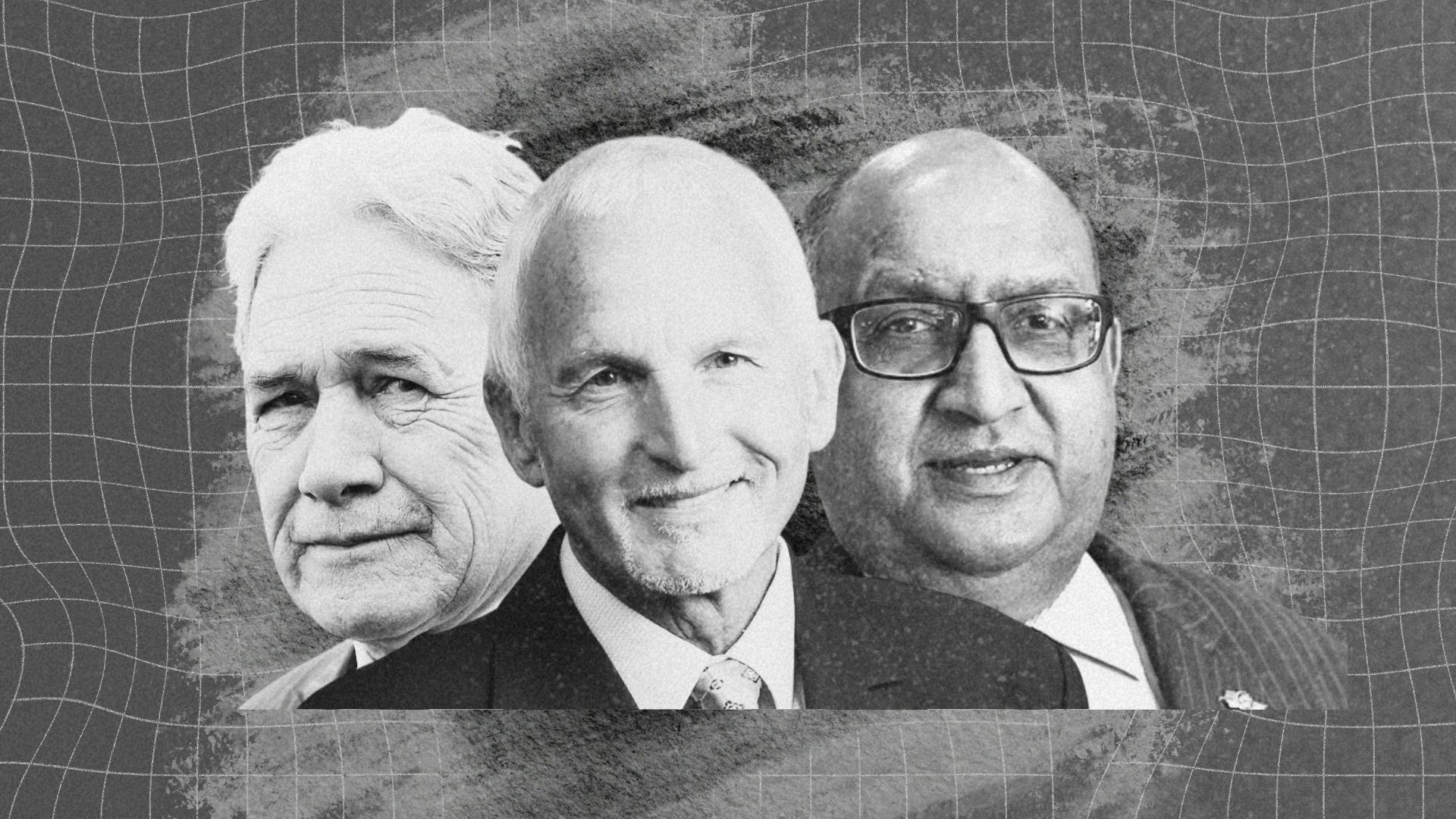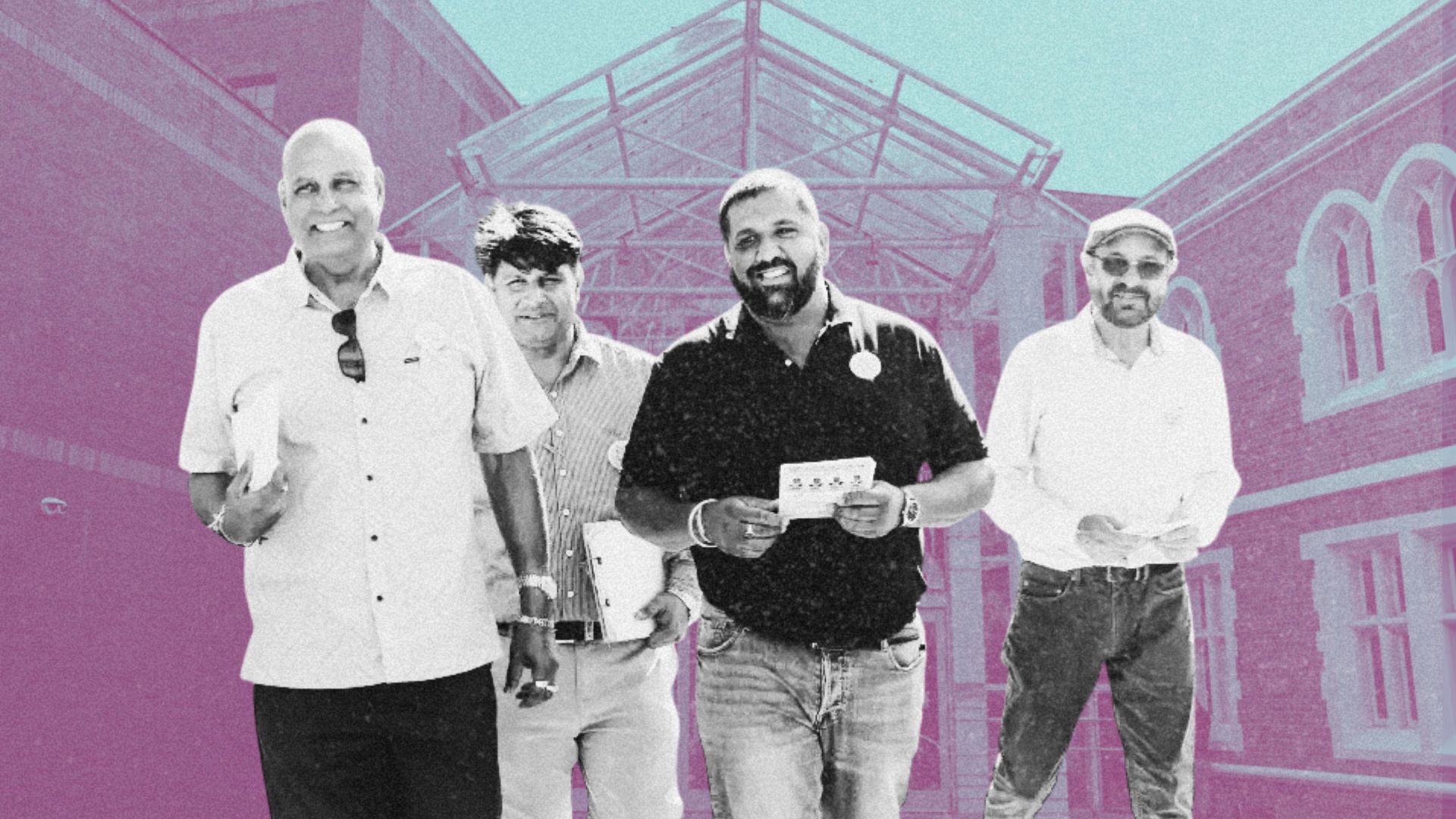

Migrant who shouted down Peters over racism 24 years ago now vying for Parliament
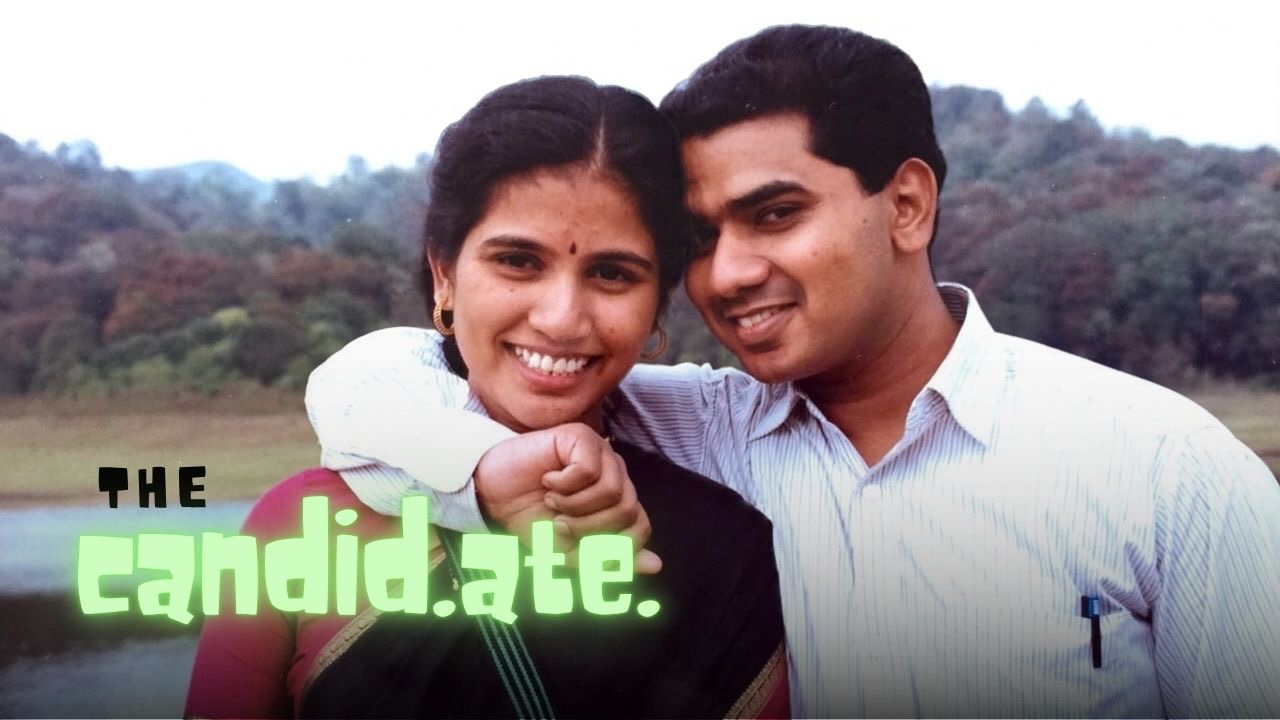
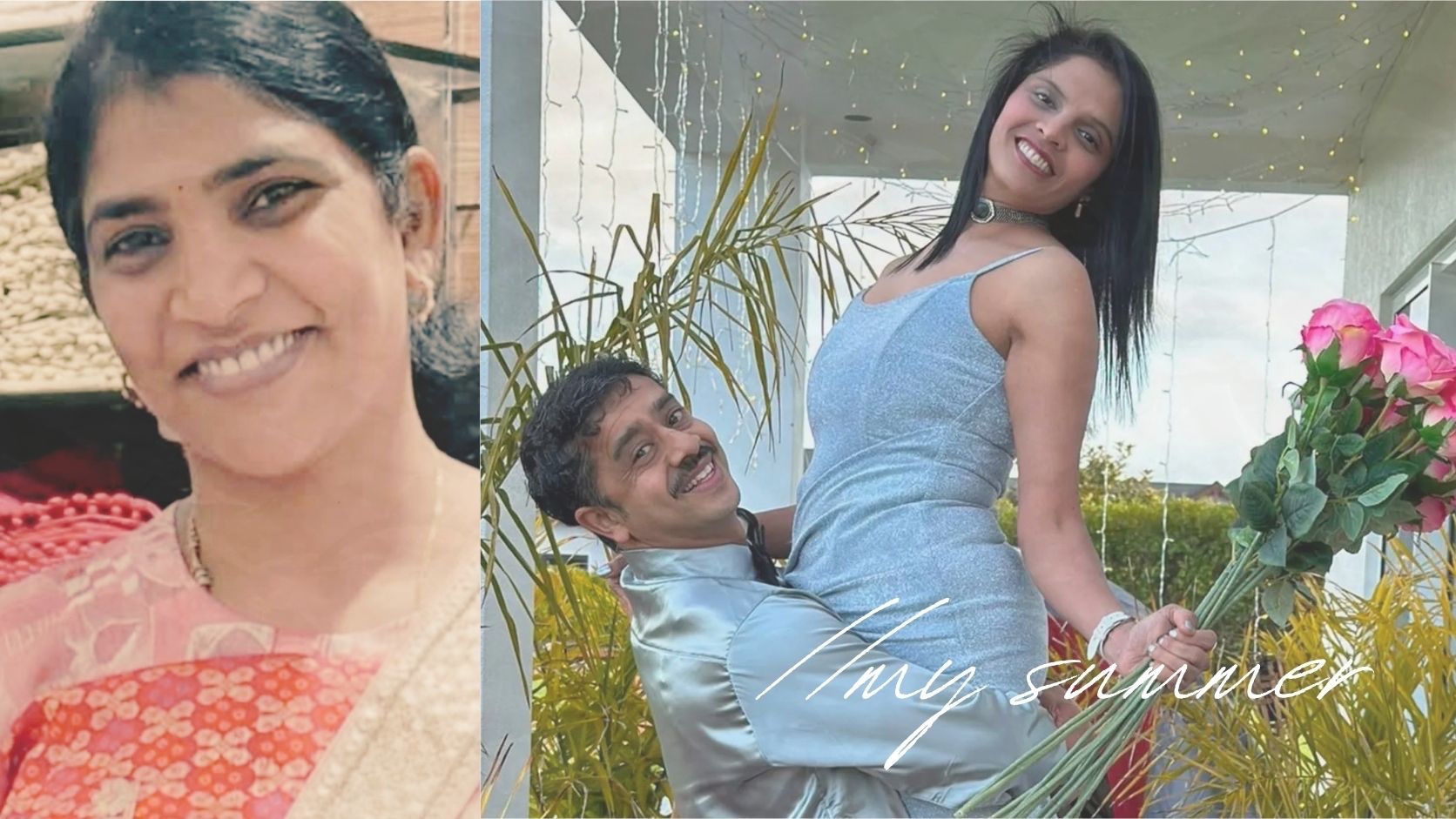
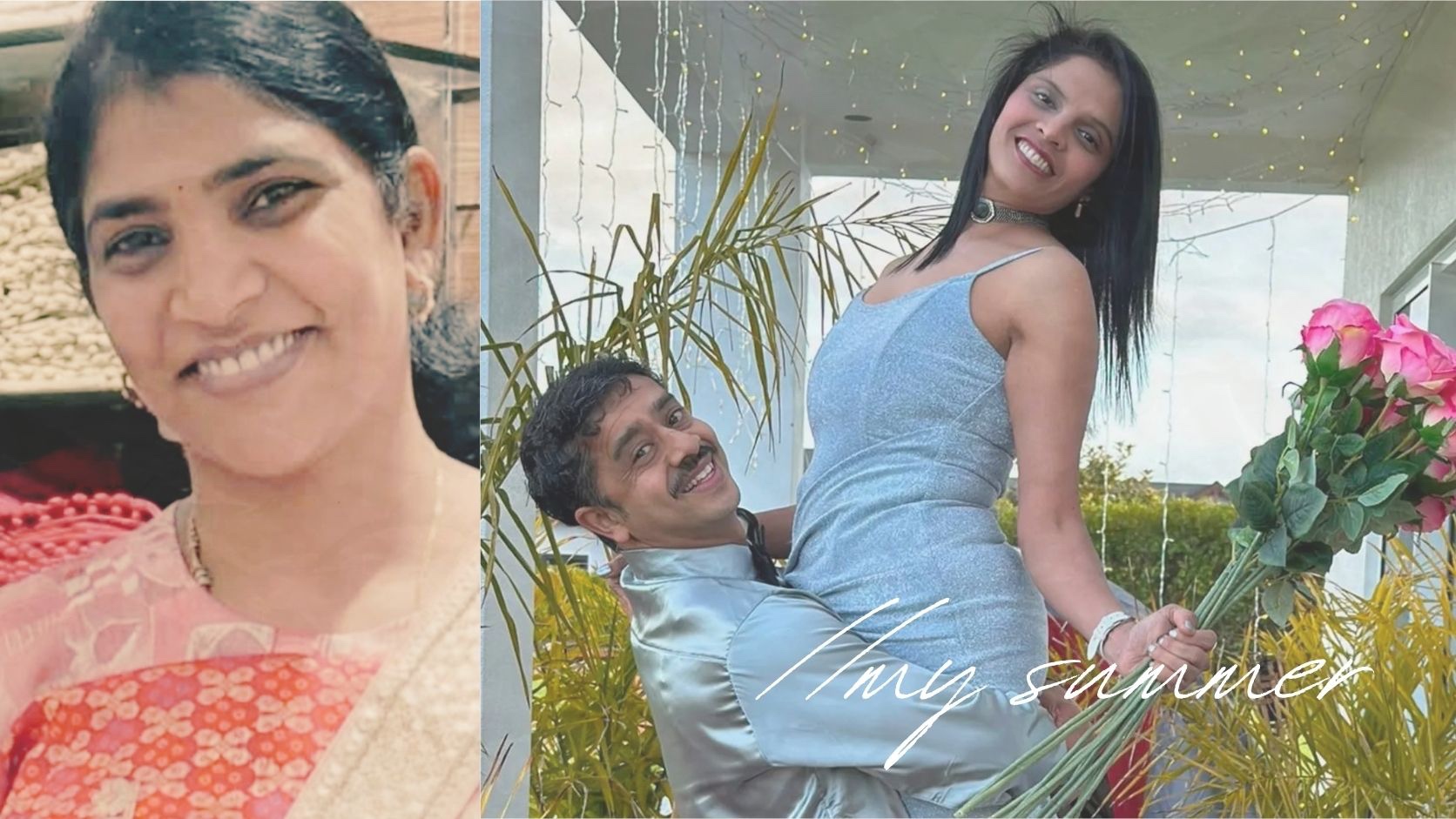
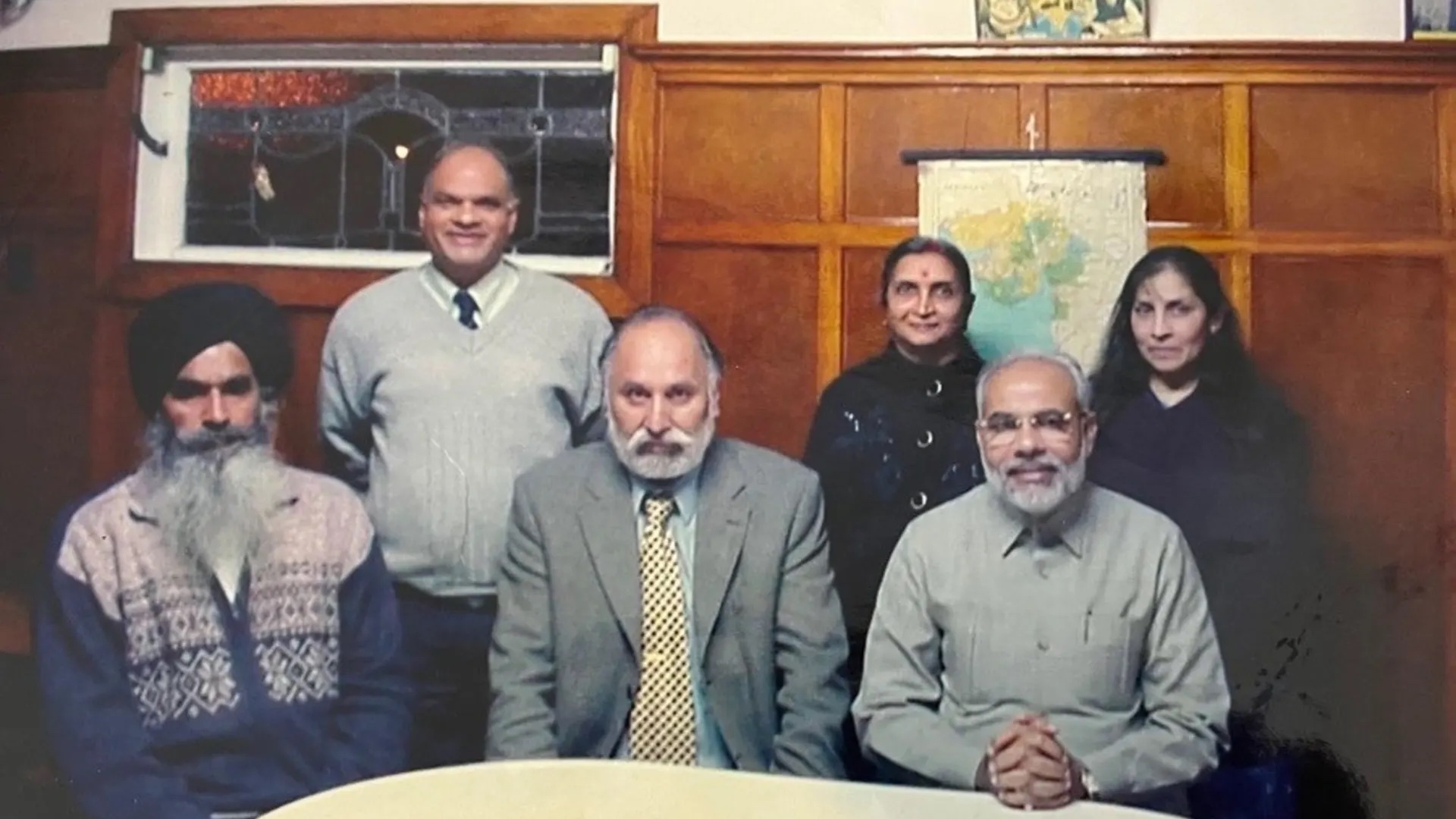
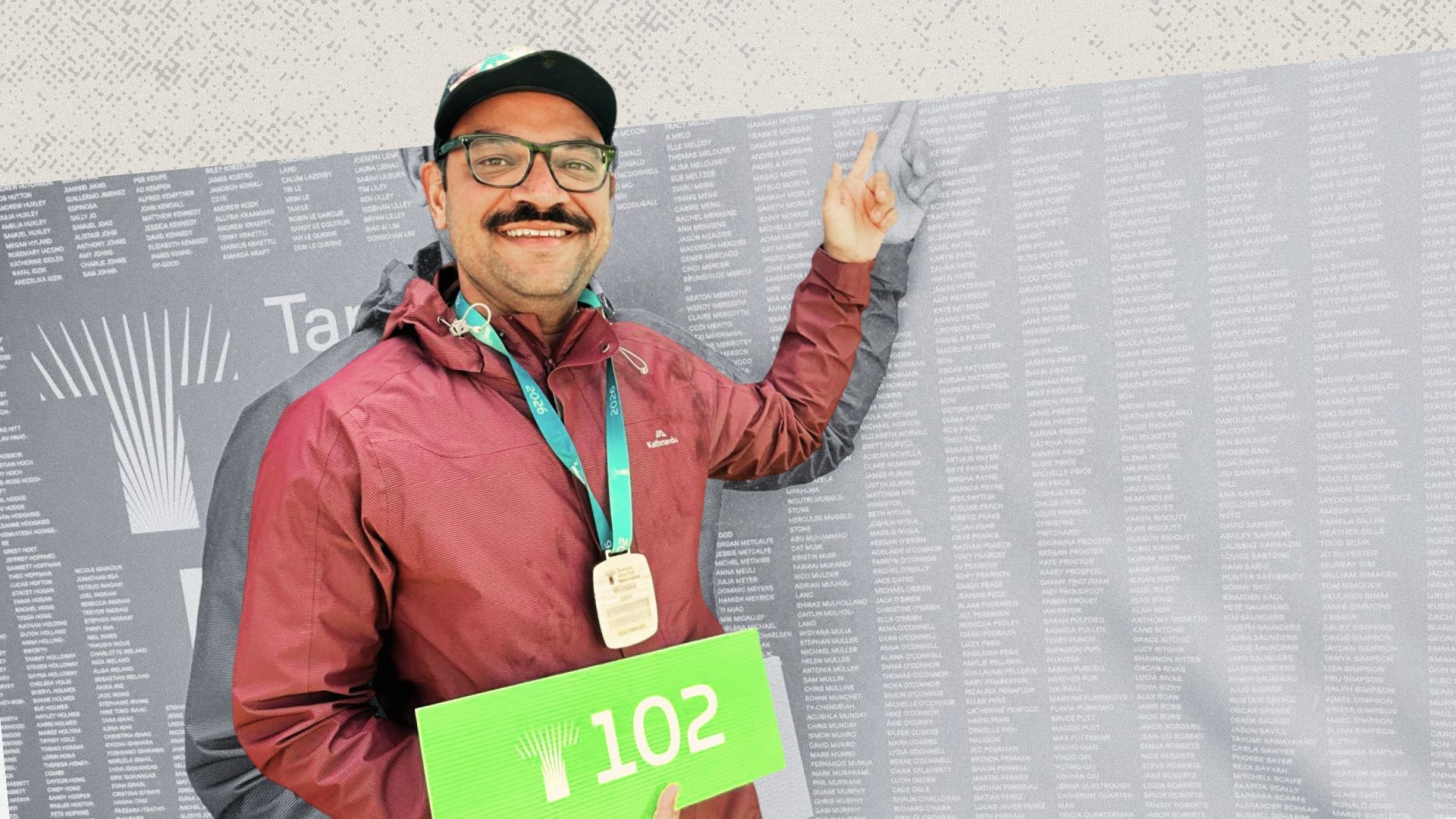
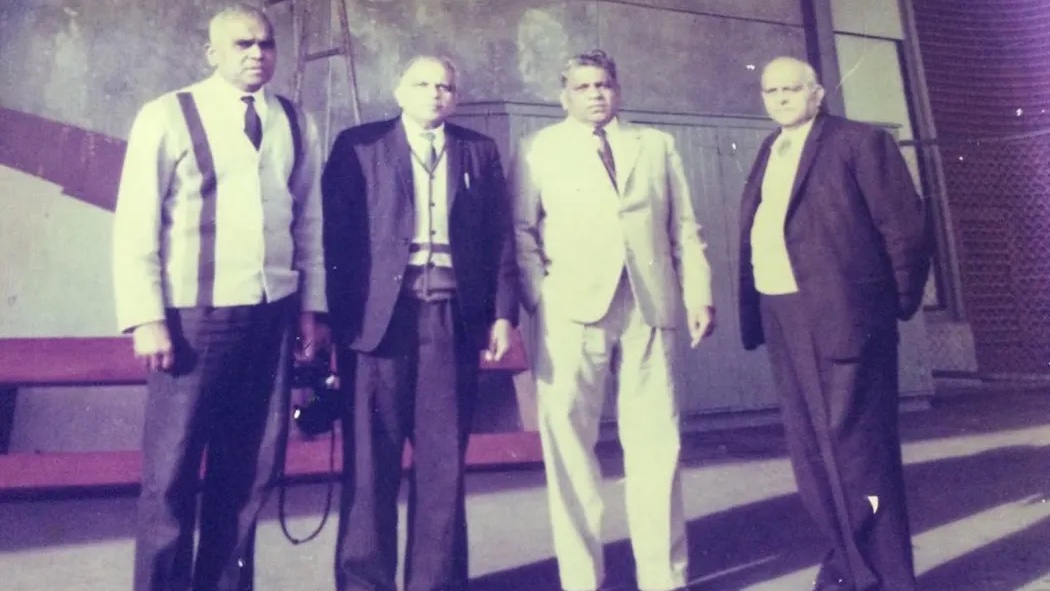
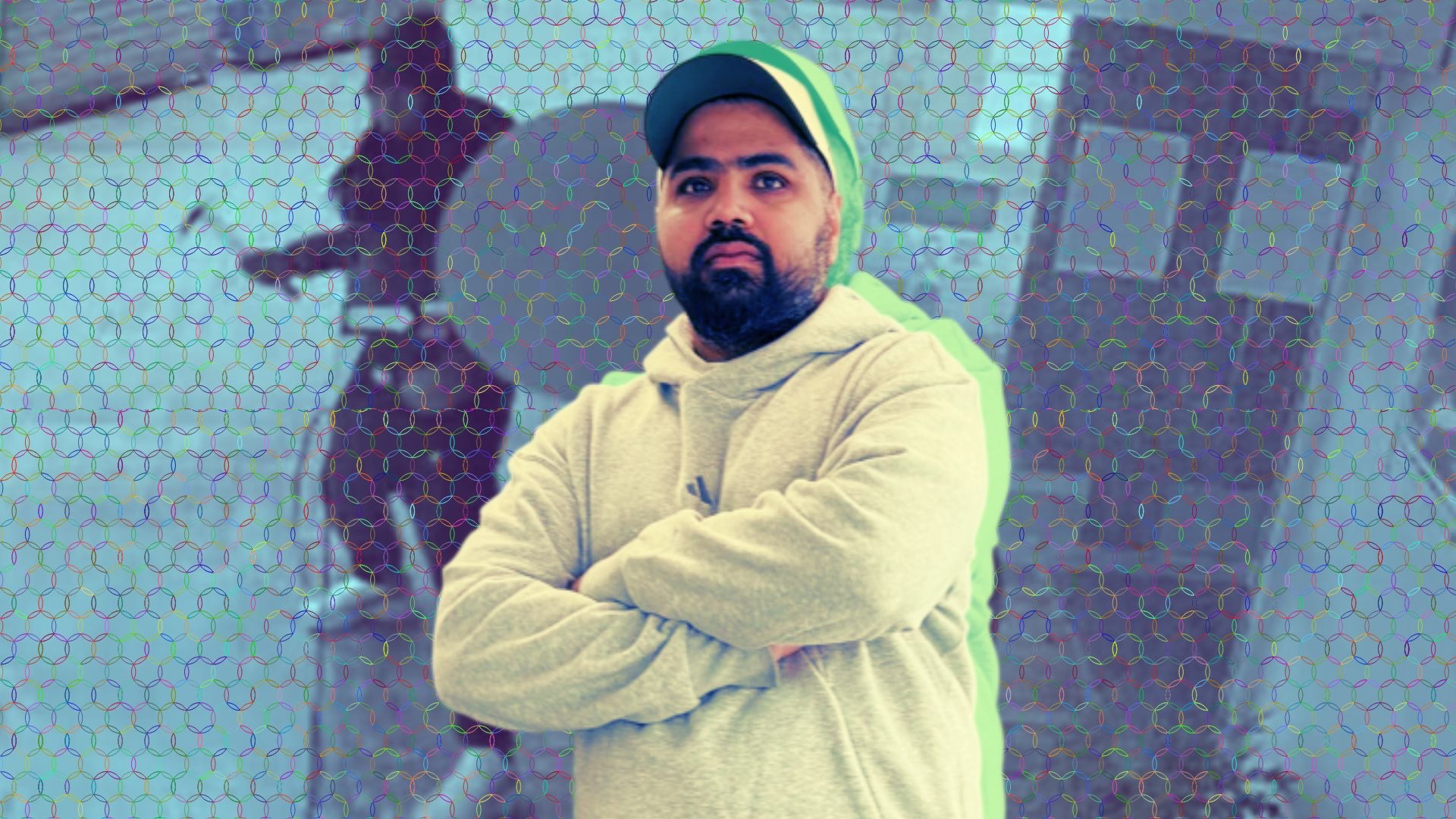
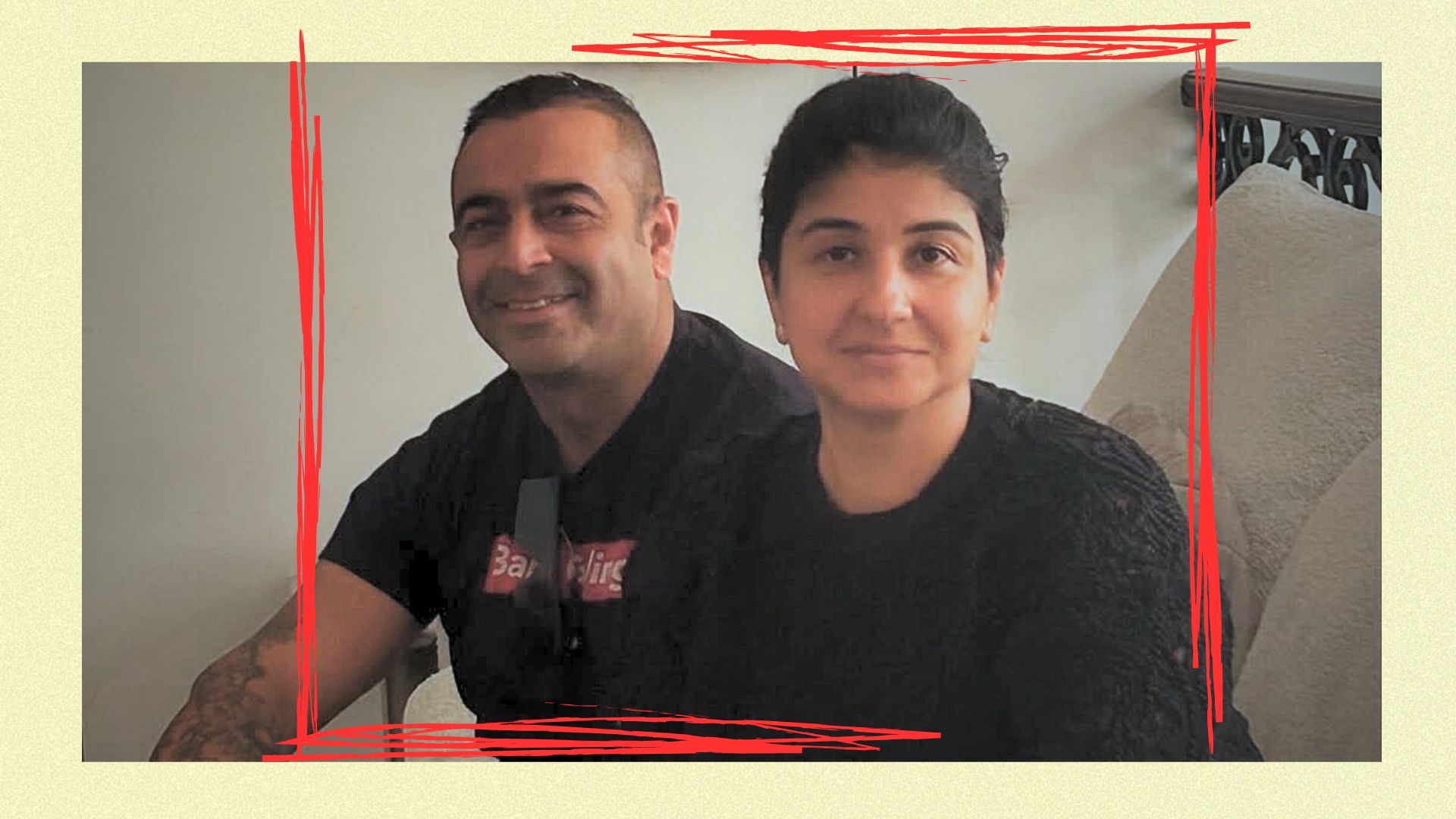
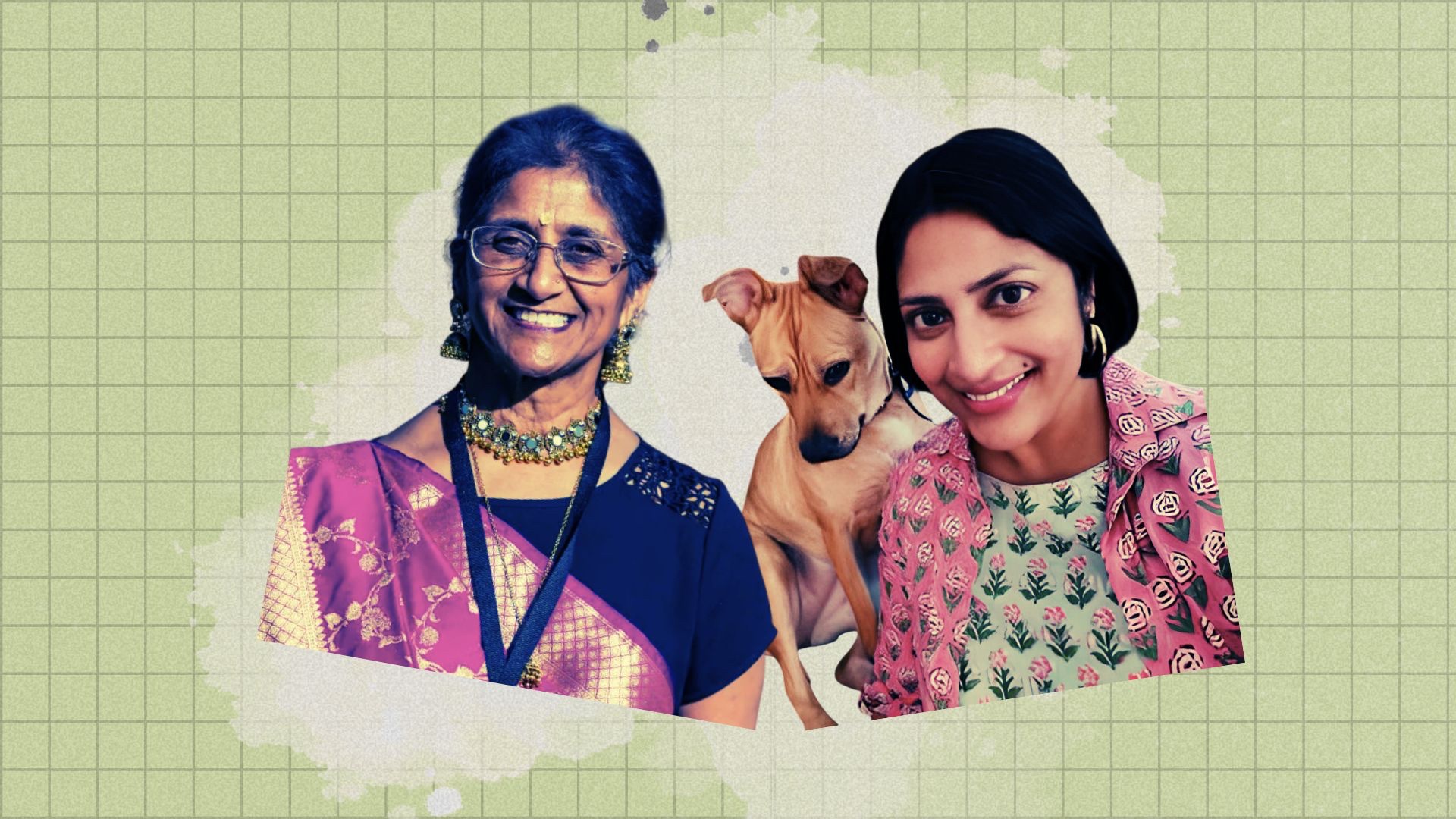
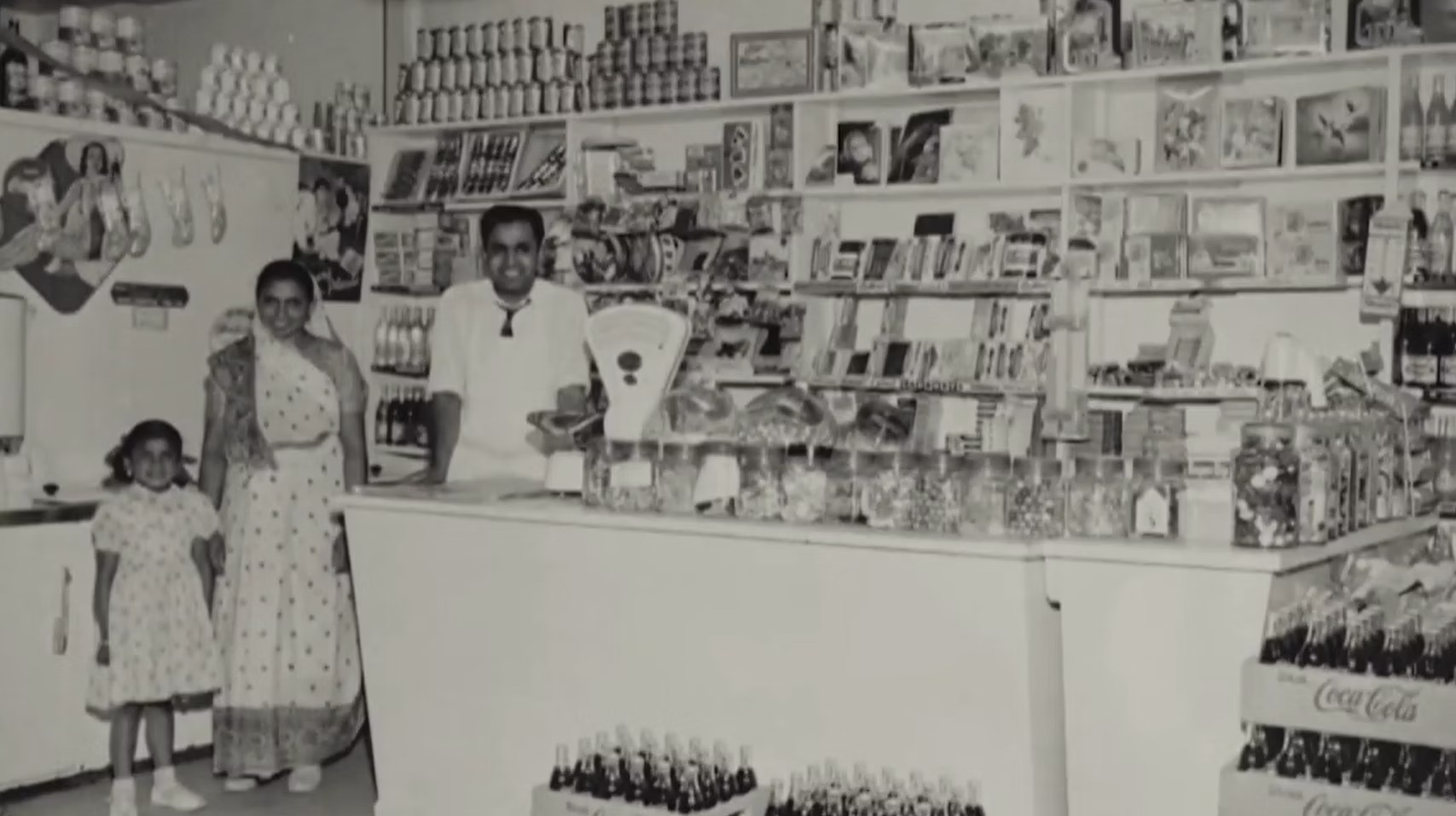
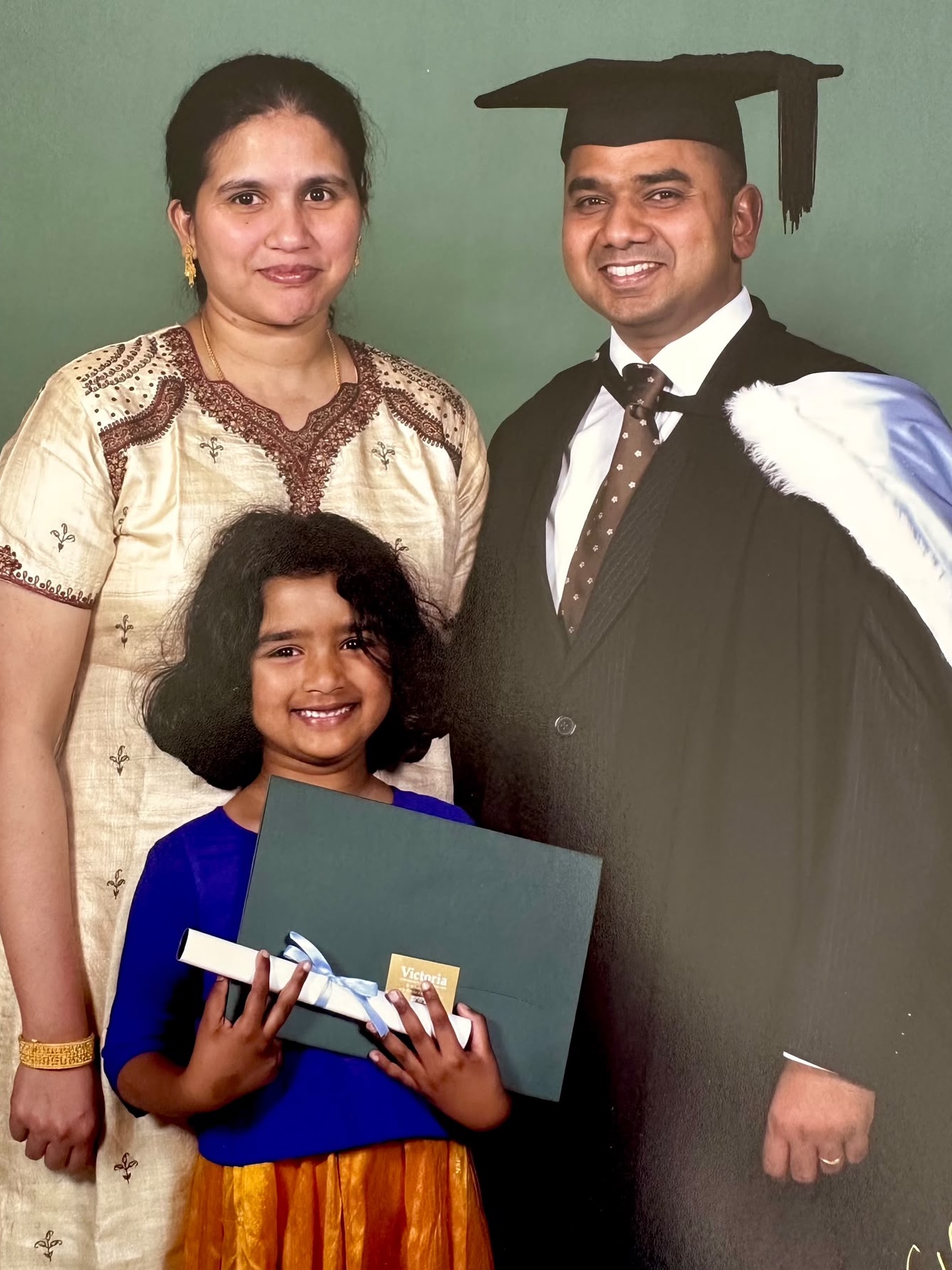
New migrants in New Zealand, circa 1995: Karuna Muthu with his wife, Dr Chitra Karunanidhi. (Supplied photo)
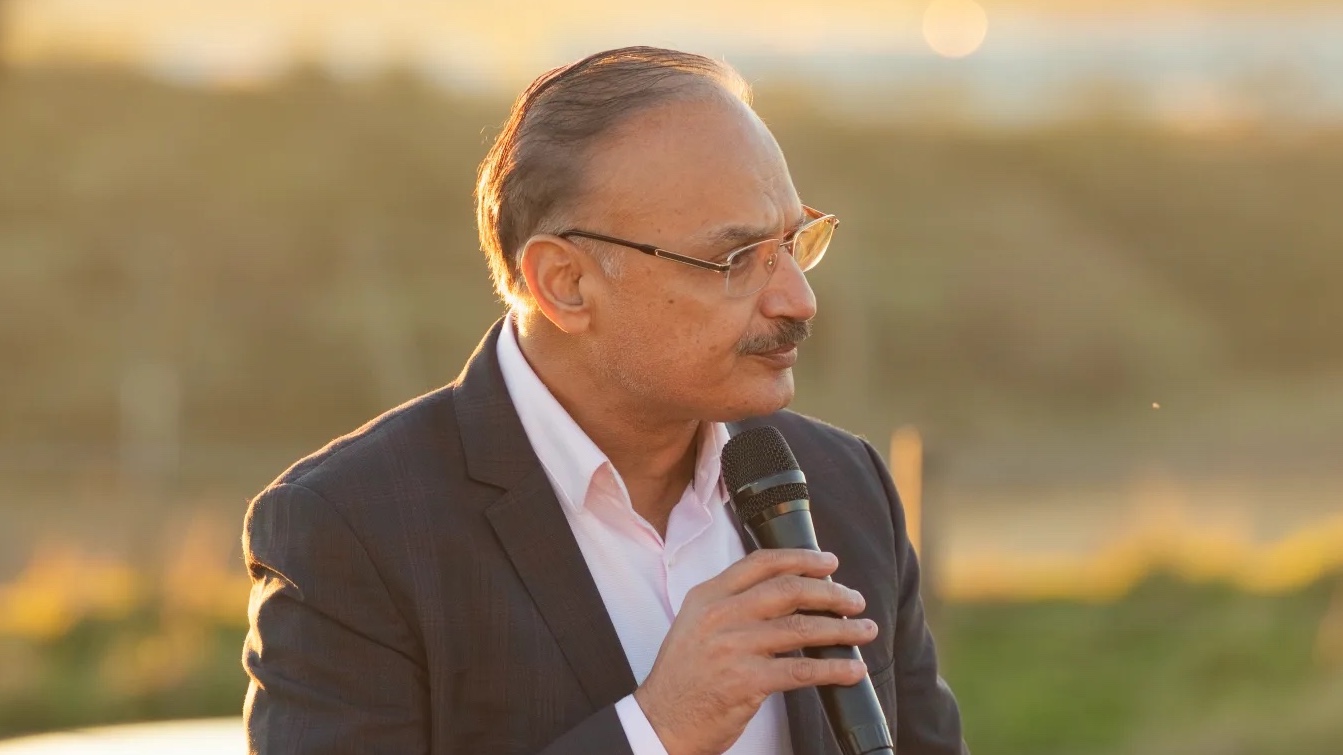
From arriving with $500 in his pocket to confronting NZ First's leader, National Party's Karuna Muthu reflects on his unlikely journey into politics.
('The Candidate' is Awaaz’s election series where we skip the stump speech and try to find out who the person asking for your vote actually is.)
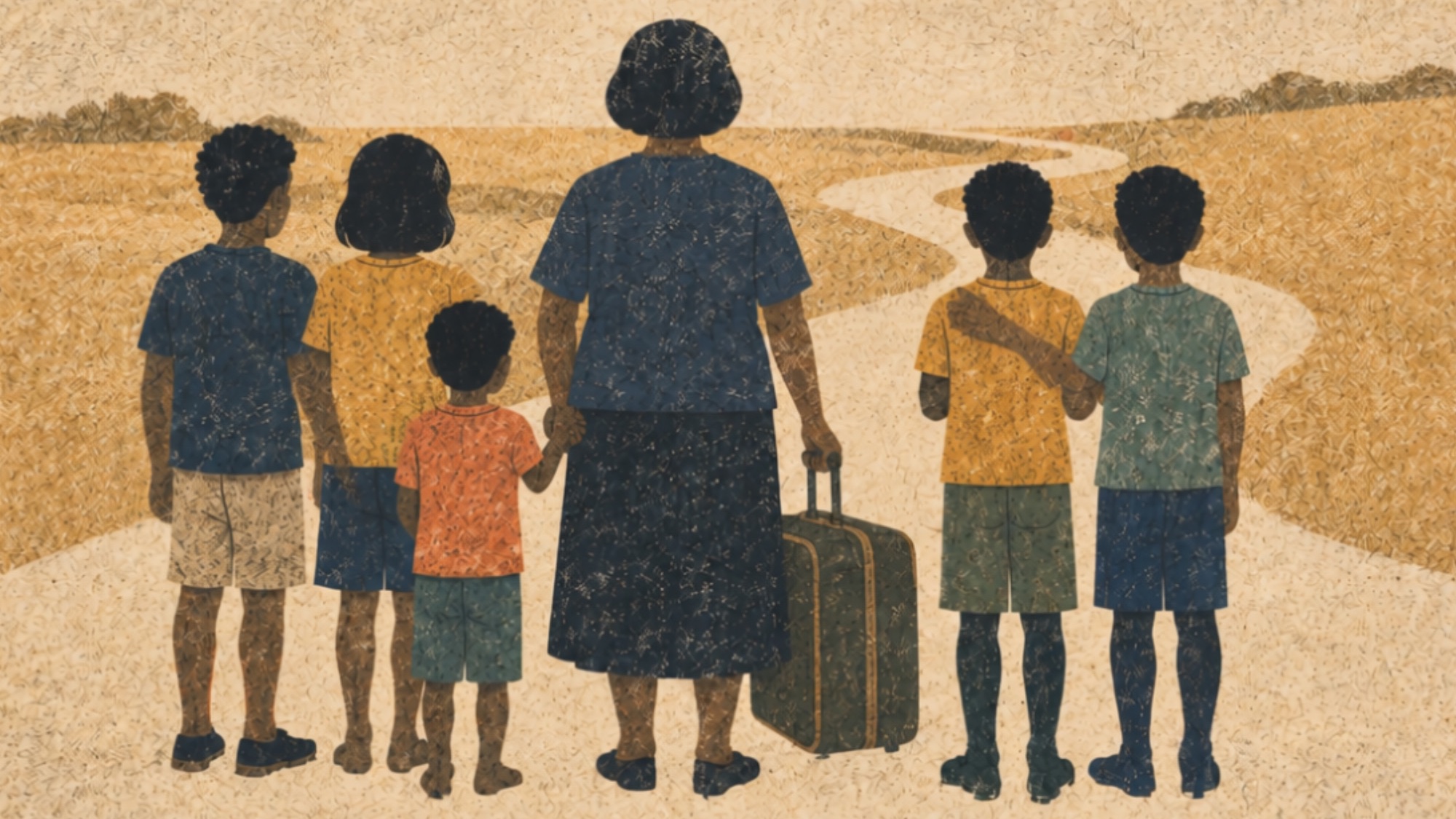
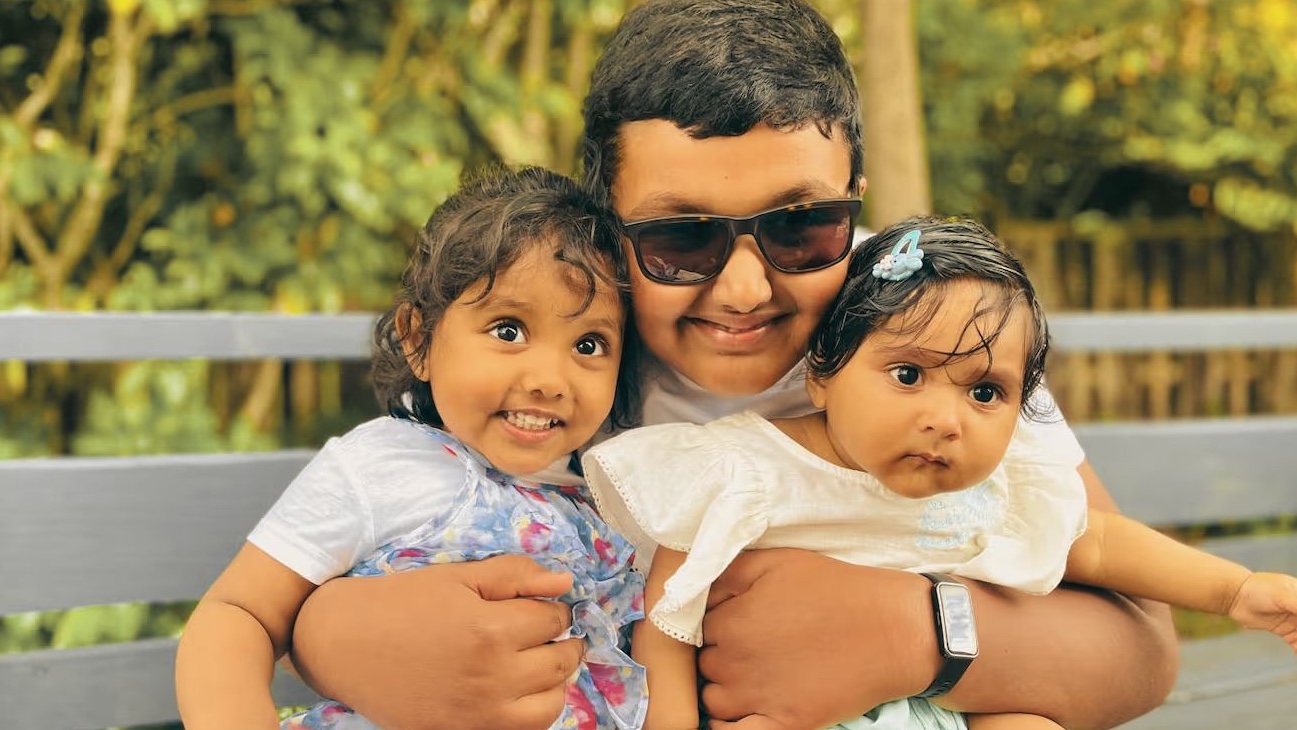
Karuna Muthu has a piece of advice for his New Zealand-born daughters. They may be Kiwis, but that is not necessarily how the world will see them.
“You might be born here and a Kiwi, but when you step out of the house, the average New Zealander sees an Indian girl walking out of the house,” he tells them.
It is not a warning to hide their Indian identity. Quite the opposite. Muthu wants his daughters to embrace it, to understand that being Indian and being Kiwi are not competing loyalties.
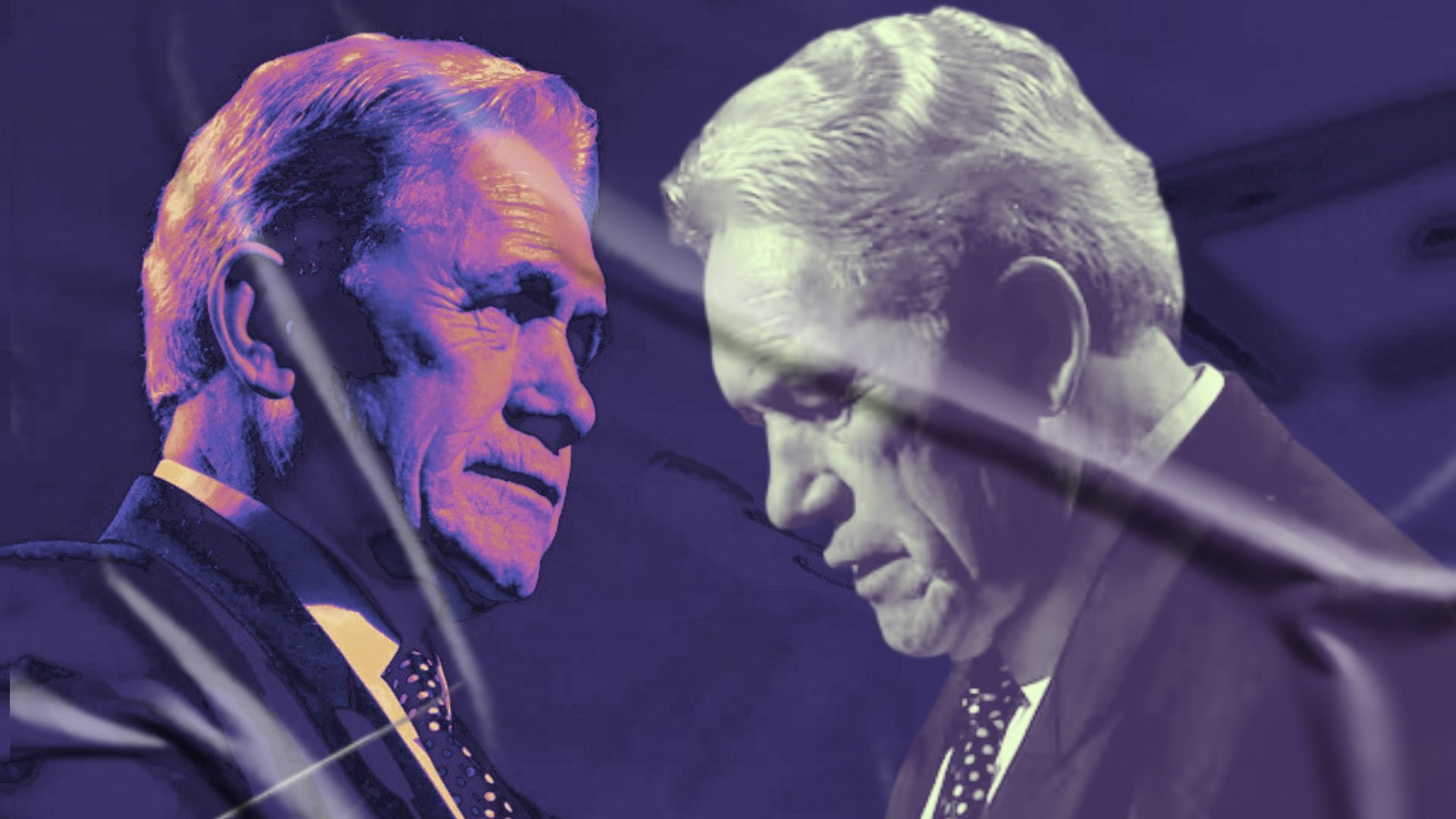
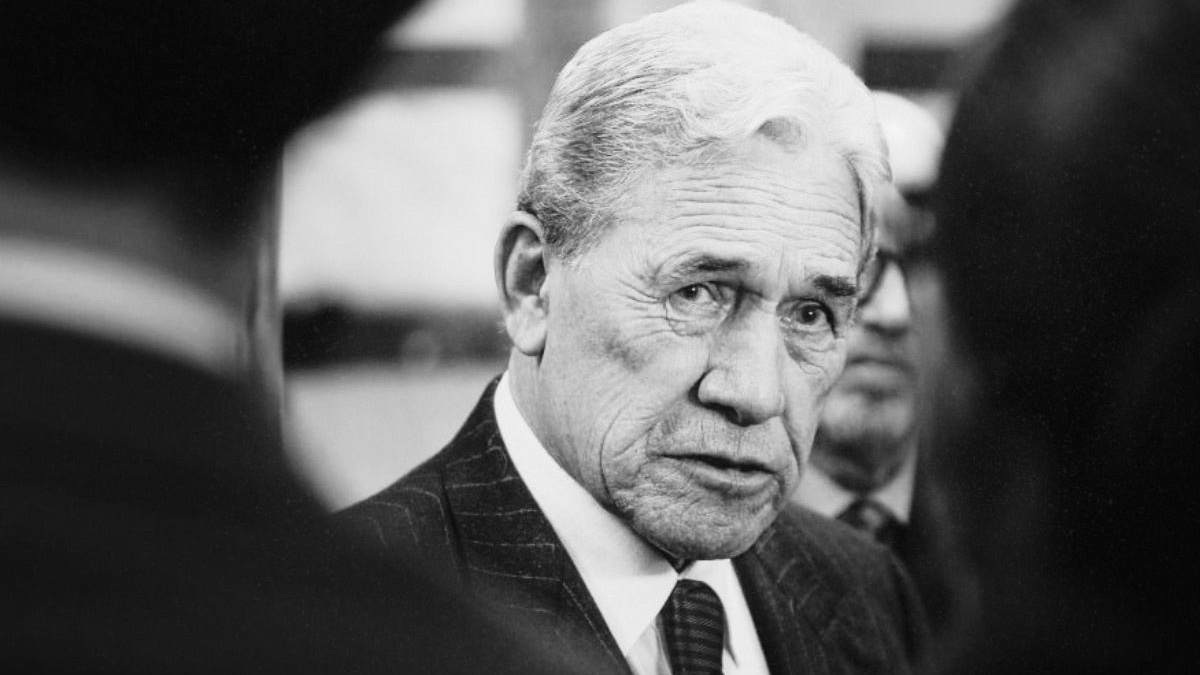
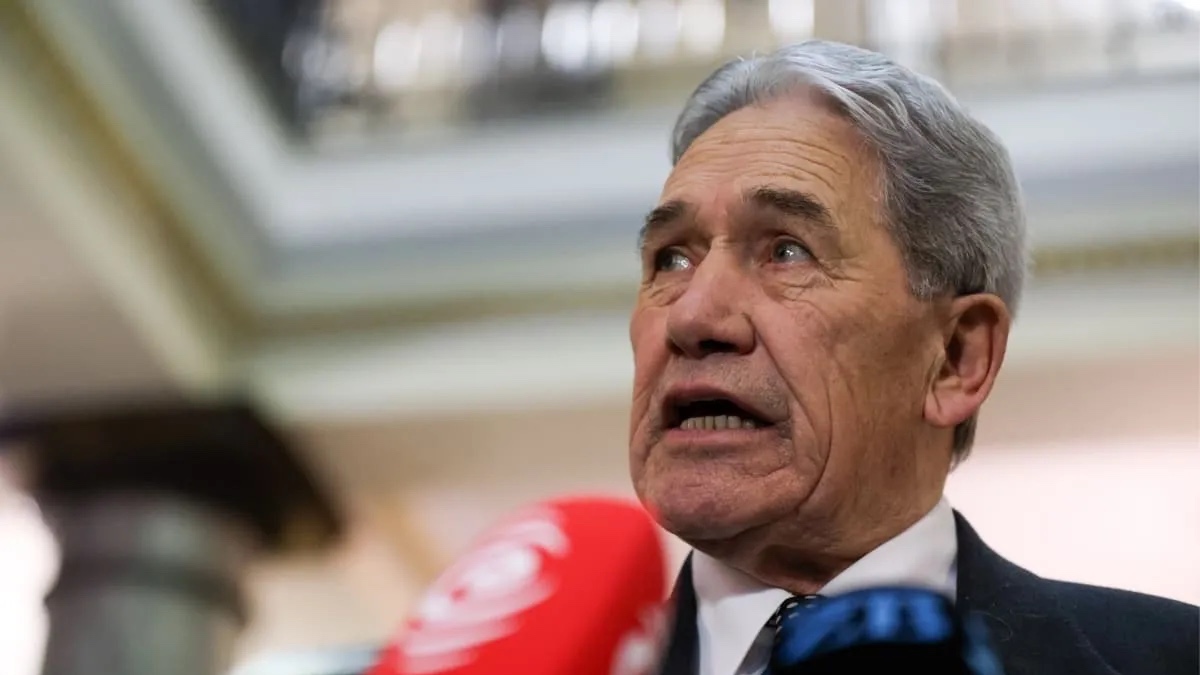
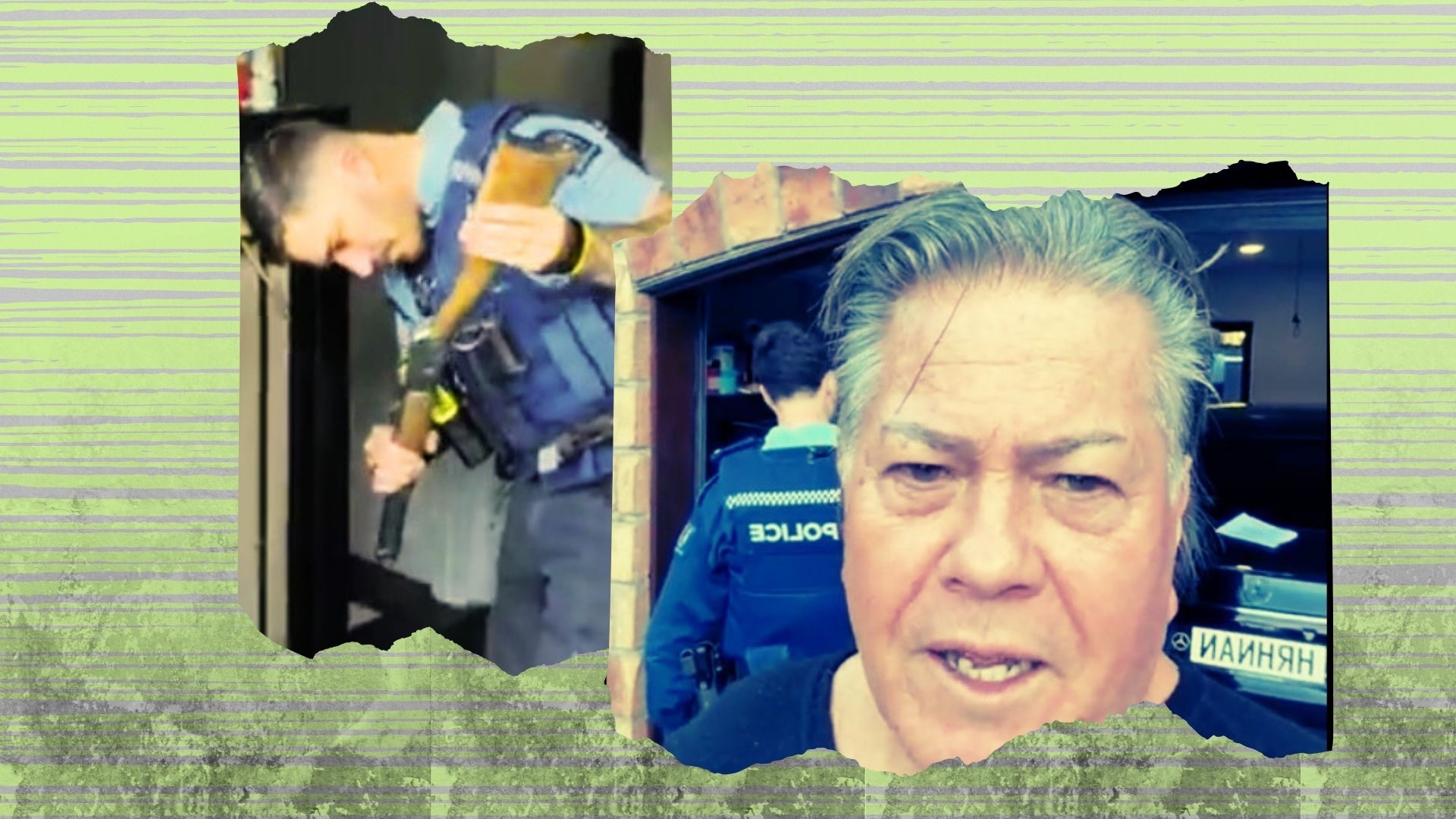
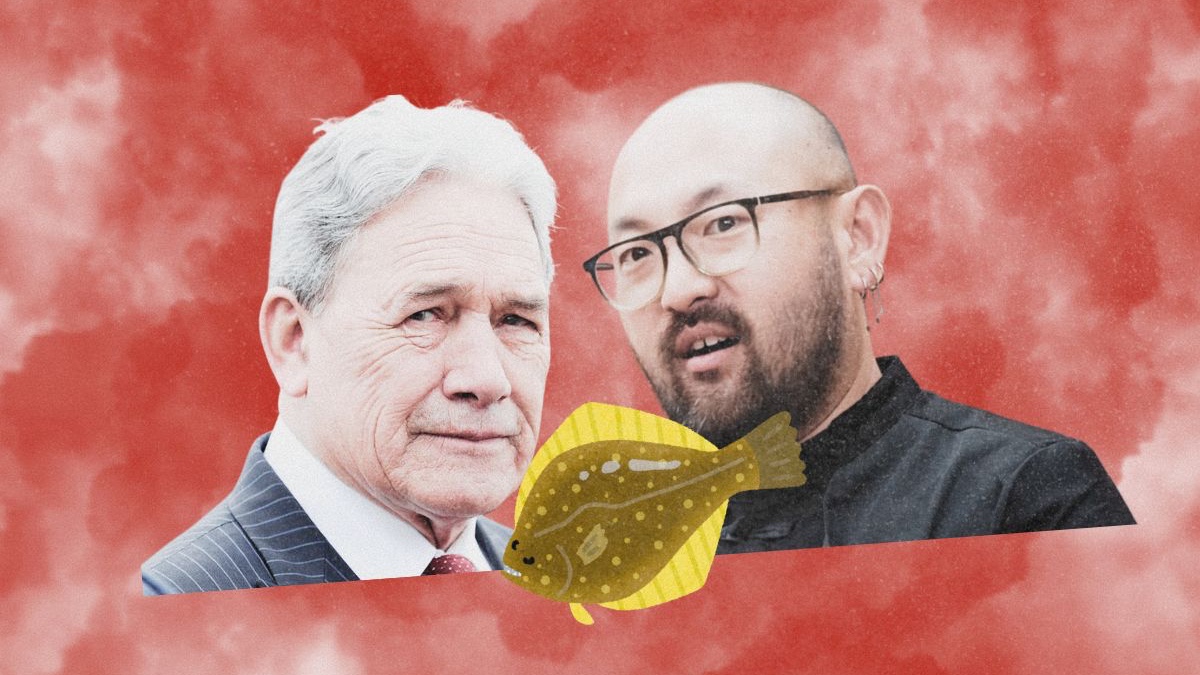
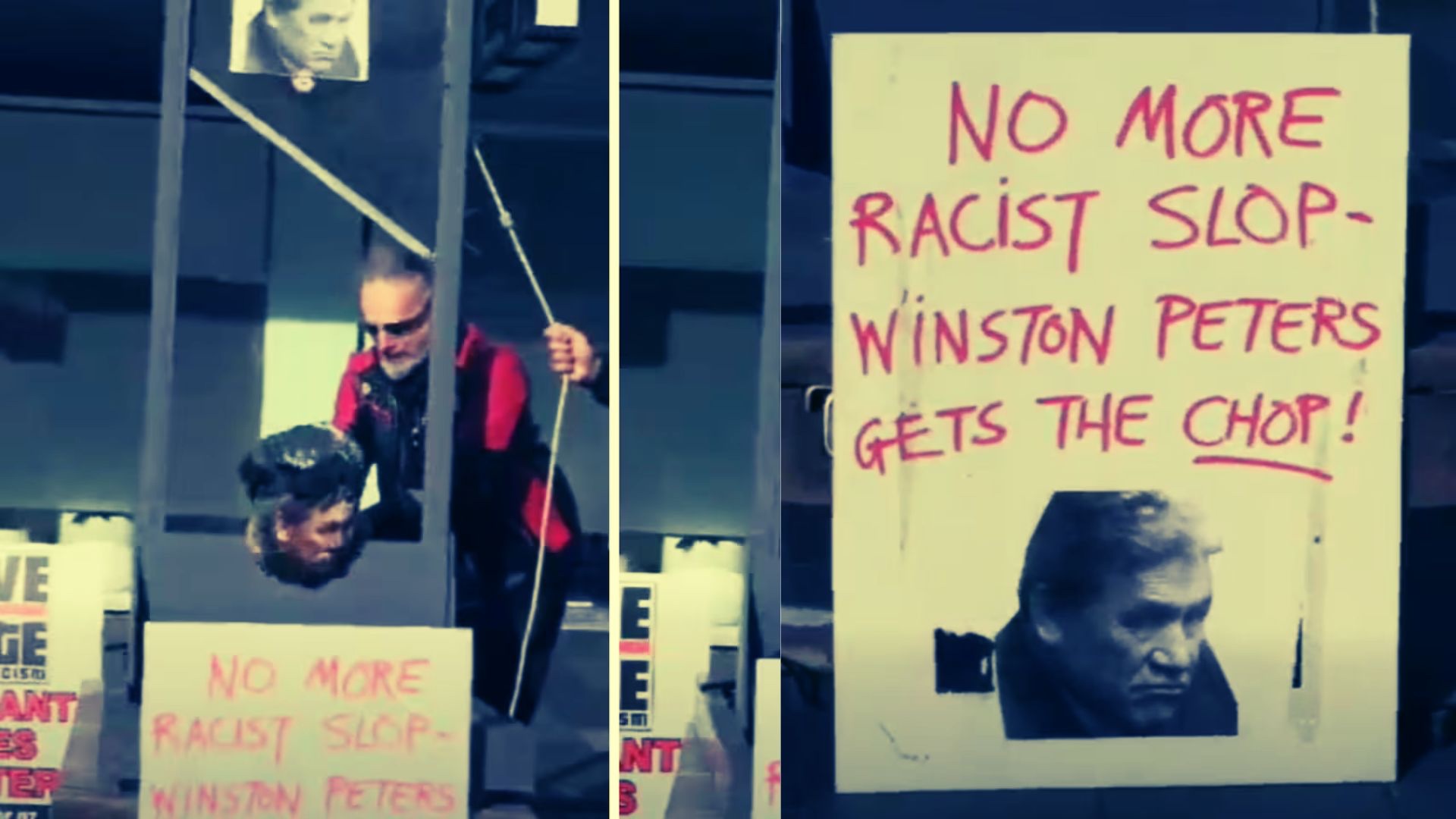
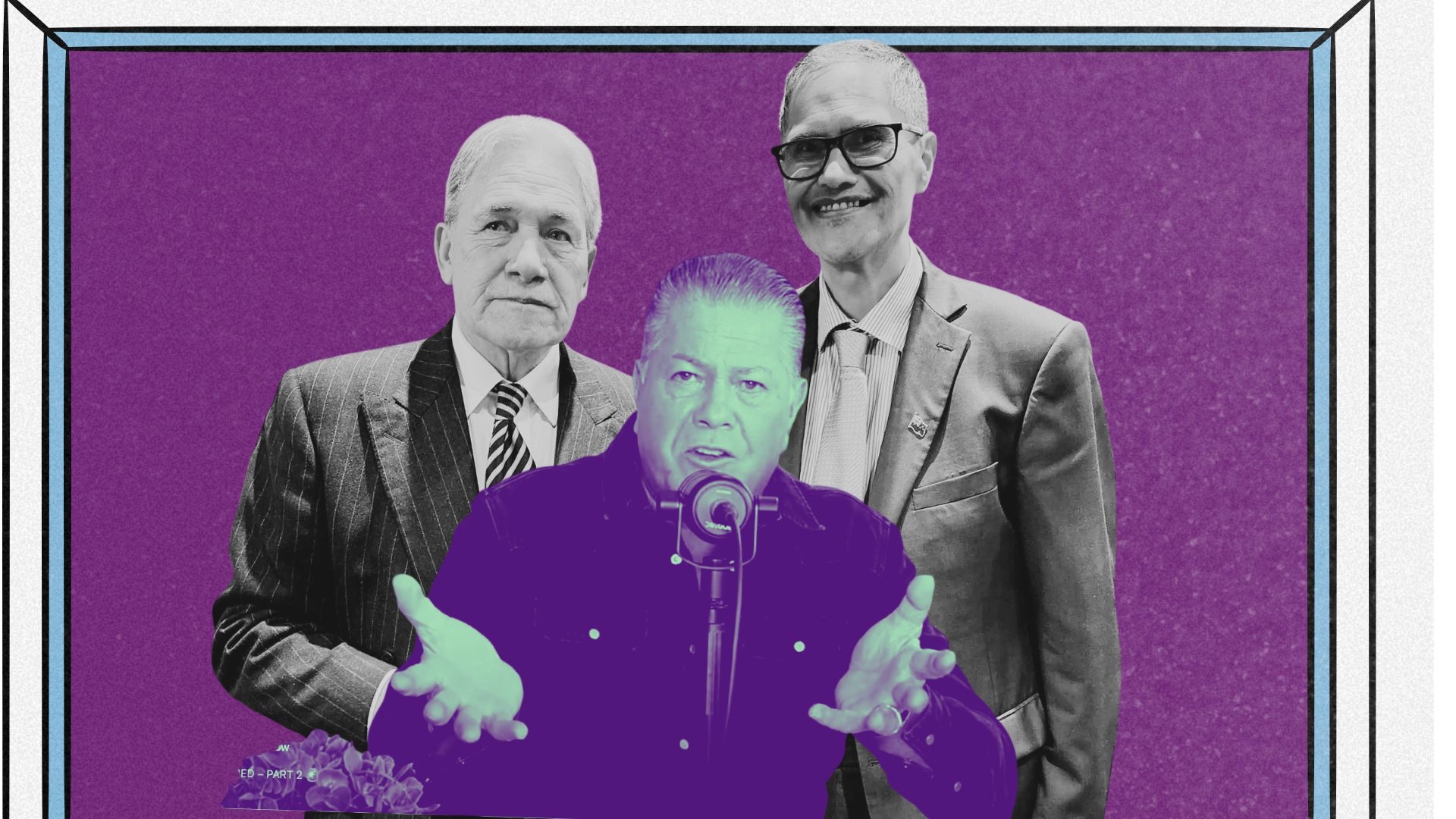
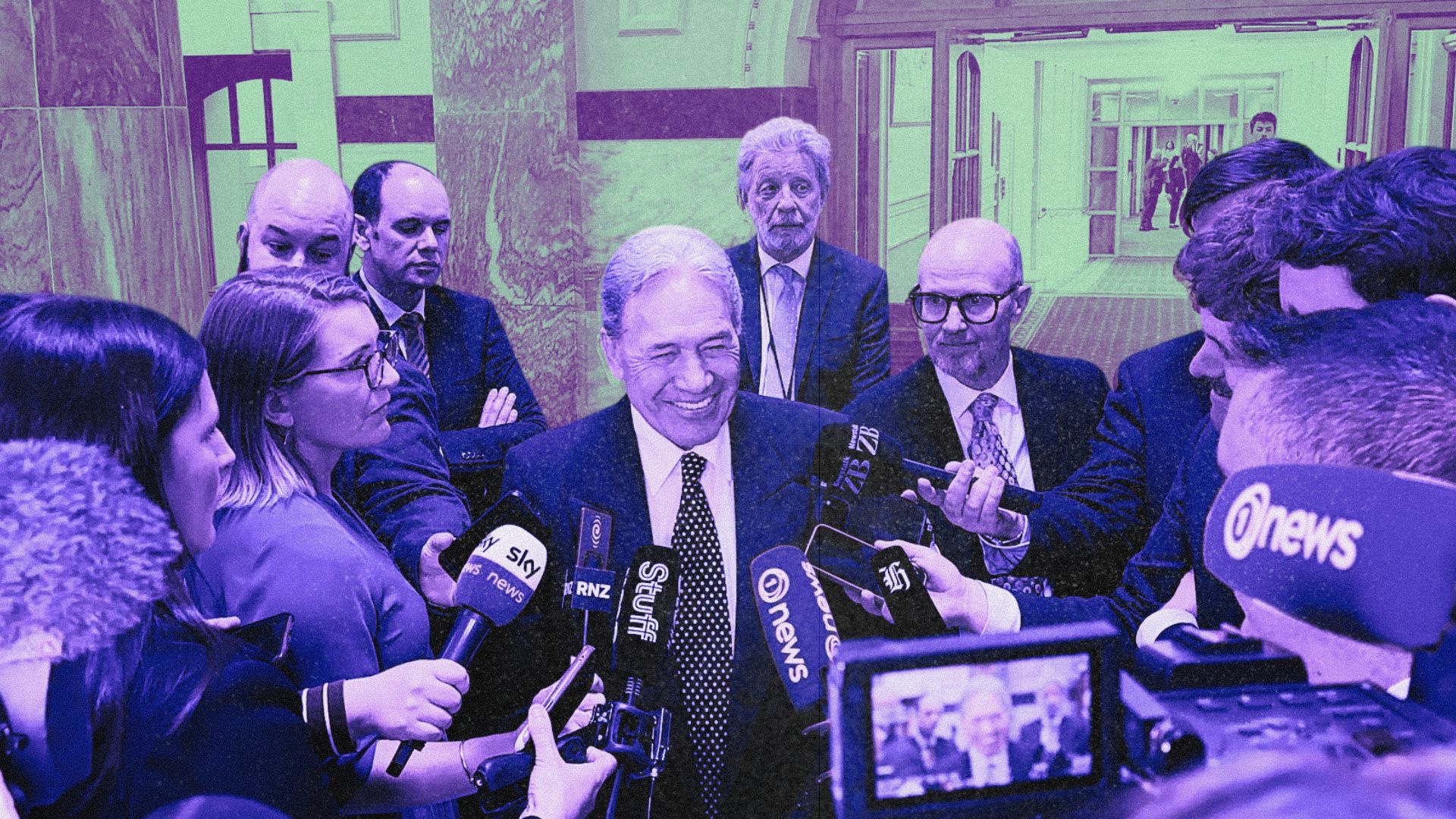
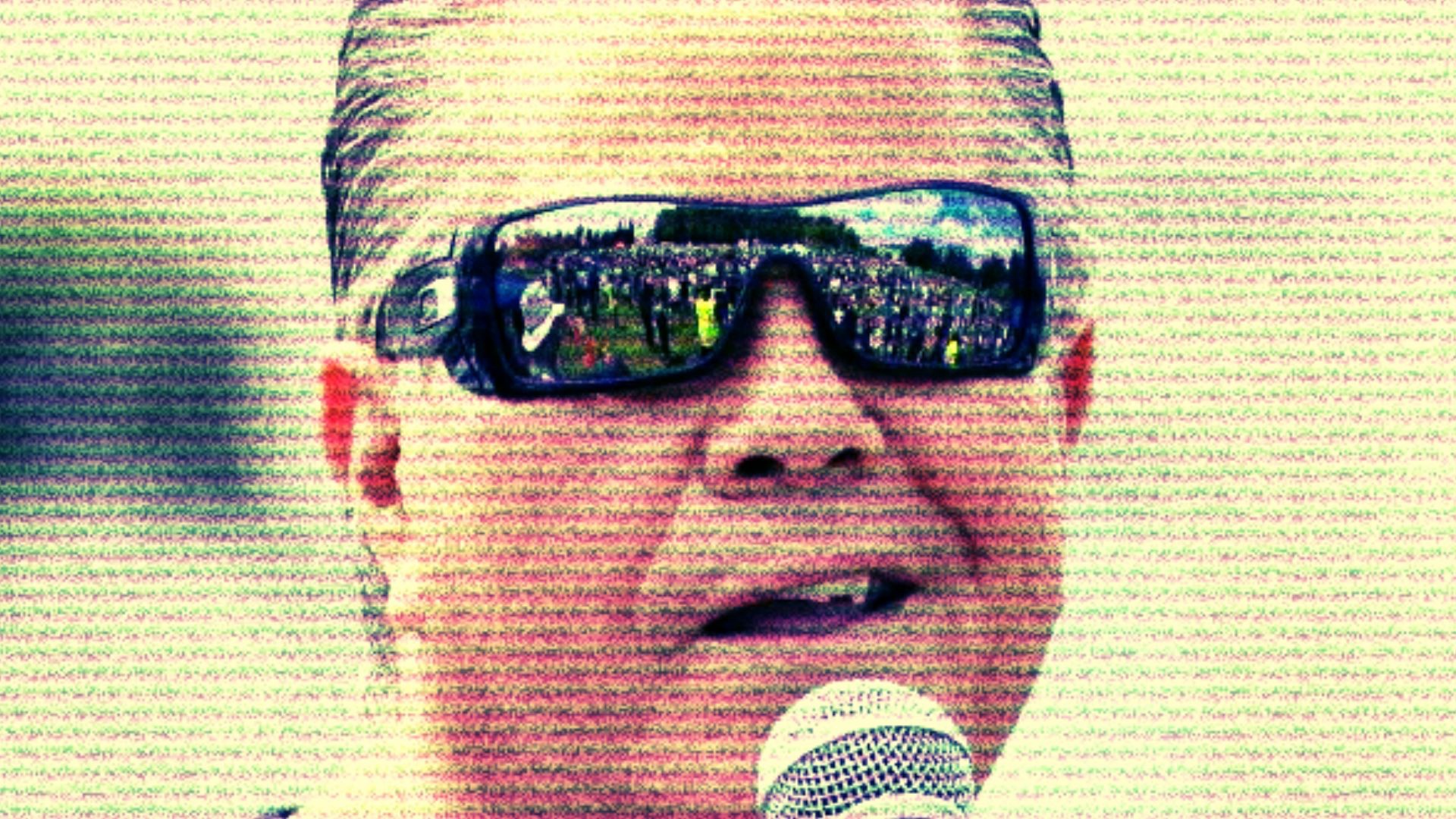
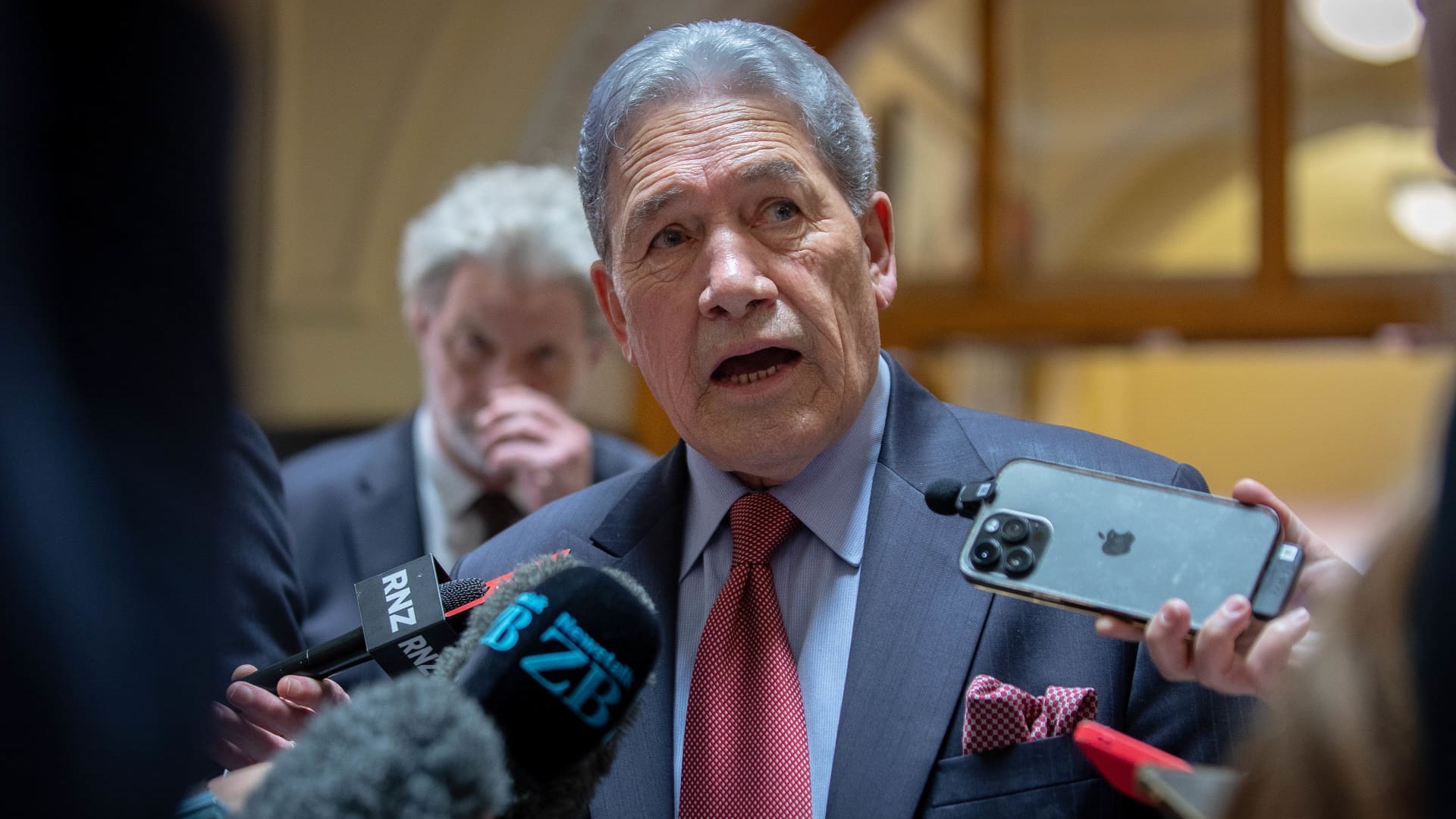
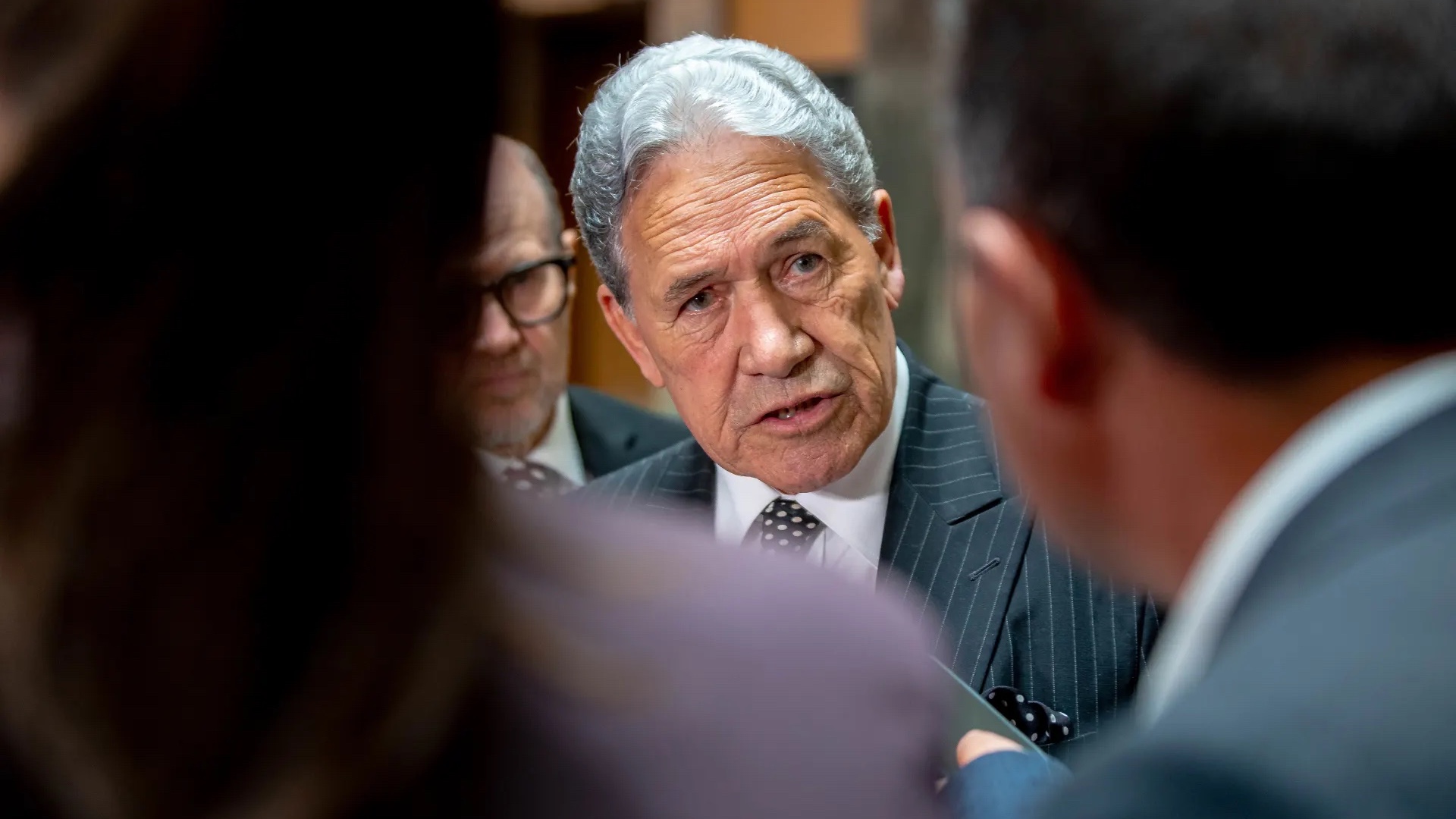
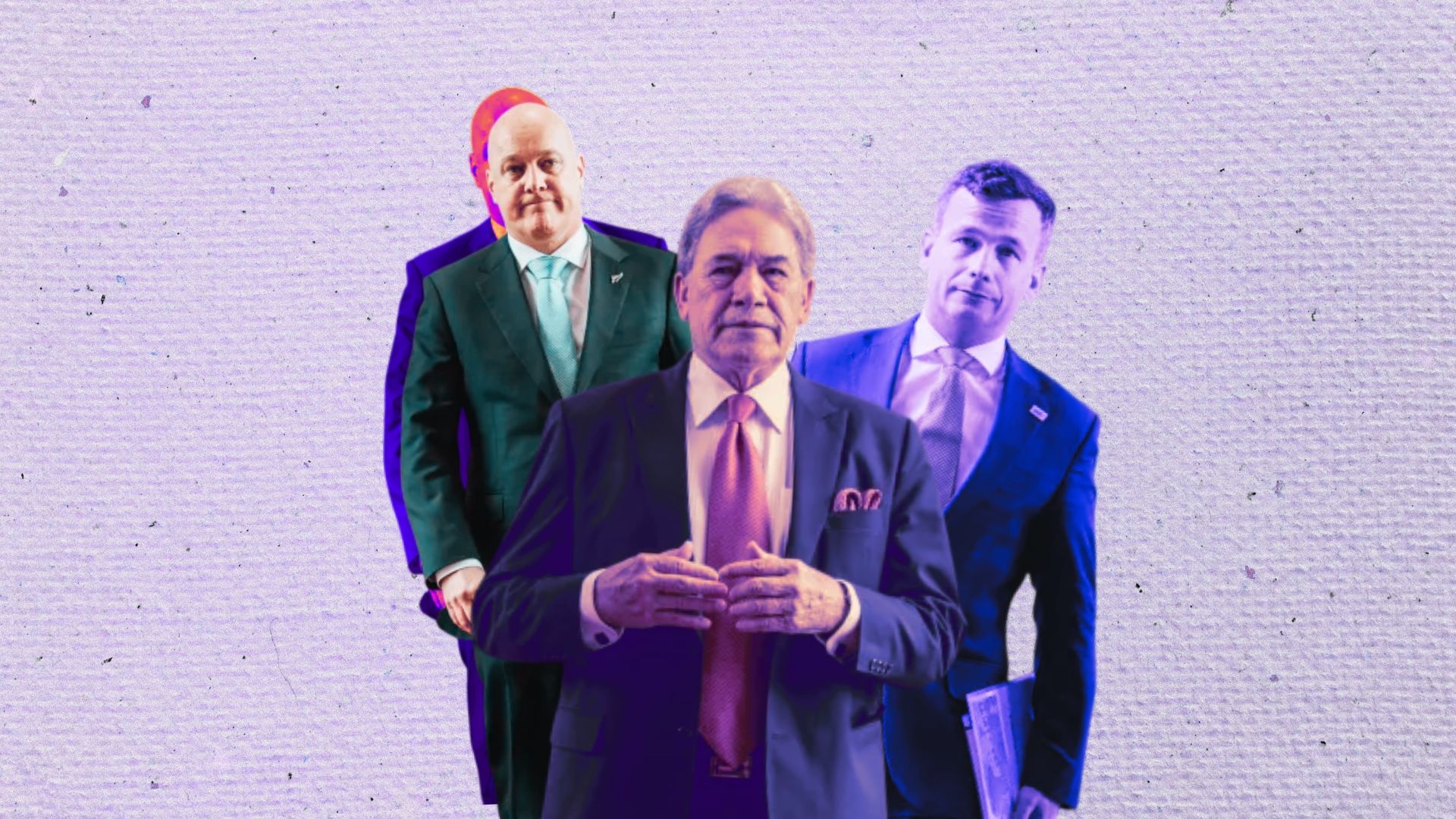
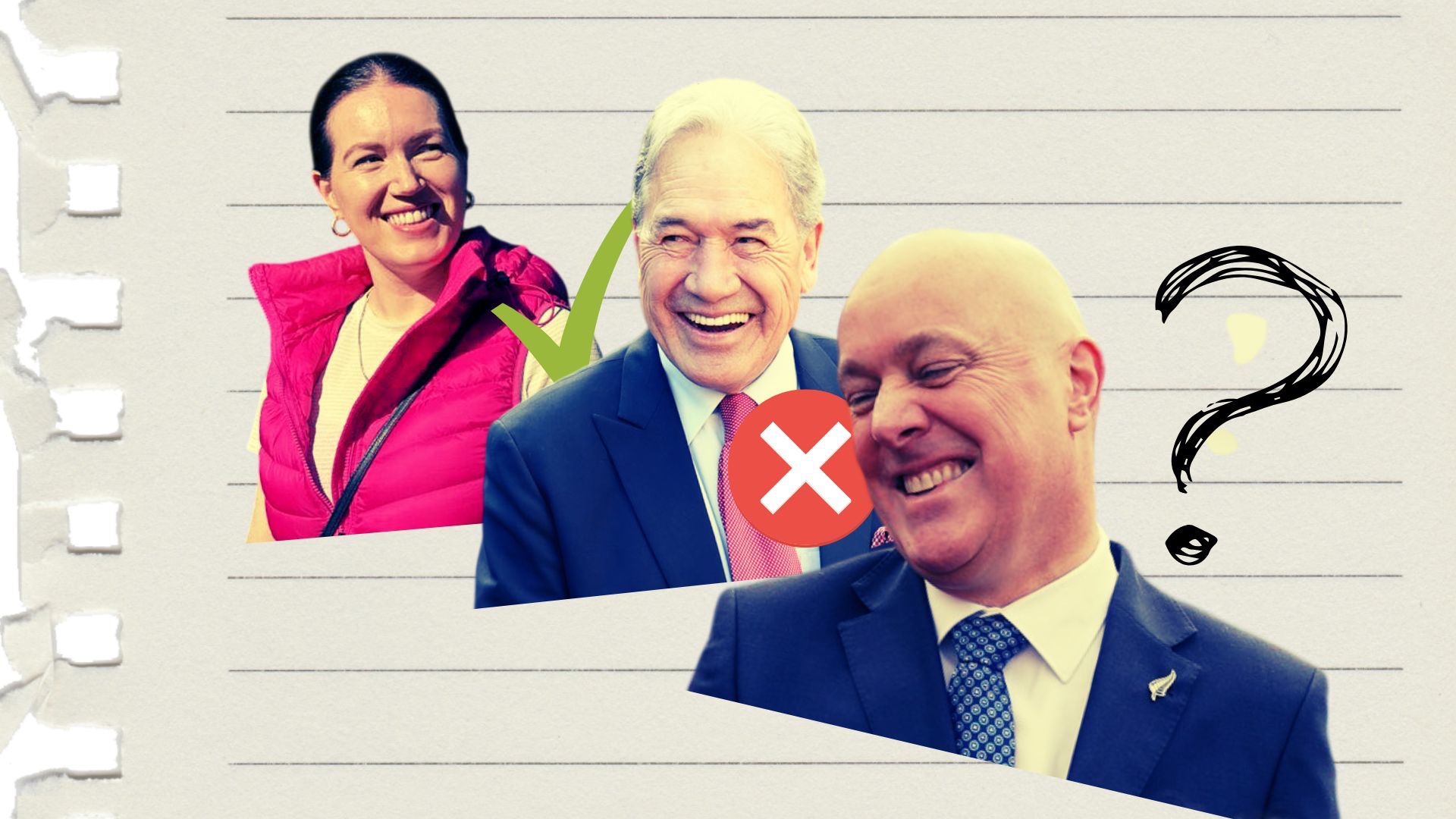
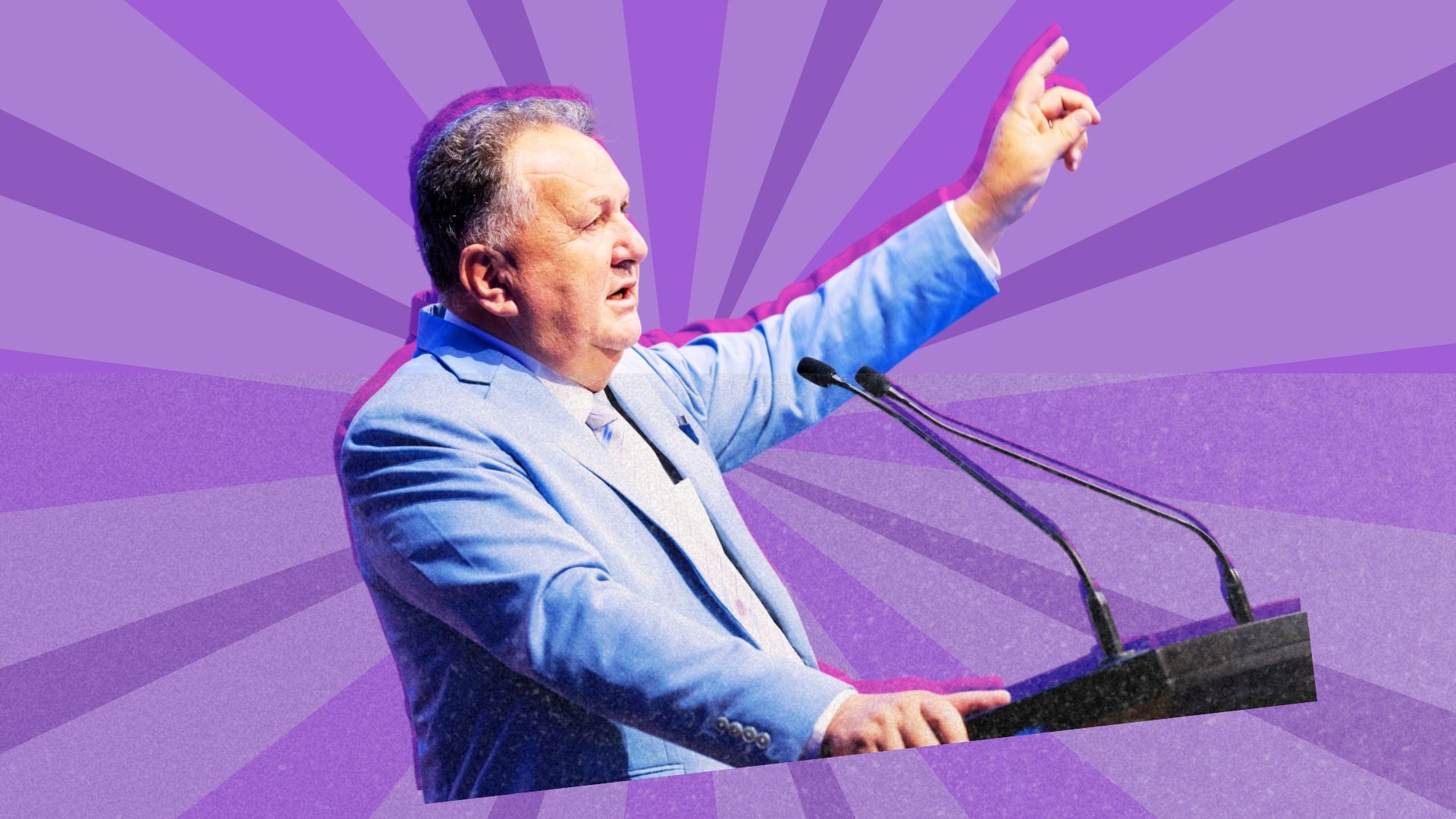
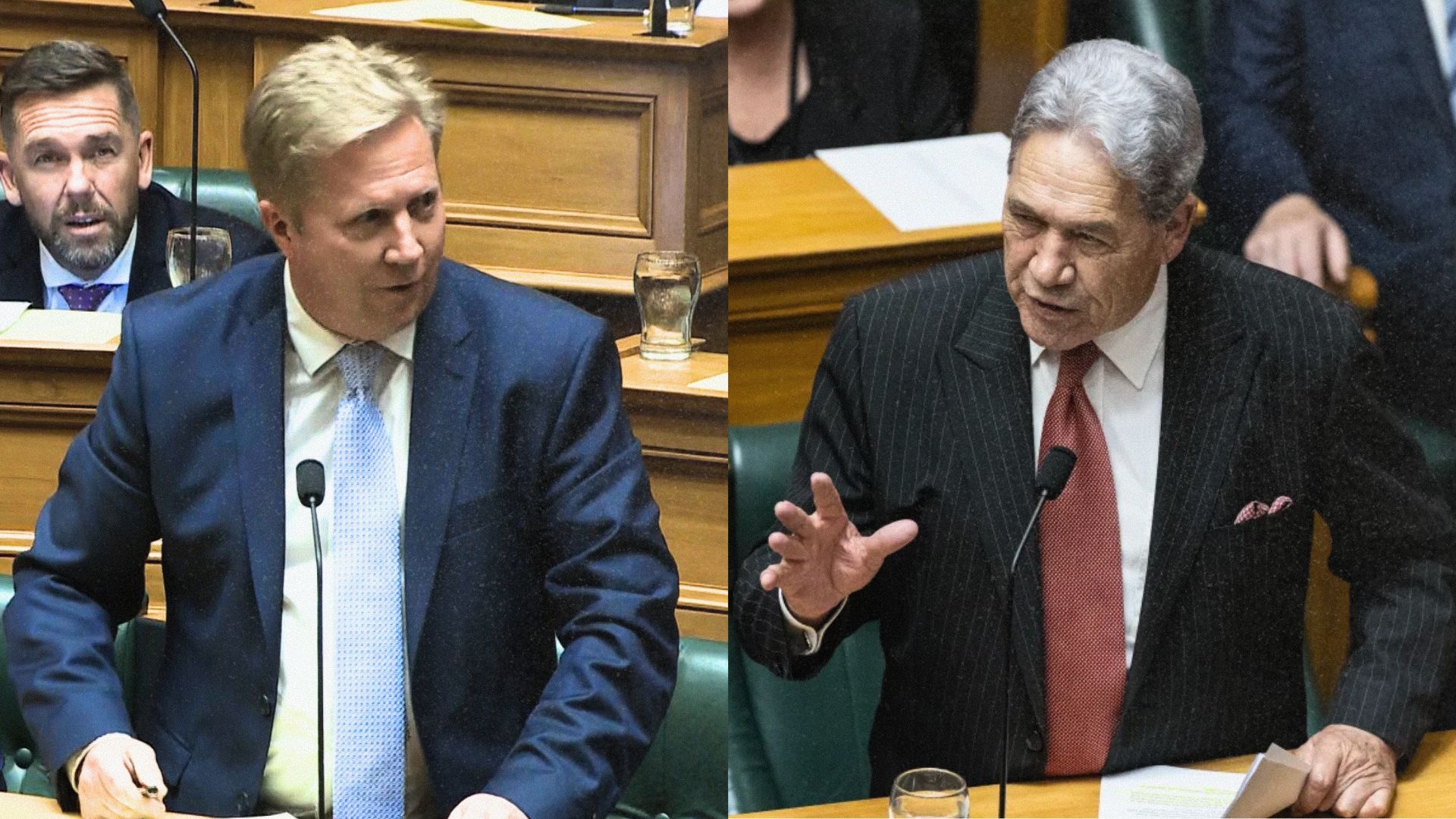
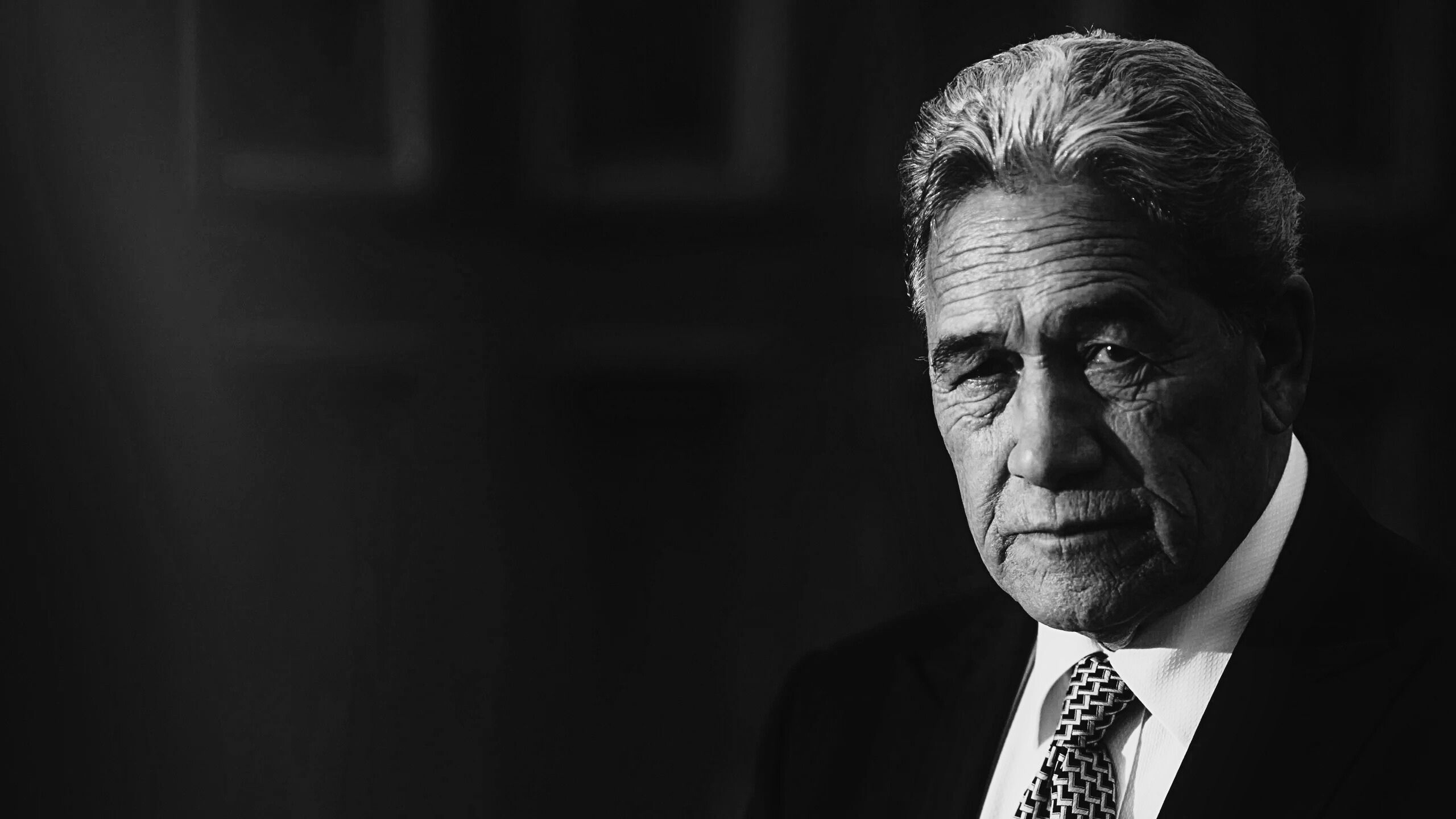
It is a conviction that once brought him face to face with Winston Peters on the steps of Parliament, armed with a megaphone and a two-word chant. "Stop racism".
Migrant who shouted down Peters over racism 24 years ago now vying for Parliament From arriving with $500 in his pocket to confronting NZ First's leader, National Party's Karuna Muthu reflects on his unlikely journey into politics.
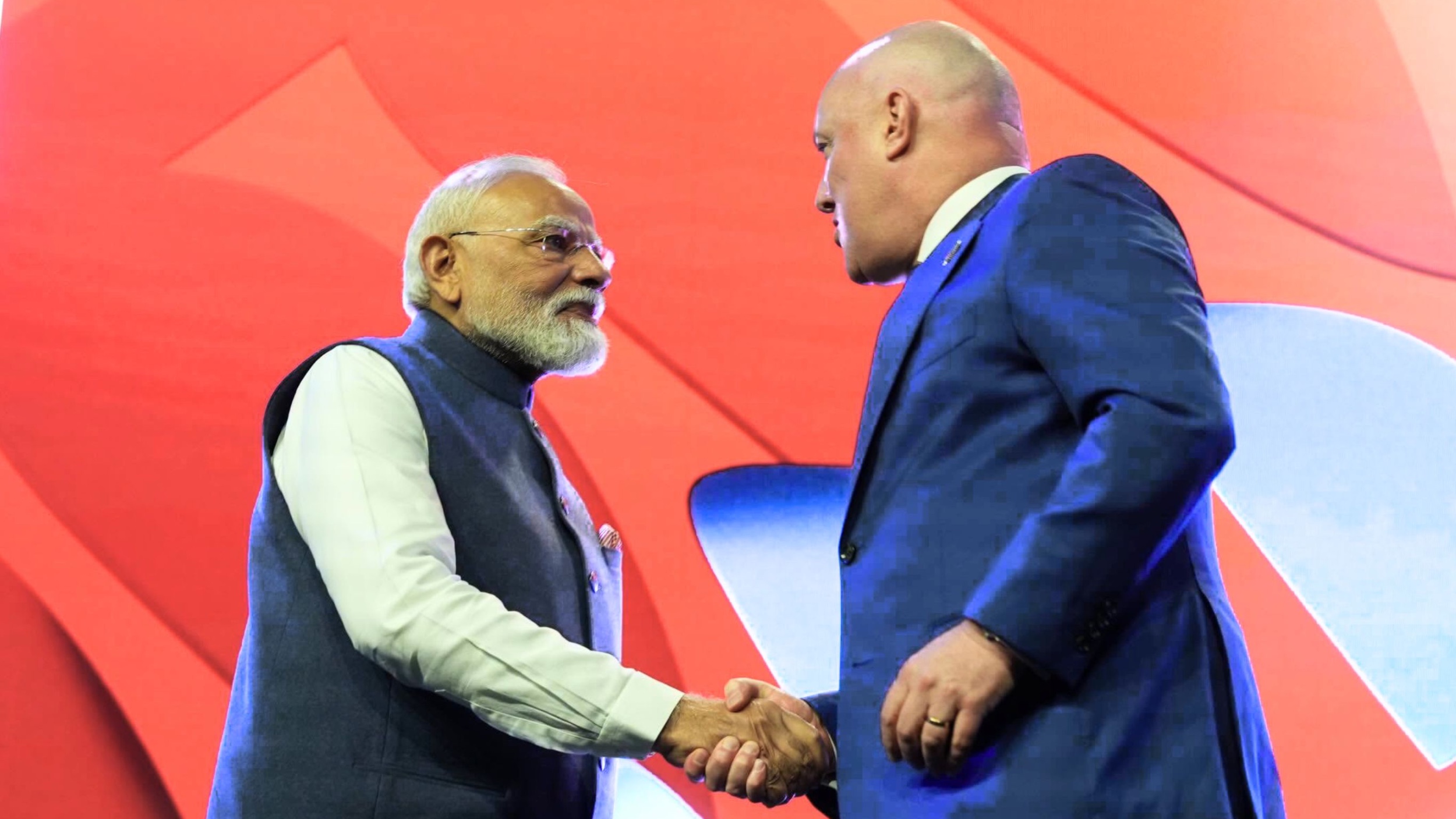
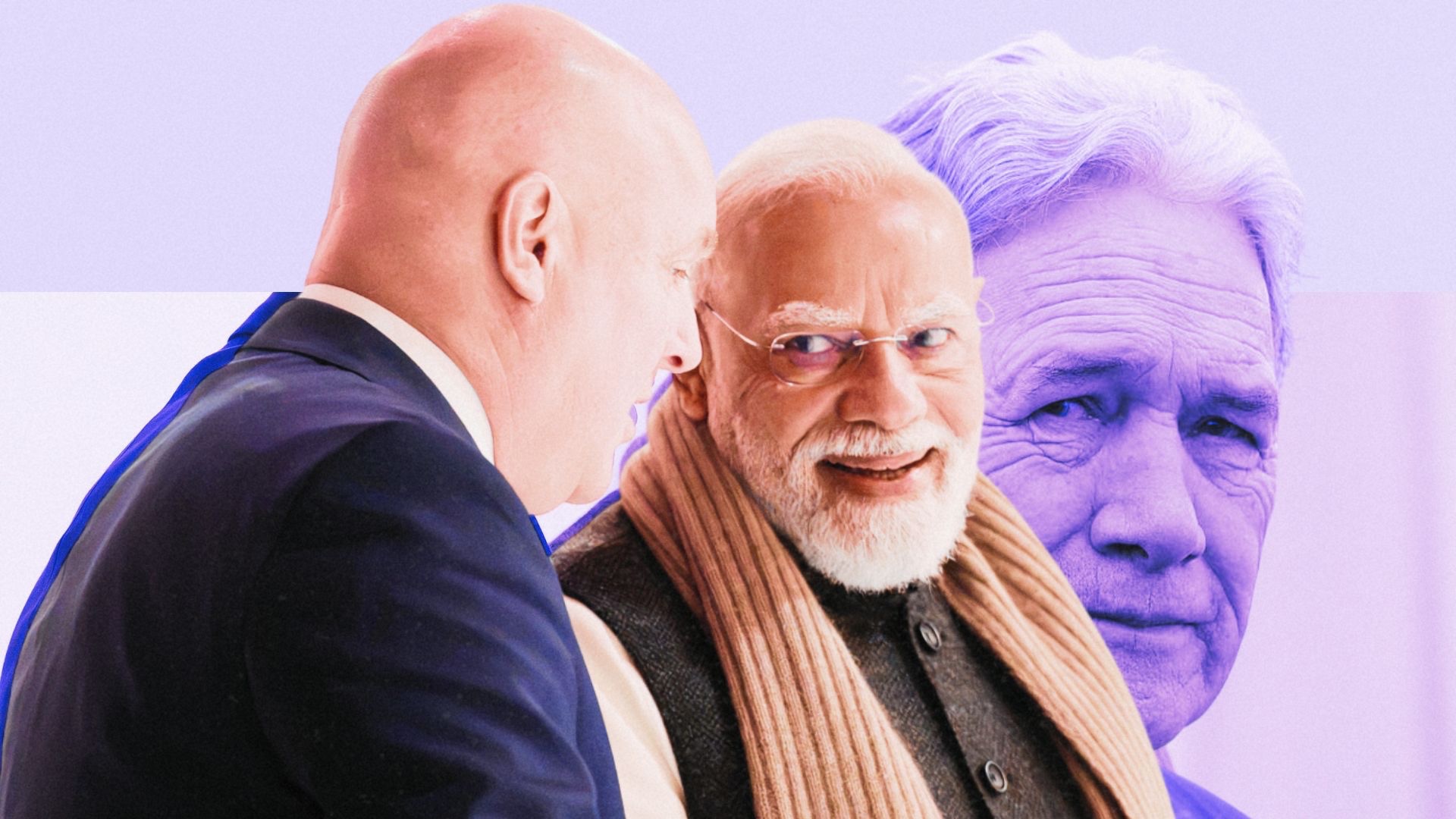
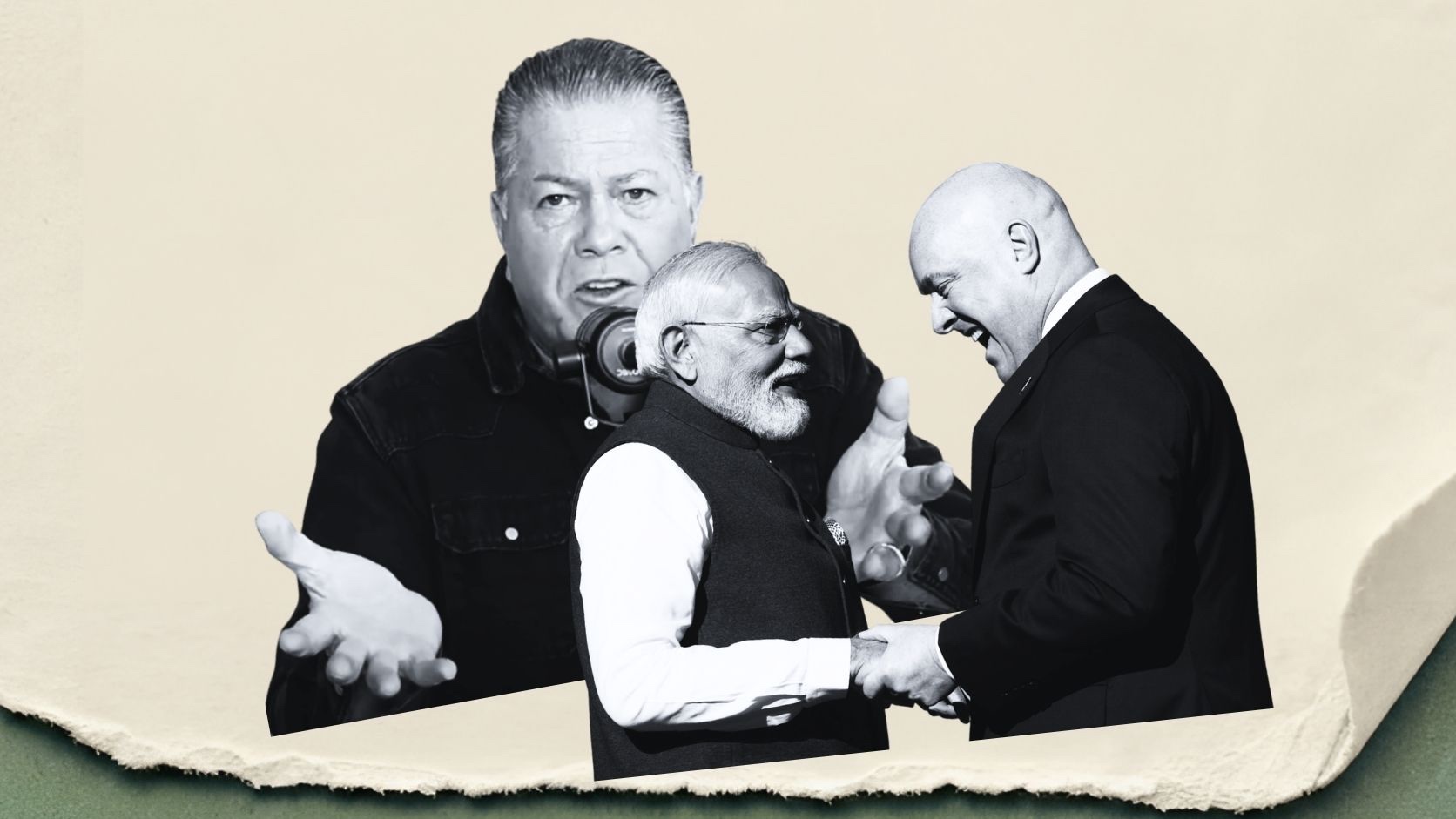
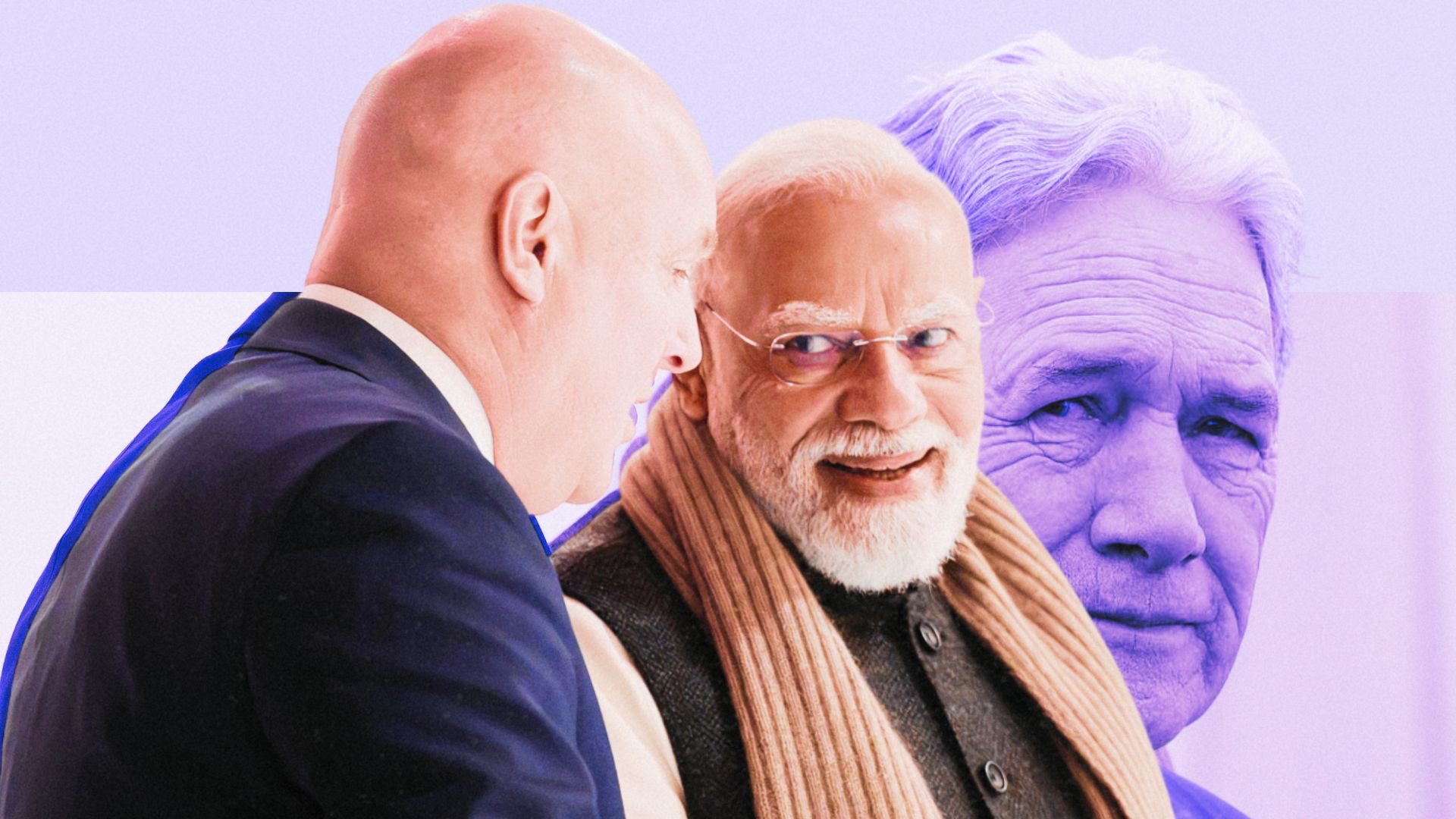
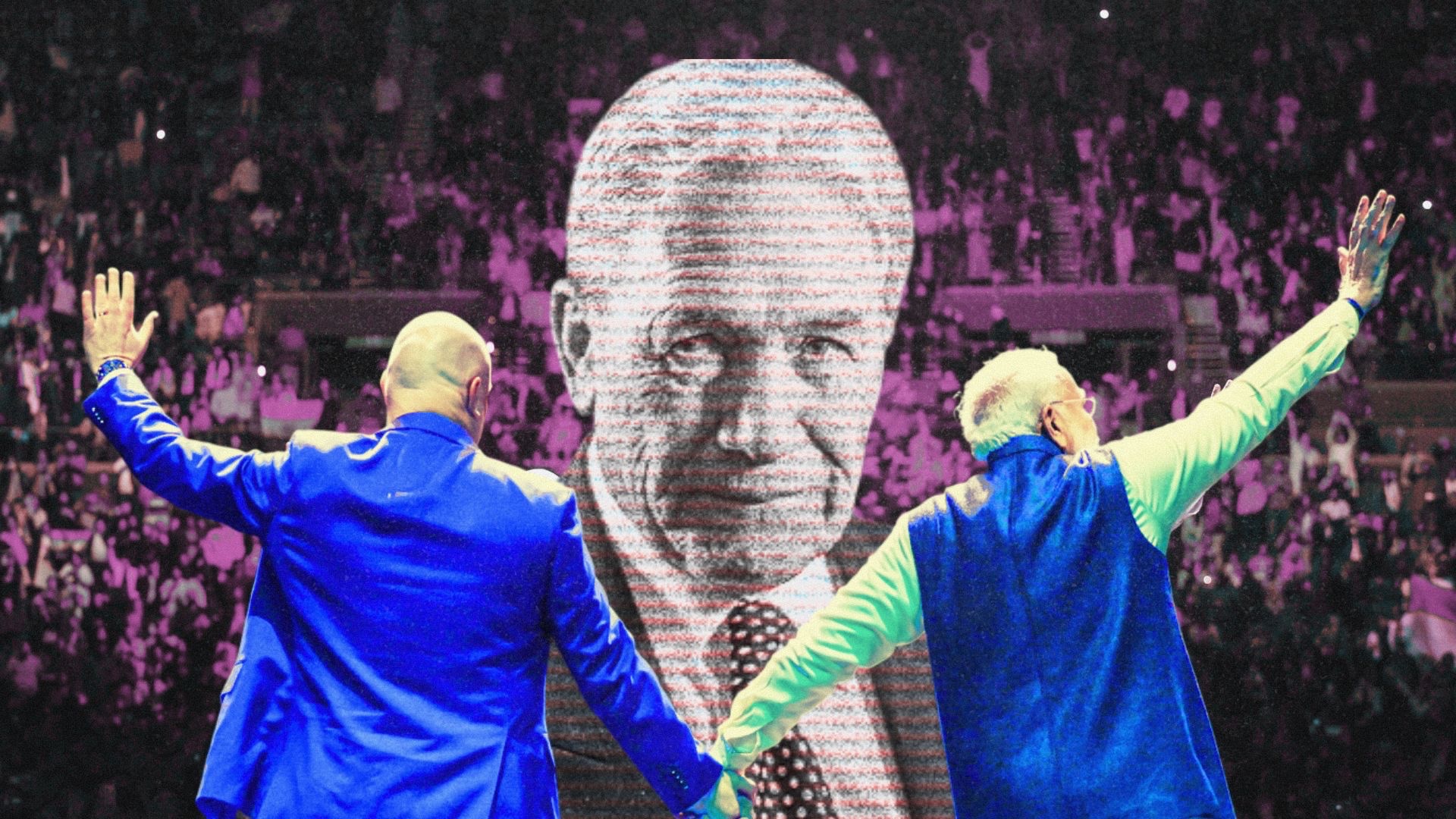
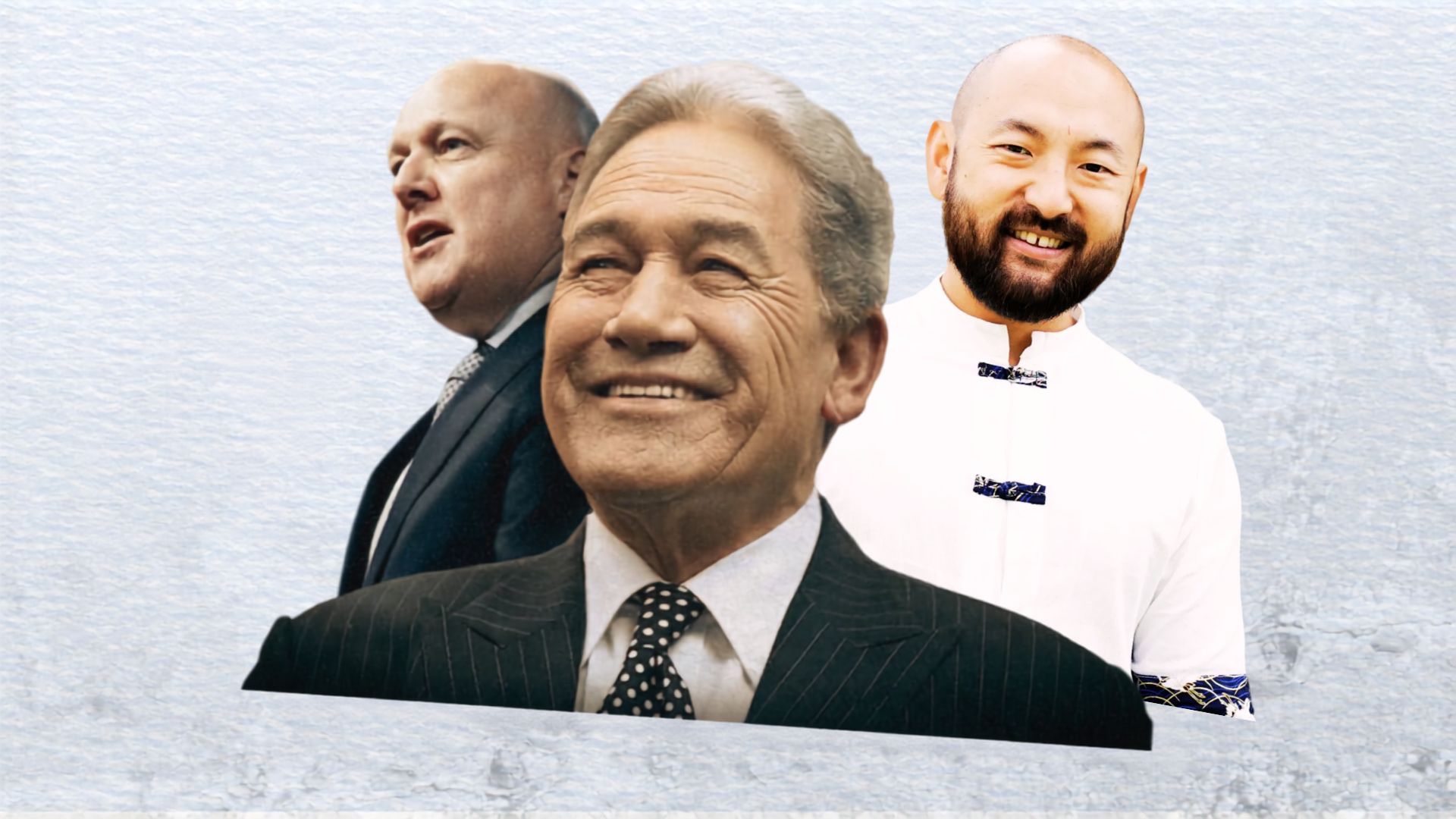
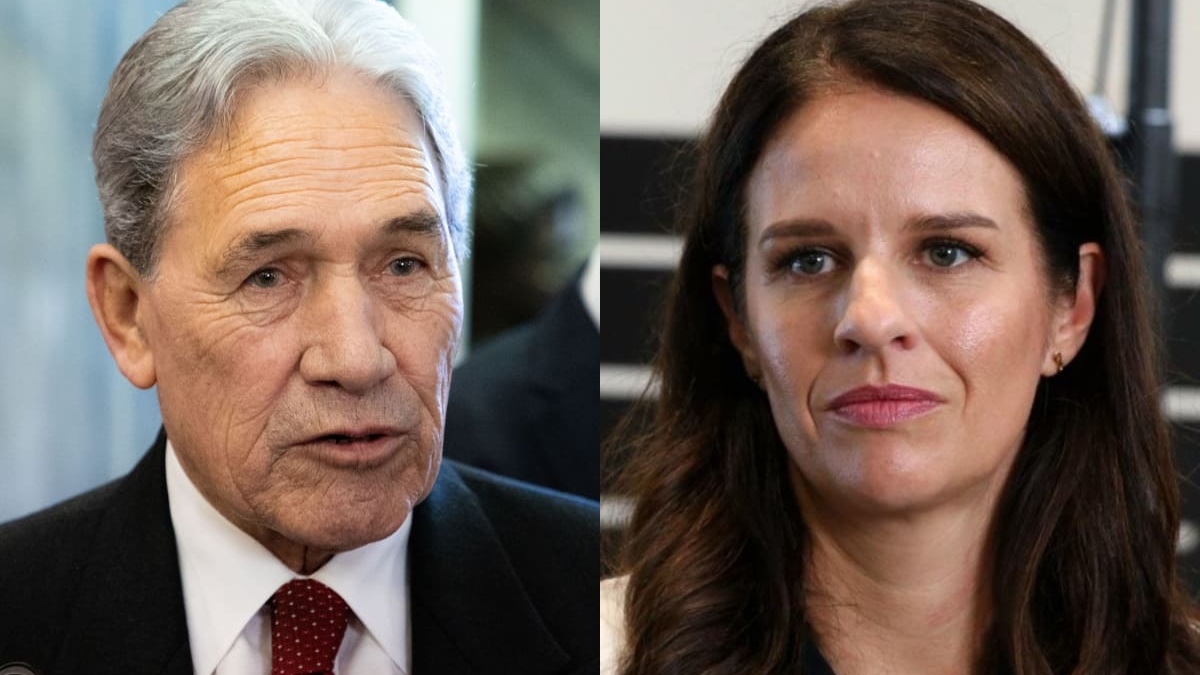
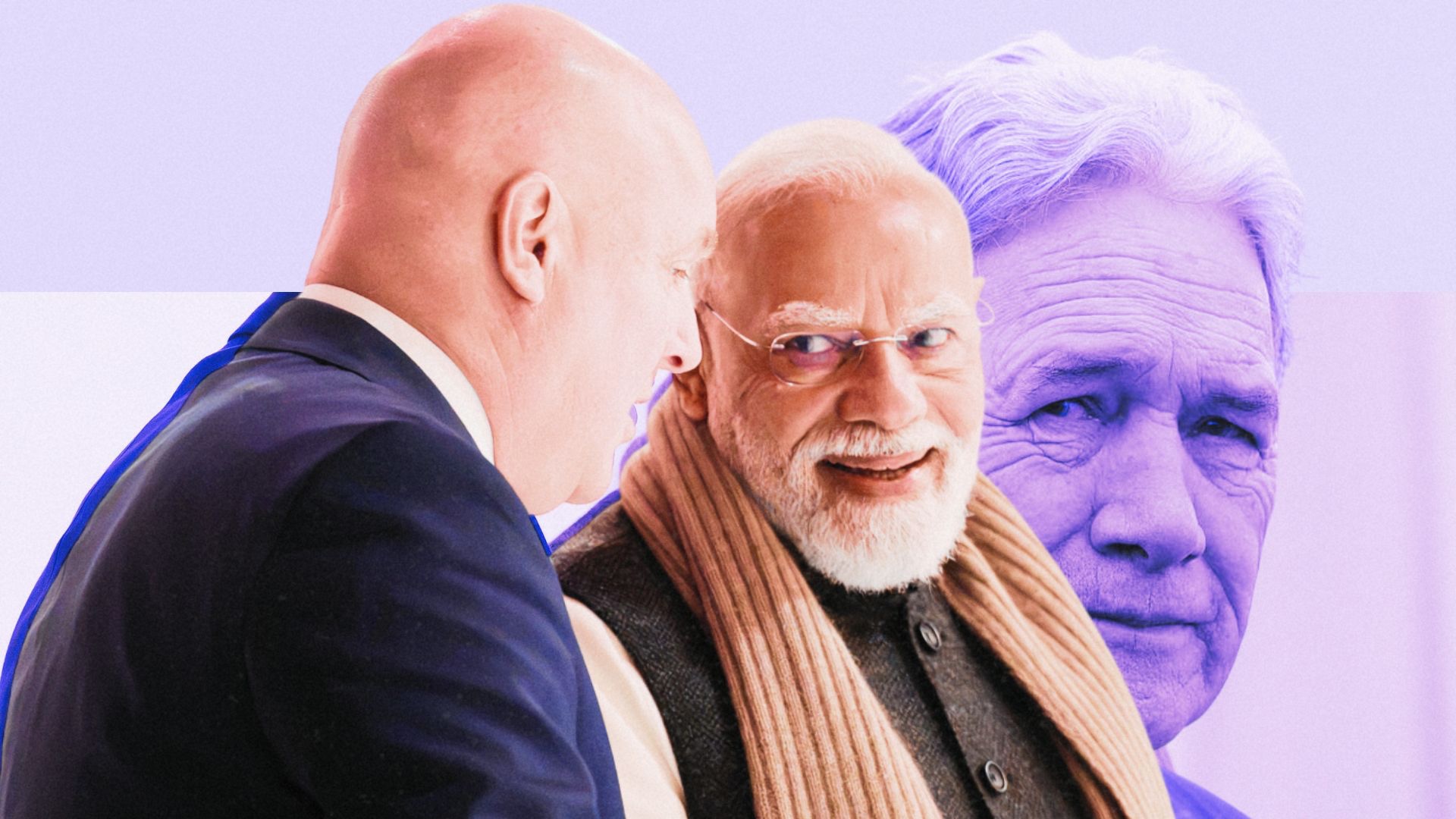
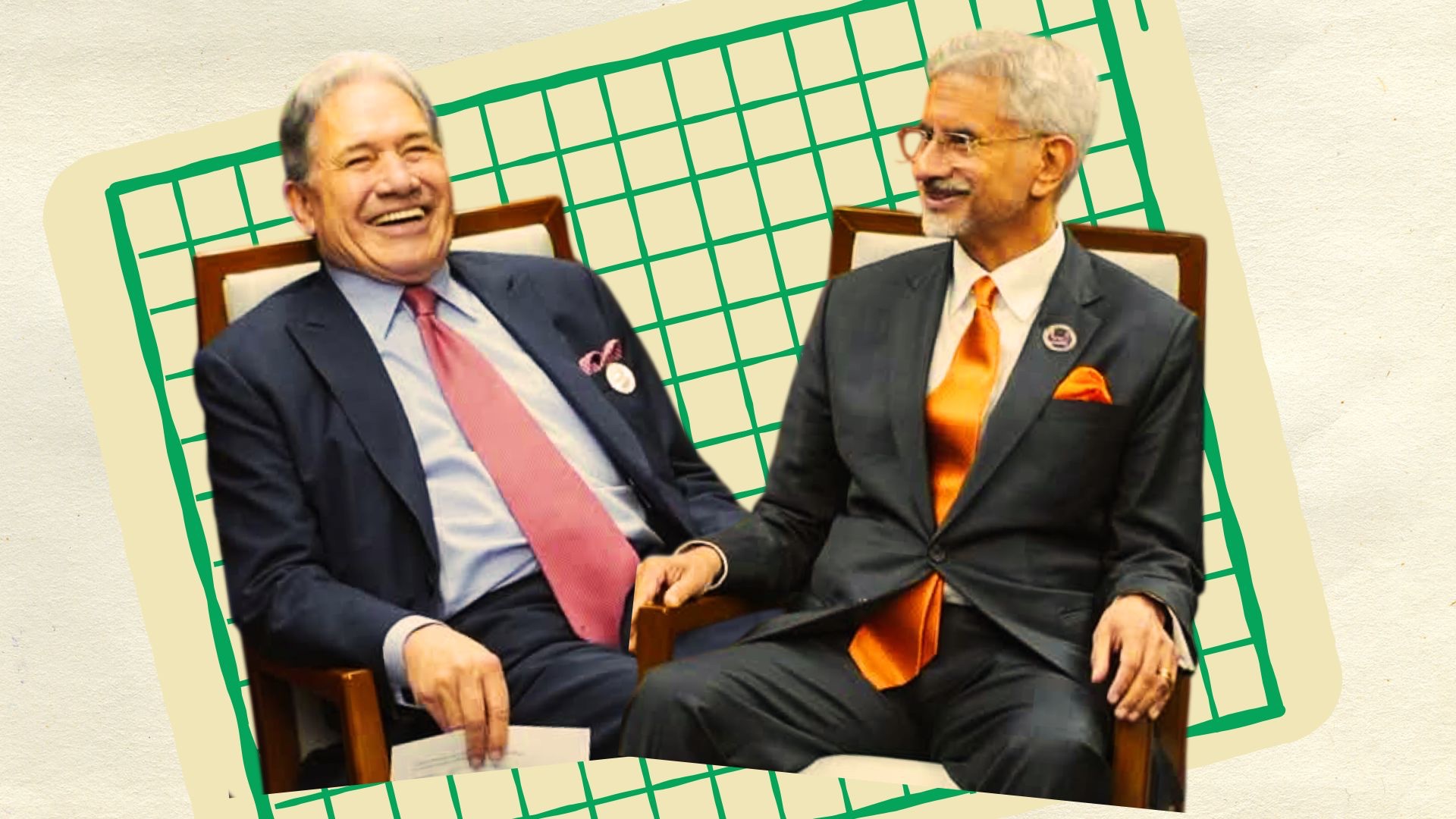
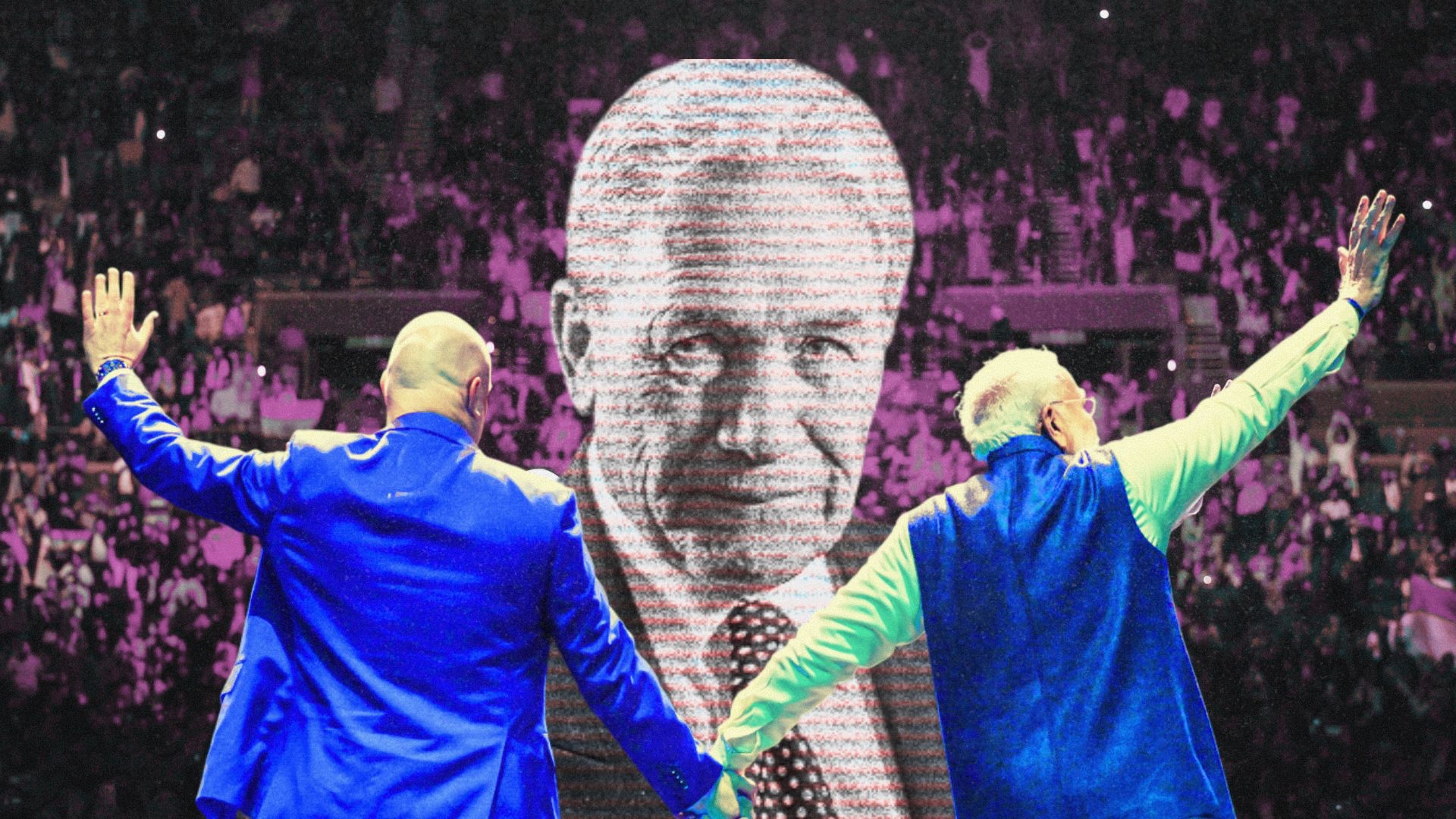
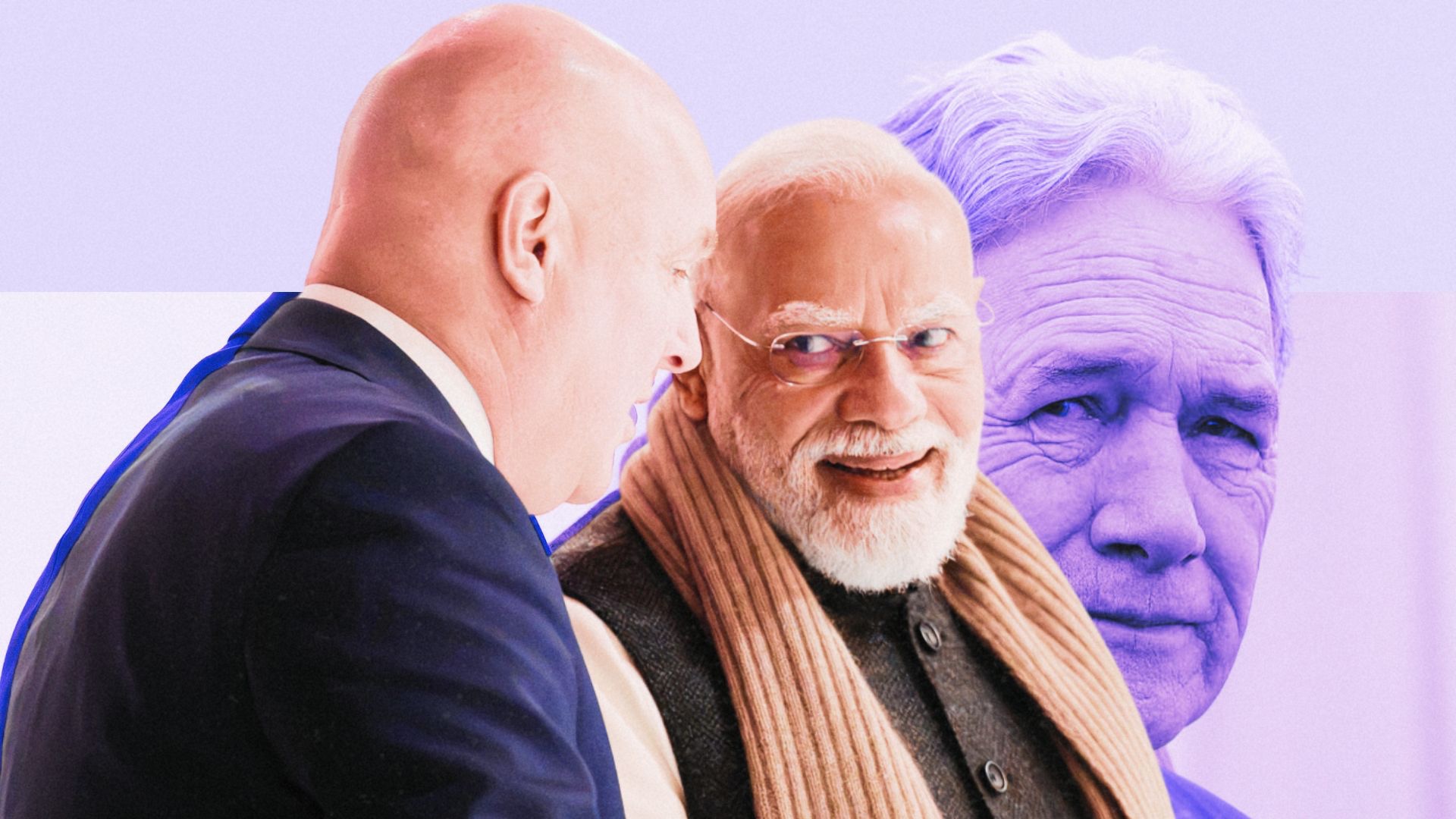
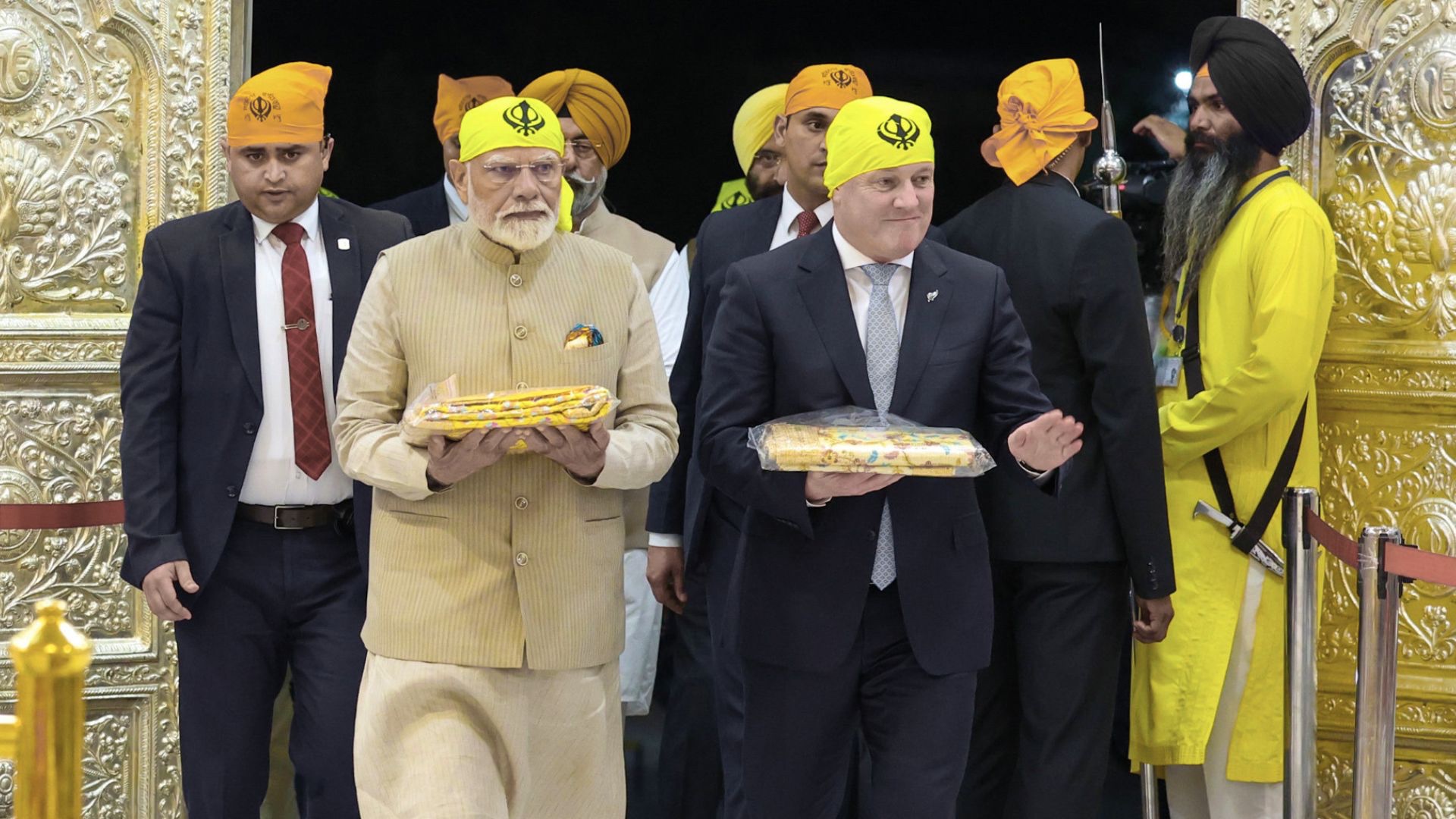
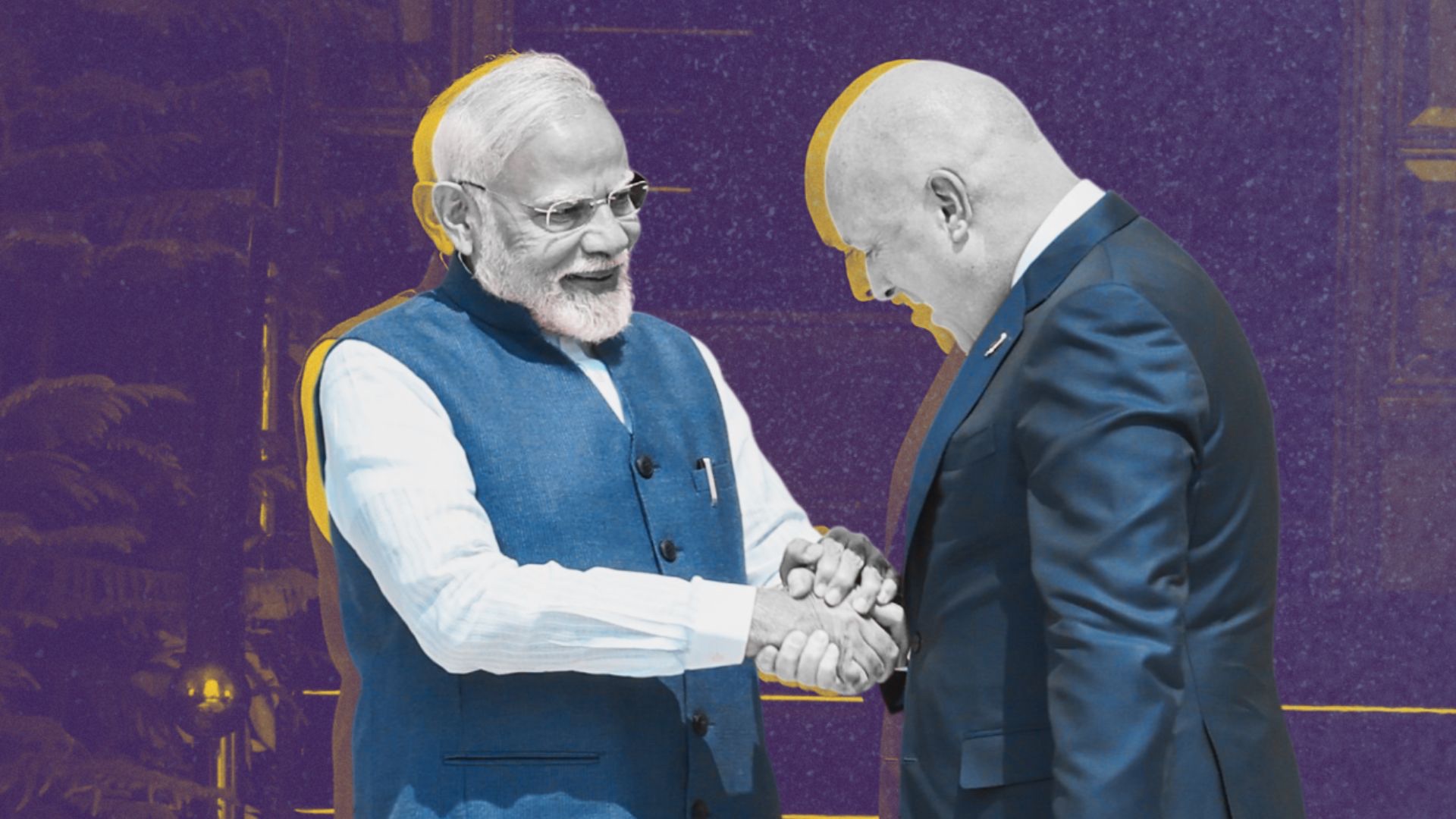
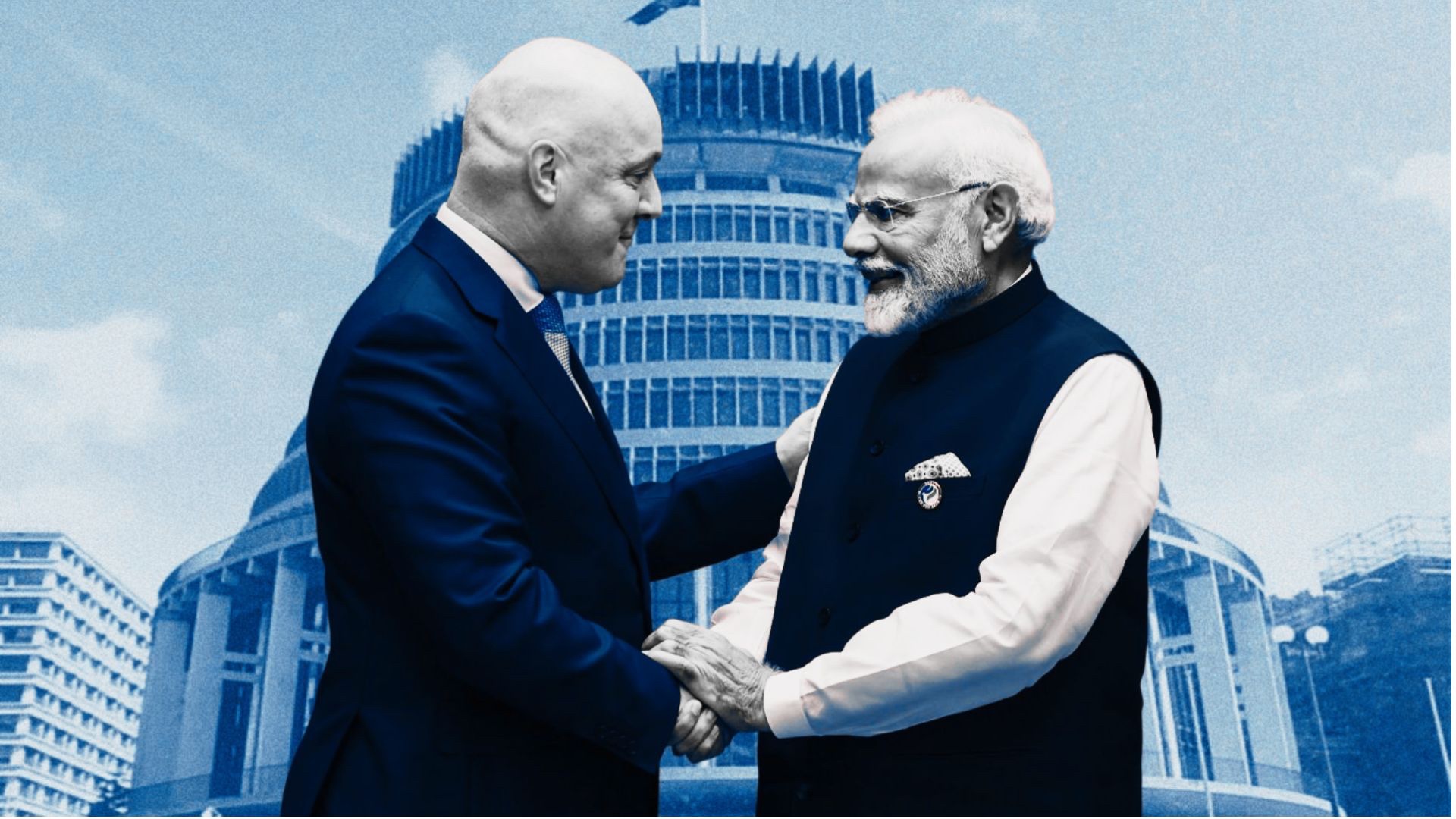
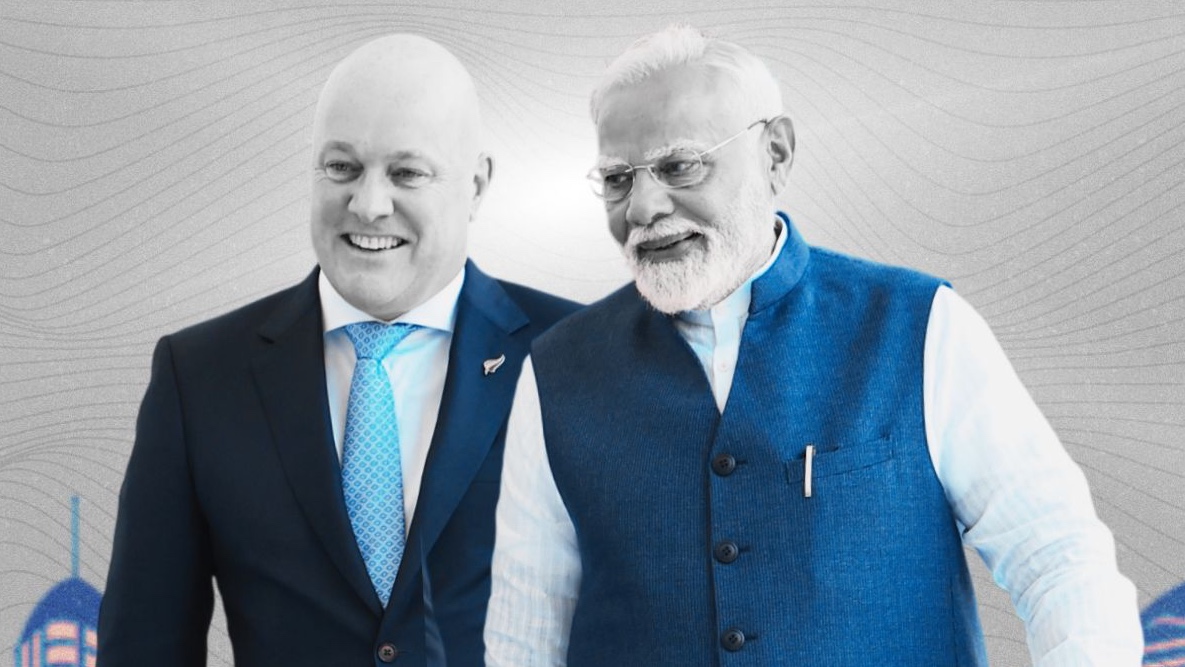
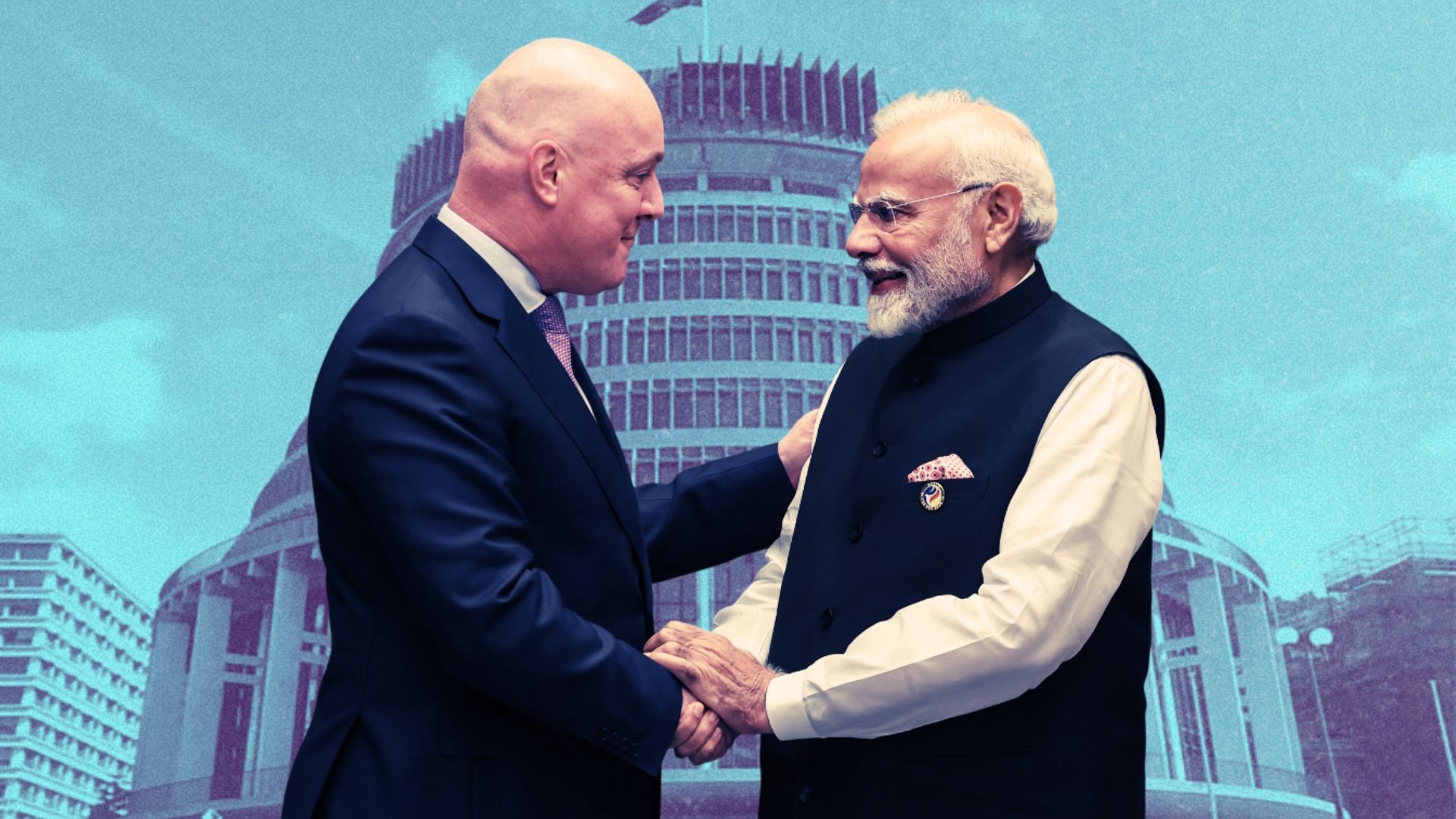
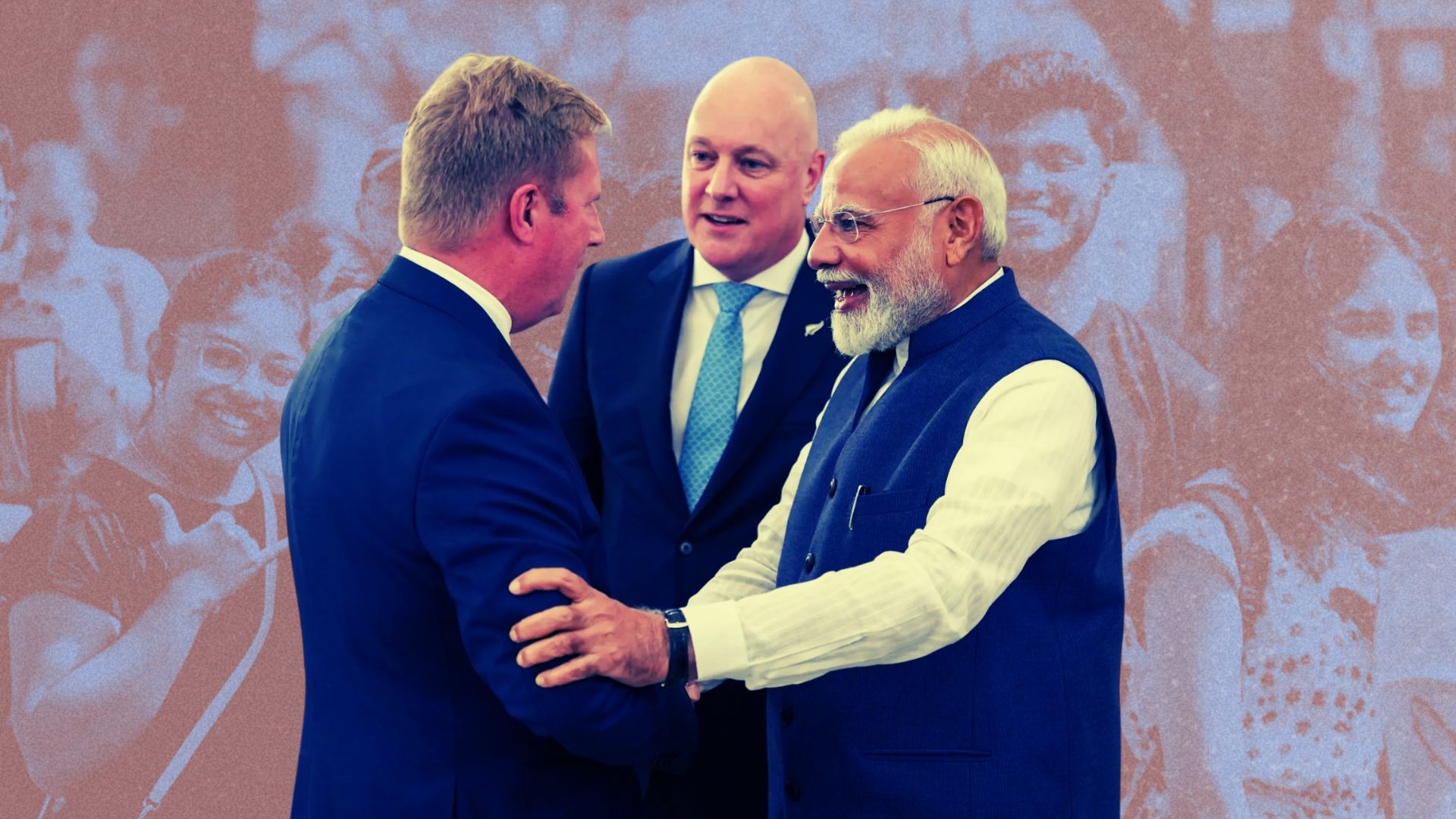
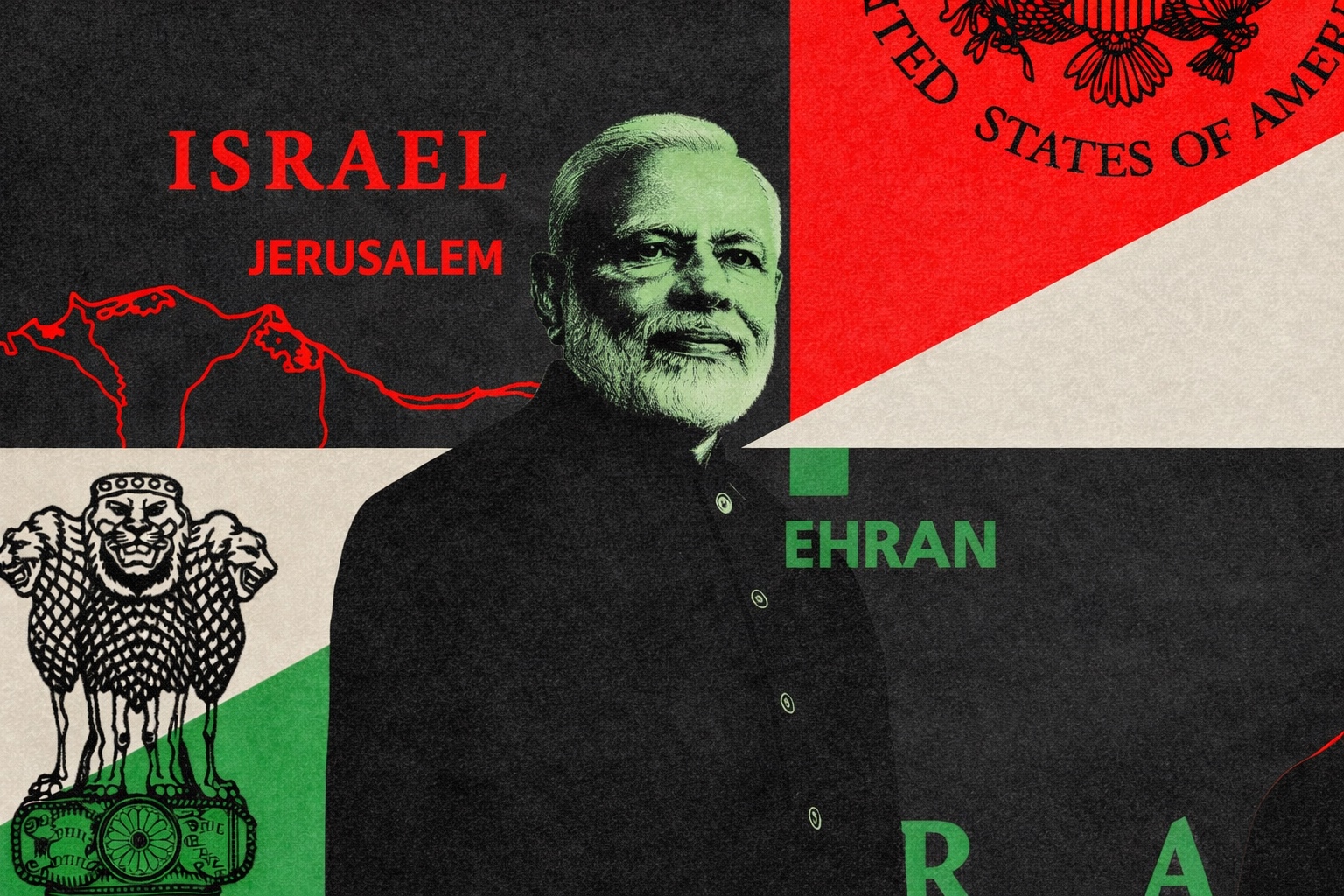
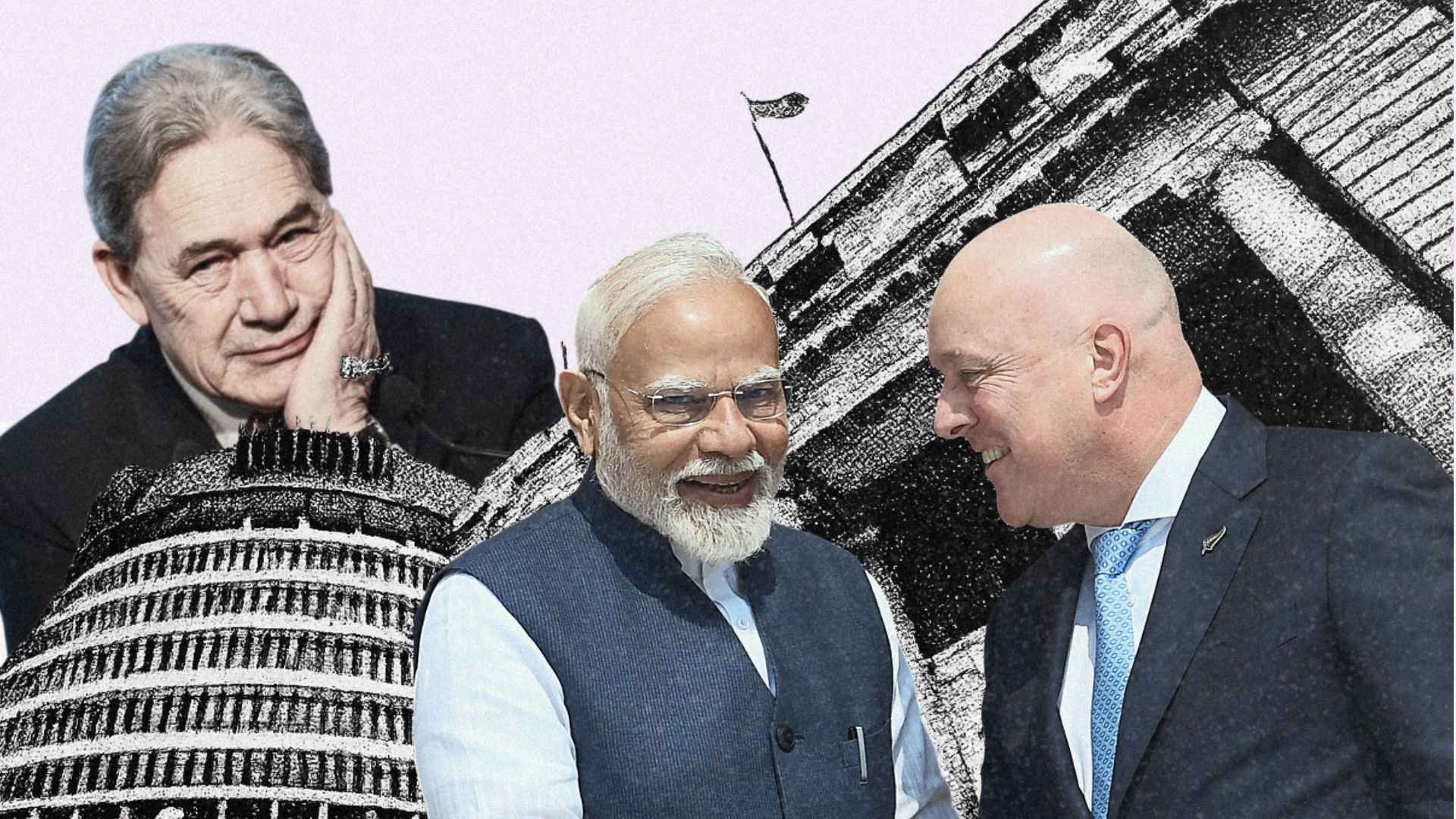
‘Two types of Indians’: Peters questions Kiwi Indians’ loyalty after watching Modi welcome The New Zealand First leader on why changing passports alone may not make someone a New Zealander.
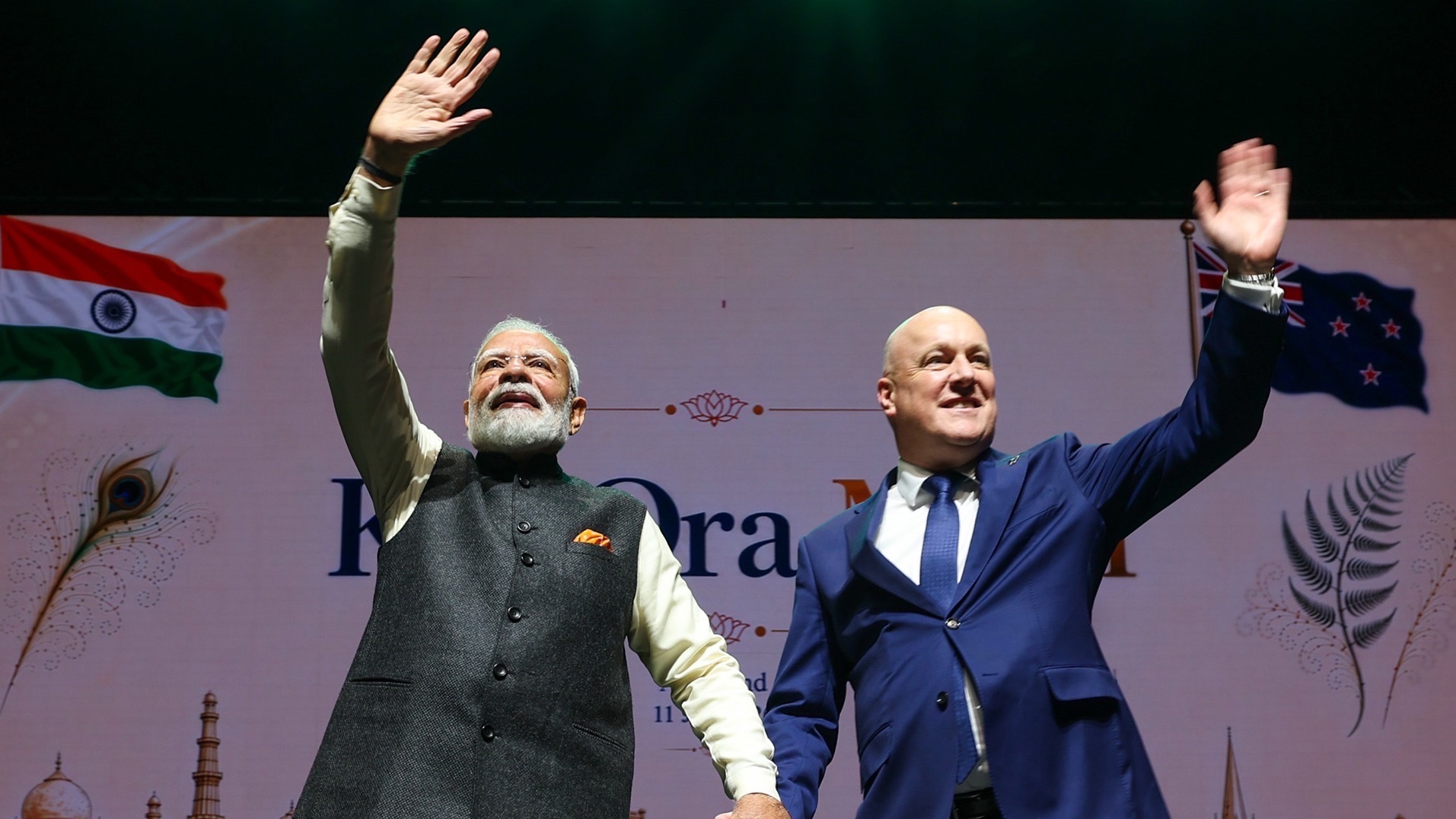
BNZ Diwali rolls out Bollywood red carpet as Meenakshi Sheshadri revisits Damini in Auckland A Screen Auckland-backed cinema showcase is bringing South Asian films into Auckland theatres as part of this year’s Diwali celebrations.
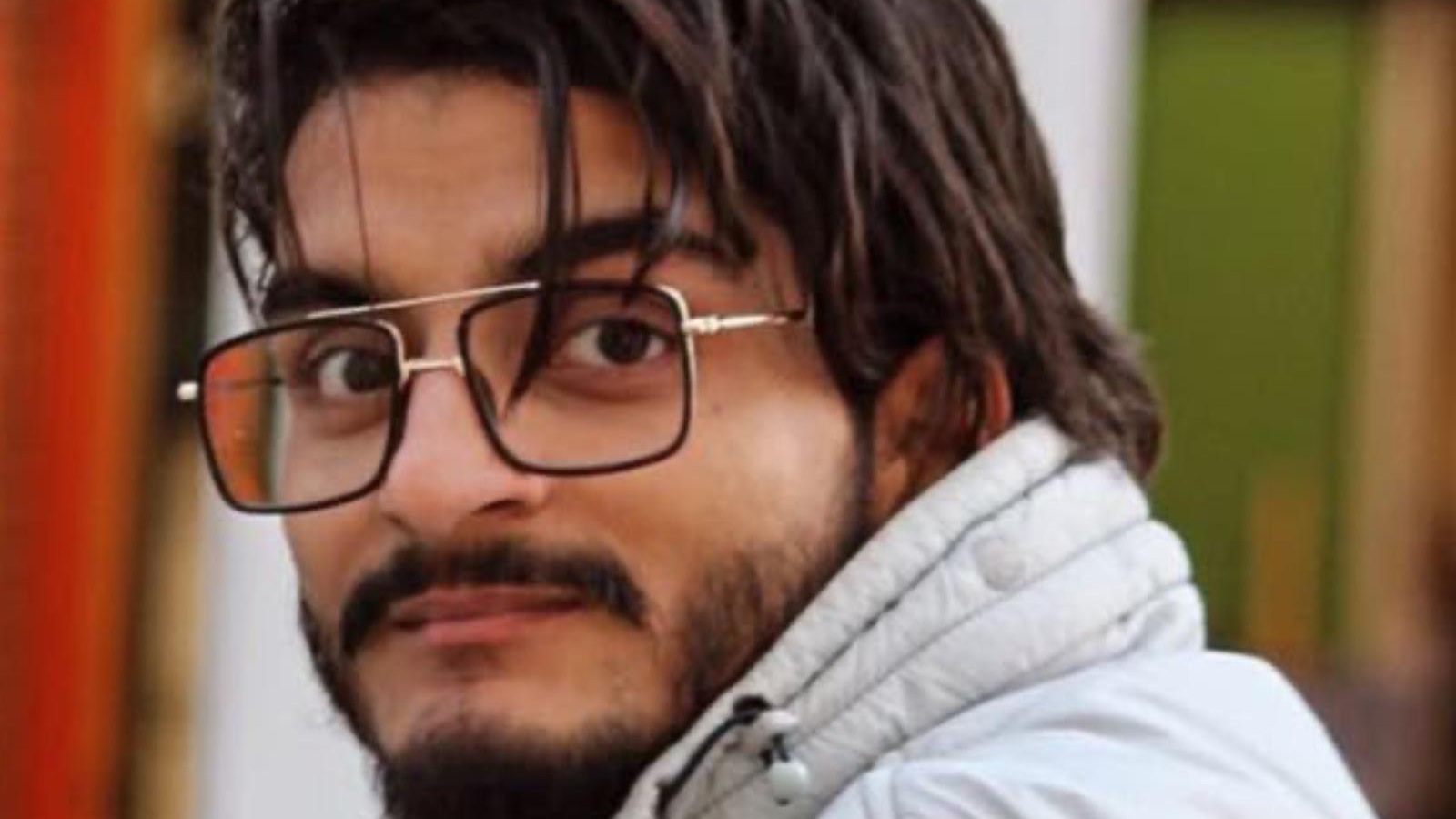
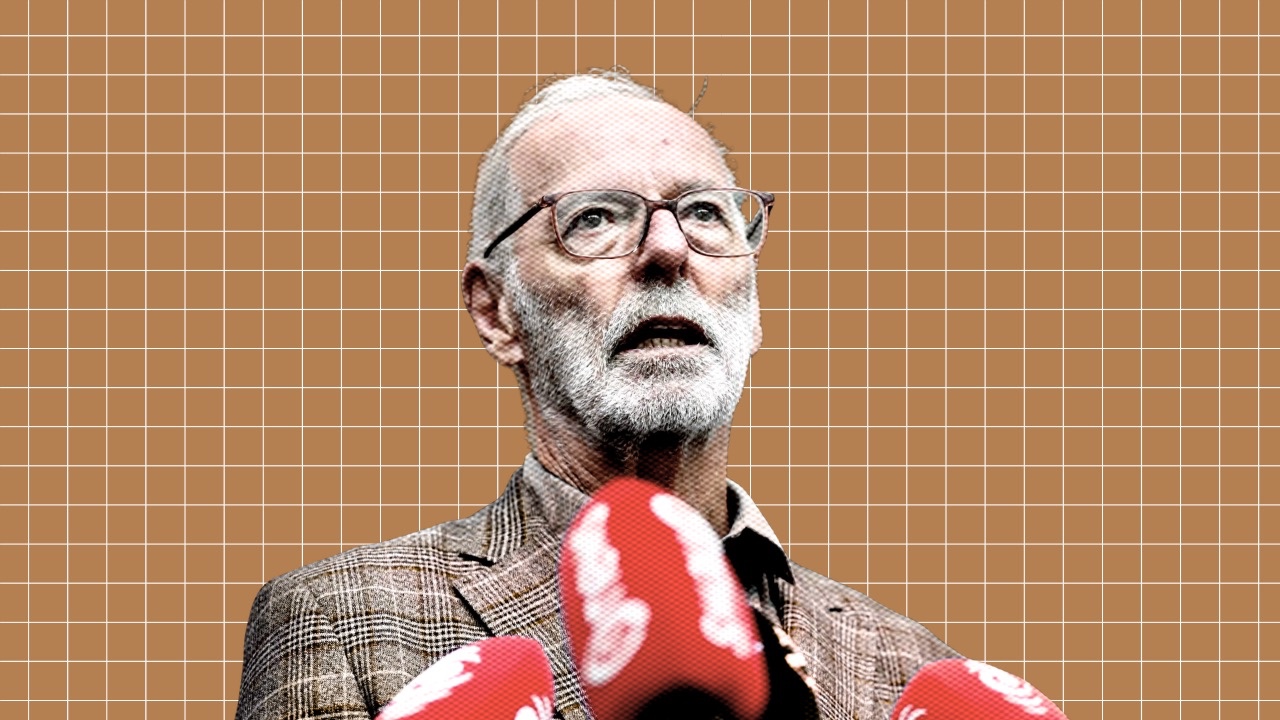
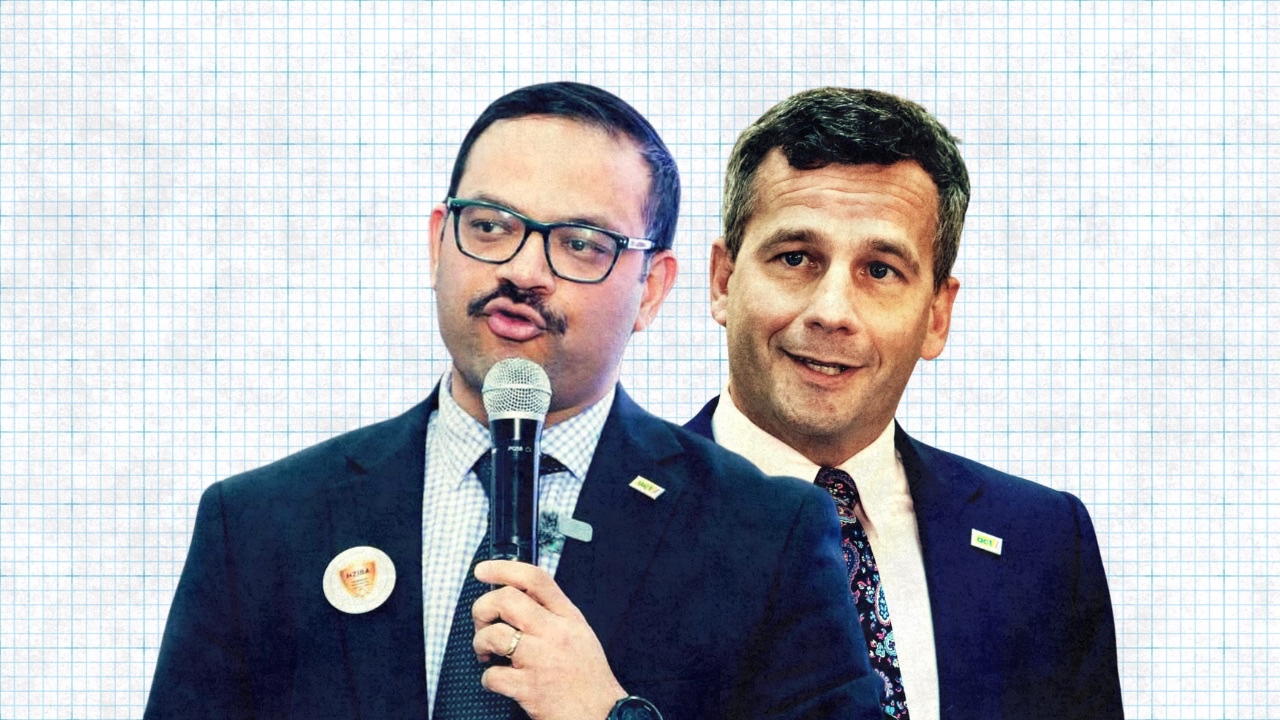
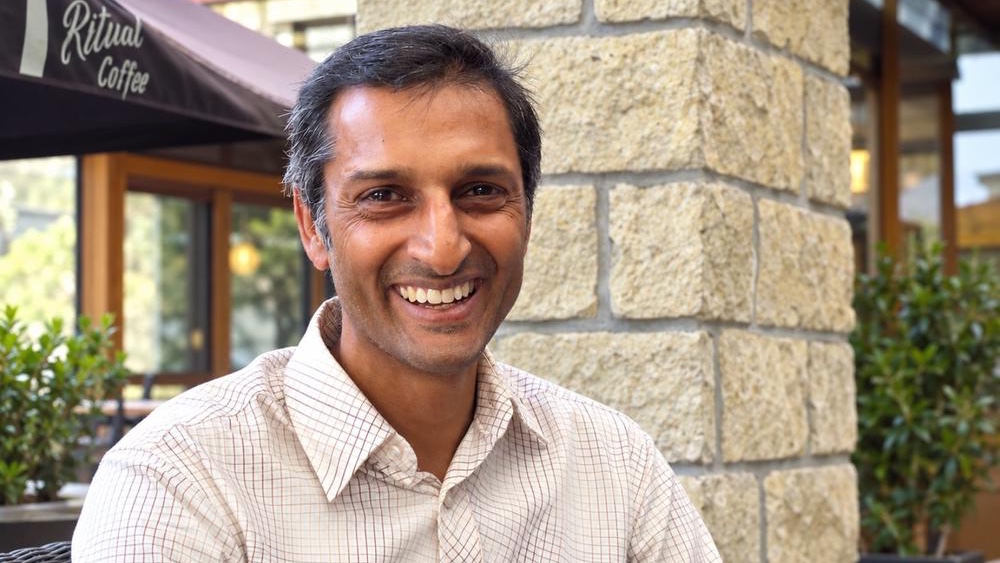
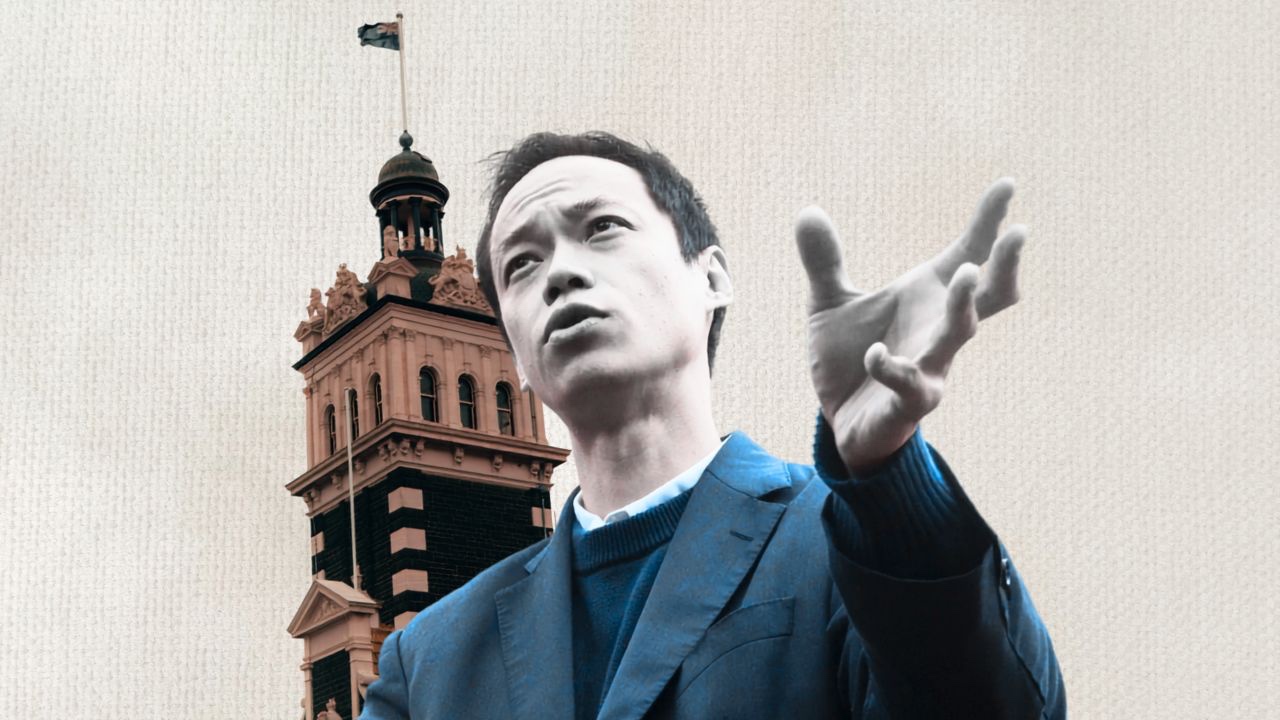
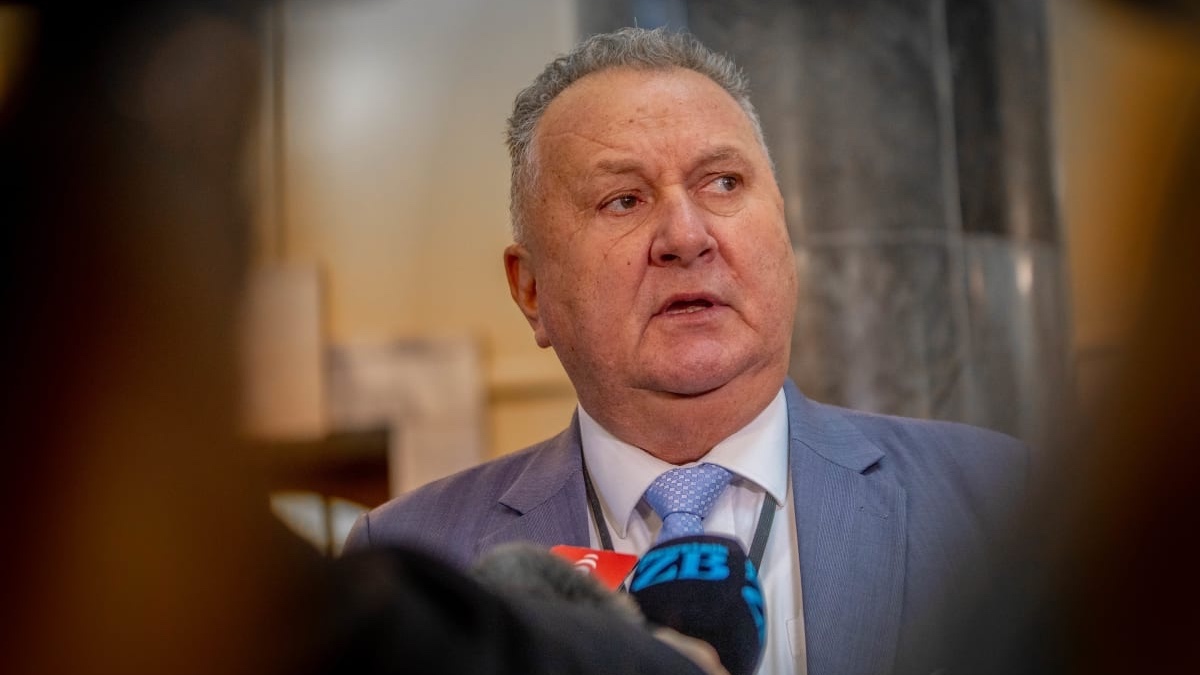
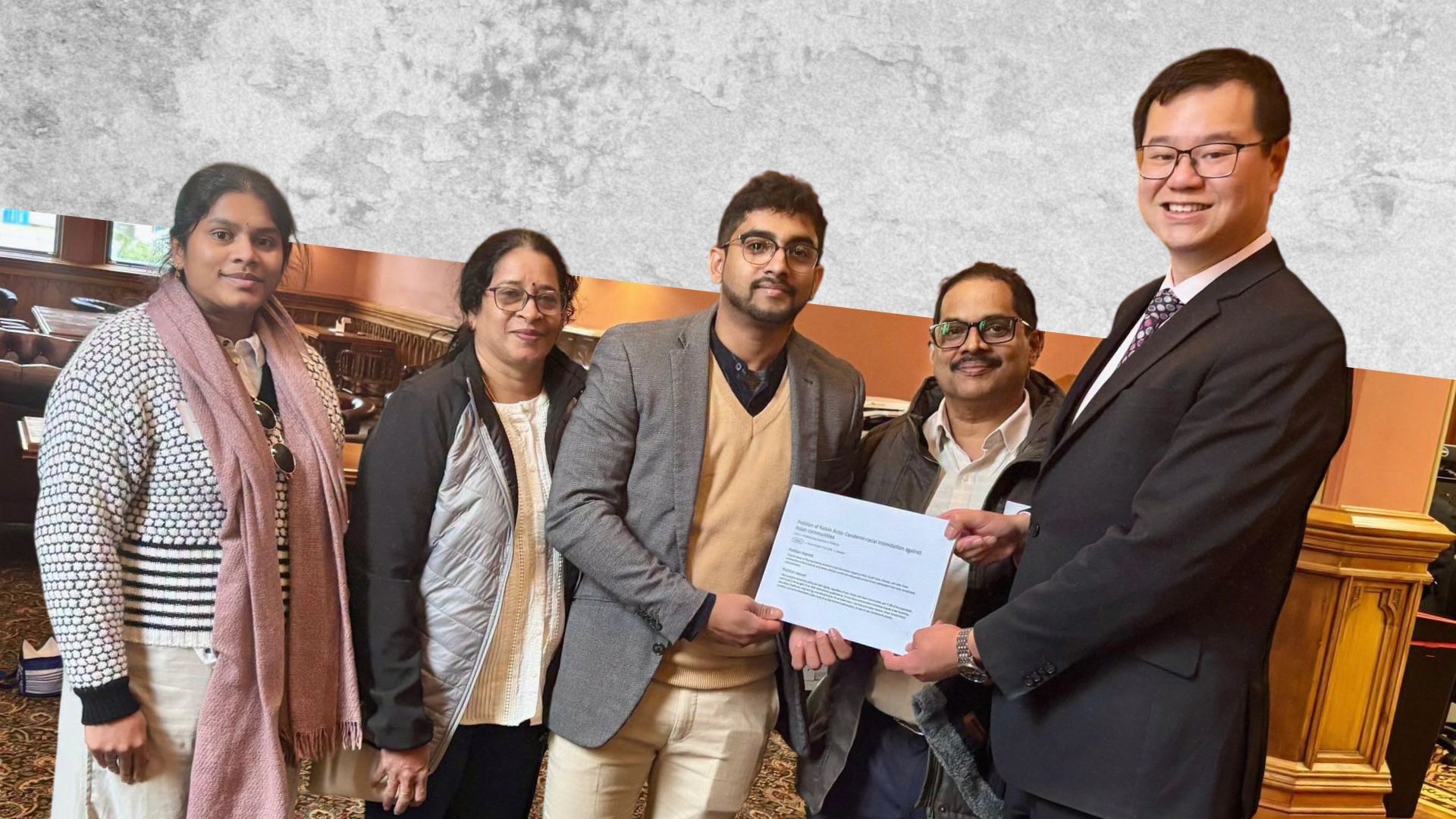
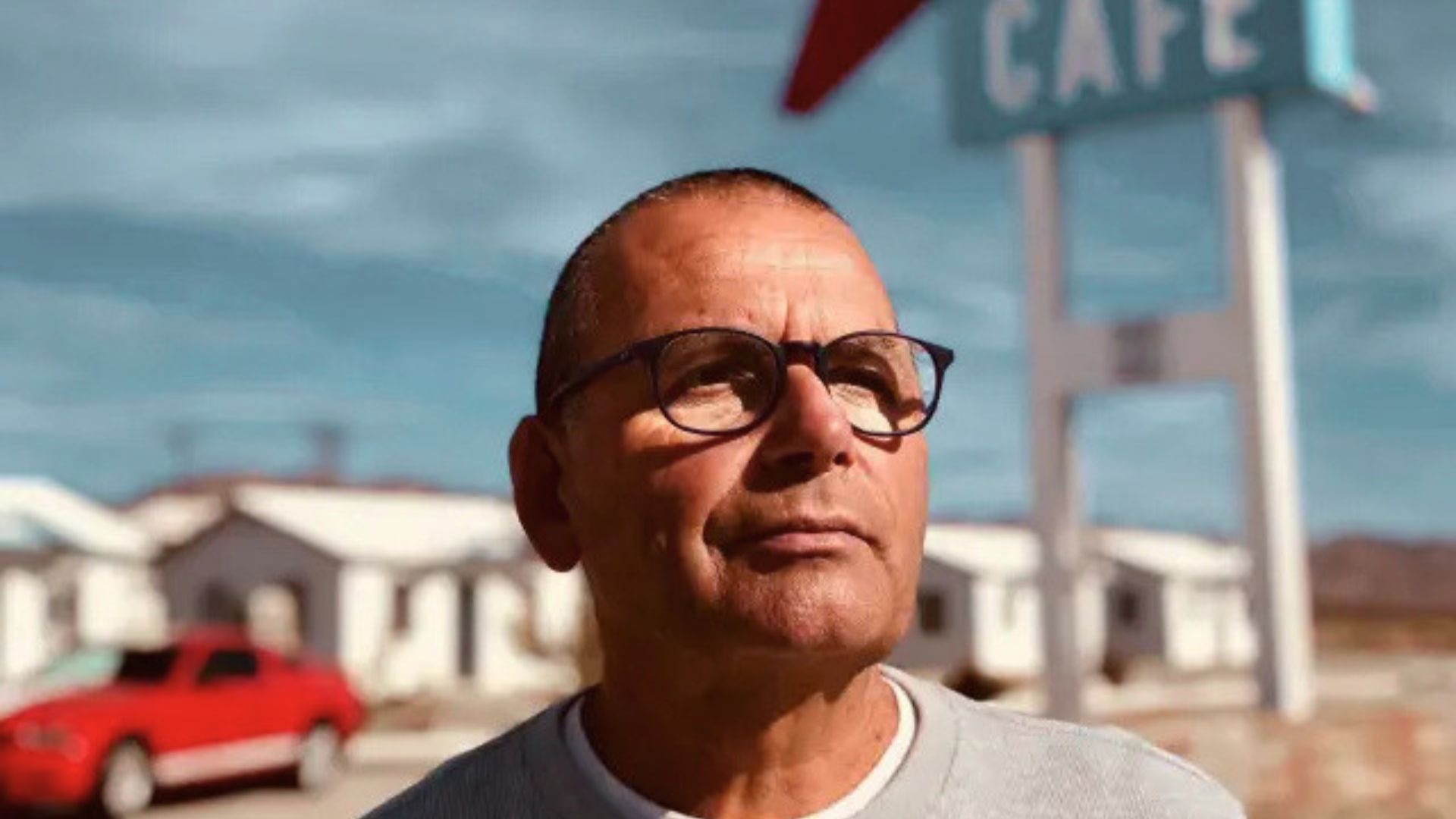
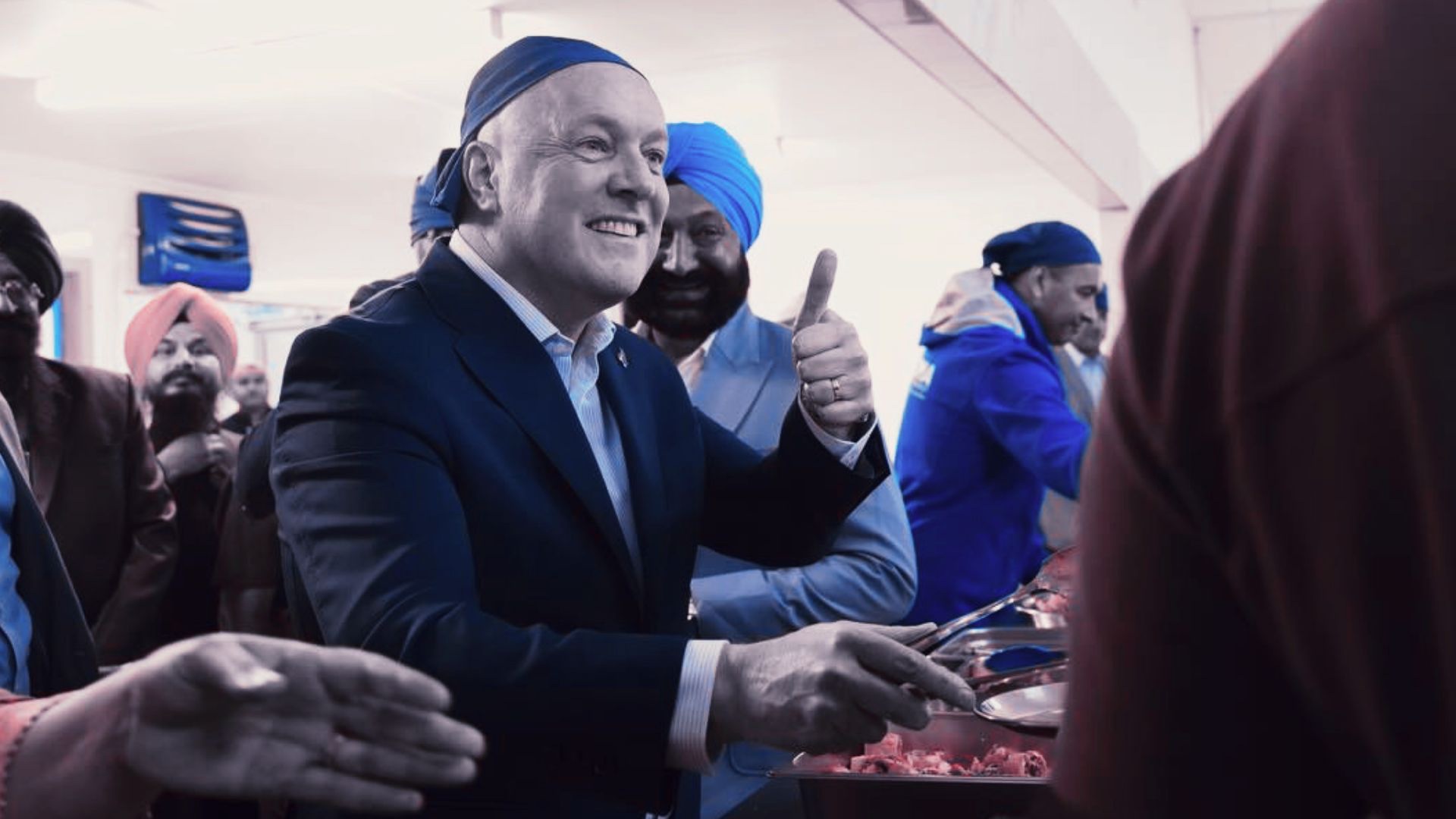
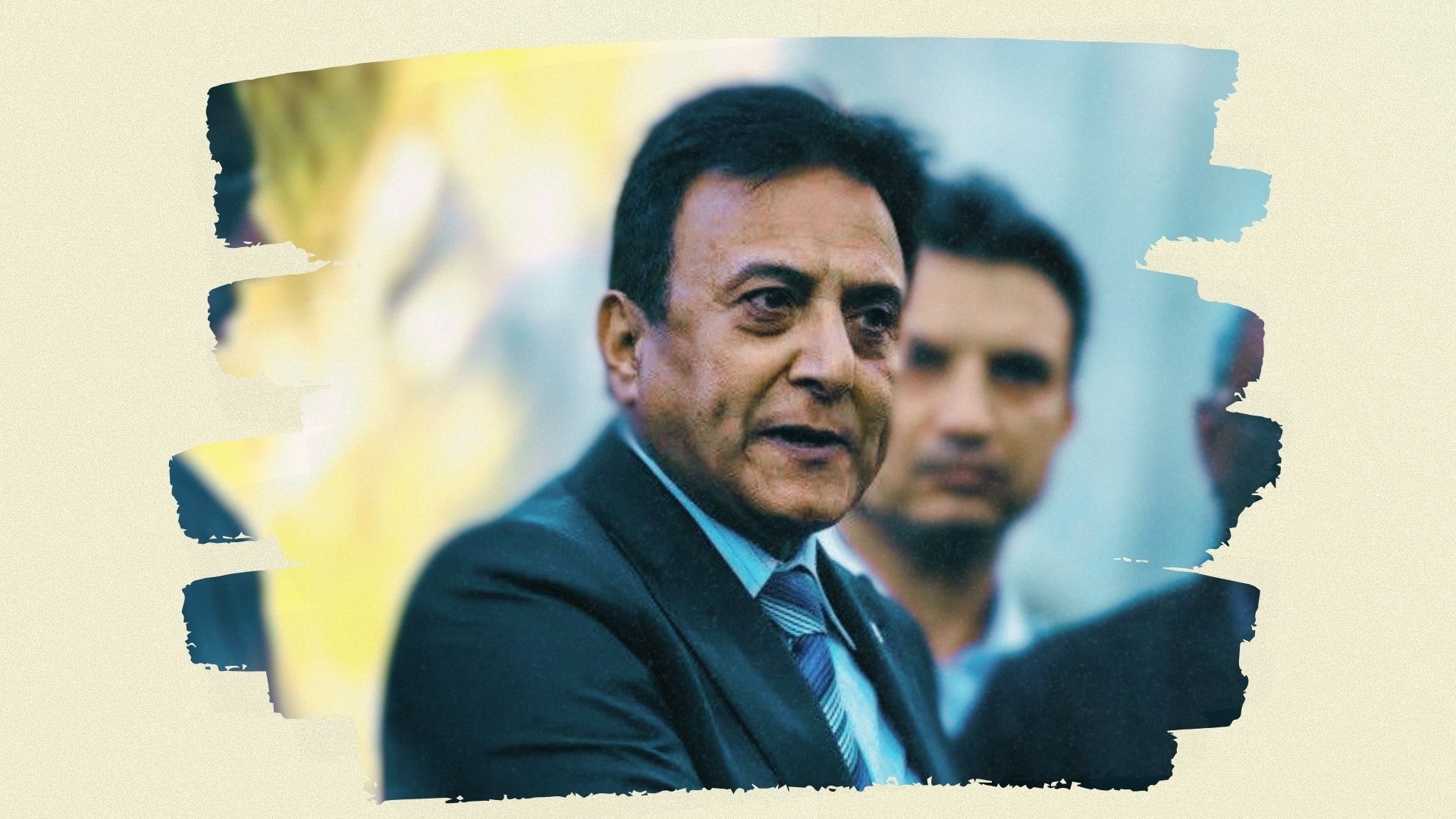
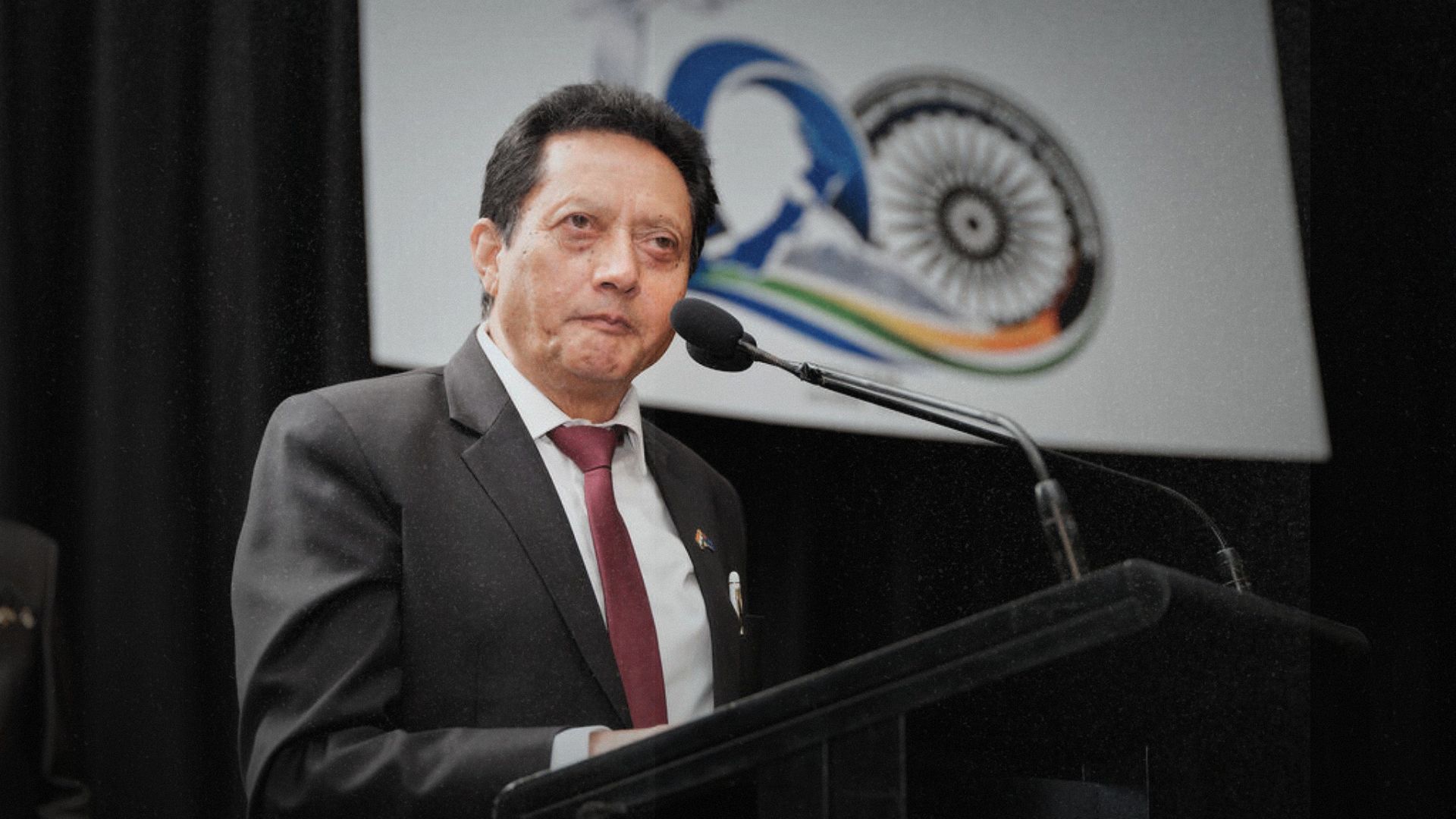
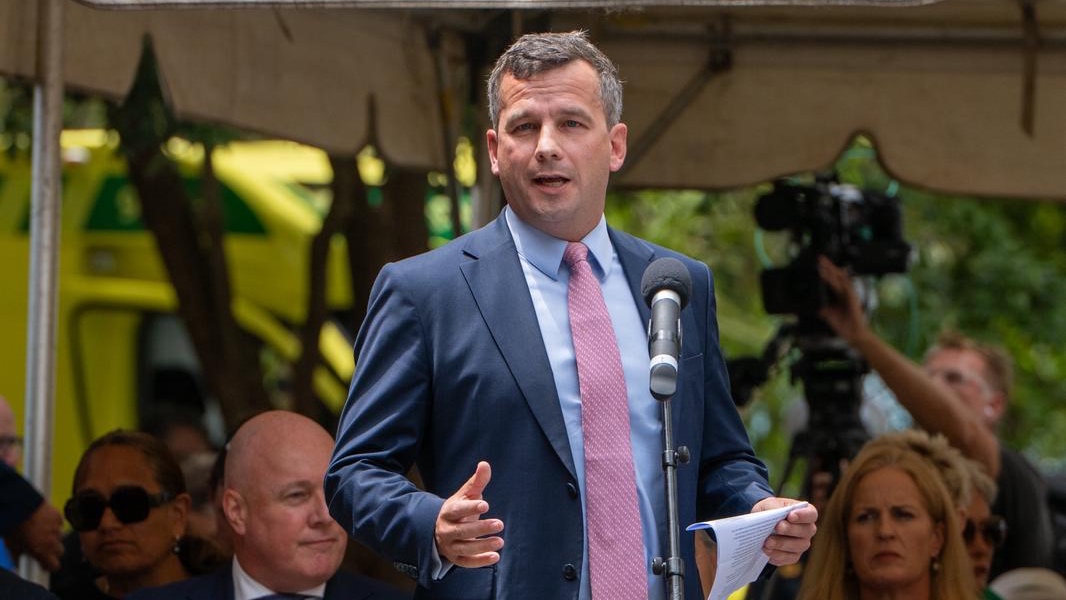
That was in September 2002, when Muthu was a young migrant finding his feet in New Zealand. Twenty-four years later, the Wellington lawyer is contesting the newly-created Wellington Bays electorate for the National Party, hoping to enter the very Parliament outside which he once confronted Peters.
The encounter is just one episode in a political journey spanning three decades. Behind it is the story of a marriage that attracted prejudice in India, a daughter born with a disability and a family that arrived in New Zealand with just $500 in hand.
The day Peters joined Muthu's protest
Muthu remembers setting out for Parliament on September 3, 2002, intending to protest against Peters' remarks about immigration and migrants.
He had informed Wellington police of his planned march and wanted to present a petition to the then Speaker, Jonathan Hunt, asking him to remove remarks Peters had made under parliamentary privilege from the official record.
What he had not expected was for Peters himself to appear. “I'm protesting against him and he just comes and joins me,” Muthu recalls, still sounding amused by the encounter.
Someone in the gathering handed him a megaphone. Every time Peters attempted to speak, Muthu began chanting.
“Every time Mr Peters opened his mouth, I said, 'Racism, stop racism.'”
Others joined in, and the confrontation attracted considerable attention. Muthu says he shouted down Peters but insists he did not physically touch him, despite suggestions to the contrary.
“Some people think that I touched him or whatever. No, I haven't,” he says. “As you know, Mr Peters is a very litigious man. If I had touched him, he would have sued me.”
Hunt received his petition, although the remarks Muthu wanted removed were not expunged from the parliamentary record.
The protest was an early public expression of something that would become central to Muthu's political life. The conviction that migrants should participate in New Zealand's democracy and challenge those who questioned their place in it.
But Muthu had not come to New Zealand intending to become a campaigner against racism. He had come for his daughter.
A marriage, a daughter and a decision to leave India
Muthu grew up in a politically-active family in Tamil Nadu, where his father was among the founders of the Dravida Munnetra Kazhagam (DMK), the influential political party of the southern Indian state of Tamil Nadu.
After studying in Britain, he returned to India and married his childhood sweetheart, Chitra. Their marriage, however, was not universally welcomed by their families.
Chitra came from a Kannada-speaking family with ancestral roots in Karnataka, while Muthu was Tamil. Despite the reformist politics that had shaped his upbringing, he says the marriage attracted resistance from both sides.
Then their first daughter was born with severe autism. Muthu recalls people attributing her disability to the couple's decision to marry across community boundaries. The experience left him disillusioned with the society in which he had grown up.
“I wasn't a strong, brave social reformer like my father,” he says. “You know, I wanted to leave.”
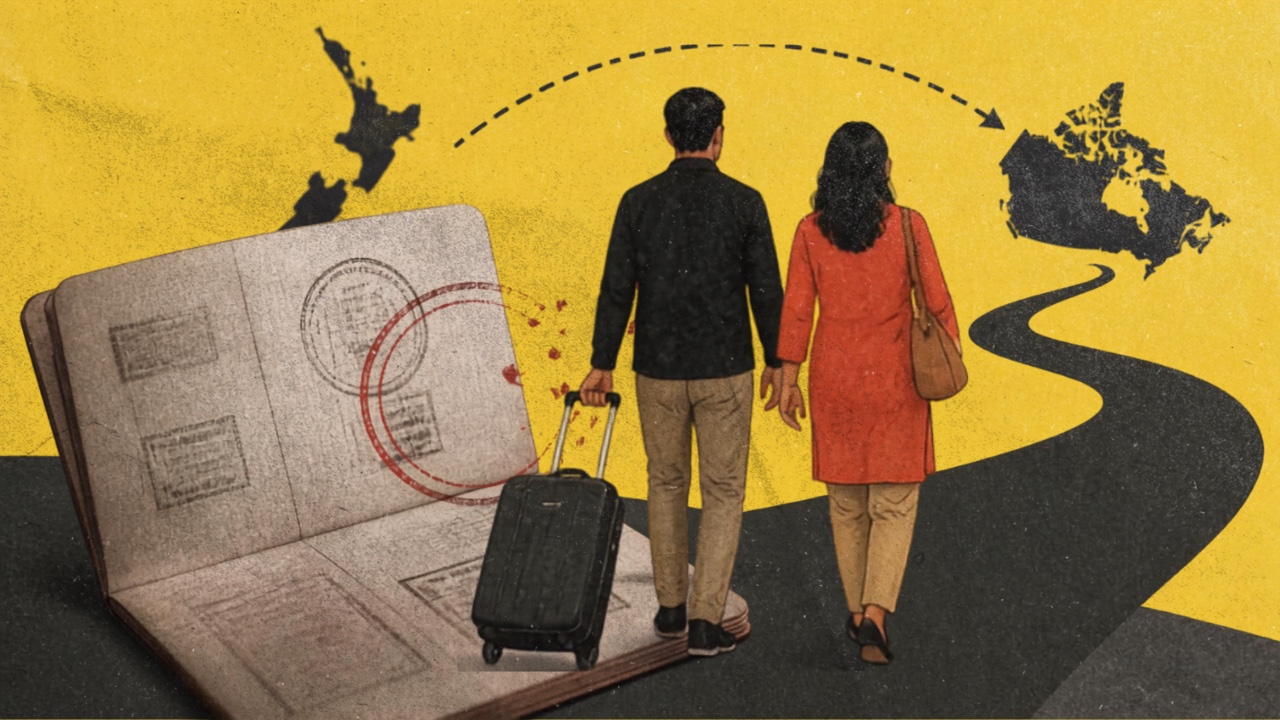
The family arrived in Auckland with little money, few contacts and the prospect of having to rebuild their professional lives. Muthu remembers having just $500.
Chitra was a qualified doctor who had been registered to practise in Britain, but needed to meet New Zealand's registration requirements. Muthu, who had studied communications and management, also faced the prospect of retraining.
While studying, Chitra worked at a rest home in Epsom; and Muthu worked in a car park. They were raising a daughter with significant needs, without the extended family network they had left behind.
The family moved to Wellington in 1999, where Muthu subsequently studied law. He was admitted as a lawyer in 2006 and now practises in Kilbirnie, specialising in areas including cross-border estate planning and corporate and finance law.
When India stopped being 'back home'
Muthu says becoming a New Zealander was not something that happened the day he received his citizenship or passport.
“Even after obtaining my New Zealand citizenship and getting my New Zealand passport, I would still say, 'Oh, back home,' in my casual conversations with people,” he recalls.
It was only in the early 2000s, as his family grew and his life became more firmly established in Wellington, that he realised something had changed.
“I then realised in the early 2000s, my home is here.”
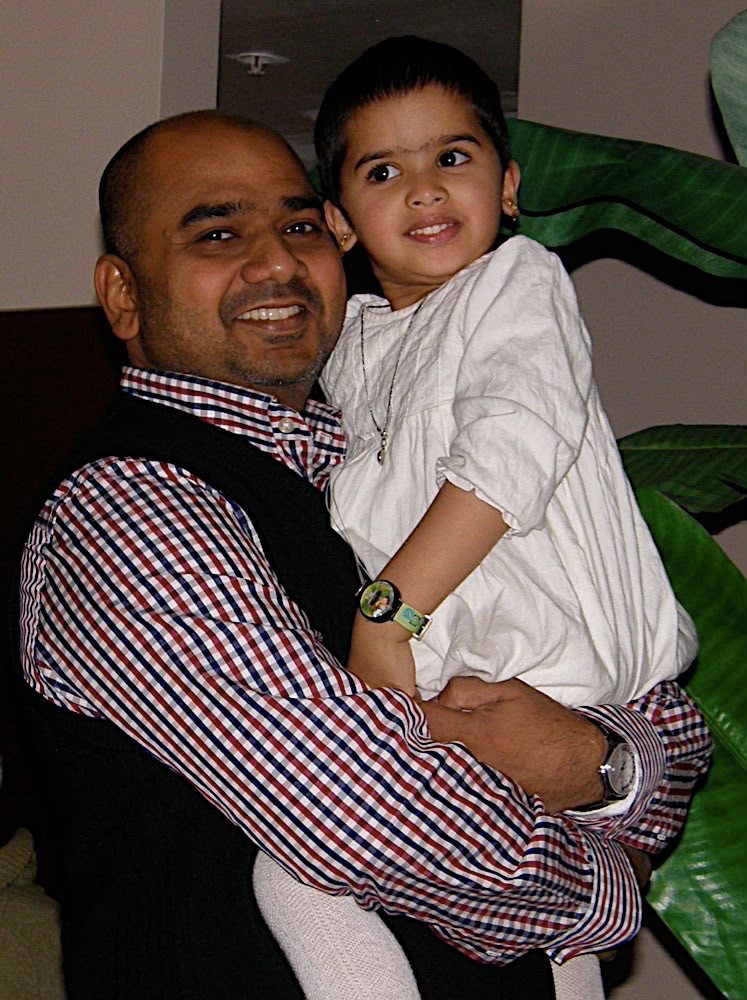
His second daughter was born in 2000 and his youngest in 2006. Both grew up in a household where Indian traditions remained important, even as New Zealand became the family's unquestioned home.
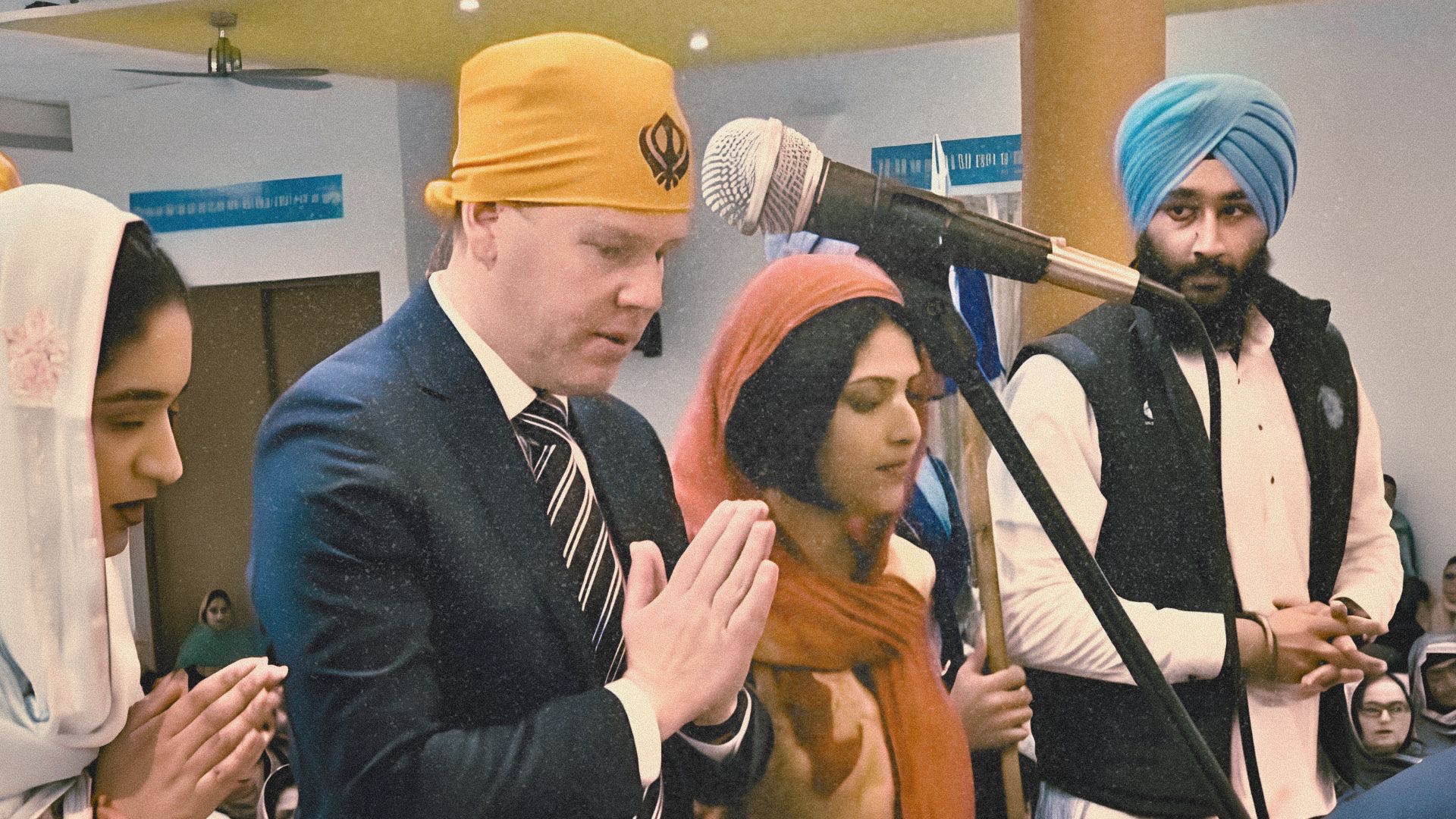
Muthu says he has never felt the need to choose between the two countries. He describes himself as proudly Tamil, Indian and Kiwi, and sometimes wears a lapel pin displaying both the Indian and New Zealand flags.
That understanding of identity is what he now tries to pass on to his daughters. He acknowledges that their ethnicity may be the first thing strangers notice, but believes they should celebrate rather than conceal it.
“That's something that we need to acknowledge, accept and celebrate,” he says. “It is a good thing, because those differences make us unique.”
Twenty-four years on, another argument with Peters
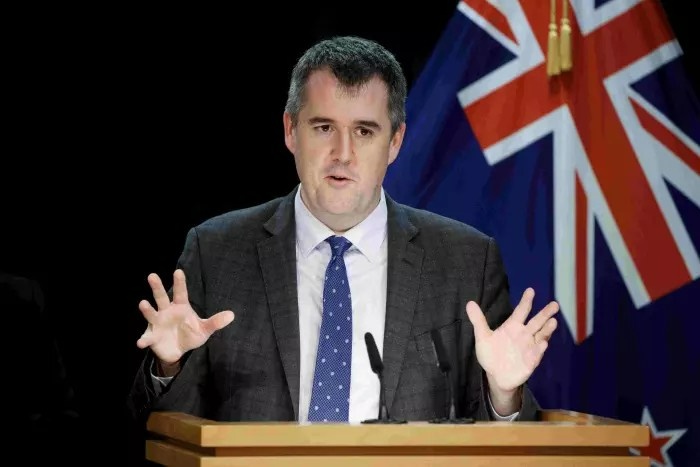
Muthu's views on belonging have acquired renewed political relevance in the run up to the November elections, especially with Peters sharpening the rhetoric around immigration.
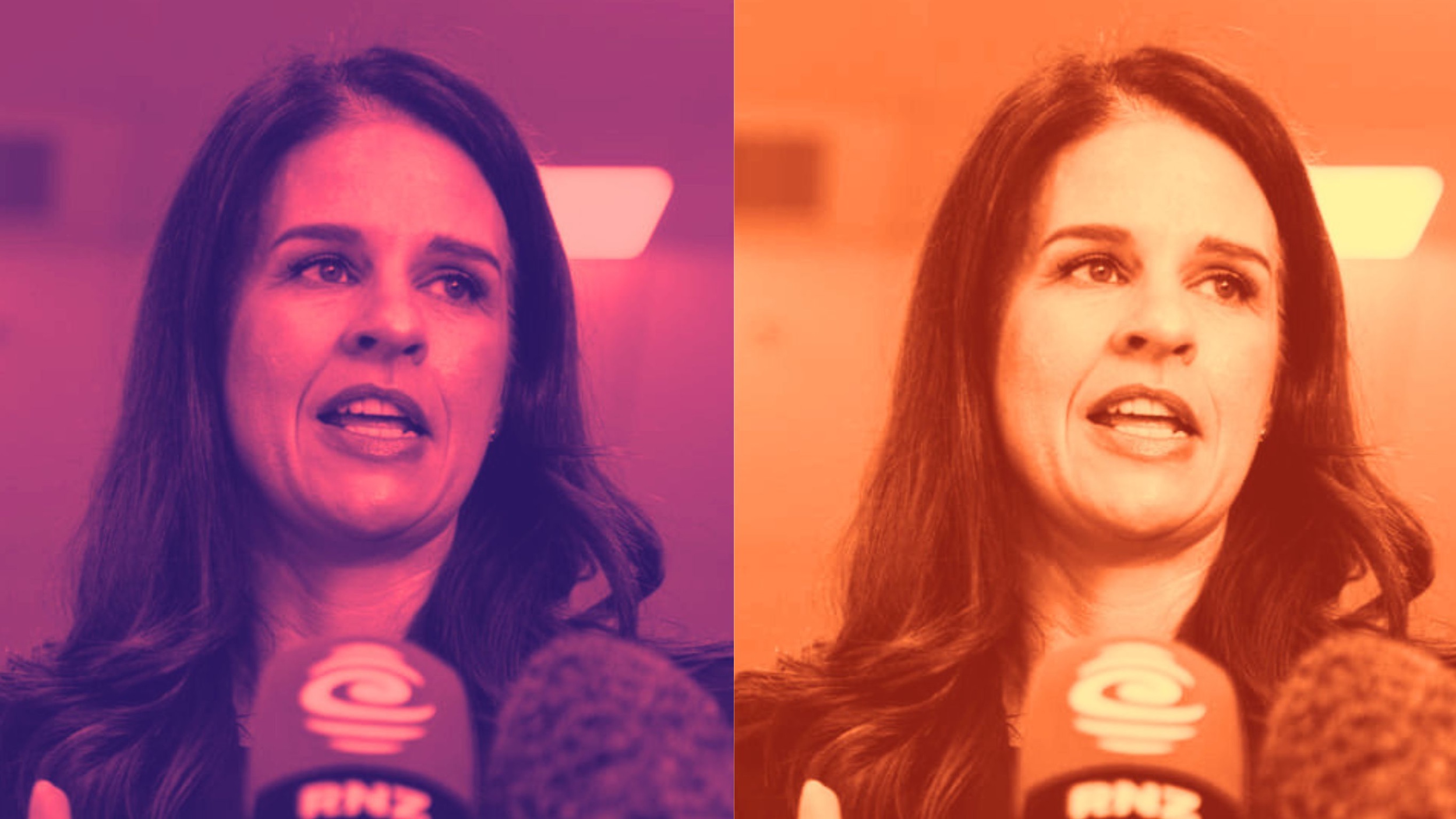
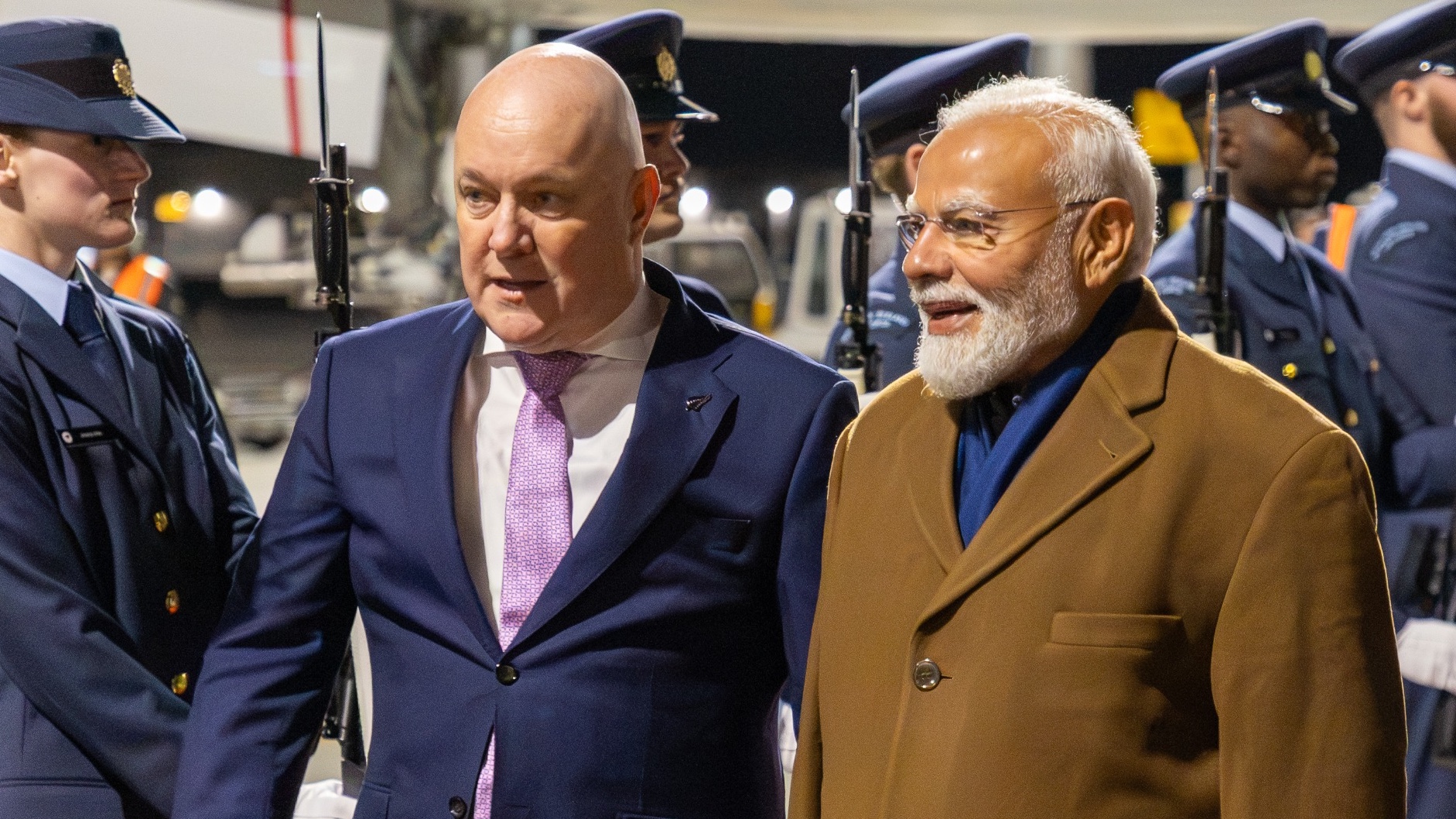
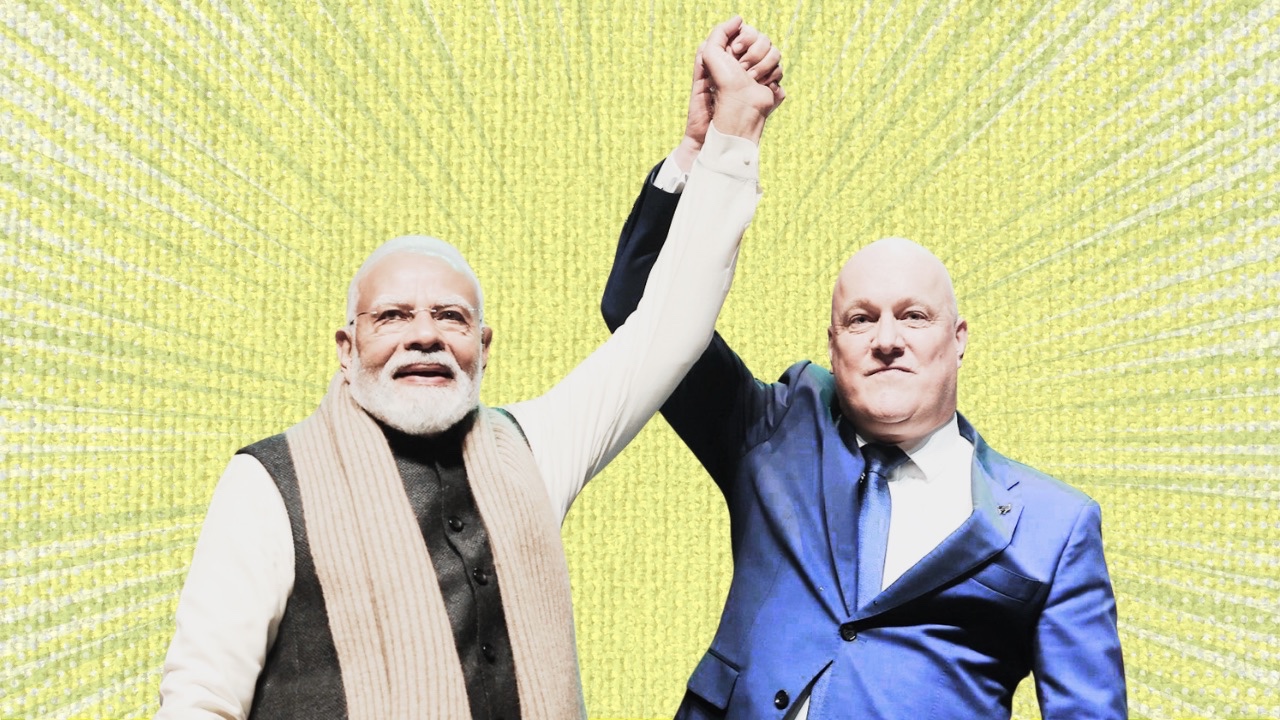
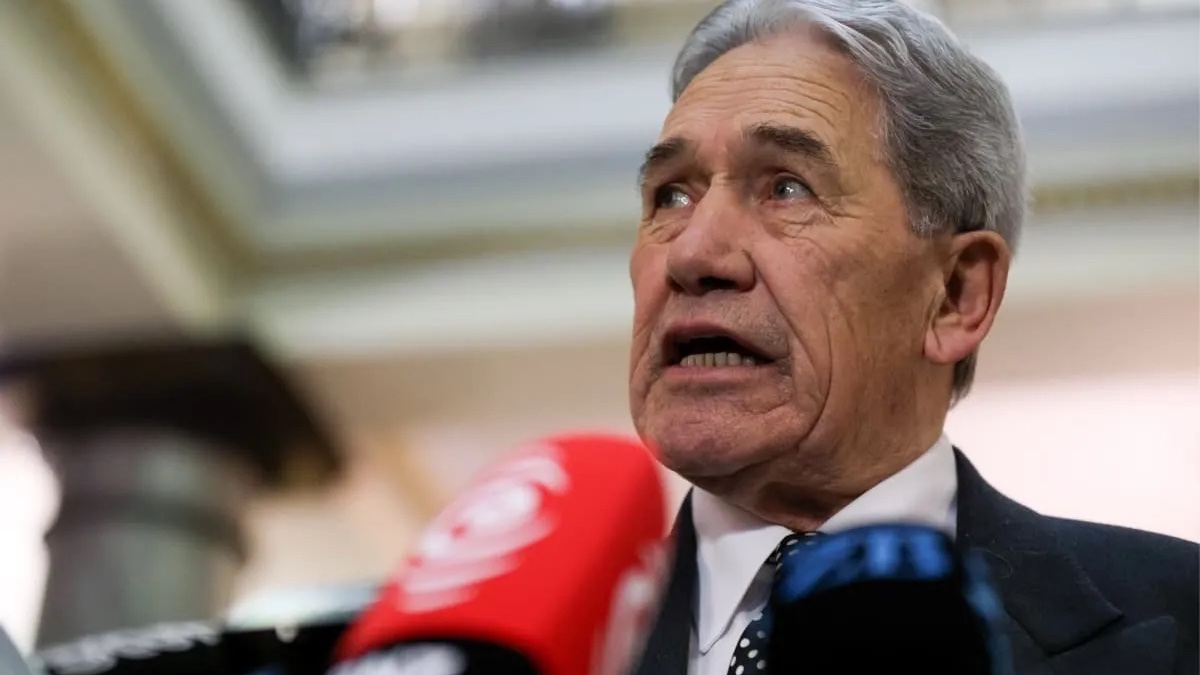
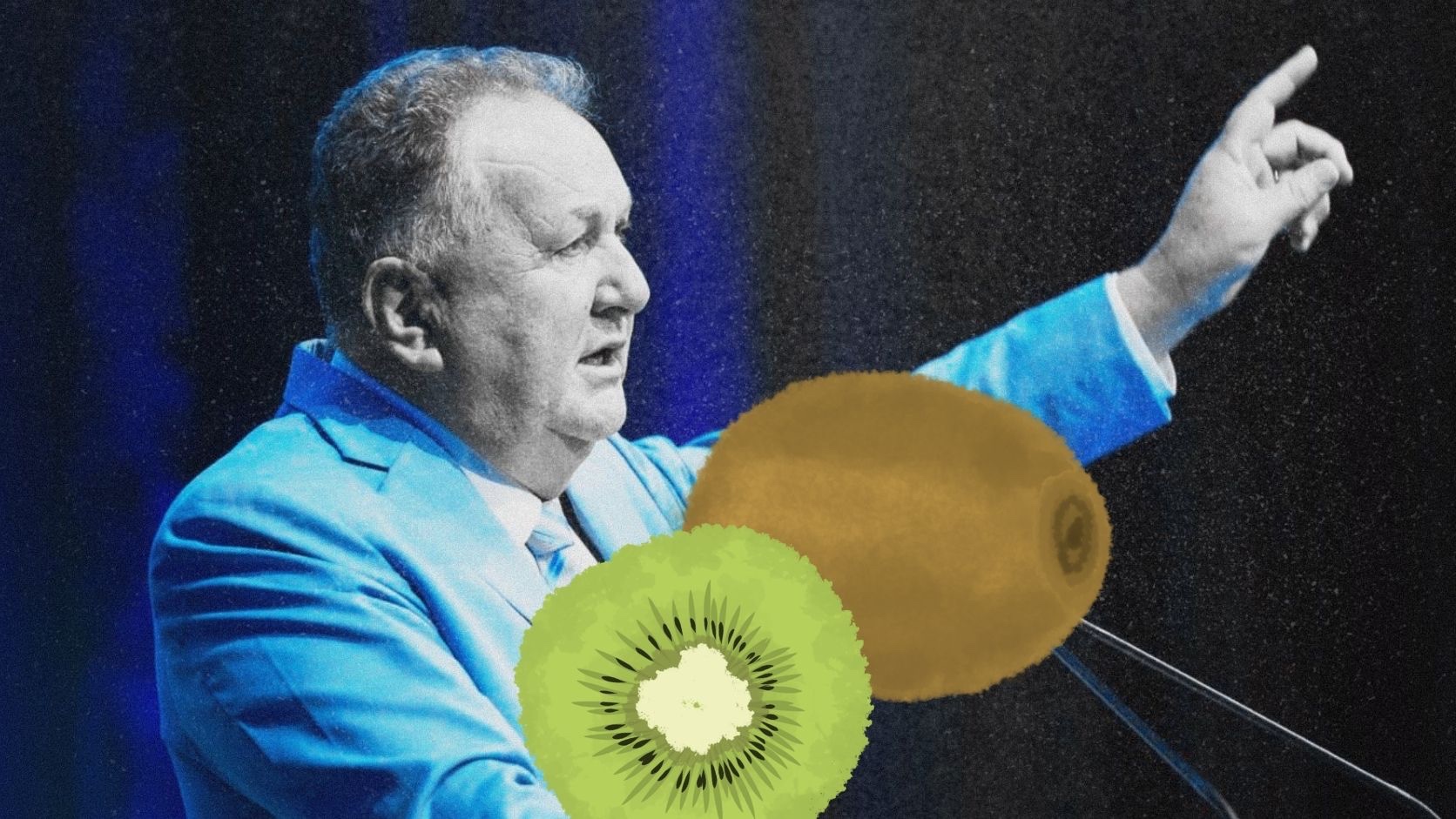
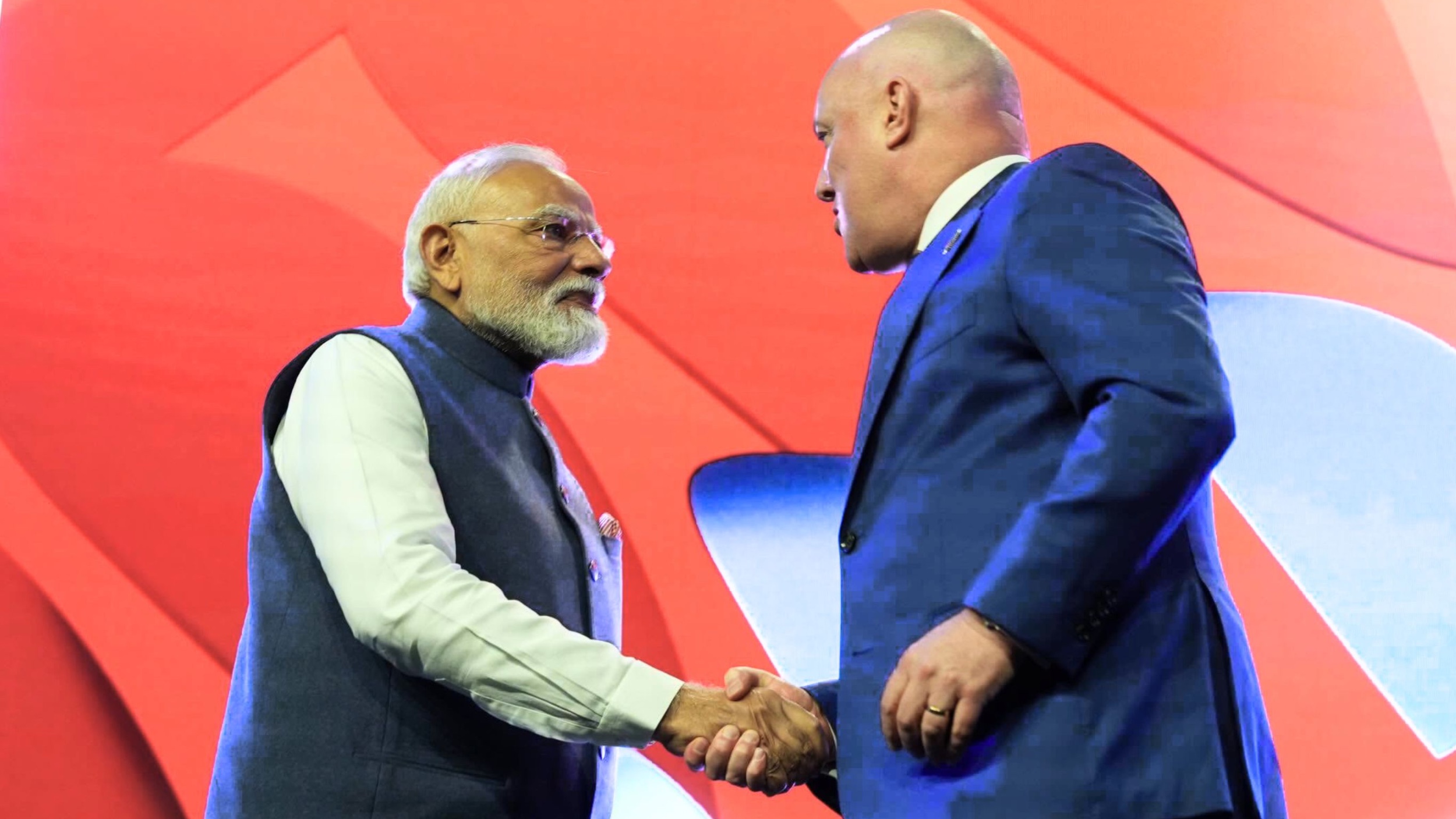
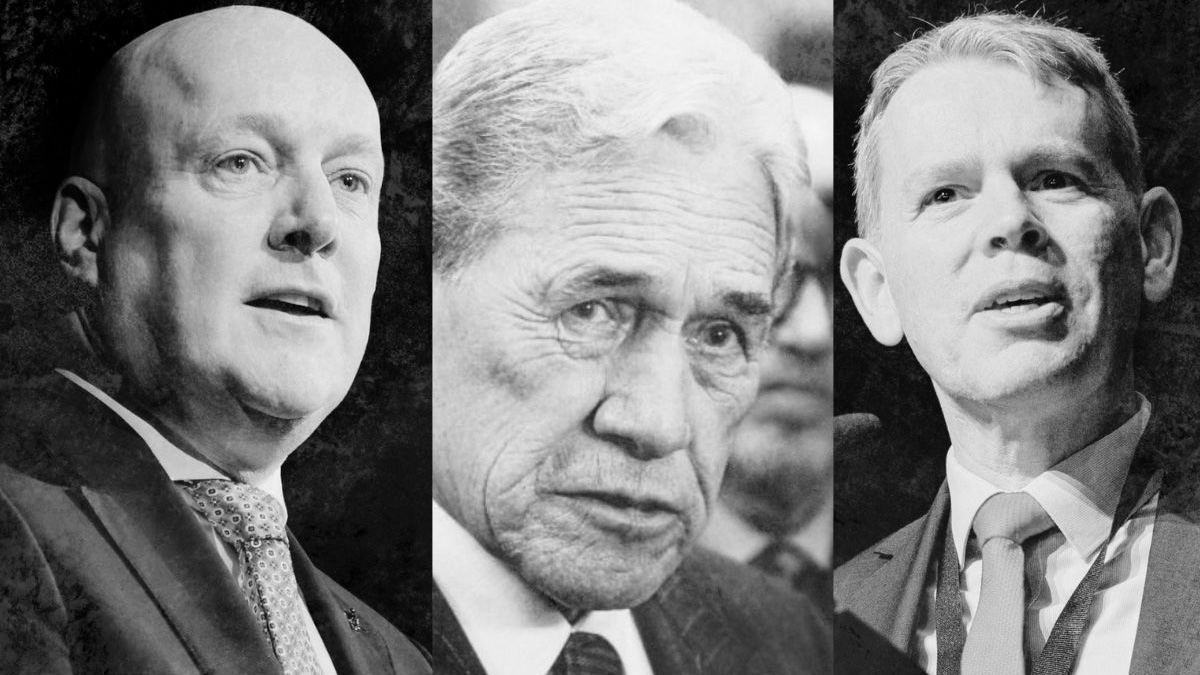
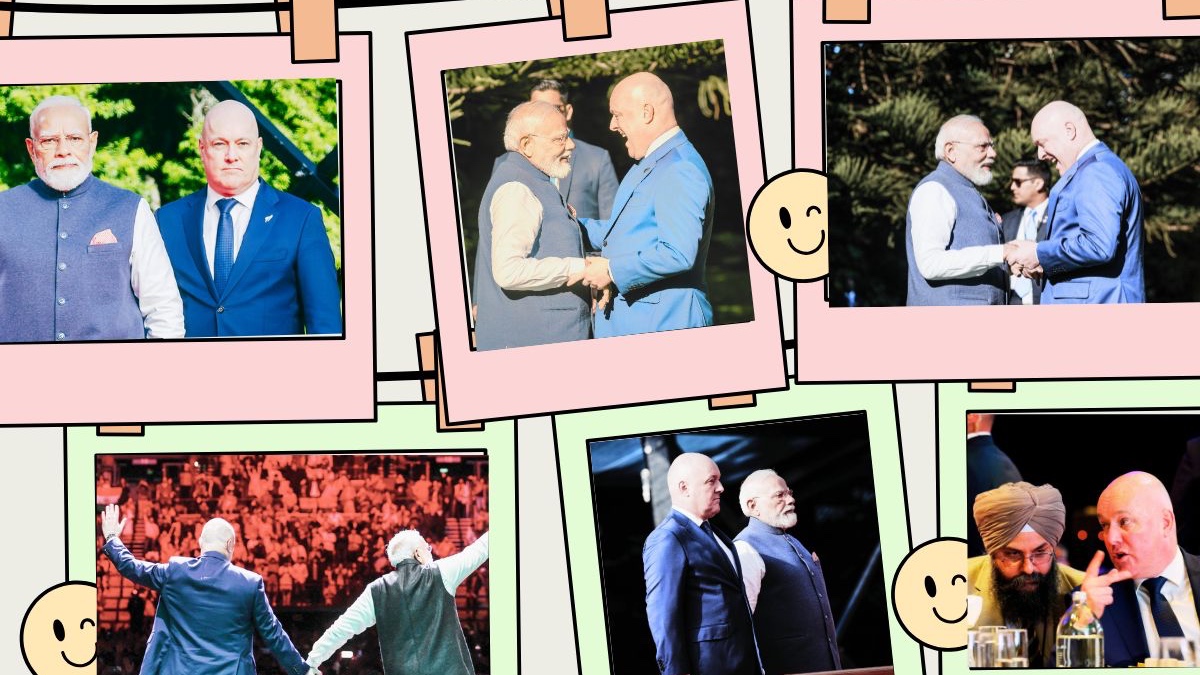
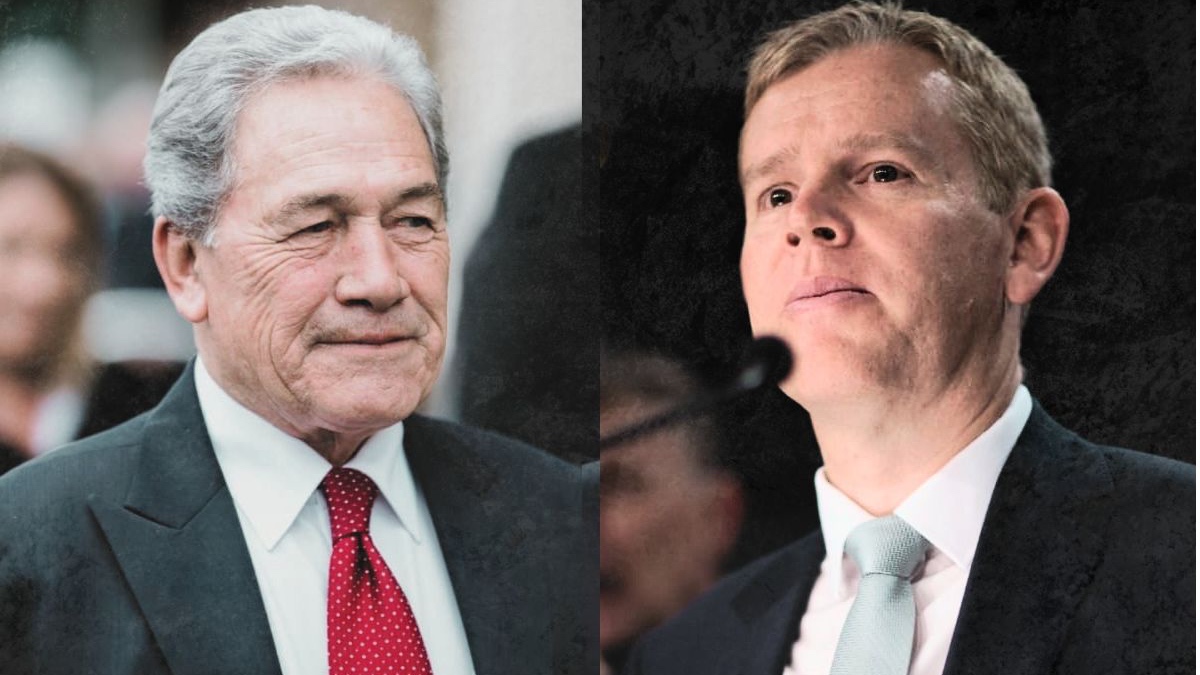
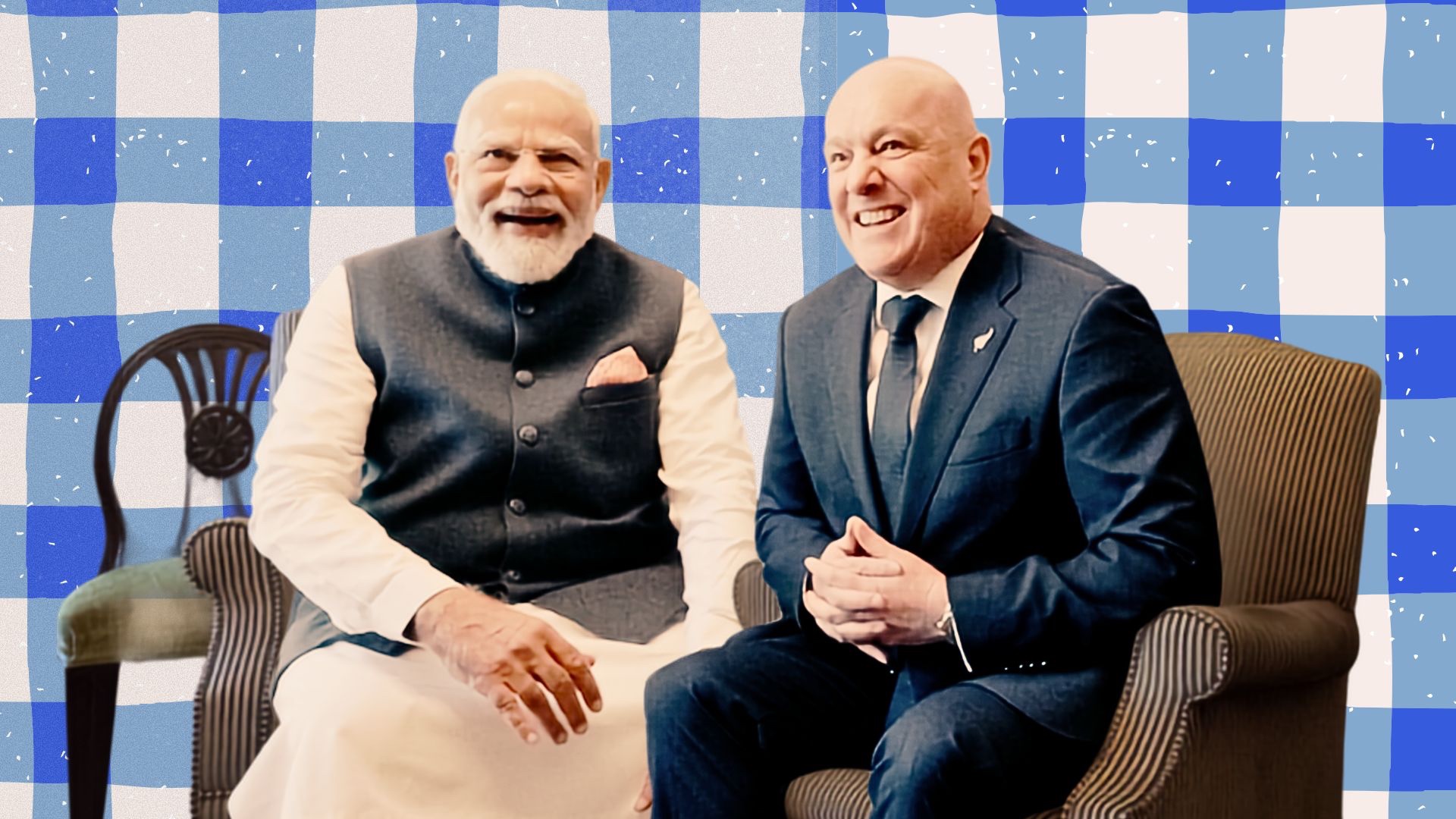
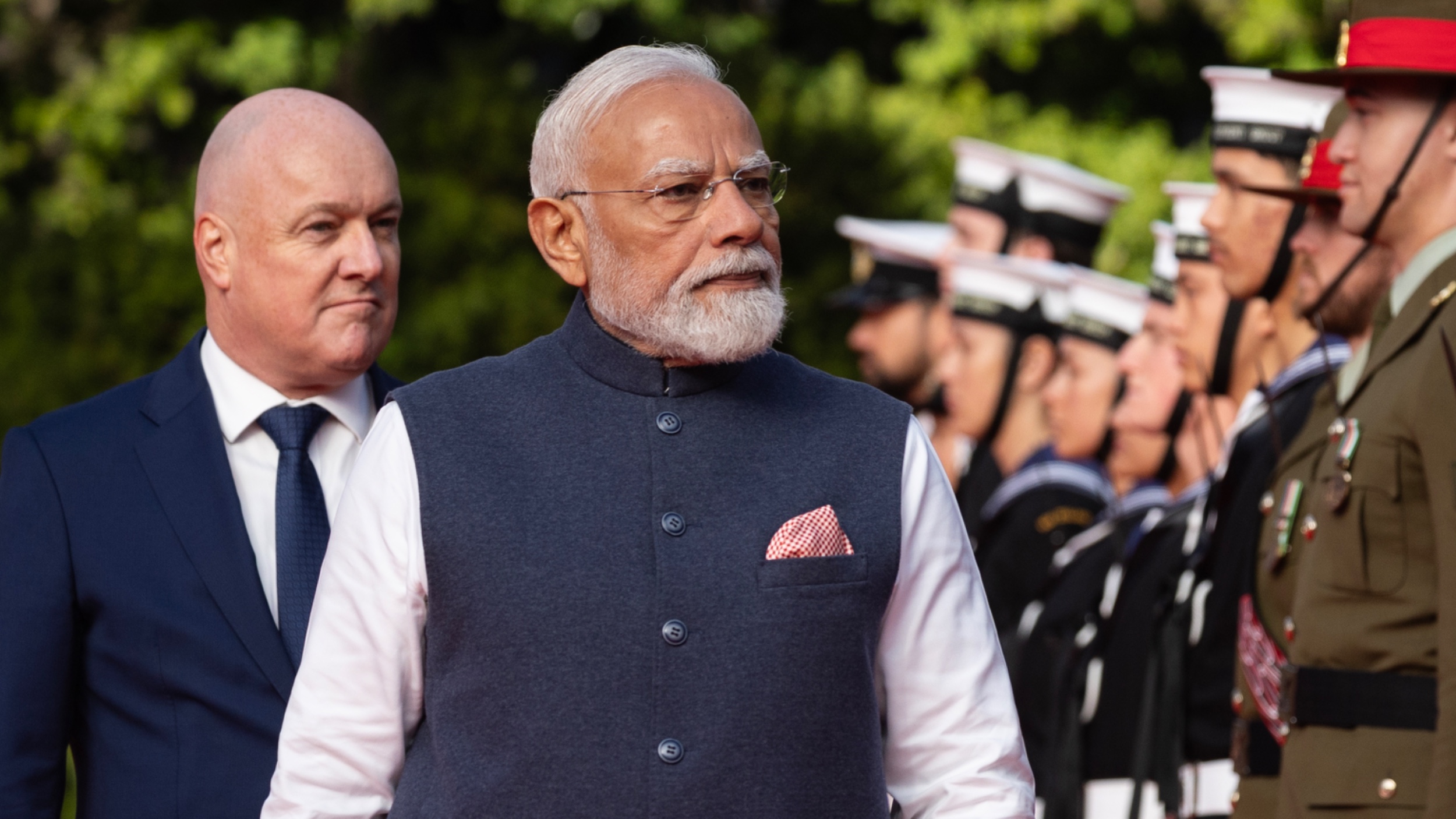
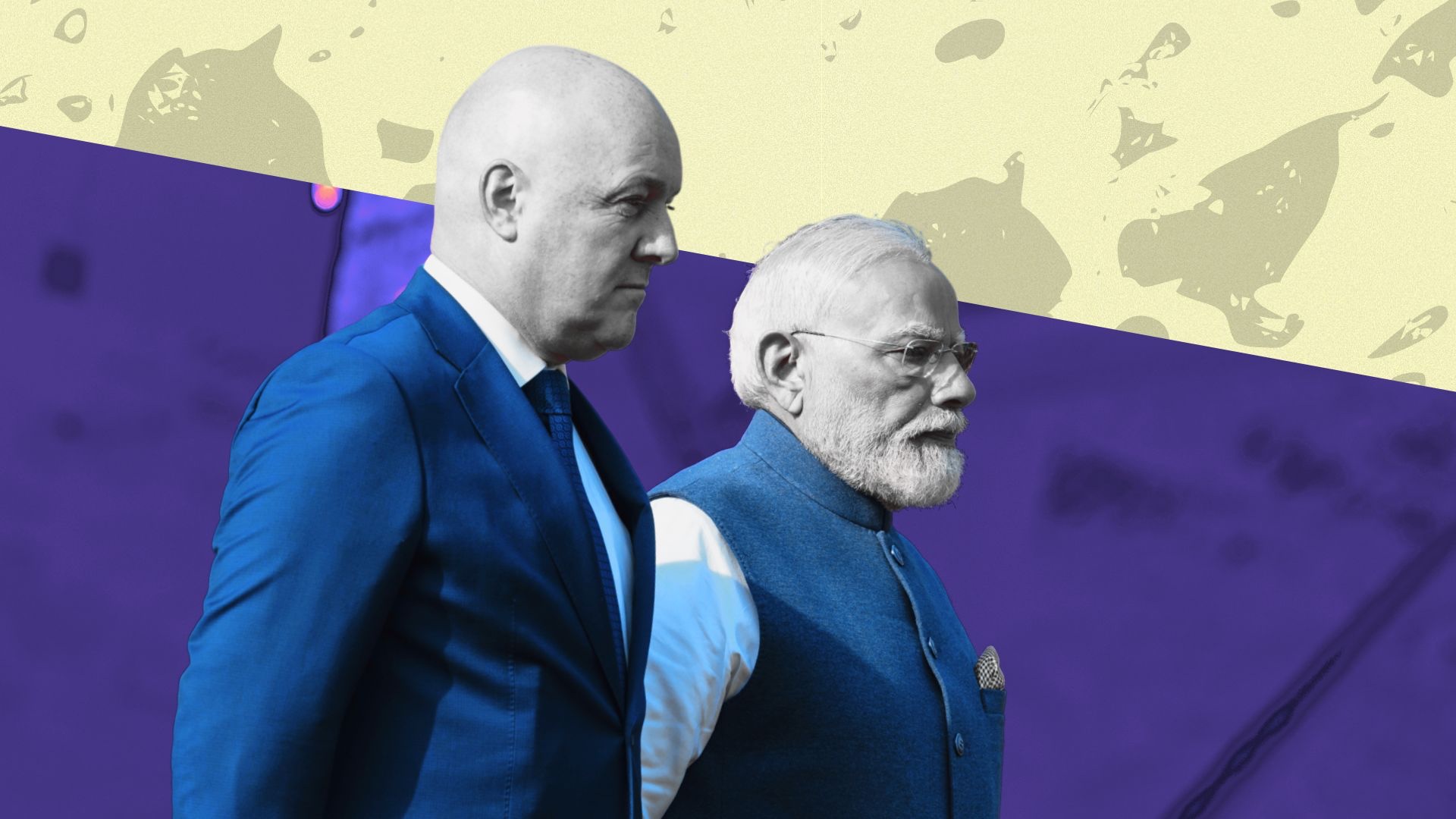
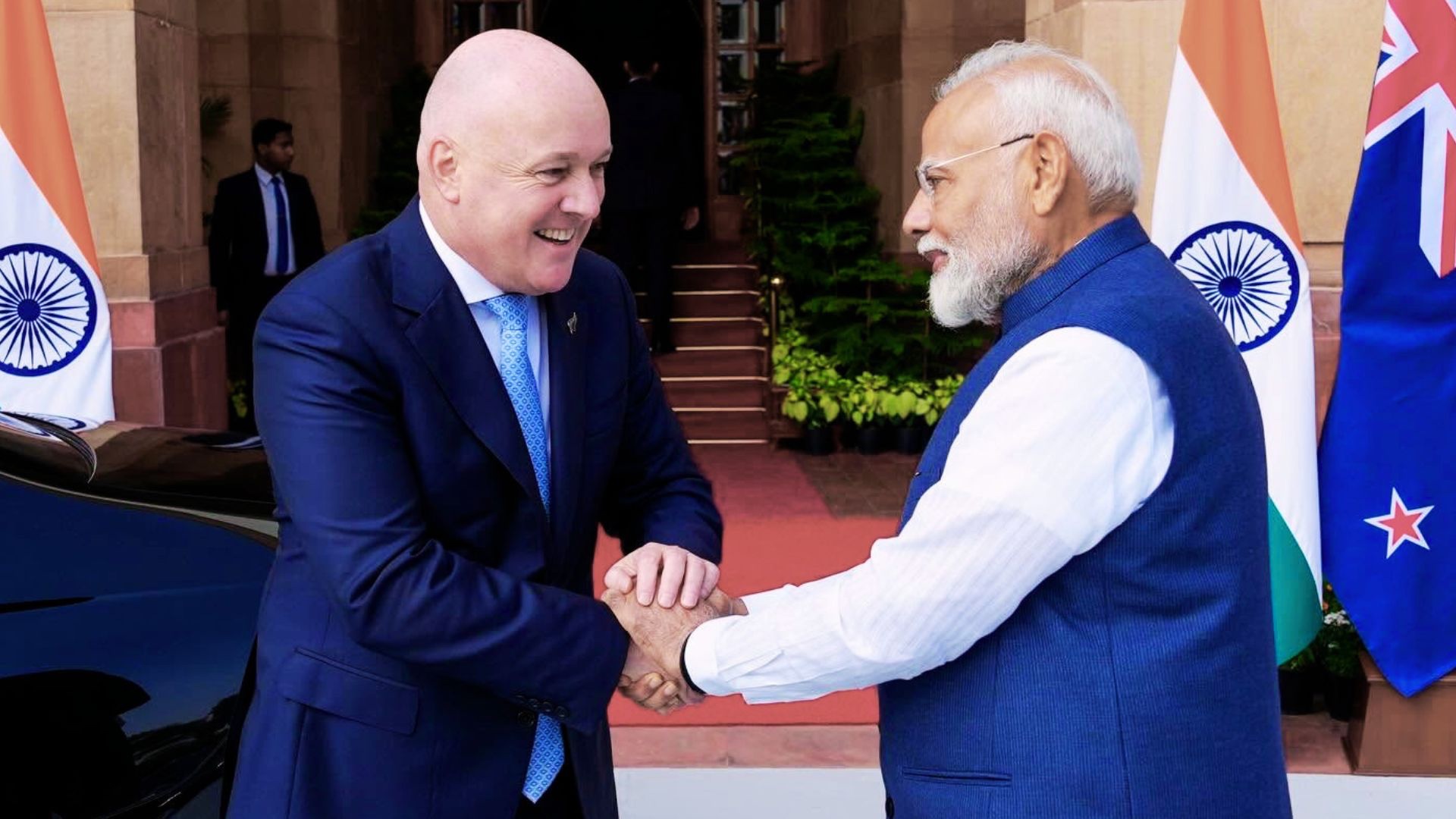
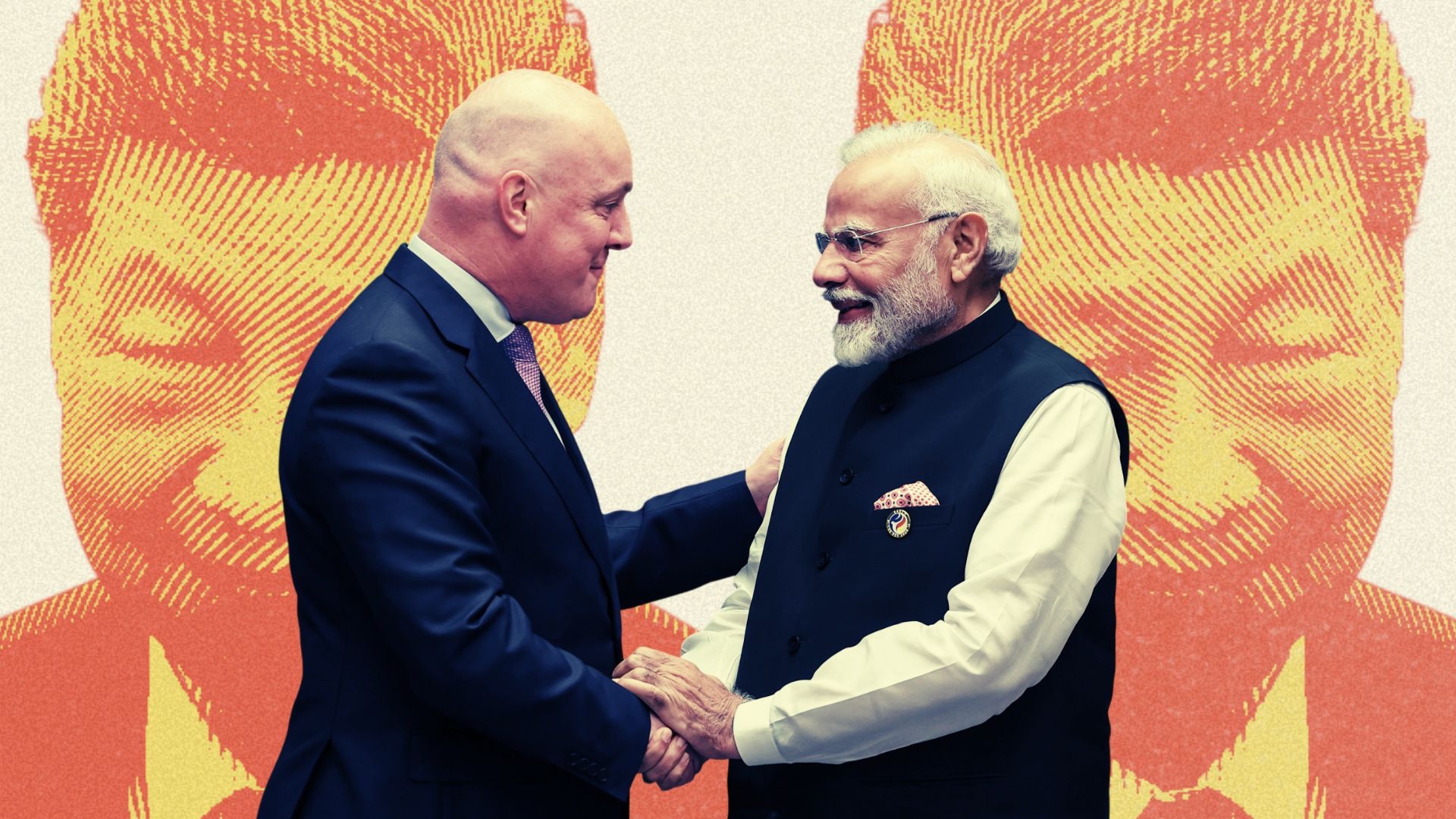
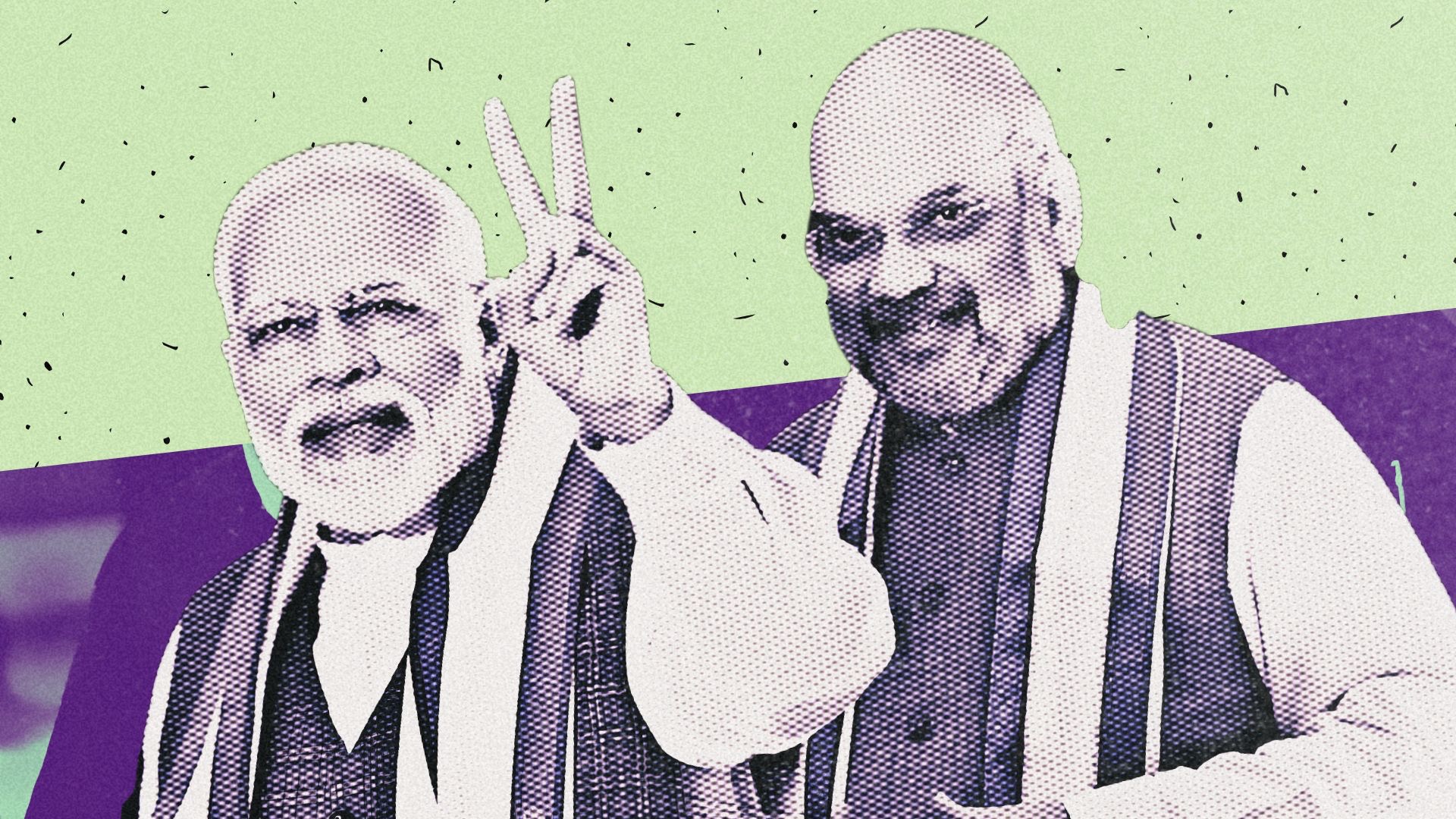
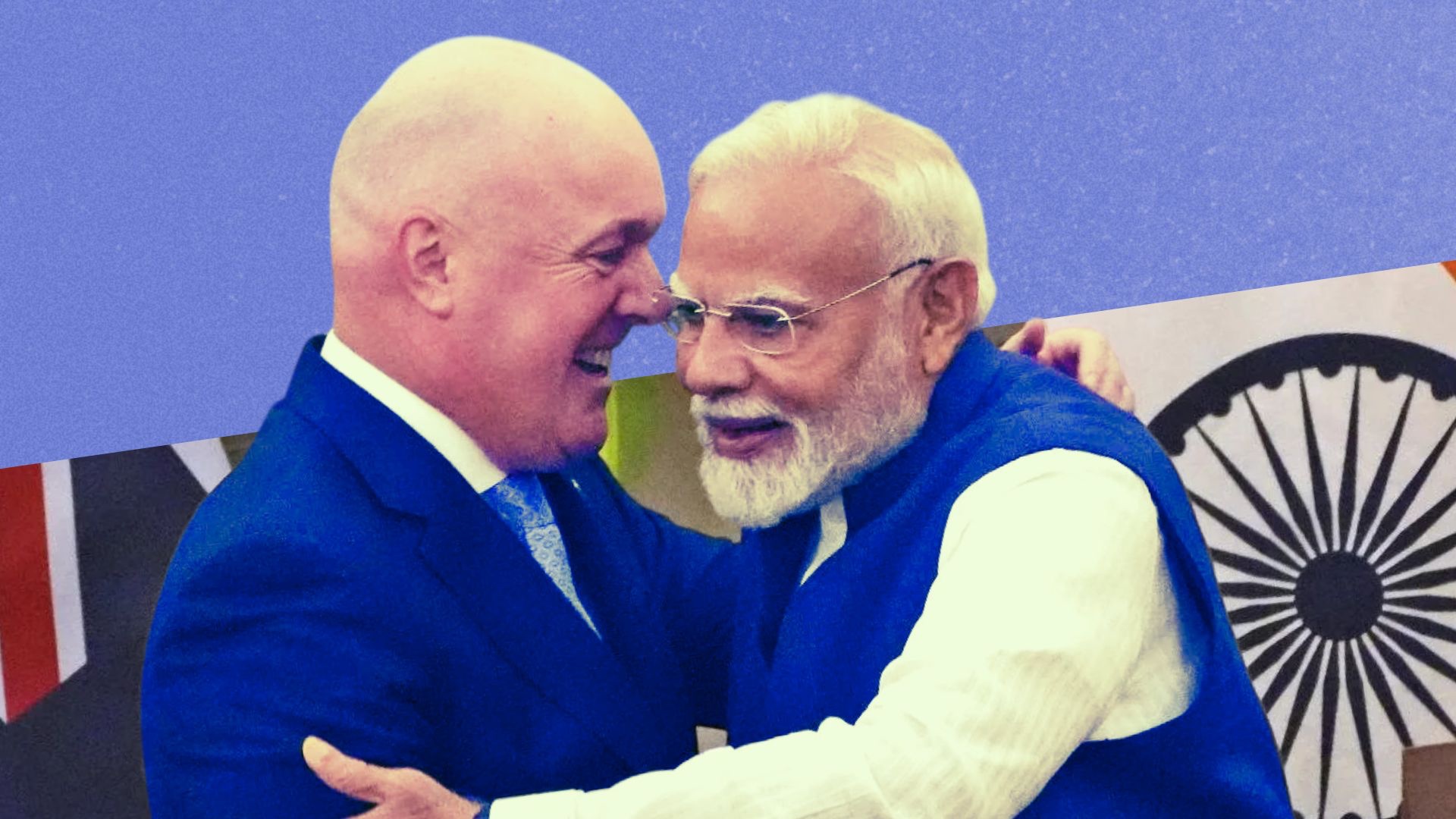
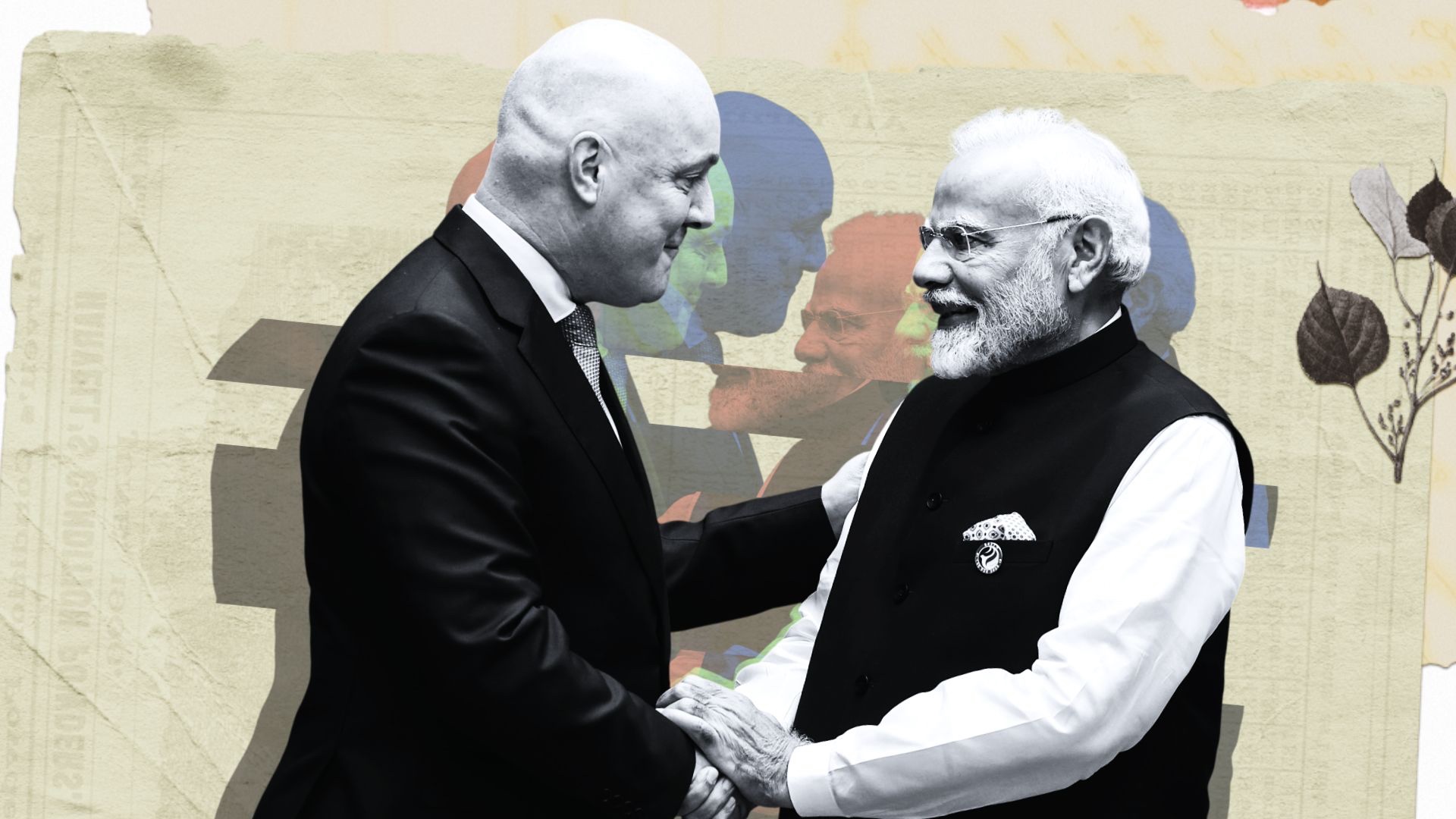
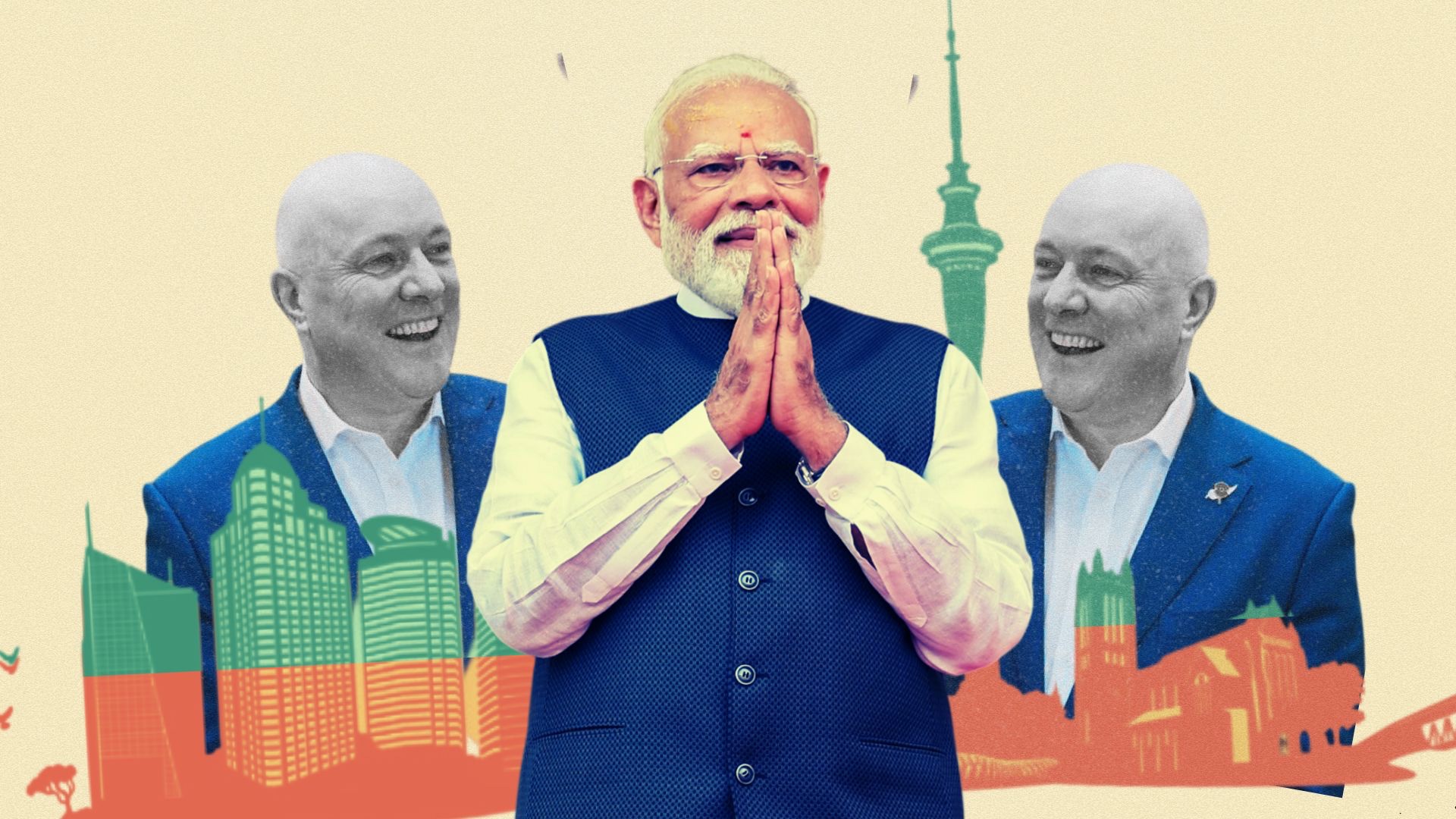
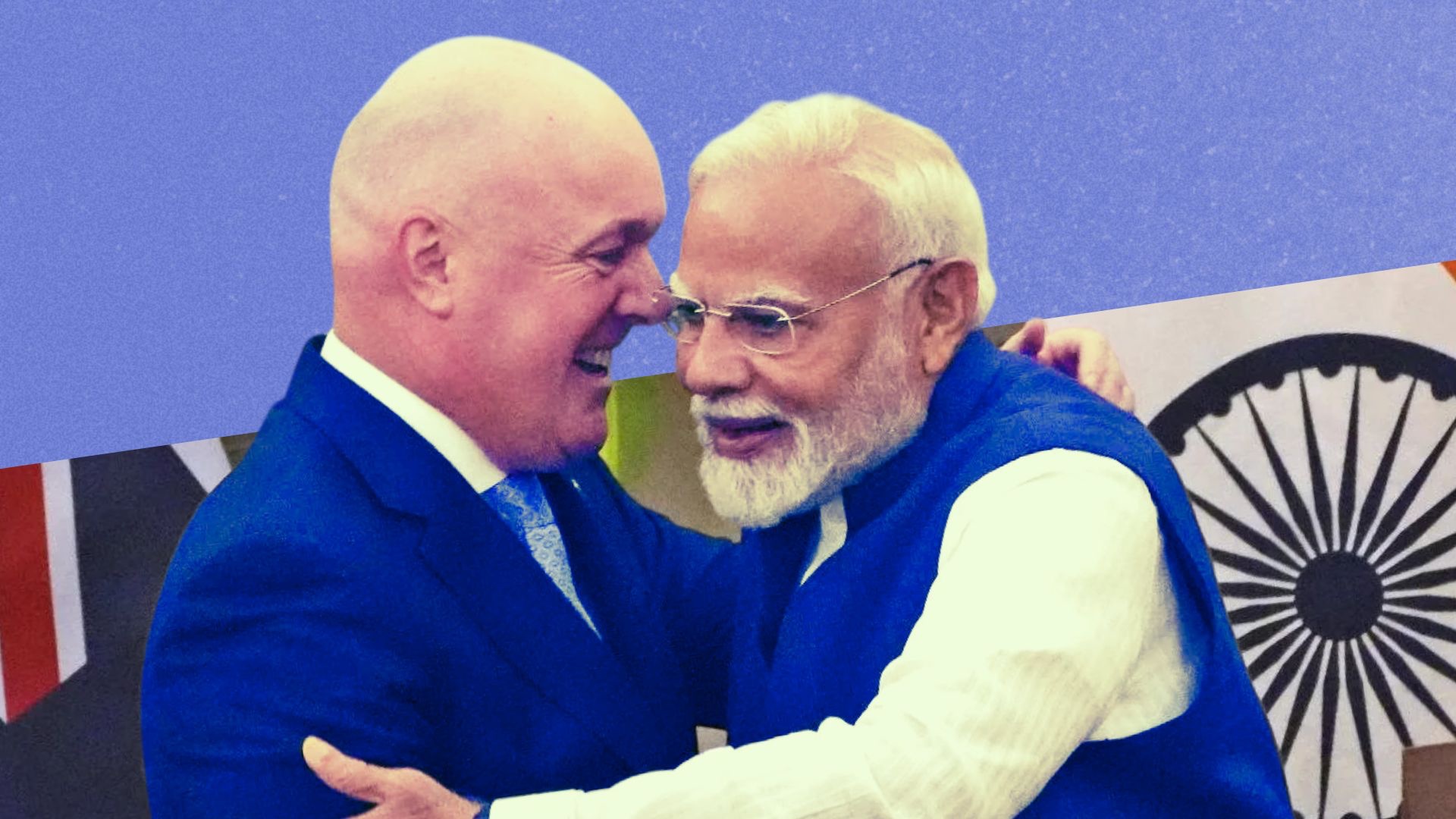
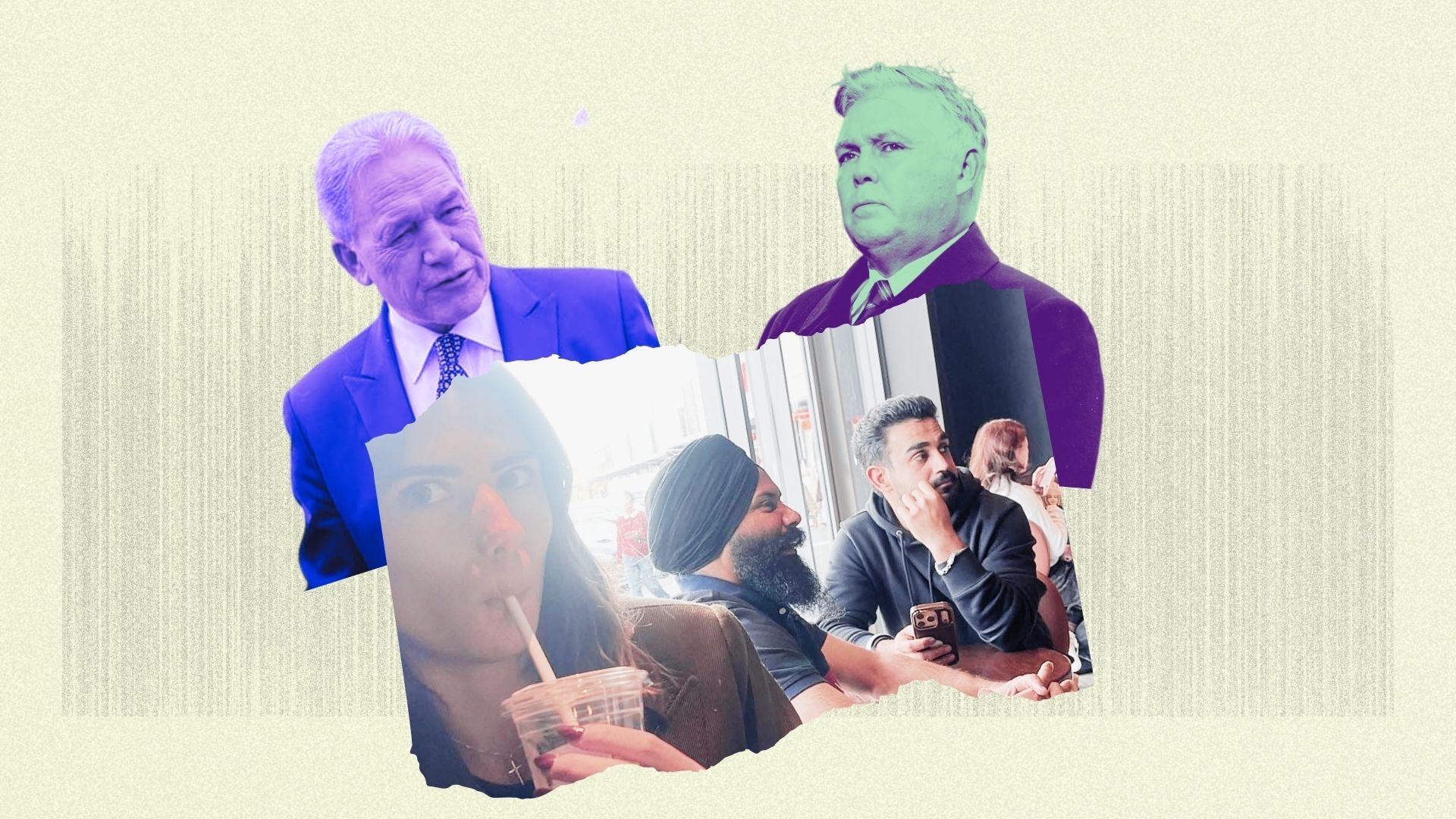
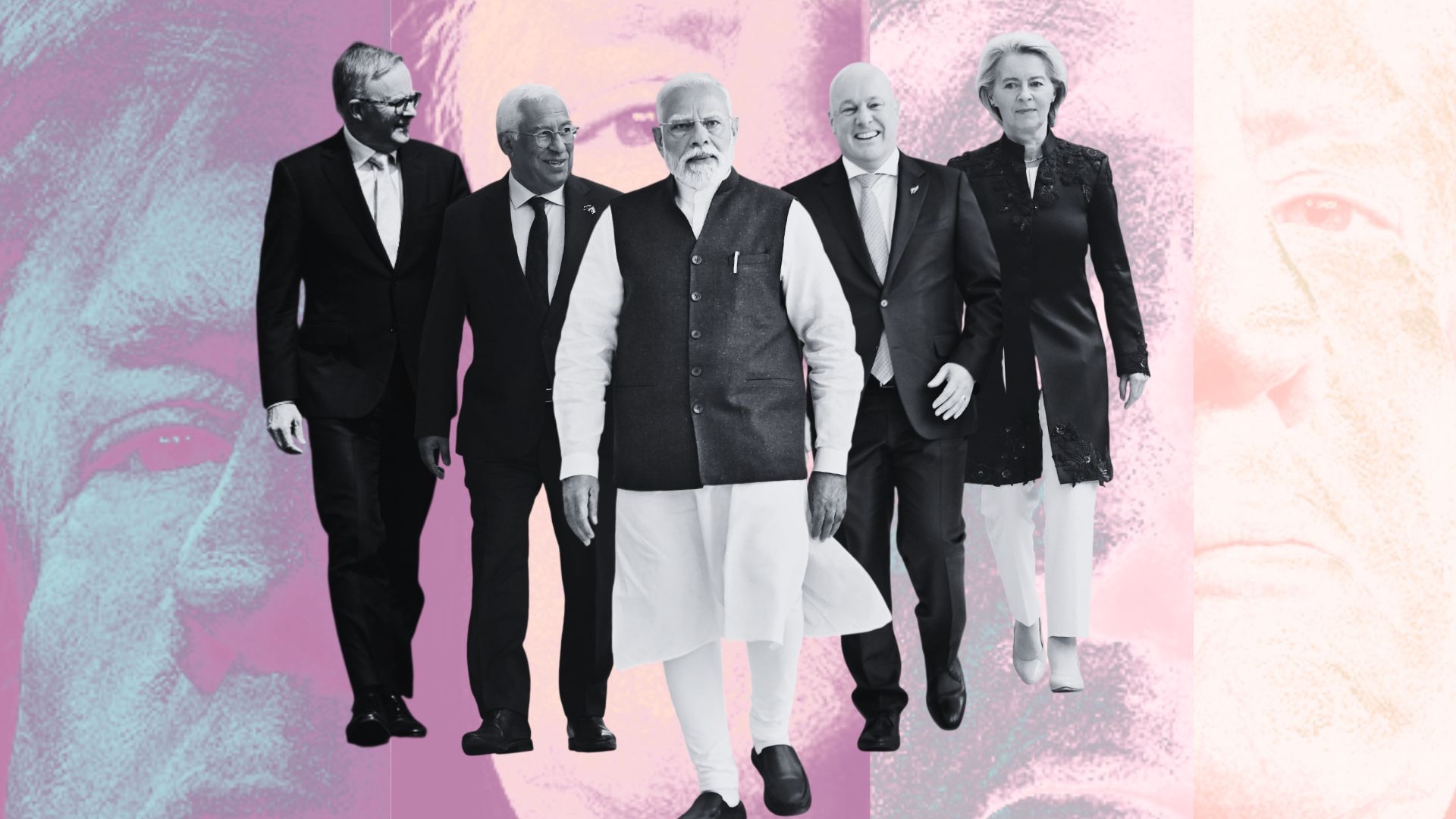
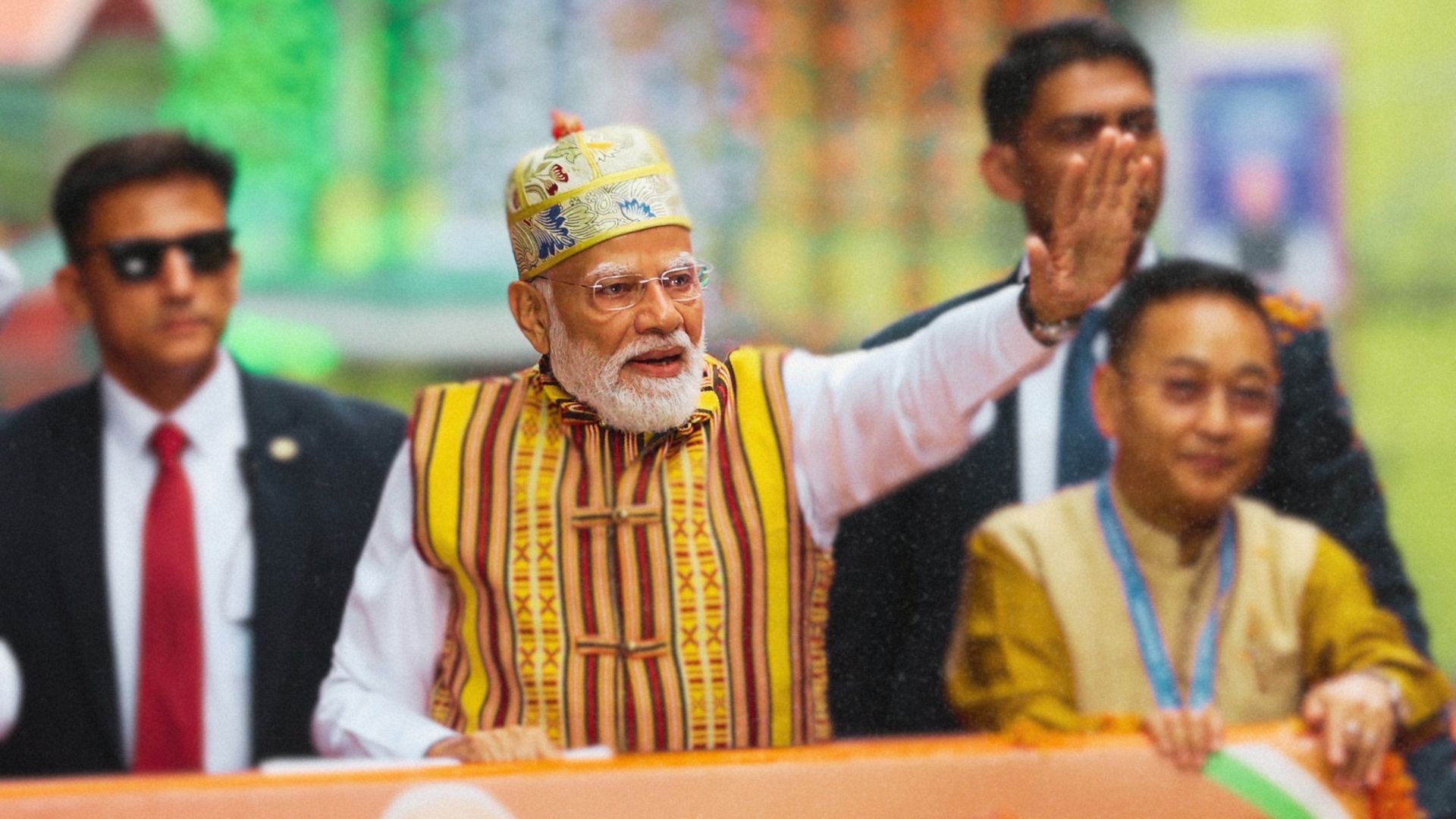
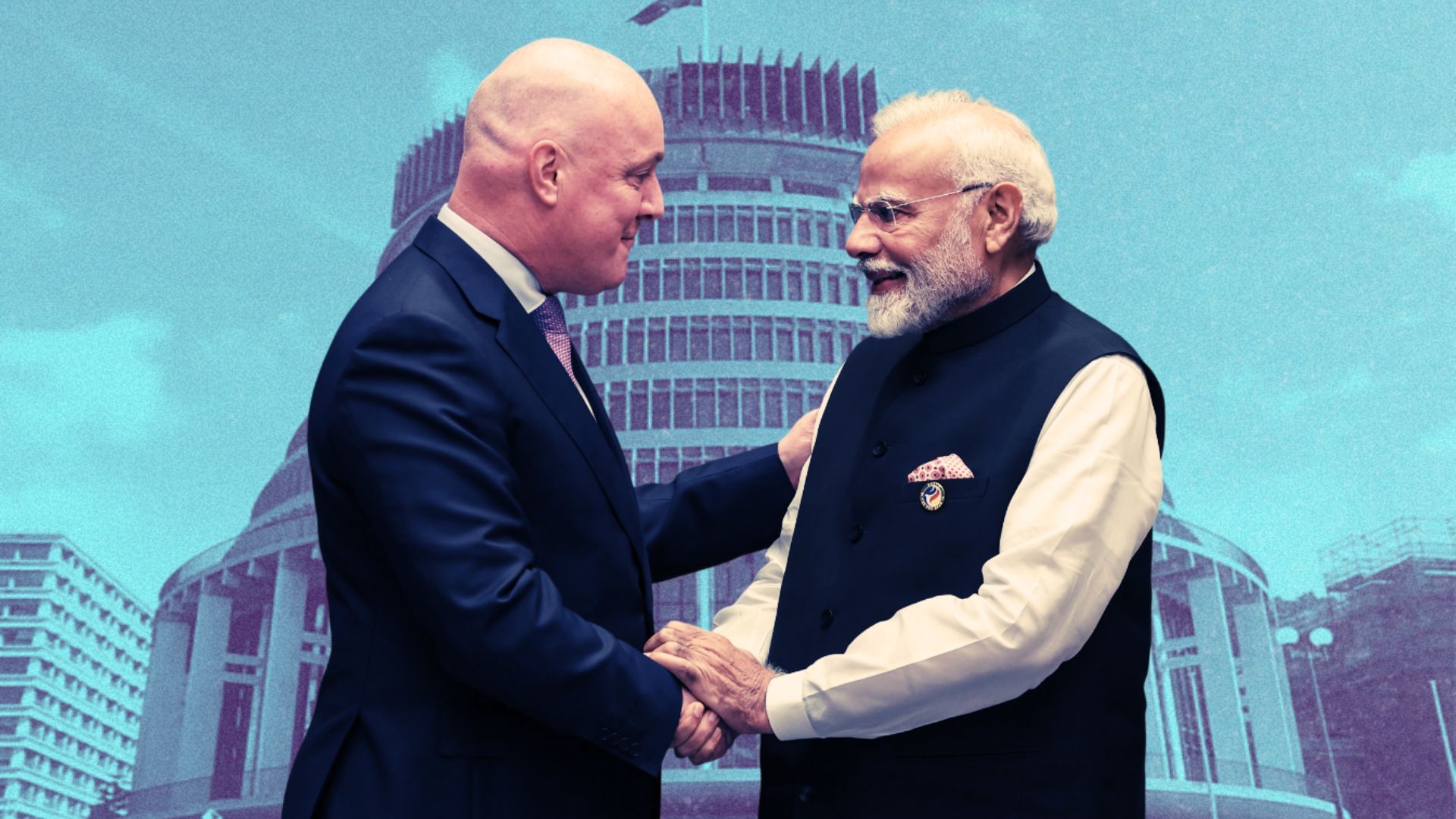
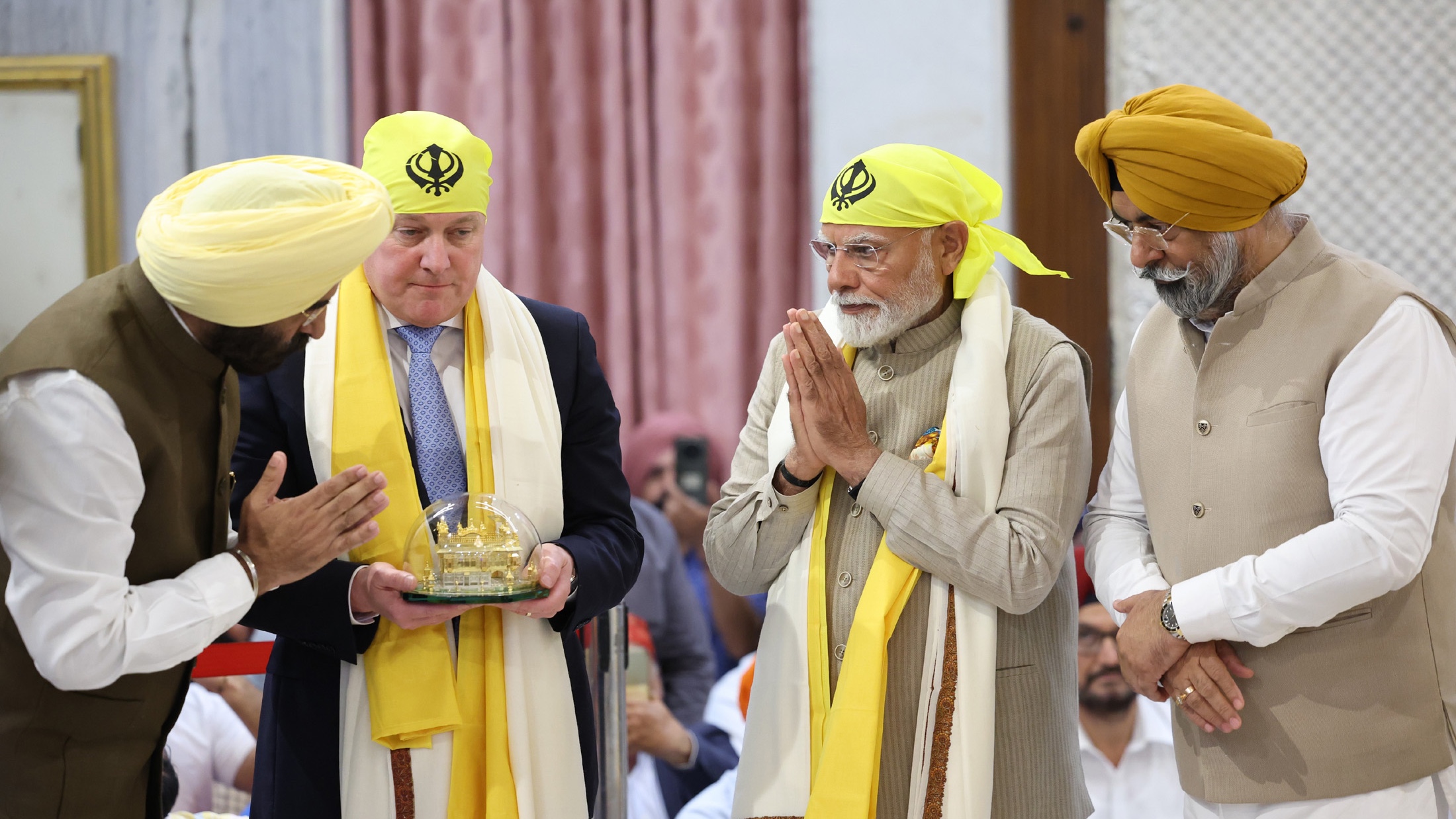
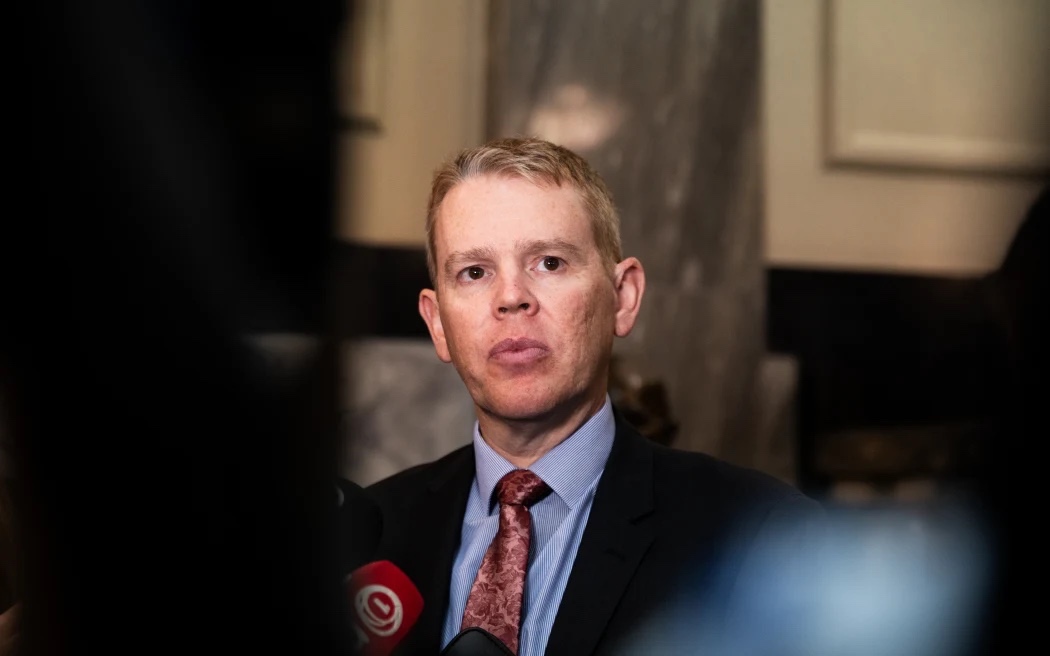
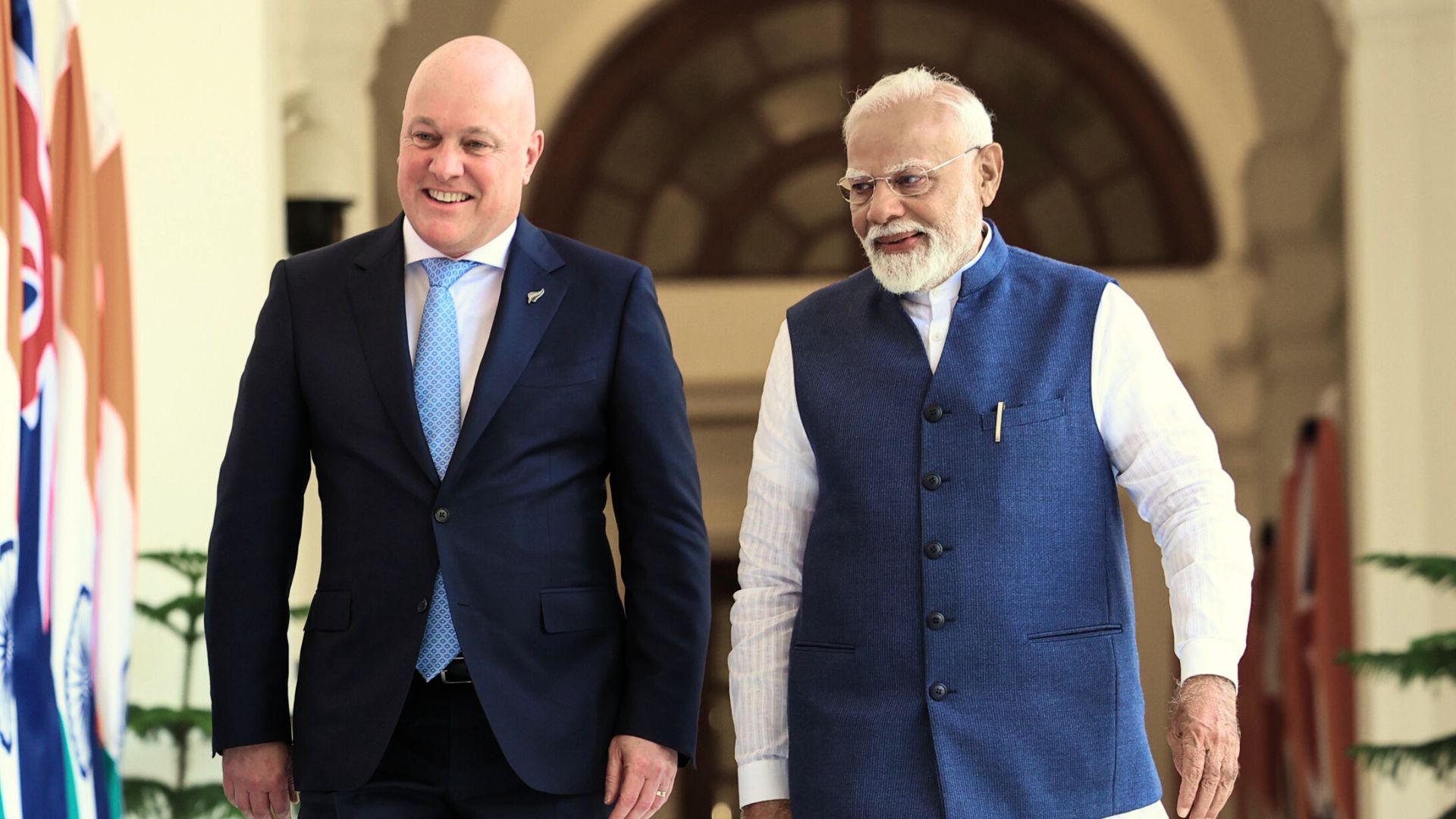
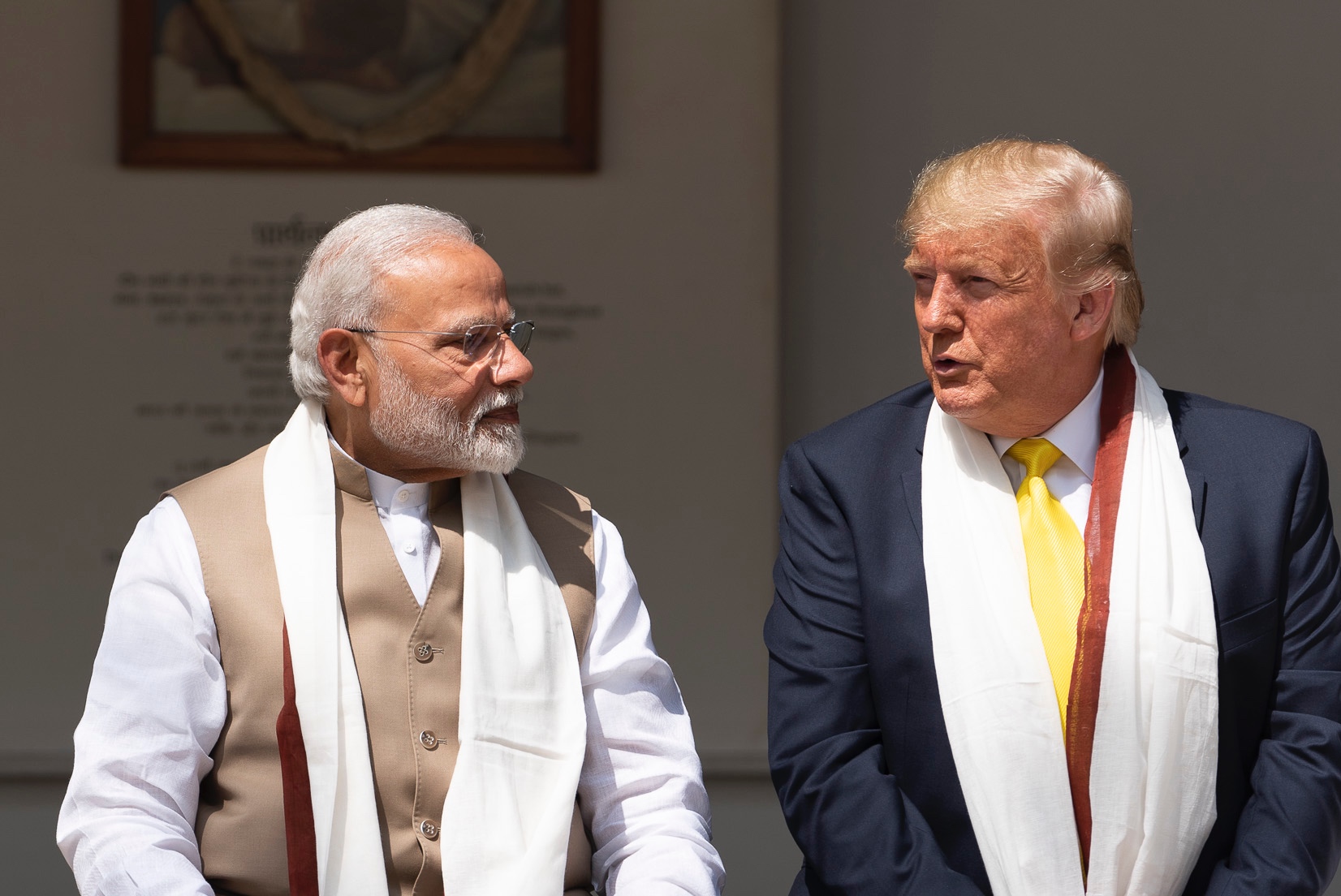
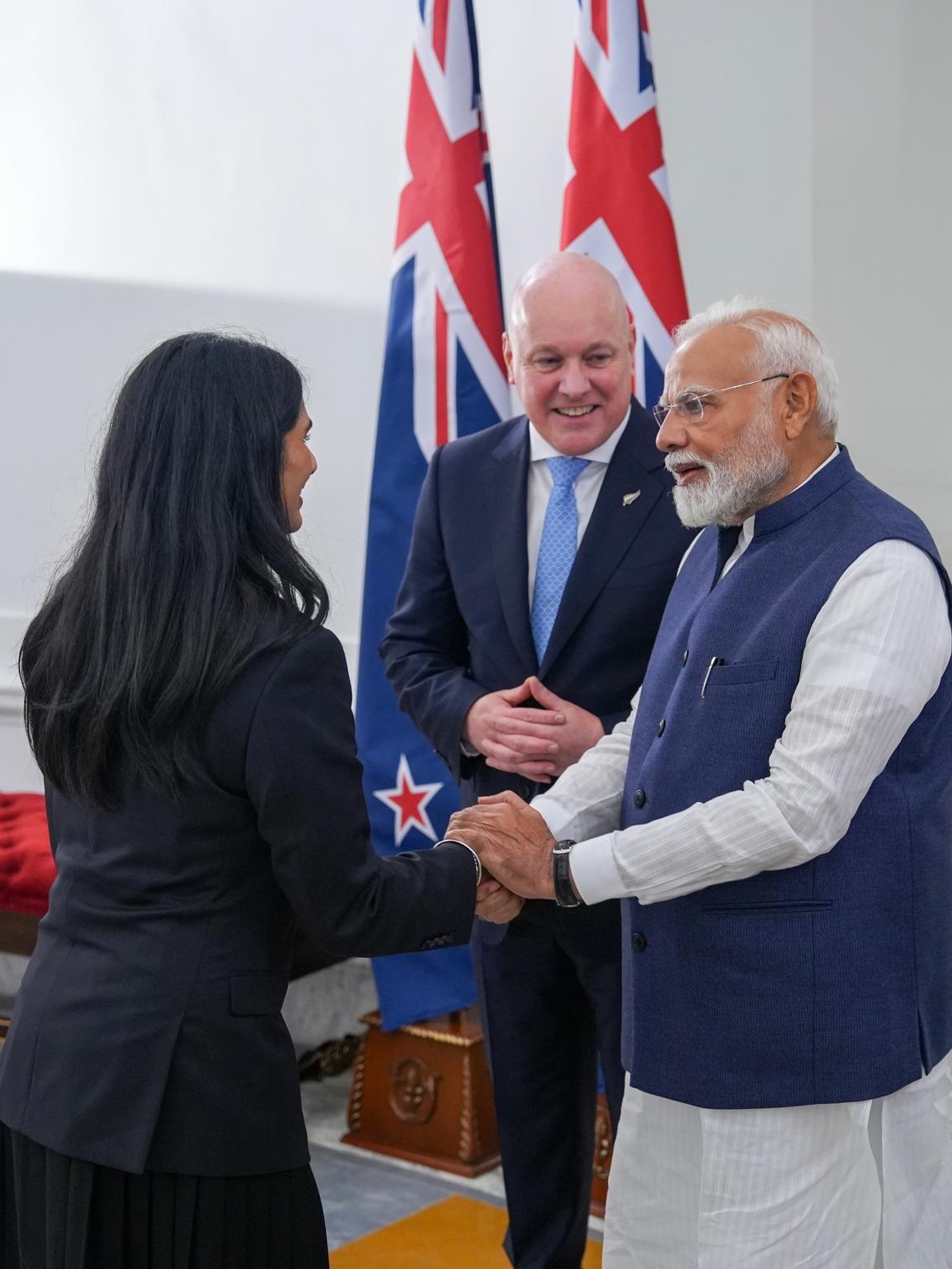
During an interview last week, Peters drew a distinction between Indian migrants who salute the New Zealand flag and those who attended Indian prime minister Narendra Modi's address at Auckland's Spark Arena in July.
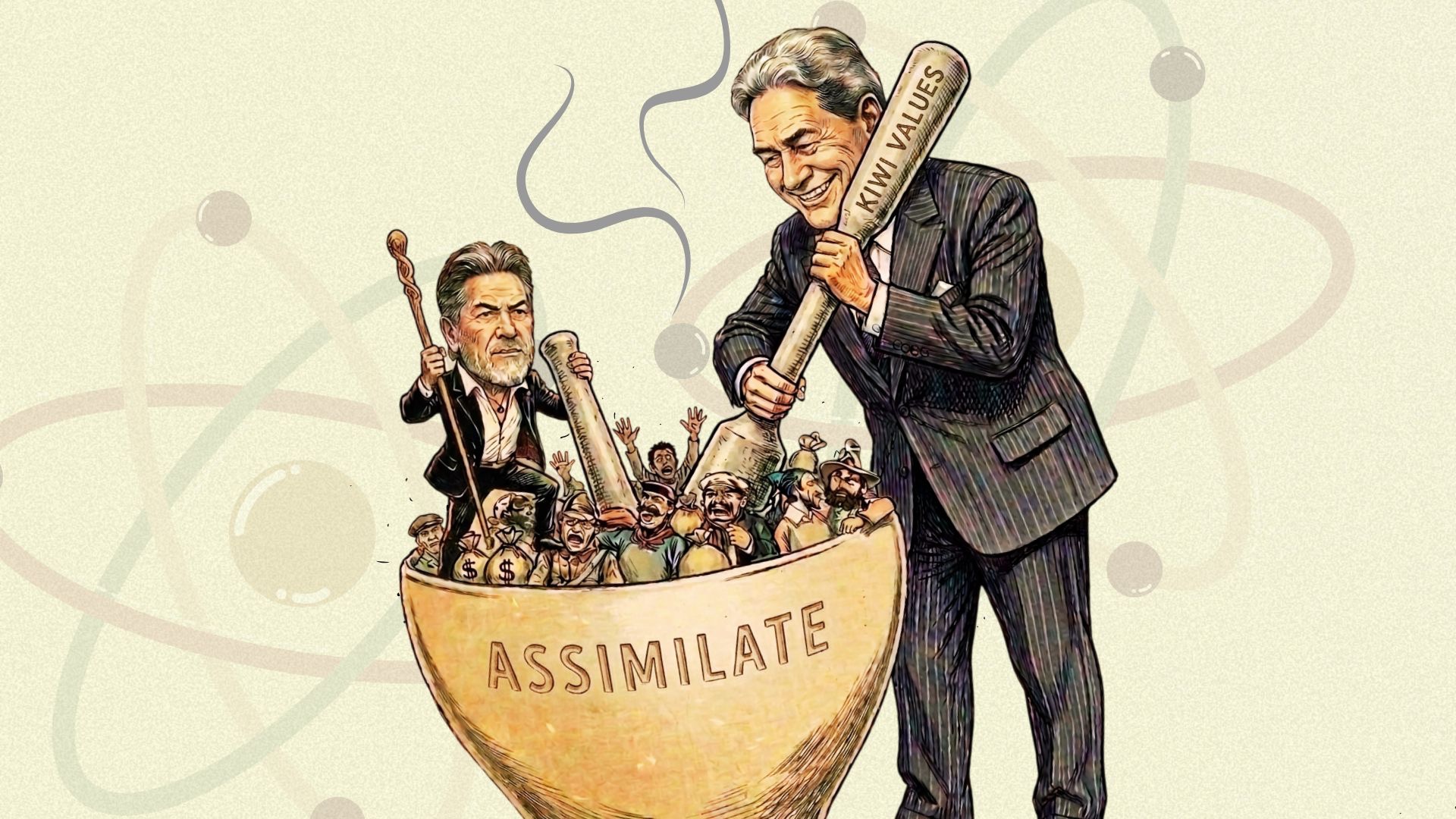
When the remarks are put to Muthu, his response is immediate. “I feel the degree of ignorance there, and also a cynical ploy to divide and portray a community into two,” he says.
Muthu questions why Indian-origin New Zealanders should have their loyalty tested over cultural or sporting affiliations when the same scrutiny is not routinely applied to people of European heritage.
“How many times has he asked that of a Scotsman, or an Irish, or an English who hold dual citizenship and dual passports?” he asks.
He points to rugby, wondering whether anyone seriously questions the allegiance of British or Irish New Zealanders who support the Lions against the All Blacks.
“Where does your allegiance lie? Why is it an issue when it comes to non-Pākehā?”
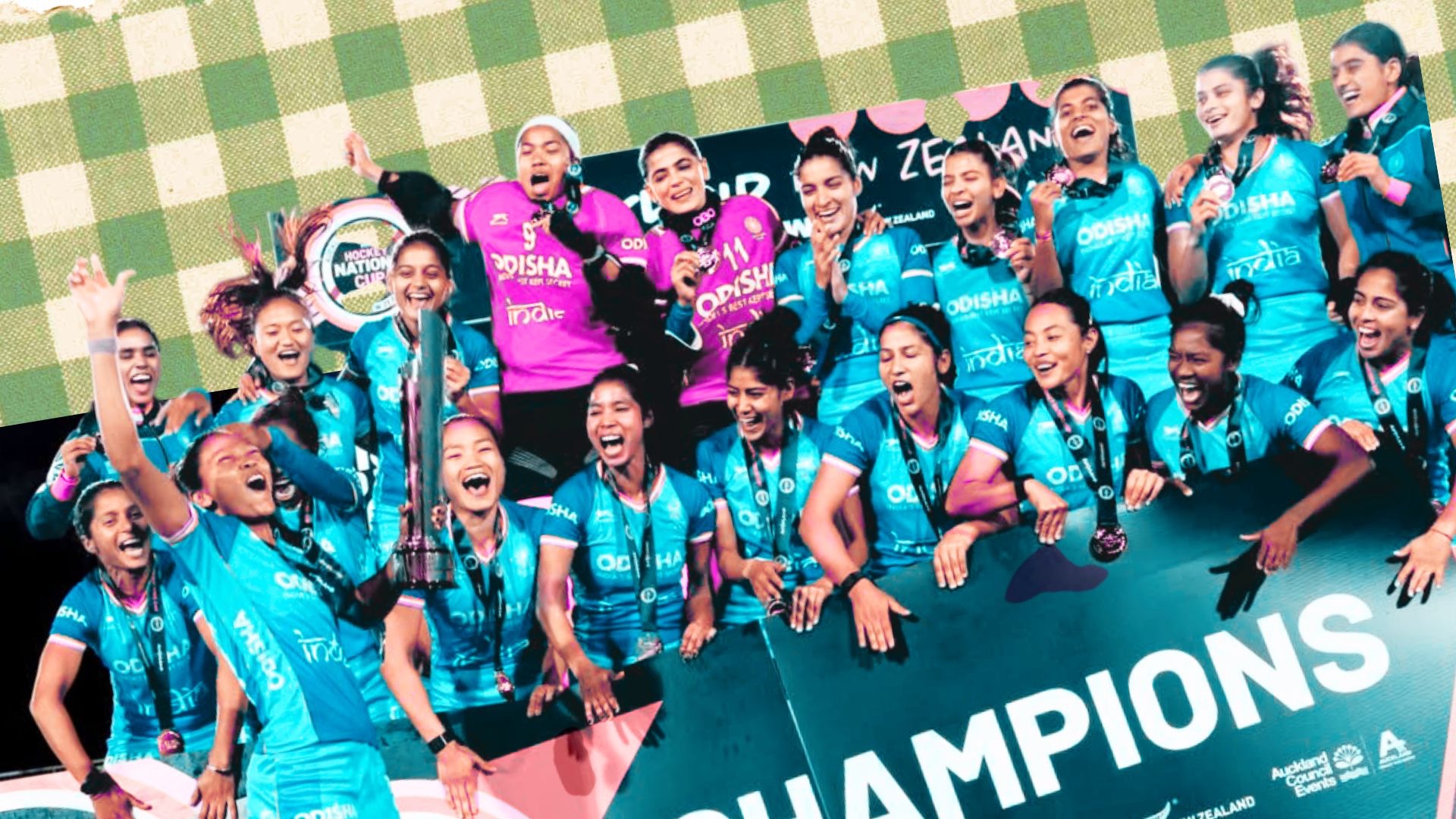
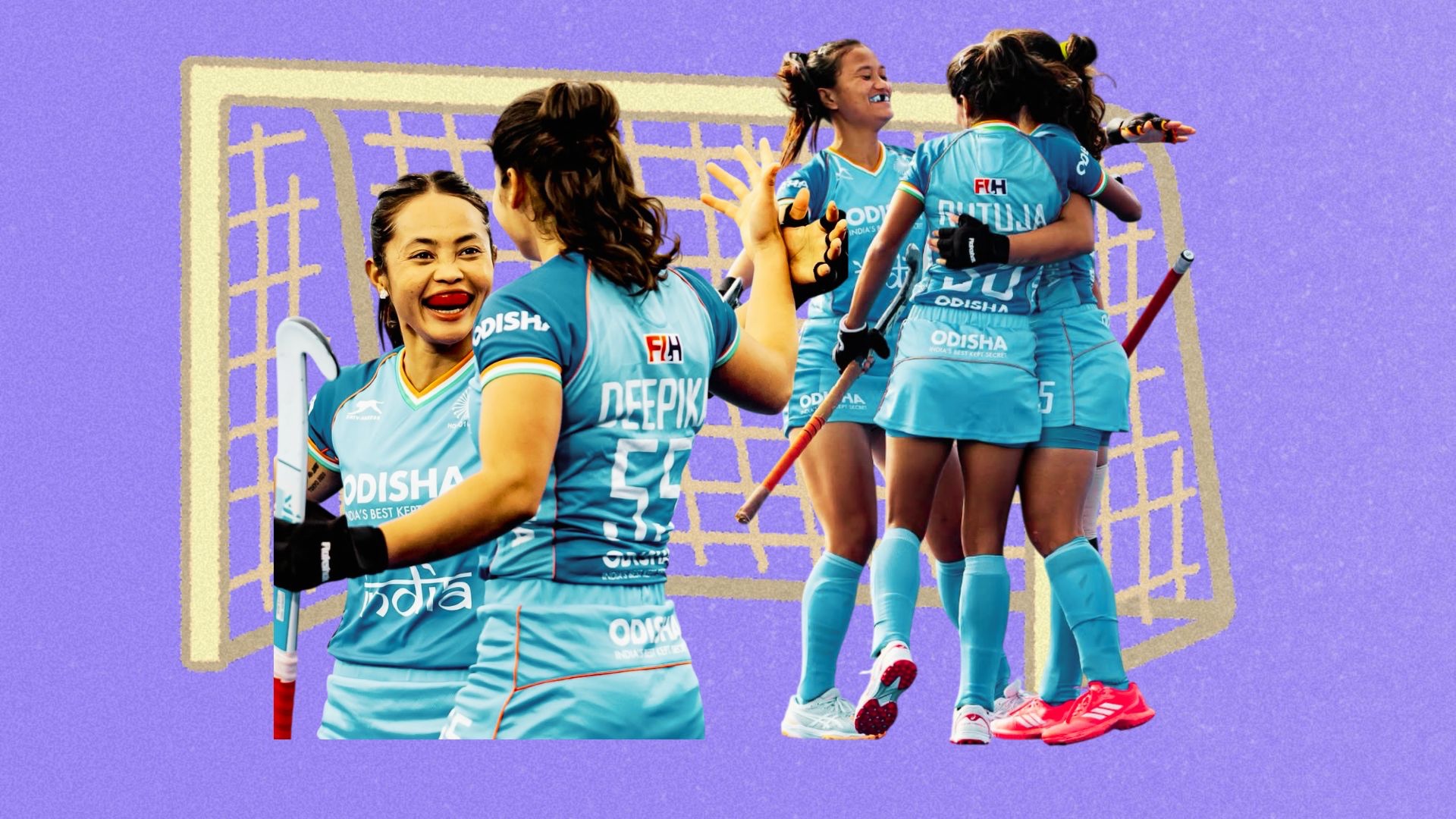
The conversation turns to a recent India-New Zealand women's hockey match, where I found myself cheering every time India scored, while feeling conscious that others might see me as an ungrateful migrant.
Muthu understands the dilemma but rejects the premise that sporting loyalties should determine someone's standing as a New Zealander.
He draws a distinction between first-generation migrants, who may retain strong emotional attachments to their countries of birth, and their New Zealand-born children, whose cultural reference points are often overwhelmingly Kiwi.
"You know, my daughters don't know about Mrs Gandhi or Mr Modi. They do know about Helen Clarke, John Key...” He sees little value in allowing politicians to turn those overlapping identities into a question of loyalty.
Thirty years in National
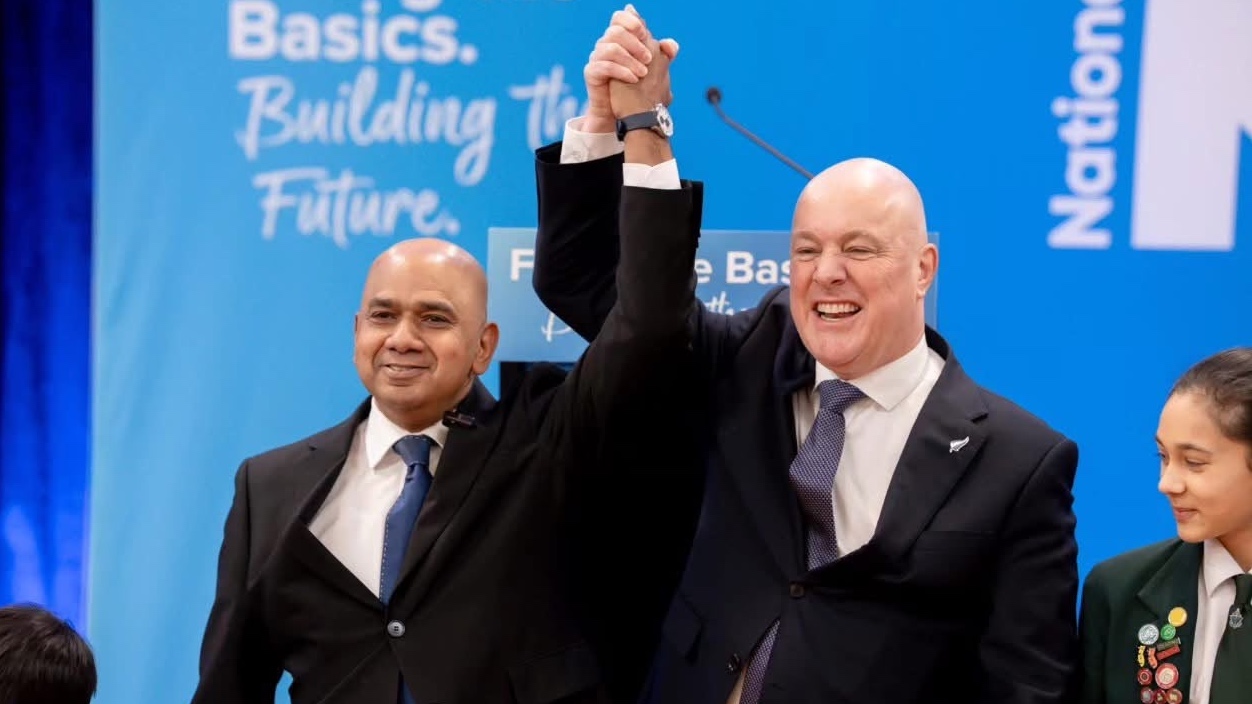
Muthu's political involvement predates his confrontation with Peters. He joined the National Party in Auckland in 1995, when Christine Fletcher was the MP for Epsom.
For him, political participation was part of becoming a New Zealander. He believed migrants should engage with the country's democratic institutions rather than remain on the sidelines.
Over the following decades, Muthu served on party committees, participated in constitutional and candidate-selection processes. He sought National nominations in 2005 and 2008, although neither attempt resulted in a parliamentary candidacy.
Asked whether three decades was an exceptionally long time to spend pursuing a parliamentary career without securing a seat, Muthu does not dwell on the opportunities that passed him by.
Instead, he points to the changing face of New Zealand politics. “I'm a pathfinder. I'm a trailblazer. So people like myself are the ones who pave the way for others.”
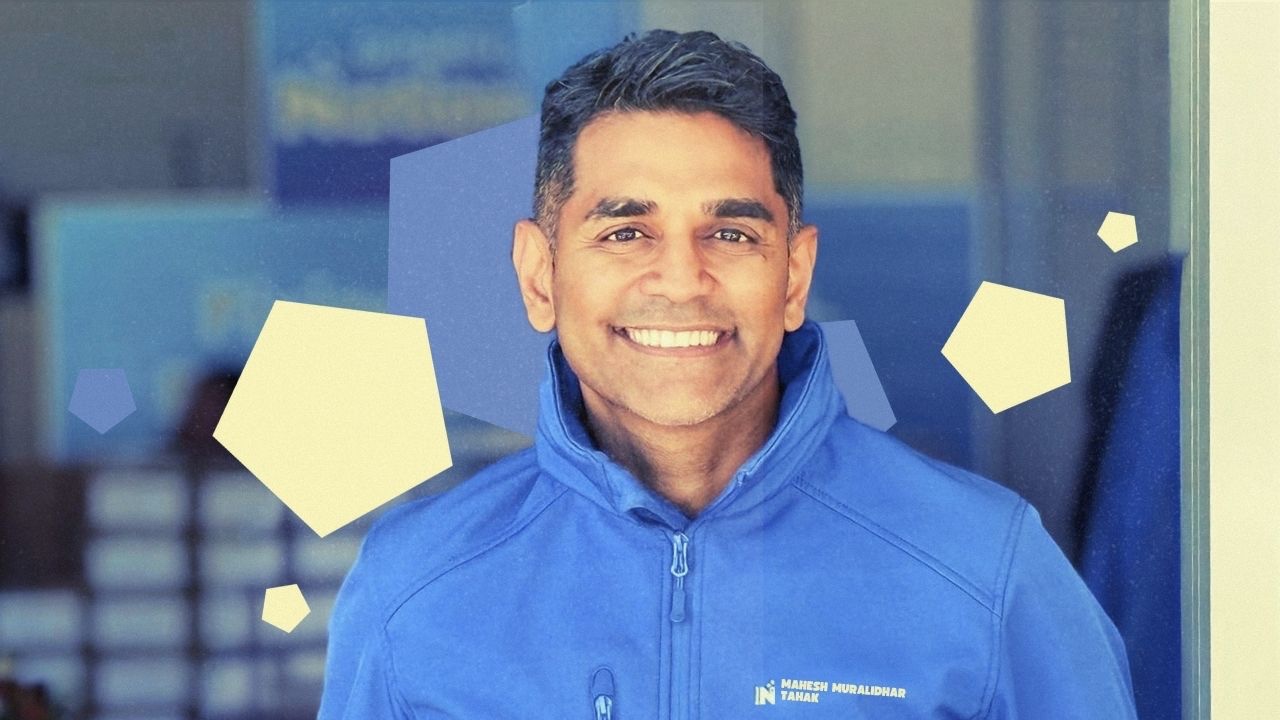
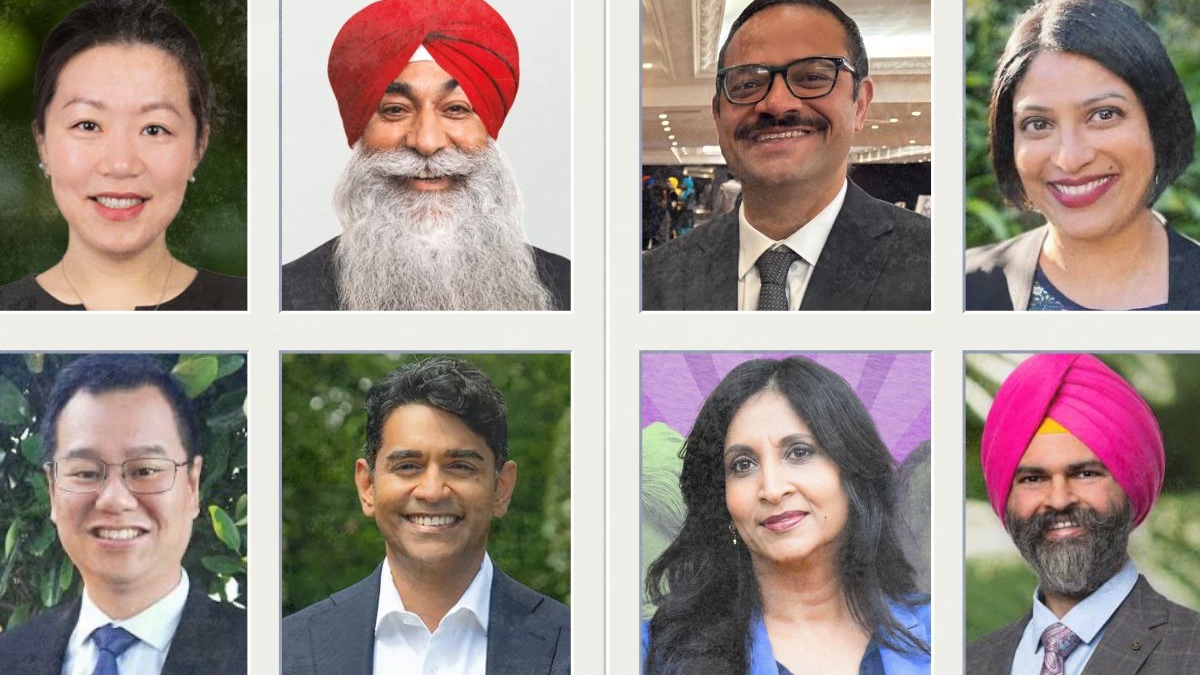
He takes particular satisfaction in the growing number of South Asian candidates standing for National, naming Mahesh Muralidhar, Lalit Arya and Ankit Bansal among those representing a new generation.
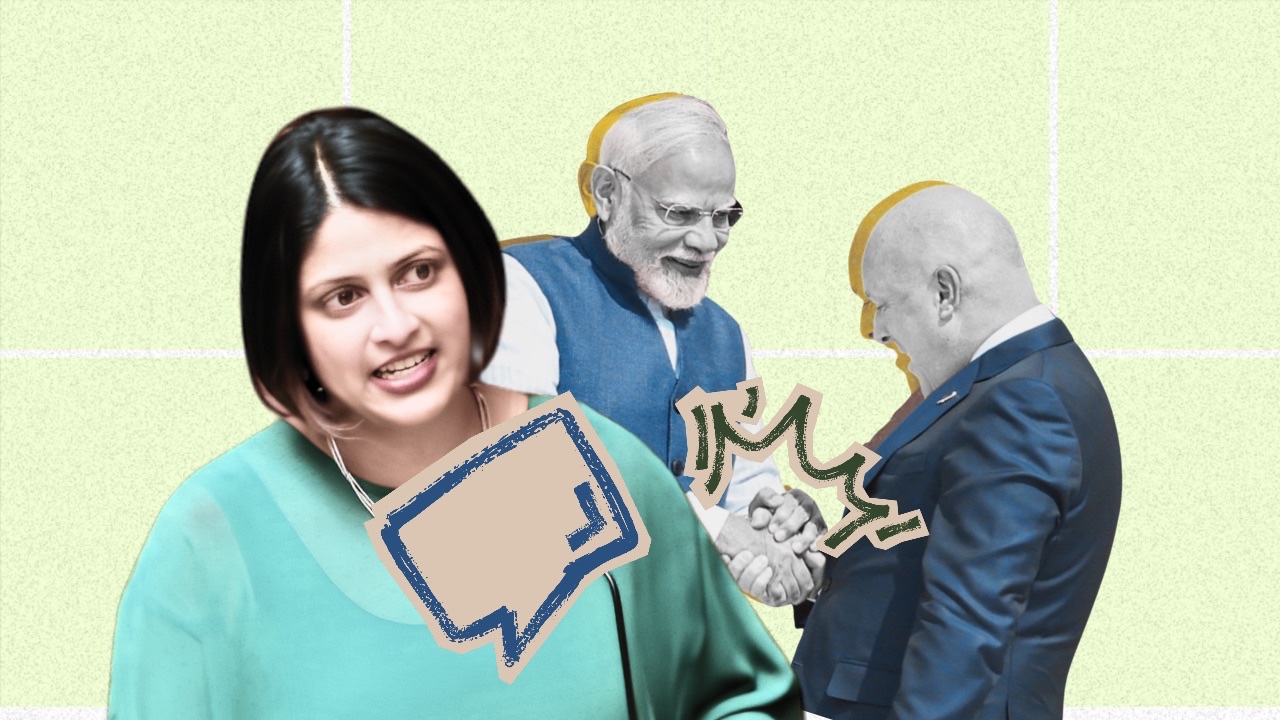
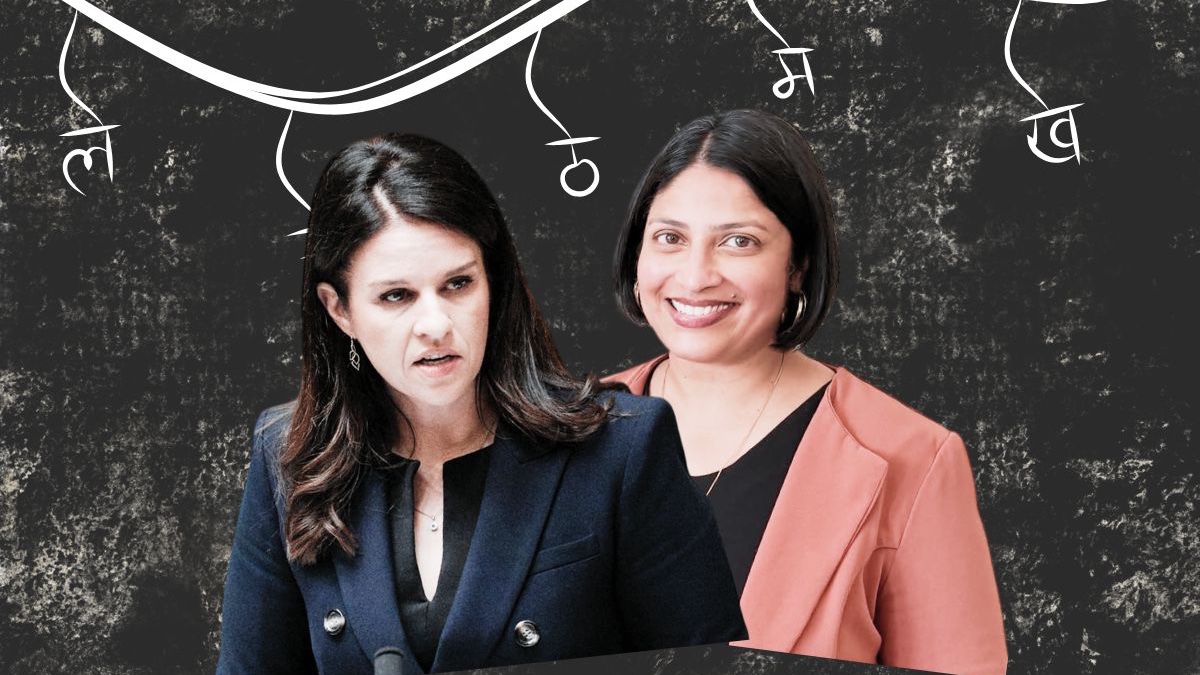
He also welcomes the emergence of Indian-origin politicians in other parties, including Labour's Priyanca Radhakrishnan. For Muthu, their presence is evidence of how much New Zealand politics has changed since he first became involved.
“I would have felt personal satisfaction if I had become a Member of Parliament, but, and I'm still, of course, trying to be one,” he says.
“But I have achieved my goal of encouraging and inspiring other people like myself, whether first-generation migrants or the children of migrants, who can get involved in the democratic process.”
It is an expansive definition of political success, one that allows him to take pride in his contribution even without having held elected office.
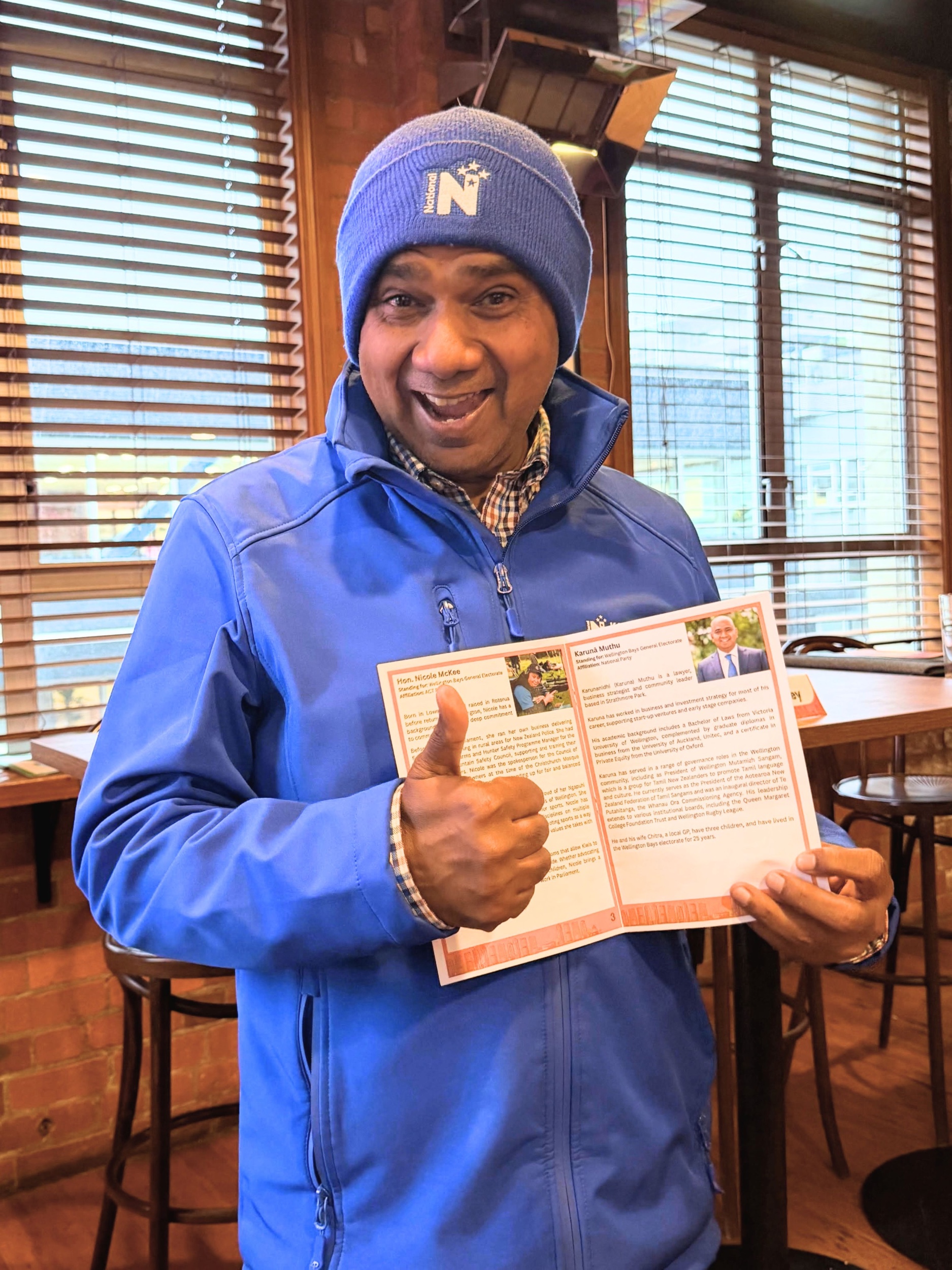
The Wellington Bays contest
Muthu is now making another attempt to enter Parliament, standing for National in Wellington Bays, the electorate created from parts of the former Rongotai and Wellington Central seats.
He finished third from Rongotai in 2023, with Green candidate Julie Anne Genter ending Labour's long hold on the seat.
He argues that the political arithmetic could be different this time, pointing out the competition between Labour, the Greens and other parties creates an opening for National.
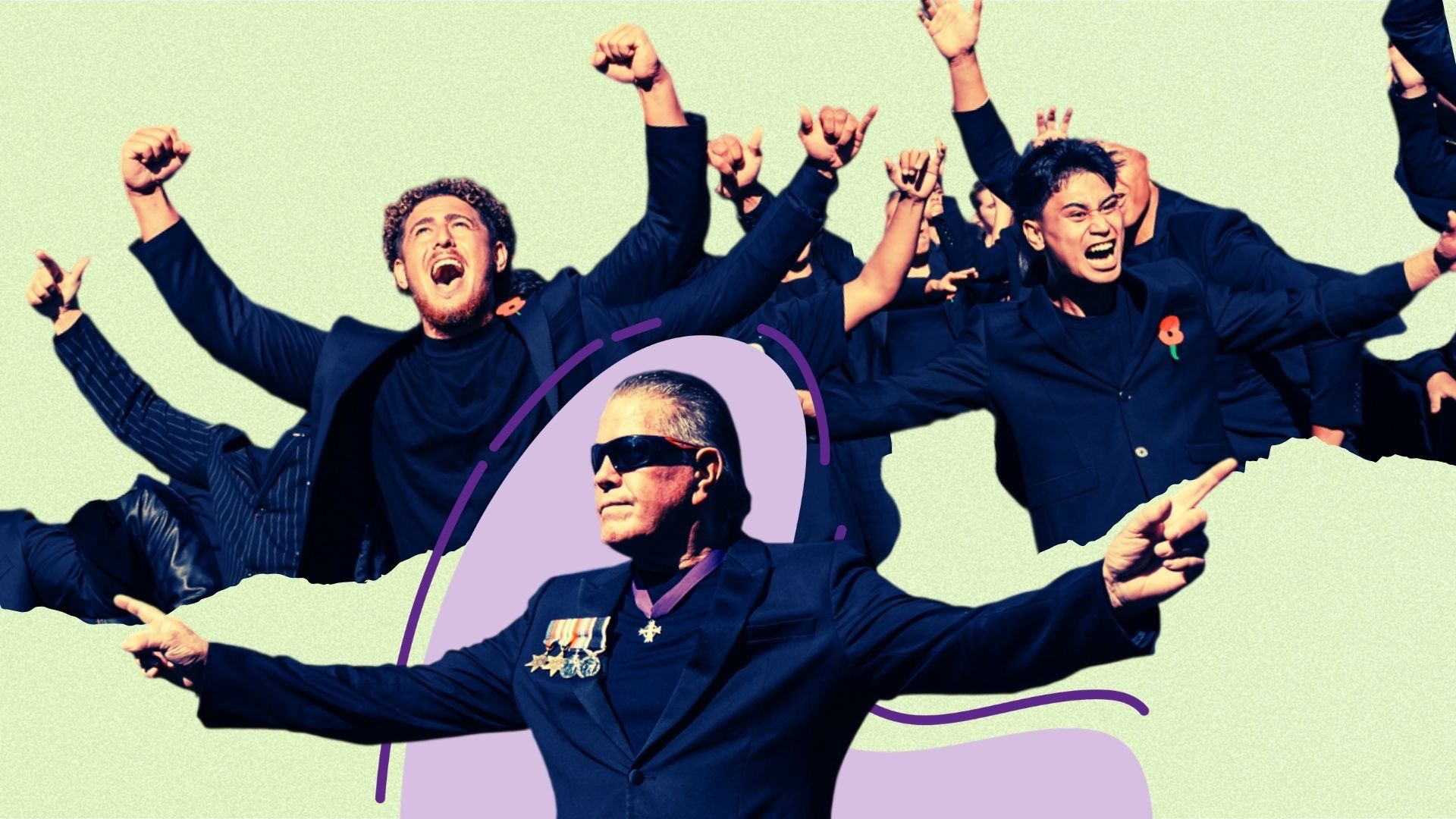
Muthu's political ambitions are inseparable from his view of the country New Zealand is becoming. He describes a society founded on Māori and Pākehā bicultural traditions that has grown increasingly multicultural through successive waves of migration.
“We are an amazing tapestry of different traditions and cultures,” he says, pointing to the Indian, Chinese, Pacific, European and other communities that now call New Zealand home.
He acknowledges that the transition has brought tensions, particularly among people who feel threatened by social change. But he believes the country has made considerable progress since his confrontation with Peters in 2002.
“We, as a country, are maturing from a bicultural to a multicultural nation, and there will be growing pains.”