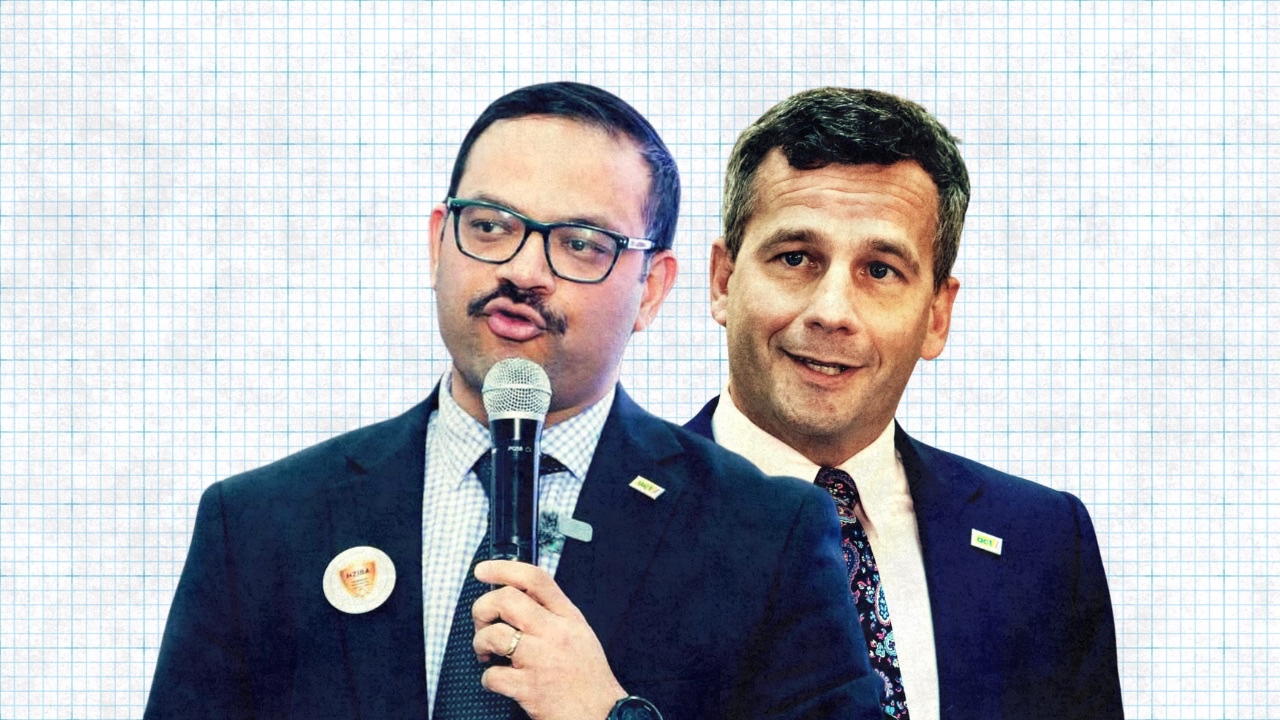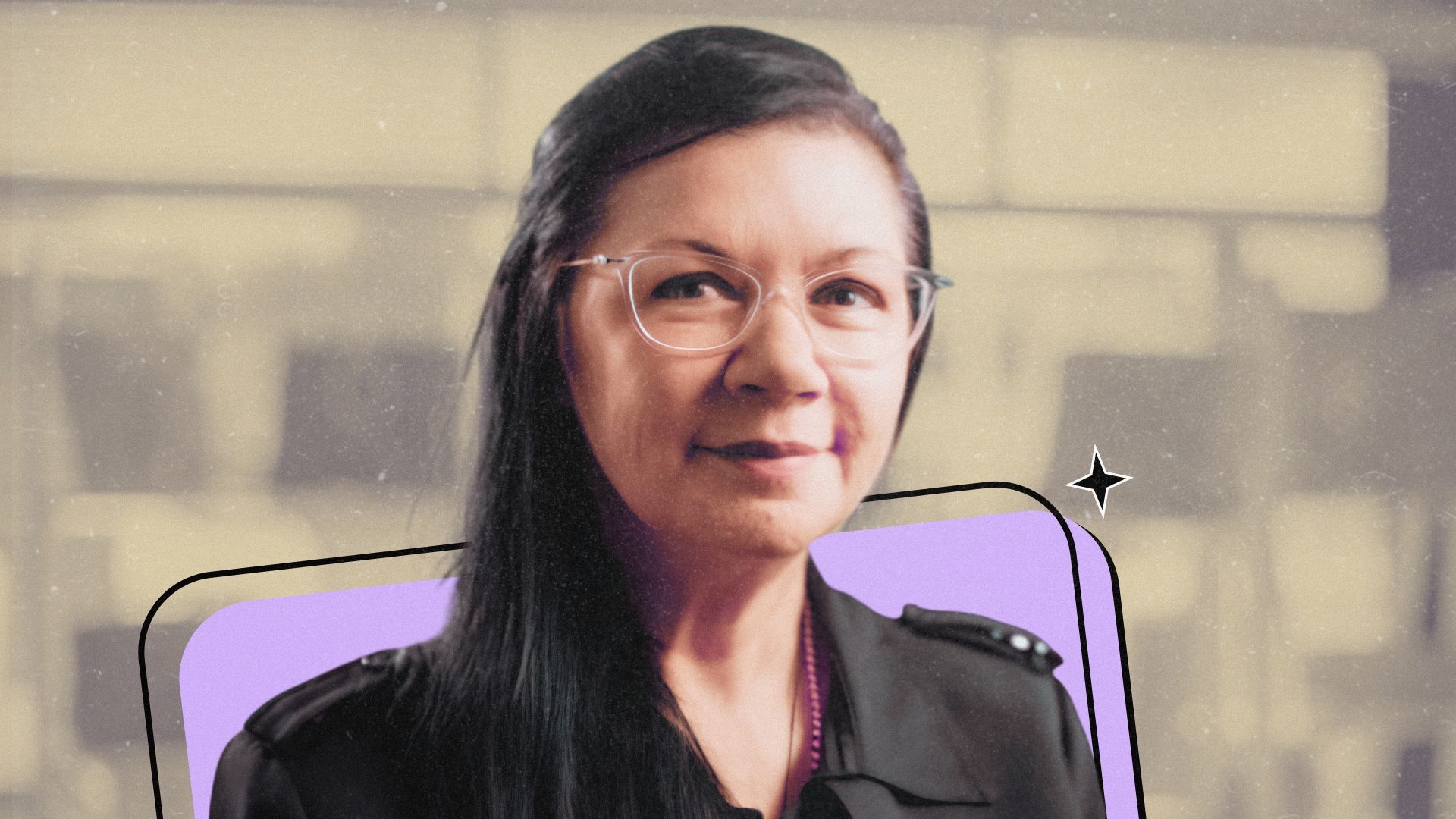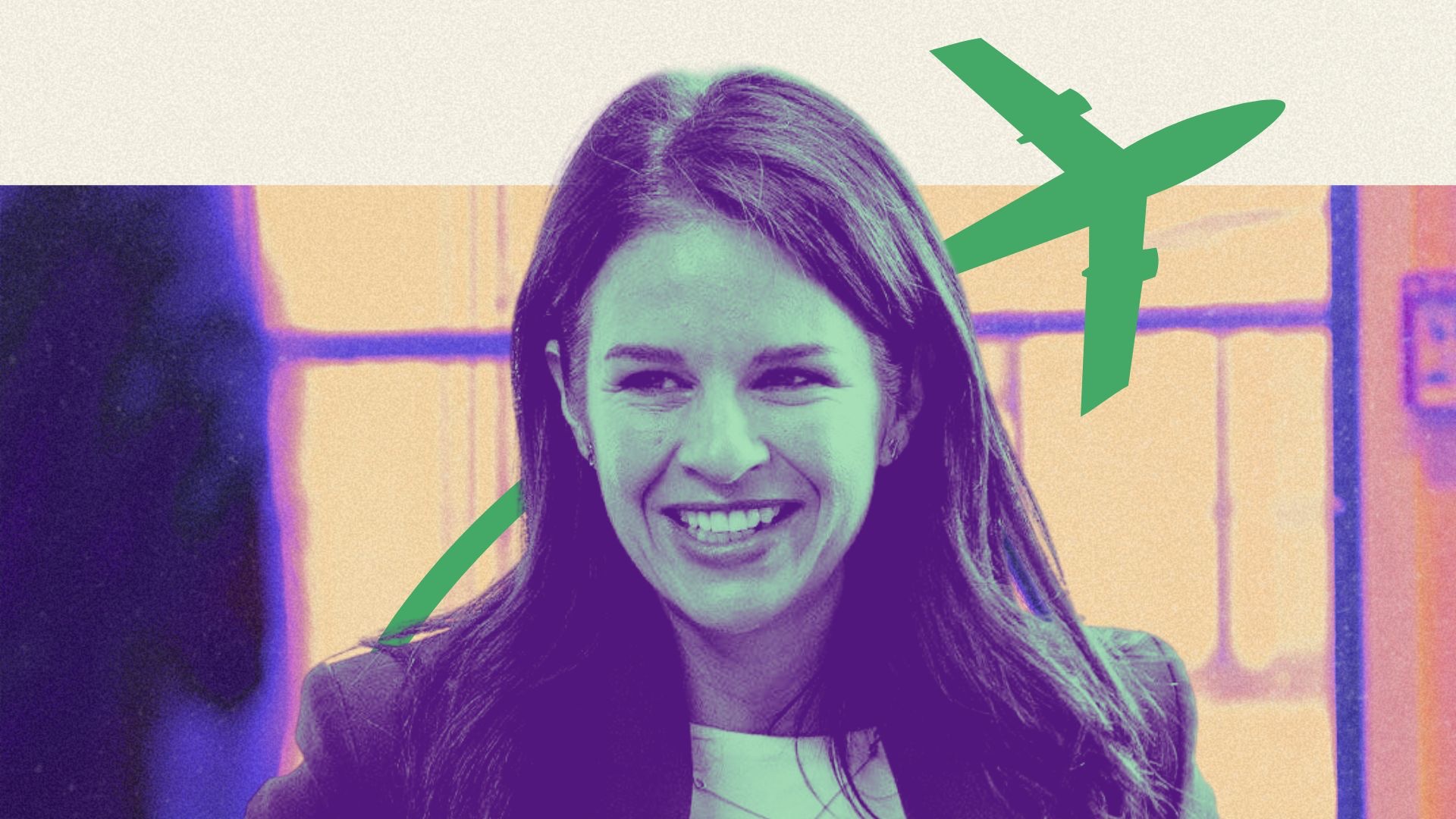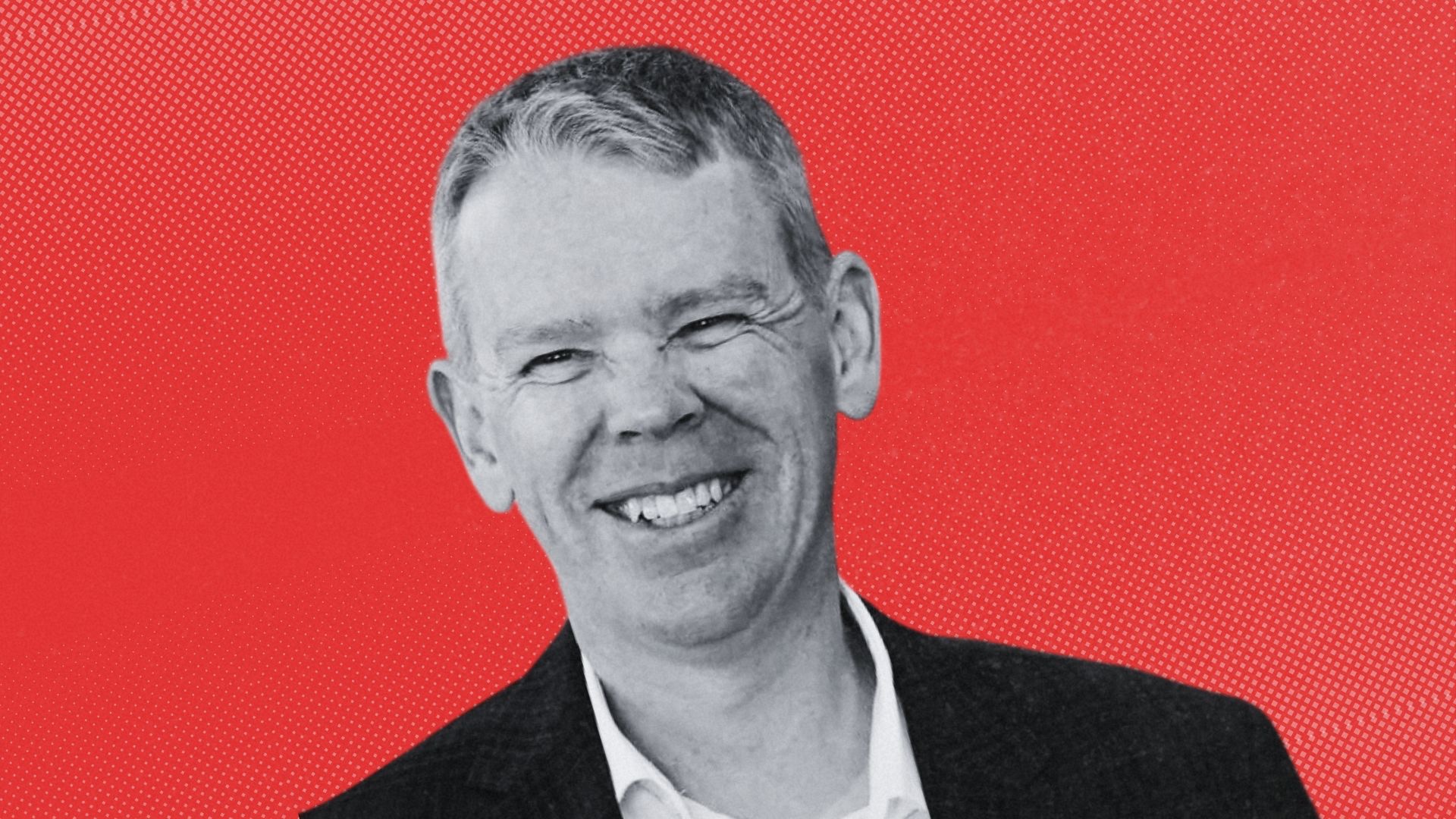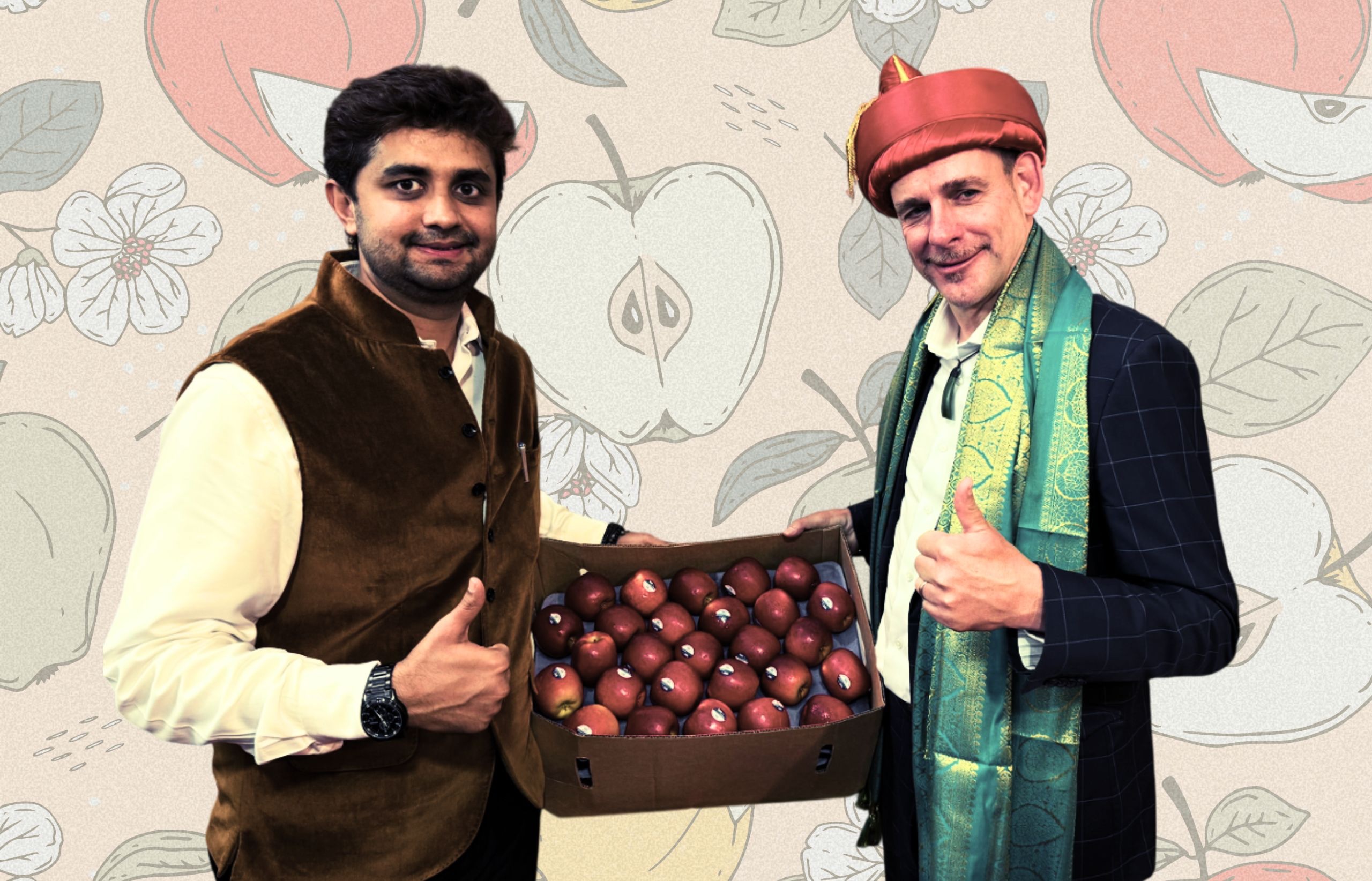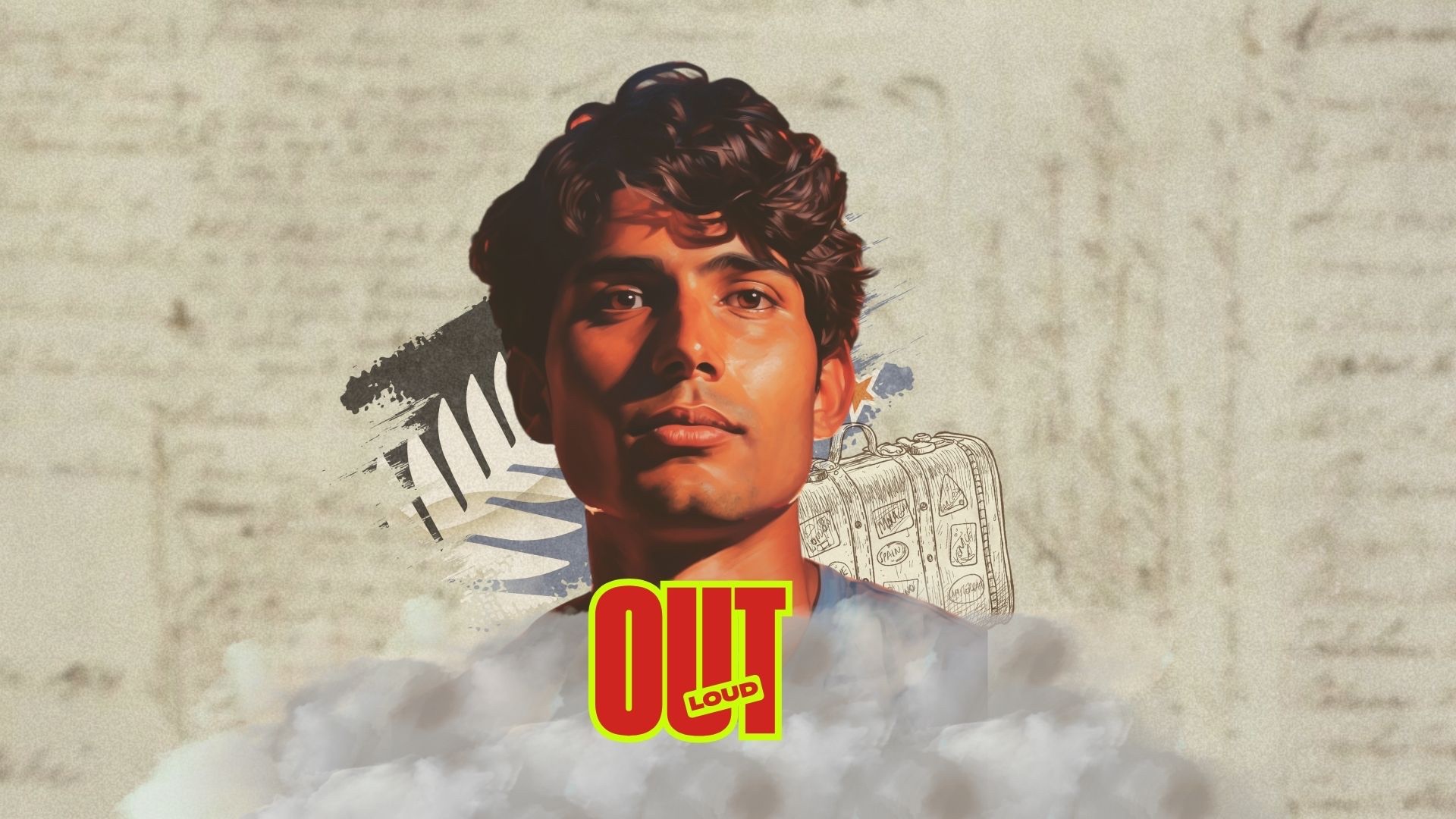

Can you be Indian and Kiwi? National's Mahesh Muralidhar on patriotism, racism and belonging
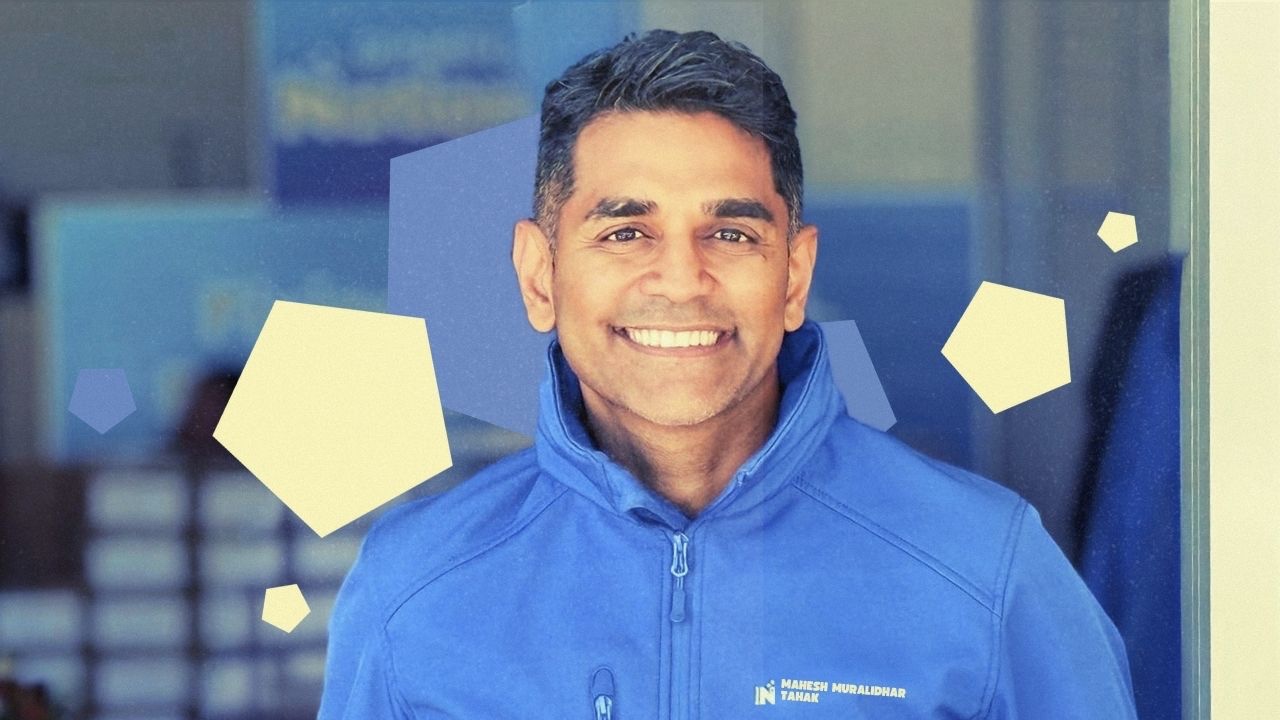
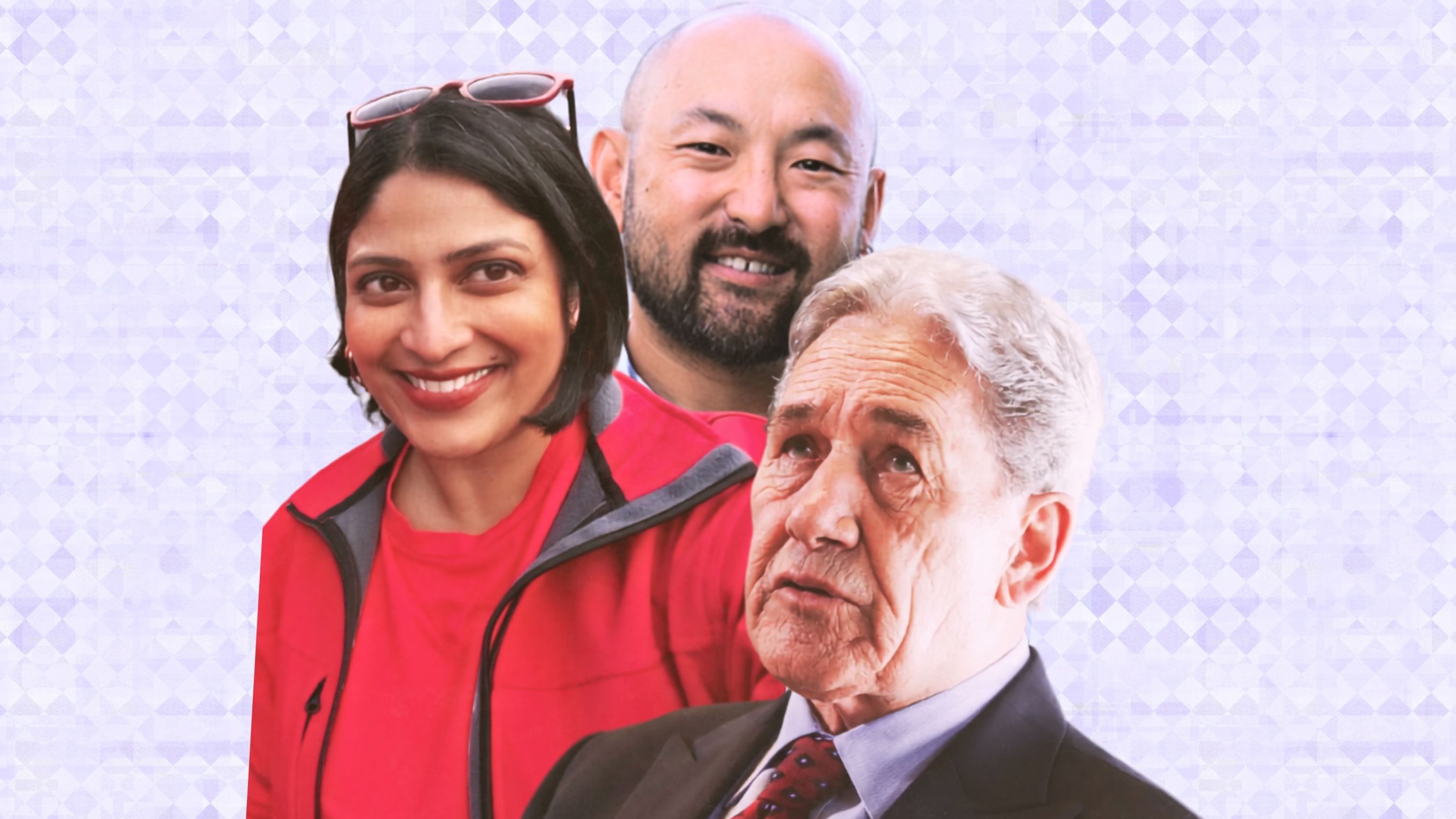
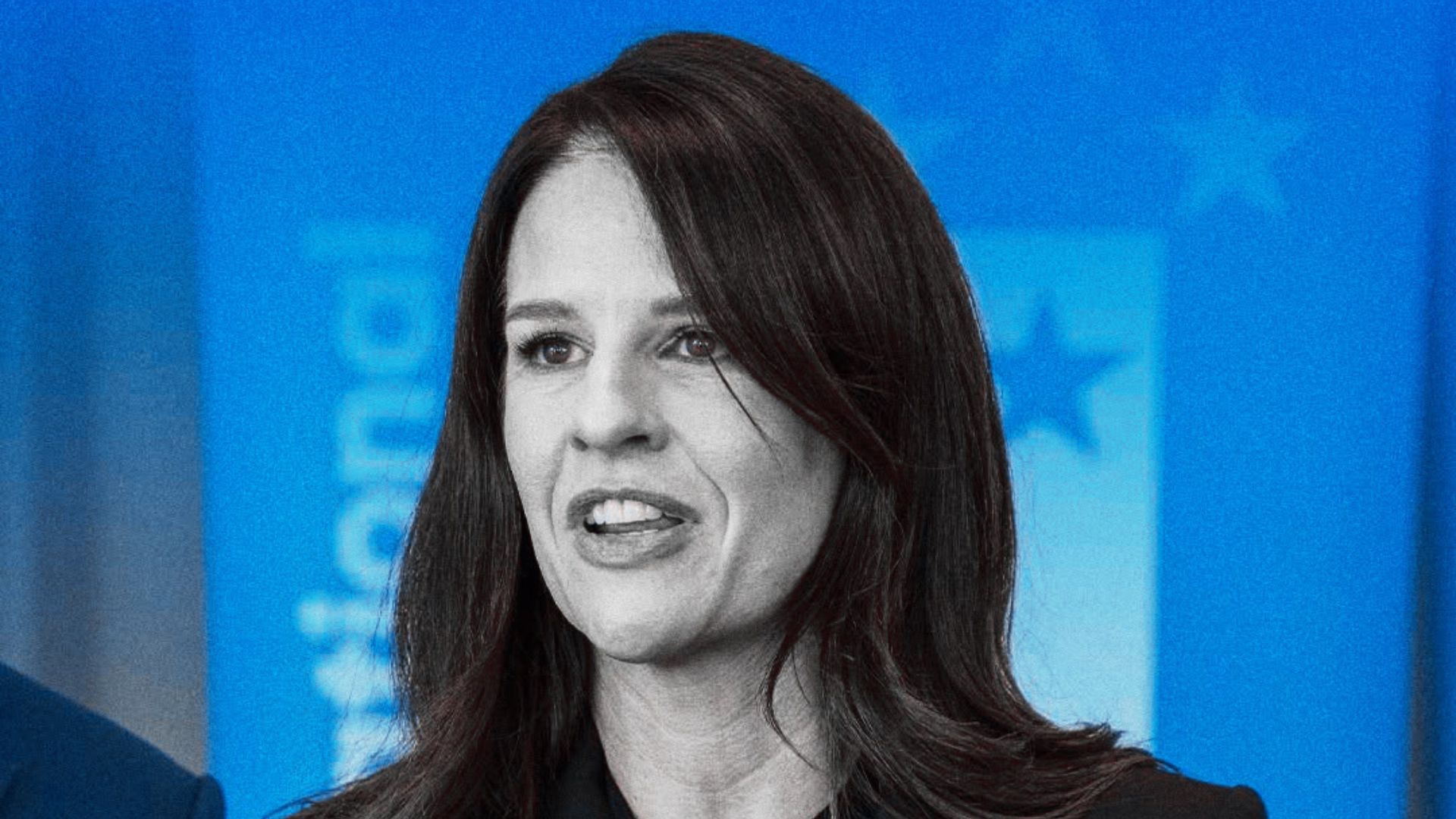
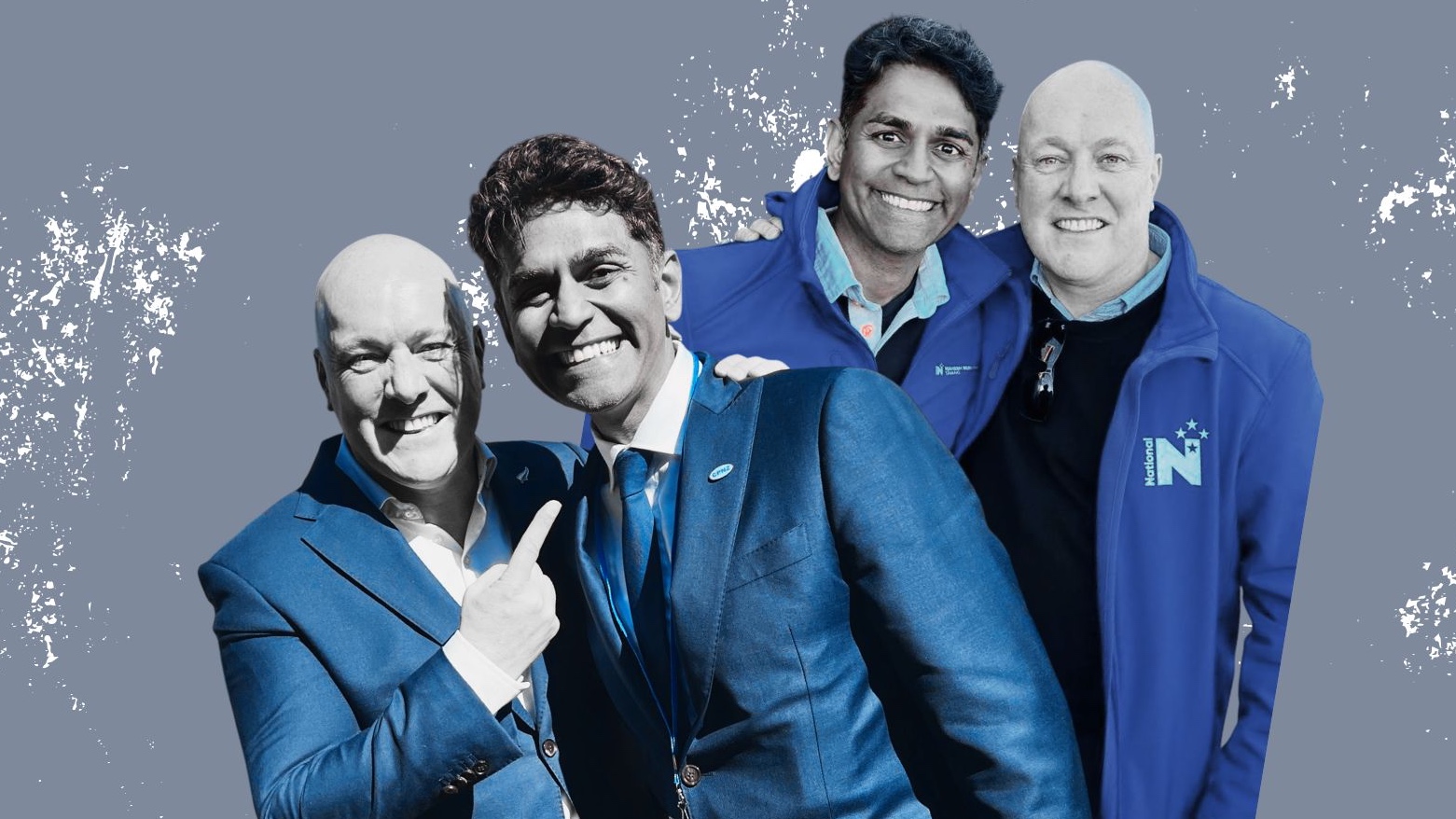
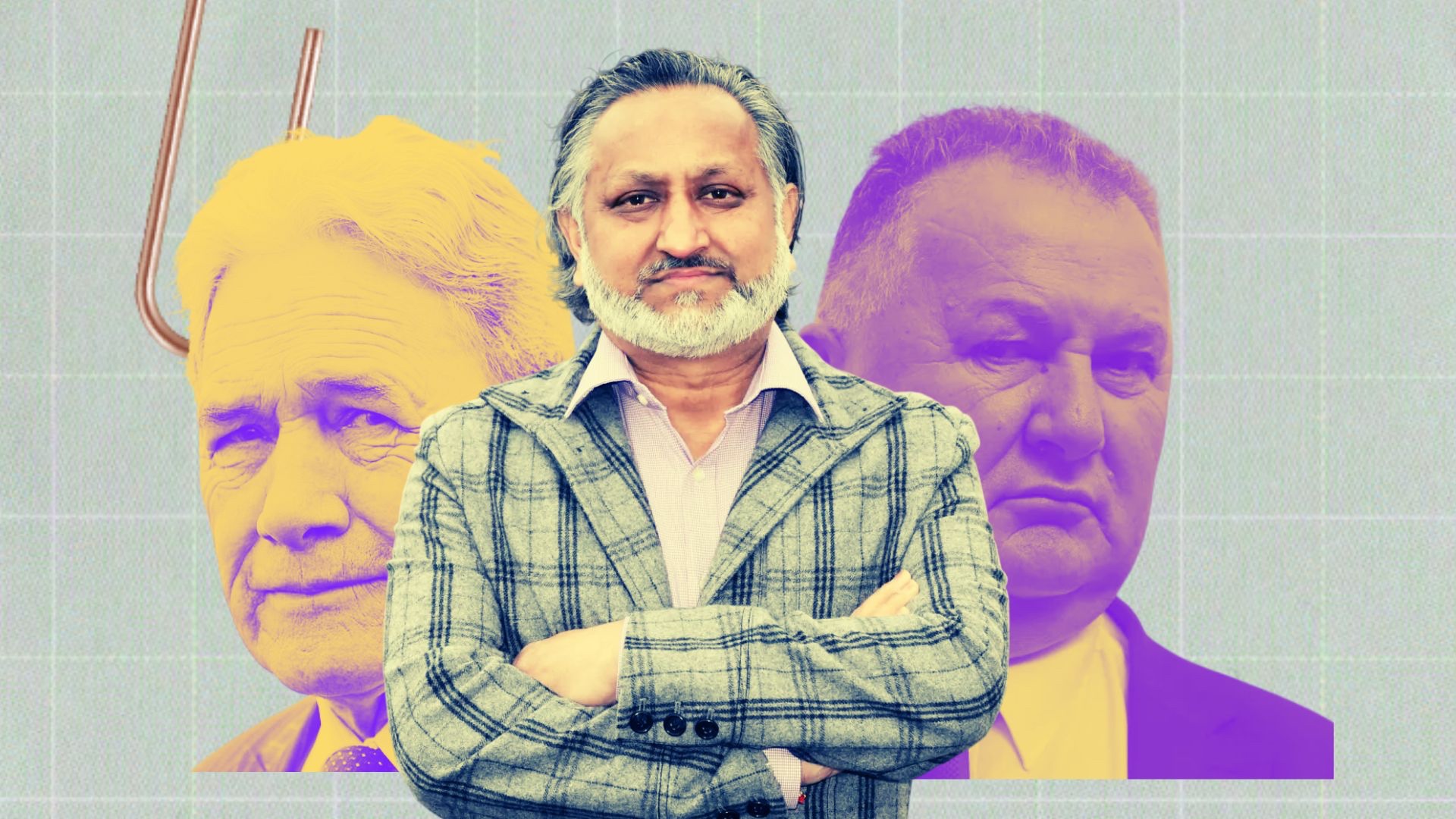
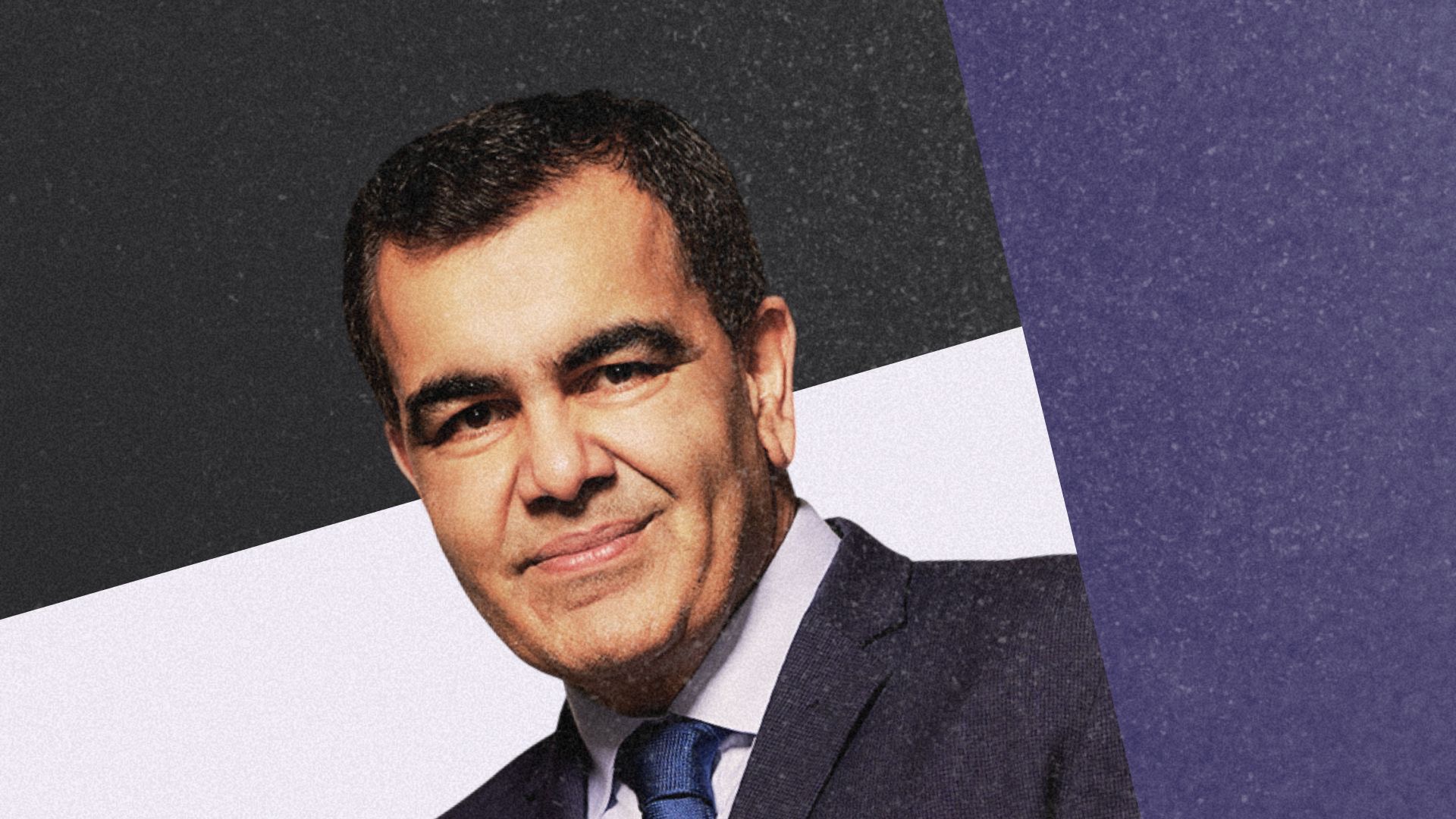
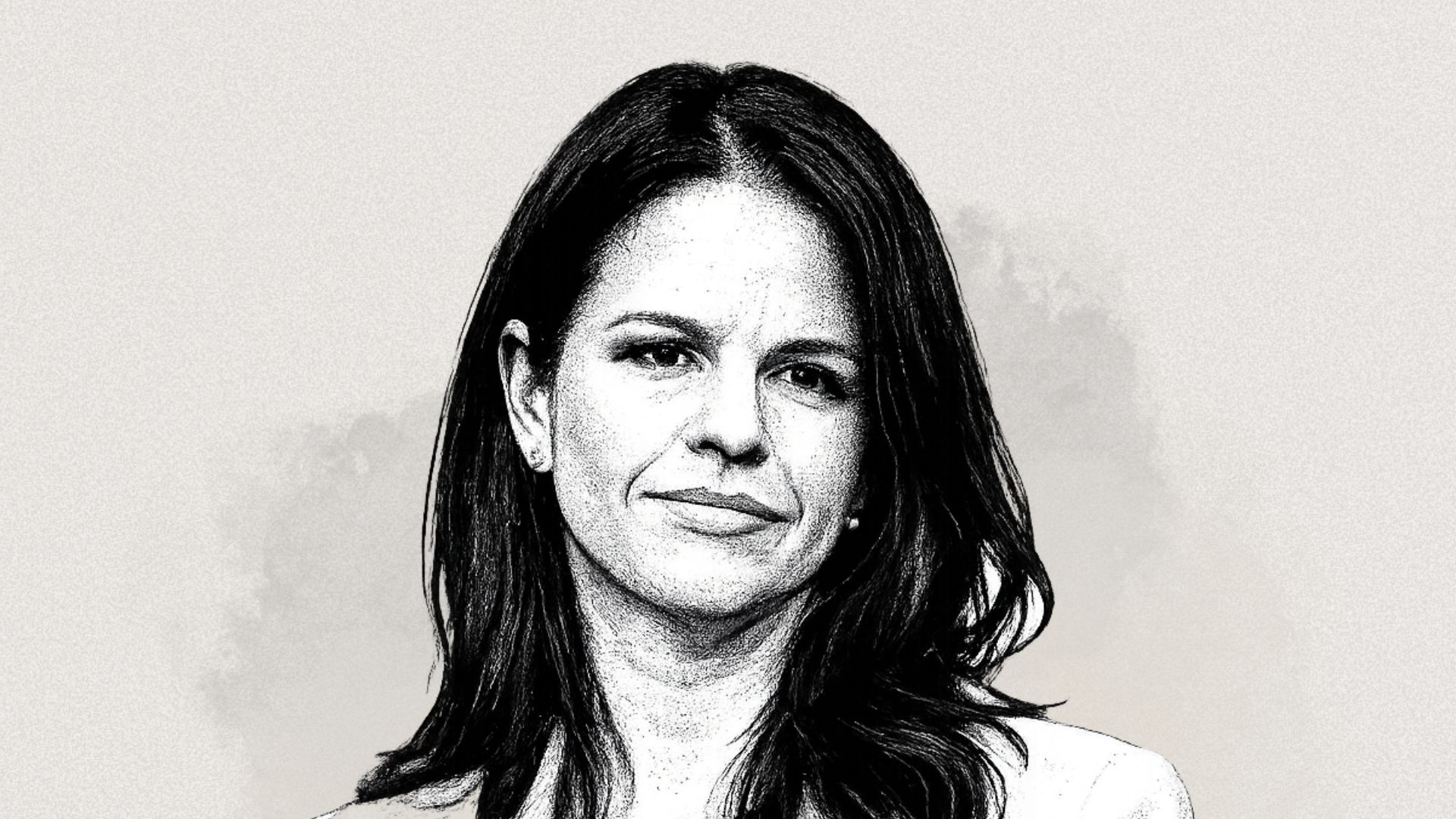
The tech VC is National Party's best bet for Indian-origin representation in the coming Parliament.
National's big ticket Indian-origin candidate on what ethnic representation really achieves and why New Zealanders still struggle to get along.
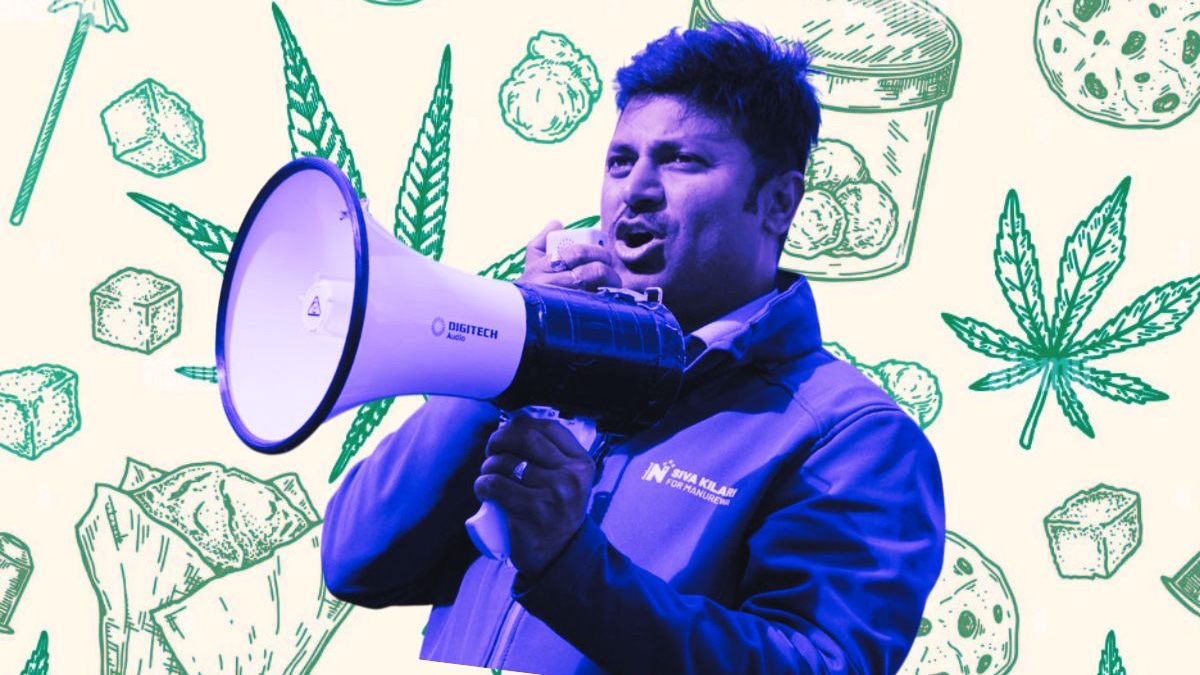
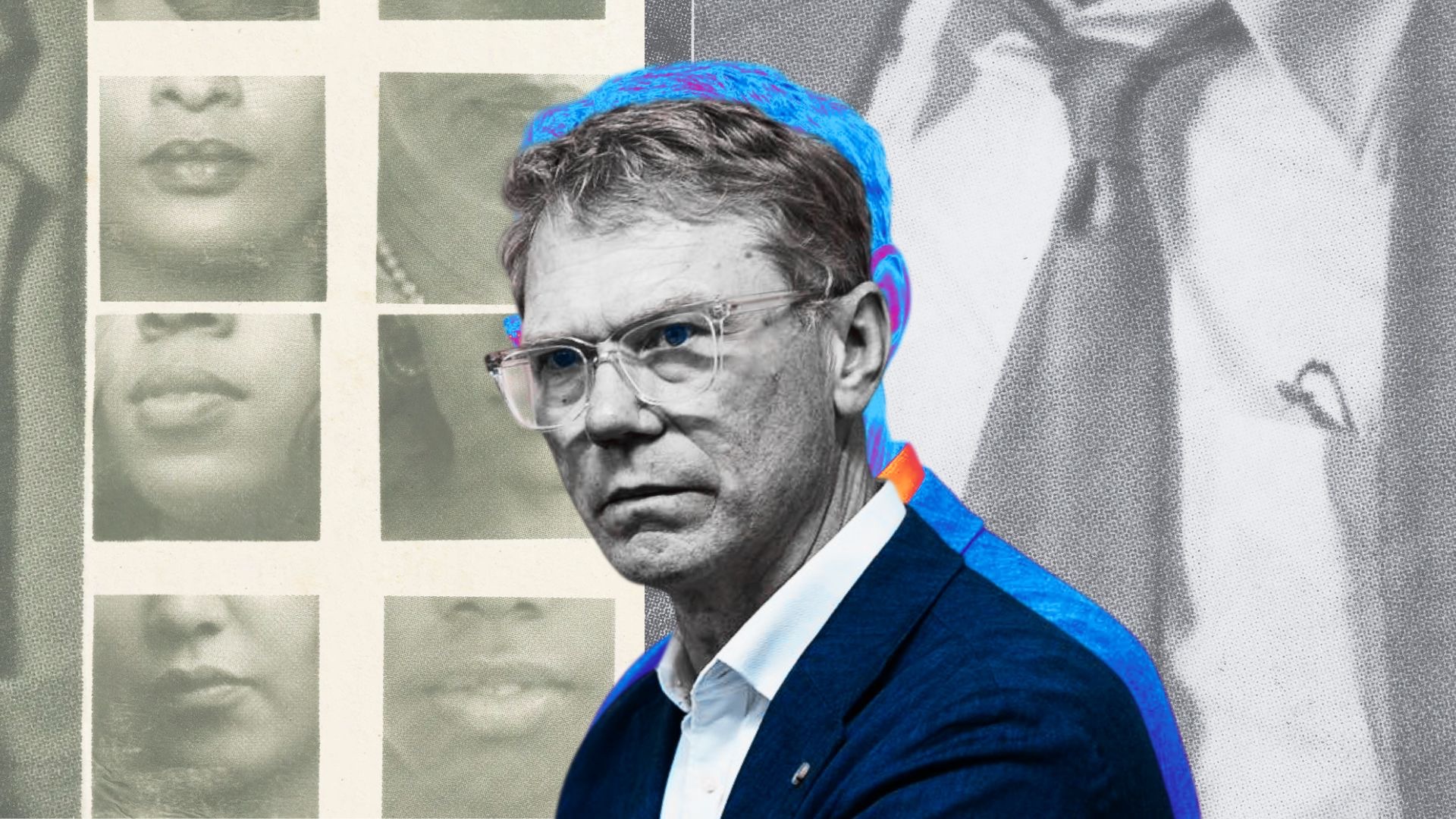
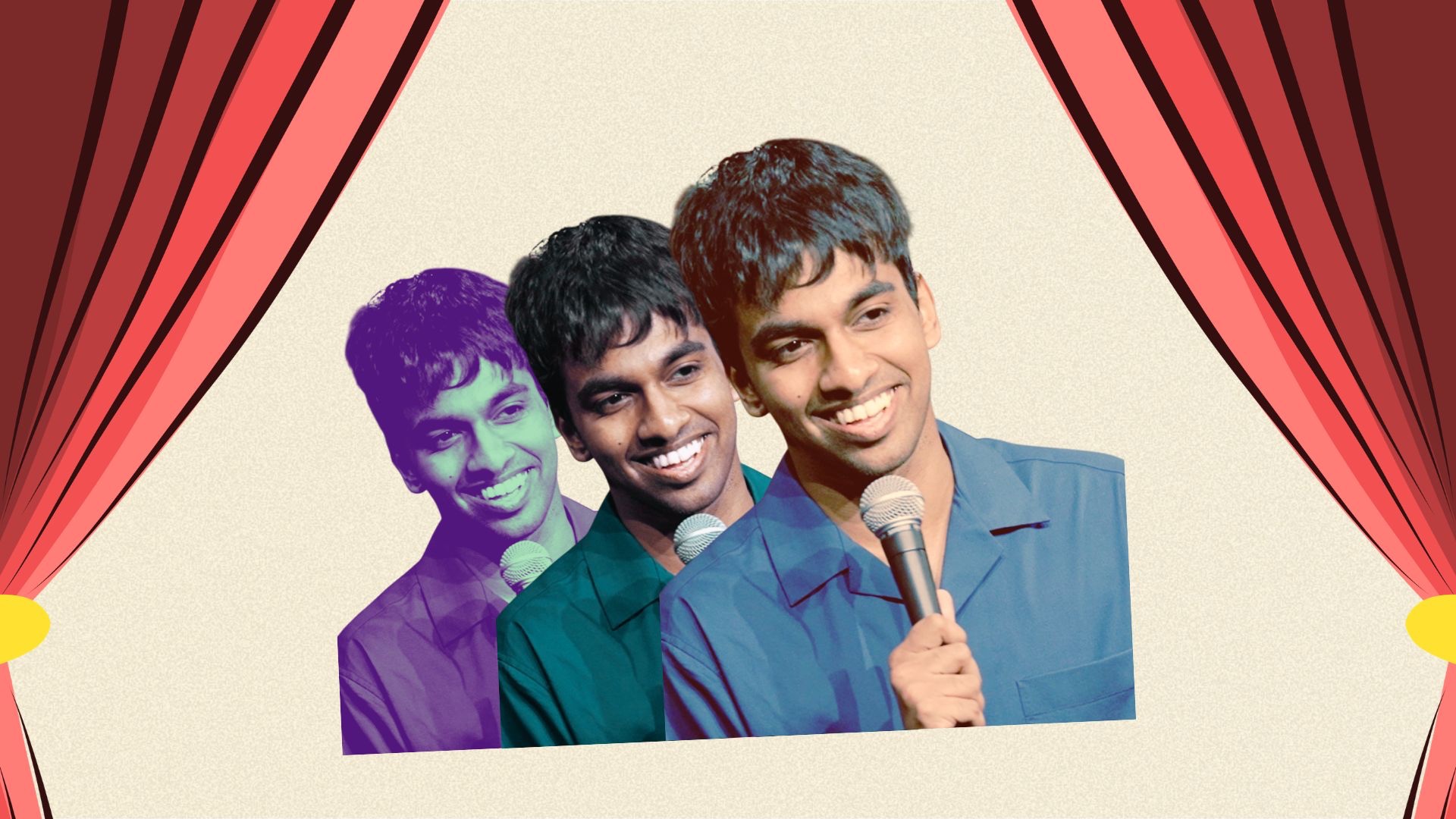
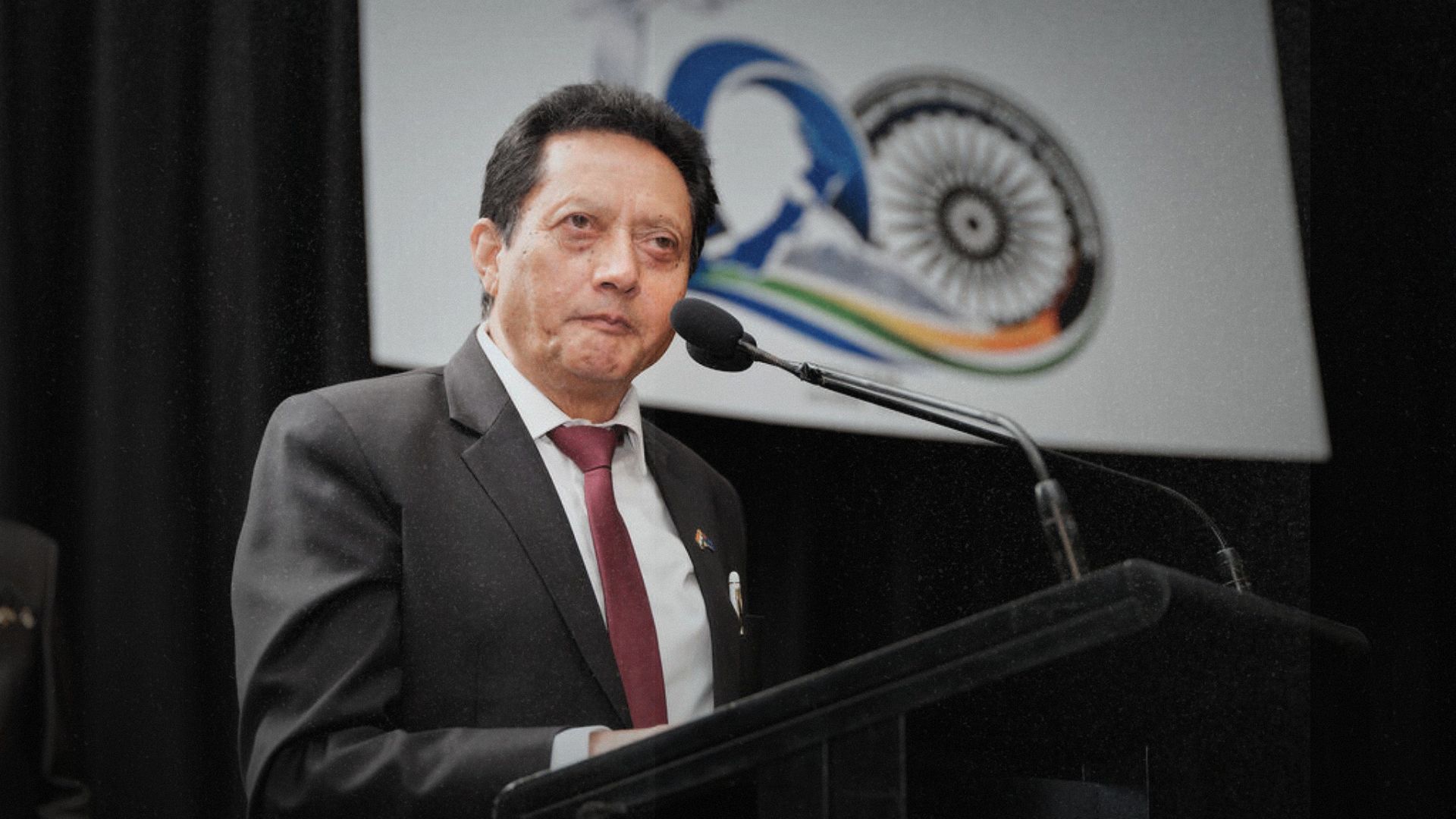
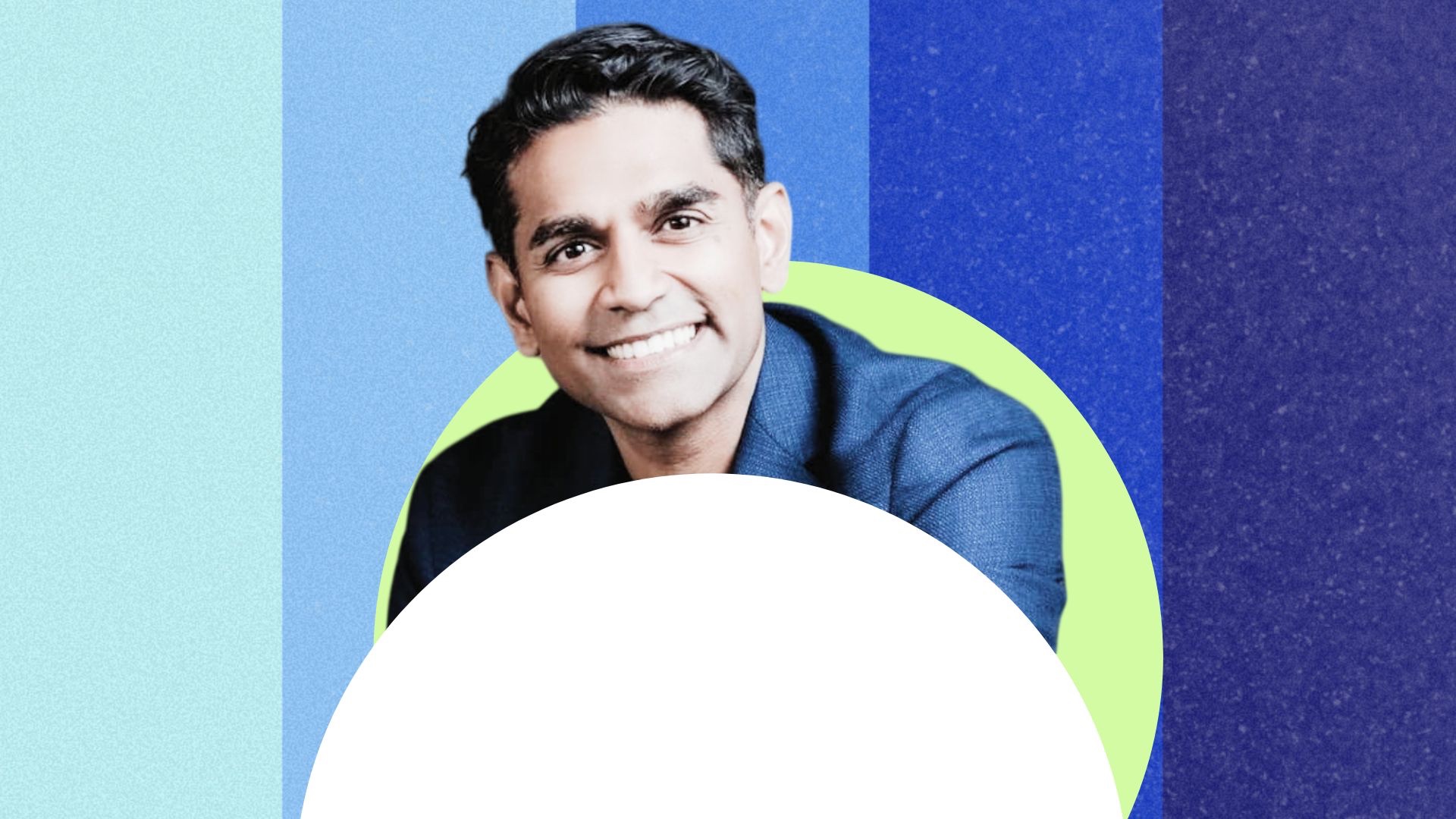
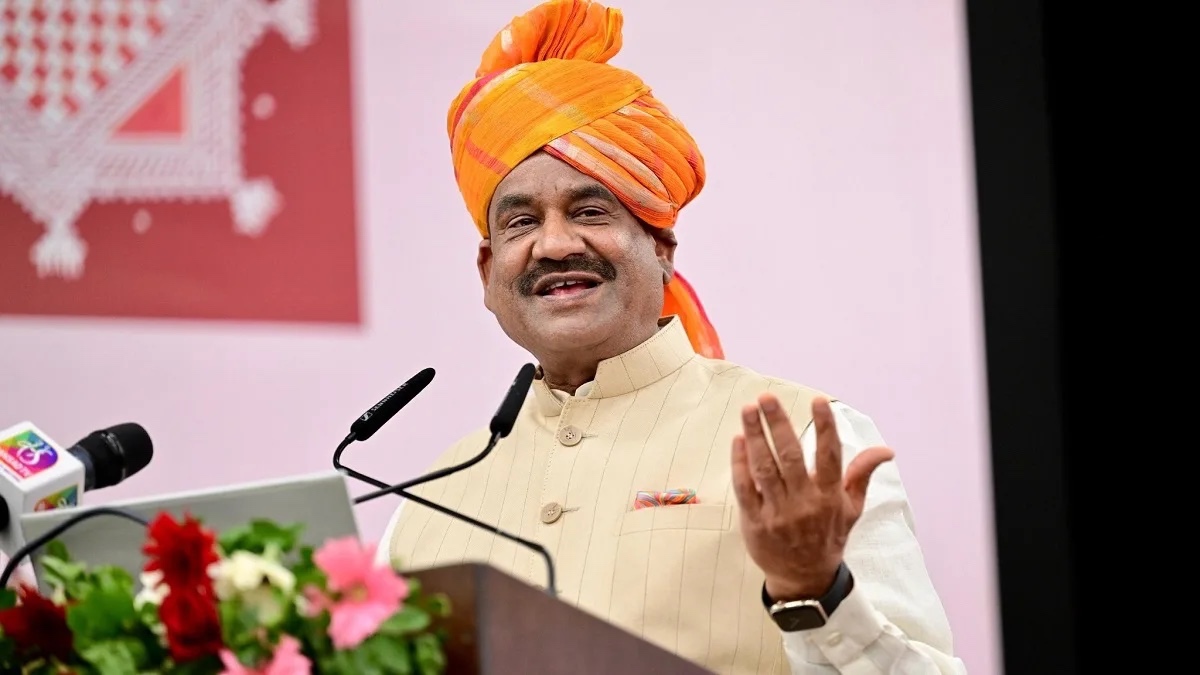
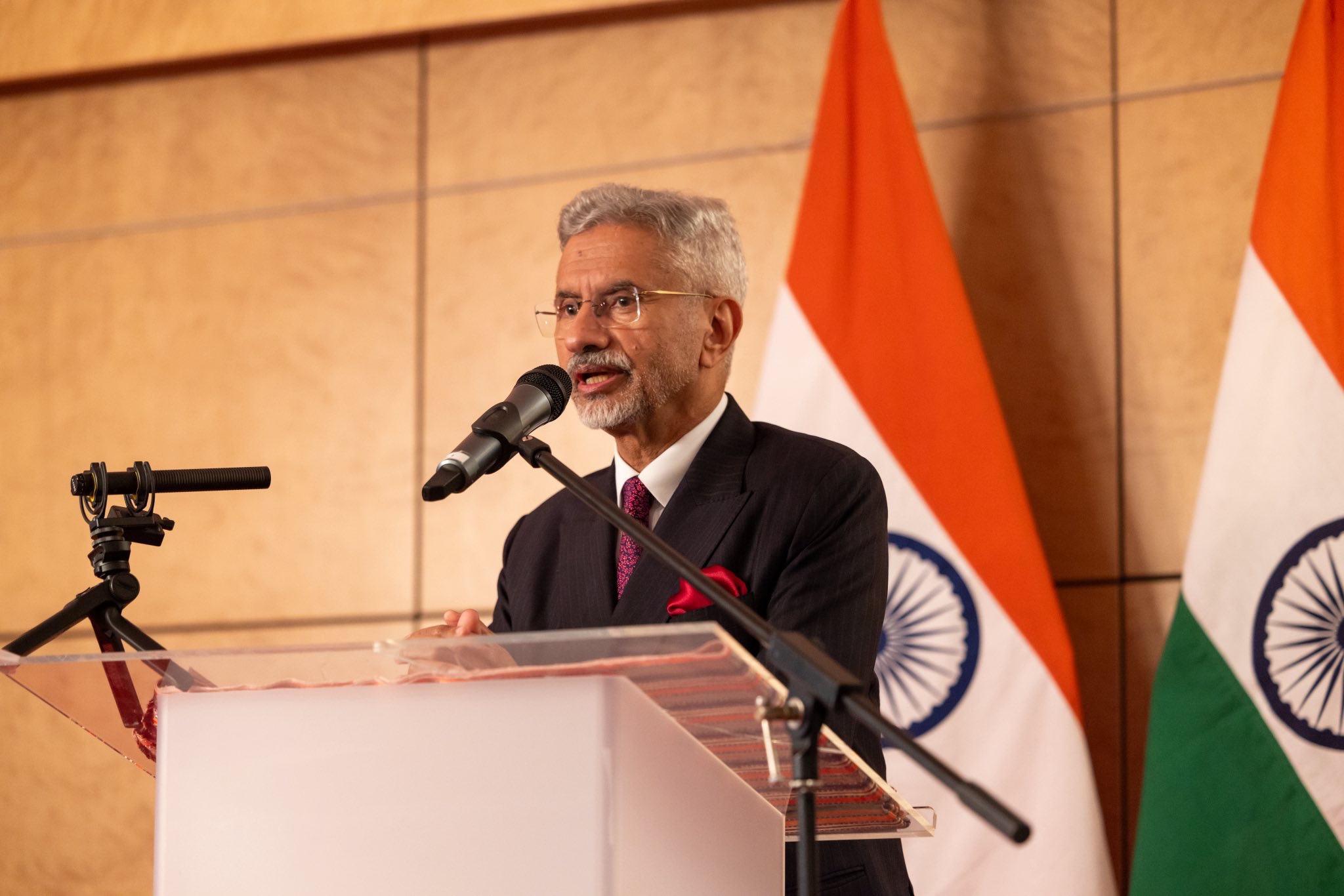
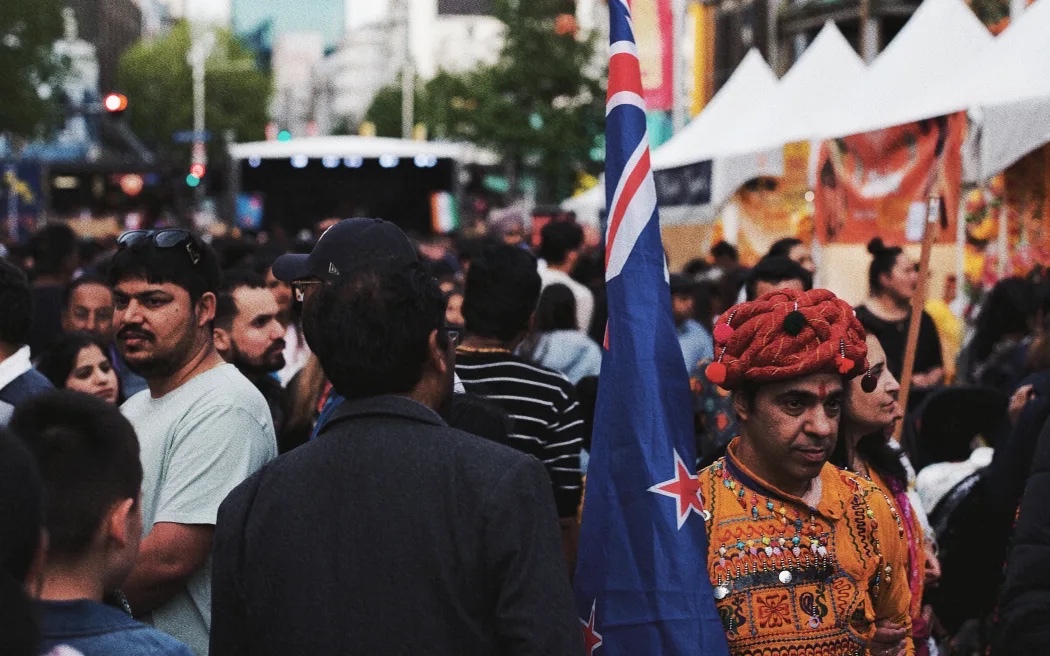
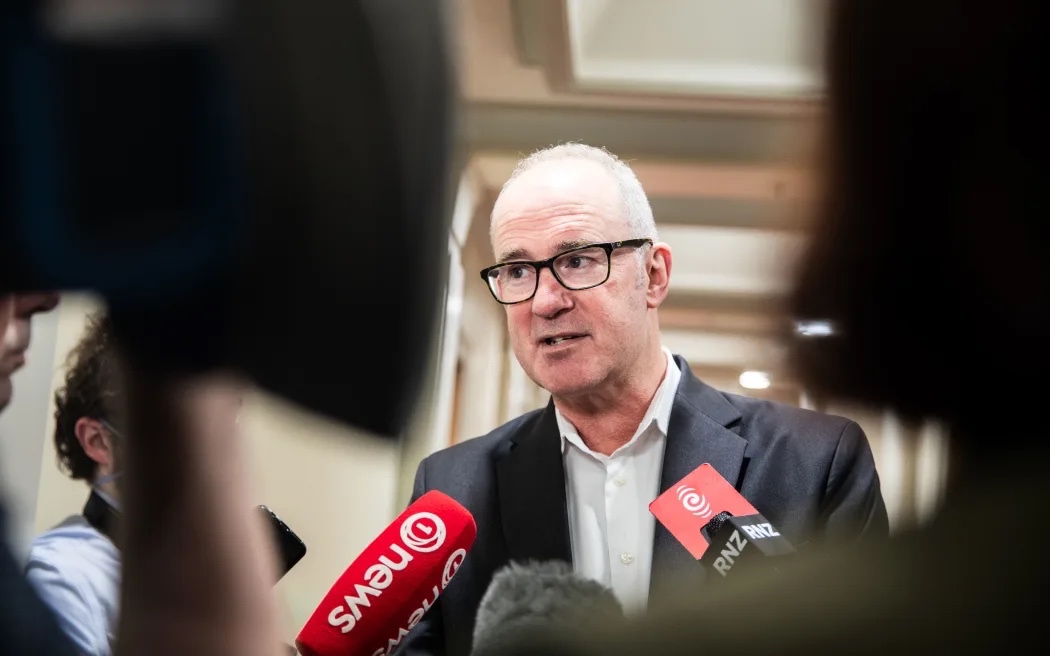
Mahesh Muralidhar has been to enough South Asian community functions in Auckland to notice a peculiar difference between the singing of two national anthems.
"The Indian national anthem is sung way louder than New Zealand's," he says.
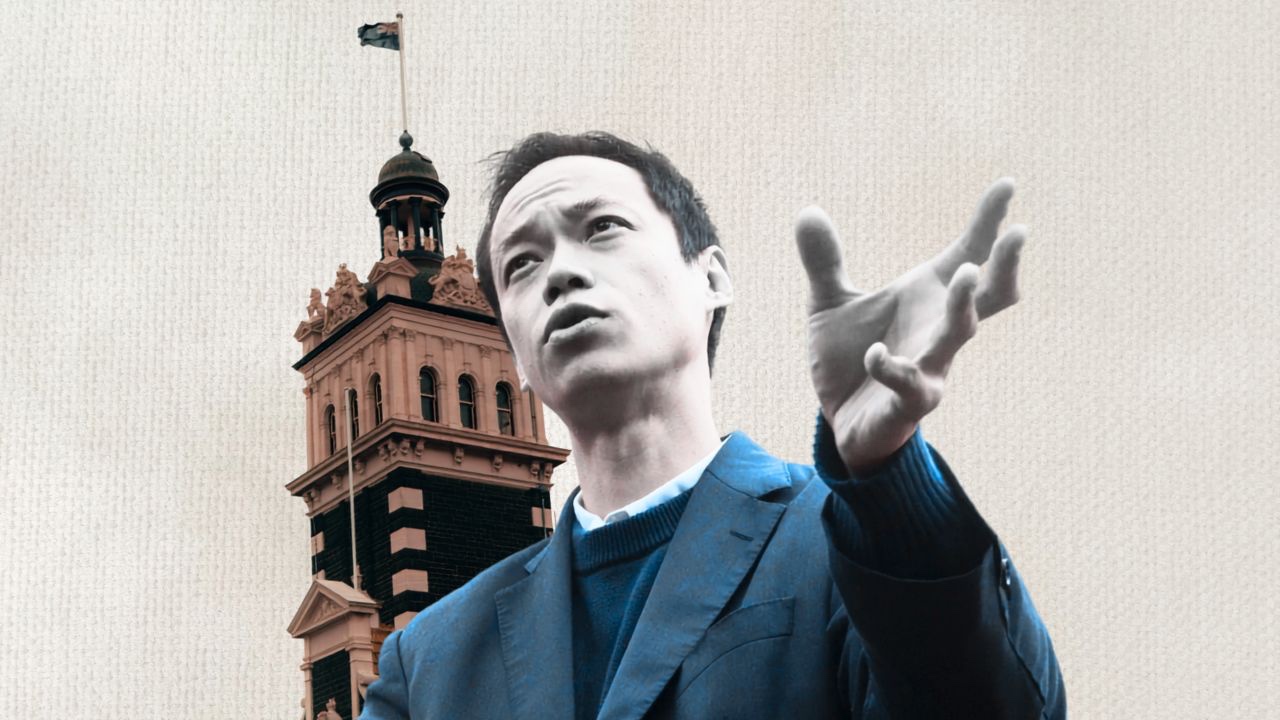
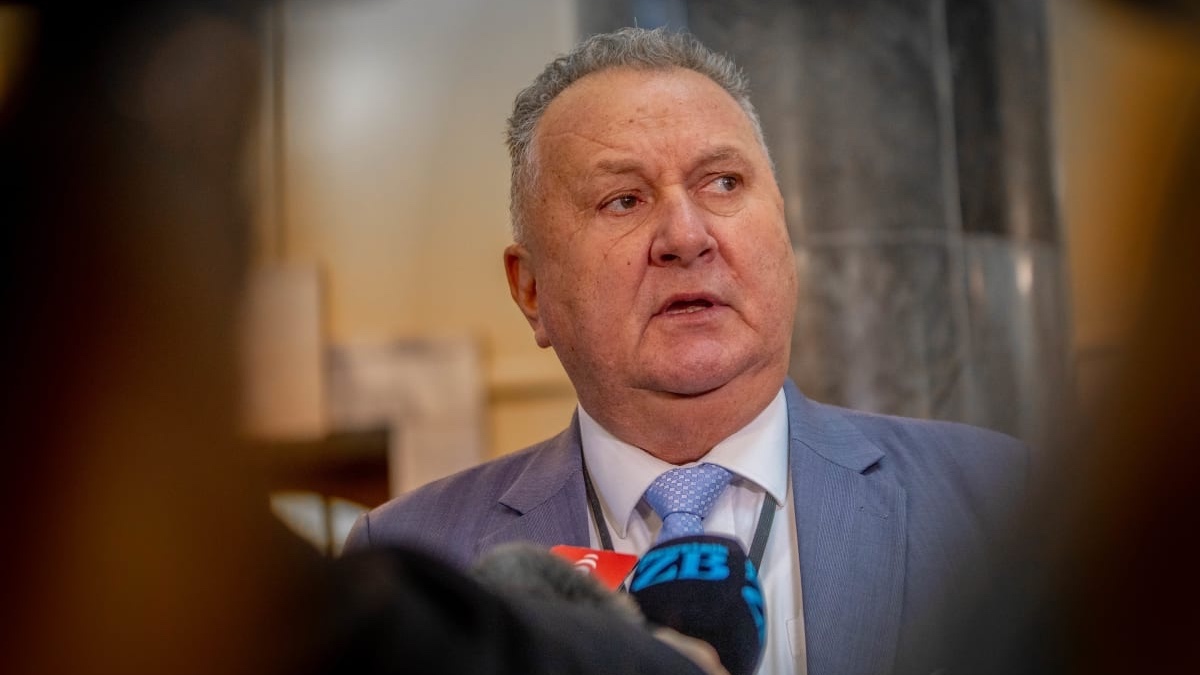
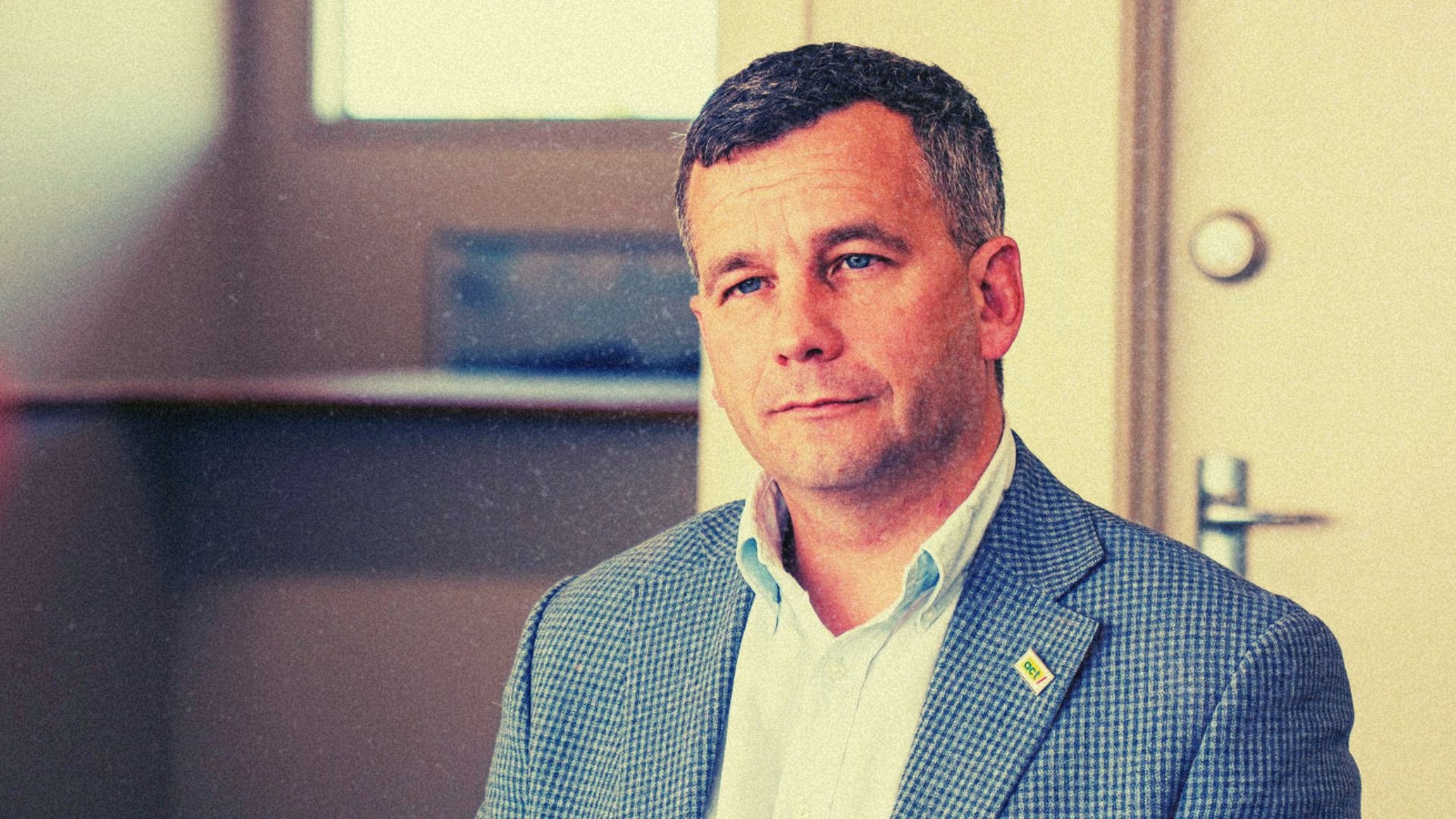
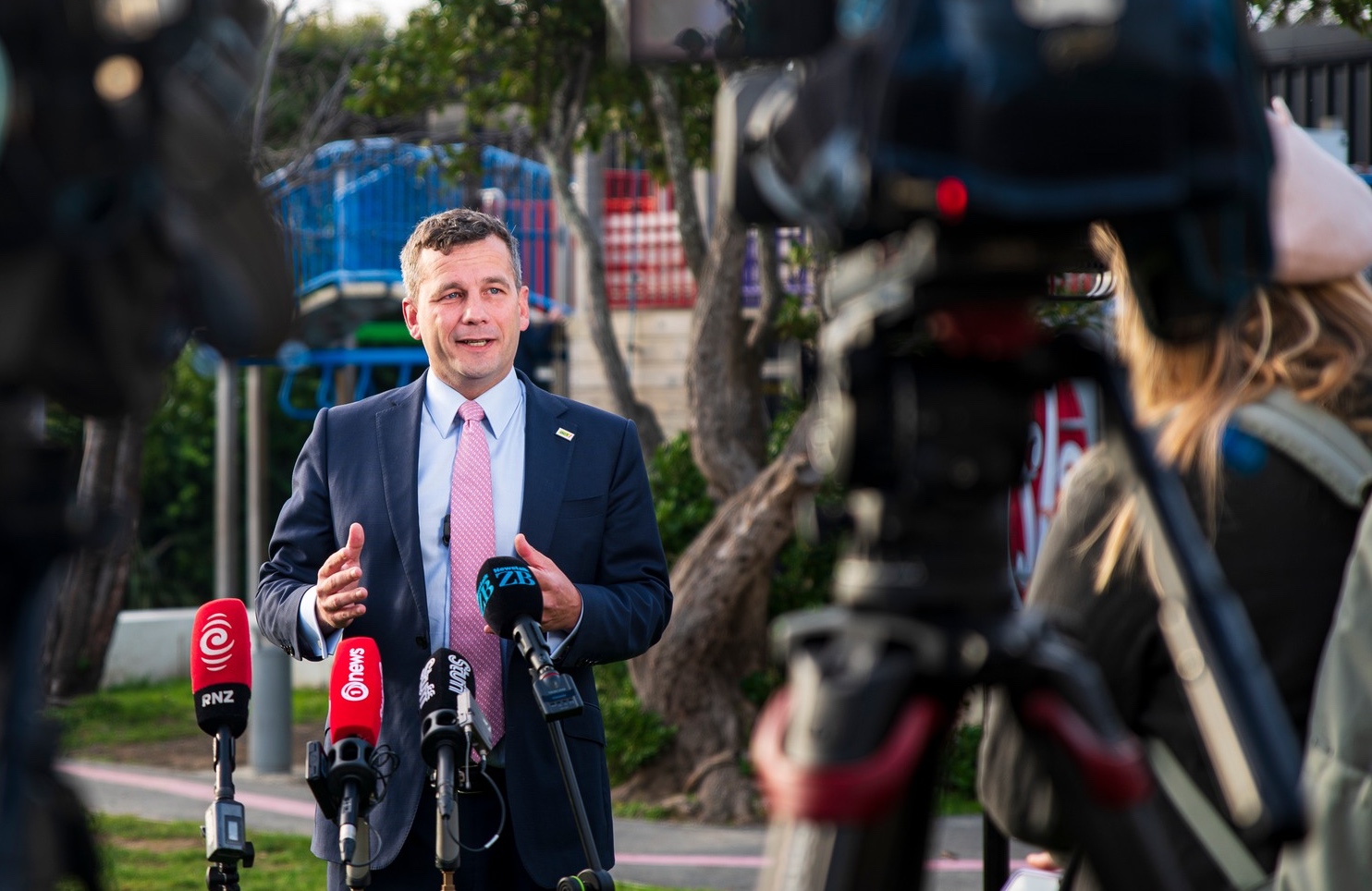
Spring is beginning to bloom outside his office in Auckland's St Heliers, as I sit down with the Indian-born National candidate for Tāmaki ahead of the November election.
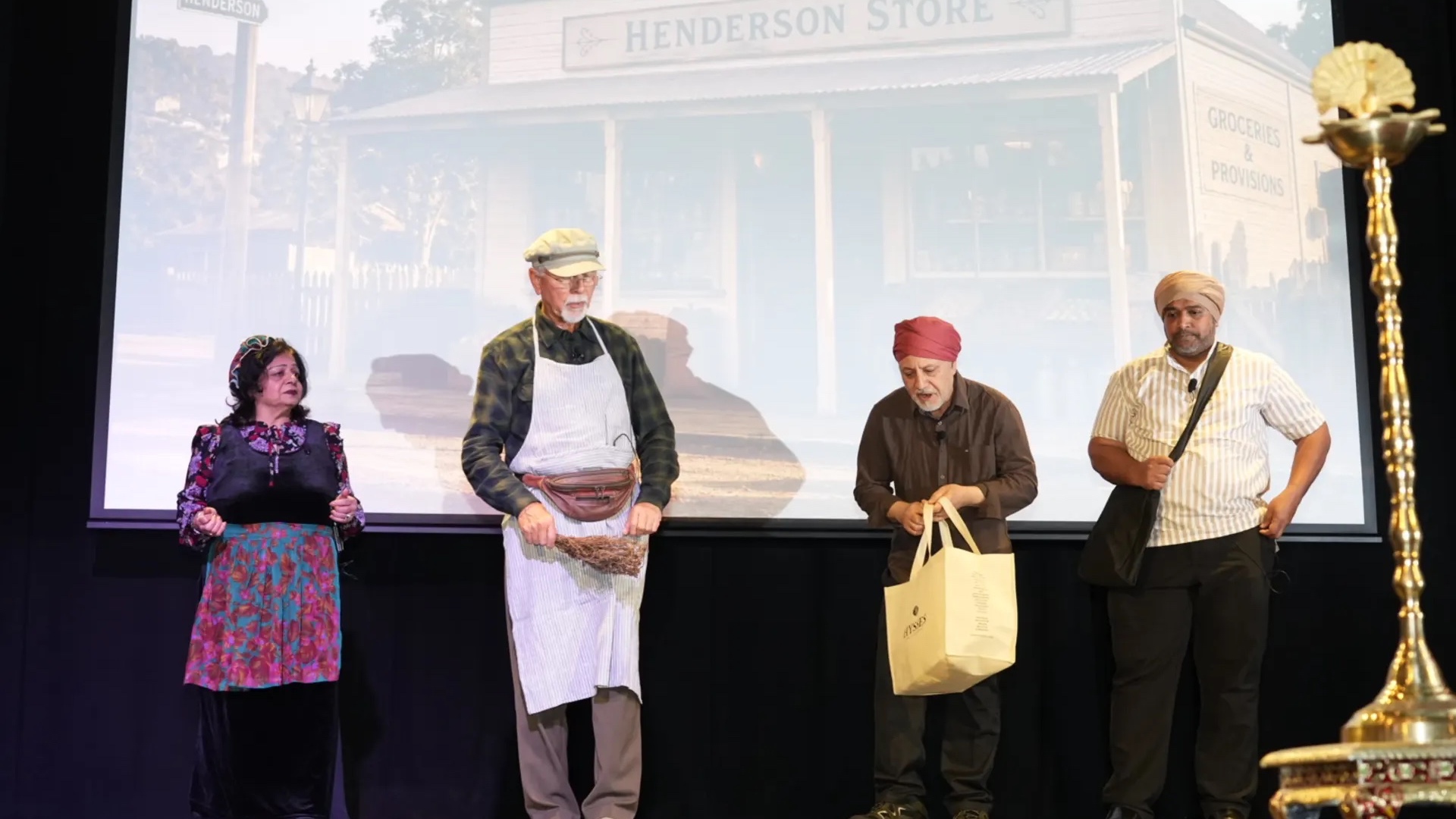
Muralidhar recalls an experiment he pulled off at a recent South Asian gathering attended by about 200 people, including a government minister.
Before the event, he approached the organiser with a request. "Can you please make sure...give out sheets of paper with the New Zealand national anthem?"
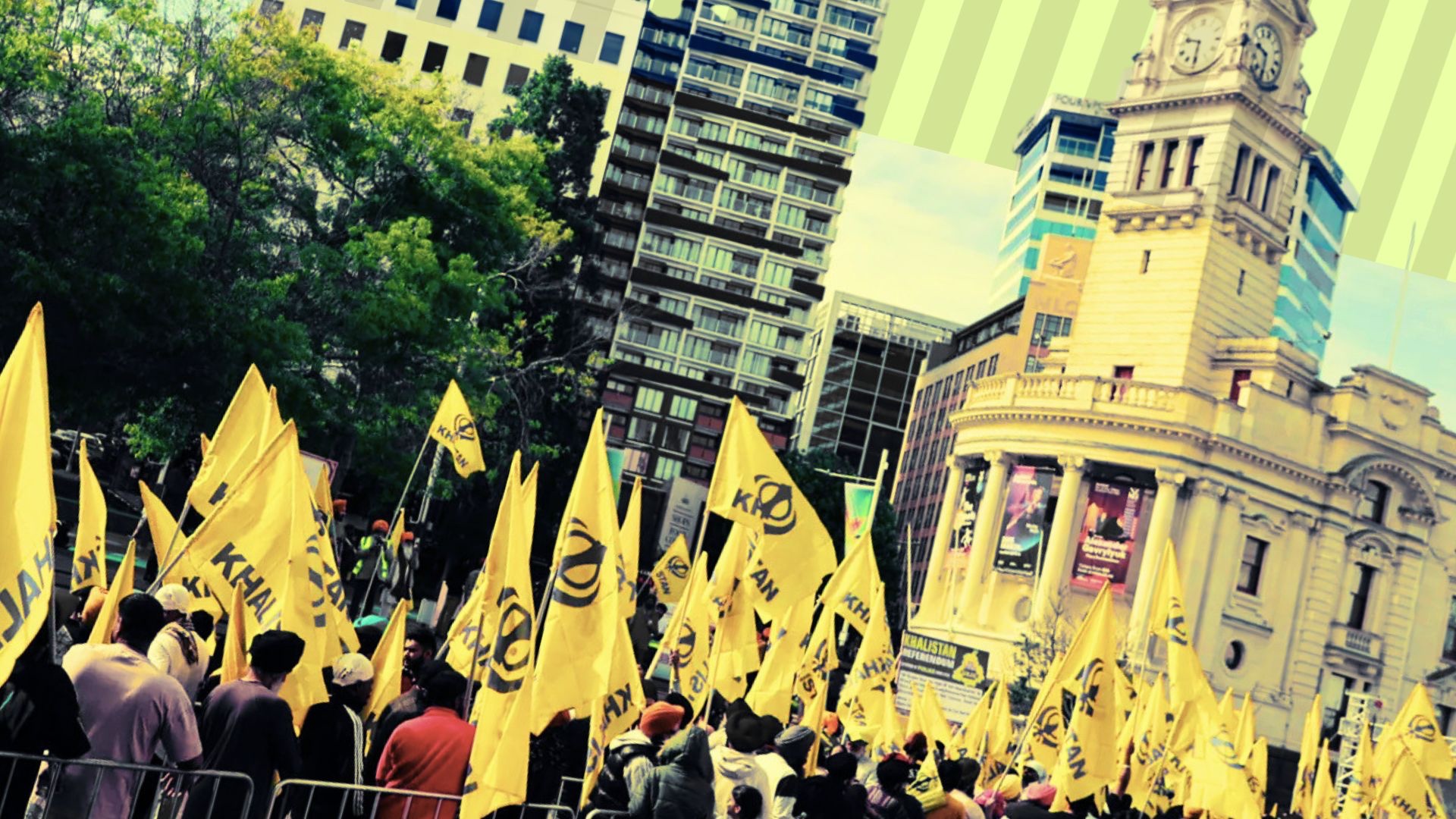
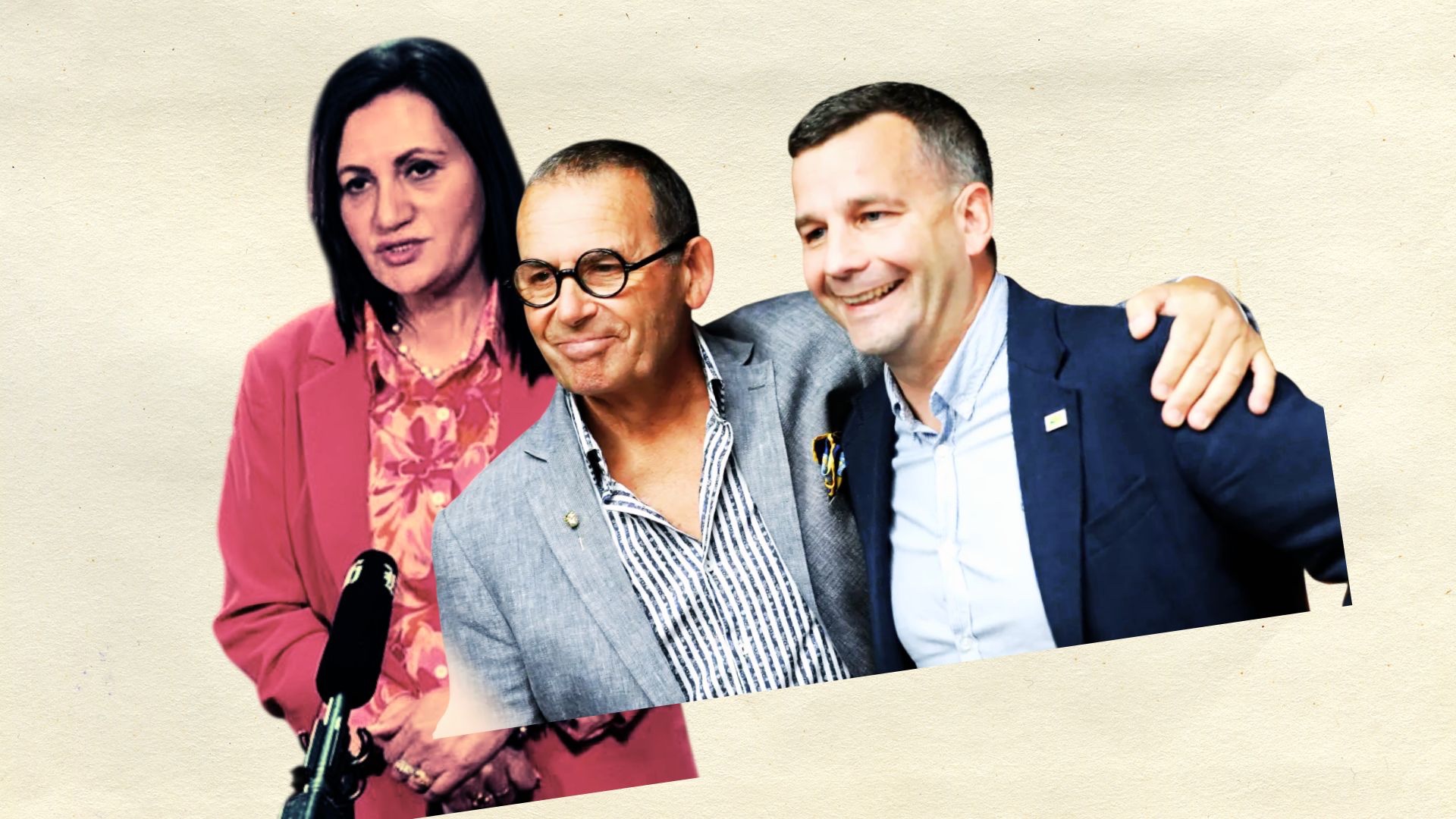
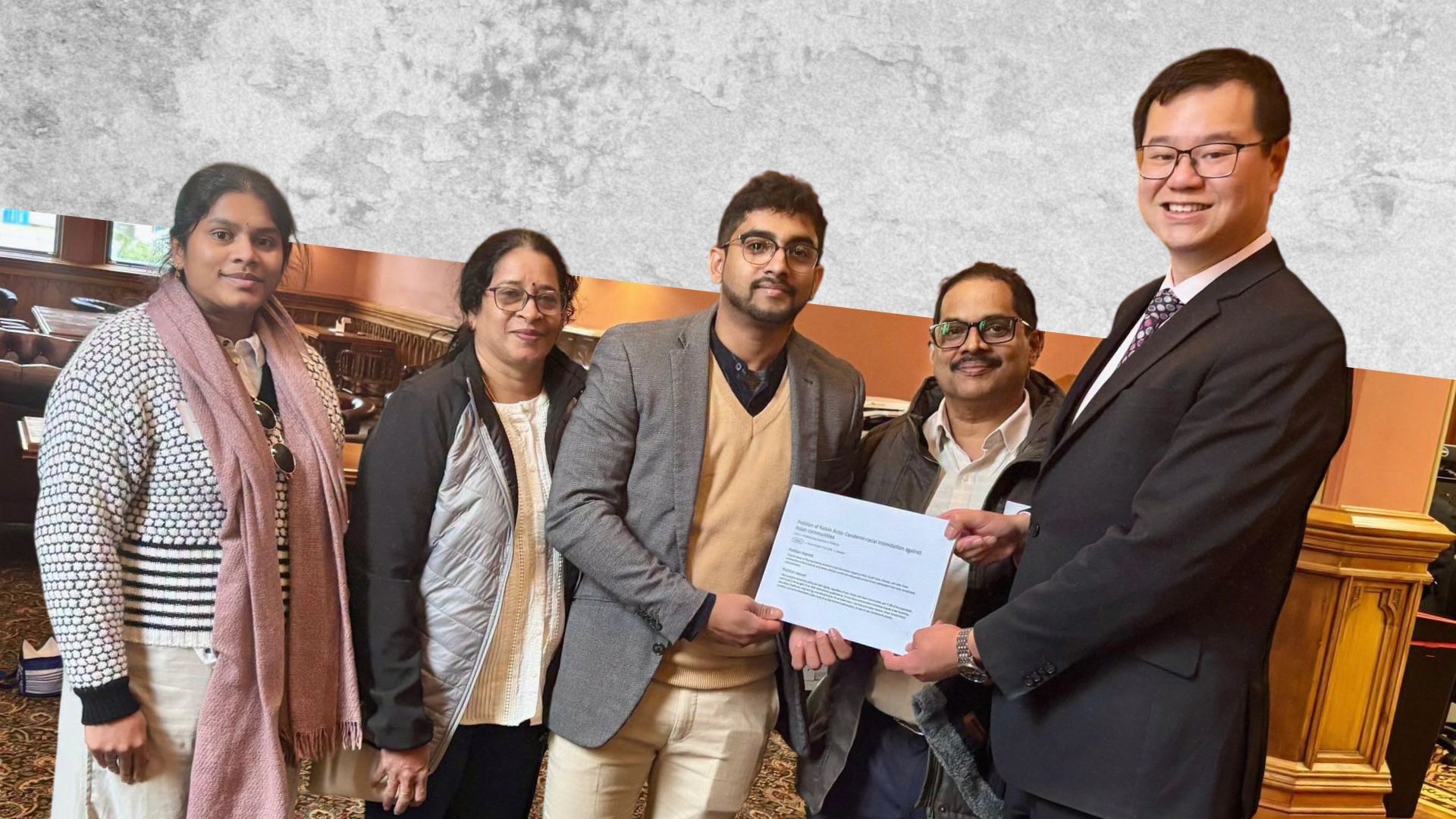
South Asian diaspora raises over $200,000 for New Zealanders missing in Nepal flood "I'm so proud of the Indian community here who...supported us, saying it is not a Nepal problem but our problem."
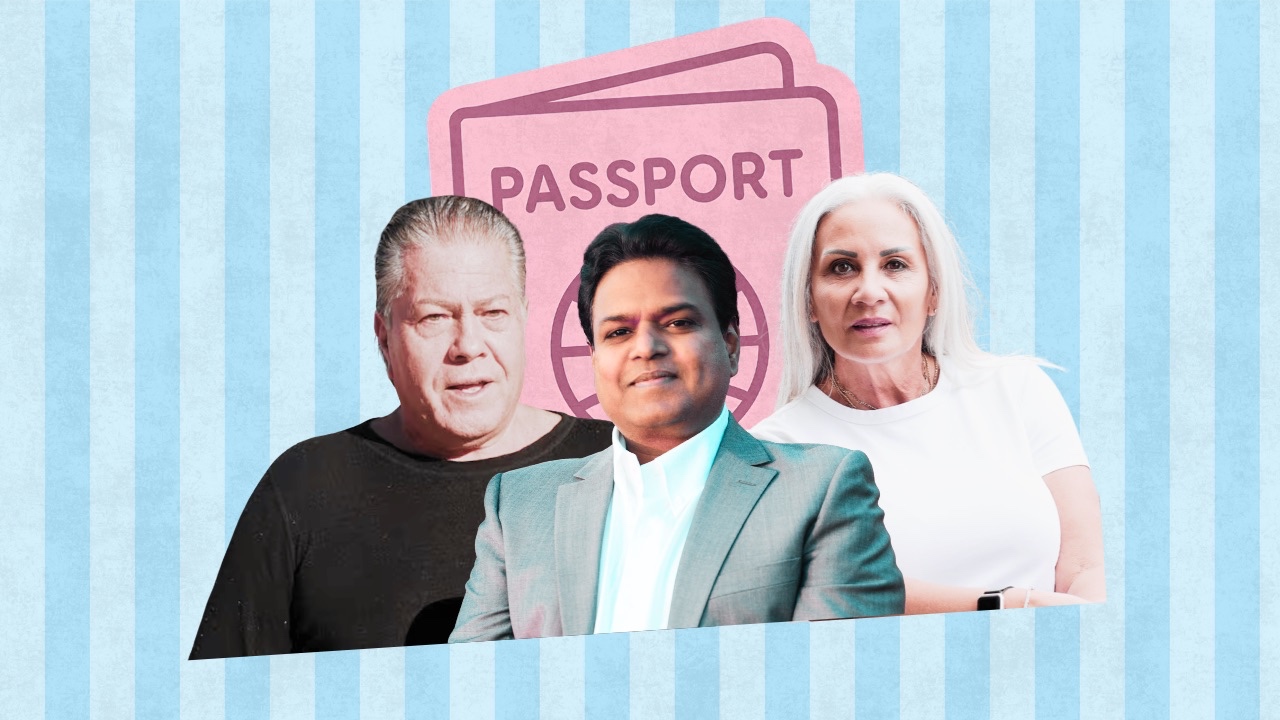
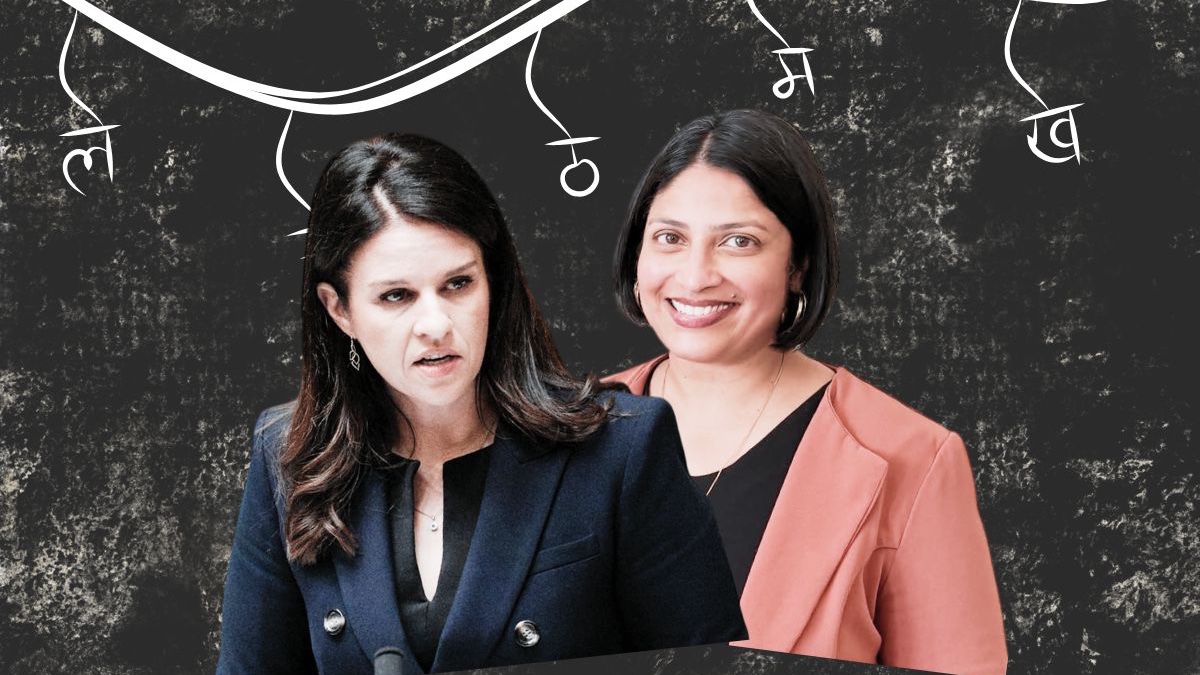
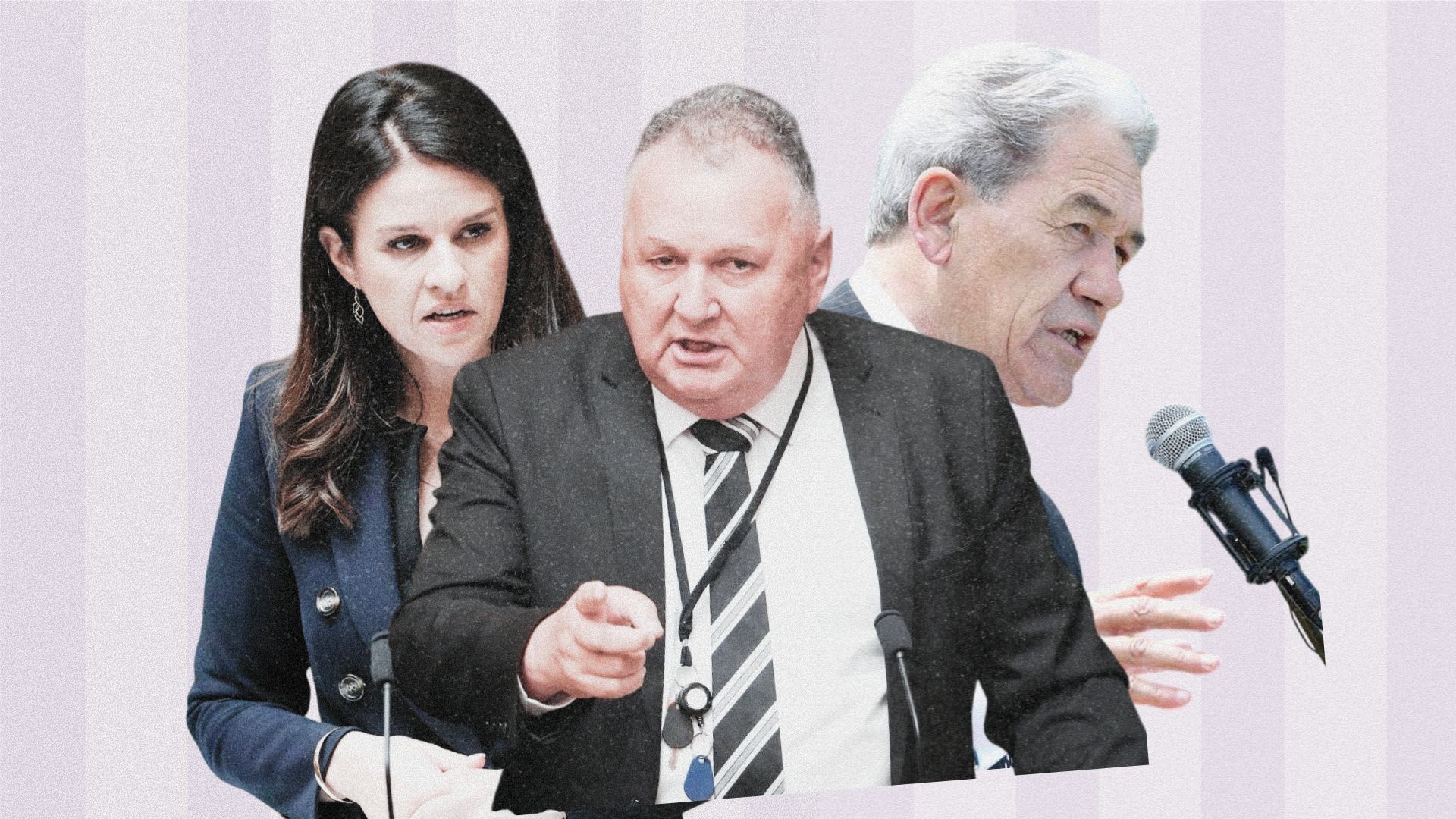
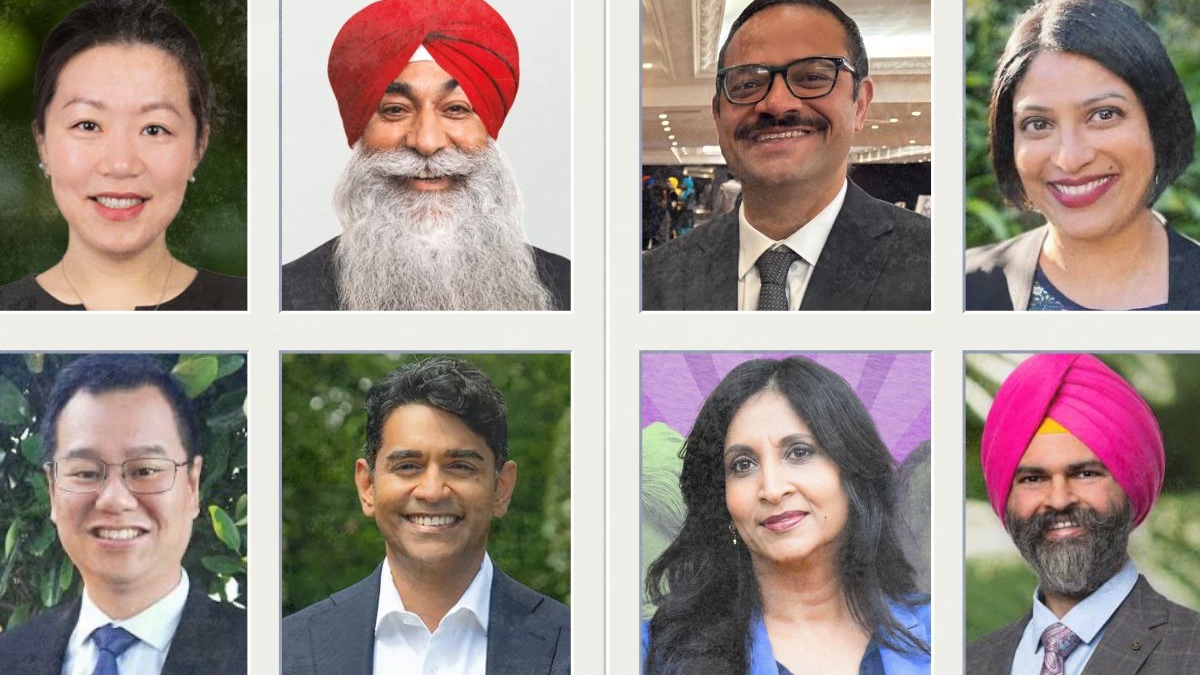
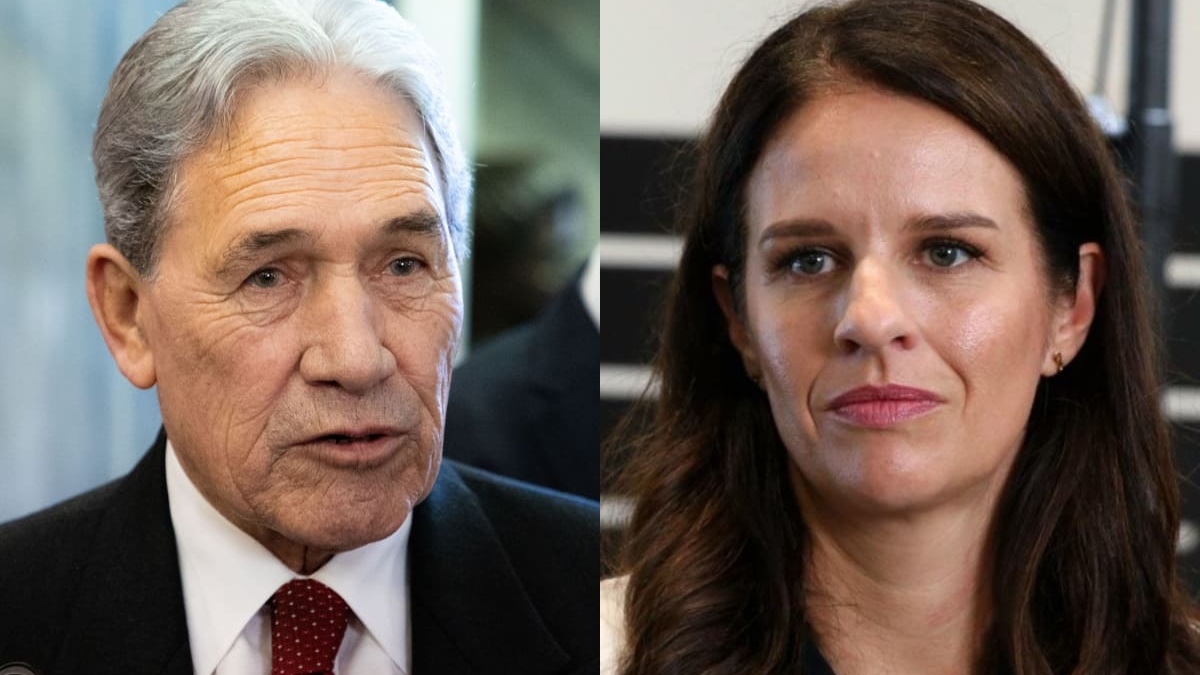
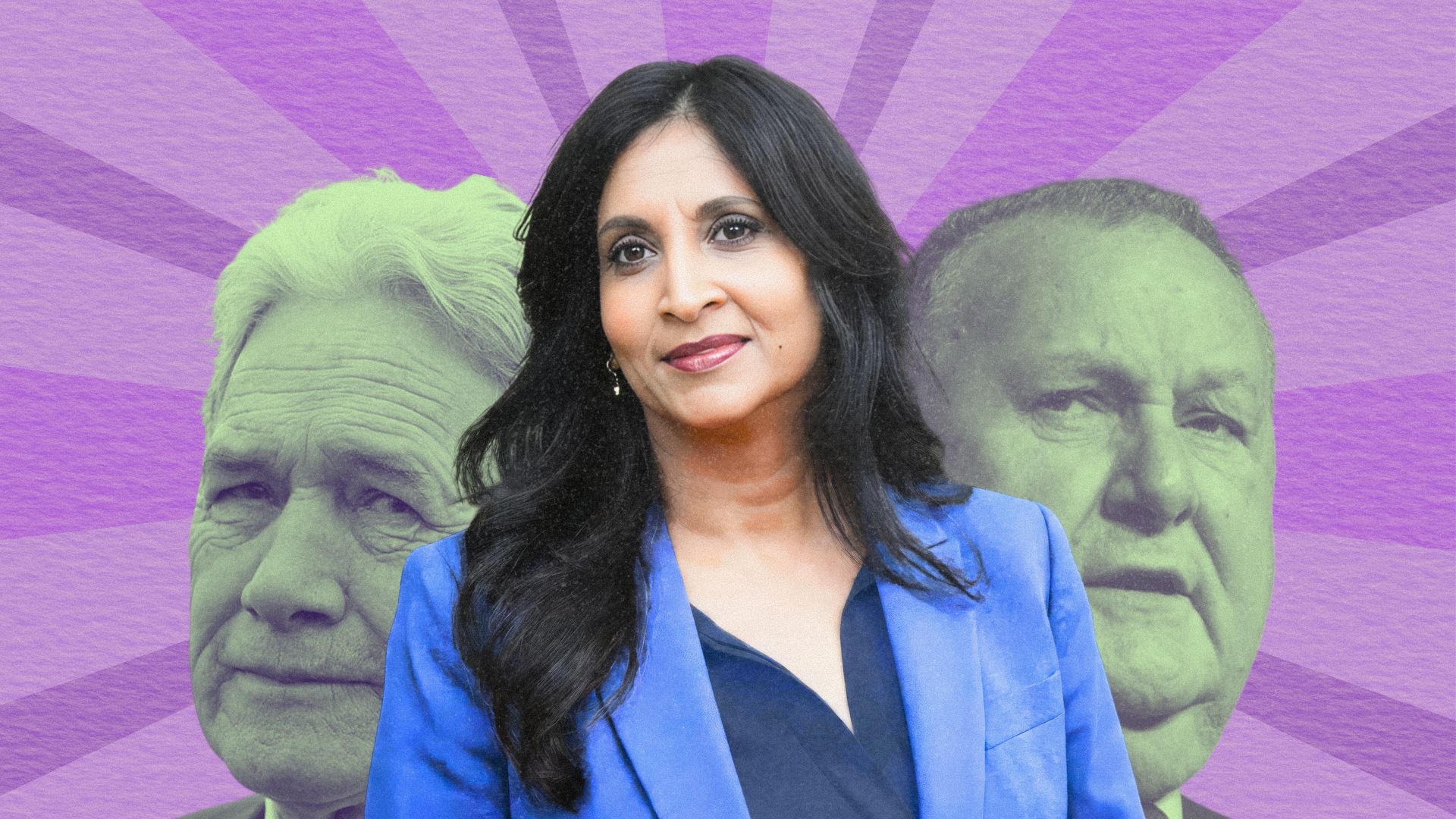
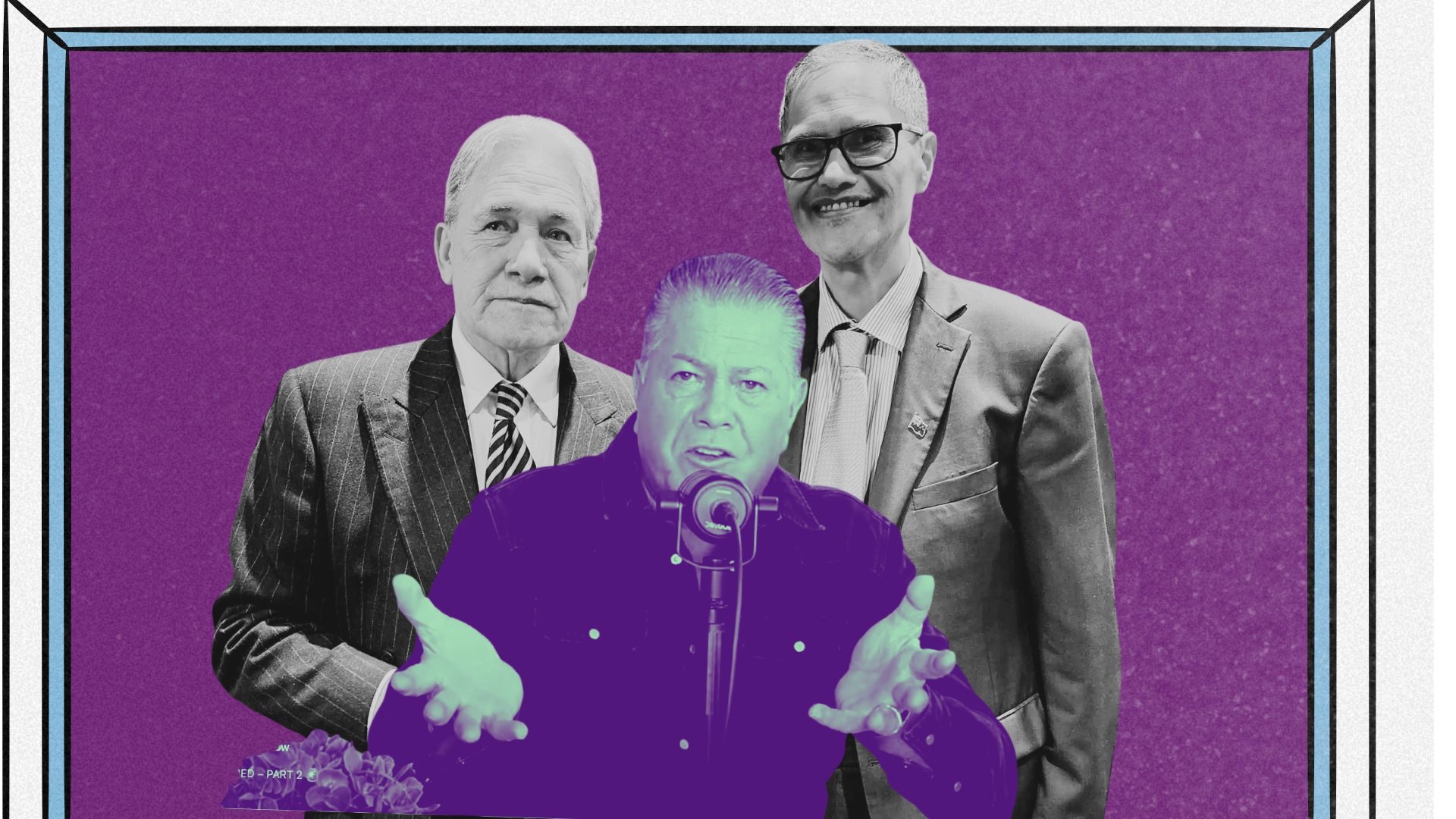
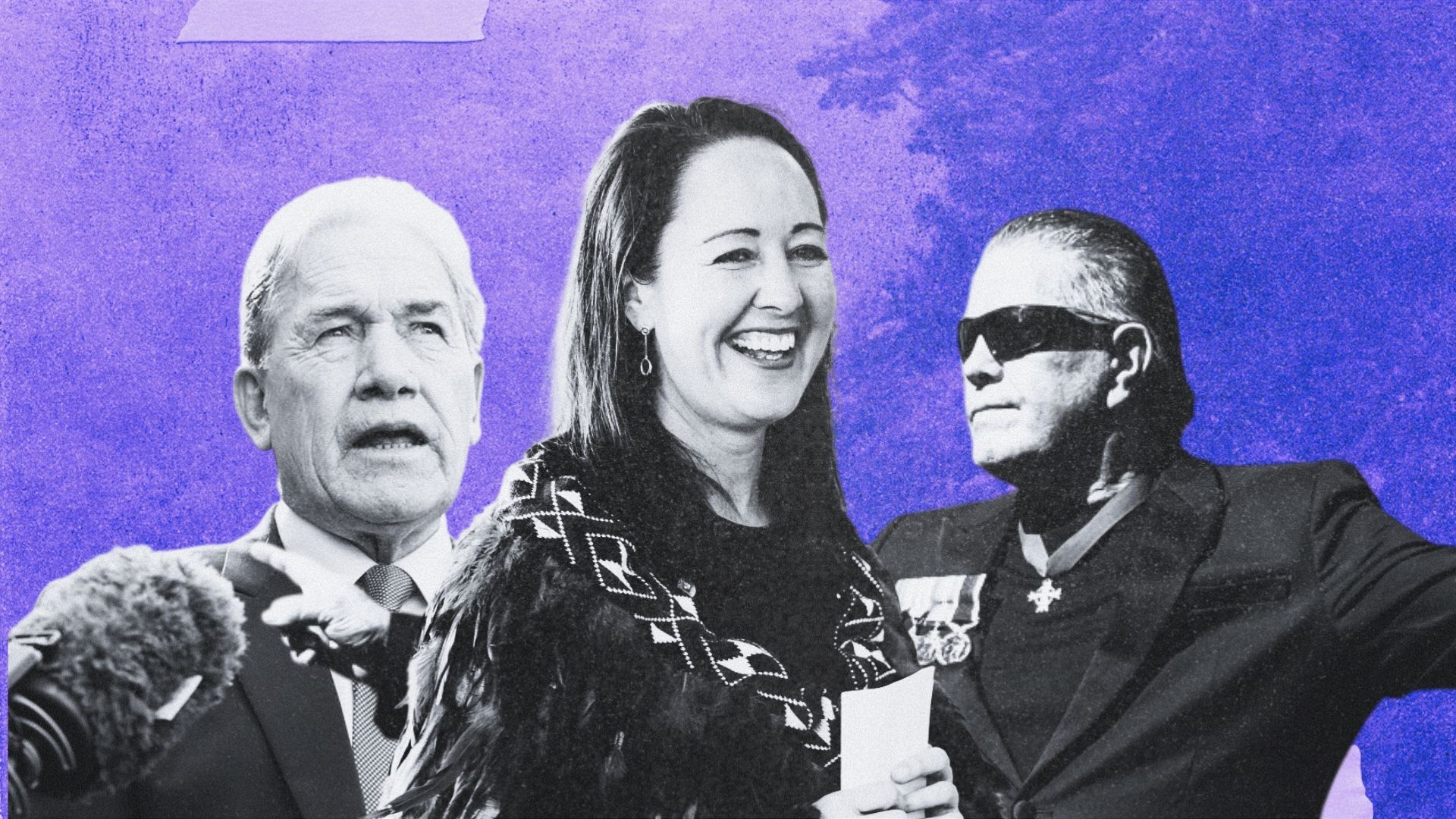
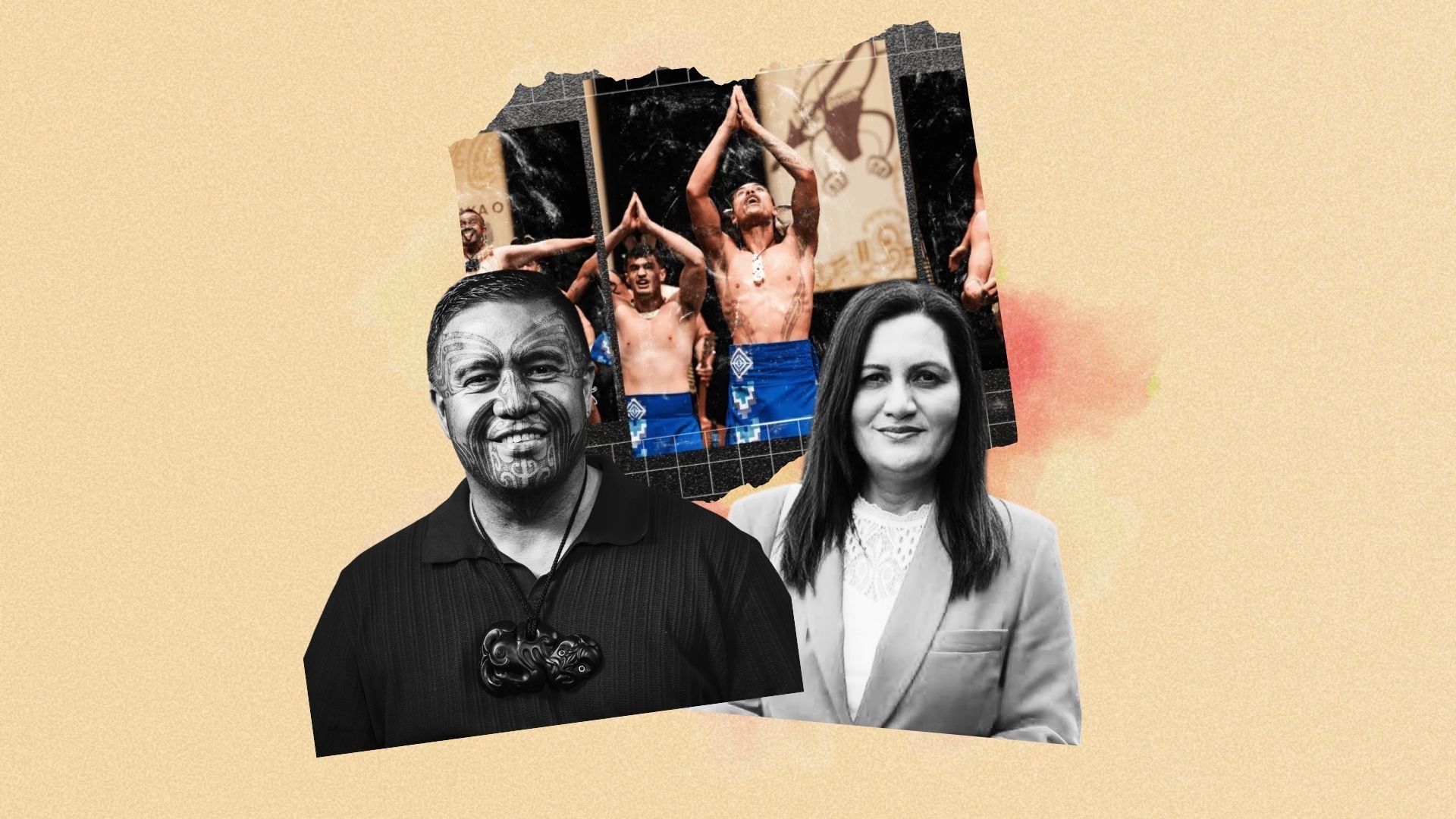
Tamakis launch Indian-origin candidate for Epsom who surrendered passport and has ‘assimilated’ “I know a whole lot of people are going to be like shocked,” says Hannah Tamaki.
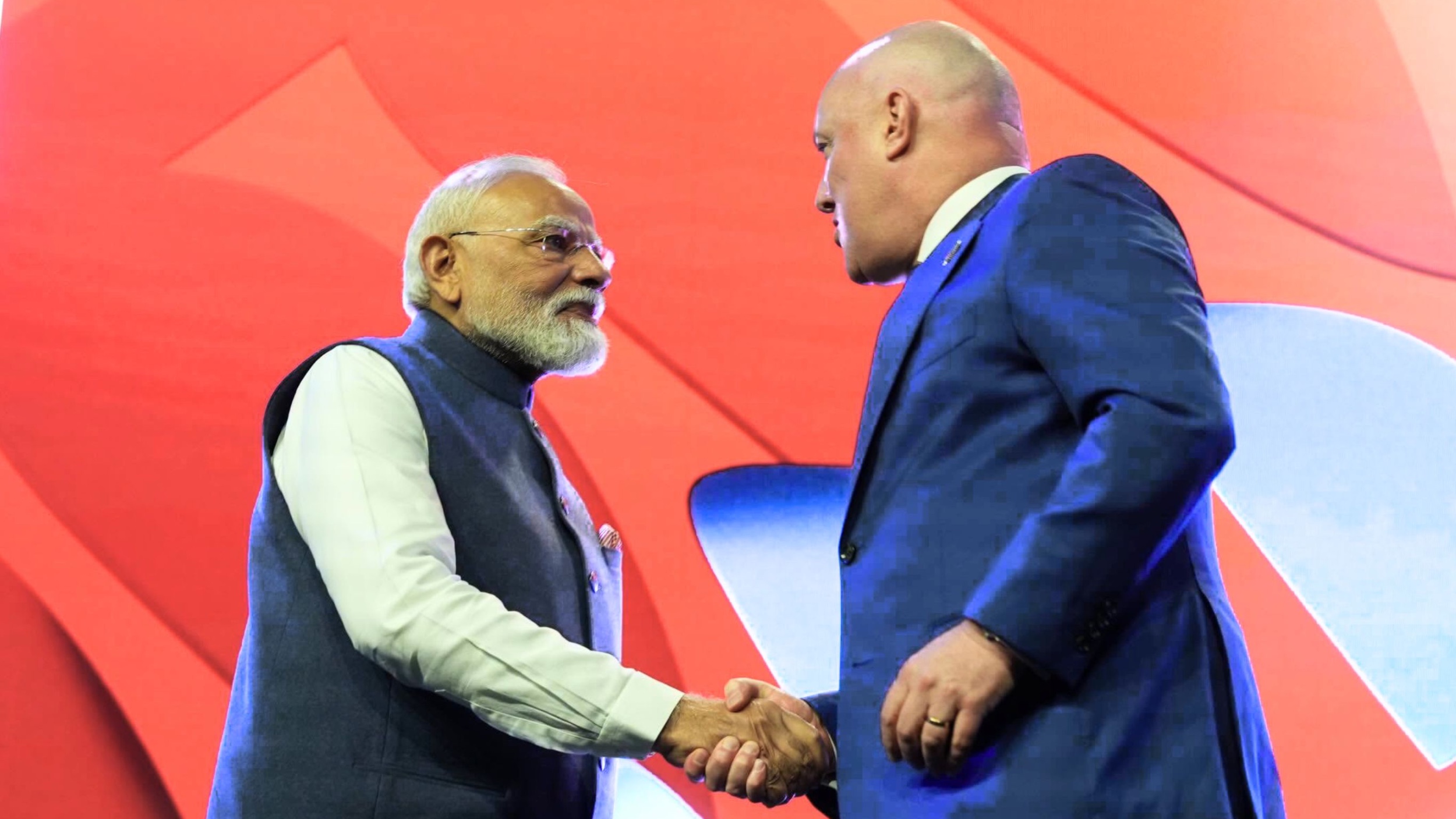
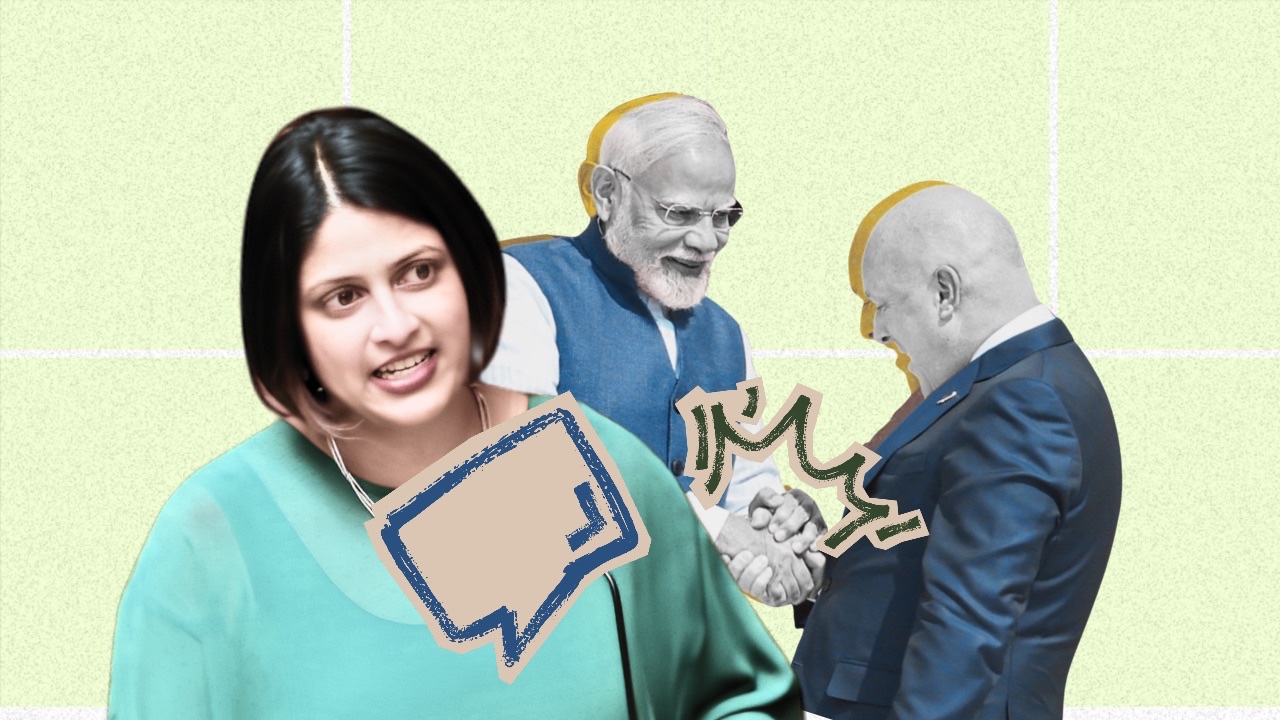
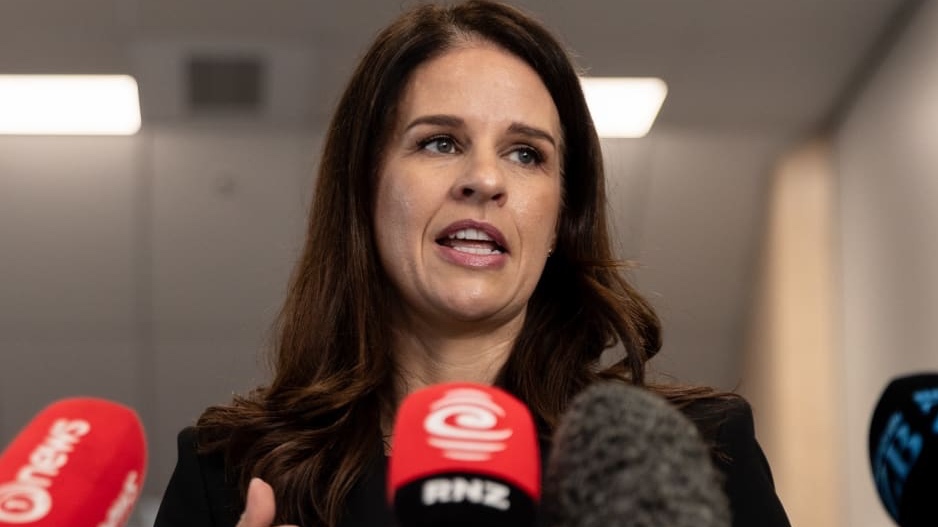
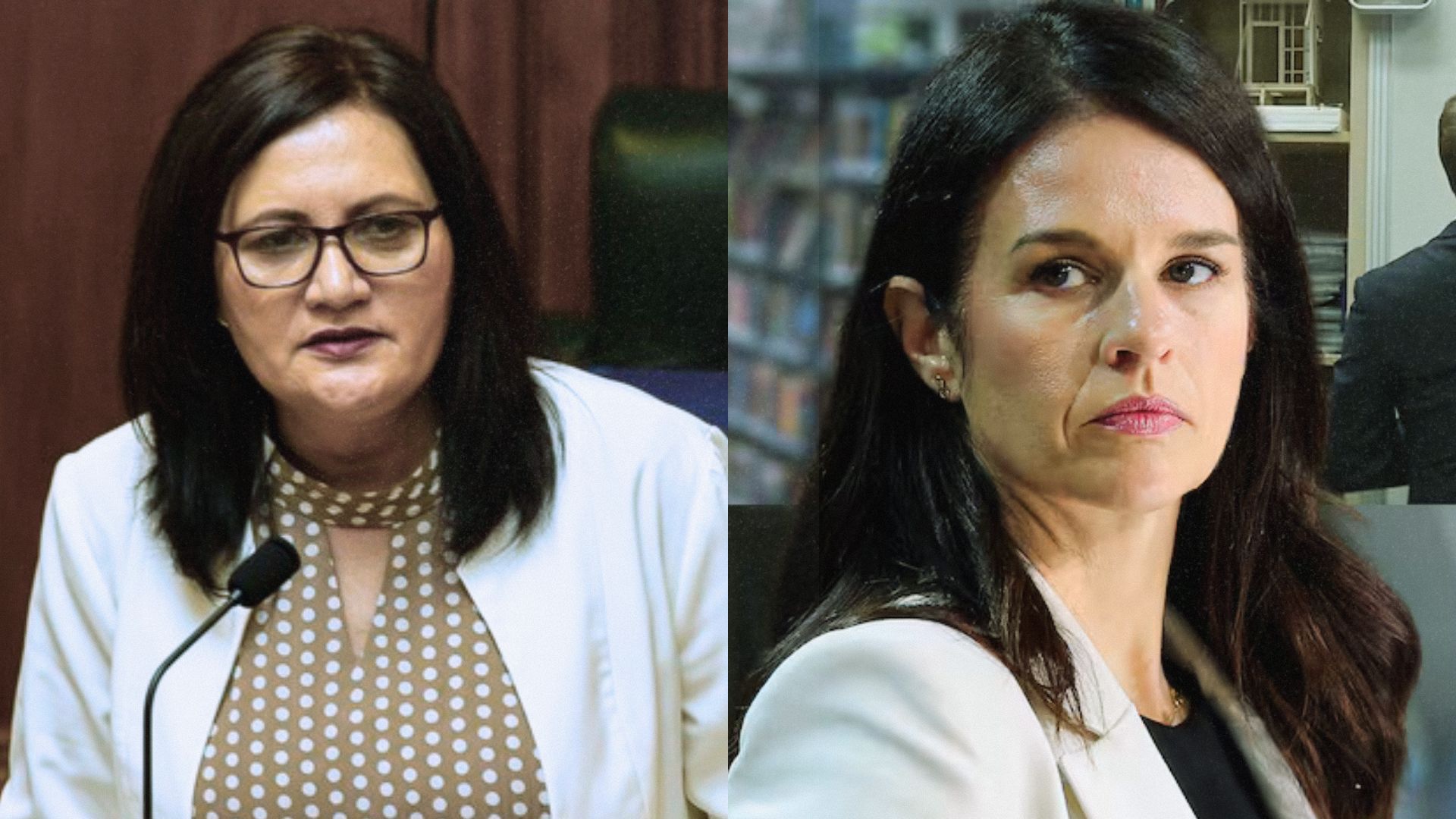
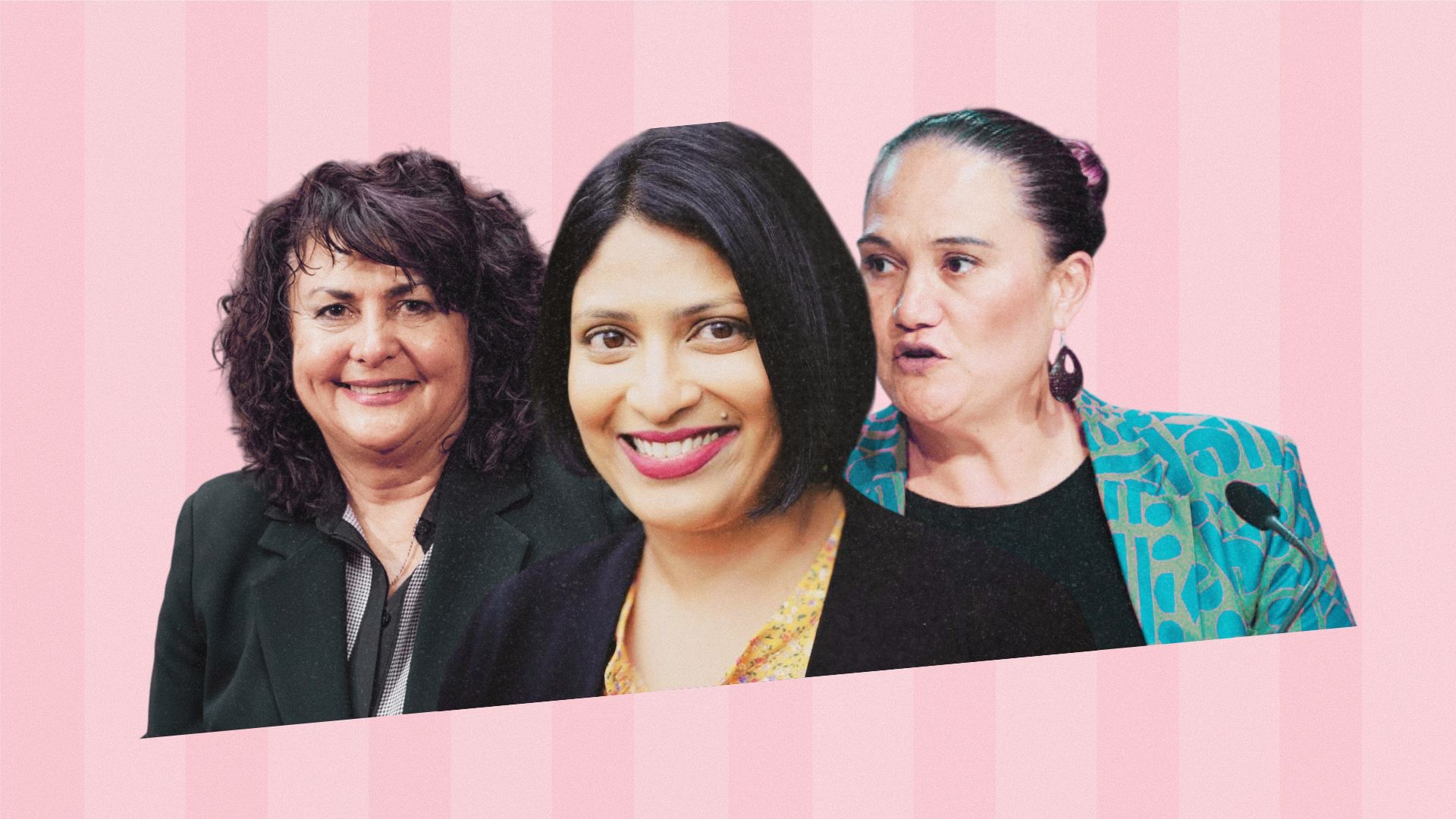
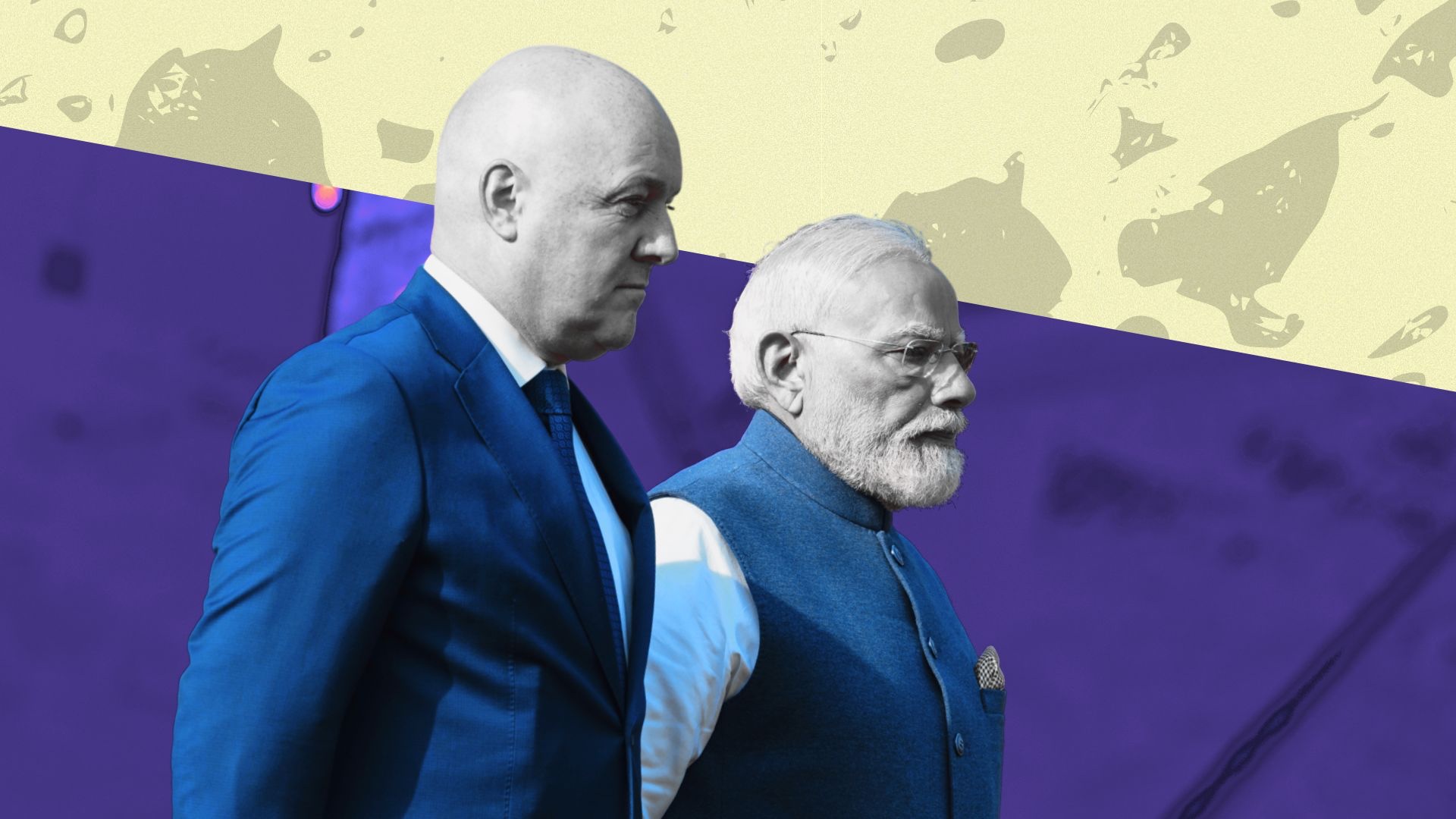
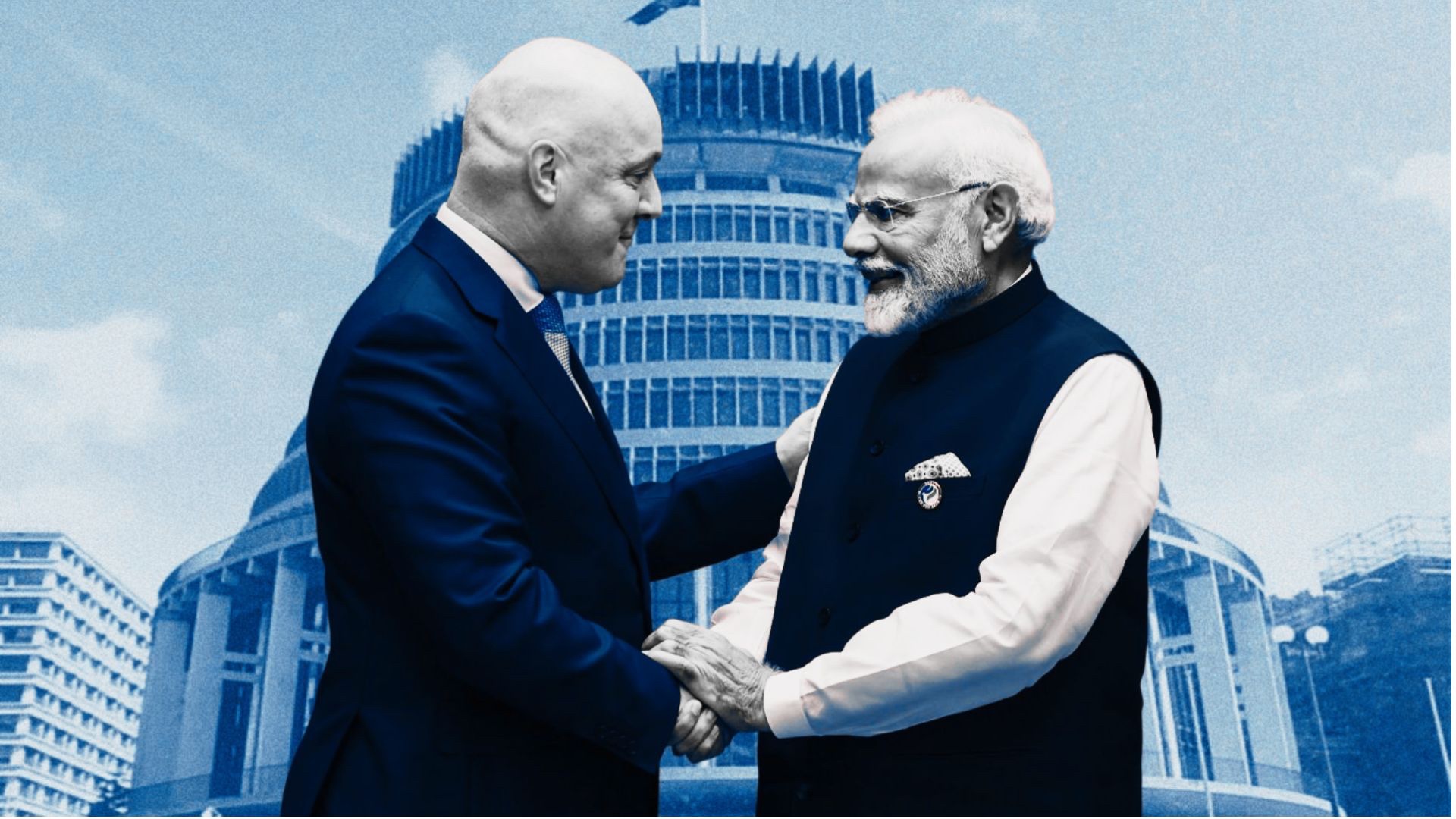
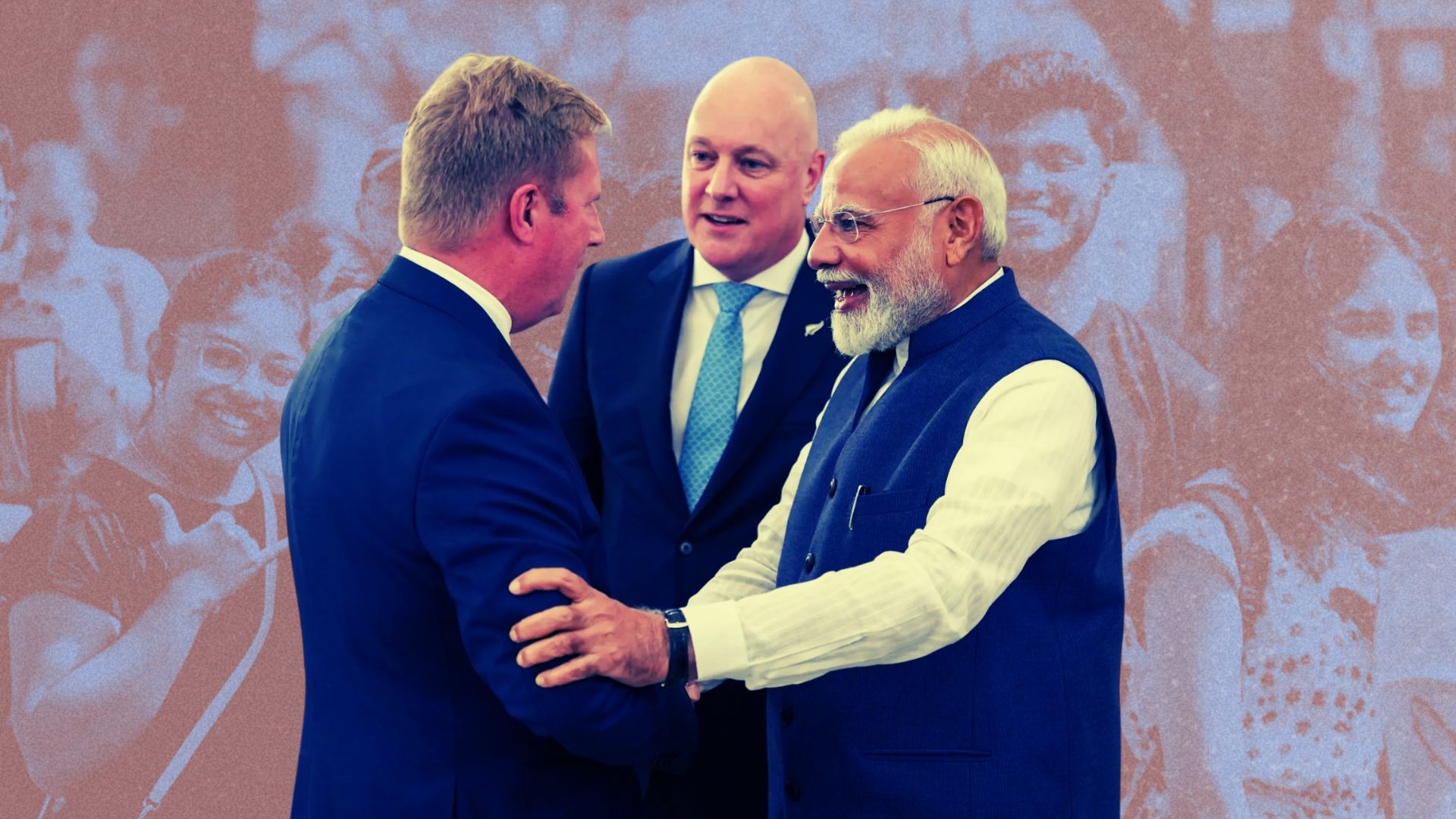
Priyanca Radhakrishnan tries to puncture Luxon’s FTA victory, says India was already sold “Things have changed quite dramatically on the Indian government side,” says the Indian-origin Labour MP.
The organiser obliged. This time, he recalls, the room sang loudly.
"They want to sing," he says. "People want to be part of something. We've got to let people know. All of us feel intimidated and insecure about stepping into new spaces, doing new things."
It is an unusual starting point for an election interview. Muralidhar says he has knocked on about 13,000 doors and has plenty to say about jobs, the economy and National's record.
But I have come with a different question. What is the point of having Indian-origin MPs in Parliament?
His answer takes us through the politics of race, his childhood in Singapore, the All Blacks, Winston Peters and, eventually, a subject so combustible even a whisper could set it alight. Who should Indian migrants support when BlackCaps play the Indian cricket team?
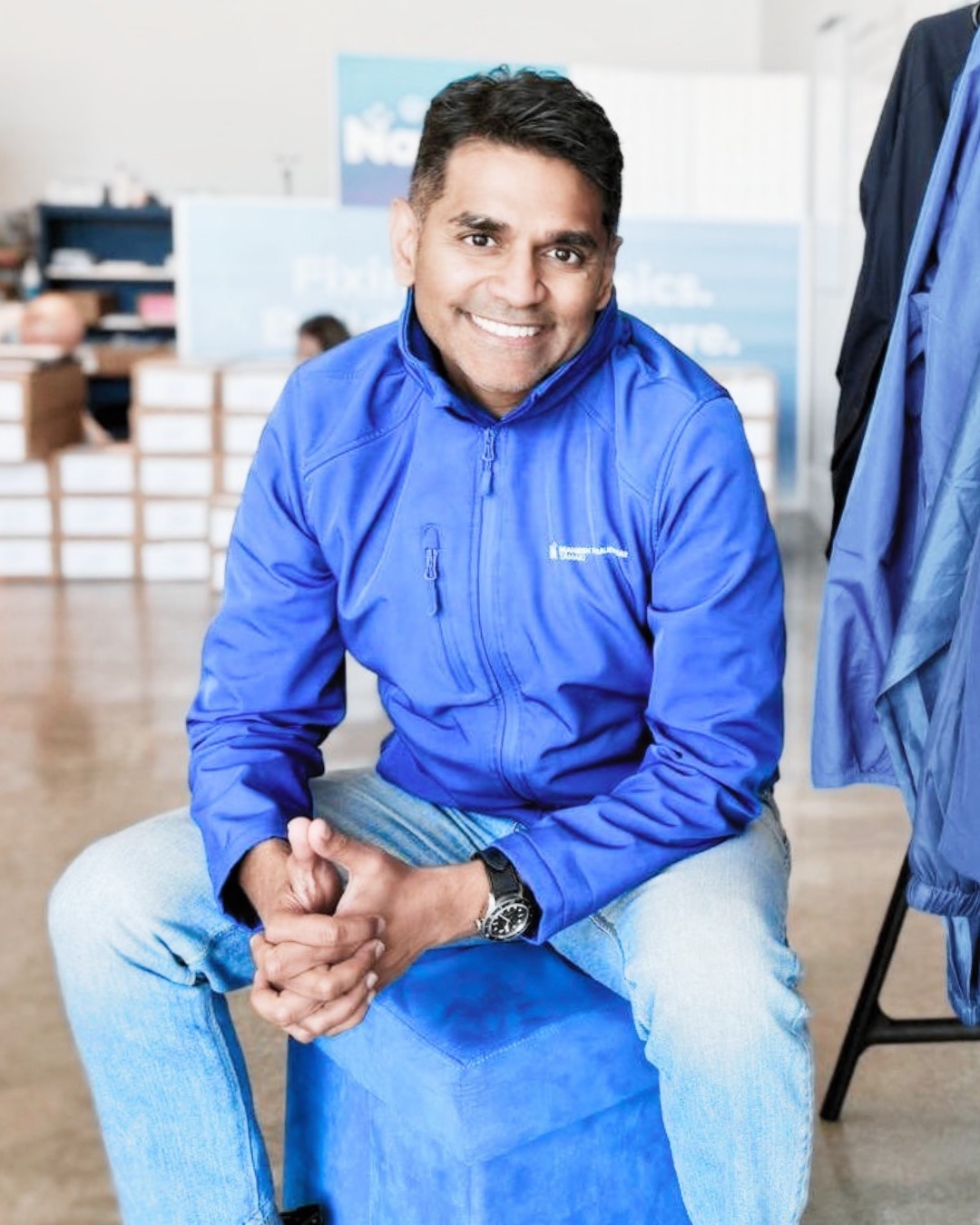
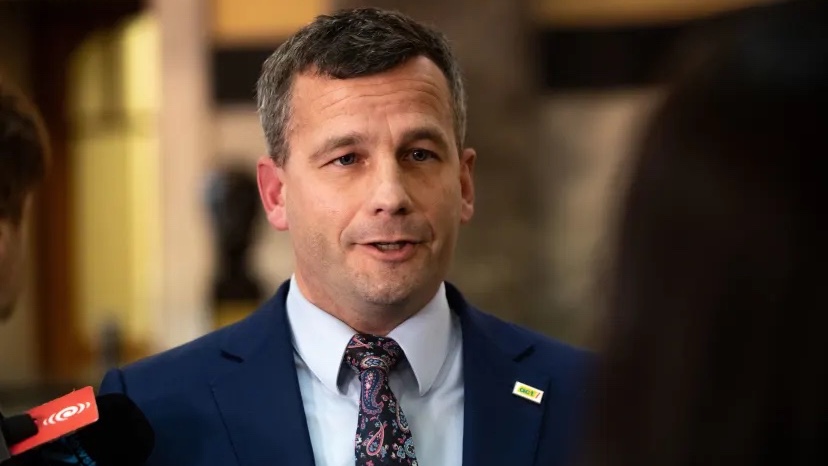
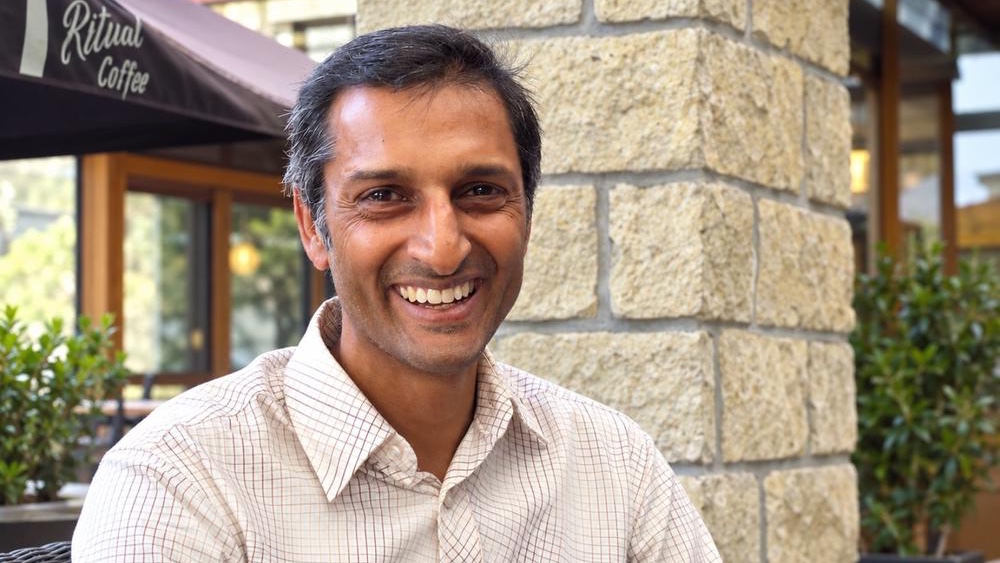
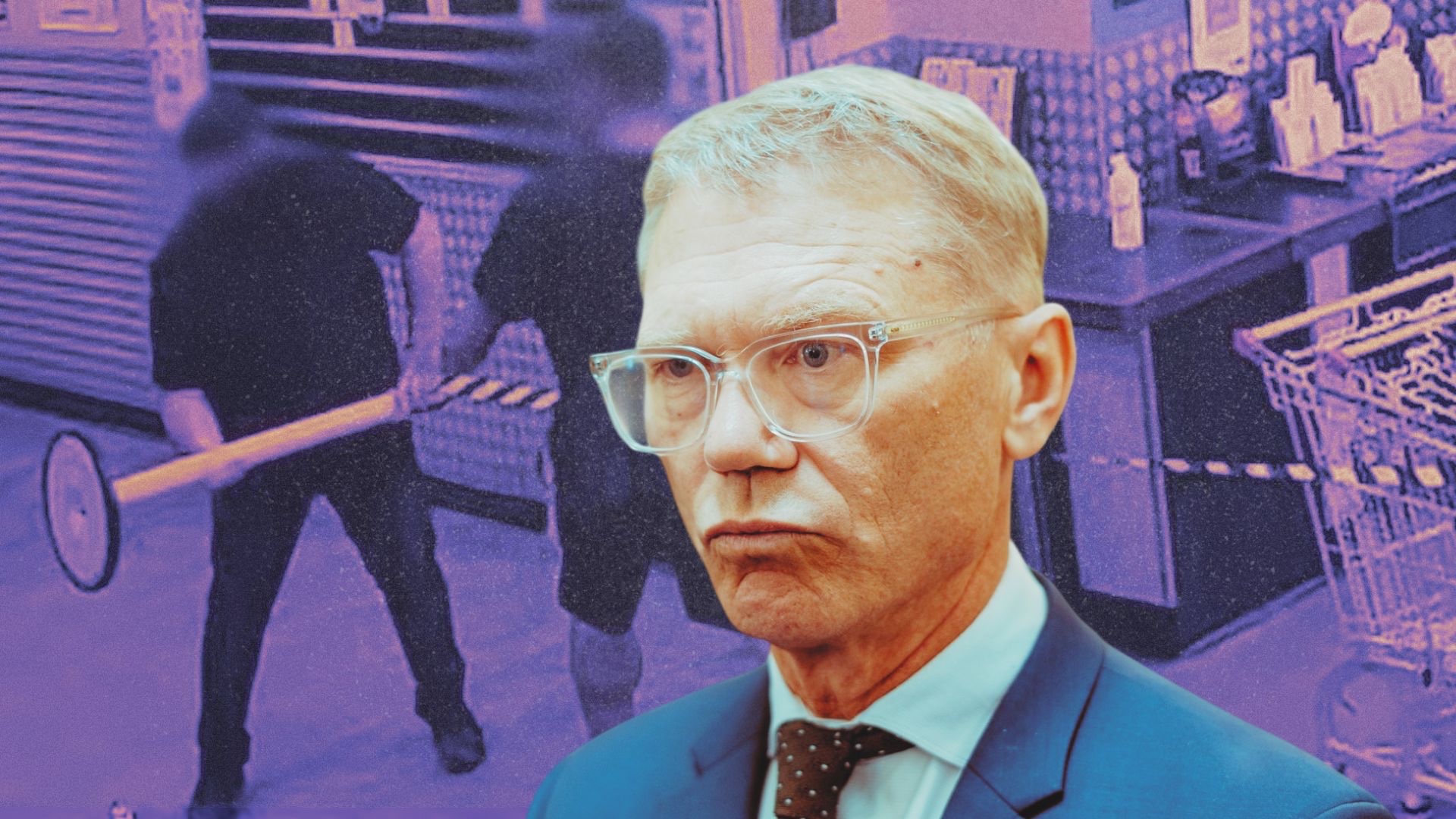
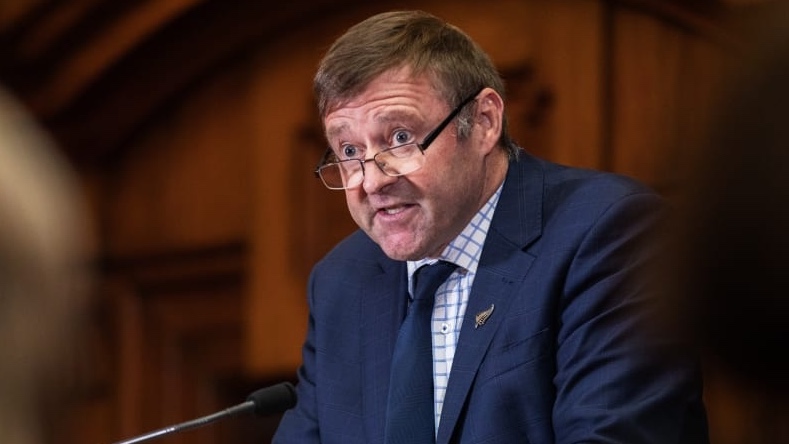
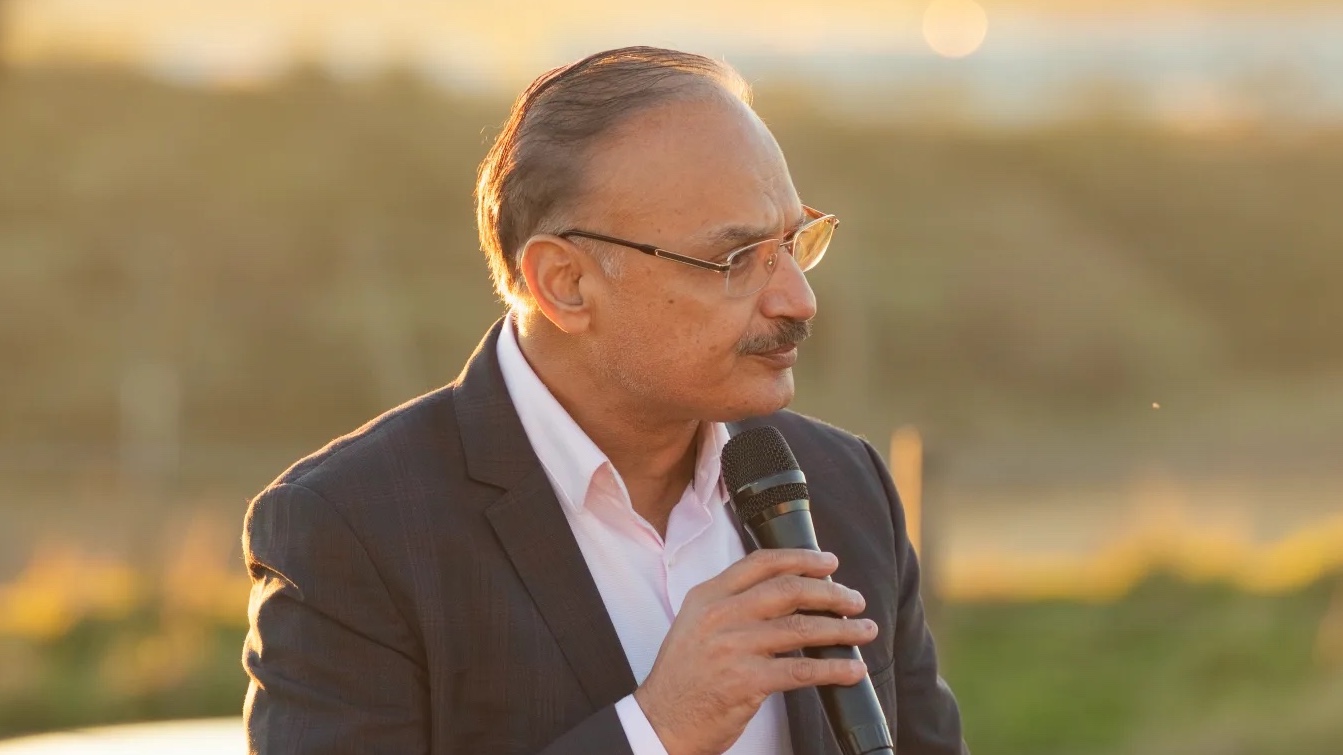
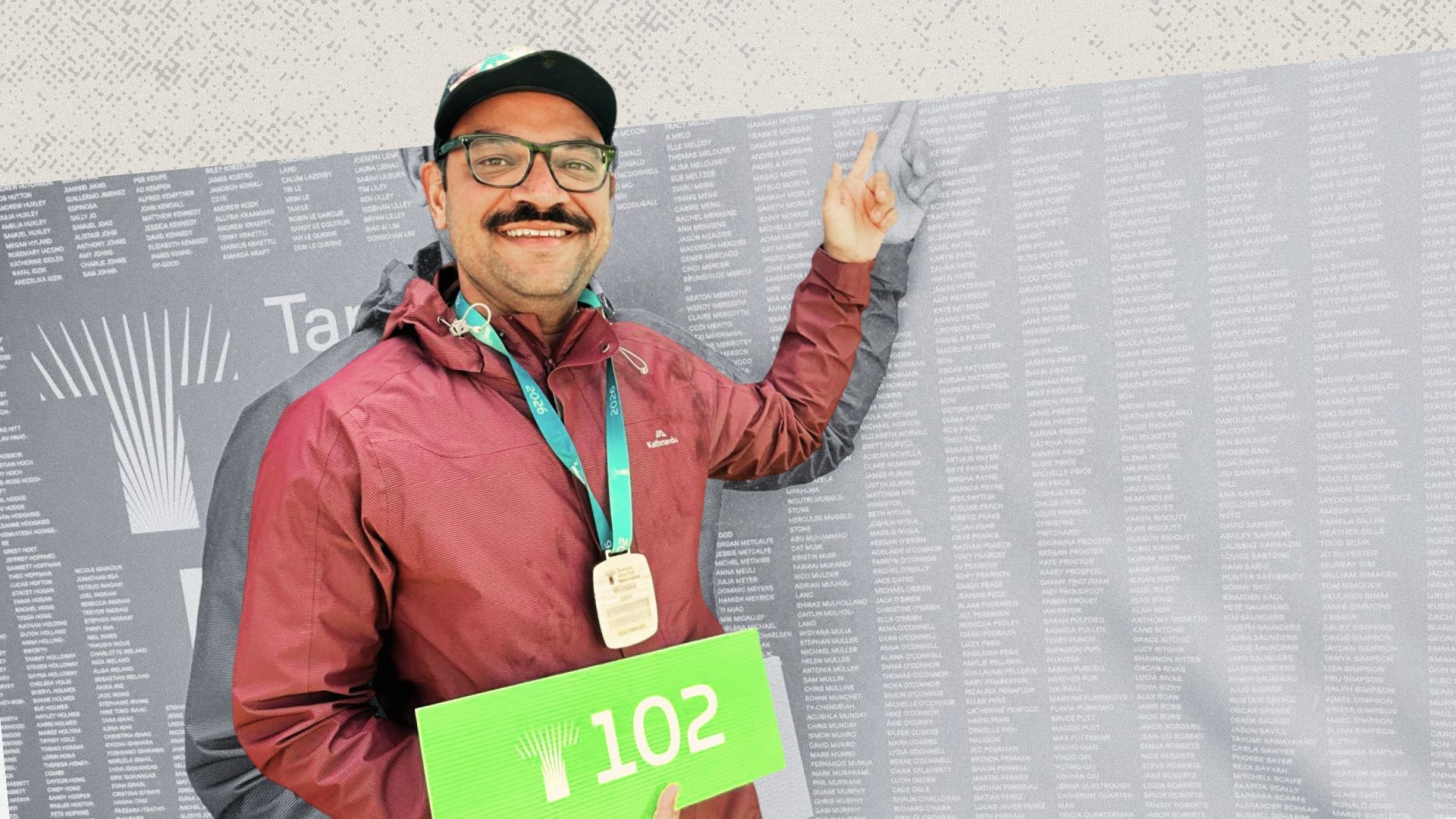
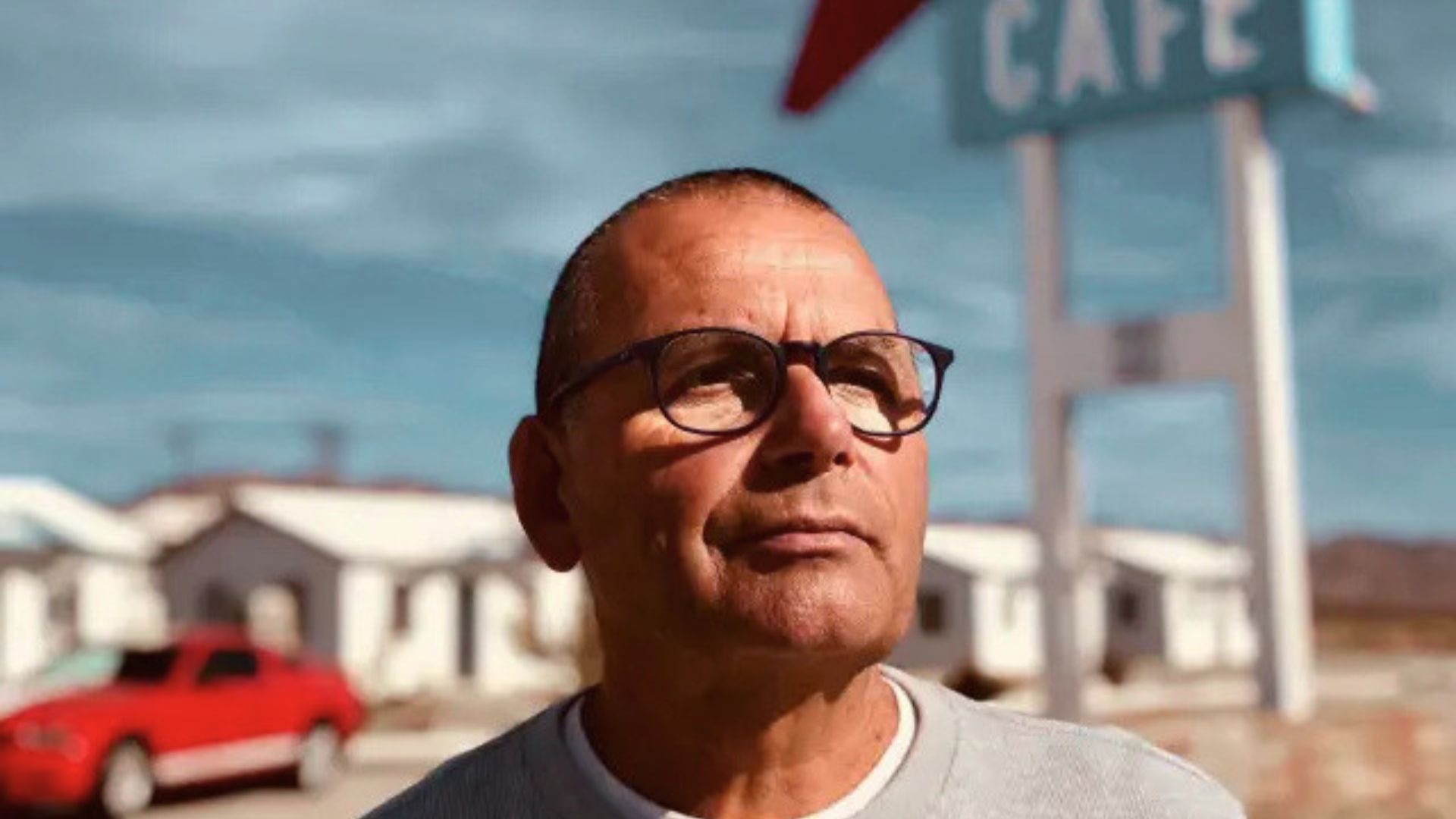
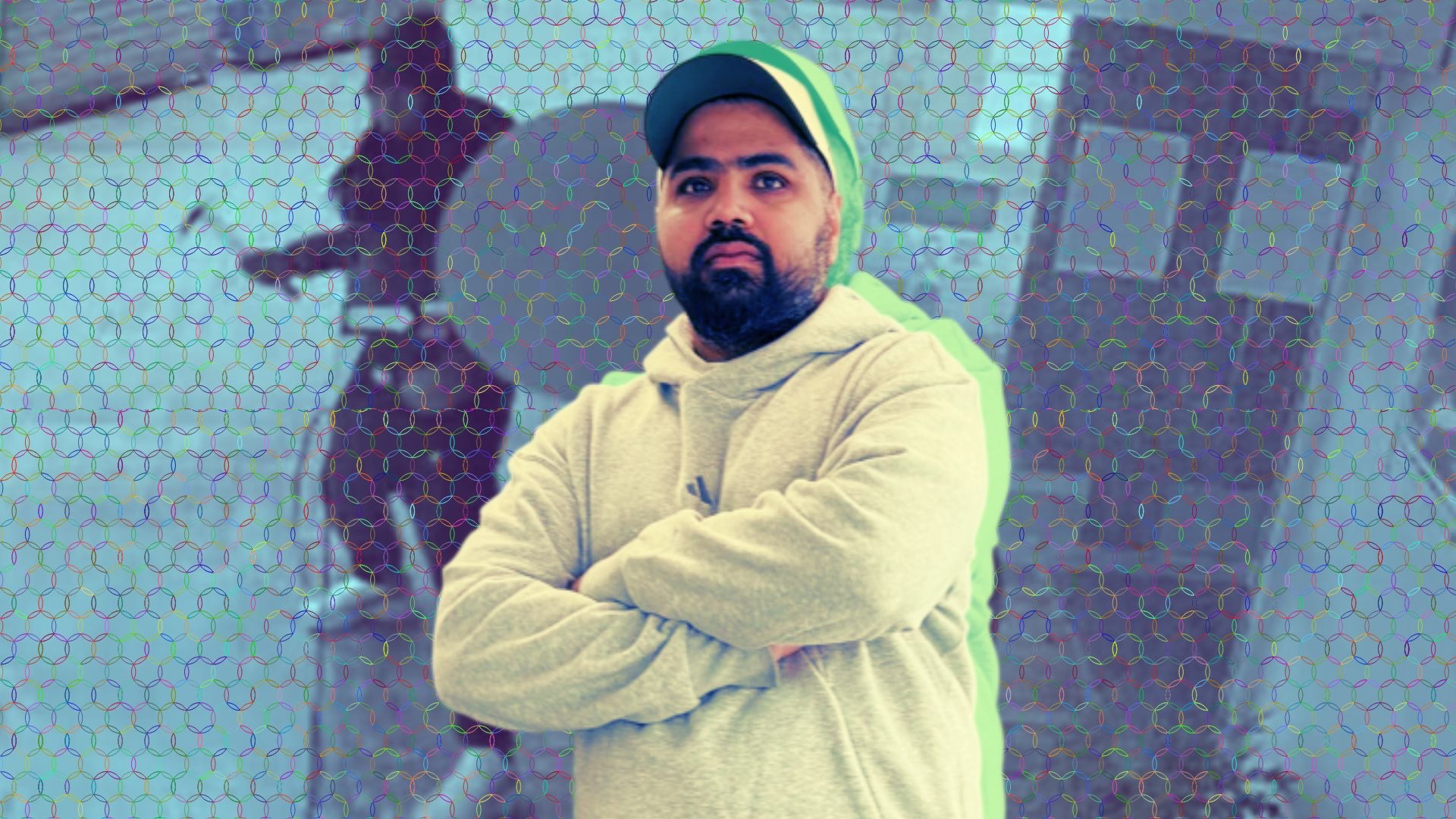
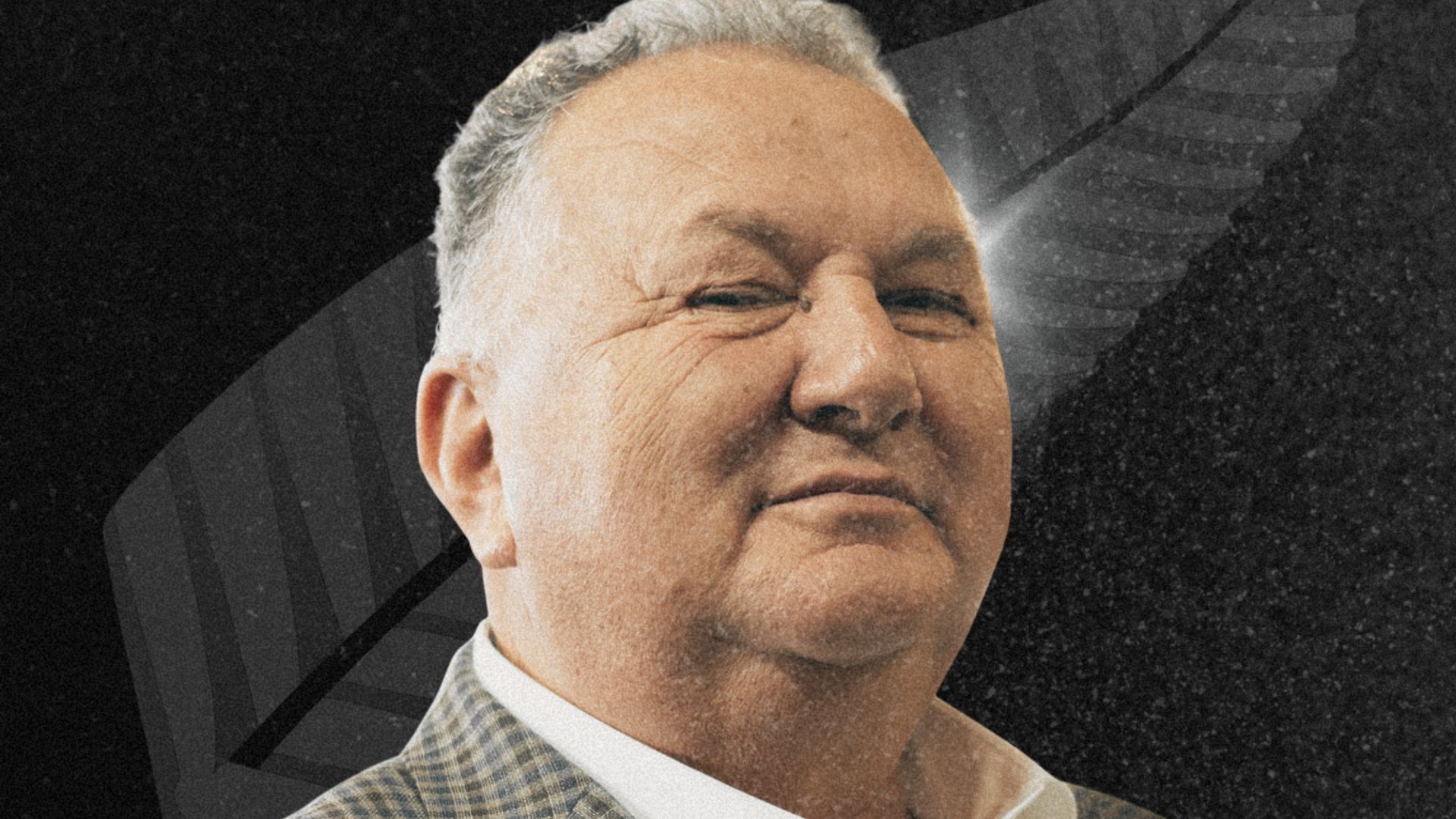
Muralidhar at his election office in St Heliers, Auckland. (Ravi Bajpai)
For Muralidhar, there is no contradiction in being Indian and Kiwi. He is both, although his understanding of what becoming Kiwi involves may not sit comfortably with every Indian migrant.
Born in India and raised in Singapore, he arrived in New Zealand at 14. His Indian heritage remains part of who he is, but his emotional allegiance is firmly with the country he now calls home.
"My love and affection is for this country."
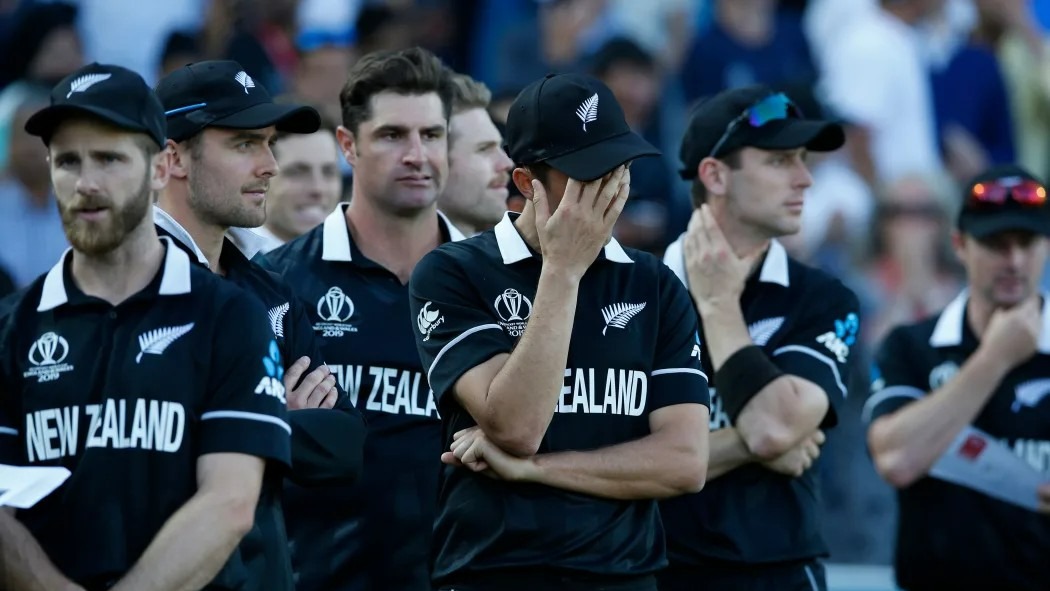
That allegiance extends to the cricket field. Having grown up with Indian cricketing heroes, he eventually found himself cheering for New Zealand against India.
"This is my country."
But does becoming Kiwi require that kind of shift in allegiance? What about migrants who arrive in their 30s or 40s, having spent decades cheering for India?
Muralidhar acknowledges that arriving at 14 probably made his own transition easier. His broader argument, however, is about participation. Migrants making an effort to become part of New Zealand society, and established communities making room for them.
"Maybe, instead of representation, we should talk about invitation."
It is an intriguing proposition from someone hoping to become an Indian-born MP. And it brings us back to the question I had come to ask him. What exactly is ethnic representation supposed to achieve?
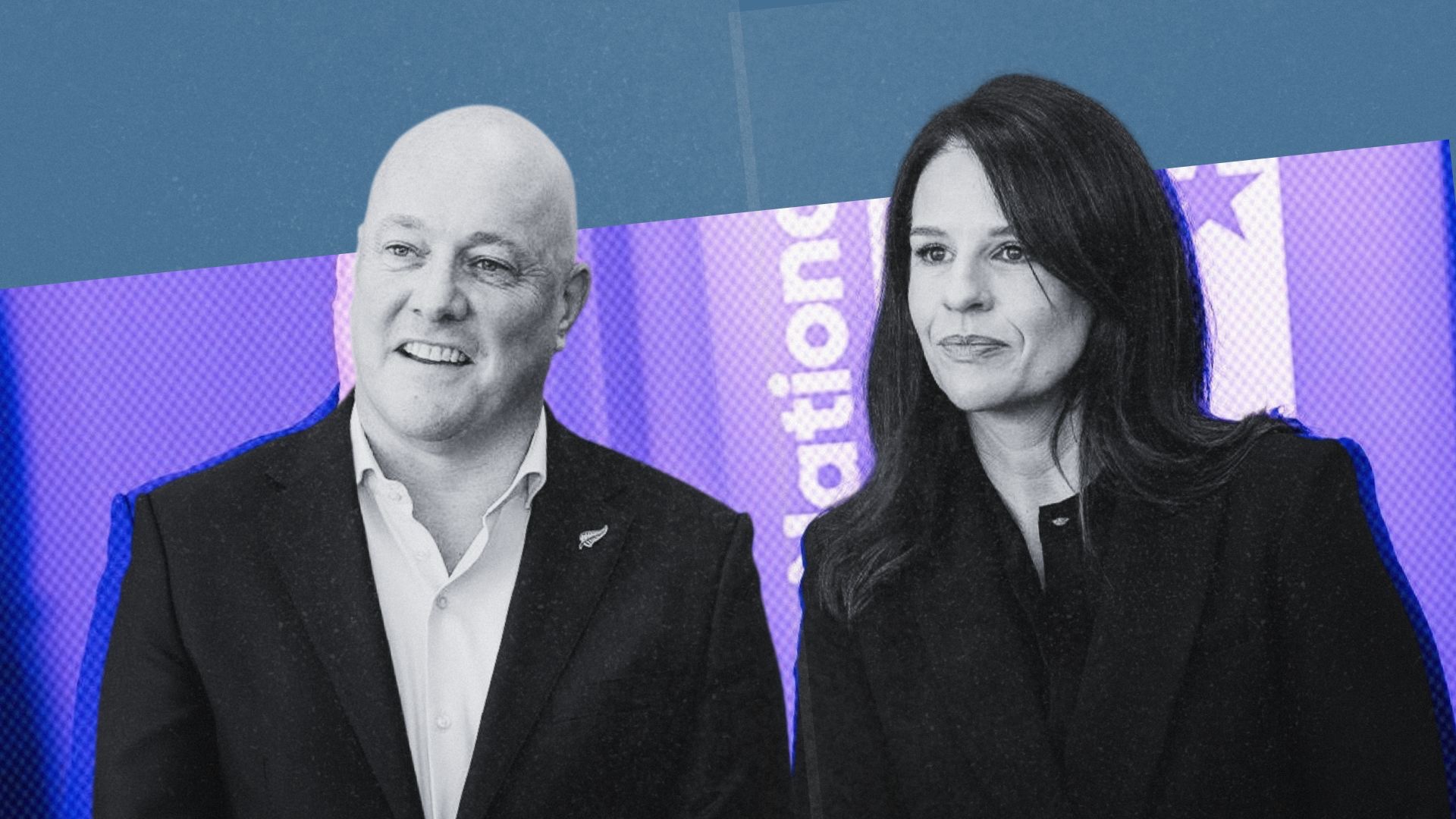
Muralidhar has already had one unsuccessful attempt at entering Parliament. National fielded him in Auckland Central in 2023, when he lost to the Greens' Chloe Swarbrick.
Before entering politics, he was an early team member at Canva and went on to establish Phase One Ventures, an Auckland-based venture capital firm that has backed 14 New Zealand technology startups through a $2.1 million early-stage fund.
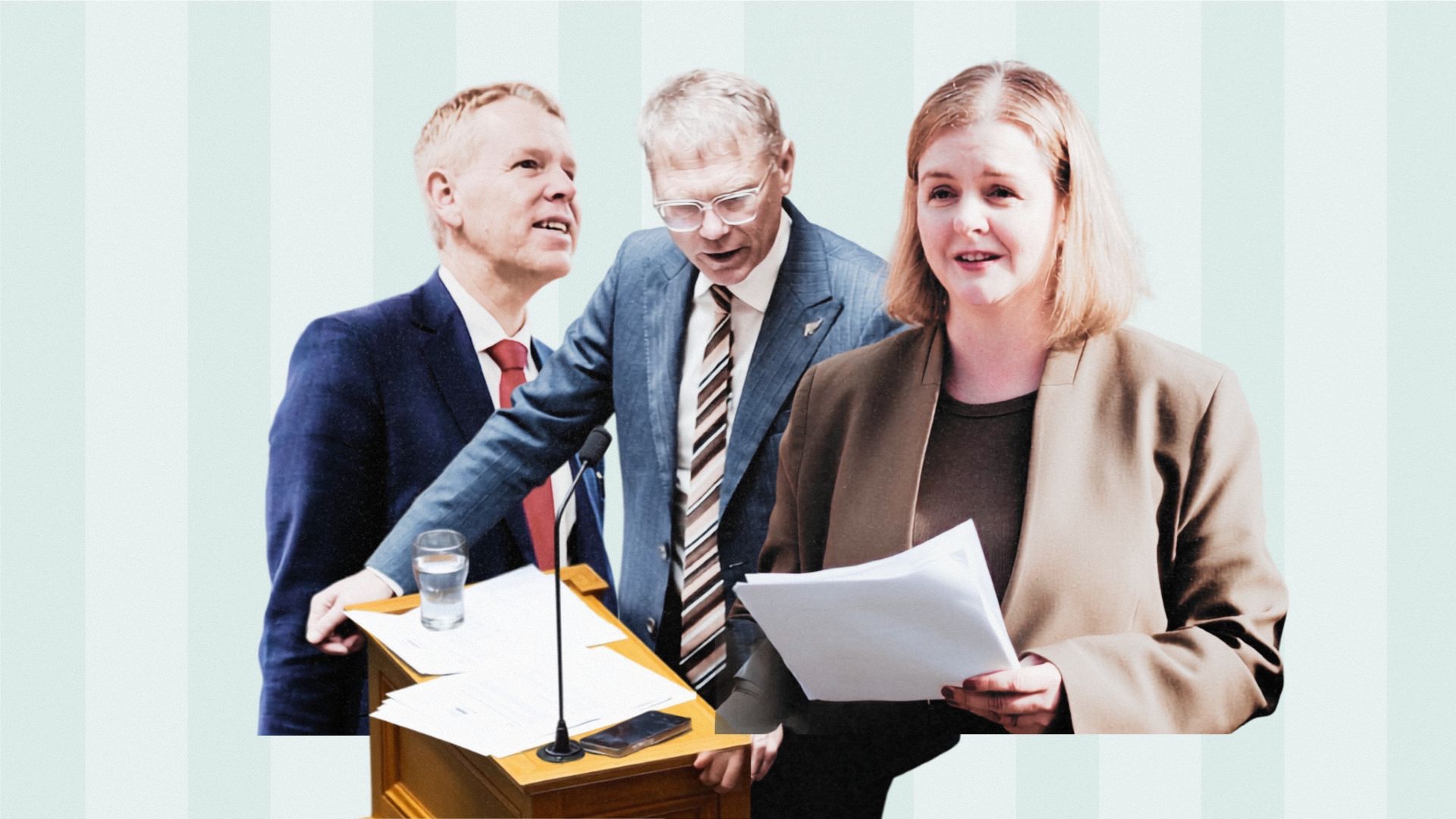
His selection for Tāmaki in February marked the first time National had fielded an Indian-origin candidate in one of its traditional urban strongholds. The electorate was represented by former prime minister Robert Muldoon for 31 years and remained in National's hands until ACT's Brooke van Velden won it in 2023.
With van Velden retiring from politics, Muralidhar is seeking to return Tāmaki to National at the November election. He is also ranked 24th on the party's list, giving him another potential route into Parliament.
The political significance of his candidacy is difficult to ignore. Yet Muralidhar is reluctant to make his Indian heritage the defining feature of his campaign.
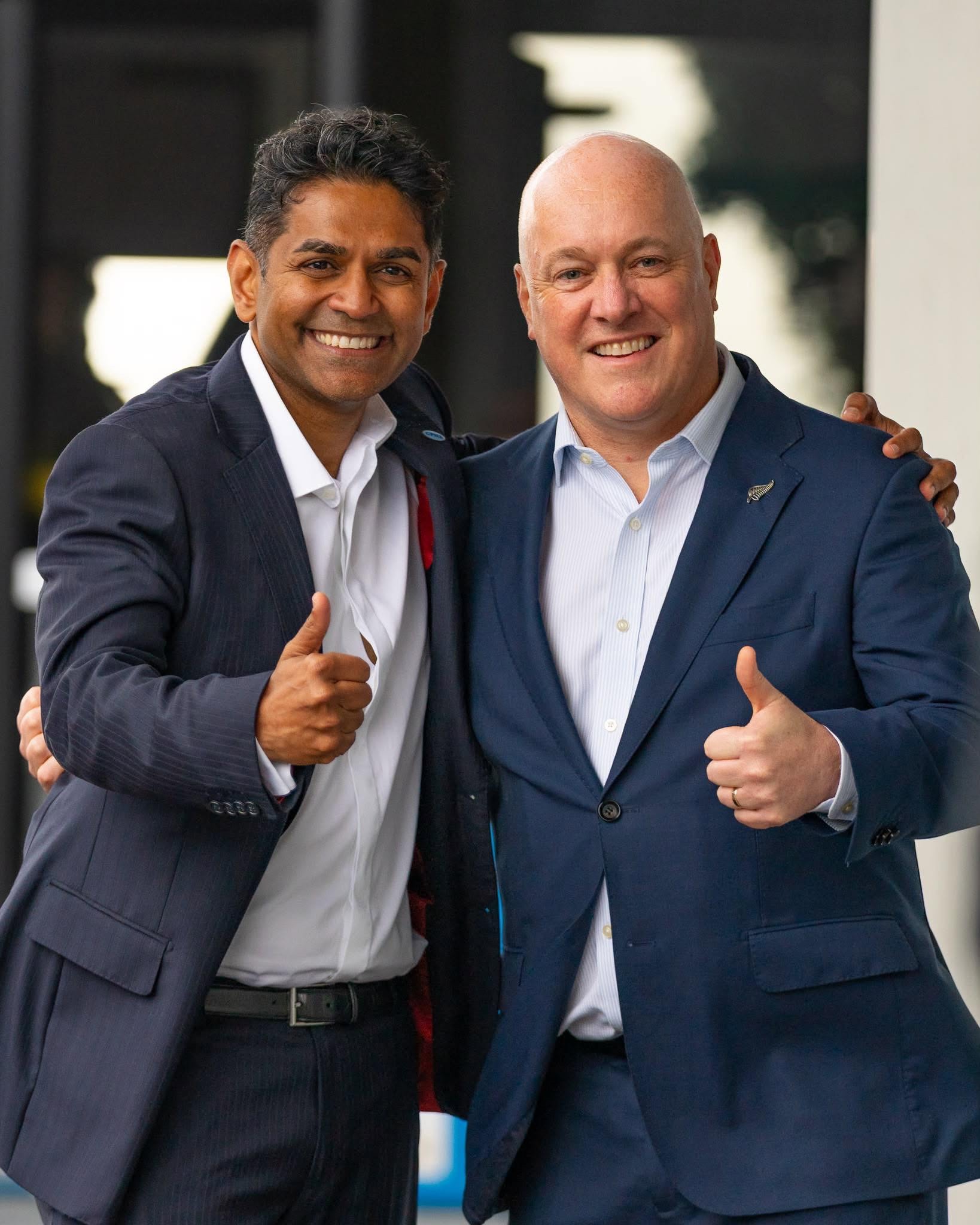
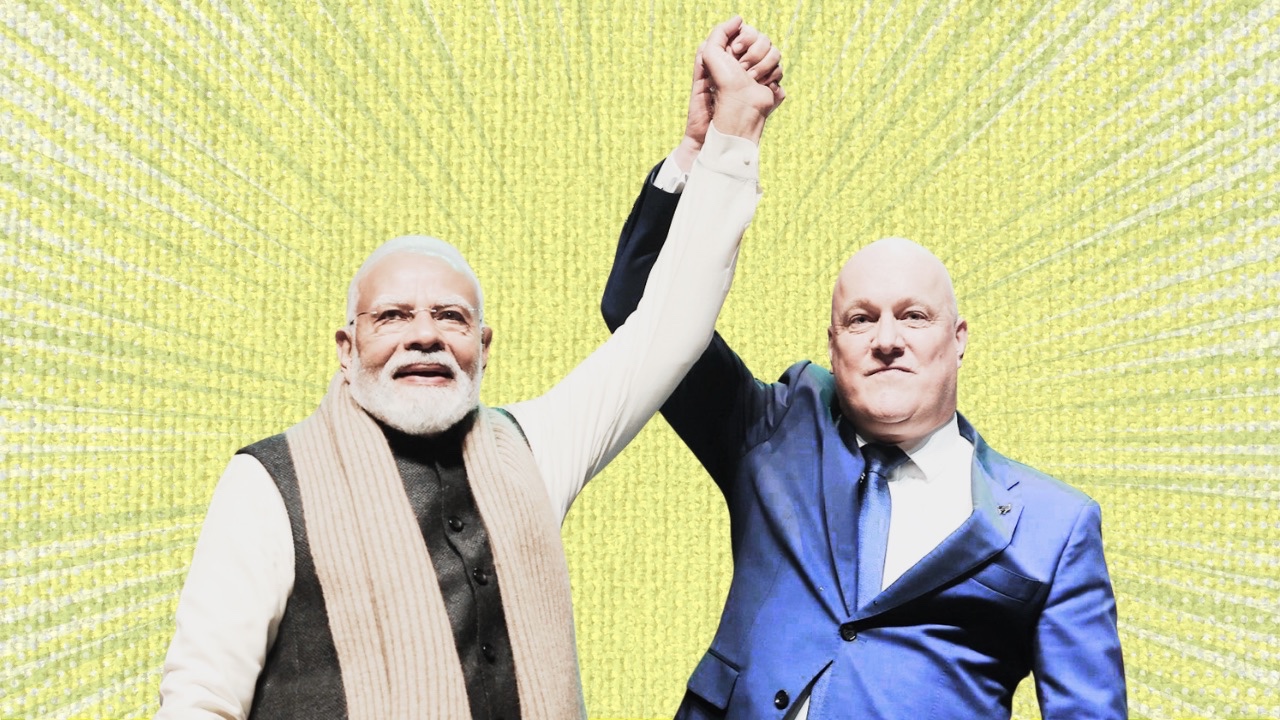
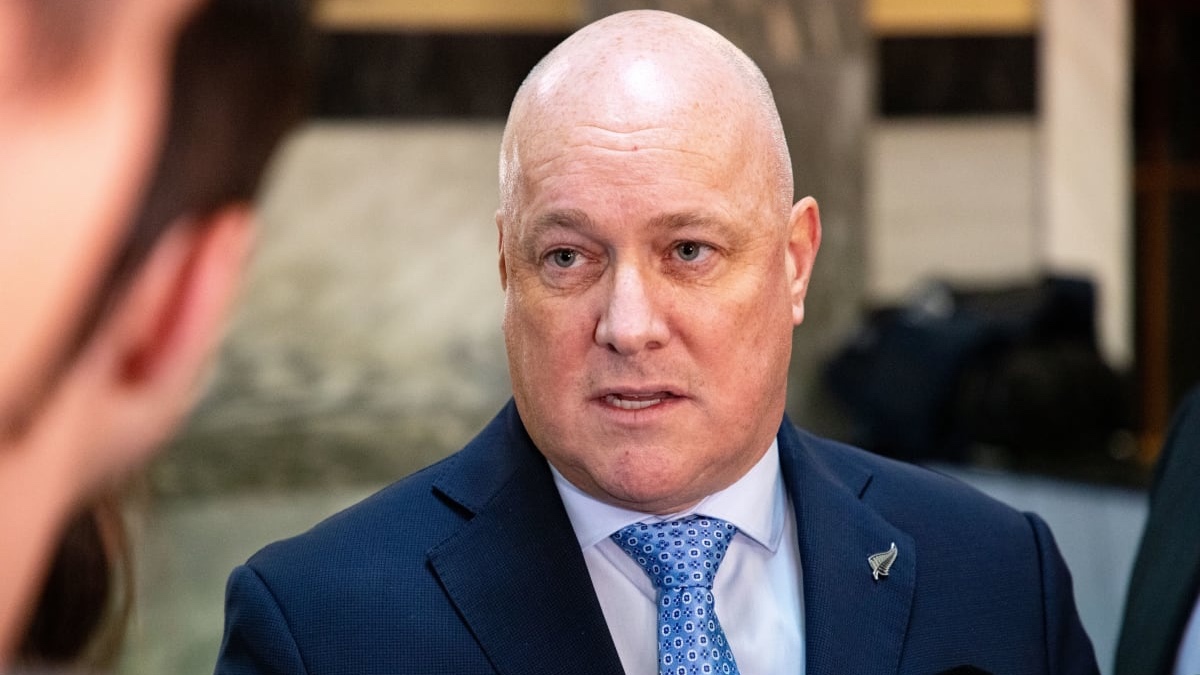
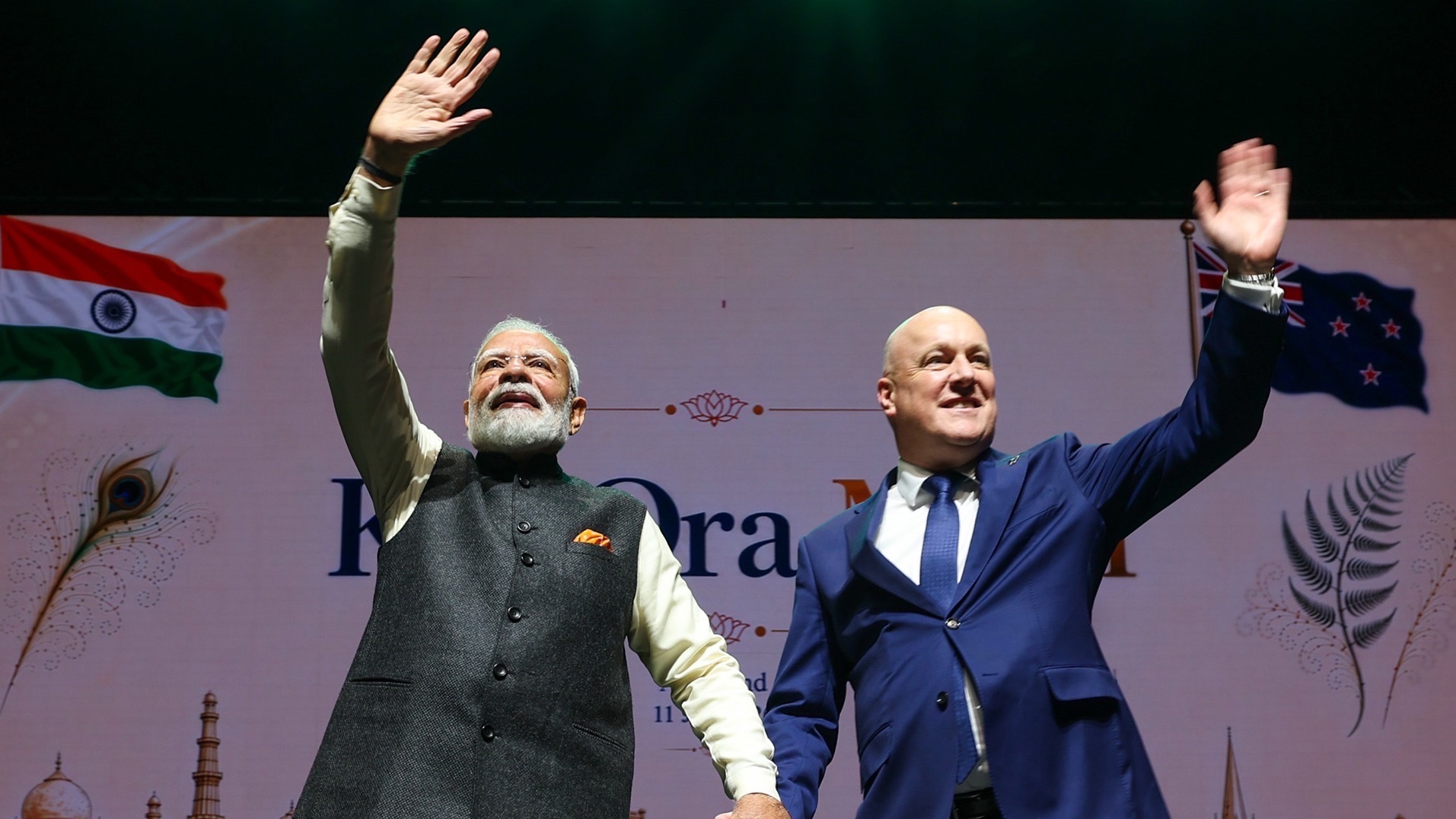
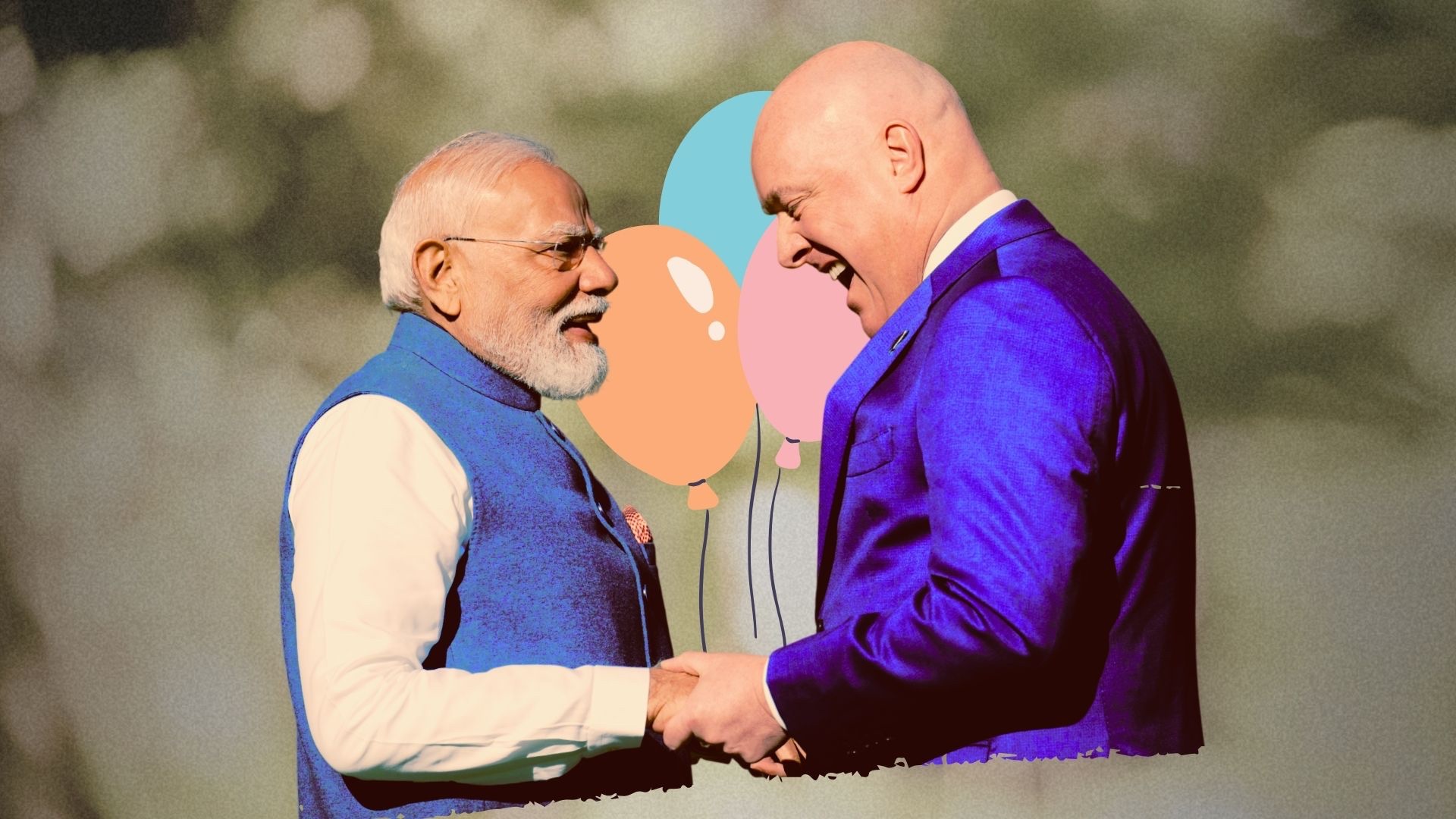
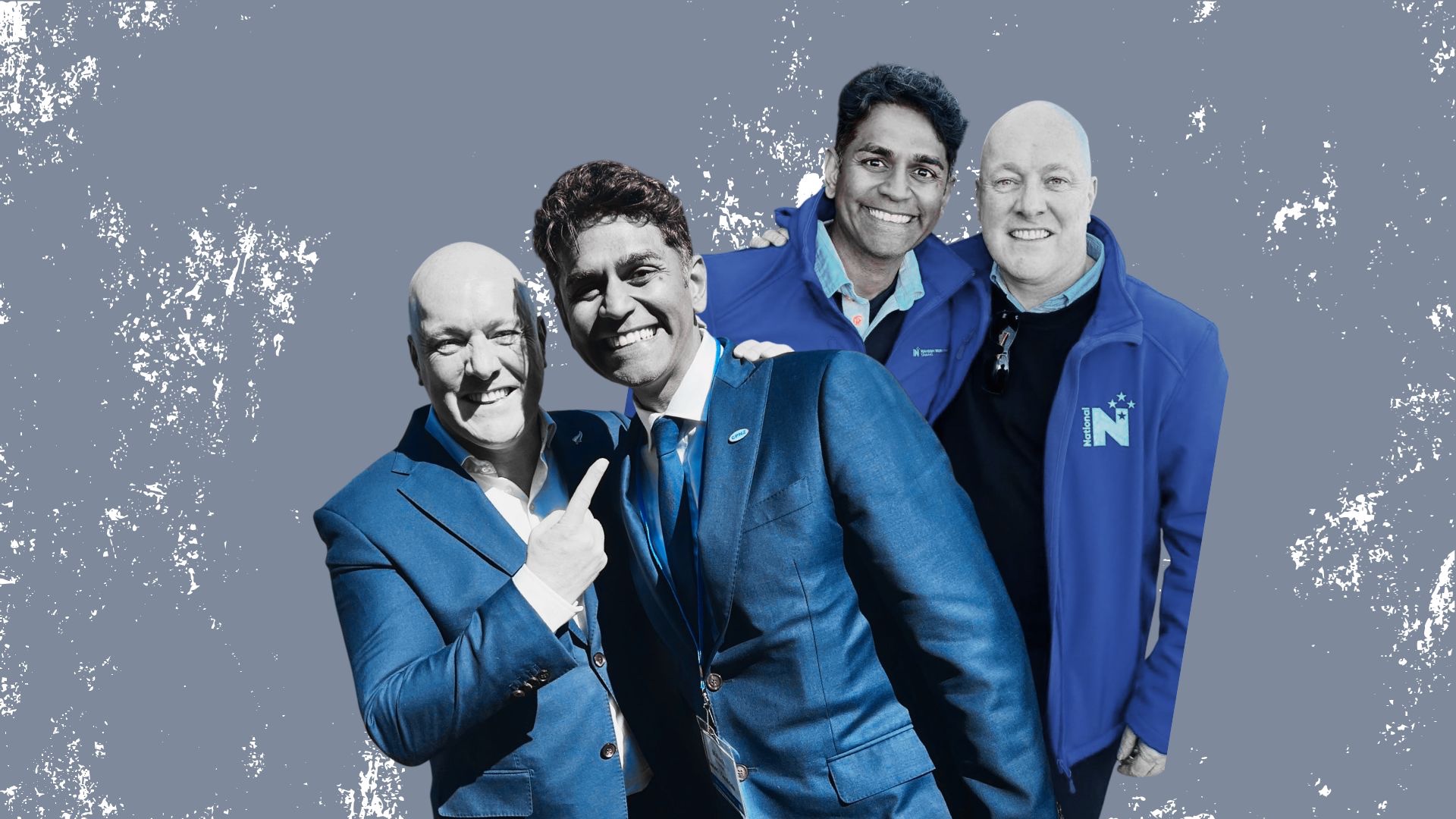
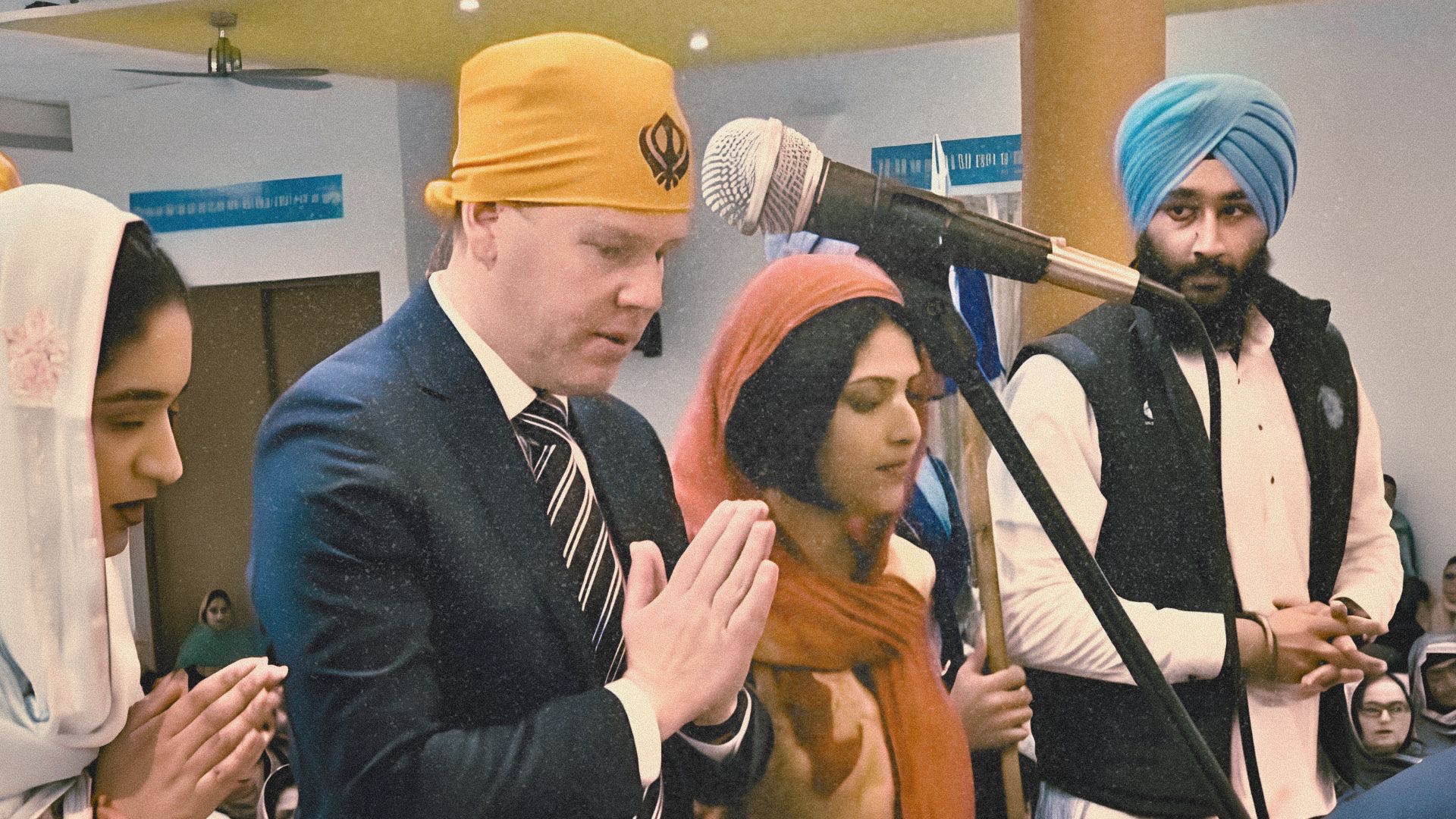
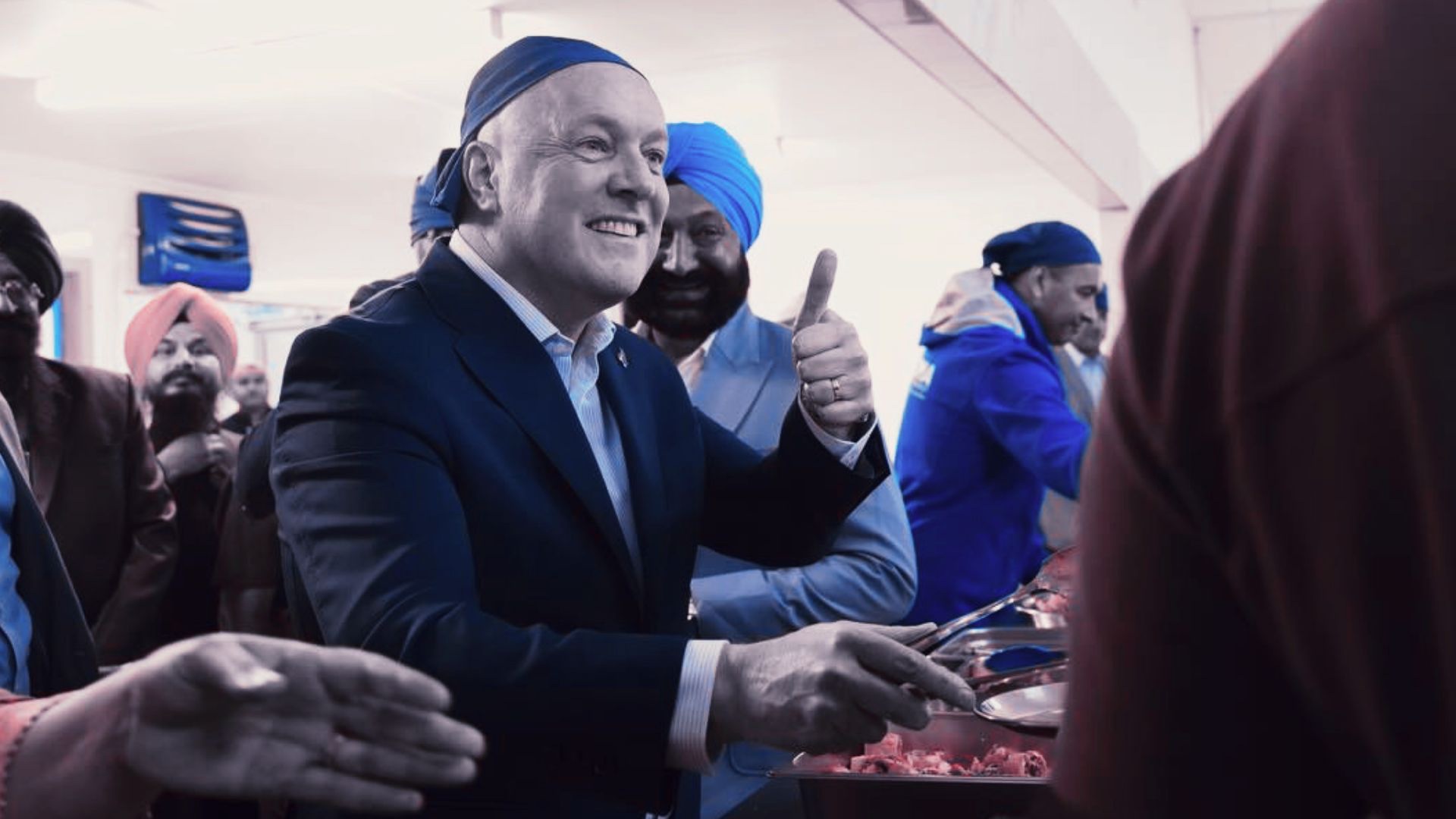
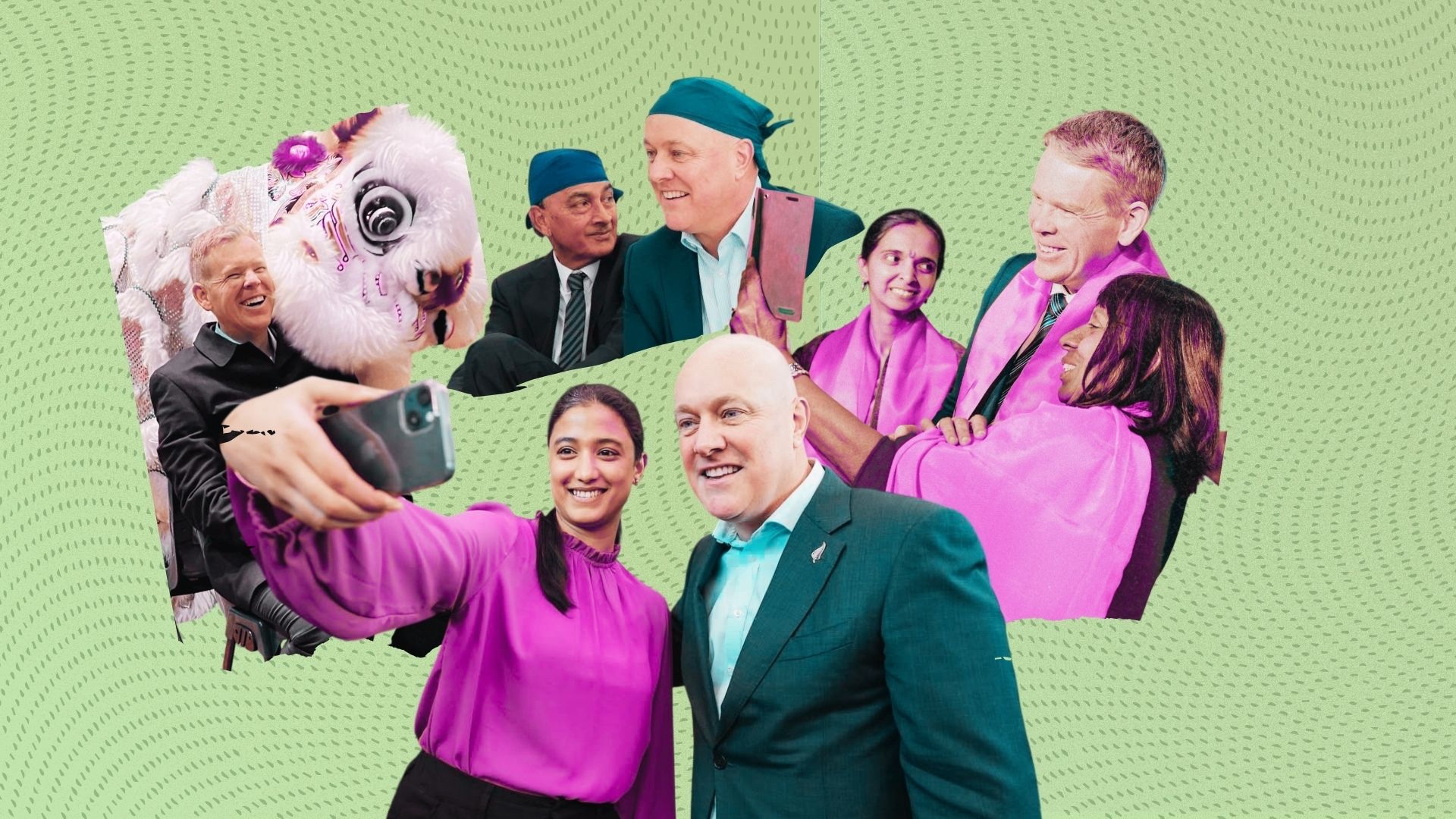
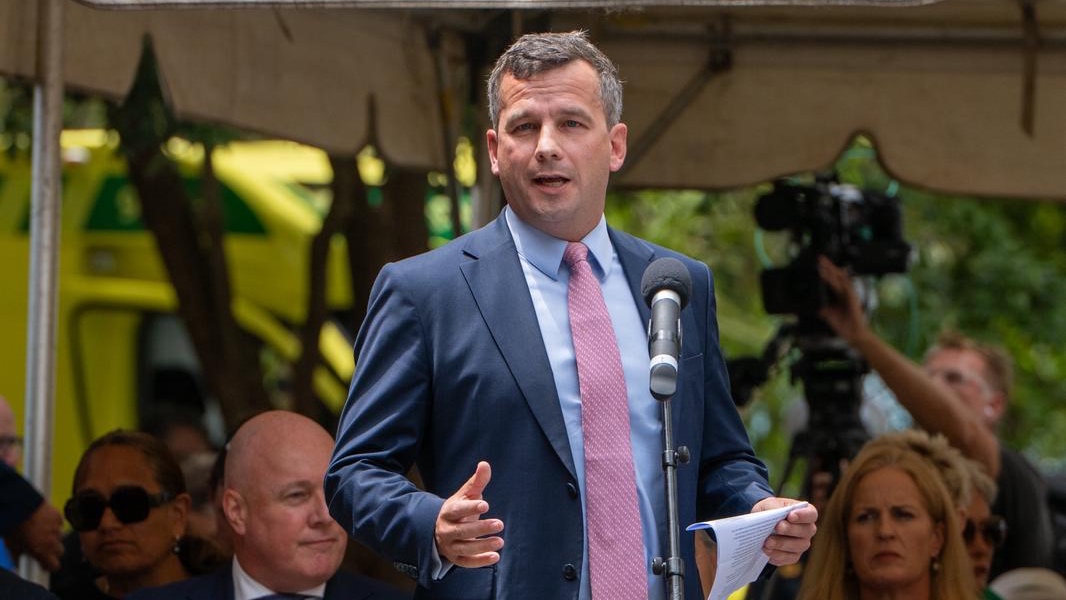
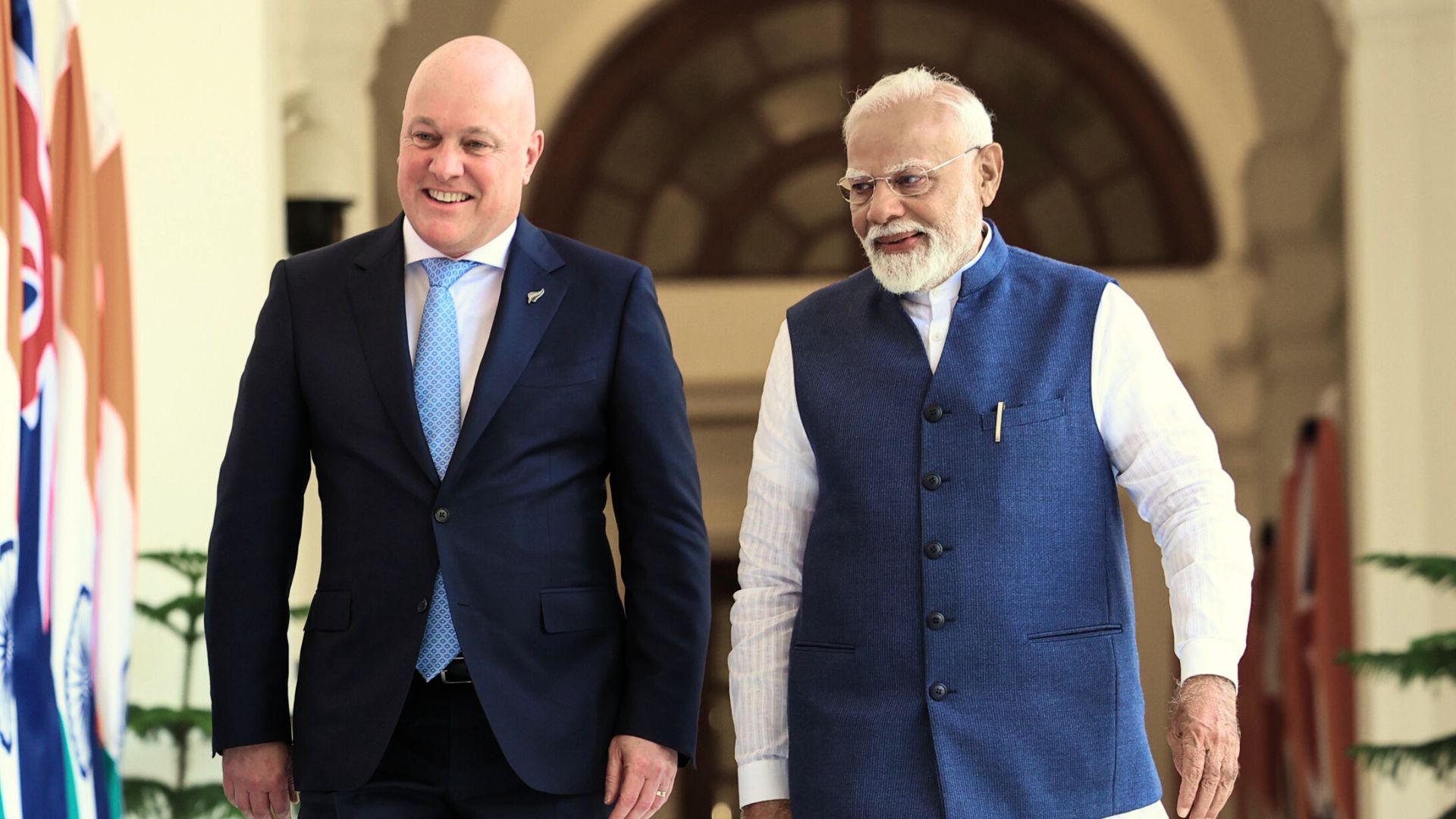
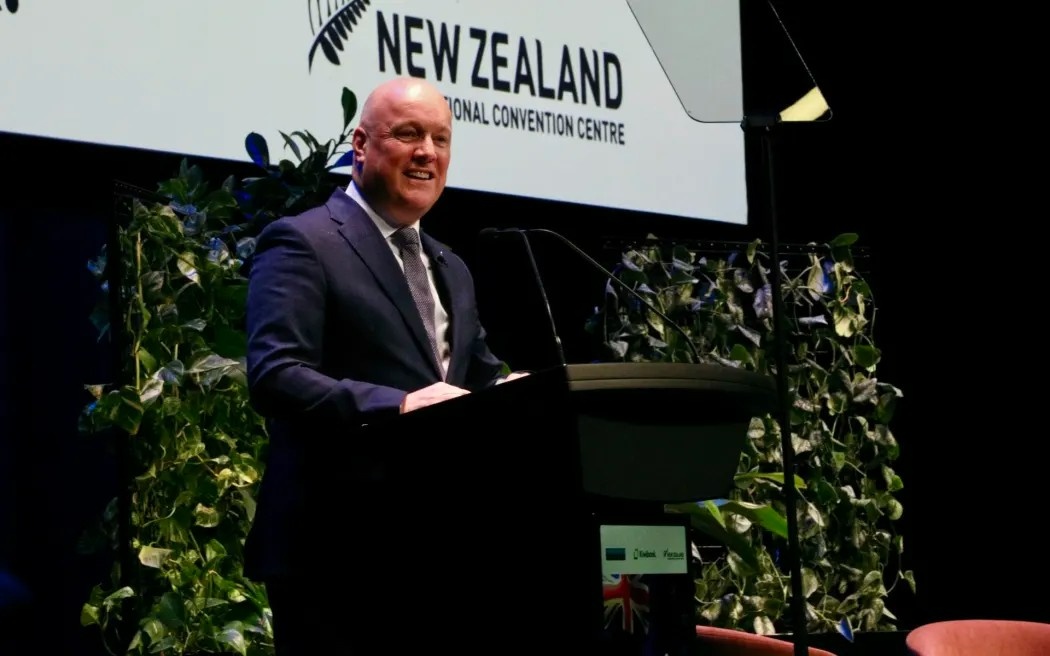
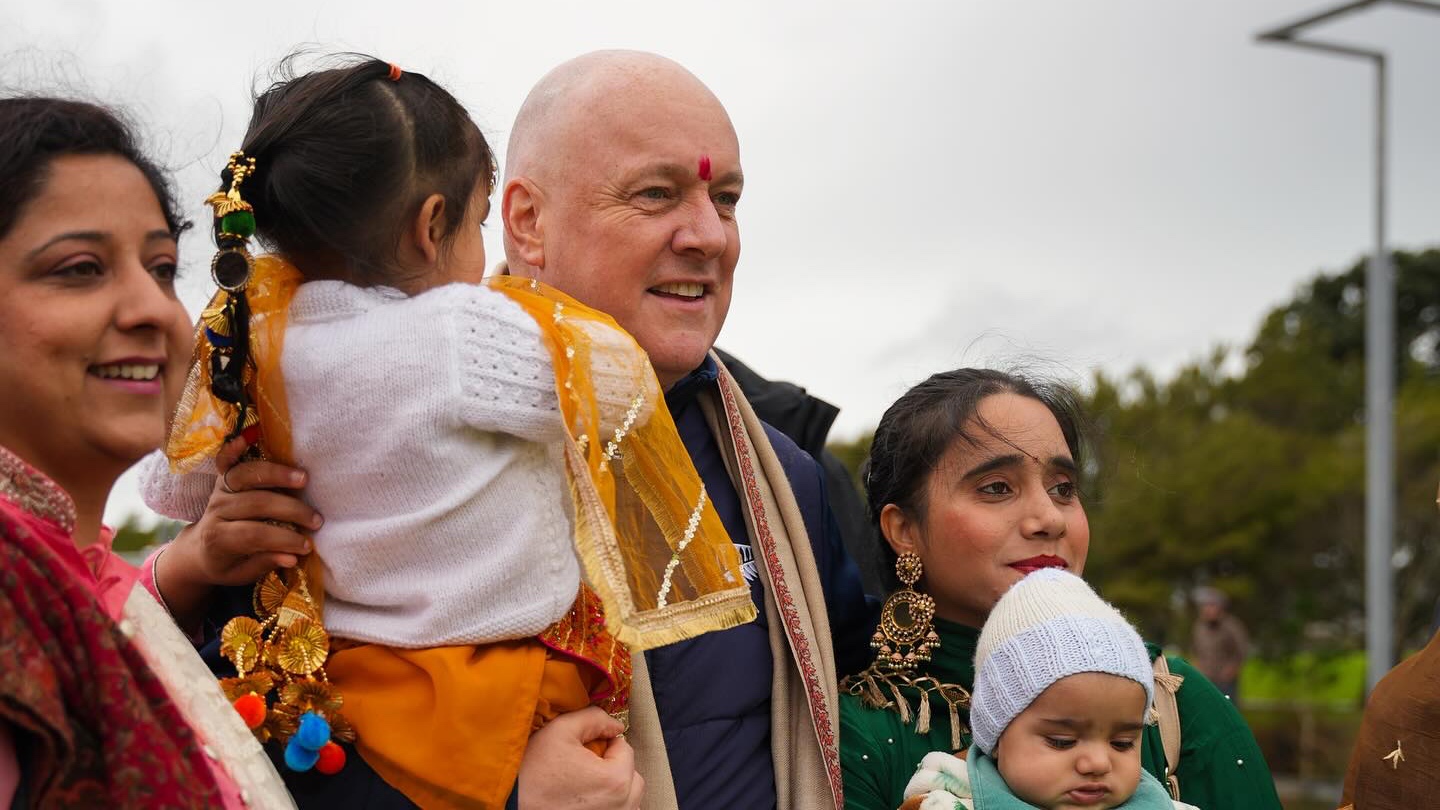
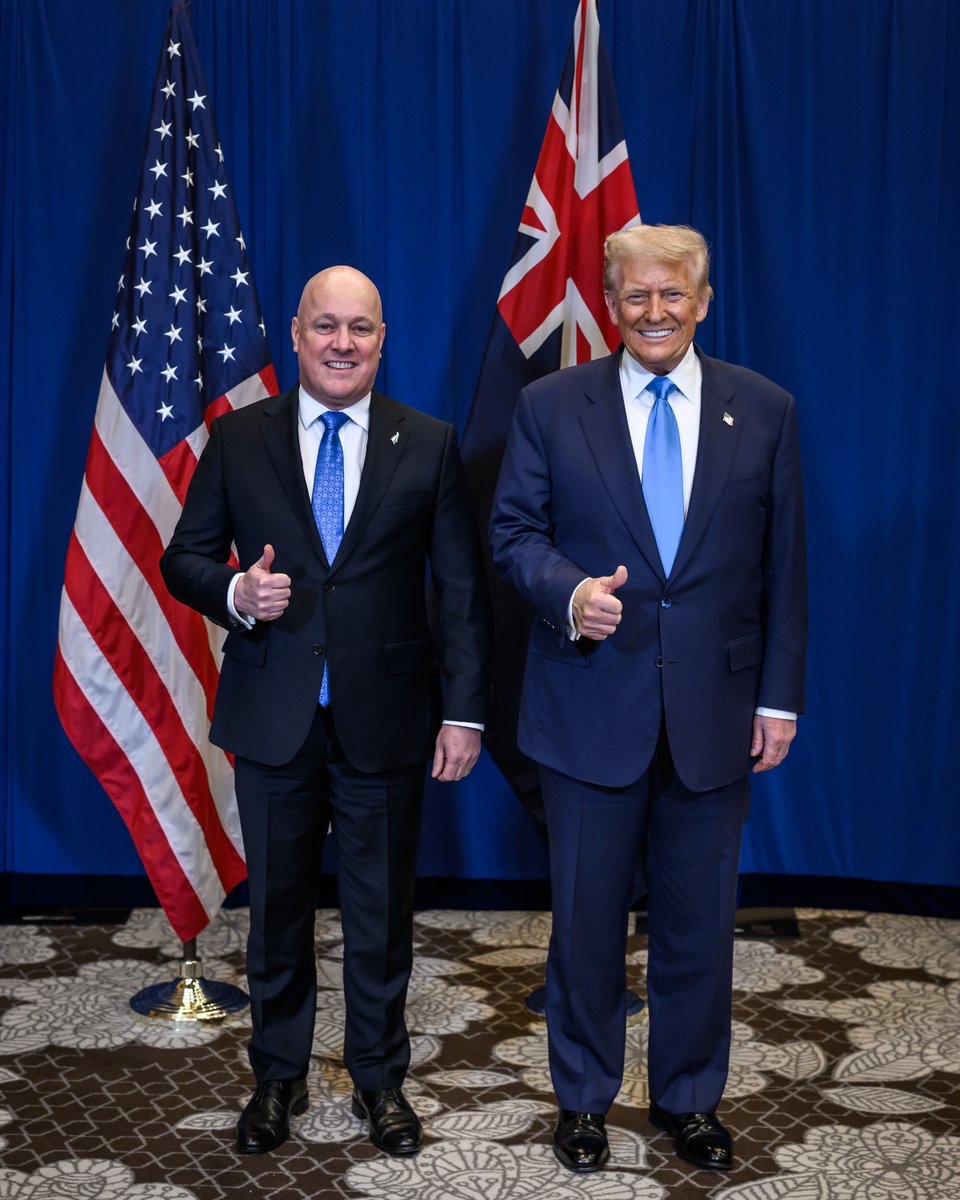
Prime minister Christopher Luxon at Muralidhar's campaign launch on June 25, 2026. (Supplied photo)
What good is an Indian MP?
"What's important for New Zealand is for New Zealanders to get along," Muralidhar says. "And I think, to get along, you need some representation. But the priority is to get along."
Doesn't representation help people get along? "It helps getting along. But you have to prioritise getting along first."
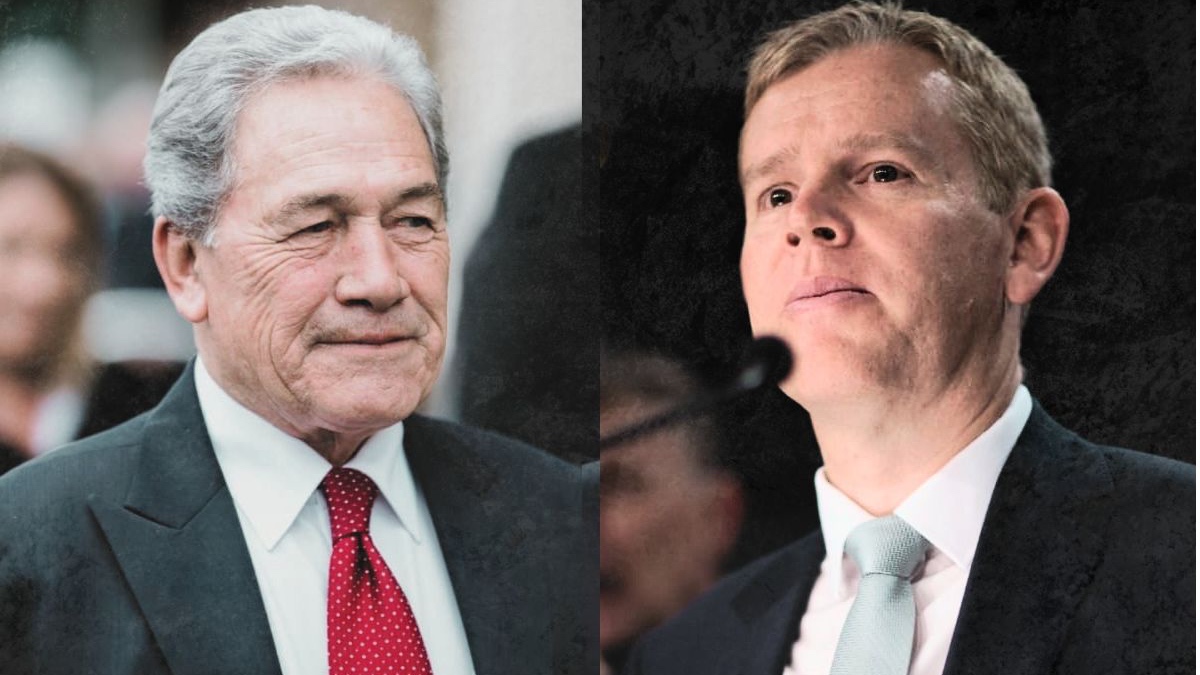
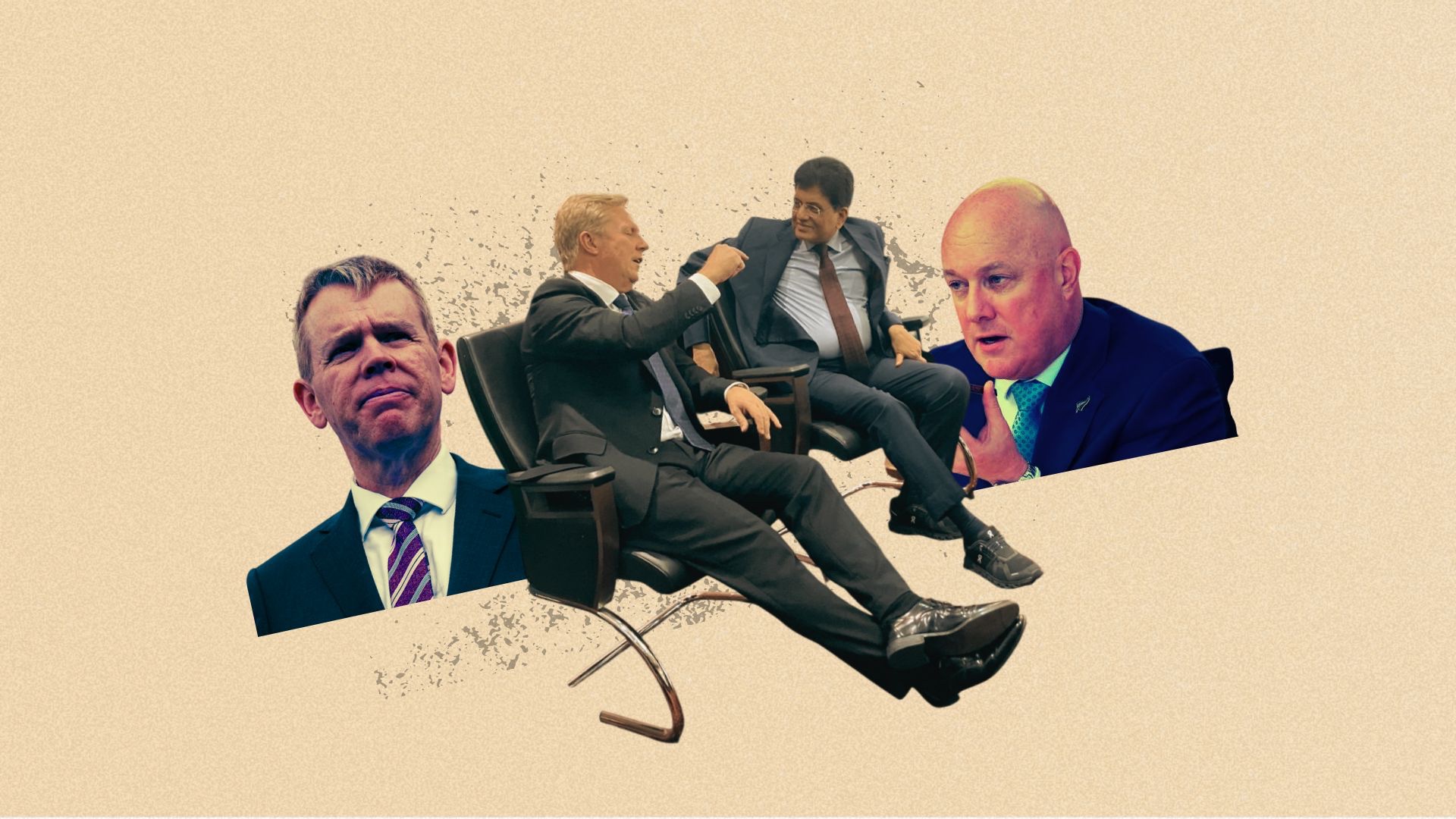
He is critical of Labour's approach, arguing the party has pursued representation at the expense of outcomes. "If you compromise the quality check, if the metric becomes representation, you lose the main point of this whole exercise."
I ask whether he thinks Labour treats ethnic representation as a trophy, something to display as evidence of having done the right thing. "Absolutely, absolutely."
He acknowledges representation can help a political party attract attention and votes. "I'm interested in the outcomes."
He argues MPs from ethnic communities can help governments understand how policies affect different groups. "When a policy is rolled out, it affects communities differently. It is received by communities differently."
When I raise the significance of his own candidacy, he redirects the conversation to his local connections and what he says he has done for Tāmaki.
"I am a local. I am the only person who lives in this electorate who's running as a candidate in this election."
He points to his commercial background, the 13,000 doors he says he has knocked. "That is a reason to vote me in."
He doesn't dismiss the significance of his heritage. He simply doesn't regard it as the central qualification for the job.
The same joke, 30 years later
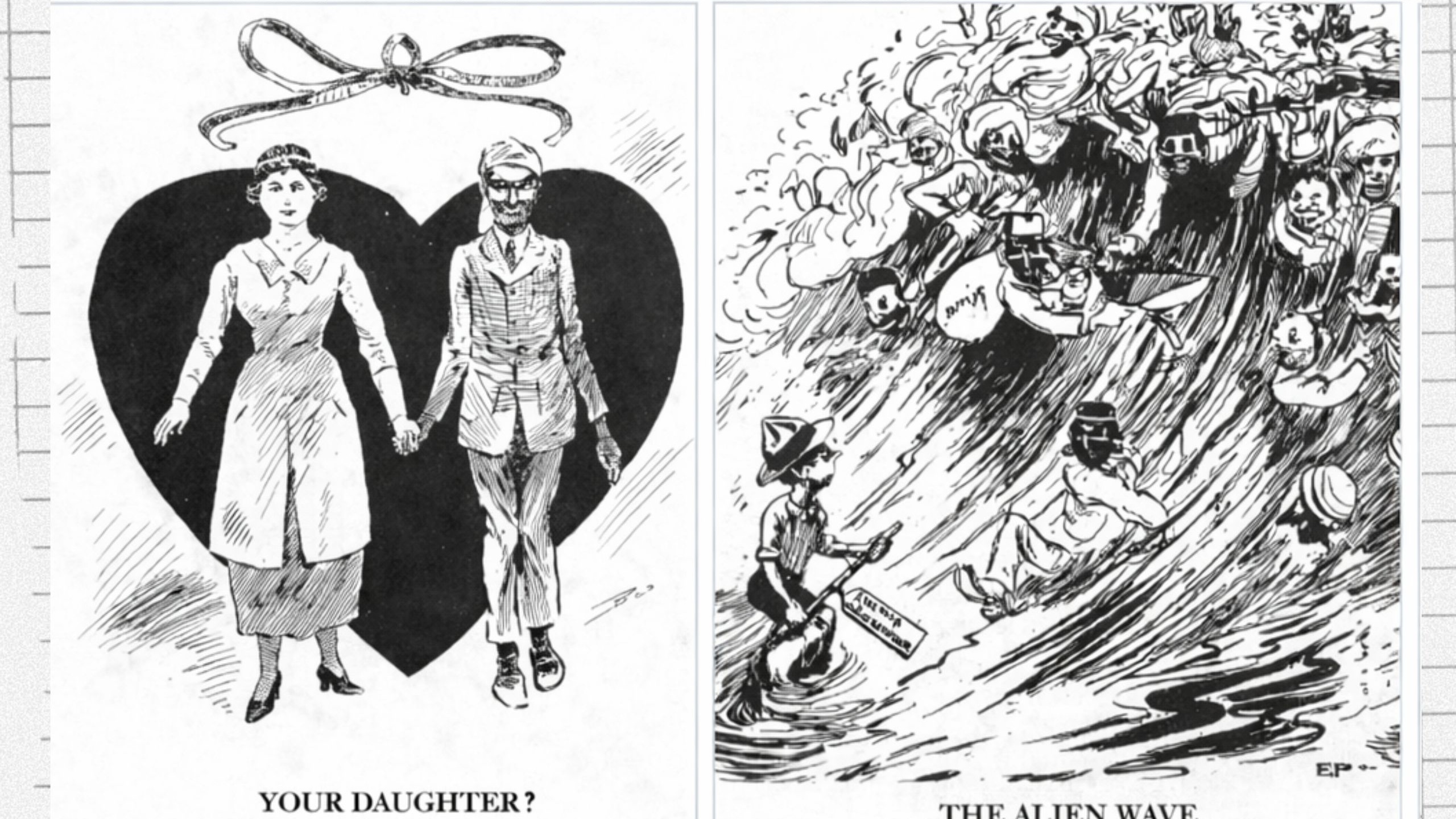
But what happens when someone who has made New Zealand home is still told they belong somewhere else? Muralidhar doesn't need much prompting. He remembers what happened when he was a teenager.
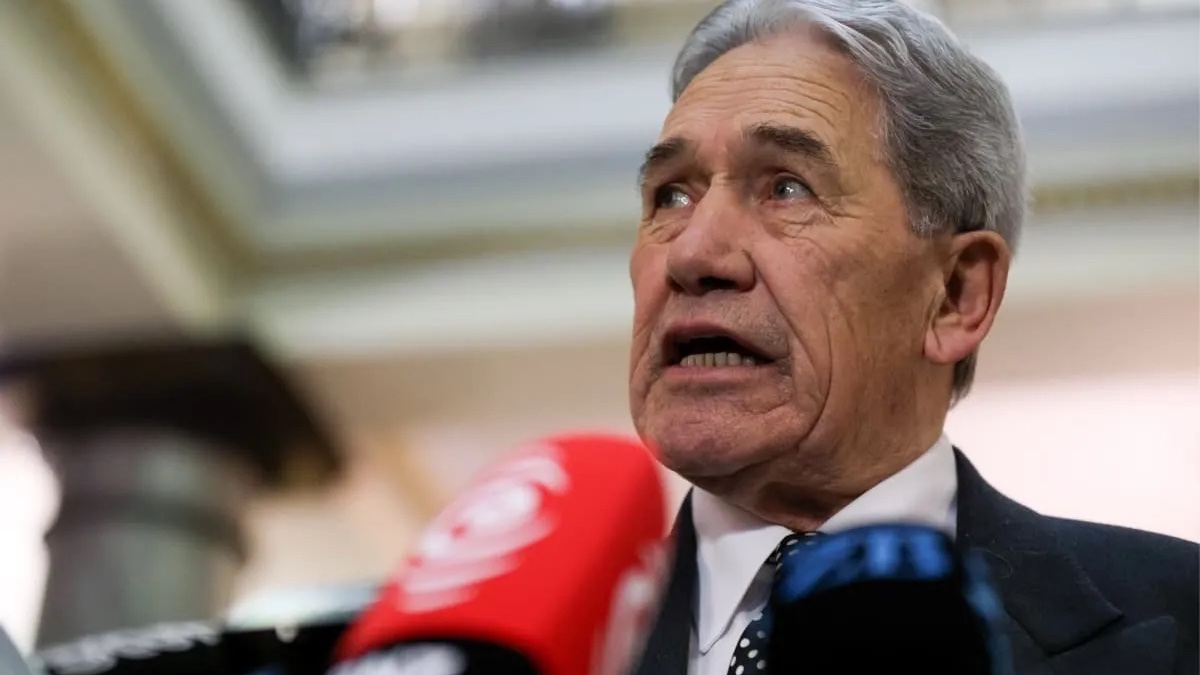
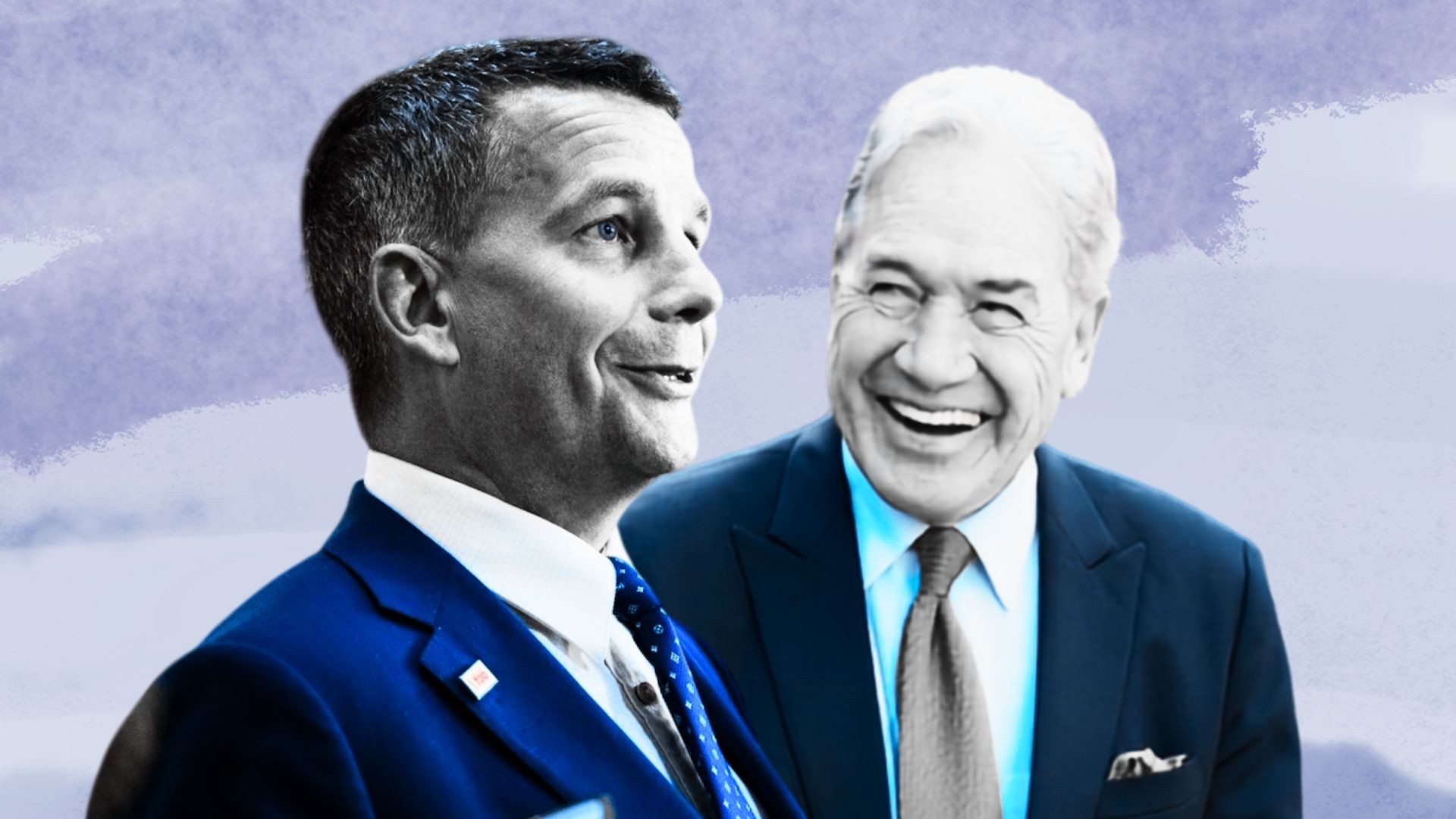
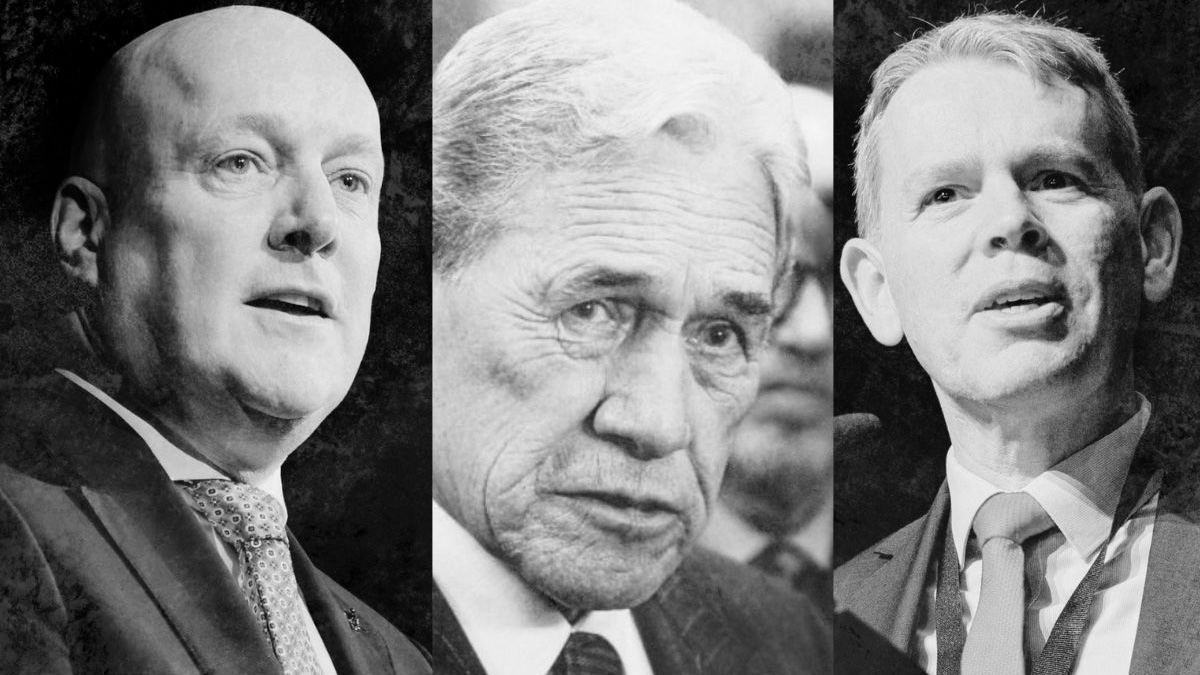
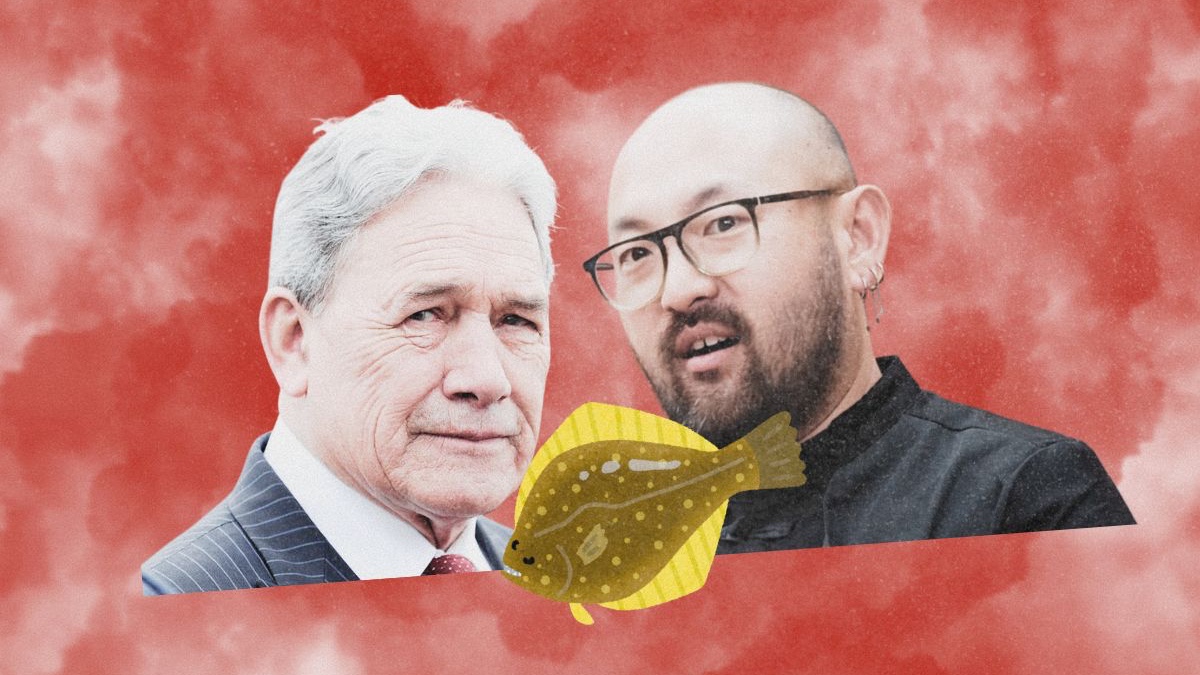
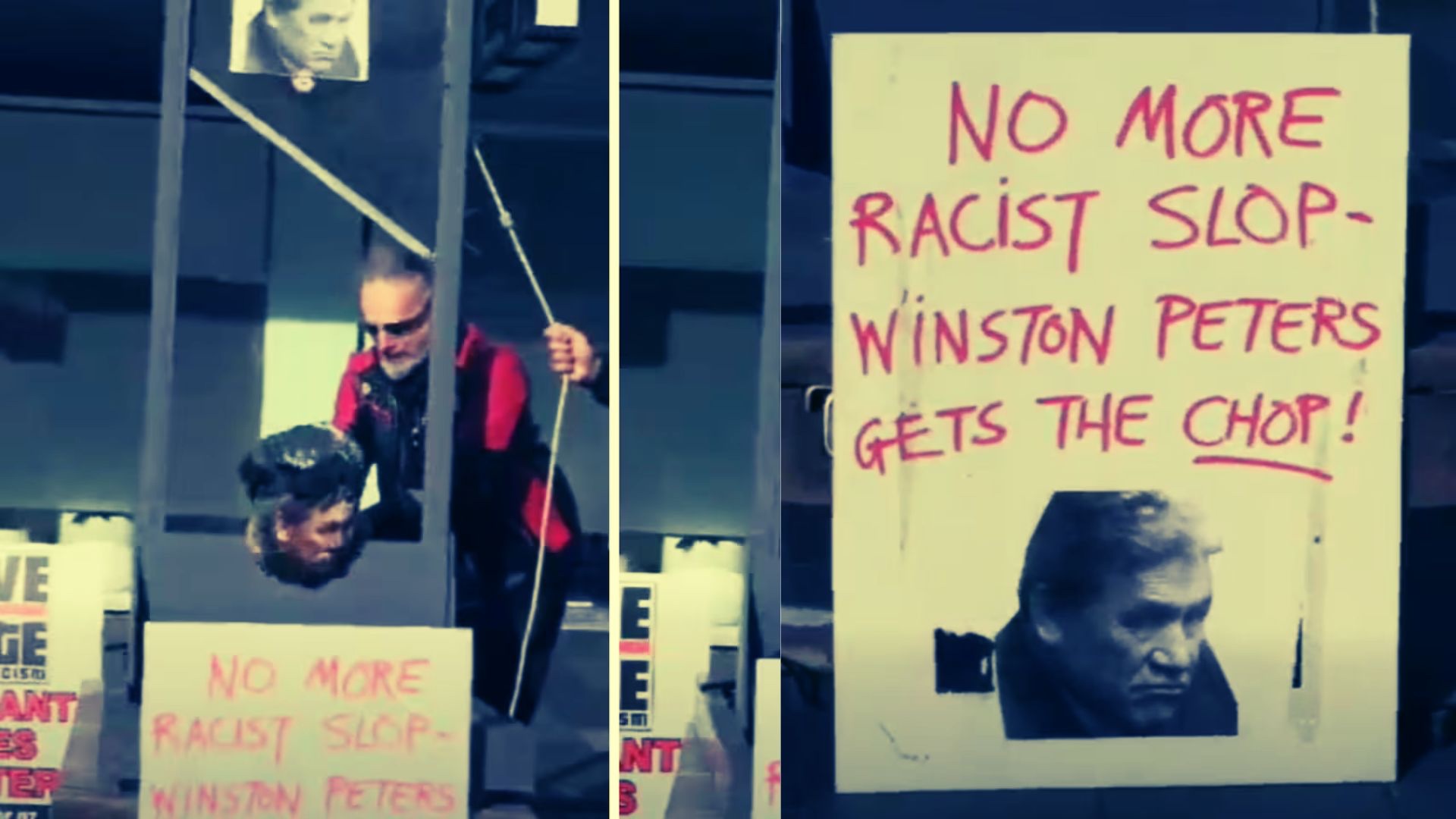
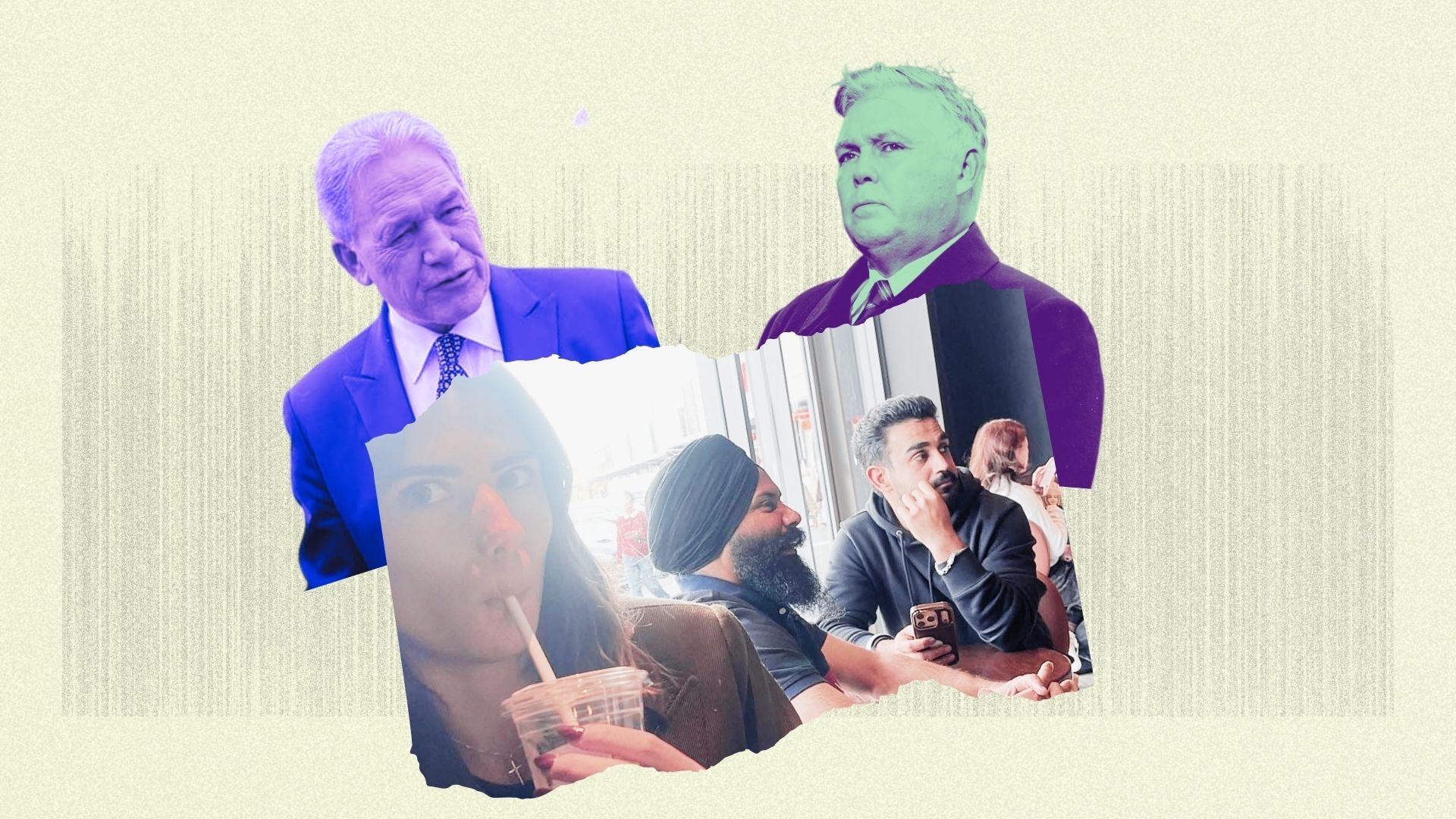
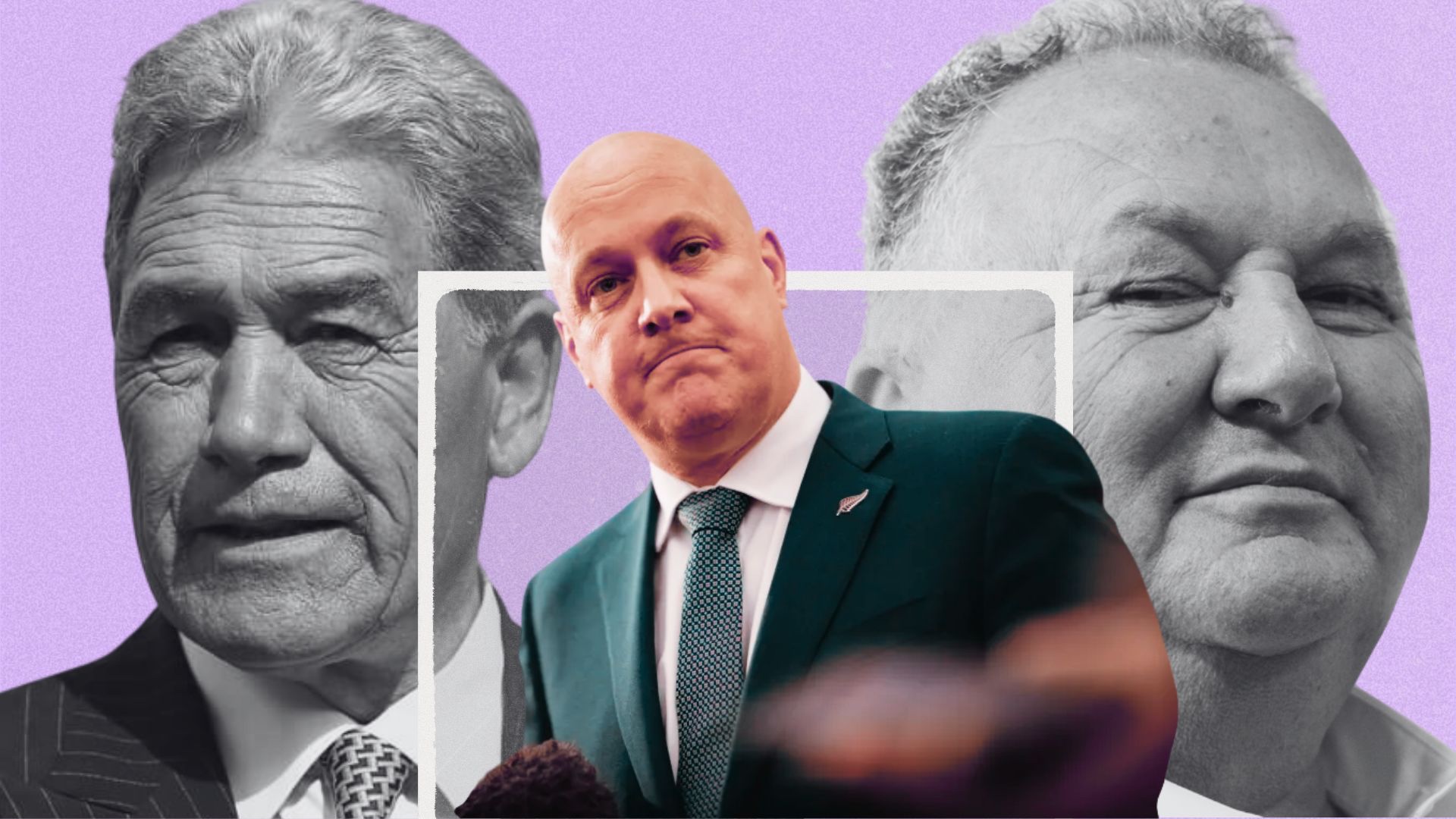
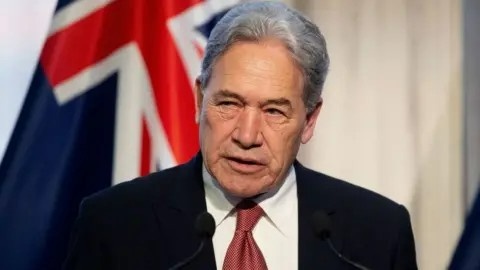
"When I was in high school, Pauline Hanson in Australia started her anti-Asian, anti-Chinese piece. And then Winston Peters followed. And I got bullied in high school."
"There are real consequences. I felt it. I have actually felt it."
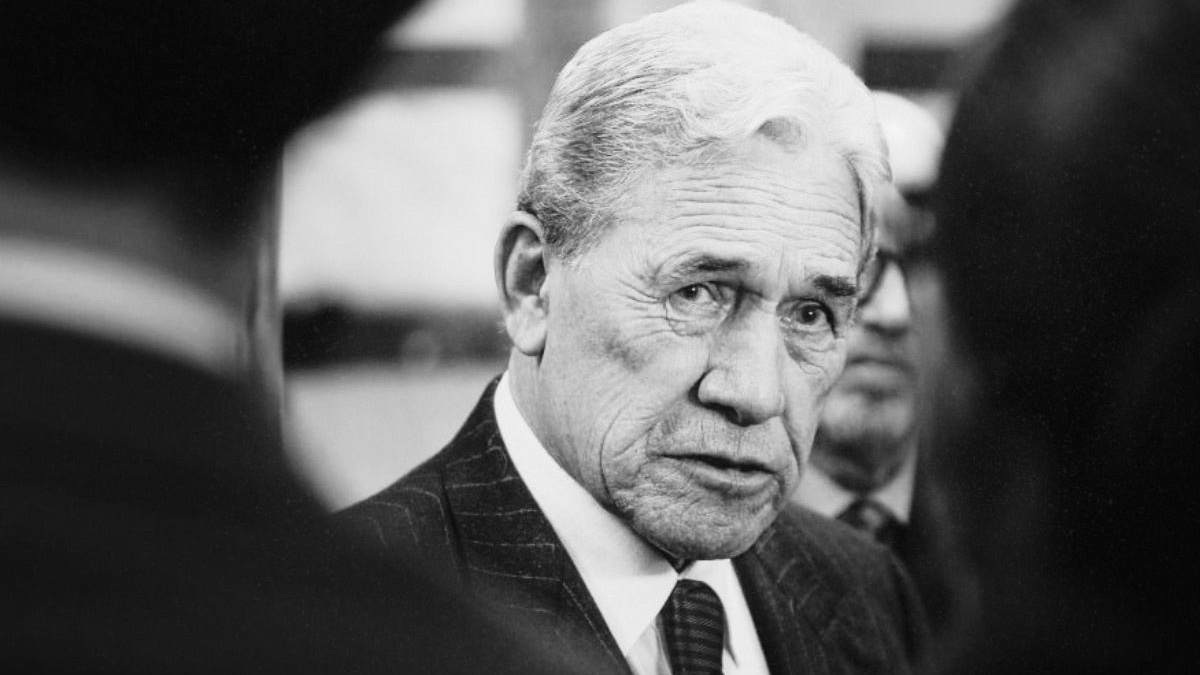
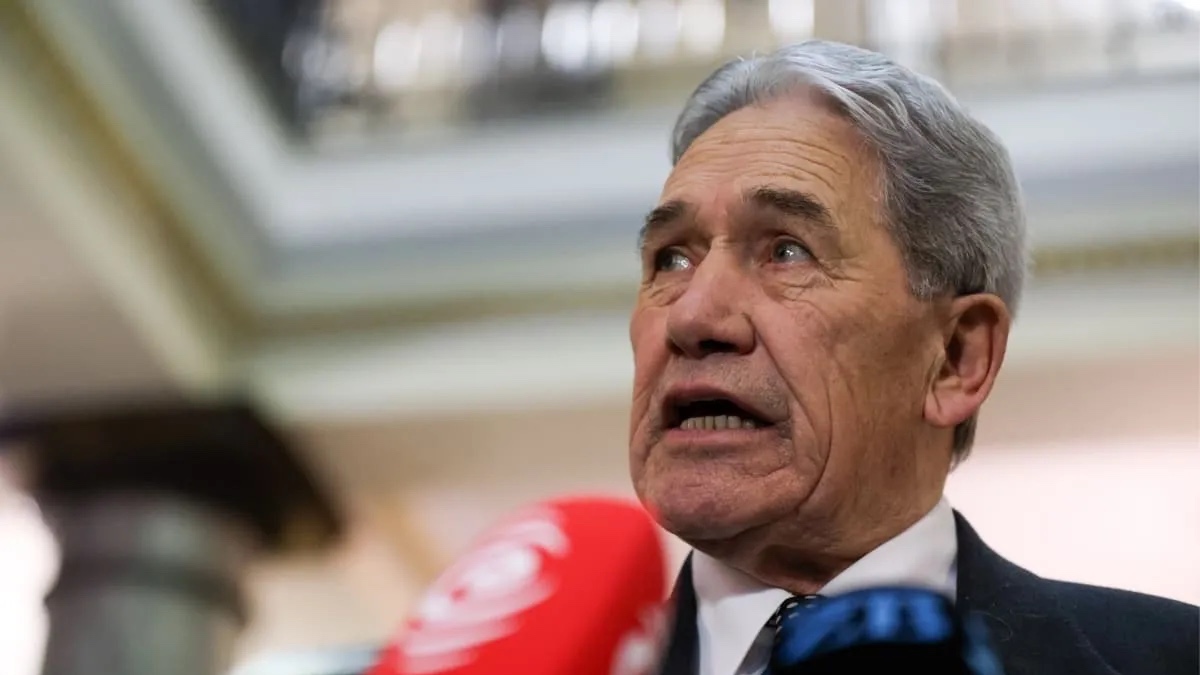
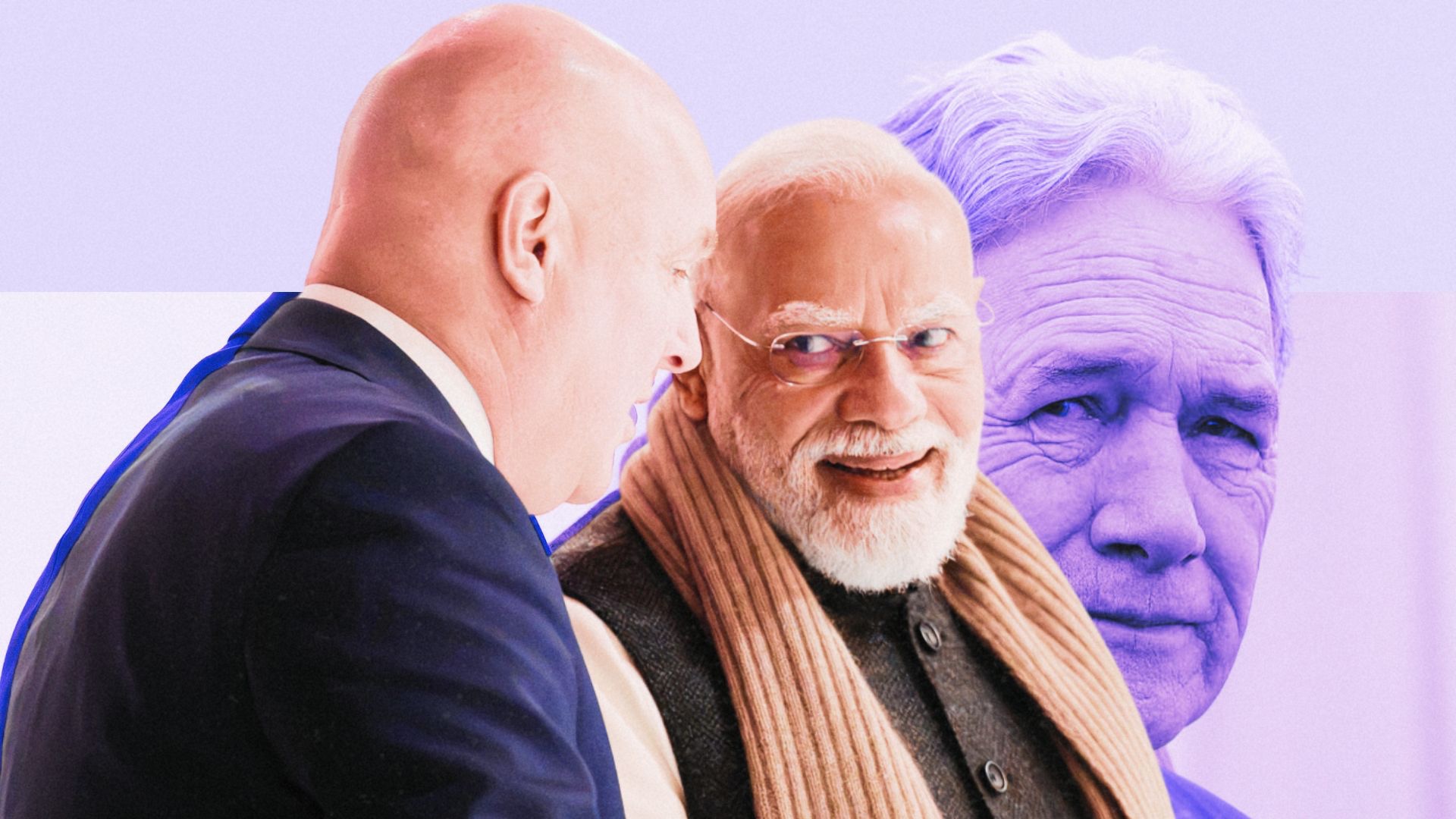
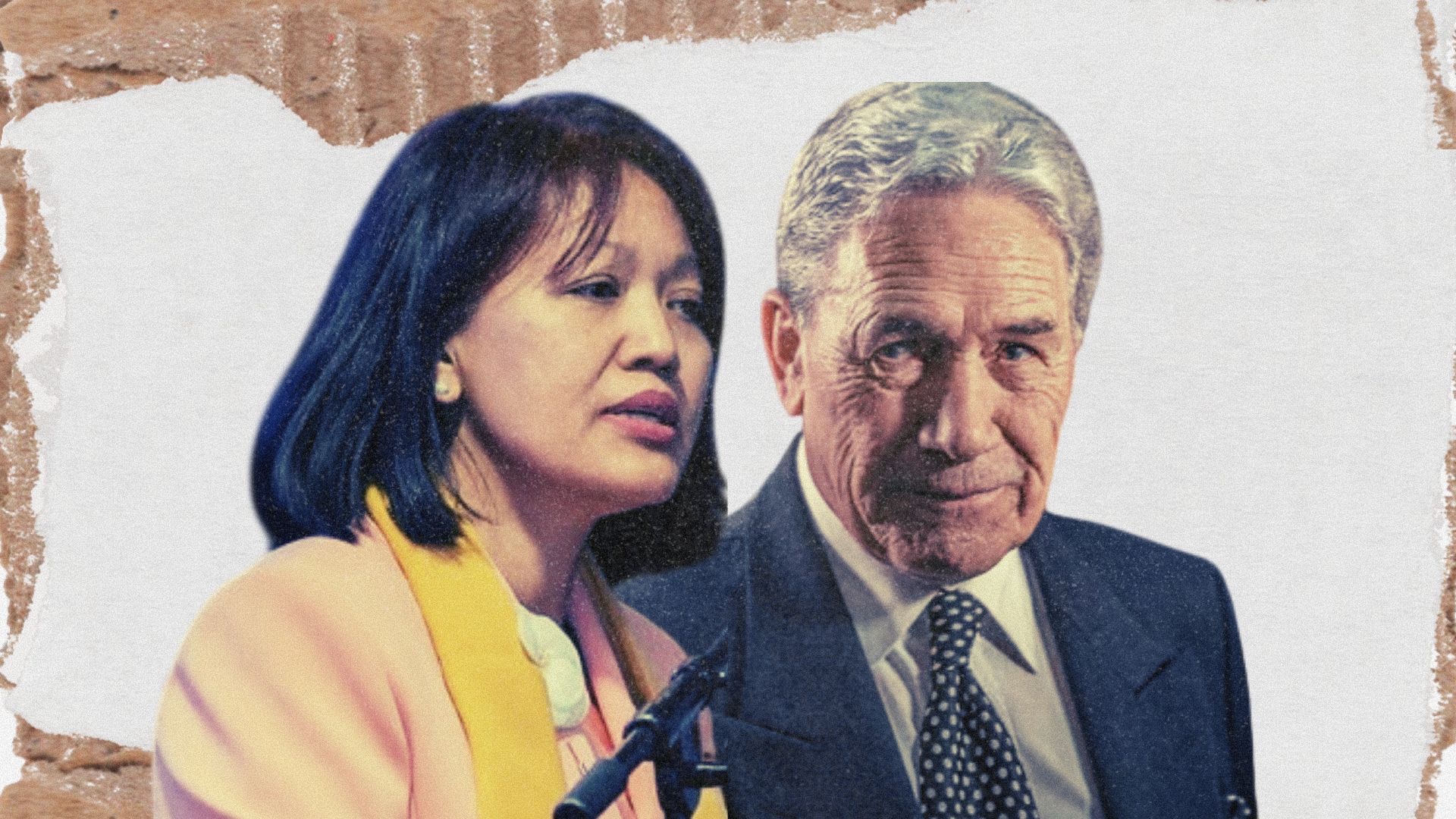
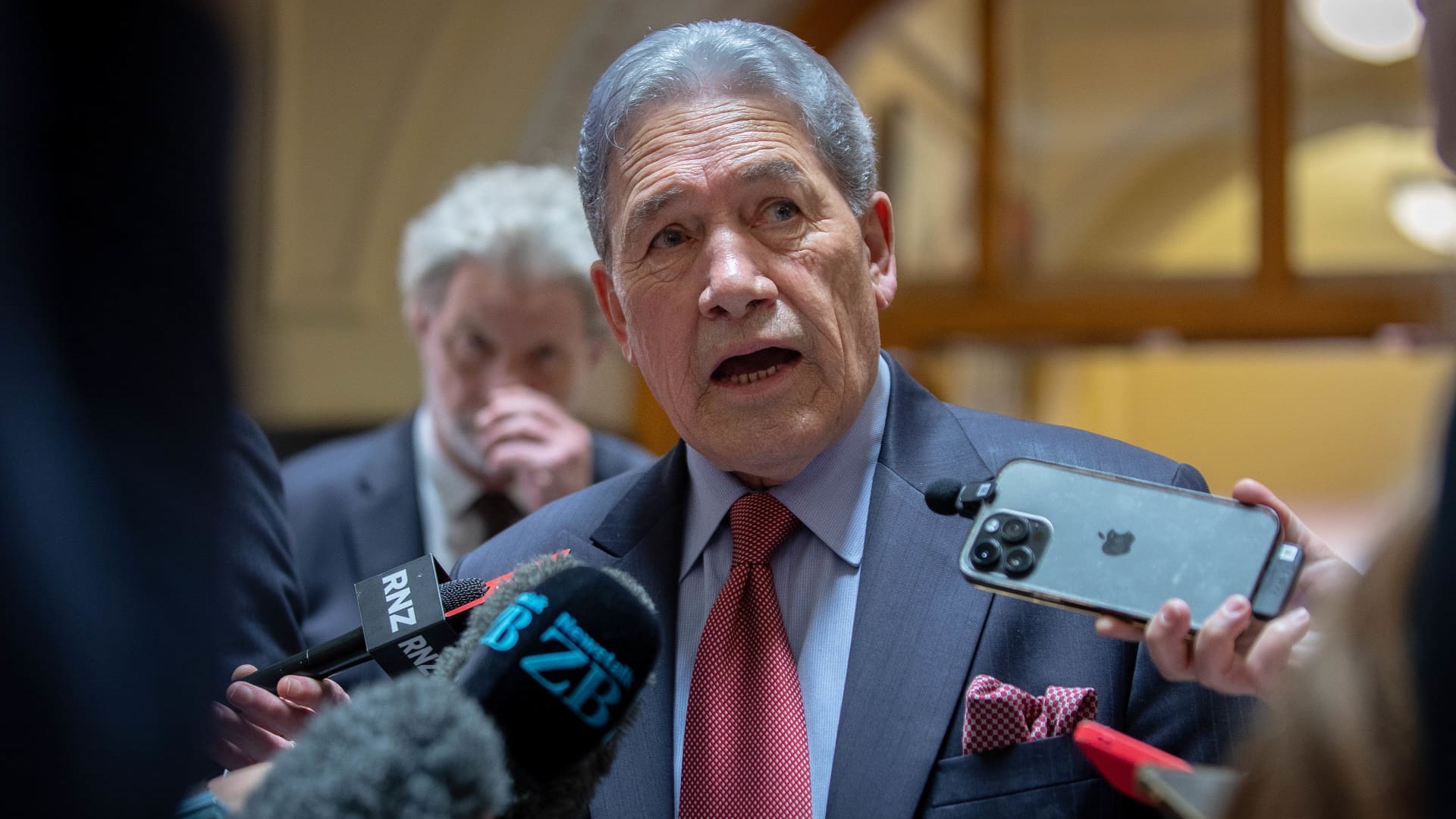
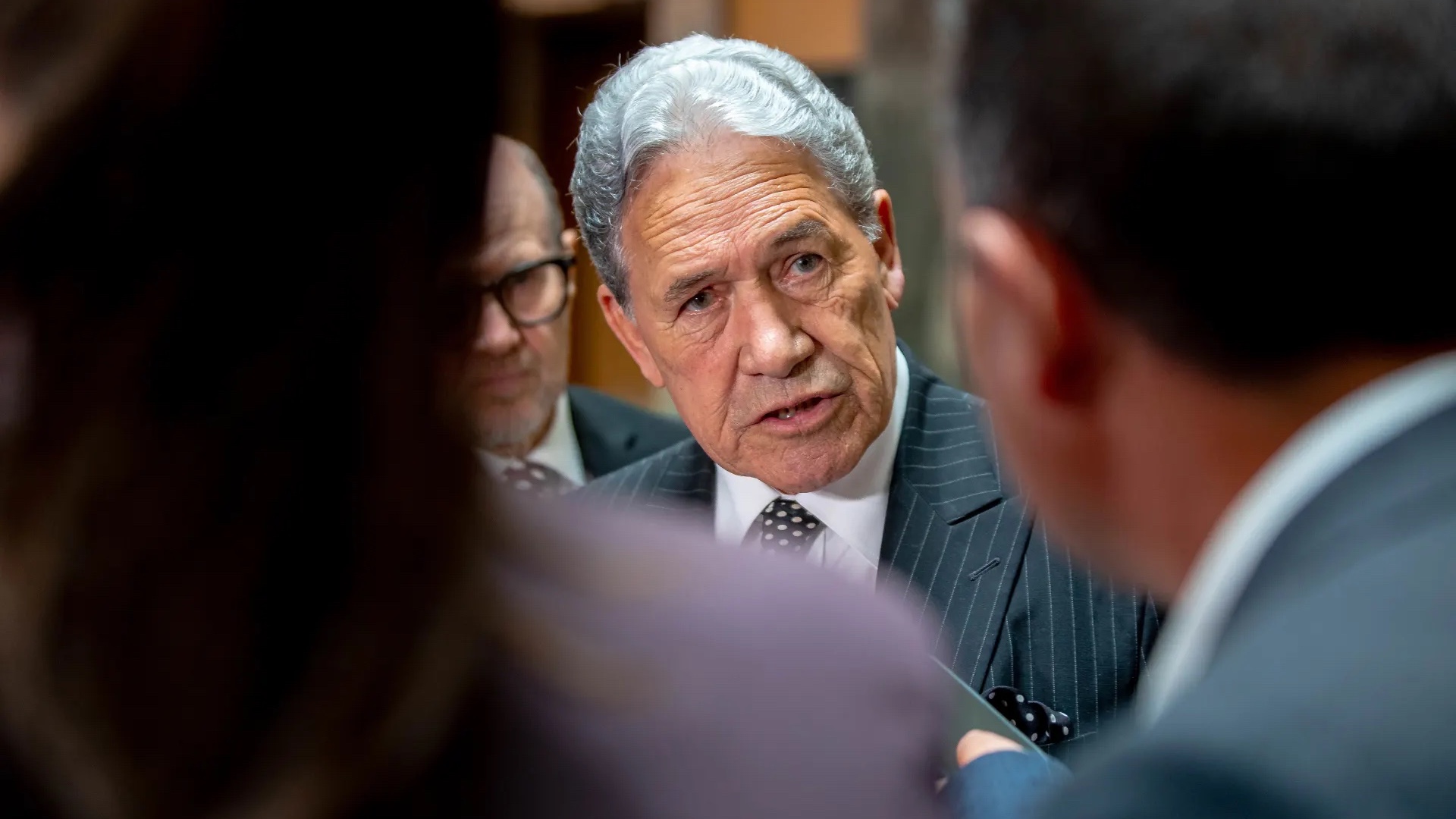
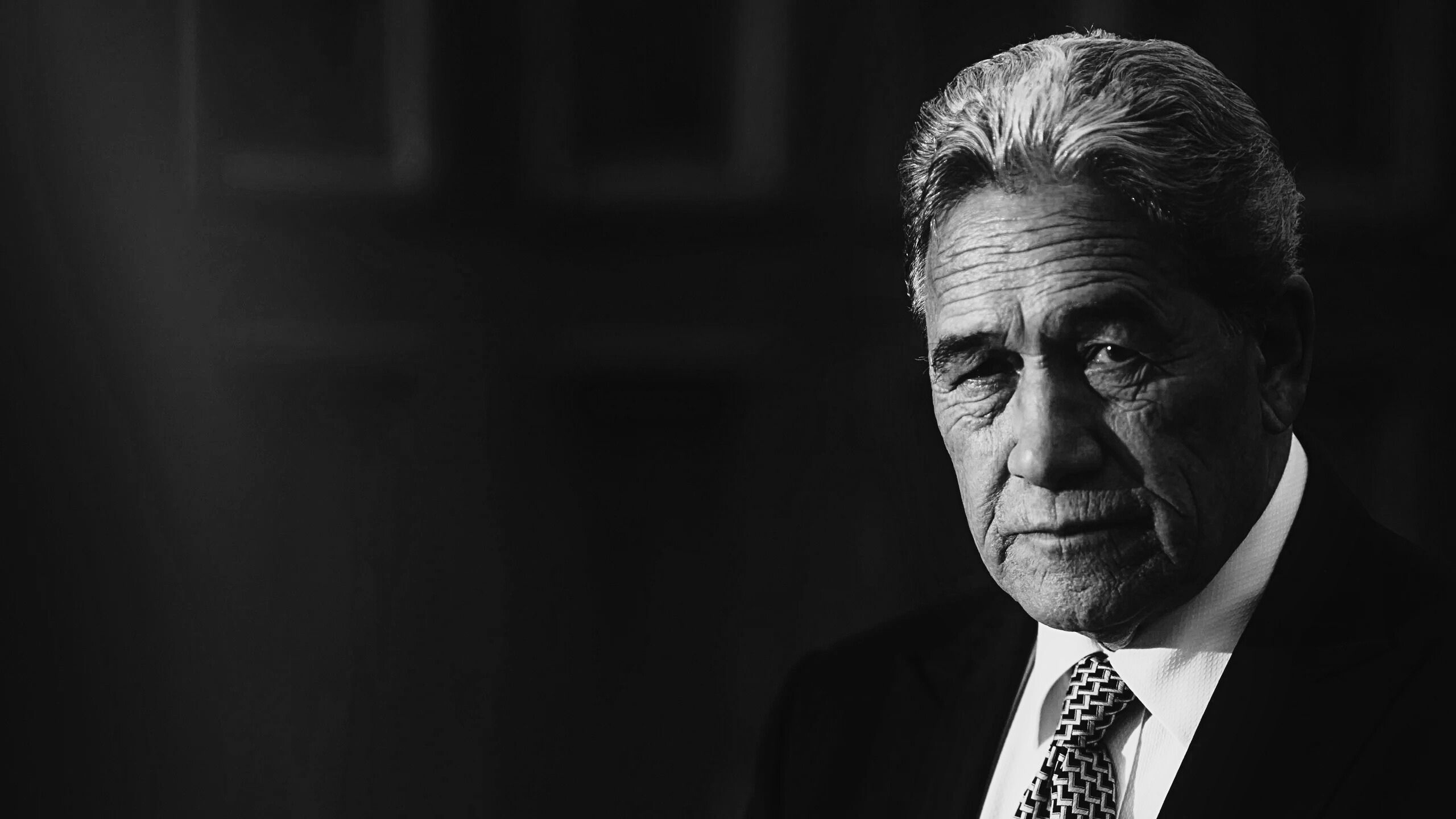
His assessment of Winston Peters is complicated. He describes the New Zealand First leader as an accomplished politician and highly regarded foreign minister, while criticising his use of rhetoric that plays on people's fears.
"It's a silly tactic which plays on fear and drives political credits. He is a master politician."
What troubles Muralidhar is not simply the rhetoric, but why he believes it continues to resonate.
"Why is he able to do this? Because we need to get along better. The same issues that we had 30 years ago still exist."
And what exactly are those issues? "We're not having a dialogue with regards to who is a Kiwi. What does it mean to be a Kiwi? That is a delicate dialogue."
He doesn't believe politicians can settle that question through legislation. "We don't know how to have tough conversations," he says.
"Parliamentarians are not able to legislate this from the Beehive. This is a conversation that needs to happen in society. In churches, in marae, in community halls, in schools."
But he also believes New Zealand needs to choose its moment for such a discussion. "You do not have this conversation when the economy is not winning. Because these are delicate conversations."
People worried about their jobs, mortgages or safety, he argues, are less likely to respond constructively to difficult debates about identity.
It is why he says he doesn't want his election campaign consumed by arguments about race. "When I see politicians charge about this, I'm like, wait, we've got to get this working first."
Yet Muralidhar's own sense of belonging began long before he had much reason to worry about the economy. It began with rugby.
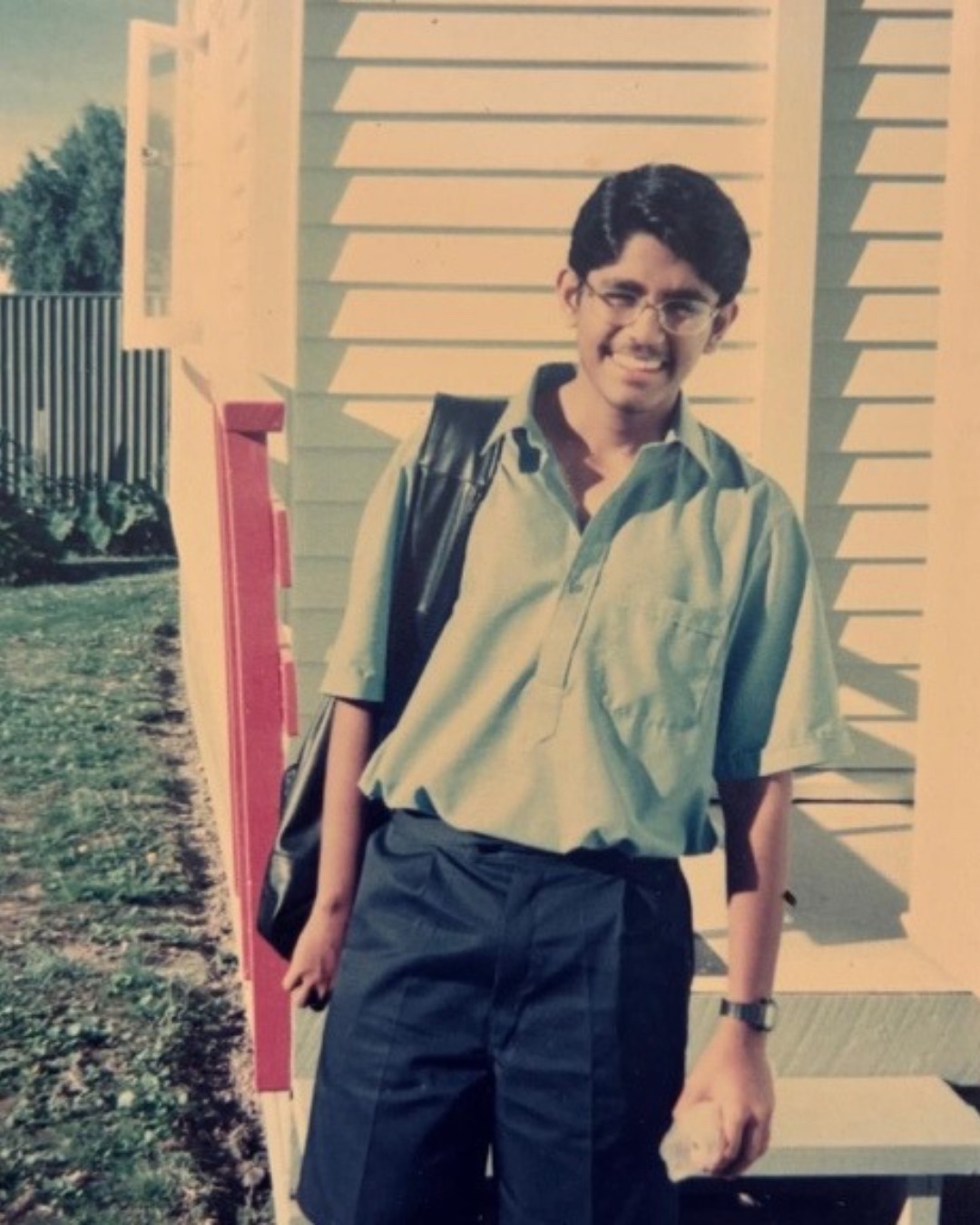
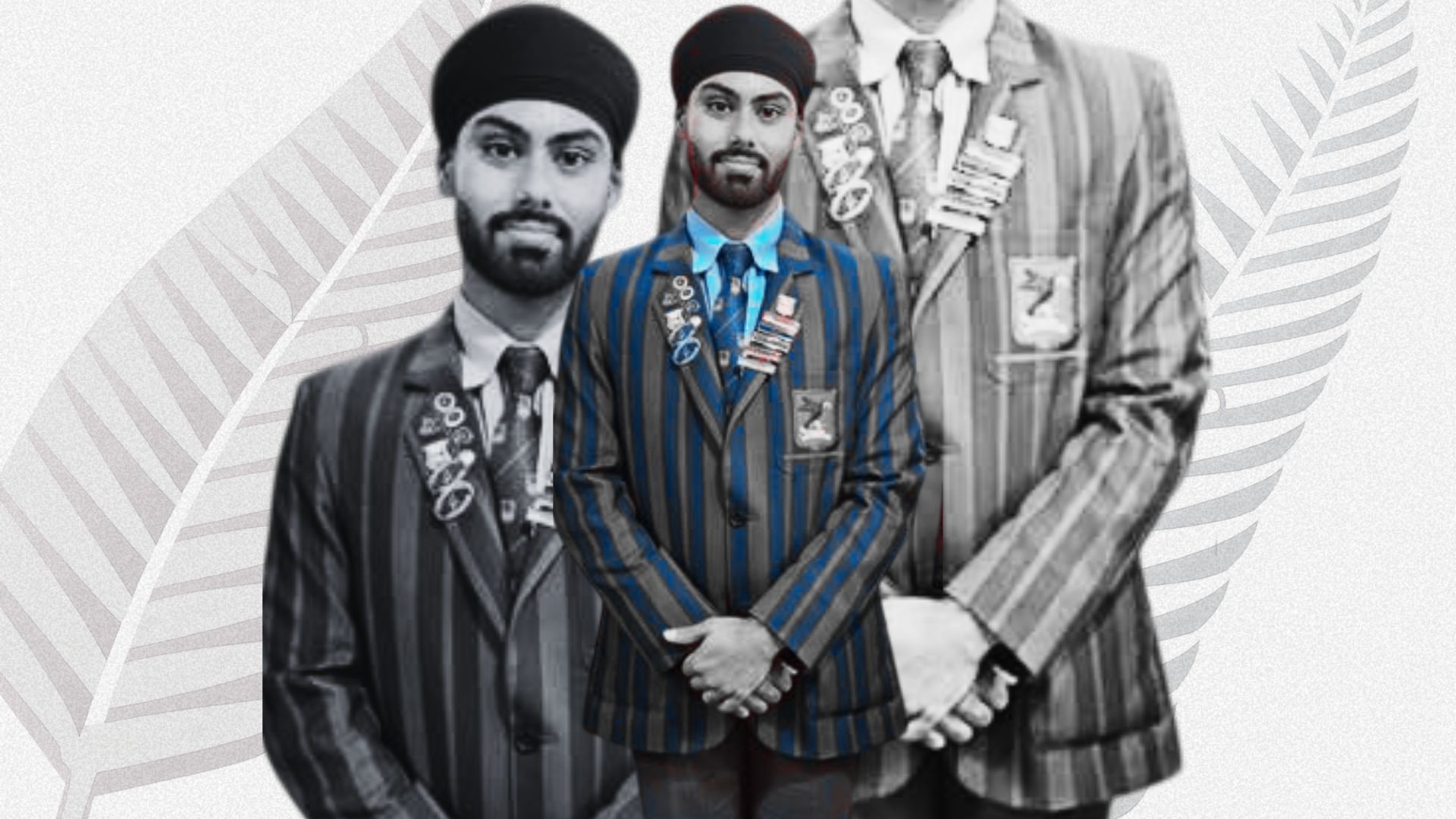
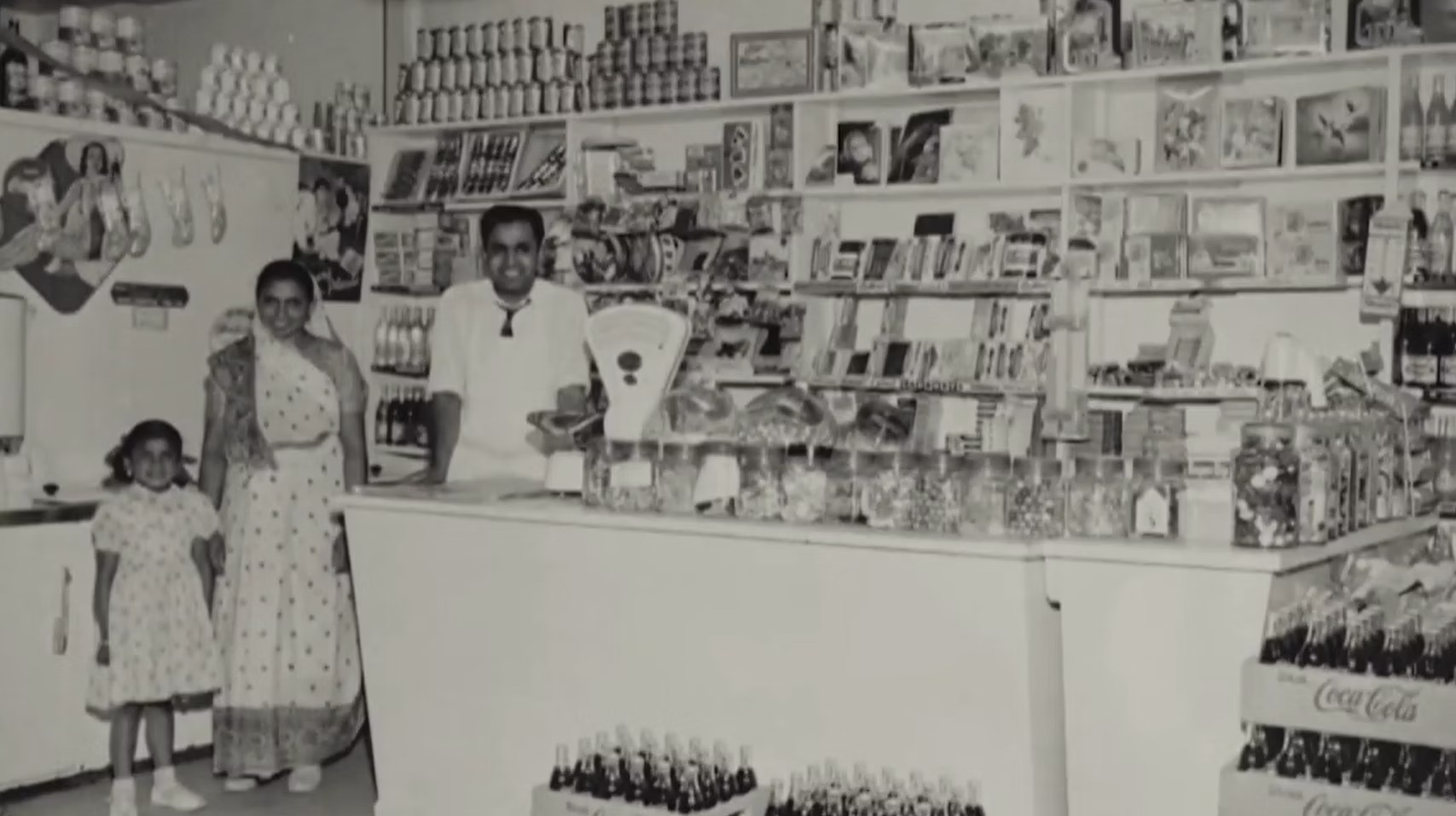
A new chapter: First day at high school in NZ. (Supplied photo)
The day he cried for the All Blacks
About a year after arriving in New Zealand, Muralidhar was at Napier Boys' High School when the All Blacks faced South Africa in the 1995 Rugby World Cup final.
"First, what happened was I fell in love with the All Blacks."
He remembers watching television with other New Zealanders, cheering and screaming together. Then the All Blacks lost.
"I remember tearing up." He had been in the country for only about a year, but the defeat felt personal. "Because I could feel the country. Like, and I was part of it."
Cricket took a little longer. He had grown up with Indian cricketing heroes. But as he settled into New Zealand, he began questioning where his loyalties lay.
"As I became more and more part of the New Zealand story...my love and affection is for this country."
Eventually, supporting New Zealand against India seemed natural. "I know I grew up with the Indian cricketing heroes. But this is my country."
I tell him about my son, who once protested when I suggested taking him to an India-New Zealand cricket match. He didn't know which team to support.
Muralidhar is amused. He has little doubt where my son's allegiance will eventually lie. "I can guarantee he will end up supporting New Zealand. There is no way in the world he's not going to support New Zealand."
But what about someone who arrives in their 30s or 40s, having spent decades cheering for India? Isn't it harder to let go of those loyalties?
"Maybe, maybe." He acknowledges that arriving at 14 probably made his own transition easier.
His experience also exposes a difficulty with the question of belonging. Supporting the All Blacks may have made Muralidhar feel Kiwi. It didn't prevent other New Zealanders from bullying him for being Asian.
And for migrants who arrive later in life, finding that connection may be a very different journey.
Migrants who don't know Anzac Day
Muralidhar believes New Zealand has failed to prepare both migrants and established communities for the changes brought by immigration.
"There was a sudden increase in the Indian population for the last 10 years. Last three, four years, actually."
He argues the previous government increased immigration to address labour shortages without doing enough to help newcomers understand New Zealand or existing residents understand the people arriving.
"Nobody told the country. Nobody prepared the country."
And, he says, nobody adequately introduced those migrants to New Zealand. "Those people who came in, they don't know what Anzac Day is."
Some, he suggests, may not even know the New Zealand Warriors. "So the fact that then they don't know norms and how to function and what's important ... it's partly not their fault."
Nor does he place the responsibility entirely on migrants. He believes established communities were given little preparation for the arrival of newcomers.
"There's a shock. There's a shock. Like, it's not a surprise."
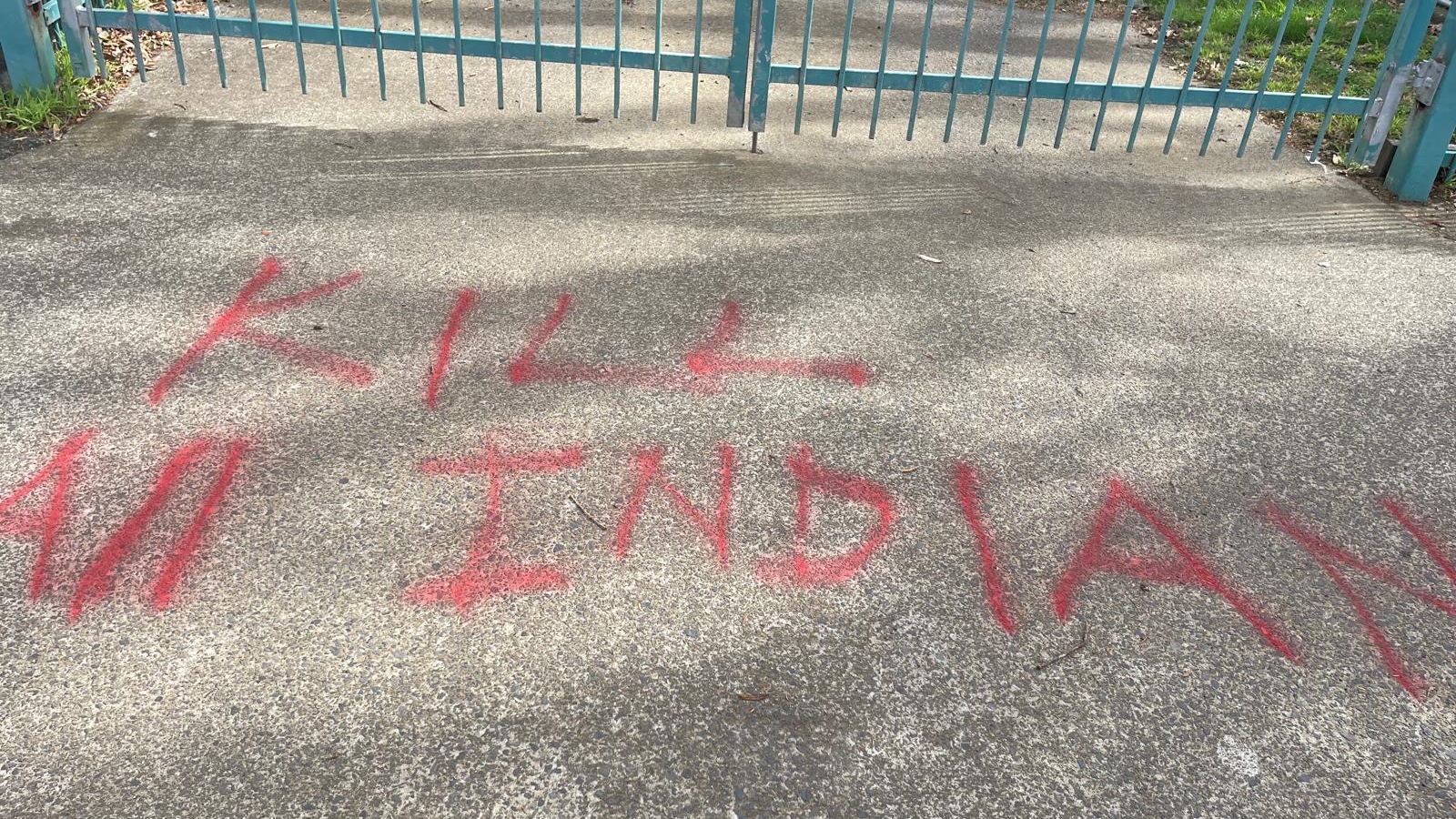
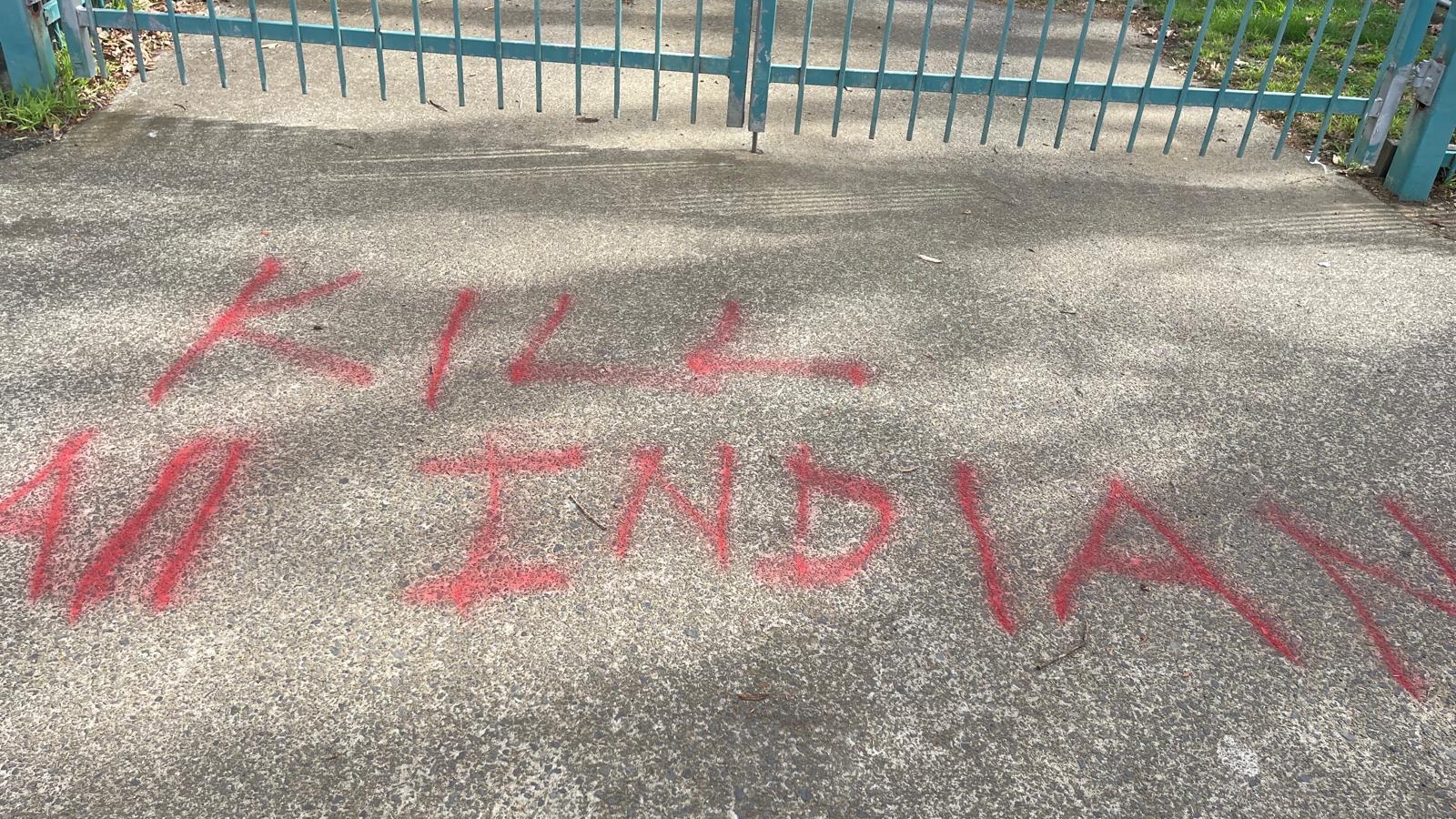
Muralidhar says he has encountered racism online during his campaign, although not while meeting voters on the ground.
When I ask whether he dismisses the online abuse as trolling or sees something deeper, he returns to the same argument. "No, it's the confusion."
A culture of invitation
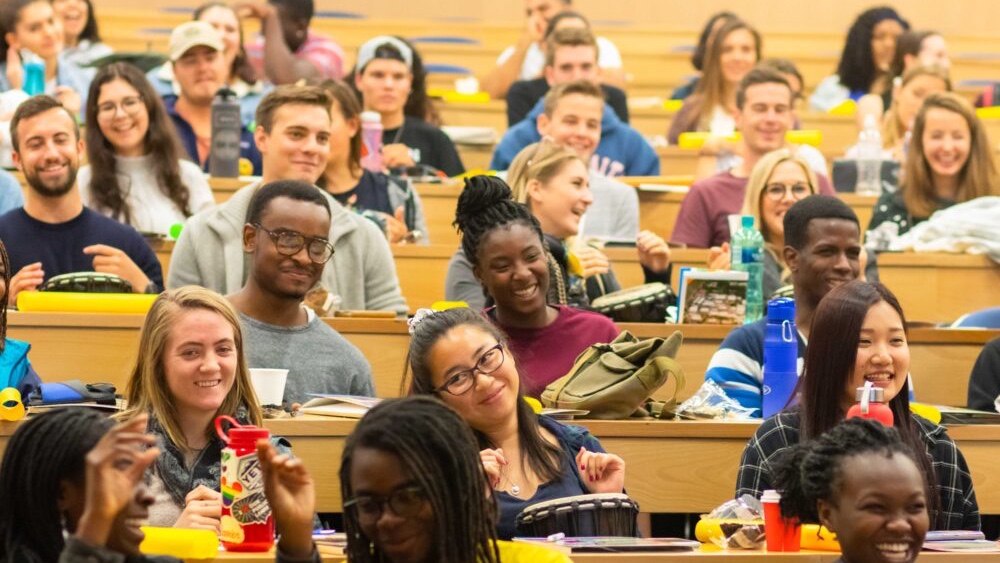
By now, our conversation has travelled from Parliament to rugby grounds, immigration policy and university campuses. I bring it back to something much closer to home.
I tell Muralidhar that I have lived in New Zealand for three years but have never attended a marae ceremony. I would like to. But how does someone unfamiliar with those spaces find a way in without feeling that they are intruding?
He picks up on the question immediately. "Maybe, instead of representation, we should talk about invitation."
He wants communities to make a conscious effort to invite people who would not ordinarily attend their events. "Let's make sure each community invites another."
He mentions Waitangi Day and Matariki, and asks whether community organisations are reaching beyond their familiar circles.
"Have you invited the community to come in? Have you sent out invitations? Have you made it more accessible?"
He isn't interested in creating a perfect system. "Do two. Do three. We're not looking for the perfect machine. Do five."
But migrants have responsibilities, too. He asks whether I have attended an Anzac Day commemoration. I haven't.
He wants people like me to take more initiative, just as he wants established communities to make it easier for newcomers to participate.
"You need to lean in."
By now, the conversation has come a long way from the two national anthems at that South Asian gathering.
Muralidhar hopes the organiser will keep distributing the lyrics to New Zealand's anthem at future events. It is the kind of modest, practical gesture he wants to see more often: one community making it a little easier for another to participate.
"People want to be part of something. We've got to let people know."