
‘Two types of Indians’: Peters questions Kiwi Indians’ loyalty after watching Modi welcome
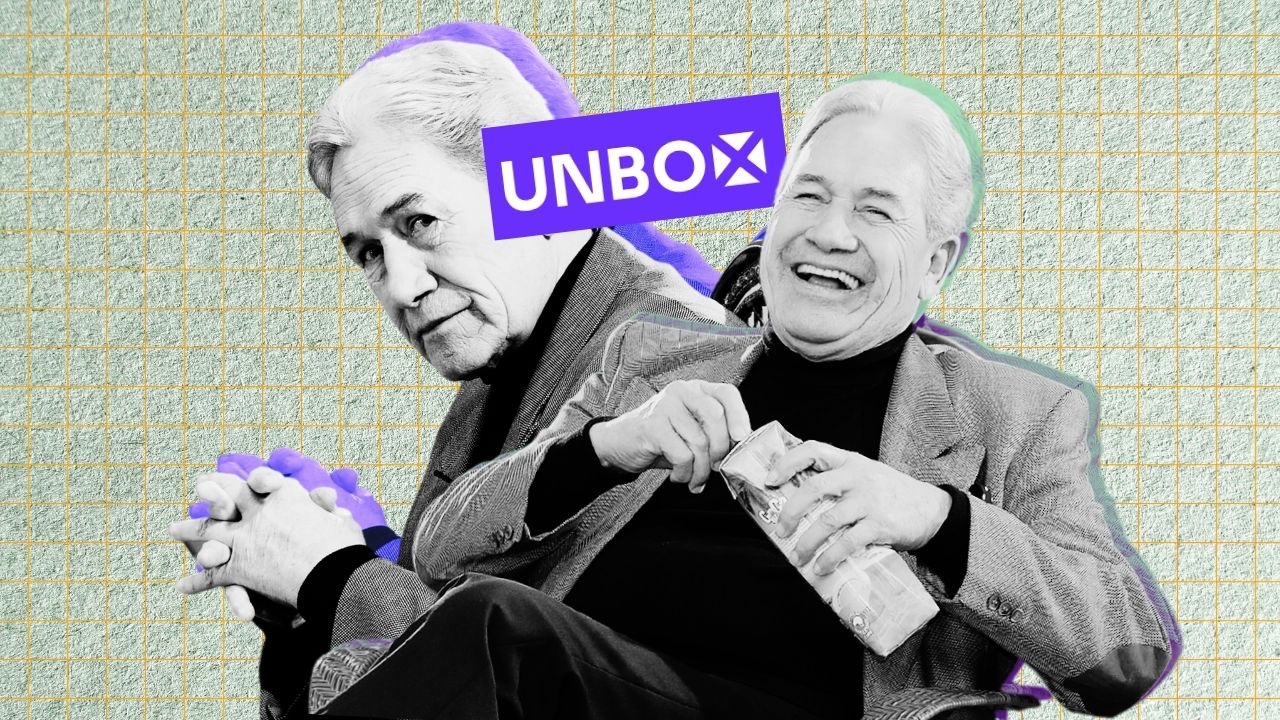
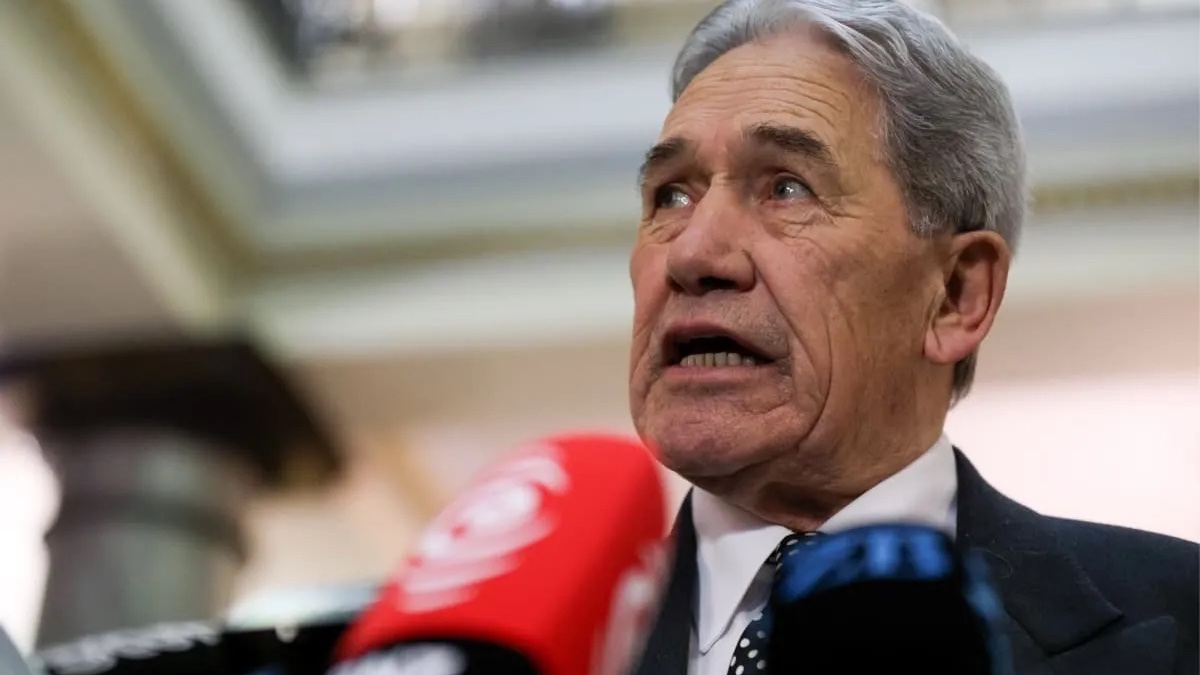
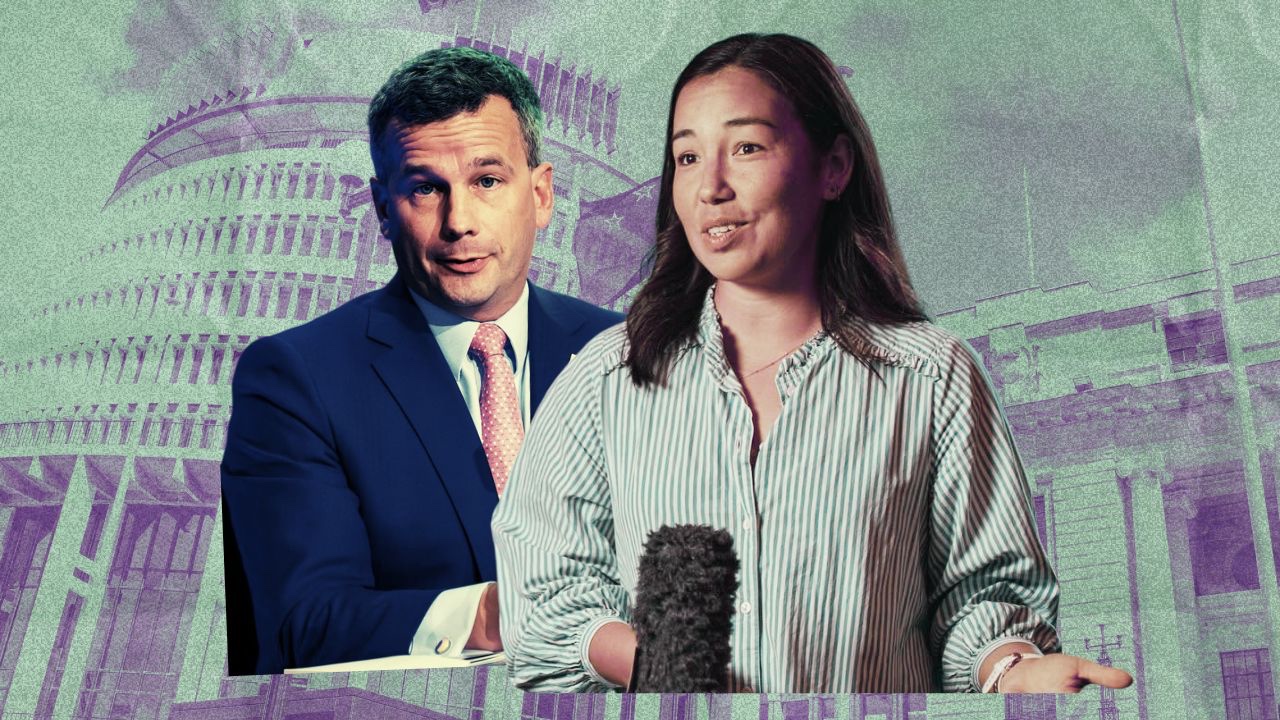
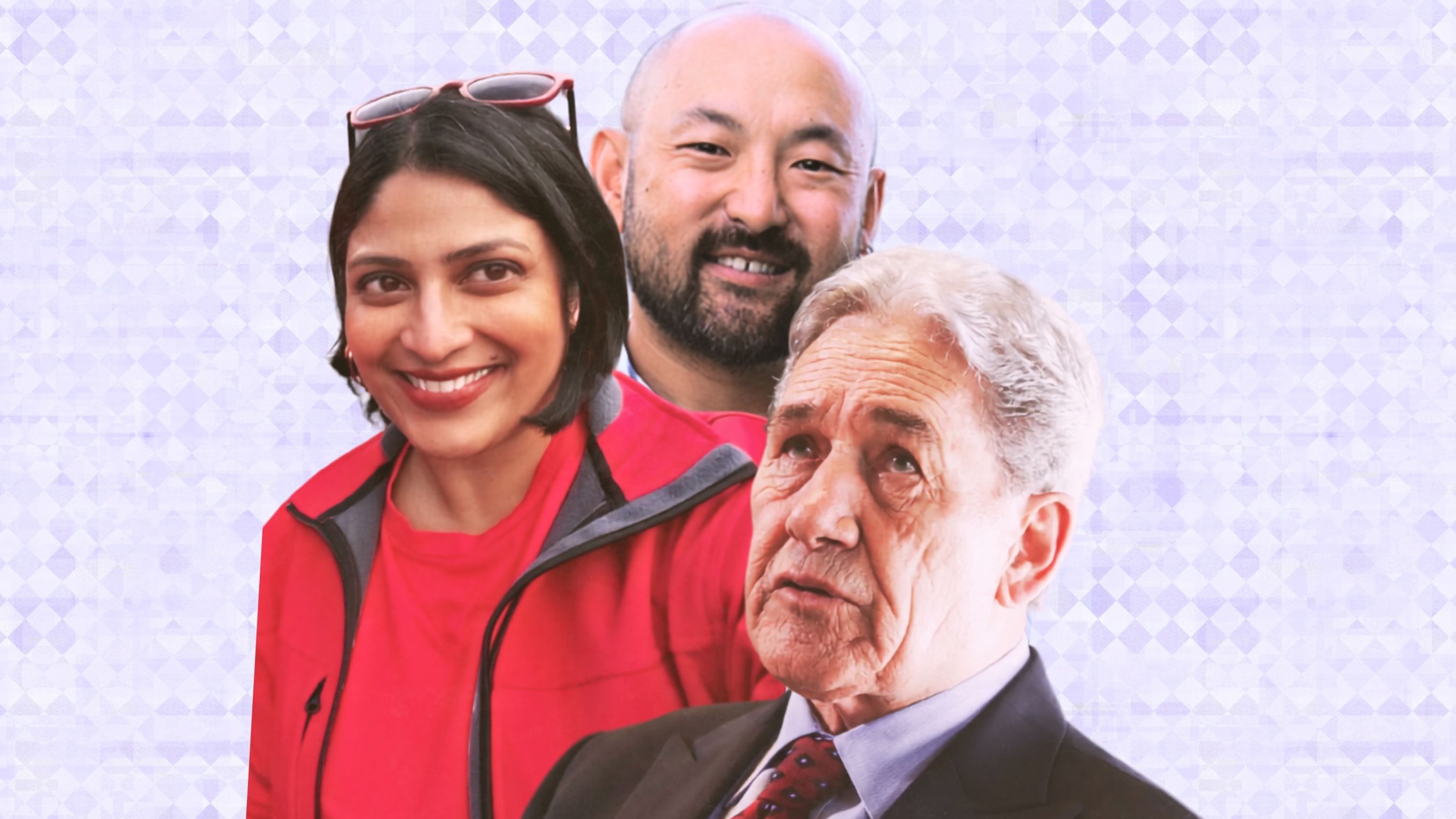
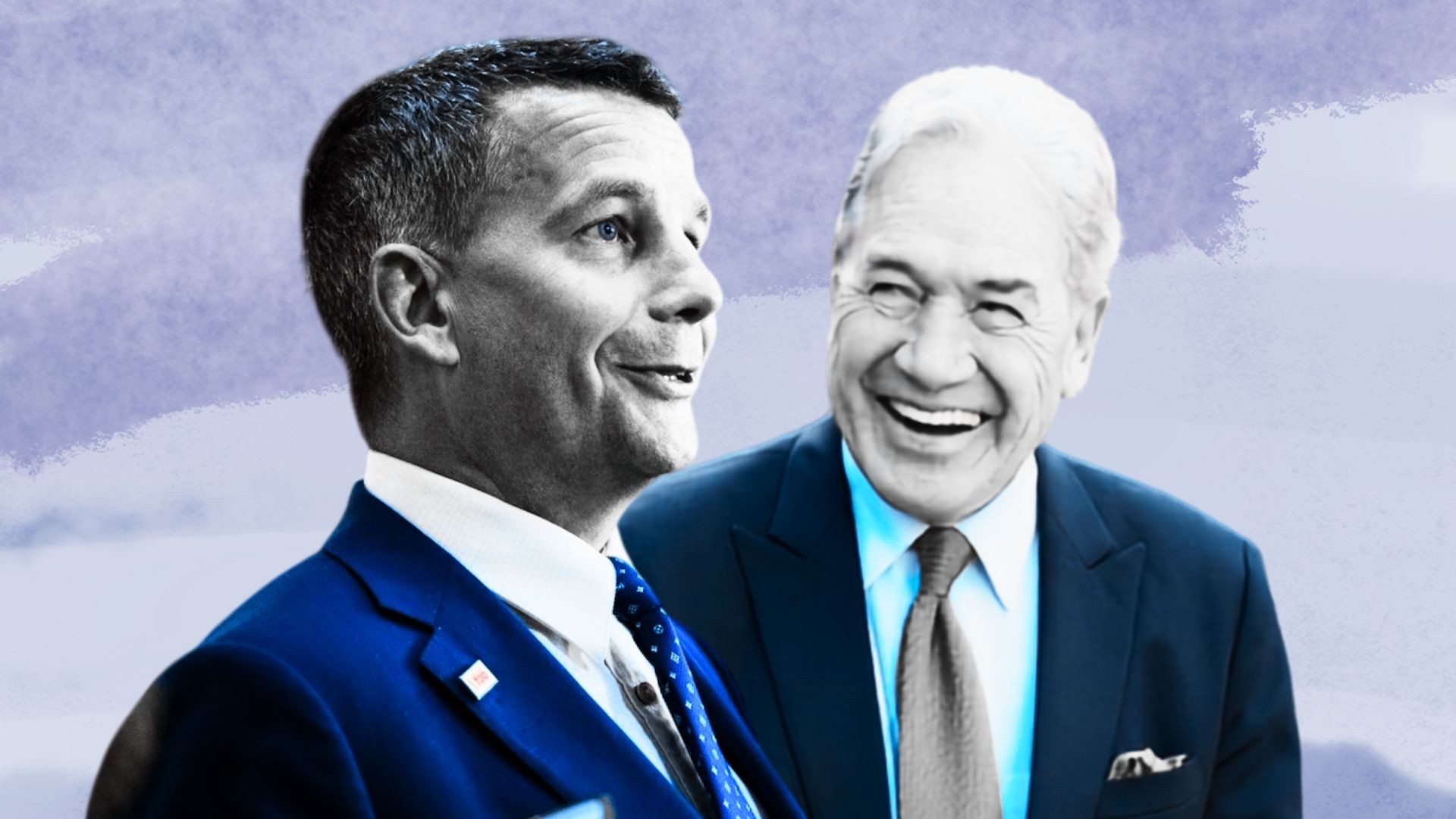
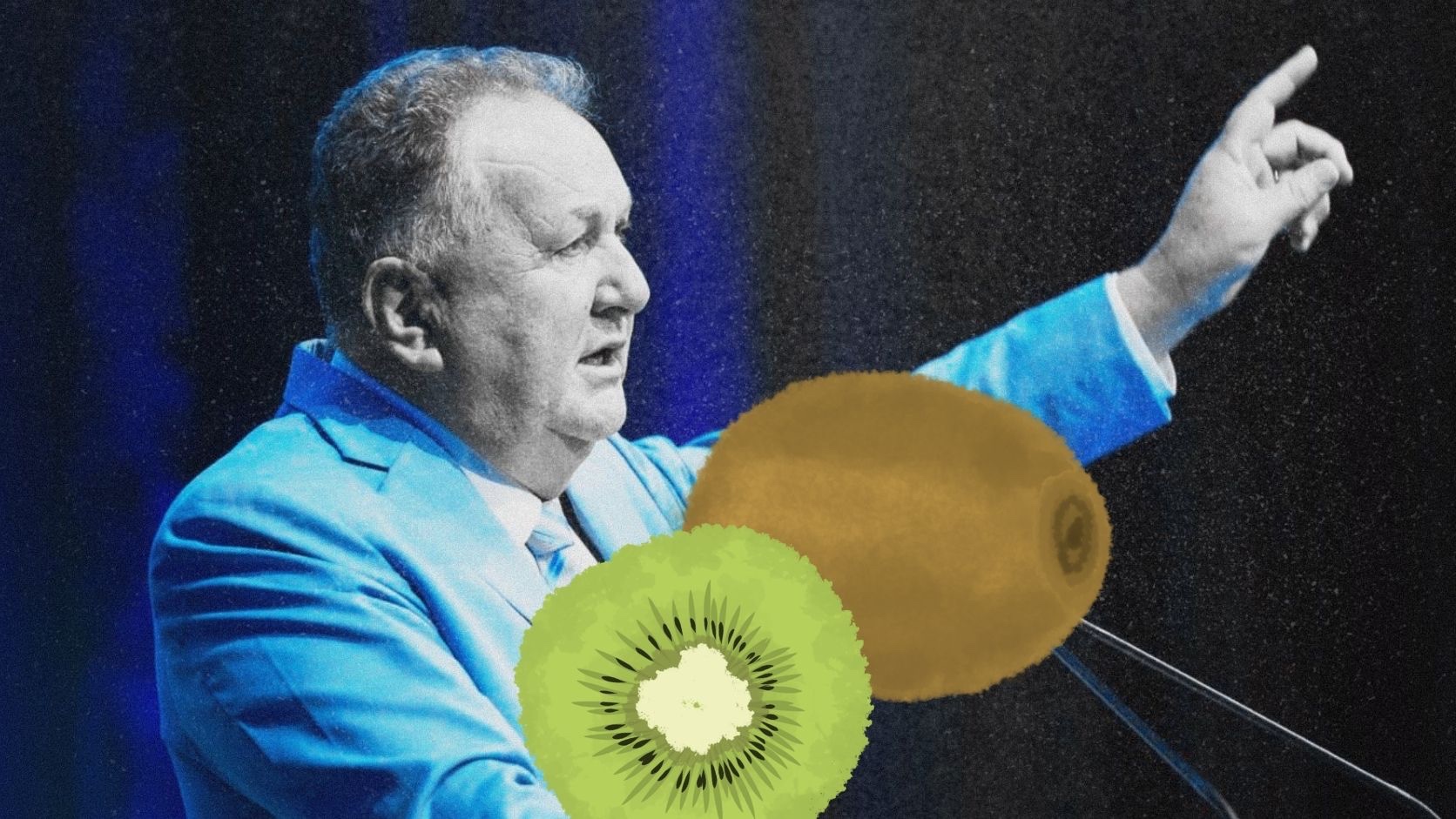
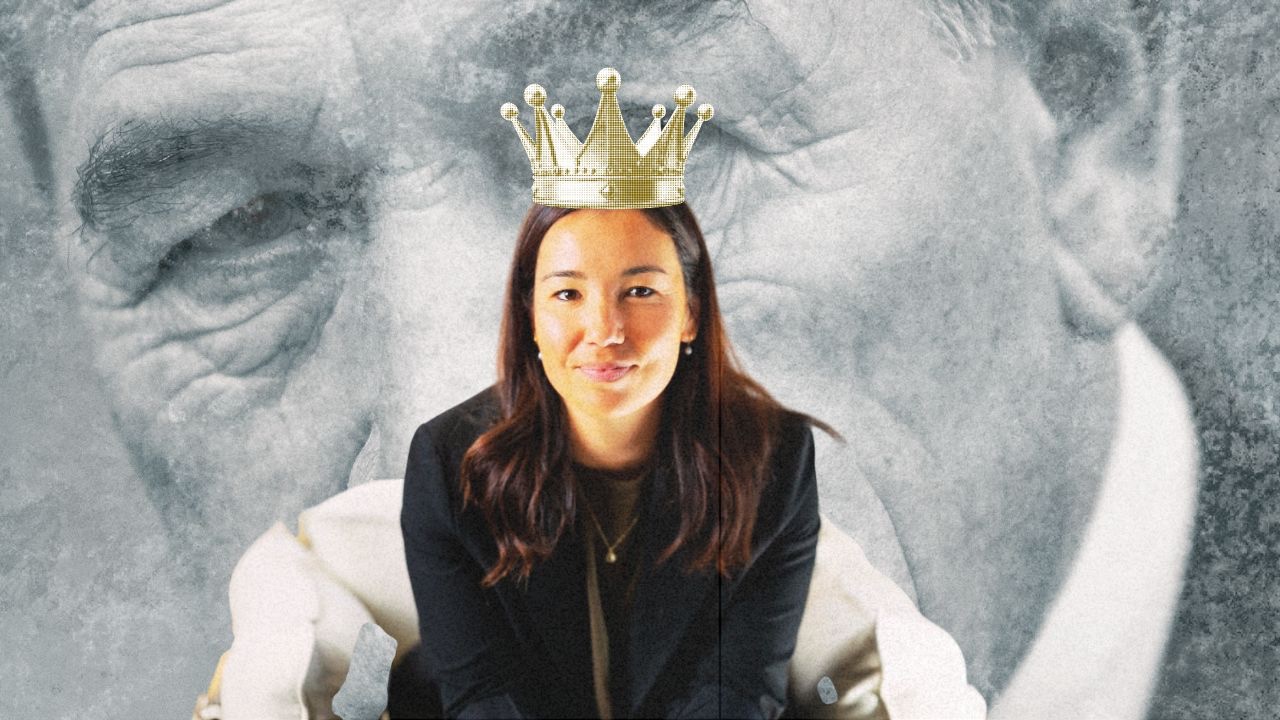
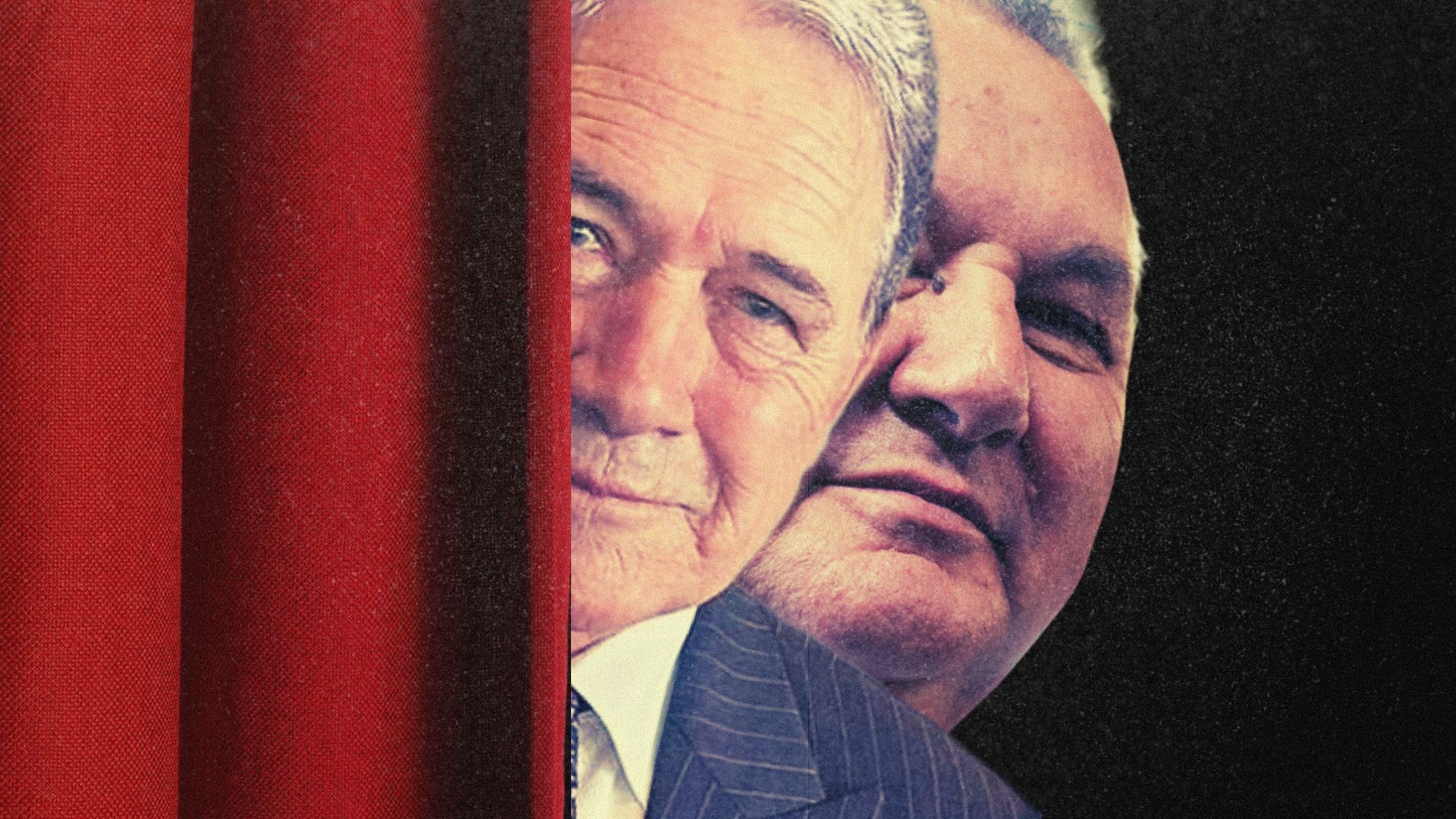
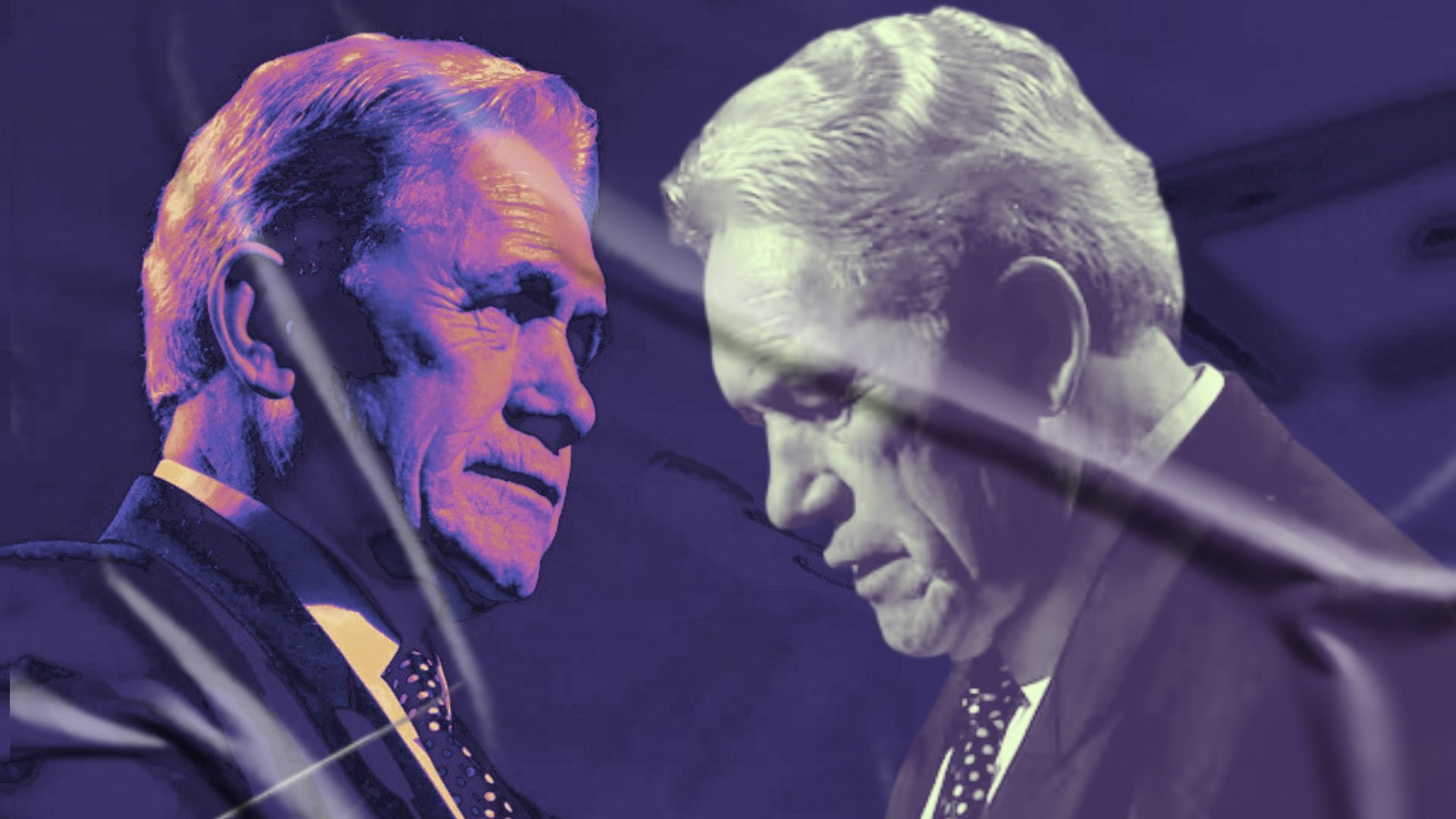
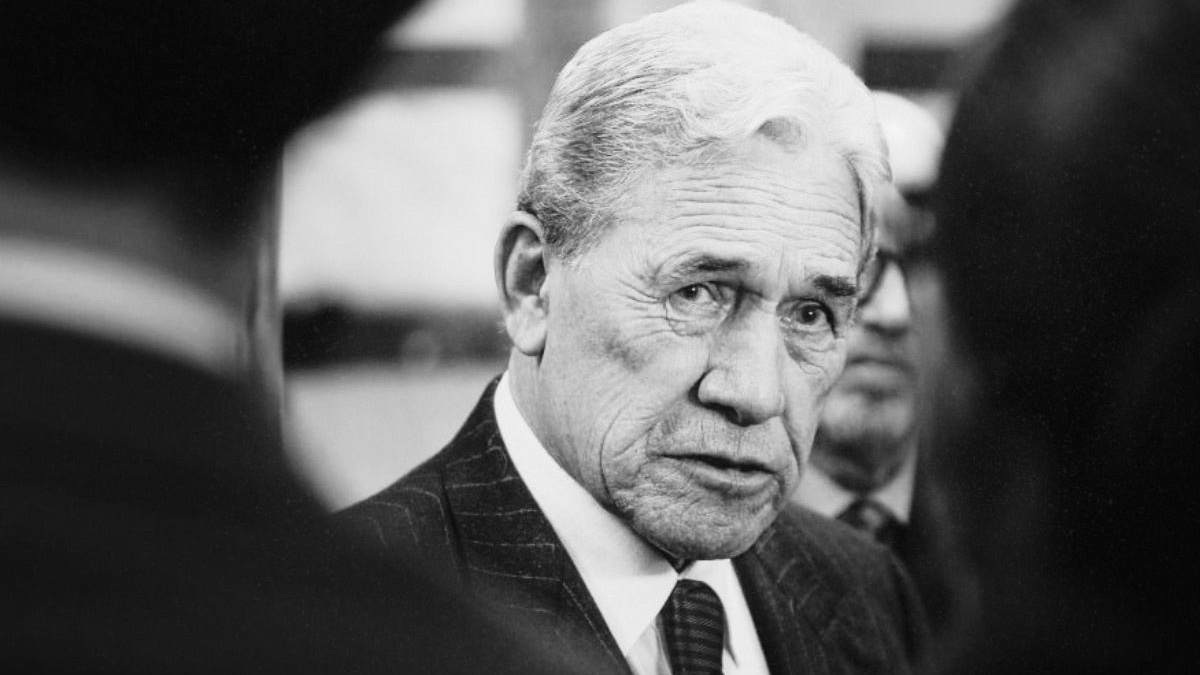
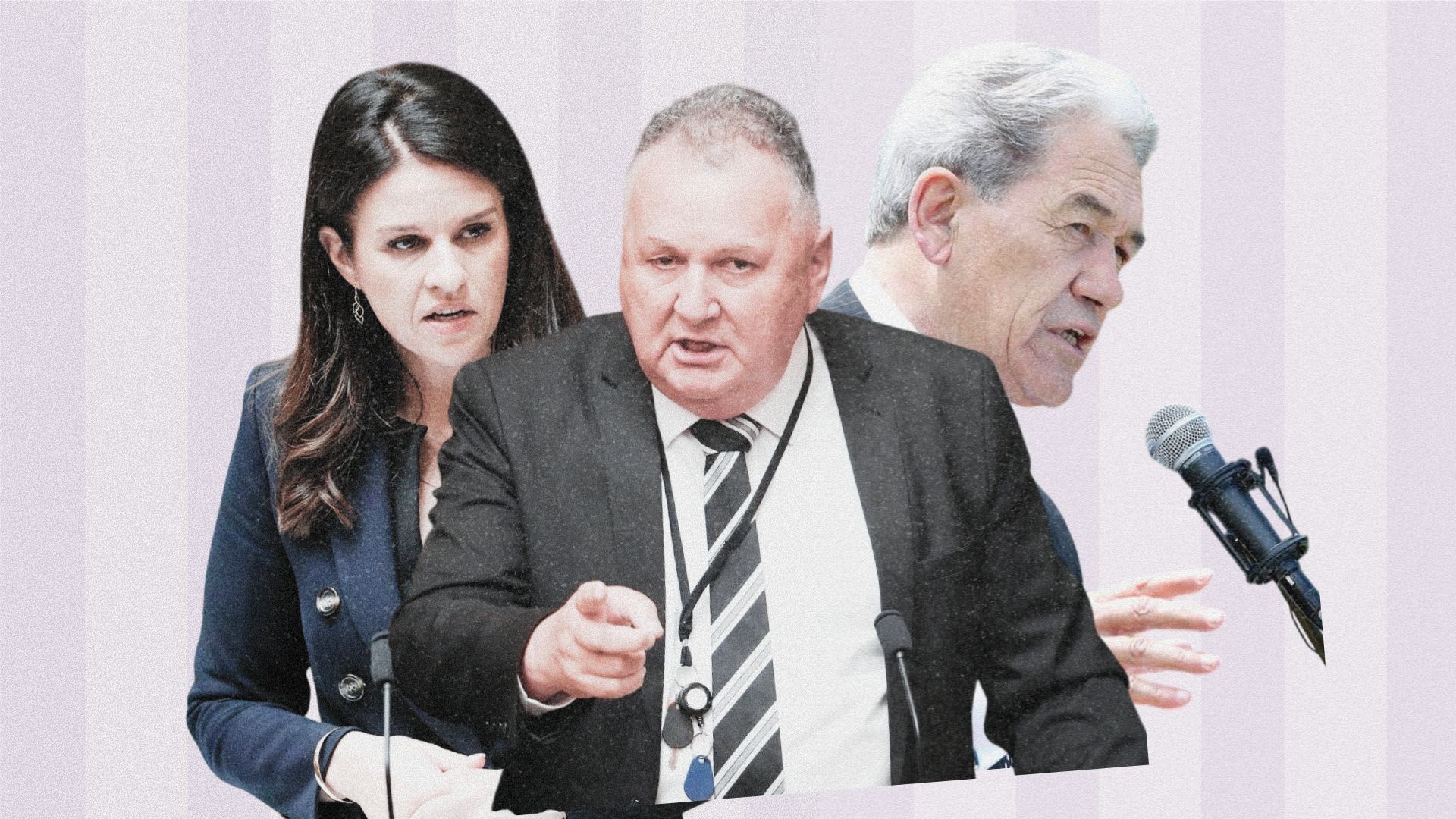
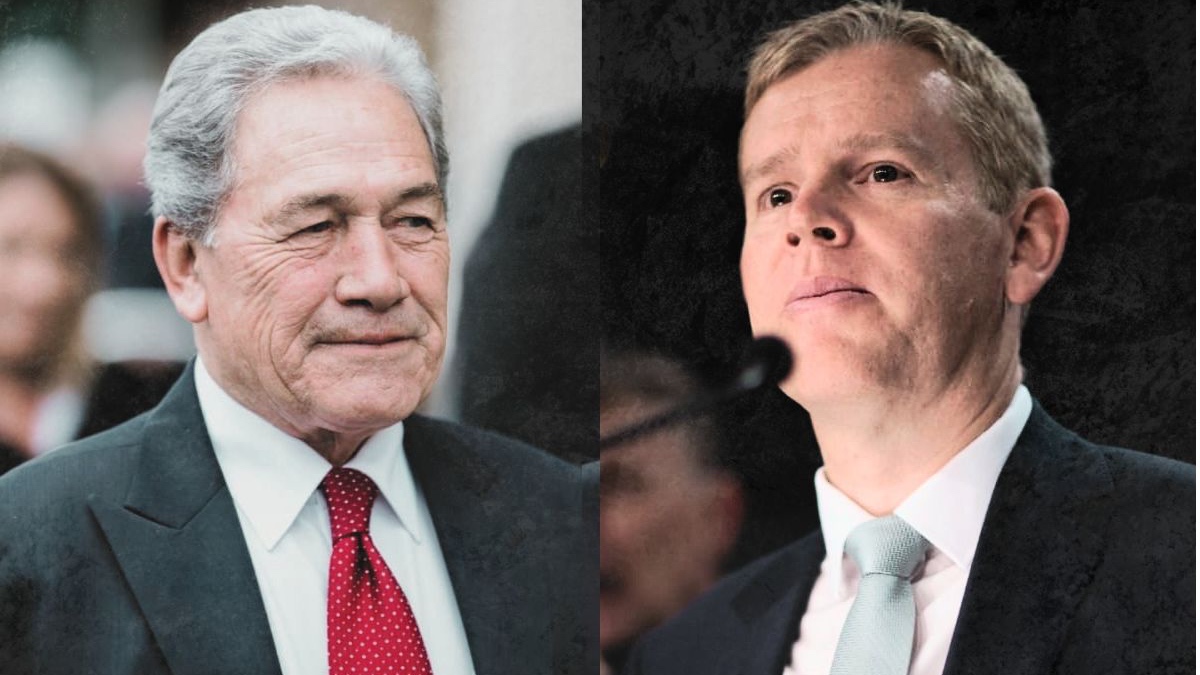
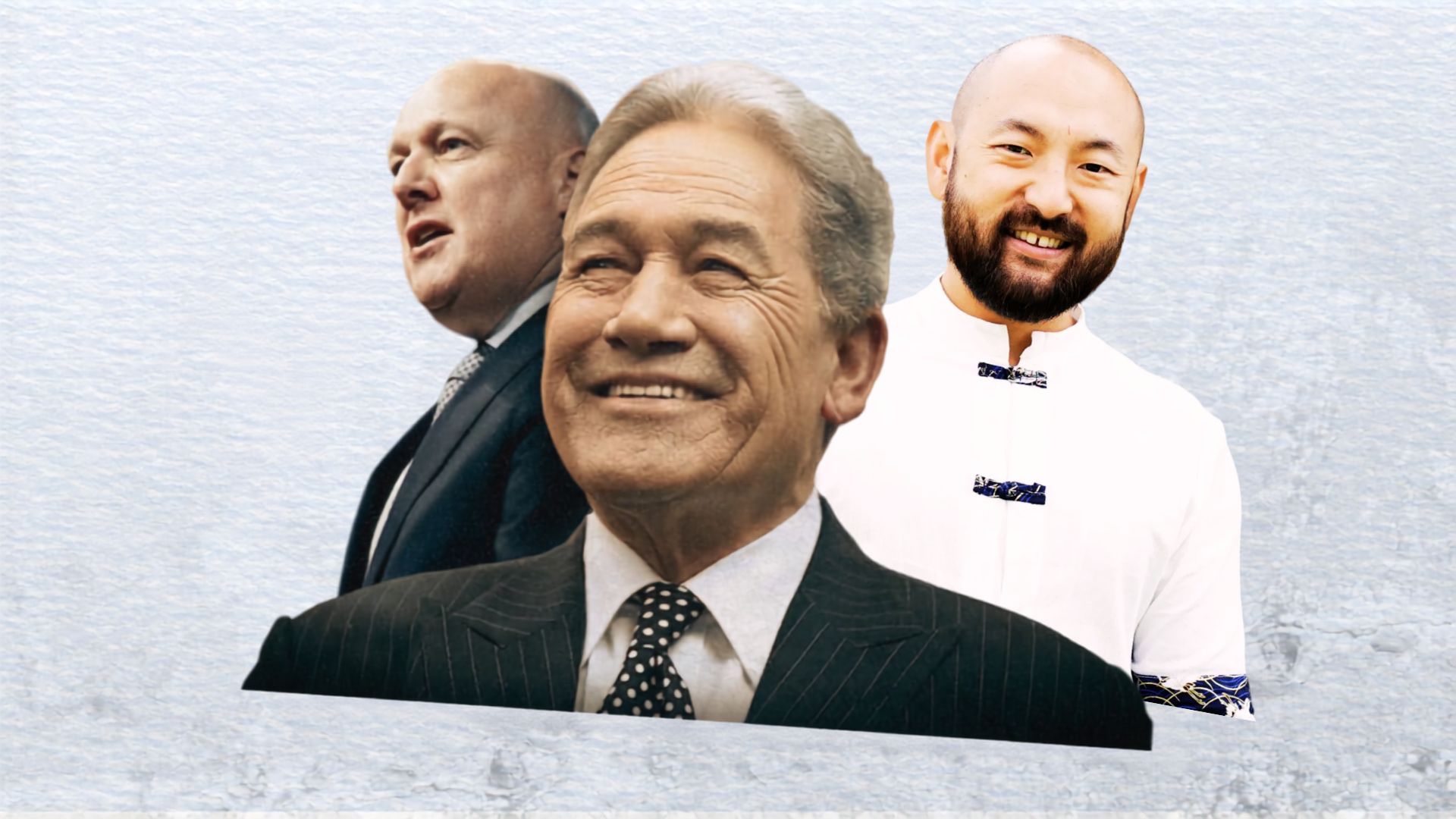
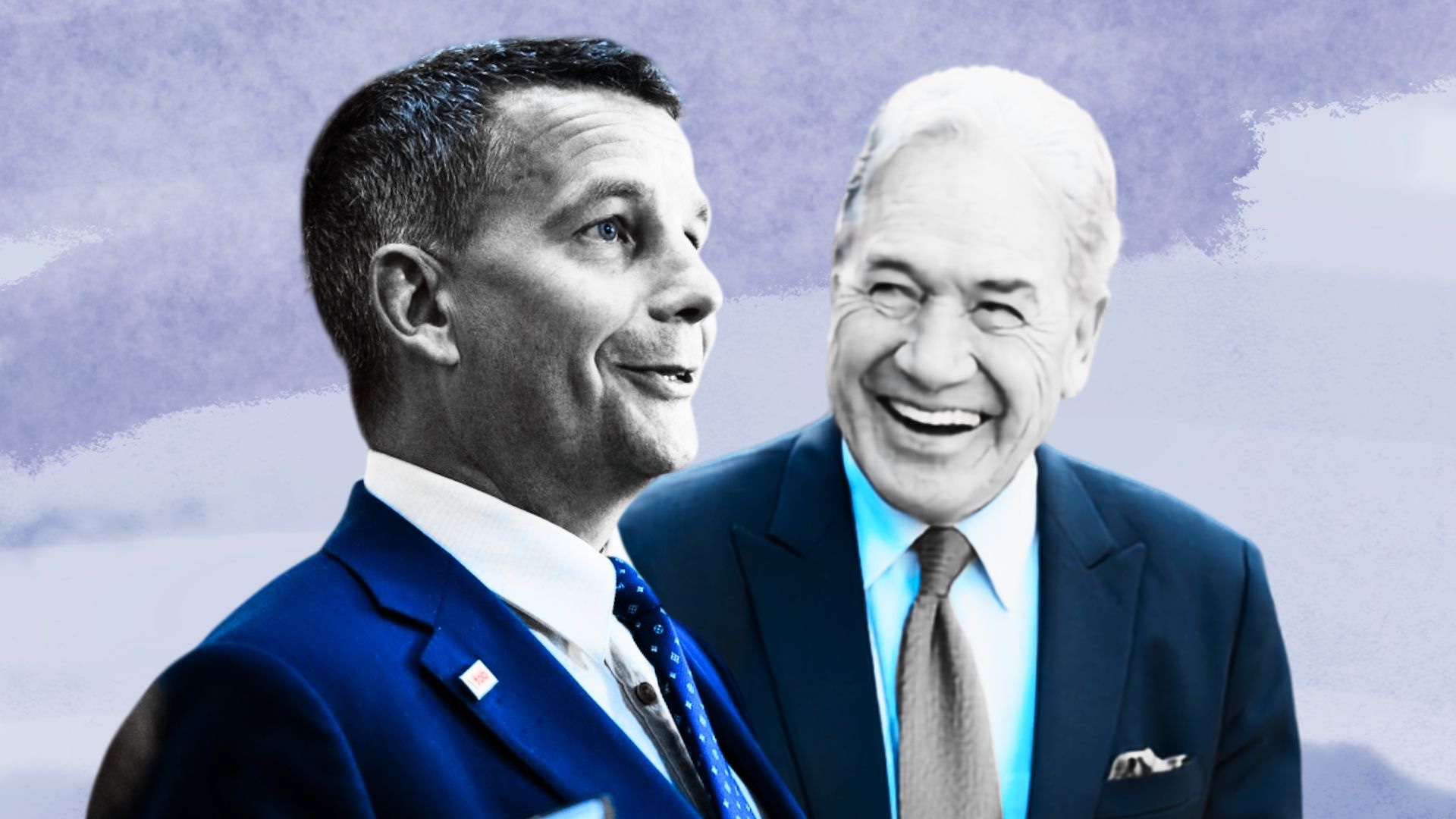
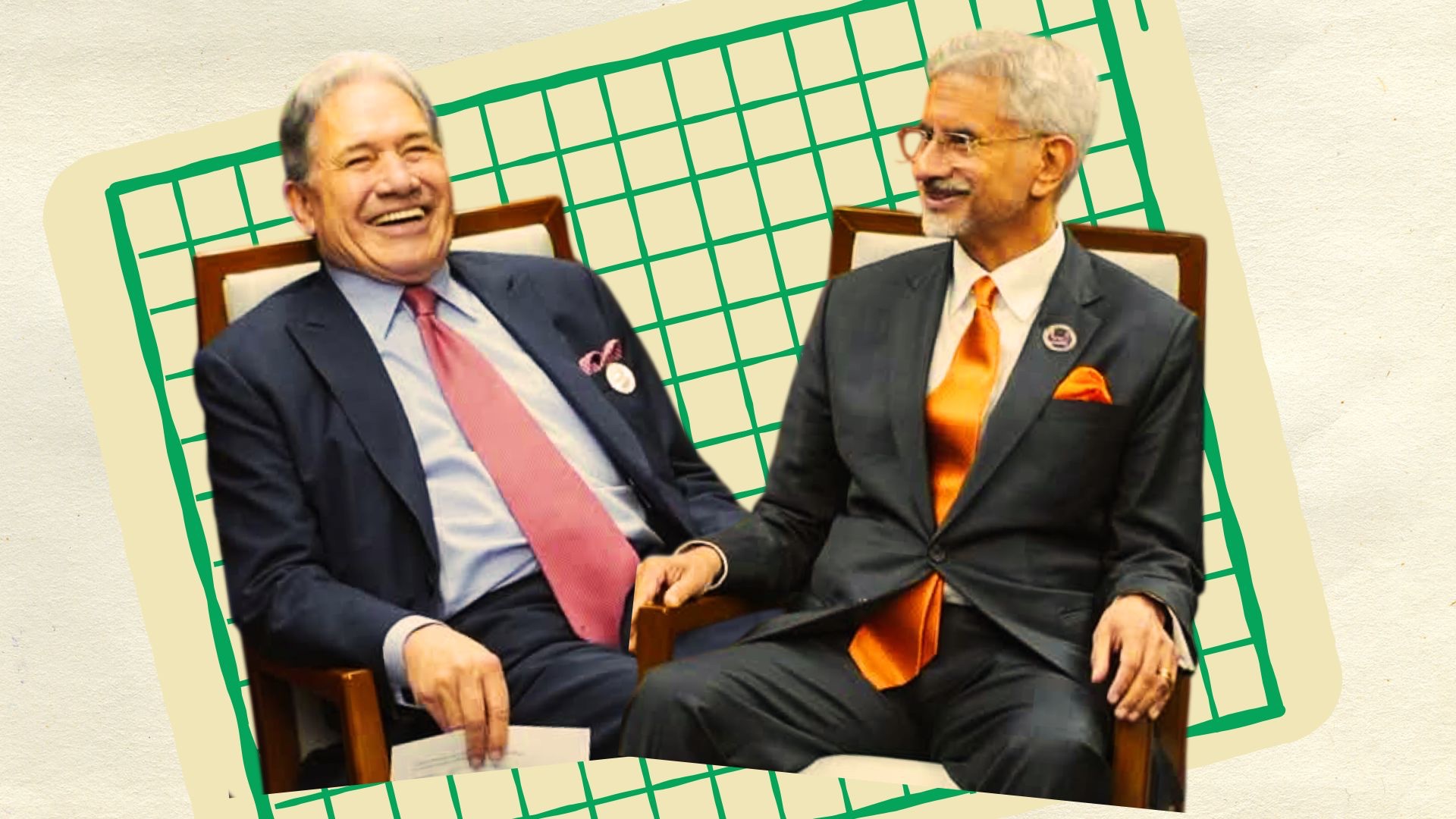
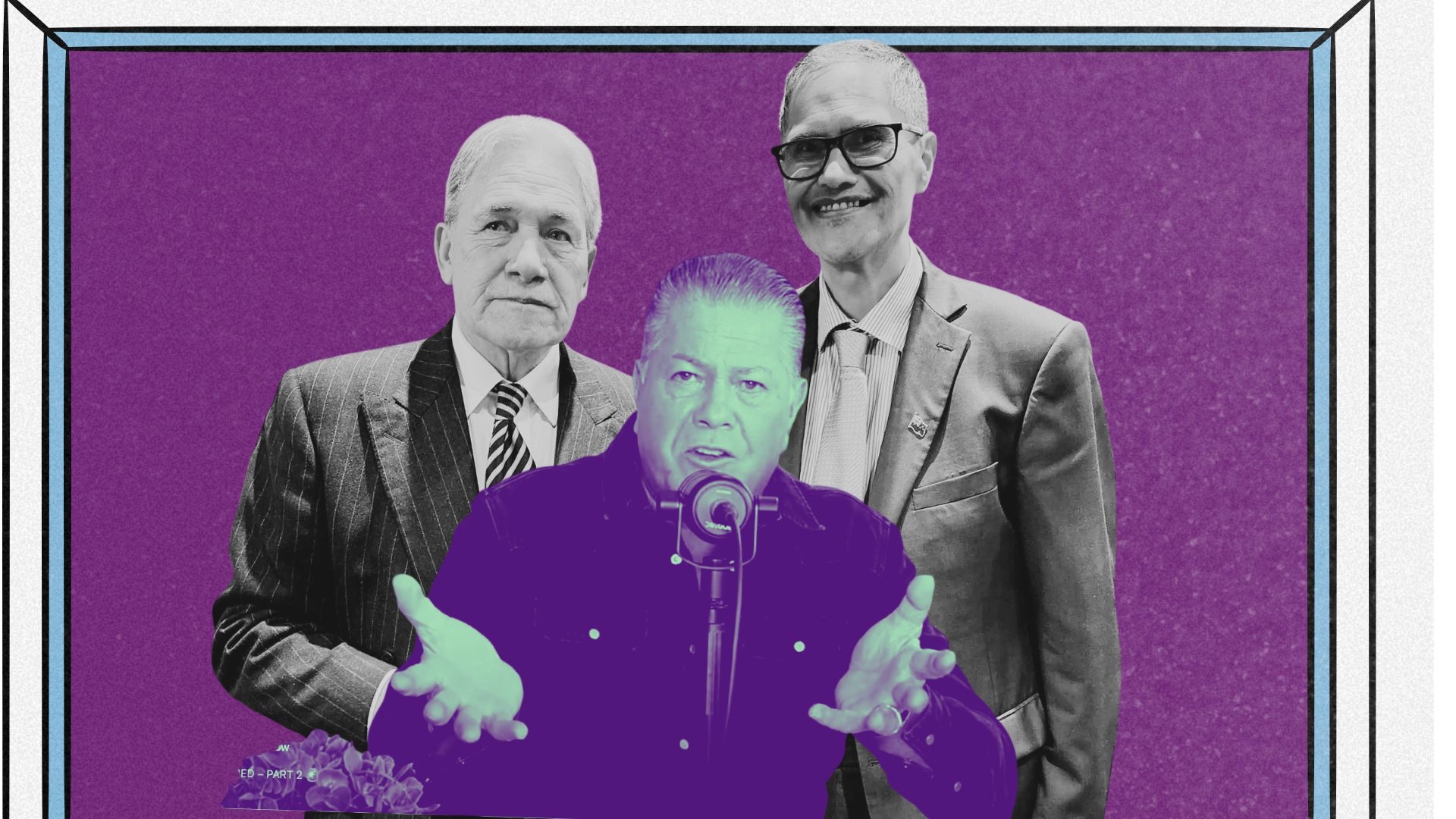
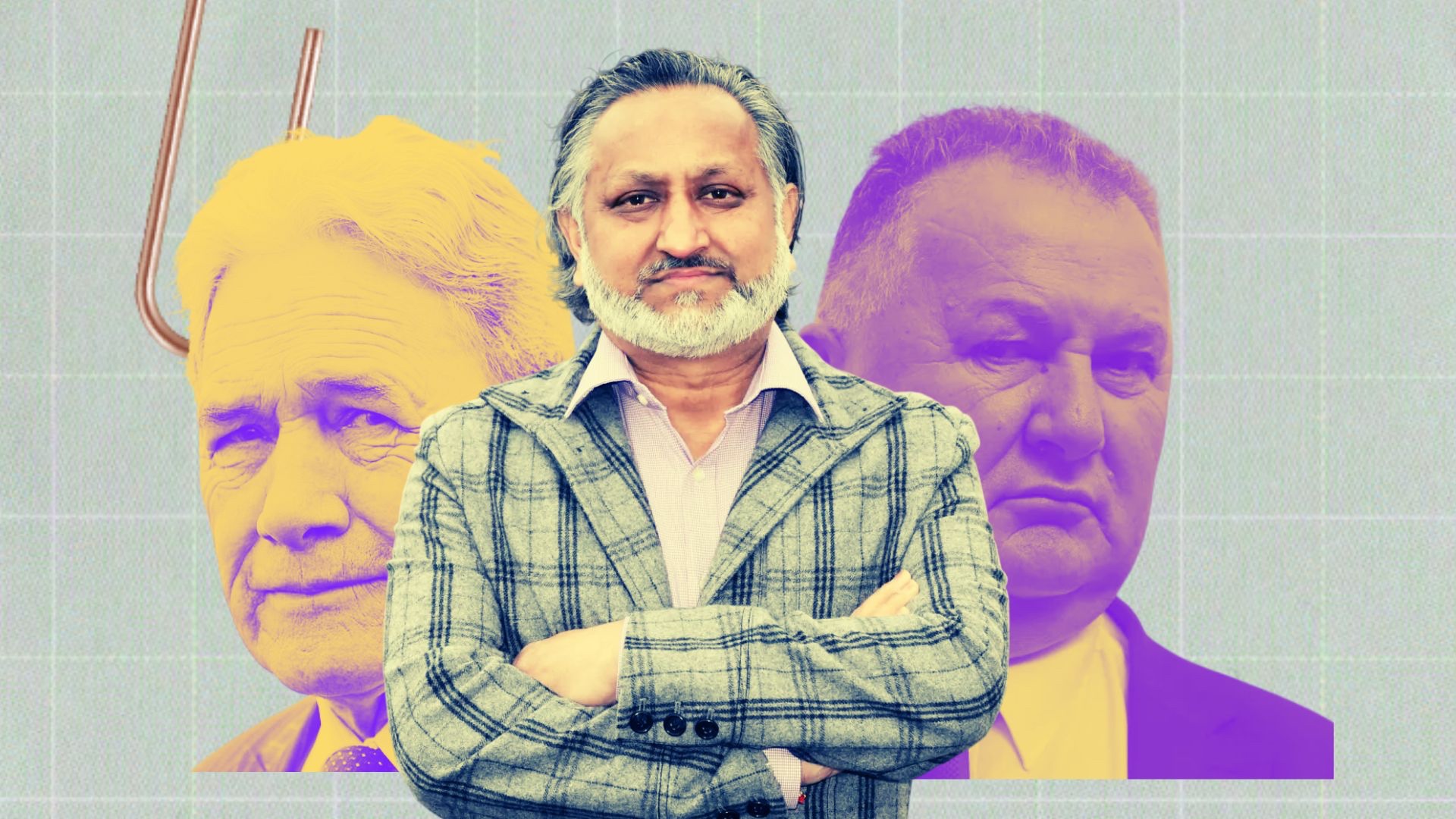
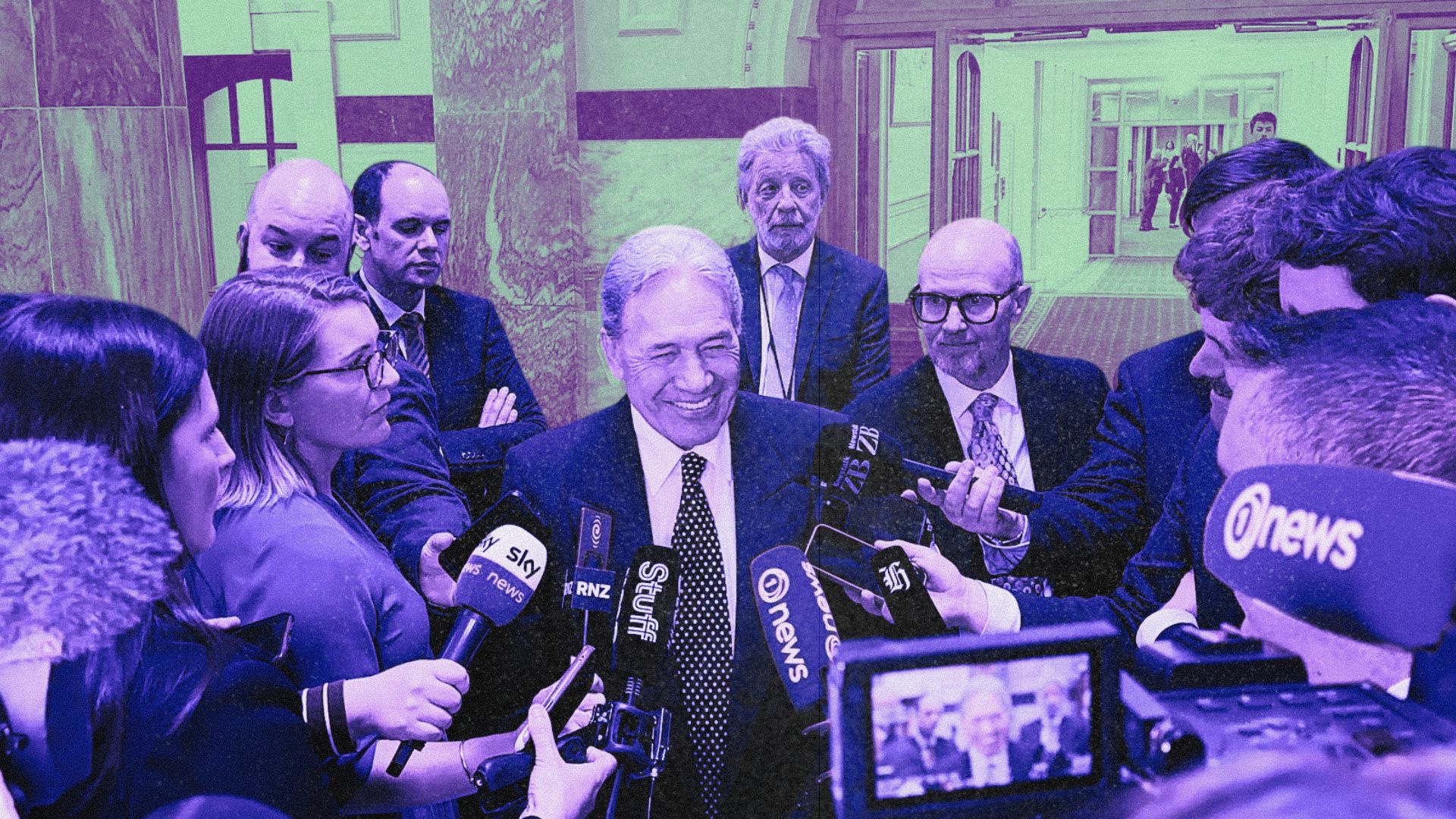
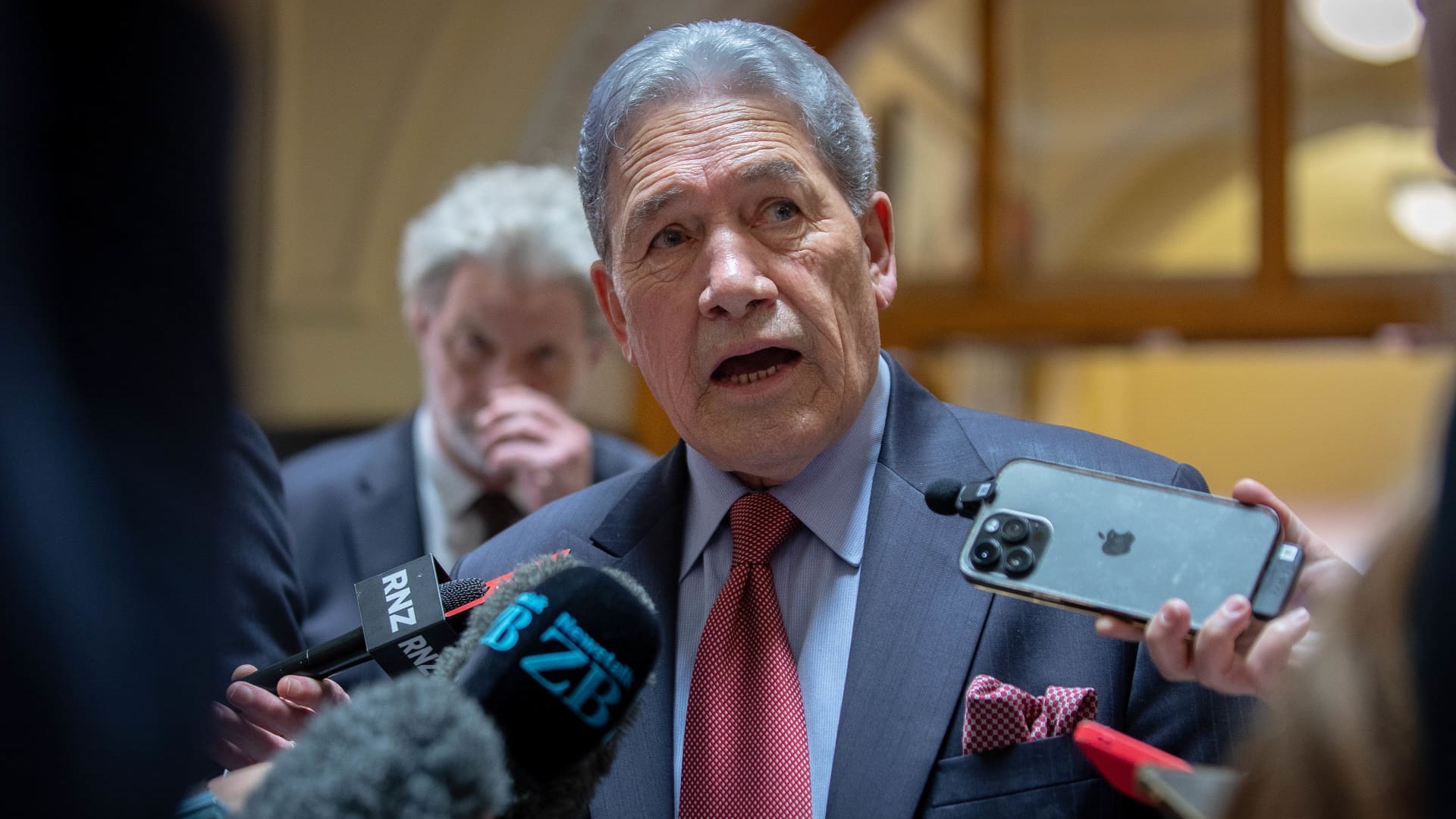
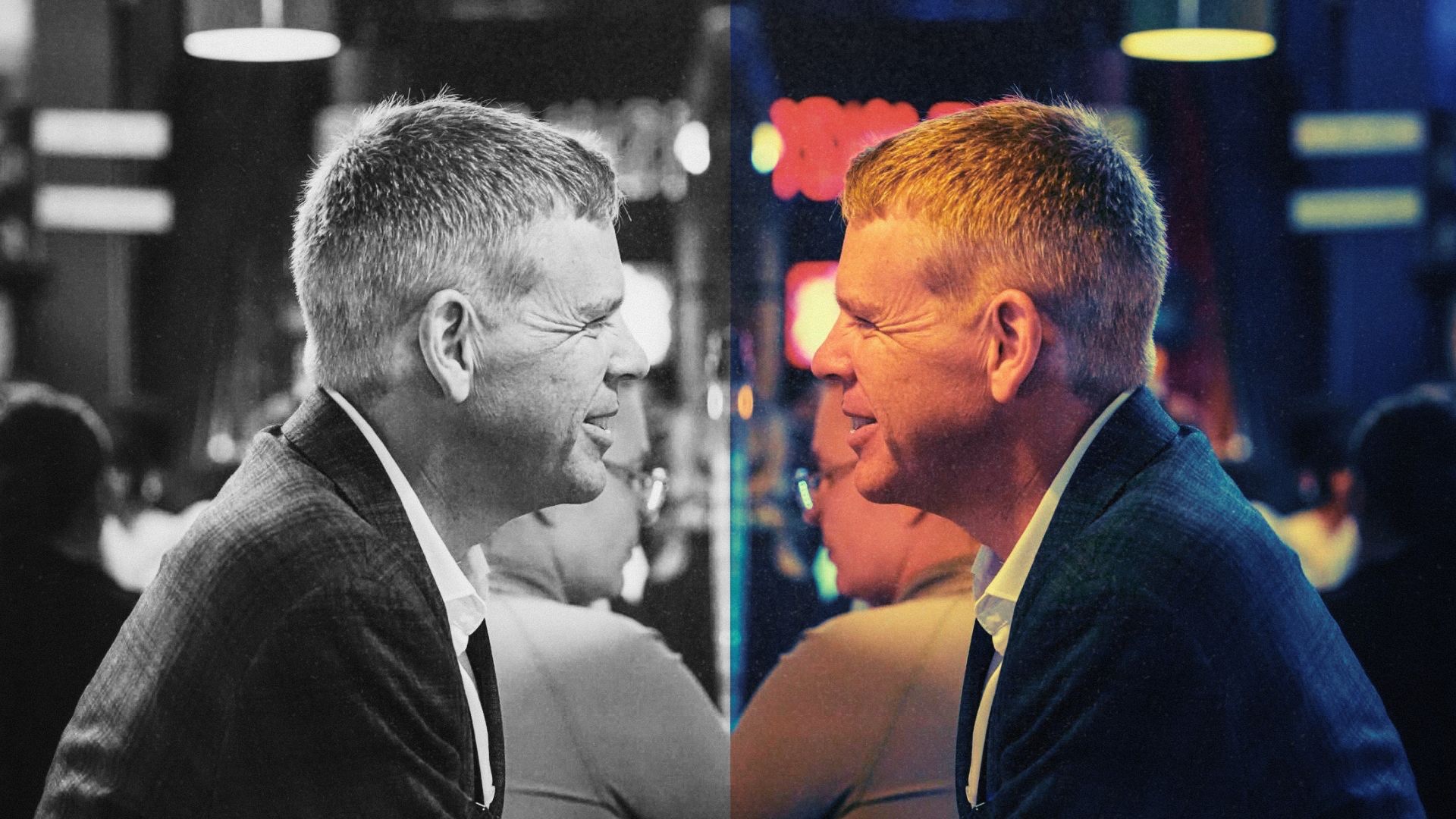
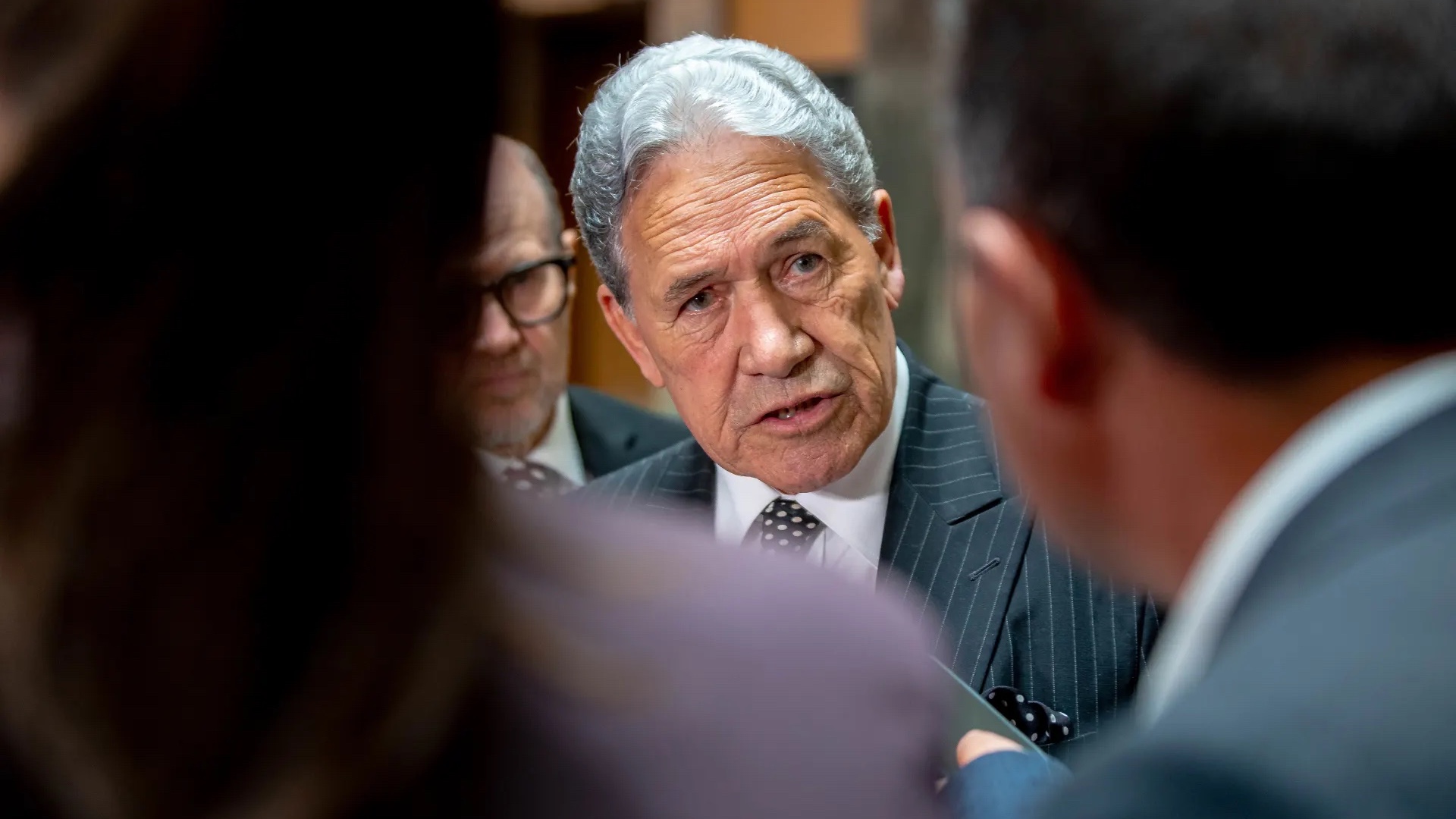
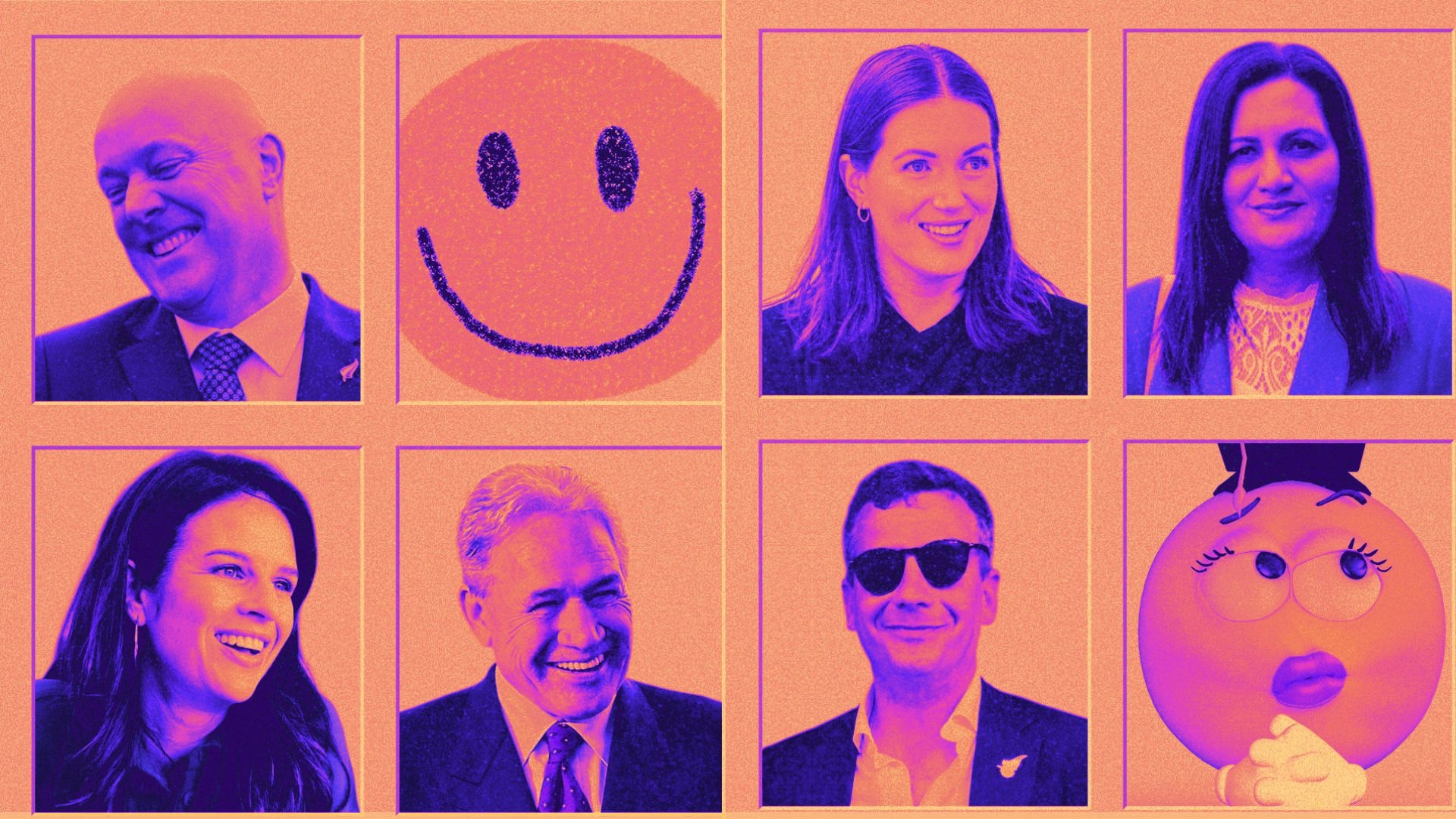
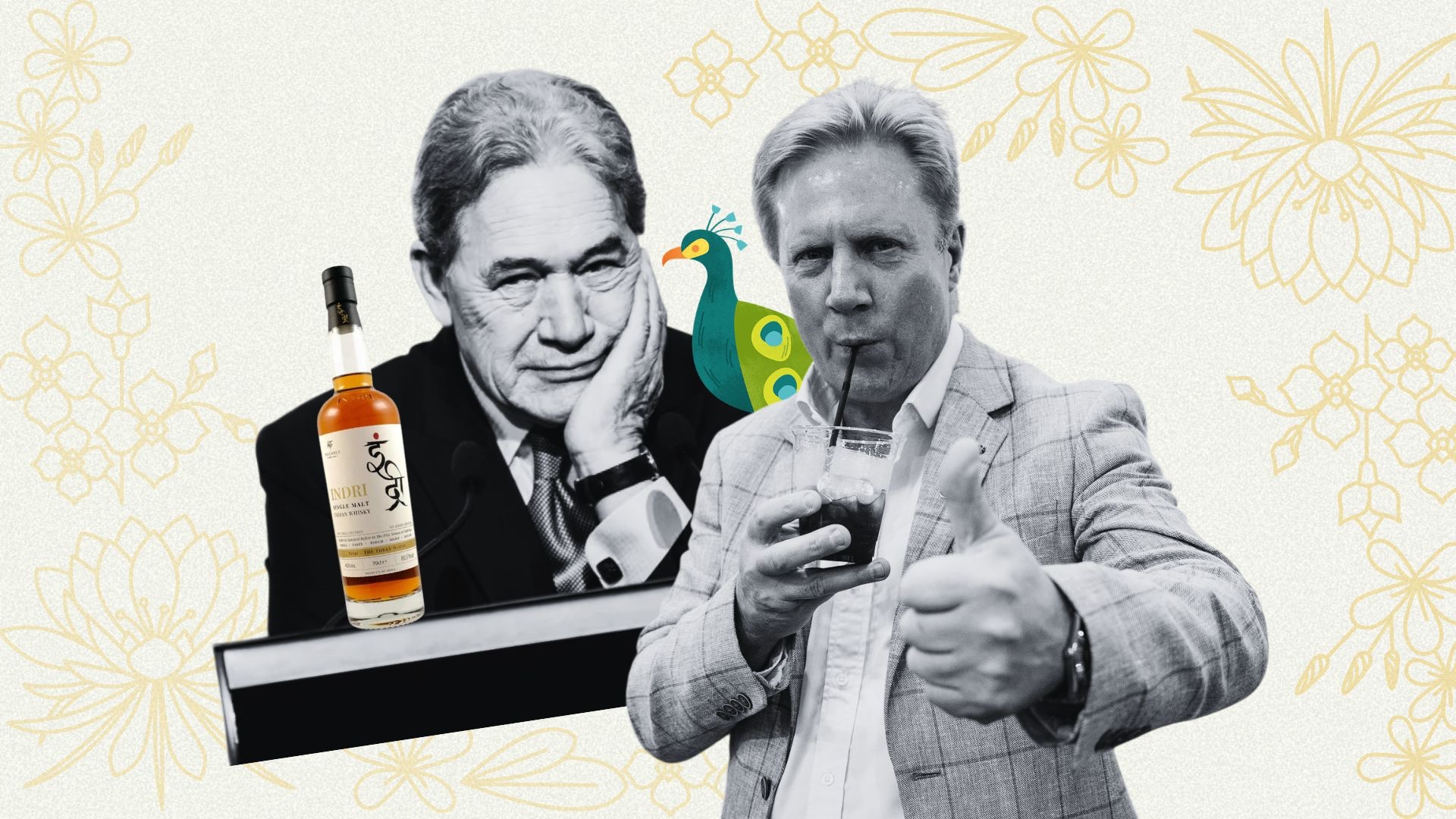
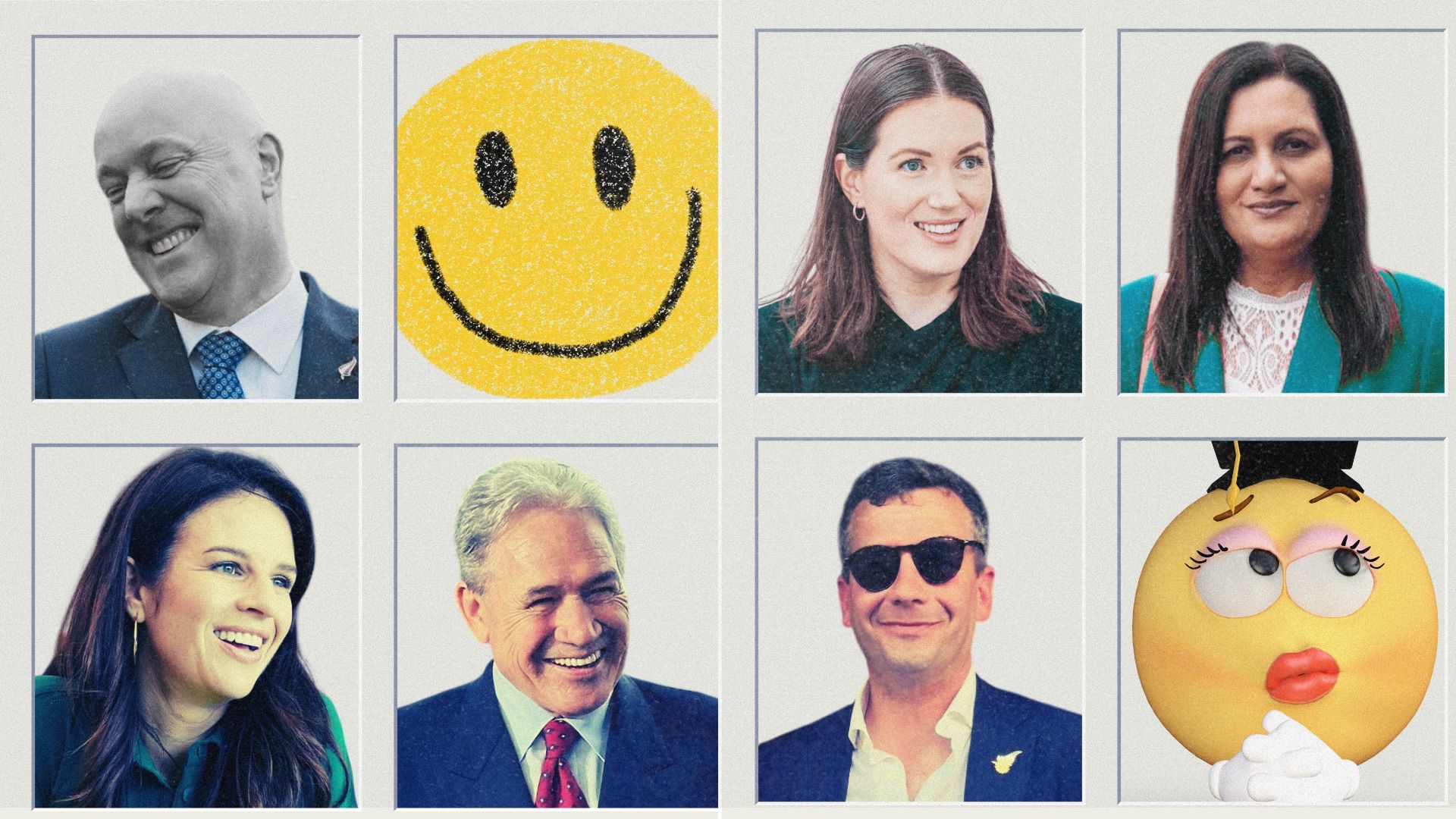
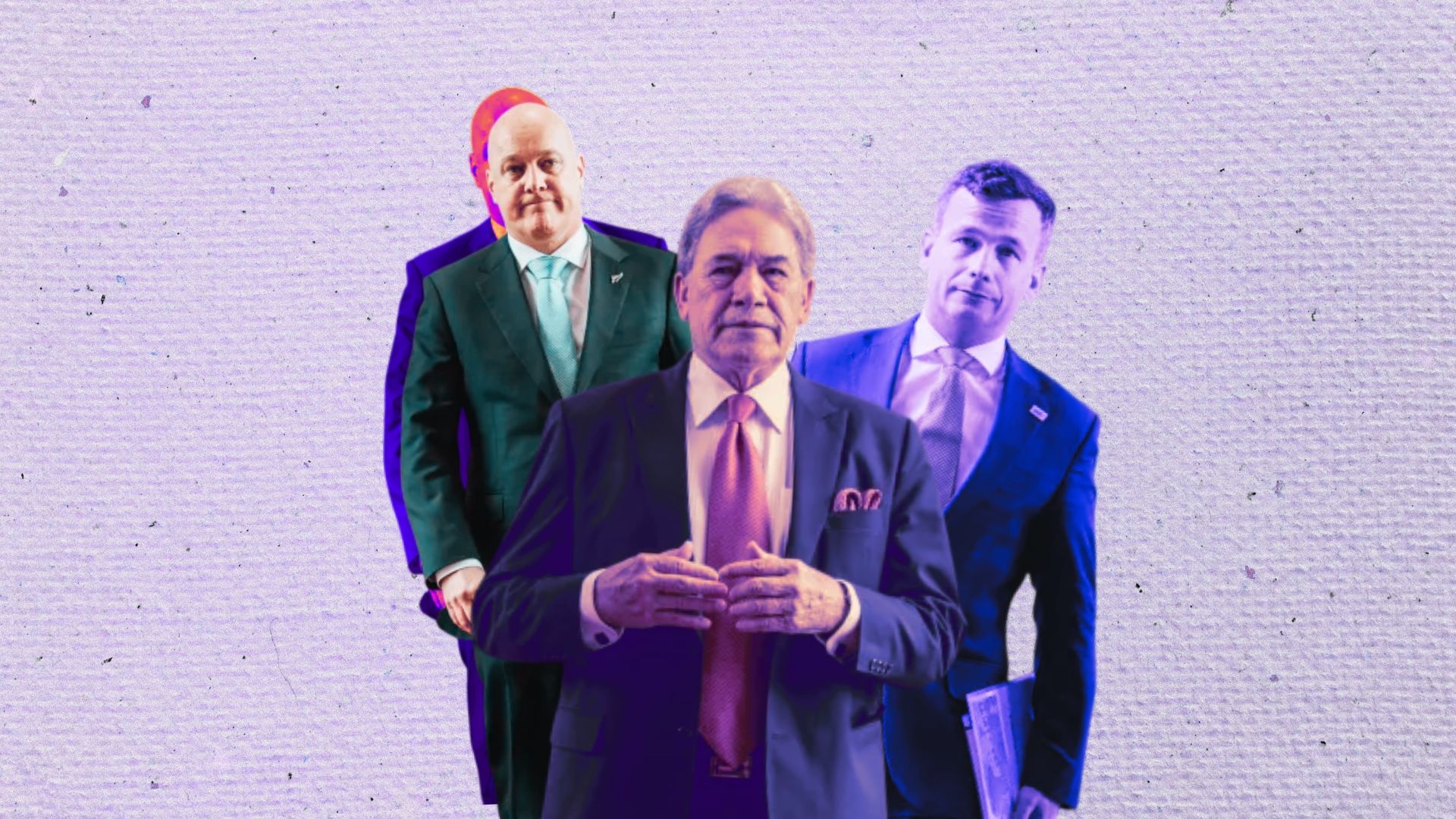
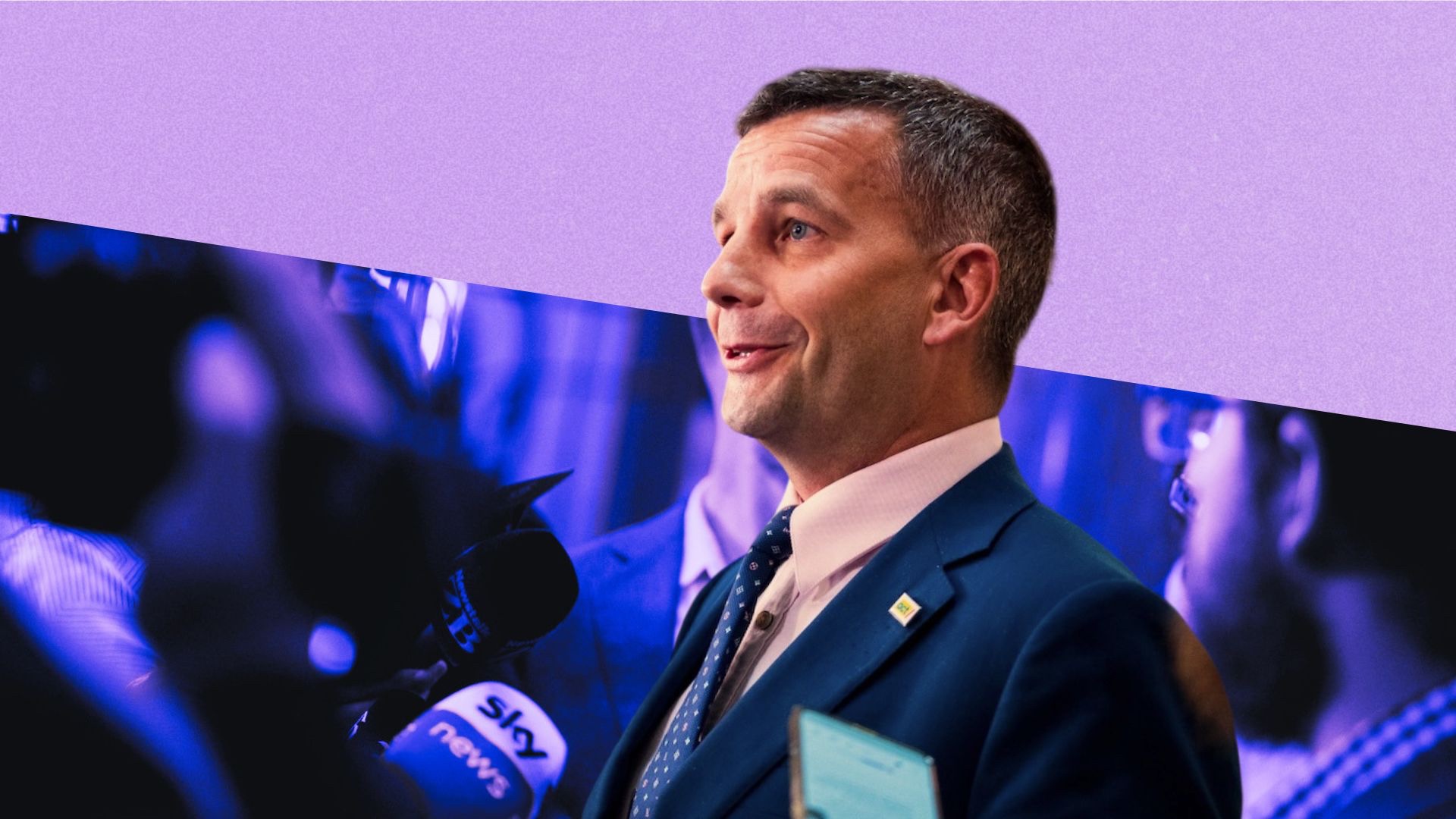
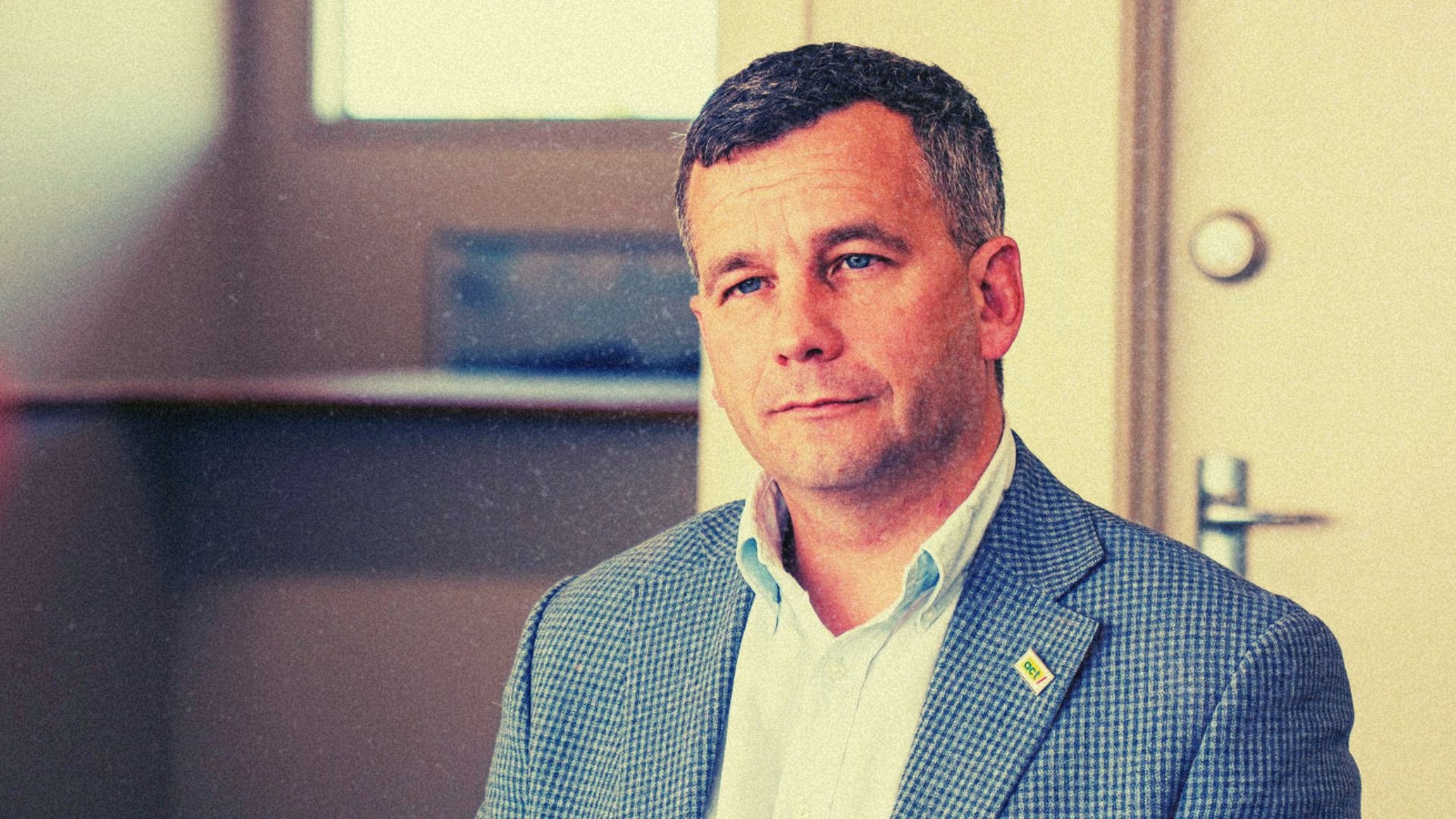
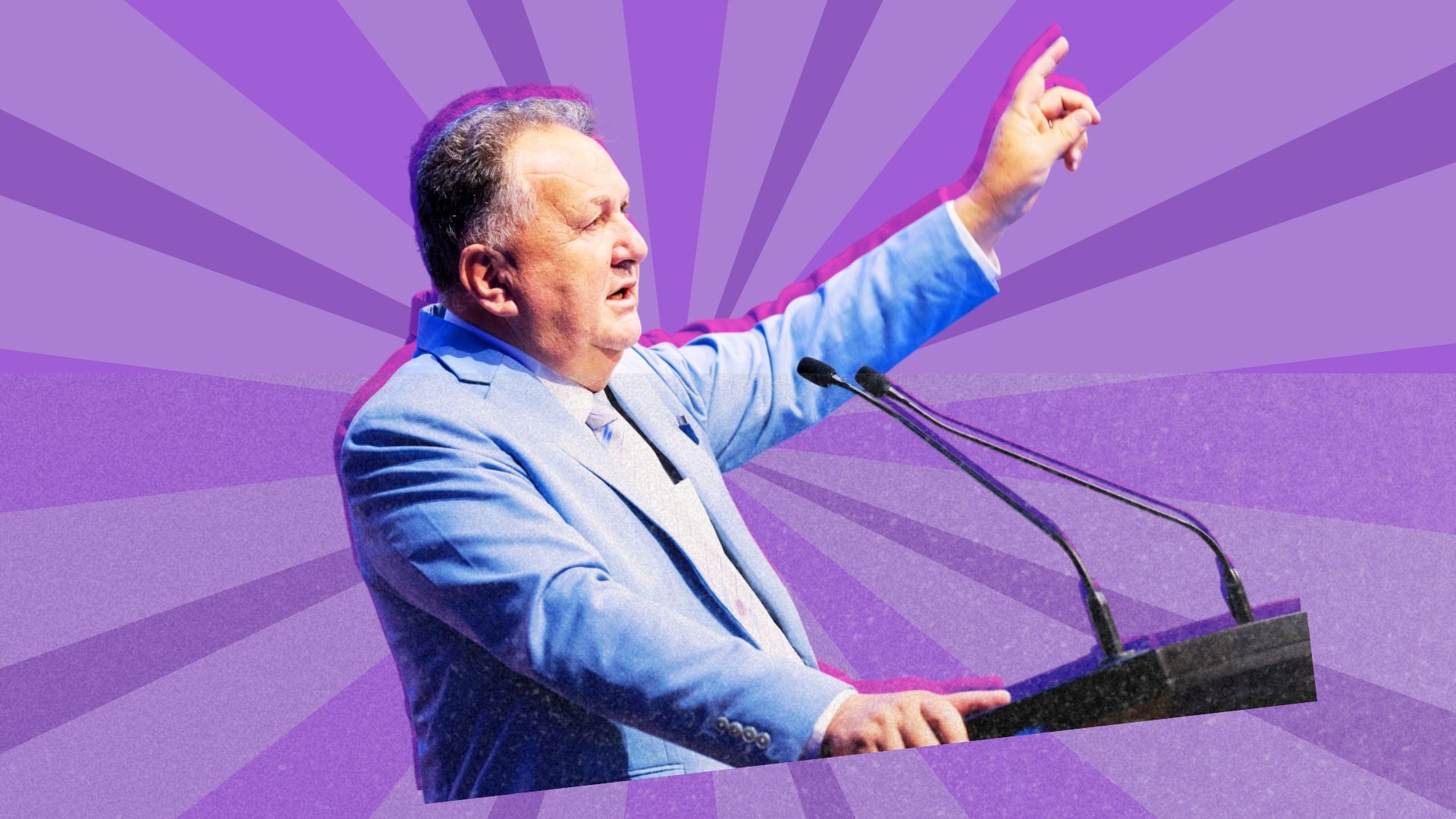
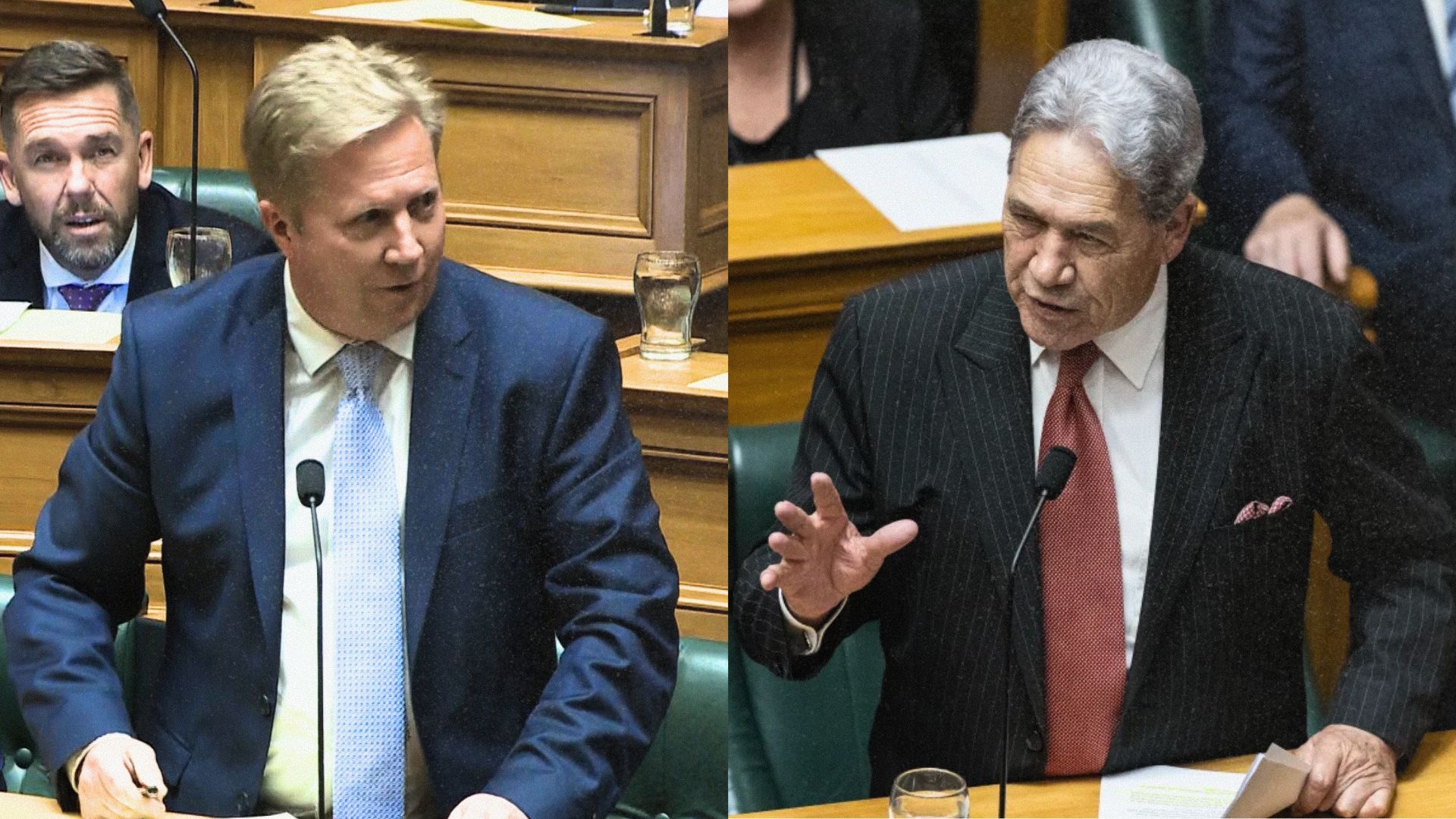
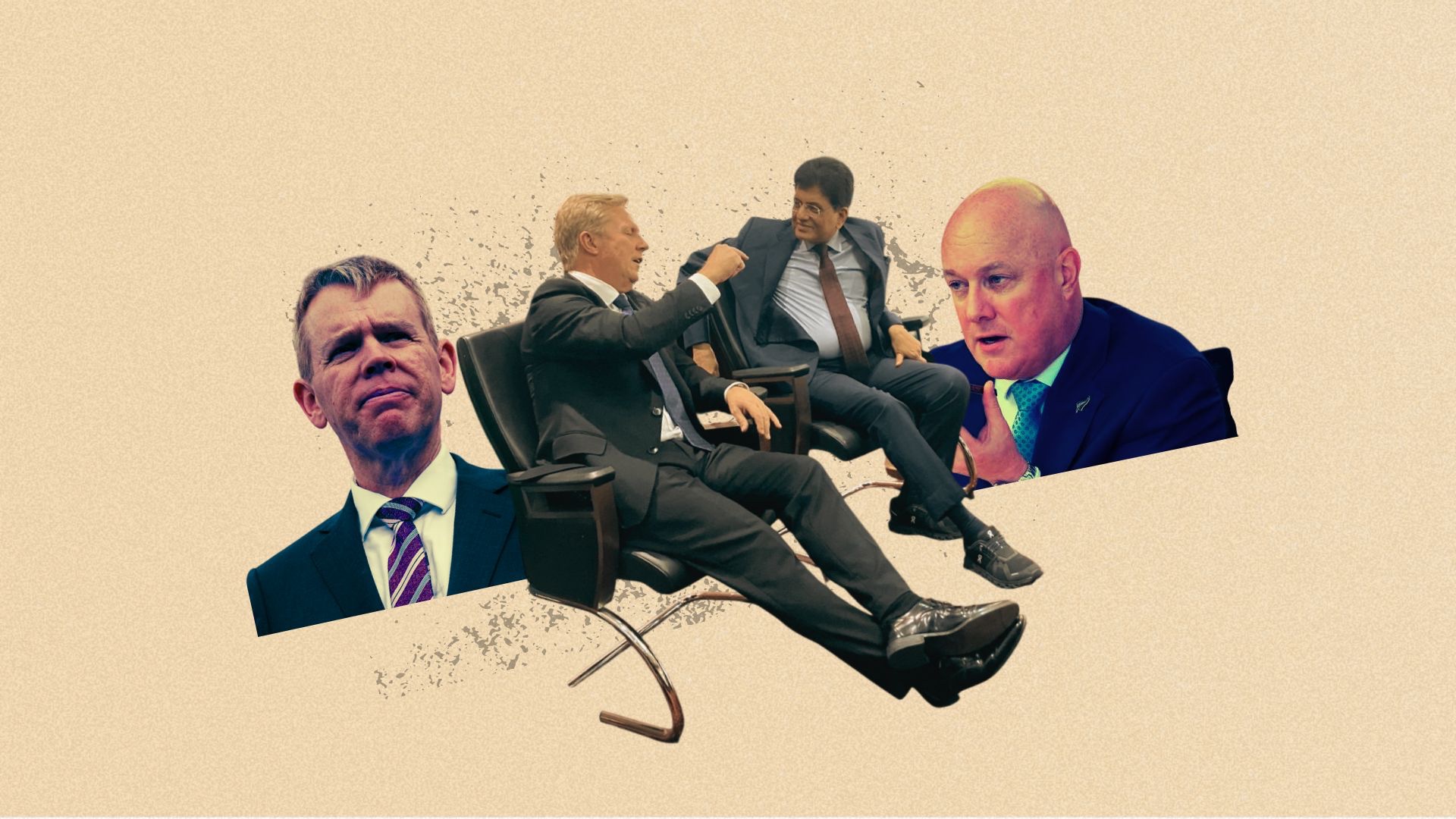
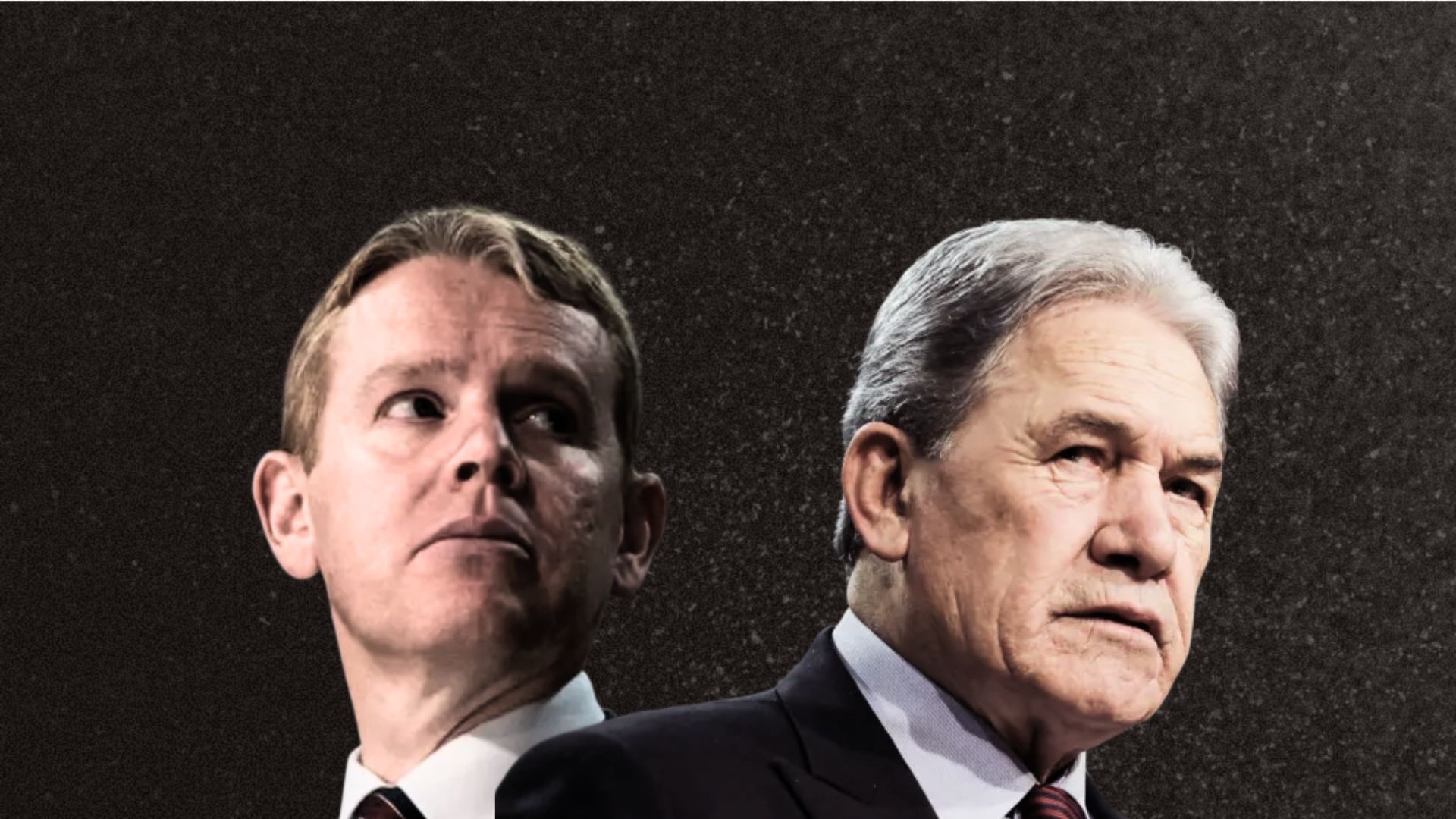
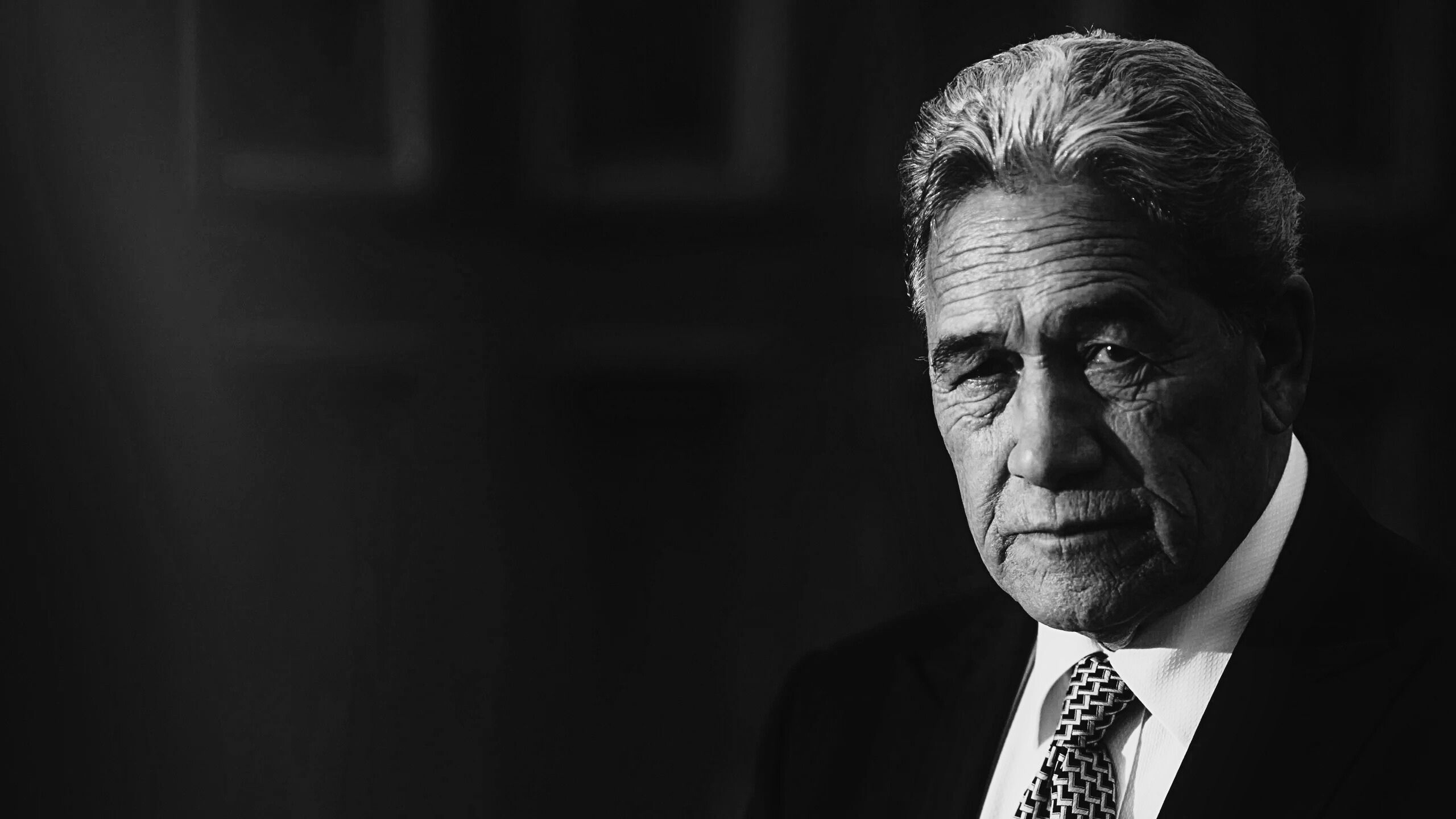
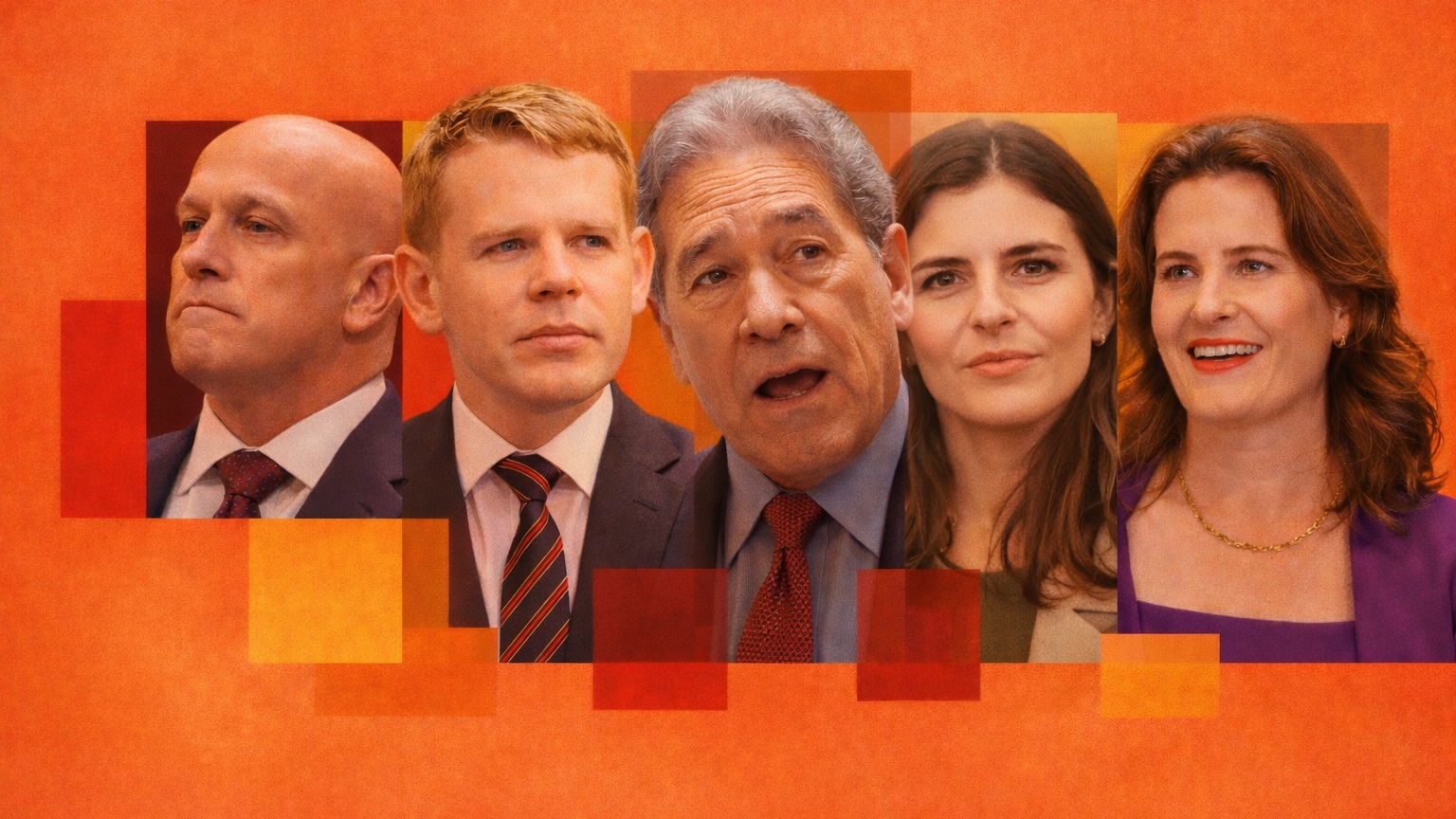
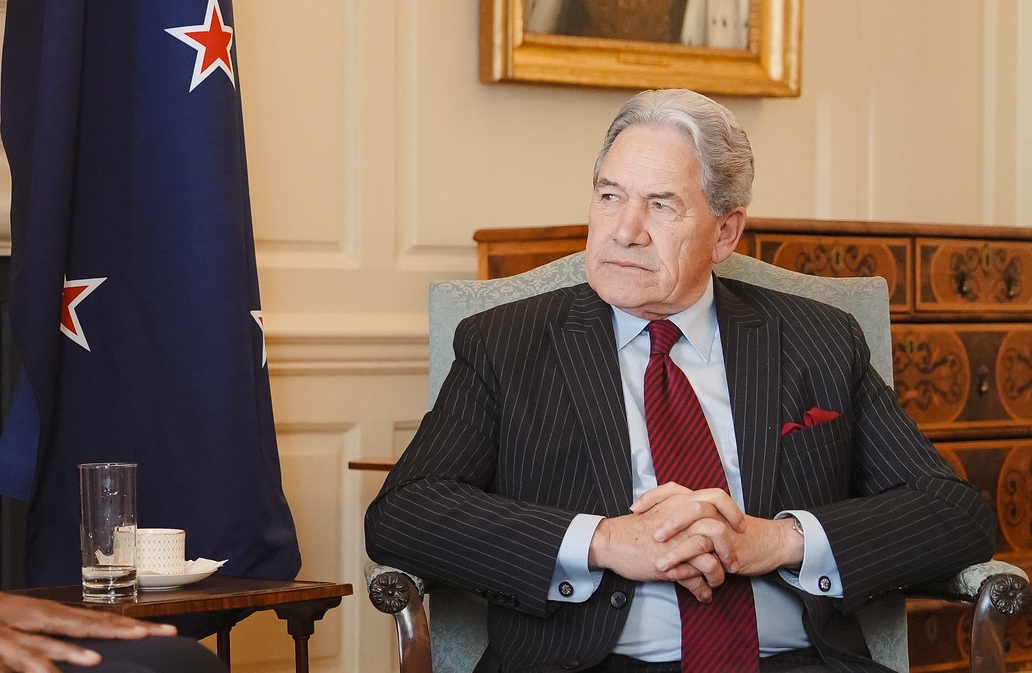
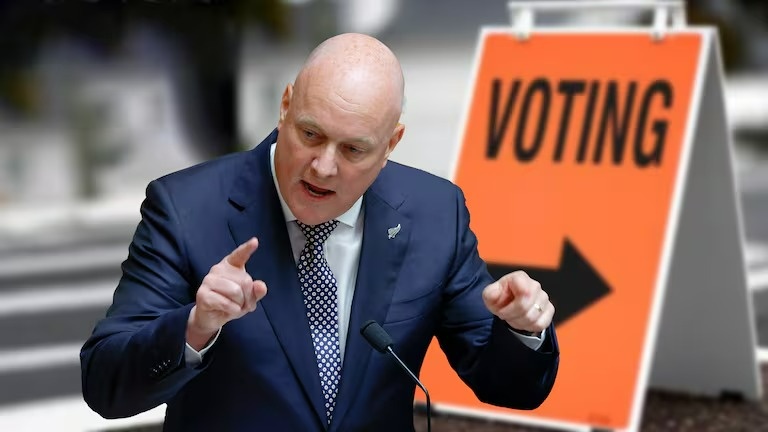
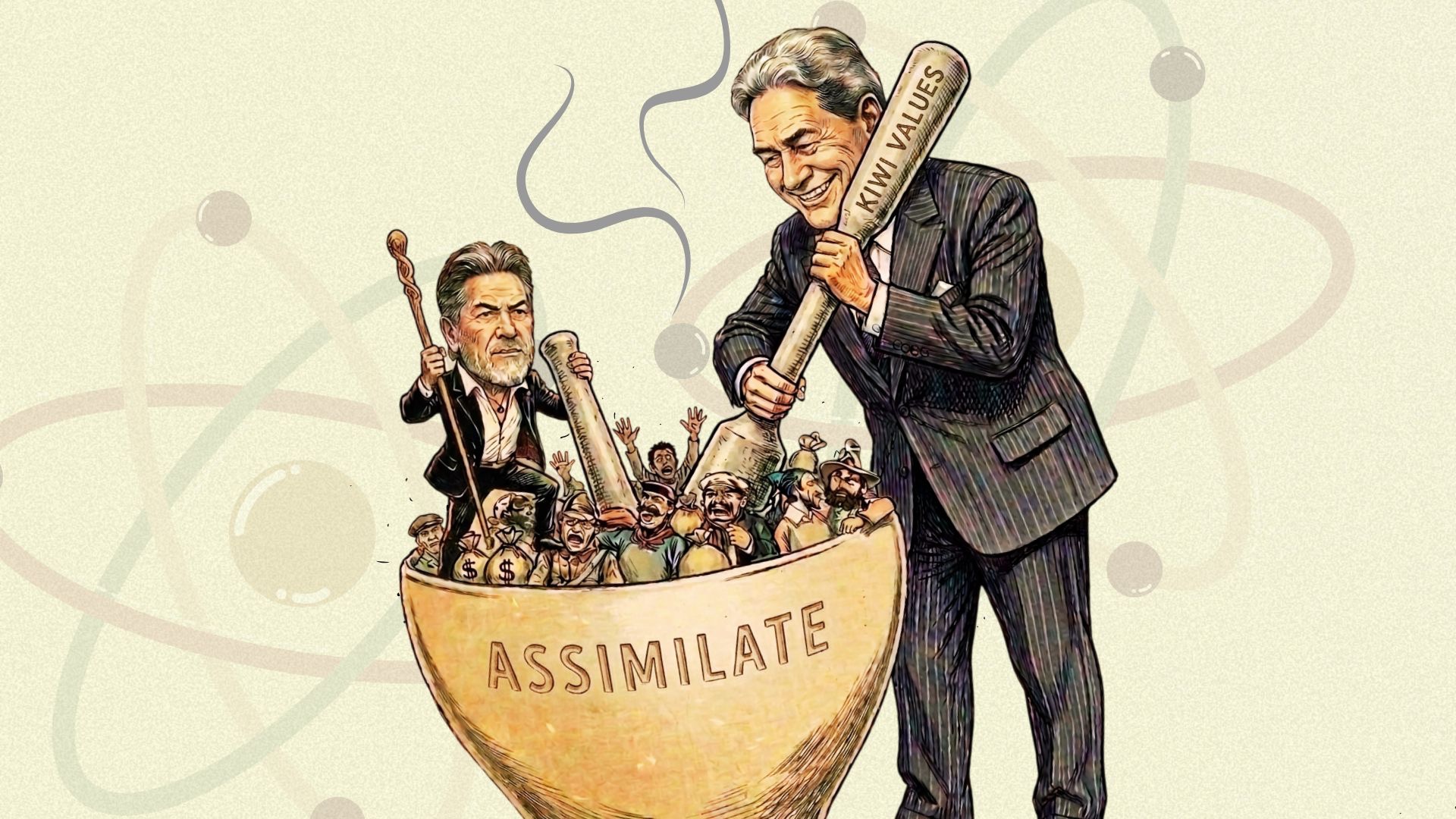
The many moods of Winston Peters.
The New Zealand First leader on why changing passports alone may not make someone a New Zealander.
(Unboxed is a new series of political interviews supported by the New Zealand Indian Central Association.)
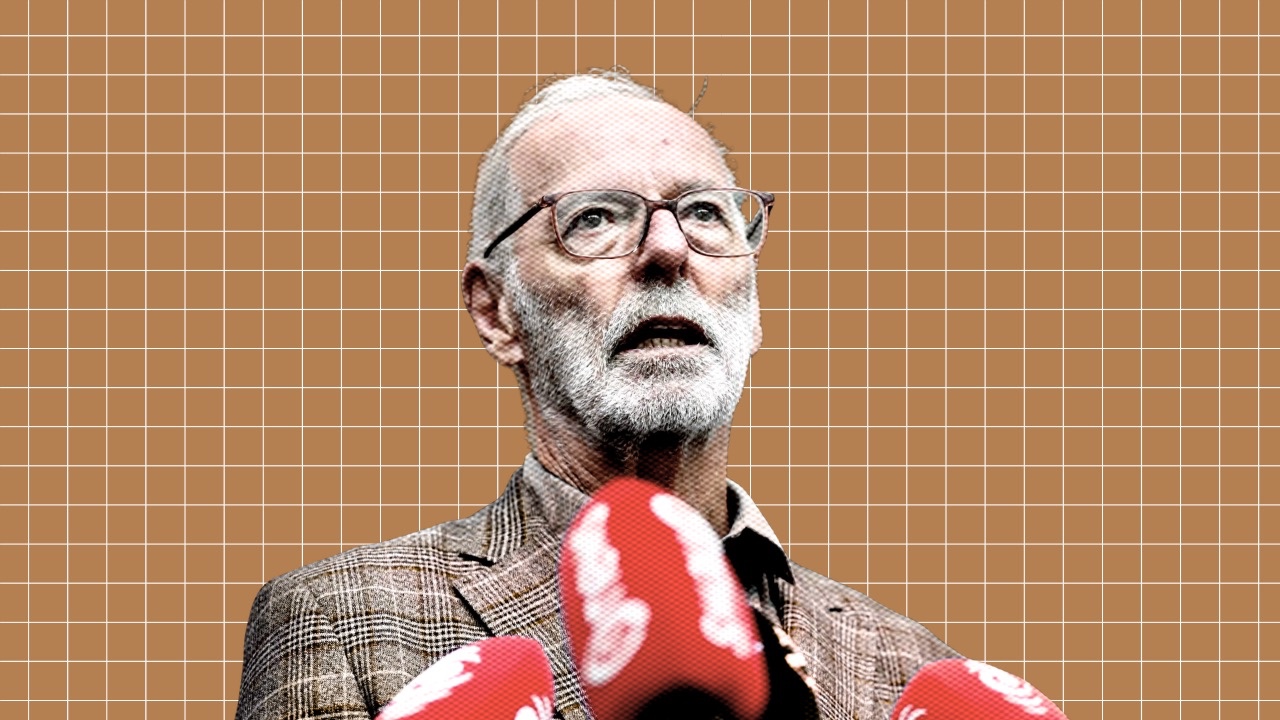
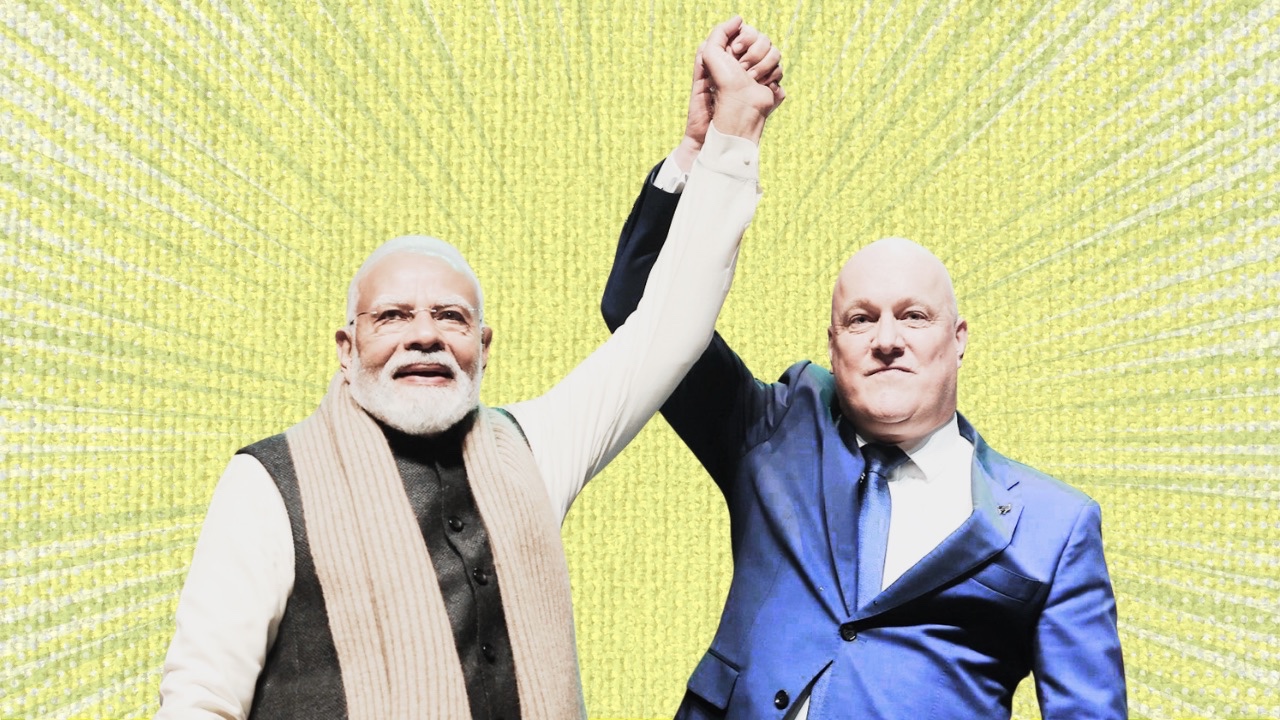
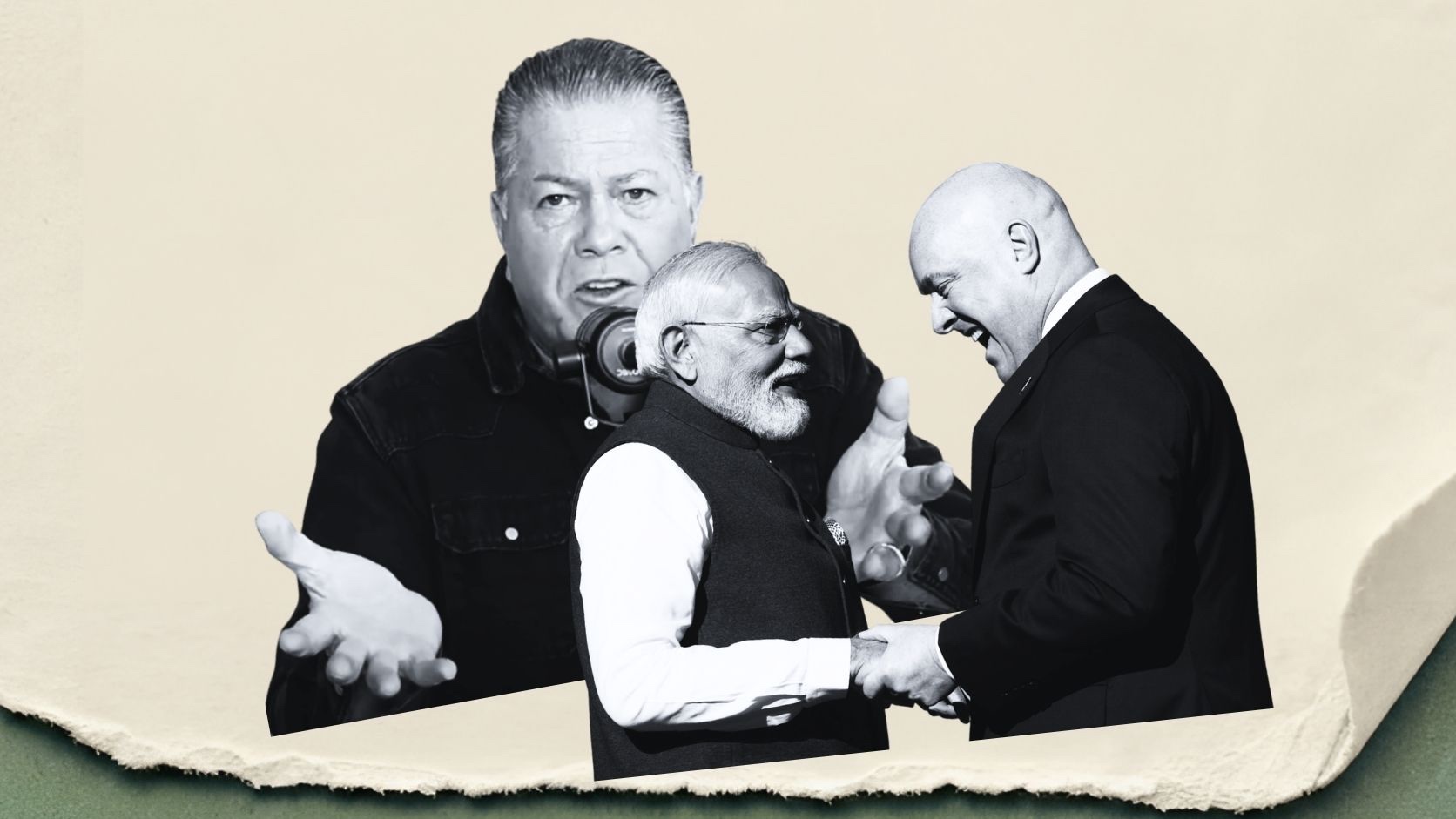
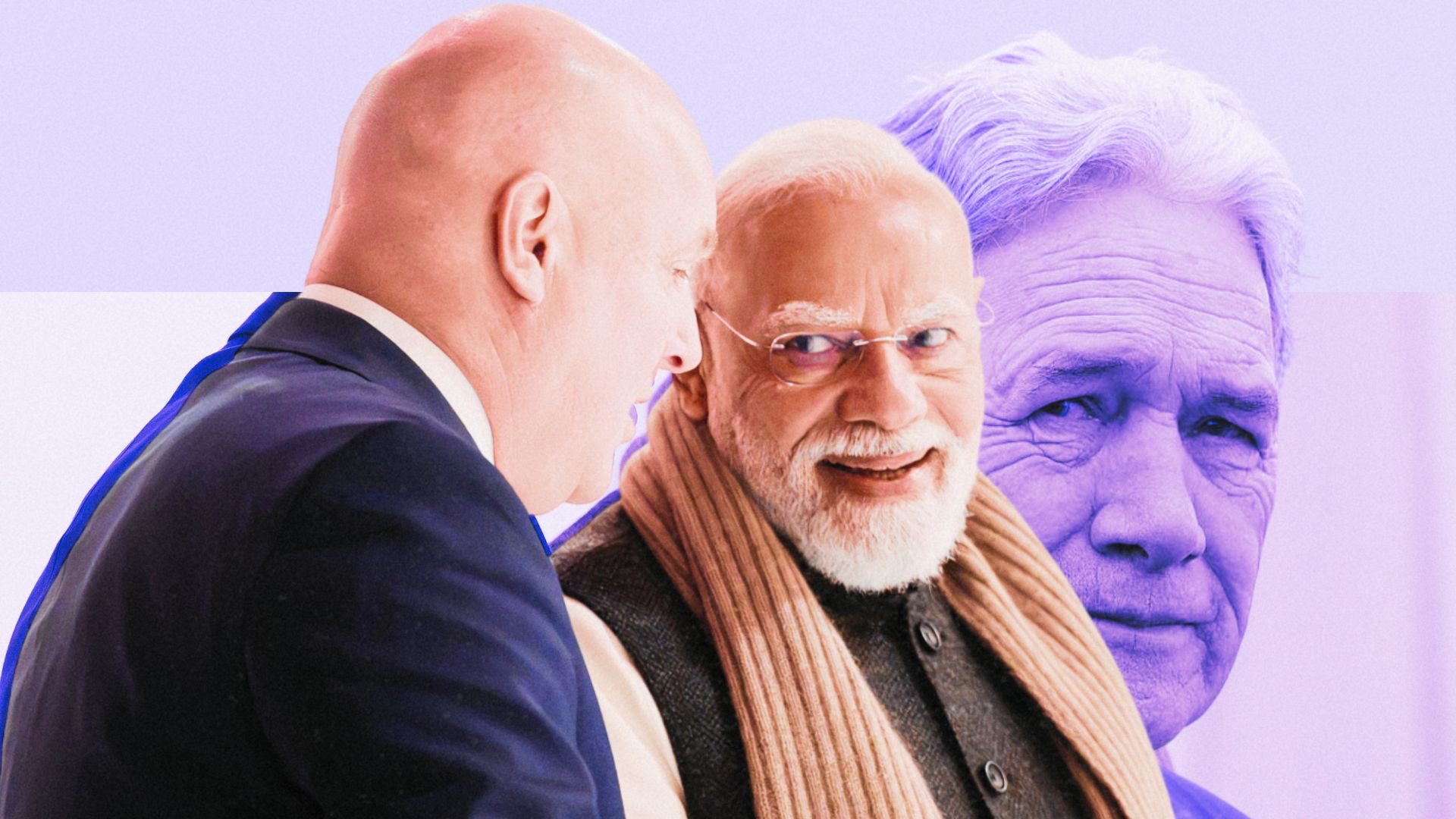
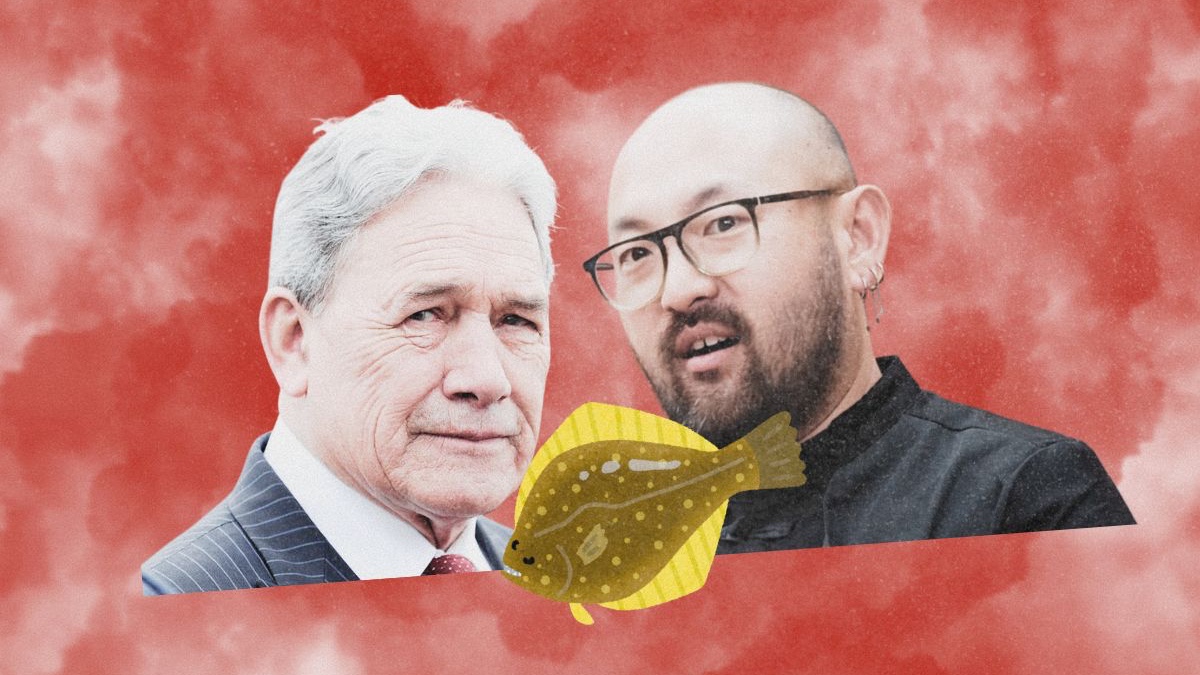
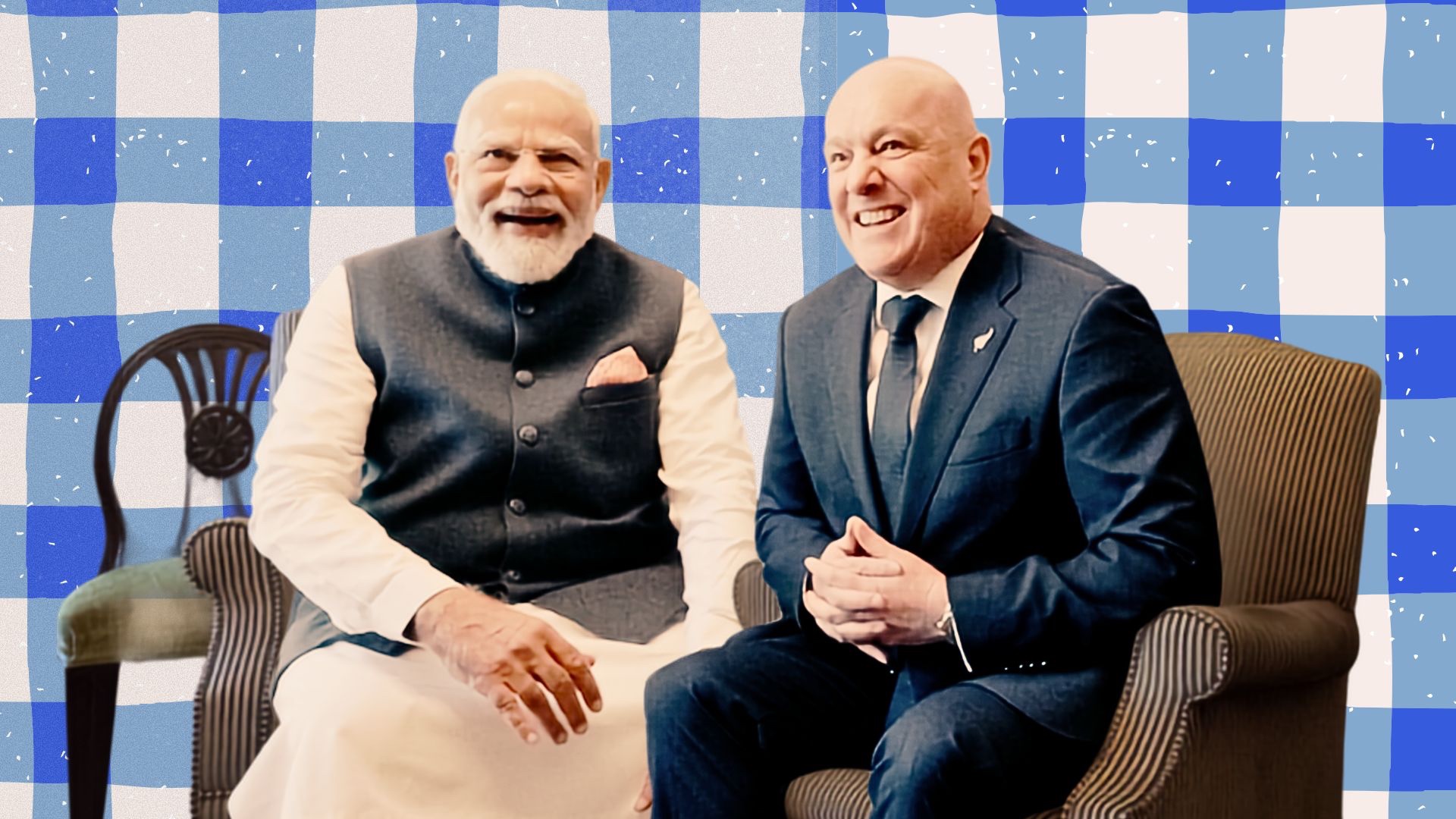
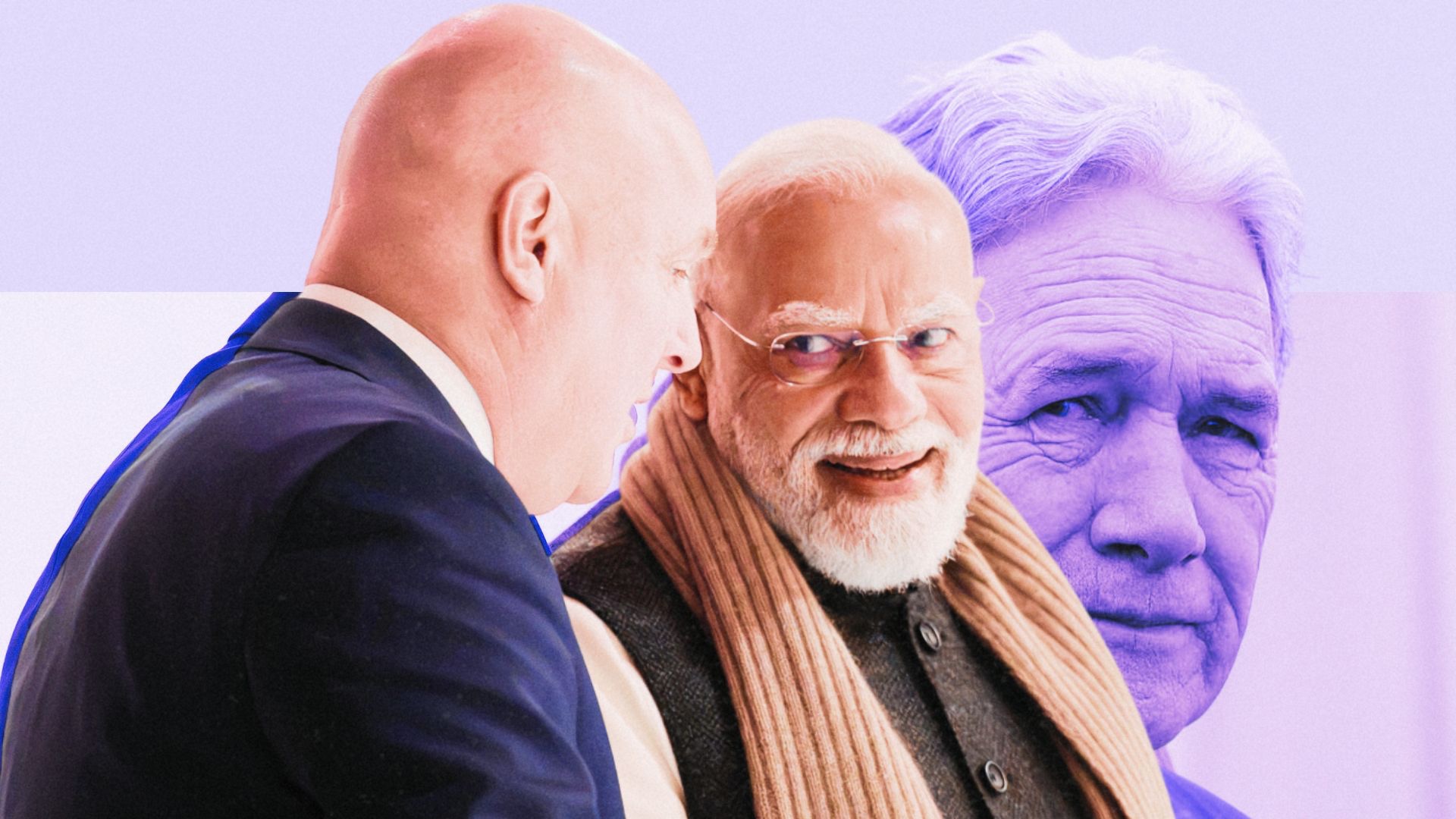
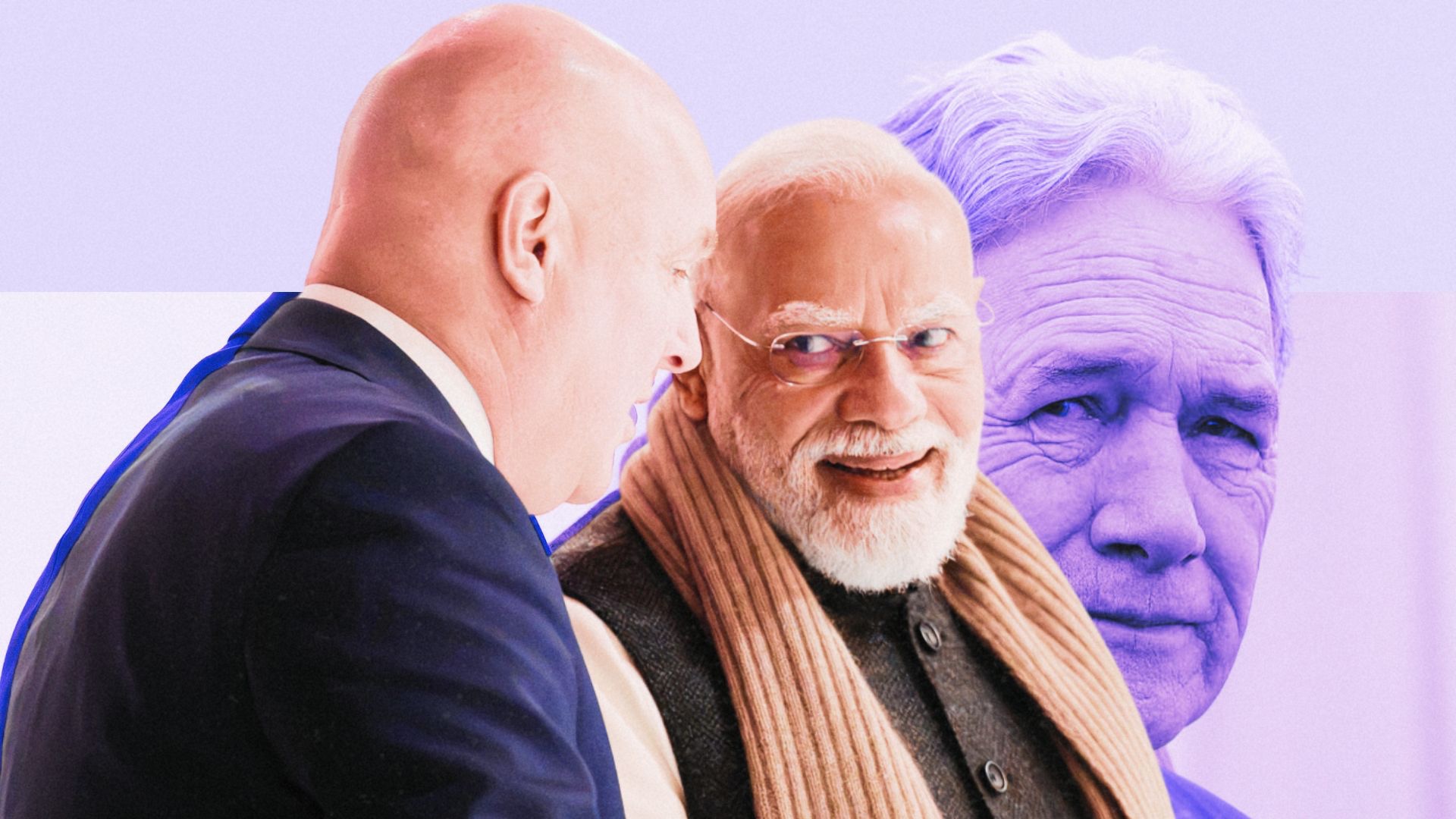
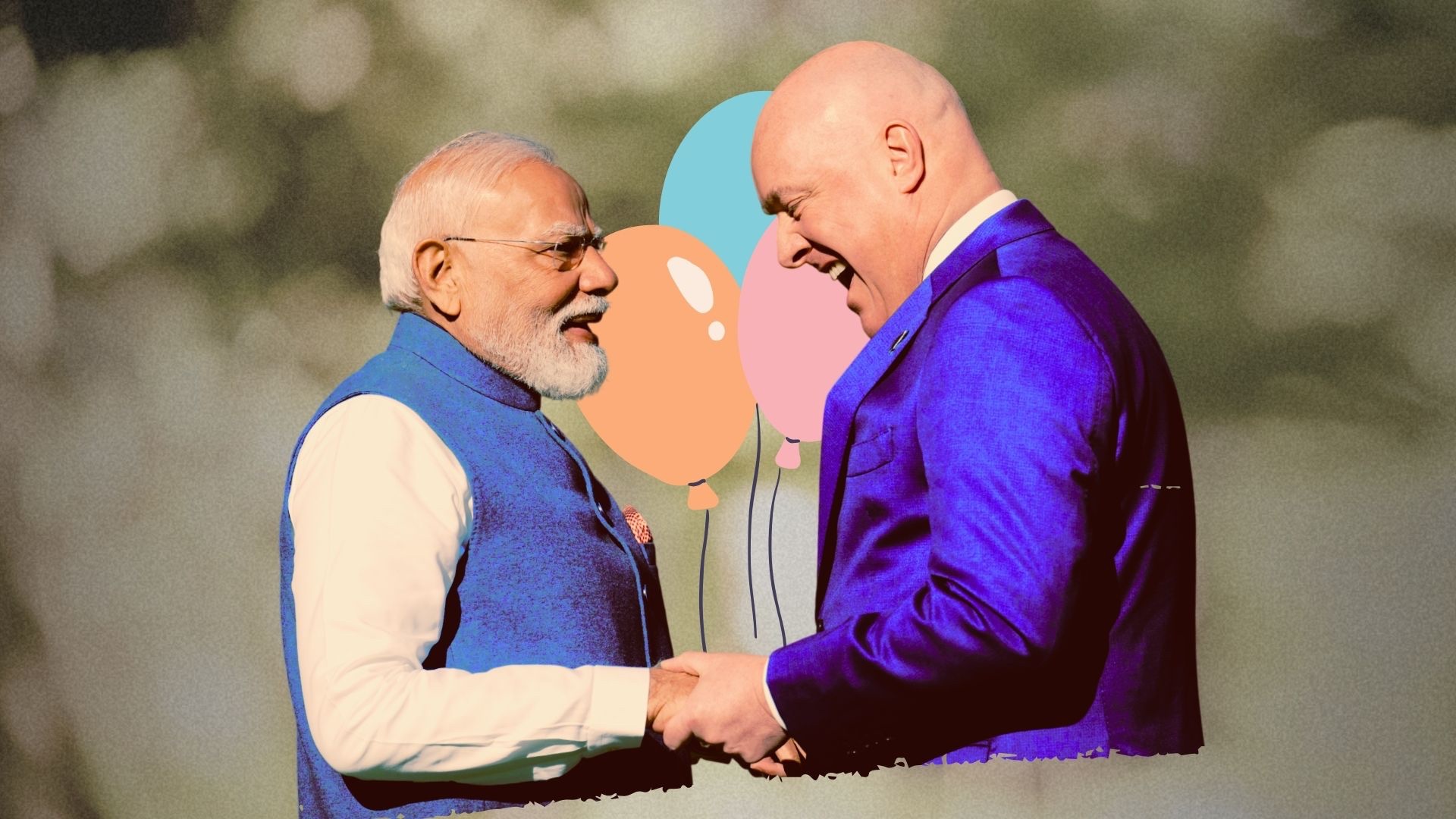
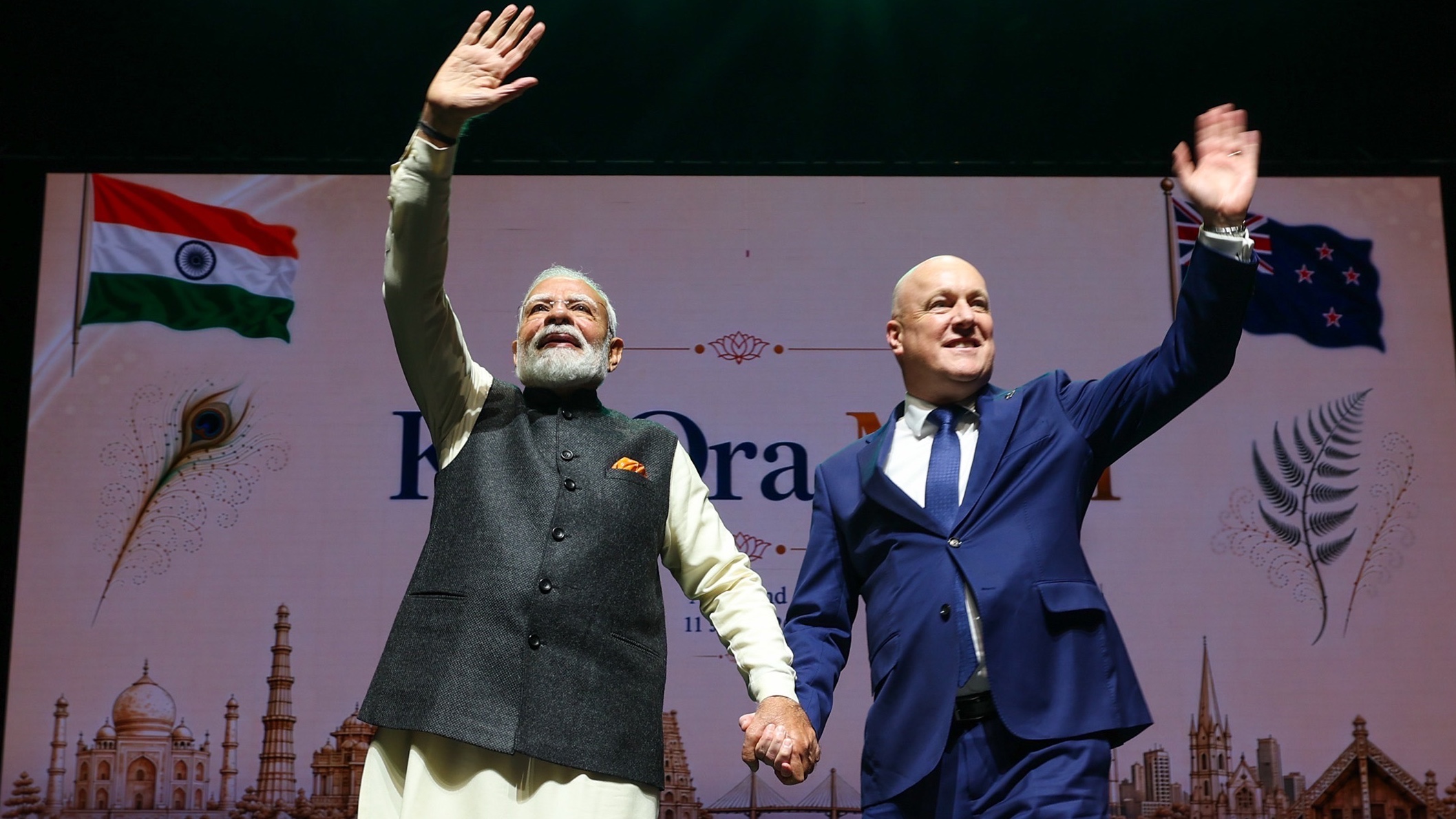
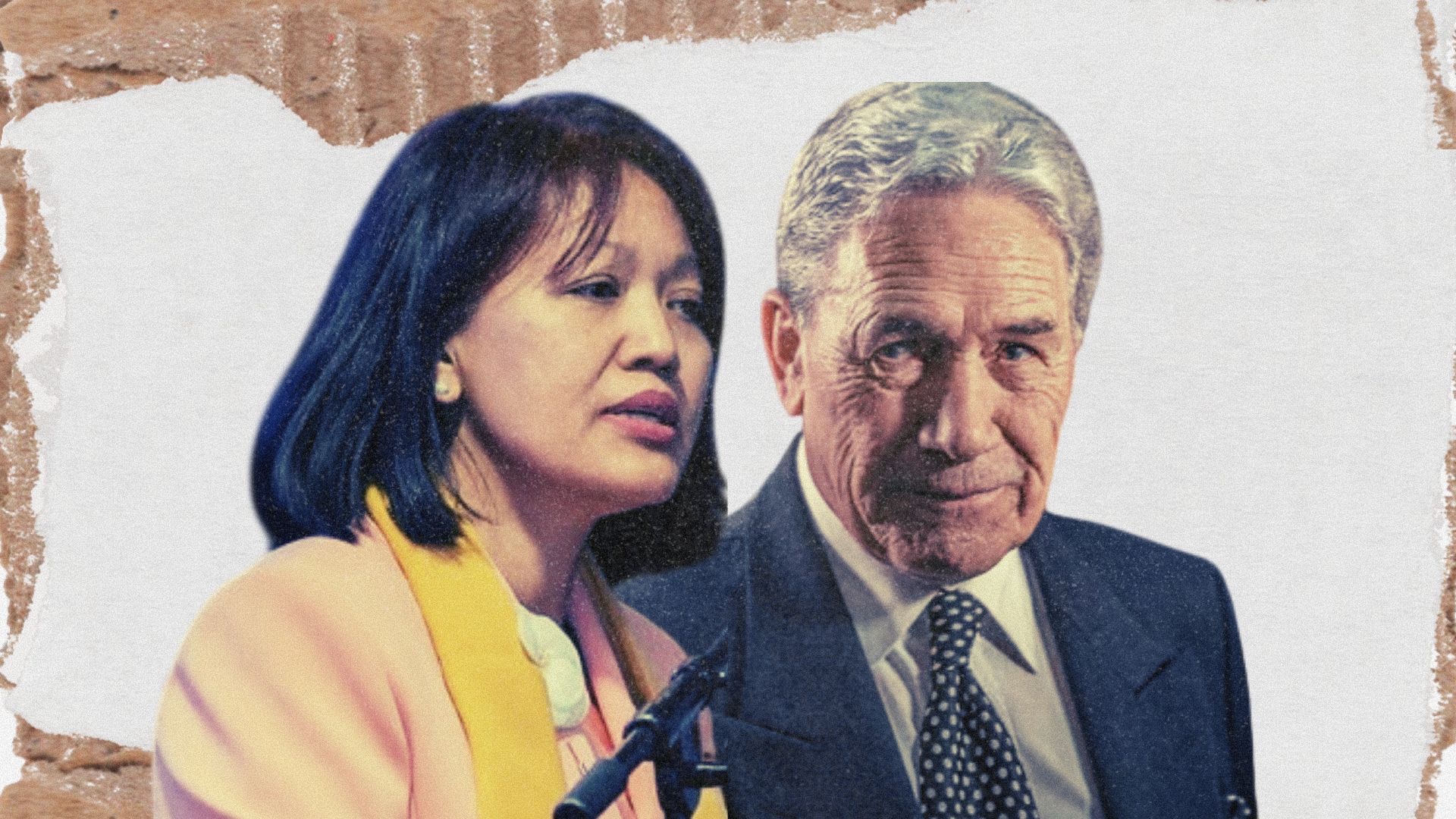
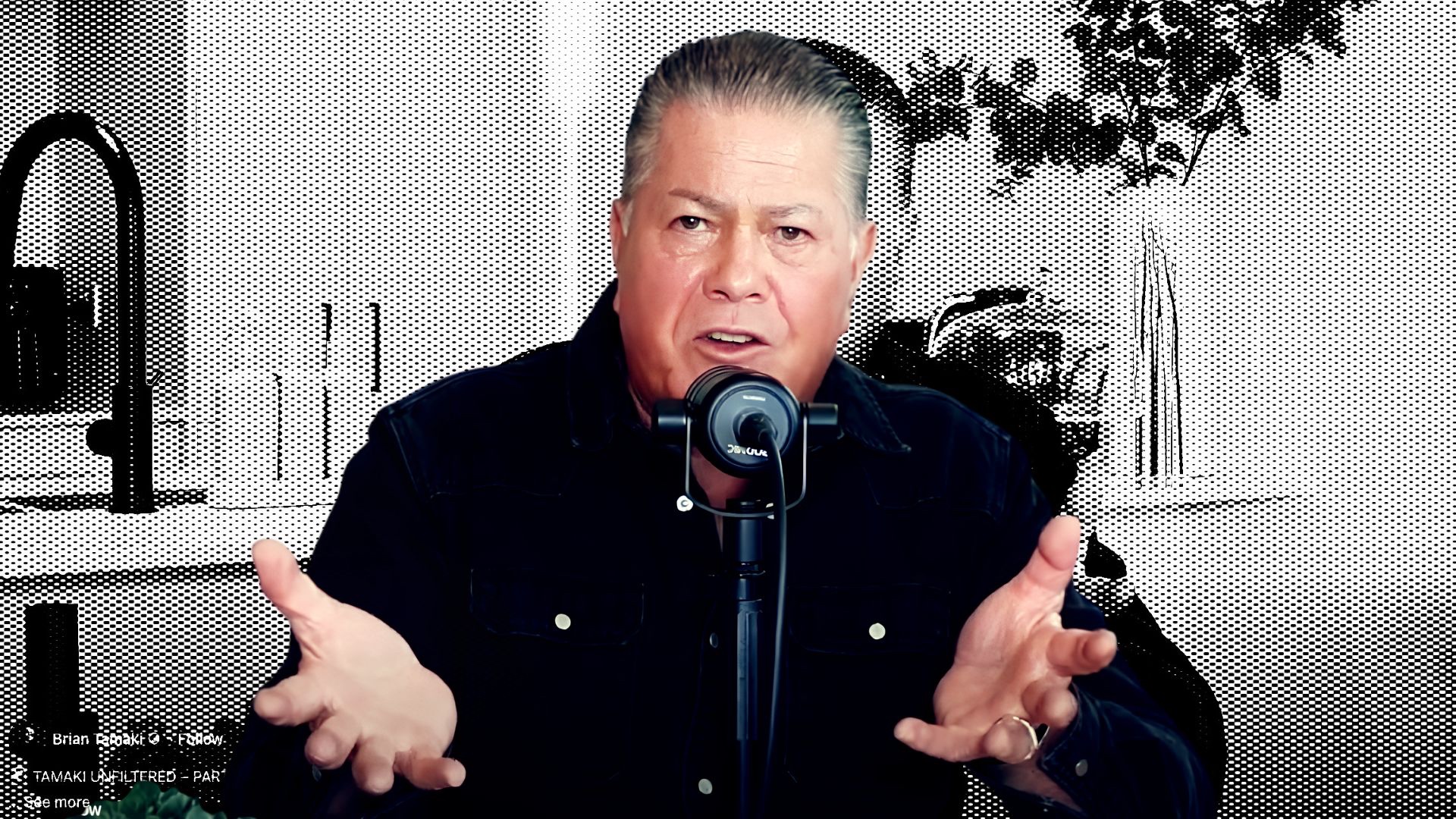
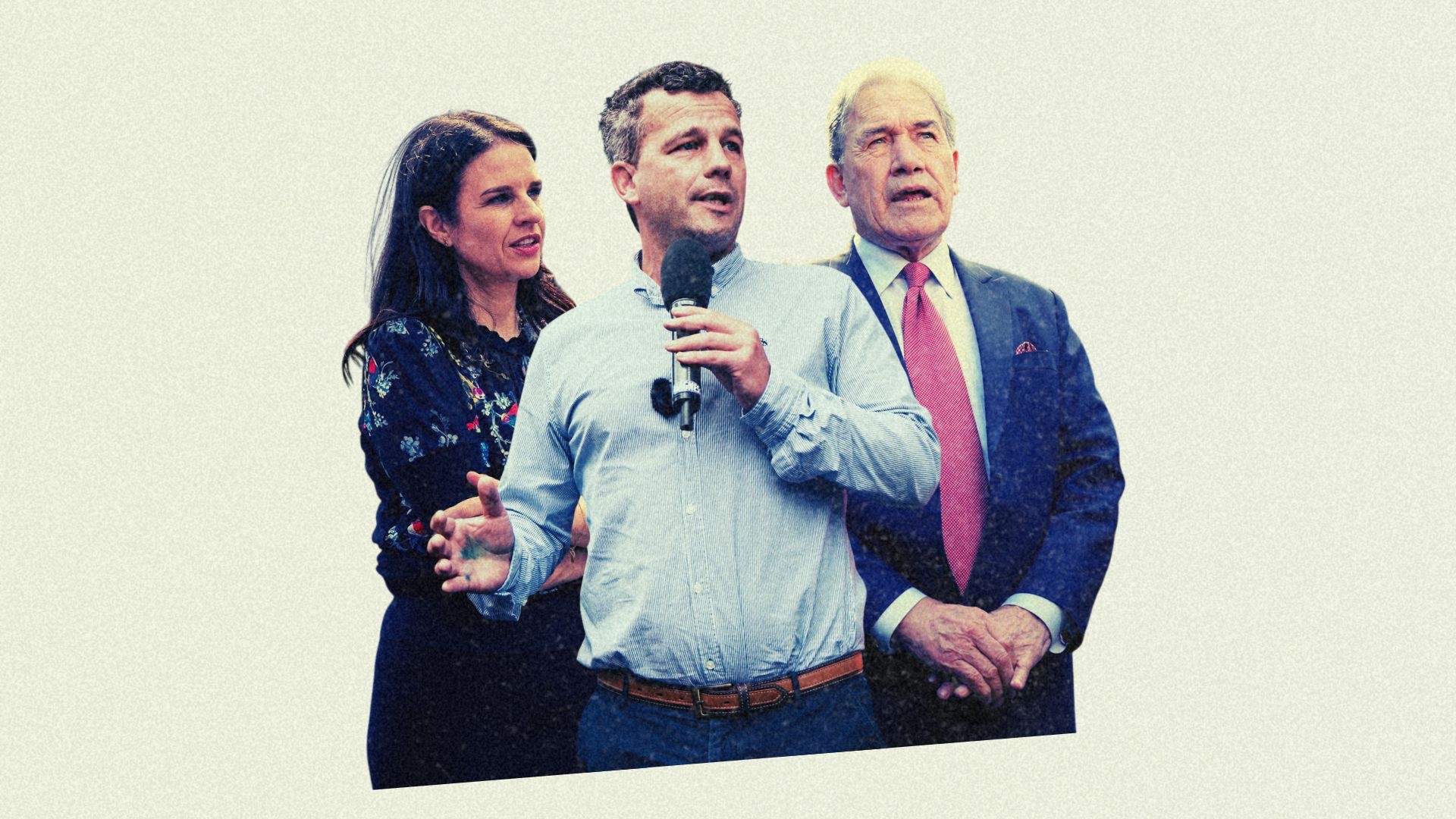
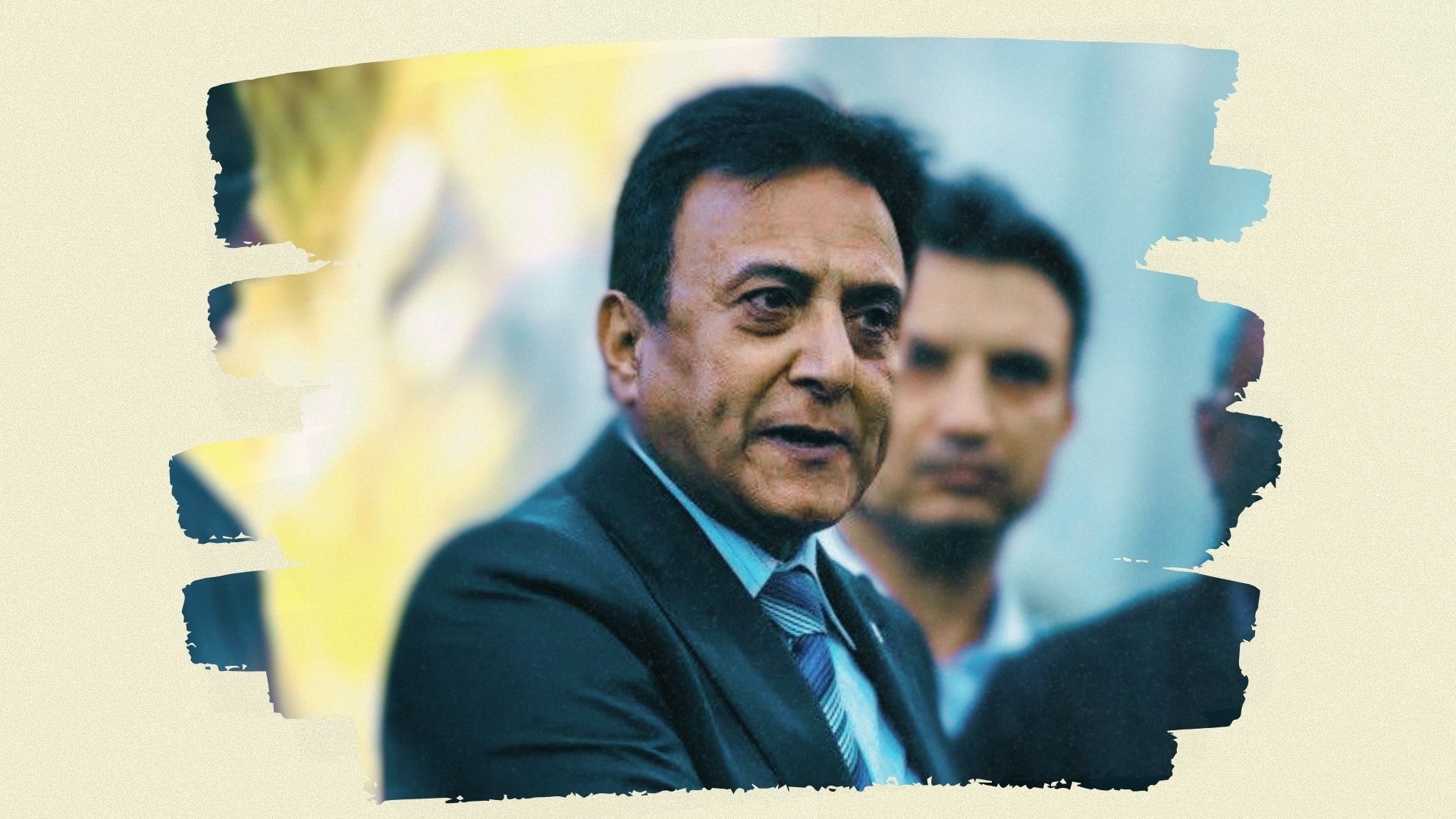
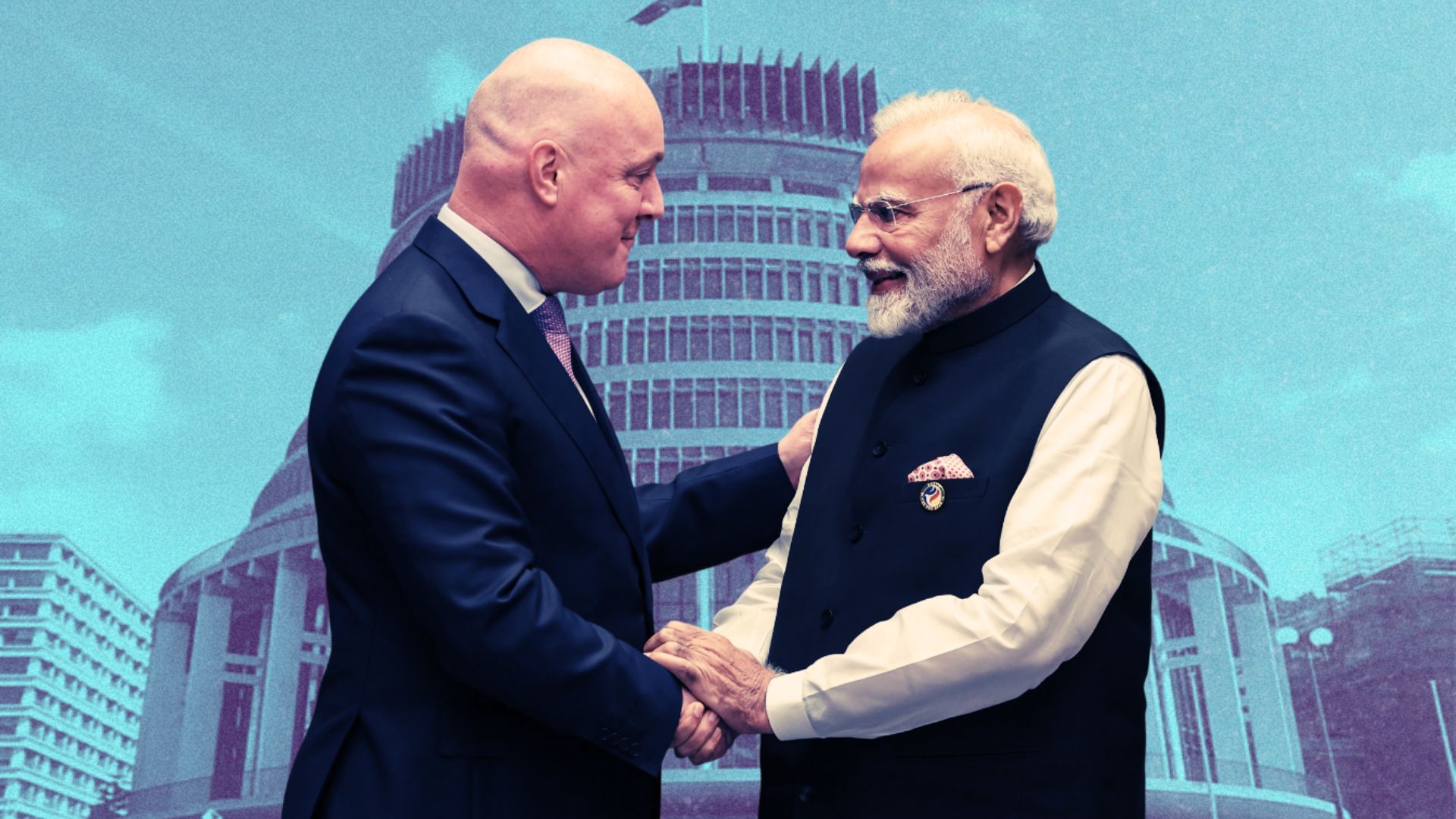
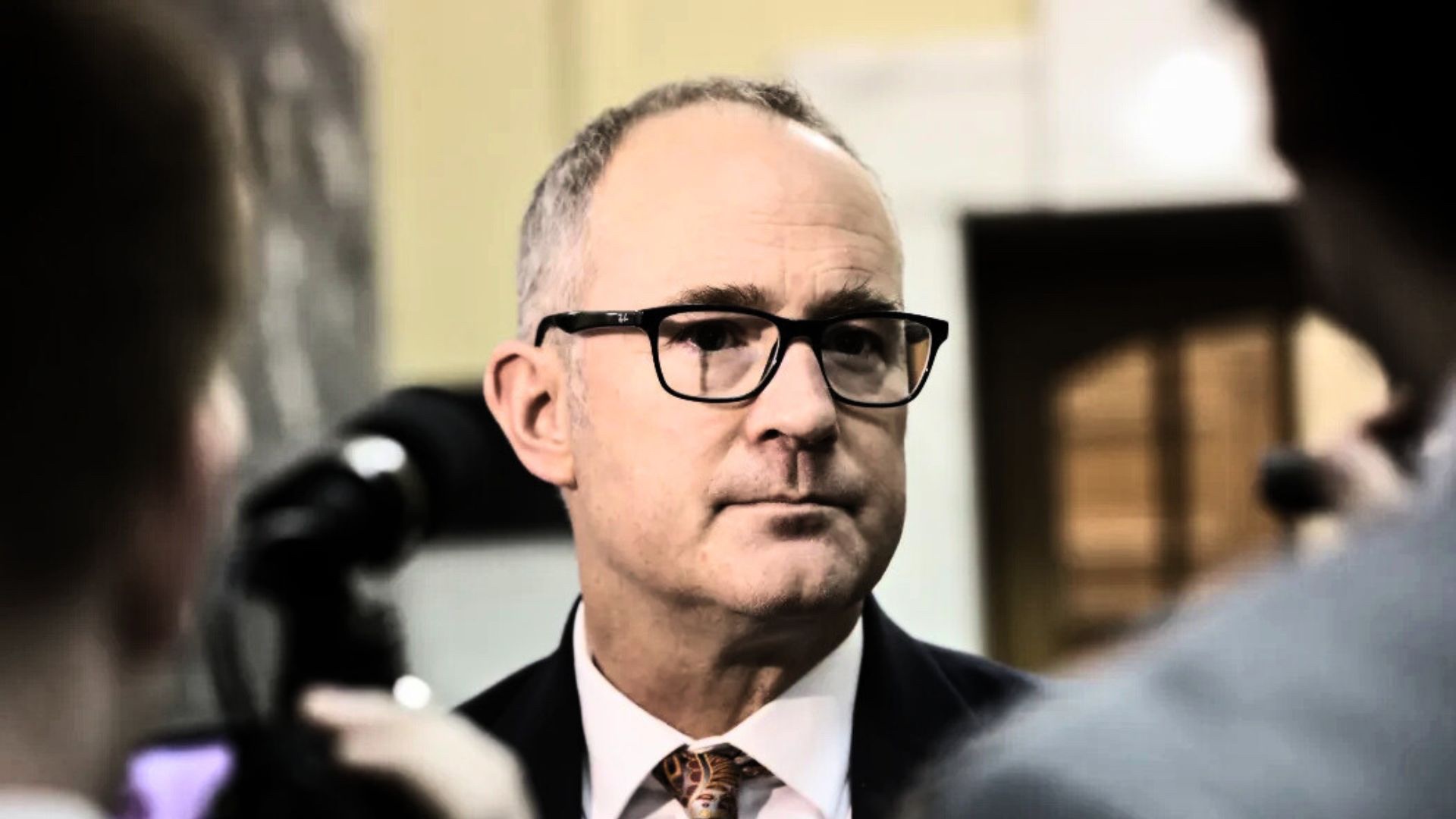
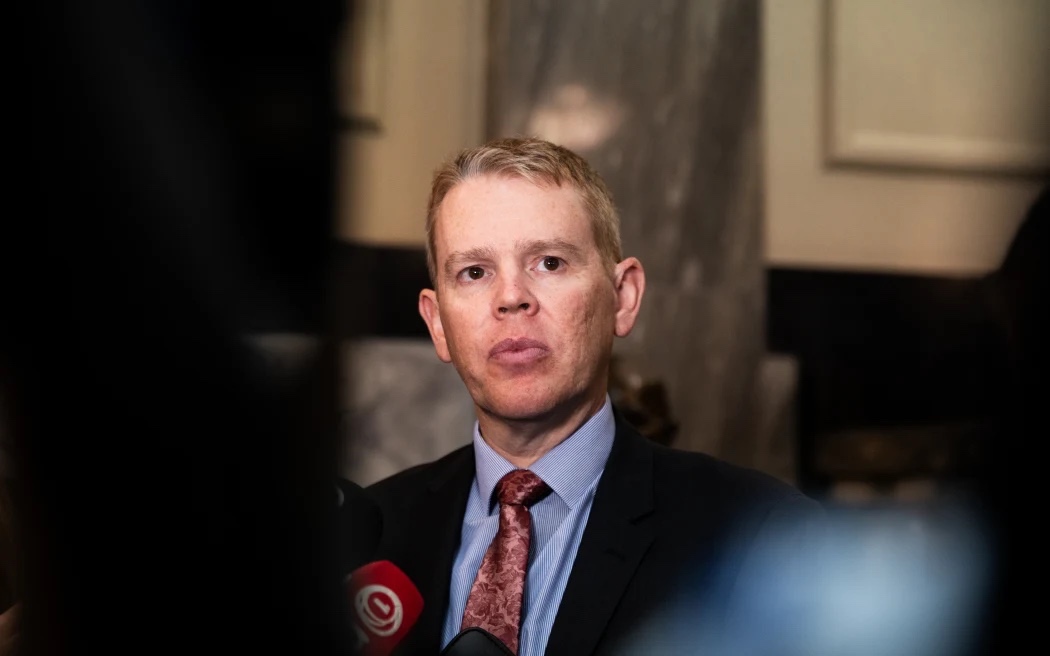
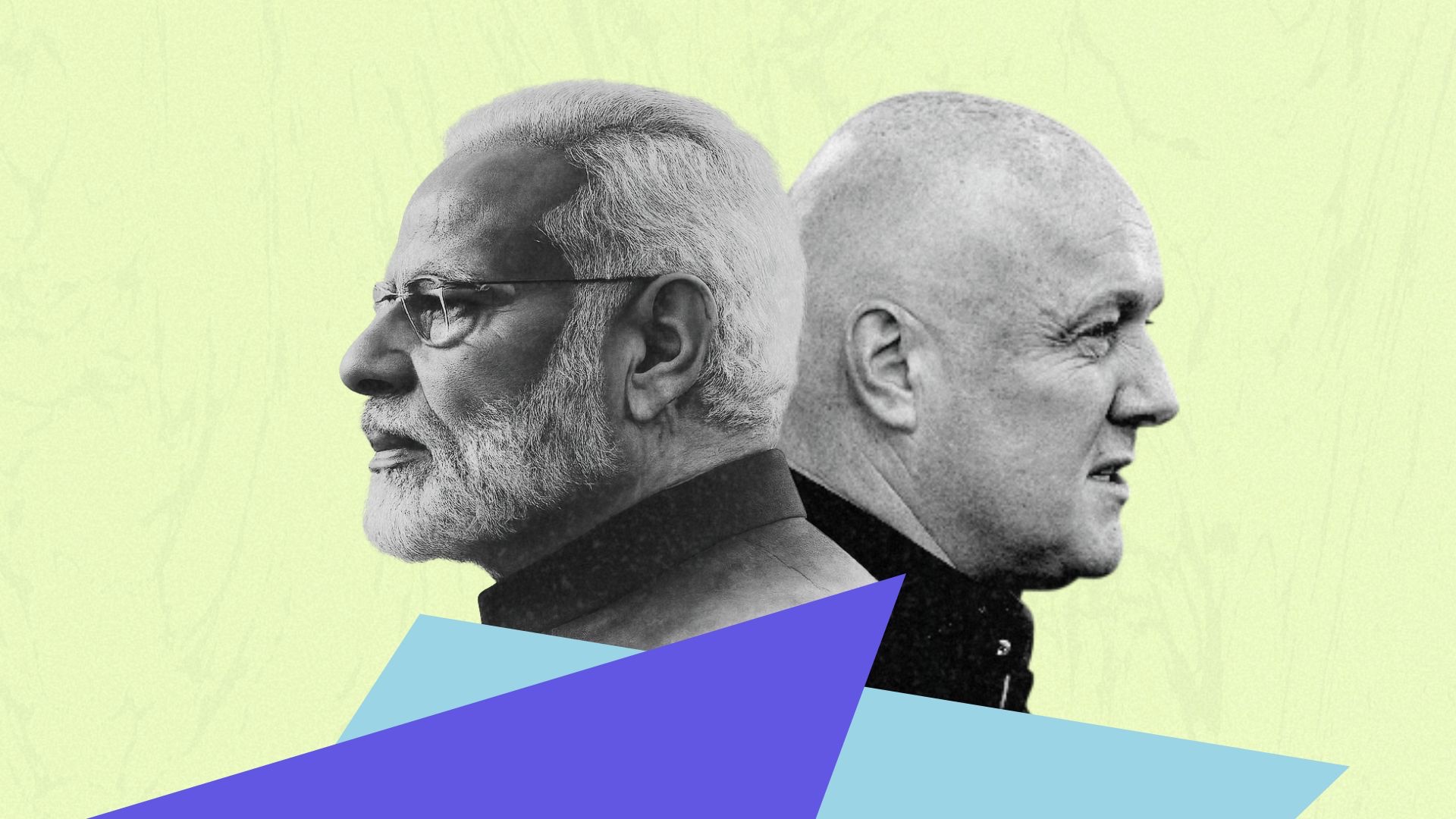
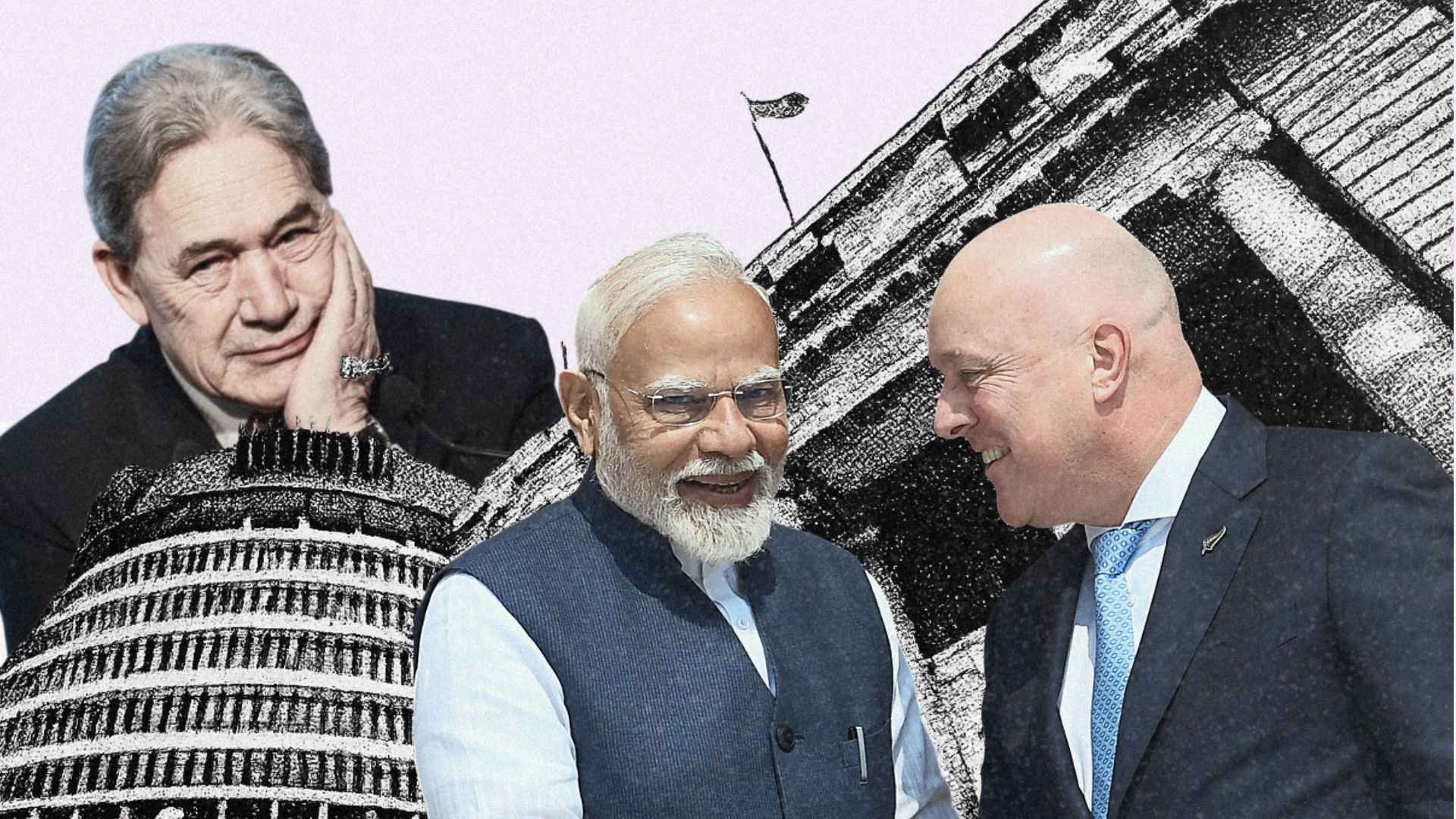
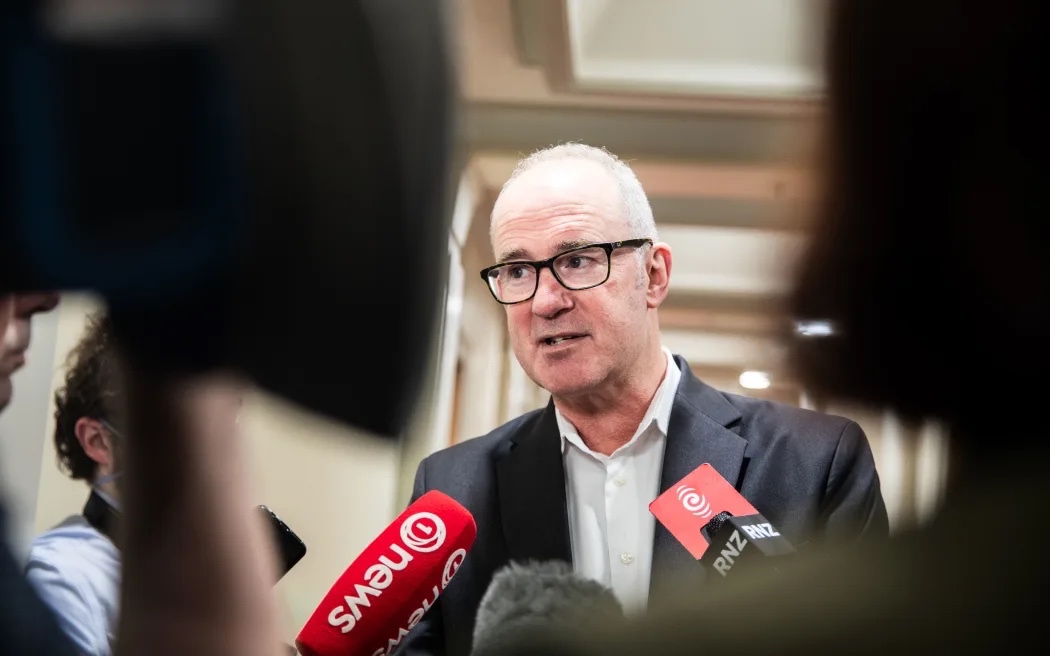
Winston Peters says watching Indian New Zealanders welcome Narendra Modi to Auckland left him wondering where their allegiance lay.
The New Zealand First leader made the comments during the first episode of Unboxed. The observation came during a wider discussion about migrants, assimilation and what it means to become a New Zealander.
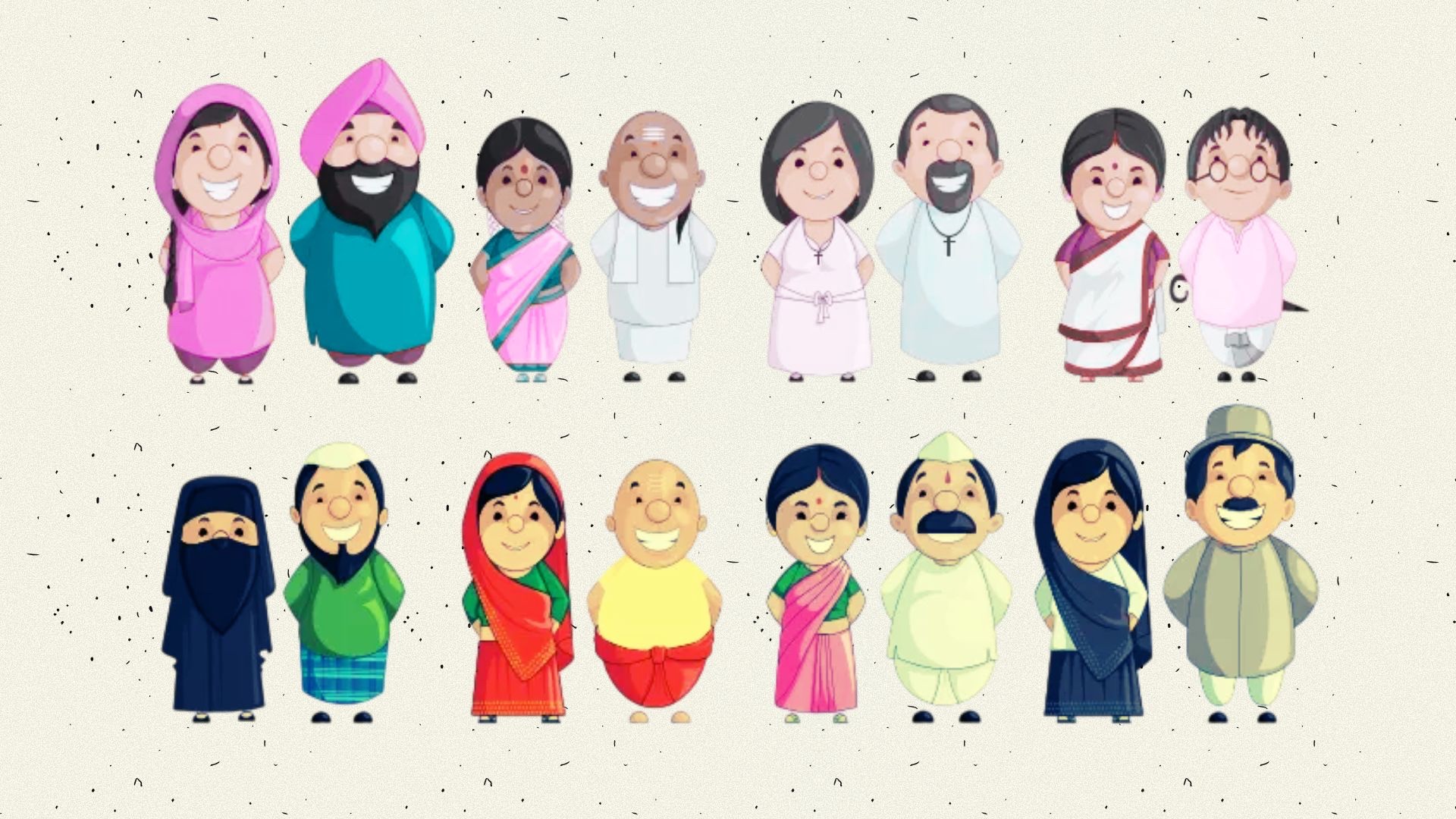
“There are two types of Indians,” Peters said. “There are those that have fully adopted this country for their future and forever. And there are some who still salute India first.”
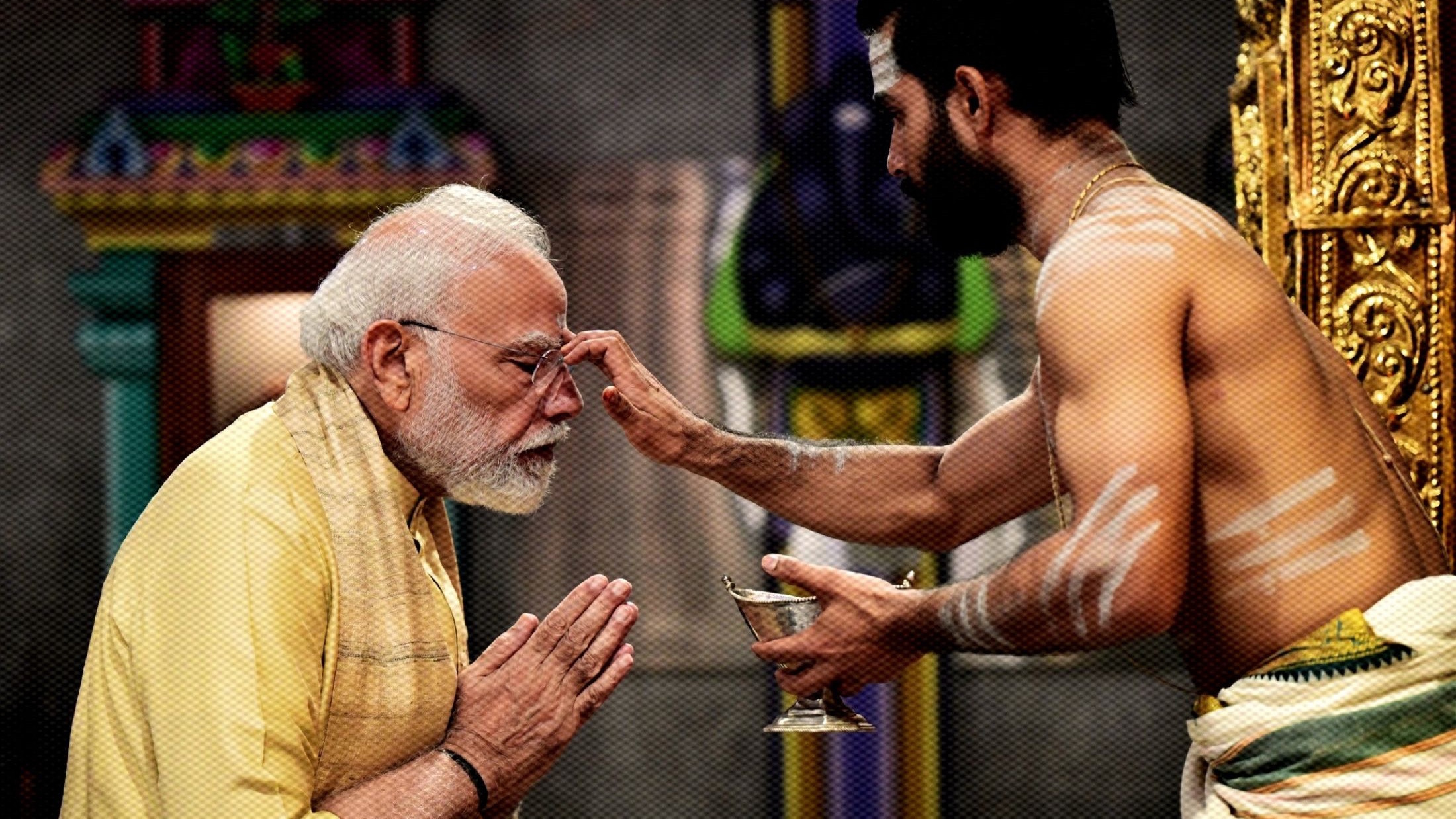
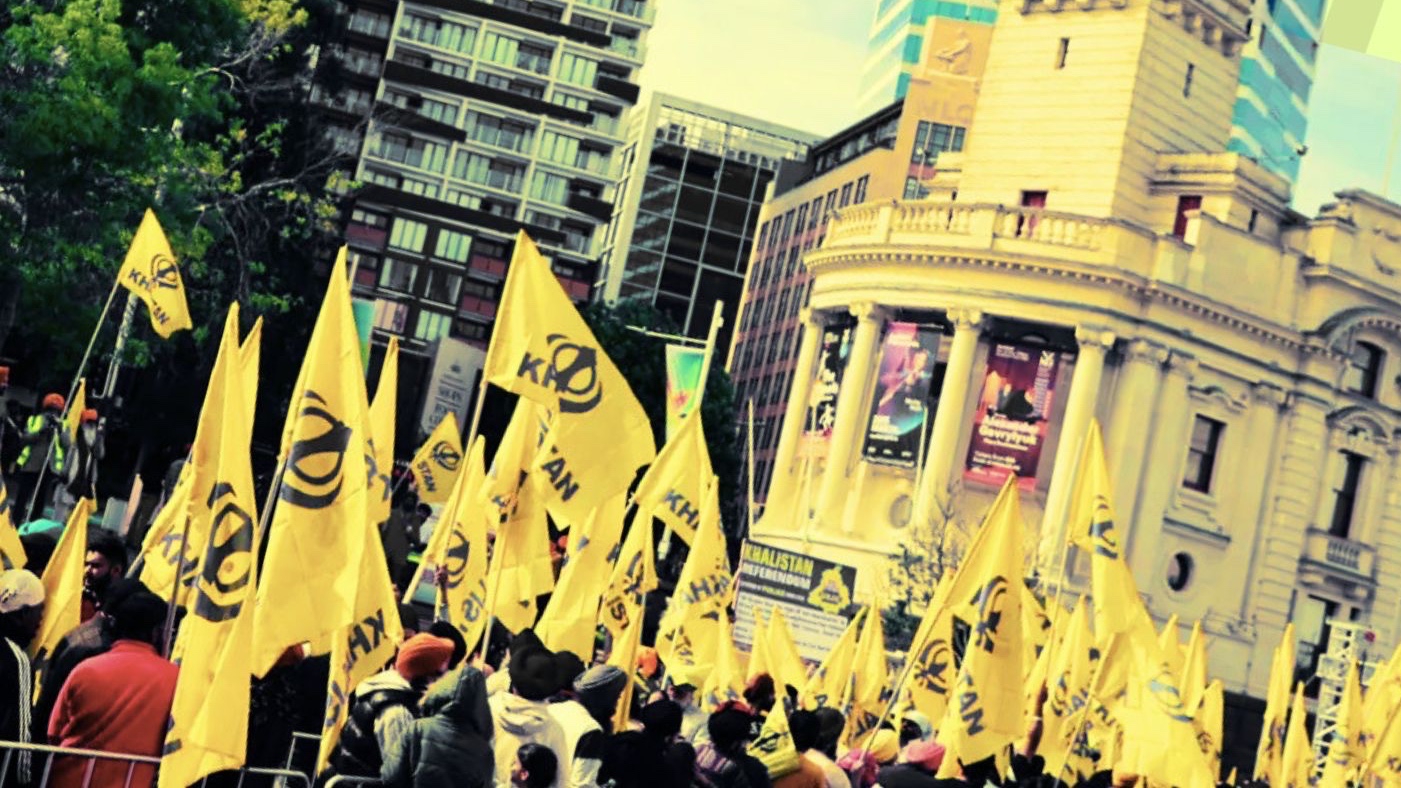
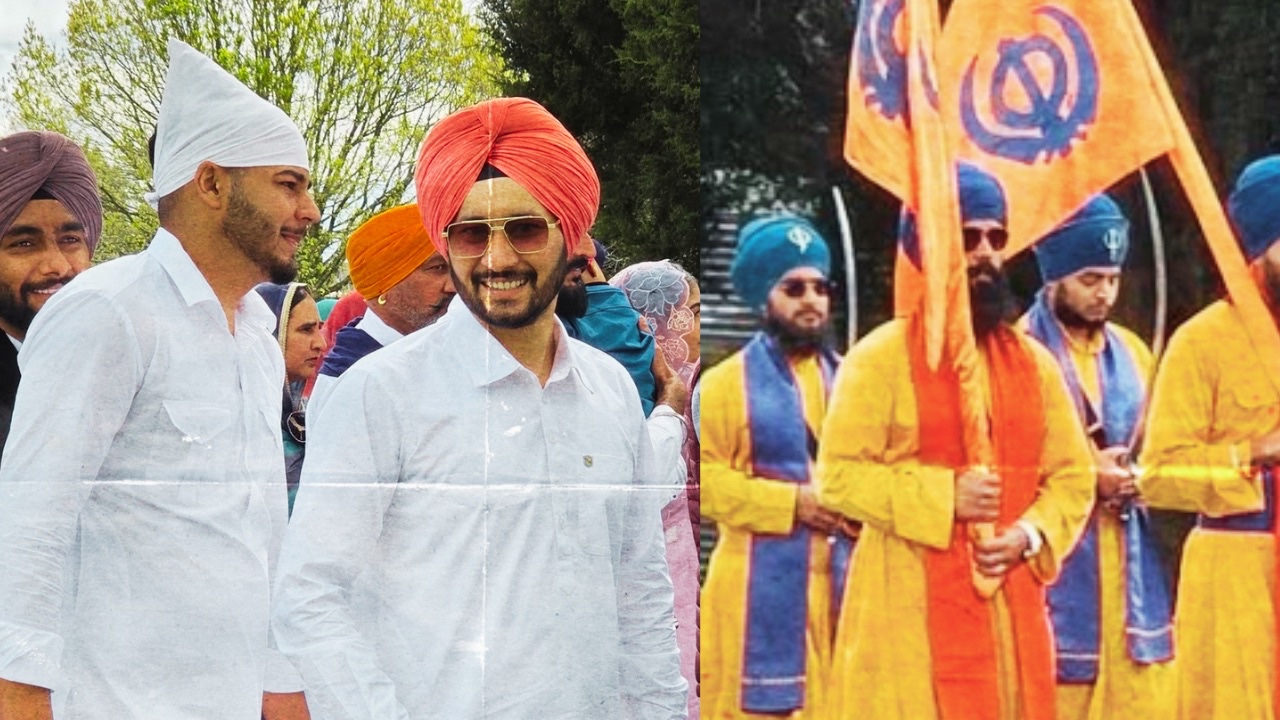
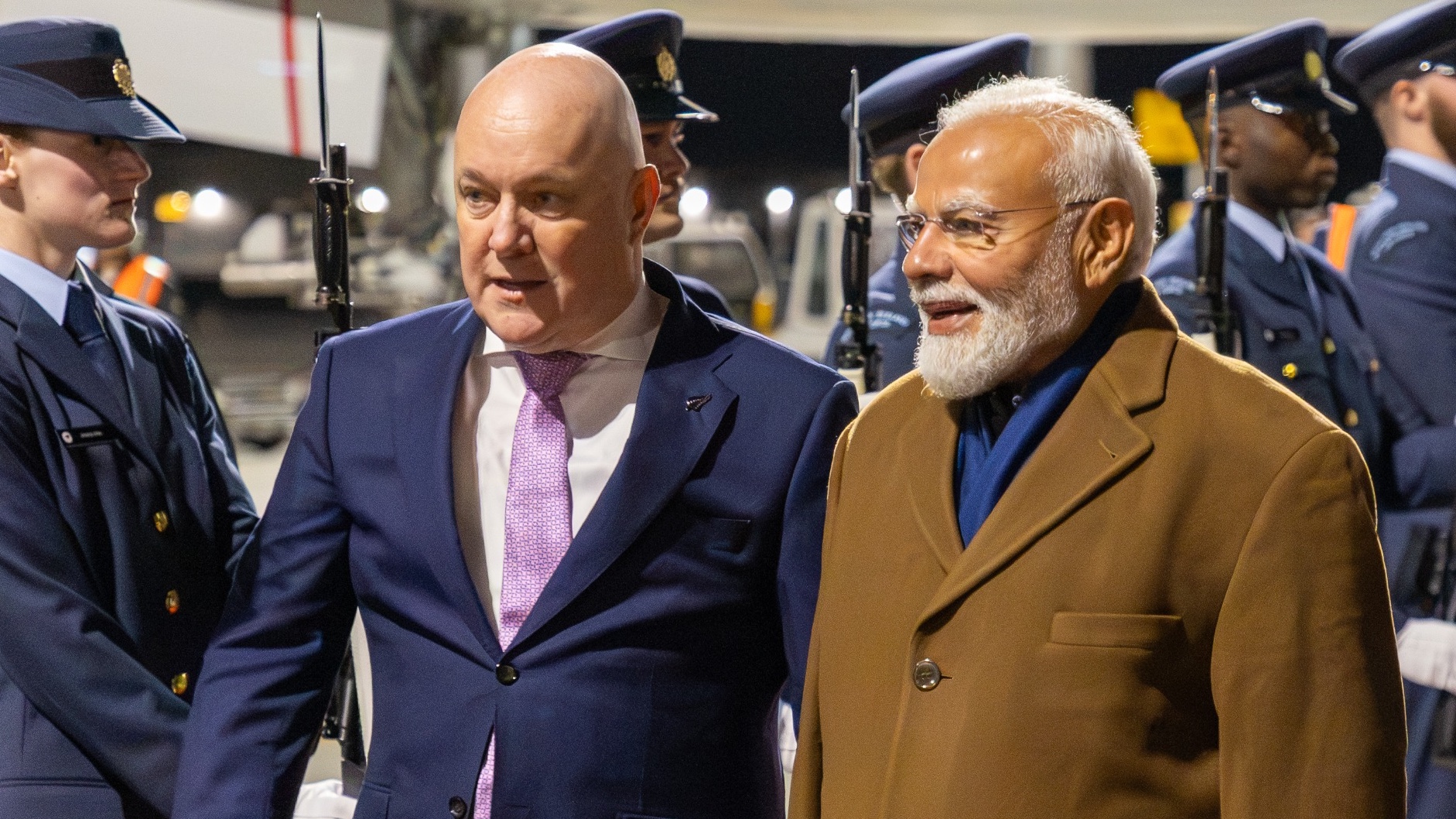
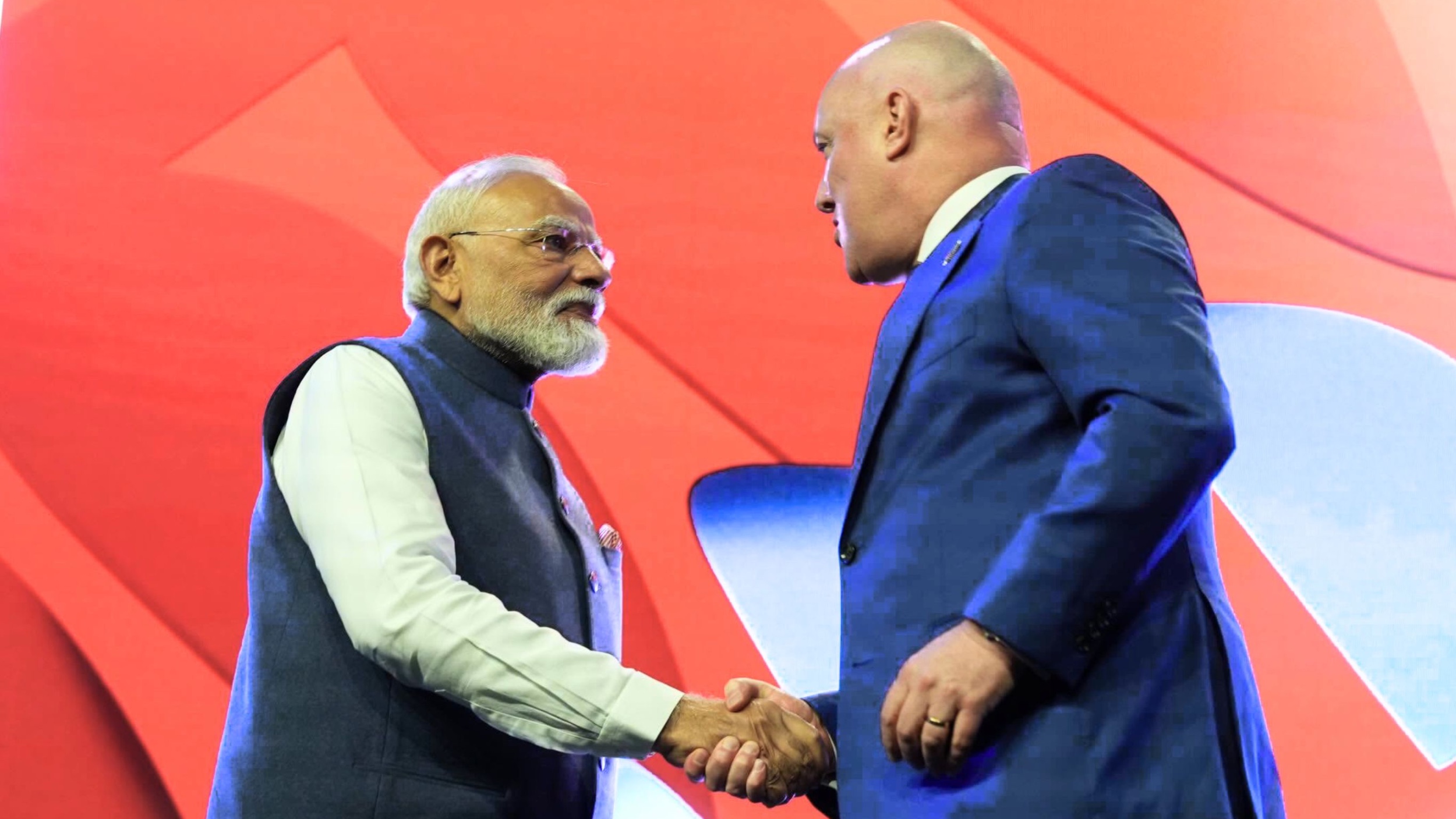
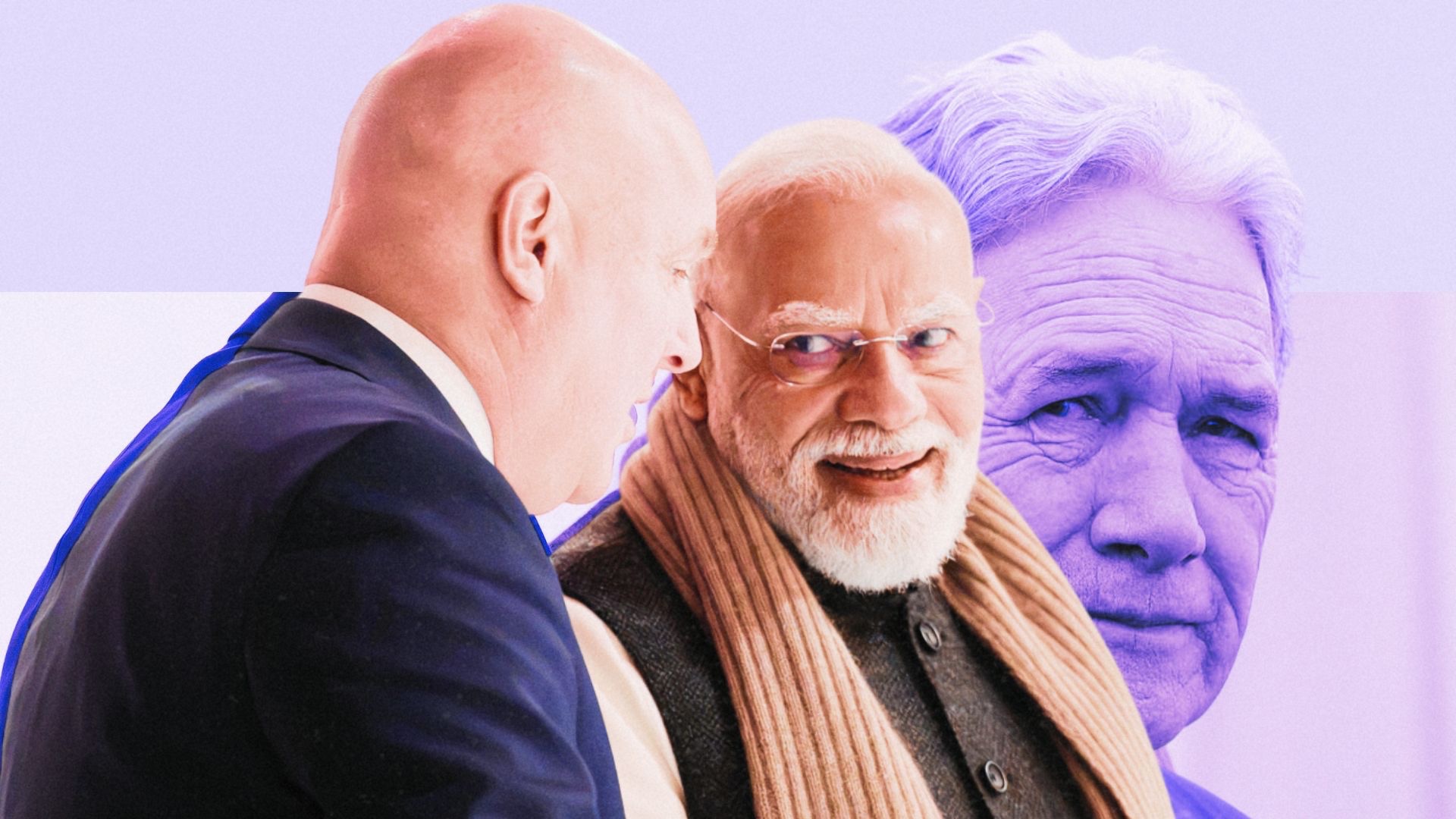
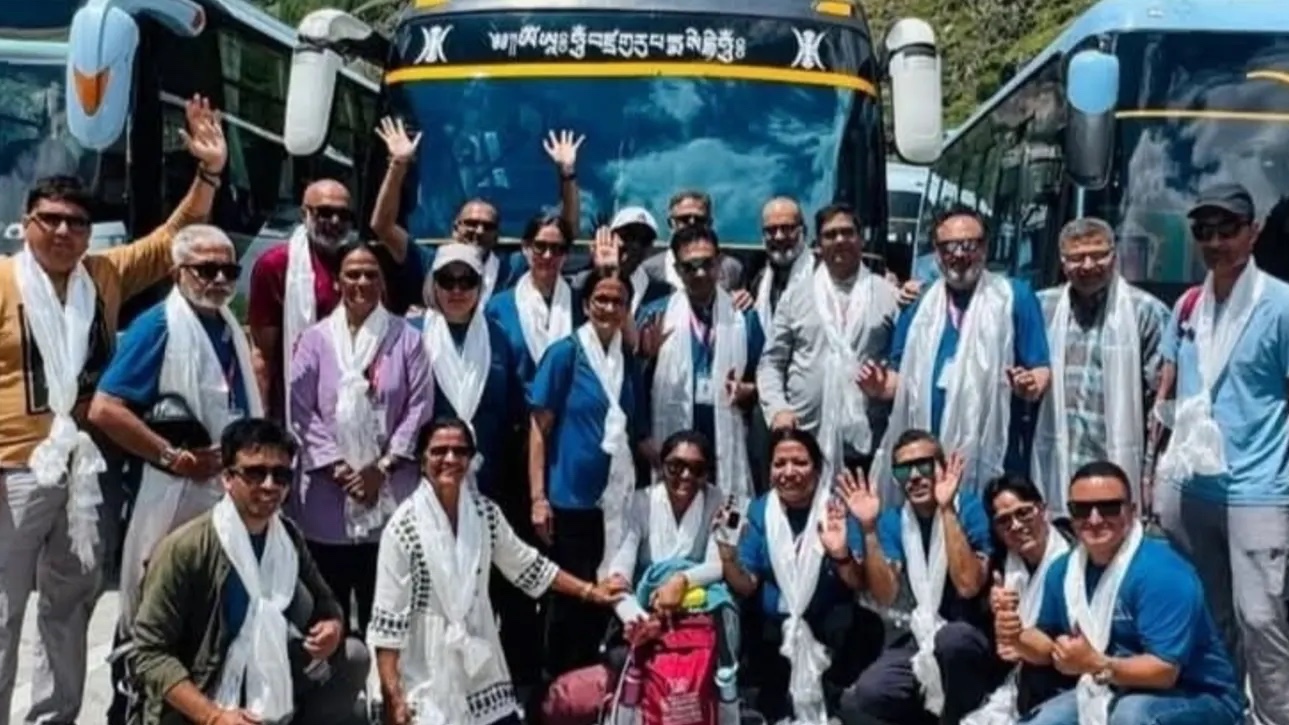
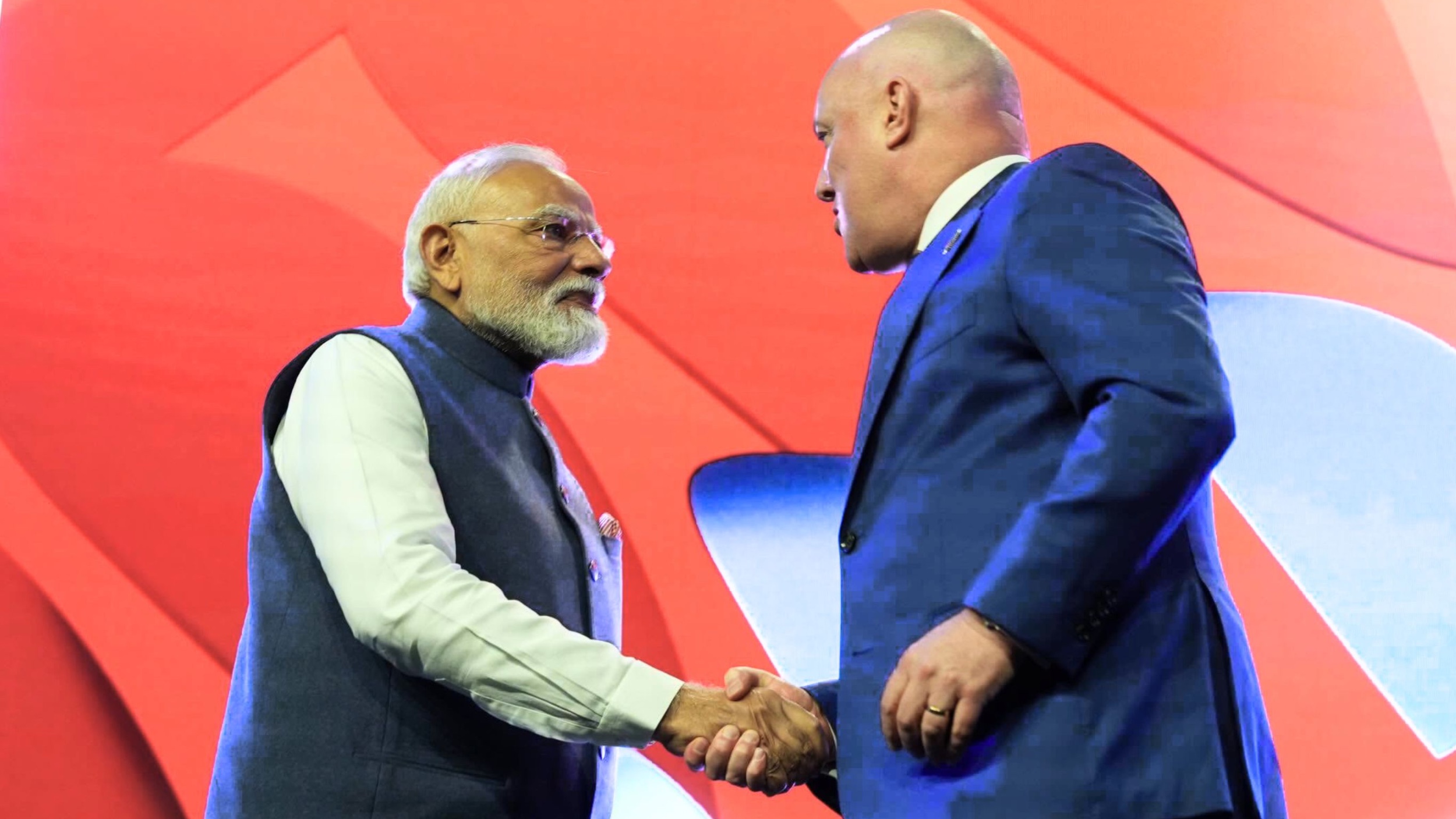
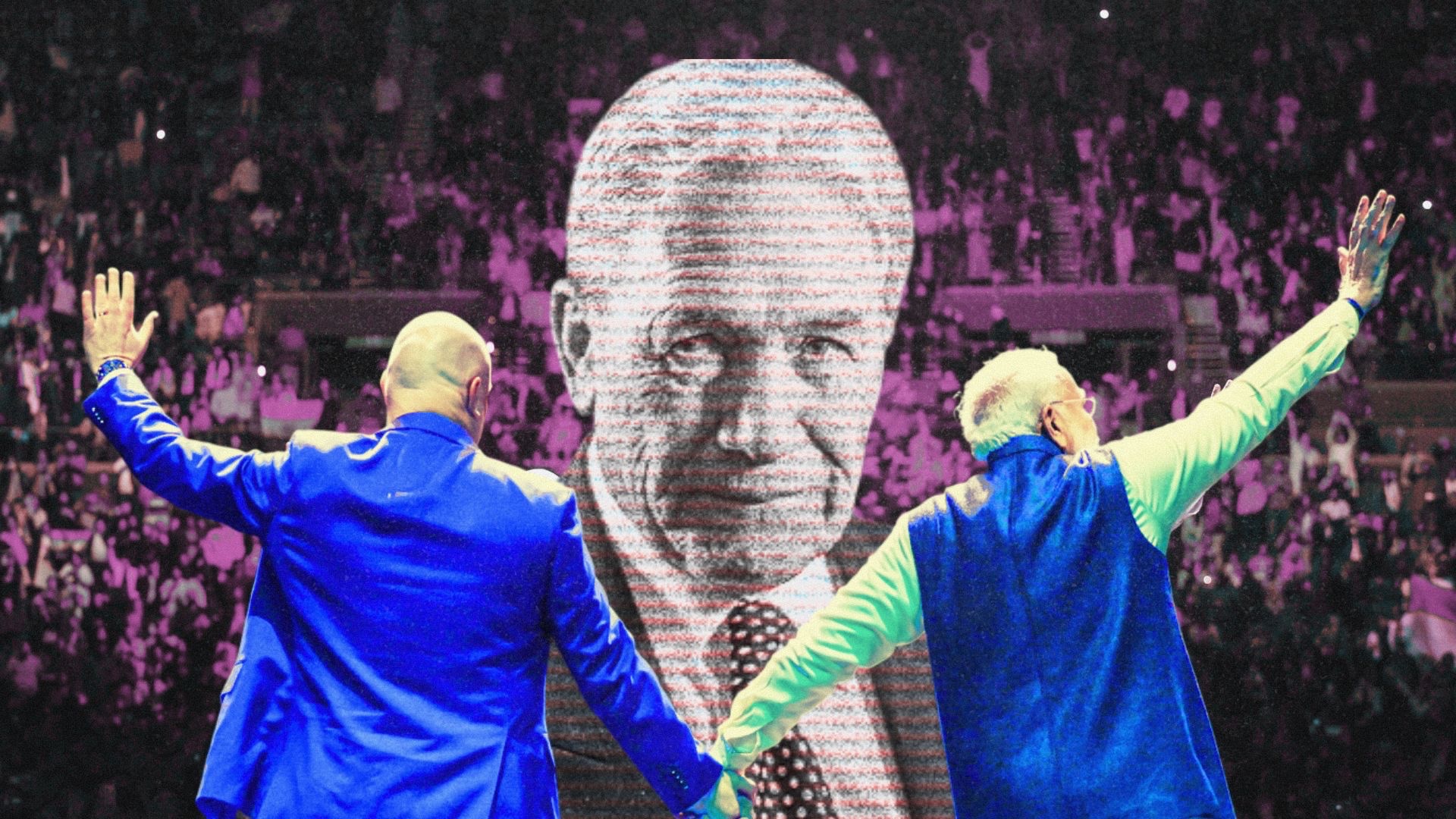
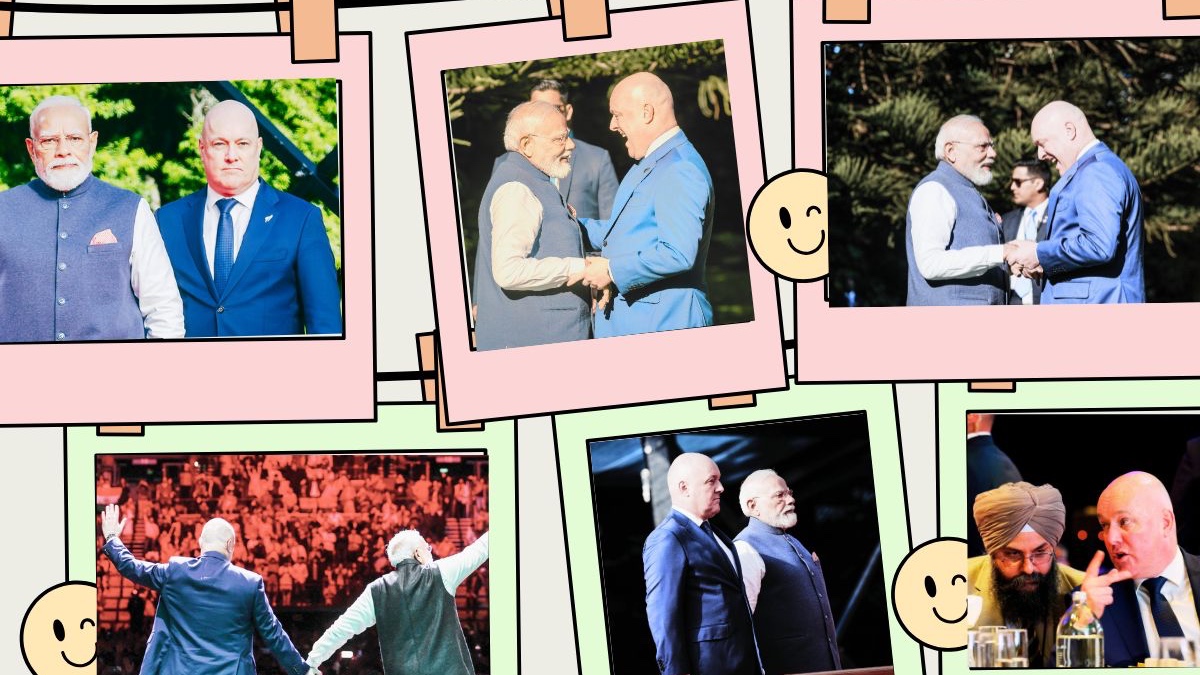
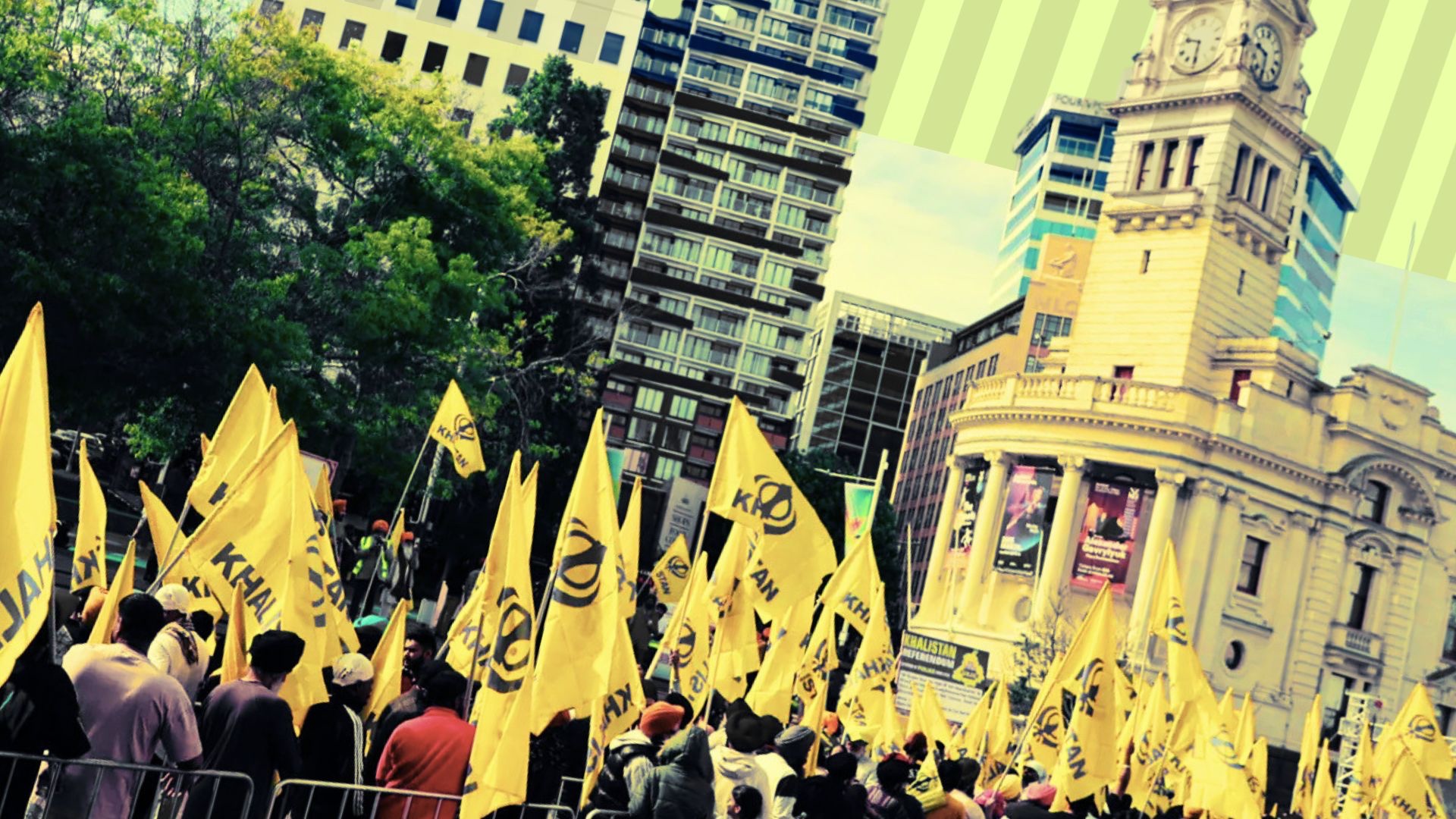
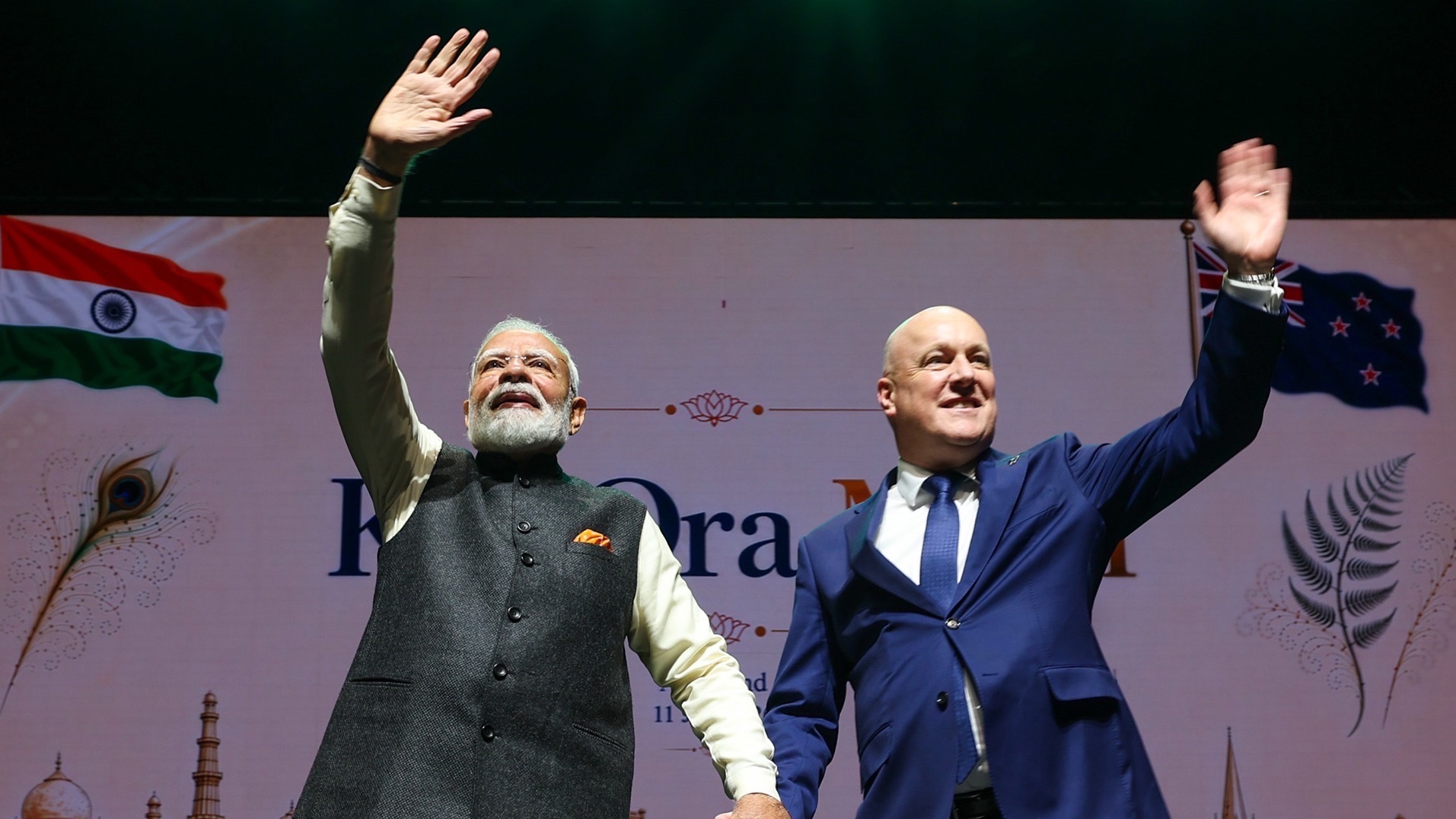
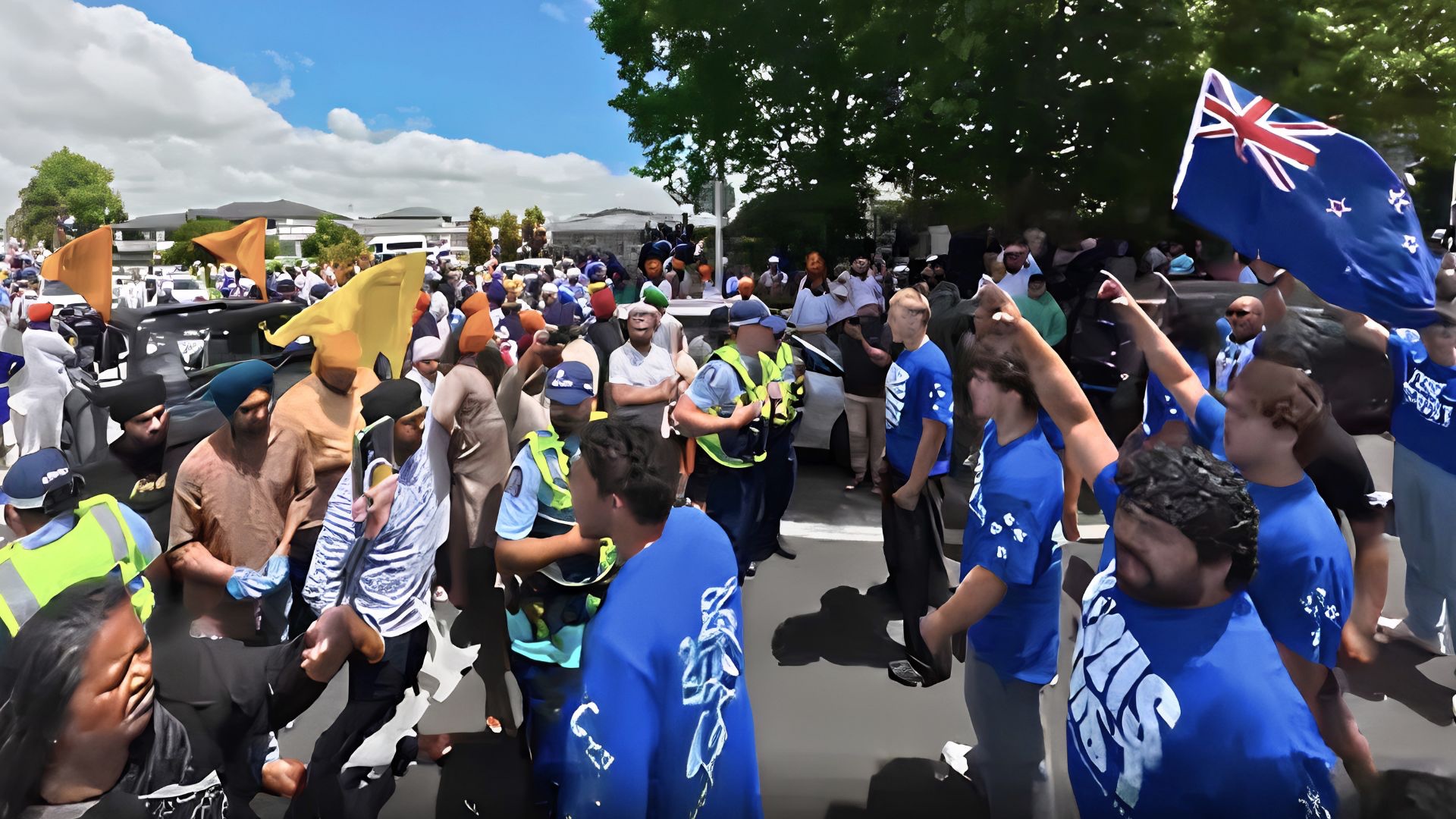
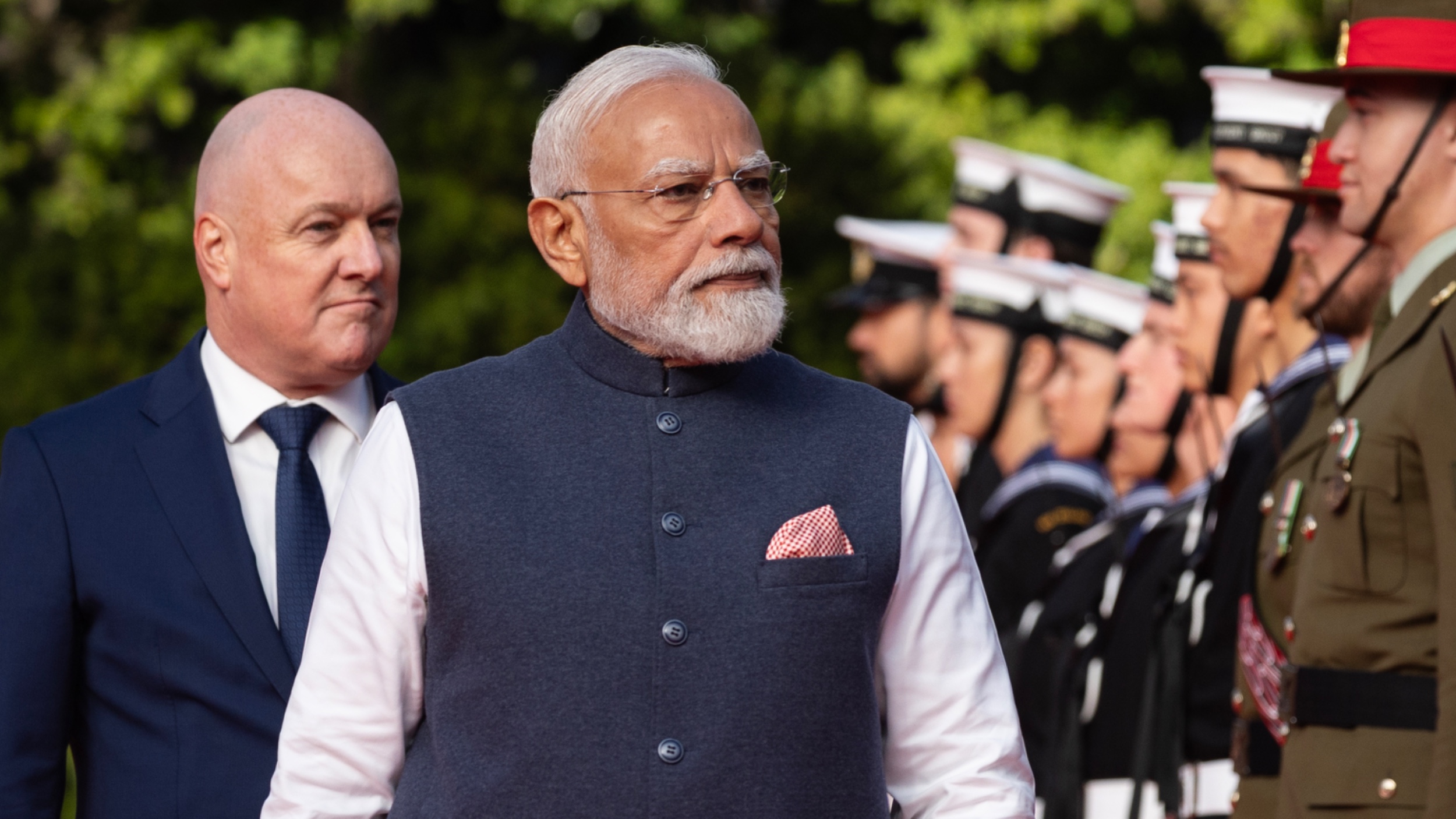
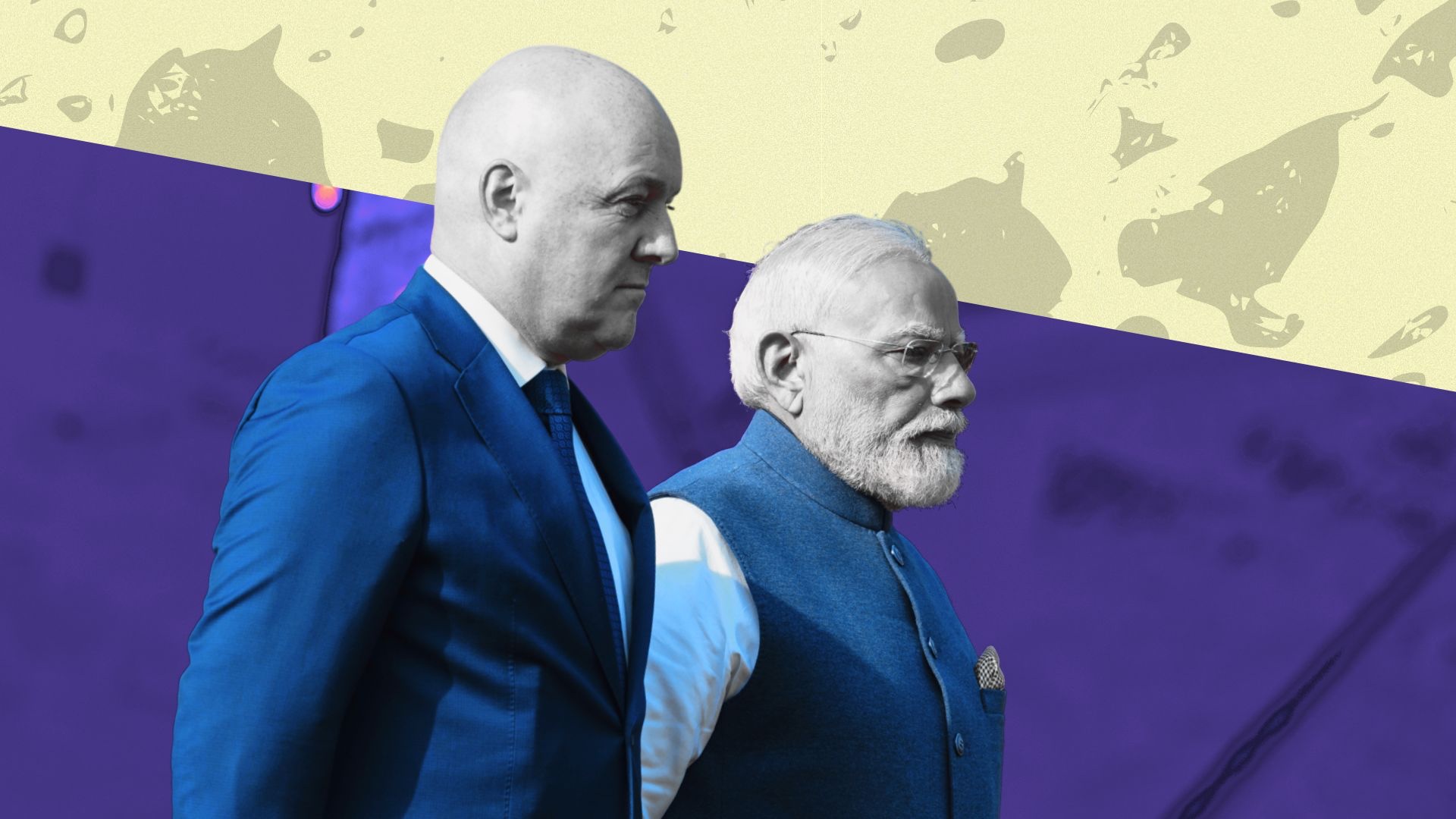
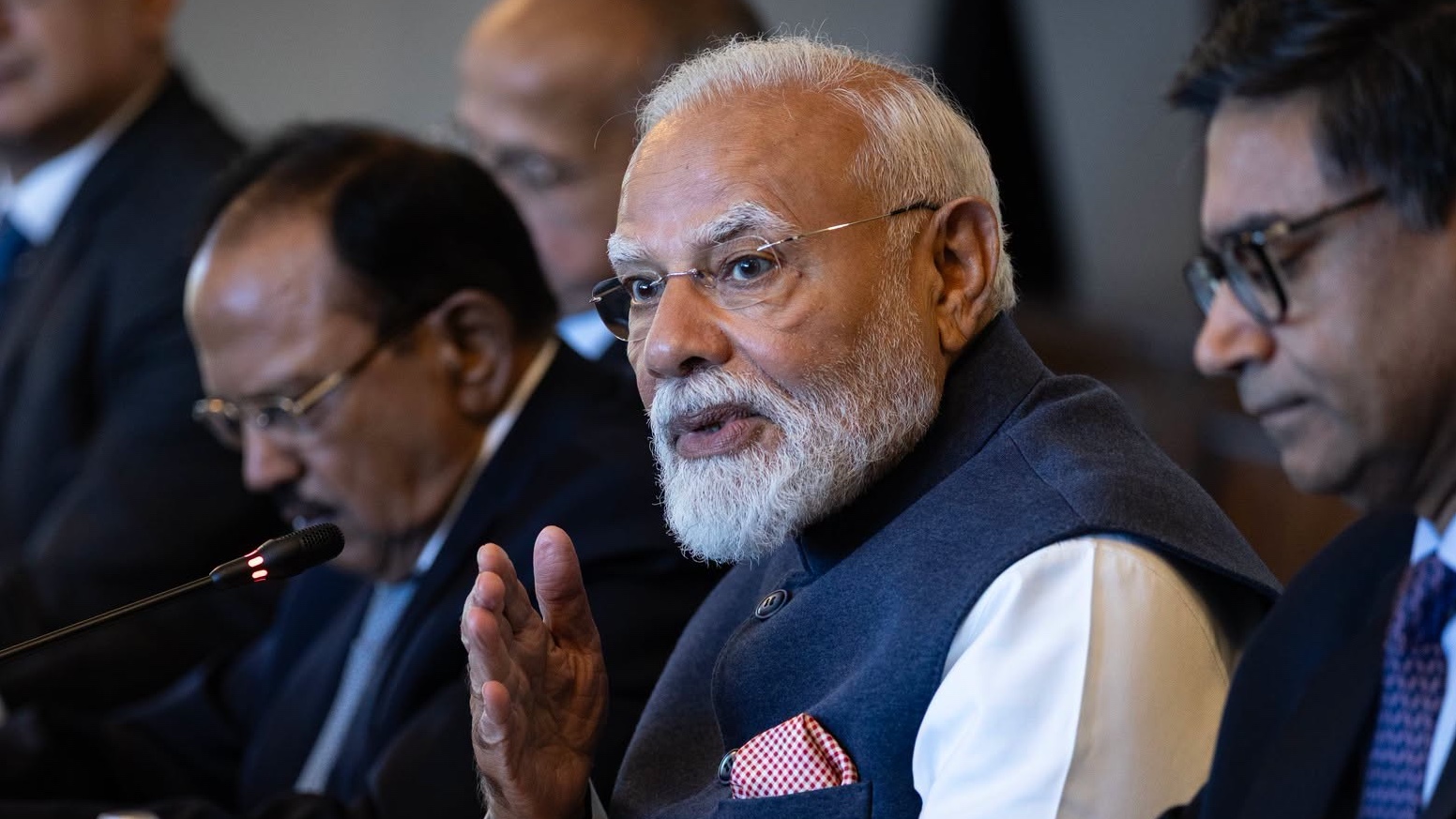
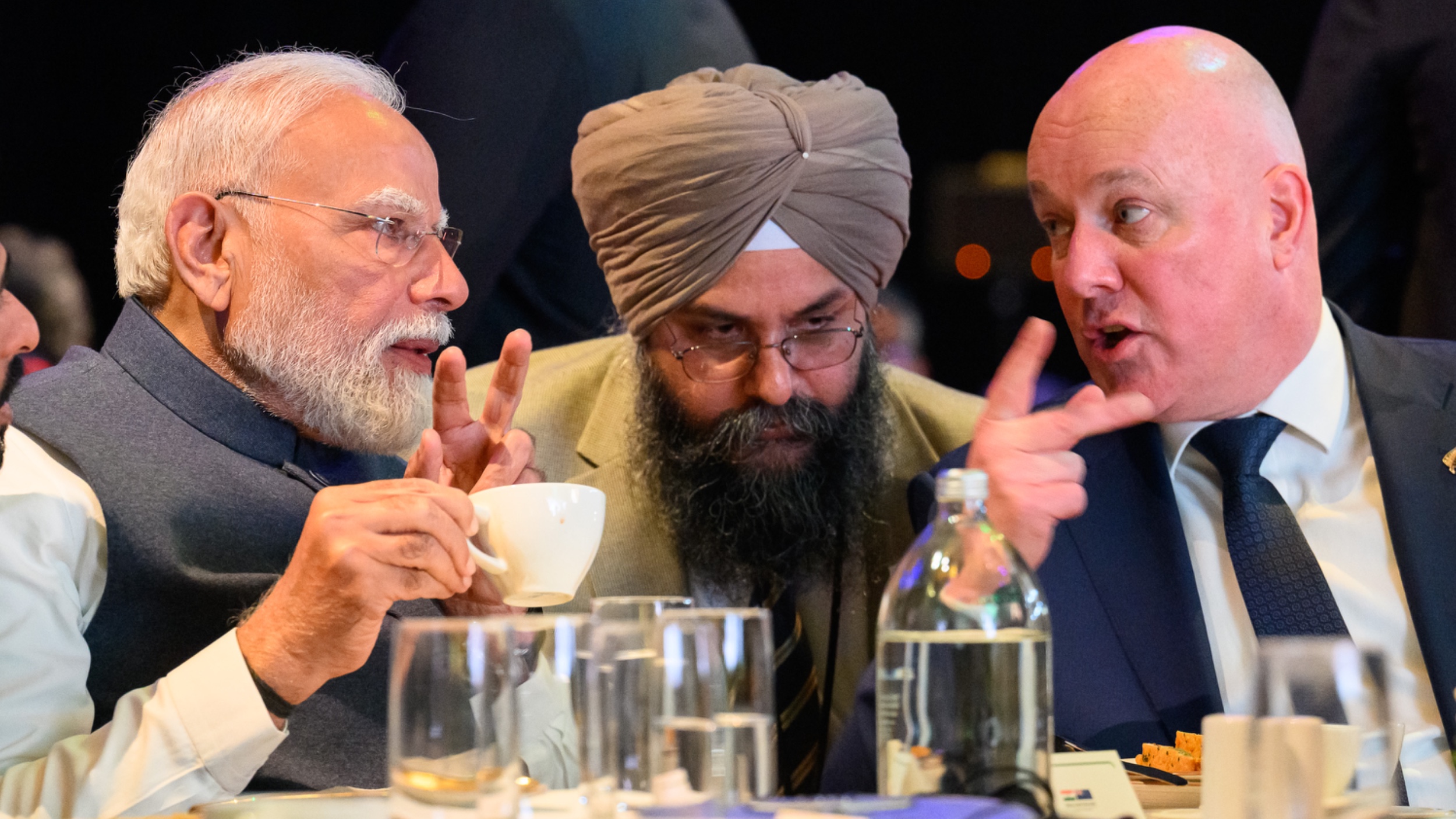
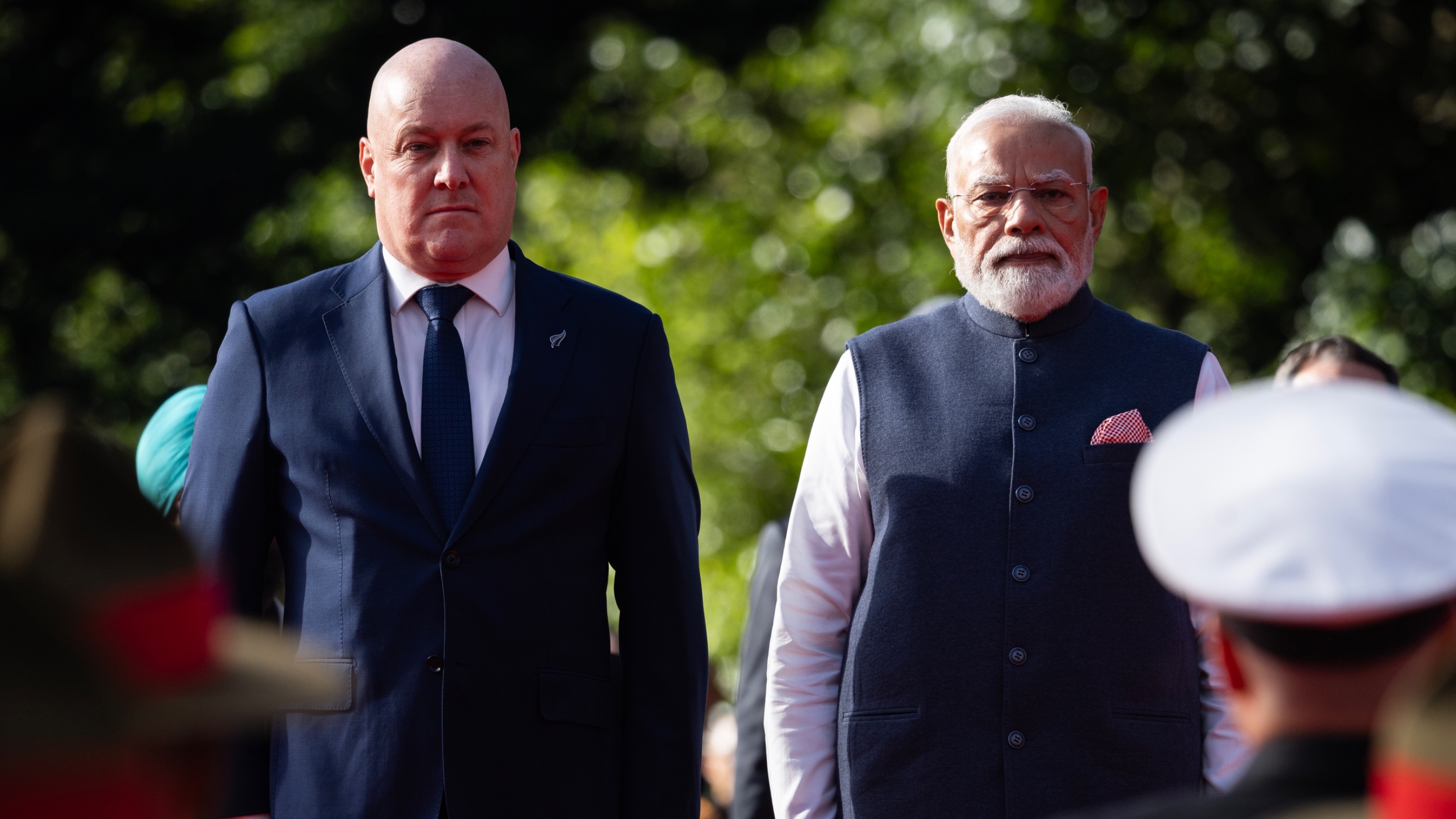
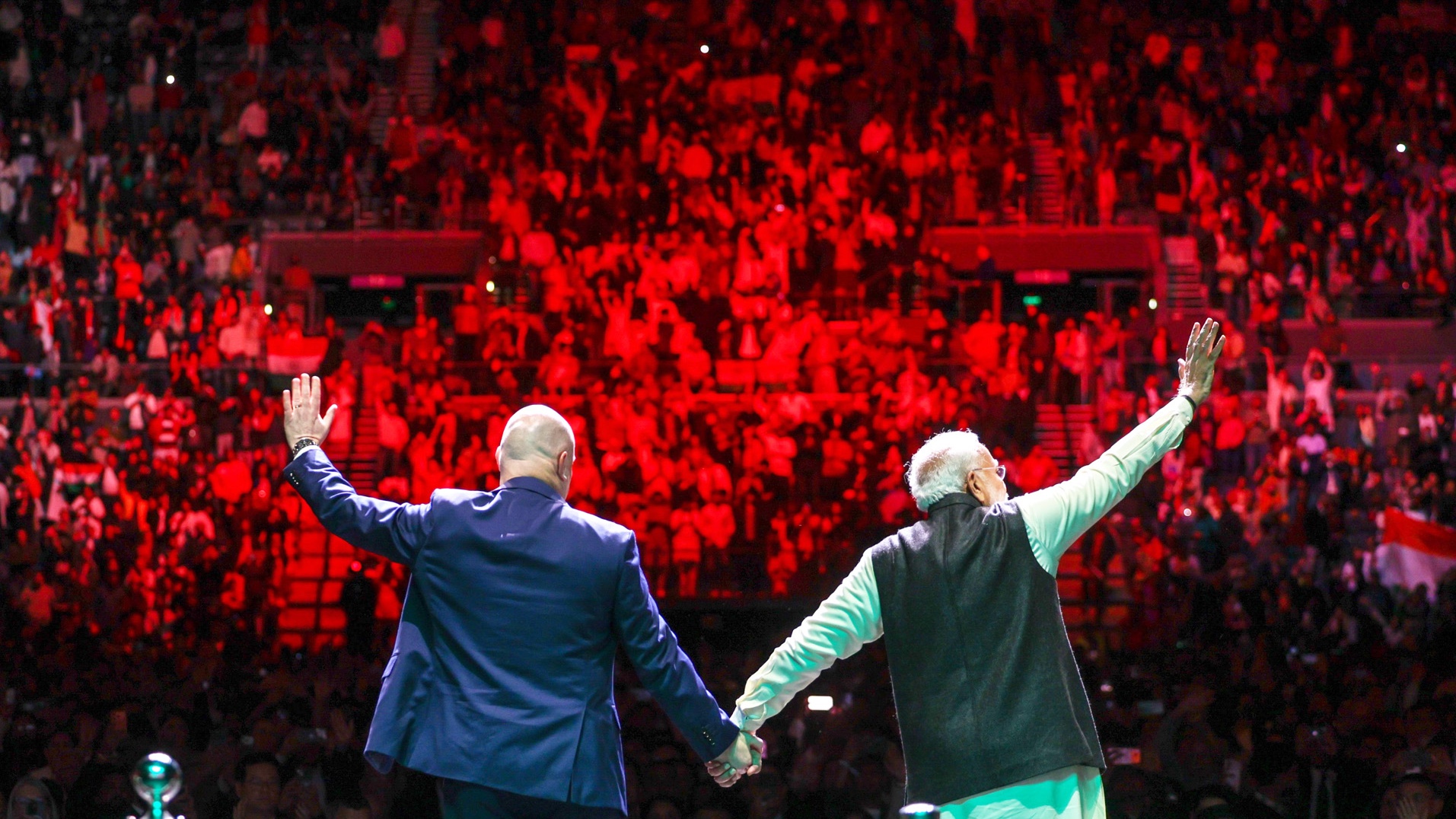
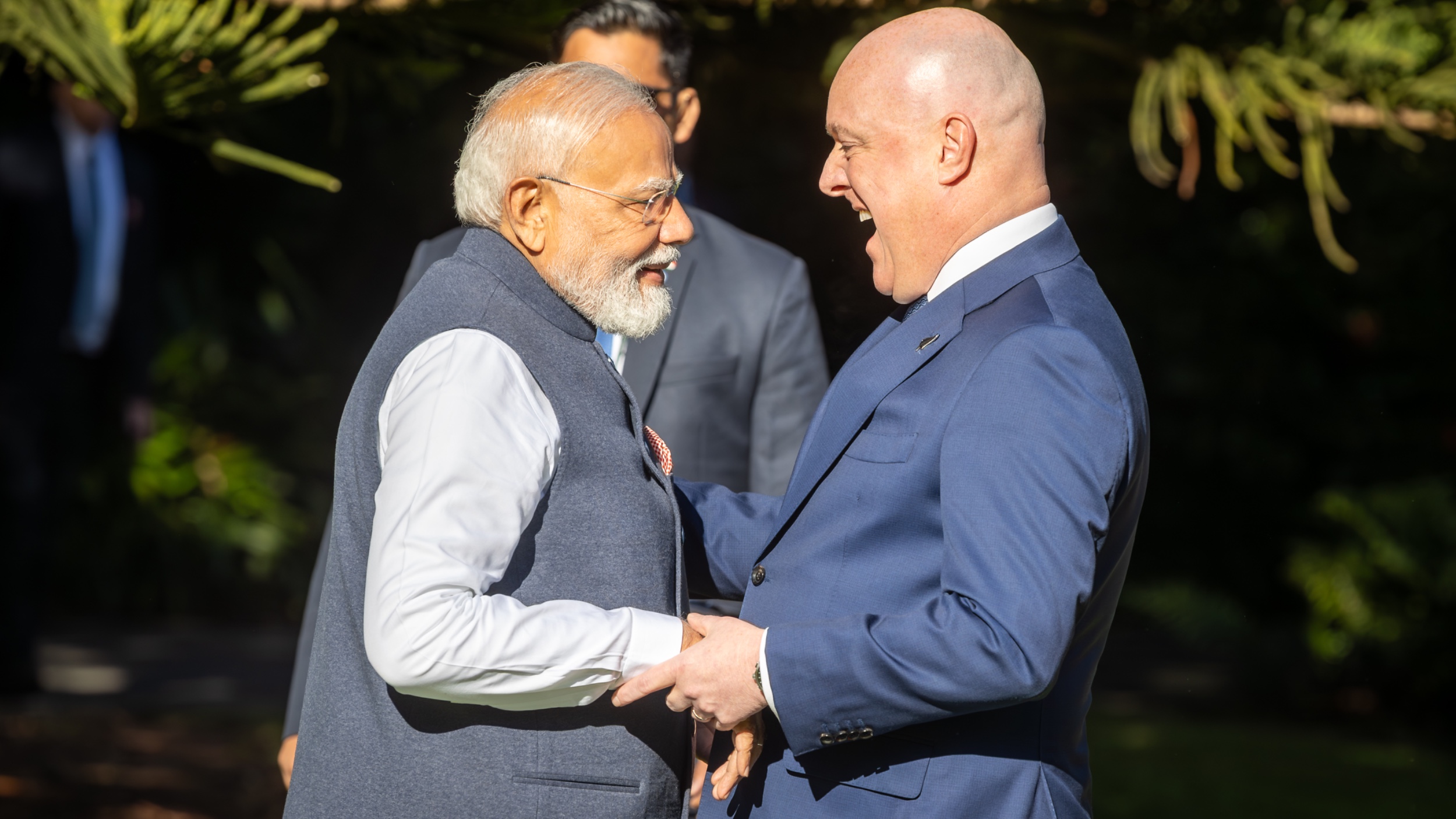
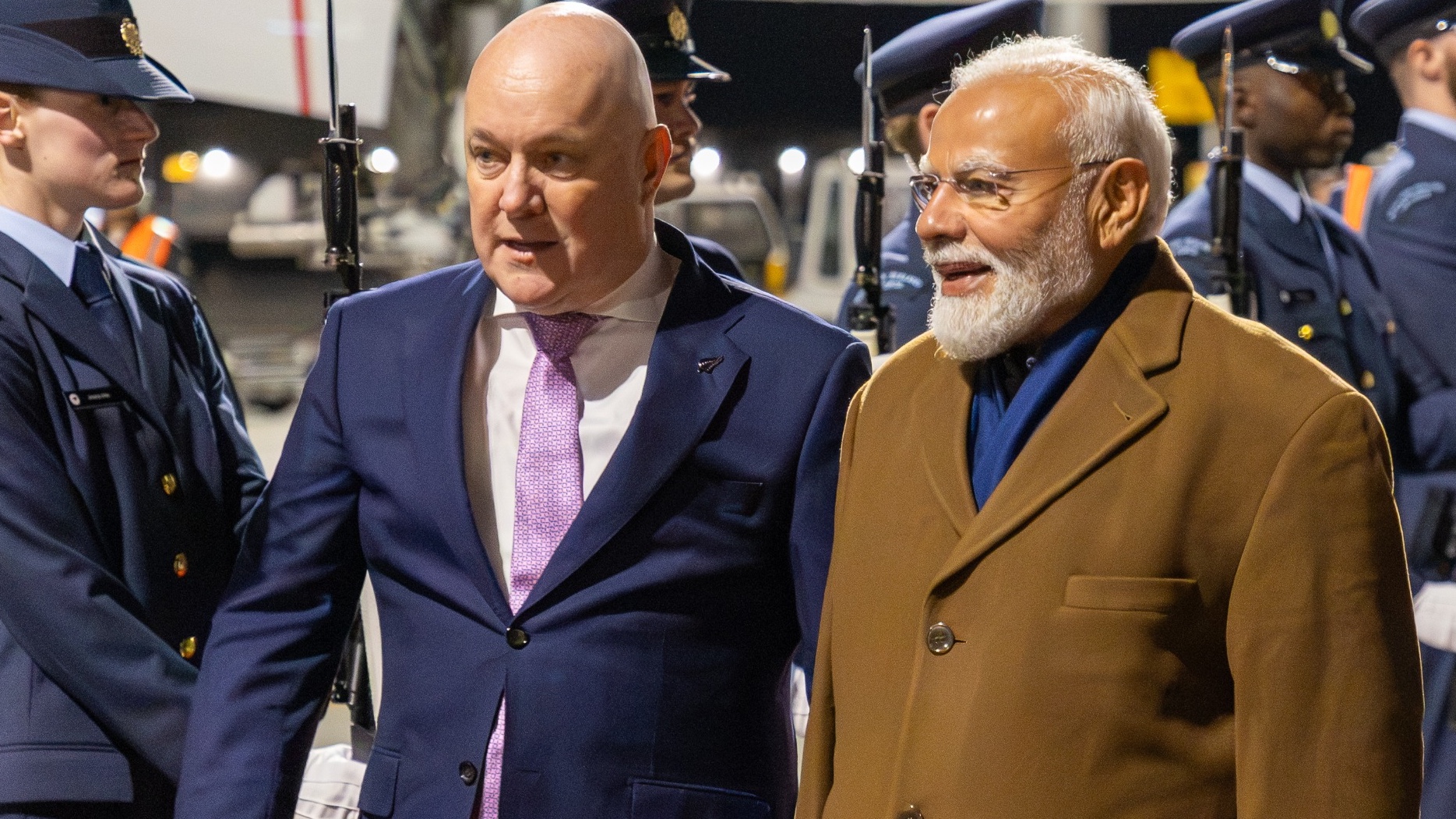
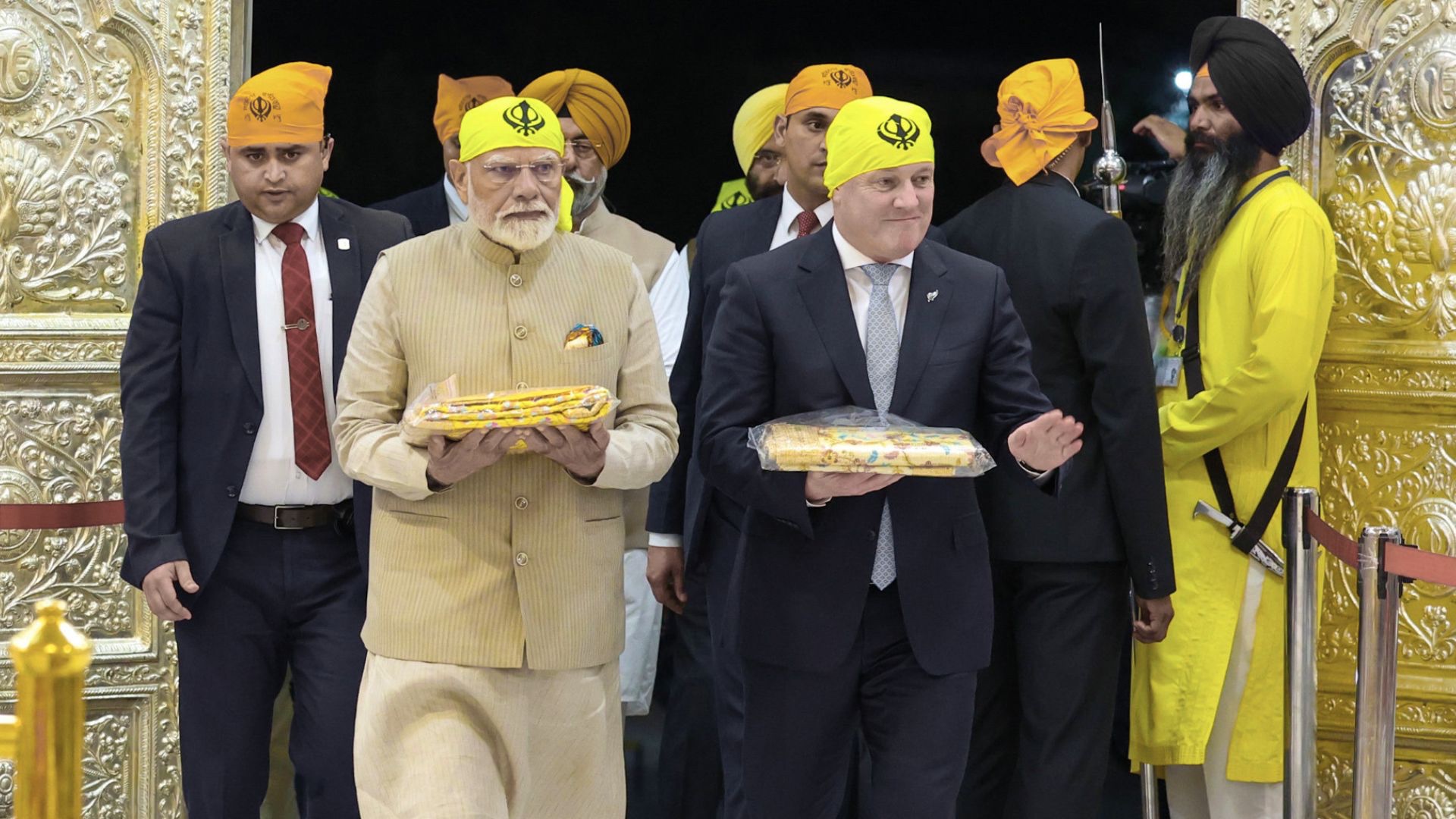
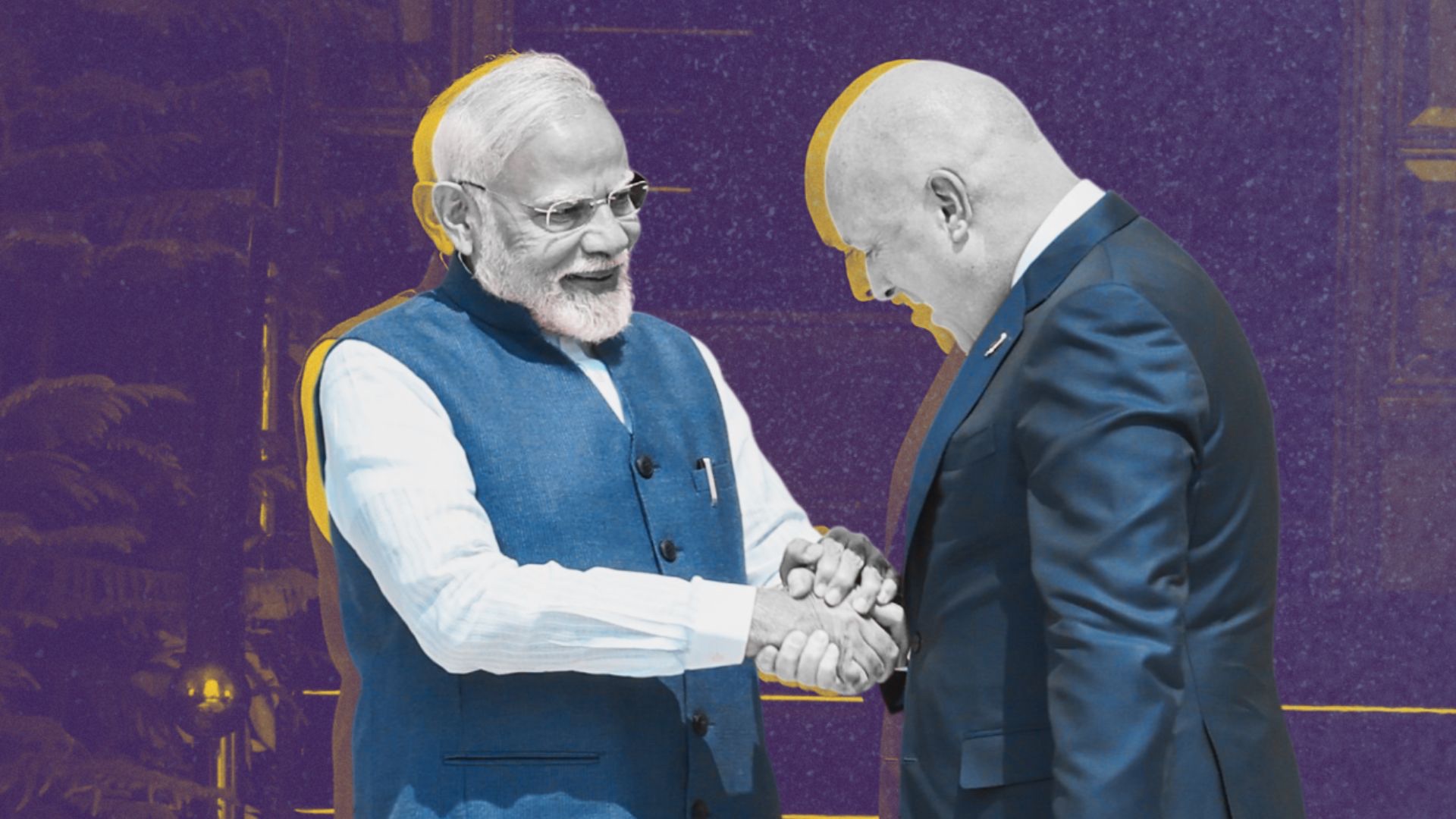
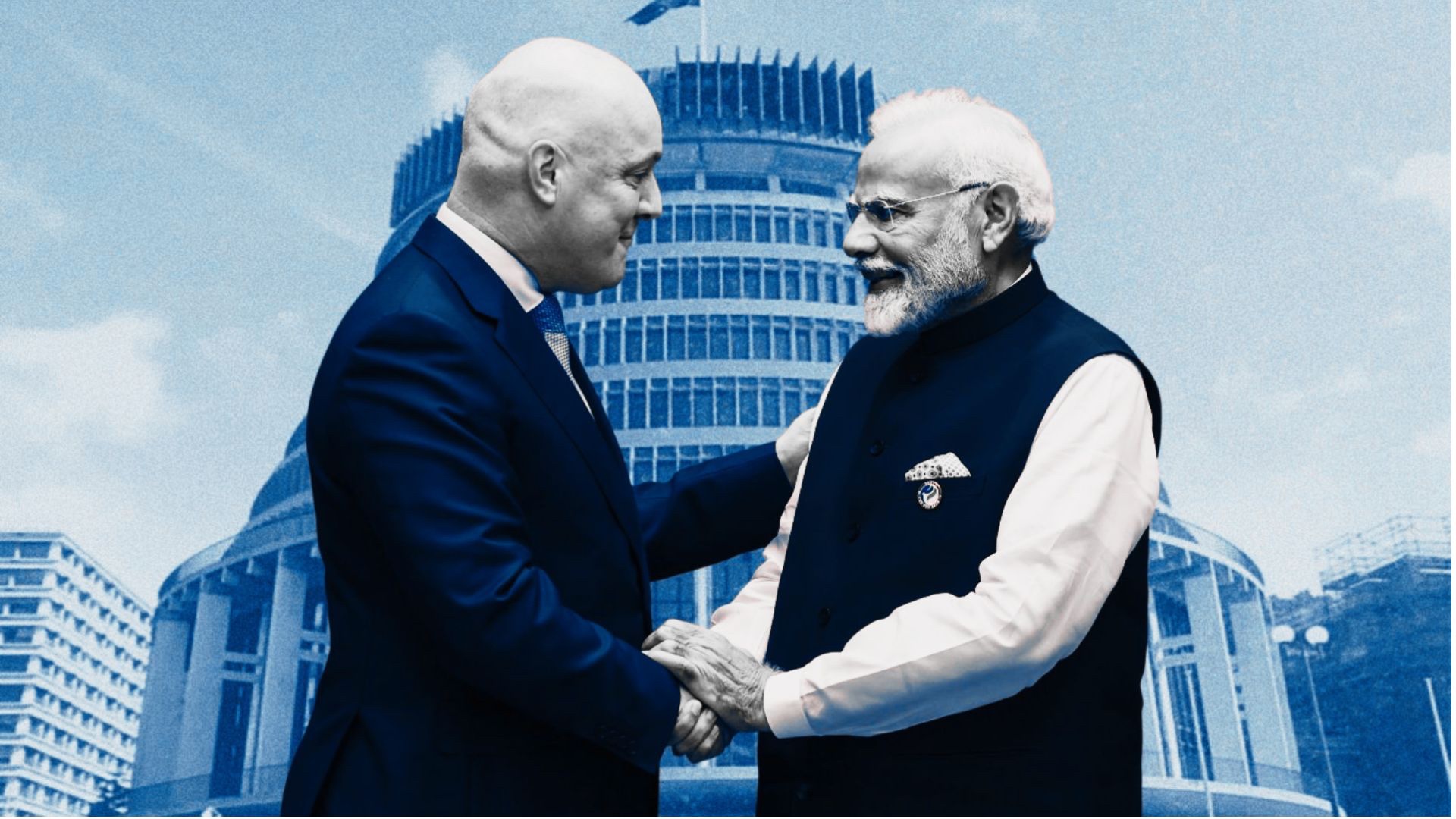
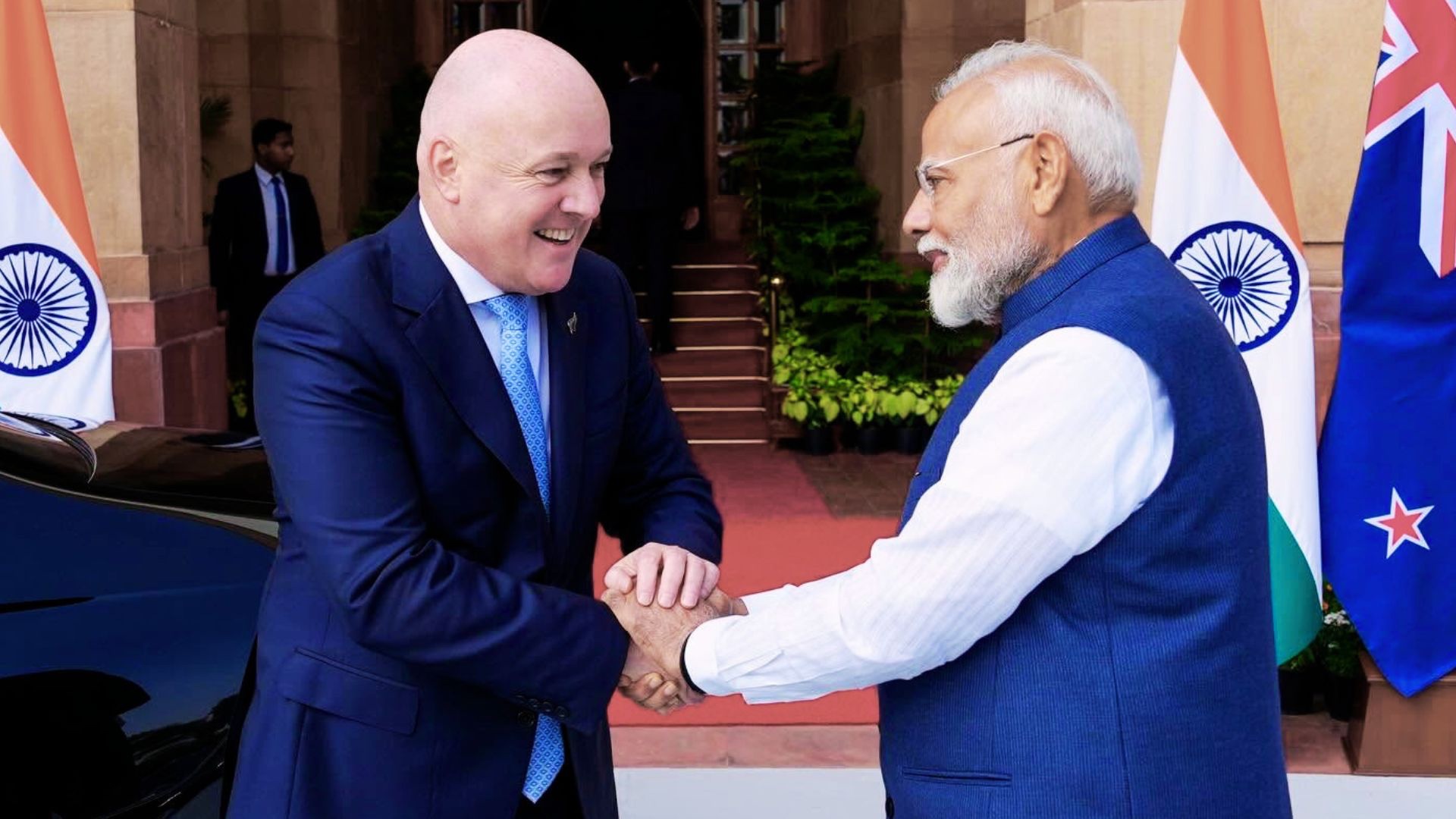
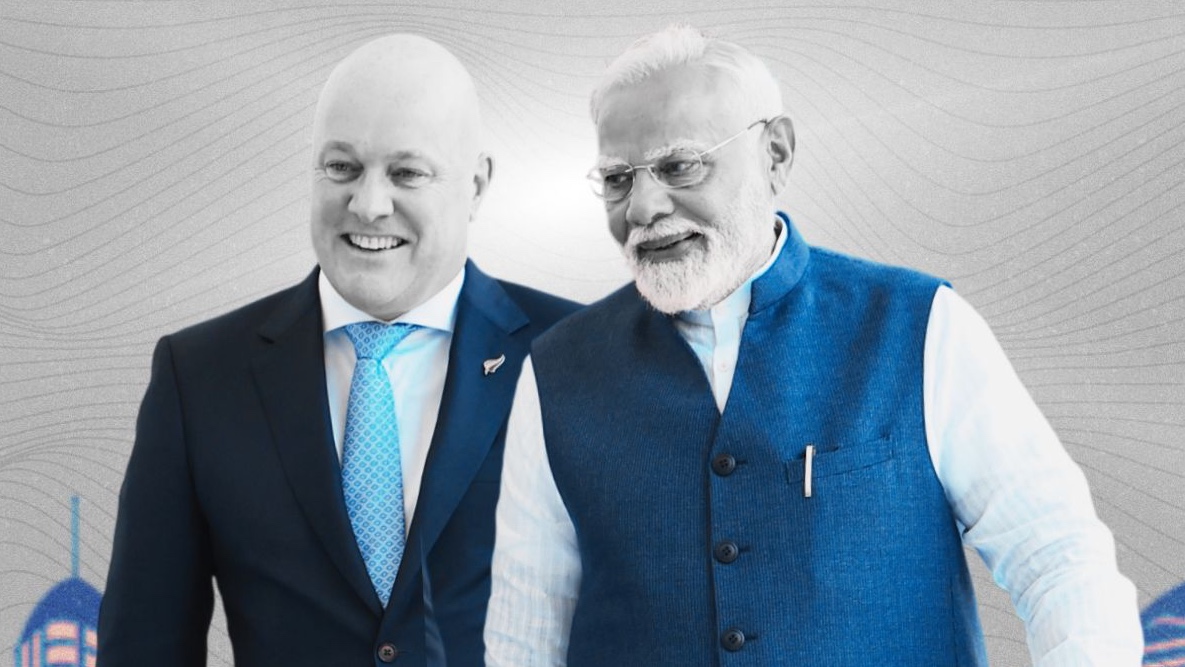
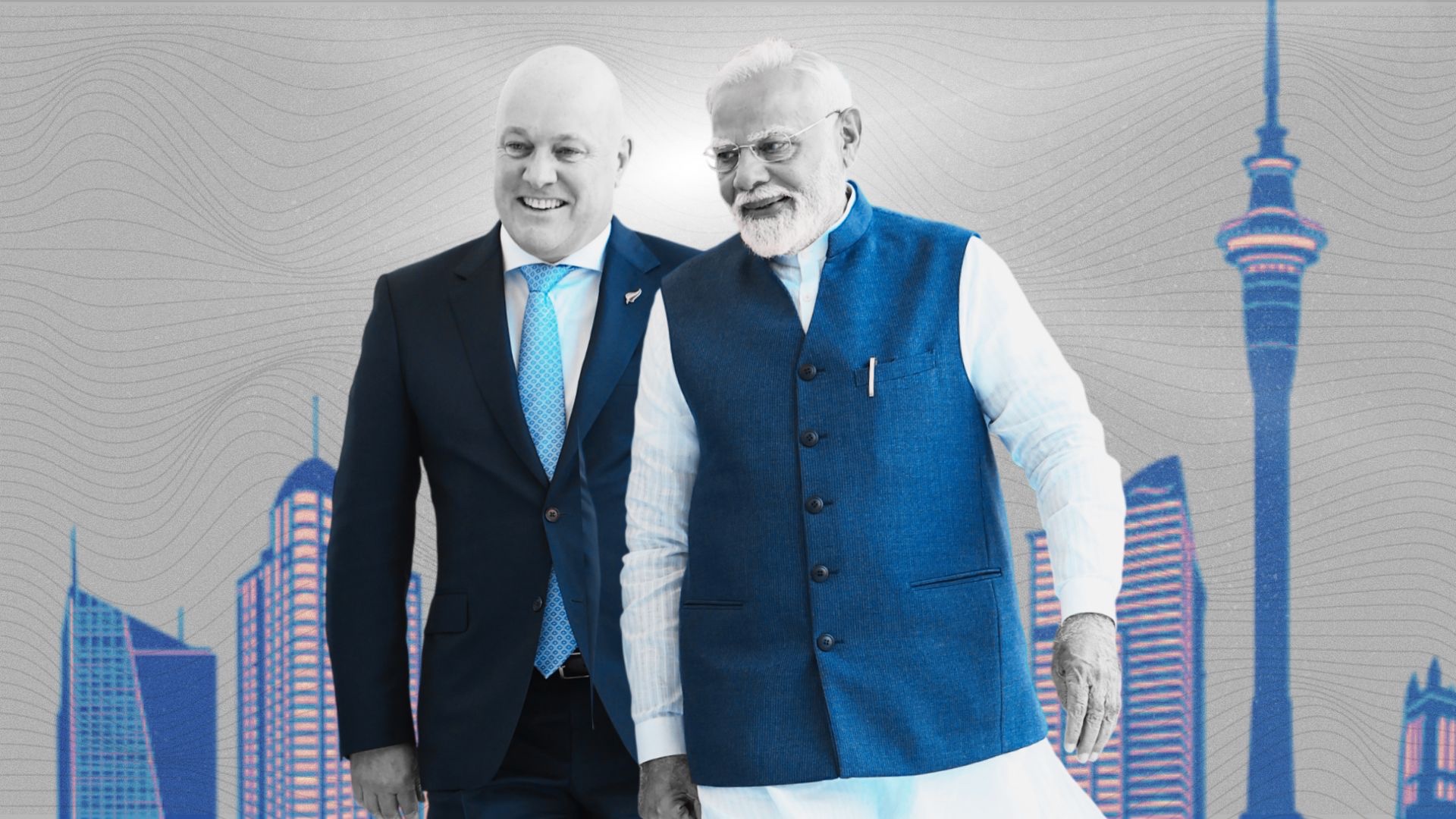
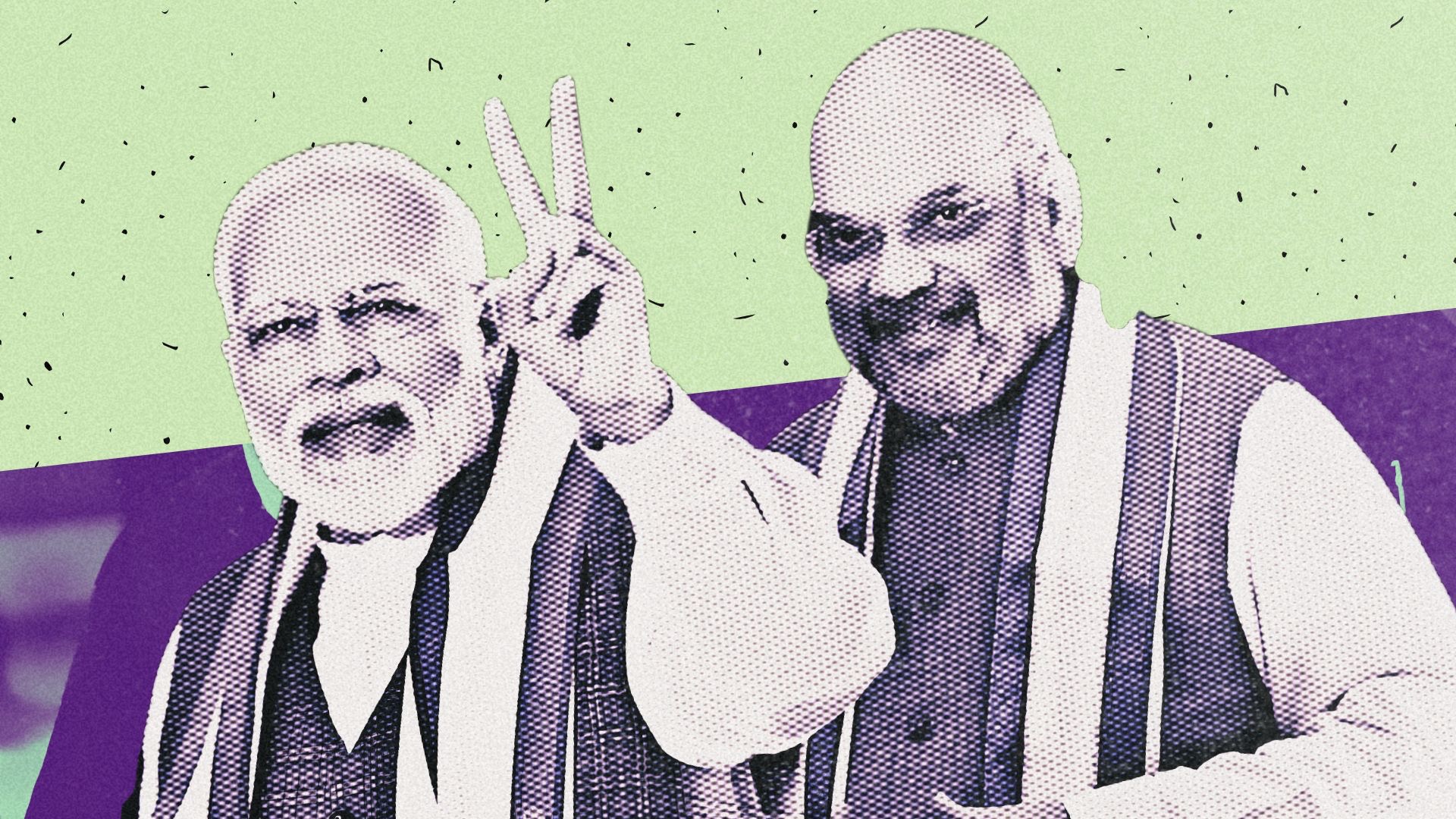
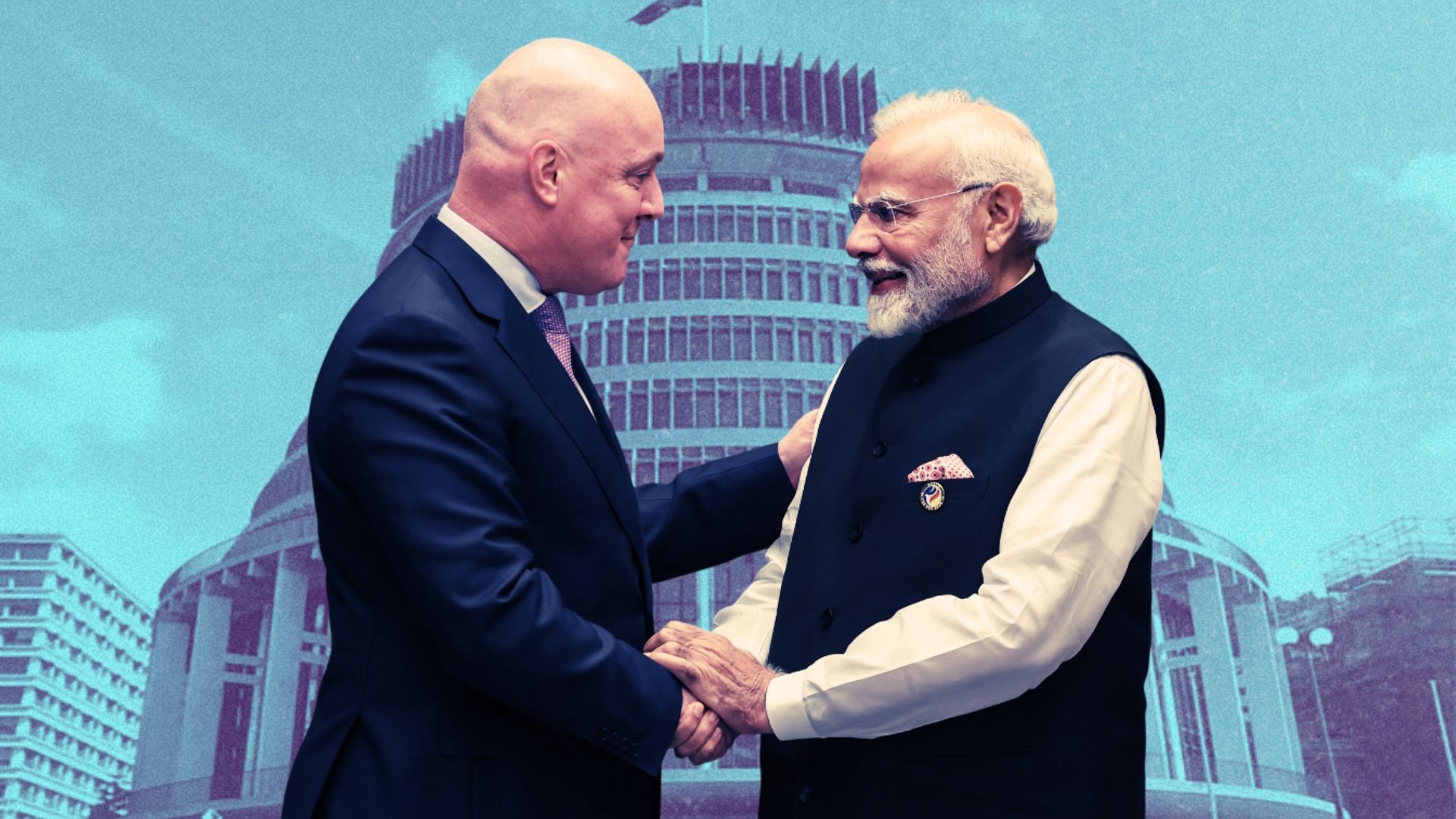
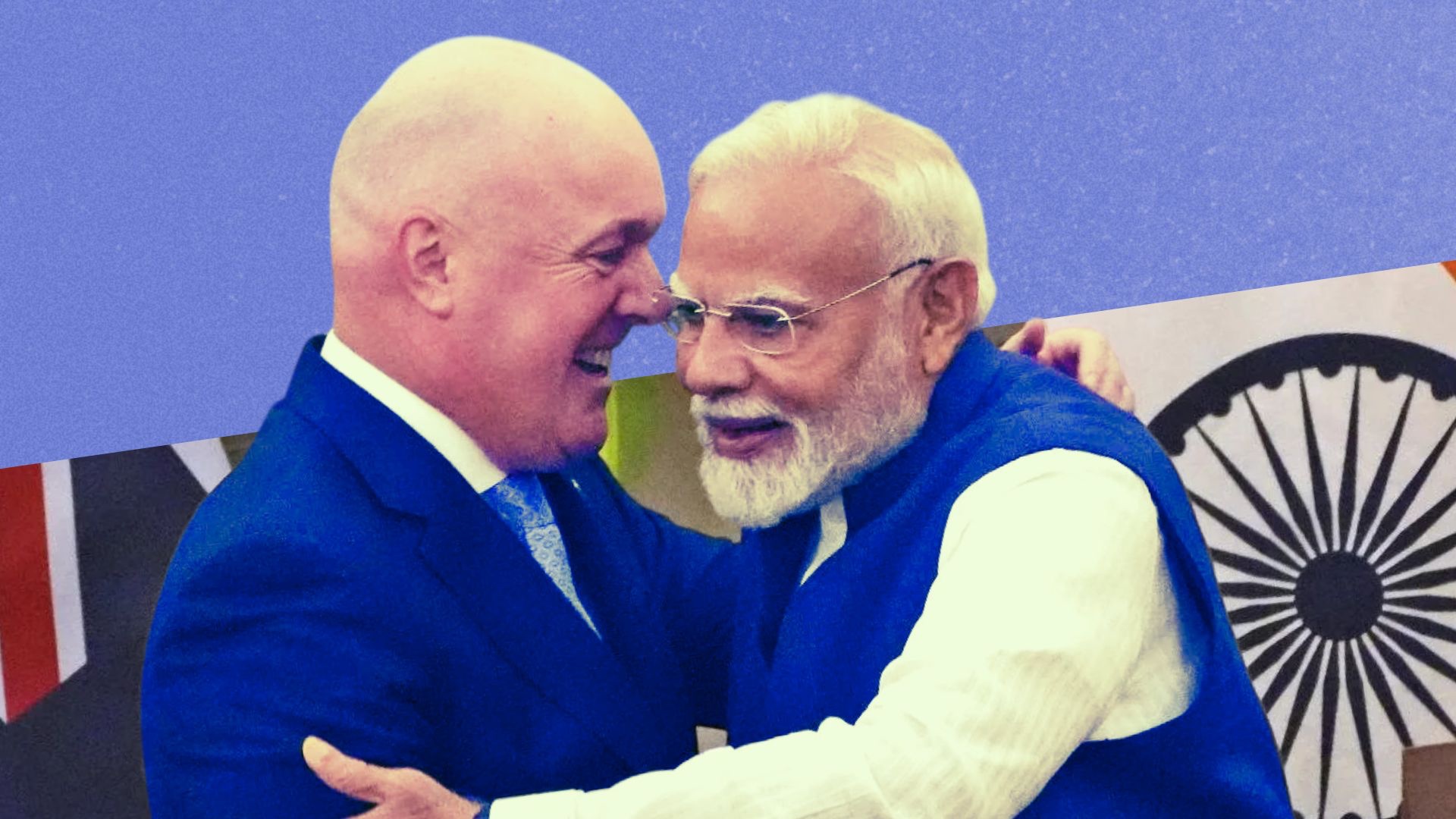
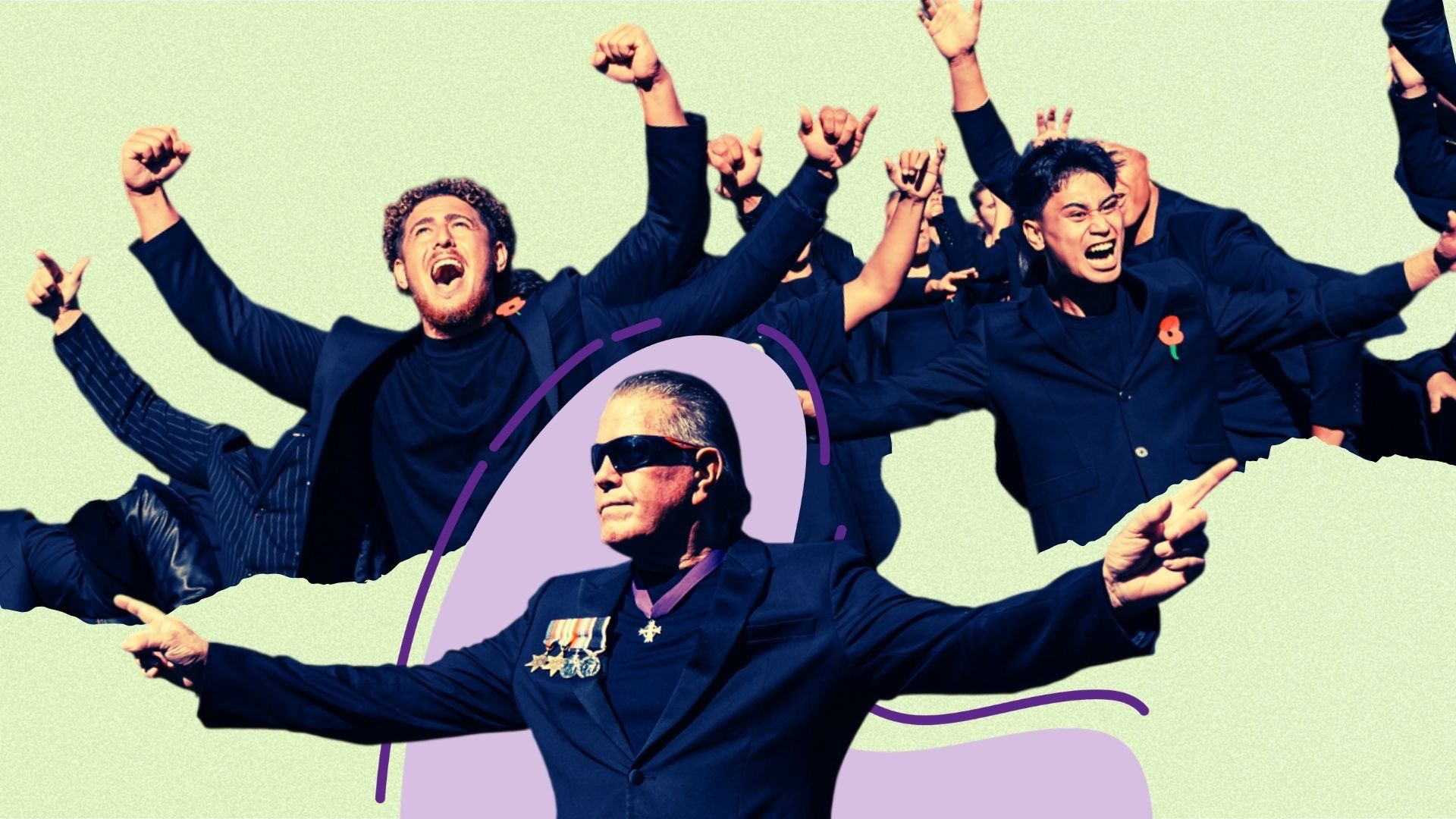
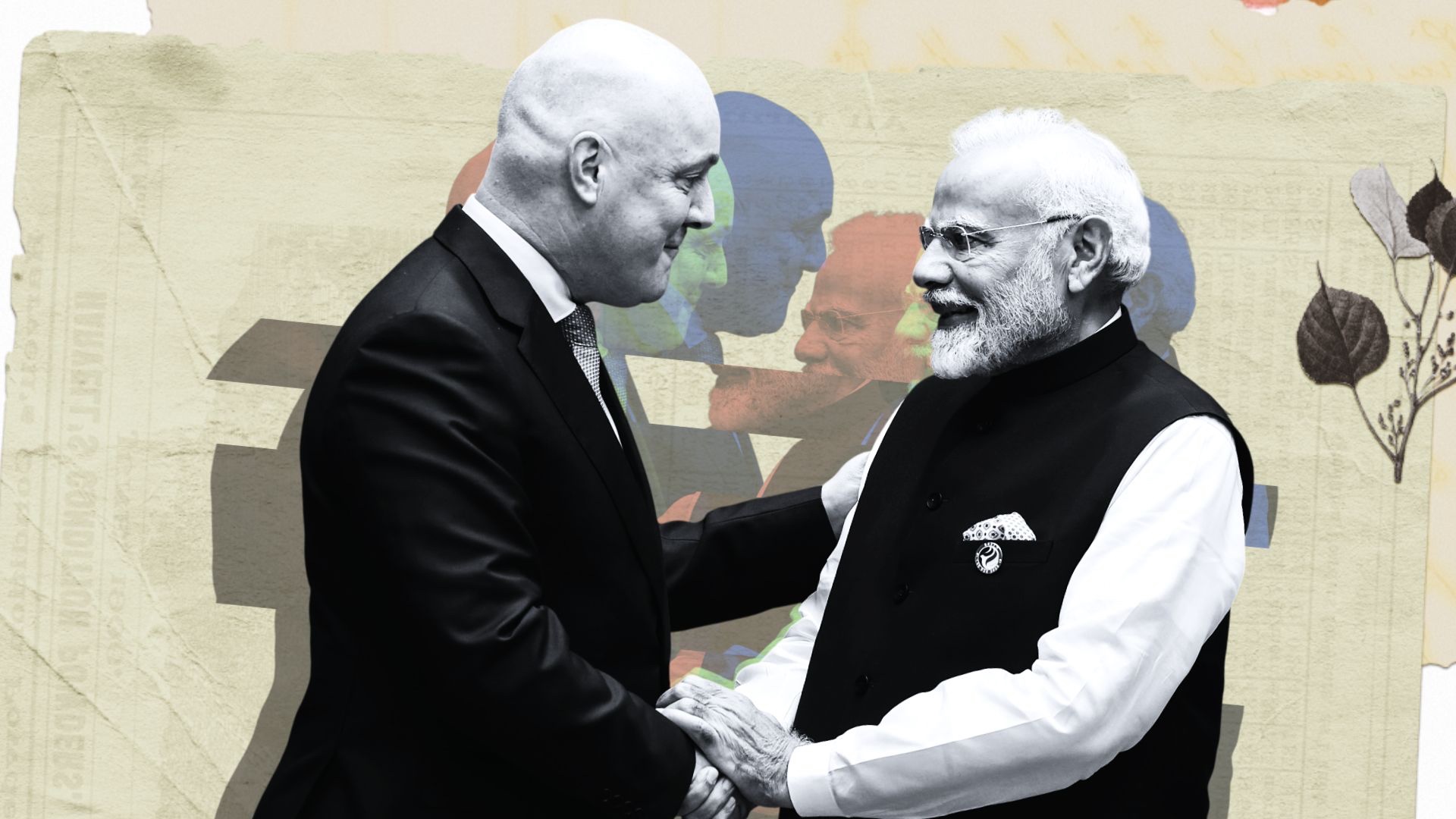
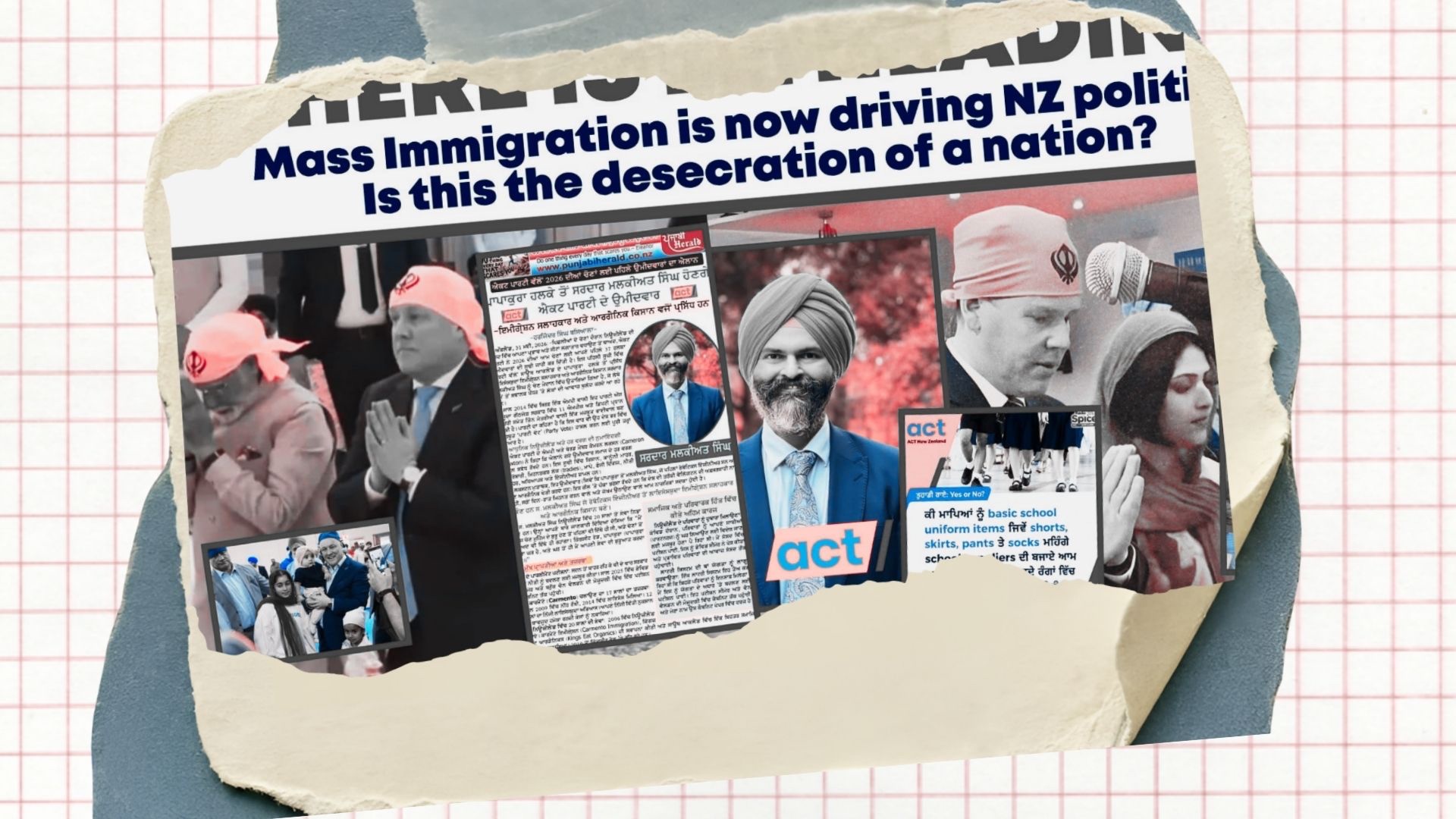
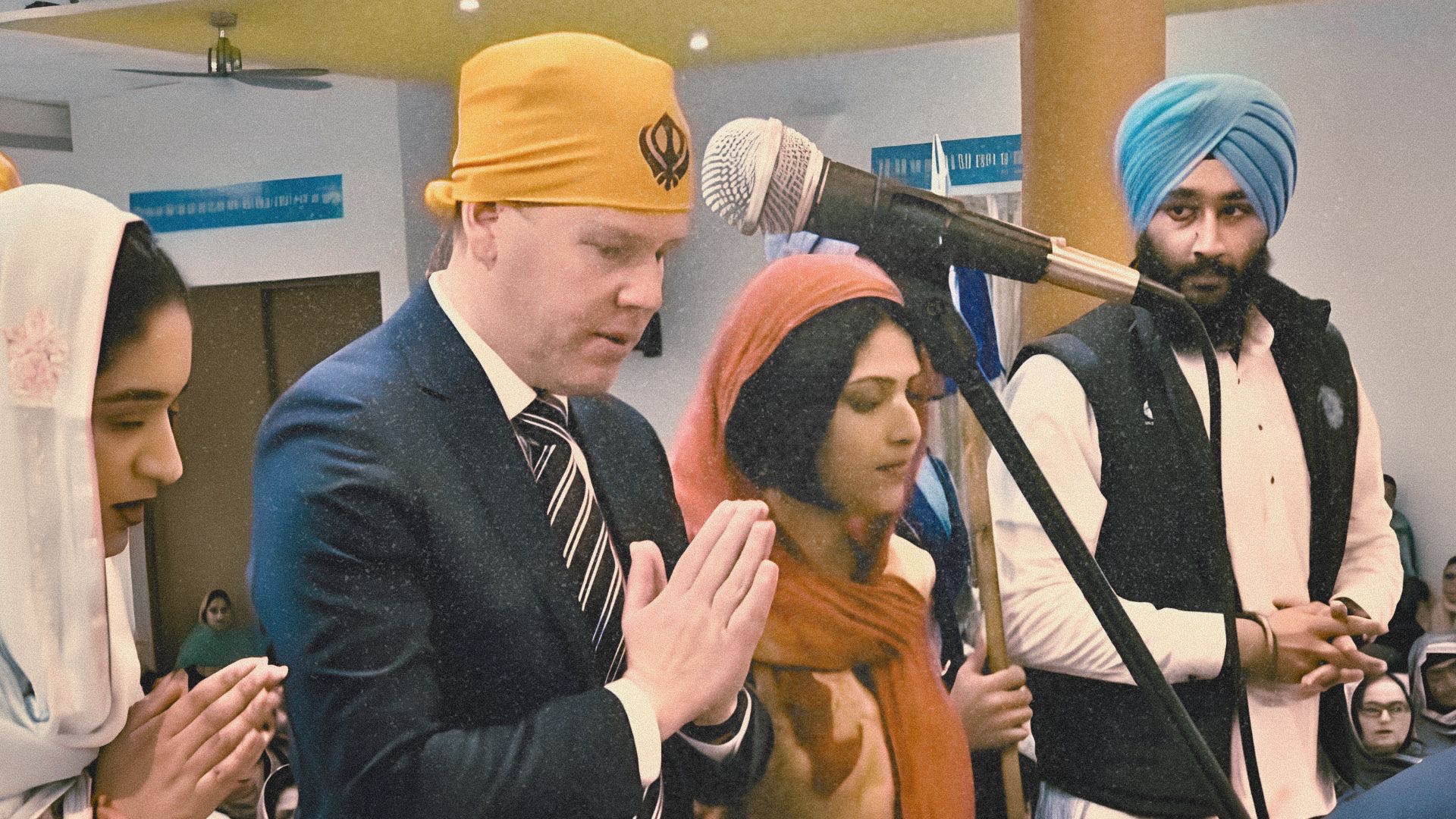
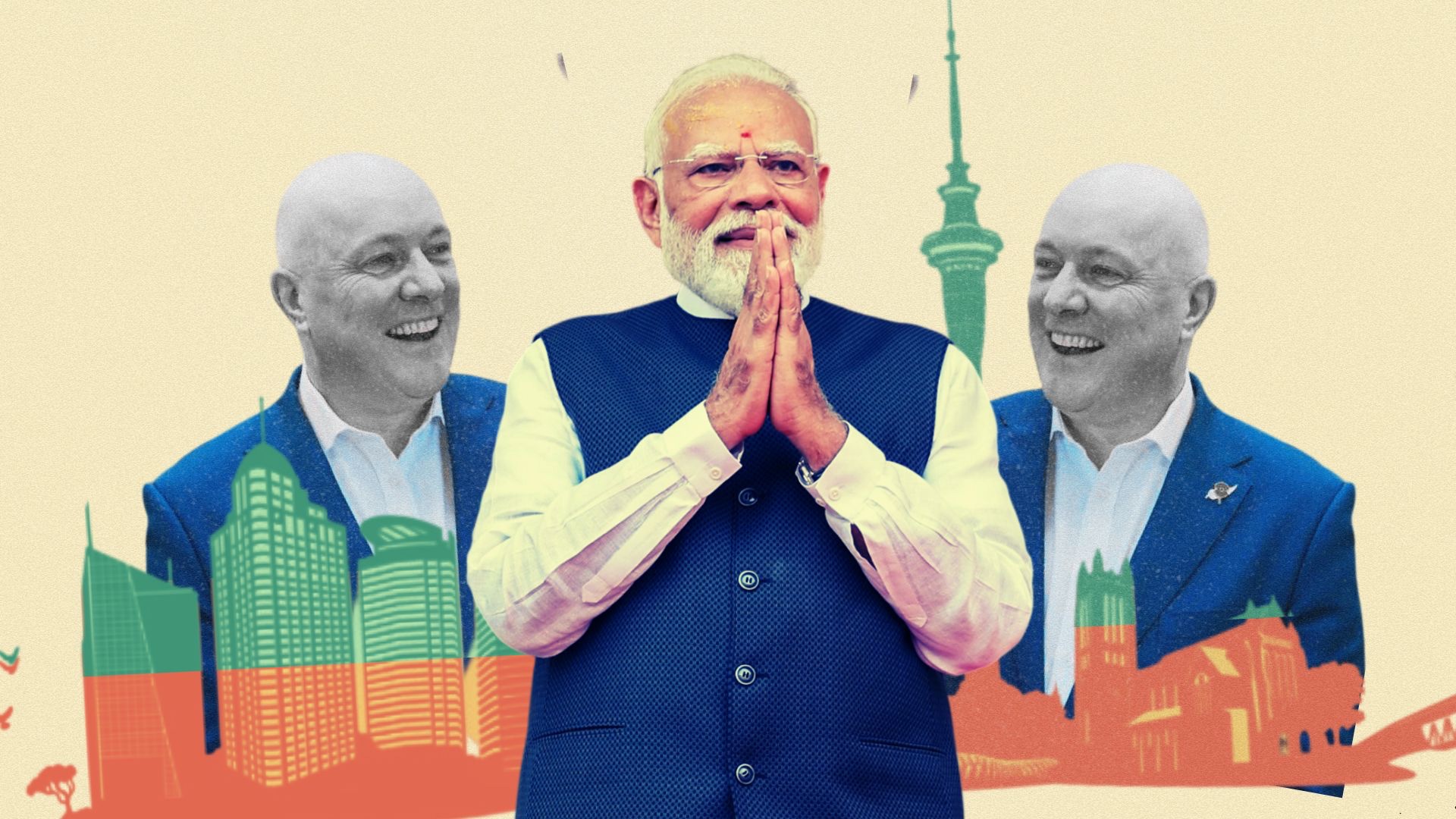
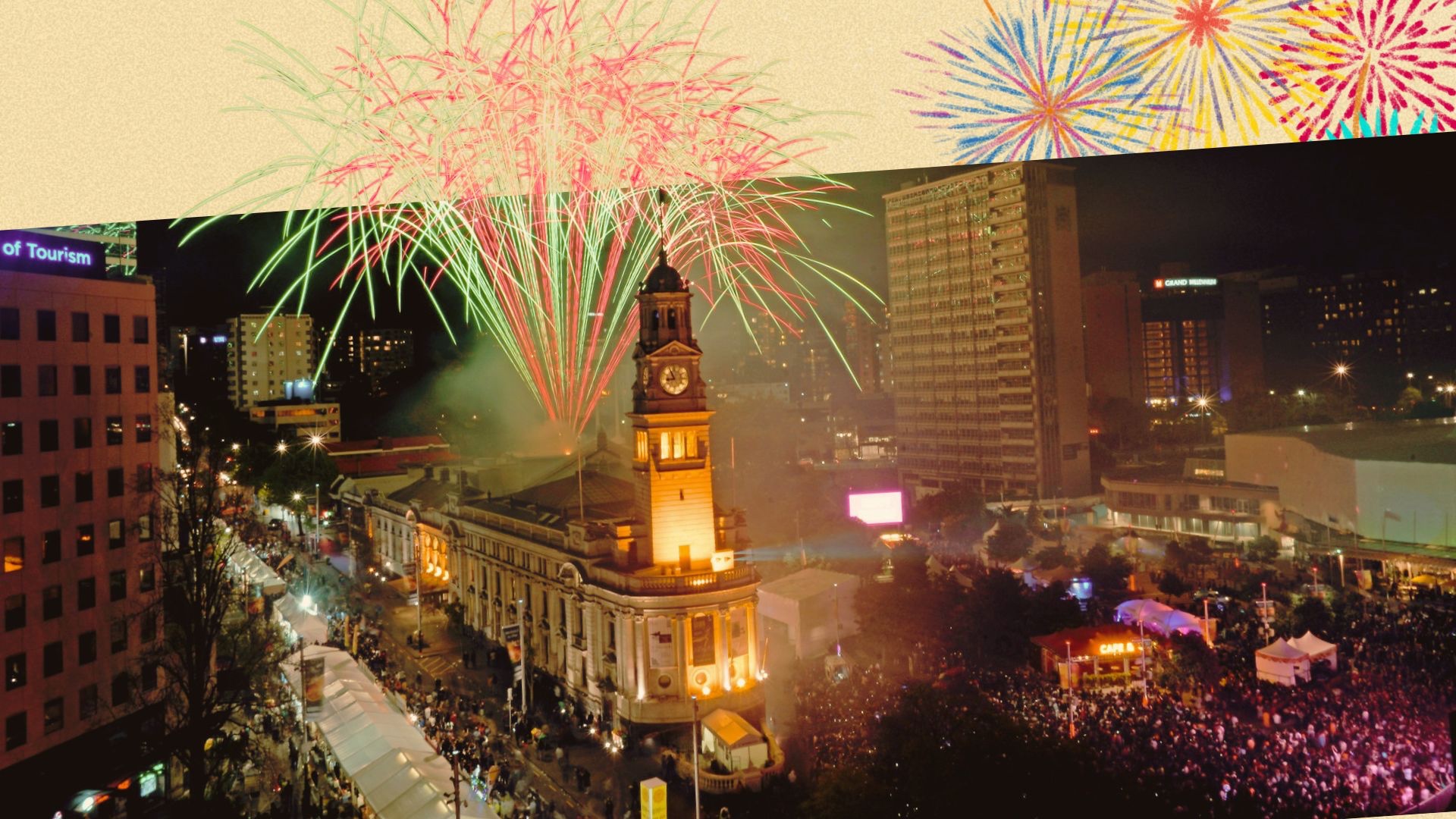
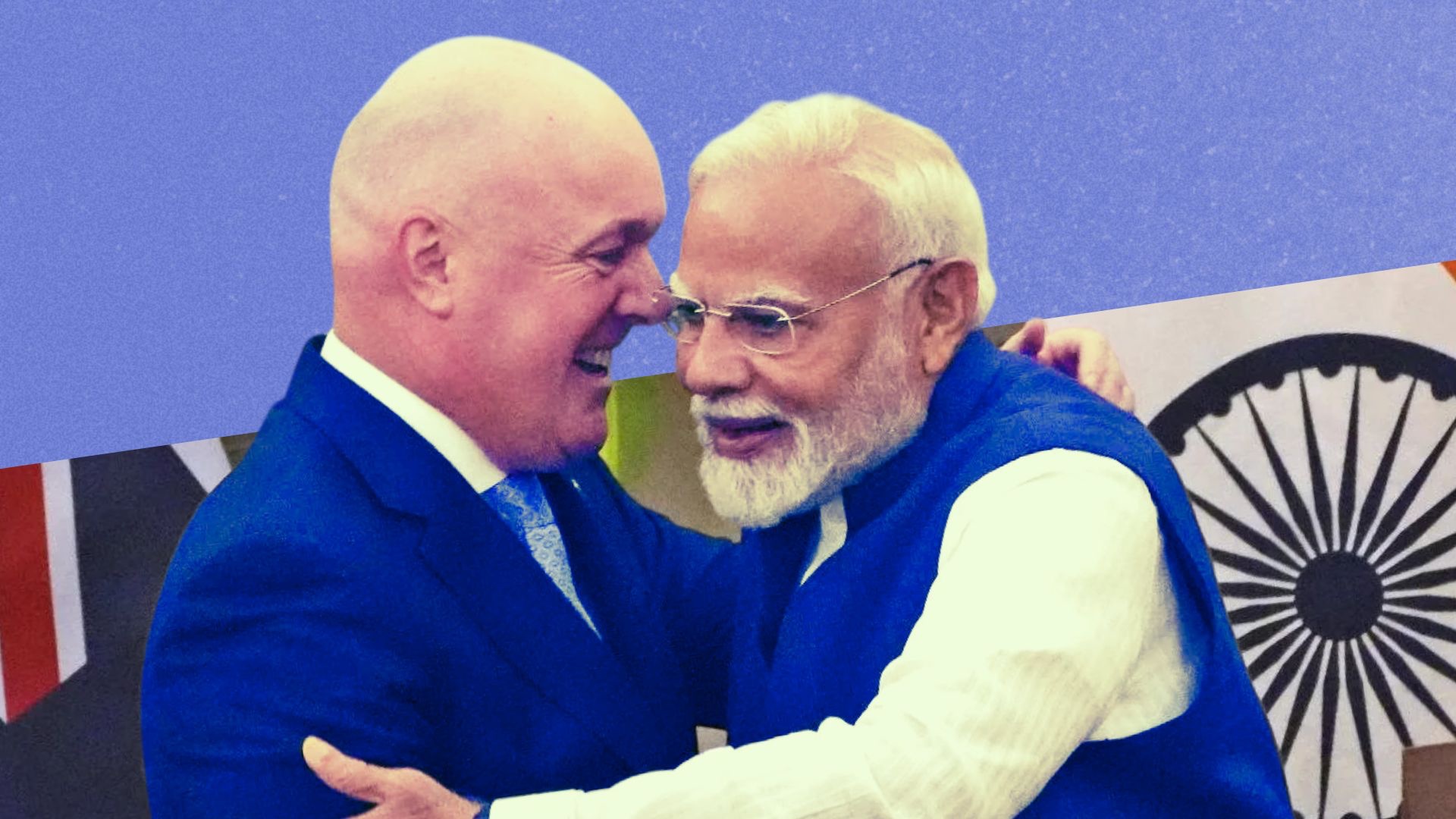
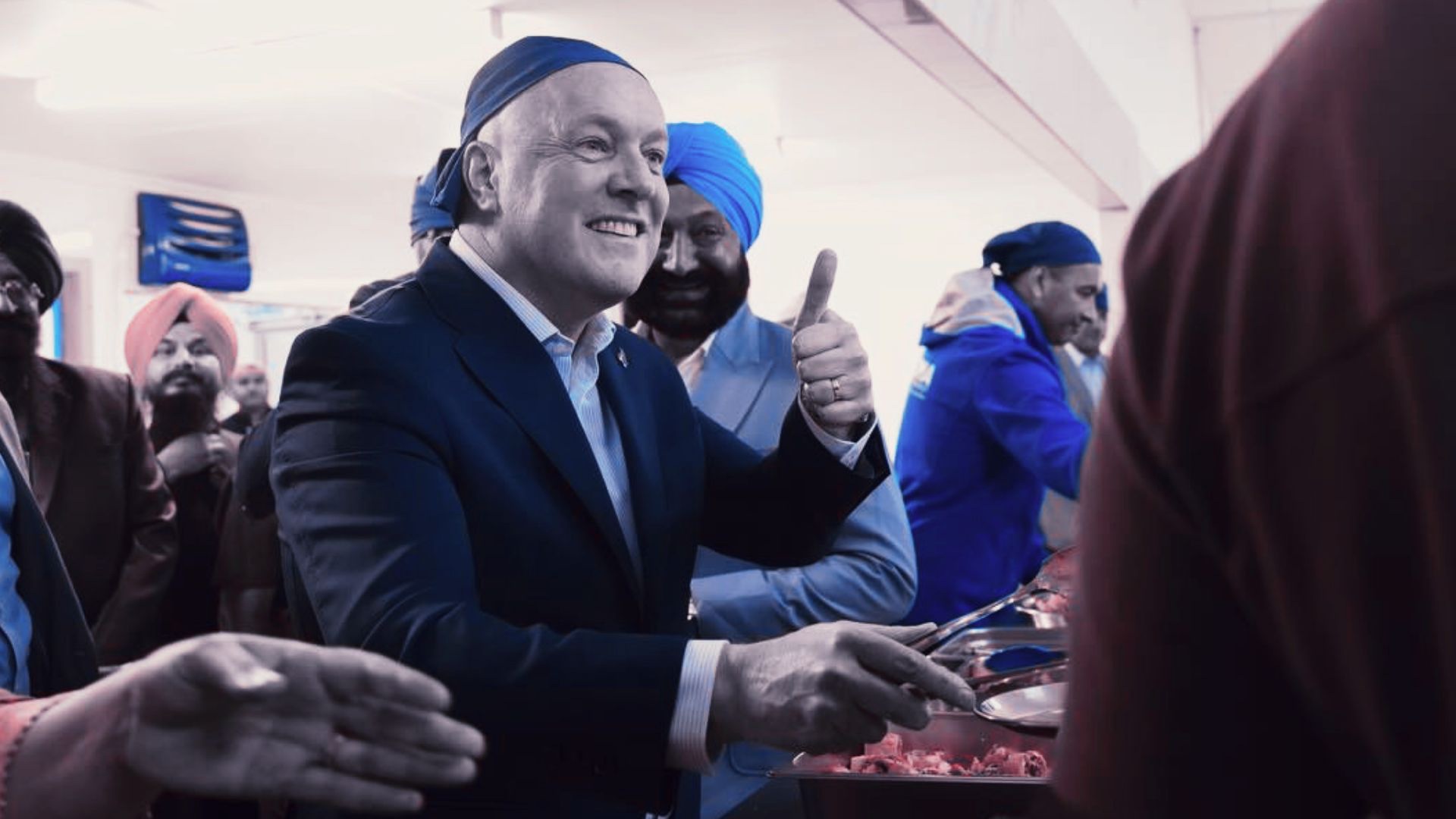
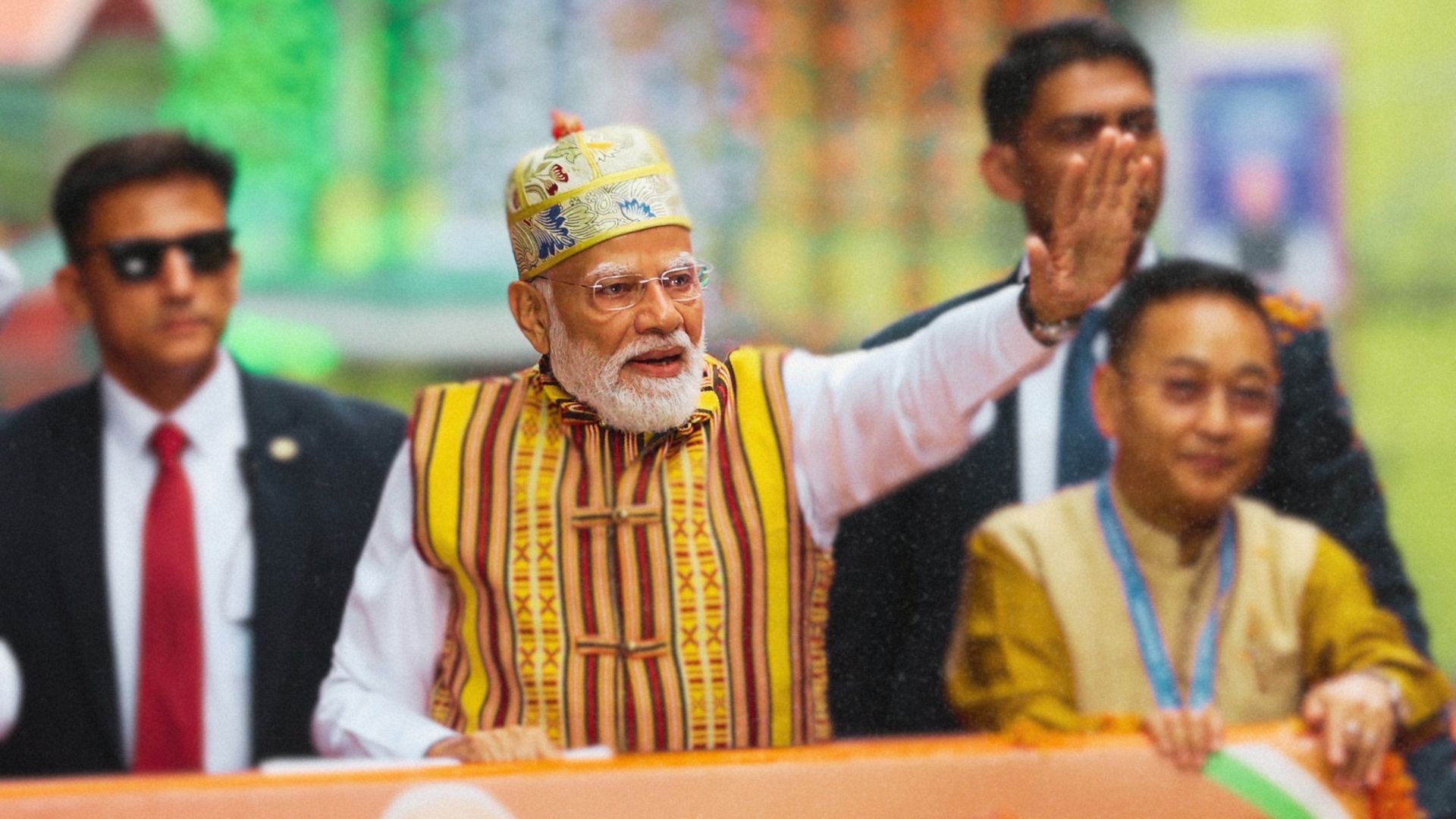
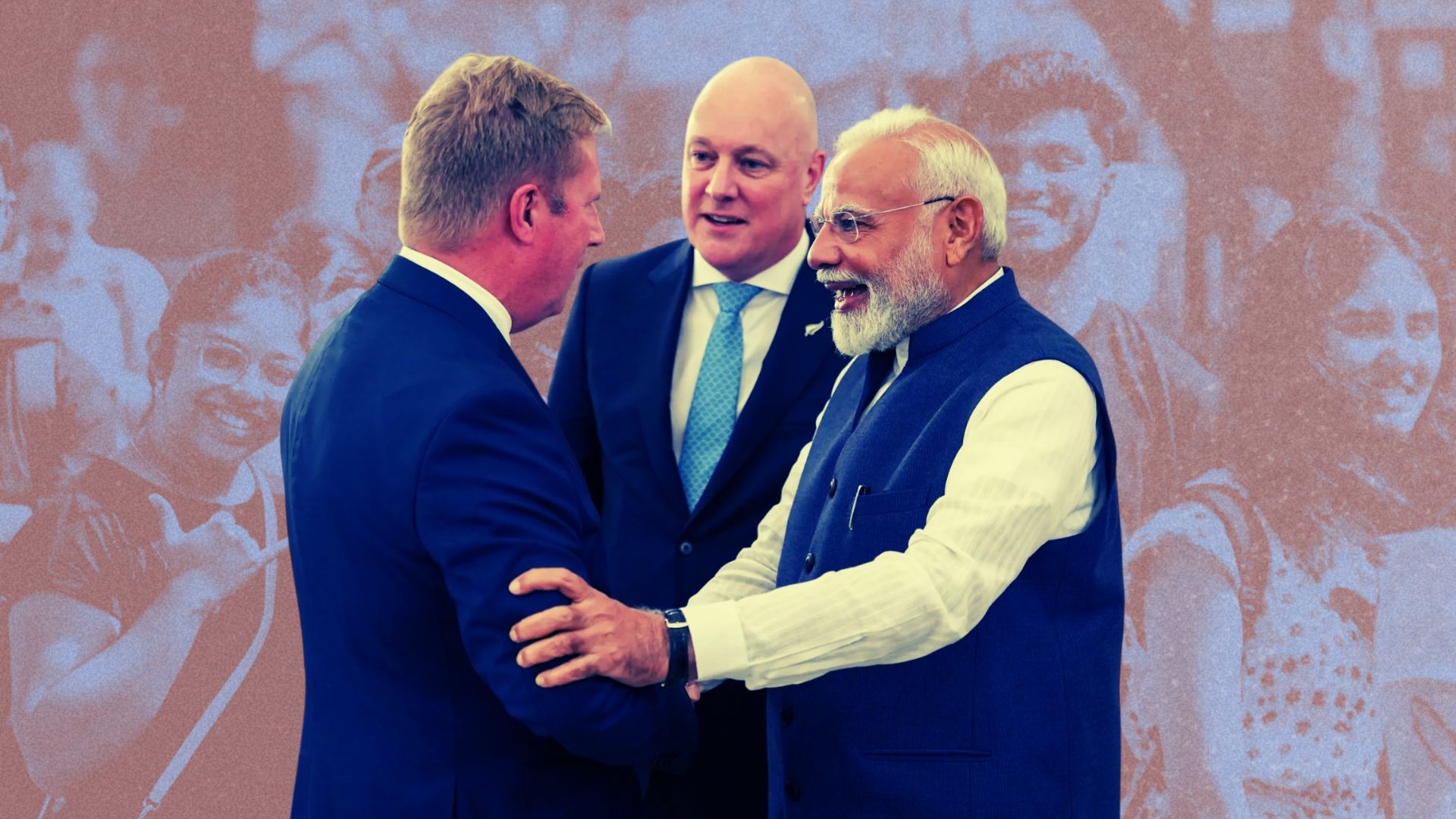
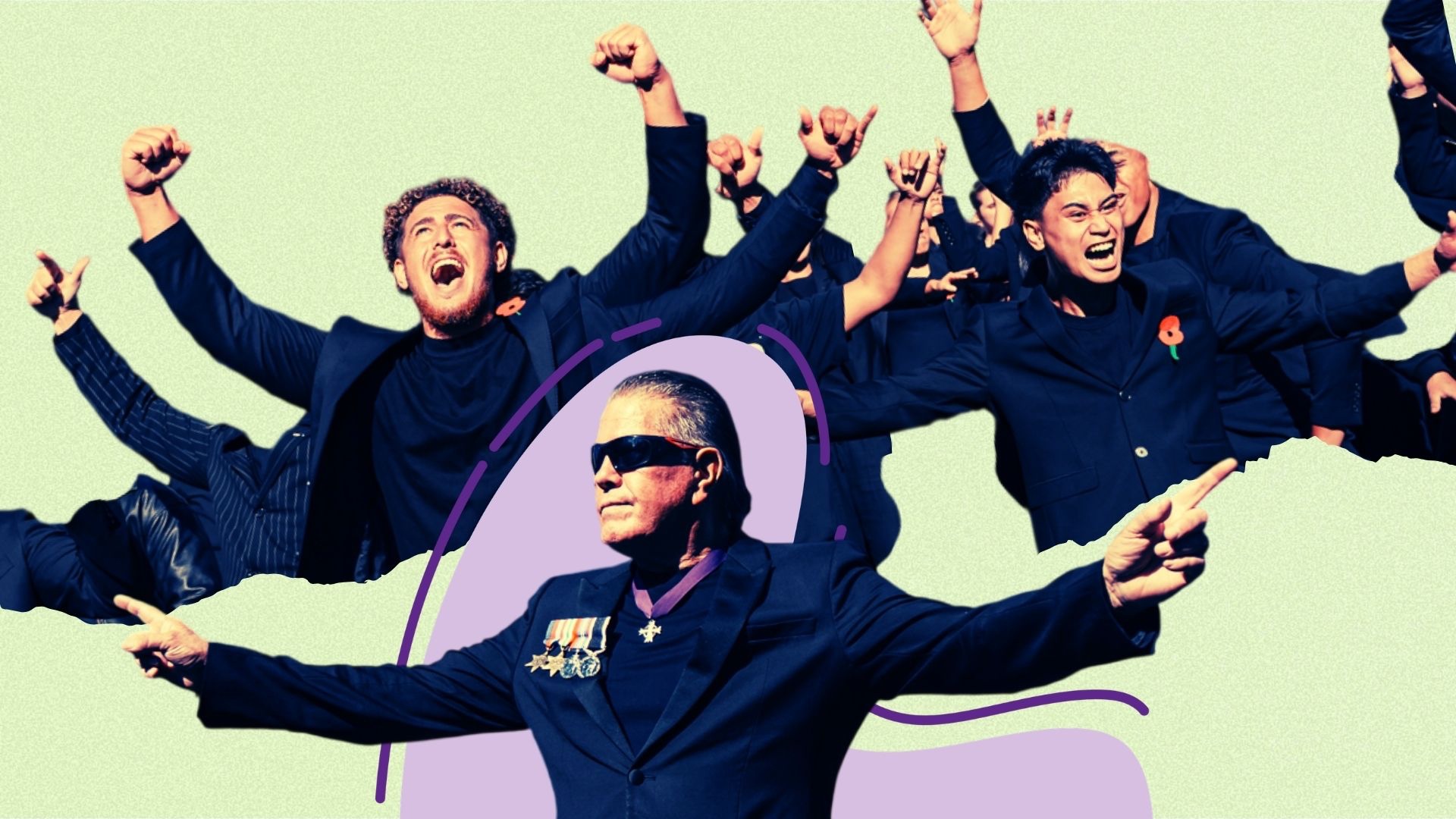
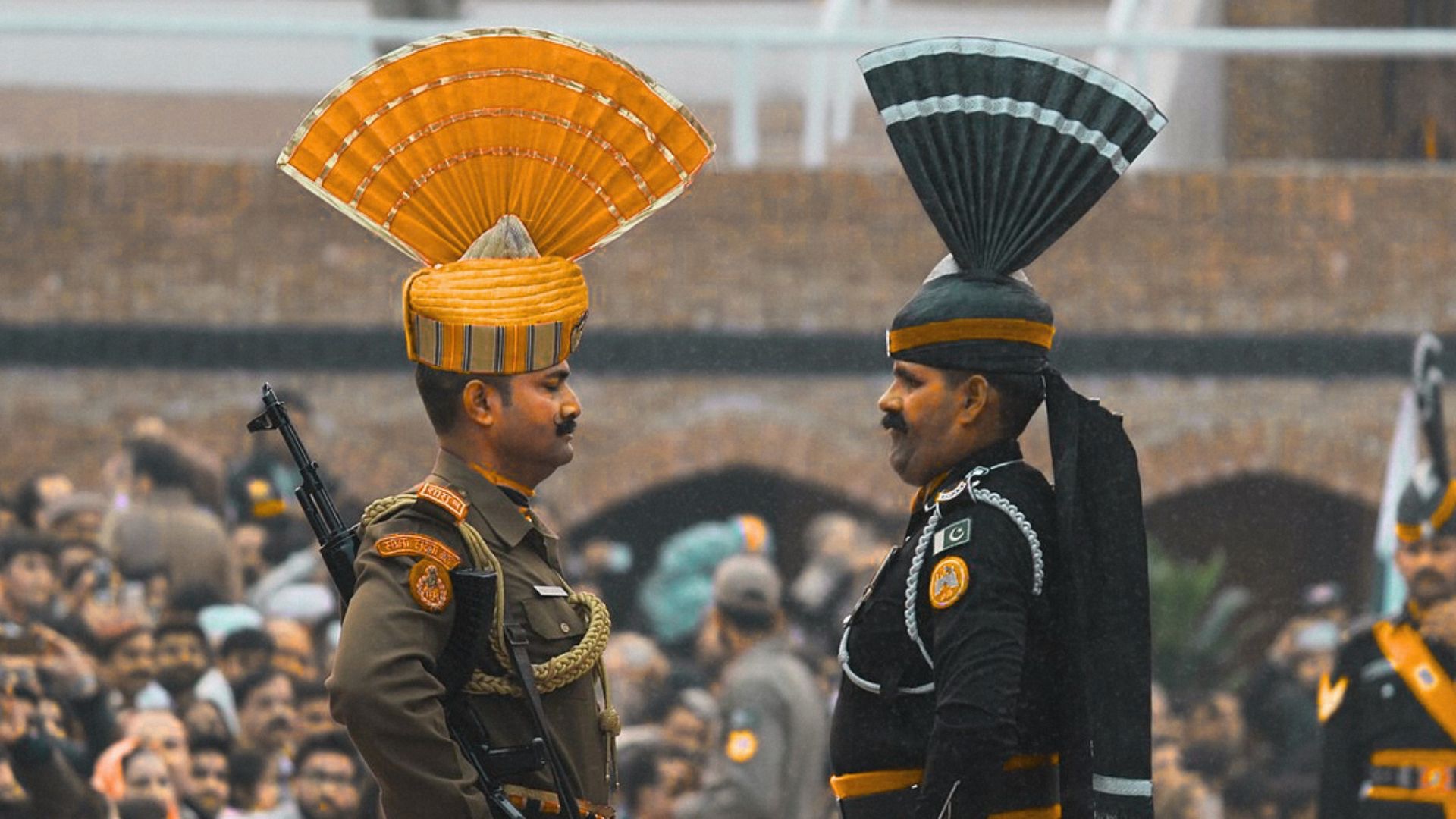
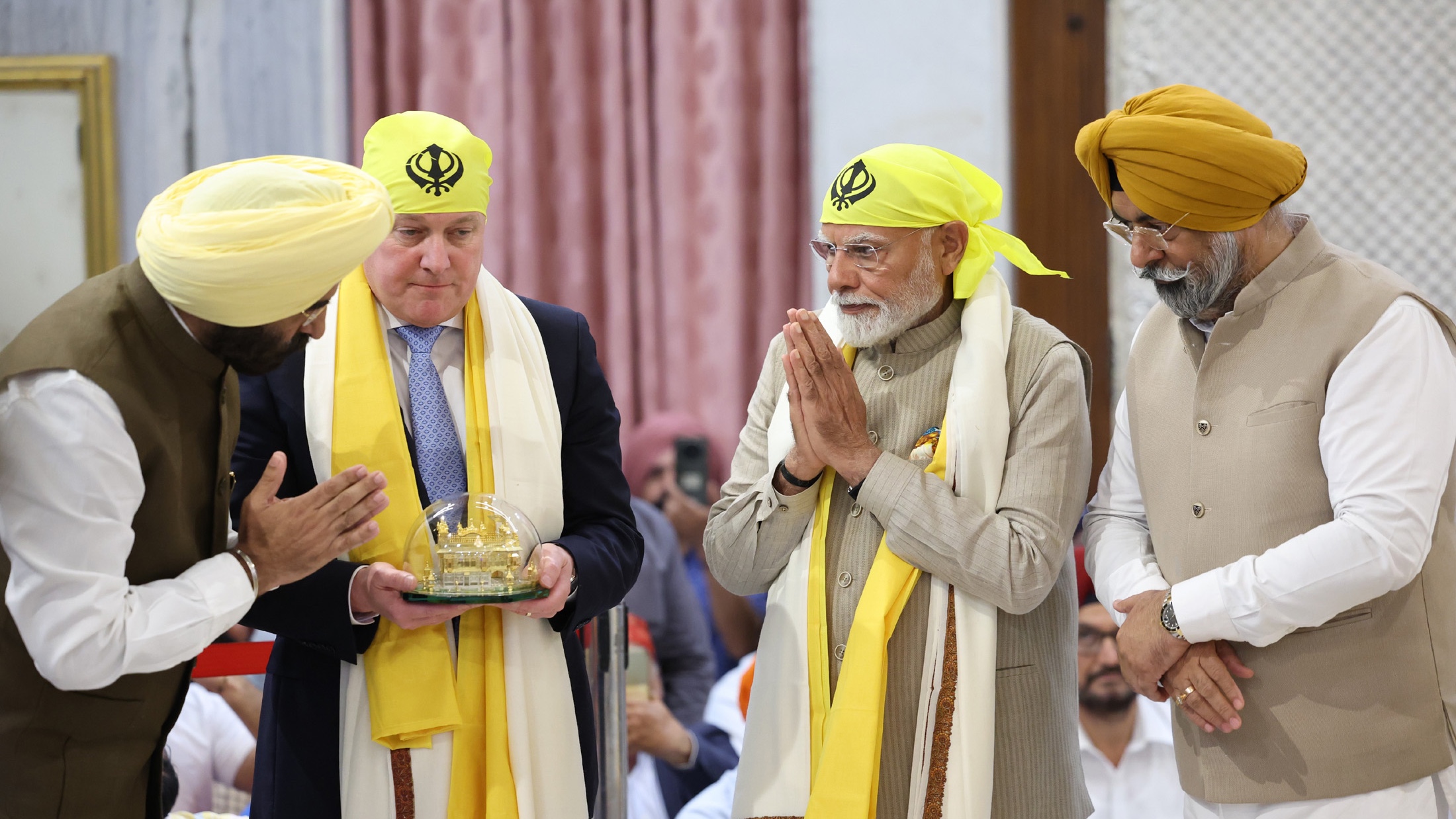
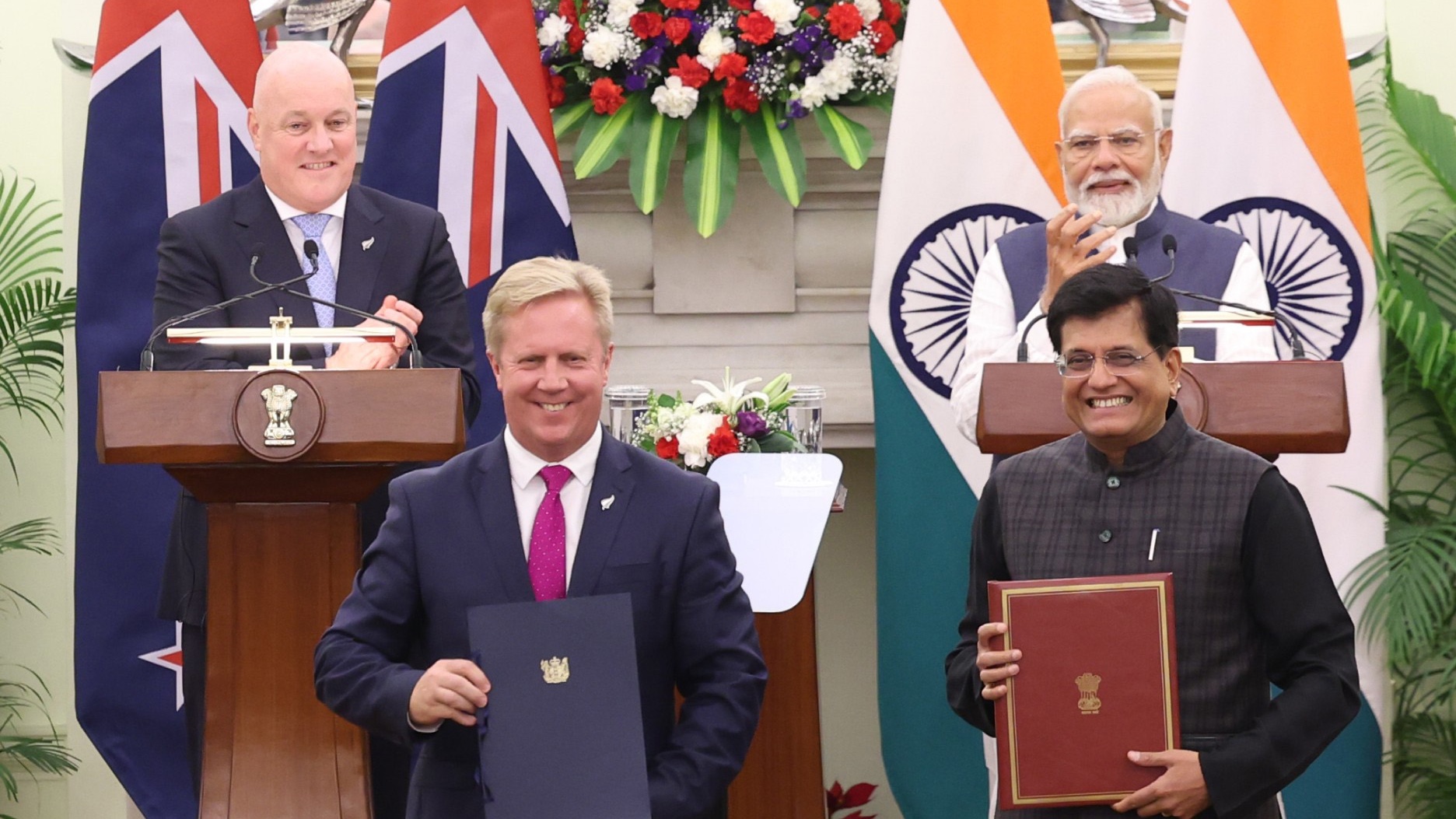
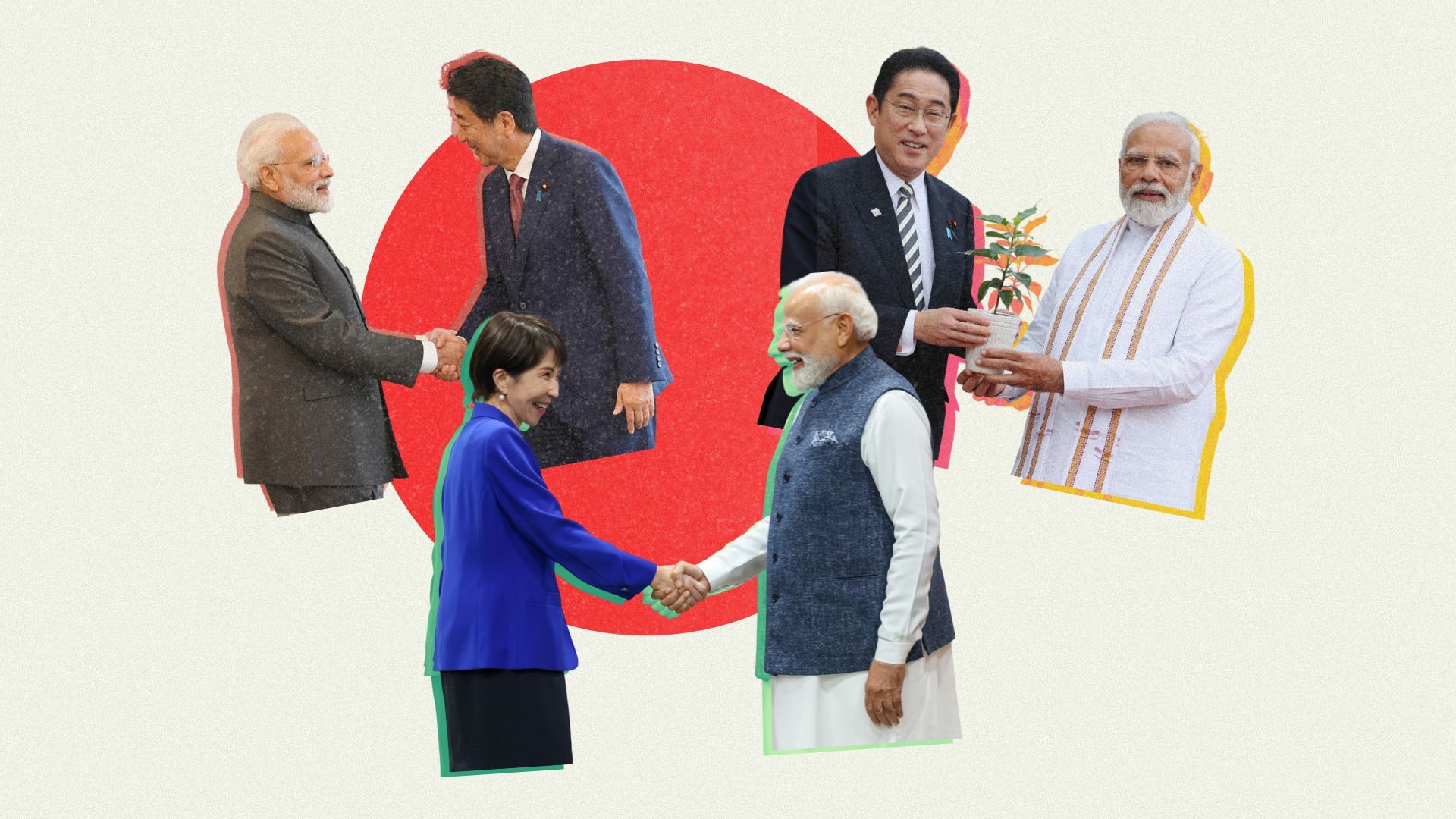
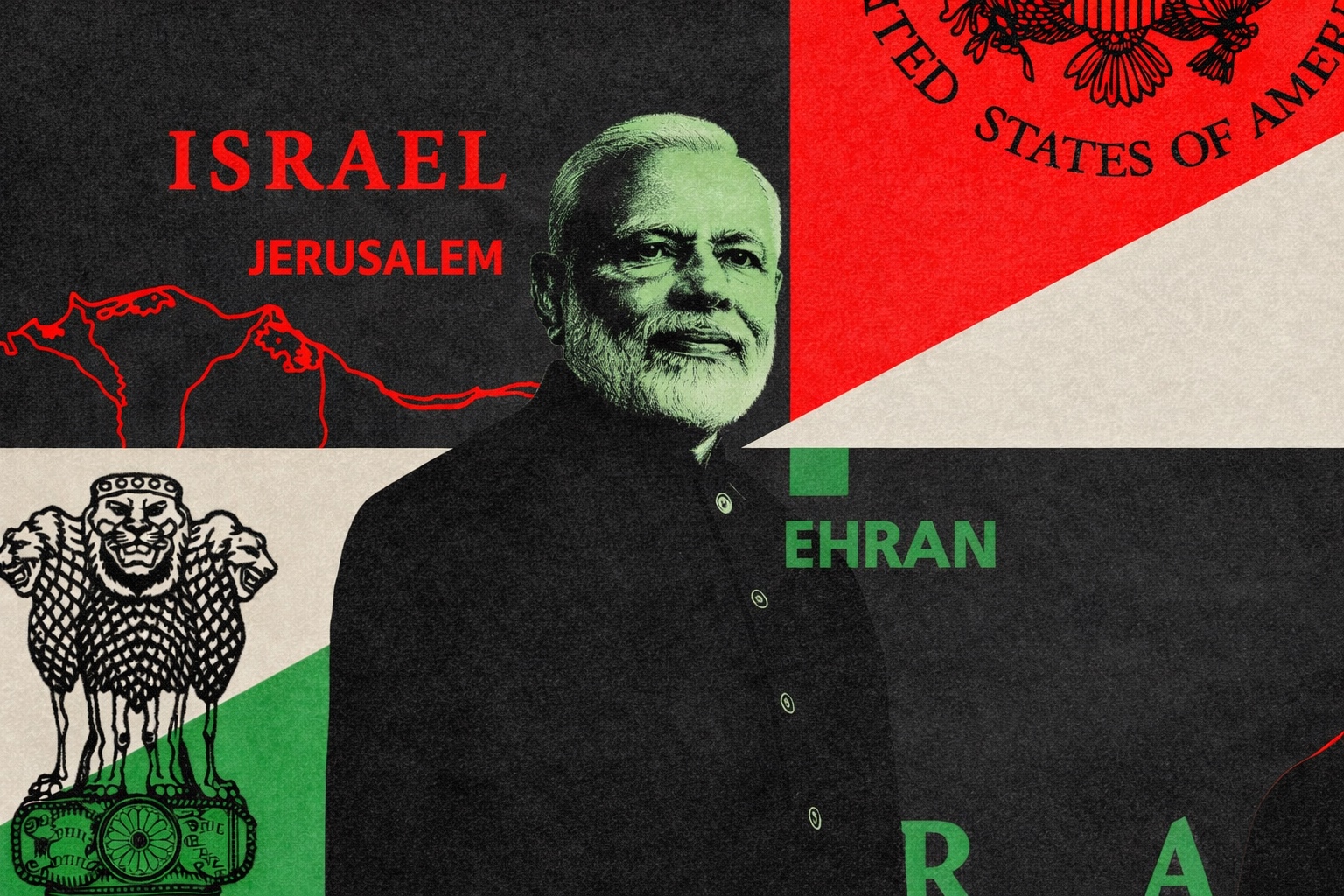
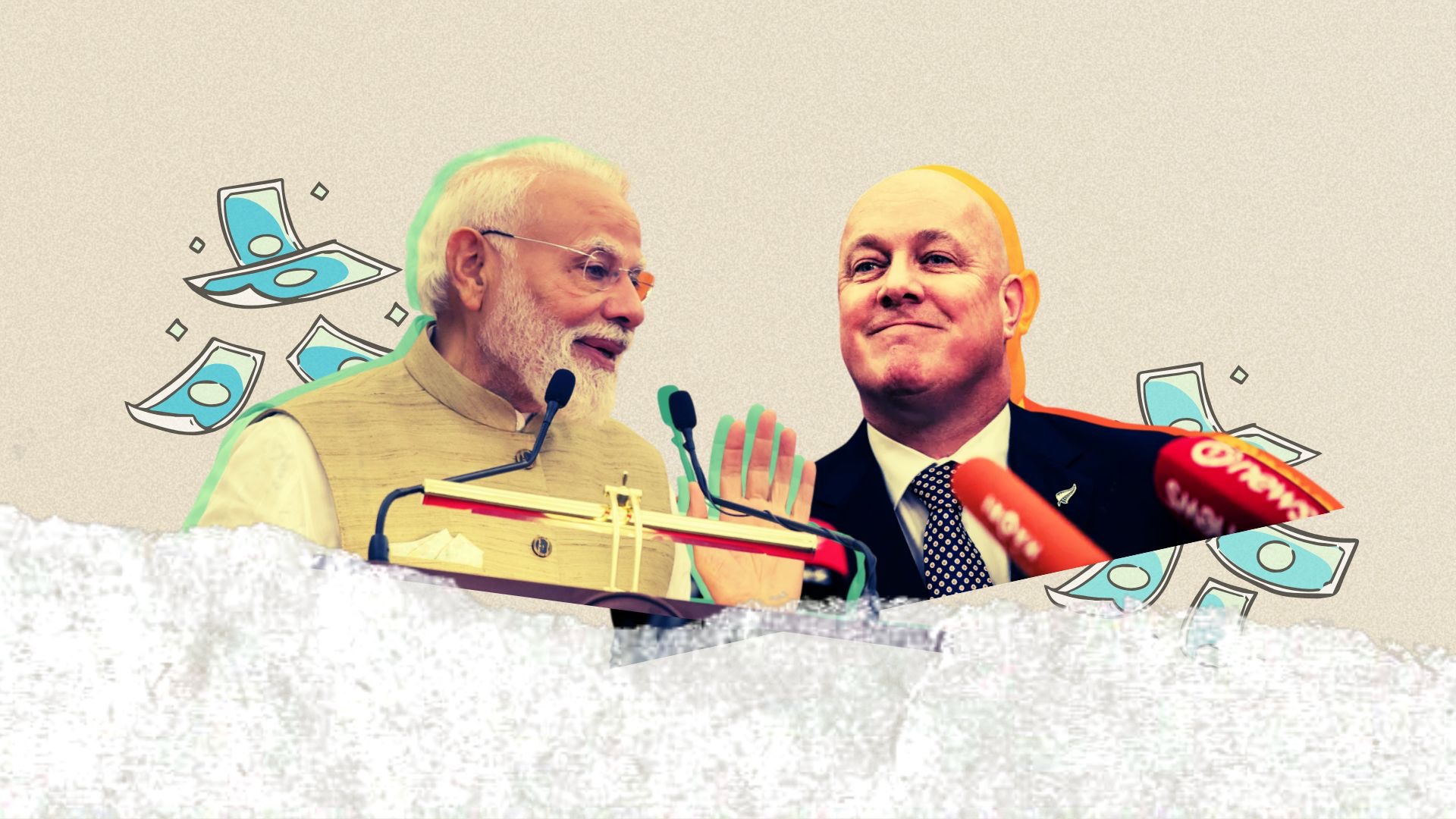
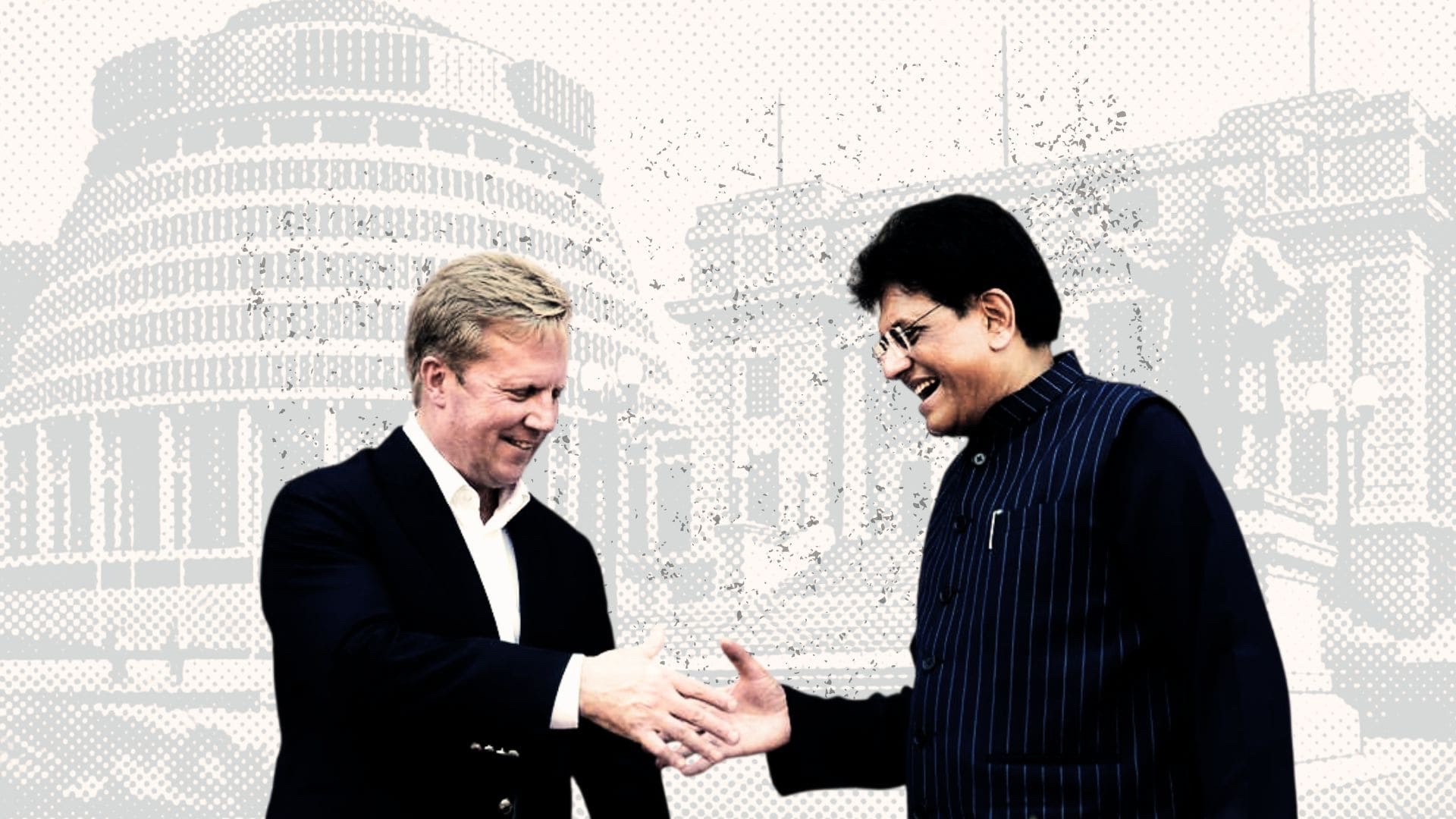
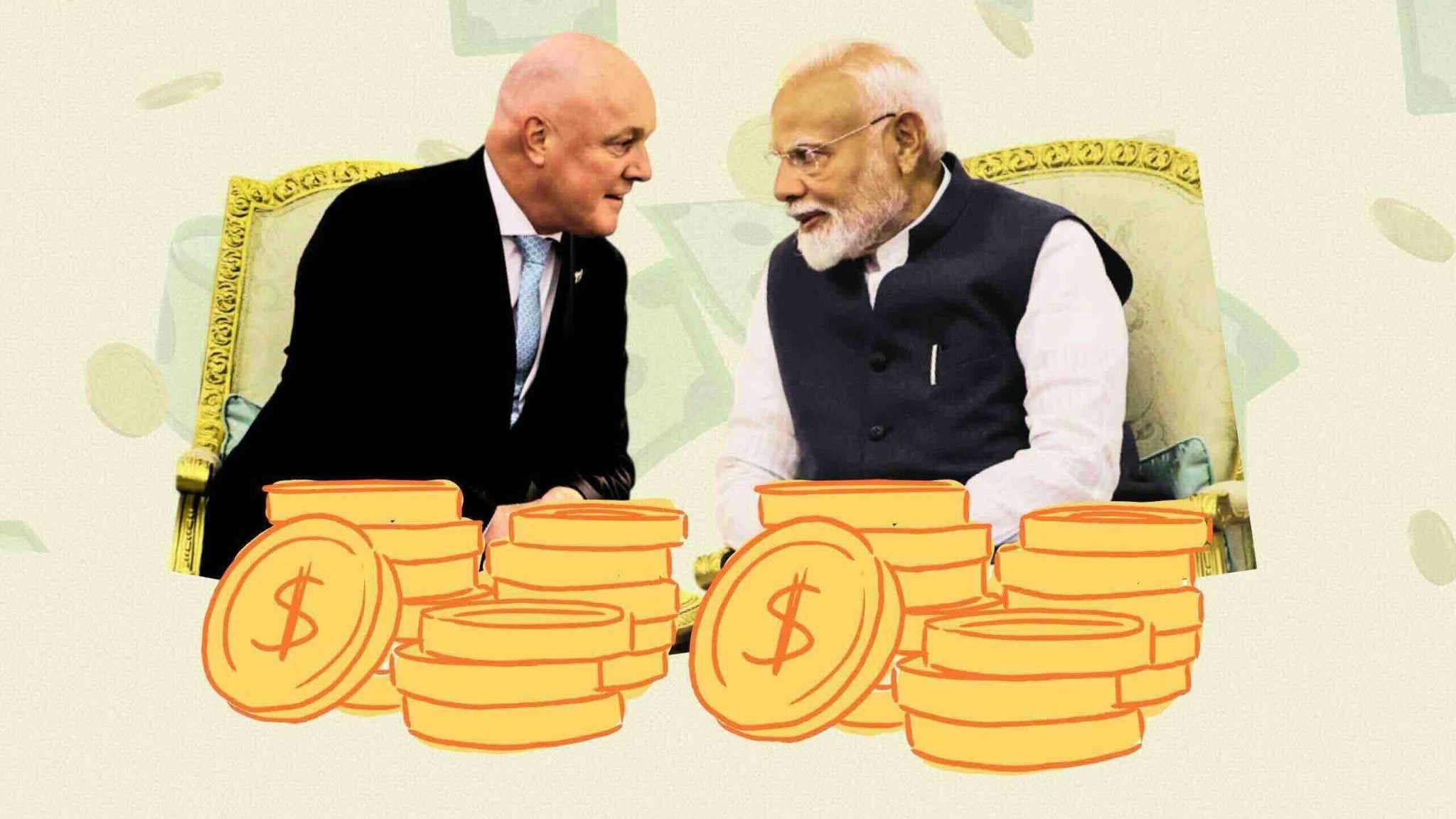
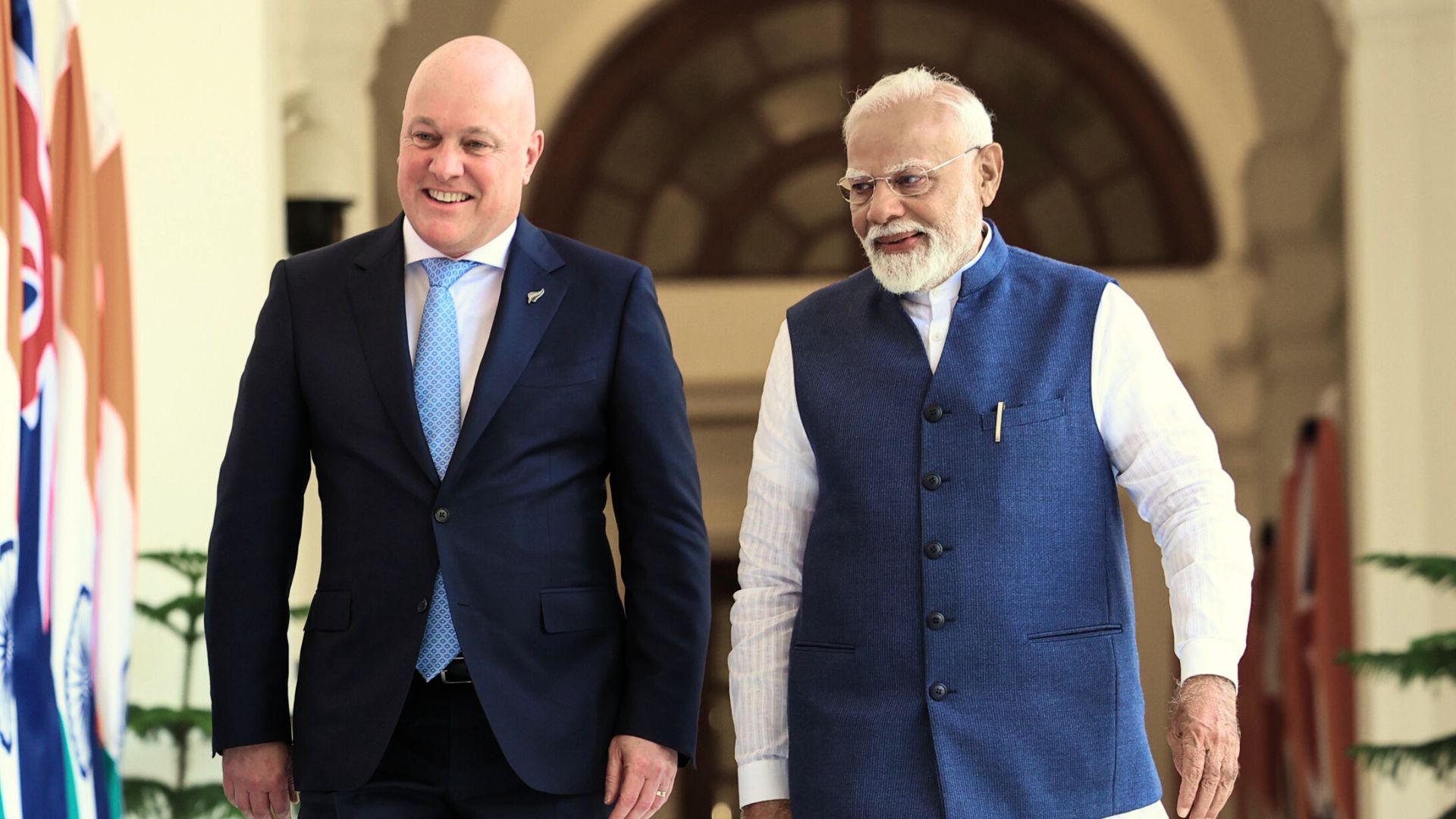
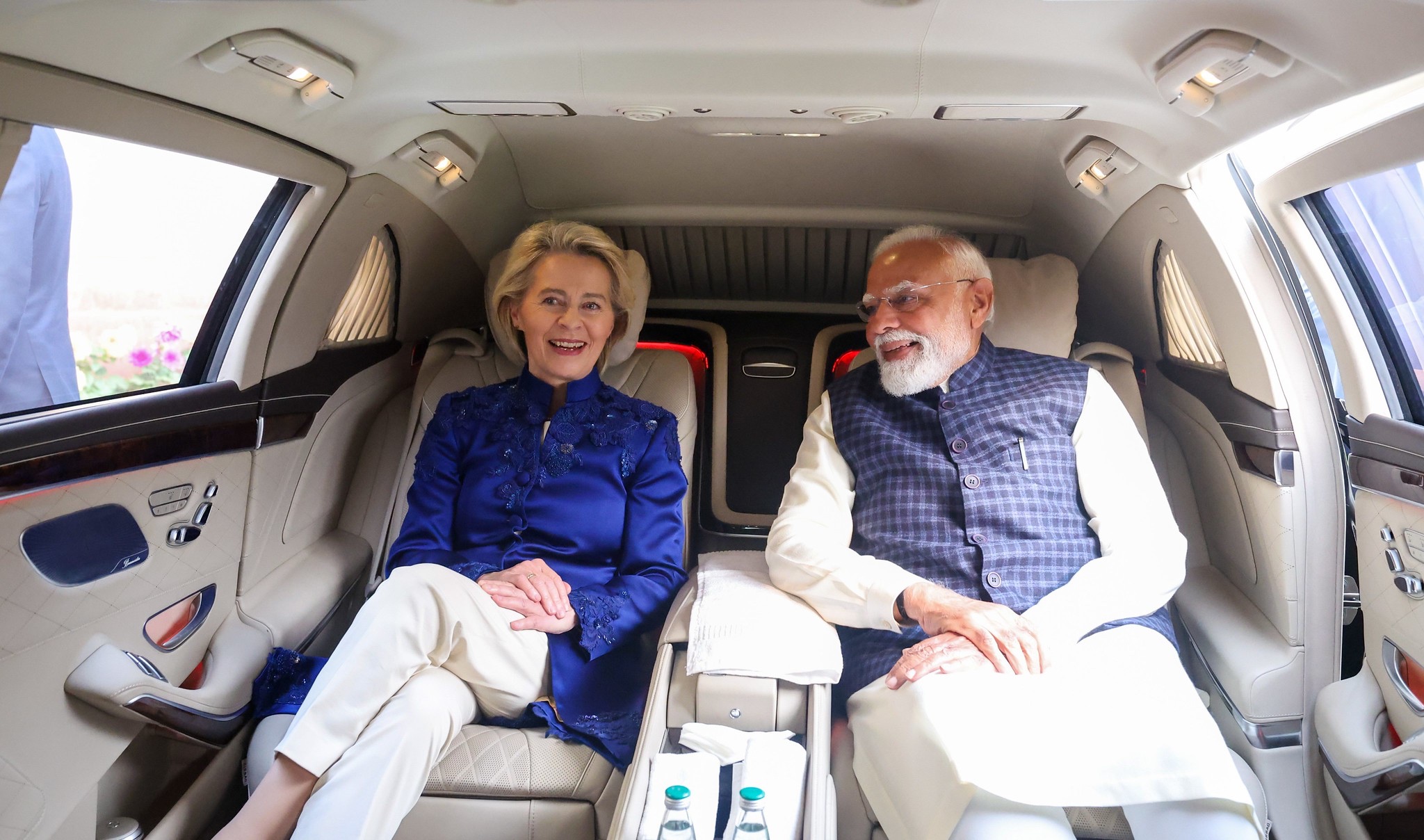
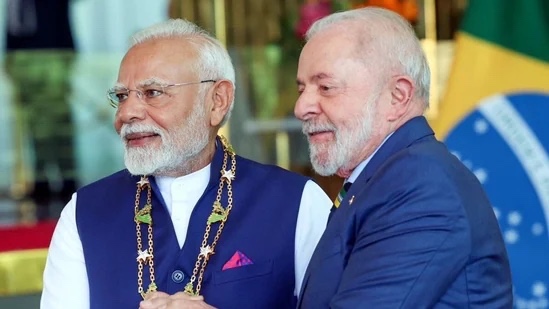
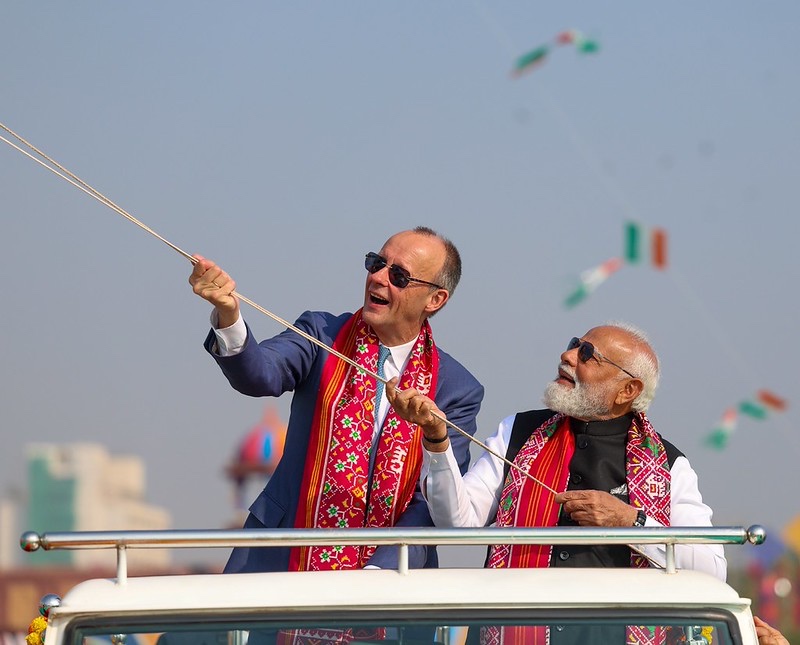
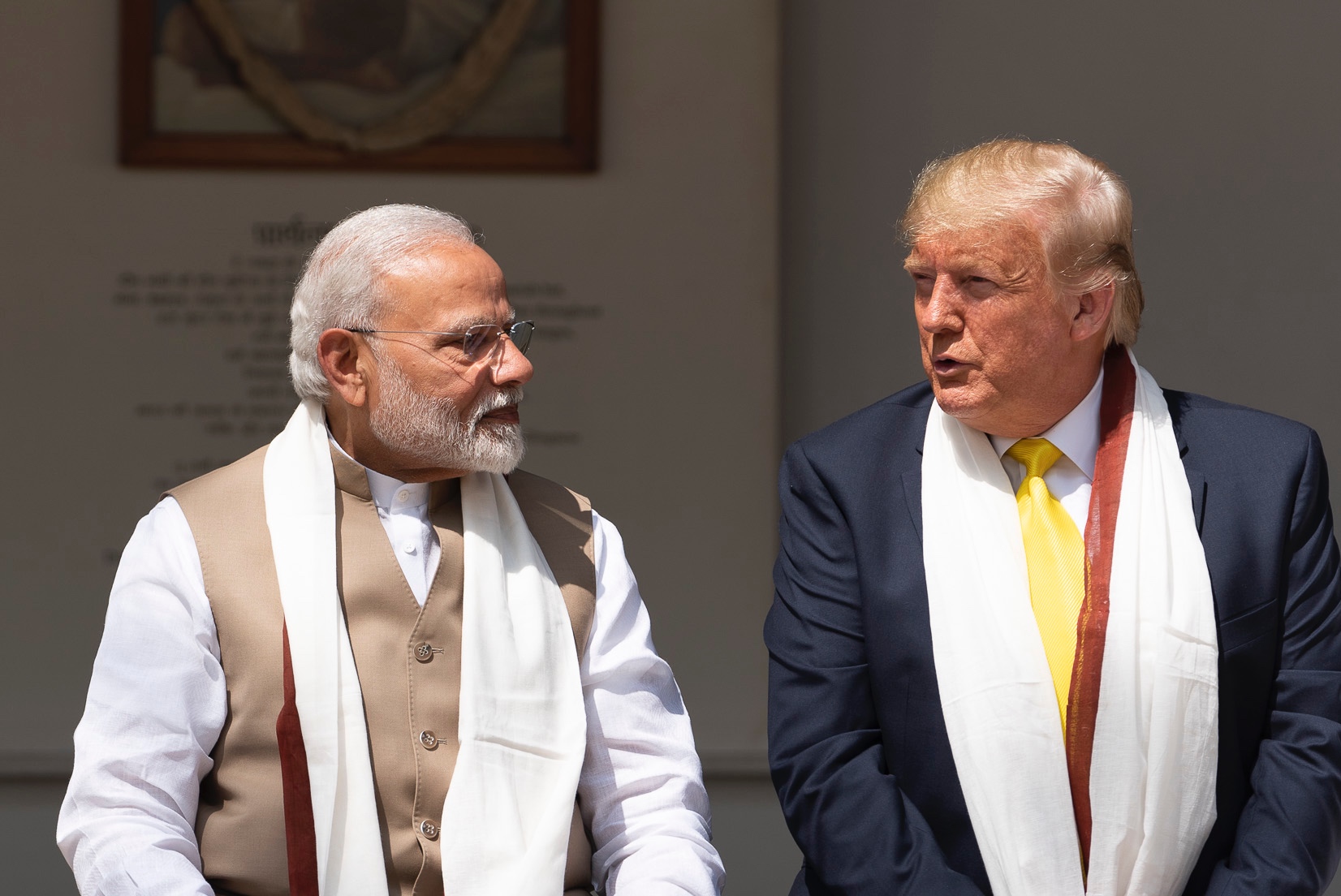
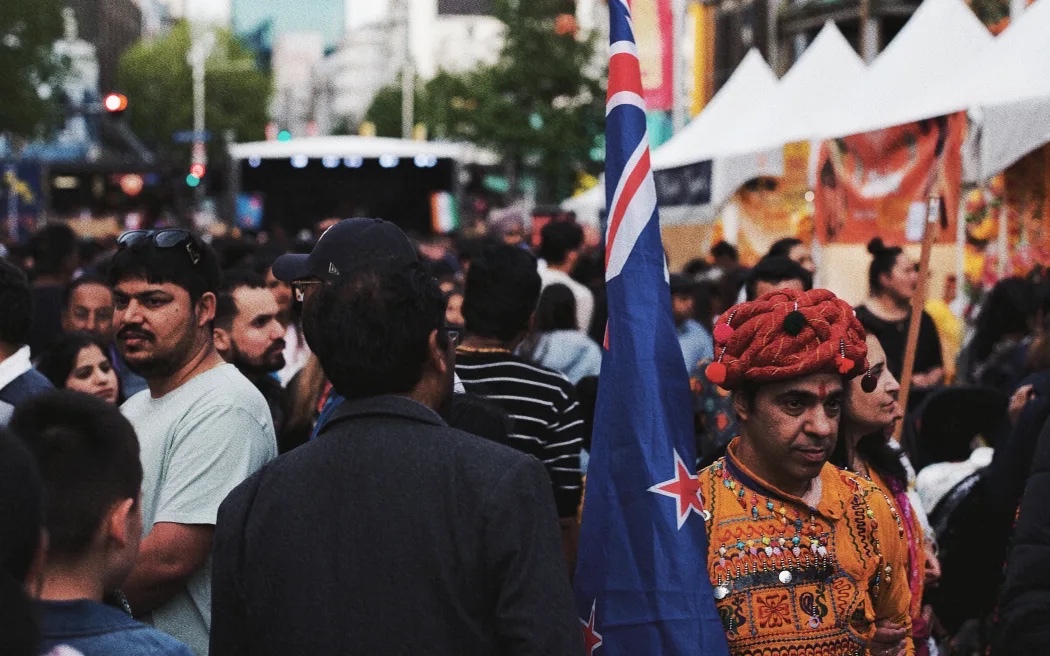
Asked how he could tell the difference, Peters pointed to the reception Modi received during his visit to New Zealand in July.
‘Two types of Indians’: Peters questions Kiwi Indians’ loyalty after watching Modi welcome The New Zealand First leader on why changing passports alone may not make someone a New Zealander.
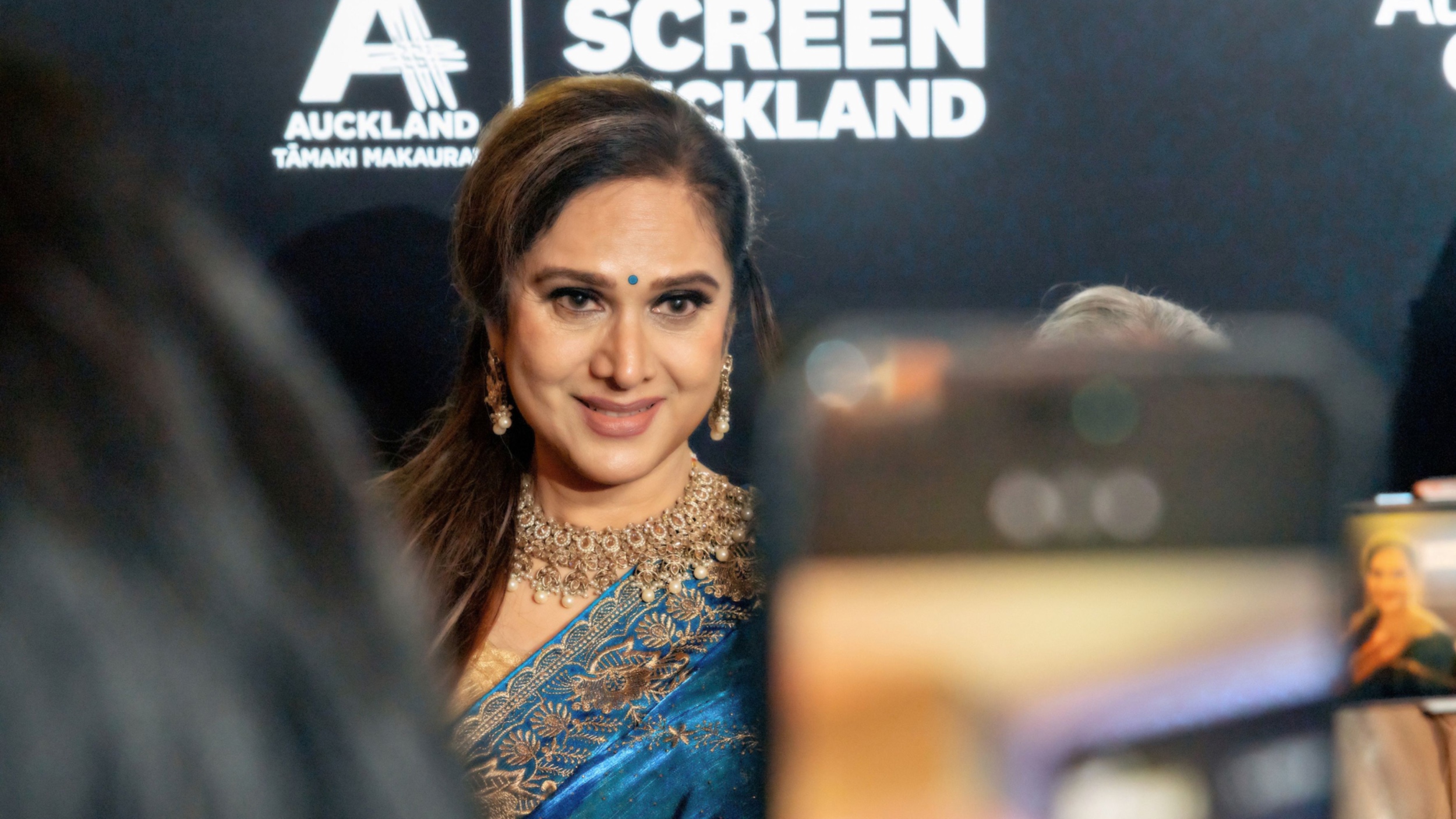
BNZ Diwali rolls out Bollywood red carpet as Meenakshi Sheshadri revisits Damini in Auckland A Screen Auckland-backed cinema showcase is bringing South Asian films into Auckland theatres as part of this year’s Diwali celebrations.
International experts join Auckland’s Ayurveda Day celebrations Diet, yoga and connections with nature were among the themes explored at the event.
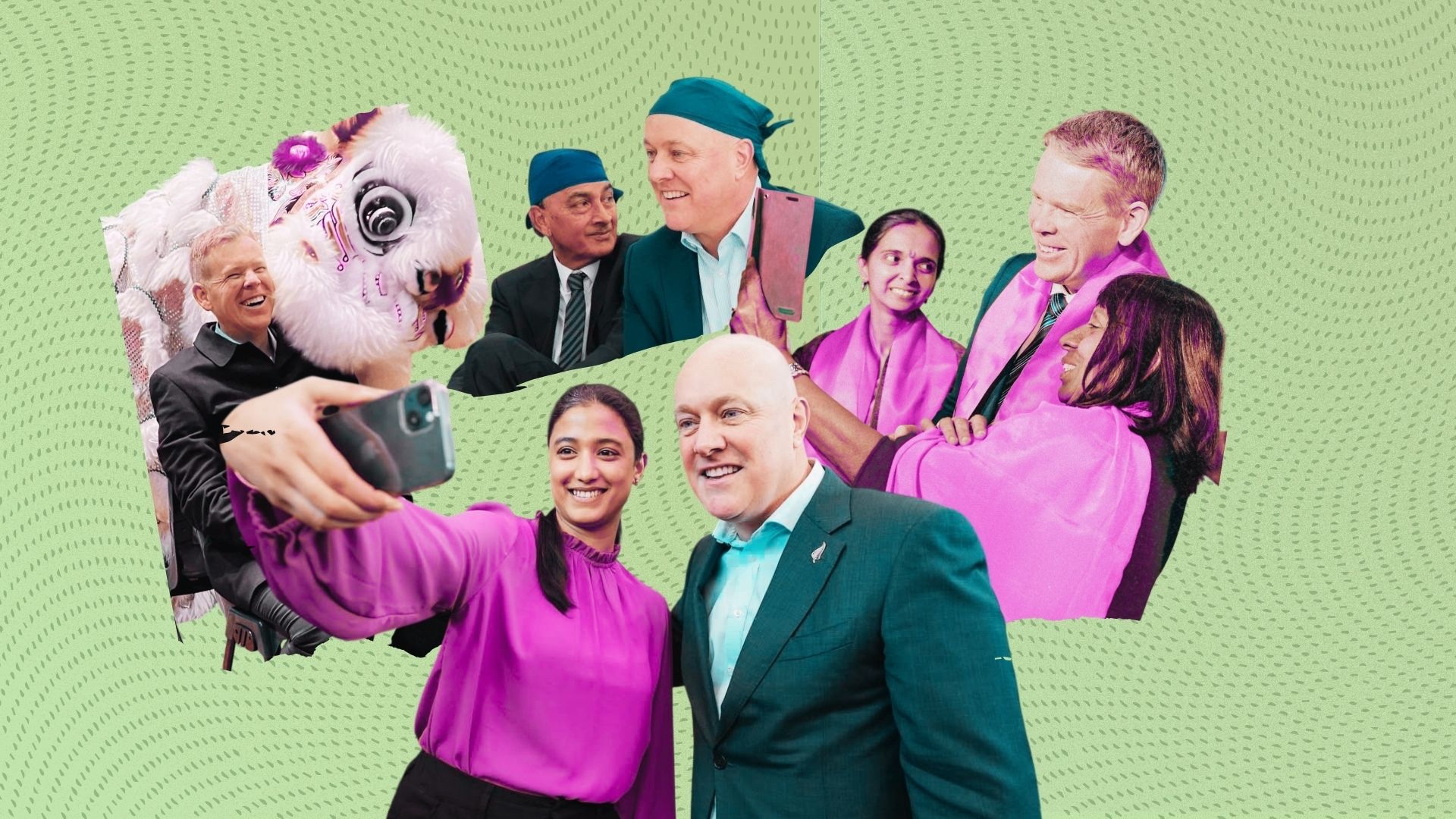
“Well, I saw when Modi arrived exactly what the diaspora looked like,” he said. “I’m having a good, loud look, and I thought, which country do these people salute?”
Peters acknowledged that people's allegiances were ultimately their own business, but made clear where he believed New Zealand should sit for migrants who had made the country their home.
“It’s their business, it’s their democracy,” he said, before adding: “I’m trying to build a country where we also, no matter what our background is, we think a country called New Zealand is the most important part of our ownership.”
The remarks came after Peters was asked whether migrants could maintain a cultural and historical attachment to their country of origin while also giving their allegiance to New Zealand.
It was part of a broader exchange in which he drew distinctions between a migrant's legal rights, cultural identity and sense of national belonging.
On rights, Peters was unequivocal. “My belief and my party’s belief is the day you are here legally, you have the same right as anybody’s been here for hundreds of years,” he said.
“That’s our party’s policies written into our principles. You have the same rights, the same everything.”
Watch the full episode
The conversation became more complicated when Peters was asked what assimilation meant and what New Zealand expected of migrants.
Peters raised Fiji as an example, saying there had historically not been “a great deal of assimilation” there and pointing, among other things, to a lack of intermarriage.
He stressed that people were entitled to marry whomever they wanted, before saying assimilation was less about that than accepting the laws and norms of the country in which someone lived.
That prompted a follow-up on the distinction between obeying a country's laws and assimilating into its culture.
Asked specifically whether intermarriage was, therefore, a major yardstick of cultural assimilation, Peters replied, “Not necessarily.”
He said he respected differences between people, while arguing New Zealand was still trying to create a common country and that “in the end, it comes down to respect for people”.
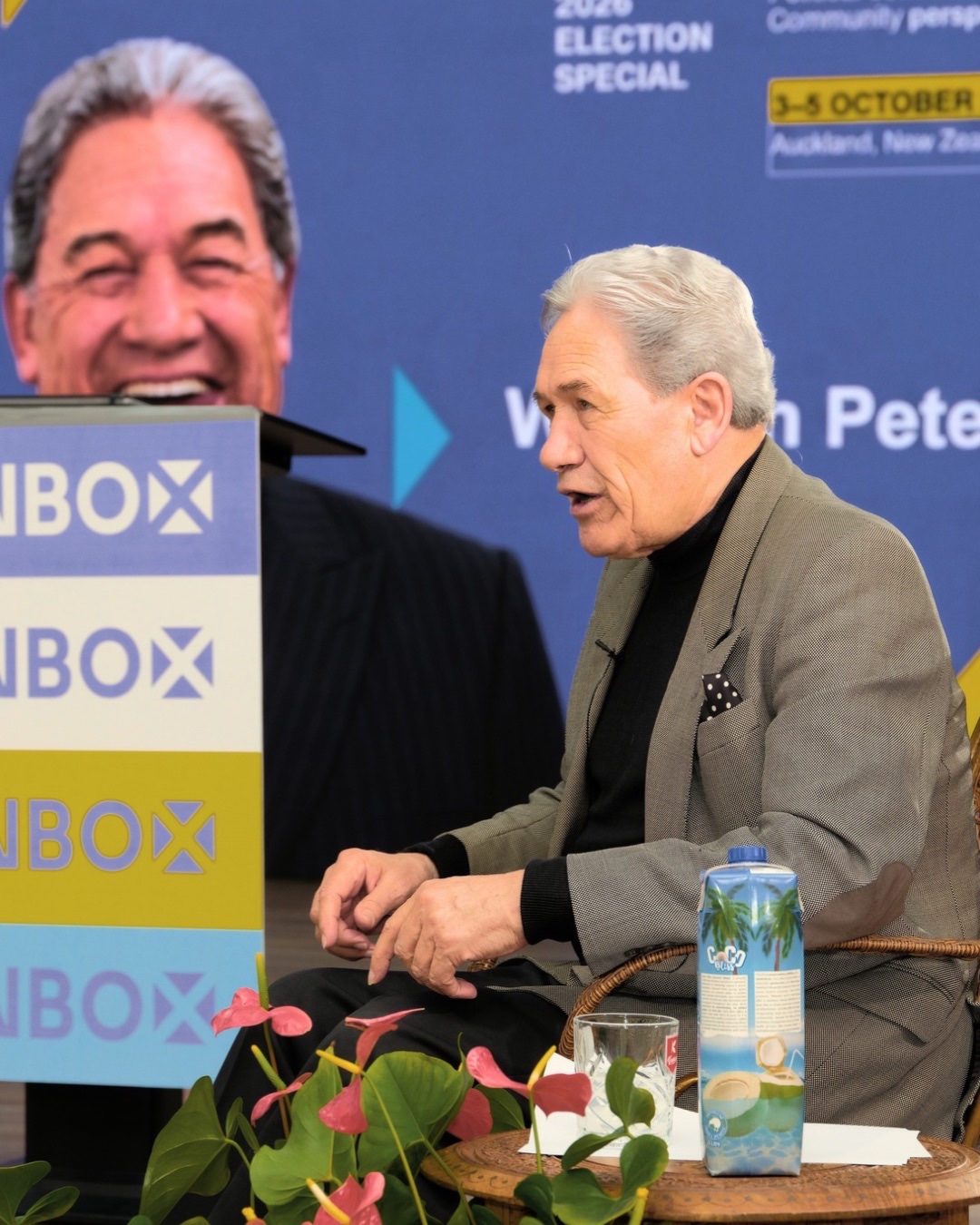
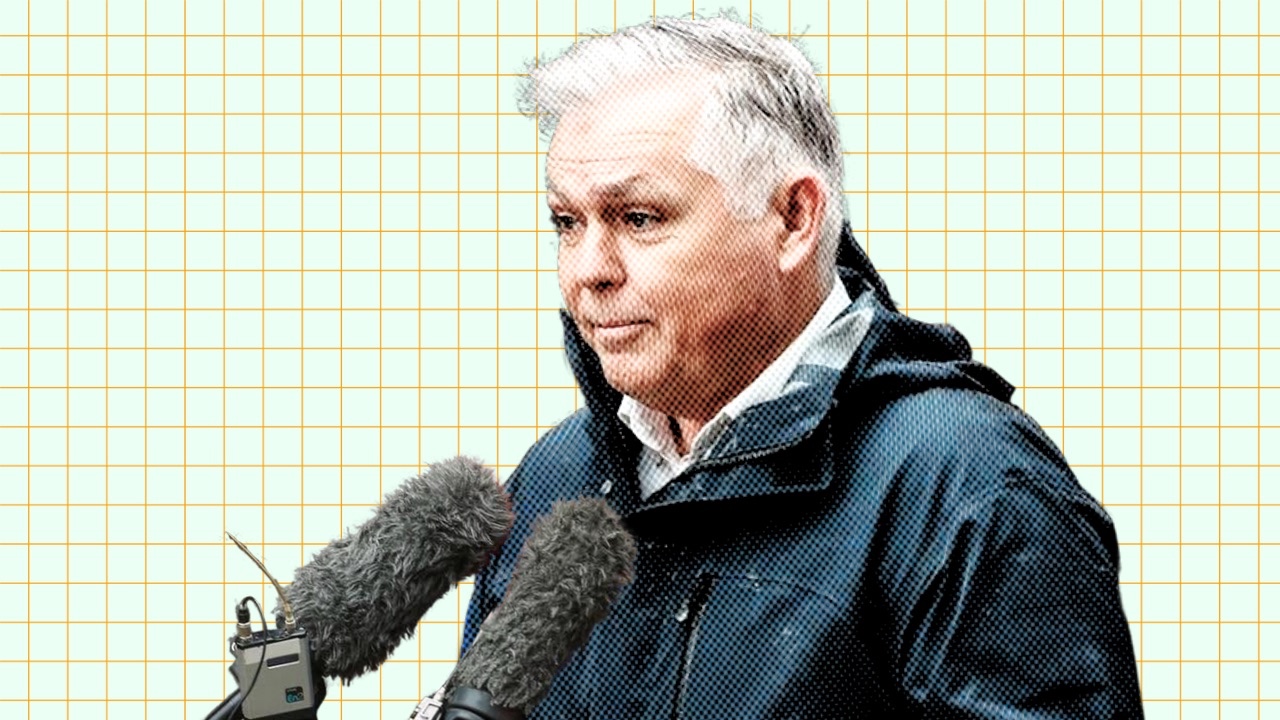
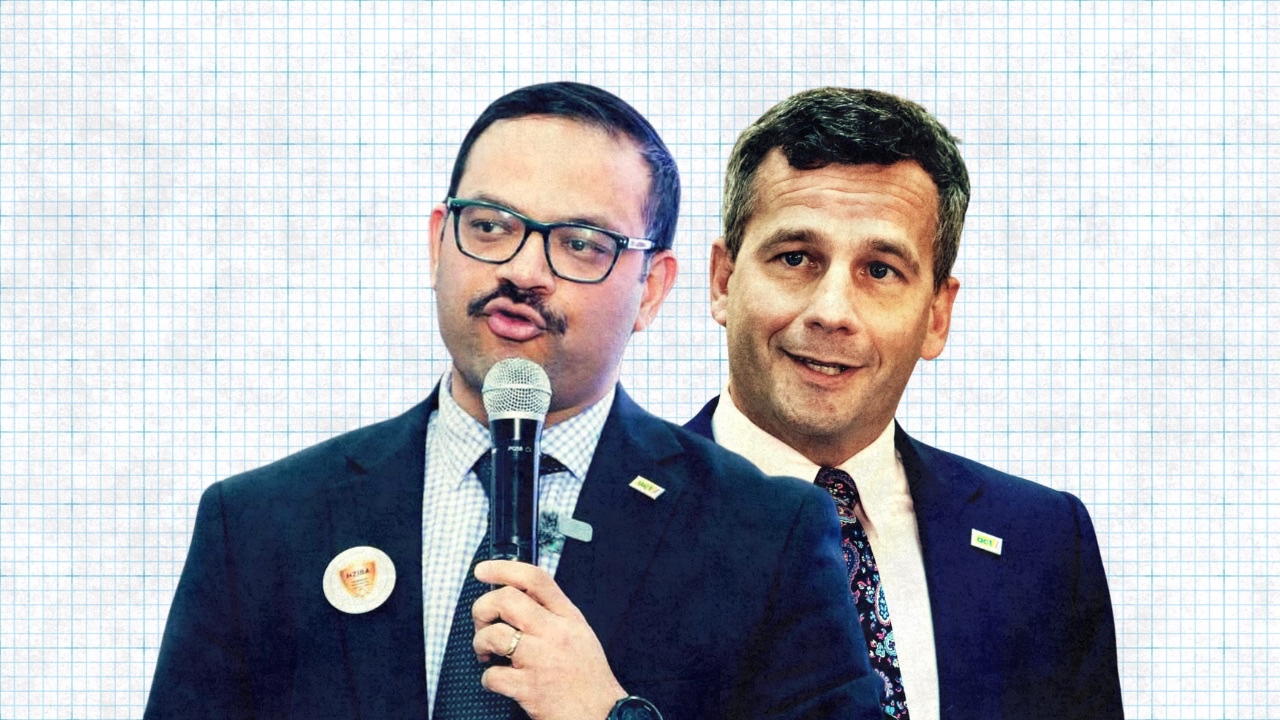
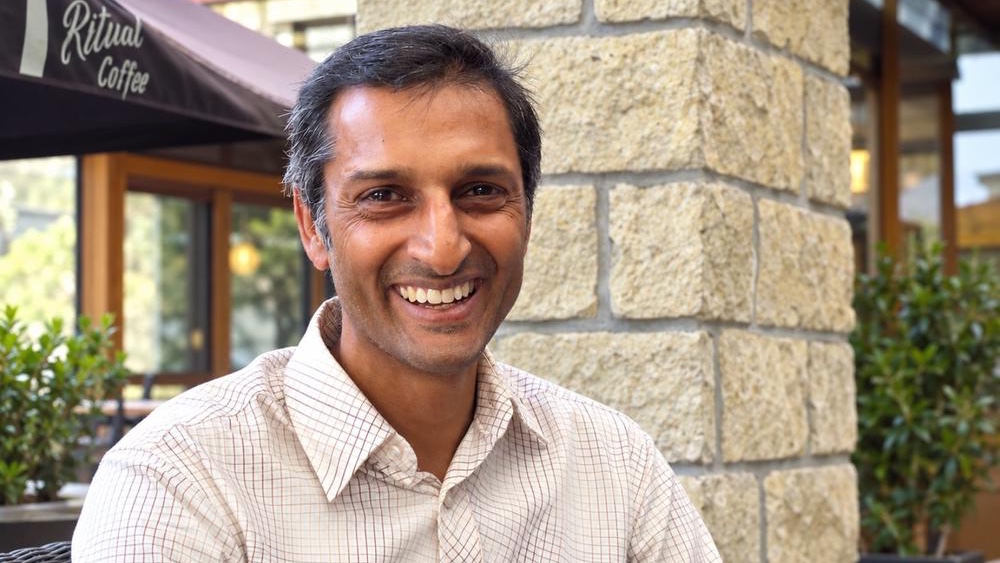
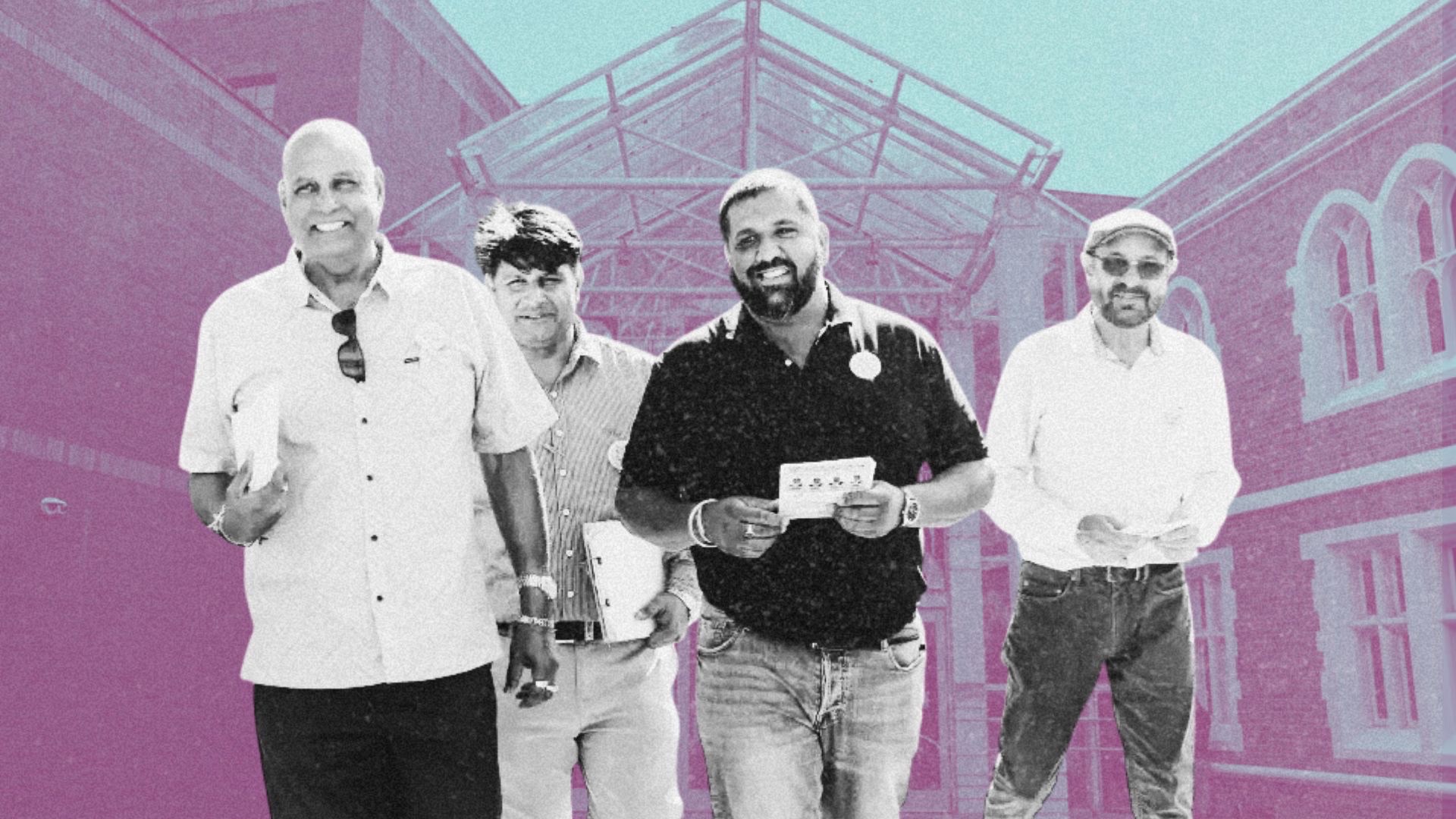
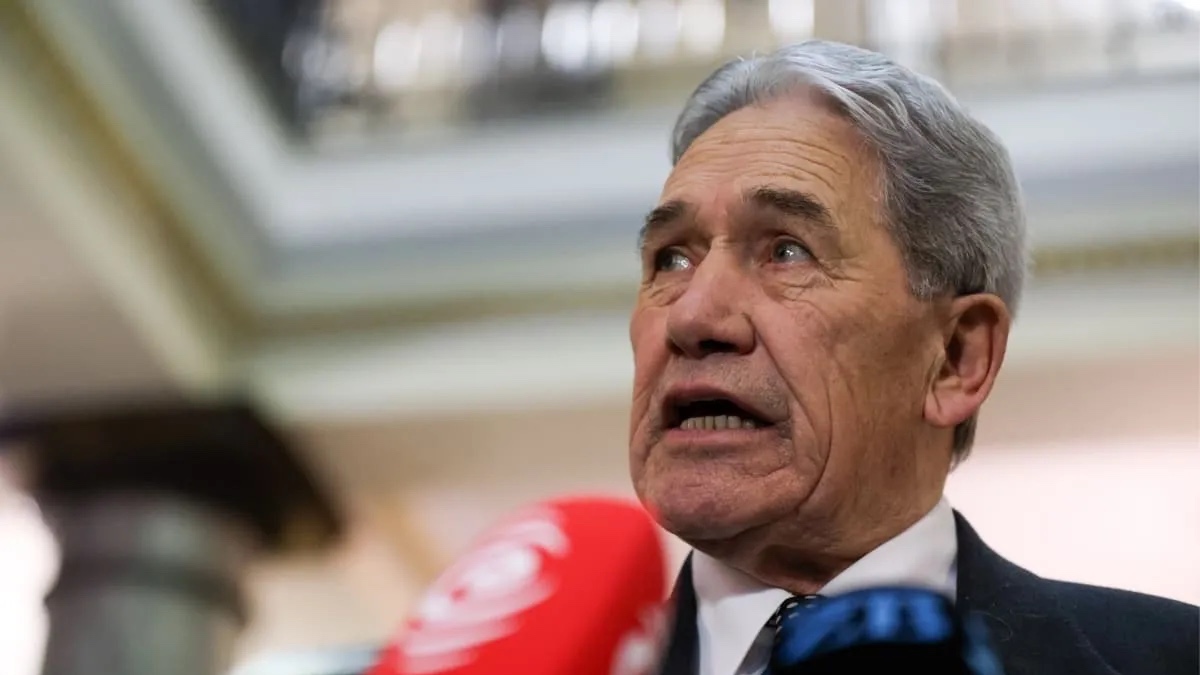
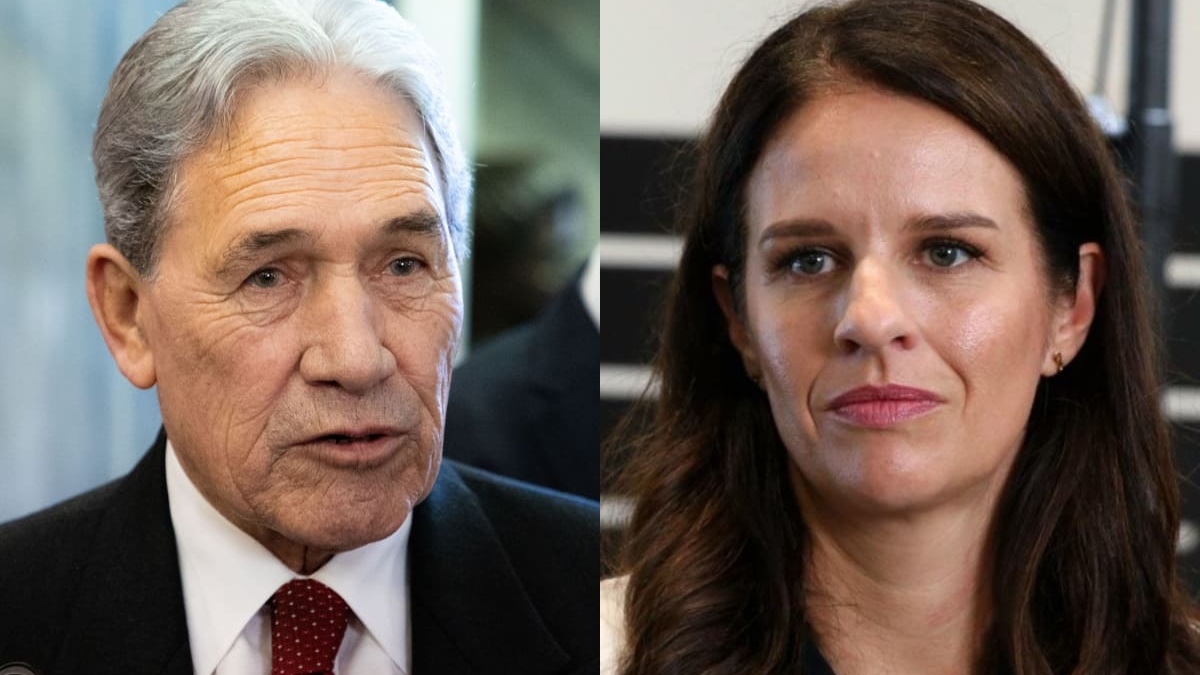
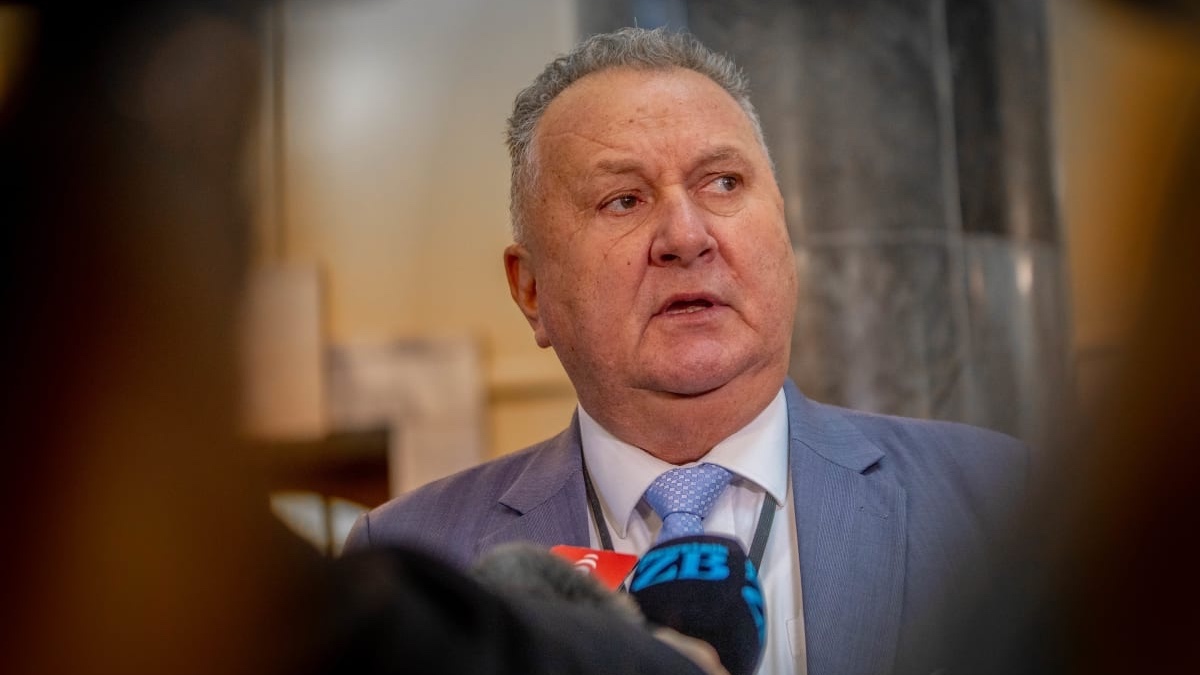
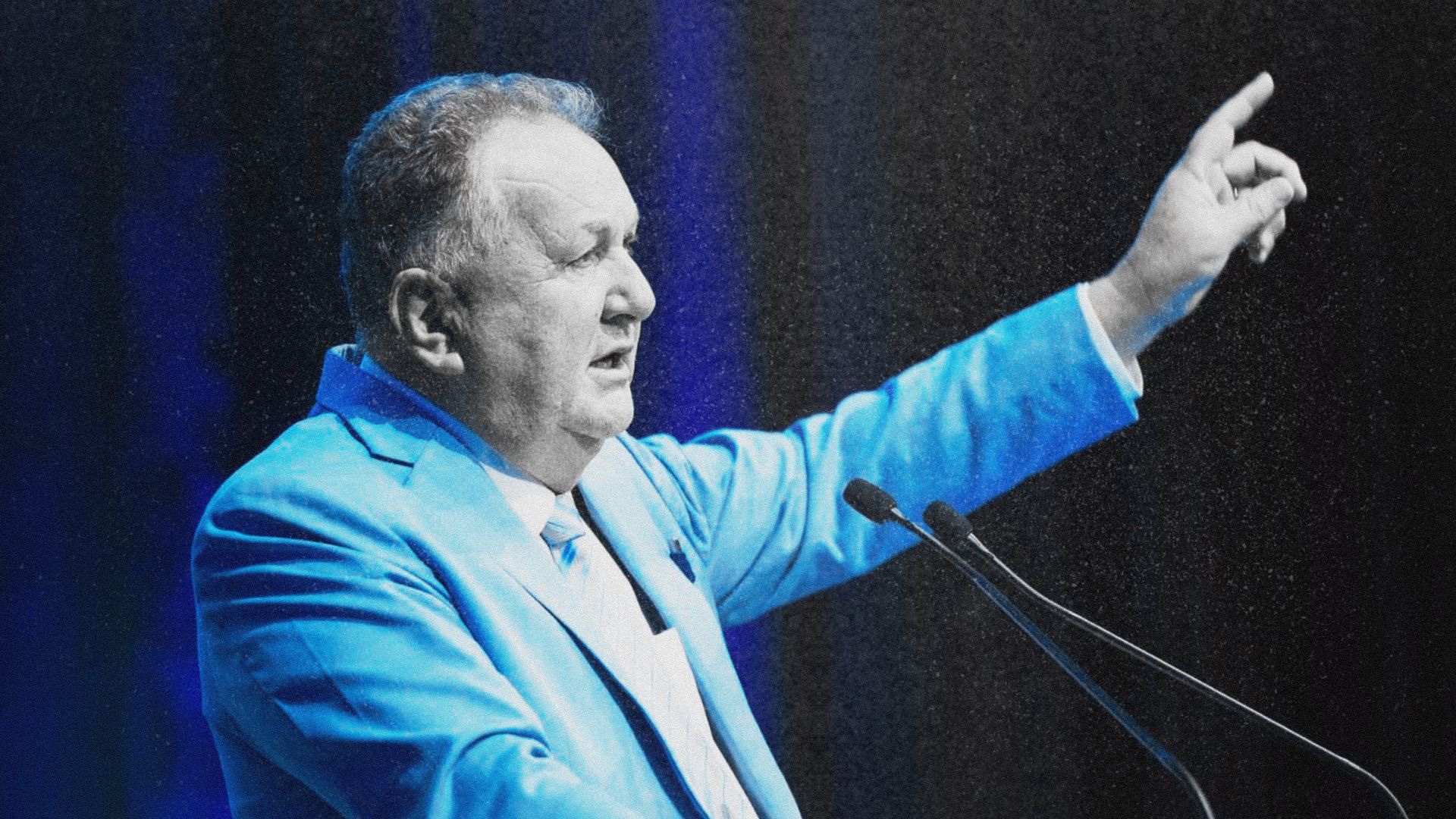
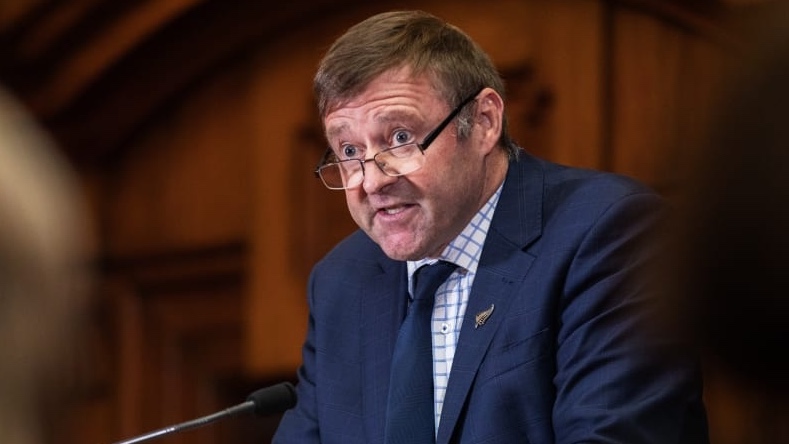
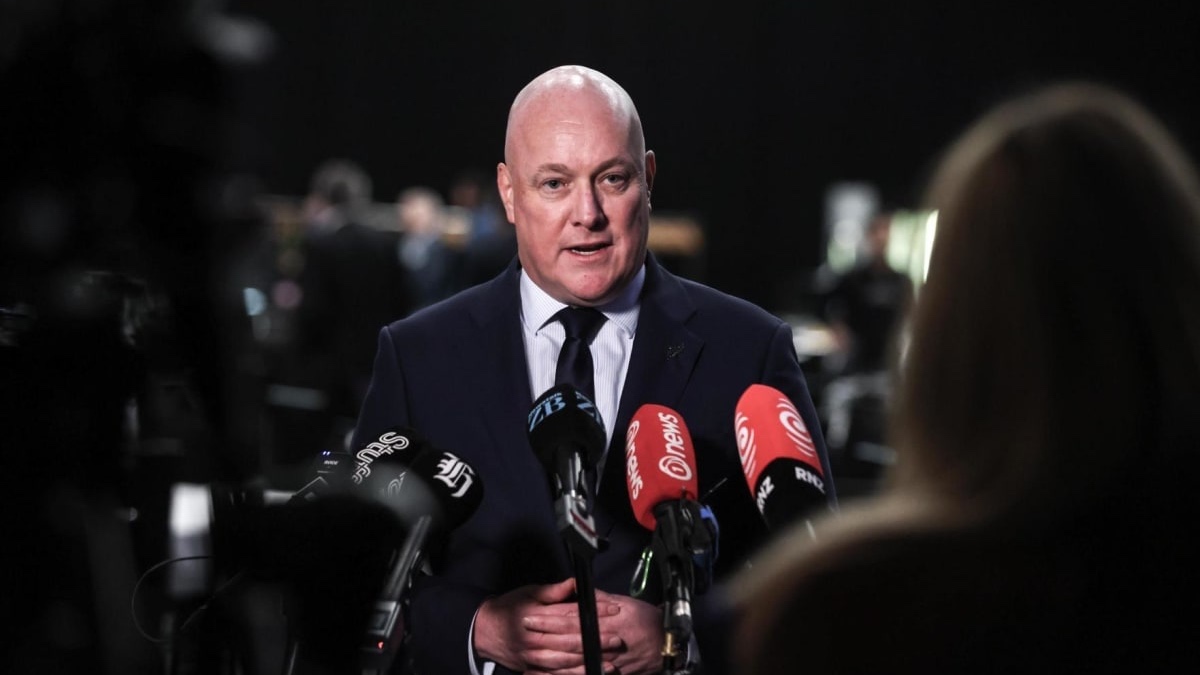
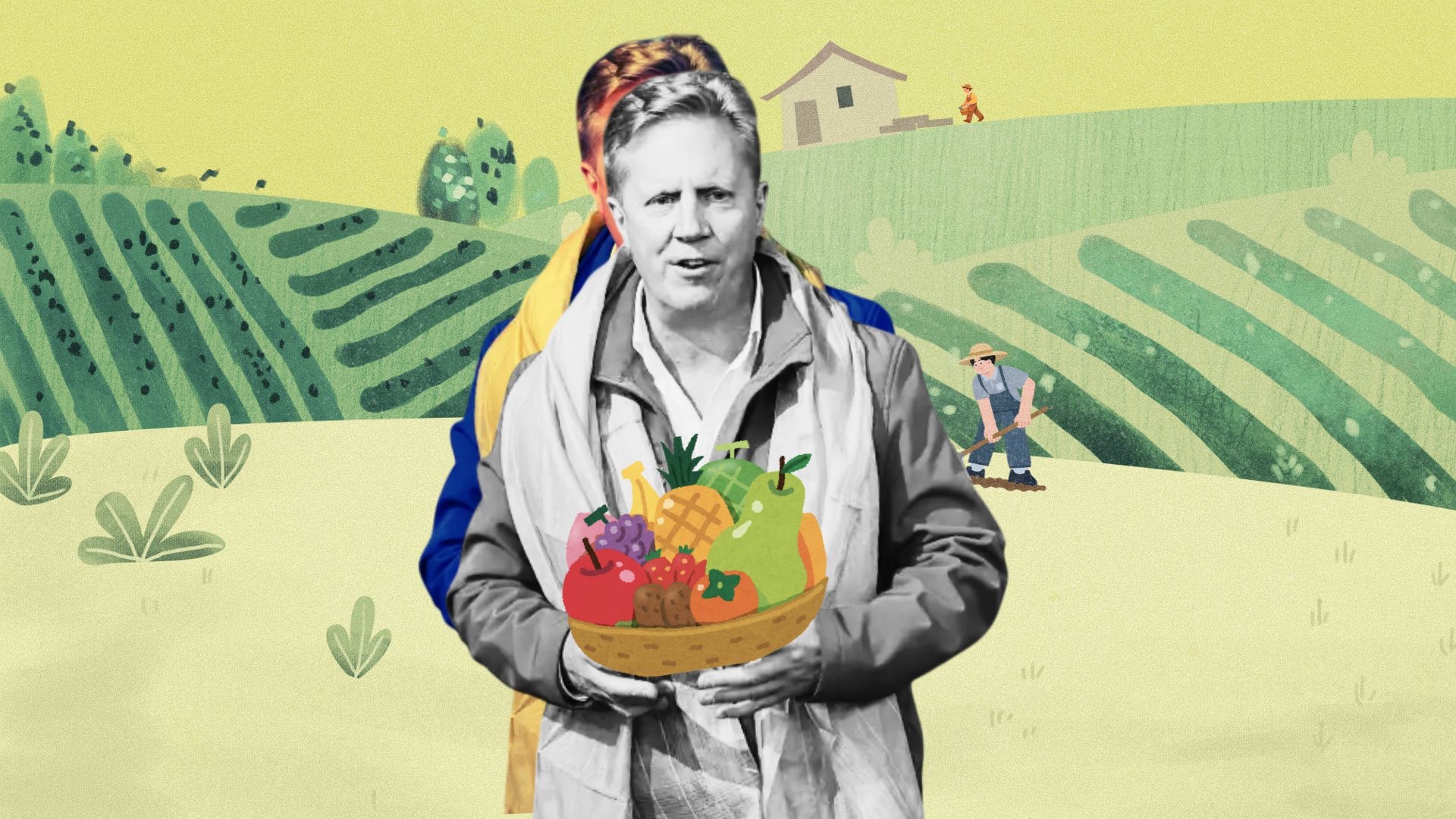
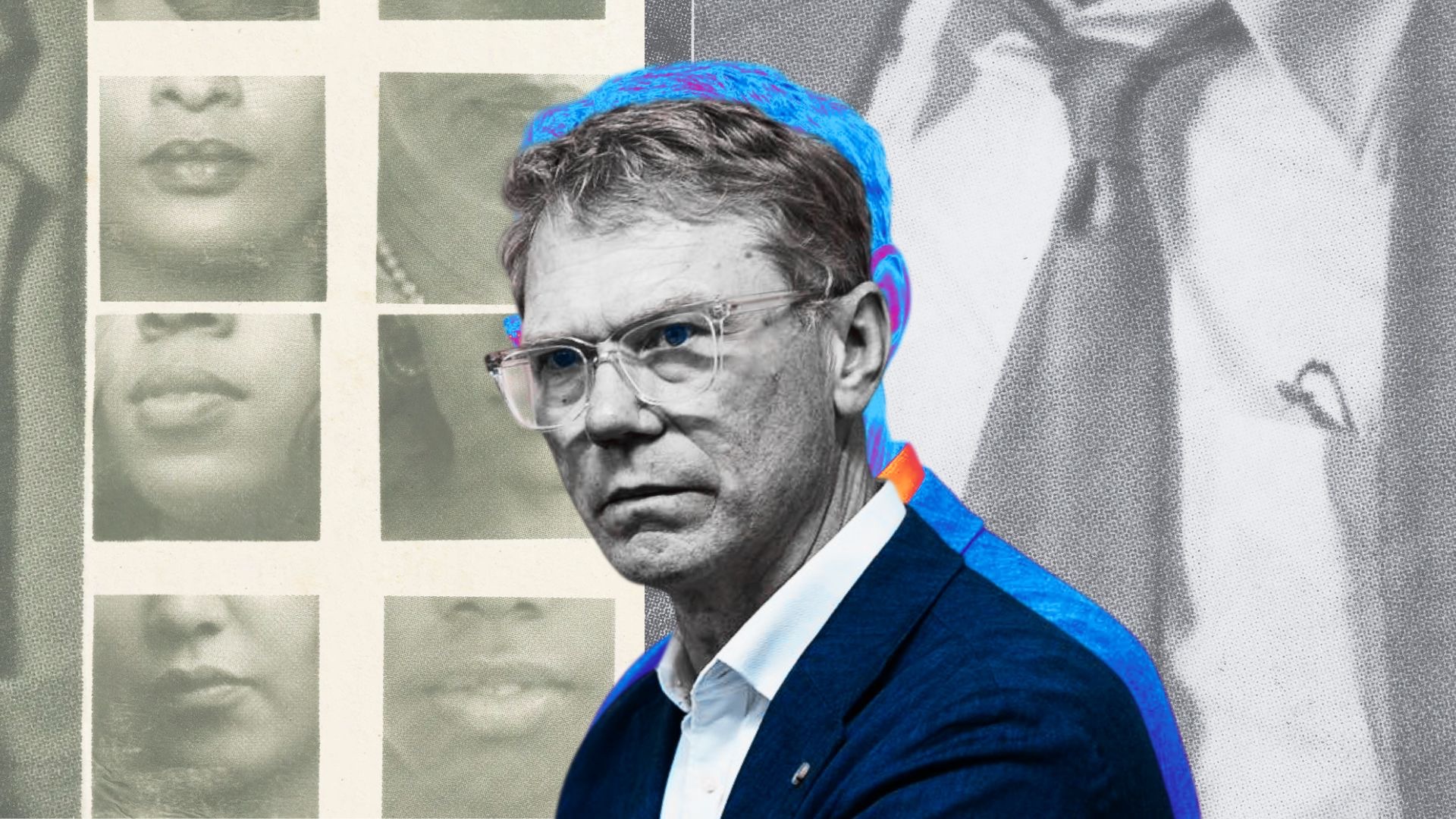
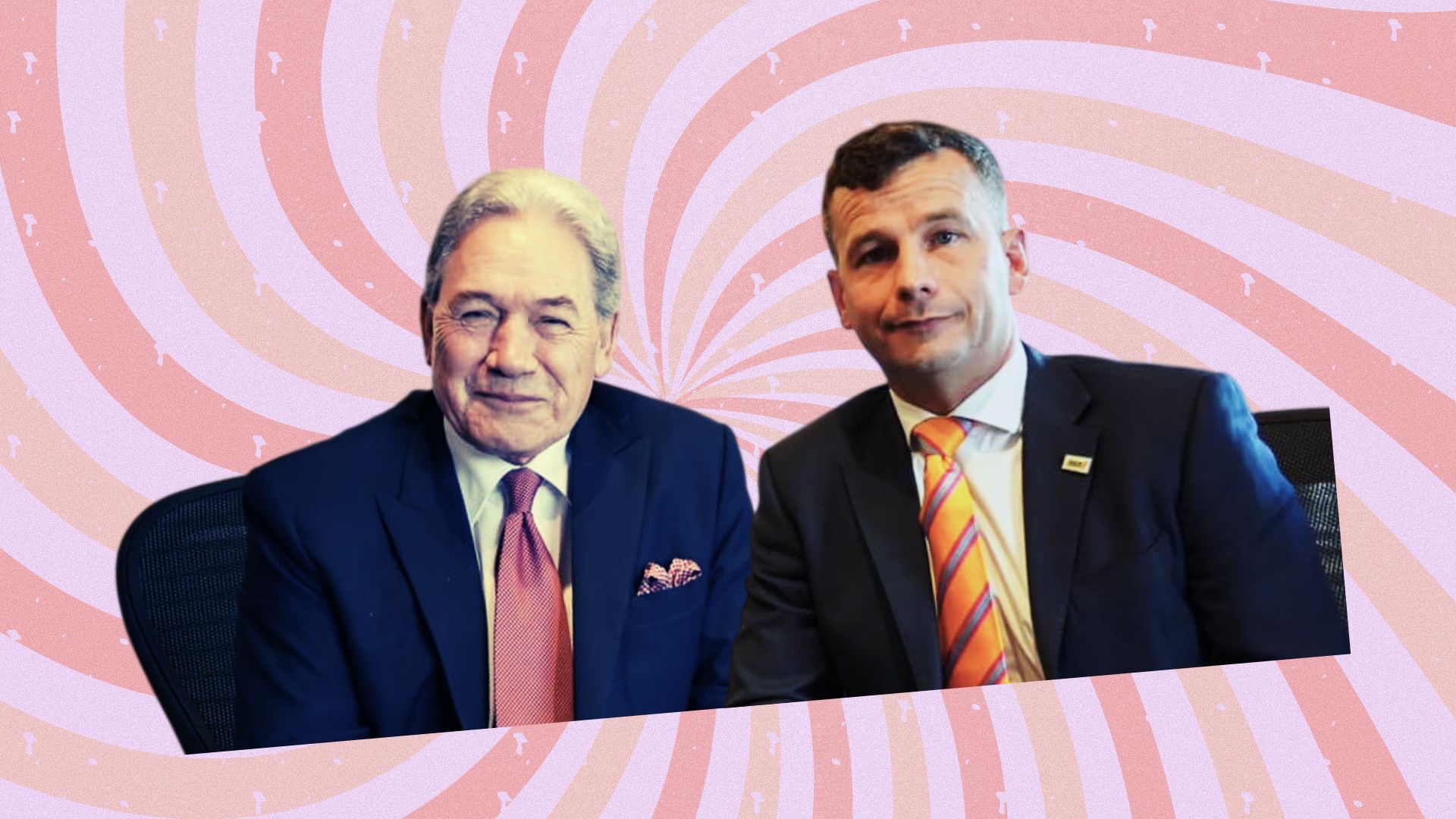
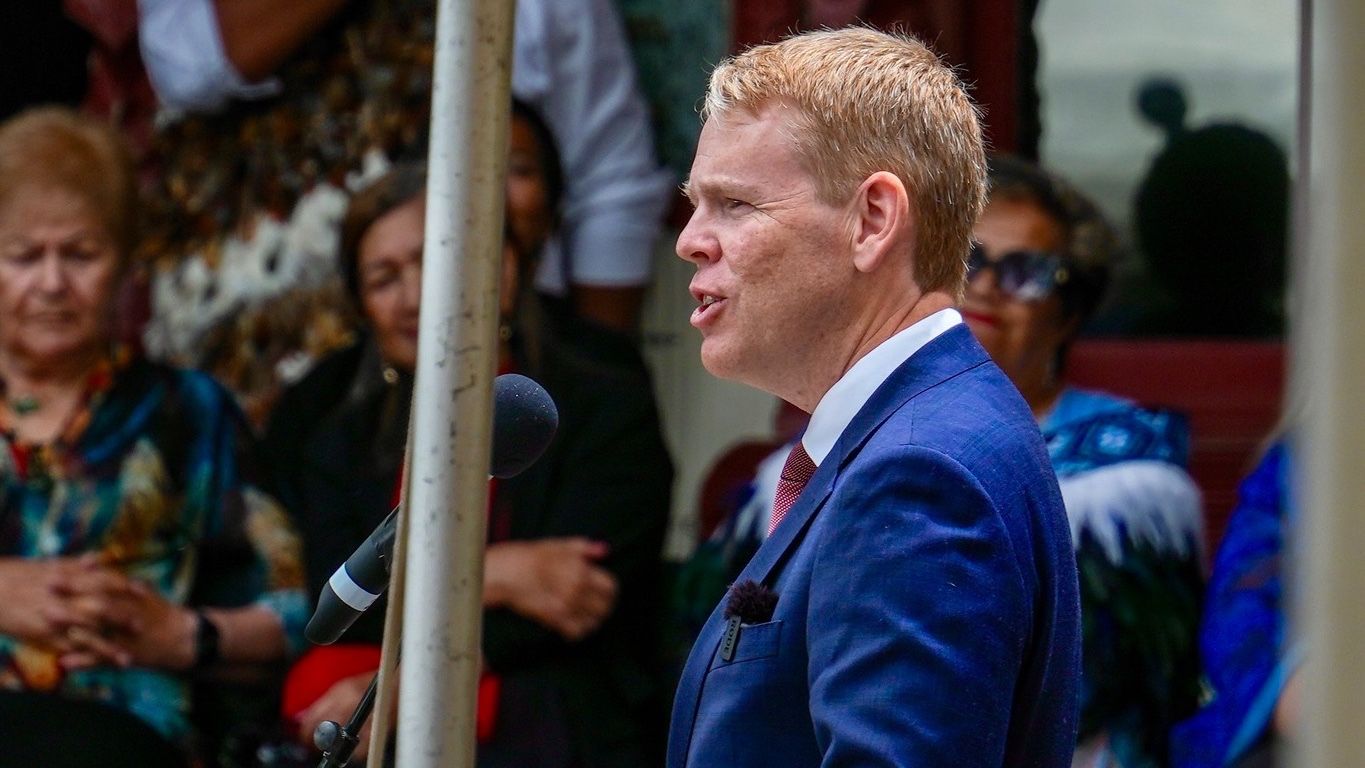
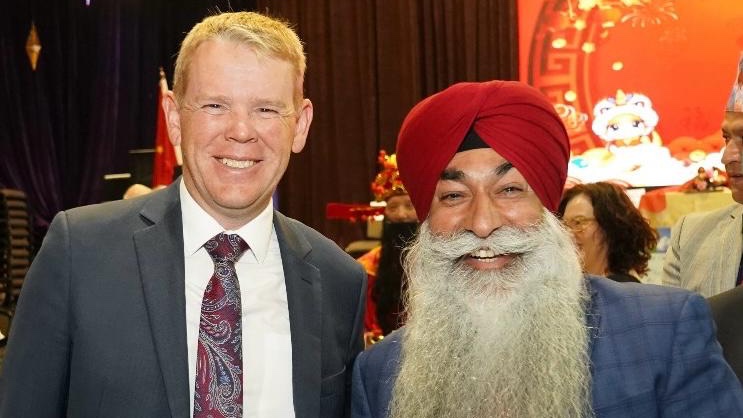
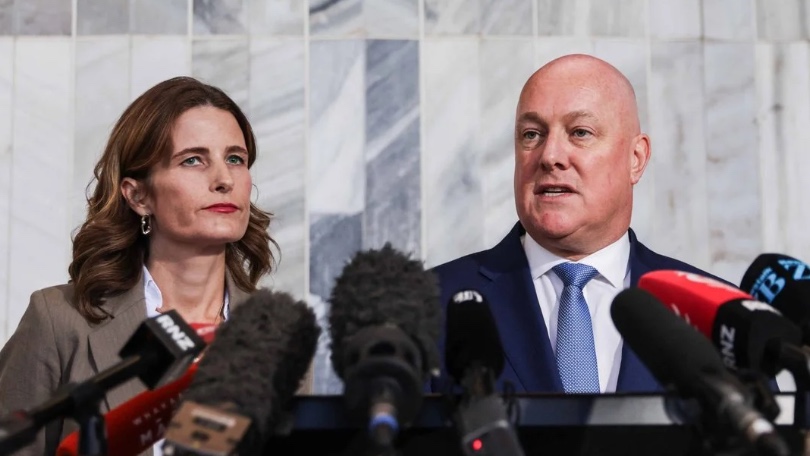
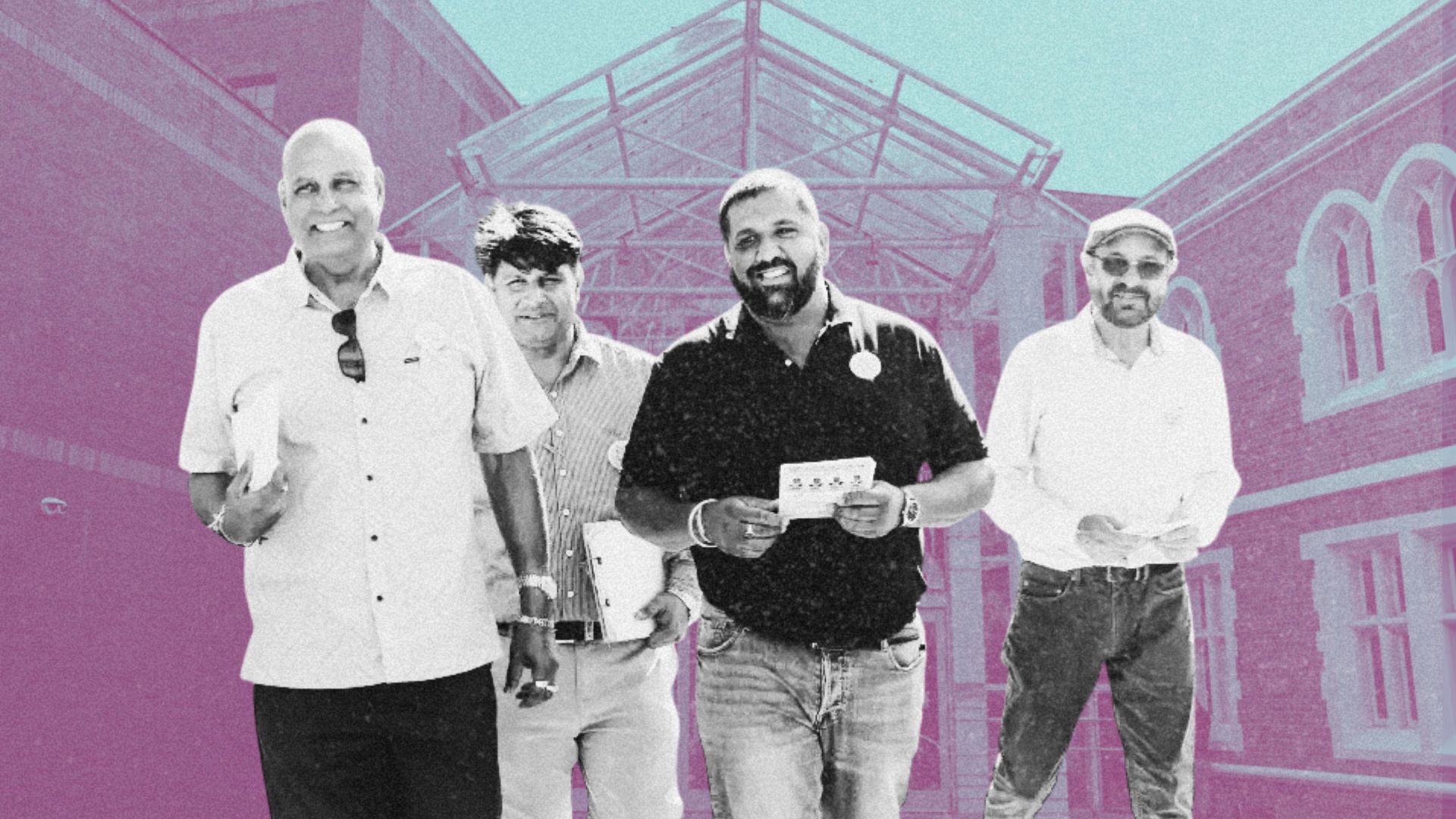
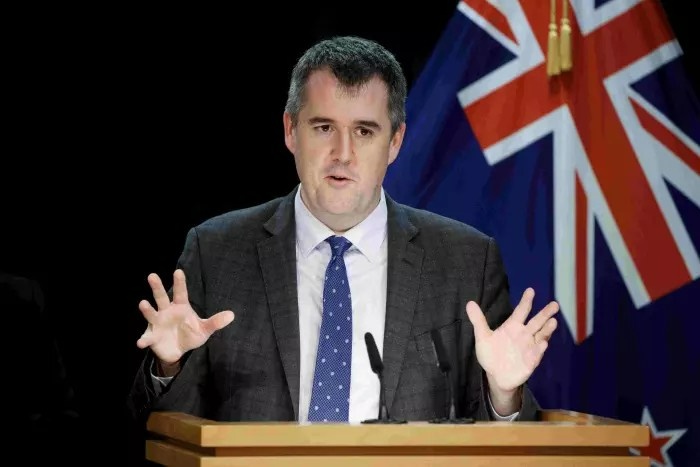
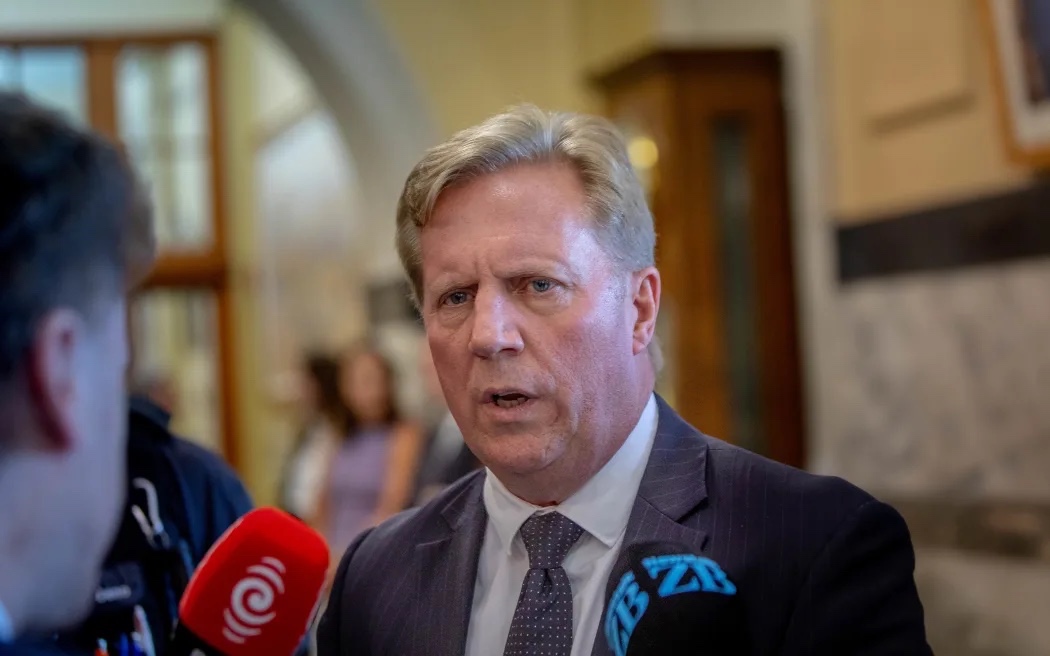
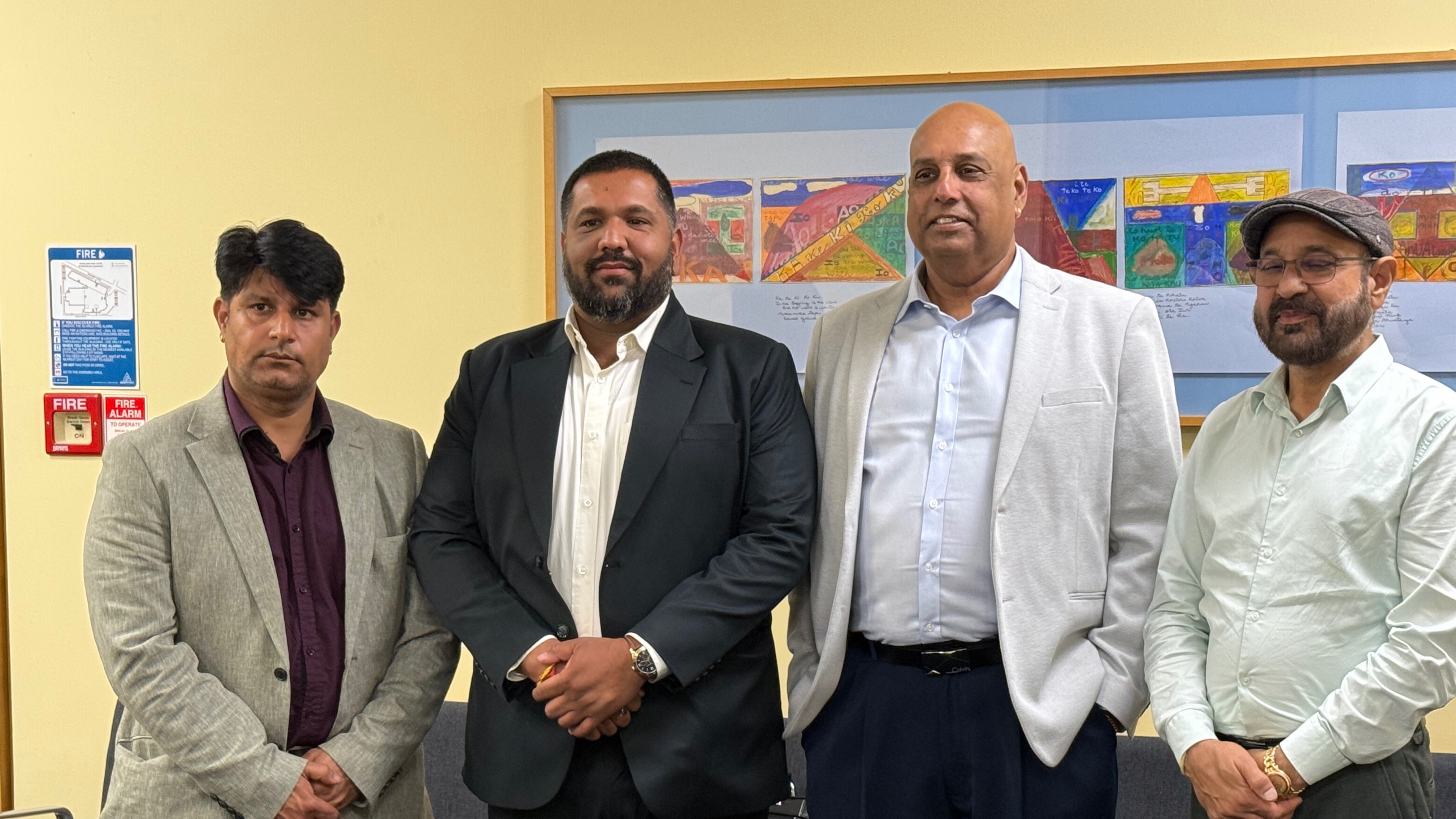
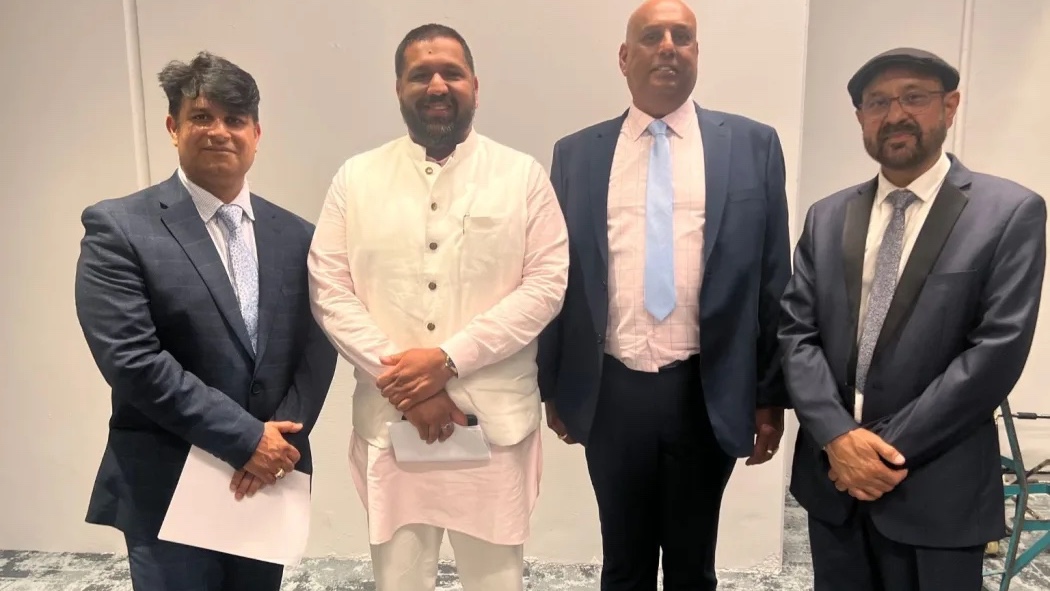
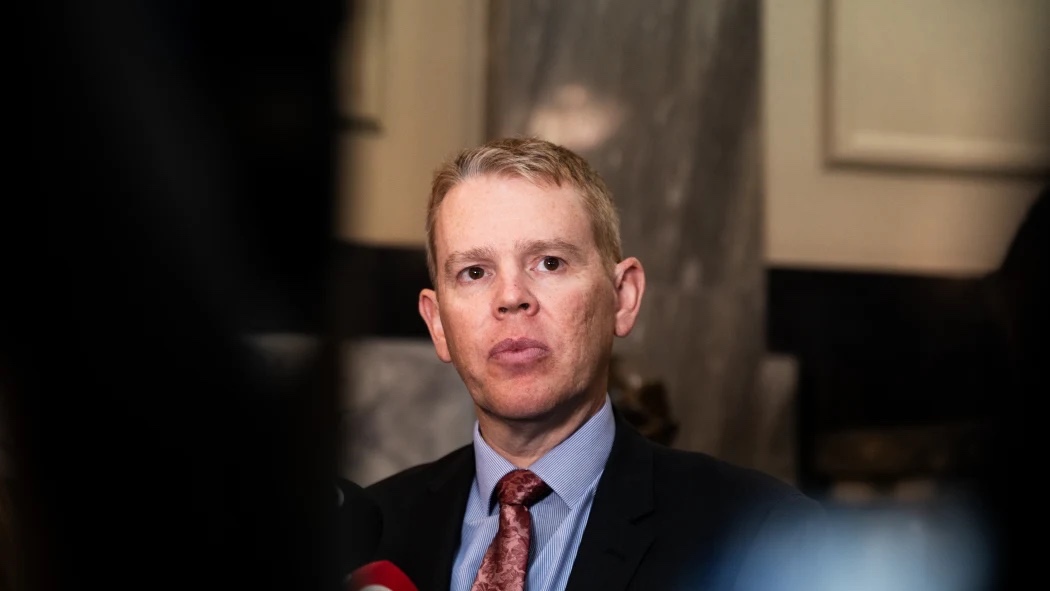
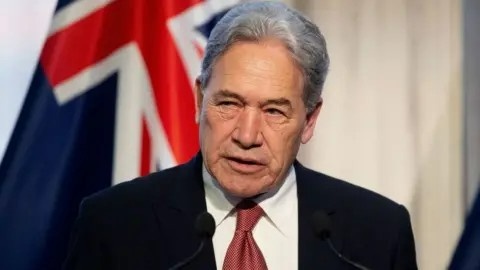
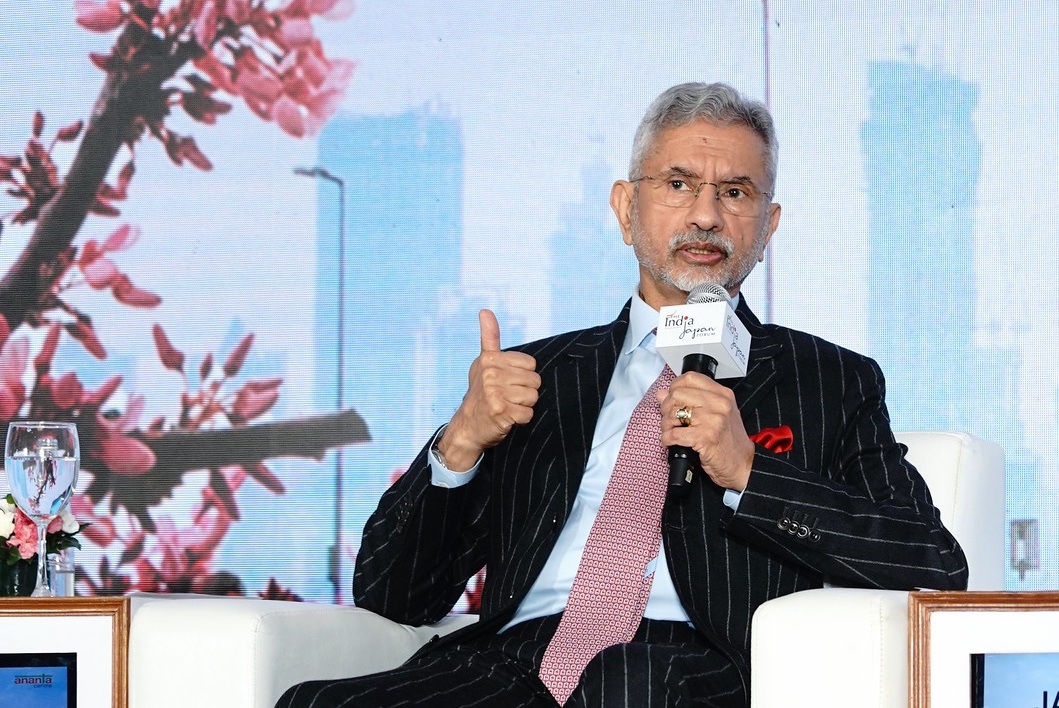
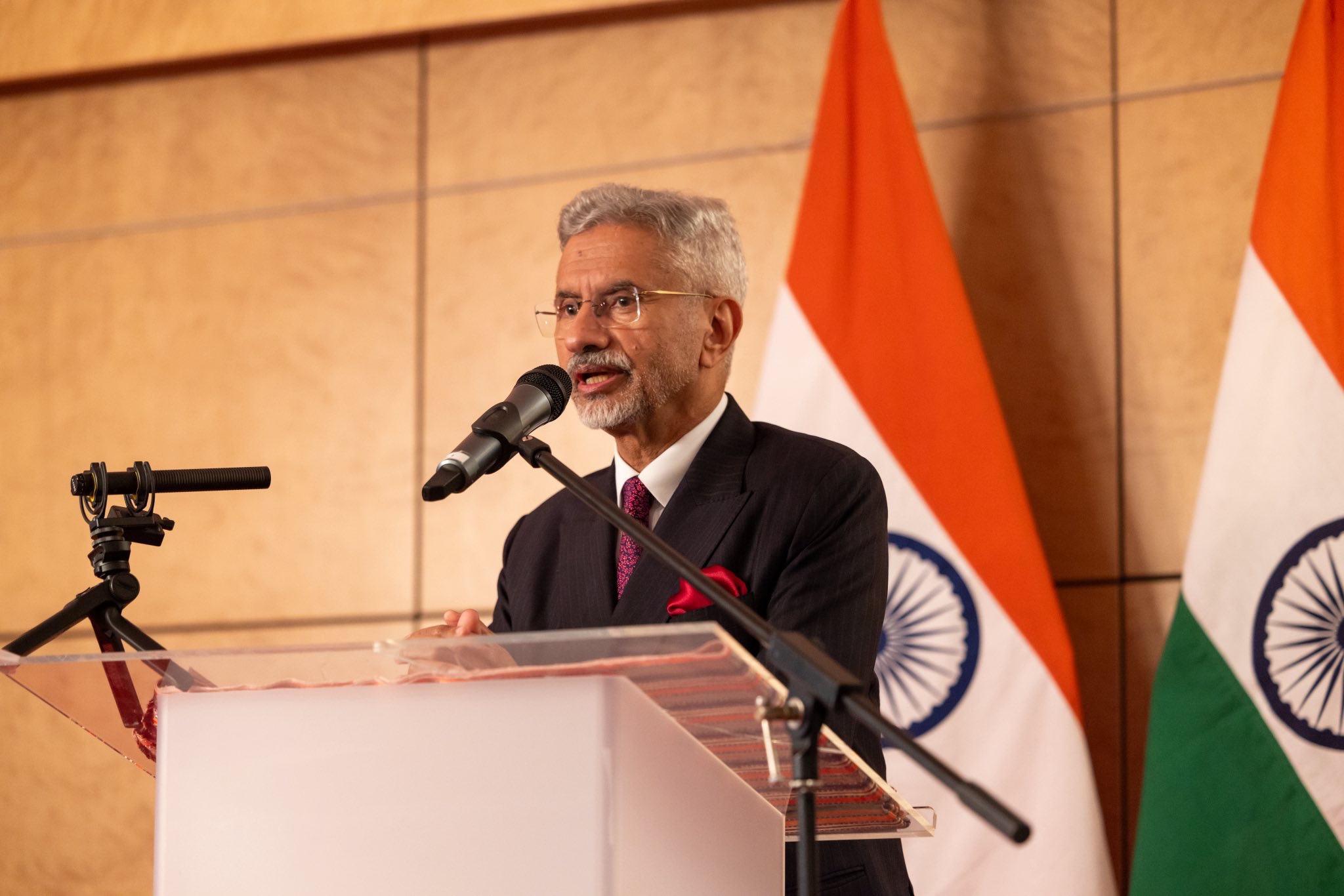
Winston Peters at the interview organised in association with the New Zealand Indian Central Association.
The conversation then moved to a question familiar to many migrants. At what point does someone who has moved here become a New Zealander?
One interviewer, who said he had been in the country for three or four years, asked Peters what he was supposed to do or achieve to qualify as one. Peters answered by reversing the situation. If he had moved to Delhi at the age of 20, he said, he would not simply become Indian.
“I’m an expat that lived in India, that’s adopted India for my country,” he said, adding that he could salute its flag, respect its laws and accept the responsibilities that came with living there.
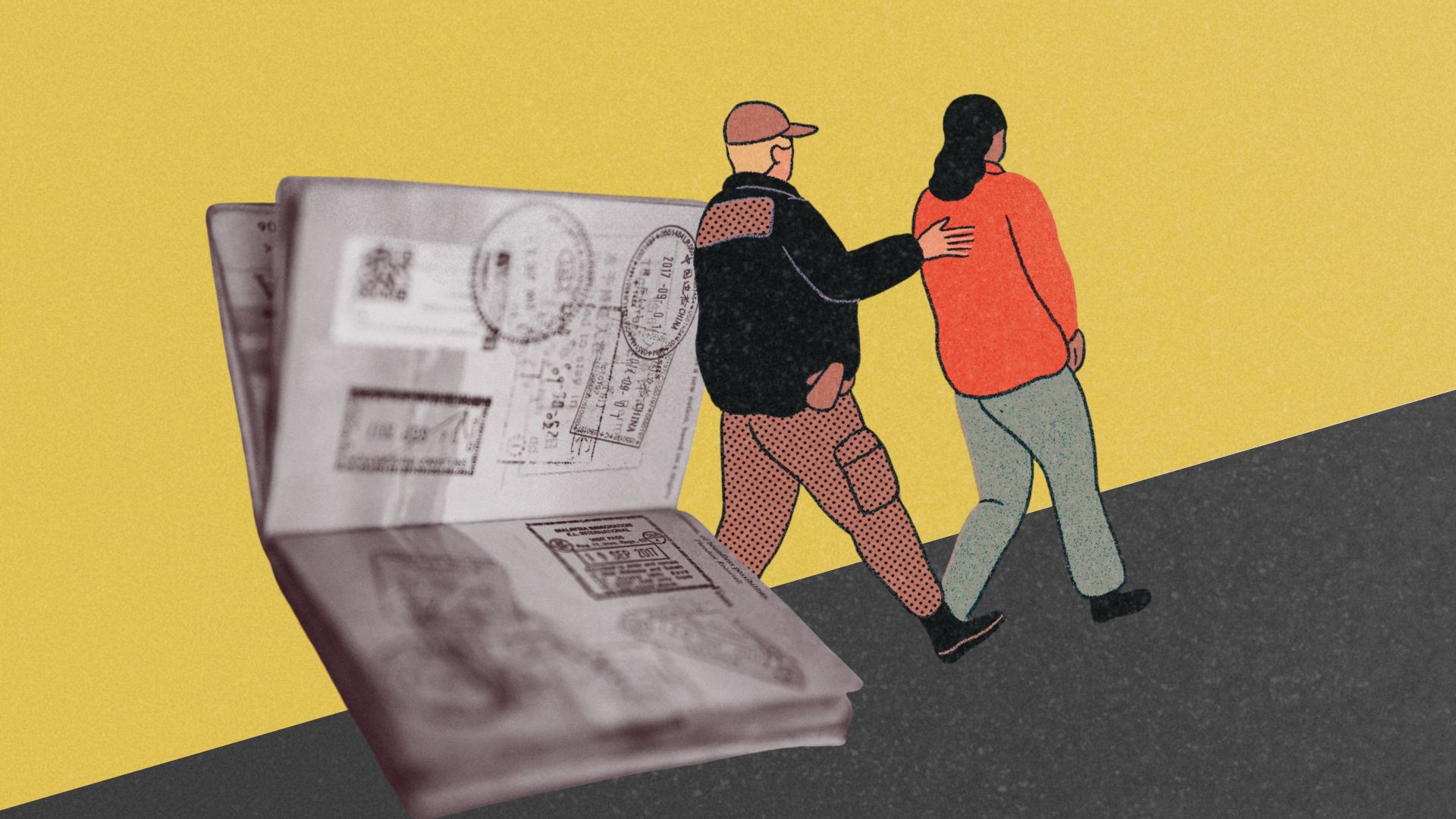
For Peters, changing a passport did not necessarily settle the deeper question of identity.
“I think you’ve got some people who think if I just change the passport and my handwriting, I will change the actual outcome. Life does not work like that,” he said.
Instead, he offered a more everyday measure. “The most important thing, of course, is whether the neighbourhood accepts you. That’s a critical one.”
That prompted the question that brought the discussion back to Indians. Was there room for allegiance to two countries, including a cultural and historical love for the country of origin alongside commitment to an adopted country?
Peters' answer was that there were Indians who had chosen New Zealand “for their future and forever”, and others who “still salute India first”.