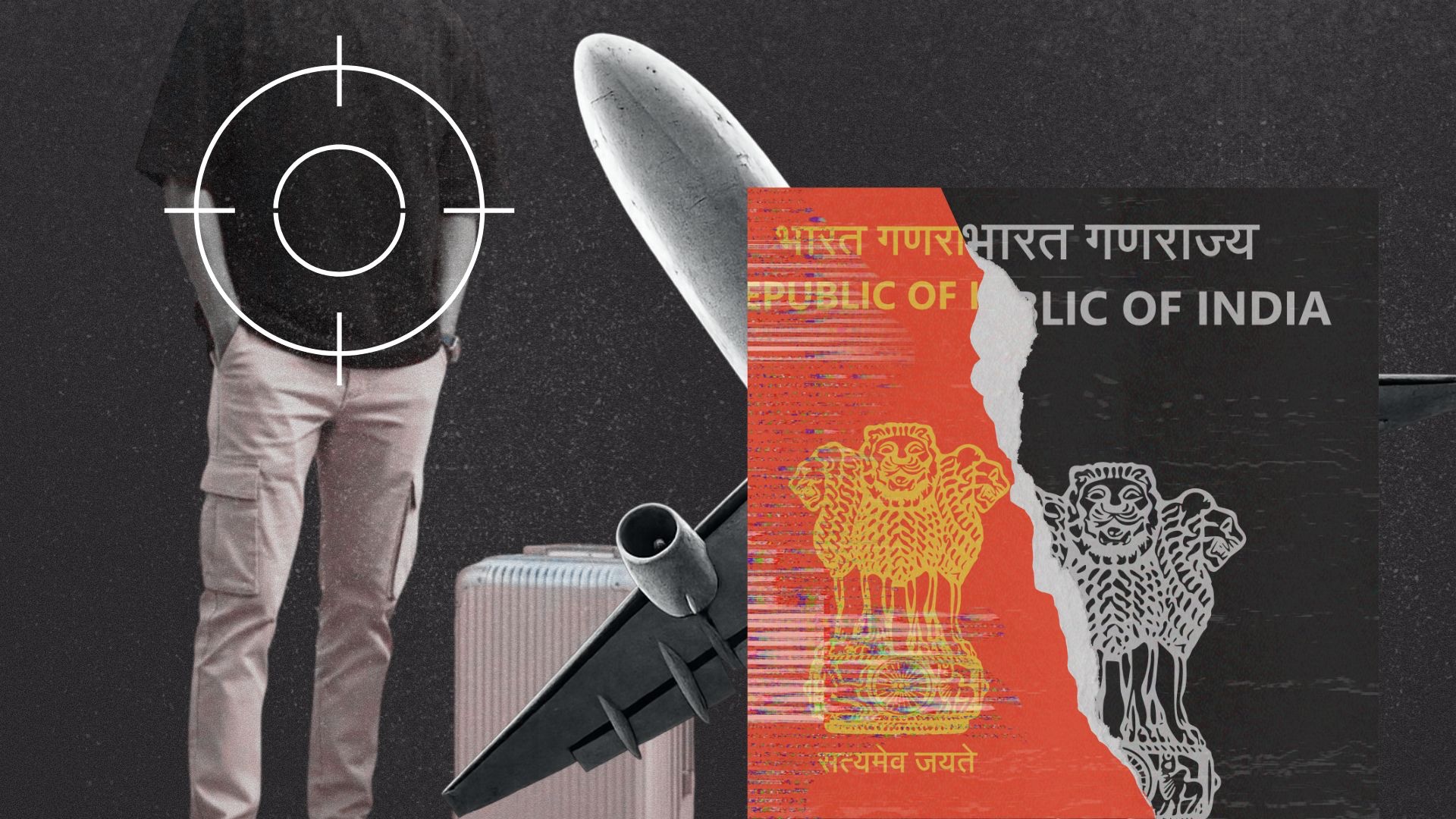

Being Muslim in India isn't a serious risk, New Zealand tells asylum-seeker to return home
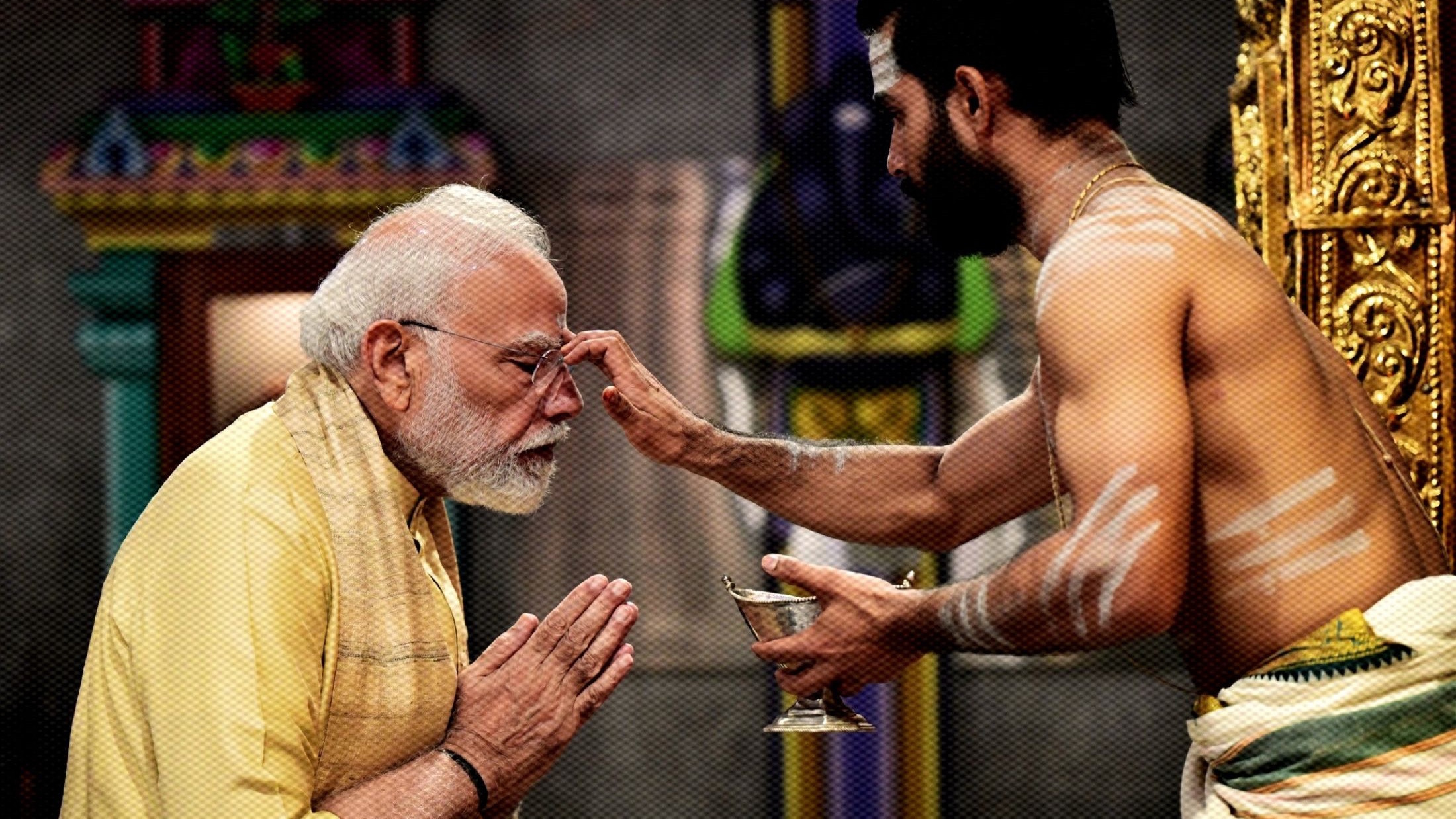
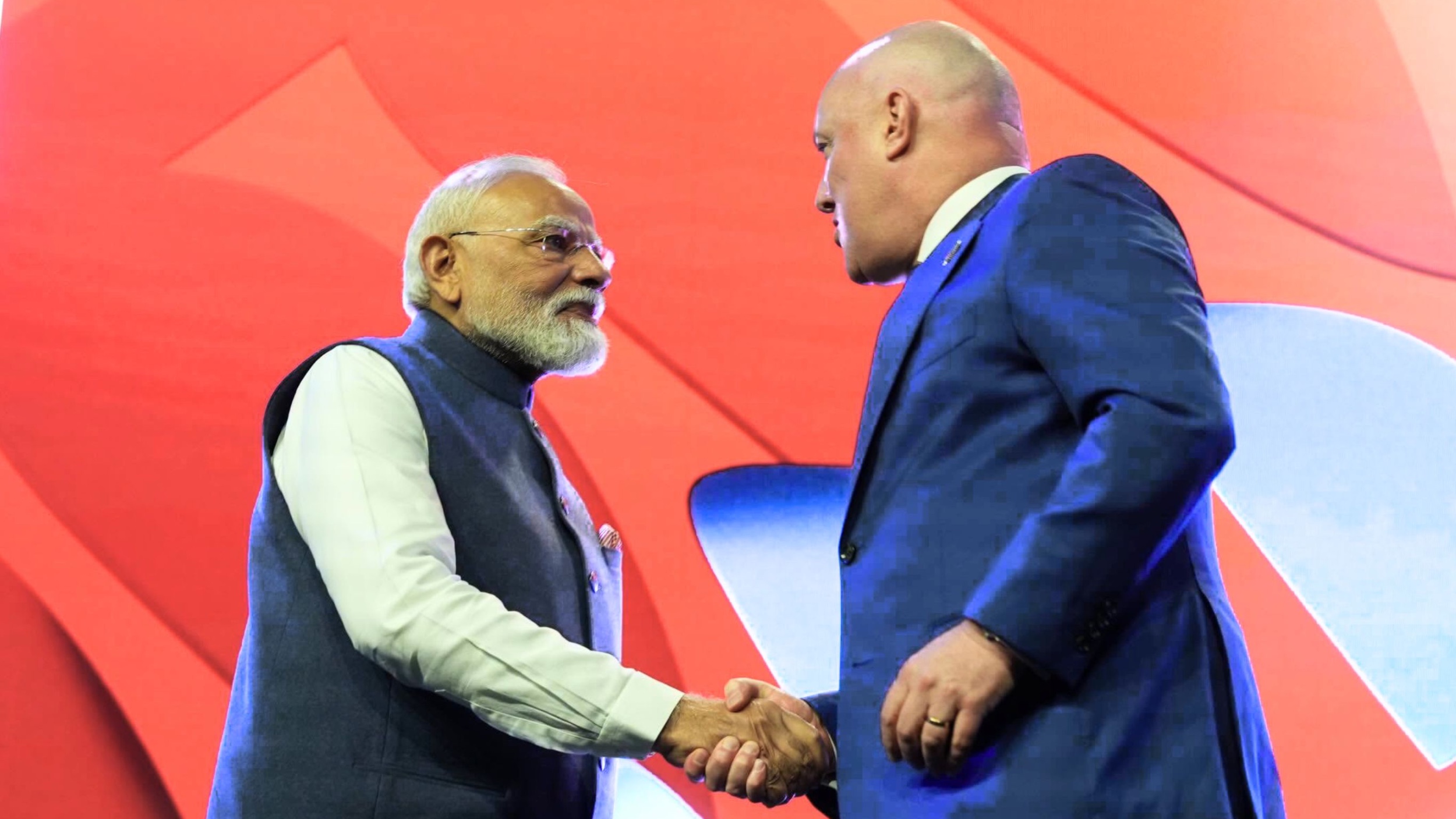
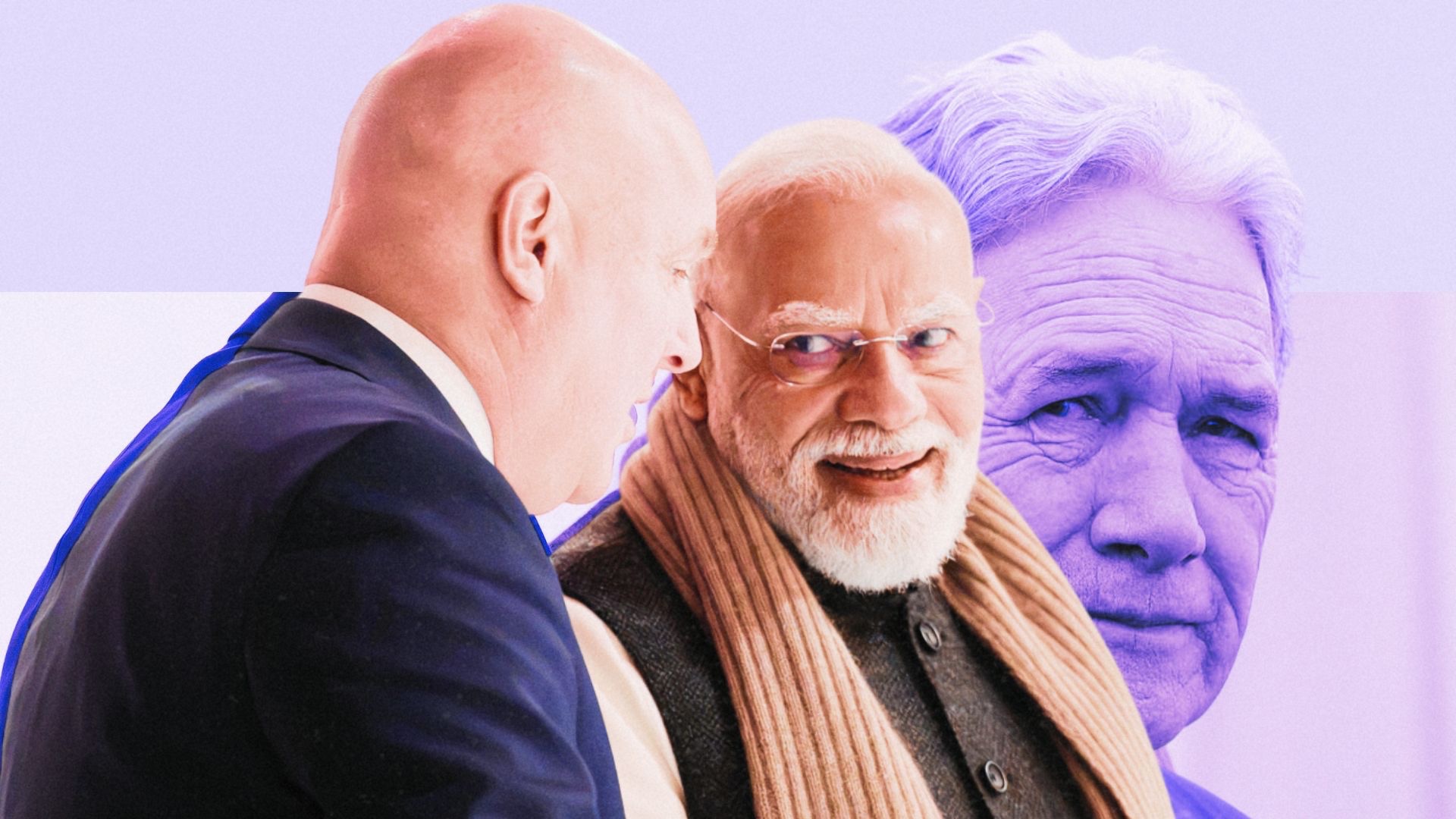
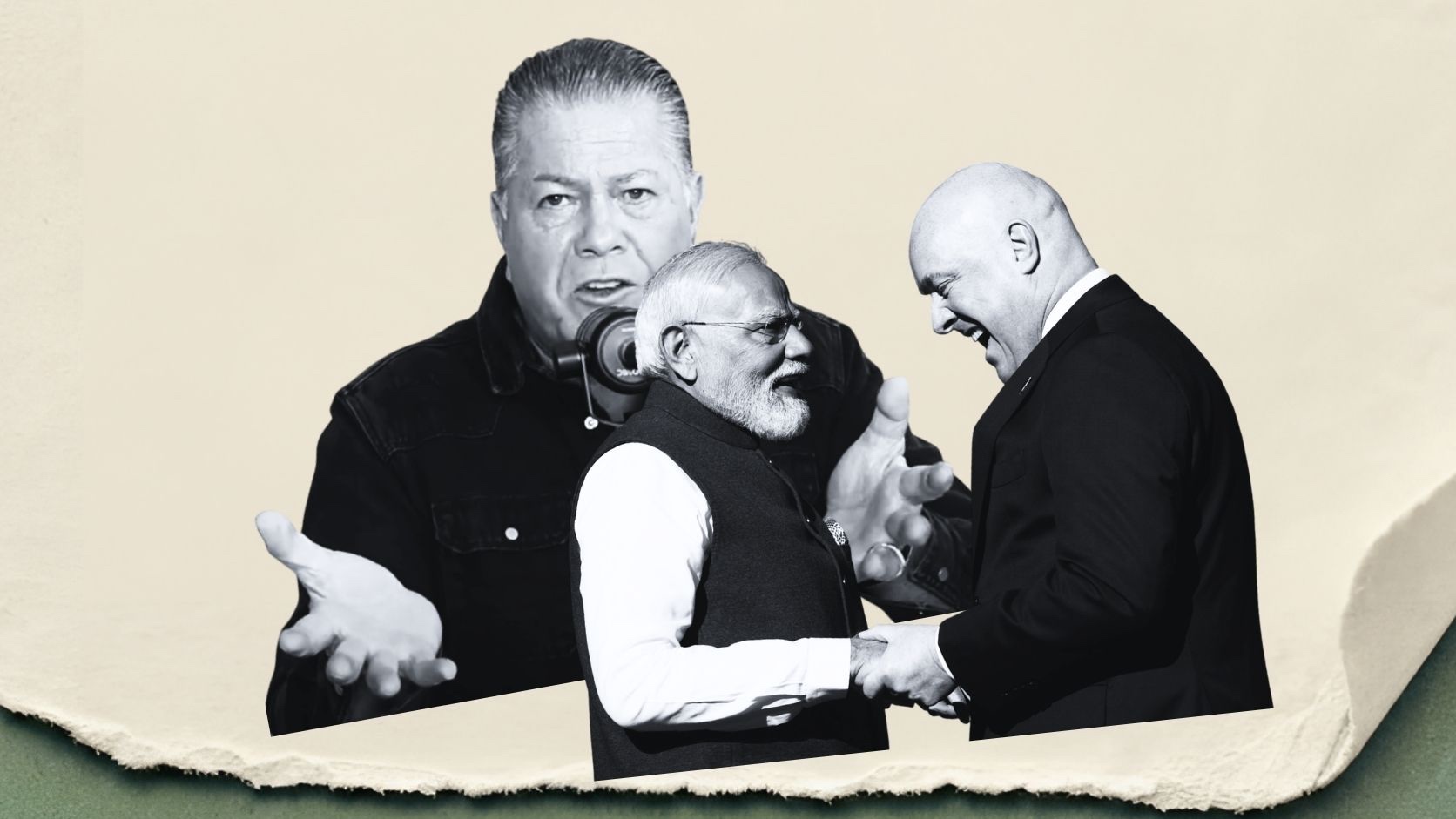
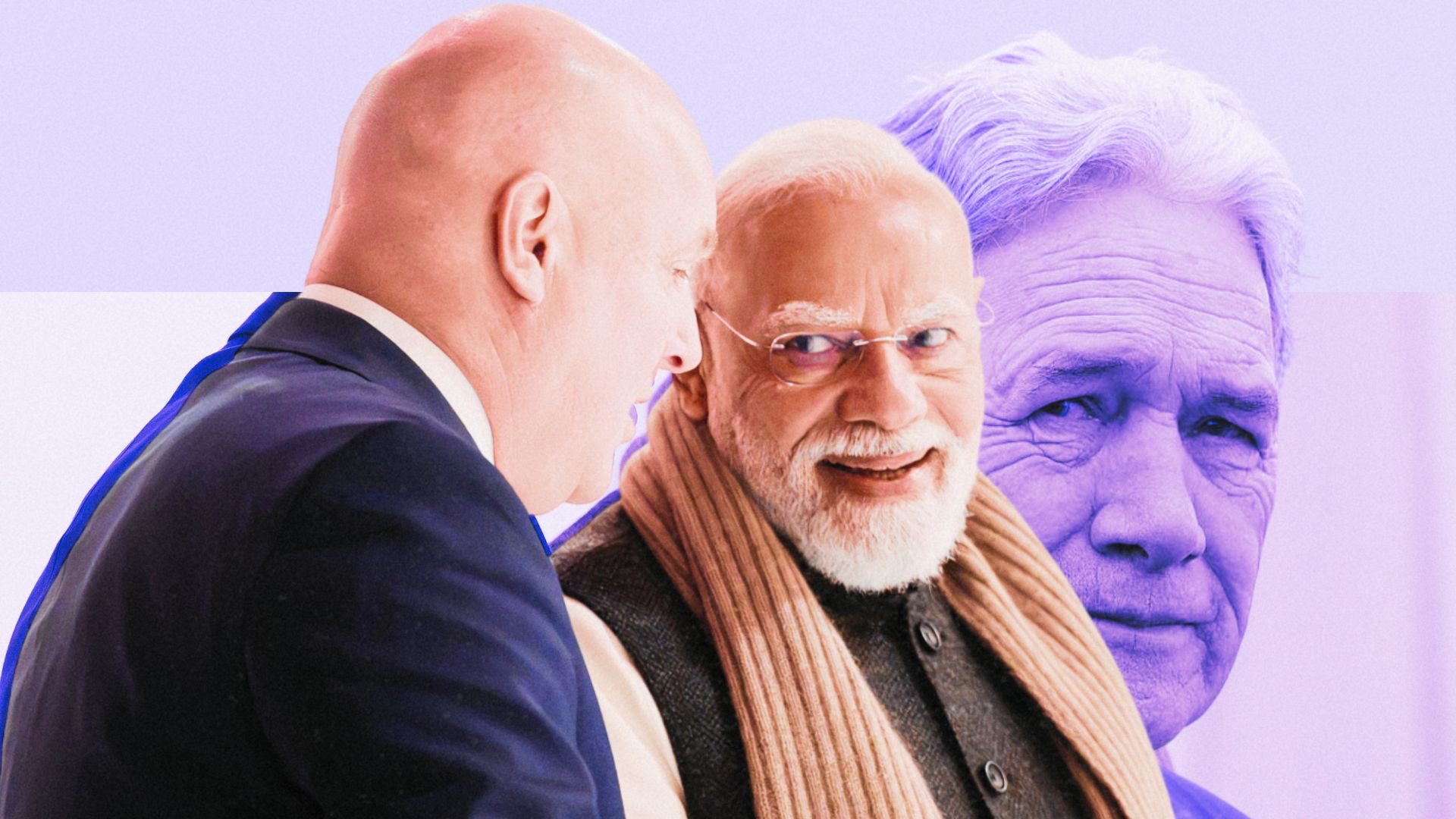
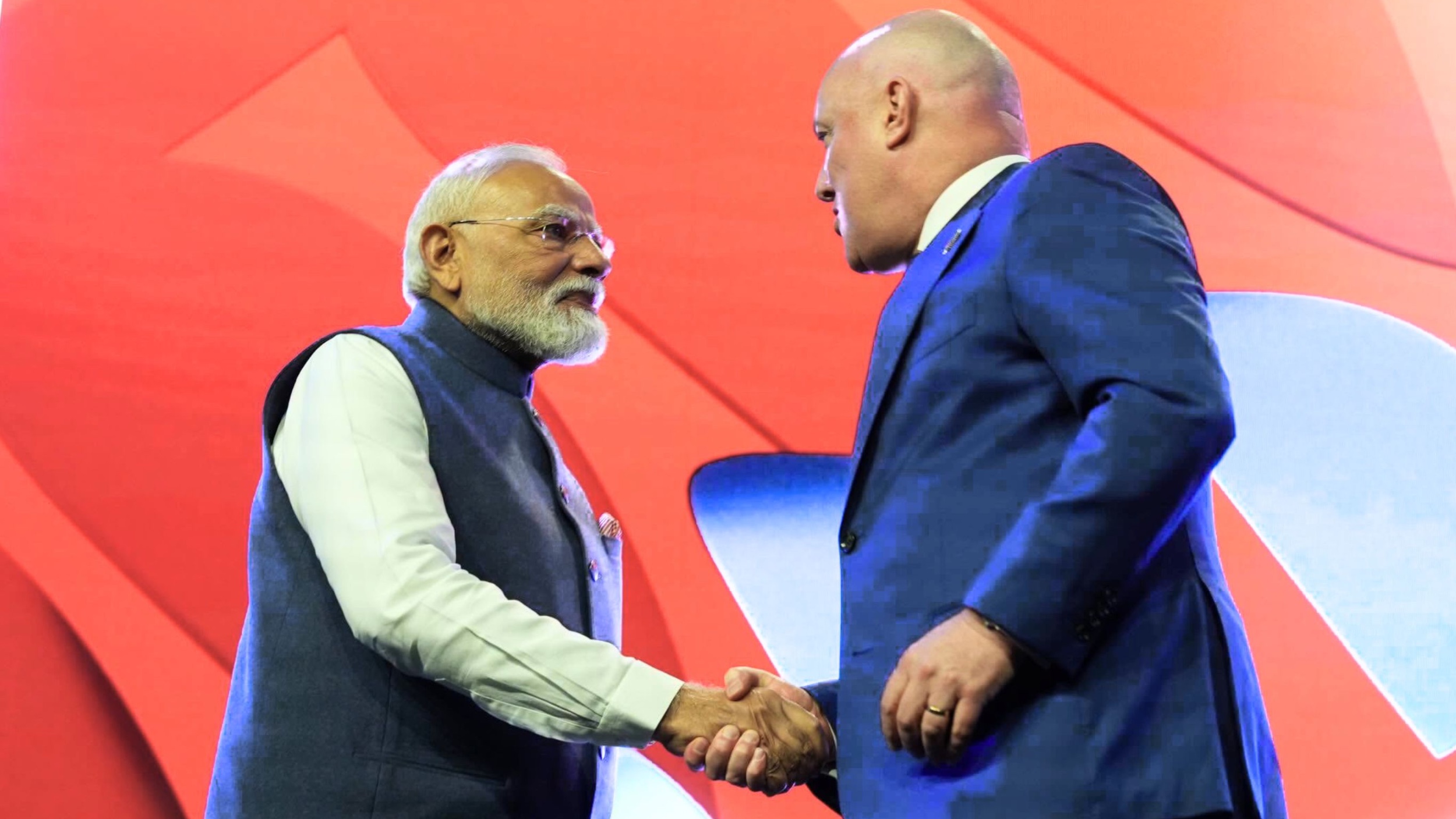
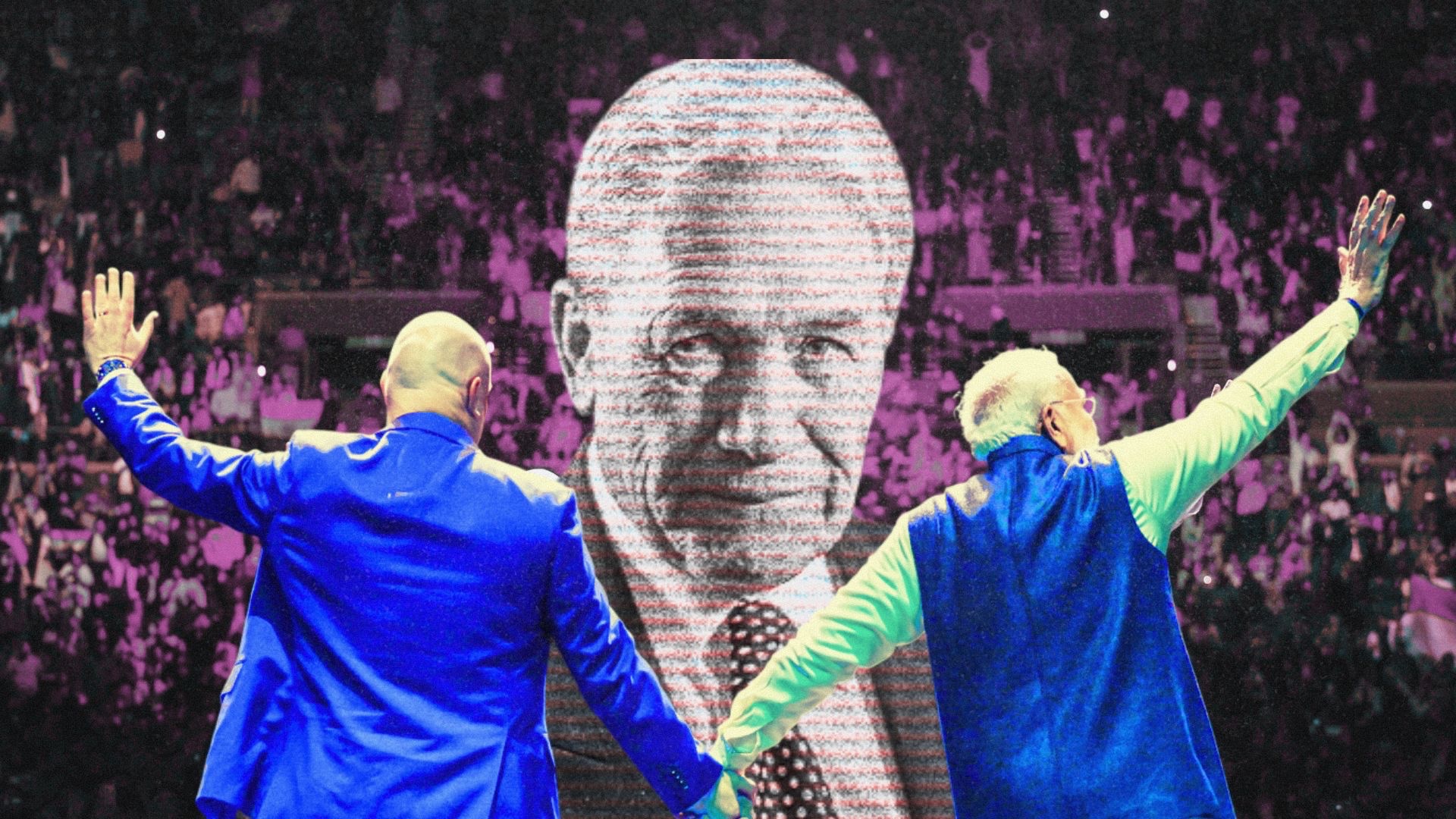
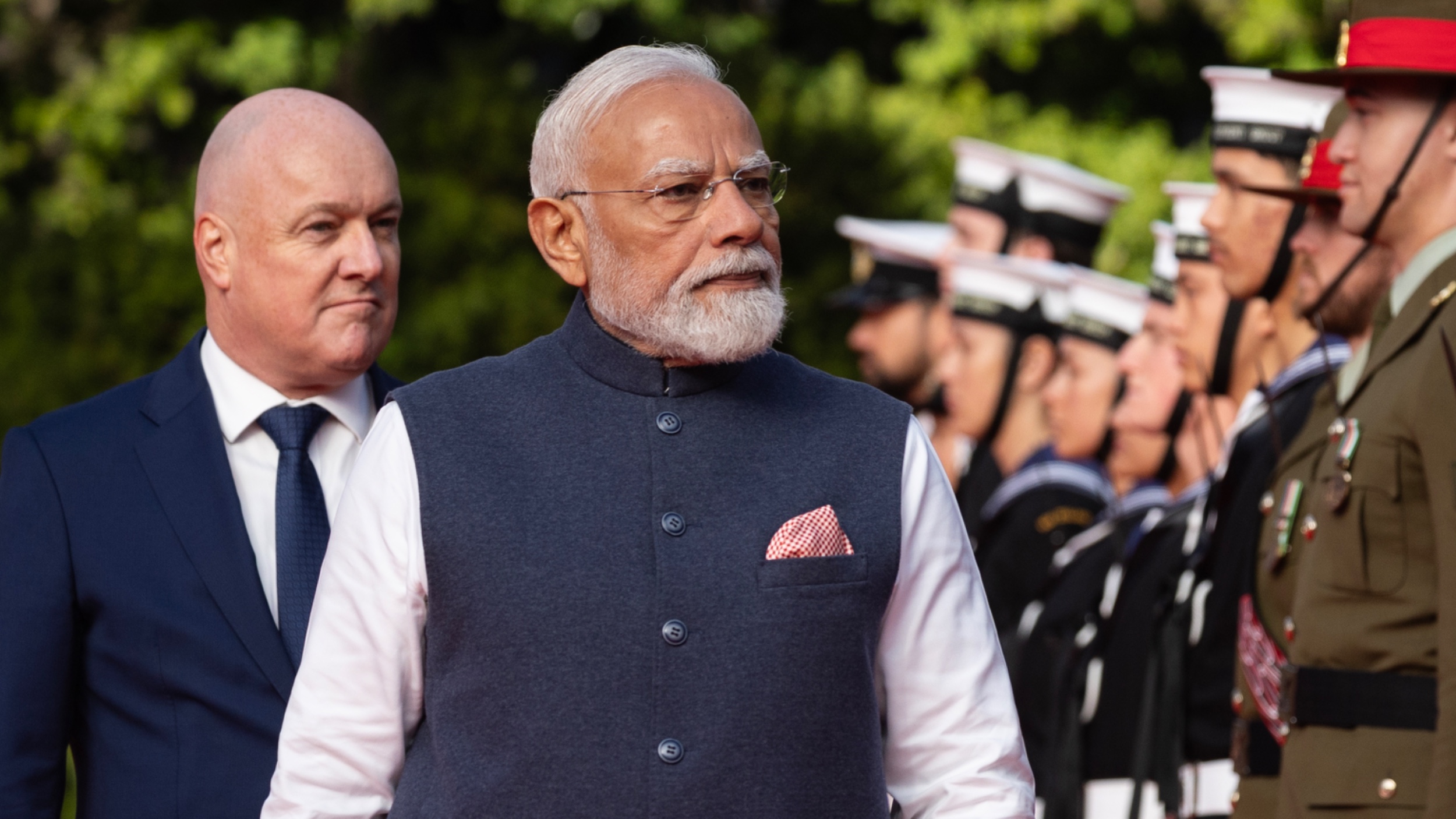
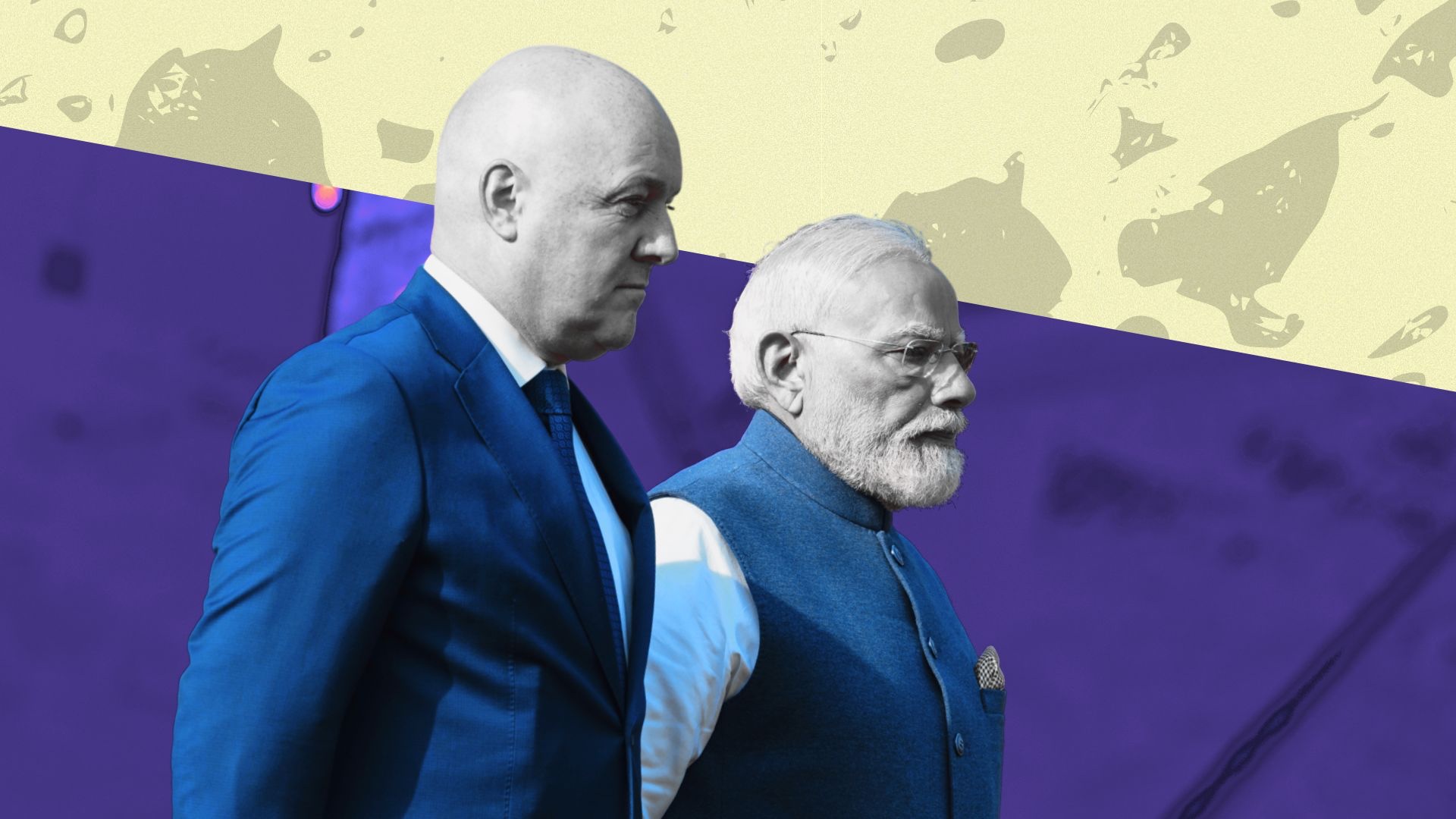
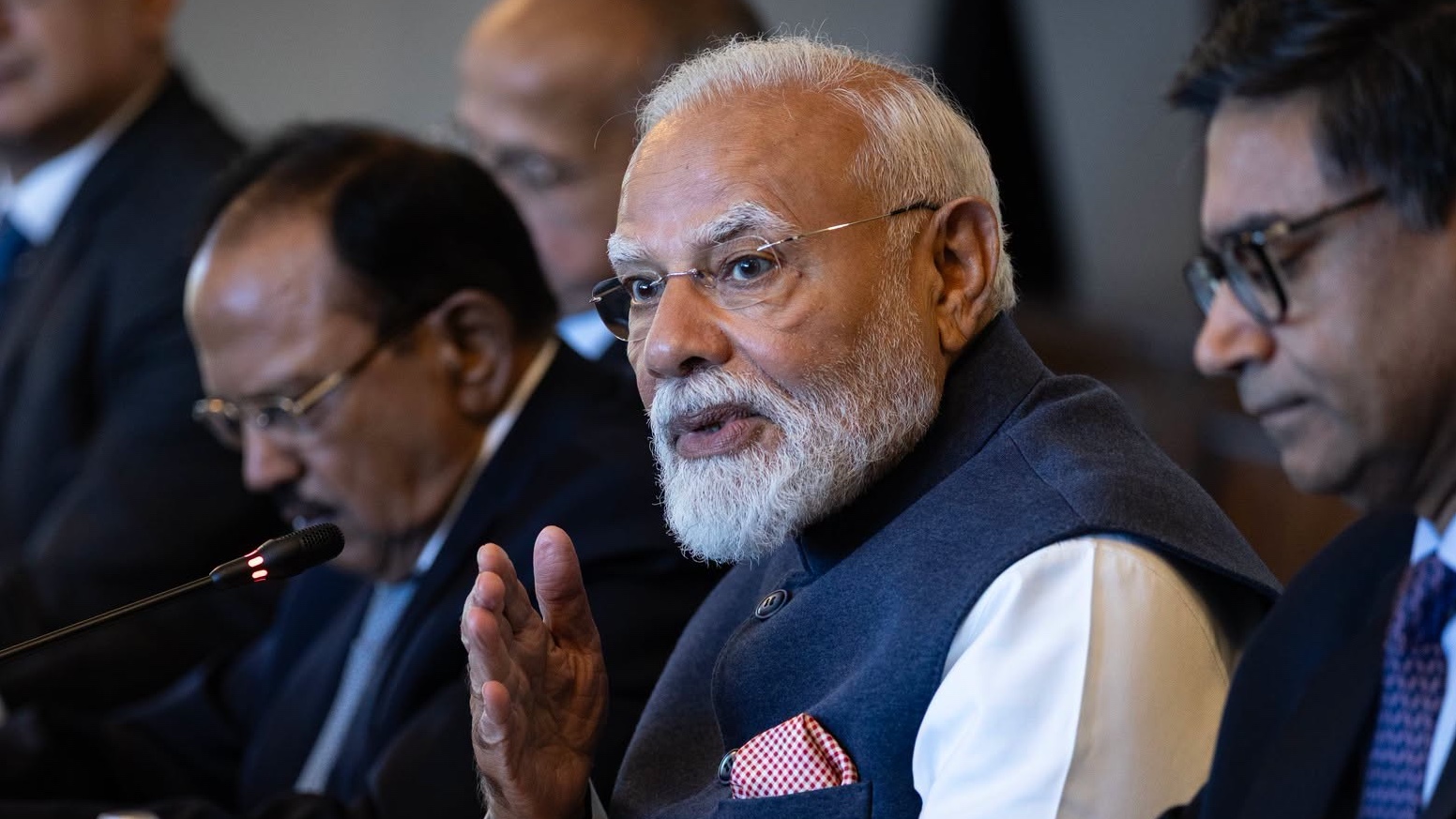
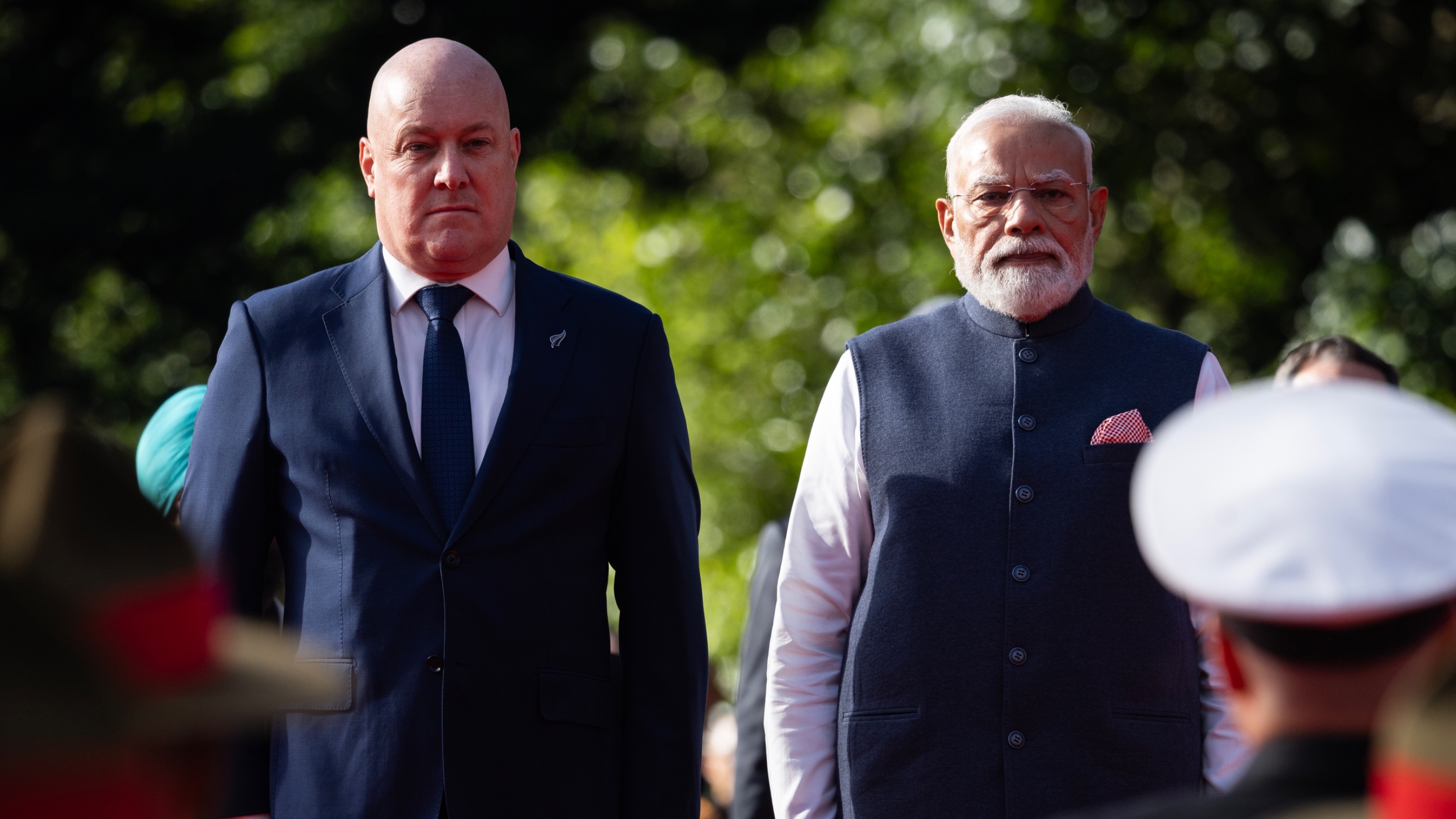
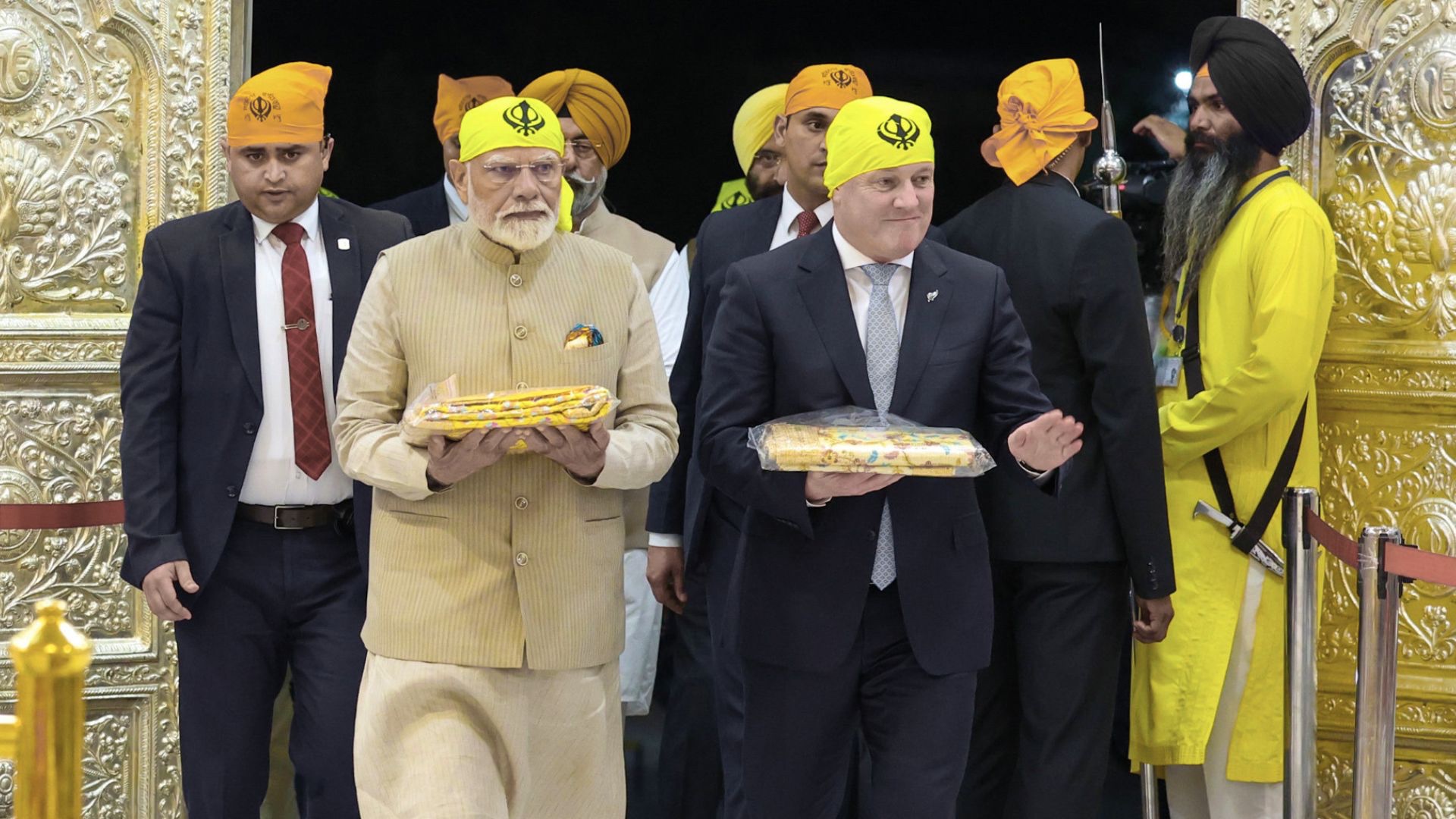
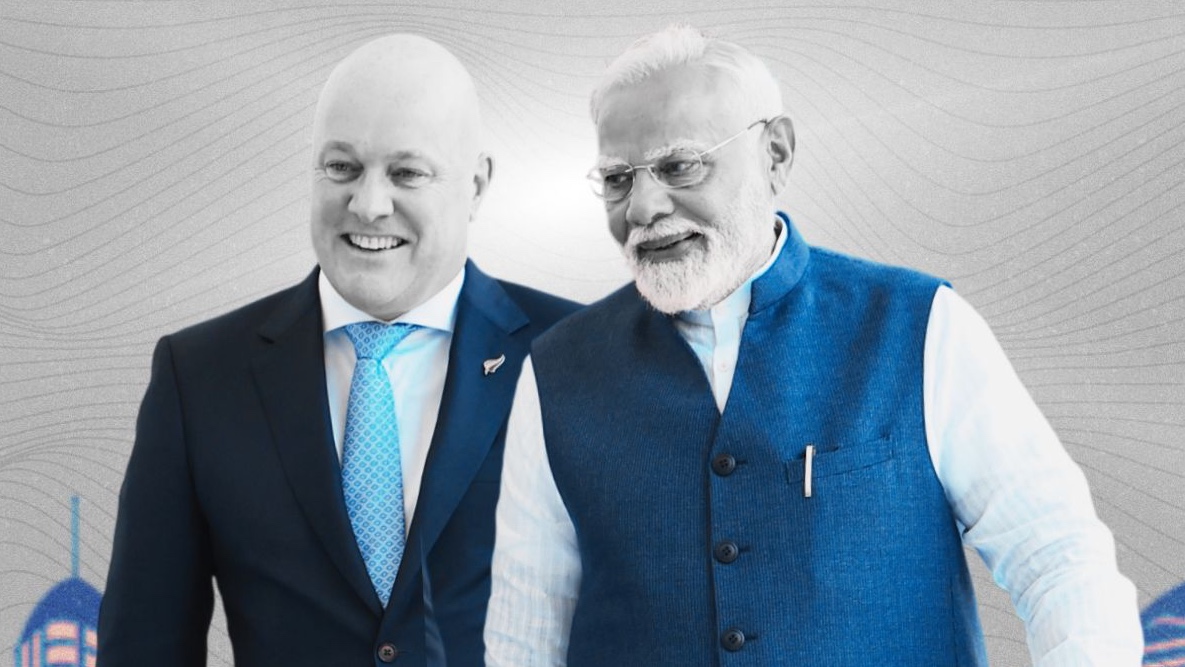
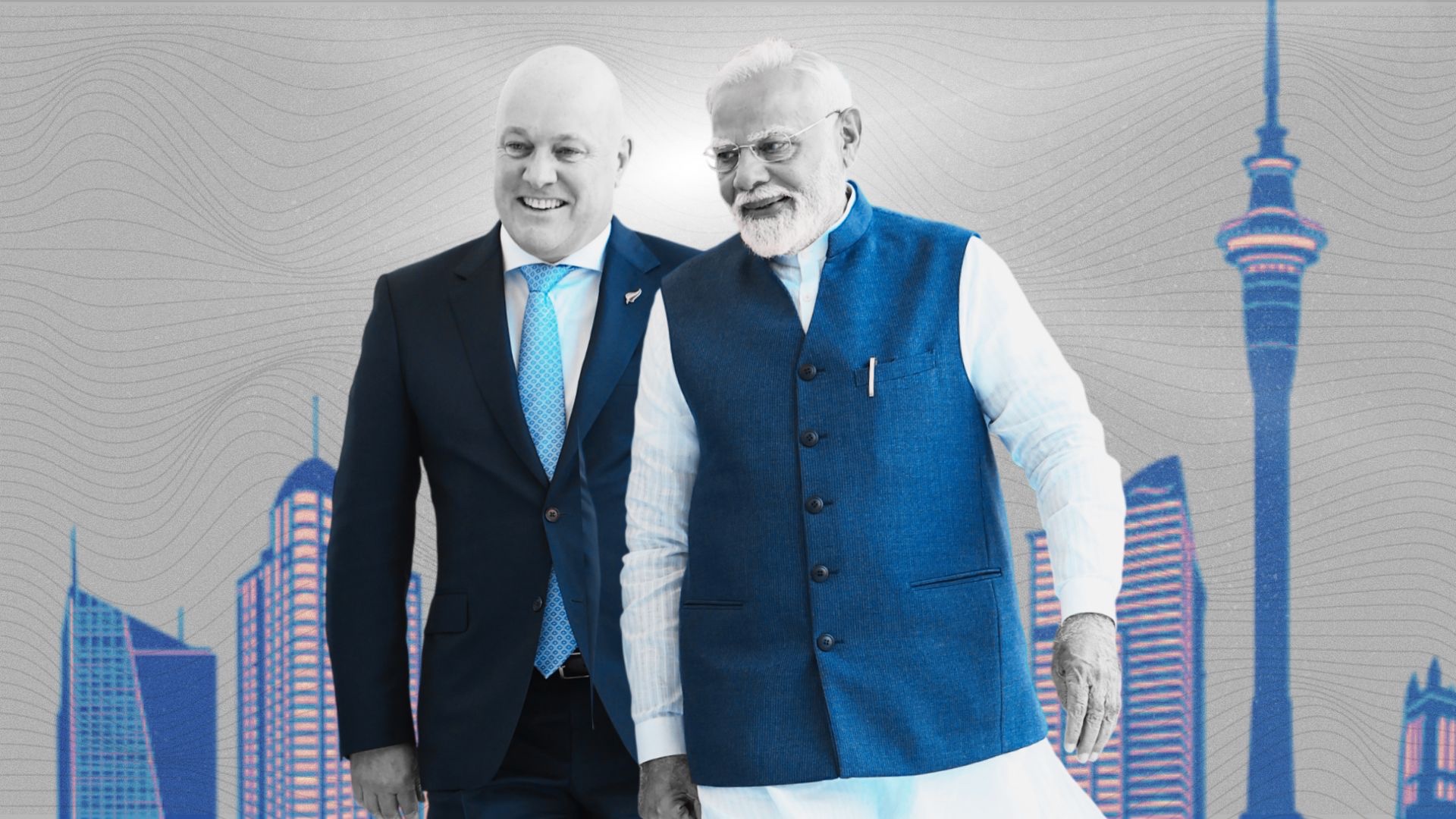
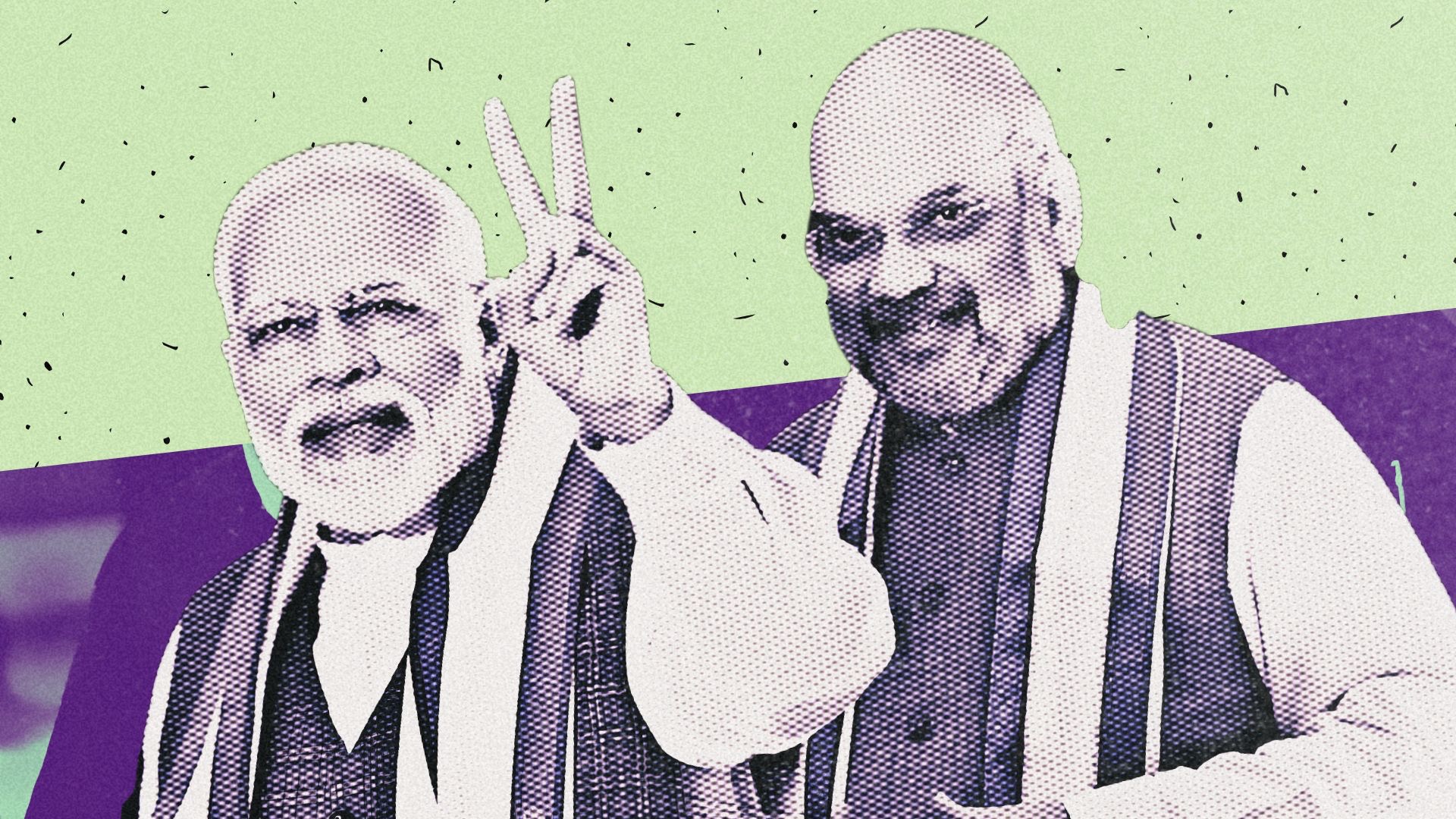
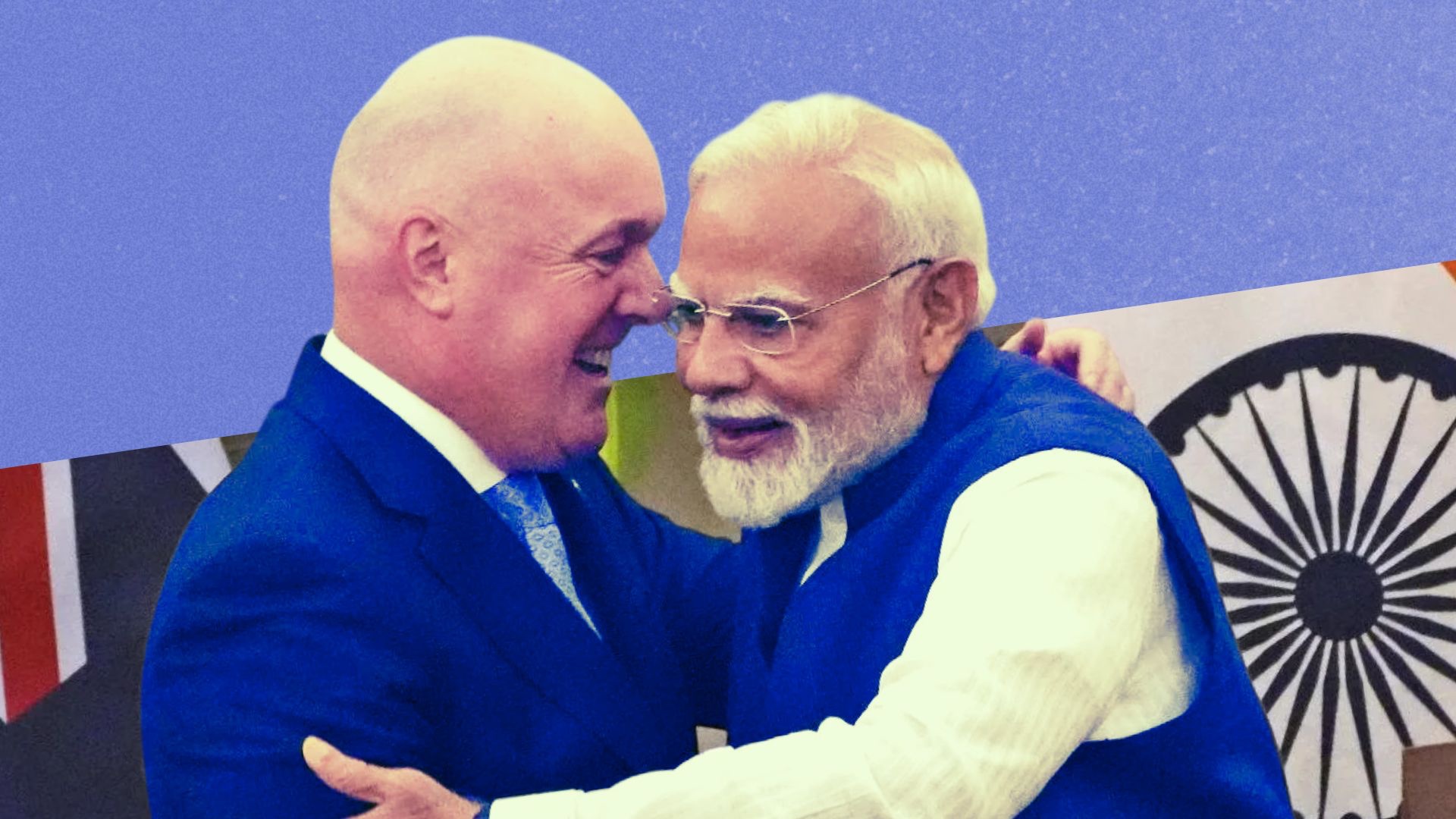
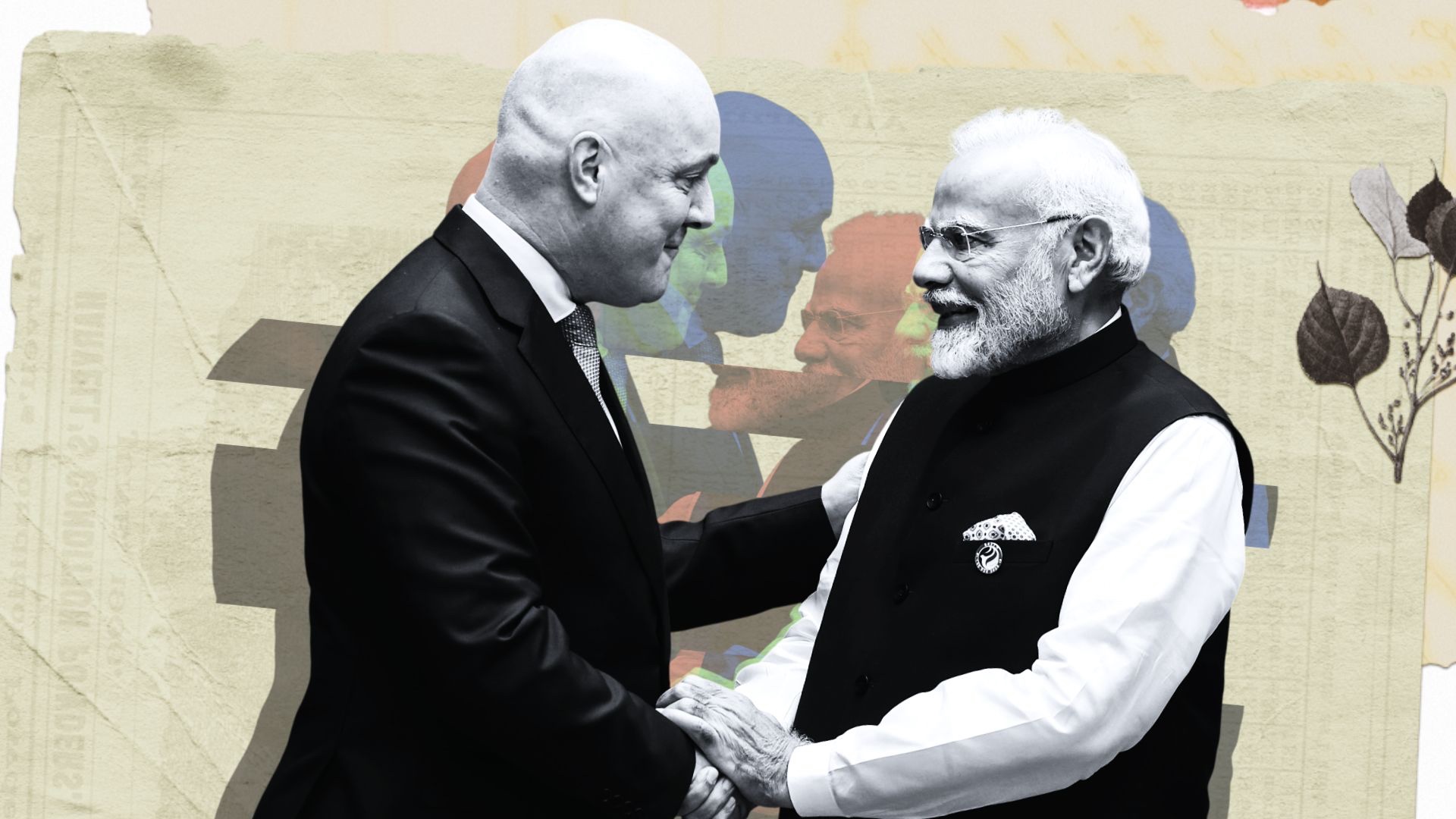
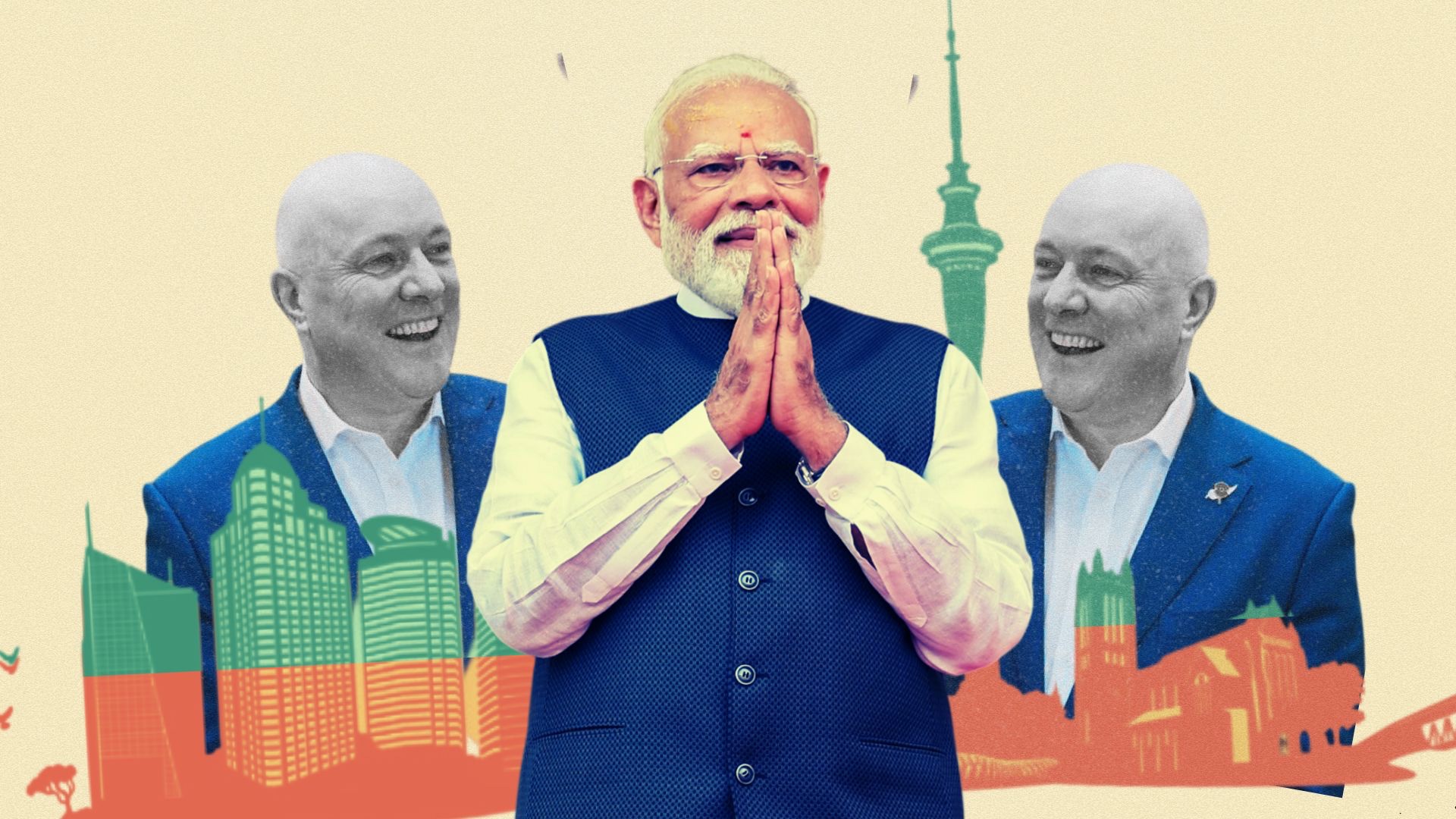
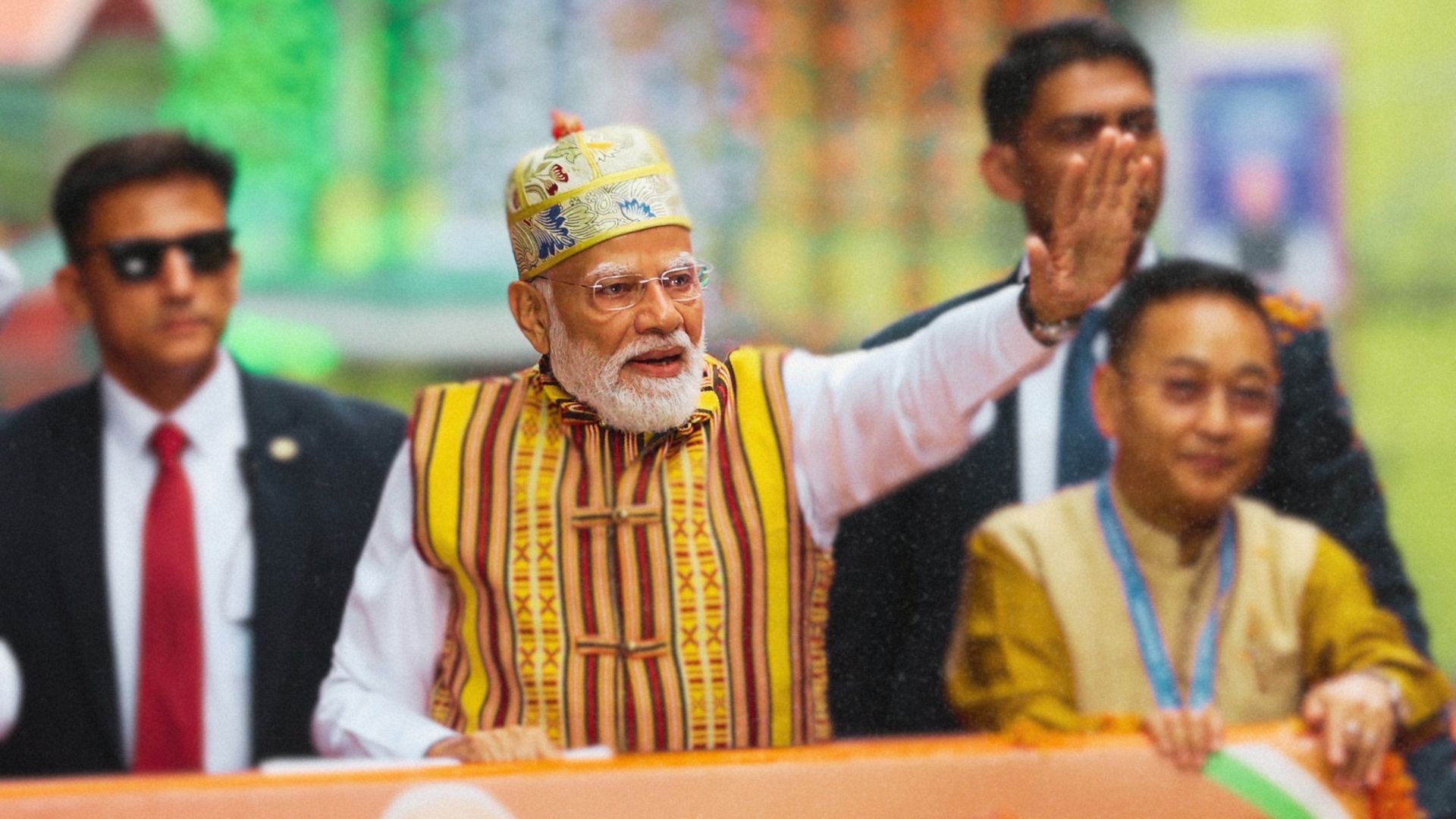
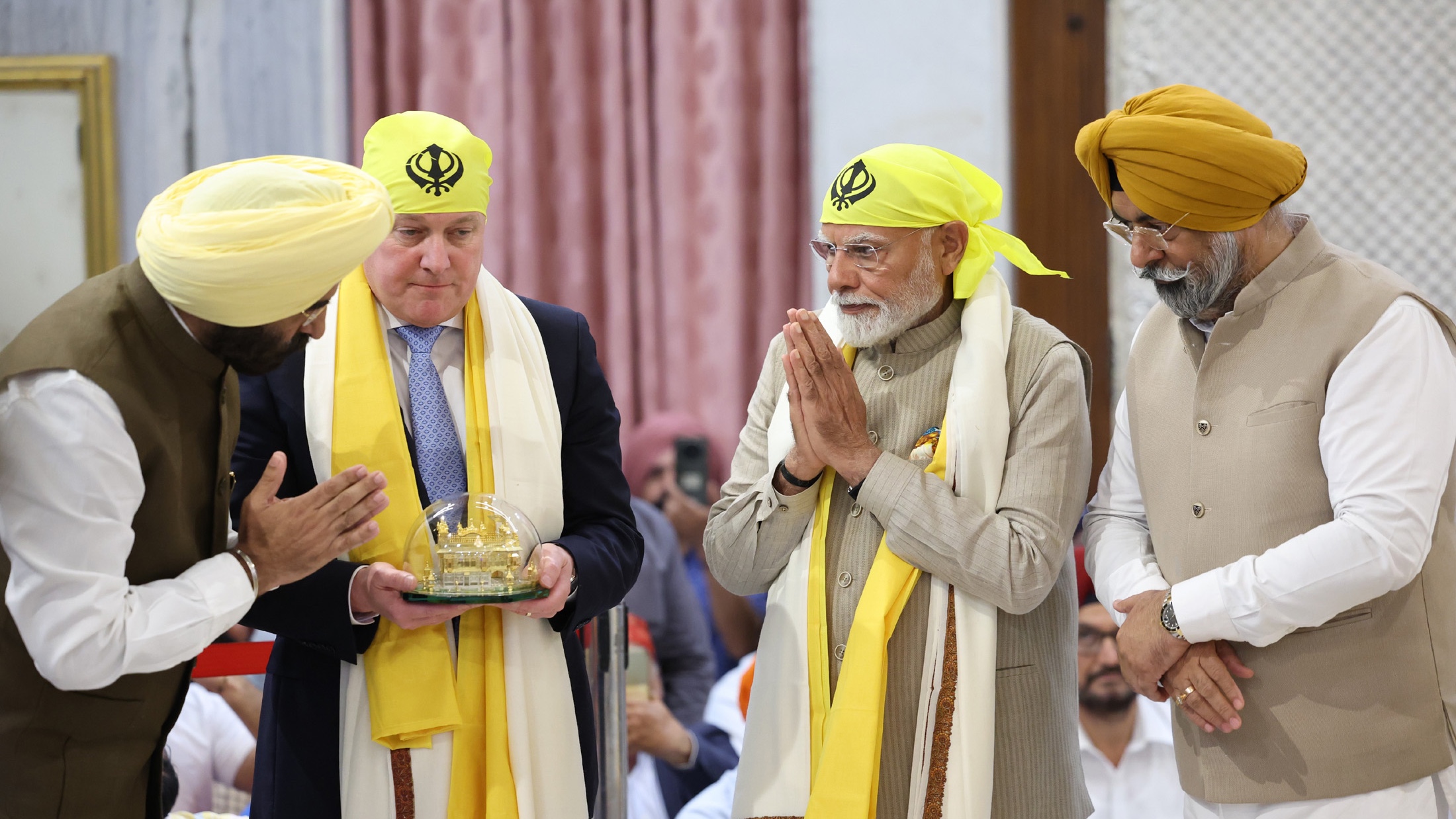
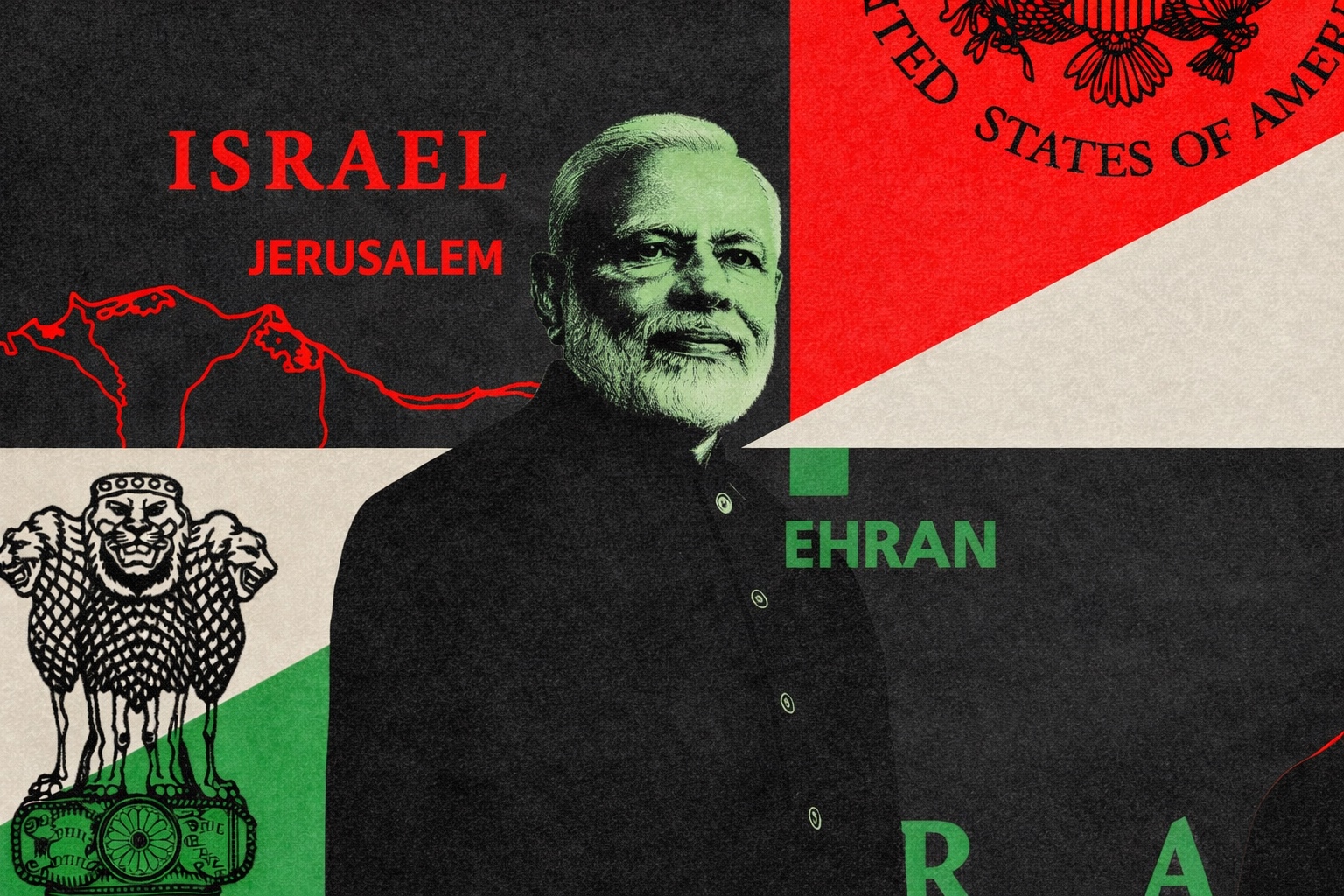
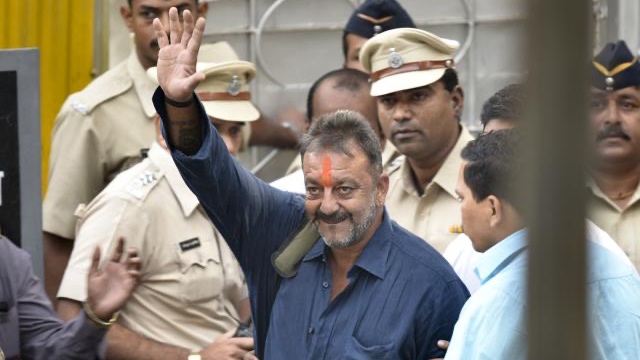
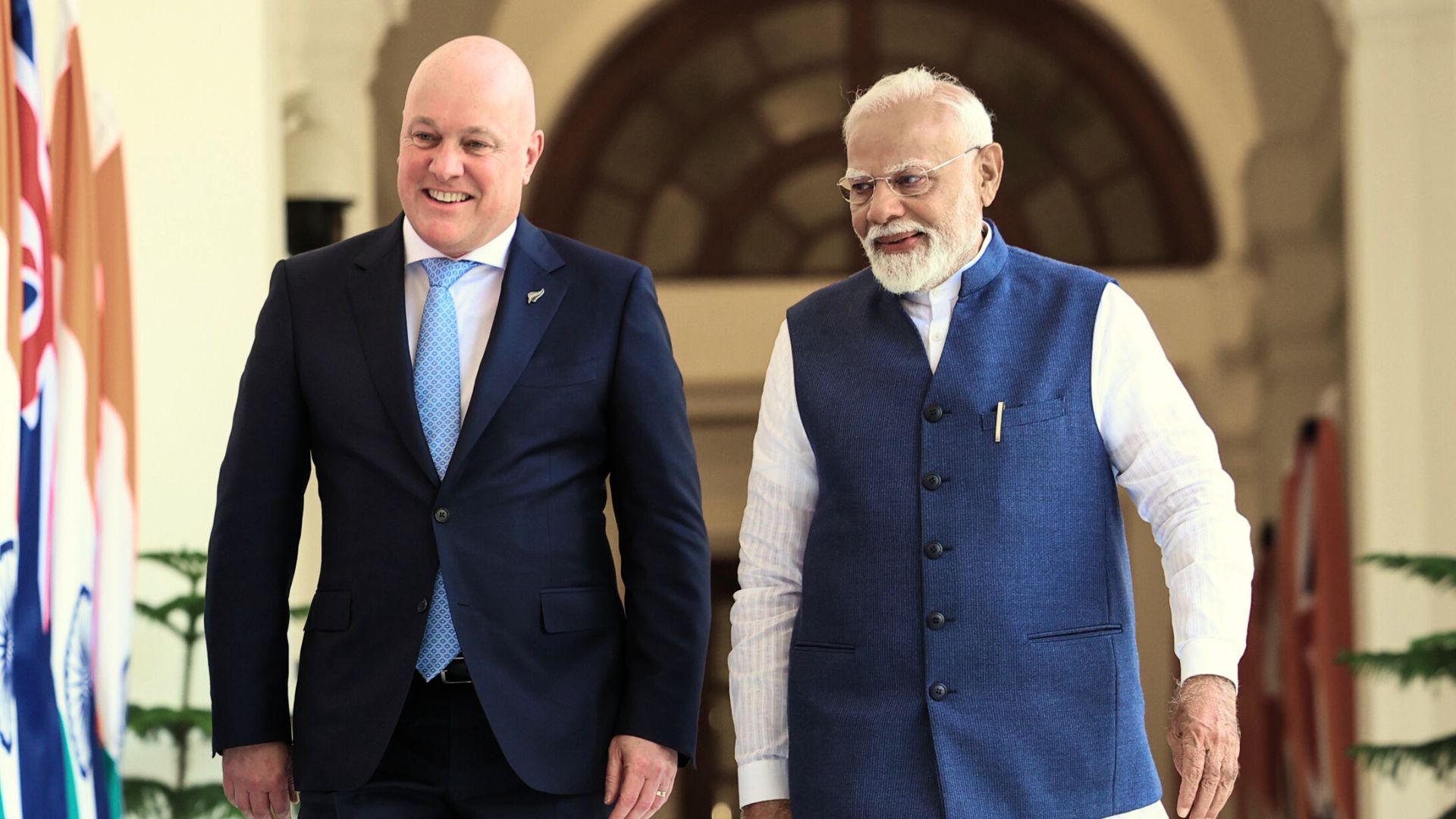
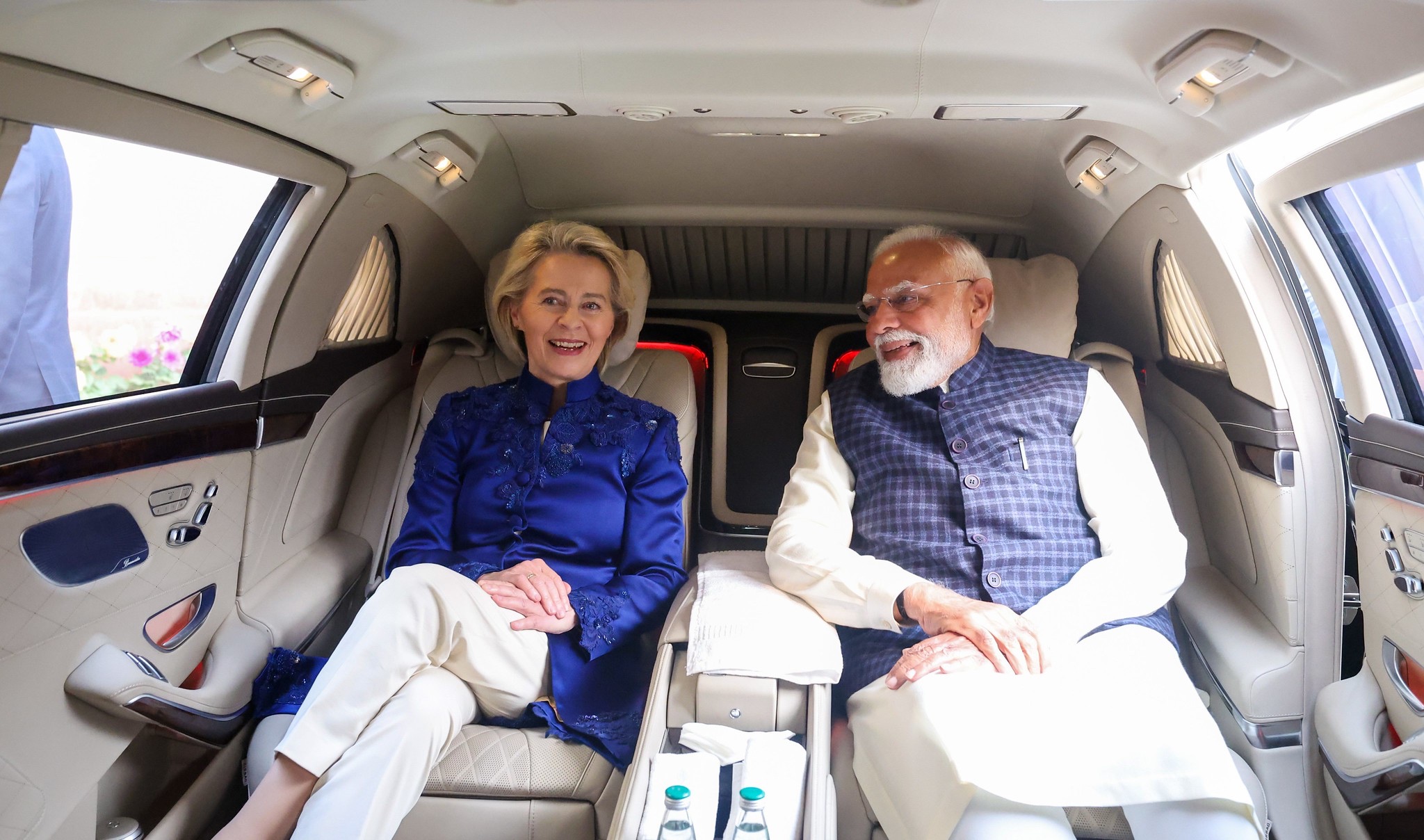
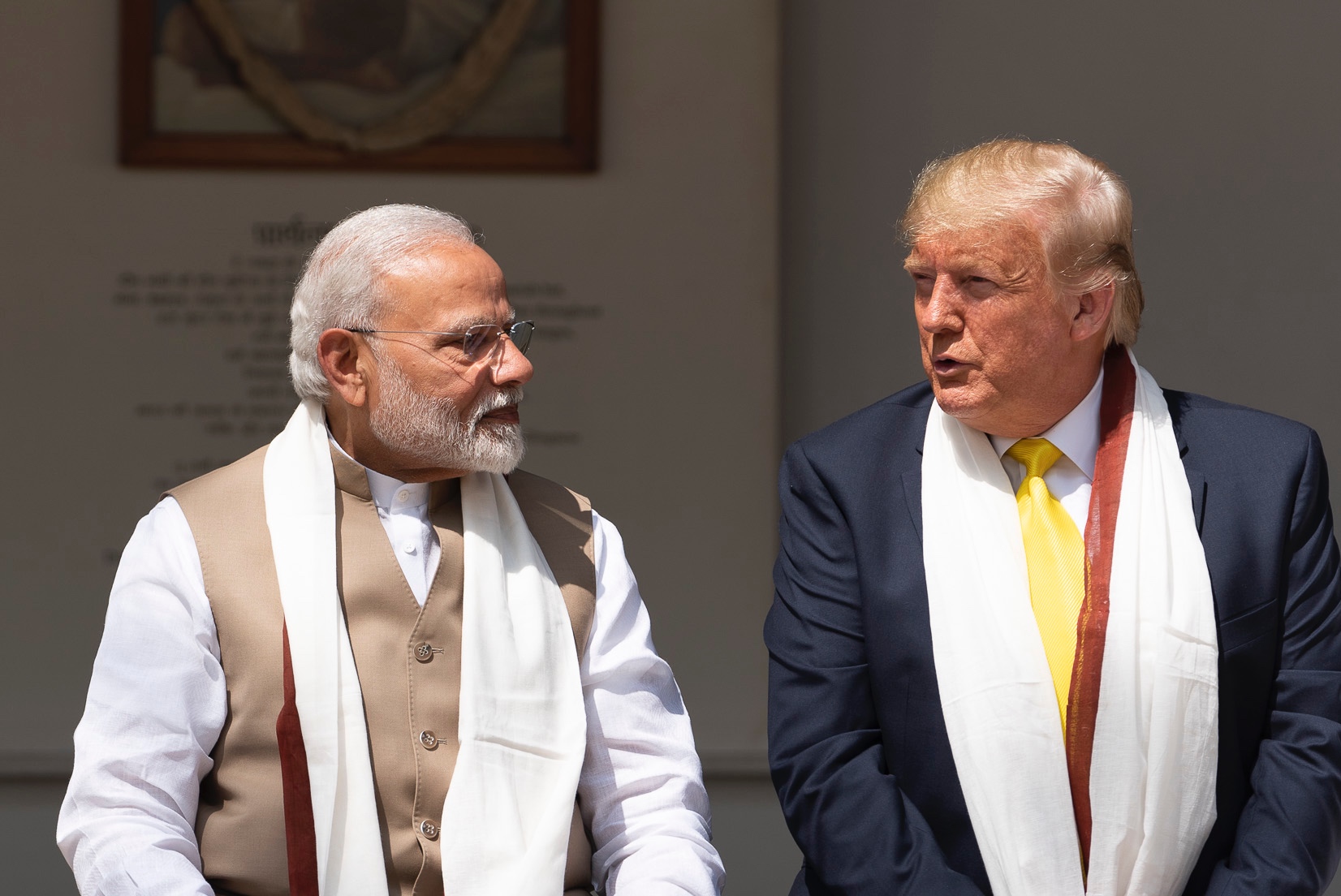
India's prime minister Narendra Modi at Shri Vinayak Temple in New Delhi on October 7, 2027. (Supplied photo)
Hostility towards Muslims in India had increased under the BJP, the immigration tribunal found, but that didn't pose a general risk of persecution.
Being a Muslim in India does not, by itself, create a serious risk of harm, New Zealand's top immigration tribunal has ruled.
The Immigration and Protection Tribunal (IPT) has acknowledged increased hostility towards Muslims in India, discrimination and a “concerning level of impunity” for crimes against them.
But that alone doesn't mean being a Muslim in India is a seriously risky affair, tribunal member A M Clayton ruled while dismissing a 26-year-old Indian Muslim's refugee appeal on September 17.
The man from the northern Indian state of Uttarakhand claimed he lived in a small Hindu-majority village and he feared returning home.
Clayton said country information showed Muslims faced discrimination and occasional violence in India, but most were still able to live without serious harm or significant discrimination.
Election 2026: Will Kiwi-Indian voters decide the battle for Takanini? A South Auckland seat with one of New Zealand’s biggest Indian populations is shaping up as a test for ethnic identity and the ballot box.
India is coming to Auckland: Full schedule revealed for cricket, football, hockey, Diwali From the Black Caps and All Whites taking on India to Diwali, hockey, bowls and city-wide light displays, Auckland has revealed its sporting centenary programme.
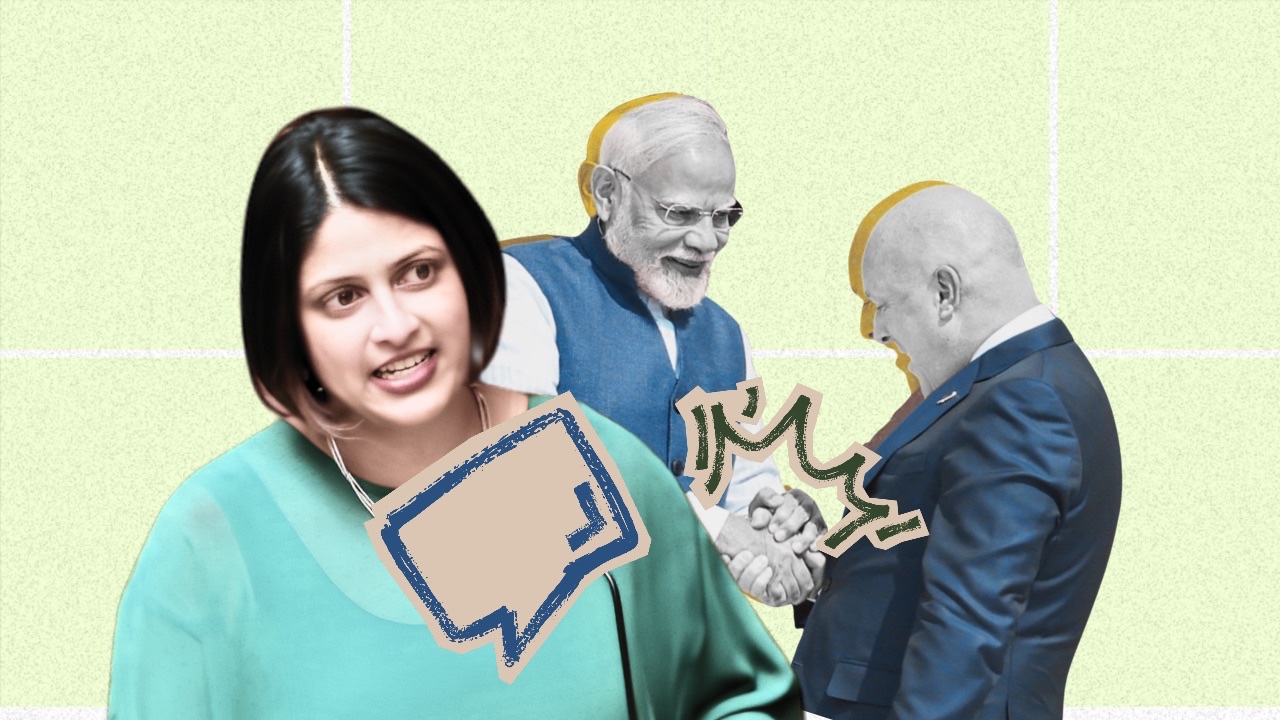
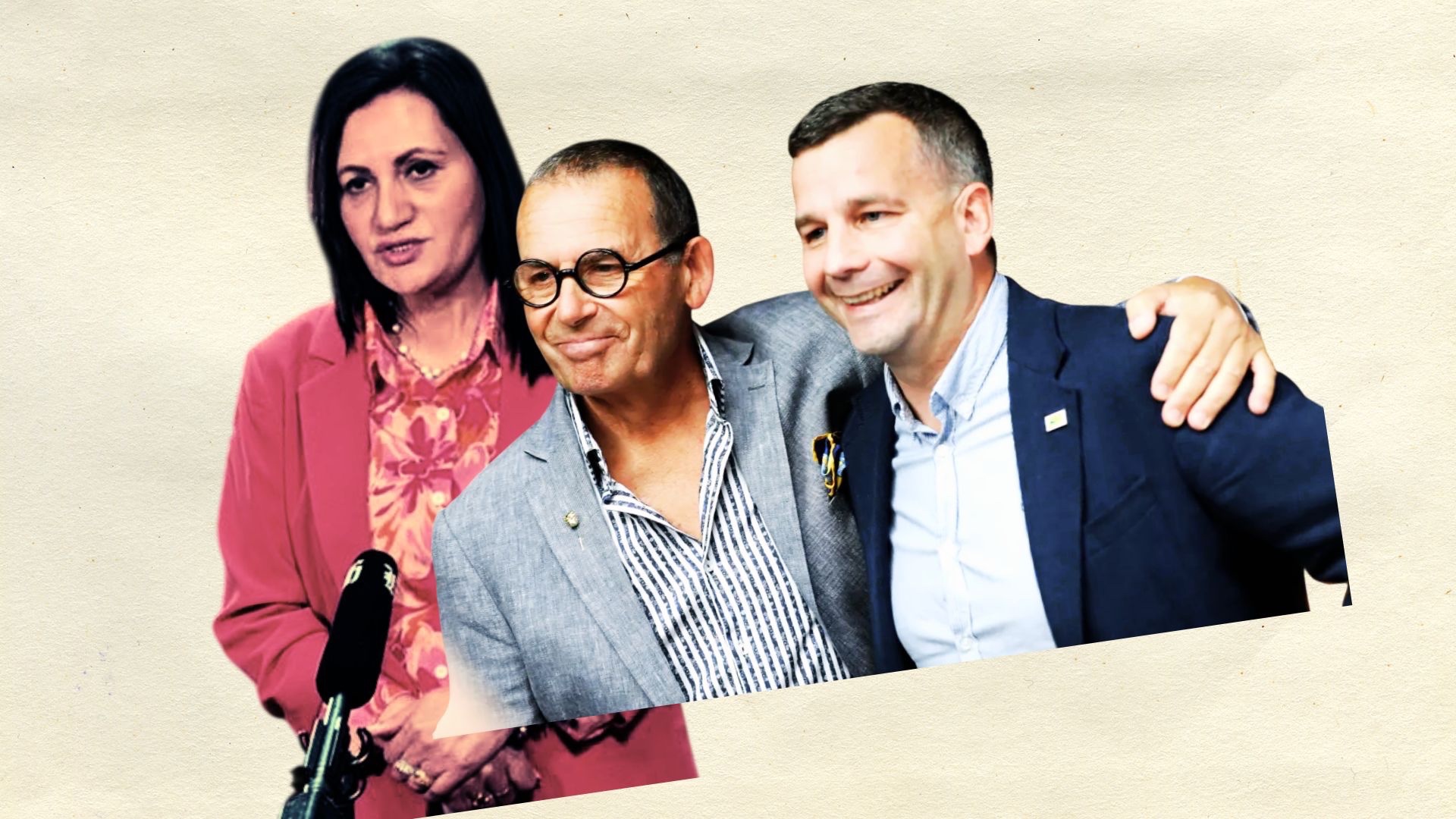
What does an Indian-origin MP owe Kiwi Indians? Priyanca Radhakrishnan on identity, belonging The three-term Labour MP says you can be Indian and Kiwi. Why should belonging require you to choose sides?
“Despite an increased level of hostility against Muslims which has been encouraged by the BJP and a concerning level of impunity against those who commit crimes against Muslims, this does not mean that being a Muslim in India creates a risk of serious harm,” Clayton wrote.
“In fact, the country information indicates that most Muslims are able to live their lives free from harm or significant discrimination.”
The tribunal reached that conclusion after examining reports from the Australian government, Amnesty International, Human Rights Watch, Freedom House, the UK Home Office and the US-based Centre for the Study of Organized Hate.
An Australian Department of Foreign Affairs and Trade (DFAT) report from September 2023 assessed there was a low risk of societal violence for India’s nearly 200 million Muslims, although it warned that when violence did occur the consequences could be serious or fatal.
It also found significant geographic differences, with discrimination generally lower in Muslim-majority communities and greater risks for poorer, lower-caste Muslims and Dalit converts.
The tribunal also considered a considerably bleaker assessment from Amnesty International. Its 2024 report said Muslims faced widespread discrimination and prejudice in areas including housing and employment, and pointed to what it described as an erosion of rights relating to education, expression, religion and non-discrimination.
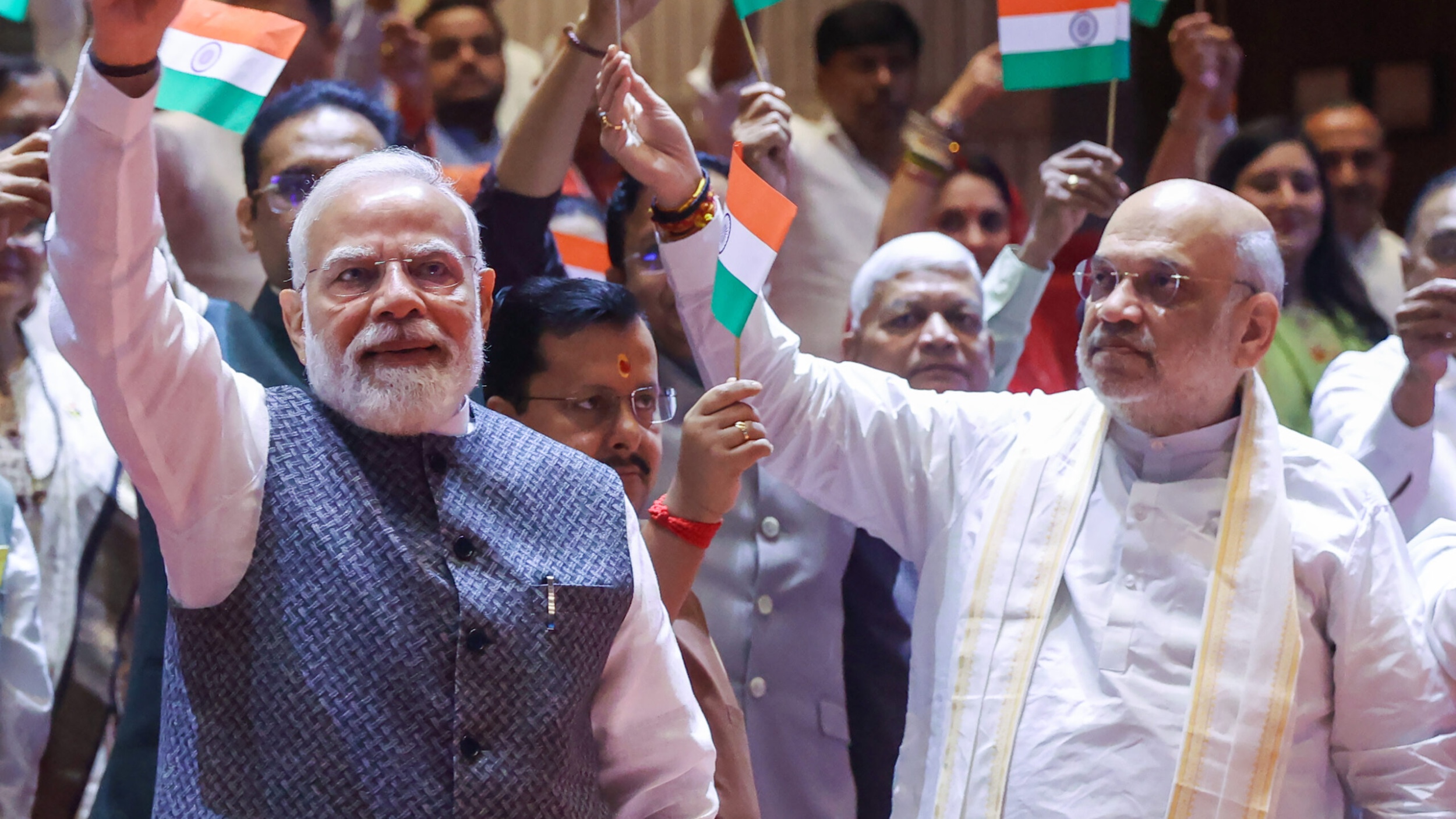
Clayton accepted Hindu nationalism had risen since the BJP and Narendra Modi came to power in 2014 and that discrimination against Muslims had increased.
But the tribunal said the extent of discrimination varied considerably across India and did not amount to a general risk of persecution for Muslims simply because of their religion.
The appellant came from a small Hindu-majority village in Uttarakhand, where only about 15 of an estimated 165 families were Muslim.
His parents and siblings continued to live there, and the tribunal noted that none had been harmed since he left India.
A Muslim neighbour who gave evidence also said he and his wife continued to live ordinary lives in the village and that he still attended the mosque without being stopped or challenged.
The man had claimed he was attacked by Hindu extremists while walking to a mosque in December 2022, stabbed in the stomach and hit in the eye with an iron rod.
The tribunal did not accept that account, finding inconsistencies in his evidence and concluding that some hospital documents submitted to support his claim were false or manipulated.
It also rejected his claim that he had been specifically targeted by the BJP, Bajrang Dal or RSS.
Even setting those credibility findings aside, however, the tribunal separately considered whether his Muslim faith itself meant he faced persecution if returned to India.
Clayton said the man could return either to his home village or live elsewhere in India, including in a city or community with a larger Muslim population. He had already lived in Hyderabad for more than four months without incident before coming to New Zealand.
The tribunal ultimately found there was no real, as opposed to remote or speculative, risk that he would be seriously harmed because he was Muslim.
“In whichever location the appellant chooses to live in India, the Tribunal does not find that he would face a real chance of suffering serious harm arising from breaches of human rights,” Clayton wrote.
“It does not find that he has a well-founded fear of being persecuted.”
The appeal was dismissed, with the tribunal also finding he did not qualify for protection under either the Convention Against Torture or the International Covenant on Civil and Political Rights.