
The Punjabi language has made its move into New Zealand's formal education system
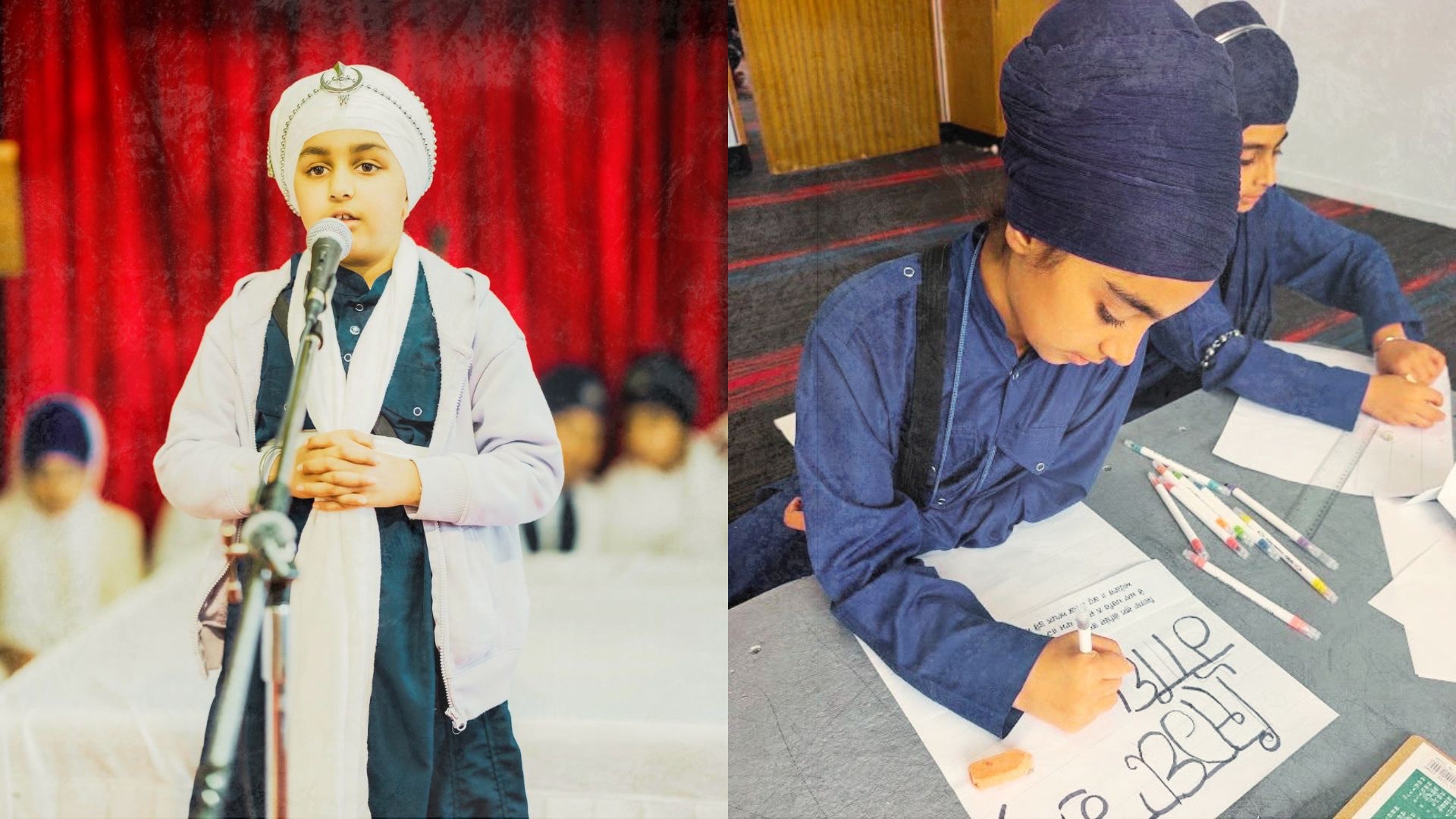
Punjabi language learning has bagged its first structured pathway in New Zealand's education system.
A new Private Training Establishment hopes to shift the conventional volunteer-led language classes to a more structured curriculum.
After more than 135 years of Sikh presence in New Zealand, Punjabi language education has entered the country’s formal tertiary education system through a Sikh-led institution for the first time.
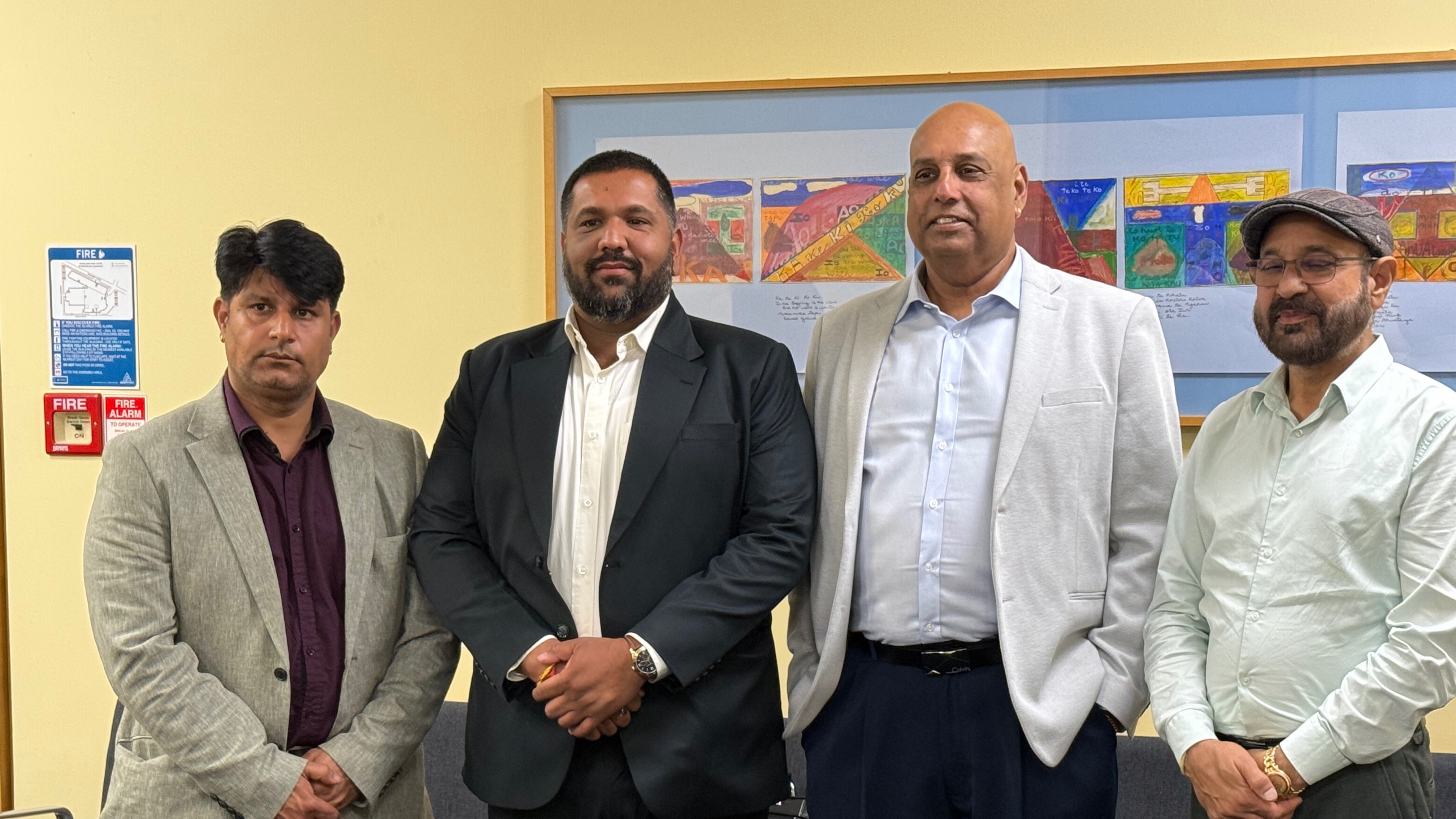
The Institute of Sikh Studies New Zealand has become an NZQA-registered Private Training Establishment, allowing it to develop, deliver and assess nationally recognised qualifications.
Its first programme, the Certificate in Punjabi Language (Level 3), marks a shift from the largely volunteer-led and community-based model that has sustained Punjabi teaching in New Zealand for decades.


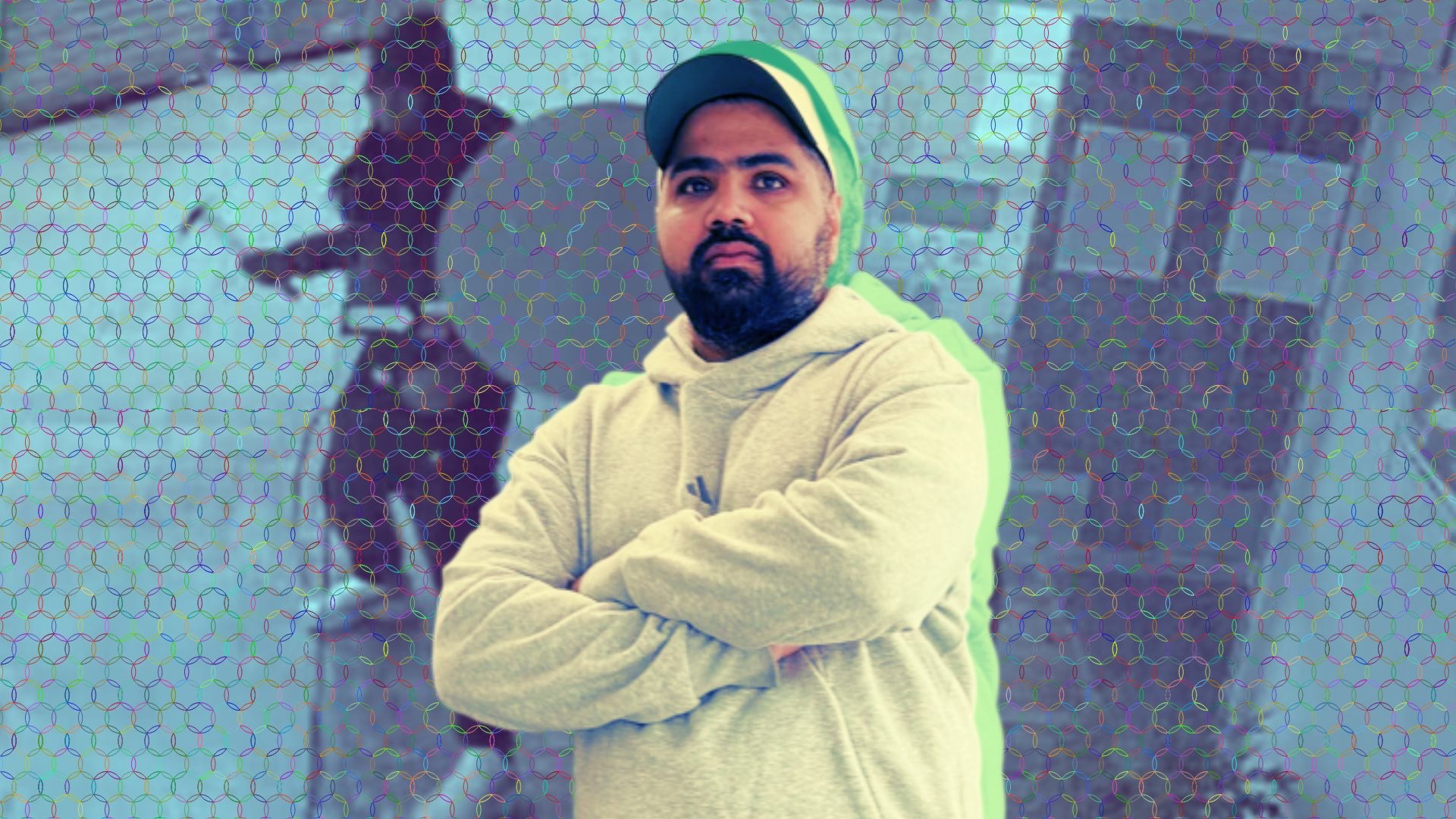
Institute representative Gurjot Singh said those community efforts had been invaluable in preserving the language and culture, but they had not previously led to nationally recognised qualifications.
“As a registered PTE, ISSNZ can now develop, deliver and assess NZQA-approved qualifications that sit within New Zealand’s official tertiary education framework,” Singh said.
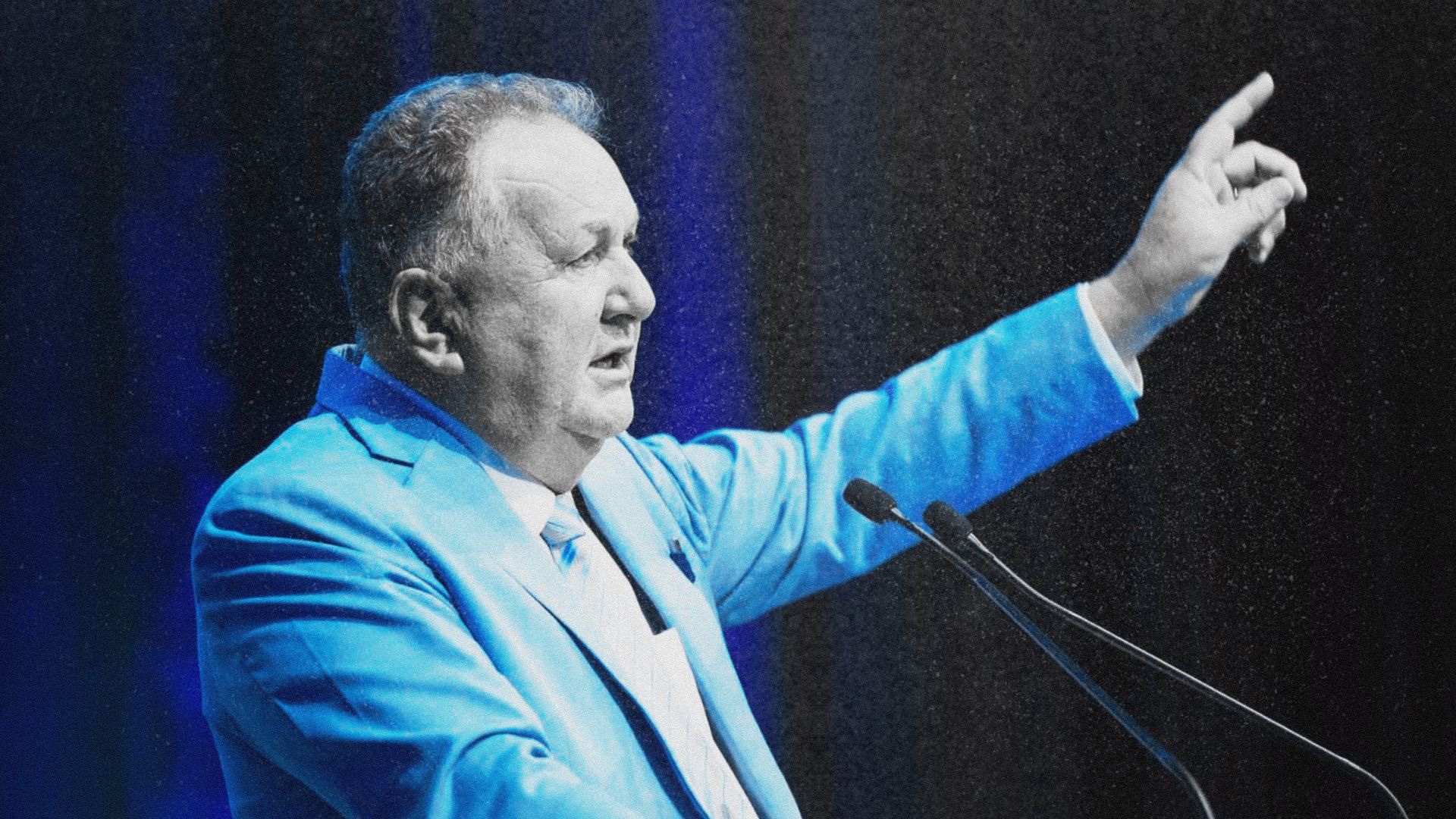
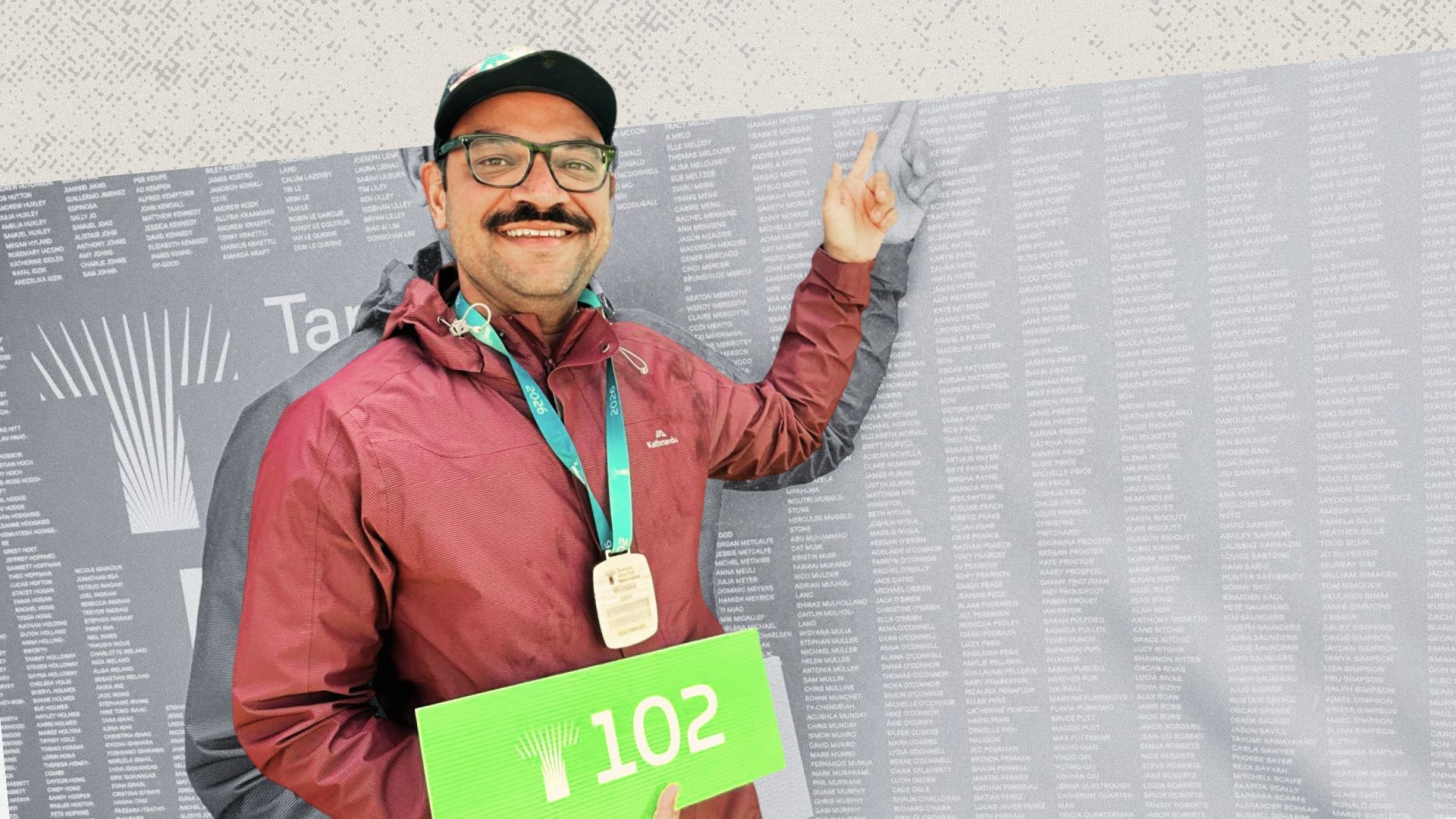
NZ First wants to end birthright citizenship for children of migrants, work rights for students "This set of polices is about taking back control of the future of our country and valuing our unique citizenship the way it should be."
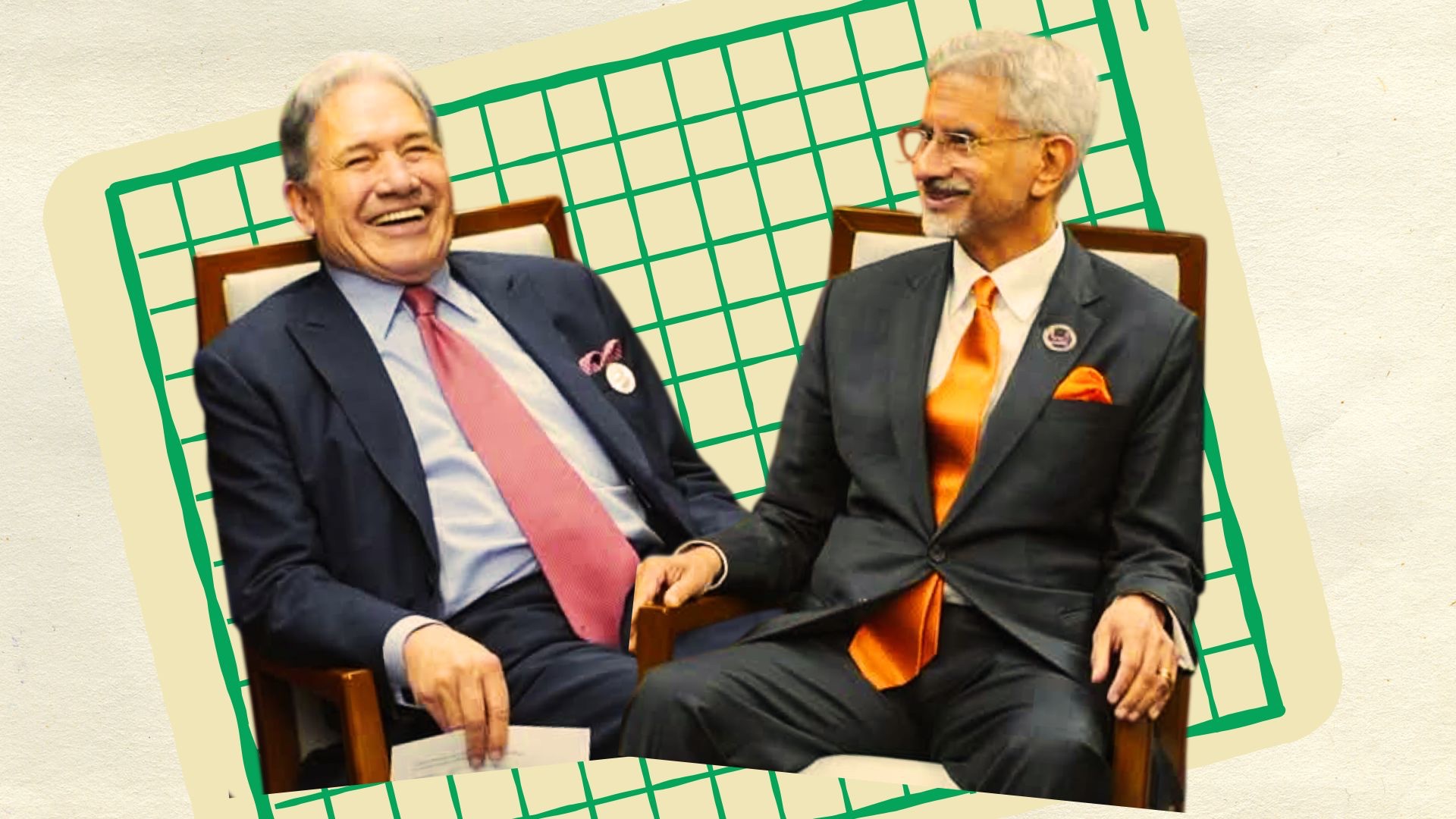
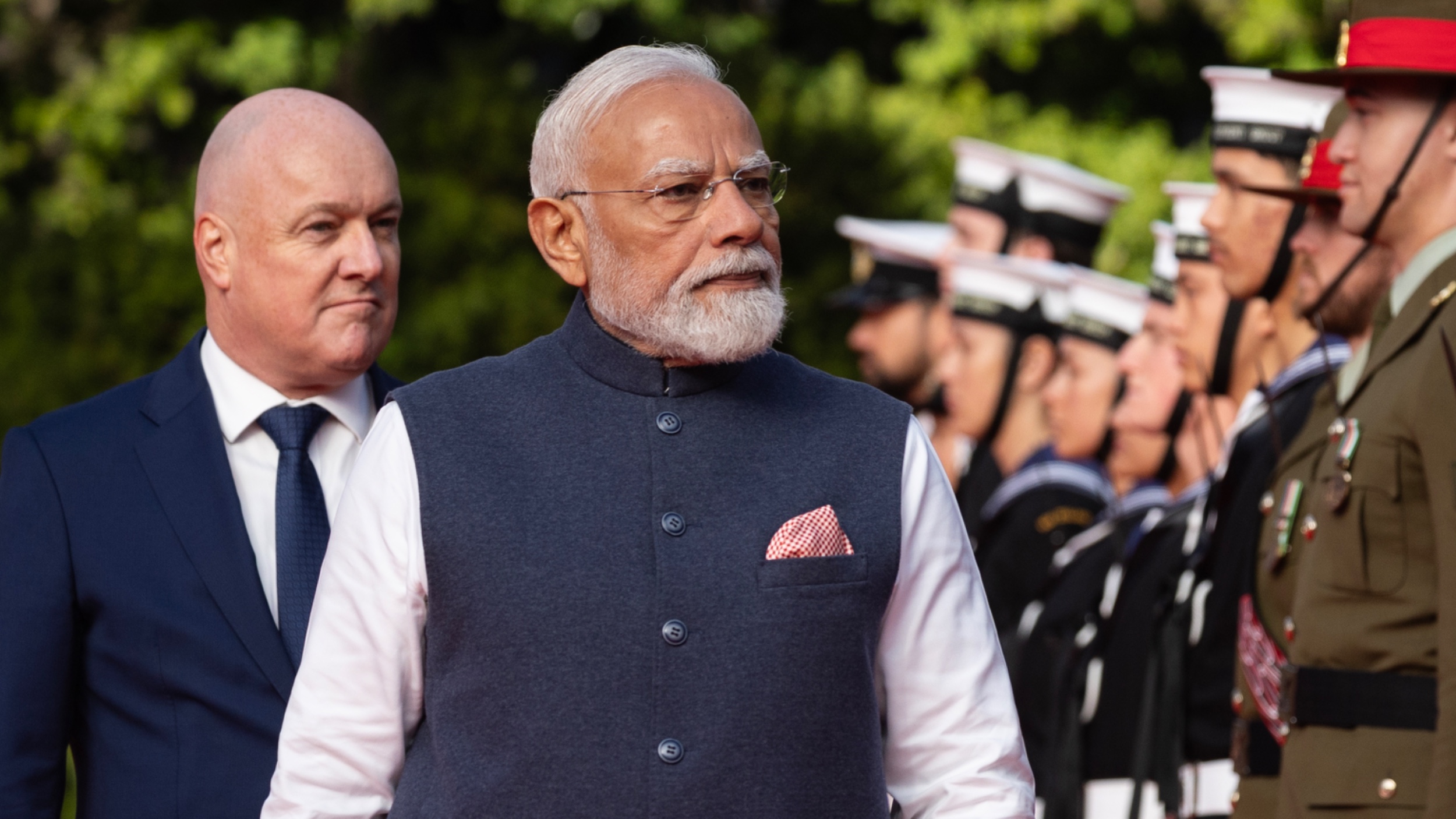
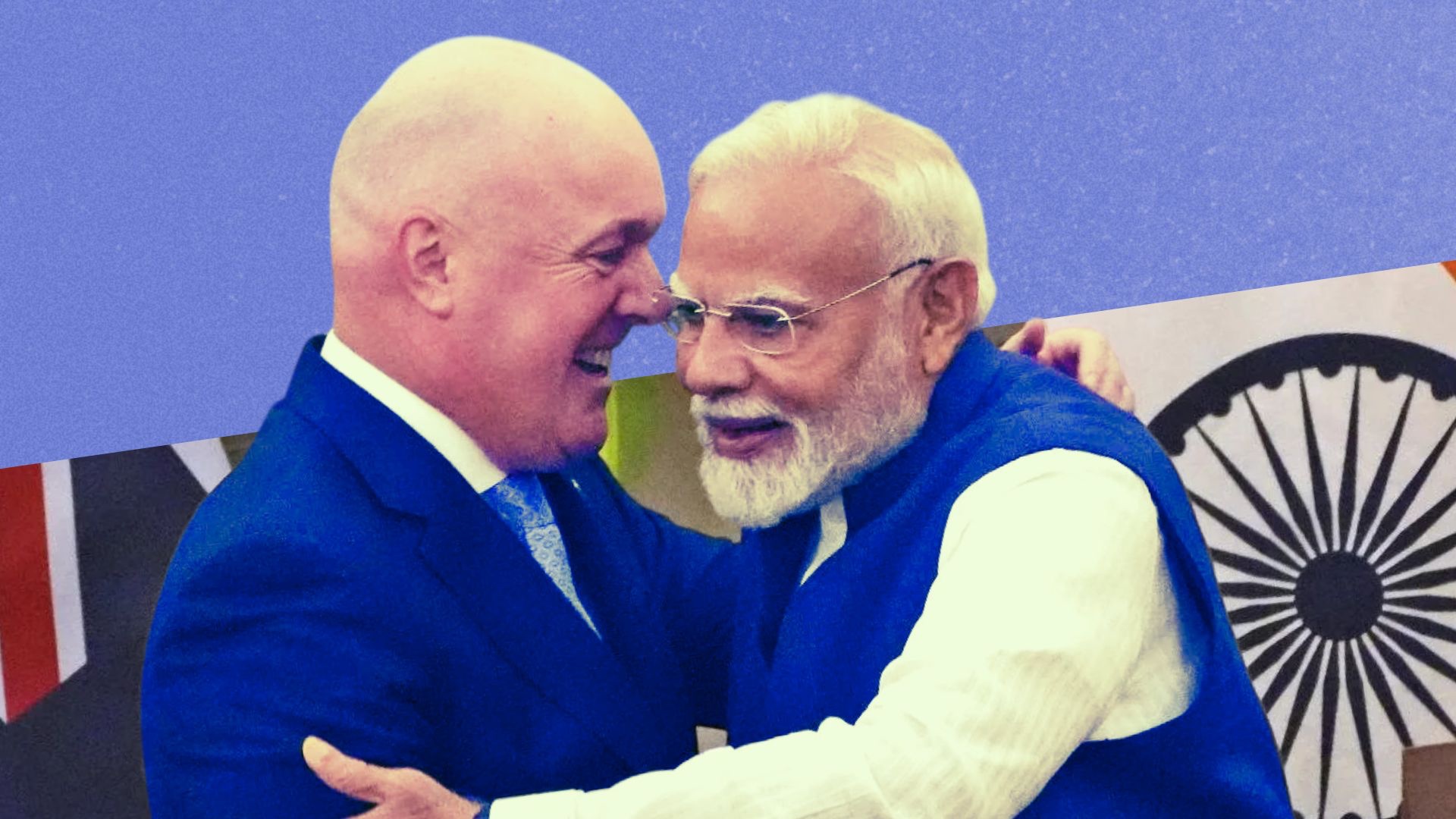
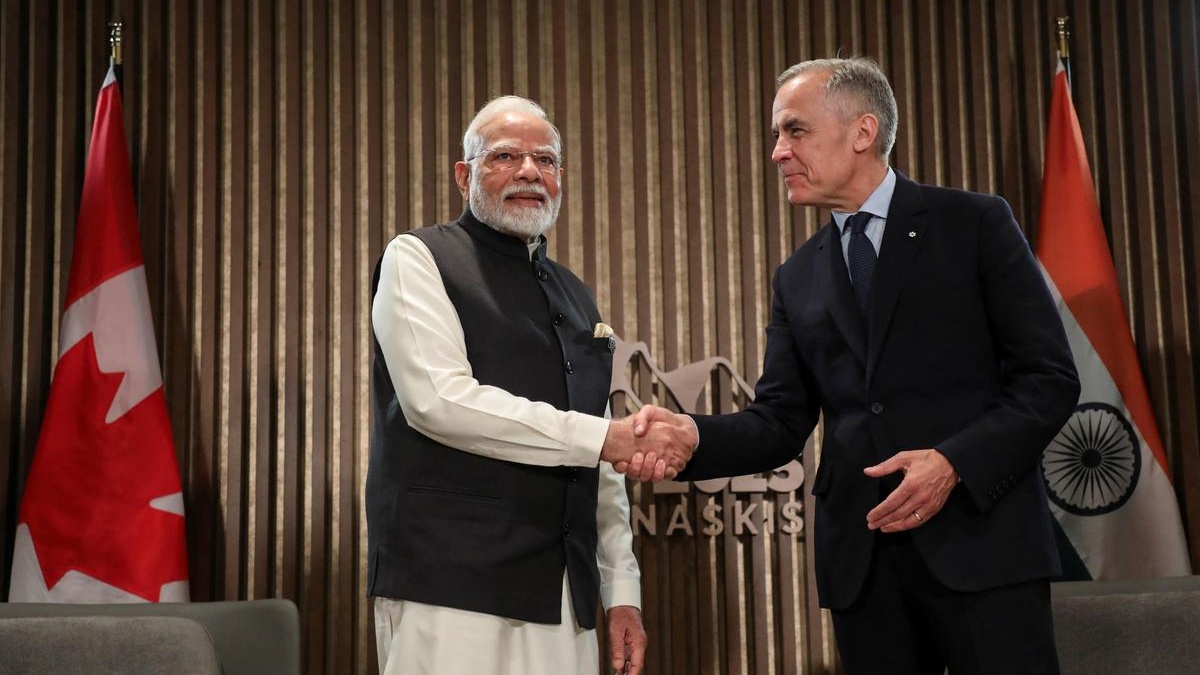
India-NZ FTA gets select committee nod, stage set for anticipated October launch “If that is the case, how exciting is that for New Zealand. Exciting, isn’t it?”
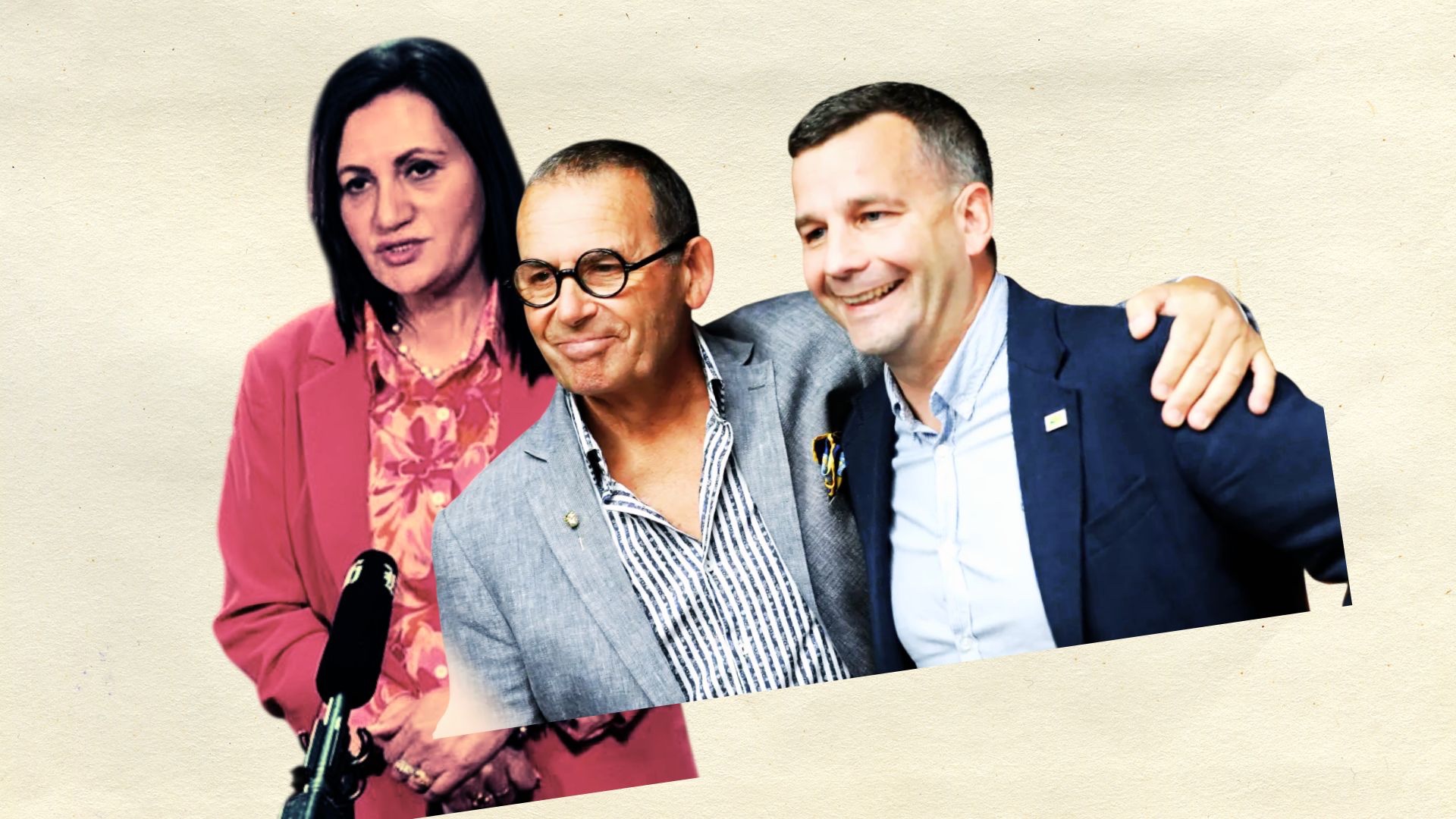
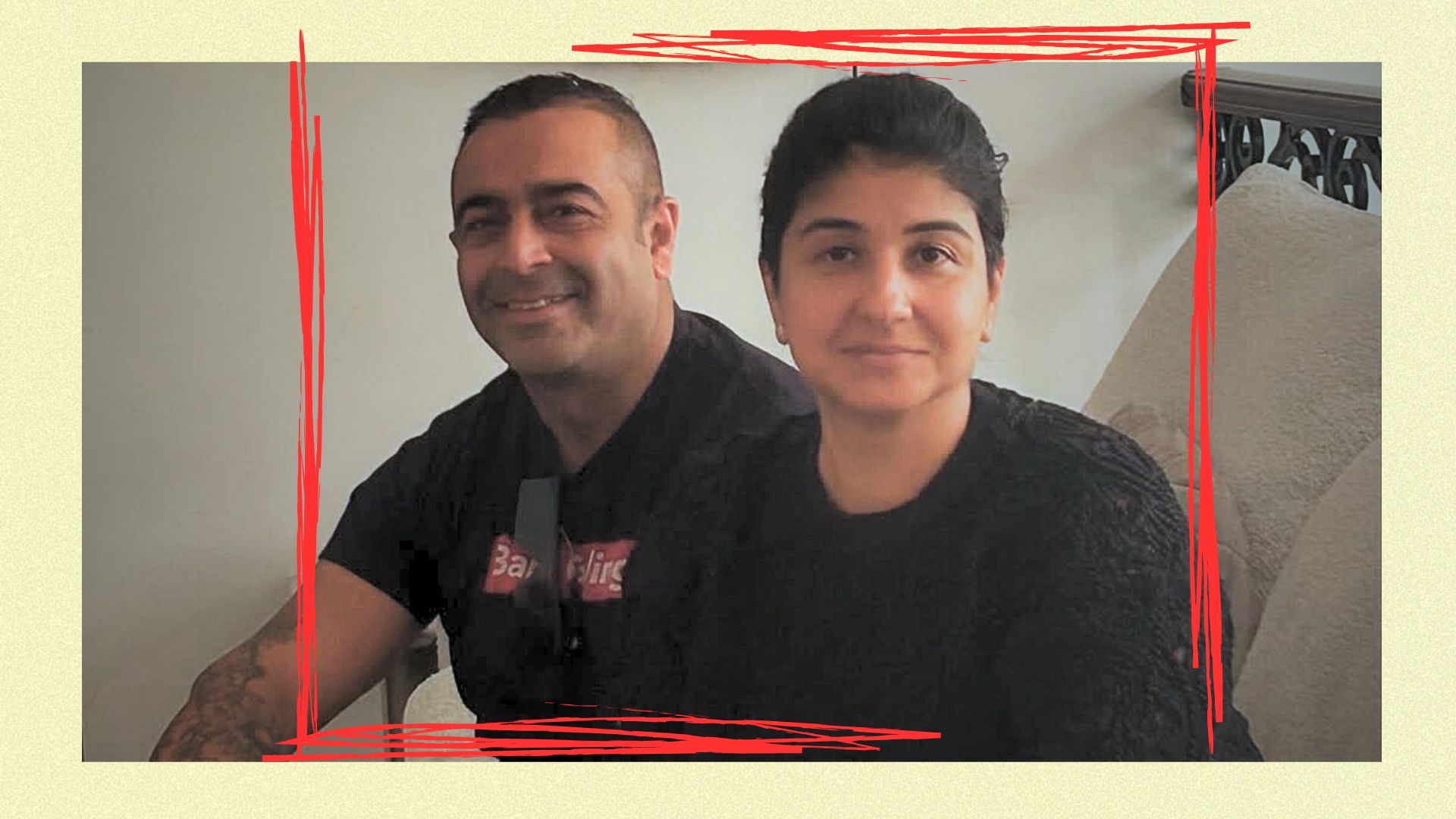
‘Huge mistake’: Indian couple lose New Zealand residence while living in Canada The family had a second shot at applying for permanent residency but they were late by less than a month.
Students who successfully complete the programme will receive a nationally recognised qualification recorded on their NZQA Record of Achievement.
For Singh, the change is about more than creating another course. It places Punjabi language learning within the same formal system as other tertiary qualifications in New Zealand.
“This means Panjabi language learning is now formally recognised alongside other tertiary qualifications in New Zealand,” he said.
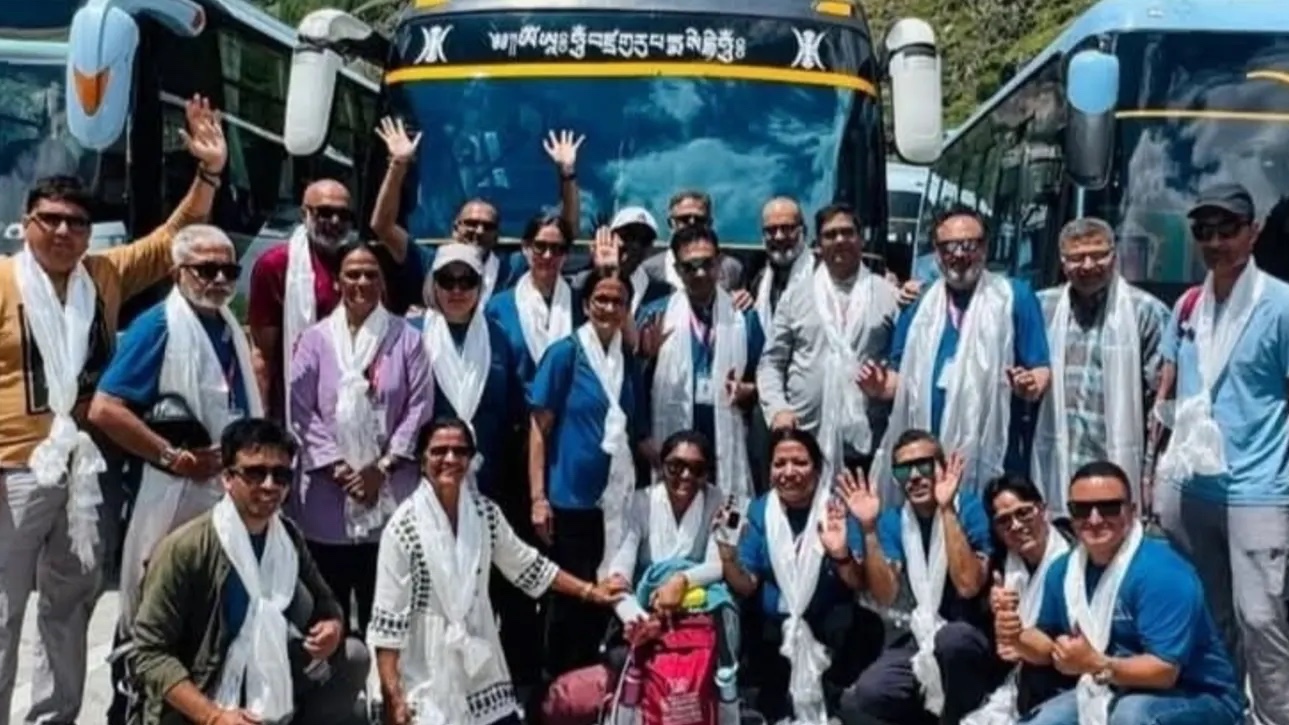
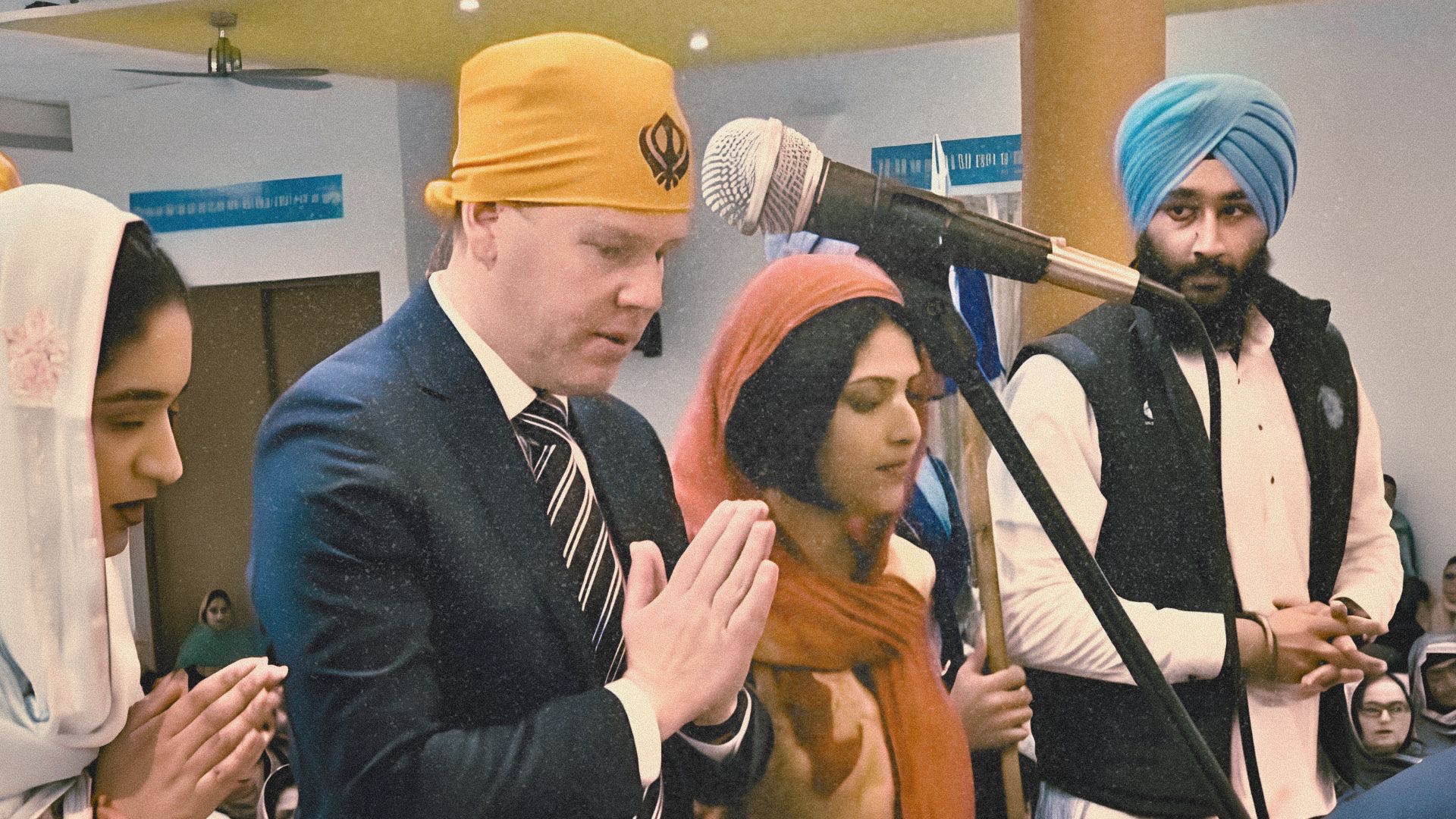
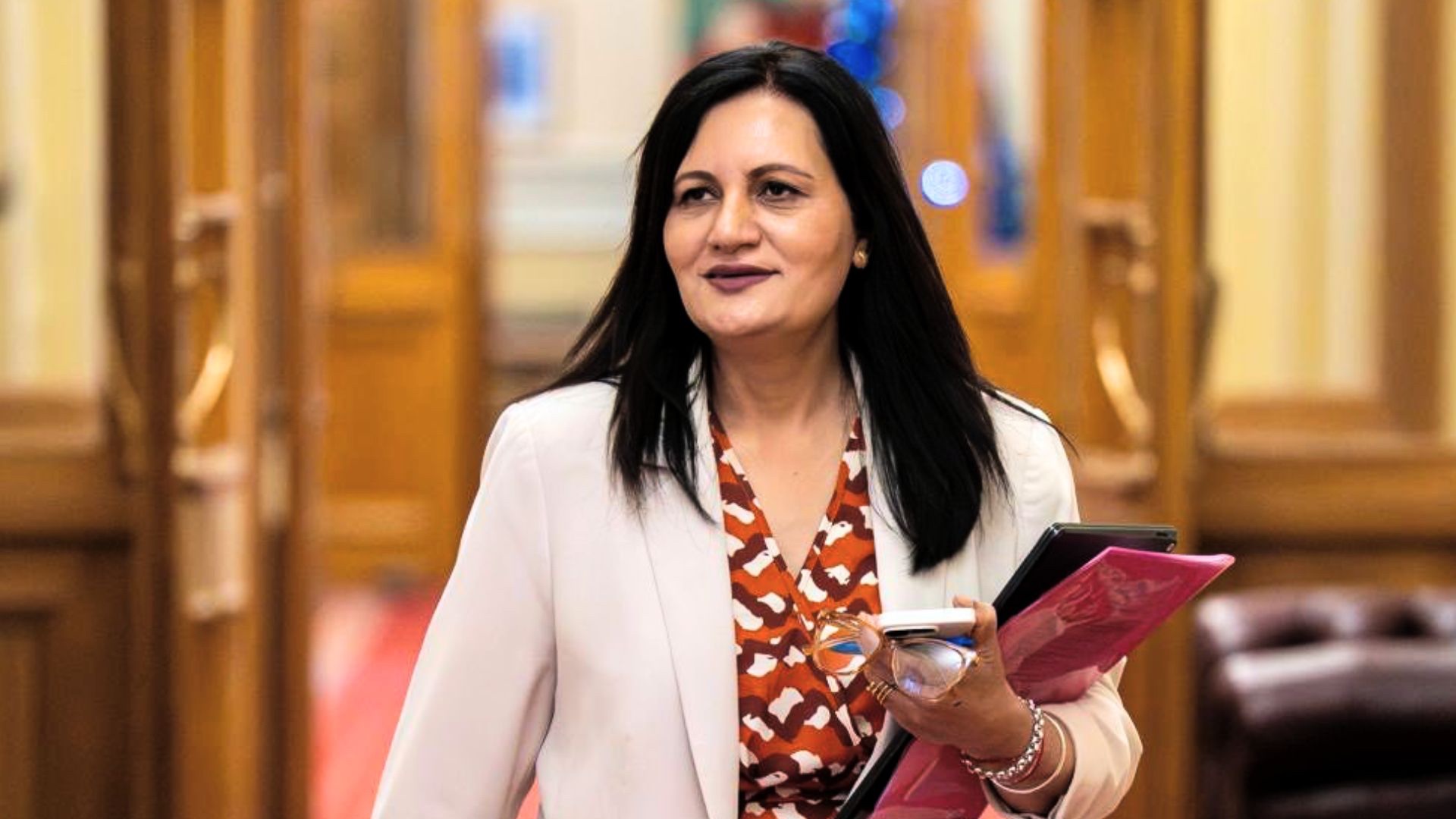
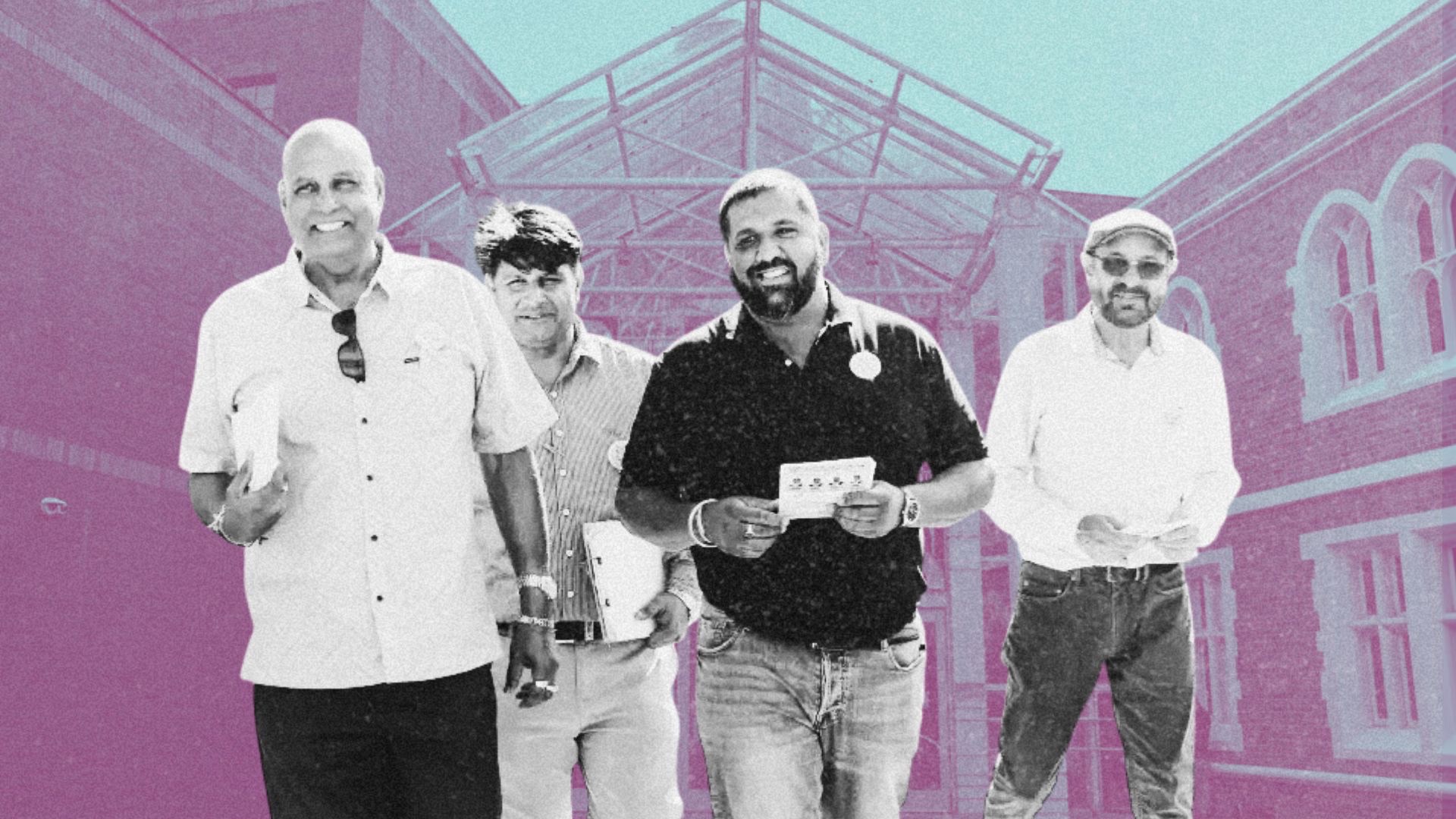
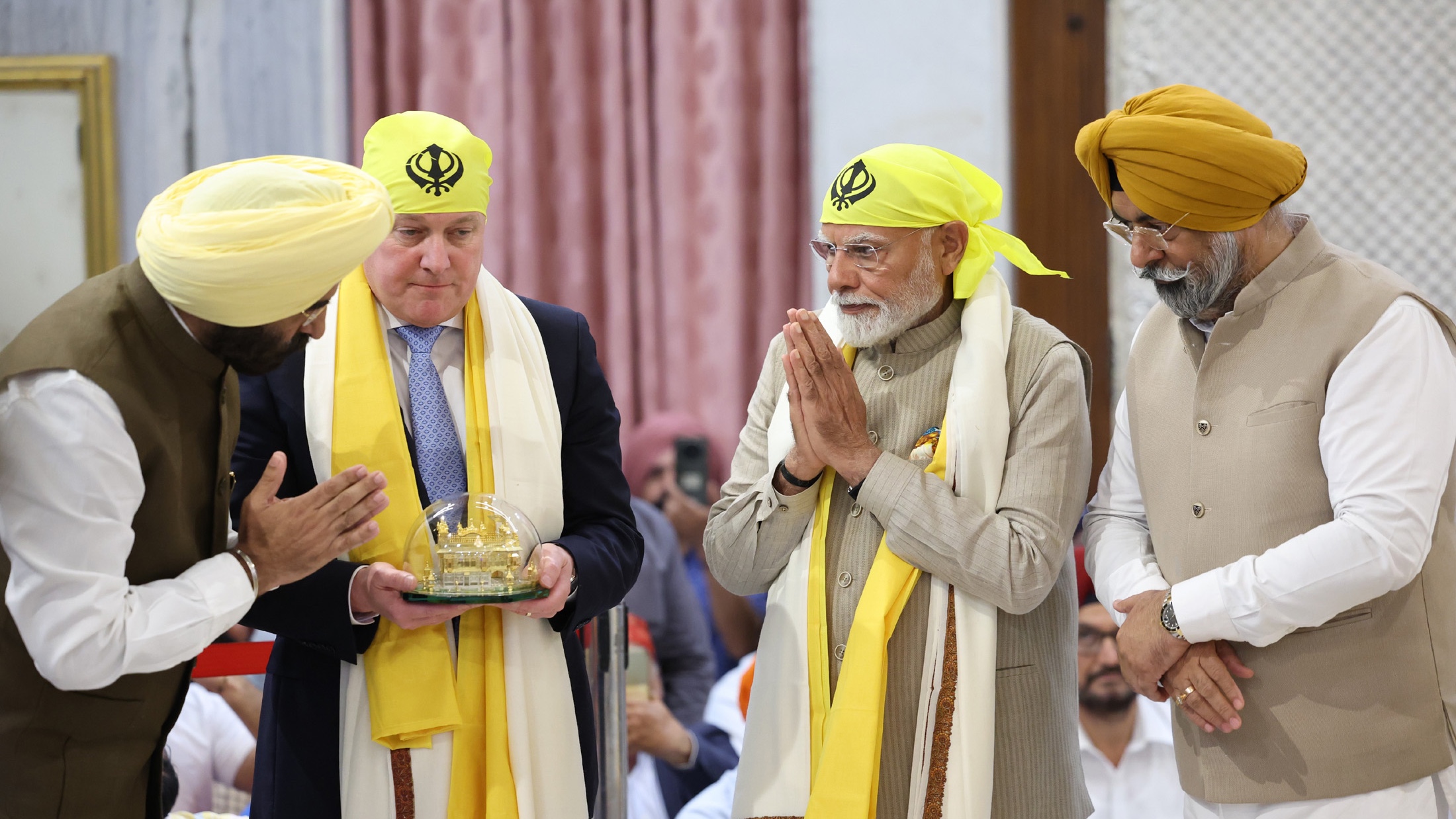
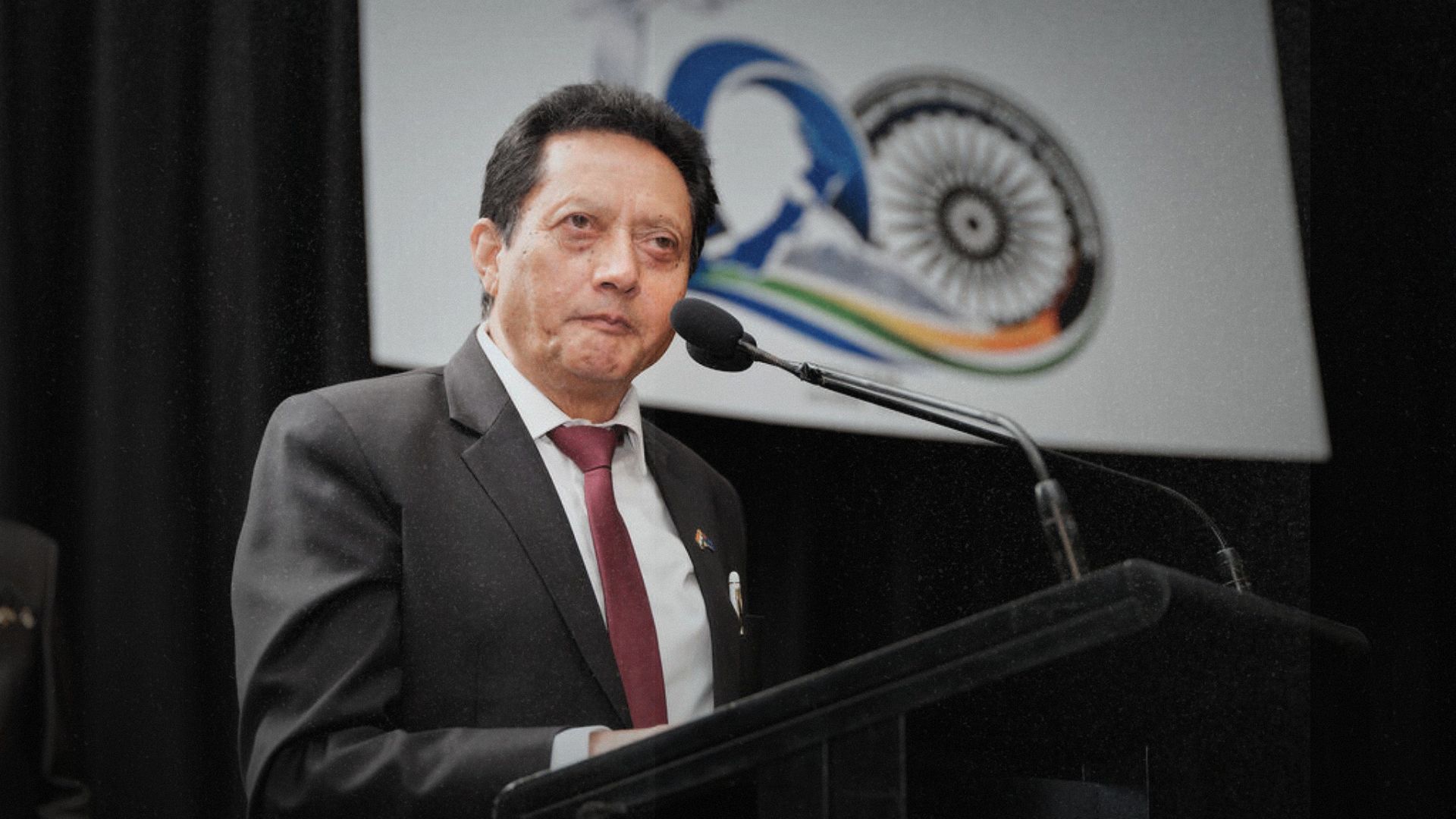
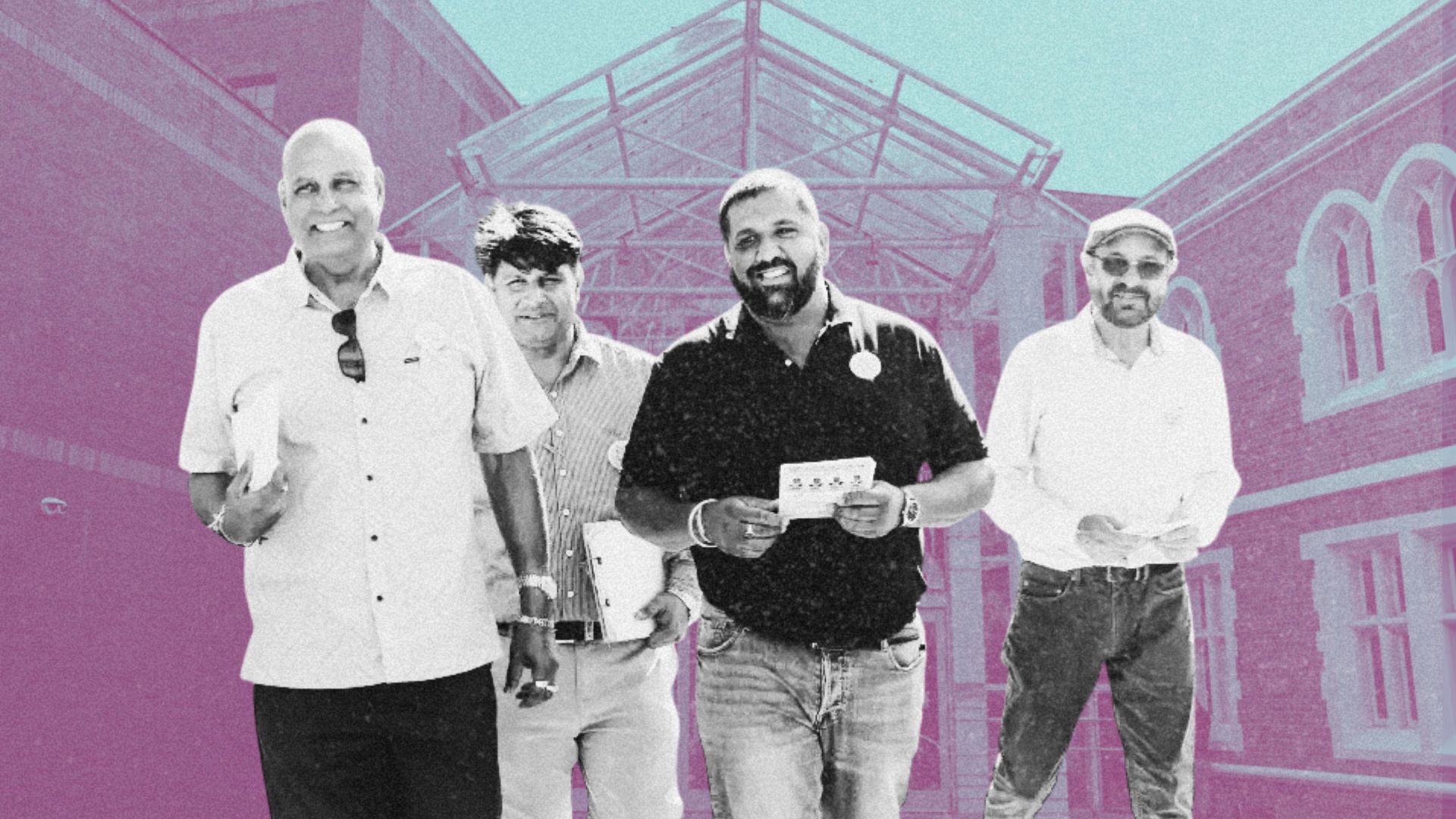
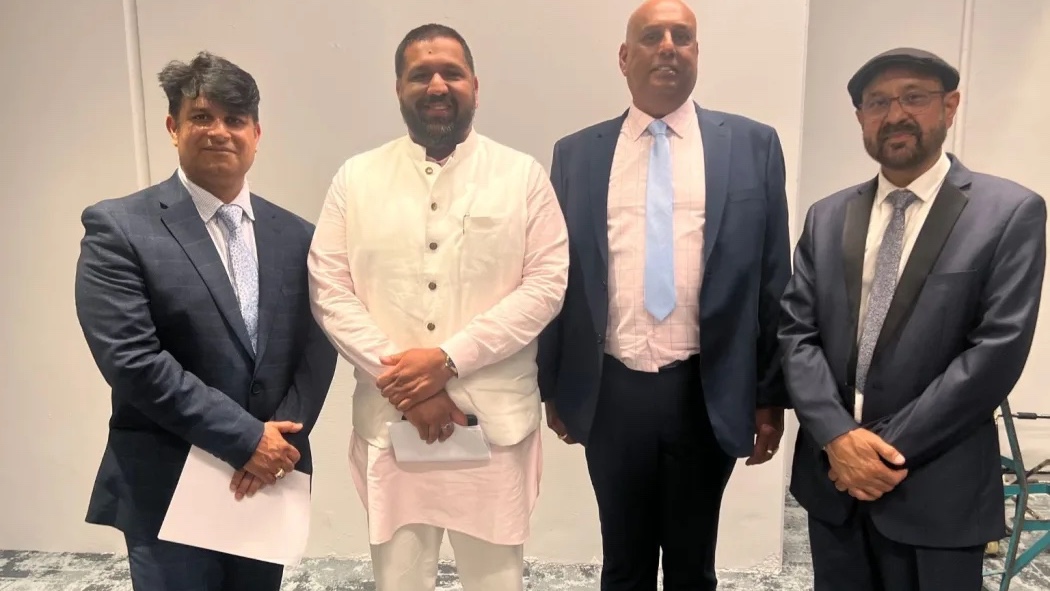
Local MP Jenny Salesa was among several guests who attended a function to mark the recognition organised at Gurdwara Guru Tegh Bahadur Ji in Papatoetoe recently.
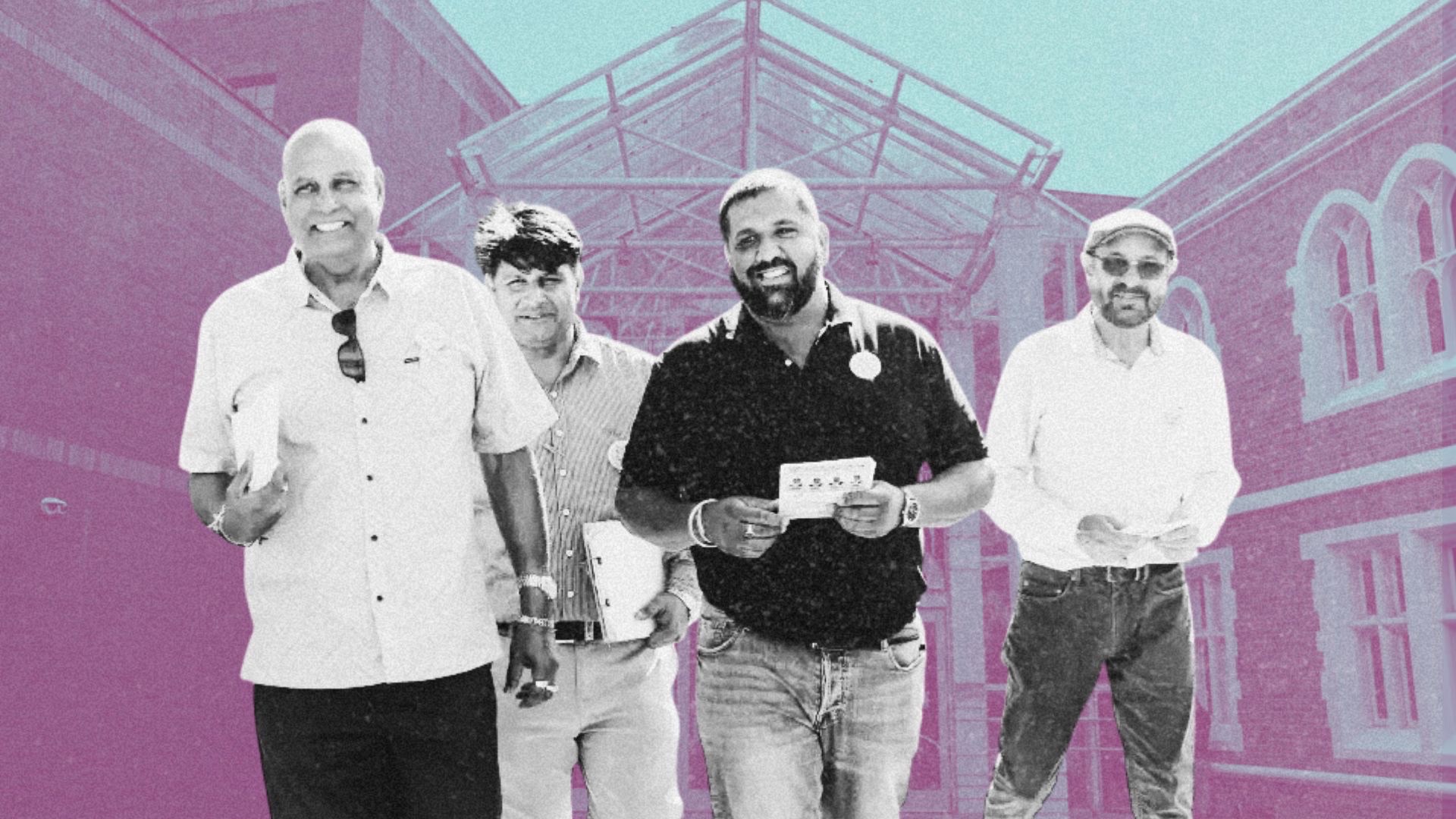
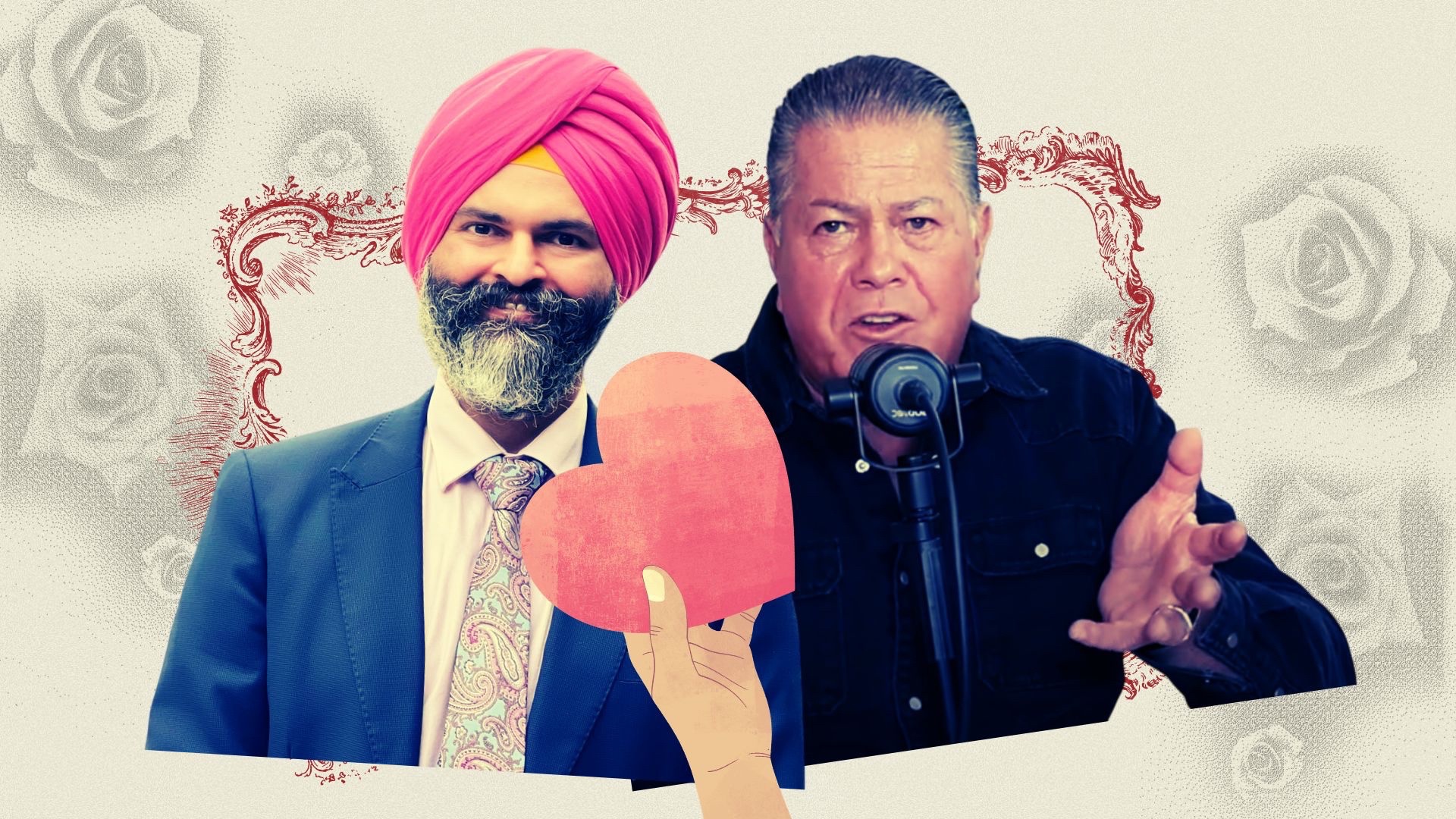
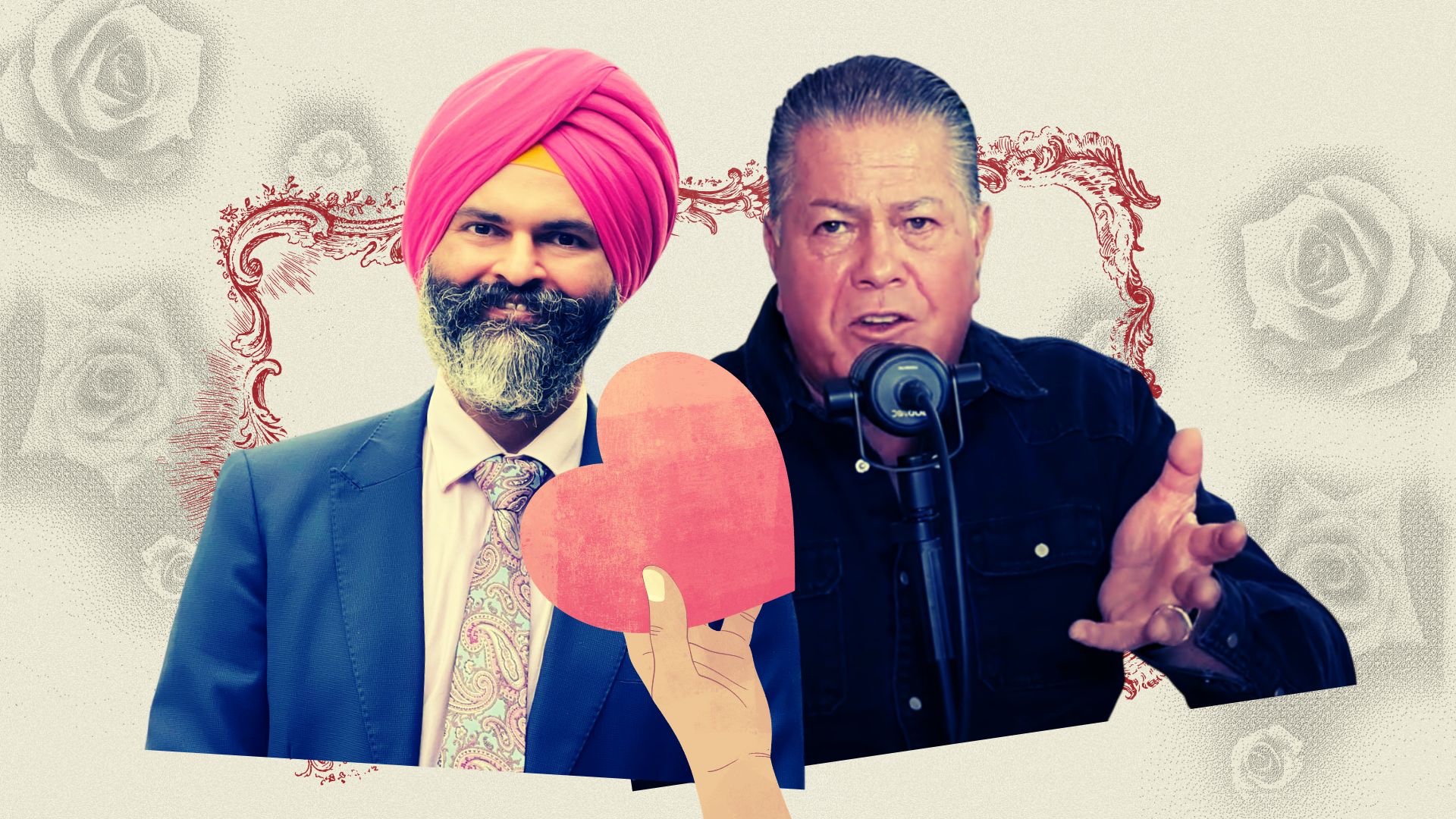
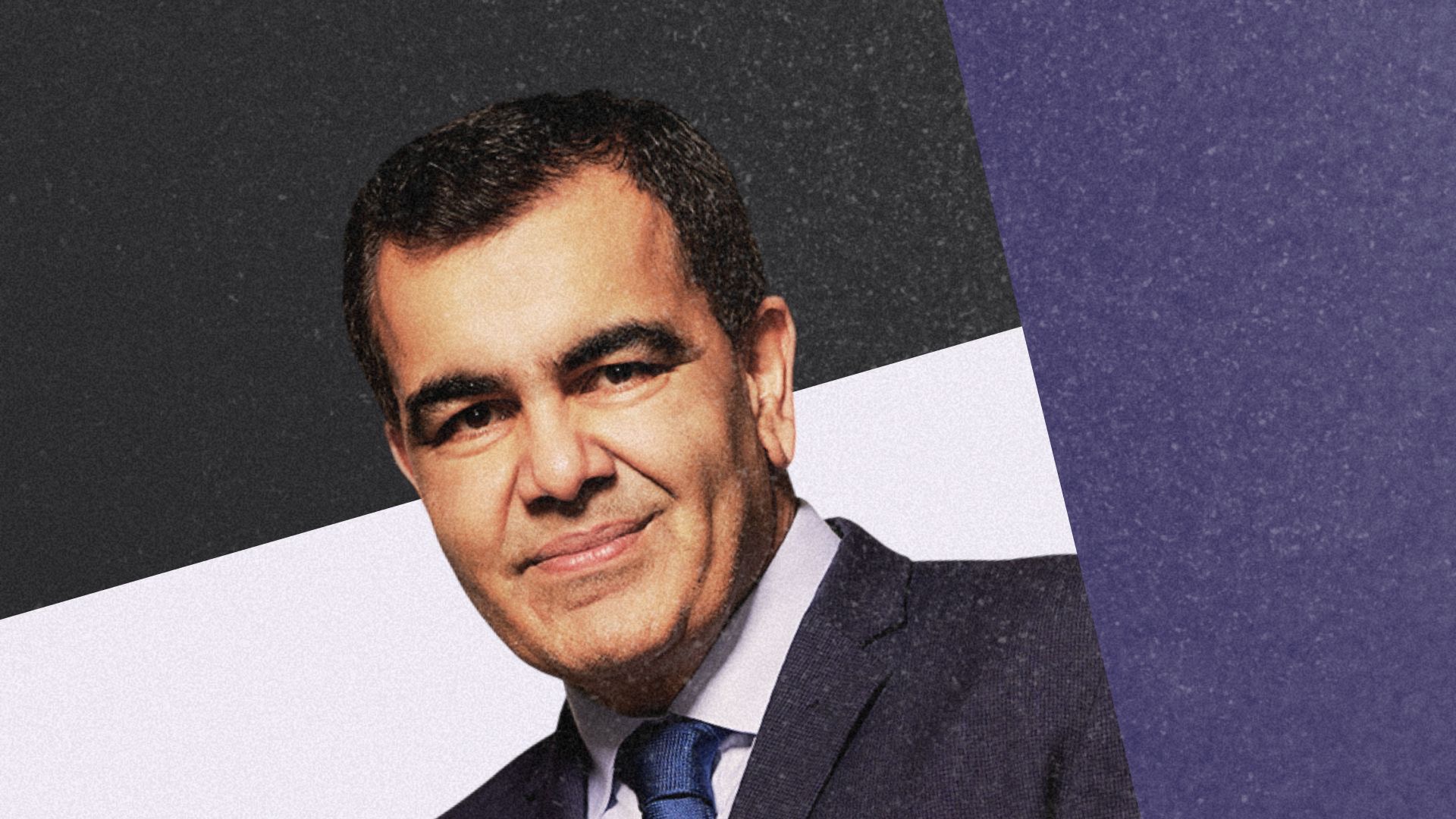
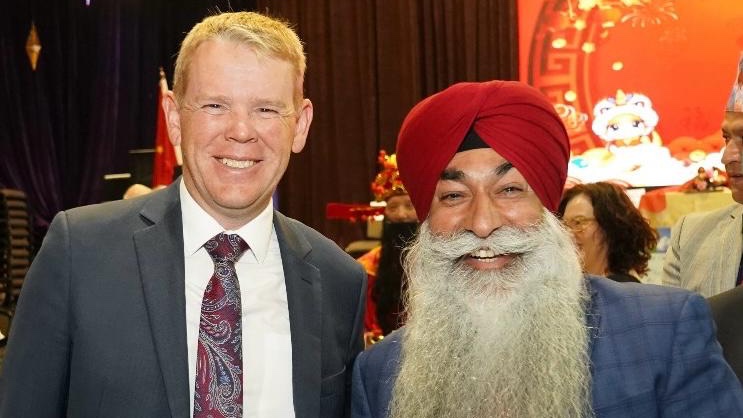
Labour's candidate from Takanini, Kharag Singh, said the recognition was about more than just a language.
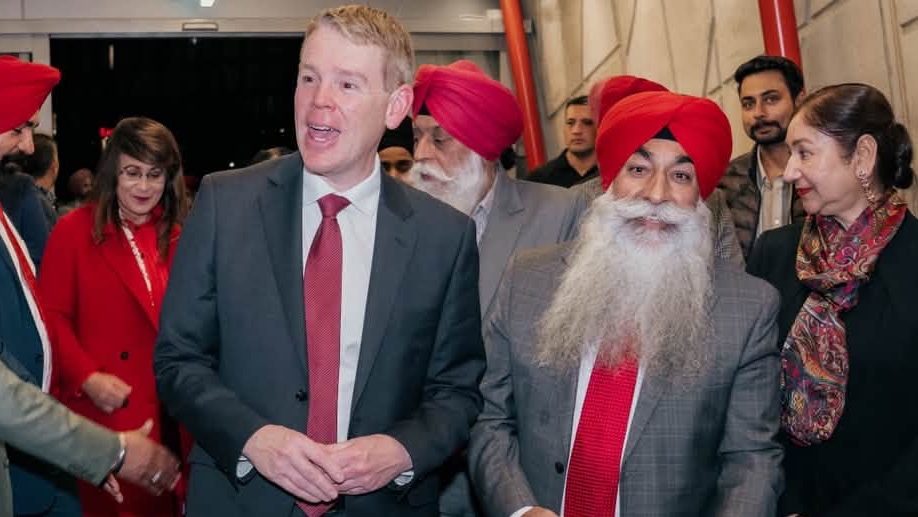
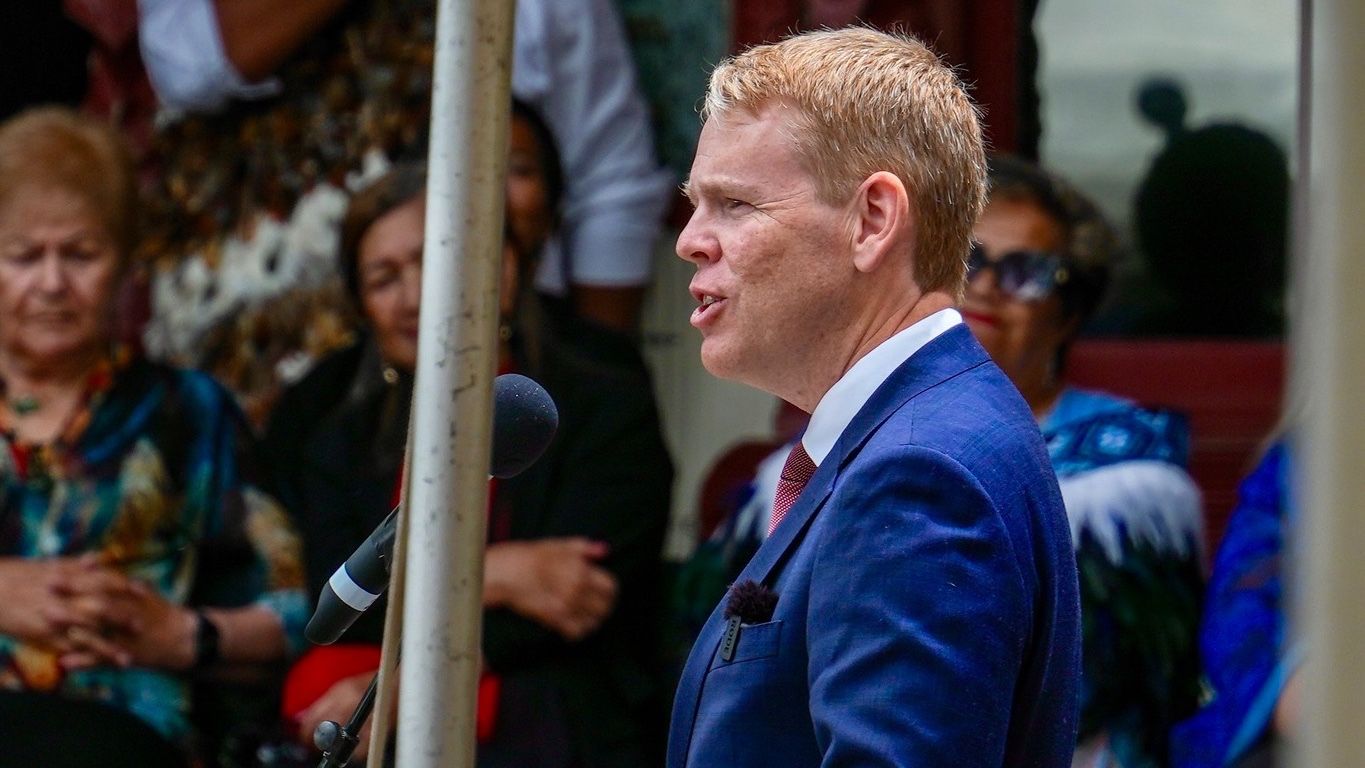
Kharag Singh with Labour leader Chris Hipkins at the launch of his campaign in Auckland. (Supplied photo)
"It's about preserving our roots, giving our children confidence in their identity and ensuring future generations can celebrate their heritage. Punjabi recognised. A community empowered. A future inspired."
The Level 3 certificate is designed for learners aged 13 and above who already have a basic knowledge of reading and writing Gurmukhi and can meet the programme’s entry requirements.
The programme focuses on reading, writing, listening and communication in Punjabi. Students are assessed against NZQA-approved learning outcomes and receive a 60-credit Level 3 qualification on successful completion.
Singh said the qualification gives formal recognition to bilingual ability and creates a pathway for further study.
It also represents a new stage in the long-running work of families, volunteers and community organisations that have kept Punjabi language education alive across generations.
“For decades, Panjabi classes have largely depended on volunteers and community organisations,” he said.
“Those efforts have played an essential role in keeping the language alive. This milestone complements, rather than replaces, those community initiatives.”
The difference now, he said, is that students can work towards a nationally recognised qualification while learning their heritage language.
The formal programme introduces structured curriculum design, quality assurance, assessment and recognised educational outcomes.
ISSNZ hopes that recognition will encourage more young people to continue learning Punjabi, particularly because their efforts will now be acknowledged not only within their families and communities, but within New Zealand’s education system.
The Level 3 certificate is intended to be the first step in a broader pathway.
“Level 3 is only the beginning,” Singh said.
The Institute is already working towards developing Level 4 and Level 5 qualifications, with the aim of allowing learners to continue into more advanced language study.
Its longer-term vision also includes programmes in Sikh studies, teacher education, community leadership and other fields intended to strengthen cultural understanding while meeting New Zealand’s education and quality-assurance standards.
“Our goal is to build a sustainable institution that serves future generations while preserving Panjabi language, Sikh heritage and cultural identity,” Singh said.
Government funding is not yet available for the programme, and students currently enrol on a fee-paying basis. Singh said funding was a separate process from PTE registration, but the Institute intended to explore future opportunities as it grew and met the relevant criteria.
The significance of the milestone, he said, lies in the formal recognition of a language that has historically been taught in homes, gurdwaras and community classrooms.
“For many members of our community, this represents recognition that Panjabi is not simply a language spoken at home or in places of worship—it is now formally acknowledged within New Zealand’s tertiary education system,” he said.
Looking ahead over the next five to 10 years, the Institute hopes the qualification will lead to greater participation in Punjabi language learning, stronger cultural identity among younger generations and more recognised educational pathways.
Singh said the larger purpose was to ensure future generations could learn the language, value it and receive formal recognition for their knowledge while remaining connected to their cultural heritage.