
A race-neutral public service makes total sense for multicultural New Zealand
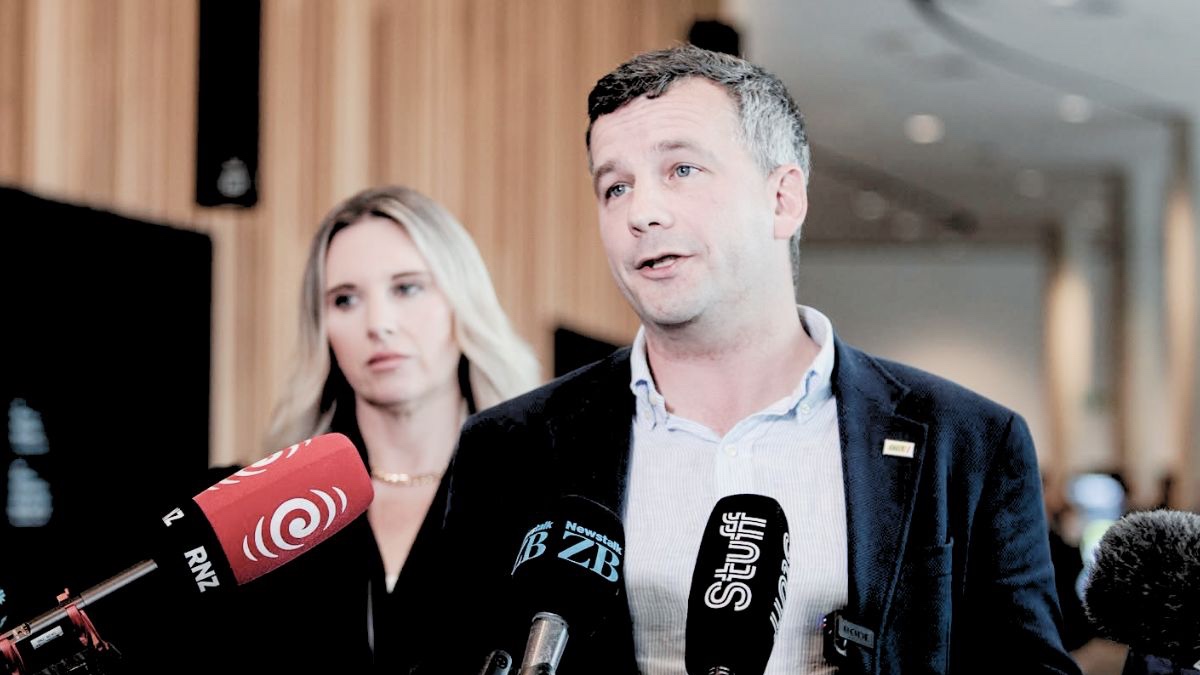
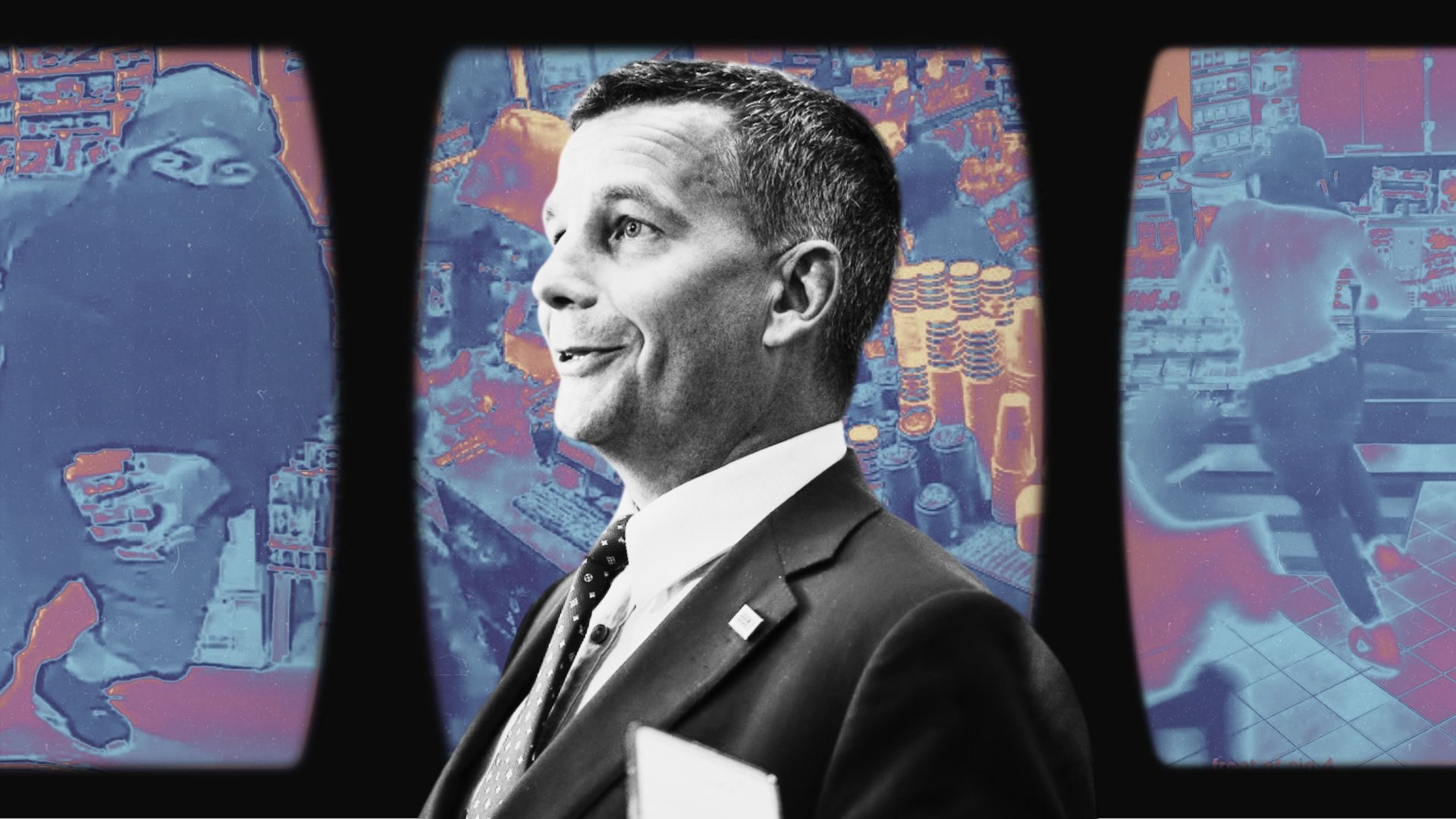
ACT leader and deputy prime minister David Seymour. (Supplied photo)
We should be careful about turning any particular cultural or spiritual practice into expectation of public life.
(The writer is a regular Awaaz columnist and ACT Party's candidate from Waikato.)
Opinion: Not long ago, I wrote on this platform that migrants should not have to surrender their culture in order to belong in New Zealand. I believe in that strongly.
I have spent more than 25 years in this country, but I did not arrive culturally empty-handed. Like so many migrants, my family brought with us our traditions, our food, our beliefs, our celebrations and our way of looking at the world.
None of that makes me less of a New Zealander. So perhaps there is an obvious question for me now. If I believe migrants should be free to retain their culture, why do I also support removing irrelevant cultural and spiritual requirements from our public service?
Isn’t that contradictory? I think the opposite is true.
Selfie: ‘Daddy, please don’t take me to an India-NZ cricket match’. A migrant's dilemma Can a migrant embrace a new home without abandoning old loyalties? Sports often offers a reckoning for migrants.
Migrant prison guards in Auckland accused of drug smuggling can't work, can't go home Two fathers facing serious corruption charges have been unable to work elsewhere because of their visas and awaiting criminal trials in 2028.
Can you be Indian and Kiwi? National's Mahesh Muralidhar on patriotism, racism and belonging National's big ticket Indian-origin candidate on what ethnic representation really achieves and why New Zealanders still struggle to get along.
The state should be culturally neutral precisely because the people it serves are culturally different. A multicultural society should provide enormous freedom for individuals, families and communities to practise and celebrate their cultures.
Go to Diwali. Celebrate Matariki. Attend church. Visit the gurdwara. Pray at a mosque. Speak your language at home. Teach your children where their grandparents came from. Or do none of those things.

Those choices belong to you. But the institutions of government belong to all of us. That means we should be careful about turning any particular cultural or spiritual practice into an expectation of participating in public life or working for the state.
If I don’t want the state telling an Indian migrant which parts of their culture they should leave behind, why would I want the state expecting them to participate in somebody else’s cultural or spiritual practices?
To me, the principle is remarkably simple. Need when receiving services. Merit when applying for jobs. Freedom in personal belief. Neutrality from the institution.
This is why ACT’s recently-announced 'One Public Service for All' policy makes total sense.
It proposes that public services should be provided according to need rather than race, and that public-service employment and promotion should be based on merit, skills, experience and the actual requirements of the job.
It would also require agencies to remove cultural or spiritual requirements from job descriptions where they are not genuinely relevant to performing the role. That last qualification is important.
There will obviously be jobs where cultural knowledge or language skills are relevant. If they are genuinely necessary to do the job well, they should be considered.
The question should simply be: Is this actually required to do the job?The same principle should apply to spiritual practices in the workplace. ACT’s policy proposes that public-service employers should not initiate or resource prayer, karakia or other spiritual practices as part of government work.
That does not mean stopping individuals from practising their culture or religion. Quite the opposite. Employees would remain free to practise their own beliefs and traditions, and reasonable accommodation could still be made for them to do so.
That distinction between individual freedom and institutional neutrality is crucial. I can understand why some people will see proposals involving karakia and immediately worry that this is an attack on Māori culture.
I don’t see it that way. A neutral state isn’t hostile to Māori culture any more than it is hostile to Indian culture, Christianity, Hinduism, Sikhism, Islam or any other culture or belief.
Neutrality isn’t hostility. It simply means the state doesn’t need to choose. And as New Zealand becomes more diverse, I think that principle becomes more important, not less.
Walk around Auckland, Hamilton or almost any growing New Zealand community and look at the extraordinary range of people who now call this country home.
We do not all share the same ancestry. We do not all share the same religion. We do not all have the same cultural practices. We probably never will. Nor should we need to.
What we can share are institutions that treat us as equal citizens. That is why I don’t think multiculturalism and a culturally neutral state are opposing ideas. I think they depend on each other. The alternative is difficult.
Once government begins deciding that people’s ethnicity should influence how they are employed or served, we inevitably have to decide which groups qualify, which differences matter and when one person’s ancestry should produce a different response from the state than another’s.
I would rather start somewhere simpler. If two New Zealanders have the same need, government should treat that need equally. If two New Zealanders apply for the same public-service job, choose the person best able to do it.
If somebody wishes to practise their religion or culture, protect their freedom to do so. And if they don’t, protect that freedom too. That isn’t asking anyone to abandon their identity. It is creating a common civic space in which all of those identities can coexist.
When my family chose New Zealand more than 25 years ago, we didn’t stop being Indian at the airport. Over time, New Zealand became home as well.
I want future migrants to have that same opportunity. I also want Māori, Europeans, Pacific peoples, Asians and every other New Zealander to know that the institutions of their country belong equally to them.
We don’t achieve that by making everyone culturally identical. We achieve it by protecting people’s freedom to be different, while ensuring the state treats them equally.
A genuinely multicultural country doesn’t need a government that chooses between our cultures. It needs a government that belongs to all of us.