
The don’ts and don’ts of applying for asylum in New Zealand as a Khalistan supporter

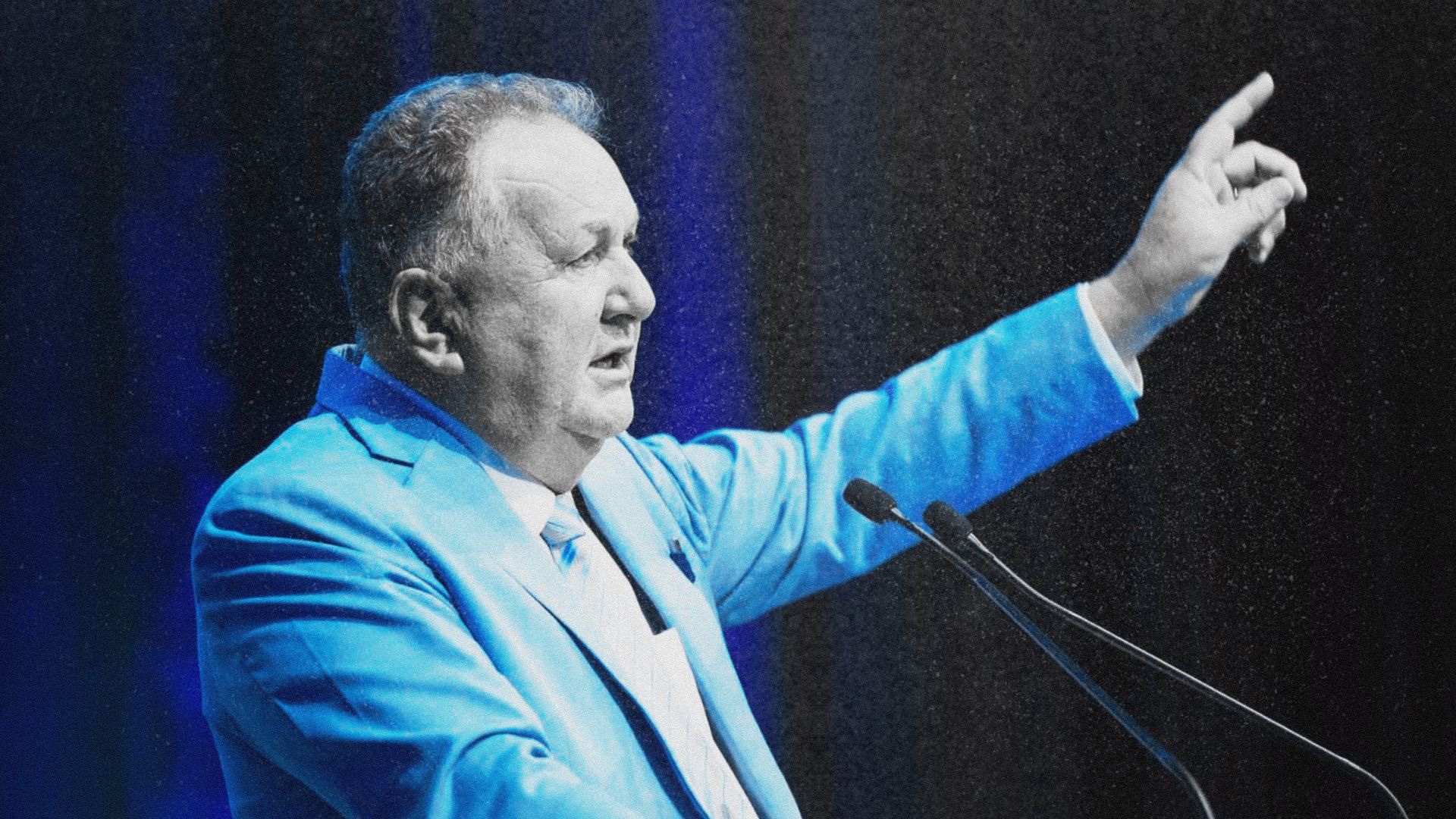
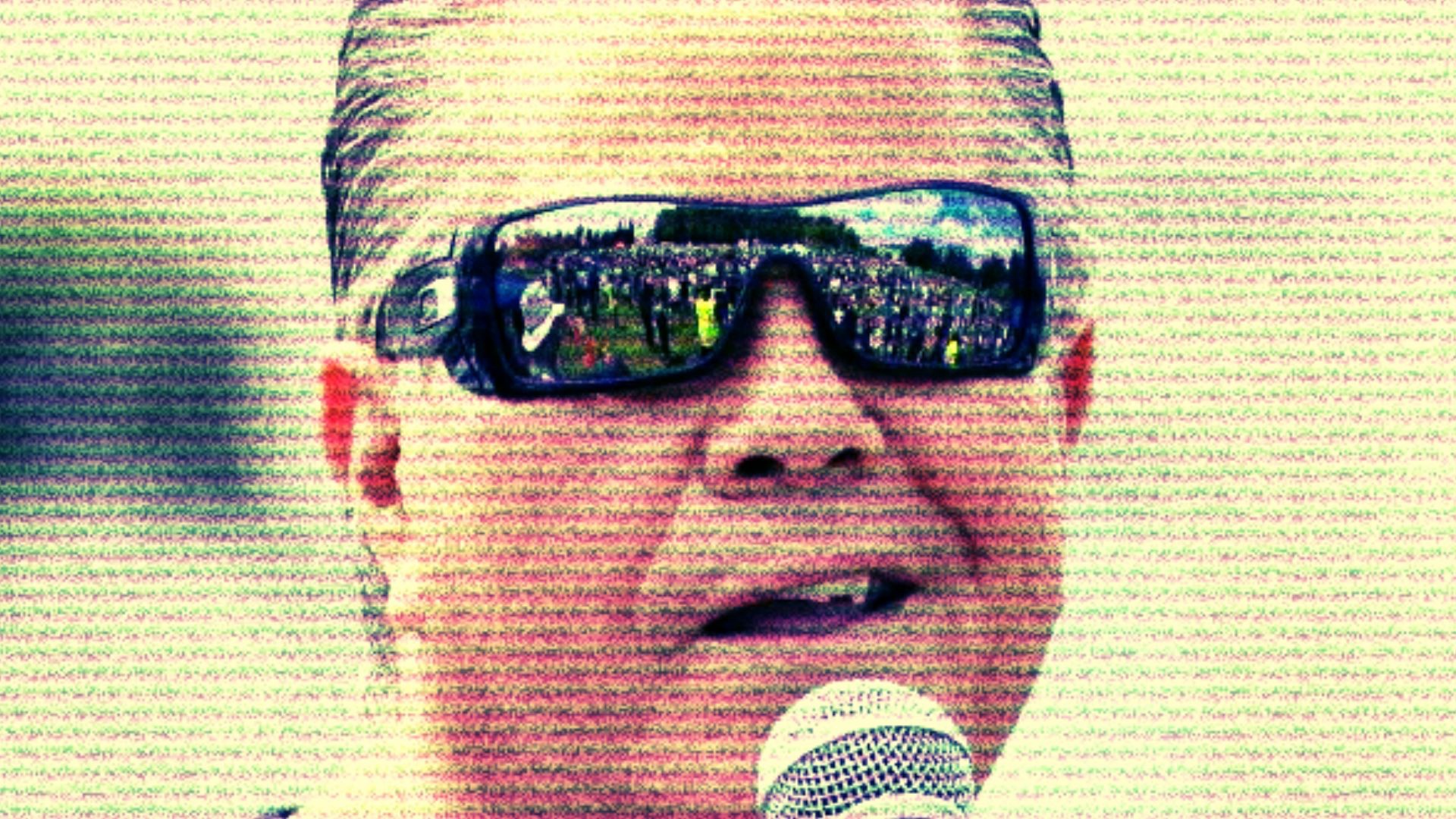
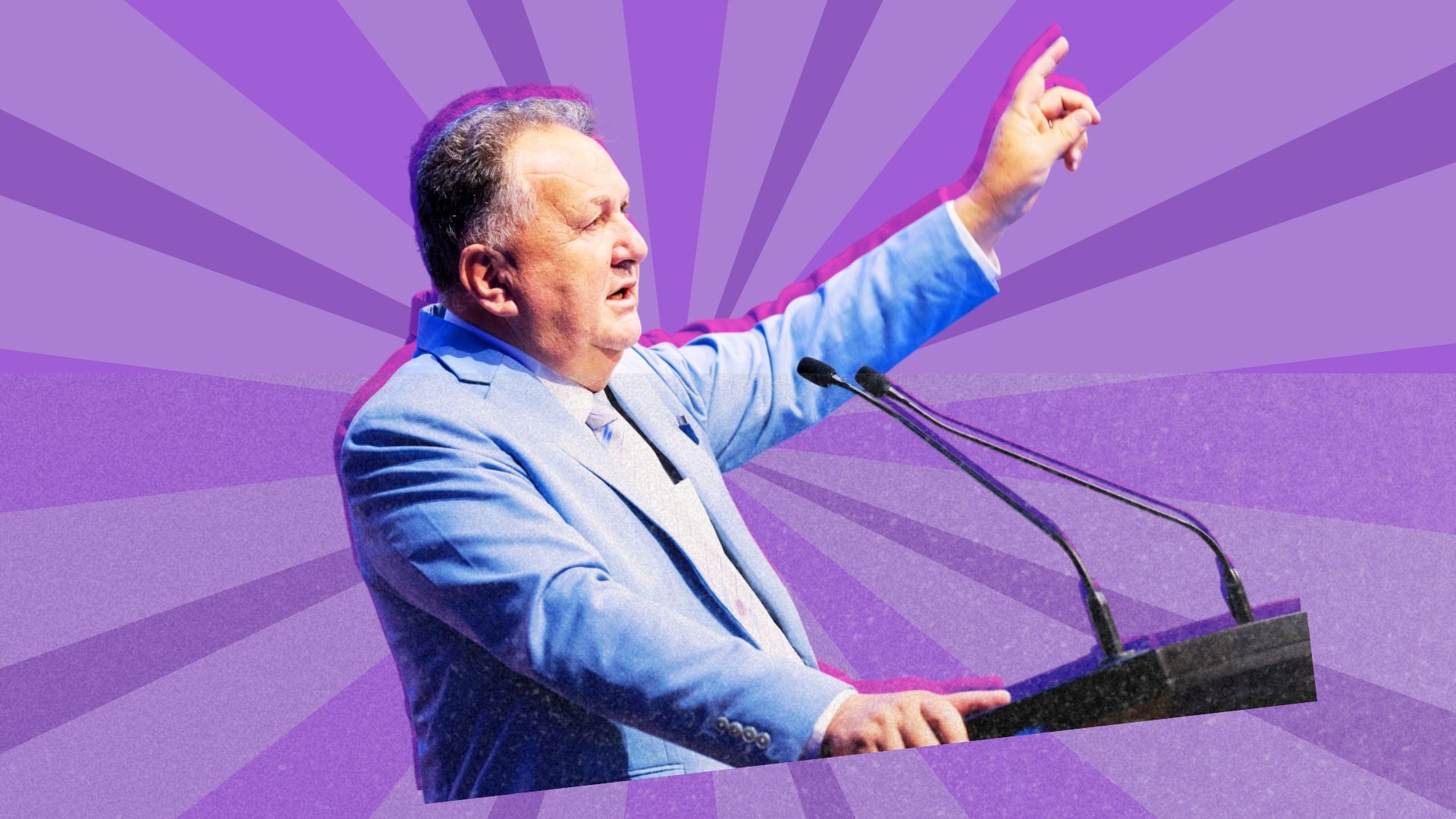
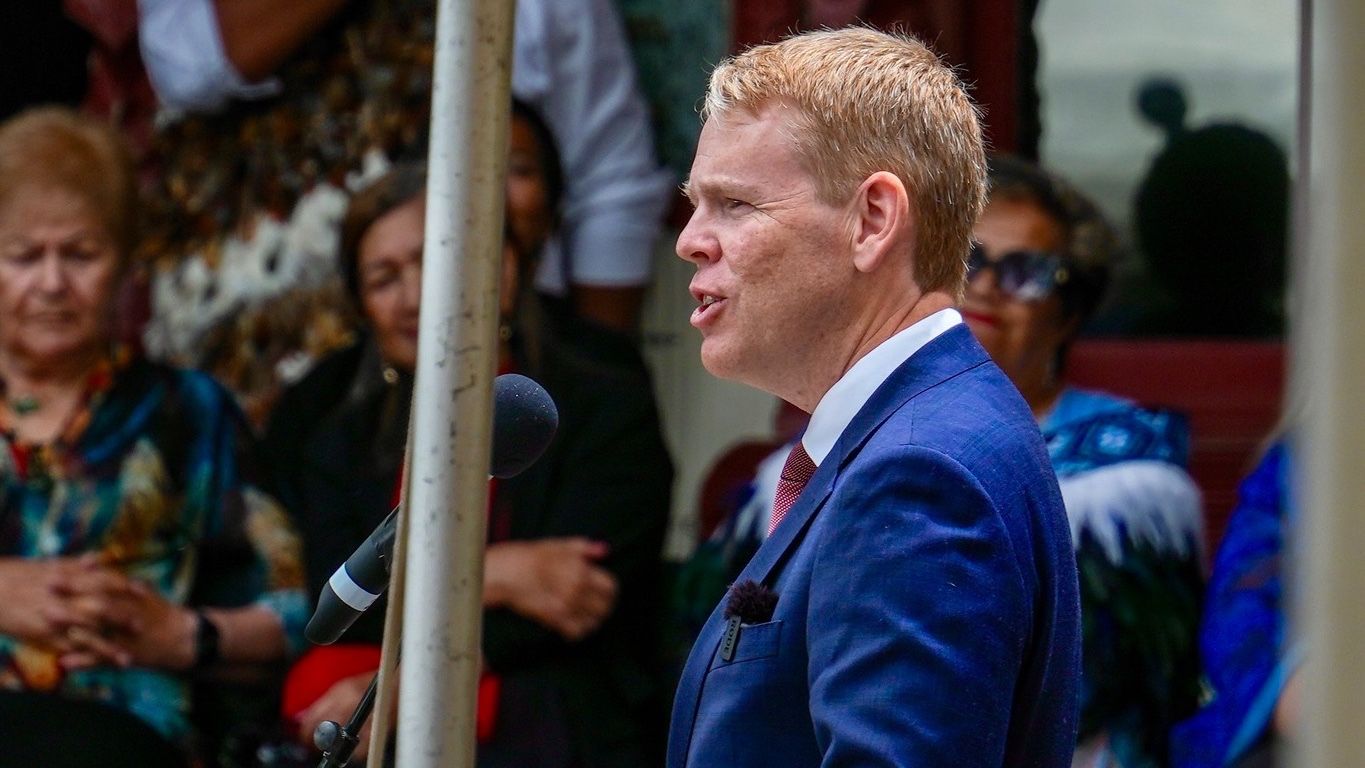
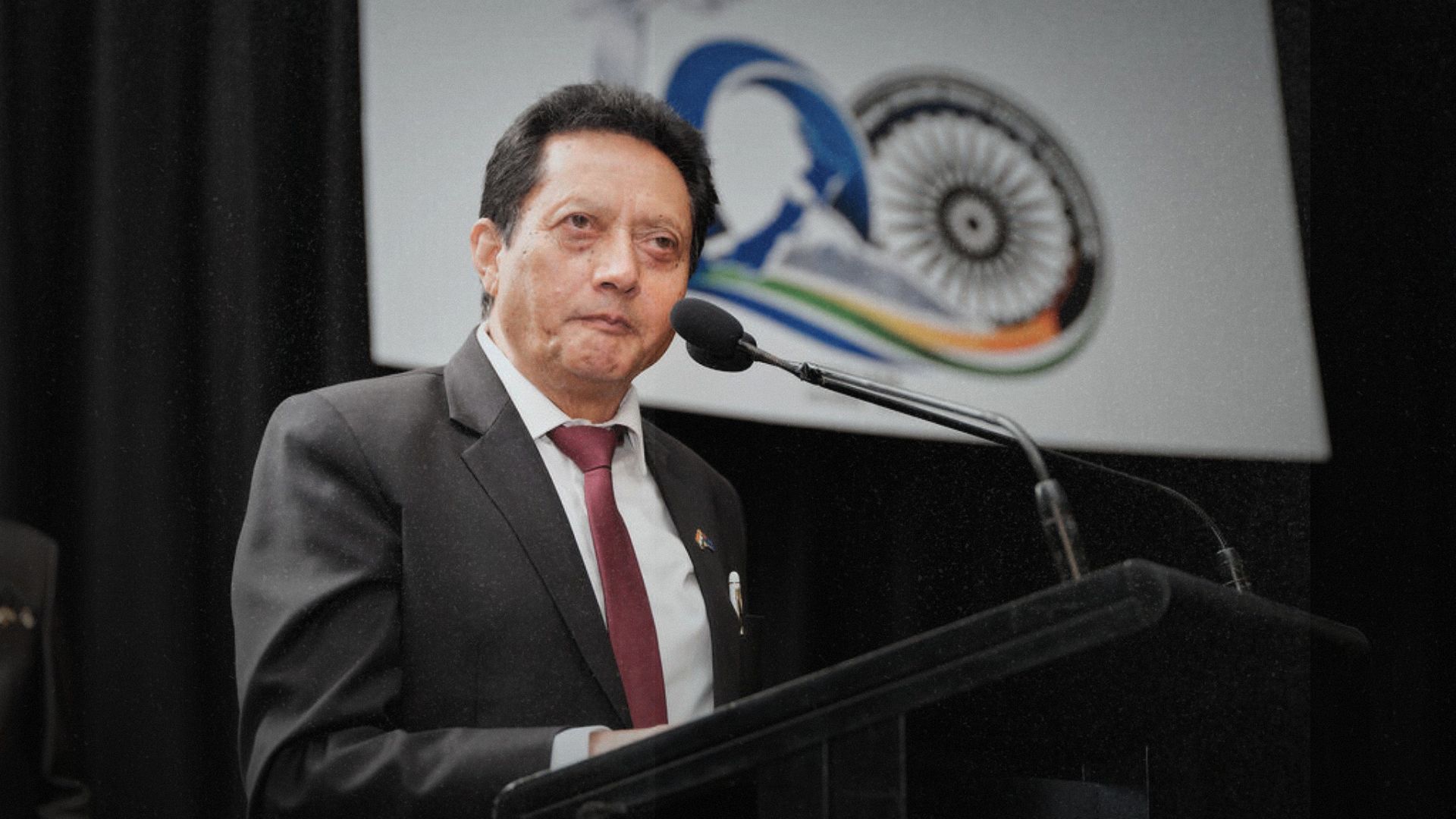
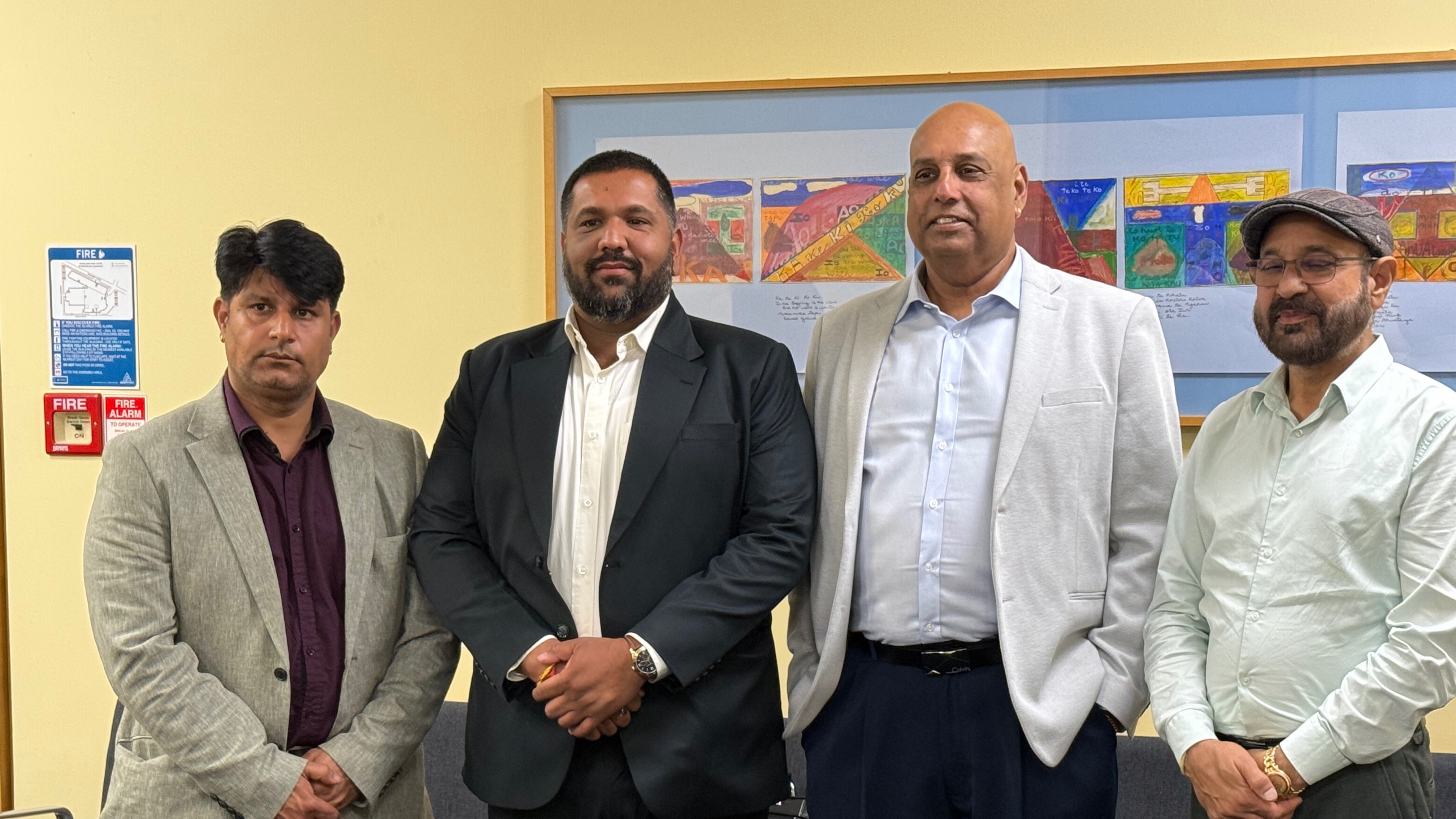
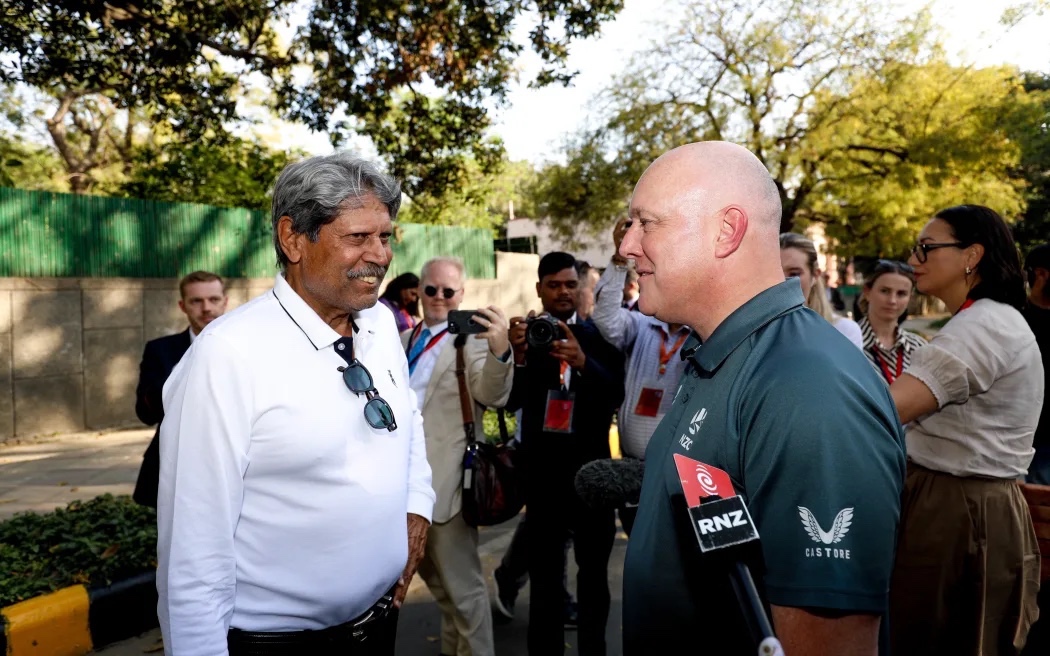
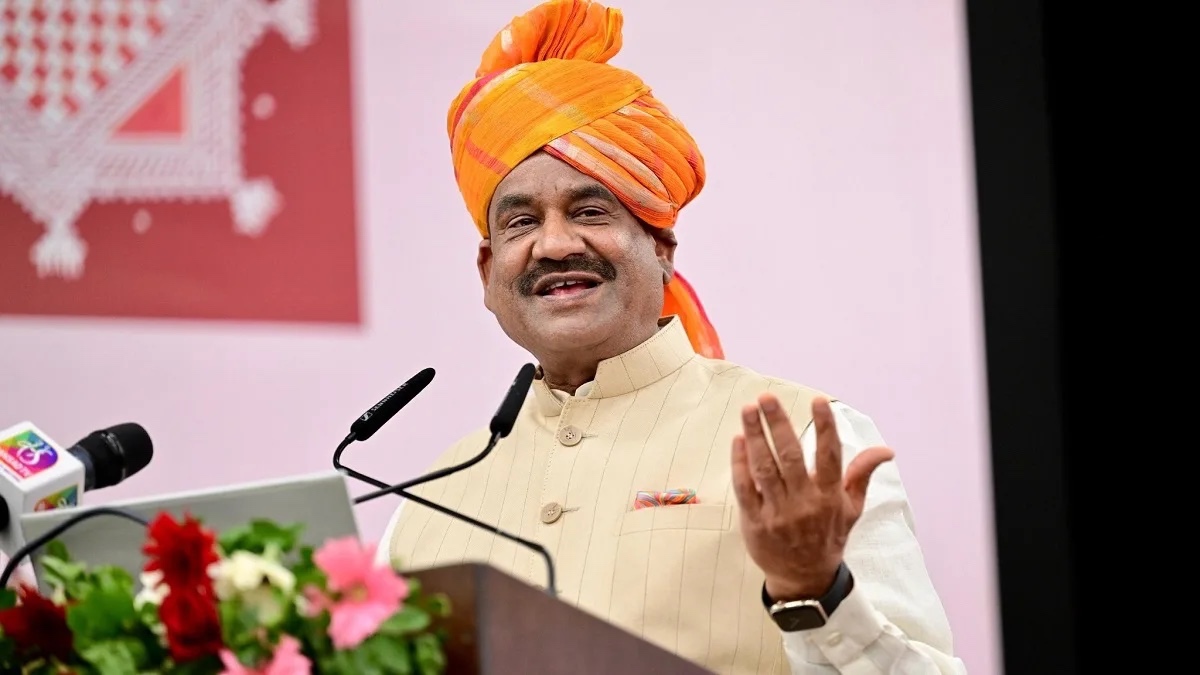
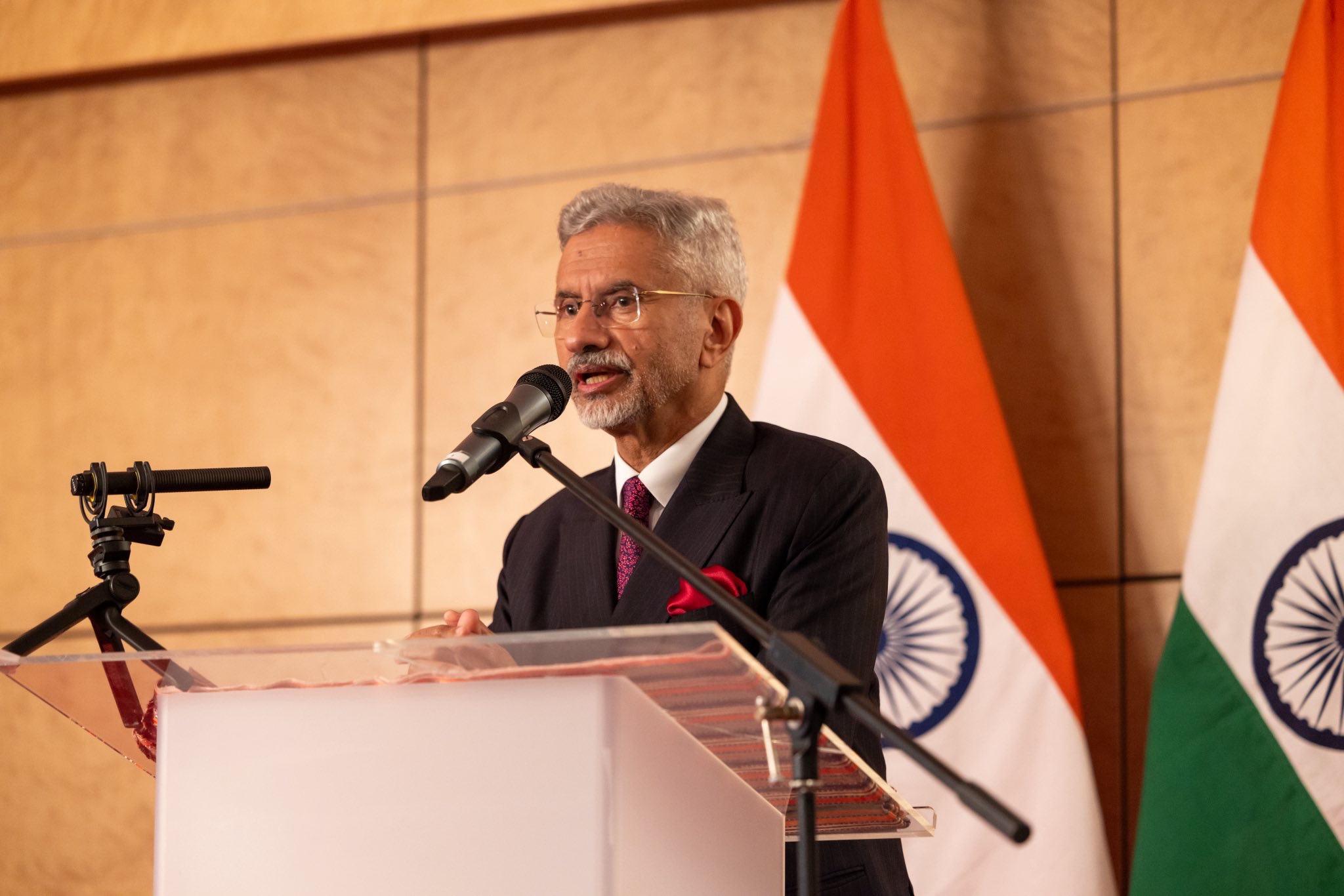
Avtar Singh Pannun, president of Sikhs for Justice, addressing a Khalistan rally outside the Mahatma Gandhi Centre in Auckland on November 2, 2024.
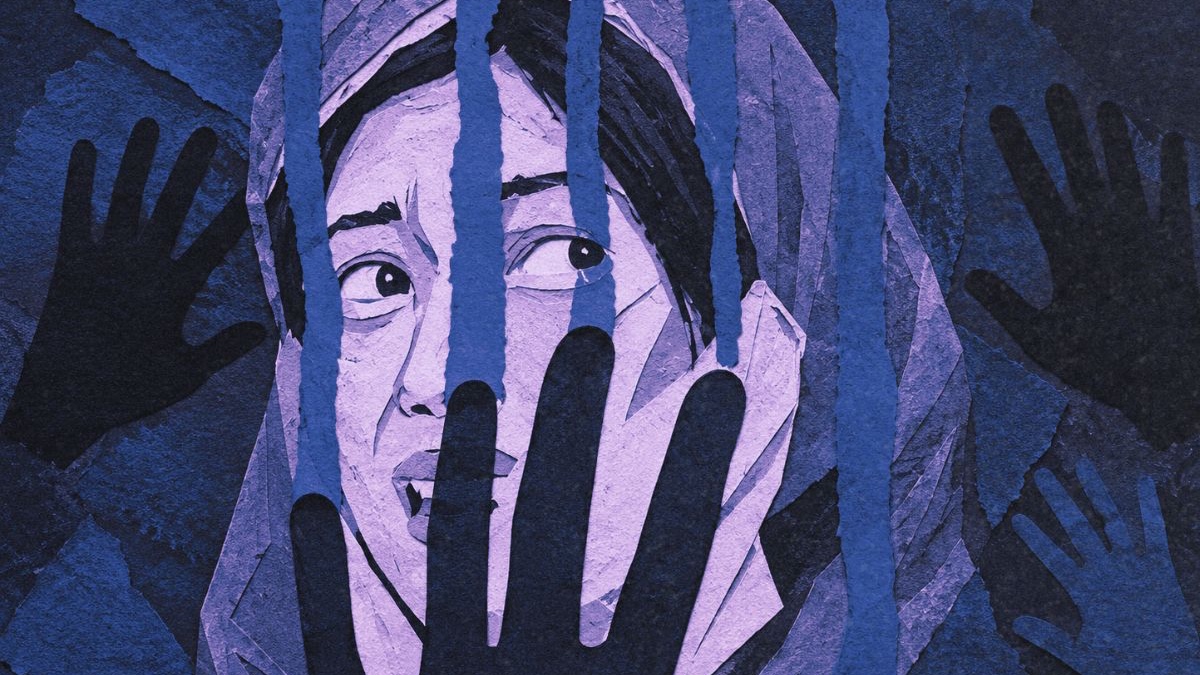
A review of about three dozen Khalistan-linked asylum appeals rejected in the last few years reveals five recurring themes that sink such claims.
Yet another Khalistan-linked asylum claim has failed in New Zealand.
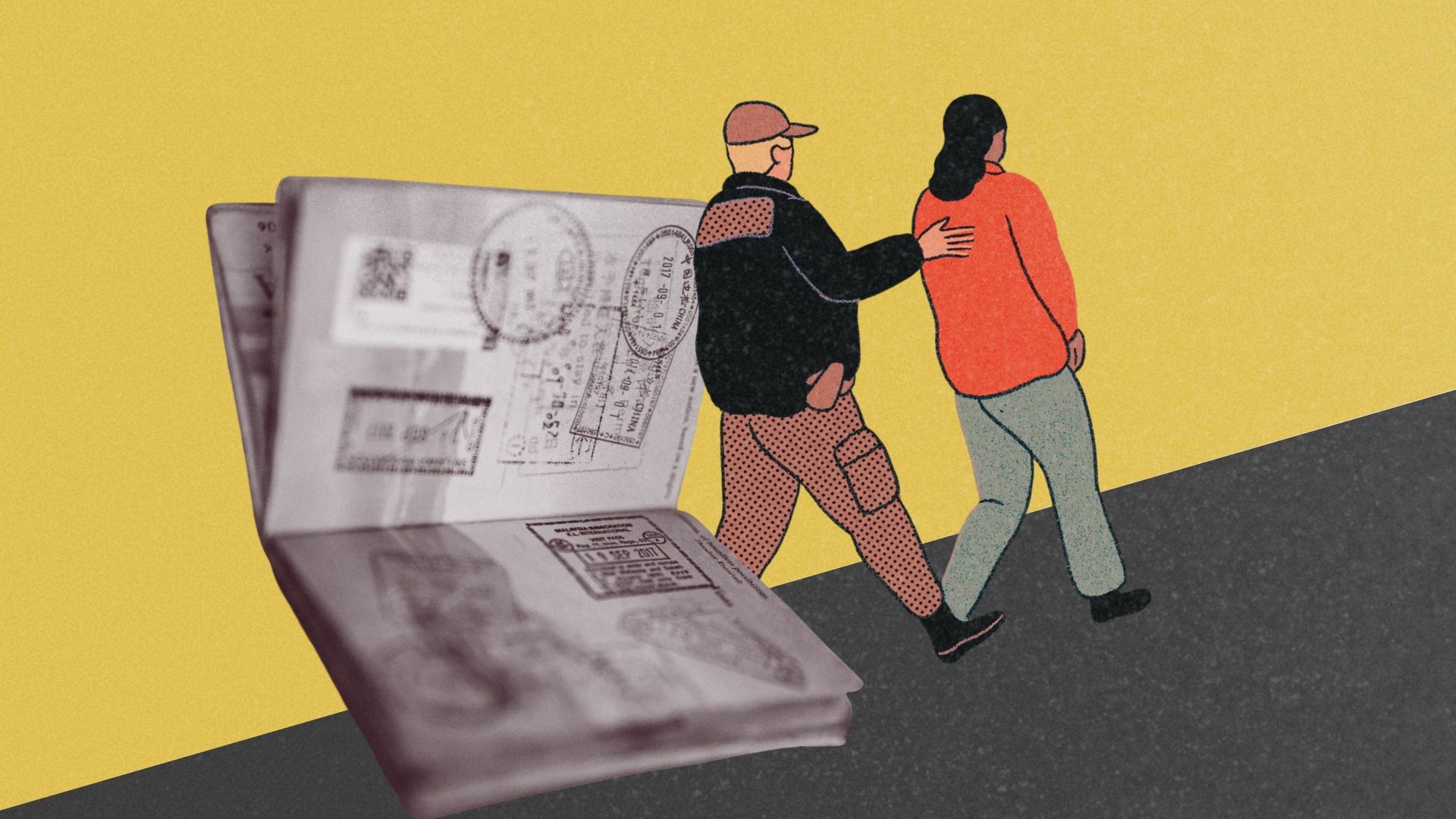
In a decision dated August 20, the country’s appellate immigration body dismissed the appeal of a Punjab-born Sikh man who said he had been threatened, beaten and later refused help by police because of his political beliefs.
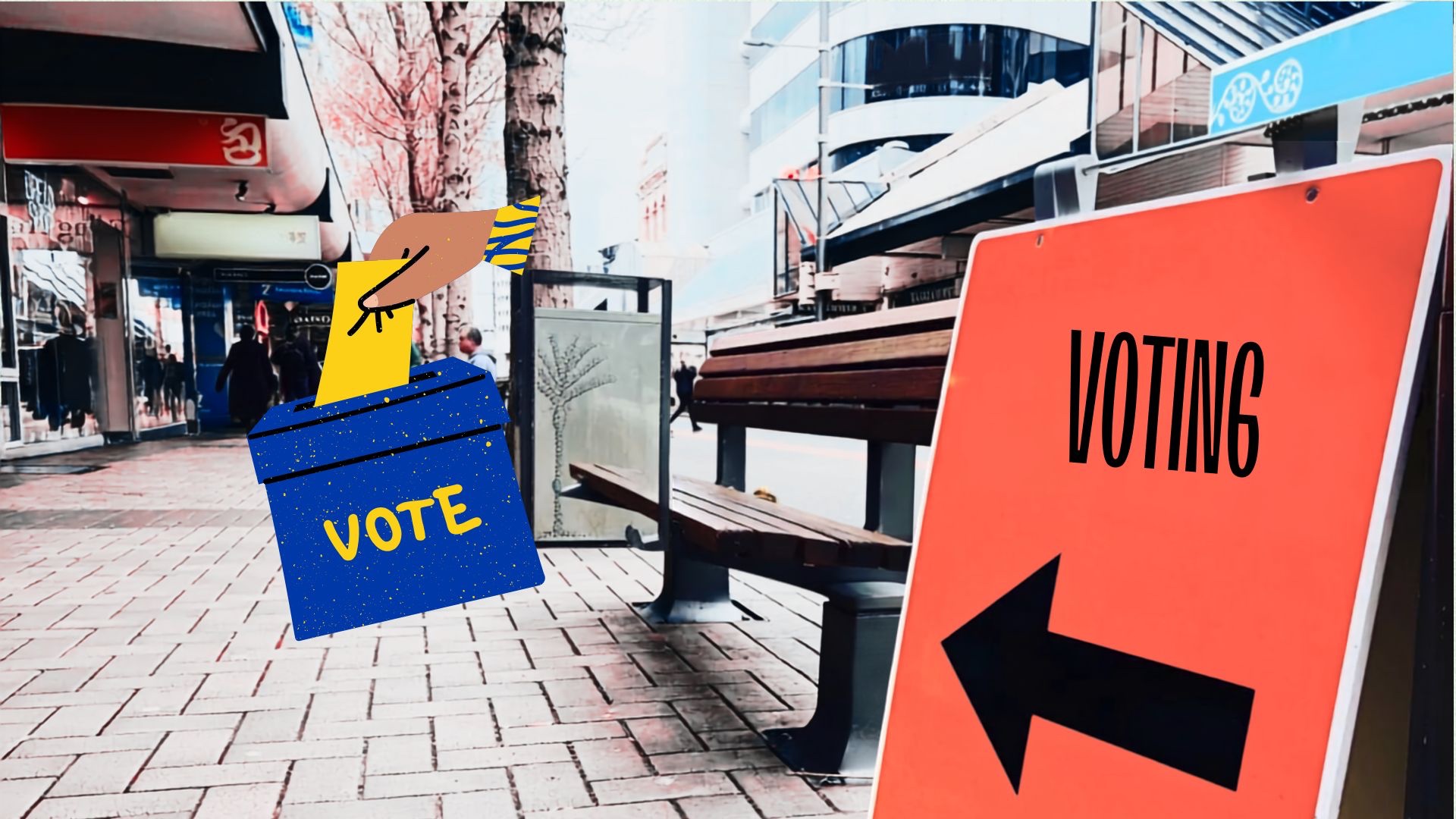
After coming to New Zealand, he voted in the 2024 Khalistan referendum and helped promote it at two Sikh temples. The Immigration and Protection Tribunal (IPT) still found his appeal “manifestly unfounded”.


The latest loss fits a much broader pattern. An earlier Awaaz review of 40 Khalistan-linked asylum appeals found not one had succeeded.
That does not mean such claims can never succeed. Refugee cases are decided on their individual facts, and the IPT has acknowledged that some Khalistan activists can attract adverse attention in India.
South Asian diaspora raises over $200,000 for New Zealanders missing in Nepal flood "I'm so proud of the Indian community here who...supported us, saying it is not a Nepal problem but our problem."
Tamakis launch Indian-origin candidate for Epsom who surrendered passport and has ‘assimilated’ “I know a whole lot of people are going to be like shocked,” says Hannah Tamaki.
Priyanca Radhakrishnan tries to puncture Luxon’s FTA victory, says India was already sold “Things have changed quite dramatically on the Indian government side,” says the Indian-origin Labour MP.
But across the failed claims, the same issues keep resurfacing. How prominent the claimant’s activism really was? Whether anyone in India knew about it? How strong and consistent the evidence was? Whether the alleged threat was still current? Whether the claimant could simply move elsewhere in India.
The latest case brought several of those problems together. The IPT said the incidents in India were isolated, the prospect of future harm was speculative and the man could safely relocate elsewhere in the country.
So what keeps sinking these claims? We have distilled five recurring don’ts emerging from New Zealand’s Khalistan asylum decisions.
Don’t assume supporting Khalistan is enough
One of the clearest examples came in 2020.
An Indian Sikh man claimed he had been involved with Shiromani Akali Dal (Amritsar) and had been subjected to politically motivated attacks and police interest.
The tribunal did not accept those parts of his account. But it did accept that he supported the idea of an independent Khalistan and had registered for an informal referendum on the issue.
That still was not enough. “The appellant is not a Sikh militant or activist,” the tribunal said.
It found his political engagement was minimal and said that even if Indian authorities somehow learned of his referendum registration, that would not expose him to a real chance of serious harm.
His appeal was dismissed in May 2020.
Don’t expect low-profile activism in New Zealand to prove danger in India
That distinction resurfaced in a 2026 case involving a Sikh man from Rajasthan. He said he had joined a political party back home, been harassed by opponents and assaulted after helping at an event attended by prominent Sikh separatist figure Amritpal Singh.
He came to New Zealand in September 2023. Once here, he attended a Khalistan-related rally, voted in the November 2024 Khalistan referendum and continued following pro-Khalistan accounts online.
But he did not make political posts himself. When the tribunal ruled in June 2026, it described his political involvement as “relatively low-level”.
“There is no evidence that these activities are known to the Indian authorities,” it said.
The tribunal also noted that he had voted in the referendum alongside thousands of others and found his future risk was no more than remote or speculative.
The appeal was dismissed as manifestly unfounded.
Don’t rely on weak or inconsistent evidence
Then there is the evidence itself. In a 2026 case, a 37-year-old Sikh man from Haryana said he had participated in farmers’ protests and Khalistan events.
He claimed police arrested him at his home, detained him, beat him and warned him against further support for Khalistan. The alleged police mistreatment was at the heart of his claim.
But when the tribunal examined the evidence, significant problems emerged.
The man could not give a date for the alleged arrest. His account differed from statements supplied by his parents about whether he had been detained for a few hours or overnight, and whether officers took him away during the day or in the evening.
“The appellant’s evidence of the arrest was vague, inconsistent and not convincing,” the tribunal said.
It ultimately rejected his claim that police had arrested and beaten him because of his Khalistan involvement. The appeal was dismissed in August 2026.
Don’t ignore the possibility of moving somewhere else in India
A claimant can establish a problem in one part of India and still lose. That is because New Zealand refugee law also asks whether the person could obtain meaningful protection by relocating somewhere else in their own country.
That issue was central to the latest case, decided last month. The Punjab-born Sikh man said his family supported Khalistan and that he had joined a political party.
He claimed political opponents threatened him in 2022 and that five men later attacked him with wooden sticks in February 2023, telling him to abandon his political activity.
He said police refused to take his complaint. But the tribunal found that, even if there had been a genuine problem around his home village, he could live elsewhere.
It specifically pointed to Amritsar, Ludhiana, Jalandhar and Delhi. “The events which have happened were highly localised in nature,” the tribunal said.
It also found there was “no prospect” of the local men he feared knowing where he was living elsewhere in India.
The same issue arose in the Rajasthan man’s case. Before coming to New Zealand, he had spent about two months in Delhi and Mumbai without further incident.
The tribunal said those cities, or major Sikh centres like Ludhiana, Jalandhar and Amritsar remained possible places for him to live.
Don’t assume being believed means you win
The latest case also produced perhaps the most counter-intuitive lesson. Normally, credibility can make or break an asylum claim.
But because the tribunal was considering whether the appeal was manifestly unfounded, it assessed the man’s case on the basis that his account was true.
“In assessing whether a claim is manifestly unfounded, the claim as asserted is taken at face value and treated as credible,” the tribunal said.
He still lost. The tribunal found the two alleged encounters, separated by months, did not establish an ongoing pattern of persecution.
It said they appeared more akin to the man being “in the wrong place at the wrong time”, while the last alleged attack had occurred about three years earlier.
His Khalistan activity in New Zealand was also described as being “at a very low-level”. Even taking his story at face value, the tribunal found the future danger remote and internal relocation available.
That may be the clearest lesson running through these cases. Being believed is only the beginning. A refugee claimant still has to show a real chance of serious persecution – and that meaningful protection is not available elsewhere within their own country.