
Hamilton teen who made citizen's arrest charged with assault, Goldsmith says new law is clear

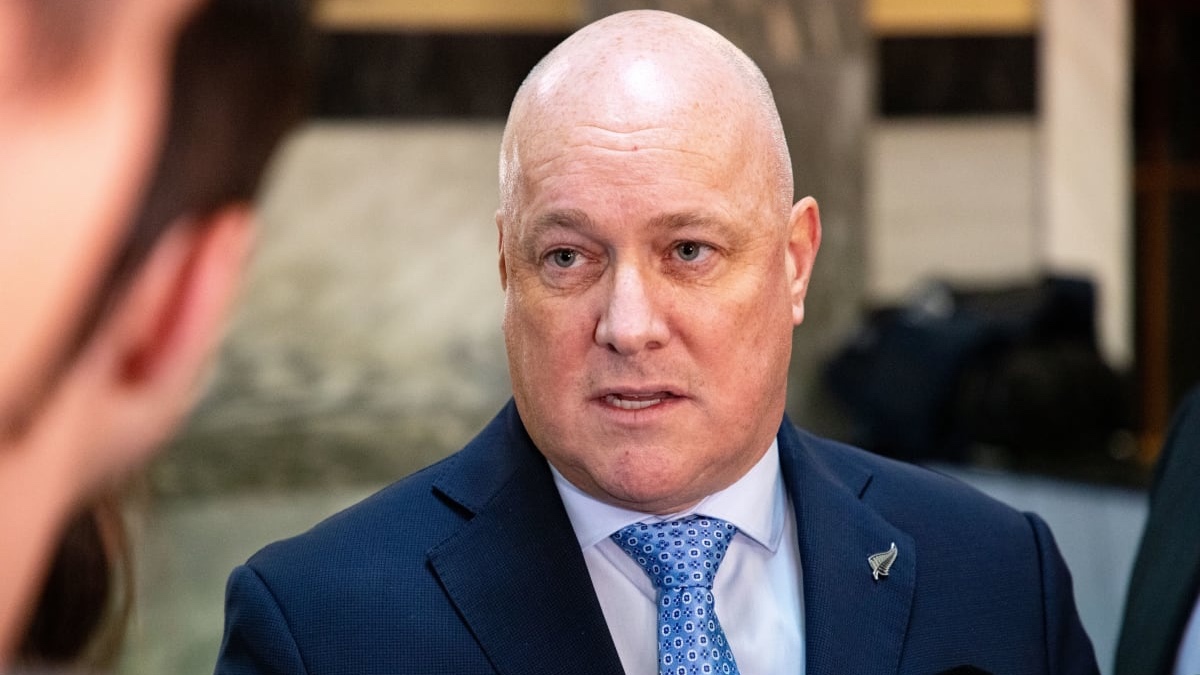
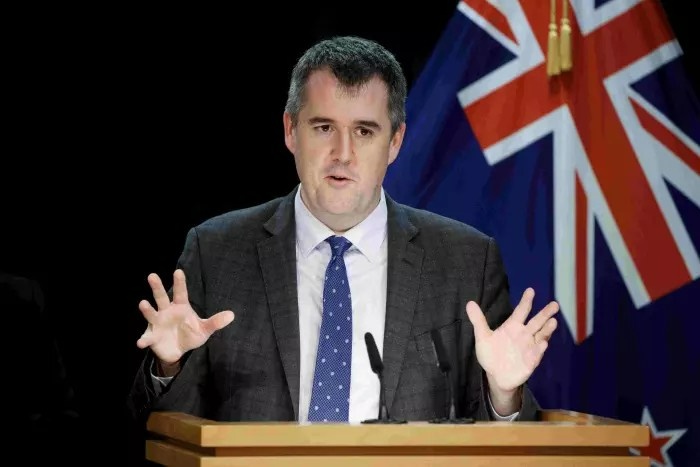
Justice minister Paul Goldsmith.
"We've got clear legislation in place and we expect people to follow it.”
A 19-year-old has been charged with common assault after a citizen’s arrest in Hamilton allegedly went too far over the weekend.
Hamilton City Area Commander Inspector Scott Miller told RNZ police were called to a commercial premises at Victoria Street about 5.15pm on September 12 following a report of shoplifting.
When officers arrived, they found a person suspected of being involved in the shoplifting had already been detained, Miller said. The person who made the citizen's arrest assaulted the shoplifter, police say.


The case comes little more than a month after New Zealand significantly expanded its citizen’s arrest laws, giving retailers and members of the public wider powers to detain suspected offenders while retaining limits on the amount of force that can be used.
The 19-year-old has been charged with common assault and is due to appear in the Hamilton District Court on Friday. The suspected shoplifter will separately go through a youth justice process.
South Asian diaspora raises over $200,000 for New Zealanders missing in Nepal flood "I'm so proud of the Indian community here who...supported us, saying it is not a Nepal problem but our problem."
Tamakis launch Indian-origin candidate for Epsom who surrendered passport and has ‘assimilated’ “I know a whole lot of people are going to be like shocked,” says Hannah Tamaki.
Priyanca Radhakrishnan tries to puncture Luxon’s FTA victory, says India was already sold “Things have changed quite dramatically on the Indian government side,” says the Indian-origin Labour MP.
The new law widened existing citizen’s arrest powers, including by removing some restrictions based on the seriousness of an offence or whether it occurred during the day or at night.
It also clarified that physical or mechanical restraints can be used where necessary in carrying out a lawful arrest.
However, the changes did not give people an unrestricted right to use force. The law continues to require that force used in making an arrest be justified in the circumstances, and people carrying out an arrest are expected to contact police and follow their directions.
Concerns about where that boundary would sit in practice were raised before the law was passed, including the possibility that someone attempting a citizen’s arrest could themselves face criminal charges if excessive force was used.
Justice minister Paul Goldsmith told RNZ he did not know the particulars of the Hamilton case but said the government expected people to follow the law.
“The clear directions in that is if the situation is appropriate, people can hang on to somebody and then call the police and follow the instructions of the police,” he said.
“We've got clear legislation in place and we expect people to follow it.”
Goldsmith said he stood by the policy, which he described as an extension of existing citizen’s arrest powers.
“Look, there'll be a period of working our way through how that works in practice, but I'm not going to comment obviously on the individual case.”