
Opinion: Modi may have given Luxon his biggest lift of the election year
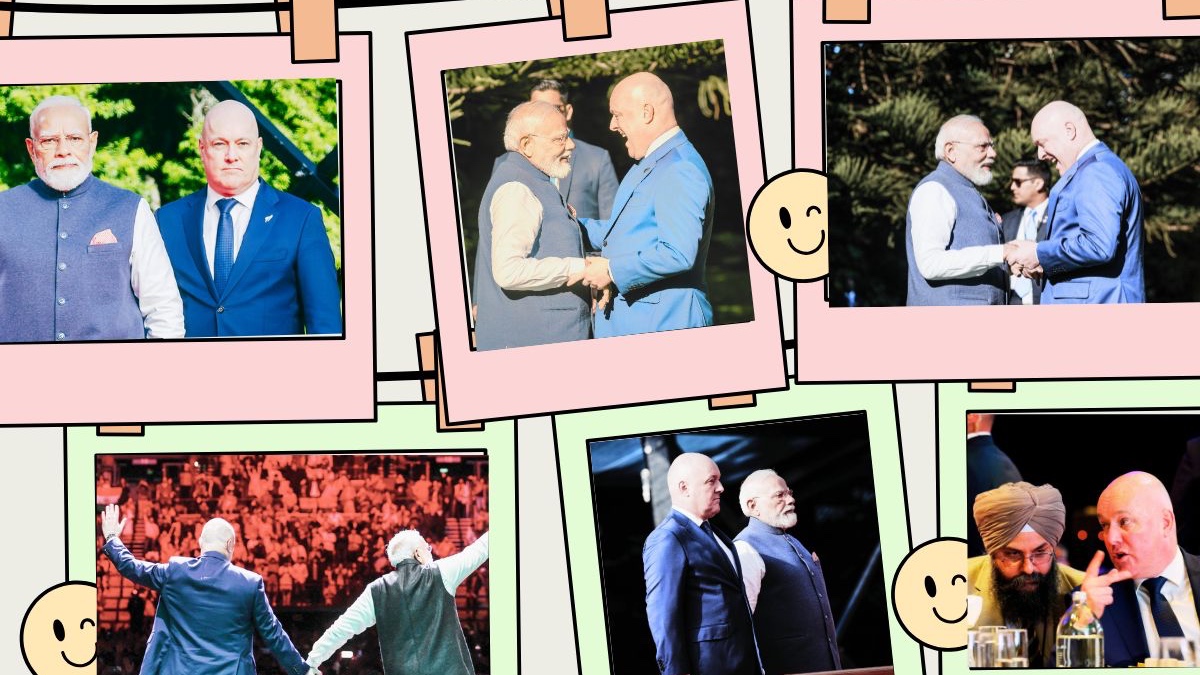
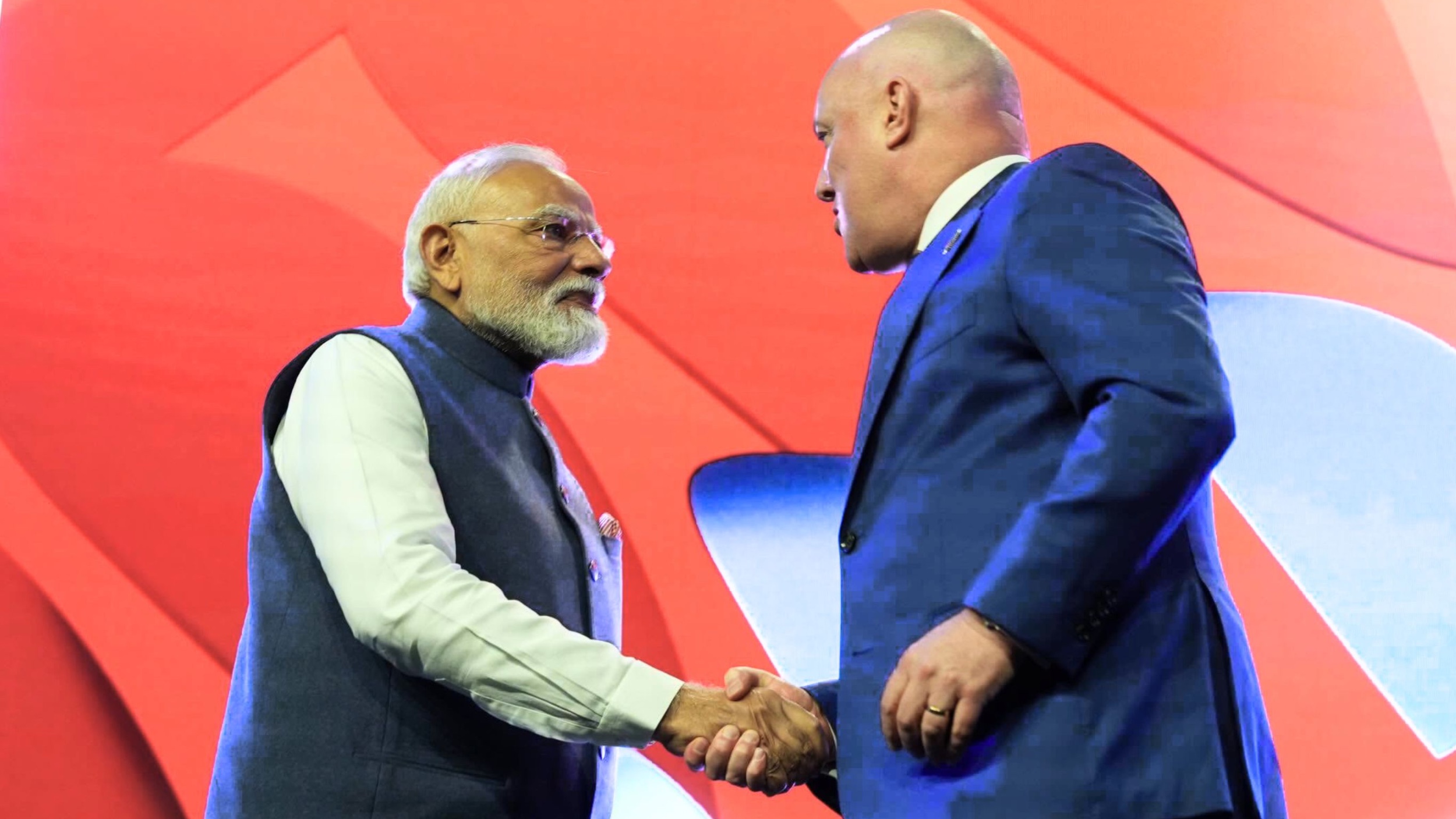
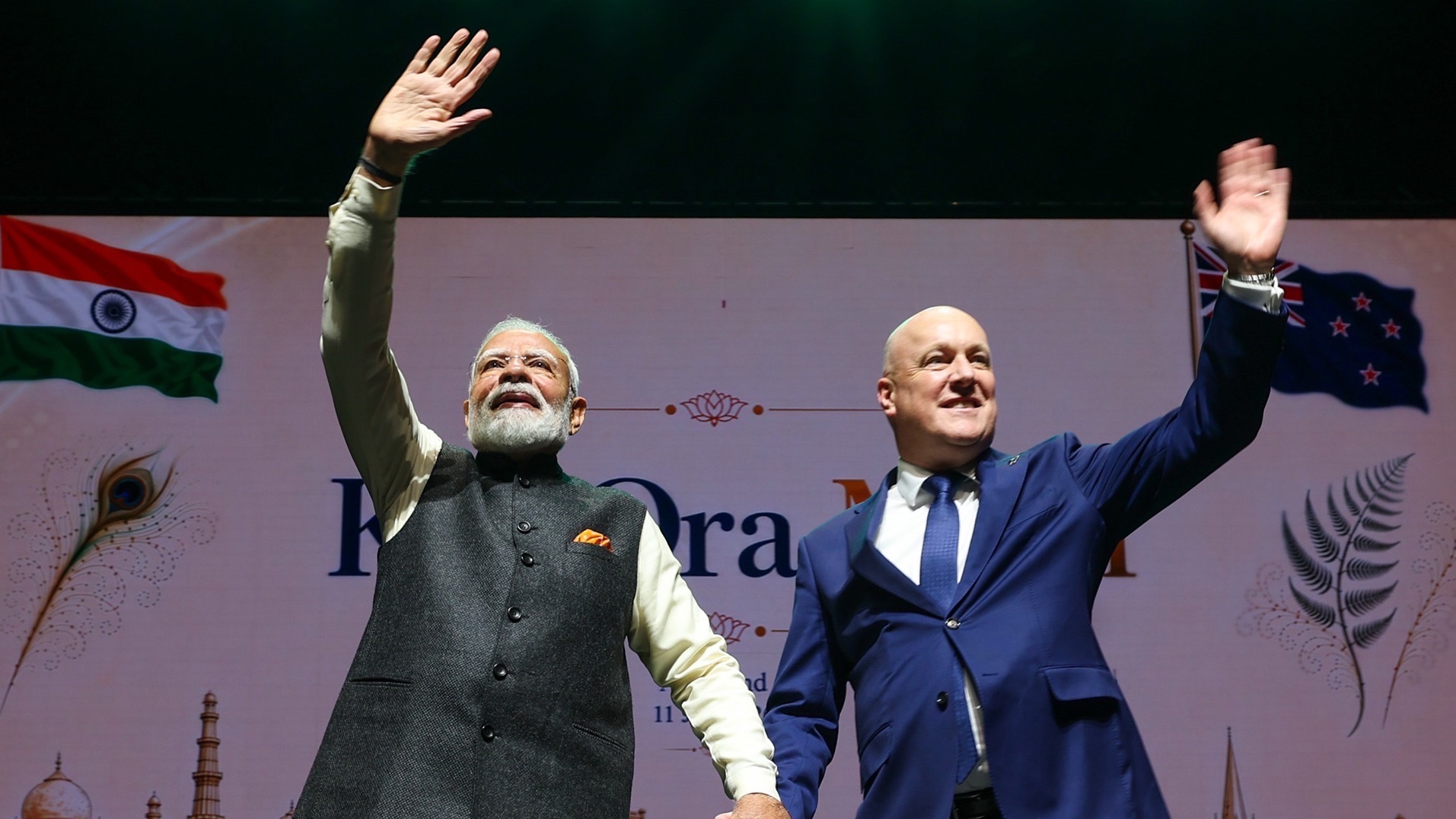
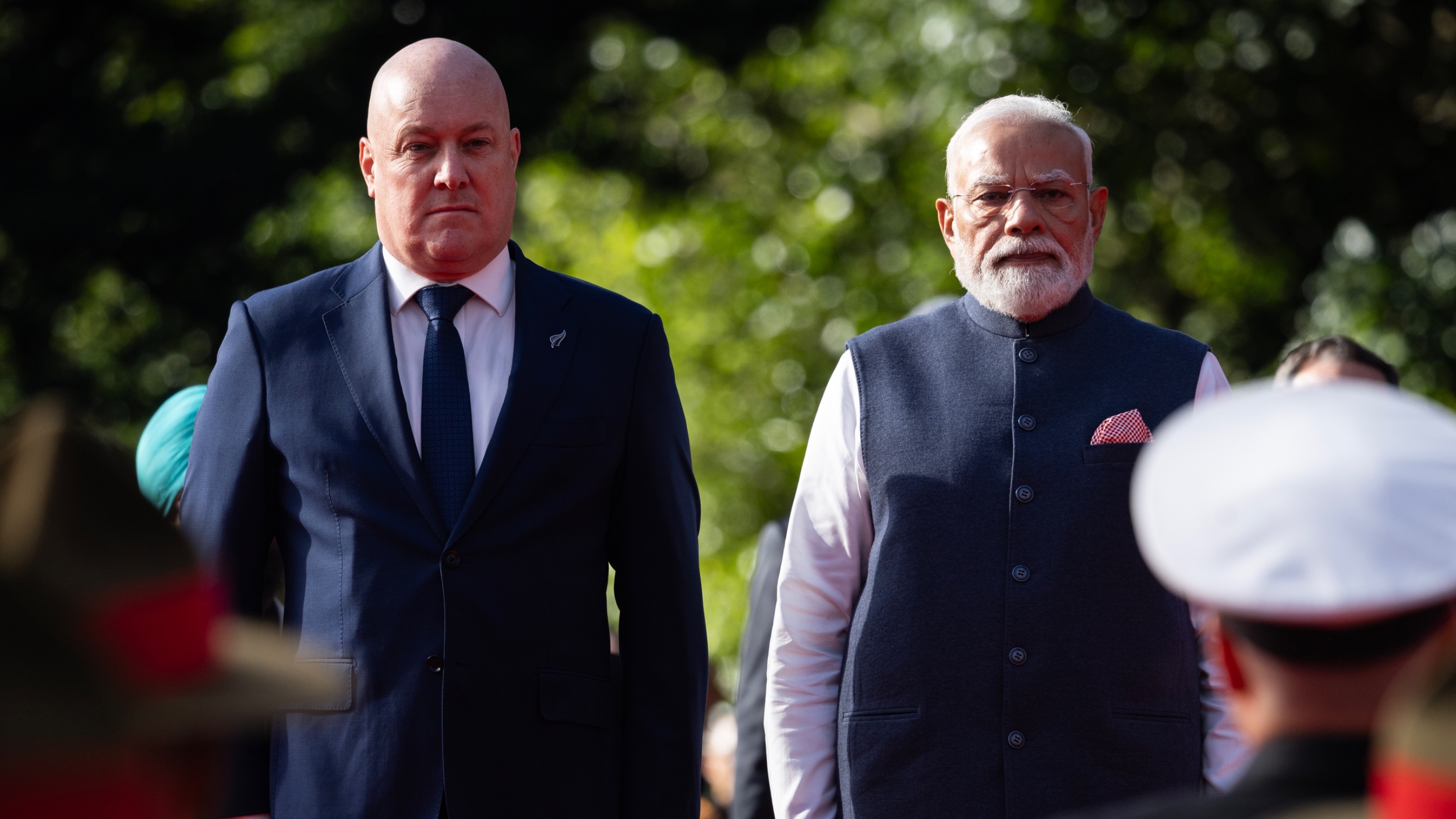
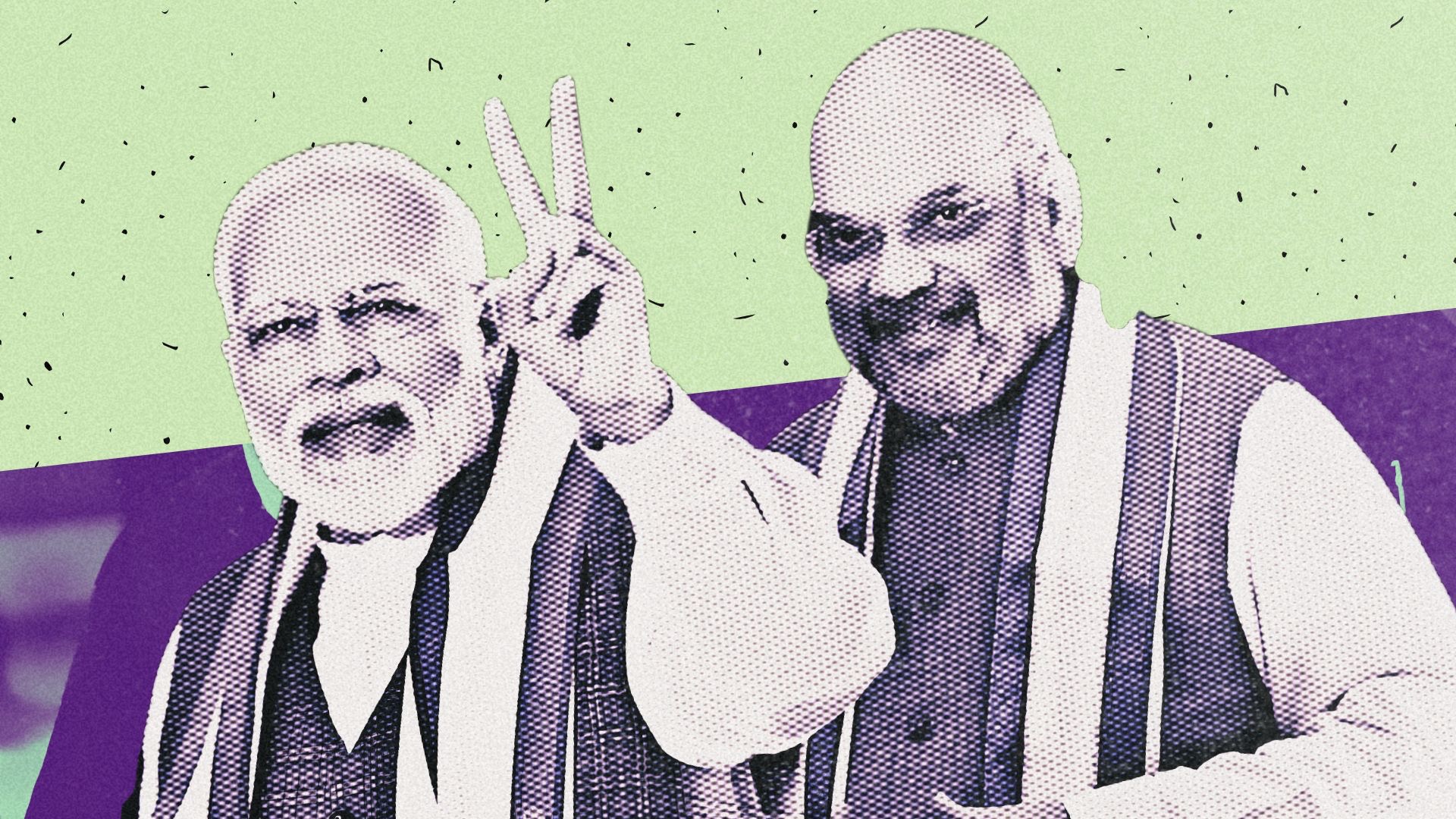
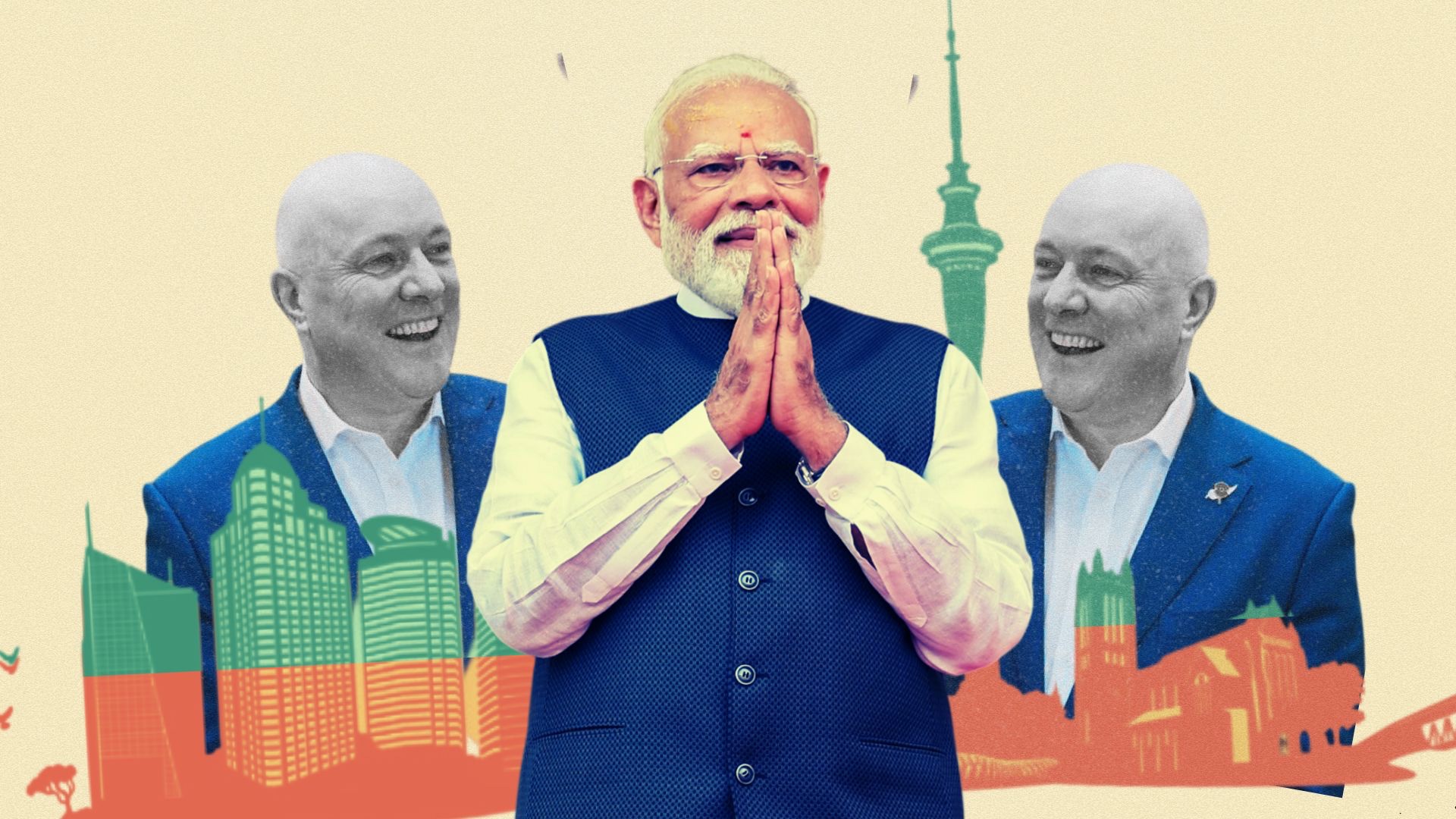
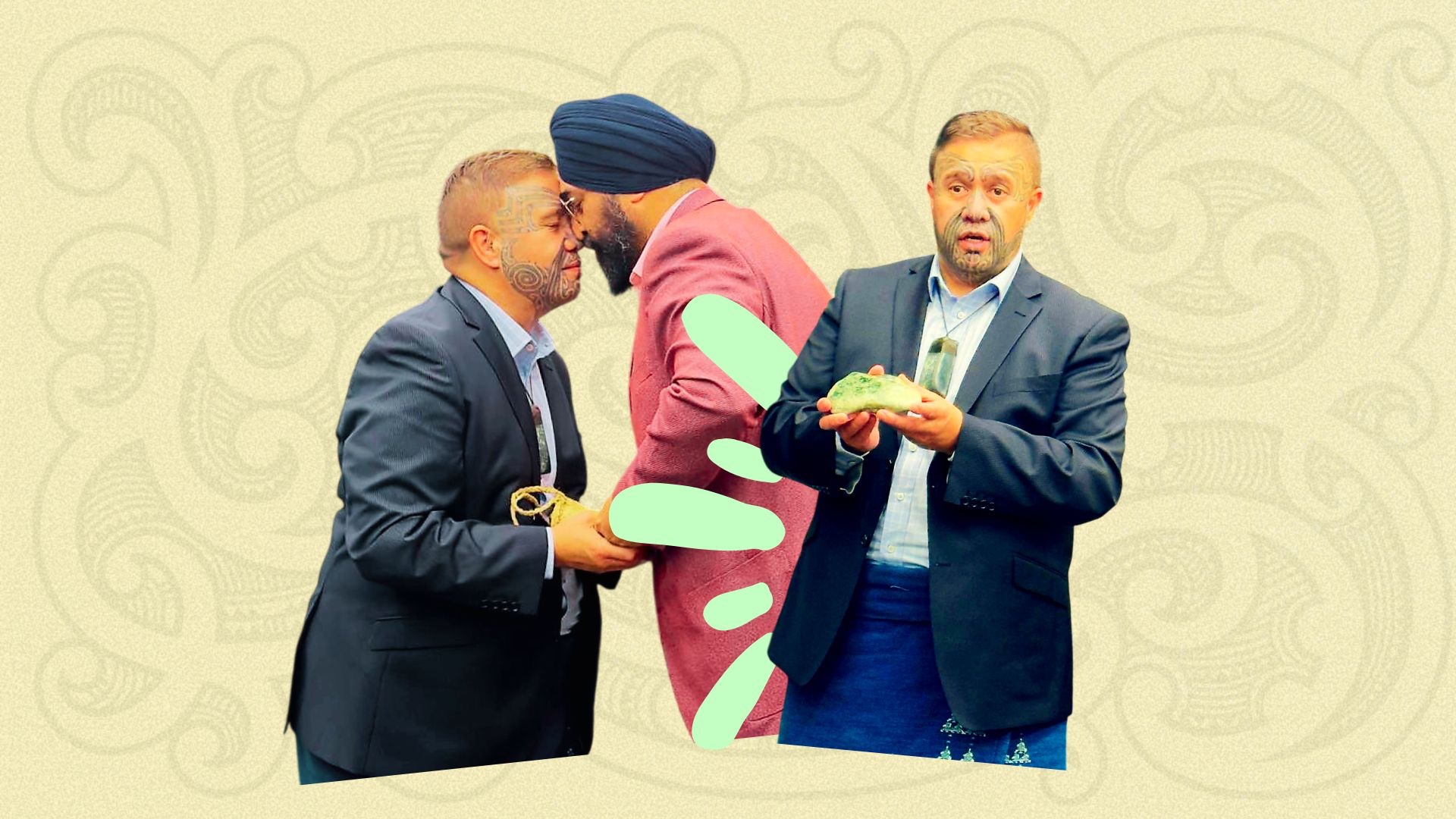
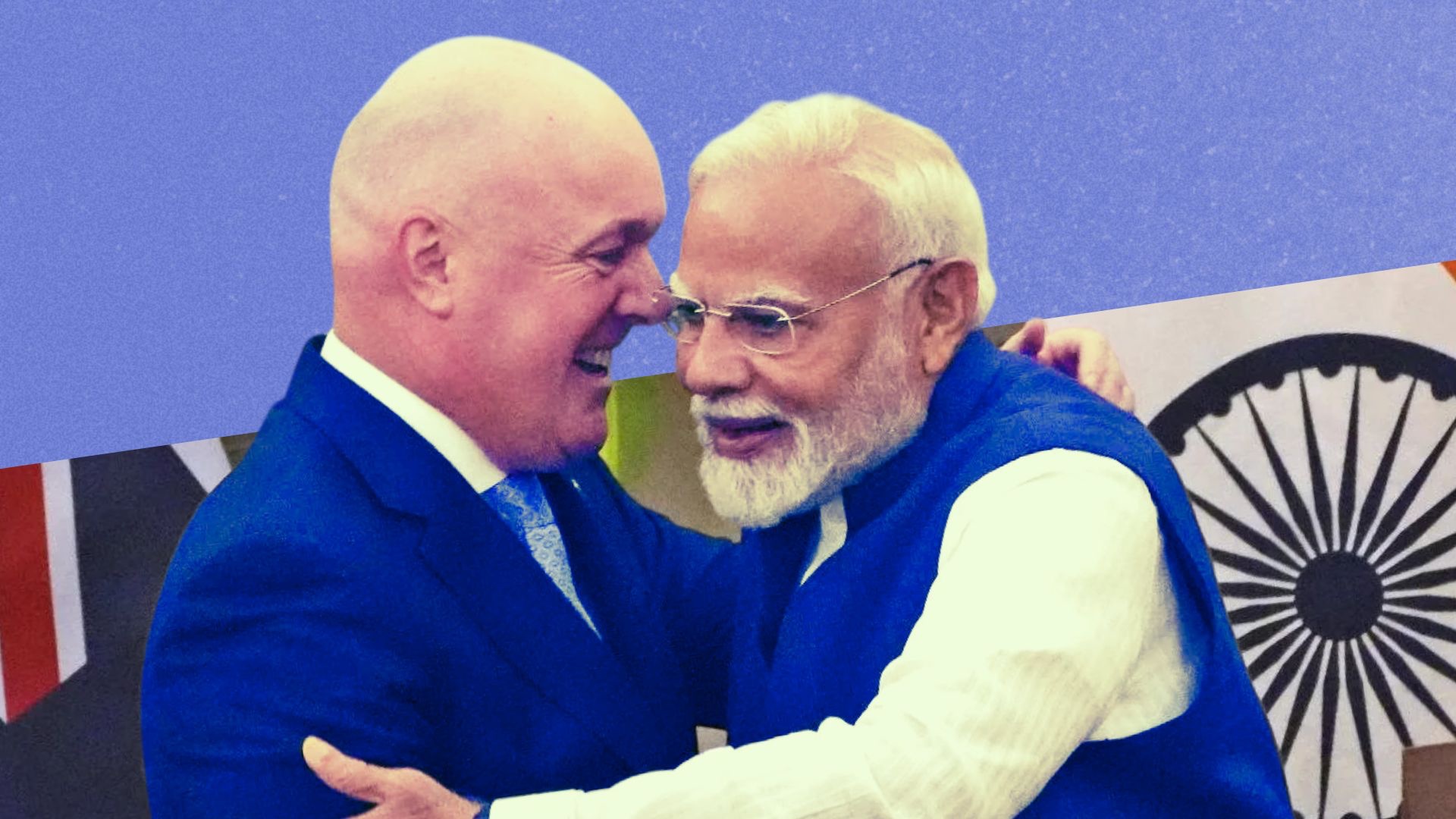
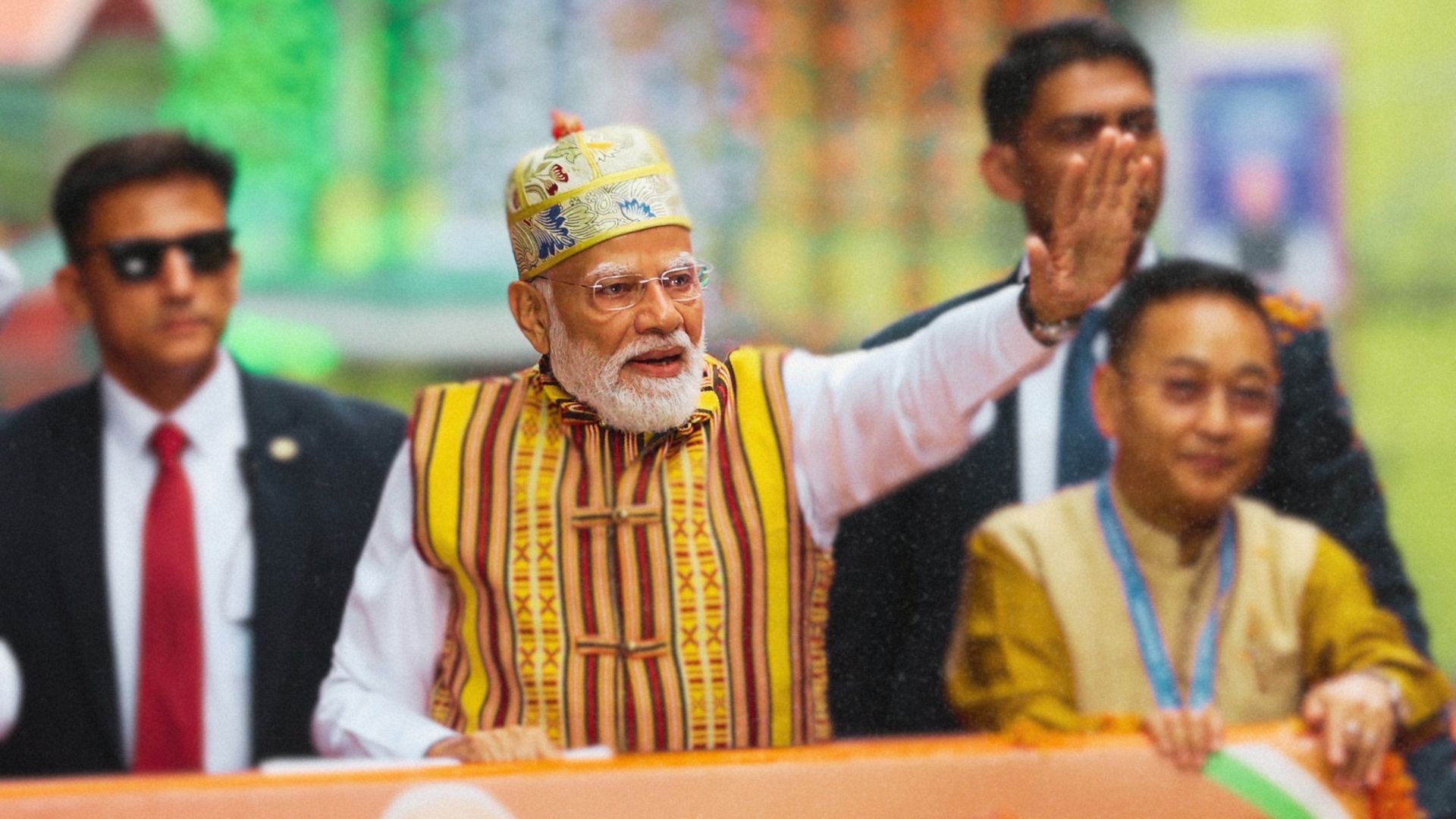
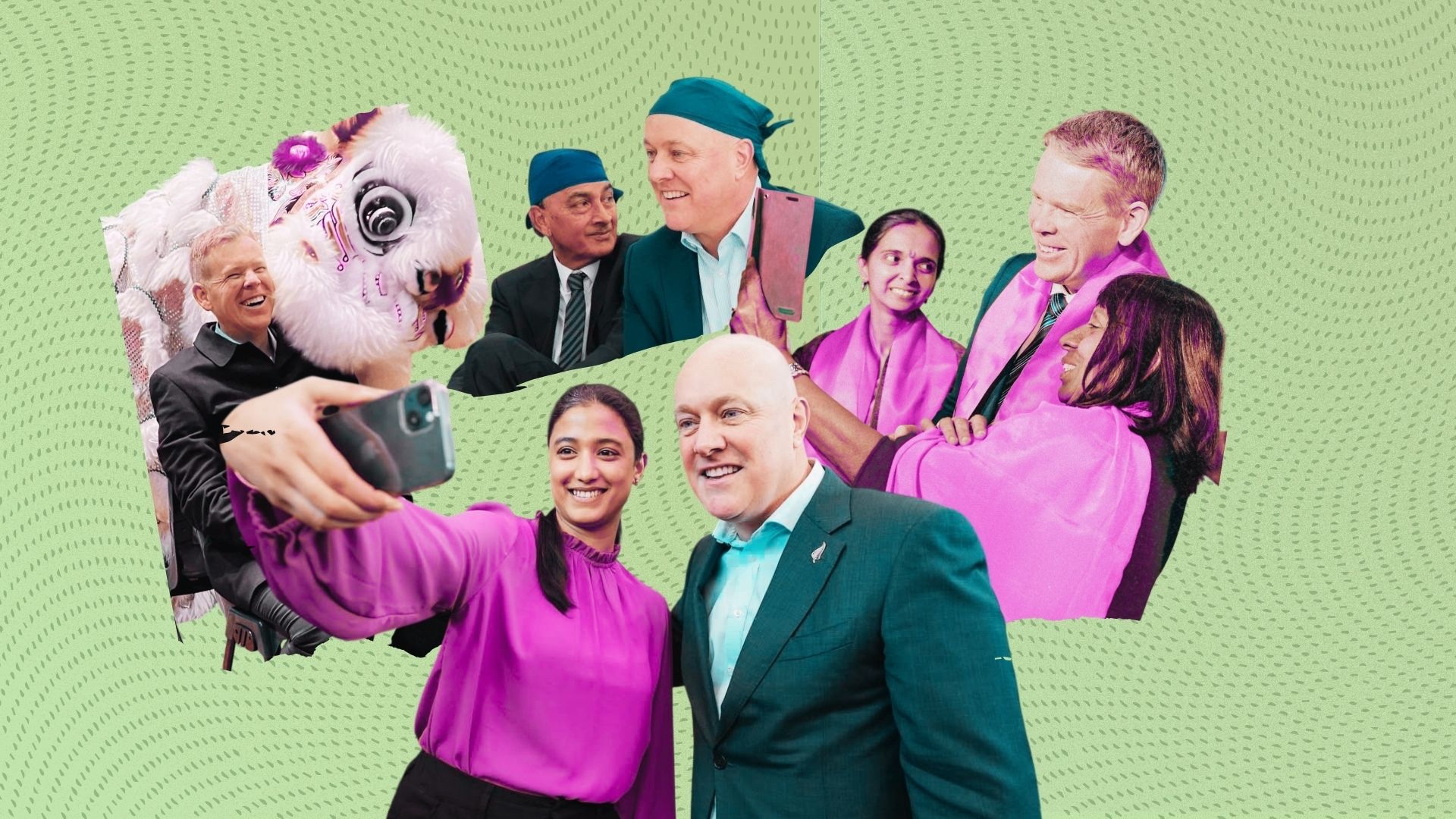
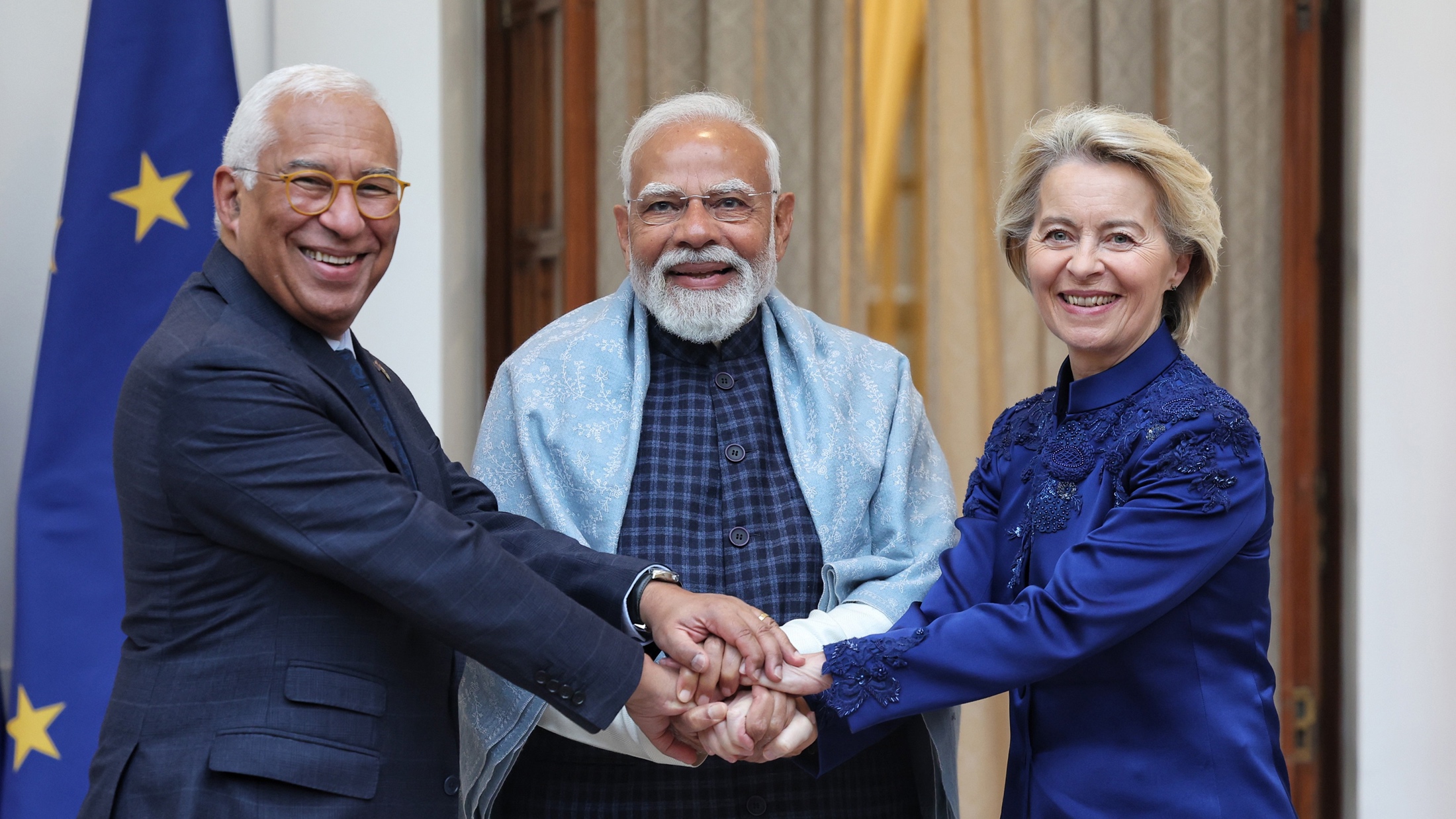
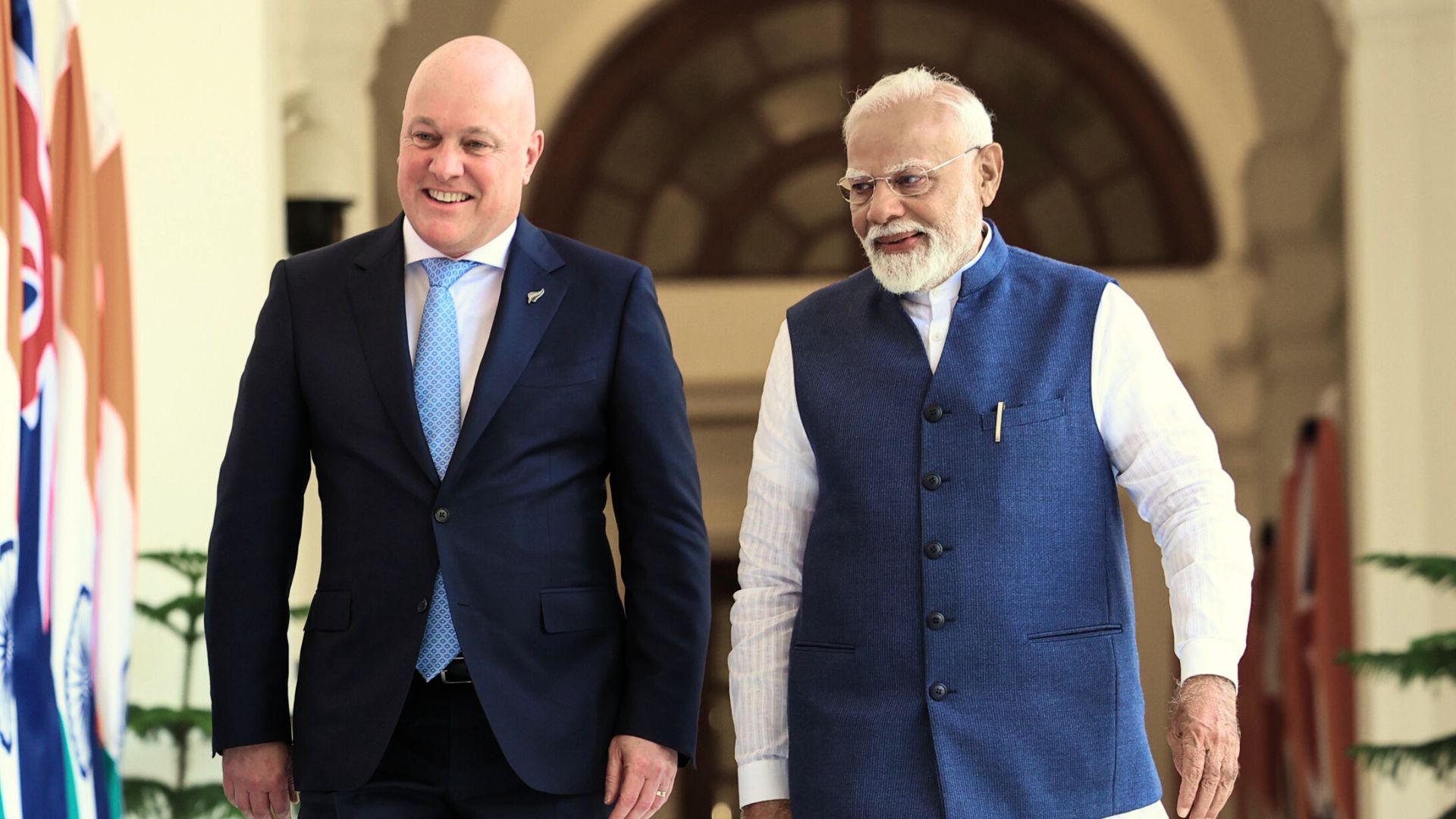
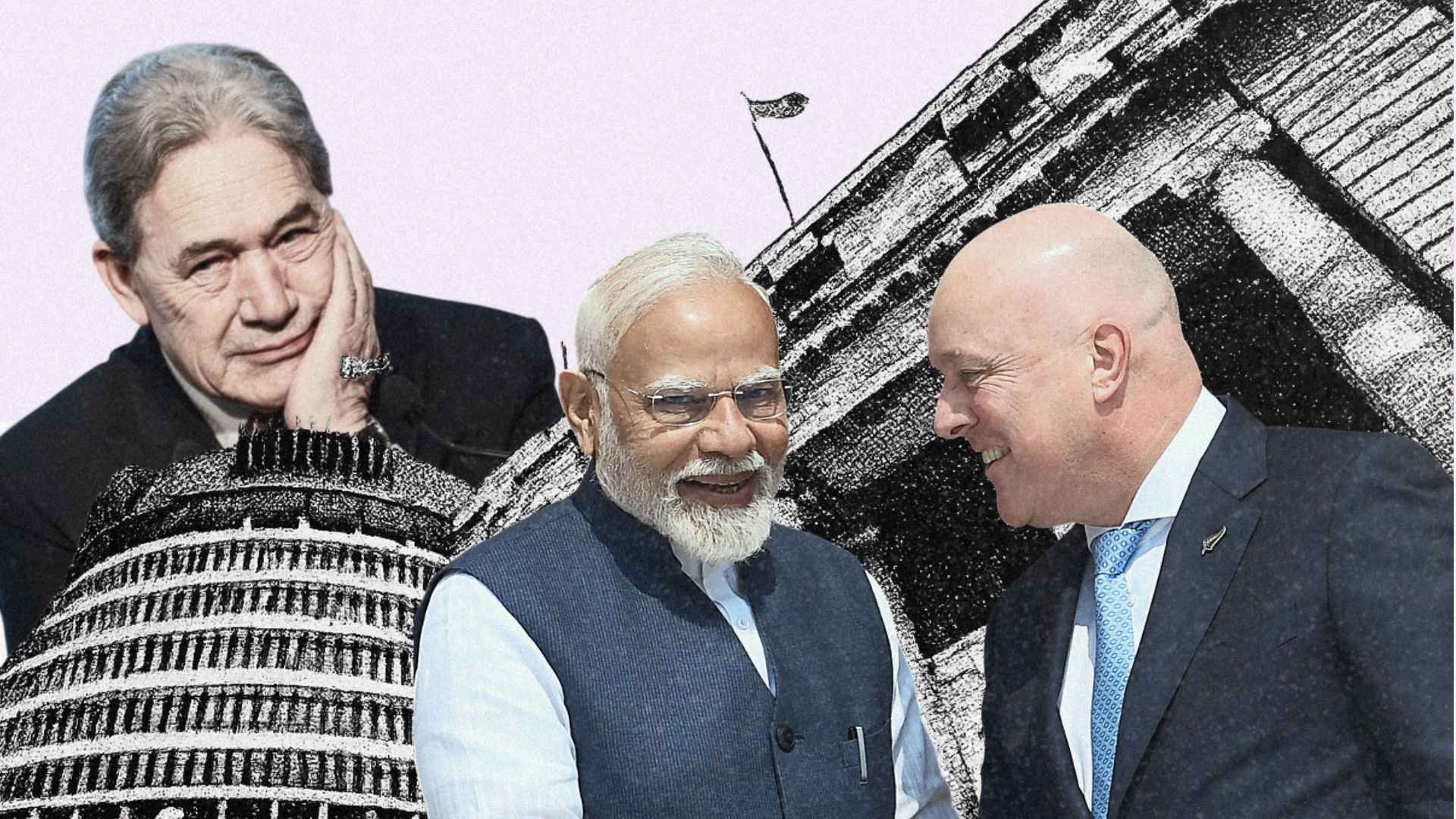
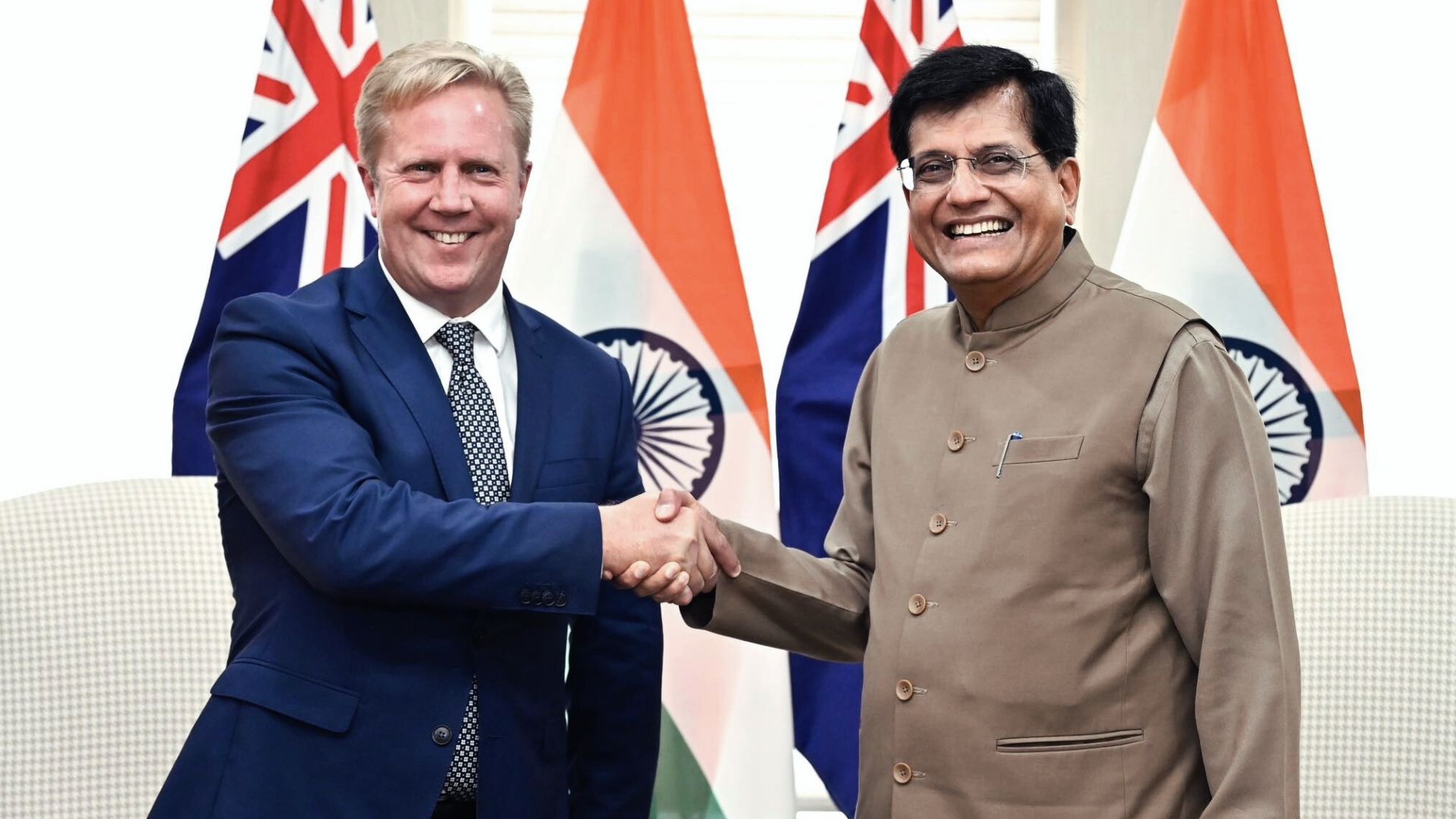
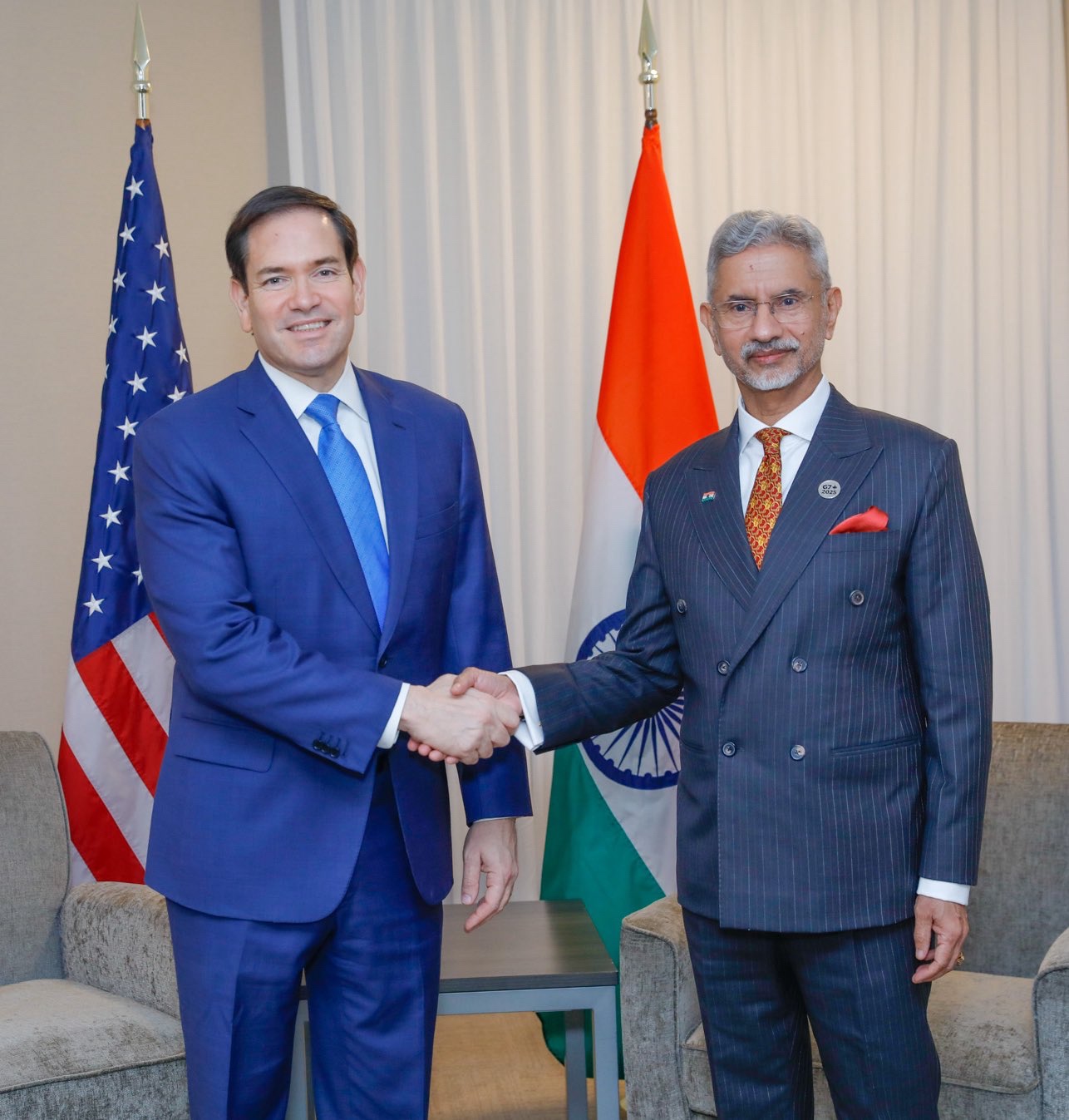
Narendra Modi's visit offered a flurry of photo ops for the prime minister.
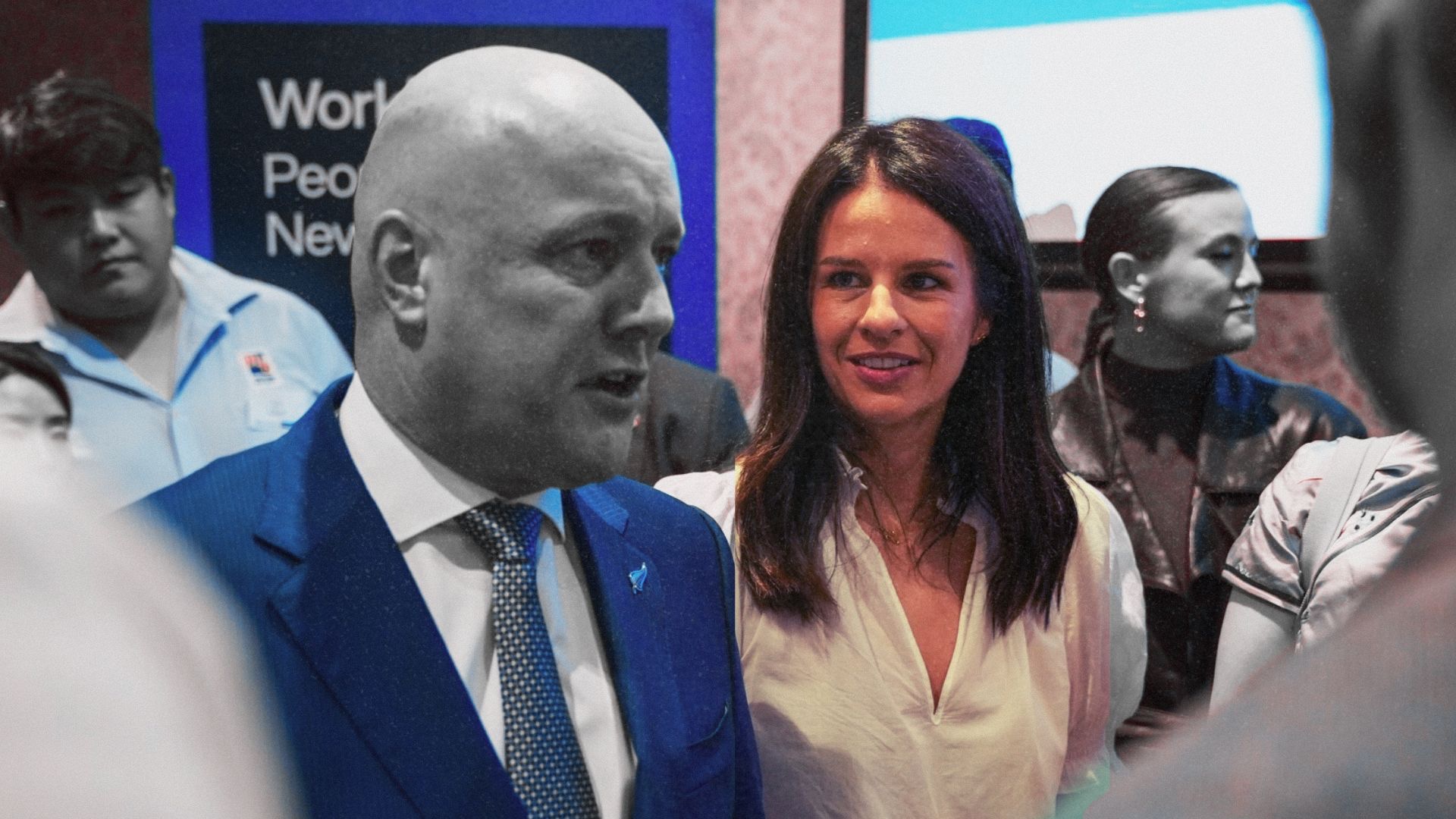
A new poll has projected a sudden rise in Luxon's popularity. The Indian prime minister's visit seems to have played a part.
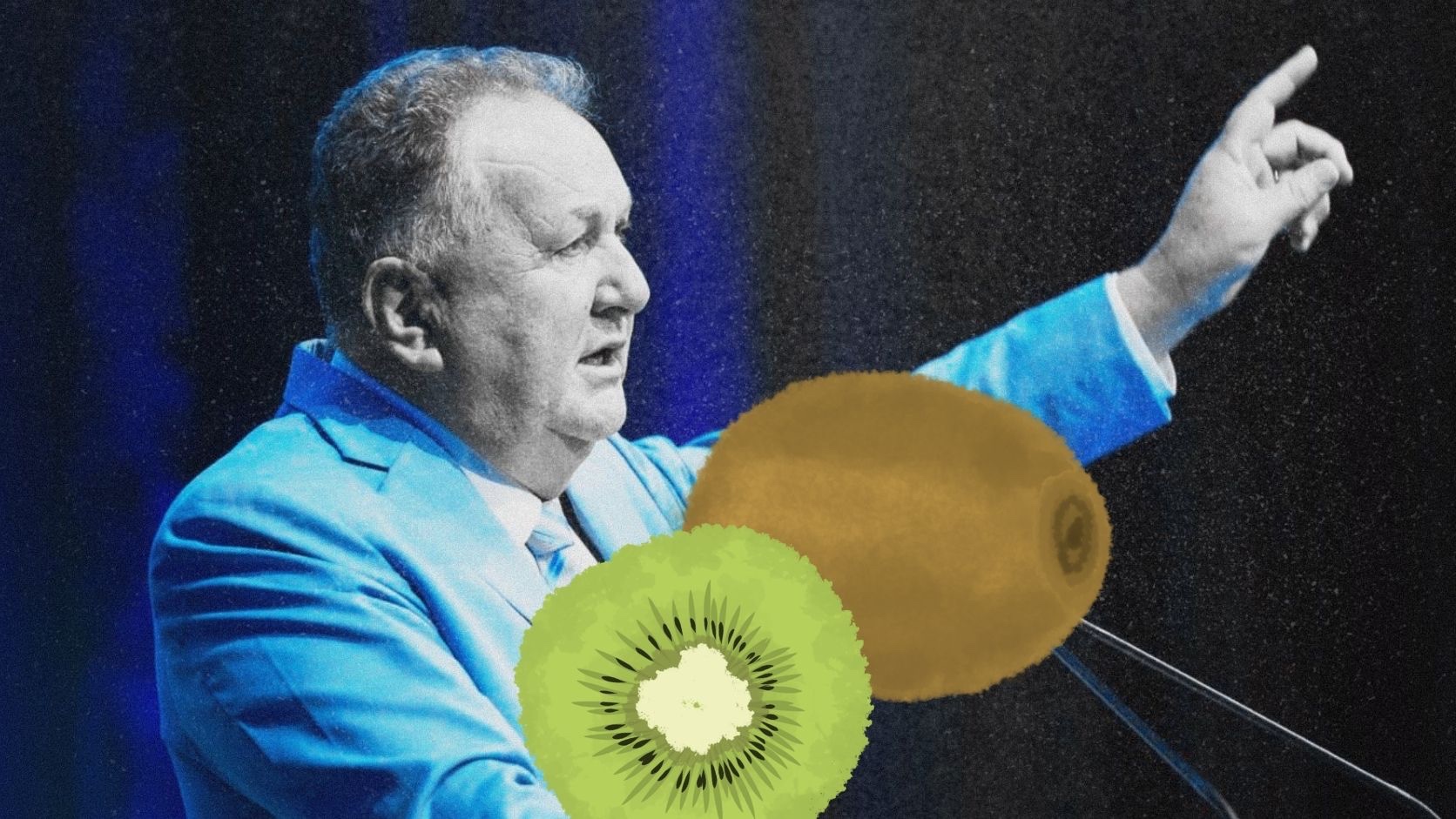
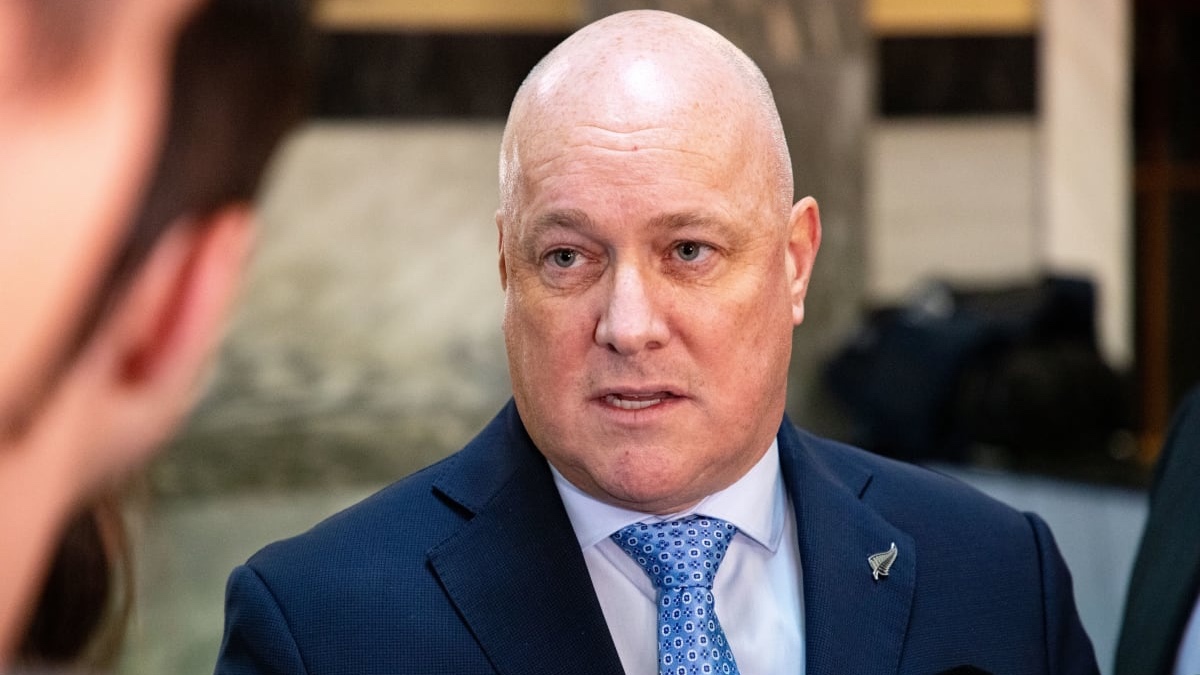
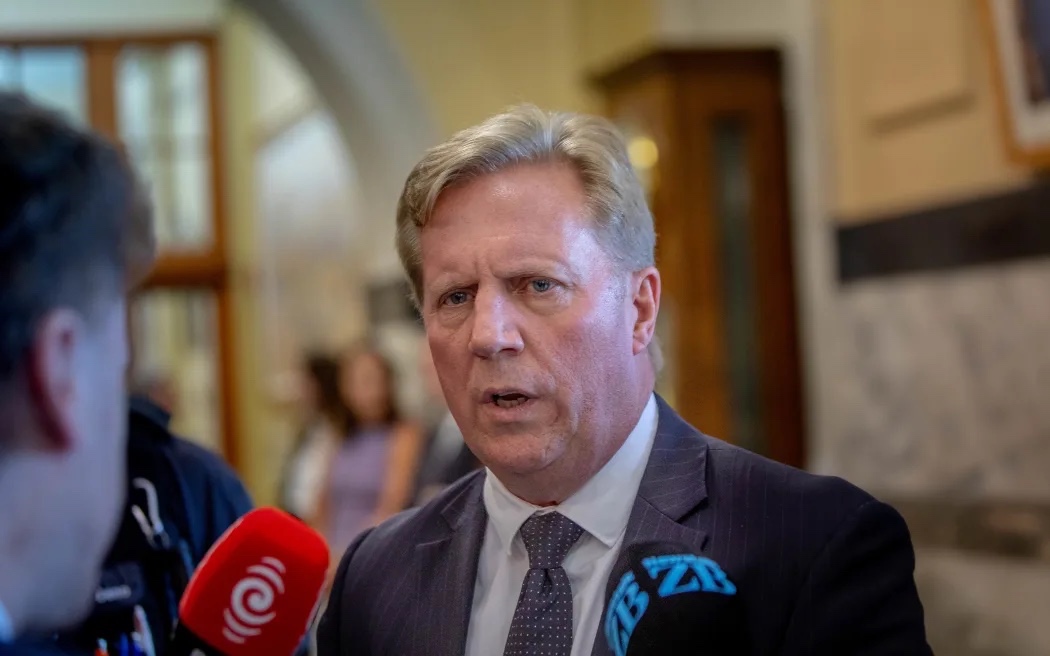
Christopher Luxon has surged to his highest preferred-prime minister rating of the year after a largely lacklustre five months.
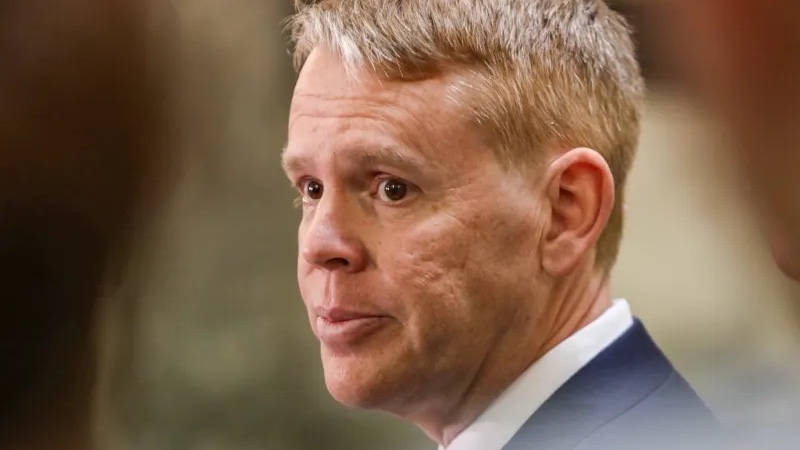
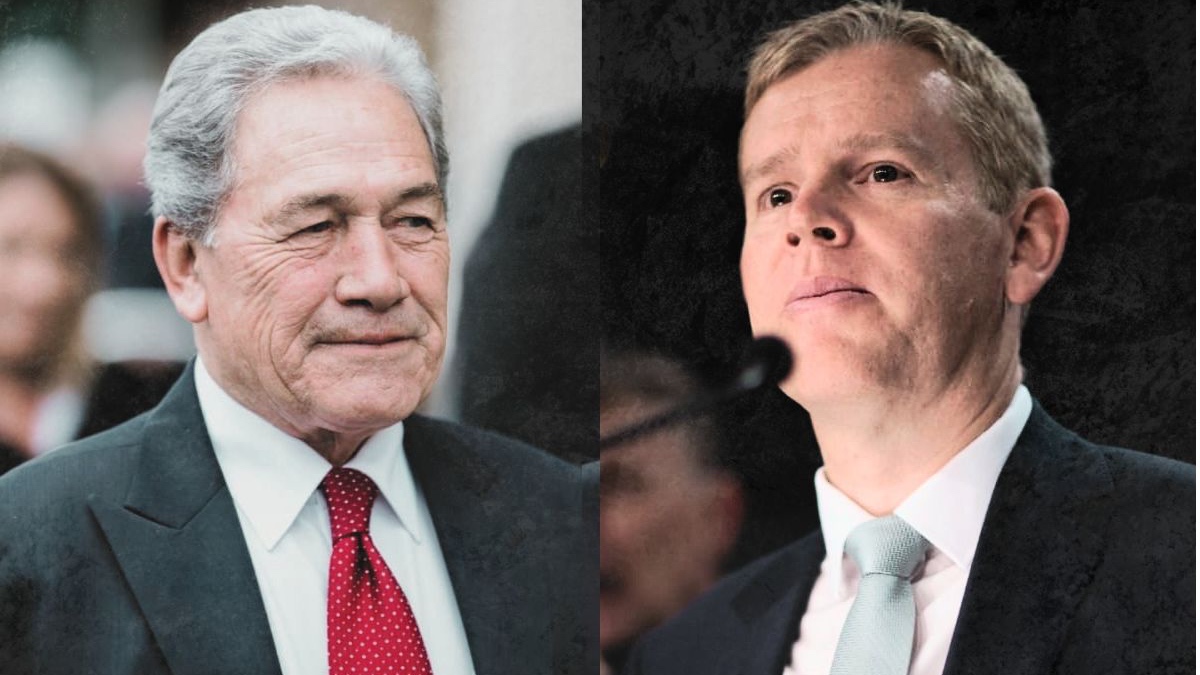
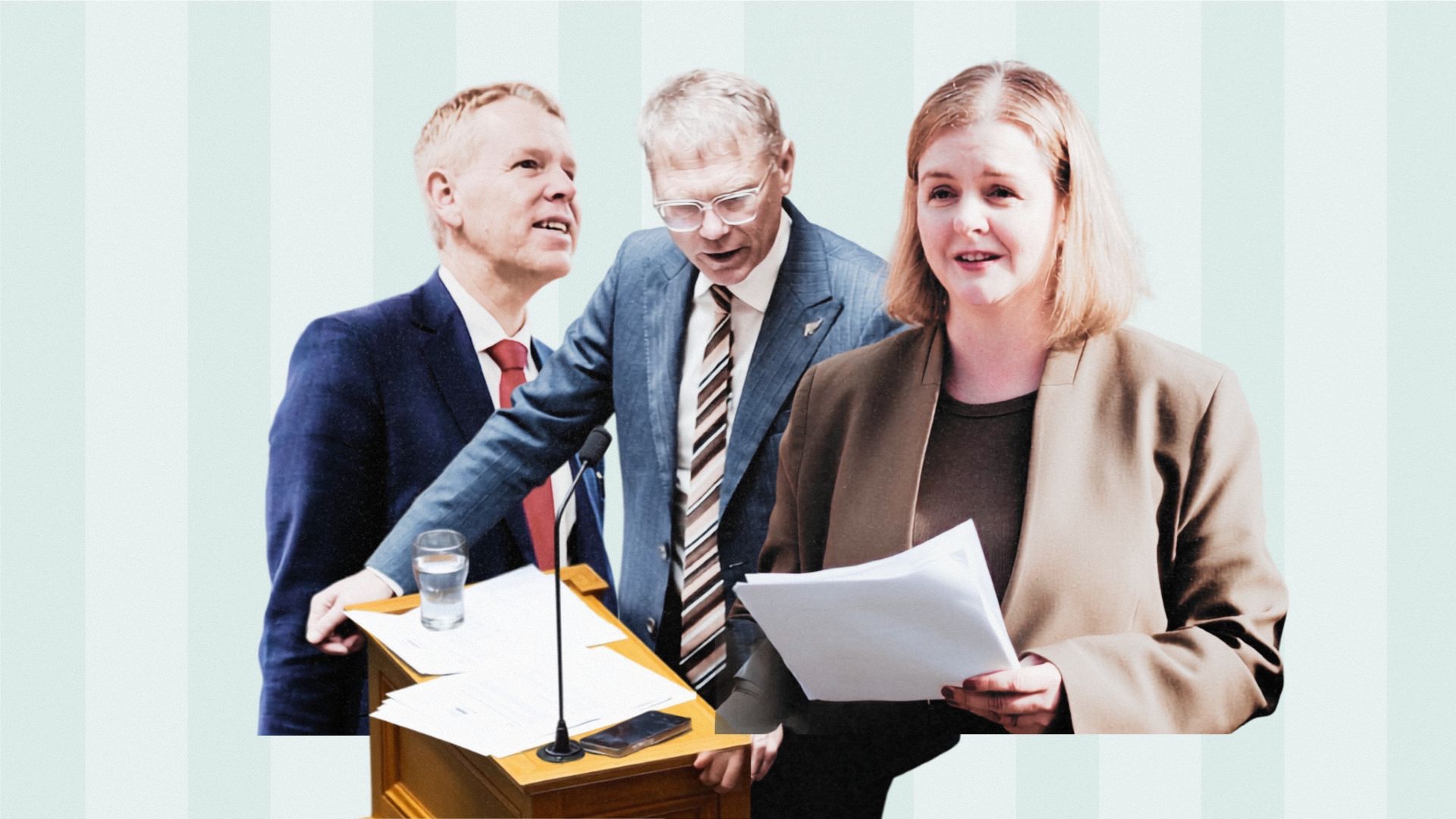
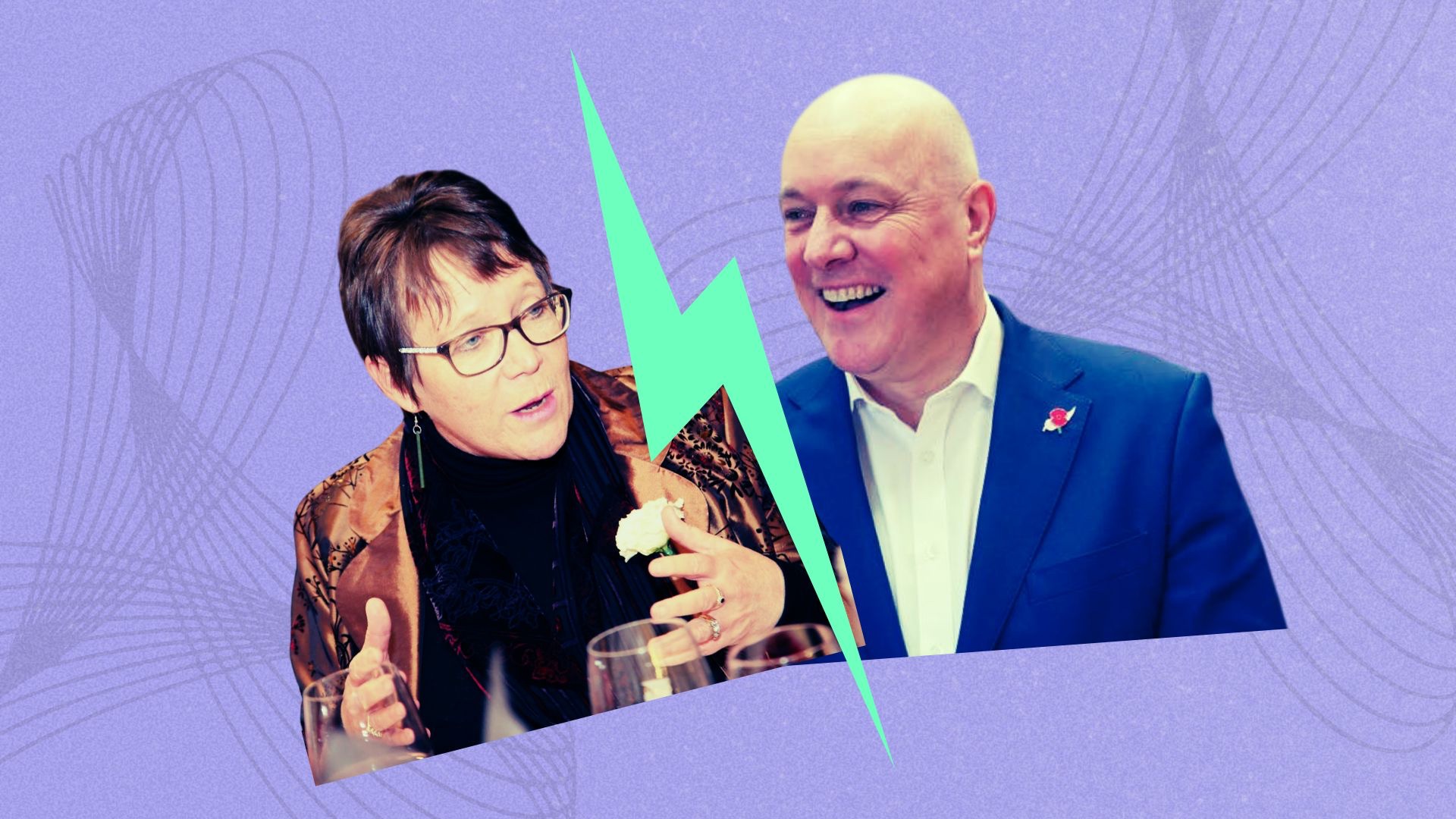
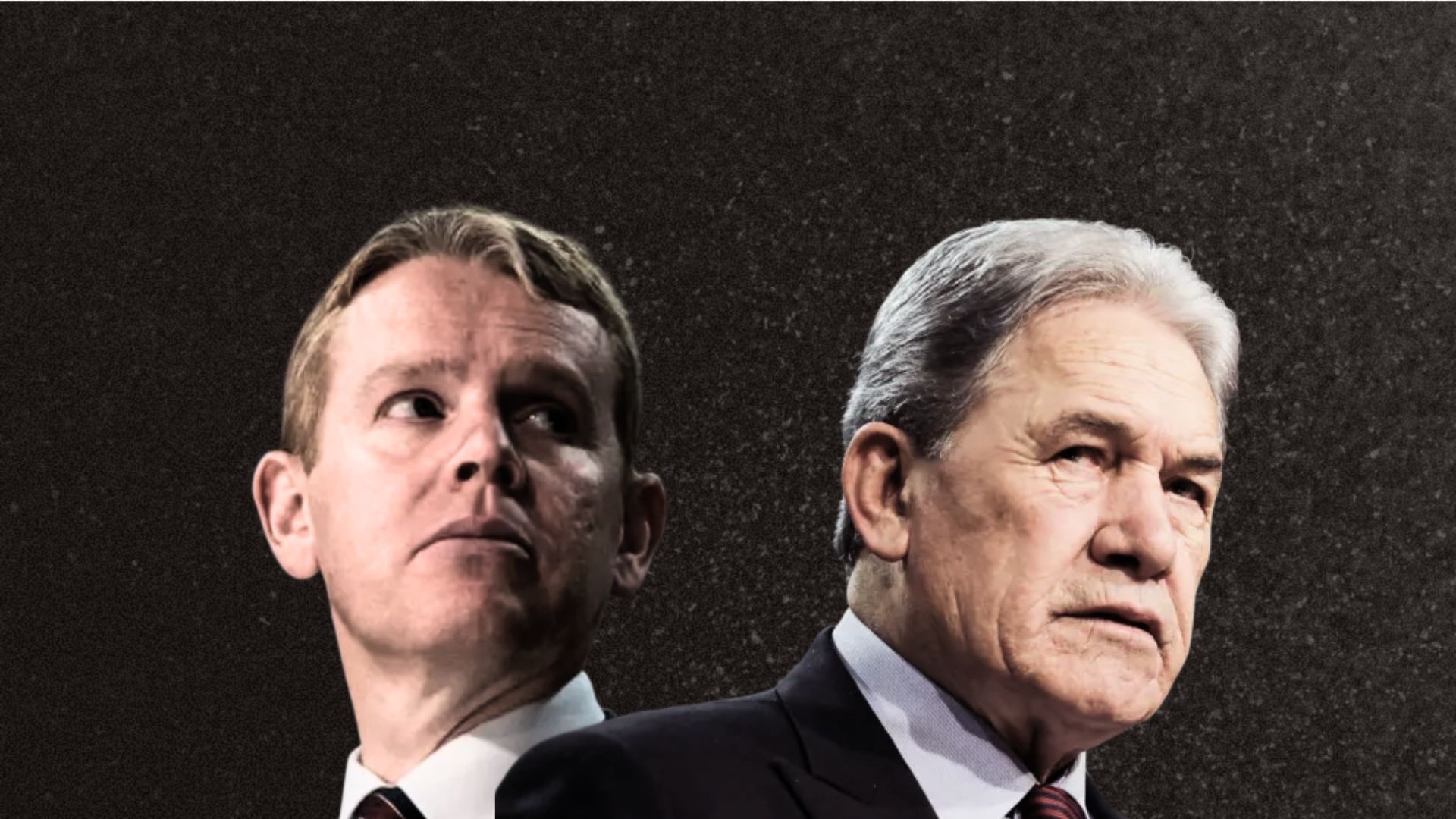
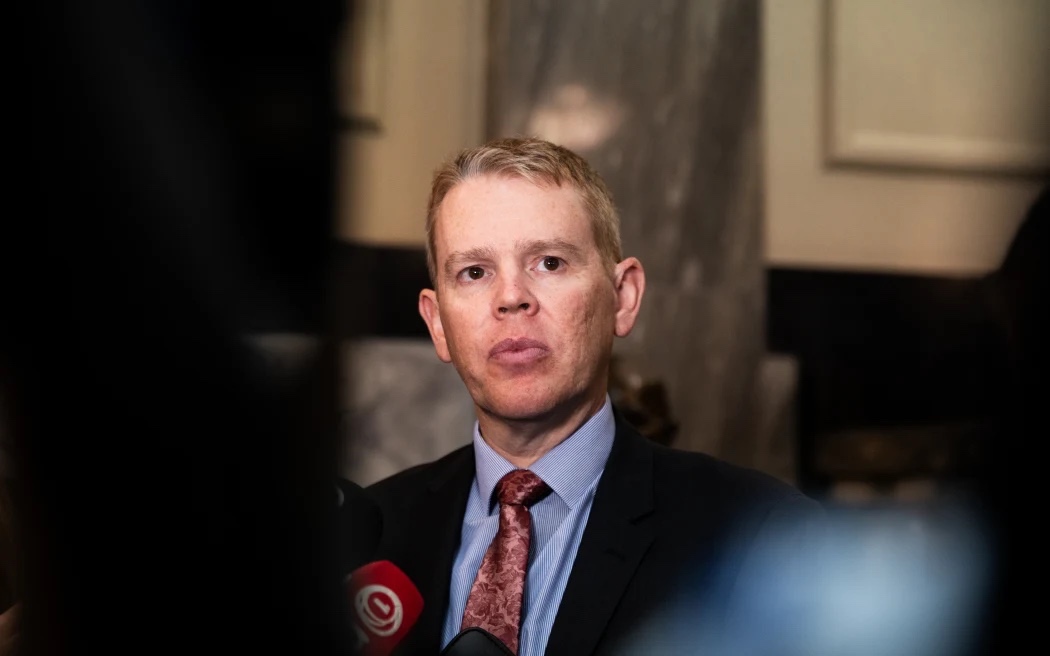
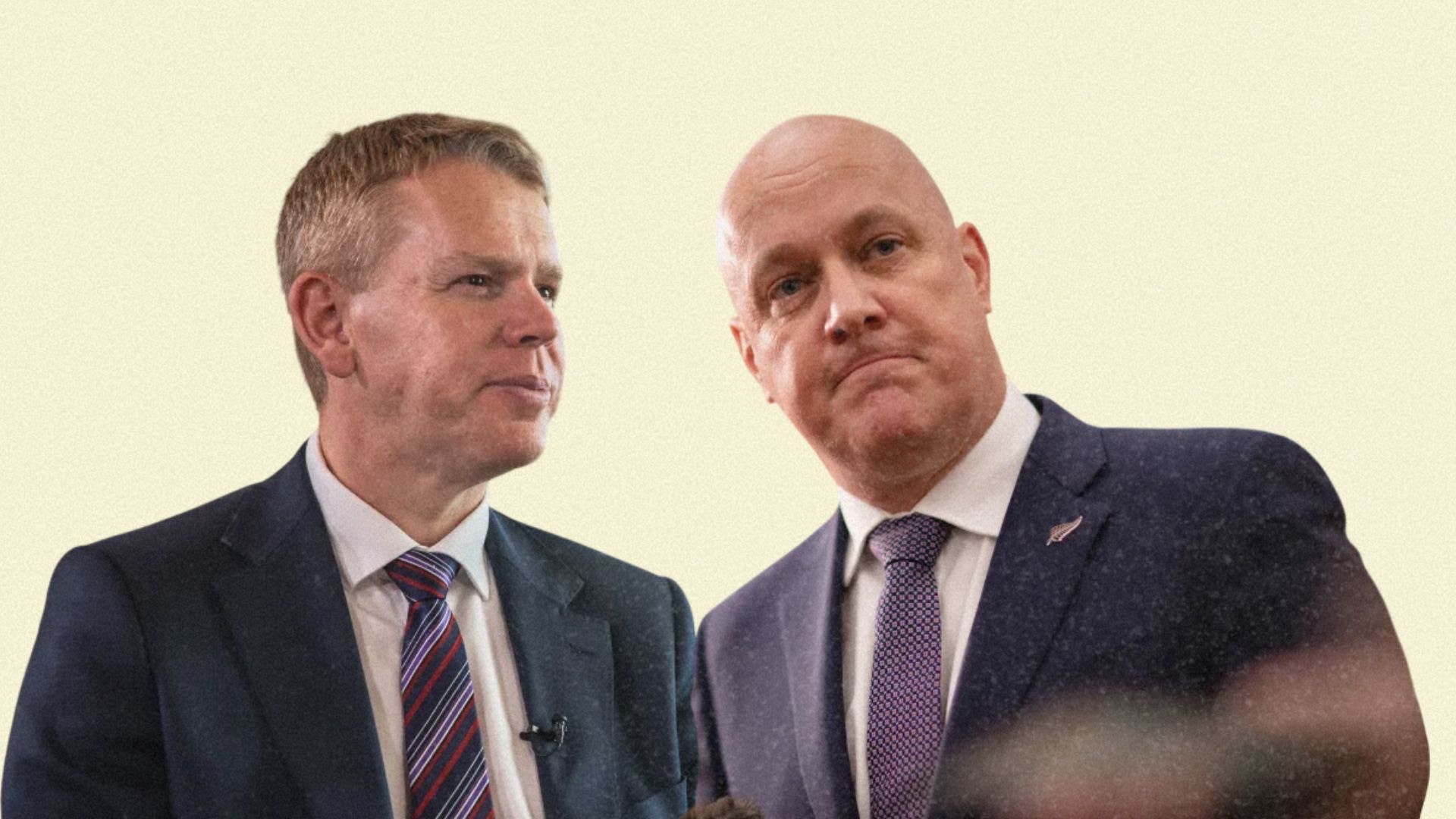
The latest Taxpayers’ Union–Curia poll, announced on Friday, puts Luxon at 23.2 per cent, a rise of 4.1 percentage points in a month. Chris Hipkins is at 19.8 per cent, giving Luxon a clear lead after the pair were virtually tied in July.
National, however, rose by only half a point to 31 per cent. Voters did not suddenly become much more enthusiastic about Luxon’s party or his government. The striking movement was in their view of Luxon himself.


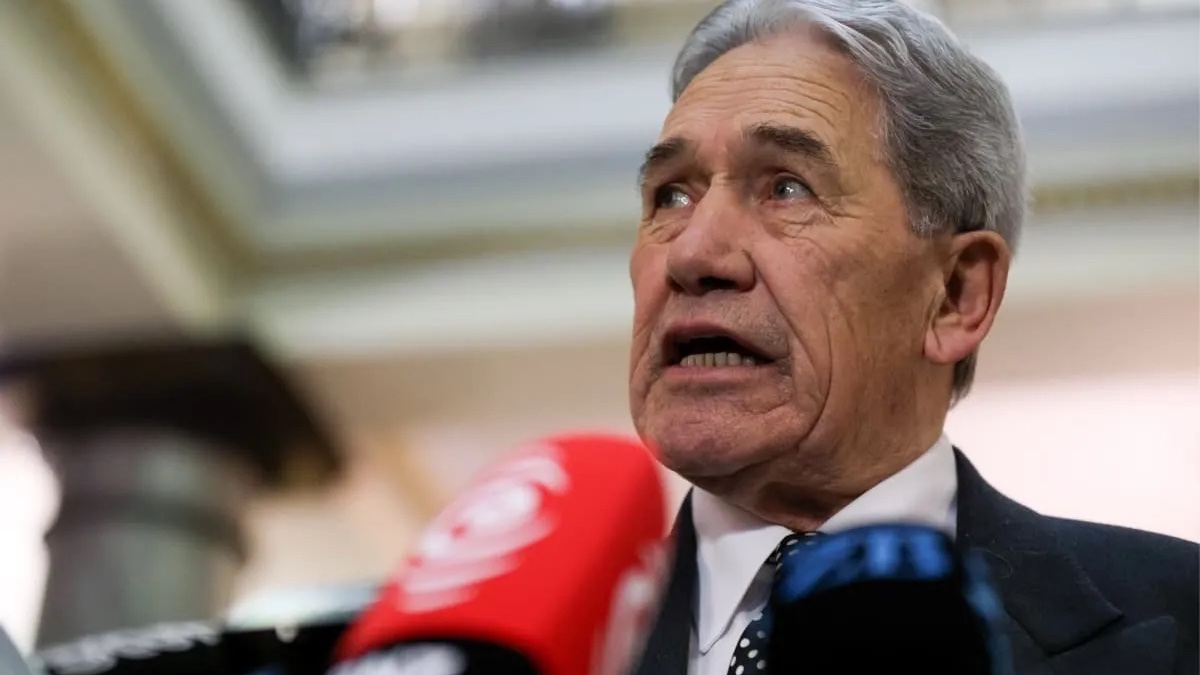
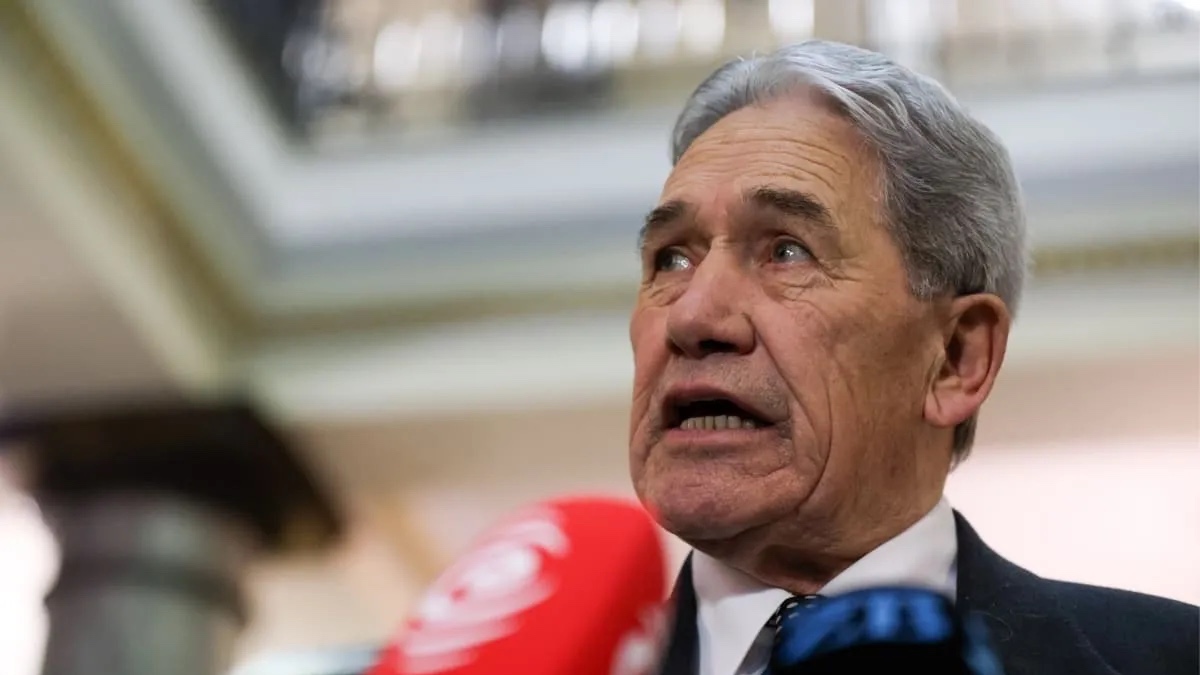
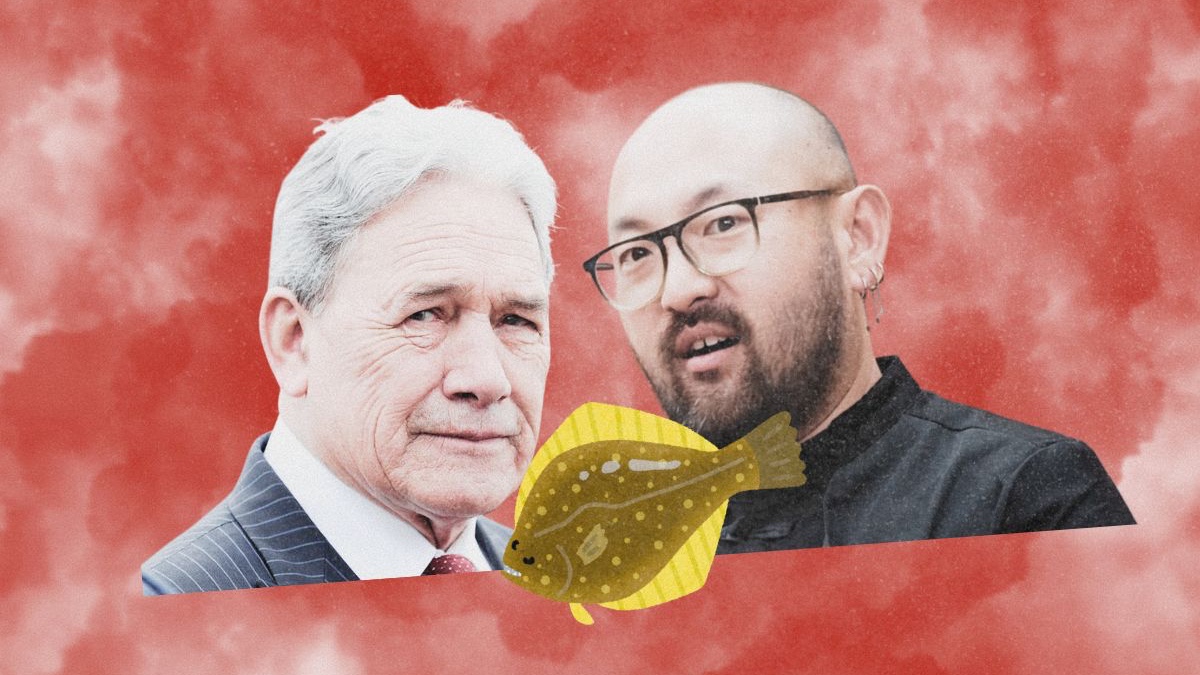
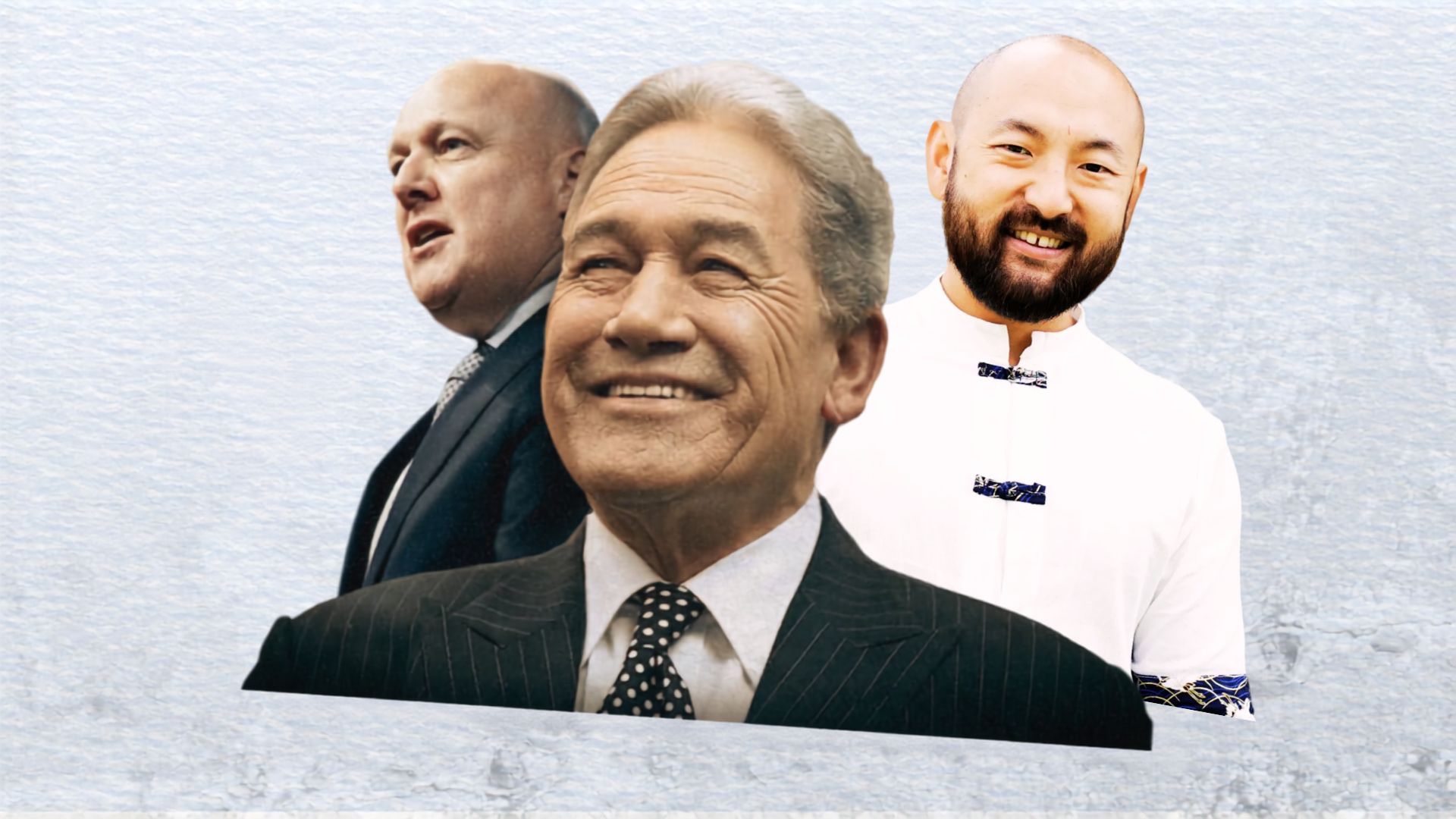
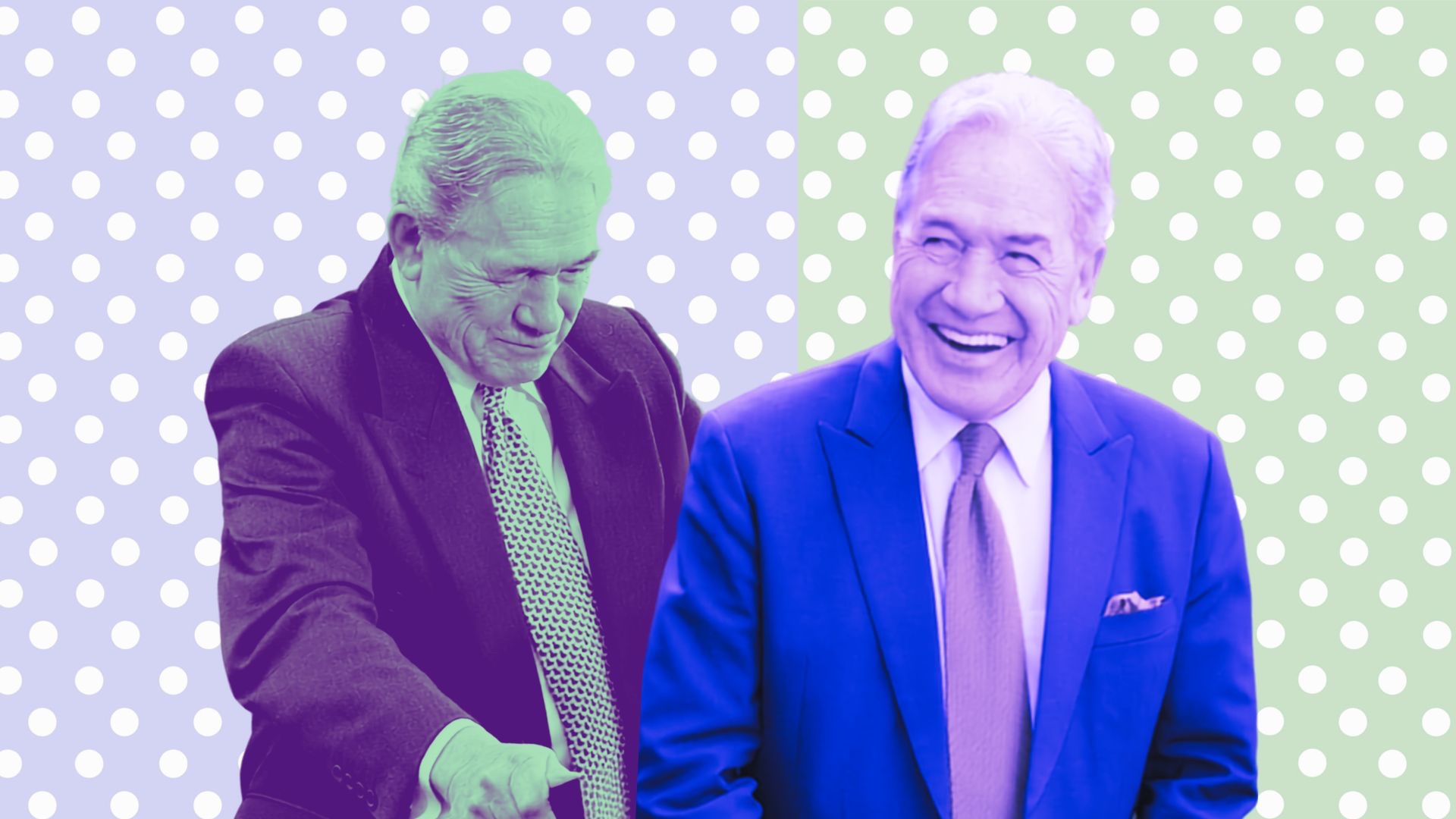
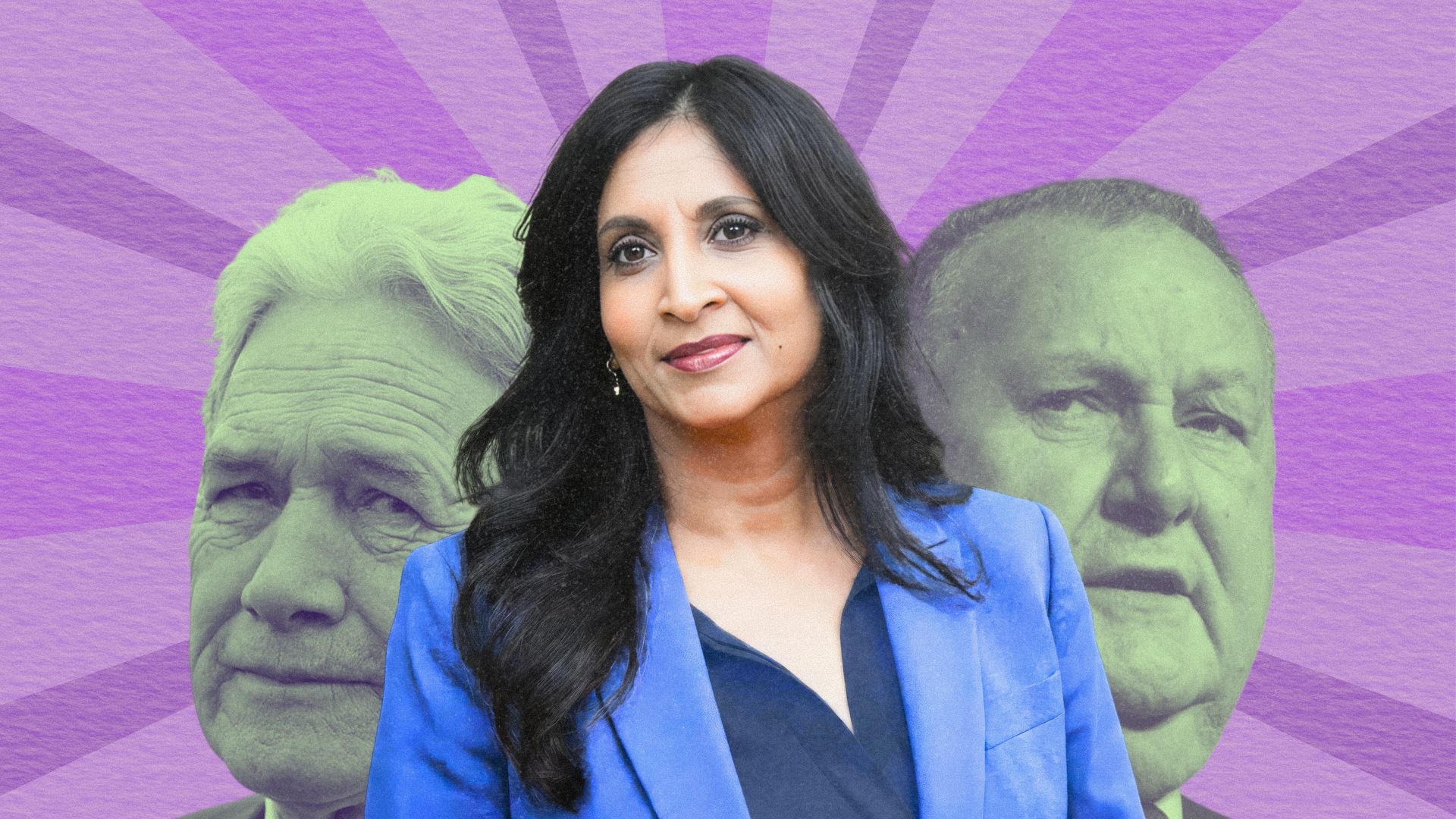
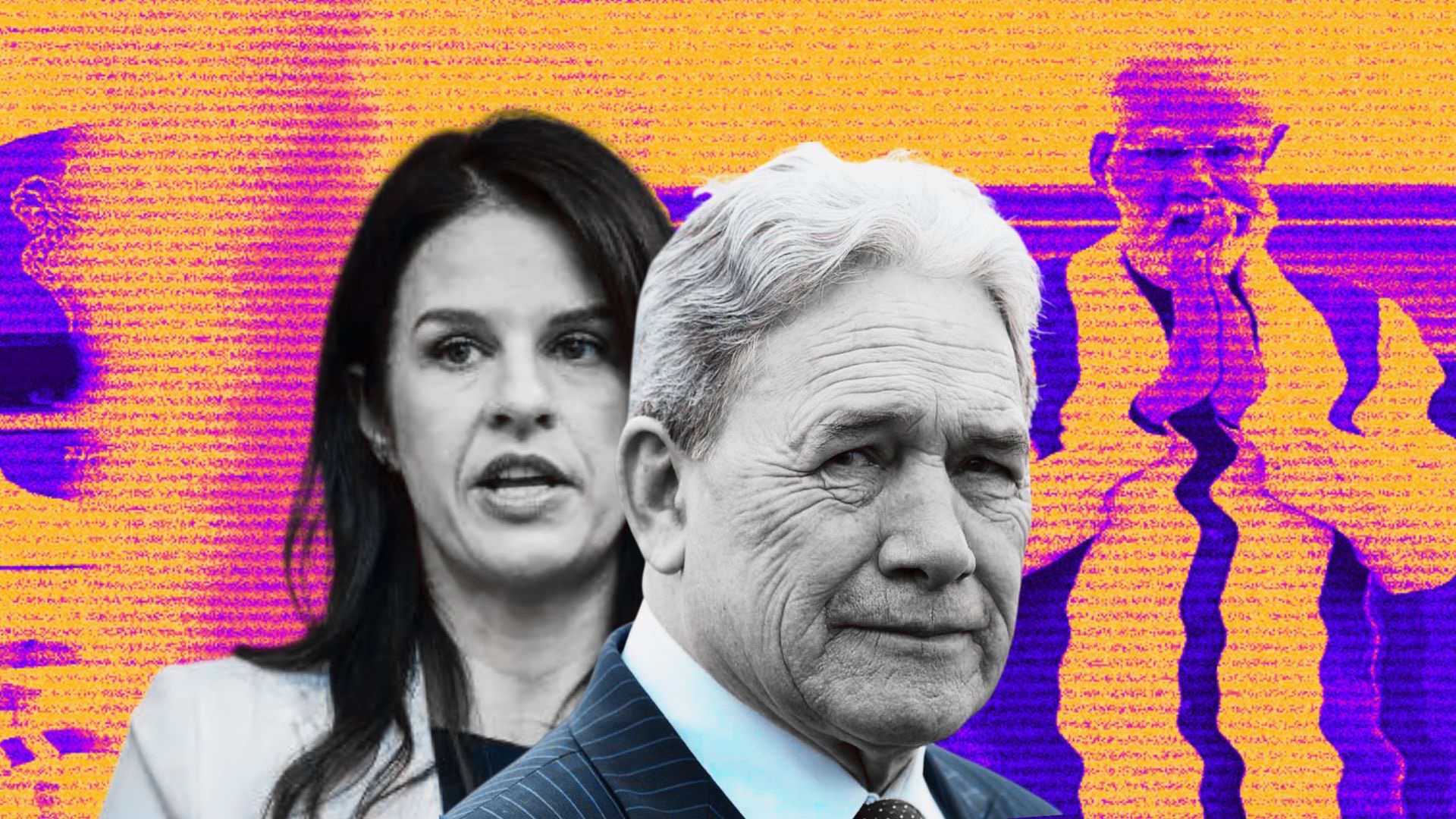
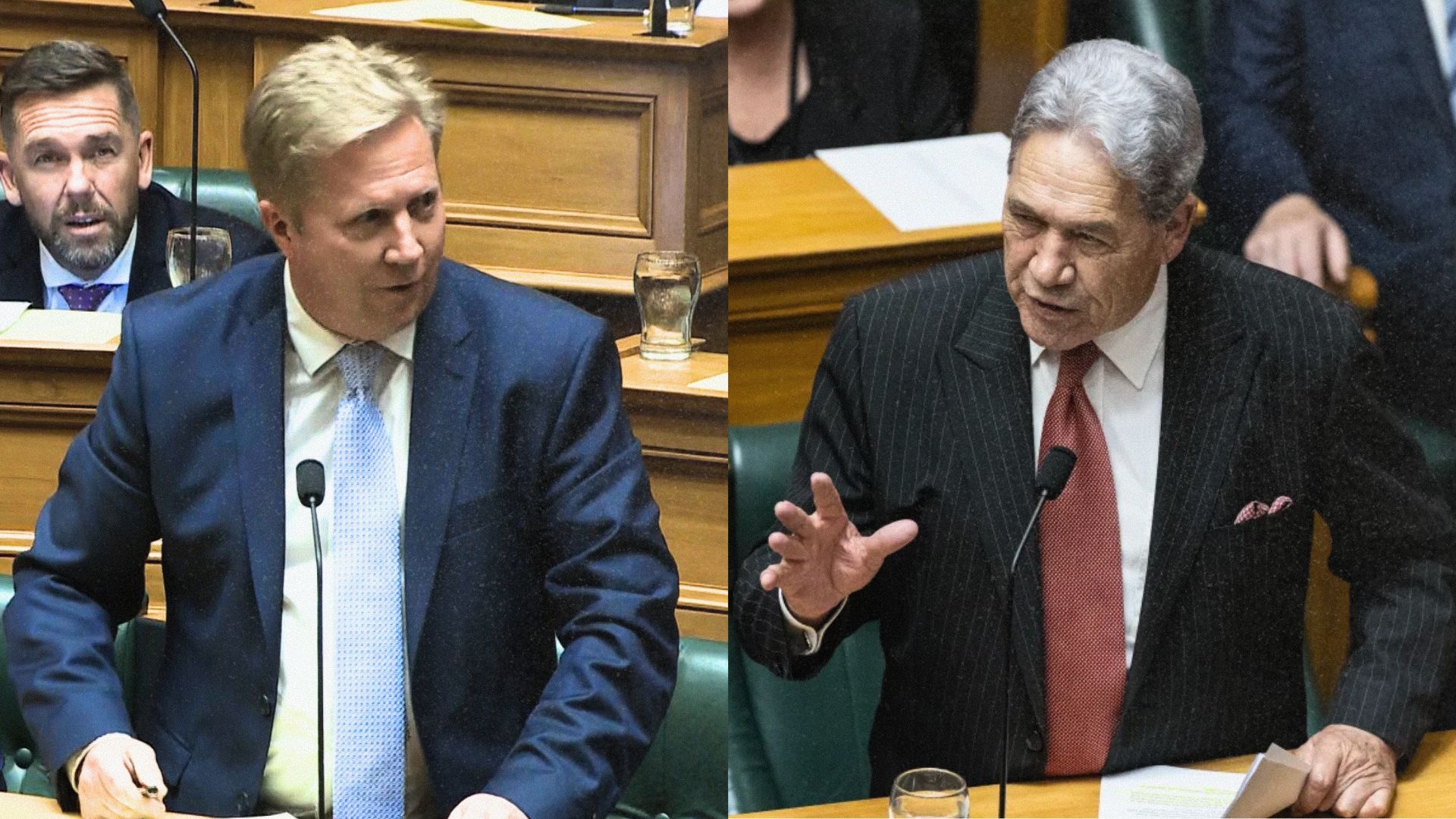
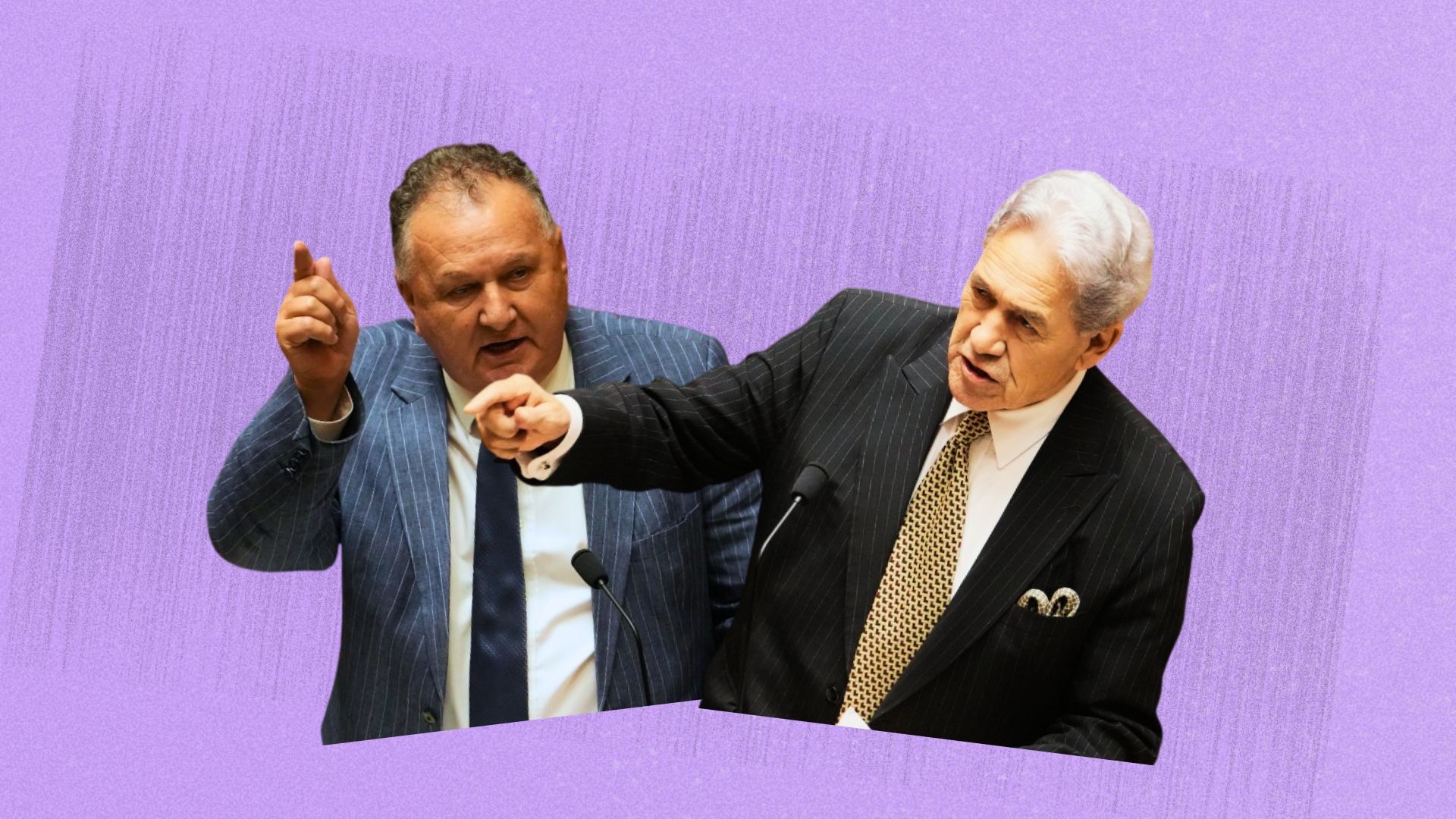
That is difficult to explain from the domestic politics of July. Luxon spent the period managing coalition disorder, apologising after dismissing a business leader’s concerns, and dealing with the fallout after Winston Peters told a Chinese-born MP to “go back to your own country”.
Narendra Modi’s visit, however, appears to have been the one shining light in the fog.
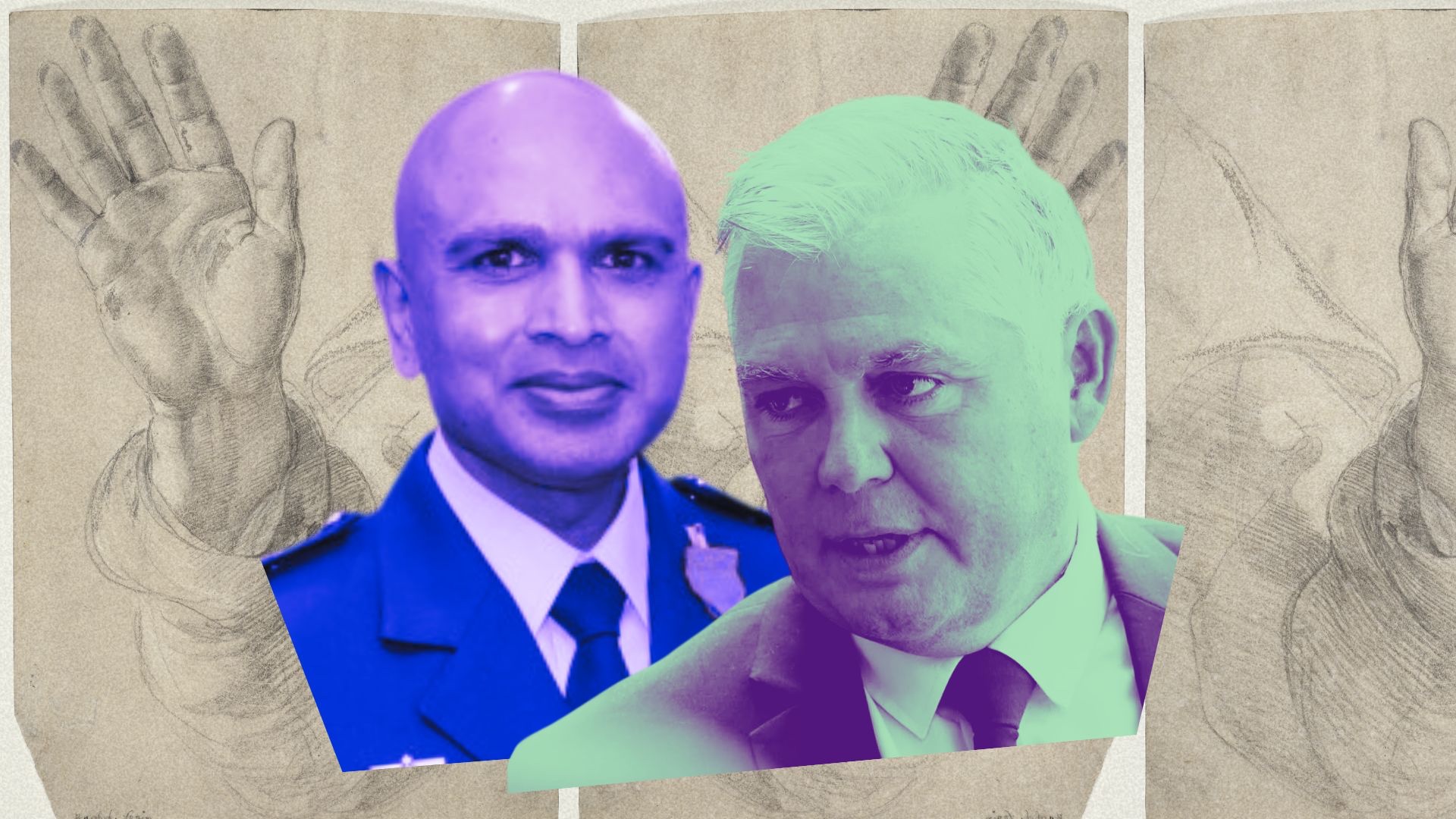
South Asian diaspora raises over $200,000 for New Zealanders missing in Nepal flood "I'm so proud of the Indian community here who...supported us, saying it is not a Nepal problem but our problem."
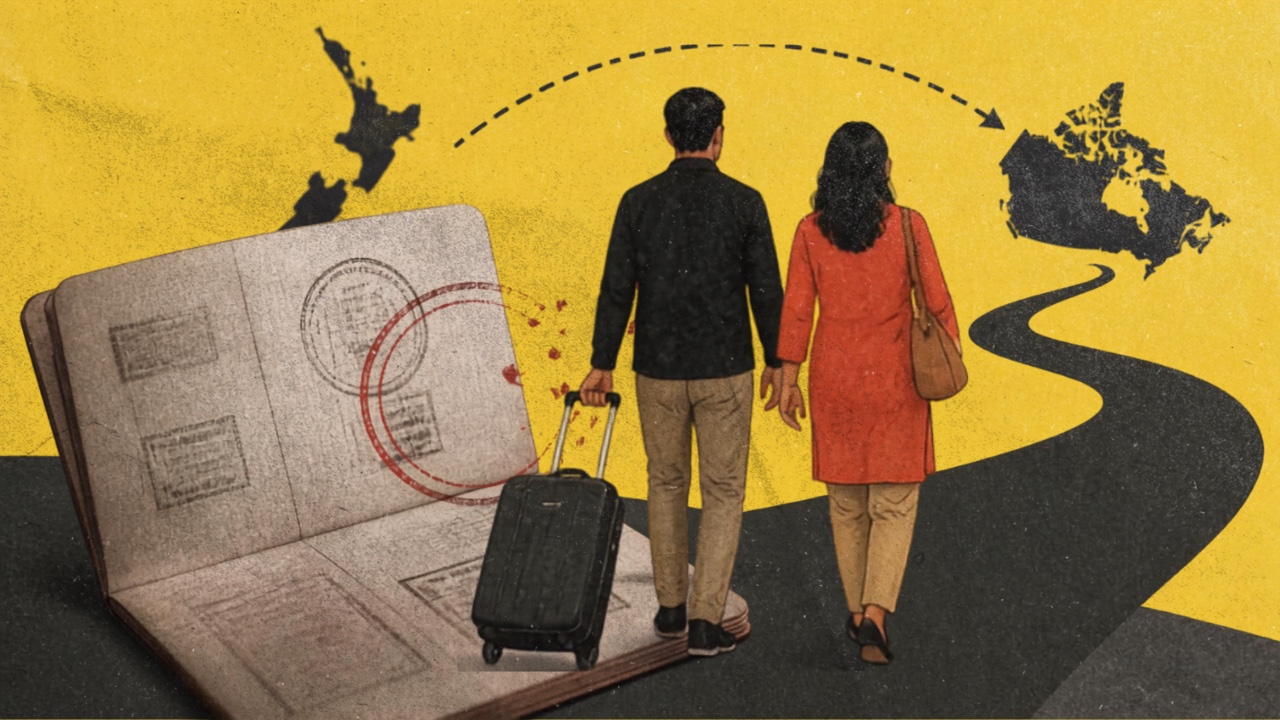
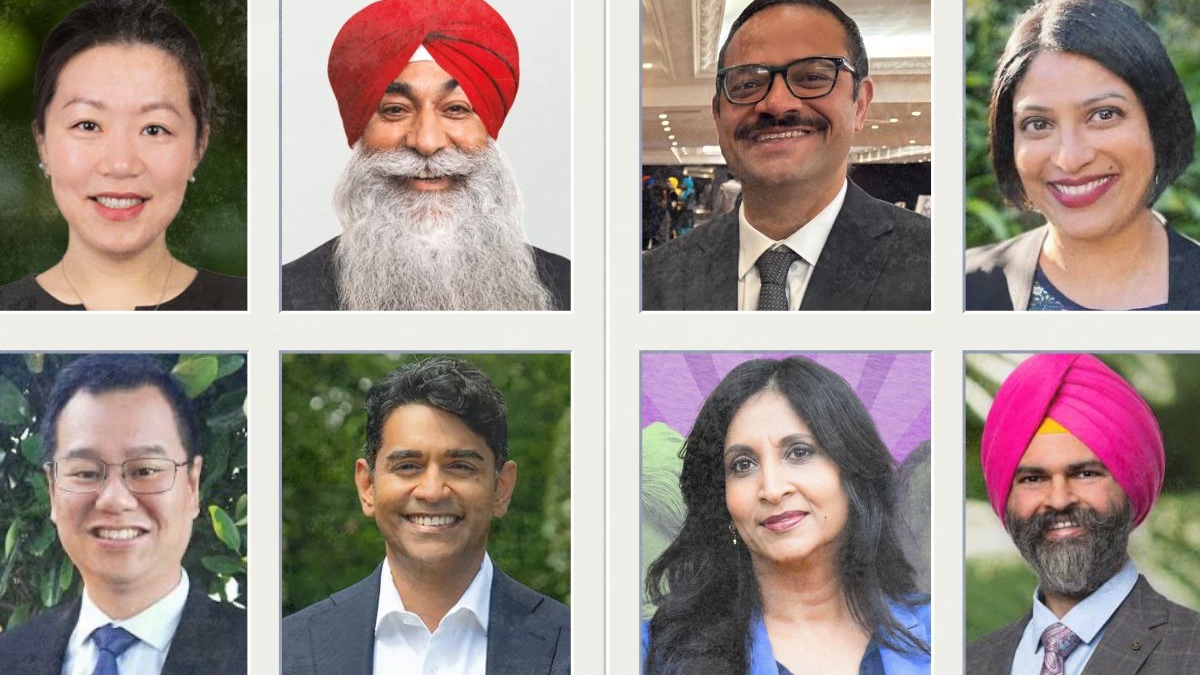
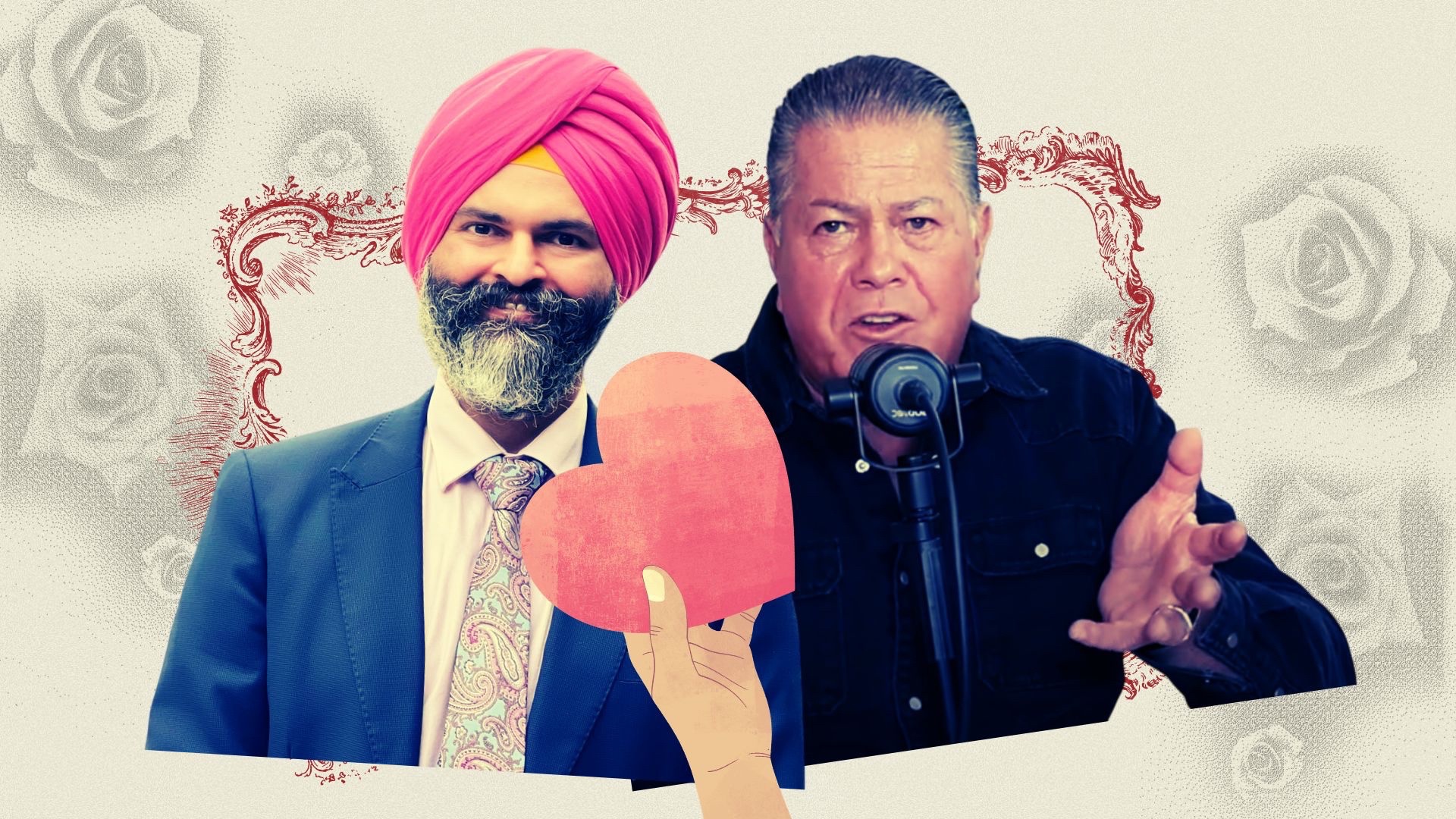
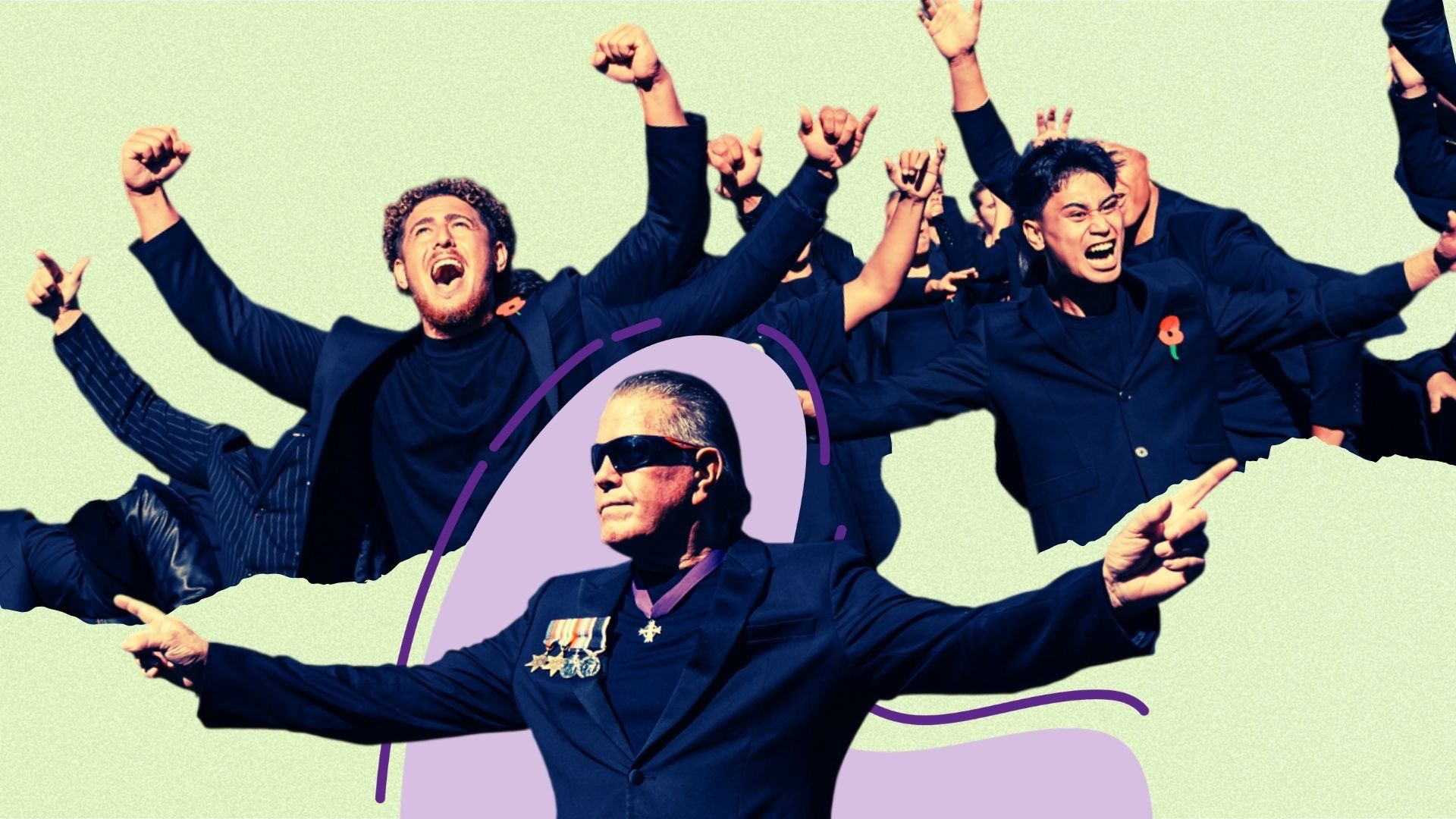
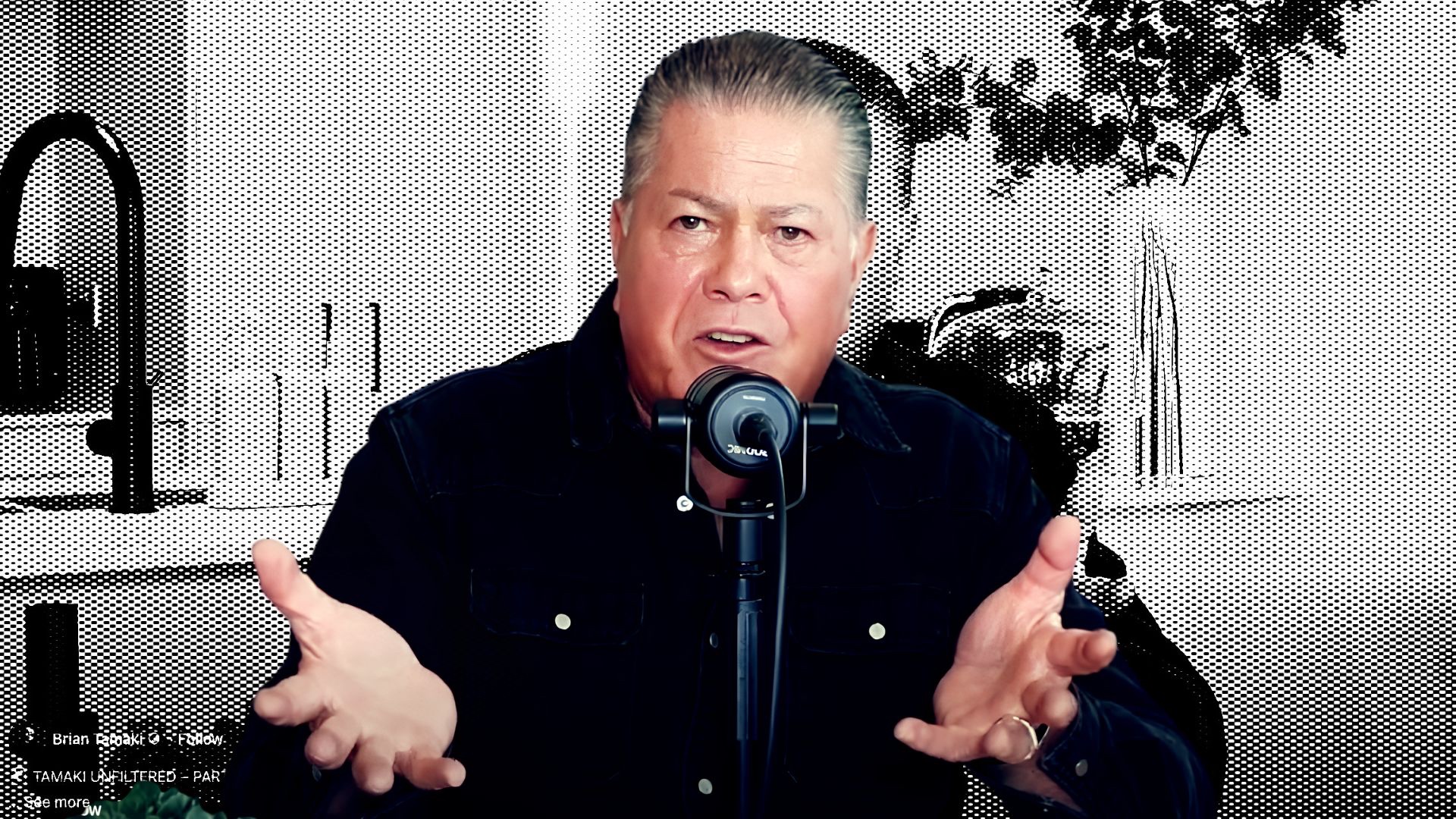
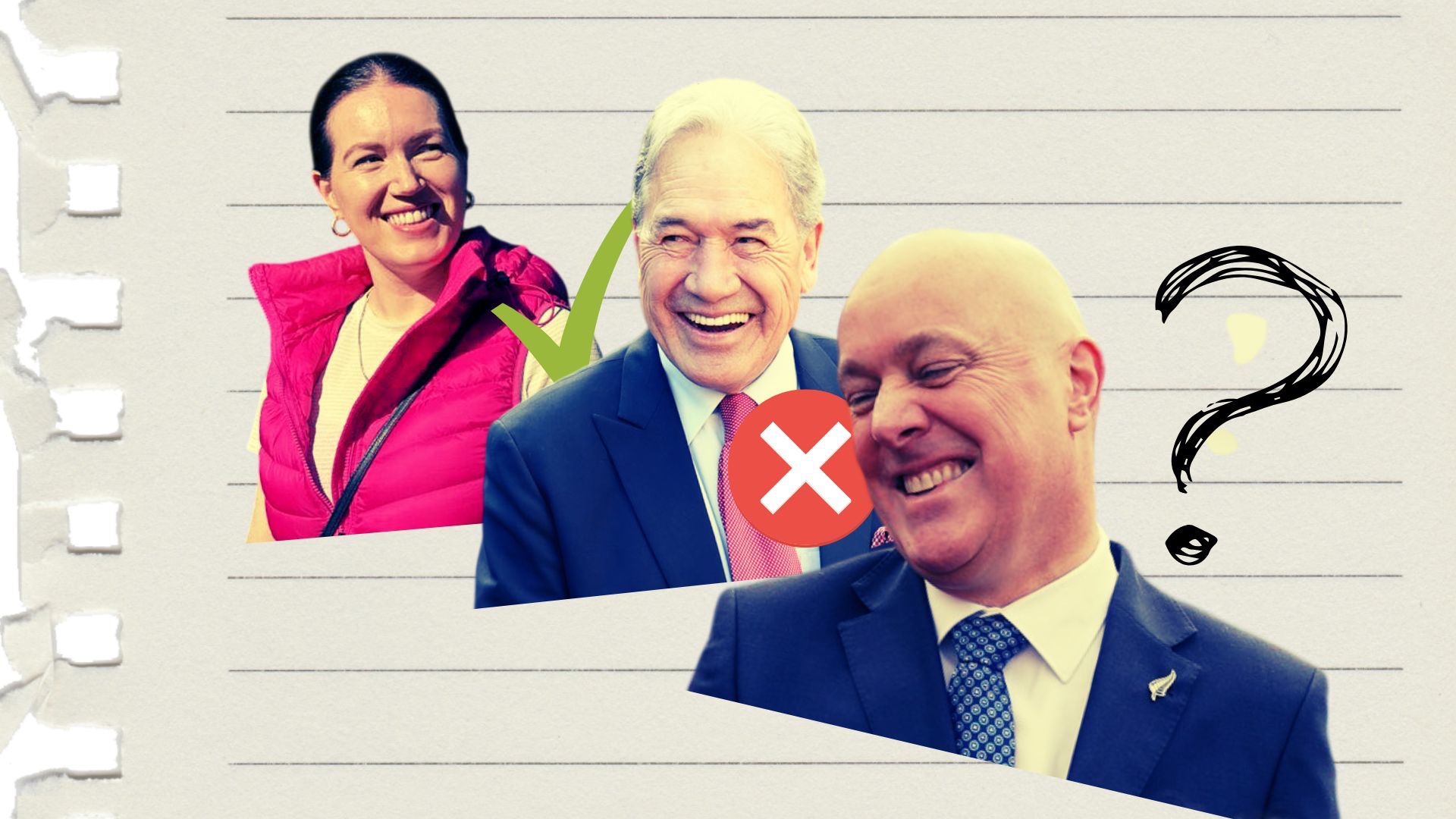
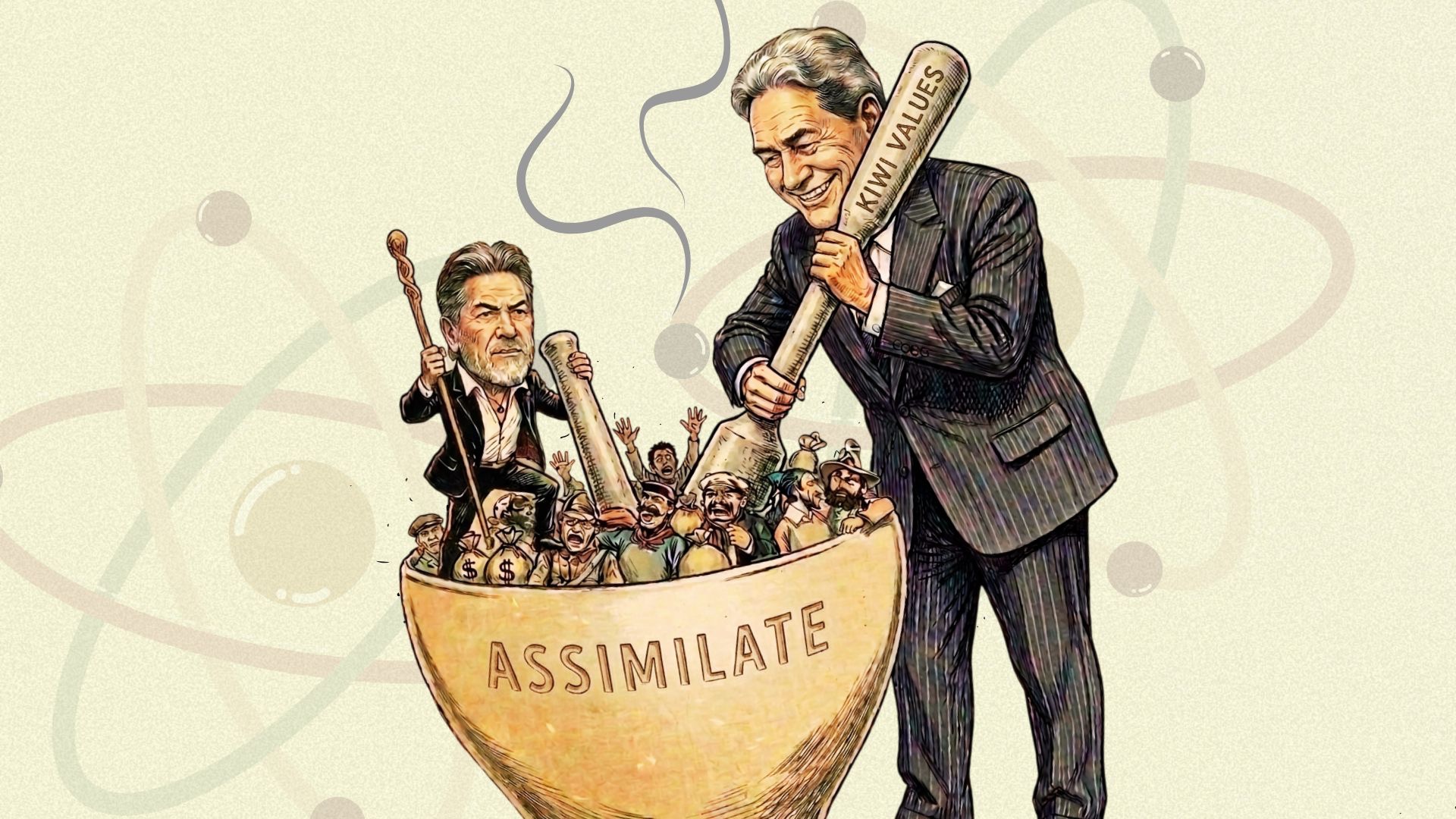
Tamakis launch Indian-origin candidate for Epsom who surrendered passport and has ‘assimilated’ “I know a whole lot of people are going to be like shocked,” says Hannah Tamaki.
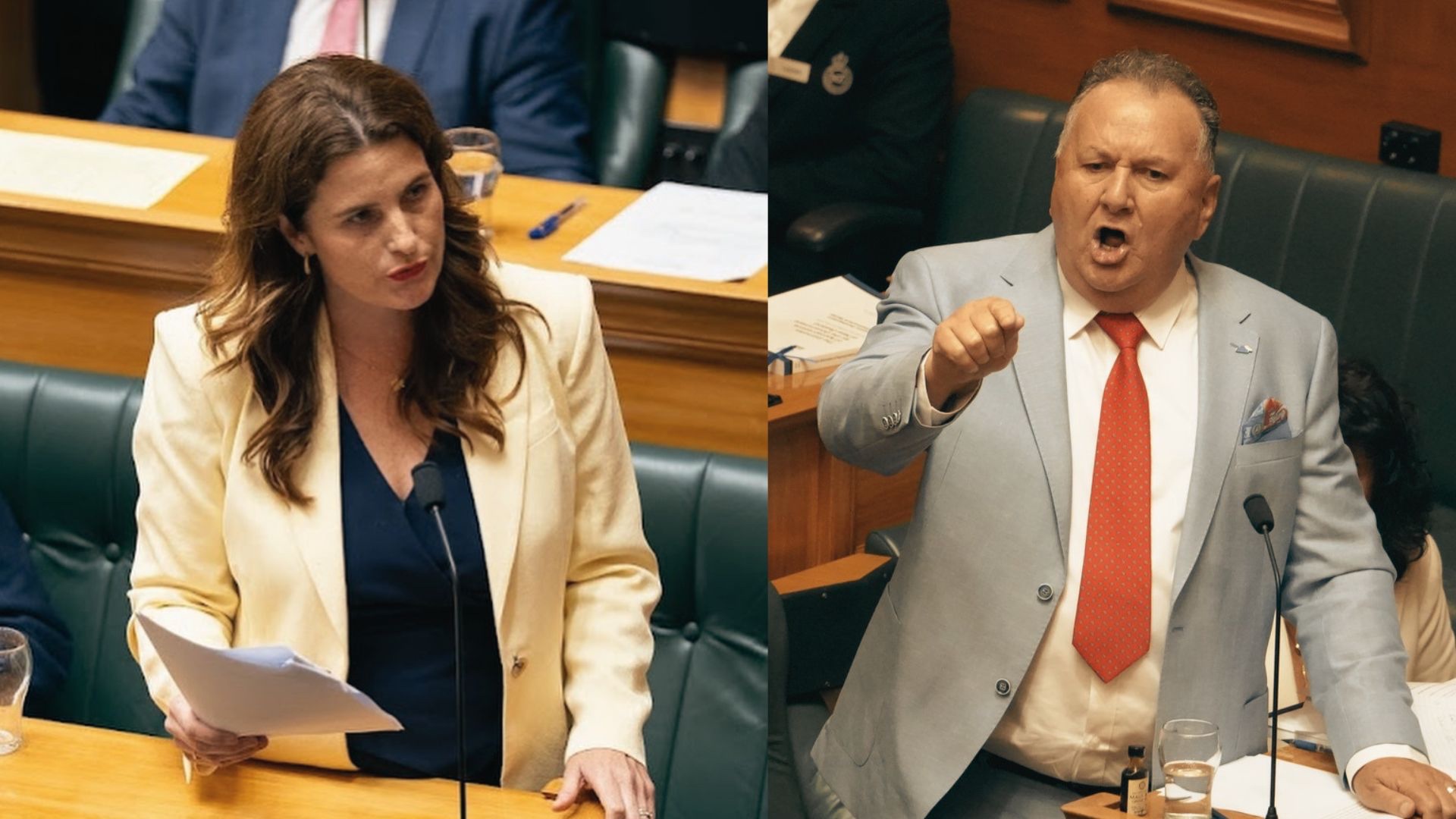
Priyanca Radhakrishnan tries to puncture Luxon’s FTA victory, says India was already sold “Things have changed quite dramatically on the Indian government side,” says the Indian-origin Labour MP.
Now, of course, no opinion poll can decisively establish that Modi caused Luxon’s rise. Even after an election, when every vote has been counted, pundits can spend months arguing over why a government won or lost.
But by revealing movements and patterns polls can invite us to examine what happened between two surveys. In Luxon’s case, Modi’s visit stands out.
The same poll last month was conducted from July 1-5, before the Indian prime minister arrived in Auckland on July 10. It placed Hipkins at 19.2 per cent and Luxon narrowly behind him on 19.1 per cent.
The August poll was conducted from August 1-4. Luxon had climbed to 23.2 per cent. That was his strongest result in the survey this year and his largest monthly increase.
His trajectory before that jump had been uneven but underwhelming. In the seven months to July, Luxon was at 19.5, 22, 21, 20.5, 21.5, and 19.1. Then came a 4.1-point rise. The contrast with National is important.
If voters had suddenly become more optimistic about the government’s domestic record, National might reasonably have been expected to rise alongside its leader. Instead, the party barely moved.
The improvement was personal. Preferred-prime-minister polls are not asking respondents which party they support. They are asking whom they can picture occupying the country’s highest political office.
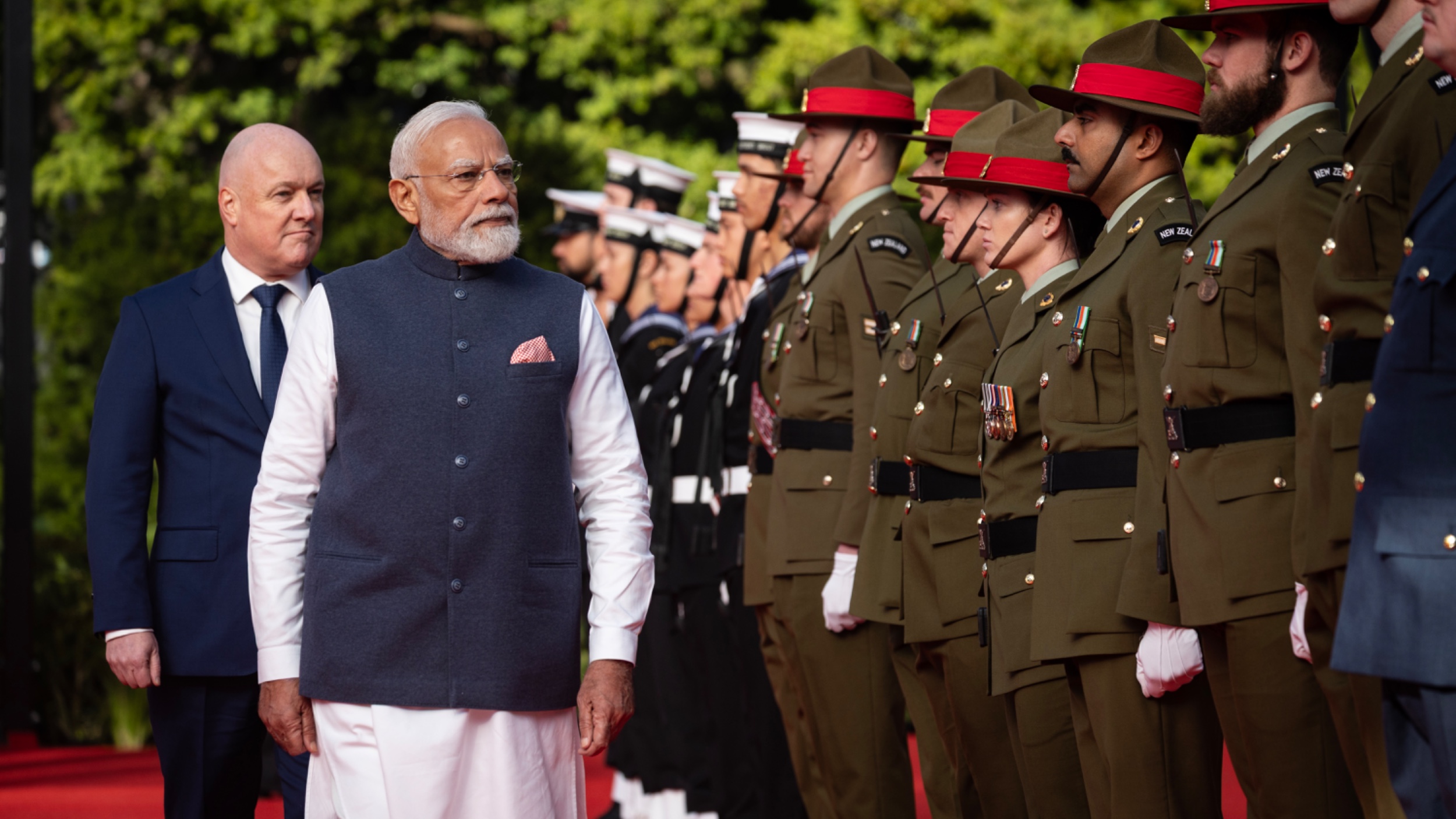
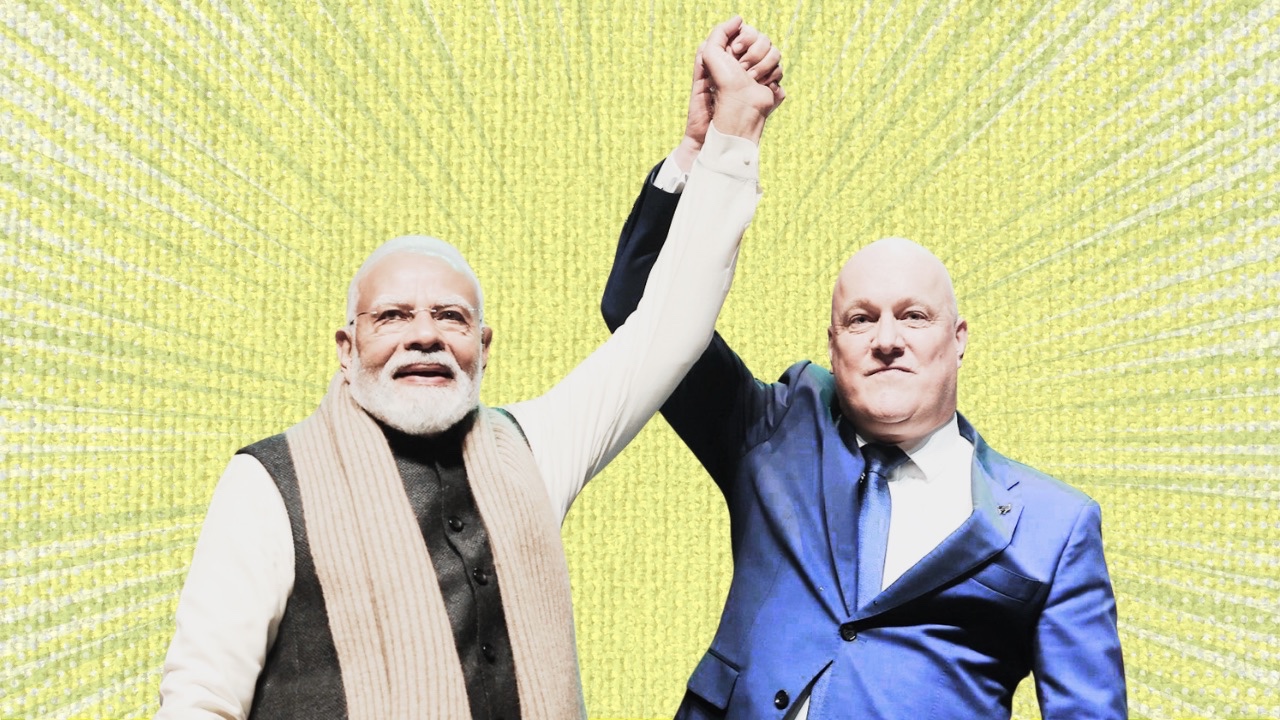
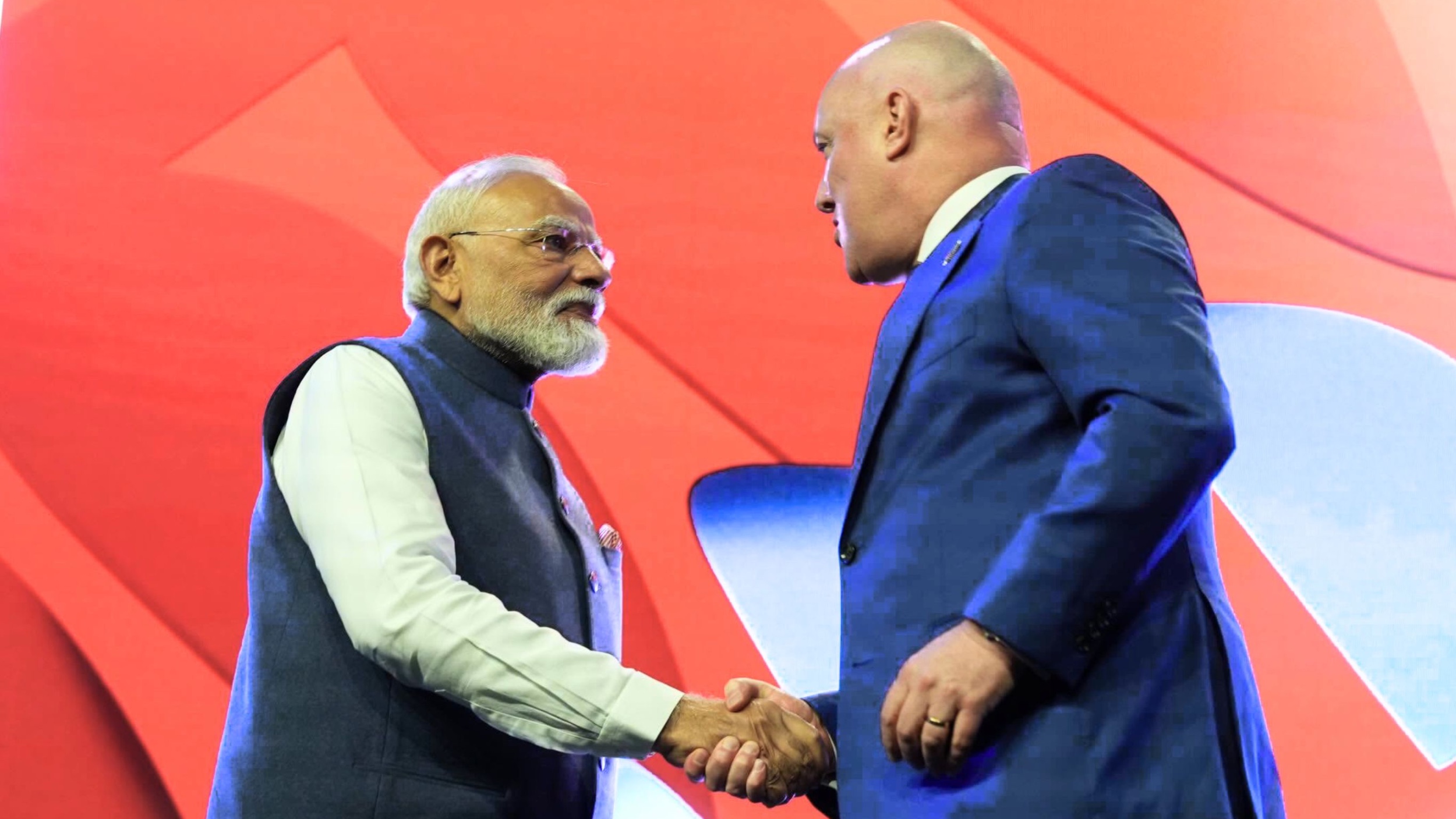
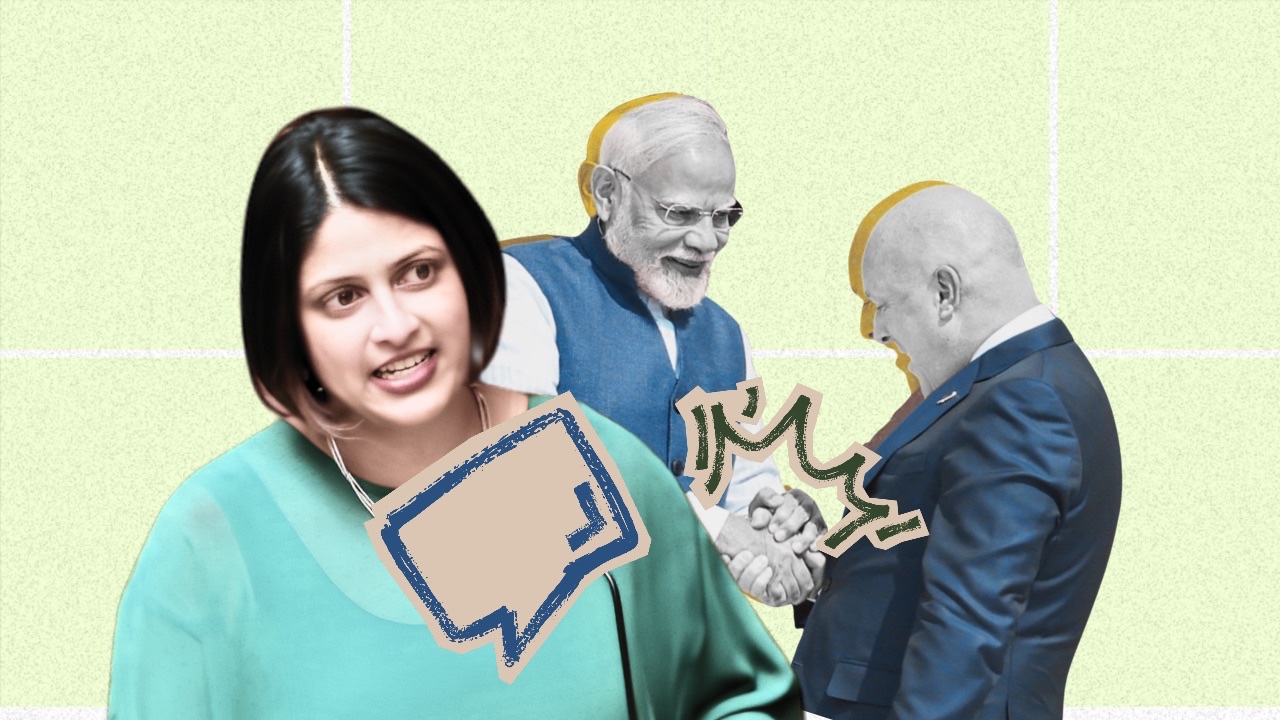
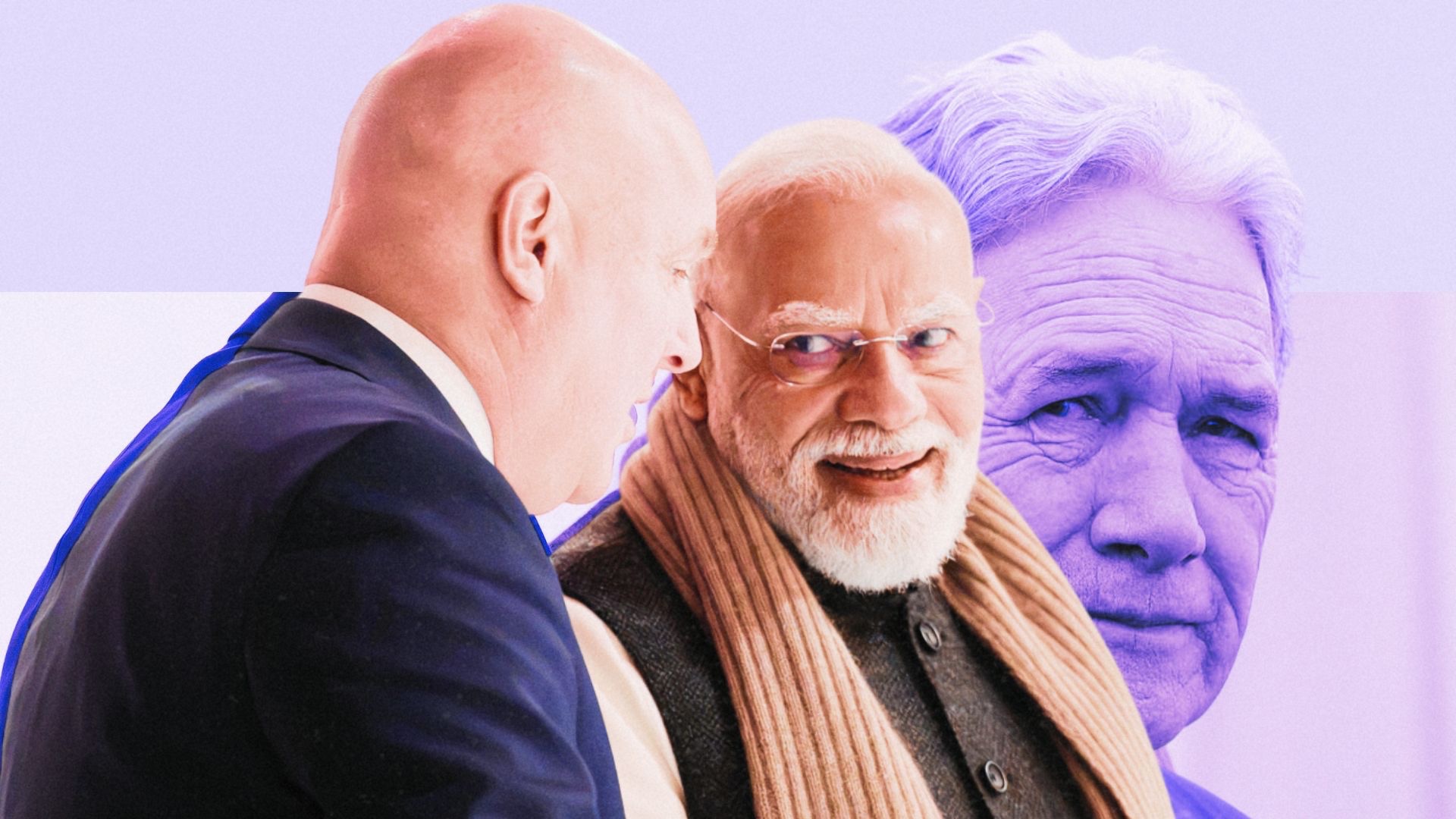
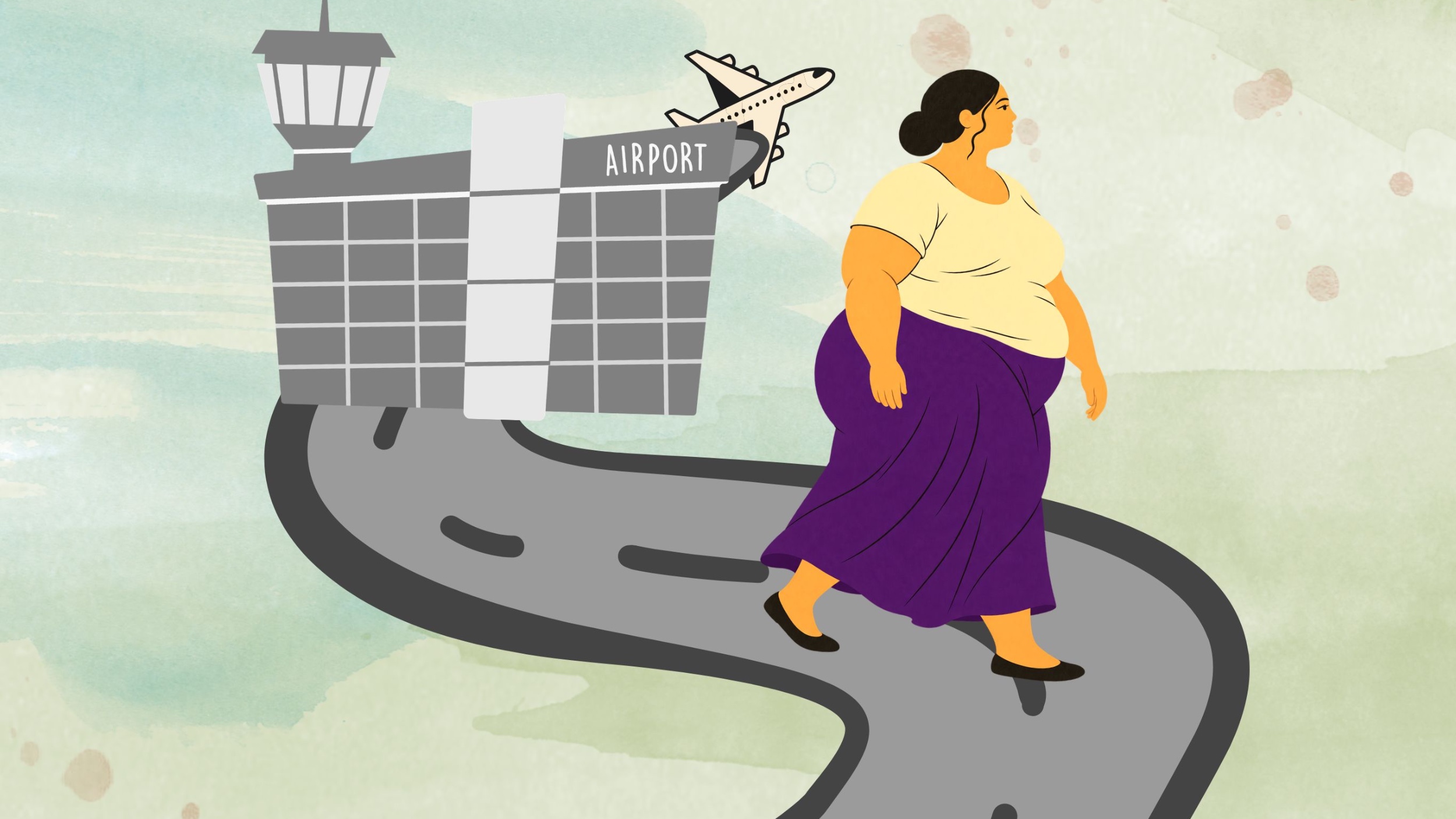
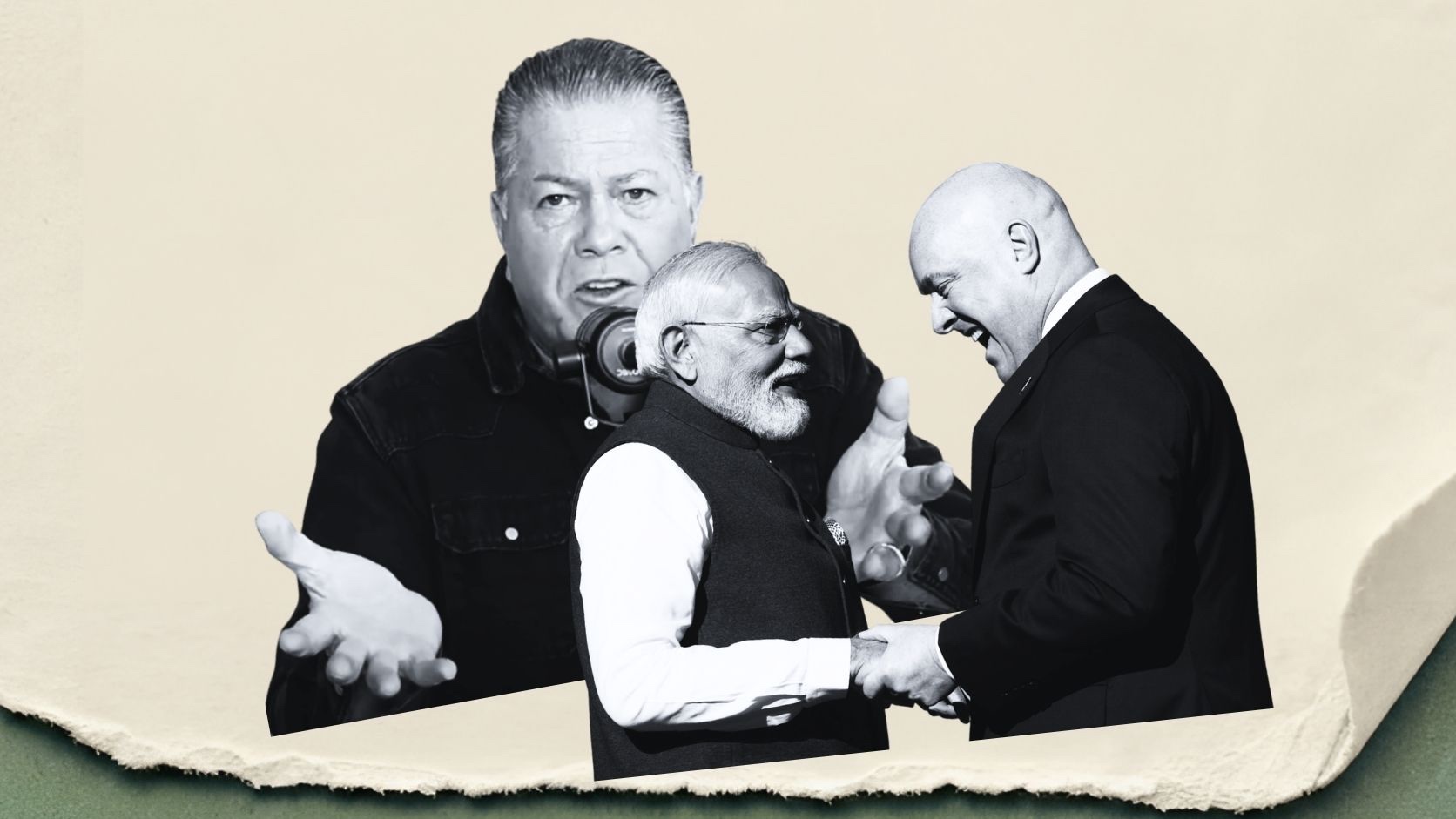
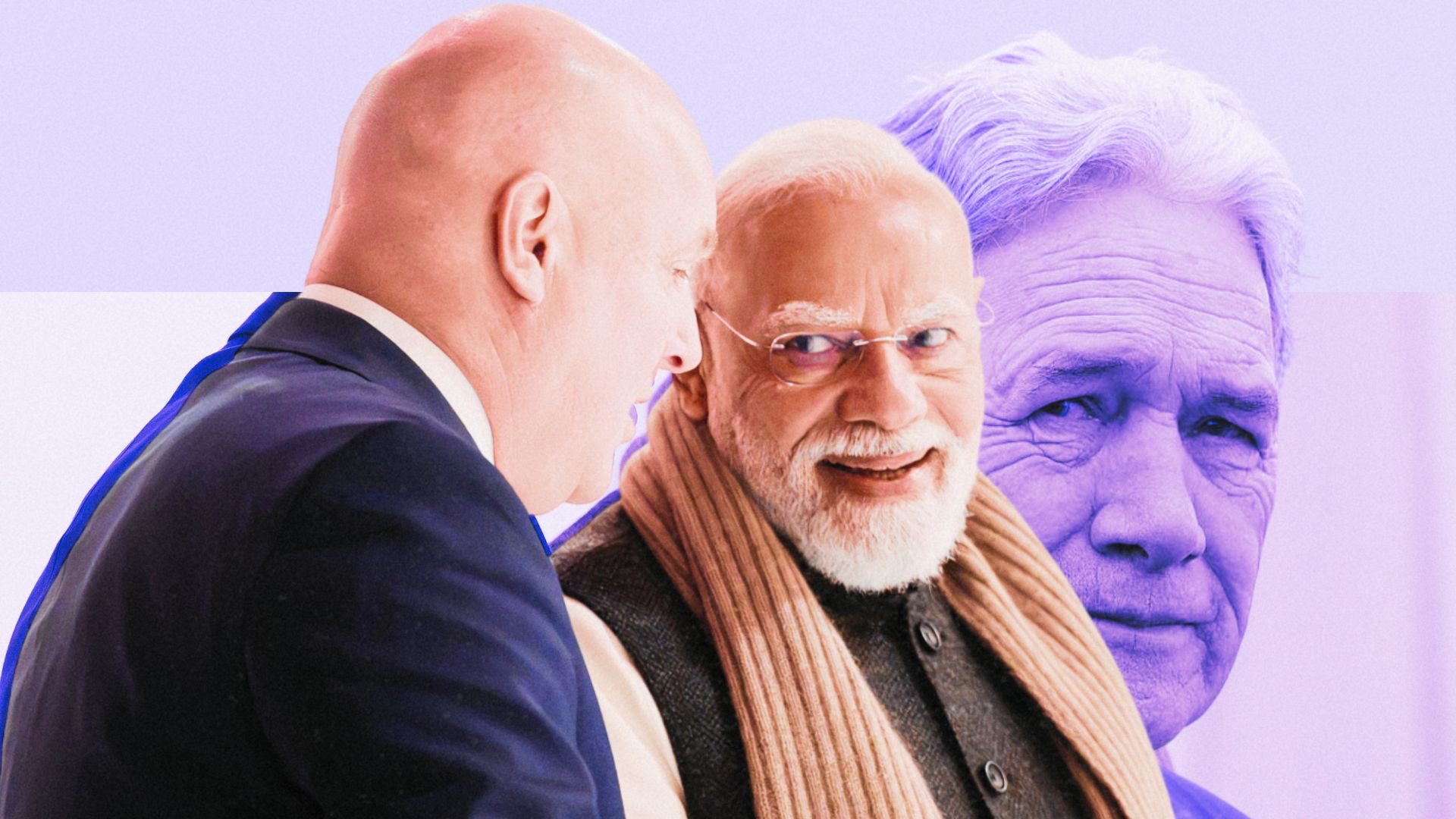
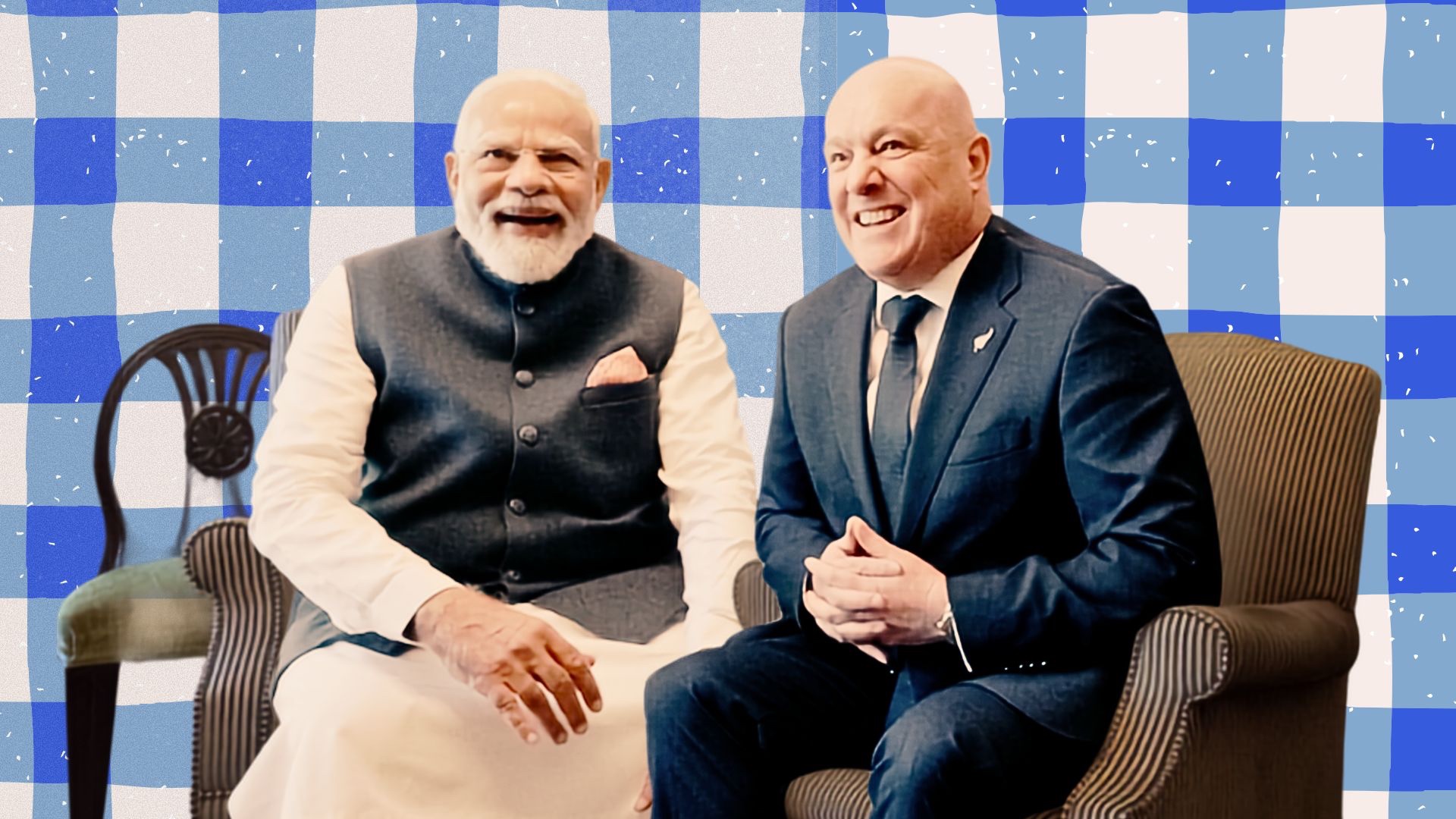
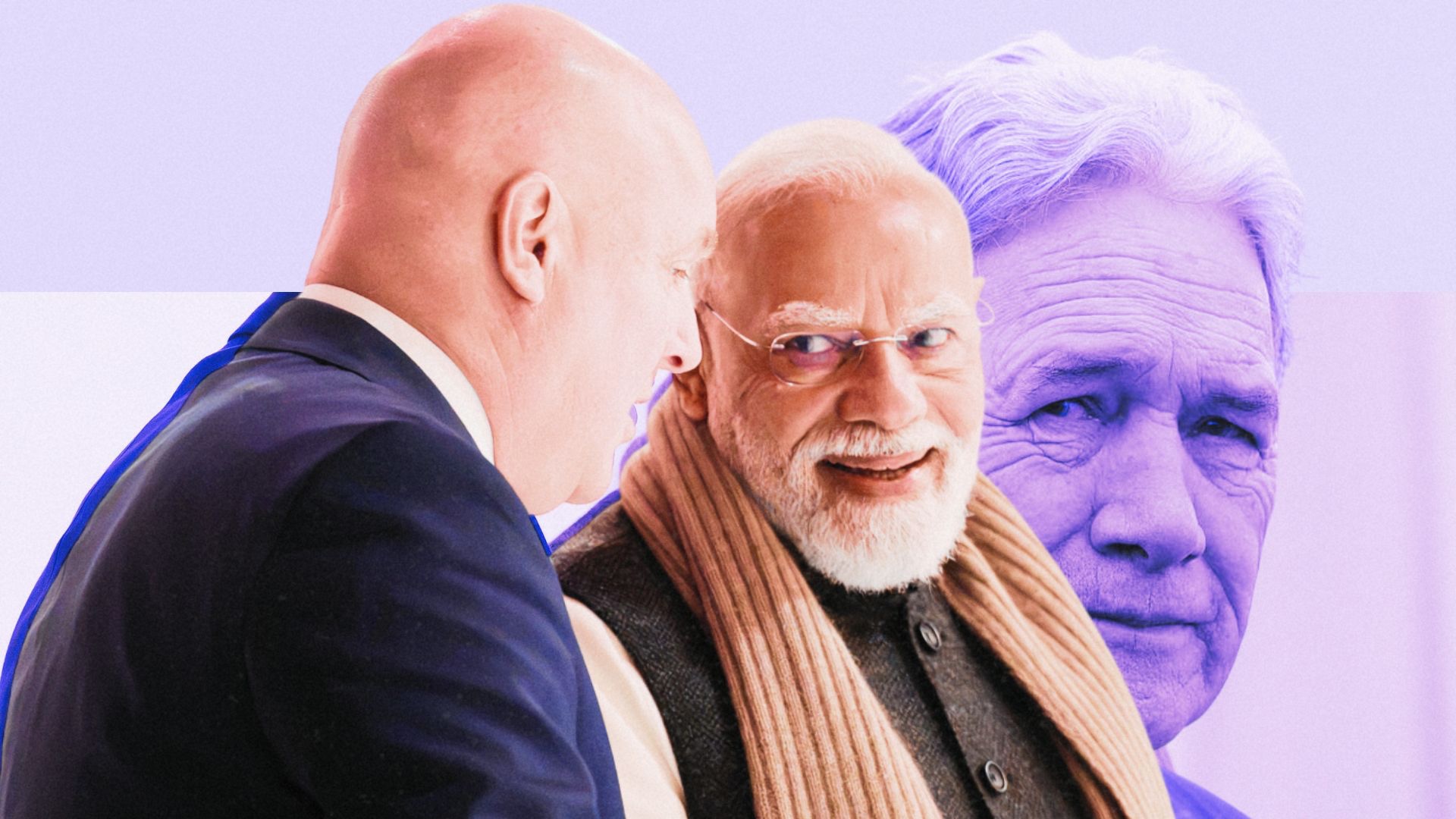
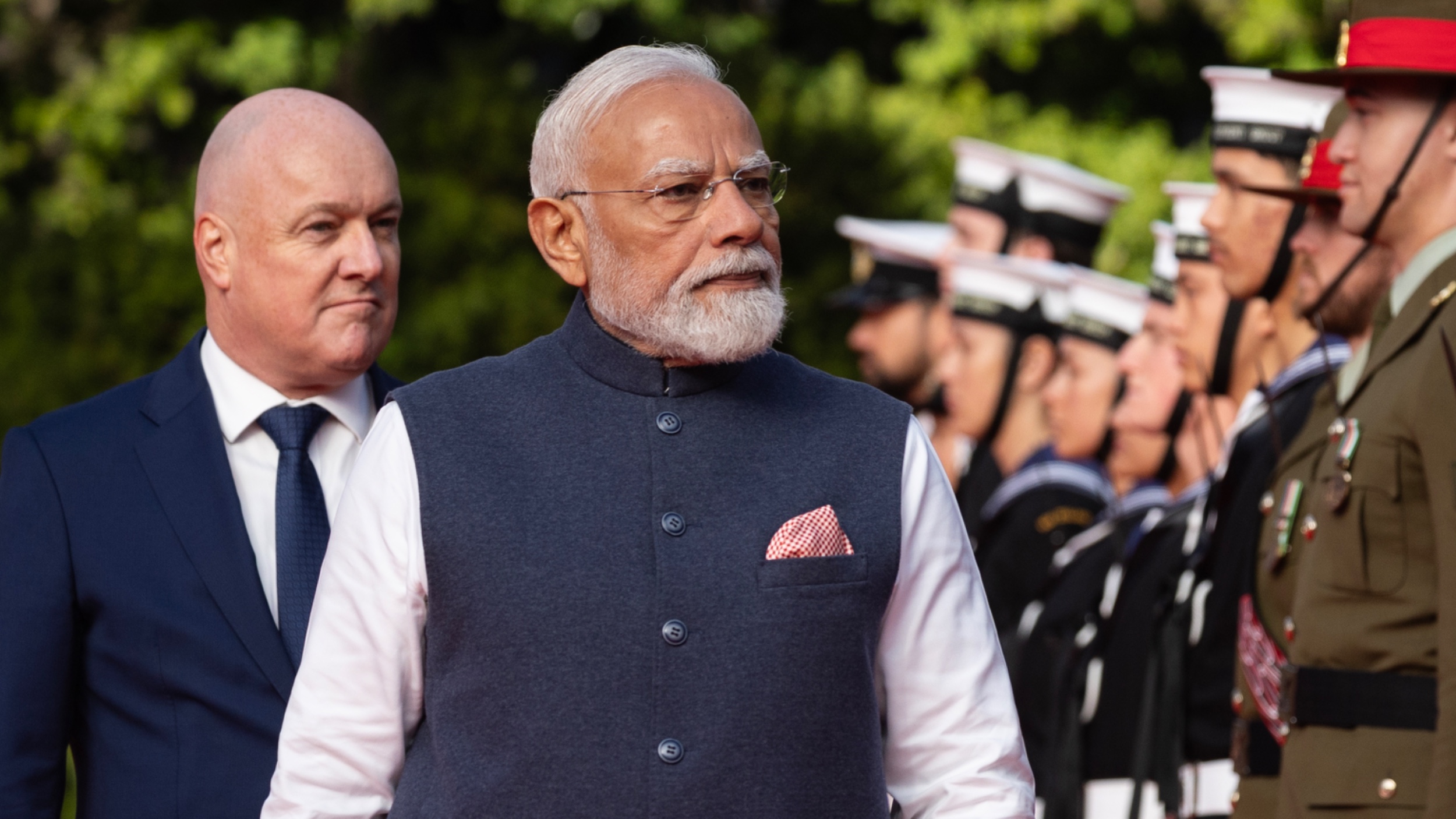
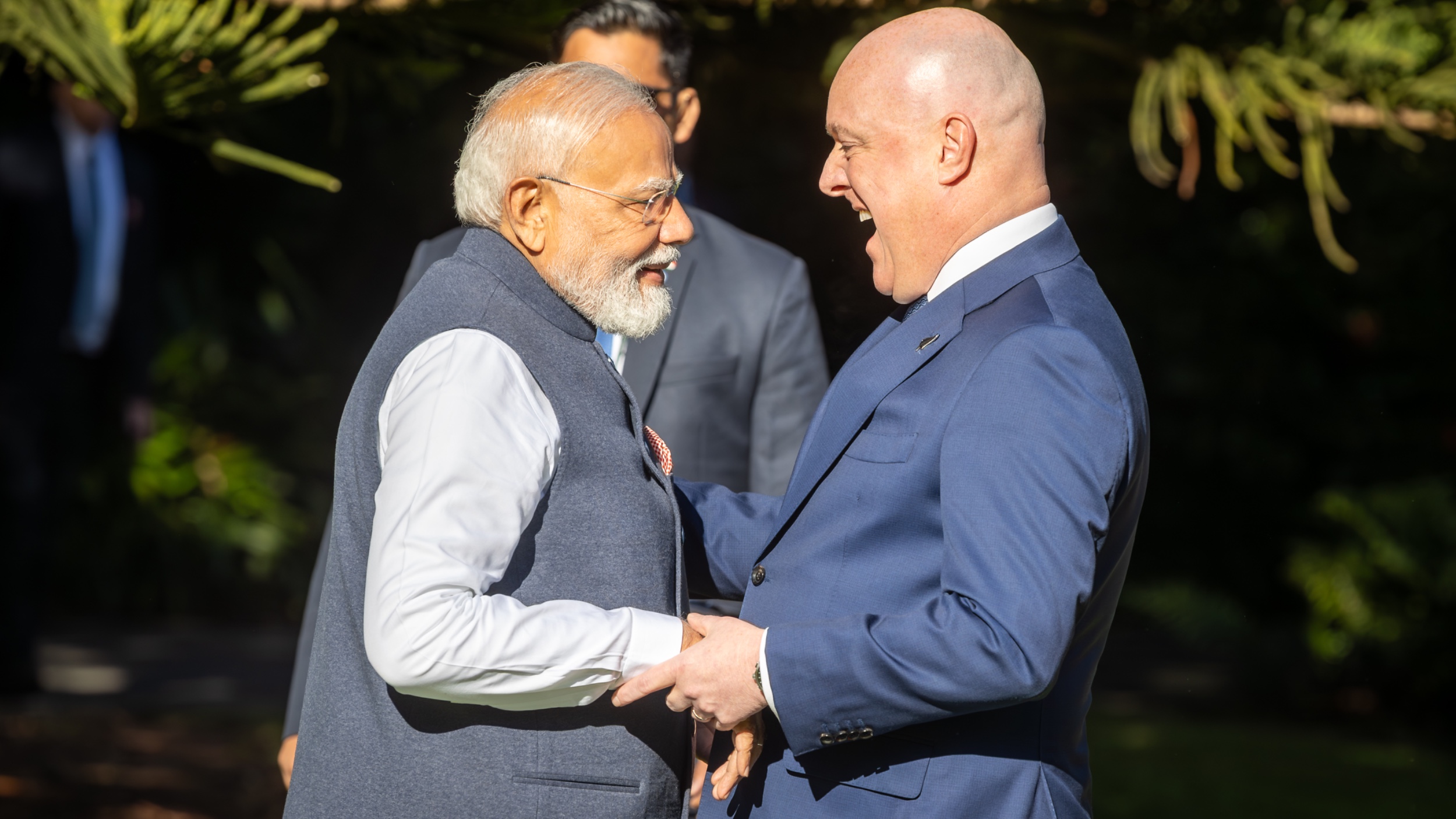
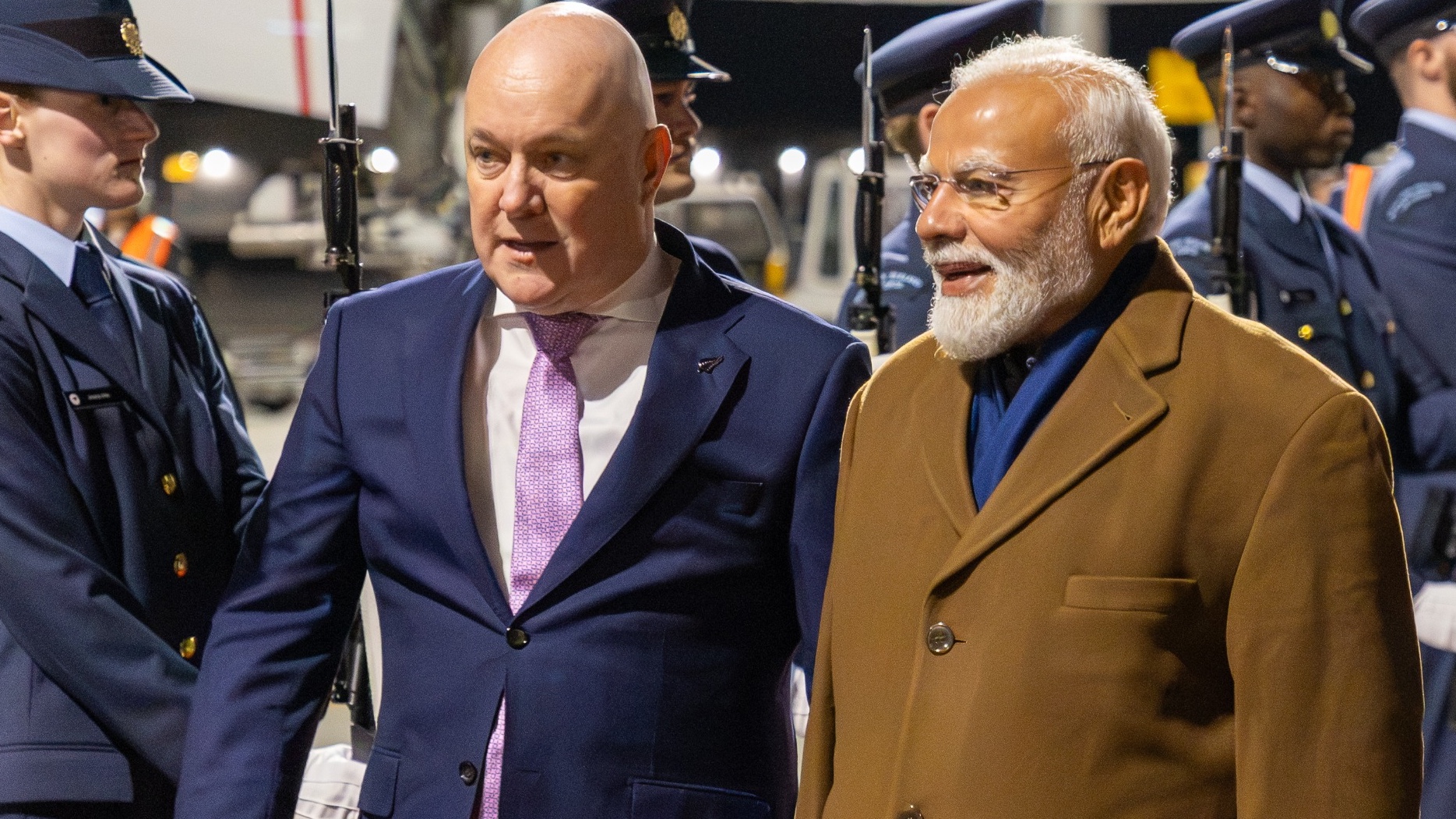
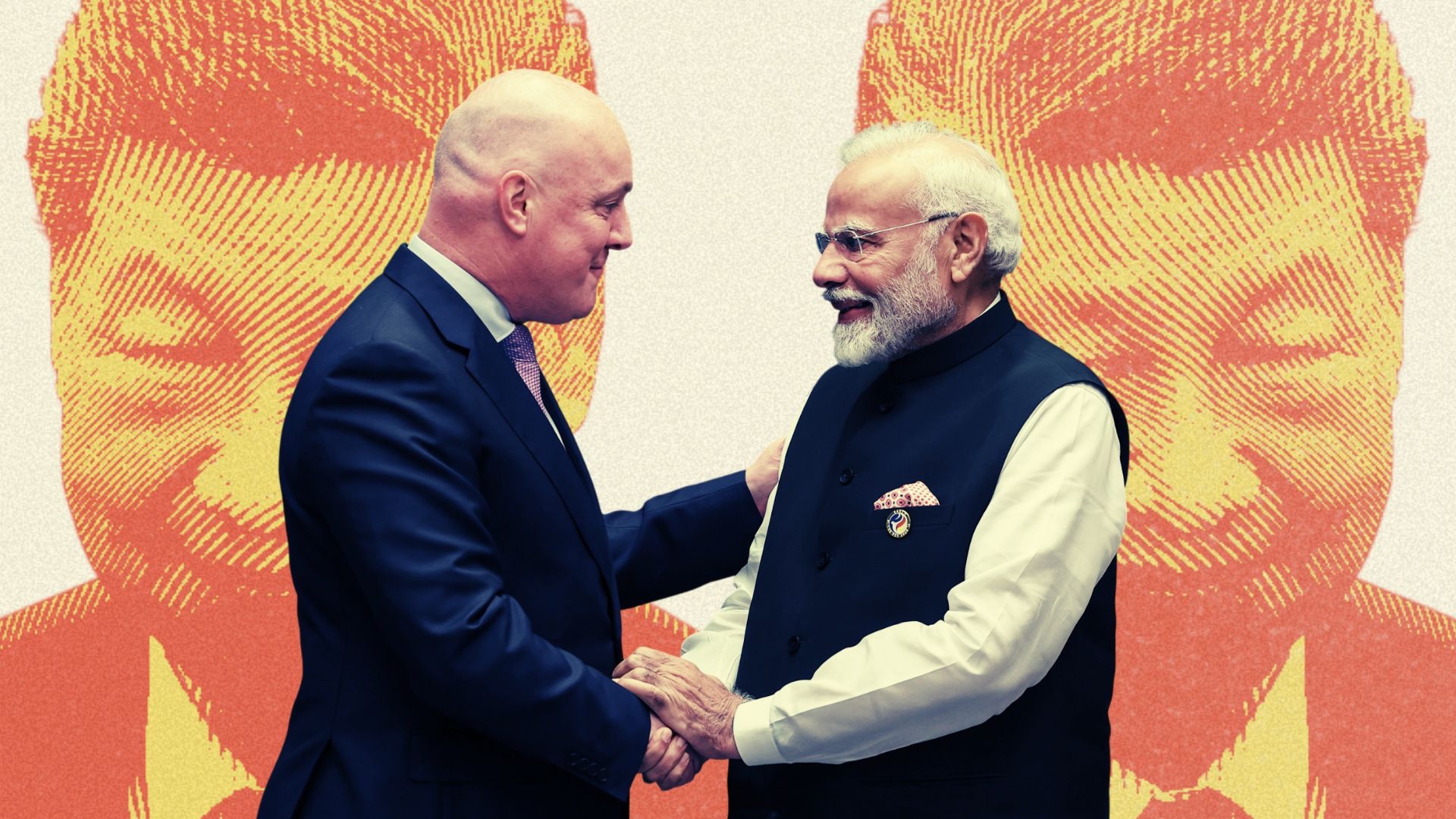
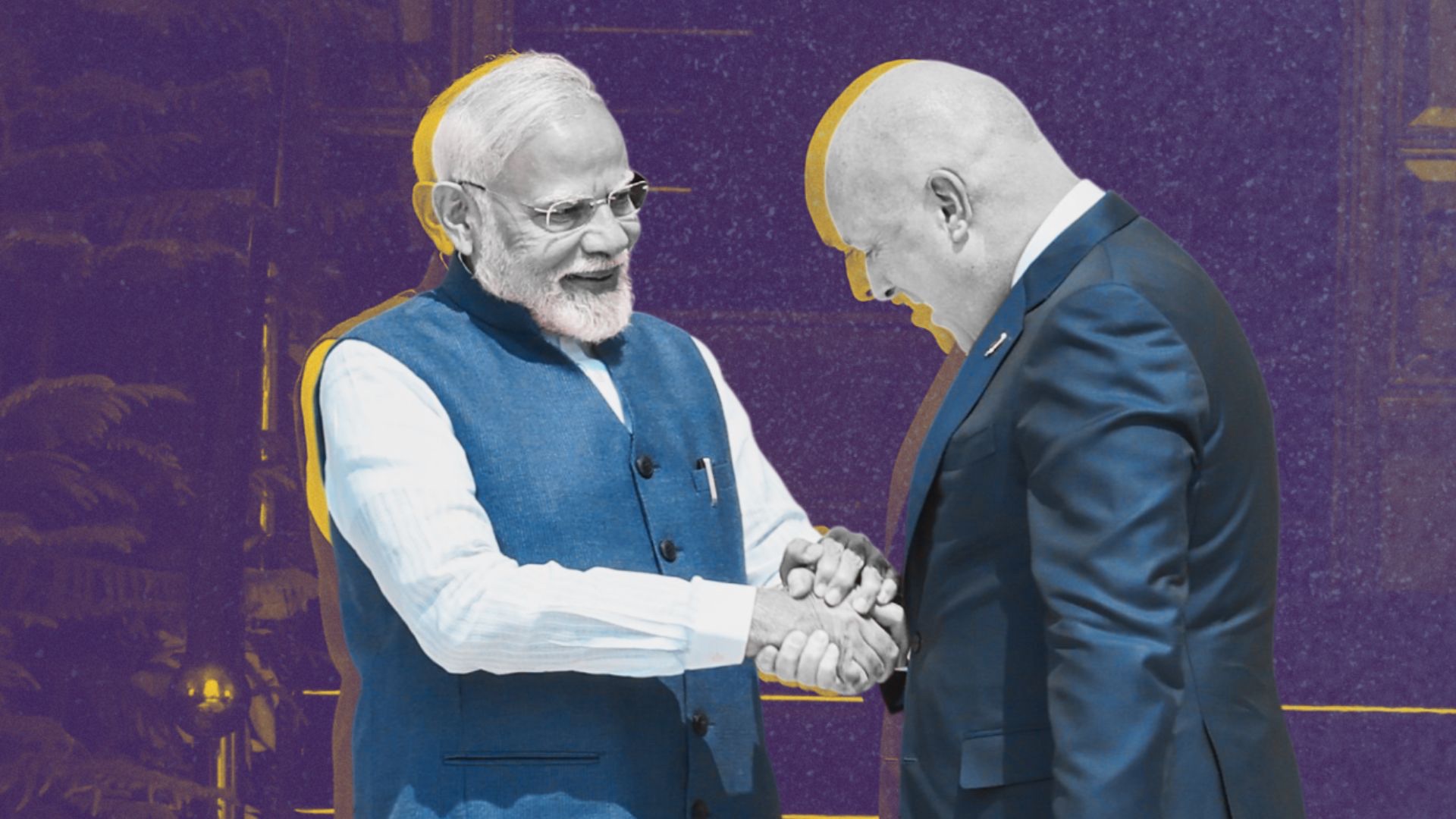
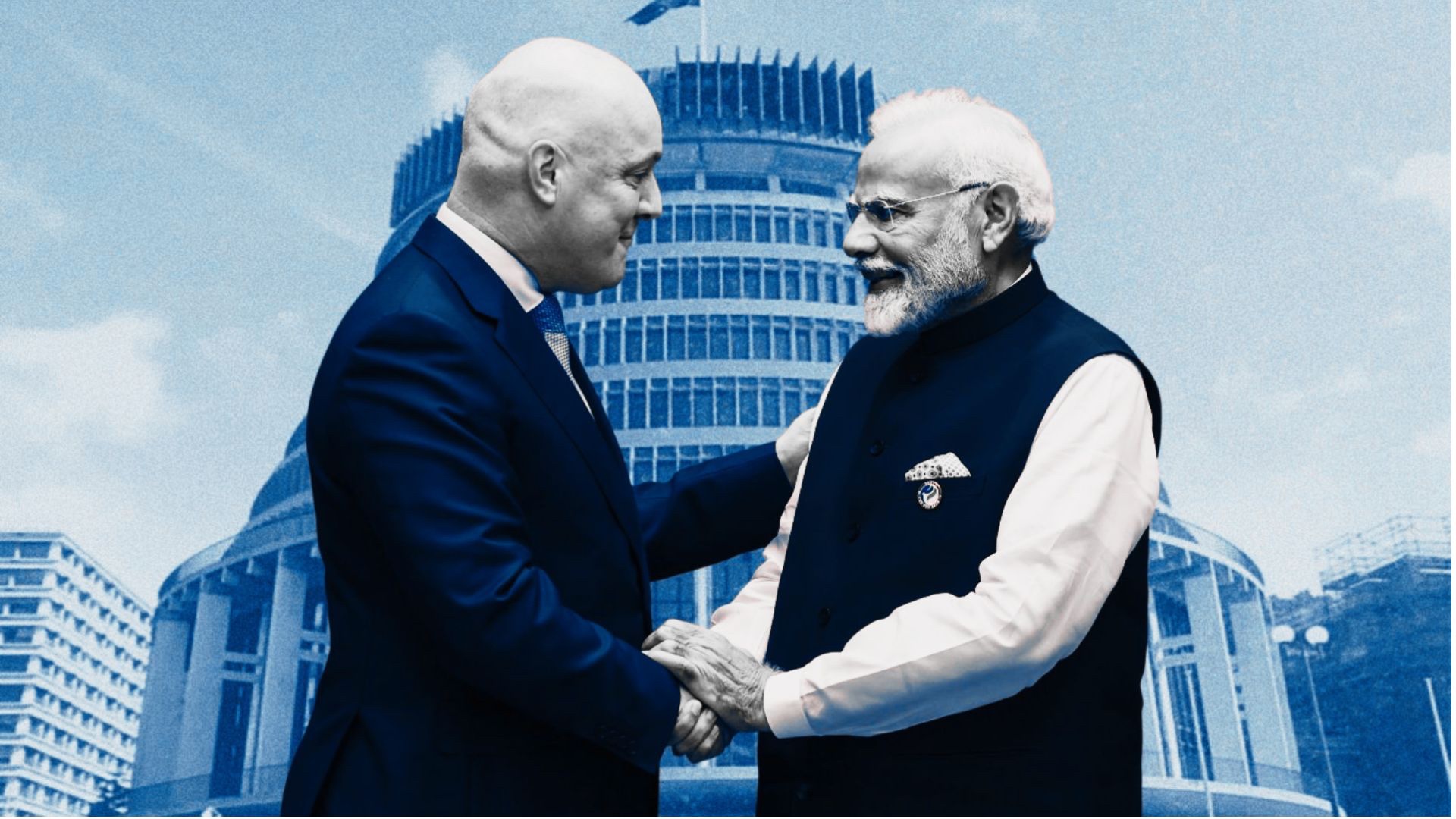
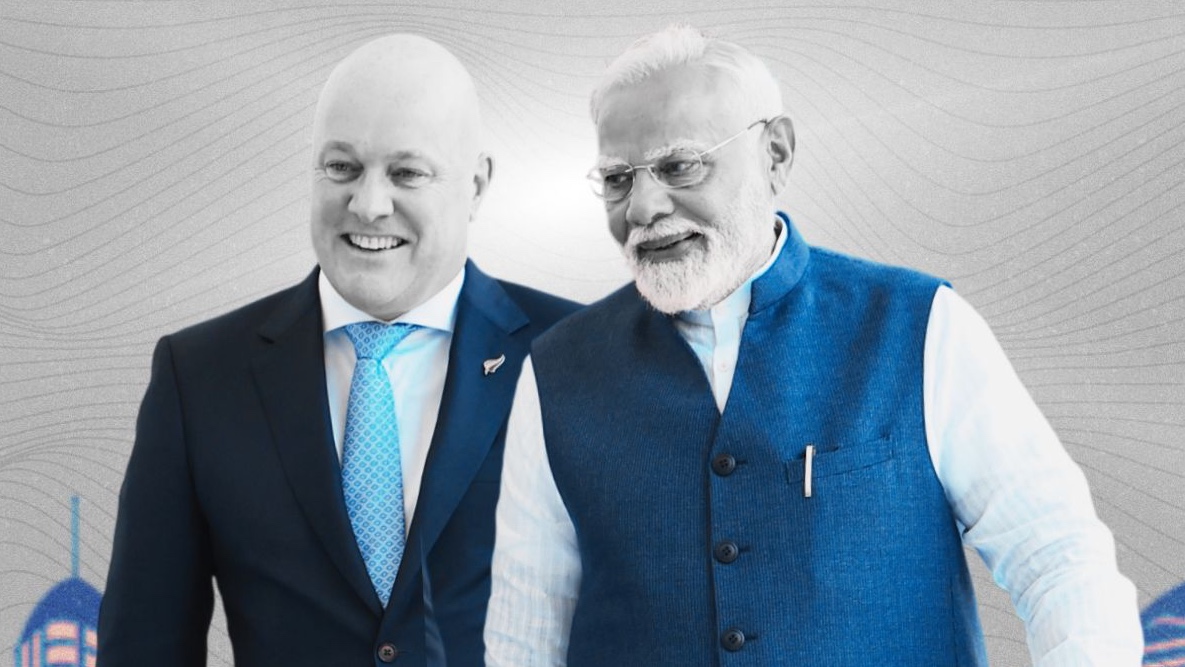
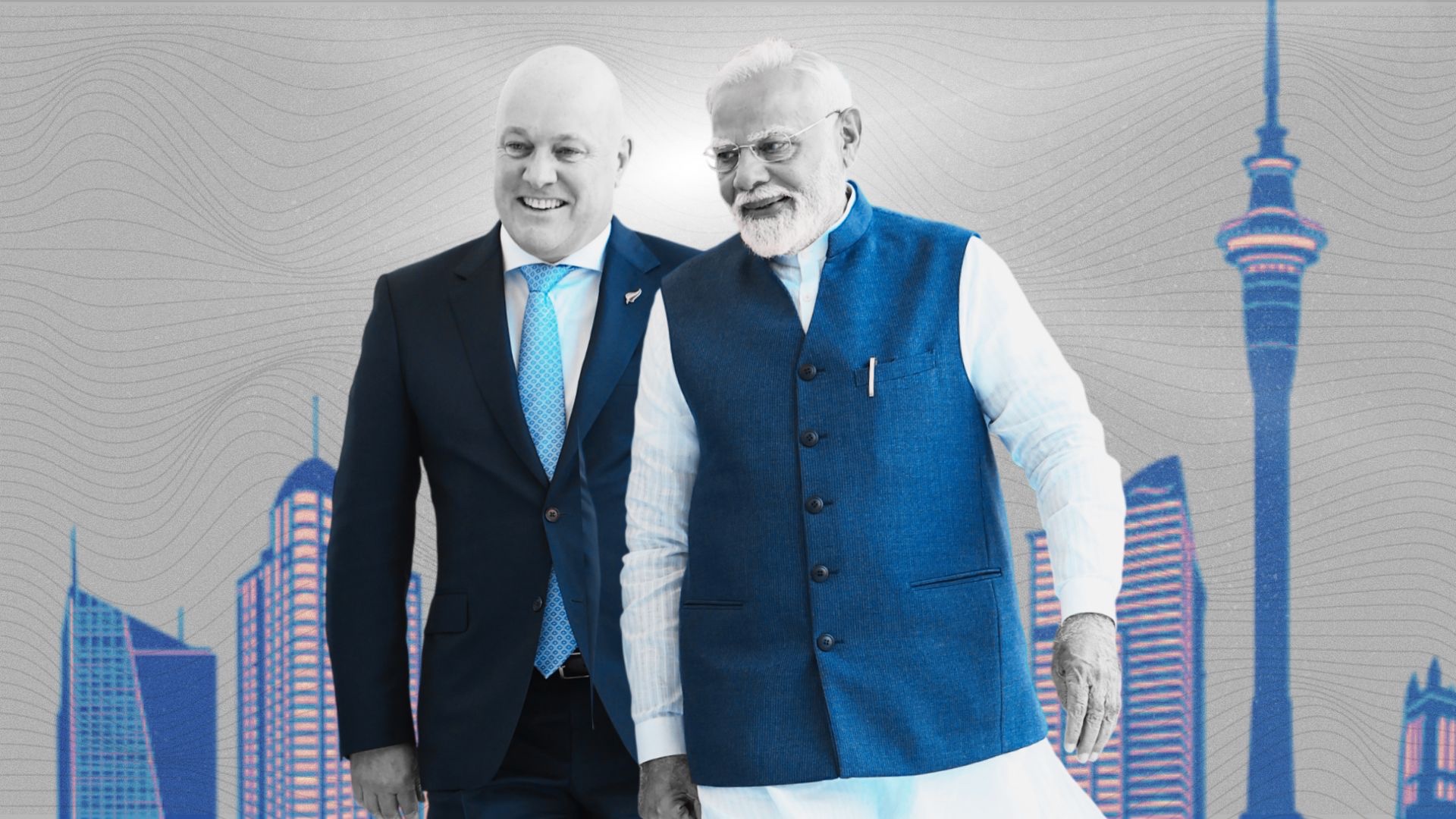
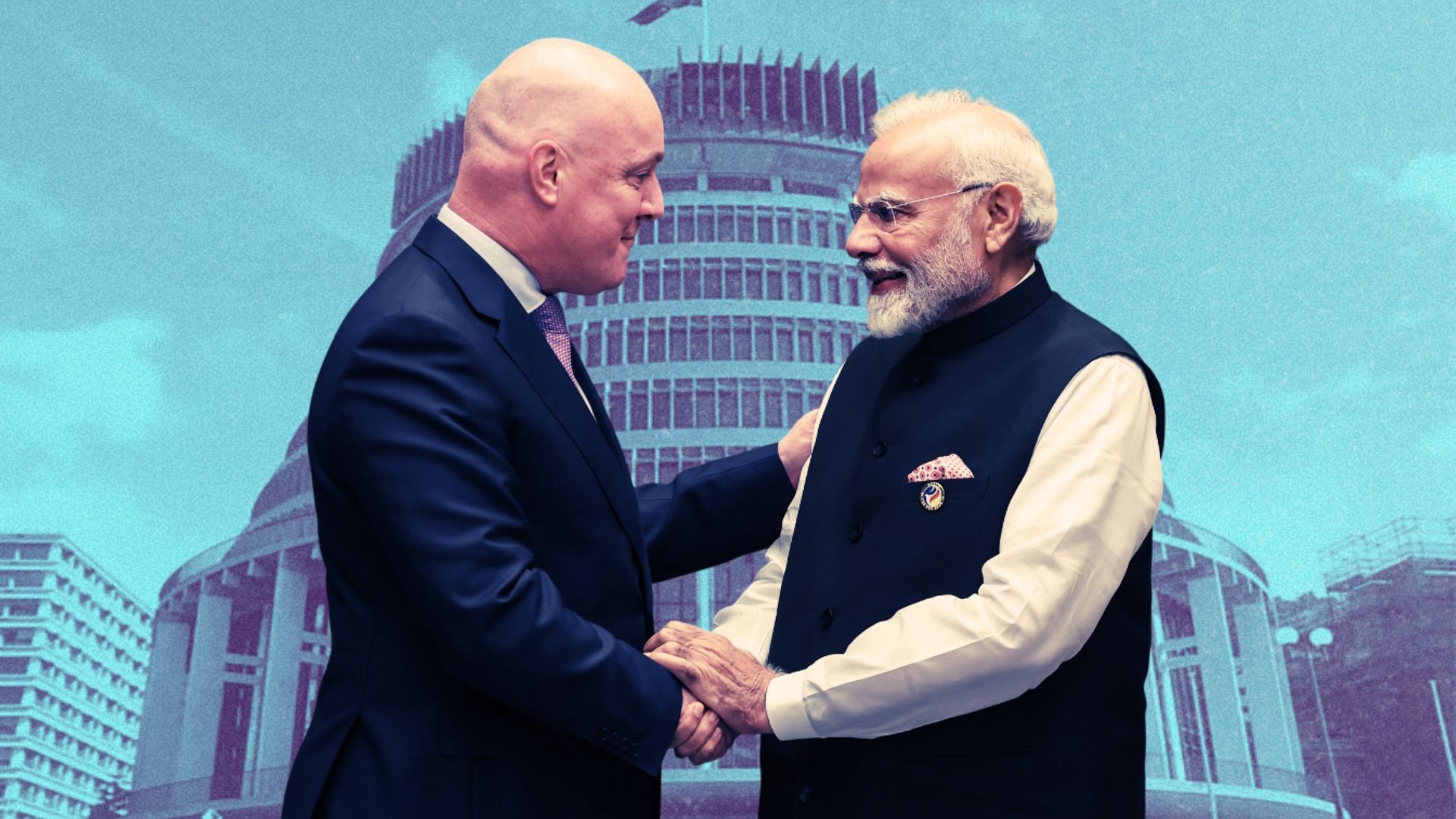
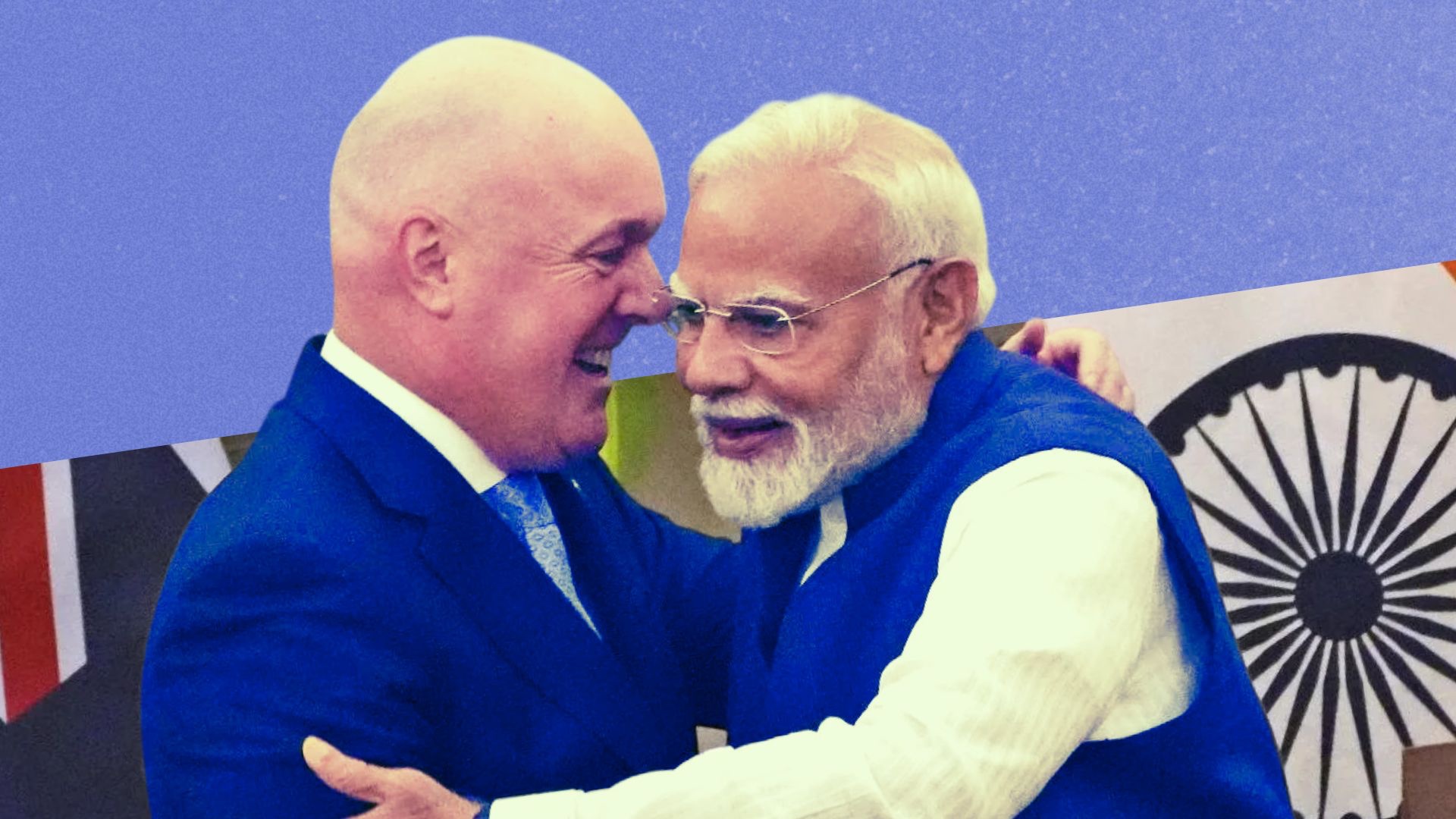
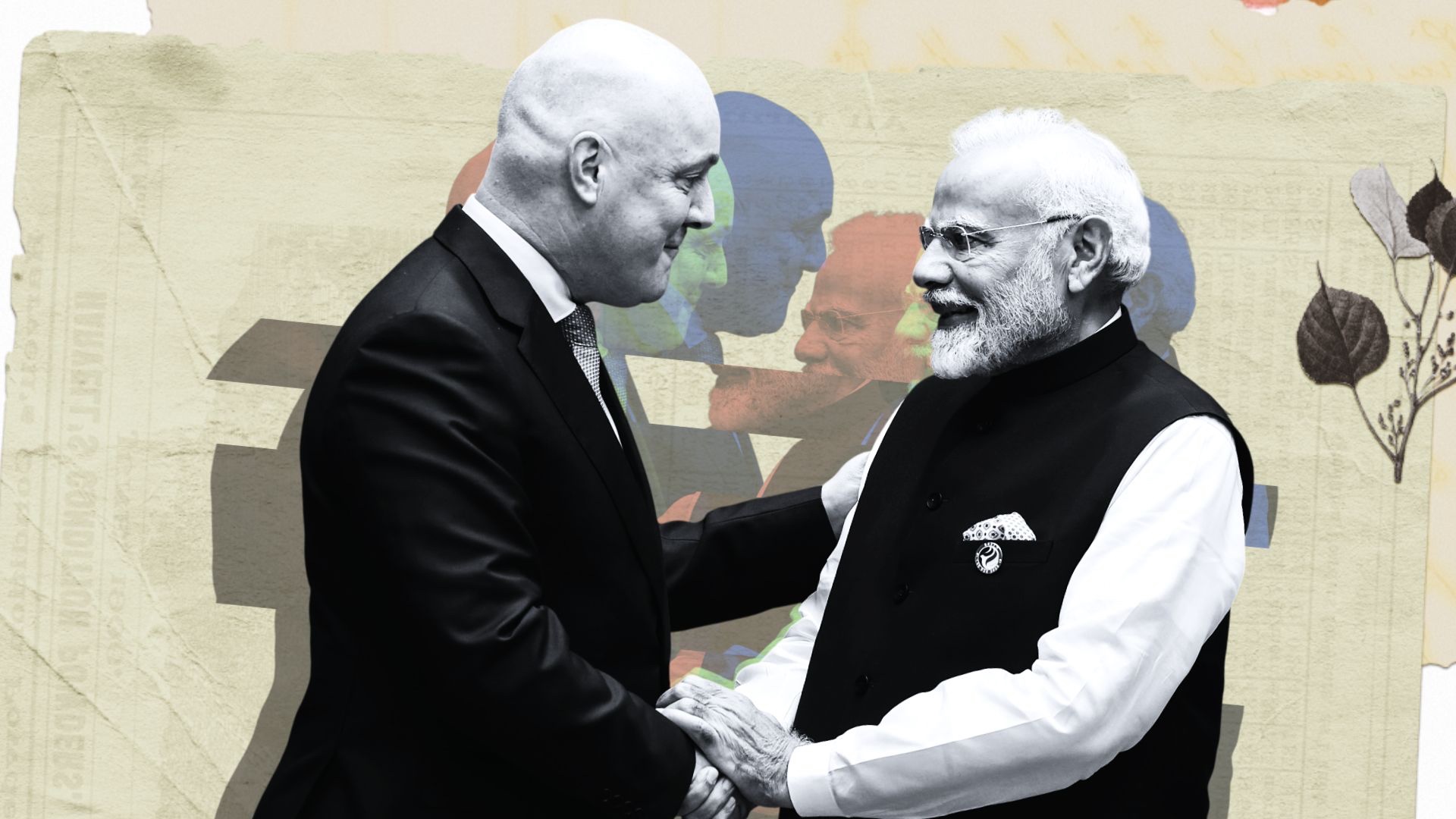
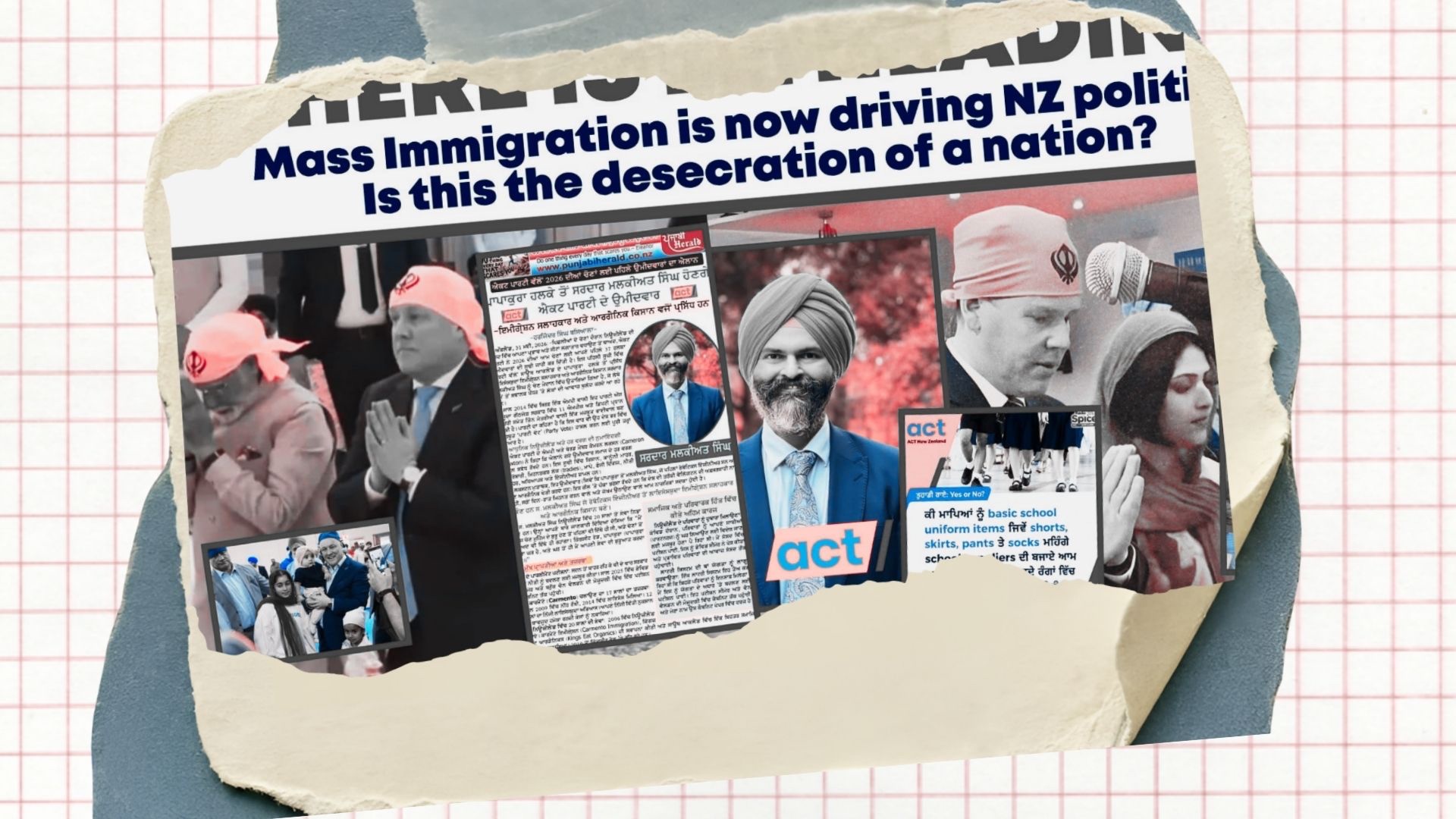
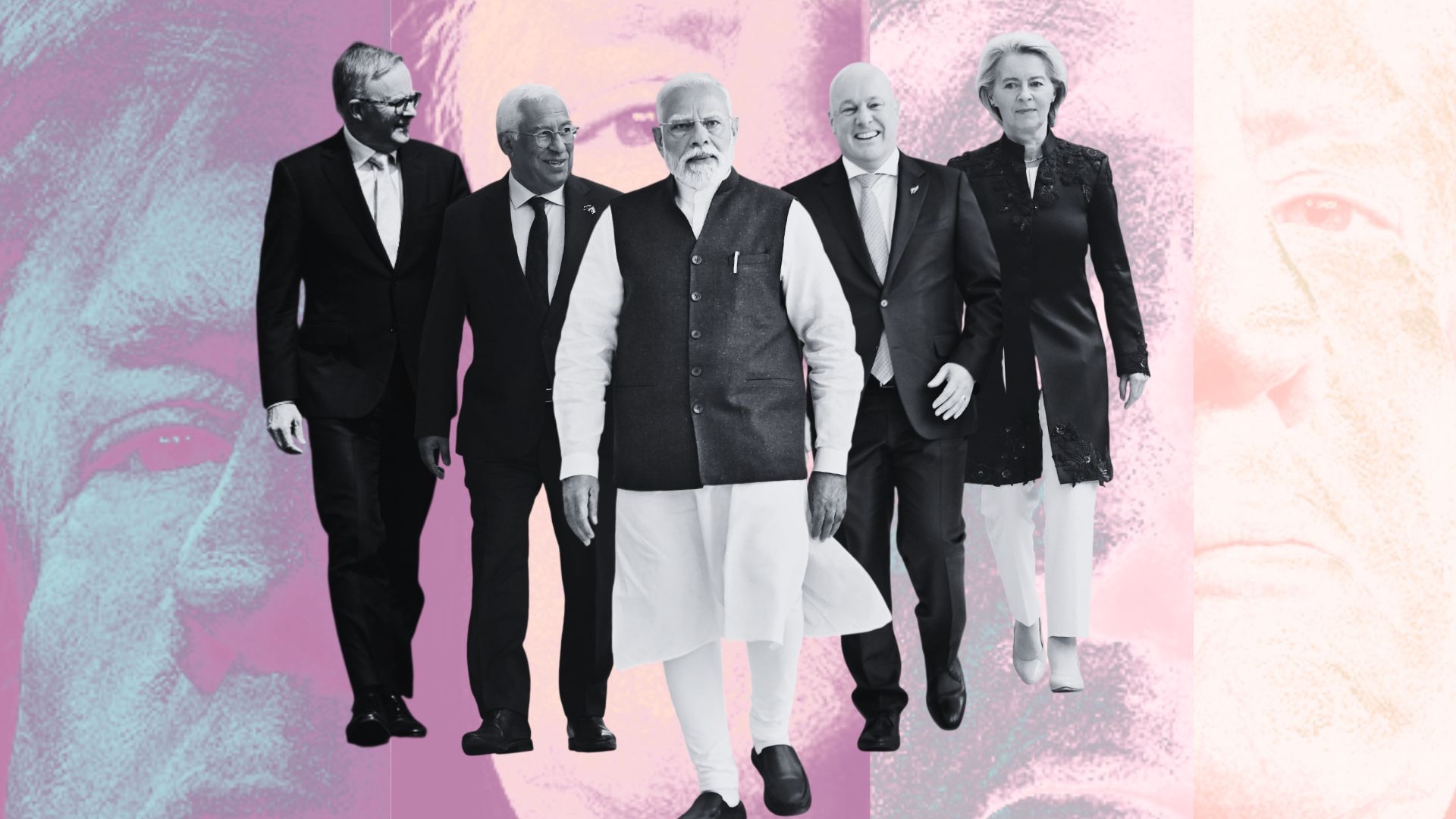
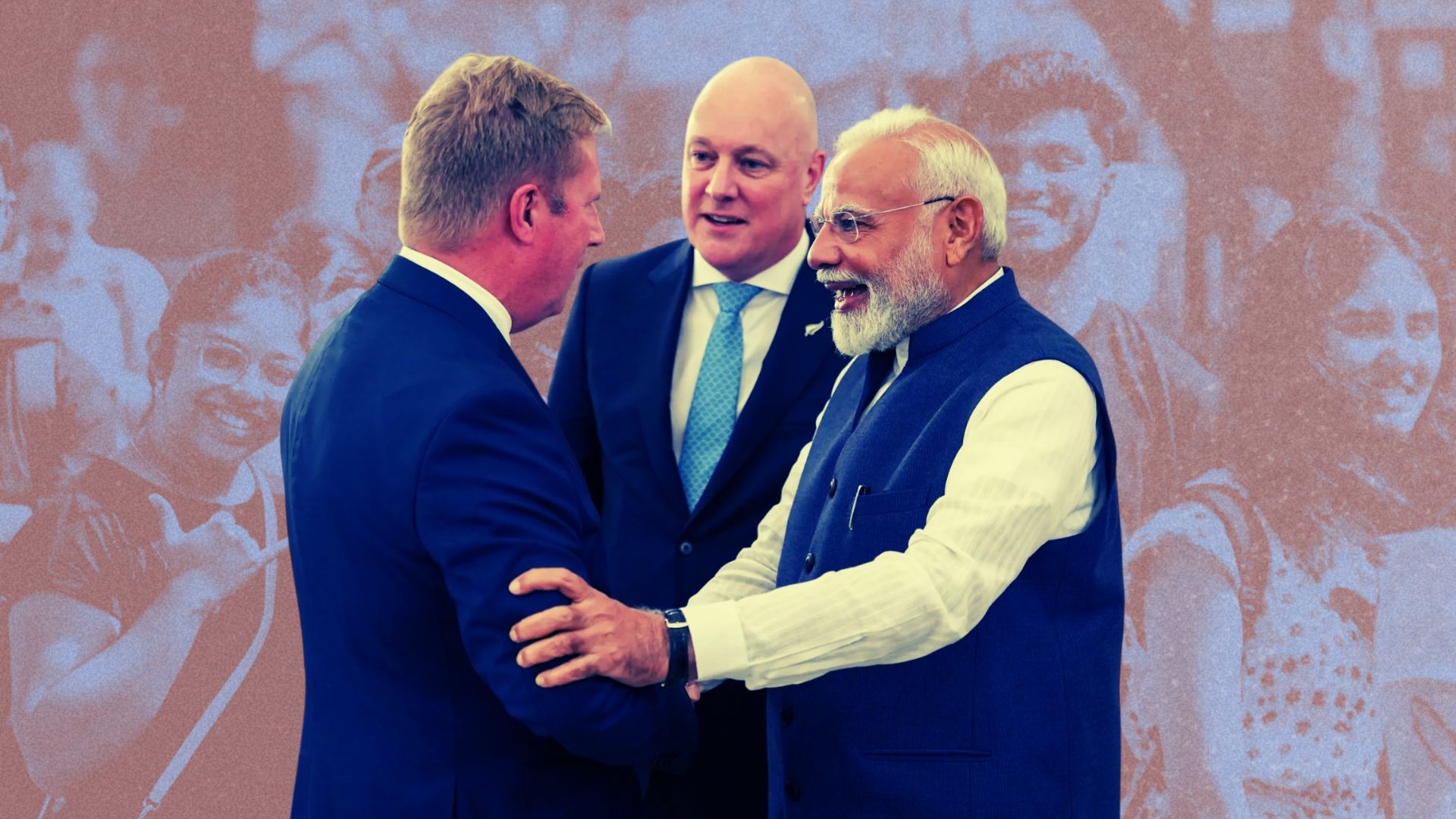
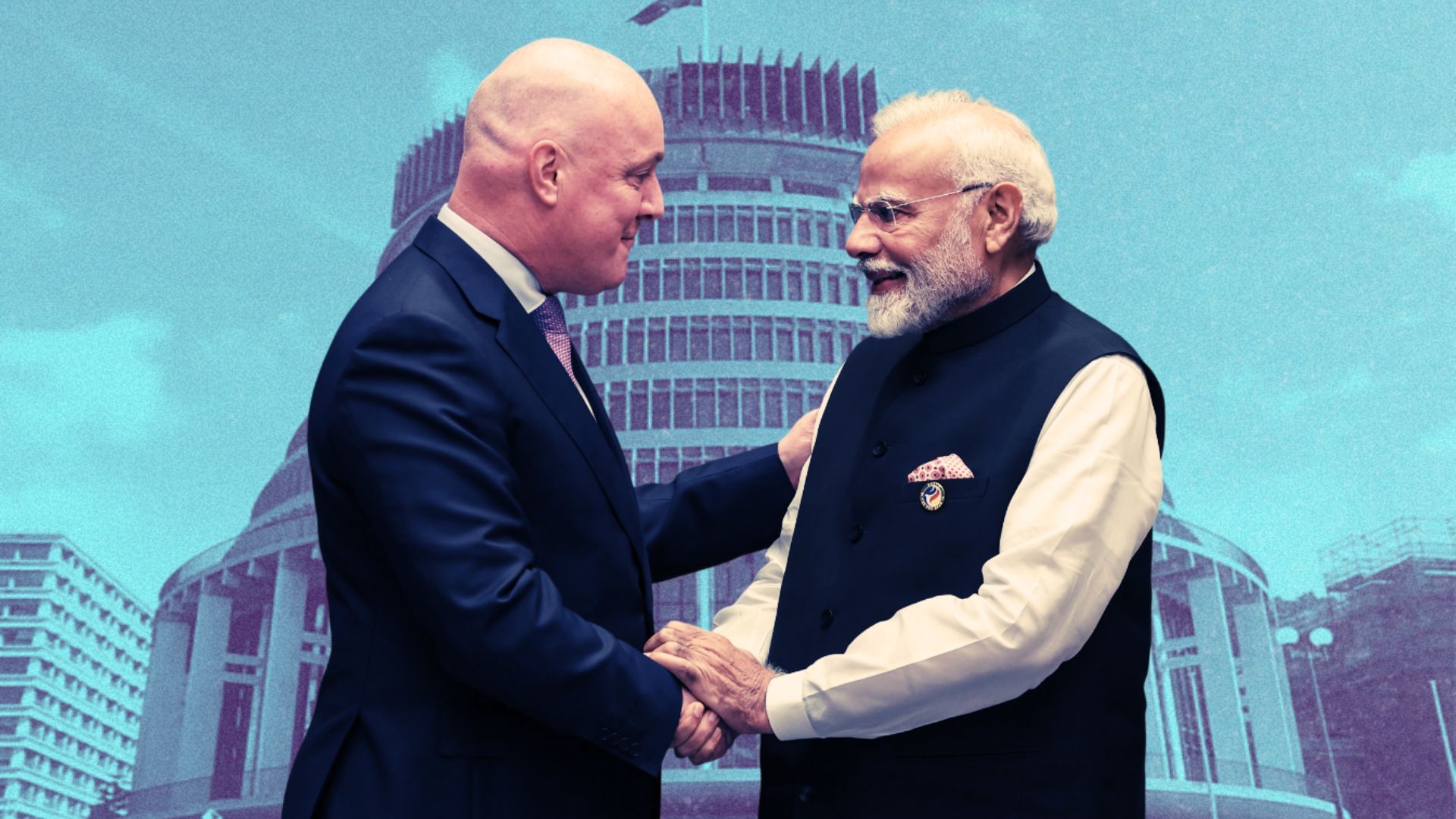
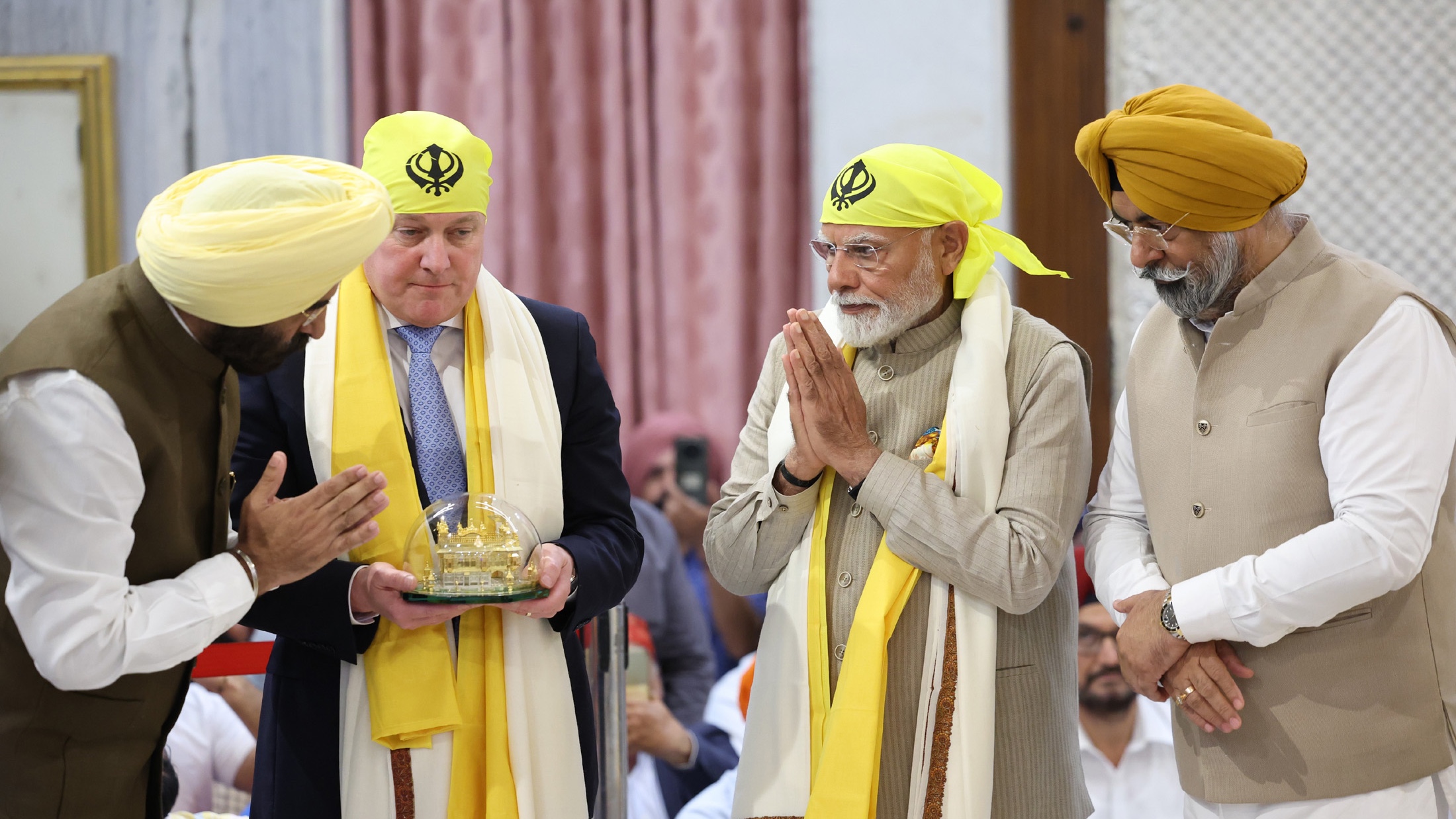
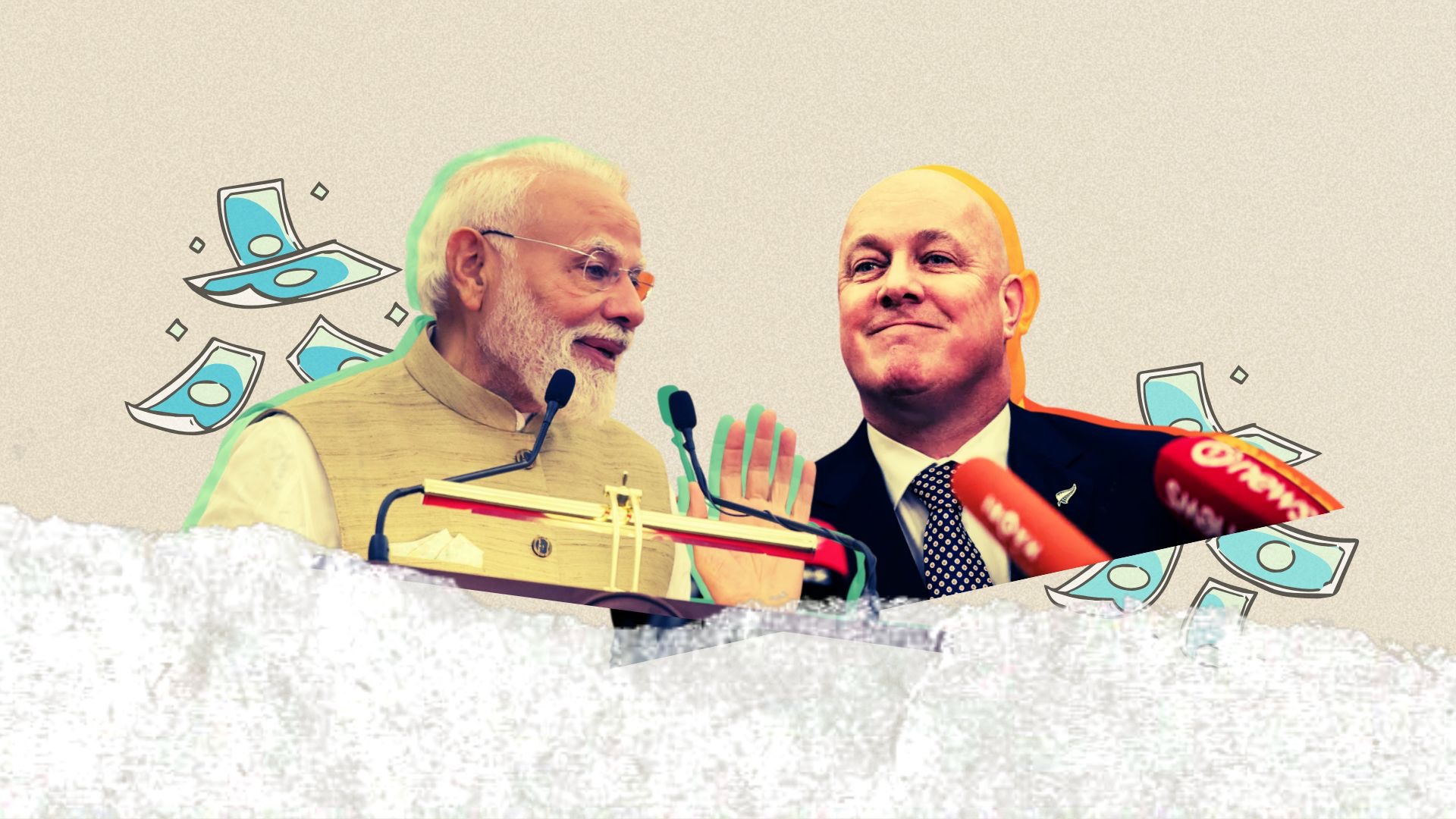
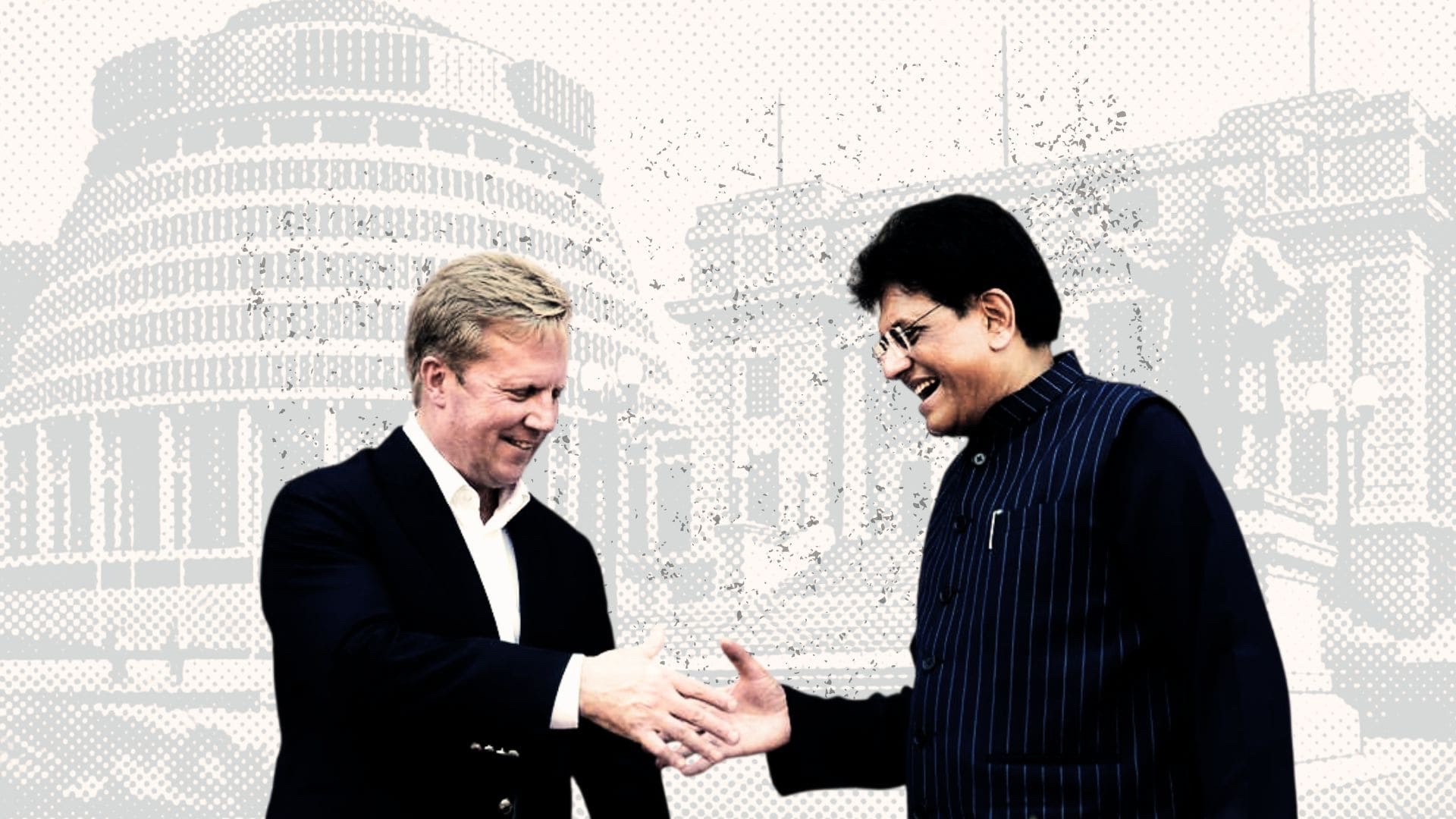
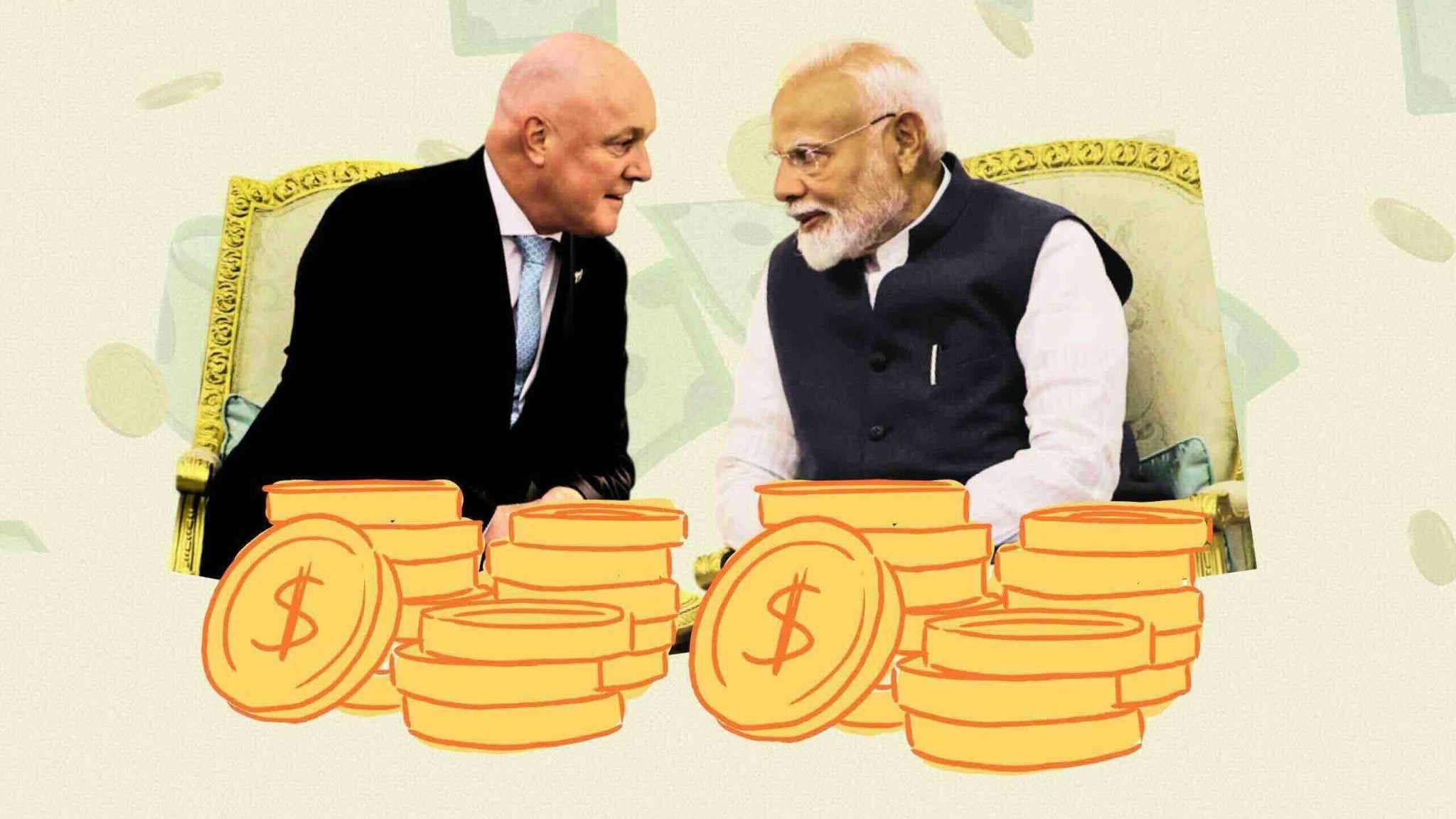
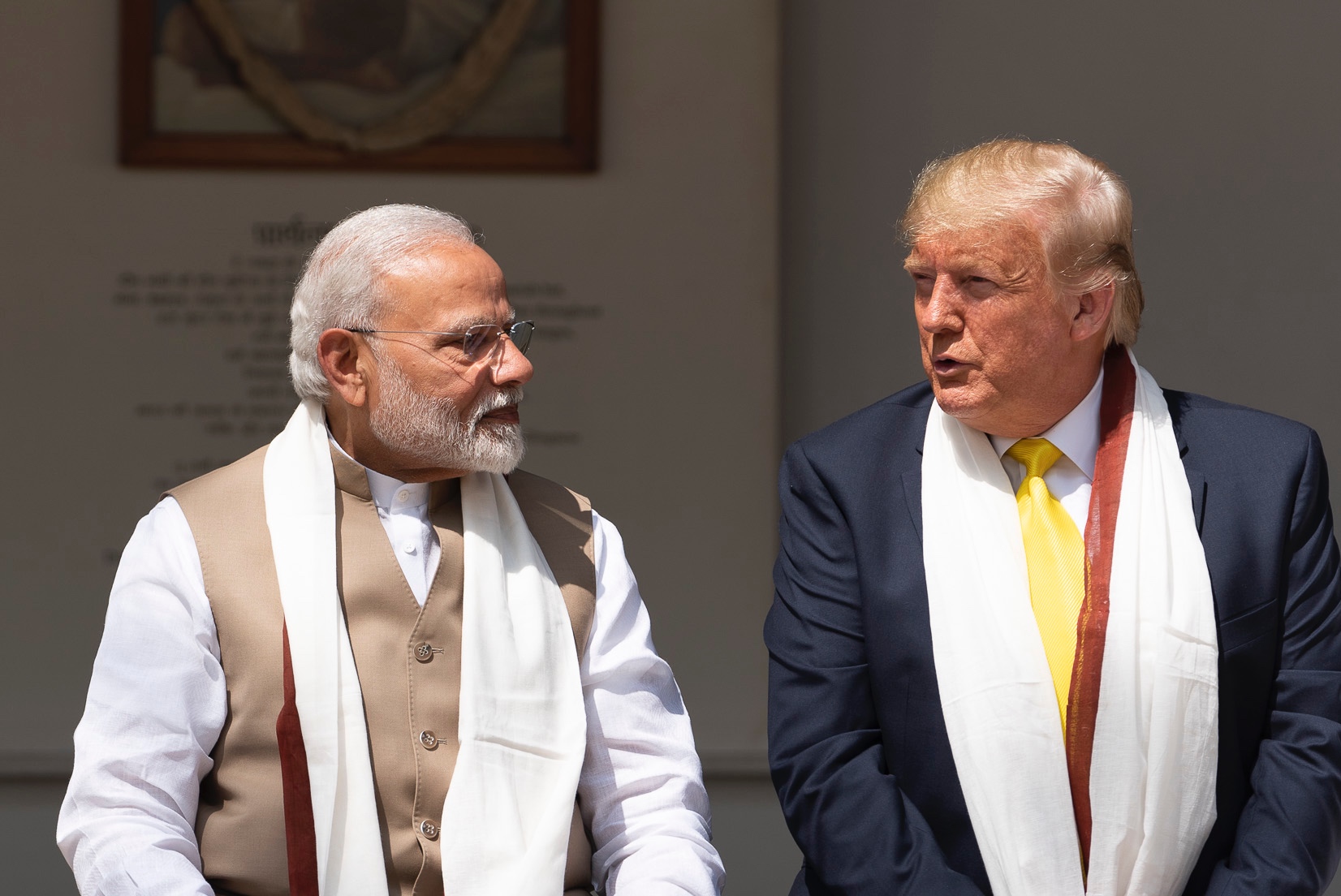
During Modi’s visit, Luxon looked unmistakably prime ministerial. He personally greeted Modi at Auckland Airport, extending a gesture New Zealand prime ministers have reserved for some of the country’s most significant international visitors.
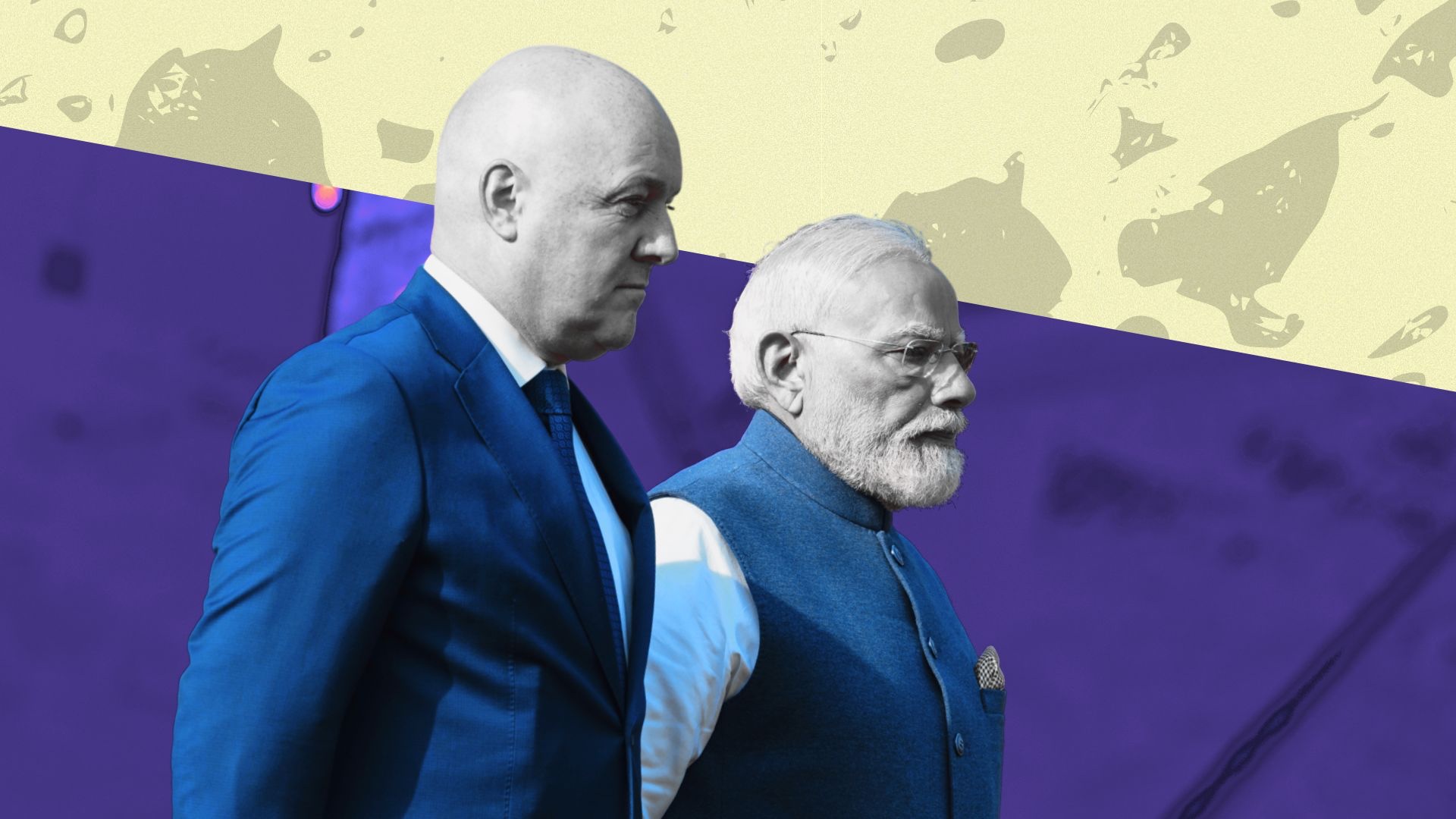
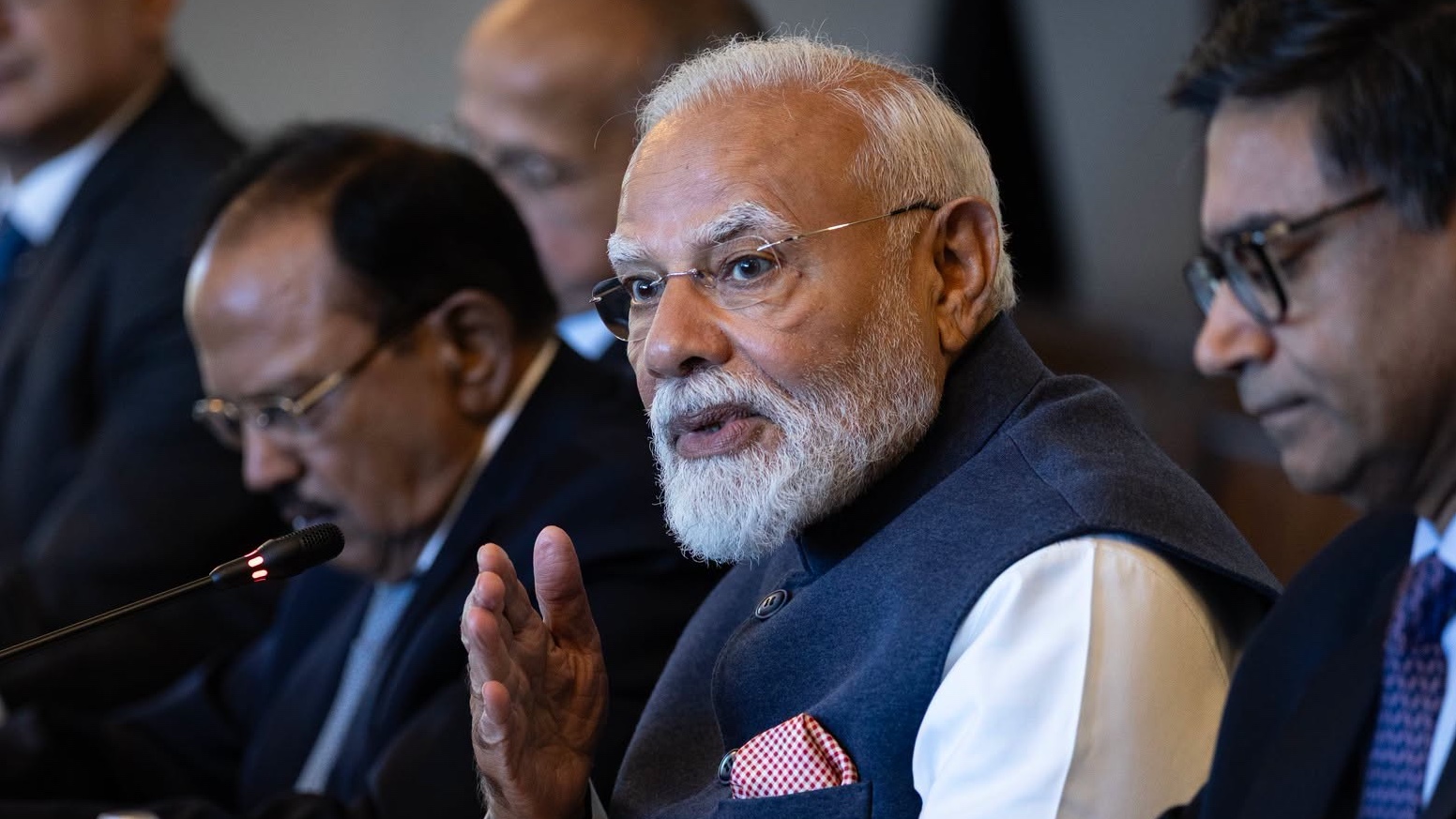
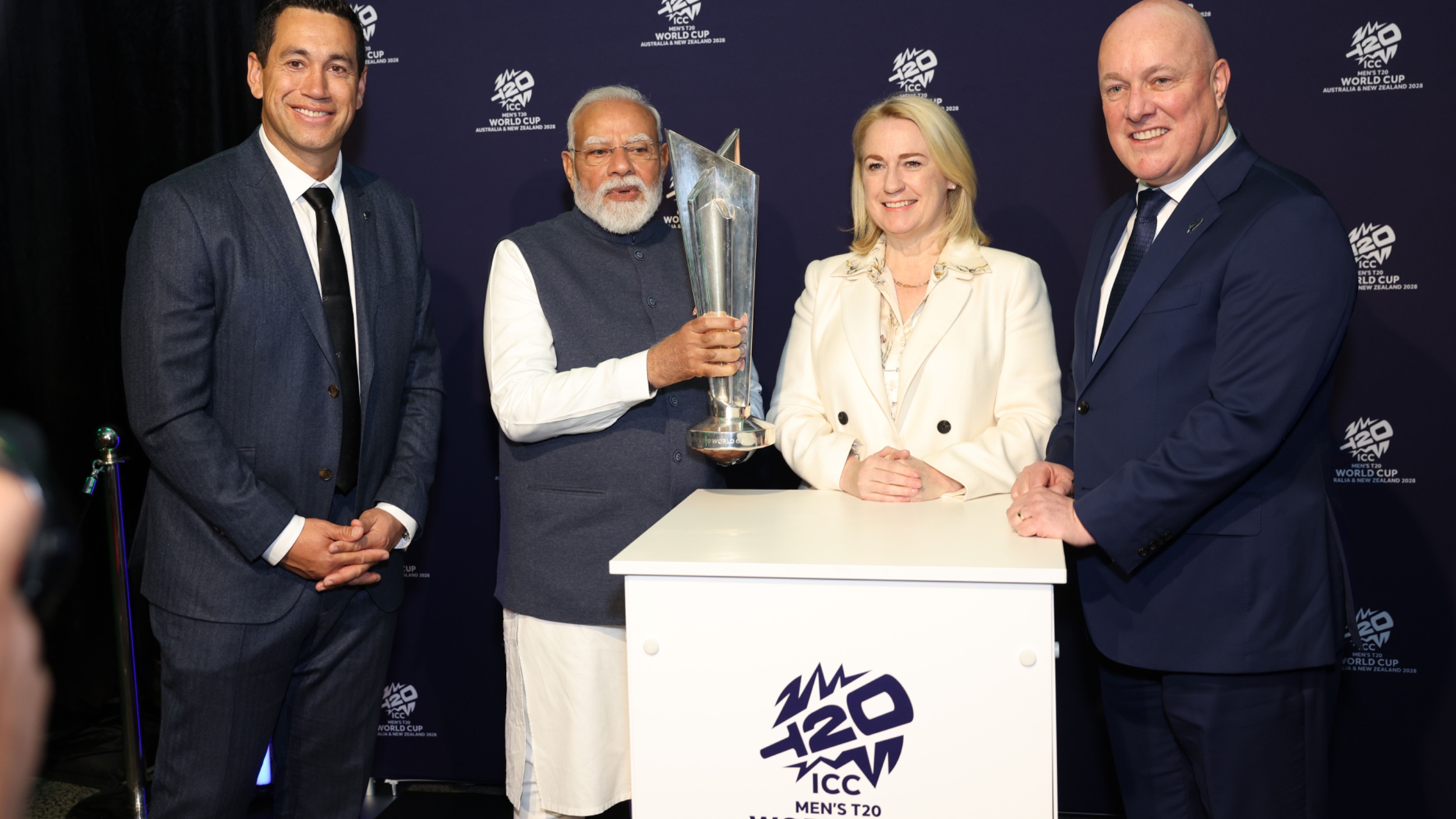
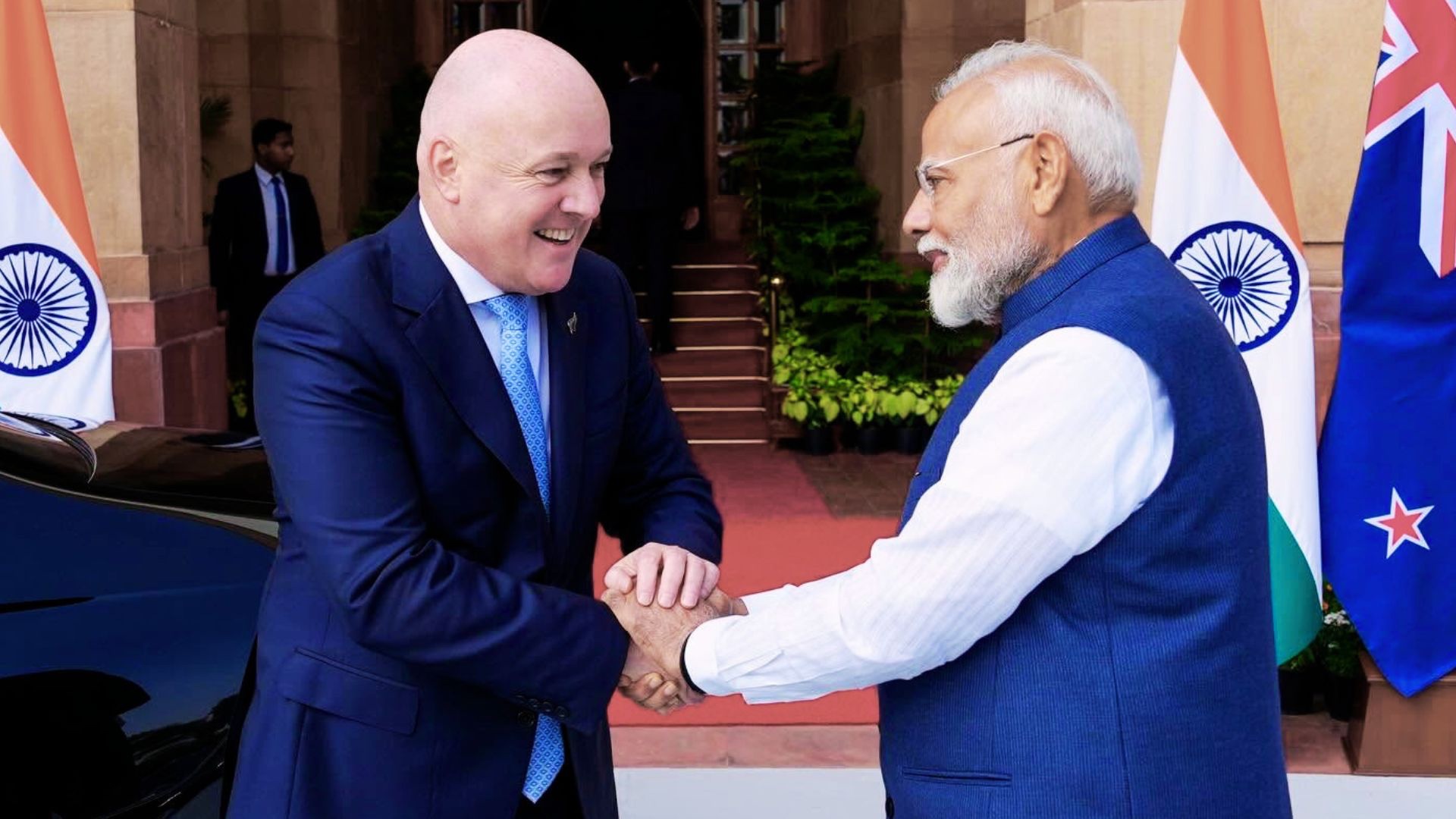
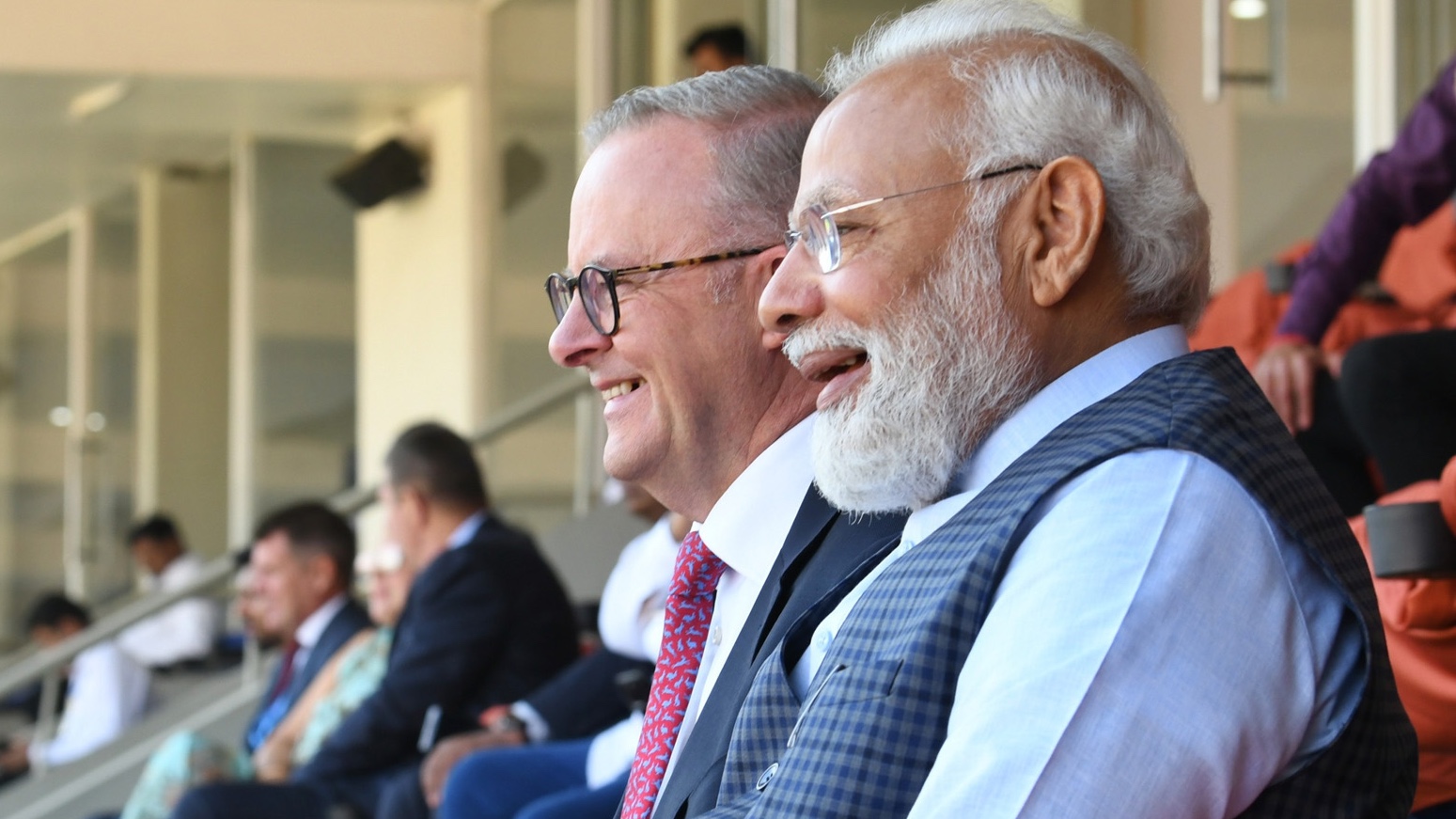
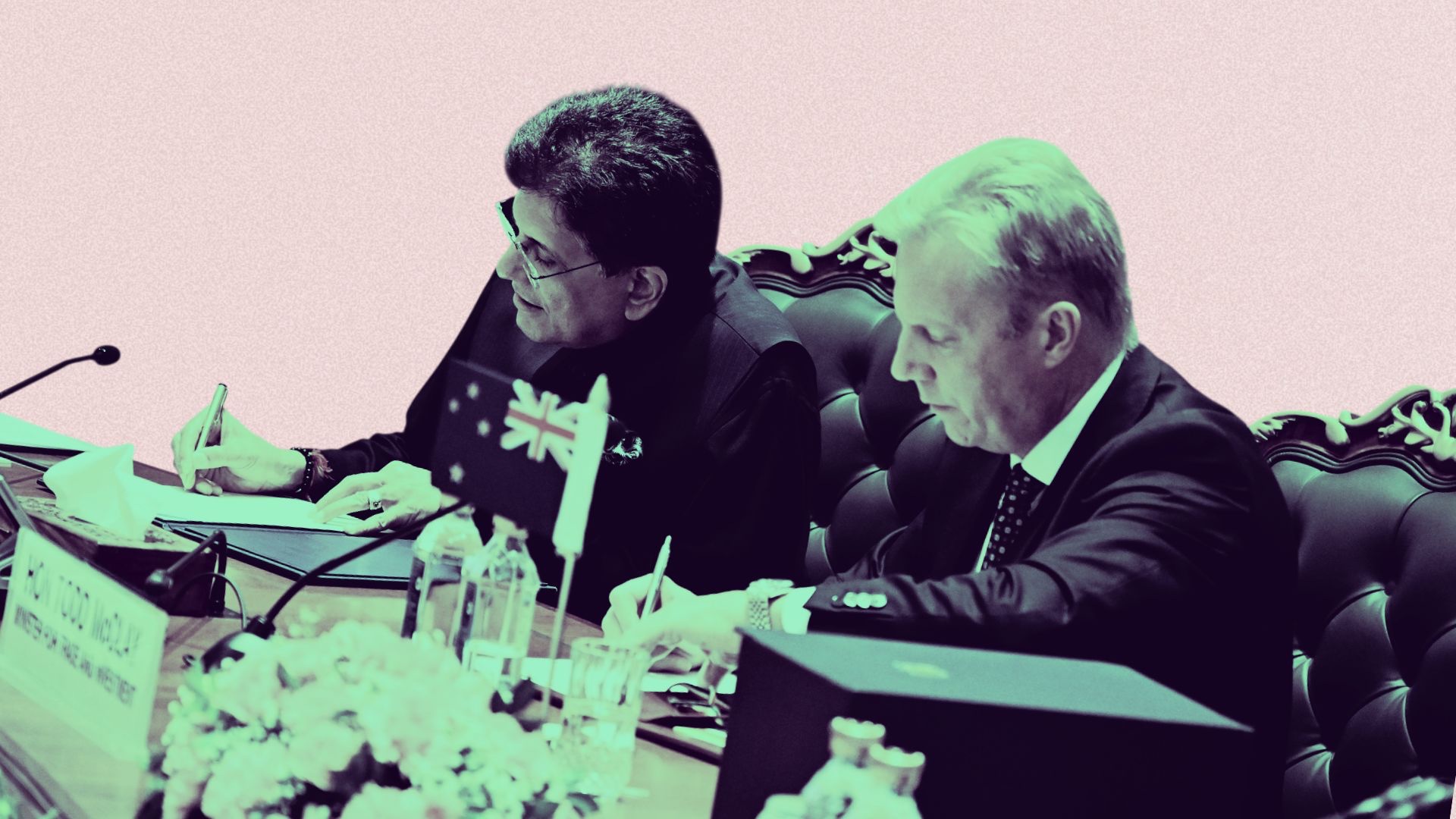
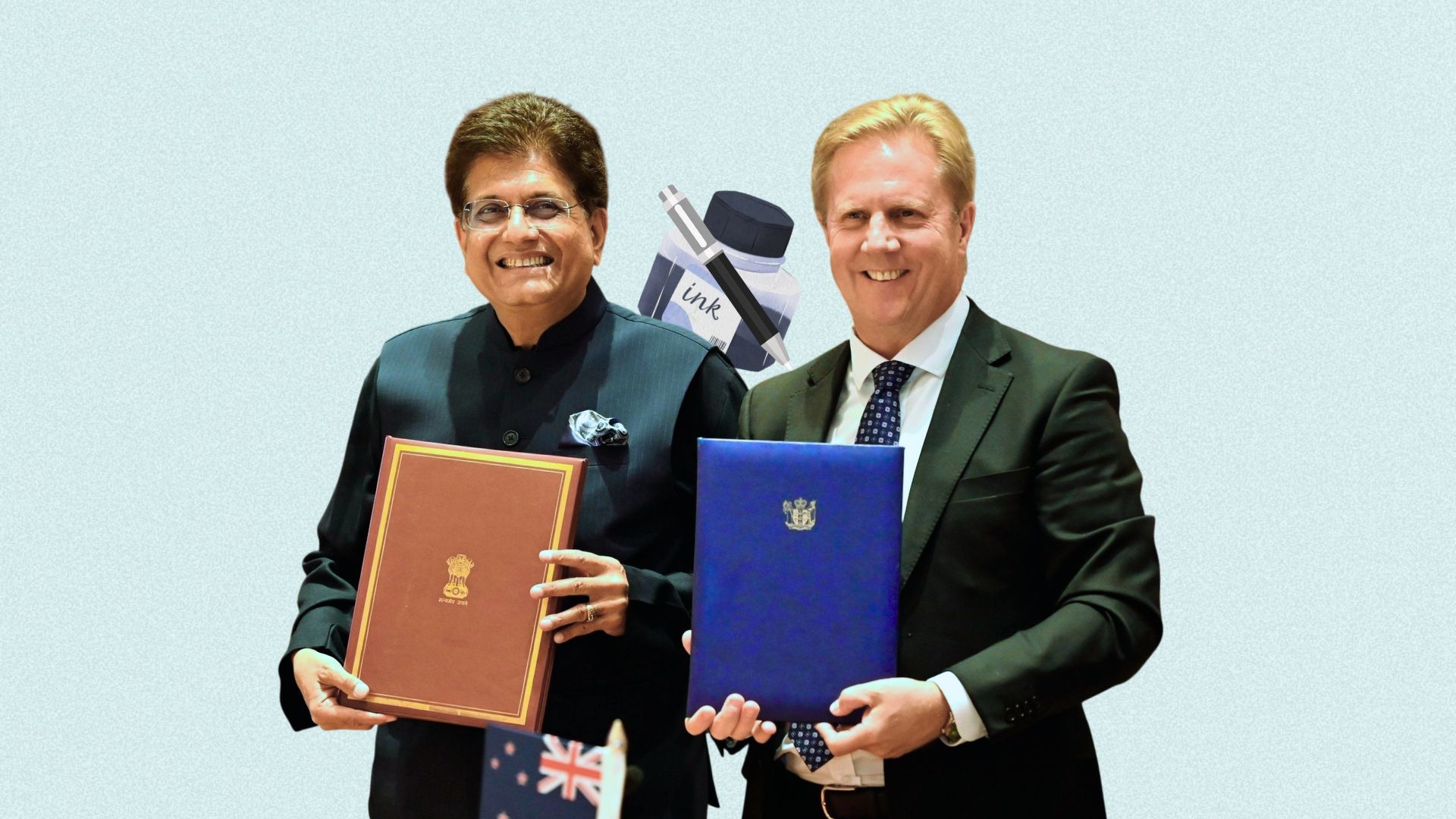
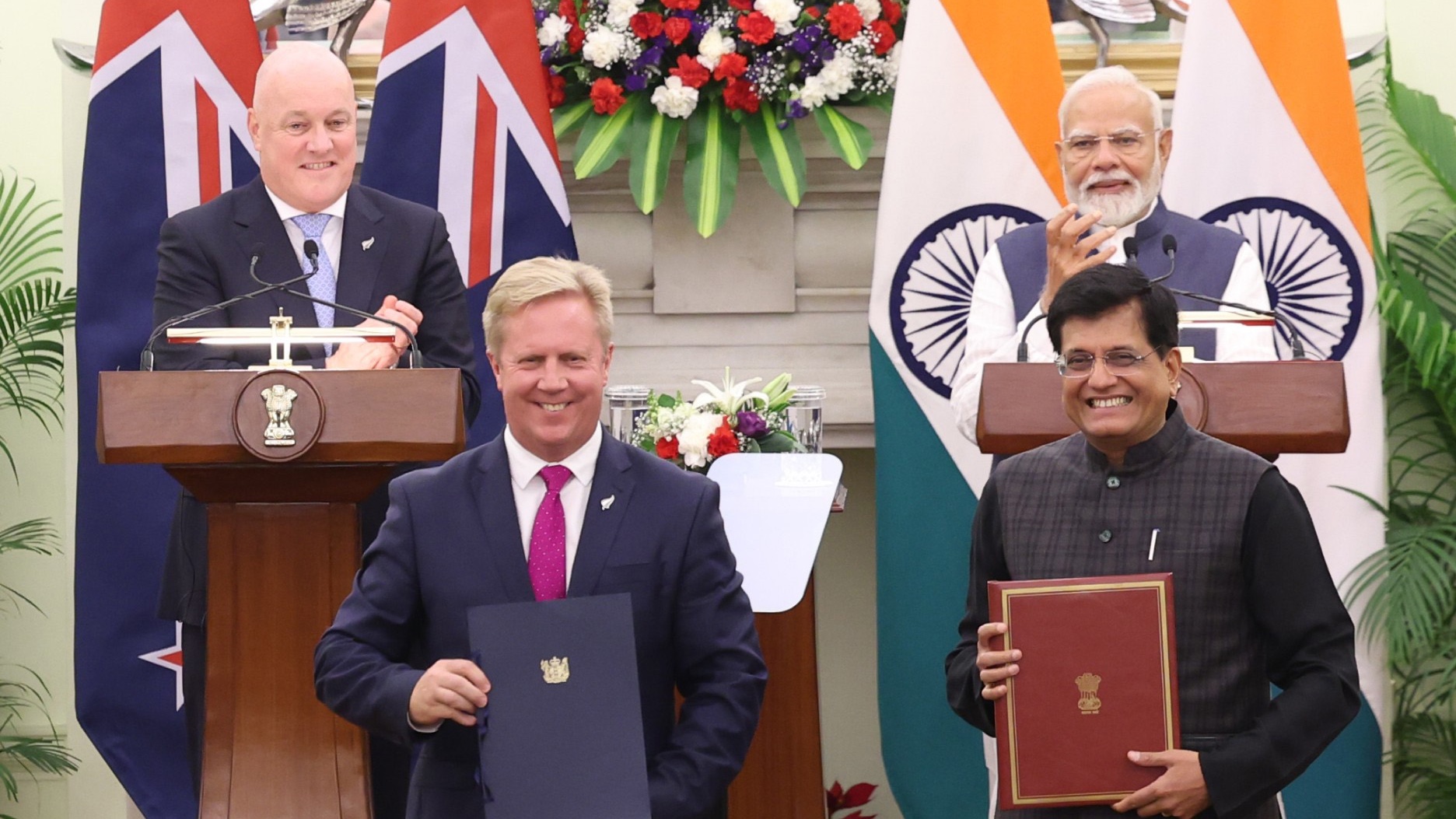
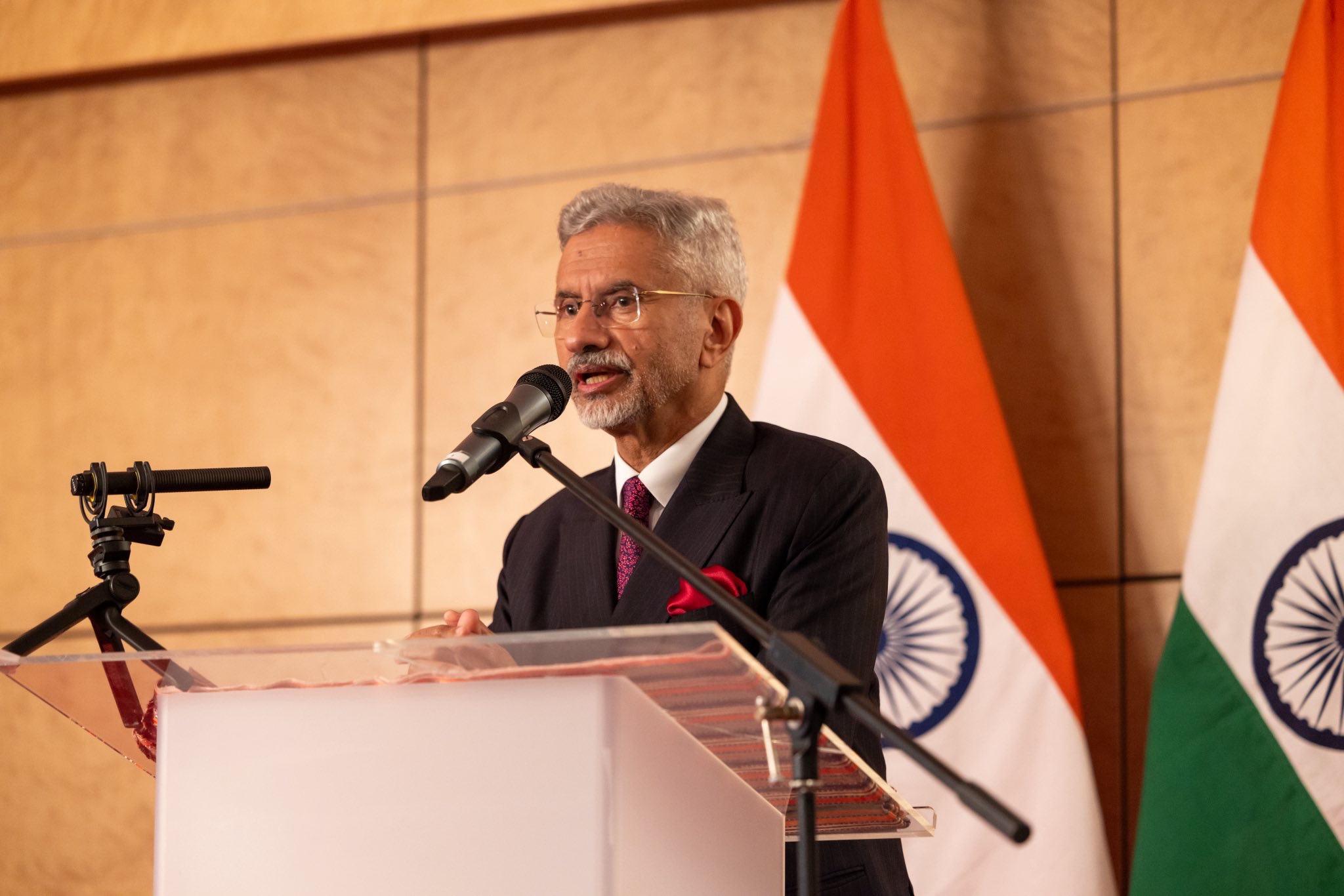
The following day, he hosted the first Indian prime minister to visit New Zealand in four decades. He stood alongside the leader of the world’s most populous country as India and New Zealand elevated their relationship to a strategic partnership and set a goal of doubling two-way trade by 2030.
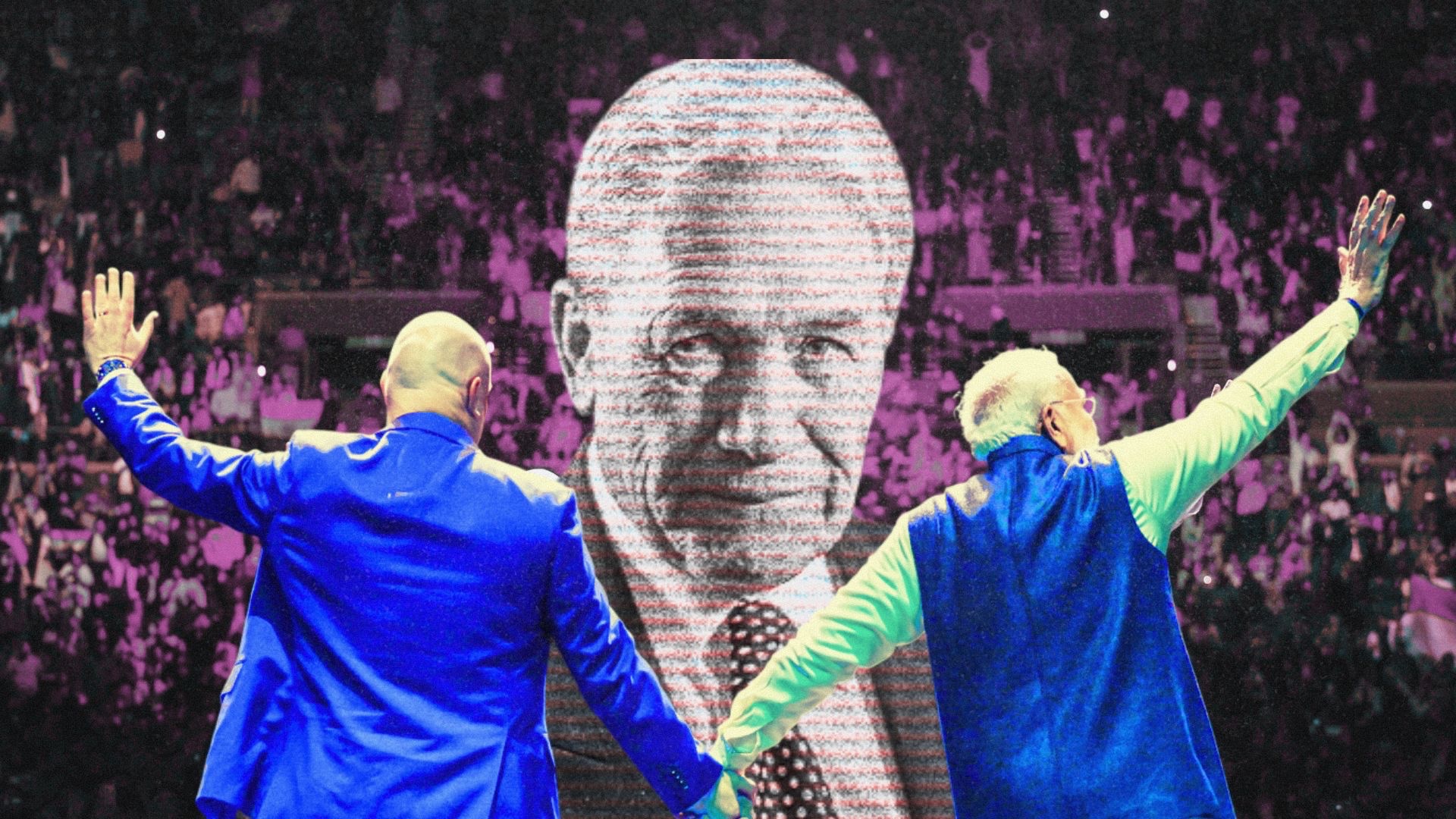
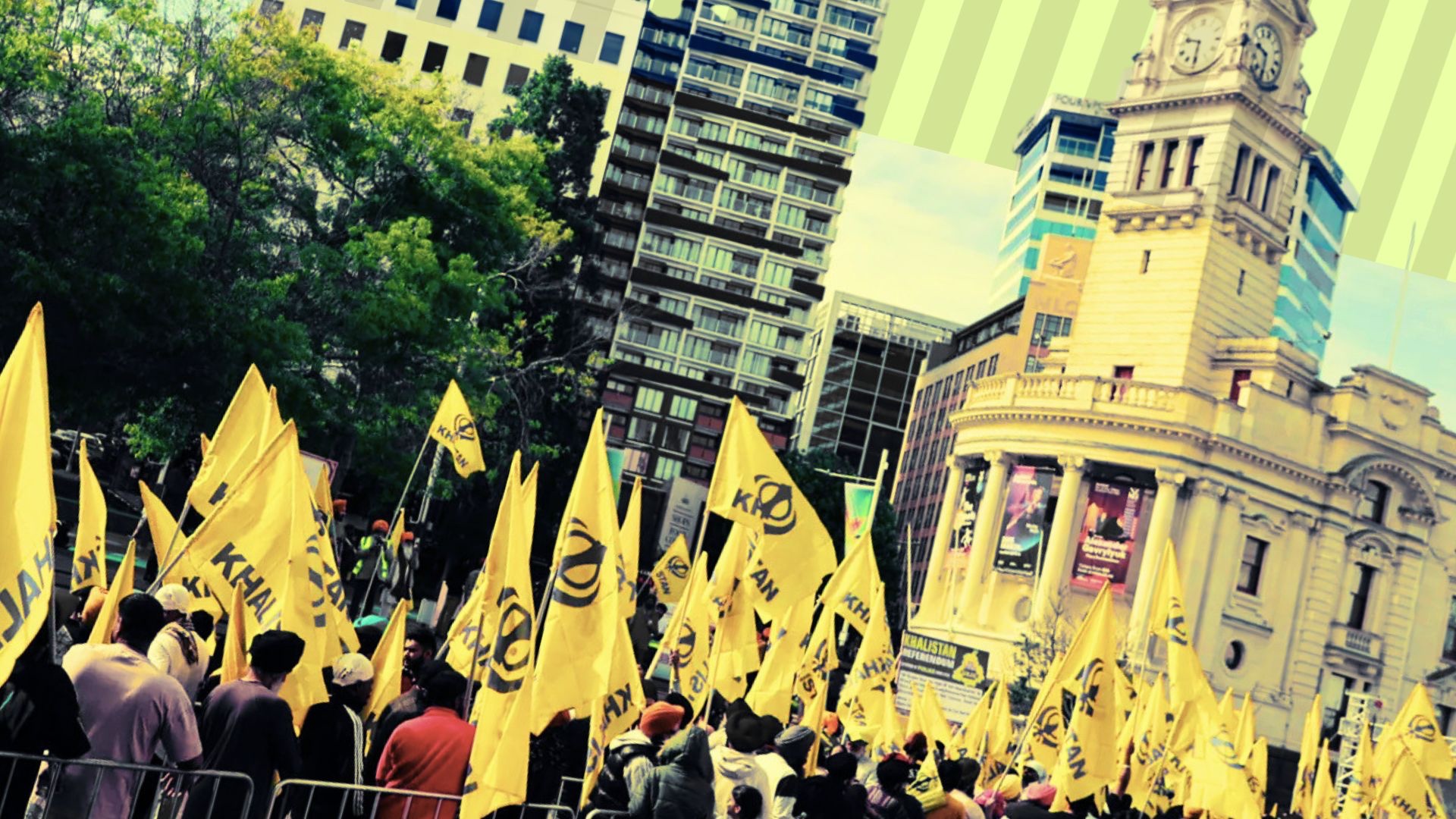
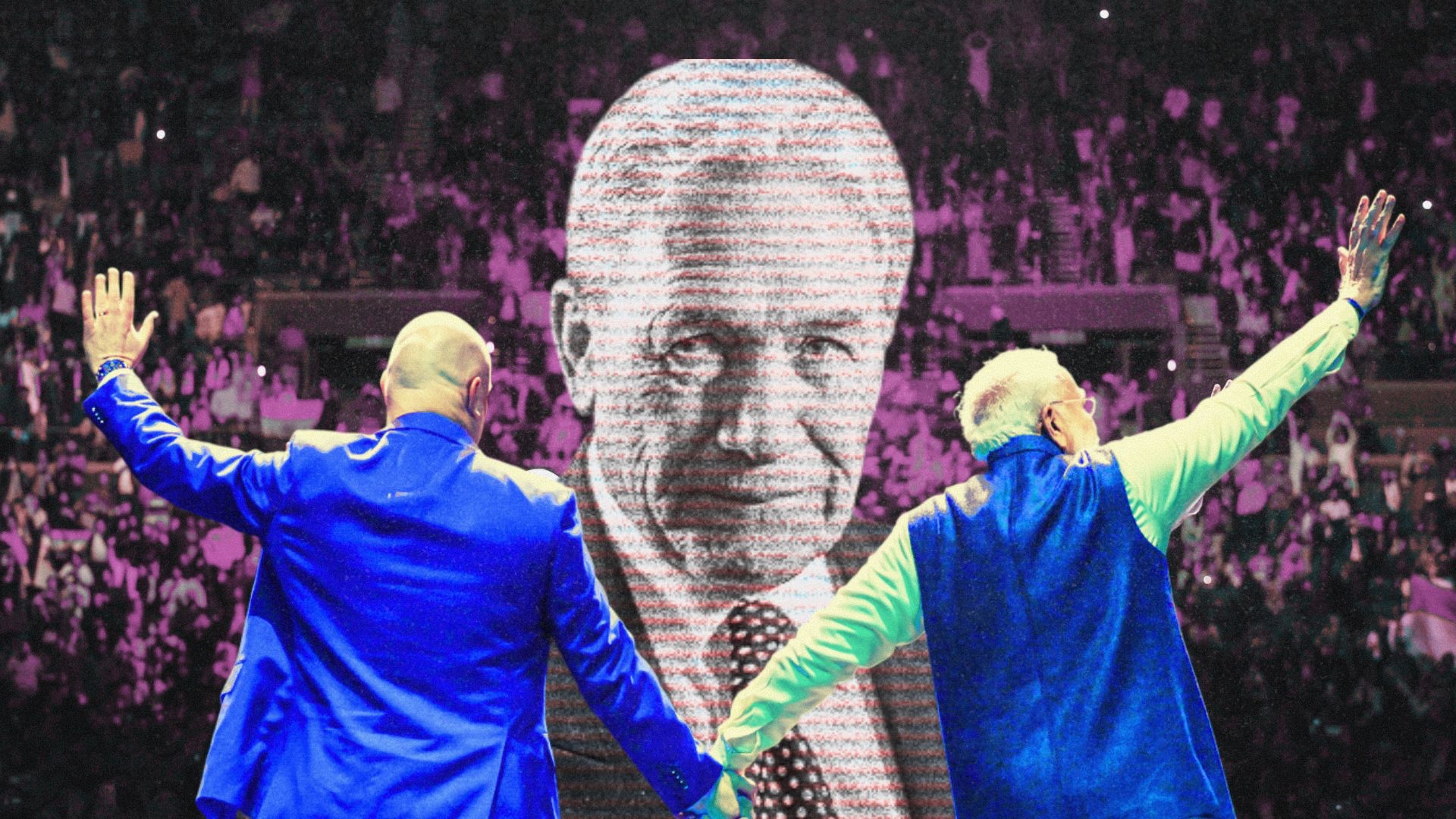
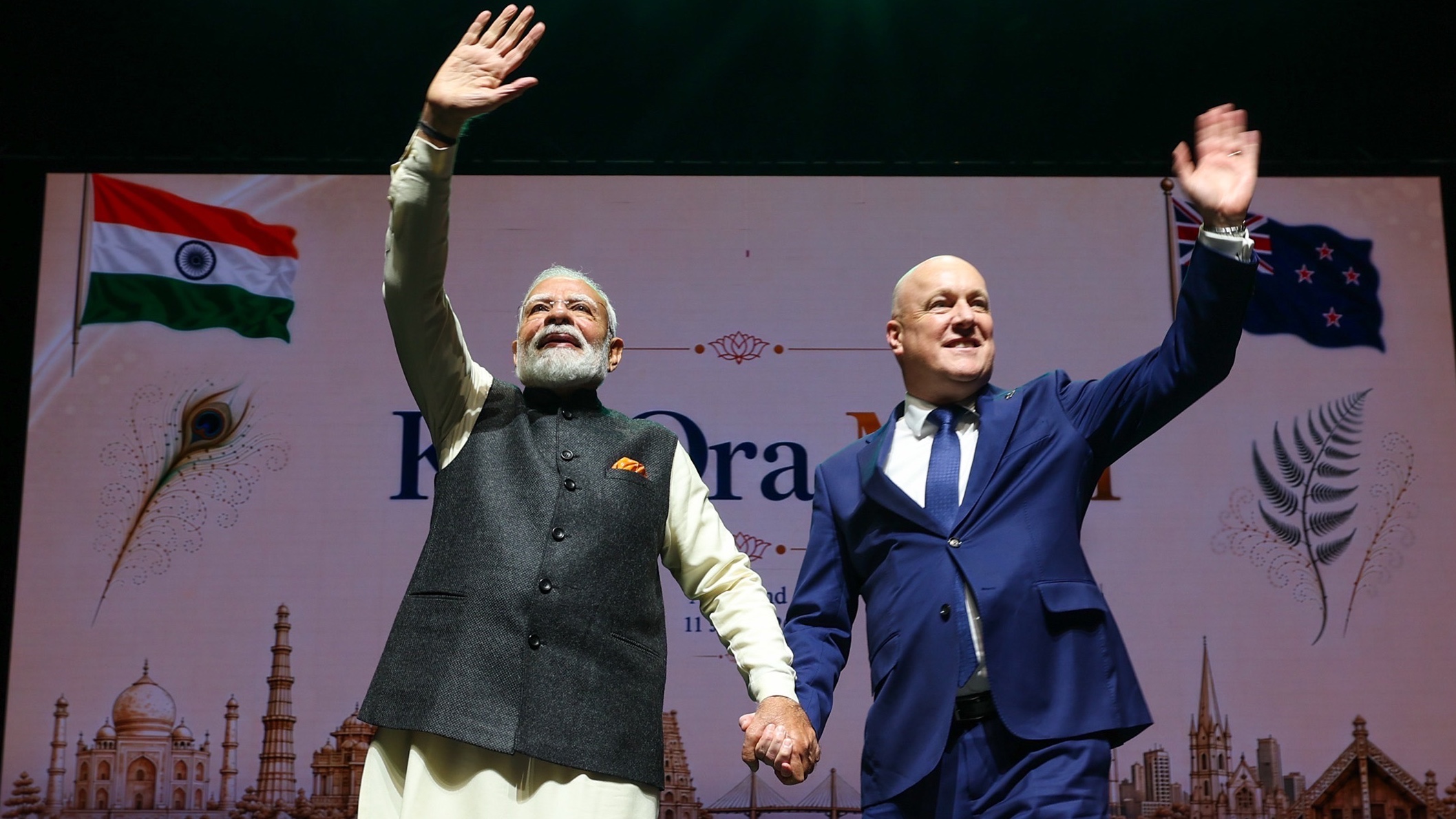
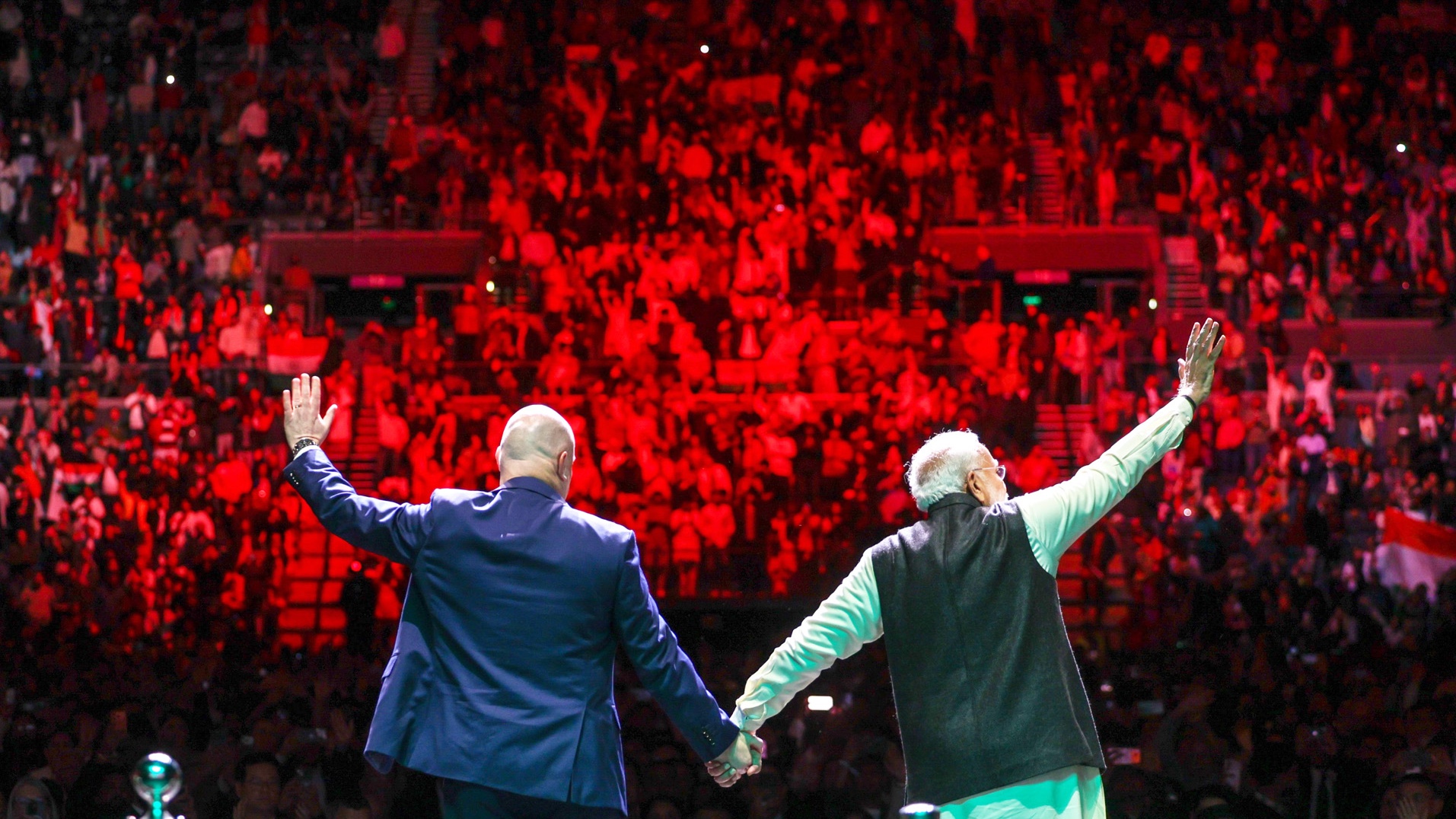
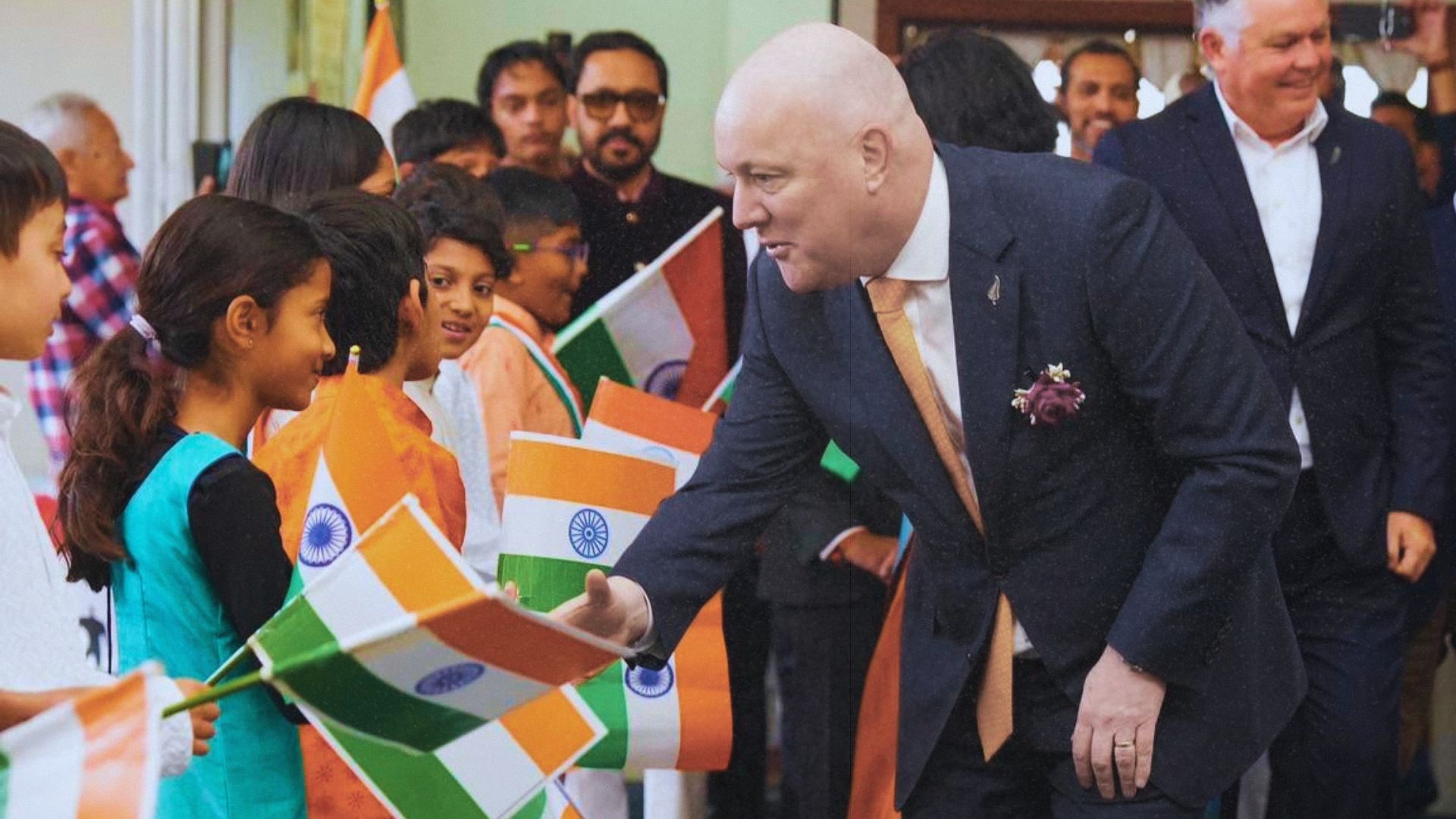
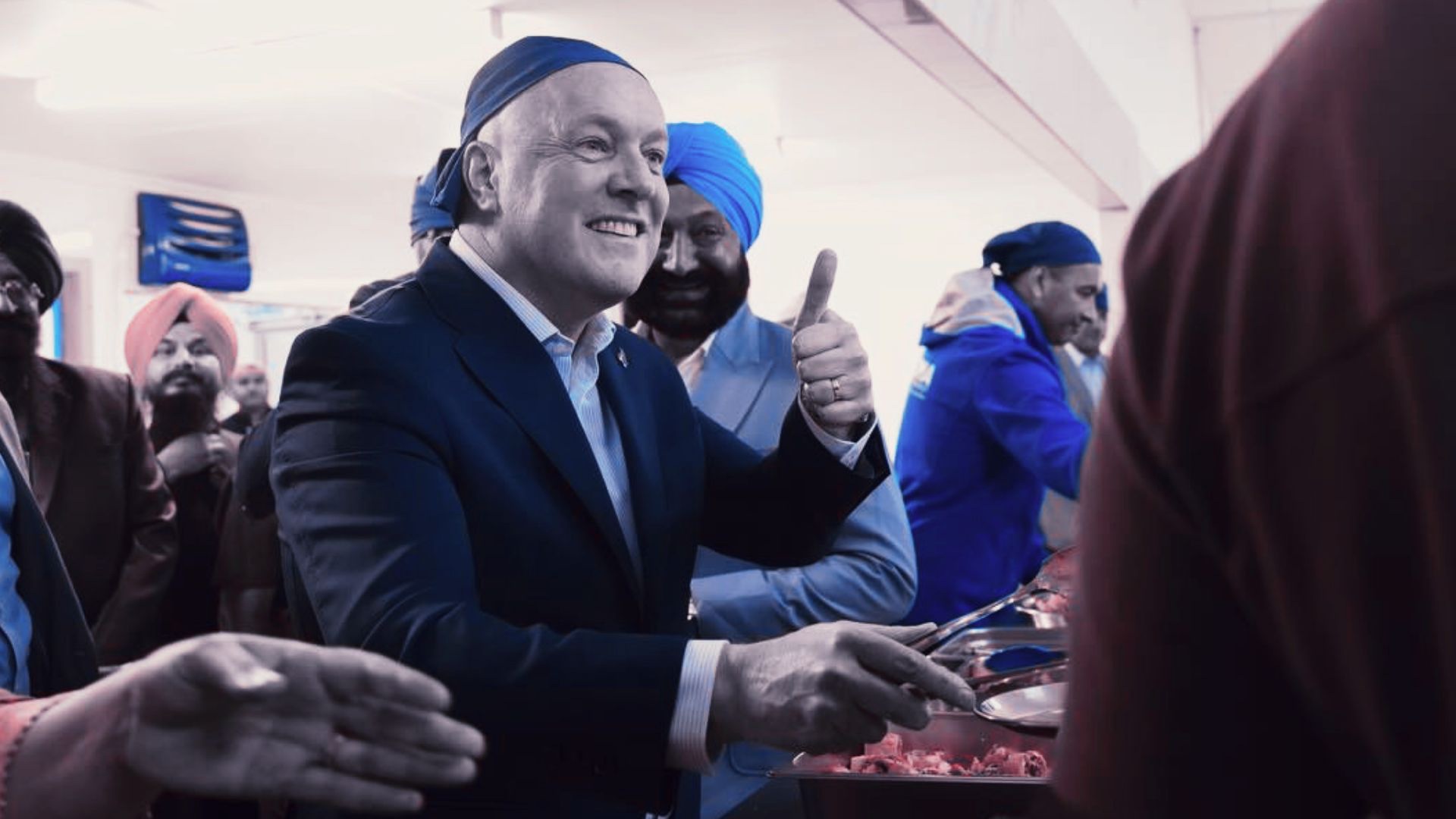
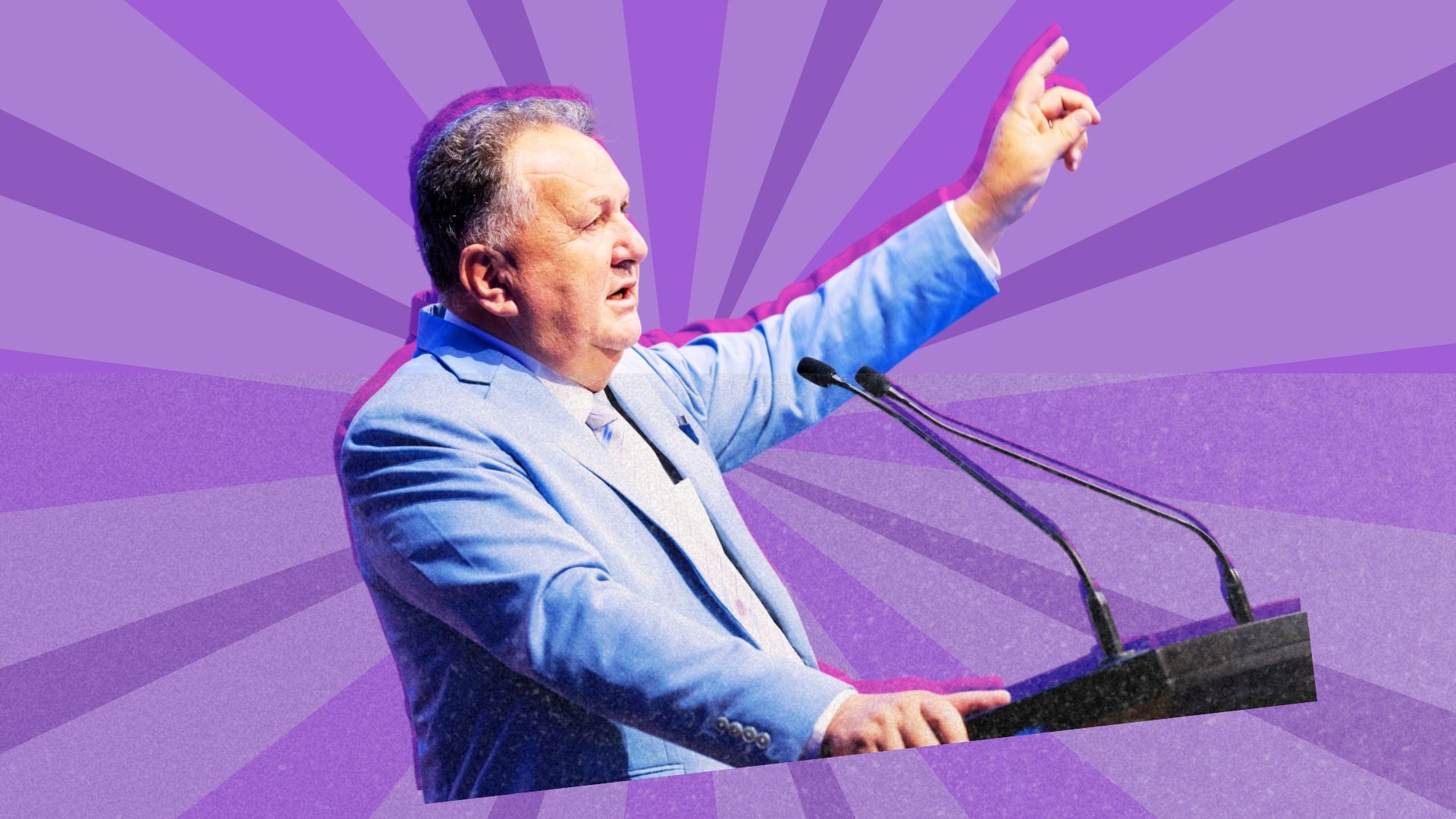
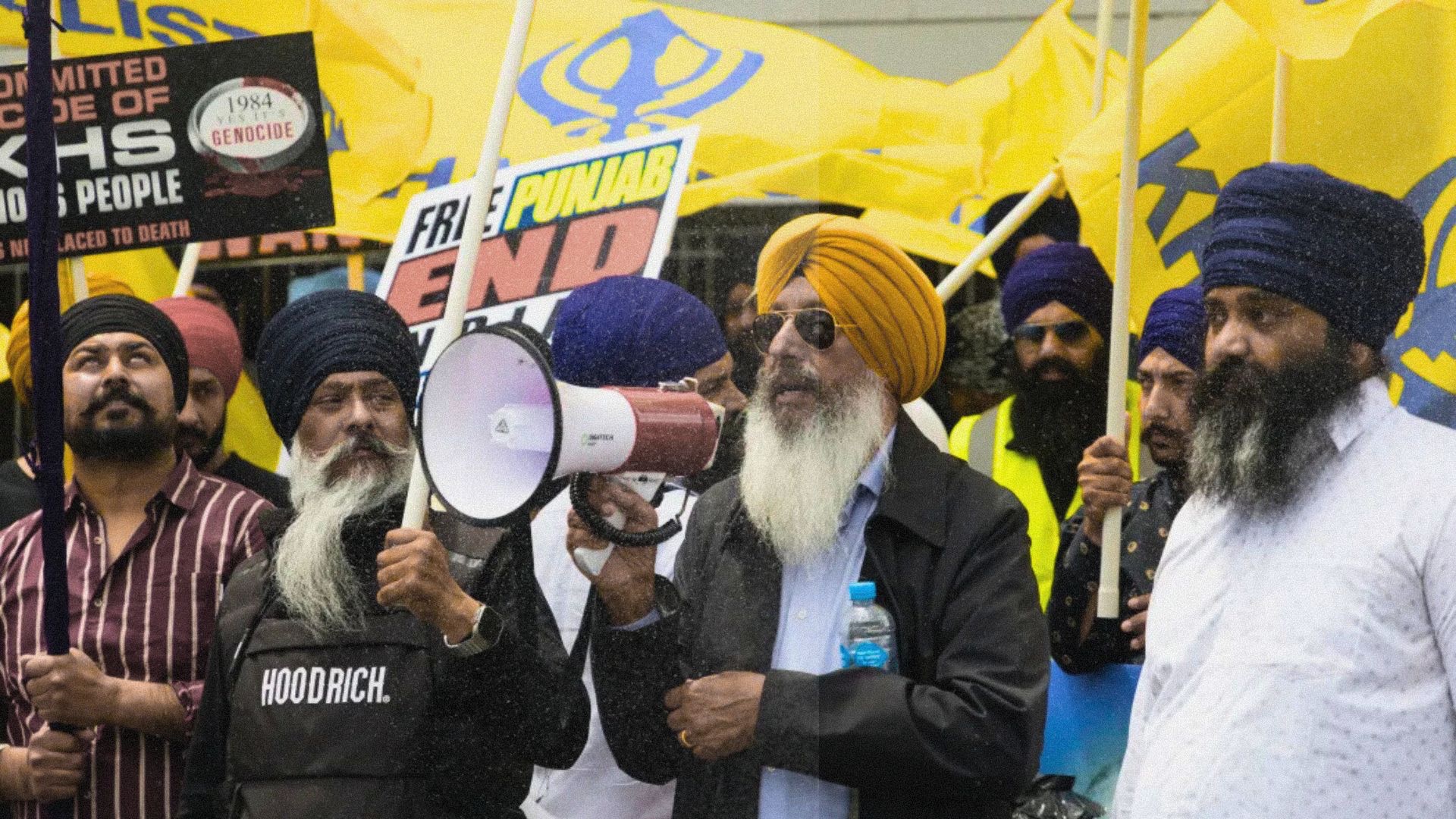
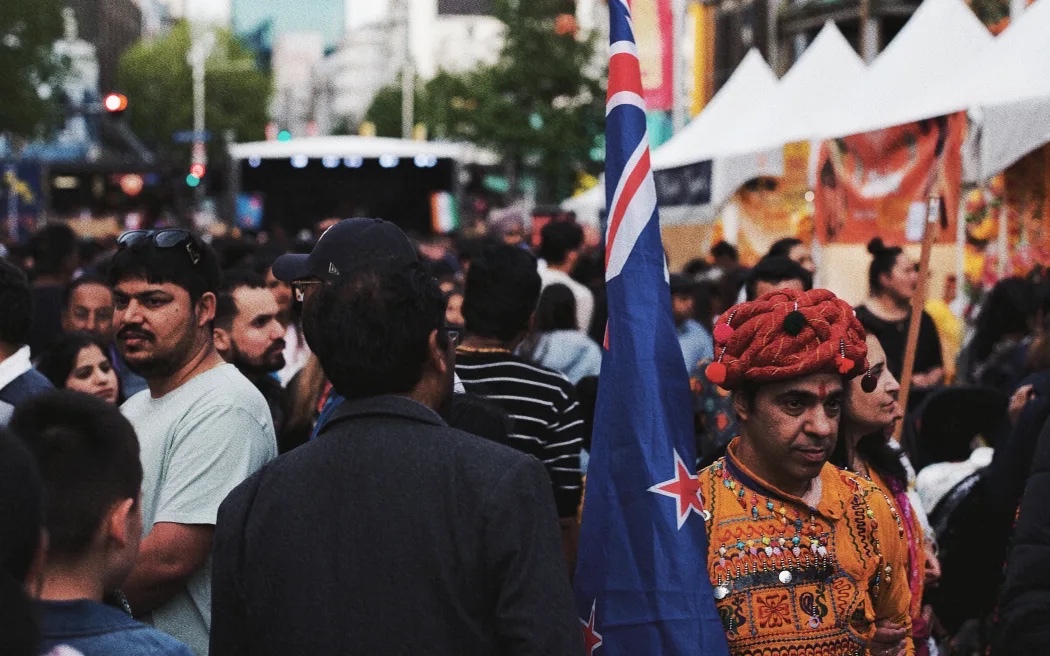
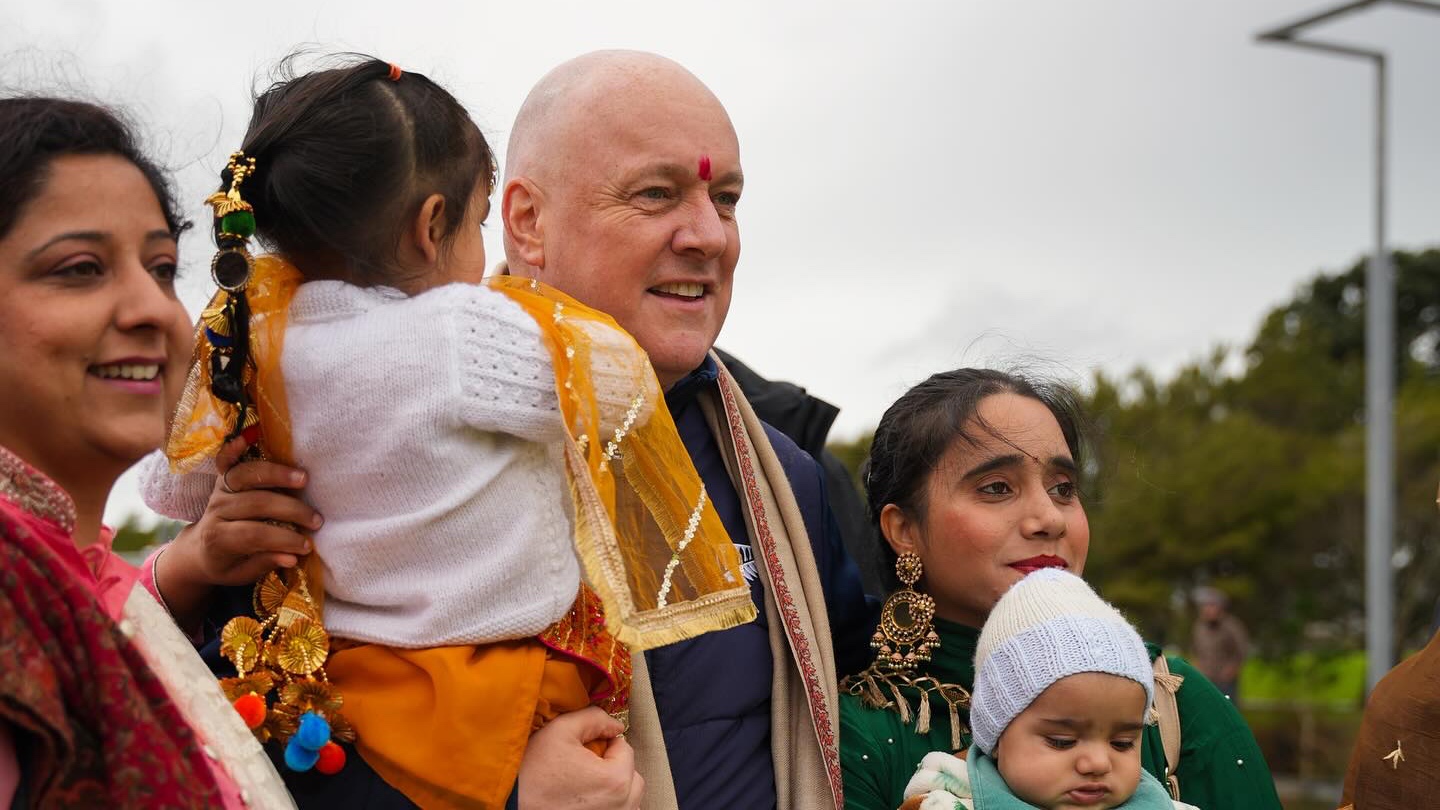
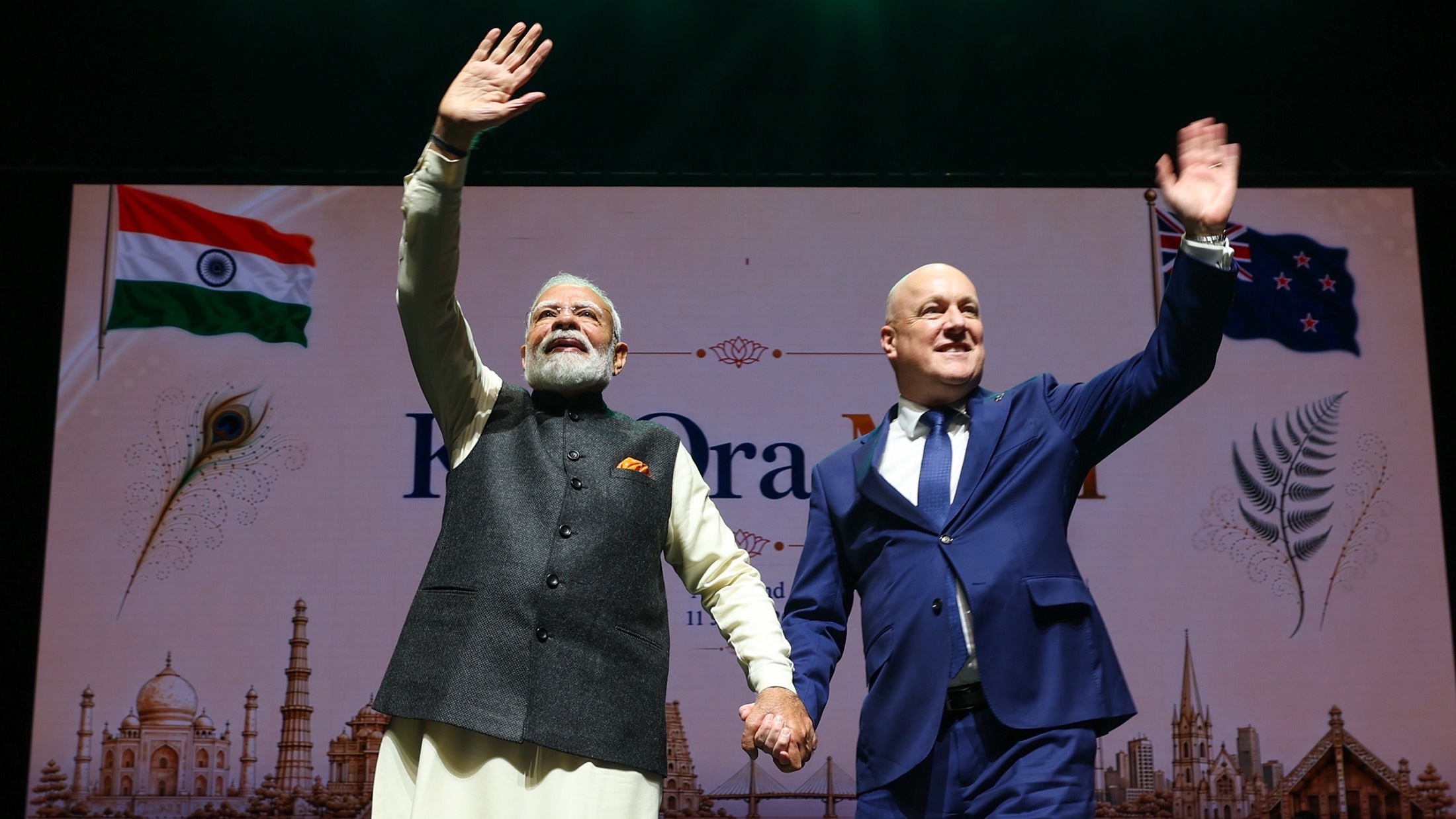
At a packed Spark Arena in Auckland, Luxon appeared before thousands of Indian New Zealanders celebrating a visit many had waited decades to witness.
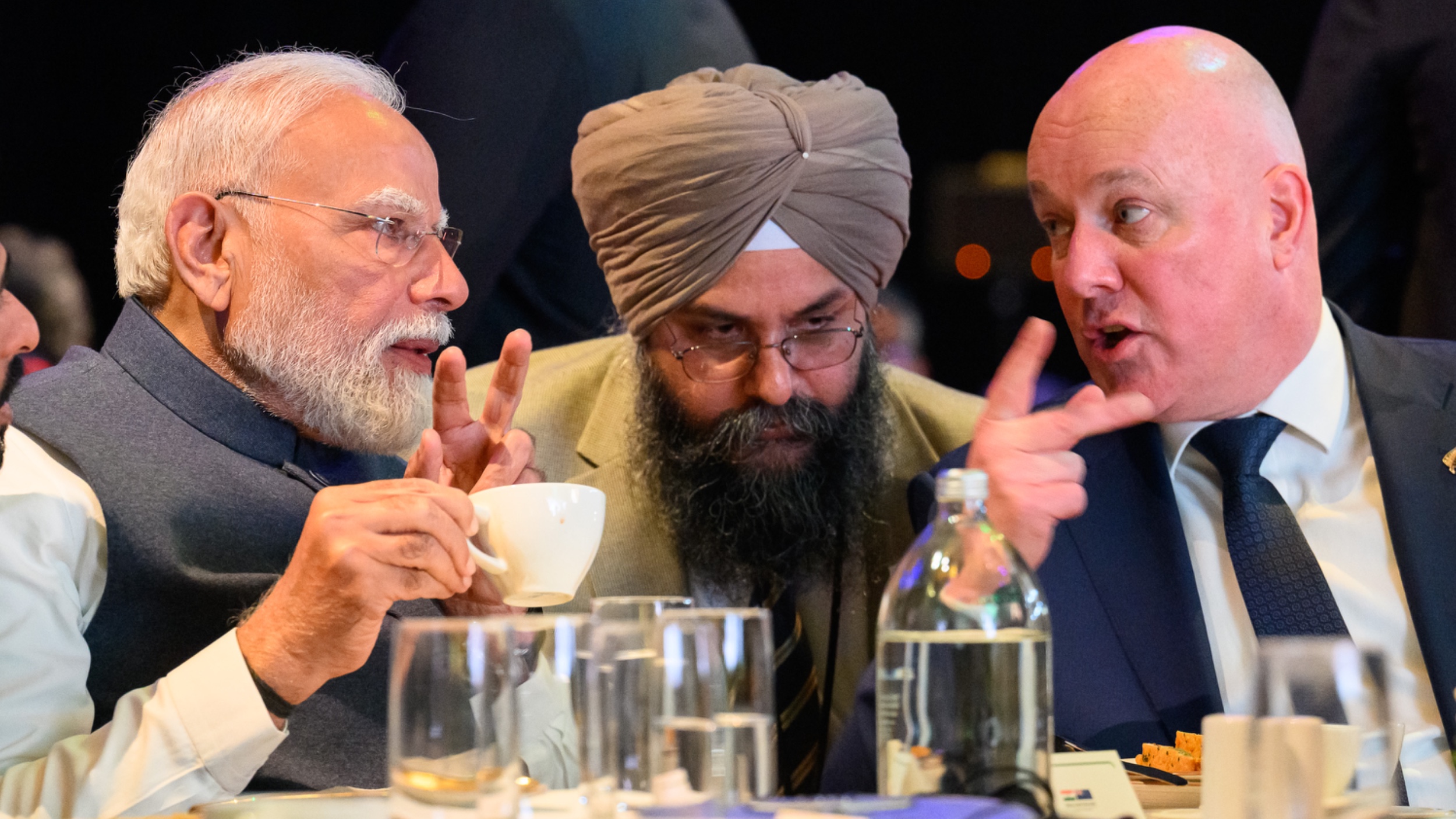
His presence there was not merely ceremonial. Luxon standing beside Modi at the diaspora gathering mattered more than critics initially acknowledged. Because such events allow political leaders to associate themselves with the energy, scale and symbolism of the Indian diaspora.
Luxon used the occasion to deliver perhaps his strongest tribute yet to Kiwi Indians, telling the audience that the community was helping hold up New Zealand and had become part of the country’s wider story.
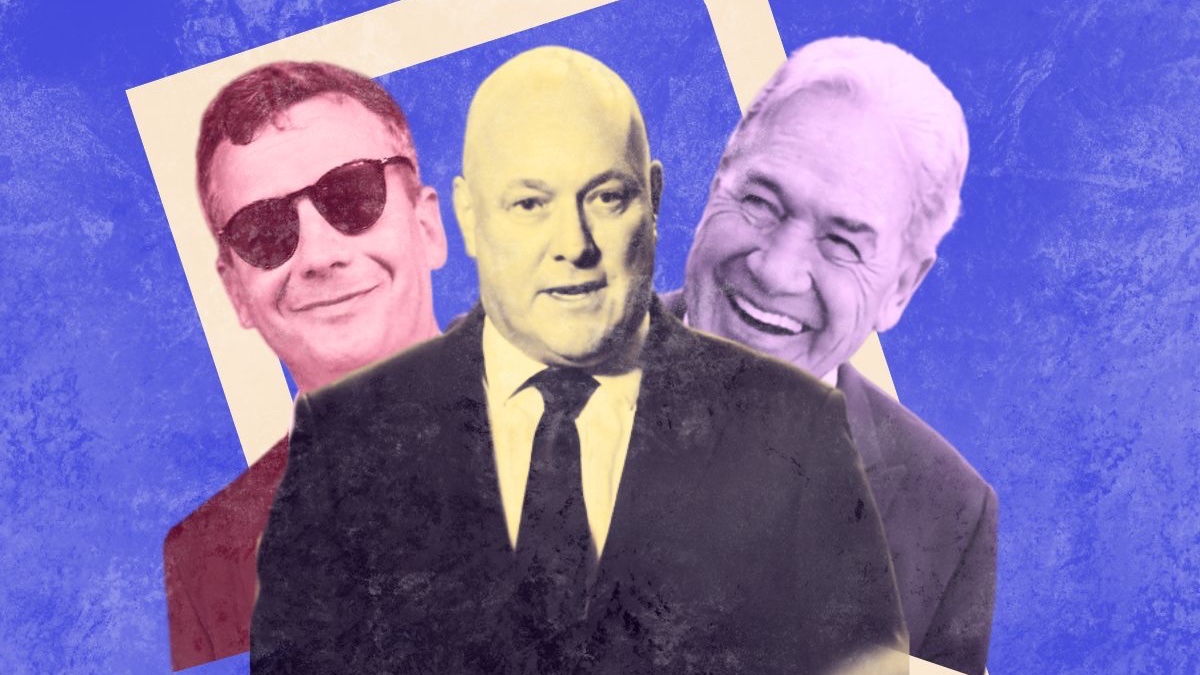
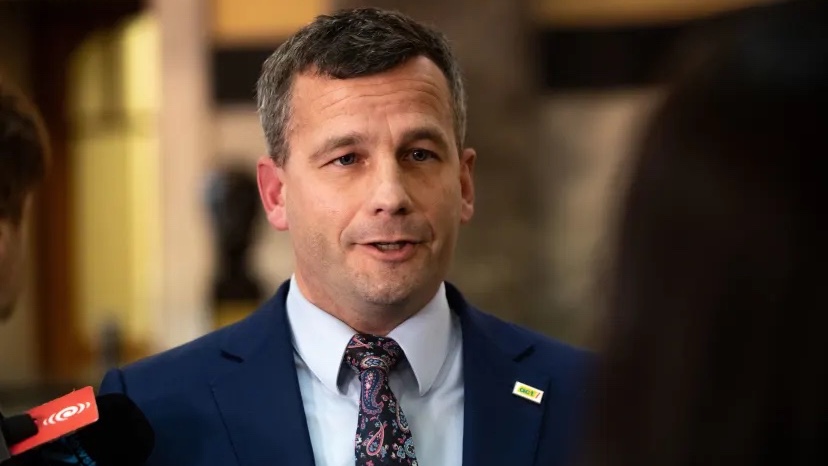
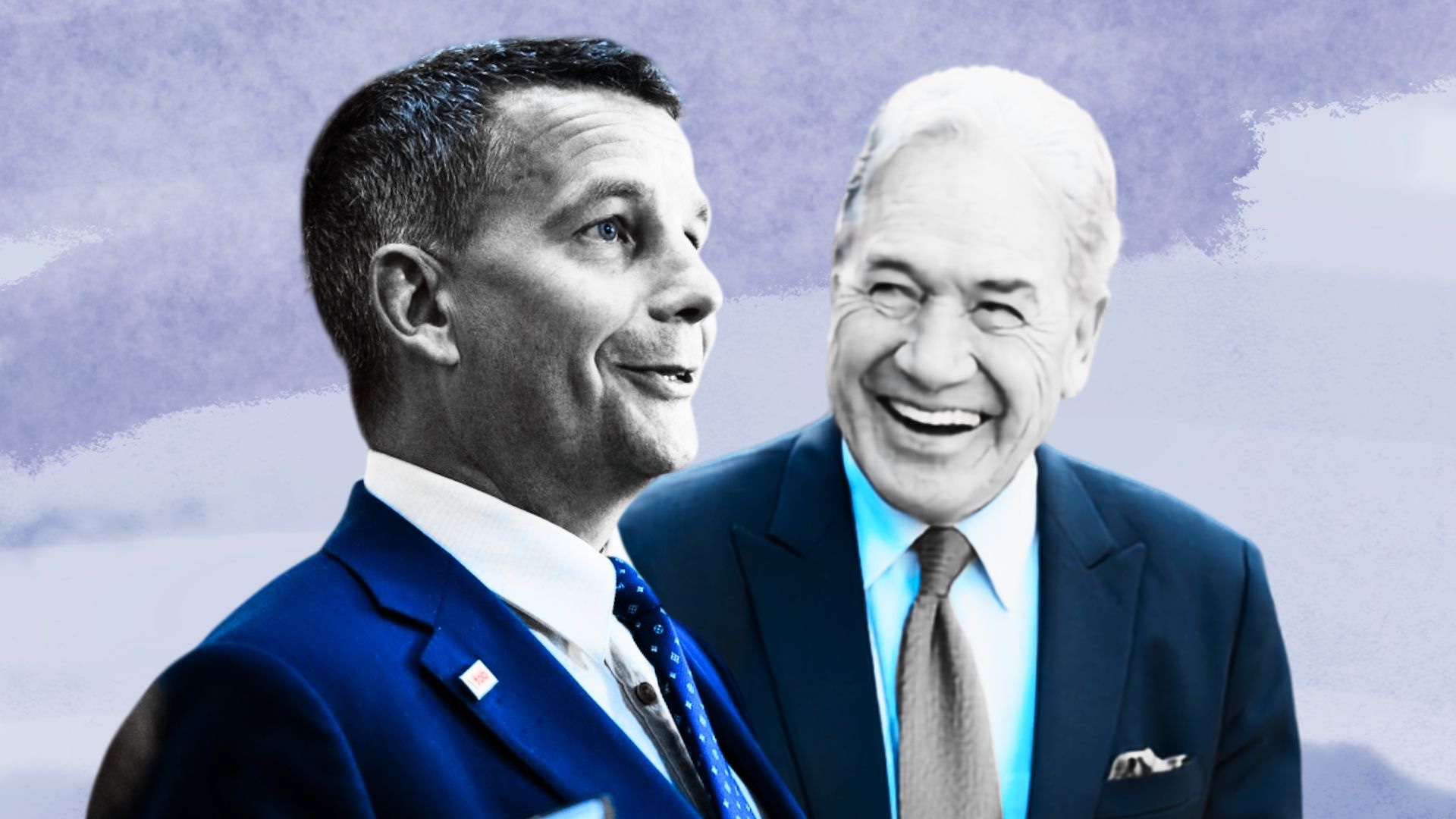
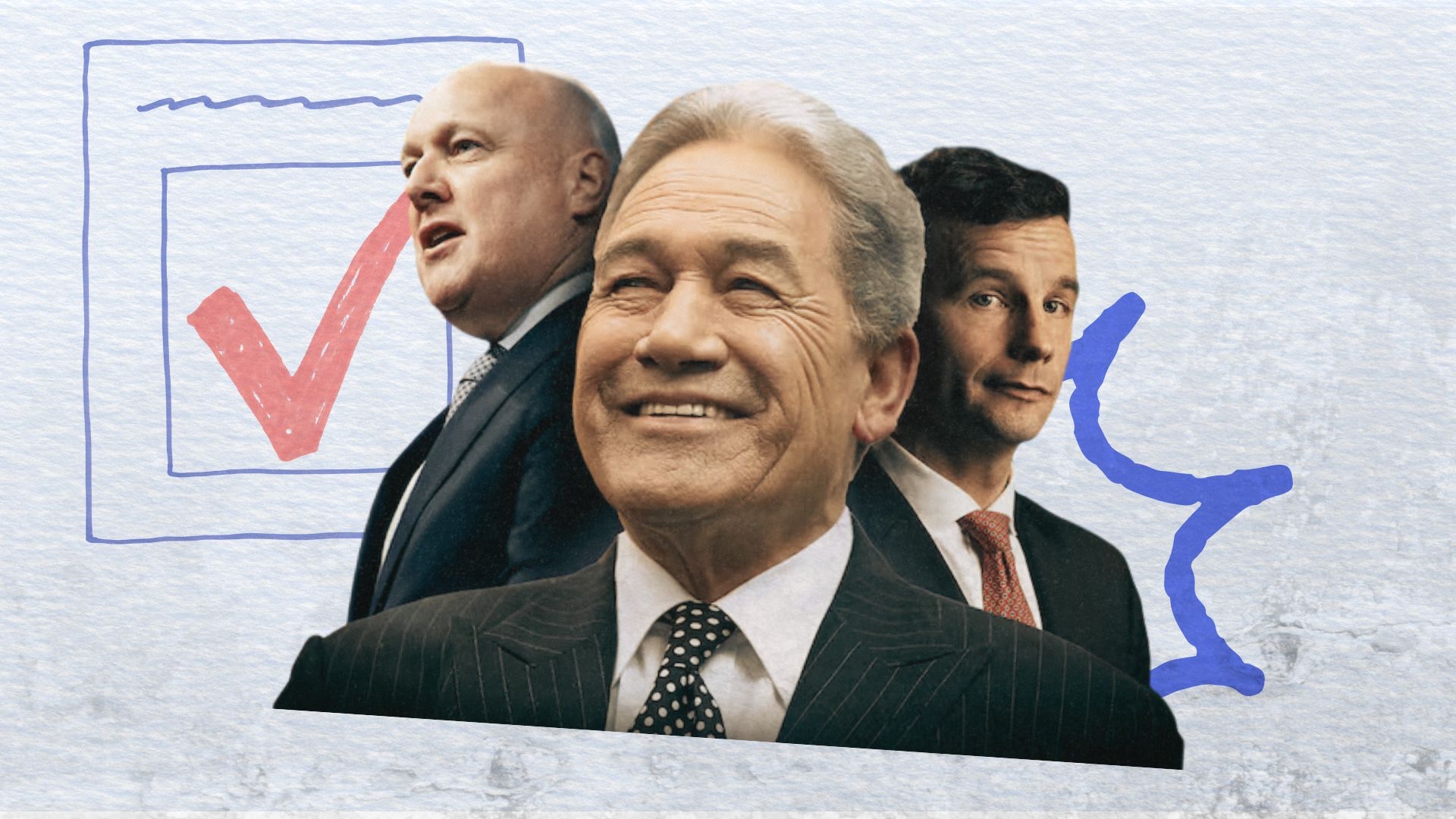
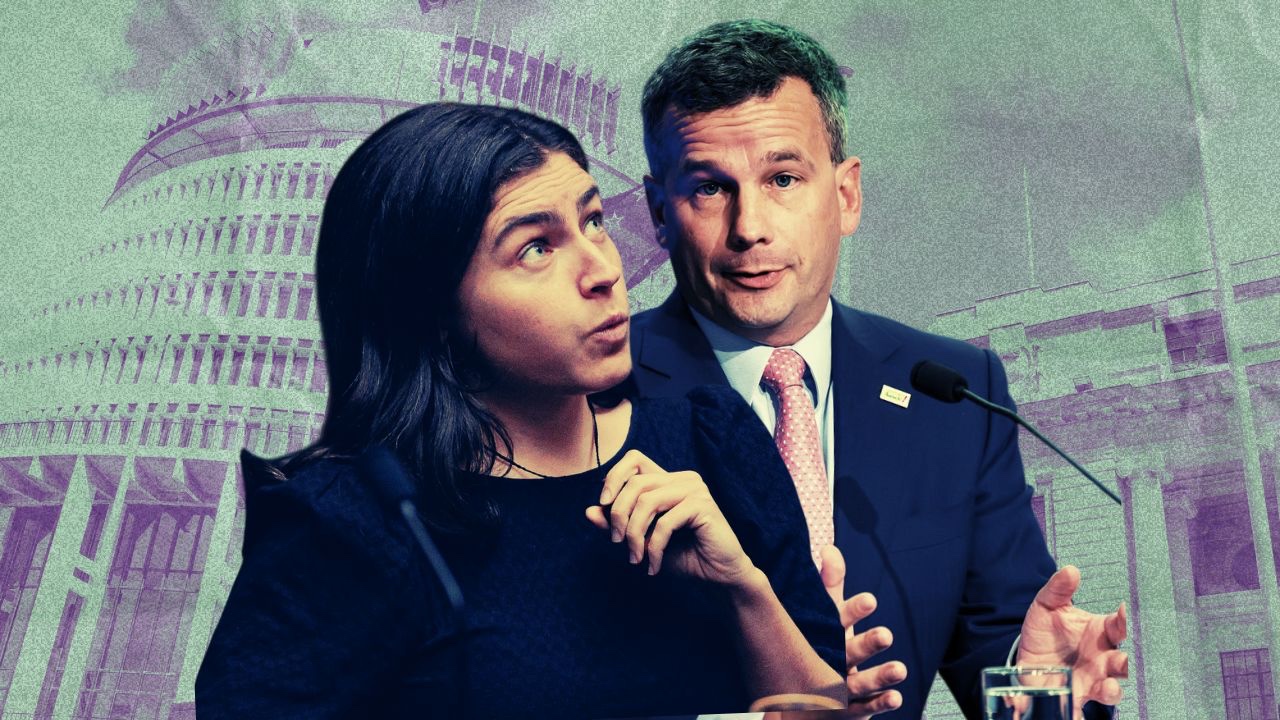
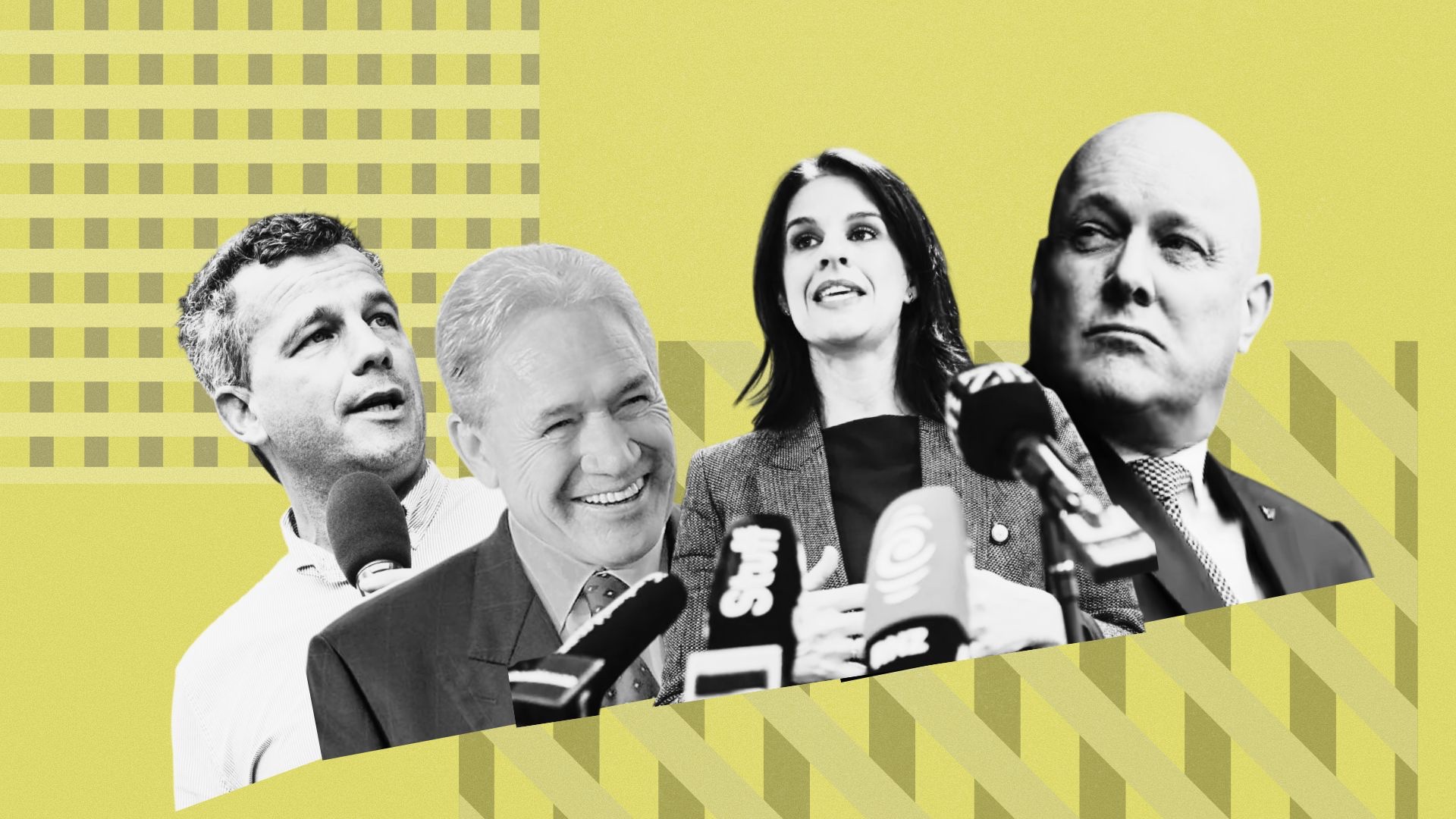
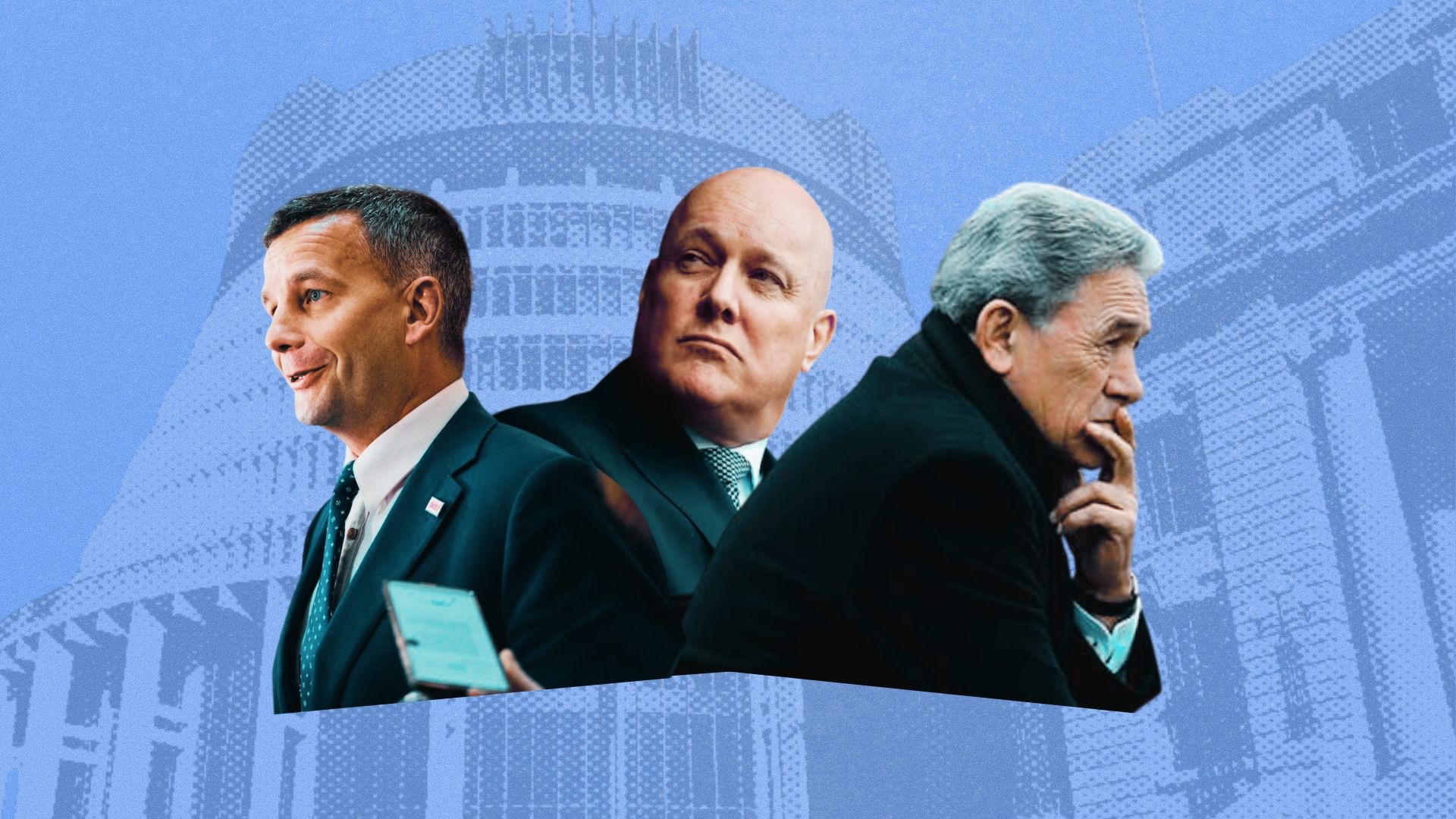
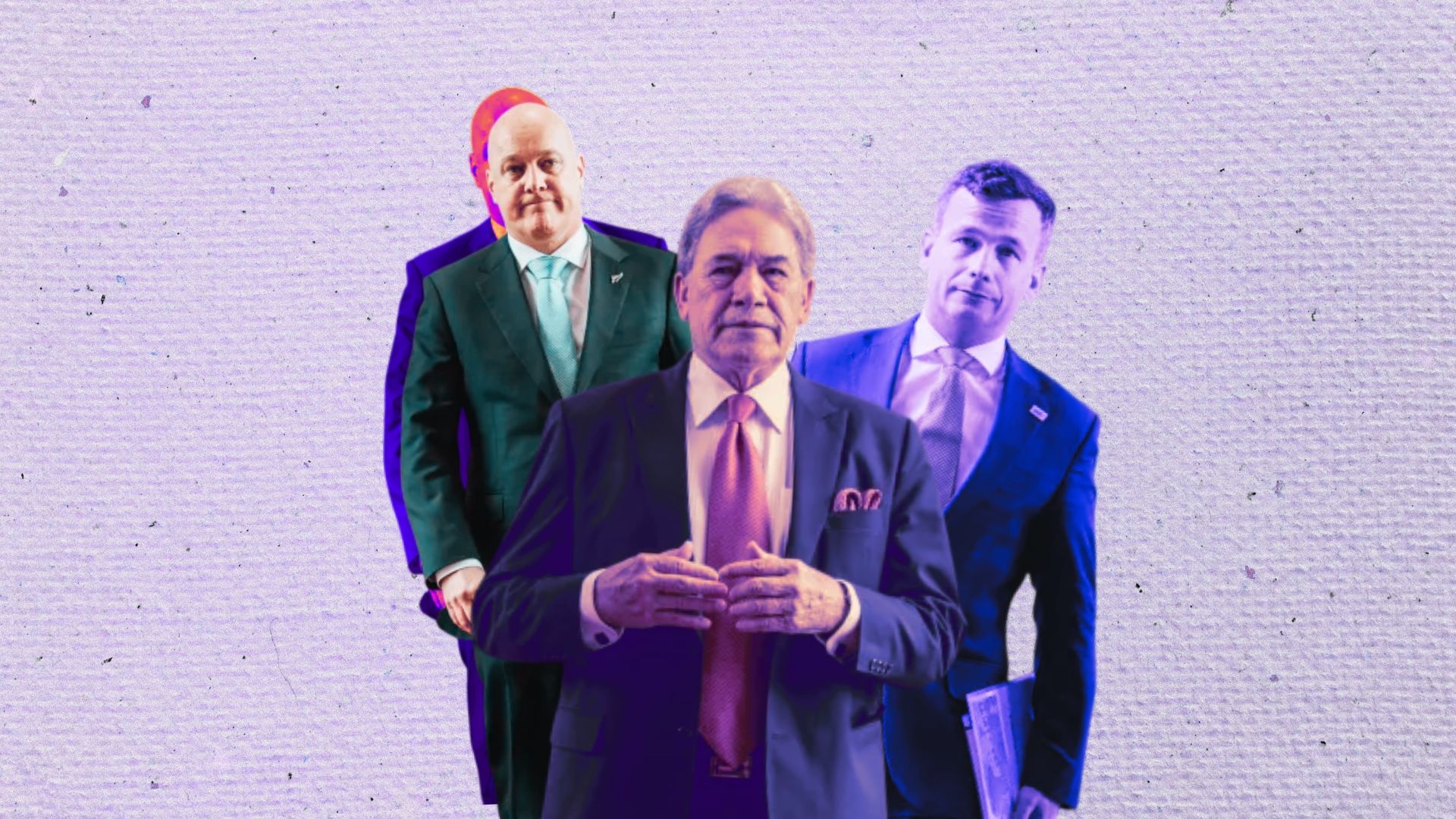
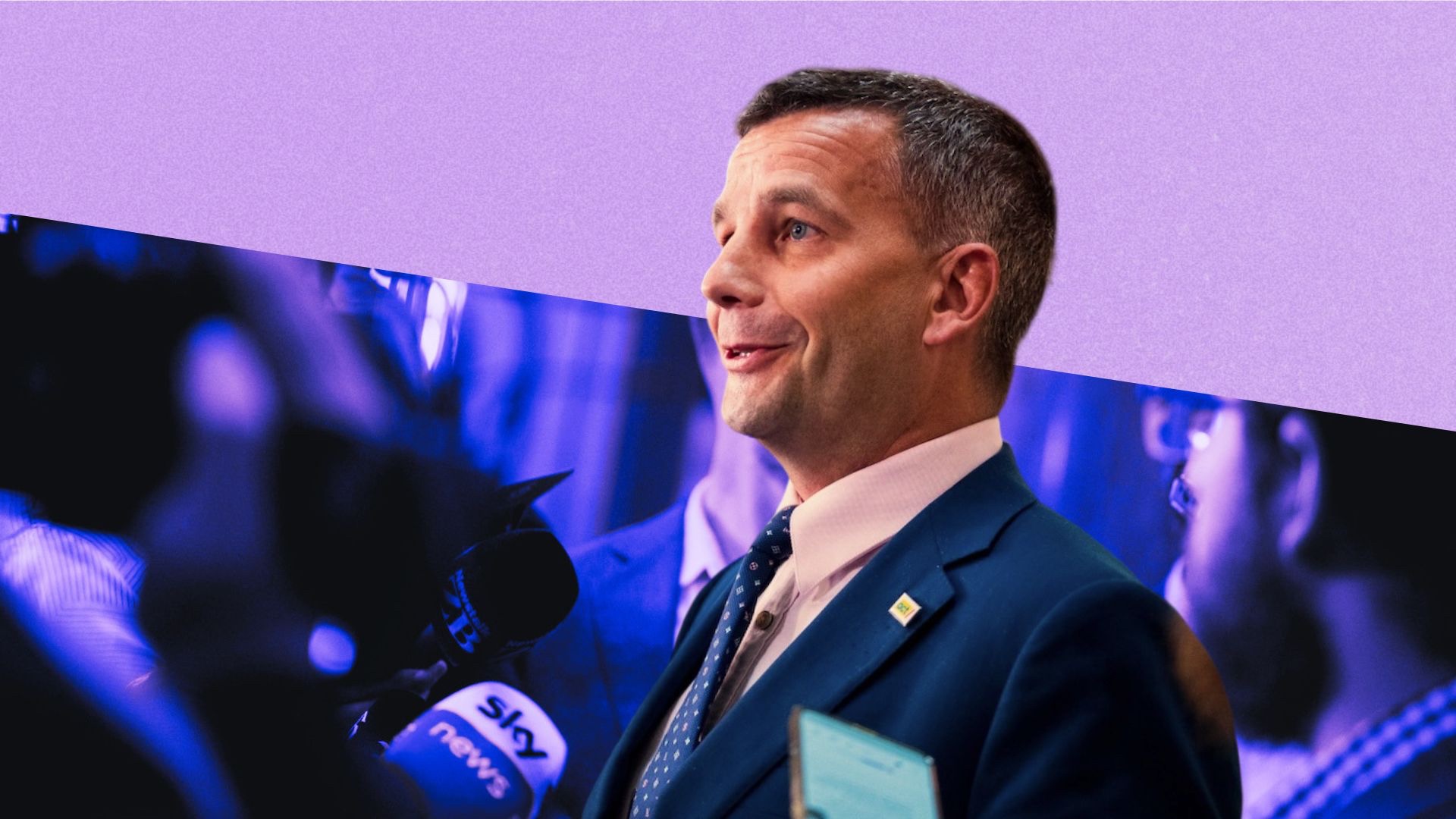
For a politician whose domestic leadership is frequently complicated by the competing personalities of Winston Peters and David Seymour, the visit allowed Luxon to occupy the centre of the political stage without being overshadowed by either coalition partner.
He was not responding to another ministerial controversy. He was not defending an unpopular decision or being asked why the economy still felt difficult for many households and businesses.
He was the host, the negotiator and New Zealand’s representative to an increasingly important international partner. Nothing else in the weeks between the two polls offers such an obvious explanation for a sharp rise in his personal standing.
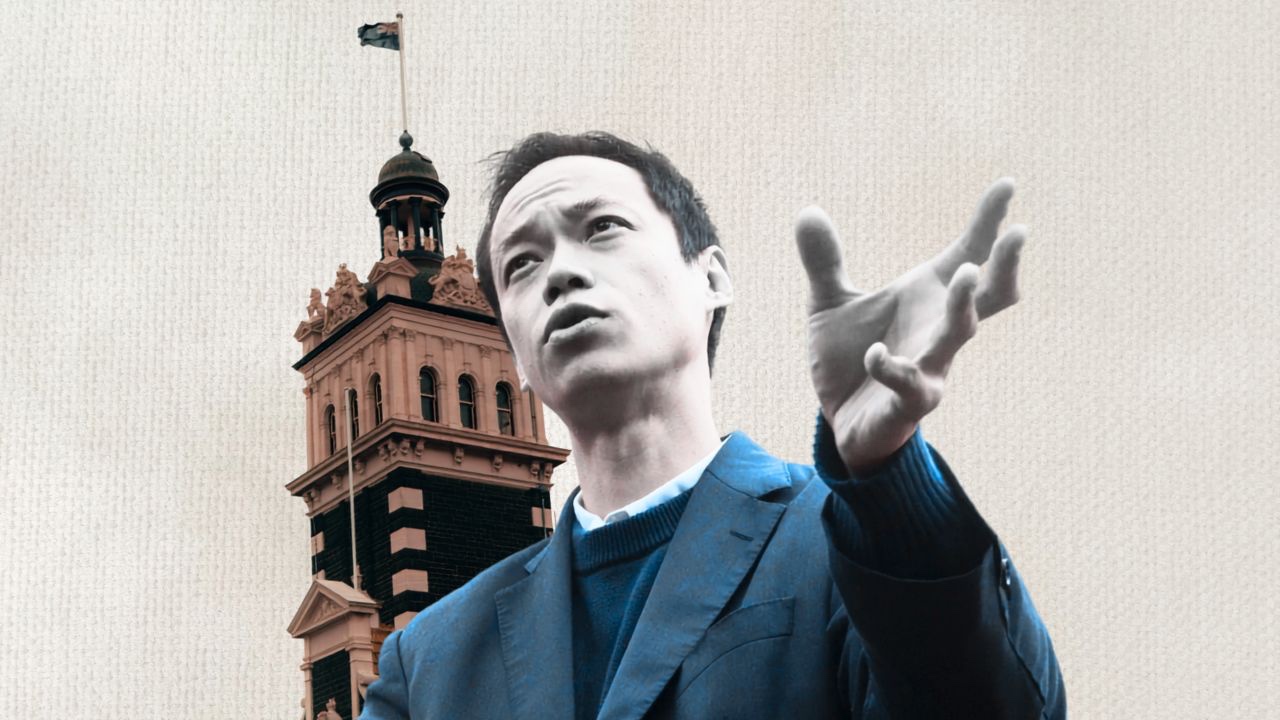
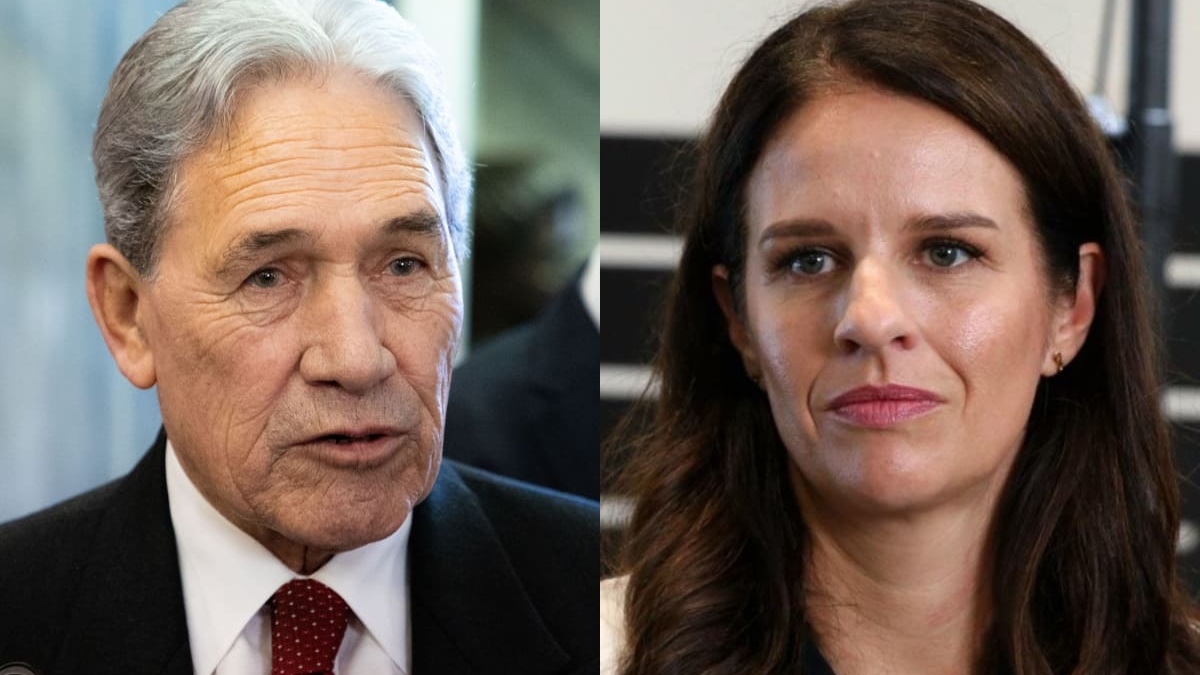
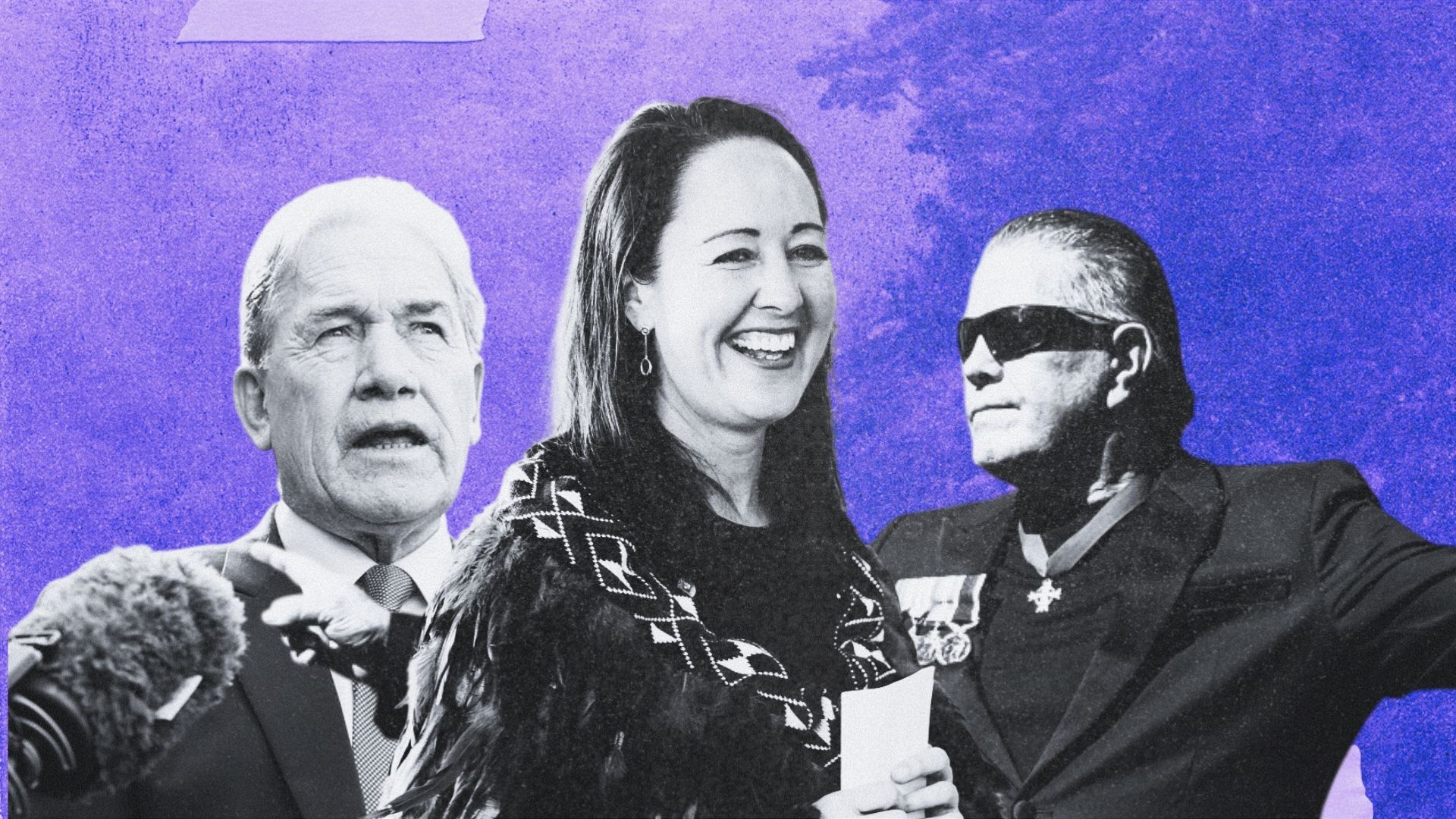
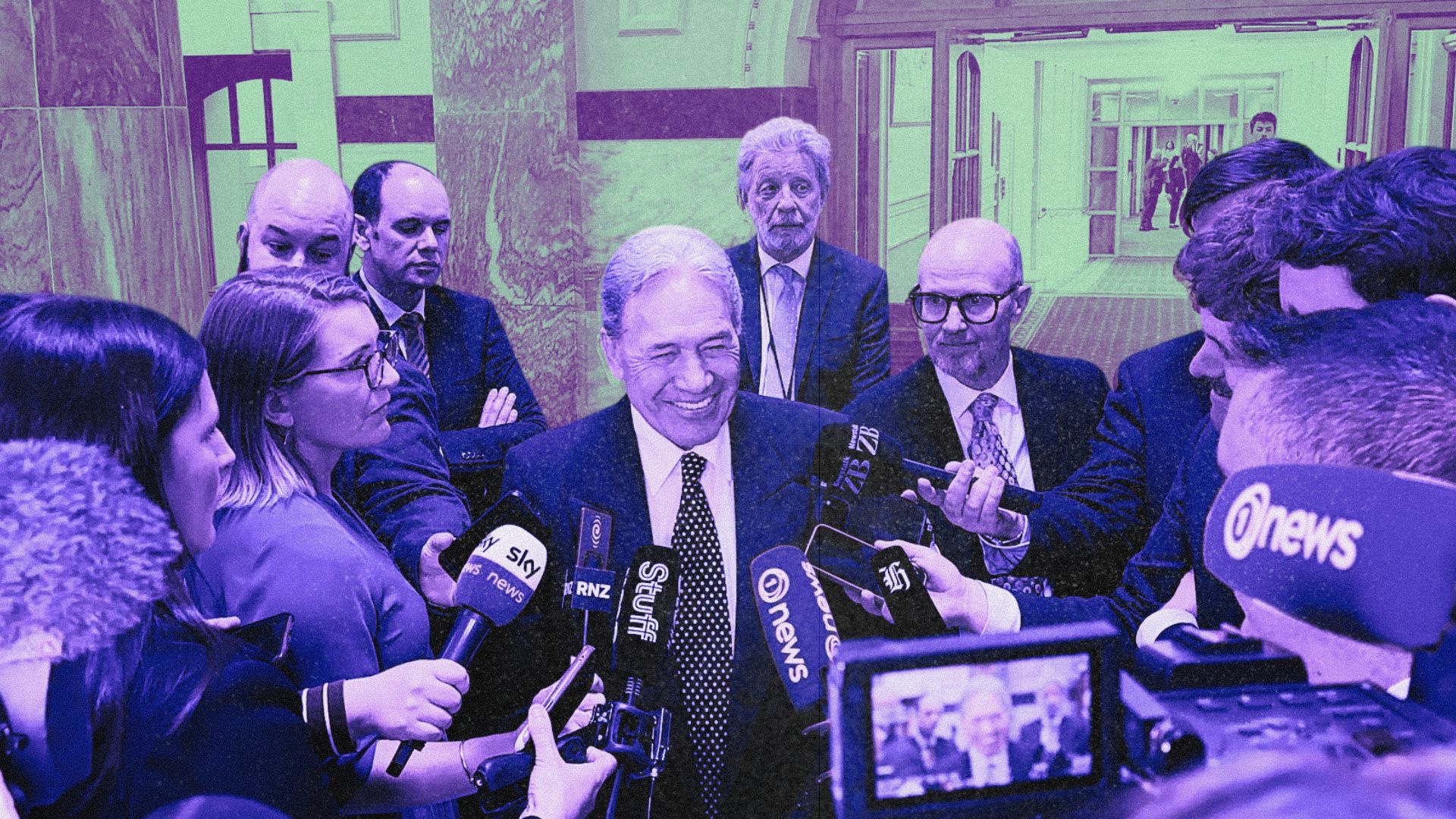
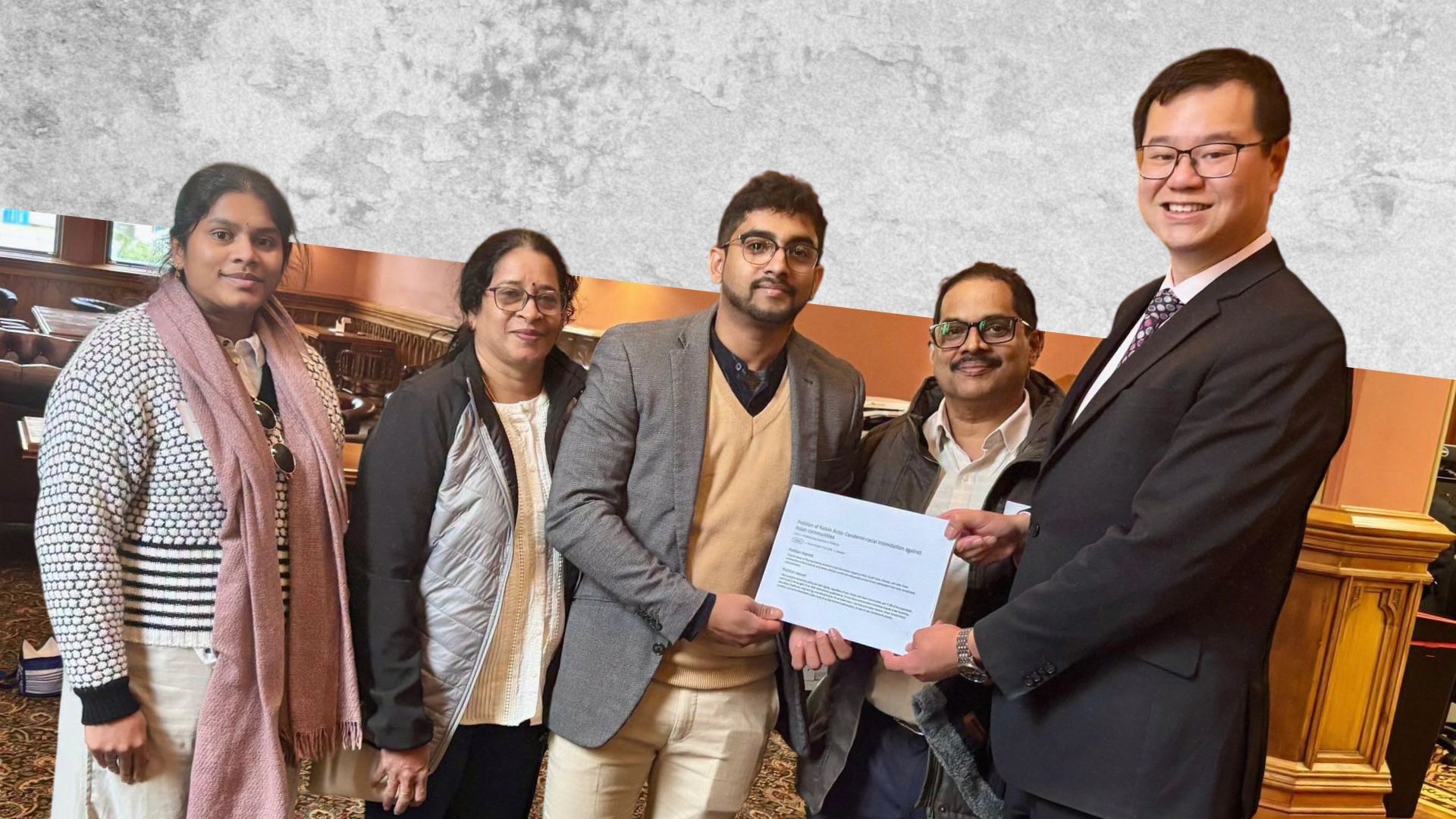
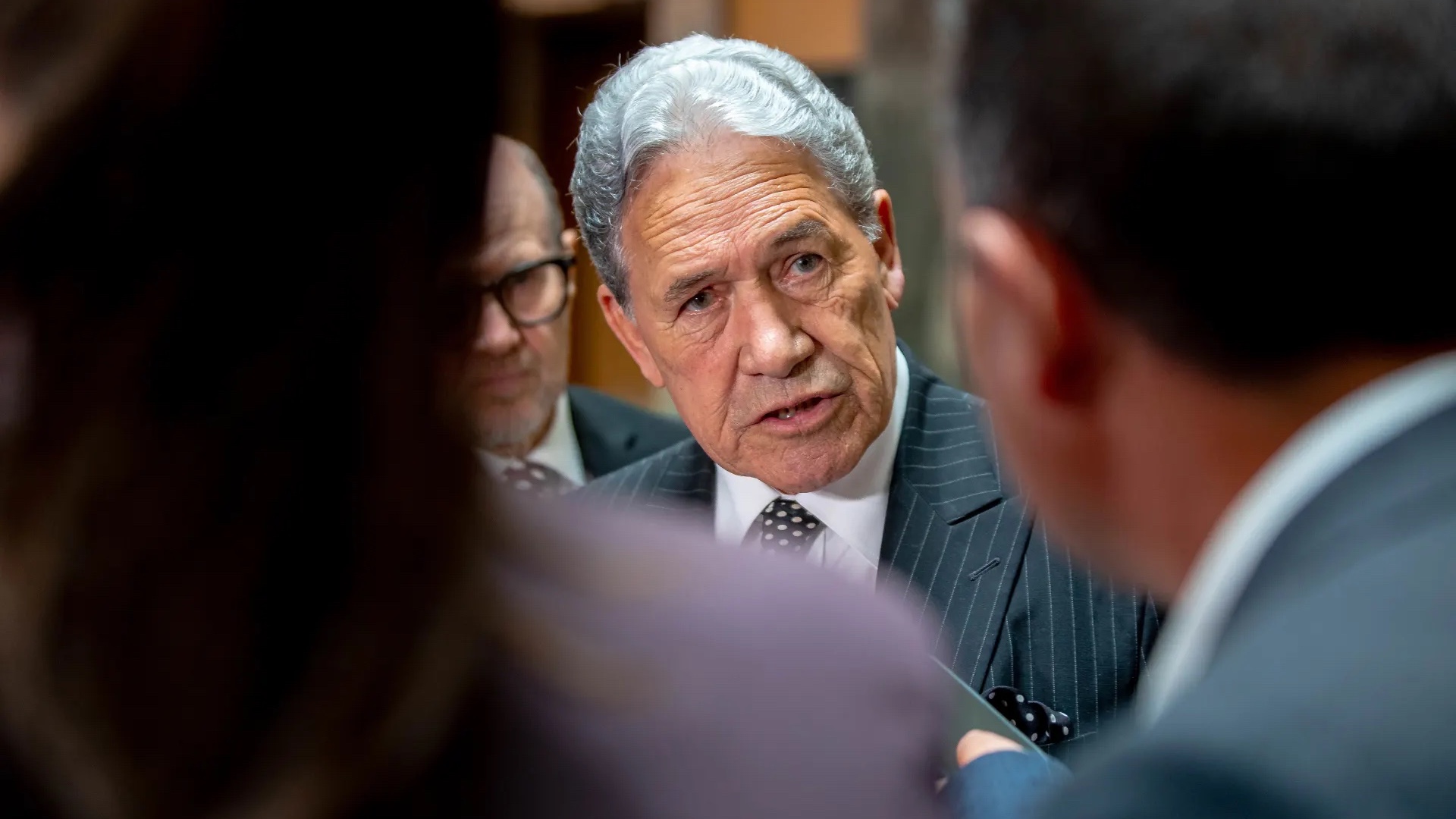
The rest of July was hardly a procession of victories. Luxon again faced questions about his authority over the coalition after Peters told Green MP Lawrence Xu-Nan to “go back to your own country”. The remark prompted widespread criticism and a diplomatic response from China.
Luxon described the comment as inappropriate, but Peters did not apologise and faced no meaningful consequence. The prime minister later responded by asking voters to strengthen National’s hand, rather than demonstrating that he could restrain Peters within the existing government.
Once again, Luxon appeared capable of expressing displeasure at his foreign minister’s conduct but unable or unwilling to enforce discipline.
Luxon also apologised after dismissing a business leader’s account of worsening conditions as a “negative view” and accusing some businesses of adopting a “parent-child mentality” towards the government.
Neither episode offered an obvious basis for a surge in popularity. Nor did the economic backdrop suddenly turn in Luxon’s favour. The latest Taxpayers’ Union–Curia poll projects National to retain power by only the narrowest of margins.
Against that record, Modi’s visit looks less like one positive event among many and more like the conspicuous exception. It gave Luxon sustained national visibility in a role that elevated him above the daily disorder of coalition politics.
Visits by major foreign leaders allow prime ministers to project authority in a way domestic politics often does not. Ceremony, international attention and substantial diplomatic announcements can make the officeholder appear larger than the political disputes surrounding them.
Modi brought all of that in abundance.