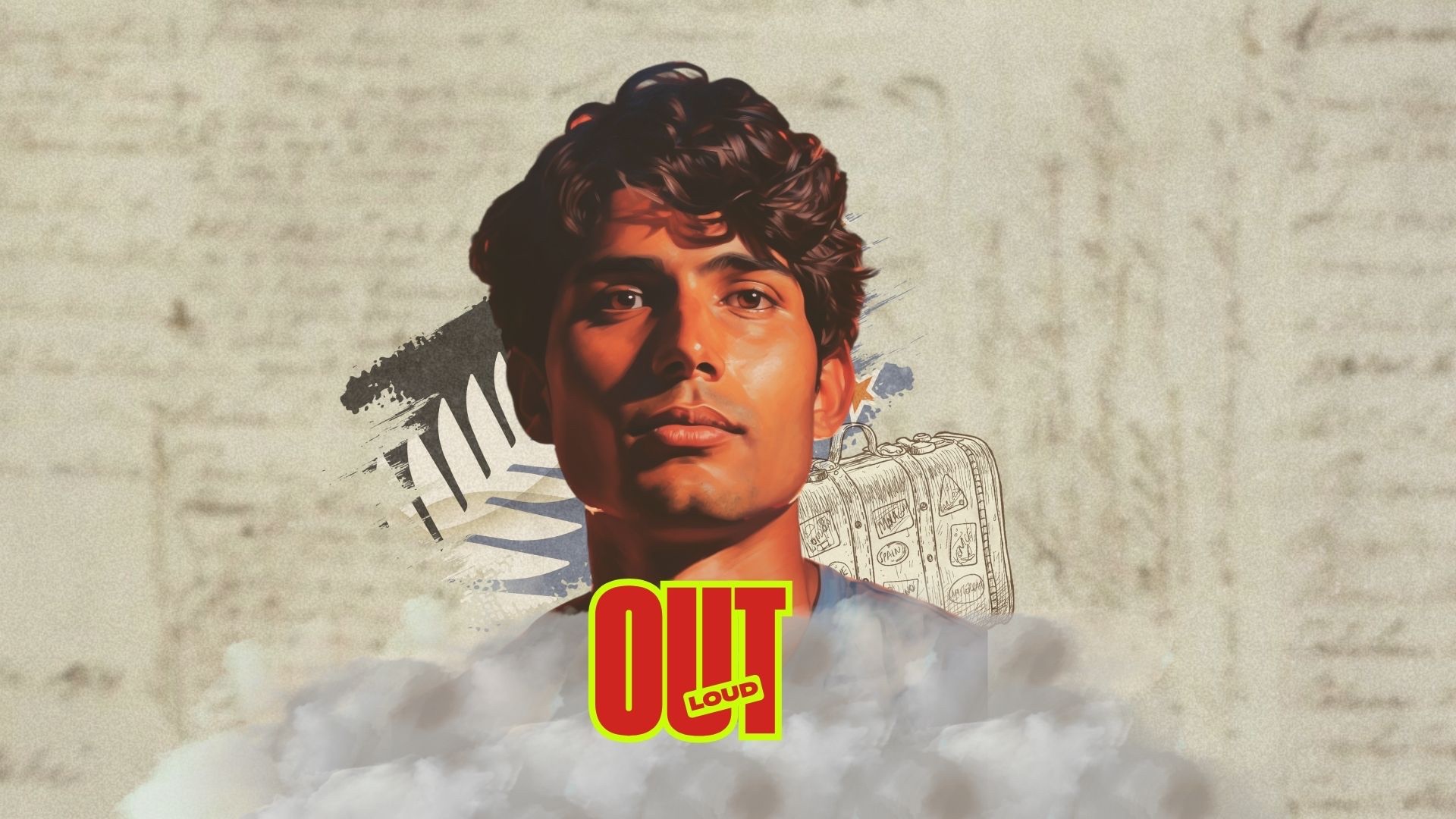

What does an Indian-origin MP owe Kiwi Indians? Priyanca Radhakrishnan on identity, belonging
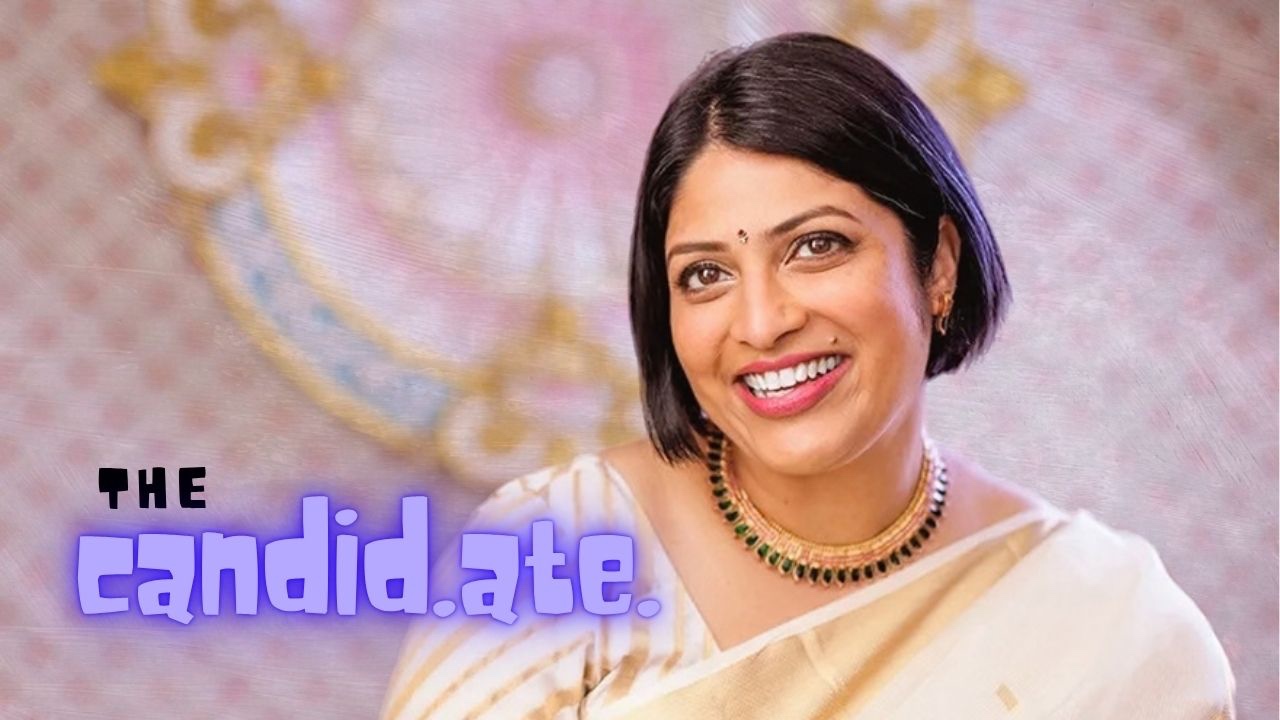
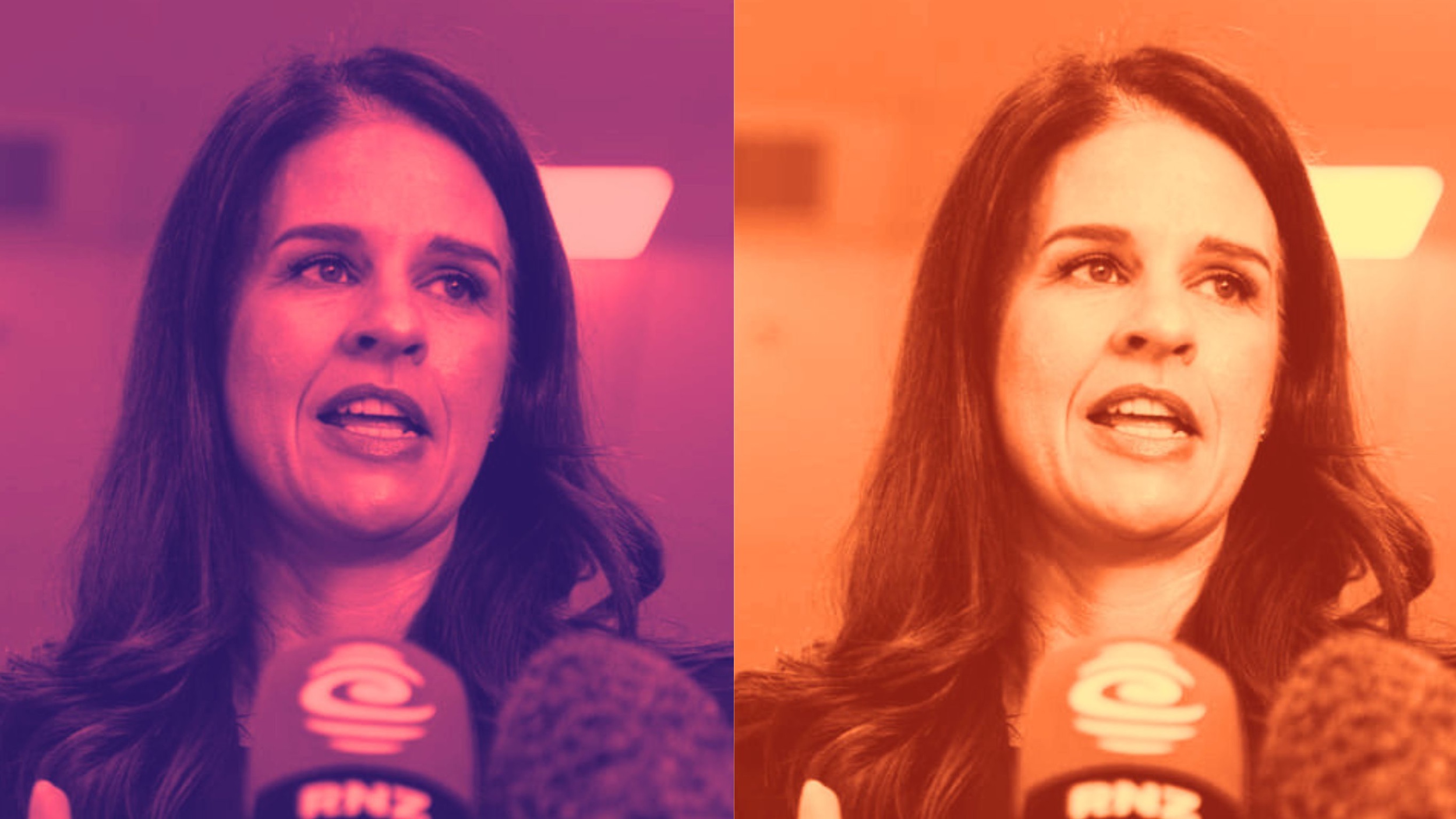
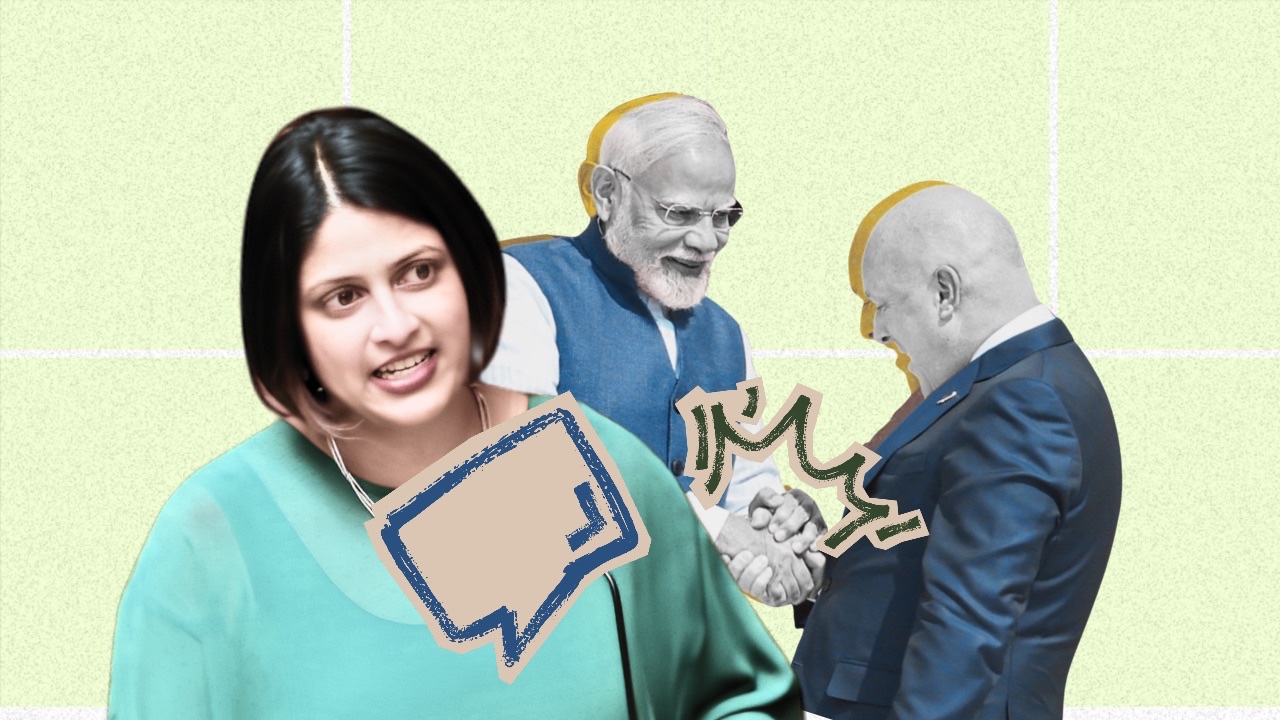
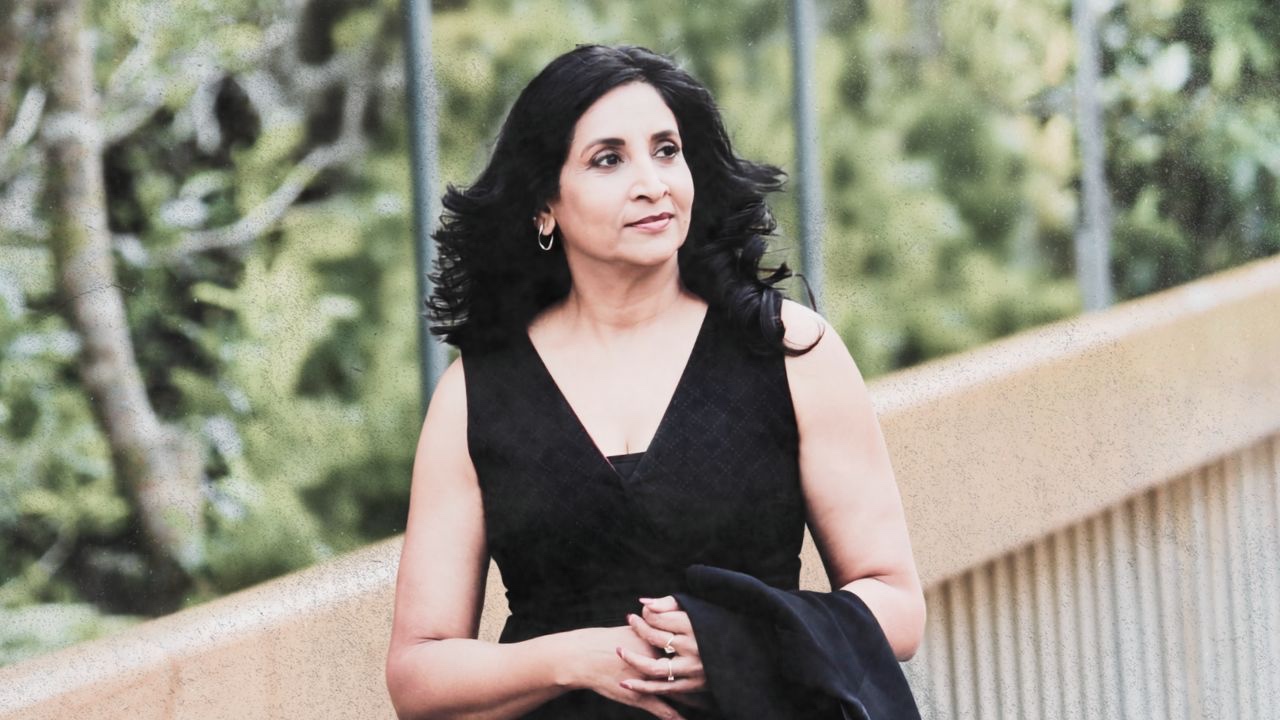
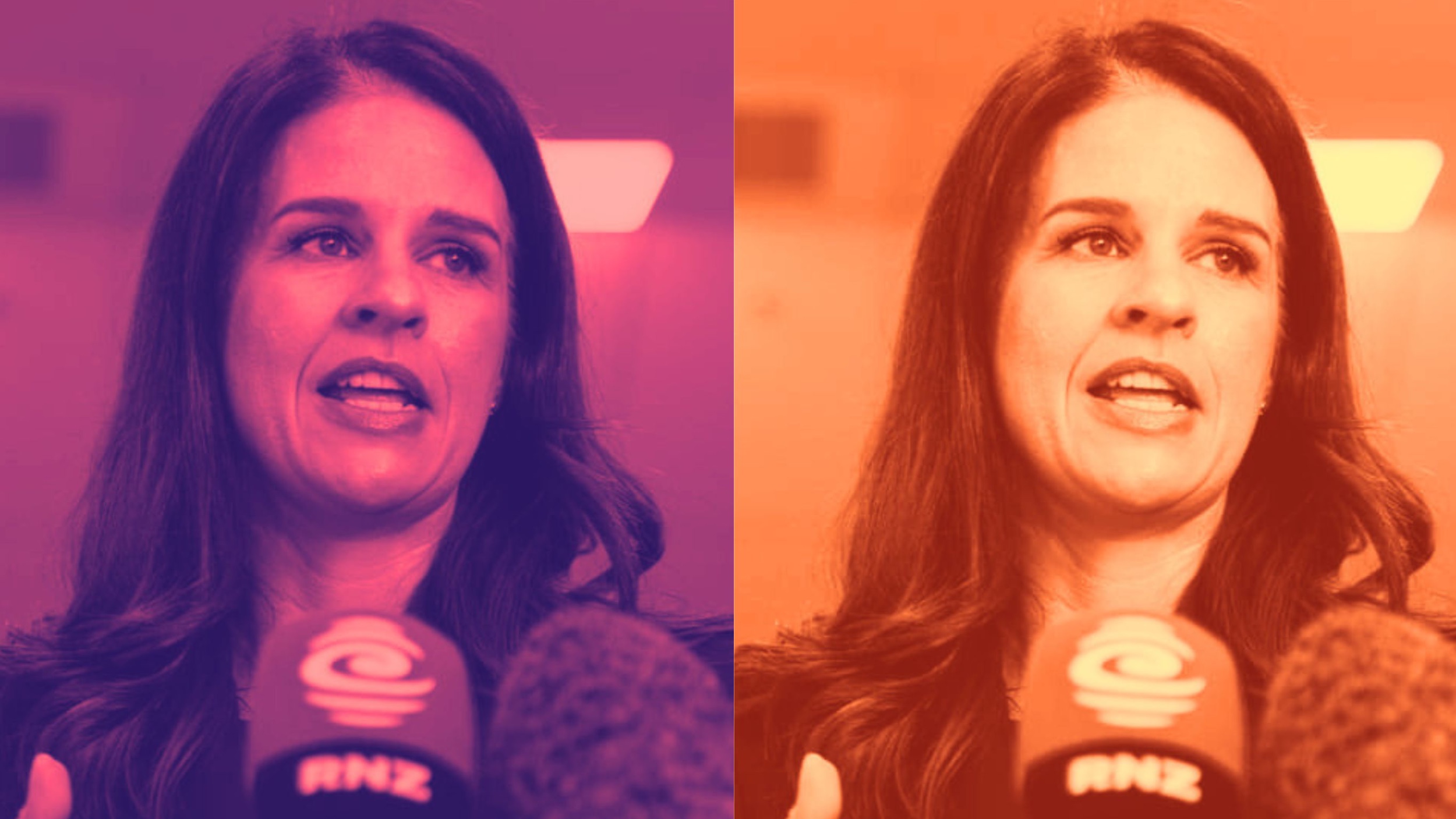
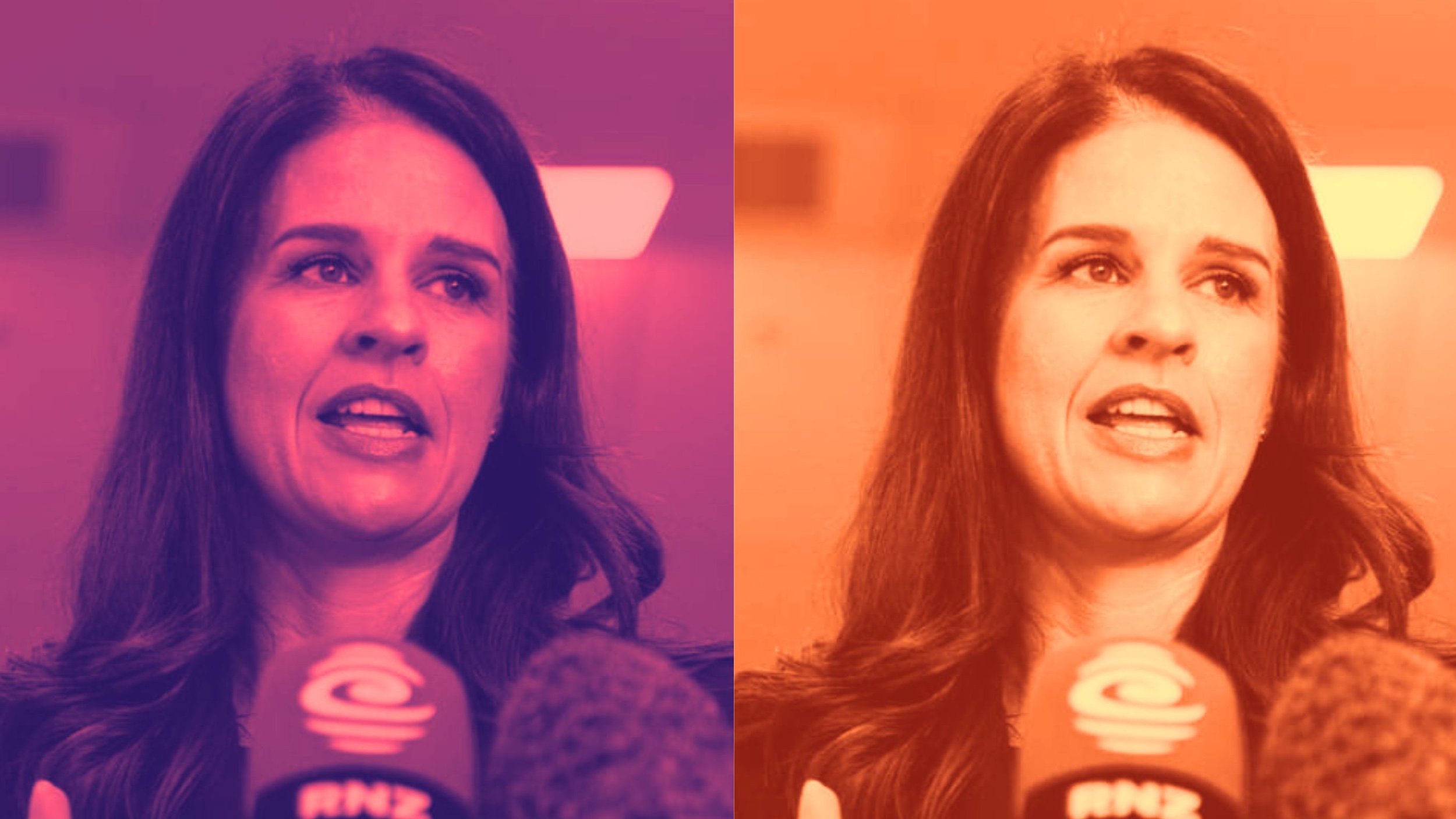
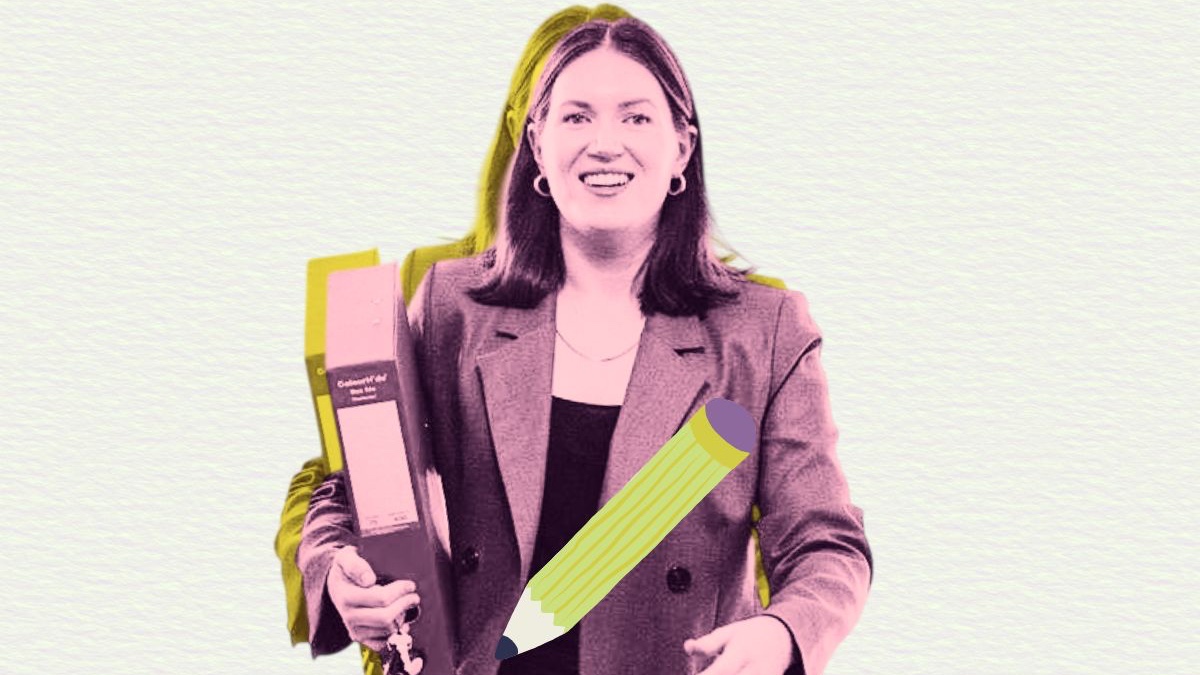
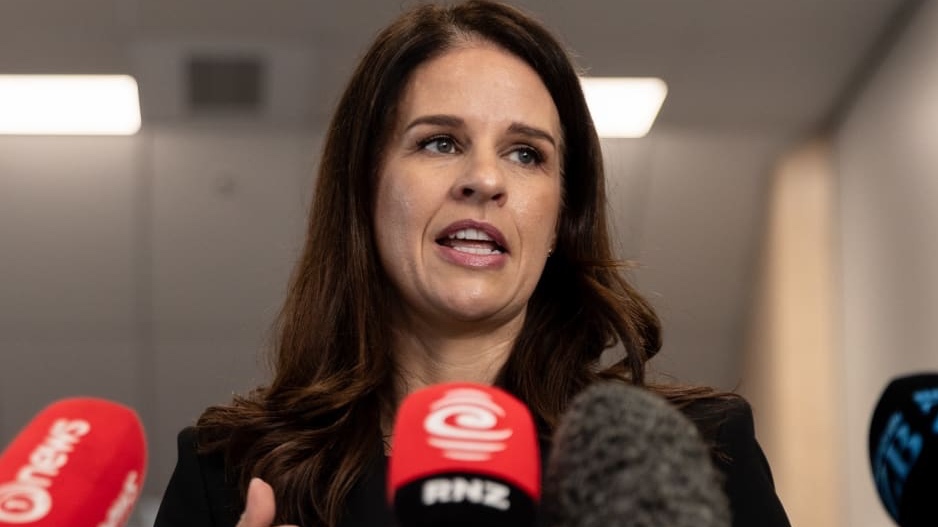
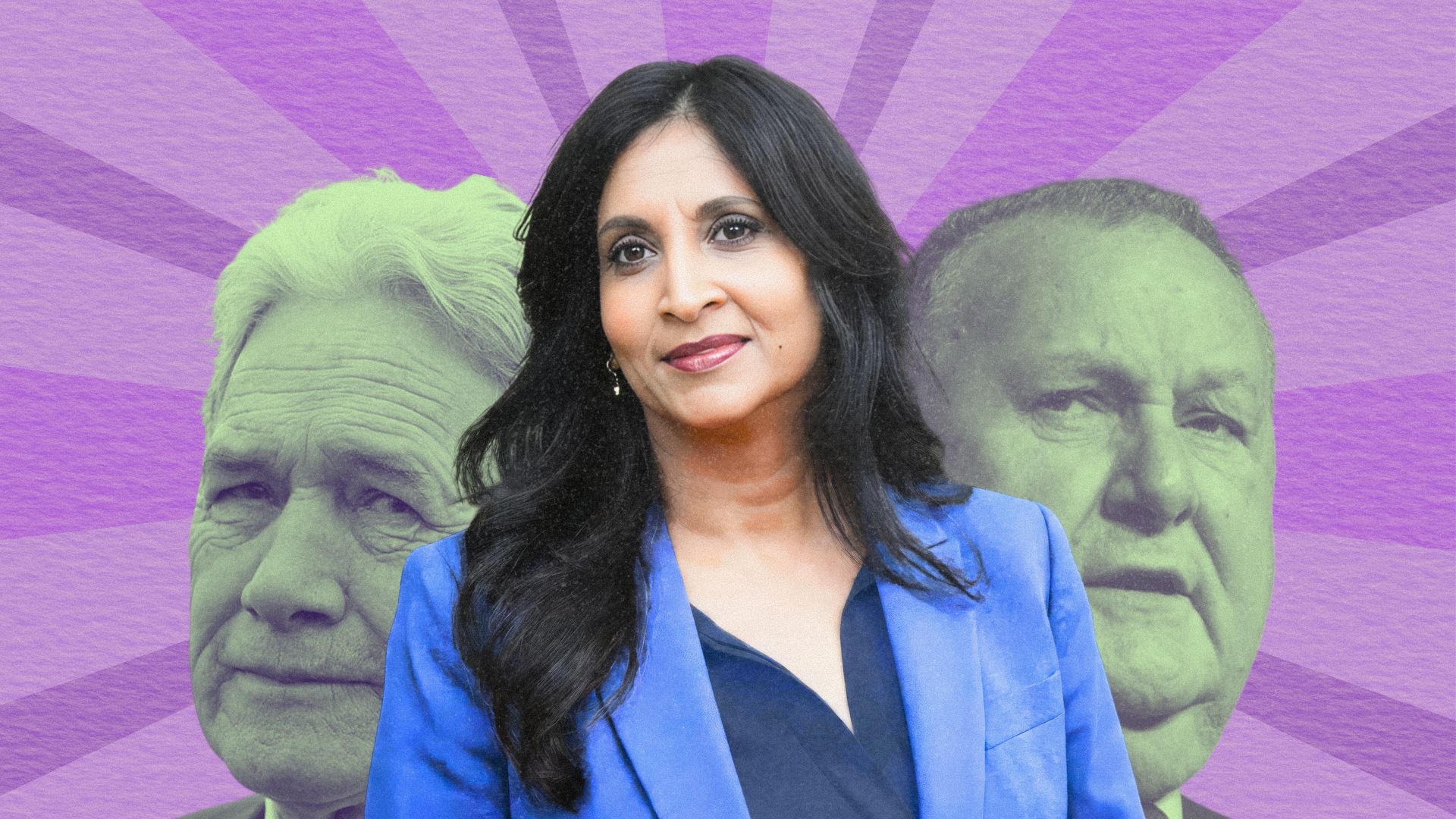
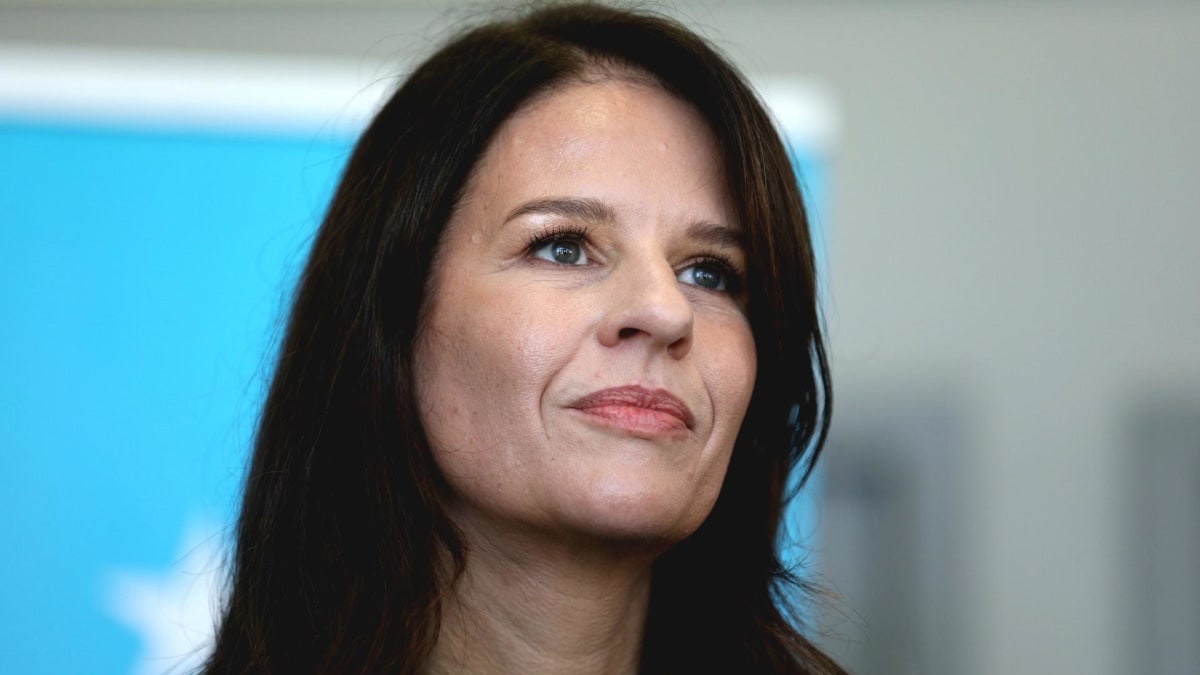
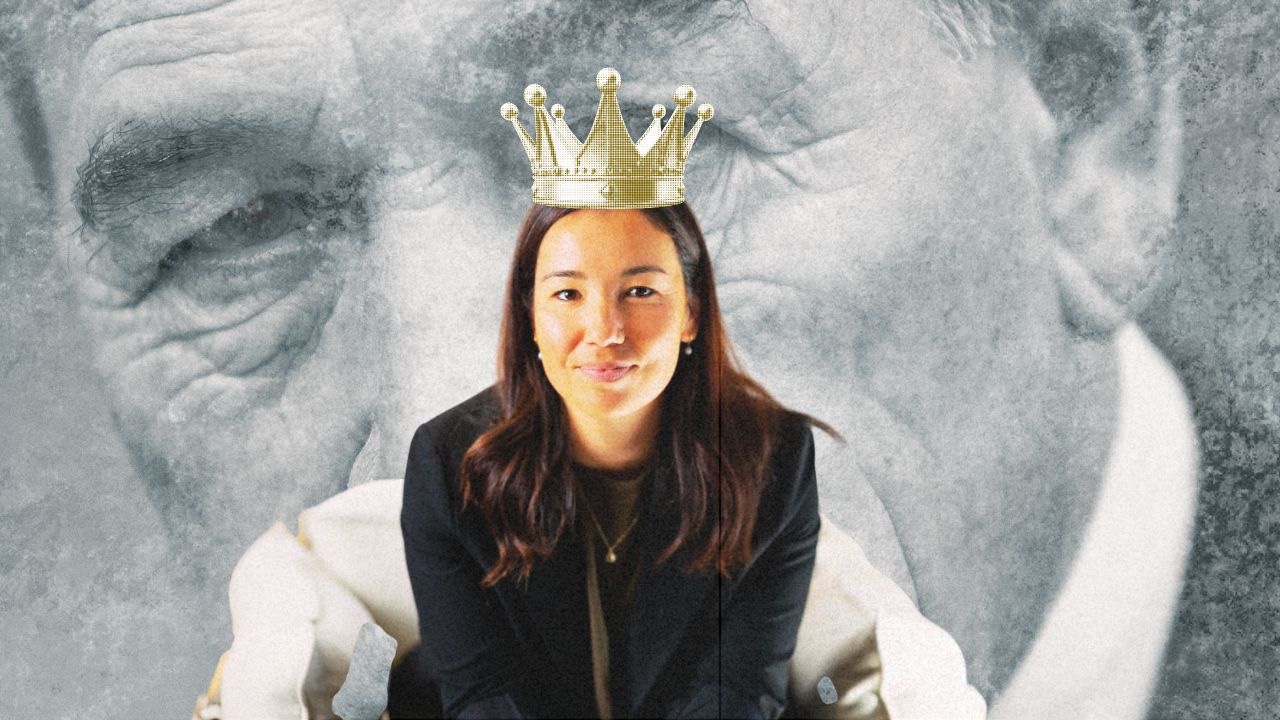
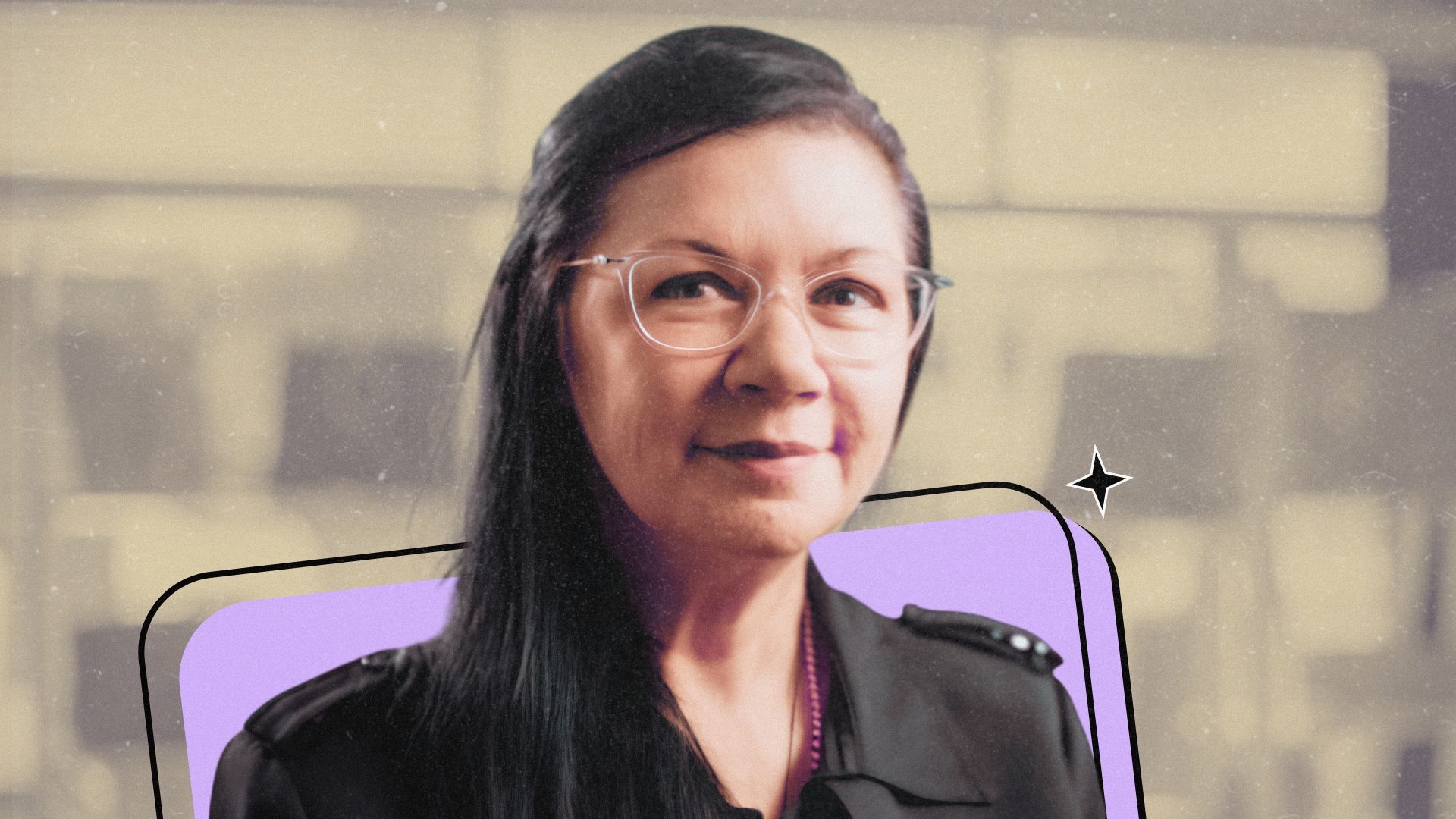
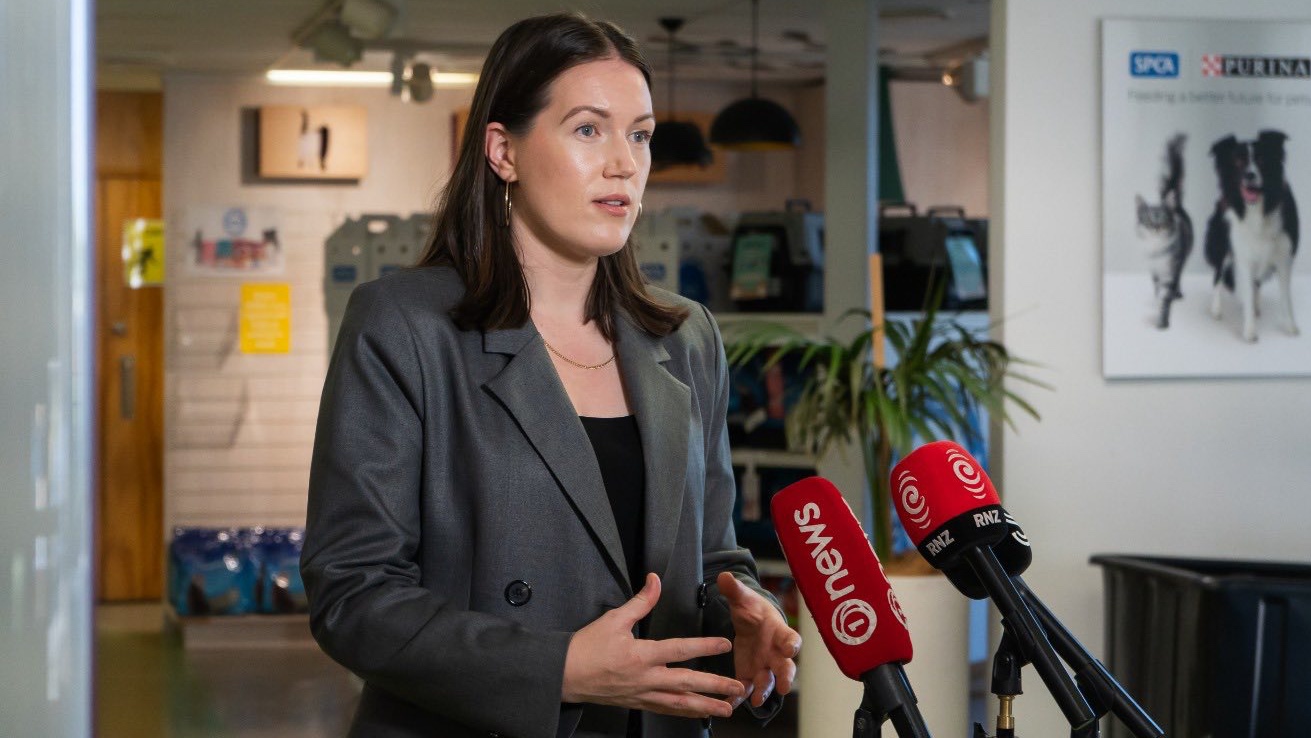
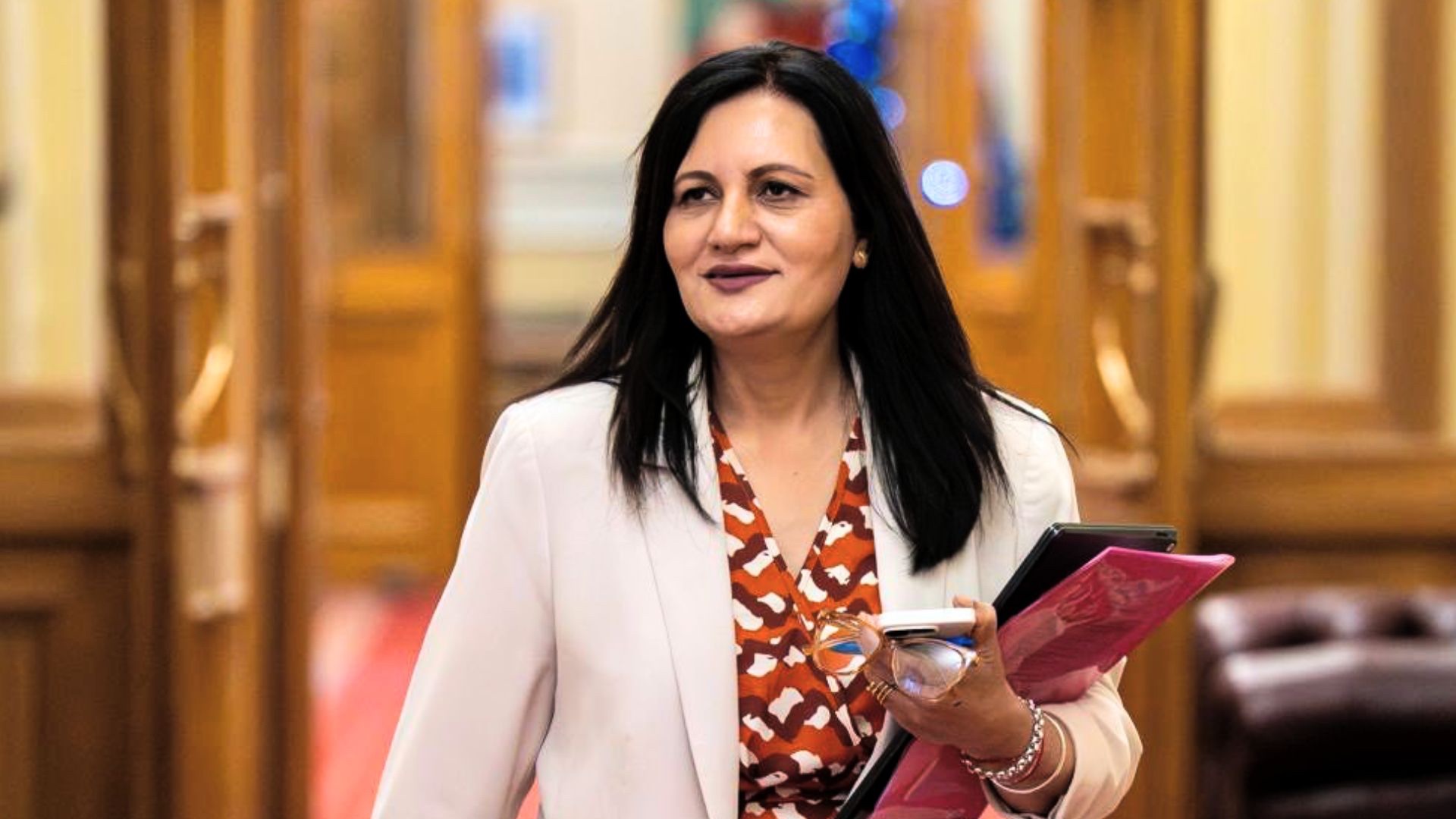
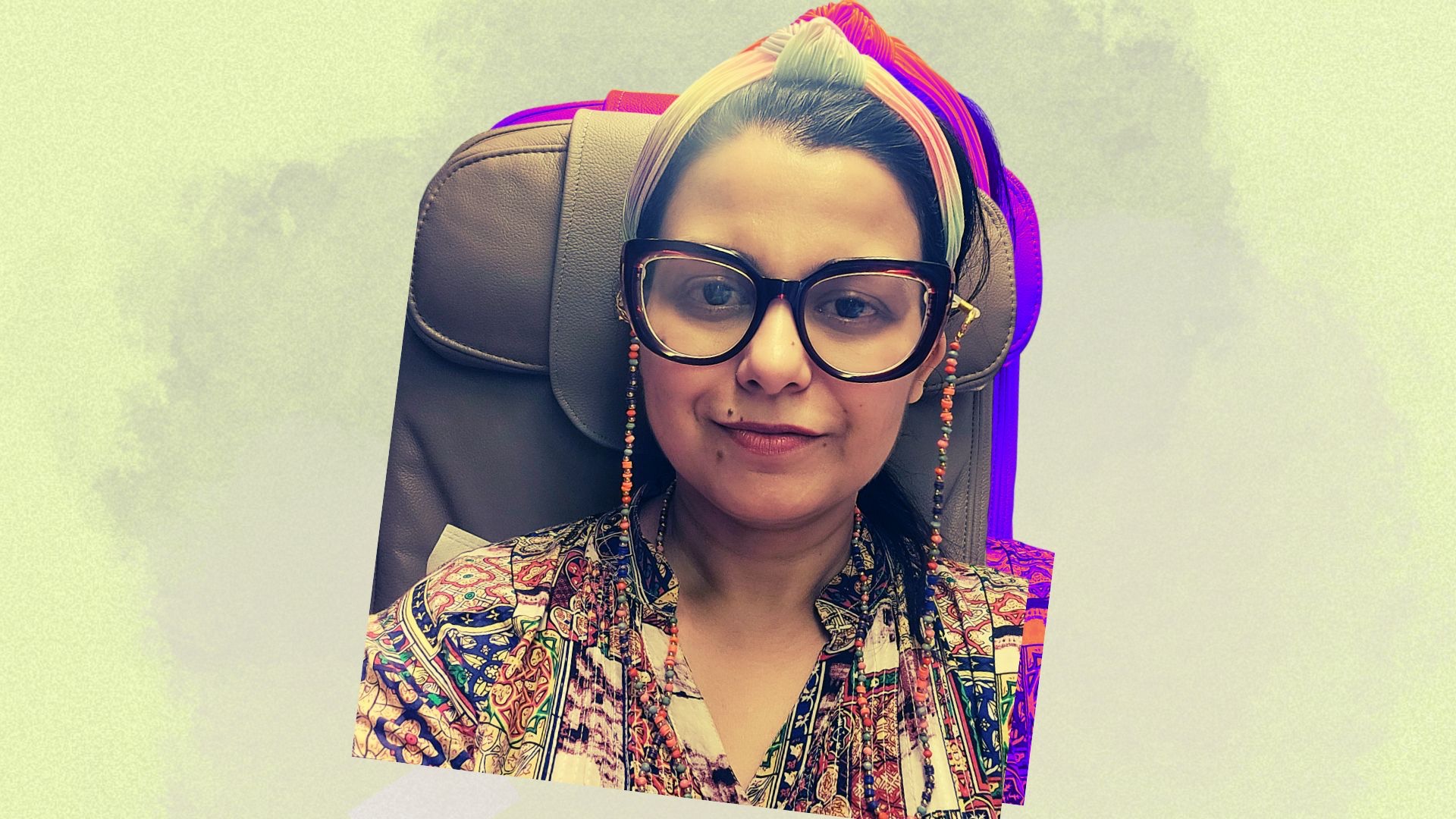
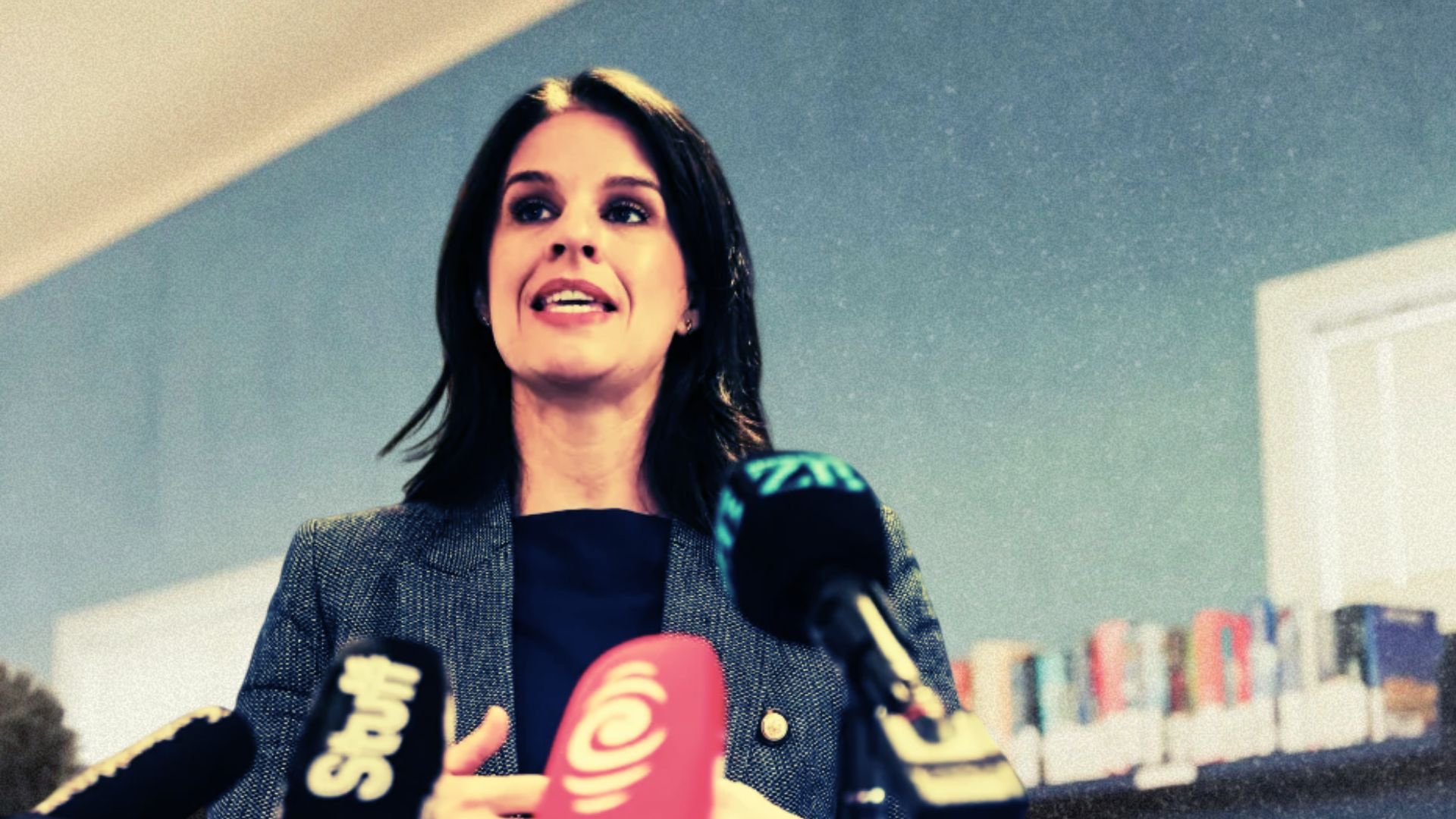
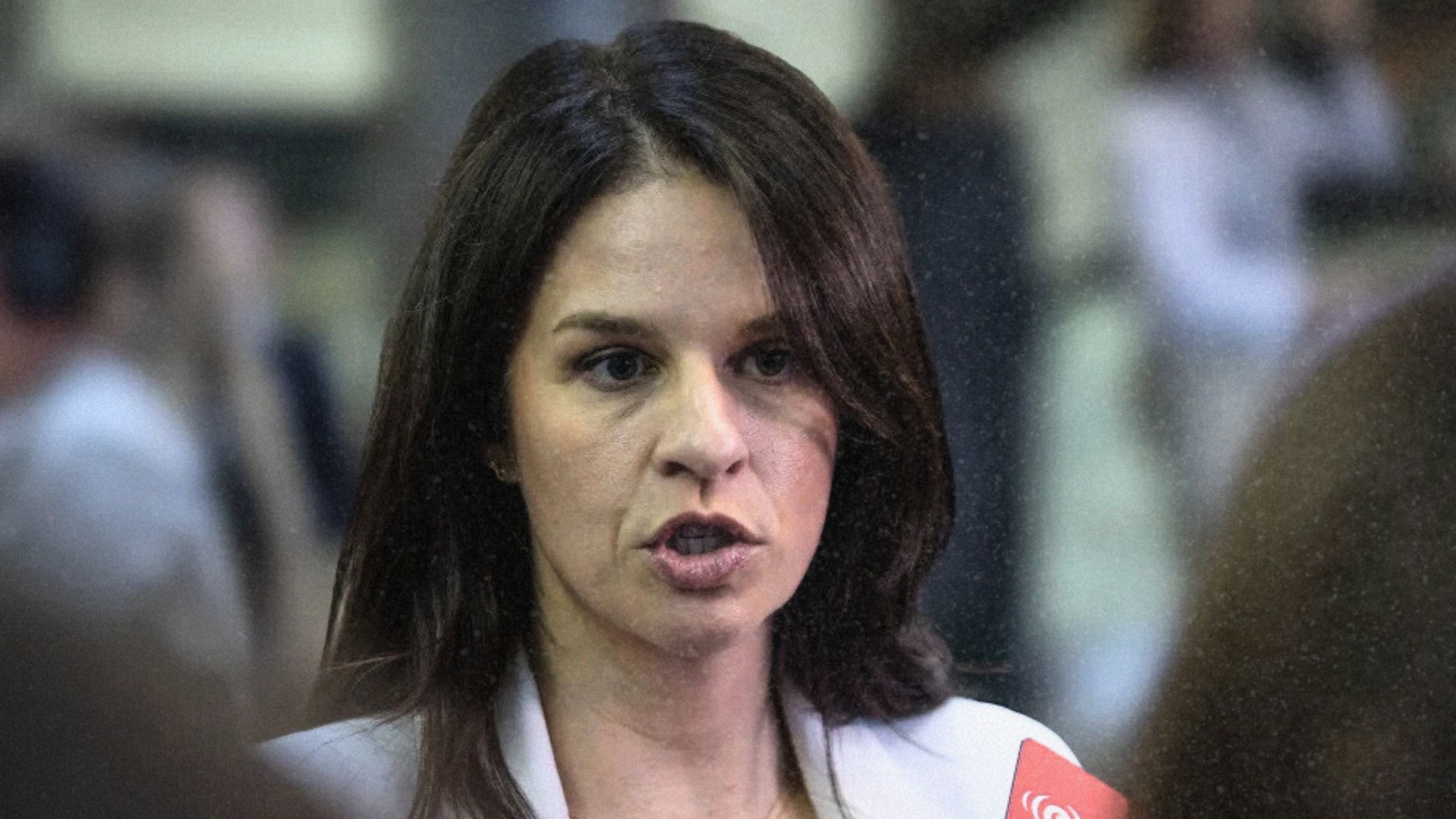
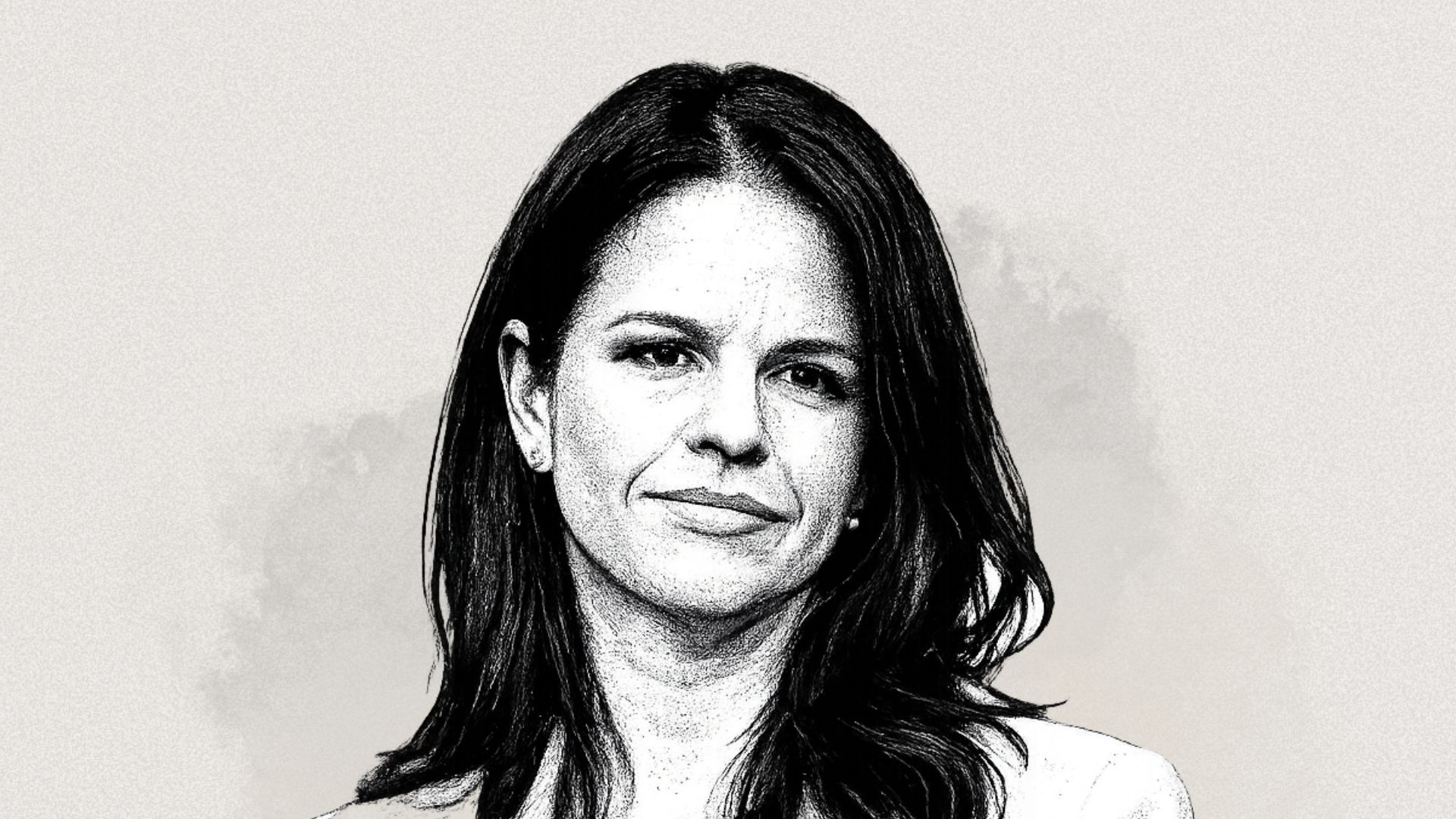
Labour MP Priyanca Radhakrishnan is contesting Auckland’s Maungakiekie electorate for the fourth time.
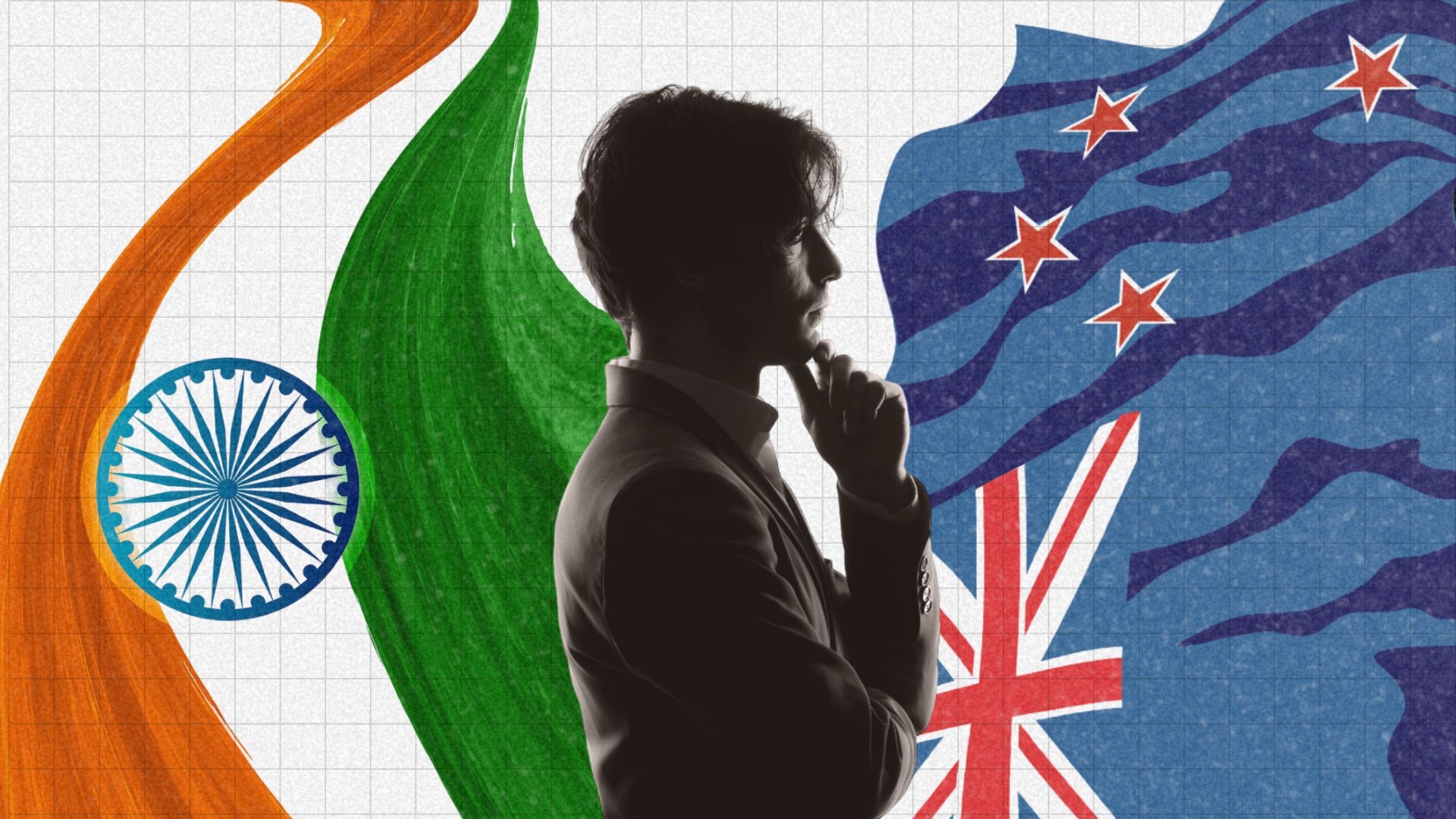
The three-term Labour MP says you can be Indian and Kiwi. Why should belonging require you to choose sides?
('The Candidate' is Awaaz’s election series where we skip the stump speech and try to find out who the person asking for your vote actually is.)
"What have you actually done for Indians?"
Priyanca Radhakrishnan has been asked the question in different ways for nine years. Sometimes it is even more pointed.
“What have you done for us? What have you done for our community? What’s the point of having an Indian member of Parliament if you’re not there to serve us?”
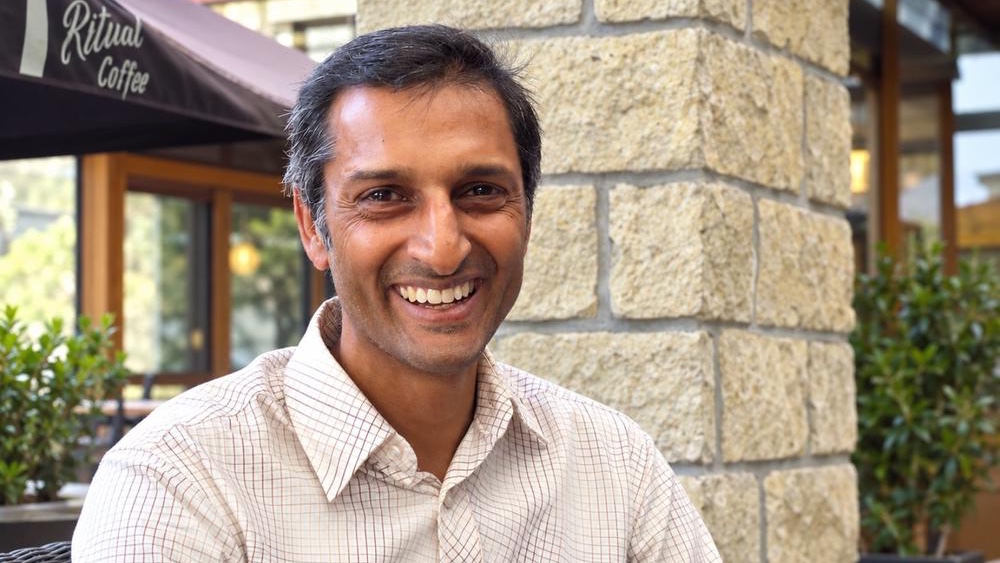
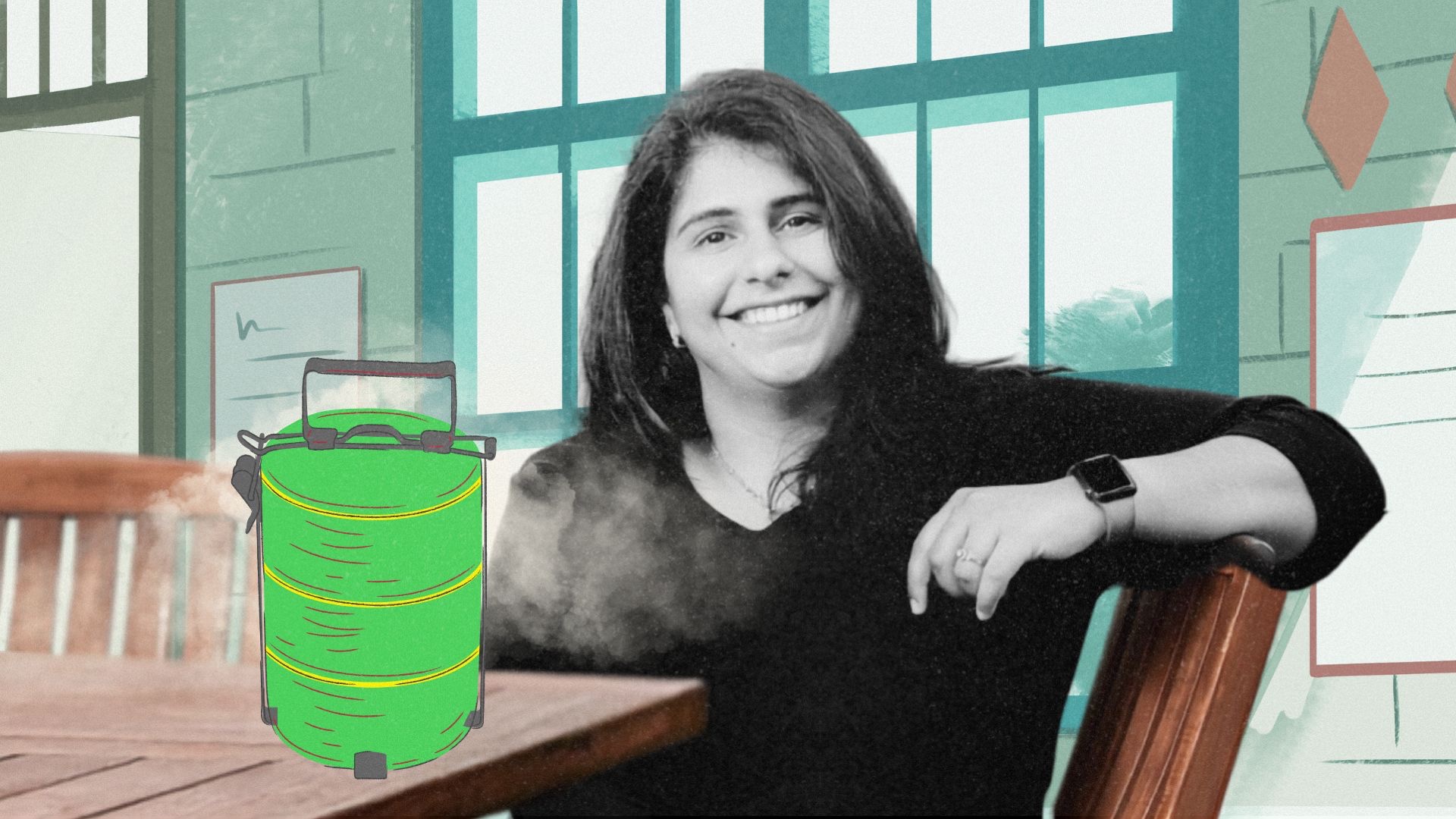
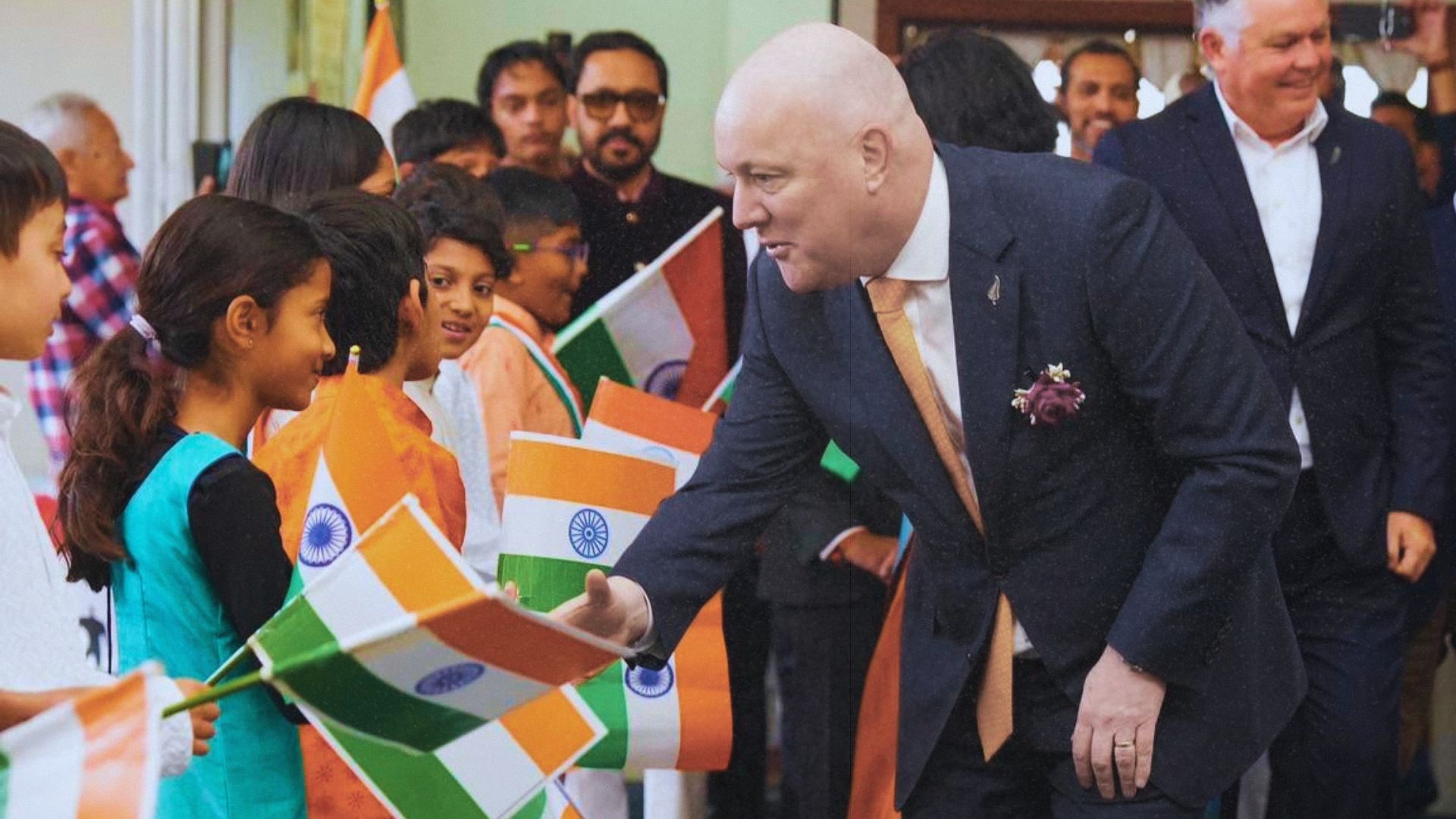
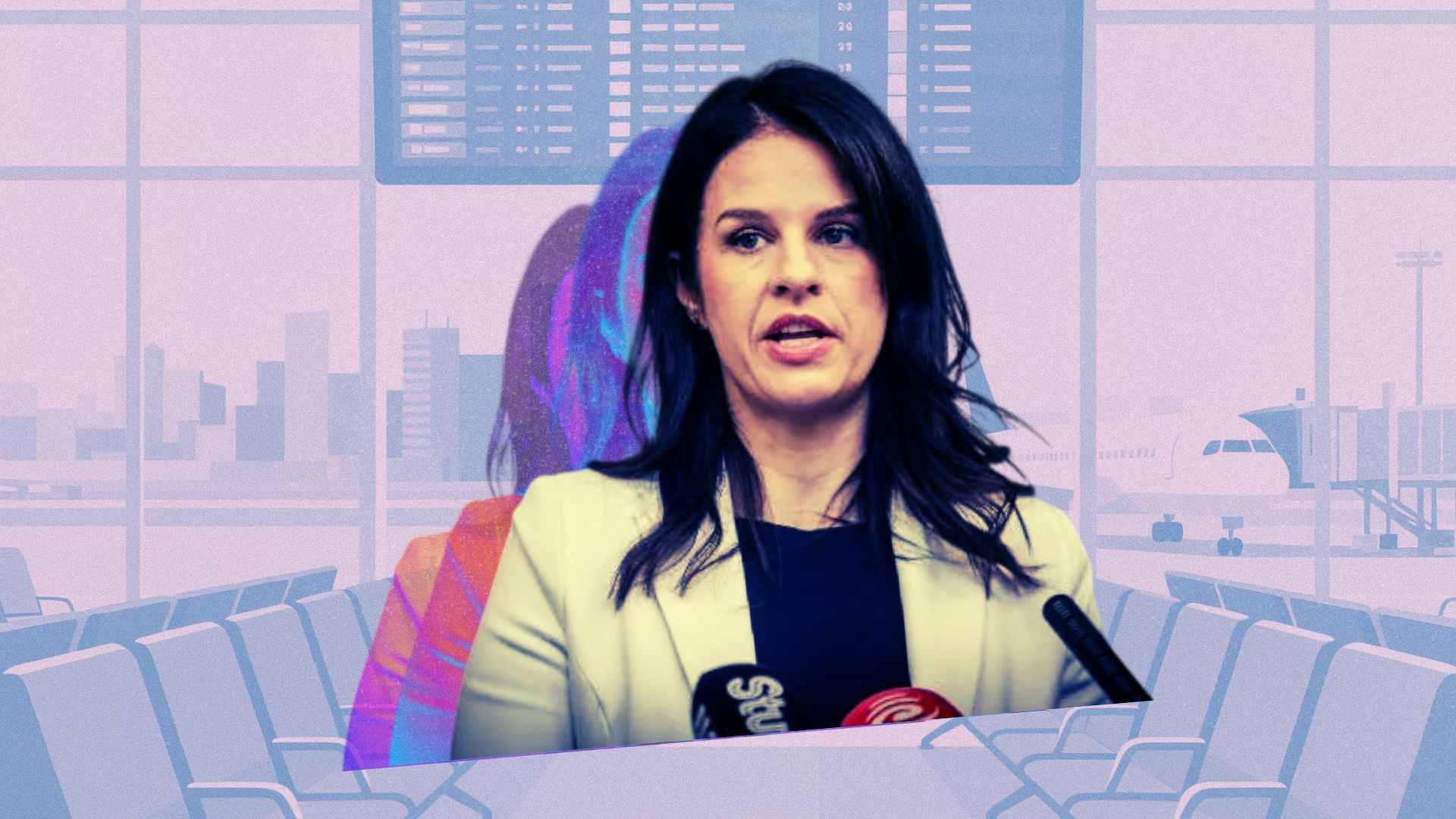
Her answer is equally direct. “I didn’t stand for Parliament to make life better for just the Indians in New Zealand,” she tells me, sipping from a cup of trim flat white at Auckland's Cornwall Park were cherry blossoms have begun to bloom.
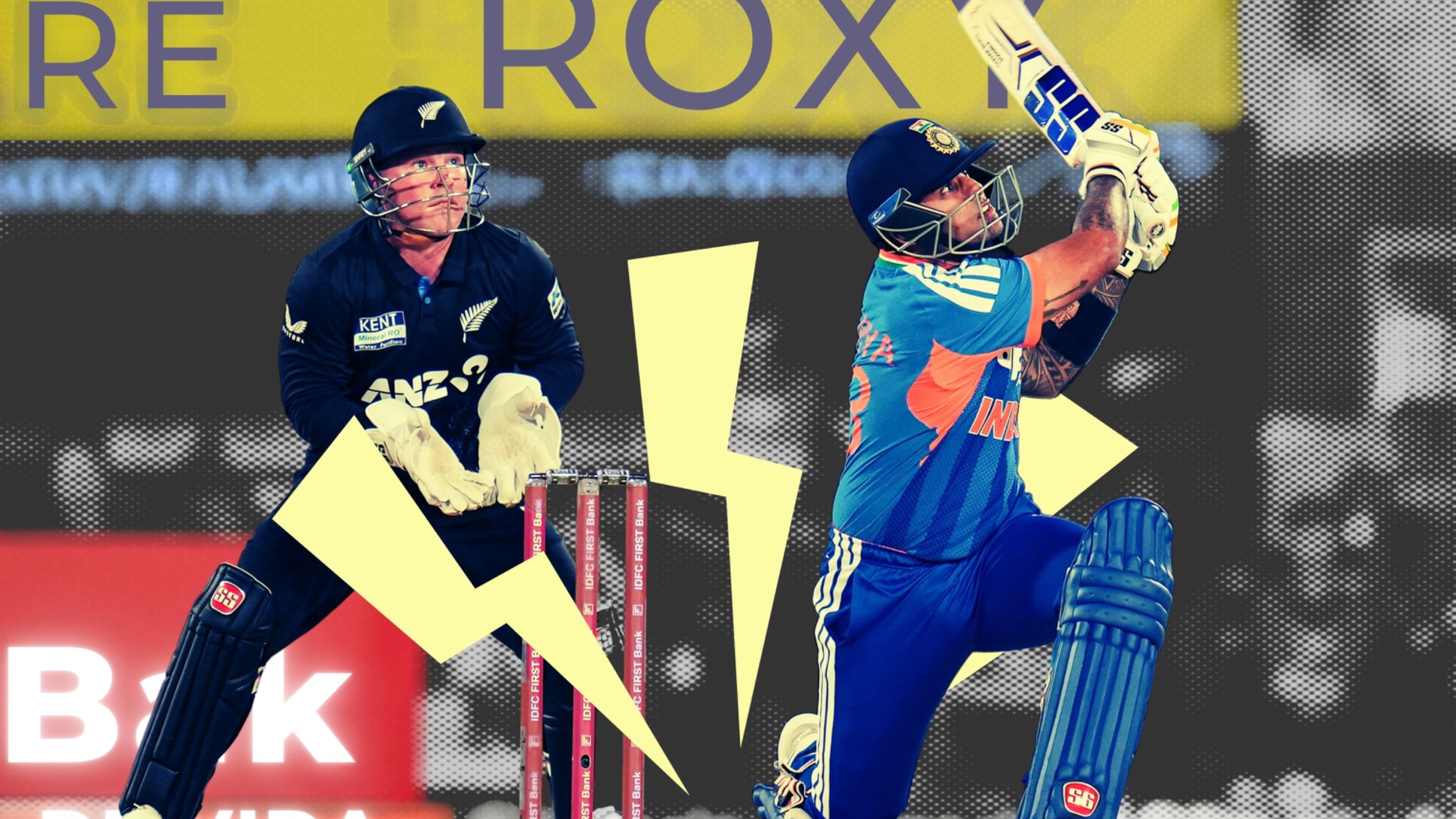
India is coming to Auckland: Full schedule revealed for cricket, football, hockey, Diwali From the Black Caps and All Whites taking on India to Diwali, hockey, bowls and city-wide light displays, Auckland has revealed its sporting centenary programme.
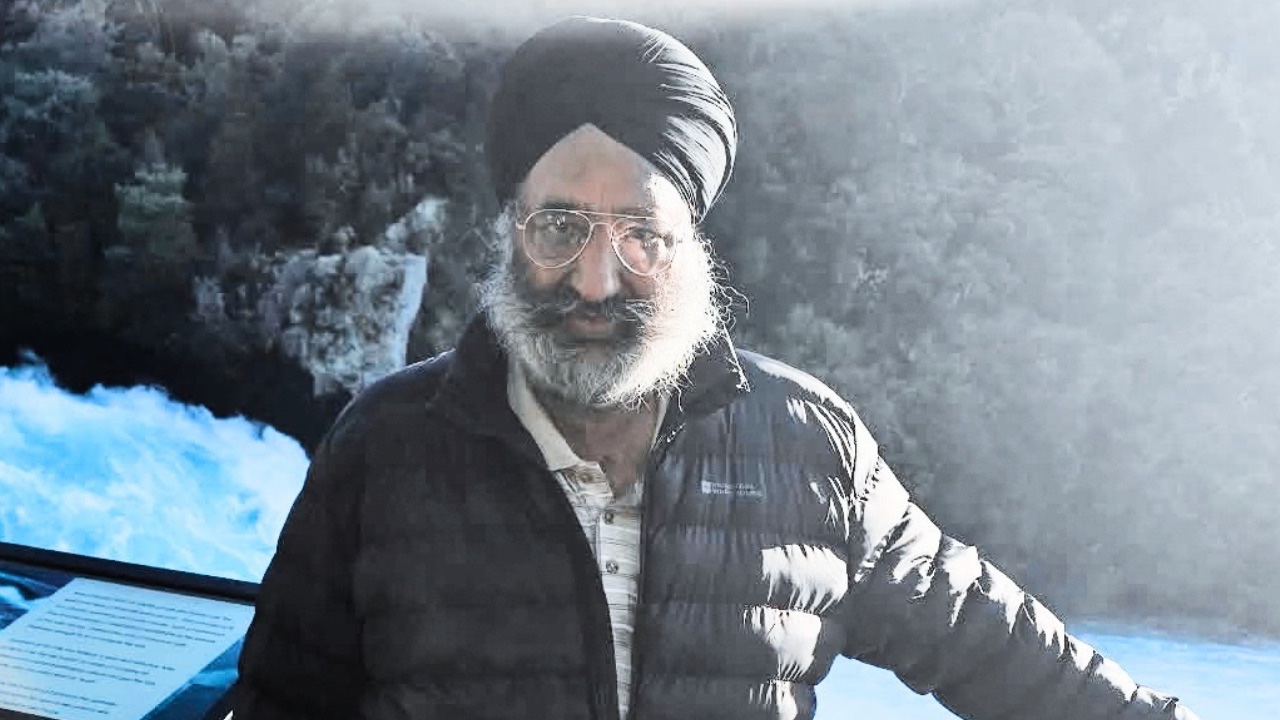
Indian man dies six months after arriving in New Zealand, fundraiser launched Emergency services were called to the crash at Kawarau Falls on Sunday.
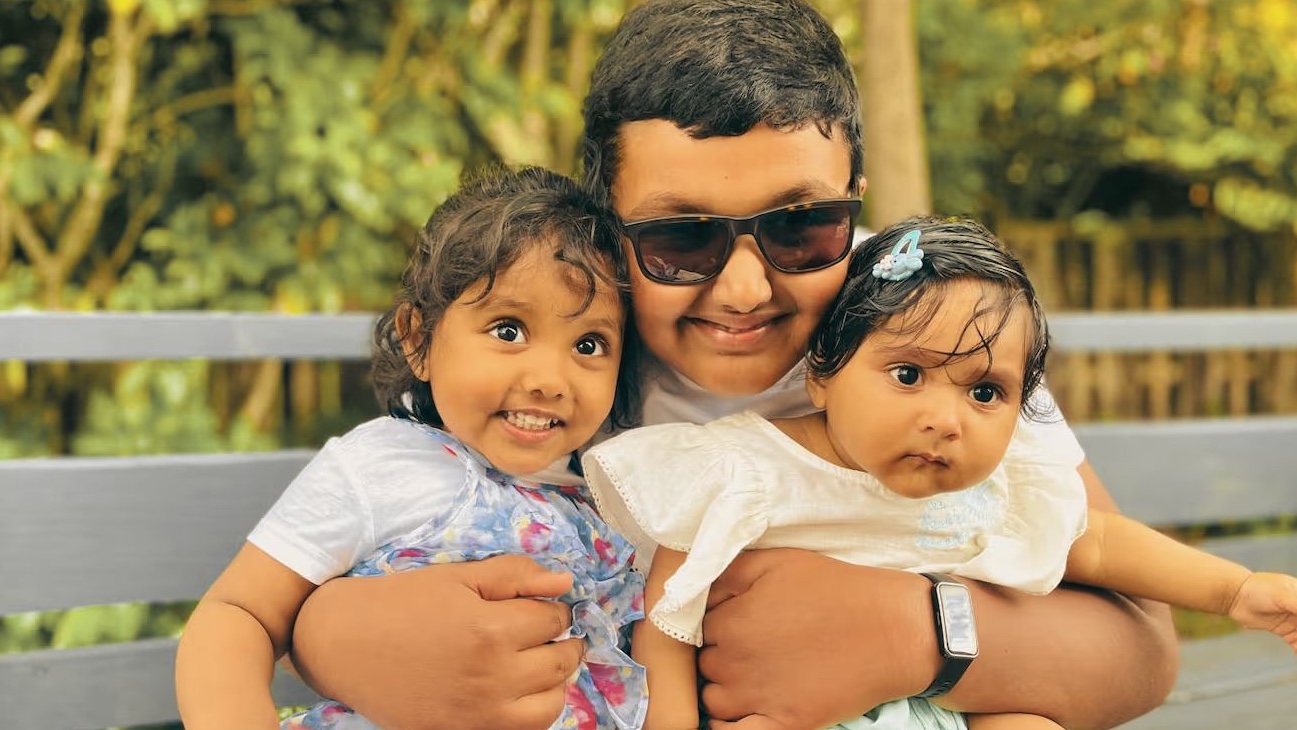
$70,000 bill for Rotorua man after father visiting from India to help with newborn twins has stroke A fundraiser has been launched after the uninsured visit has left the family carrying the full cost of hospital treatment
It is an intriguing question for the only person of Indian origin to have been a cabinet minister in New Zealand, as she asks voters to send her back to Parliament in November.
The Labour MP is again contesting the bellwether Auckland seat of Maungakiekie, an electorate she has already fought three times and which has moved between National and Labour in recent elections.
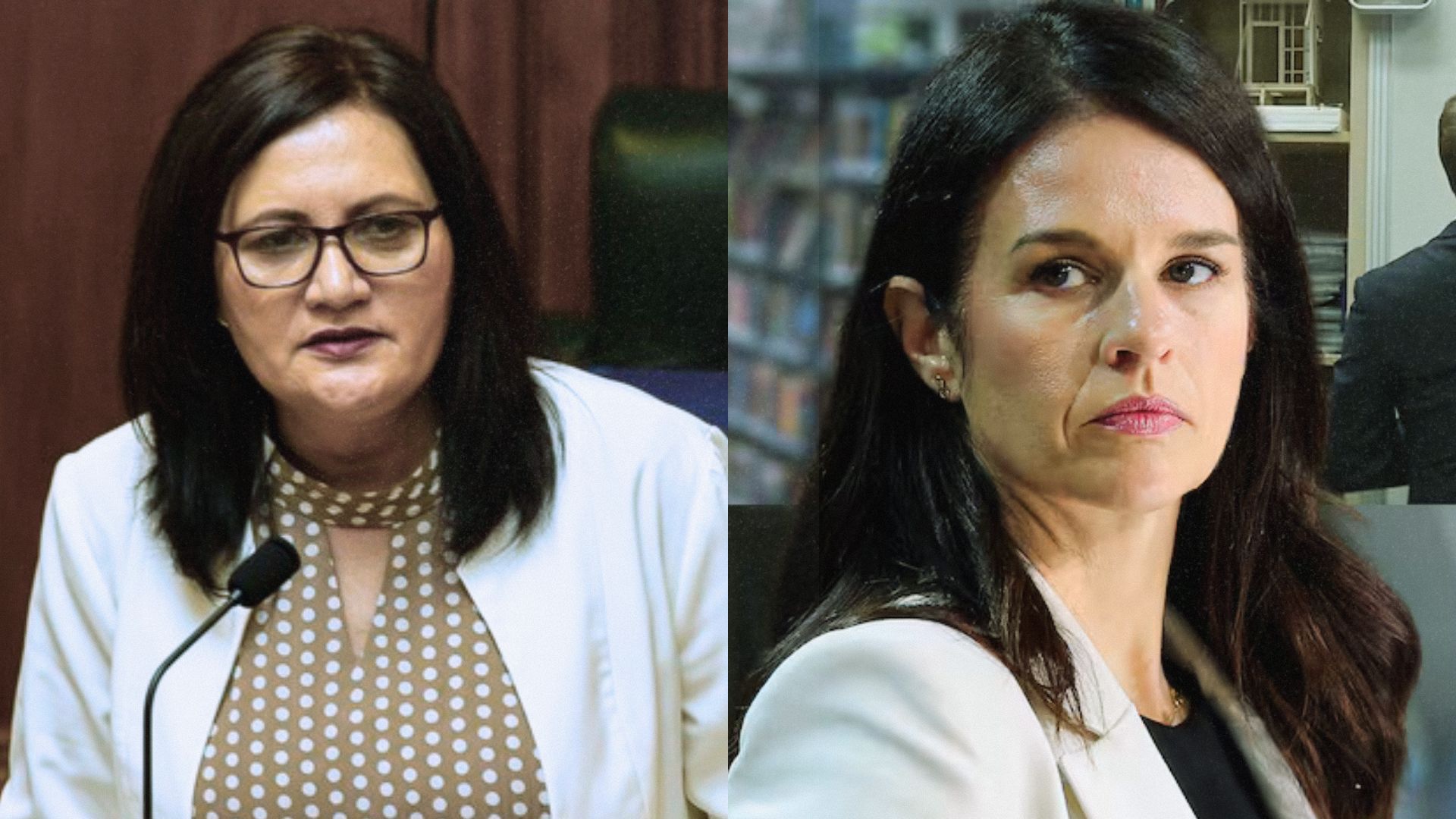
Radhakrishnan lost Maungakiekie to National’s Denise Lee by 2,157 votes in 2017, turned the tables to win it by just 635 votes in 2020, and then lost it to National’s Greg Fleming by 4,617 votes in 2023.
Radhakrishnan also has another route back to Parliament. She is ranked 18th on Labour’s party list. But I am interested in something beyond whether she can win Maungakiekie back.
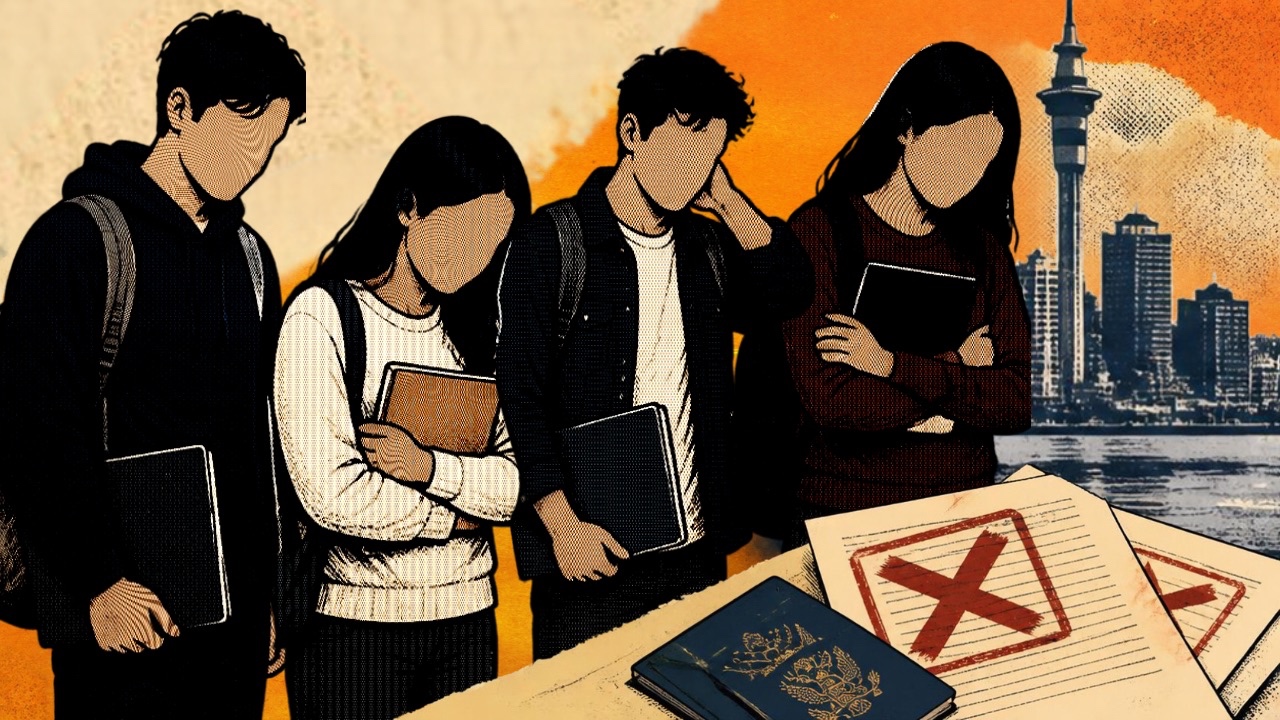
As immigration, permanent residence, citizenship and what migrants owe their adopted country become election issues, Radhakrishnan’s own story raises another question. What does a politician of Indian origin owe the community she comes from?
For her, that question gets to a much bigger argument about identity, representation and belonging — and whether becoming a New Zealander requires migrants to leave some part of themselves behind.
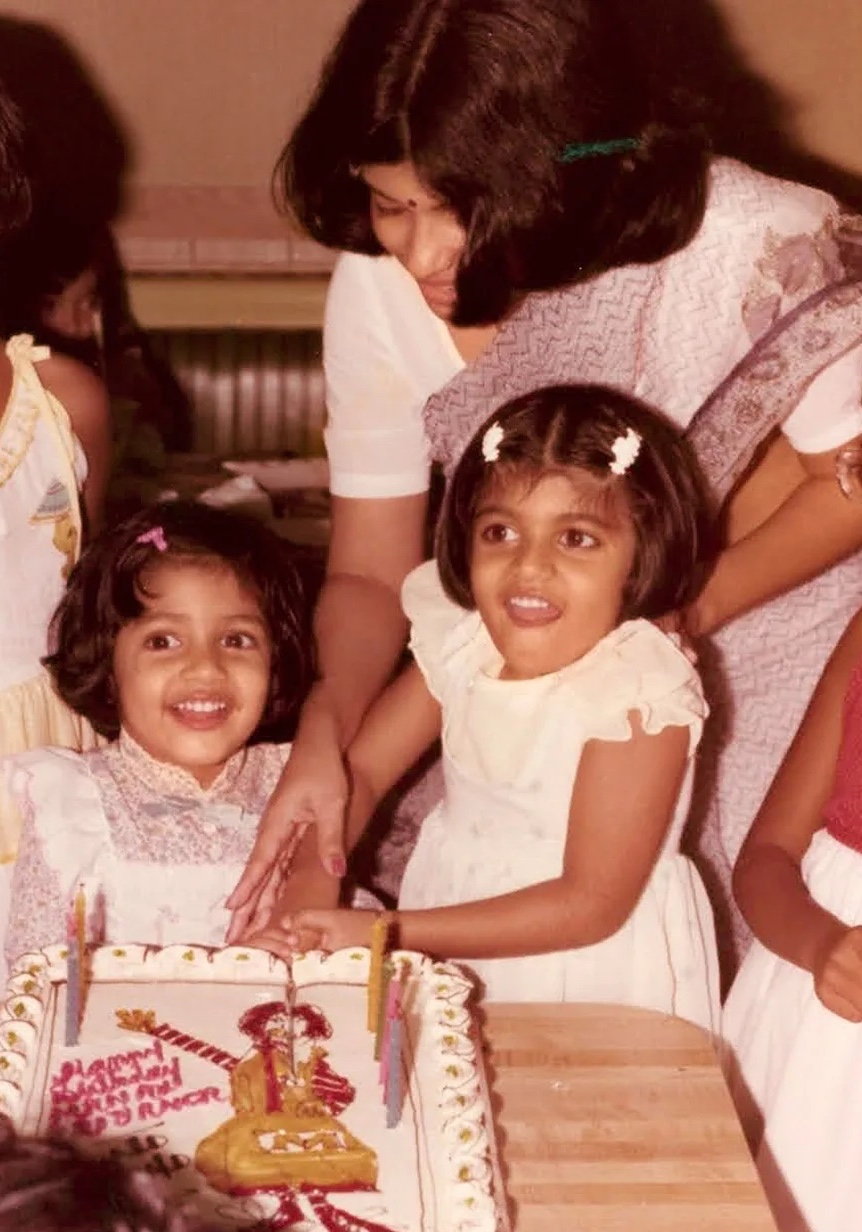
Indian, but not quite
Radhakrishnan arrived in New Zealand in 2004, in her 20s, after growing up in Singapore. She came alone, deliberately choosing somewhere she did not have friends or family because she wanted to step outside the comfortable life she had known.
Her parents had moved to Singapore before she was born, although Radhakrishnan was born in India after her mother returned for the delivery. She spent only about three months there as a newborn, but the family returned to India every year.
Growing up in Singapore, she thought of herself as Indian. Her parents did too, despite living there for more than three decades. Singapore, she says, was always temporary in their minds.
It was only after moving to New Zealand that her own understanding of that identity became more complicated. Indian international students who had grown up in India saw in her someone who had never really lived there and, therefore, someone different from them.
That forced Radhakrishnan to acknowledge that more than two decades in Singapore had shaped her too.
“It was more a process of accepting the fact that I wasn’t quite what I thought I was 100 per cent. And that’s okay,” she says. “You don’t sit in either world 100 per cent. But it means that you fit everywhere.”
New Zealand has since been added to that mix. Radhakrishnan has lived here for 22 years, almost as long as she lived in Singapore, and says this is now the country she would choose to live in.
“If I didn’t feel that strongly about New Zealand, I would never have run for Parliament, because I don’t think that’s fair.”
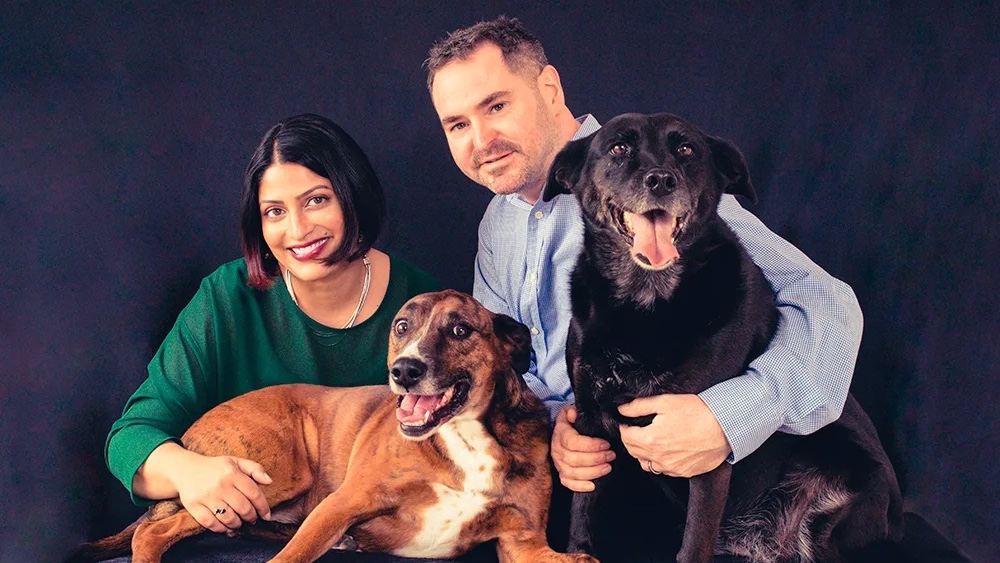
From Shakti to Parliament
Radhakrishnan’s entry into New Zealand politics was almost accidental.
Her first job interview in the country was with Shakti, an organisation working with migrant and refugee women experiencing domestic violence. She was hired to run its centre in Tauranga. Her boss, Shakti founder Farida Sultana, later got her involved in a Labour campaign.
Radhakrishnan had not previously been party political, although political discussion was familiar at home. Her great-grandfather was a doctor, unionist and socialist involved in the movement for the creation of the southern Indian state of Kerala, while her parents encouraged their children to question the status quo.
Radhakrishnan says she found Labour’s values broadly mirrored those she had grown up with and stayed involved while working at Shakti, where part of her job involved lobbying for policy and legislative change.
Later, while studying development studies at Victoria University of Wellington, she met former Labour cabinet minister Pete Hodgson. He asked whether, after years of knocking on the door seeking change from the NGO sector, she had considered trying to get a seat at the table herself. She hadn’t. Hodgson offered to mentor her if she decided to stand.
Radhakrishnan first sought a place in Parliament in 2014, when she was ranked 23rd on Labour’s party list but did not make it in. Three years later, she contested Maungakiekie for the first time. She lost the electorate to Lee but entered Parliament as a Labour list MP after the 2017 election.
Somewhere along that journey came another expectation.
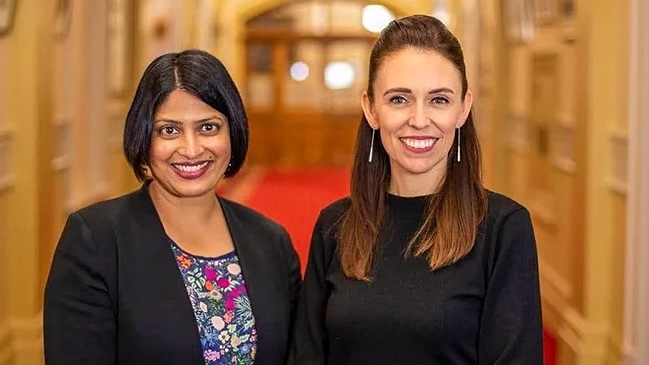
What does an Indian MP owe Indians?
If an MP looks Indian, has an Indian name and talks about the value of representation, should Indian New Zealanders expect that MP to specifically represent them?
Radhakrishnan says she has faced versions of that question throughout her nine years in Parliament. She rejects the idea that being an Indian-origin MP makes her a delegate for Indian New Zealanders.
“I’m not there to serve Indian New Zealanders. That is not why I was elected.”
But she does not dismiss the importance of ethnic representation. Being Indian and a migrant, she argues, means she can sometimes see an issue differently from colleagues who have had different life experiences. That is precisely why diversity in Parliament matters.
“When you’re at the cabinet table and you’ve got the potential, because you’re a migrant, because you’re an Indian, to see the world slightly differently from others at the table, that’s the real benefit,” she says. “That’s diversity. It’s not just a tick-a-box and have a few different-looking faces.”
There is also the effect of simply being visible. Radhakrishnan says young people have approached her because seeing someone like themselves in Parliament showed them that participating in government was a possibility.
But representation, she argues, cannot mean assuming an Indian MP carries the views of an “Indian community” into Parliament. There is no single Indian political view to carry.
“We don’t all vote the same way. We don’t have the same experiences. We don’t think the same way.”
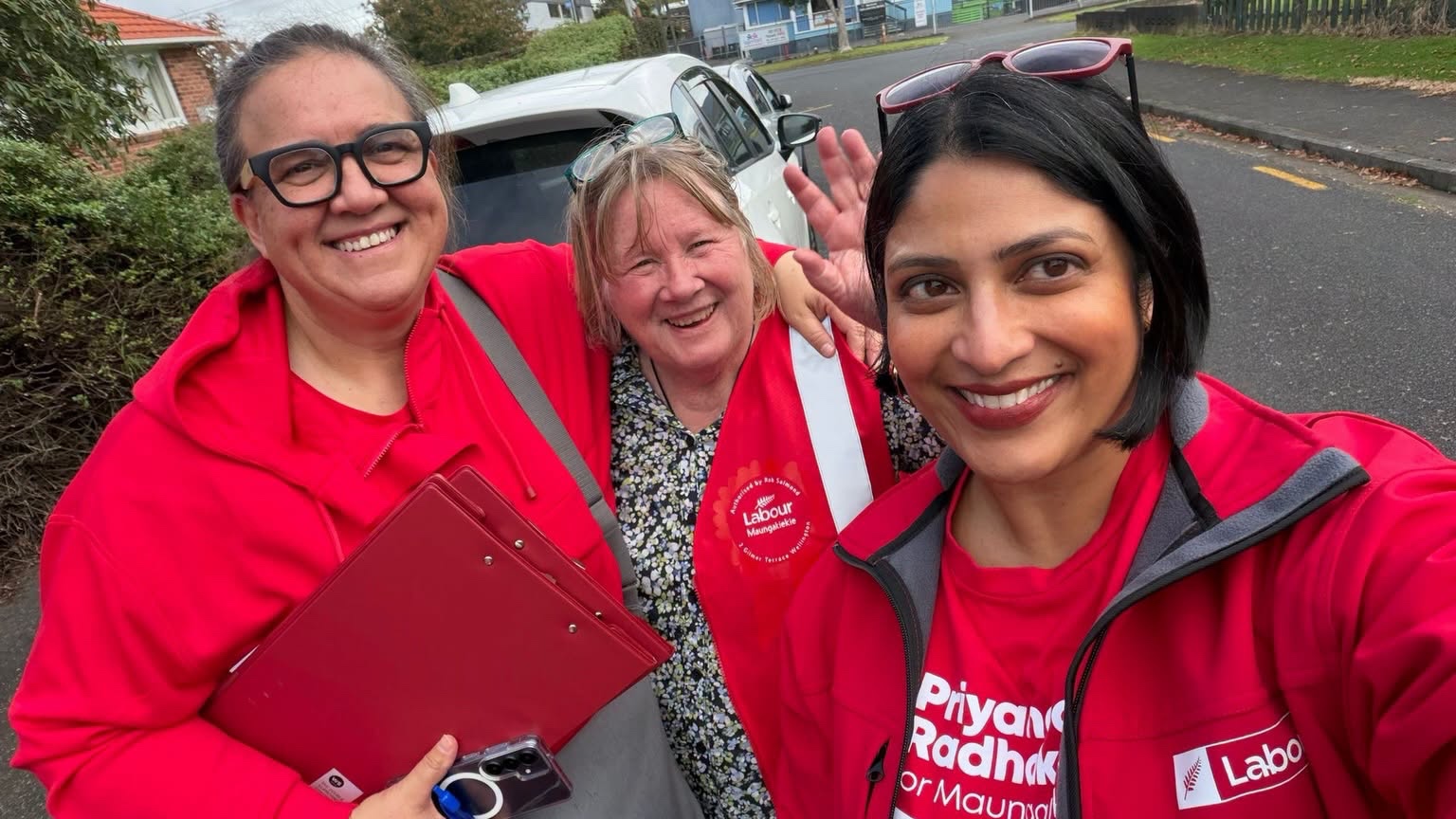
Do migrants eventually have to choose?
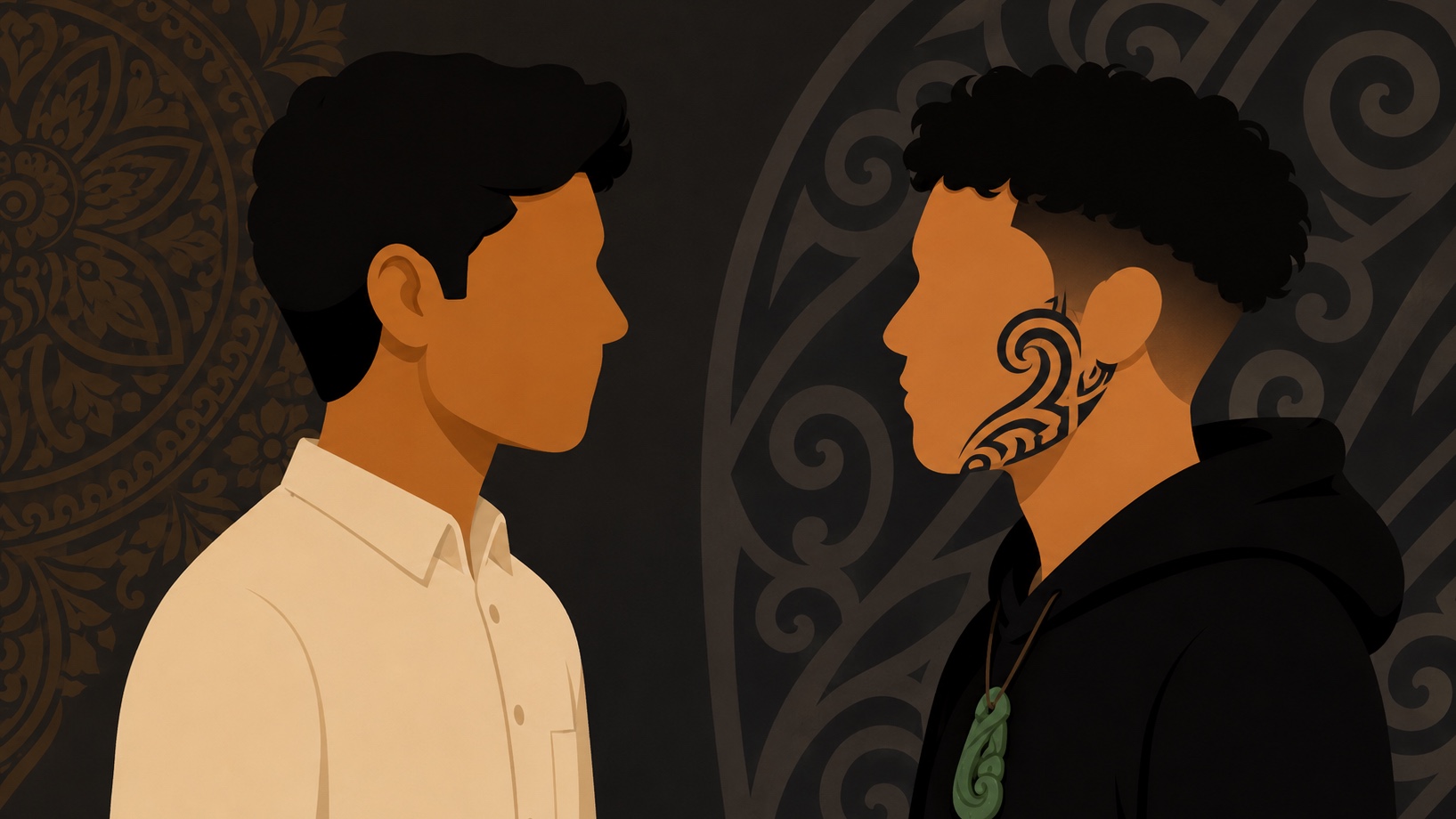
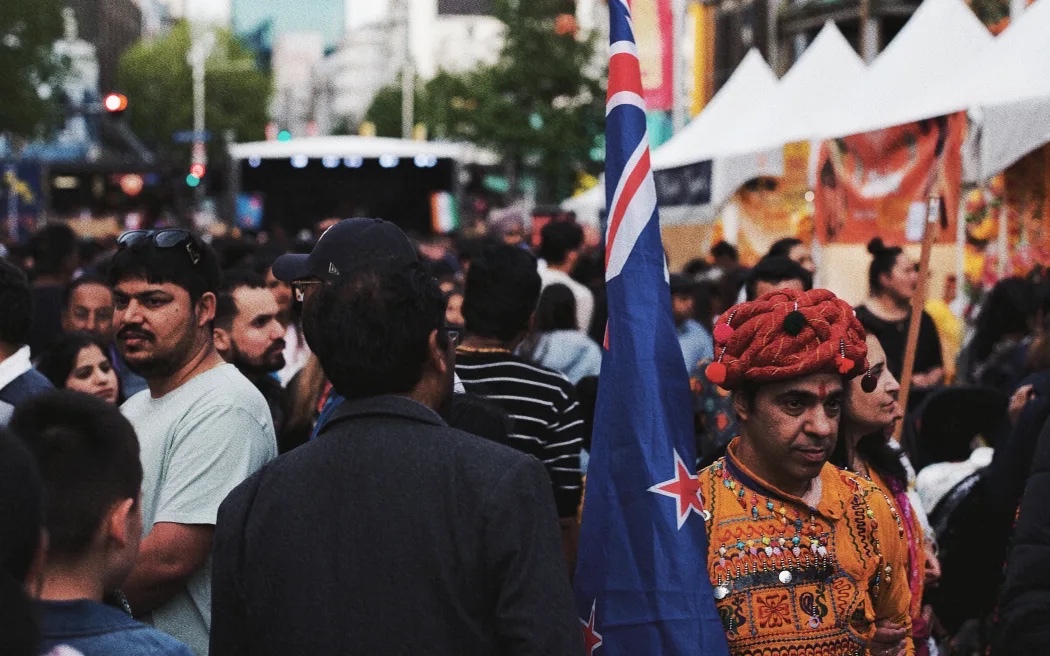
The same tension follows migrants outside Parliament. Radhakrishnan rejects the idea that at some point an Indian migrant must choose between being Indian and being a New Zealander.
“I would consider myself Indian and New Zealander. I don’t think you need to choose one.”
For her, ethnicity and nationality are different things. There are fourth-generation Indian New Zealanders, she points out, whose connections to India may largely be ancestry and elements of culture. They can still be ethnically Indian while being New Zealanders.
Nor does she think supporting India when it plays New Zealand at cricket should become an unofficial citizenship test. “I don’t think we should reduce it to which sports team you support.”
But outside such extremes, Radhakrishnan is reluctant to prescribe how quickly migrants should change how they feel about the country they left and the country in which they now live.
“I don’t think there’s any set pathway. I don’t think there’s any right or wrong. It’s up to the individual, and it’s fluid.”
‘Who’s good enough to be a citizen?’
That argument is no longer merely philosophical. Immigration, permanent residence and citizenship have all become election issues.
Radhakrishnan draws a distinction between setting immigration rules and trying to measure whether somebody has sufficiently become a New Zealander. She is particularly uncomfortable with citizenship tests and political rhetoric that frames citizenship around proving someone’s worthiness.
“The narrative around that is, 'who’s good enough to be a citizen?'" she says. “I reject that. I don’t think that is realistic, and I don’t think it’s fair.”
Labour itself wants to increase the period migrants generally spend as residents before becoming eligible for permanent residence from two years to four.
Radhakrishnan says the policy is intended to encourage people granted residence to put down roots, contribute to New Zealand and make it less easy to use the country as a stepping stone elsewhere.
Pressed on why four years would achieve that better than two, she is cautious. Immigration is not her portfolio and she says she has not done the detailed policy work herself. Her assumption is that Labour would have considered comparable countries and that requiring people to remain longer increases the likelihood they establish deeper roots.
There is, she acknowledges, no obvious point at which someone’s contribution suddenly becomes sufficient. For Radhakrishnan, however, that is different from trying to legislate someone’s sense of national identity.
“Identity is very much in your head, in your heart,” she says. “No amount of citizenship tests can make you feel something that you don’t.”
'There are racist elements’
There is another side to asking migrants to become New Zealanders. Even when they do, will everybody else accept them as such?
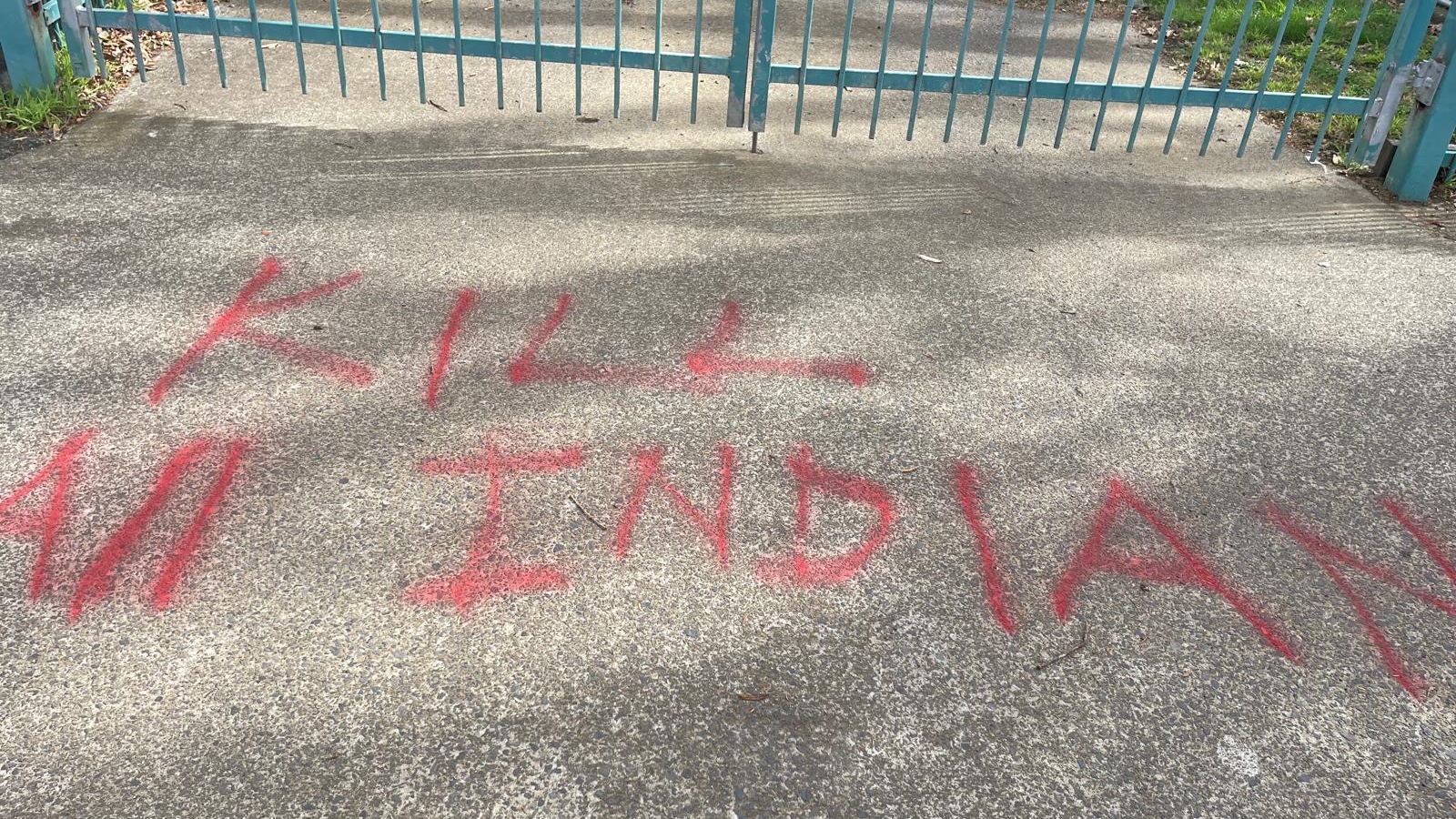
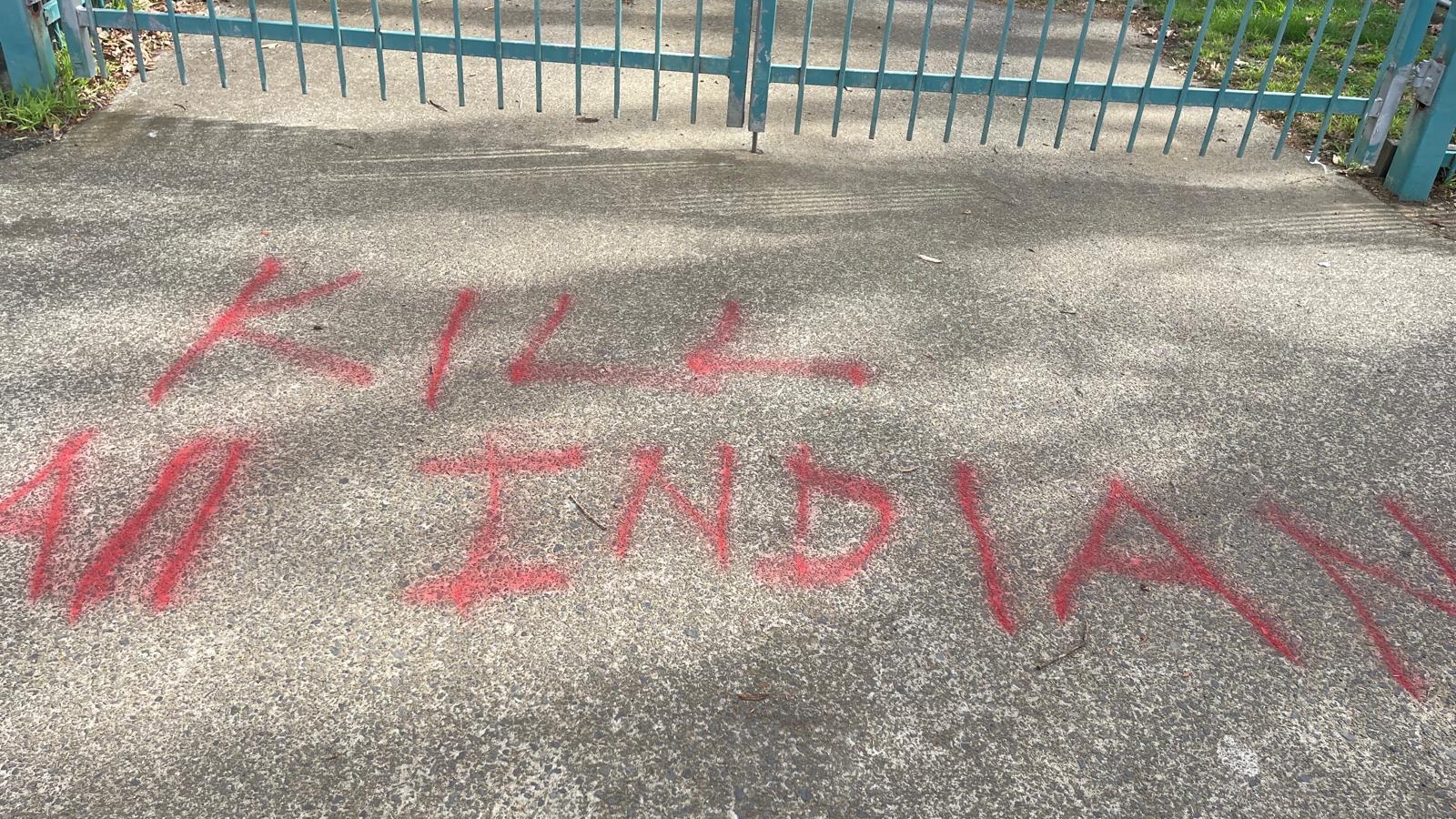
Radhakrishnan says in her social media feeds she regularly sees comments questioning how someone Indian can be a New Zealand MP, or telling her to go back to where she came from.
She does not describe New Zealand itself as racist. “I wouldn’t say that New Zealand is a racist country. There are racist elements.”
What concerns her is whether those elements are becoming louder. Has she noticed sharpening of political rhetoric around migrants? “It absolutely is escalating.”
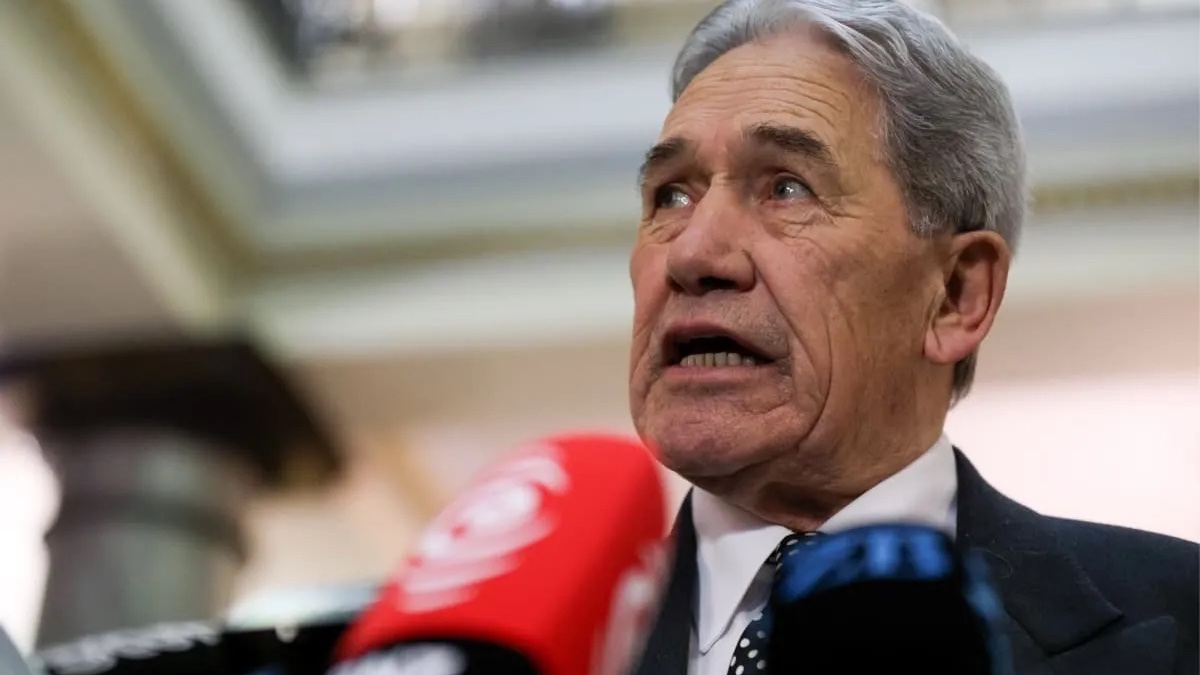
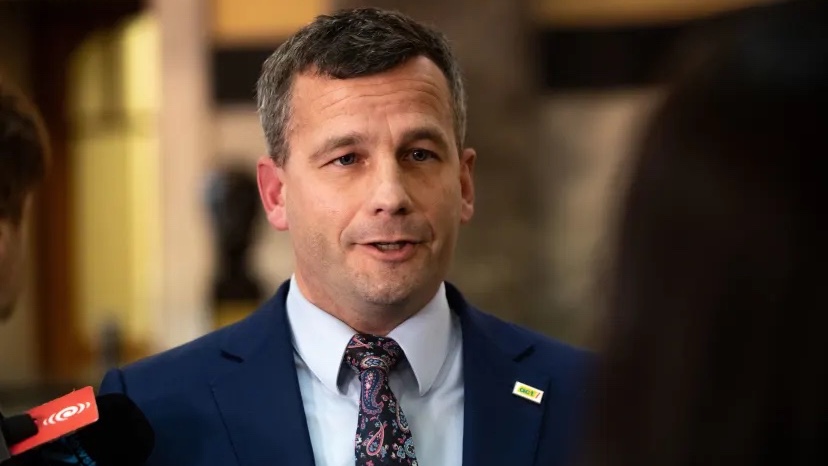
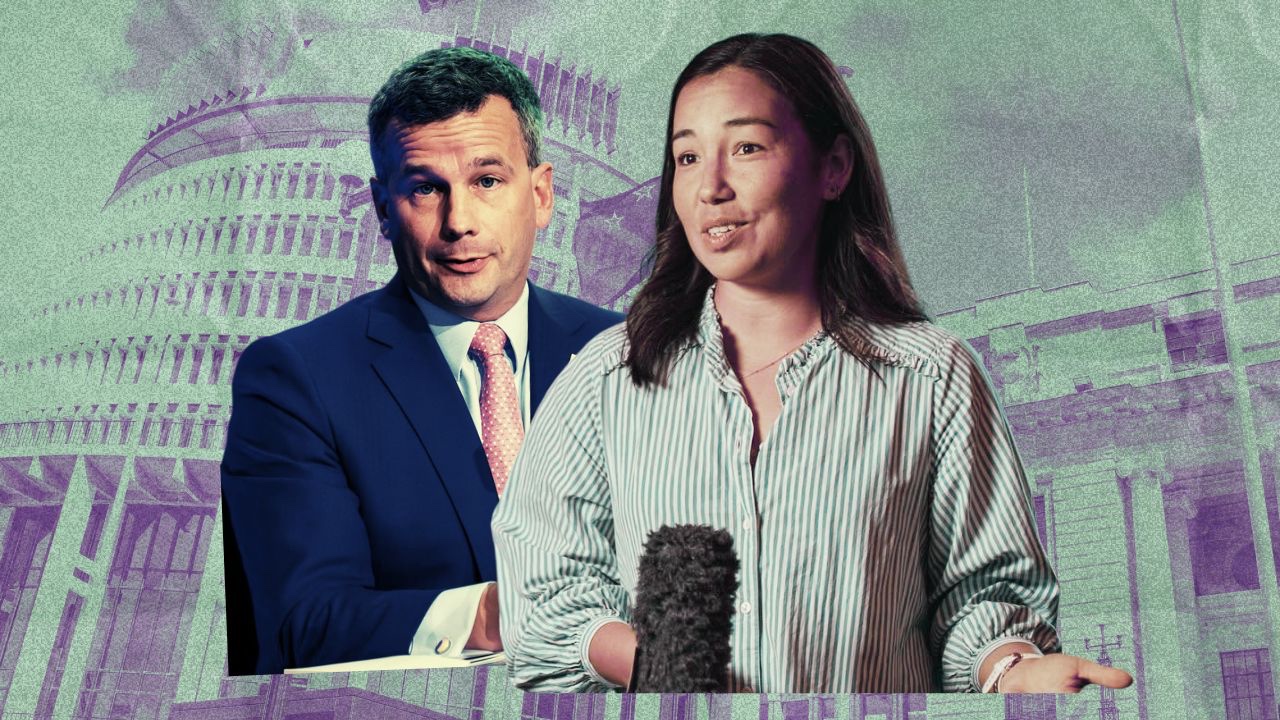
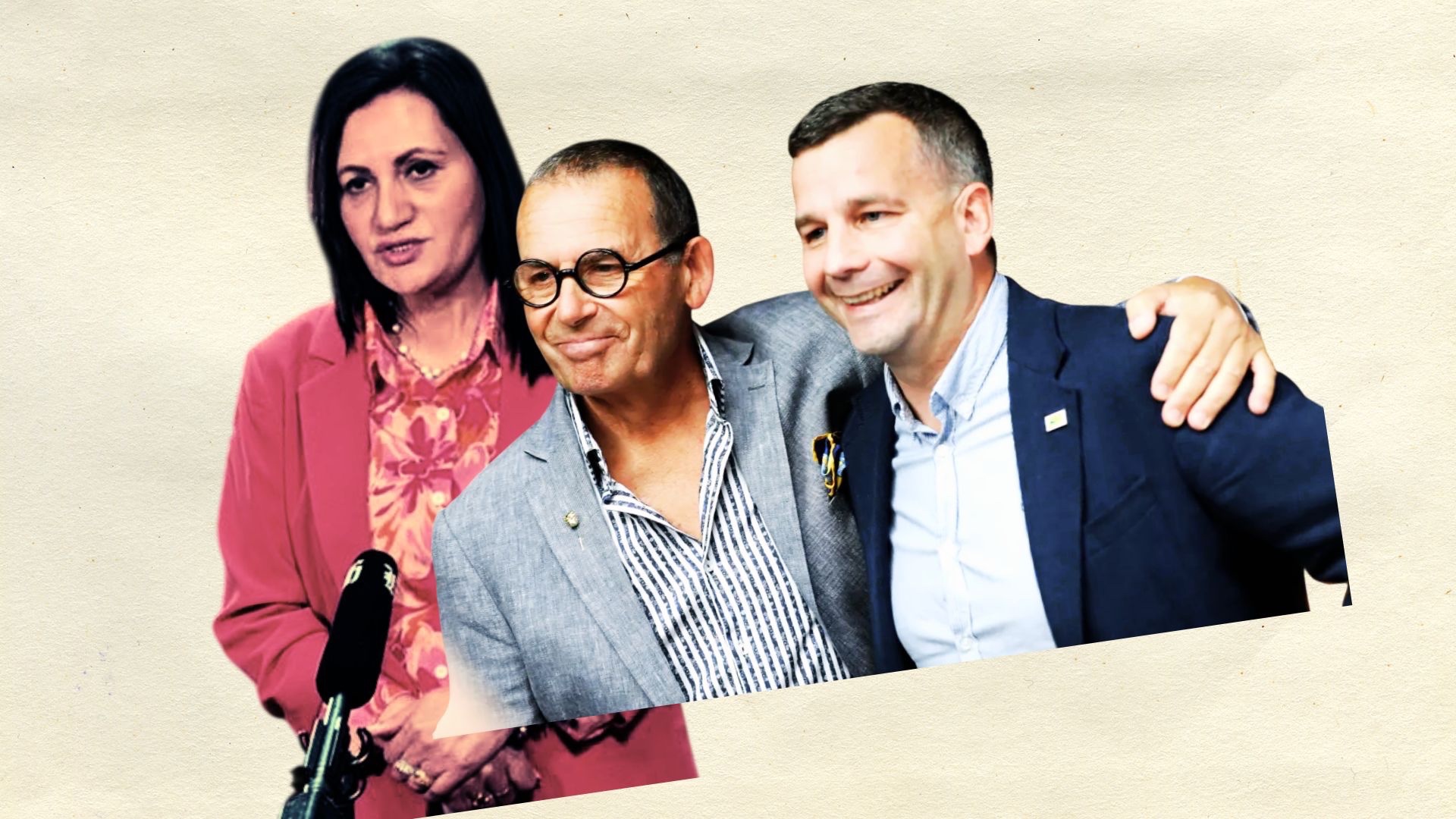
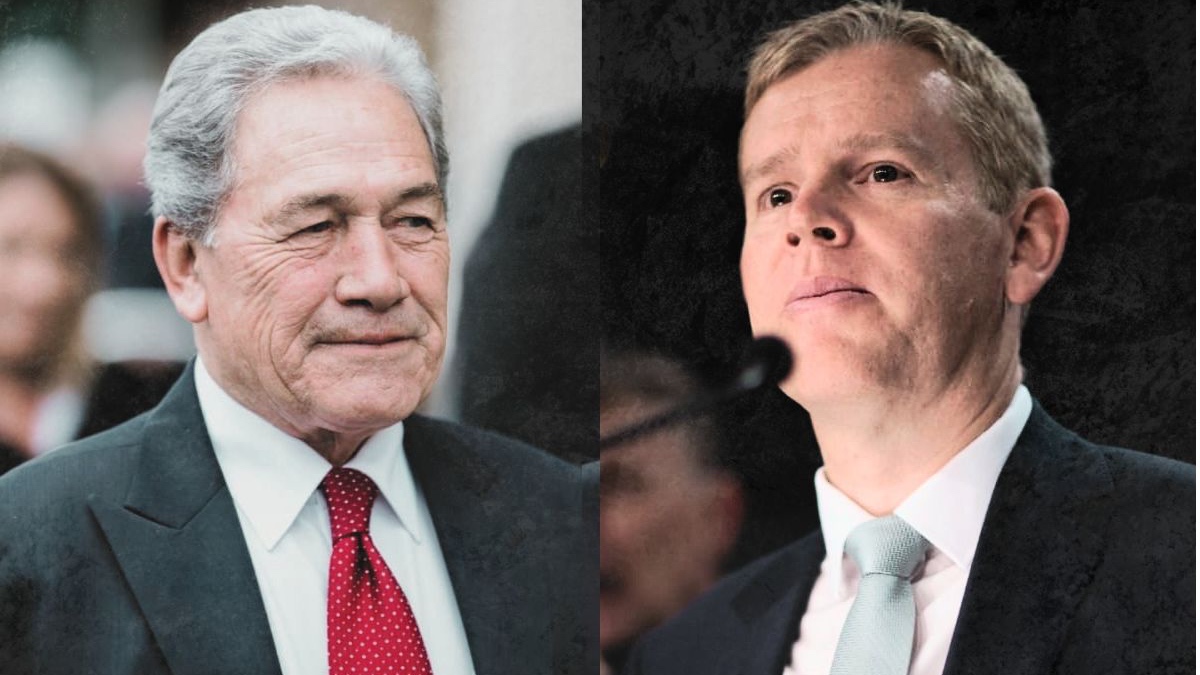
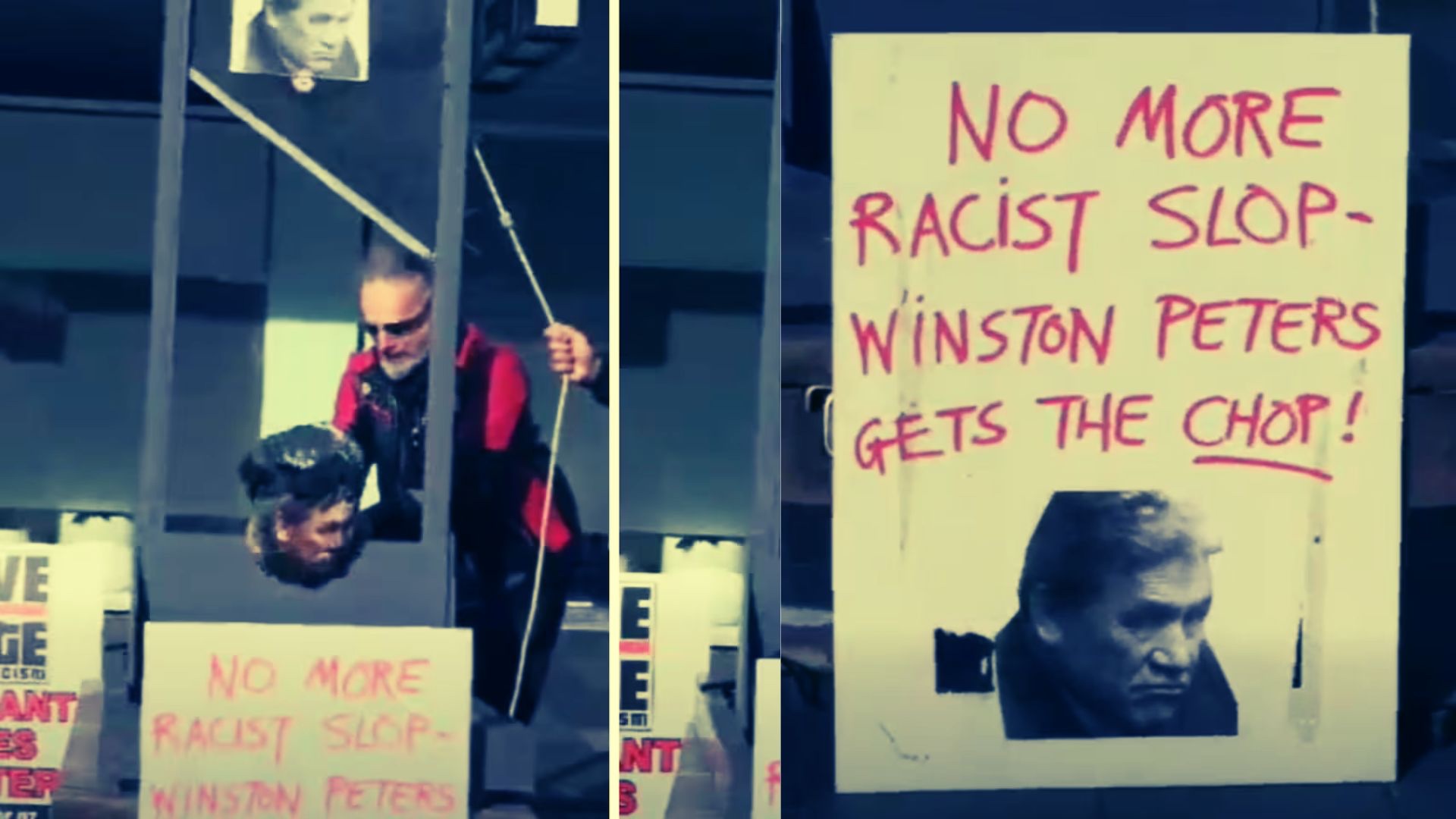
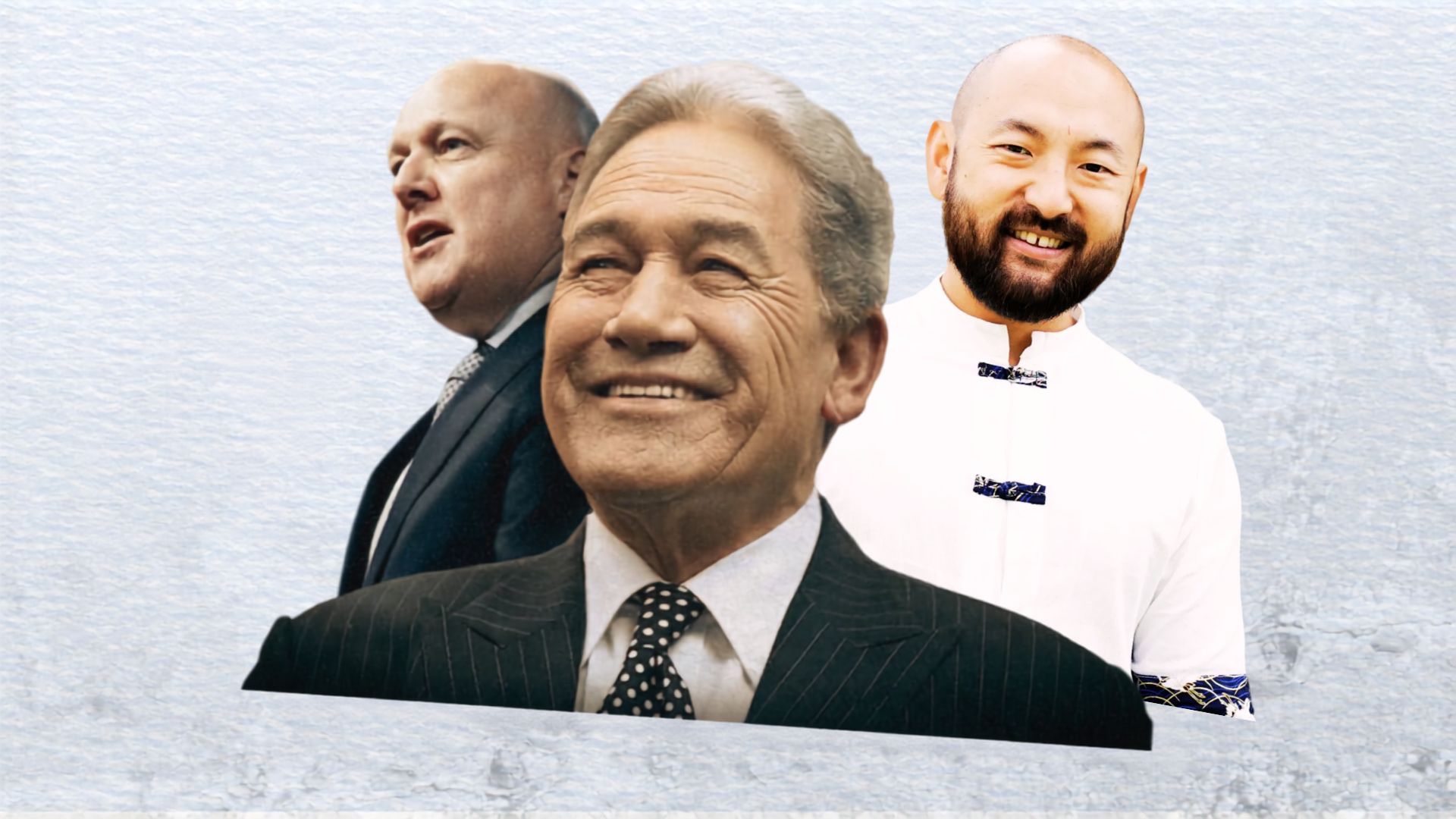
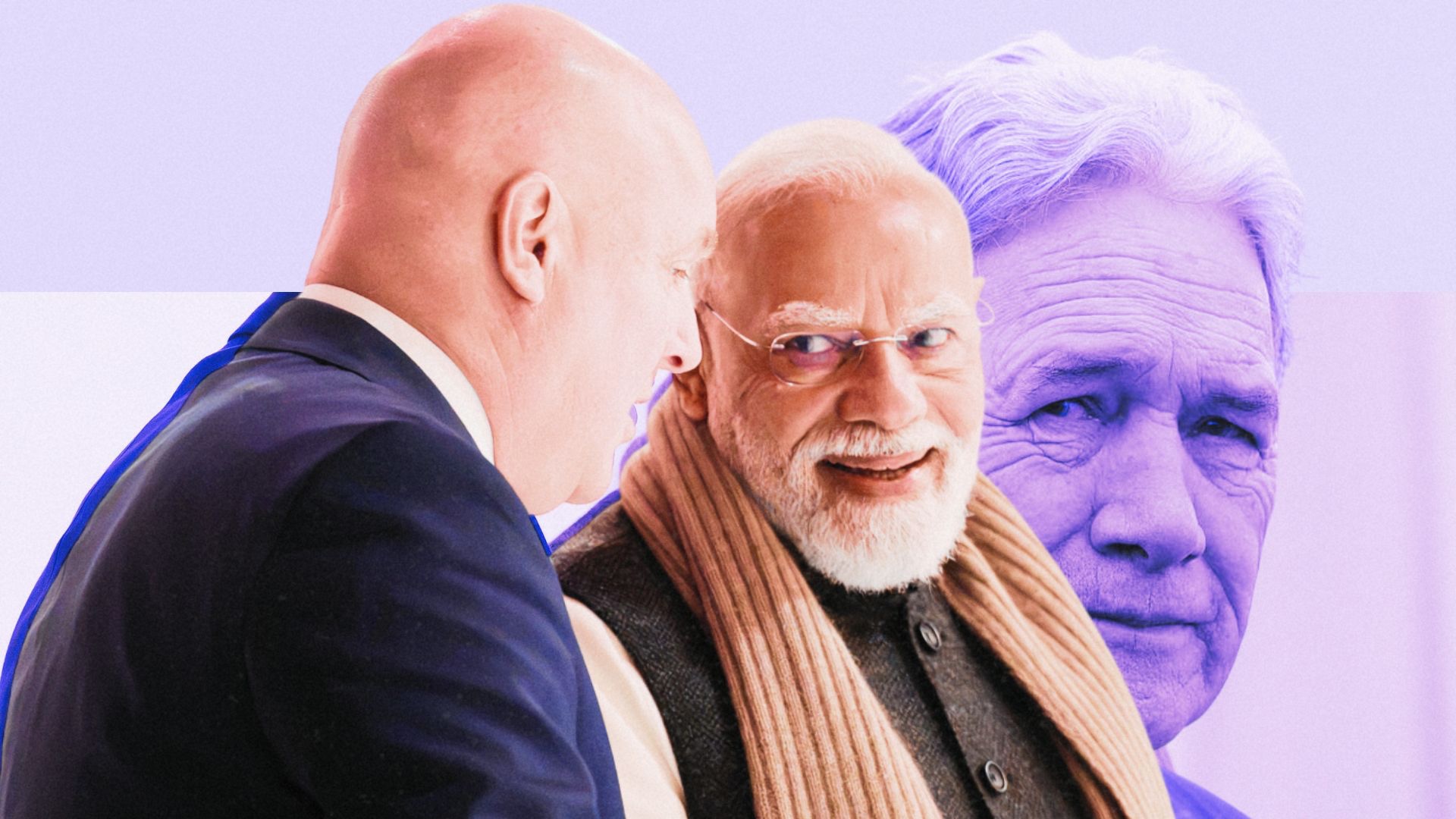
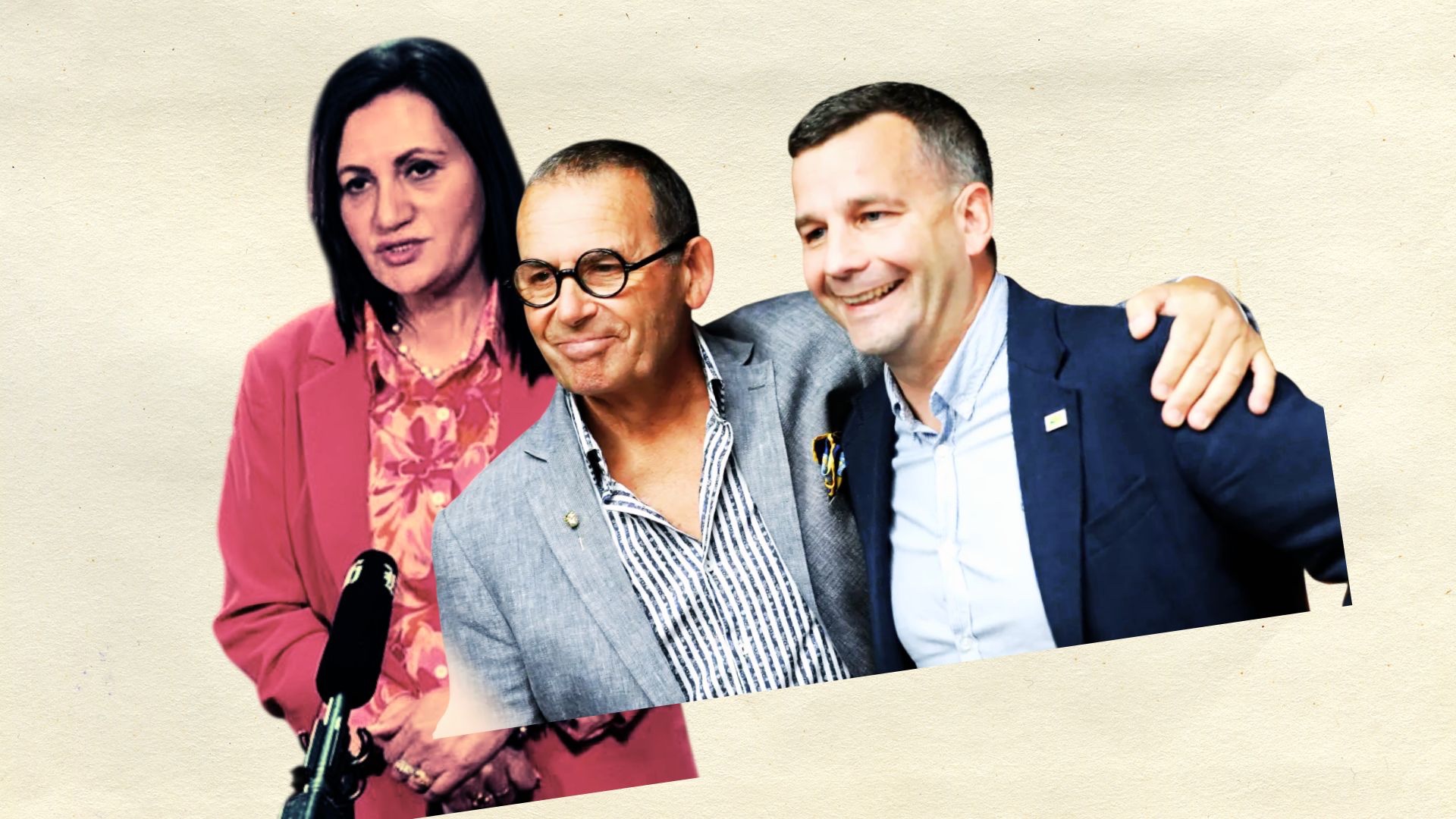
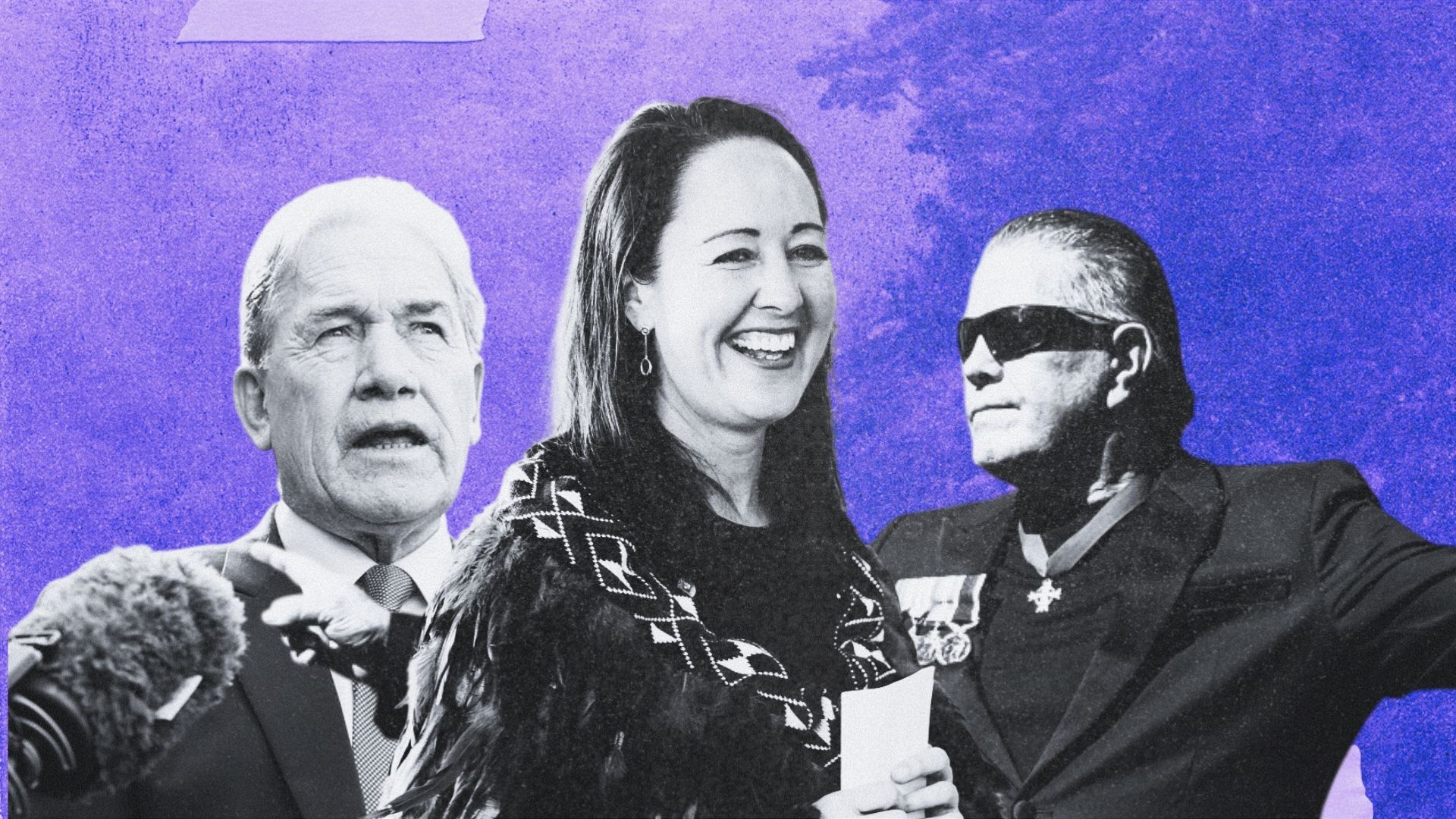
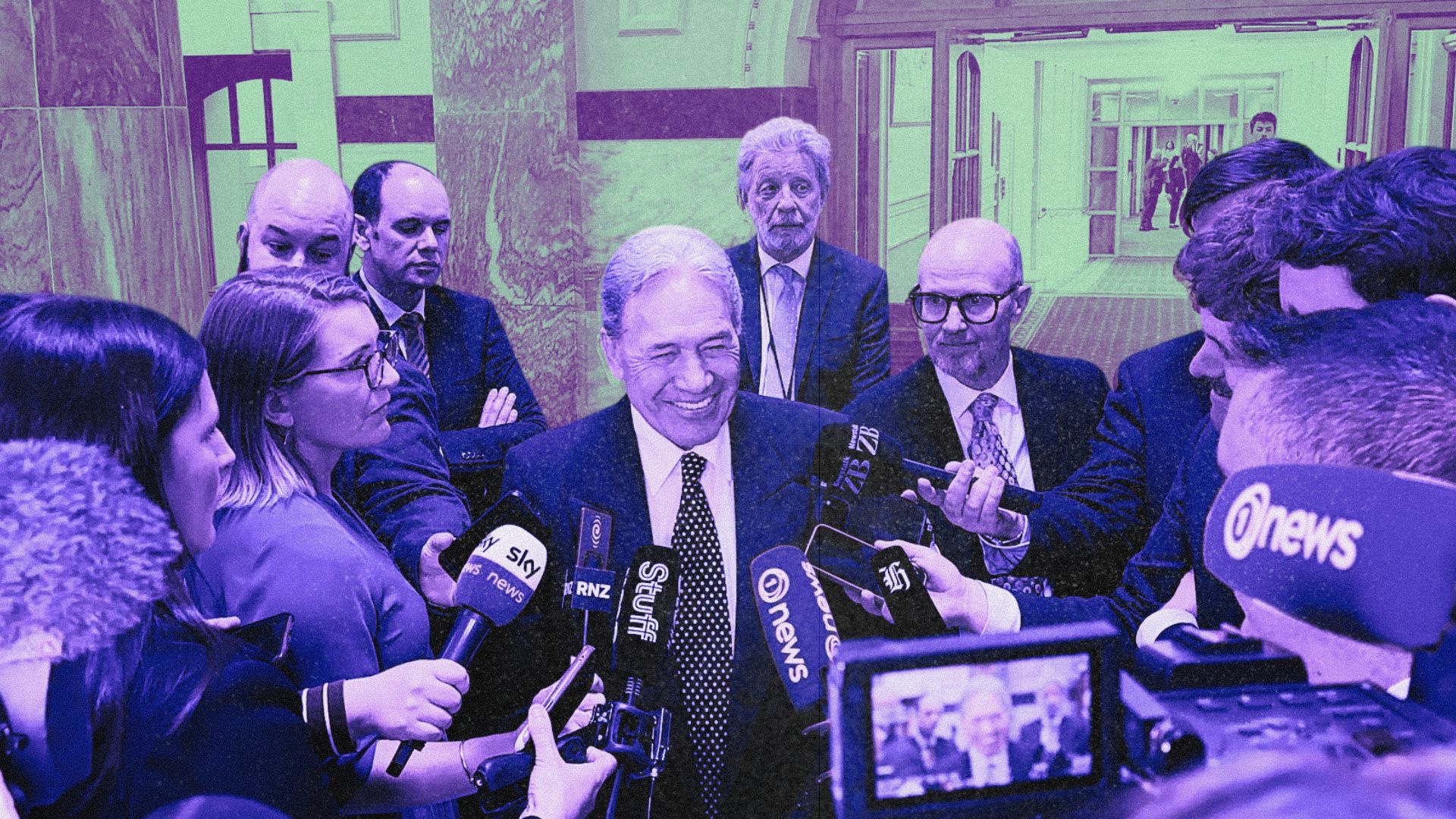
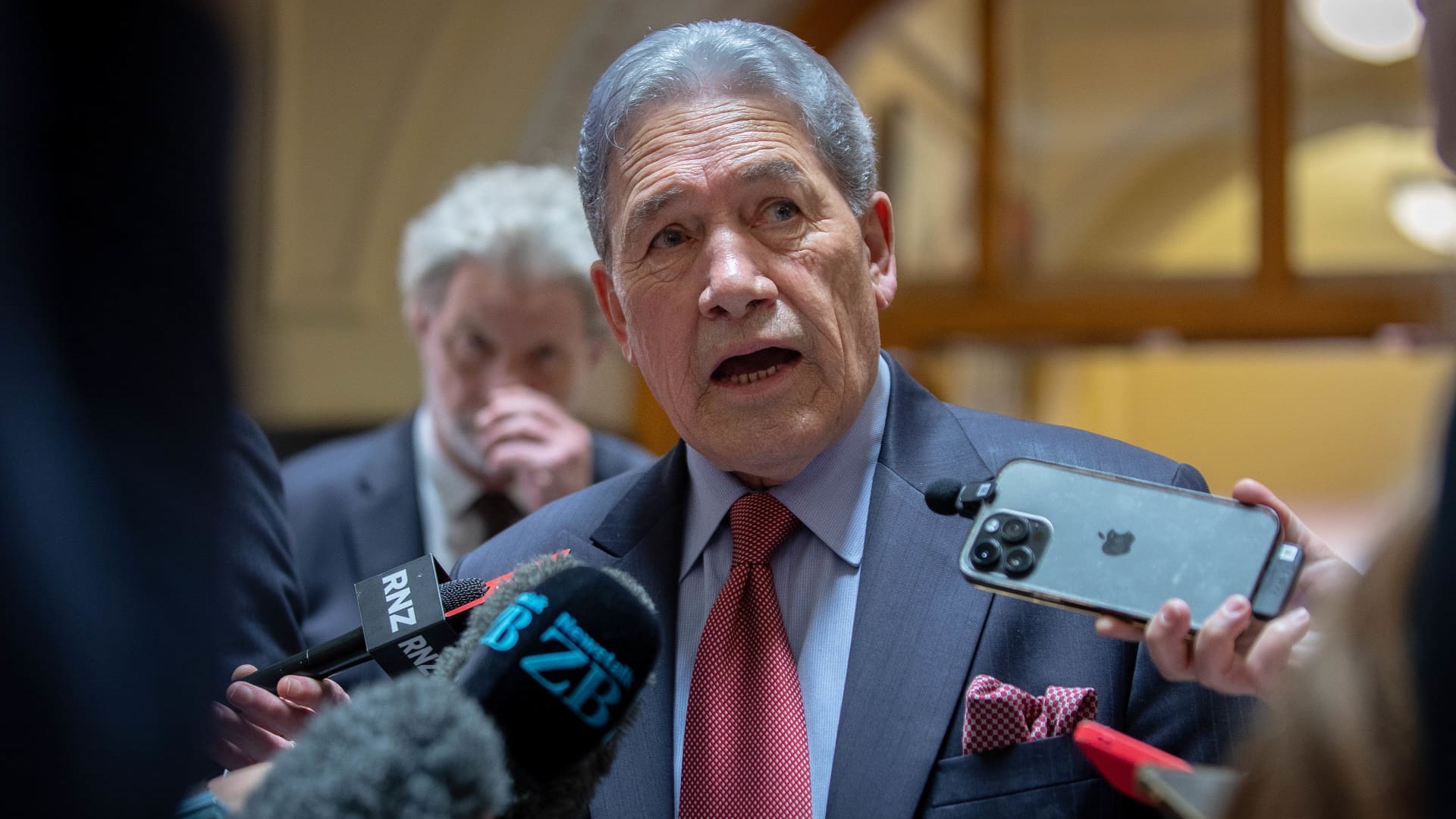
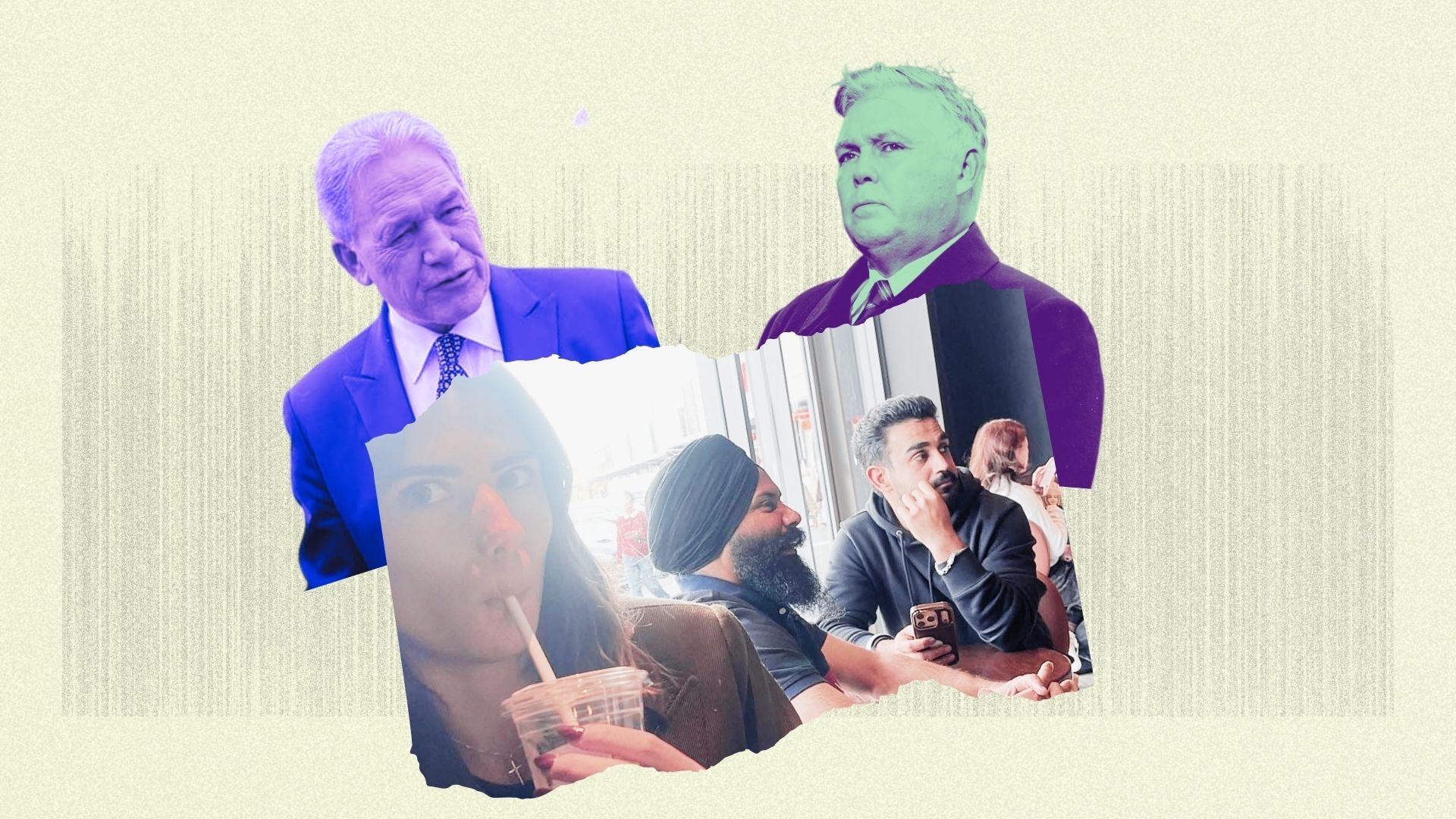
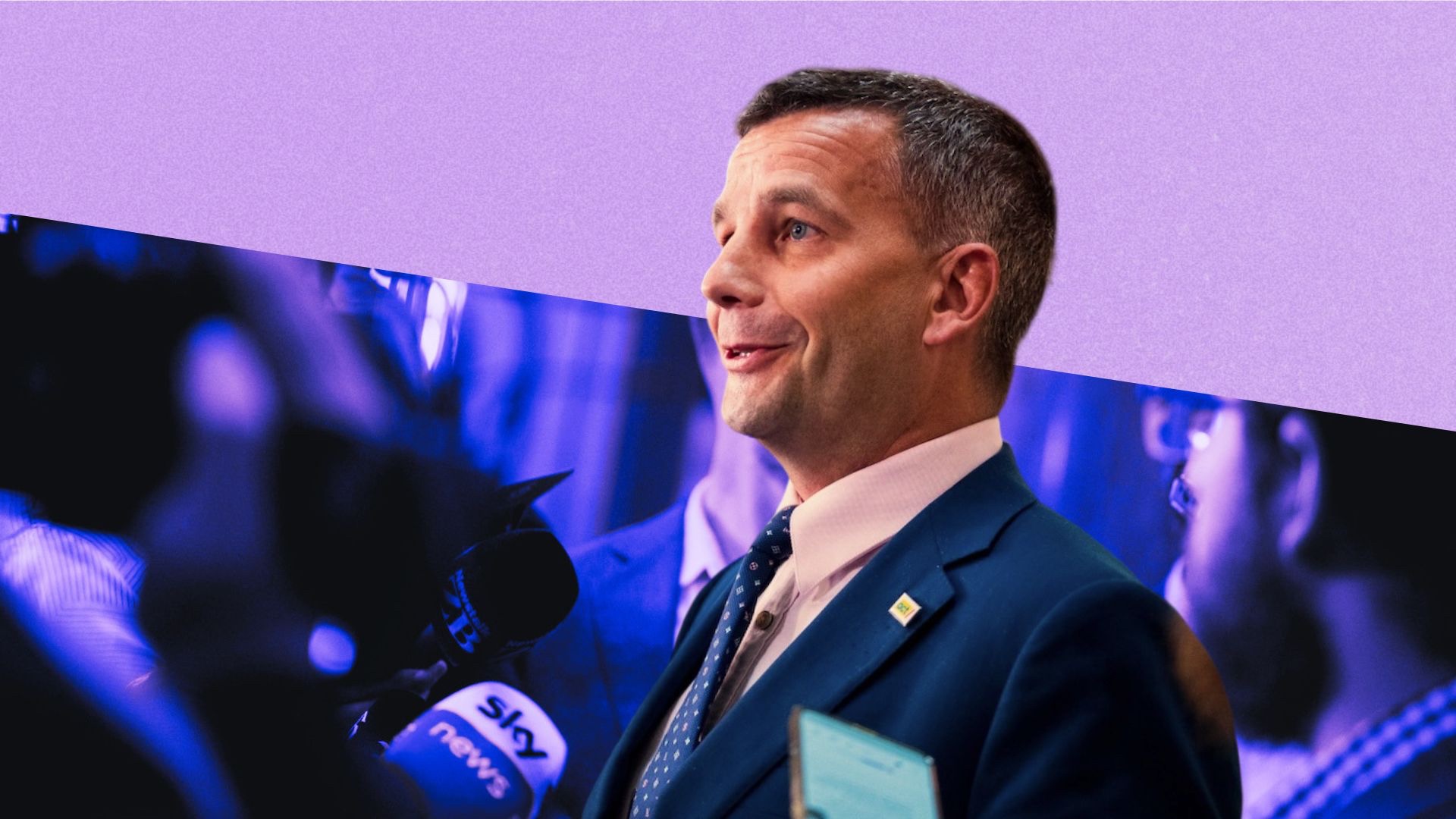
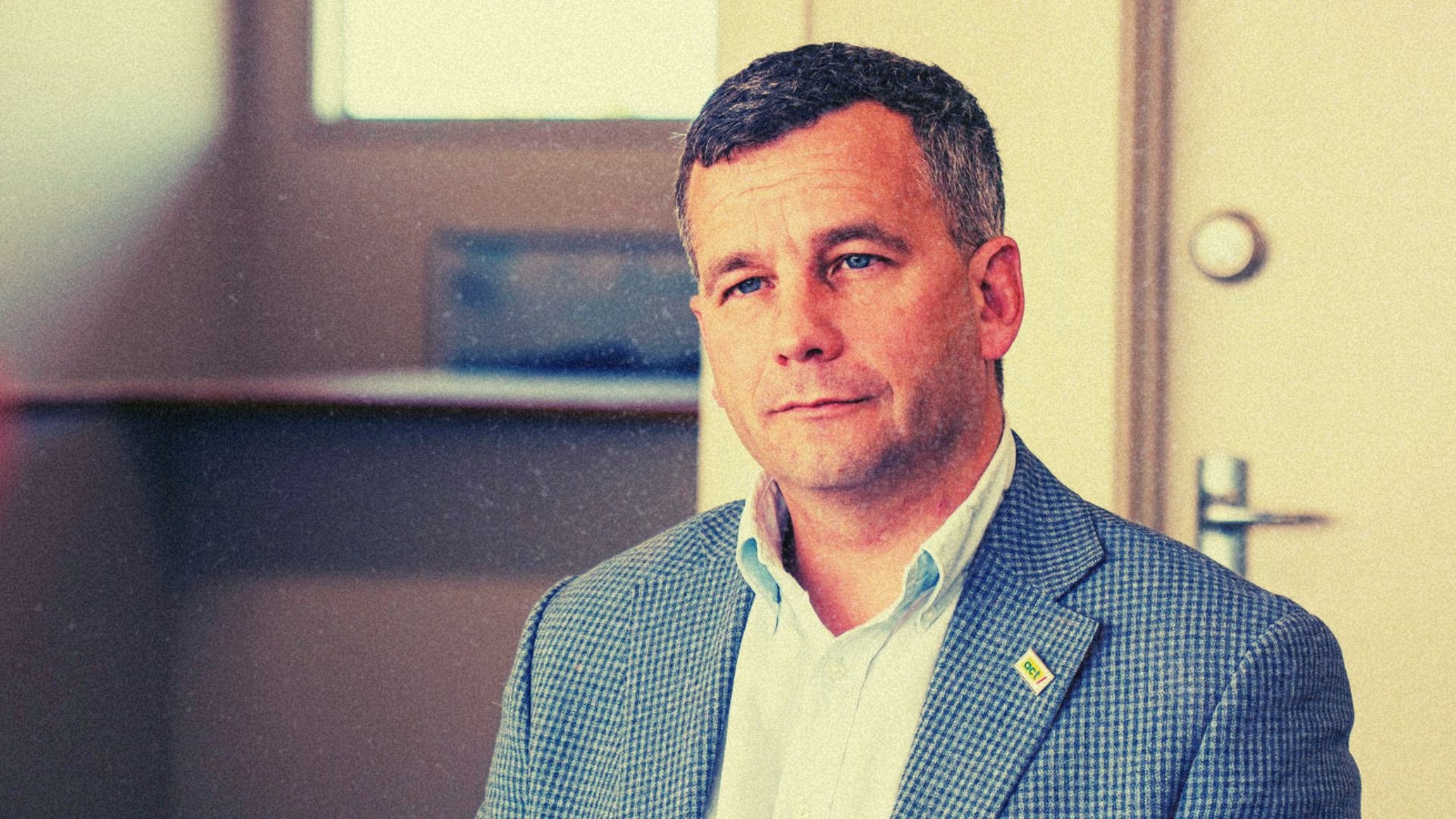
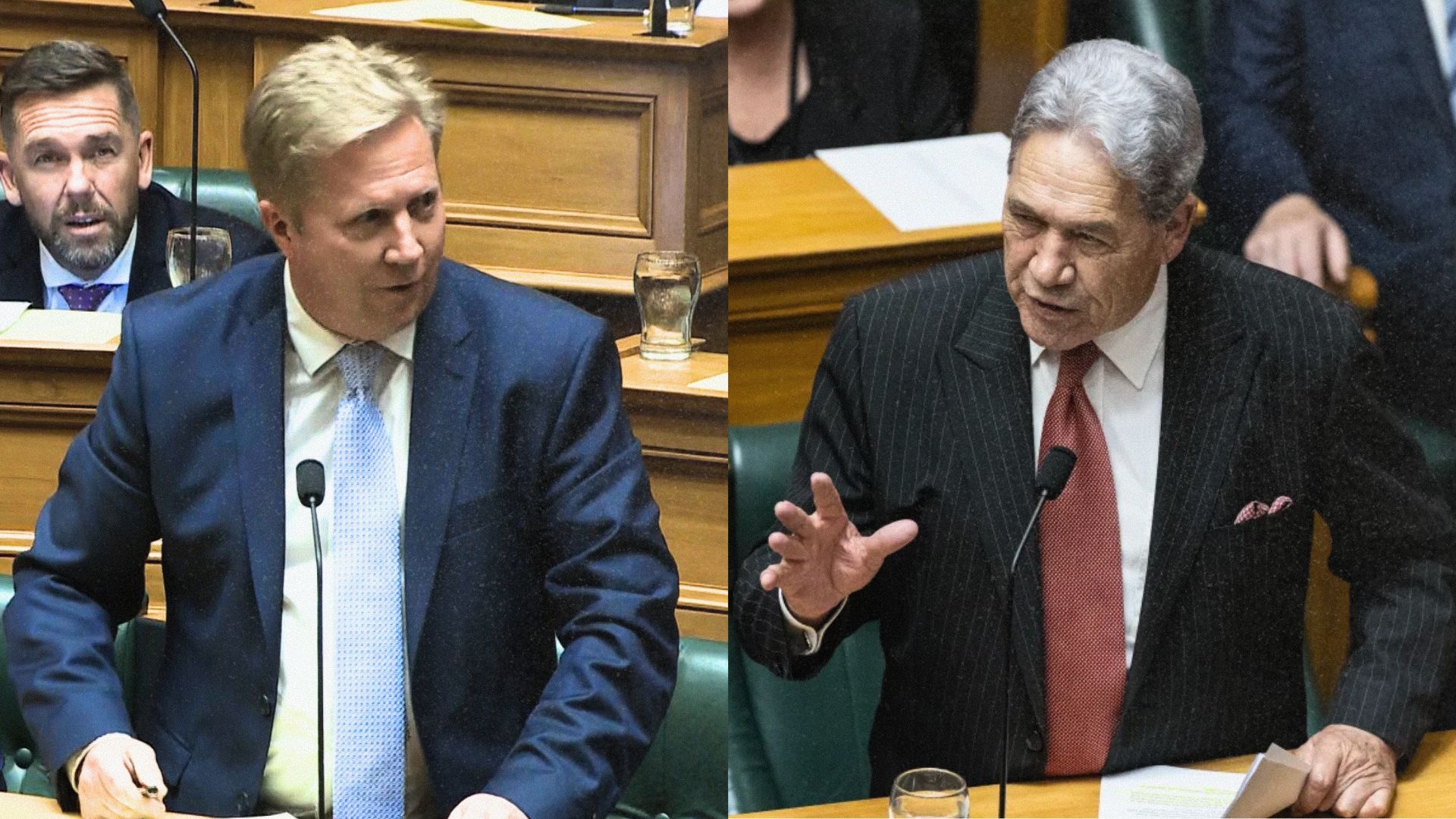
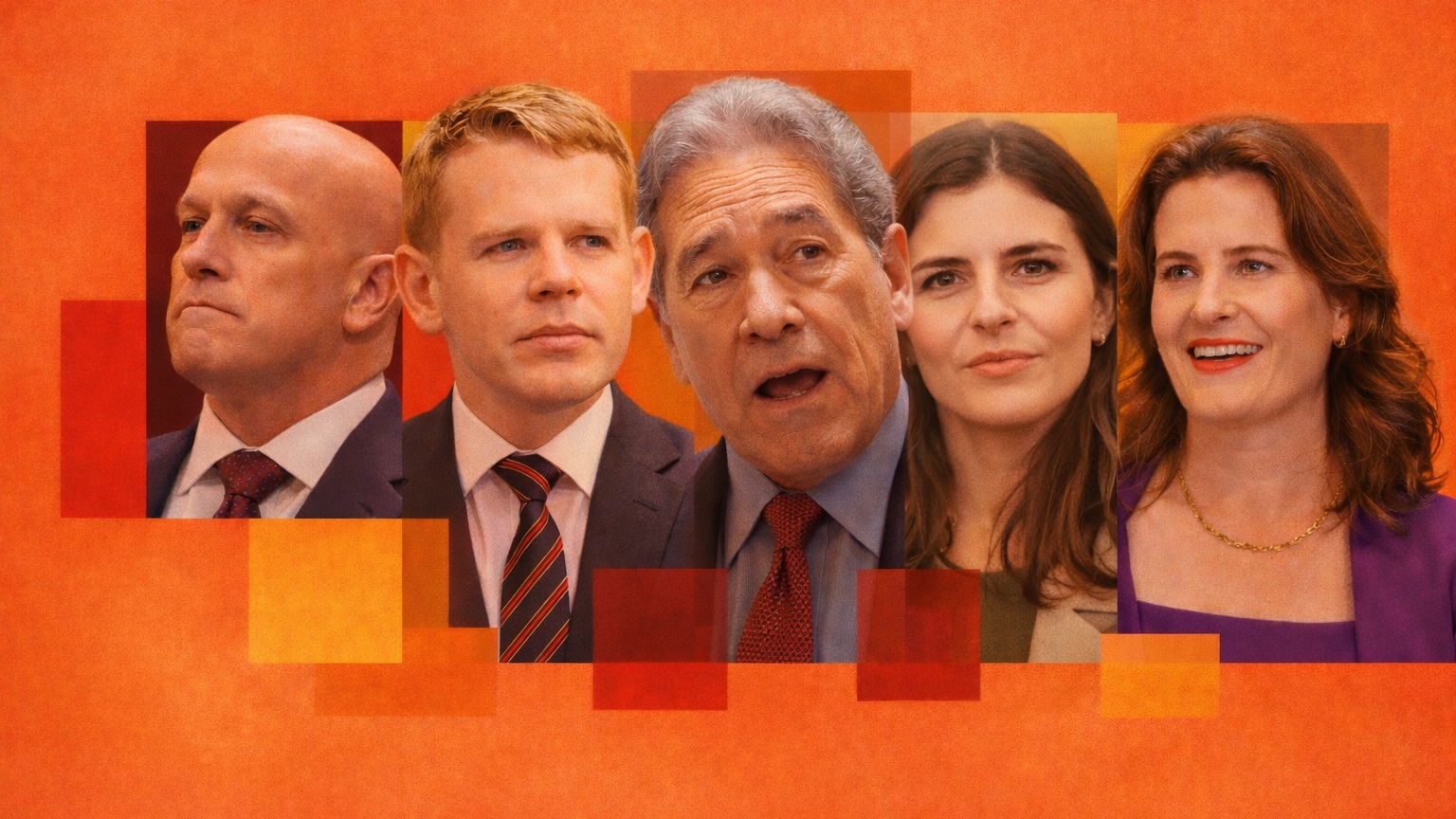
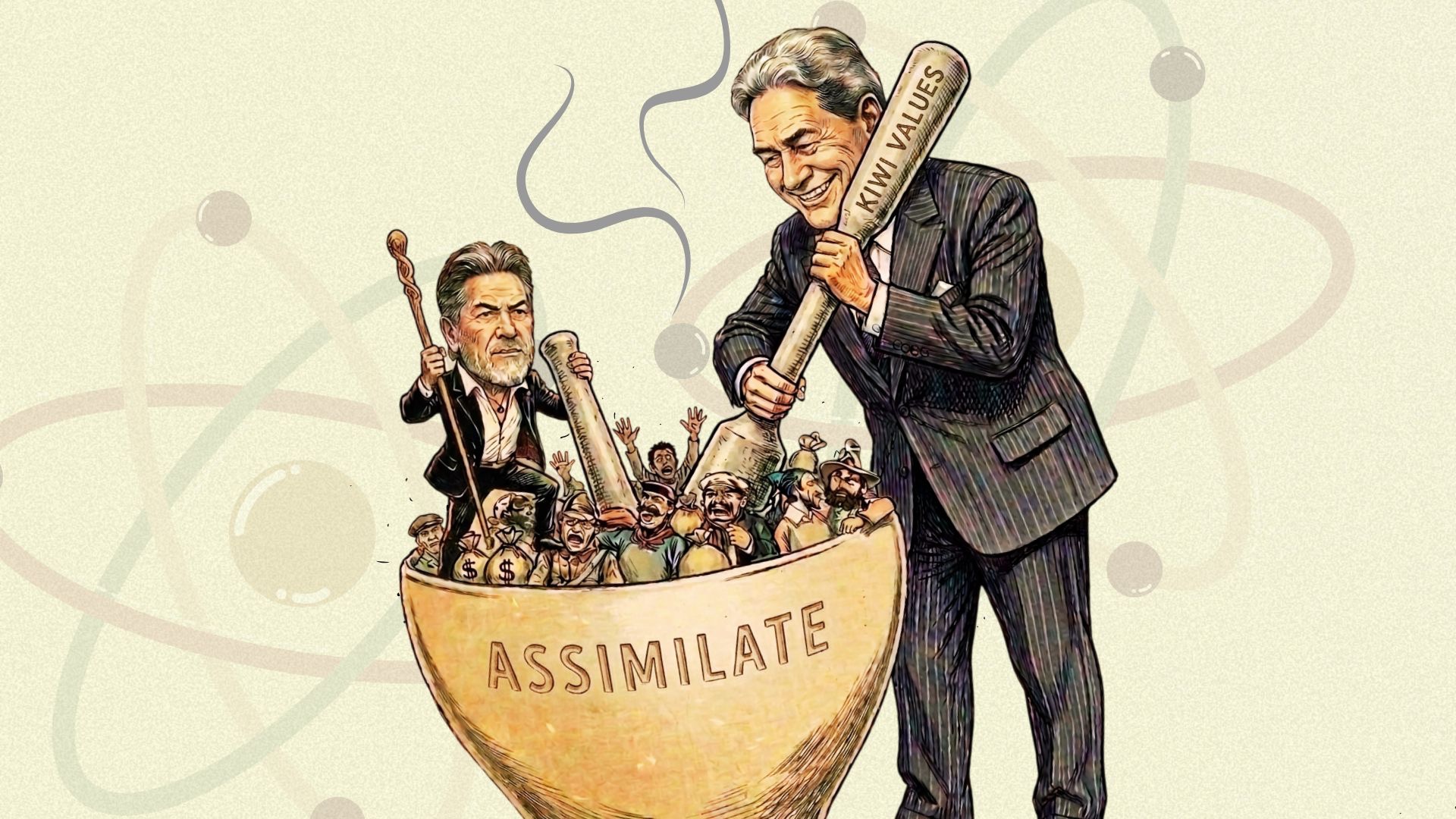
She accuses NZ First leader Winston Peters and ACT leader David Seymour of emboldening such views in New Zealand. For Radhakrishnan, politics that identifies a group of outsiders and presents them as the source of other people’s problems is “lazy politics”.
“It’s easy to other a group of people and say, all of you are threatened because of this group. We are the only ones who can fix your problems — vote for us.”
She reaches for an old analogy about two wolves representing different sides of human nature. “It’s the wolf that you feed that is the one that will grow.”
What about migration itself?
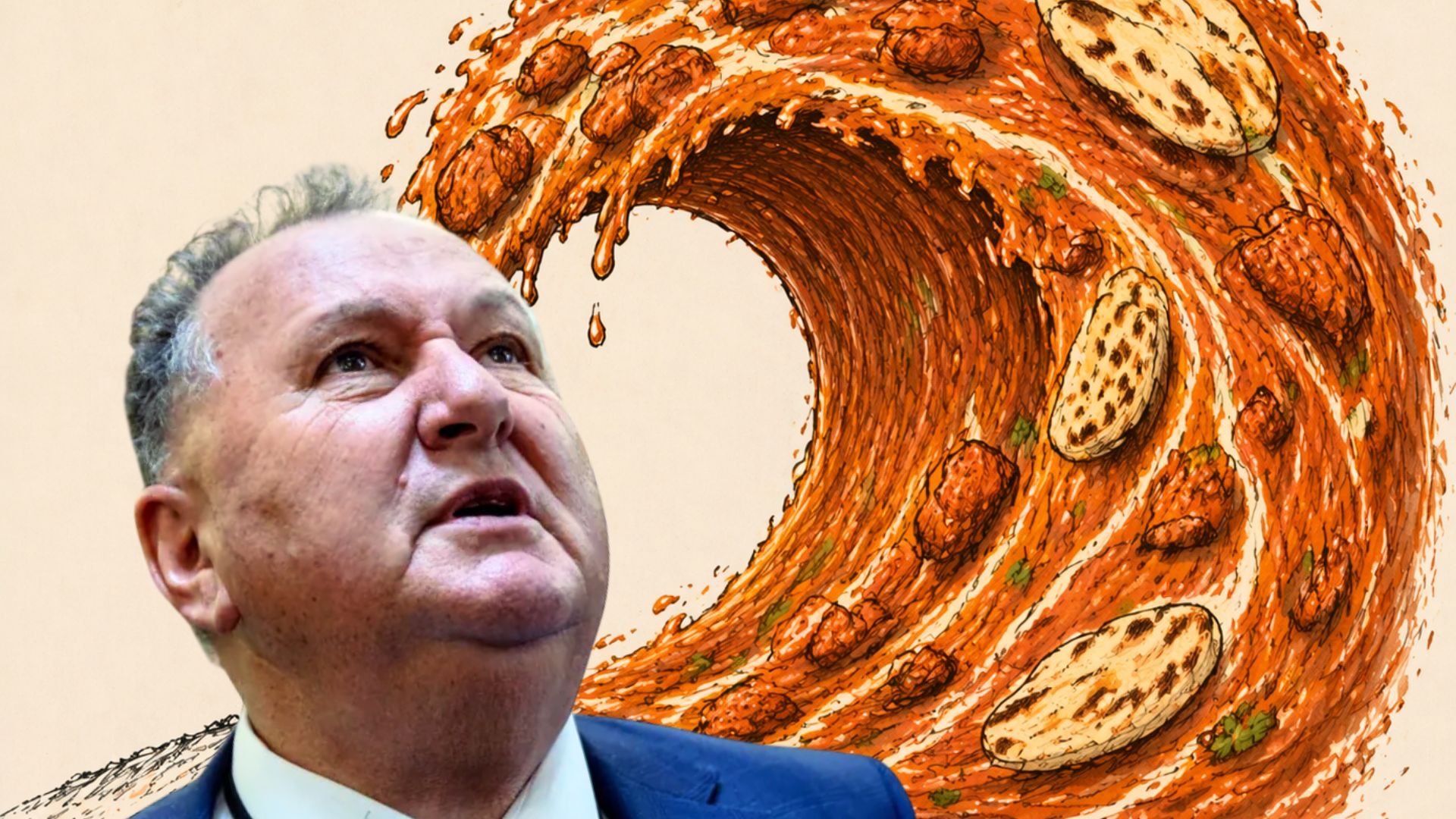
Radhakrishnan rejects suggestions that New Zealand’s recent immigration system has had serious problems. She also abhors descriptions of migration as a “flood” or “tsunami”, language she sees as deliberately frightening.
Labour is pitching a Government Policy Statement on immigration if it were to come to power. It's intended to provide a longer-term strategy for immigration and how it fits with the country’s wider population and workforce needs.
“We’ve always been a country of immigration,” Radhakrishnan says. “We’ve got to get the balance right.”
That brings the conversation back to the question Radhakrishnan has faced since becoming an MP.
She believes being Indian gives her experiences and perspectives that can be valuable in Parliament. She believes there is value in younger Indian New Zealanders seeing someone who looks like them occupying positions of political power.
What she does not accept is that this turns her into the Indian community’s representative rather than a New Zealand MP who happens to be Indian.
“If you share my values and you’re Indian, of course I represent you,” she says.