
Kiwi businesses are learning what it really takes to crack India

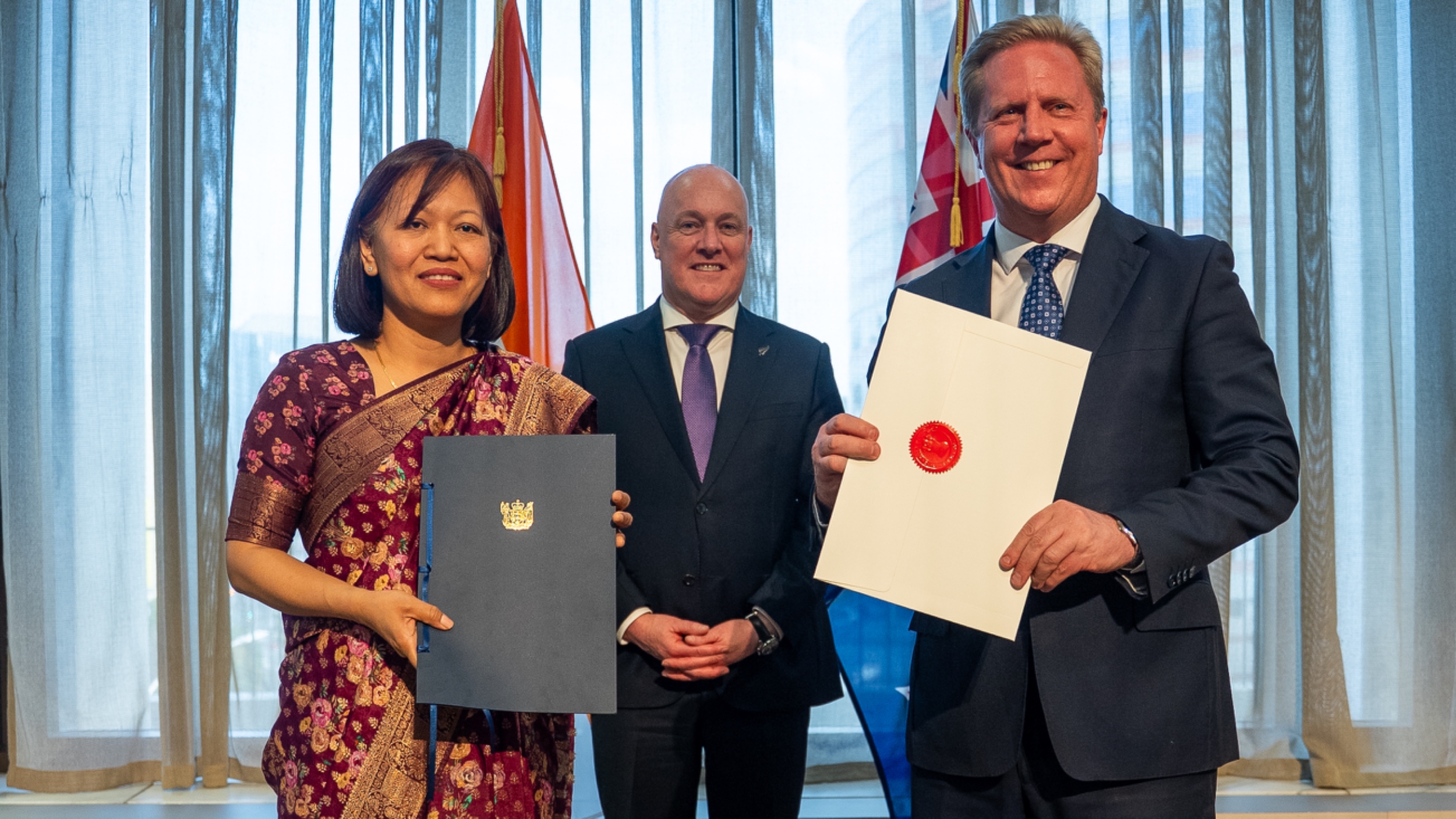
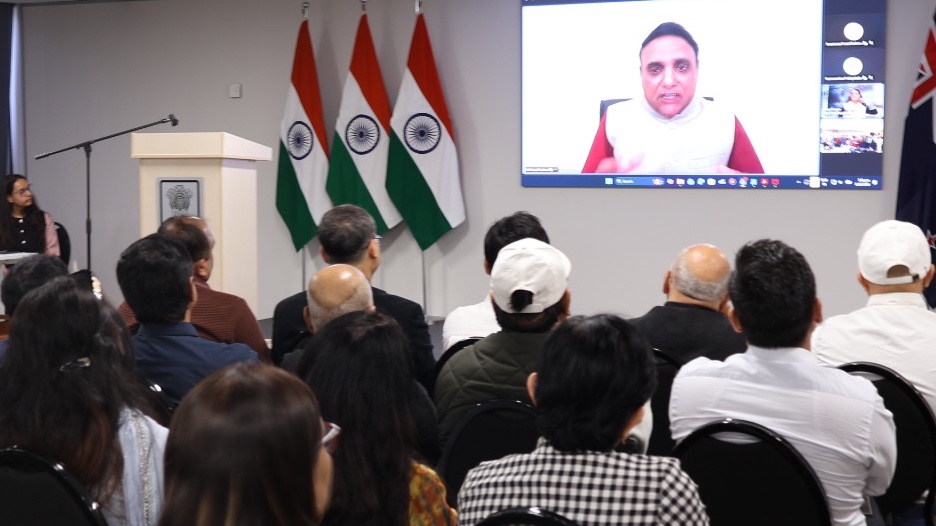
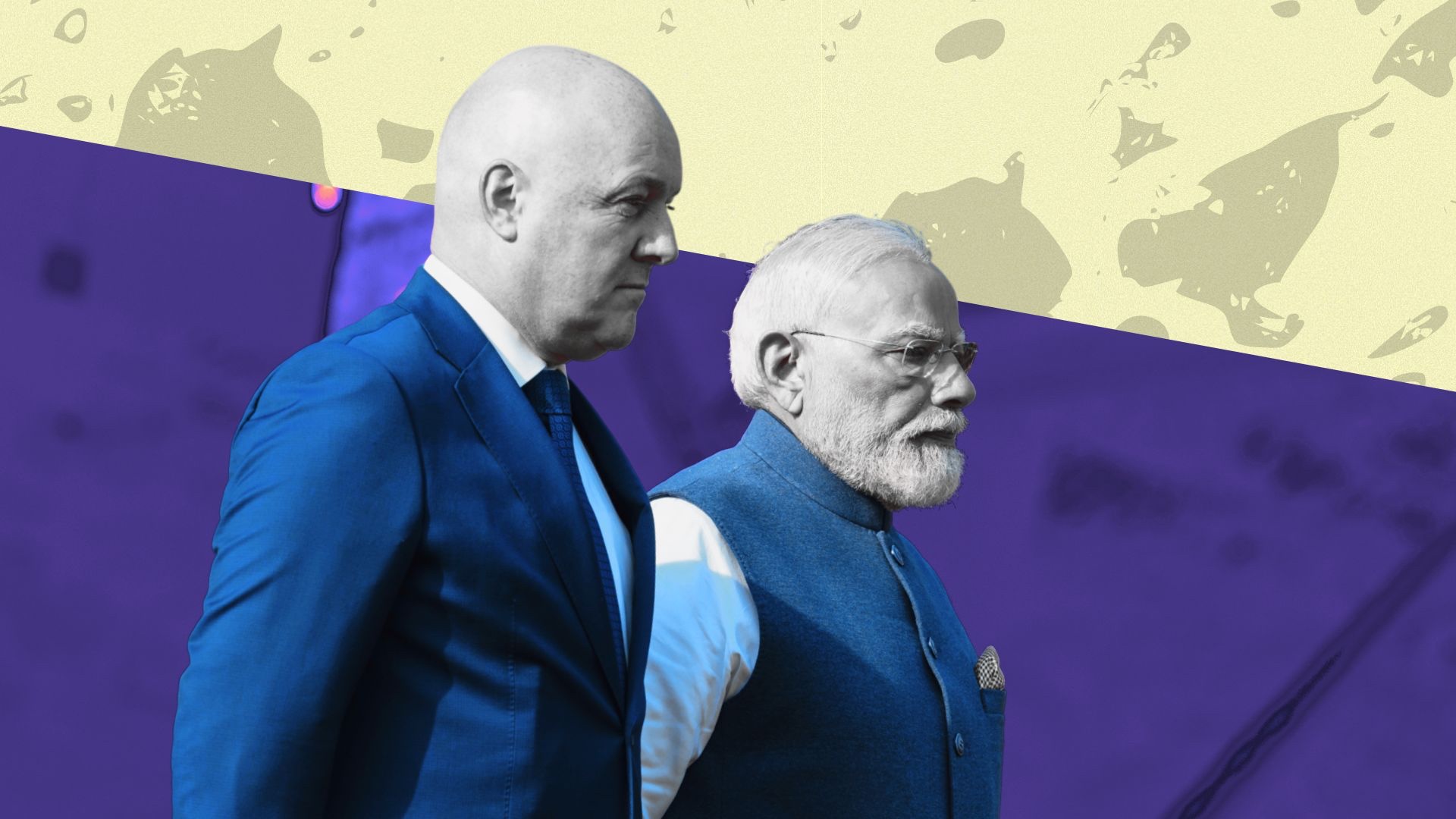
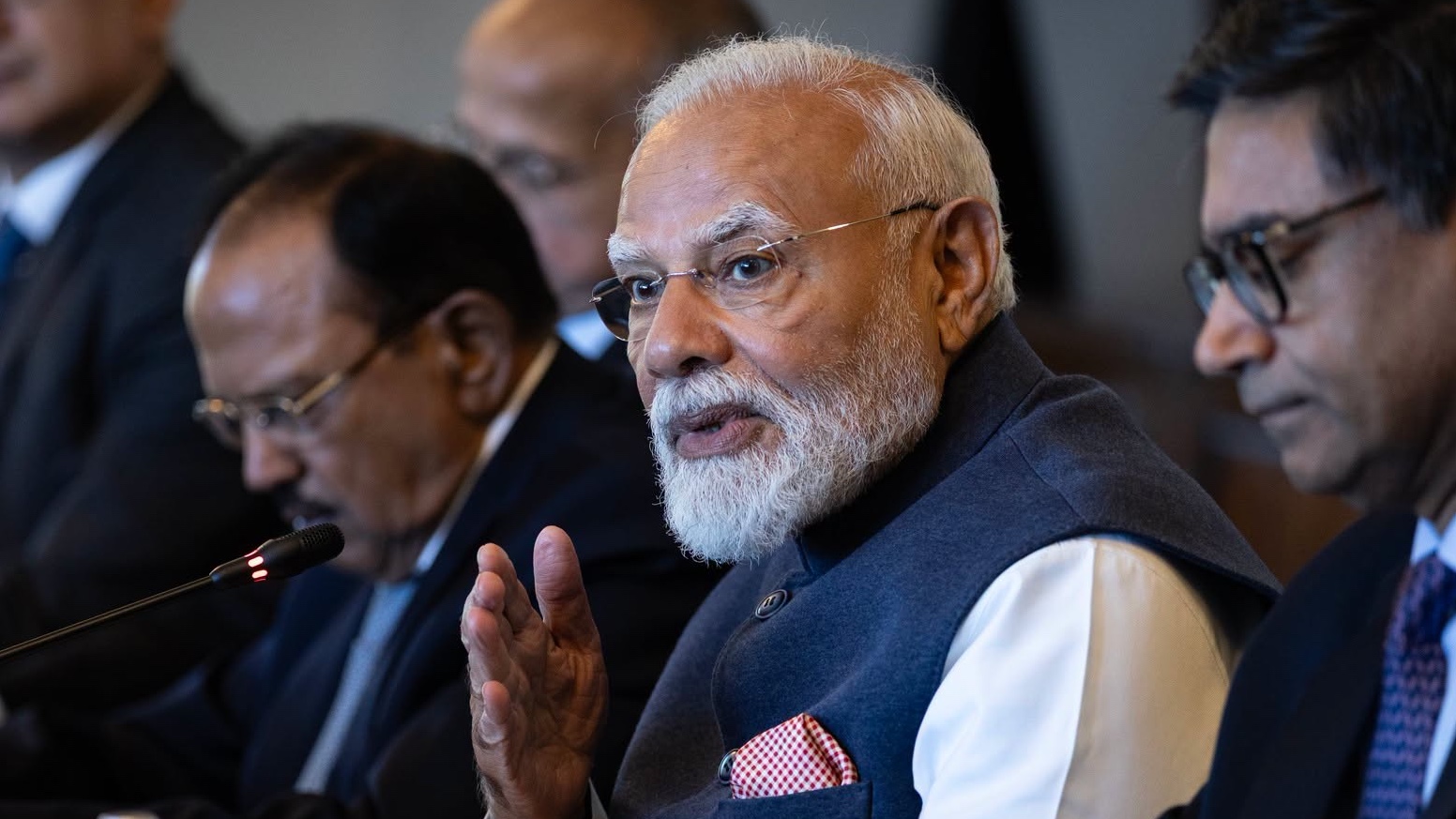
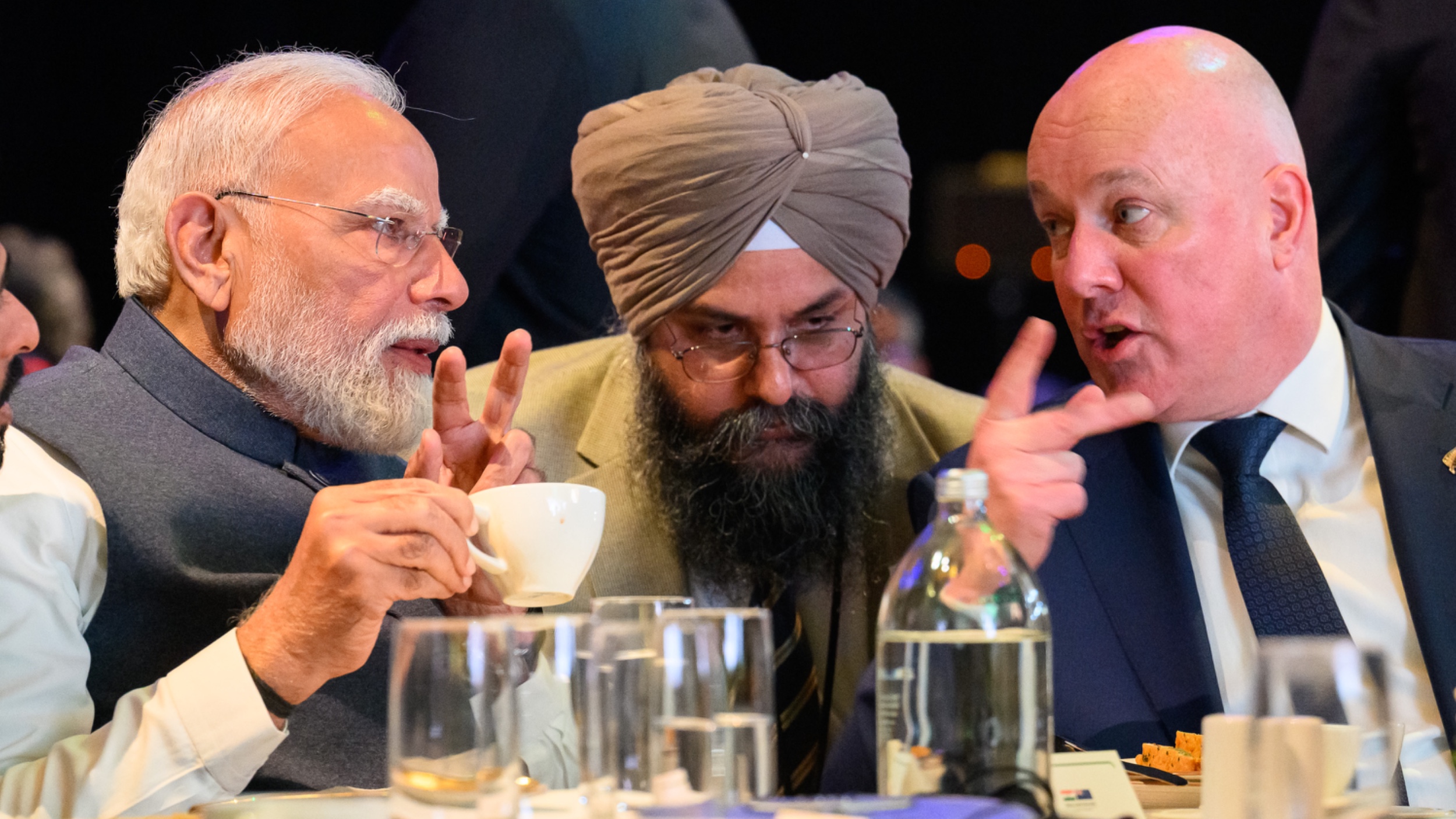
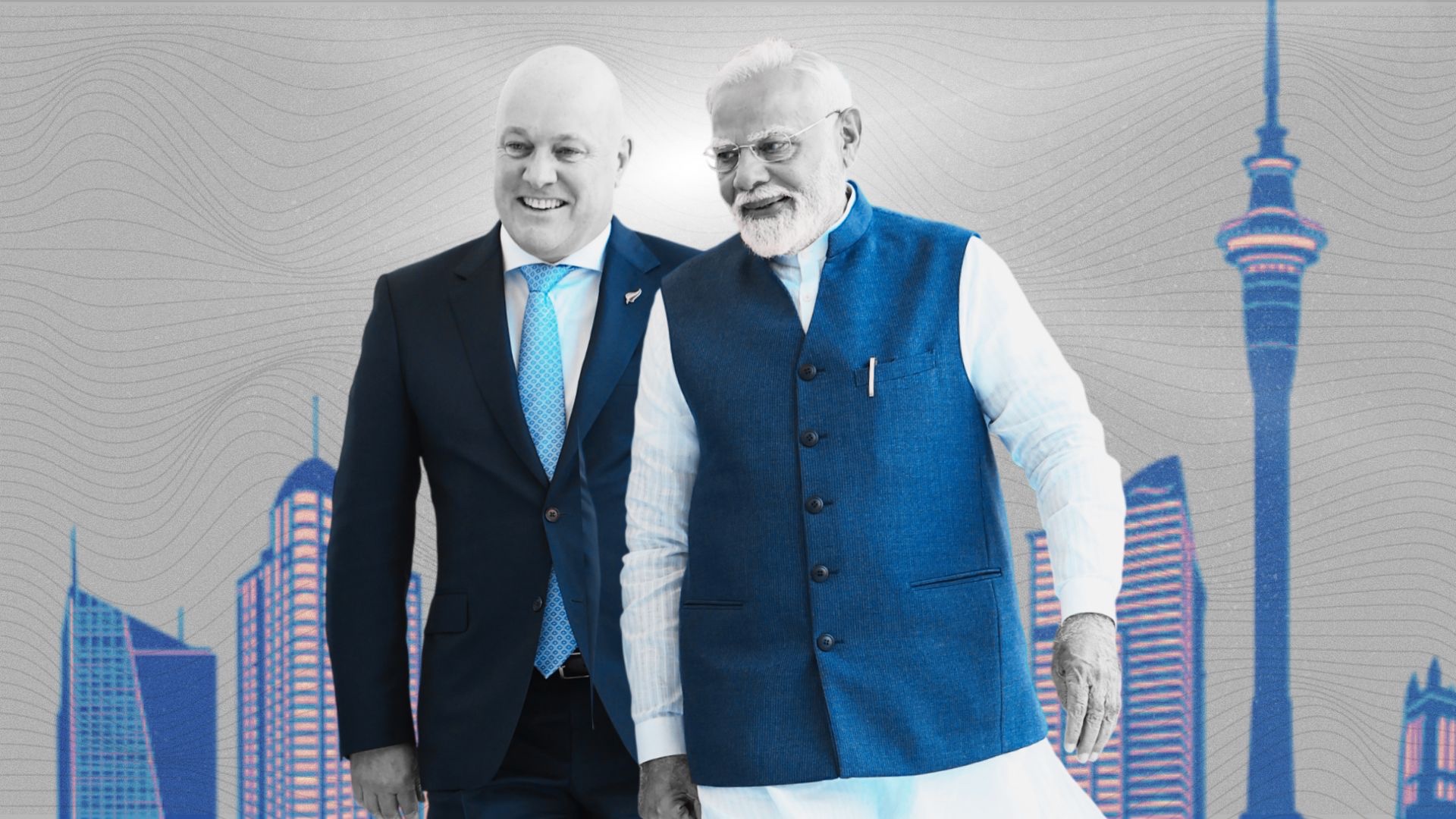
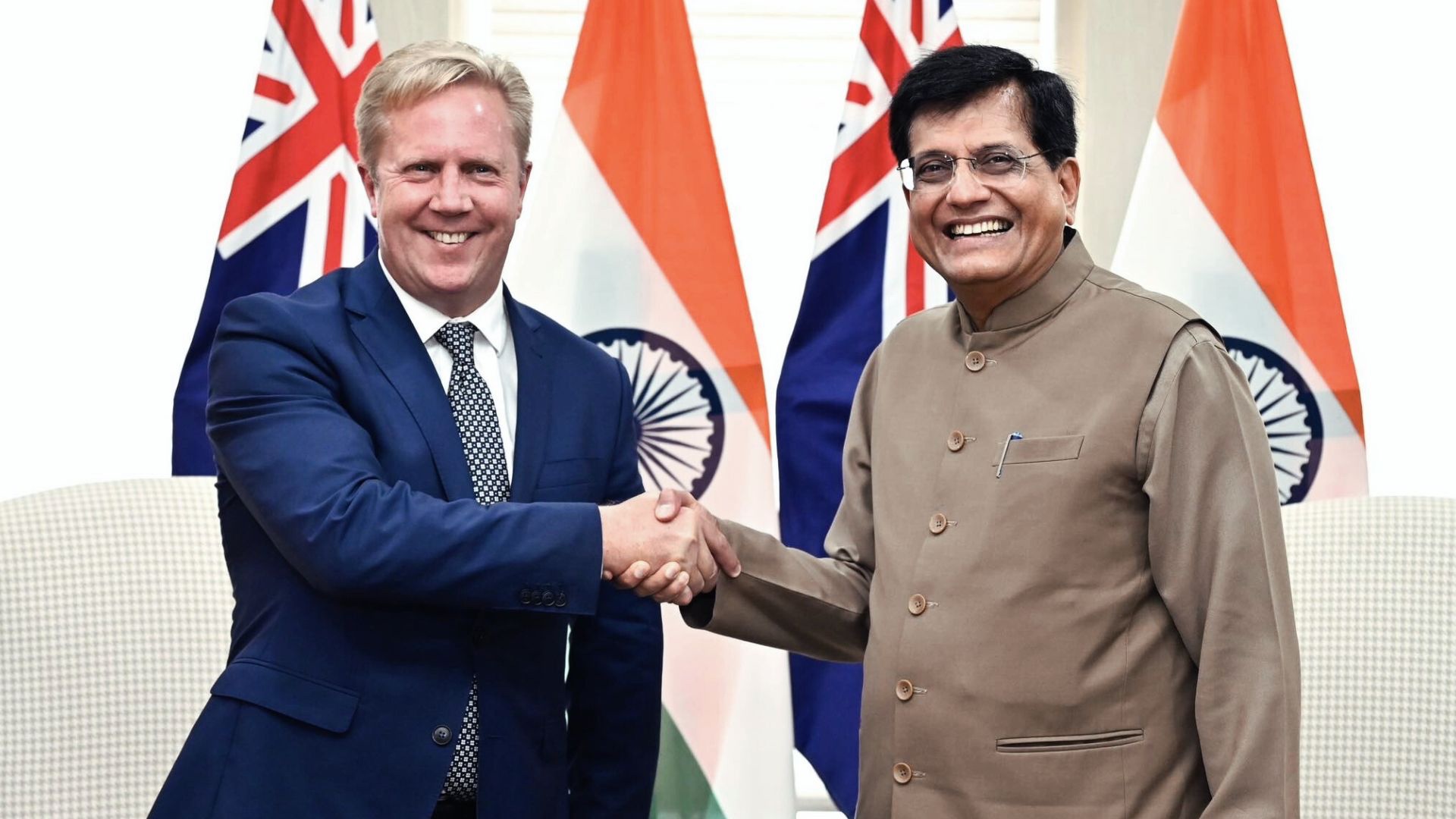
NZ-India Business Summit 2026 brought together the country's leading business minds for a two-day conference in Auckland on November 12-13, 2026.
Kiwi business leaders share hard-earned lessons on adapting to India's markets and building trust.
When New Zealand technology firm Duco Consultancy needed to expand its workforce quickly, India offered a solution. What began as a way to support international clients has since opened the door to selling its own technology in the Indian market.
For property technology company Valocity, the challenge was different. It had technology that worked in New Zealand and Australia, but discovered that Indian banks needed solutions to problems it had never encountered at home.
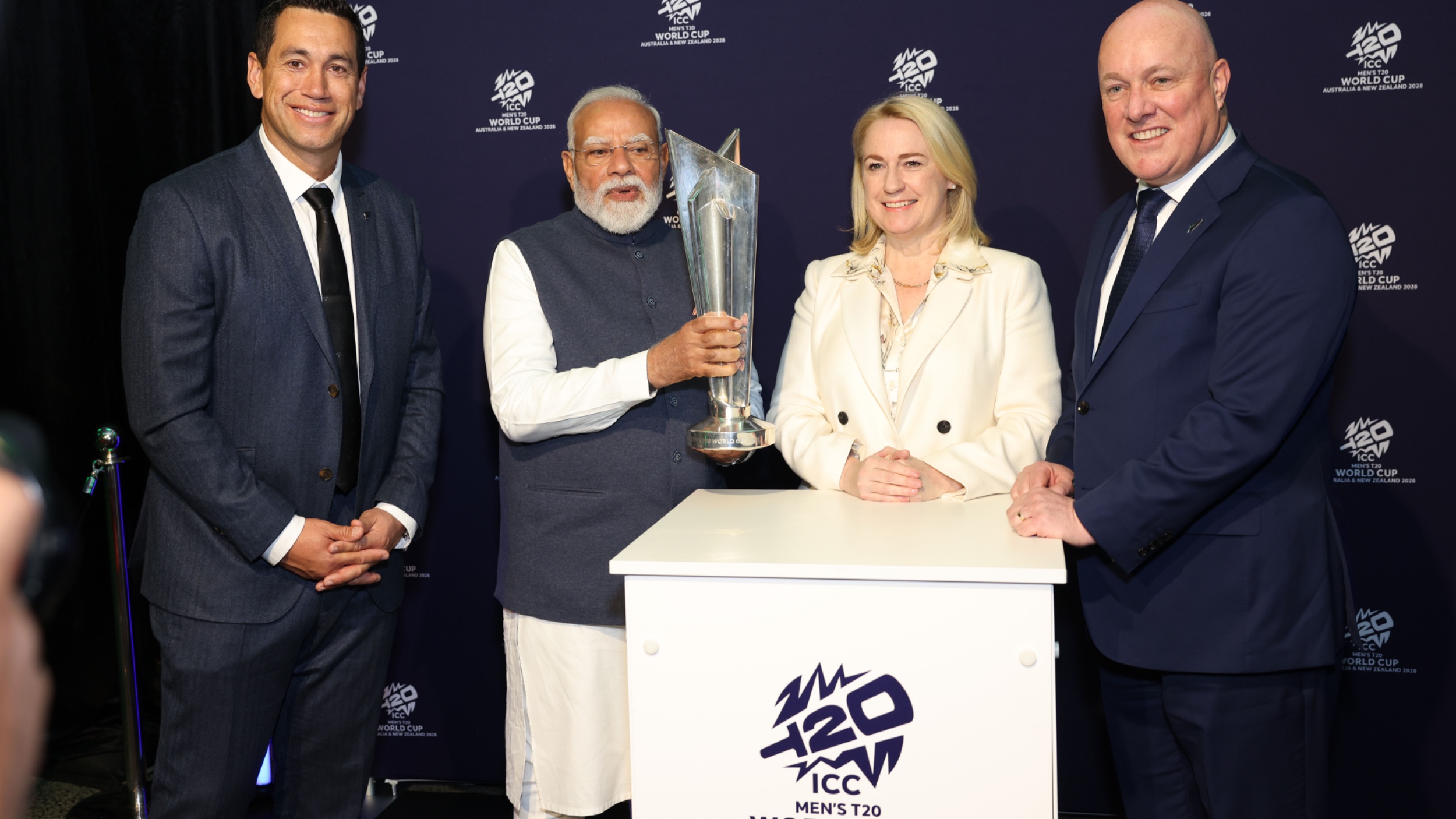
Their experiences were among those shared at the New Zealand–India Business, Innovation and Sport Summit in Auckland last week, which brought together business leaders, policymakers and sporting figures from both countries to explore closer economic, technological and sporting ties.
Across the discussions, speakers offered at times contrasting advice on entering India, from choosing the right region and finding local partners to adapting products and building relationships.
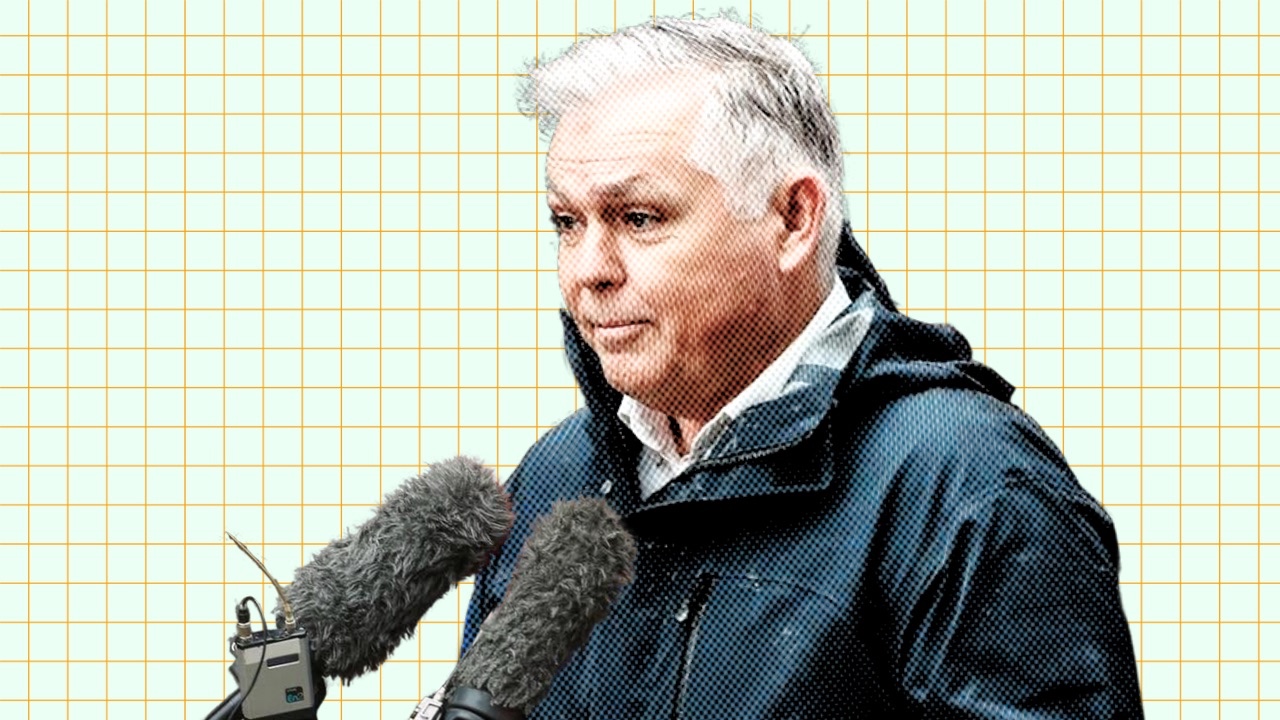
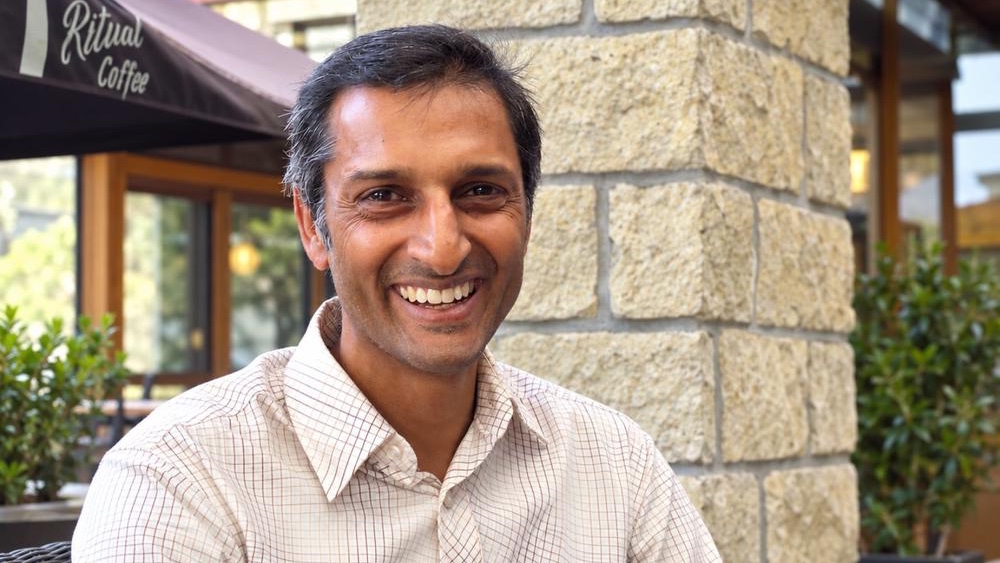
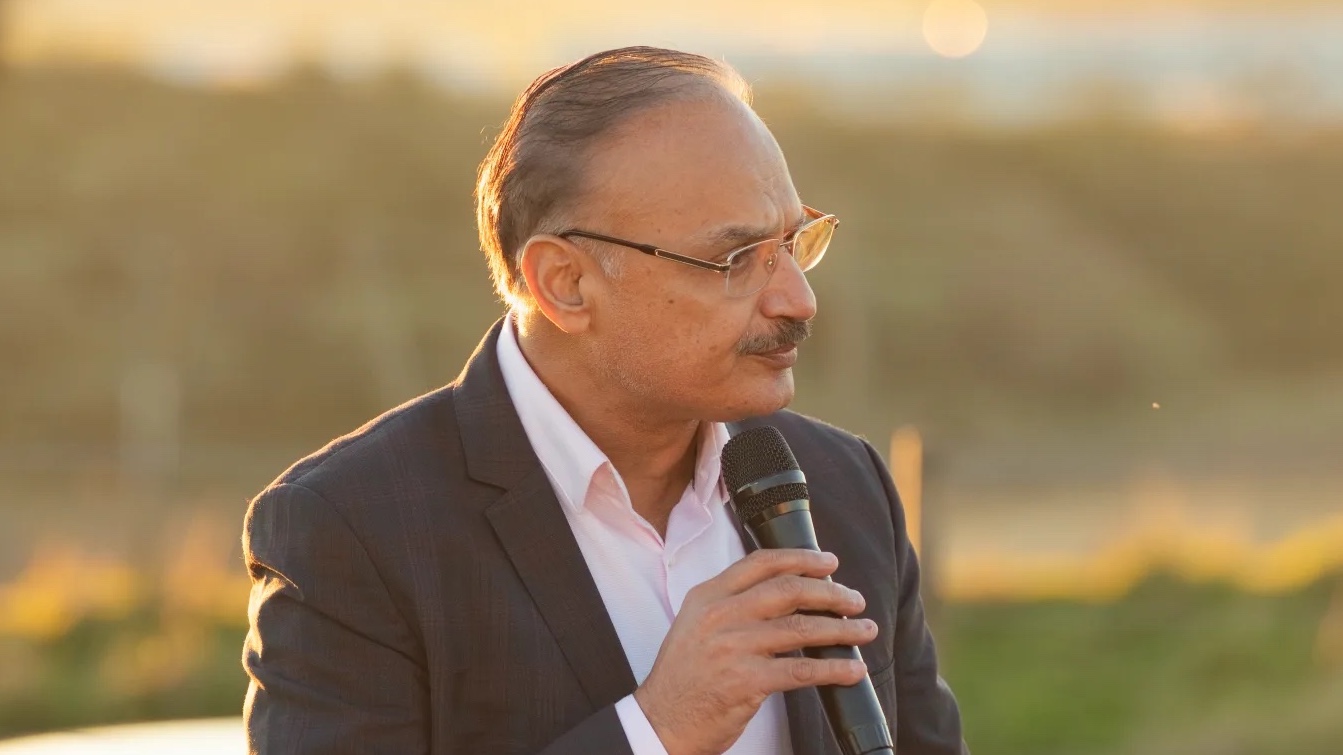
Chandan Ohri, who leads Duco Consultancy, recalled the difficulty of scaling a technology business while meeting international demand.
Kiwi businesses are learning what it really takes to crack India Kiwi business leaders share hard-earned lessons on adapting to India's markets and building trust.
'Don't speculate': Grieving friend urges public to hold off on blame after Takanini crash Mandeep Singh remembers how Sukhdeep offered to take him on his courier rounds when he lost his job.
What really drove NZ’s election overhang and what can be done about it With up to 11 extra seats in play, a political scientist asks whether more list MPs could bring Parliament closer to the party vote.
"When you have to provide 70 resources within four weeks, it does get hard to pull them all together," he said. The Auckland-based tech firm has clients across New Zealand, Australia, India, US, Canada, Fiji and Papua New Guinea.
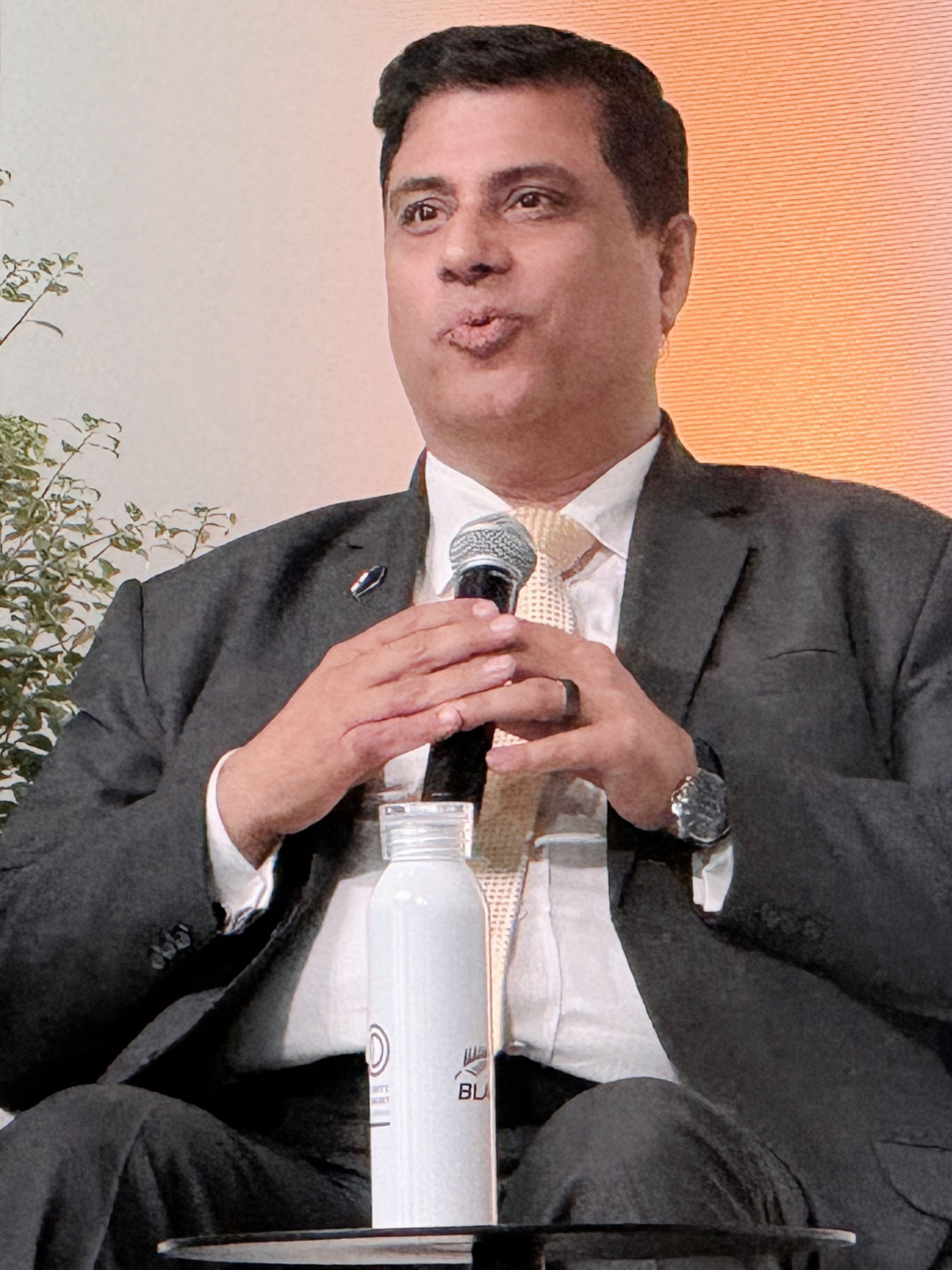
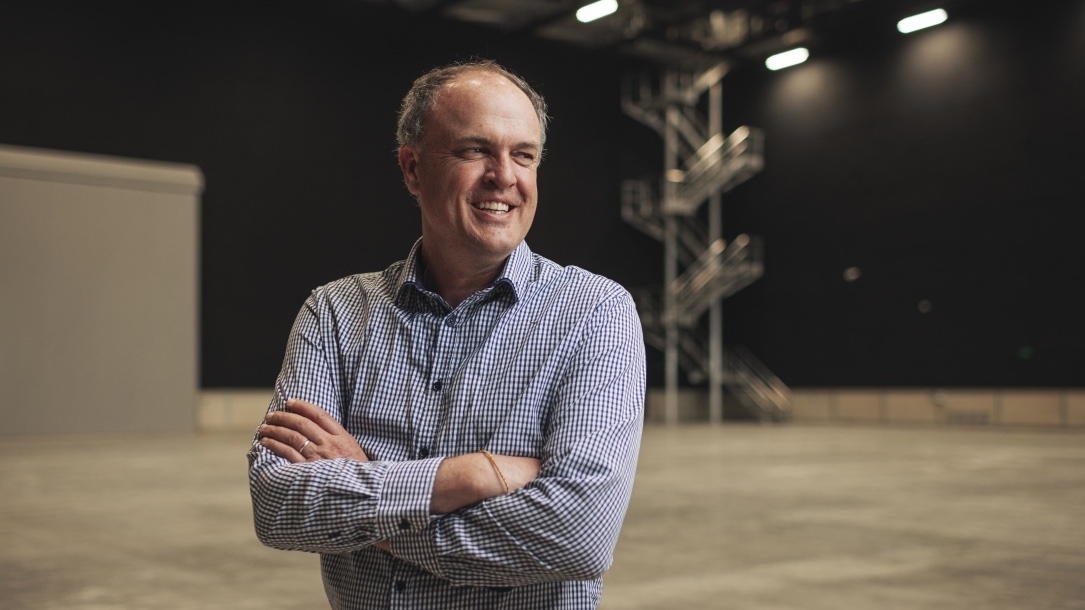
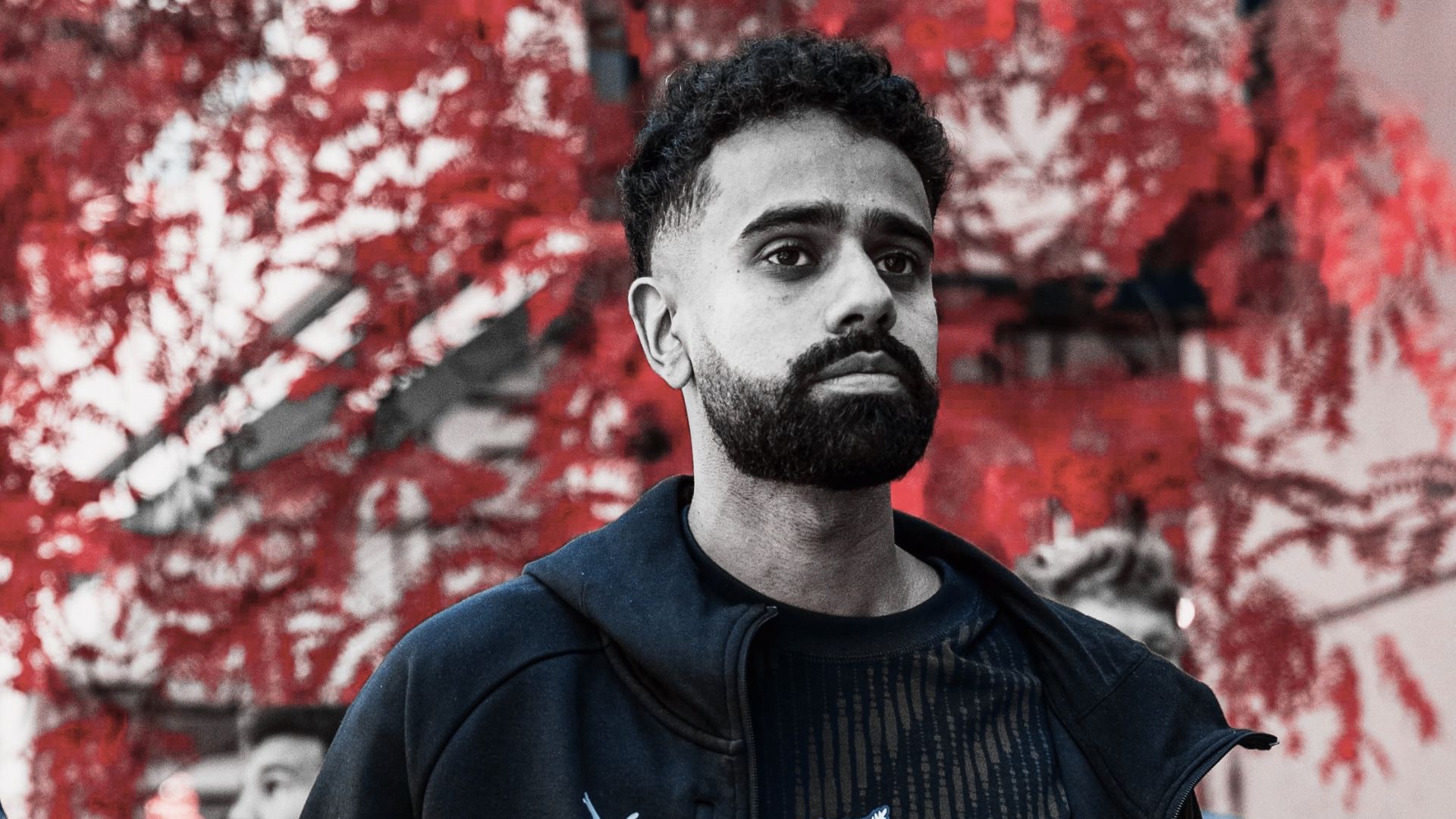
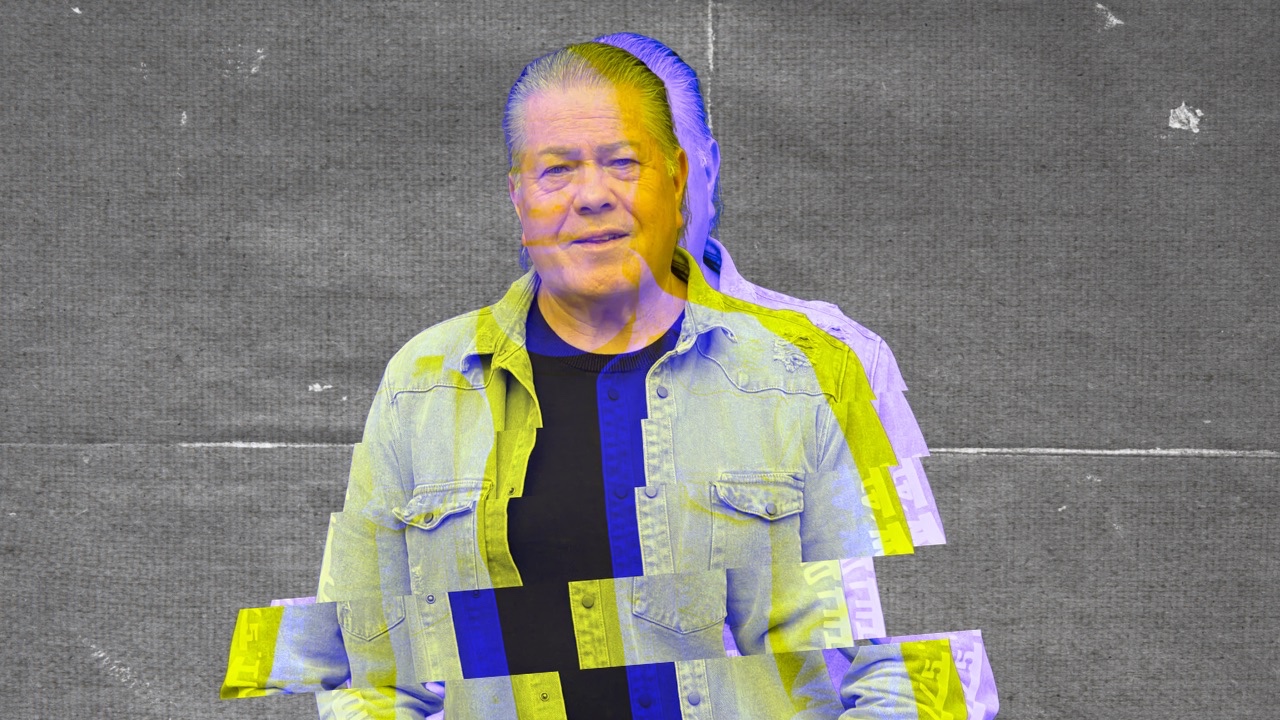
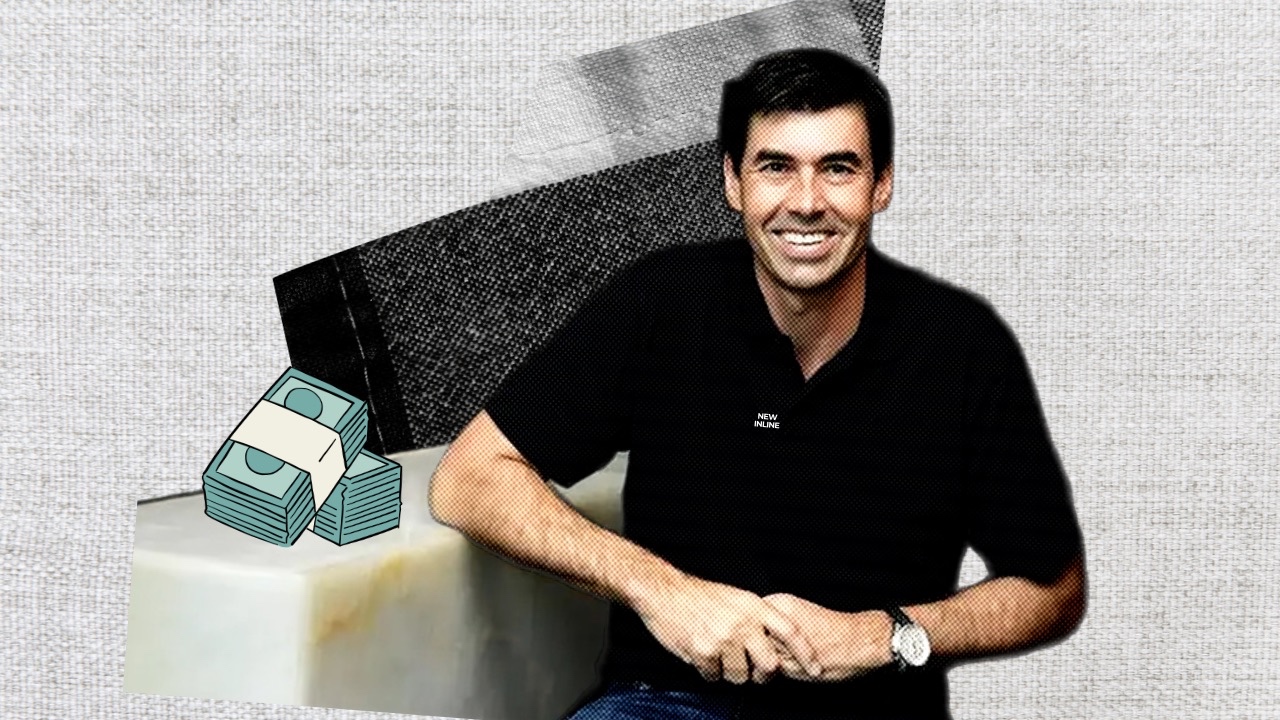
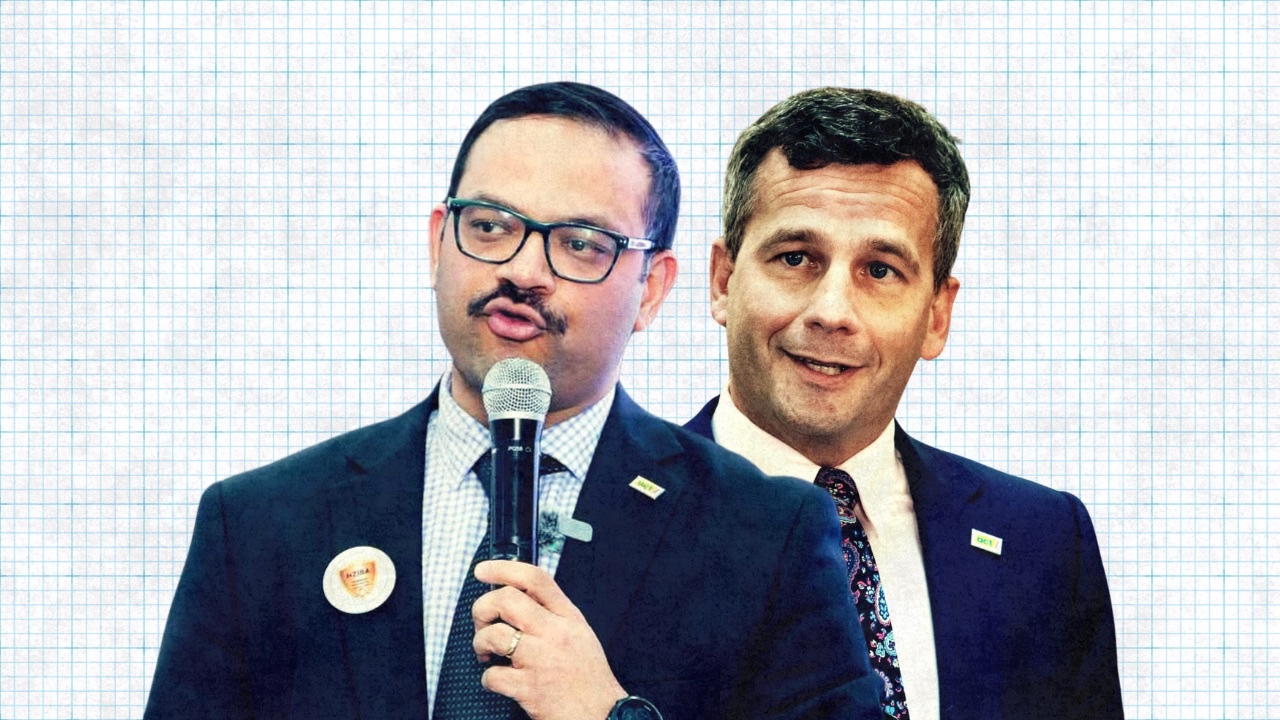
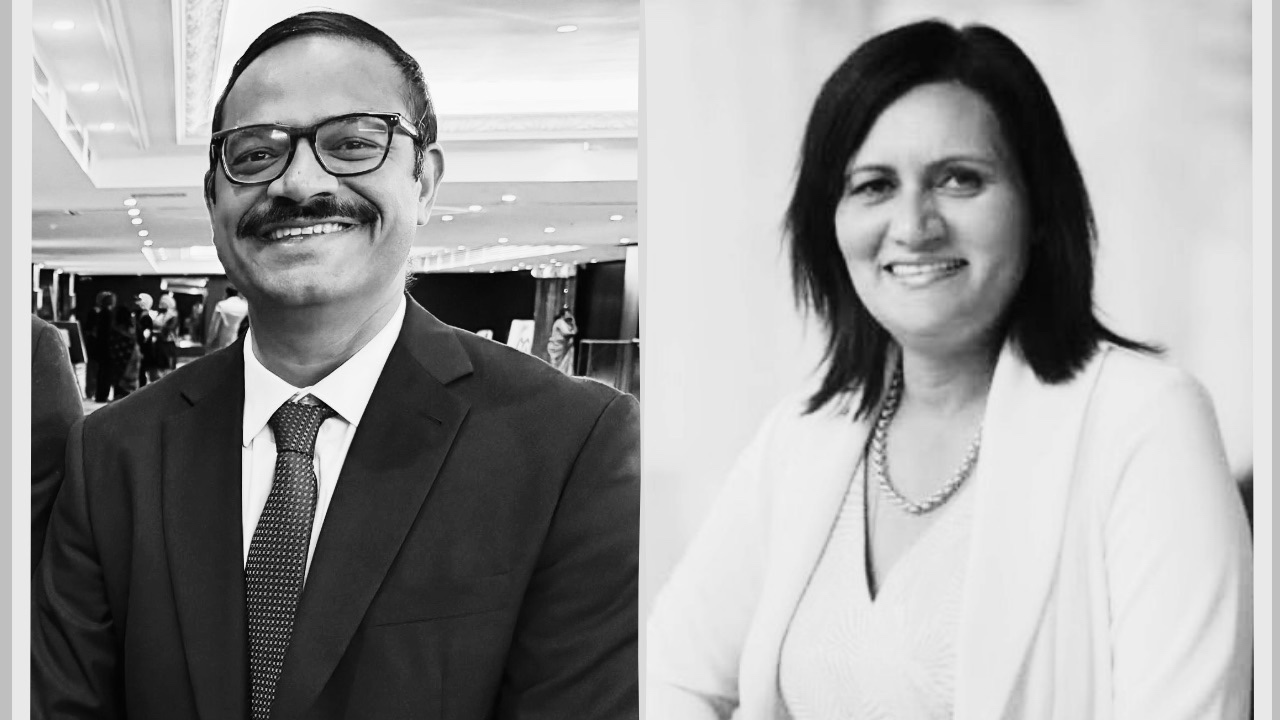
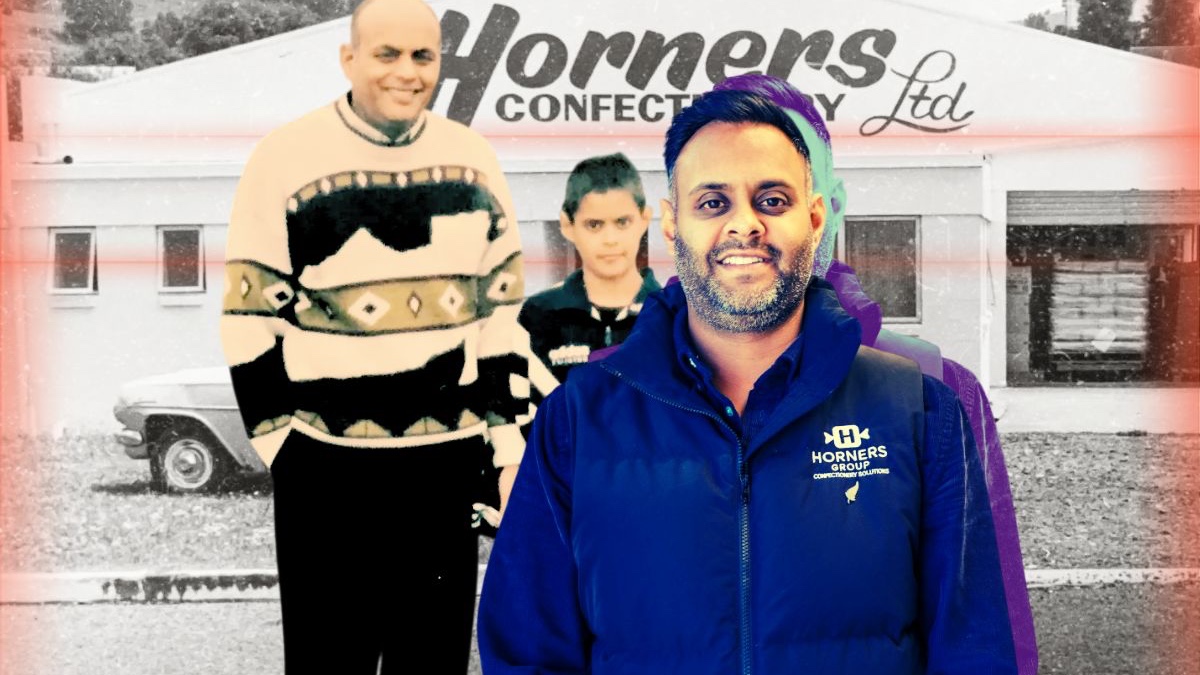
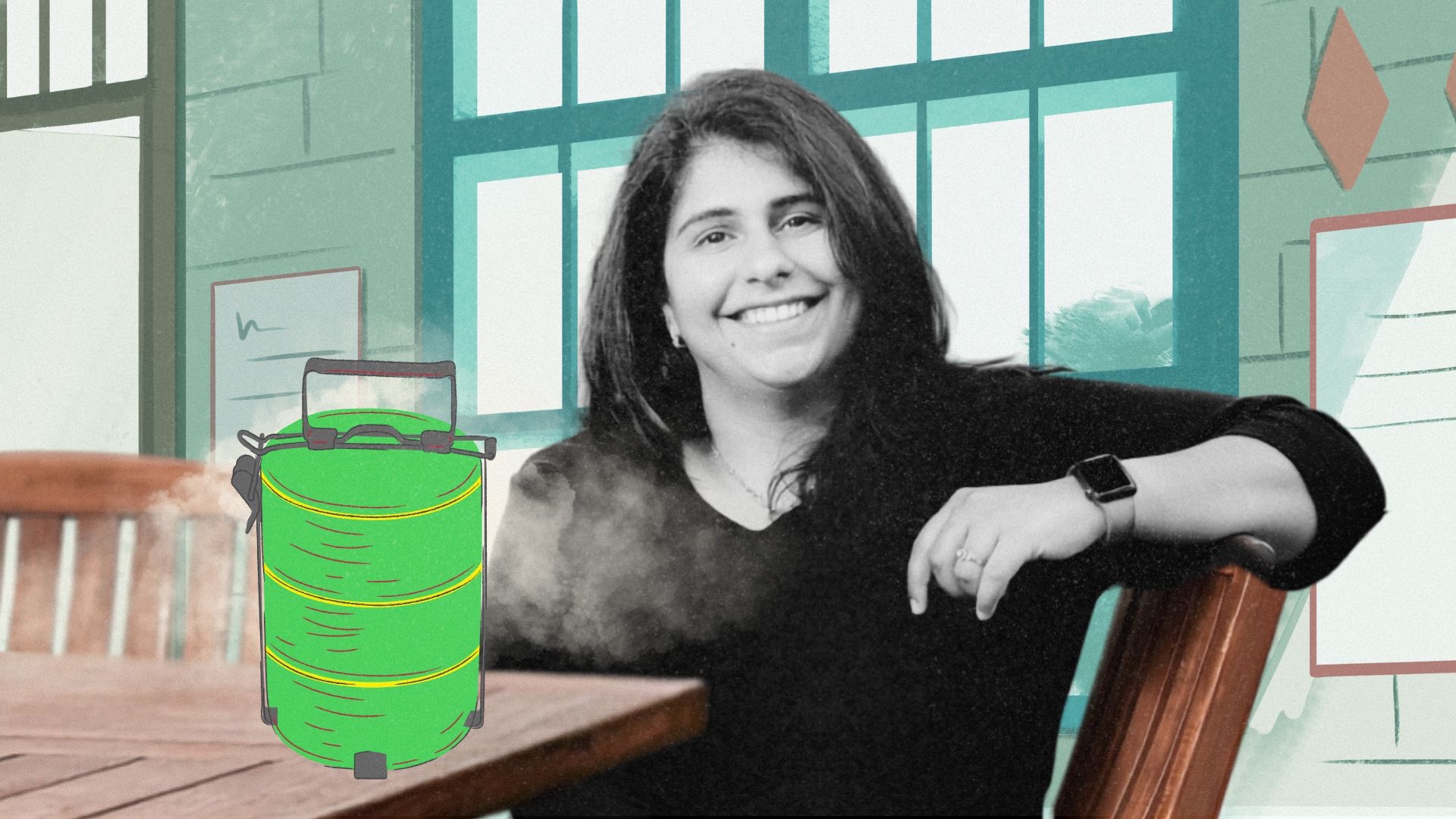
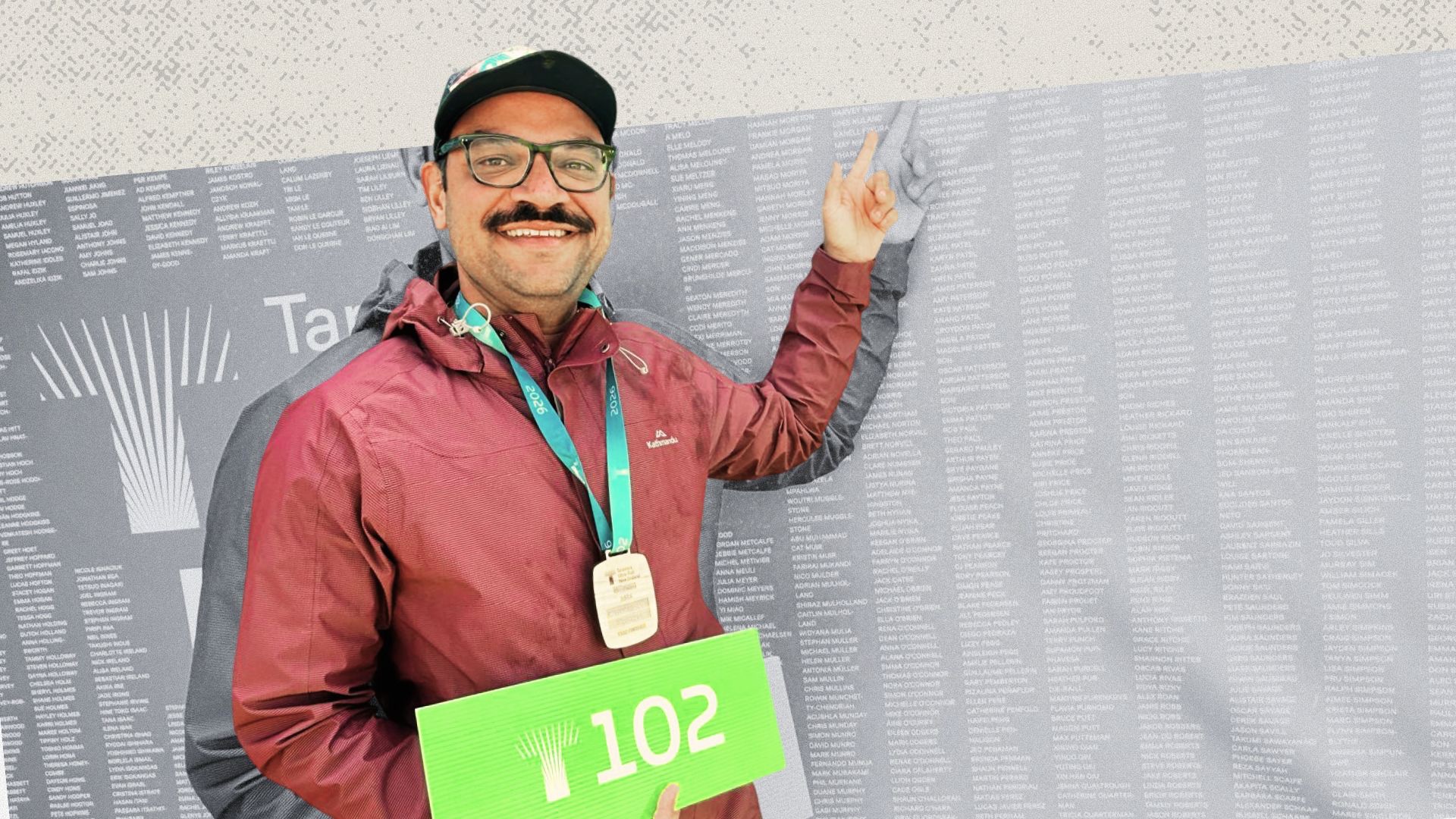
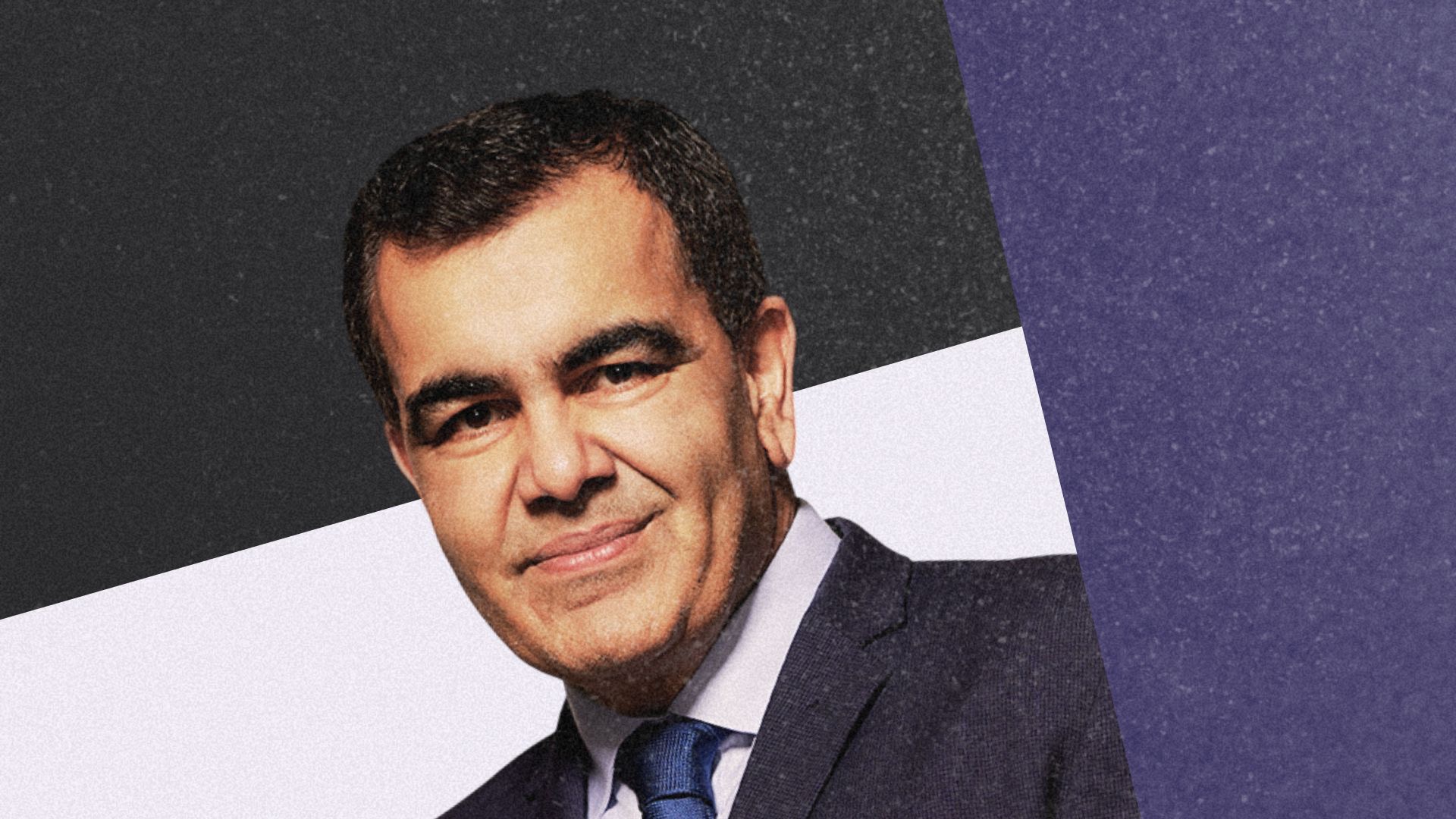
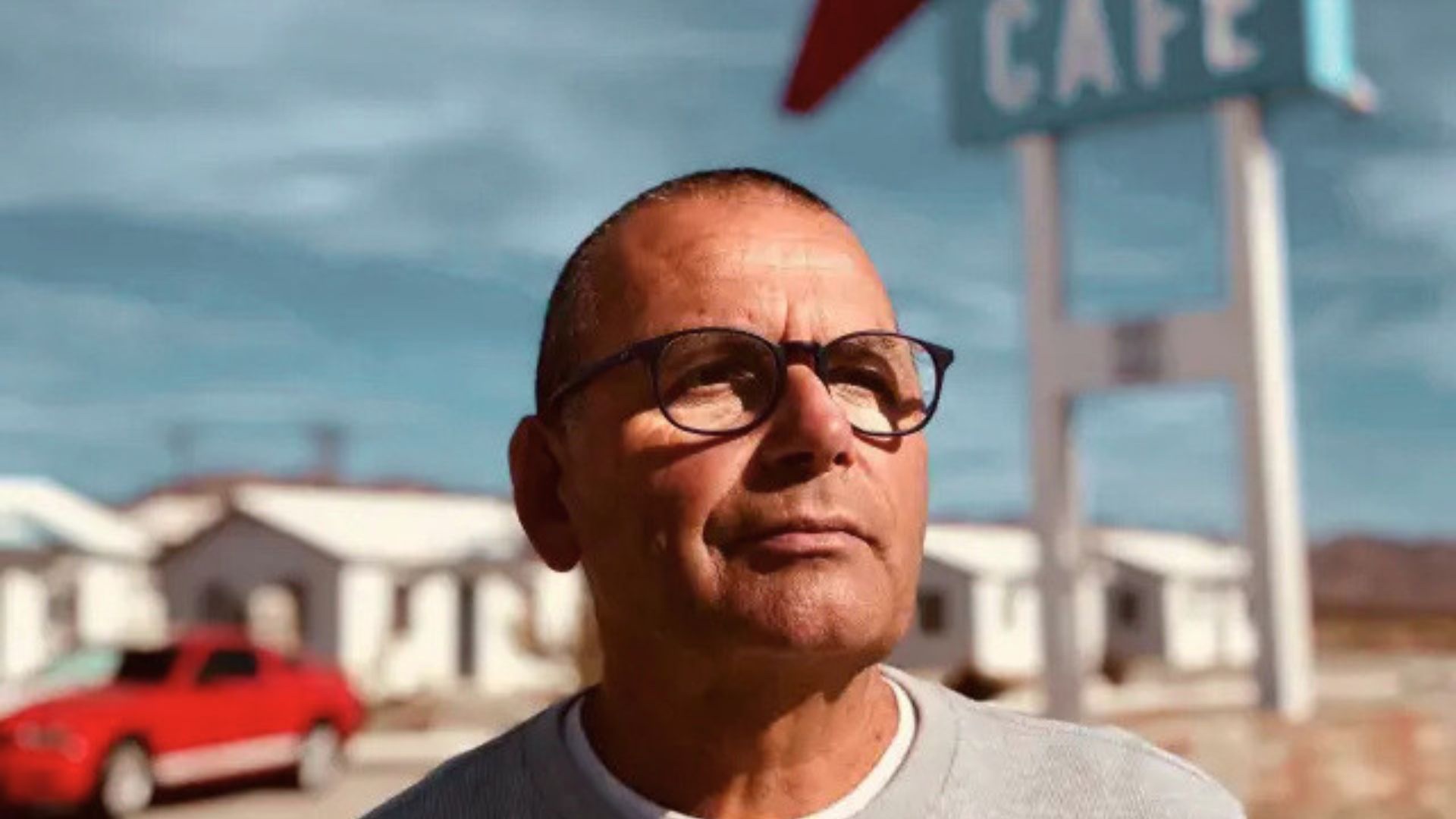
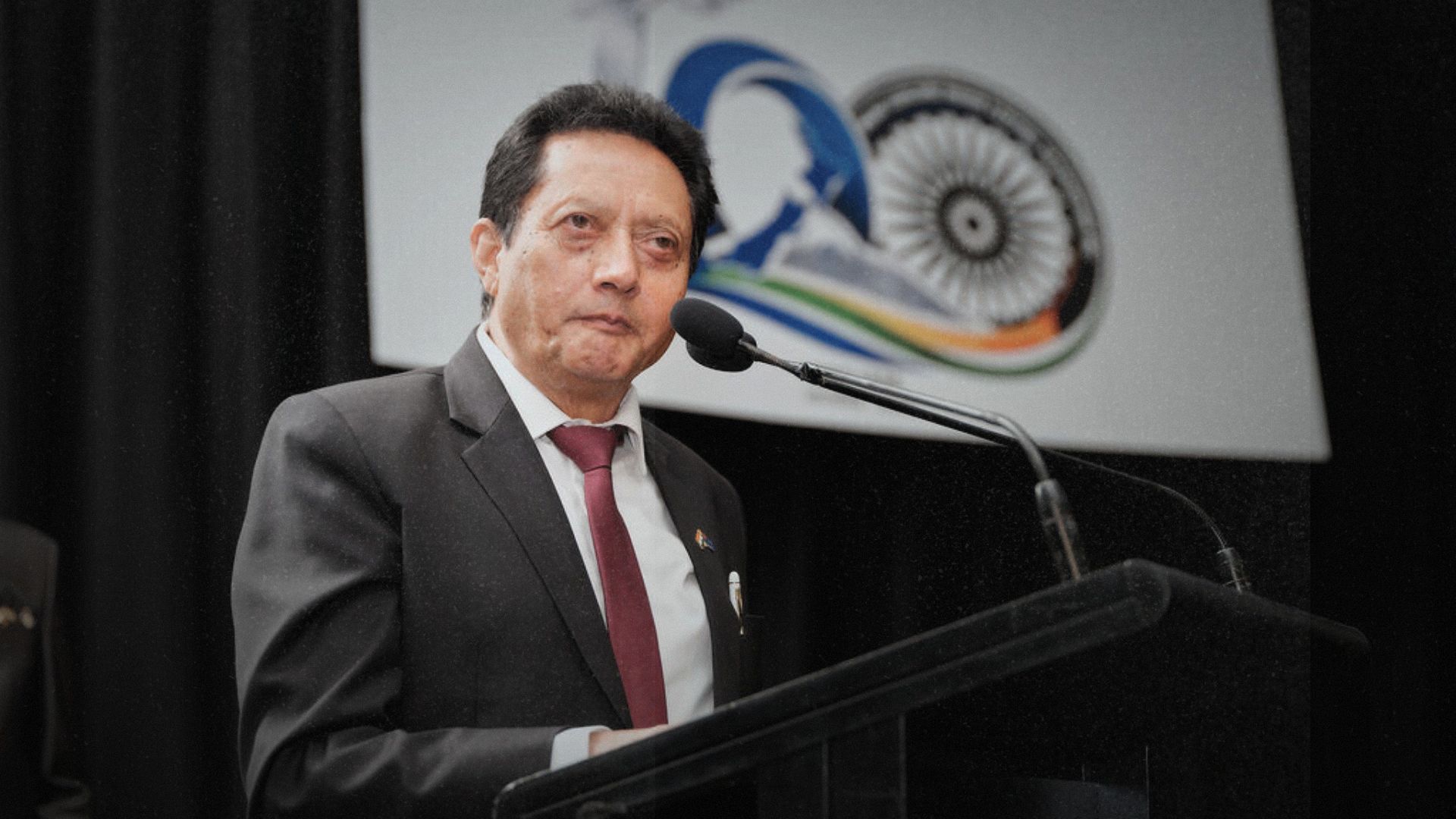
Chandan Ohri is the founder and CEO of technology firm Duco Consultancy, which has its headquarters in Auckland.
India offered the skilled professionals Duco needed to deliver projects internationally. But as its operations grew, the company began finding Indian customers for technology developed in New Zealand.
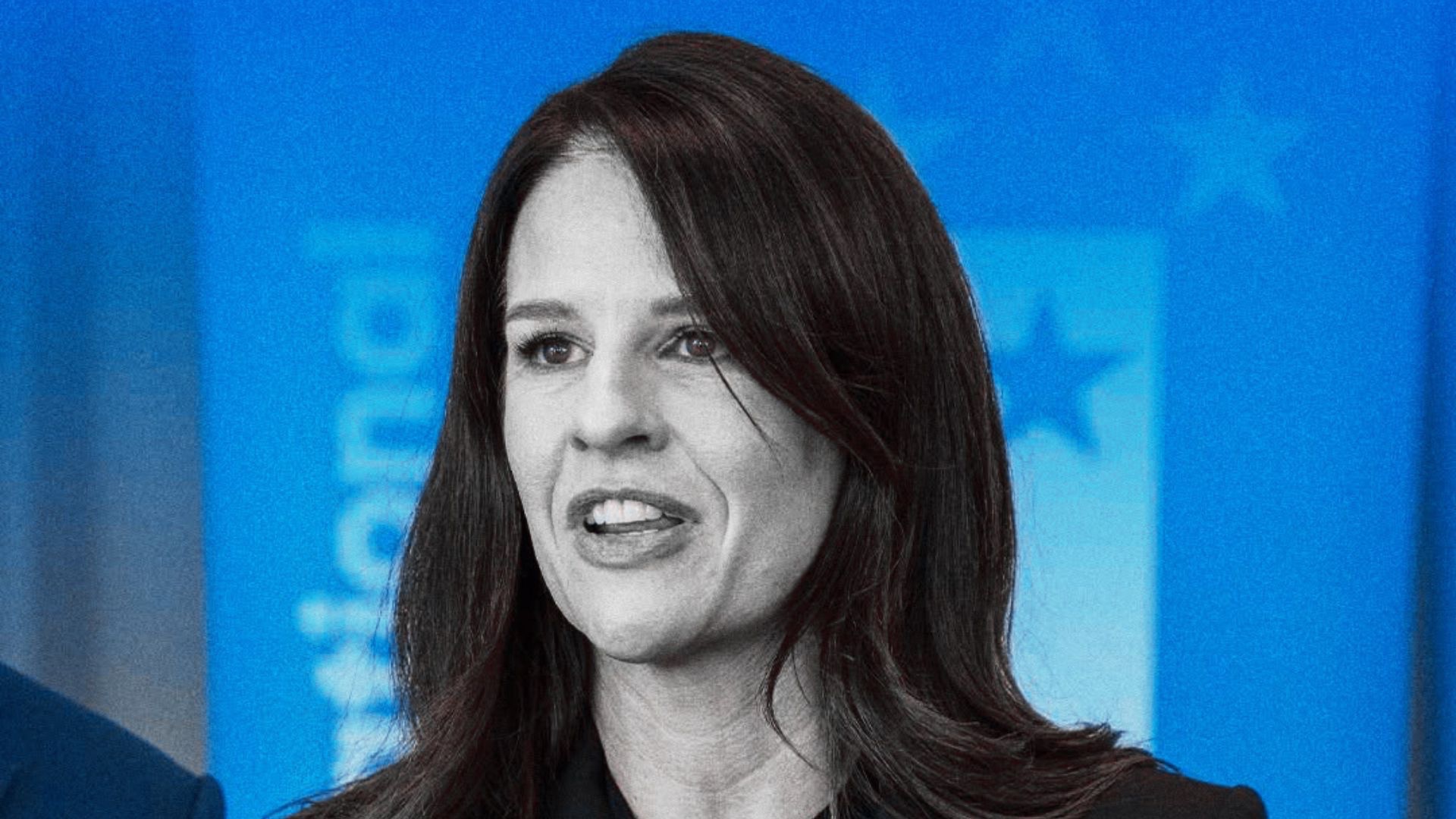
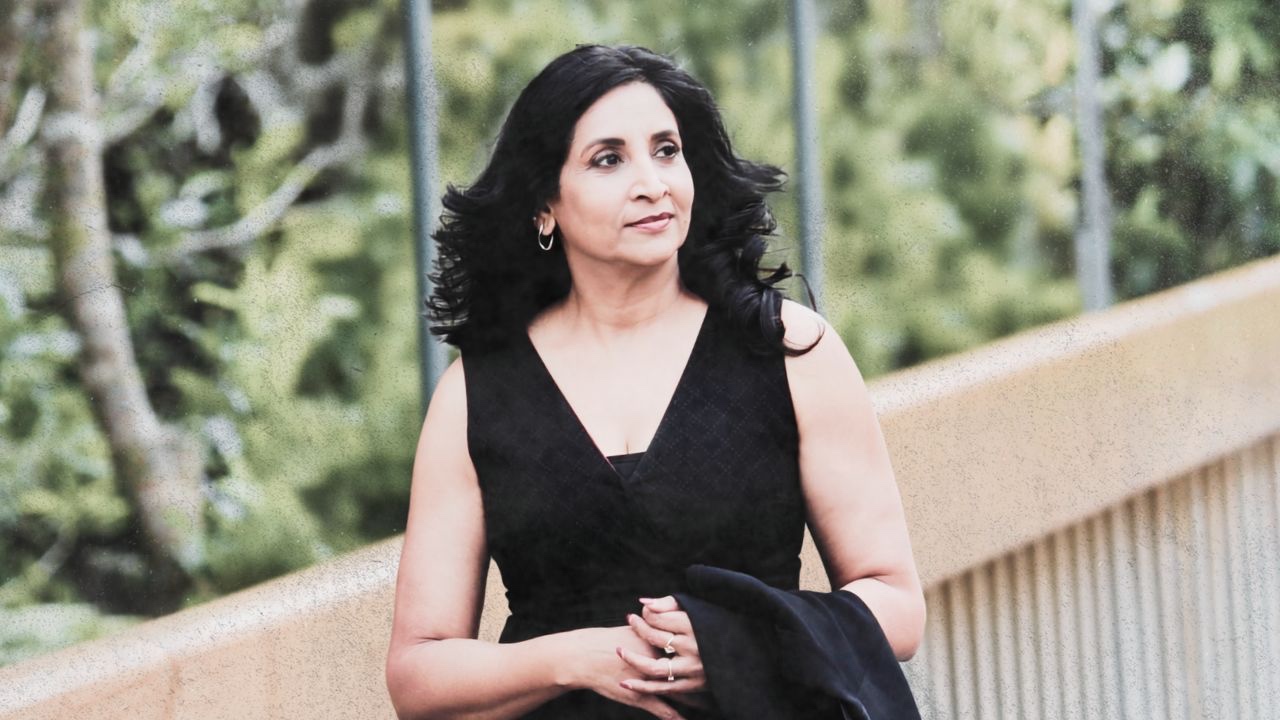
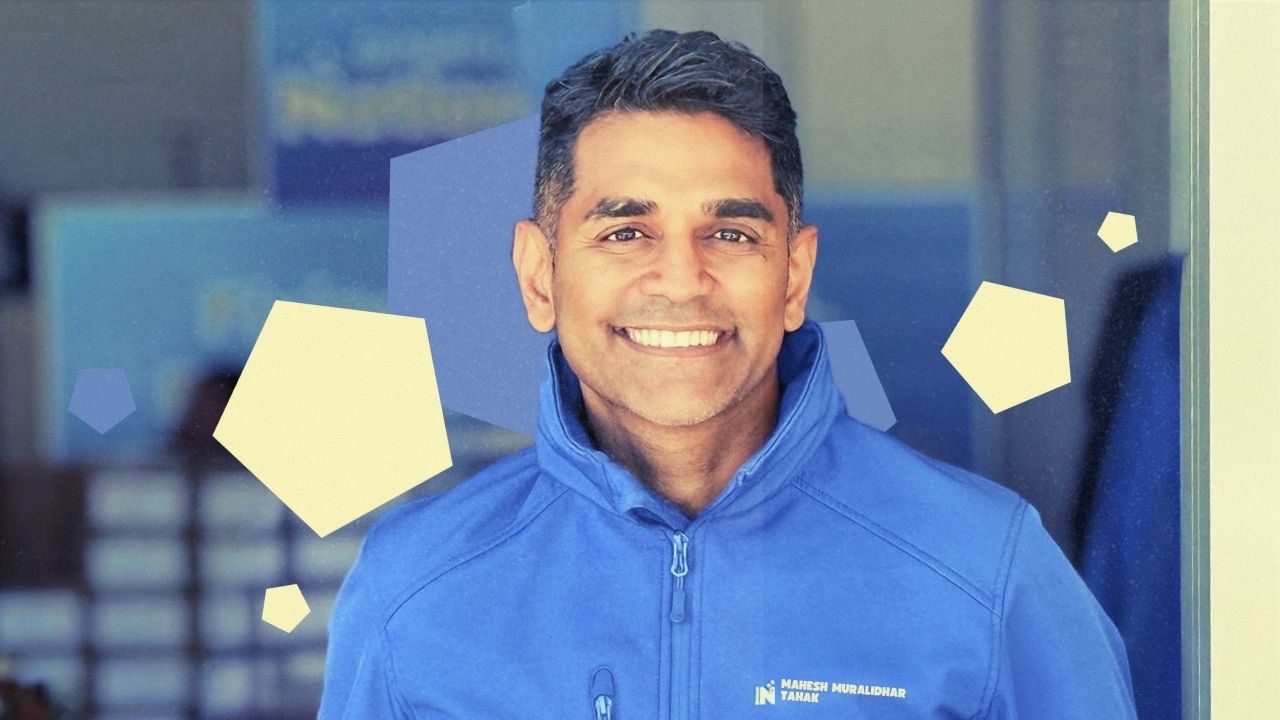
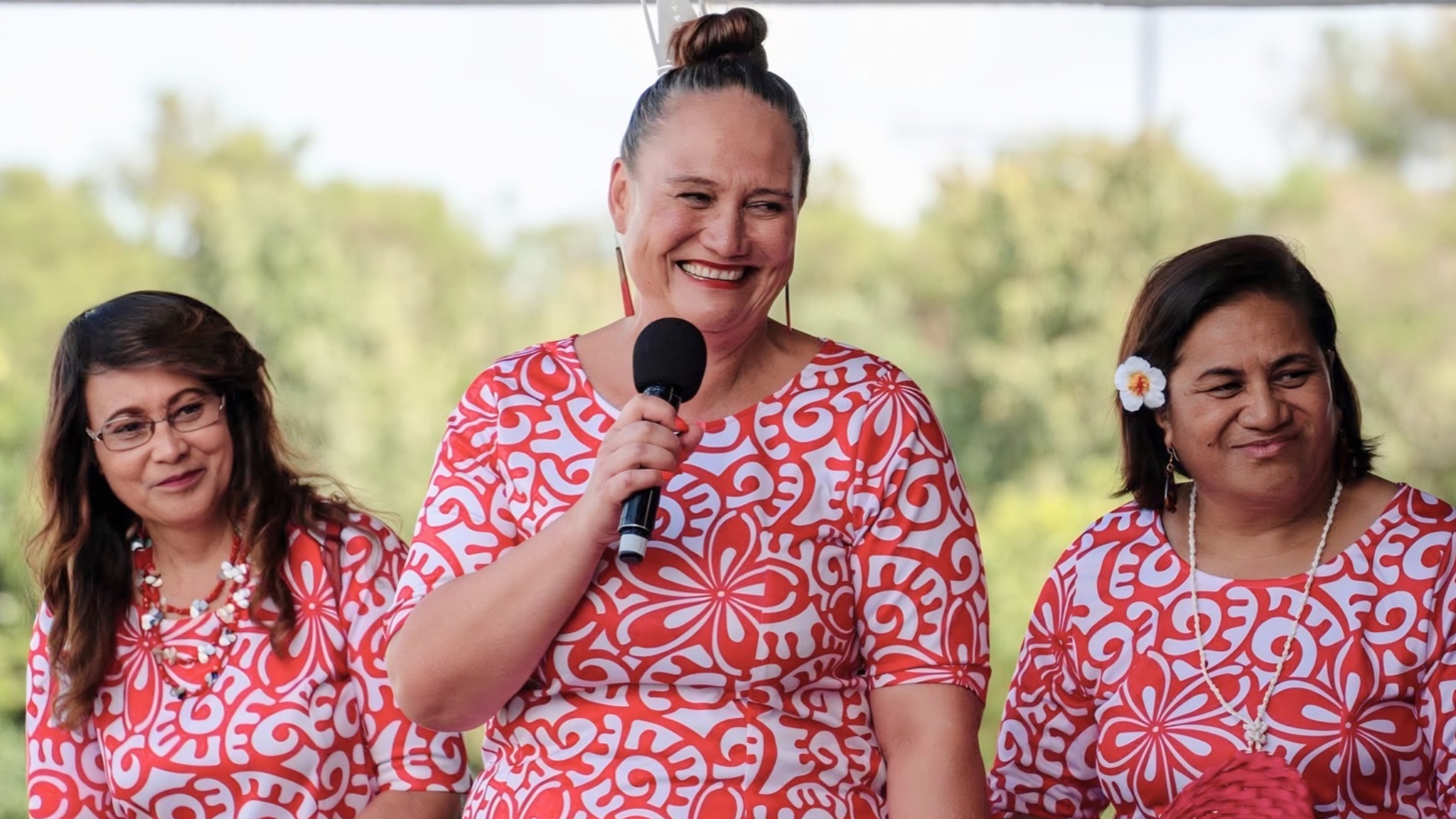
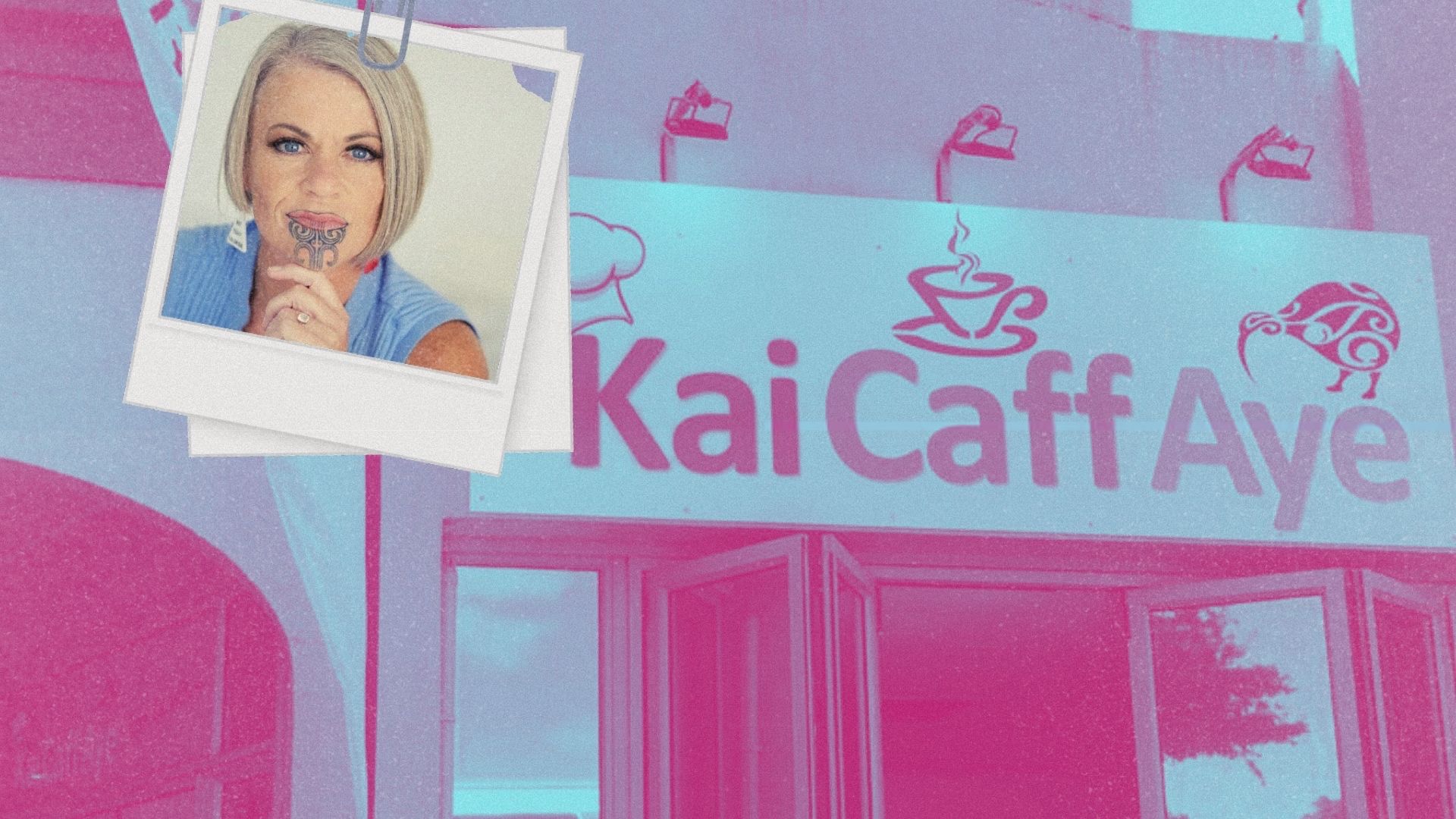
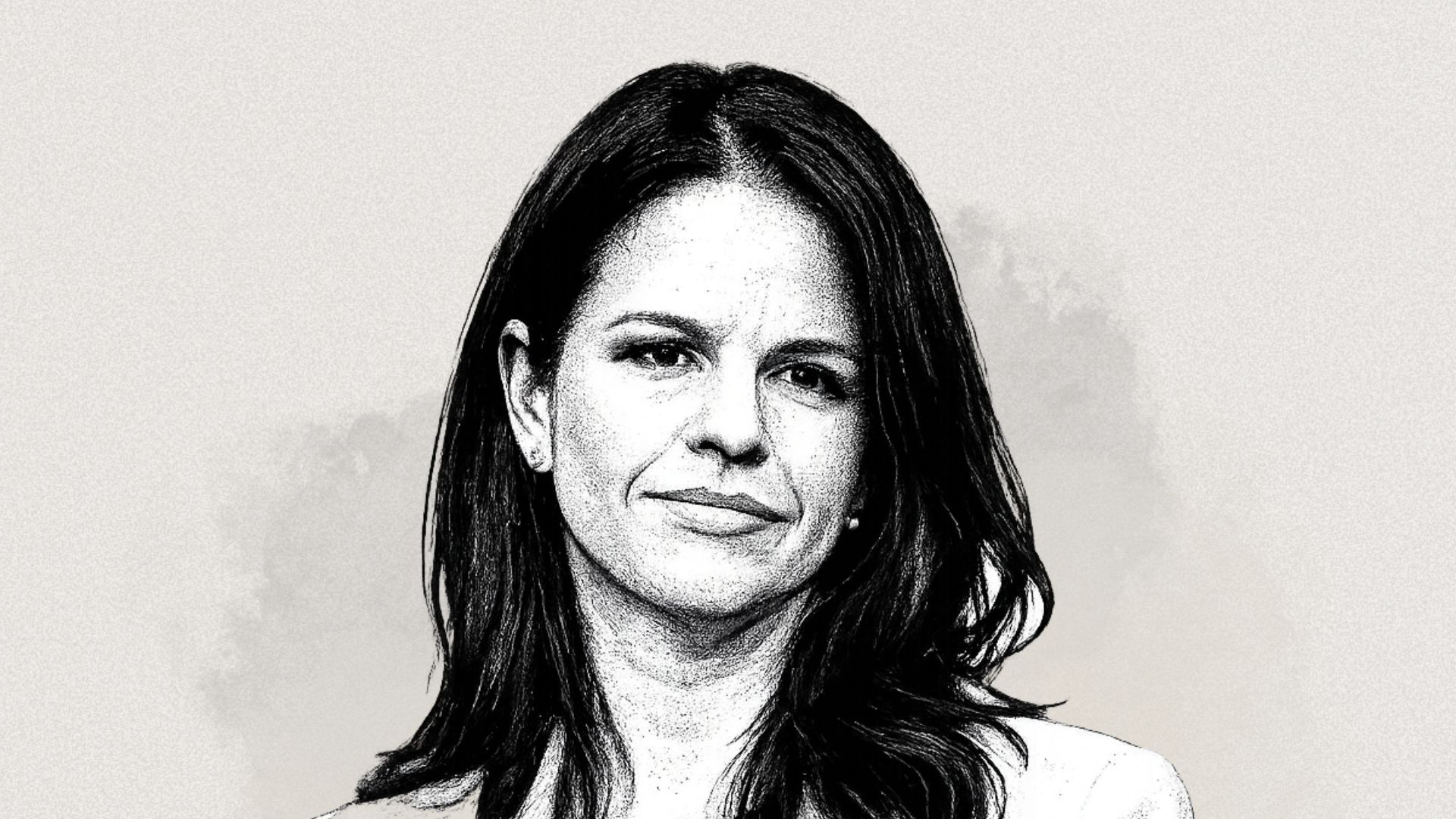
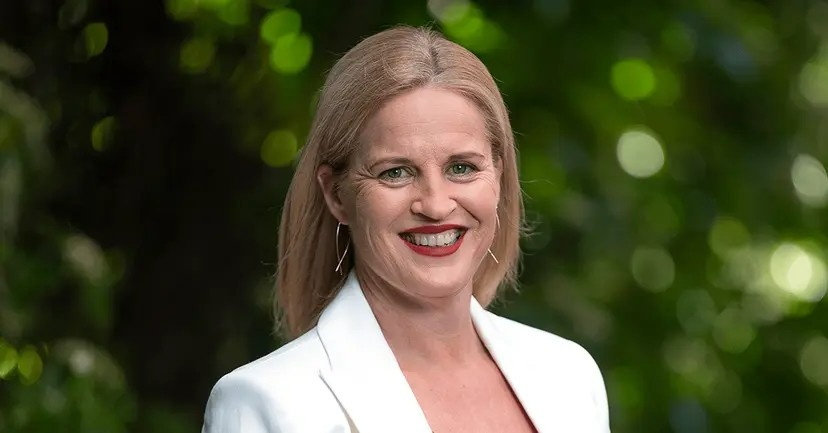
For Valocity founder Carmen Vicelich, India demanded a more fundamental rethink. The tech firm recently signed a five-year deal as the digital infrastructure partner for property valuation, legal verification and approved project finance across India’s 12 public sector banks.
She recalled demonstrating the company's property valuation technology to a leading bank, confident it could dramatically reduce the time needed to value a property.
Vicelich says the bank was interested, but had another question. "That's great. What about the legal?" It also needed title verification before approving mortgages.
"And I'm like, 'What about that? We don't do that,'" Vicelich recalled.
Valocity discovered the challenges extended beyond valuations. Property information was often not digitised, and reliable addresses could be difficult to establish.
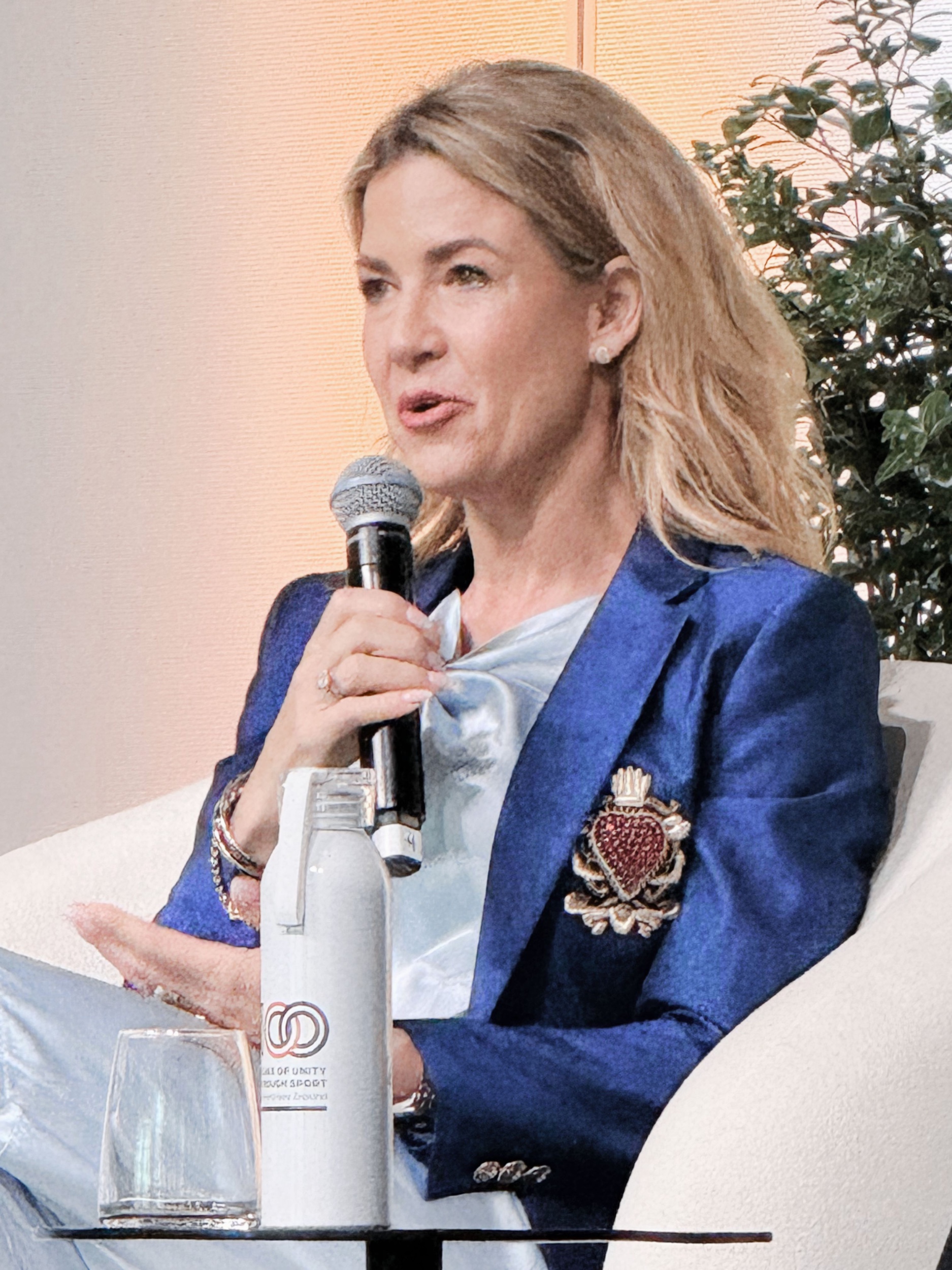
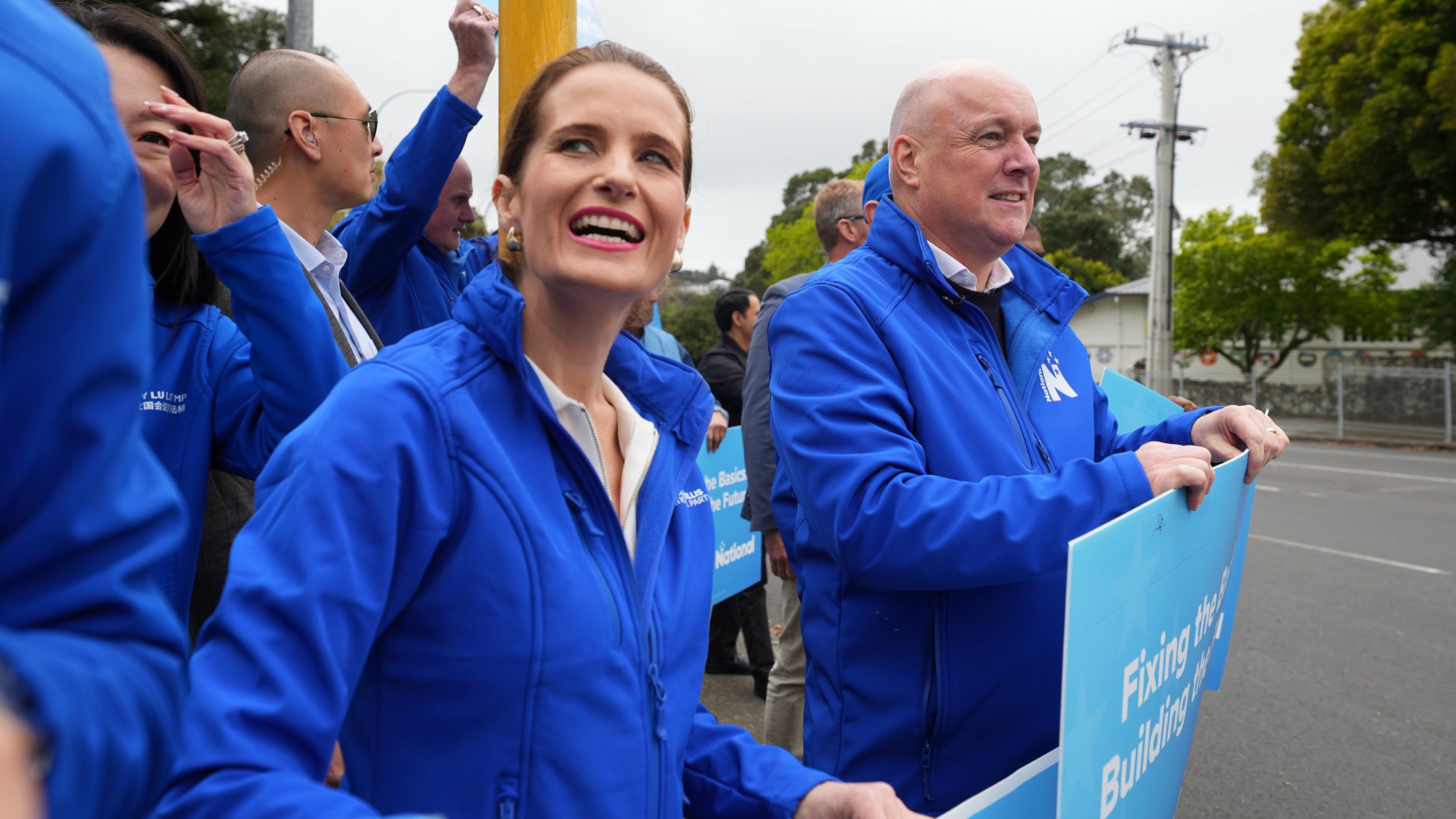
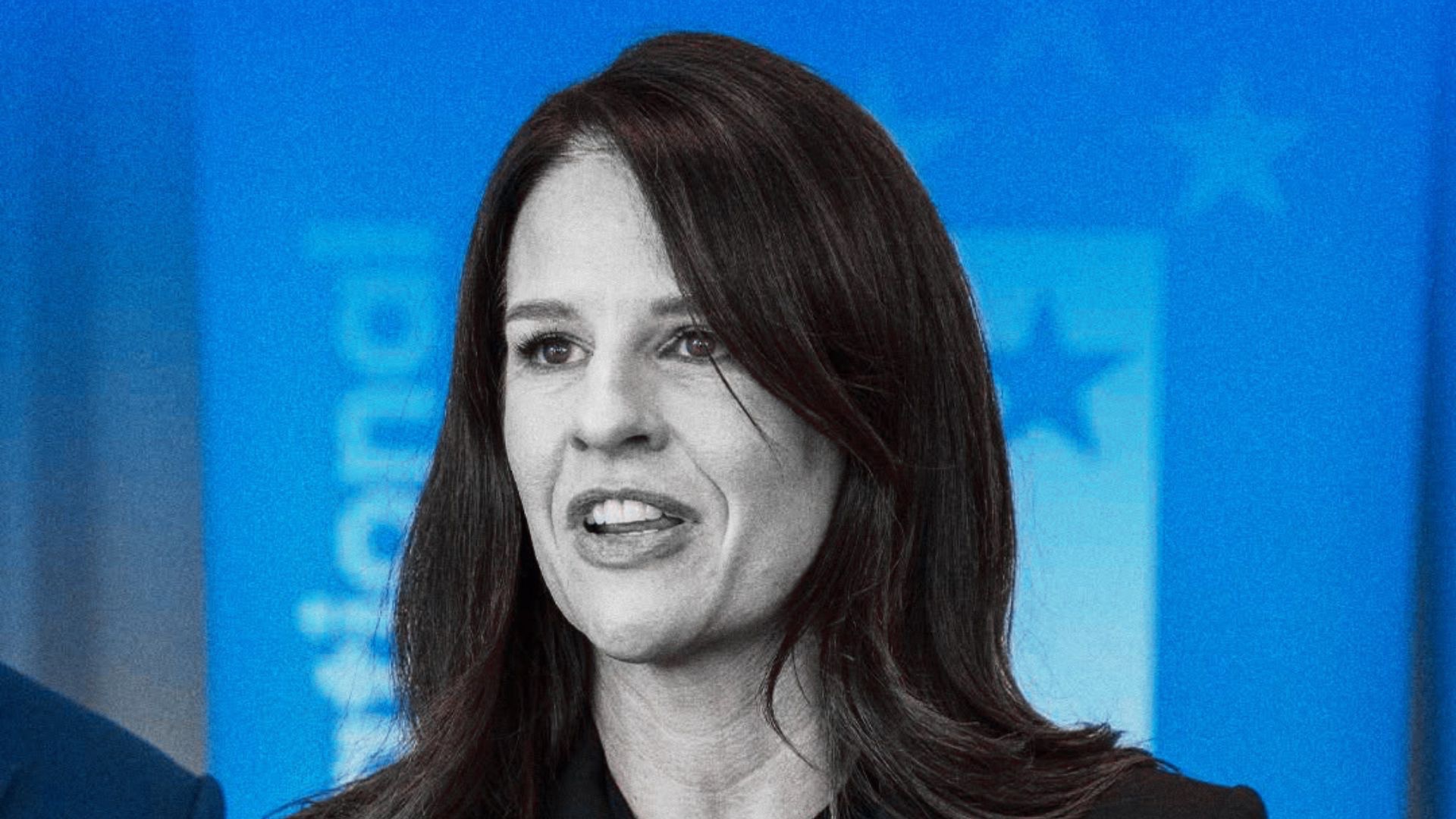
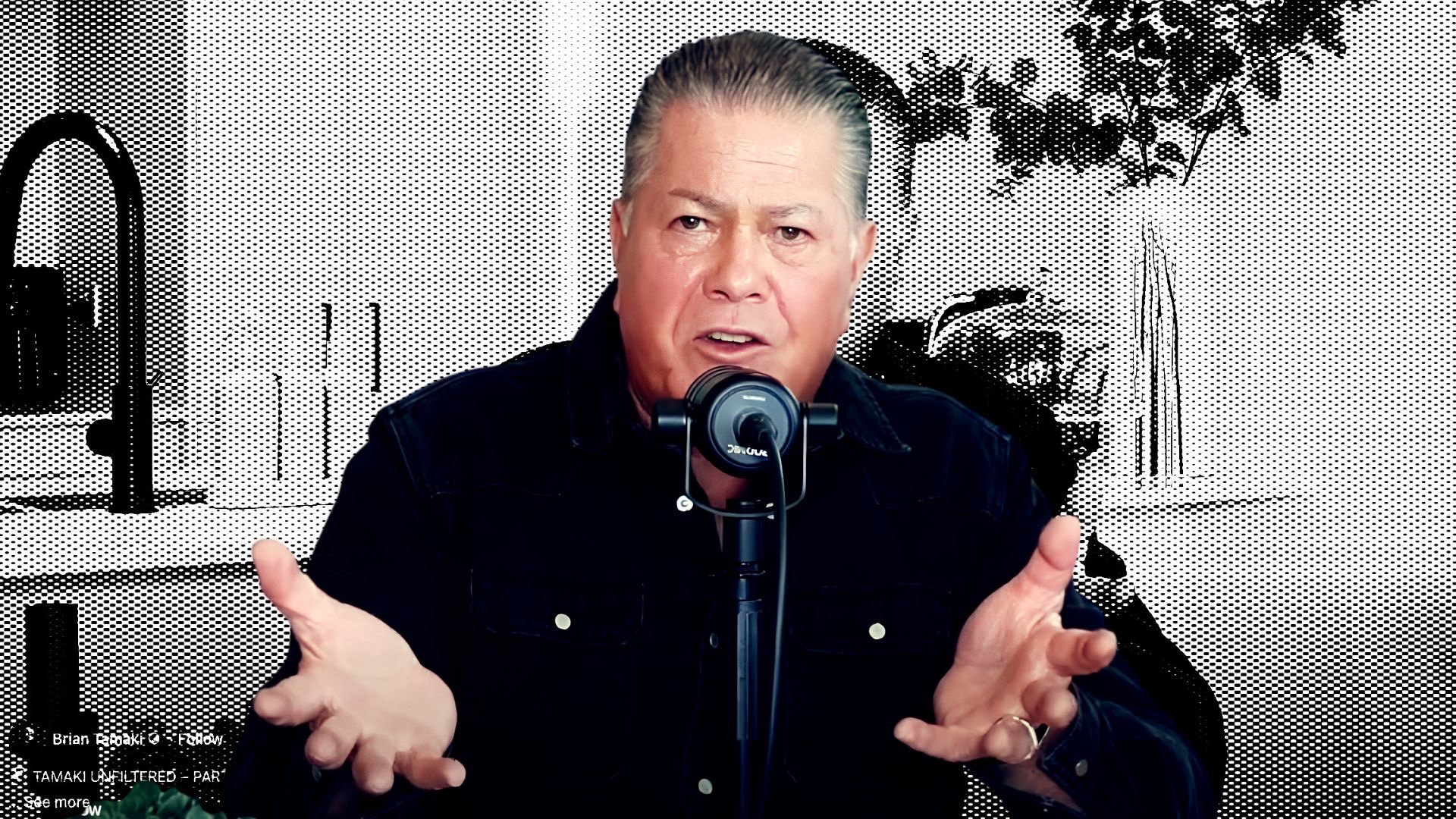
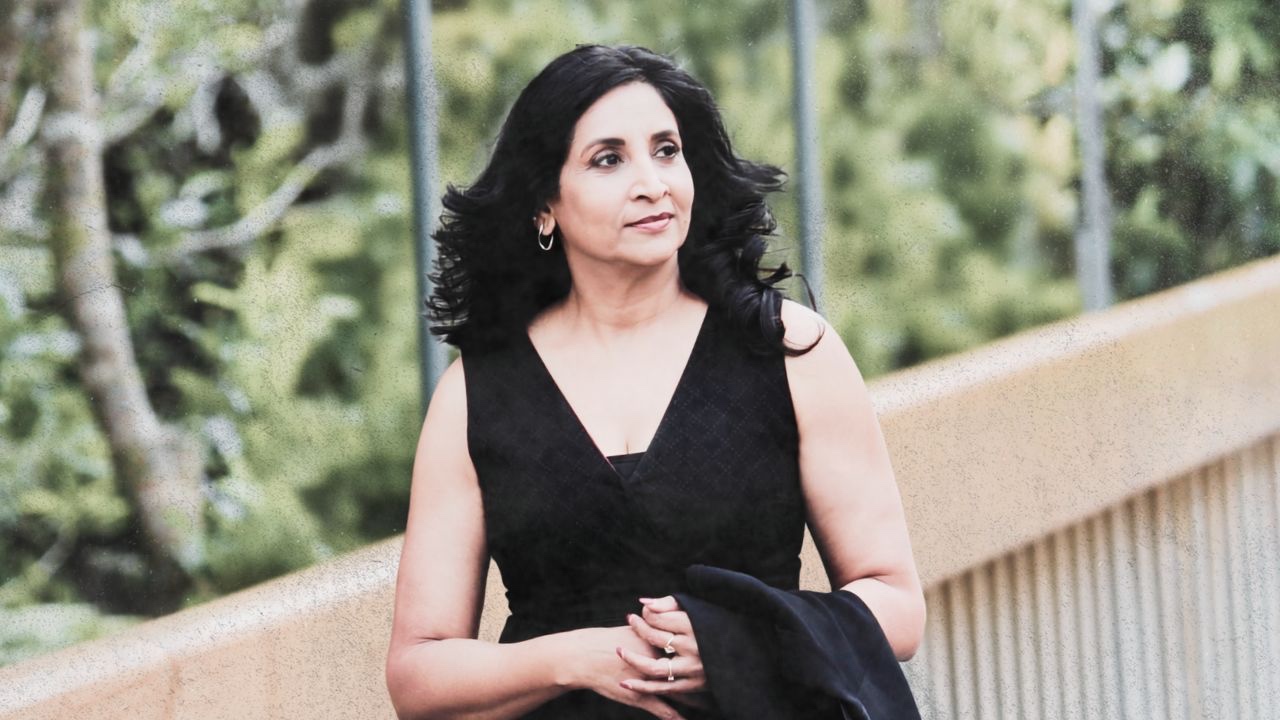
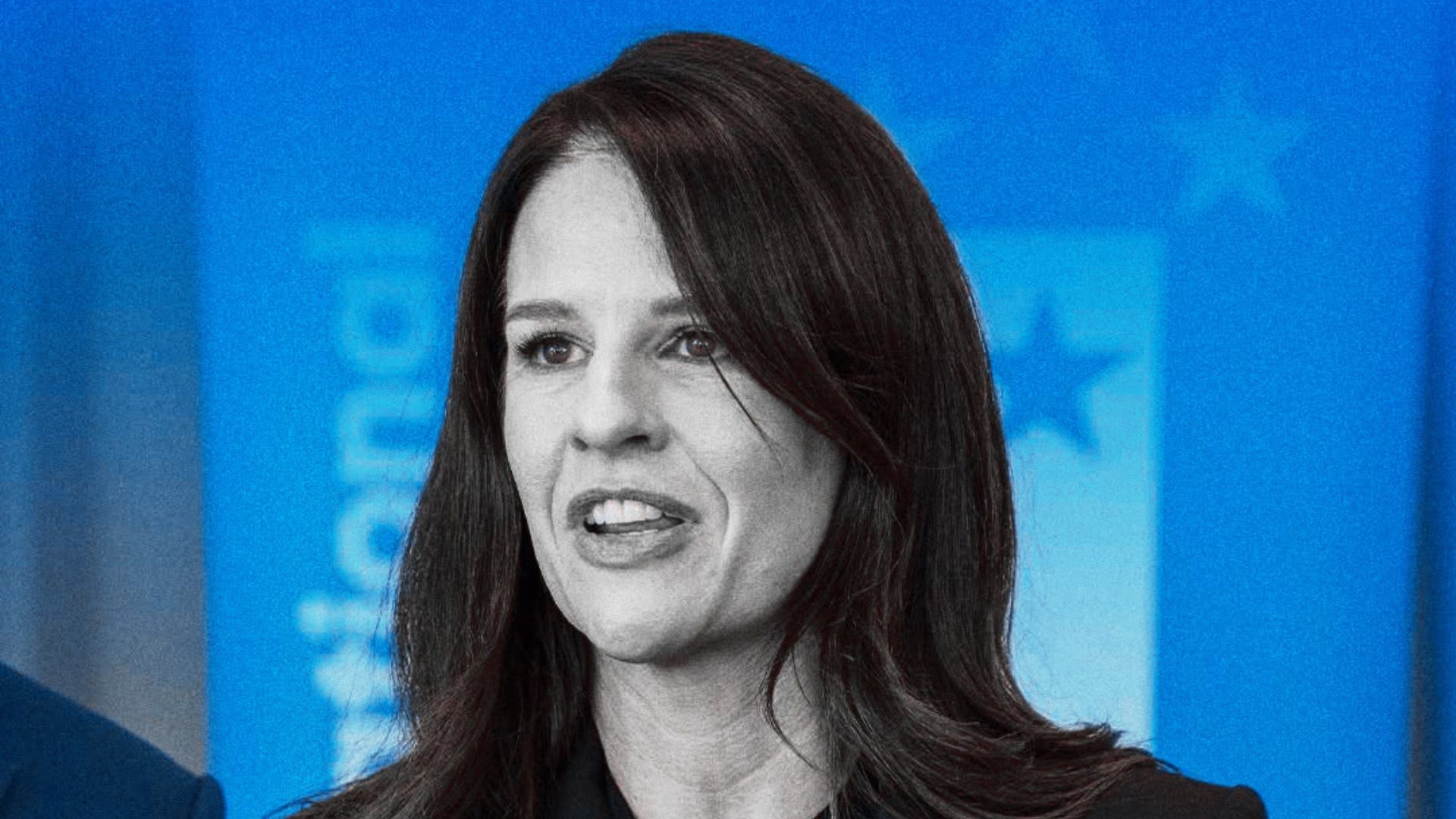
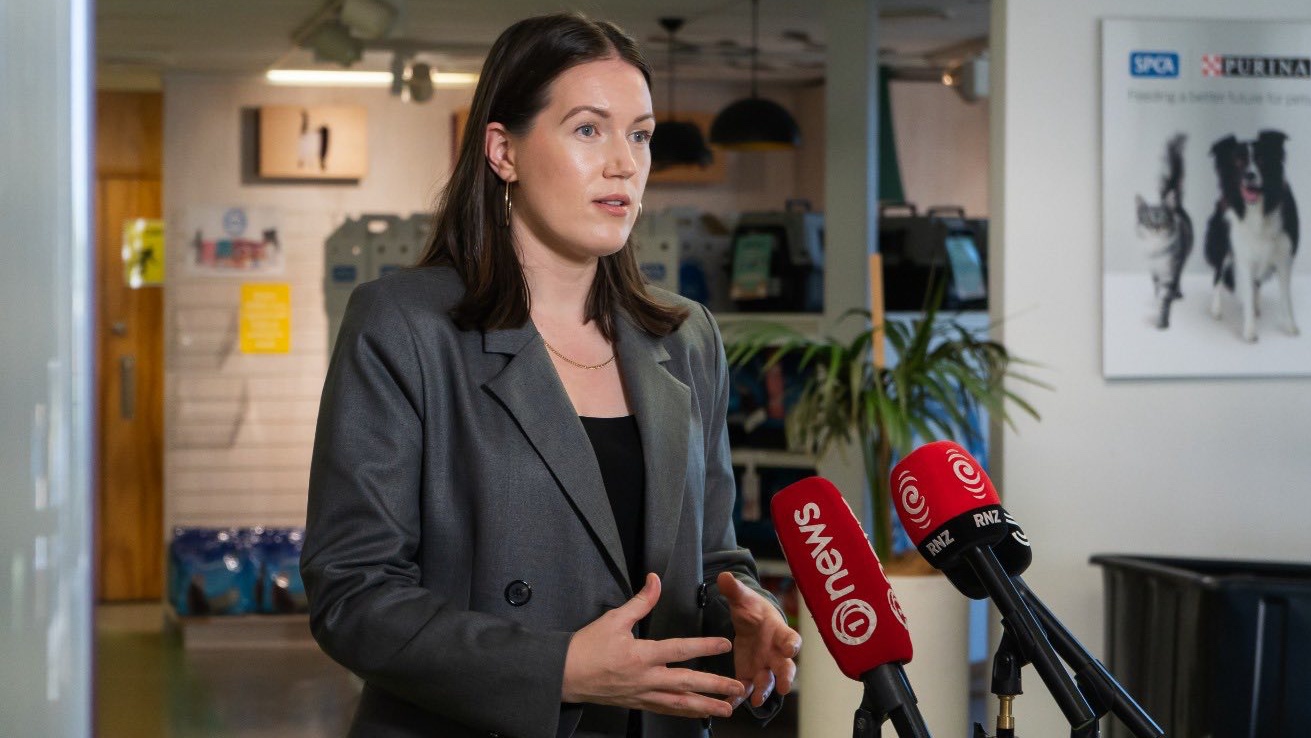
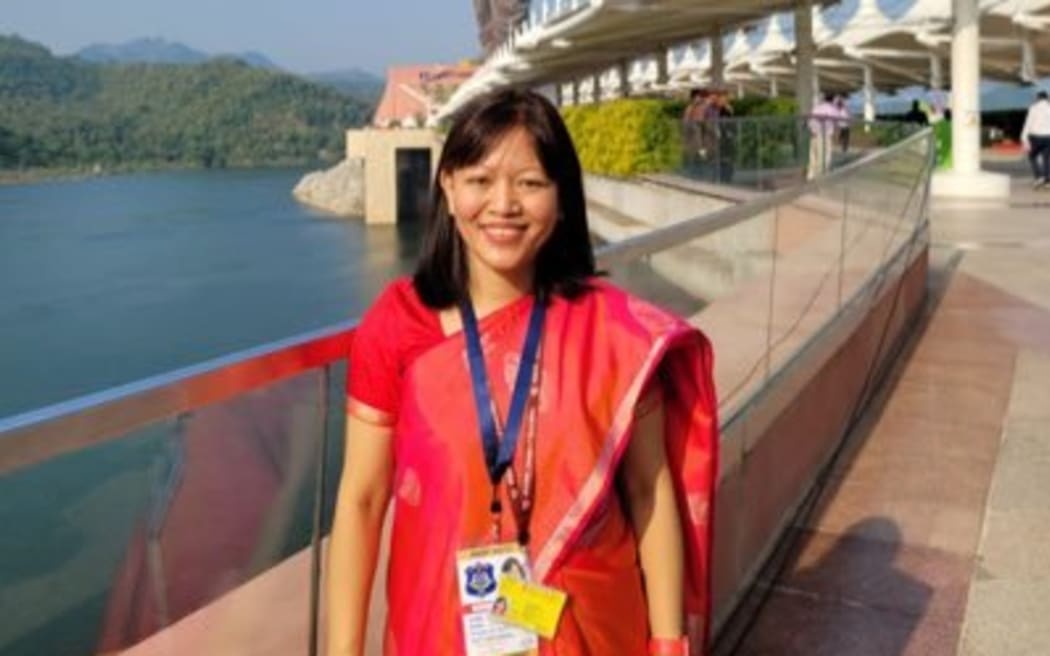
Carmen Vicelich is the founder and Global CEO of Valocity.
"How do you digitise an ecosystem when valuers don't have tools, there's no addressing, and there's no digital connectivity?"
The company developed technology to capture property information digitally and adapted its approach to India's linguistic and geographic diversity.
"We had to think about India very differently to what we were doing in New Zealand and Australia," she said.
But Indian business leader PKSV Sagar had a broader warning for New Zealand companies. Patience mattered as much as innovation.
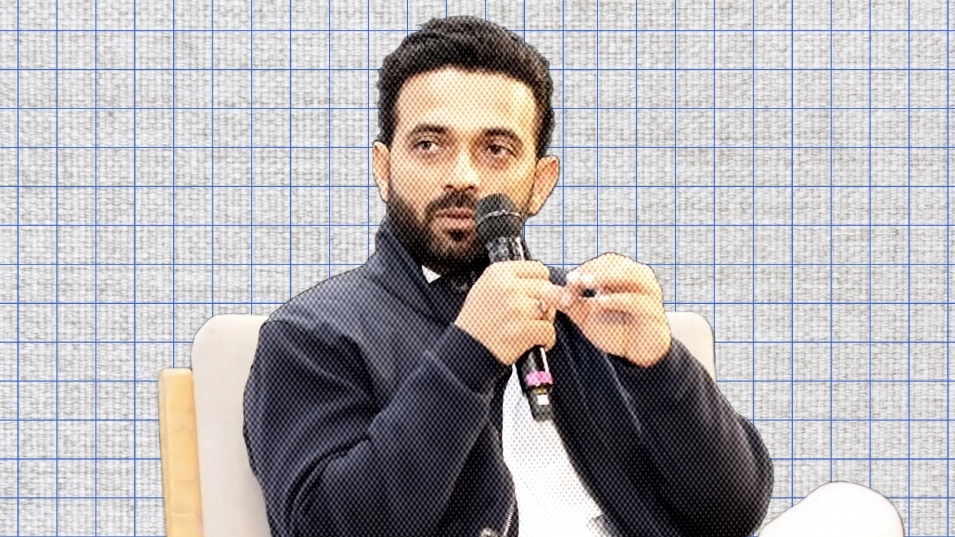
Sagar, president of GMR Group's sports business and chair of FICCI's Sports Committee, recalled advice from a Swedish multinational he had worked for.
"We are in India for a marathon, not a sprint."
Drawing on decades of manufacturing experience, he warned against treating India as a single market. Customers, commercial practices and opportunities varied enormously between regions.
"Each market is different. Each customer is different." His advice was to identify a promising region, establish a foothold and expand gradually.
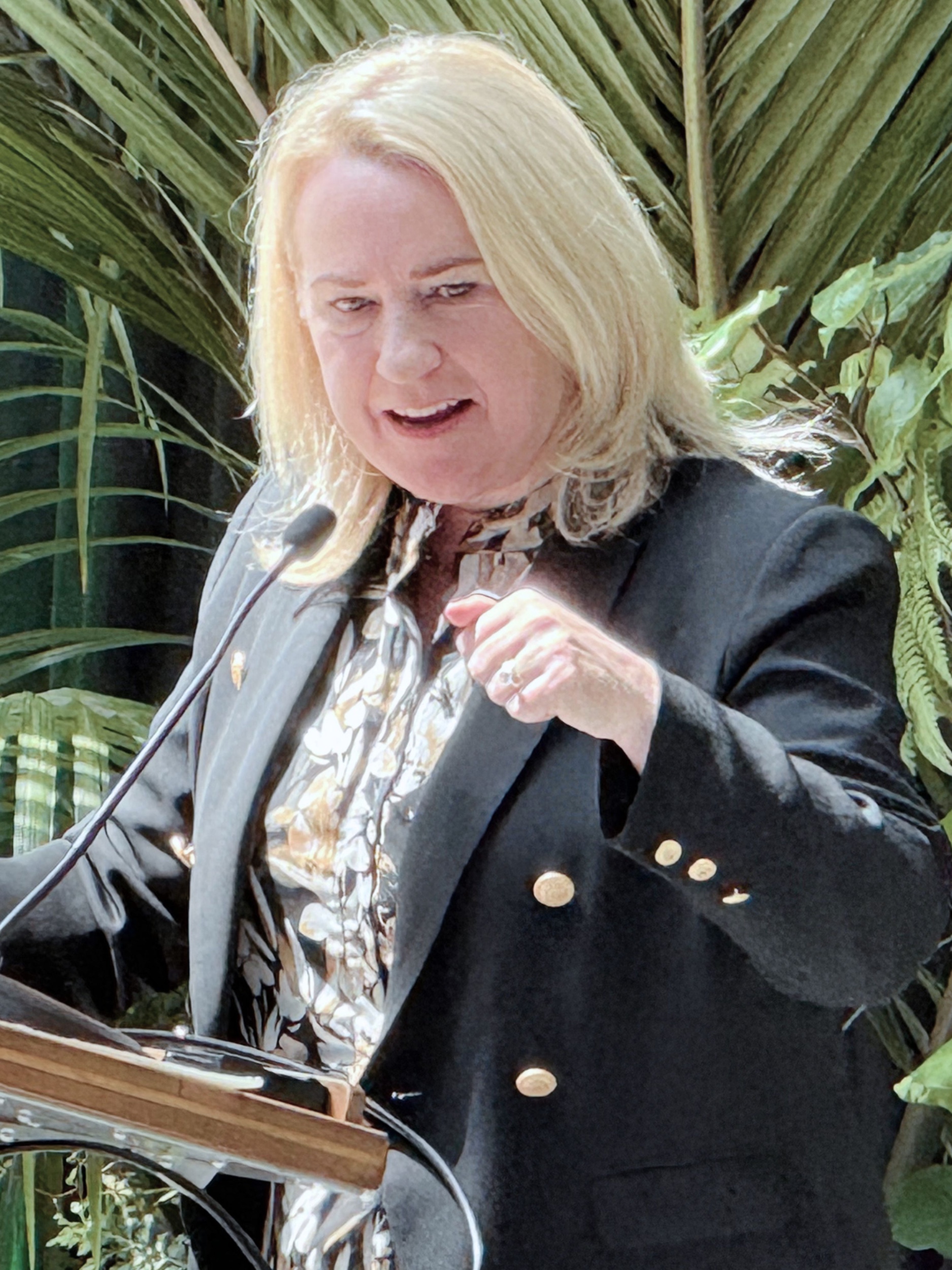
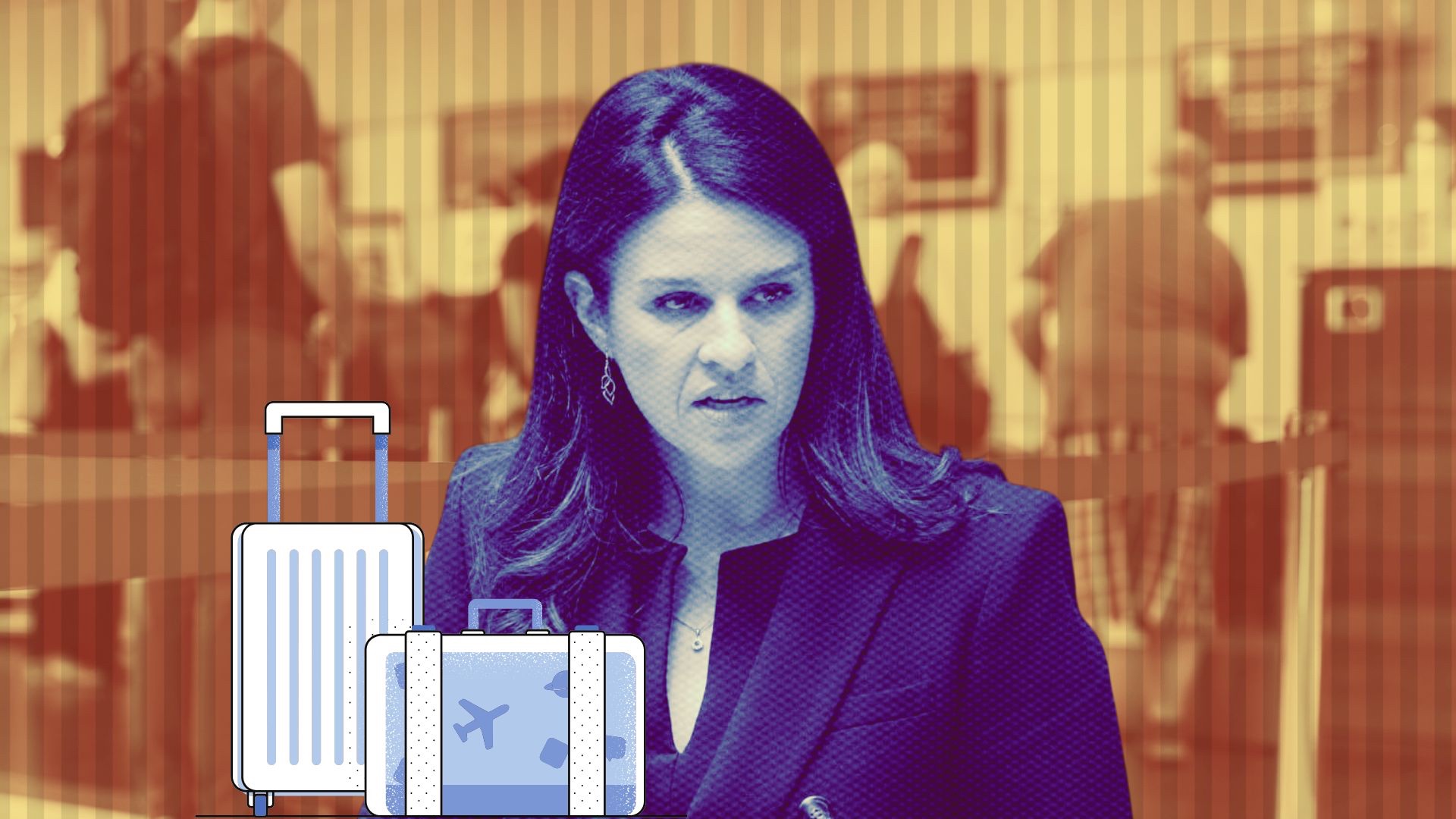
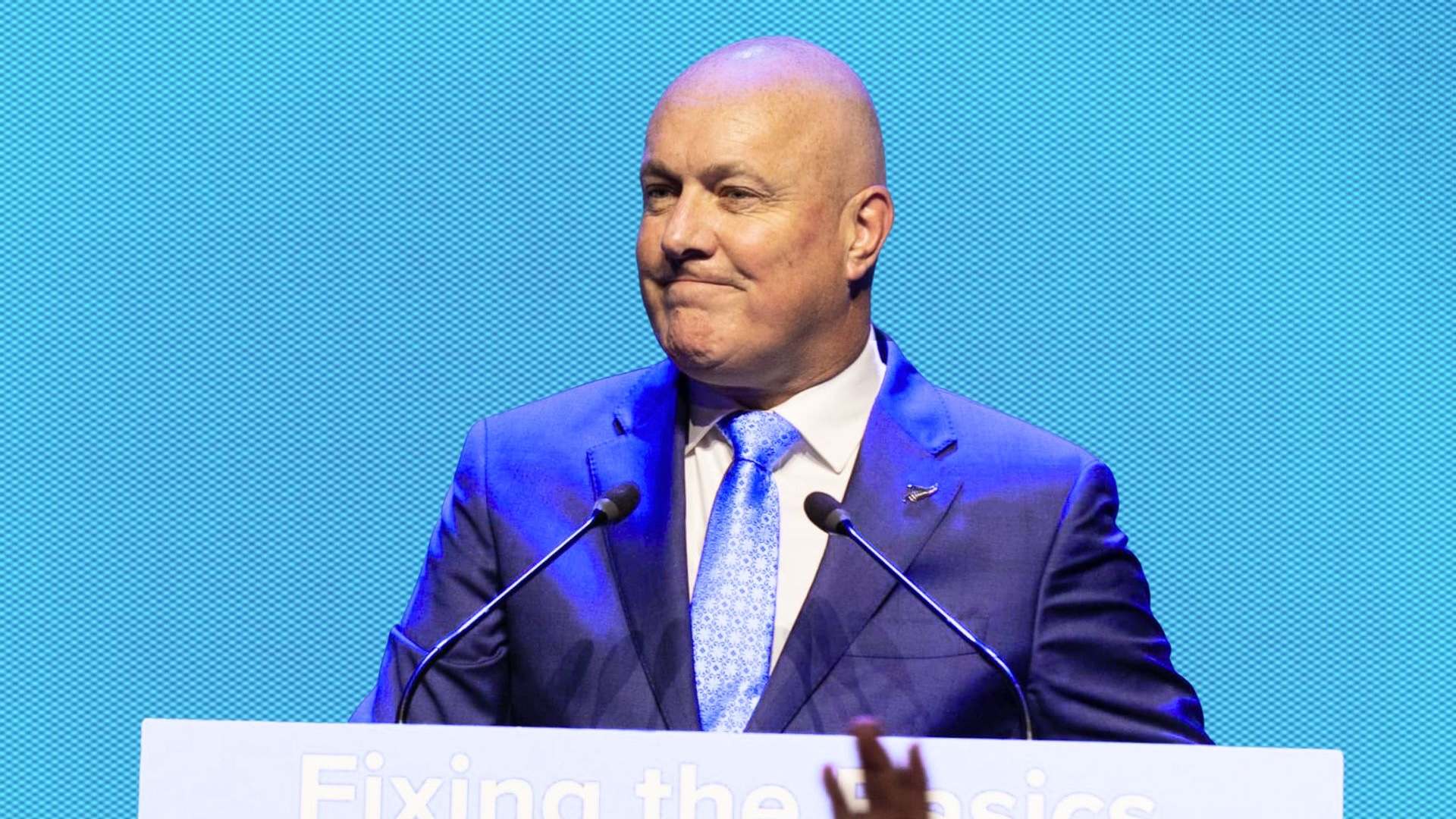
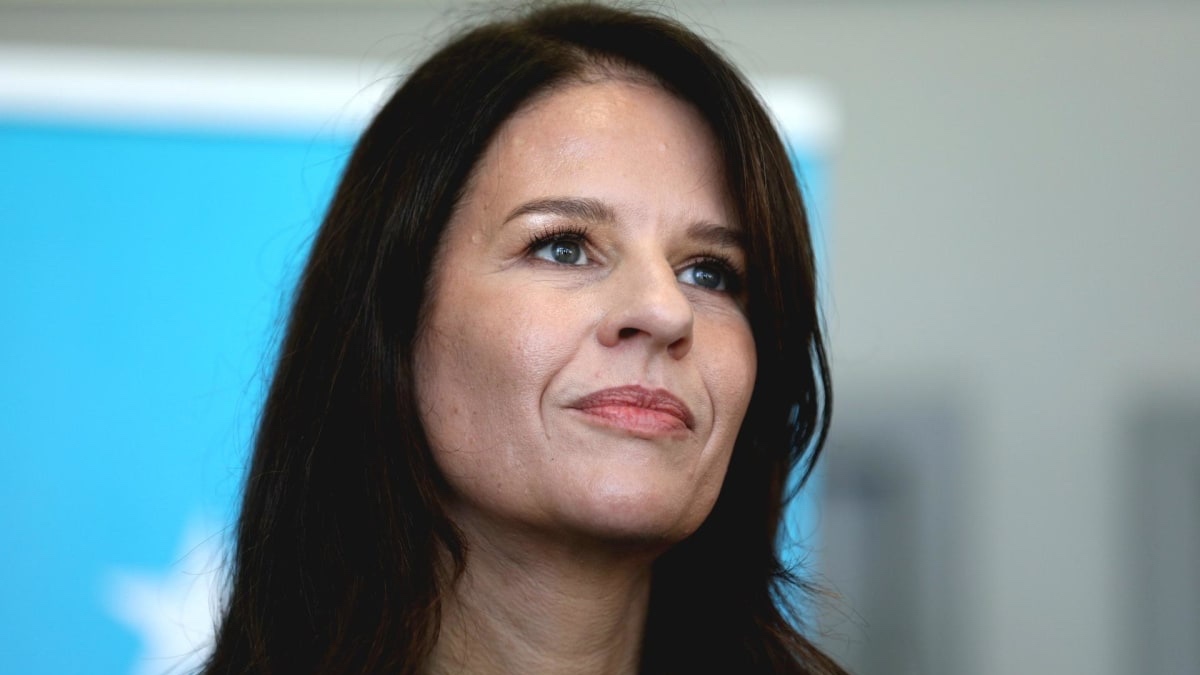
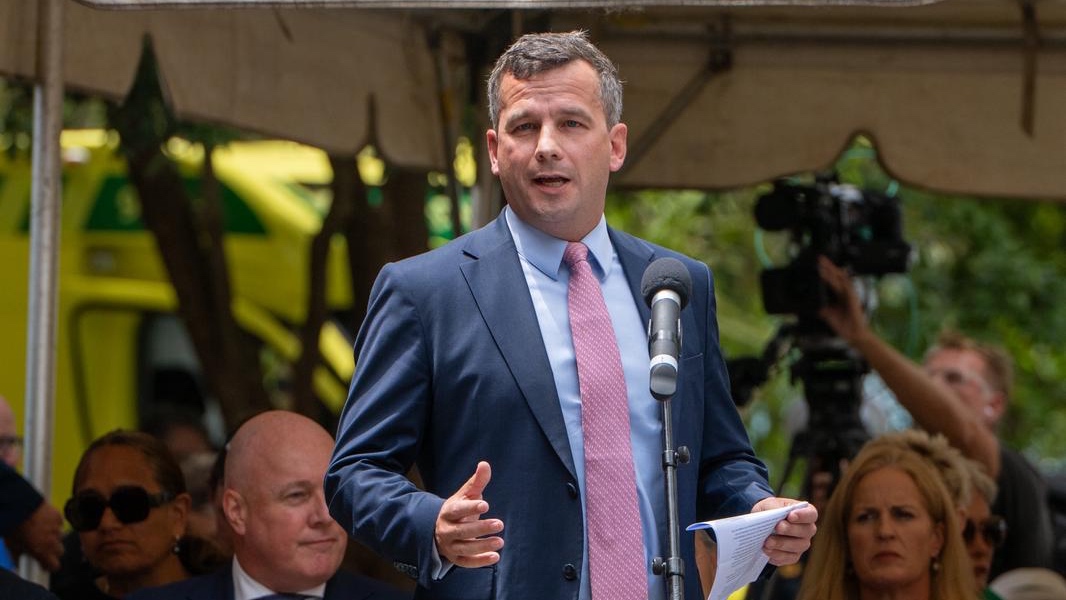
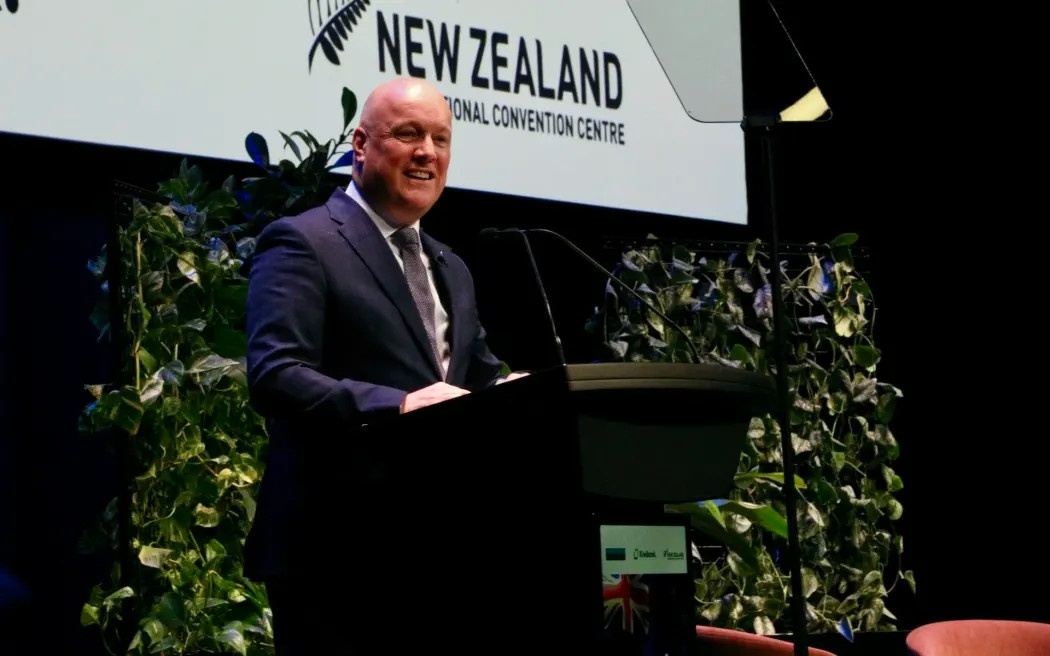
Dame Therese Walsh, Chair of Air New Zealand, speaking at the opening day of the NZ-India Business Summit 2026 in Auckland on November 12.
Sagar also saw opportunities to combine New Zealand innovation with Indian manufacturing capacity, allowing products developed here to be produced and scaled in India.
He recommended finding a suitable Indian partner and manufacturing location. That contrasted with the experiences of Ohri and Vicelich, who had established operations without relying on Indian commercial partners.
"I believe to work in India, it is important to set up an office, to have local presence, to be there, show that you are committed as well as capable, and you are there to stay for the long run," Ohri said.
"You need to take your destiny in your own hands."
Vicelich had received similar warnings about operating independently, but chose not to rely on an Indian commercial partner either.
"A lot of people say, if you don't have a partner in India, you're going to be eaten alive, and we didn't have a partner."
Instead, Valocity built its own relationships and drew on local advisers and government support. The differences highlighted how the right approach could depend on whether a company was manufacturing products, delivering services or selling technology.
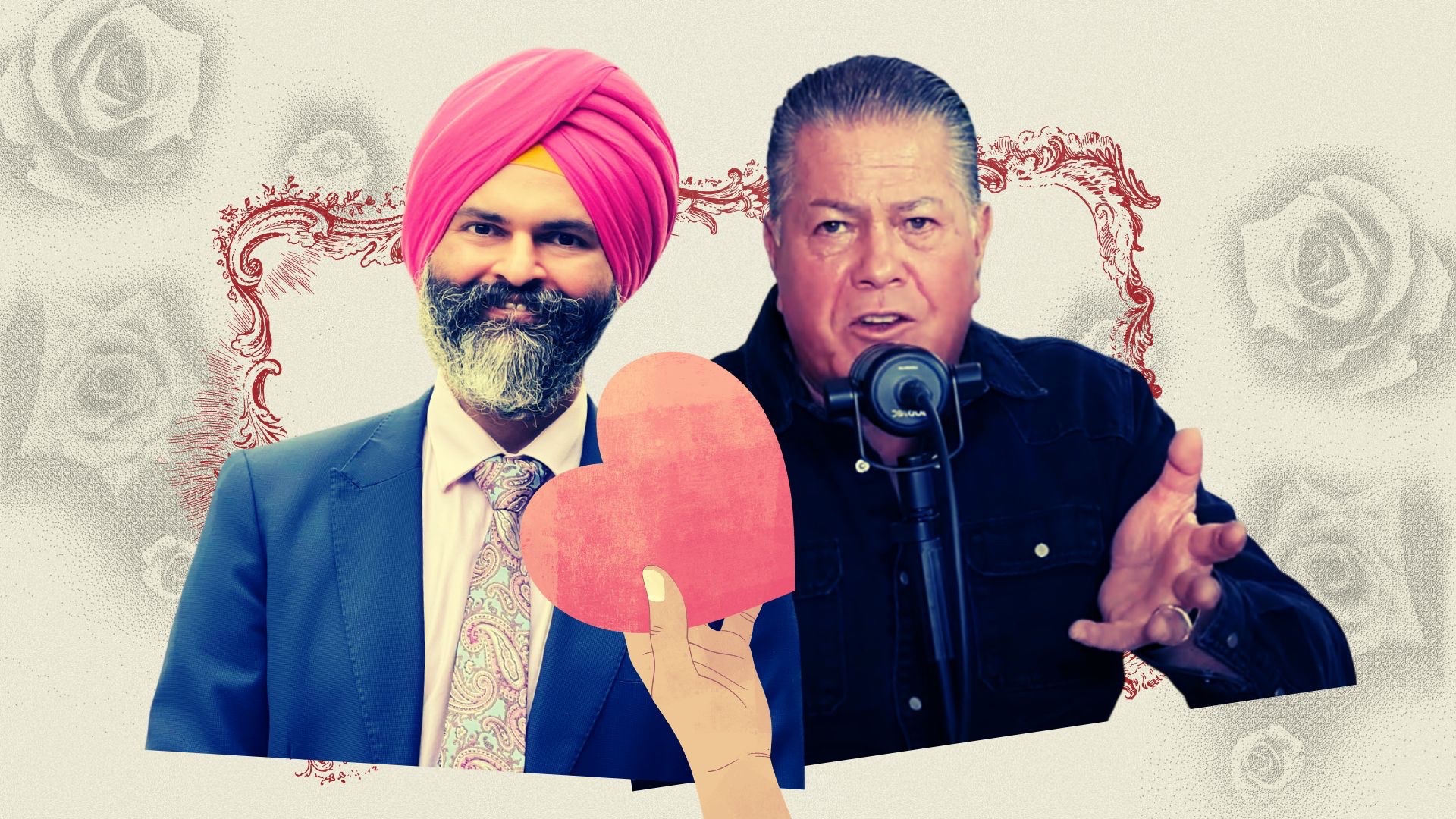
In another discussion, Molina Asthana, representing FICCI in Australia and New Zealand, compared building commercial relationships to an arranged marriage, emphasising the time needed to establish compatibility and trust.
Clare Wilson of New Zealand Trade and Enterprise discussed the importance of identifying the right customers and opportunities rather than assuming India's enormous population automatically guaranteed demand.
Auckland Council's Marissa Brindley offered another perspective, highlighting opportunities to connect Auckland businesses with innovation networks in Indian cities beyond the largest metropolitan centres.
"I think ecosystems don't grow within their own borders," she said. But she also warned that Kiwi businesses needed to be commercially prepared.
"India negotiates hard, which is something that we probably don't do. So you really need to get that hat on and be able to negotiate hard as well."
For Vicelich, the strongest lesson was about persistence. "India is the long game," she said.
"It's actually all about people. It's not just about the technology, it's about building the relationships, and actually going back again, and again, and again, building trust."
The summit offered no universal formula for entering India. But the experiences suggested that its enormous opportunities came with an equally demanding requirement. Understanding the market on its own terms.