
Mayor questions cost of in-person voting as Papatoetoe rerun returned nearly same team
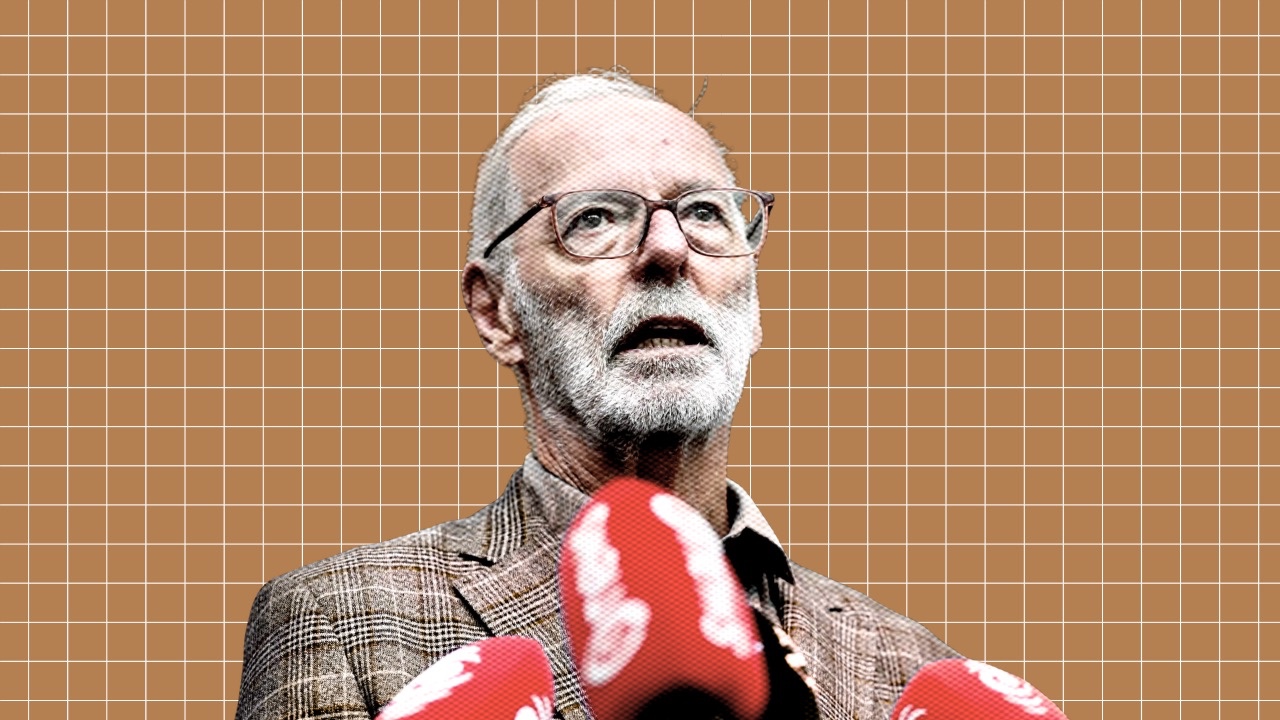
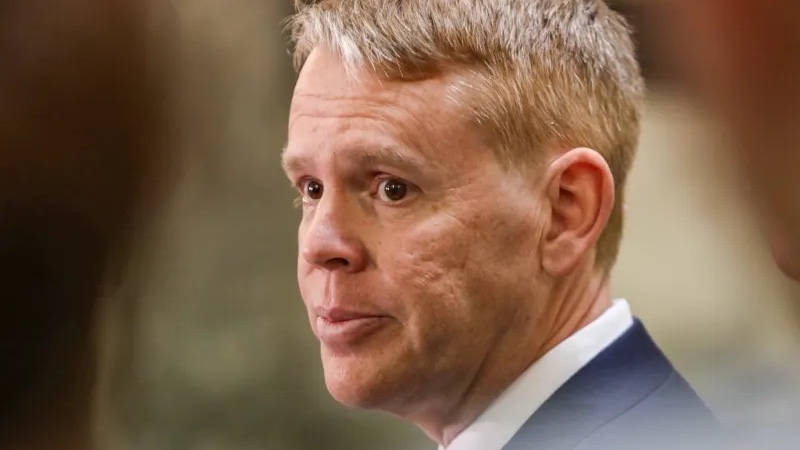
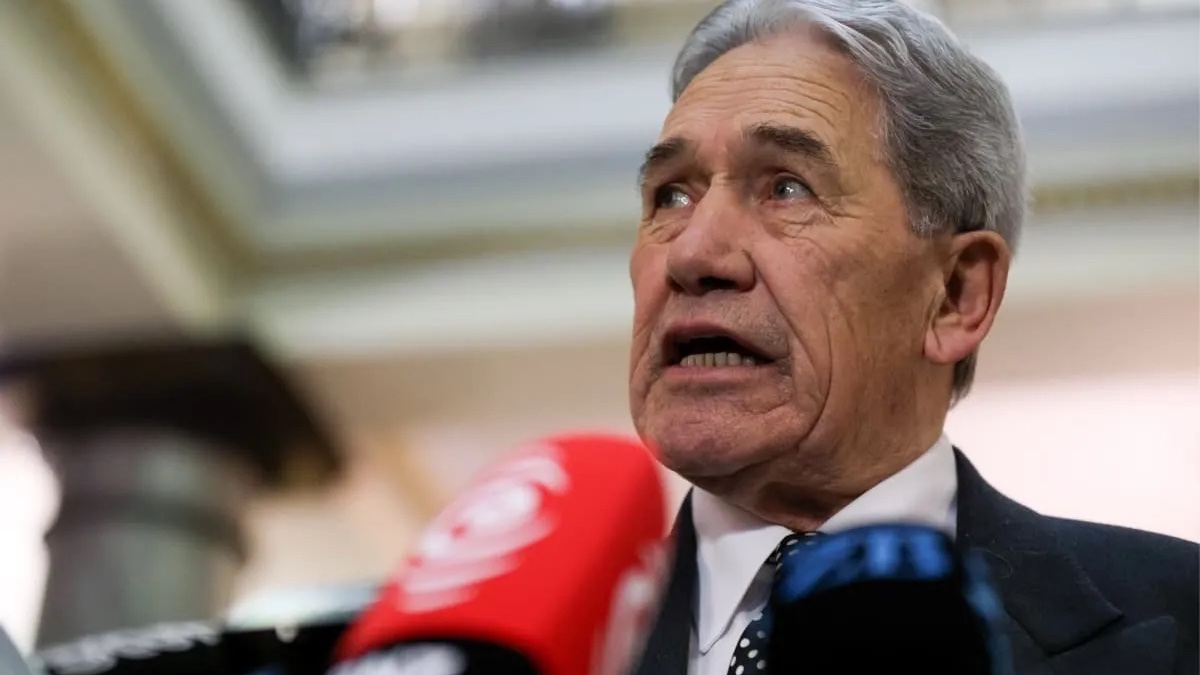
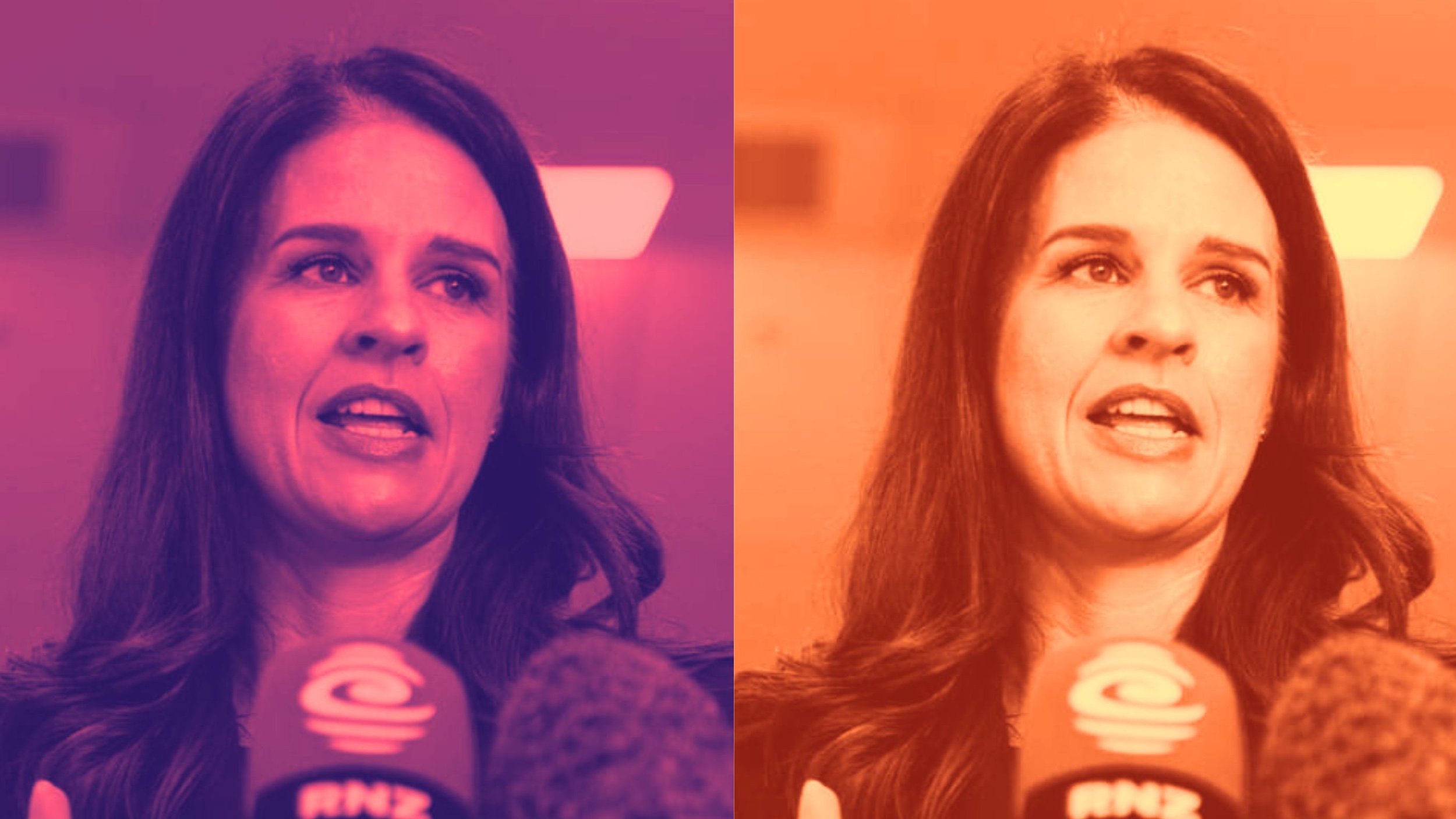
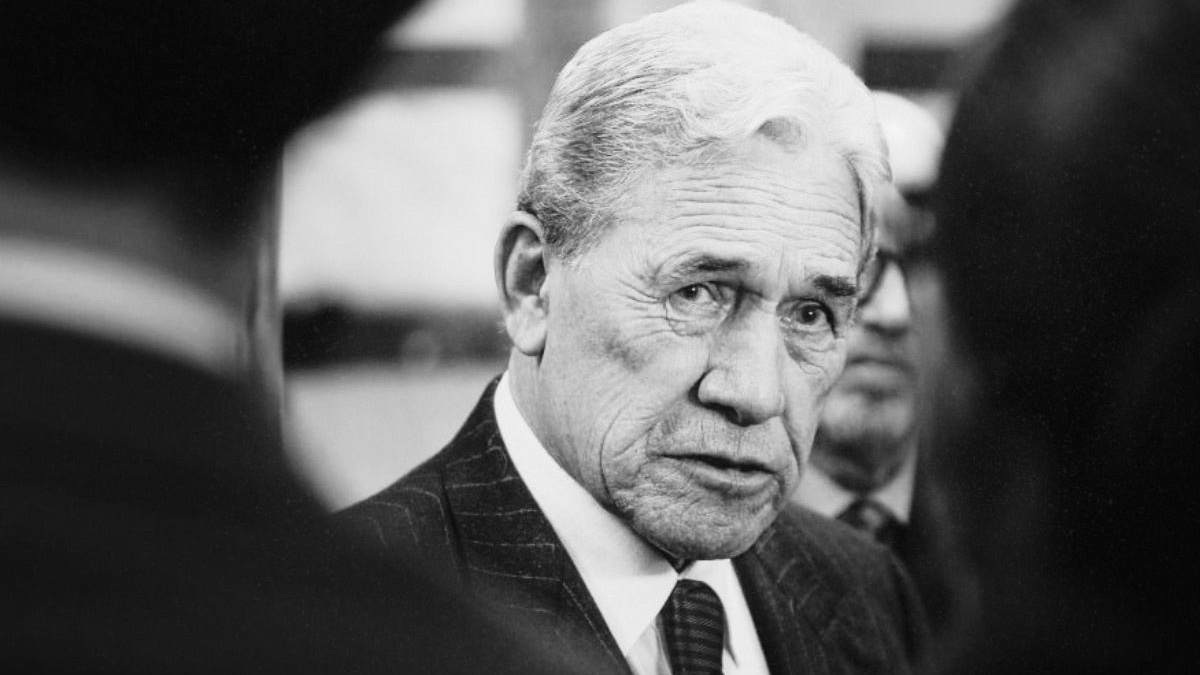
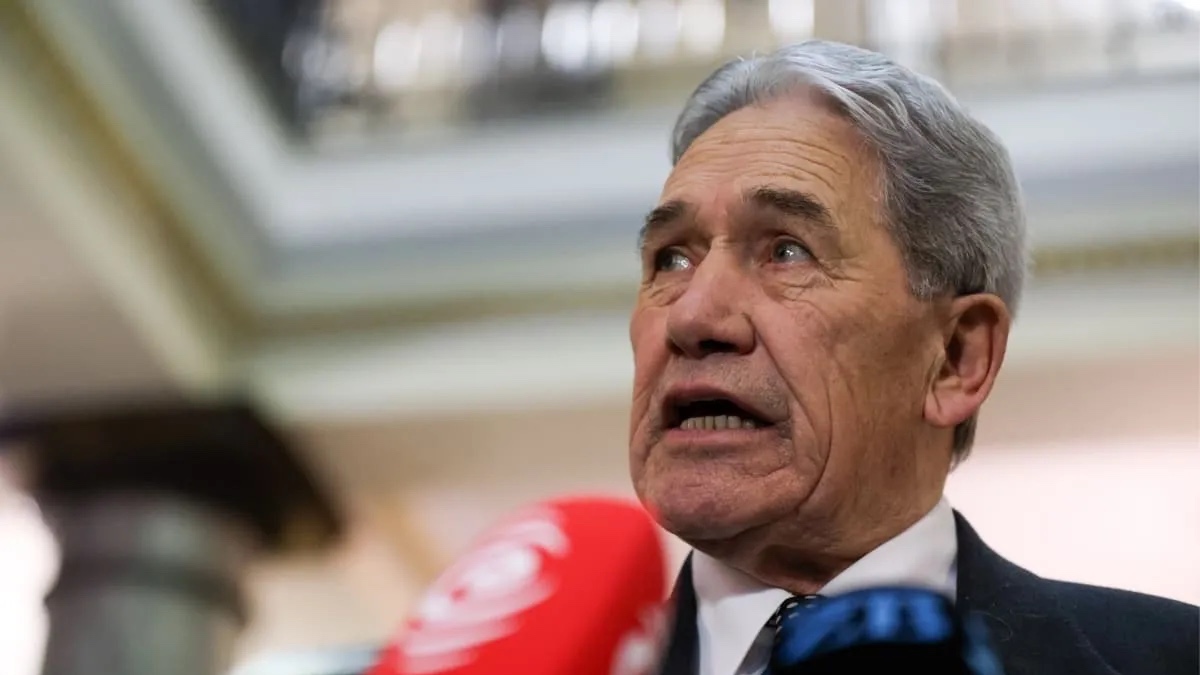
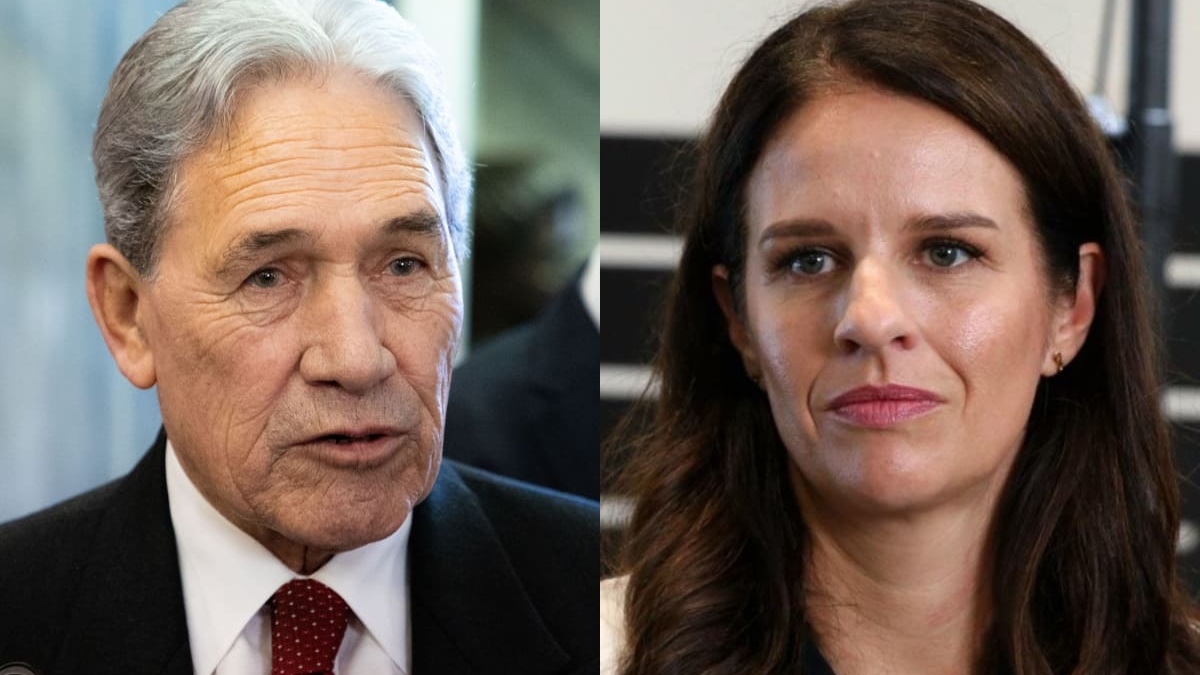
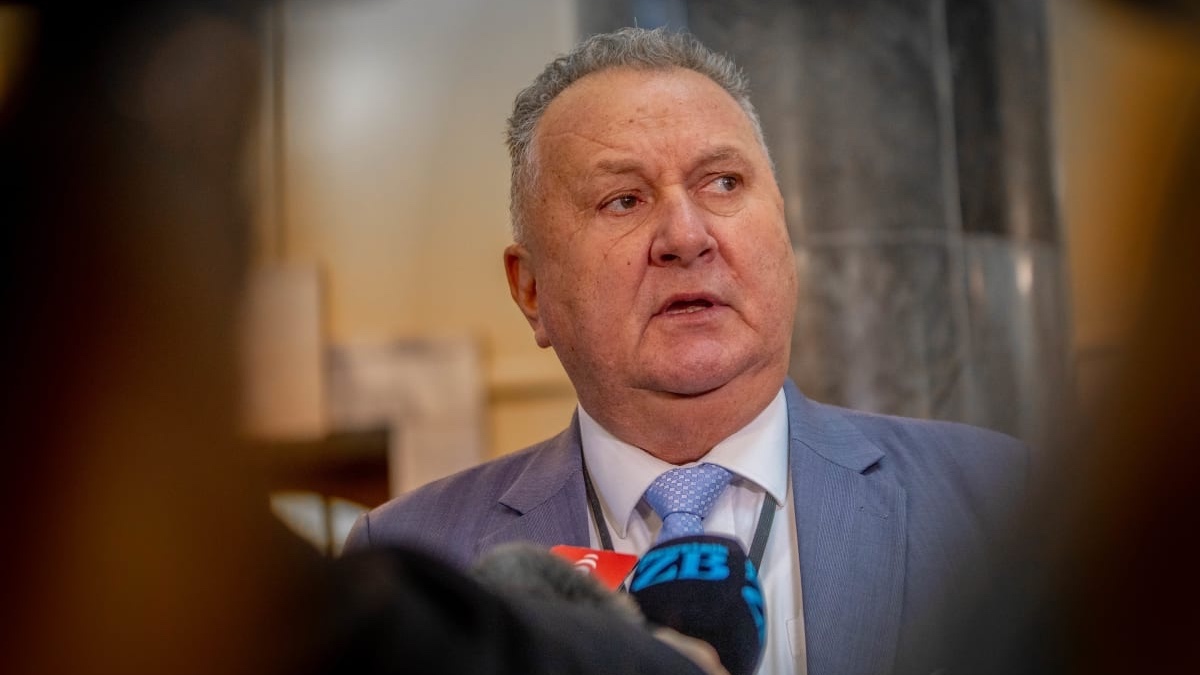
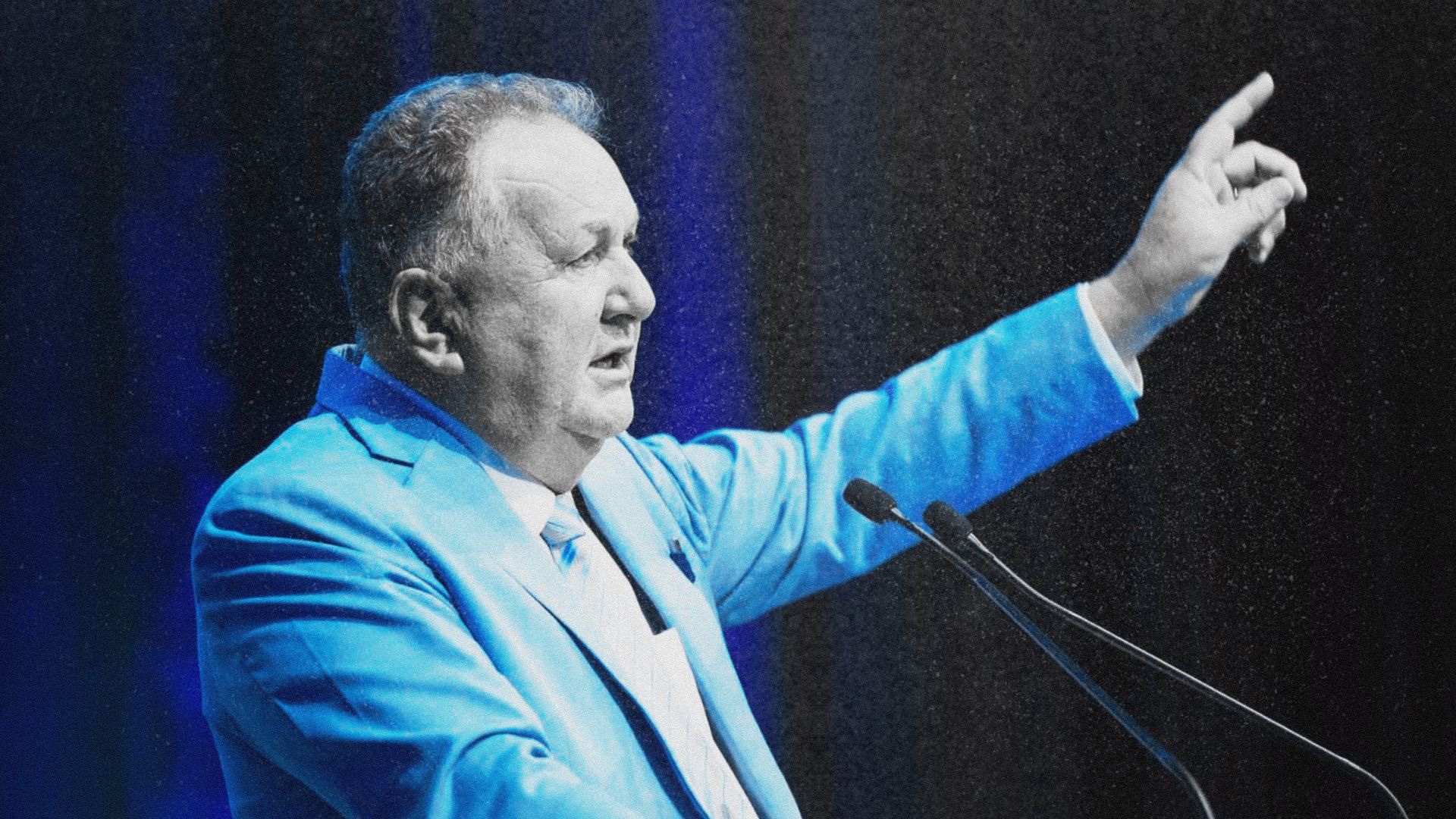
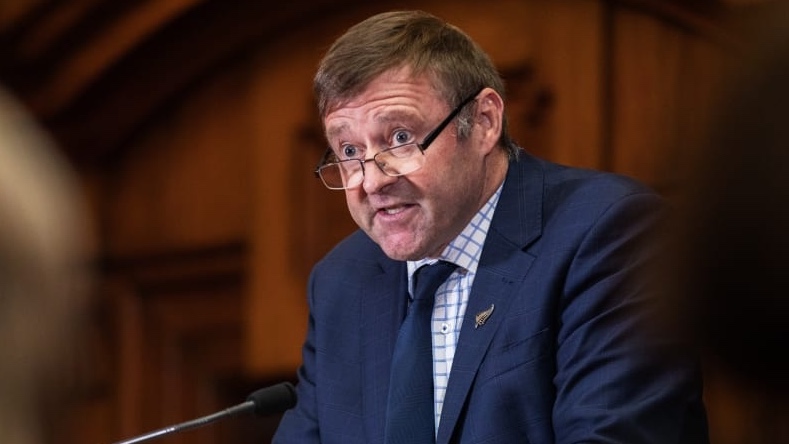
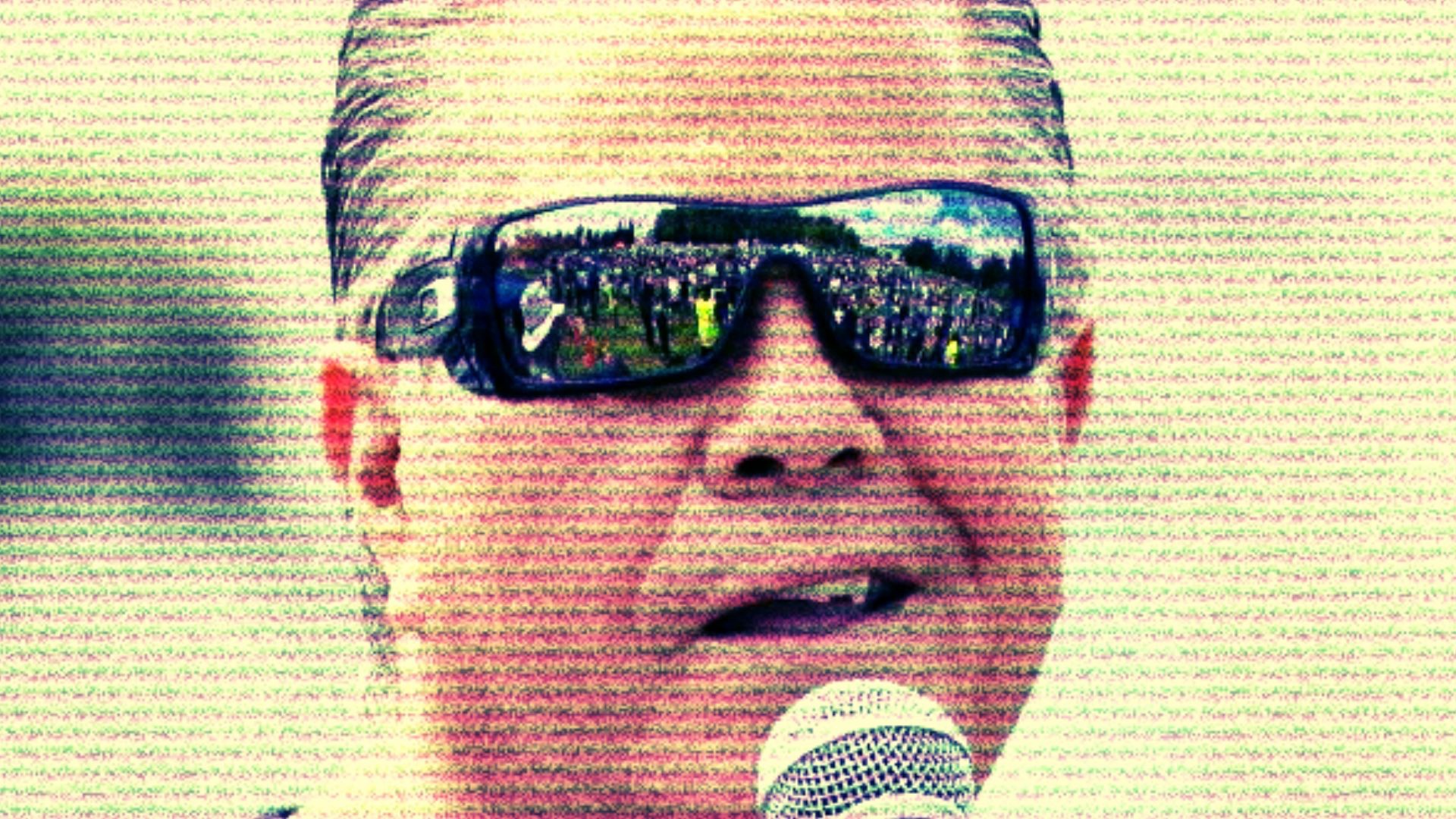
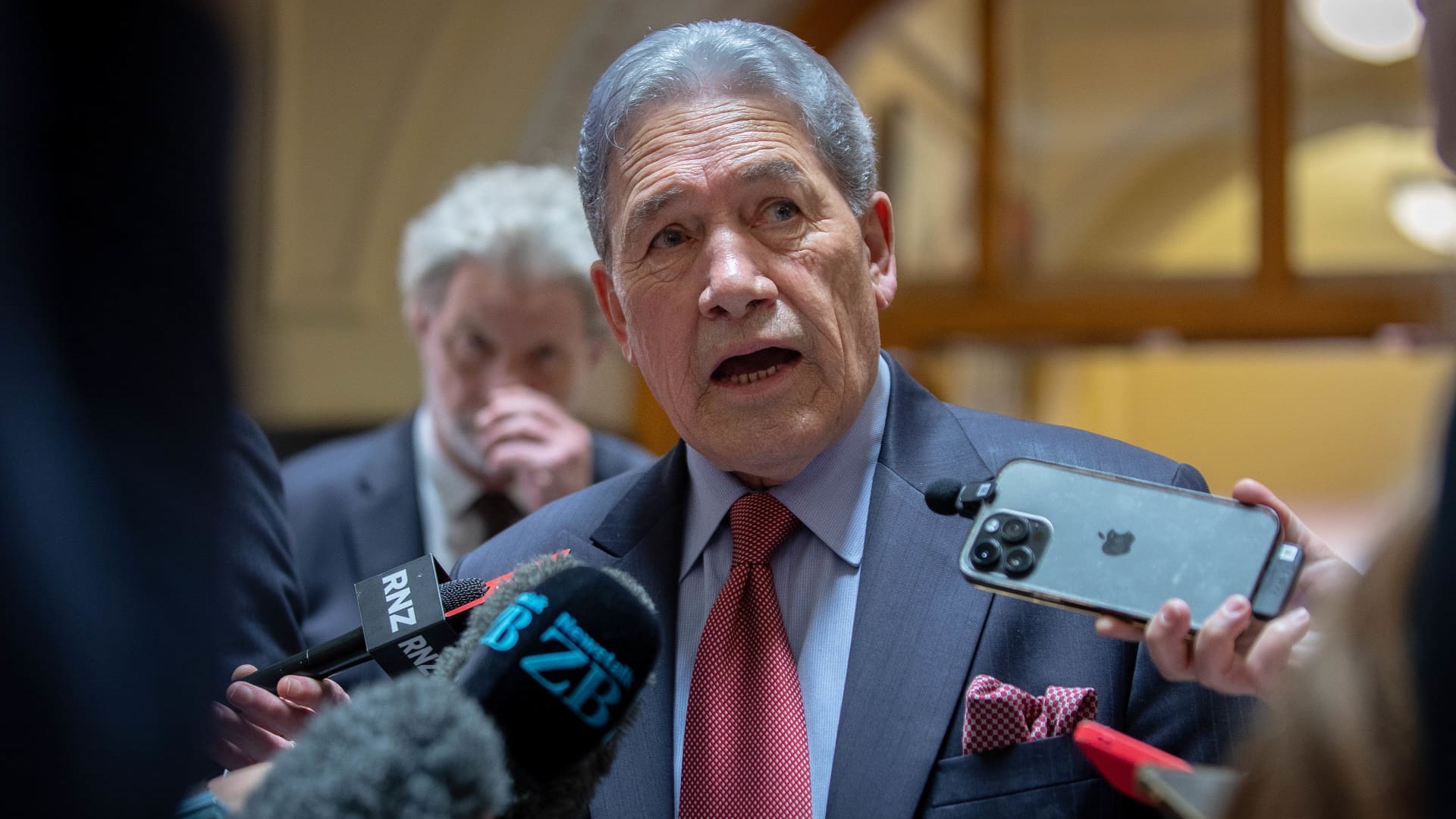
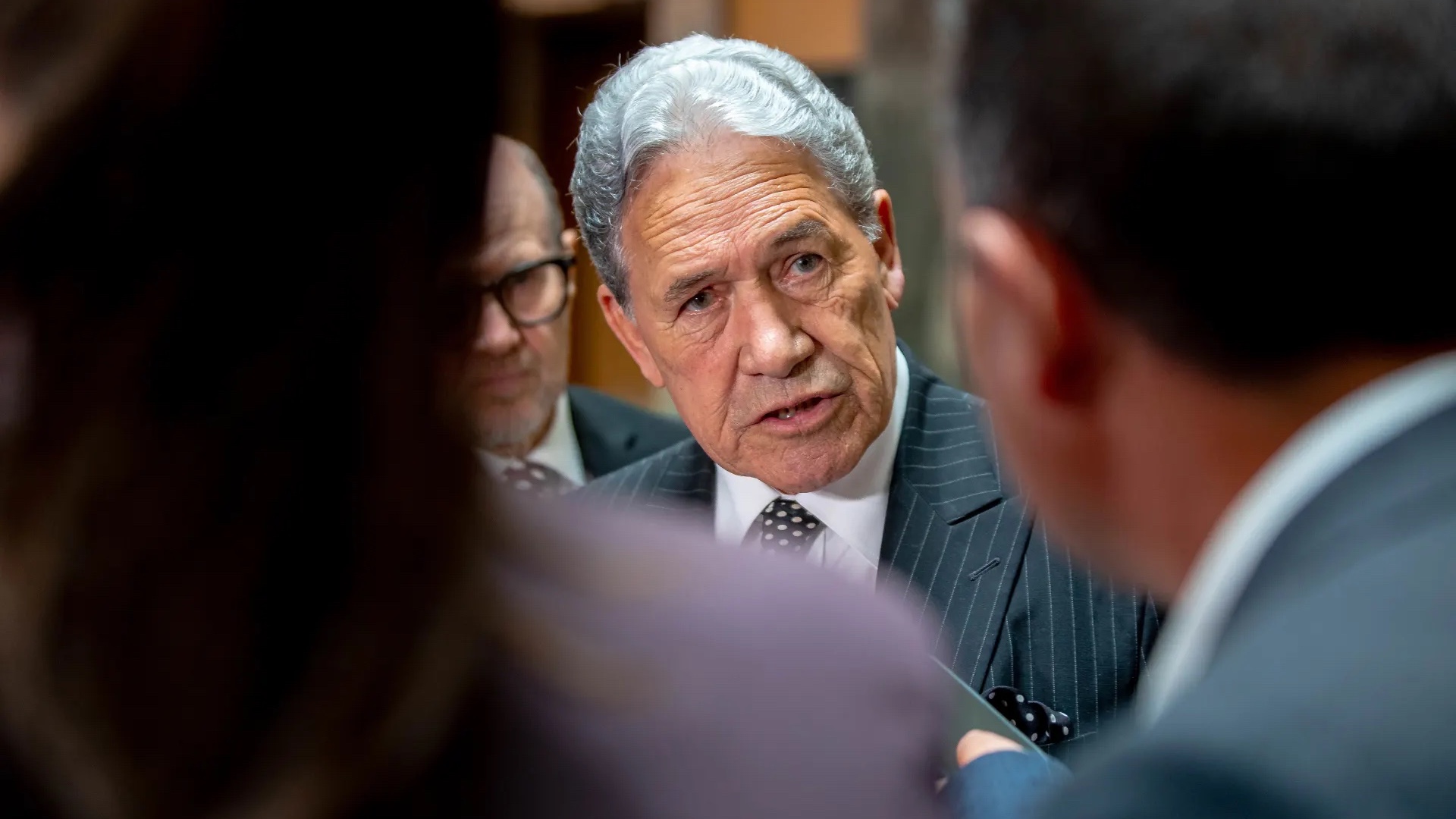
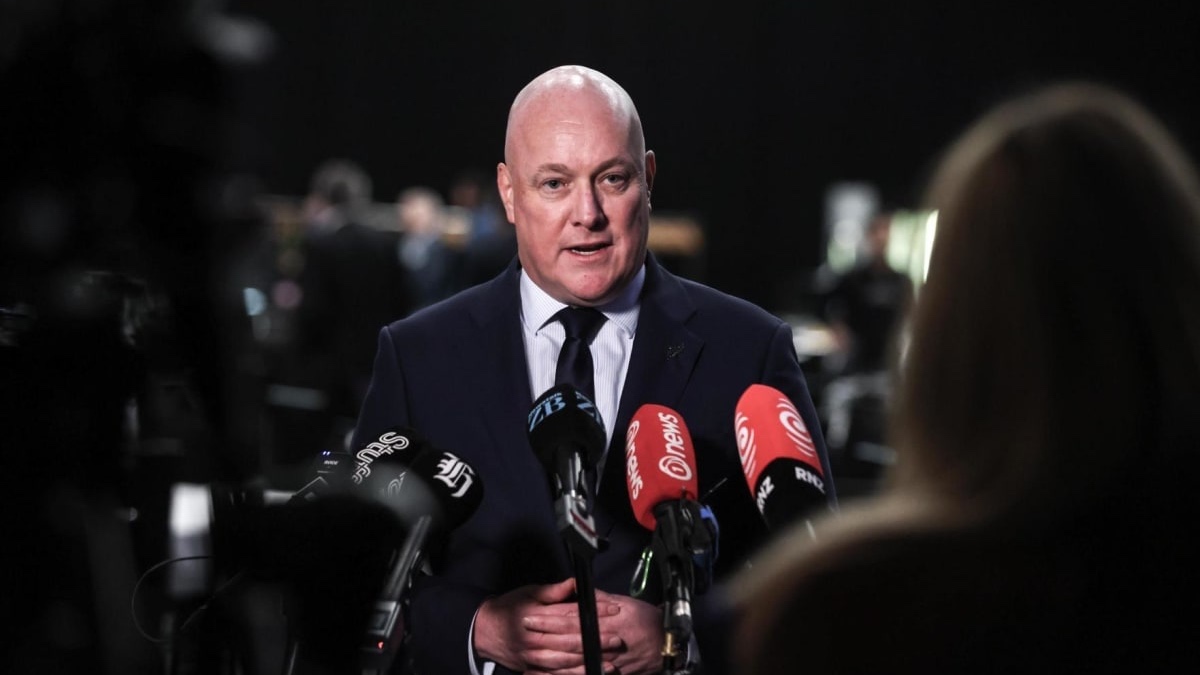
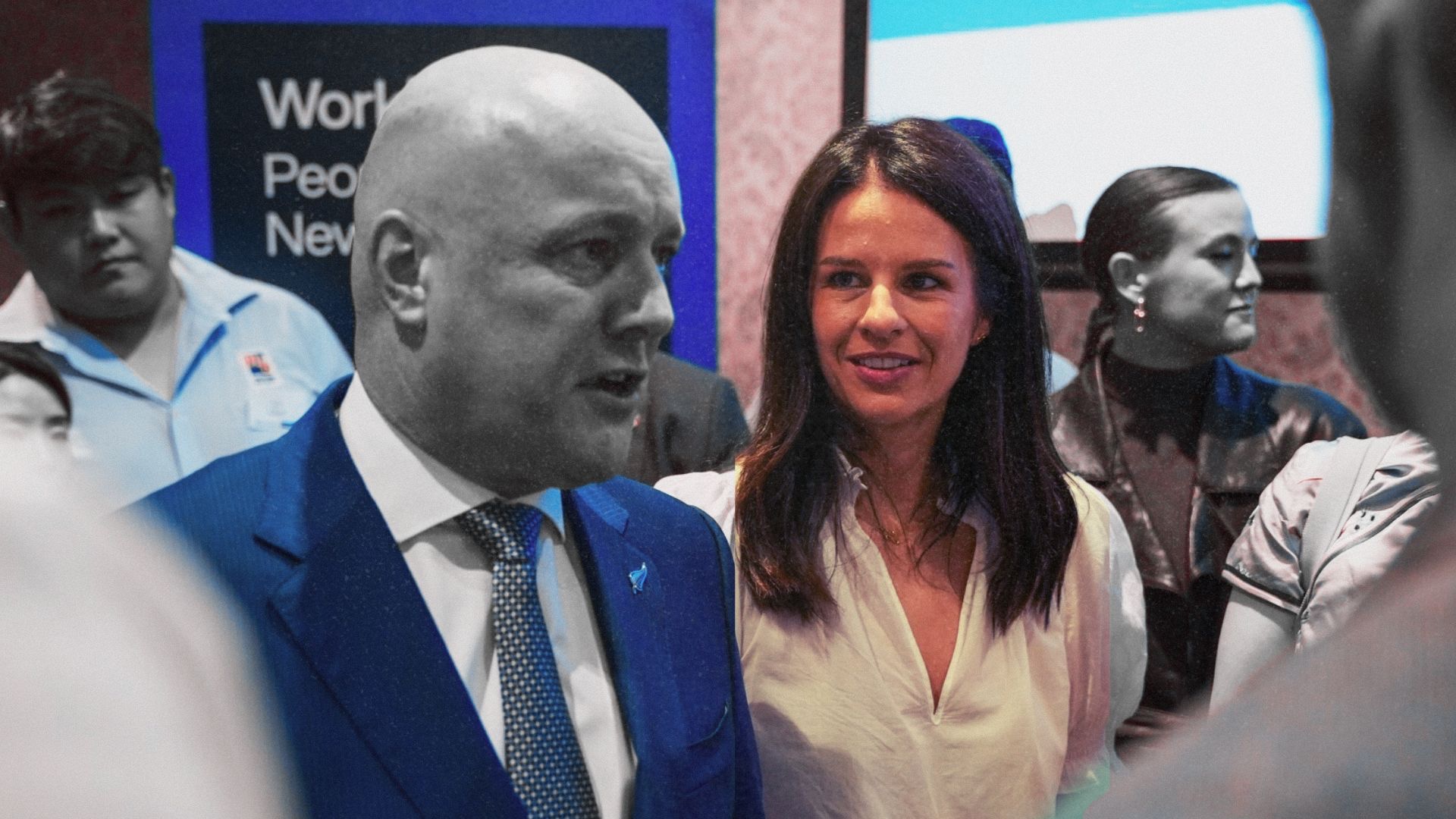
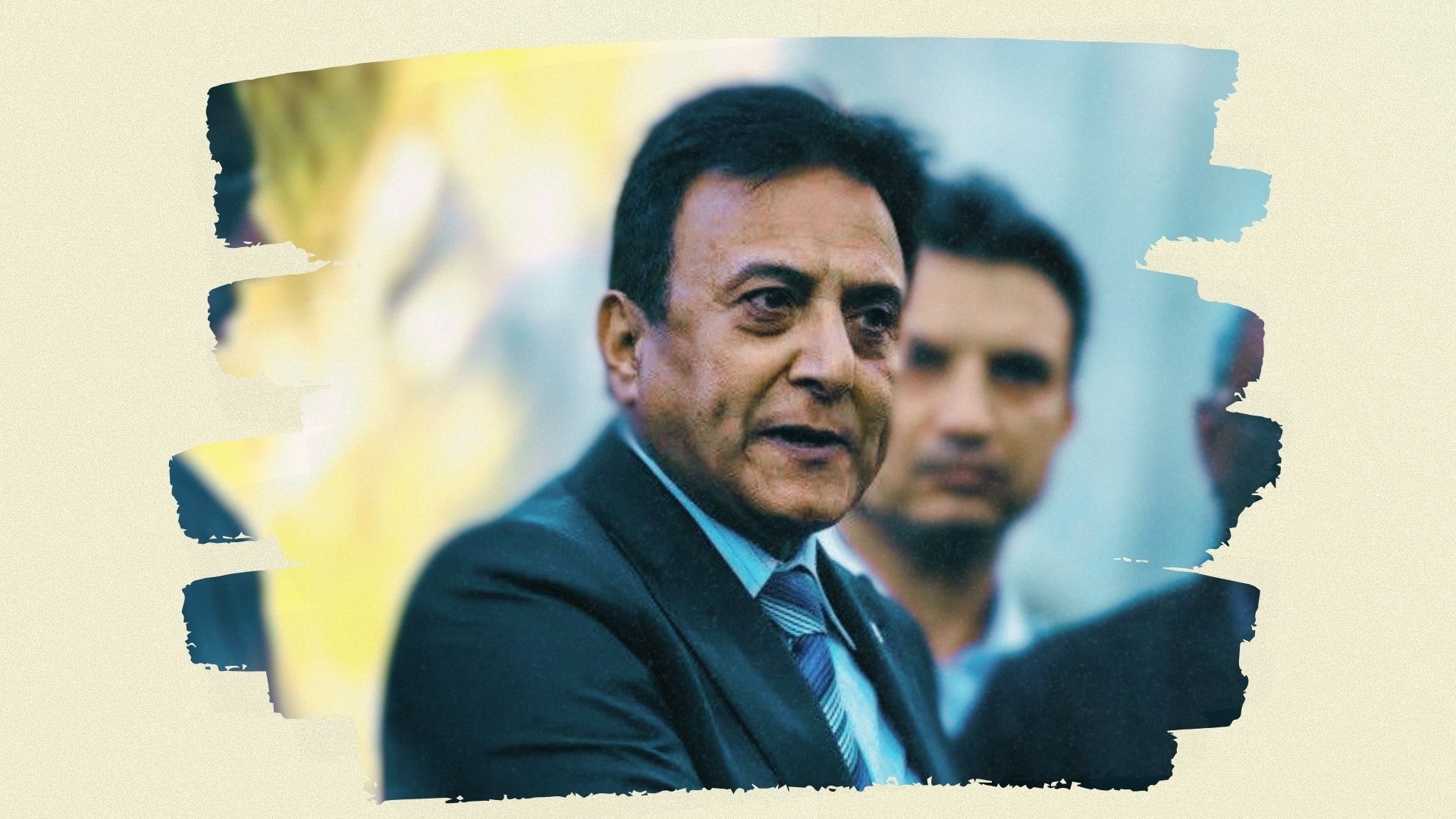
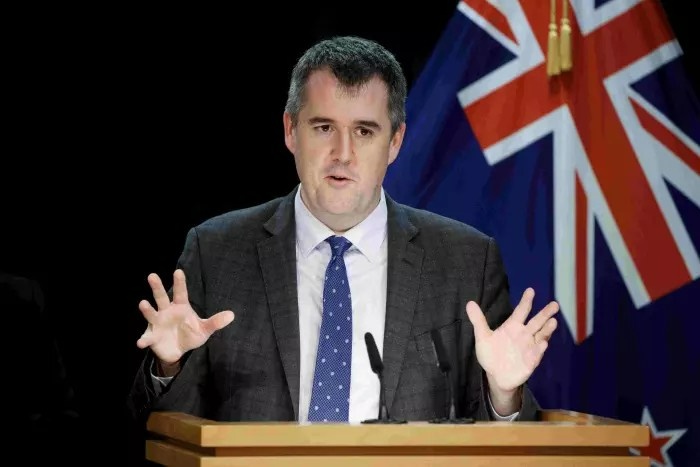
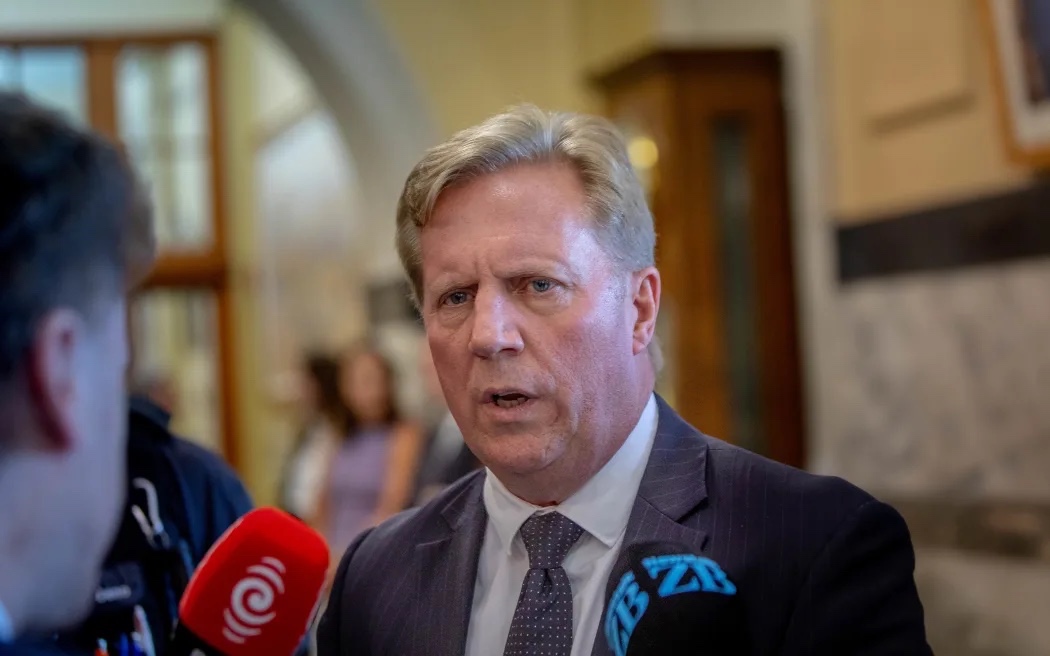
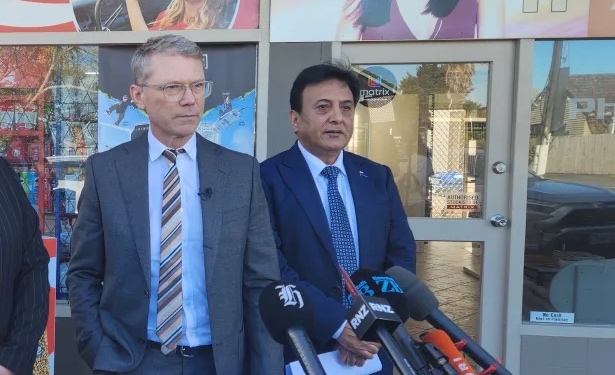
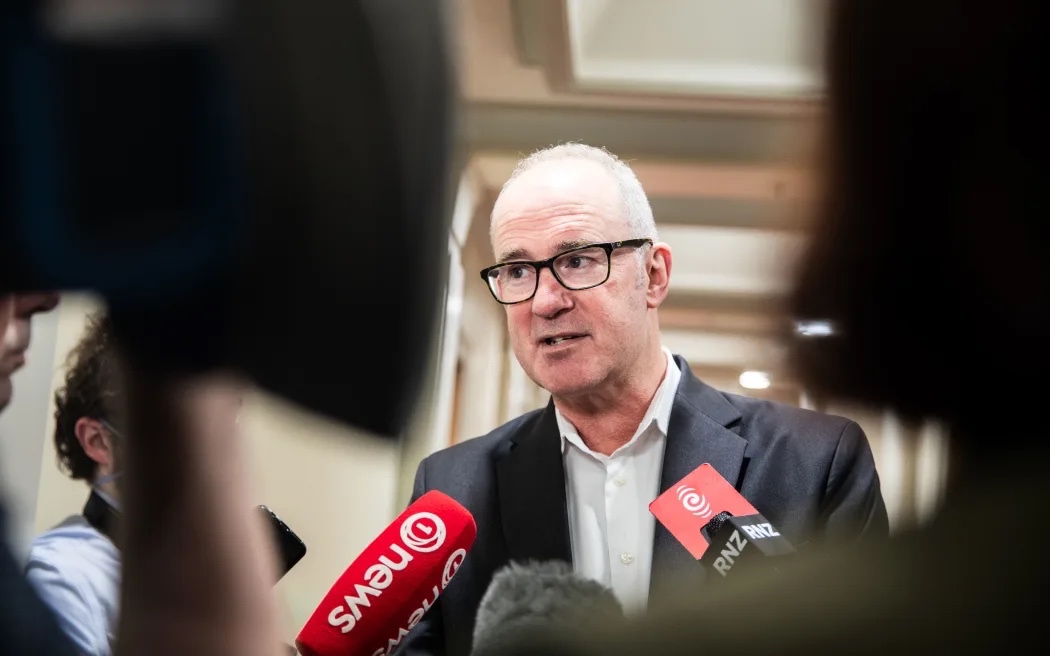
Mayor Wayne Brown.
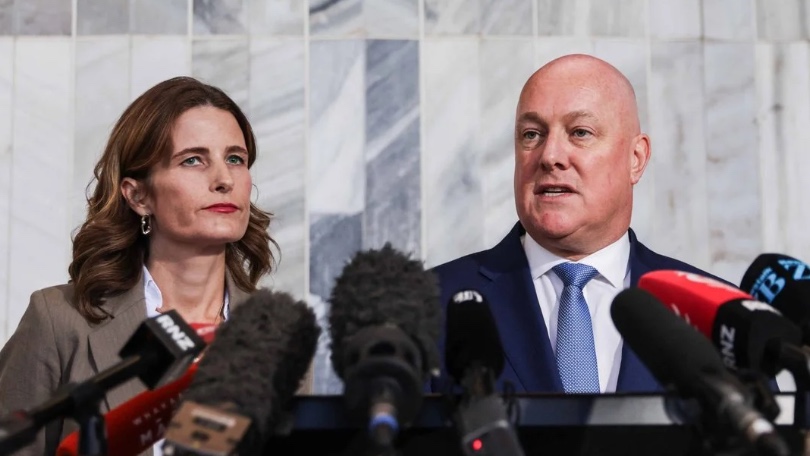
Auckland Council has chosen to bring back in-person voting in 2028, as Wayne Brown questions whether it's the best use of money.
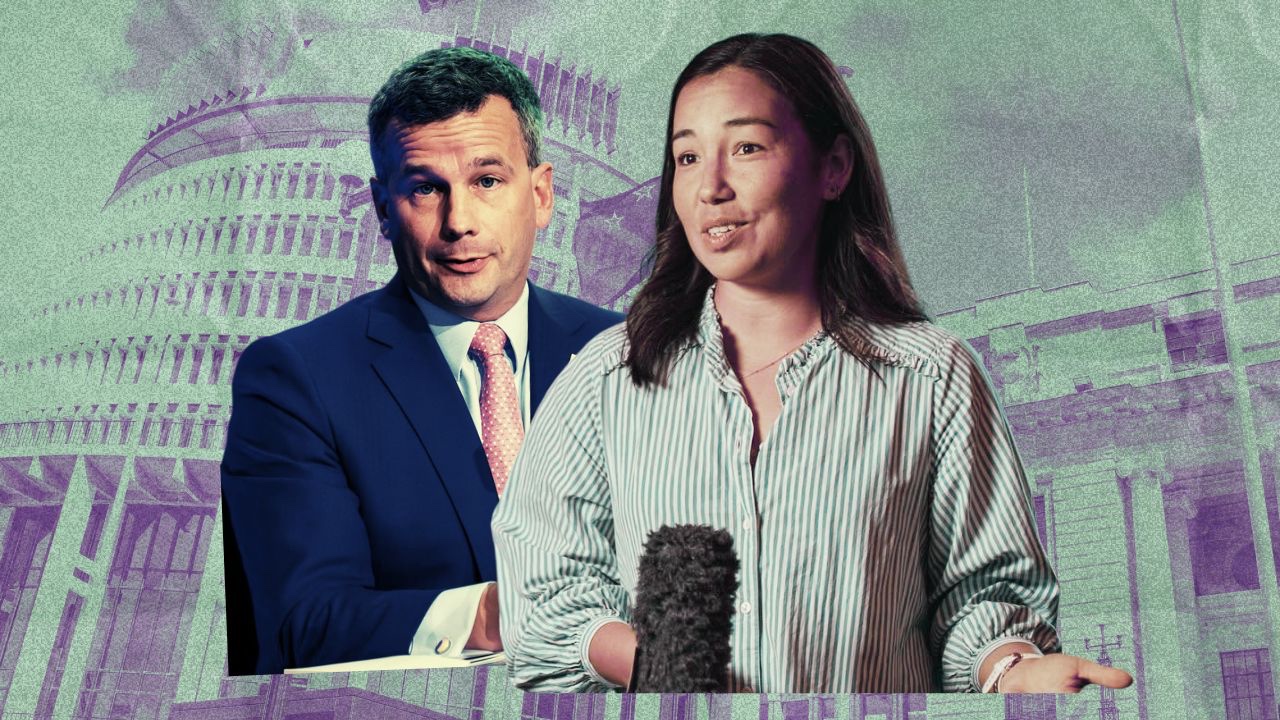
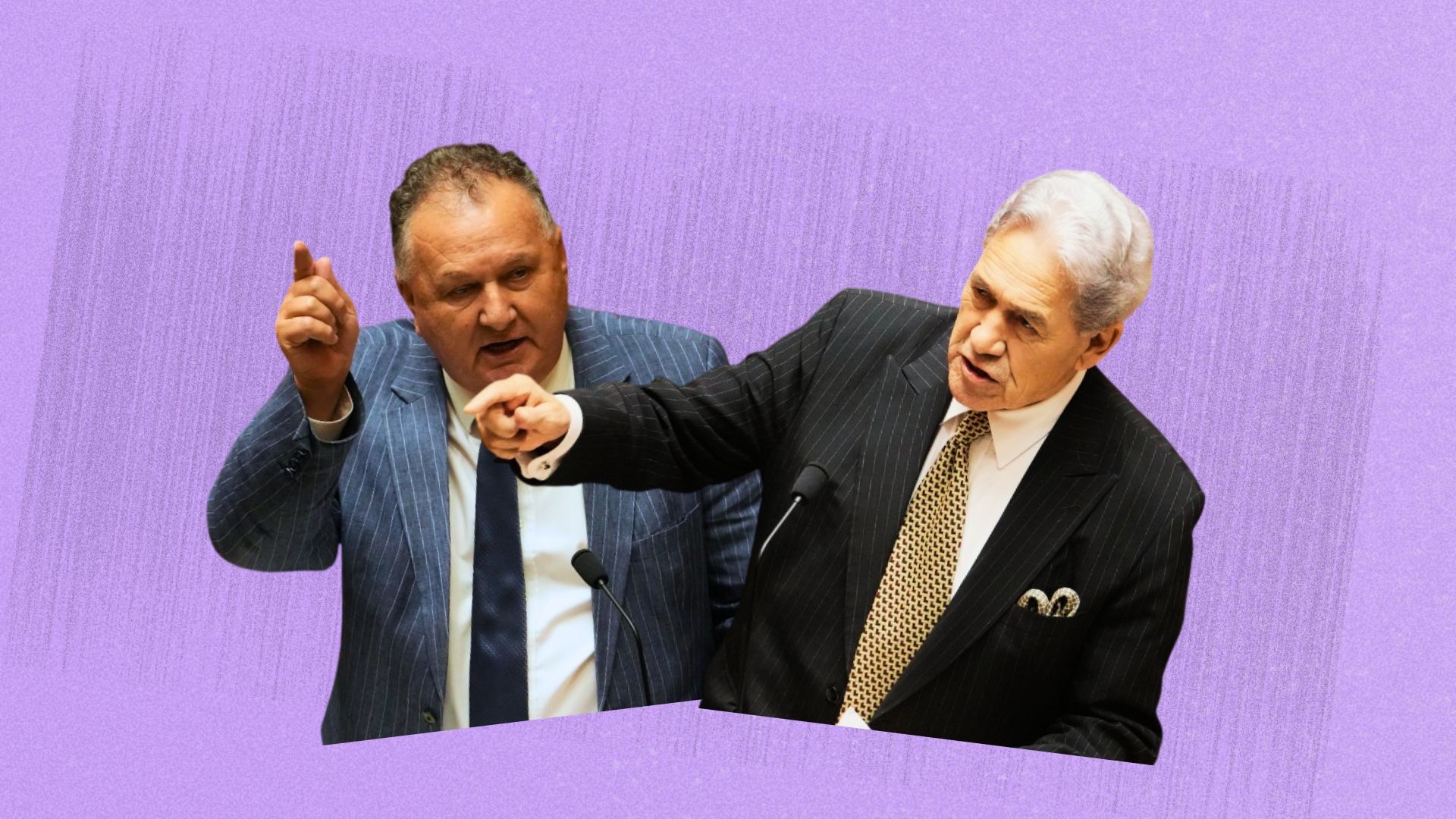
Auckland mayor Wayne Brown has questioned spending up to $40 million on a new voting system, pointing out the fraud-tainted Papatoetoe election rerun returned three of the original four elected candidates.
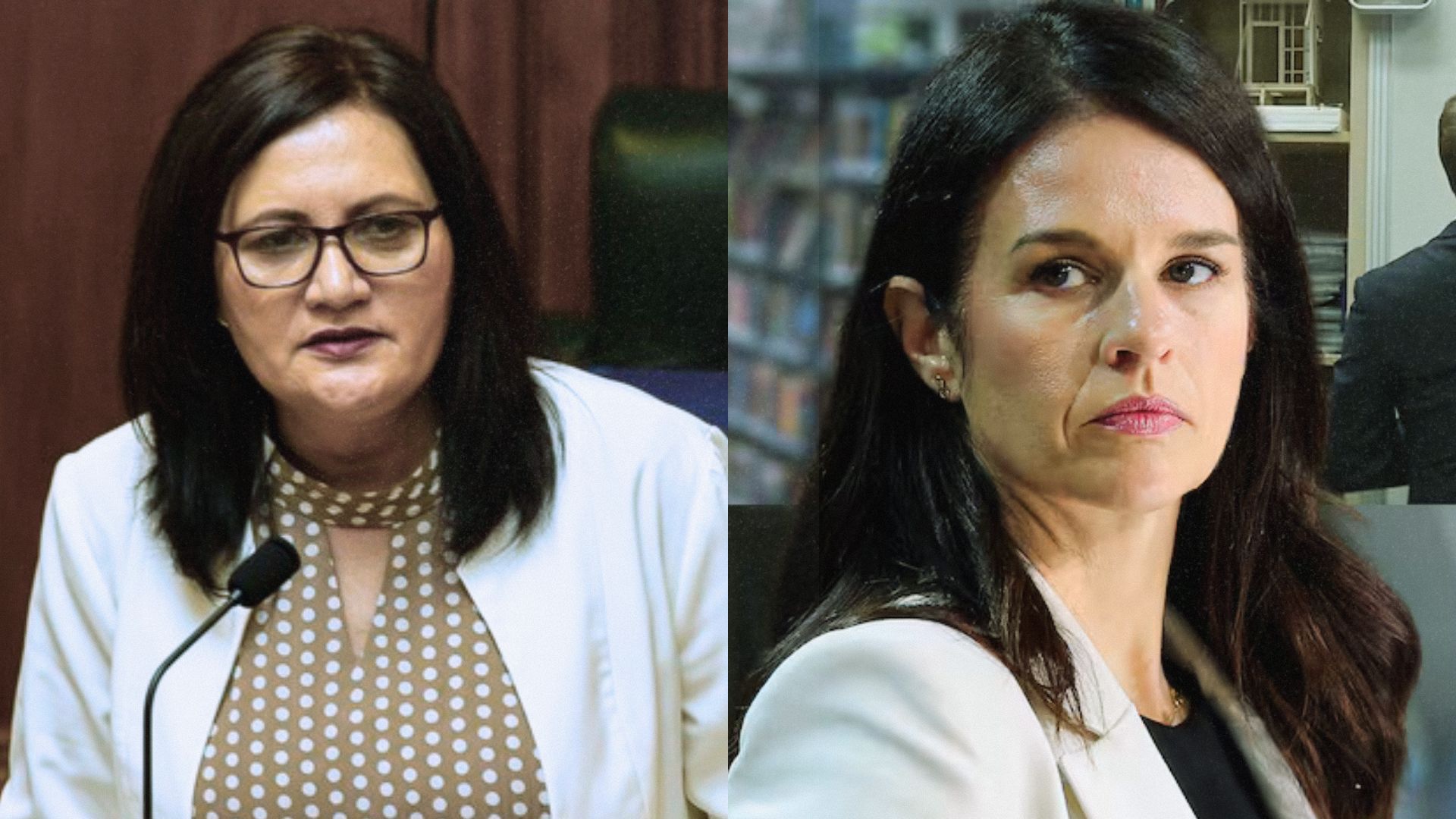
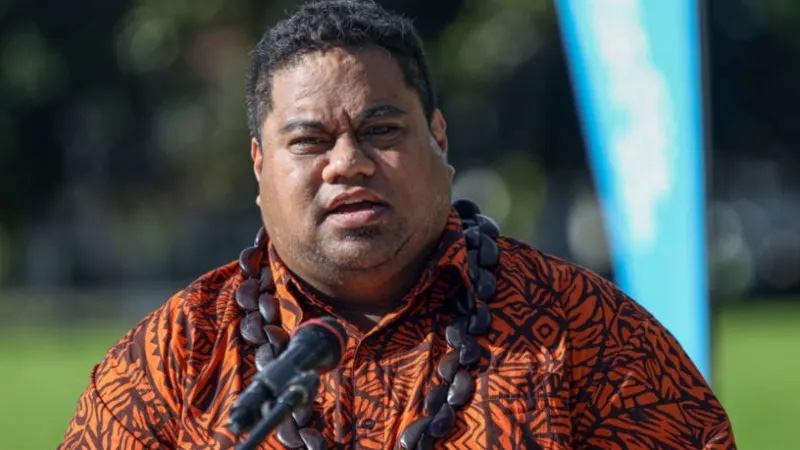
His remarks sparked a heated exchange with Ōtara-Papatoetoe Local Board chair Apulu Reece Autagavaia at Auckland Council meeting on September 29, where councillors voted to abandon postal voting and return to staffed voting booths for the 2028 local elections.
"After all that, and they did it again, they got almost the same result. Only one person changed," Brown told Autagavaia. "Is it really just about $40 million over one person?"
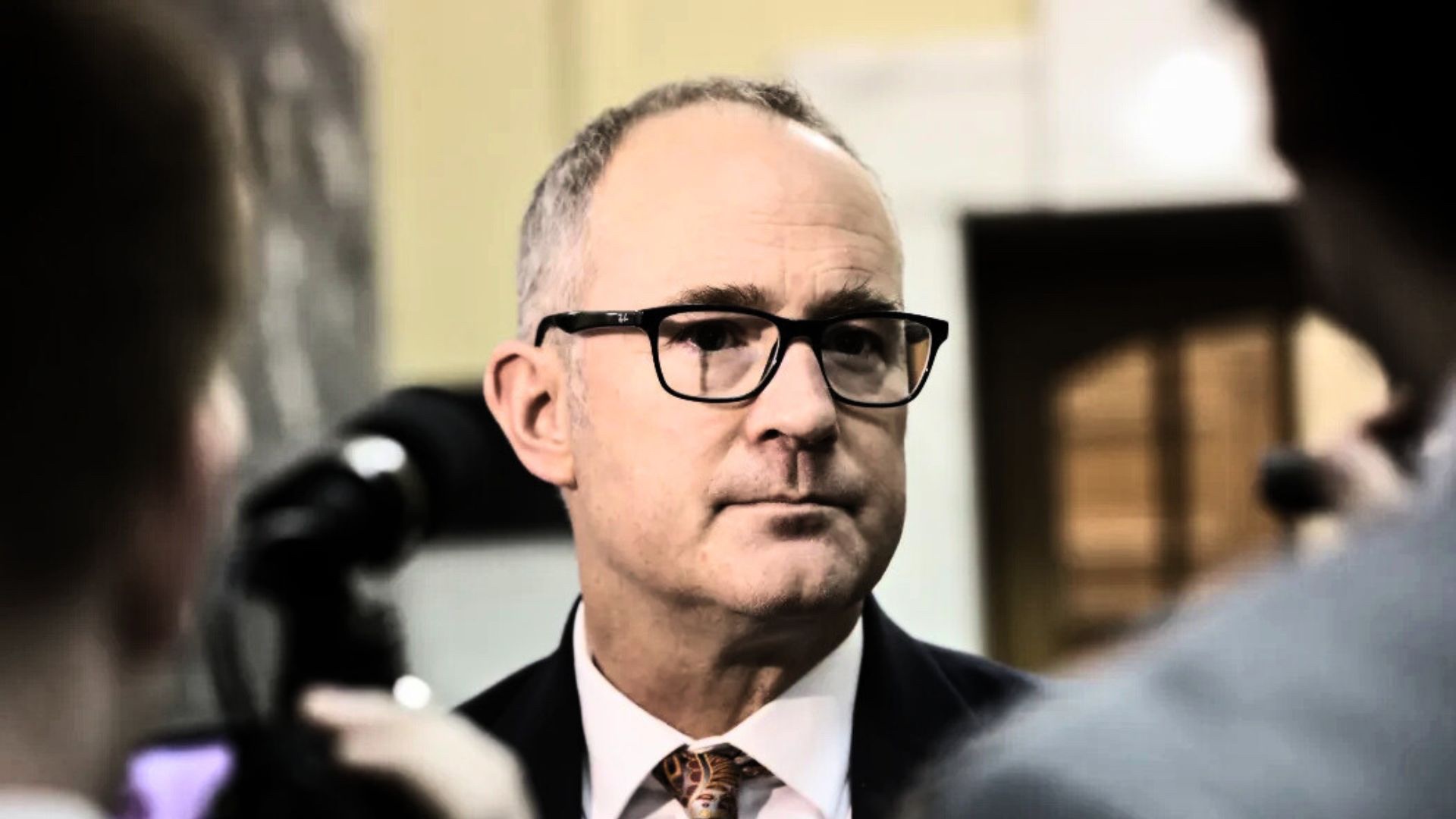
Autagavaia immediately challenged the mayor, arguing the issue was not how many candidates had been returned but the democratic rights of residents whose votes had been stolen.
"Is that how much you value our democratic right to vote for our representatives?" he asked.
Selfie: ‘Daddy, please don’t take me to an India-NZ cricket match’. A migrant's dilemma Can a migrant embrace a new home without abandoning old loyalties? Sports often offers a reckoning for migrants.
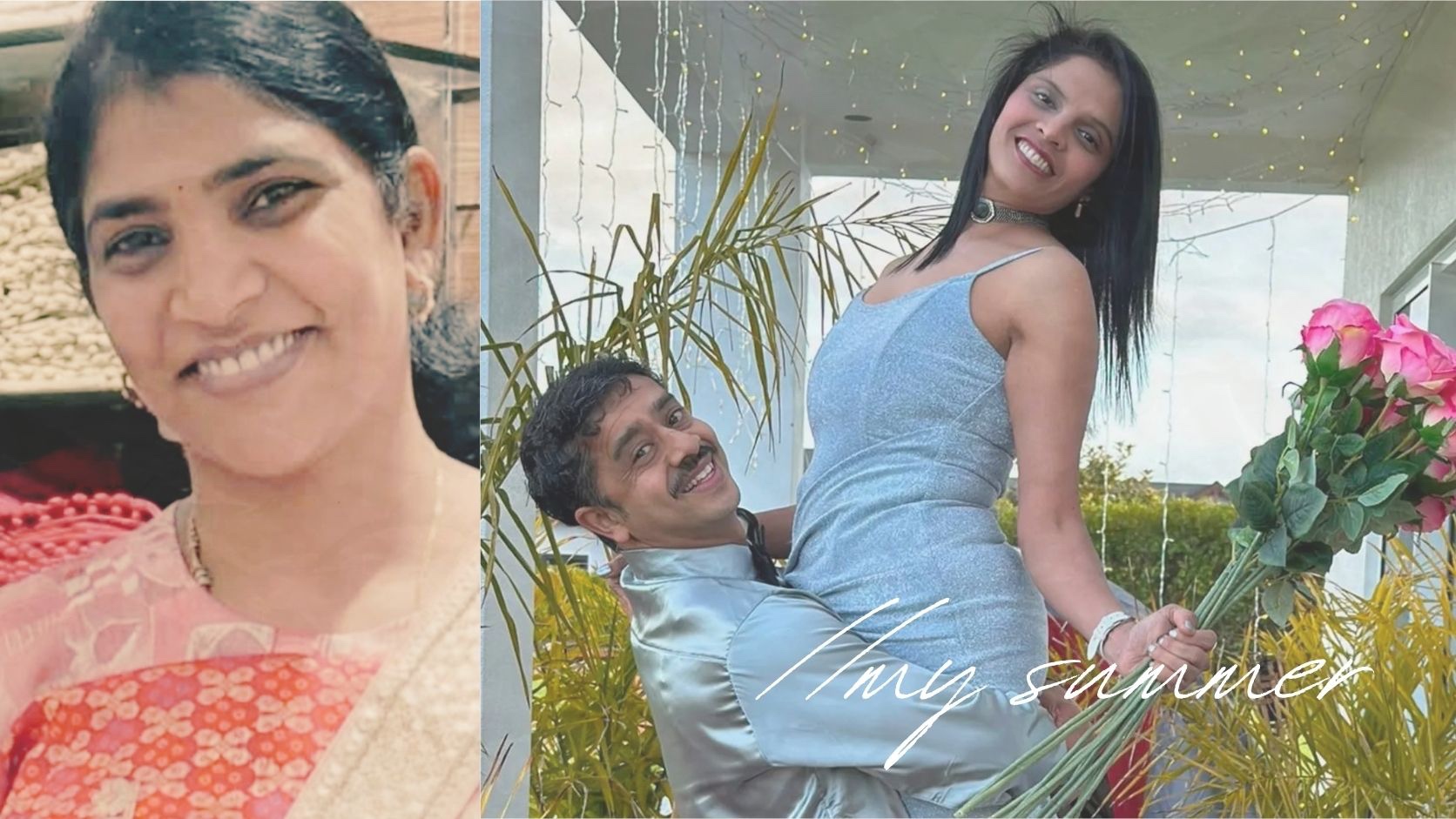
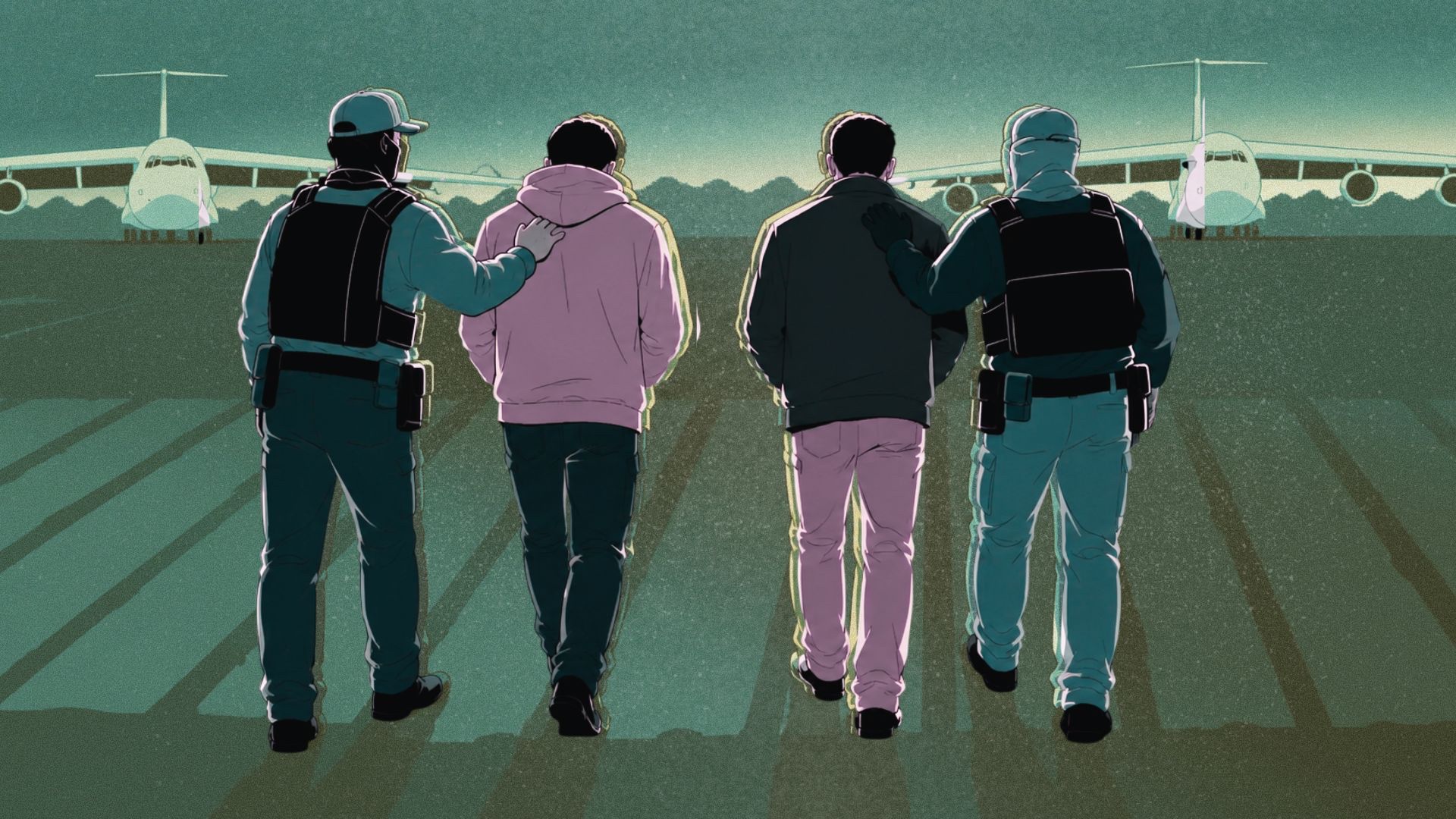
Migrant prison guards in Auckland accused of drug smuggling can't work, can't go home Two fathers facing serious corruption charges have been unable to work elsewhere because of their visas and awaiting criminal trials in 2028.
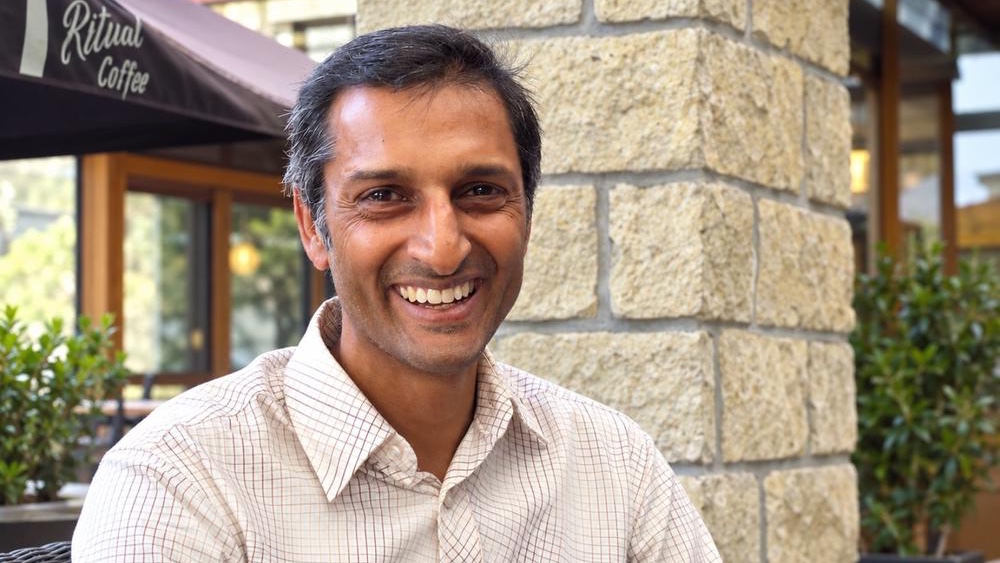
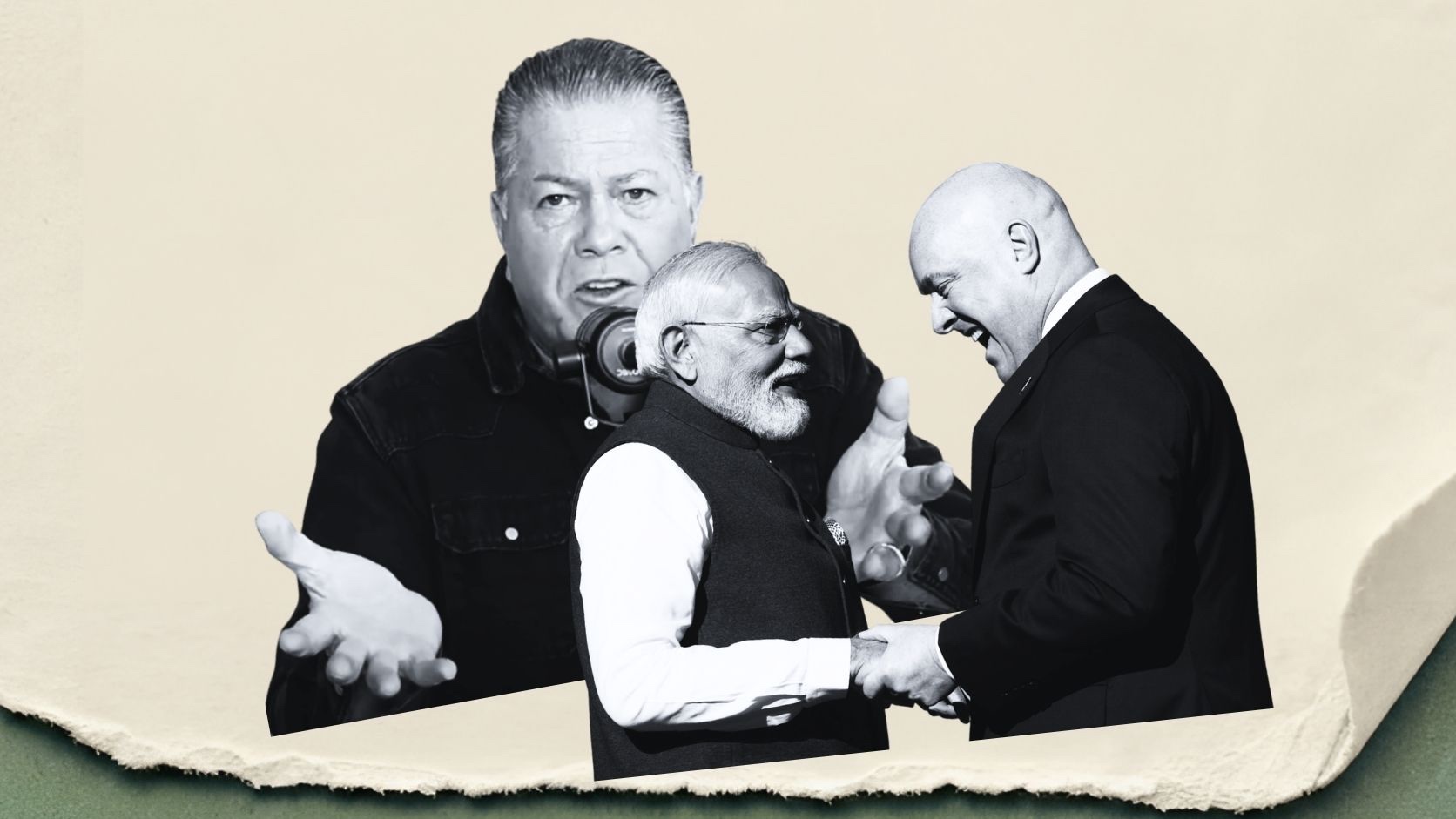
Can you be Indian and Kiwi? National's Mahesh Muralidhar on patriotism, racism and belonging National's big ticket Indian-origin candidate on what ethnic representation really achieves and why New Zealanders still struggle to get along.
"You are going on about the cost of living crisis. You can't have it both ways, mate?" Brown reminded the meeting in the context of the cost of in-person voting that Auckland residents will have to bear.
Brown maintained the council needed to balance electoral reform against financial pressures on Auckland households.
"The number one problem is the cost of living," he said, questioning whether it was worth imposing what he described as a two per cent rates increase to change the way Aucklanders vote.
Autagavaia rejected the comparison. "Inflicting is a very sad way to point out that we need to ensure that the democracy is alive and well and people out there aren't stealing votes," he said.
"So yeah, it's worth it."
Three Indian-origin candidates won again
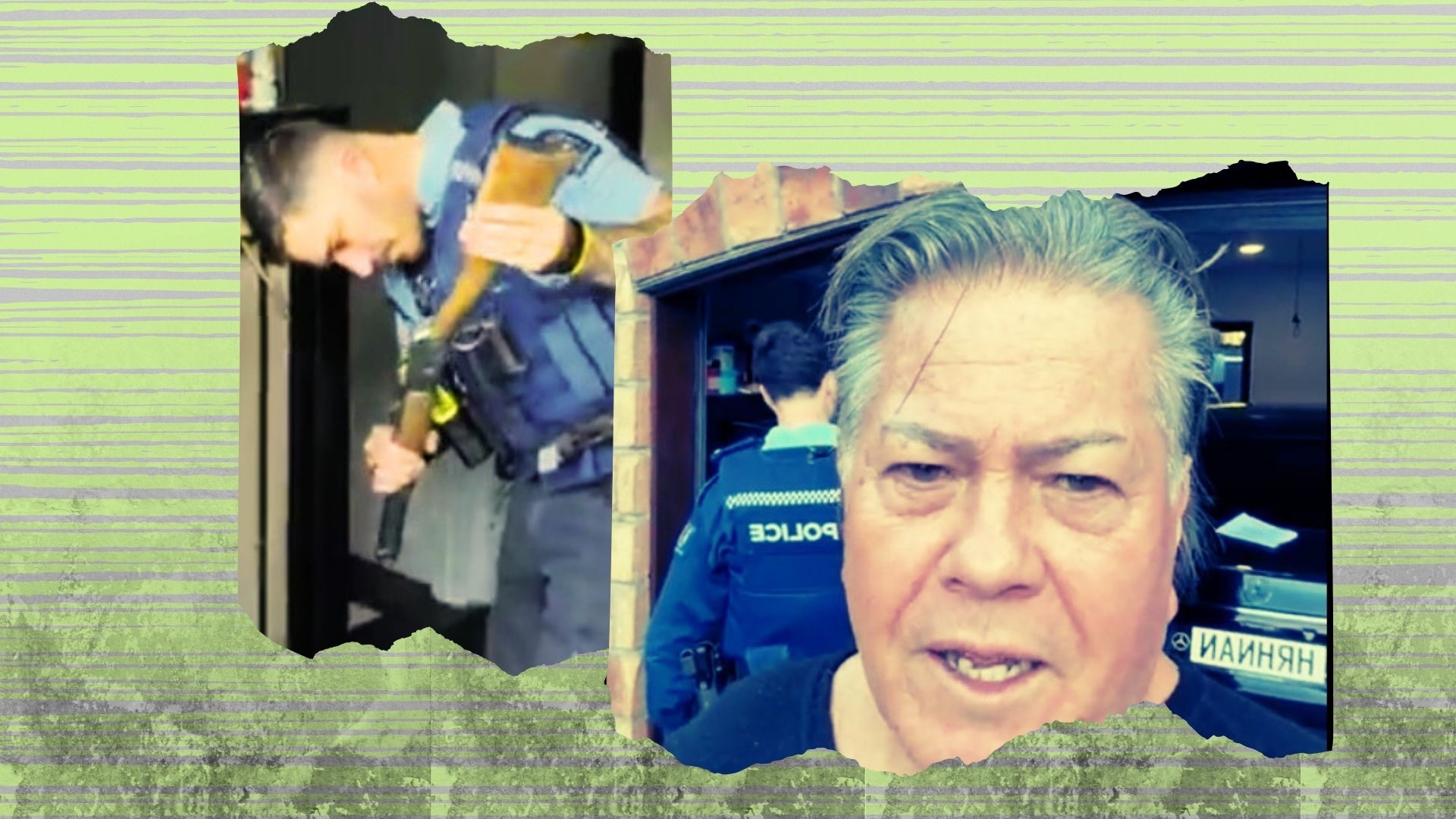
Brown was referring to the April rerun of the Papatoetoe subdivision election, ordered after the Manukau District Court overturned the October 2025 result over electoral fraud.
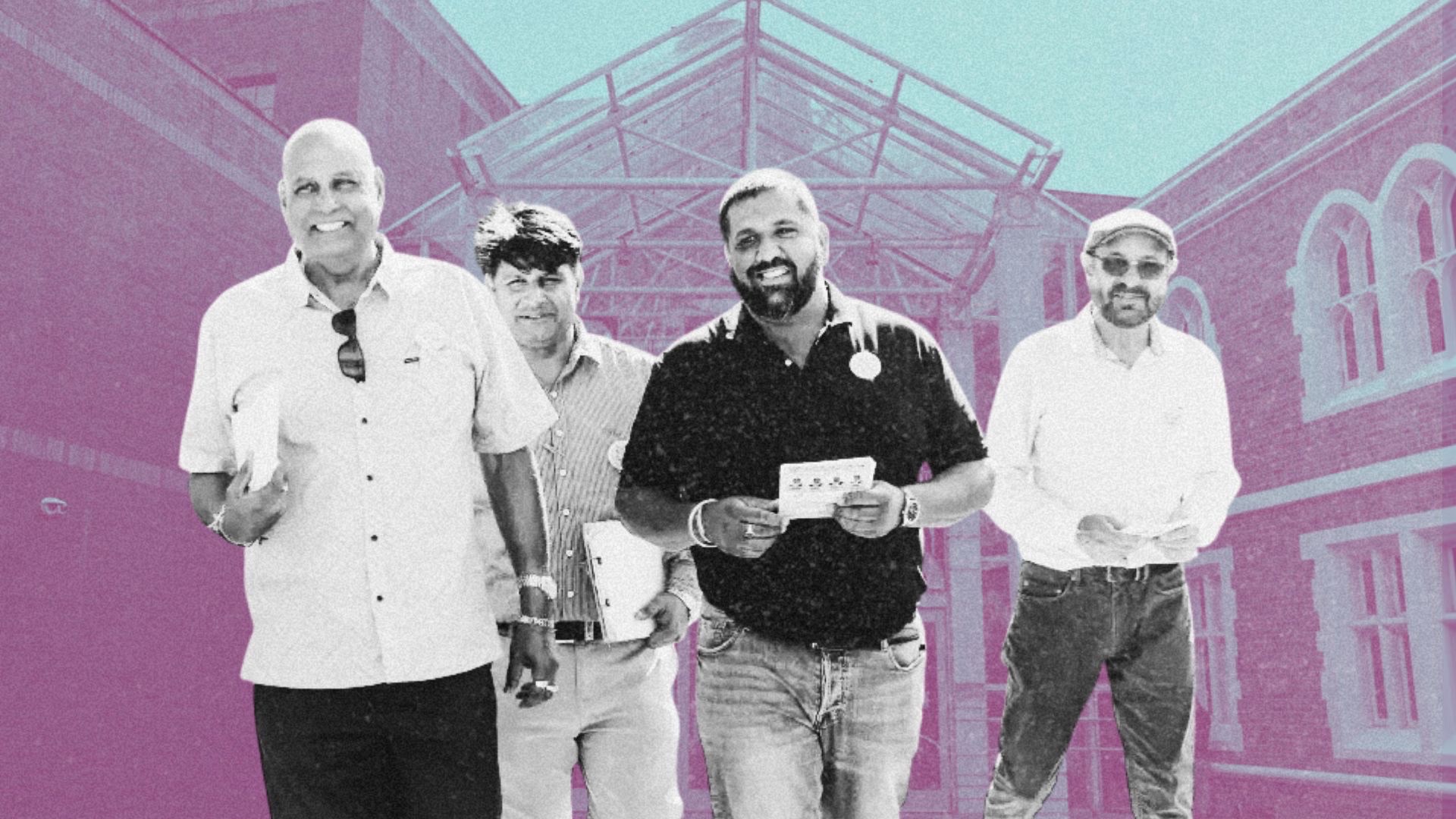
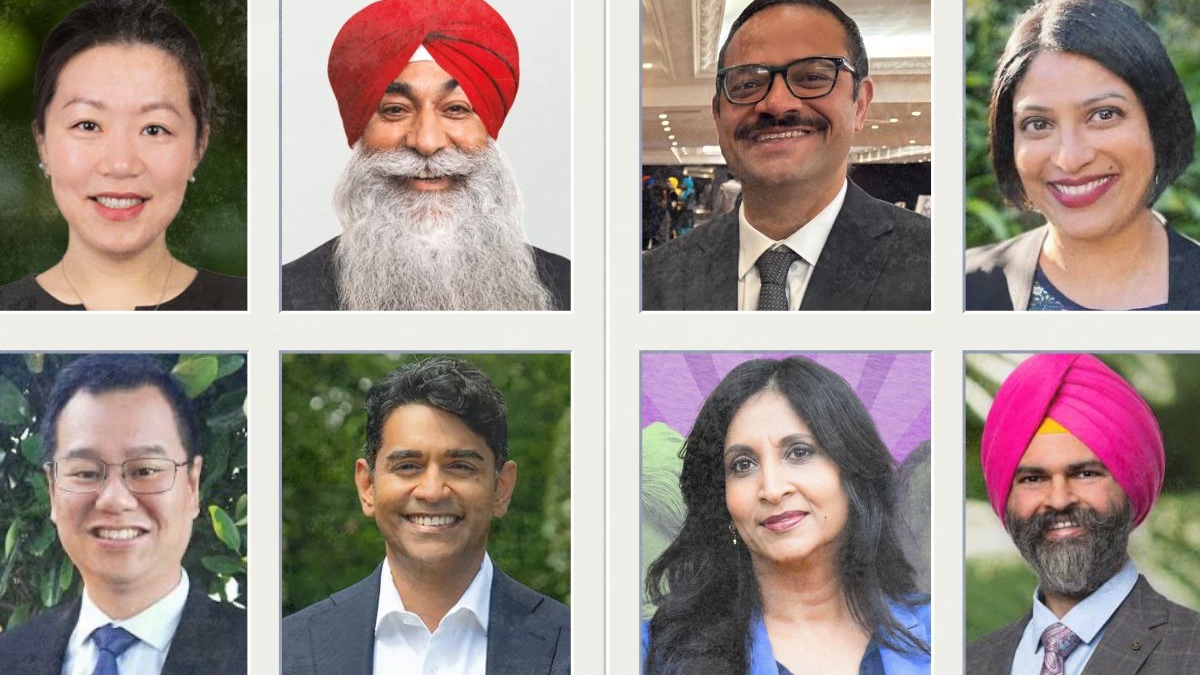
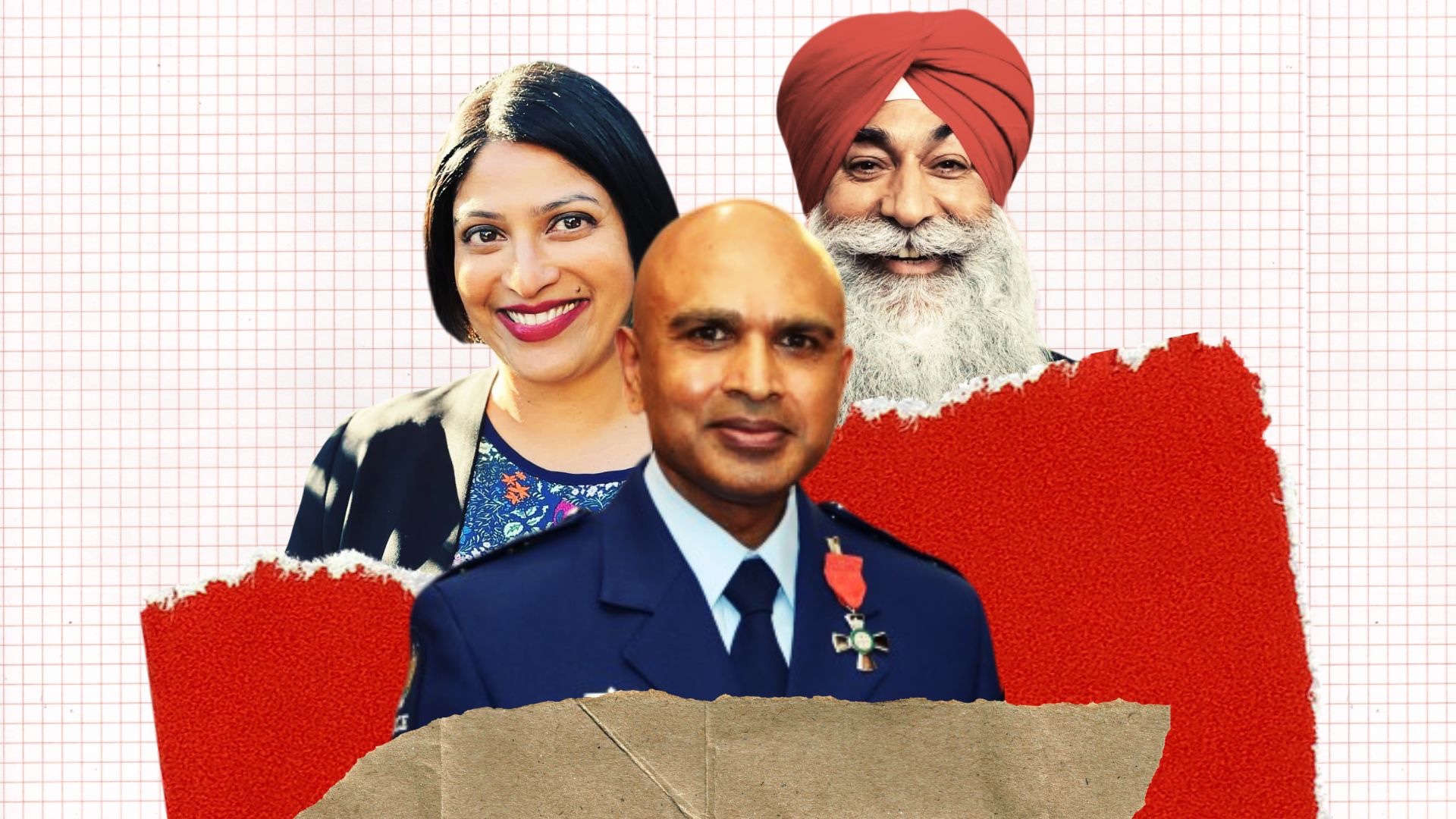
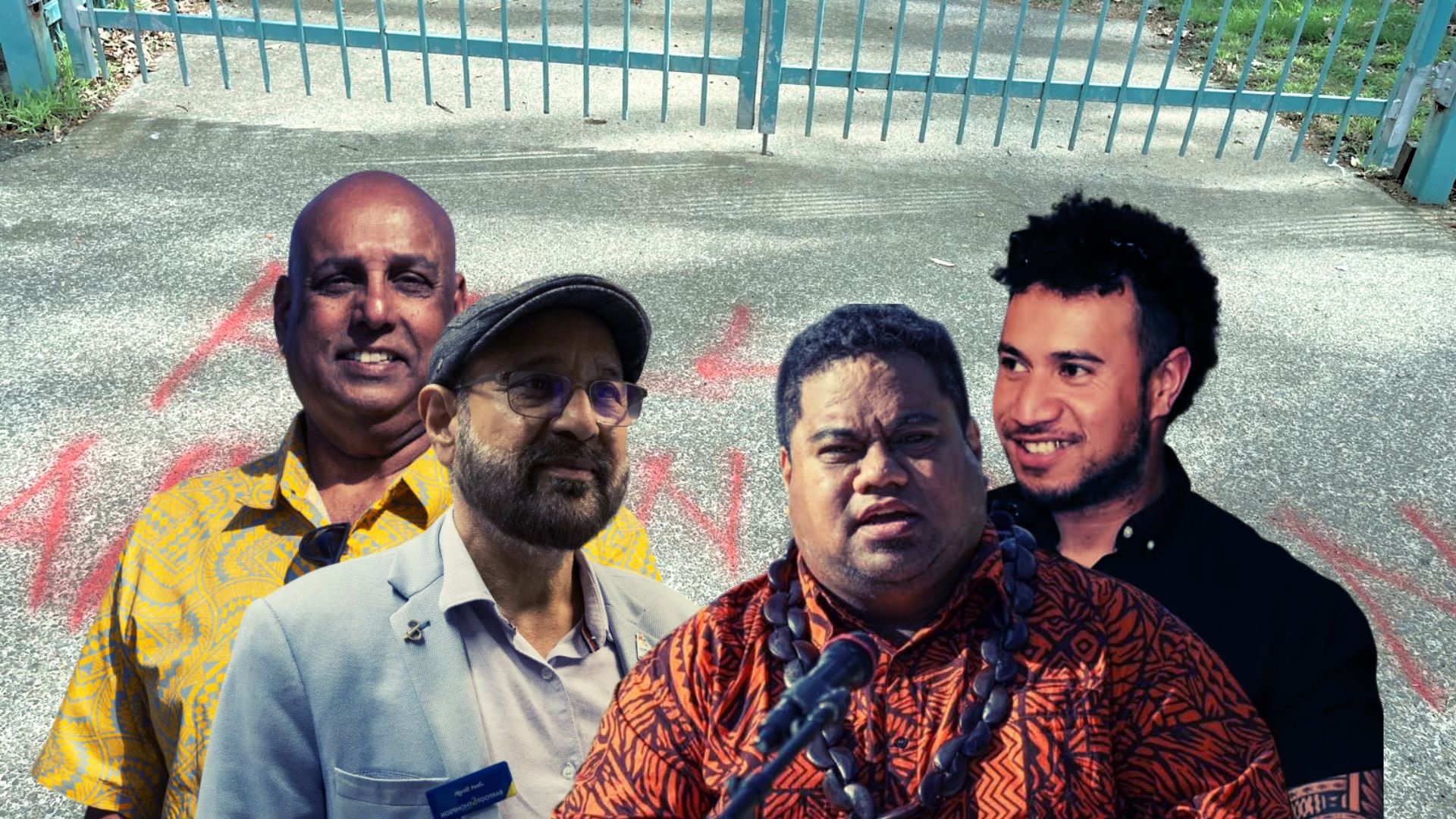
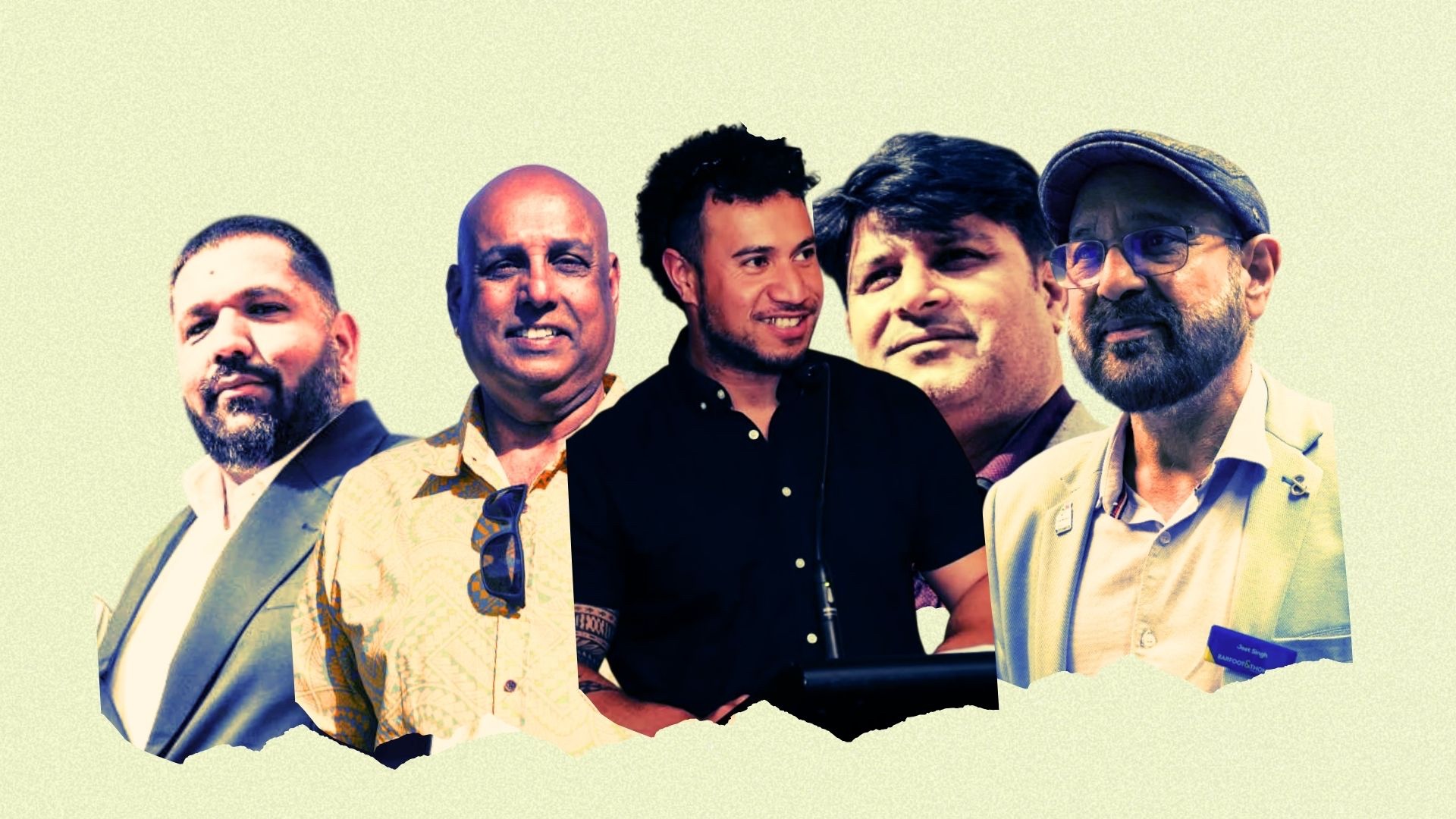
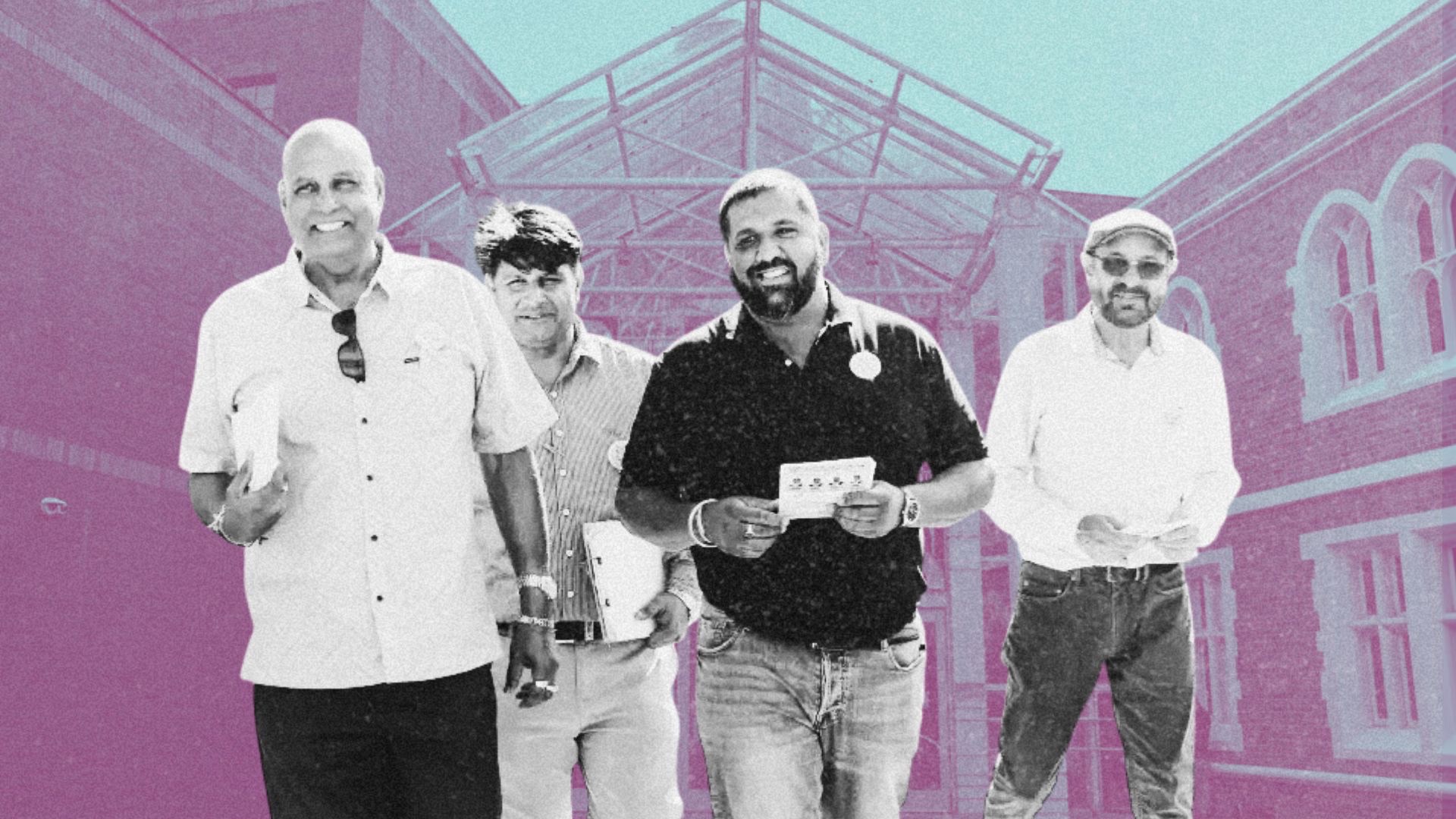
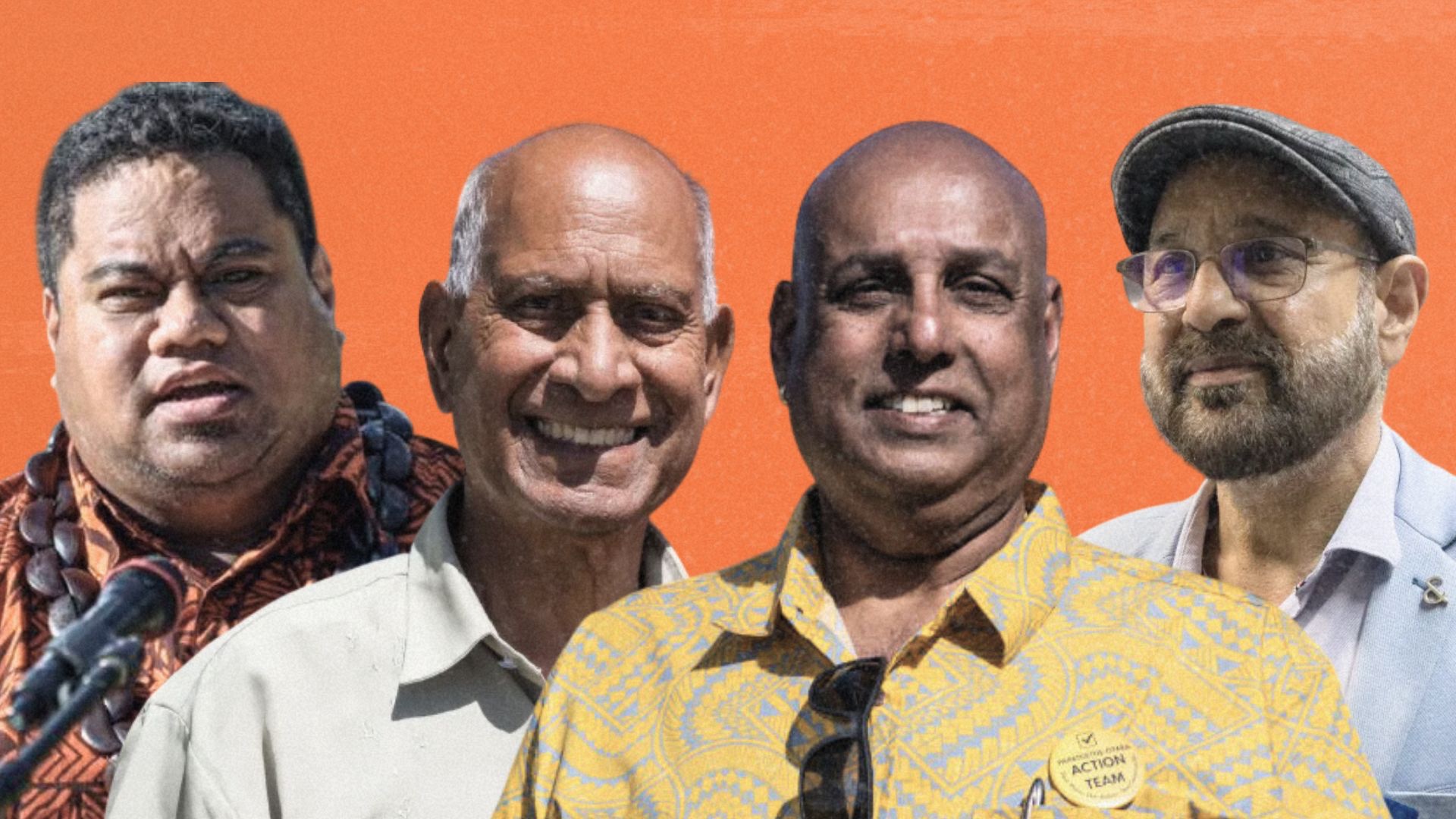
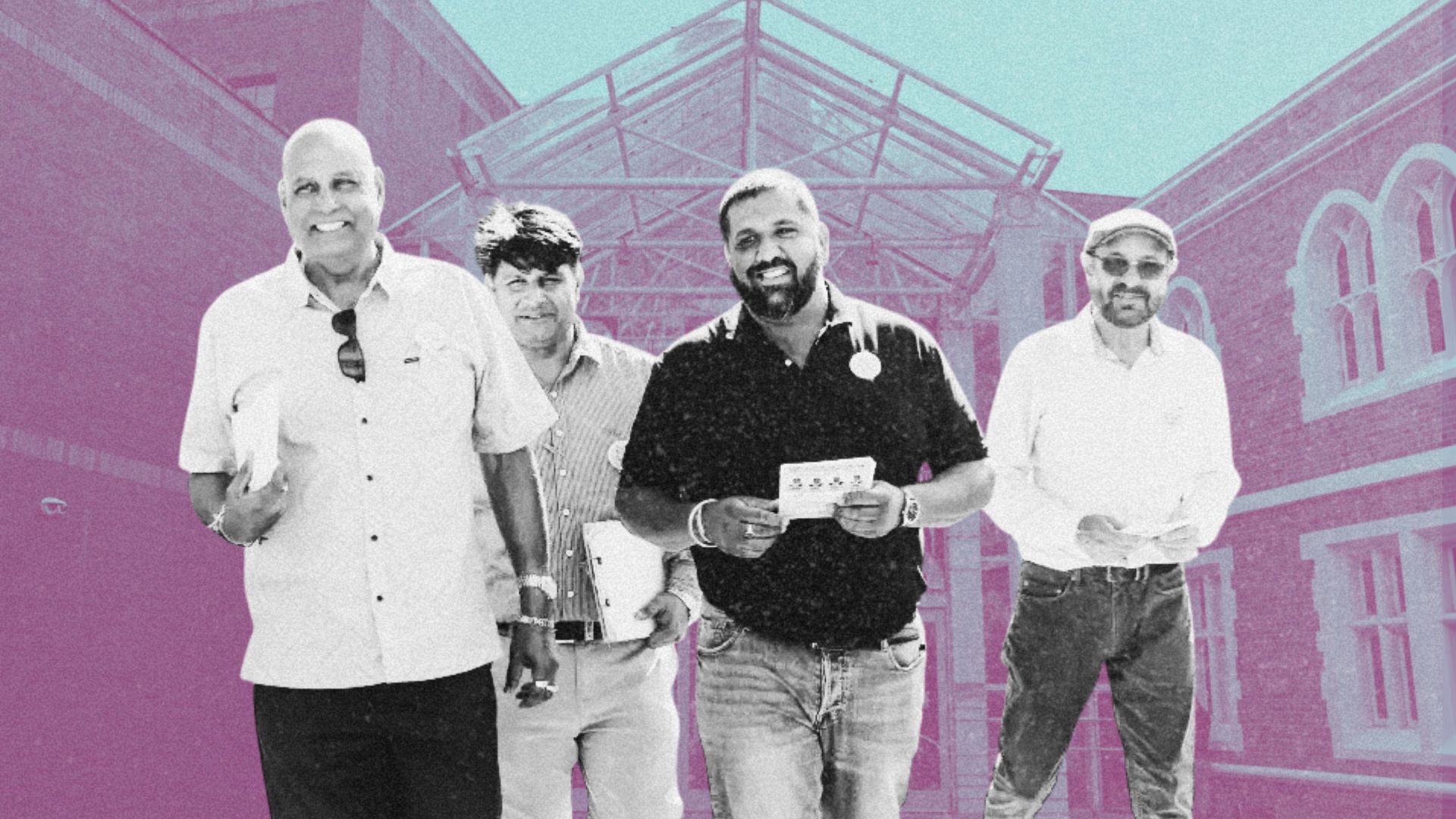
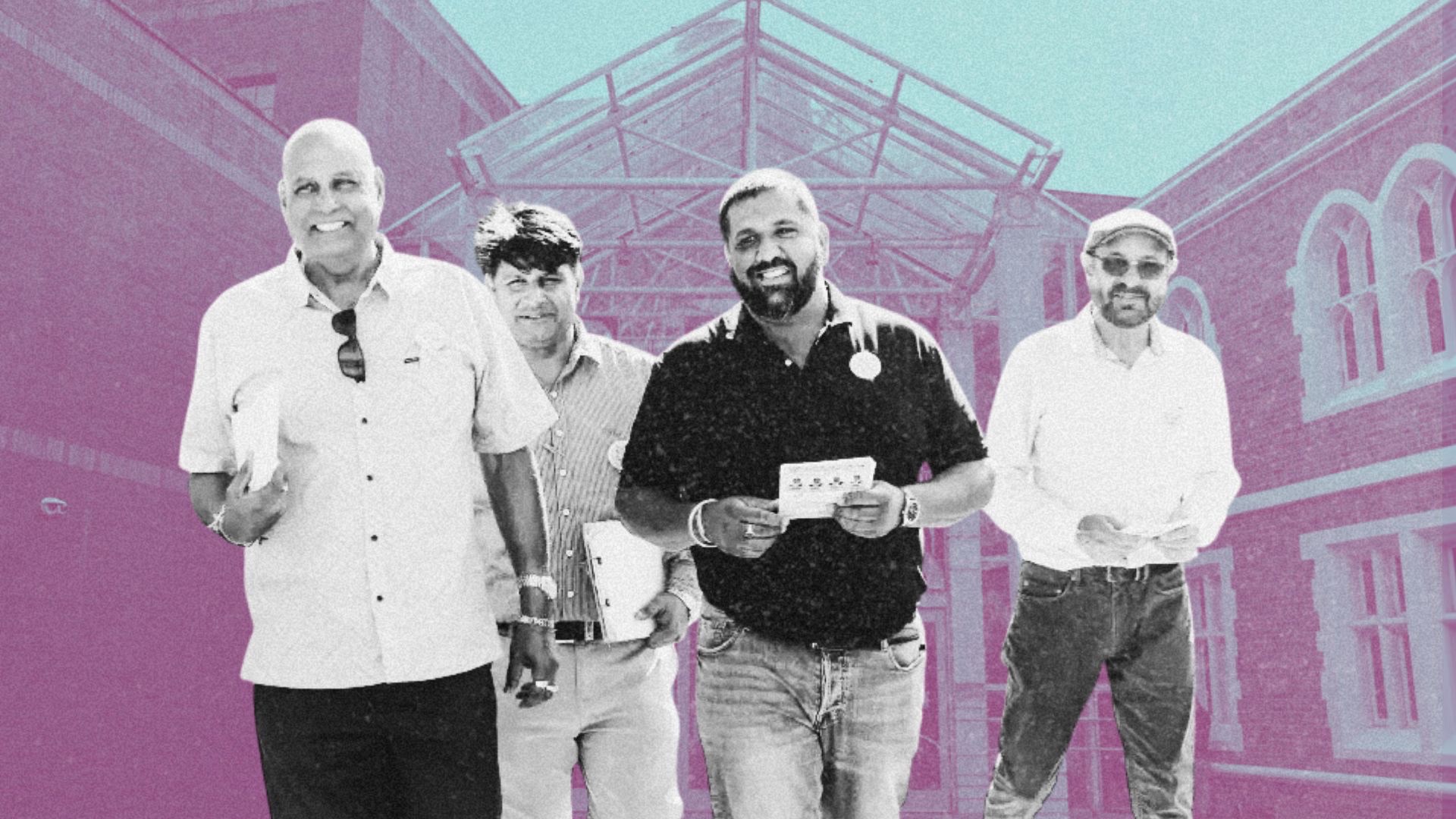
The original election had been swept by four Indian-origin candidates from the Papatoetoe Ōtara Action Team (POAT) – Jeet Singh, Sandeep Saini, Kushma Nair and Kunal Bhalla.
In the rerun, Singh, Saini and Nair retained their seats. Labour candidate Vi Hausia, whose legal challenge had led to the original result being overturned, topped the poll and displaced Bhalla.
The outcome changed just one of the four elected representatives. Police subsequently closed their investigation without laying charges, citing insufficient evidence to proceed with a prosecution. None of the four original winners was accused of committing electoral fraud.
The High Court also cautioned against interpretations suggesting the Indian-origin candidates had masterminded the fraudulent voting.
'Their right to vote stolen from their mailbox'
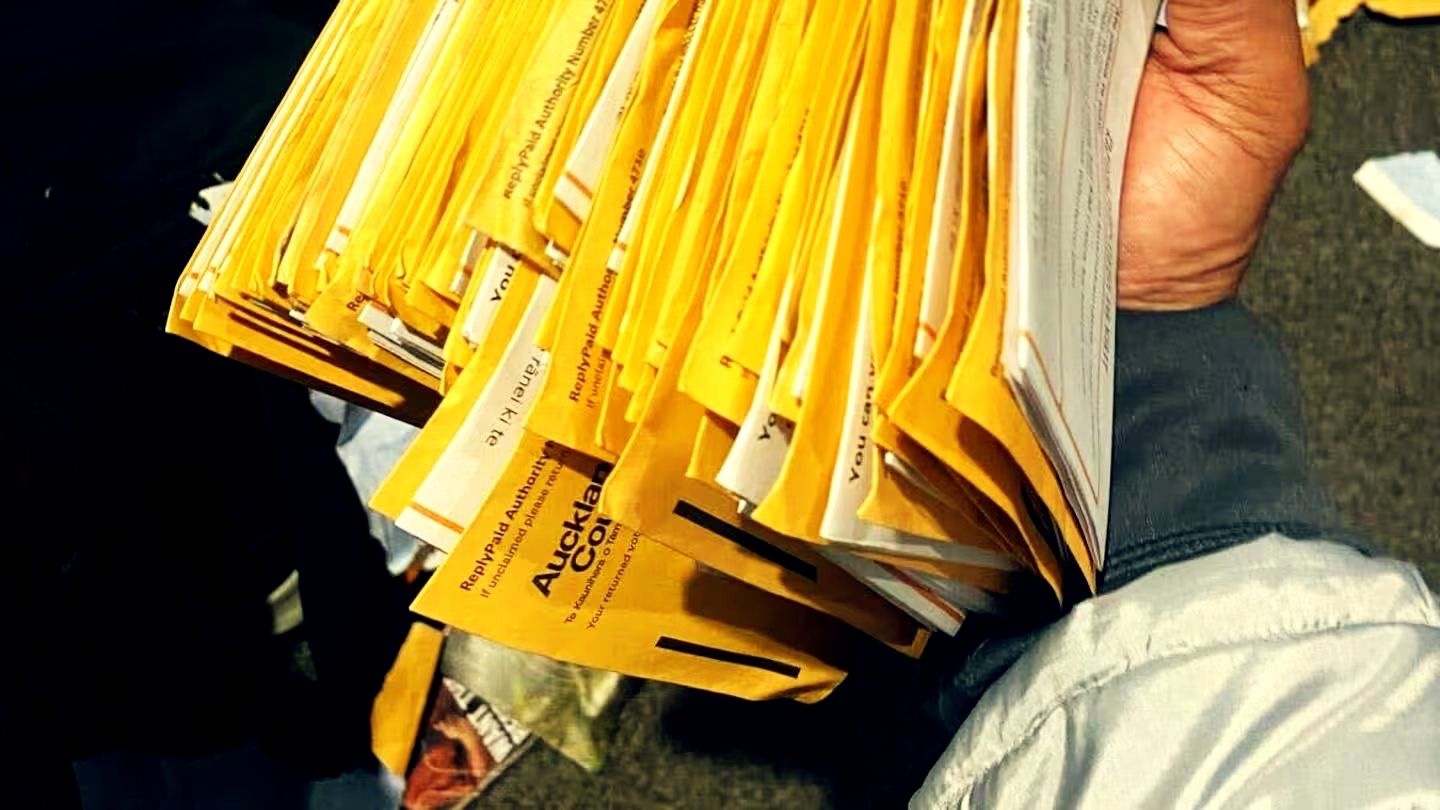
Brown's remarks came immediately after Autagavaia delivered an impassioned presentation drawing on the district court's findings and the experiences of residents whose votes had been stolen.
He recalled a young woman whose refugee family had escaped a war-torn country ruled by a dictator, only to discover that someone had stolen her vote from her mailbox in New Zealand.
Autagavaia said the judge had identified a 3,239-vote increase in Papatoetoe compared with the previous election, contrary to the trend across Auckland.
He argued the known instances of fraudulent voting could represent only a fraction of the problem, as many residents might never have realised their voting papers had been stolen.
He also credited local candidates and residents who gathered evidence and pursued the court challenge, saying the fraud had not been uncovered by Auckland Council or its electoral officer.
"The system is broke. For far too many, there is no trust in it," he told councillors.
Councillors challenge the mayor
Brown's comparison between the cost of electoral reform and the number of candidates displaced drew objections from other councillors.
One councillor asked Autagavaia to confirm that the issue was the integrity of the democratic system rather than the defeat of a single candidate.
Councillor John Watson questioned whether similar irregularities might have occurred elsewhere in Auckland without being detected. Autagavaia suggested other cases could have gone unnoticed because not every community had the resources or expertise to challenge election results in court.
The local board chair acknowledged that changing the voting system would cost money but maintained that protecting the integrity of elections was part of the price of democracy.
Auckland to bring back voting booths after 36 years
Auckland Council voted on Tuesday to replace postal voting with staffed voting booths for the 2028 local elections, becoming the first New Zealand council to return to booth voting since 1992.
Under the new system, Aucklanders will vote at staffed locations over 10 days, including two weekends, in a process similar to parliamentary elections.
The council estimates booth voting will cost between $31 million and $40 million, compared with approximately $16 million for a postal election.
However, councillors have directed staff to investigate ways of bringing the cost down to $20 million, just $4 million above the estimated cost of postal voting.
Thirteen of Auckland's 21 local boards supported booth voting, four preferred a combination of postal and booth voting, and four wanted to retain postal voting.
Voting locations have yet to be finalised. The council will consider accessible sites such as libraries, shopping centres, schools and transport hubs.