
‘Not enough demand’: Education ministry pours cold water on push for Hindi as school subject
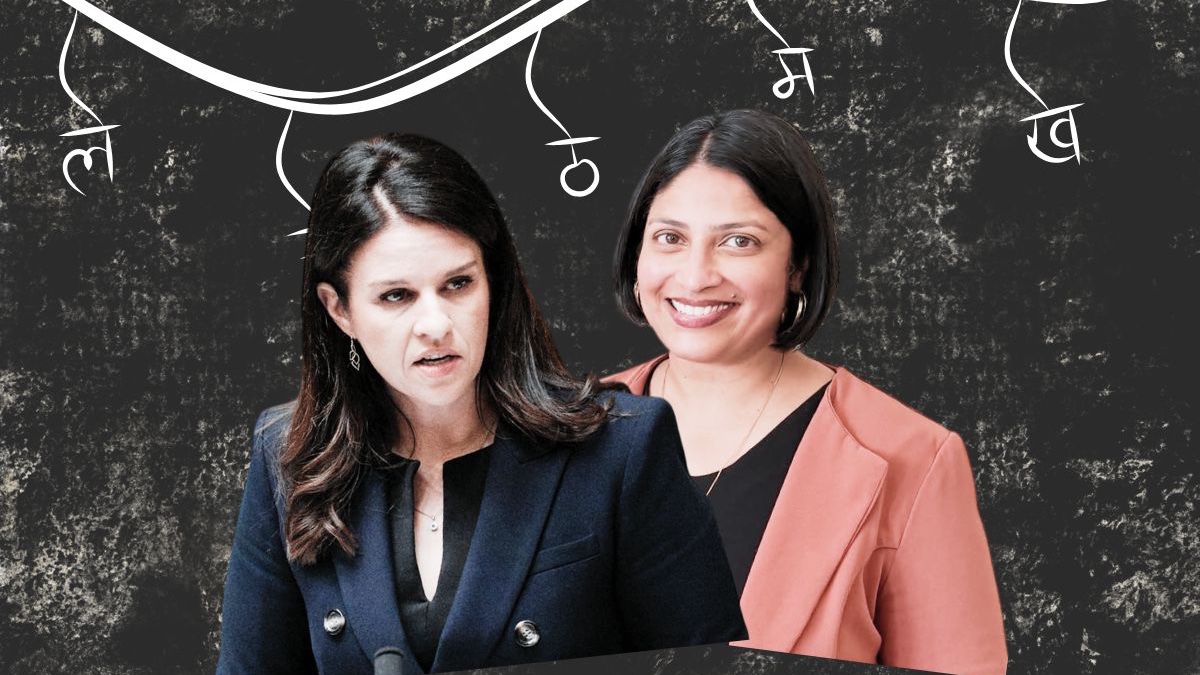
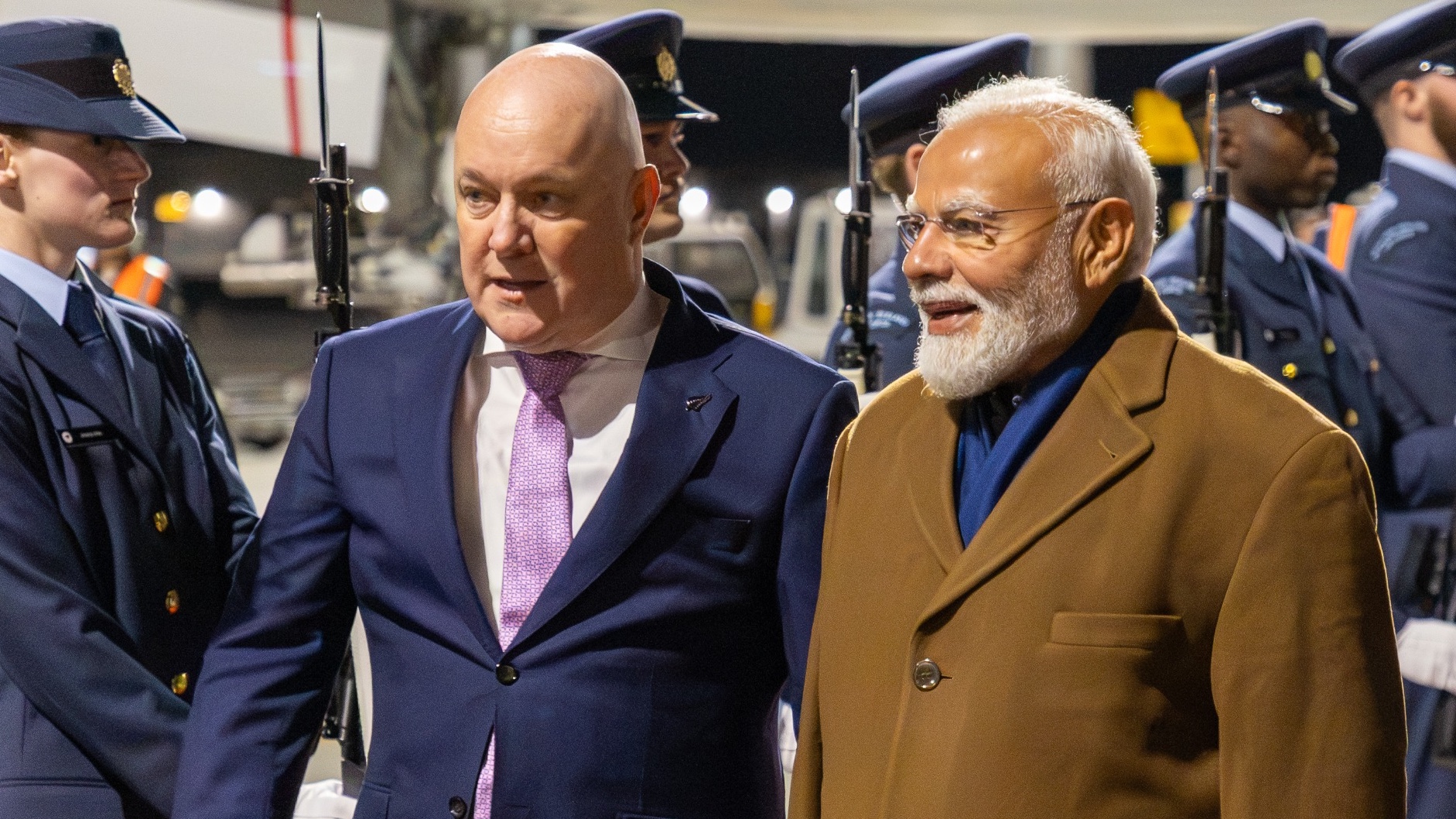
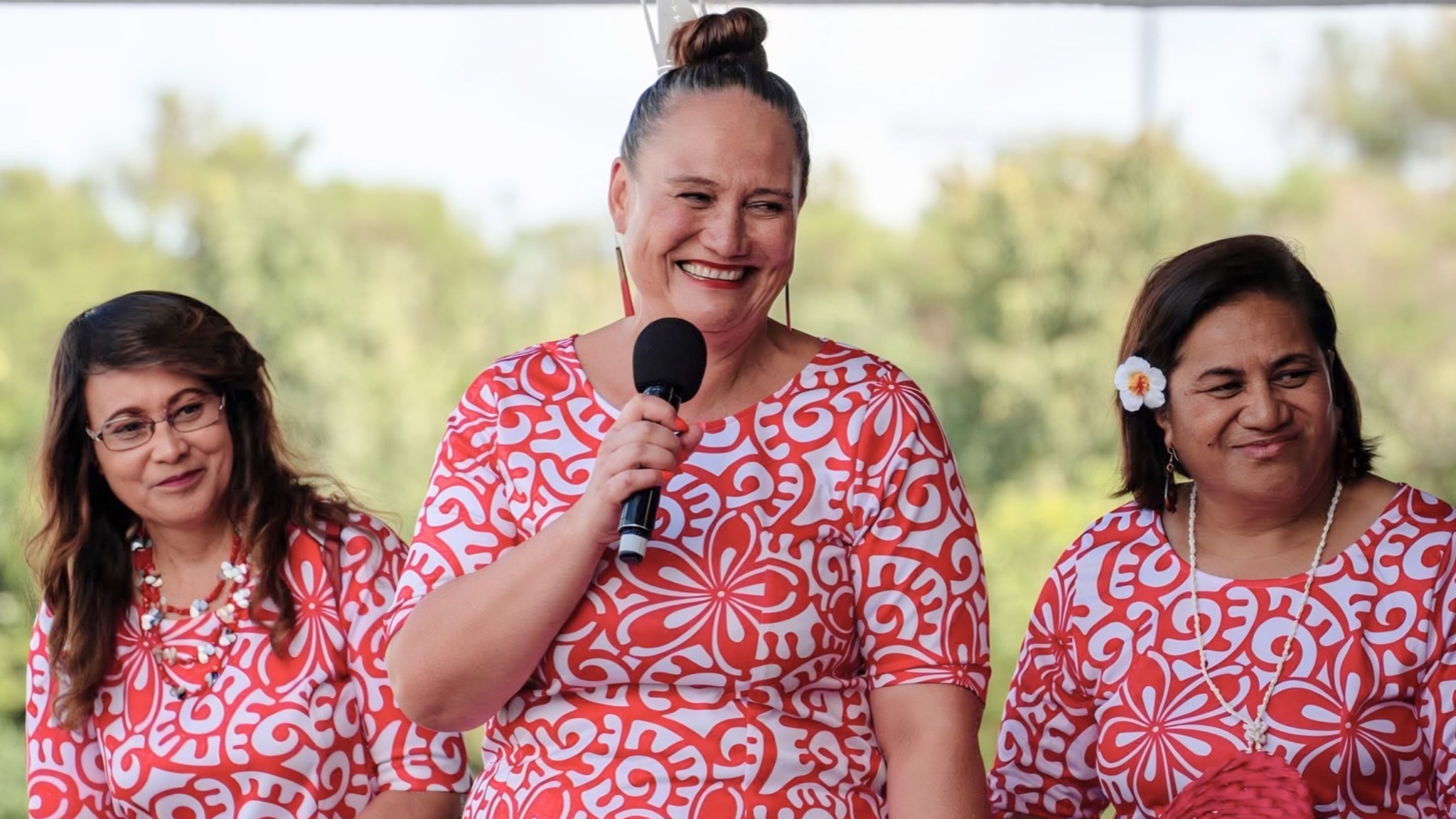
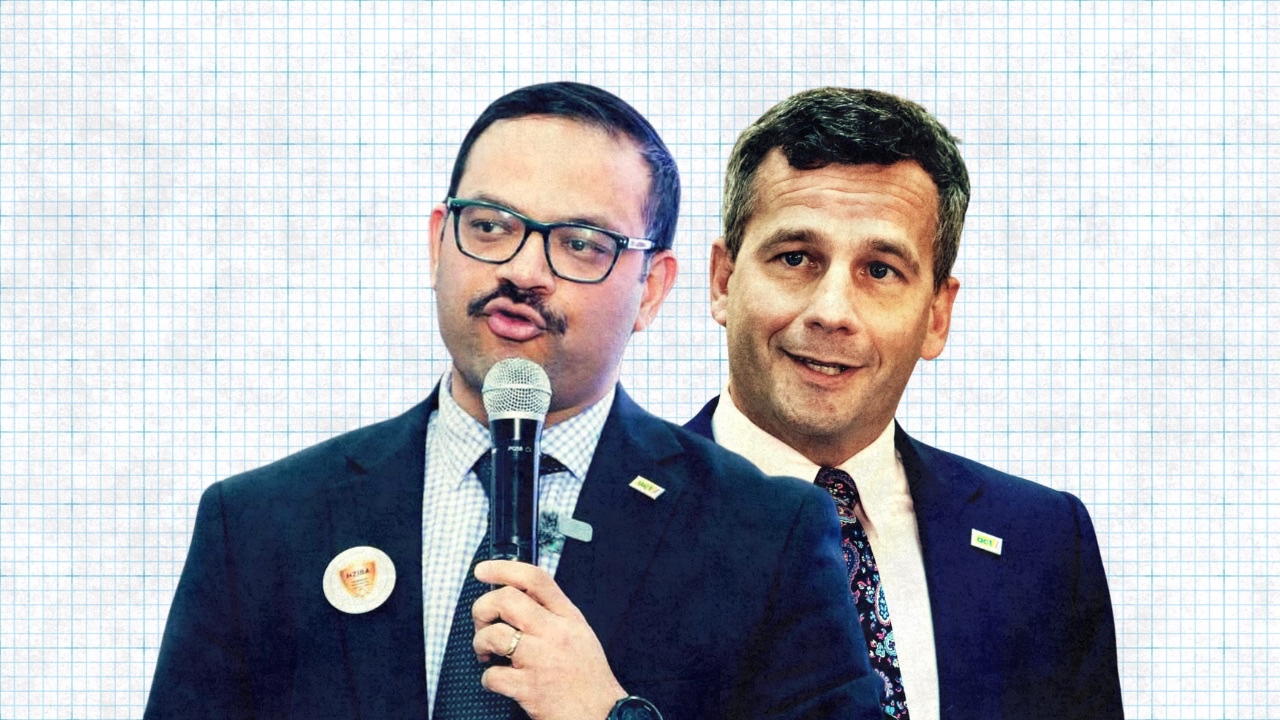
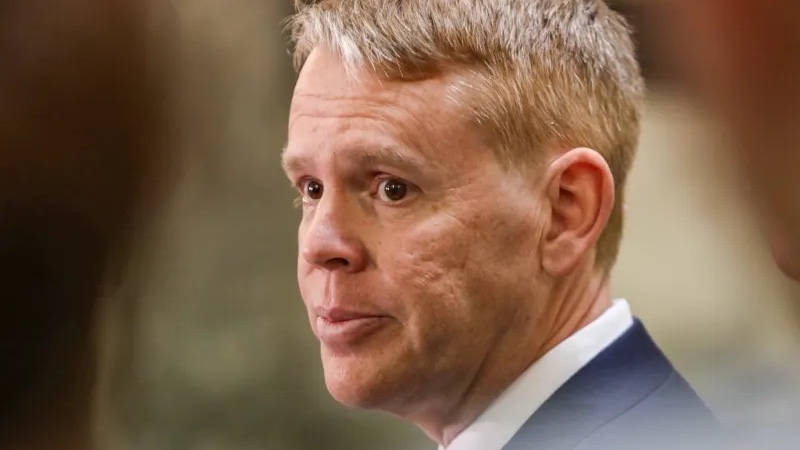
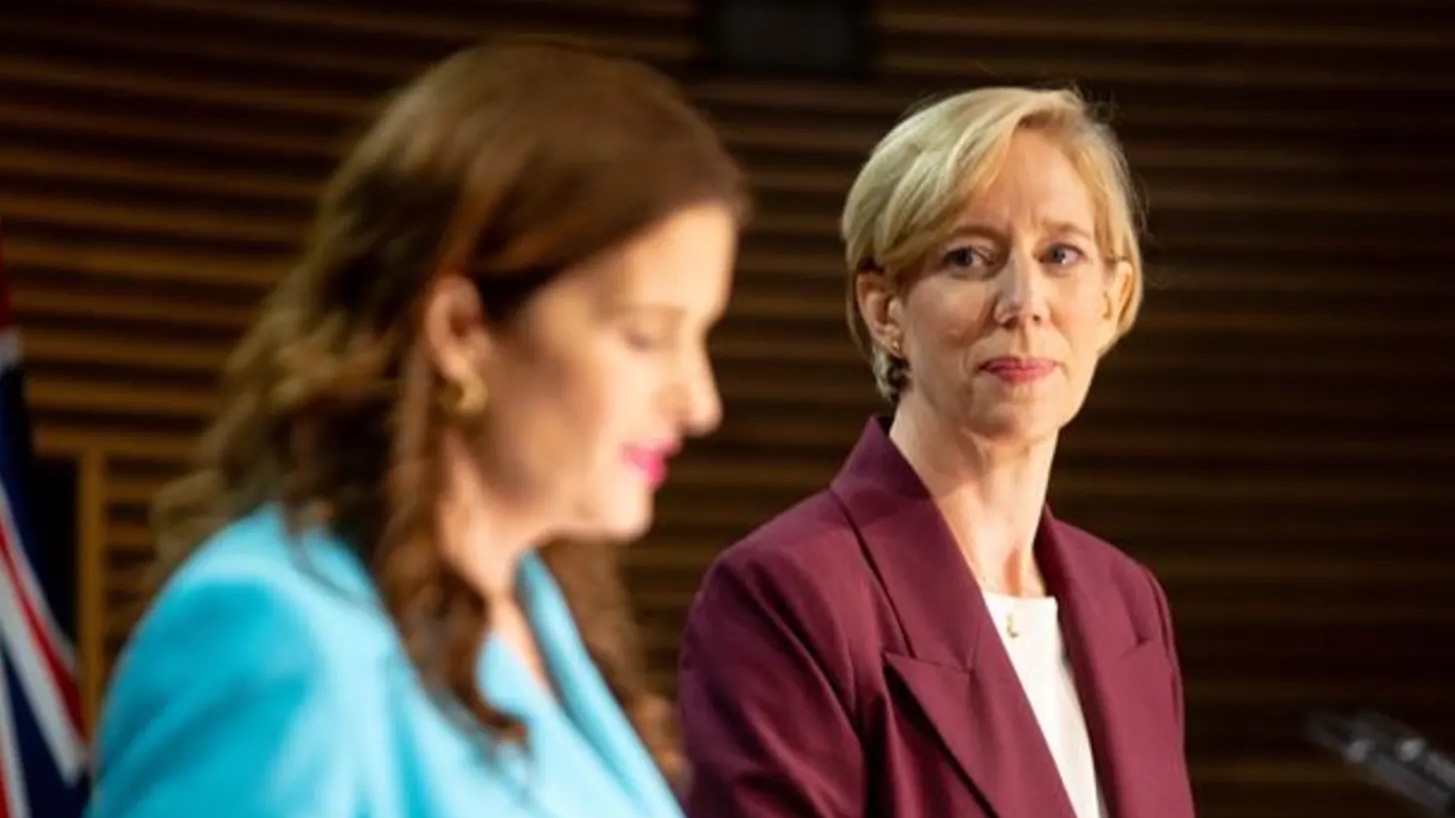
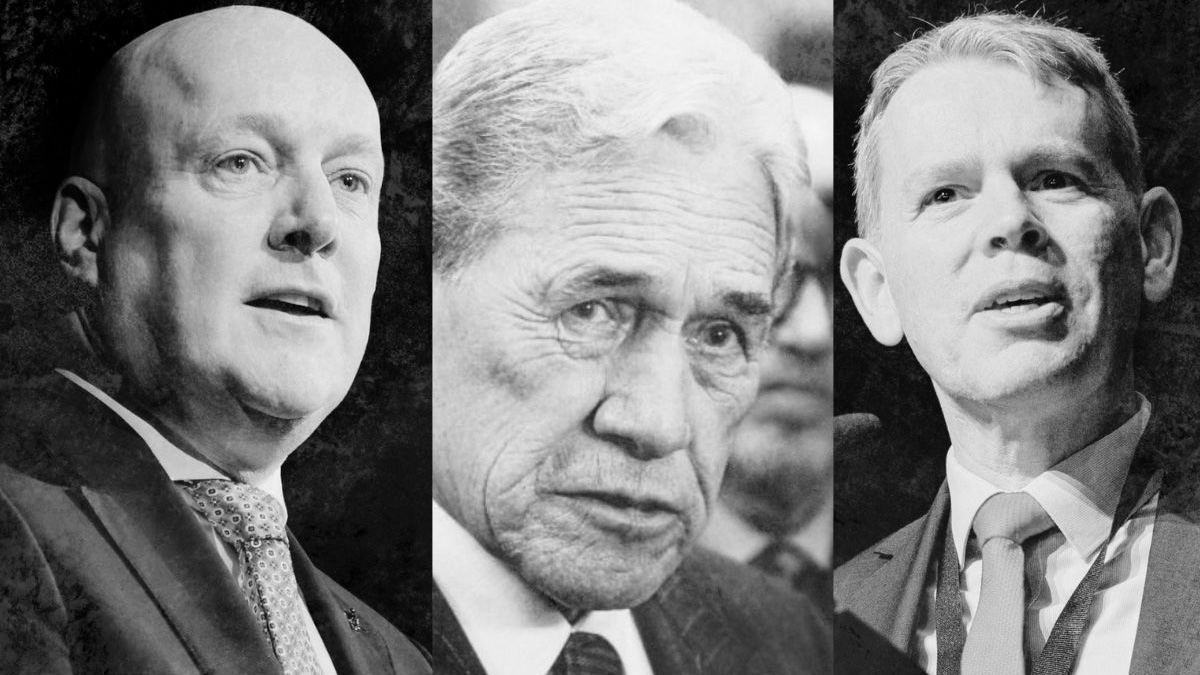
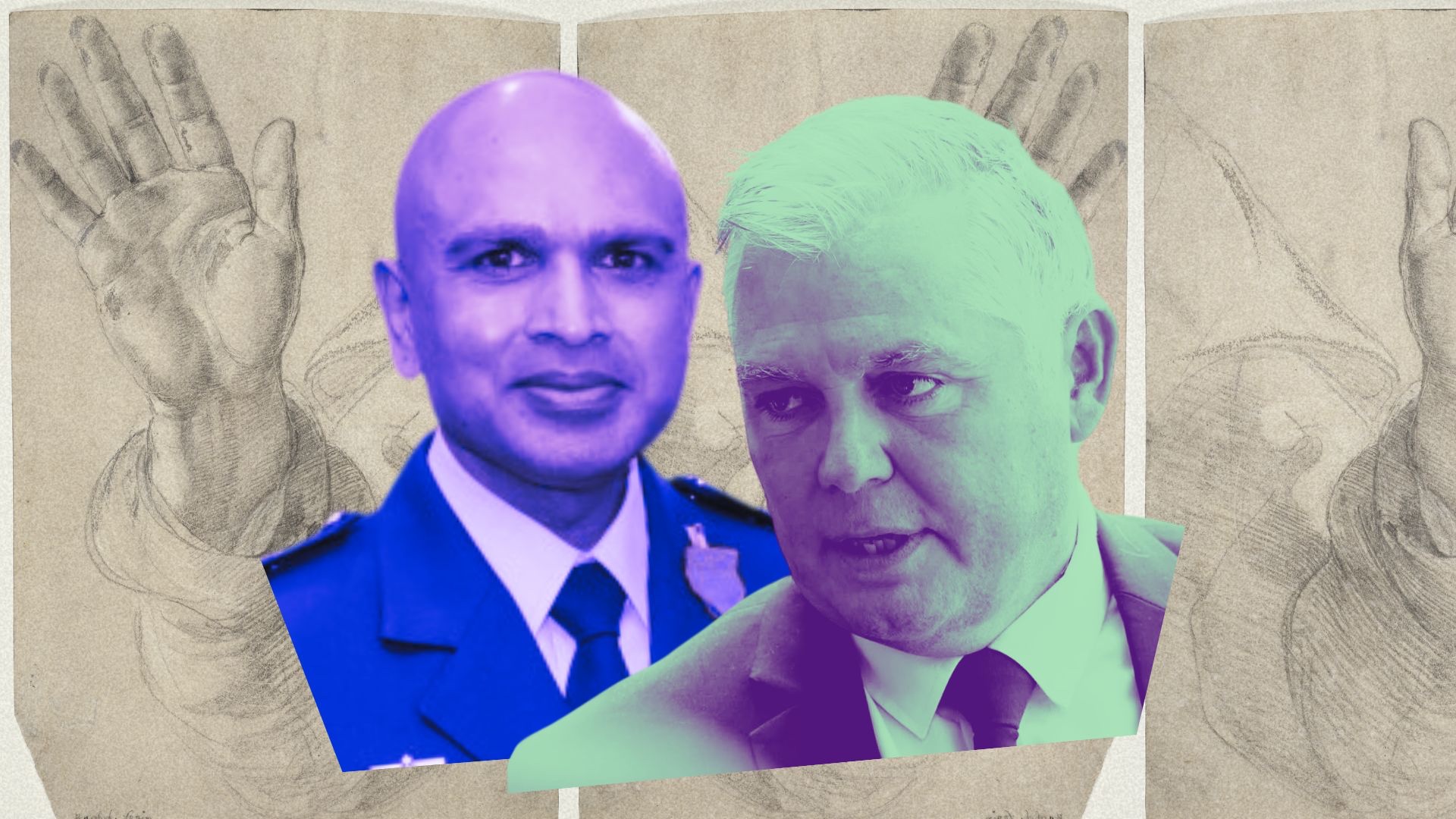
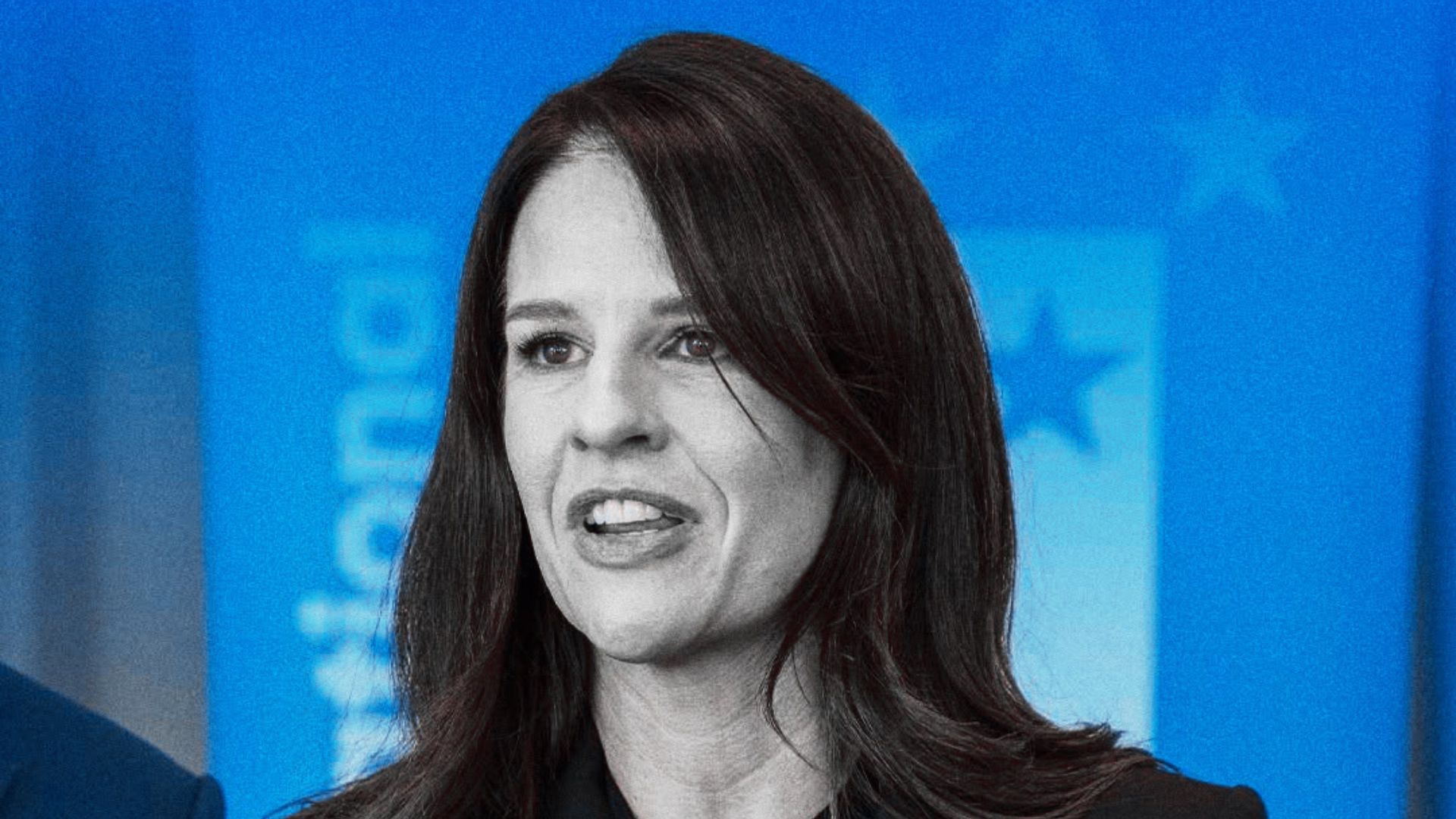
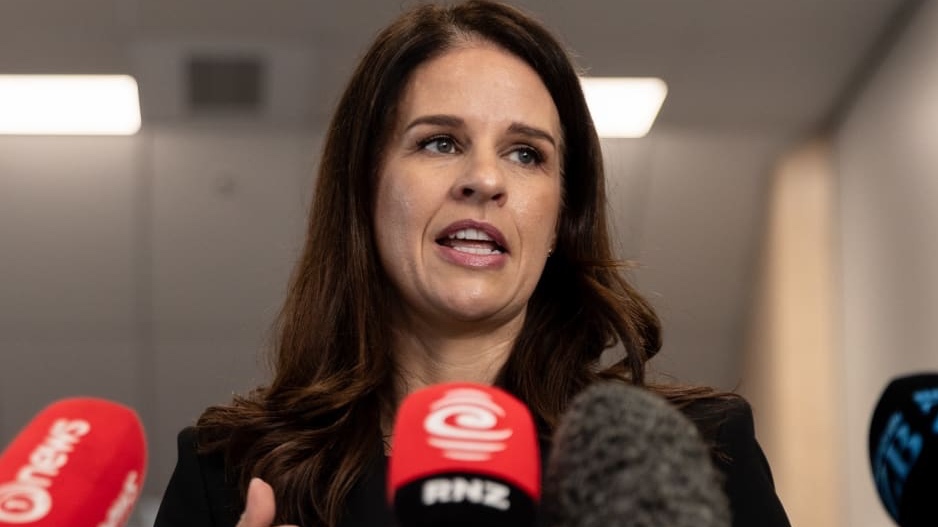
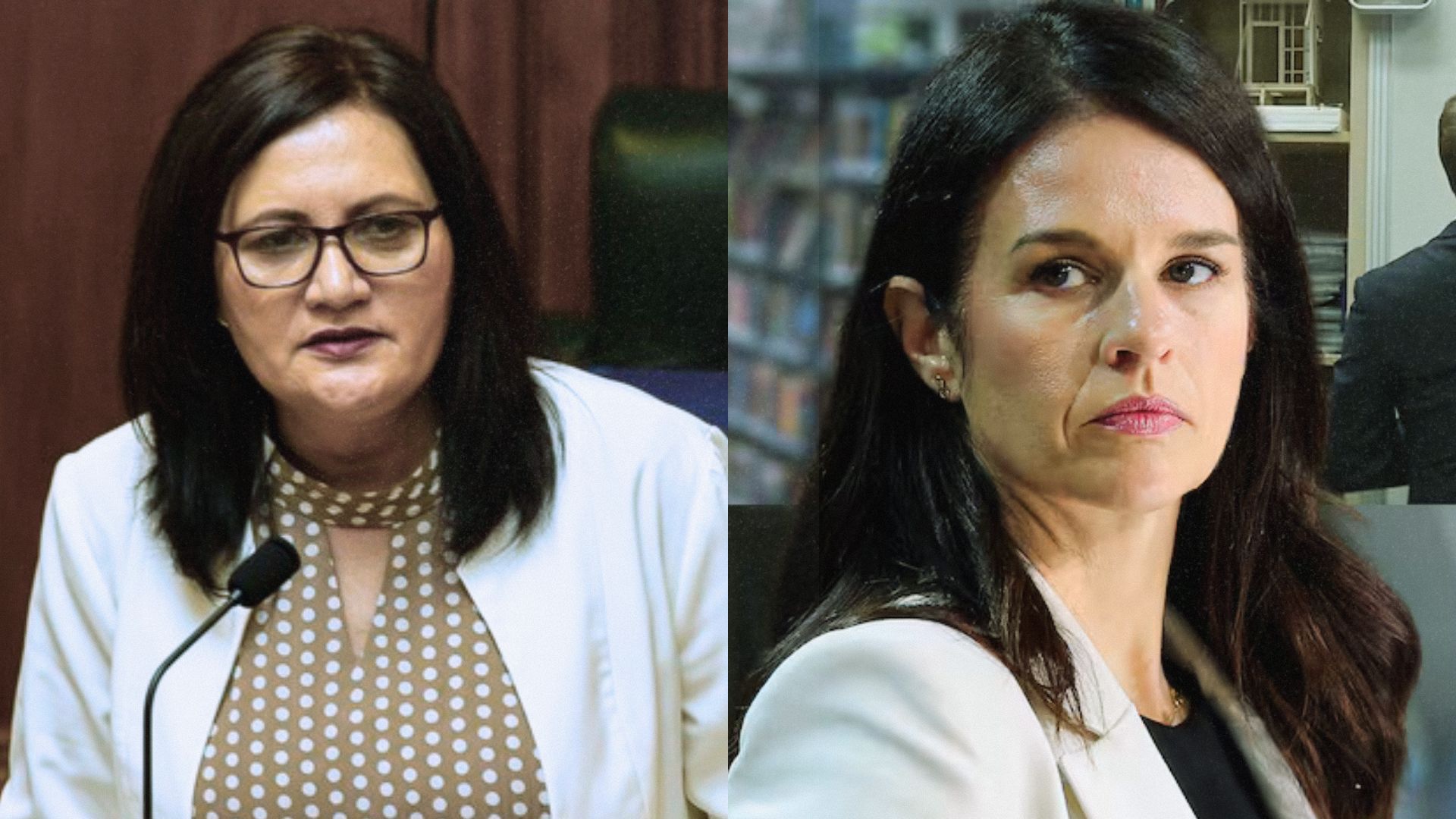
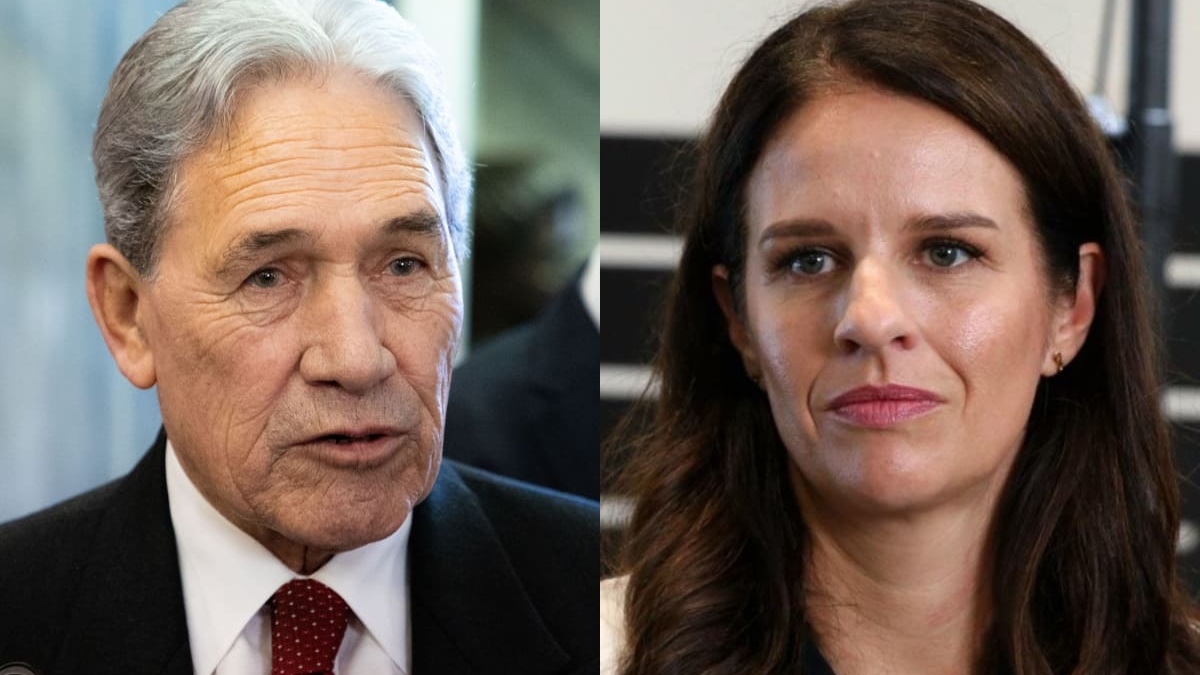
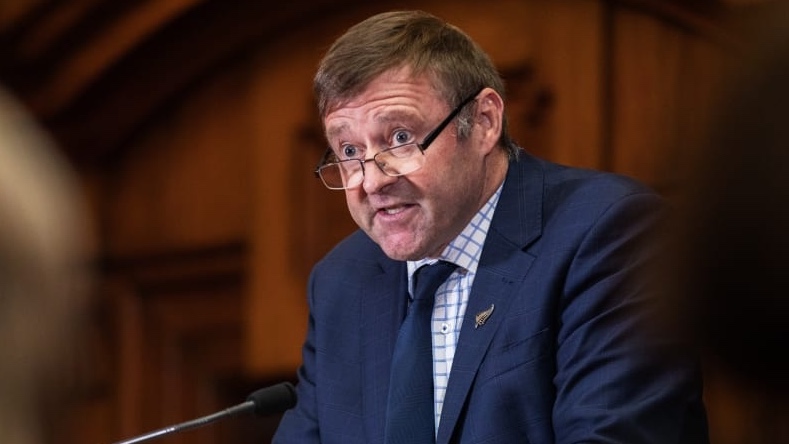
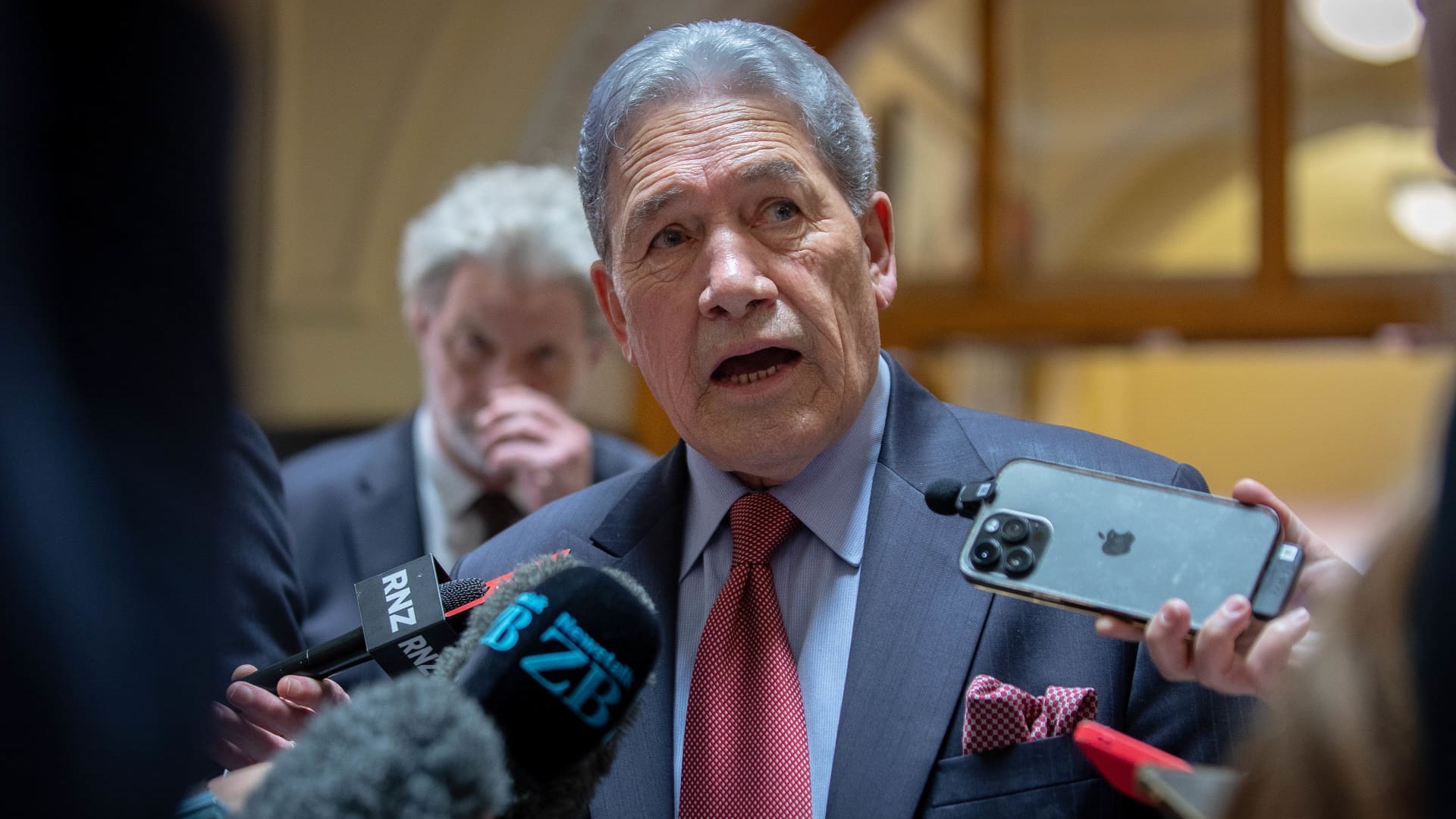
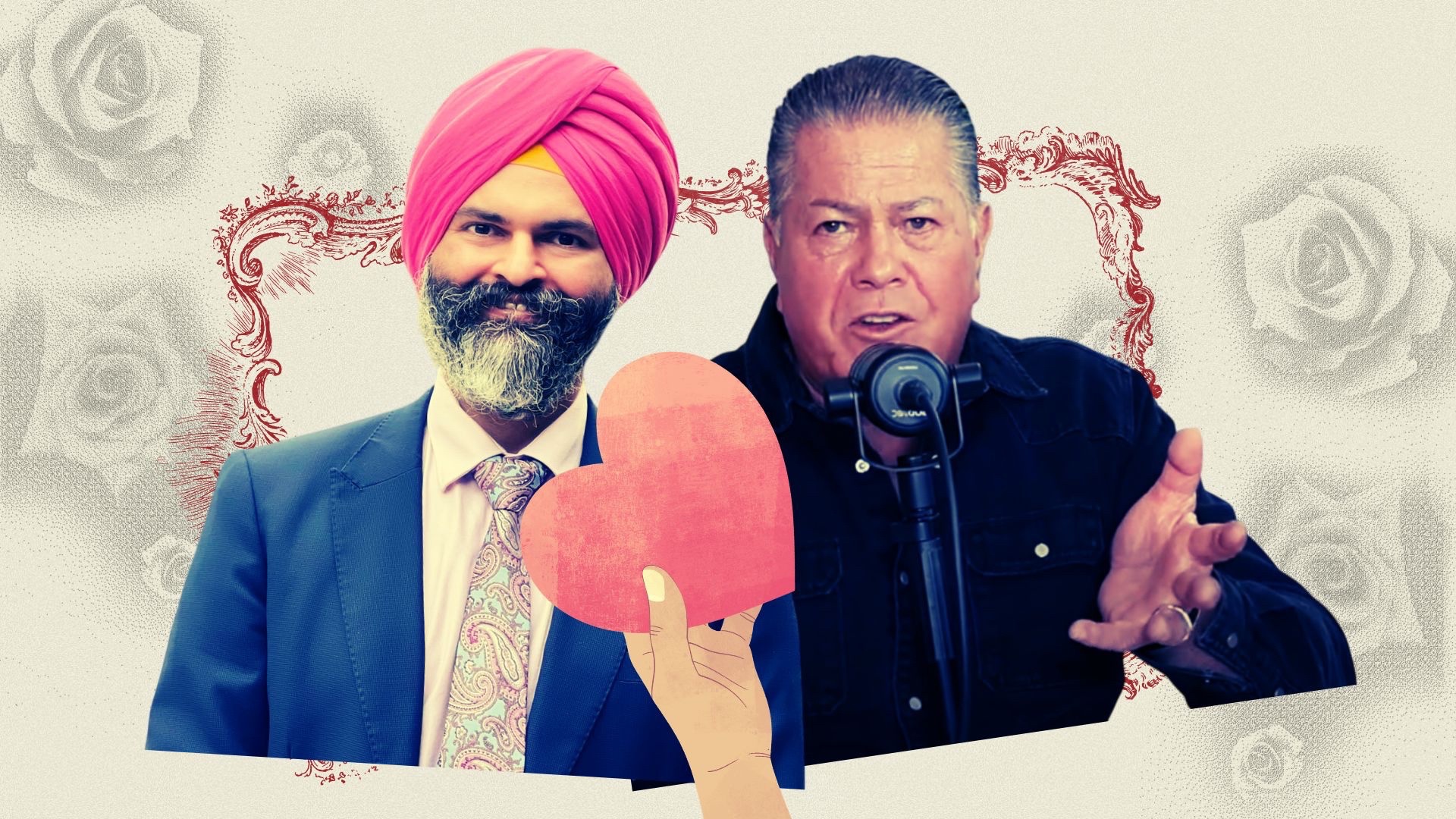
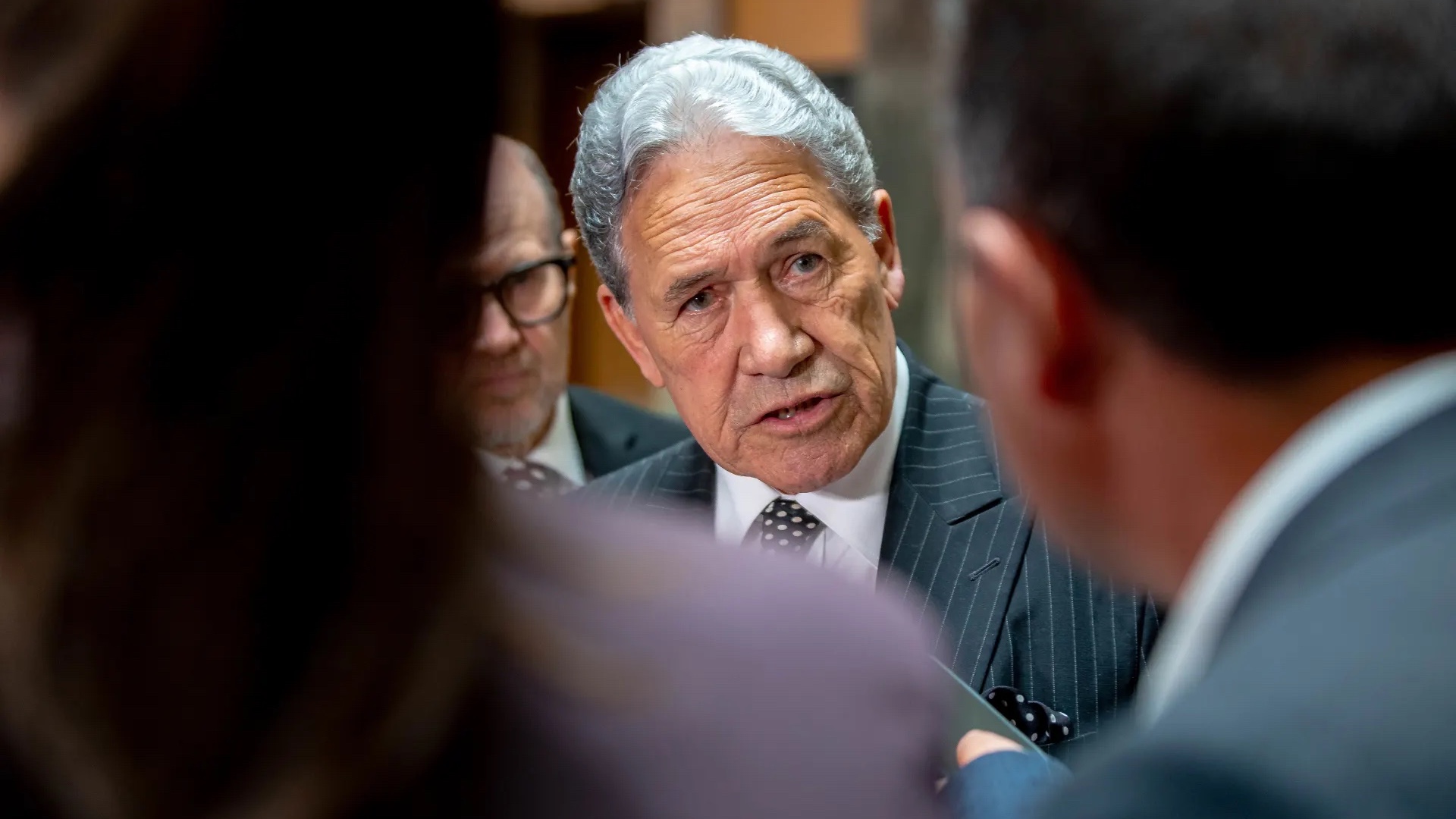
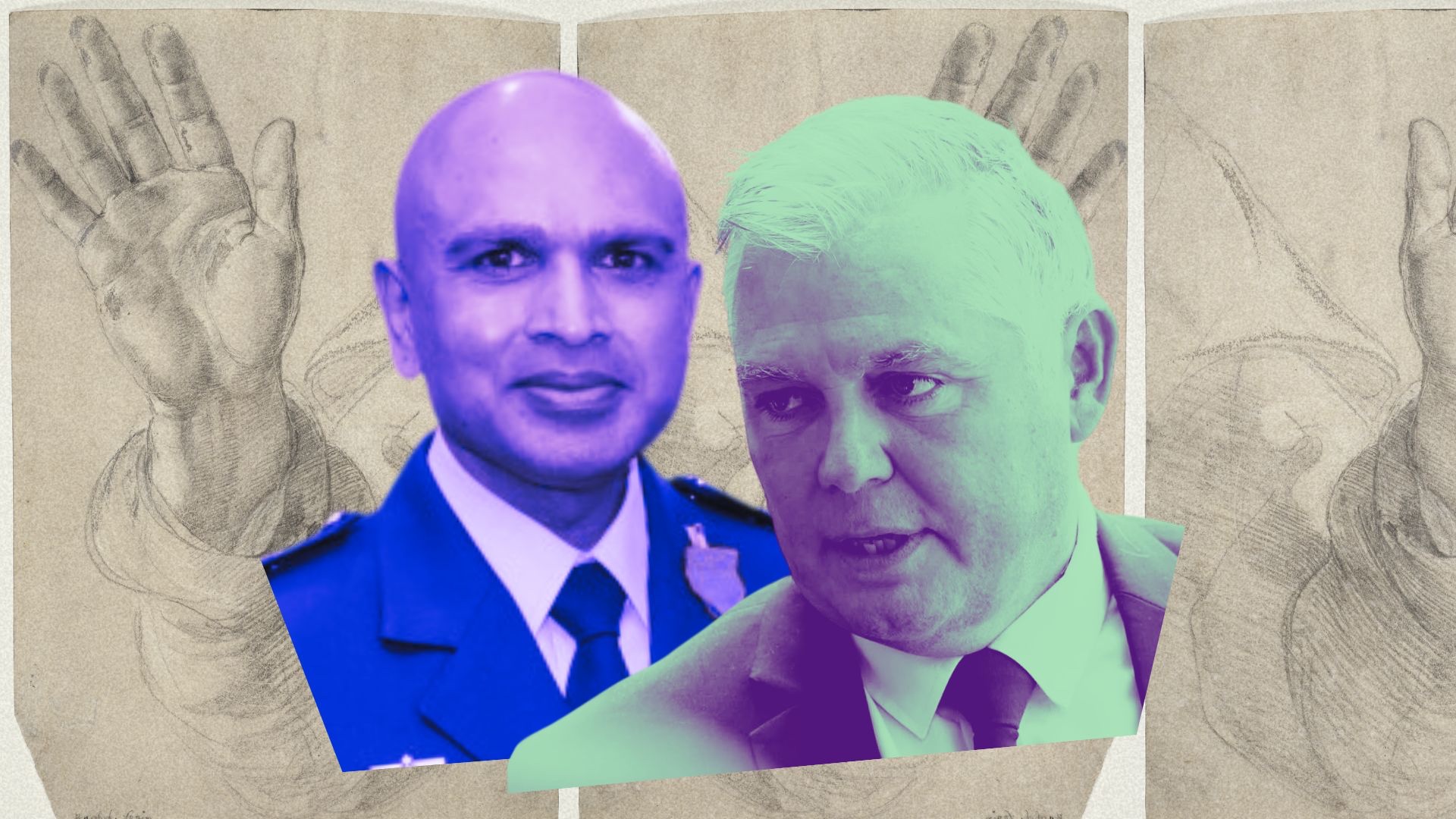
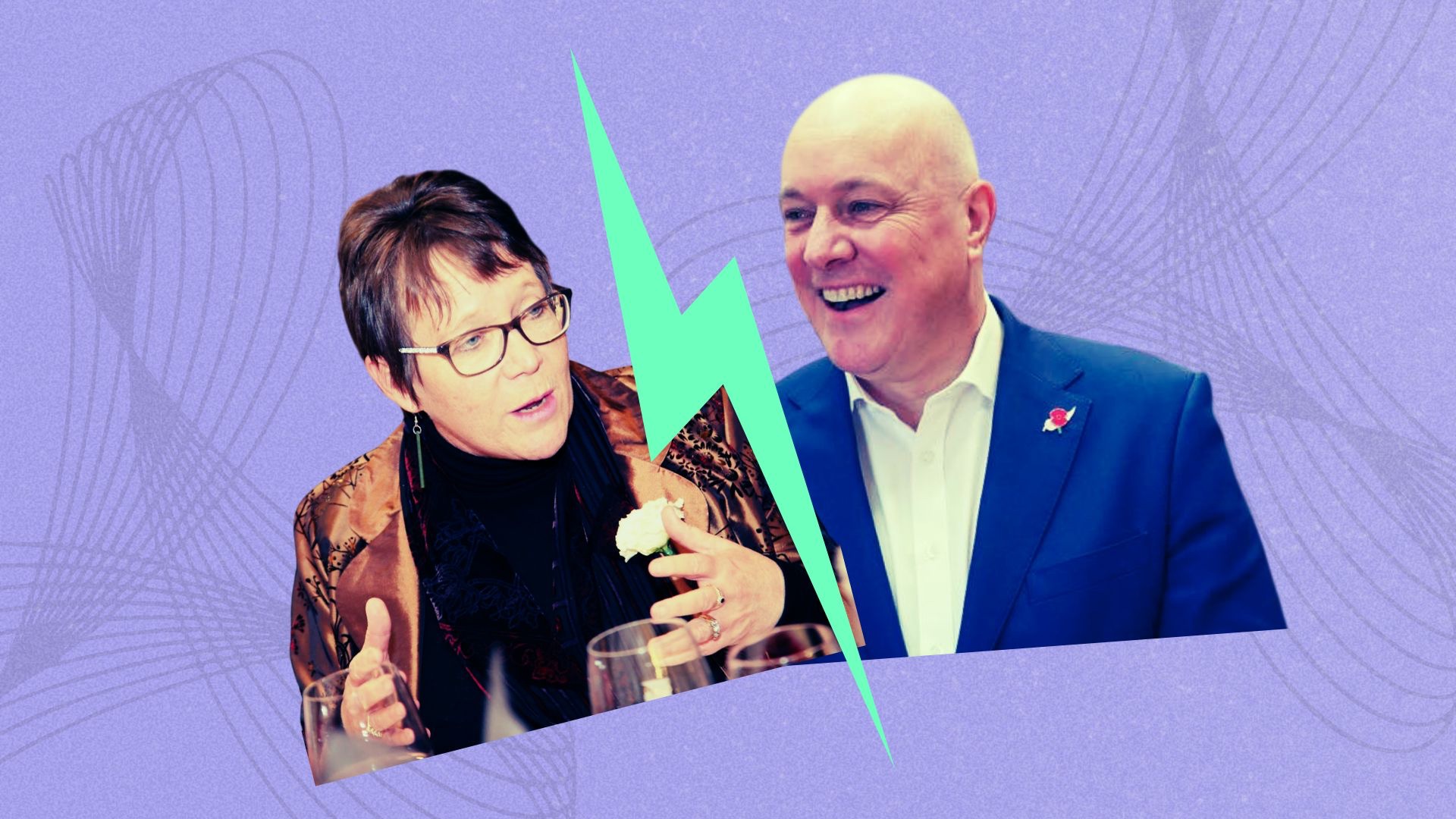
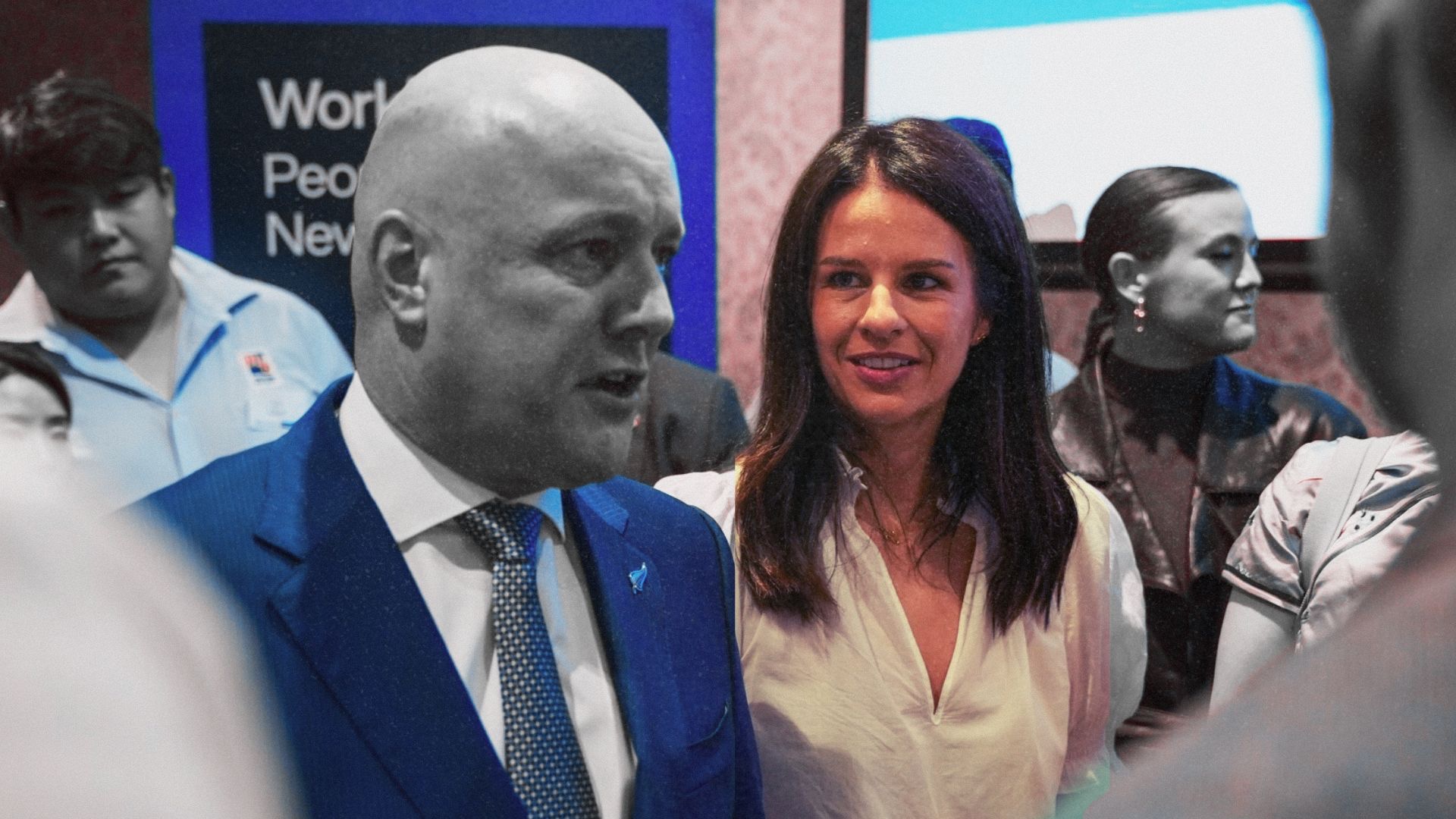
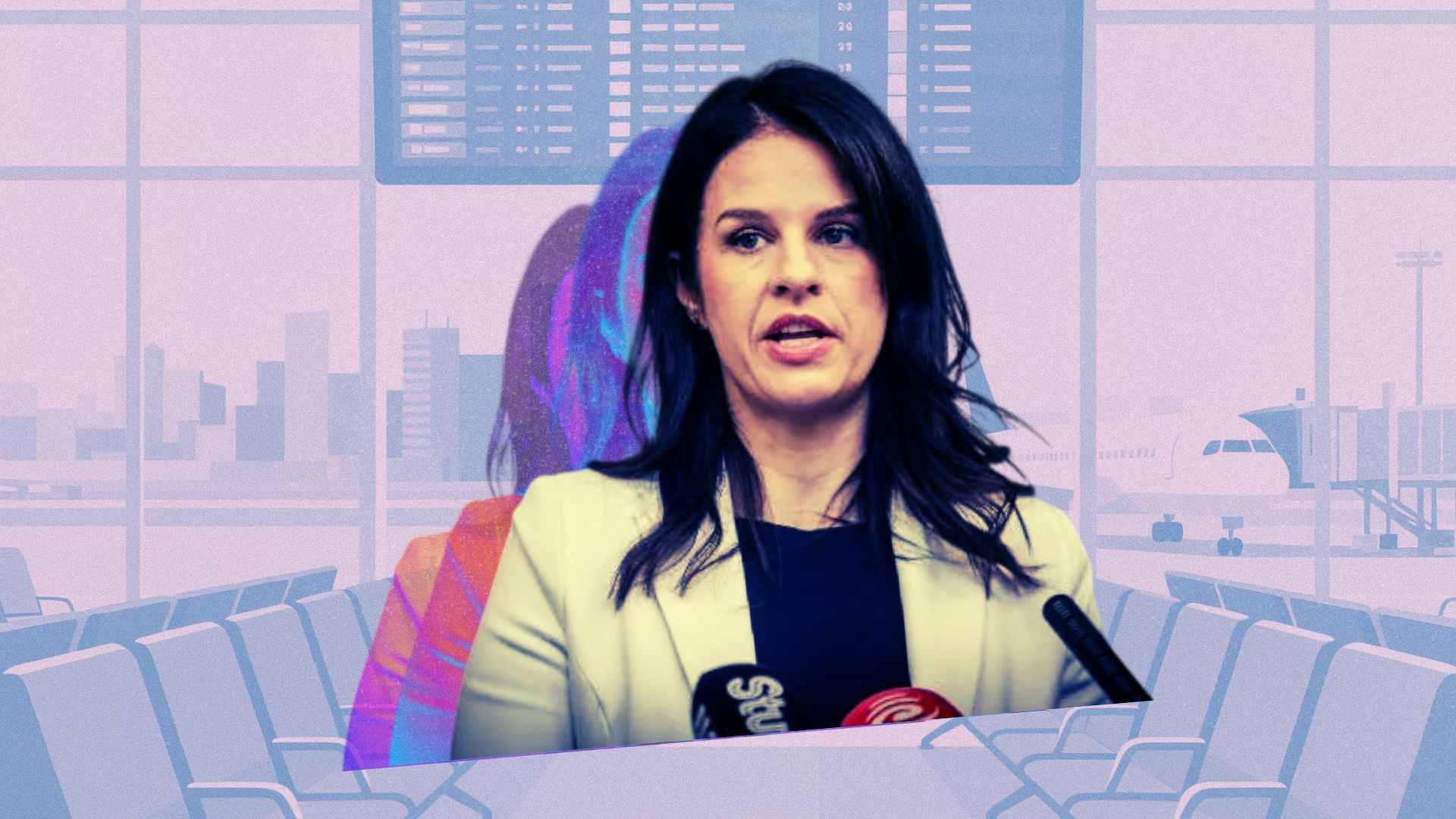
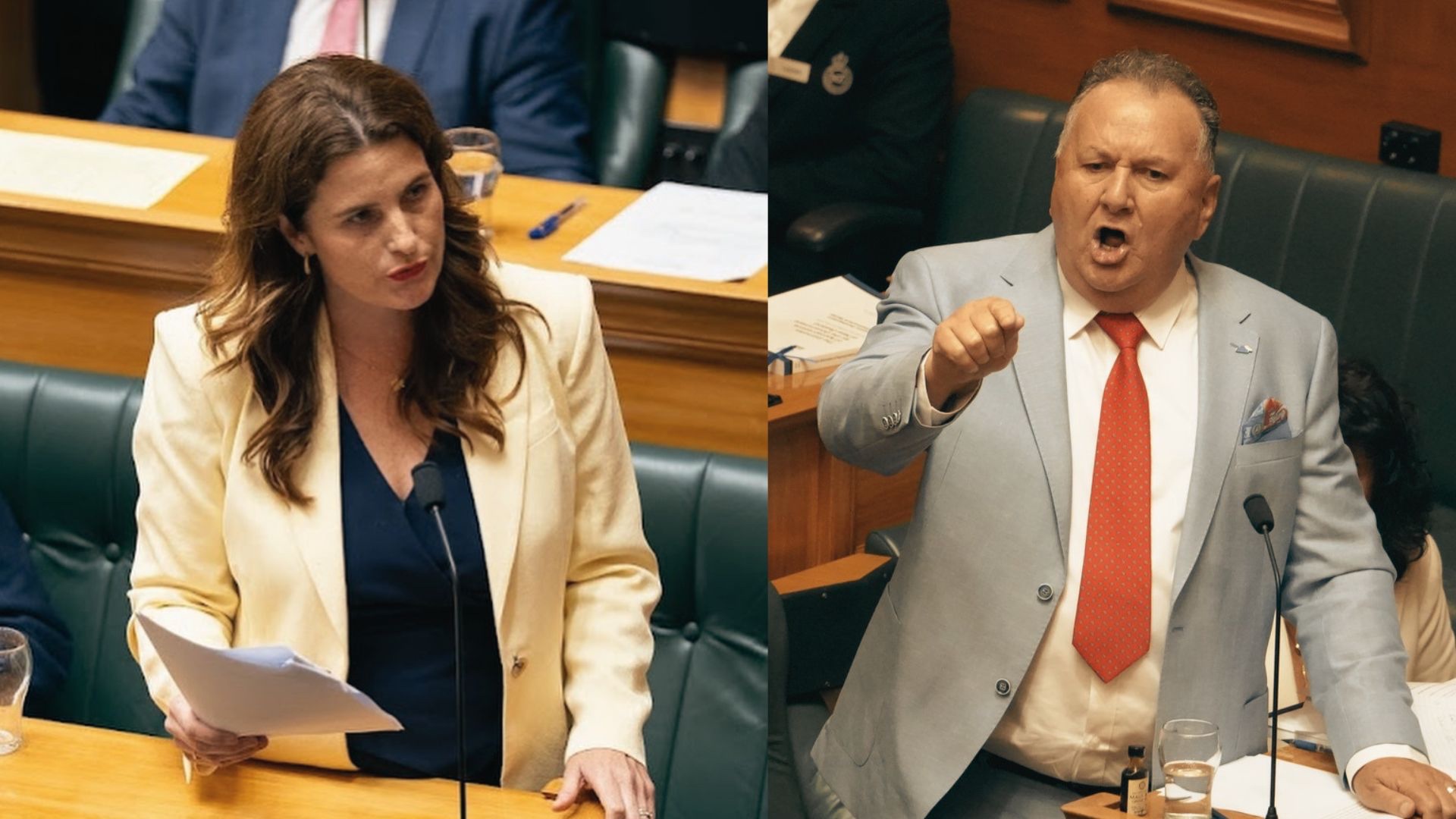
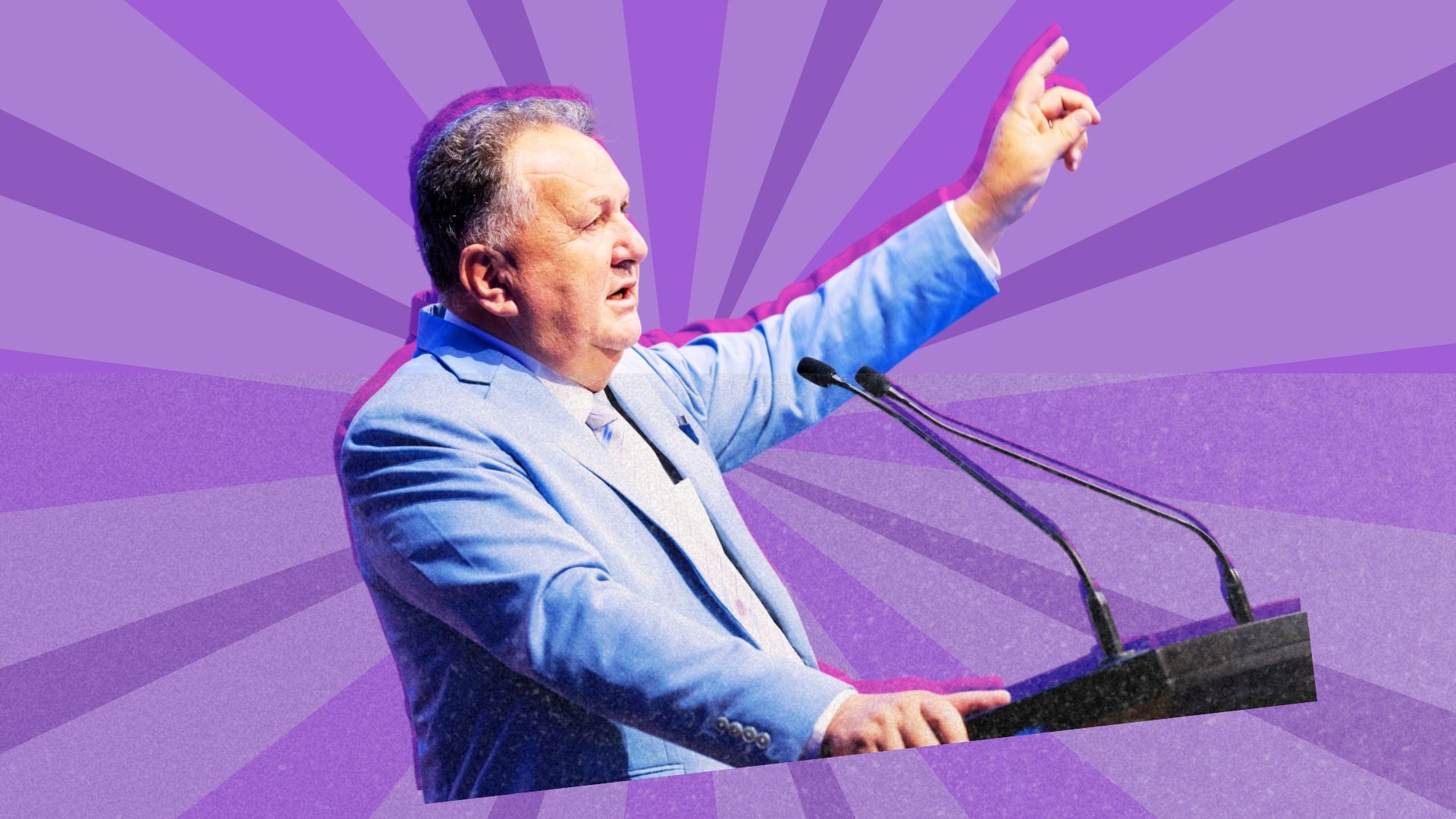
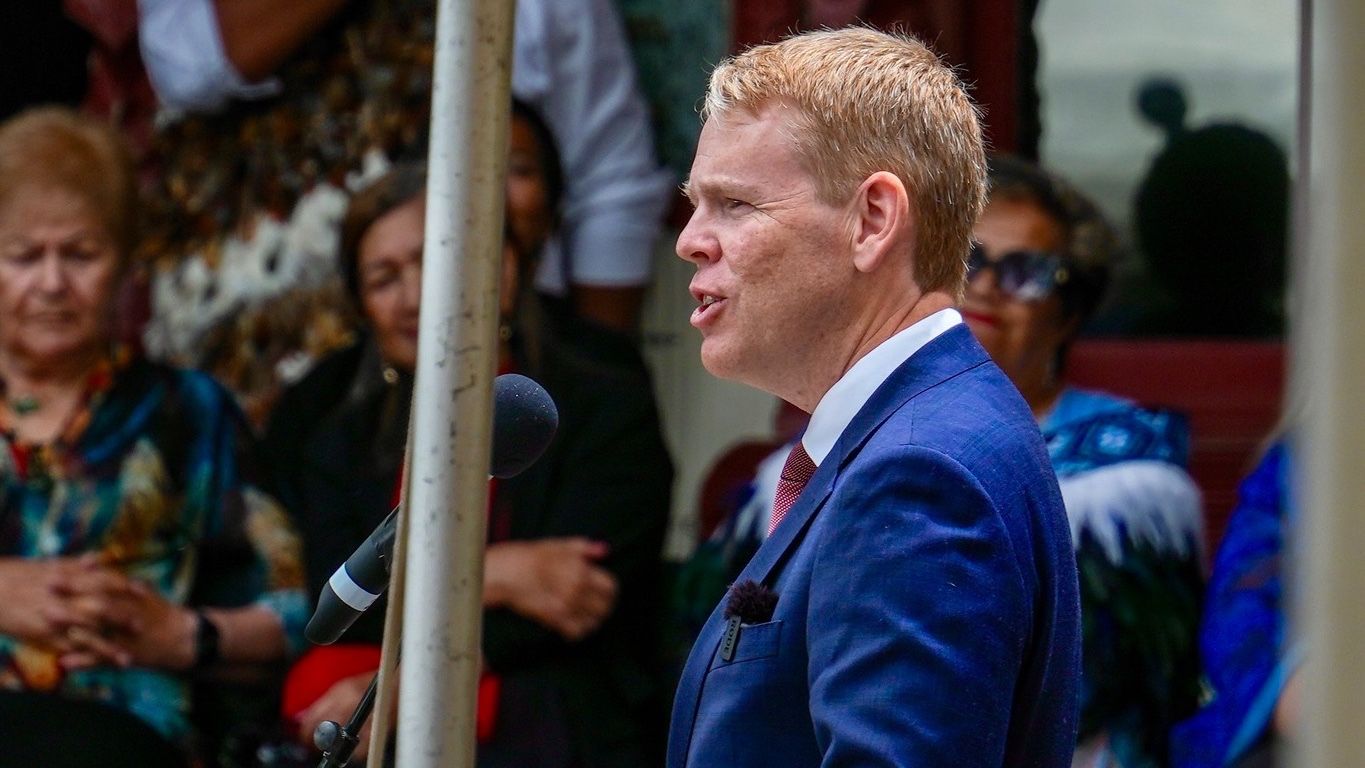
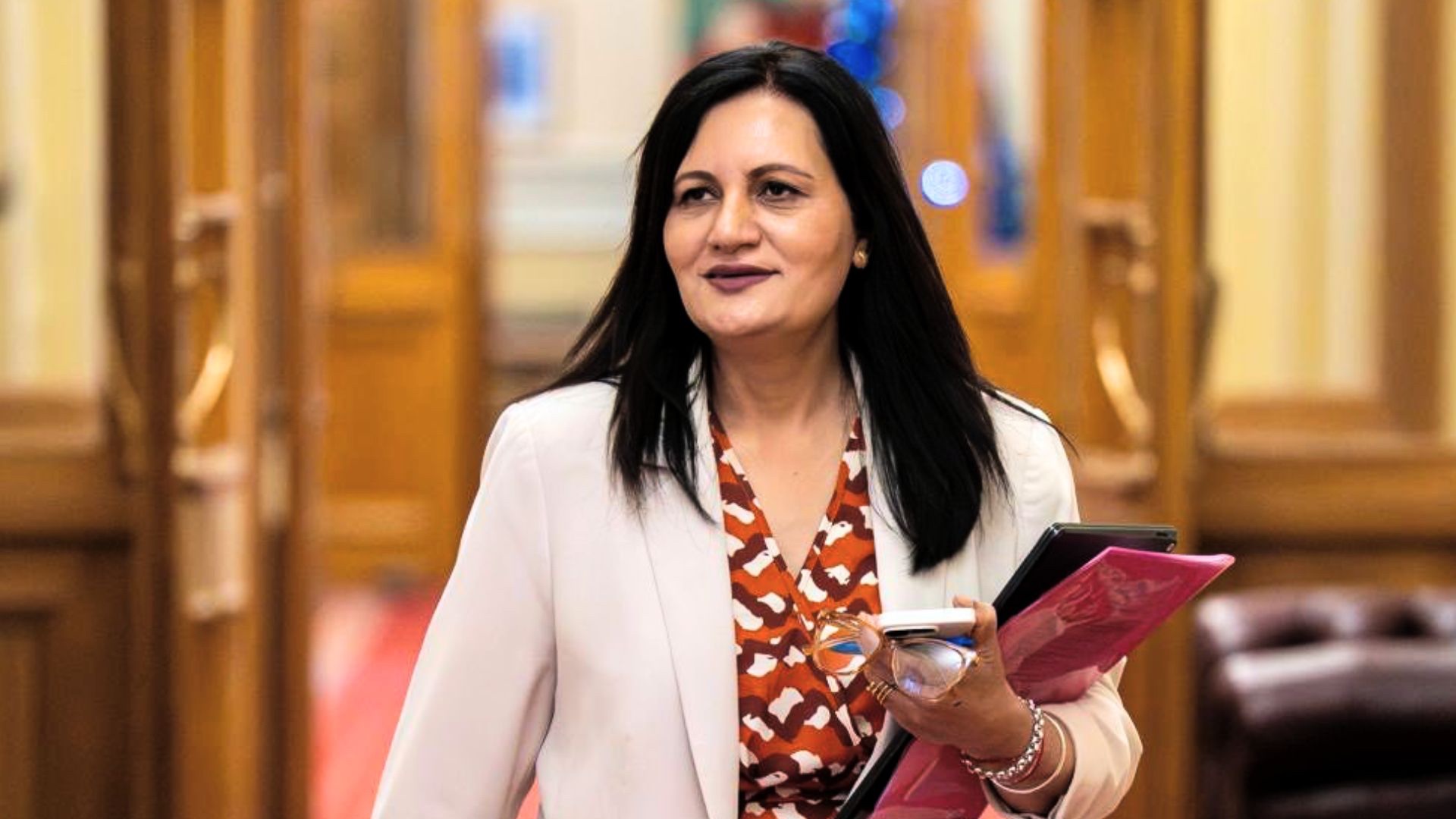
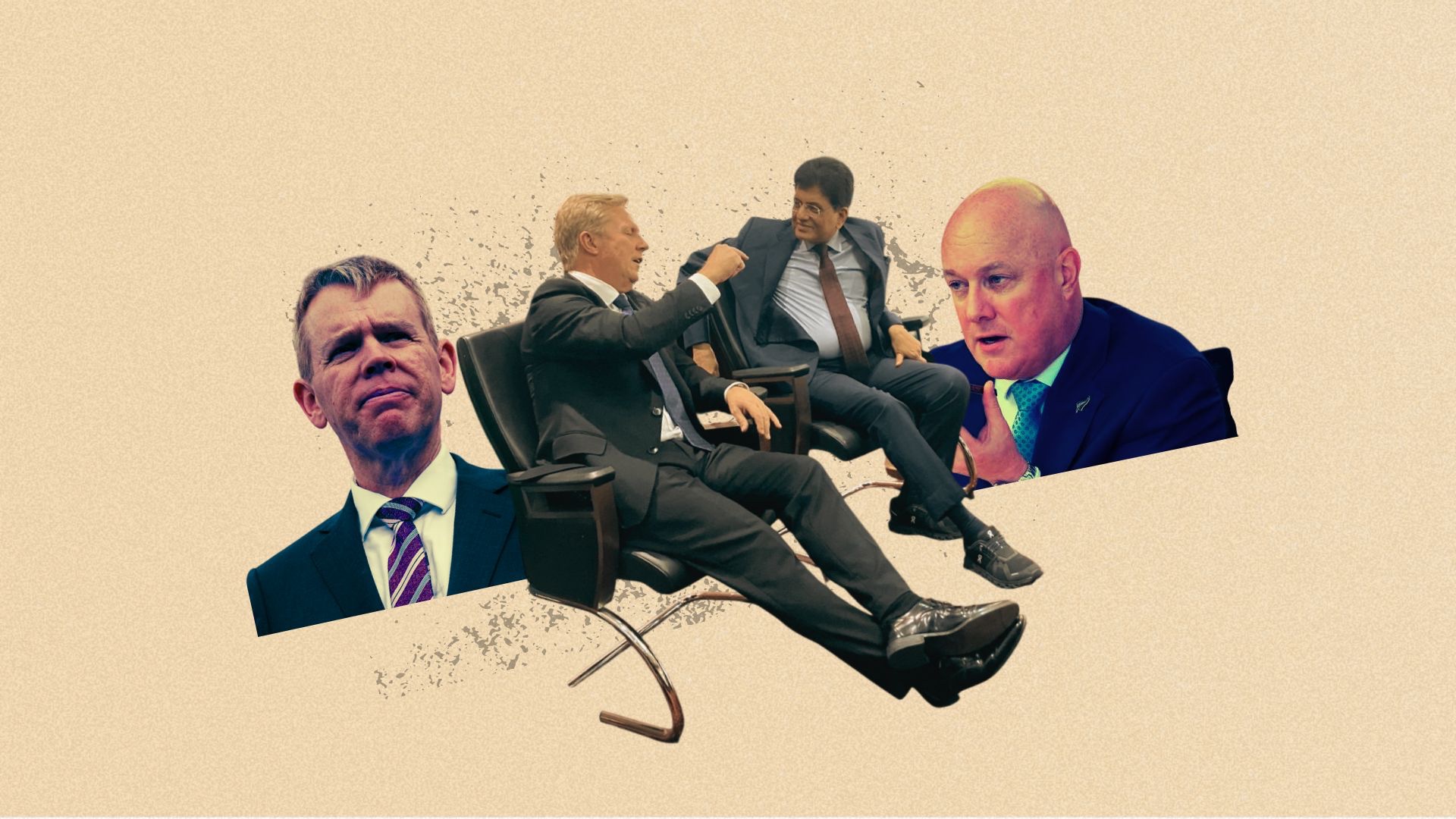
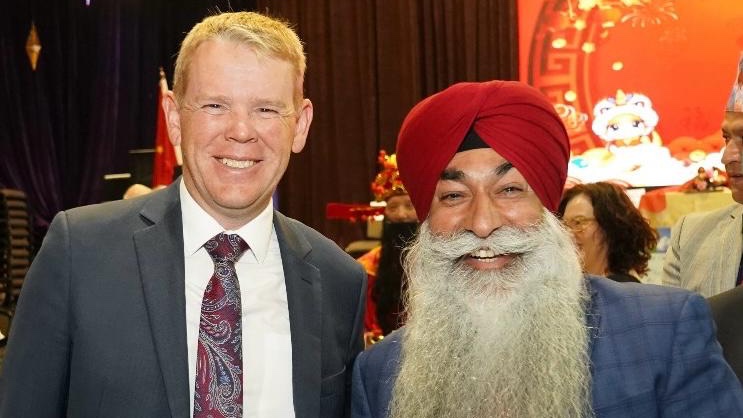
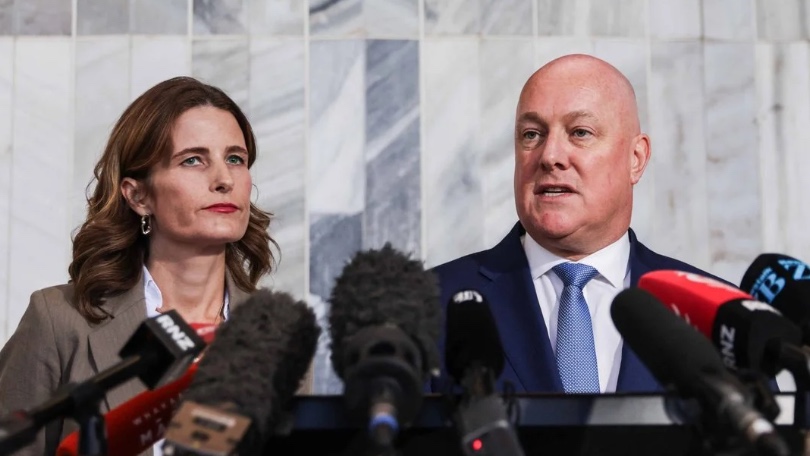
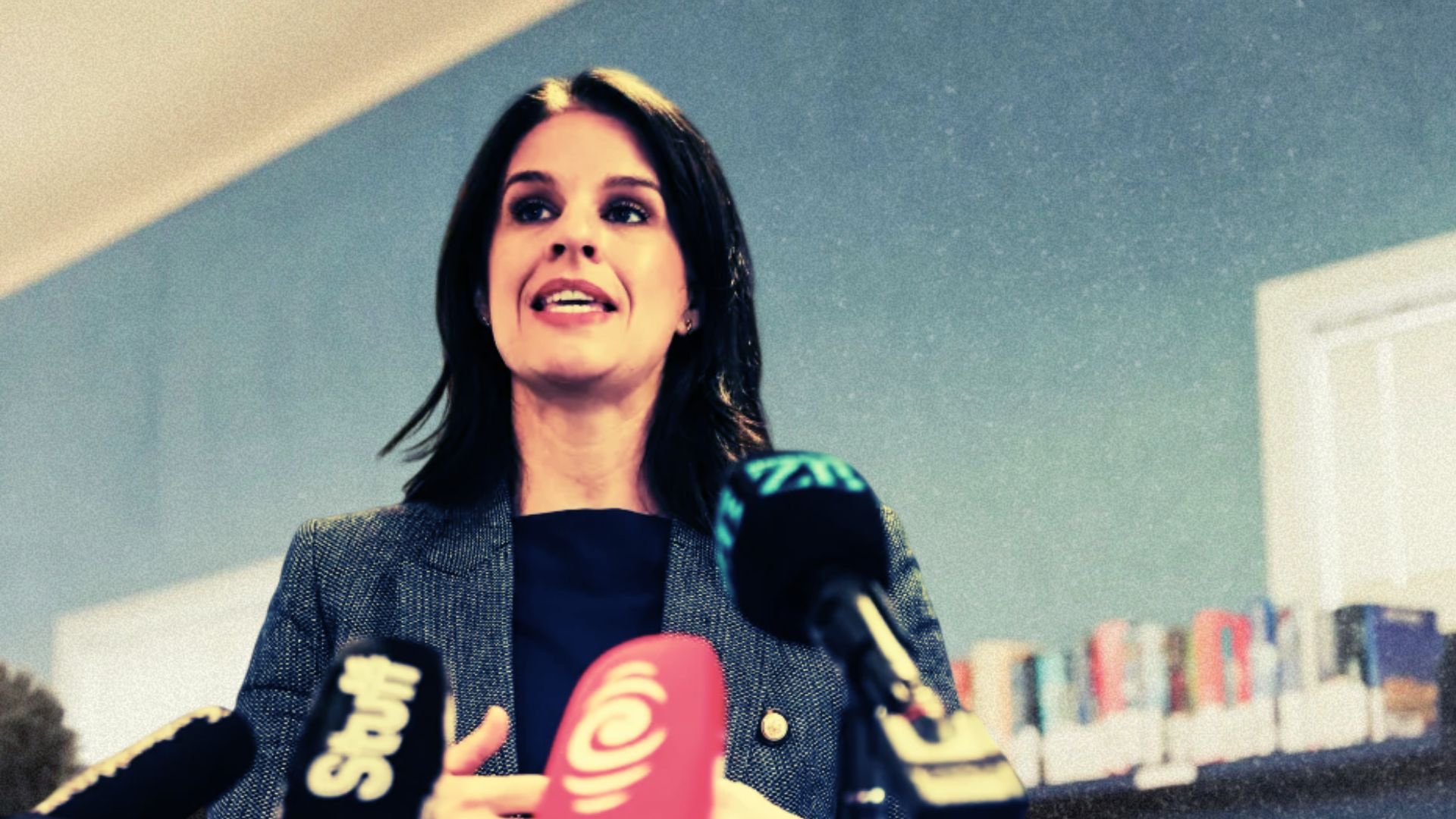
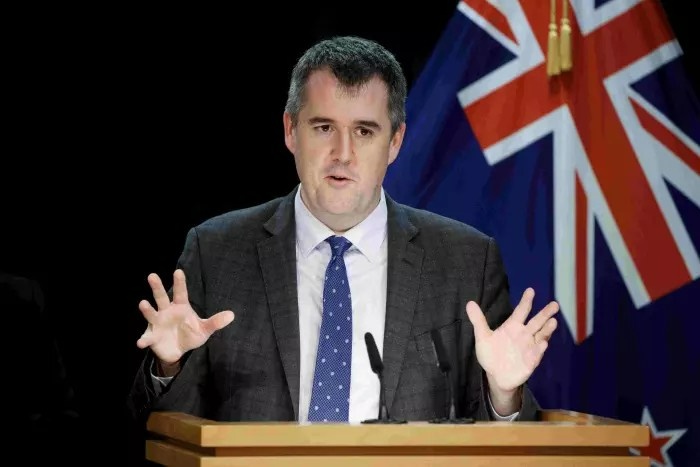
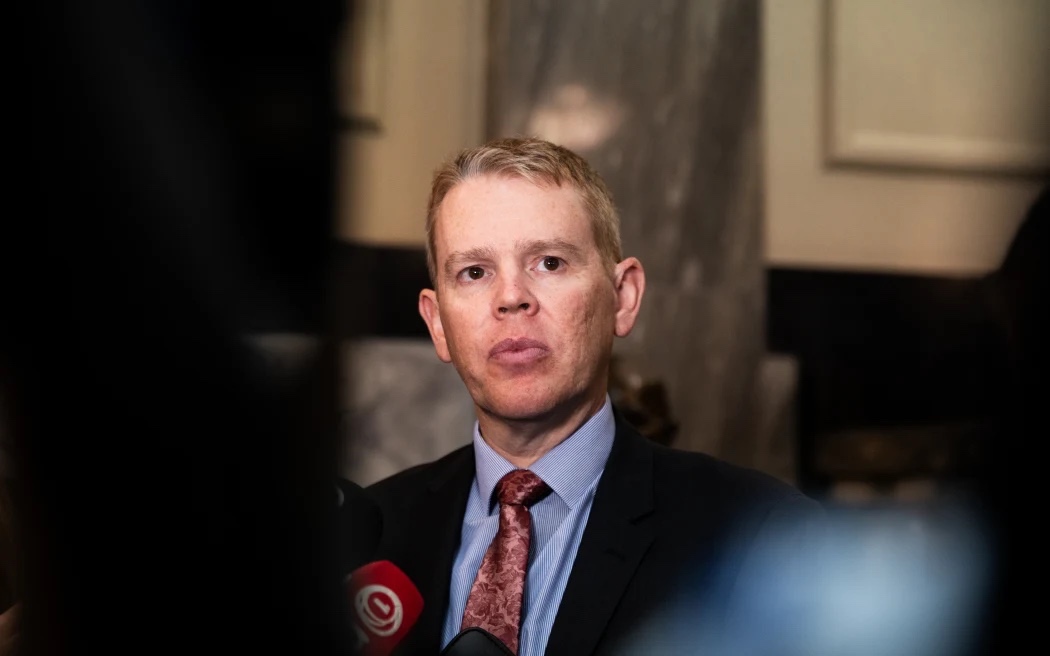
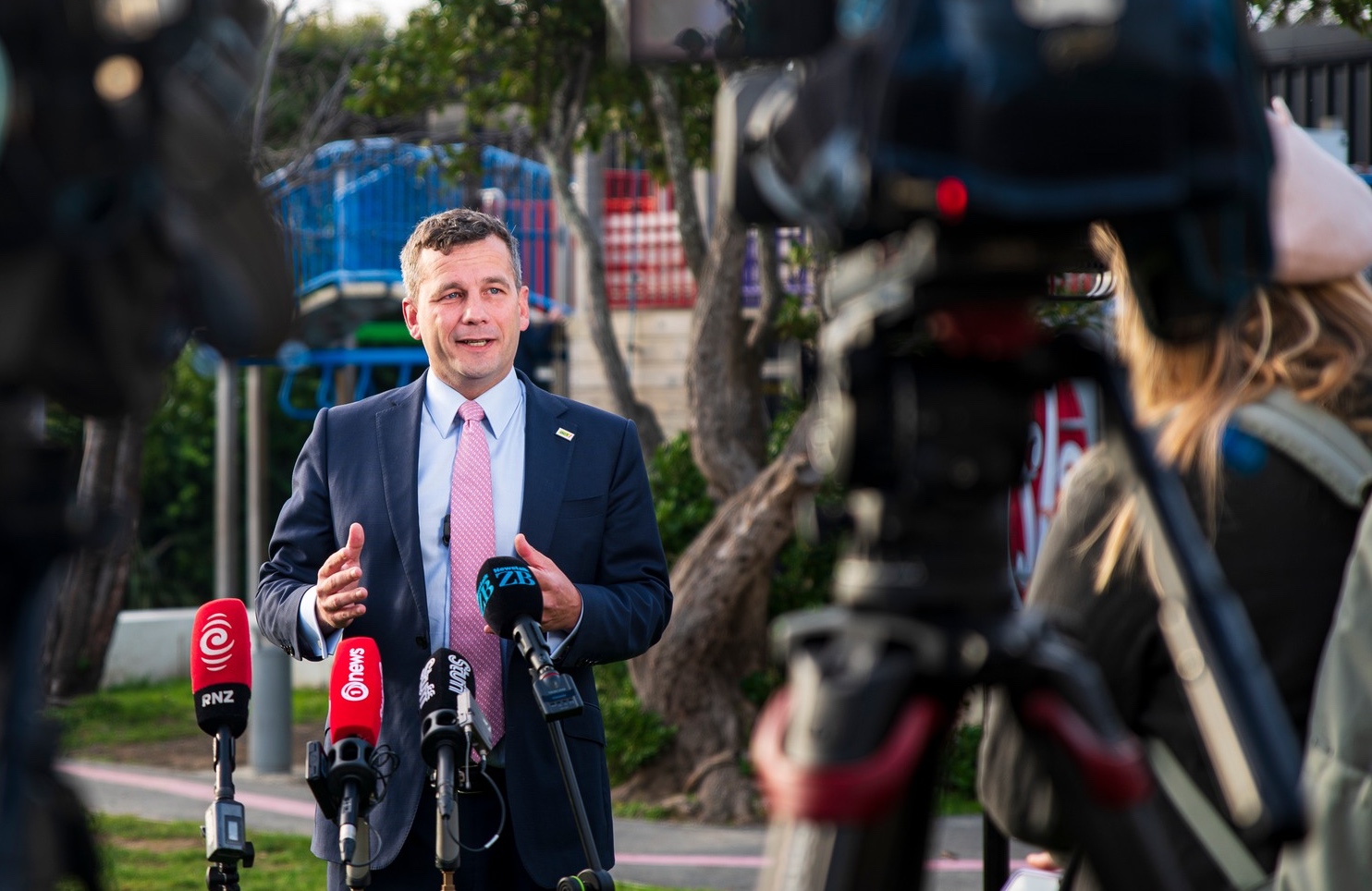
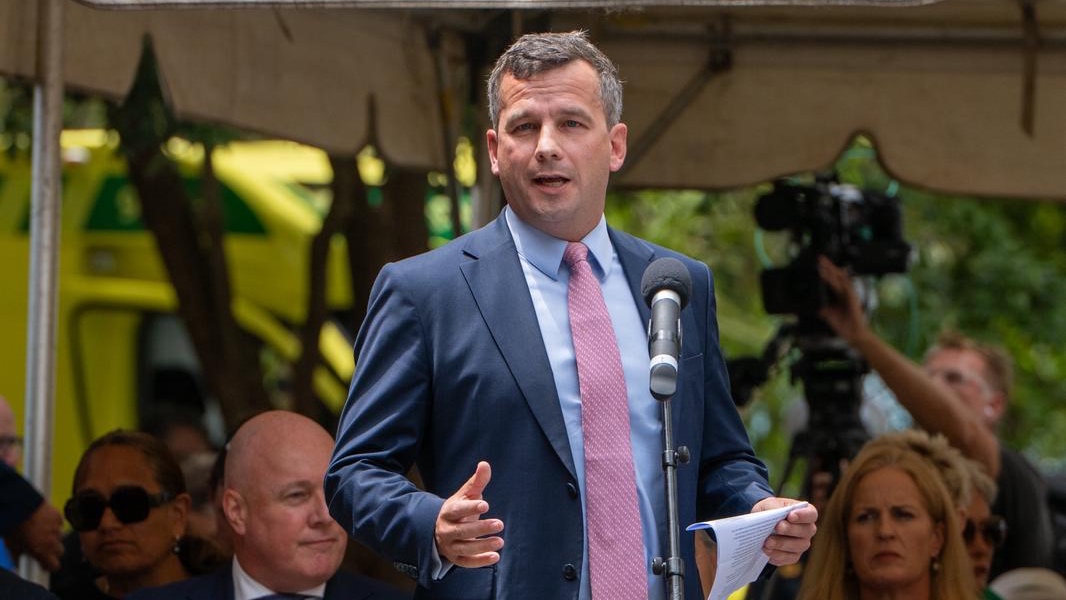
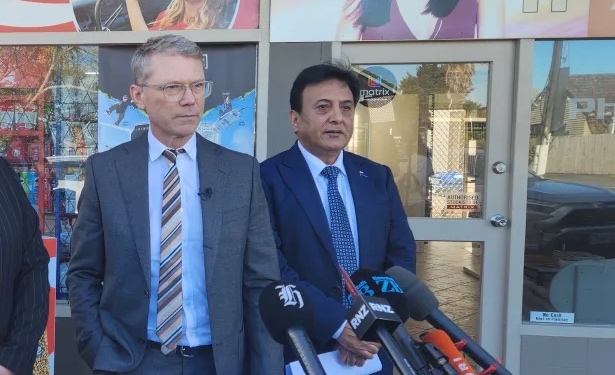
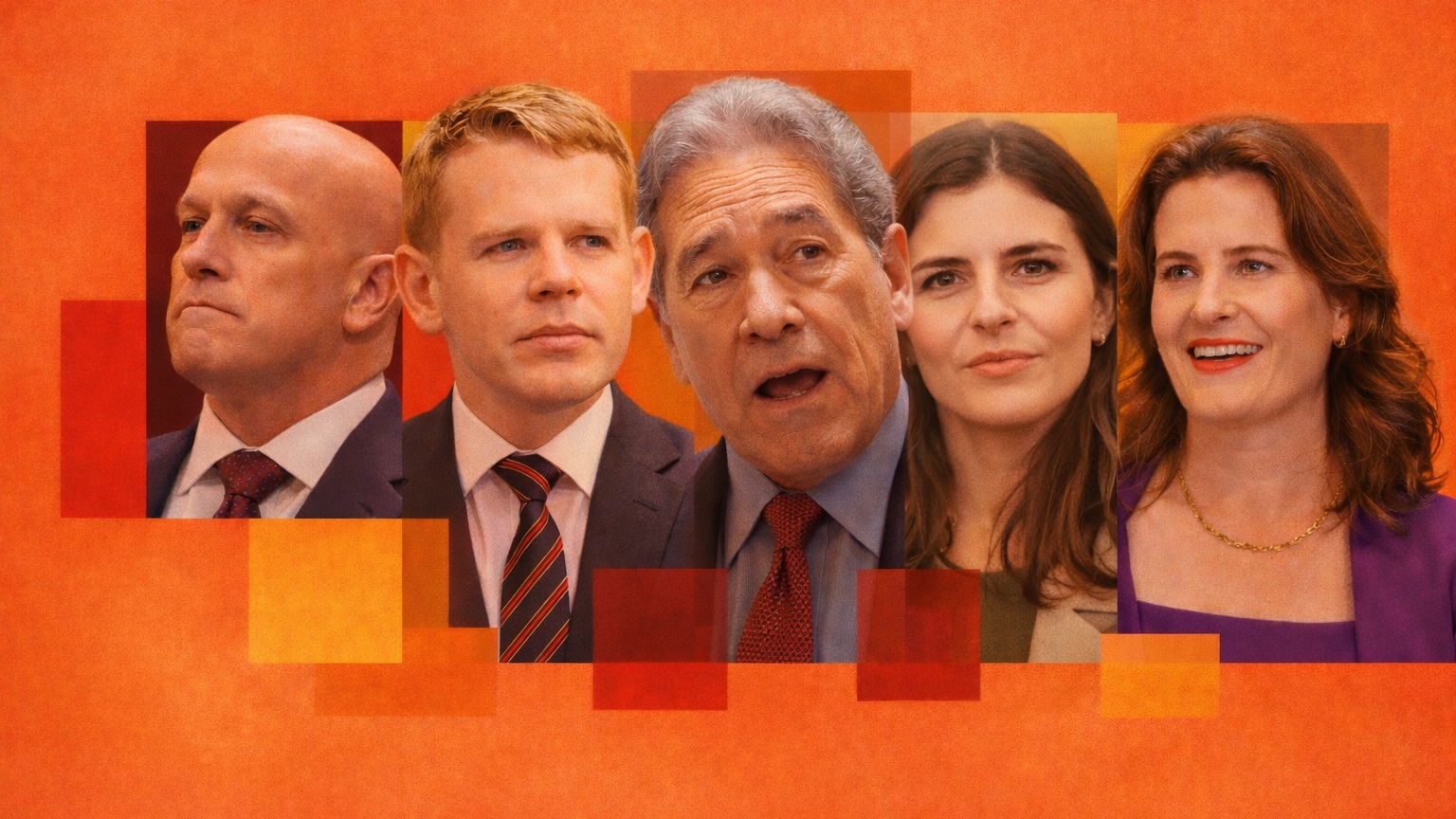
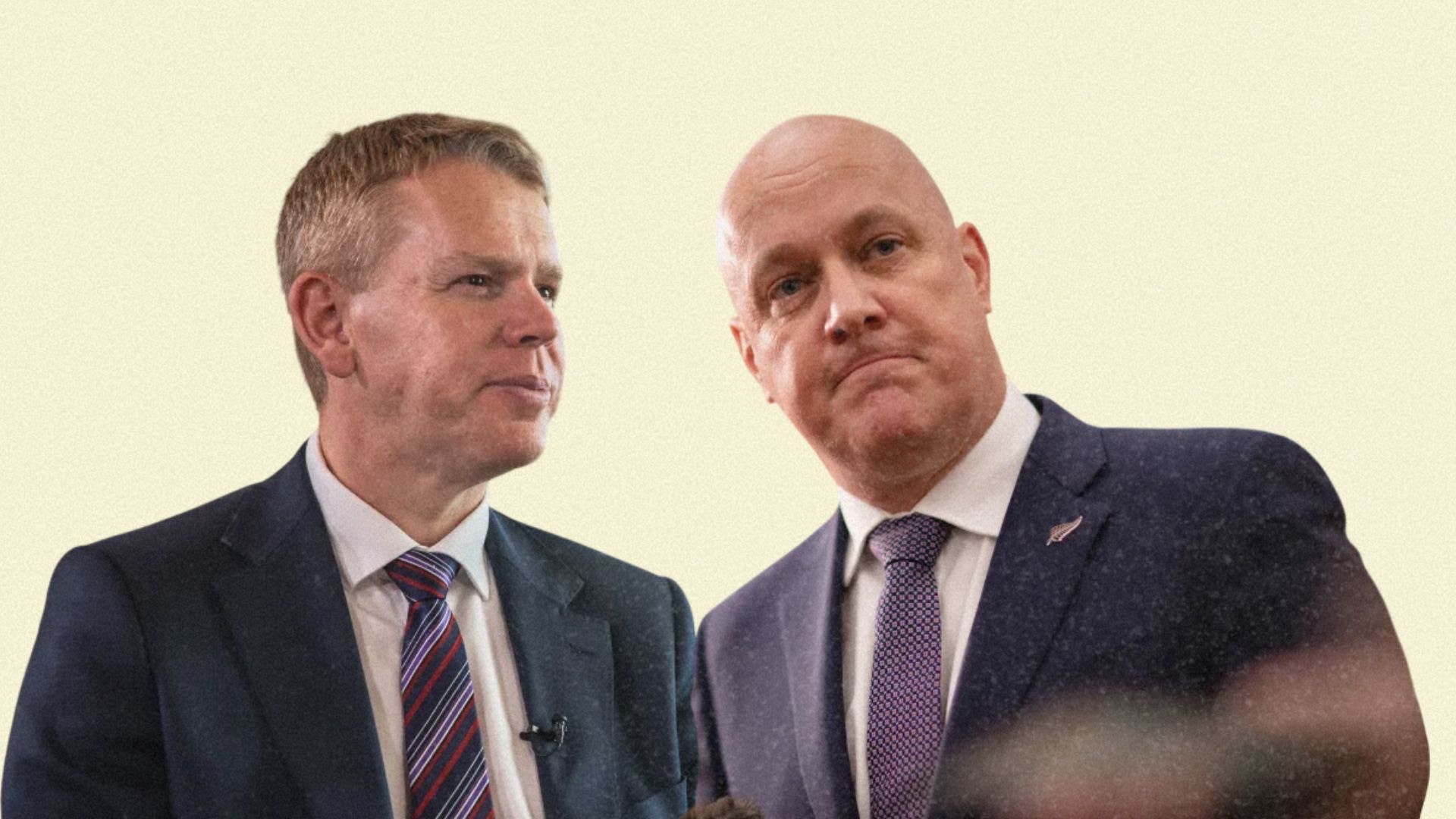
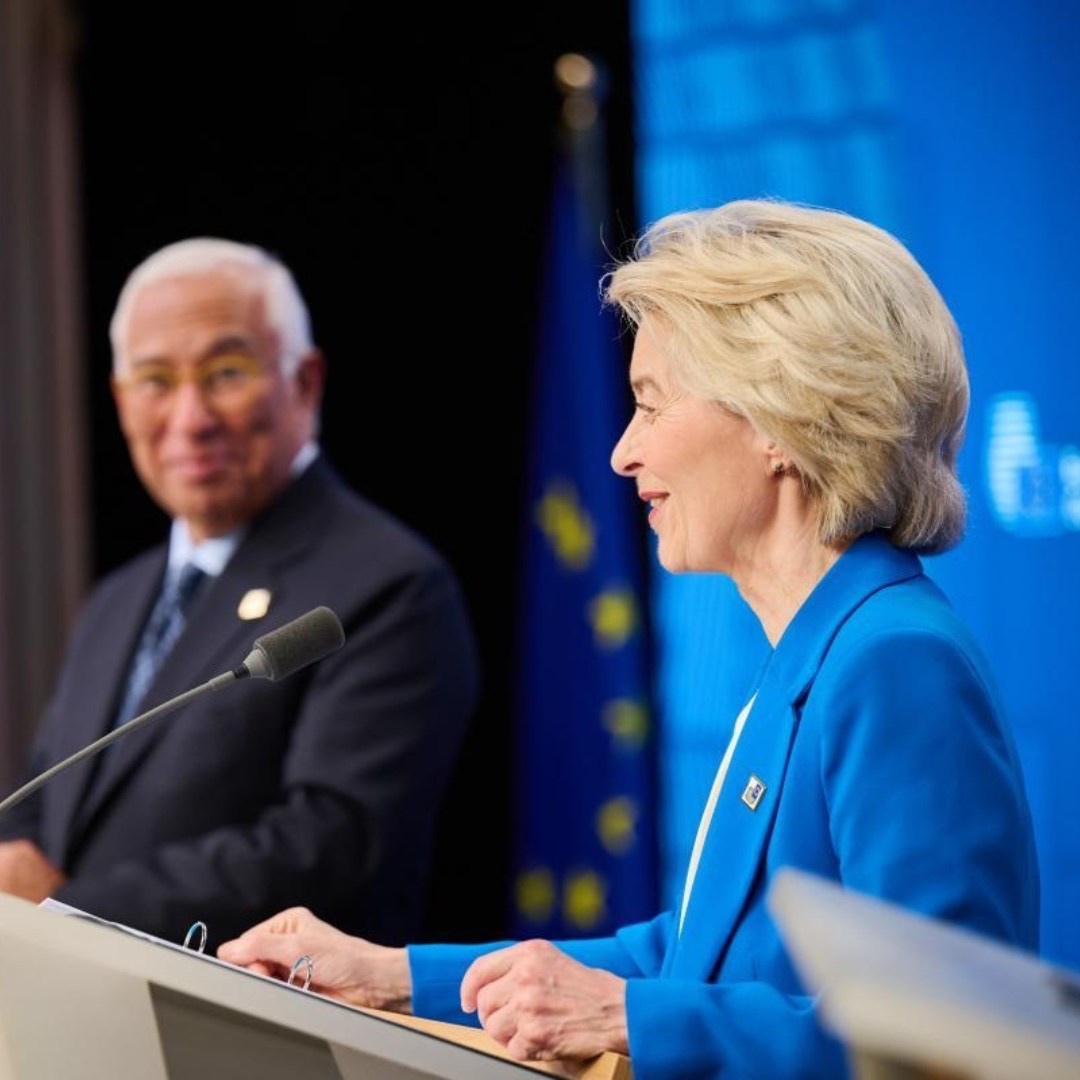
(From left) Education minister Erica Stanford and Labour MP Priyanca Radhakrishnan.
A parliamentary committee is reviewing a petition to formalise Hindi as part of New Zealand's education framework.
The education ministry has pushed back on a parliamentary petition to make Hindi a nationally-recognised school subject, saying there isn't enough demand for it.
In a submission to Parliament released on Wednesday, the ministry said “significant demand for Hindi as a standalone NCEA subject did not emerge” during consultation carried out as part of the NCEA review in 2021.
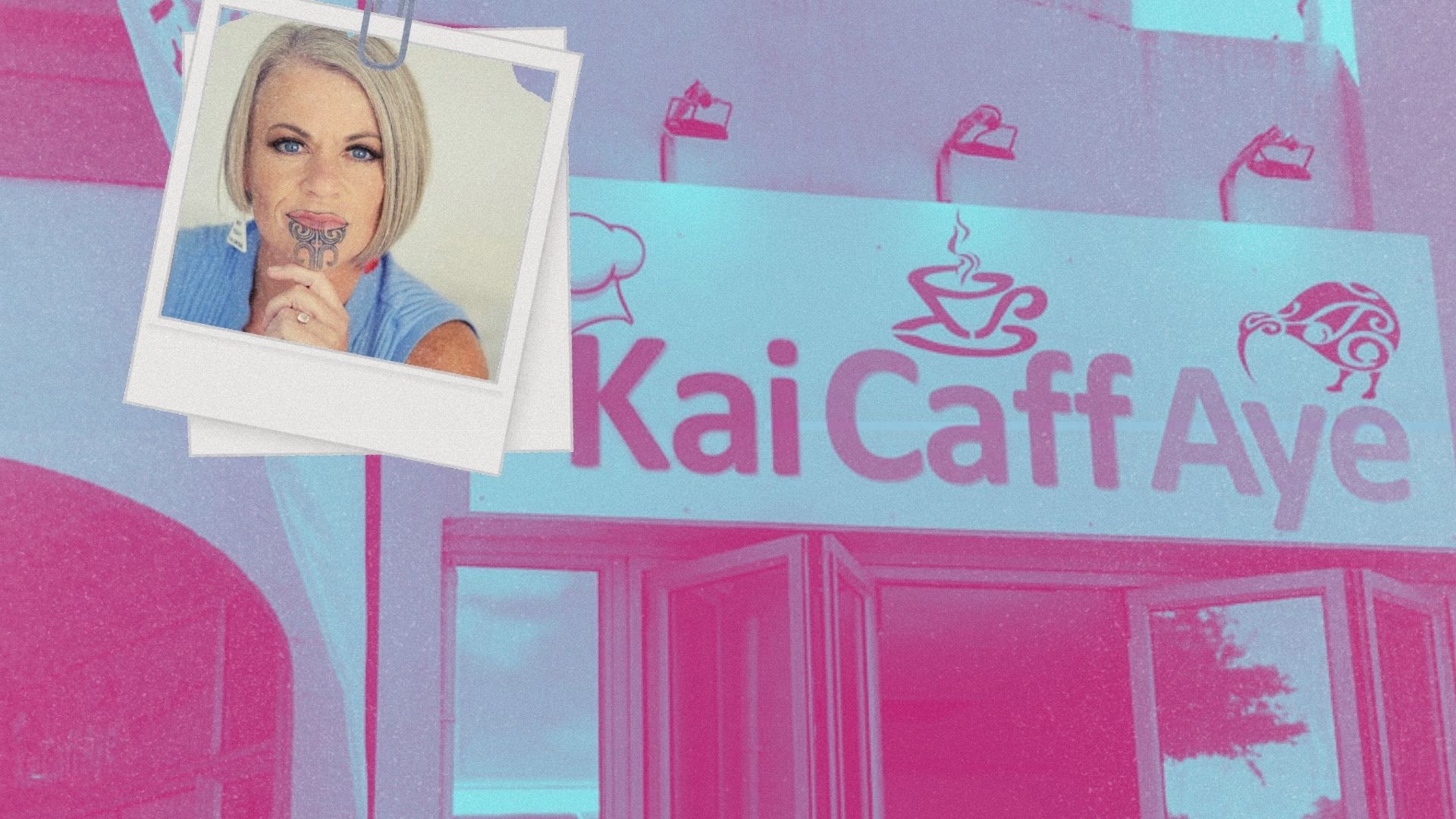
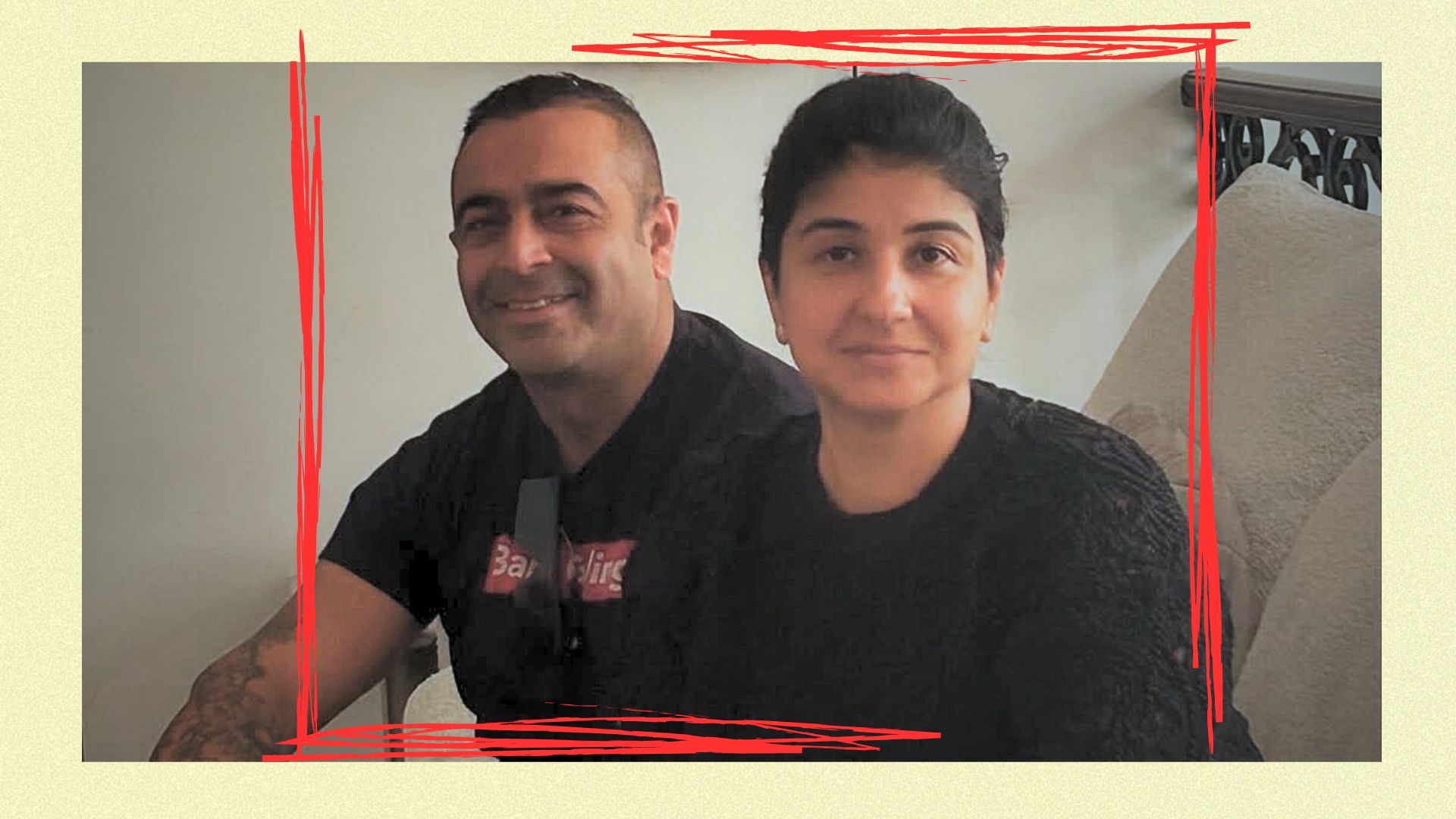
The response came as Parliament’s petitions committee considers a petition by Keely Kalirai Cairns asking the government to include Hindi as a language option for NCEA and provide resources for teaching it at primary, intermediate and secondary schools.
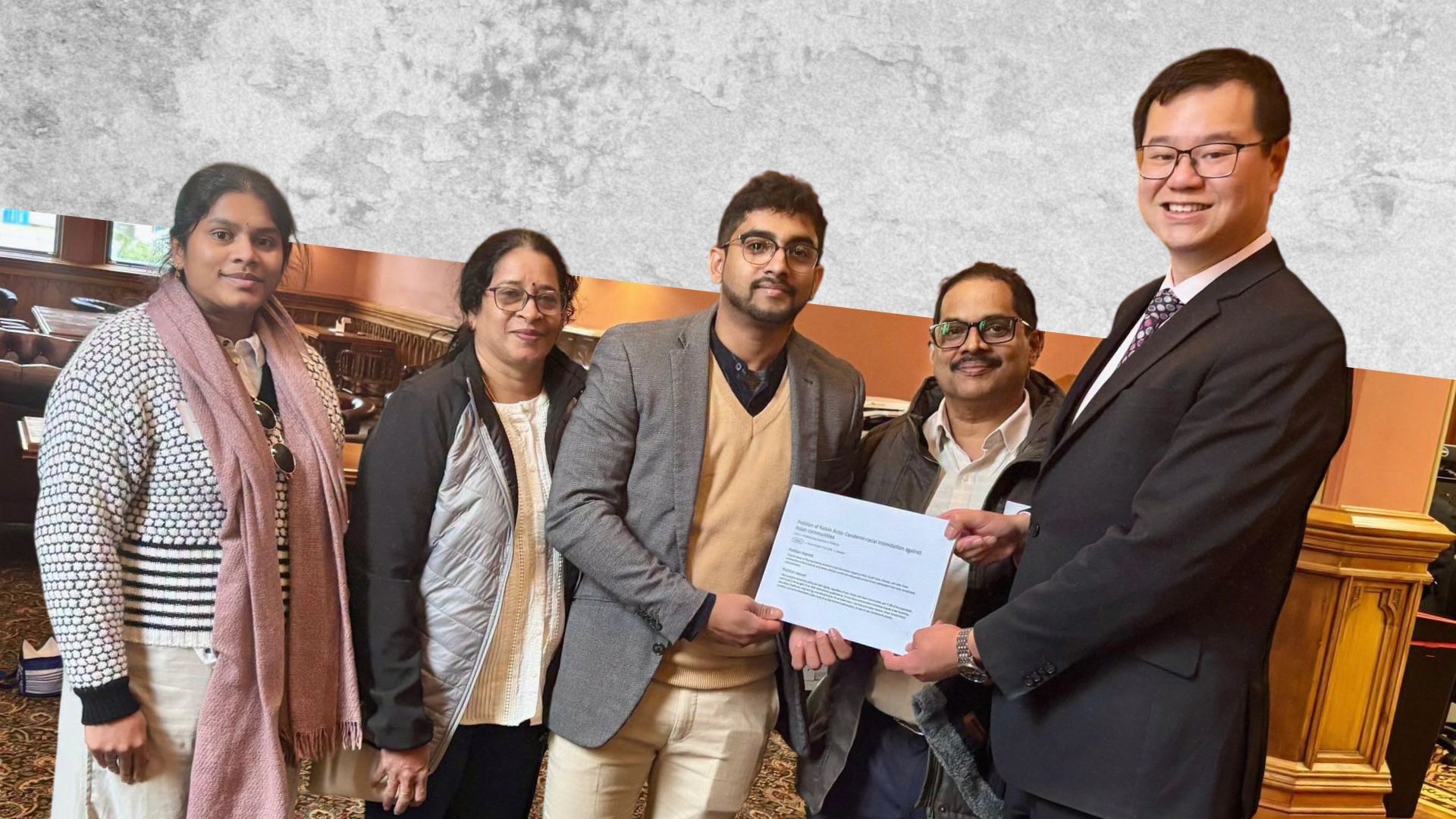
The petition was presented to Parliament on March 26 by Labour MP Priyanca Radhakrishnan, and referred to the select committee for review and recommendations to the government.
Her petition asks not only for Hindi to be recognised at senior secondary level, but for resources to be available for teaching it across primary, intermediate and secondary schools.
Truant student may have to curb Khalistan speech in India but will be deported, NZ tribunal rules The 21-year-old's education provider terminated his enrollment within a year because of poor attendance.
New Zealand-trained Indian pilot hailed for saving 174 people in Flydubai suspected crash bid Smit Machchhar trained with Mainland Air in Dunedin for about 18 months between 2008 and 2009.
54 hours worked, 26 hours paid: Indian migrant wins $60,000 from Auckland employer The man's additional claim that he paid unlawful premiums to procure the visa didn't hold up in the employment tribunal.
Hindi can already be taught by individual schools if there is demand from their communities. But the ministry has not developed the same national teaching pathway for Hindi that exists for languages formally supported through the curriculum.
That distinction becomes particularly important at senior secondary level. NCEA is being replaced by new qualifications – the New Zealand Certificate of Education for Year 12 from 2029 and the New Zealand Advanced Certificate of Education for Year 13 from 2030.
Students will have to achieve full subjects rather than accumulate individual standards, and those subjects must be part of the national curriculum.
“If a subject is not included within the national curricula, it cannot contribute towards either NZCE or NZACE,” the ministry told the committee.
Hindi is not currently among those nationally developed senior secondary subjects. That means while a school could choose to offer Hindi lessons, Hindi could not become one of the nationally-recognised subjects a student takes towards their Year 12 or Year 13 qualification.
The ministry said it has developed teaching sequences for 14 target languages for schools that choose to offer an additional language. Those sequences provide guidance on the knowledge and practices students should learn as they progress.
Schools are nevertheless allowed to offer languages outside those 14, the ministry said, specifically citing Hindi as an example where a school community might have sufficient demand.
But when deciding which languages should receive a nationally supported pathway through to senior secondary school, the ministry largely carried over decisions made during the NCEA review.
The ministry acknowledged there was demand for more languages in a country where more than 160 languages are spoken, but said decisions had to balance demand against what could be adequately resourced.
“Decisions on subjects included in the national curriculum need to be carefully balanced in terms of the demand for individual subjects and what can be adequately resourced,” its submission read.
The ministry has not completely closed the door on Hindi though. It said changes to the languages supported through the curriculum and qualifications could be considered through a cycle of regular curriculum reviews once the current overhaul is complete.
That could include looking again at demand for “other languages, such as Hindi”, it said.
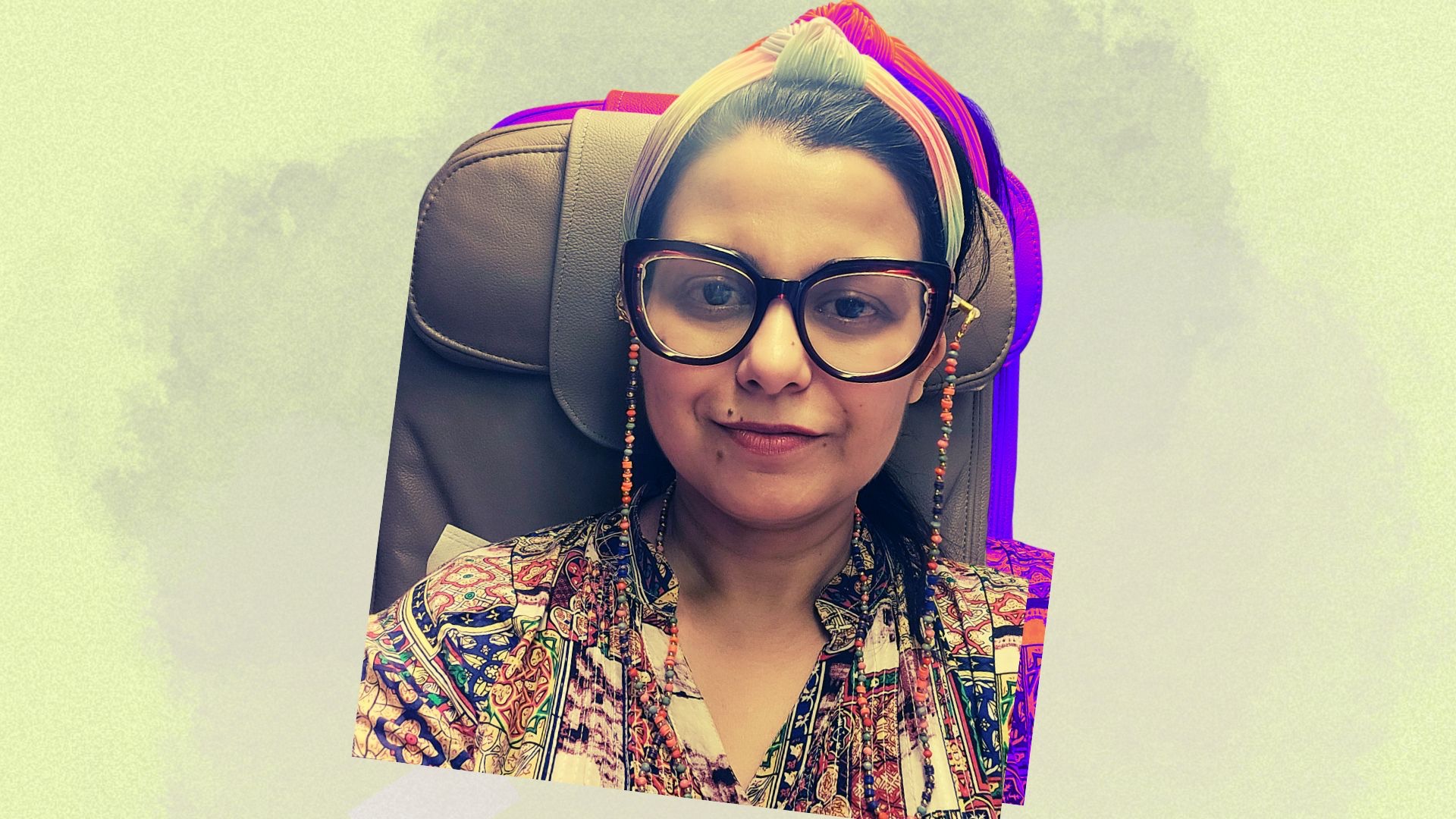
The petitioner, Keely Kalirai Cairns, has made her own submission too. She told MPs the absence of Hindi from the formal school system had consequences beyond simply whether a language class was available.
“My mother was born in New Zealand in the 1940s and grew up speaking Punjabi with her parents,” she wrote. “However, when she had children of her own, she made the conscious decision not to teach us an Indian language, as she did not want us to be seen as different.”
Cairns said that decision reflected an earlier New Zealand in which retaining an Indian language could be seen as a barrier to fitting in.
“I have felt this loss of language keenly,” she said, describing a sense of disconnection from her Indian heritage.
Her petition argues the circumstances facing Indian New Zealanders are now very different.
“The Indian population is the third largest ethnic group and Hindi is the fourth most spoken language in New Zealand,” Cairns said in the petition, pointing to the 292,092 people who identified as Indian in the 2023 Census.
“I believe it is important for Indian-New Zealand children and other interested New Zealand students to have the option to study Hindi, an official language of India, for cultural connectedness.”
Her submission also pointed to the work already being done outside mainstream schools to keep Indian languages alive, while arguing community initiatives cannot provide the same support as a nationally resourced subject.
Cairns said there was growing demand for Indian-language classes but community providers faced limitations in teaching resources and their ability to create a consistent pathway for students.
She also framed learning Hindi as something that could have economic value beyond the Indian community.
“India is 5th in the world’s GDP rankings and this may also benefit New Zealand economically,” the petition says.
The petition was originally framed around having Hindi included as an NCEA option, but that qualification is now itself being phased out.
The issue before the committee has, therefore, become broader. That whether Hindi should be given a formally resourced place in the national school curriculum that would allow students eventually to take it as a recognised senior secondary subject.