The year Edmund Hillary took three New Zealand-made jetboat up the Ganges
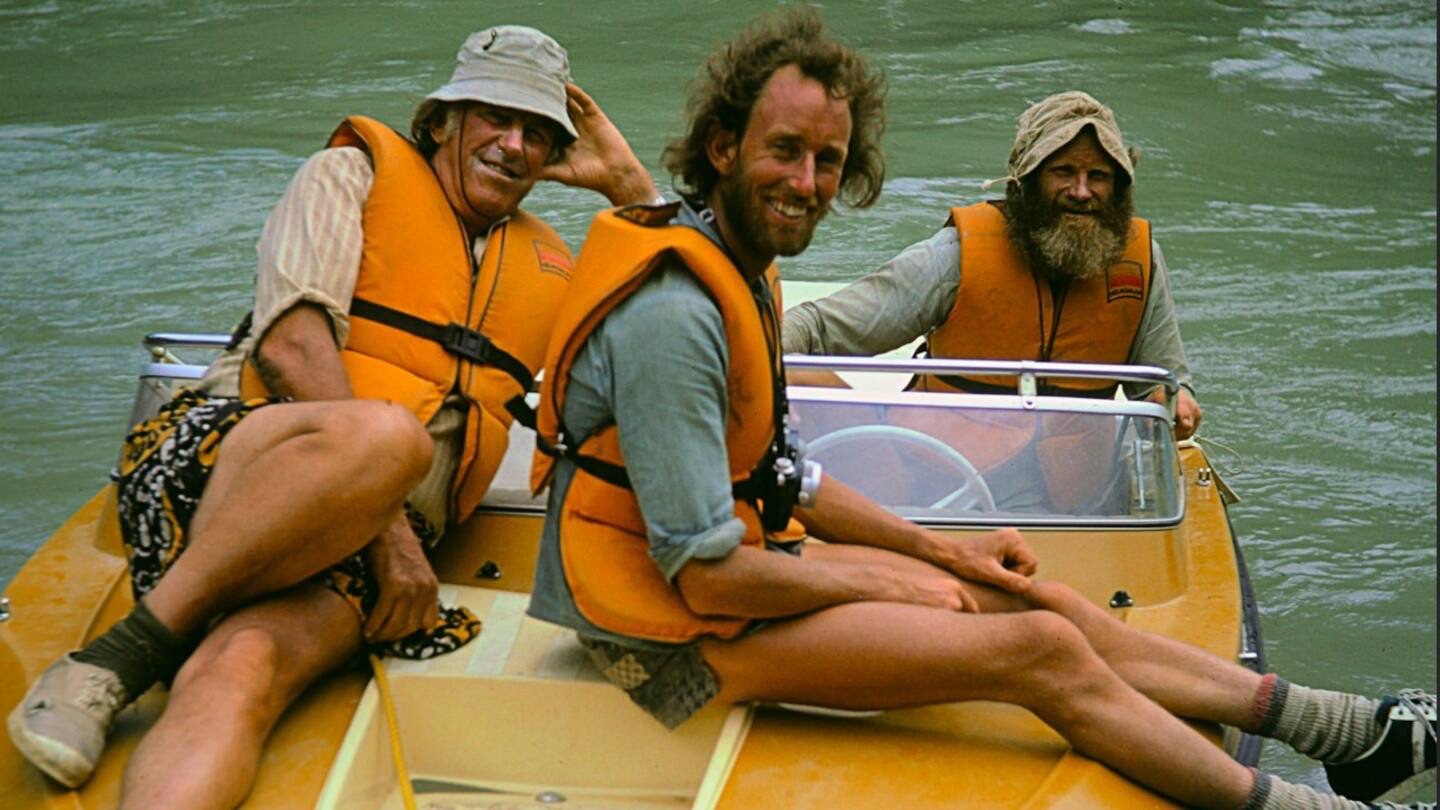
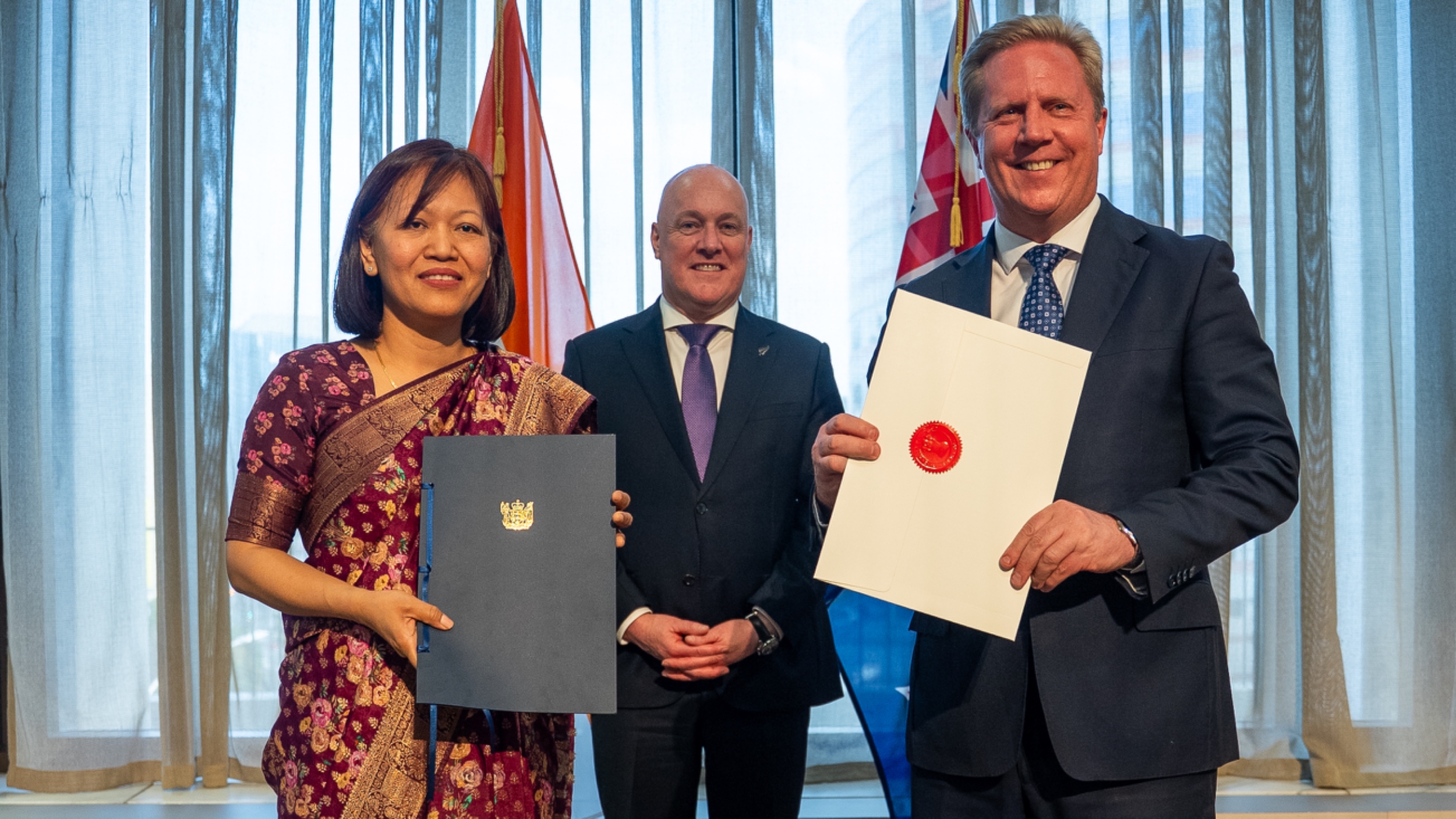
Sir Edmund Hillary (left), Graeme Dingle and Jim Wilson during the Ocean to Sky expedition up the Ganges river. (Supplied photo)
Two years after losing his wife and daughter, the mountaineer found warmth and friendship along India’s sacred river.
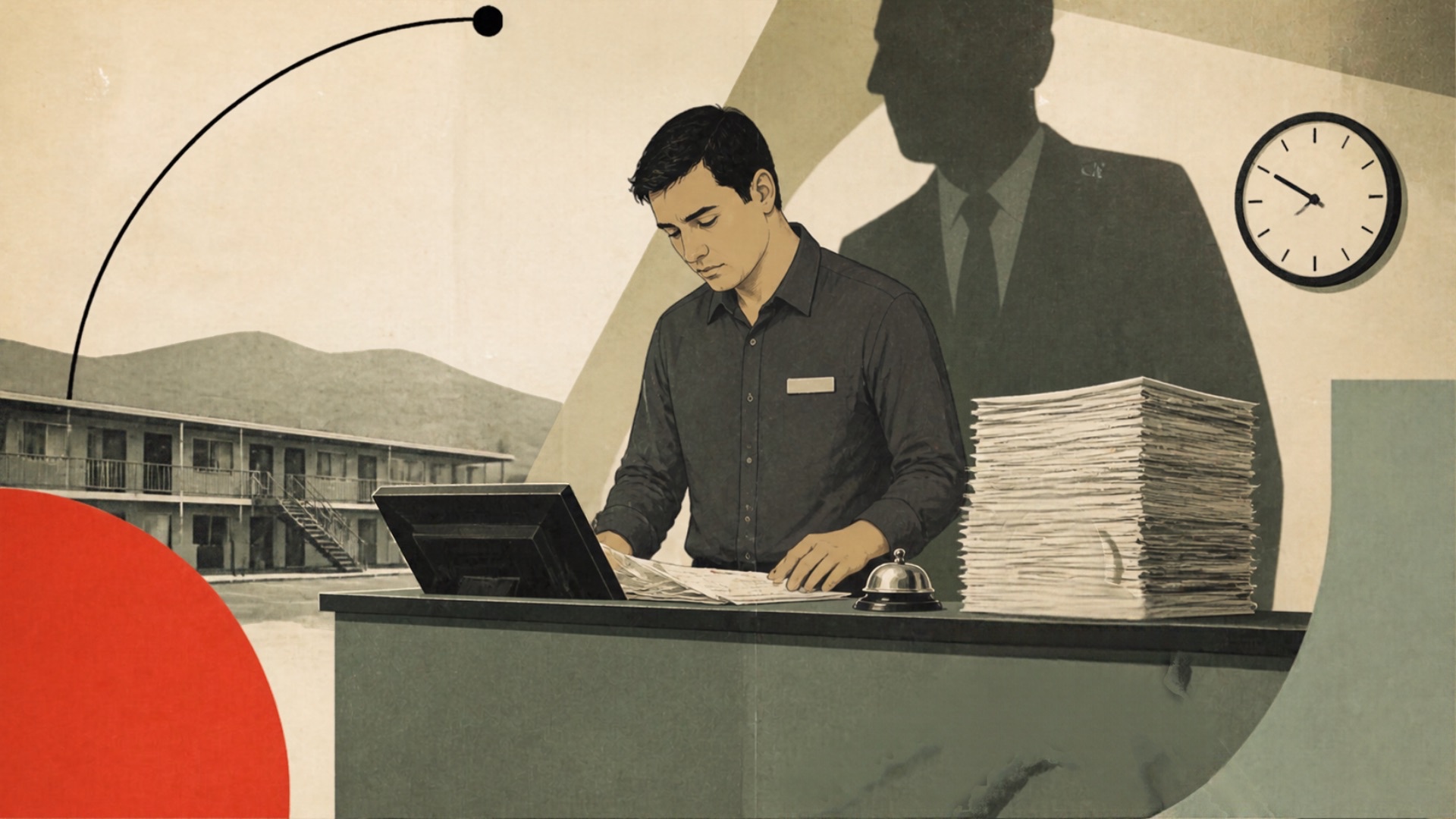
Every few days, the jetboats had to stop for petrol. An oil tanker would come down to an agreed spot, the crew would fill their jerry cans, and people would crowd the riverbank. They had come to see these little New Zealand boats, and the man leading them up the Ganges.
It was 1977, and Sir Edmund Hillary was travelling from the Bay of Bengal towards the Himalayas with his son Peter and a team of mountaineers and boat drivers. Twenty-four years after reaching the summit of Everest with Tenzing Norgay, he was drawing crowds along India’s most sacred river.
When the boats passed through Calcutta, now Kolkata, Peter remembers waving to so many people that the crew estimated the crowds exceeded New Zealand’s population at the time, about three million.
“I mean, as we drove the jetboats through Calcutta, we estimated we waved to crowds along the banks of the river that exceeded the population of New Zealand at the time,” he recalls.
For Peter and his father, the journey came at a difficult time. Two years earlier, on March 31, 1975, Peter’s mother, Louise, and younger sister, Belinda, had died in a plane crash in Nepal. They had been flying from Kathmandu to meet Hillary, who was helping build a hospital at Phaplu.
Kiwi businesses are learning what it really takes to crack India Kiwi business leaders share hard-earned lessons on adapting to India's markets and building trust.
'Don't speculate': Grieving friend urges public to hold off on blame after Takanini crash Mandeep Singh remembers how Sukhdeep offered to take him on his courier rounds when he lost his job.
What really drove NZ’s election overhang and what can be done about it With up to 11 extra seats in play, a political scientist asks whether more list MPs could bring Parliament closer to the party vote.
“It was a very challenging, confronting time for dad, for my sister Sarah, and for me,” Peter says.
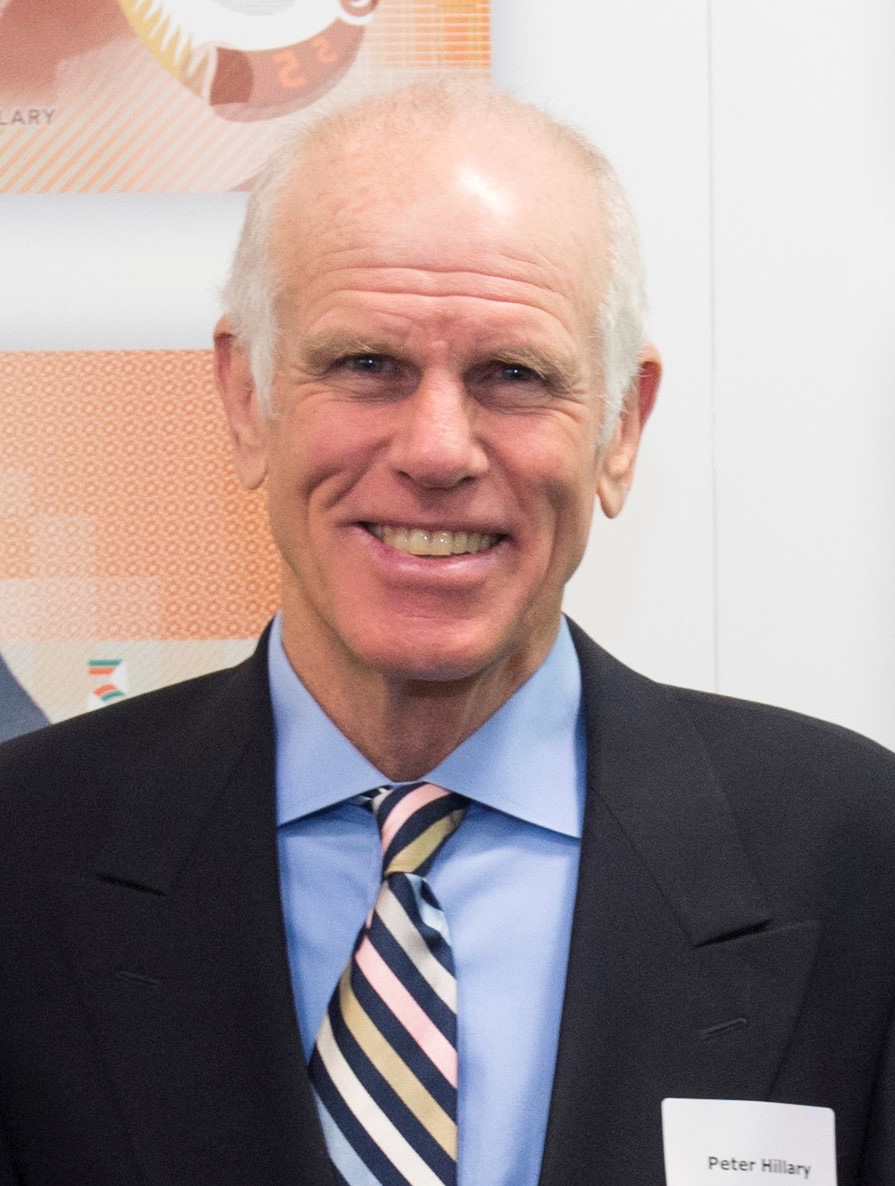
Speaking to Stephen Hewson on the Asia New Zealand Foundation’s Asia Insight podcast, Peter remembers the expedition as a journey that helped them live with that loss. Along the river, people invited them into their villages, made room for their tents and welcomed them into their homes.
“It had everything, the warmth and generosity of Indian people,” he says. “The welcomes.”
The man people came to see
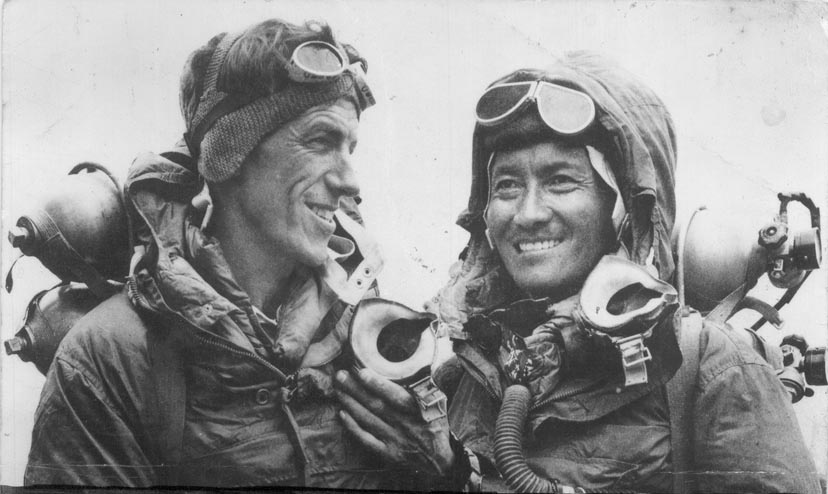
On May 29, 1953, Hillary and Tenzing had become the first climbers confirmed to have reached the summit of Everest. Their achievement made both men famous, and gave the New Zealander a lasting place in India’s imagination.
Tenzing had made his home in Darjeeling, where he had gone as a young man looking for work on mountaineering expeditions. Hillary’s own path to Everest had also taken him through India. In 1951, he was climbing in the Garhwal Himalayas with fellow New Zealanders when an invitation arrived for two of them to join British explorer Eric Shipton’s reconnaissance of Everest.
That expedition explored a possible route from Nepal, on the mountain’s southern side. Two years later, Hillary and Tenzing reached the summit.
Peter believes the affection his father found in India also reflected the place the Himalayas hold in Indian life. The mountains draw pilgrims to shrines and monasteries, and feed the rivers that flow across the plains.
By taking jetboats up the Ganges, Hillary’s team was following a route with a significance that people along the banks understood. Peter remembers people gathering at refuelling stops to see the boats, his father and the travellers making their way towards the mountains.
The expedition, called Ocean to the Sky, used three New Zealand-made jetboats named Kiwi, Air India and Ganga. Among the team was Capt Mohan Kohli, an old friend of Hillary’s who had led India’s successful Everest expedition in 1965.
There were Indian and Nepali teammates alongside people from New Zealand and Australia. Peter remembers their company as one of the things that made the journey possible.
“The camaraderie we shared was absolutely exceptional,” he says.
He also remembers stopping late one evening at a village on the Gangetic plains. Cows wandered nearby, crops grew in the fields and the houses were simple, mud-rendered buildings. People invited the travellers in and found space for them to camp.
“They’d invite us in, they’d make room for our tents, just the generosity of the people and the connection we had with them,” he says. “It was an astounding opportunity.”
A tin of peaches
As the team moved upstream, the water became more dangerous. Peter remembers the jetboats coming close to being swamped in the powerful upper tributaries. But the emergency that nearly killed his father came after they had left the boats and continued into the mountains.
Near Badrinath, the team attempted a peak they called Akash Parbat. On the glacier below it, Hillary became seriously ill with altitude sickness.
Peter and fellow climber Murray Jones had gone ahead and had more time to acclimatise. His father had climbed too quickly. The team wrapped him in his sleeping bag, placed him in a collapsed tent and sledded him down the glacier.
“We got him down there below the glacier onto the upper steep slabs way above the Badrinath Valley,” Peter recalls.
Then someone pressed a tin of Wattie’s peaches into Hillary’s hands. He began eating the fruit and drinking the syrup.
“As he did that, we all knew he was on his way back, and we were hugely relieved.”
Eight years later, in February 1985, Hillary returned to India as New Zealand’s high commissioner. The then prime minister, David Lange, had asked him to reopen the country’s diplomatic mission in Delhi, drawing on the goodwill the mountaineer had built over decades. He served until 1989.
For Peter, the memories of the Ganges journey remain especially close. Asked whether it had helped after the deaths of his mother and sister, he describes it as “an amazing, cathartic sort of trip in some respects”.
“I mean, of course, it doesn’t take away the searing pain of loss, but it does help with learning to live with and carry on,” he says.
“And look, I’d have to thank, to a fair degree, the people of India, the warm welcome, the friendship that they just reached out to us.”