
Opinion: Seymour’s staggering double standard on Winston Peters’ racist tirade

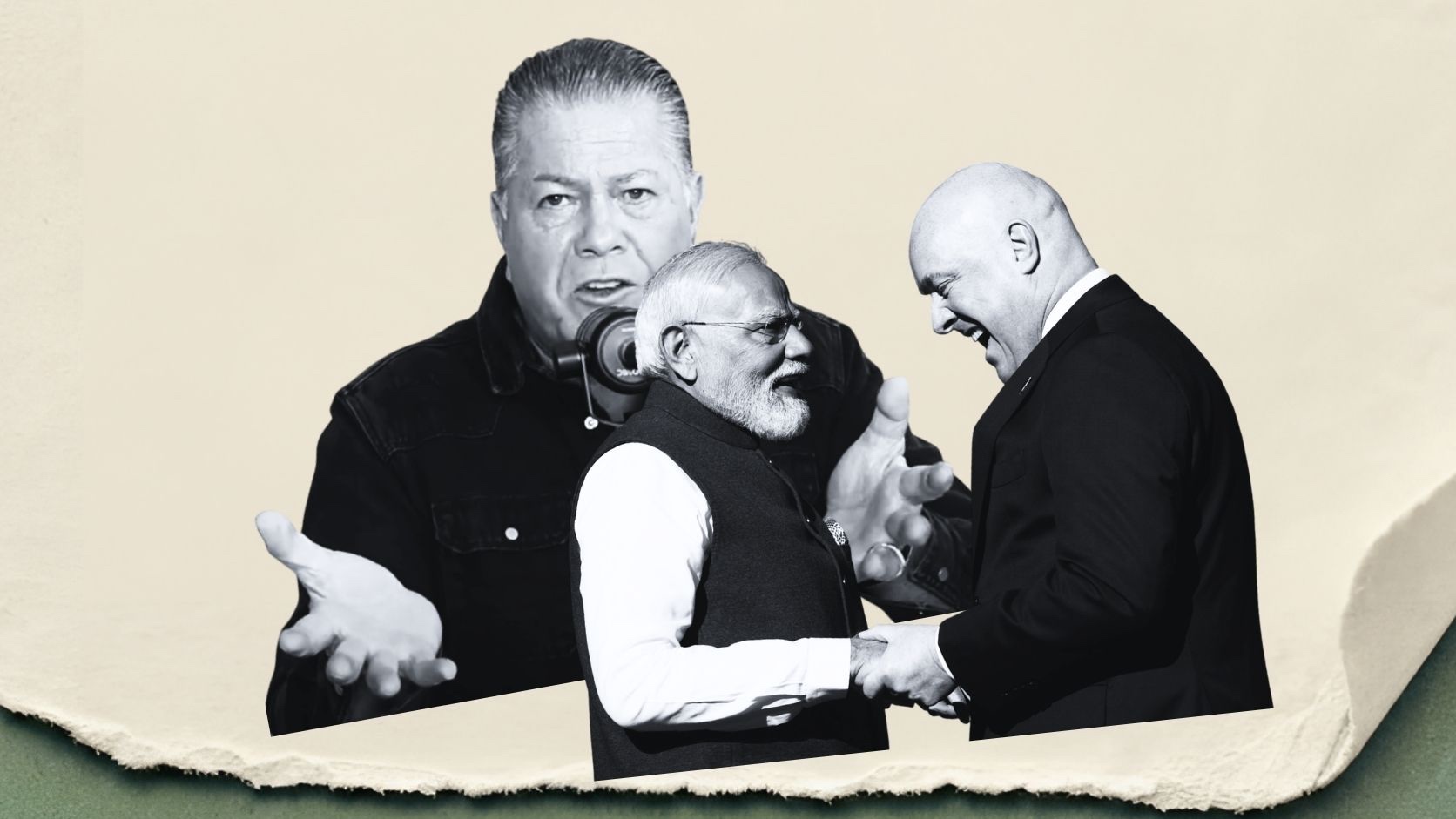
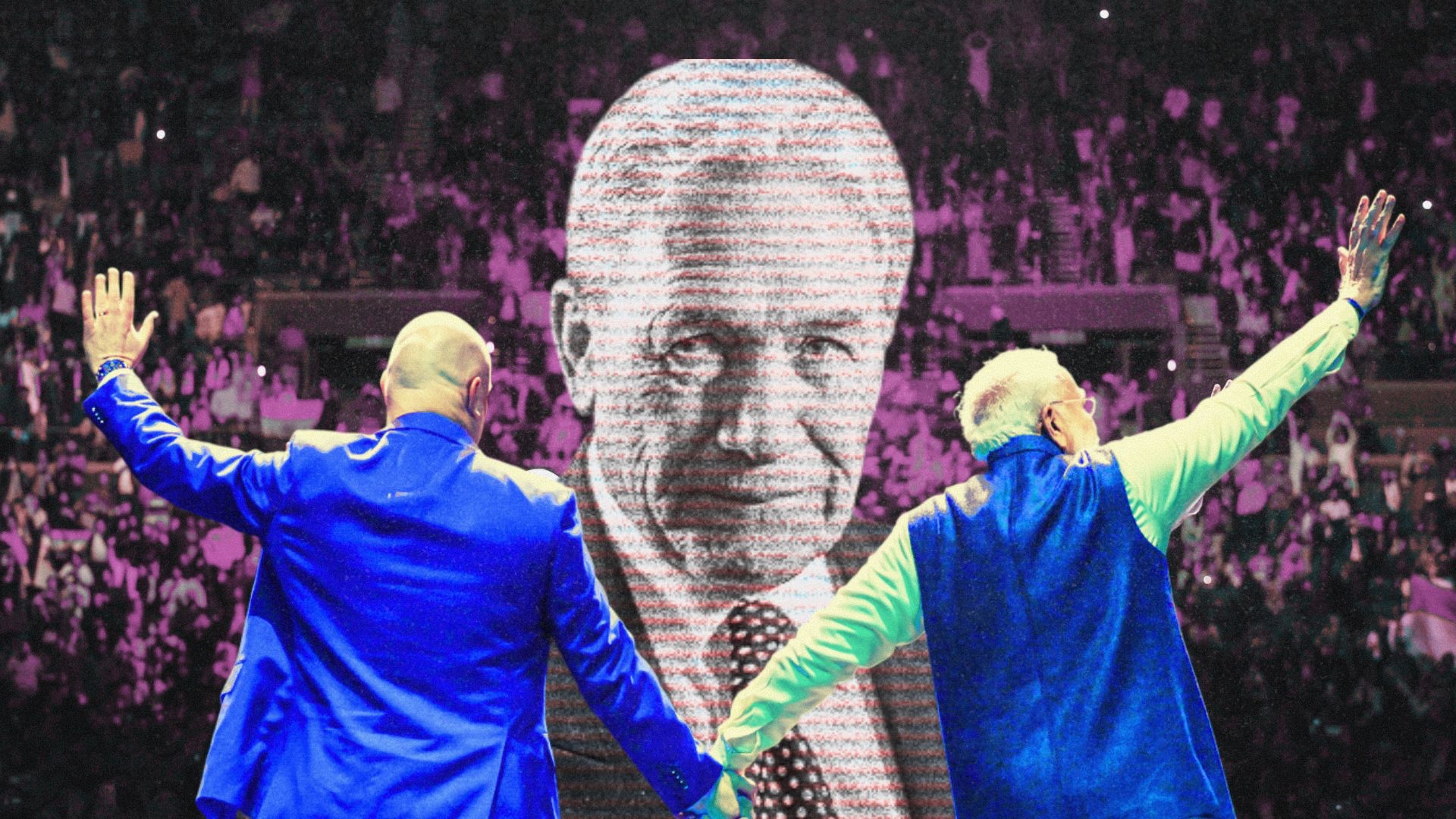
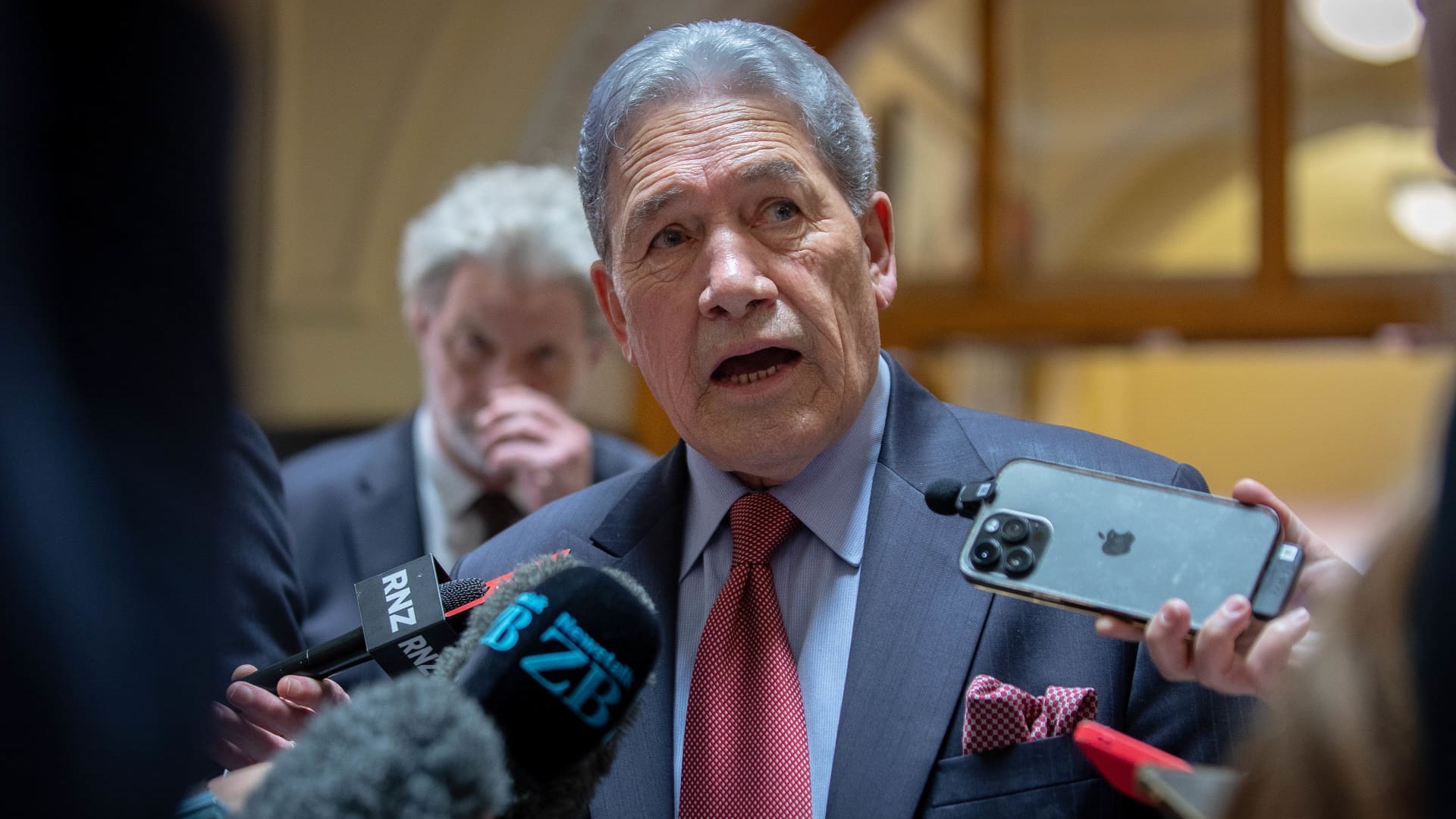
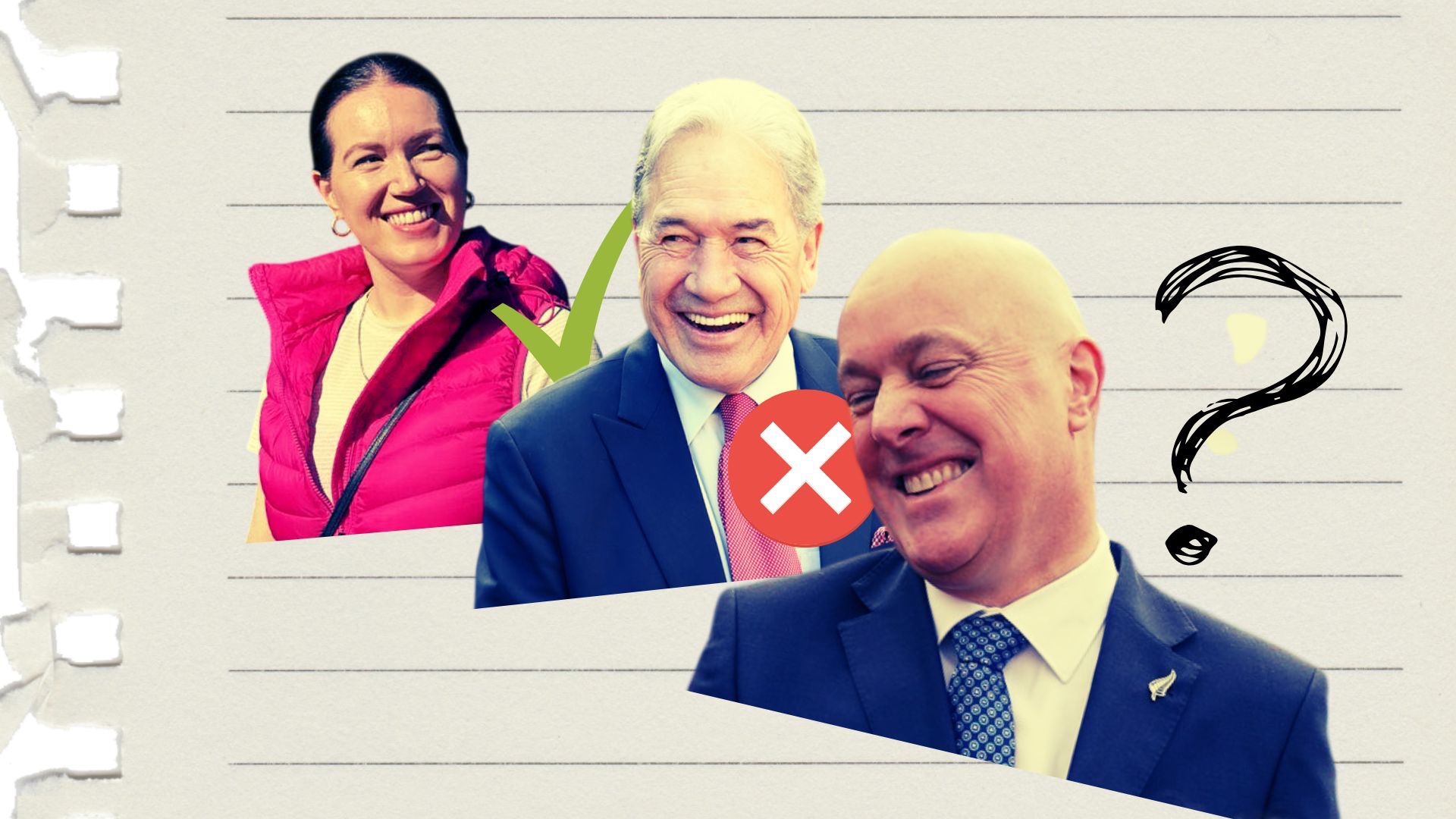
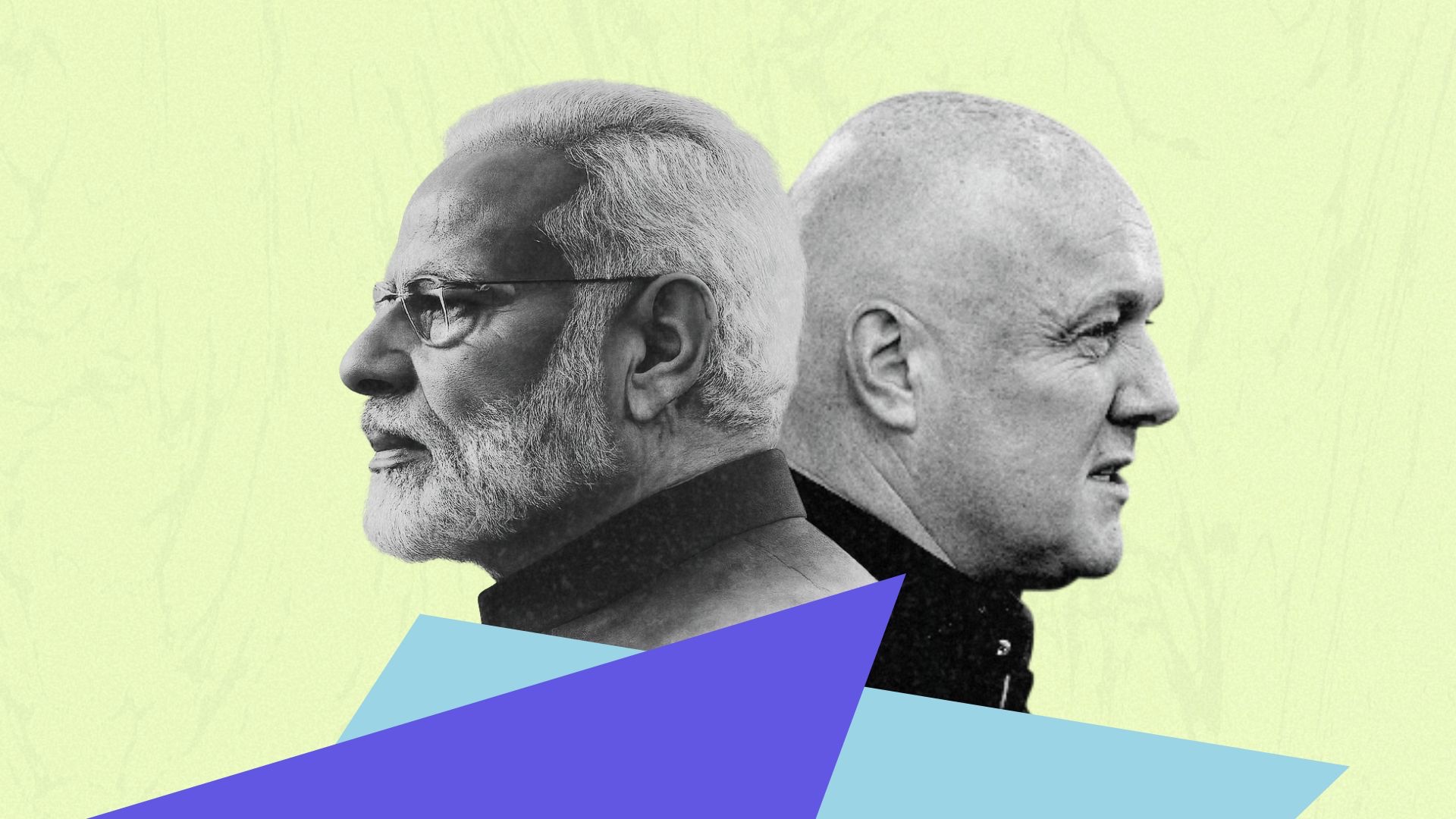
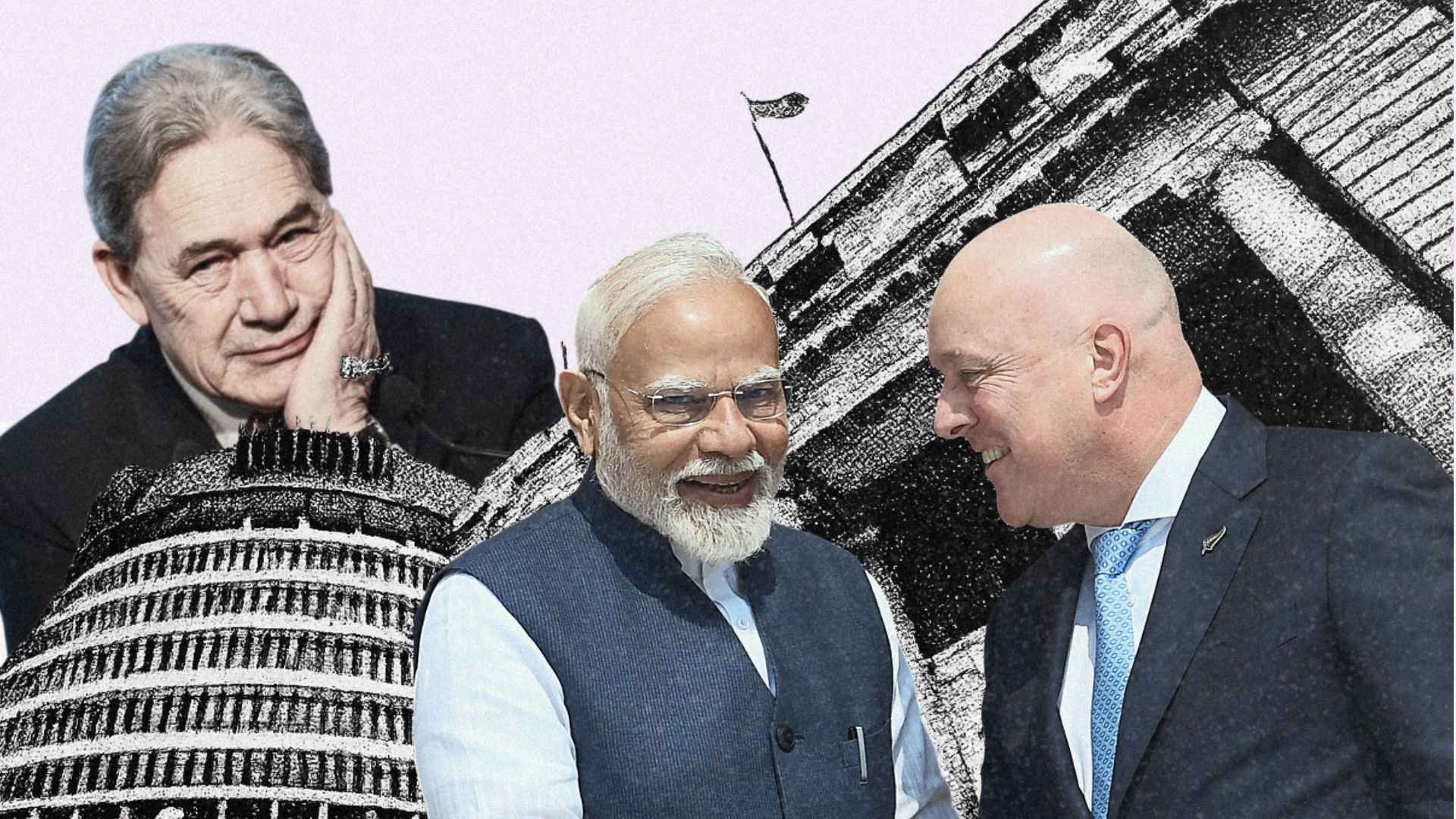
ACT's David Seymour and NZ First's Winston Peters.
The ACT leader's failure to unequivocally condemn Peters' attack on a Chinese-born MP is eye-popping.
David Seymour did not struggle to recognise racism when one of his own MPs was targeted for being an immigrant.
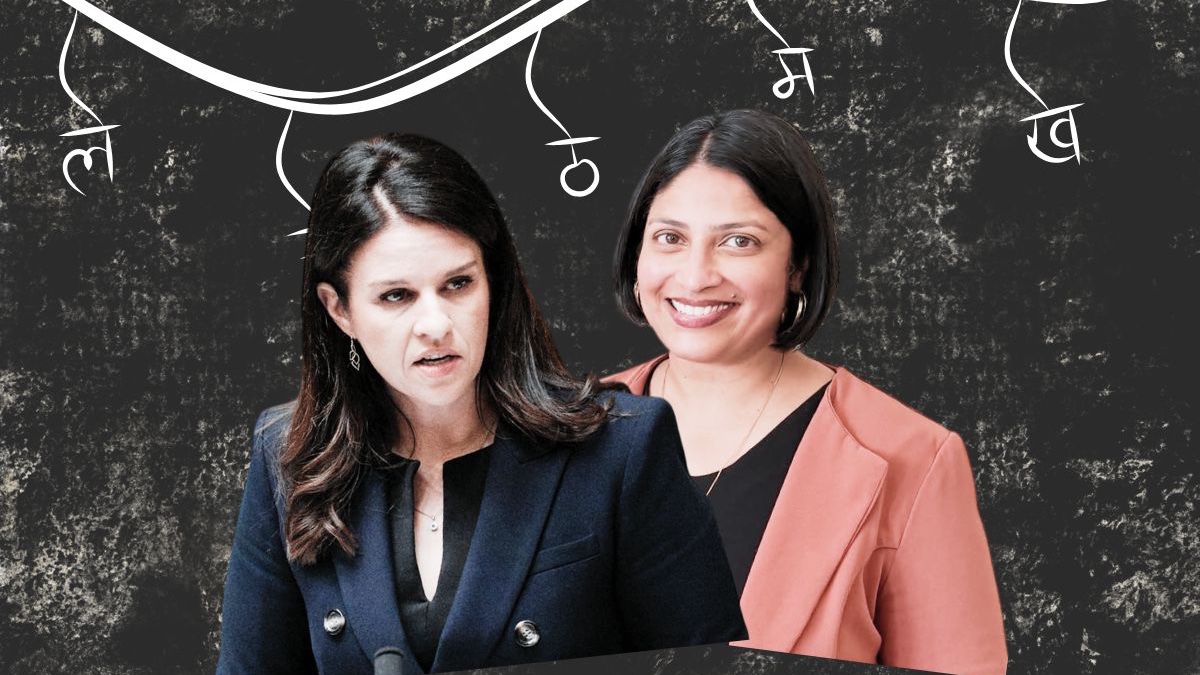
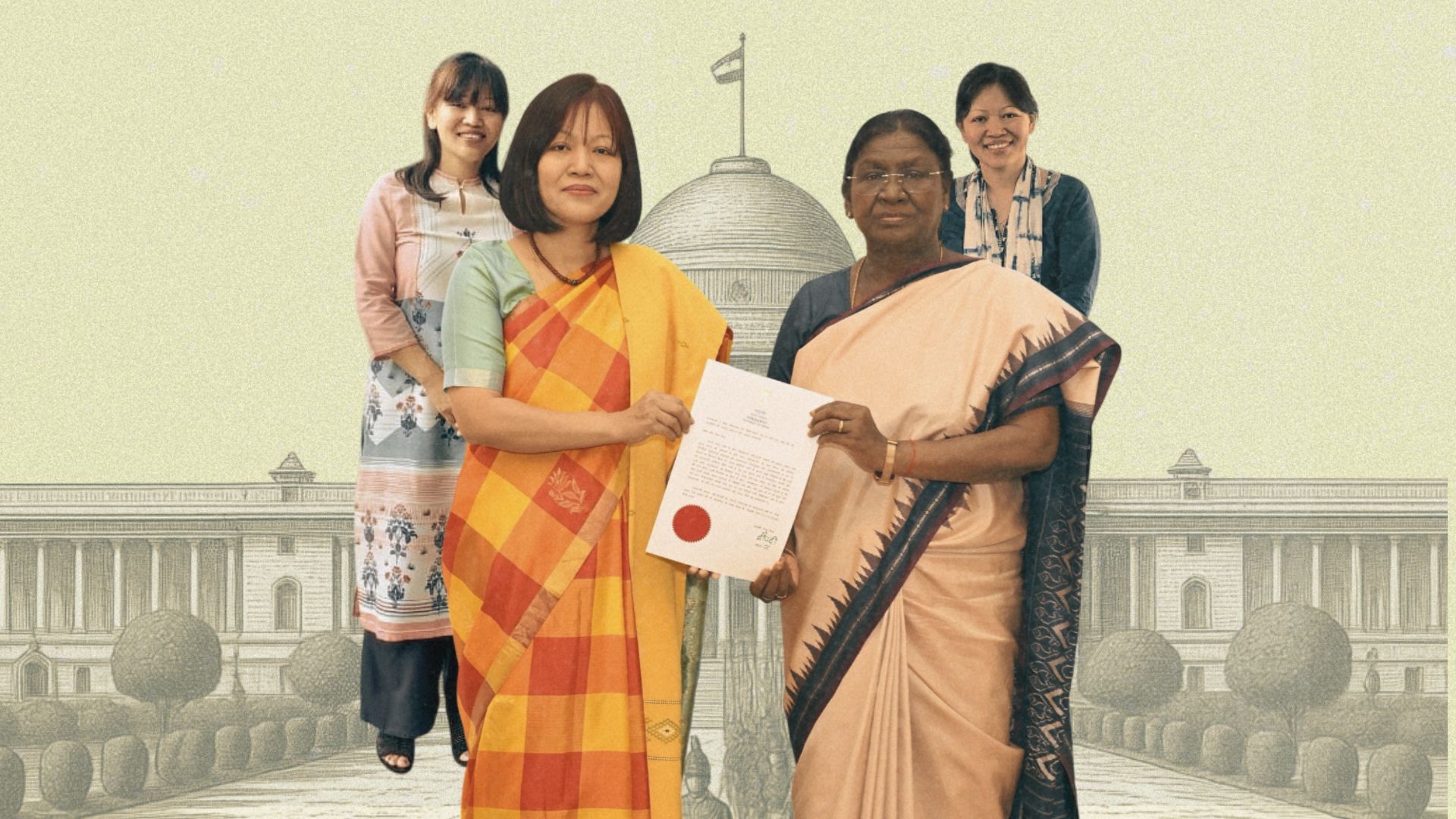
In April last year, Auckland University of Technology law dean Khylee Quince shared an article on social media about a bill proposed by ACT MP Parmjeet Parmar with the comment: “Alternative headline: Immigrant forgets where she lives.”
That post was in response to Parmar's member's bill seeking to ensure universities do not allocate resources, benefits or opportunities based on race.


Seymour’s condemnation was immediate and unequivocal.
In a press release, he called it a “racist outburst” targeting an ACT MP “on the basis of her being an immigrant”. He said Quince believed immigrants should be treated differently and asked whether migrant law students at AUT should also be subjected to demands that they “remember where they live”.
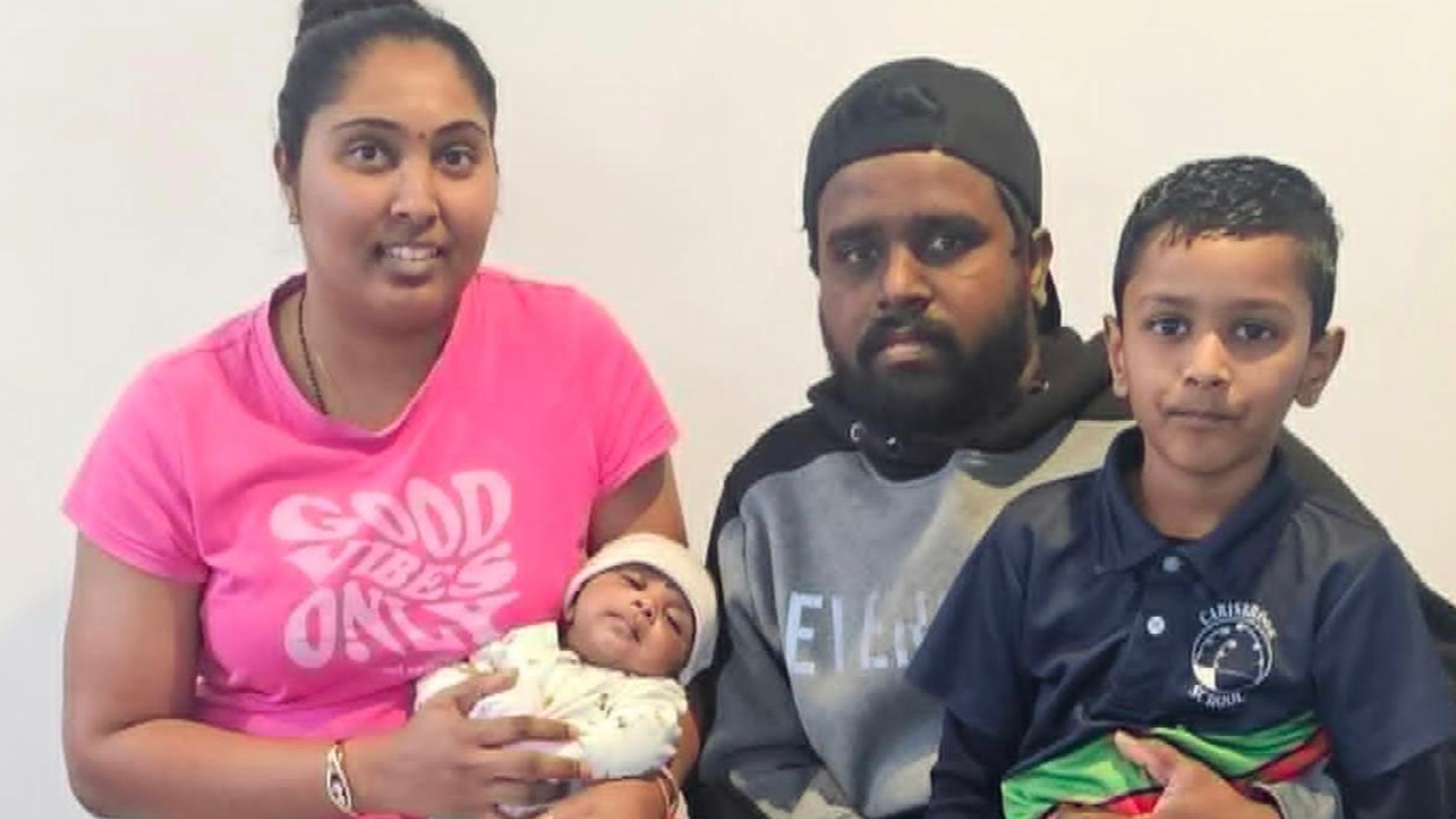
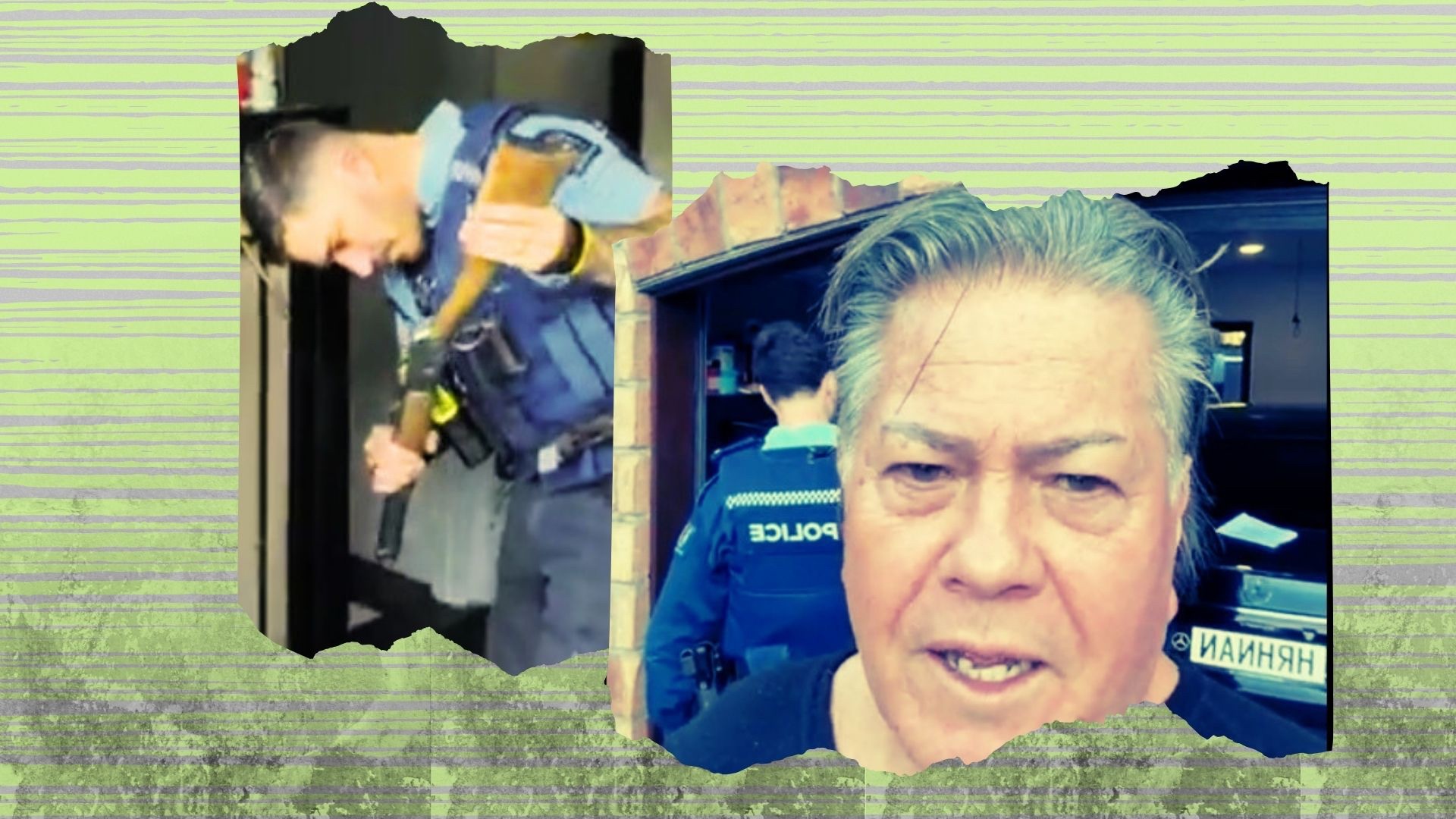
'Devastating': Indian family racially abused in Christchurch, hunt on to identify attacker “We’ll always be reminded of this, thanks to this man who thinks we don’t belong.”
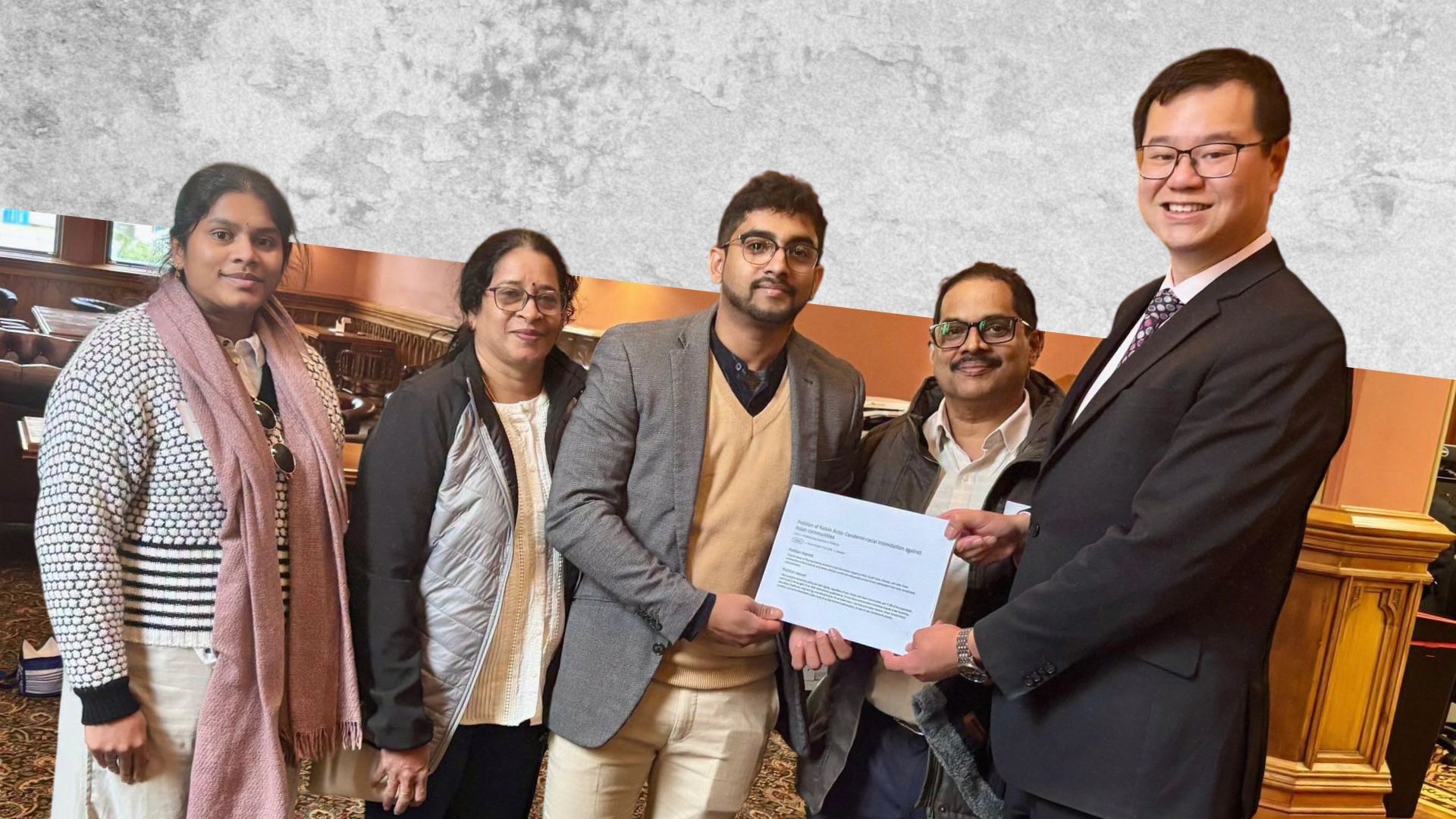
Immigration reset: National drops hints as parties on left and right target permanent residence New Zealand's permanent residence framework provides an edge over Australia and Canada in attracting overseas talent.
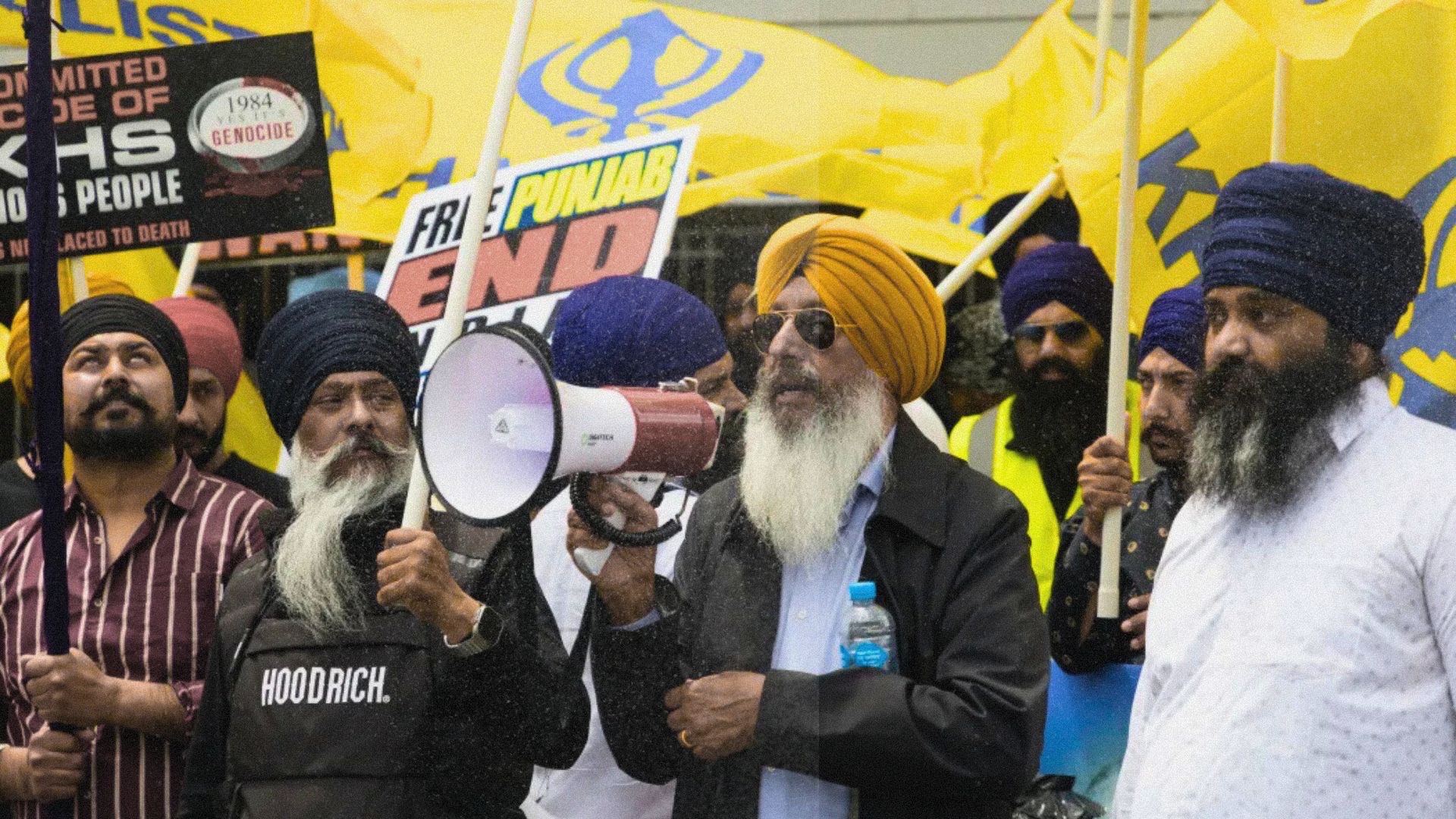
NZ First’s policy of division: Turning hatred of migrants into political power This is no immigration reform. It is the politics of exclusion presented as population planning.
There was no agonising over context. No distinction between Quince speaking as a law dean, an academic or a private citizen. No lecture about her right to free speech.
Seymour understood the central offence perfectly well. Parmar’s place in New Zealand and her authority to participate in its democracy were being questioned because she was born elsewhere.
“I know exactly where I live,” Parmar responded at the time. “In a democracy where everyone has the right to freedom from discrimination. Including immigrants.”
That was the standard Seymour set when the migrant being targeted belonged to his party. On Thursday, he was handed an opportunity to apply it consistently.
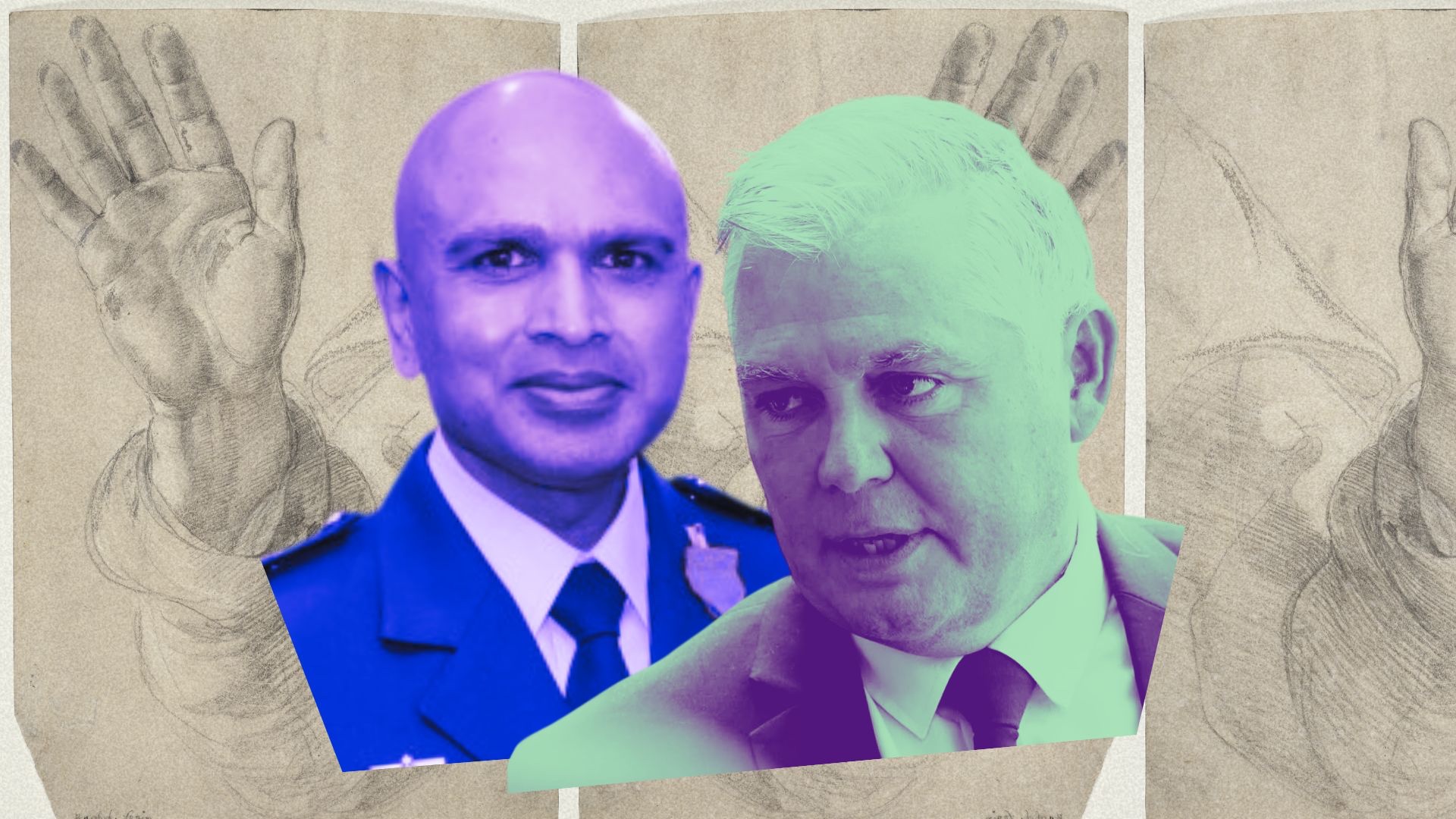
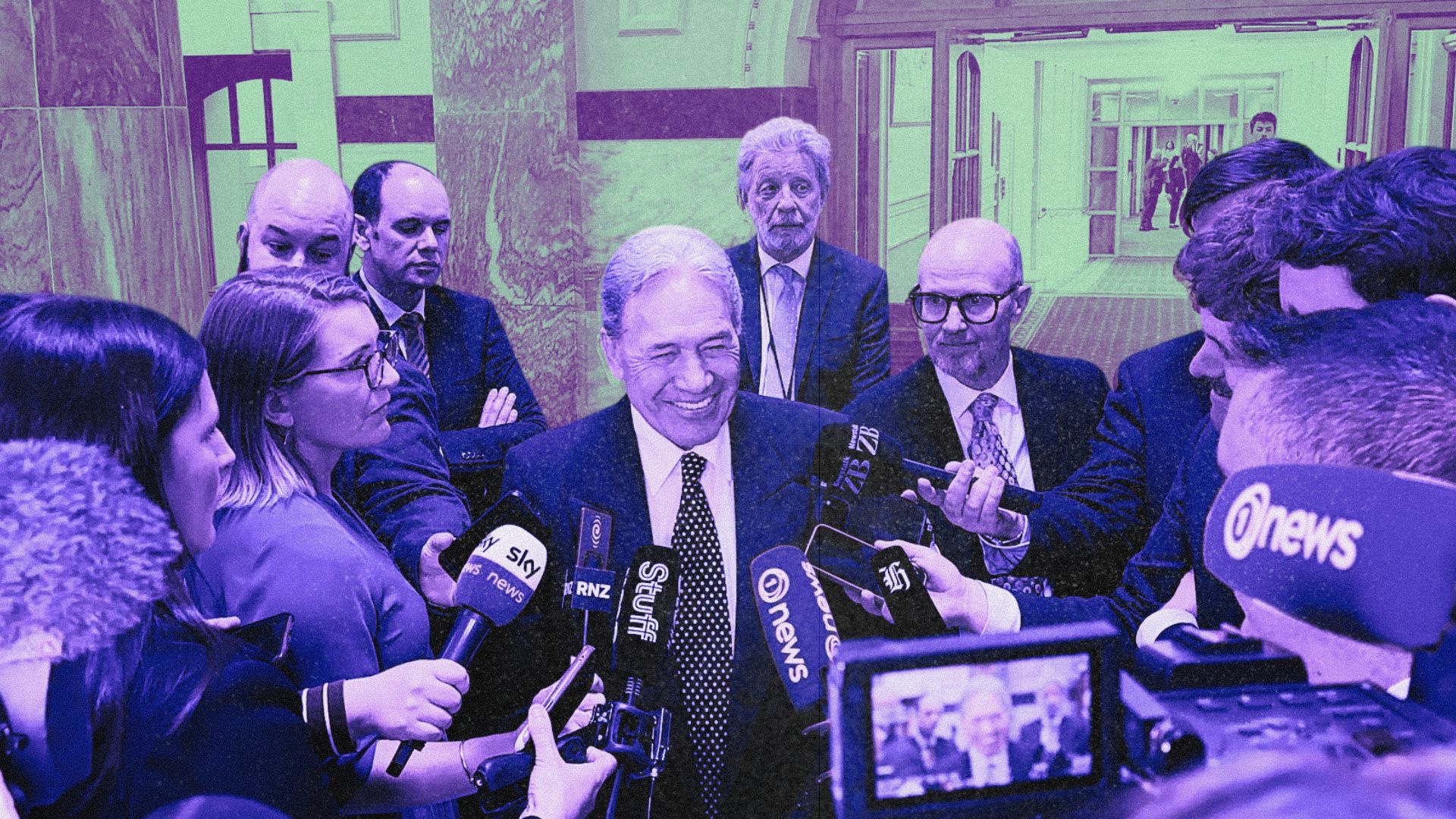
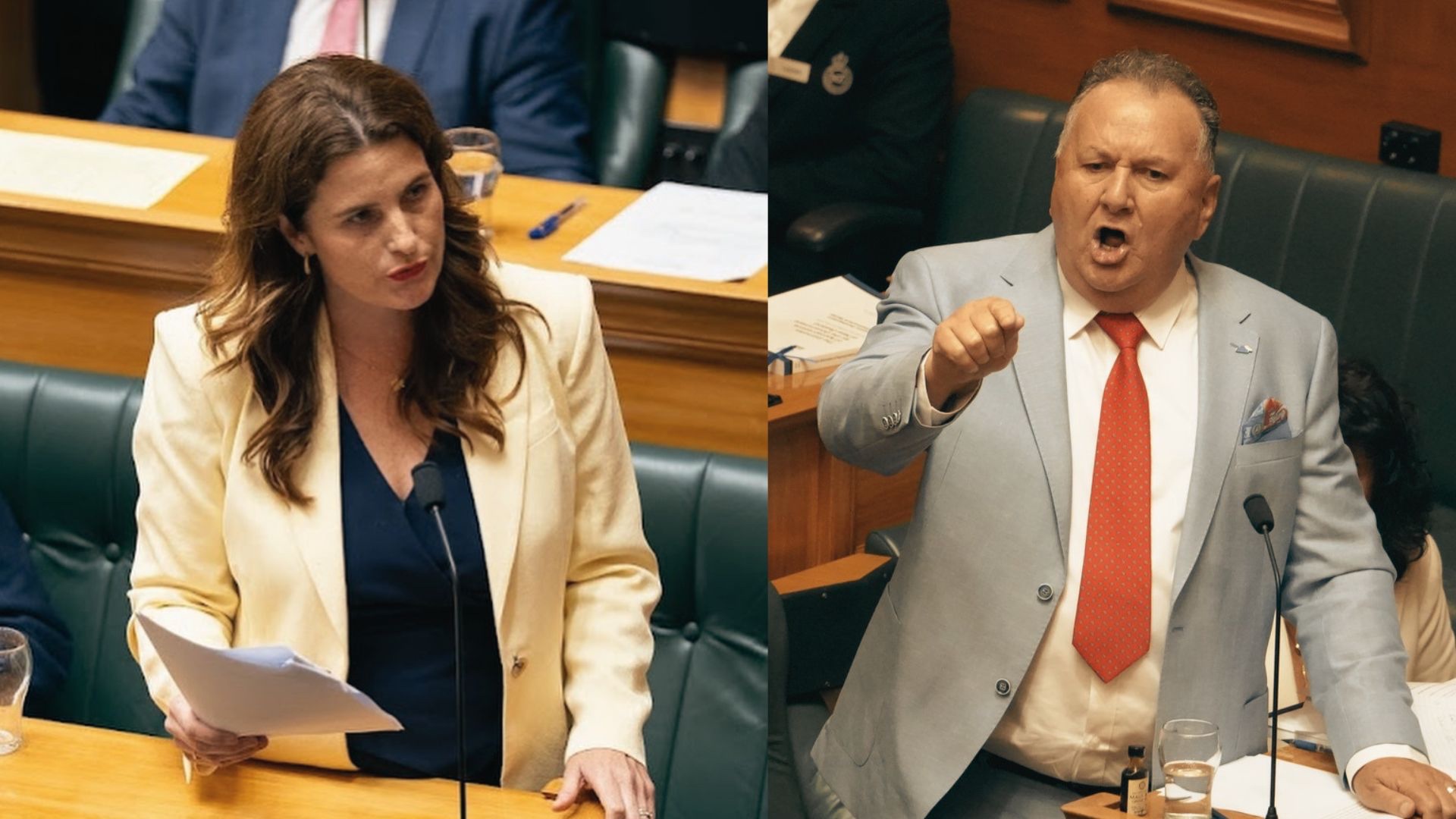
A confrontation had erupted during Wednesday’s general debate when Green MP Lawrence Xu-Nan heckled Peters when he was speaking in Parliament.
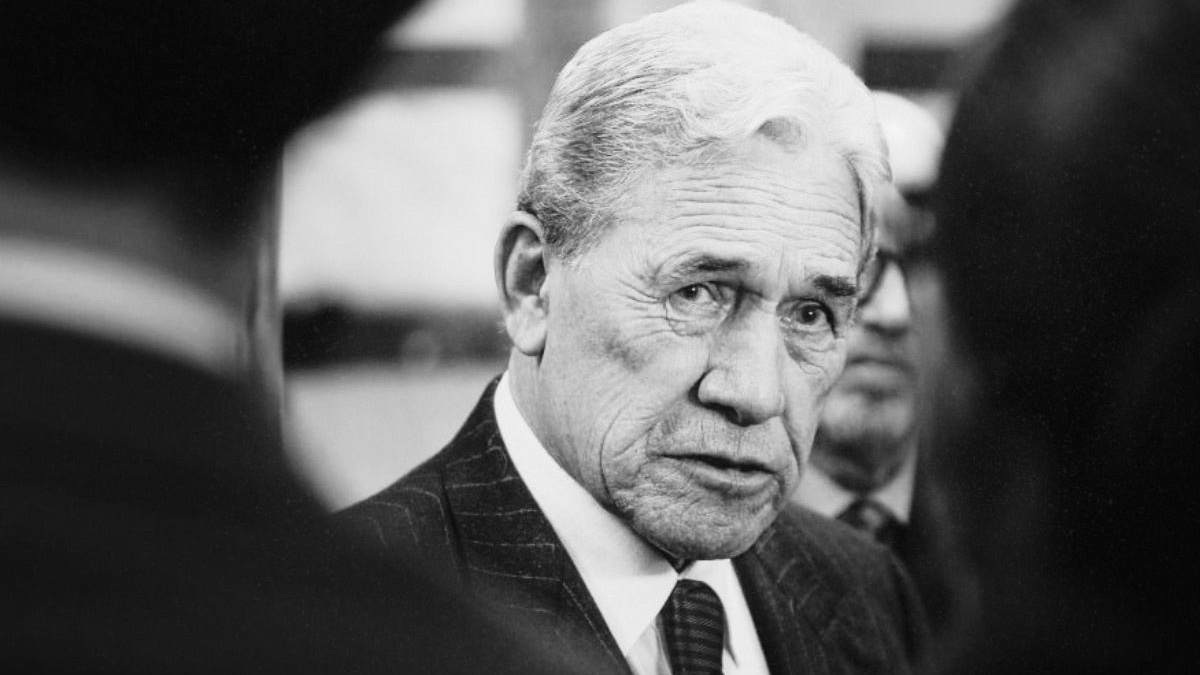
Peters responded saying, “Go back to your own country.” He added, “This is called a democracy, unlike what you’re used to.”
Xu-Nan was born in China's Tianjin, but he has lived in New Zealand since 1994. Peters’ tirade treated him not as a New Zealand MP, but as an extension of the Chinese state whose birthplace made his democratic standing seemingly suspect.
Acting on behalf of prime minister Christopher Luxon during Question Time, Seymour was asked directly by Labour deputy leader Carmel Sepuloni whether telling a fellow MP to “go back to your own country” was racist.
Seymour did not say yes. He did not say no.
Instead, he reached for a distinction that may explain the boundaries of the prime minister’s formal authority but did nothing to answer the question put to him.
“Those comments were made by a party leader in a general debate,” Seymour said.
Peters, the argument went, had been speaking as leader of New Zealand First rather than as foreign minister. The prime minister was, therefore, not answerable for the remarks as an issue of ministerial conduct.
That may be a convenient procedural escape hatch. It is not a judgment on whether the words were racist. And that was precisely the judgment Seymour had been asked to make.
The contrast is glaring. When an academic told Seymour’s own MP, in effect, to remember where she lived, her institutional role did not prevent him from identifying racism.
When Peters told another immigrant MP to go back to his country, Seymour suddenly became preoccupied with which political hat Peters happened to be wearing.
Asked what consequences Peters would face, Seymour invoked parliamentary sovereignty and free speech before adding, “That may not be the case in China, but it’s certainly the case here.”
It was a remarkable diversion. A Chinese-born New Zealand MP had been told by one of the country’s most senior politicians to go back to his “own country”.
Rather than confront the implication that Xu-Nan did not fully belong here, Seymour redirected the exchange towards the shortcomings of China.
China’s record on political freedom can be debated. But it had no bearing on whether Peters’ words to a fellow New Zealand parliamentarian were racist. The manoeuvre blurred the very distinction that mattered.
Xu-Nan was not appearing in Parliament as a representative of the Chinese state. He was there as an elected New Zealand MP. His birthplace did not make him answerable for China’s political system, any more than Parmar’s birthplace made her answerable for every action of the Indian government.
That was the principle Seymour appeared to understand so forcefully when Parmar was the target. But when Peters challenged Xu-Nan’s belonging in language more explicit than that used against Parmar, Seymour would not defend the same principle.
Peters is entitled to speak. Others are entitled to judge what he says. Calling a statement racist is not censorship, and holding a minister or political leader accountable for his language does not extinguish his freedom of expression.
Seymour himself demonstrated that when he denounced Quince’s comments. The issue is, therefore, not whether Peters had the right to speak. It is whether Seymour applies his professed opposition to racism consistently, or only when the victim sits beside him in the ACT caucus.