
Immigration reset: National drops hints as parties on left and right target permanent residence

Election battlelines are being drawn on the rights of permanent residents in New Zealand.
New Zealand's permanent residence framework provides an edge over Australia and Canada in attracting overseas talent.
Analysis: National has given its clearest indication yet that it does not want to weaken New Zealand’s permanent residence system, as parties on both the left and right propose making it harder for migrants to secure long-term certainty.
Immigration minister Erica Stanford has rejected ACT’s proposal to abolish the Permanent Resident Visa, arguing the status gives migrants certainty while helping New Zealand compete internationally for skilled workers.
“Our permanent resident visa provides certainty and stability for people who have demonstrated a commitment to New Zealand,” Stanford told an immigration conference in Auckland on September 11.


“It also provides that competitive advantage ... to attract skilled workers.”
Her comments do not amount to a full National policy on permanent residence, and she did not say whether the party would retain the current two-year qualifying period.
Immigration reset: National drops hints as parties on left and right target permanent residence New Zealand's permanent residence framework provides an edge over Australia and Canada in attracting overseas talent.
ACT list: Parmjeet Parmar slips but stays in the game as Ash Parmar is placed 16th Two repeat Indian-origin candidates have both slipped in the rankings, while two first-timers are ranked significantly lower.
NZ First’s policy of division: Turning hatred of migrants into political power This is no immigration reform. It is the politics of exclusion presented as population planning.
But they offer an important clue as Labour proposes doubling that wait to four years, New Zealand First wants to extend it to five. The policies come from very different political directions.
Labour has framed its proposal around giving migrants longer to put down roots before gaining permanent status.
NZ First’s proposal sits within a wider package aimed at tightening immigration and drawing a sharper distinction between citizens and non-citizens.
ACT argues people who want to retain their ability to return to New Zealand as residents should continue demonstrating a meaningful physical connection to the country.
Taken together, however, the proposals put pressure on one of the more distinctive features of New Zealand’s immigration system – a relatively short route to a form of permanent residence that carries unusually strong rights.

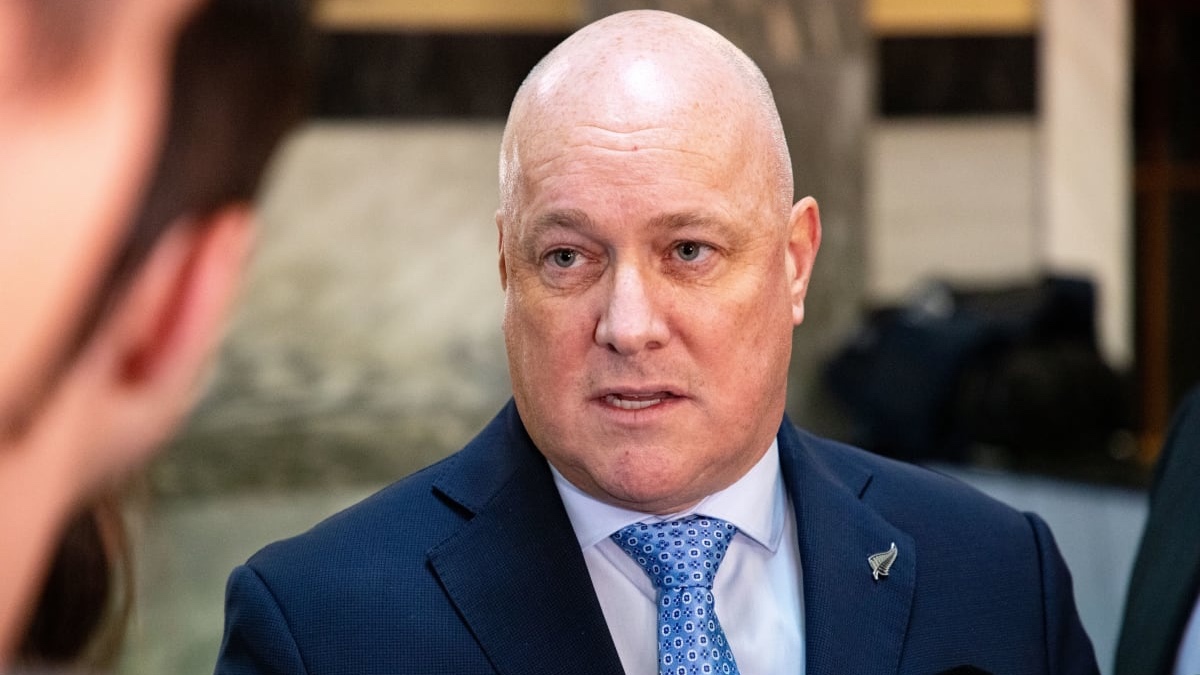
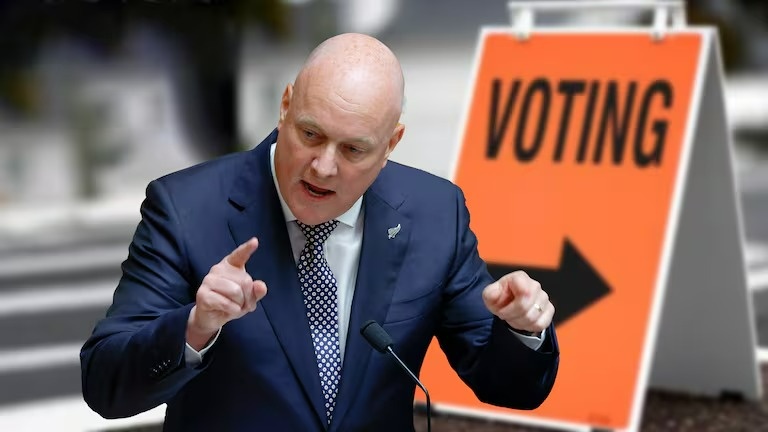
Immigration minister Erica Stanford. (Supplied photo)
Stanford’s intervention suggests National sees value in preserving that advantage. She questioned the logic of parties promising to attract skilled migrants while simultaneously imposing tighter restrictions.
“It is a real juxtaposition to say ‘we want the best people’, but then ‘we’re also going to restrict the numbers’ ... they’re proposing saying ‘well if you’re here illegally we’ll give you some kind of amnesty’, those two things are the polar opposite: ‘if you’re doing the wrong thing, welcome, but if you are people we just really need, well we’re going to restrict your right to residence’.”
The competitiveness argument matters because New Zealand is not operating in isolation. For many skilled migrants, including Indians considering migration to an English-speaking country, Australia and Canada are obvious alternatives.
Both countries already offer well-established pathways to permanent residence, and New Zealand’s current advantage has been the combination of a relatively short two-year transition from residence to permanent residence and the unusually strong certainty that comes with that final status.
That is what the emerging election policies risk weakening.
Labour and NZ First would make migrants wait longer before reaching permanent residence, while ACT would change the nature of that status itself by imposing an ongoing physical-presence requirement.
For migrants comparing destinations, that could make New Zealand less competitive at precisely the point where Stanford argues immigration settings need to help attract the skilled workers the country needs.
It does not follow that migrants will simply stop choosing New Zealand. Employment, wages, family ties, lifestyle, education and career opportunities all shape migration decisions.
But immigration certainty is part of the package countries offer when competing for internationally mobile workers.

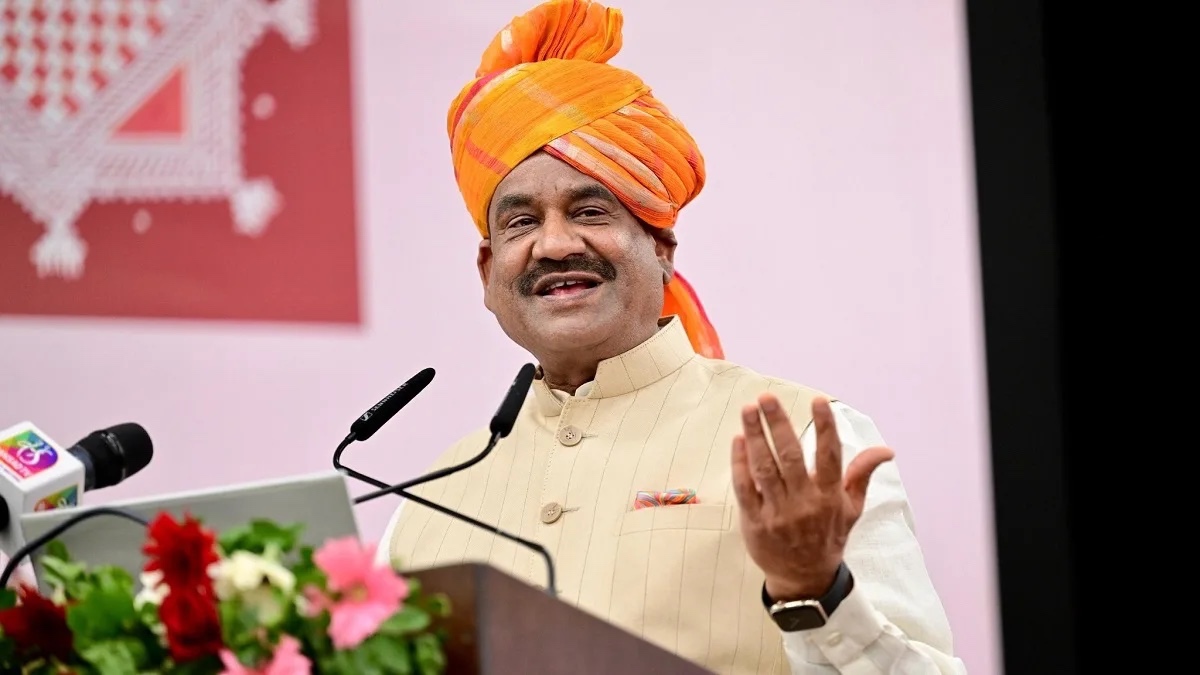
ACT's immigration spokesperson Parmjeet Parmar.
ACT’s proposal raises the sharpest version of that question because it would change not simply how long migrants wait, but what they ultimately receive.
Under ACT’s plan, future resident visa holders would receive five-year travel facilities and would need to spend at least 730 days in New Zealand during every rolling five-year period to retain their ability to leave and return as residents.
ACT MP Parmjeet Parmar said the policy was similar to the approach taken by Australia and Canada and would not prevent migrants settling indefinitely in New Zealand.
“People will be able to stay here indefinitely, but there is going to be a physical presence test,” she said.
She argued the current system was being abused by some people who gained permanent residence and then spent long periods overseas, returning when they wanted access to services such as healthcare or education.
Stanford has drawn a line against that approach. Her argument is significant because it frames permanent residence not simply as a concession to migrants but as part of New Zealand’s strategy for attracting skilled people.
At the same time, National has not yet answered the other half of the question. If permanent residence provides New Zealand with a competitive advantage, does extending the wait from two years to four or five begin to erode that advantage too?
Stanford said National and NZ First remained “very aligned” on immigration, but she was unwilling to describe herself as concerned by coalition partners floating tougher policies.
“Many parties announce a range of policies that never actually make it through coalition negotiations,” she said.
“So it would be wrong of me to say I'm concerned about anything because we have to wait and see.”
That caveat suggests National is not yet treating every coalition partner announcement as a future government policy.
But with Labour, NZ First and ACT now all challenging some aspect of the current permanent residence system, the status has become an unexpected election dividing line.