Beyond FTA: Peters meets India's Jaishankar, talks deeper defence cooperation
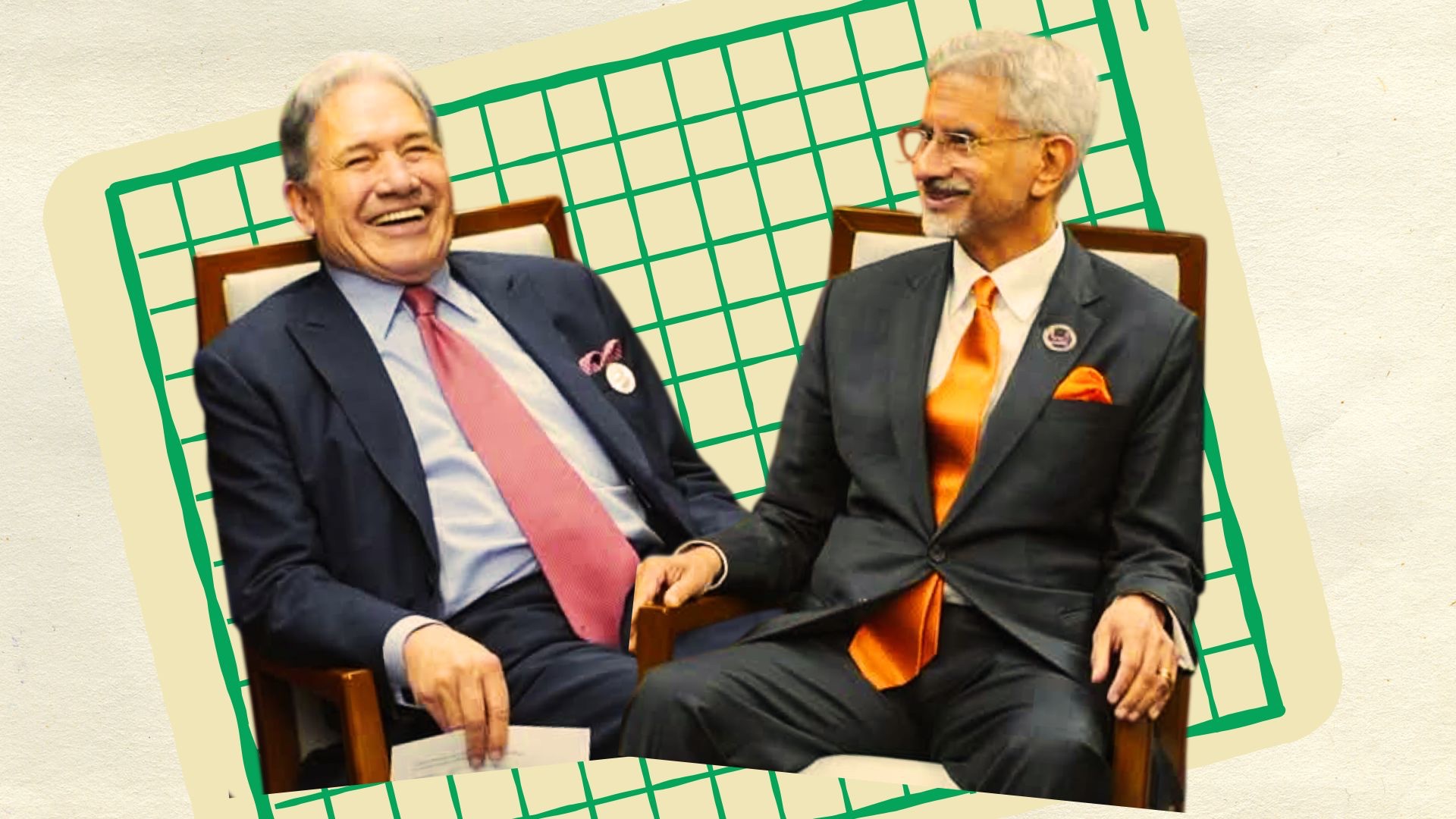
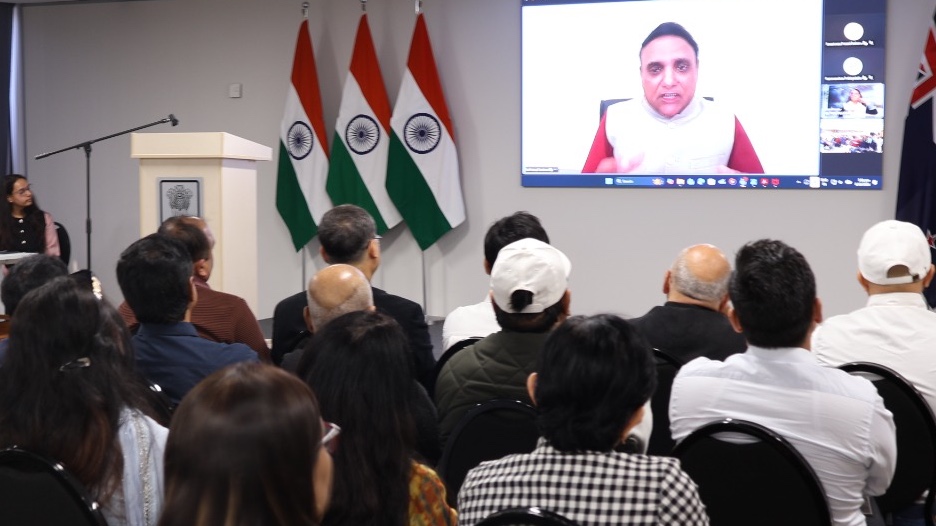
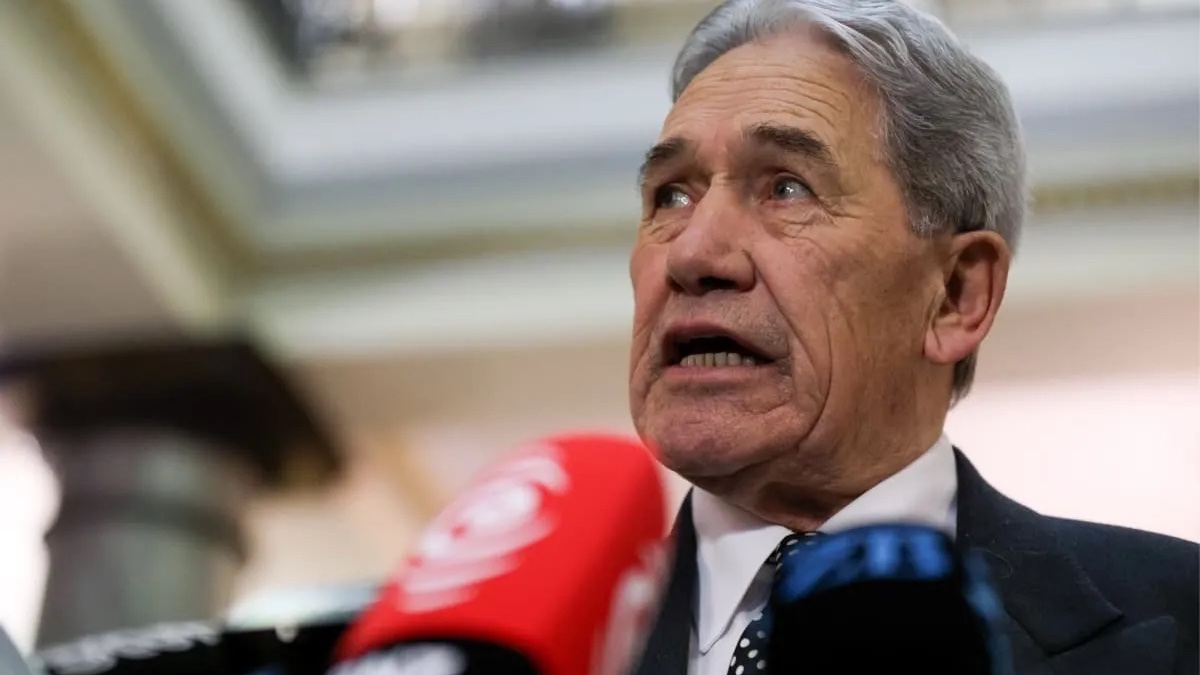
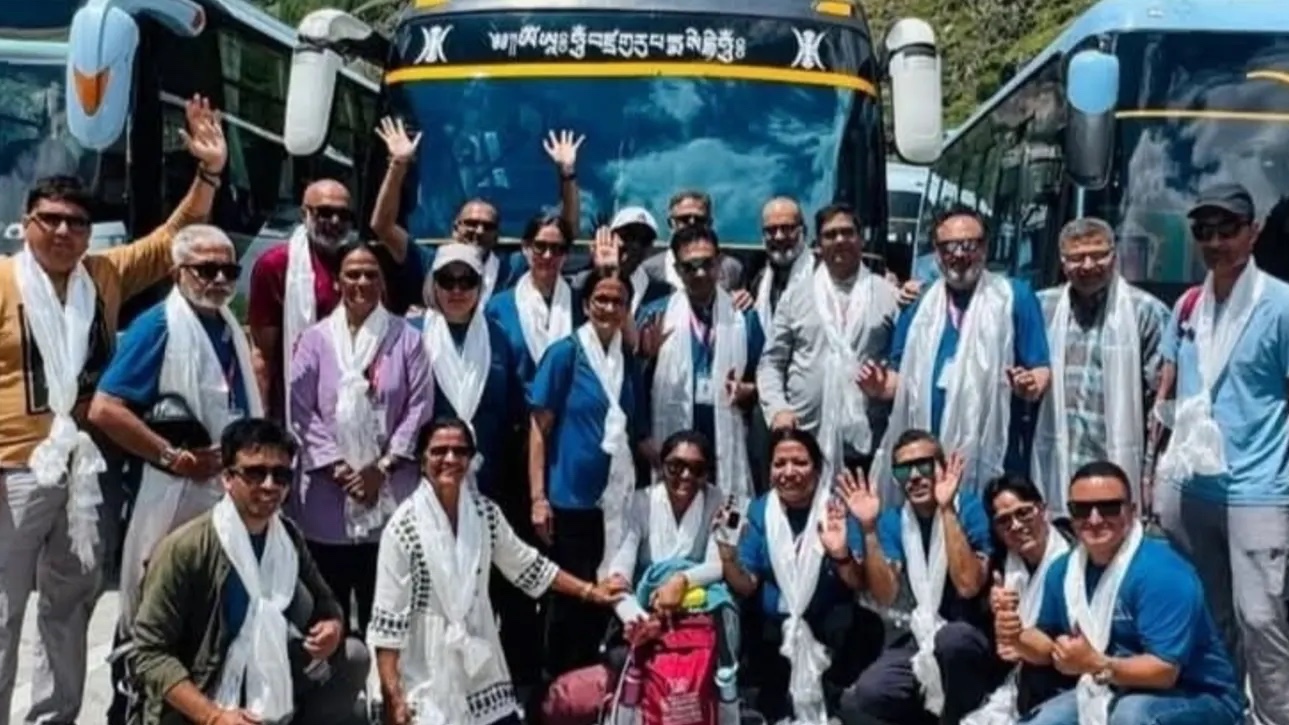
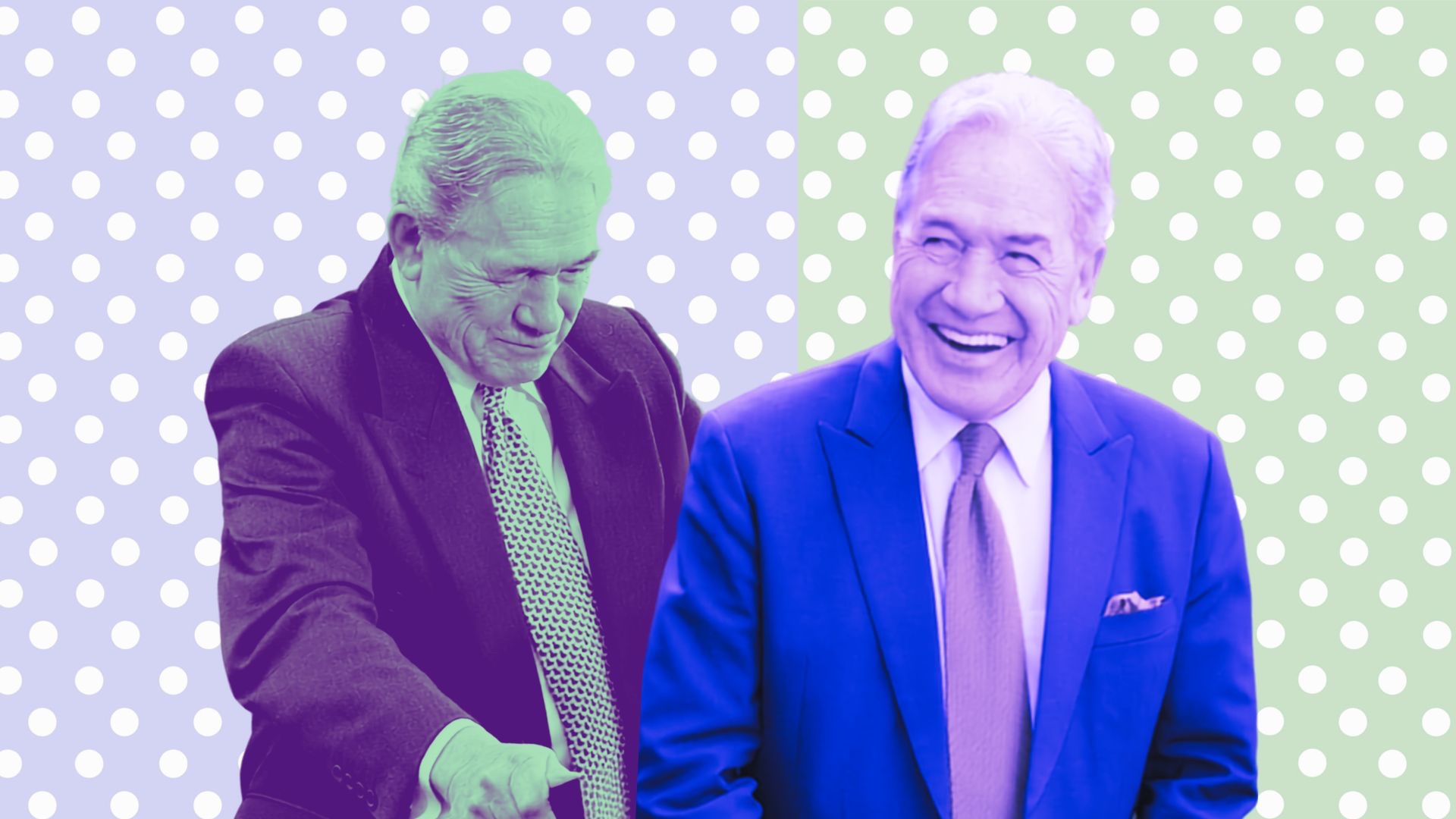
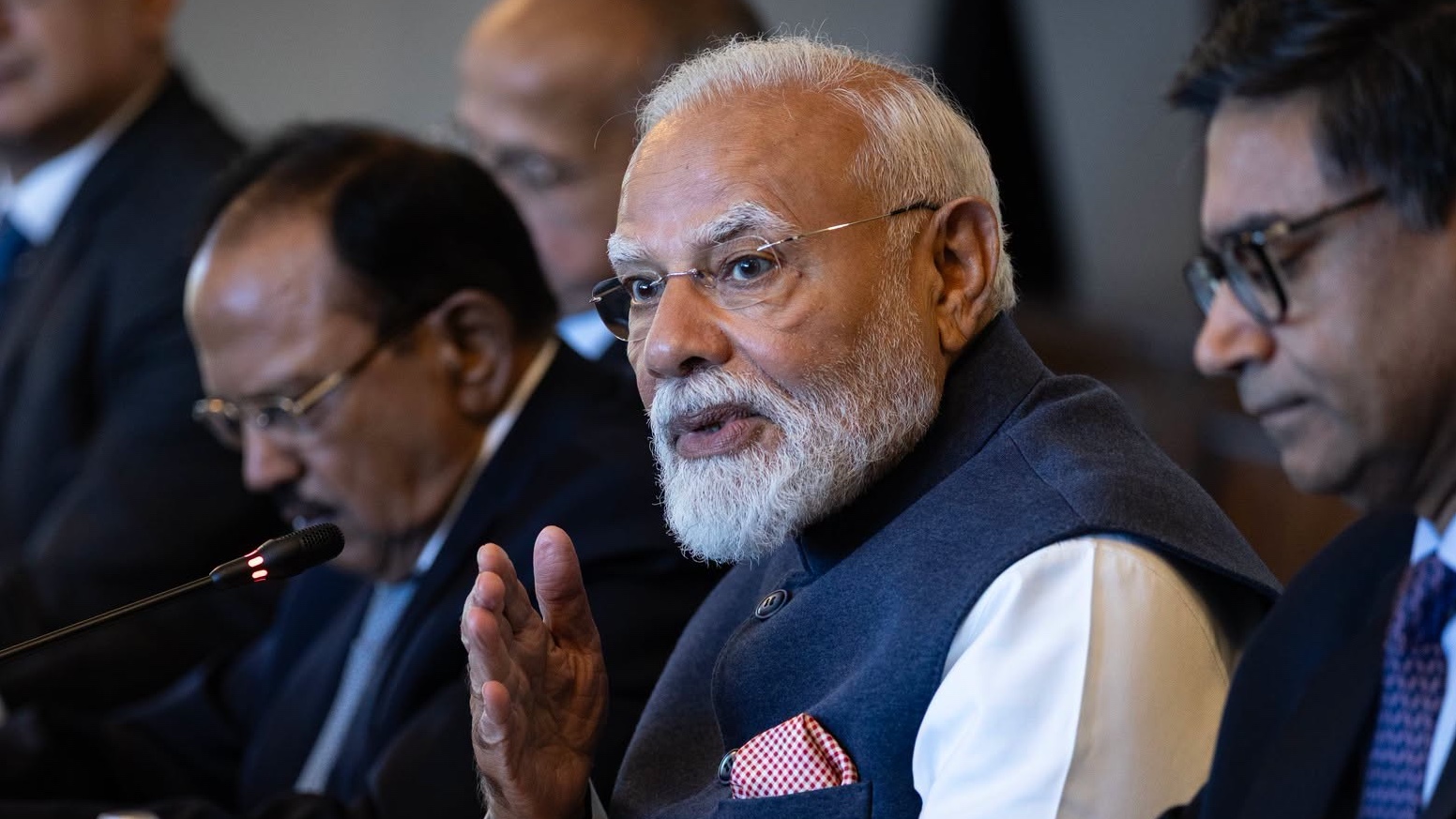
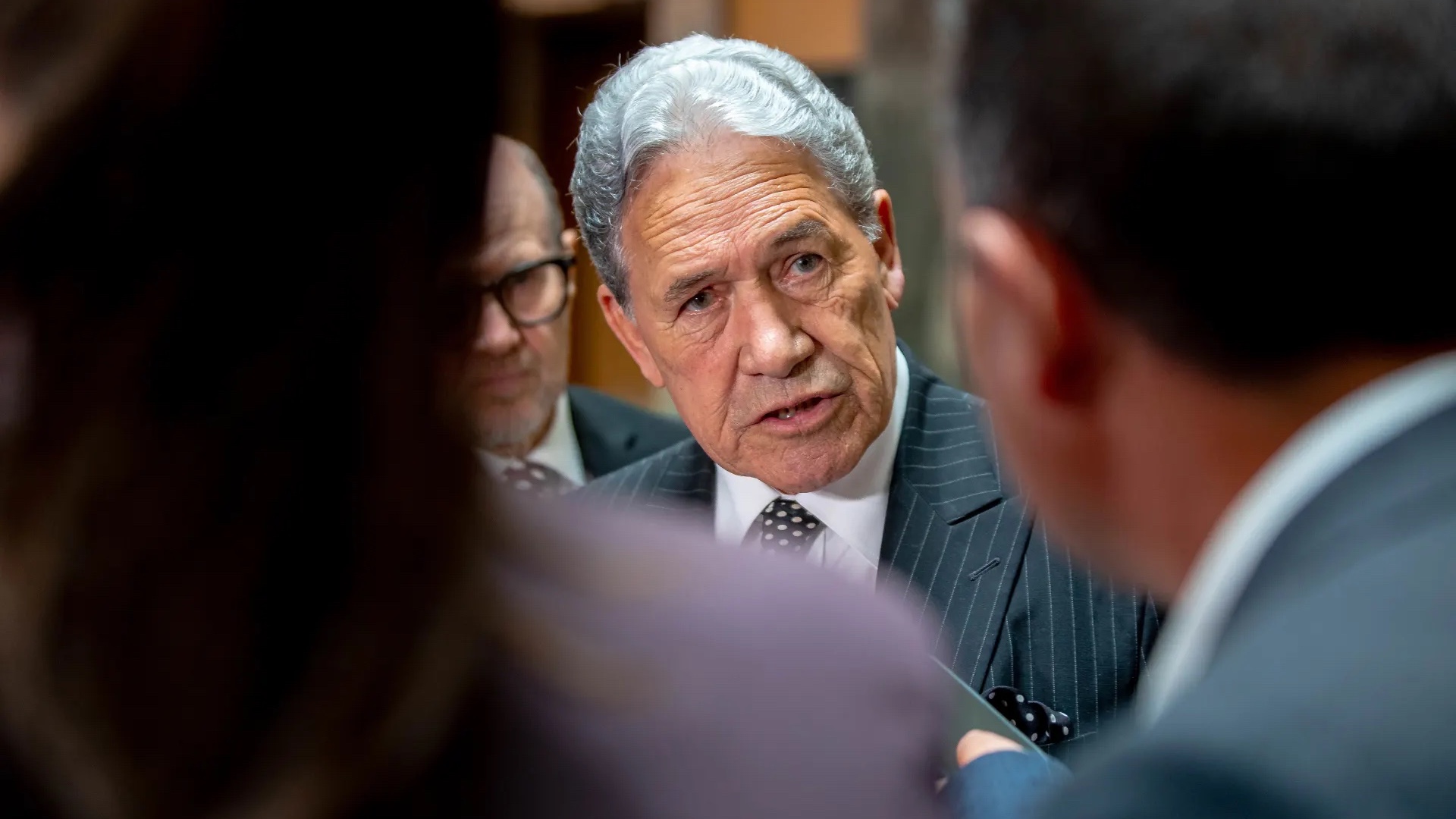
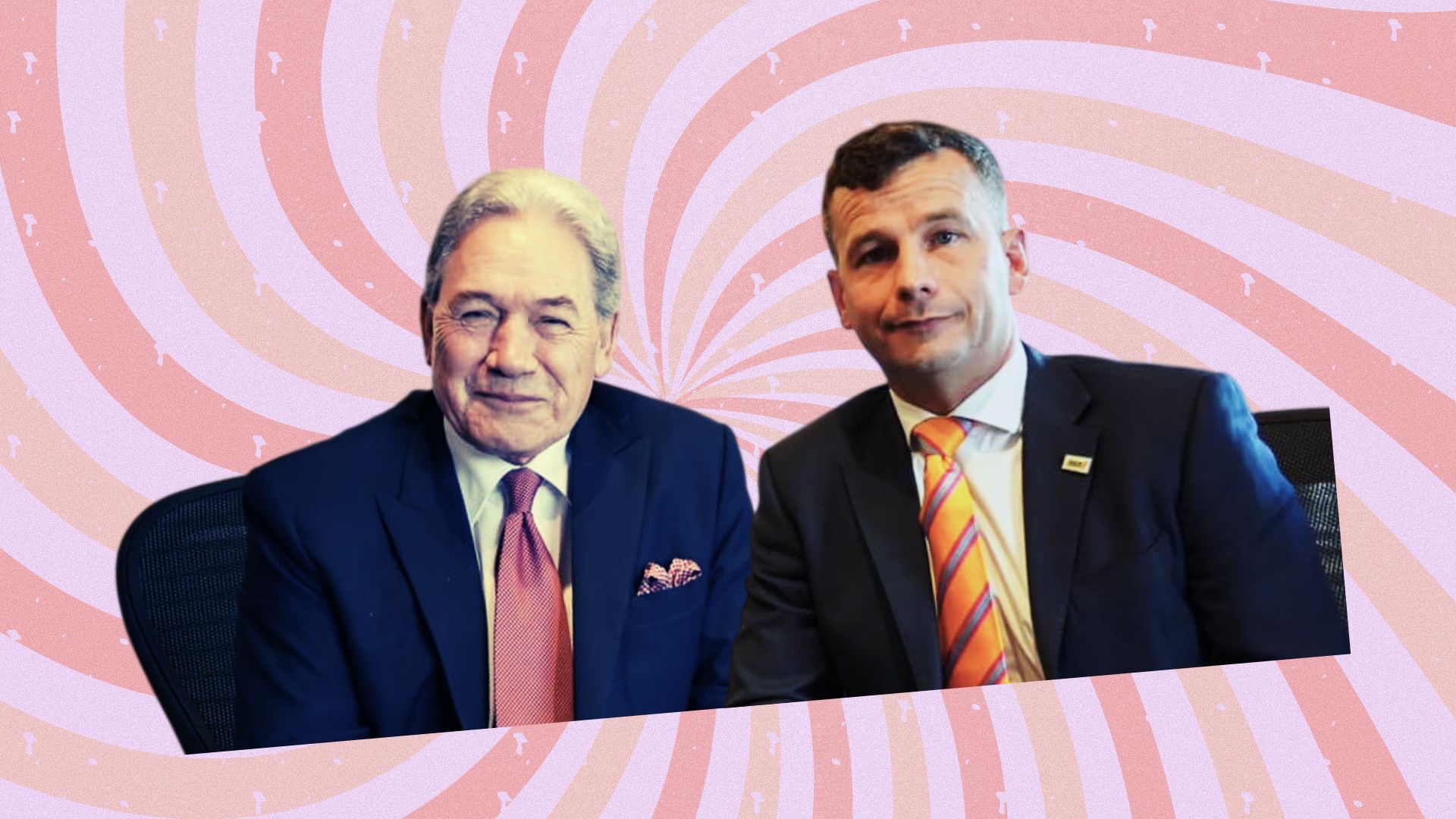
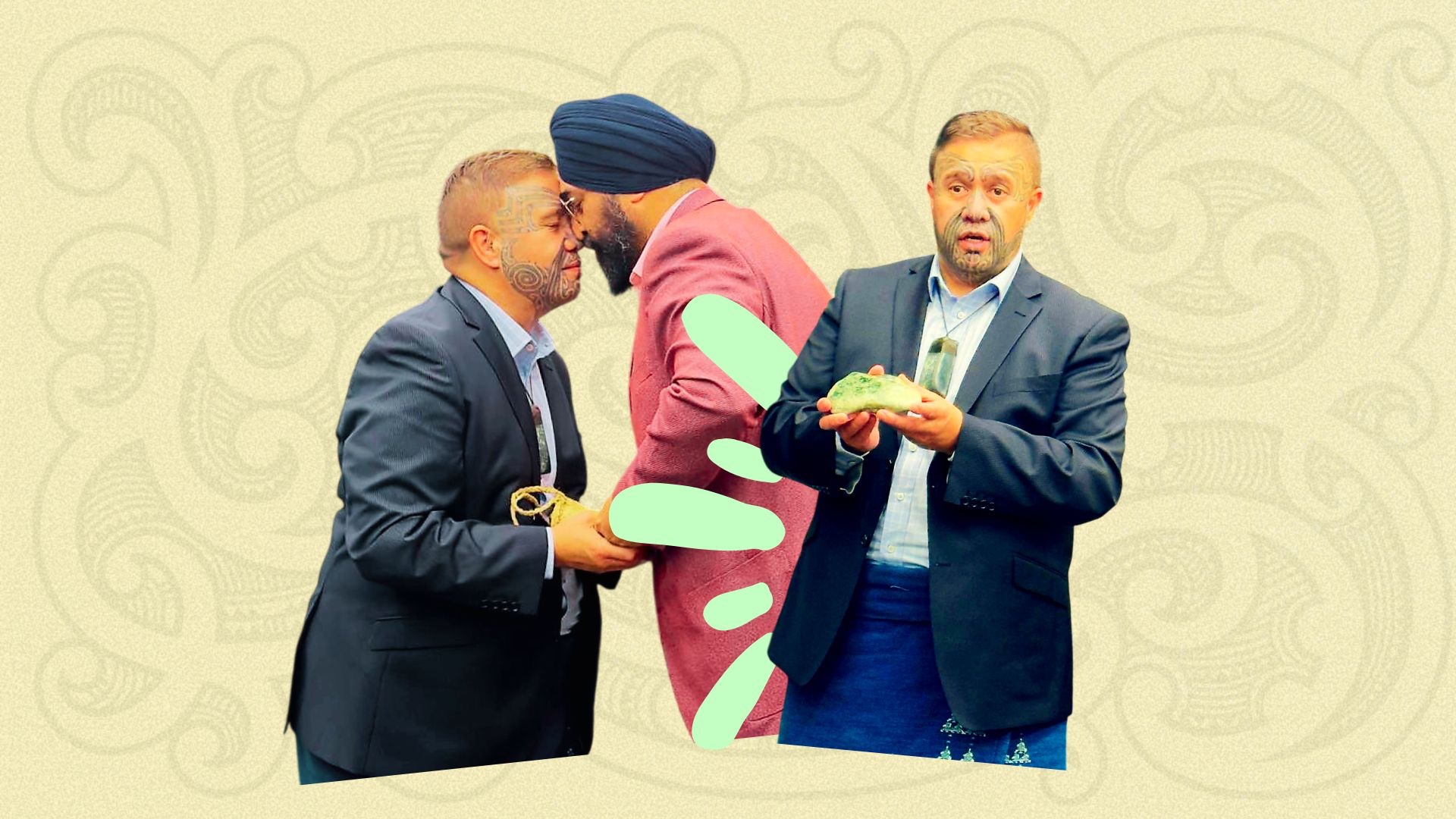
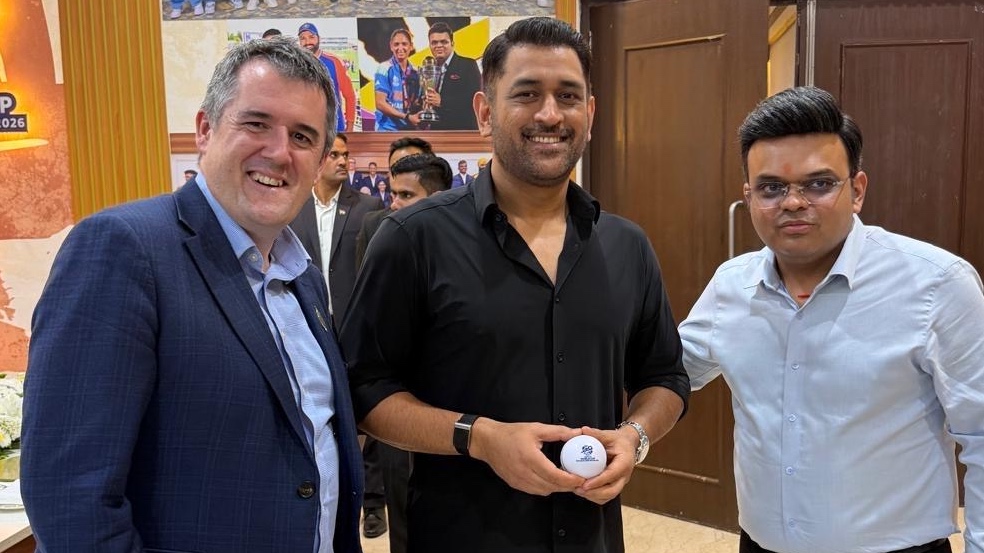
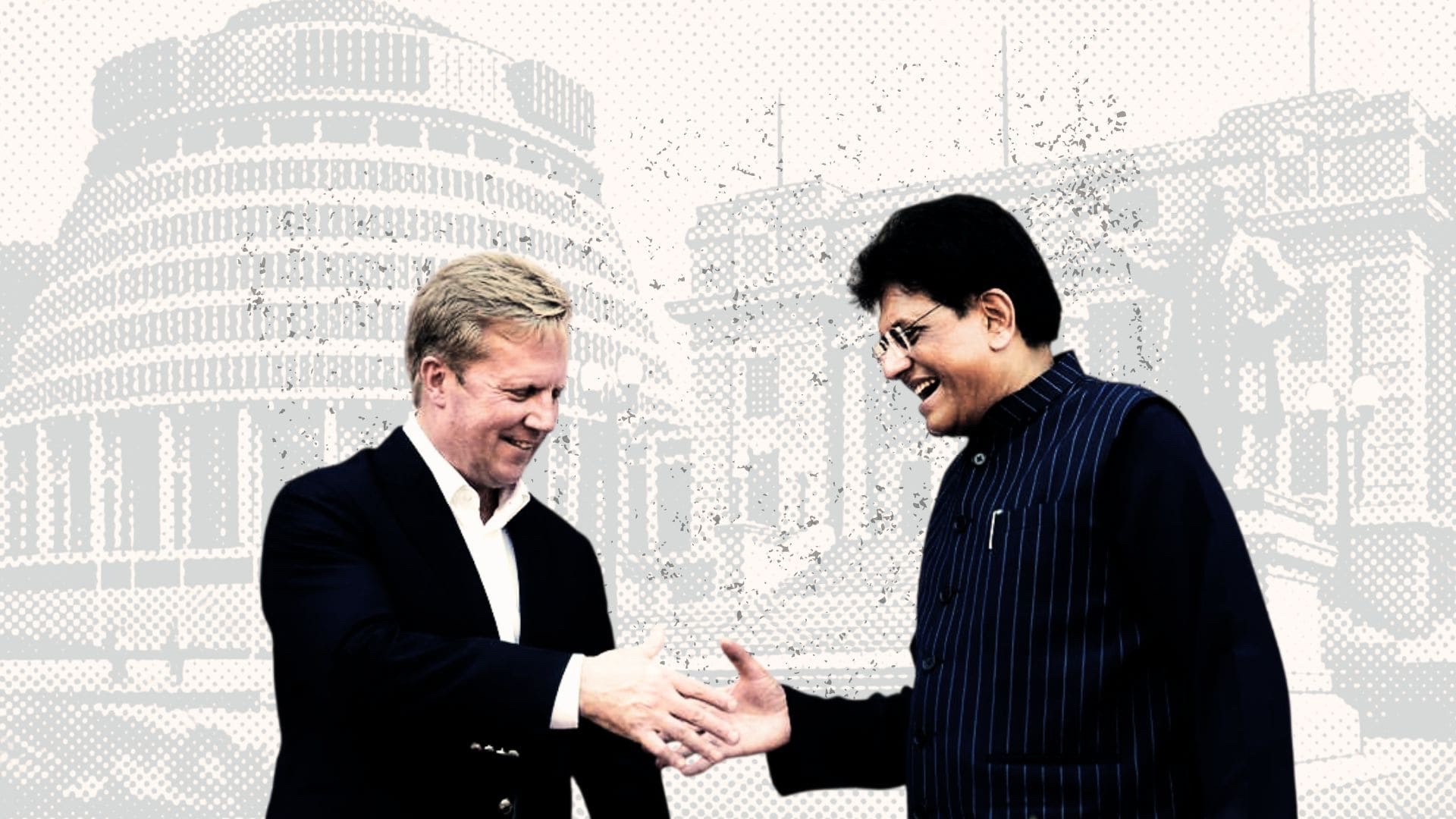
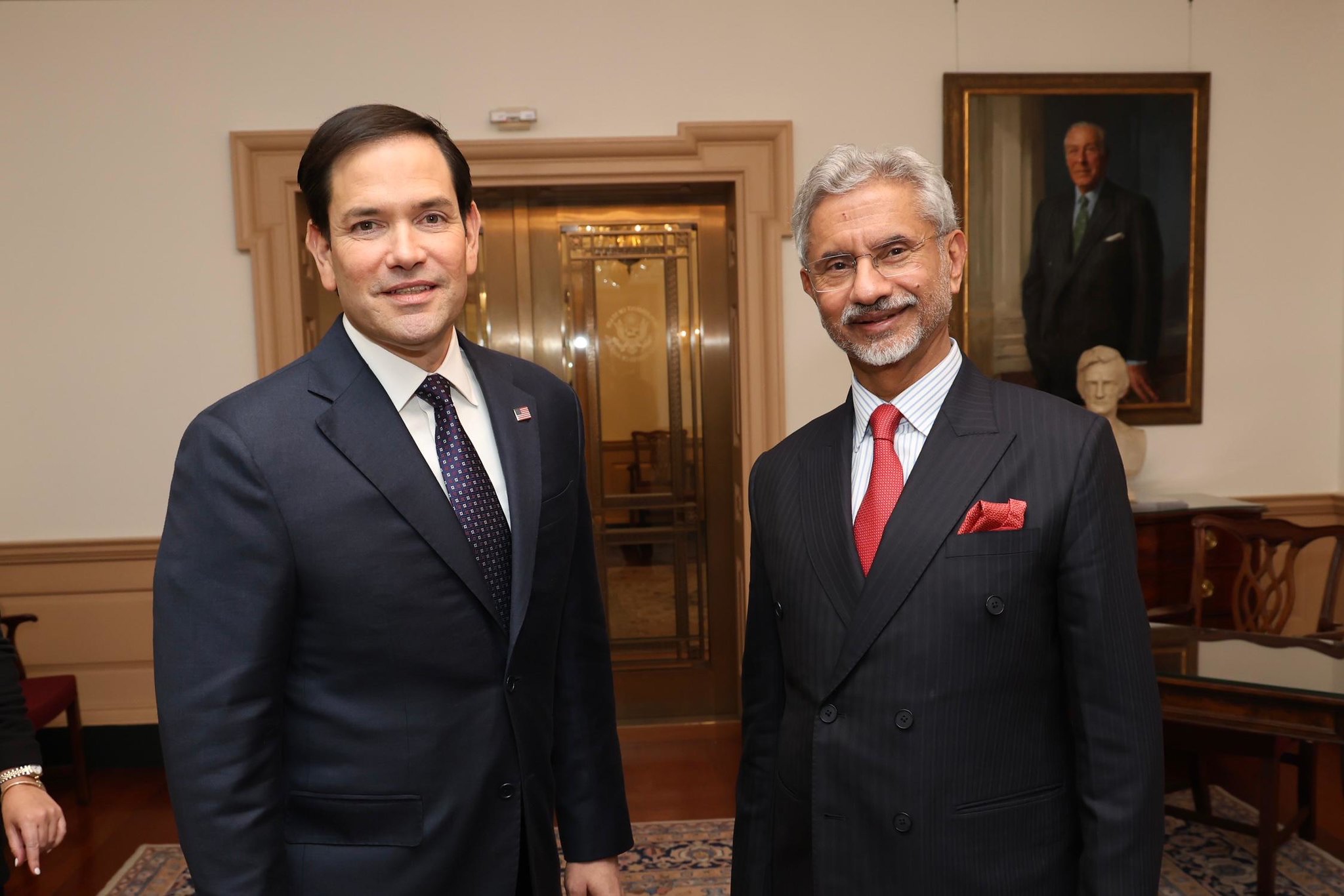
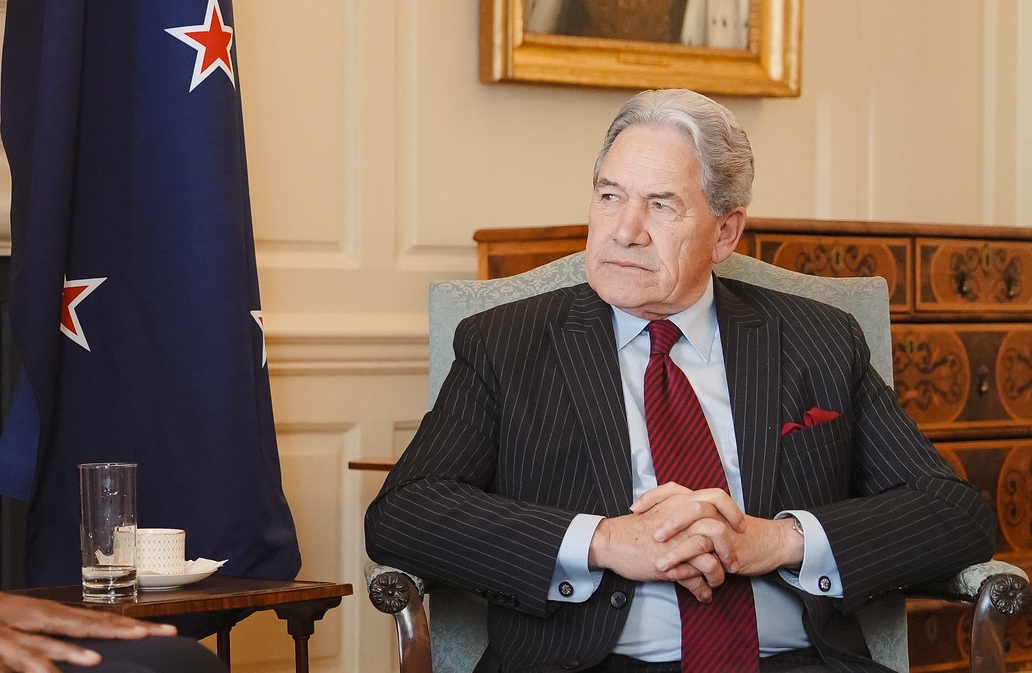
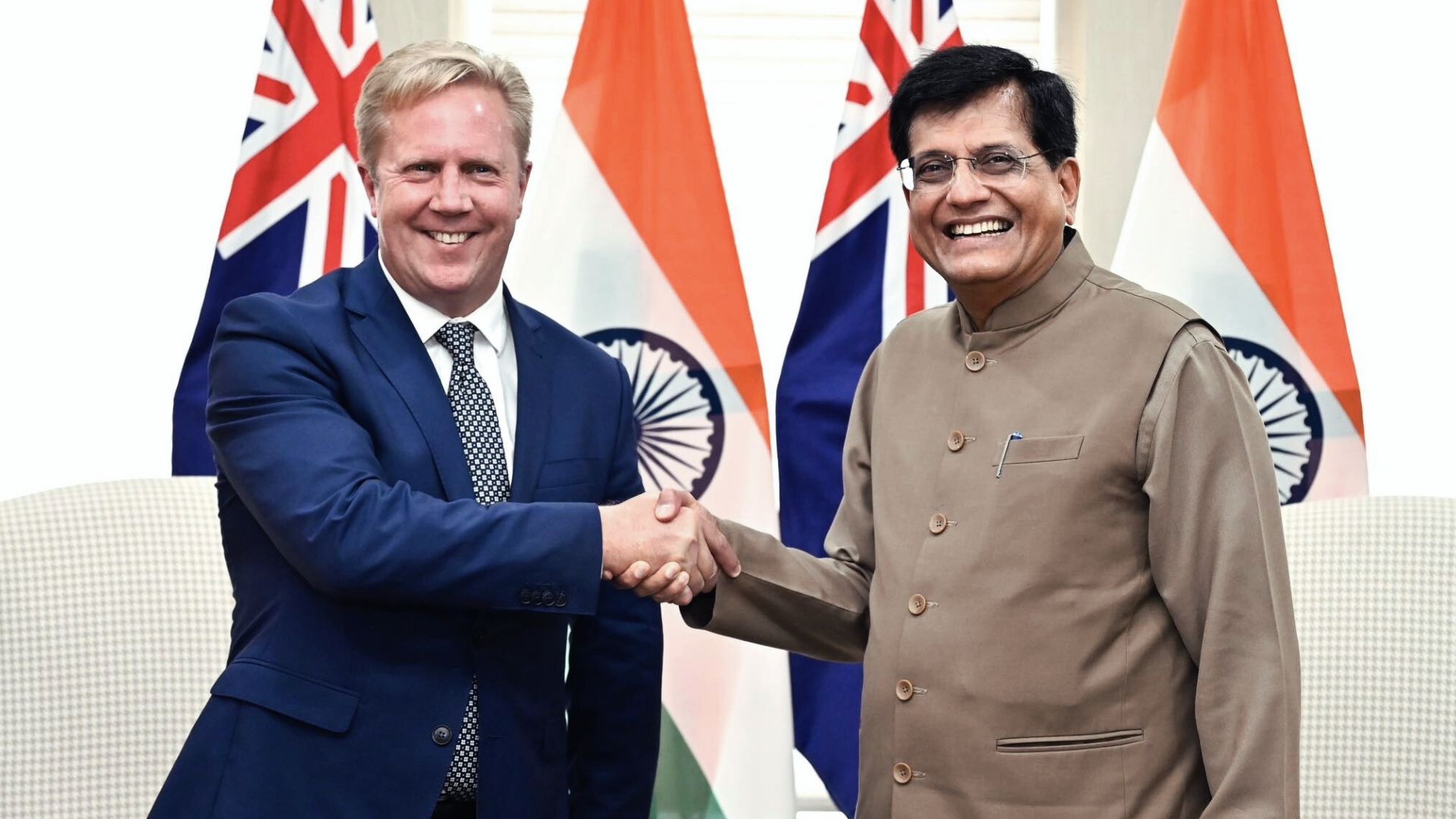
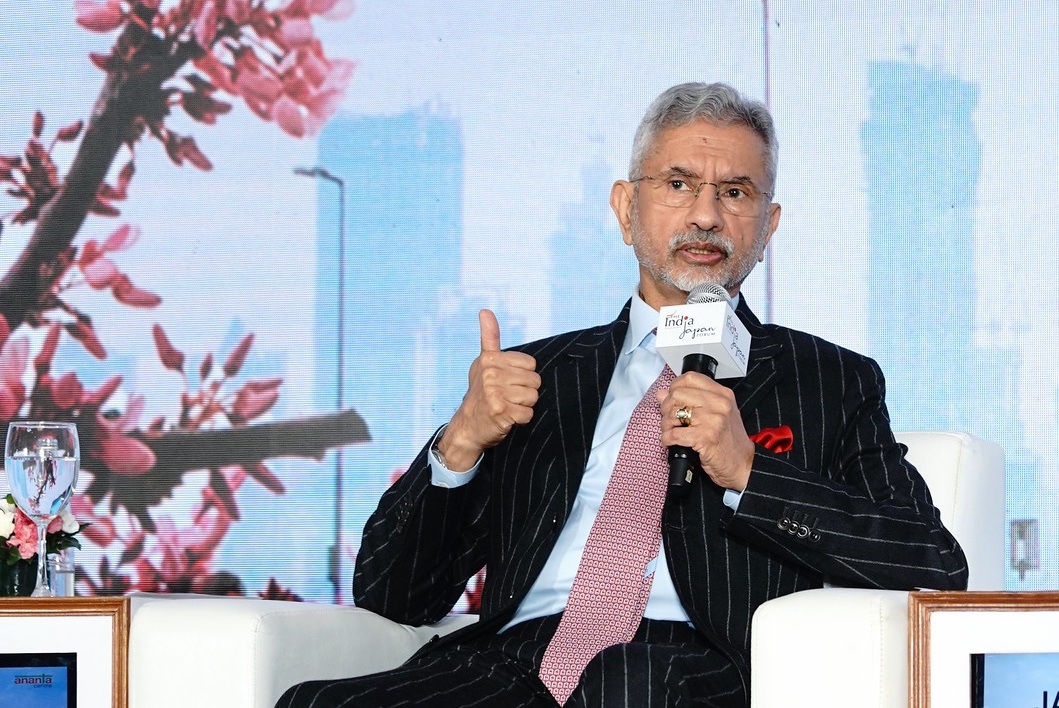
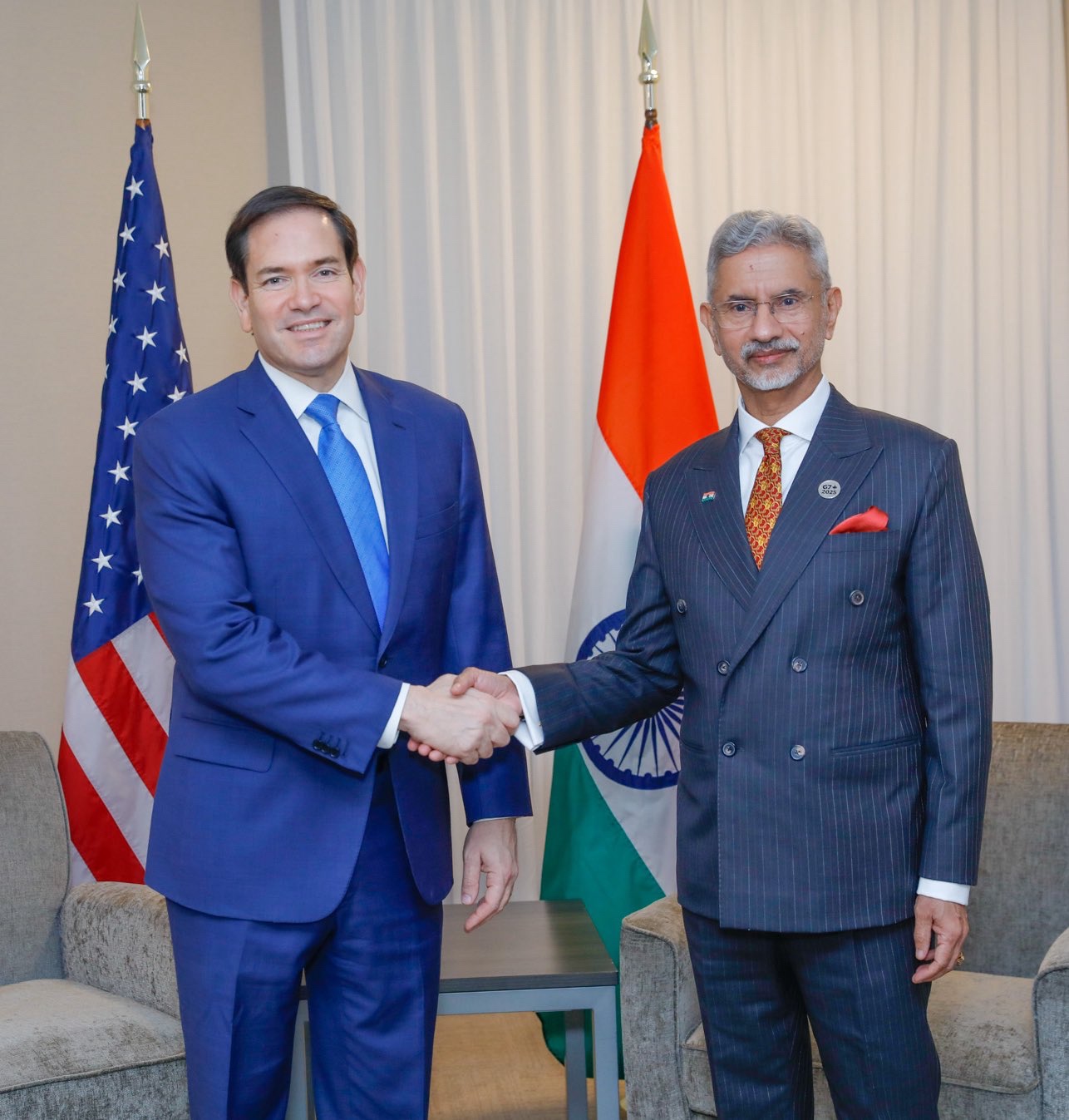
The two foreign ministers met on the sidelines of ASEAN meeting in Manila on July 22, 2026.
The Manila catch-up is the first in a series of bilateral meetings envisaged under the strategic partnership announced this month.
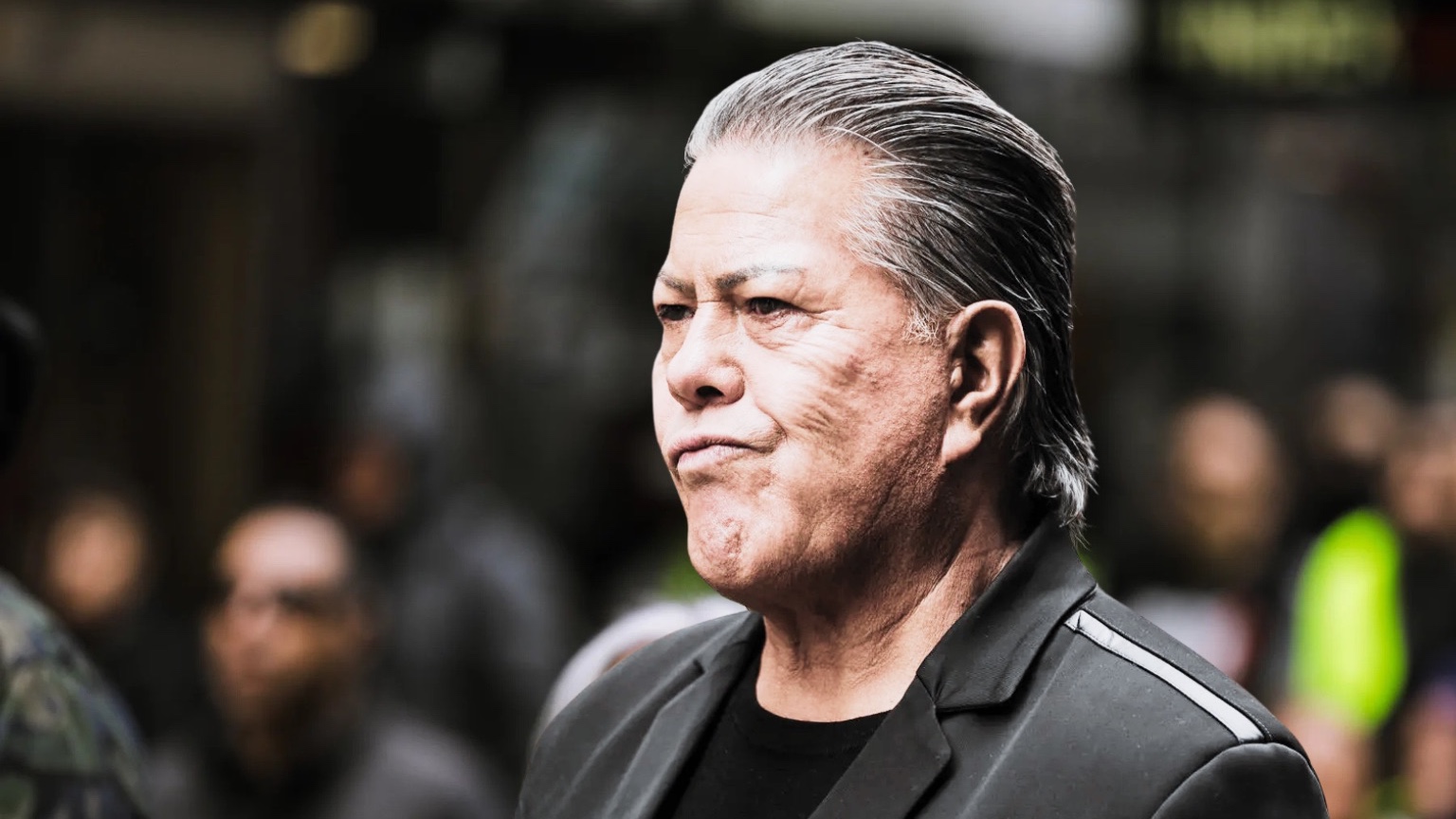
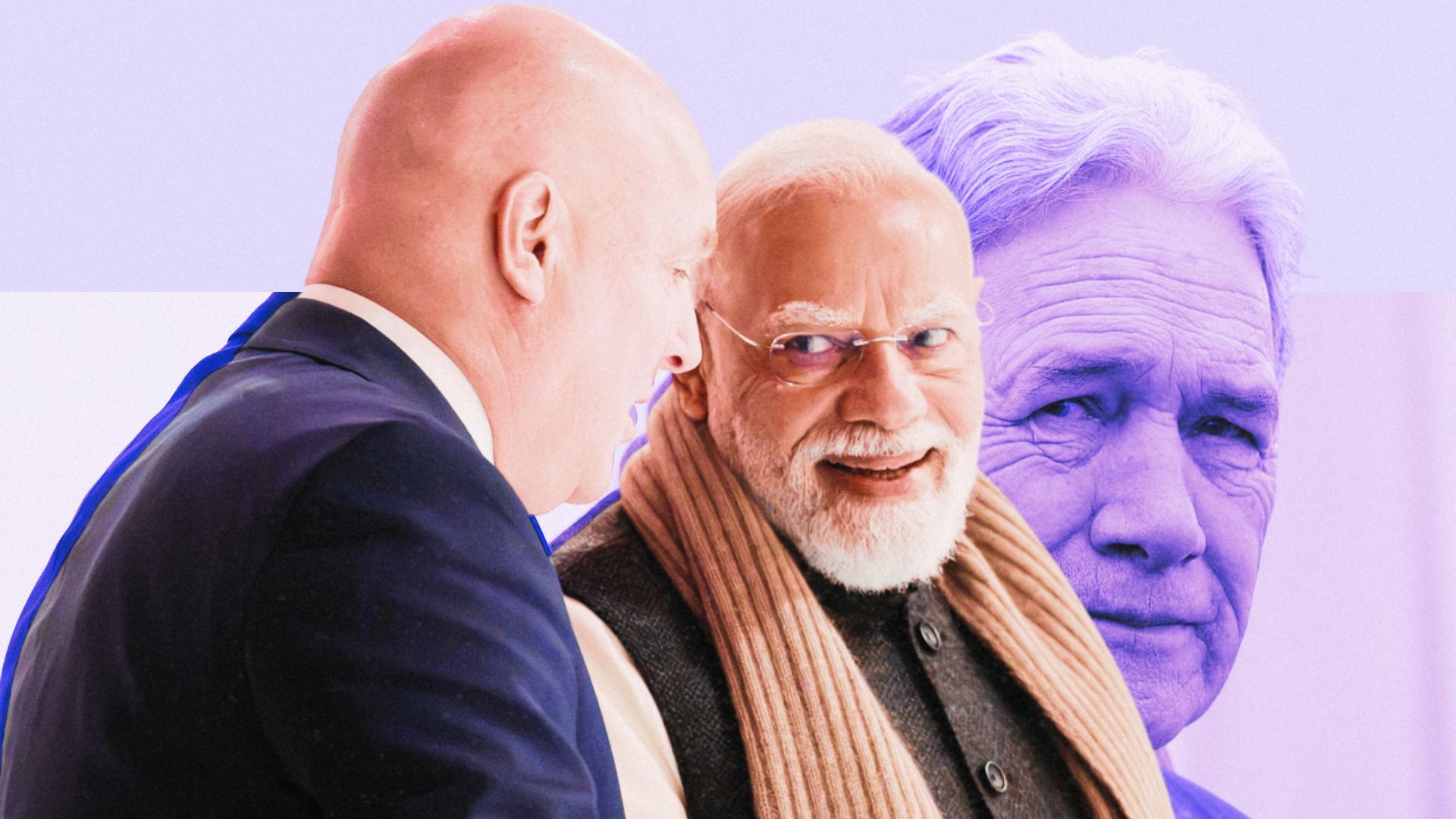
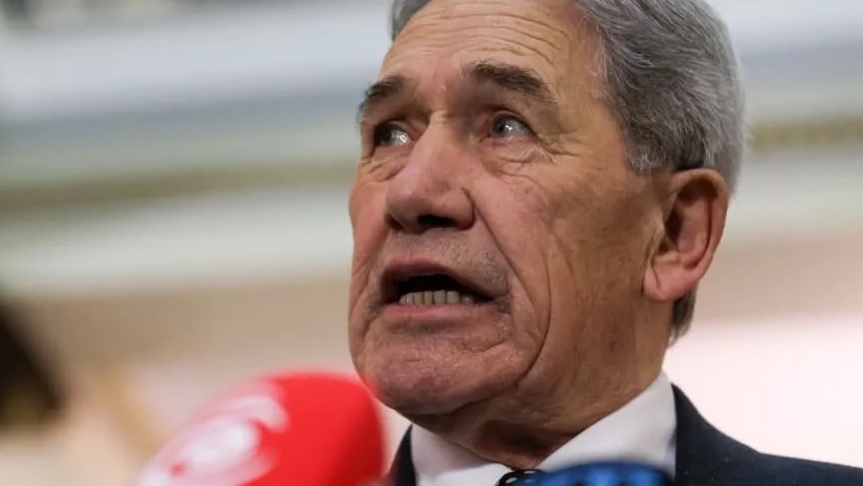
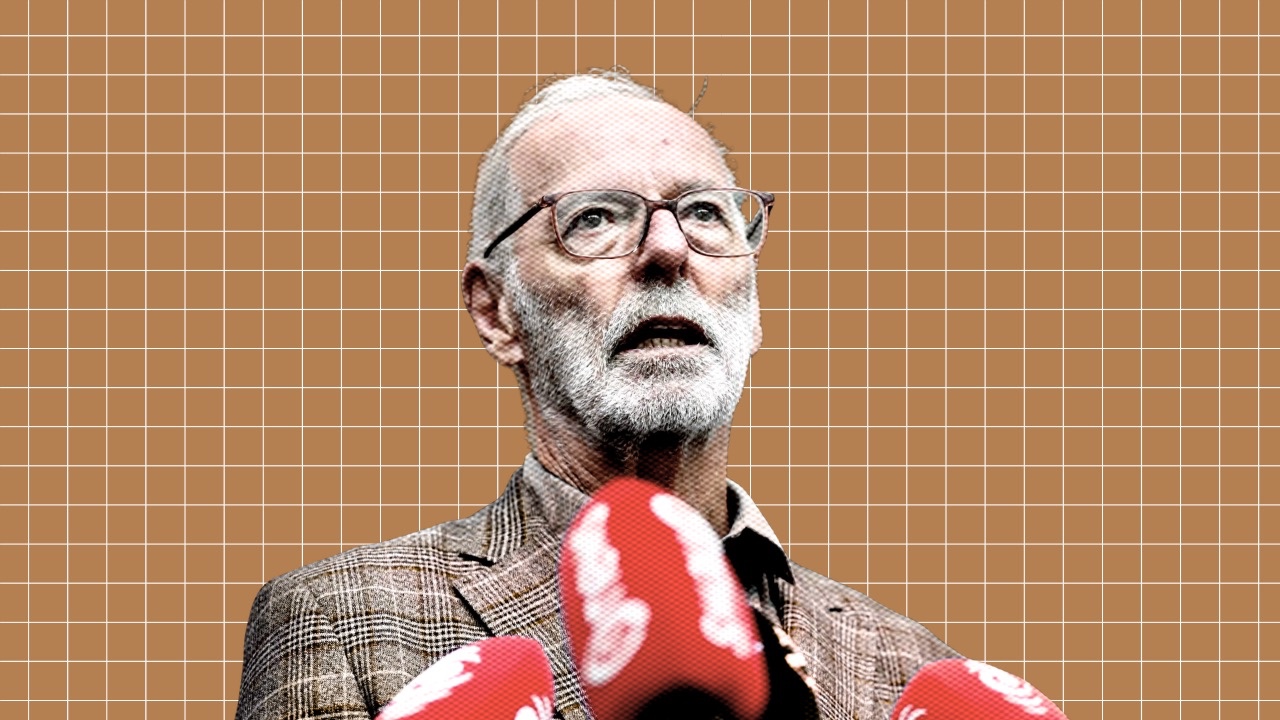
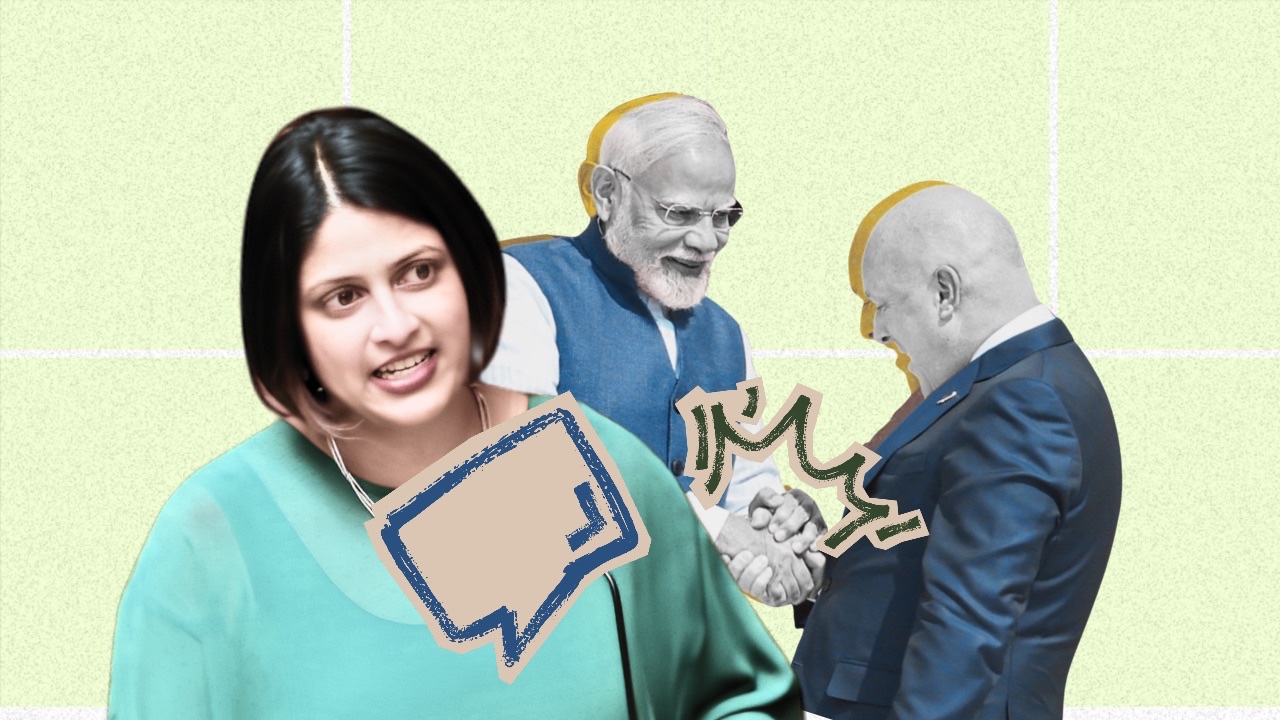
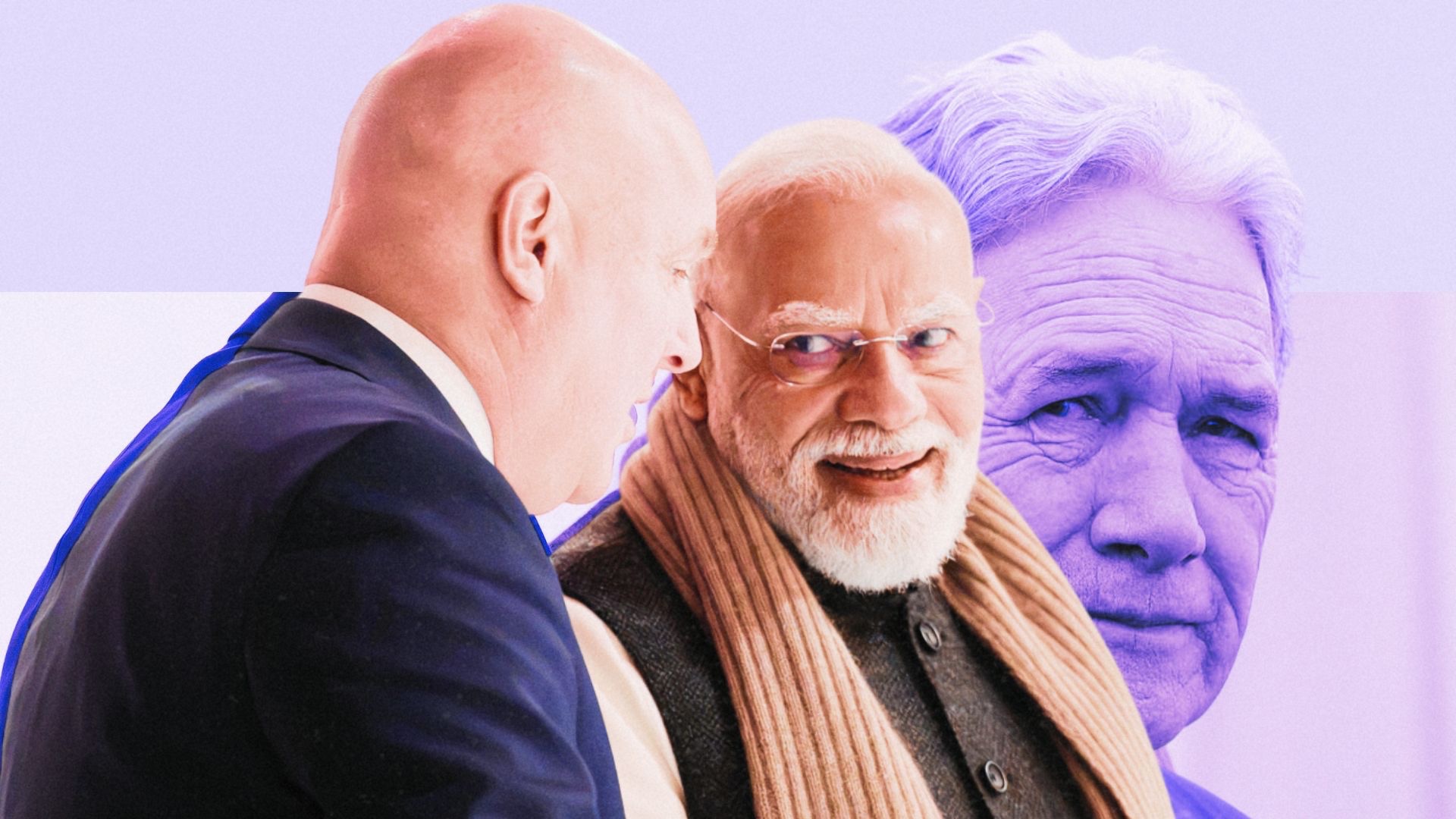
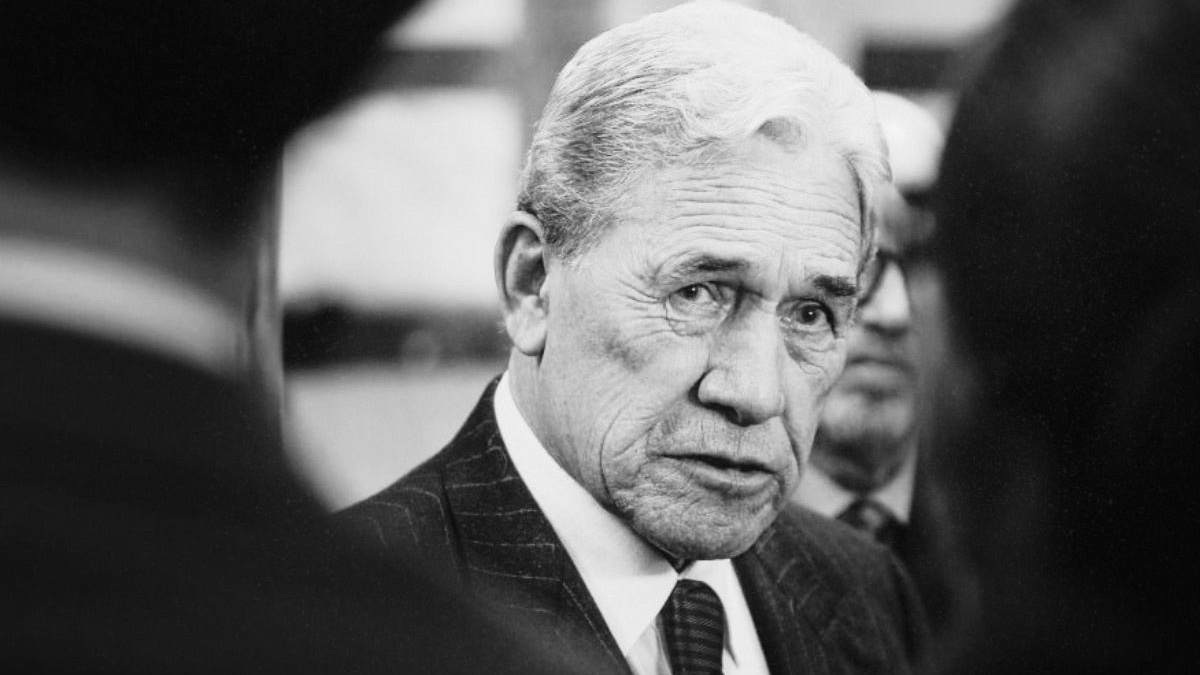
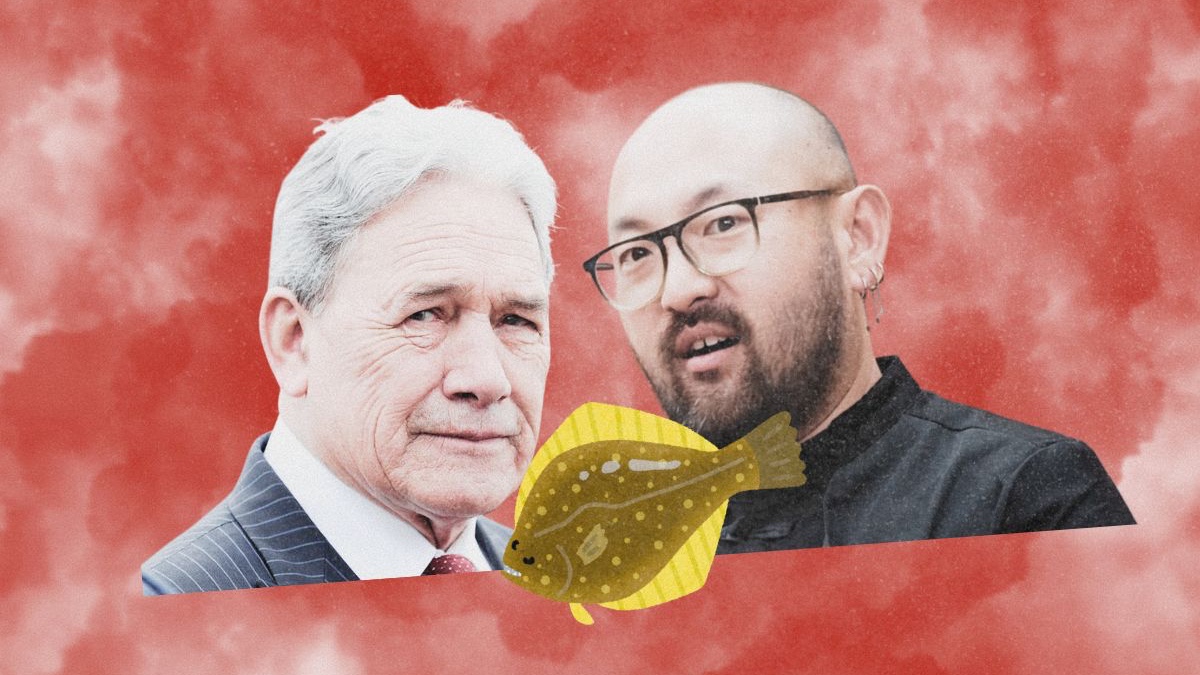
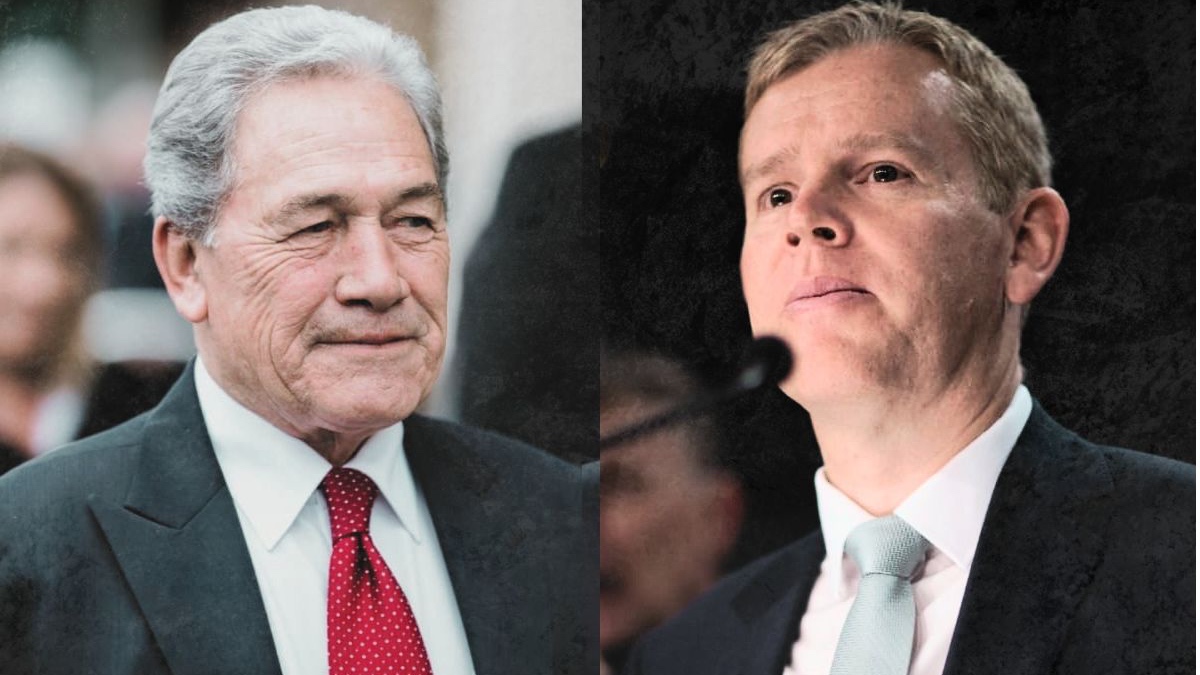
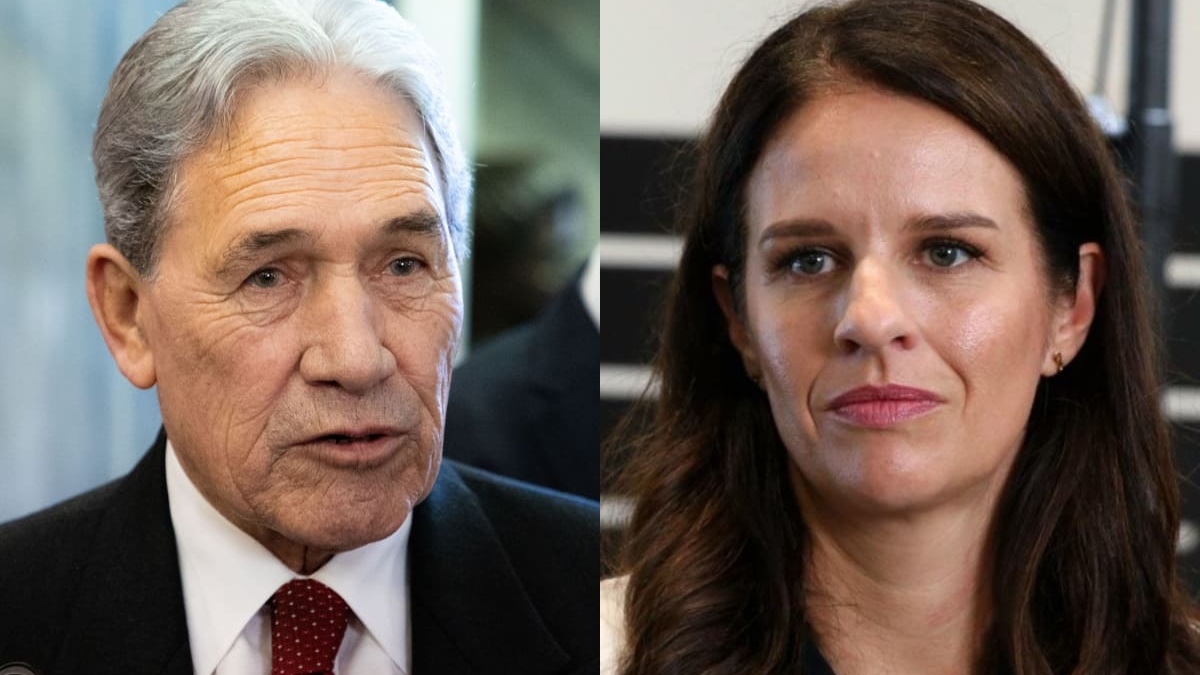
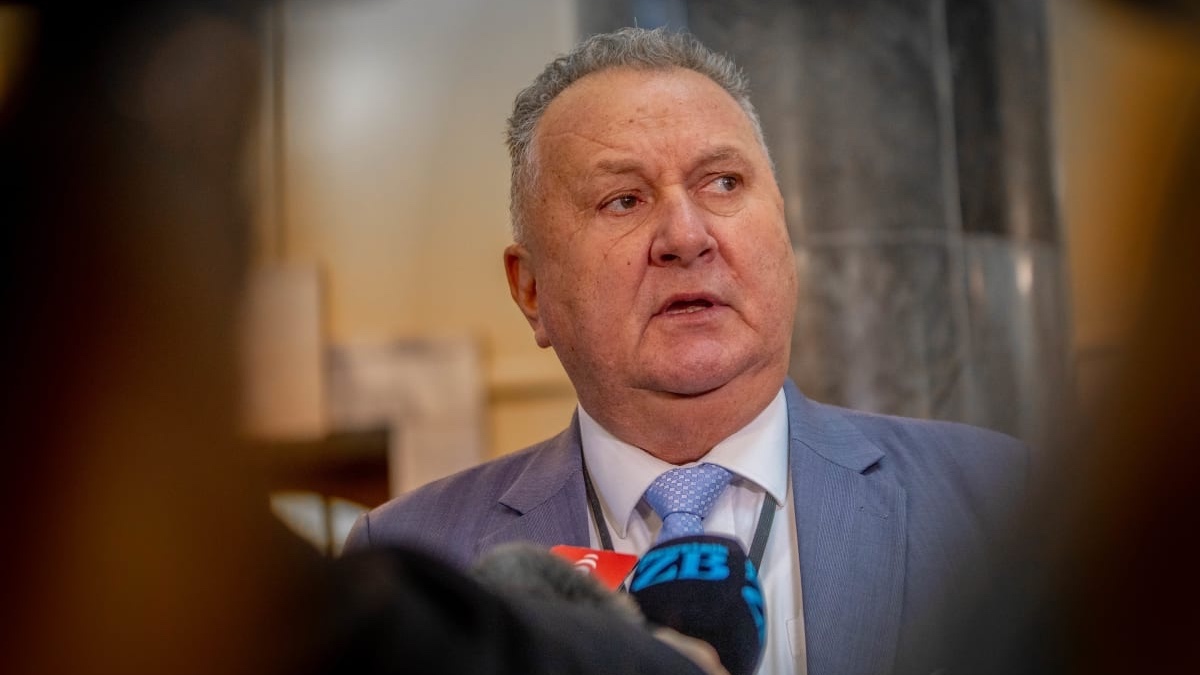
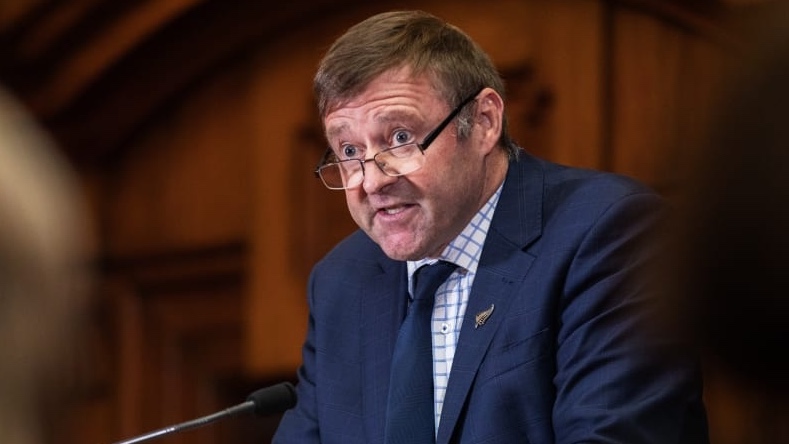
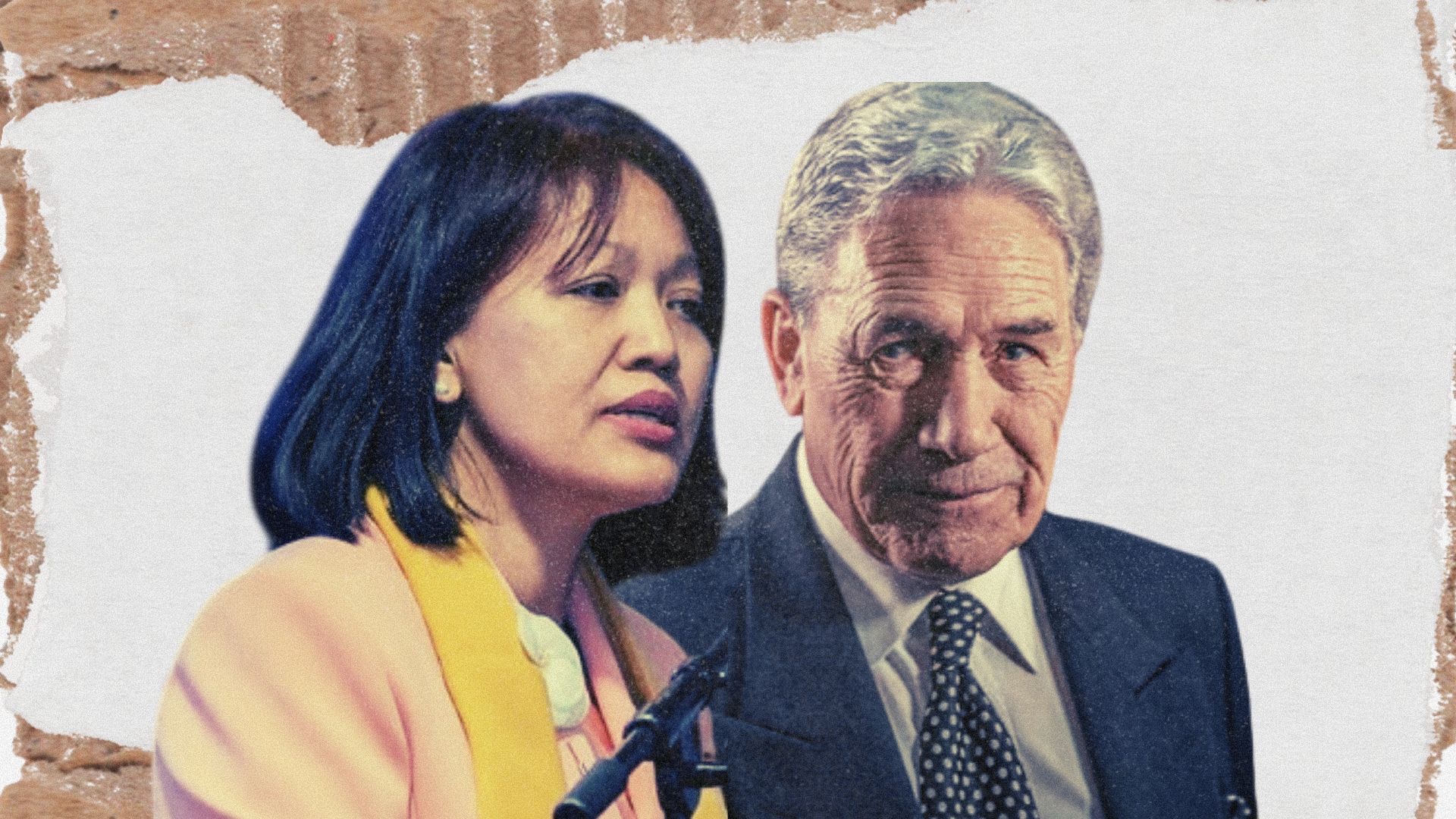
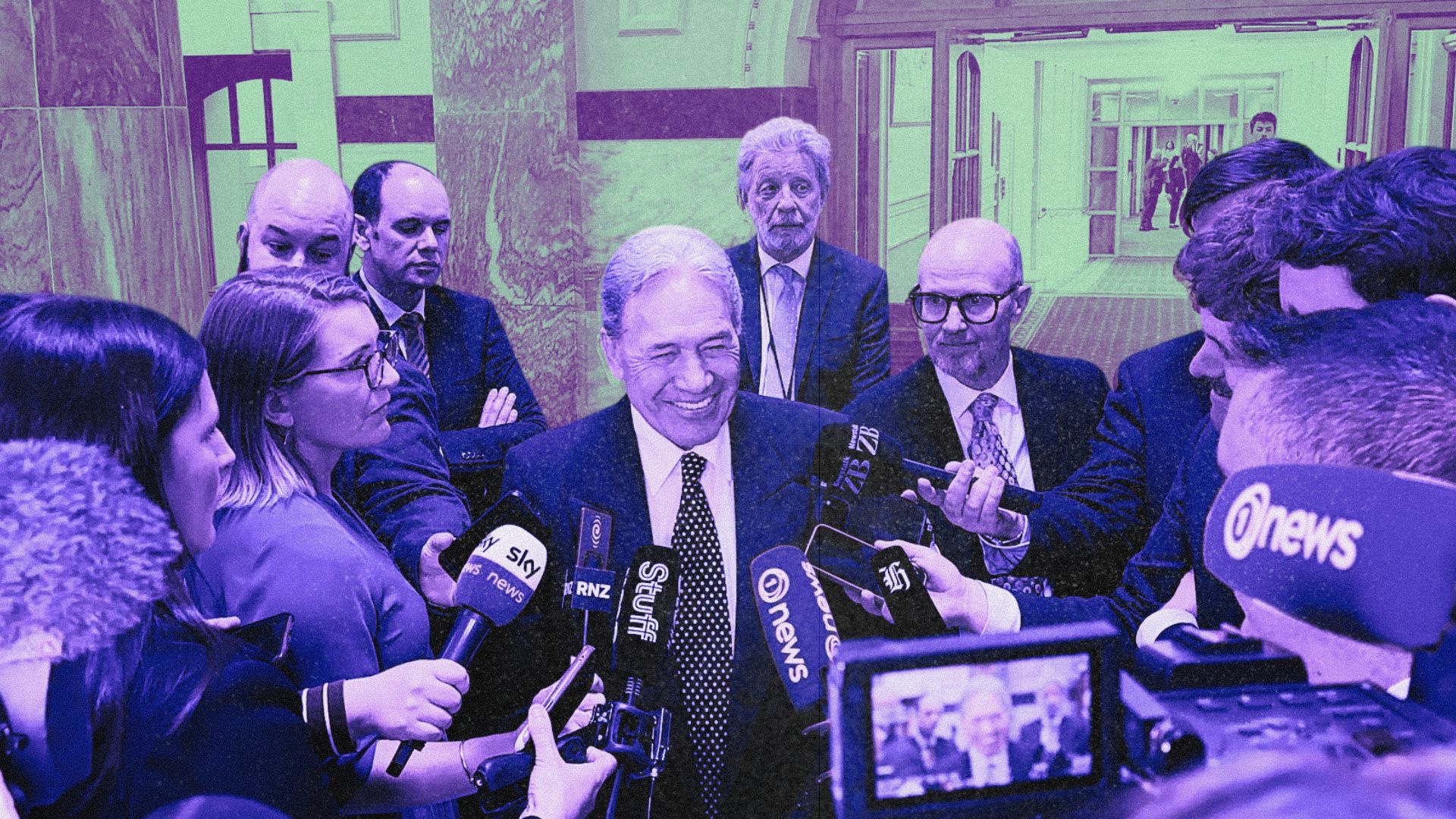
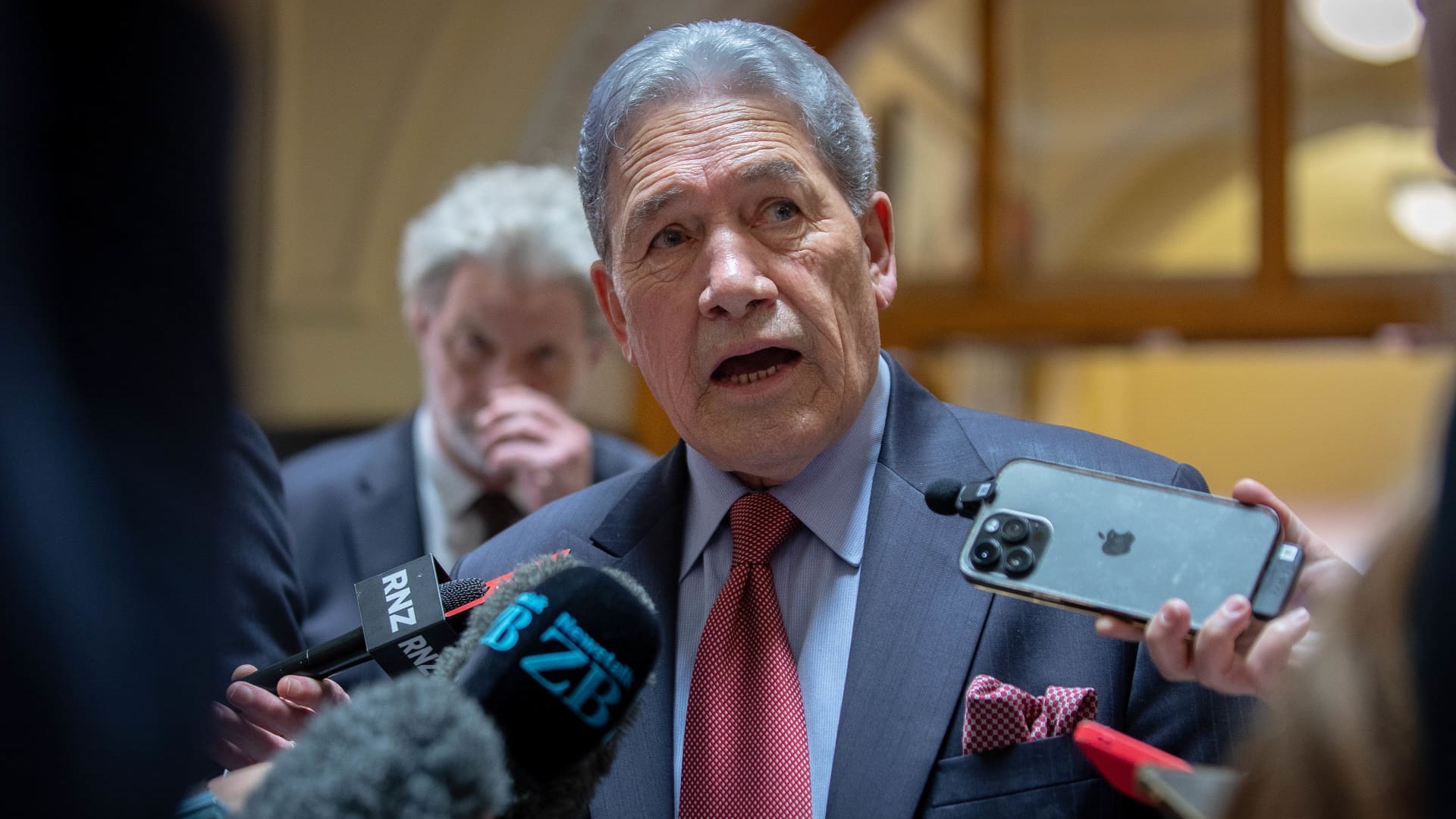
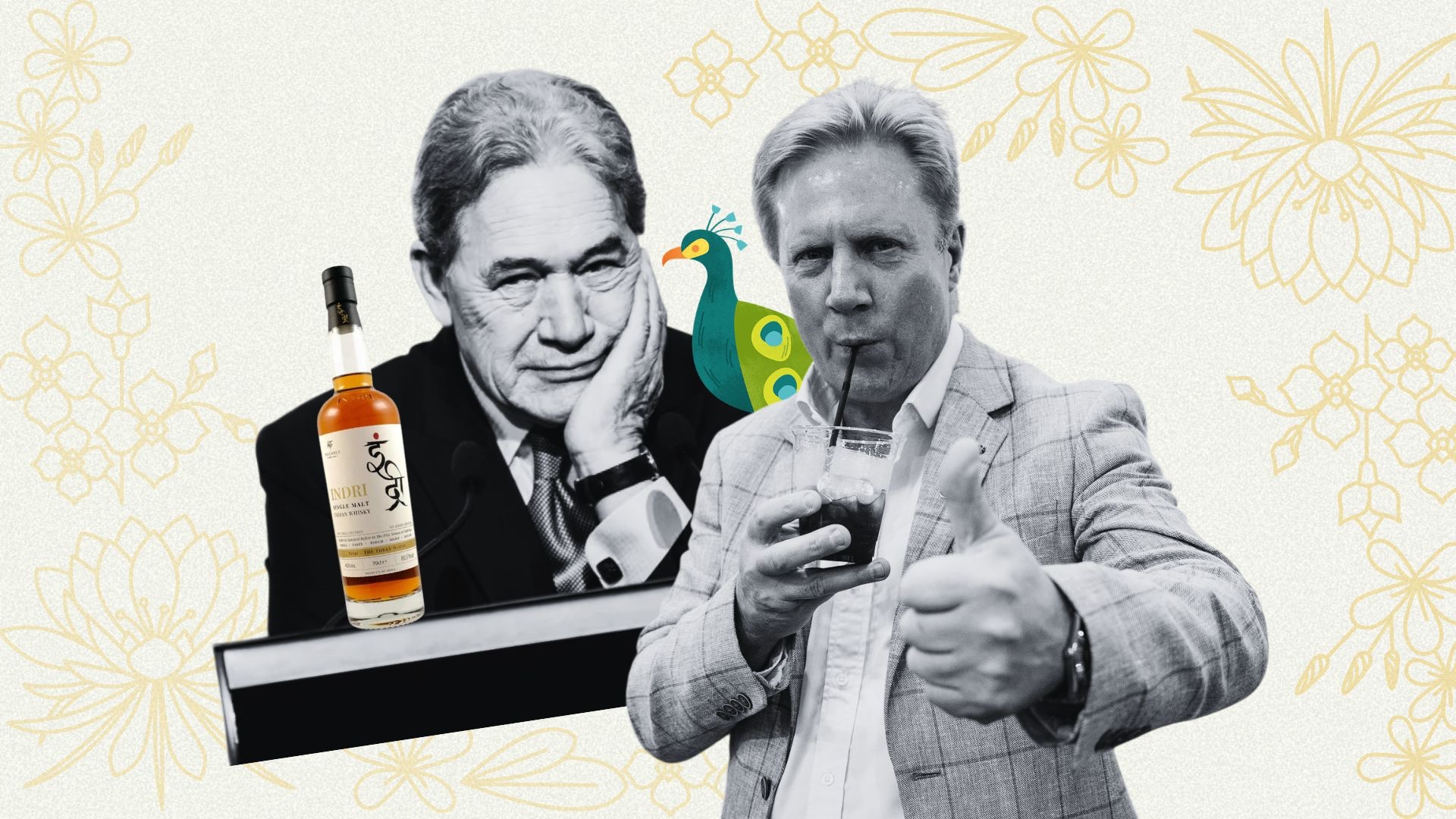
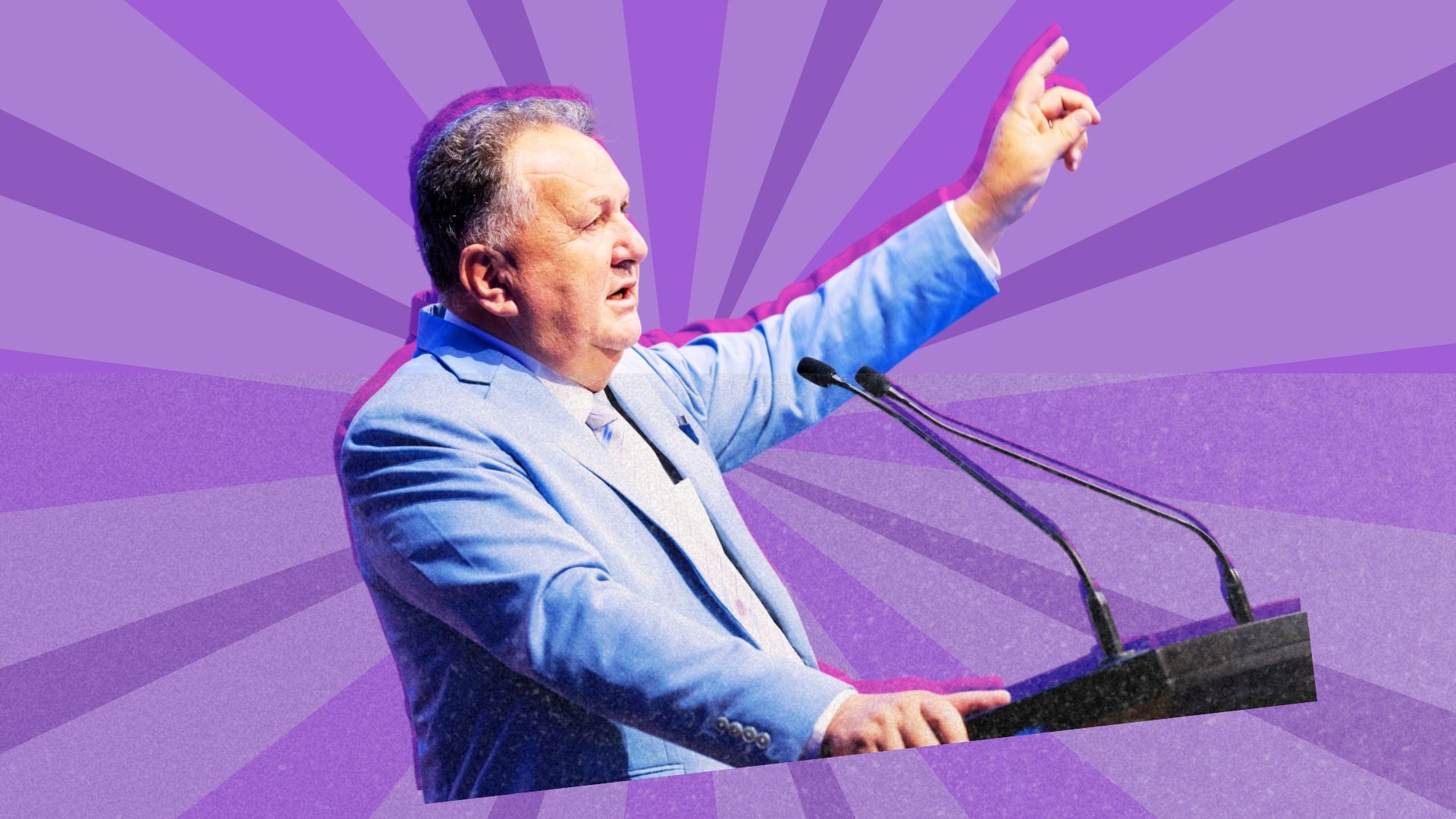
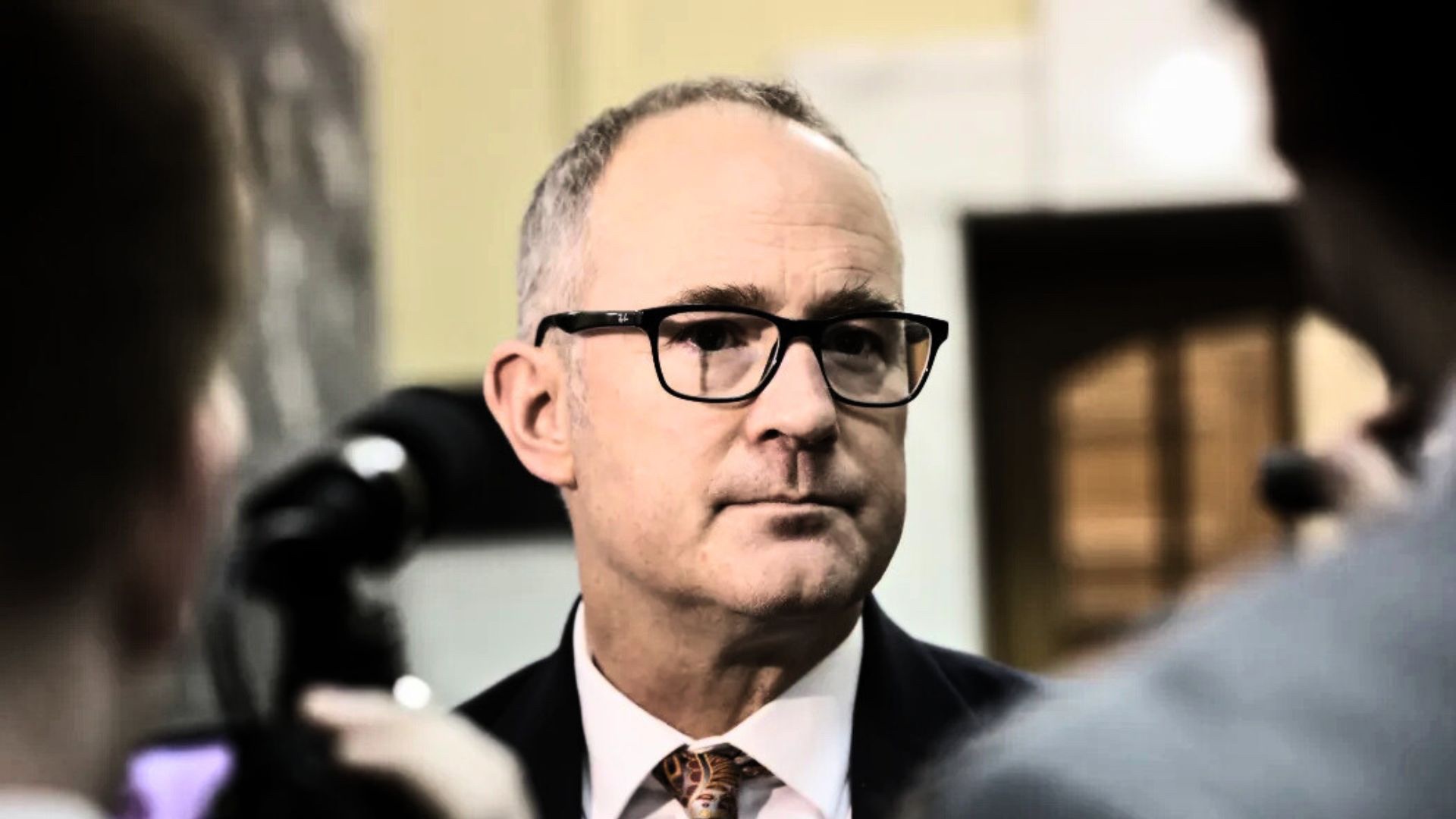
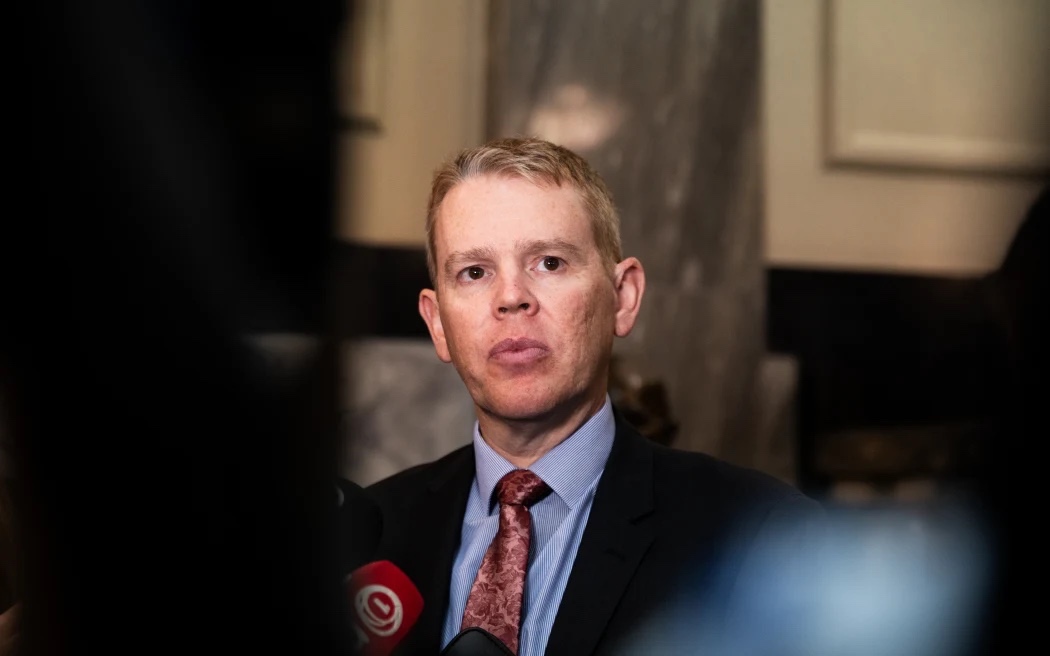
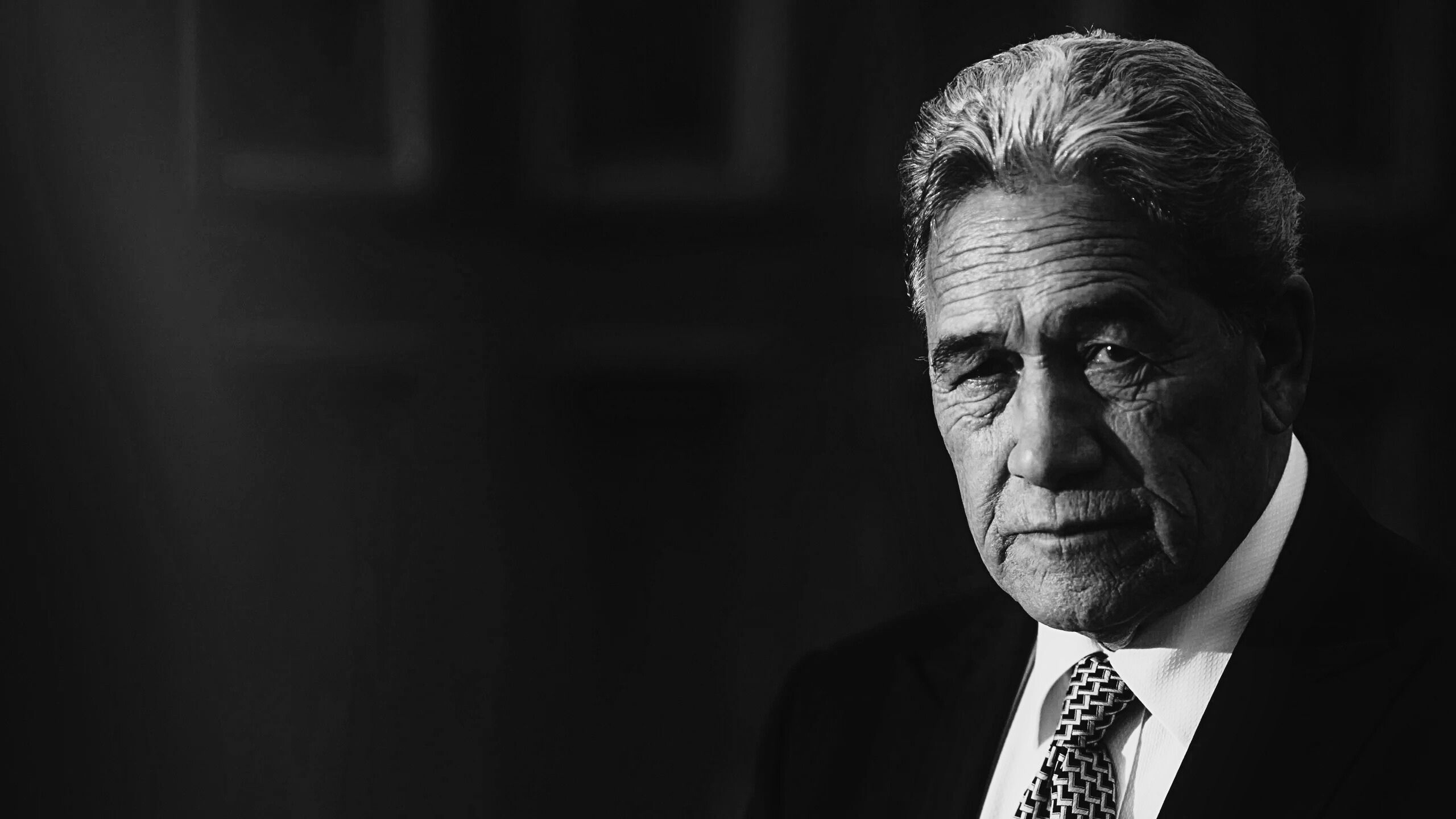
Foreign minister Winston Peters has discussed expanding New Zealand’s defence and maritime cooperation with India, weeks after repeatedly attacking the free trade agreement between the two countries.
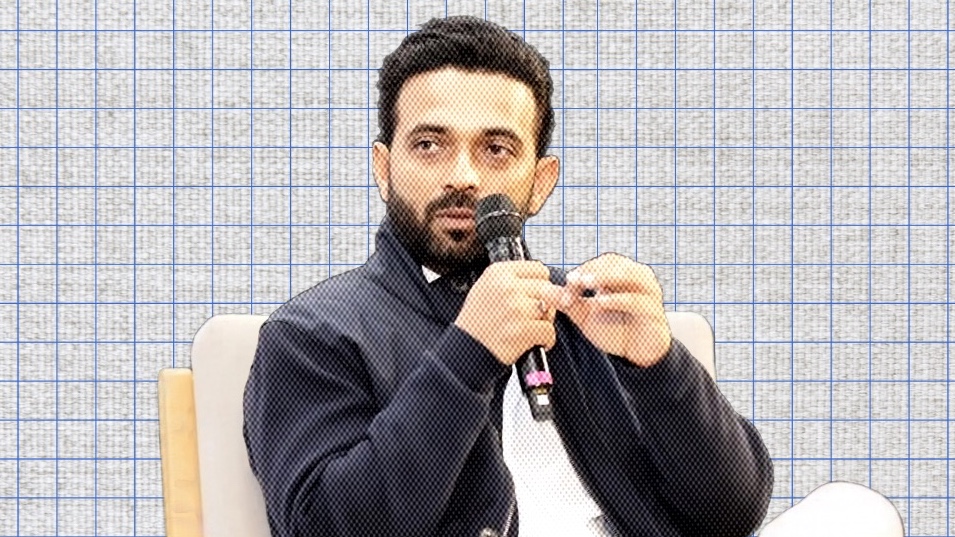
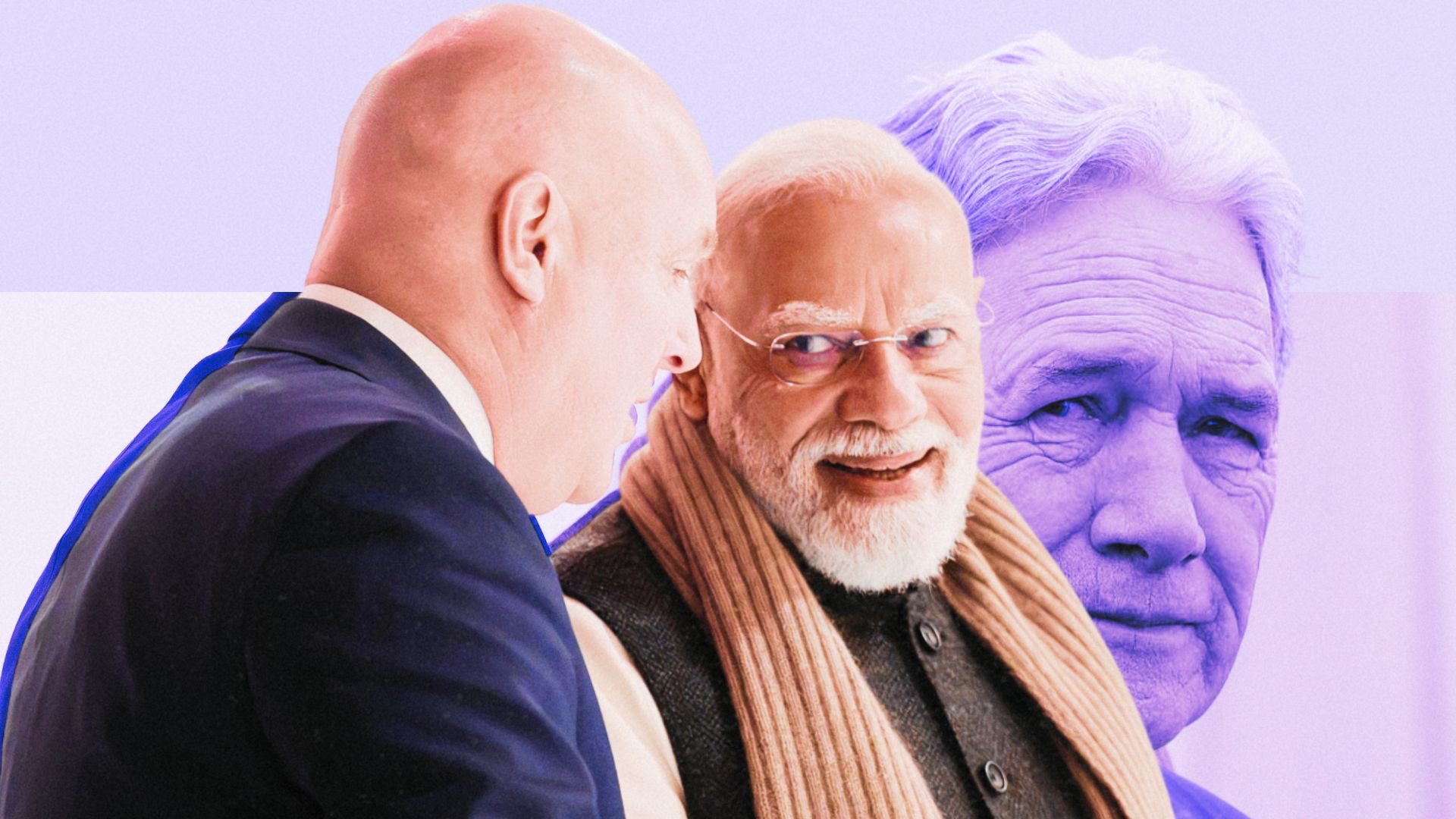
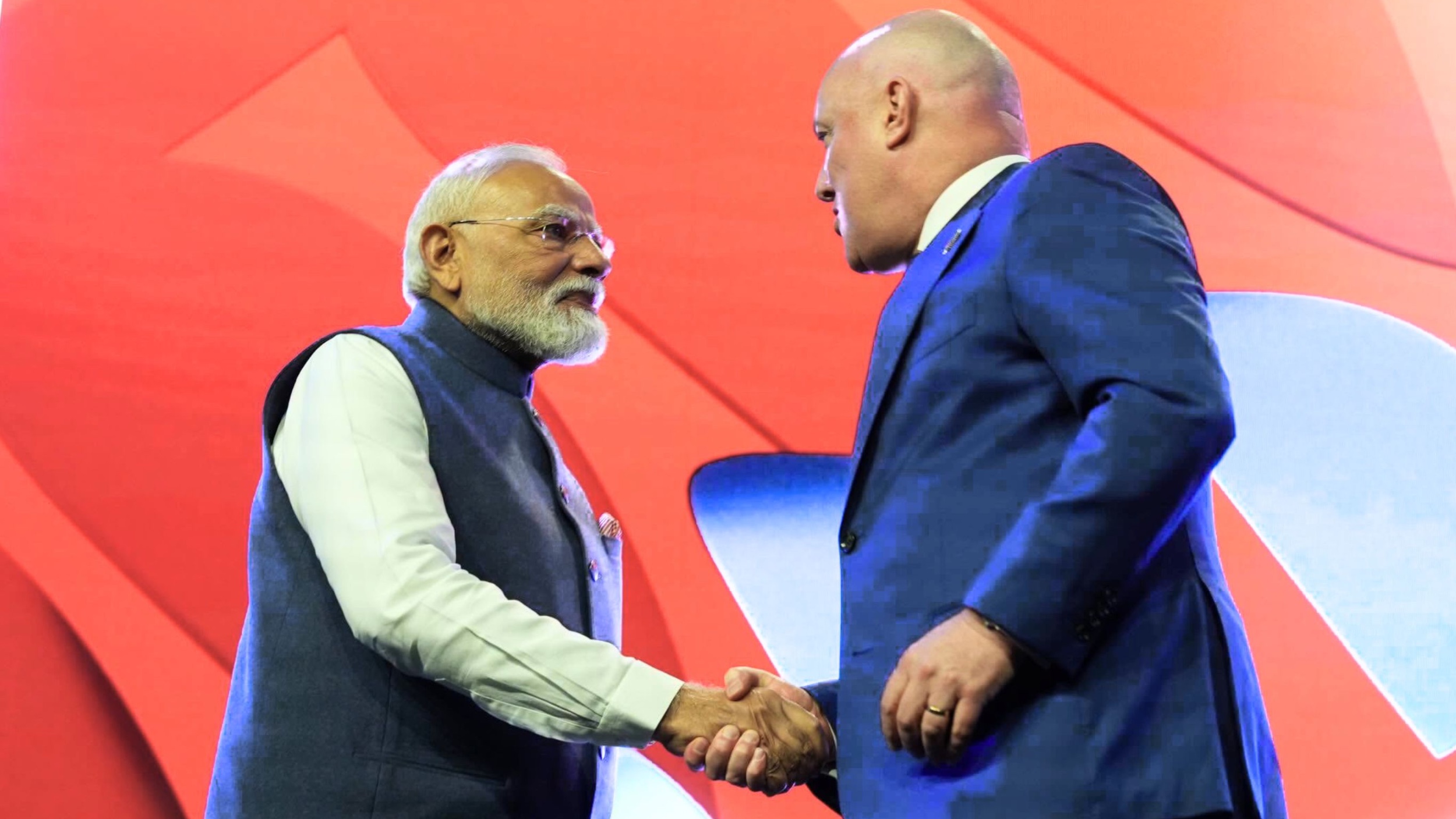
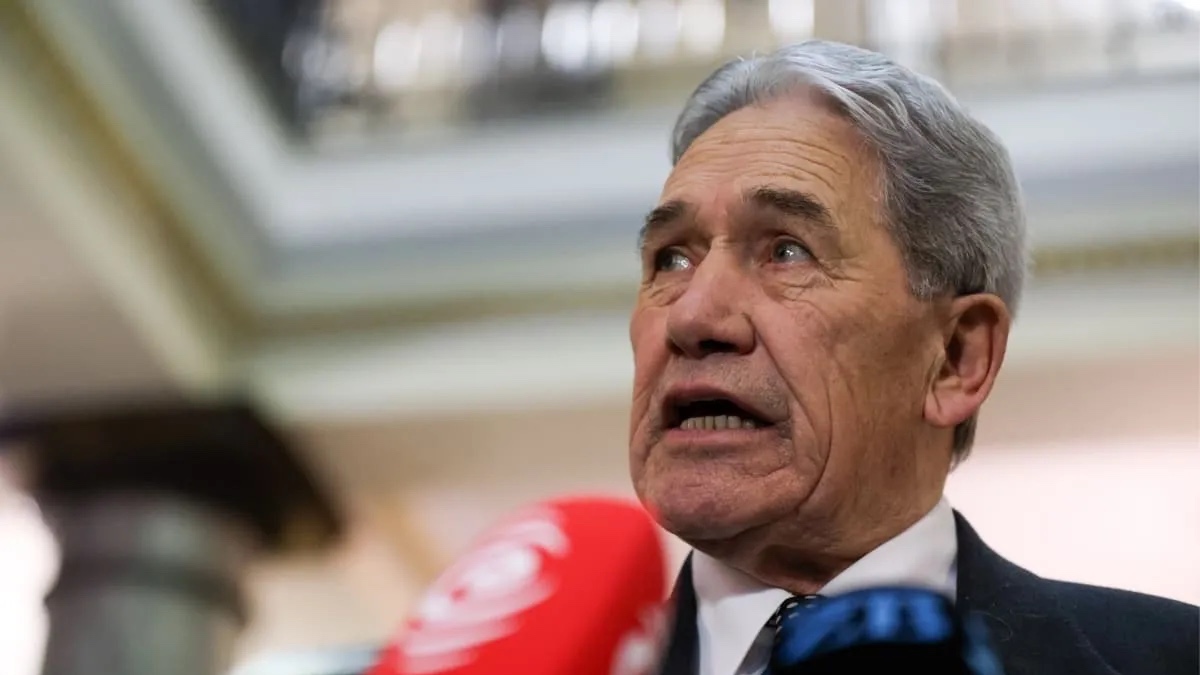
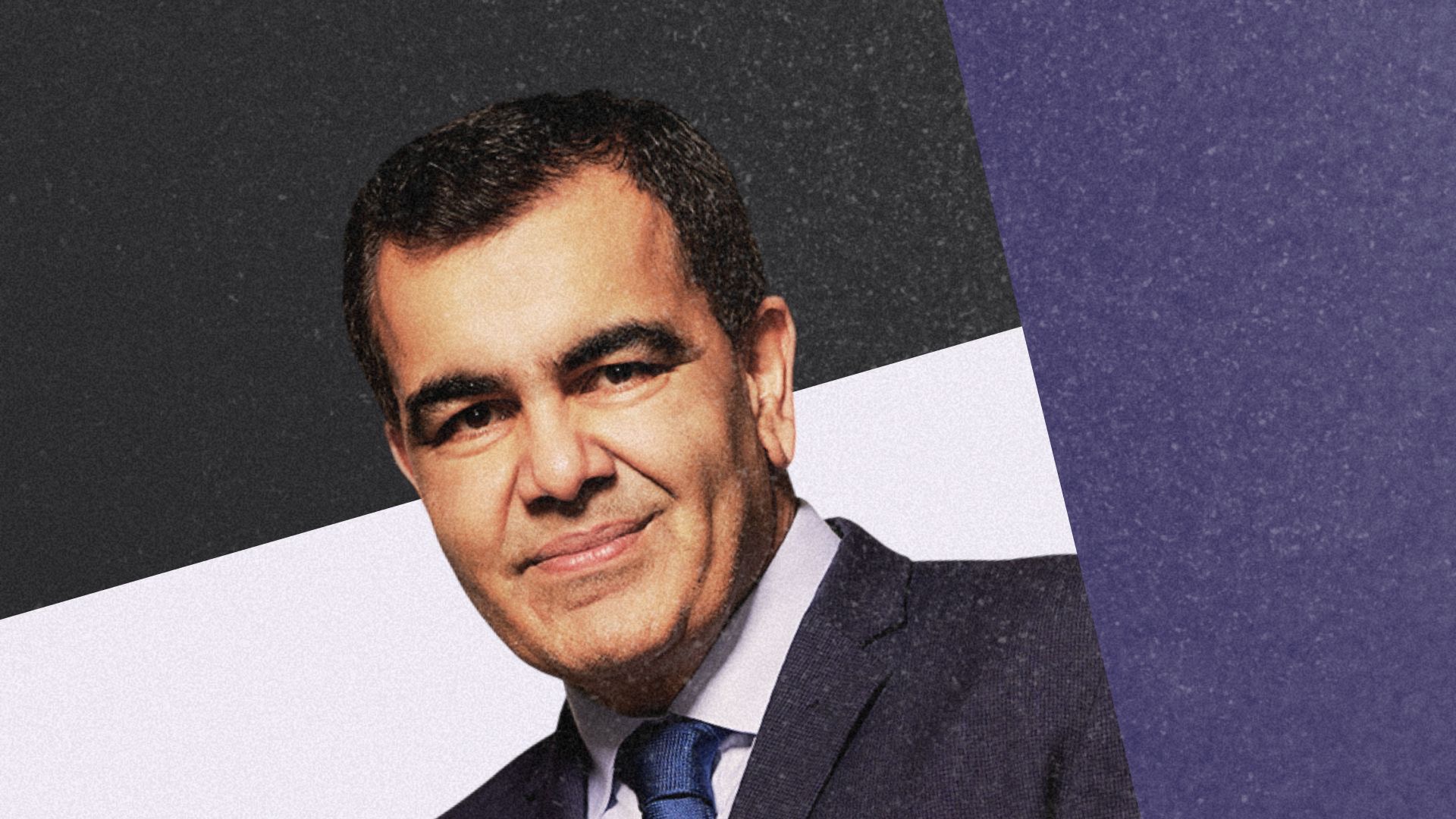
Peters met India’s external affairs minister S Jaishankar on the sidelines of ASEAN meetings in Manila on Wednesday.
The foreign minister is in the Philippines for ASEAN-related meetings and bilateral engagements. His visit is part of the government’s effort to deepen New Zealand’s relationships with Southeast Asia and the wider Indo-Pacific.
“The minister re-connected with India’s external affairs minister, Subrahmanyam Jaishankar,” a social media post from New Zealand’s foreign affairs ministry said.
The ministers discussed global “turbulence, uncertainty and disruption”, and its security and economic implications for the Indo-Pacific.
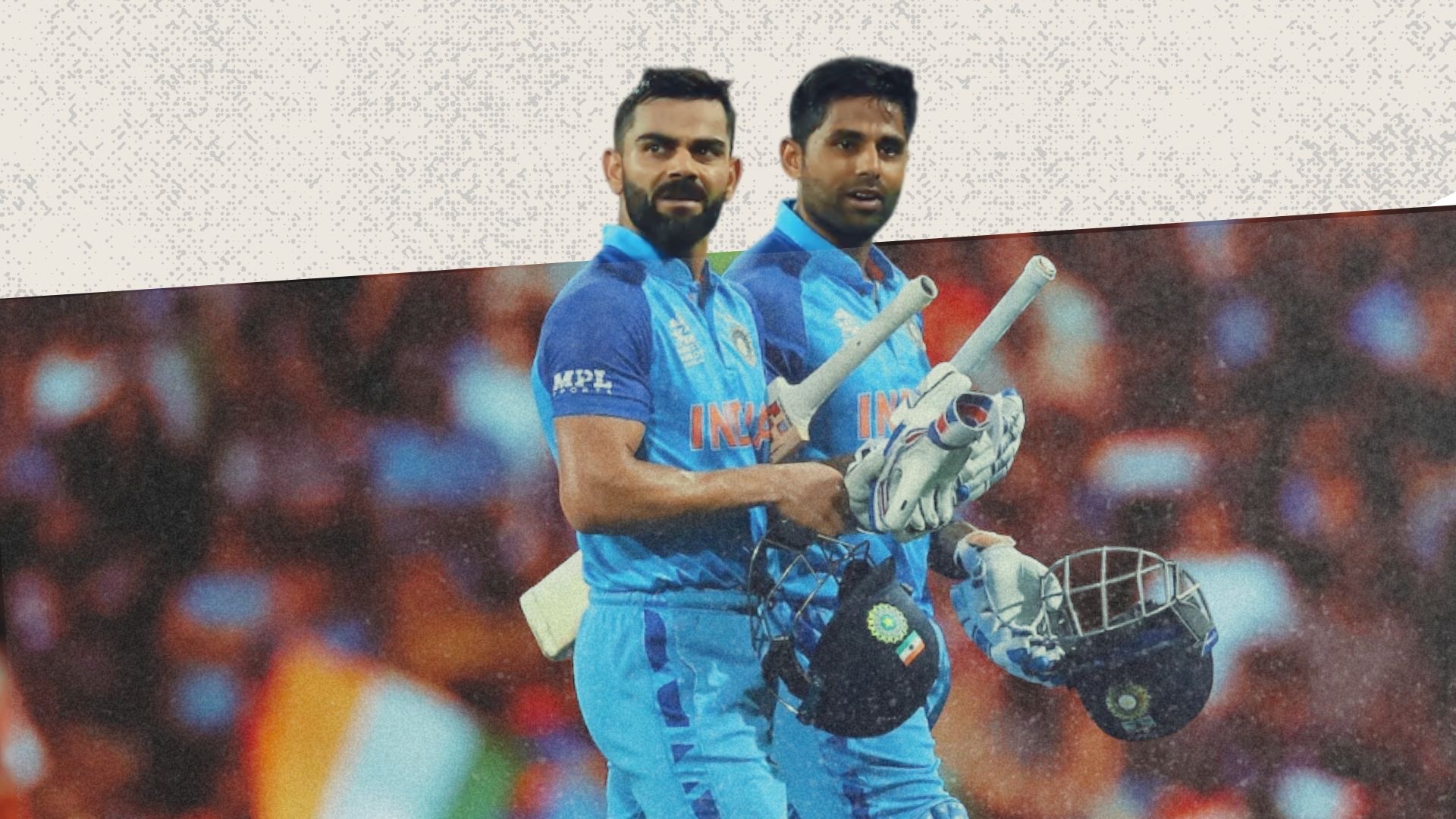
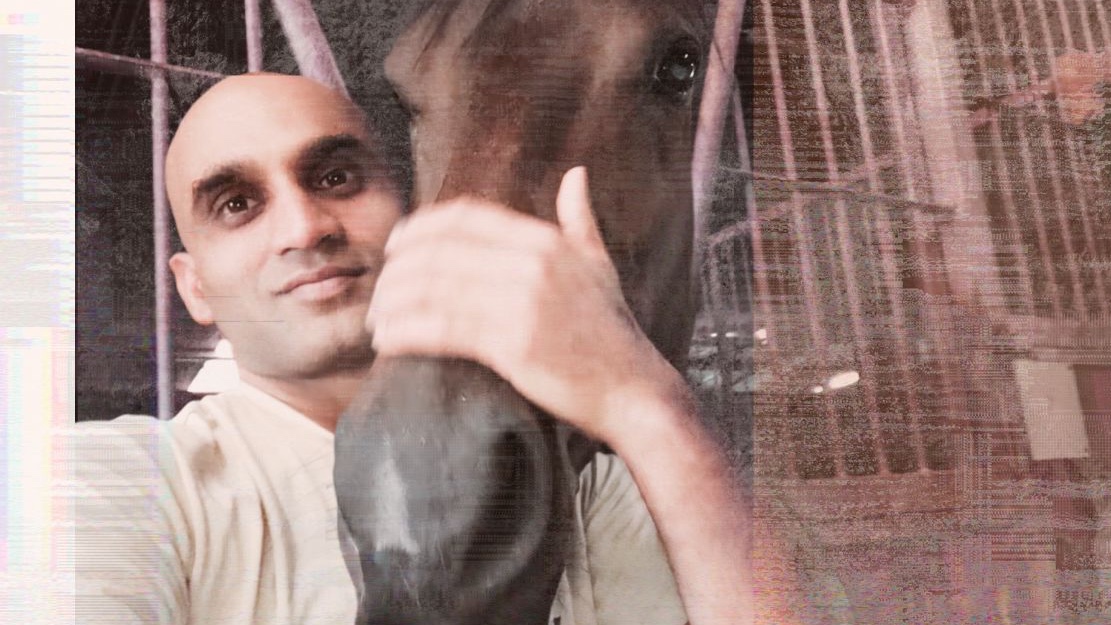
Being Indian and Kiwi at once. How Ajaz Patel's 10-wicket haul brought his two worlds together A historic moment in Mumbai left the Black Caps spinner reflecting on something far deeper than cricket.
India's SIR voter controversy reaches New Zealand in Muslim man's asylum case The man claimed Muslims excluded from voter lists risked losing welfare benefits and being treated as illegal immigrants.
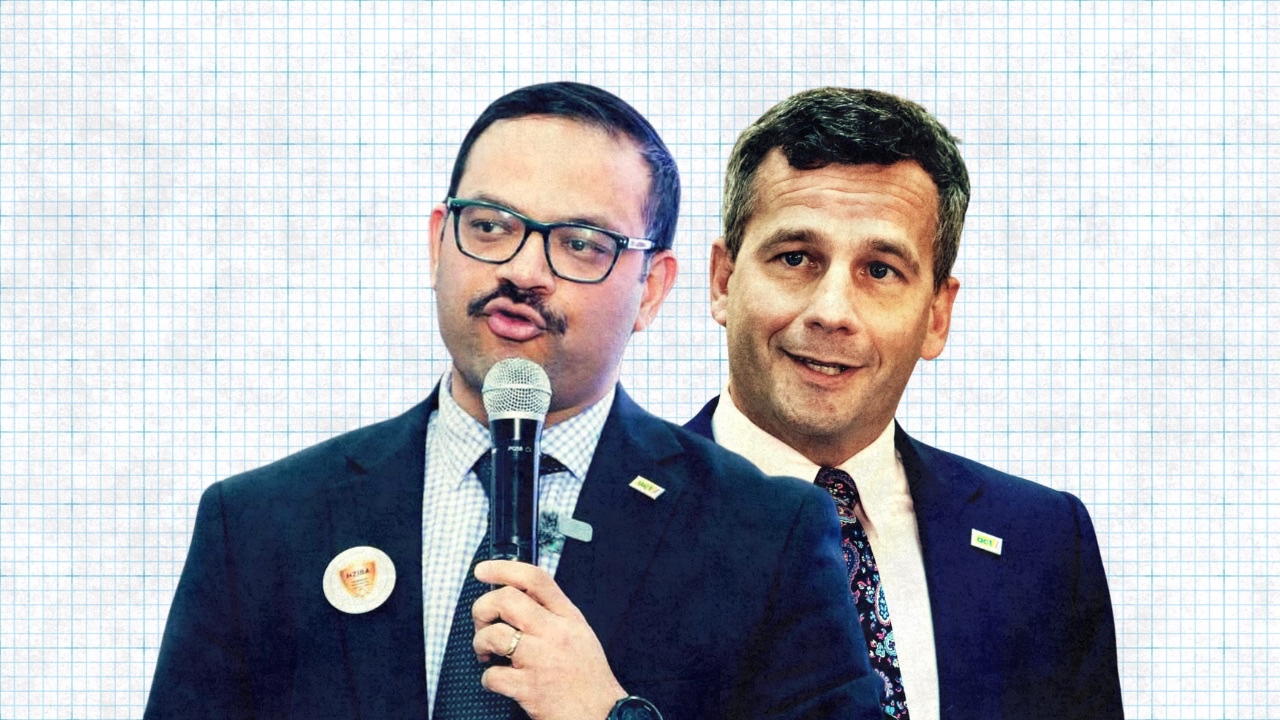
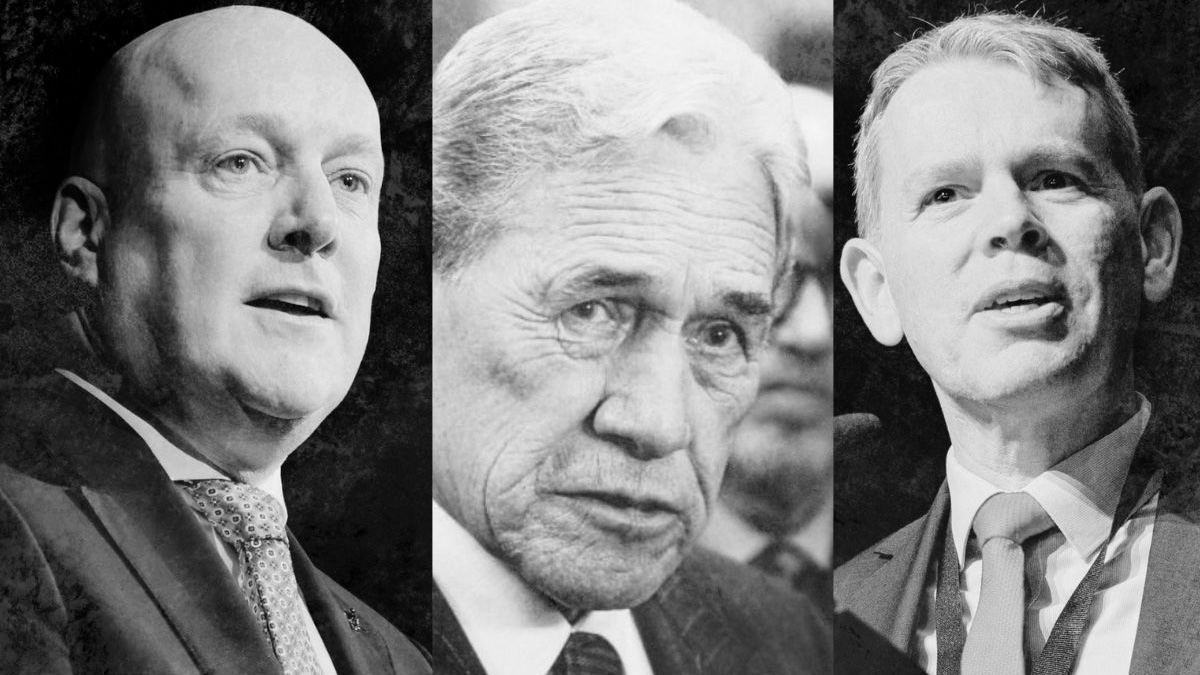
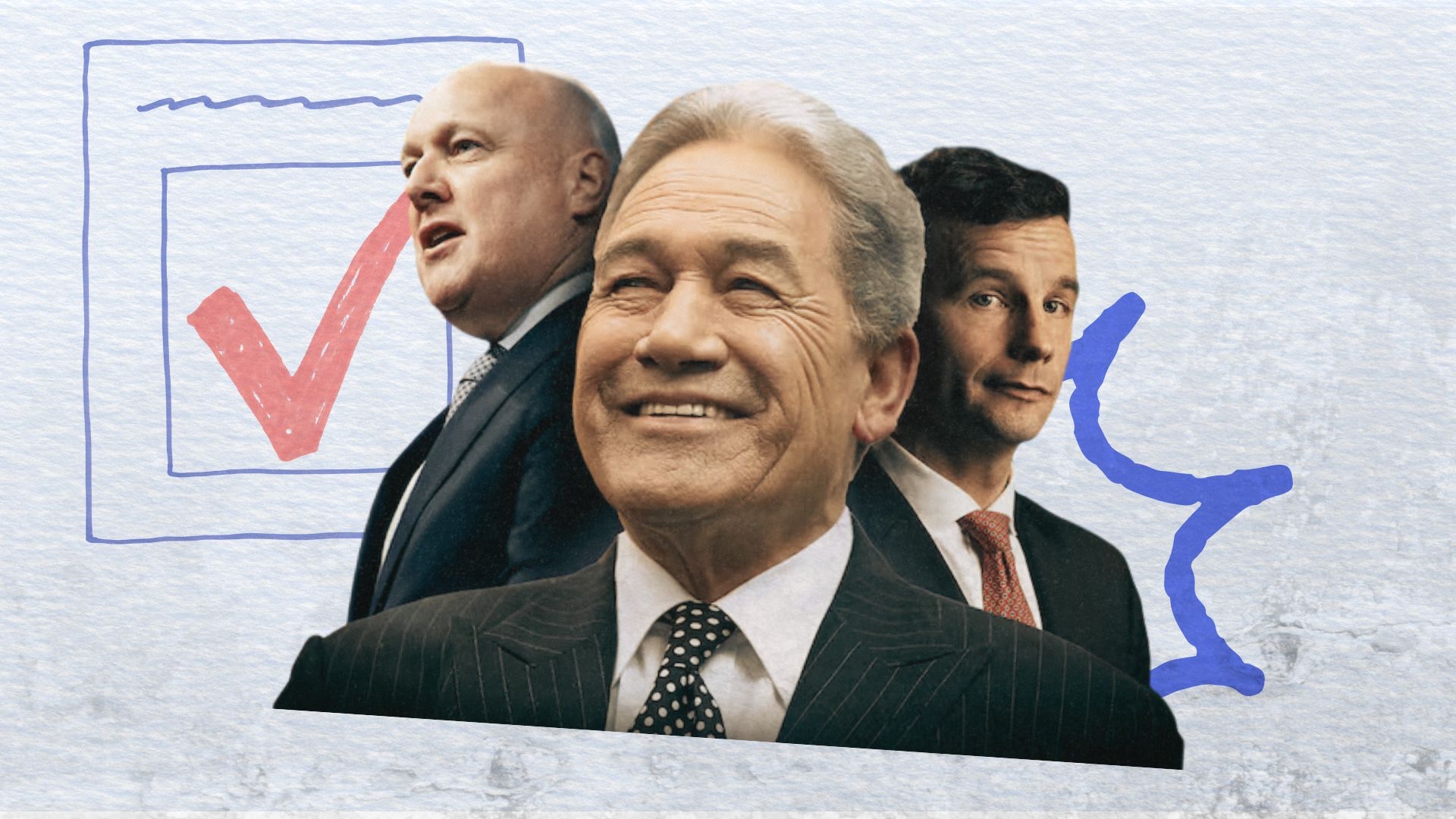
Election 2026: A right majority is possible even if Opportunity enters Parliament The latest polls suggest National, ACT and NZ First could secure a majority, with the Opportunity Party's fortunes still crucial.
They also discussed the importance of greater security and defence cooperation between India and New Zealand, including on maritime security and counter-terrorism, as well as the two countries’ efforts to strengthen their respective relationships with Southeast Asia.
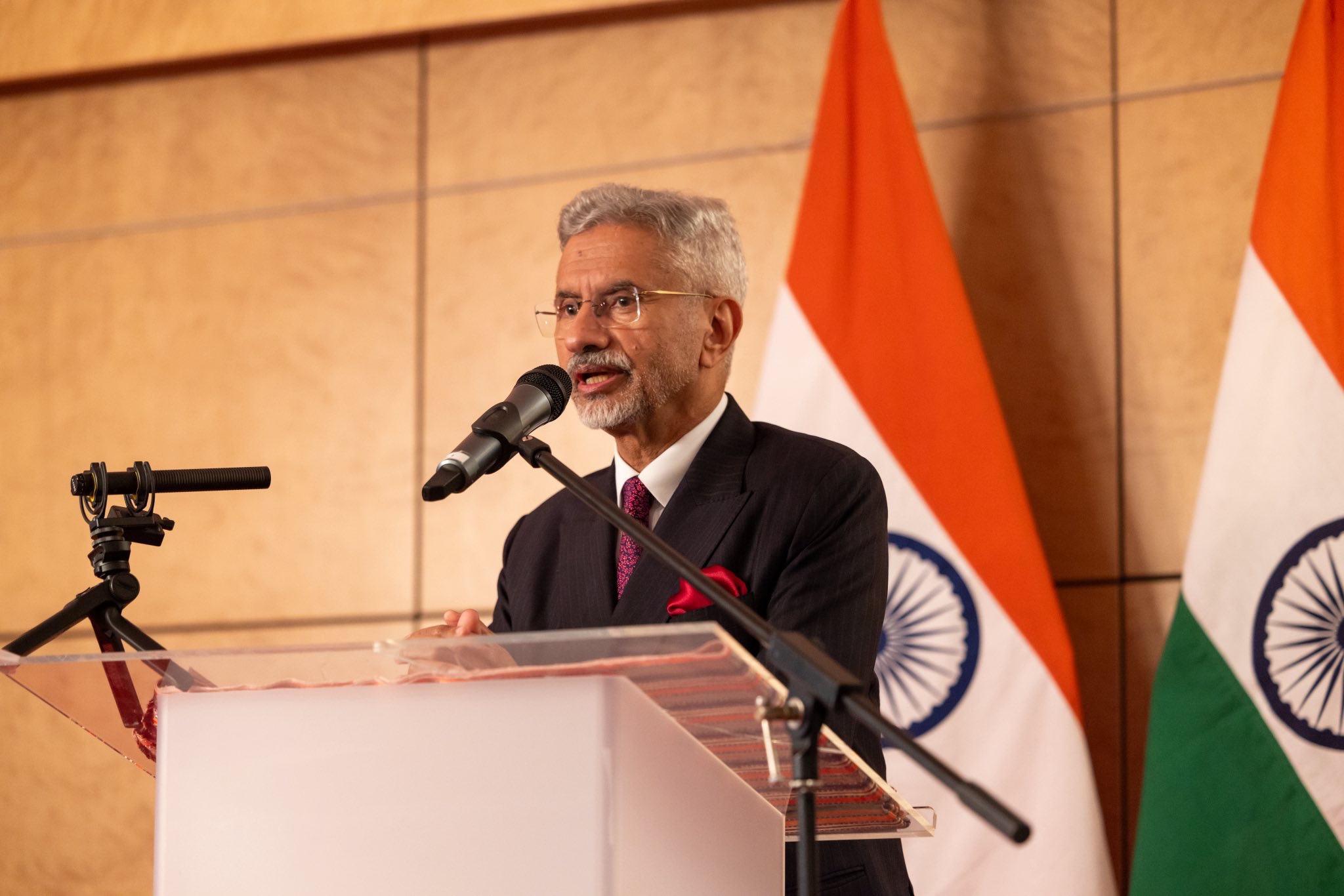
Jaishankar described it as a “useful conversation”.
“Shared perspectives on the Indo-Pacific security situation and discussed enhancing our maritime cooperation,” he said.
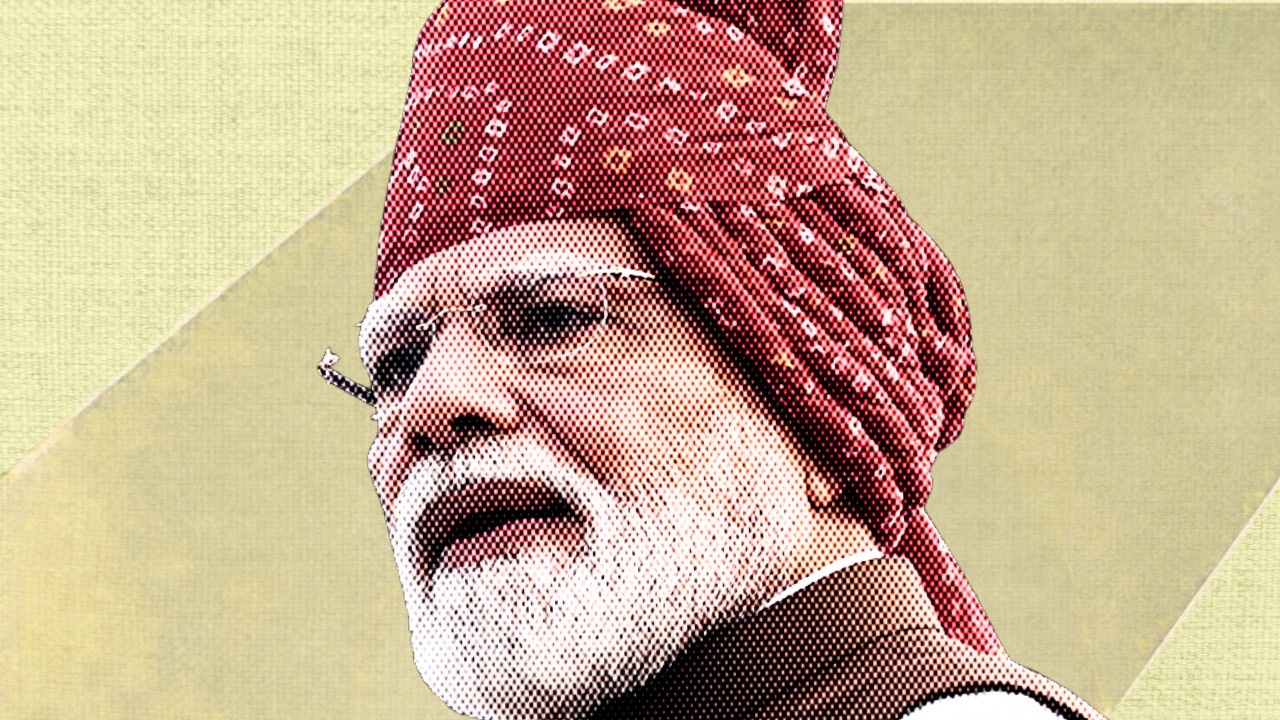
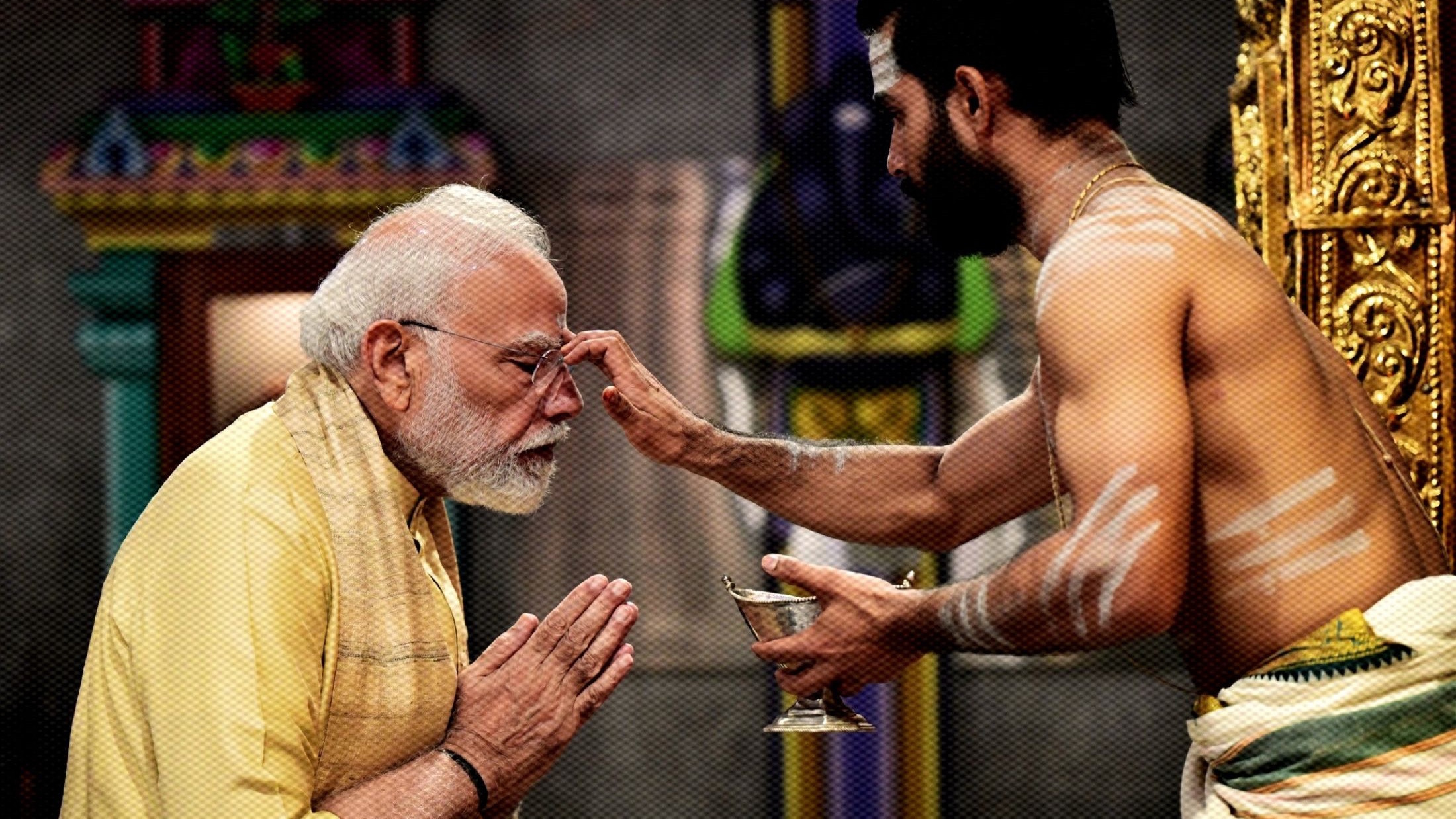
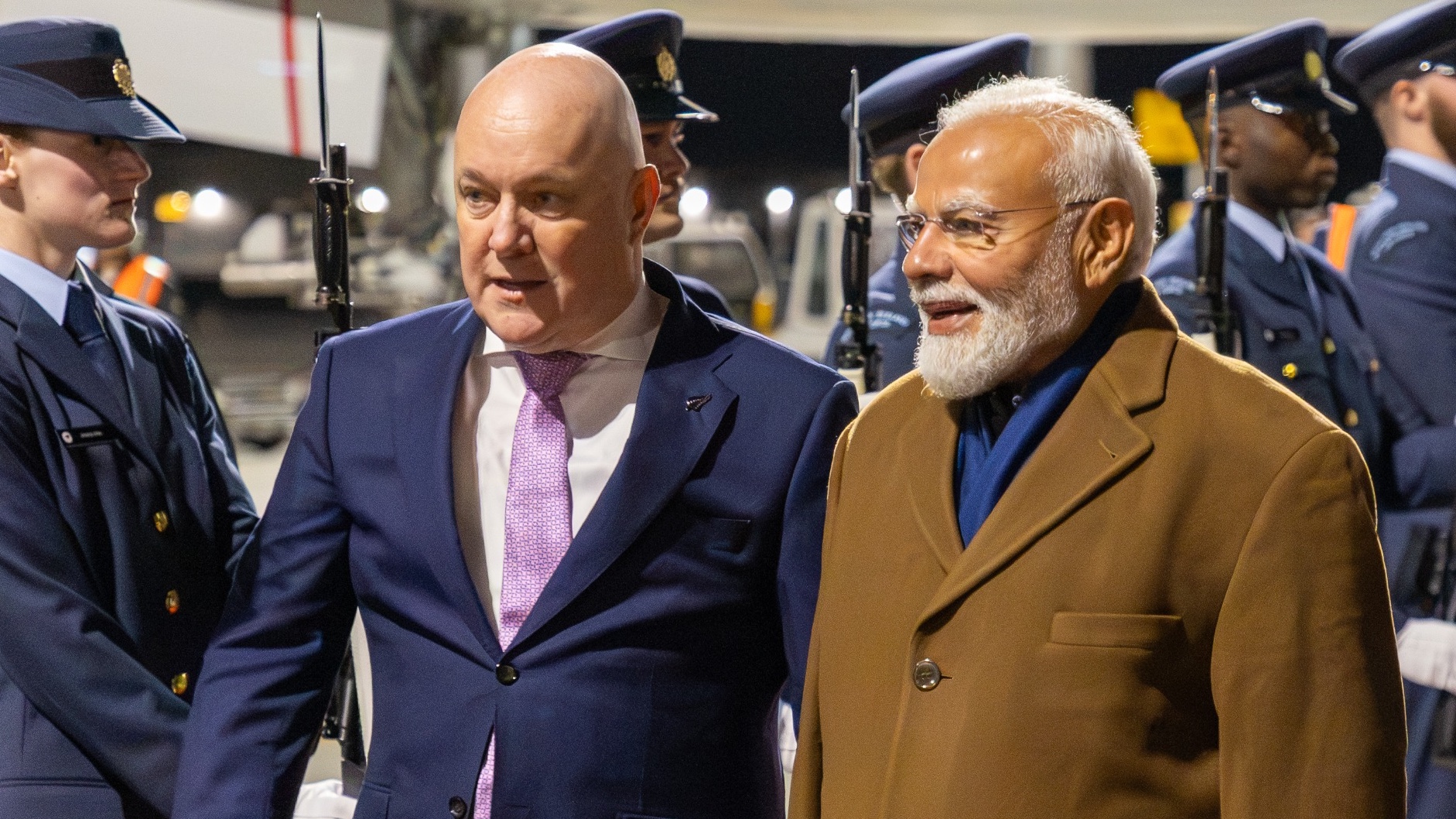
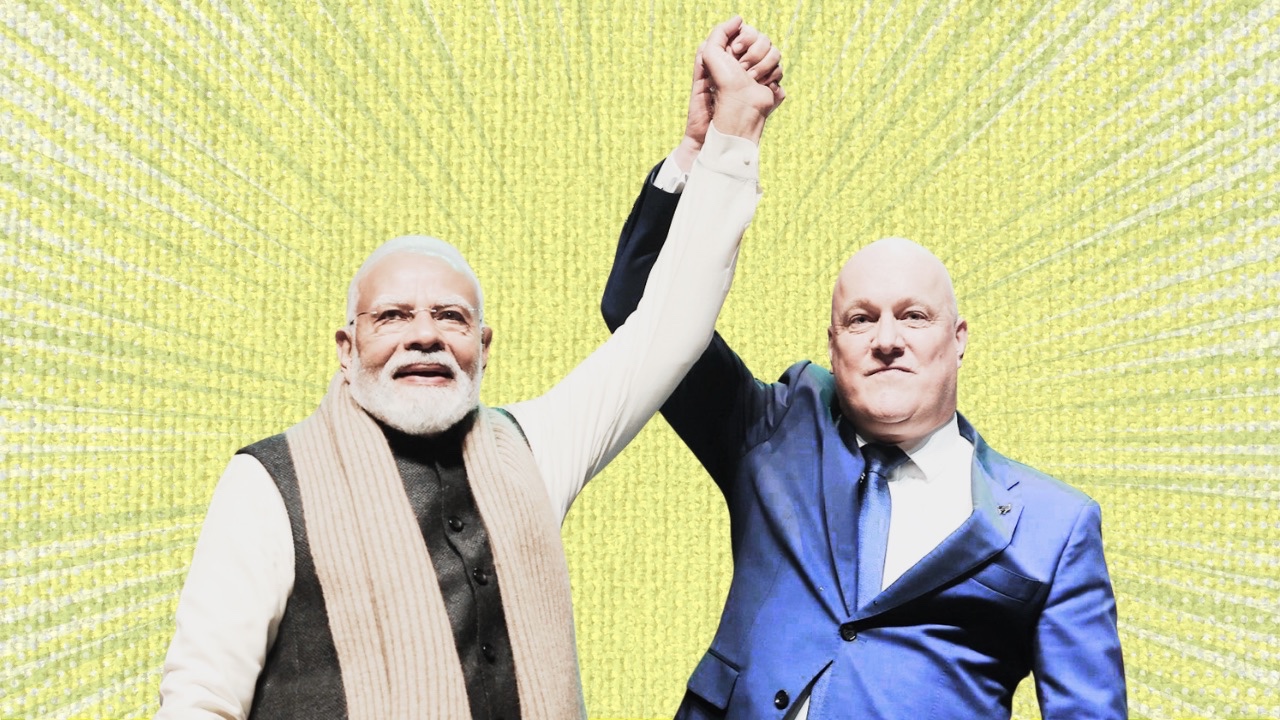
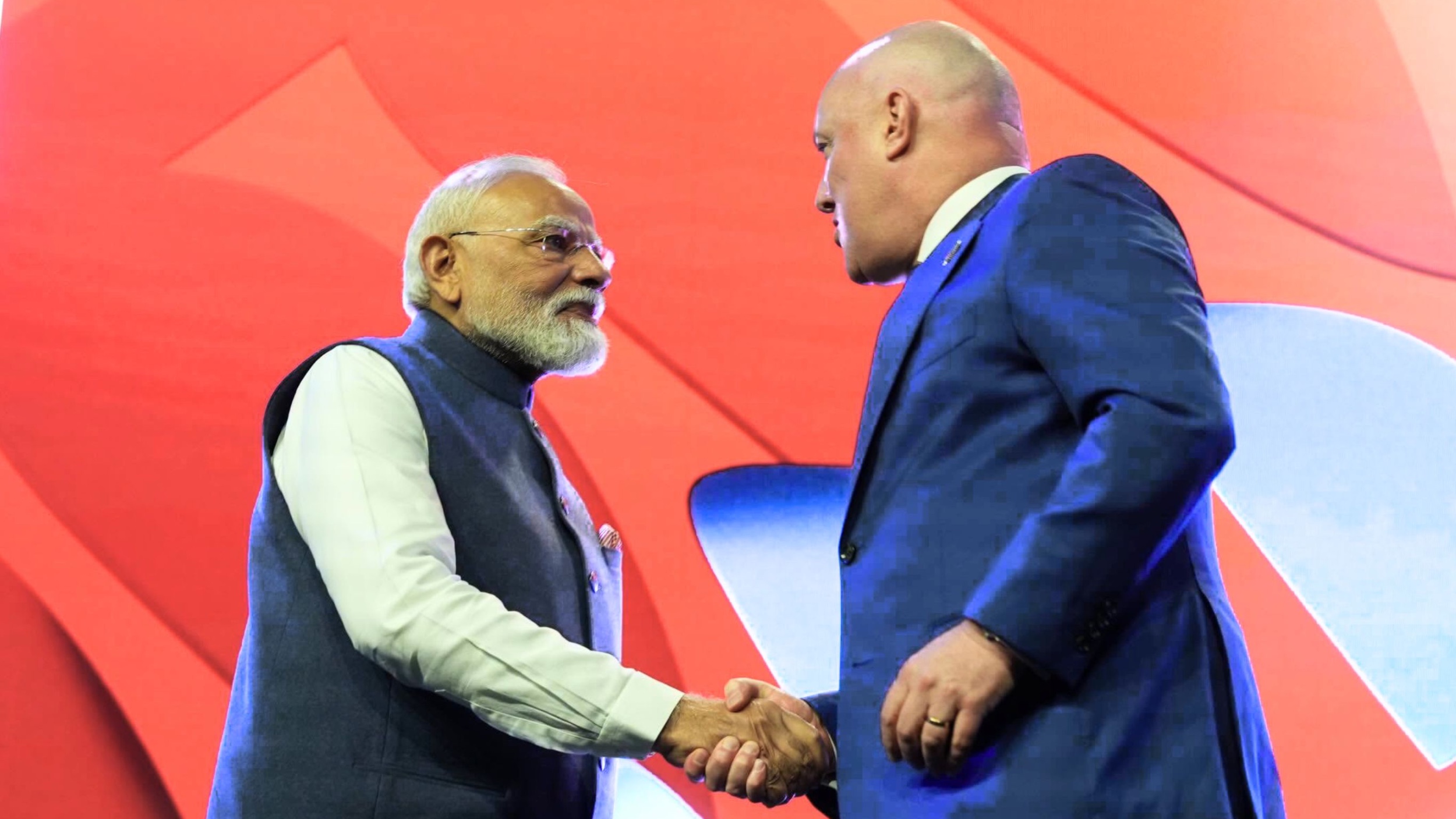
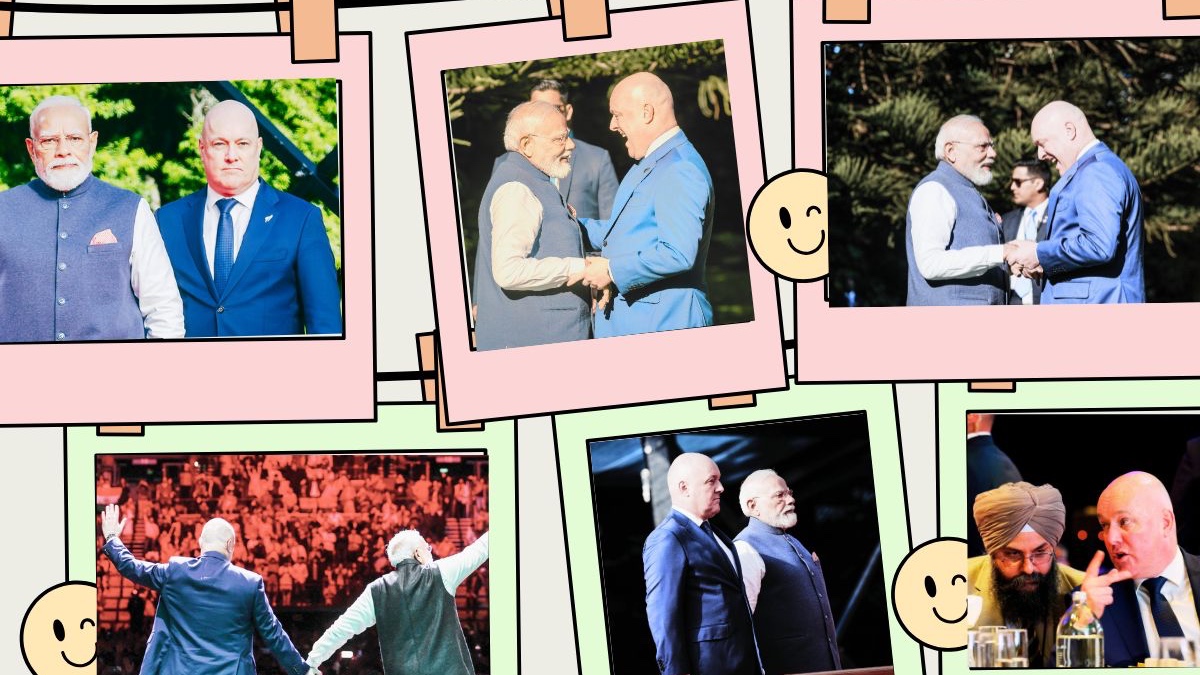
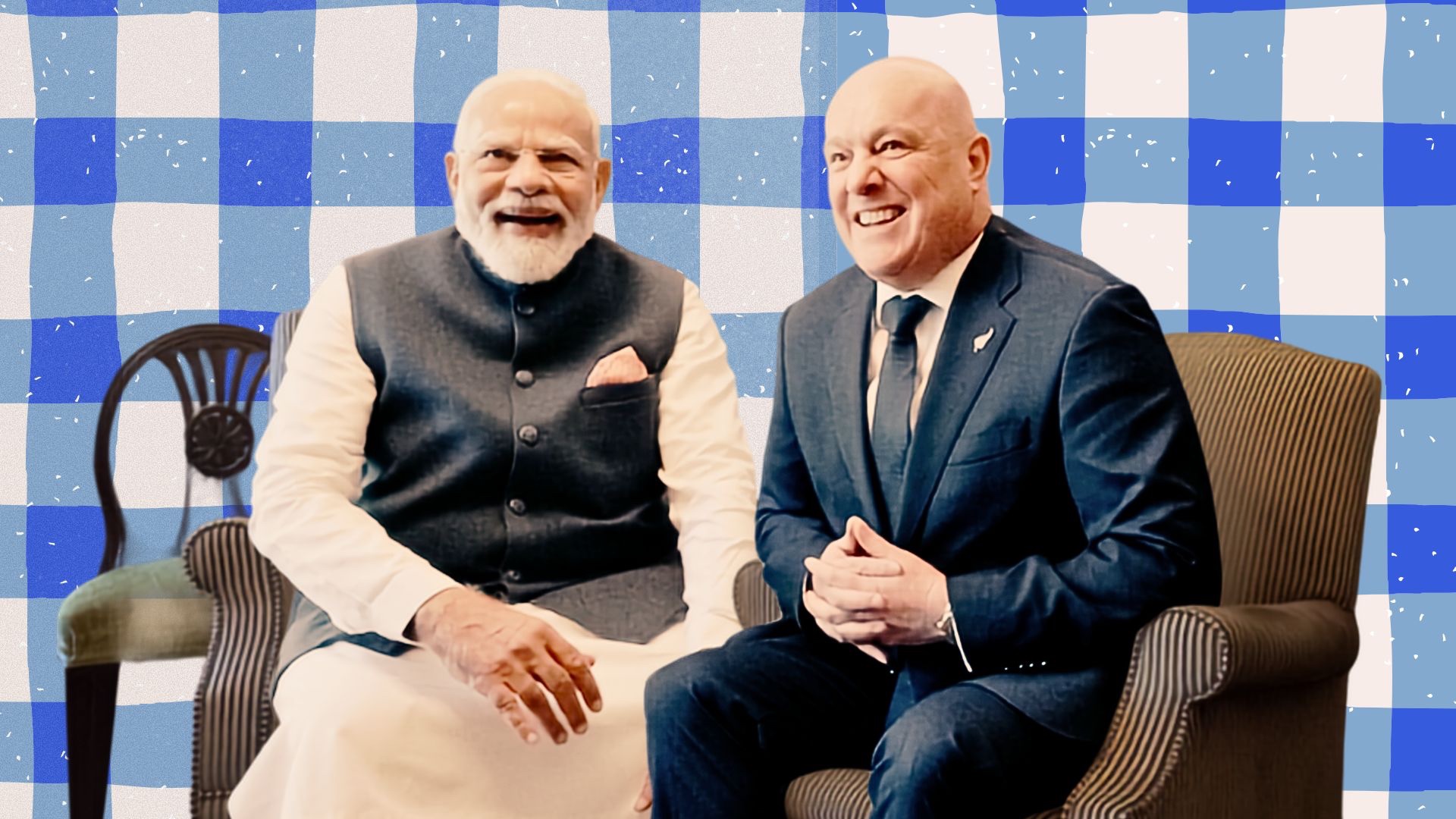
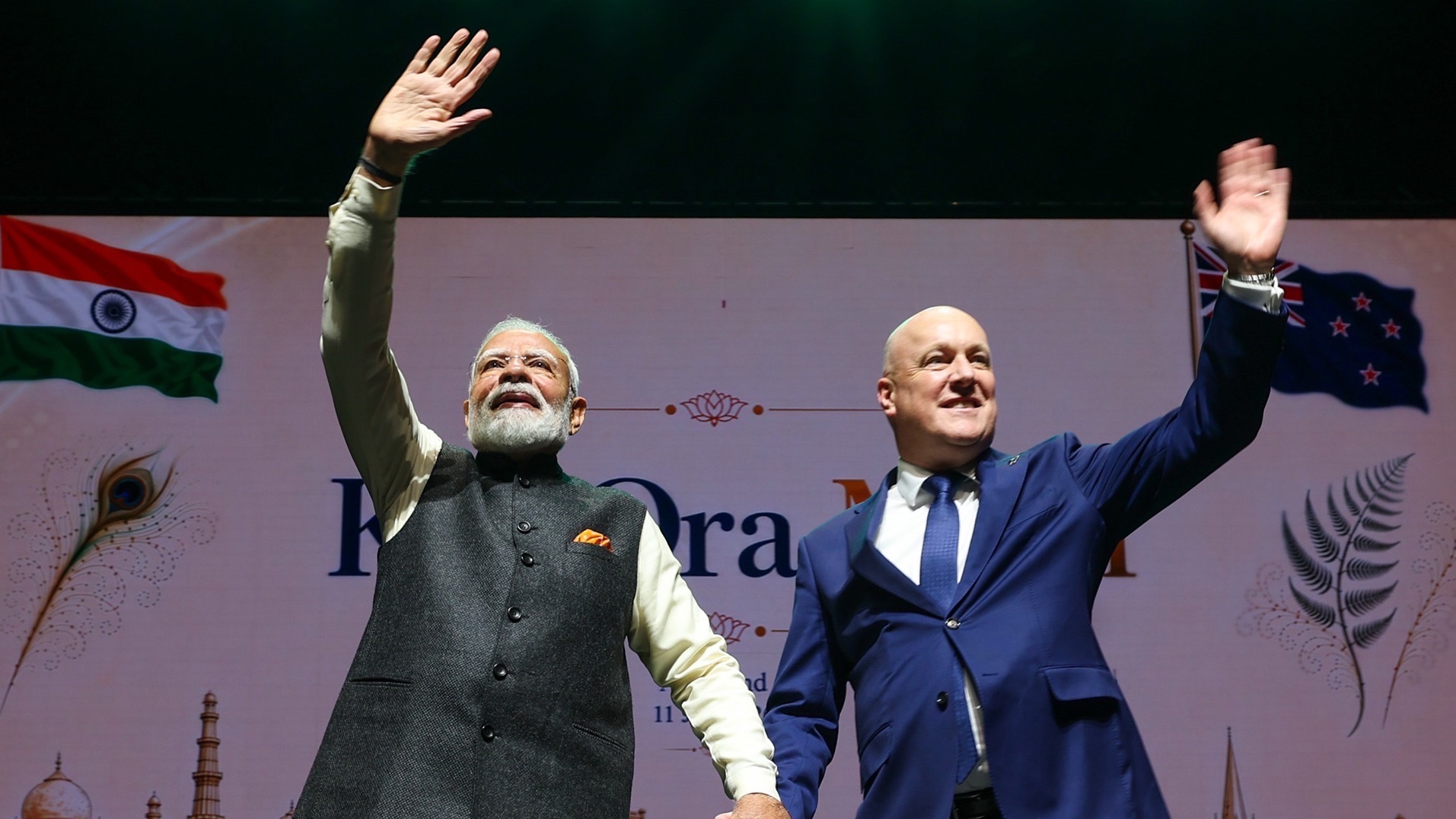
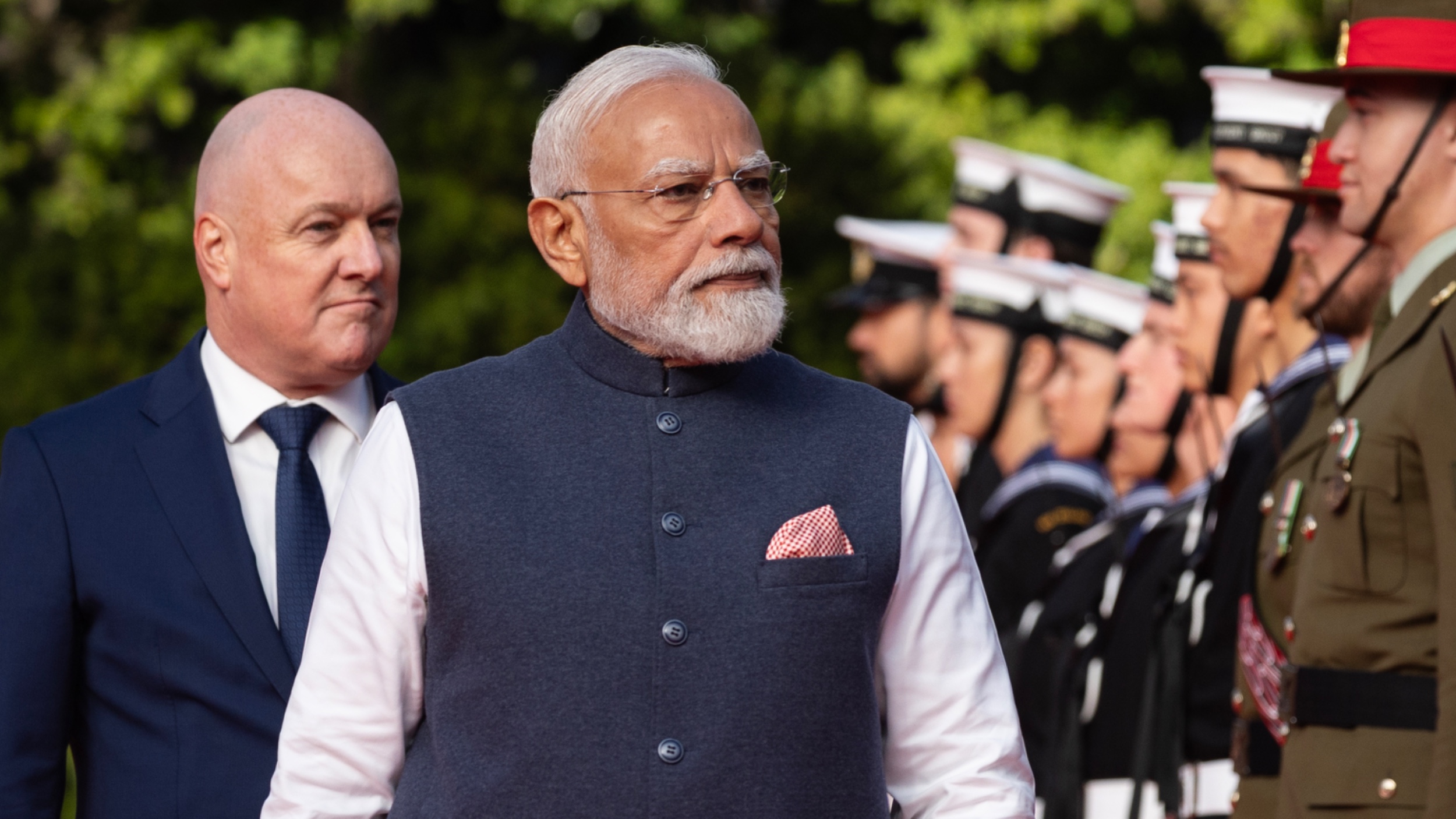
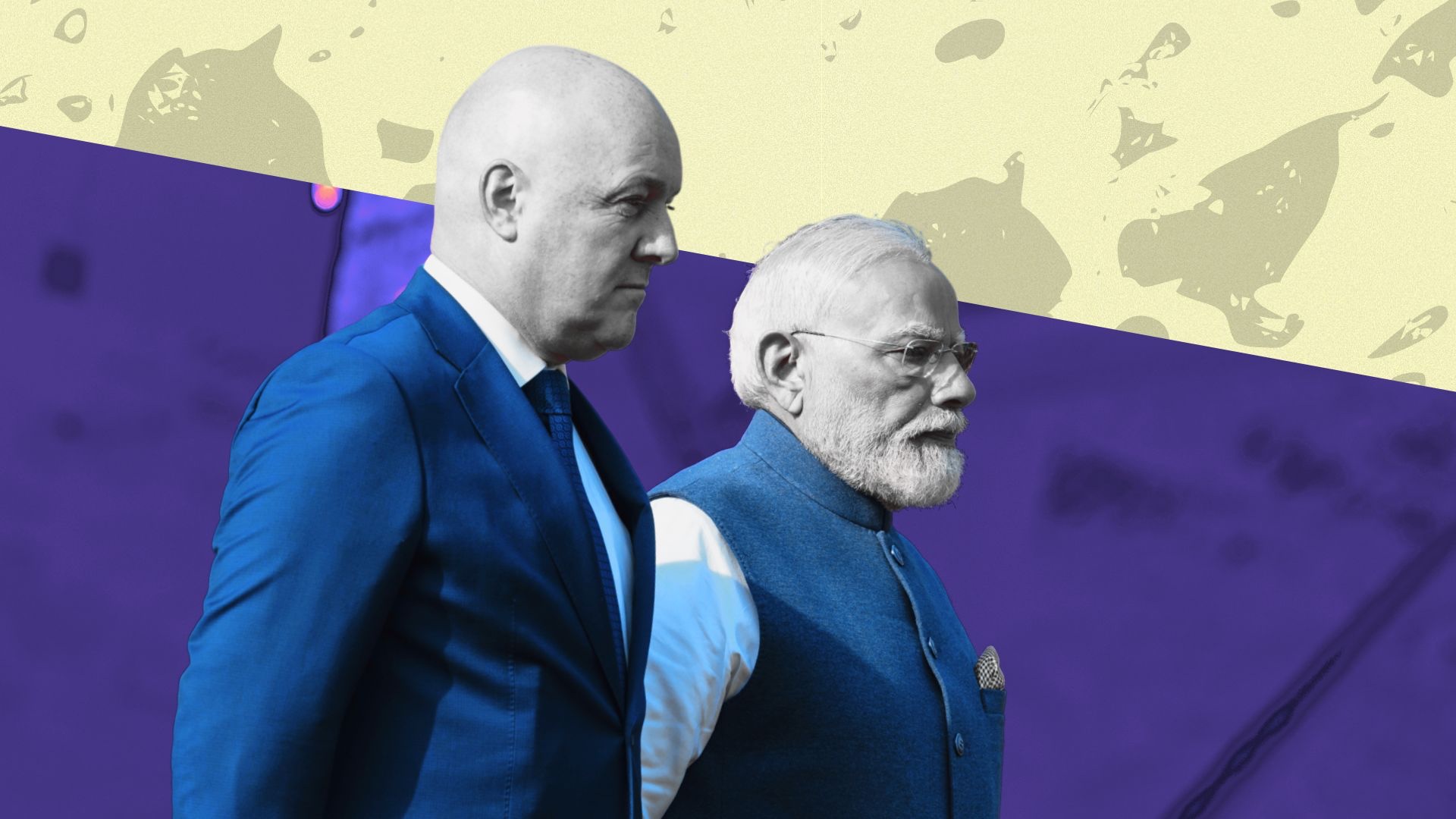
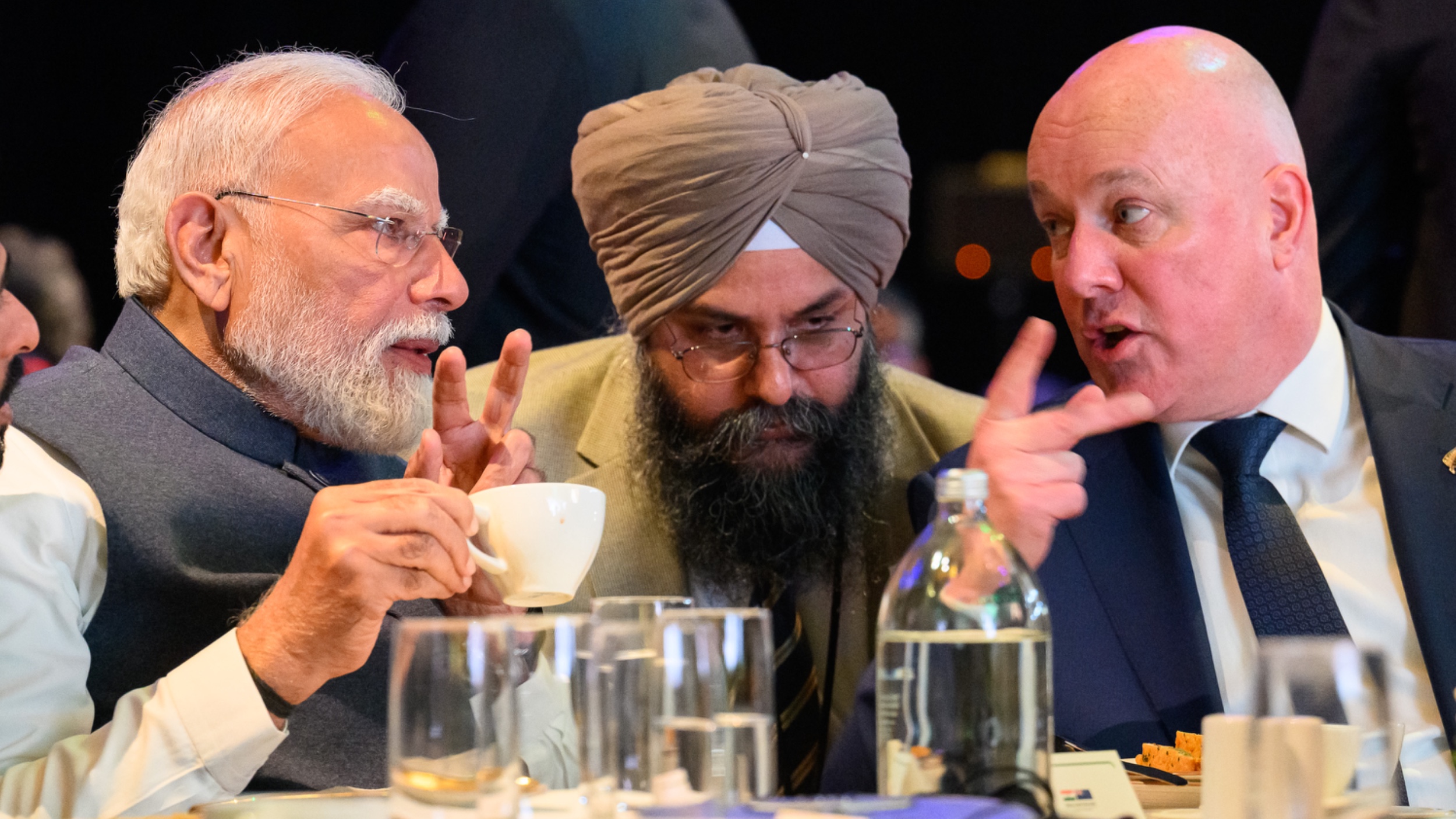
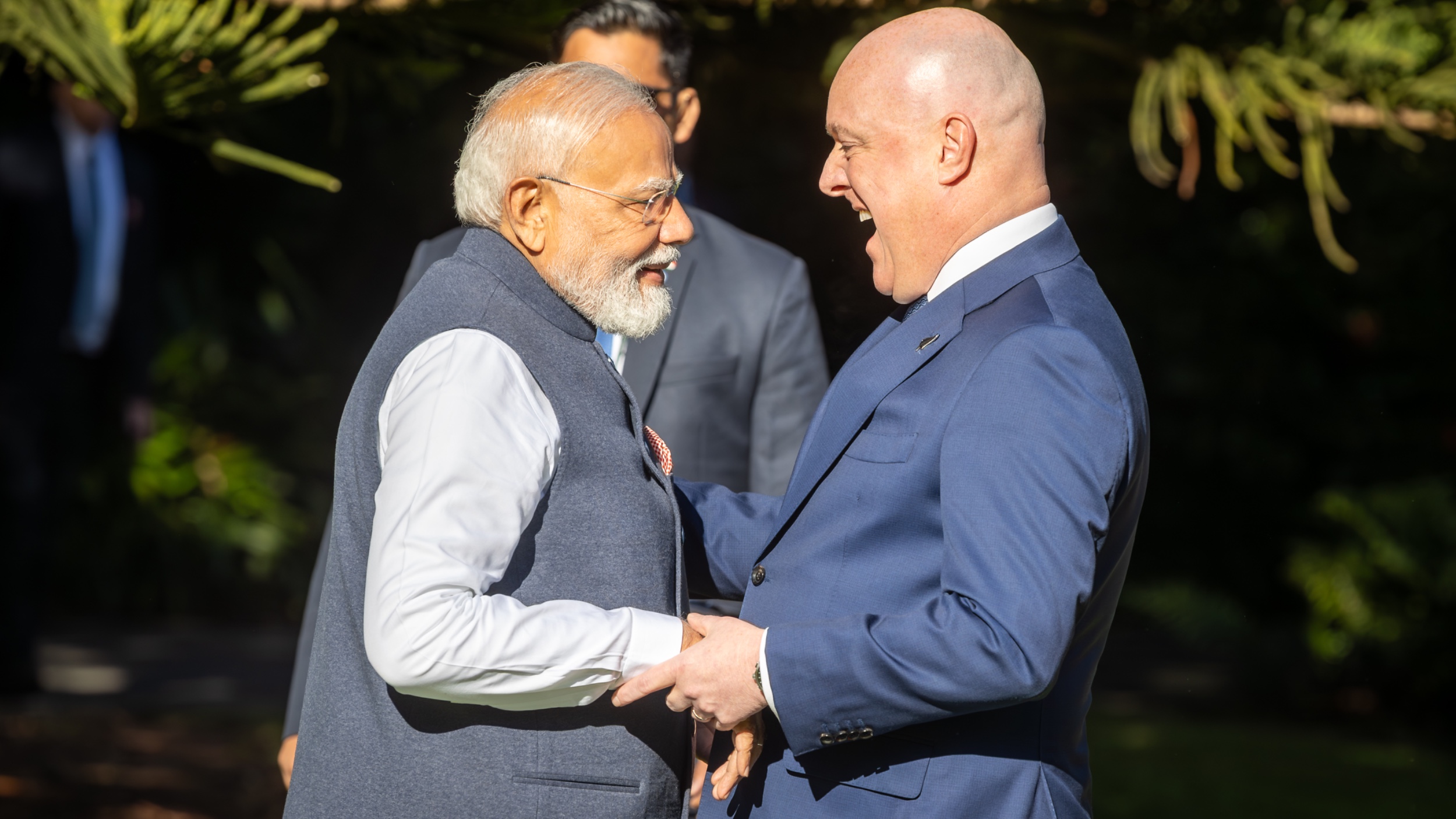
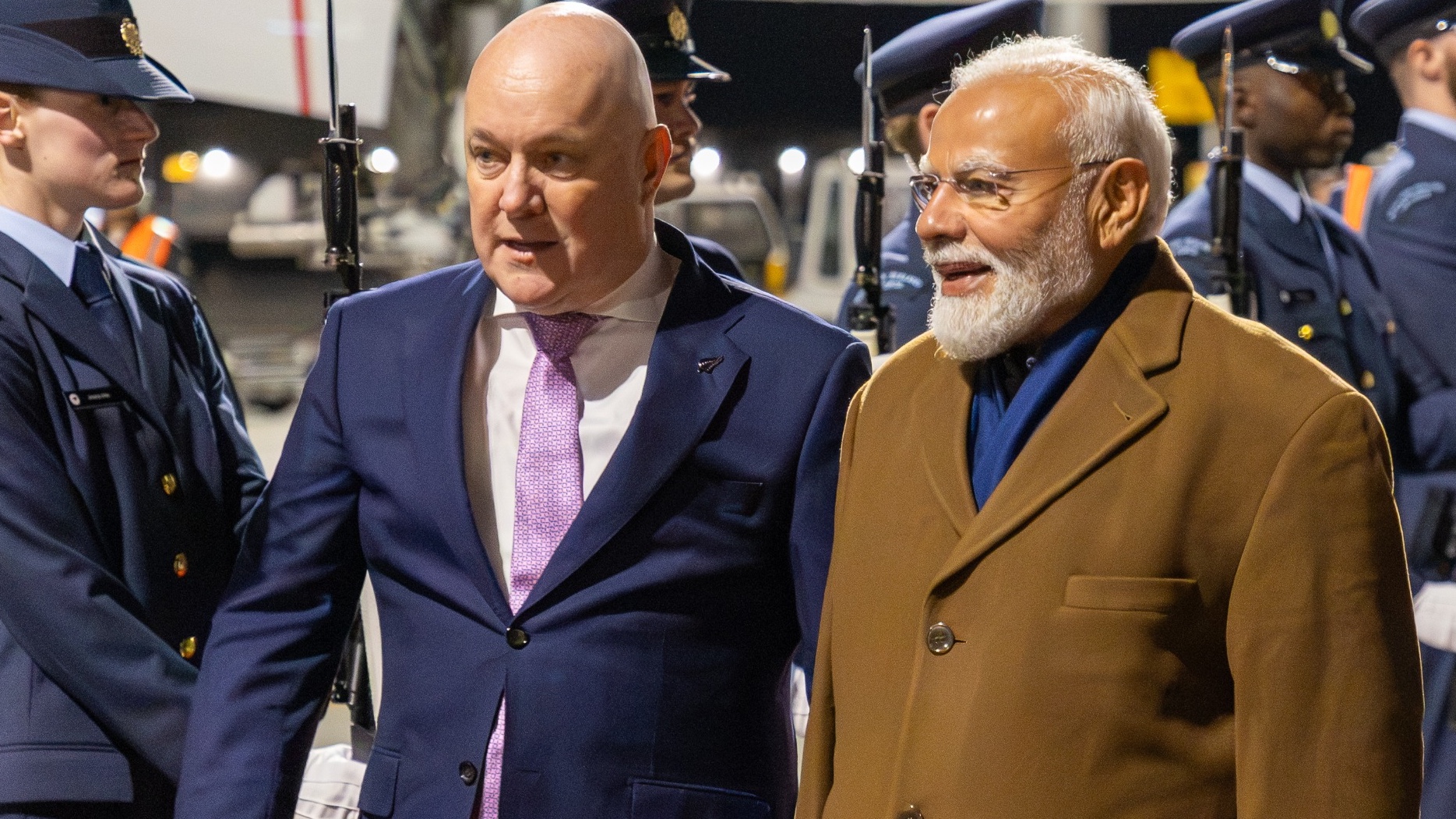
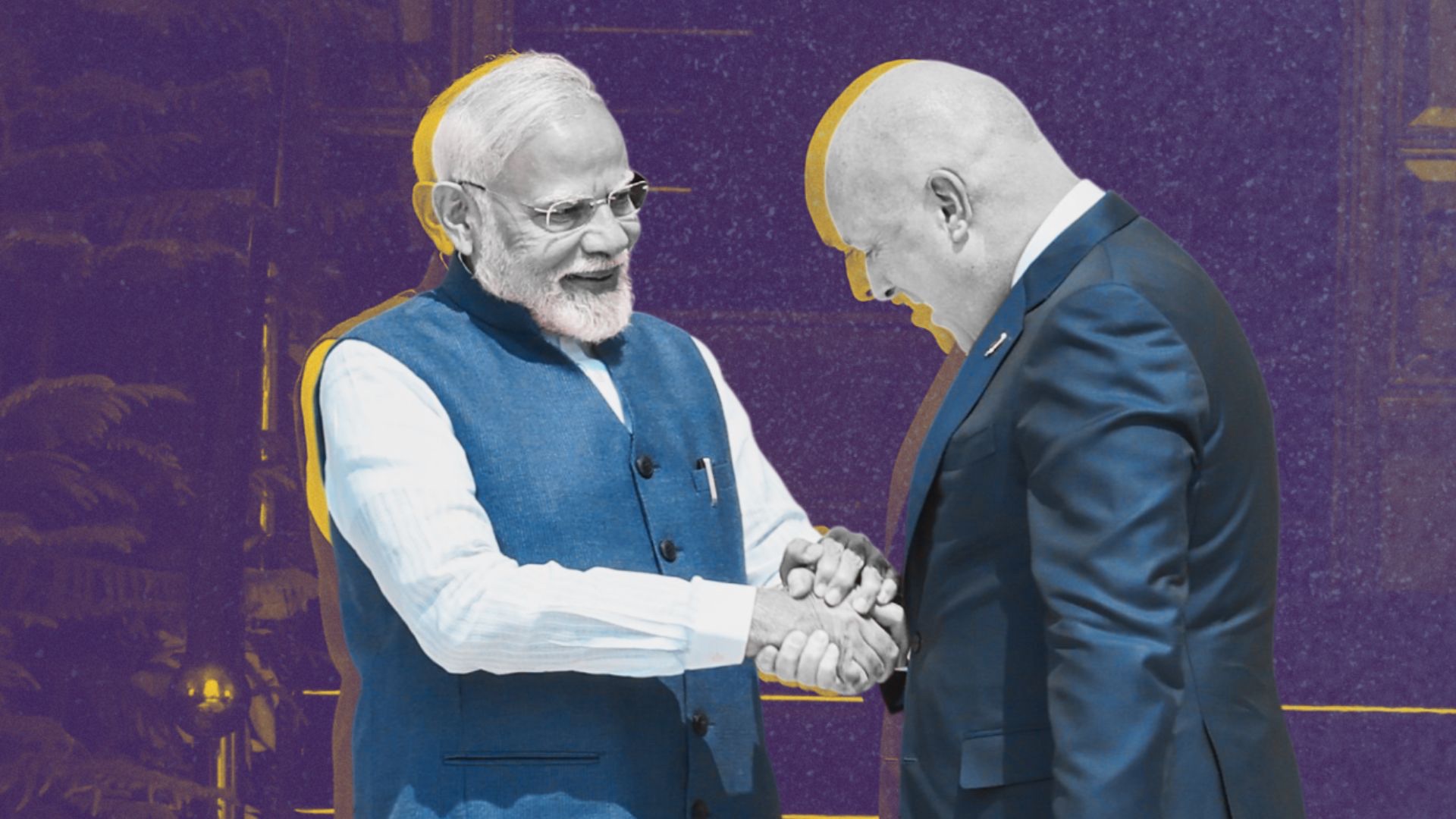
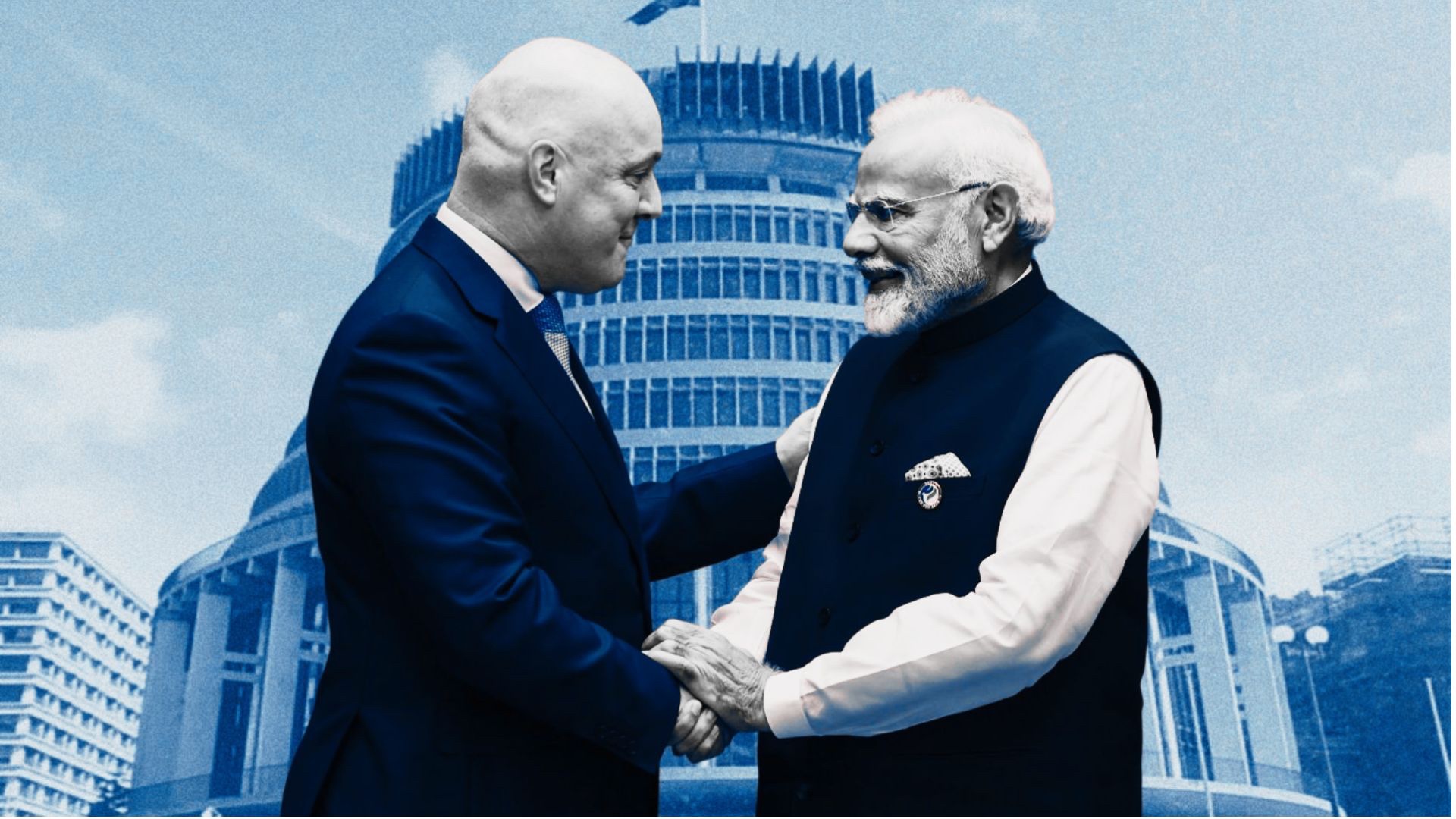
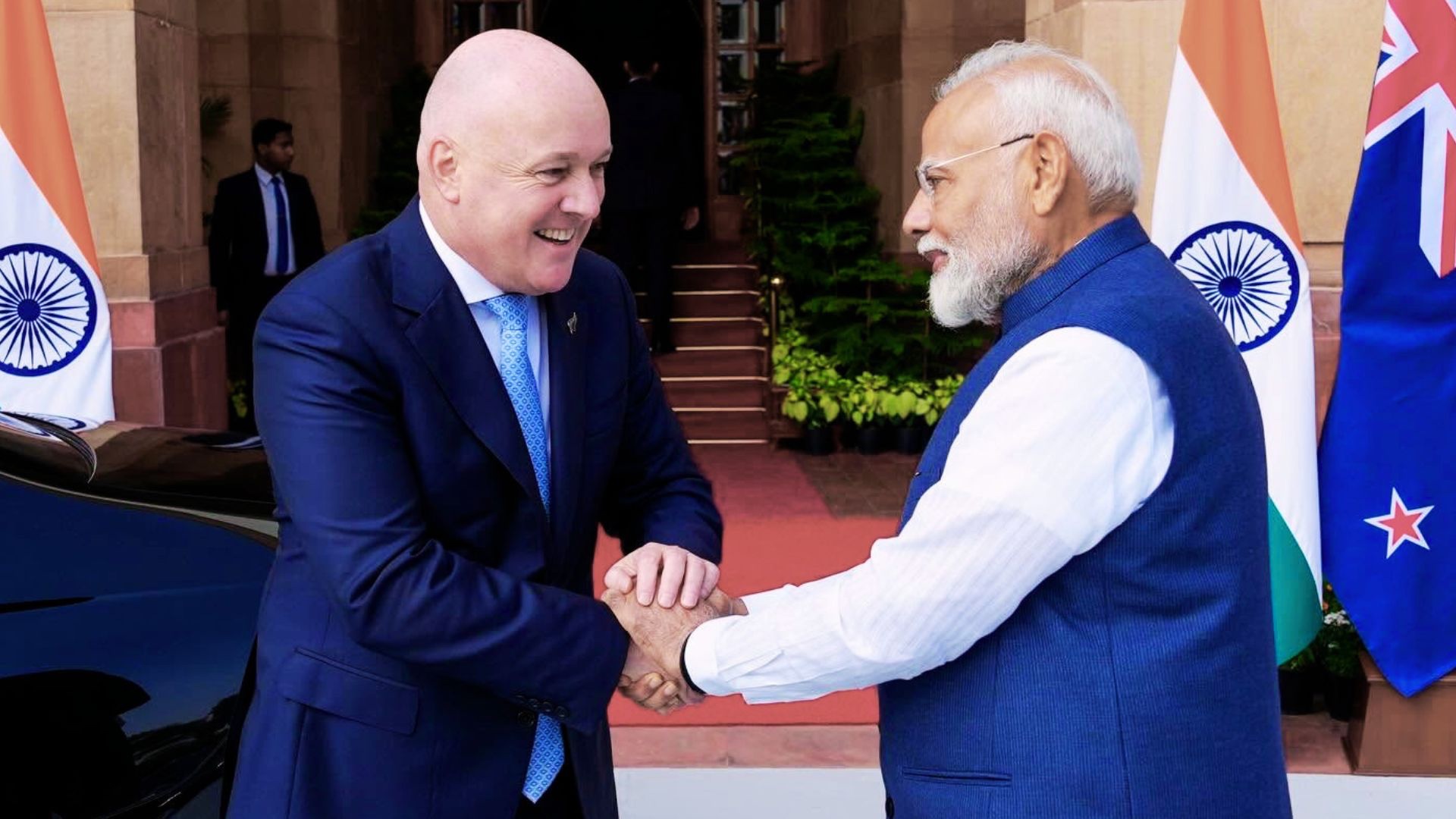
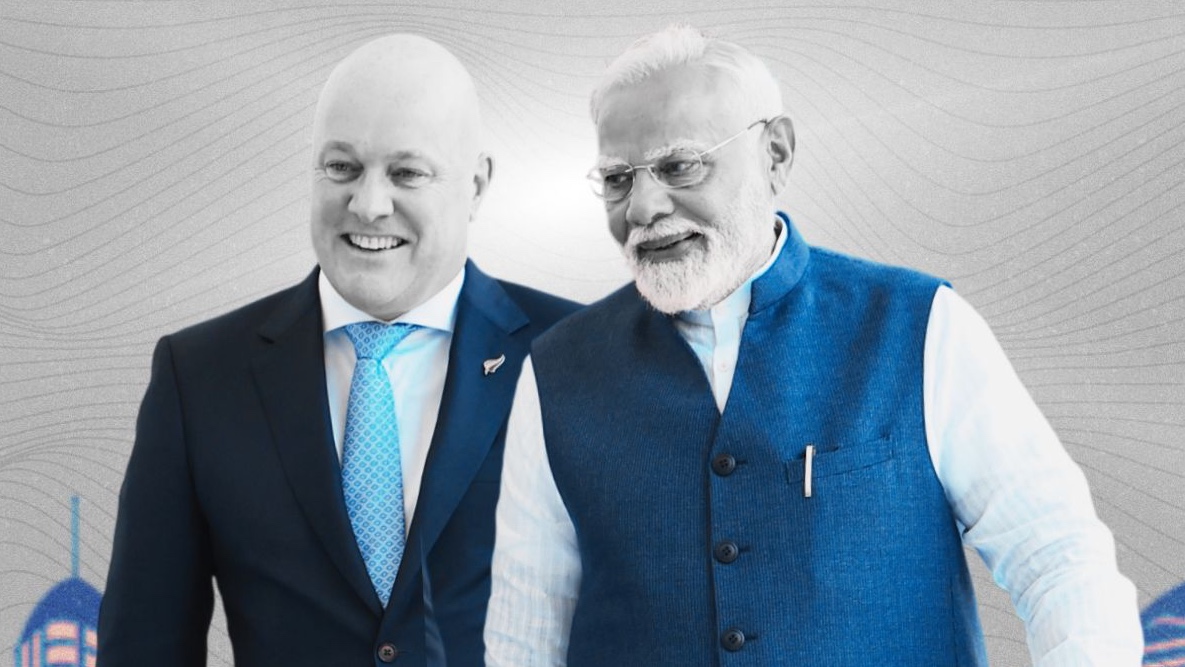
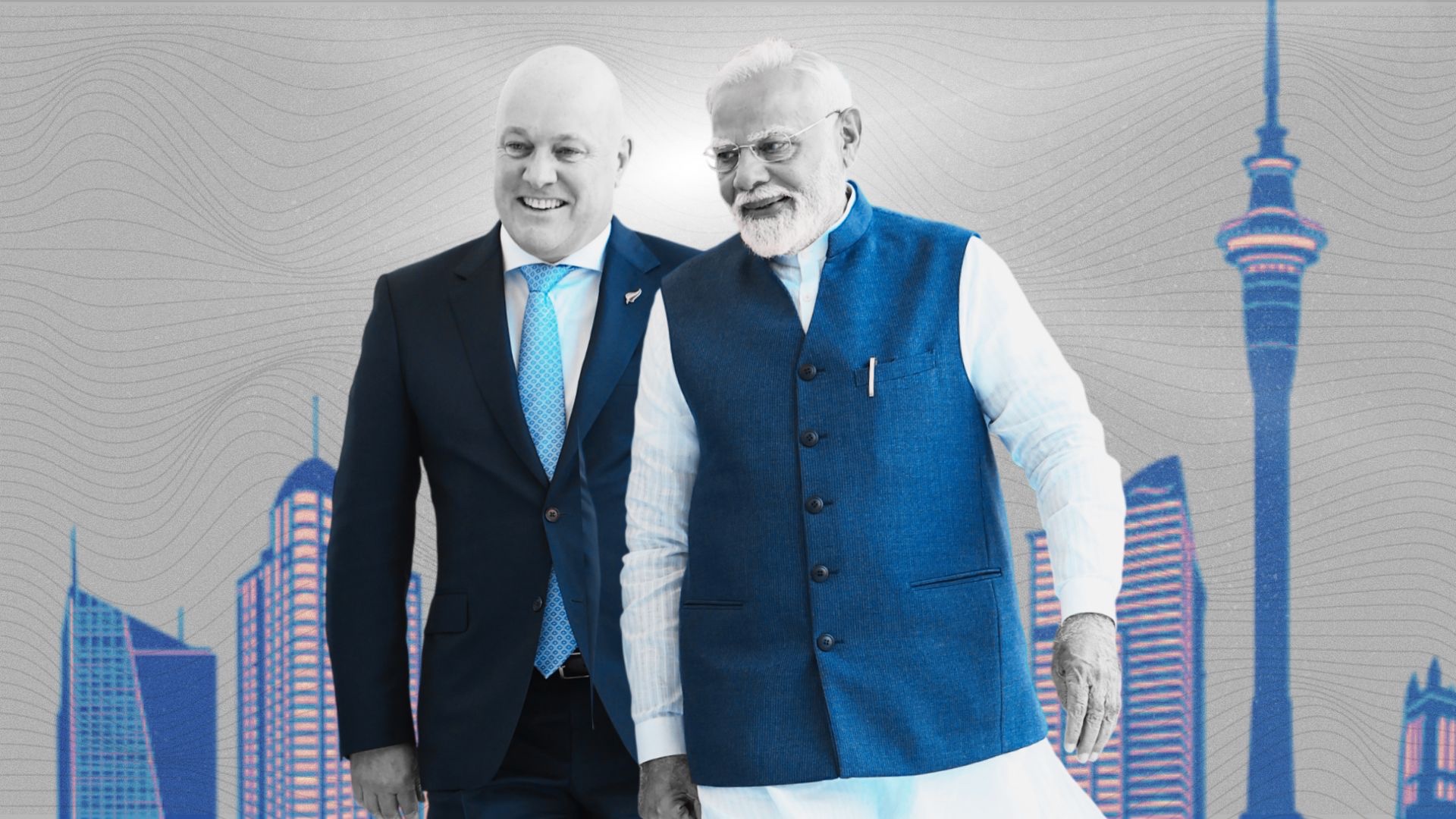
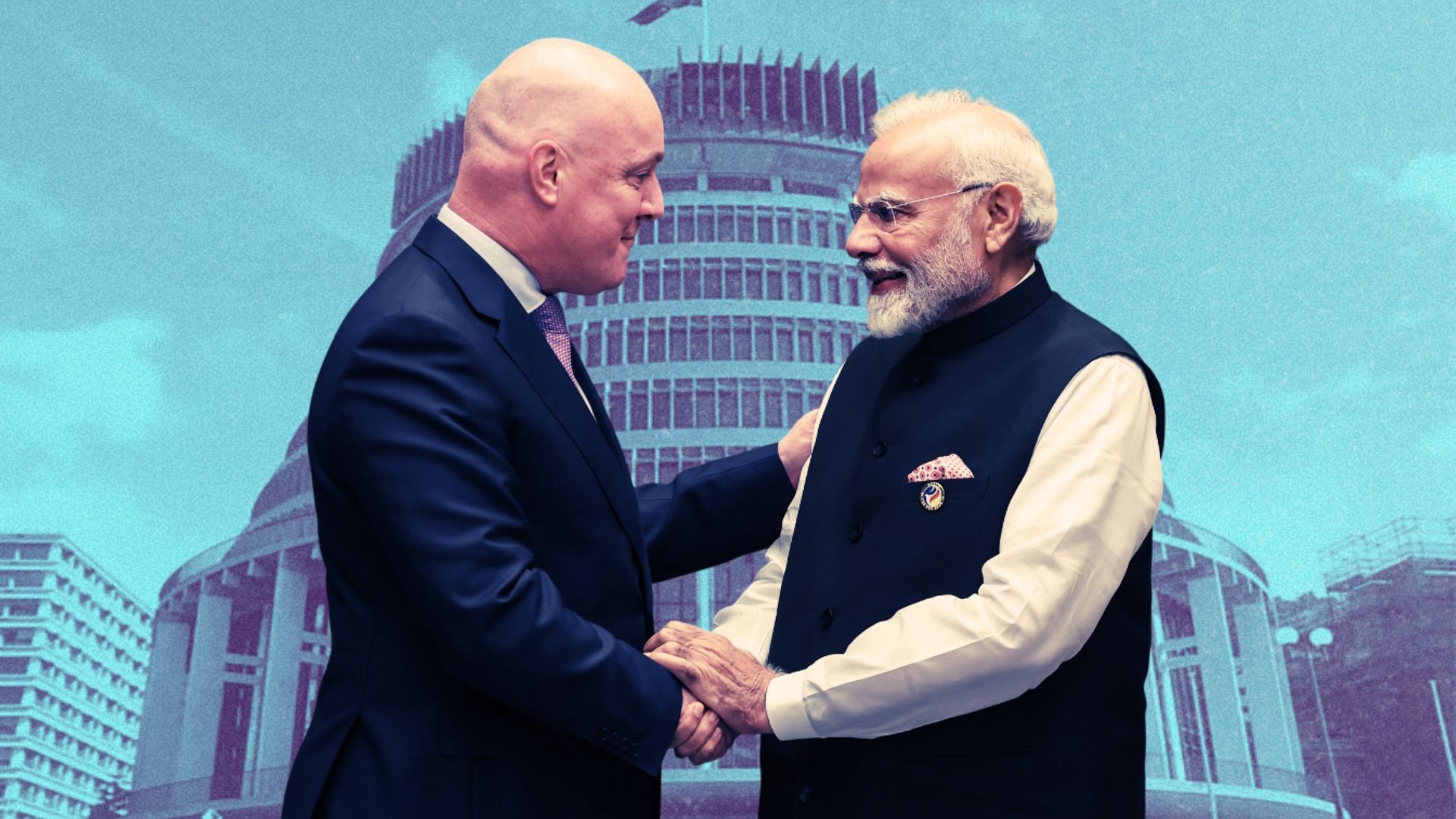
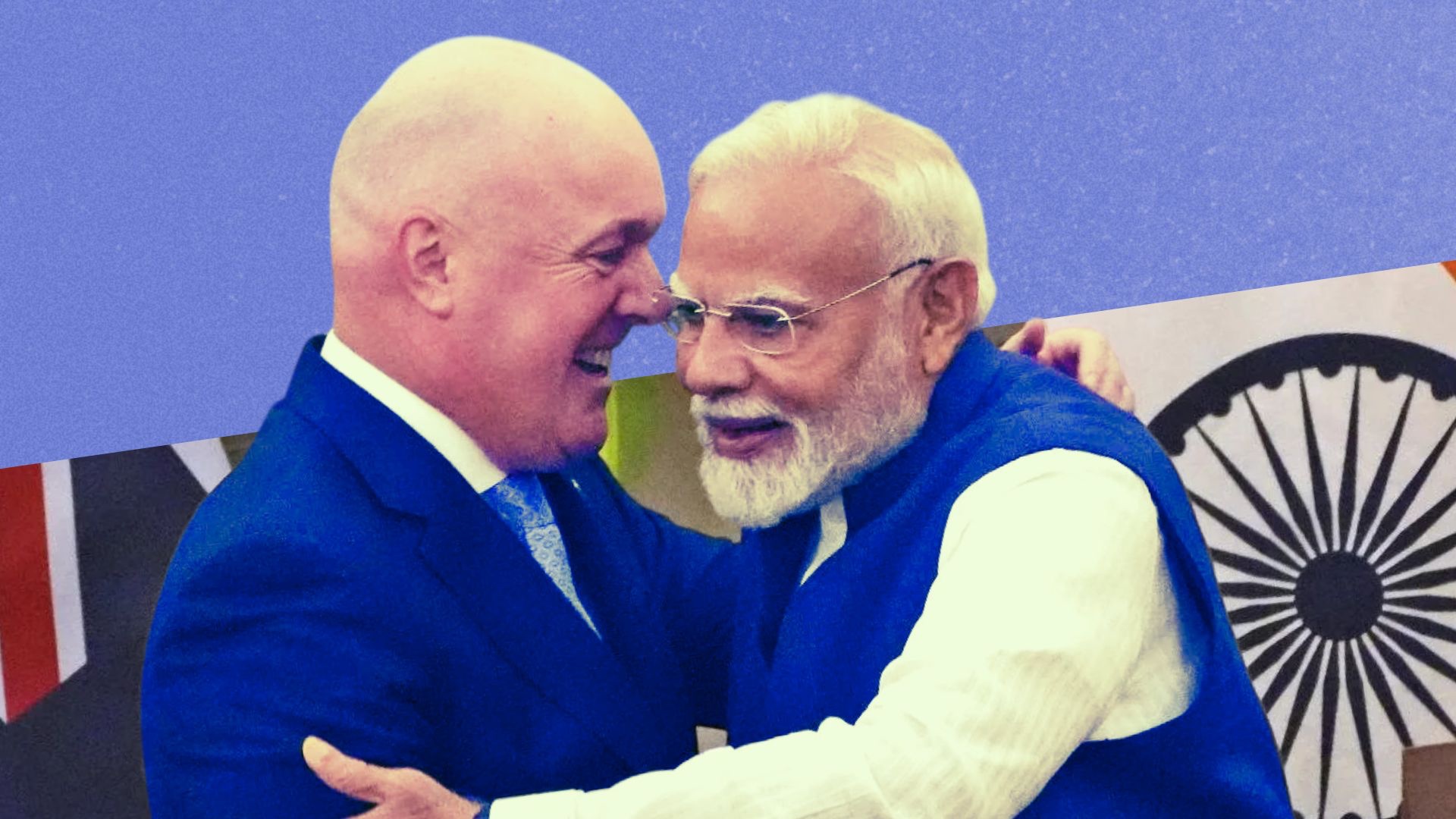
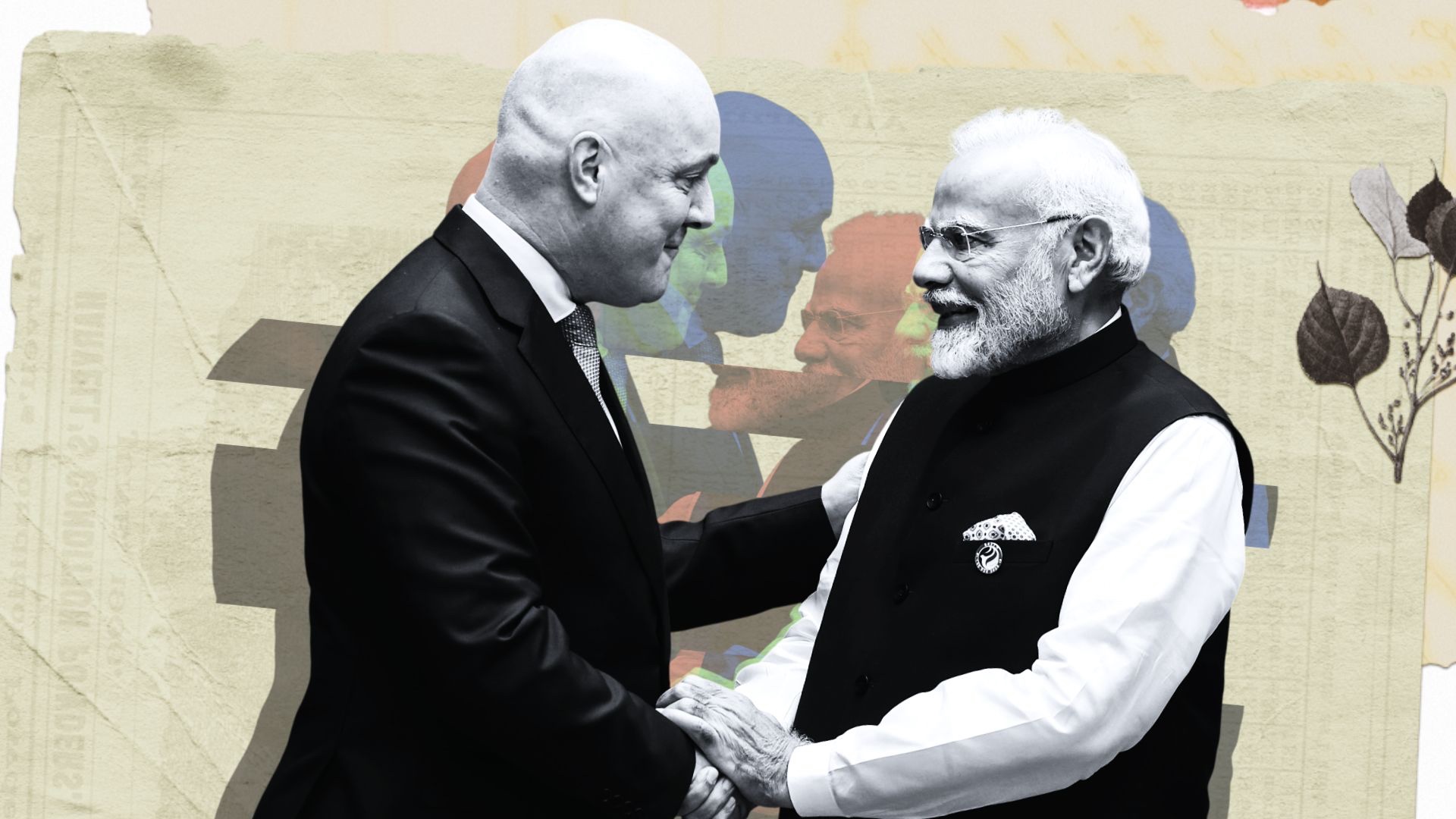
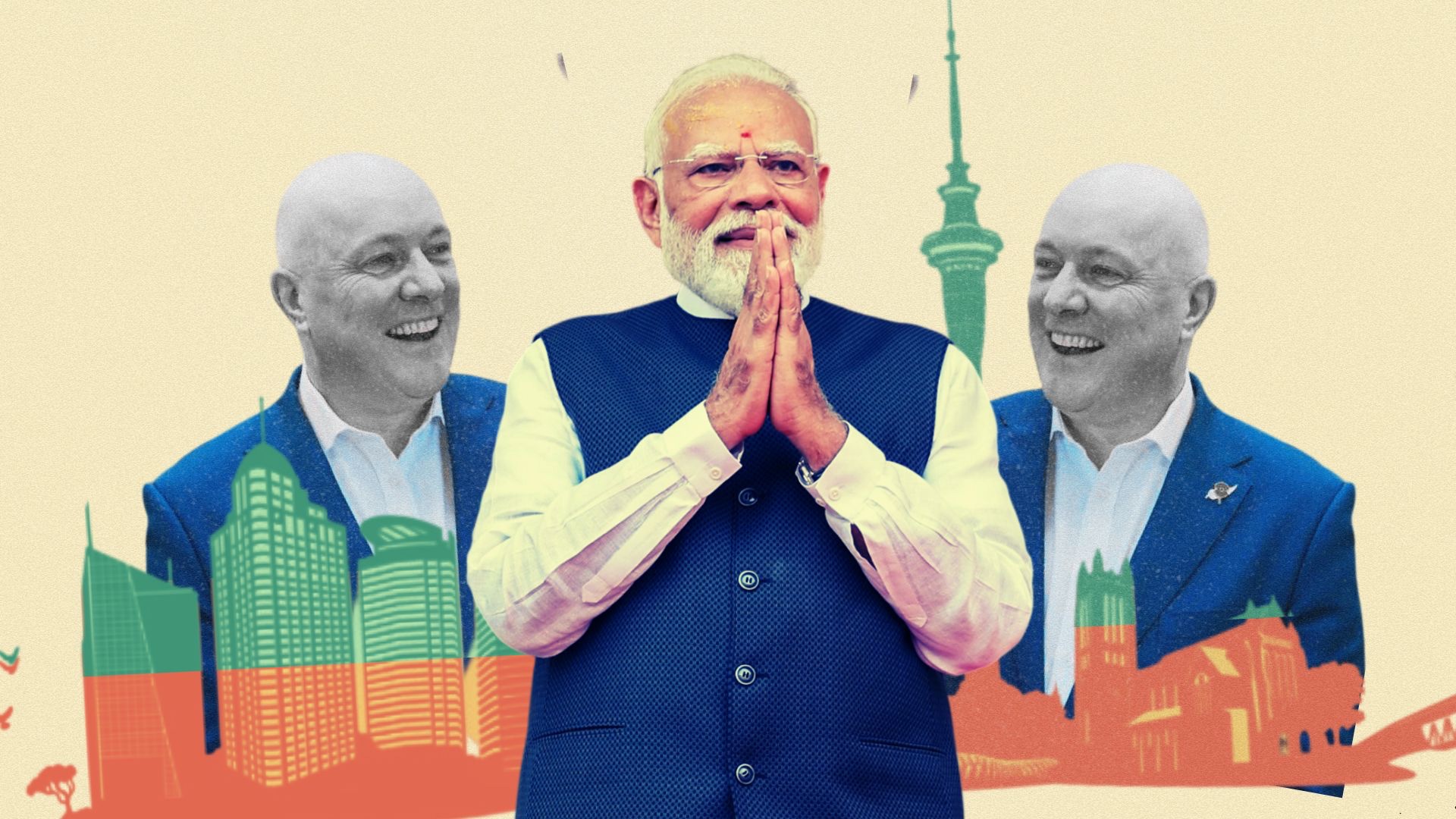
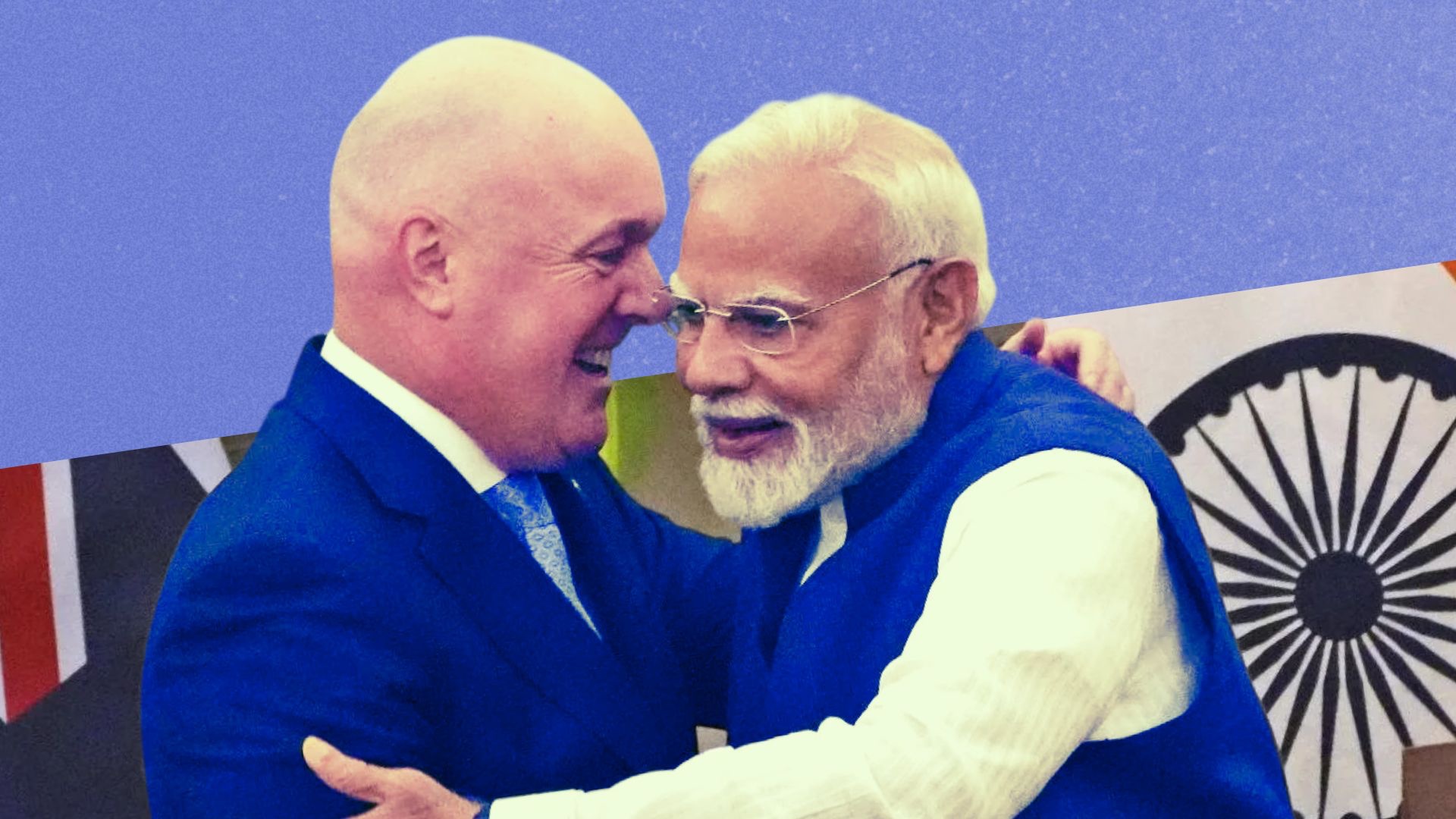
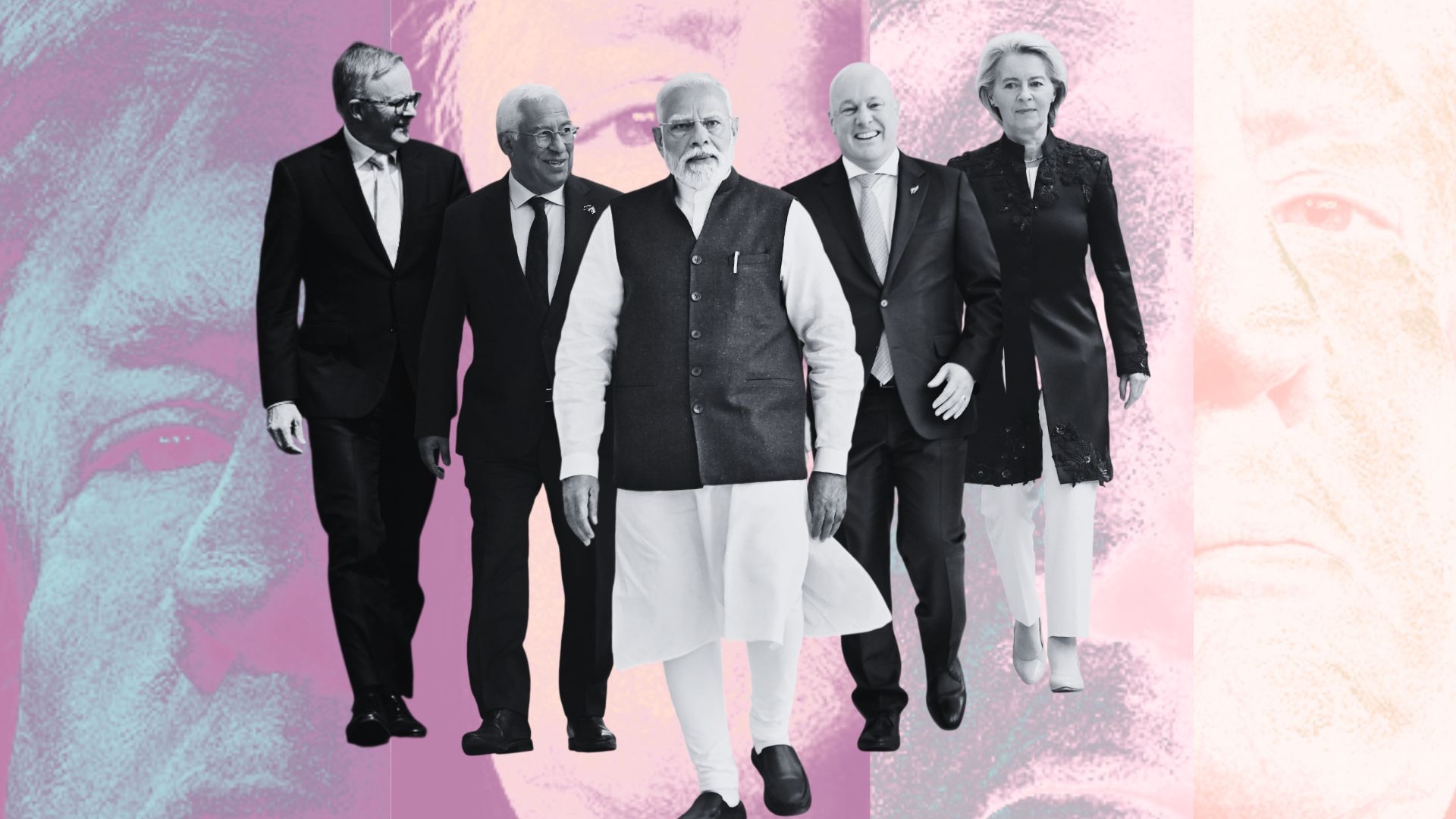
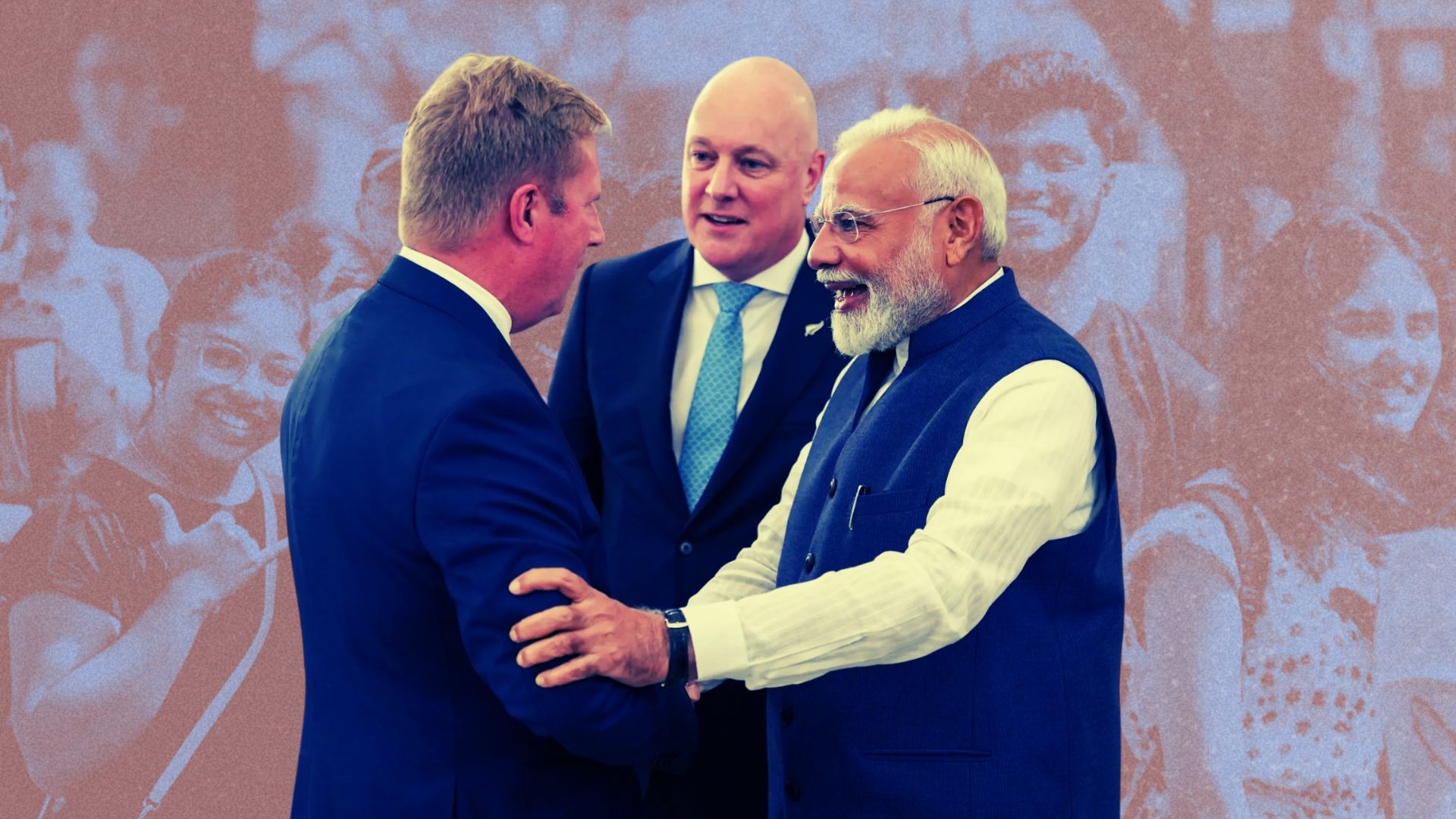
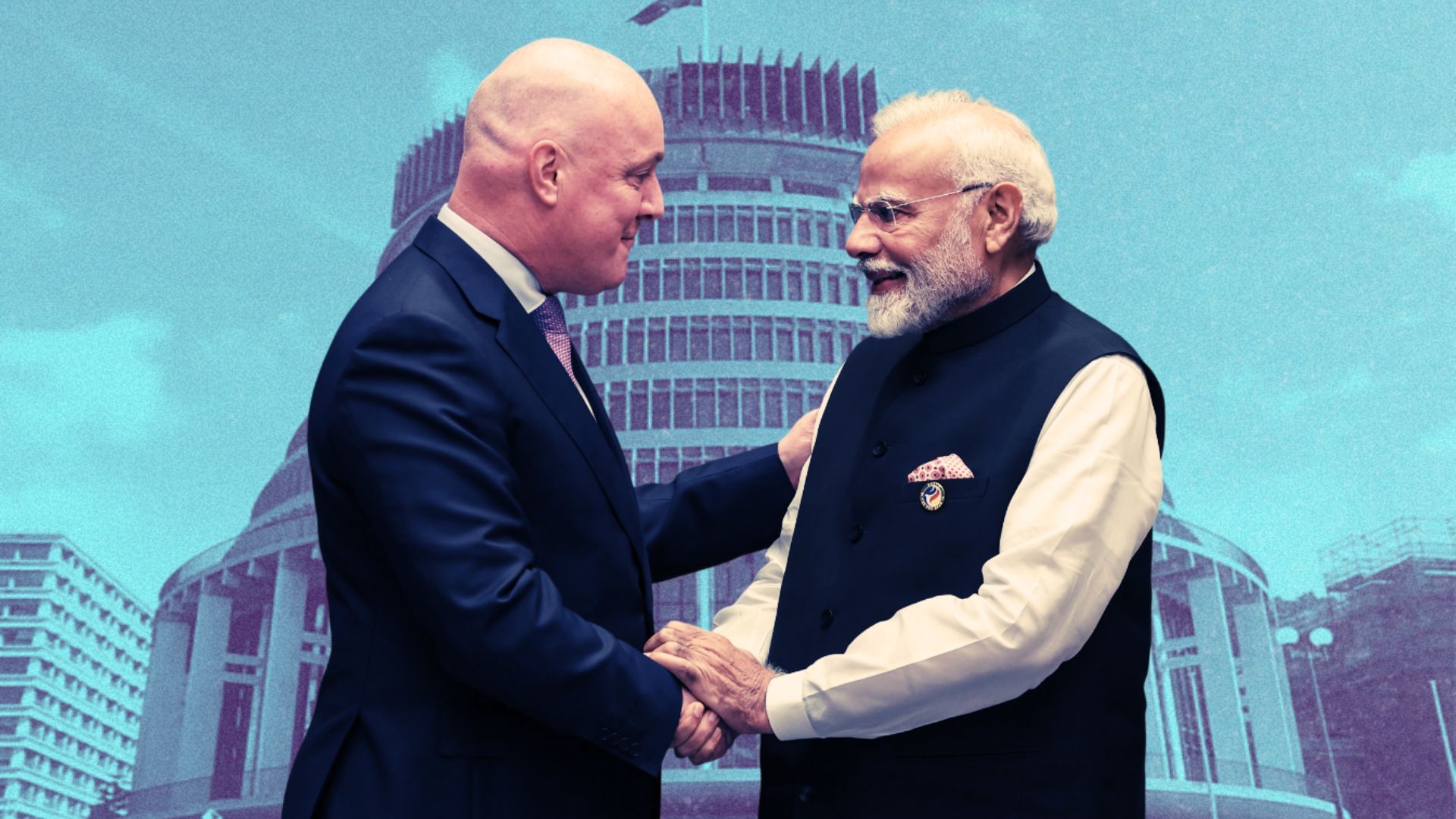
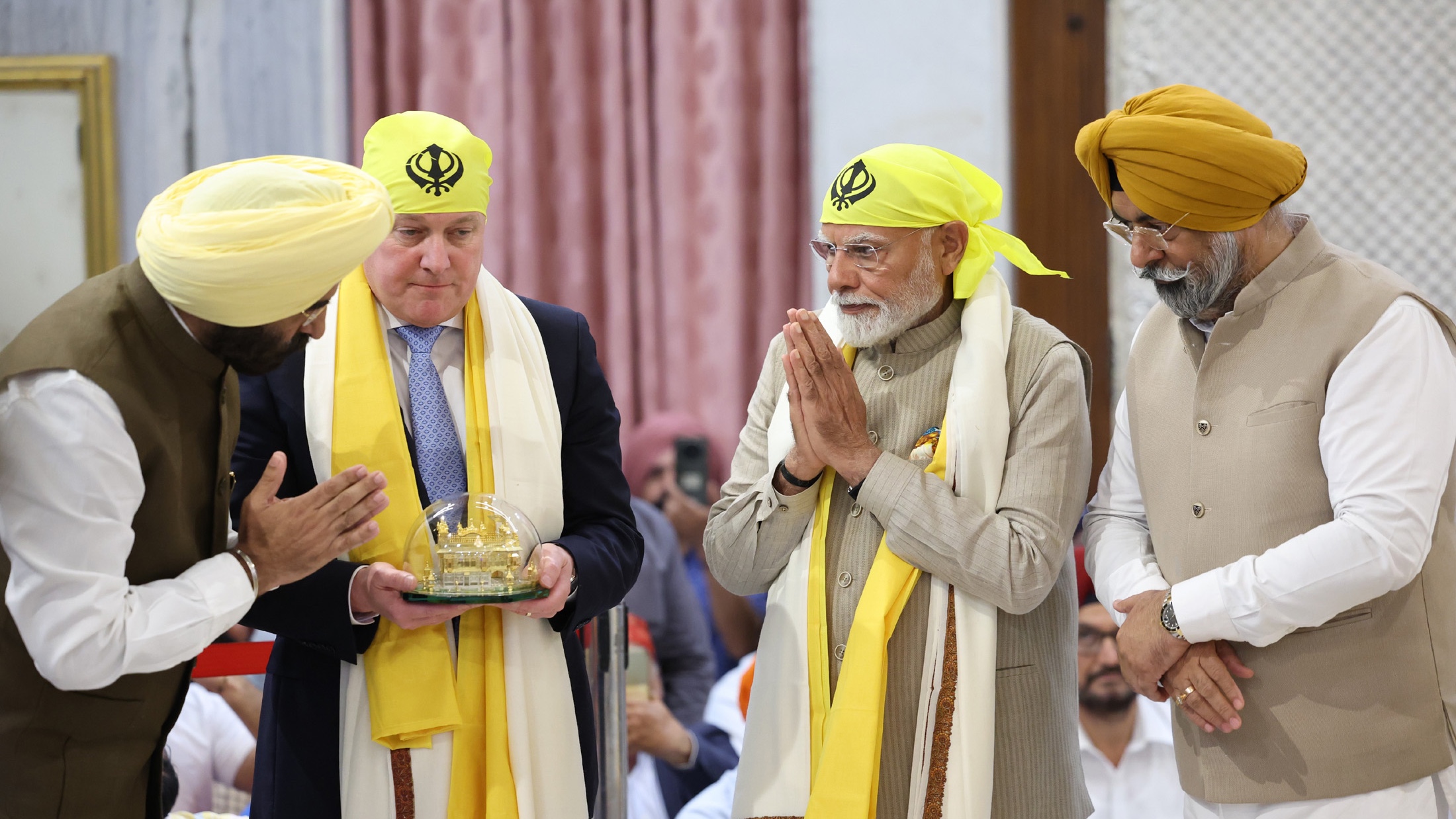
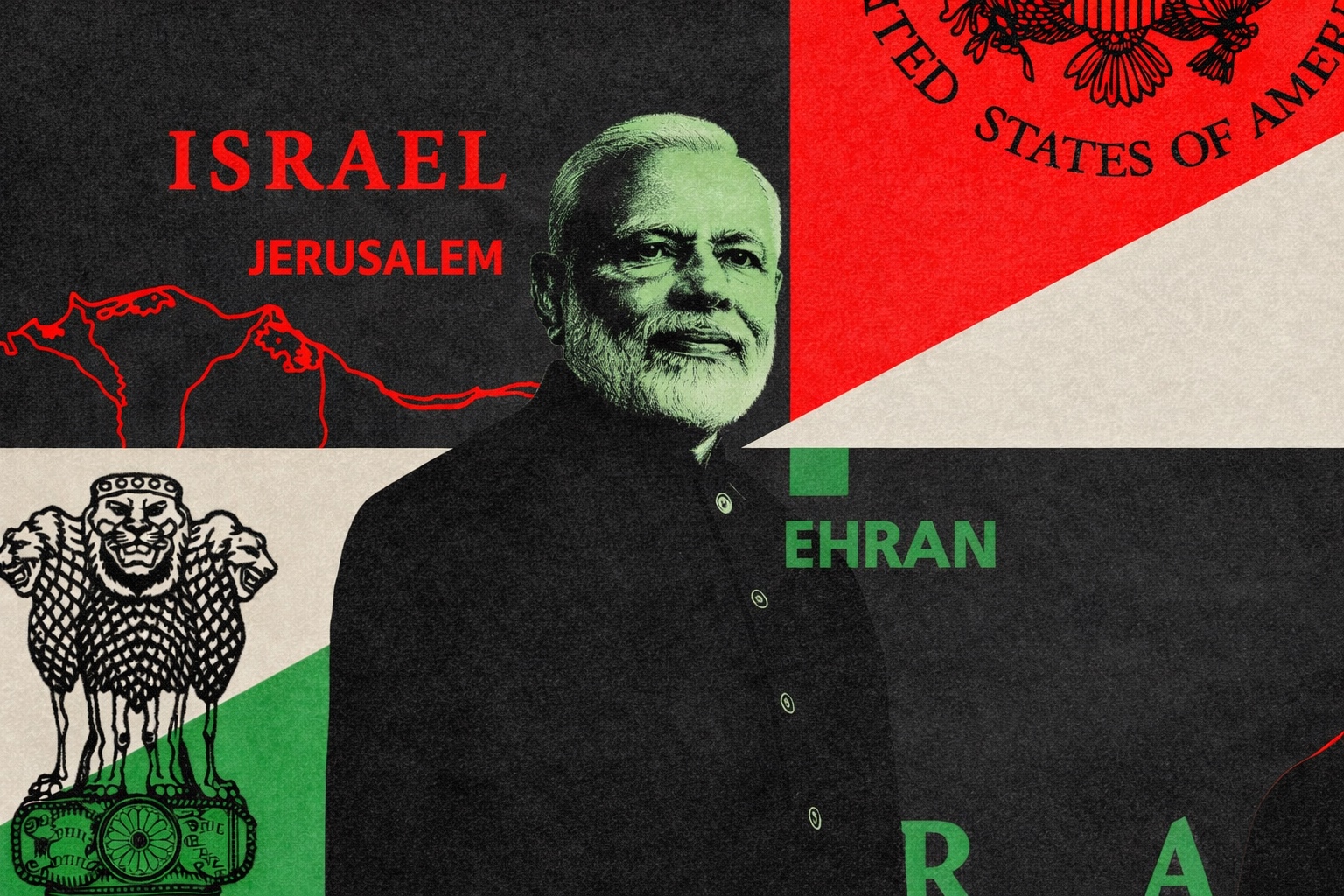
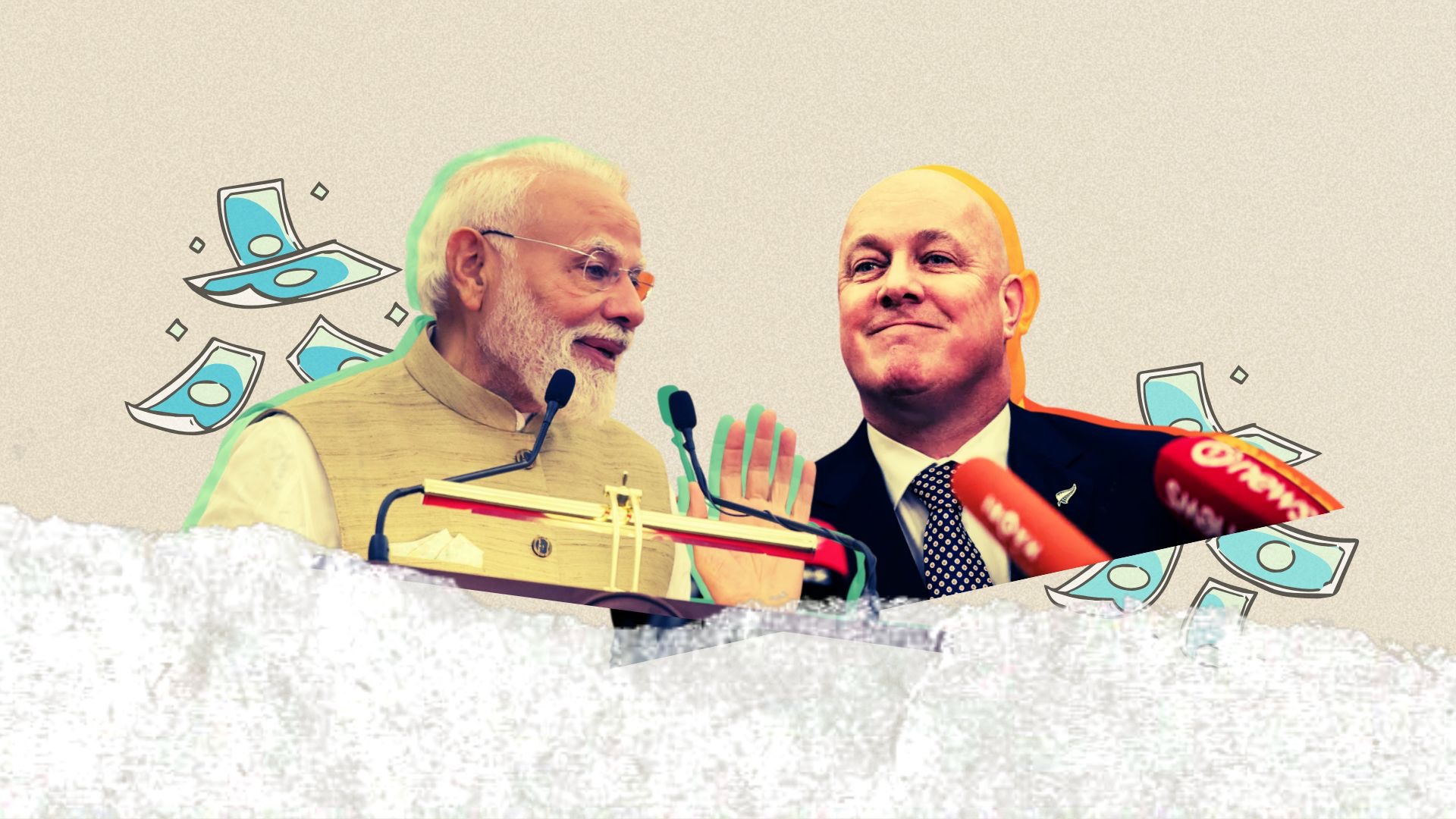
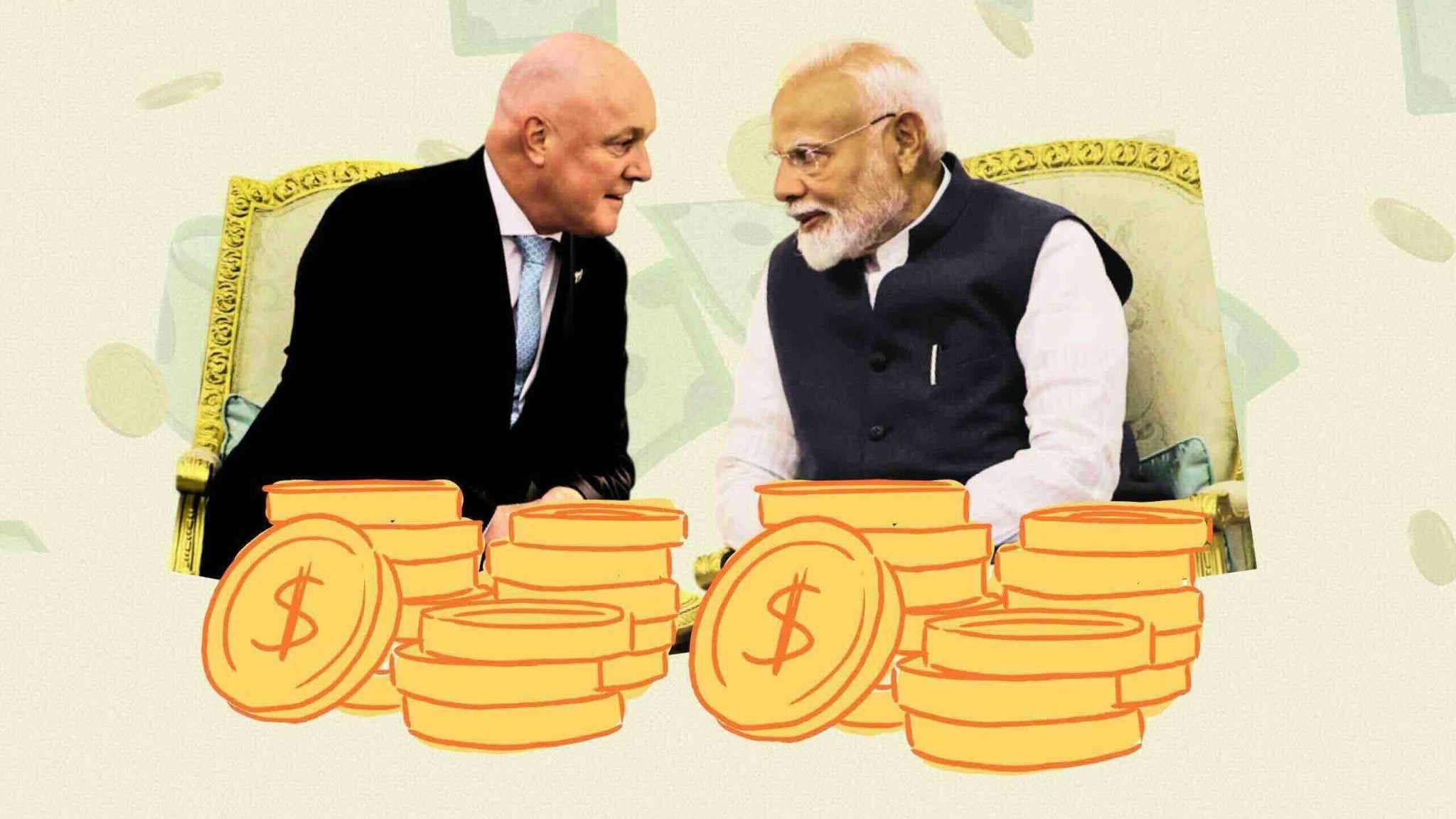
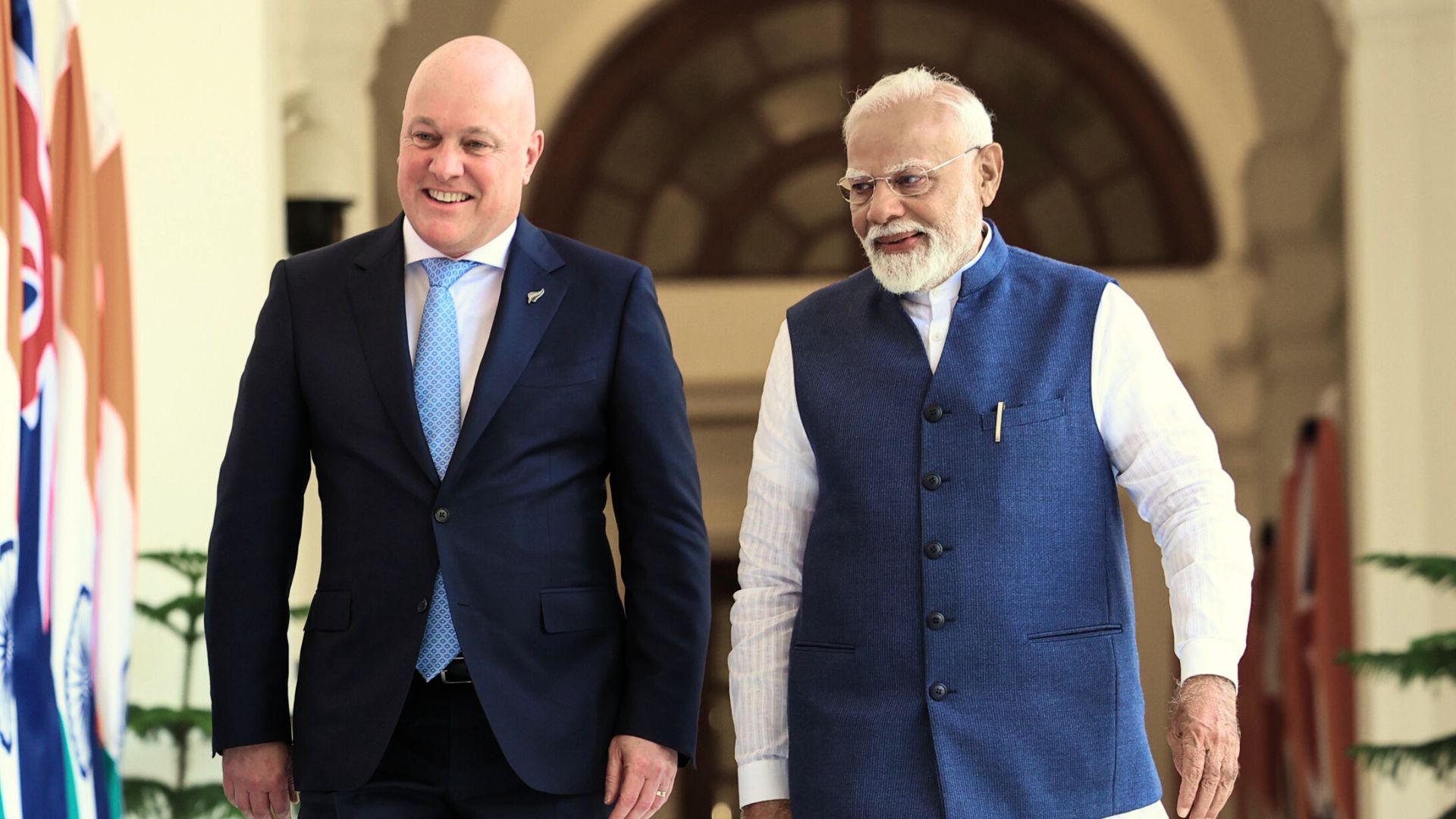
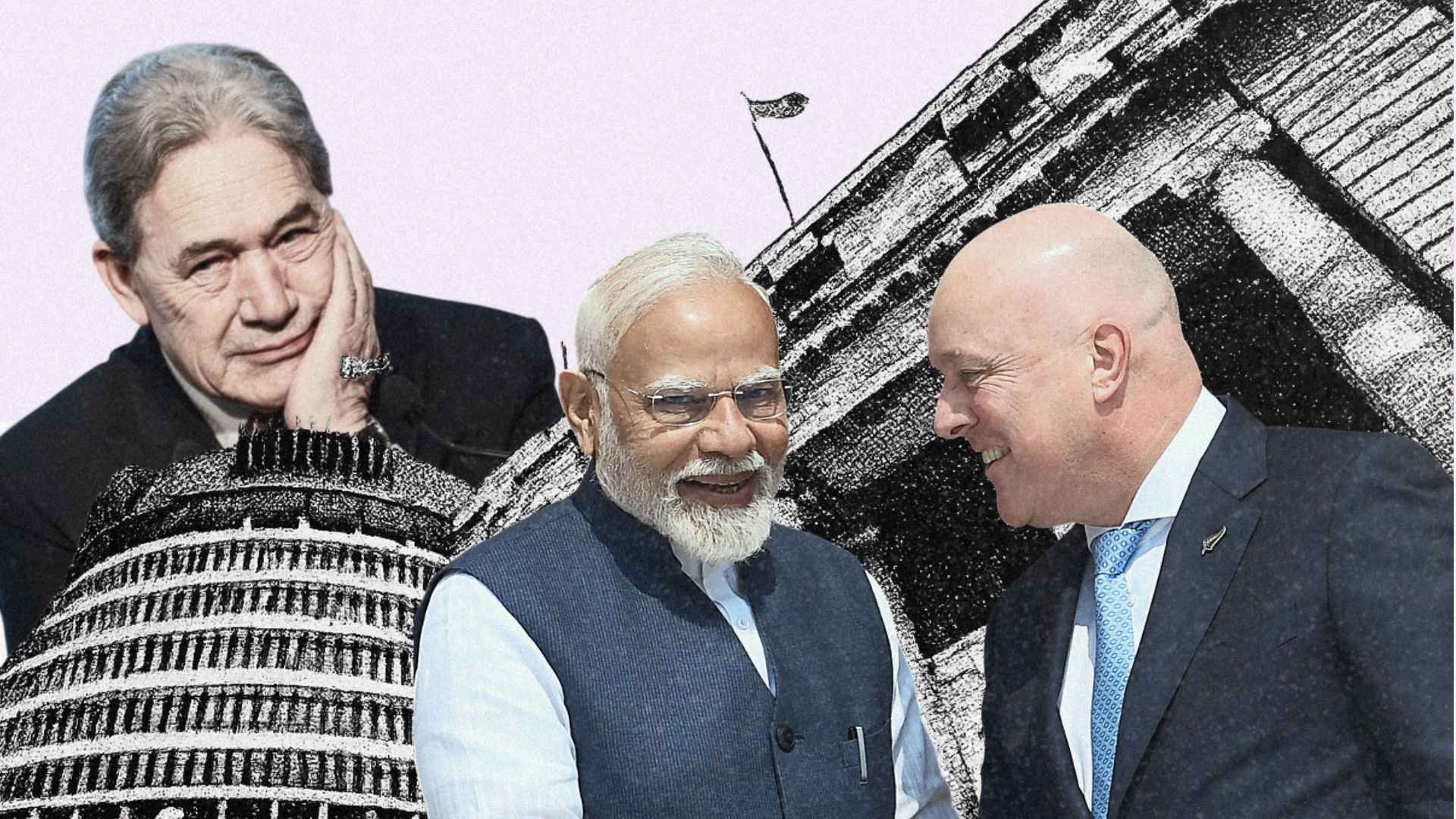
The meeting follows the elevation of India and New Zealand’s relationship to a strategic partnership during Indian prime minister Narendra Modi’s visit to Auckland on July 10 and 11.
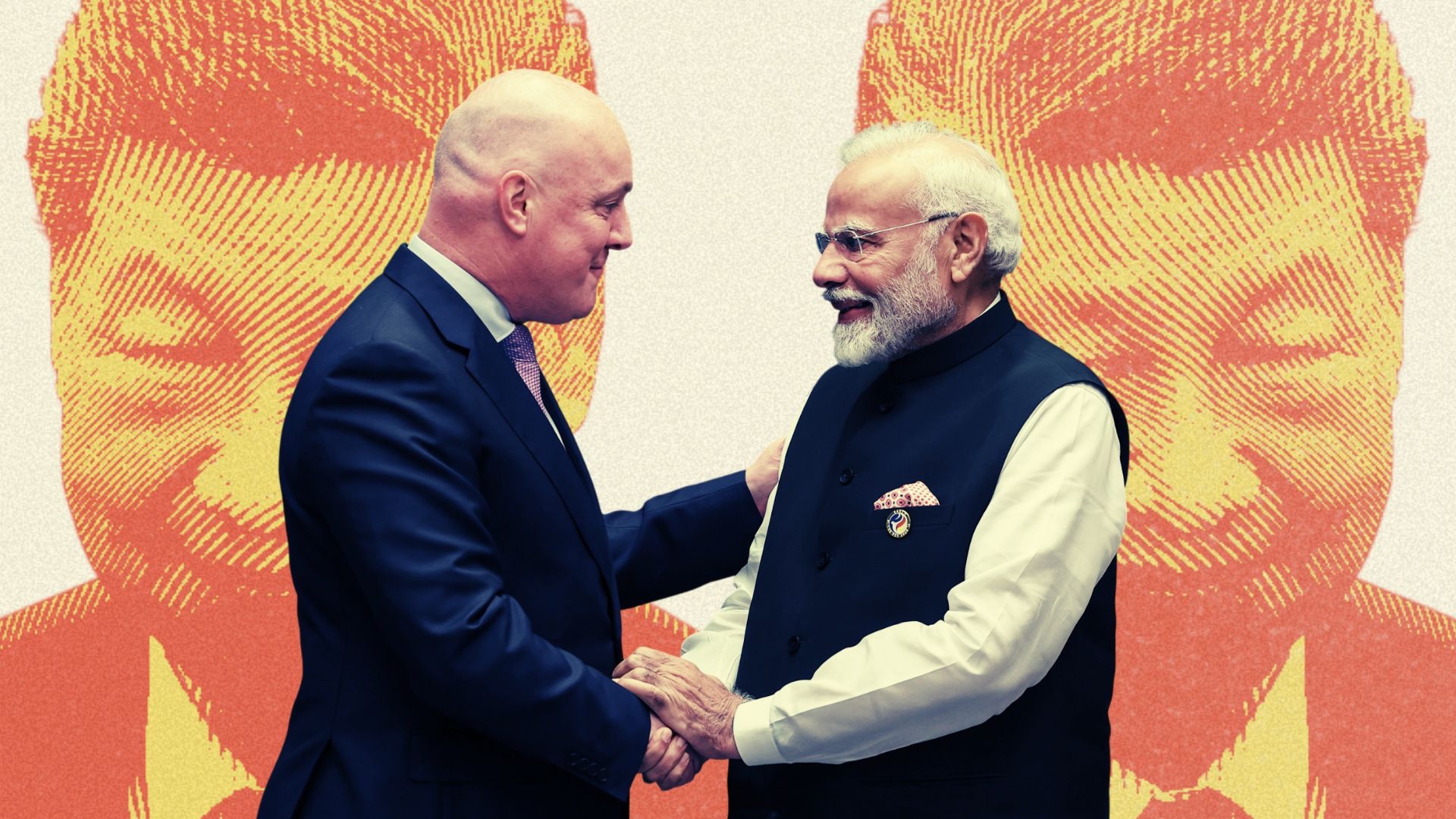
Under a roadmap agreed by Modi and prime minister Christopher Luxon, the countries plan to expand military exercises, visits and personnel exchanges, establish an annual maritime security dialogue and begin a joint working group on counter-terrorism.
The roadmap also provides for regular dialogue between the countries’ foreign ministers.
India and New Zealand agreed to cooperate on maritime matters through the Indo-Pacific Oceans Initiative, with New Zealand selecting maritime security as its priority area.
They also agreed to strengthen cooperation on cyber security, transnational crime, drug trafficking, financial crime, terrorism-related offences, people smuggling and human trafficking.
A broader relationship beyond trade
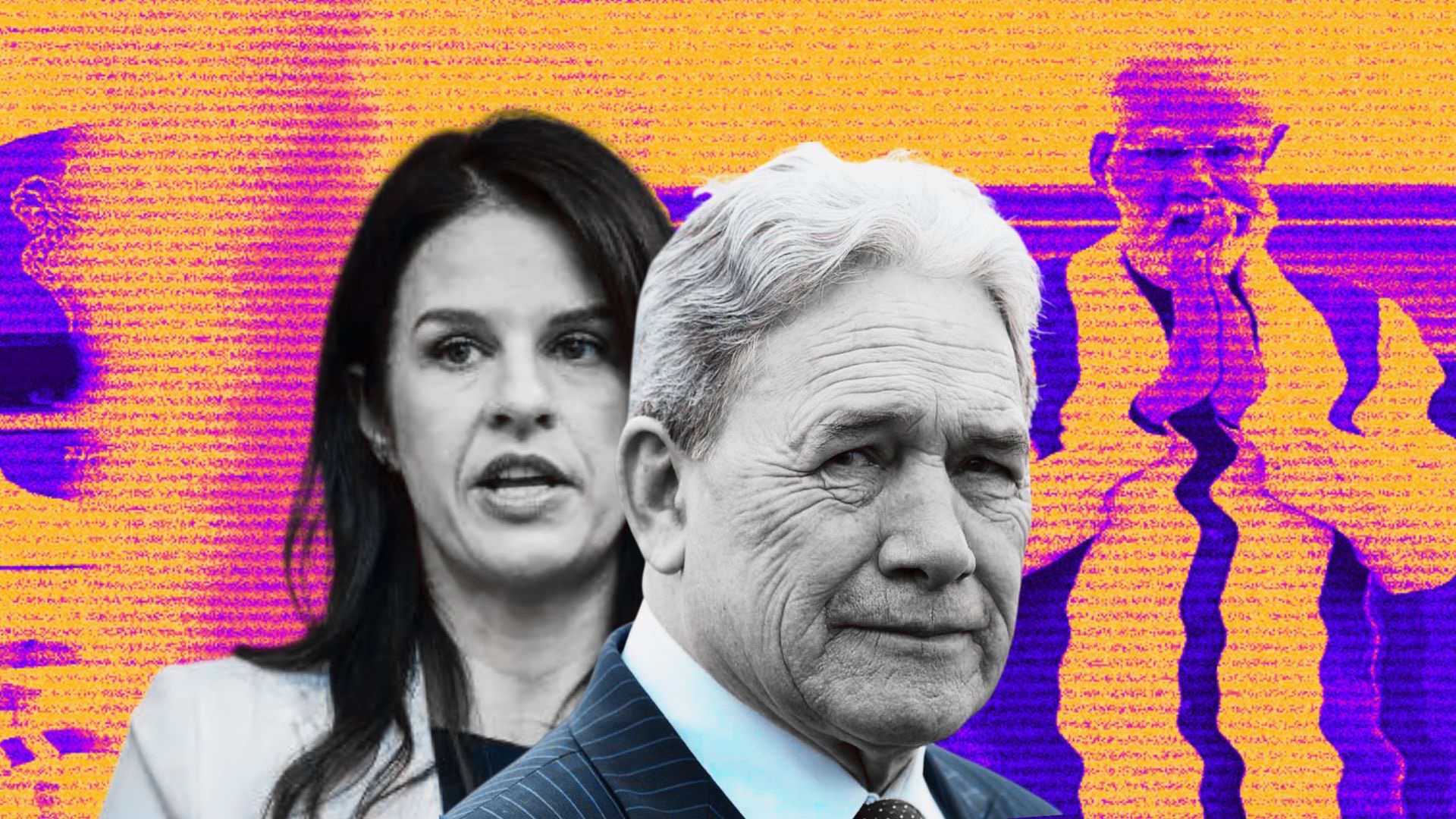
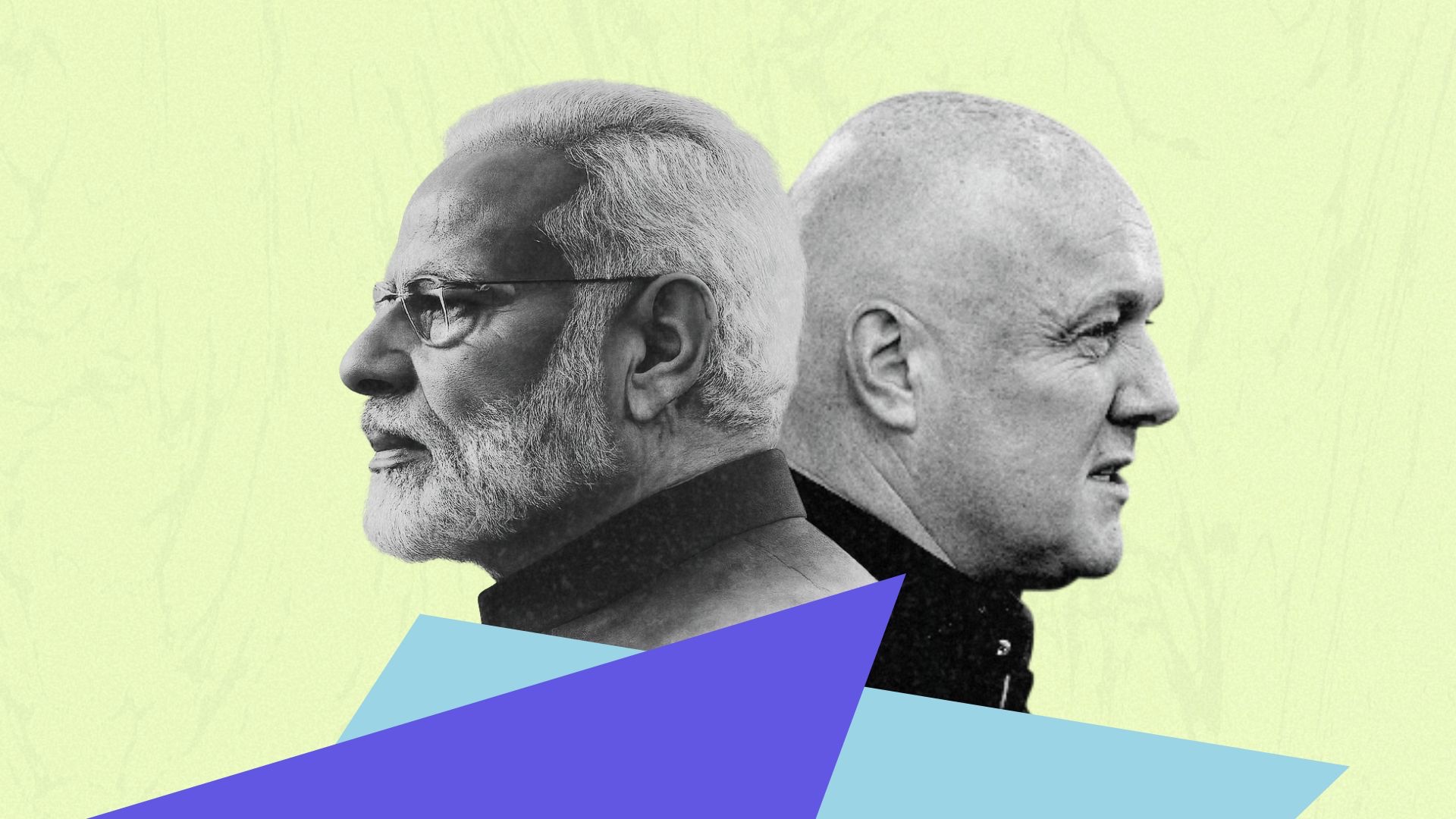
The Manila conversation places Peters directly within the security component of the strategic partnership, after much of his recent public commentary about India focused on the FTA signed in April.
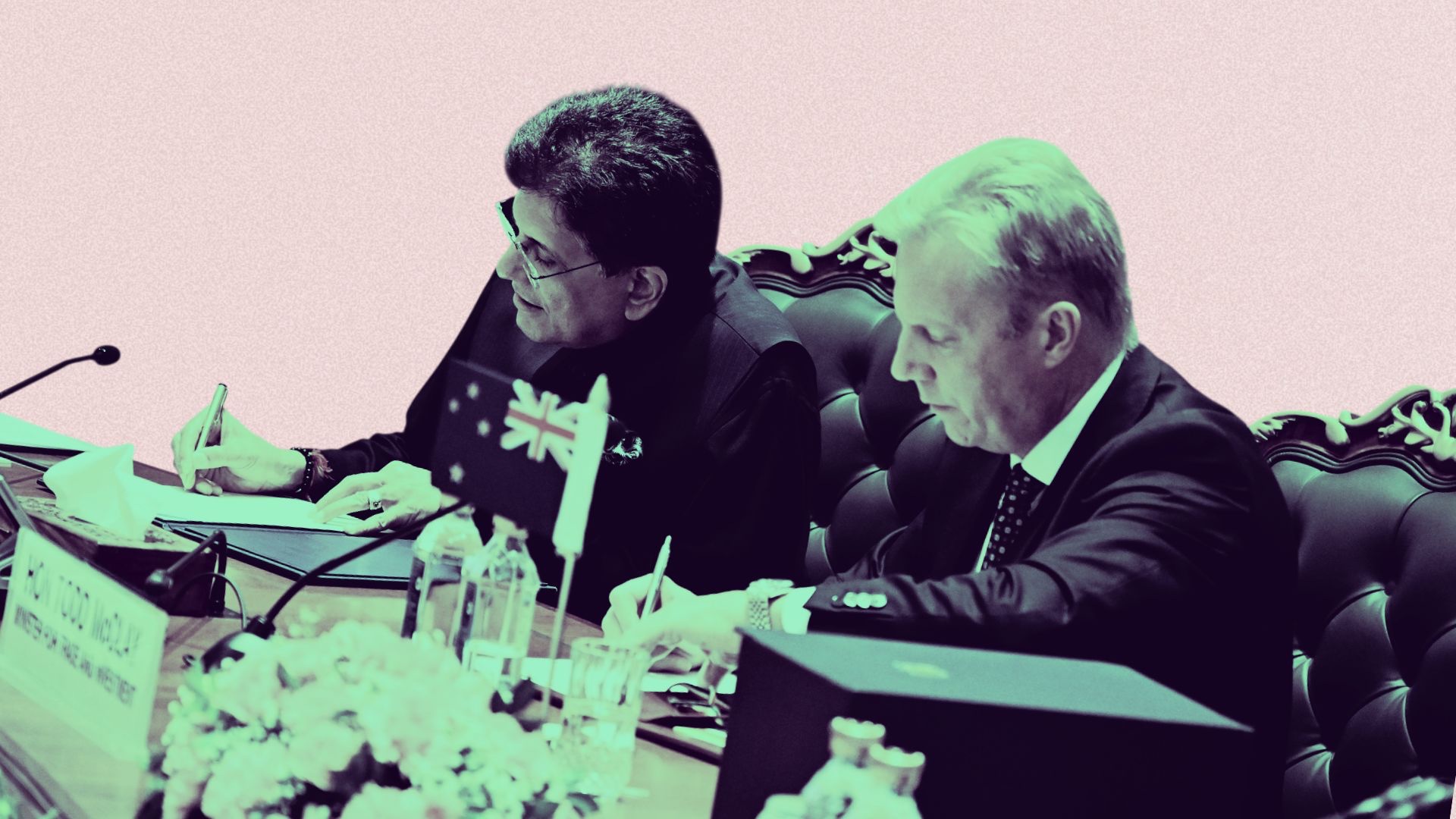
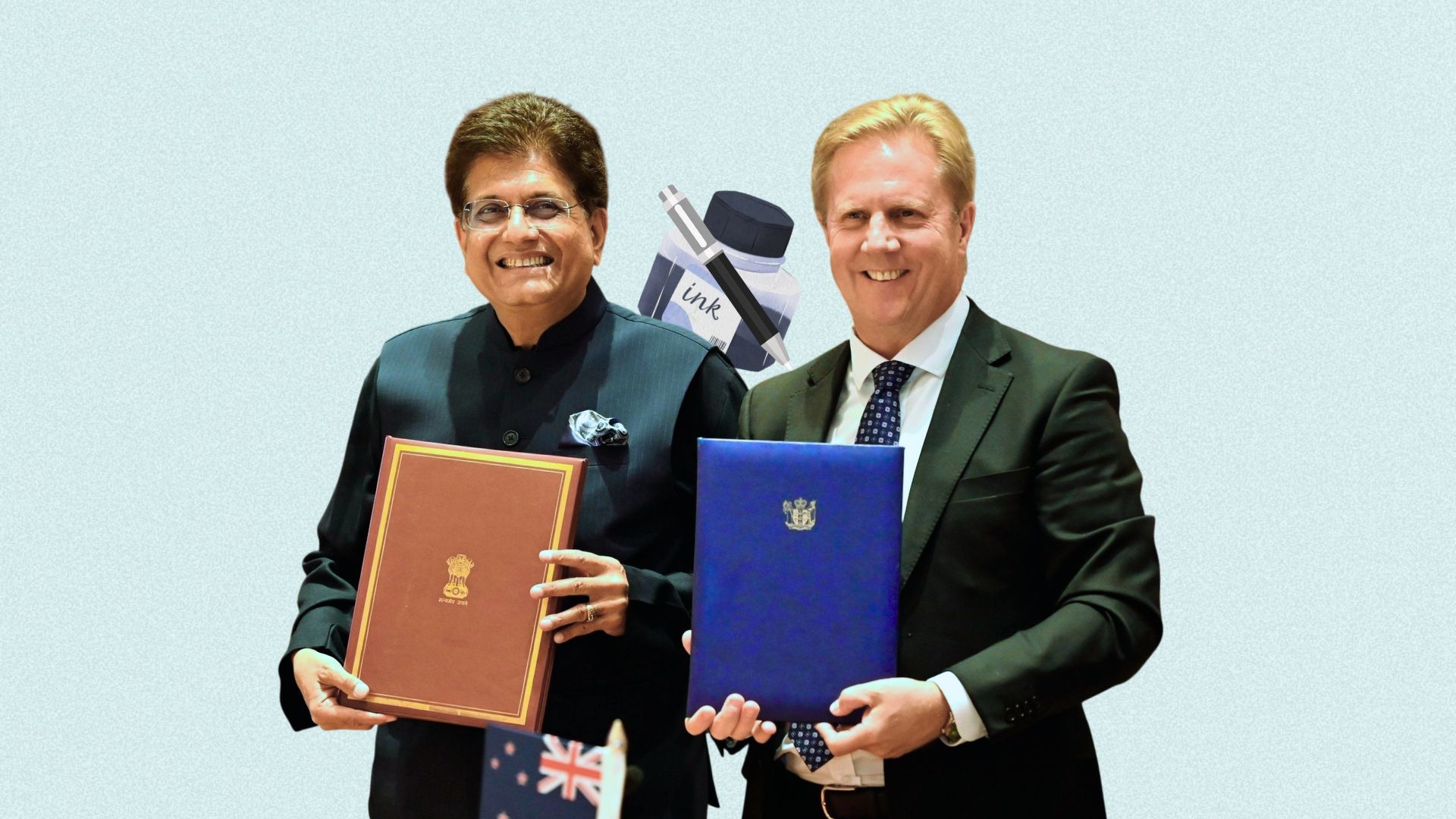
New Zealand First opposed the agreement when legislation enabling it came before Parliament, arguing it contained inadequate access for major dairy exports, immigration provisions that did not belong in a trade deal and uncertainty surrounding New Zealand’s commitment to promote US$20 billion of investment into India.
Different Indian officials have over the last few months disputed all these claims, including rebuttals by two successive Indian high commissioners and by their foreign ministry boss from New Delhi.
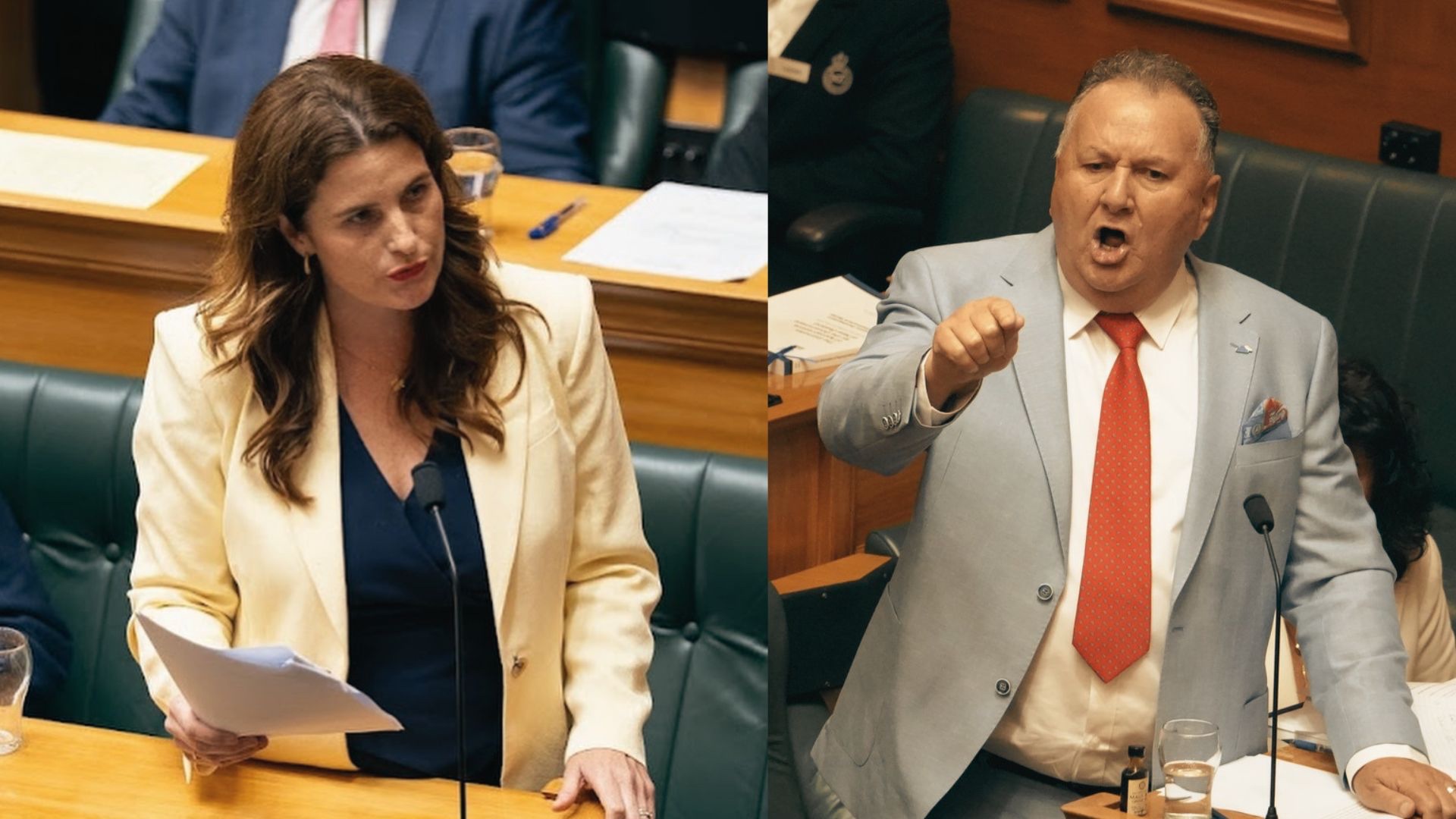
Peters has also accused coalition partner National of preparing more restrictive immigration policies specifically for Indian citizens after agreeing to temporary employment provisions under the FTA.
Peters said officials had warned against announcing those settings before Modi’s visit because of the potential reaction from India.
“Don’t let Modi know?” he said earlier this month while questioning whether New Zealand had been open with Modi, Jaishankar and Indian commerce minister Piyush Goyal.
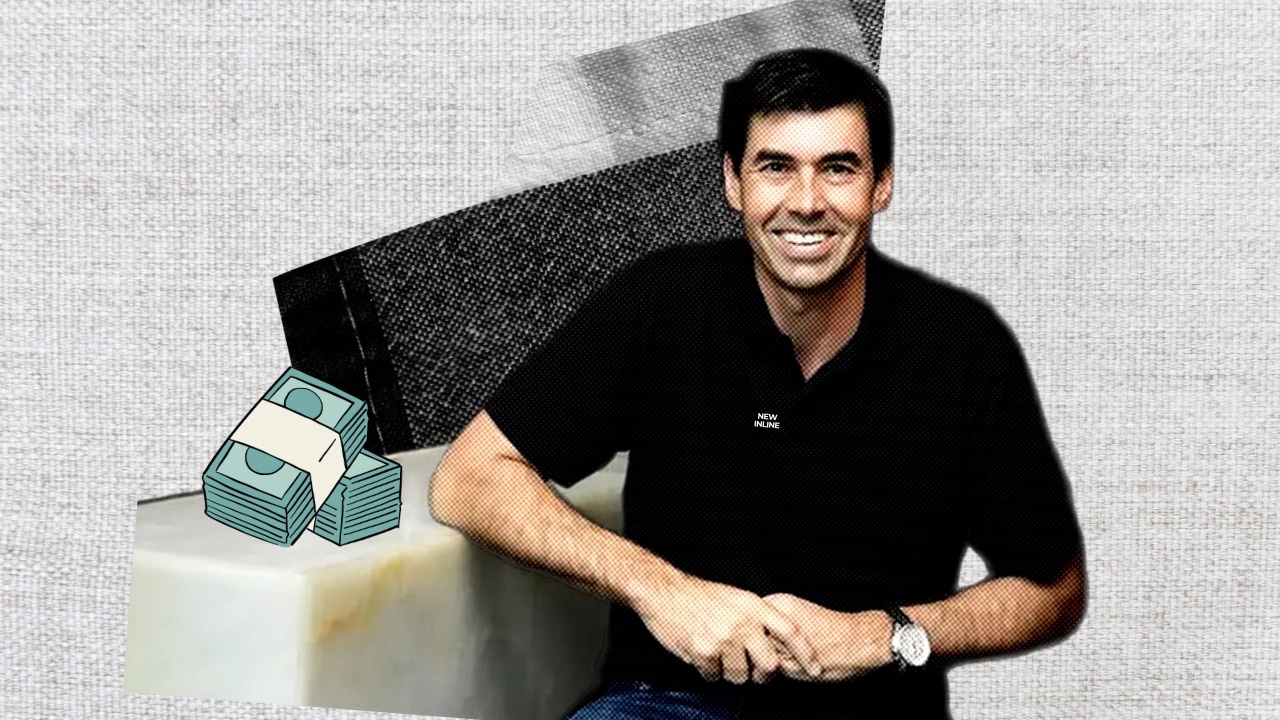
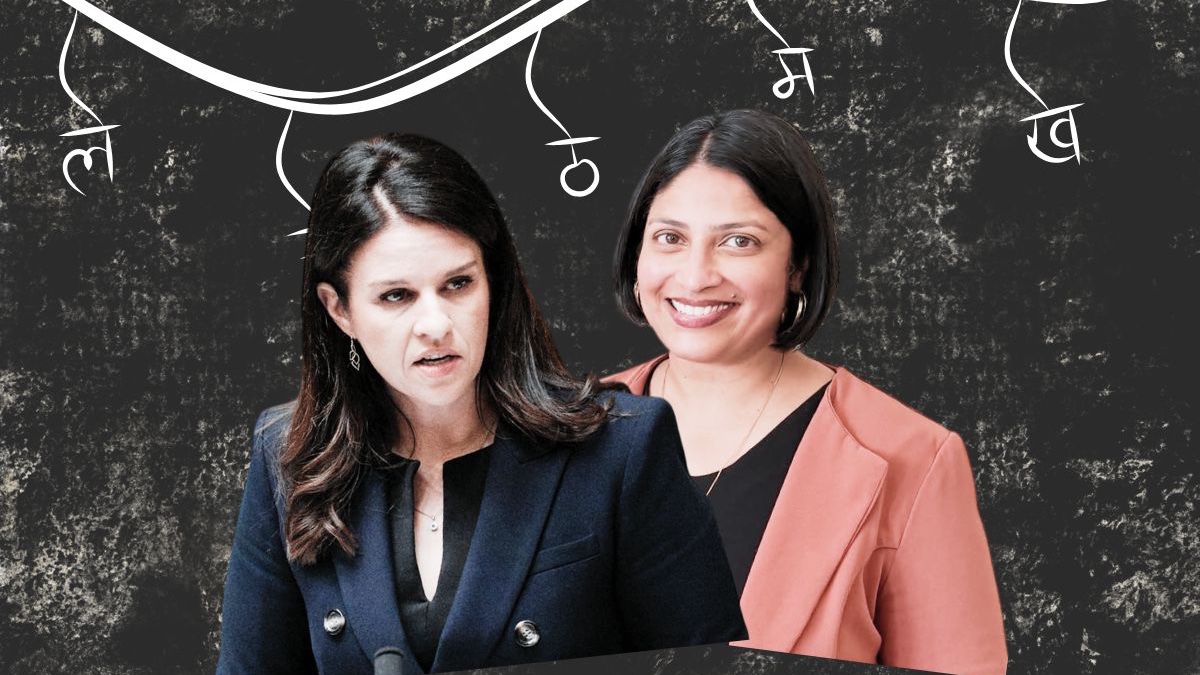
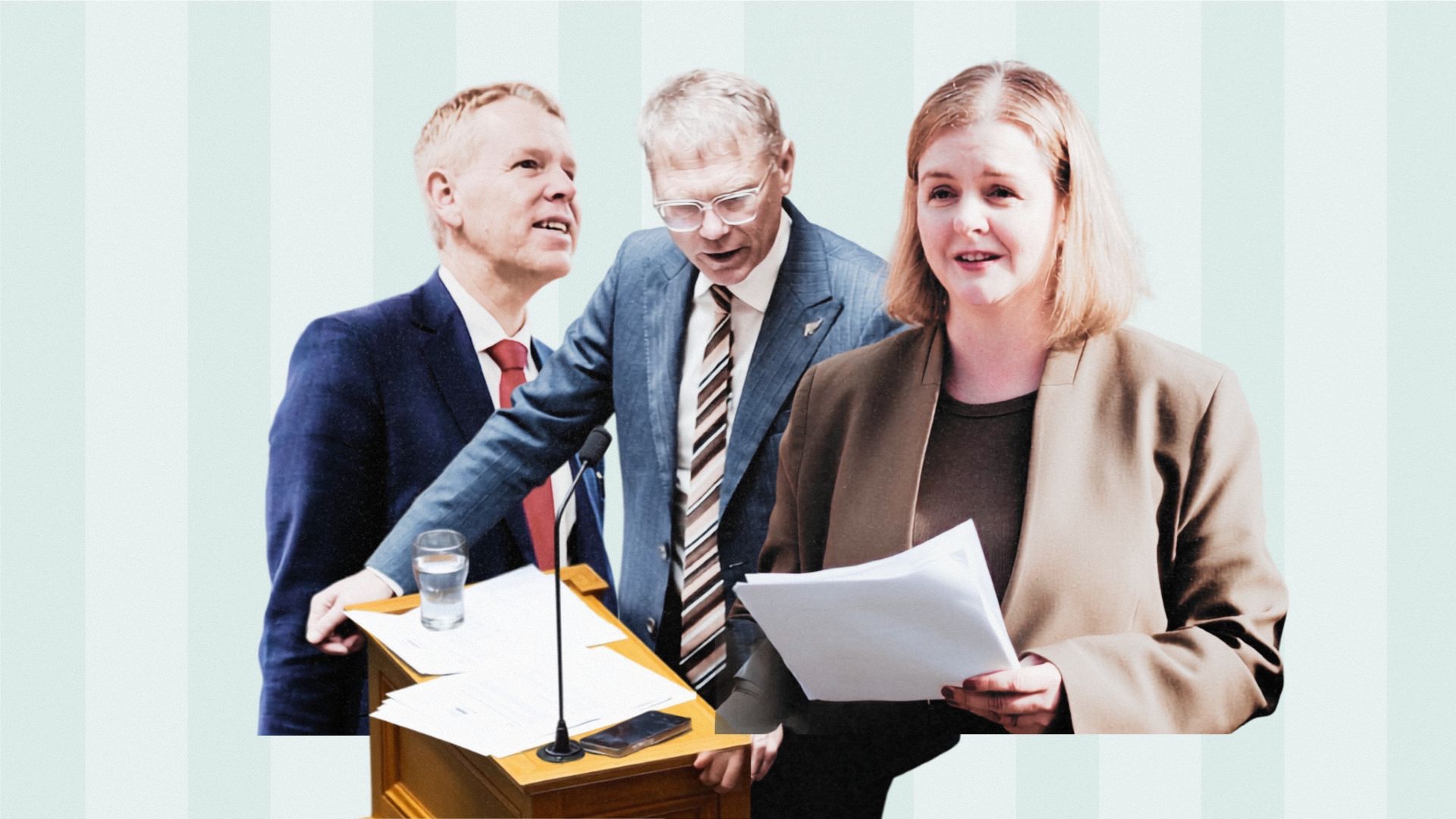
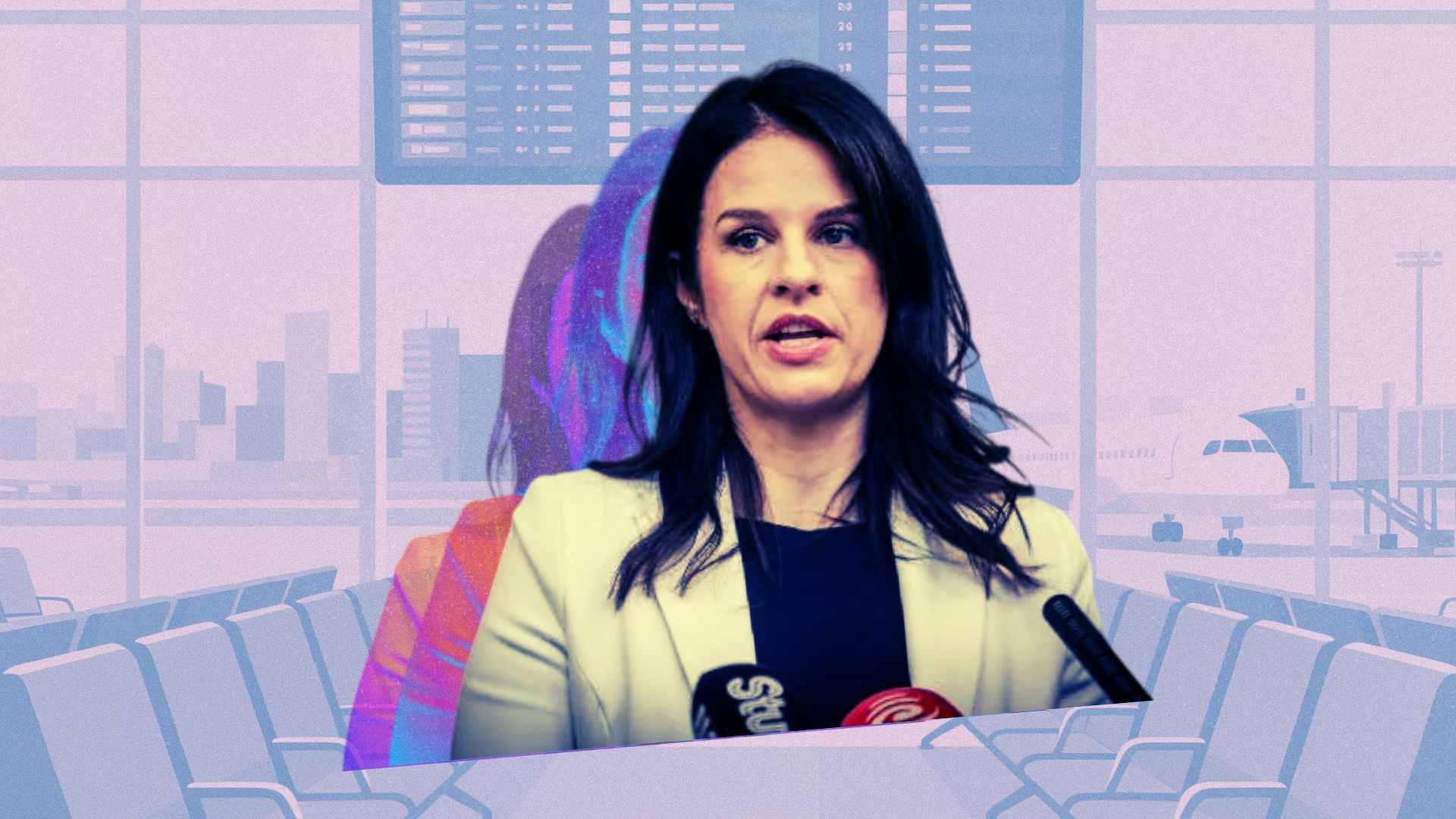
Immigration minister Erica Stanford accused Peters of breaking from normal Cabinet processes by publicly discussing policy work before final decisions had been made.
Luxon later confirmed India would face immigration conditions different from those applying under some of New Zealand’s other trade agreements, but denied the proposed approach was discriminatory.
“Every deal is different,” Luxon said, describing bespoke visa conditions attached to individual FTAs as normal.