
India’s top diplomat rejects Peters’ claim New Delhi was misled over FTA
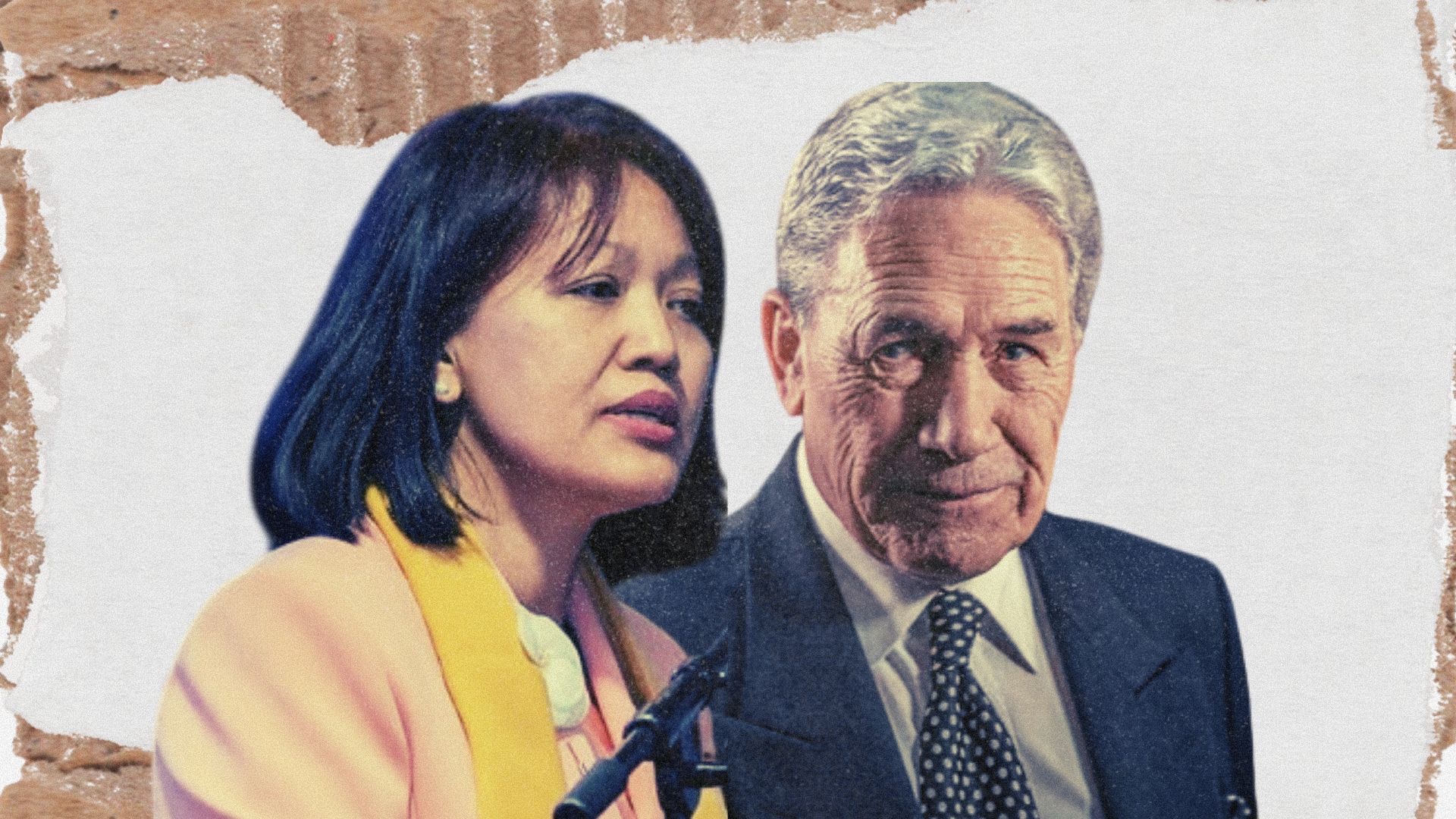
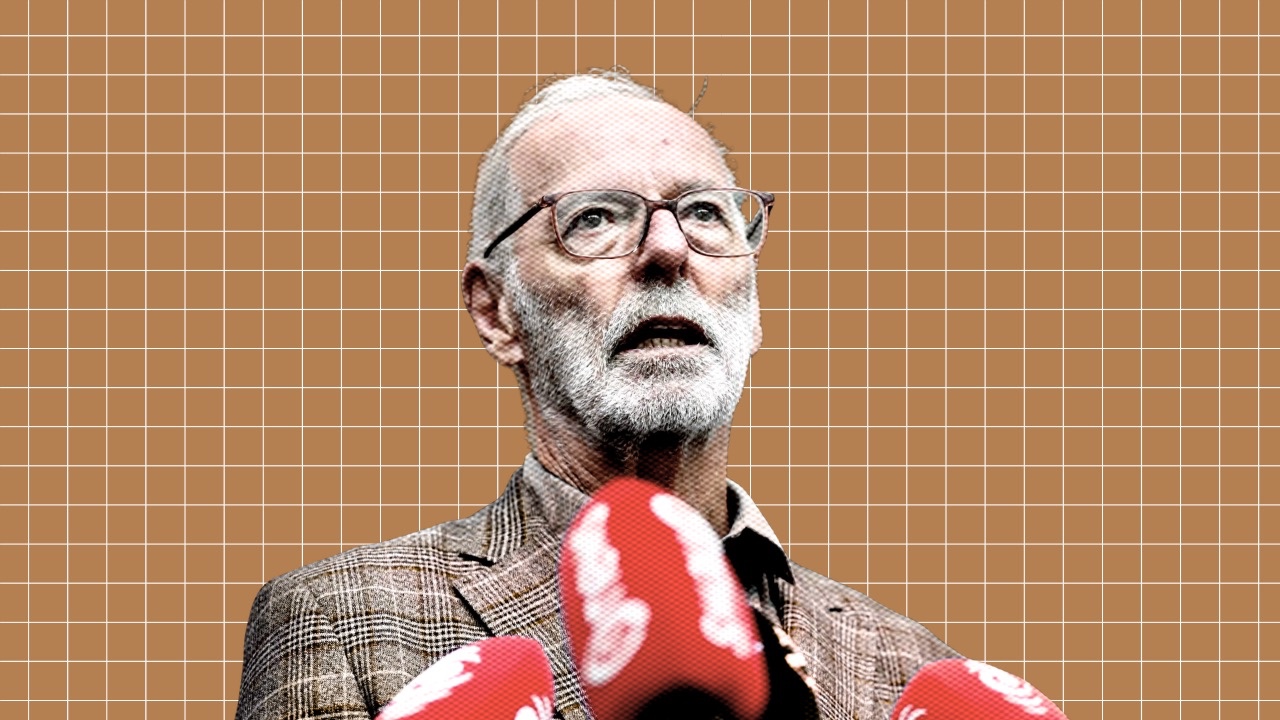
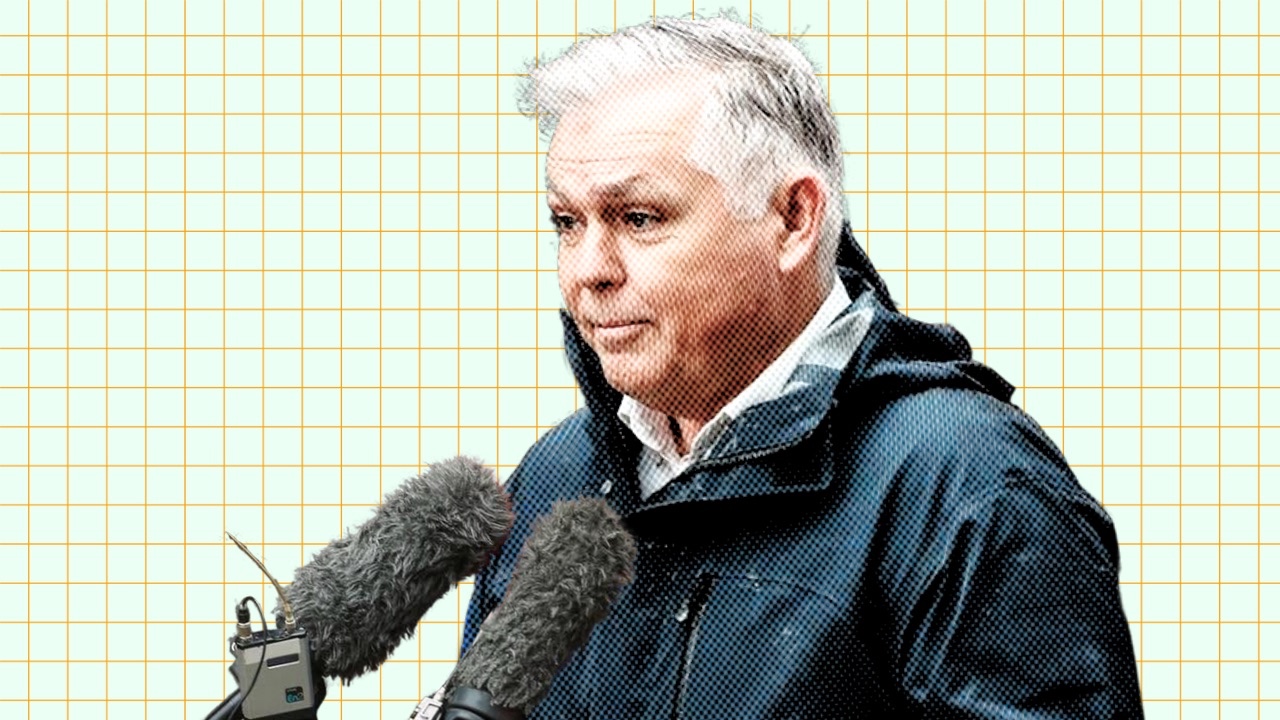
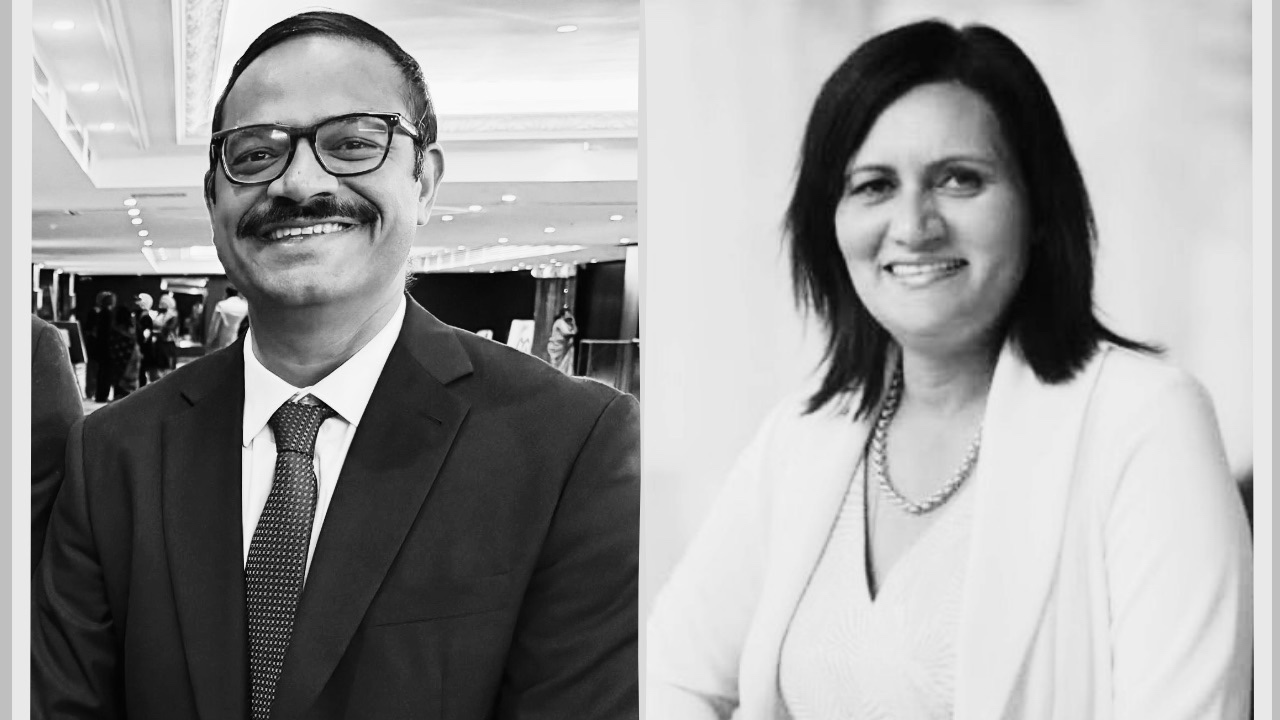
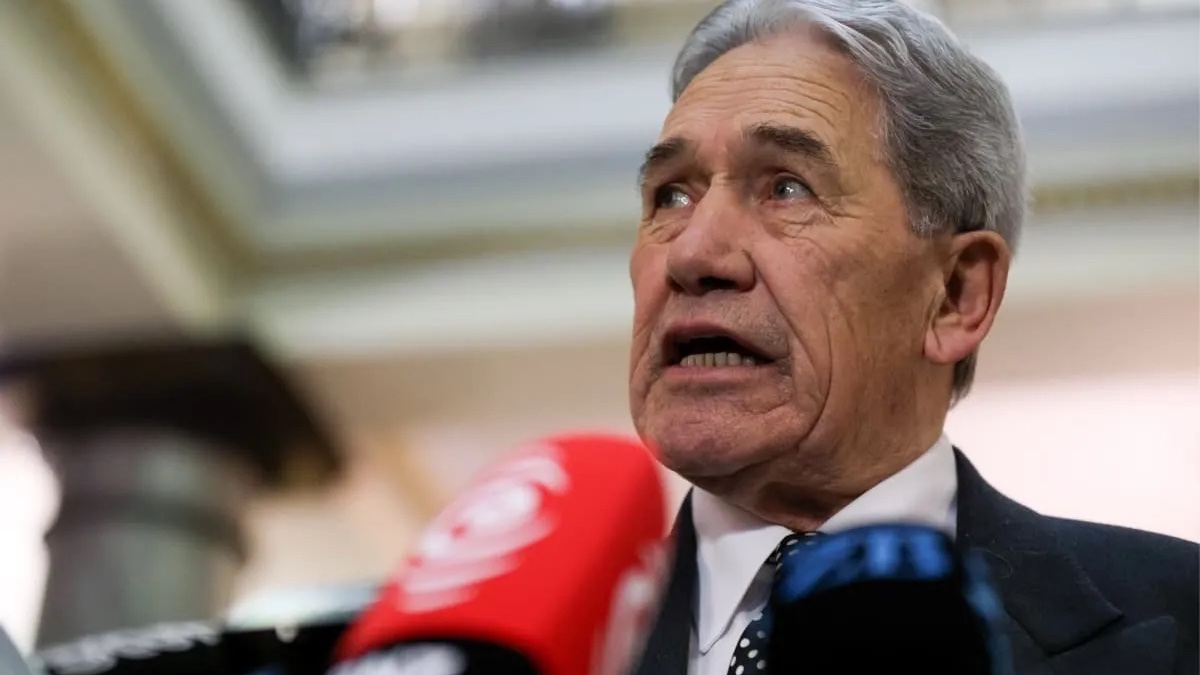
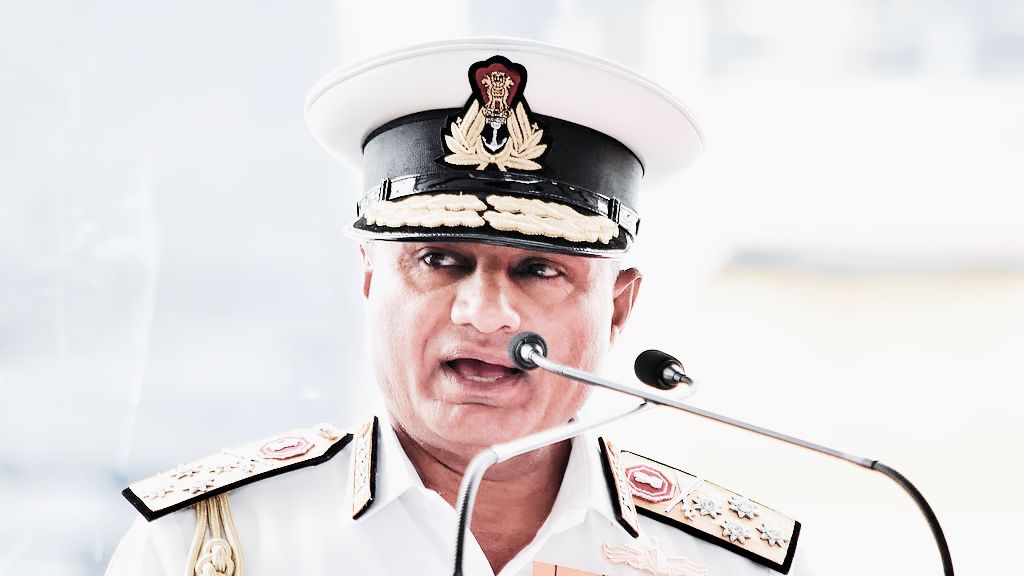
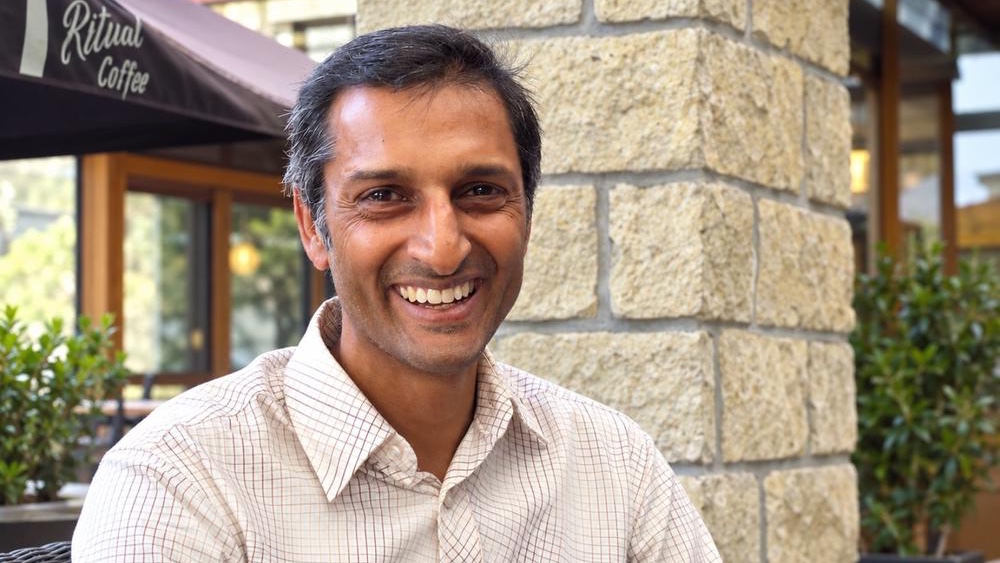
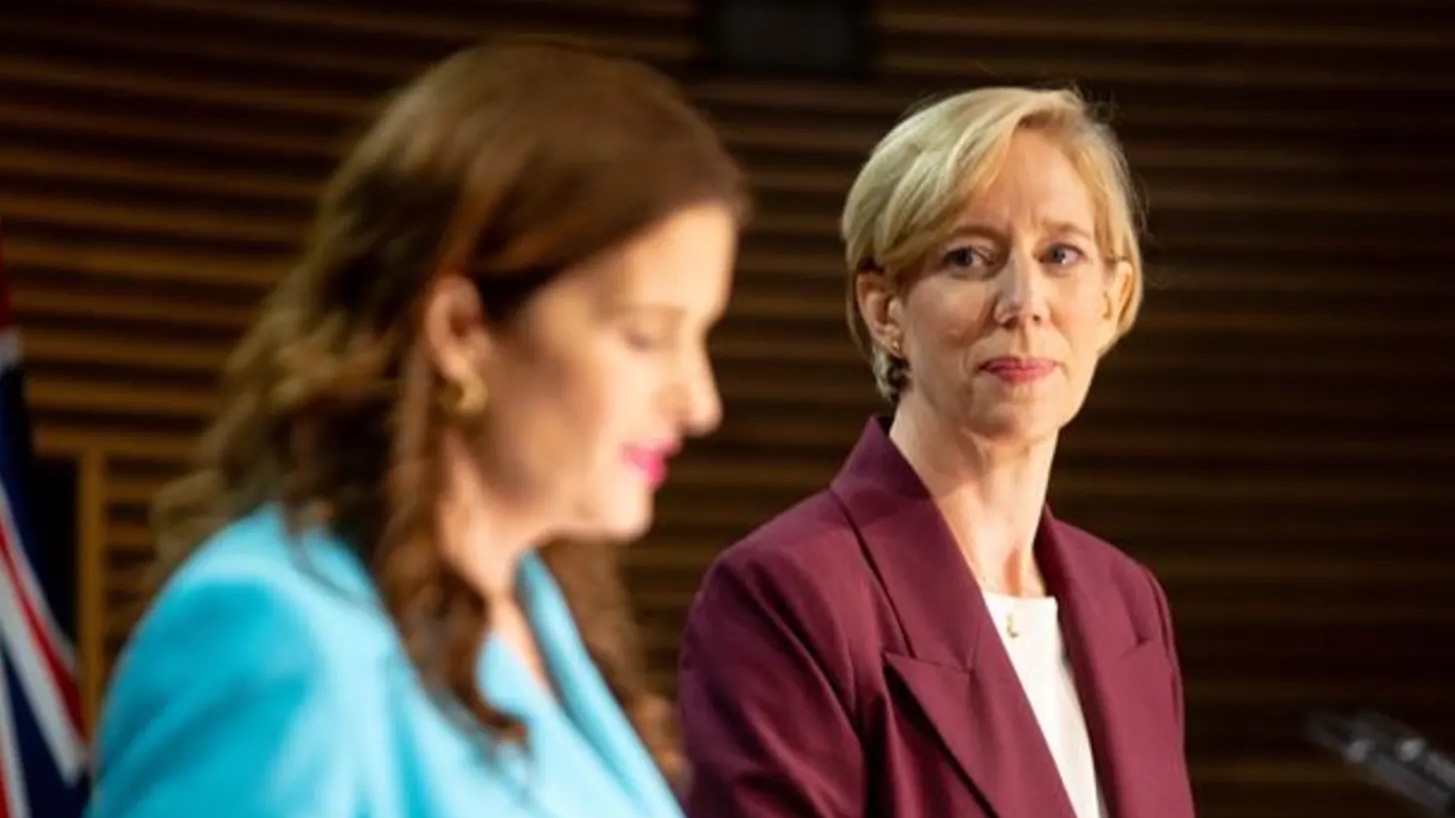
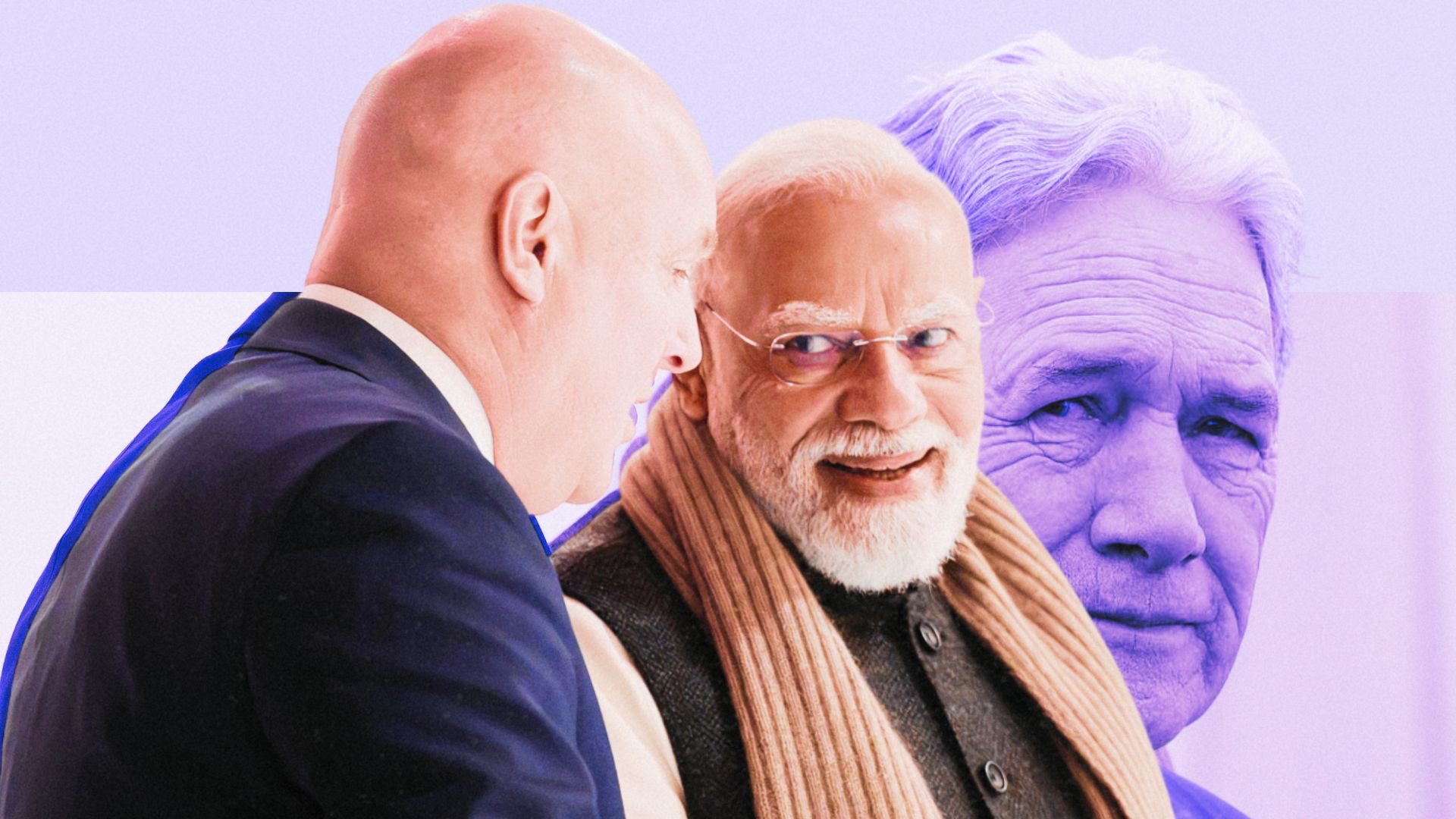
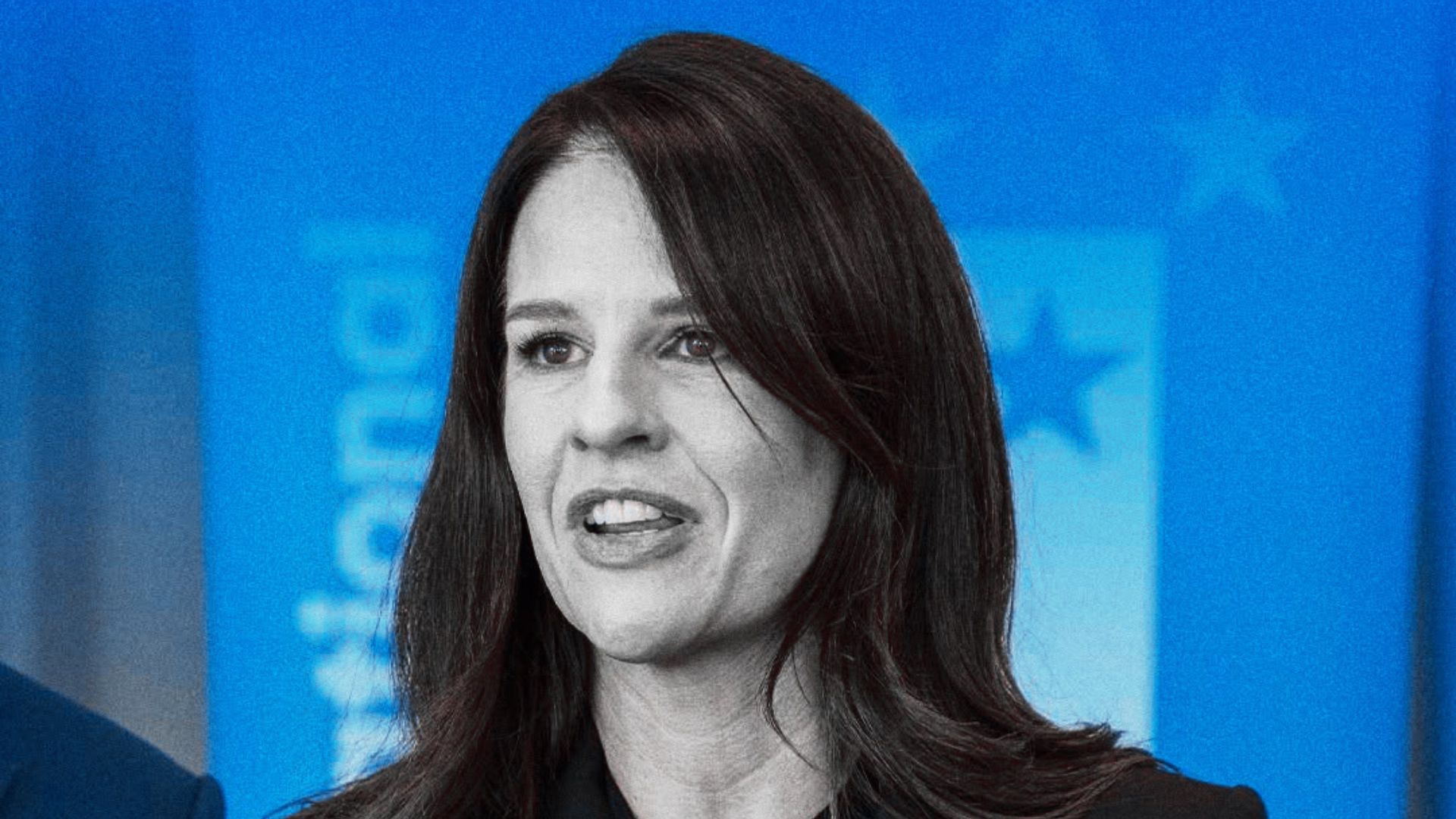
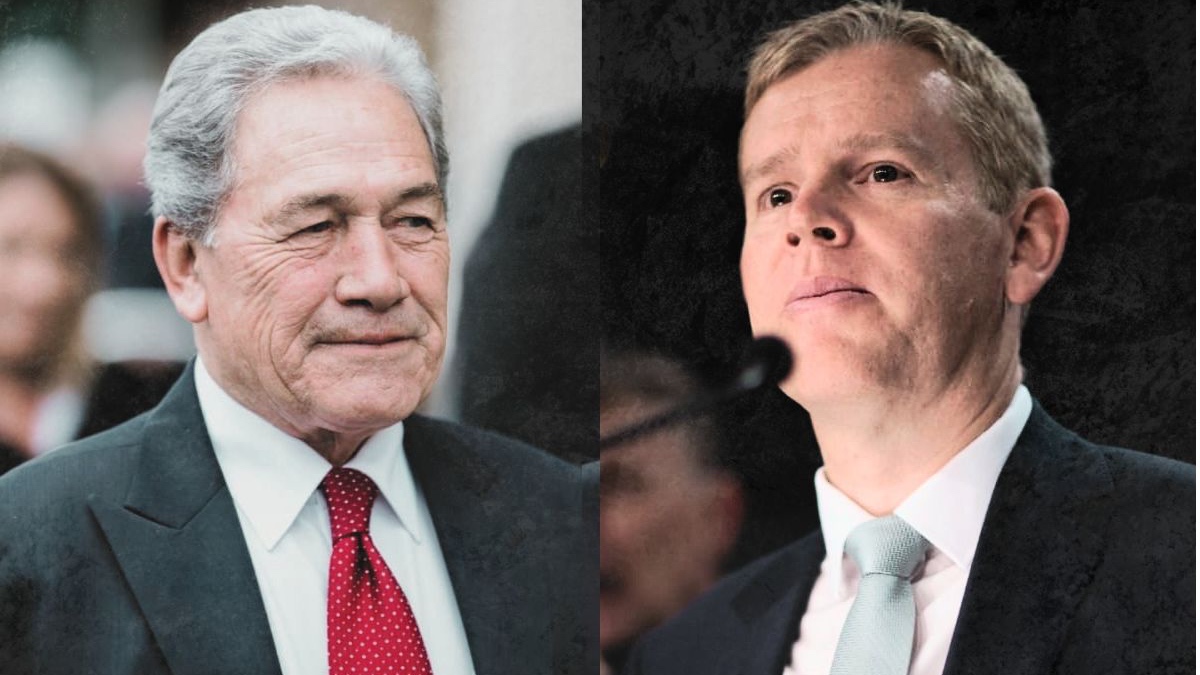
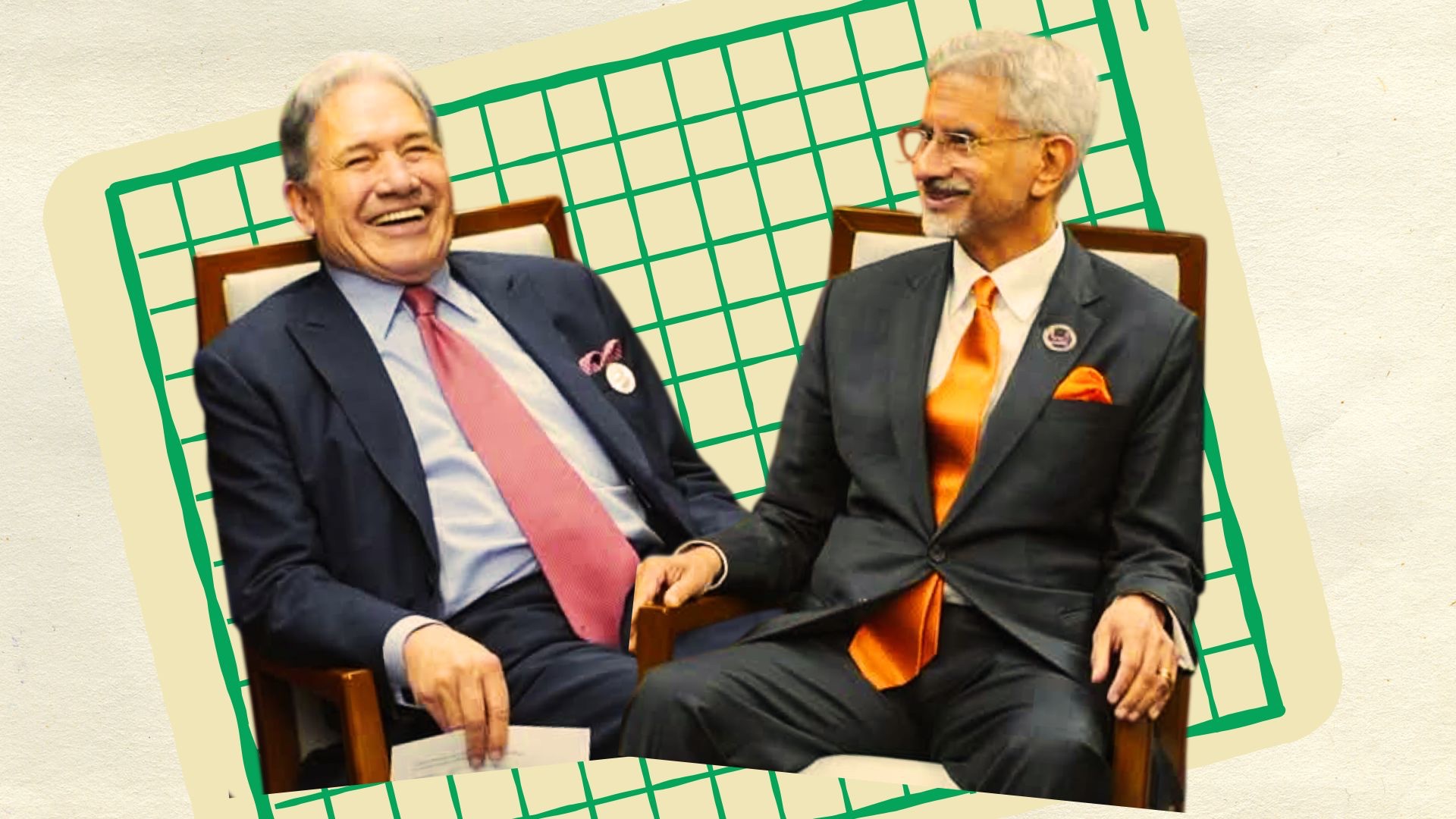
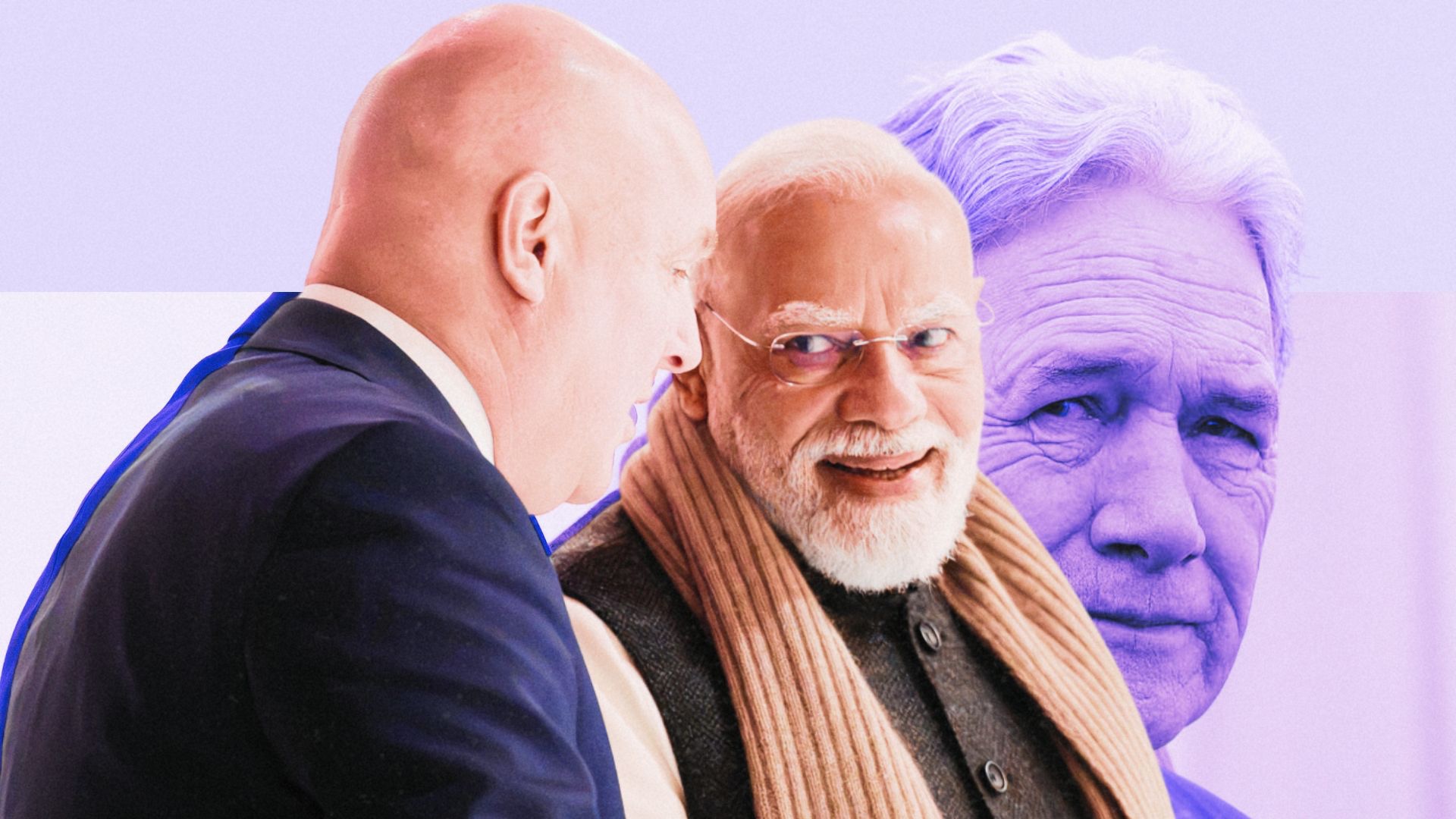
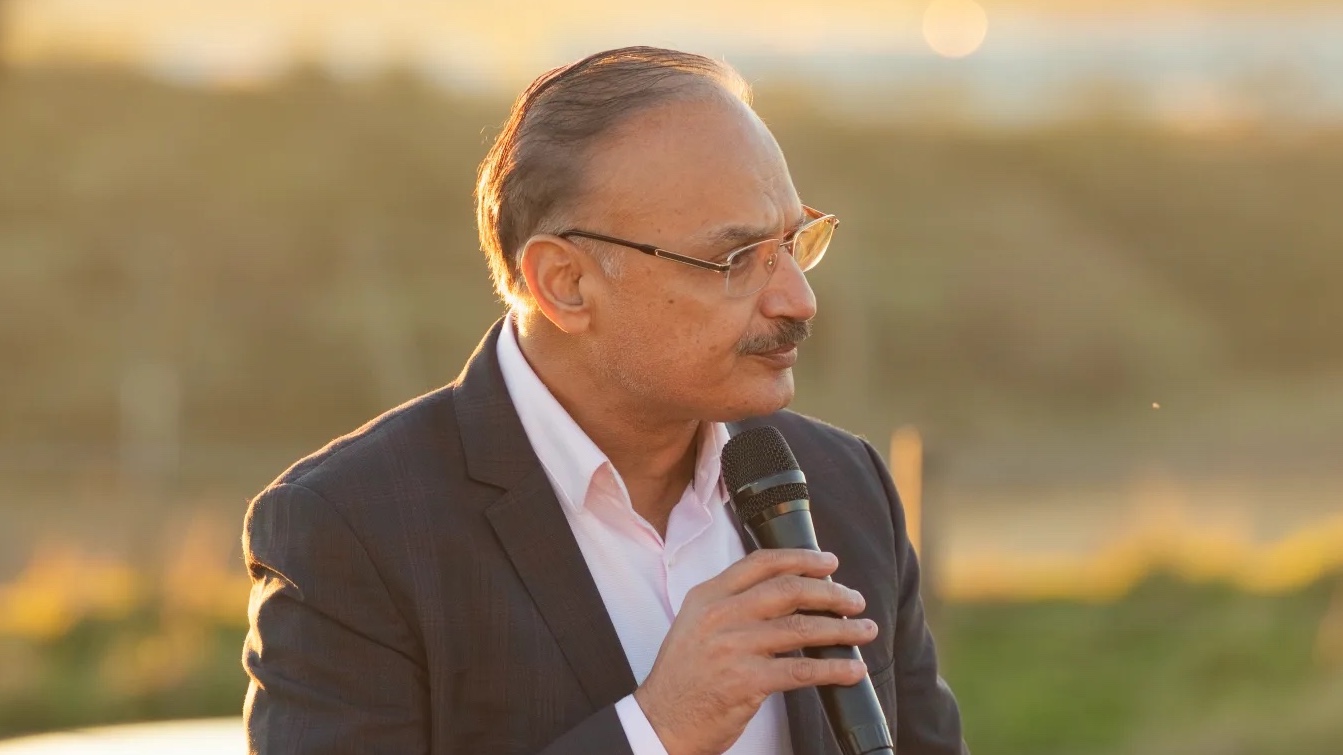
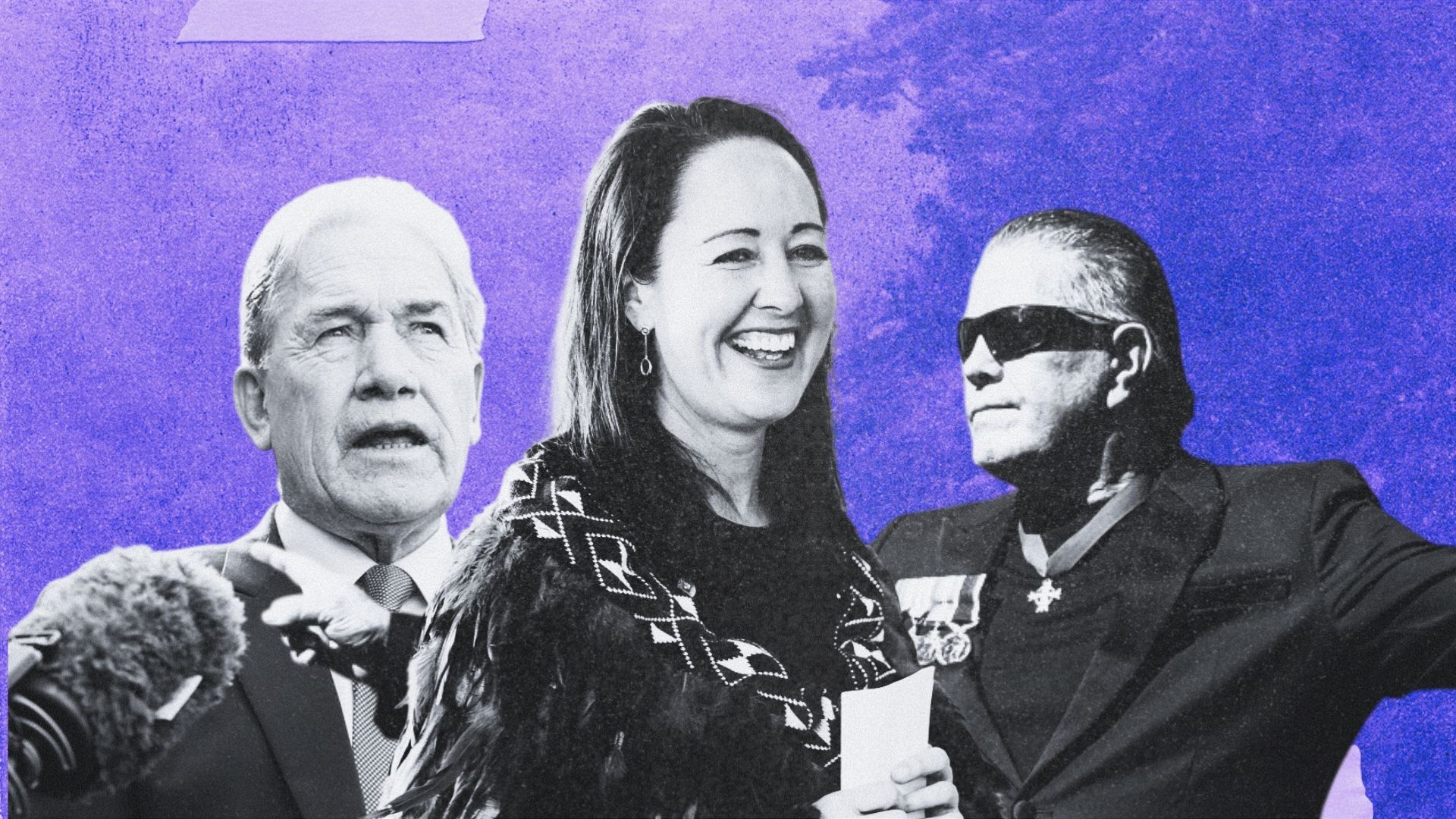
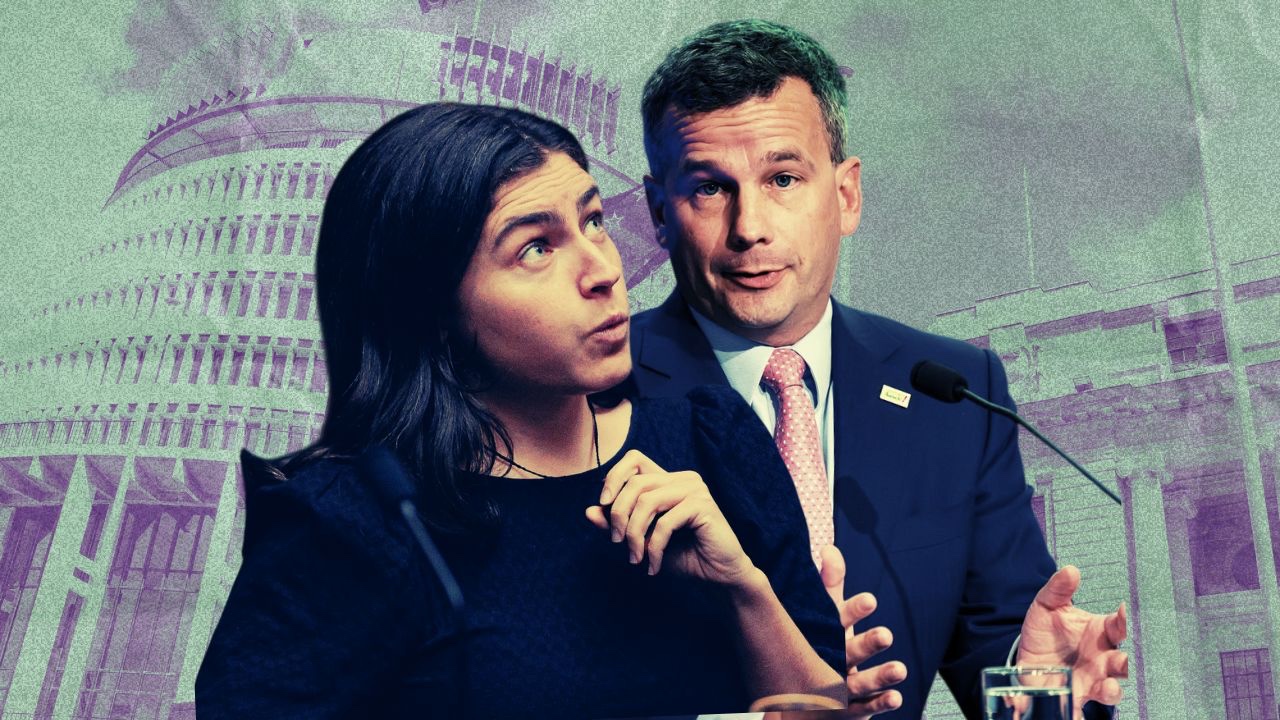
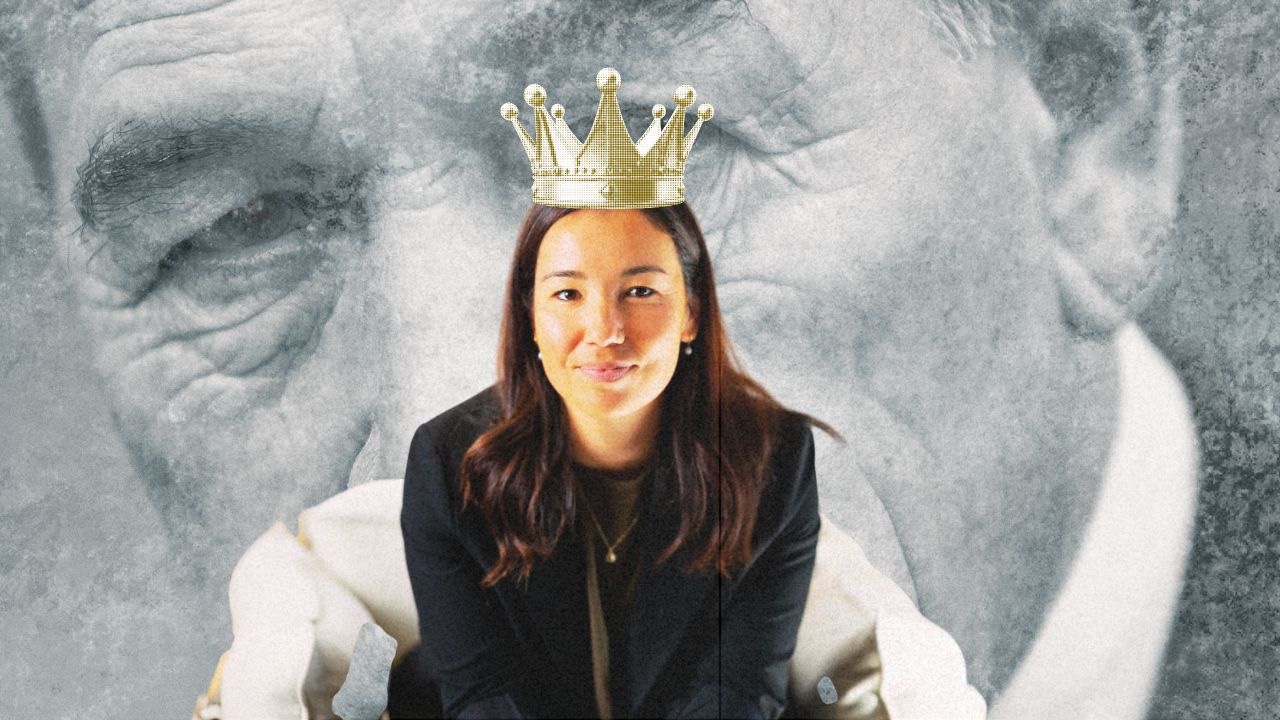
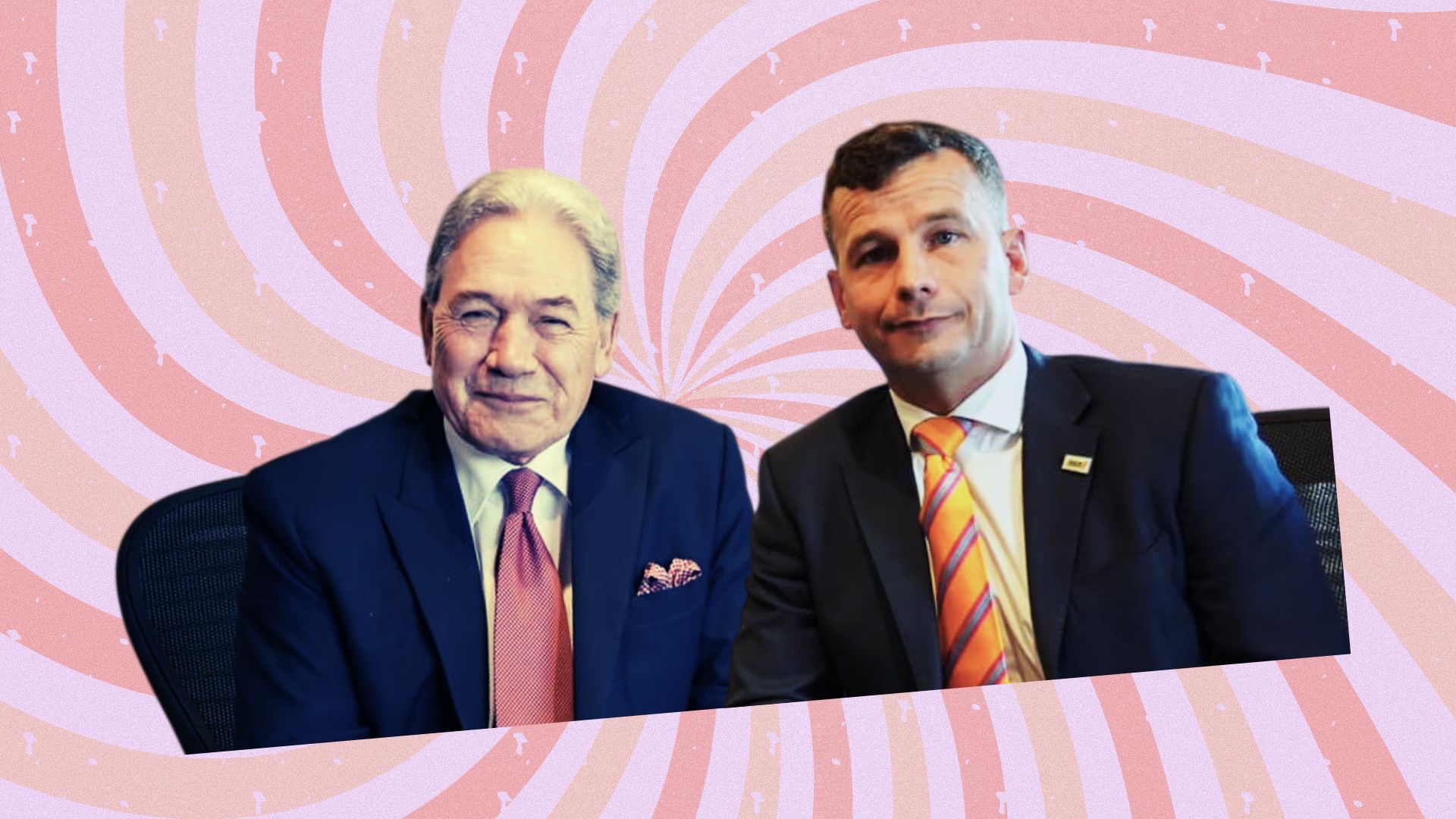
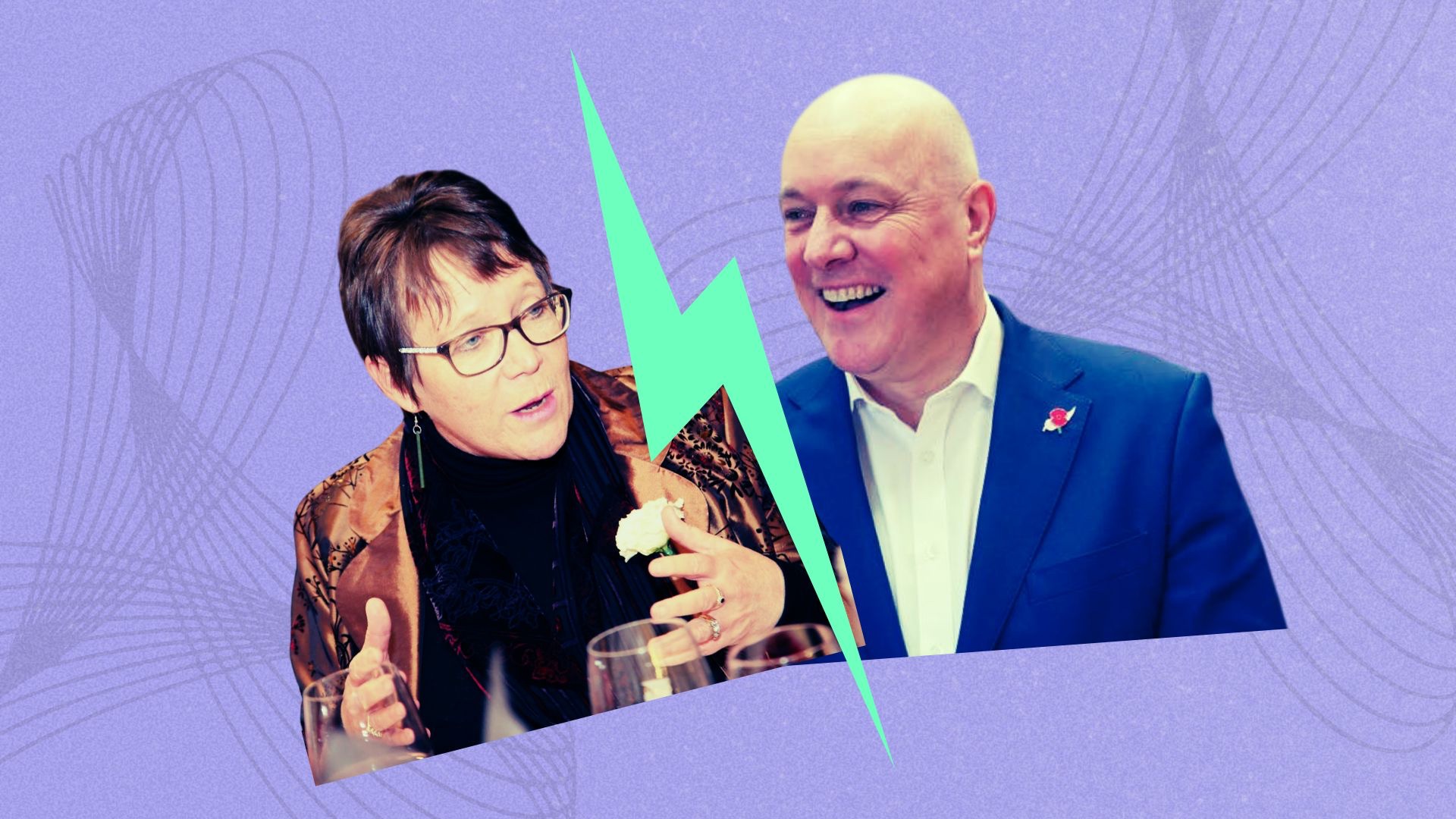
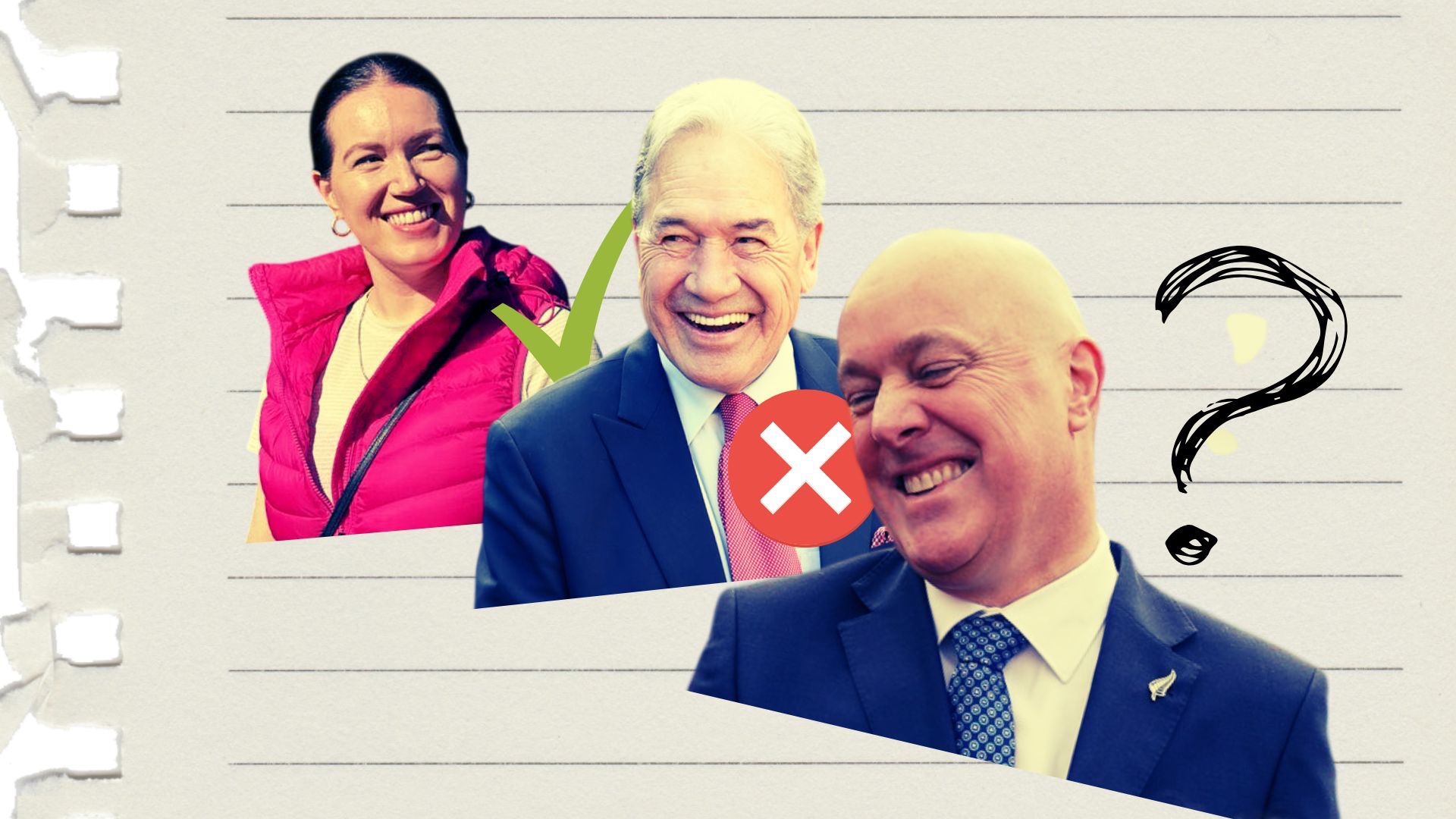
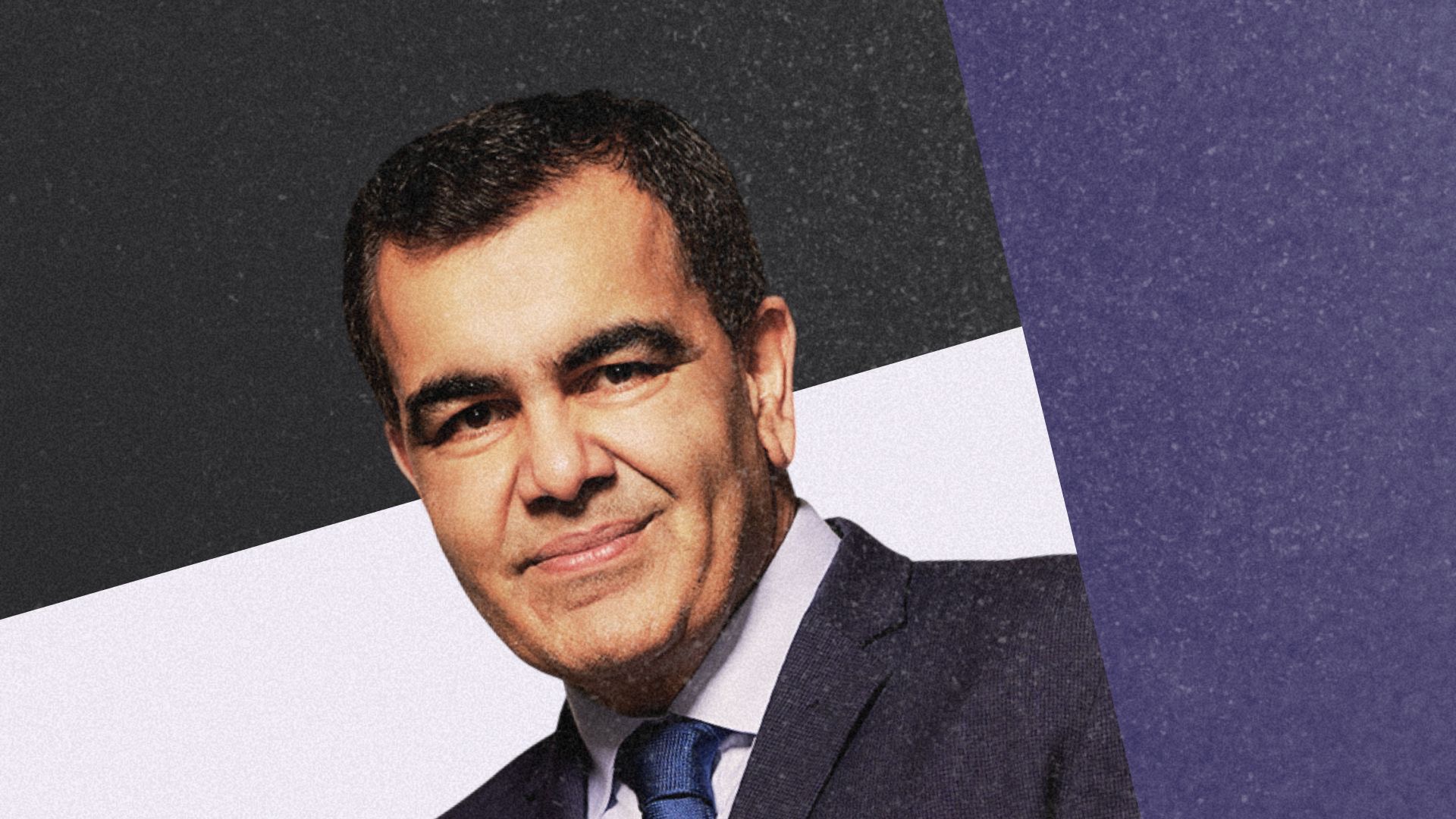
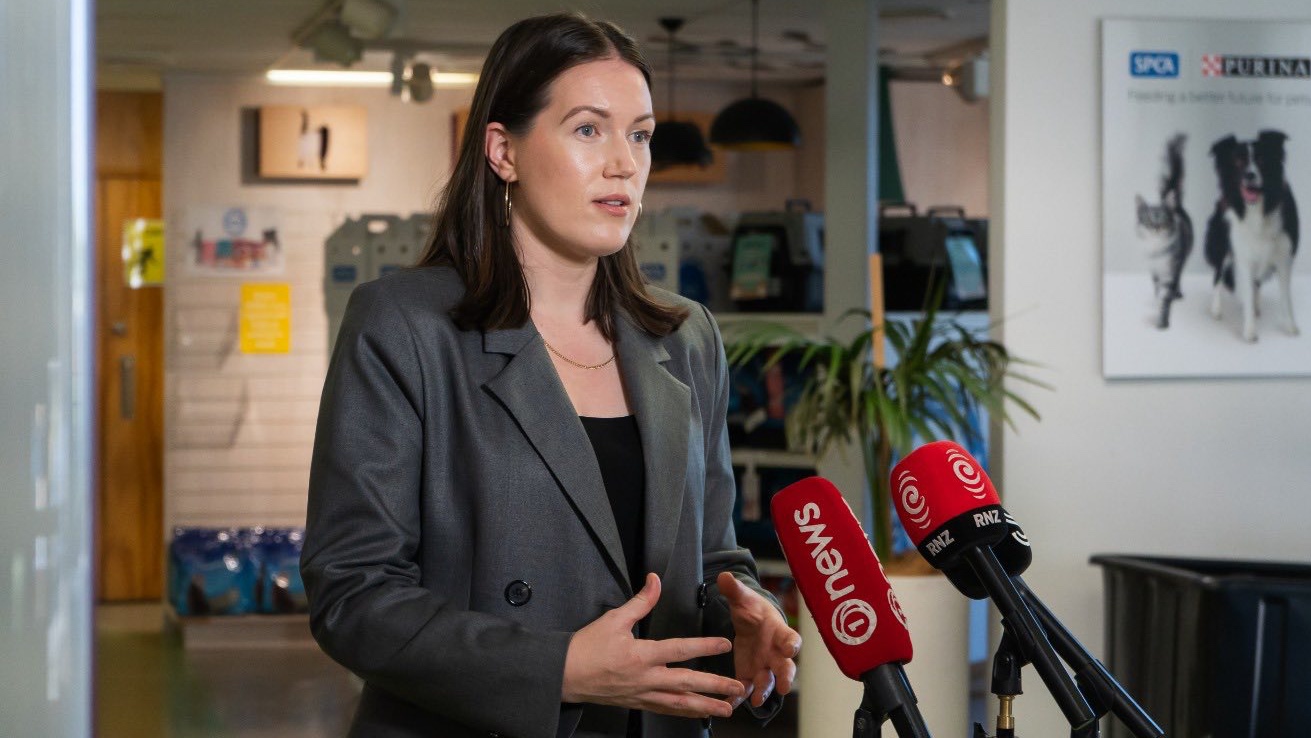
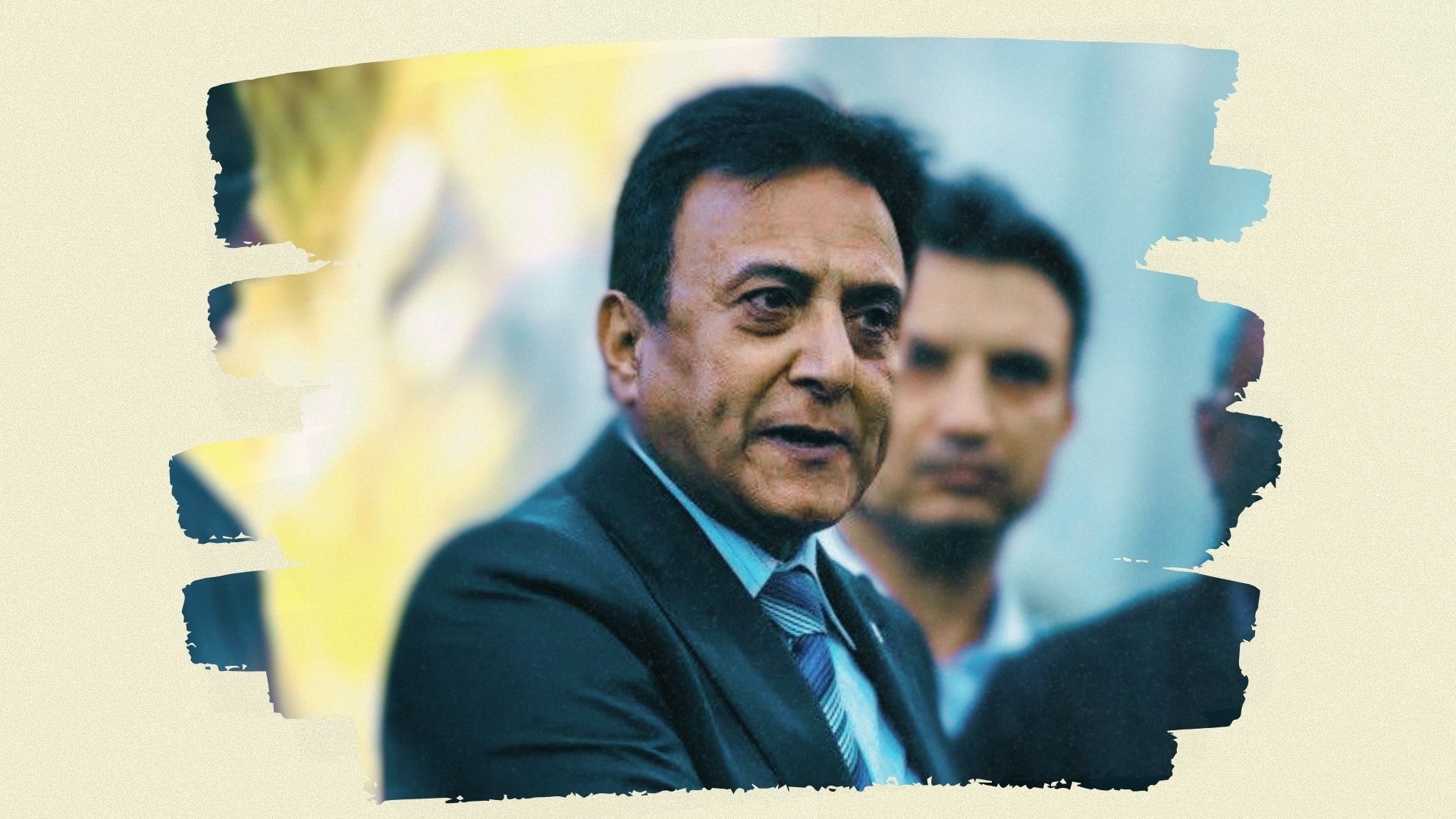
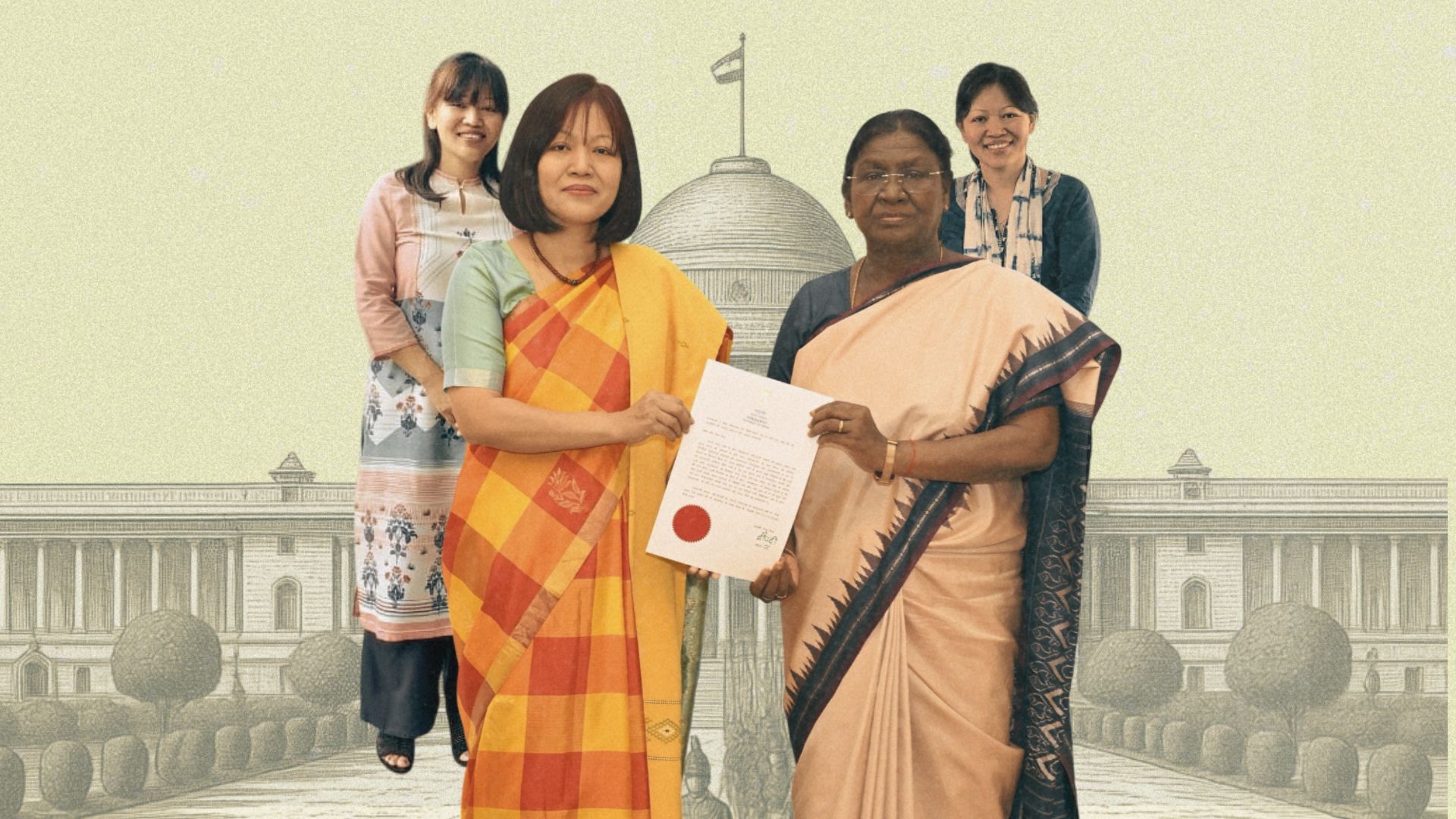
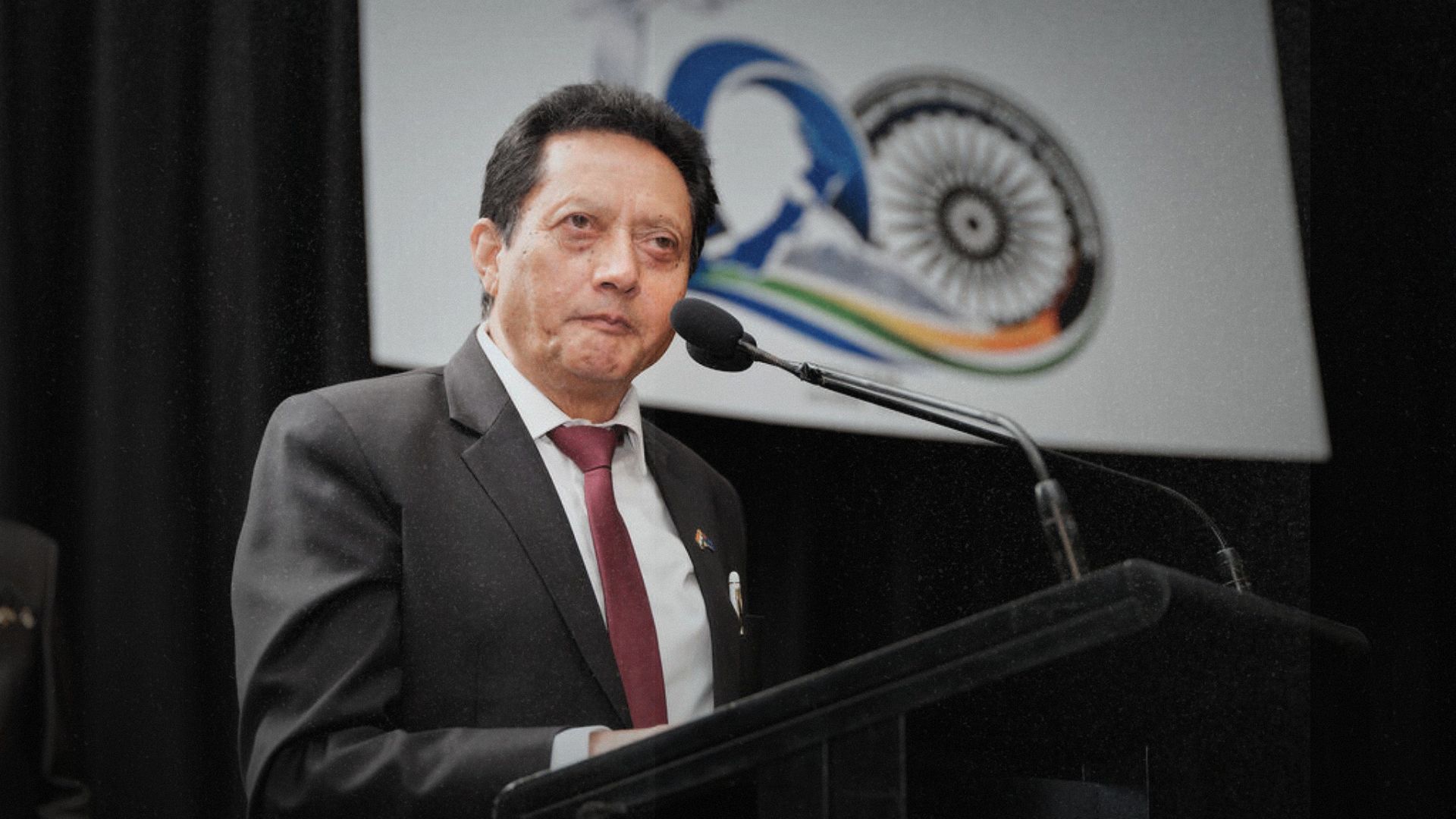
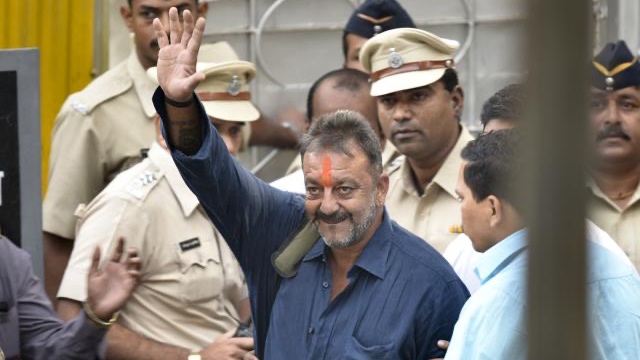
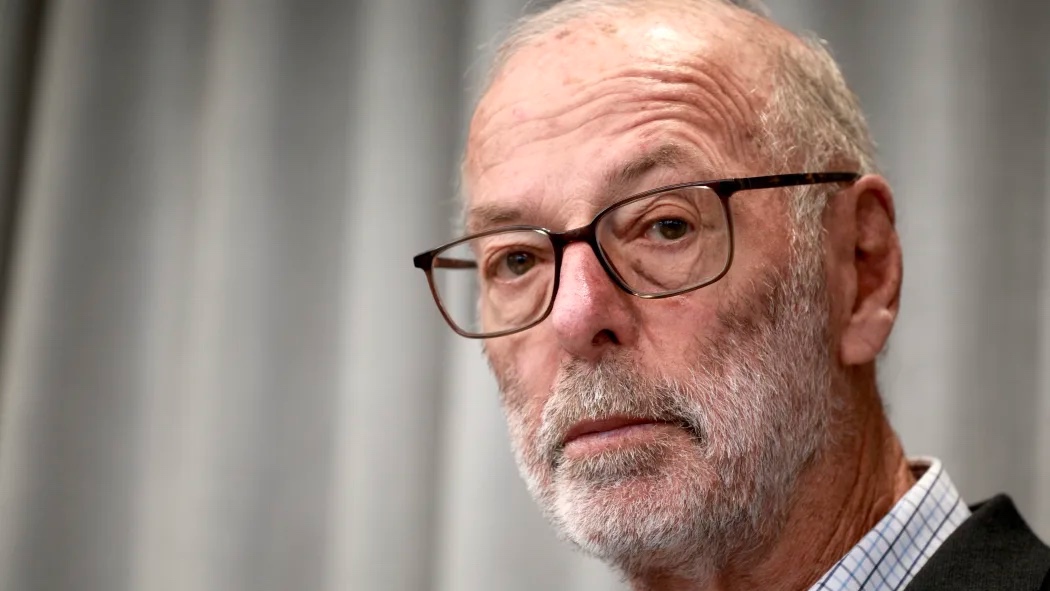
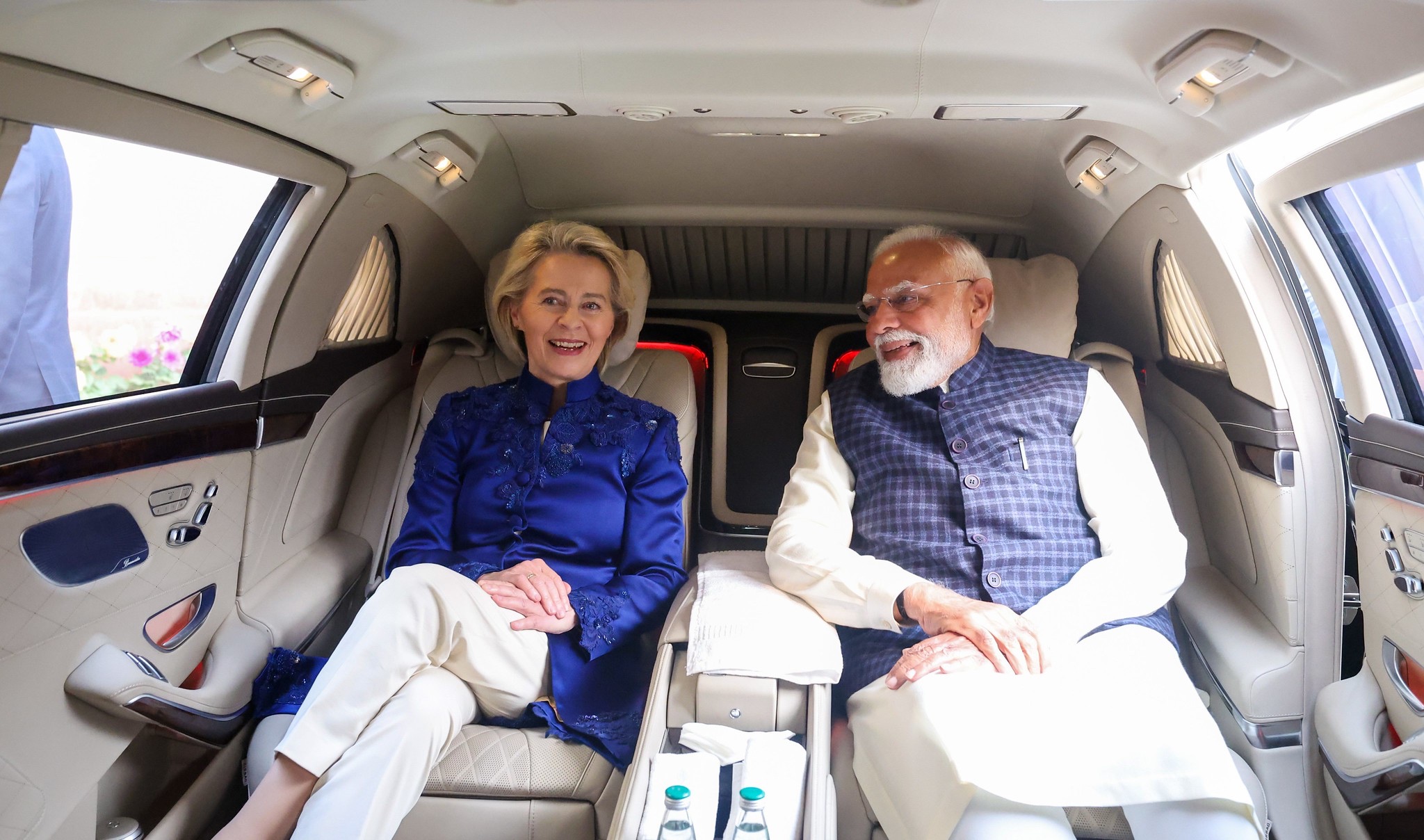
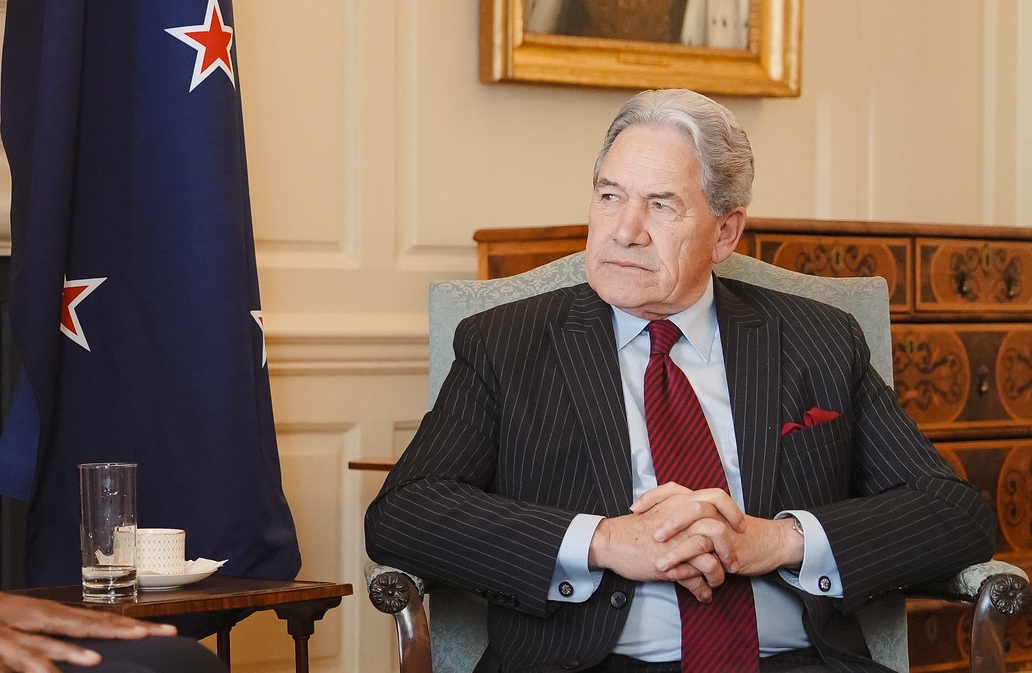
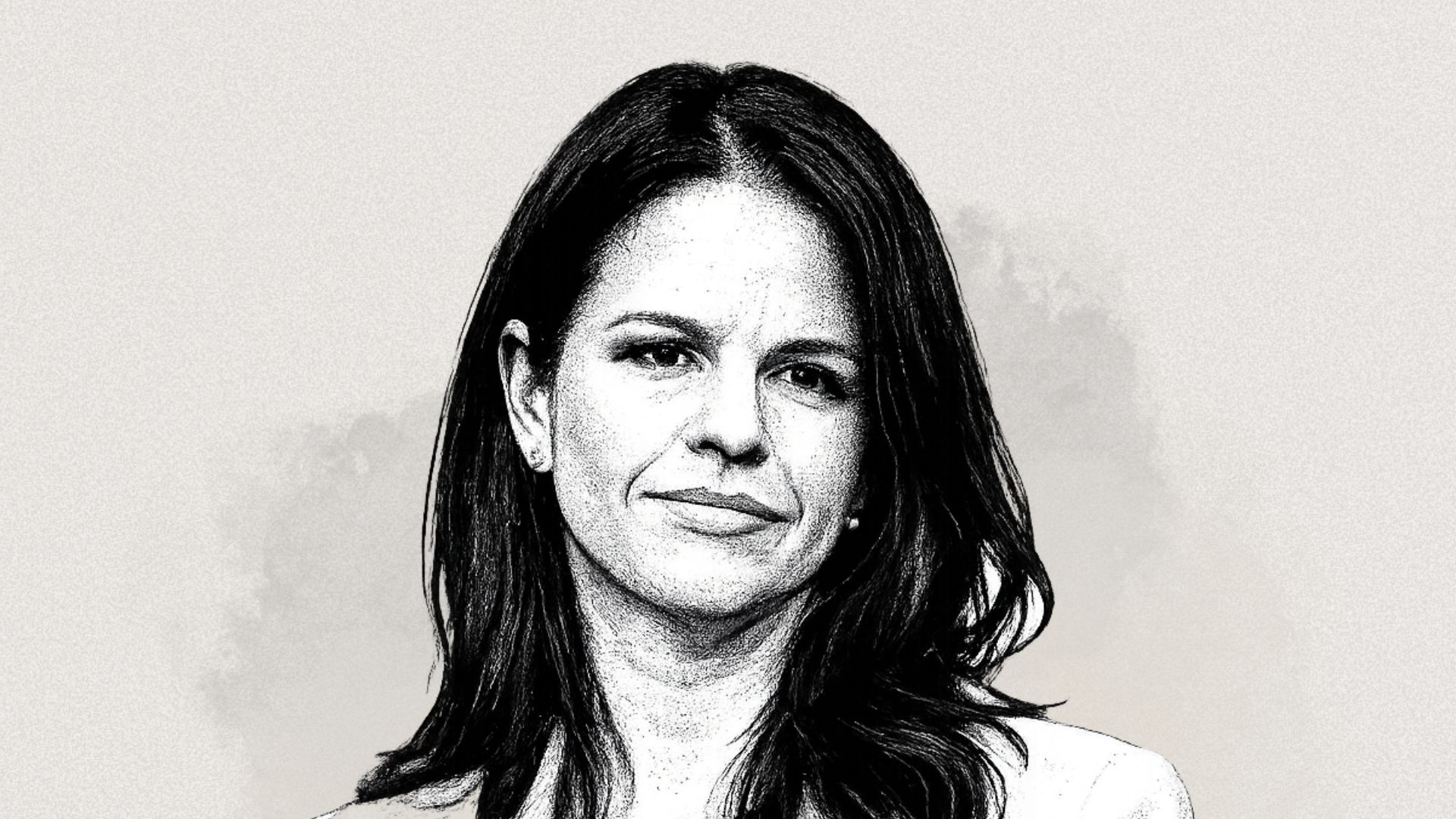
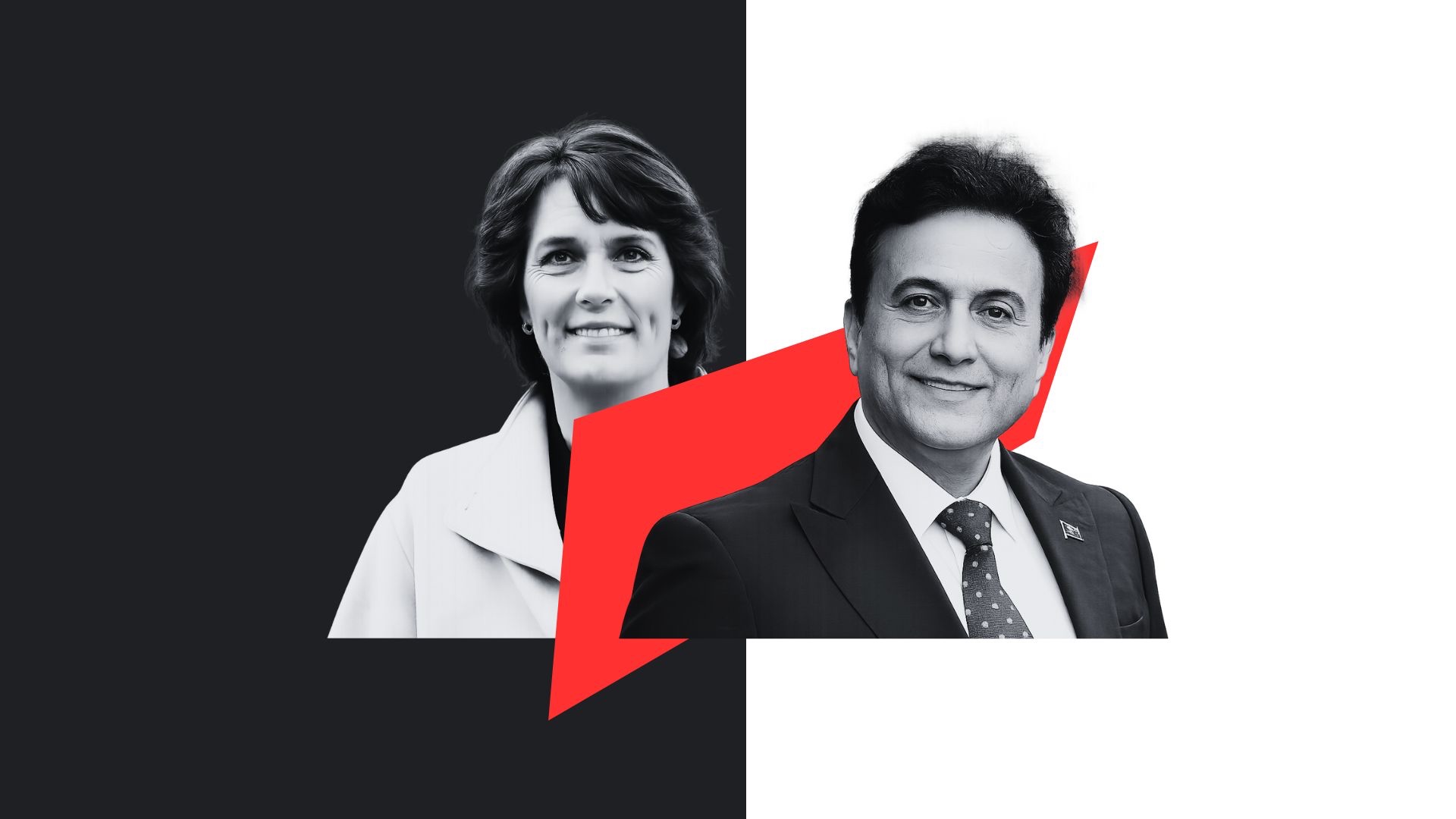
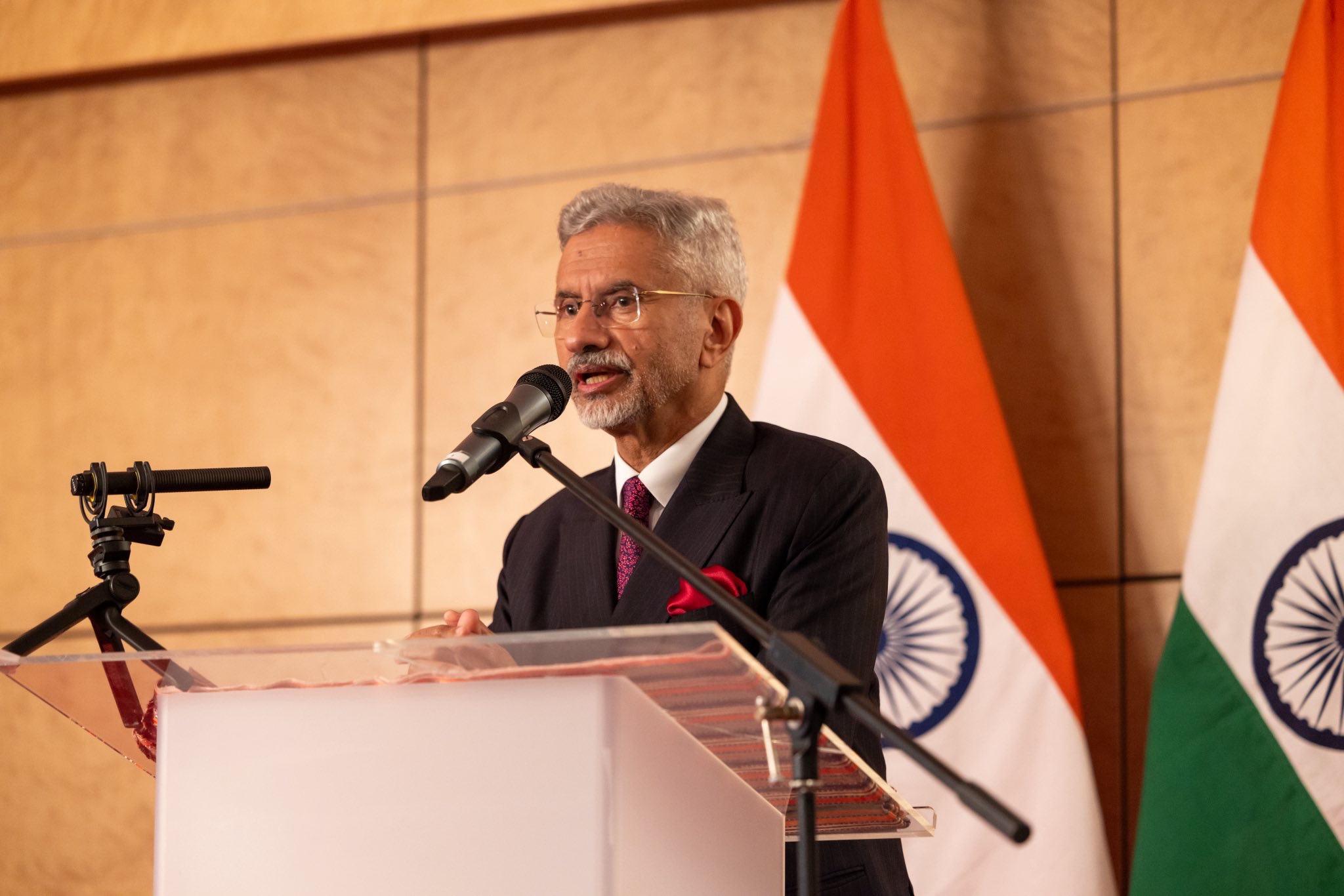
India's high commissioner to New Zealand Muanpuii Saiawi and foreign minister Winston Peters.
Muanpuii Saiawi's comments are the sharpest indication yet how the foreign minister's claims are going down in India.
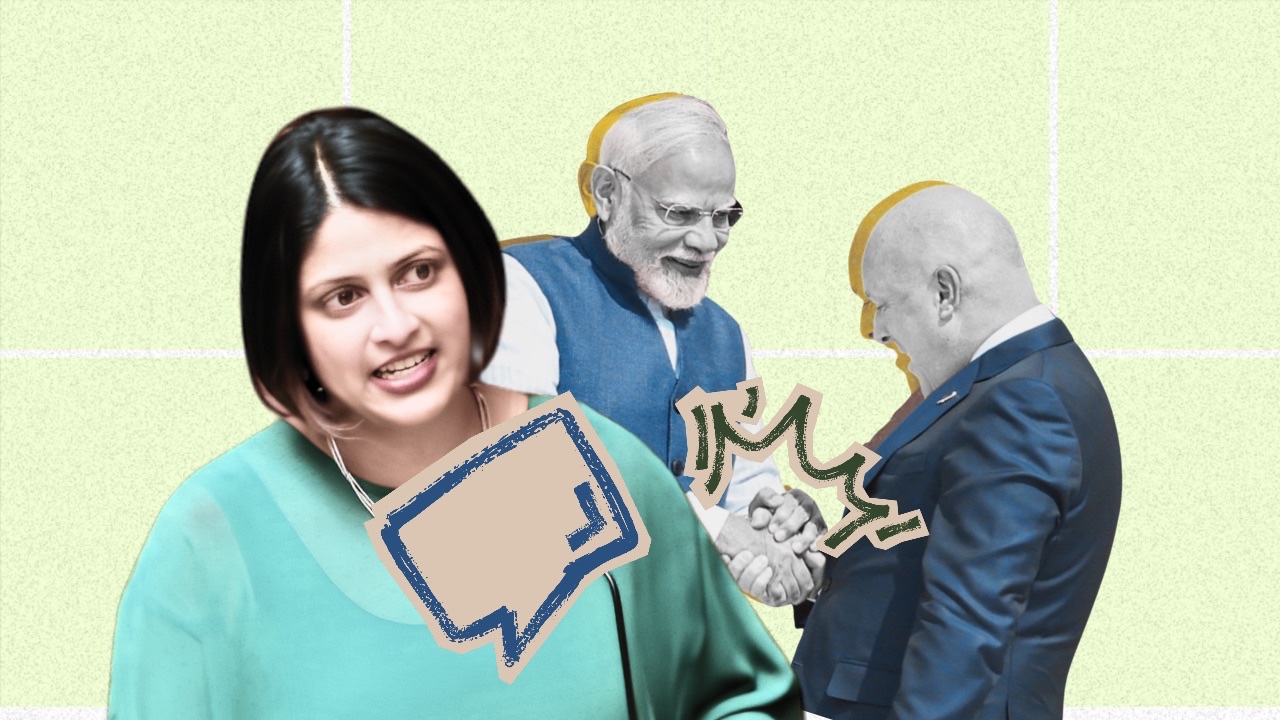
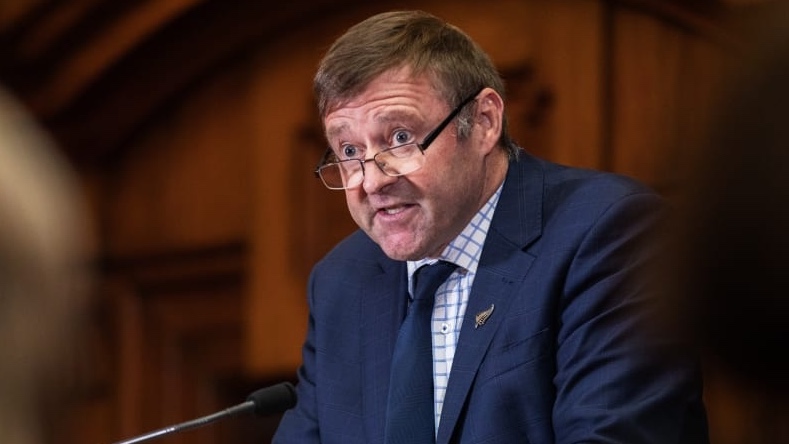
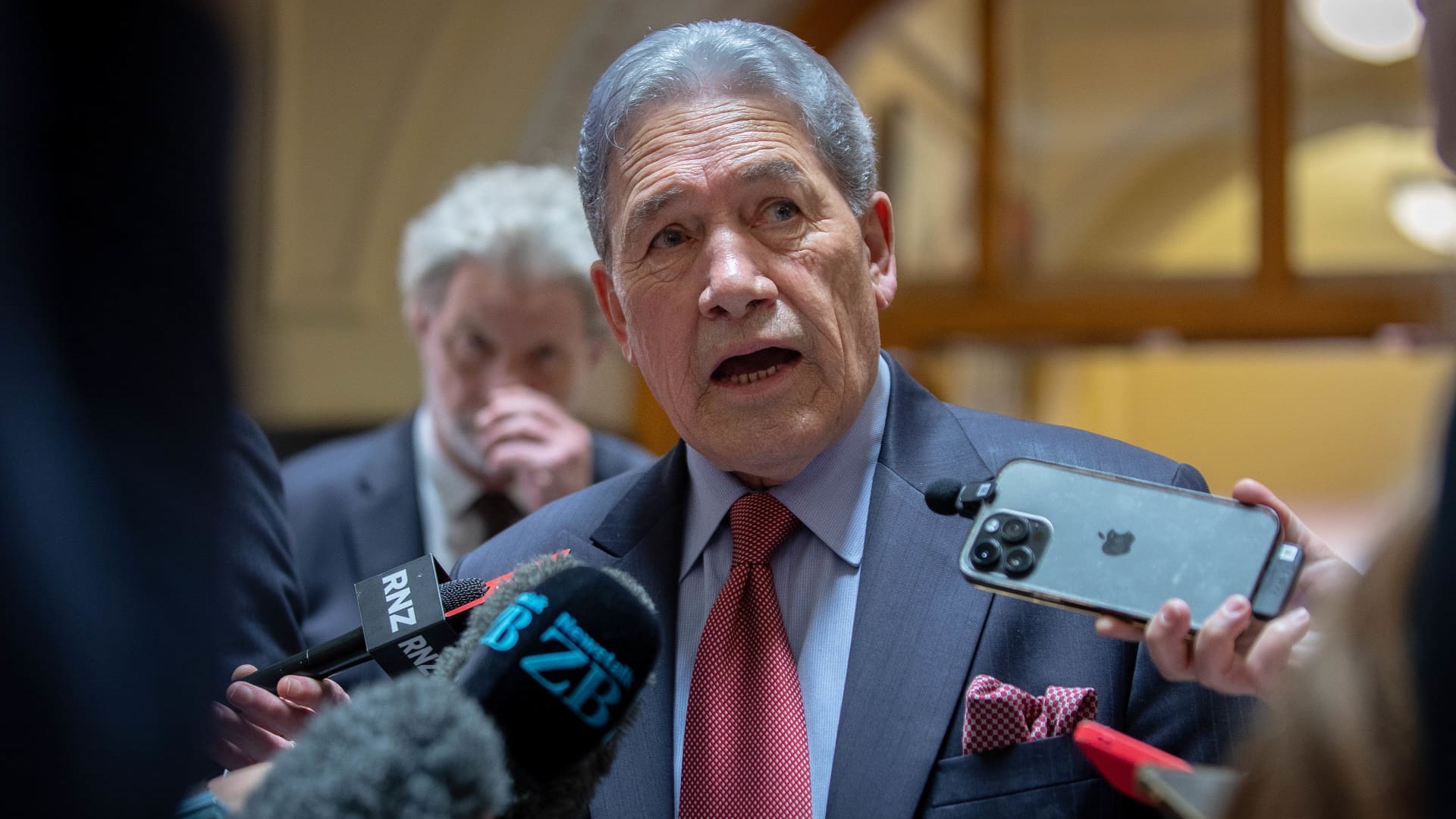
India’s high commissioner says she does not believe New Delhi was misled over the free trade agreement, directly undercutting one of foreign minister Winston Peters’ central claims just days before Narendra Modi arrives in New Zealand.
India’s top diplomat in New Zealand, Muanpuii Saiawi, was asked in an interview with the New Zealand Herald on Tuesday whether India felt it had been misled over the deal, following repeated claims by Peters.
“I personally don’t think so,” Saiawi said.
“We are closely engaged with the New Zealand government on these matters, but I believe that the free trade agreement is good for both our countries.”
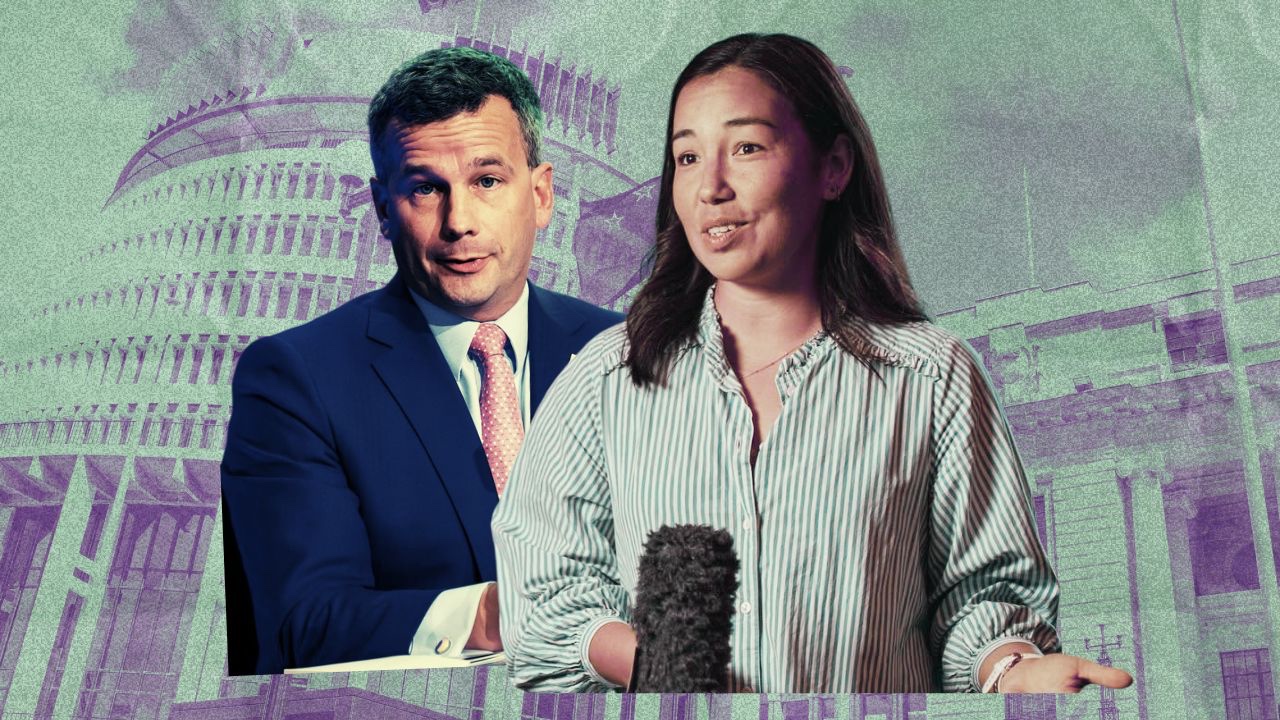
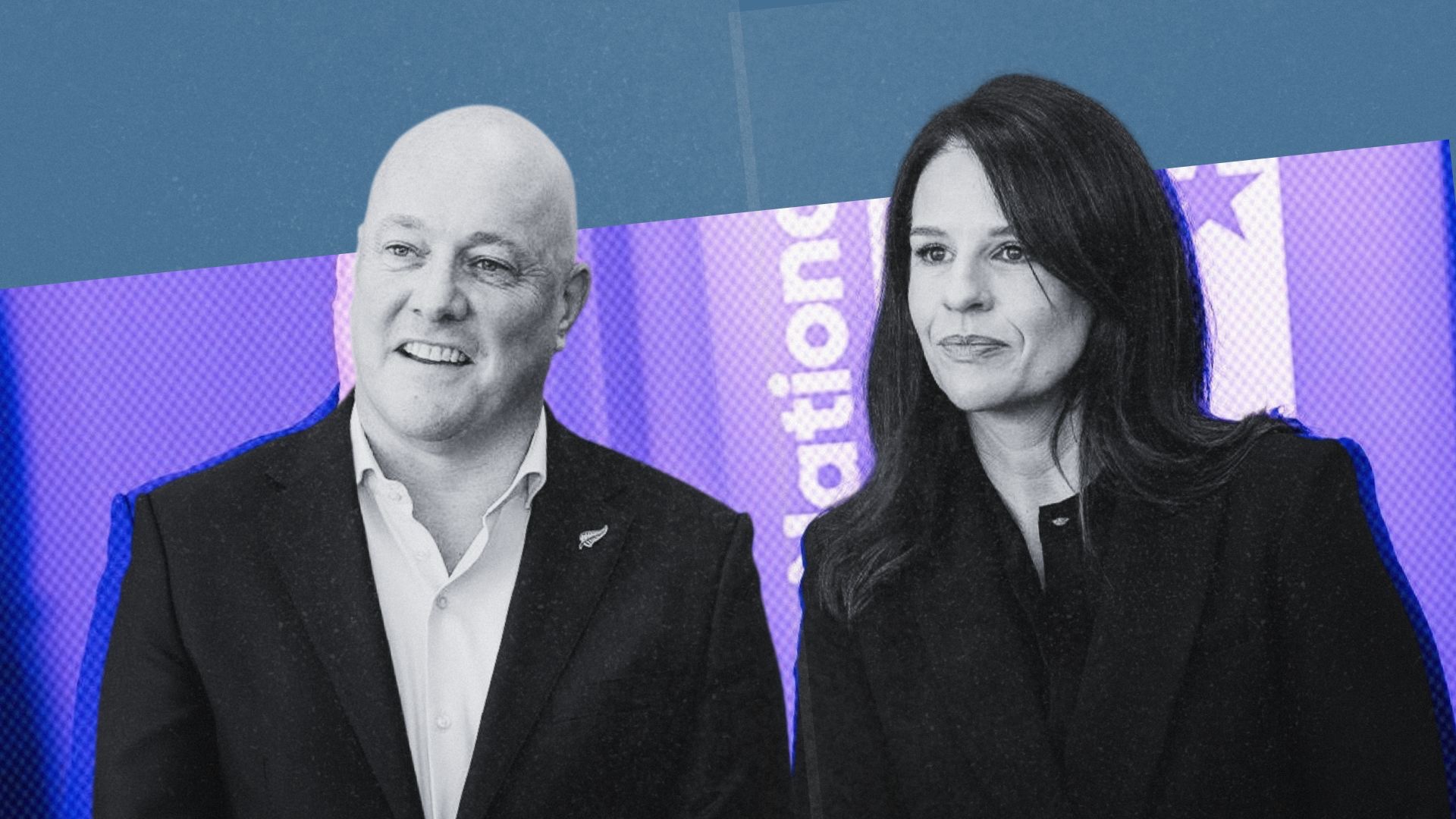
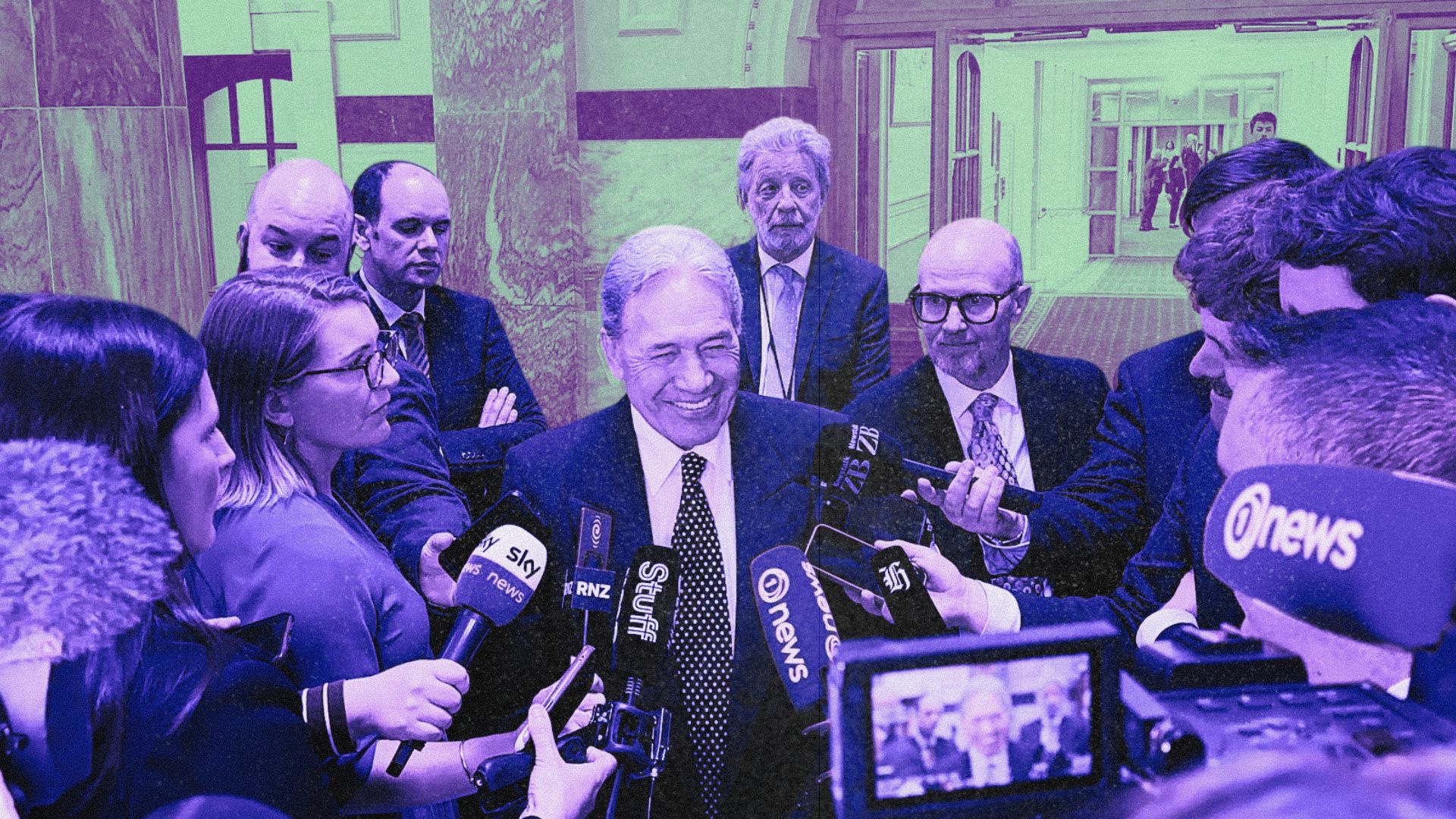
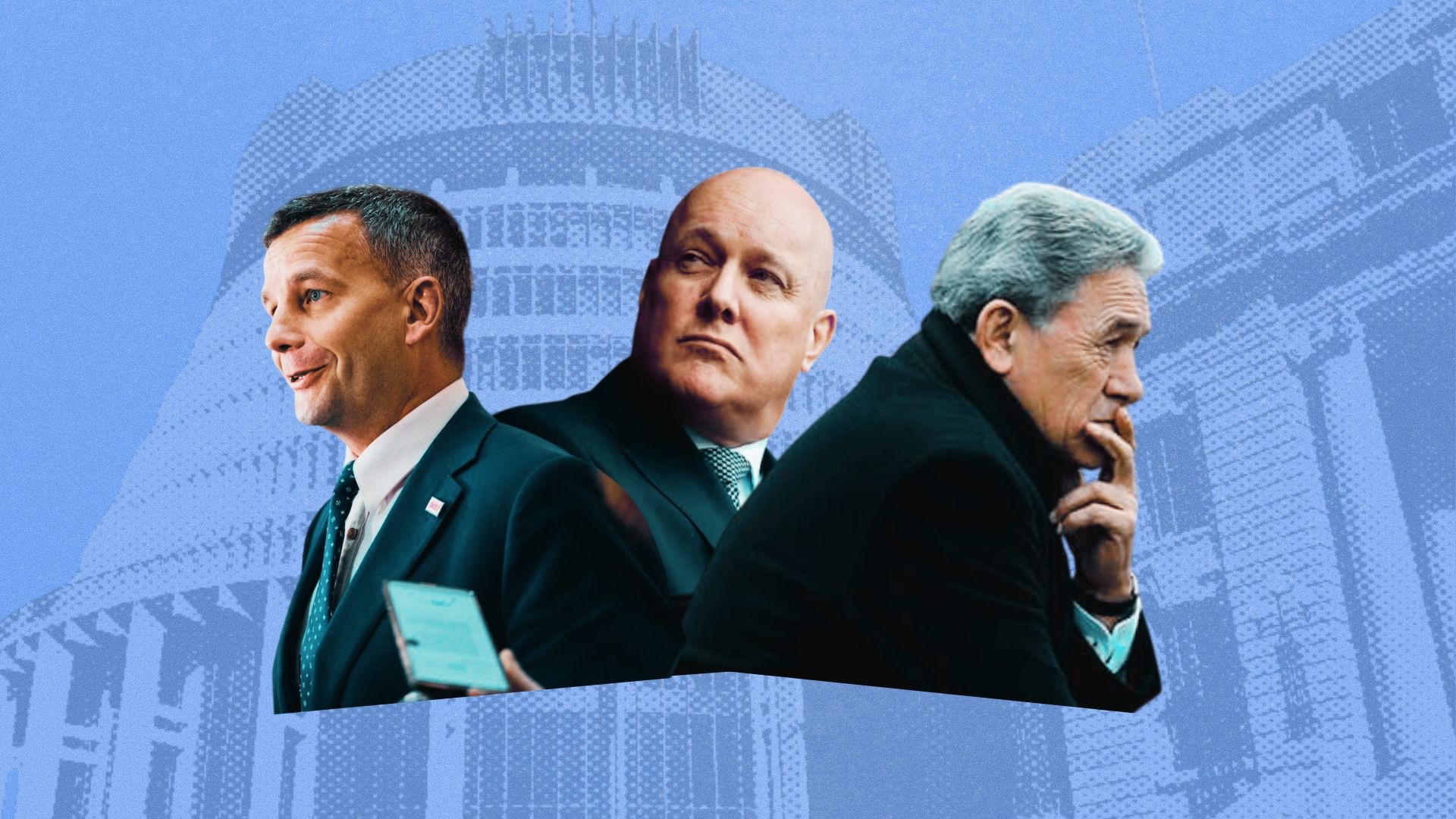
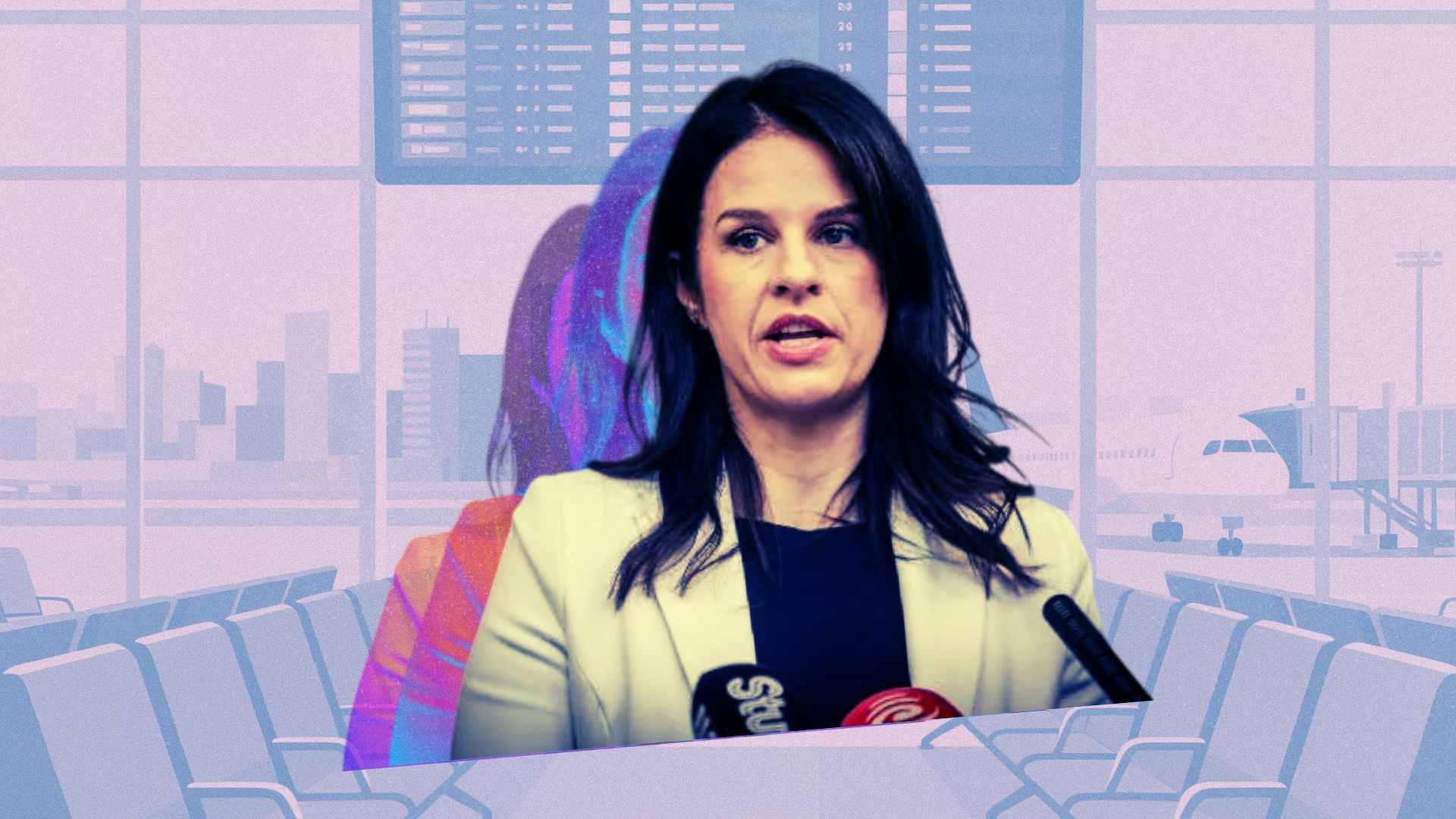
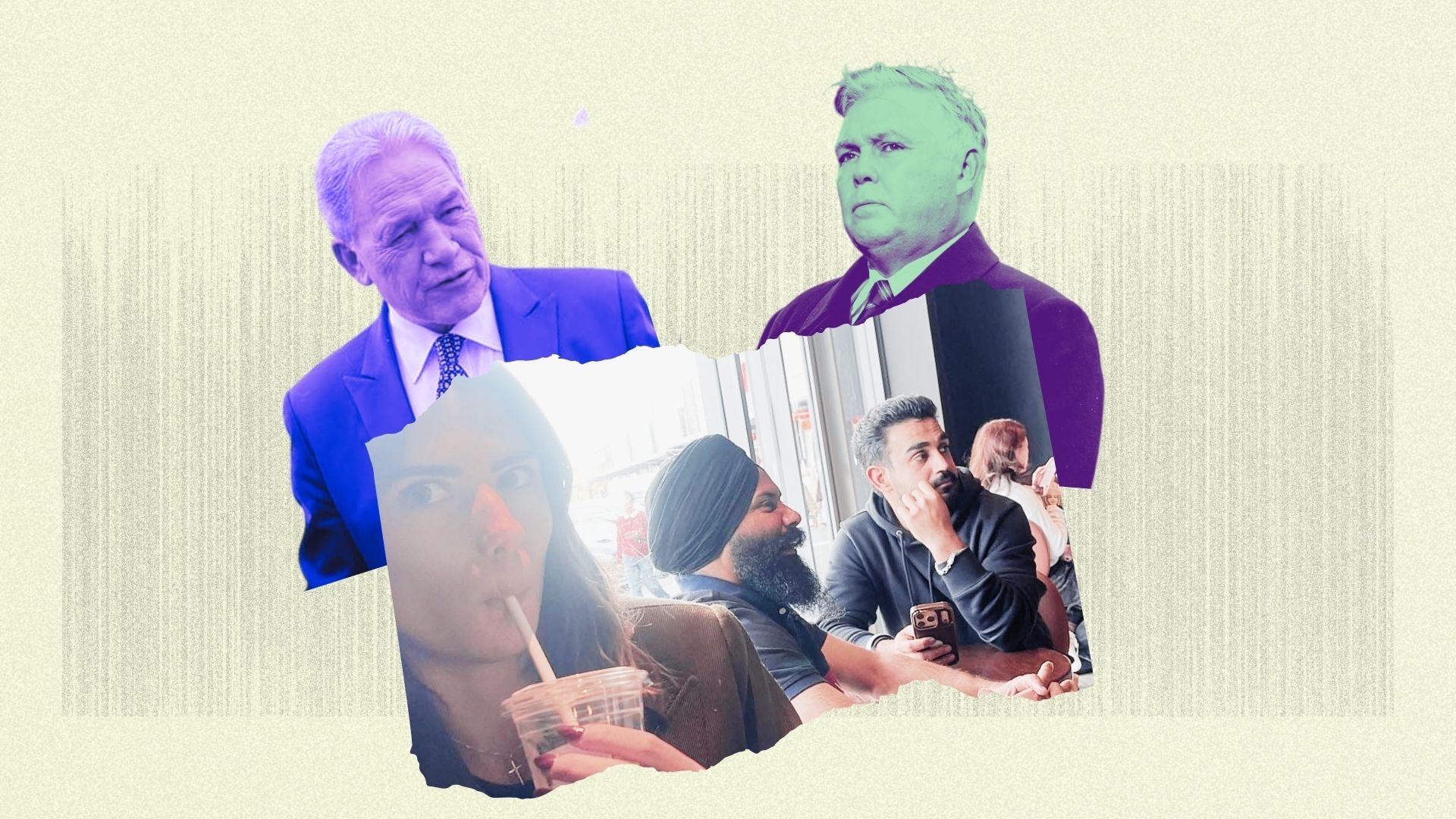
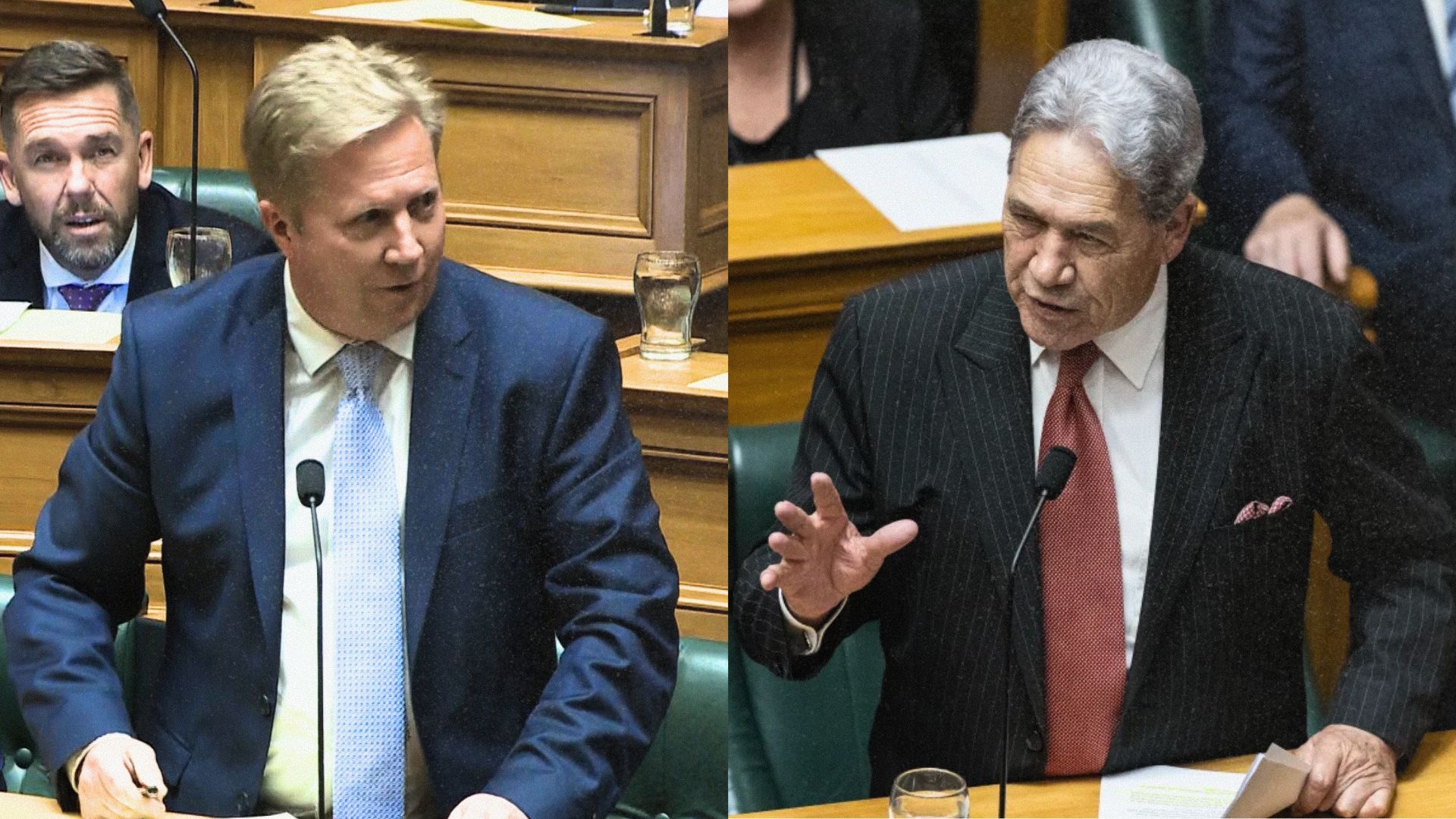
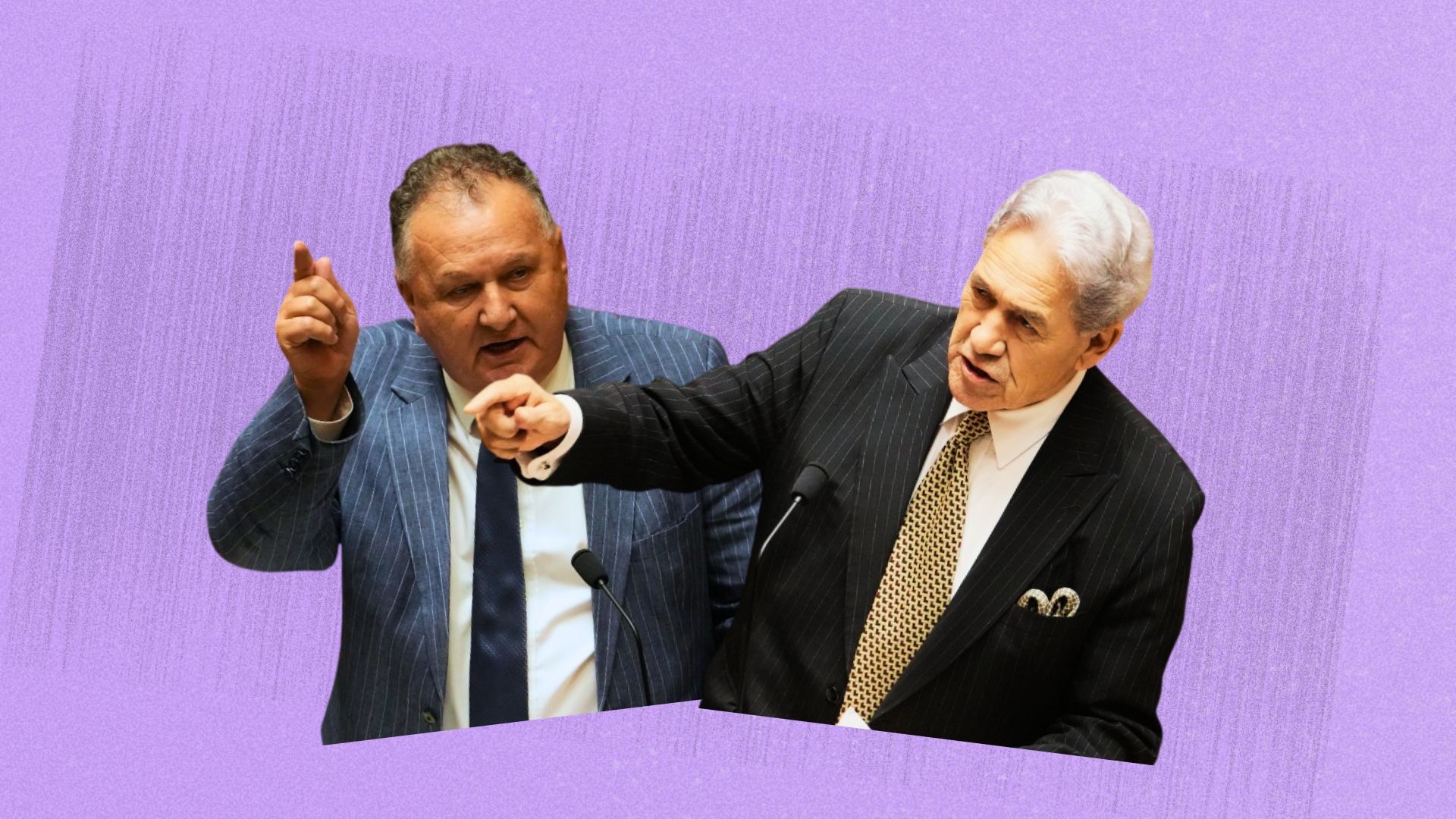
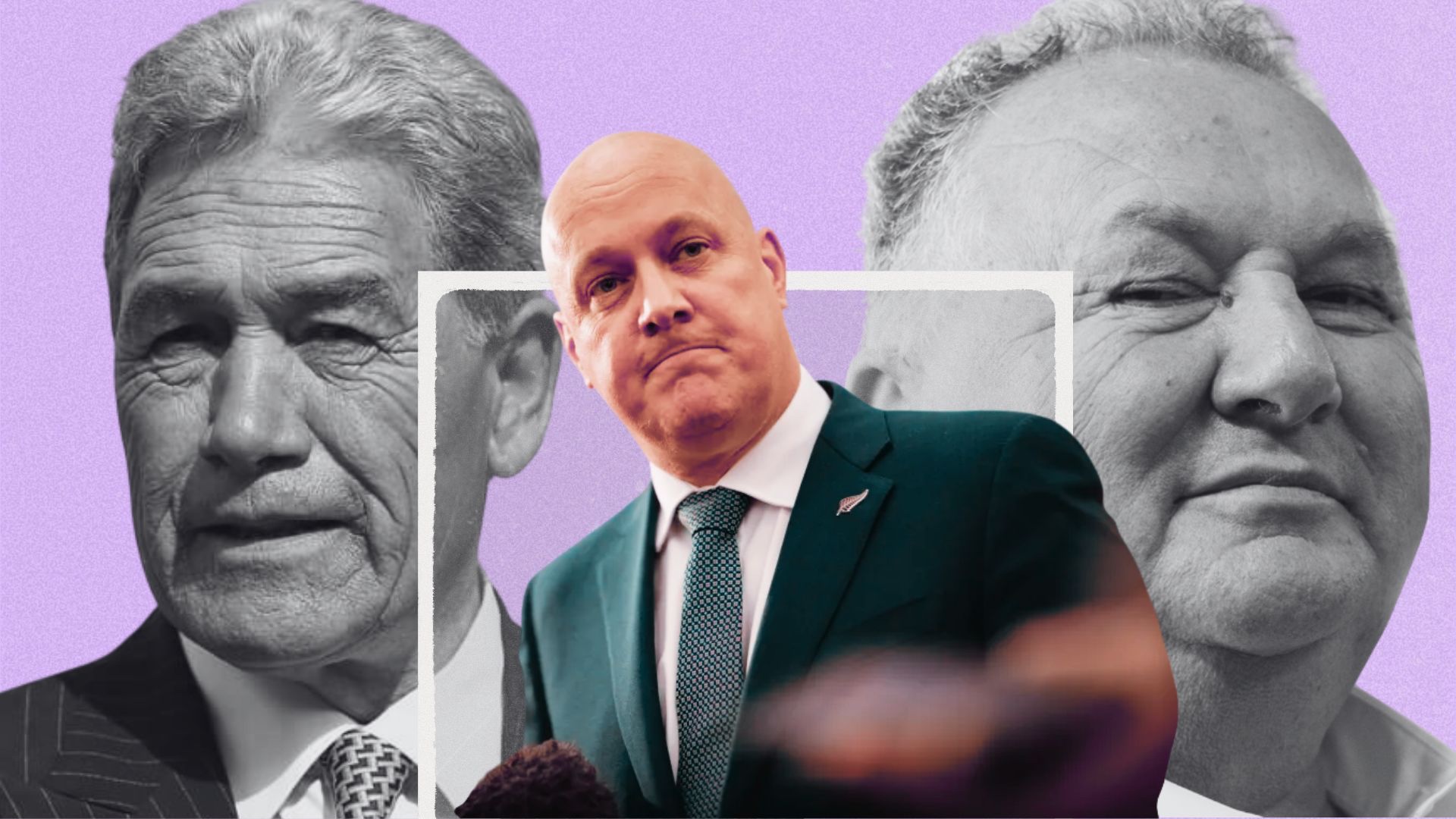
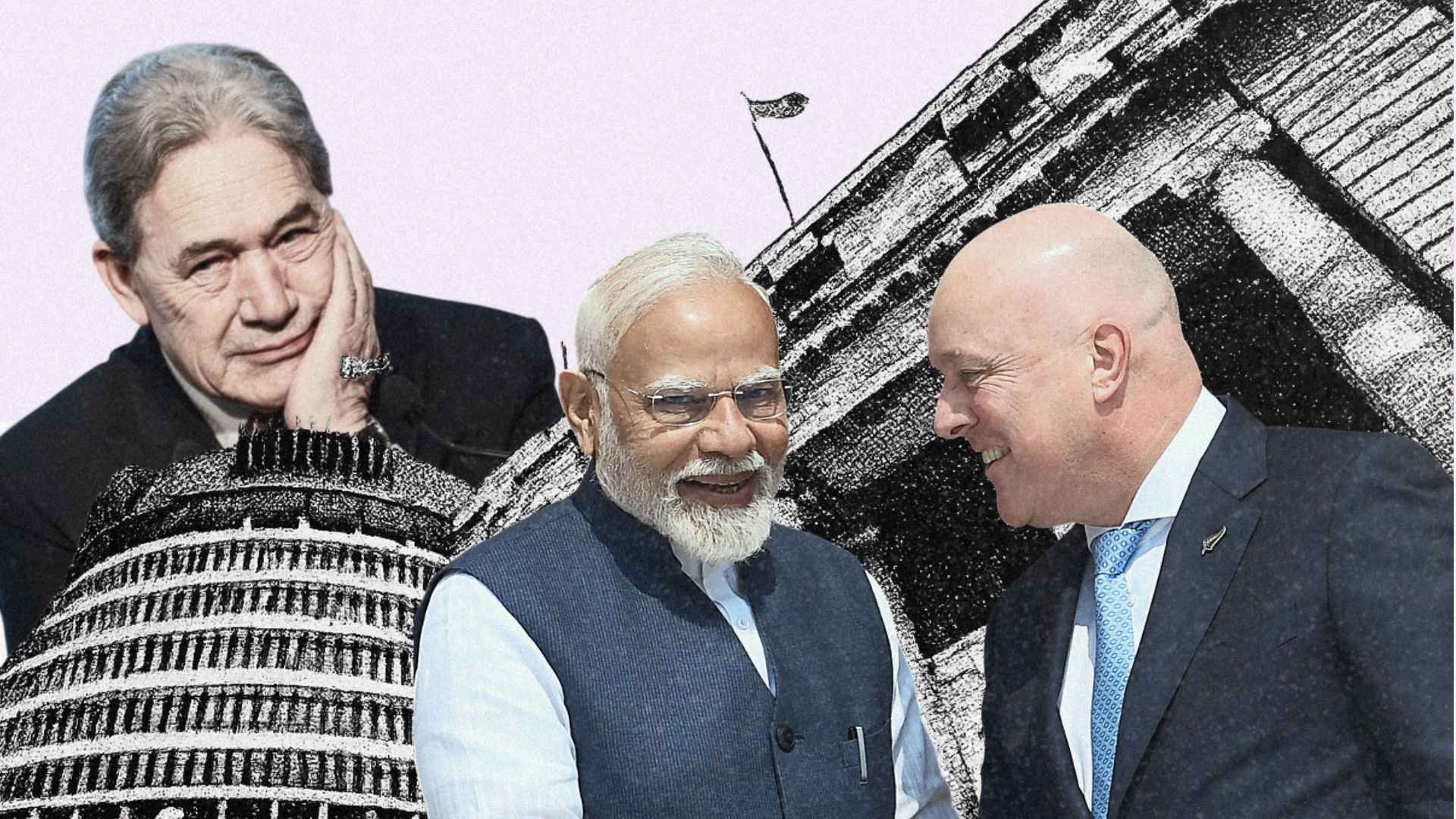
The comments come after Peters accused National of “covertly” developing new immigration policies targeting Indian migrants, despite the two parties serving together in government.
India is coming to Auckland: Full schedule revealed for cricket, football, hockey, Diwali From the Black Caps and All Whites taking on India to Diwali, hockey, bowls and city-wide light displays, Auckland has revealed its sporting centenary programme.
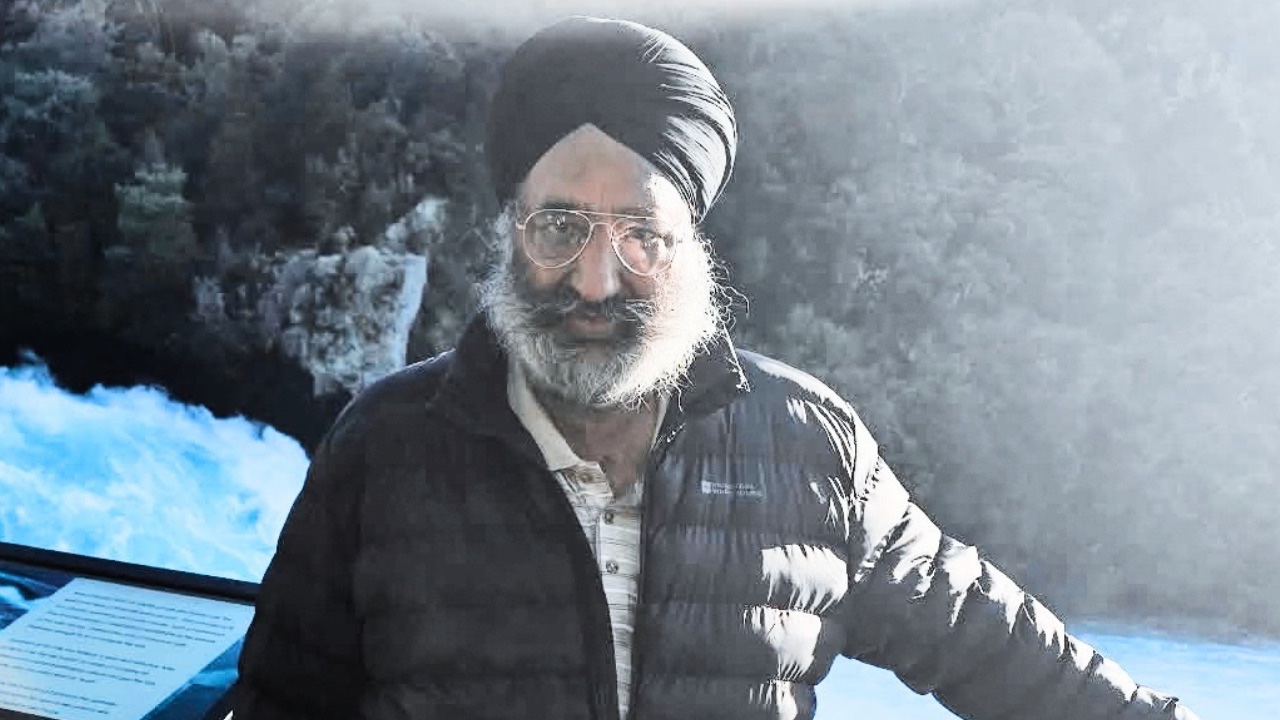
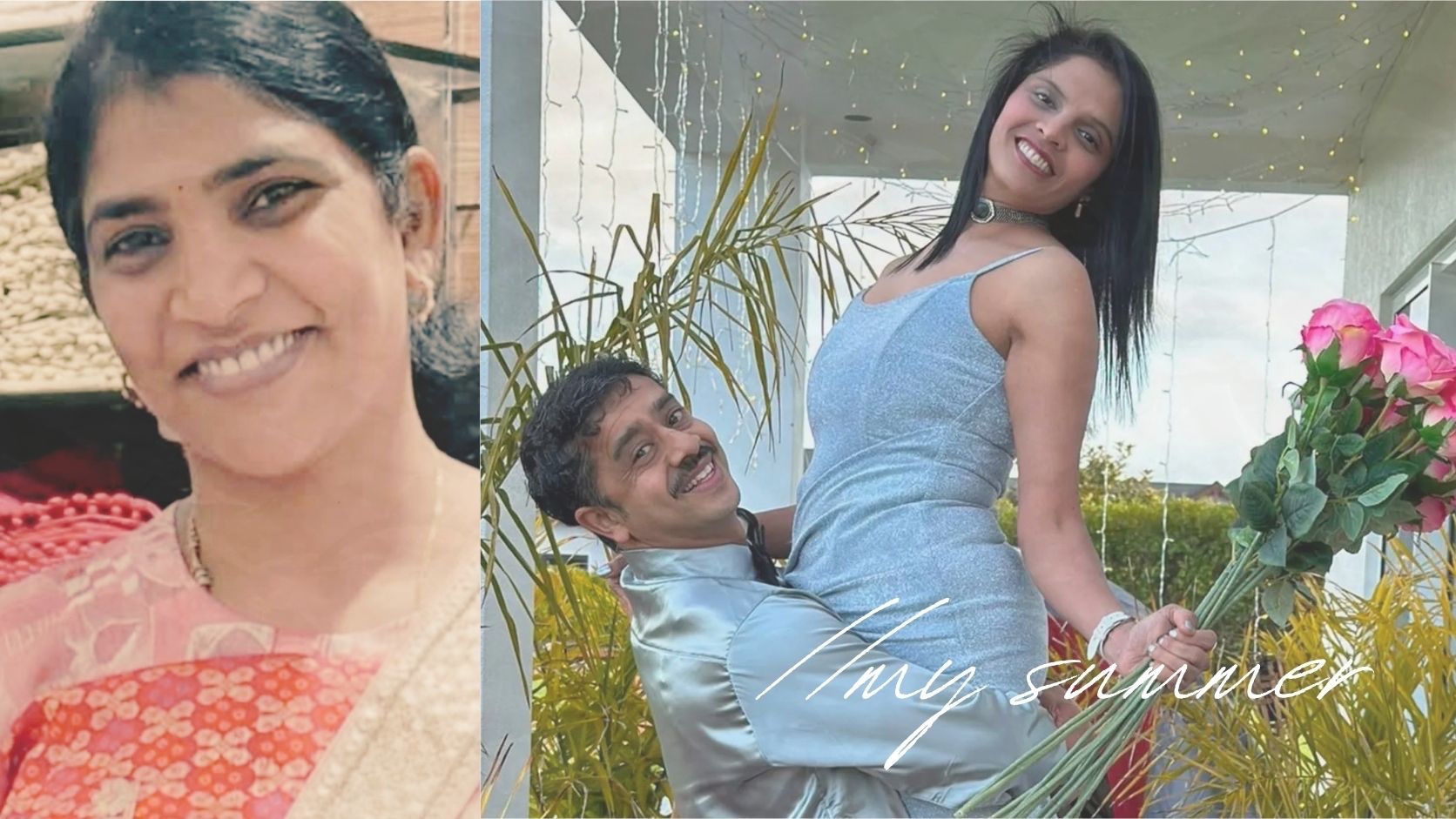
Indian man dies six months after arriving in New Zealand, fundraiser launched Emergency services were called to the crash at Kawarau Falls on Sunday.
$70,000 bill for Rotorua man after father visiting from India to help with newborn twins has stroke A fundraiser has been launched after the uninsured visit has left the family carrying the full cost of hospital treatment
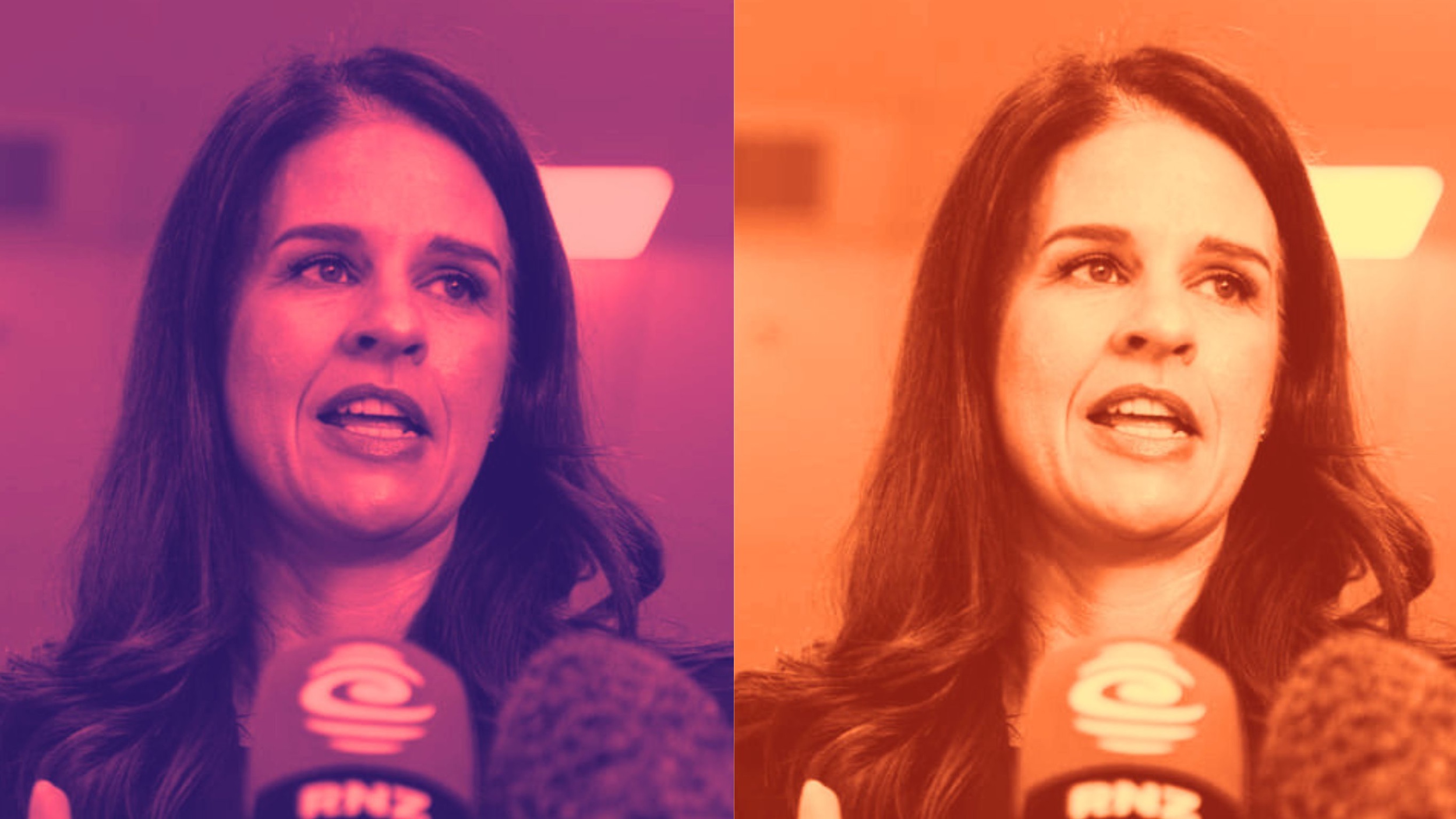
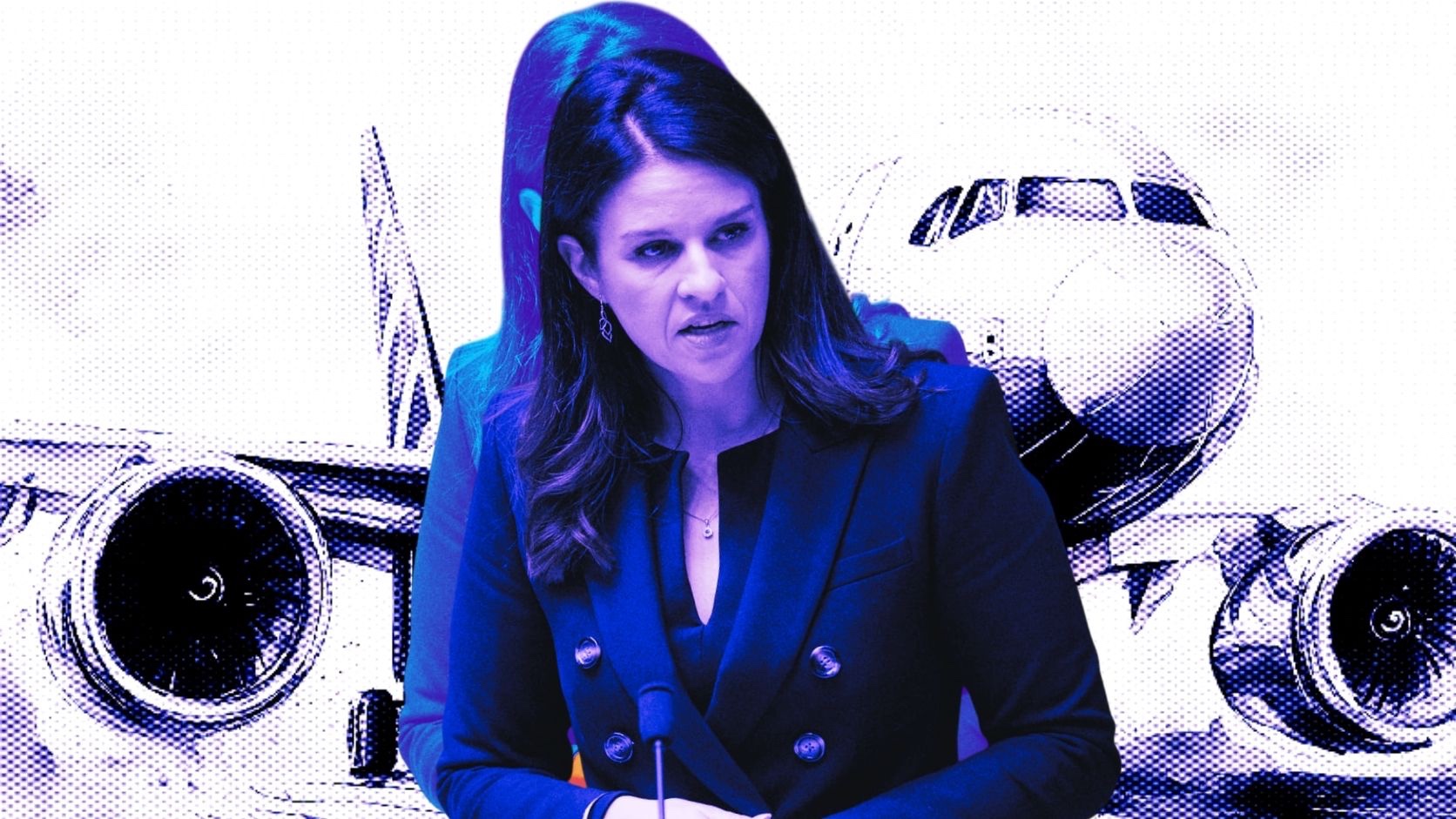
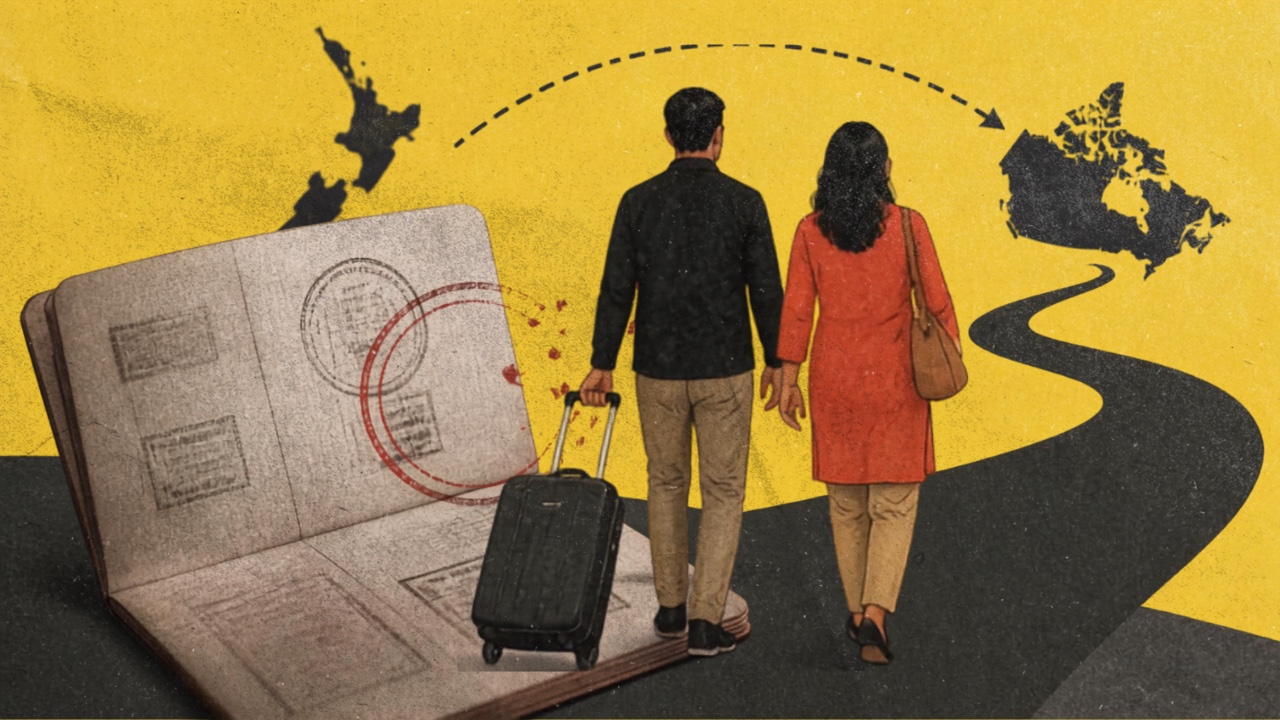
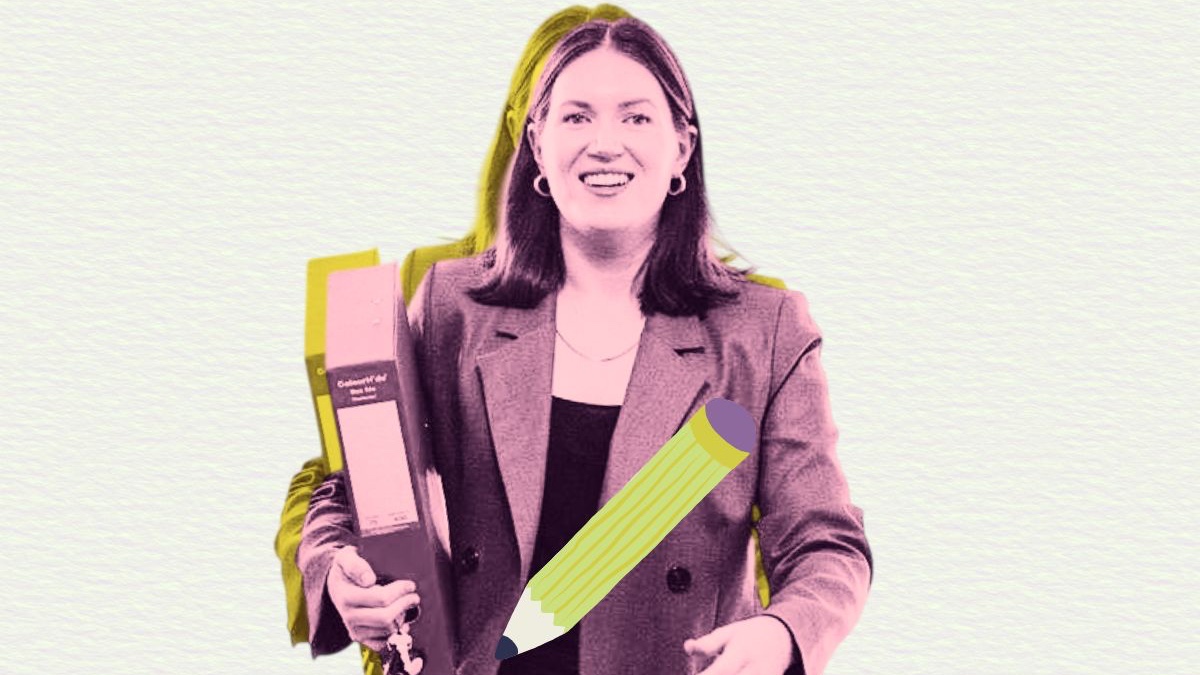
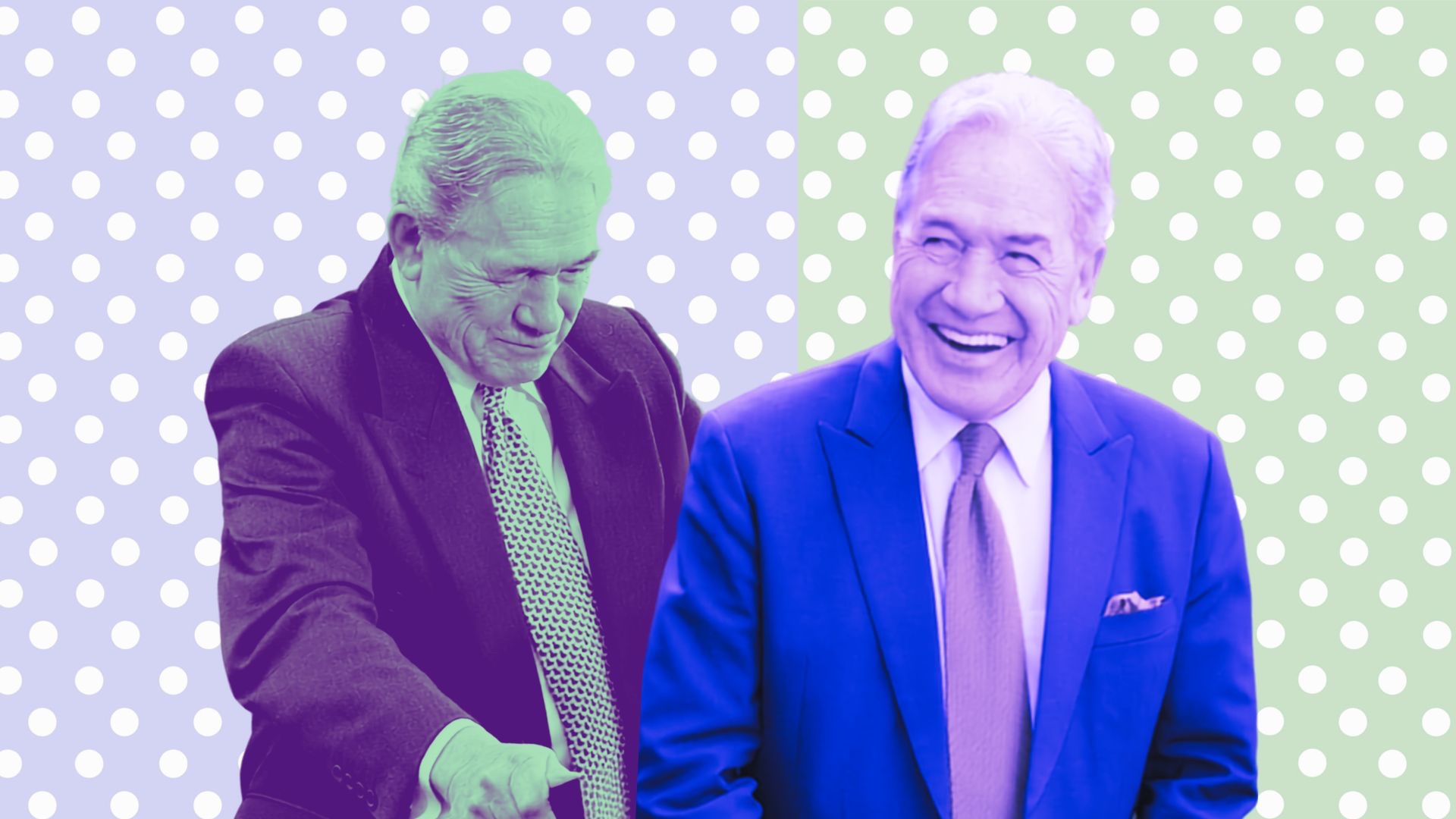
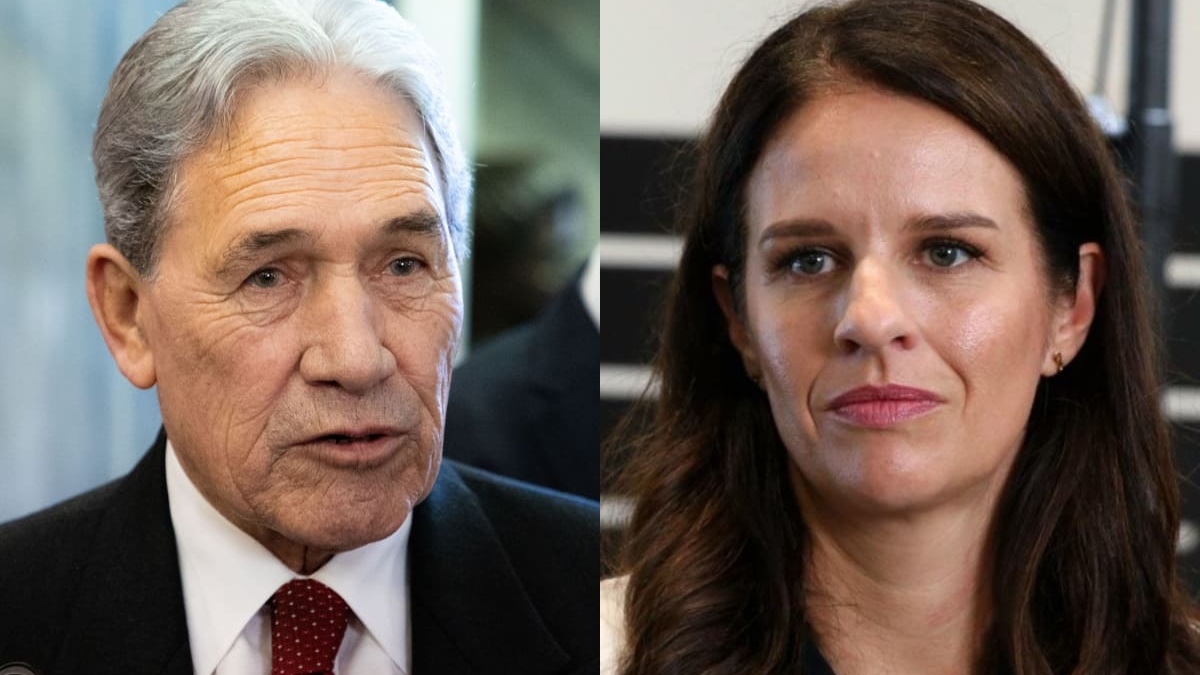
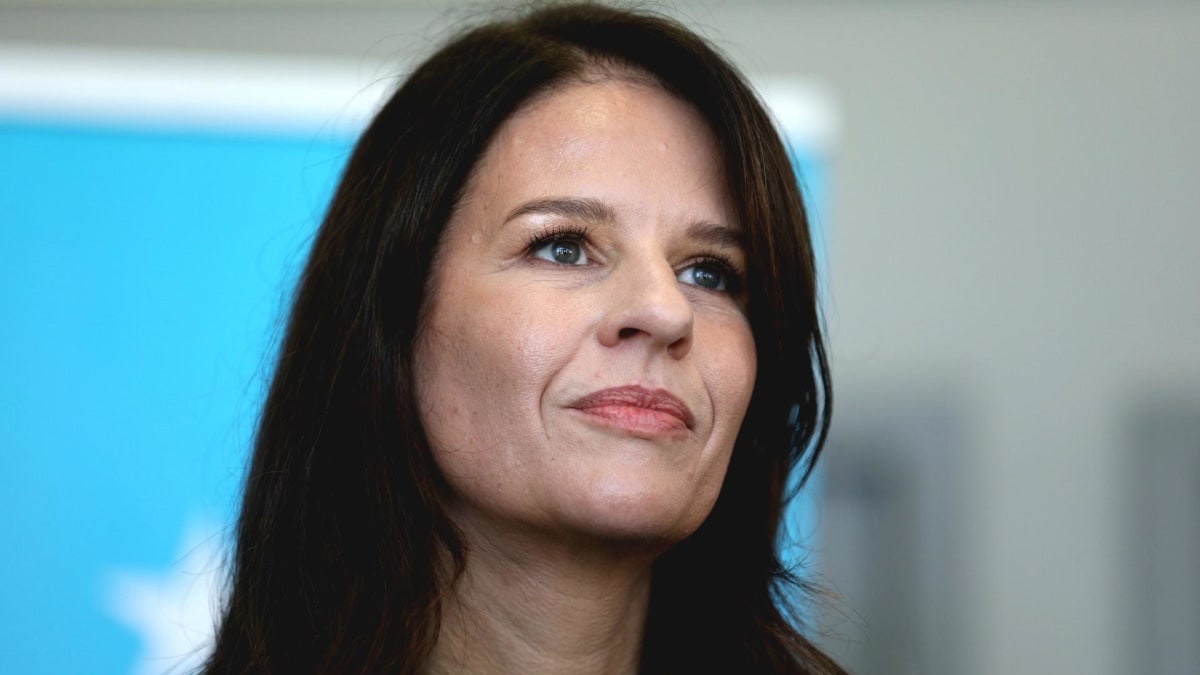
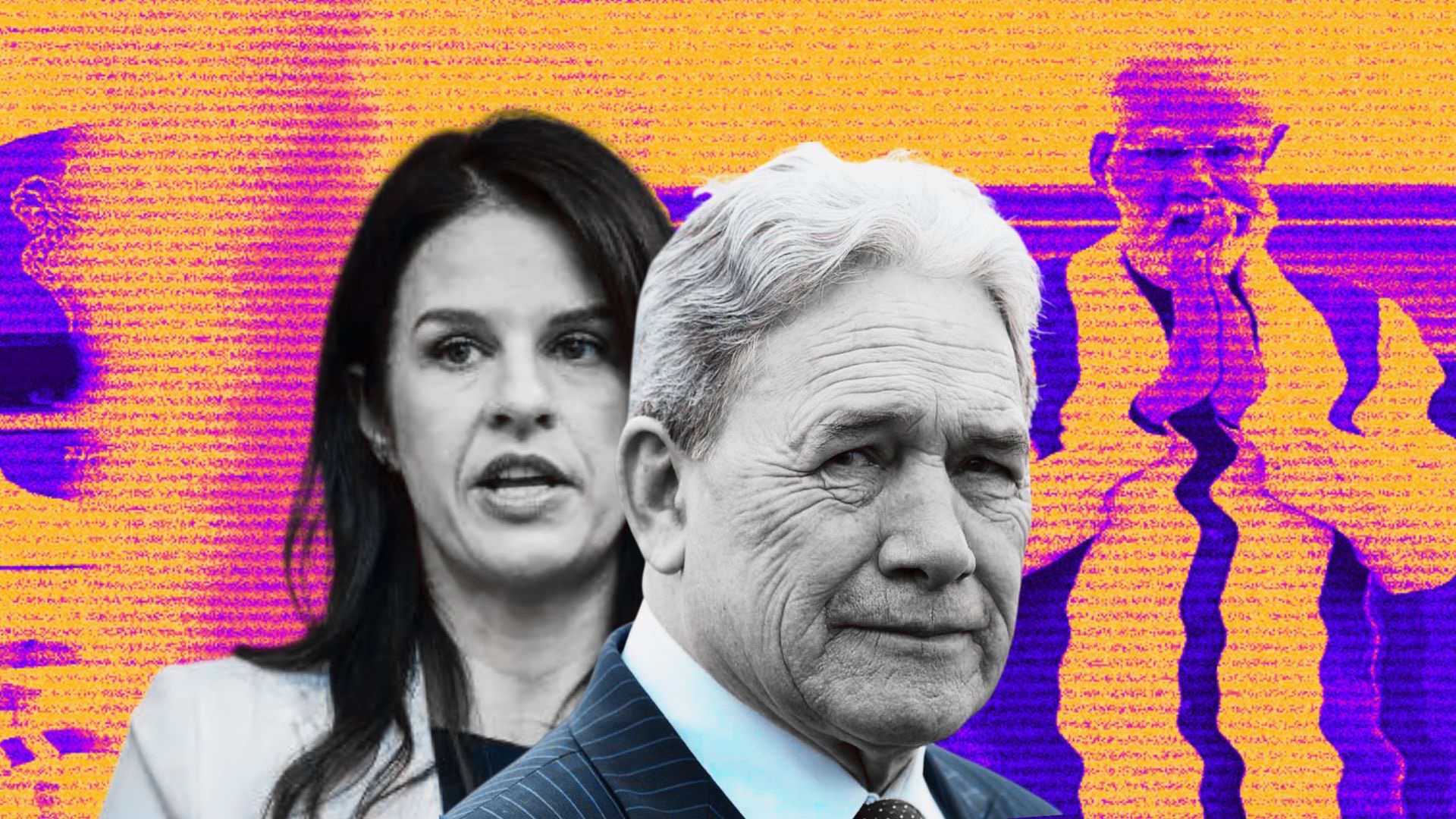
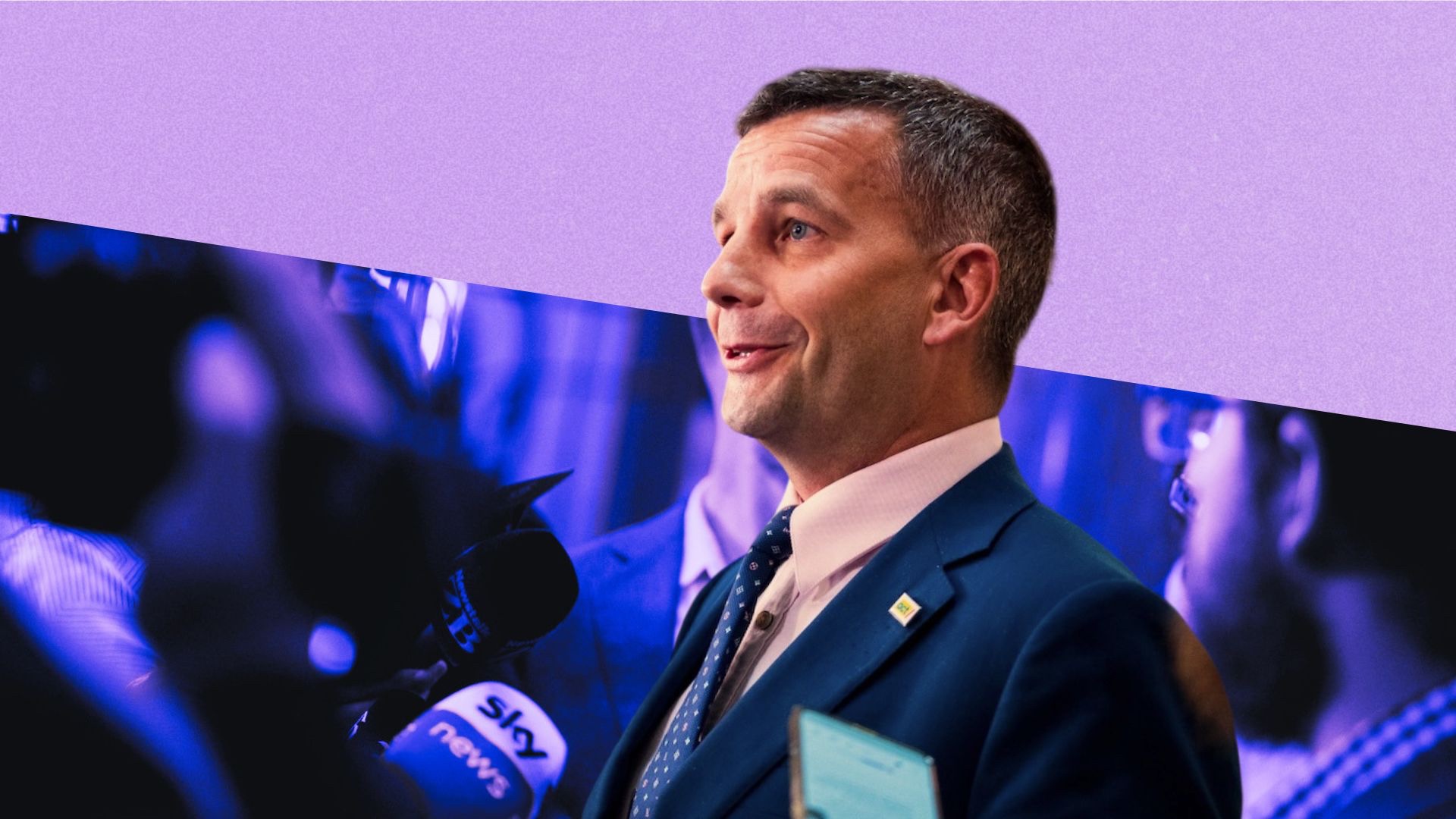
Peters has said he obtained a document showing immigration minister Erica Stanford had approved proposed changes that officials warned would be “more restrictive in a way which targets India and India alone”.
He has argued the issue goes beyond domestic immigration policy and raises questions about New Zealand’s honesty with India.
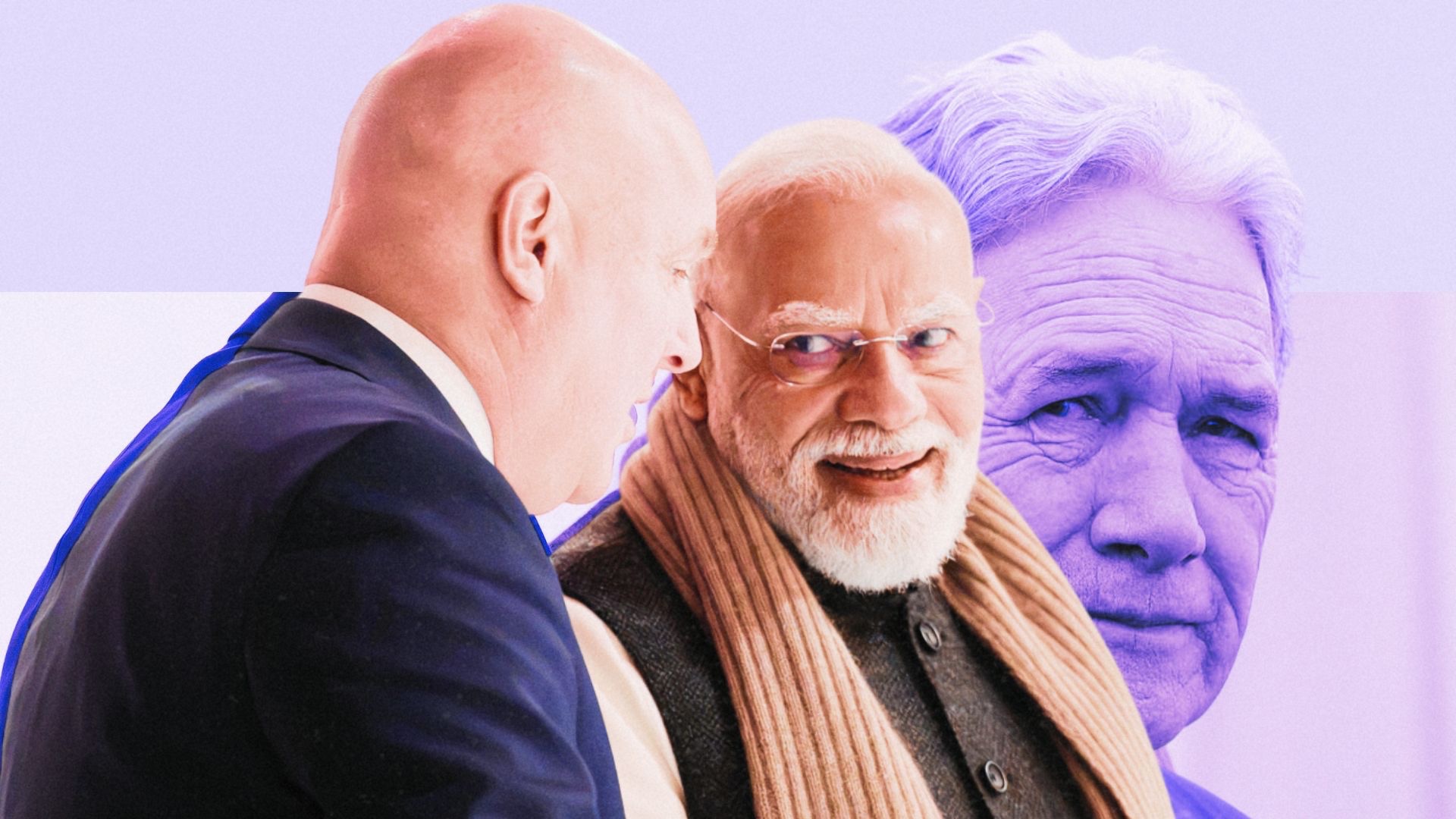
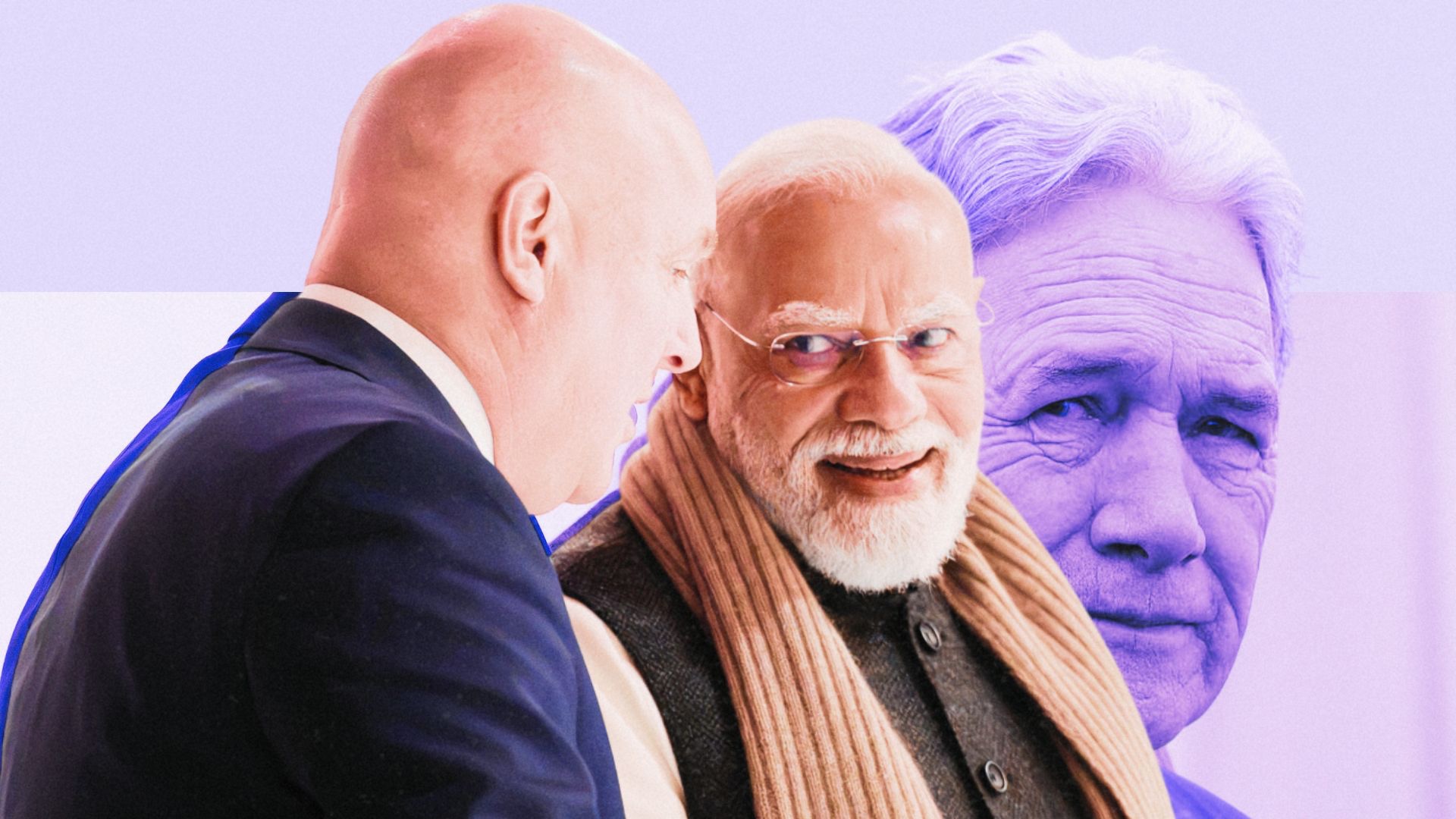
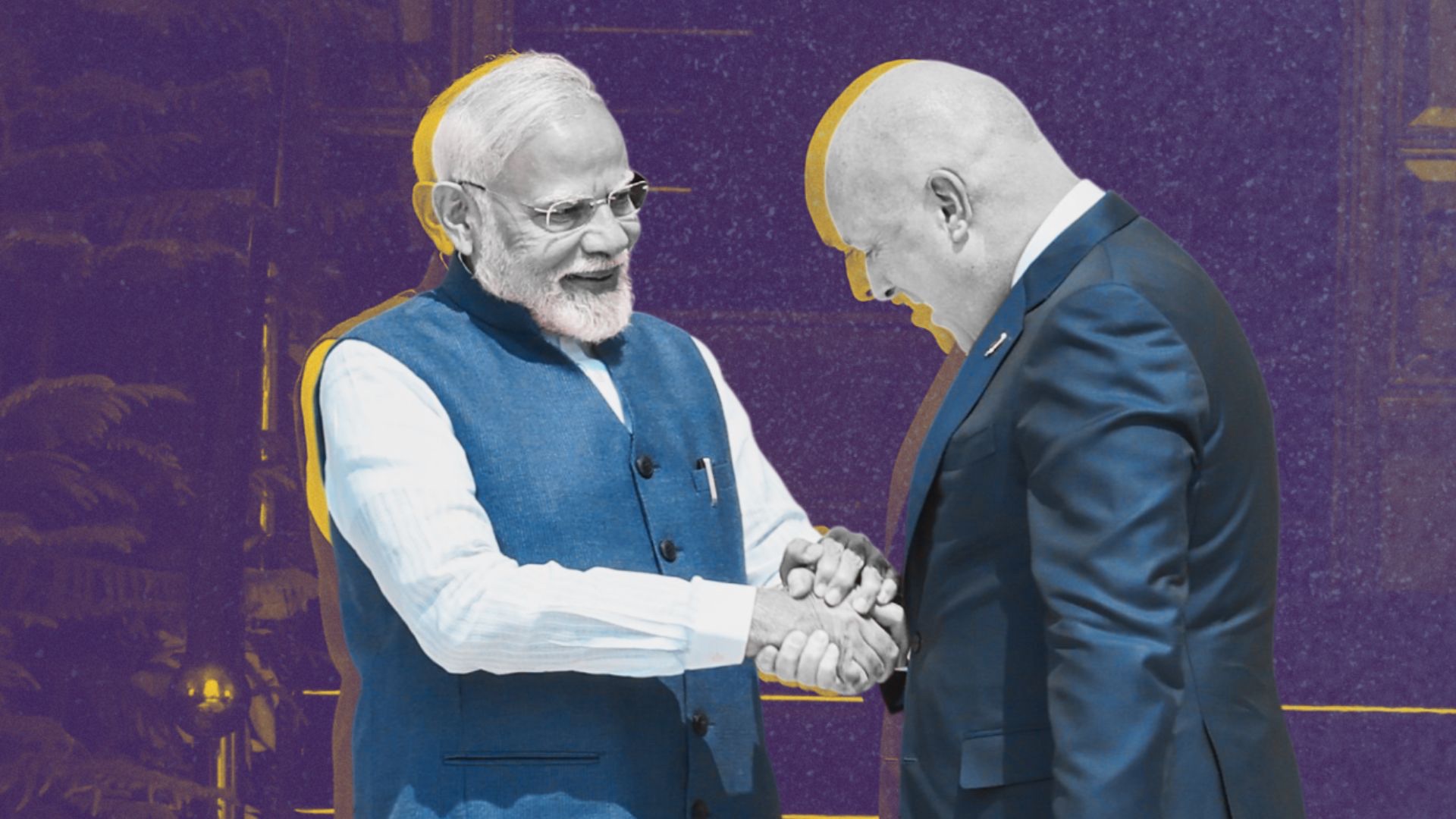
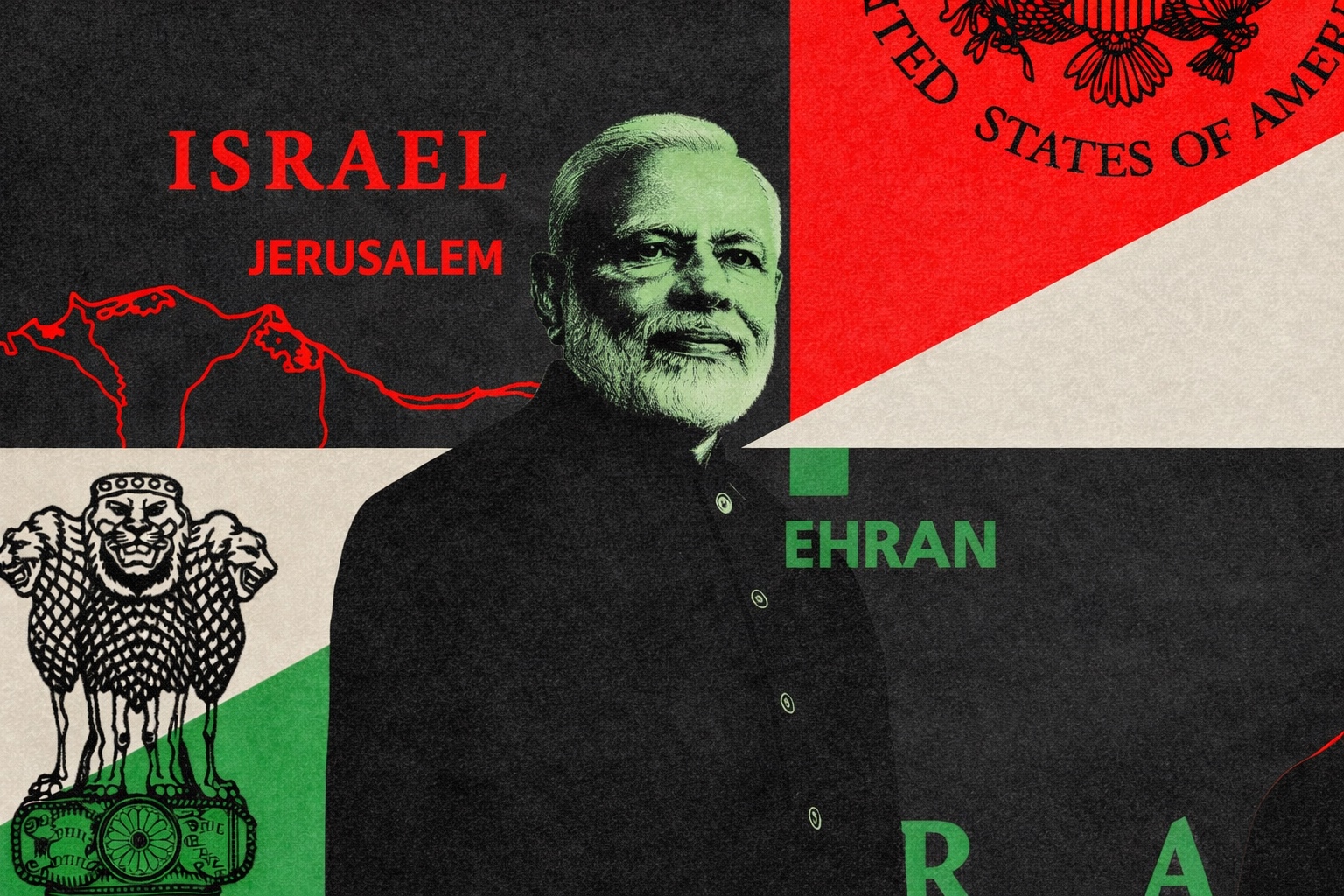
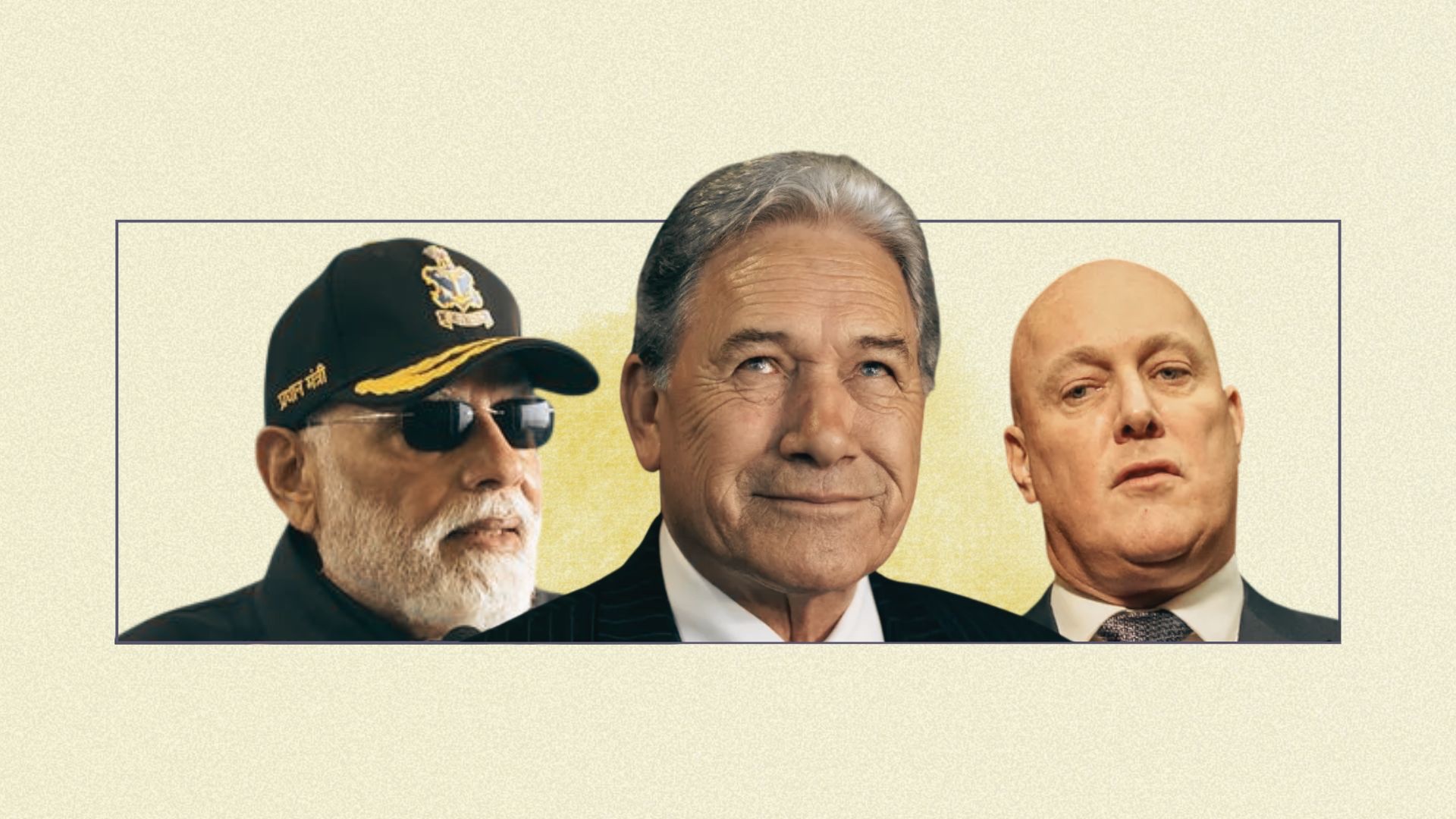
Last week, Peters escalated the dispute by invoking Modi and senior Indian ministers directly, asking whether the government’s approach was effectively: “Don’t let Modi know?”
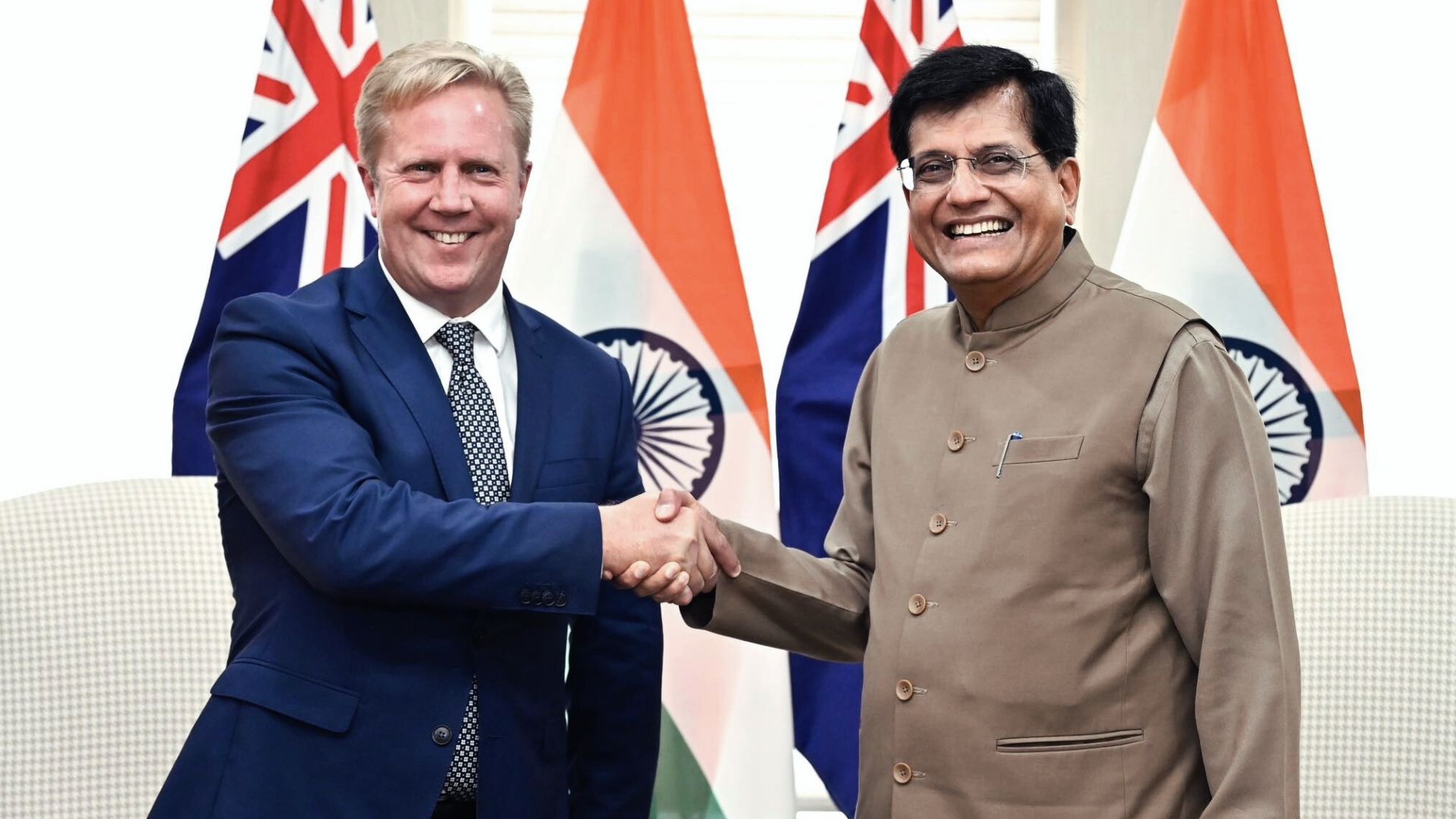
He also questioned whether New Zealand had been honest with Indian external affairs minister S Jaishankar and commerce minister Piyush Goyal.
But Saiawi's comments represent the clearest public indication yet from India’s senior representative in New Zealand that she does not share the view that New Delhi was misled.
The high commissioner was also pressed on Peters’ more specific allegation that the government was considering a labour-market and economic-needs test for Indian citizens that would not apply to nationals of other FTA partner countries.
She did not dismiss the issue, instead saying India remained in contact with the New Zealand government.
“All of these claims, we are closely in touch with the New Zealand government,” she said.
Asked whether India had raised the matter with New Zealand, she said, “We are in conversation with the New Zealand government on all aspects of the free trade agreement, and as it goes through ratification in Parliament, actually, we engage with them.”
Asked whether the issues being raised were “bad”, she replied, “Not necessarily.”
Saiawi pointed to the agreement’s Temporary Employment Entry (TEE) provisions for highly-skilled Indian workers, saying they were intended to bring value to New Zealand’s society and economy.
“These things that are raised, they can be raised, there’s no problem in raising them, but we are engaged with the New Zealand government,” she said.
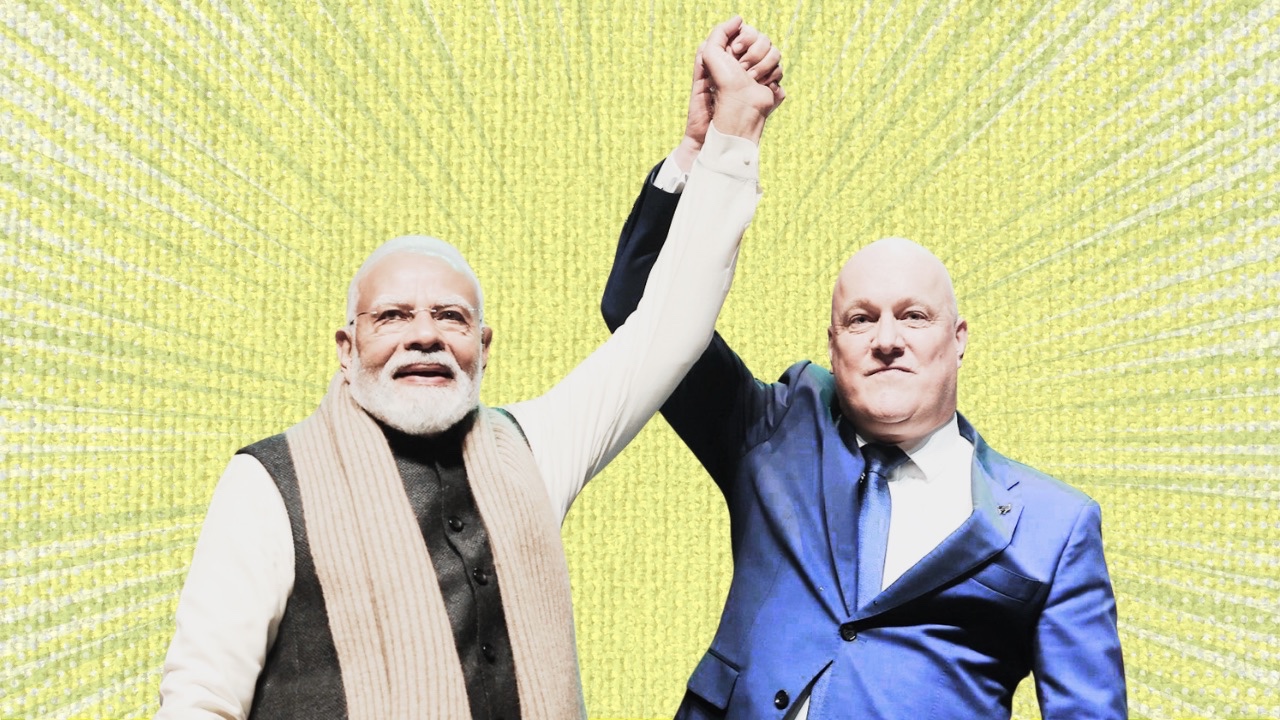
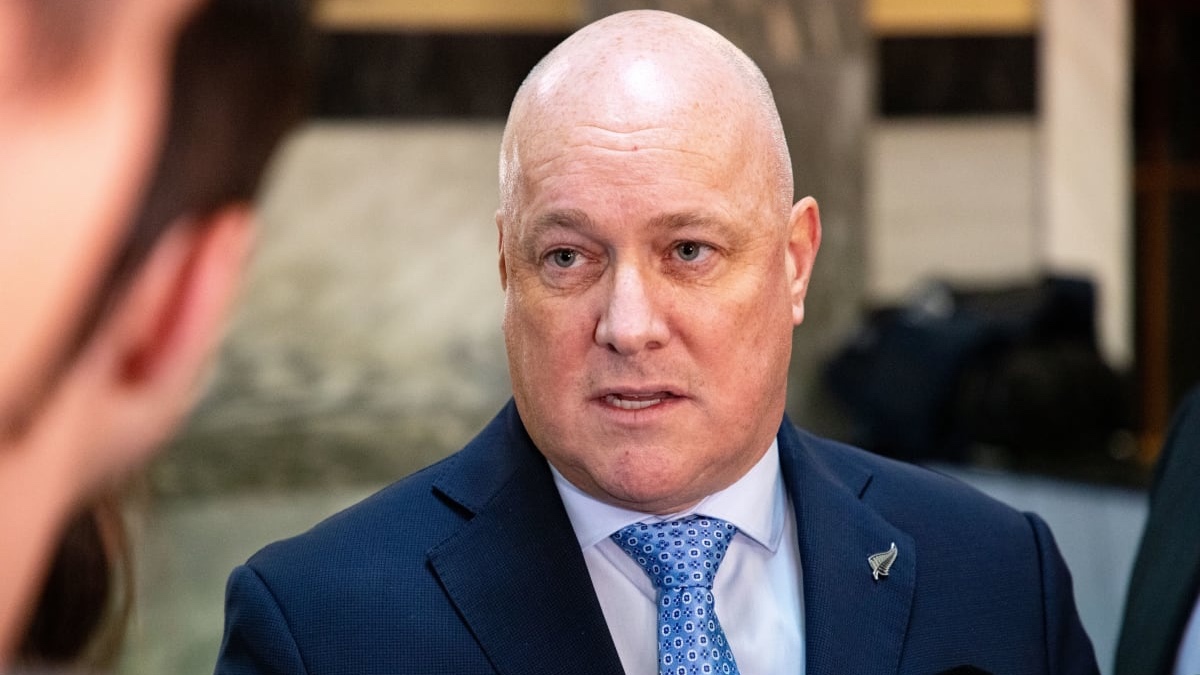
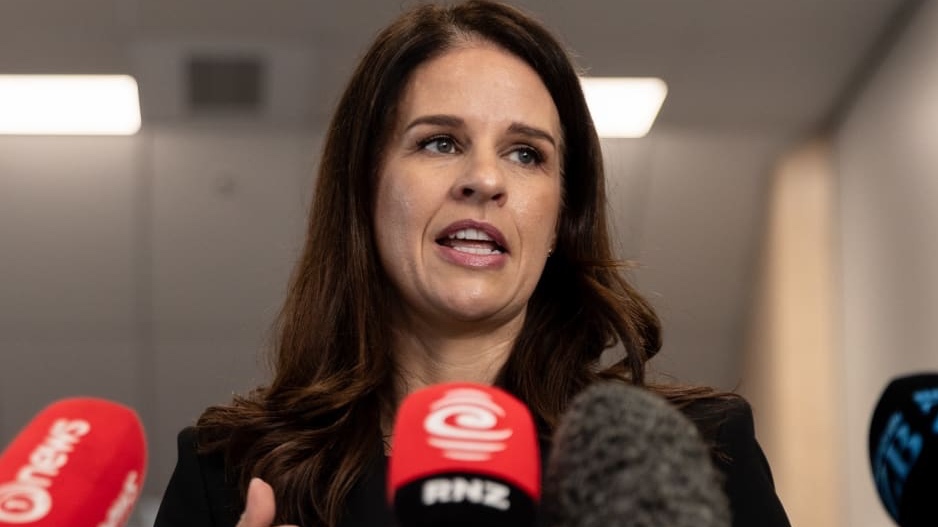
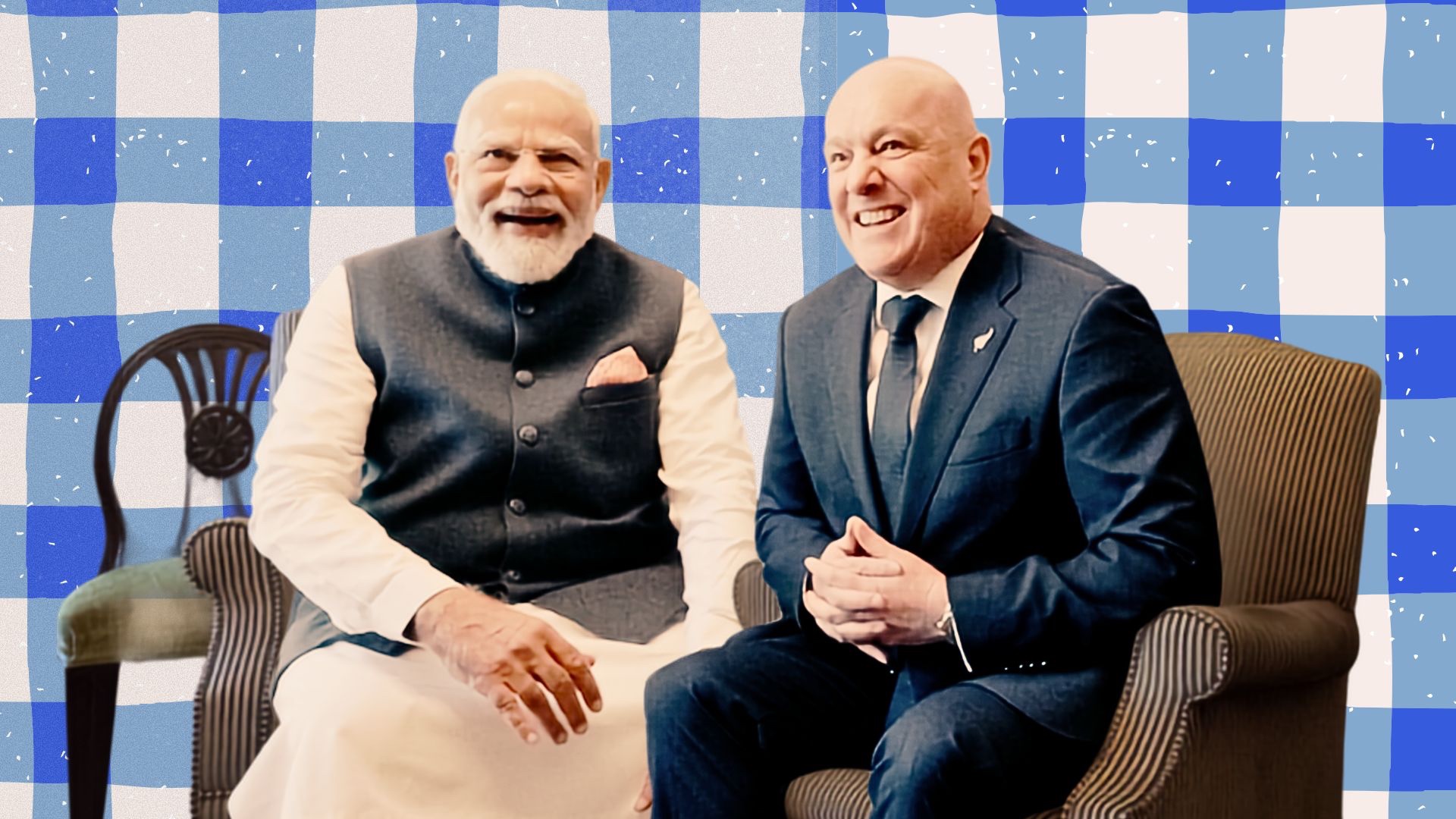
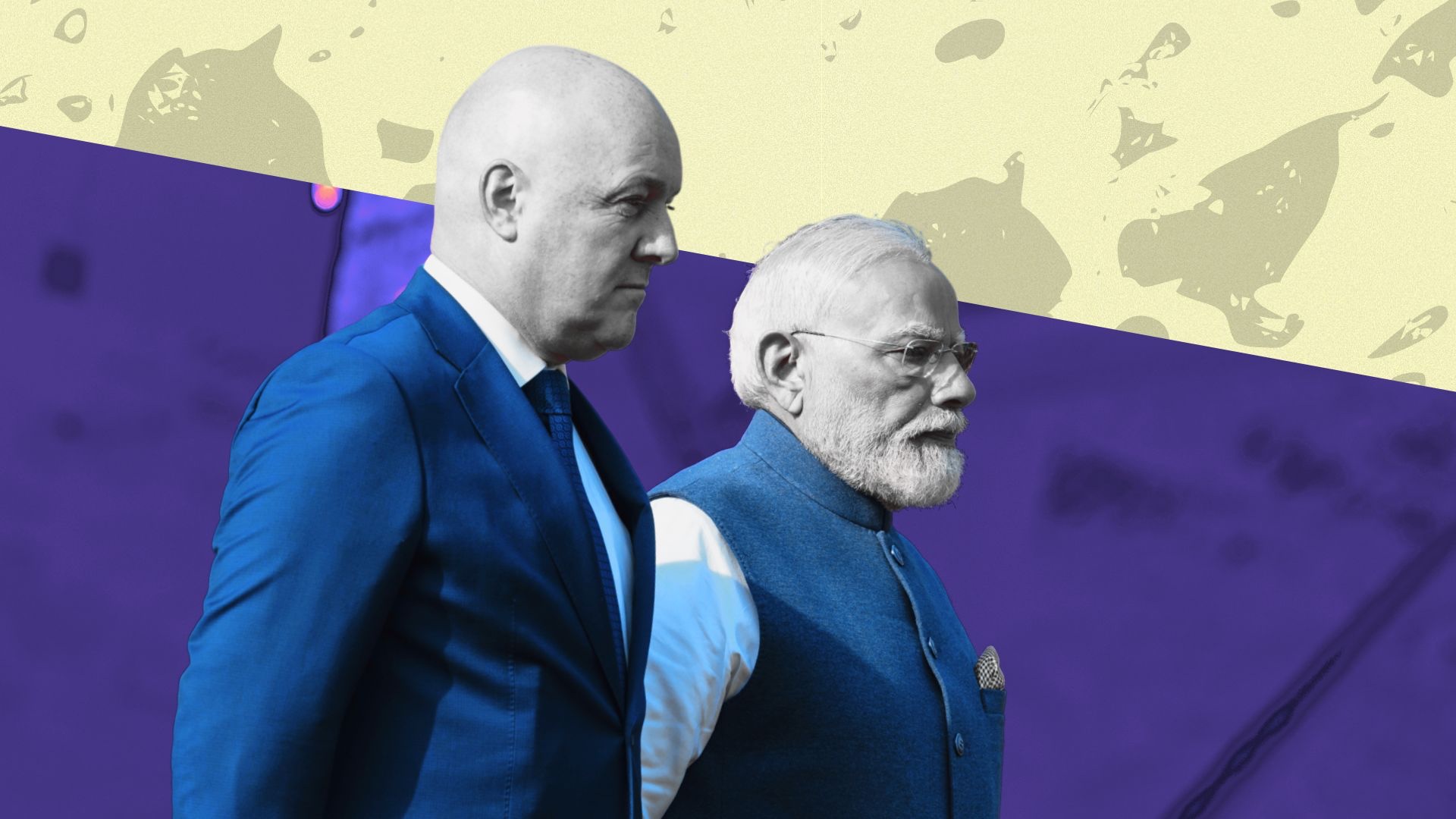
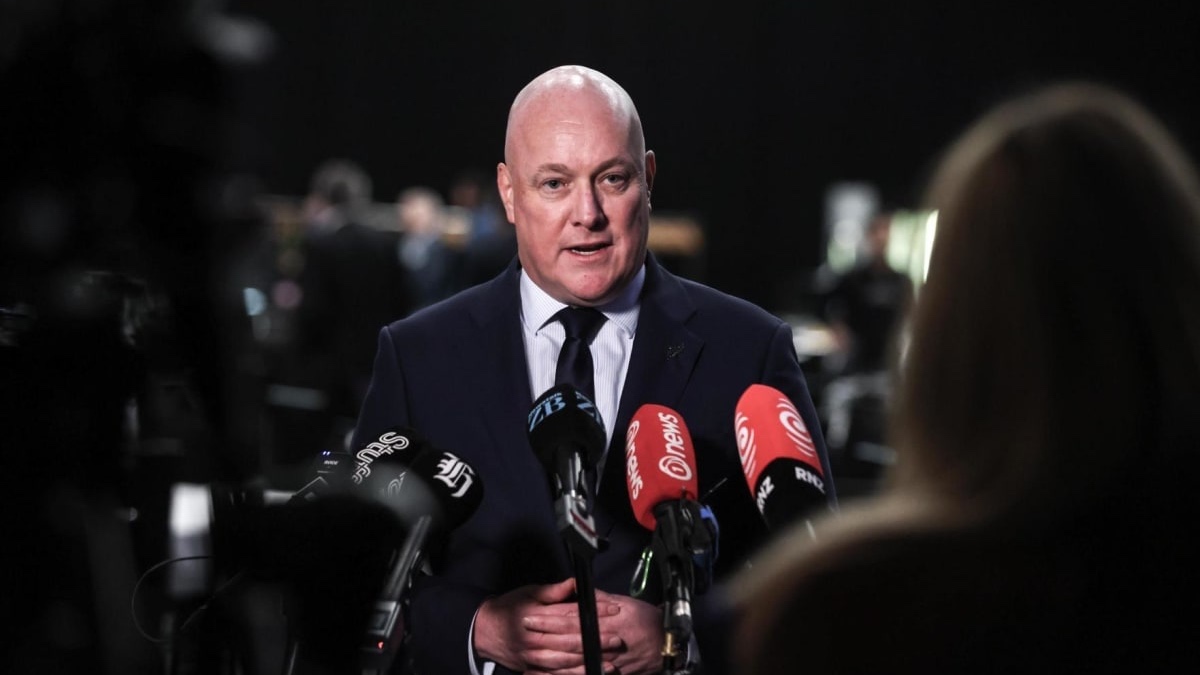
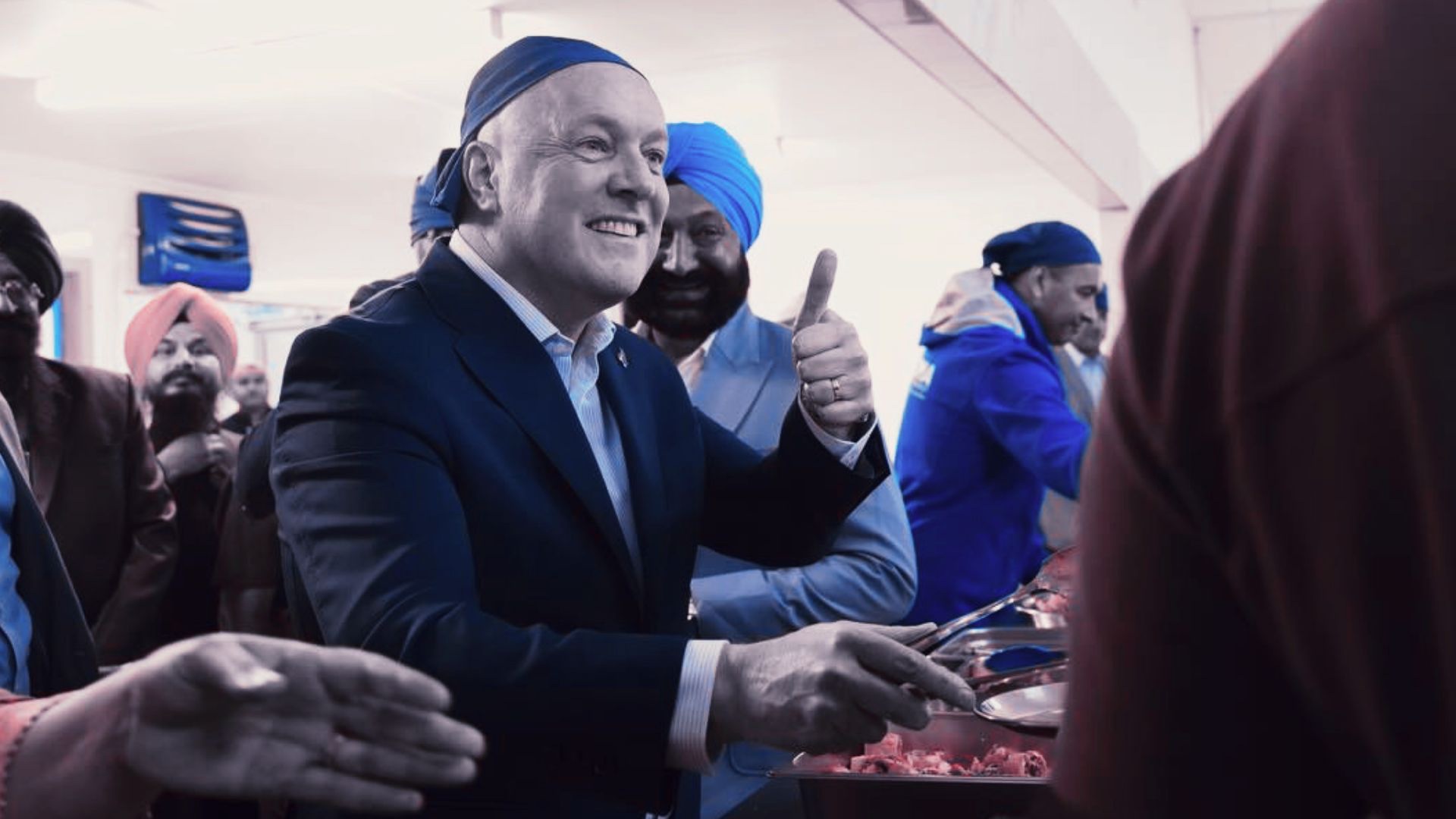
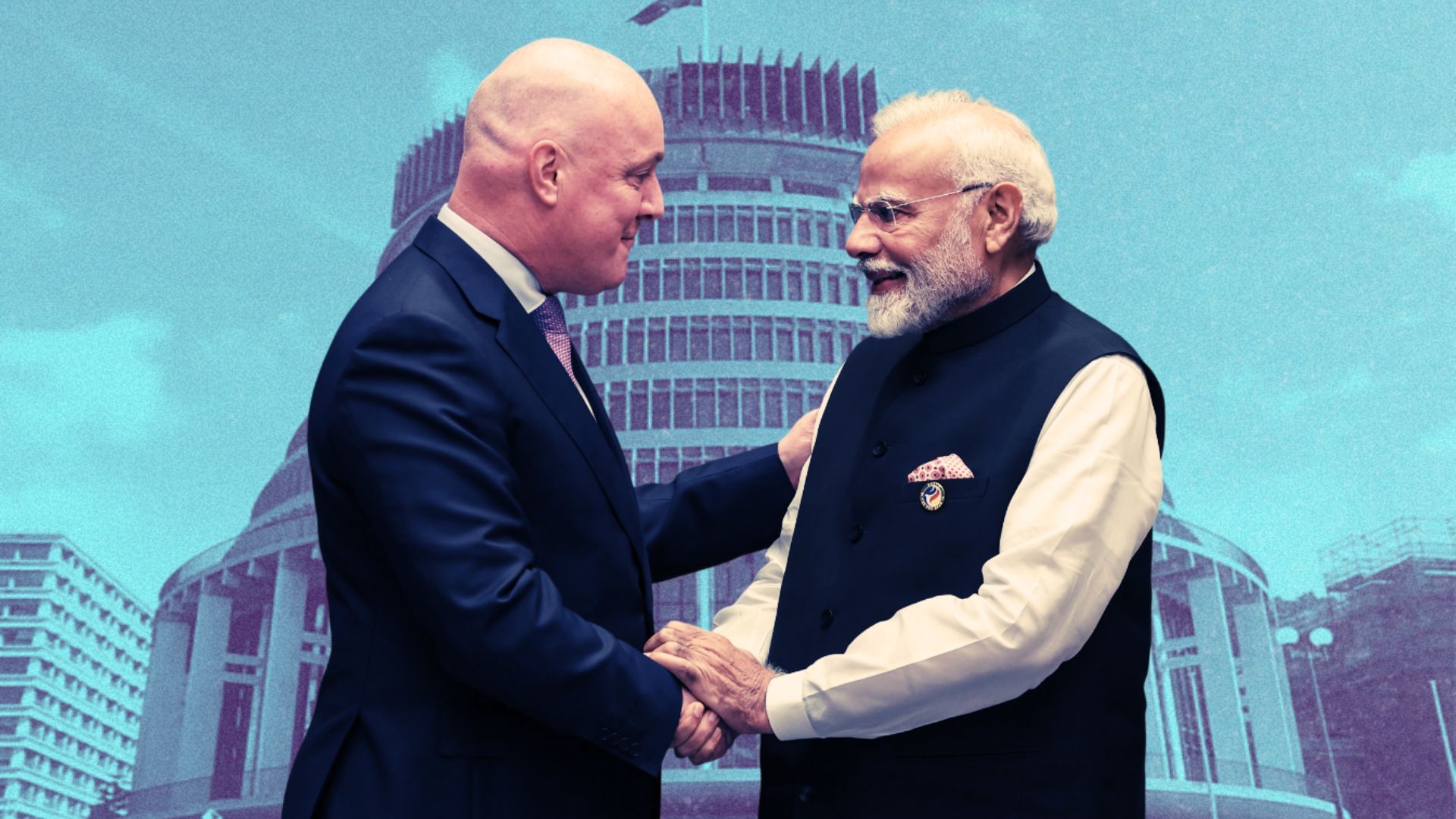
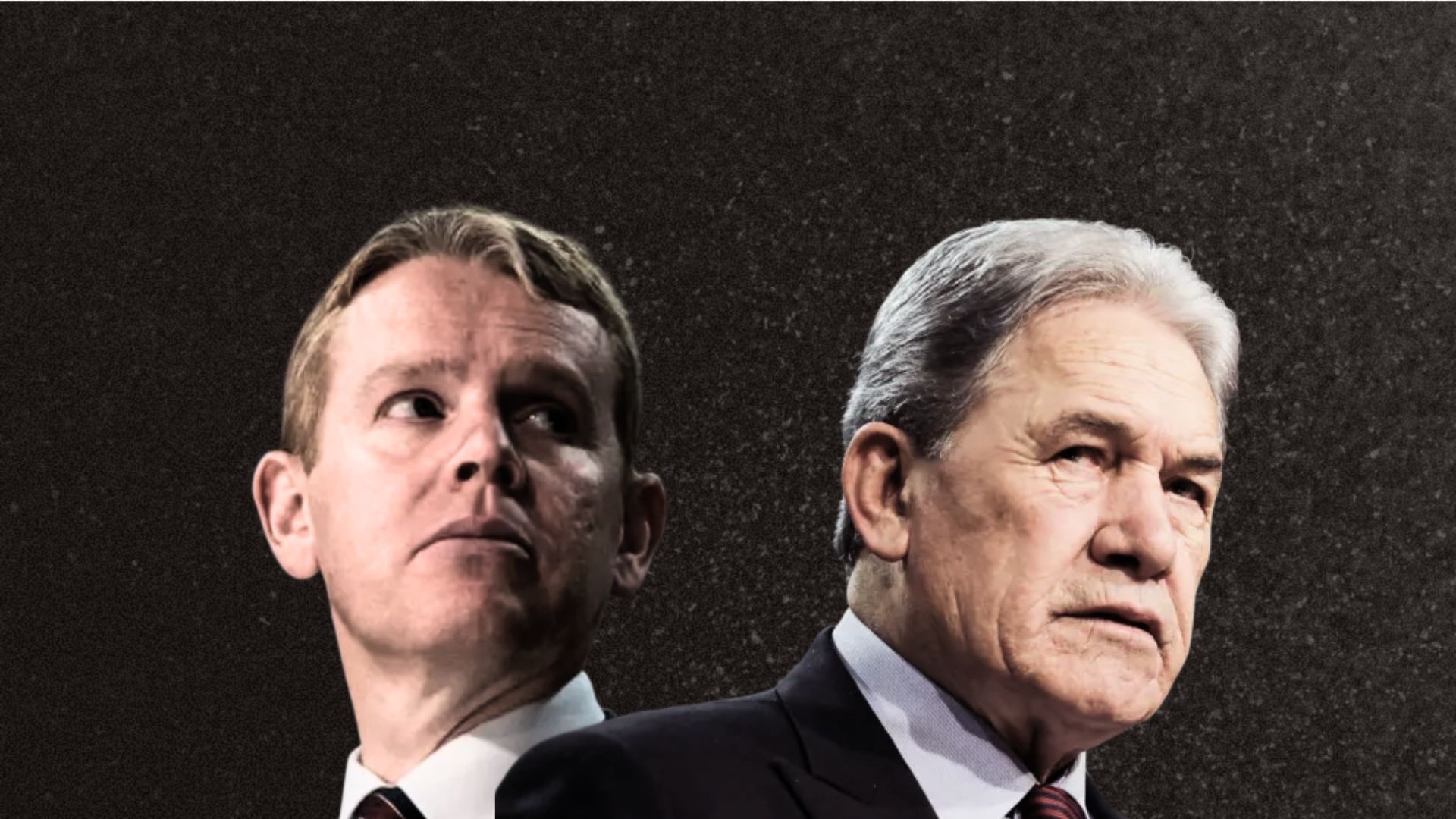
On Monday, prime minister Christopher Luxon acknowledged India would face different immigration settings under its FTA but denied they were discriminatory.
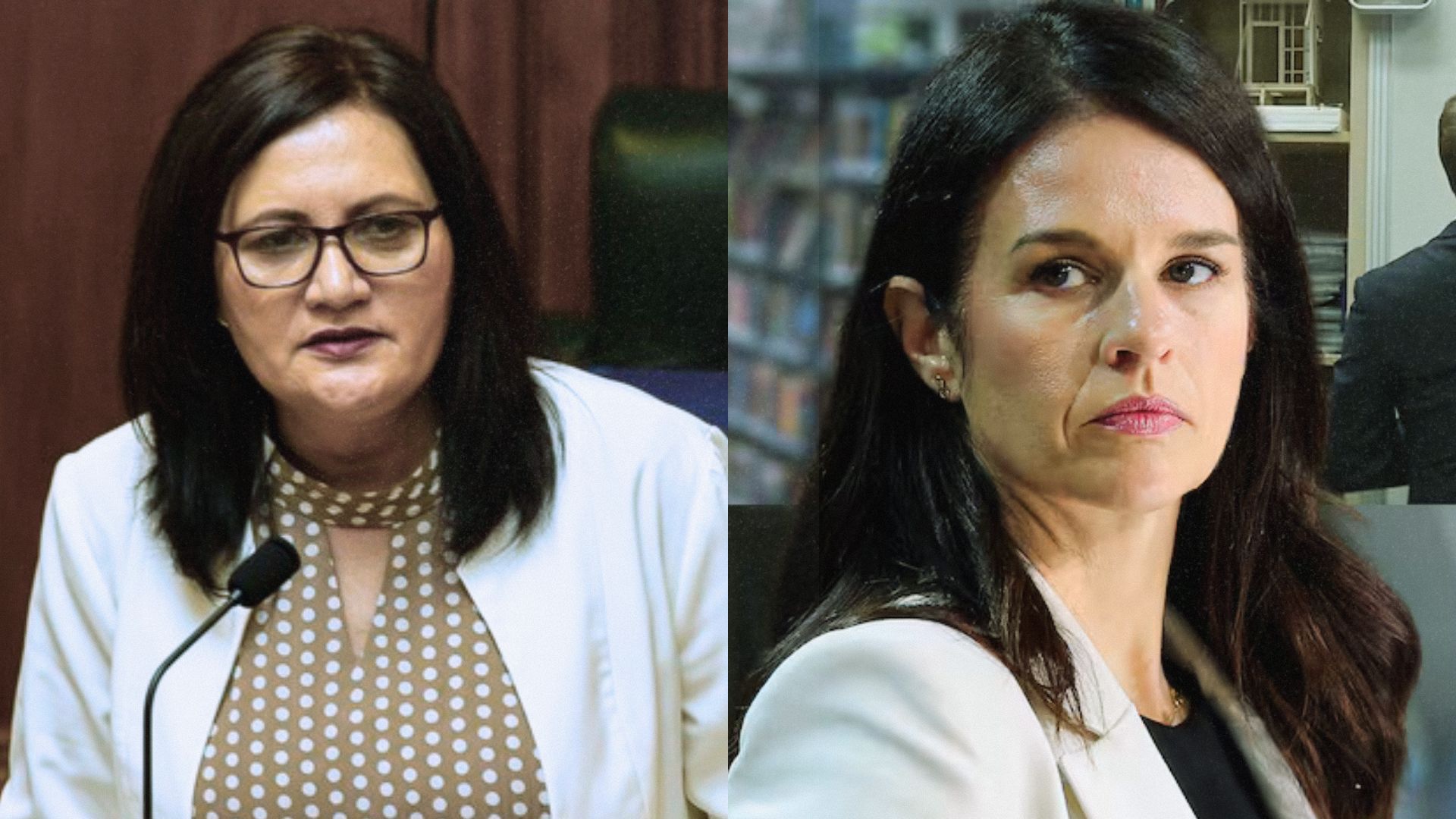
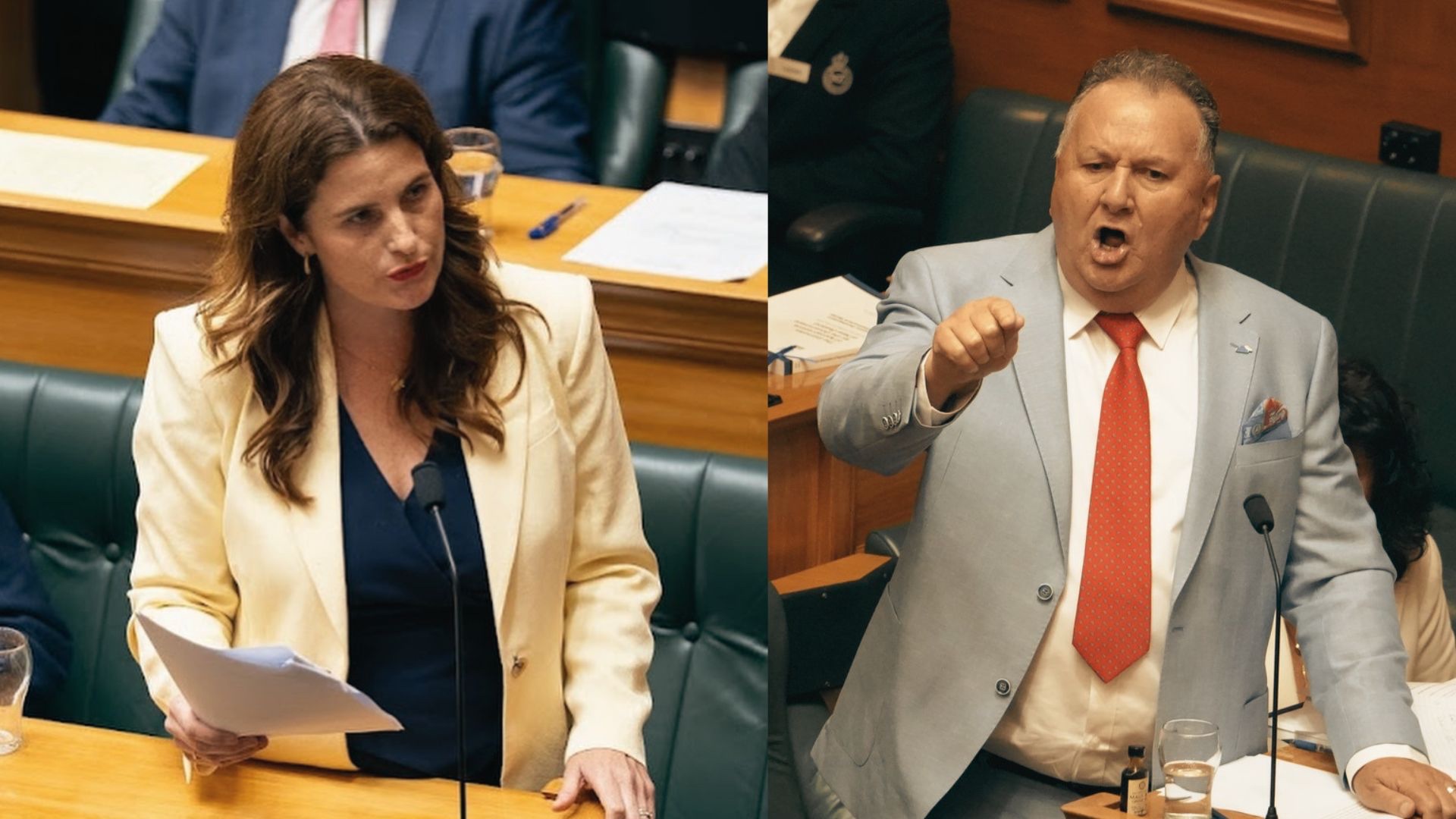
Stanford has separately criticised Peters for taking internal government discussions public before final decisions had been made, warning that the dispute itself was damaging.
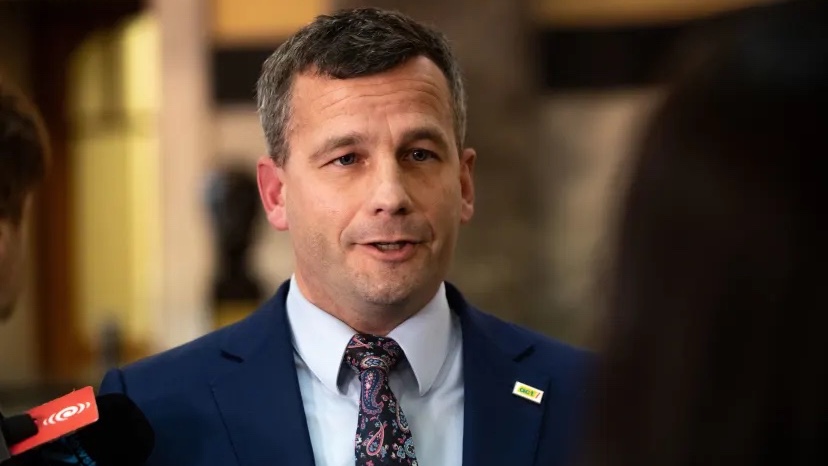
“I certainly don’t think it’s helpful for the relationship that we have with the Indian government for this to be playing out,” she said last week. “It’s not helpful at all.”
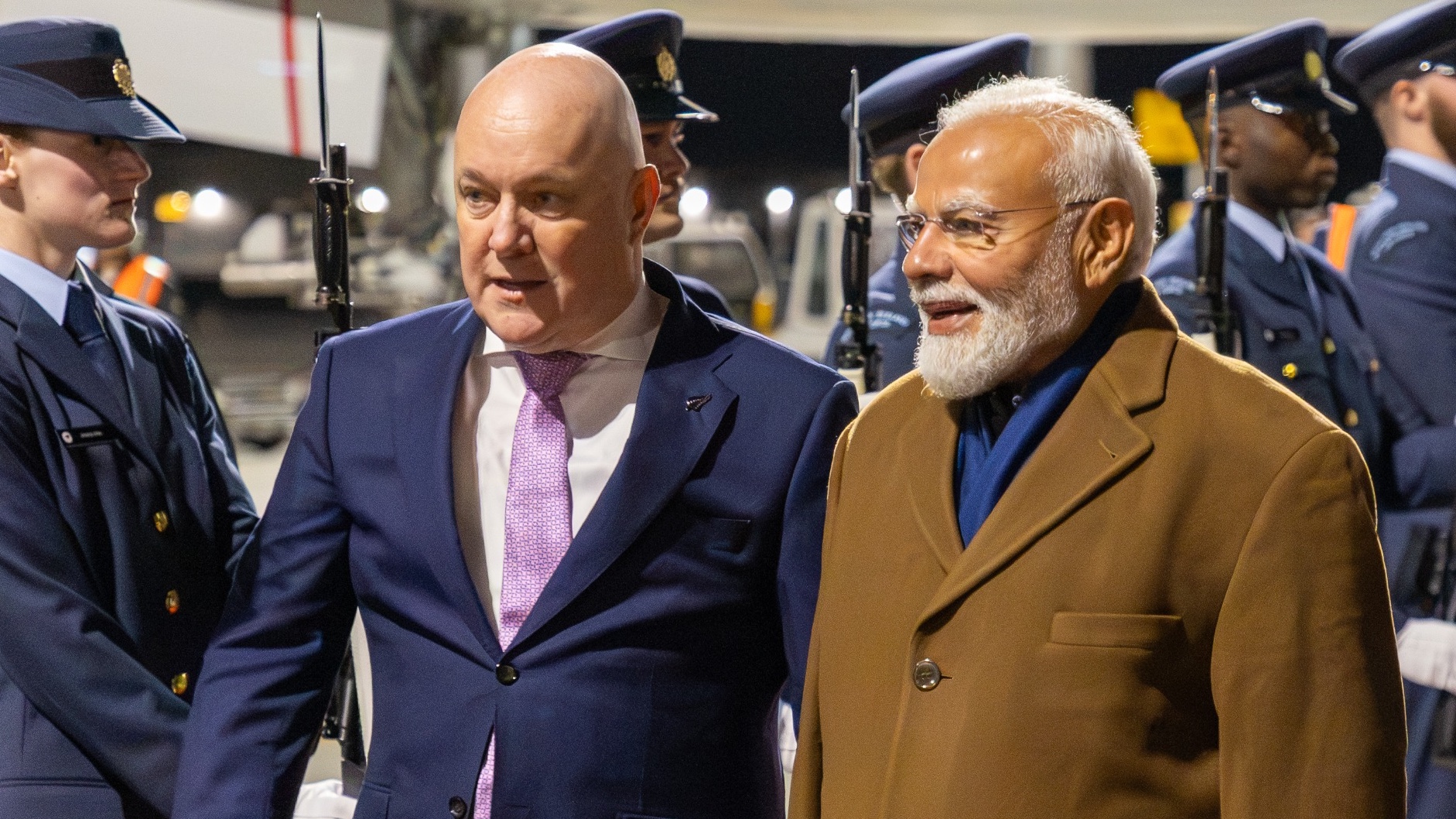
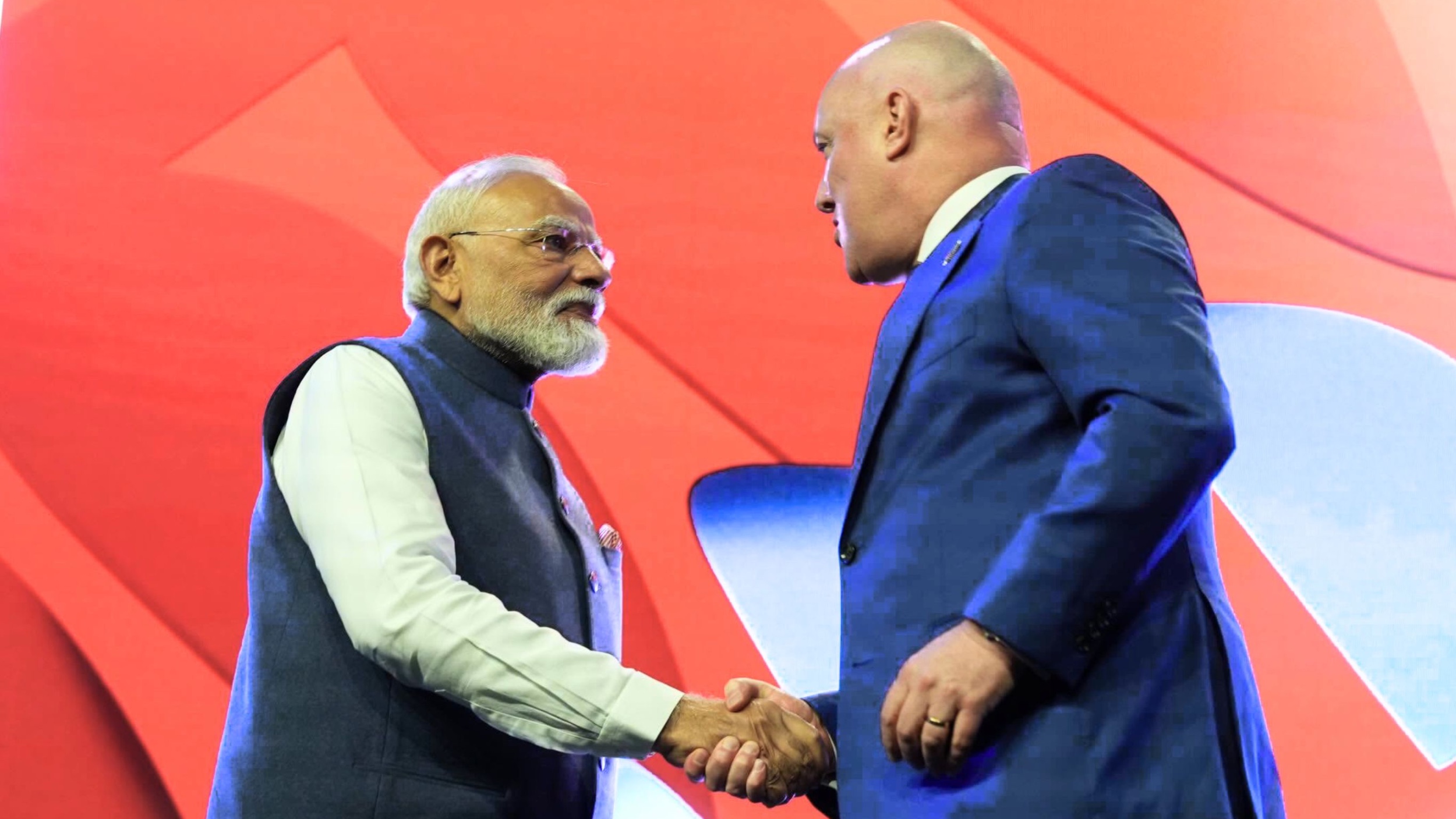
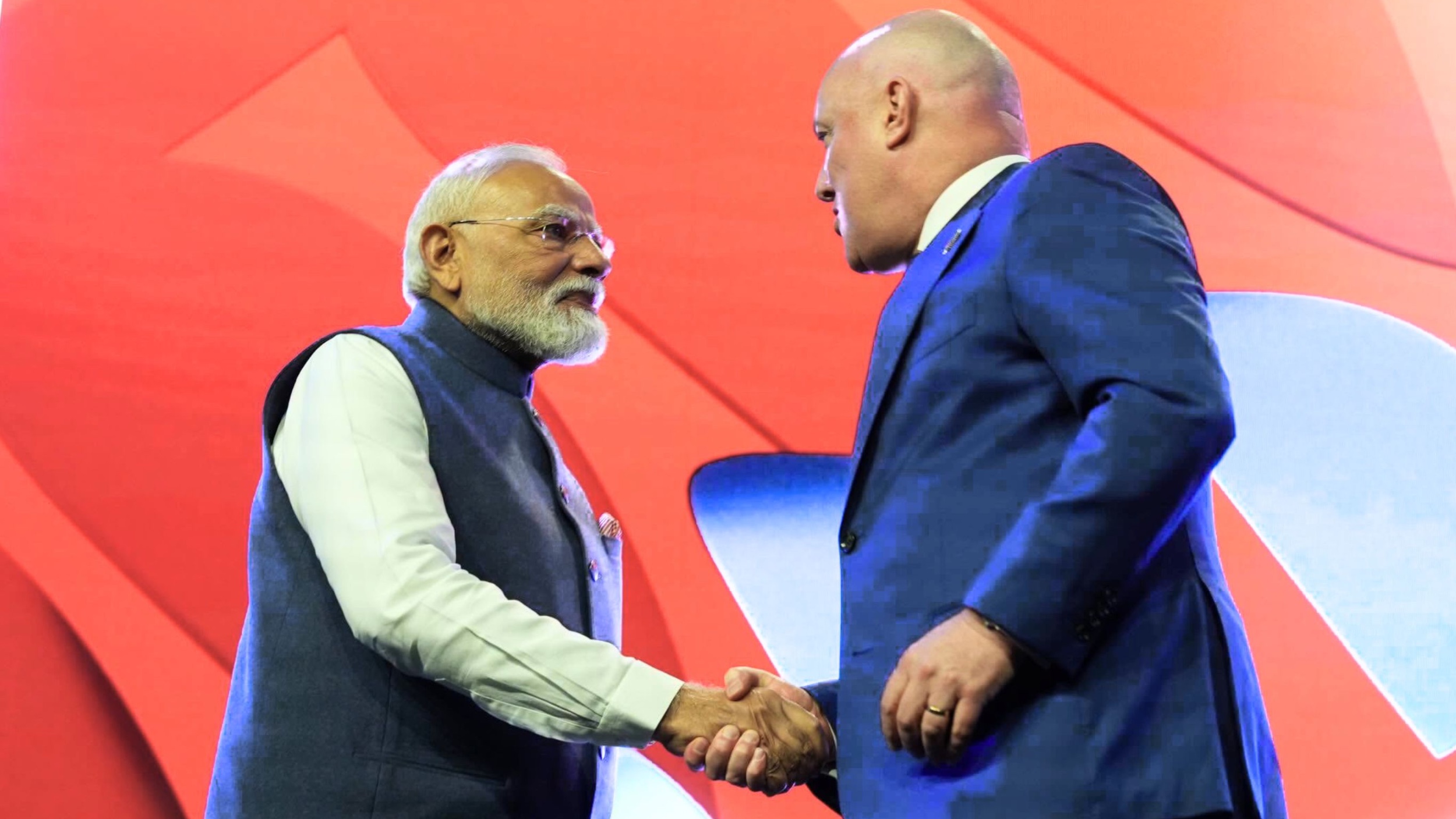
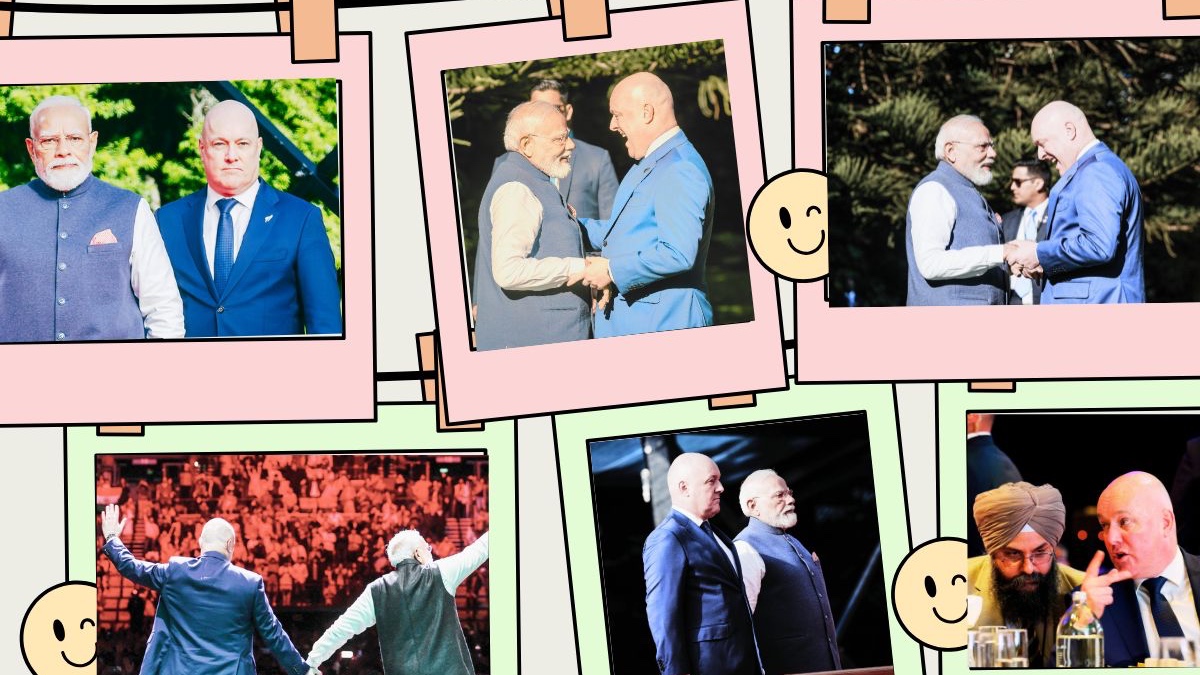
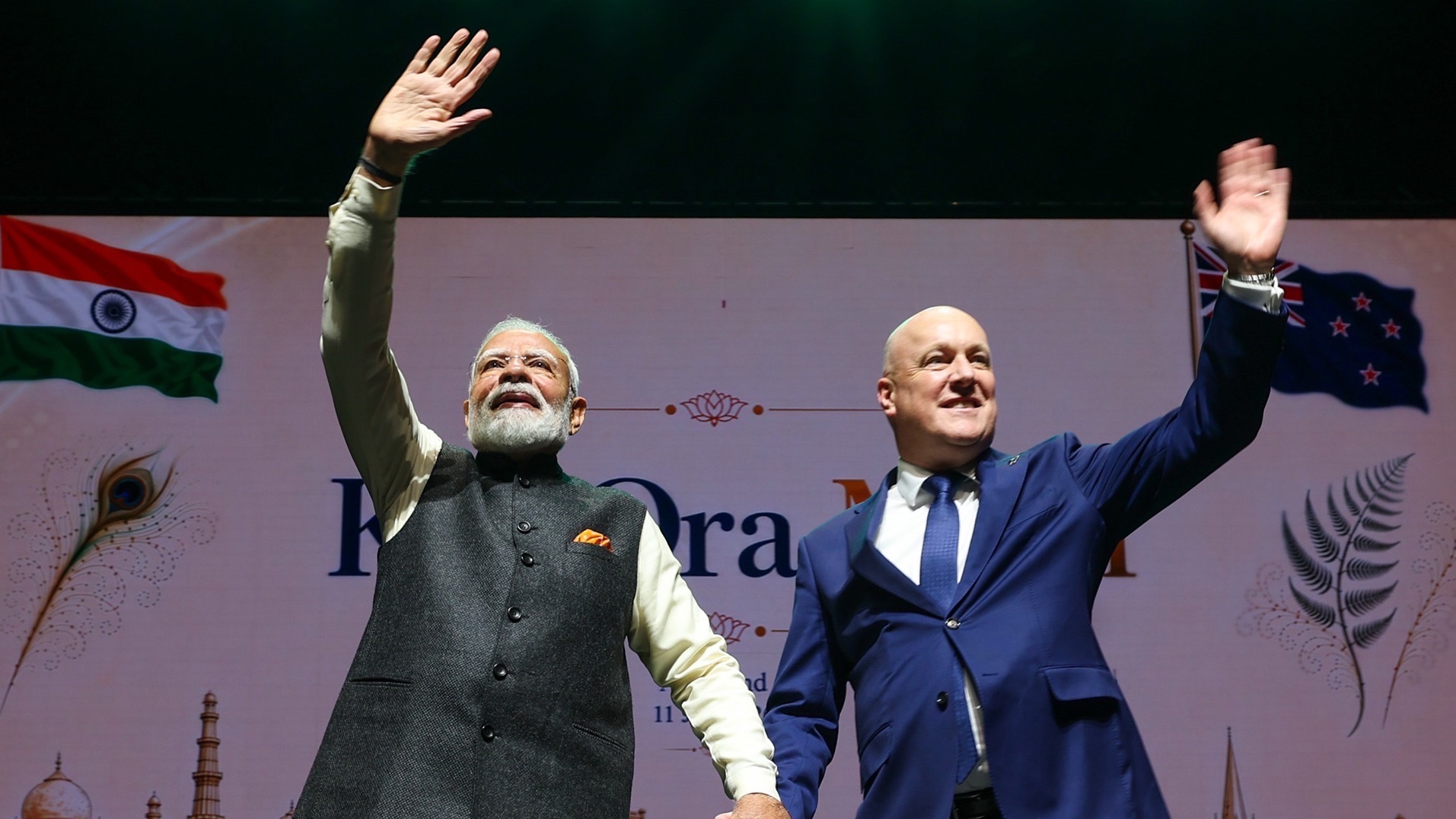
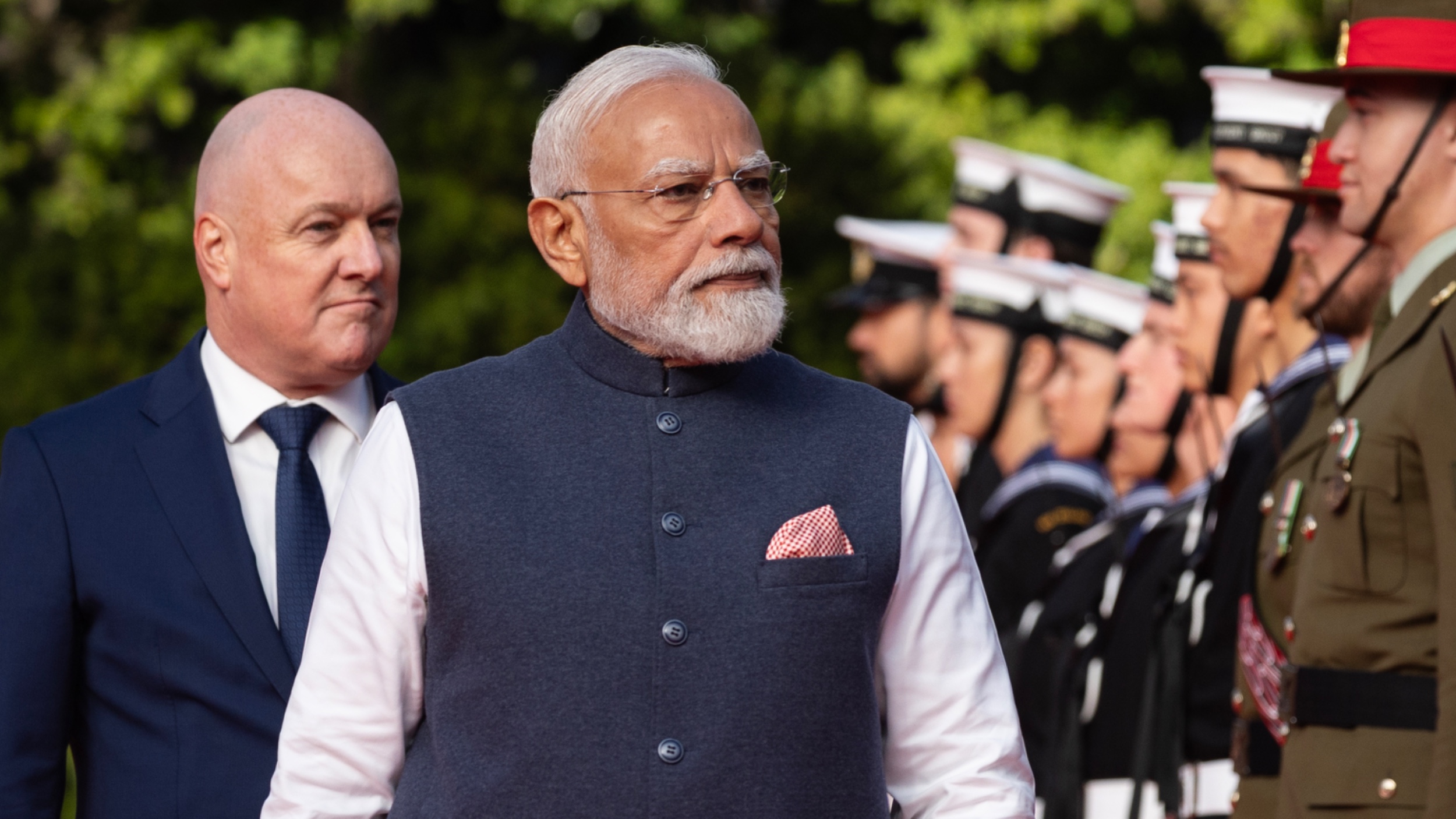
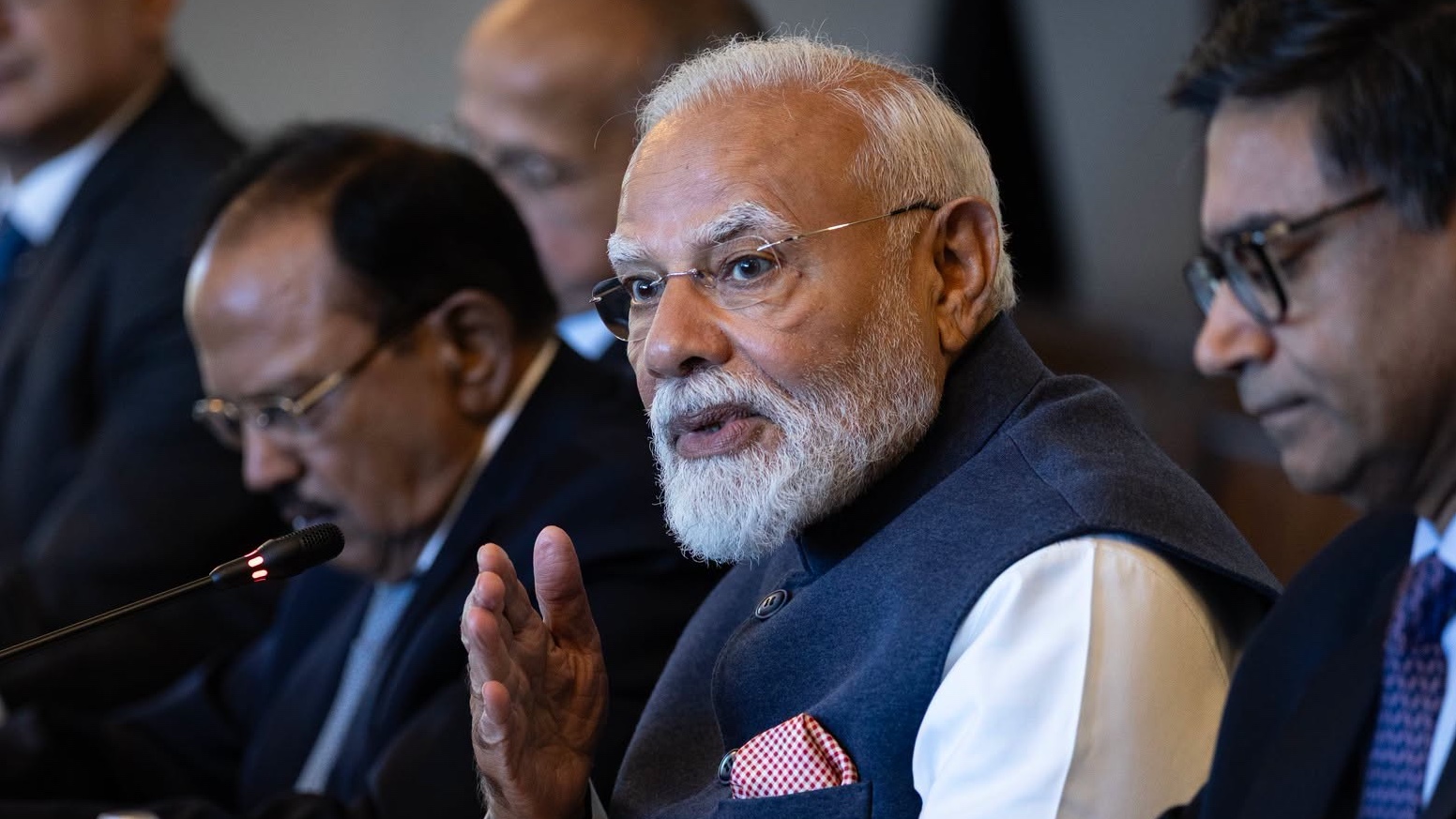
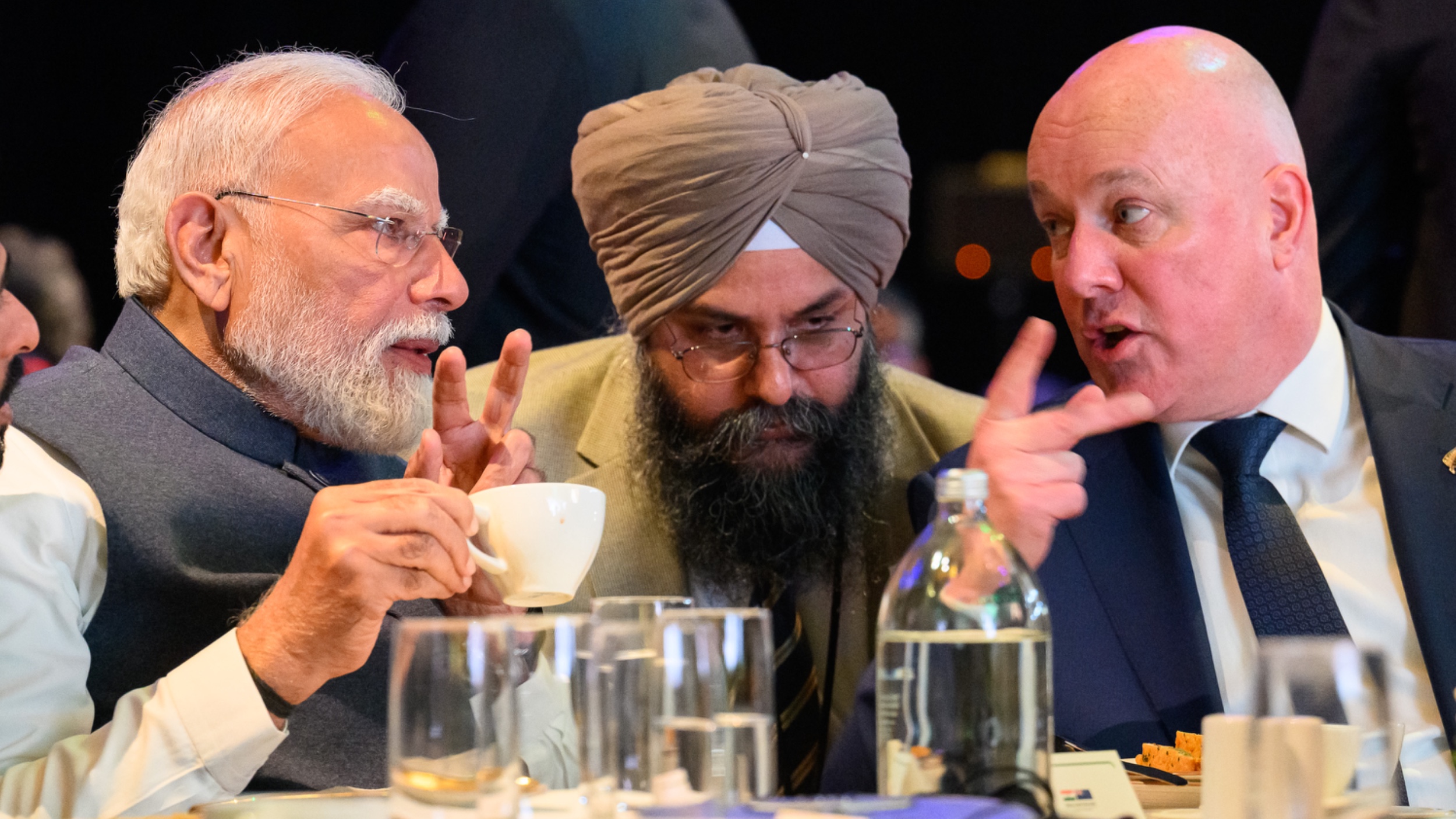
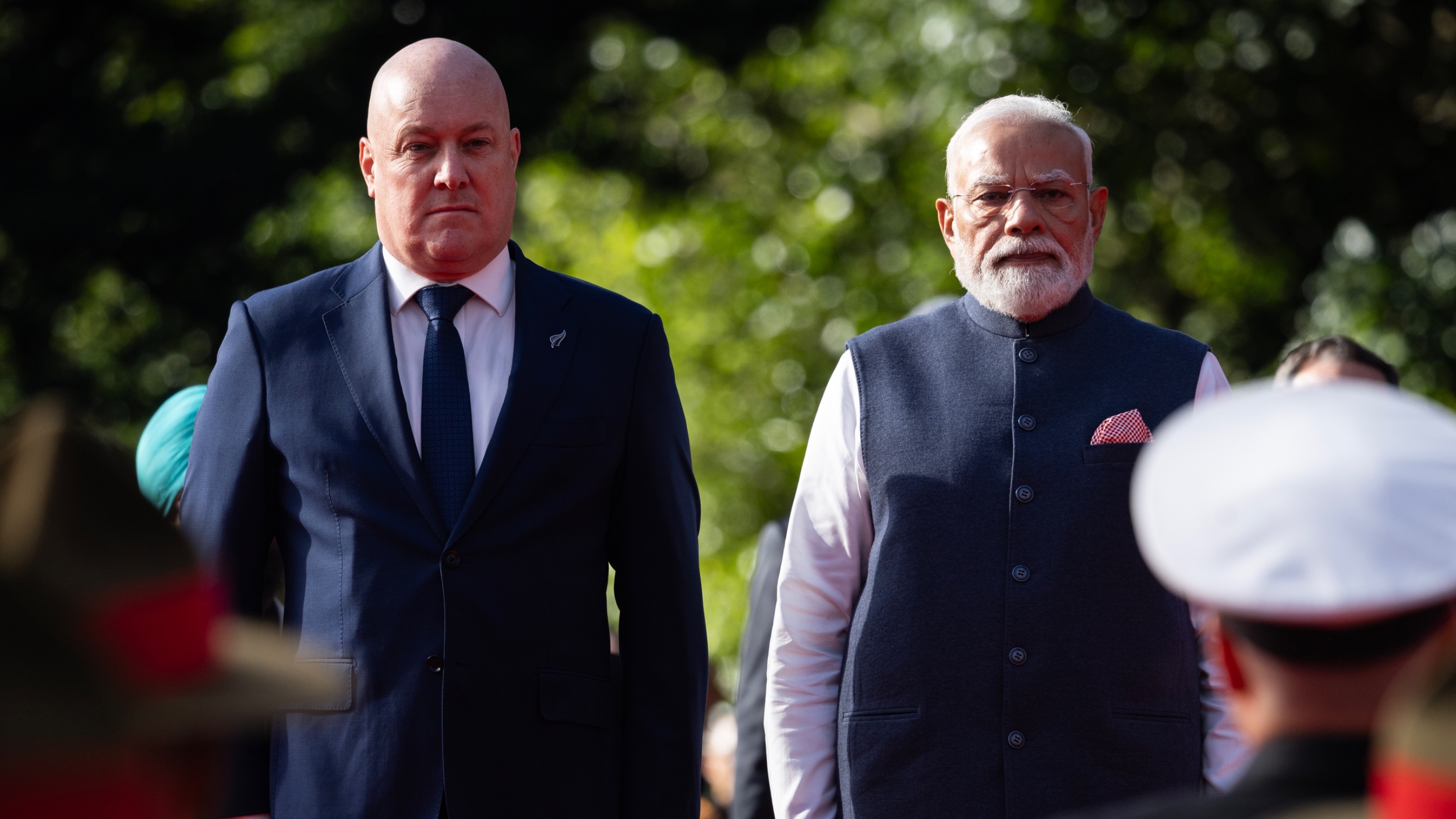
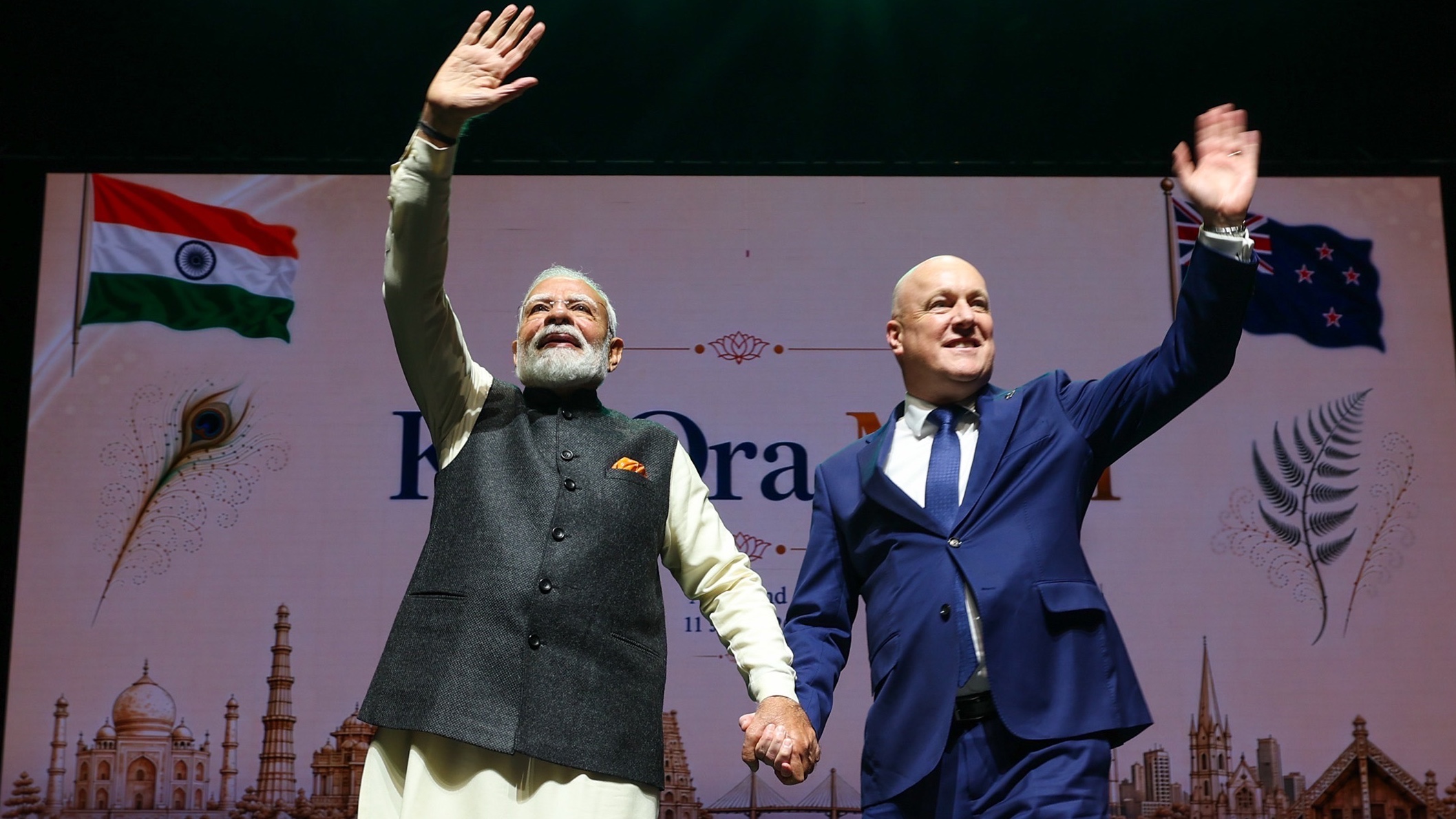
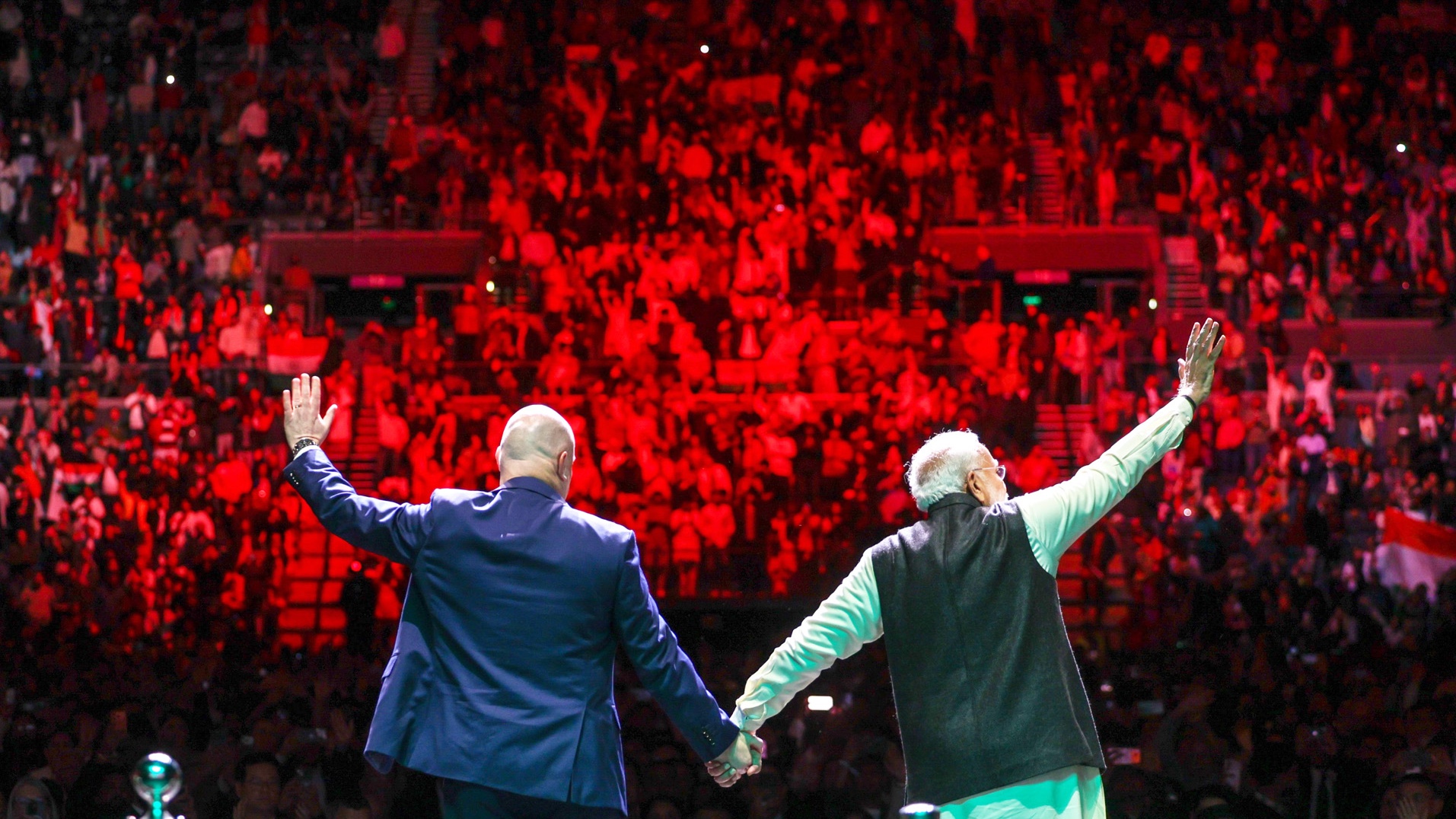
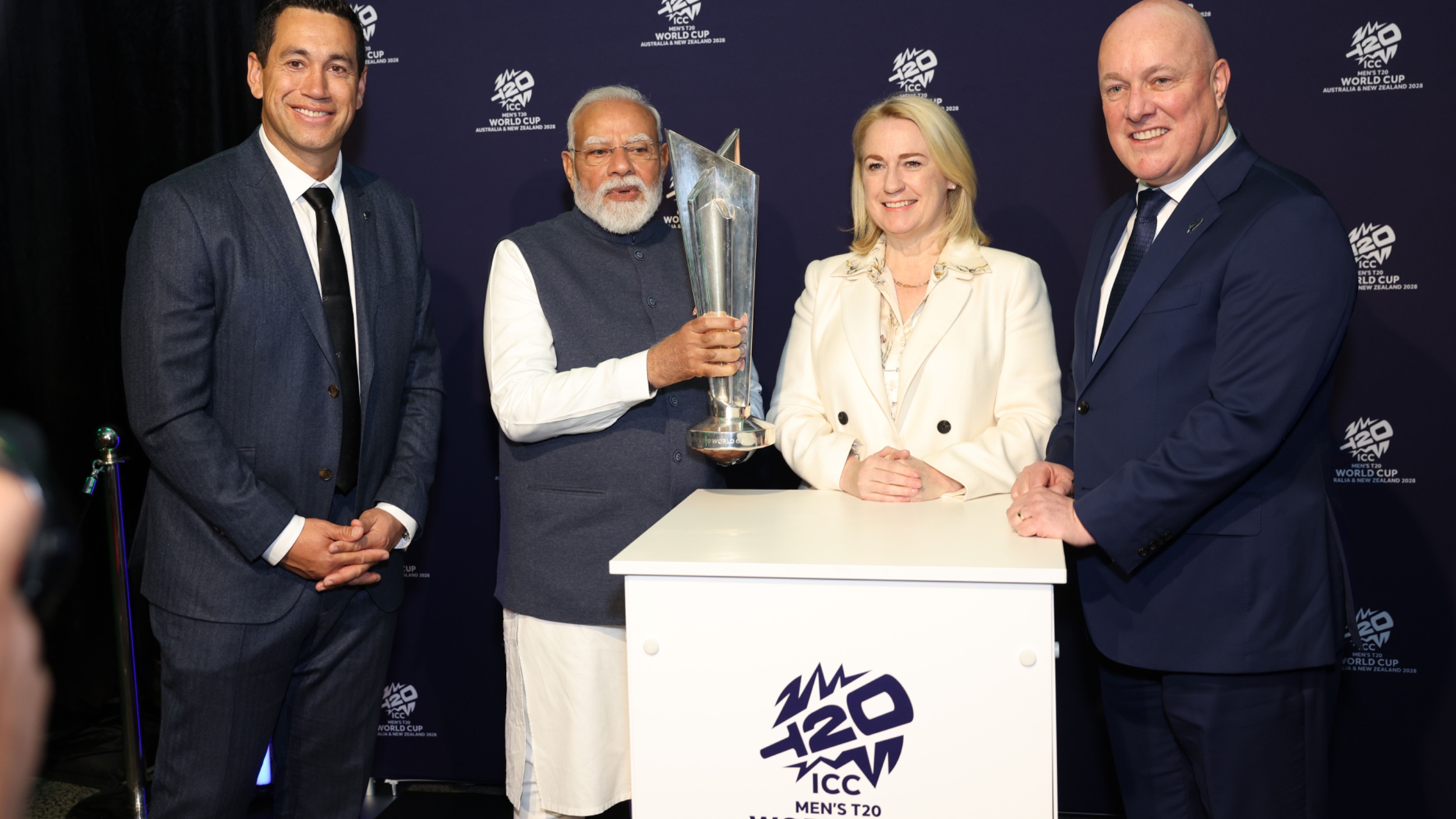
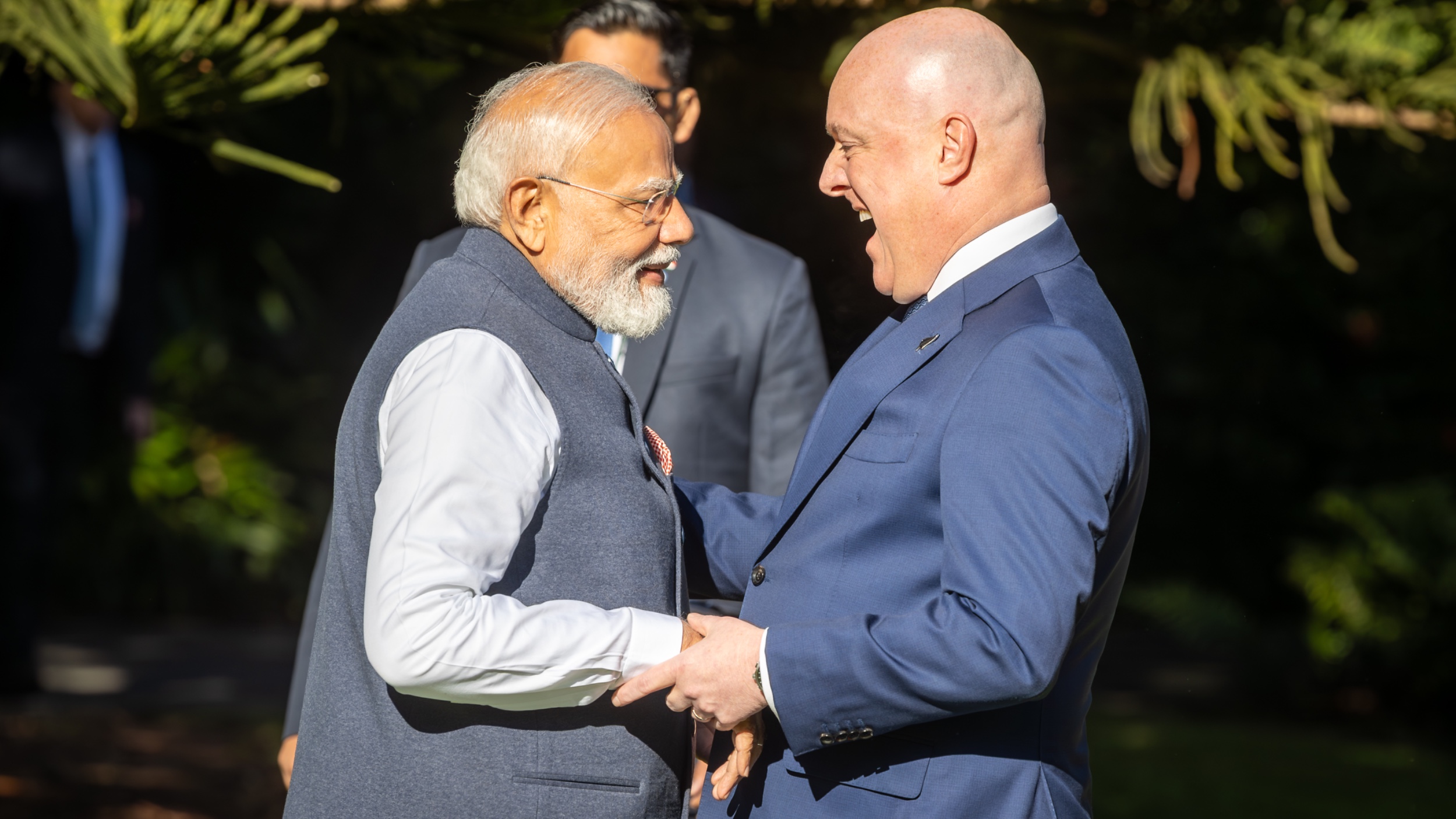
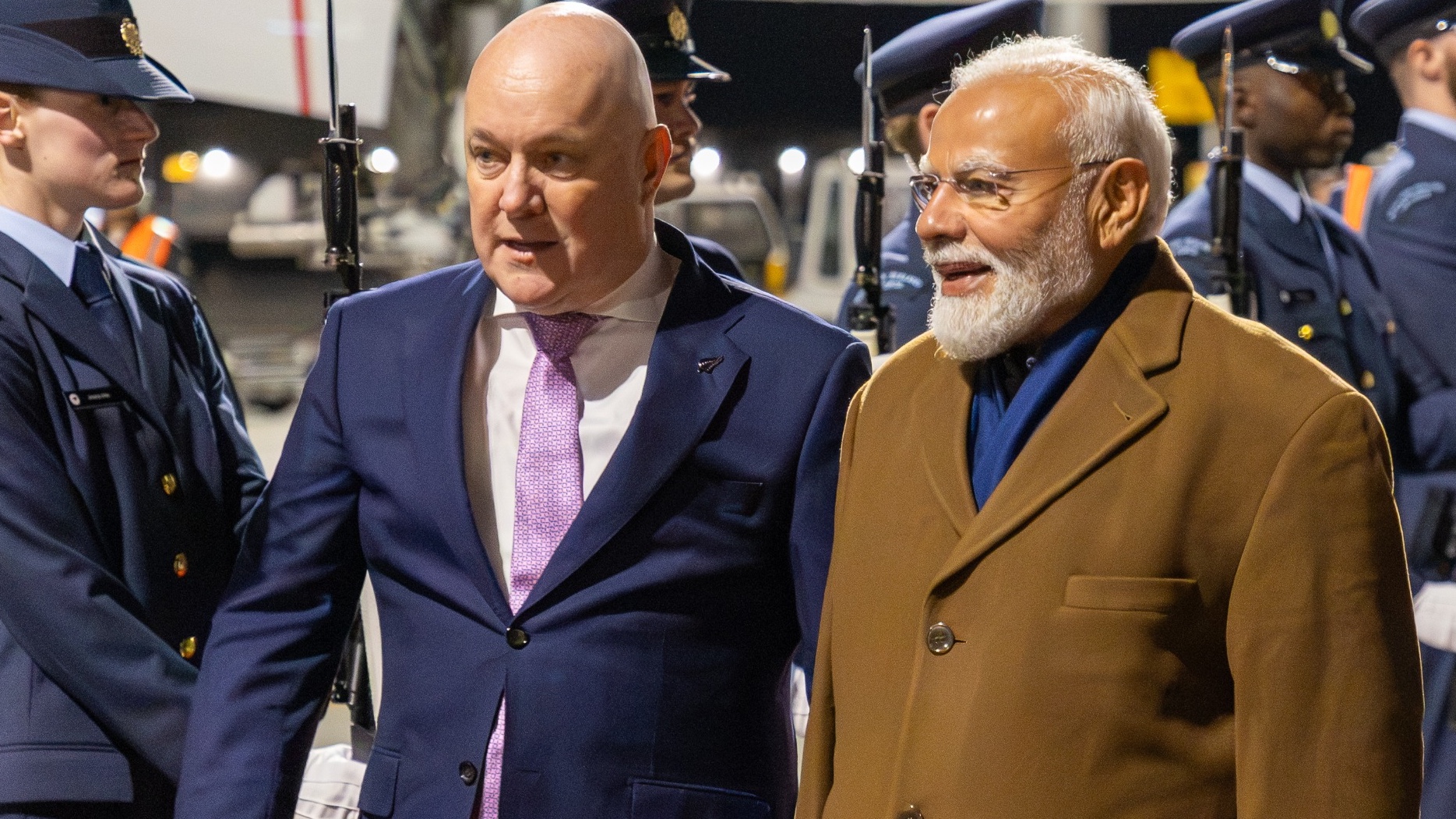
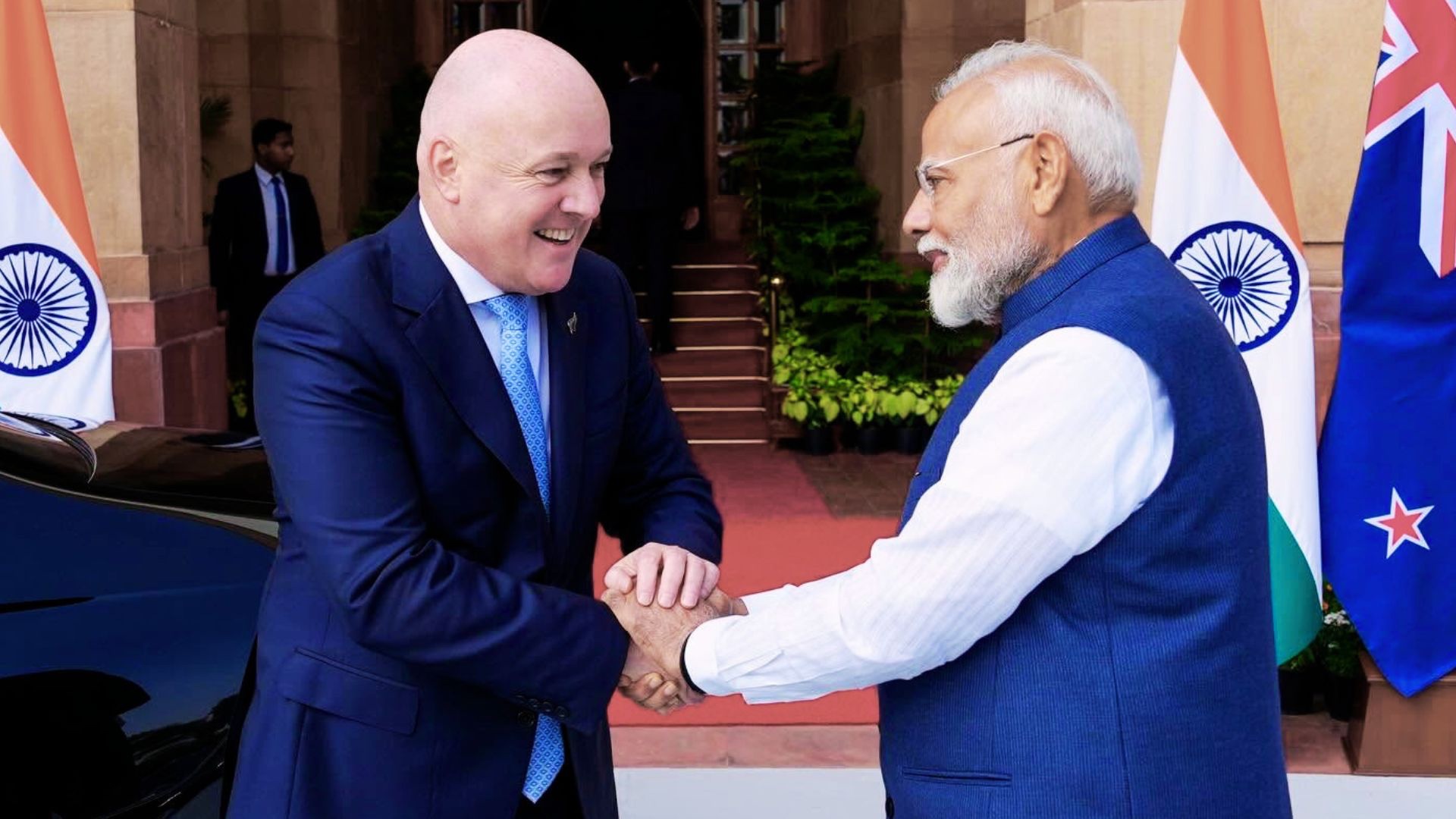
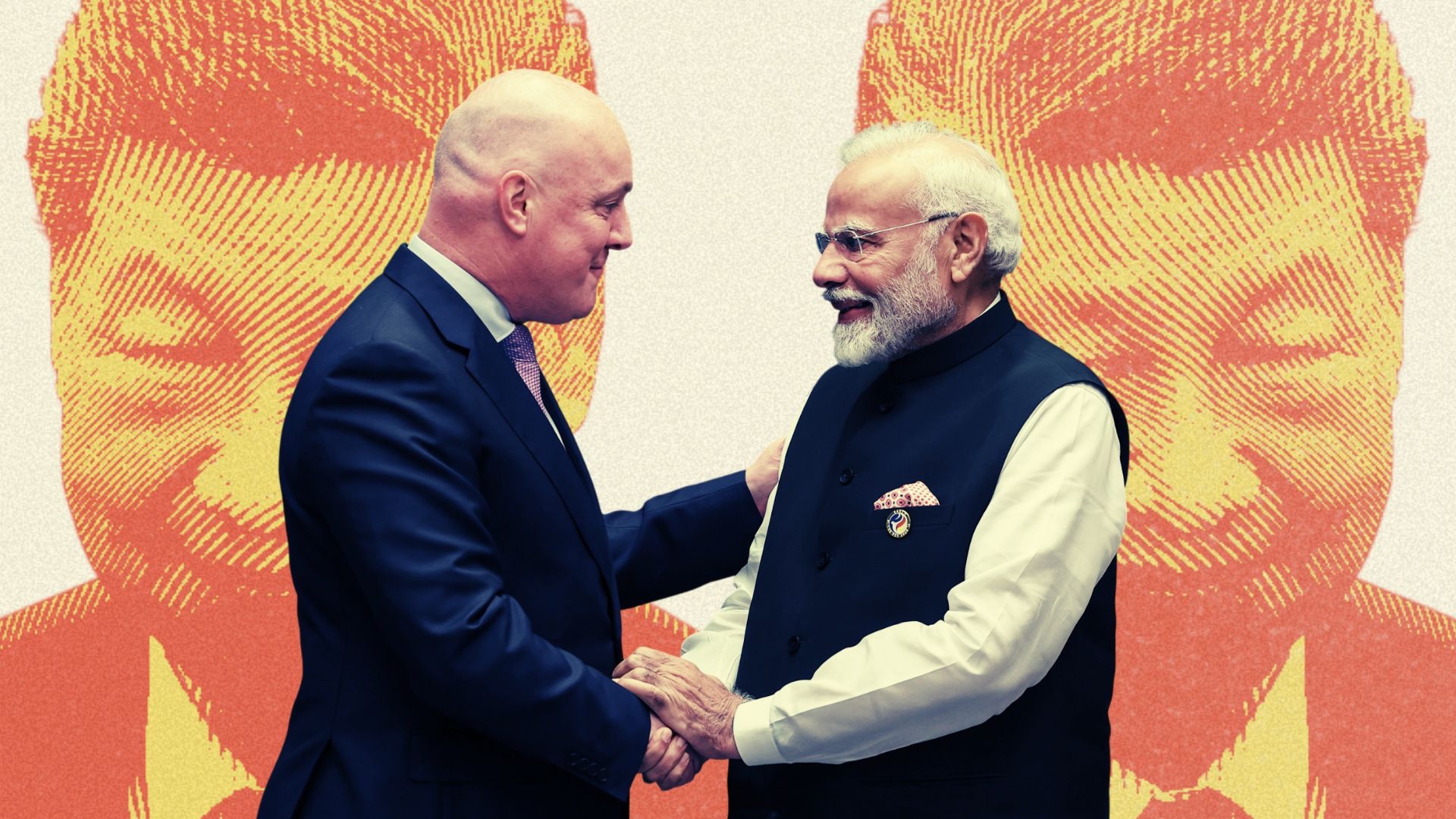
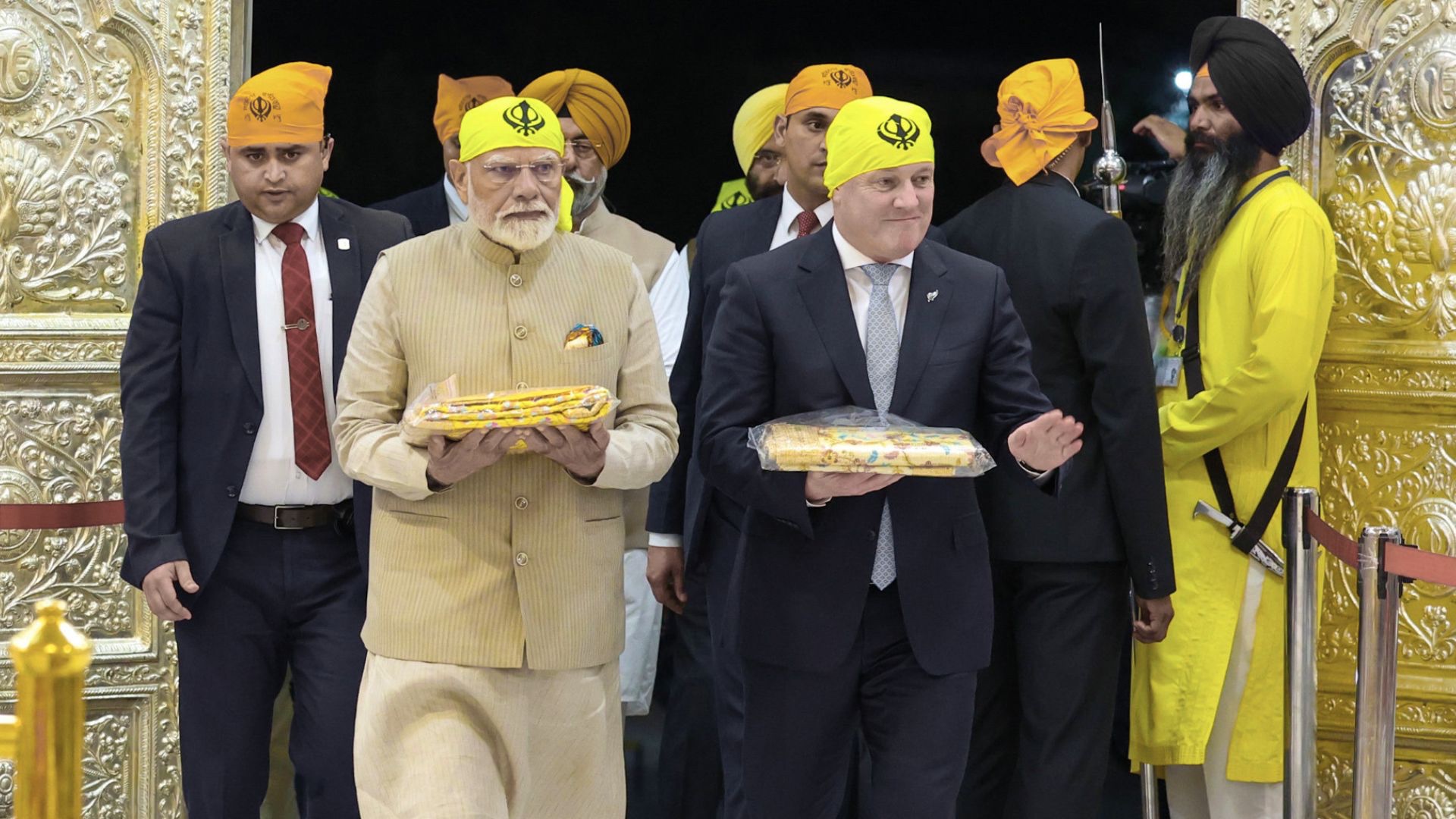
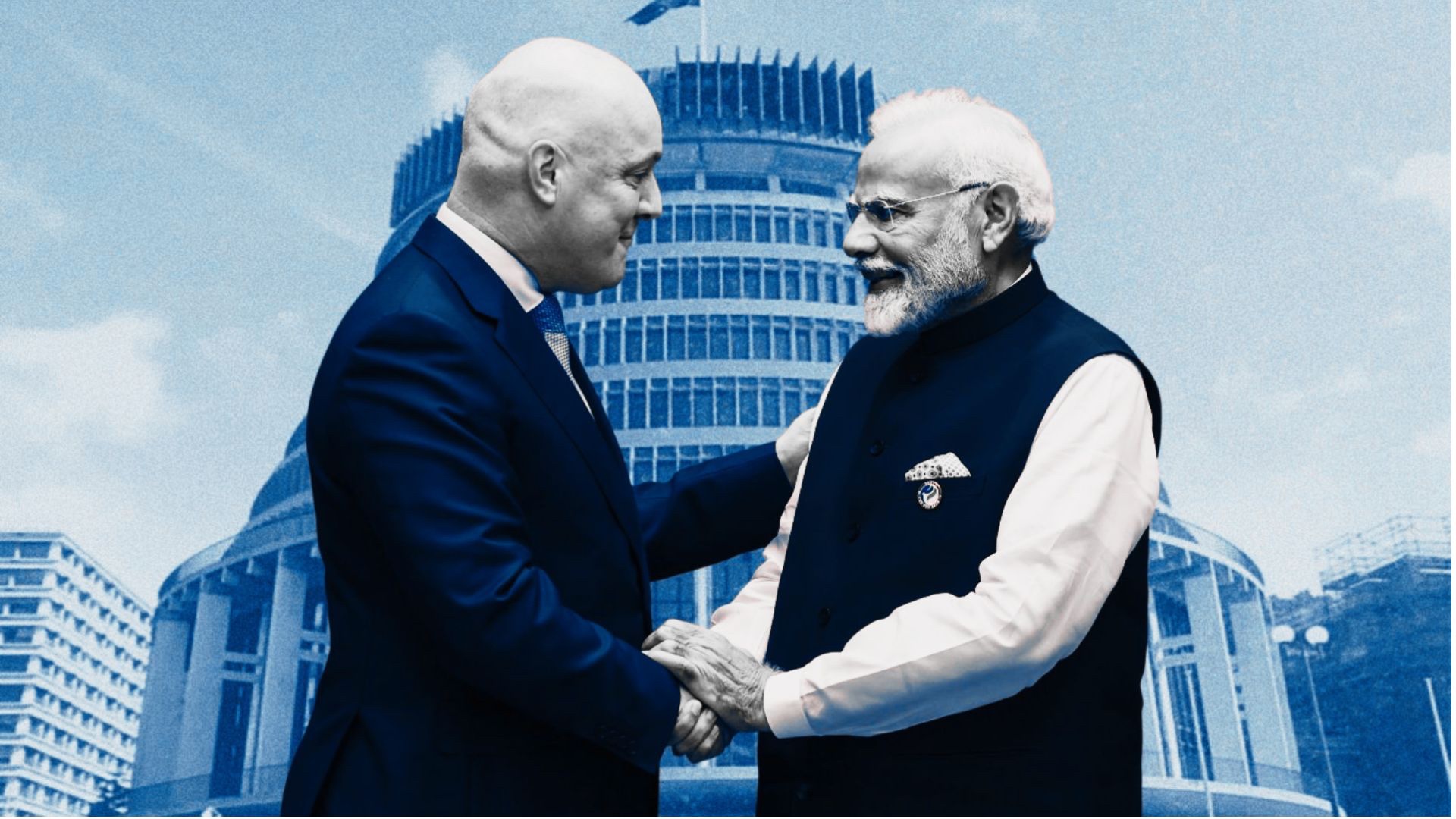
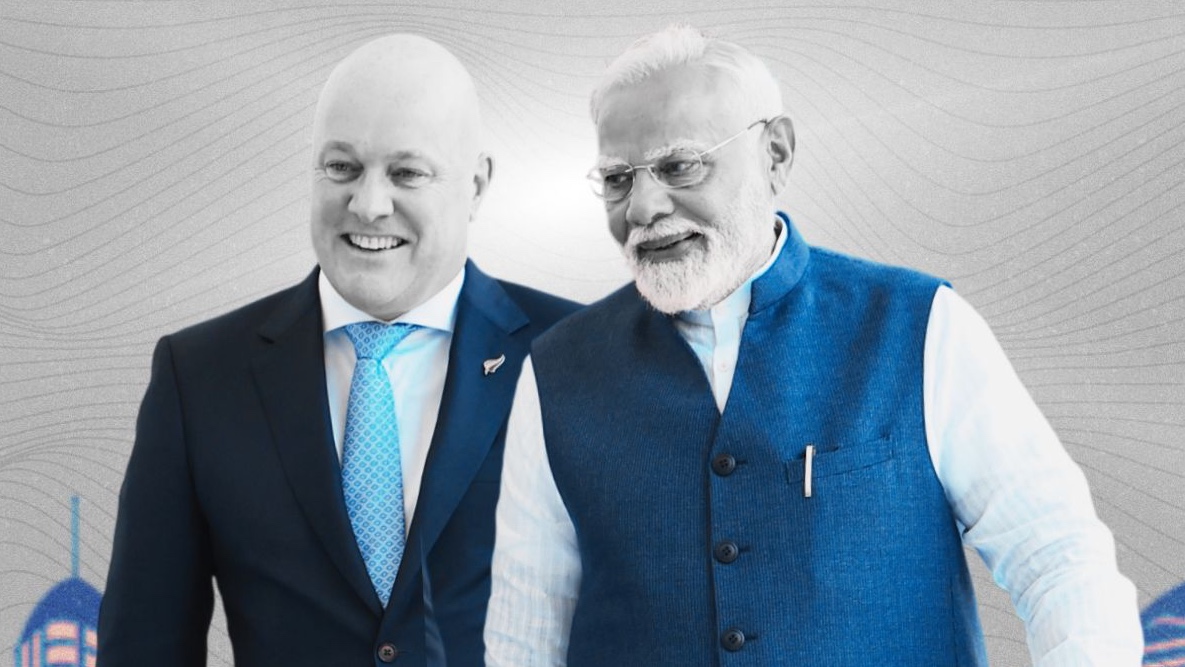
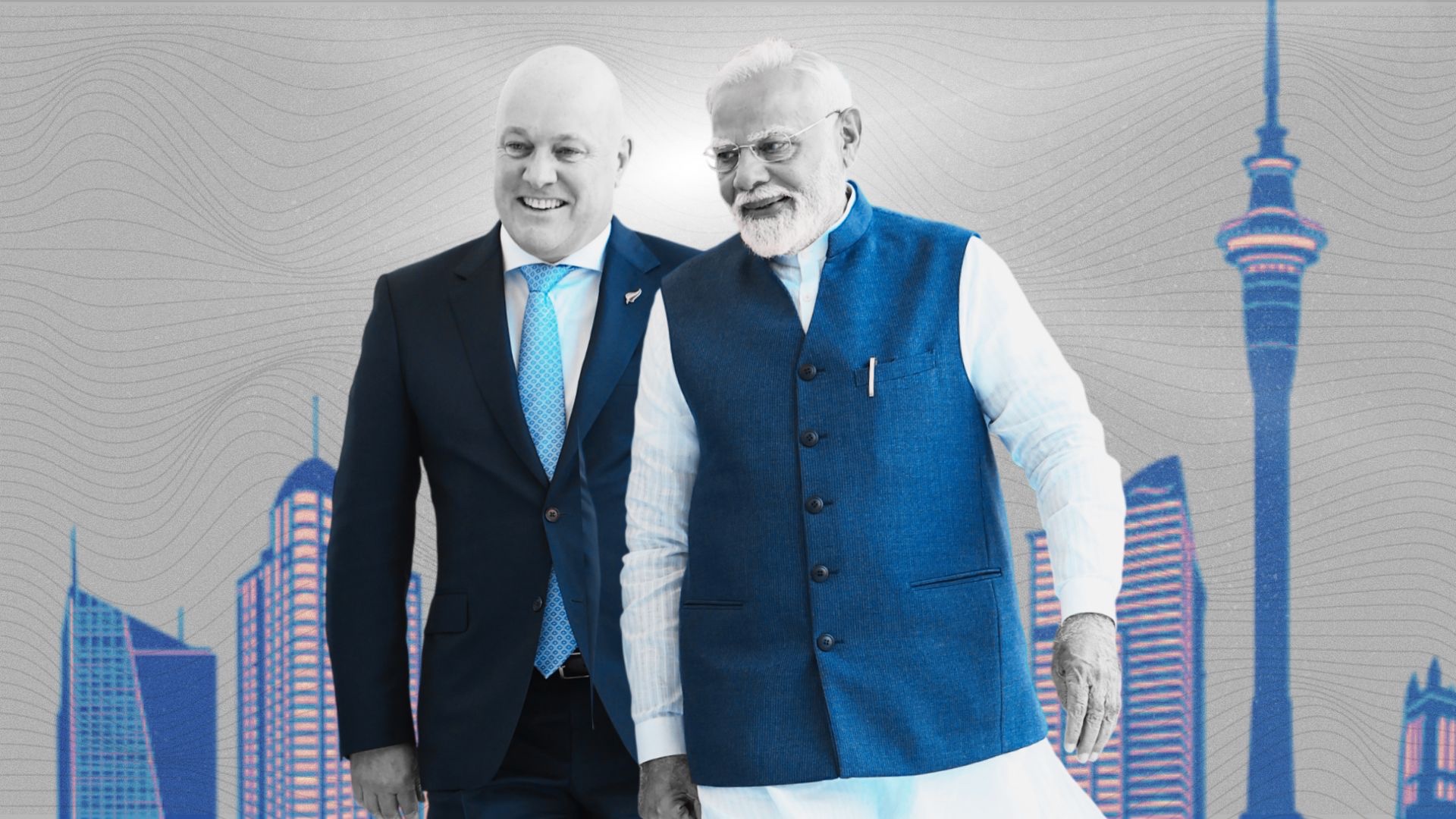
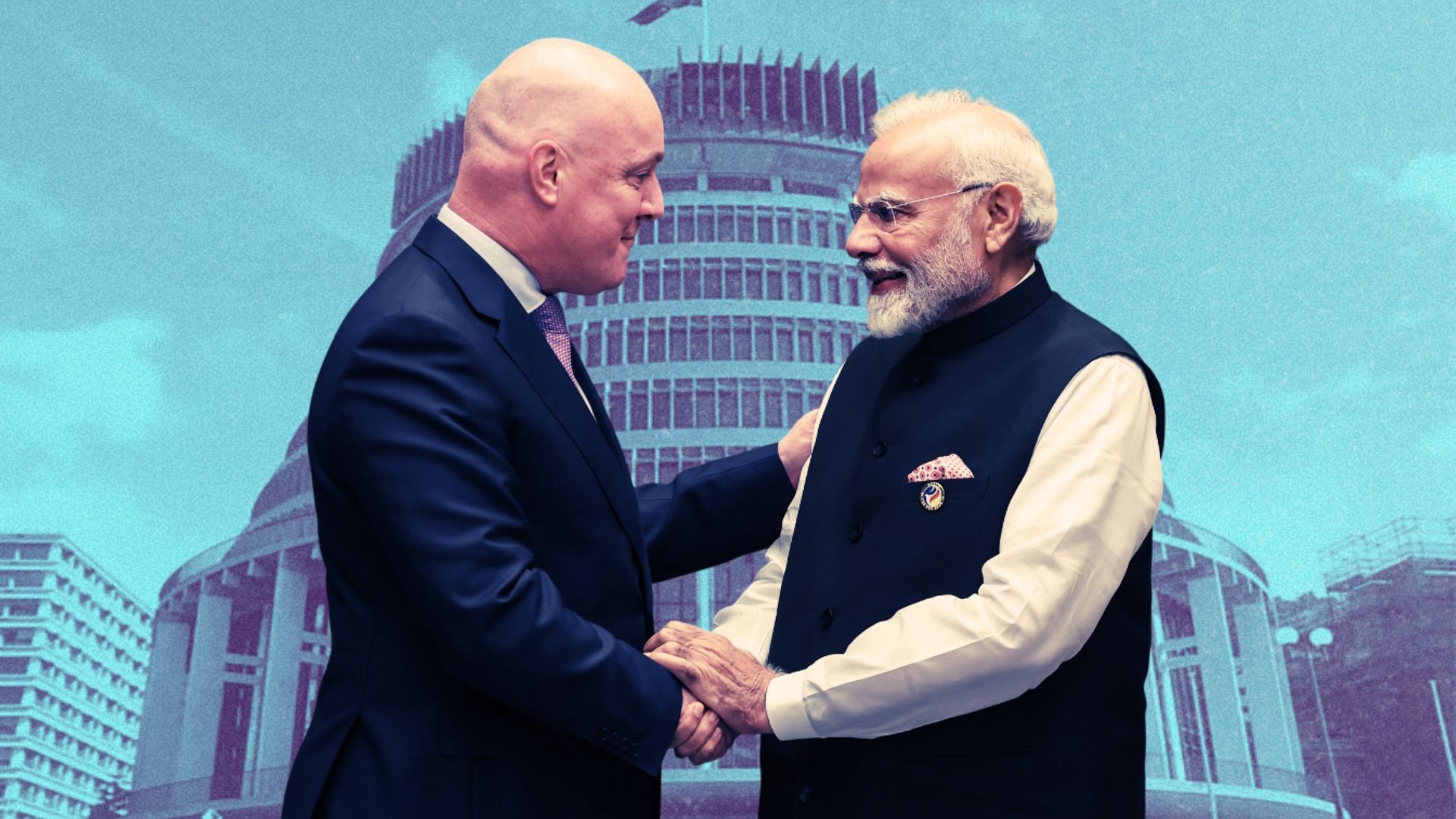
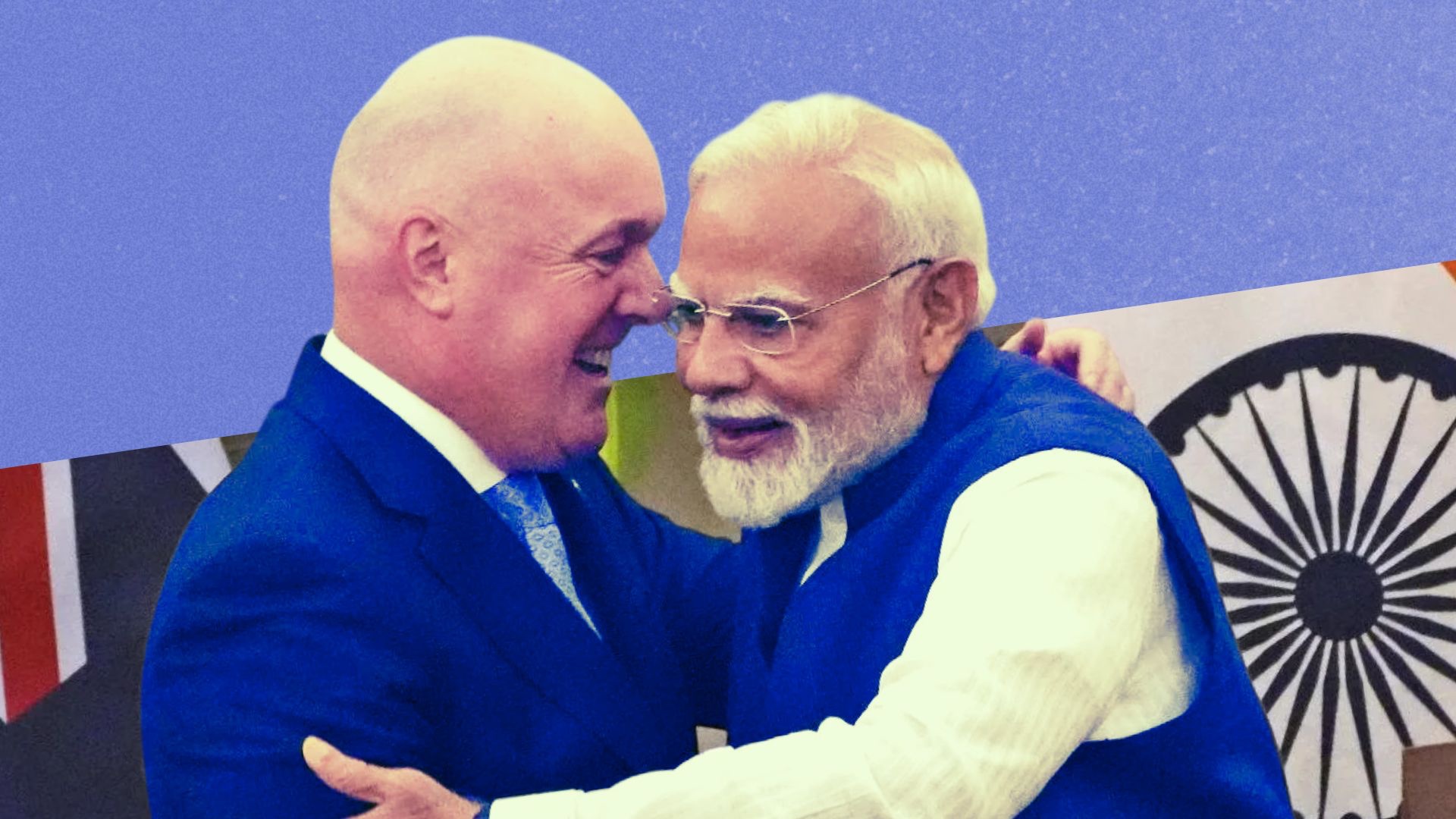
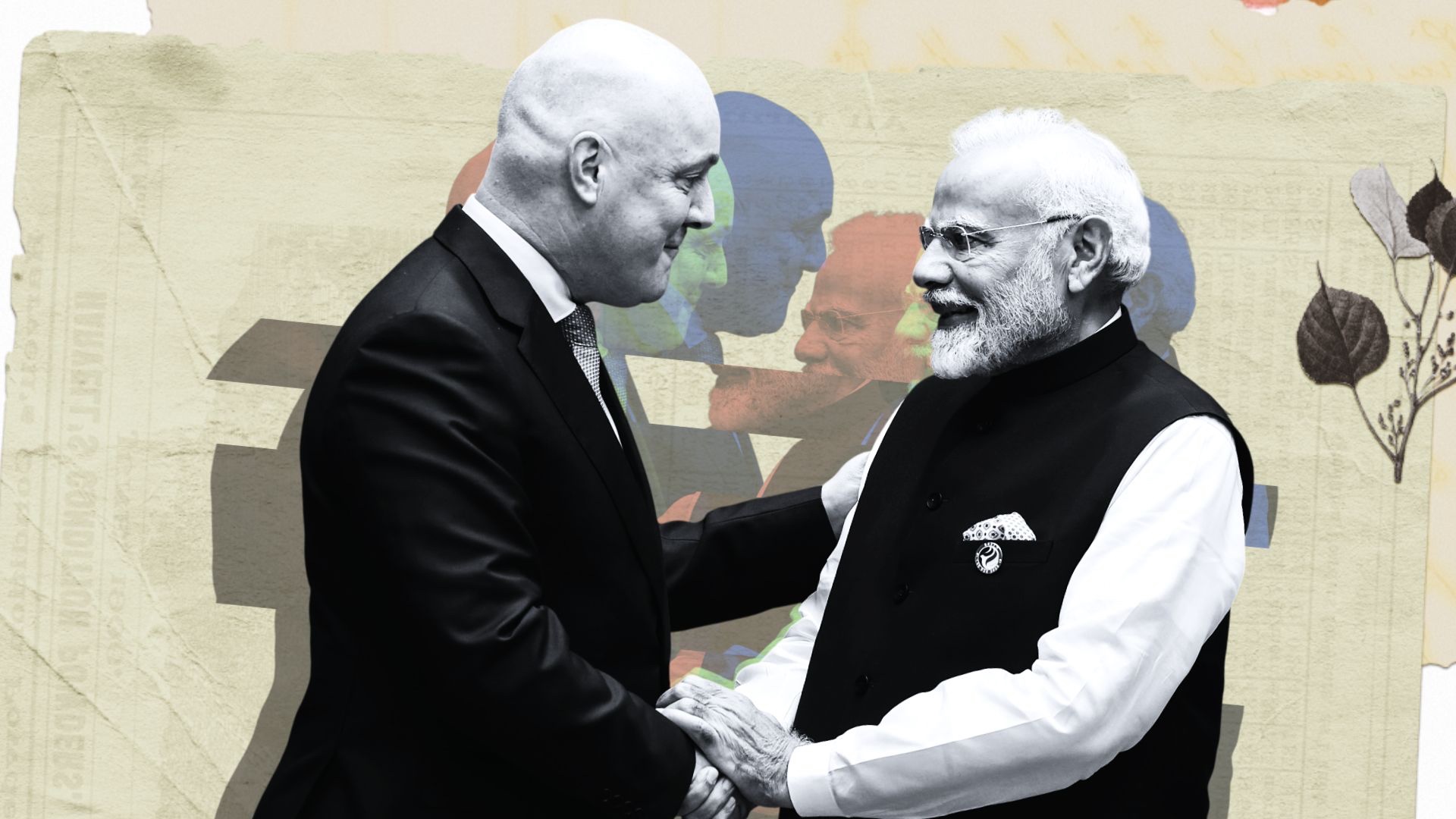
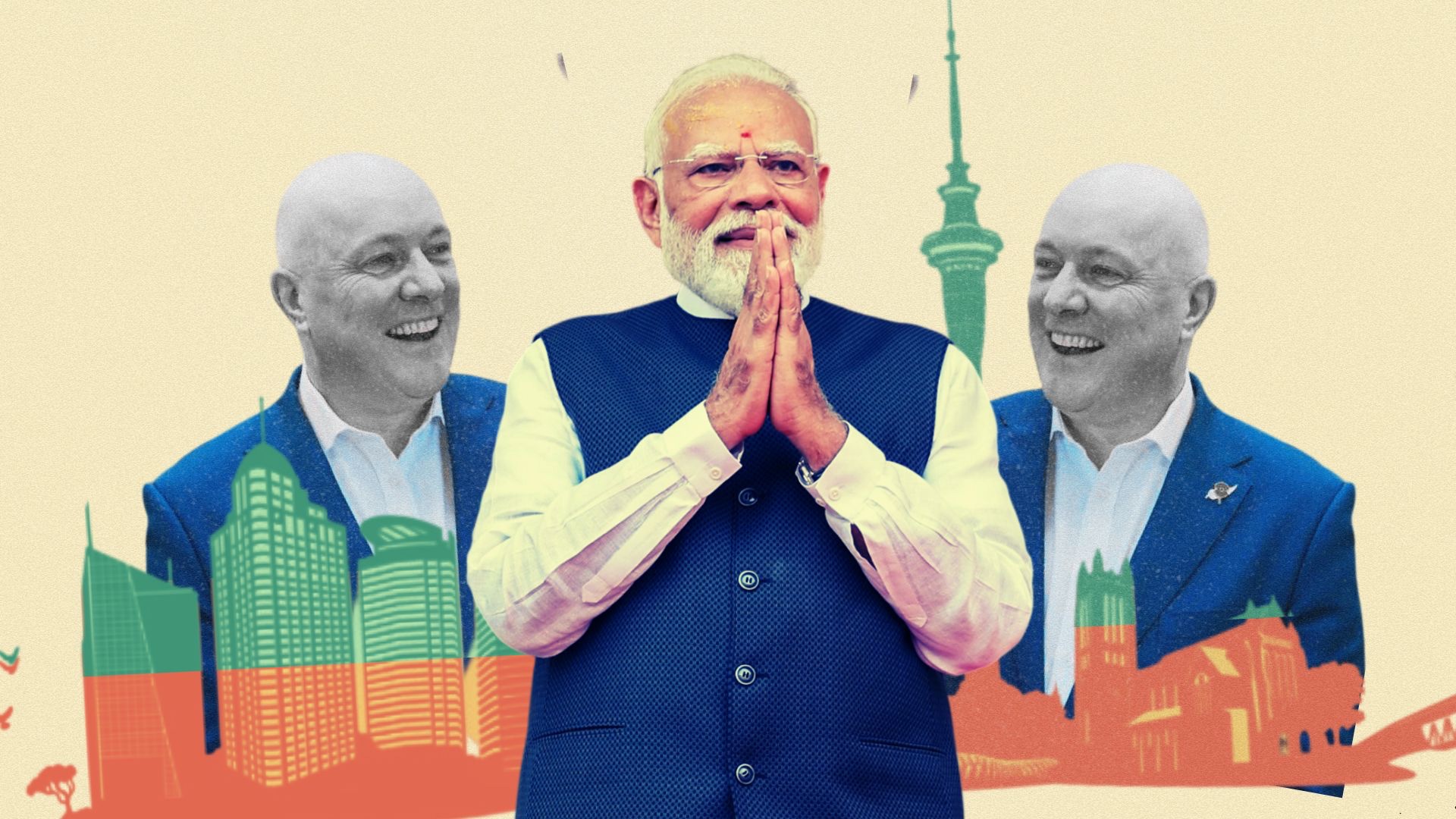
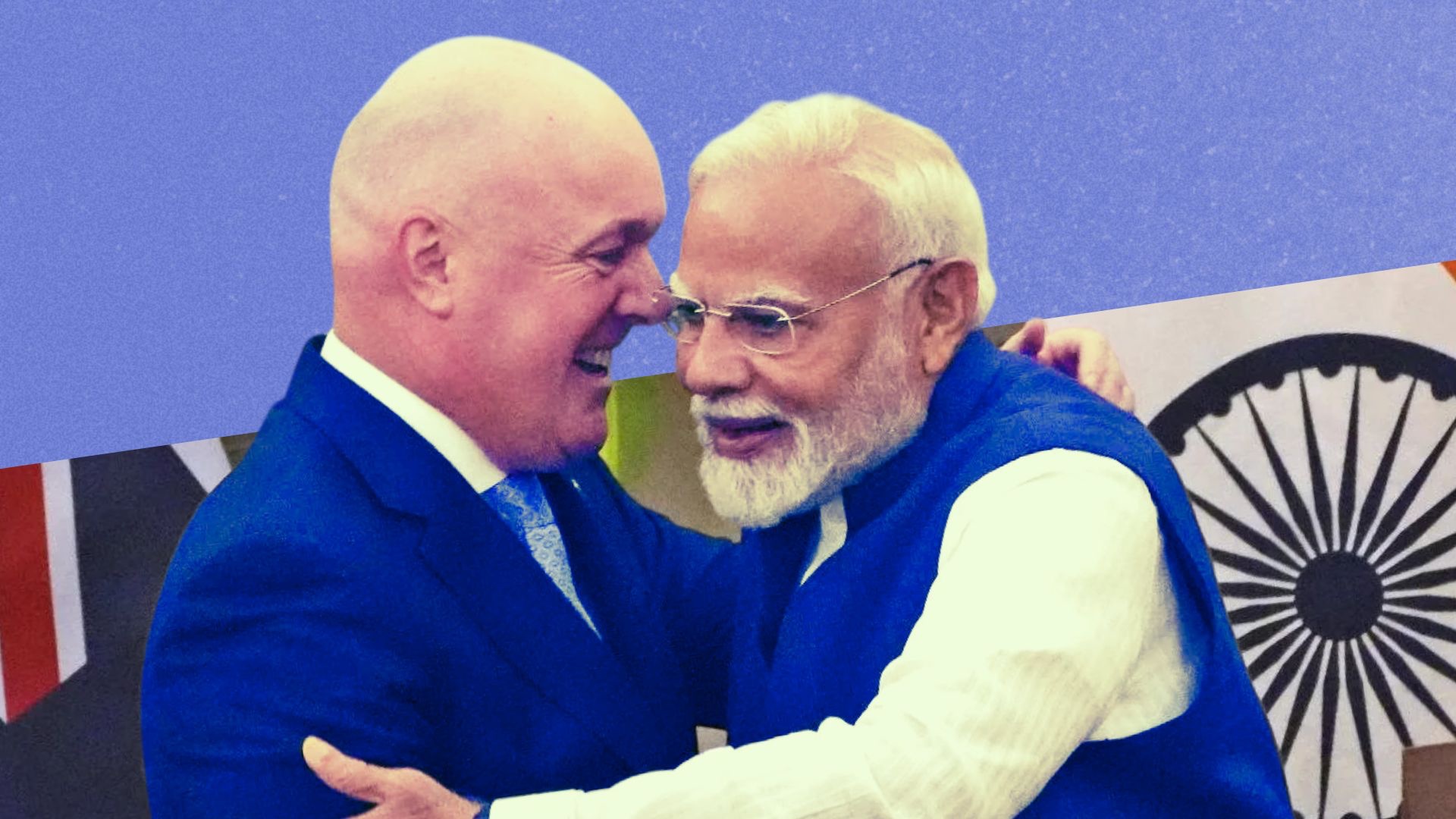
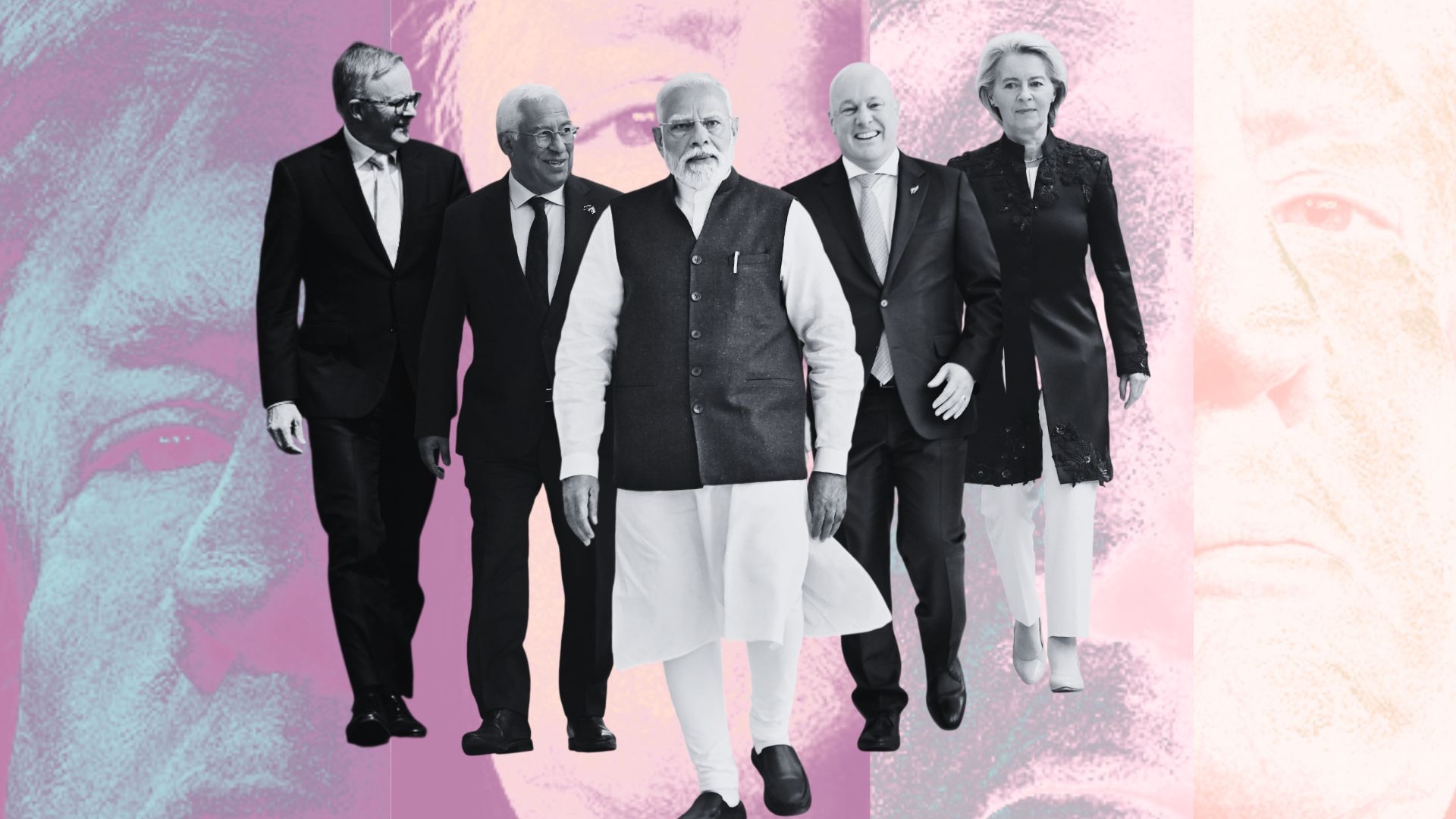
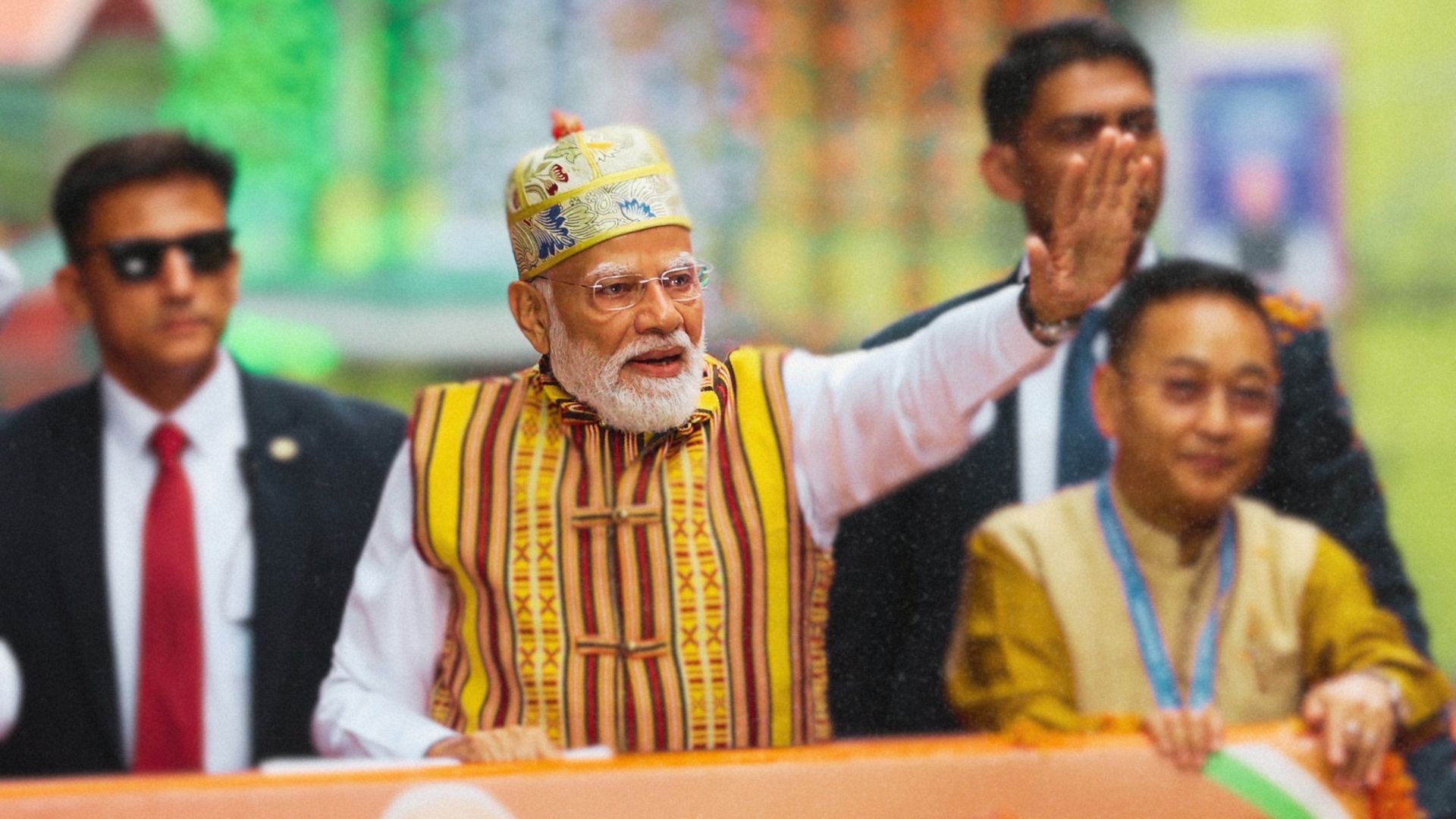
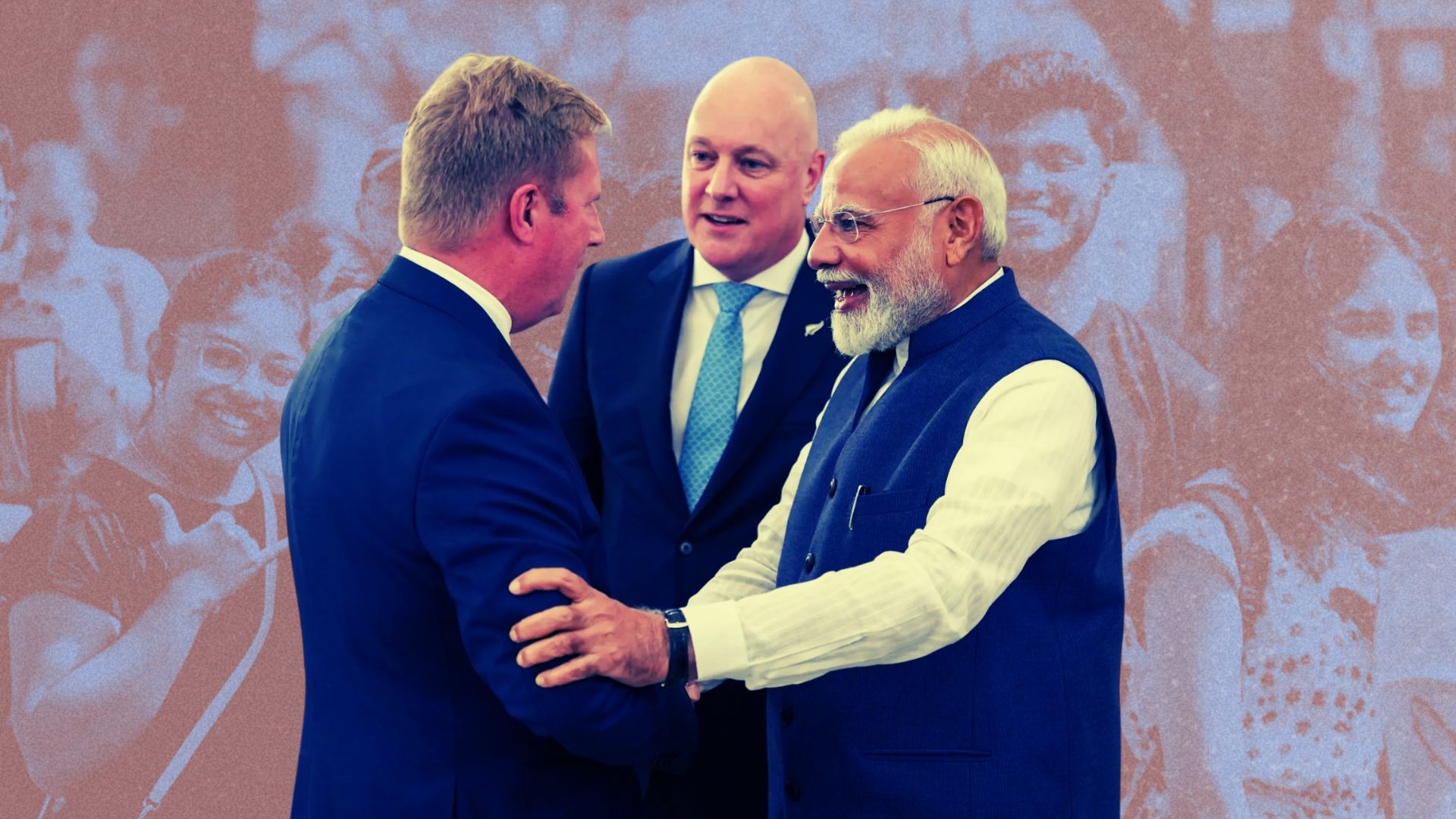
Modi is due to arrive in Auckland late on Friday for a one-day, Auckland-only visit, with bilateral talks with Luxon among a packed programme of engagements on Saturday.
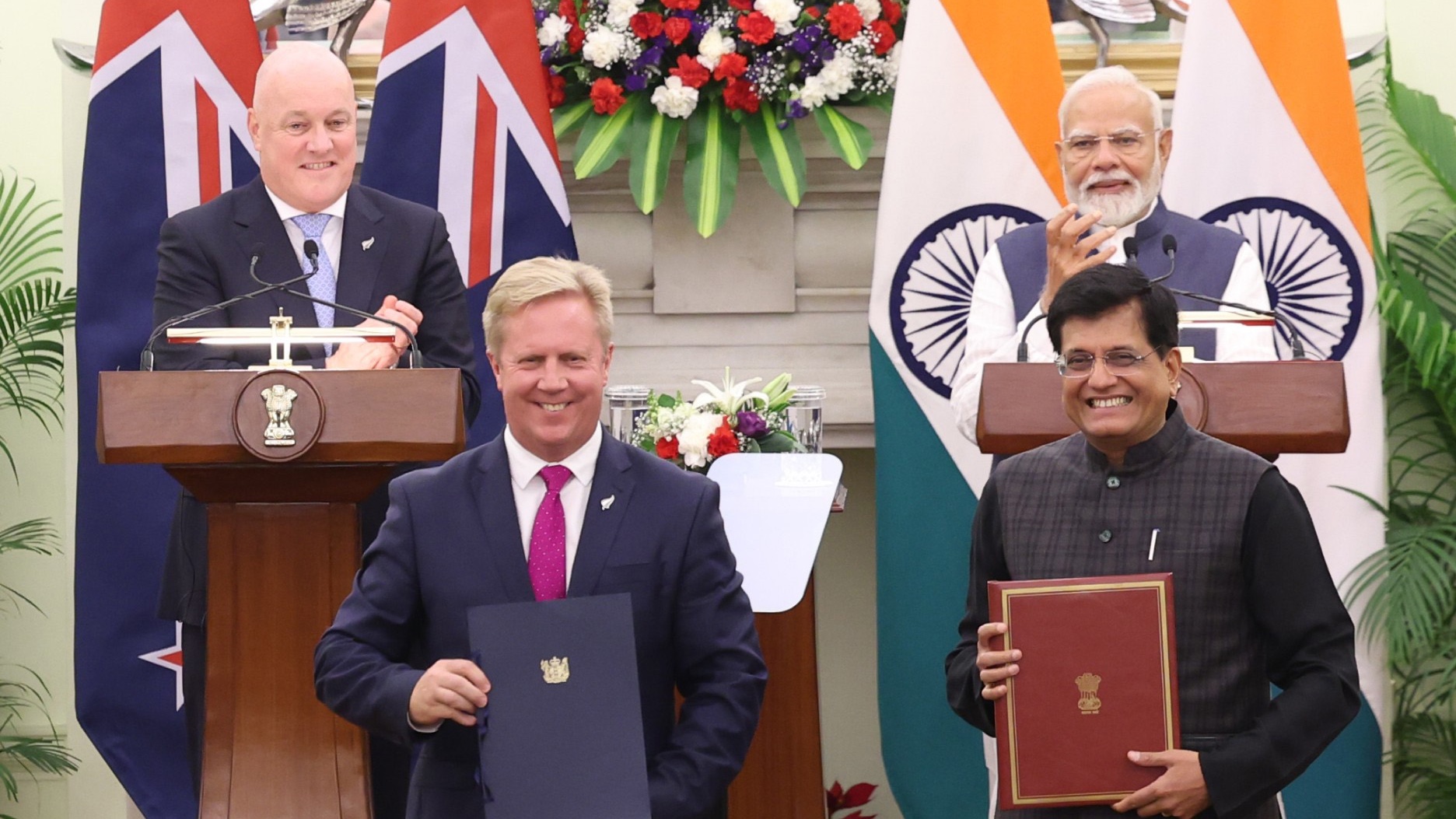
The visit comes less than three months after India and New Zealand signed the FTA in New Delhi, and is expected to showcase the rapidly expanding relationship between the two countries.
Saiawi said both sides were happy with the agreement and businesses saw it as mutually beneficial.
“Our businesses are convinced that it’s good for both our countries,” she said.