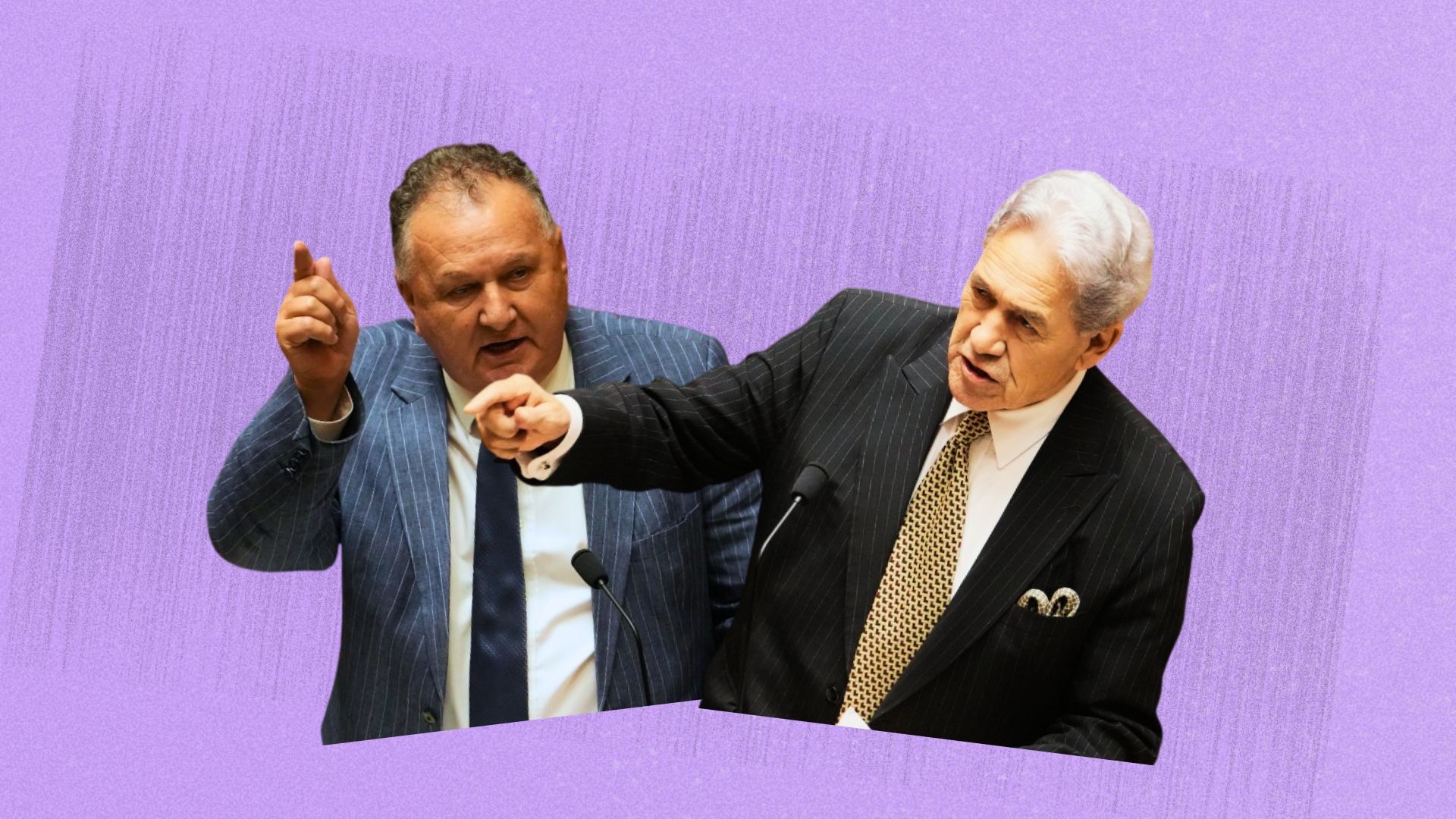

‘Don’t let Modi know?’ Peters says honesty with India at stake over FTA visa moves
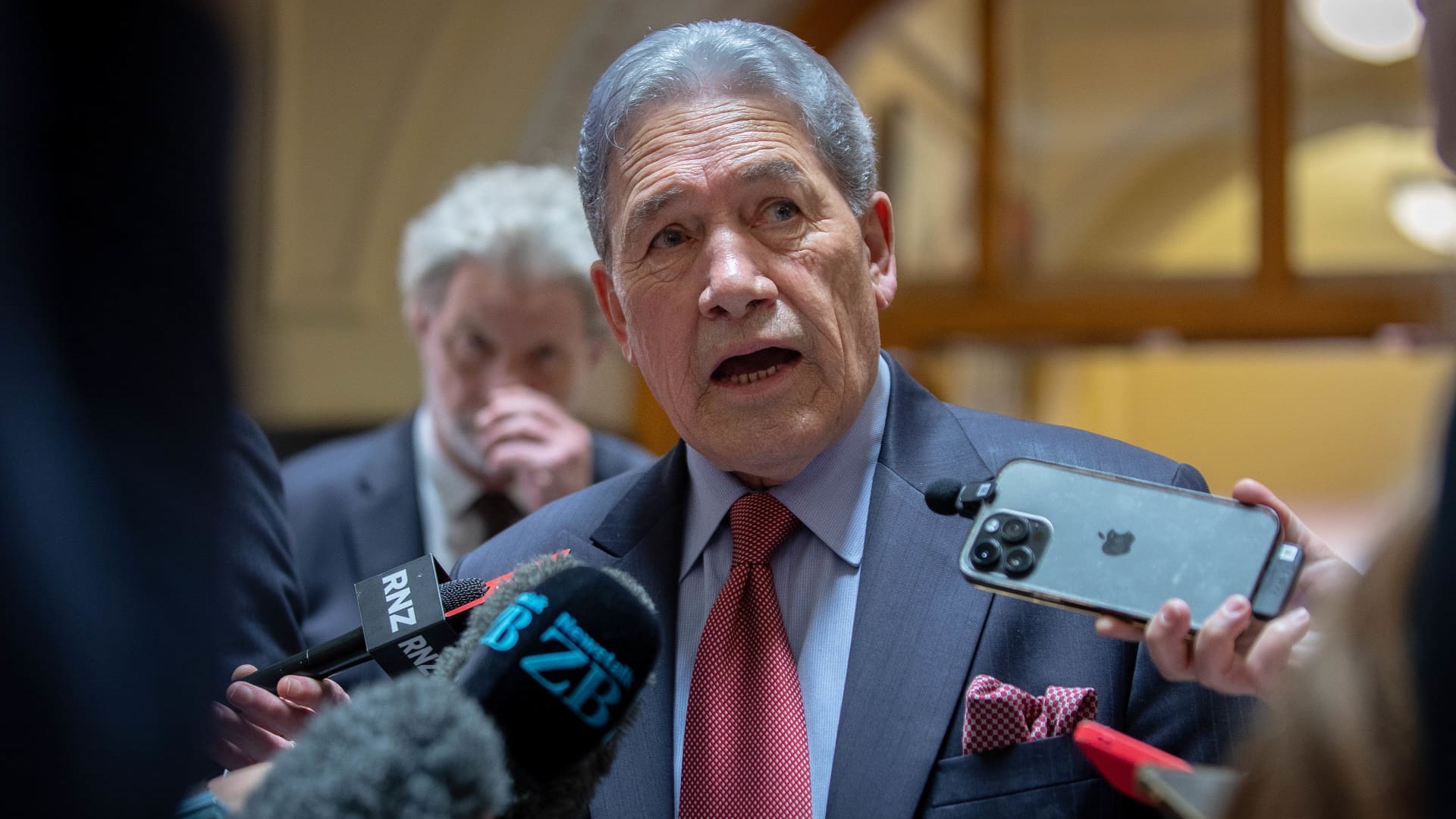
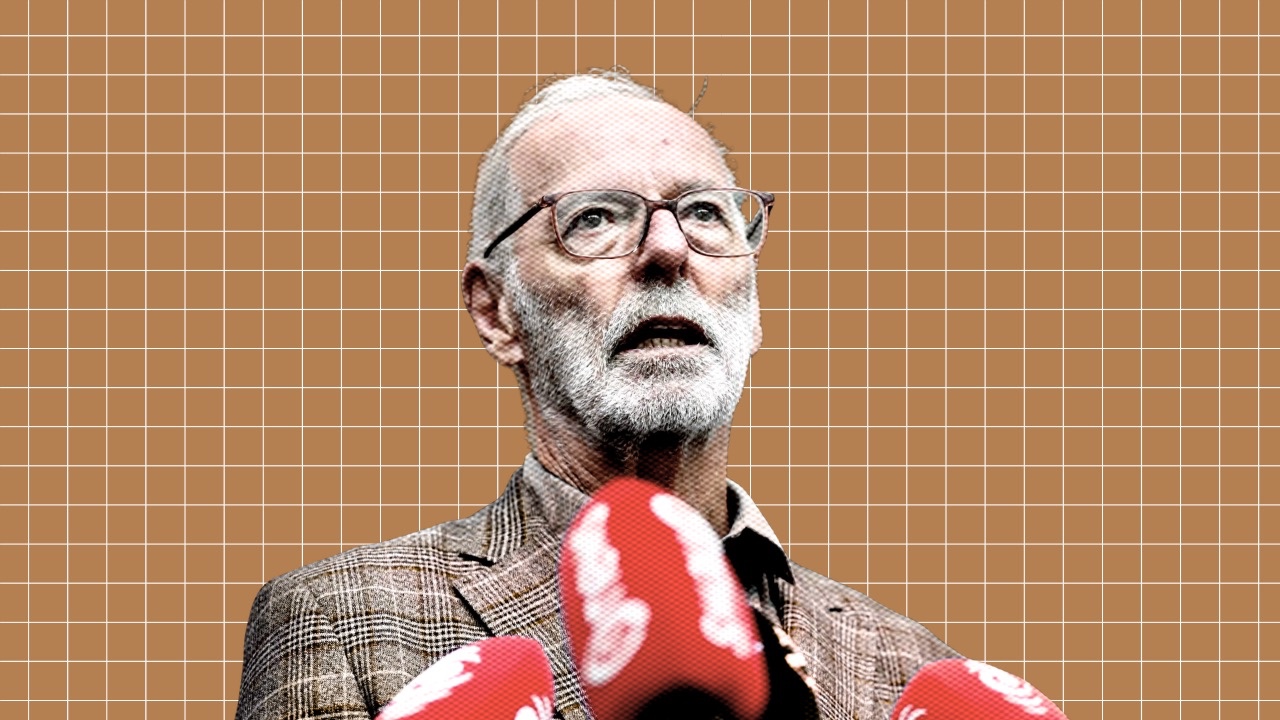
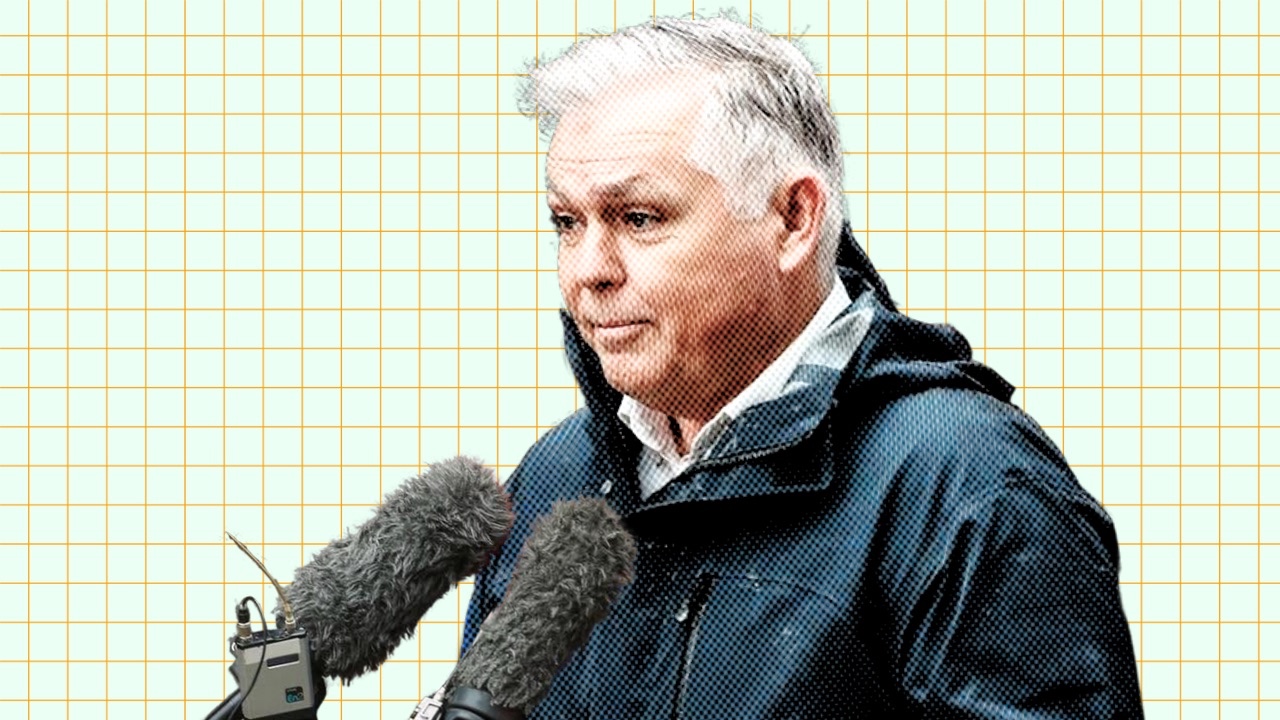
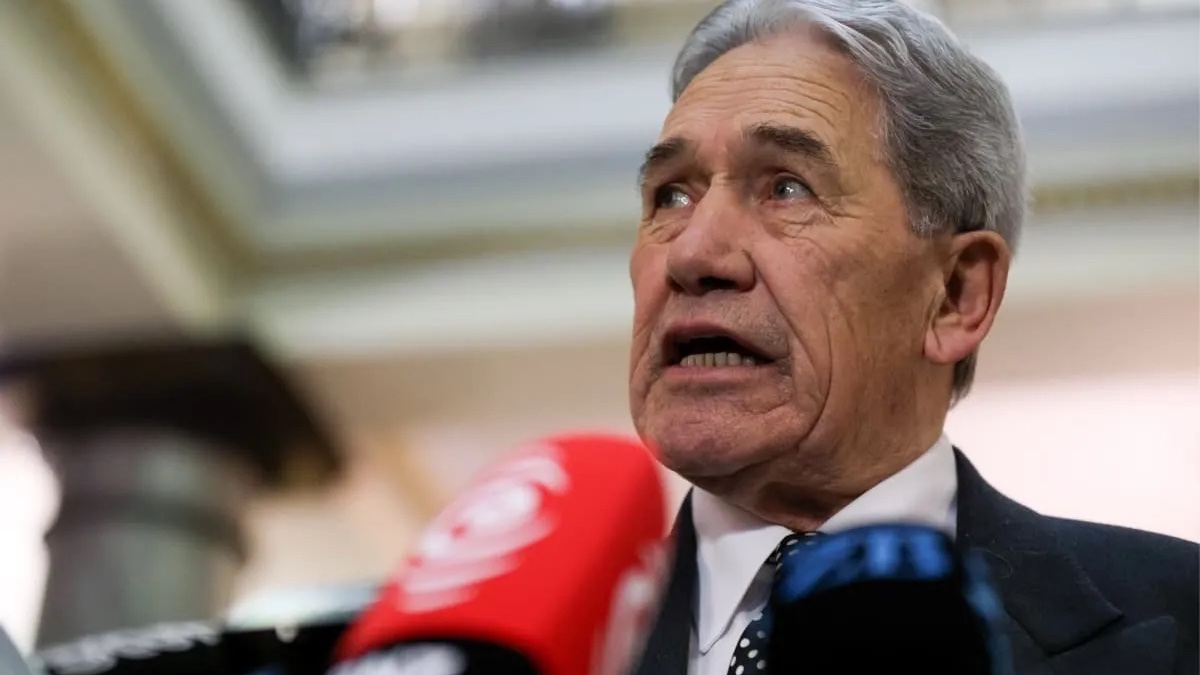
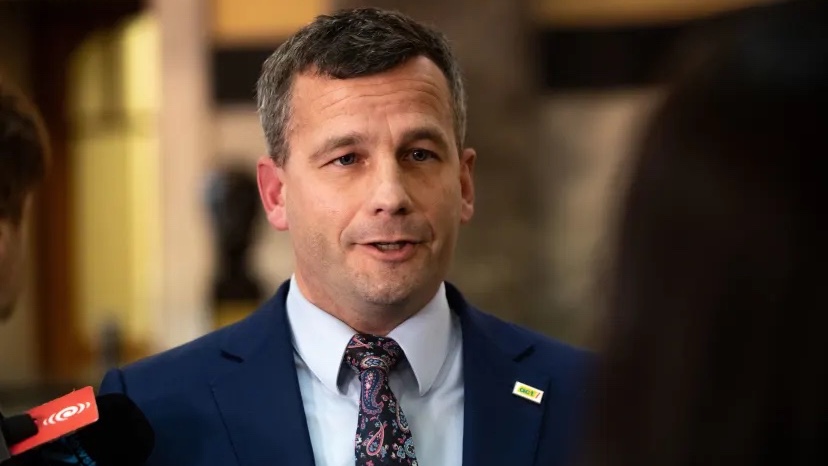
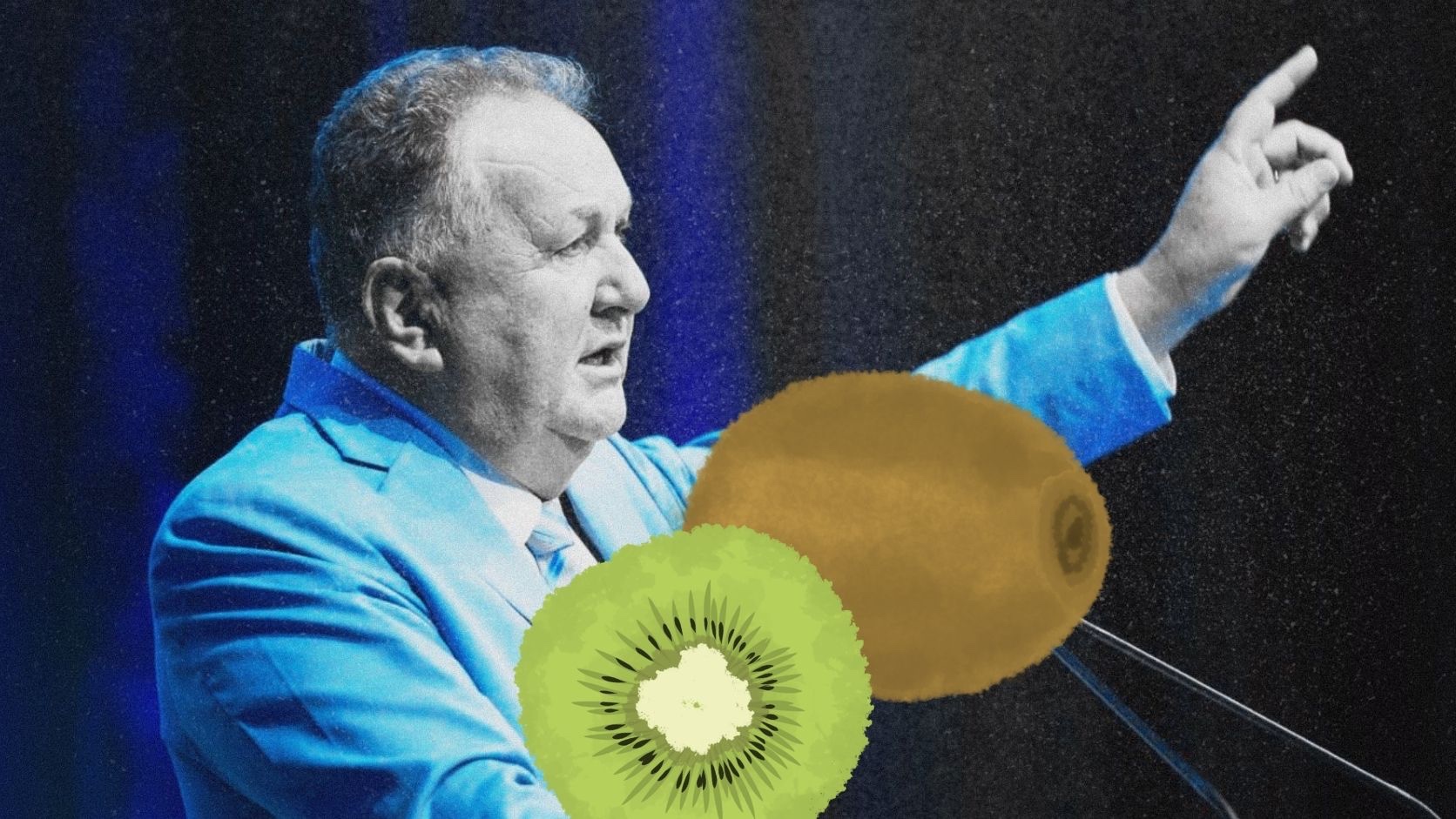
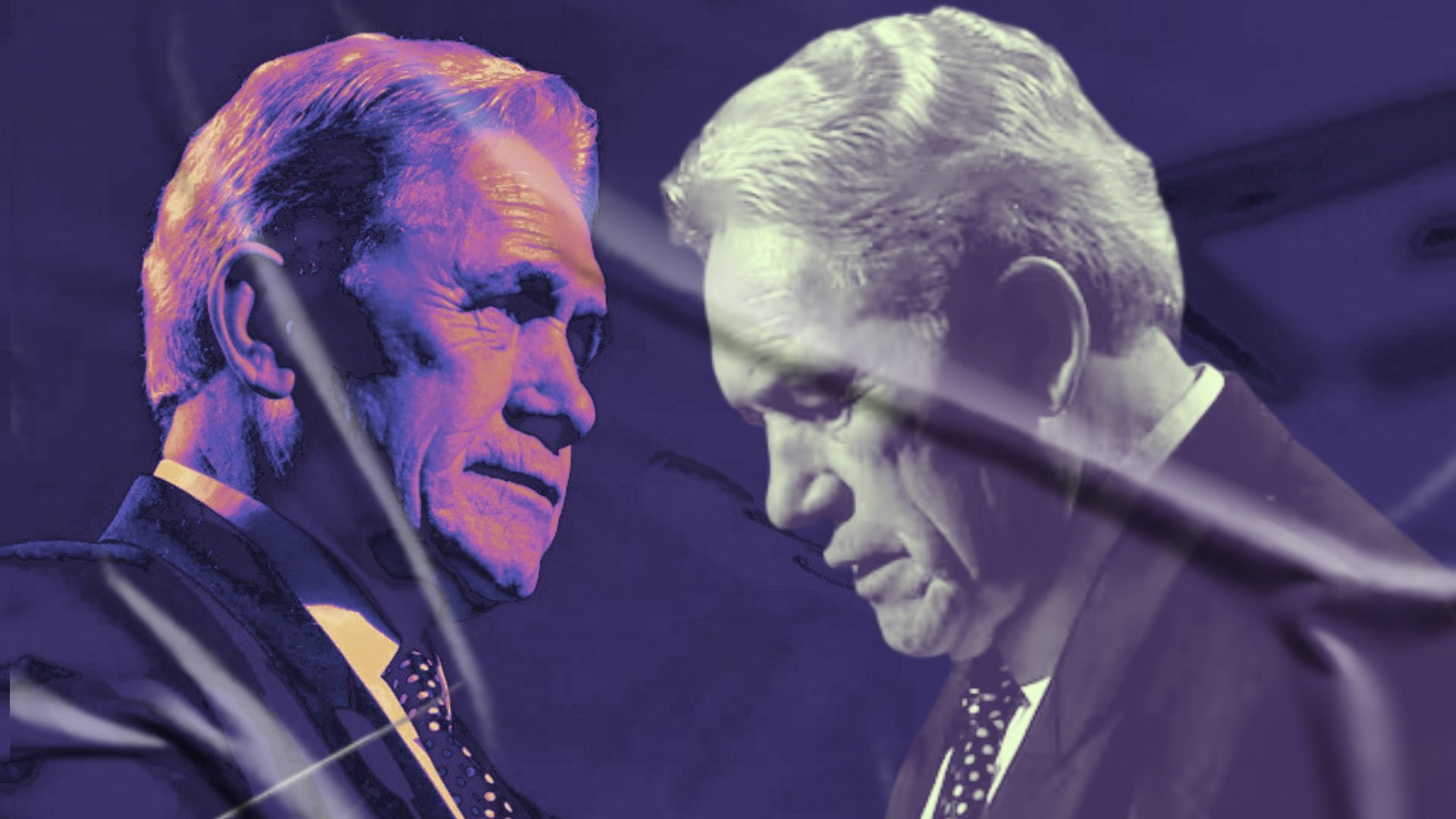
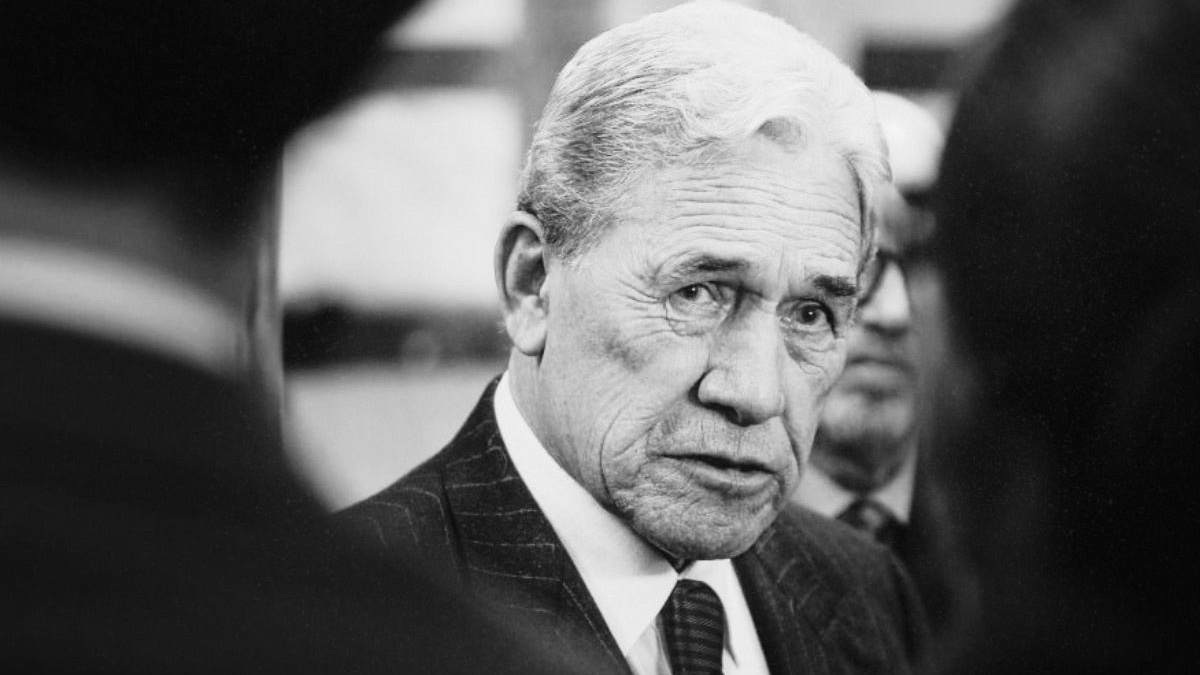
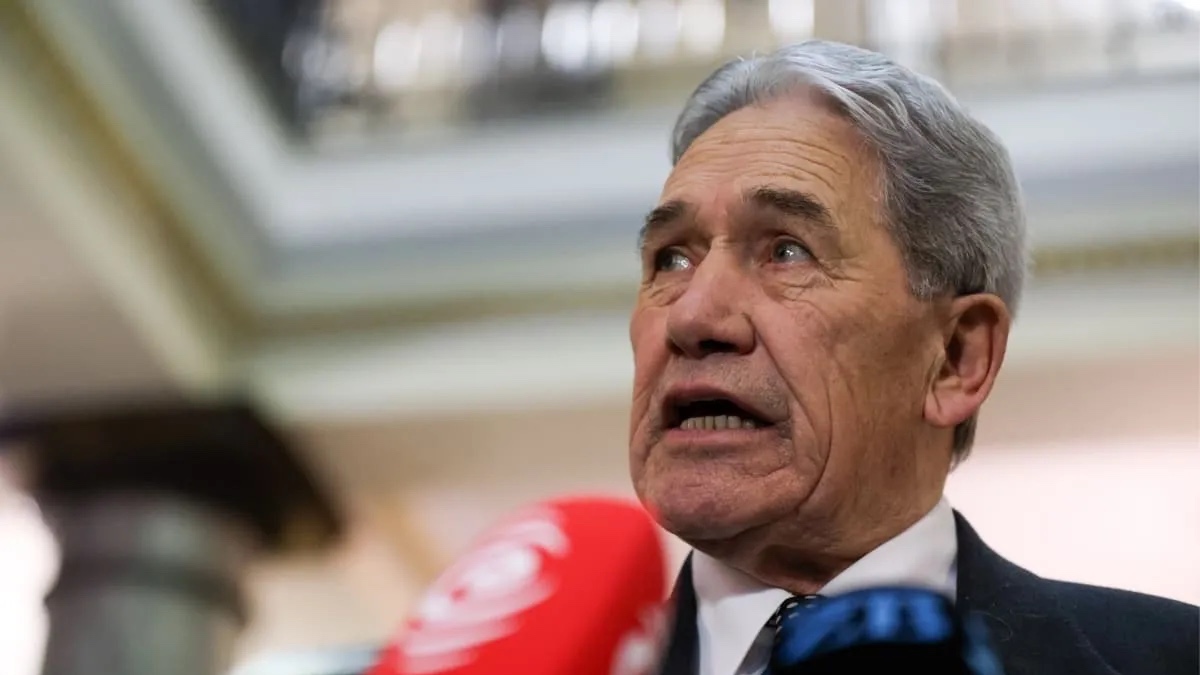
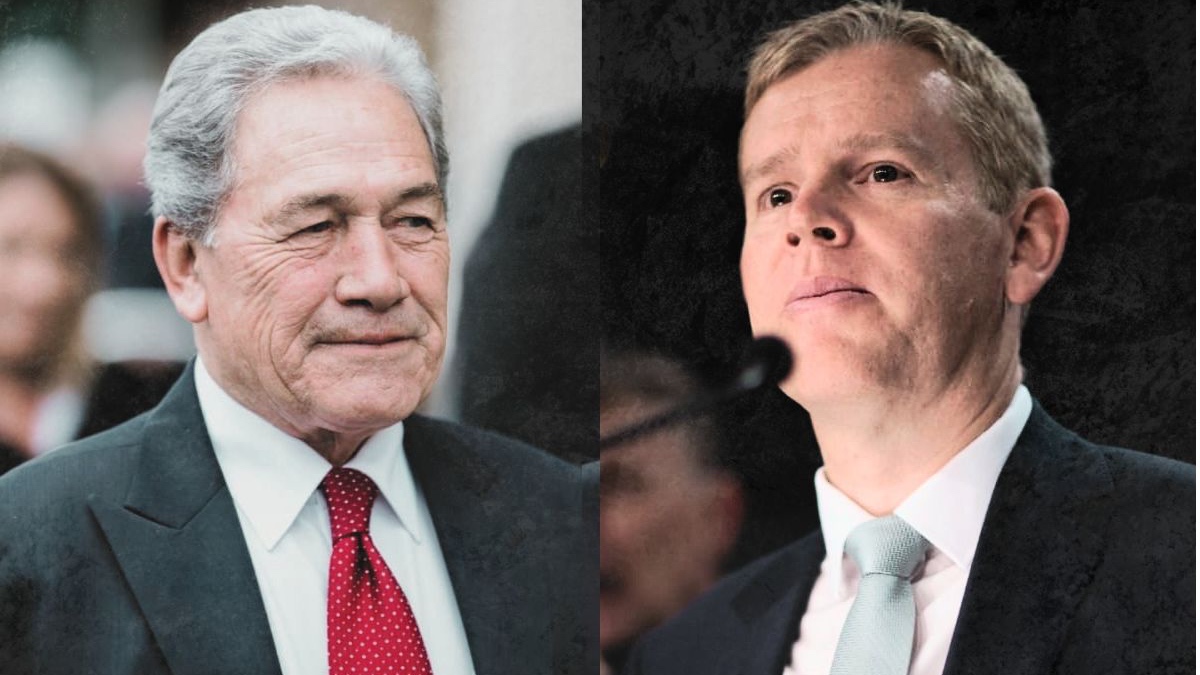
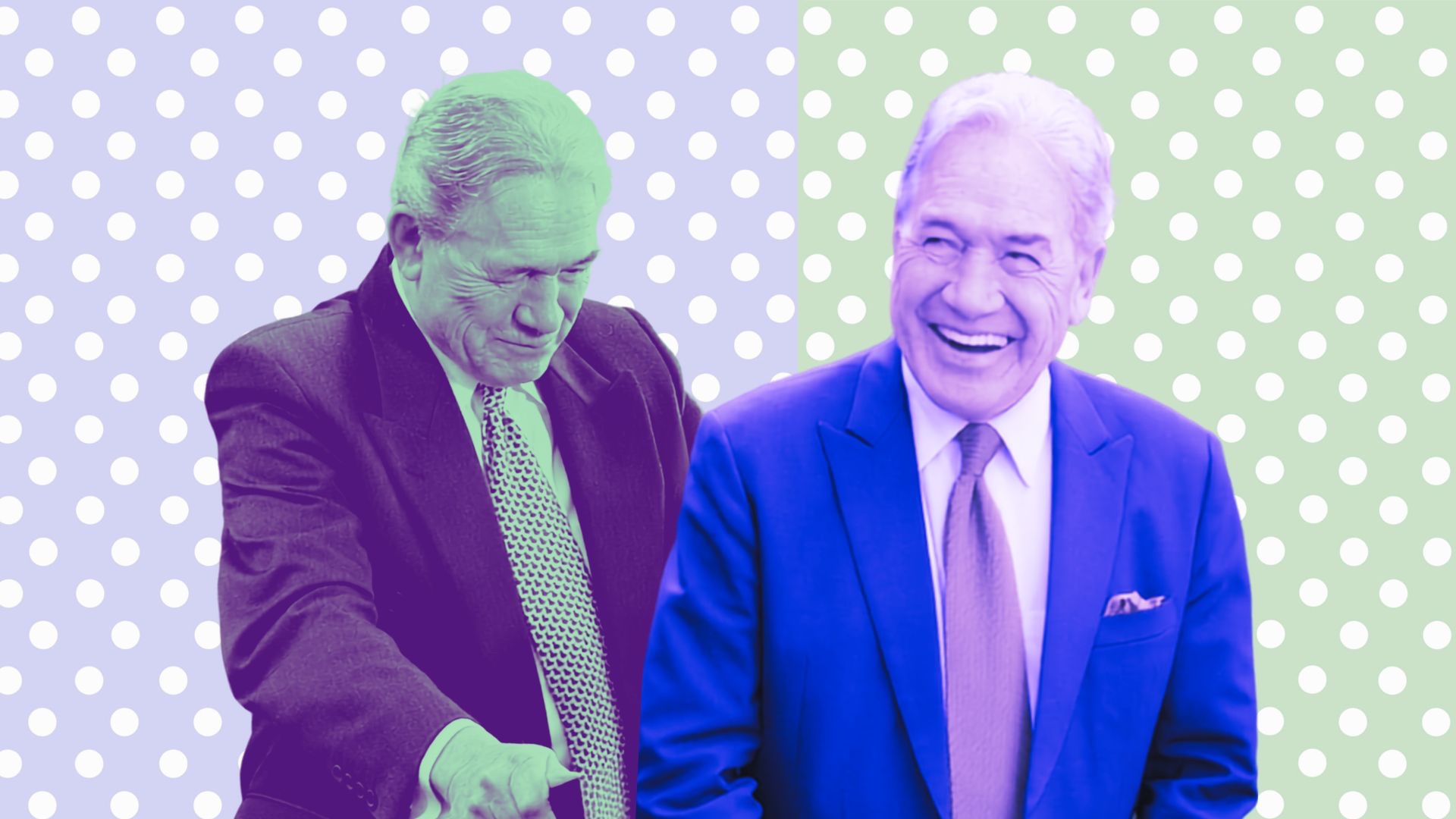
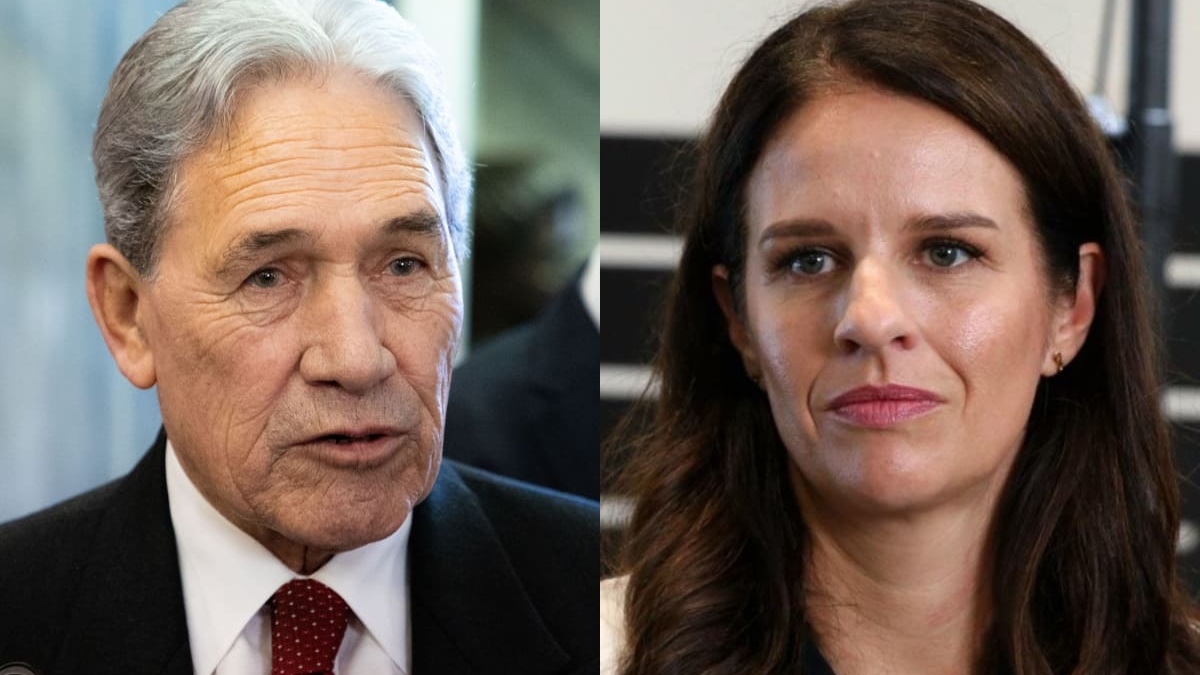
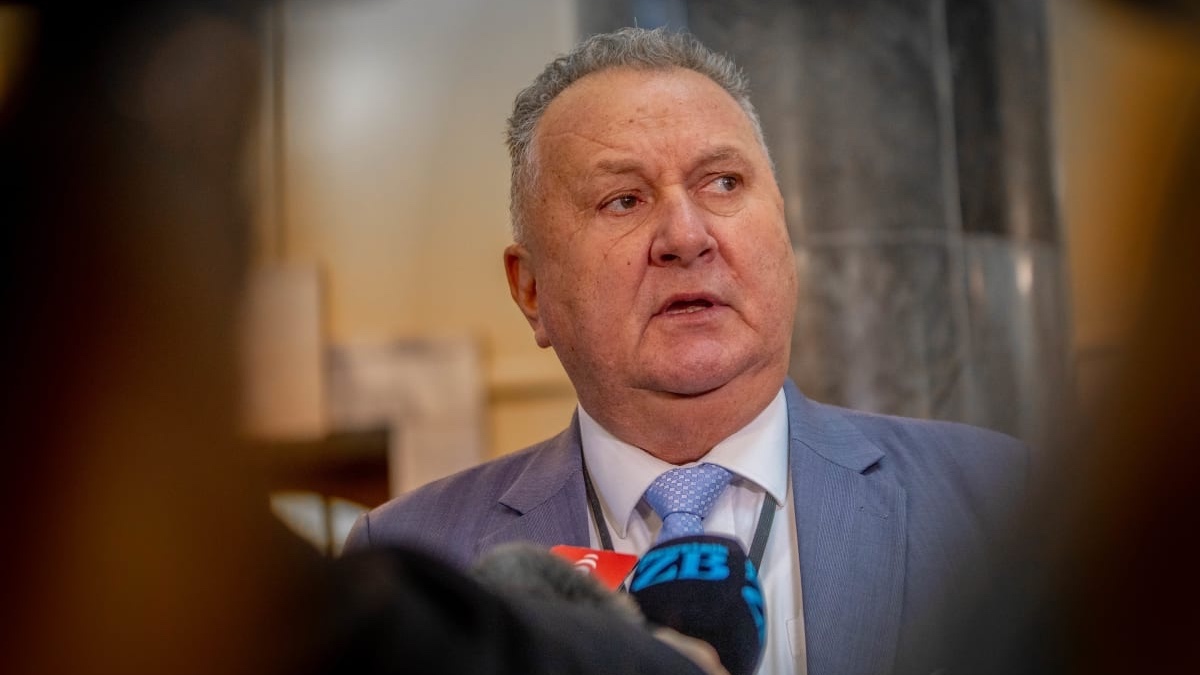
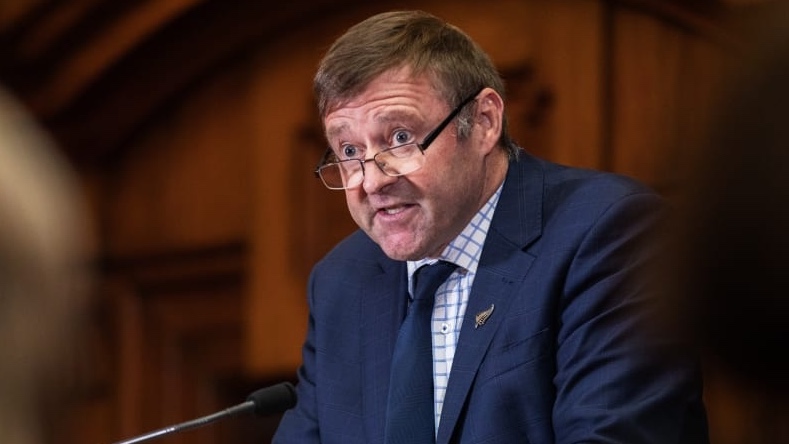
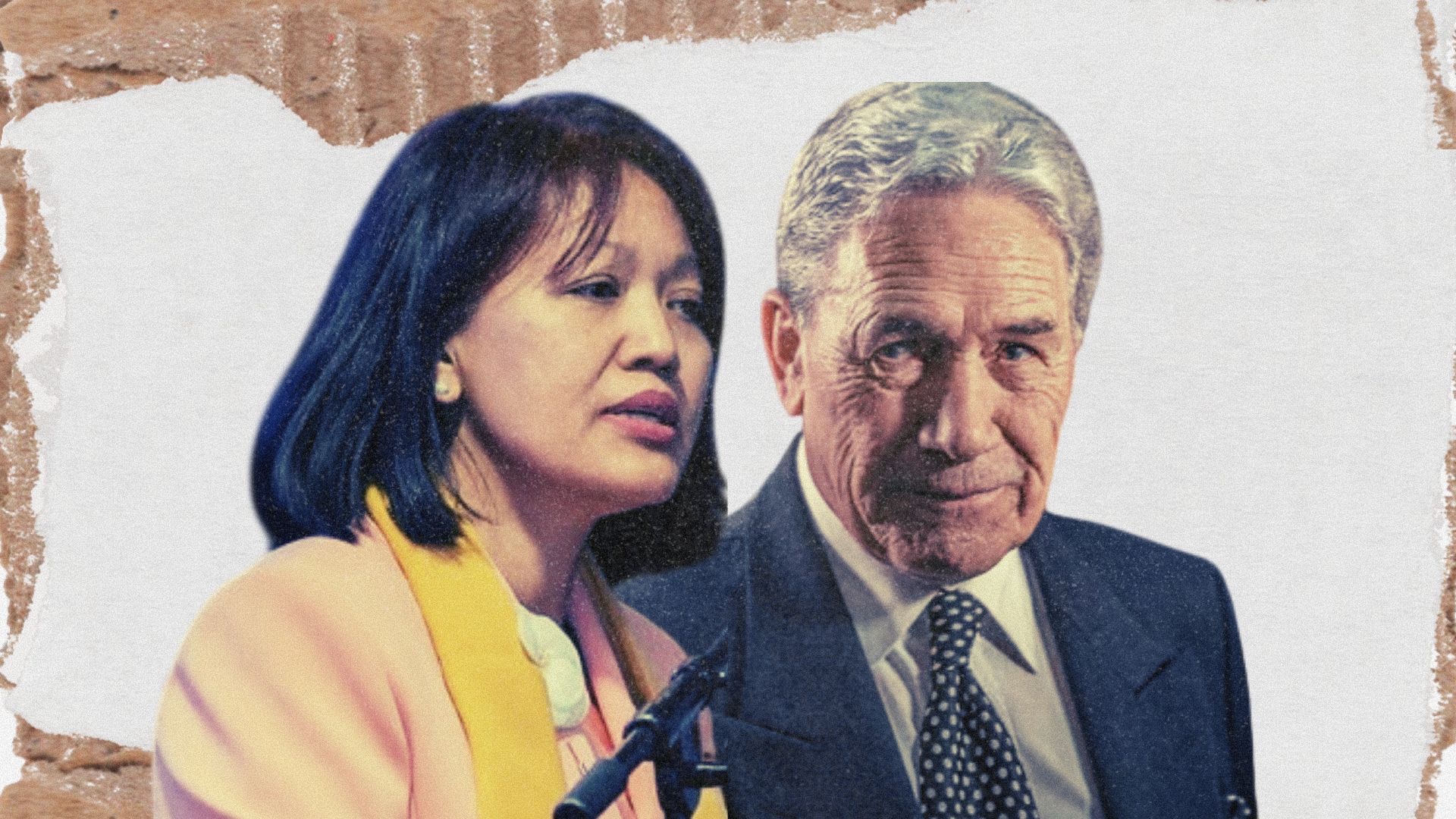
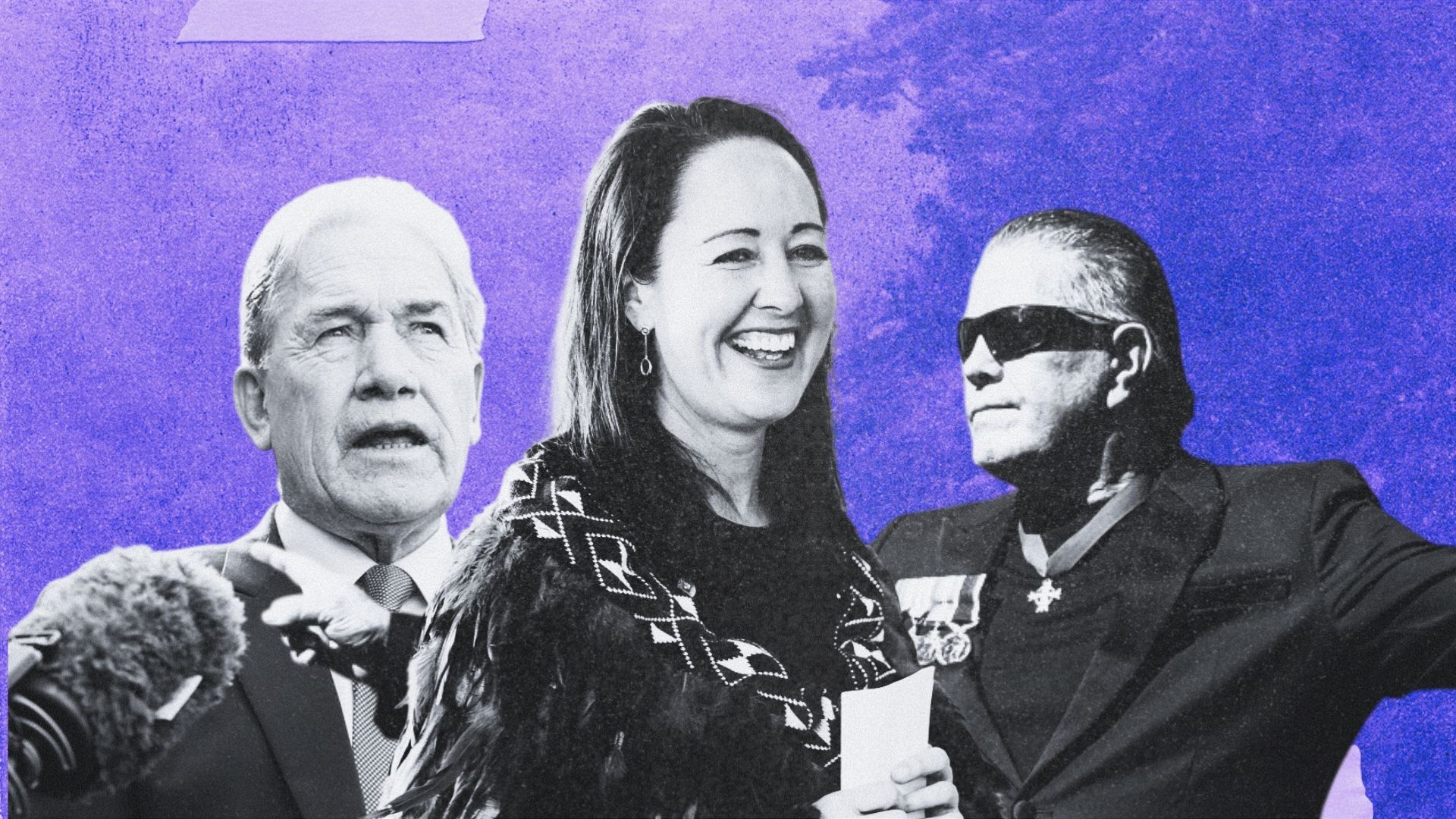
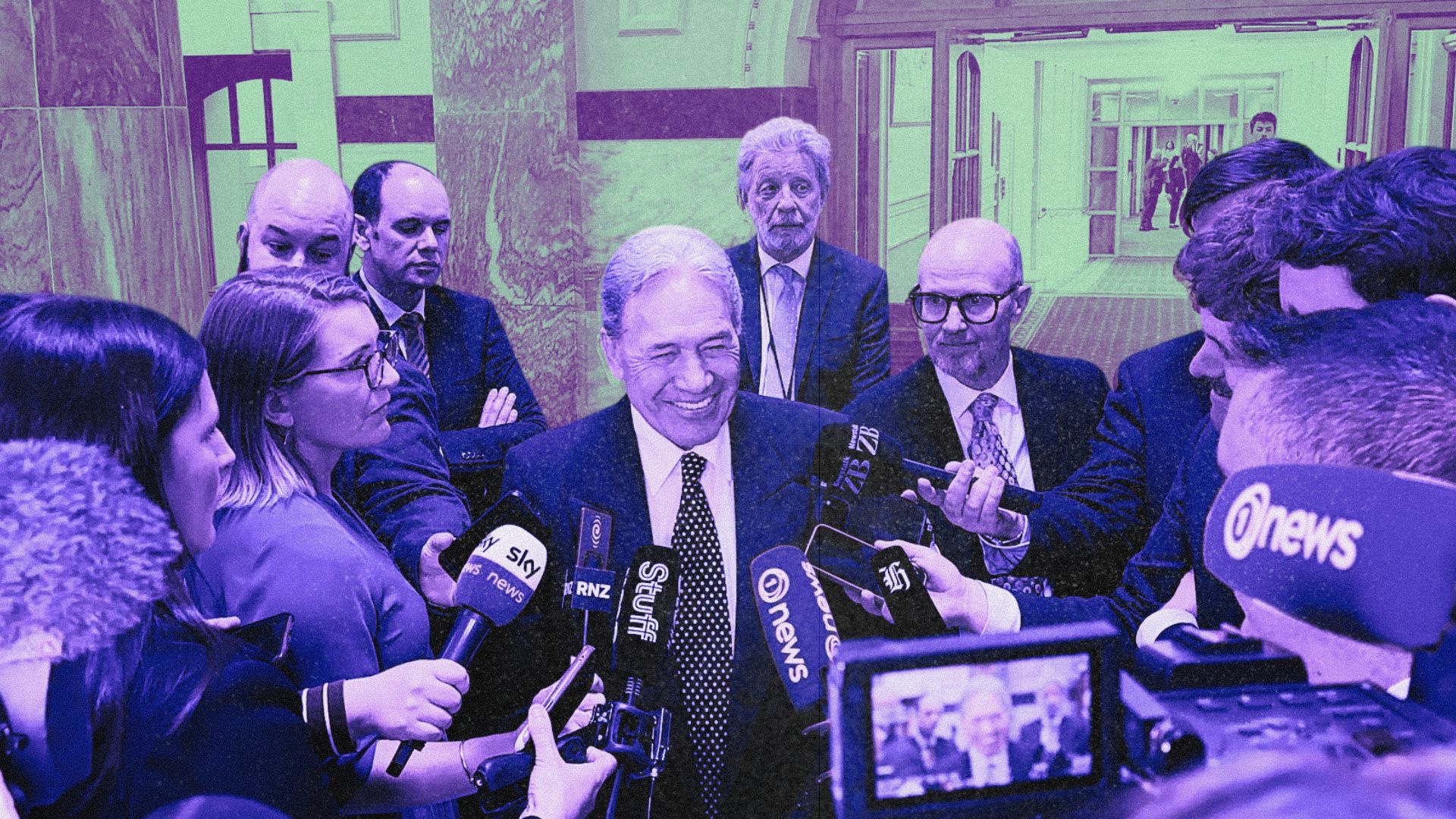
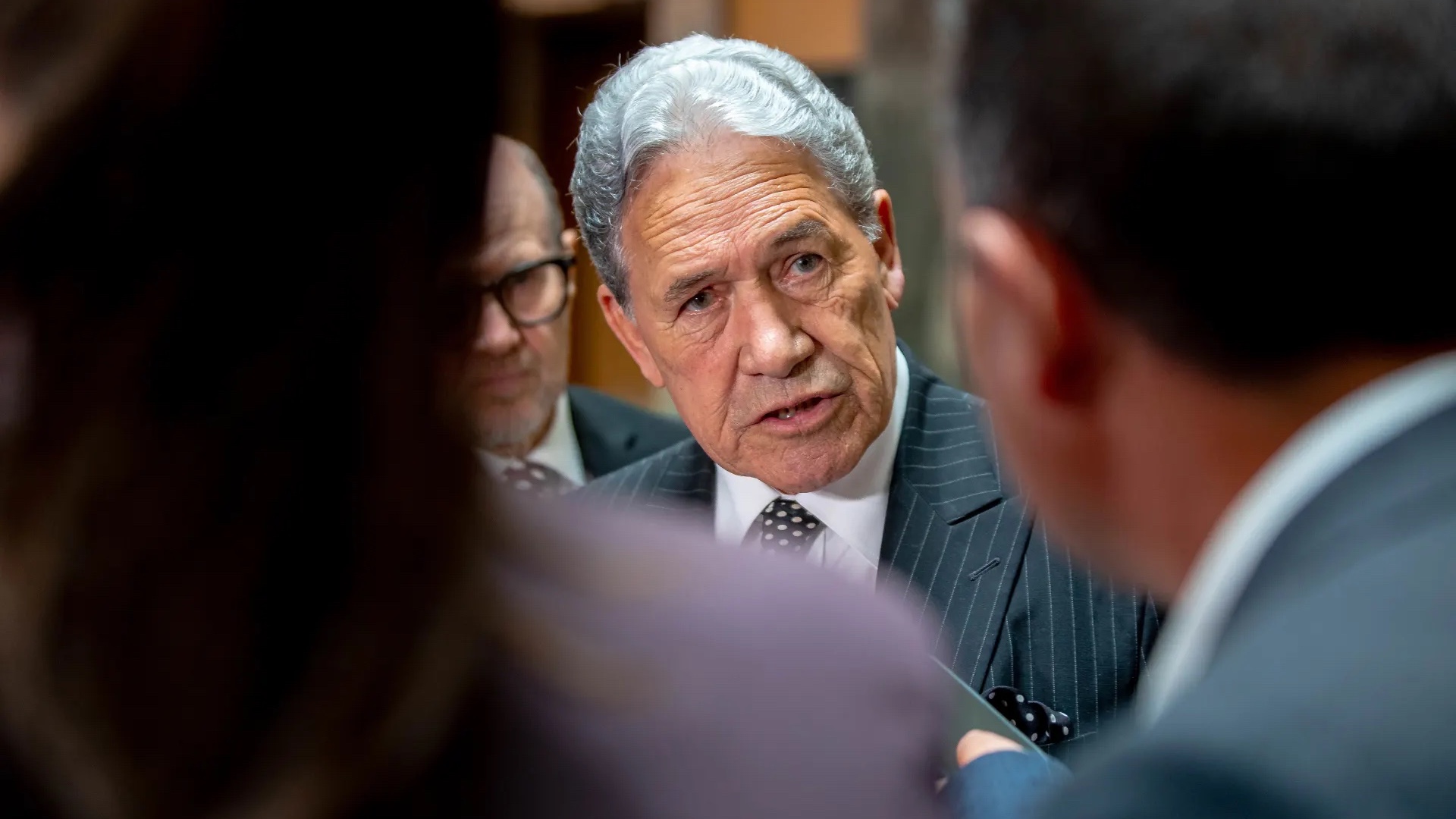
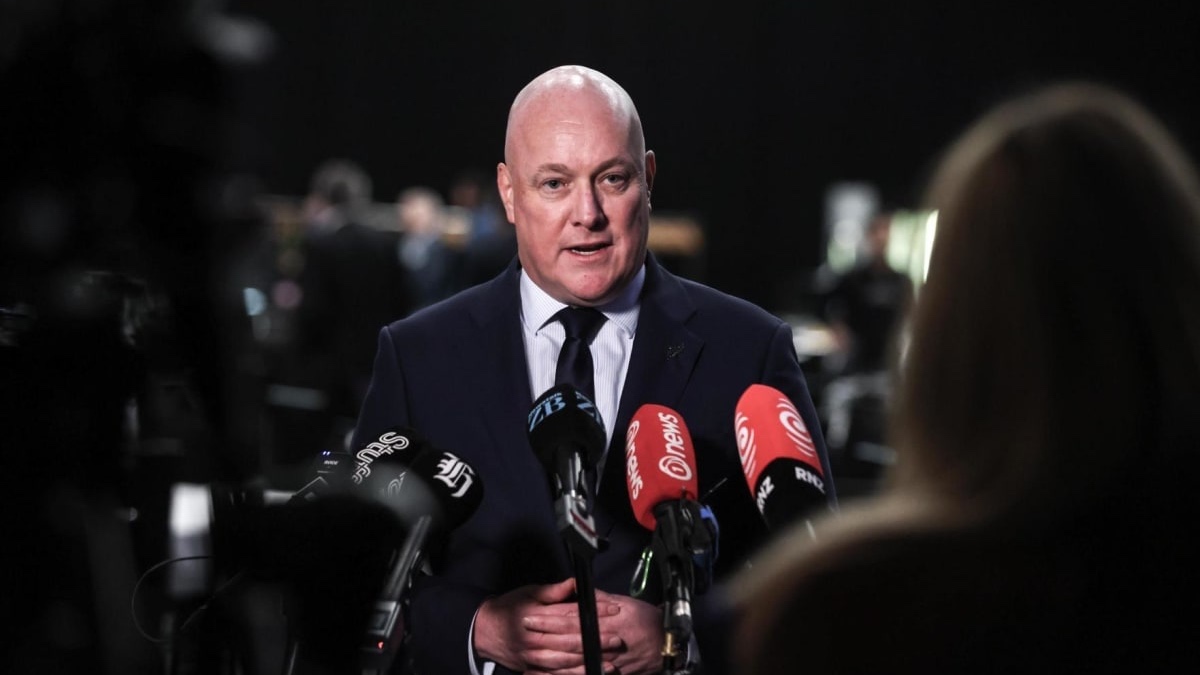
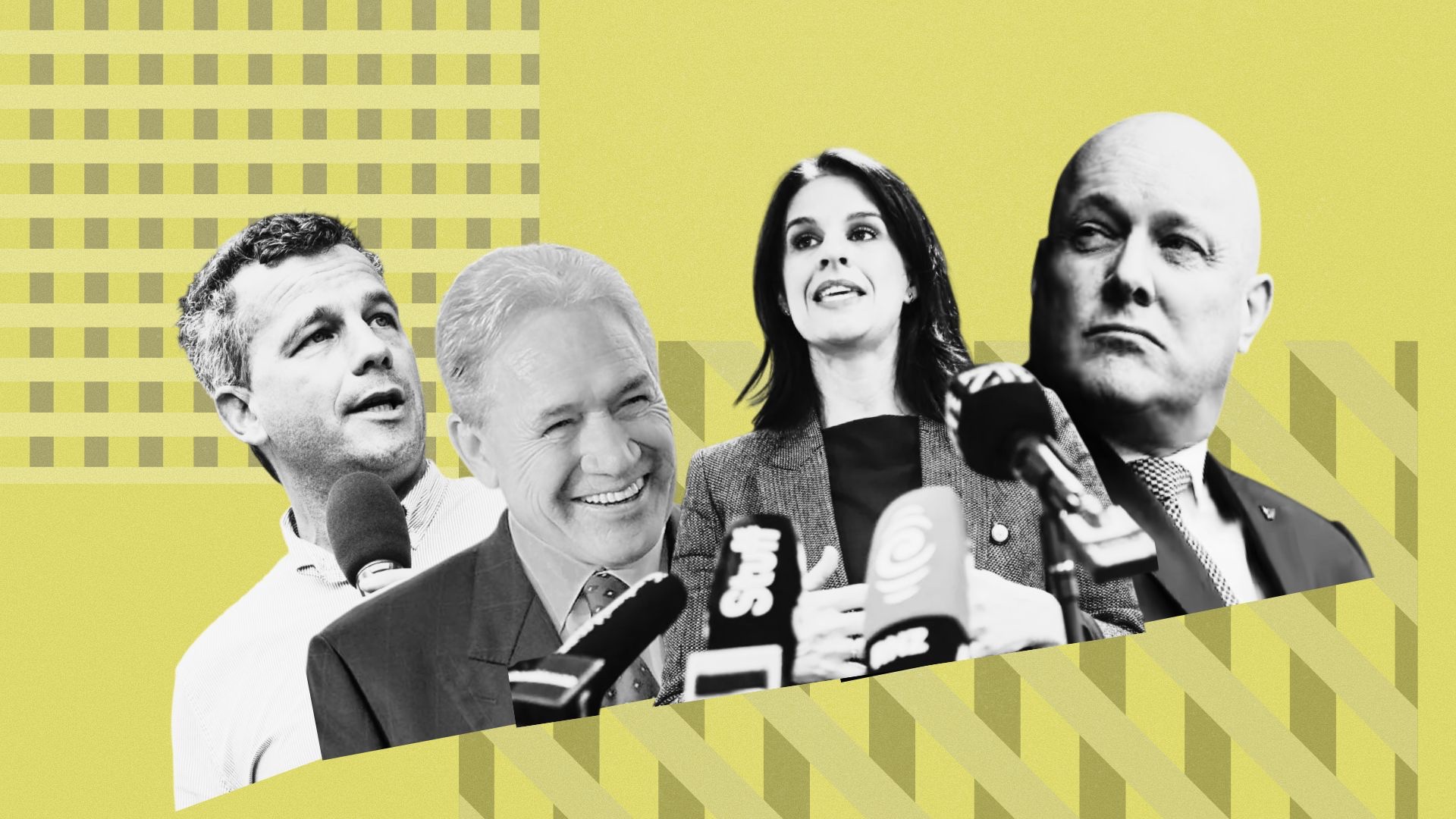
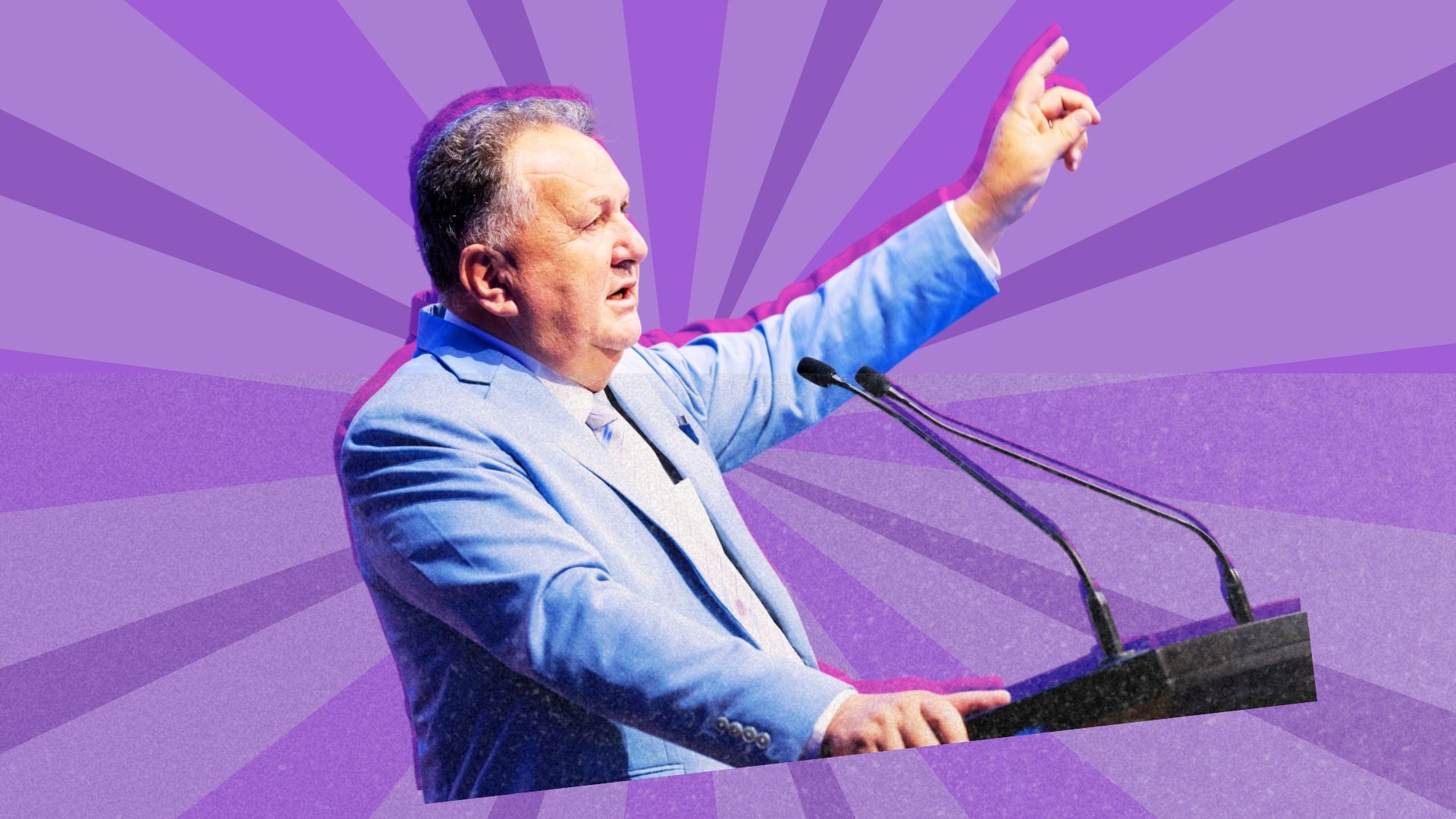
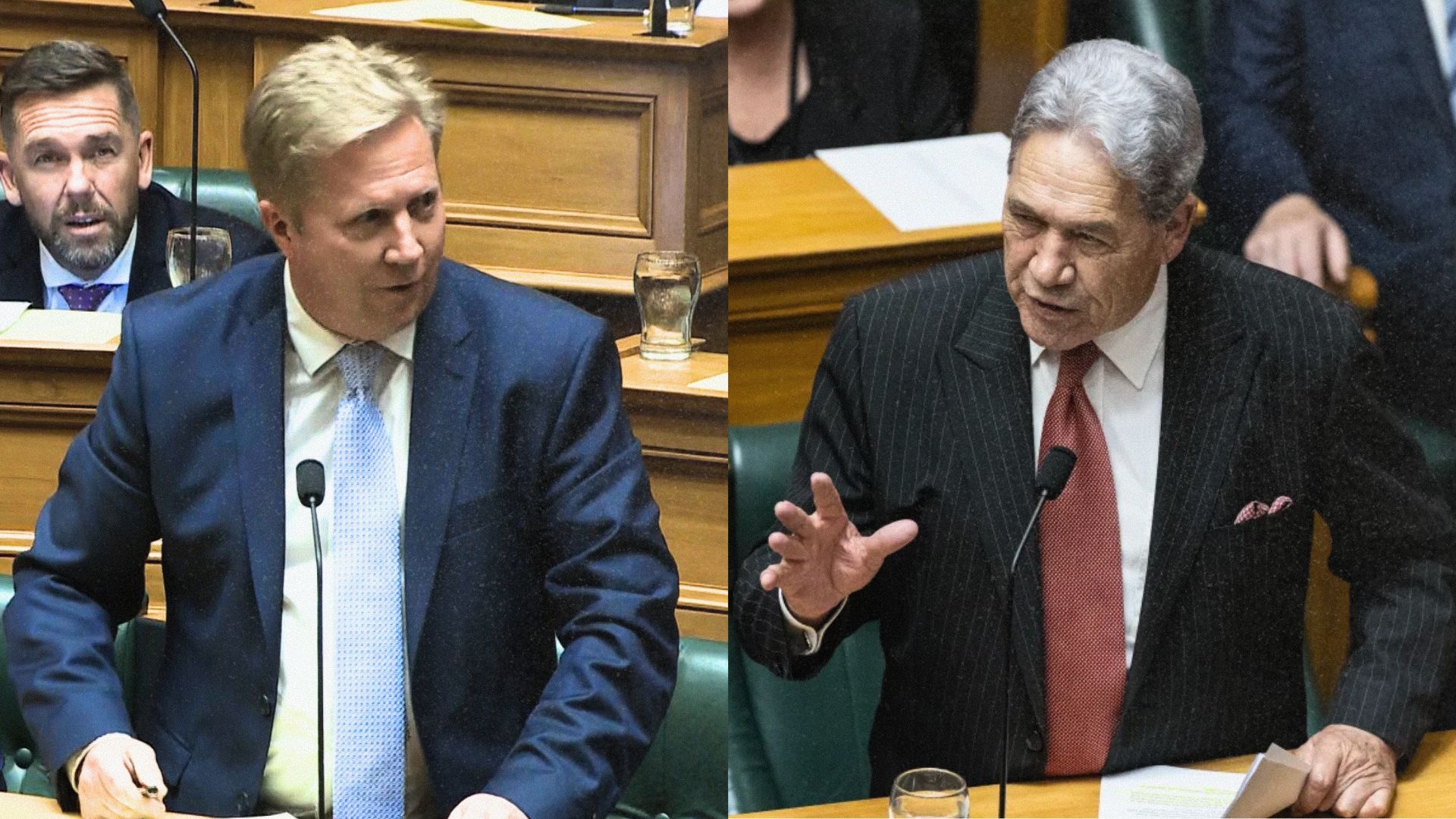
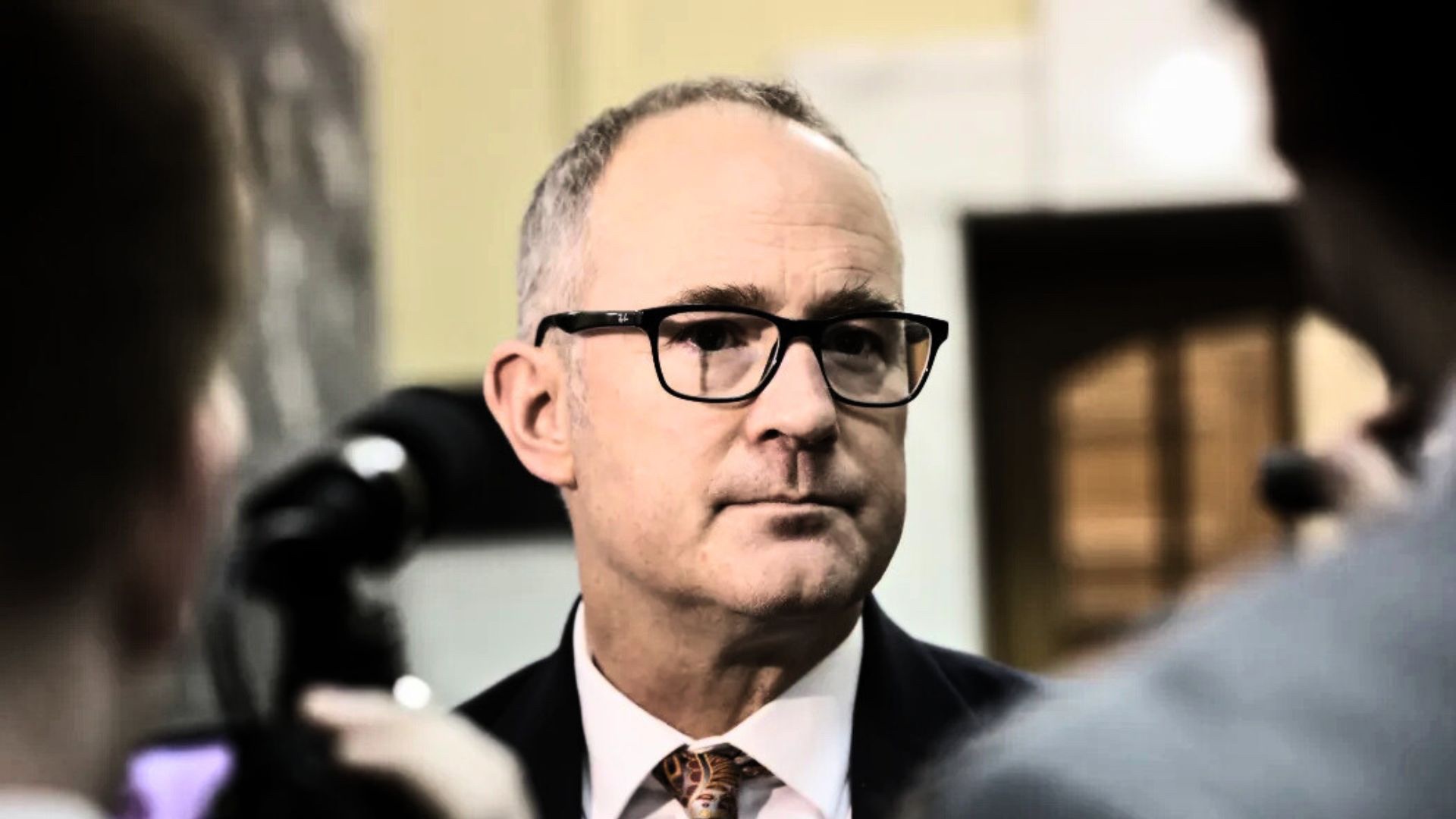
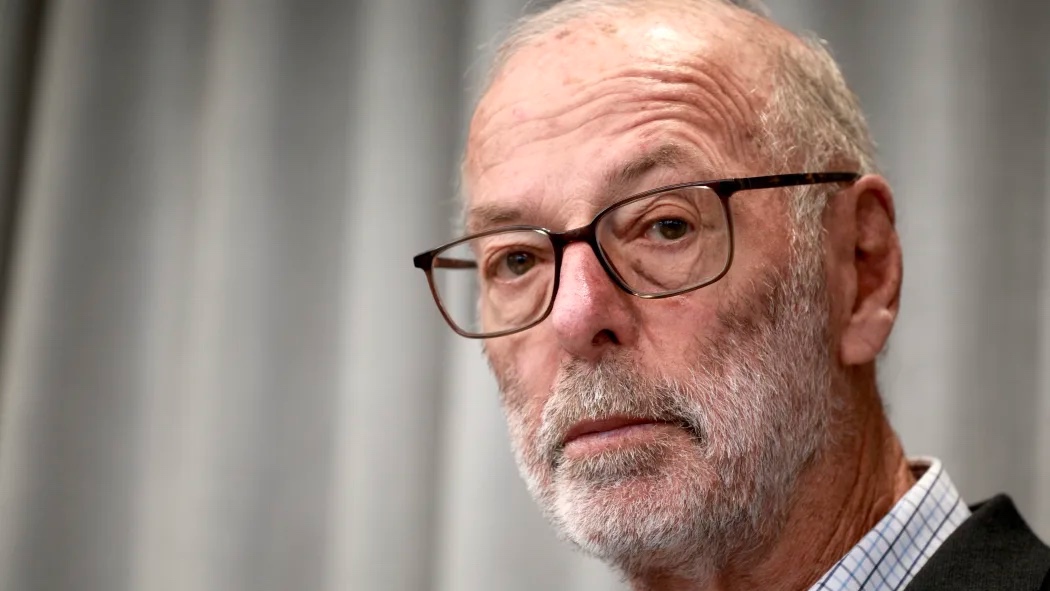
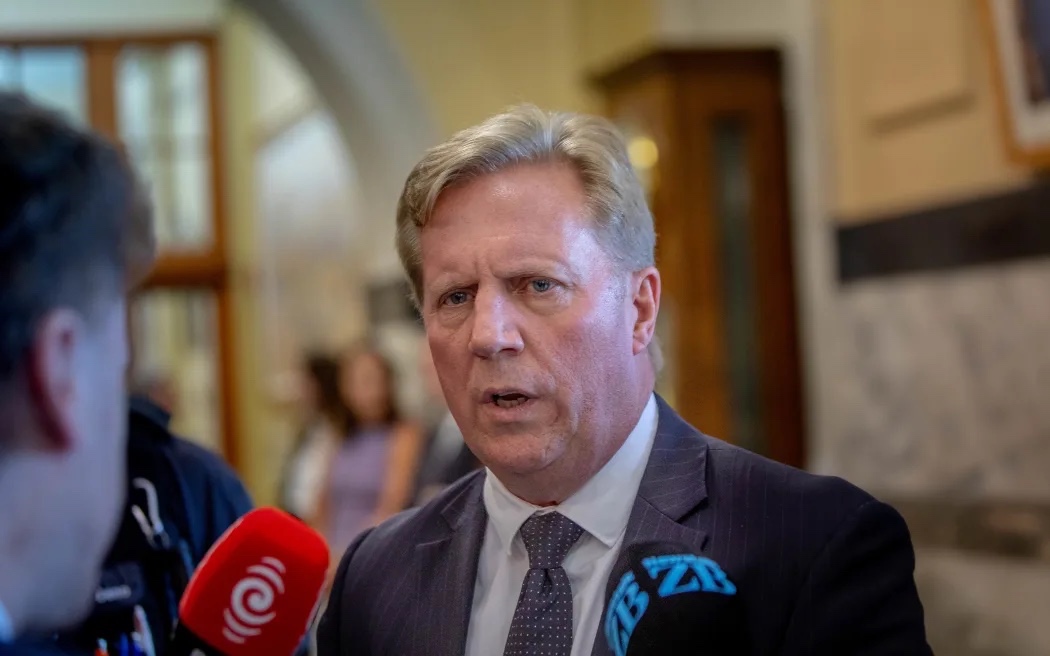
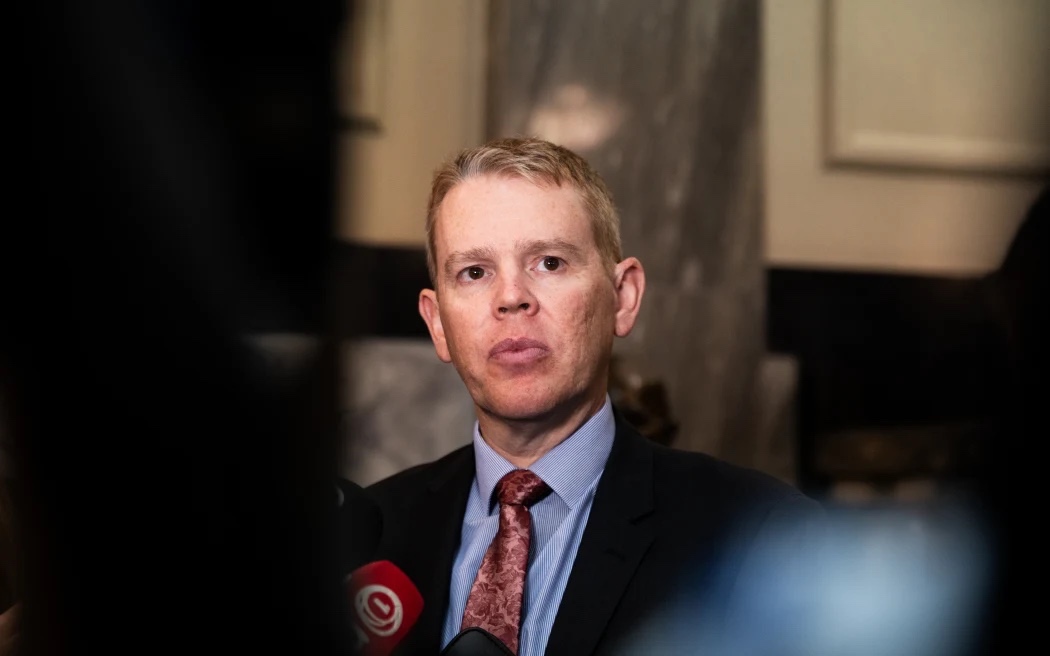
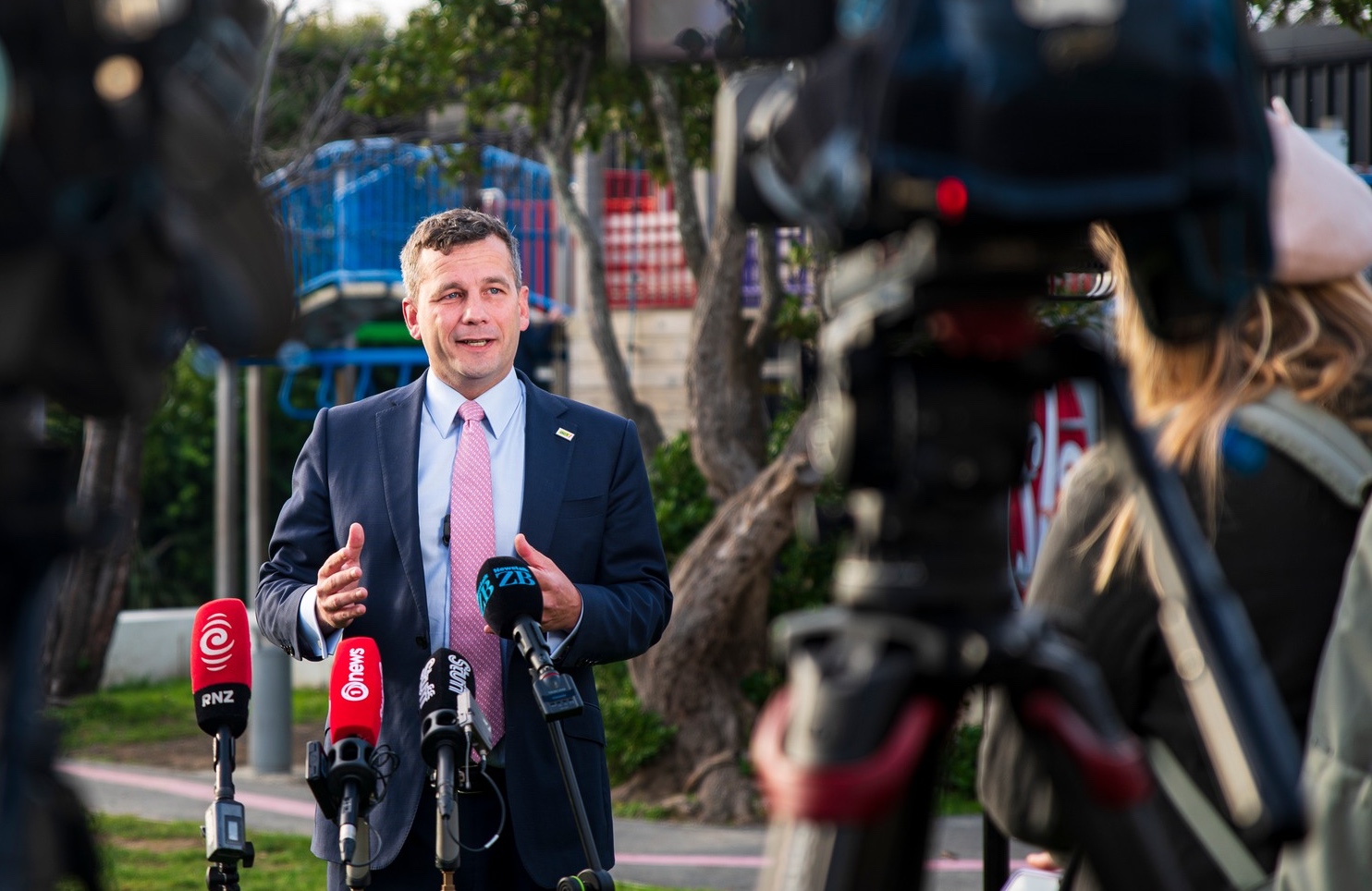
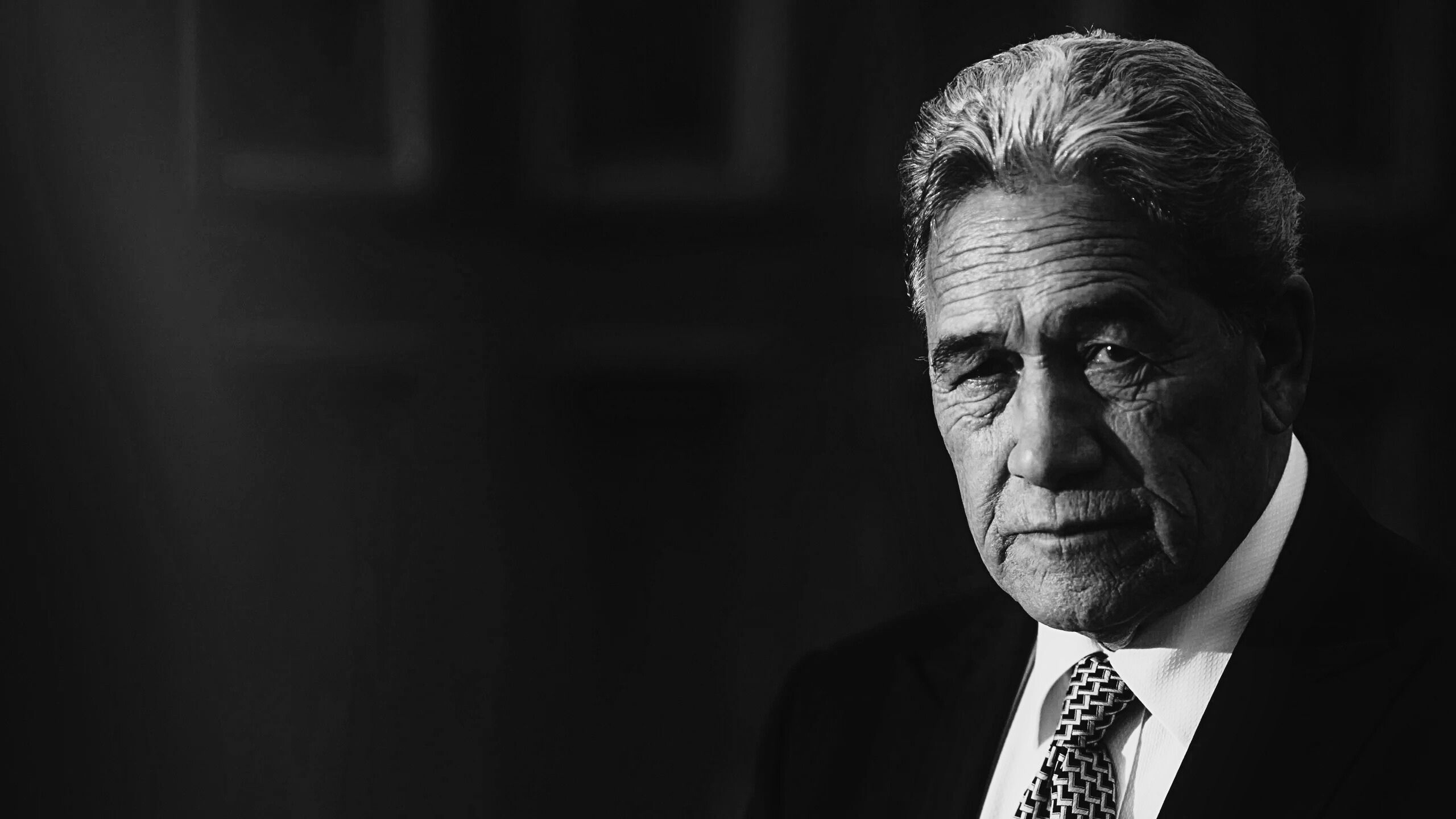
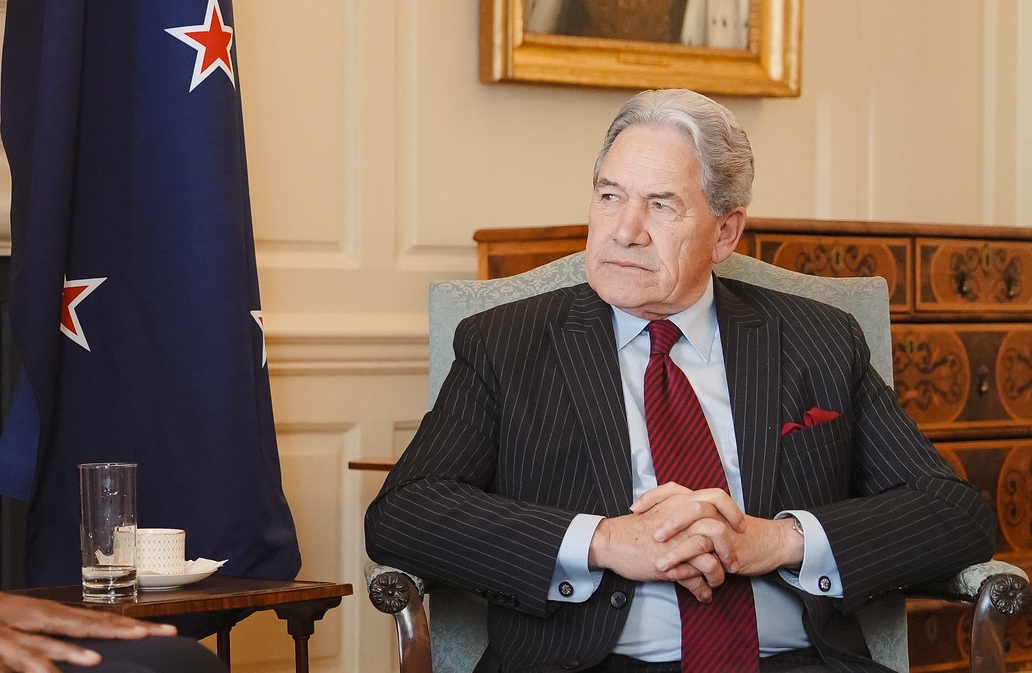
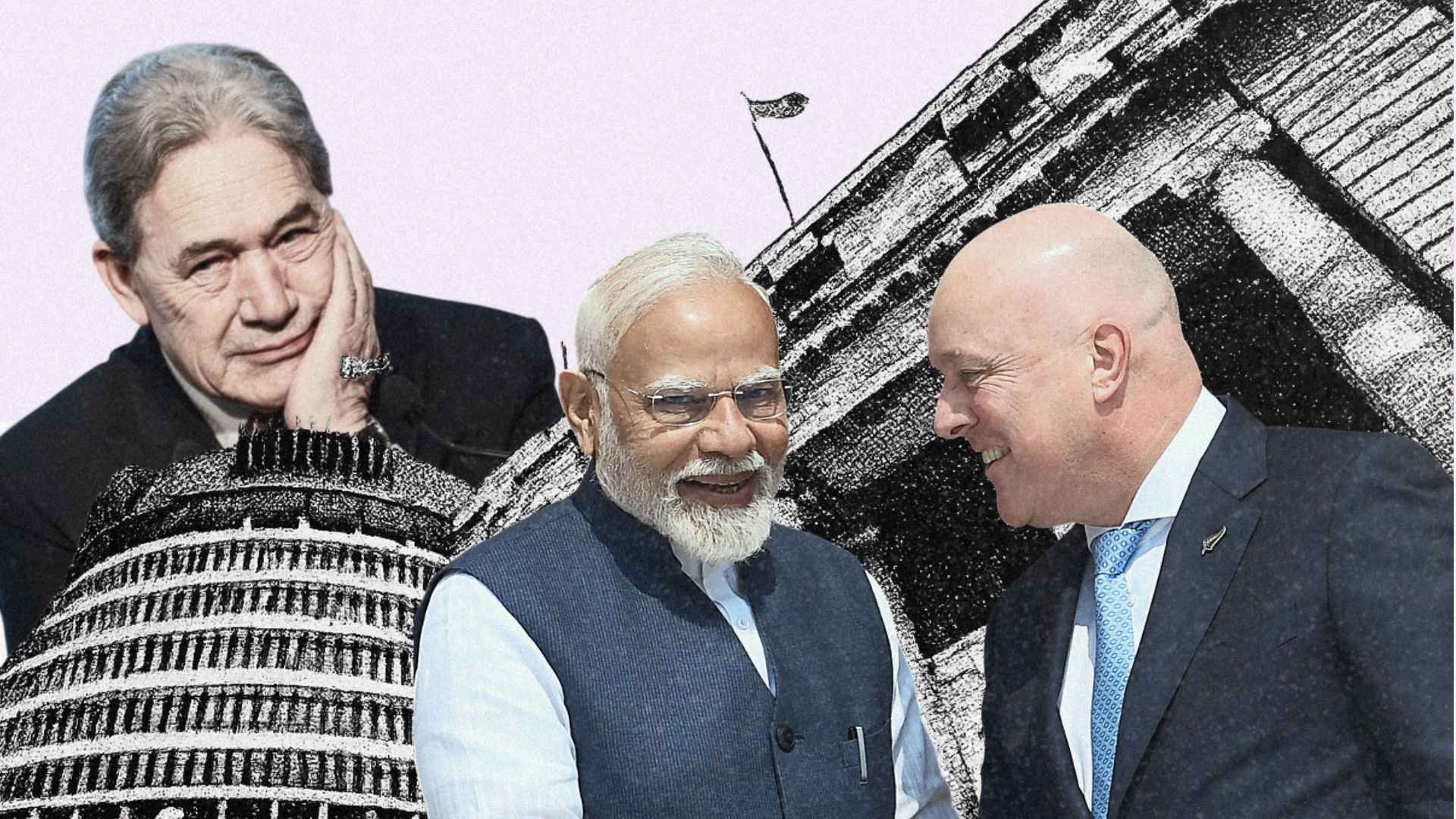
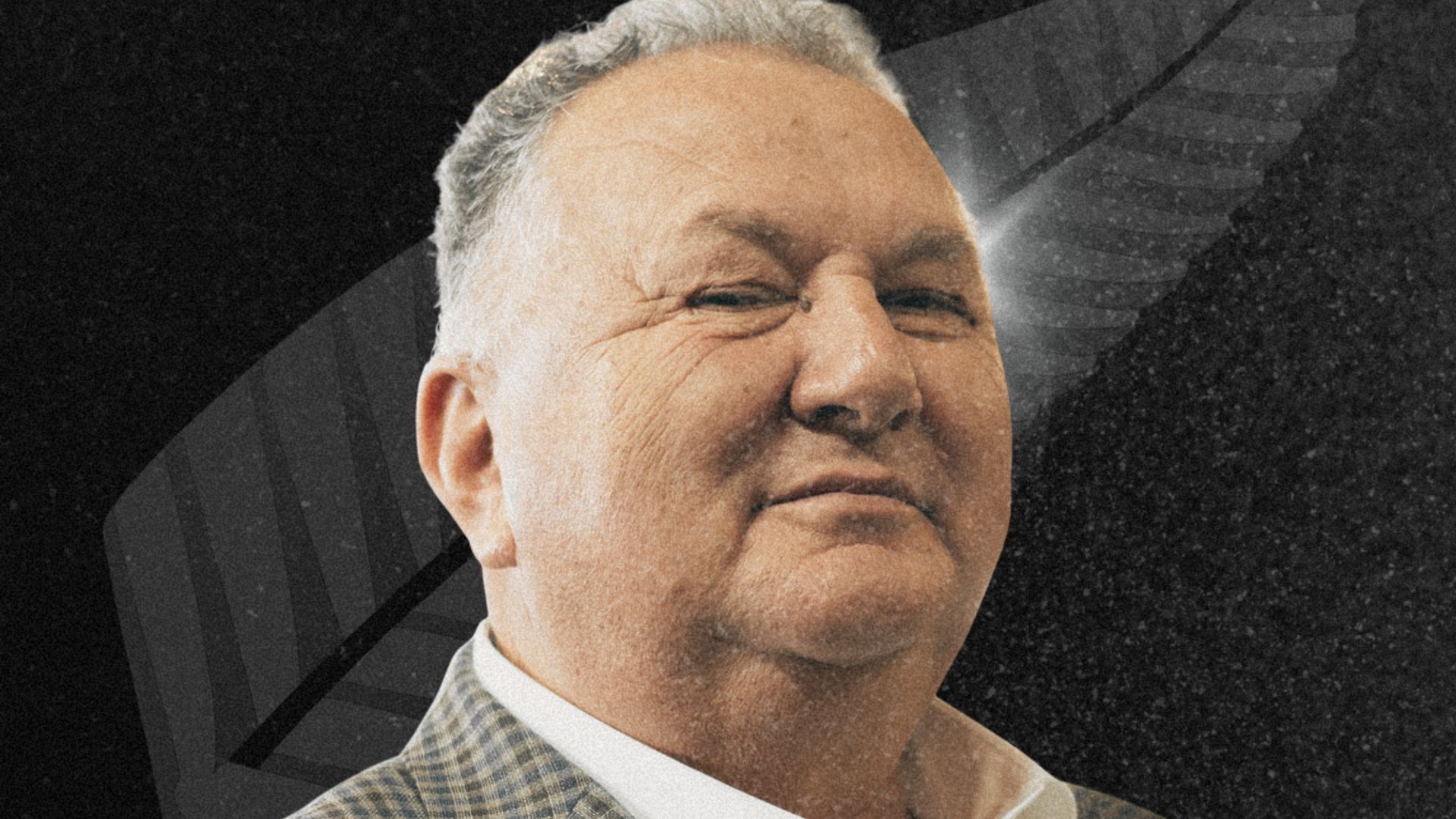
Foreign minister Winston Peters.
“This is about a trade deal and inter-country relations. That’s my responsibility,” he said.
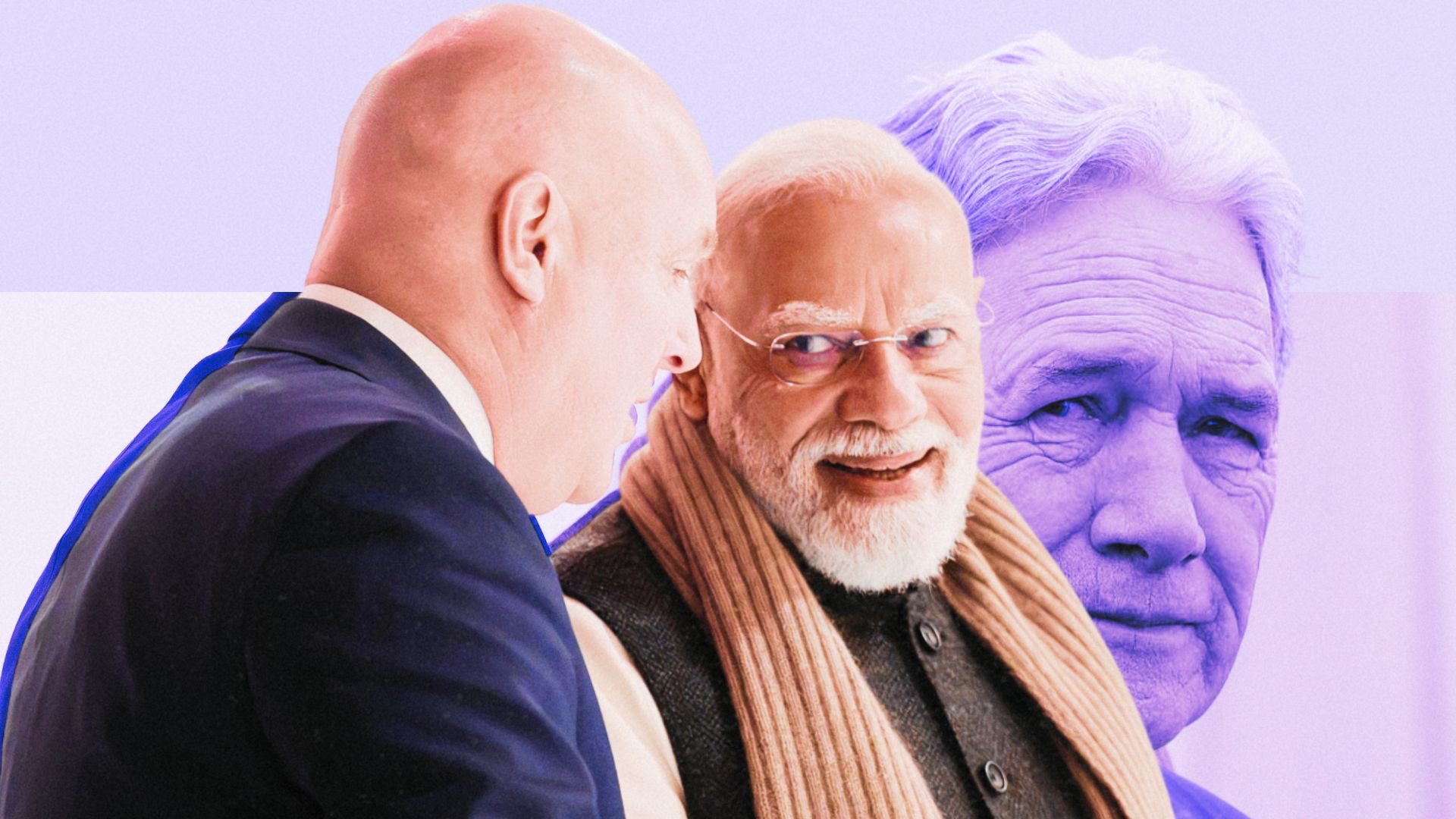
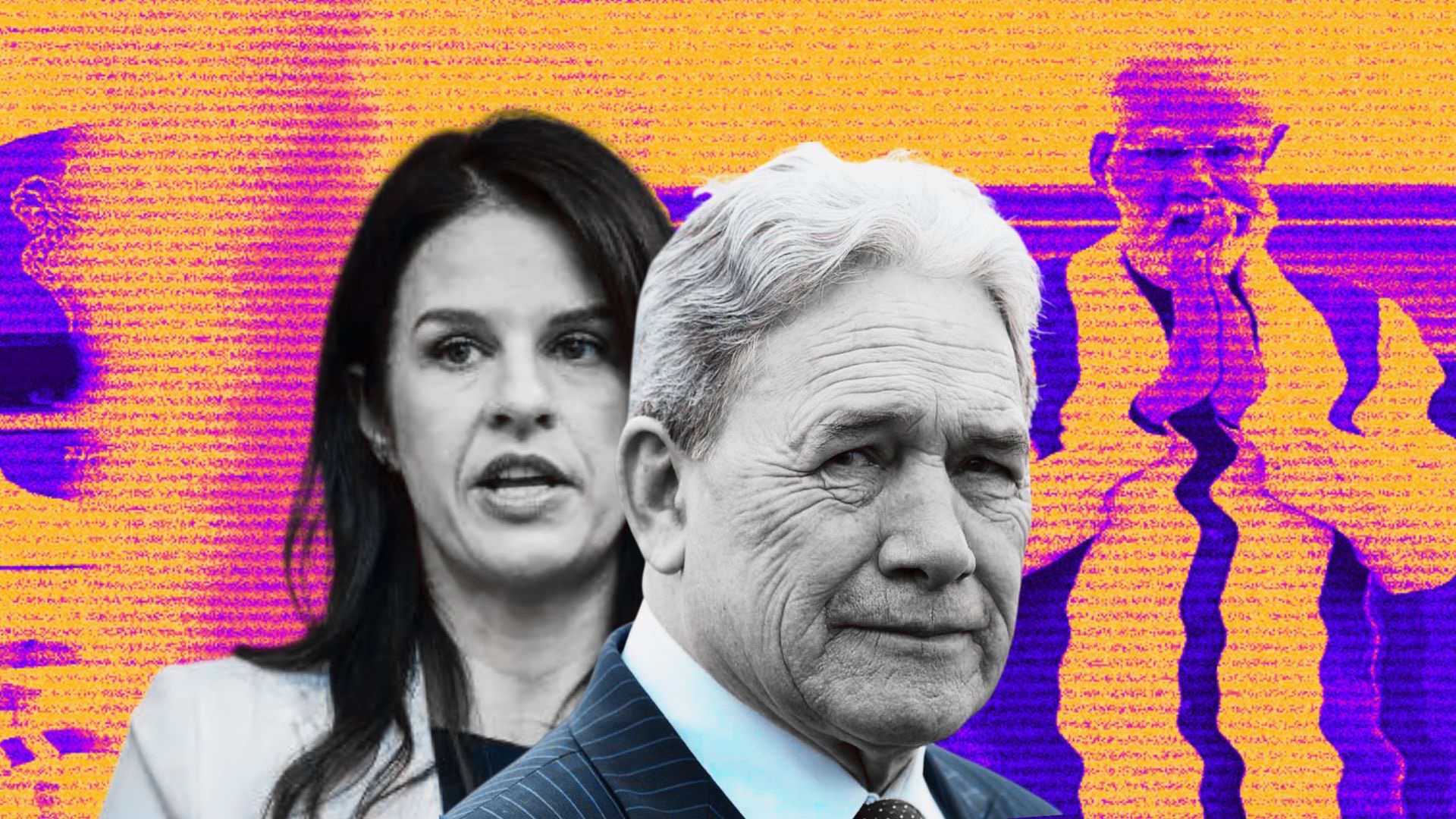
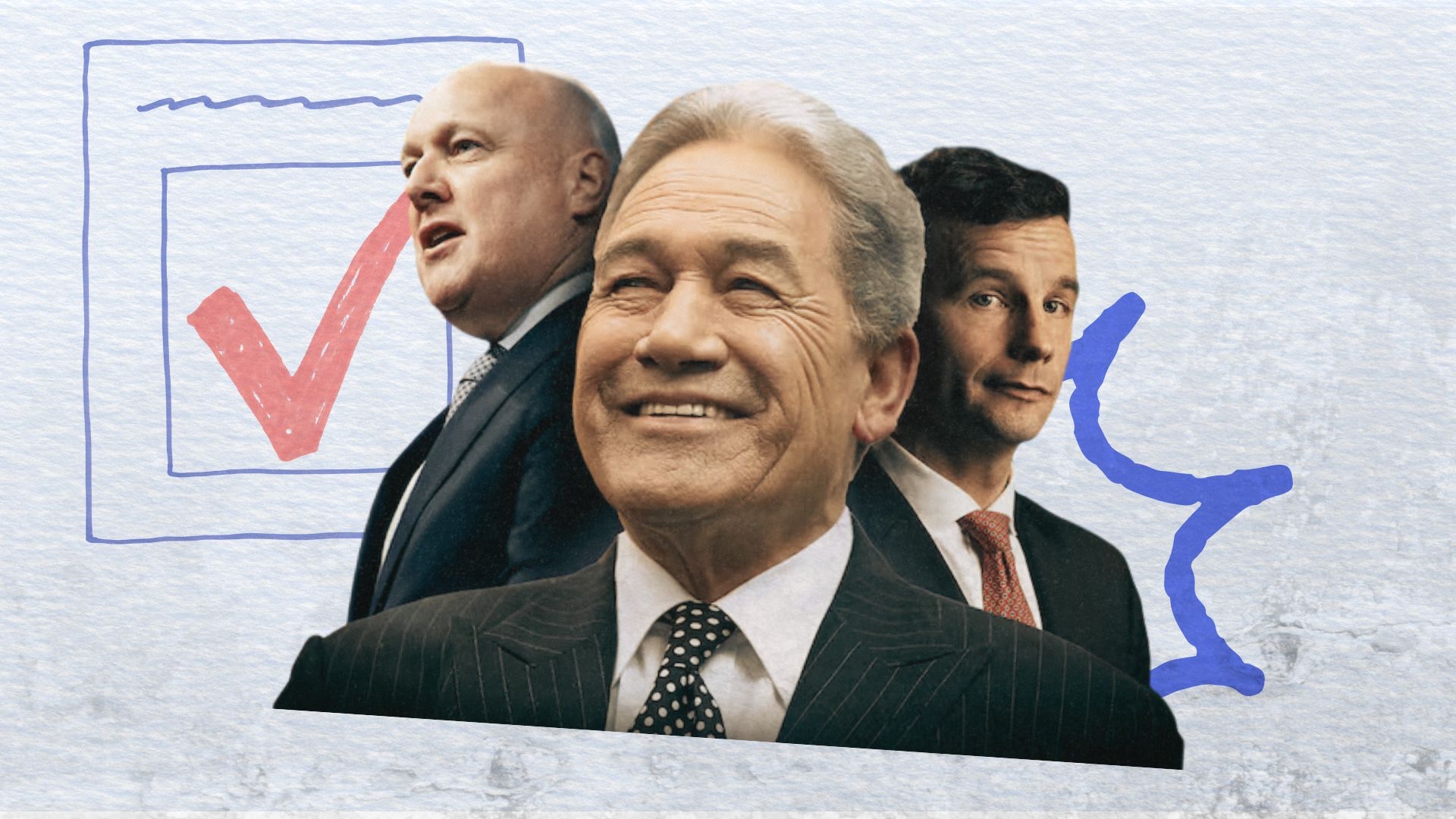
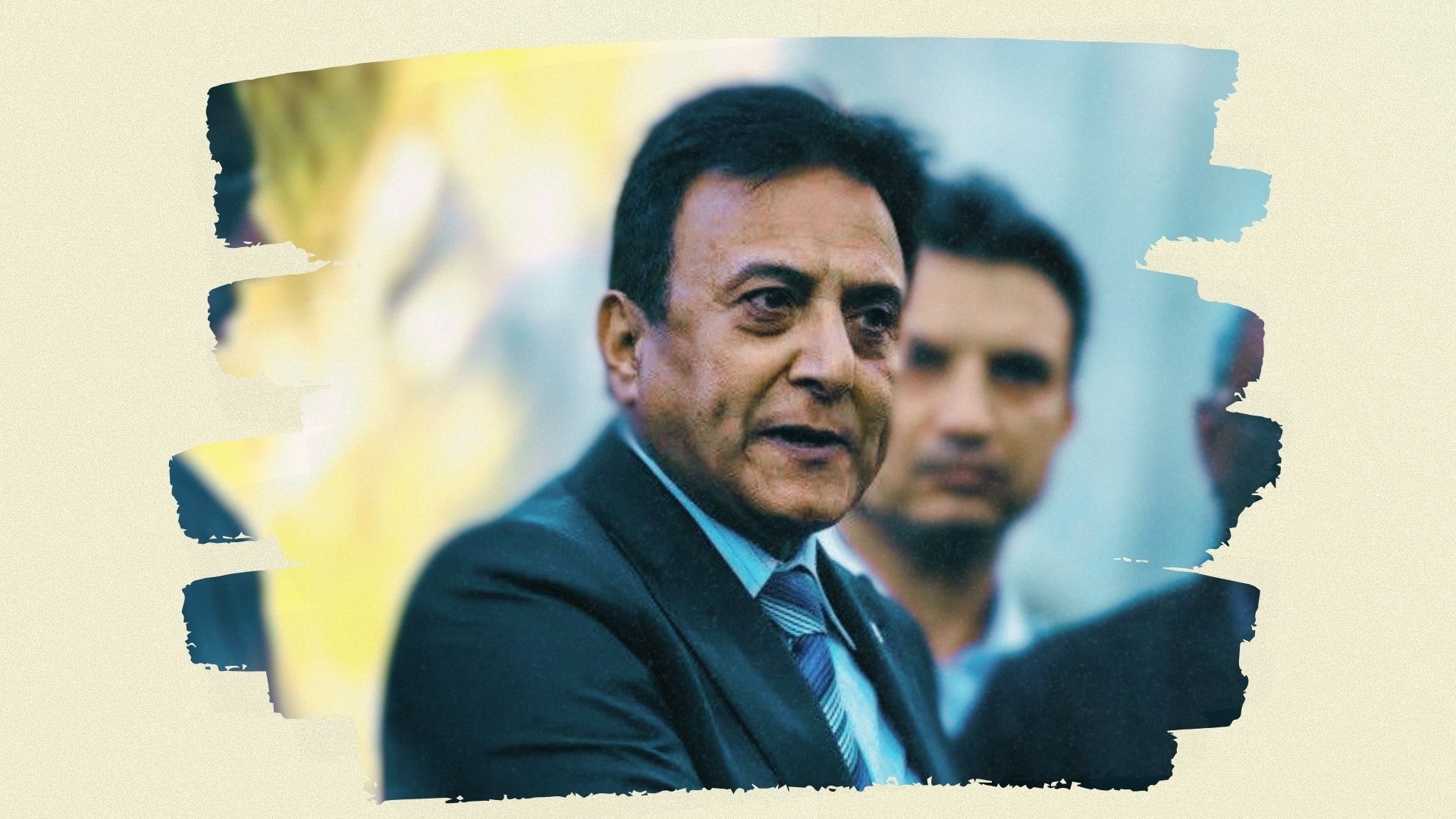
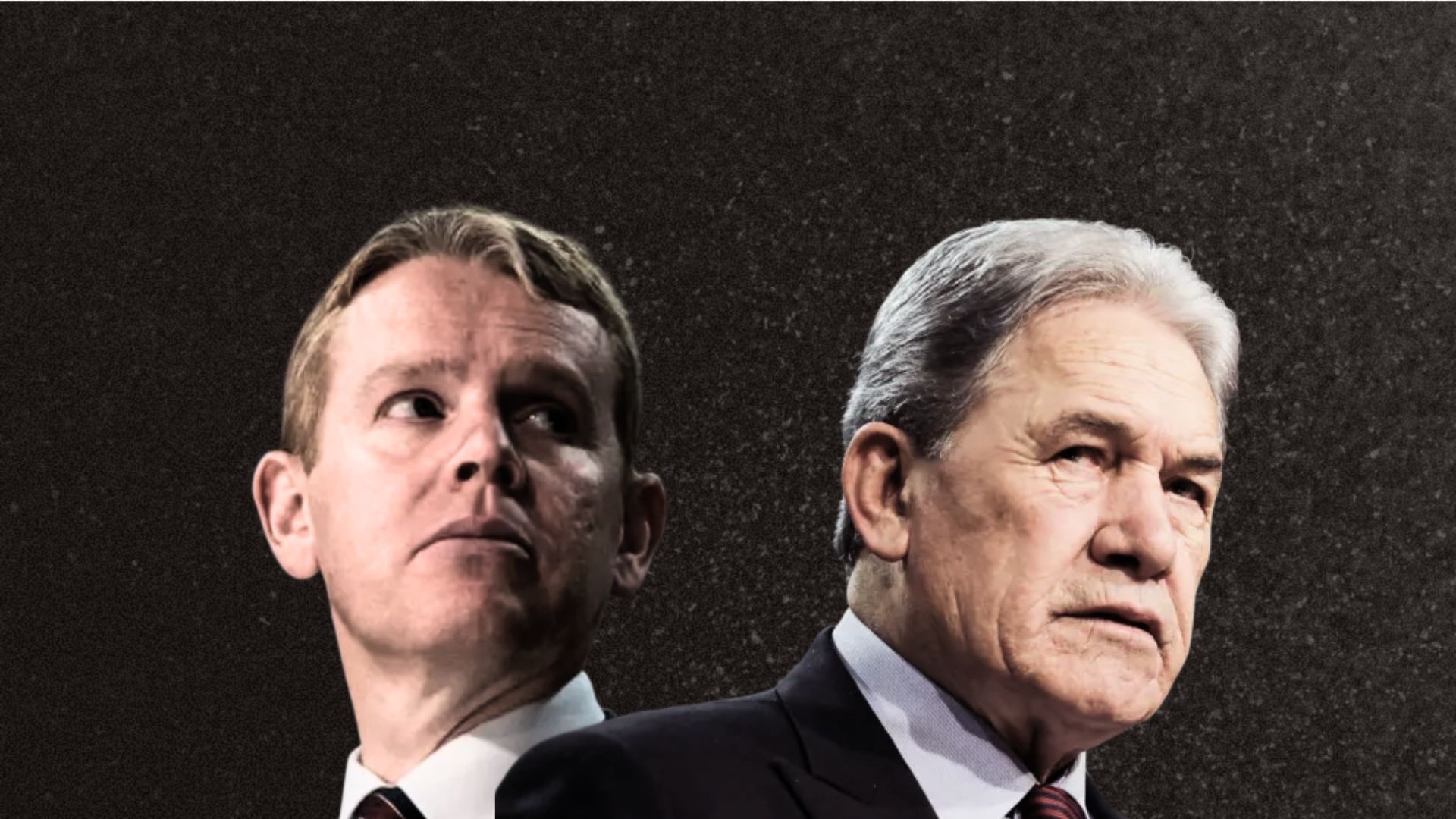
Winston Peters says the coalition’s fight over India-related immigration settings is no longer just a domestic policy dispute, but a question of whether New Zealand can be honest with India’s leaders.
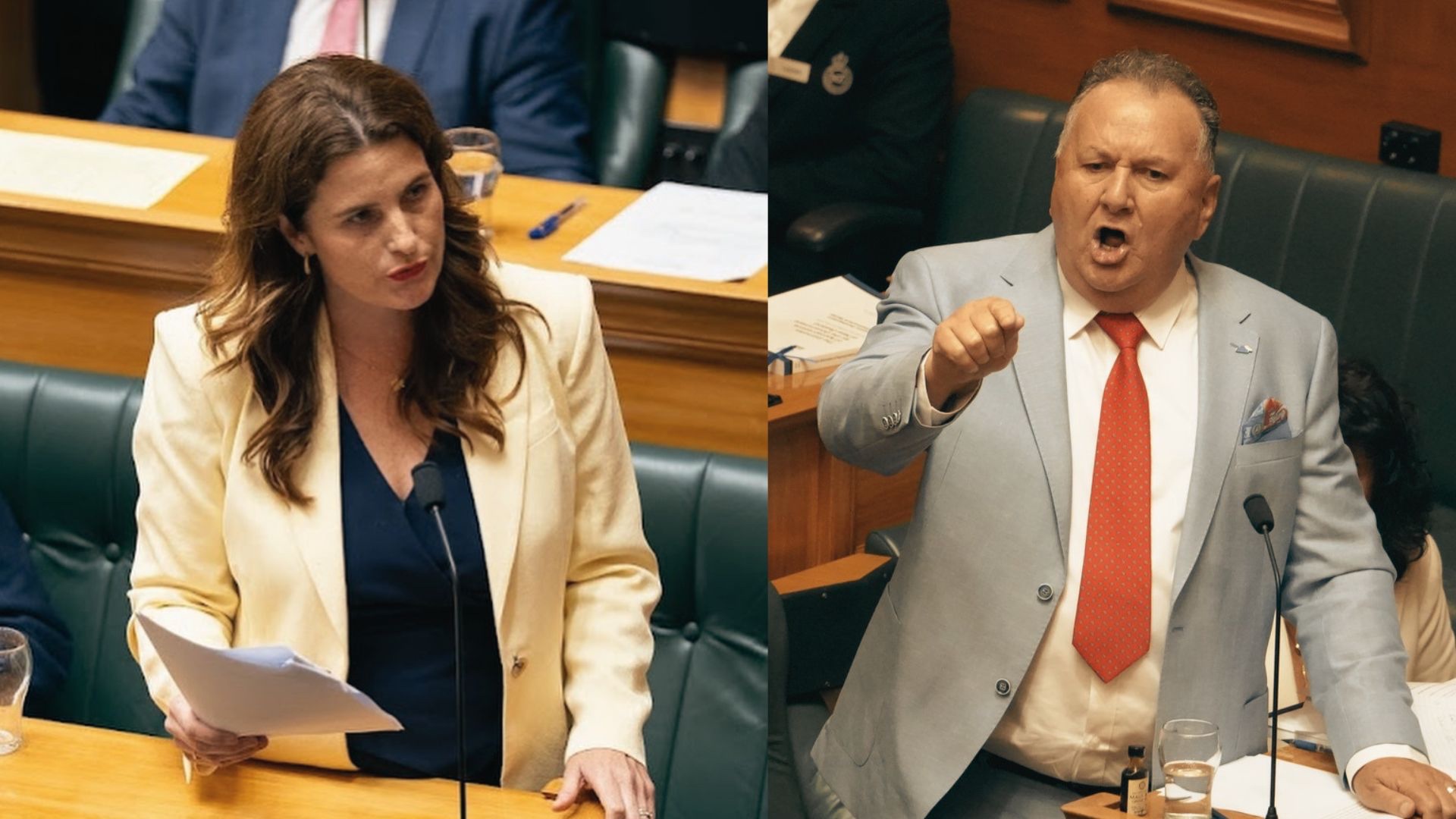
On June 25, the foreign minister told Parliament that National was preparing “special, discriminatory, targeted restrictions just for Indians”.
He suggested it was being done to check migration from India, in response to his assessment that the labour mobility provisions in the FTA were too liberal and unnecessary.
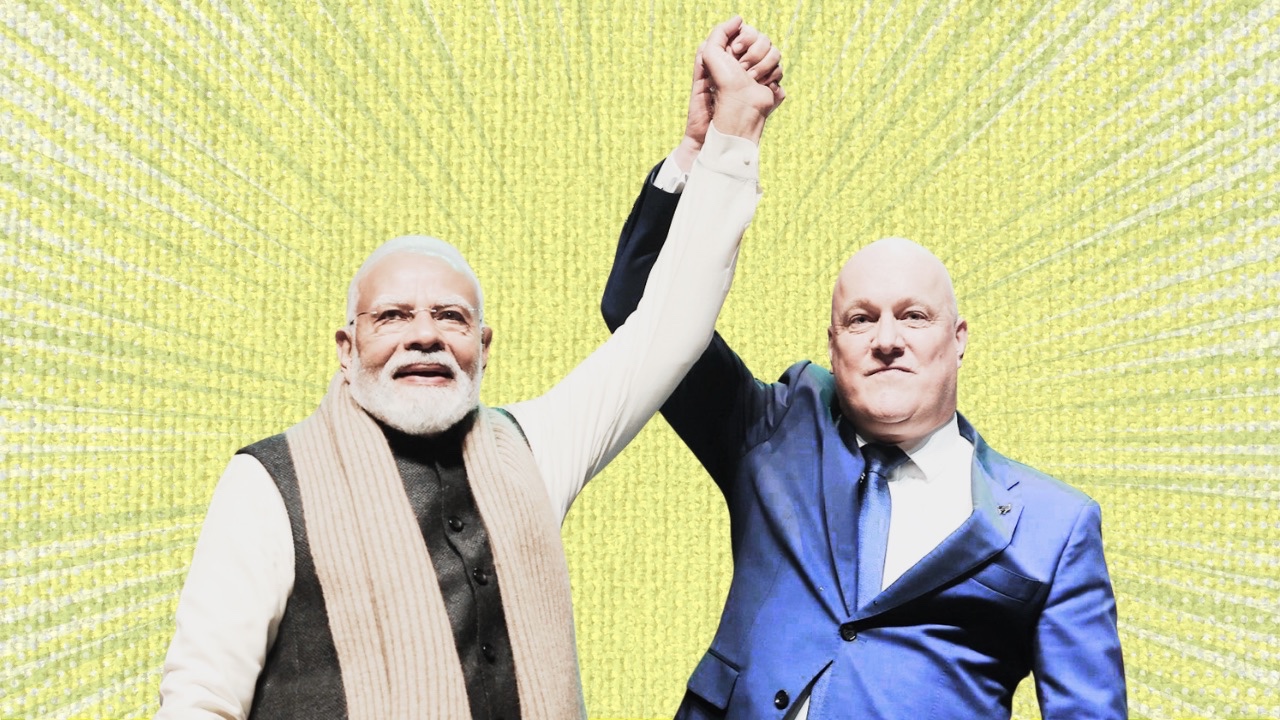
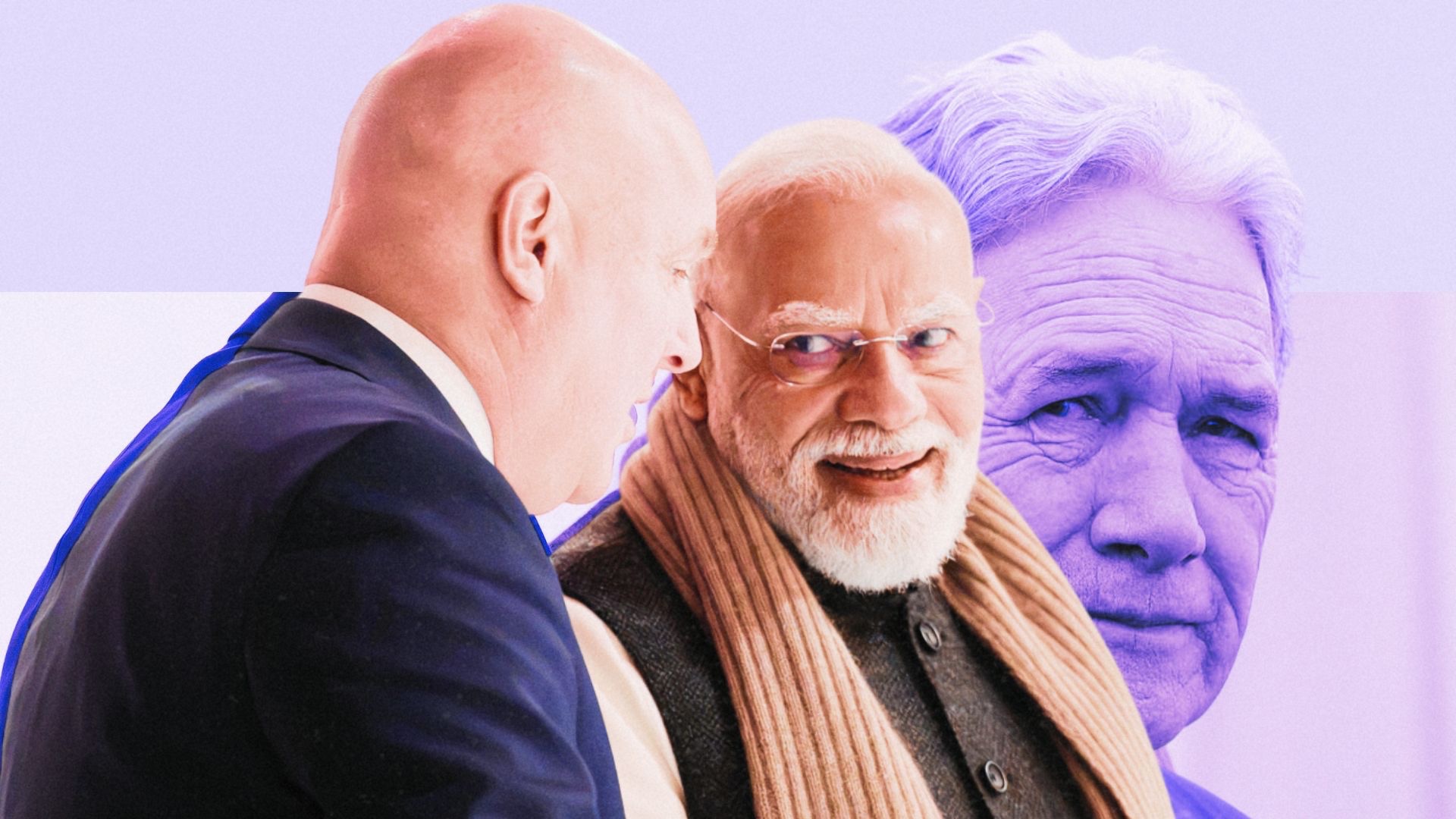
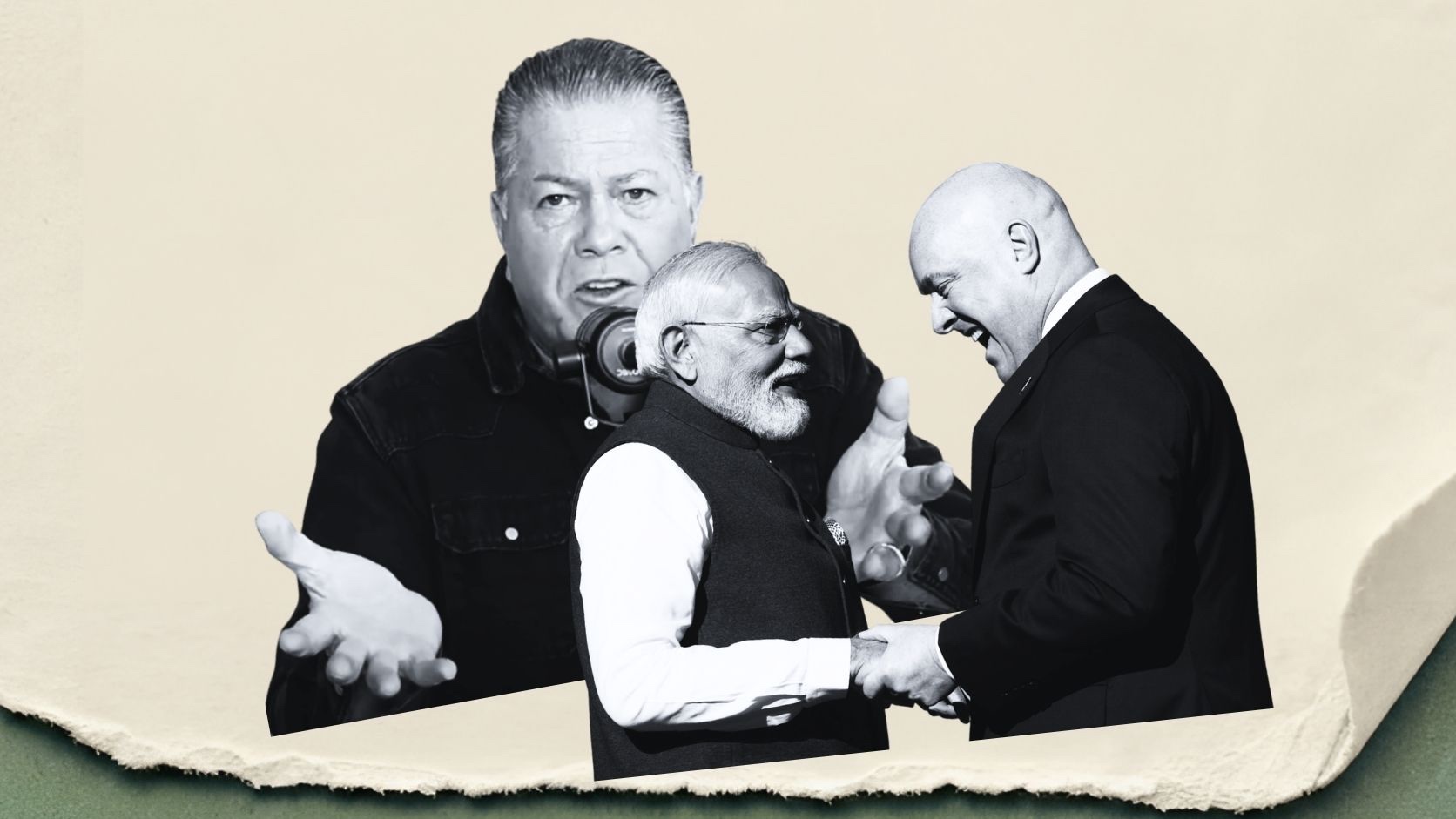
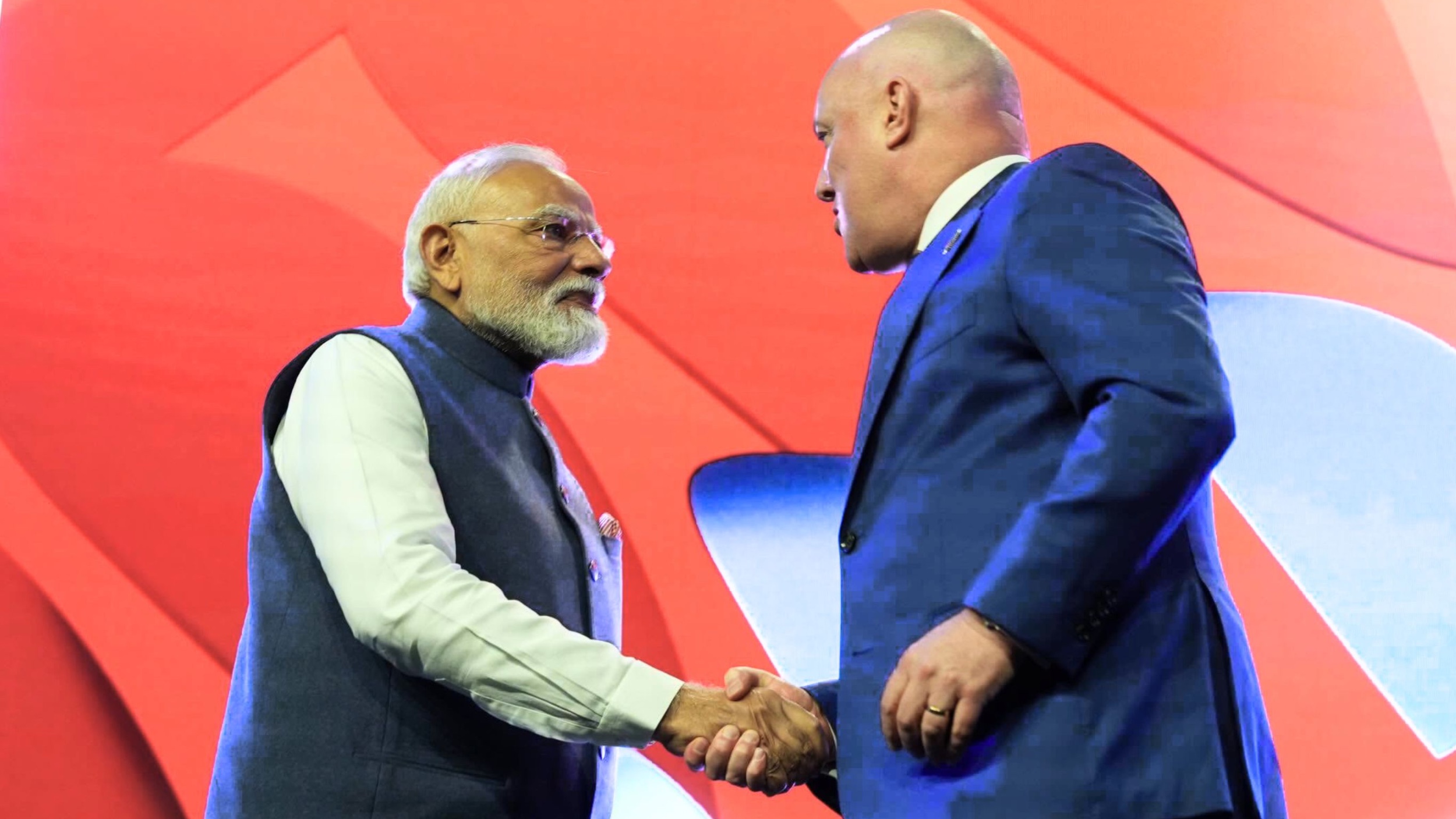
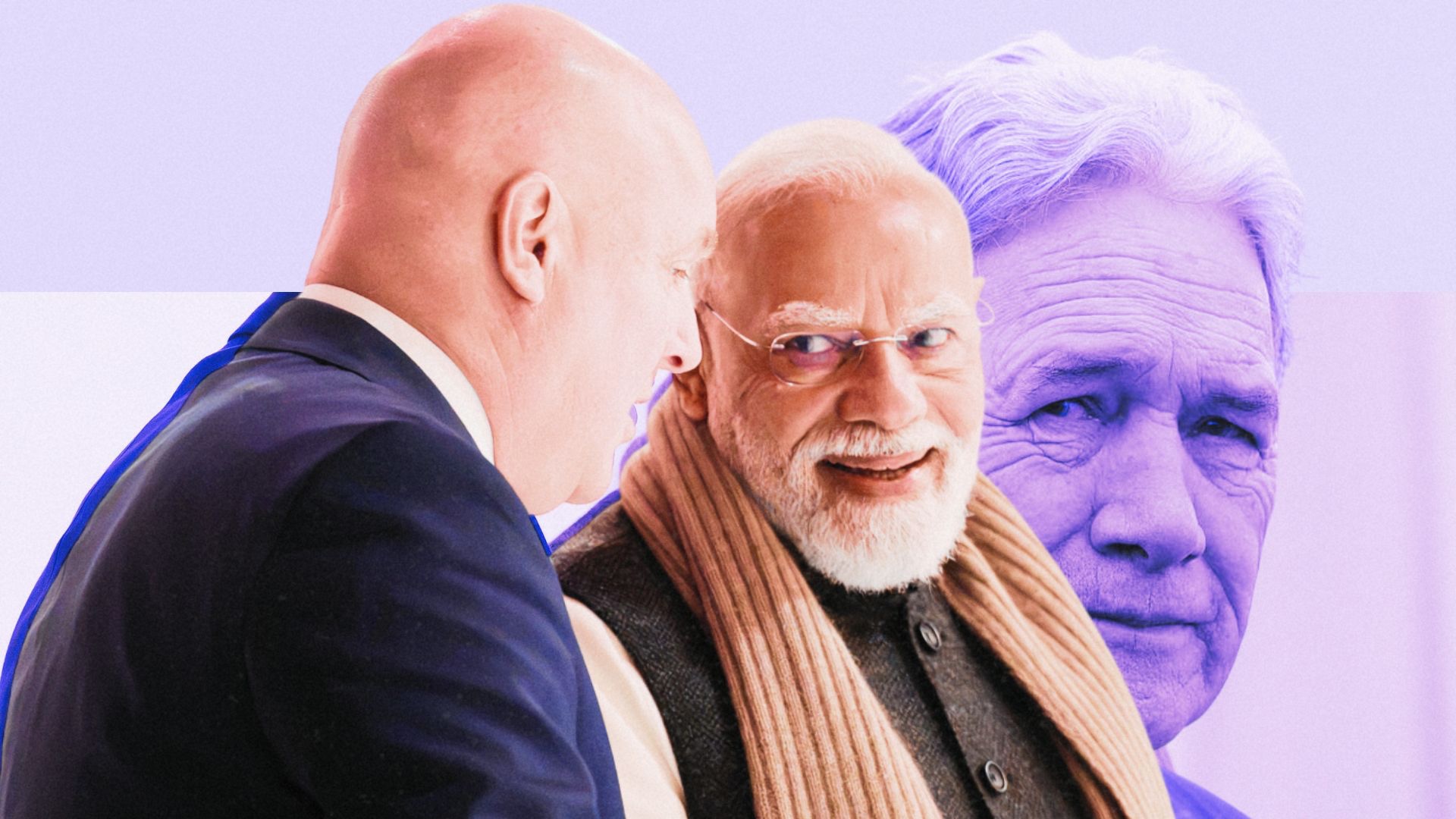
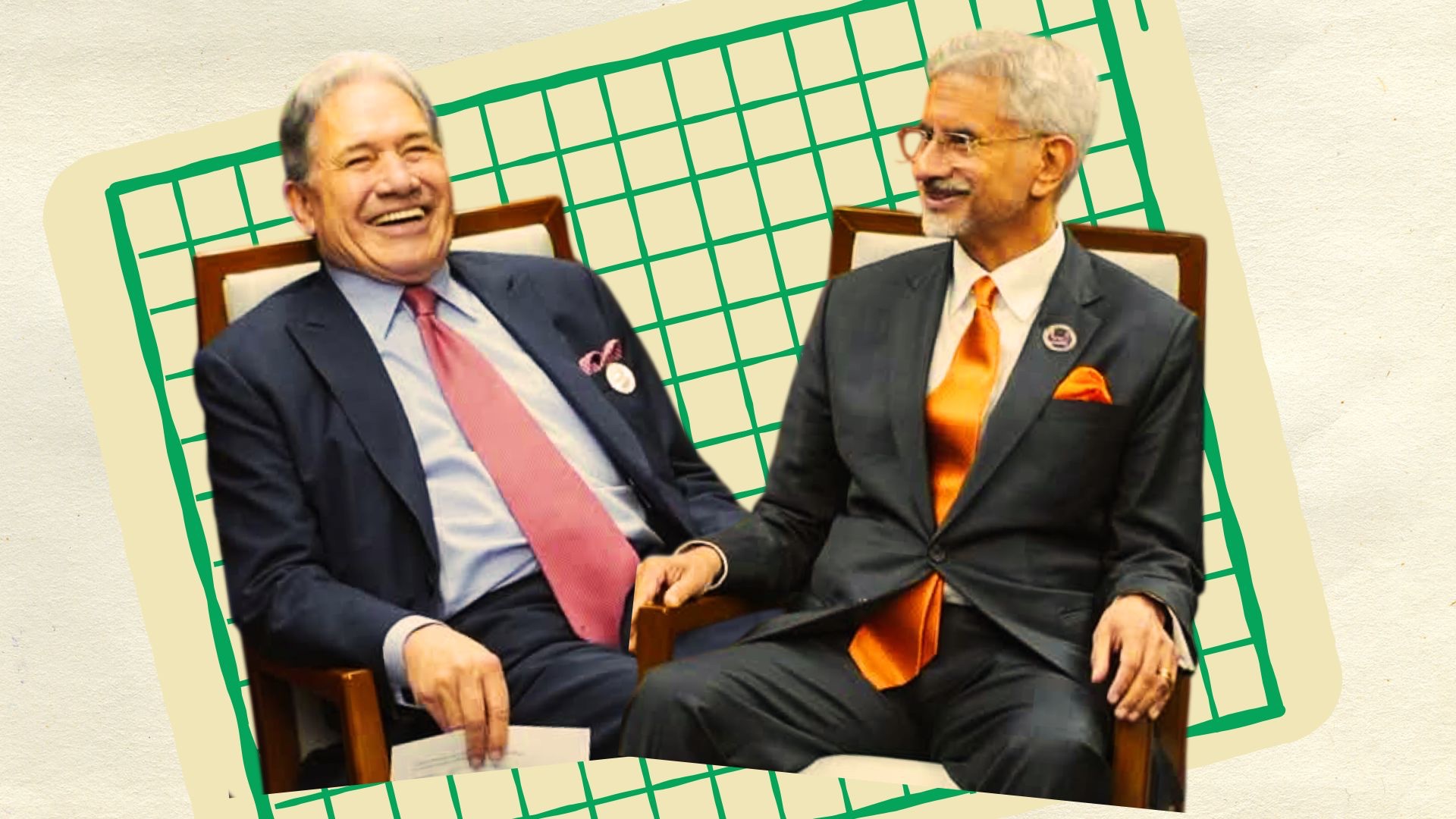
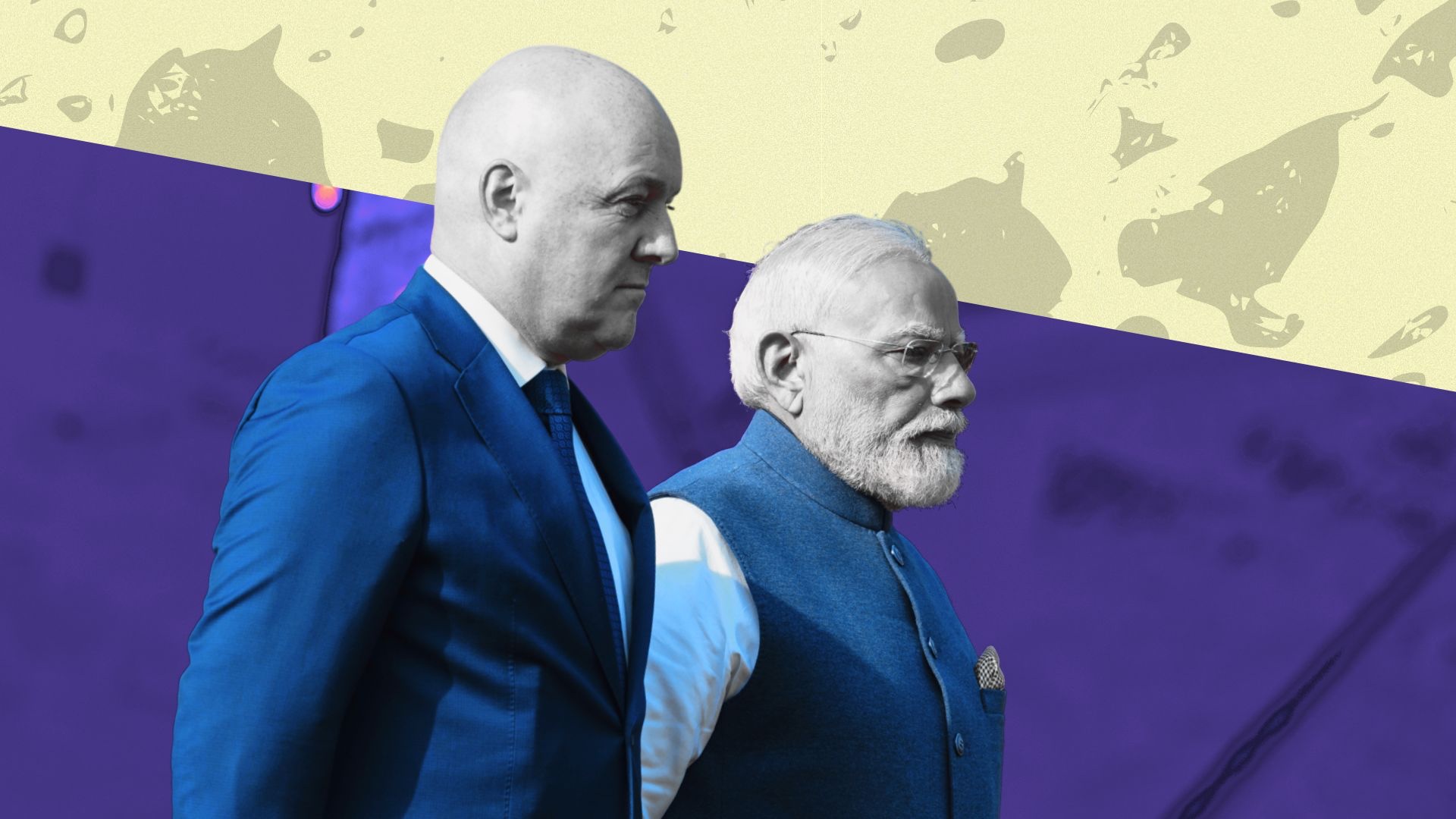
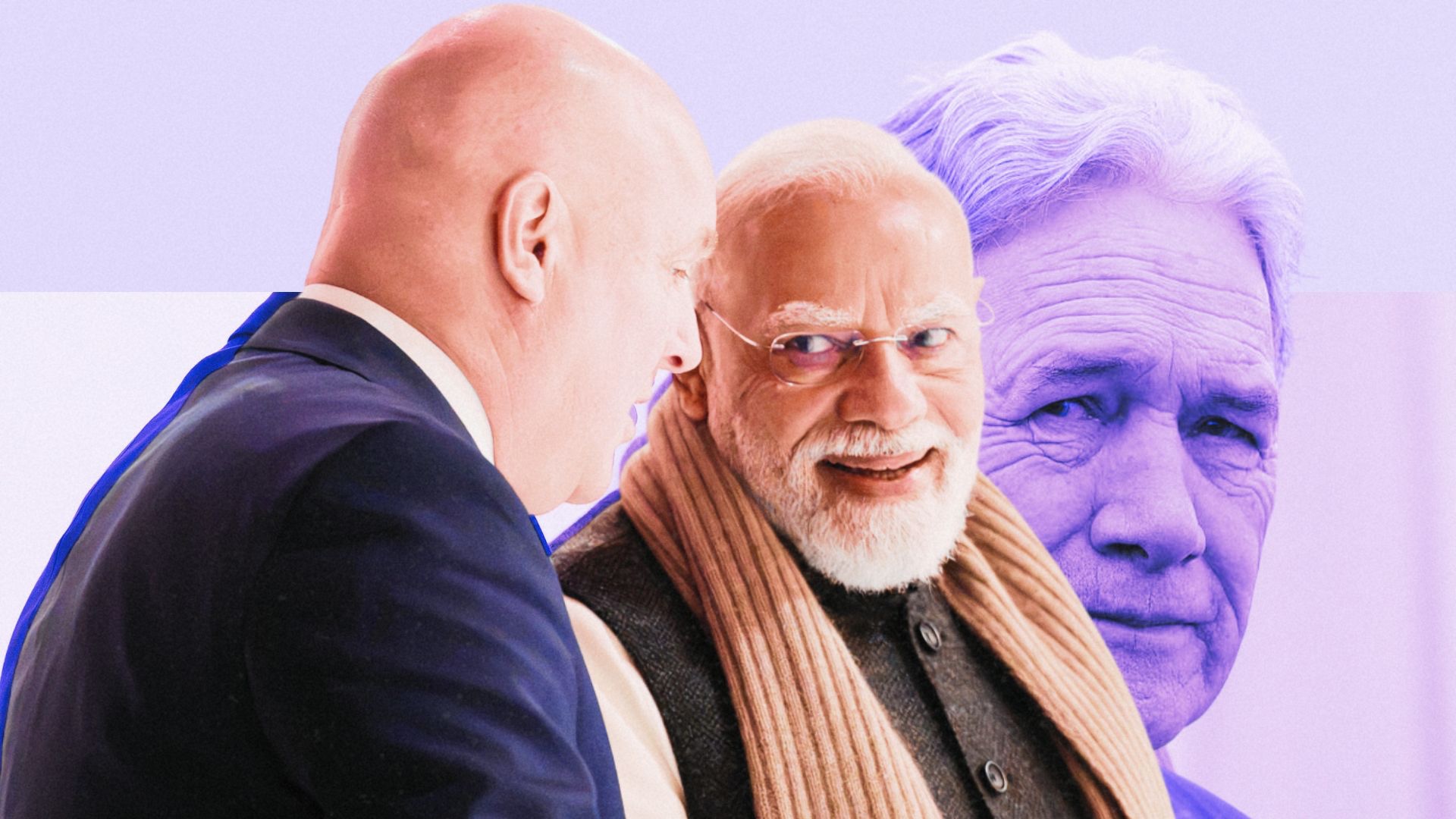
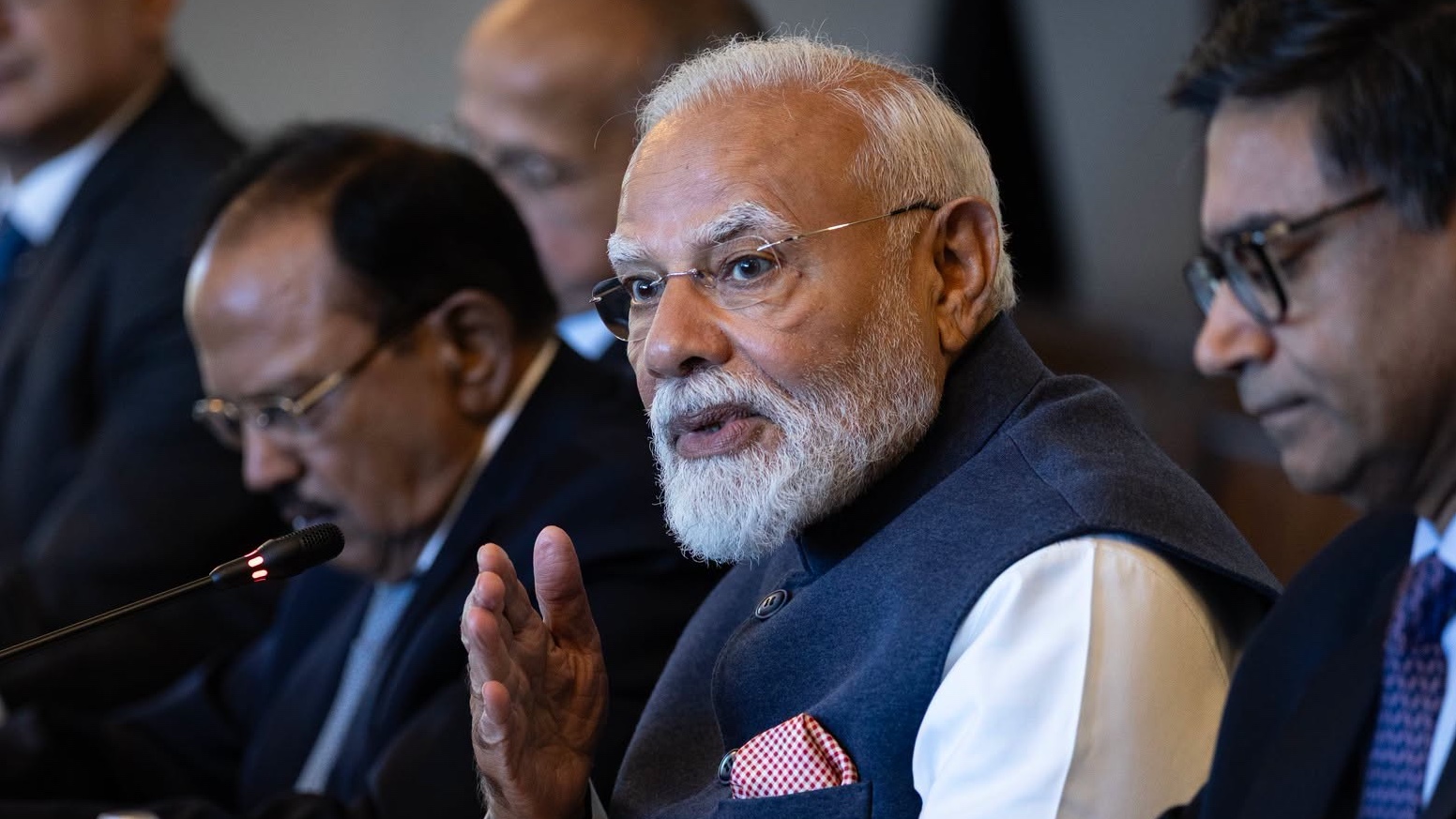
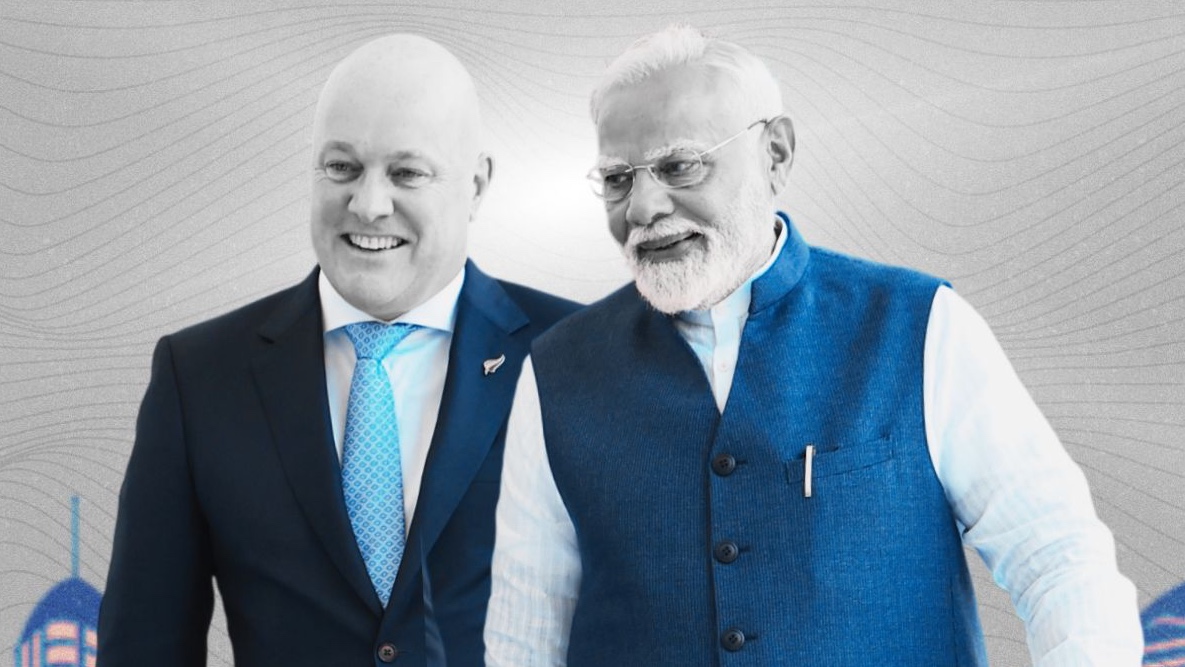
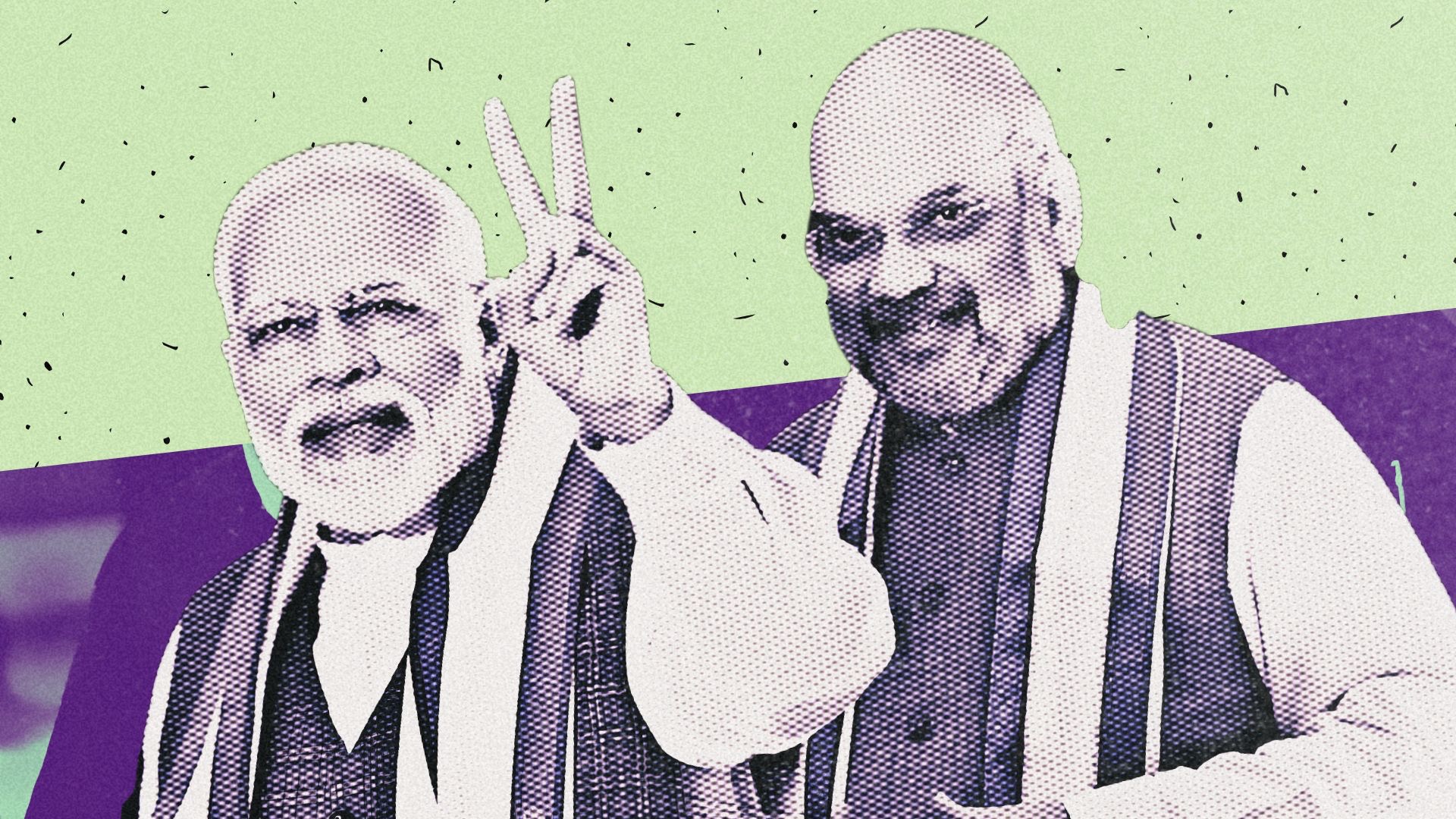
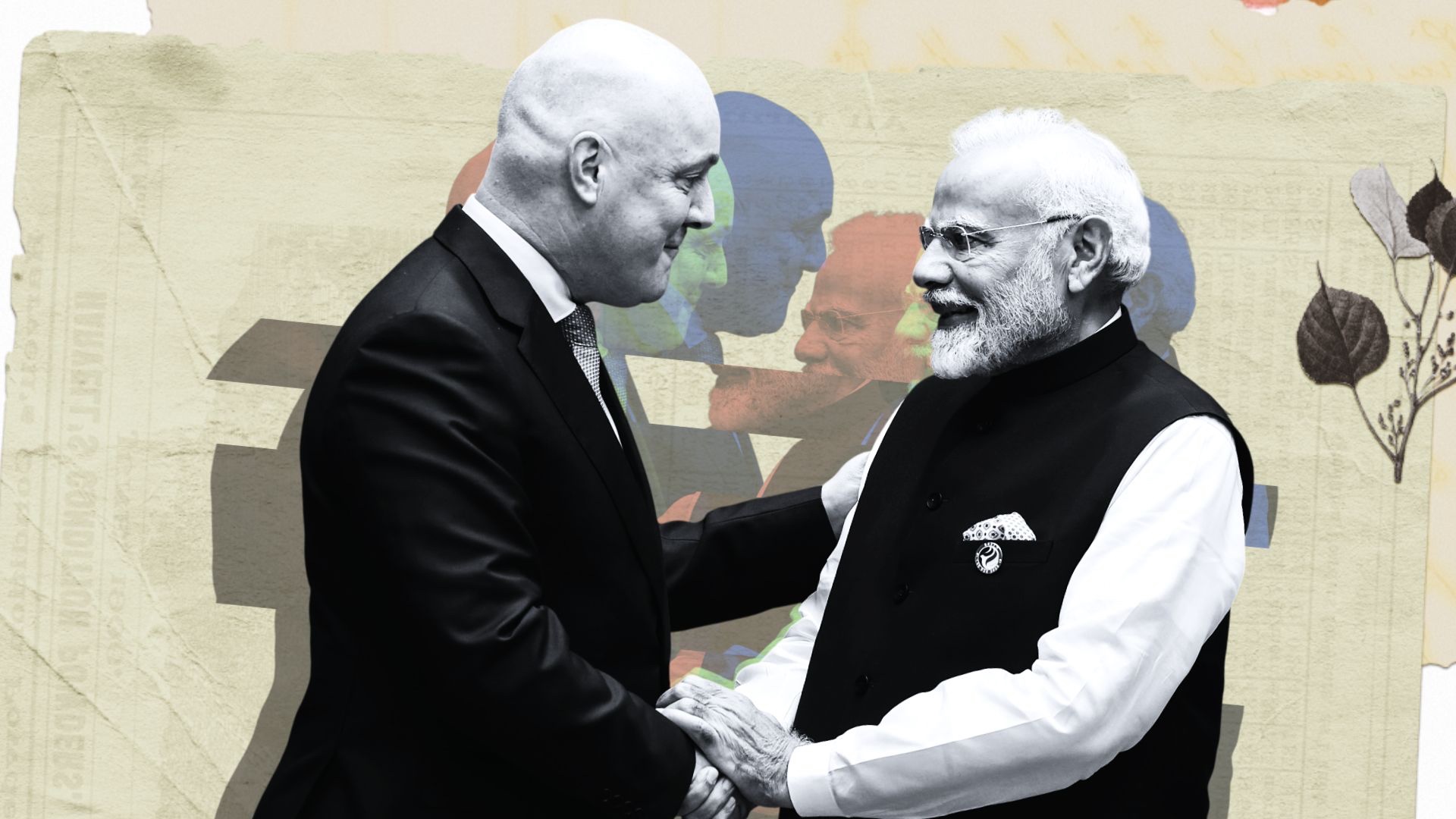
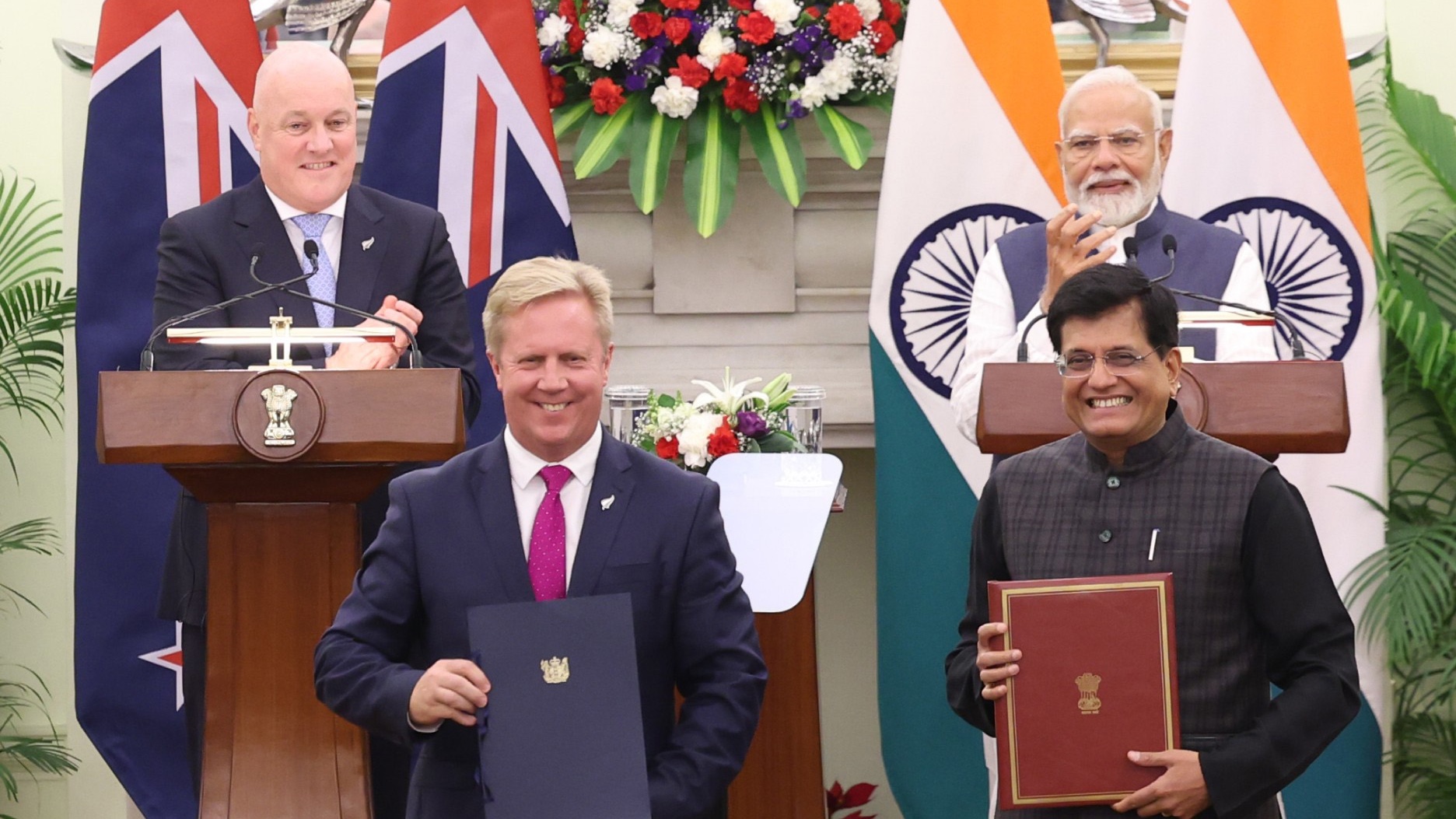
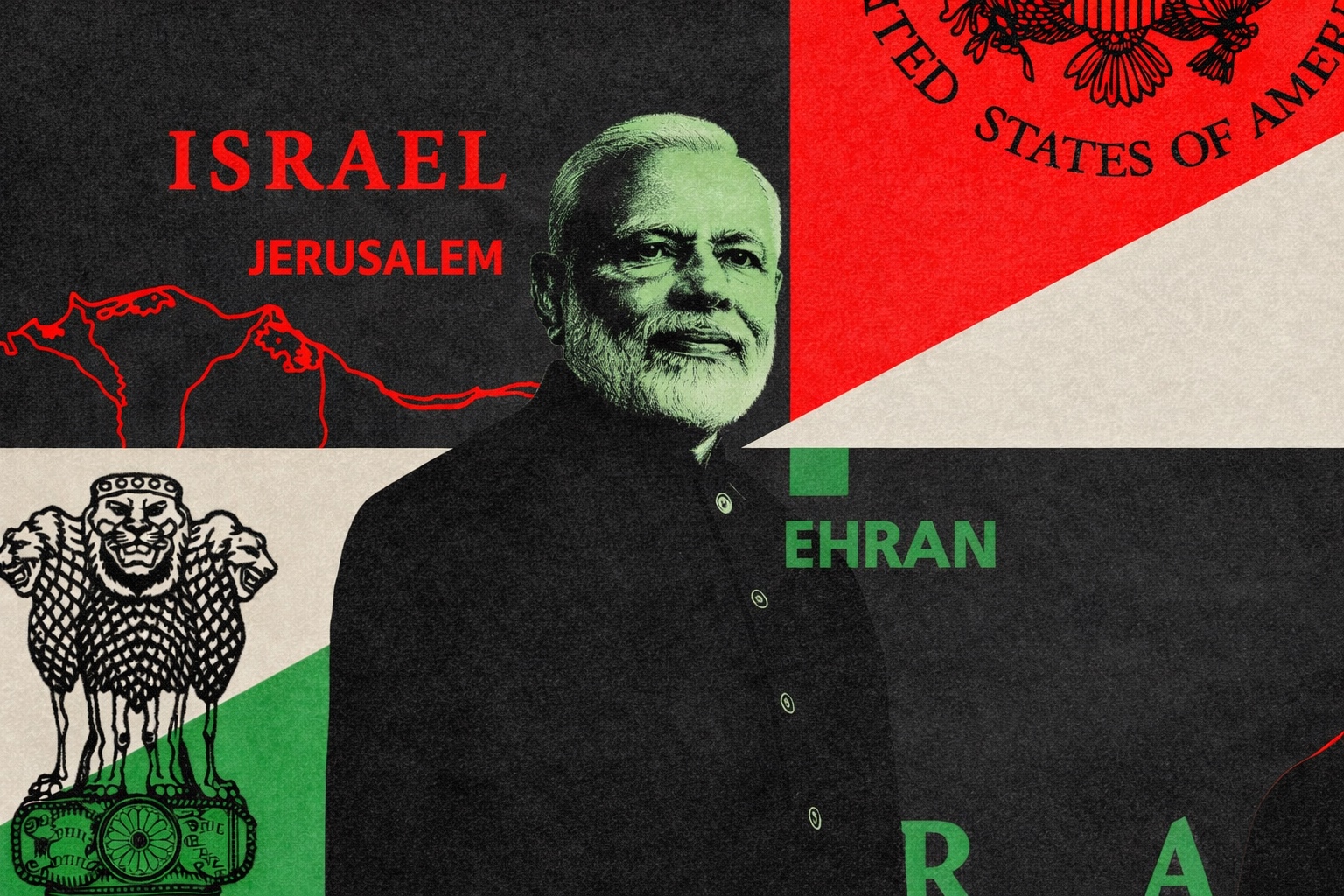
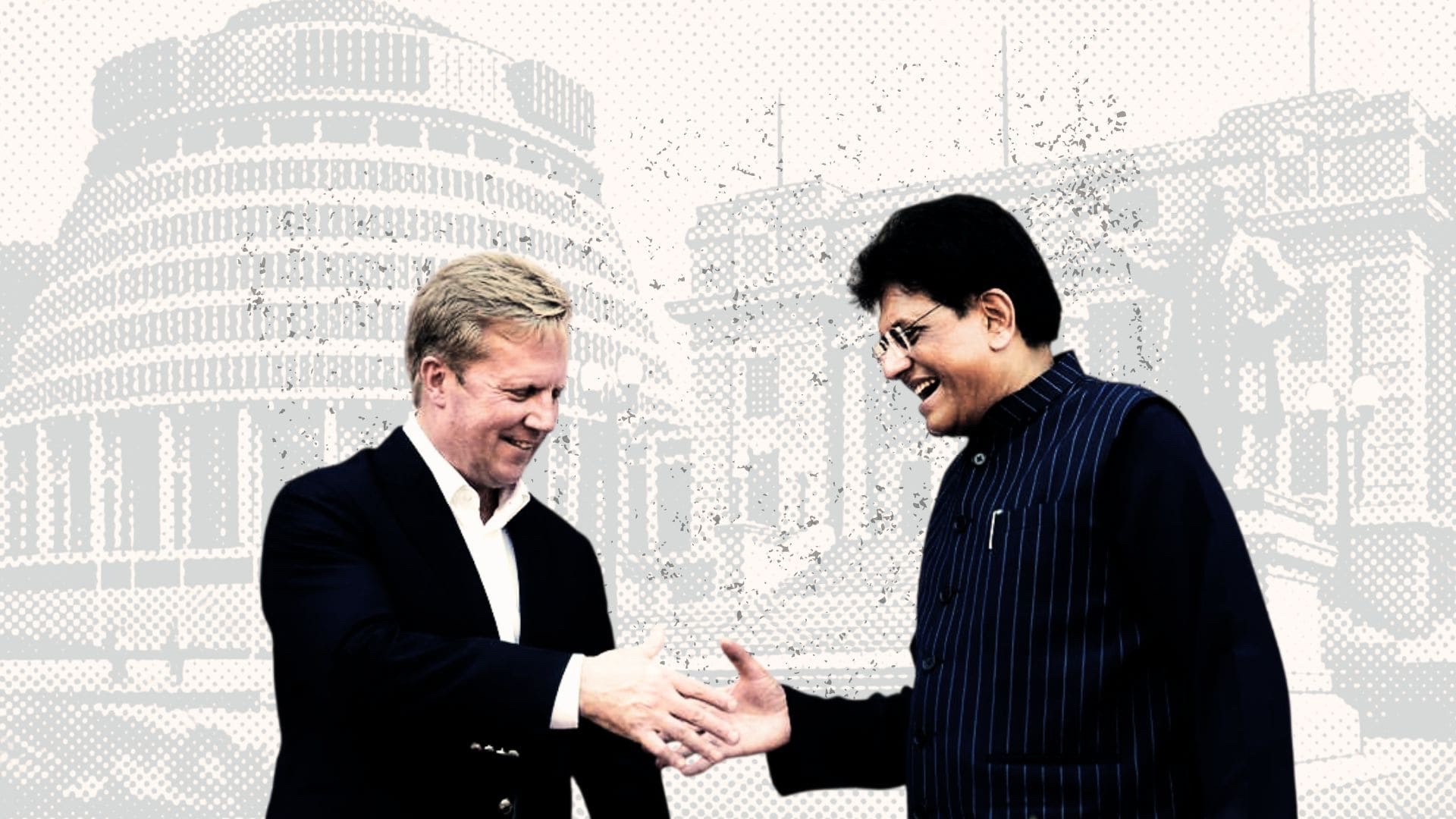
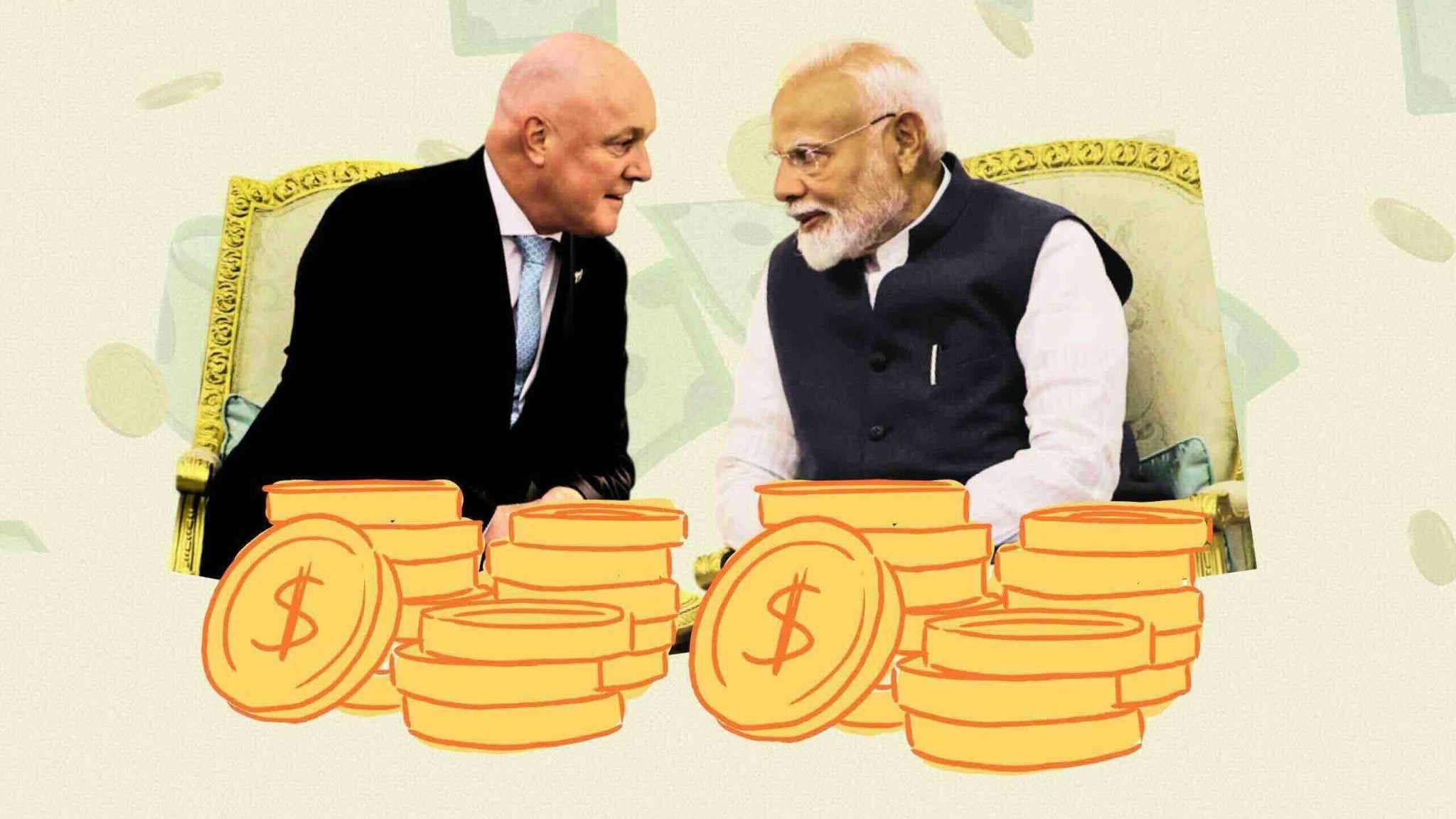
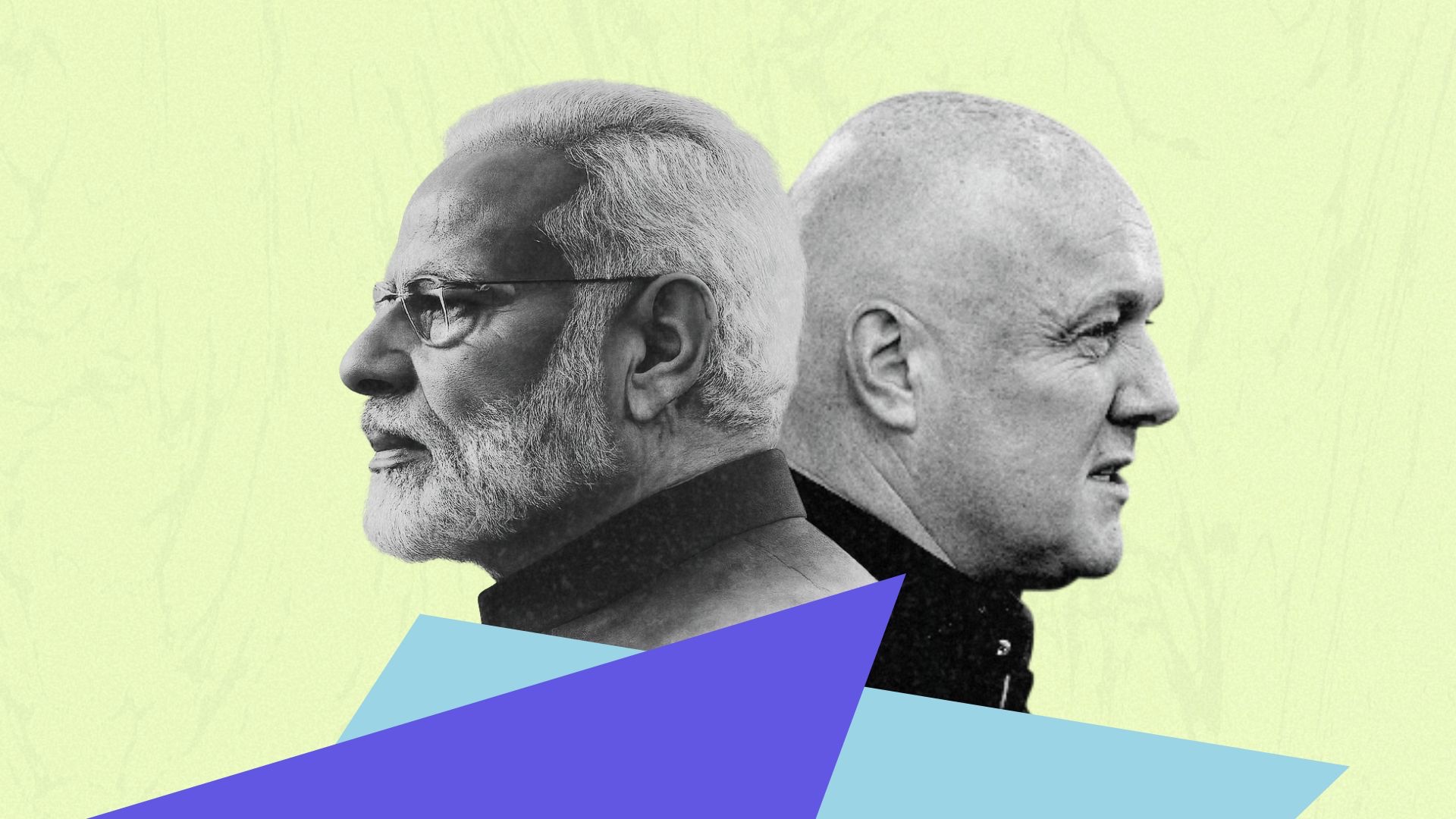
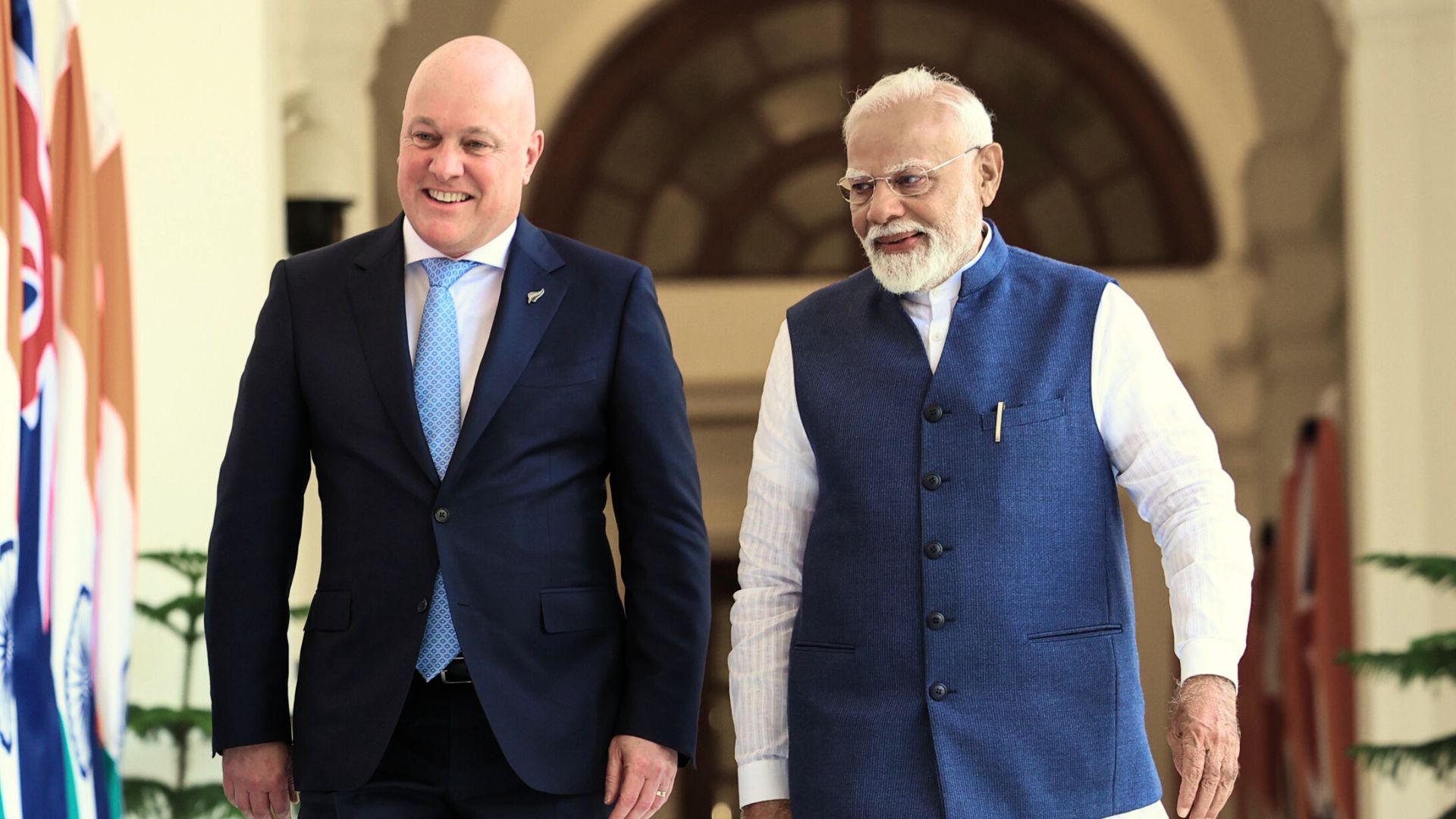
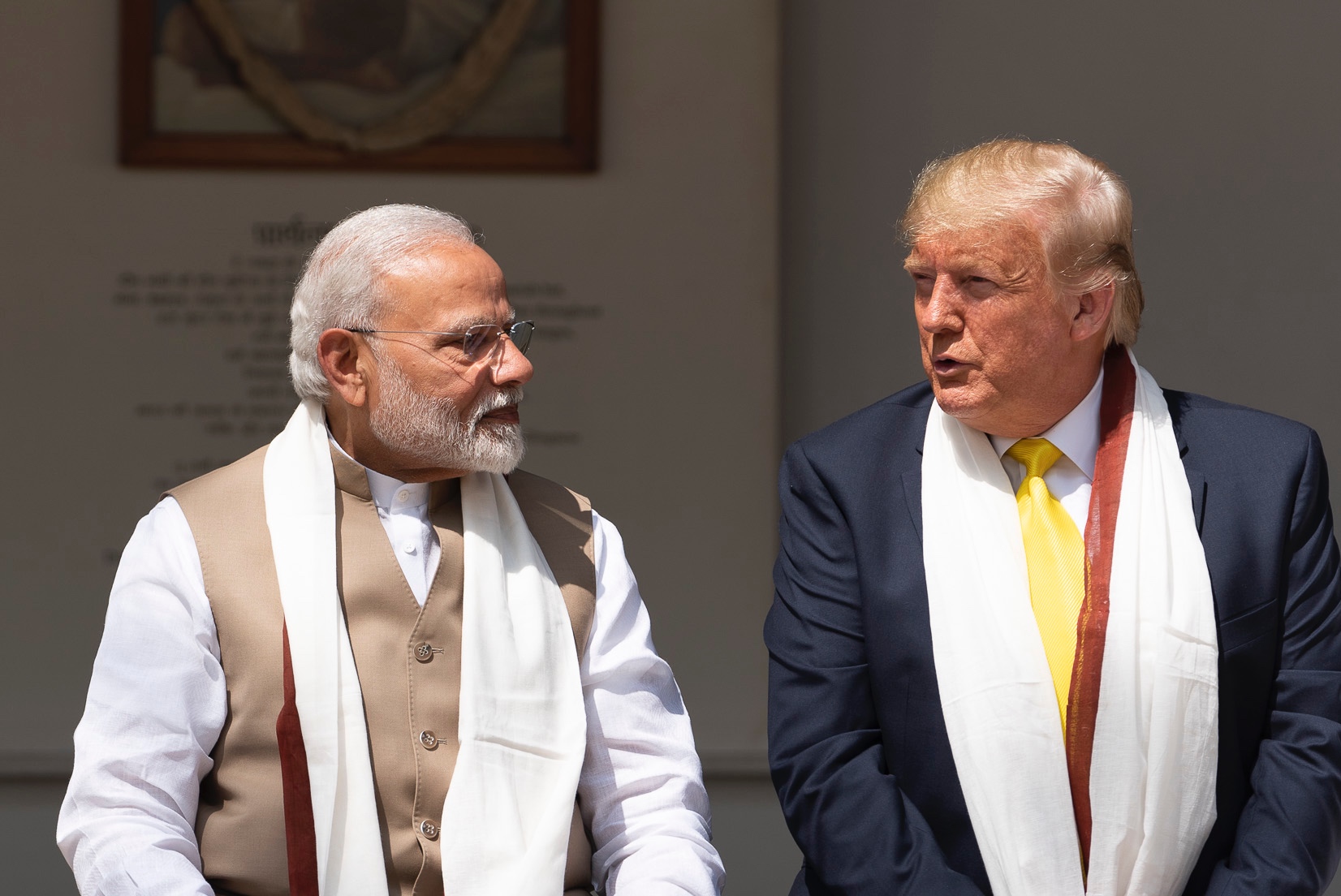
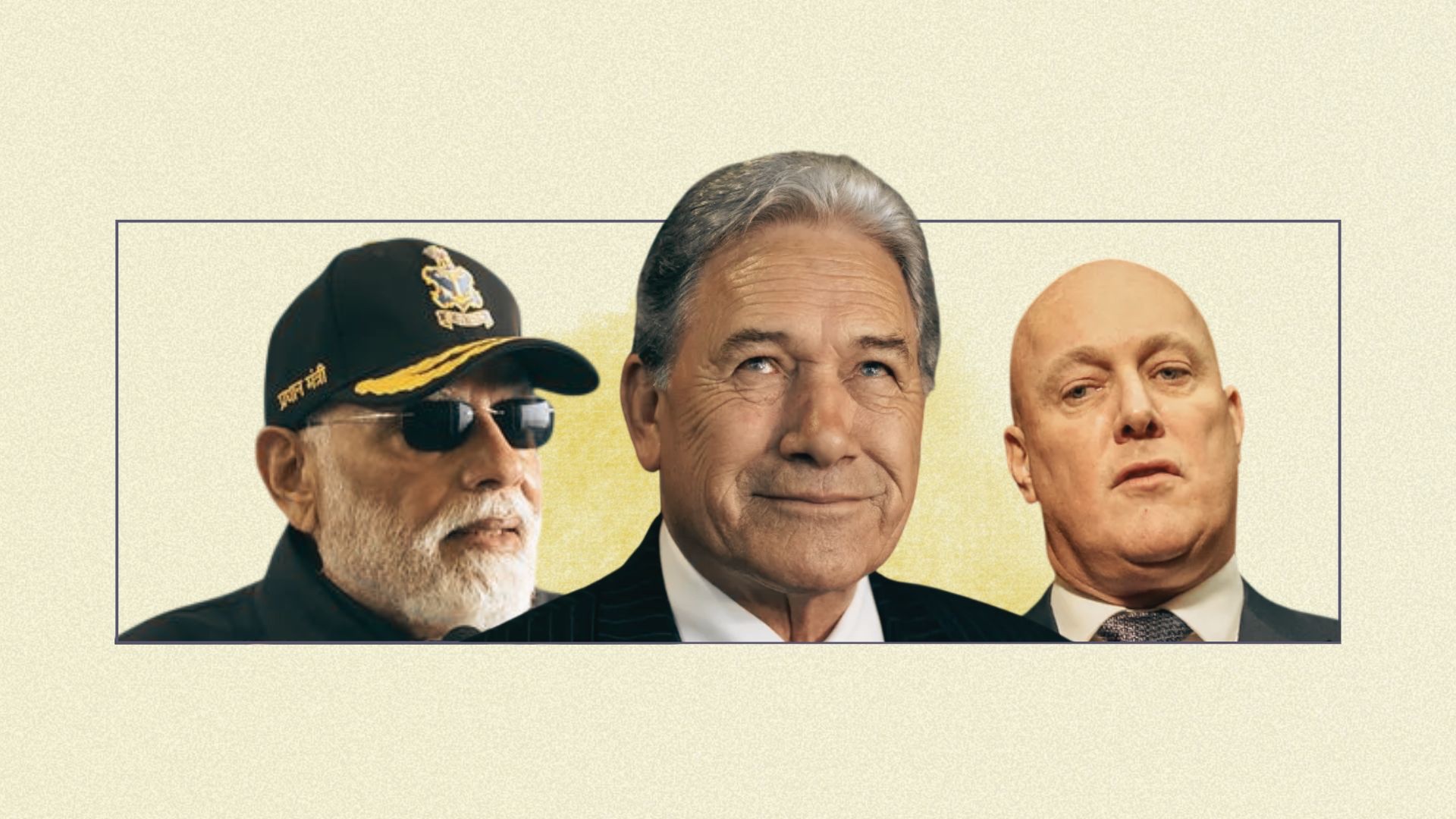
Speaking to reporters at Parliament on Thursday, Peters framed the issue around three of India’s most senior political figures – Prime minister Narendra Modi and cabinet ministers S Jaishankar and Piyush Goyal.
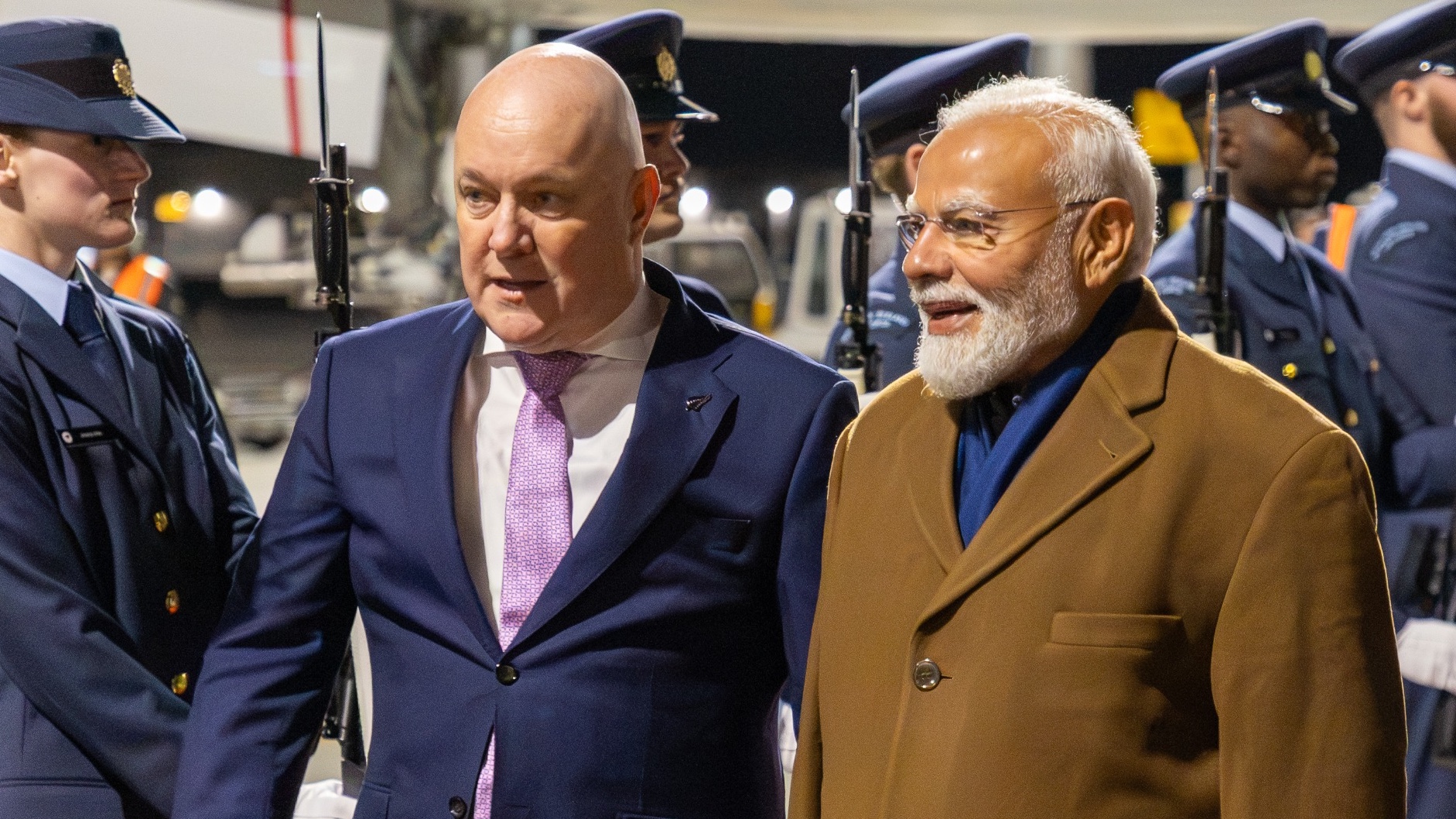
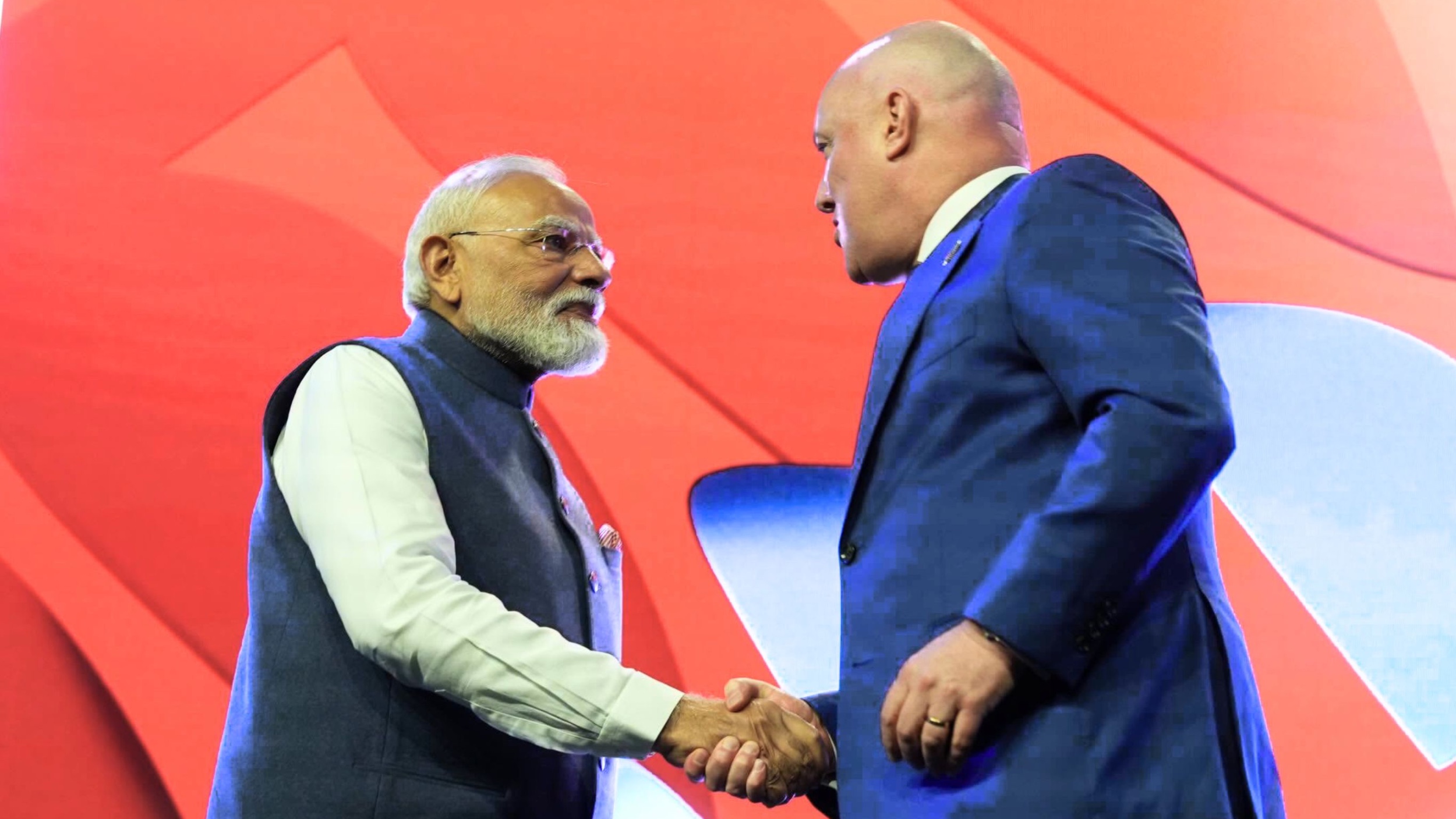
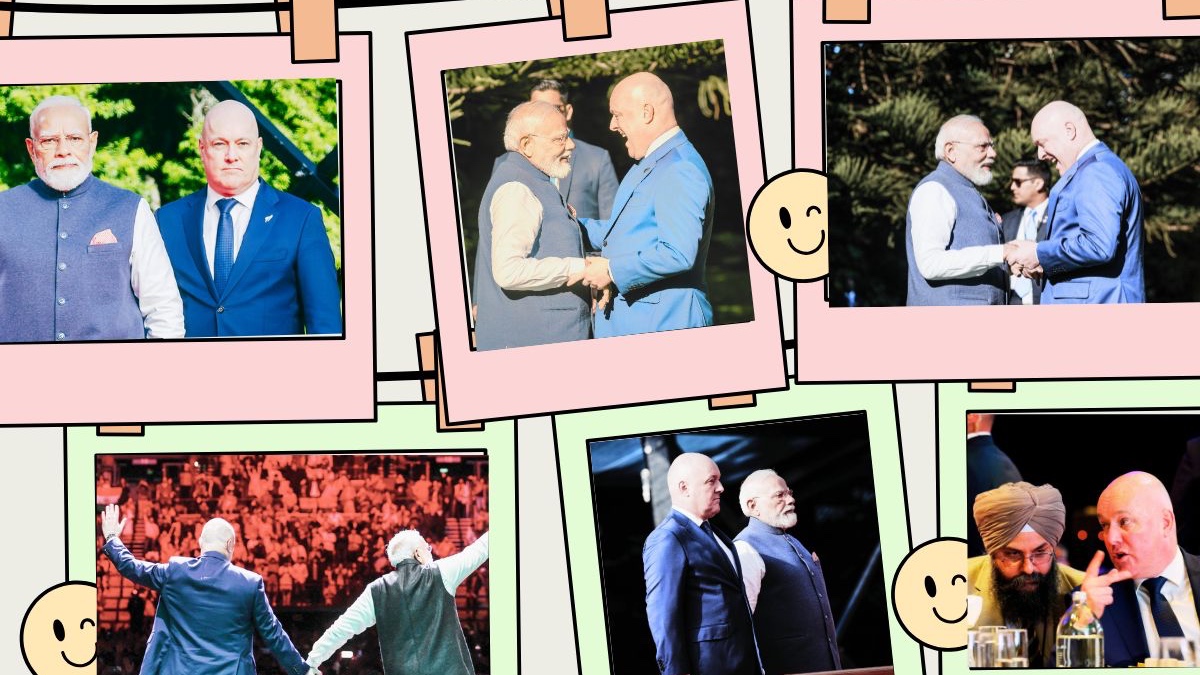
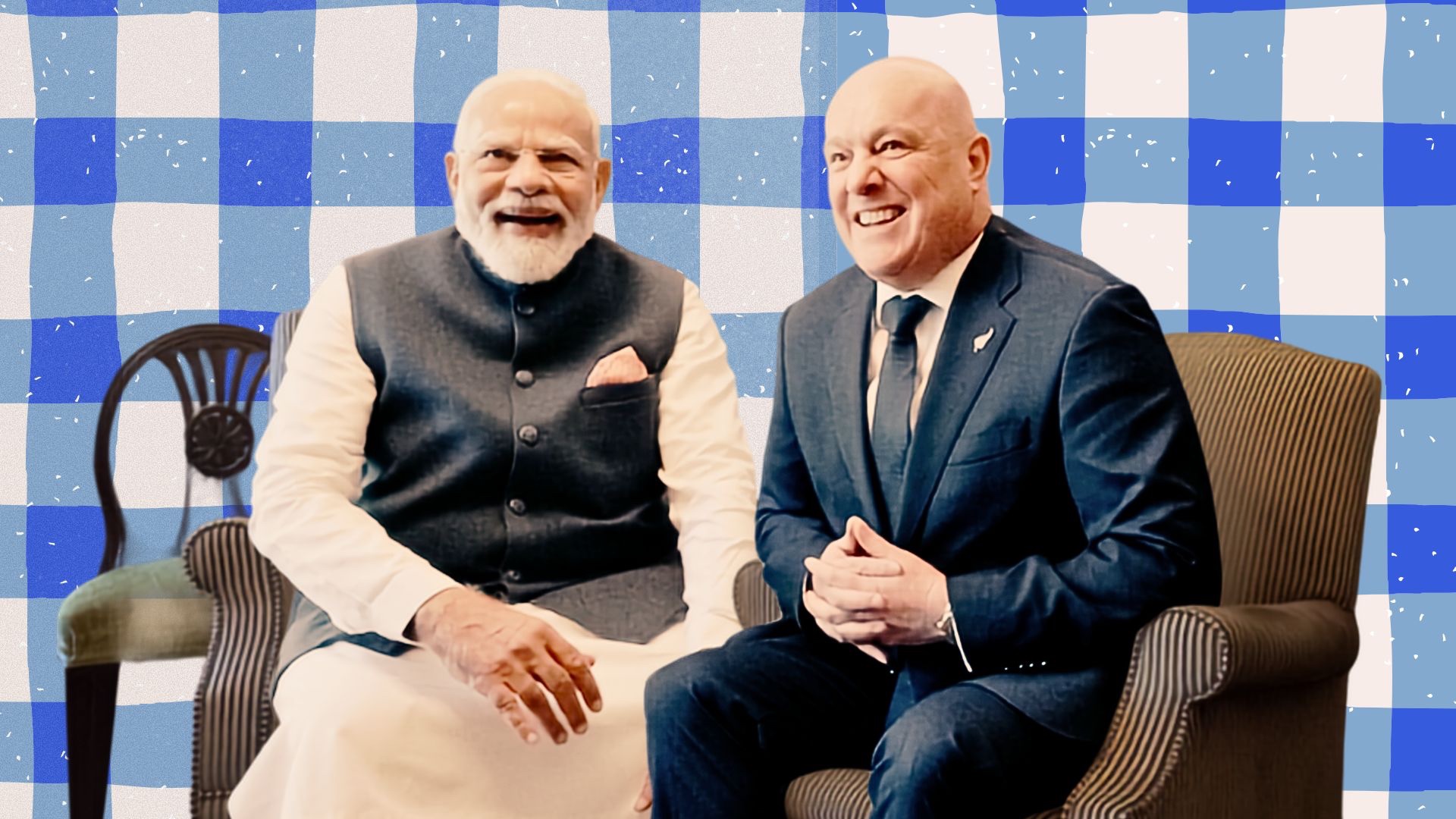
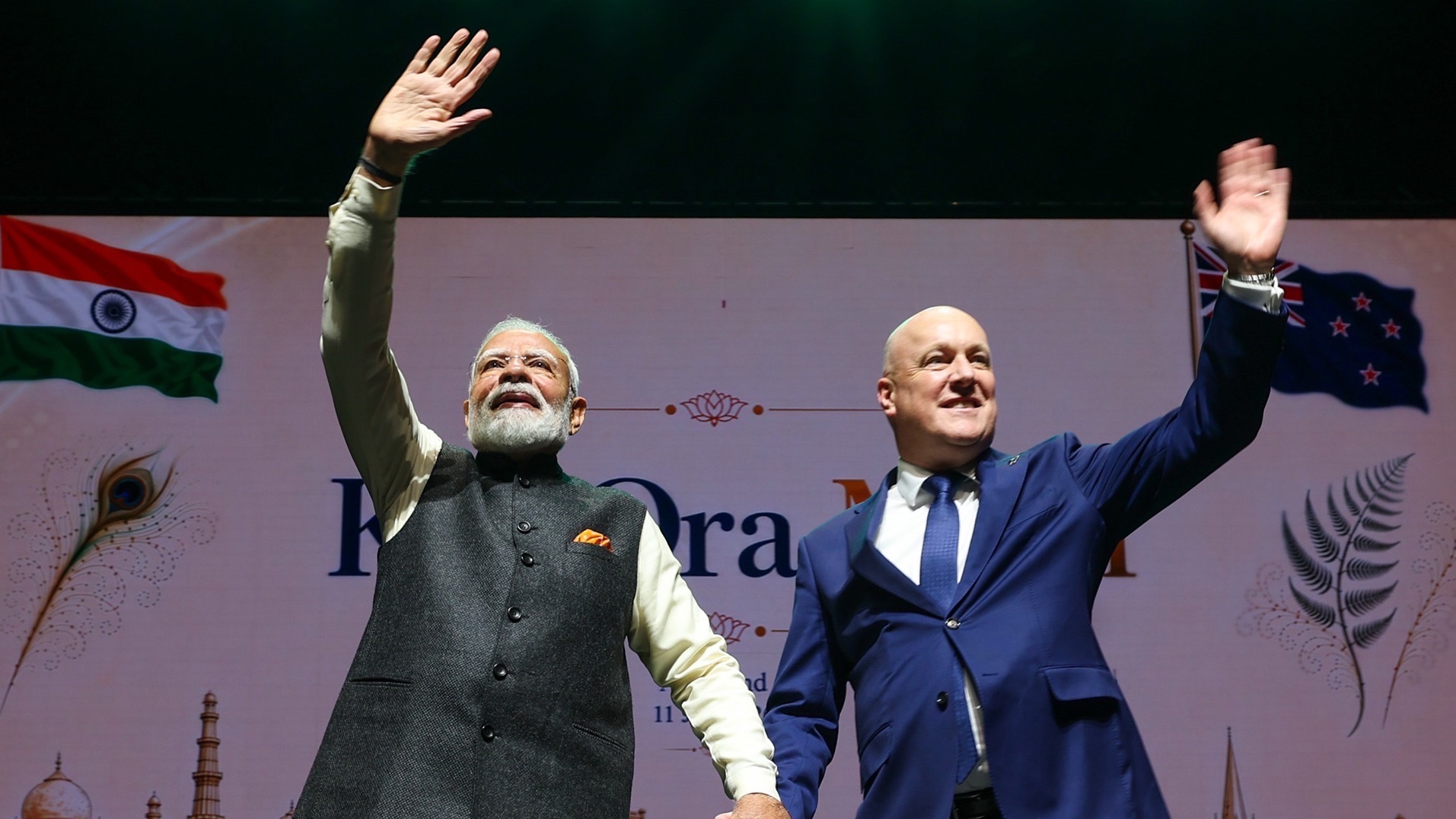
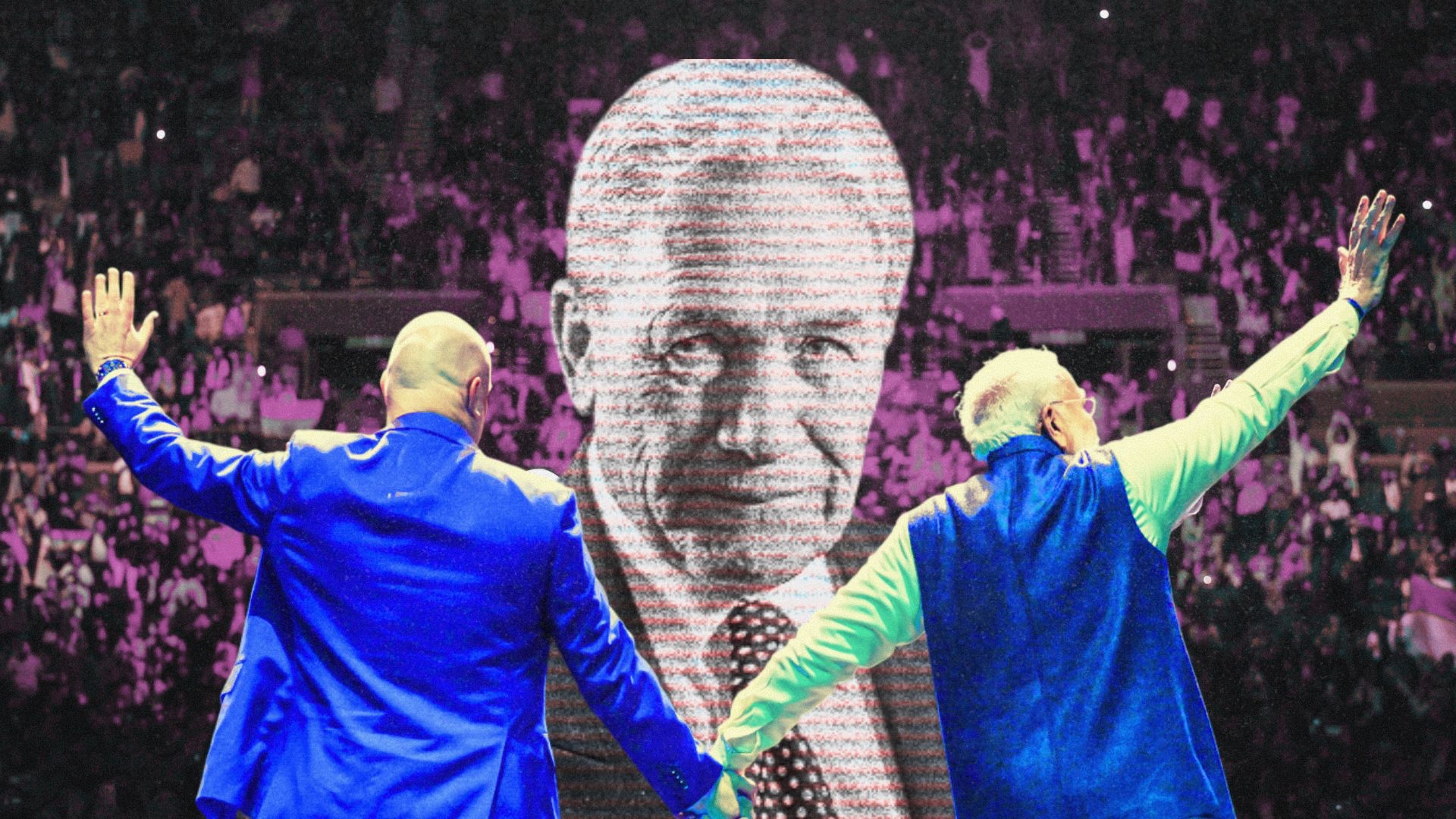
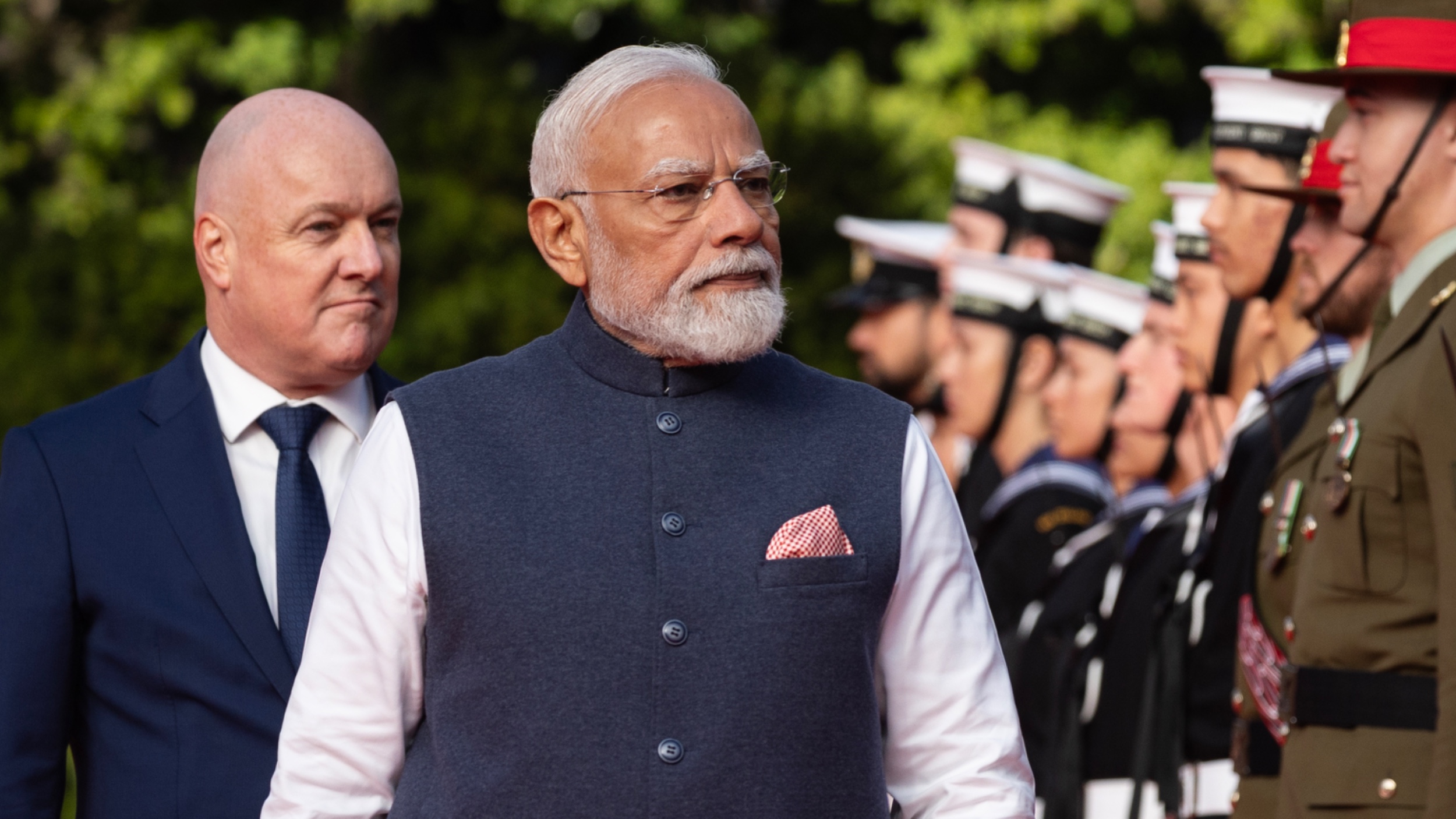
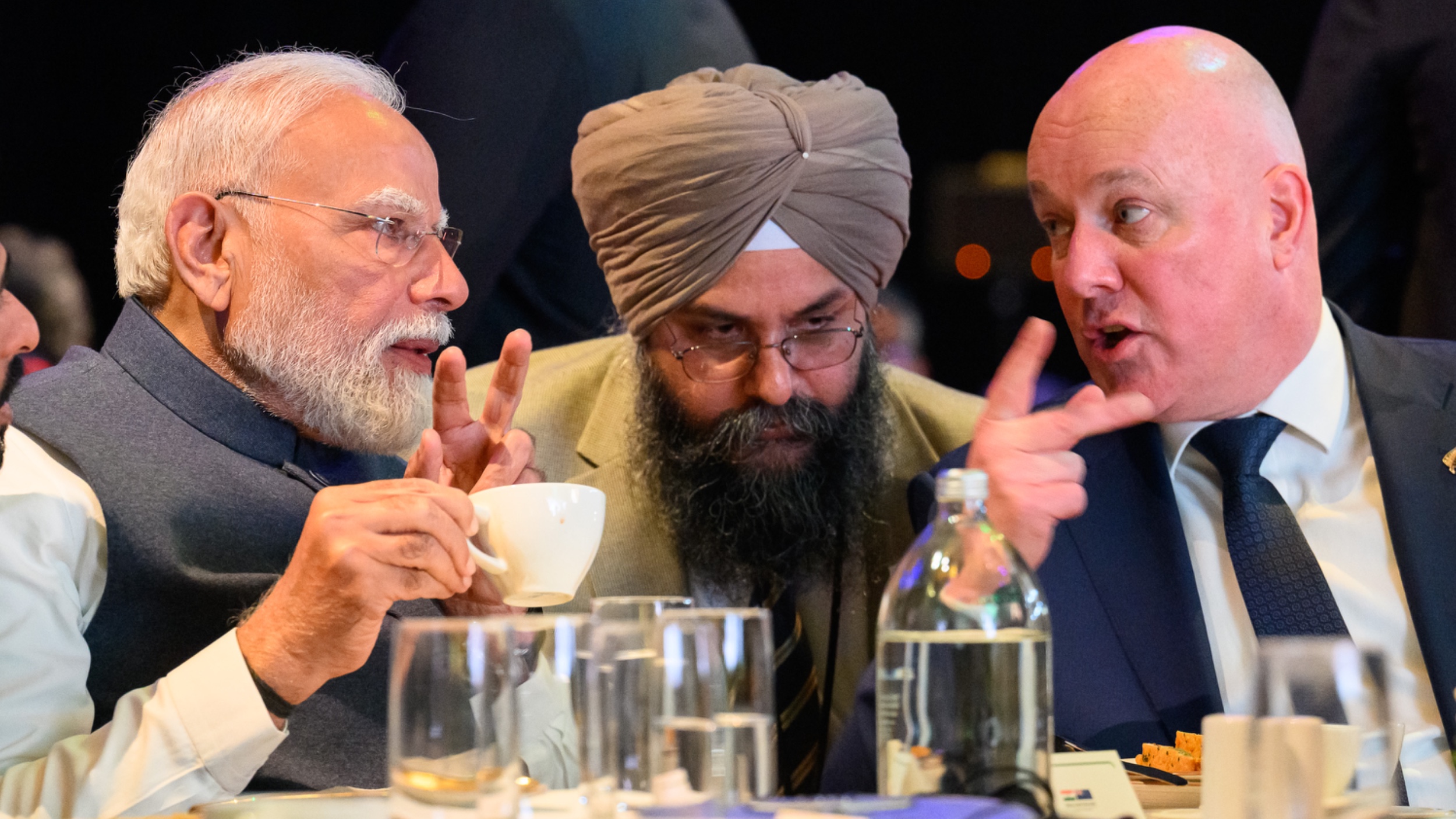
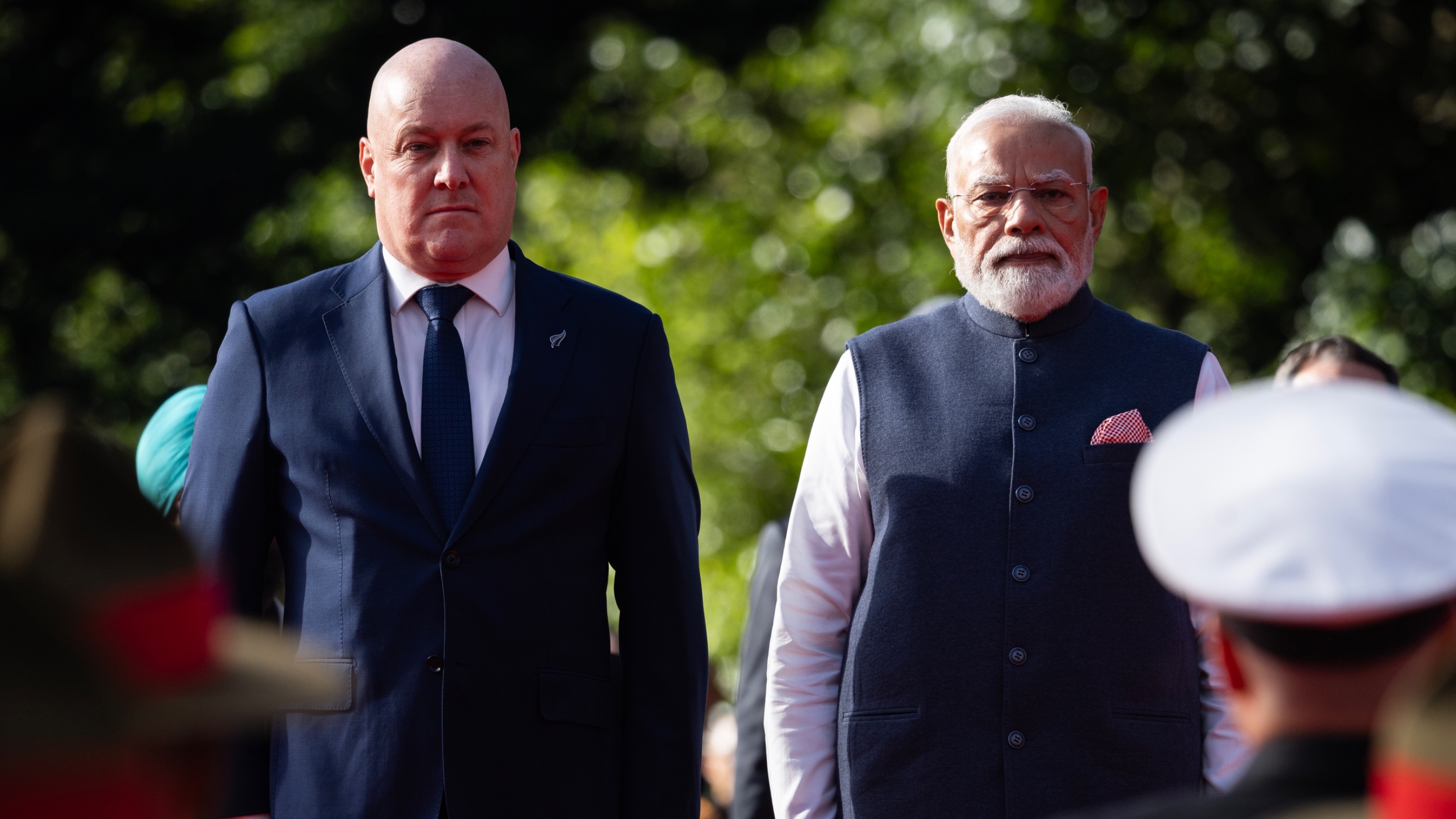
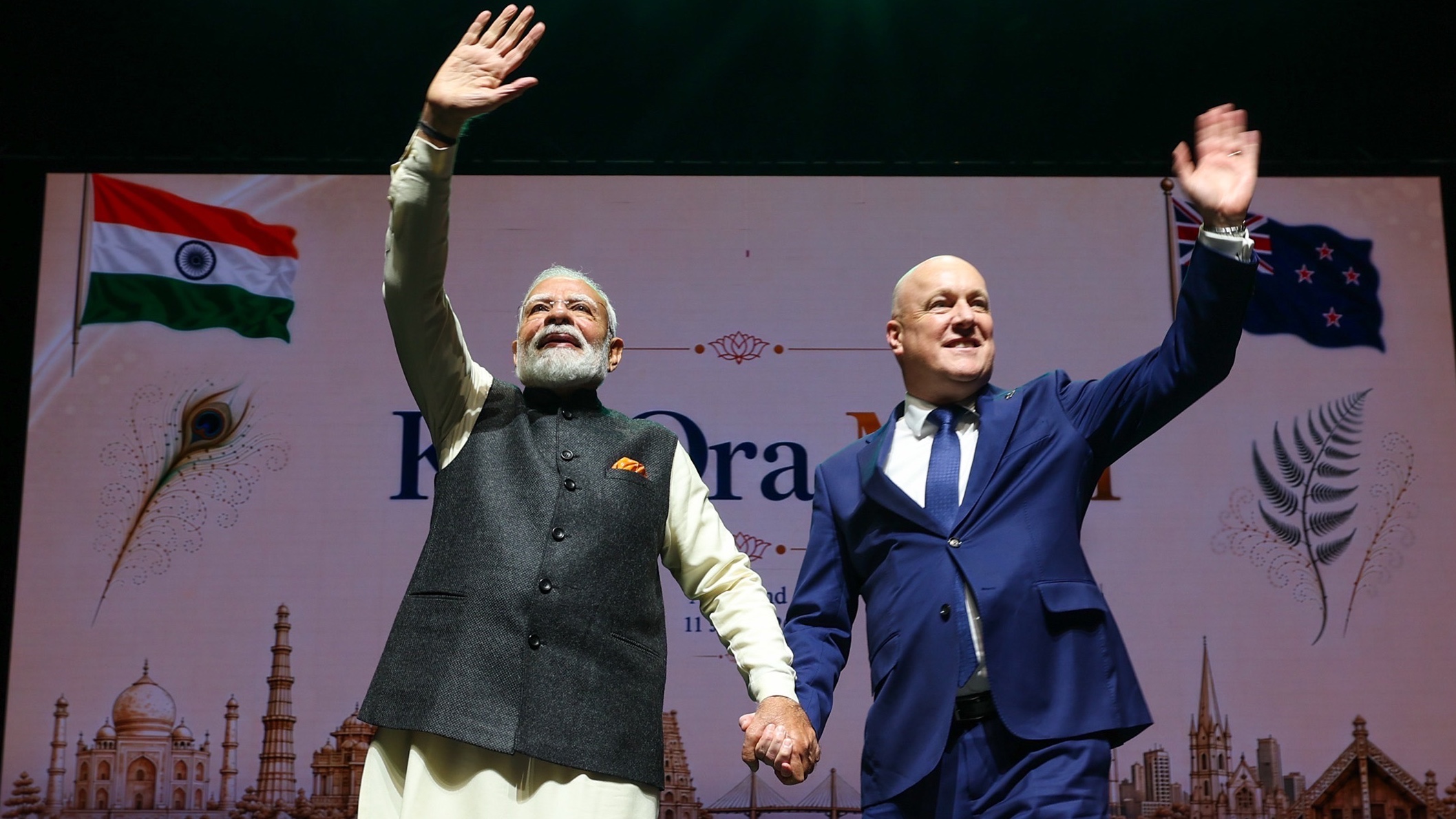
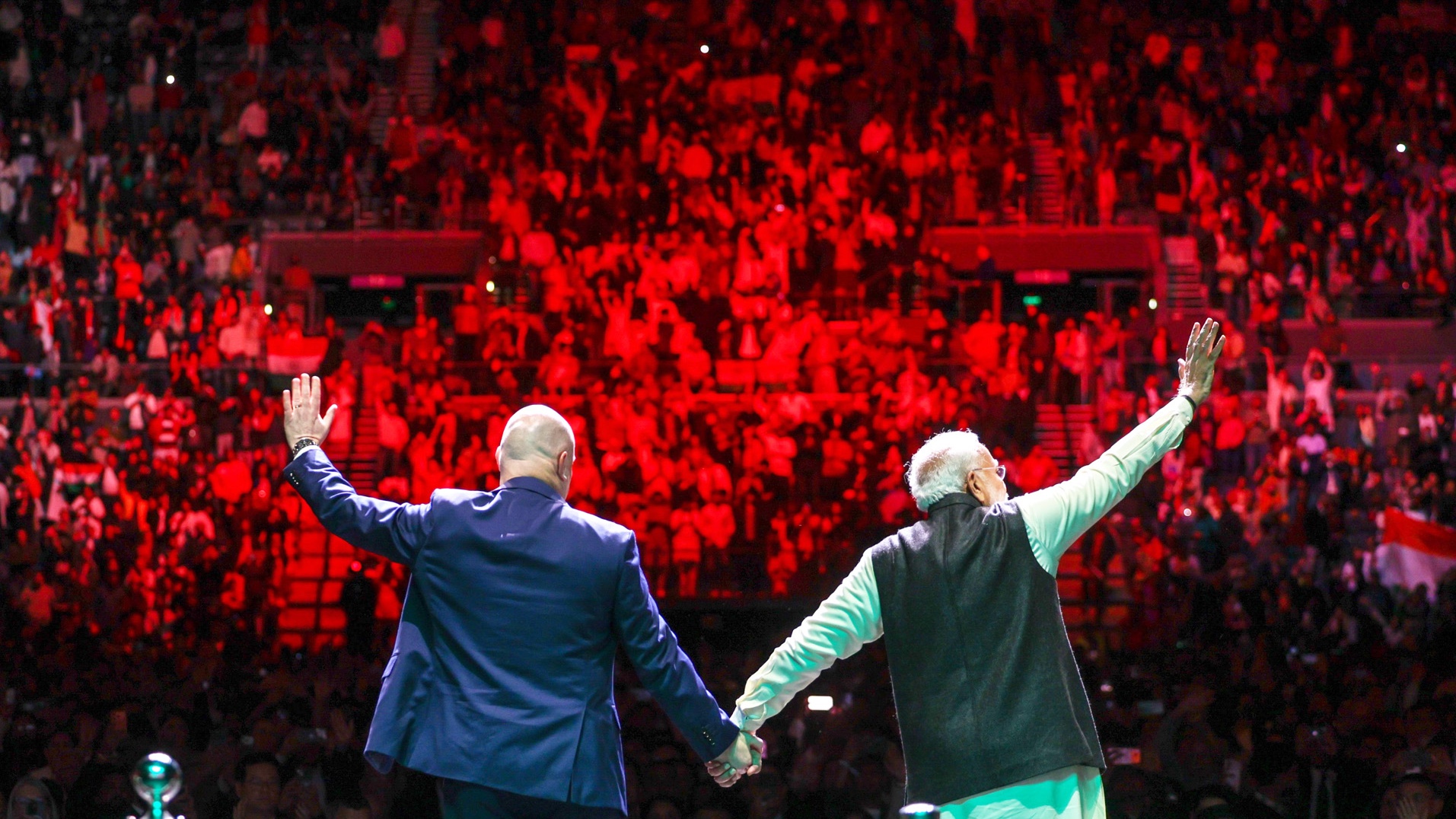
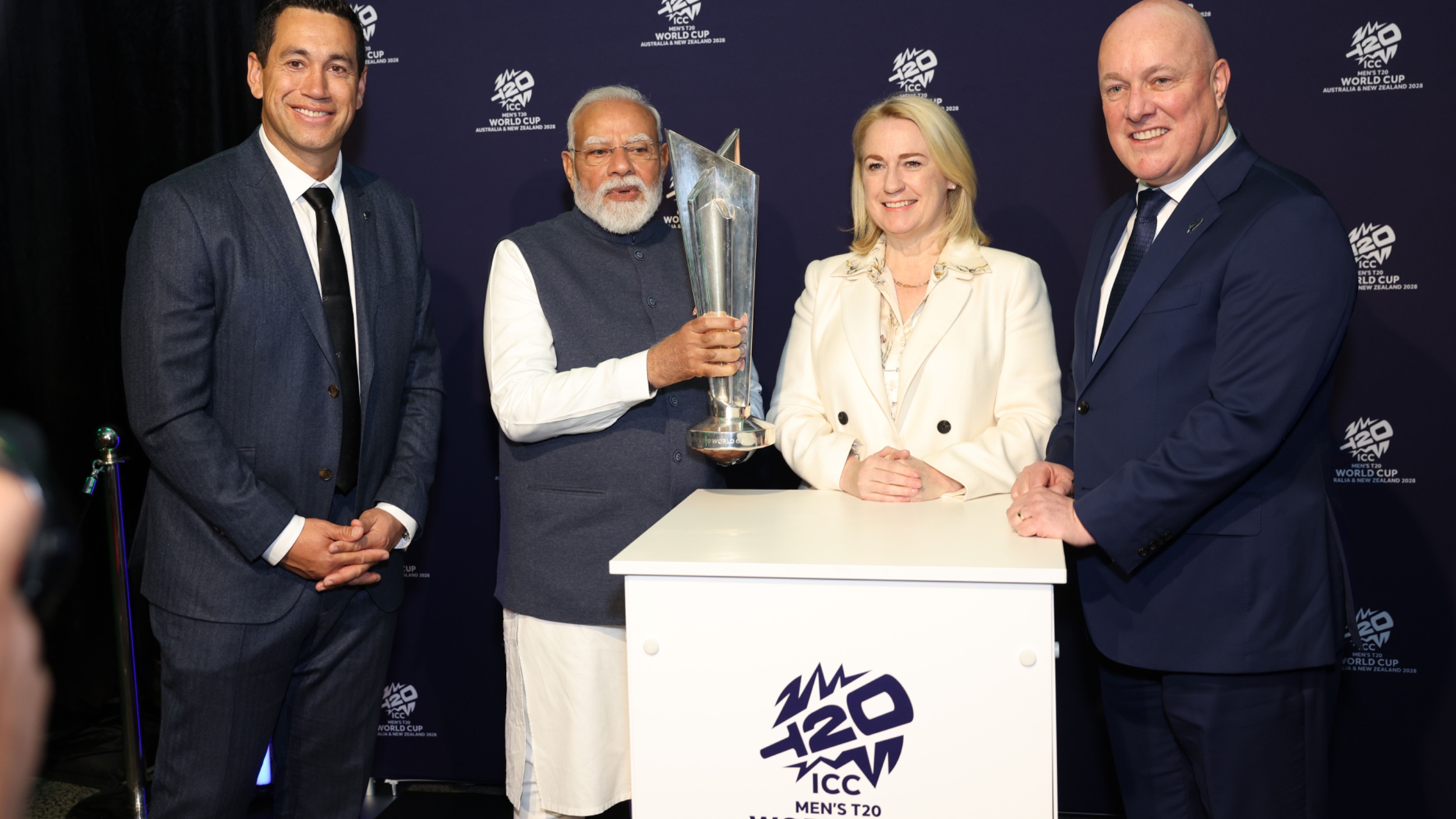
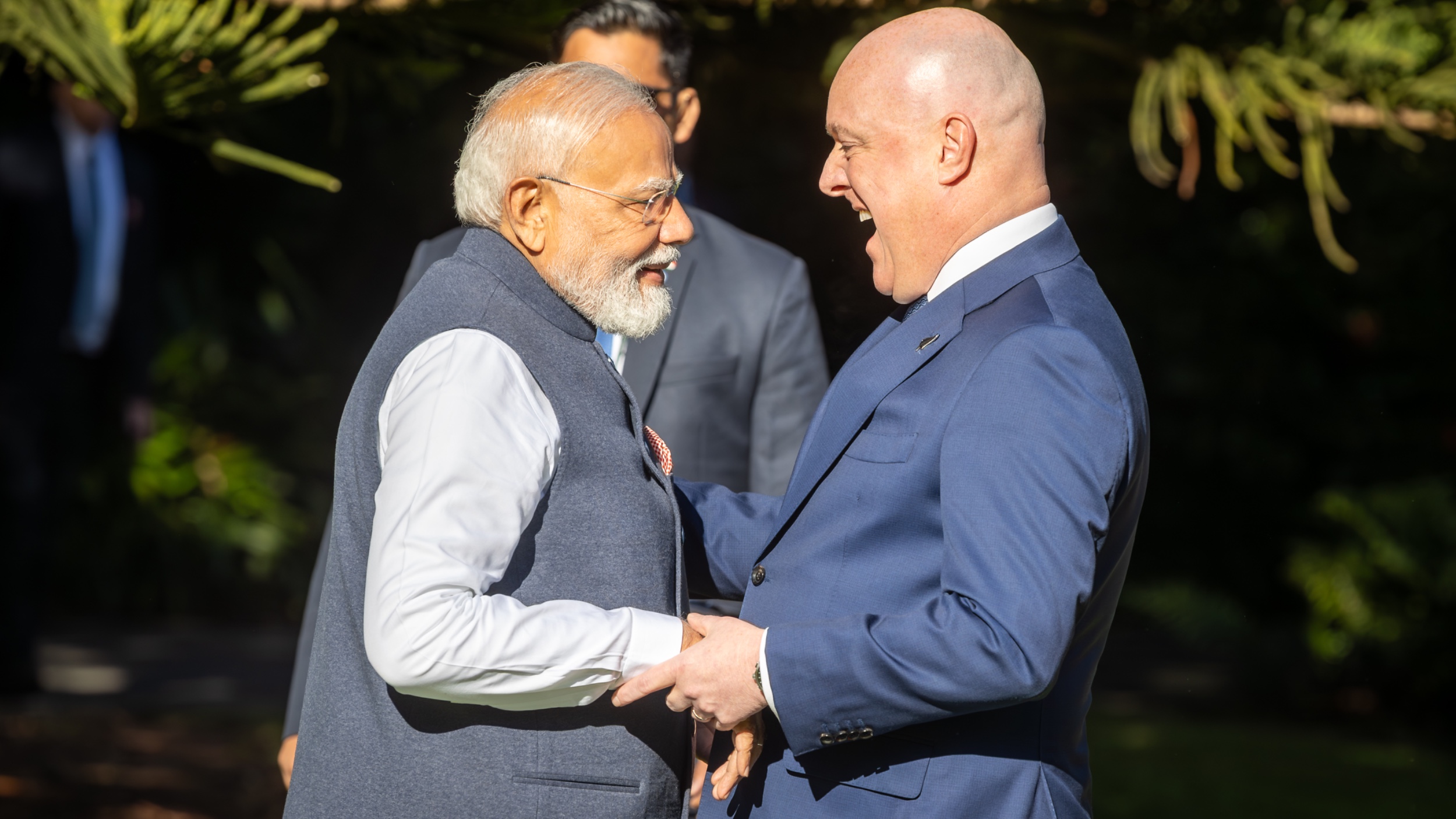
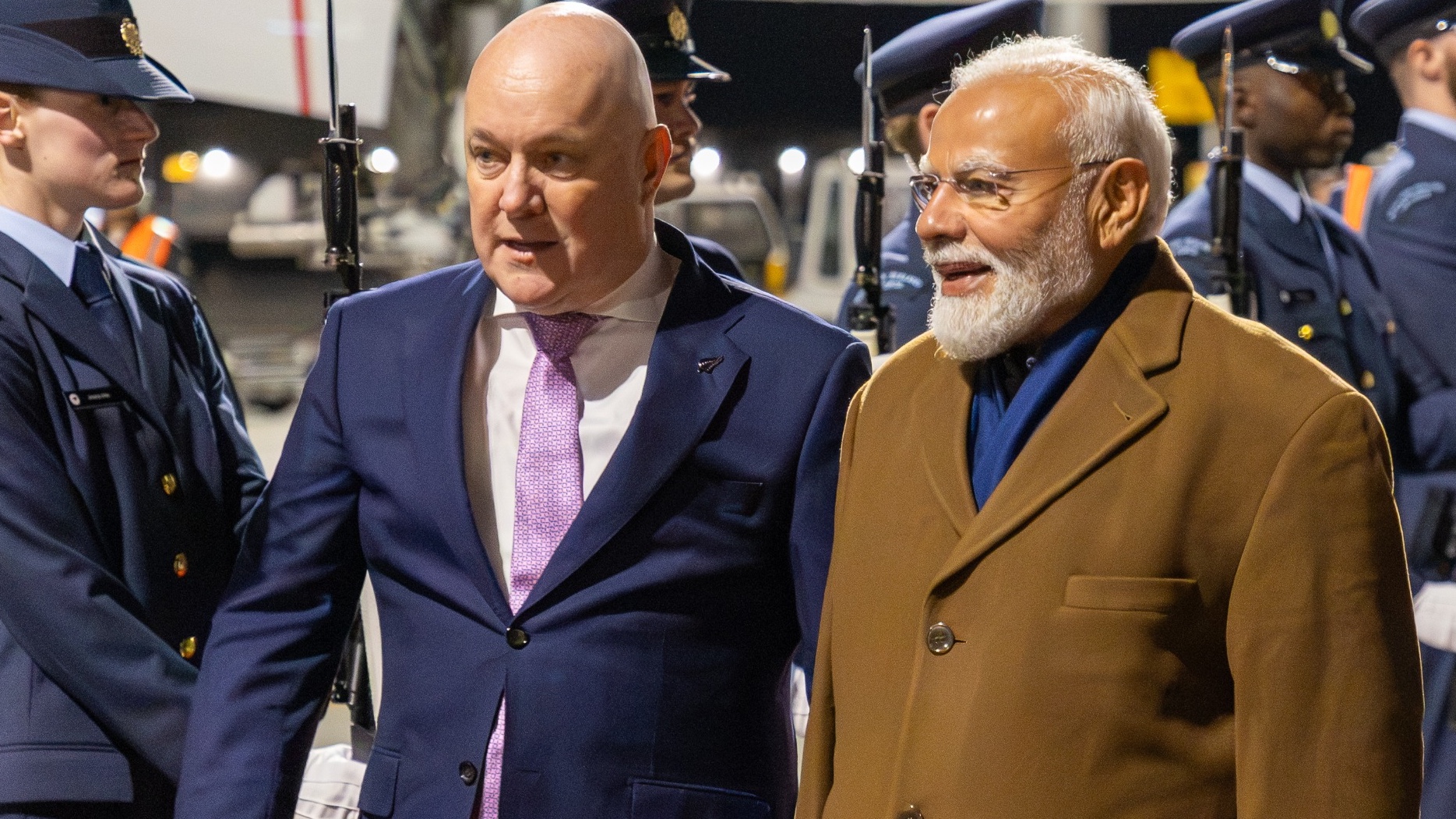
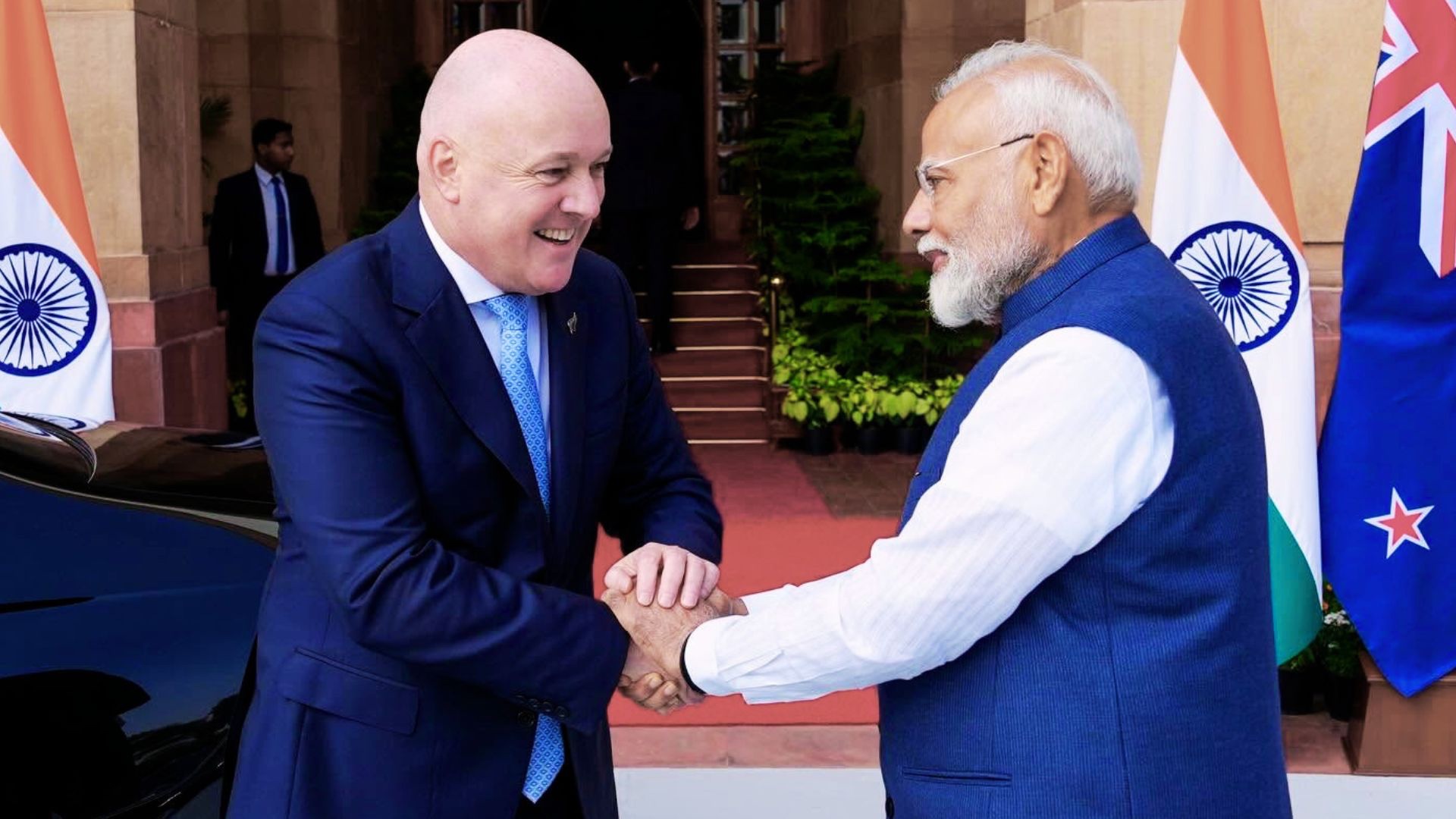
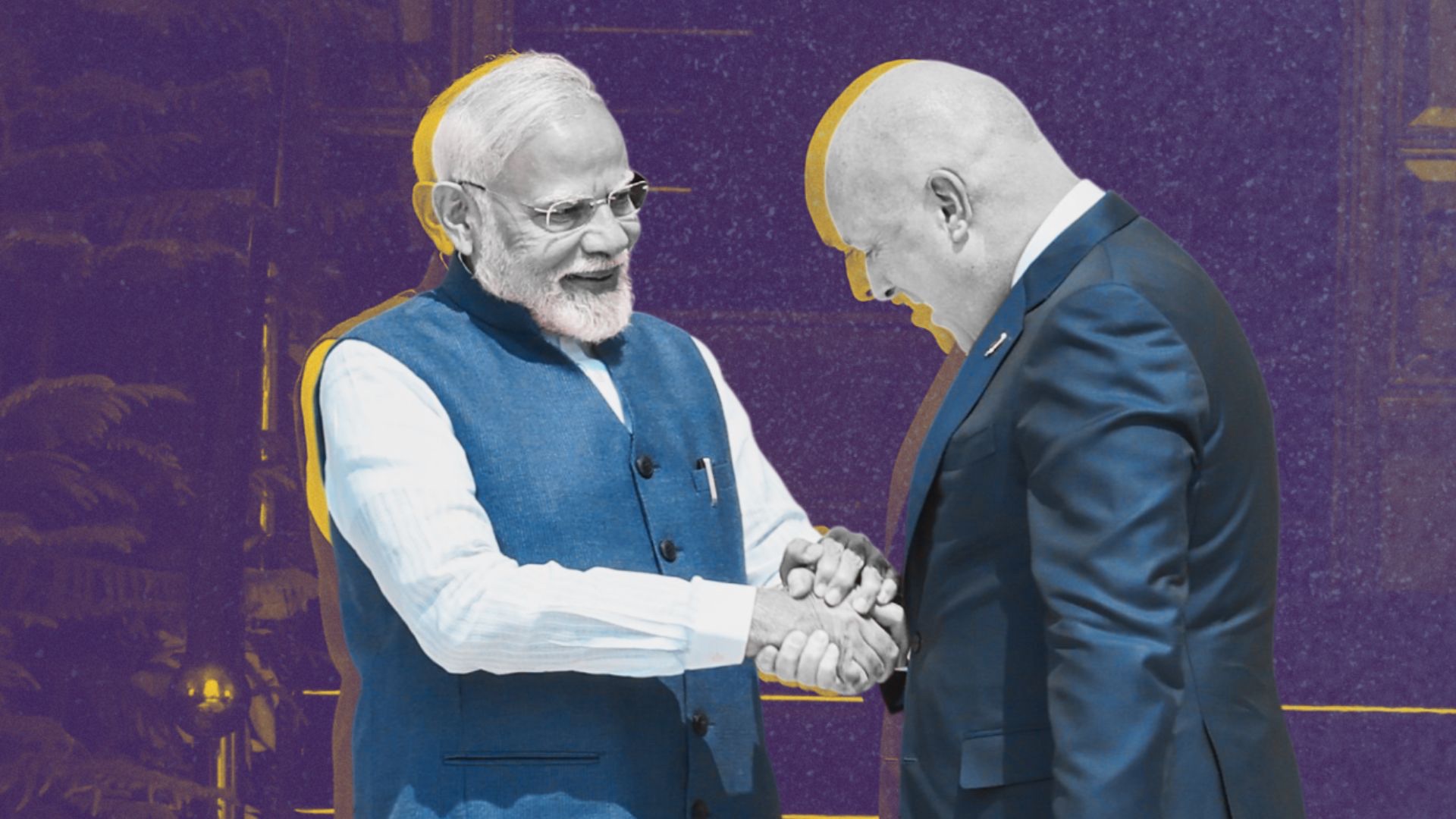
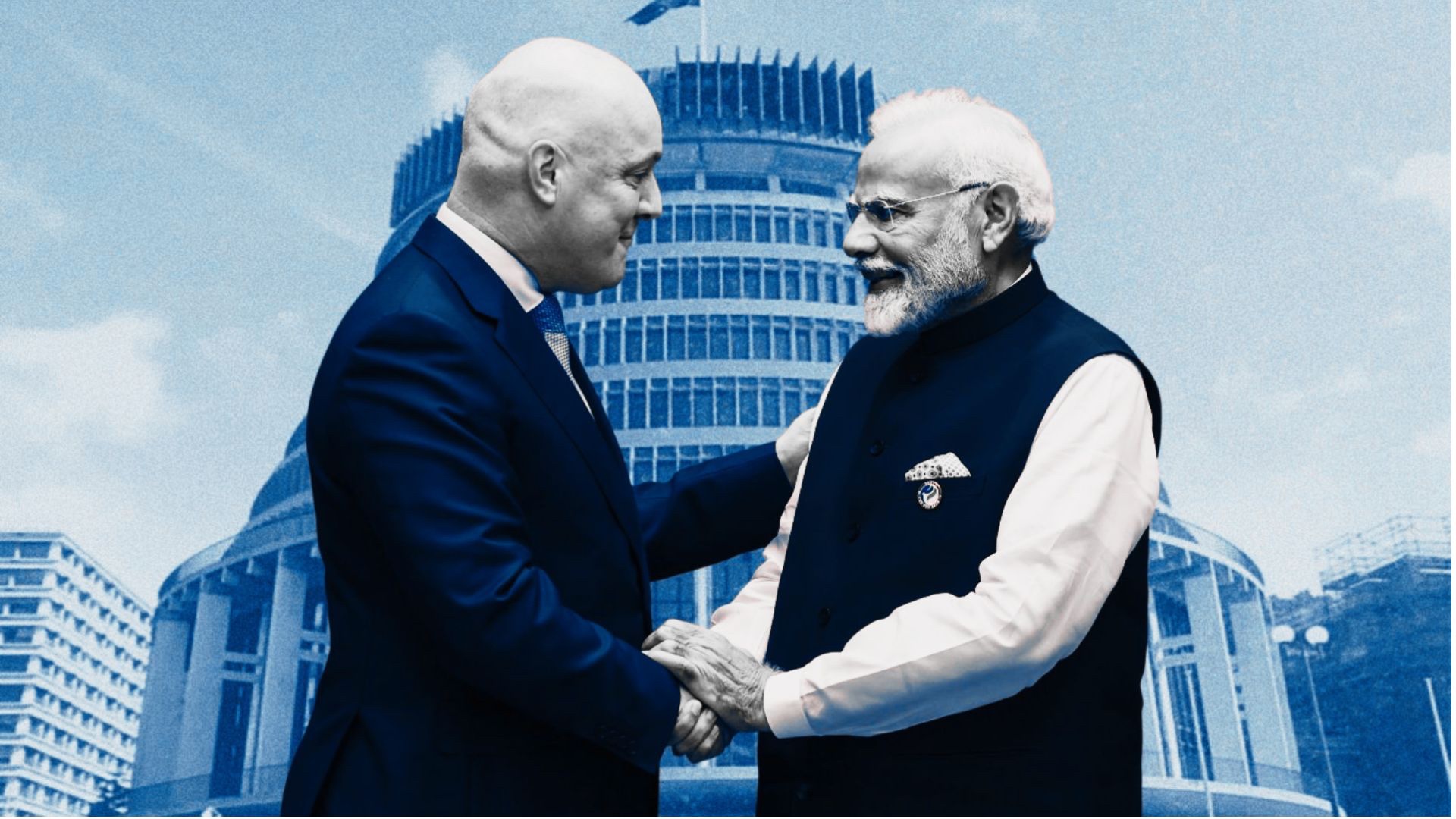
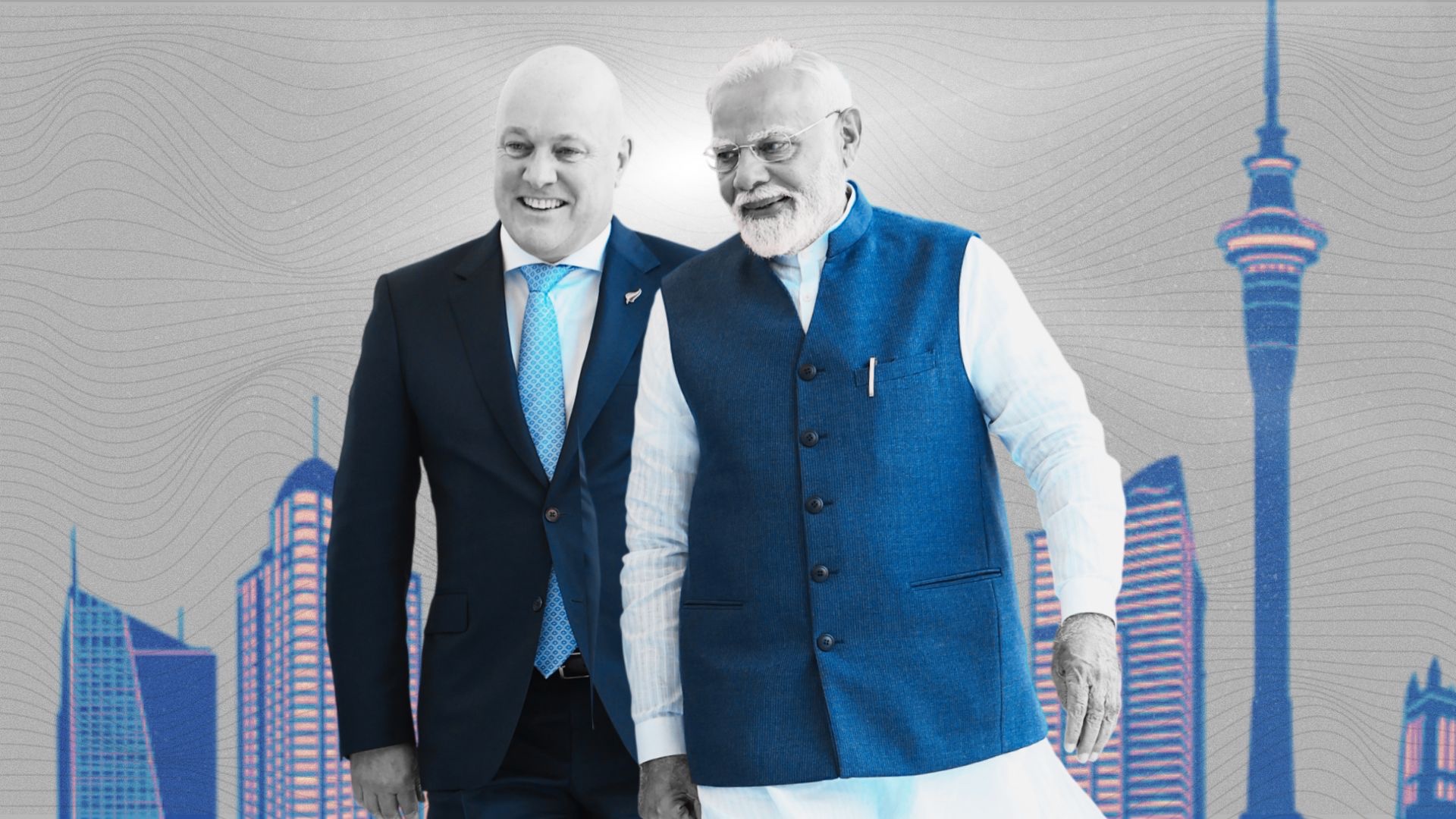
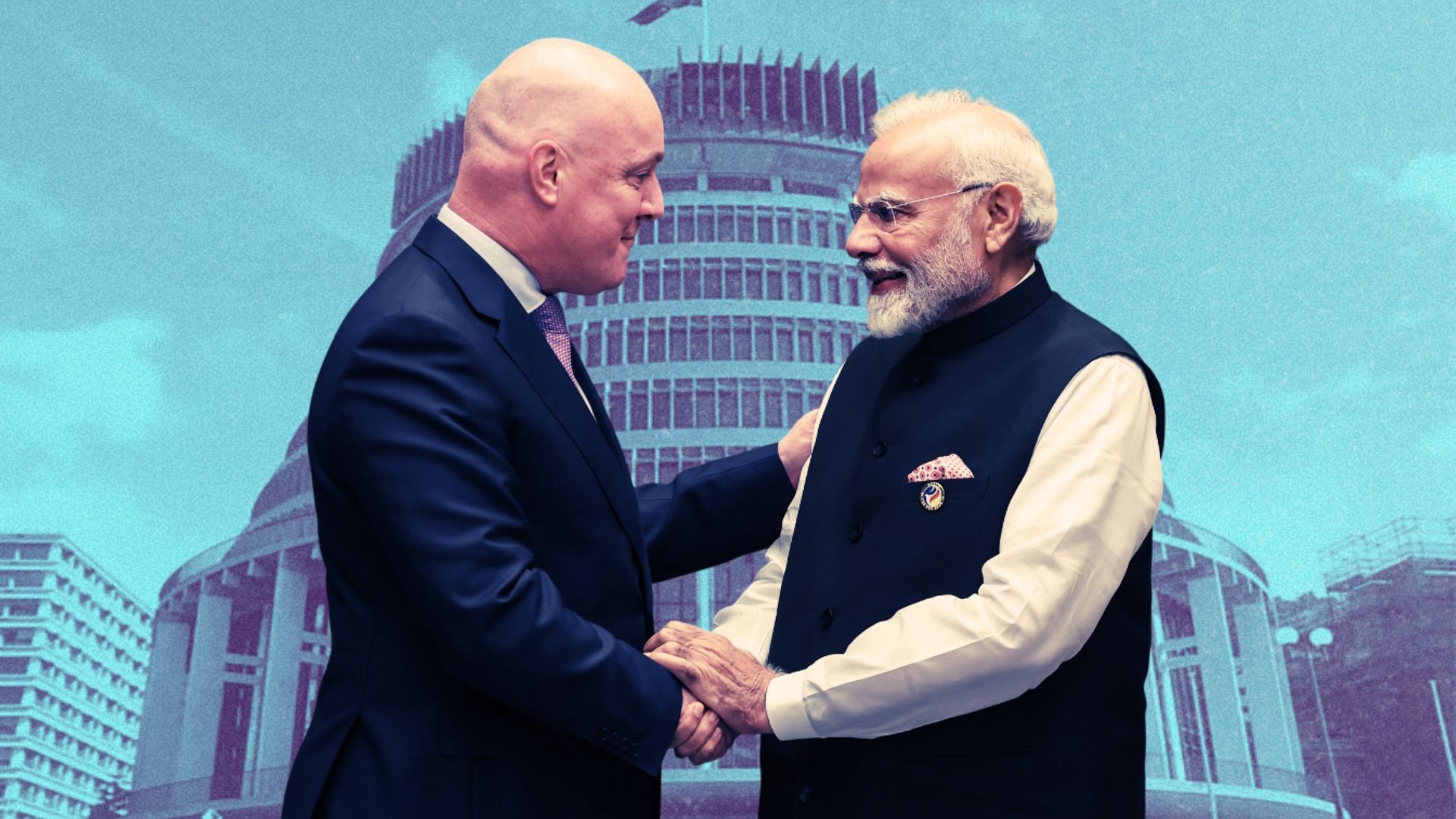
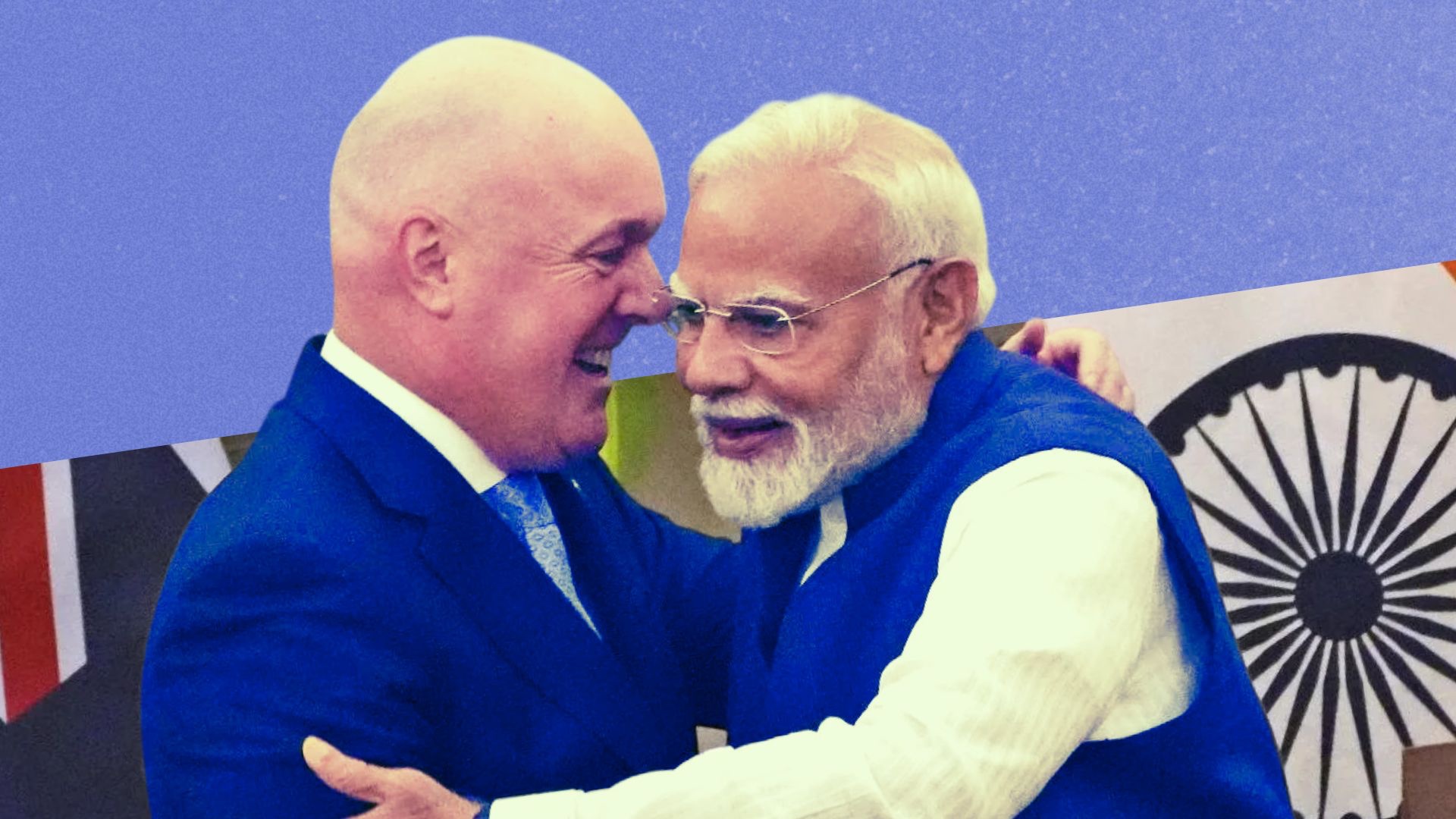
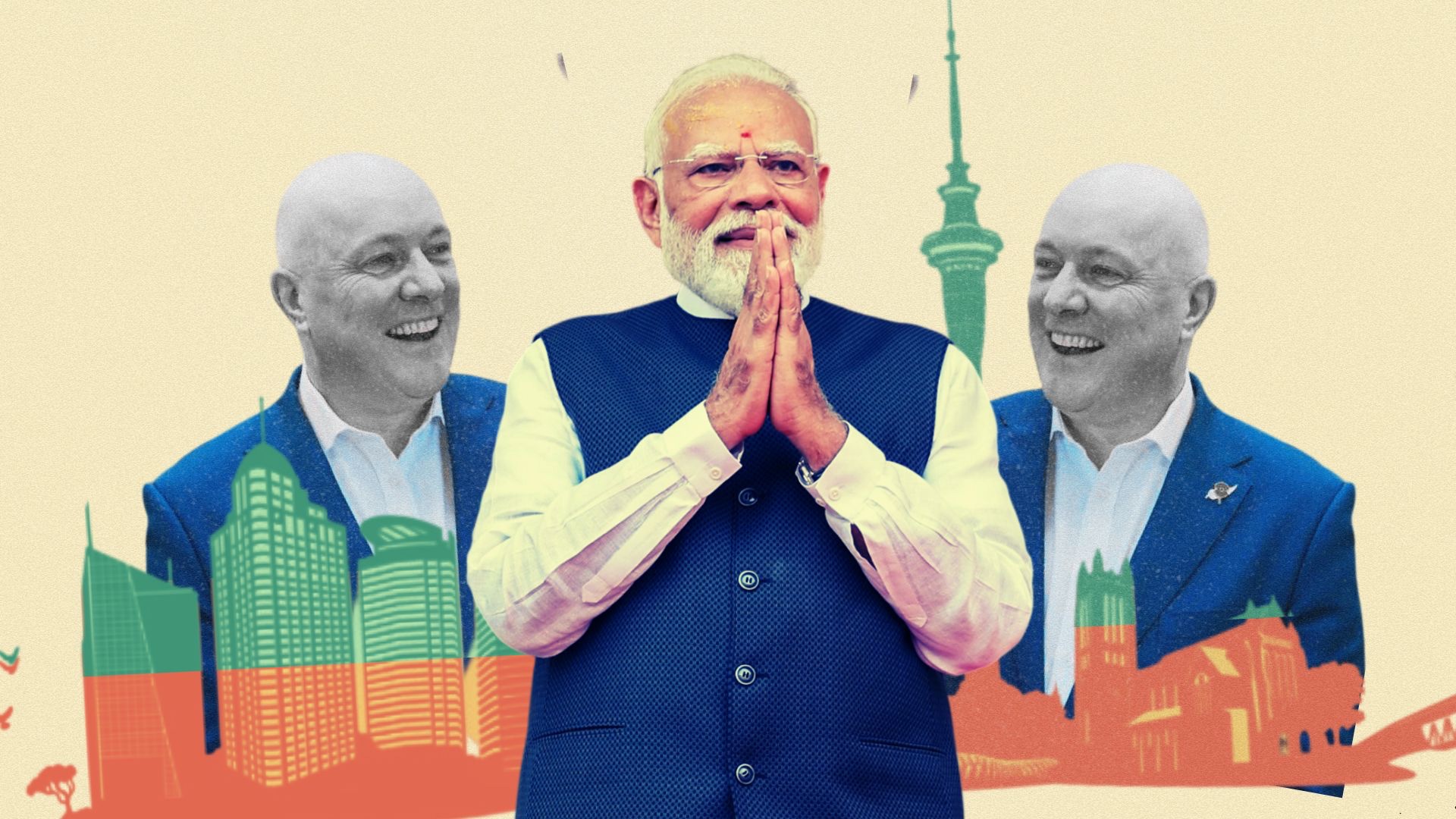
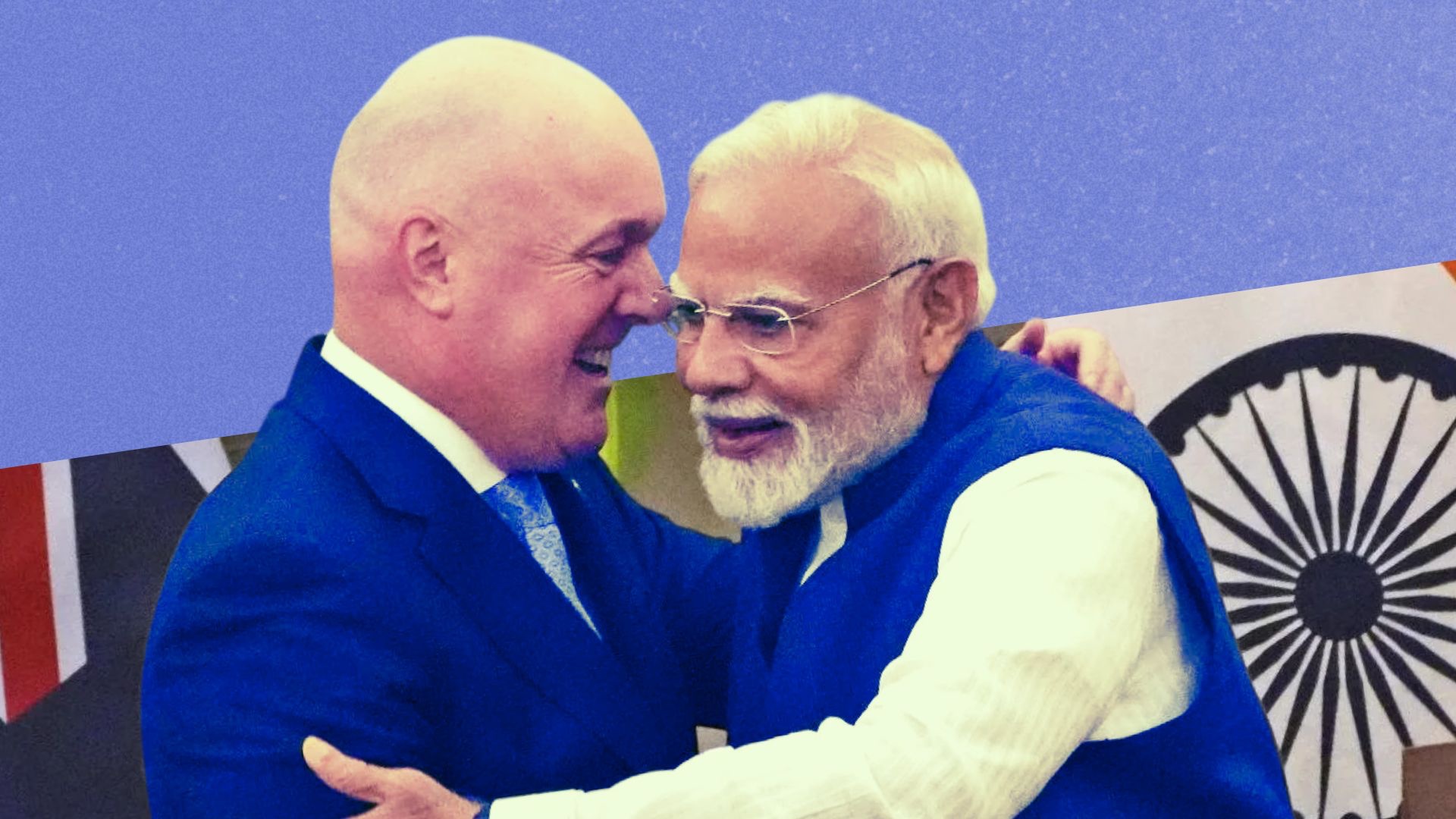
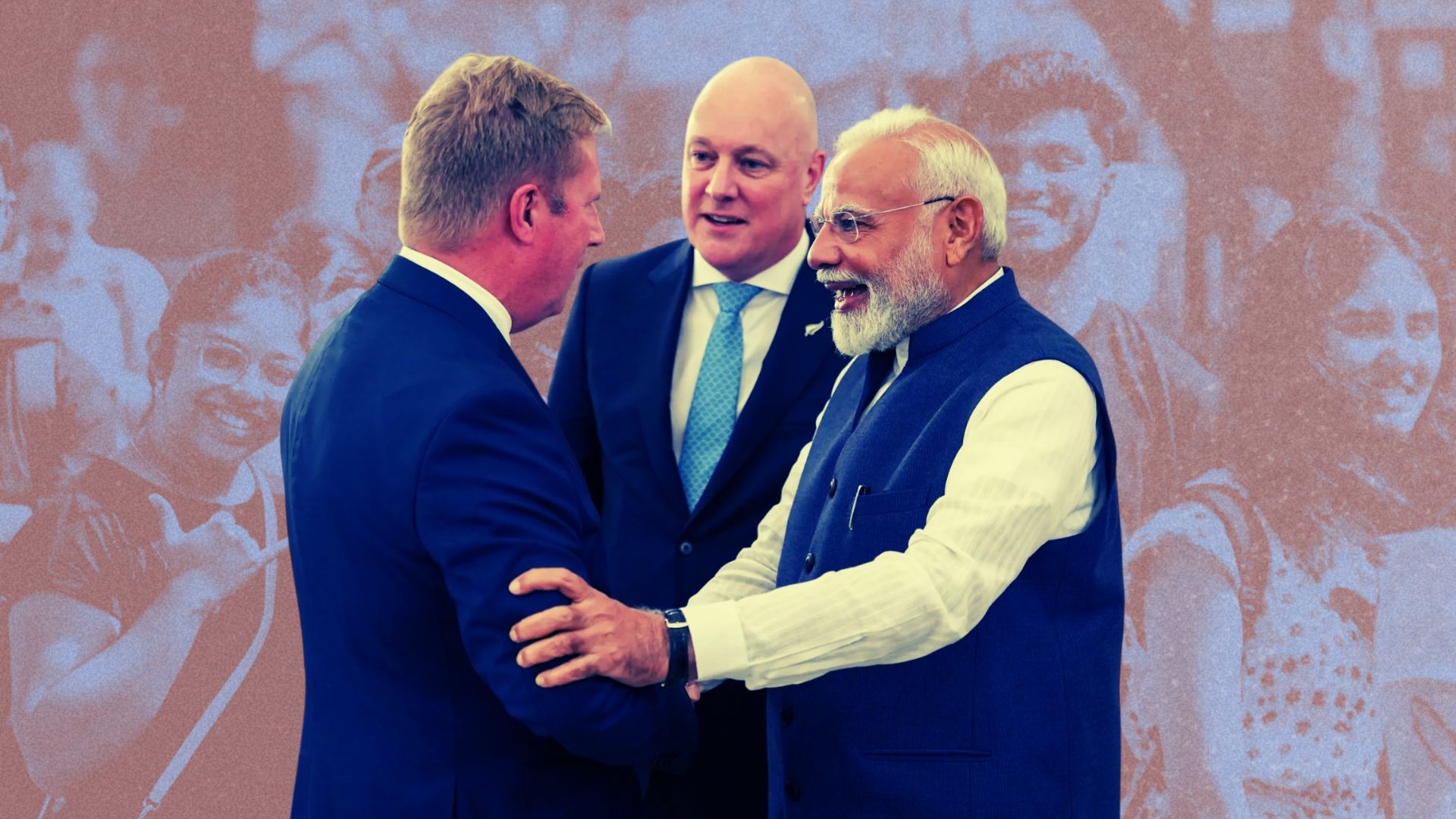
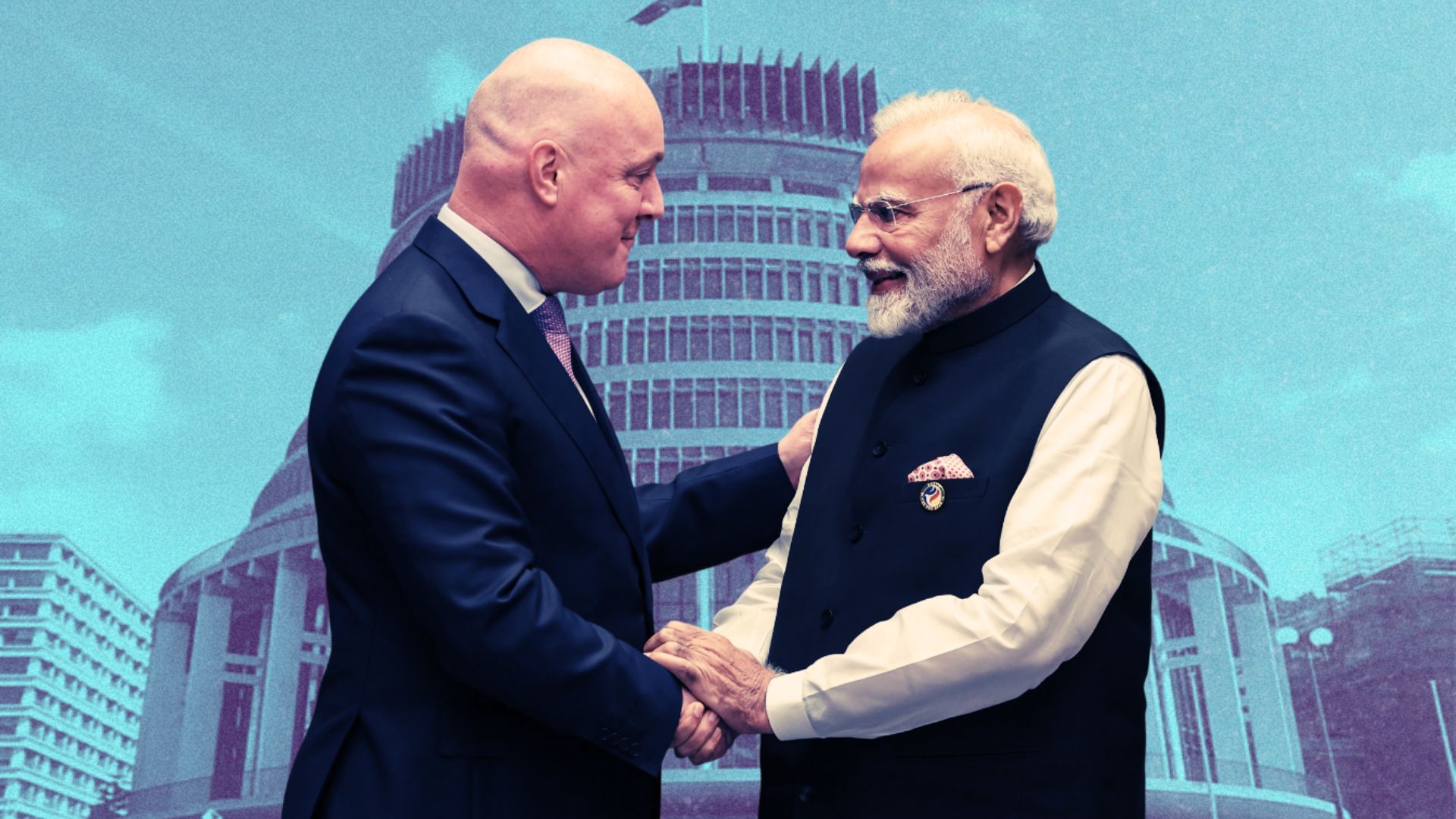
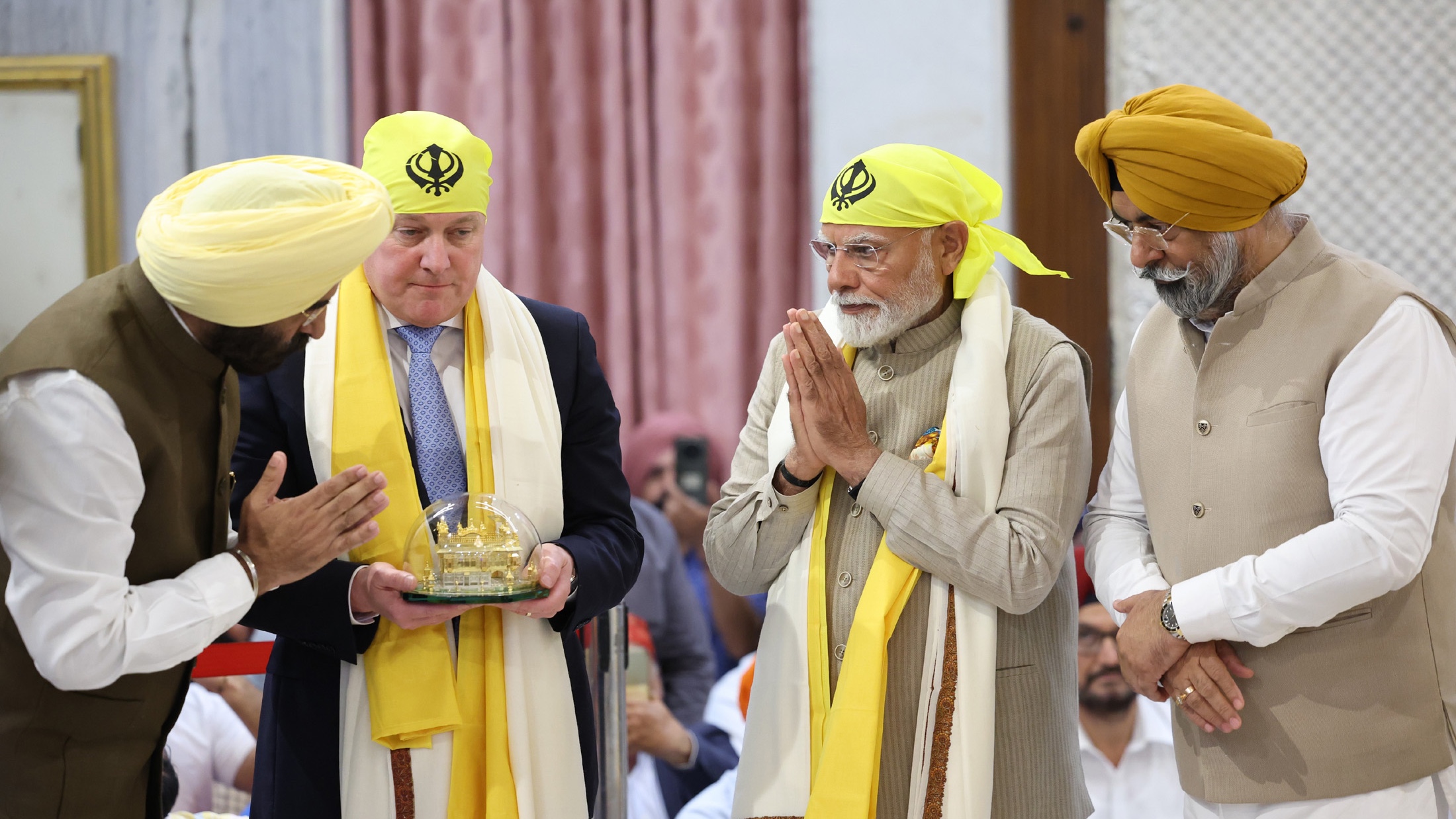
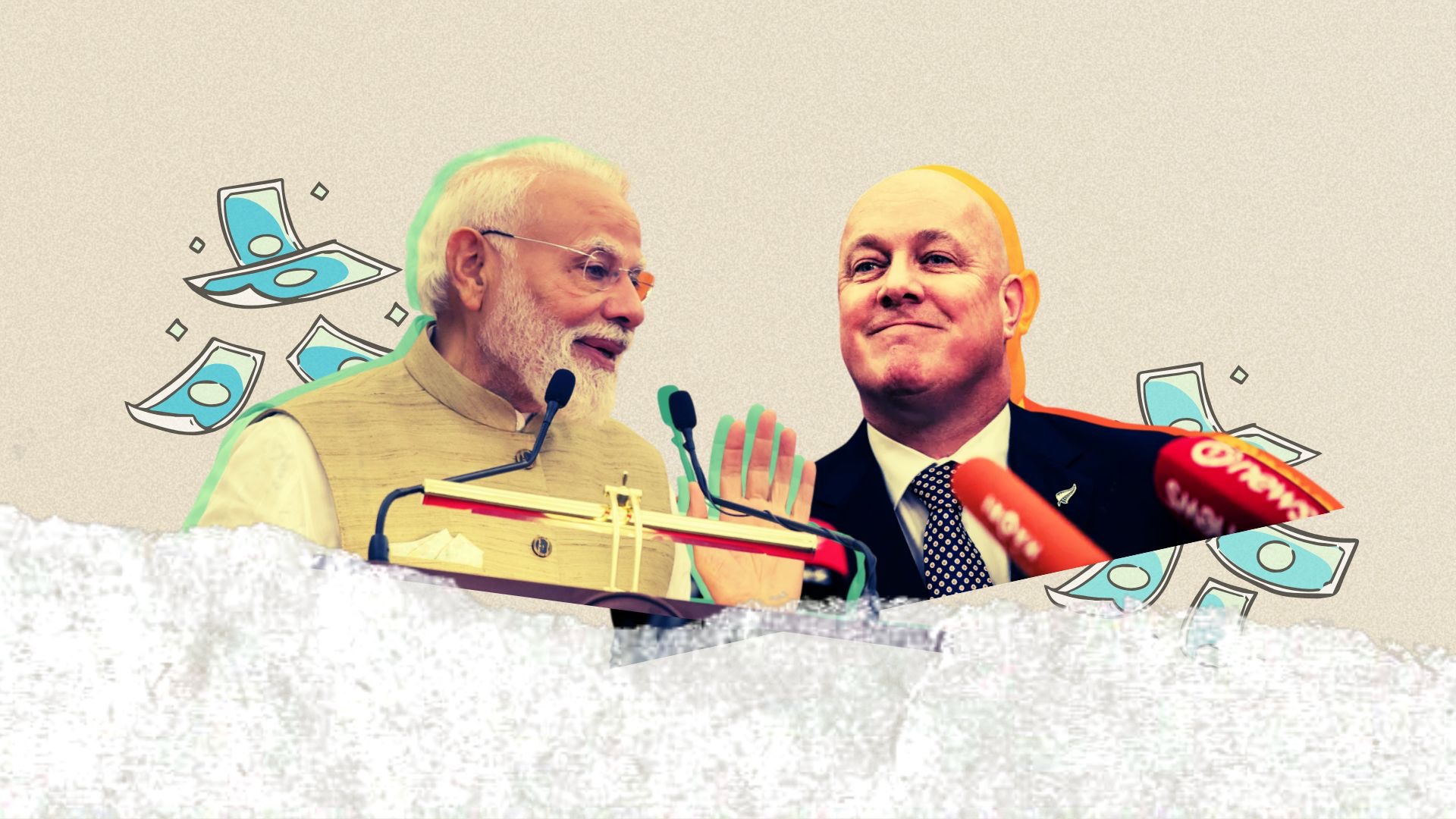
Modi is expected to visit Auckland next week, in what would be the most significant visit by an Indian prime minister to New Zealand in years.
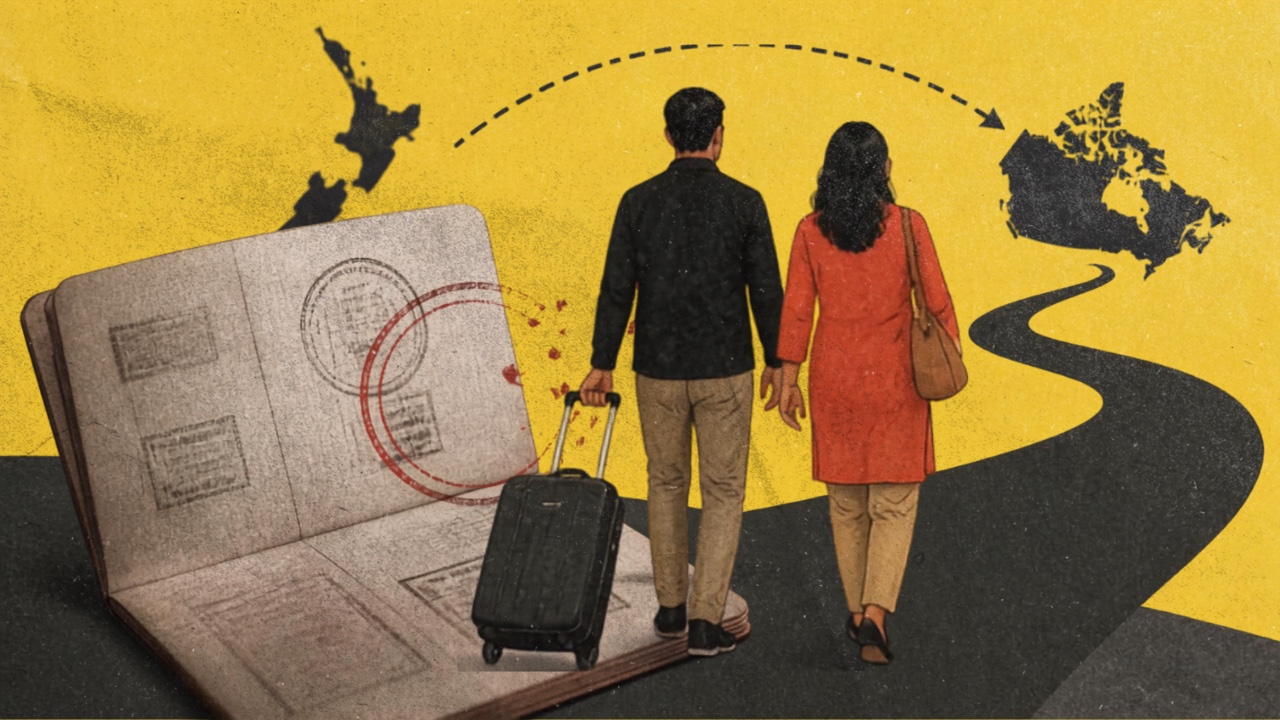
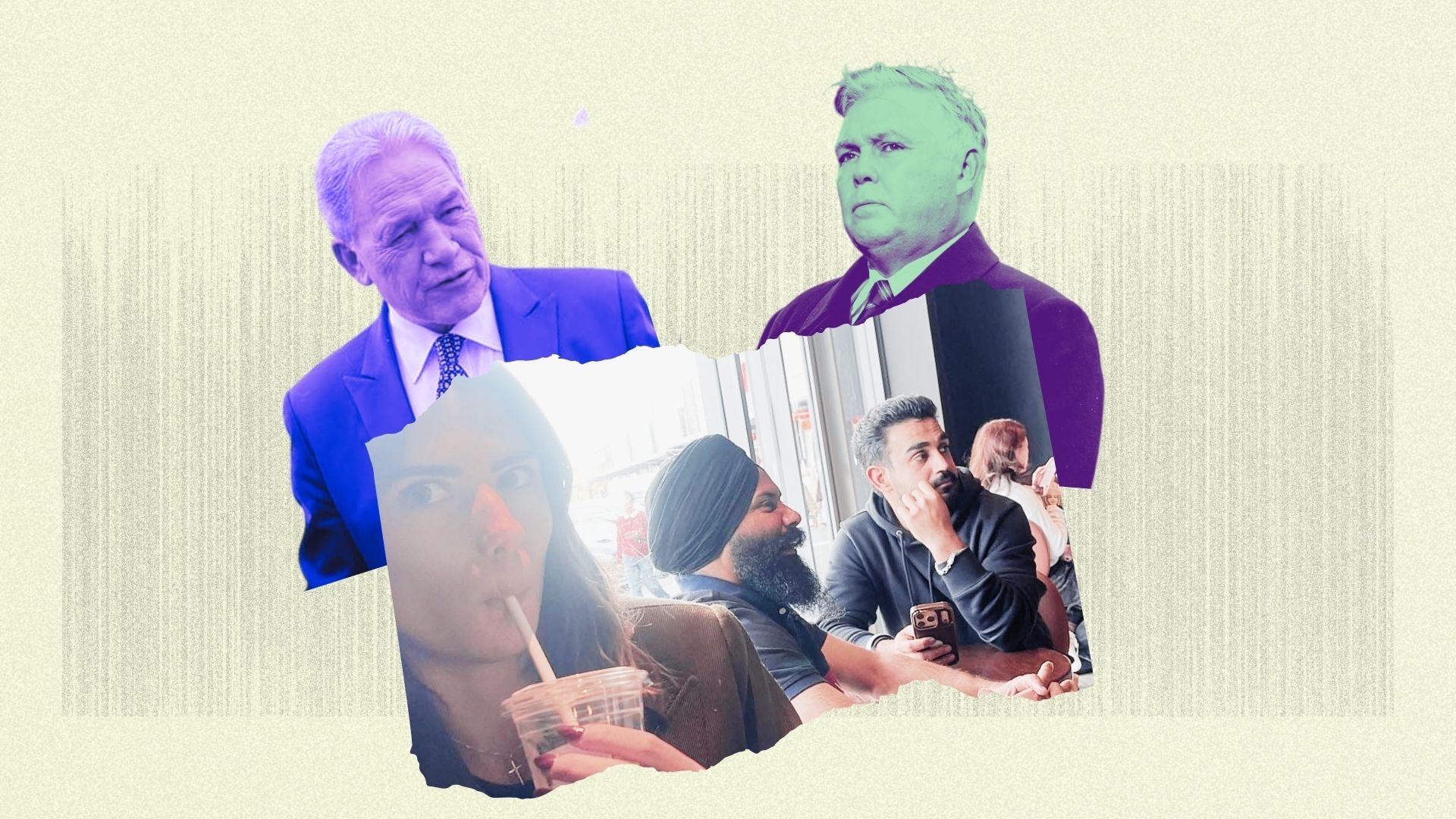
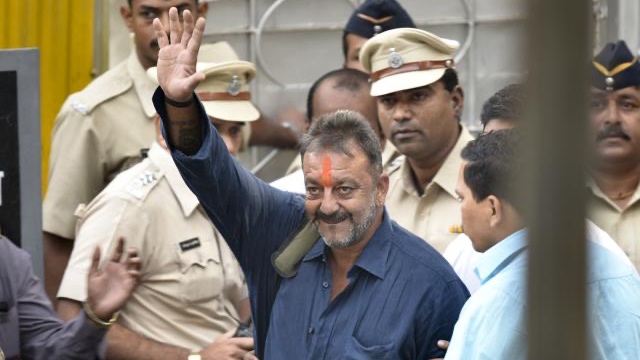
Selfie: ‘Daddy, please don’t take me to an India-NZ cricket match’. A migrant's dilemma Can a migrant embrace a new home without abandoning old loyalties? Sports often offers a reckoning for migrants.
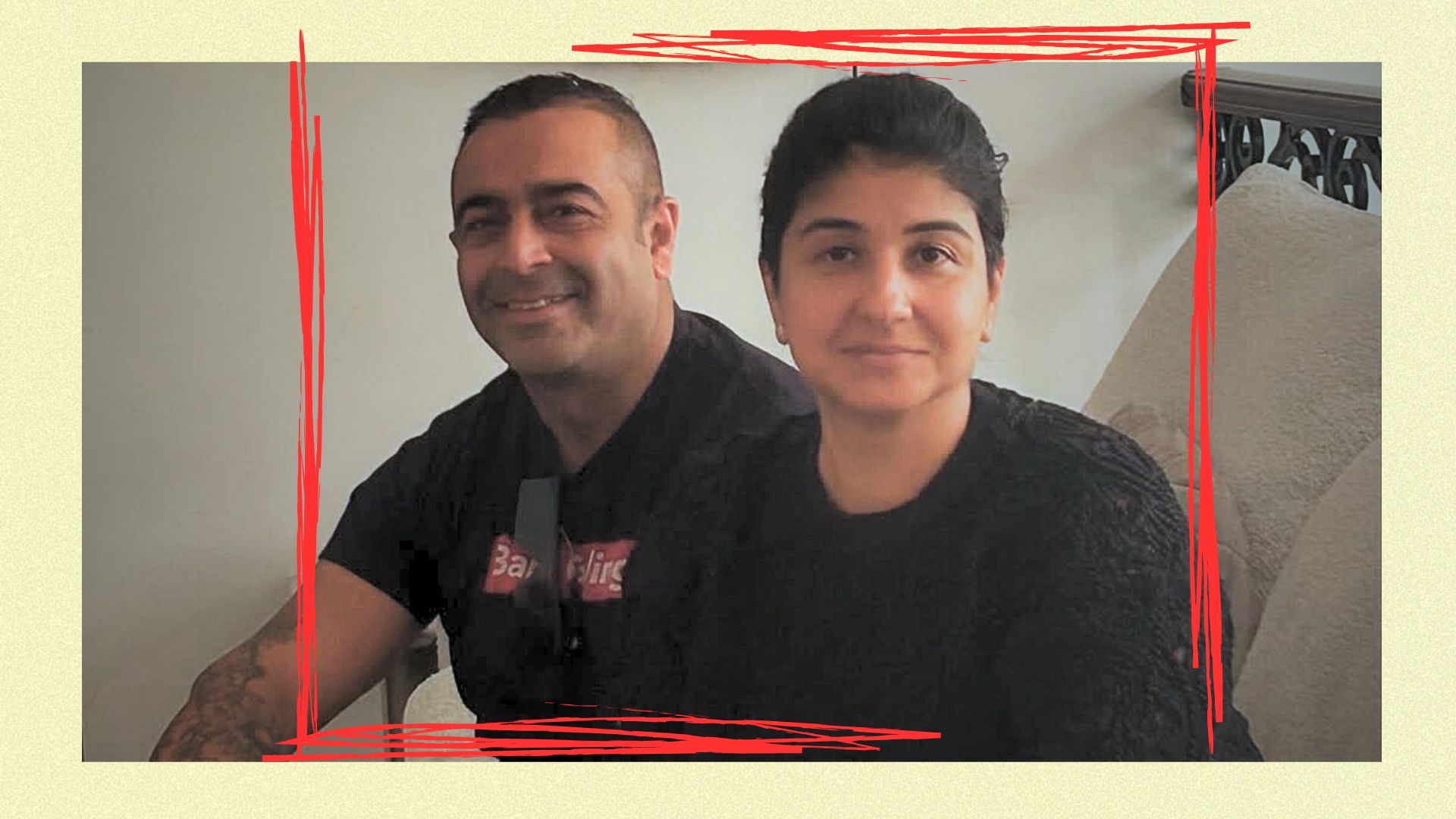
Migrant prison guards in Auckland accused of drug smuggling can't work, can't go home Two fathers facing serious corruption charges have been unable to work elsewhere because of their visas and awaiting criminal trials in 2028.
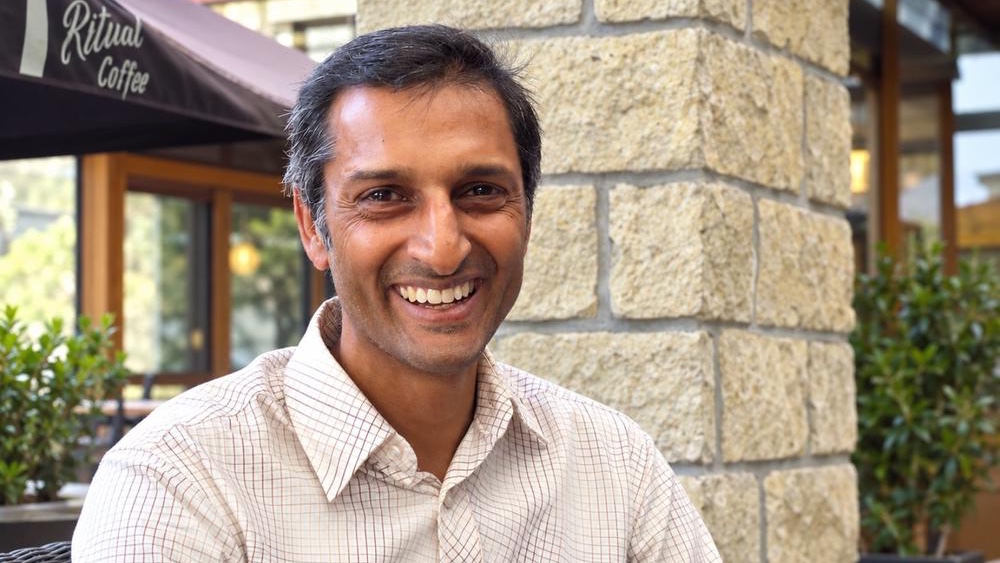
Can you be Indian and Kiwi? National's Mahesh Muralidhar on patriotism, racism and belonging National's big ticket Indian-origin candidate on what ethnic representation really achieves and why New Zealanders still struggle to get along.
Asked whether he was worried about New Zealand-India relations, Peters said that was his “major worry”.
“It’s a matter of fidelity,” he said. “I’m not going to see Jaishankar, who I know very well, and have me look in the face and say, ‘I wasn’t honest with him.’”
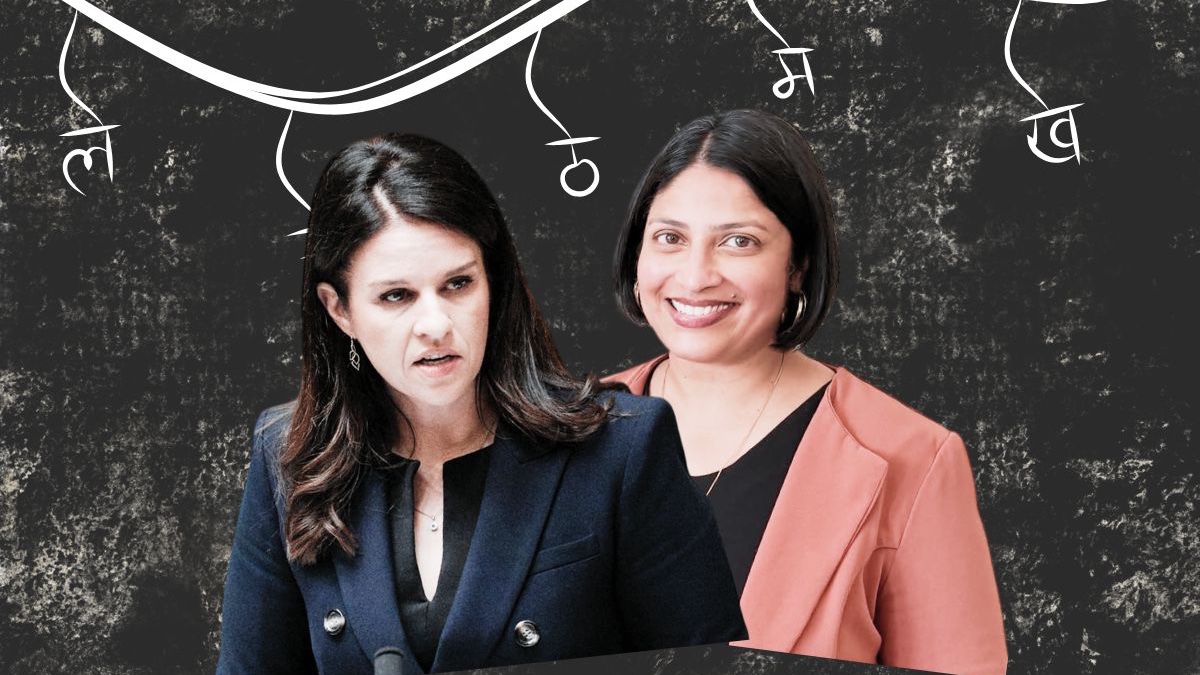
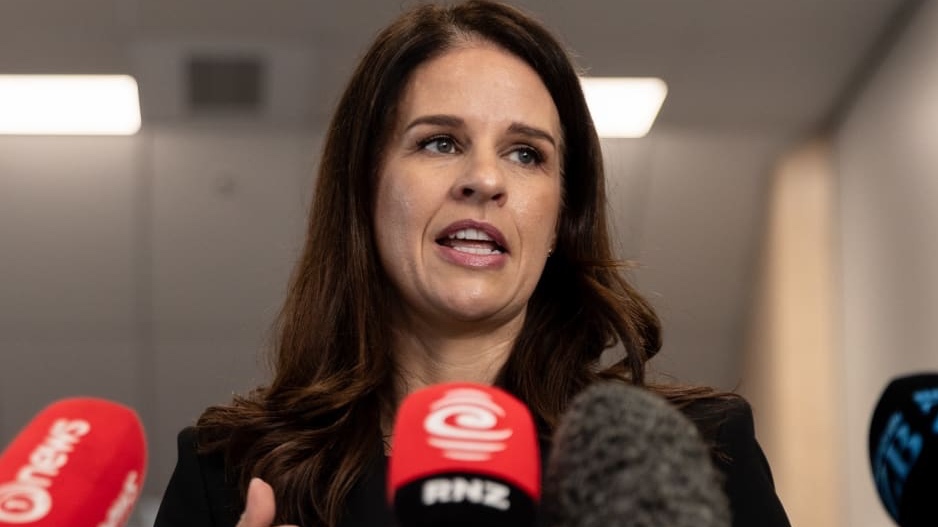
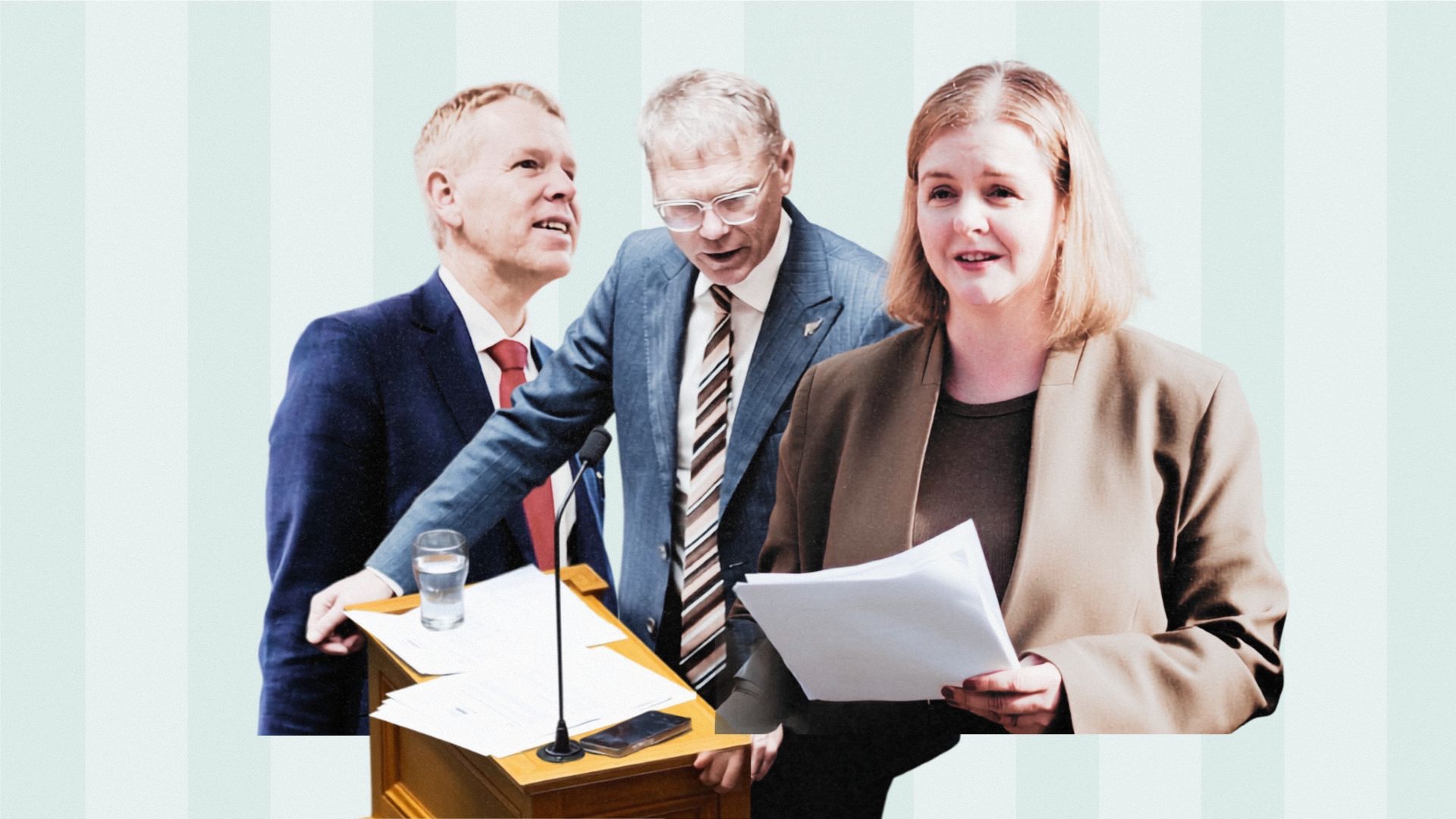
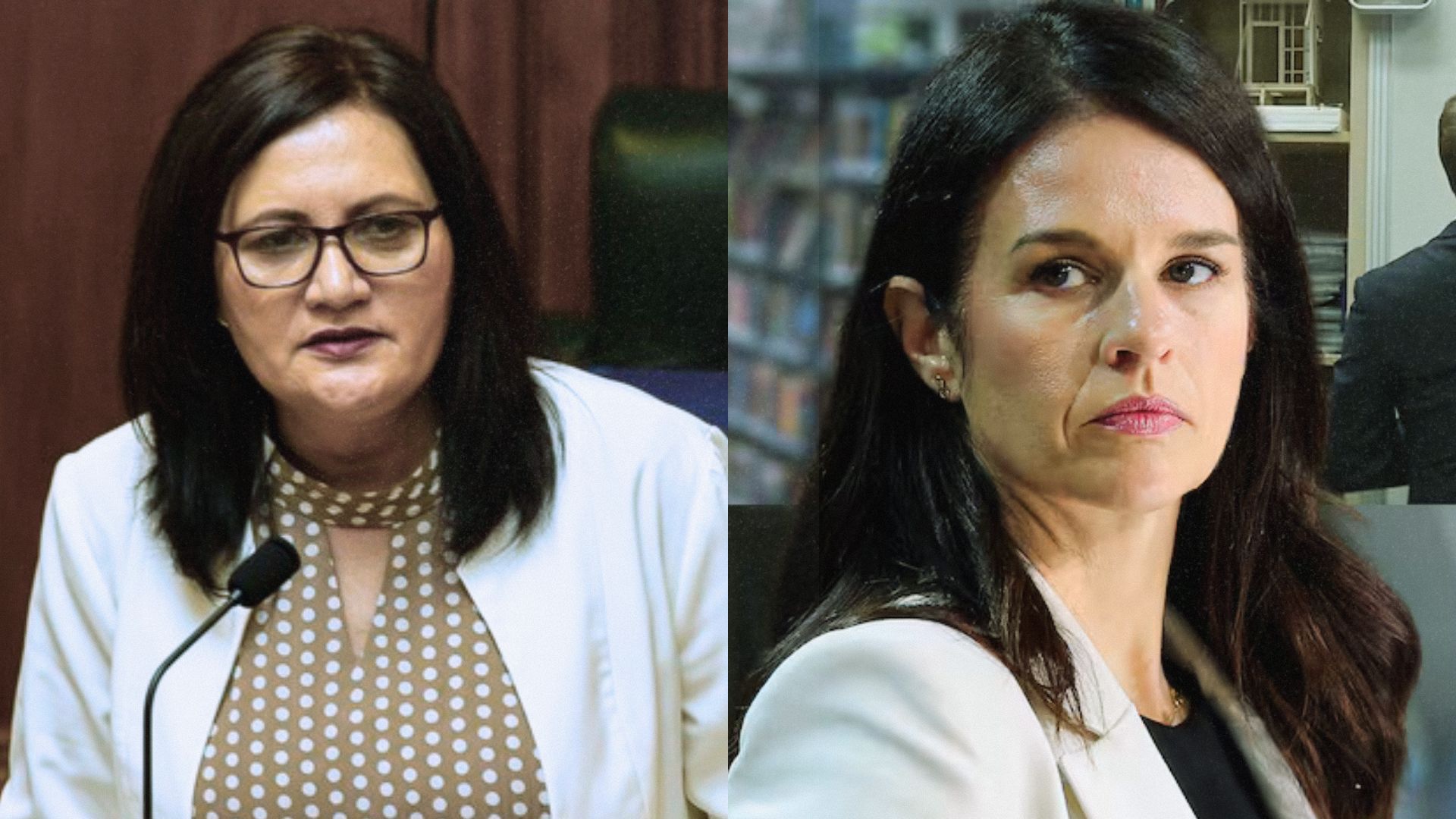
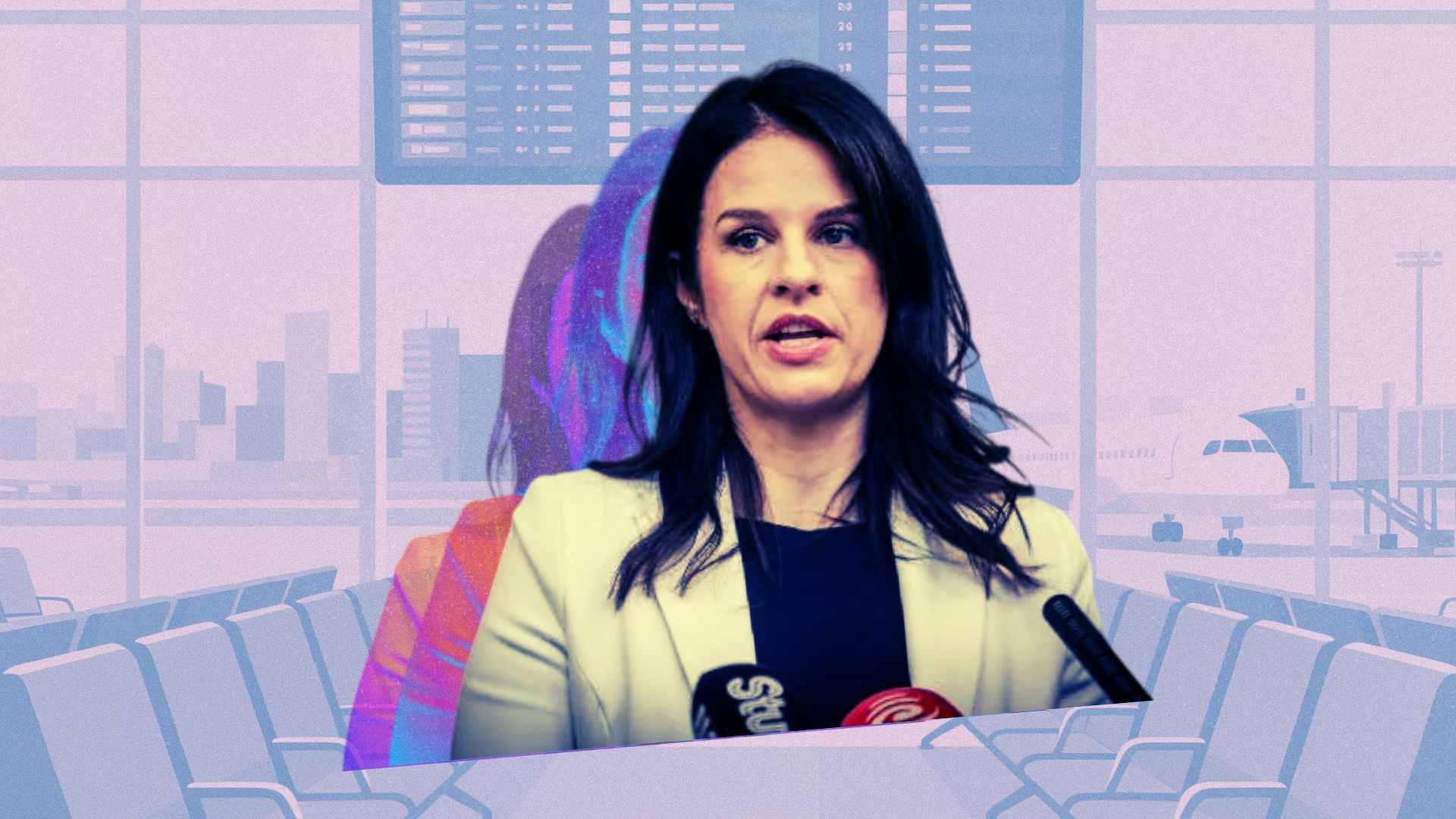
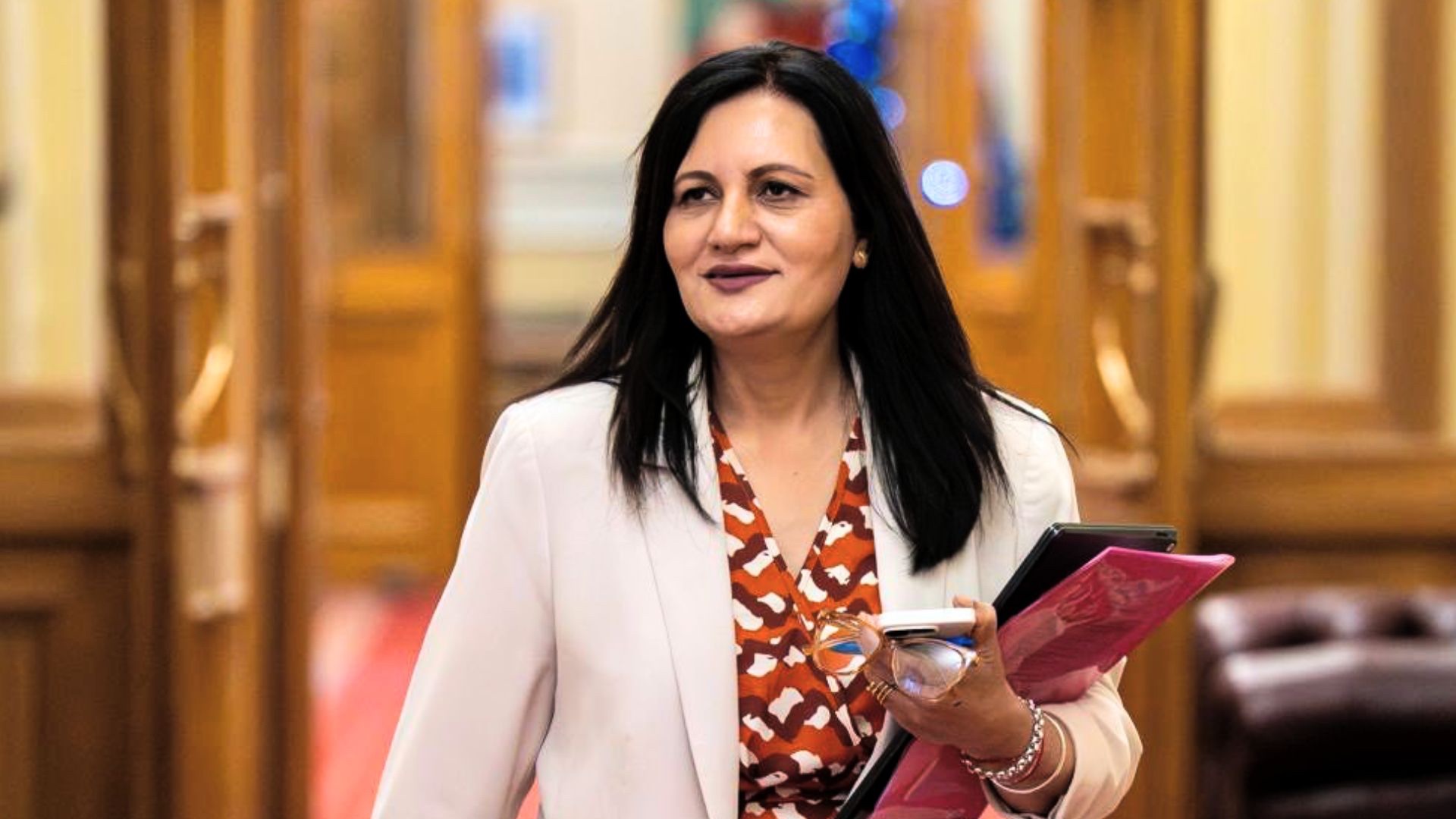
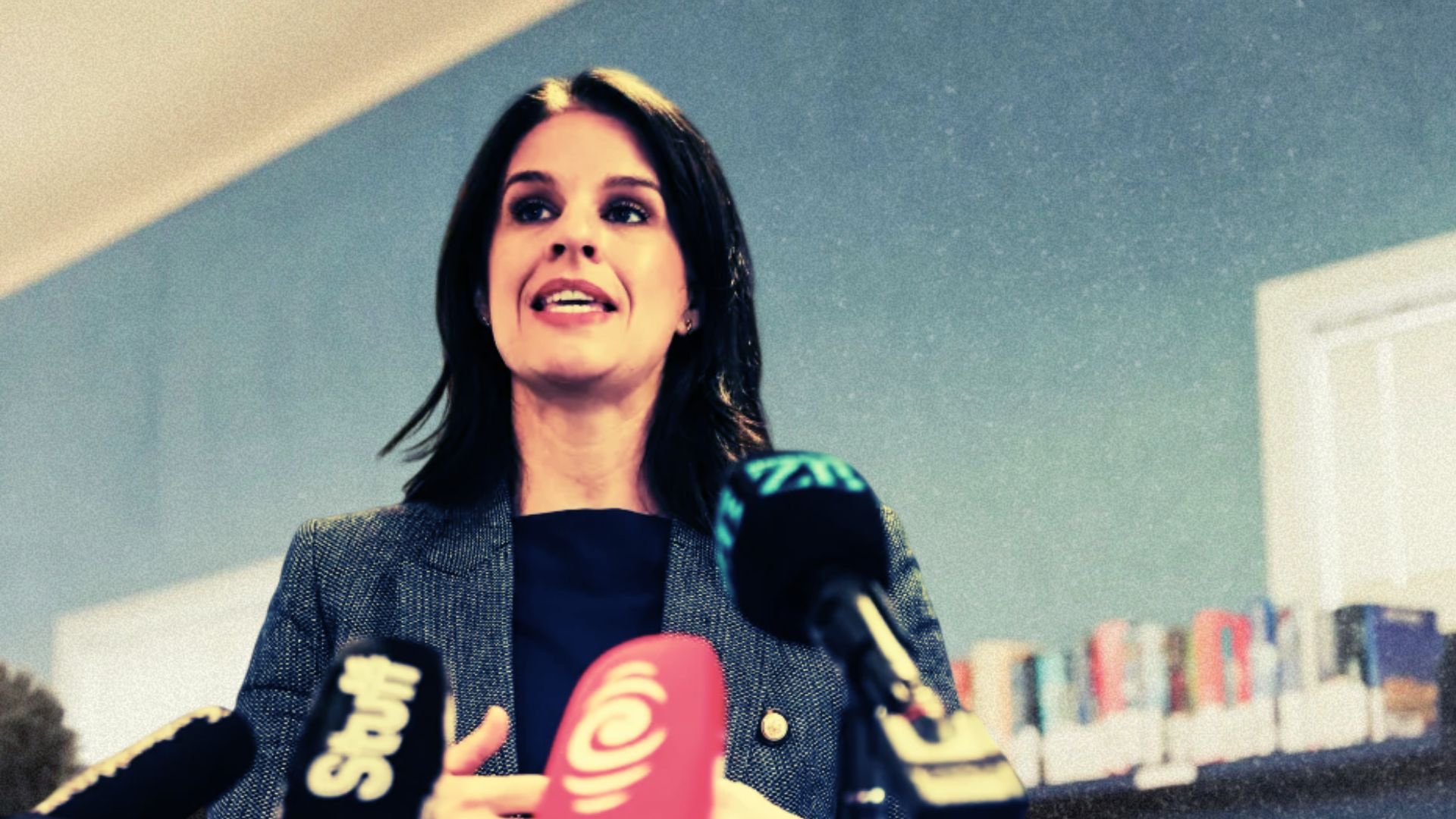
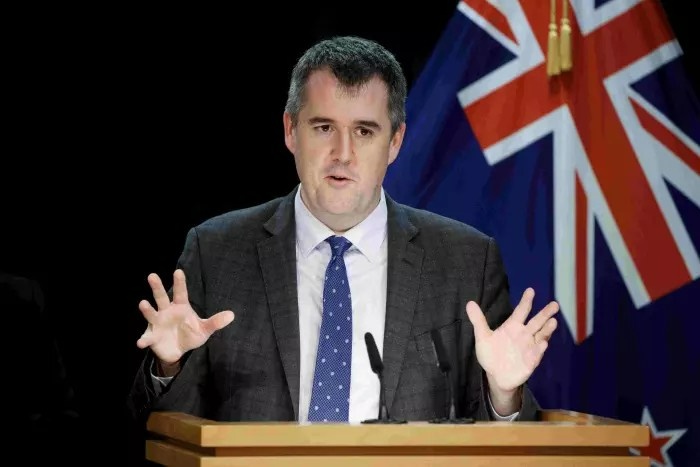
On Tuesday, immigration minister Erica Stanford had accused Peters of breaking from usual Cabinet processes by taking India trade deal discussions public before final decisions had been made.
“I certainly don’t think it’s helpful for the relationship that we have with the Indian government for this to be playing out. It’s not helpful at all.”
Stanford pushed back on Peters’ claim that the issue had been handled covertly, saying the relevant papers canvassing options had been sent to Peters, the foreign affairs ministry and the trade minister for feedback.
“I’ve followed the process, it’s been sent to his office... and he’s chosen to take this route,” she said. “It’s not the usual route we don't talk about this publicly.”
Peters' remarks on July 1 sharply escalate the coalition dispute over the New Zealand-India free trade agreement, moving it from a fight over visa settings into a diplomatic row about trust, transparency and what India was led to believe.
He rejected the argument that the matter was merely an internal policy process still under way, saying once a minister directs work to be done, a policy decision has effectively been made.
“The minister decides for work to be done. That’s a policy decision,” Peters said. “It’s not a process. The decision’s already been made.”
Peters’ central claim is that India’s leaders publicly understood the FTA’s mobility provisions as a significant and unique gain for Indian nationals, while New Zealand was preparing settings that would limit what those gains meant in practice.
He said Modi and Goyal had been “making a big impression” of the deal, saying Indians were going to be “uniquely treated for the first time by any country”.
“And all of a sudden they’re going to find out that’s not the truth,” he said.
Peters claims the issue is not about political personalities inside the coalition.
“This is about a trade deal and inter-country relations. That’s my responsibility,” he said.
“I’m not interested in political personalities and their ambitions and aspirations, or their mistakes. I’m interested in this country’s reputation. That’s my responsibility.”
Asked whether he was himself agitating New Zealand-India relations by making the matter public, Peters rejected the suggestion.
“No, no, that’s rubbish,” he said. “Fidelity, transparency is critical here.”
Peters claimed internal papers showed officials were conscious of the timing of Modi’s expected visit.
“In these papers it says all these civil servants are saying, please don’t let this get out before Modi comes here,” Peters said.
“Now, excuse me, is that the implication of transparency? Don’t let Modi know?”
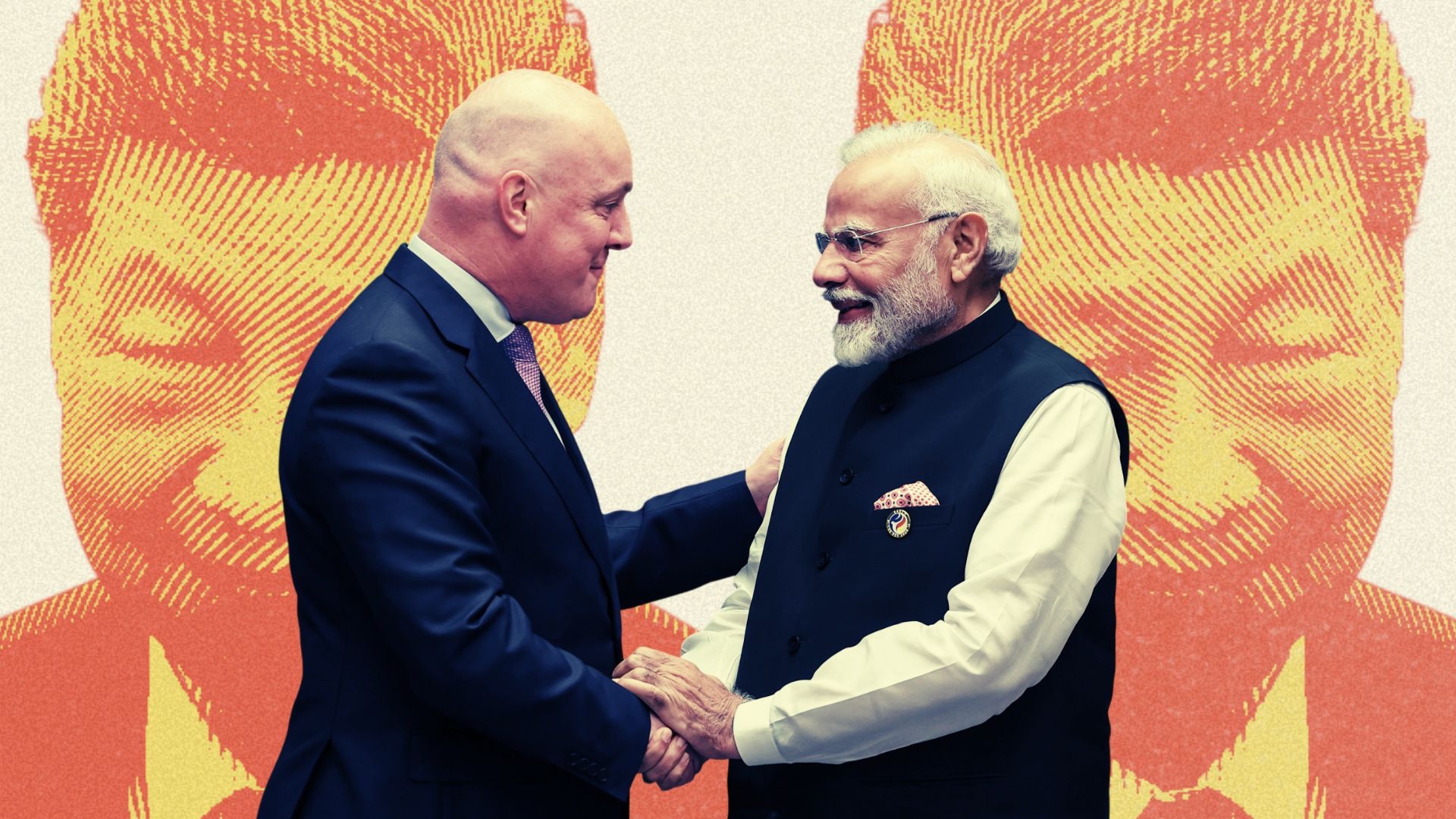
Modi's upcoming trip is meant to showcase a reset in India-New Zealand relations after the signing of the FTA. Instead, the lead-up is now being overshadowed by an unusually public coalition dispute over the deal.