
Election 2026: NZ parties want to make rooftop solar more affordable. But cost isn’t everything
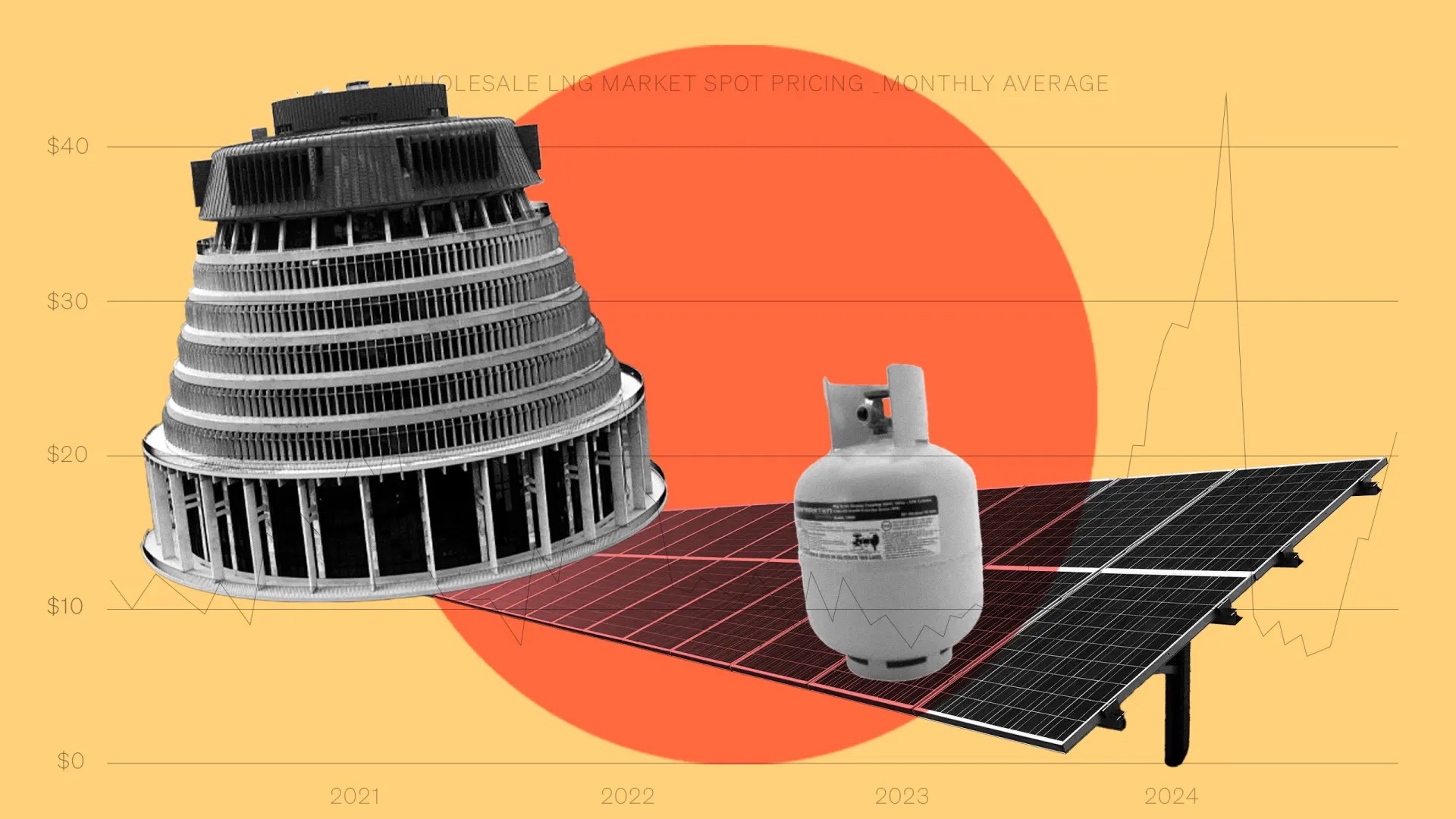
RNZ artwork.
Why aren’t recognised benefits translating into widespread adoption of rooftop solar power?
Rooftop solar has emerged as one of the more unexpected policy contests of New Zealand’s election campaign.
National has proposed low-interest, rates-based loans for solar panels, batteries and other home electrification upgrades, while Labour has floated similar finance alongside subsidies of up to $3,000 and support for renters to install plug-in solar.
The pledges follow recent government initiatives to make residential solar easier to install, as well as new electricity rules enabling more households to export surplus electricity back to local networks.
But are these measures, while important steps, enough to drive solar uptake at scale?
Our new research, which surveyed professionals across New Zealand’s building and energy sectors, suggests cost is only one piece in the puzzle.
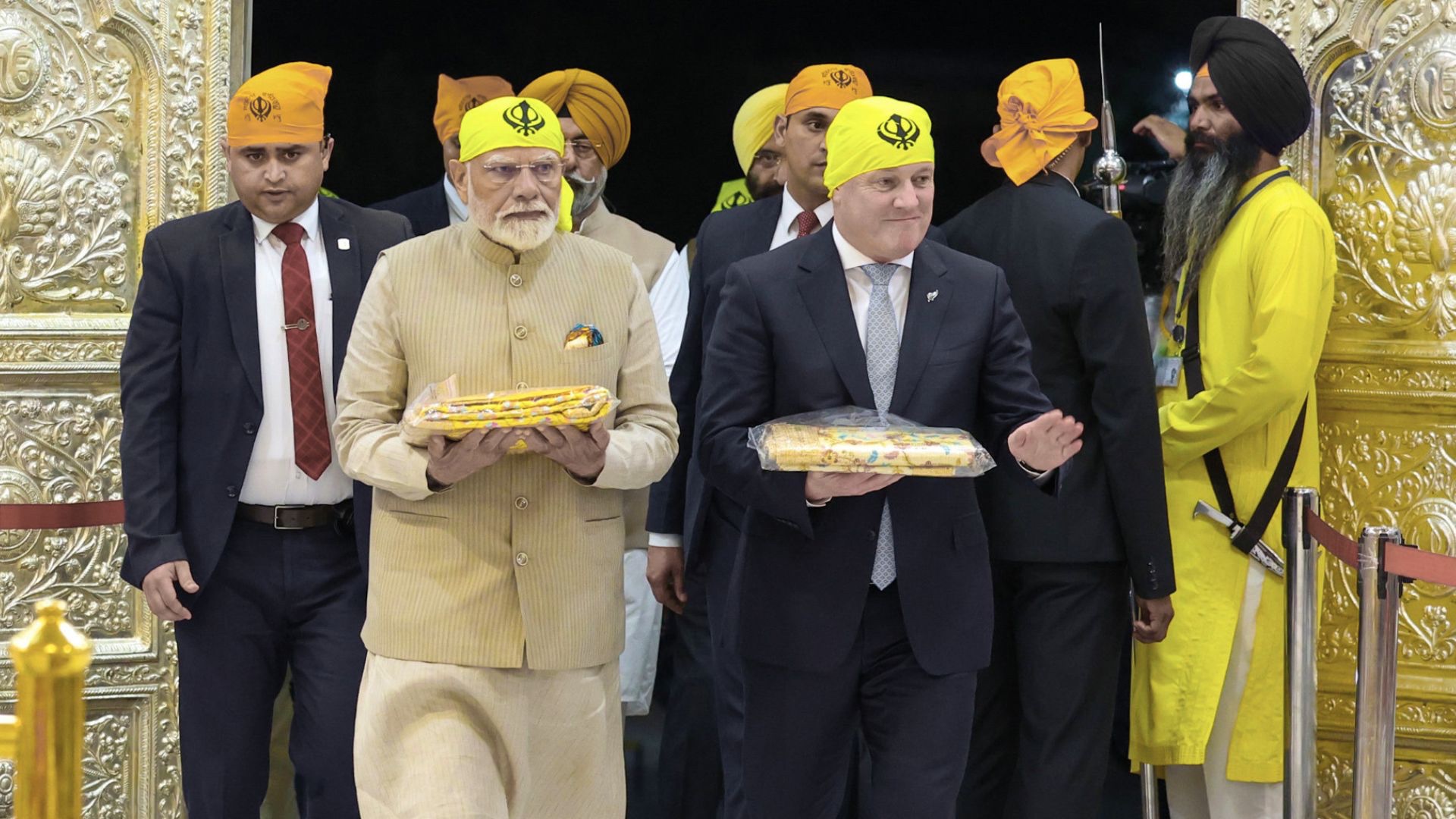
From designing restaurants to running Auckland Diwali: The many lives of Arnav Taode Taode brings his passion for Indian arts and culture to his first year managing BNZ Auckland Diwali 2026.
Winston Peters says ‘diversity is disunity’. What does the evidence tell us? Evidence from business, sport and social policy suggests diversity can strengthen economies and cohesion but on one condition.
Baby born in Sri Lanka to New Zealand residents caught in limbo after Down syndrome diagnosis Immigration tribunal orders fresh residence assessment after finding a “serious mistake” by immigration officials.
We found households also weigh expected long-term returns, electricity market settings, whether their home is designed for solar, and whether government policy stays stable.
When support doesn’t equal uptake
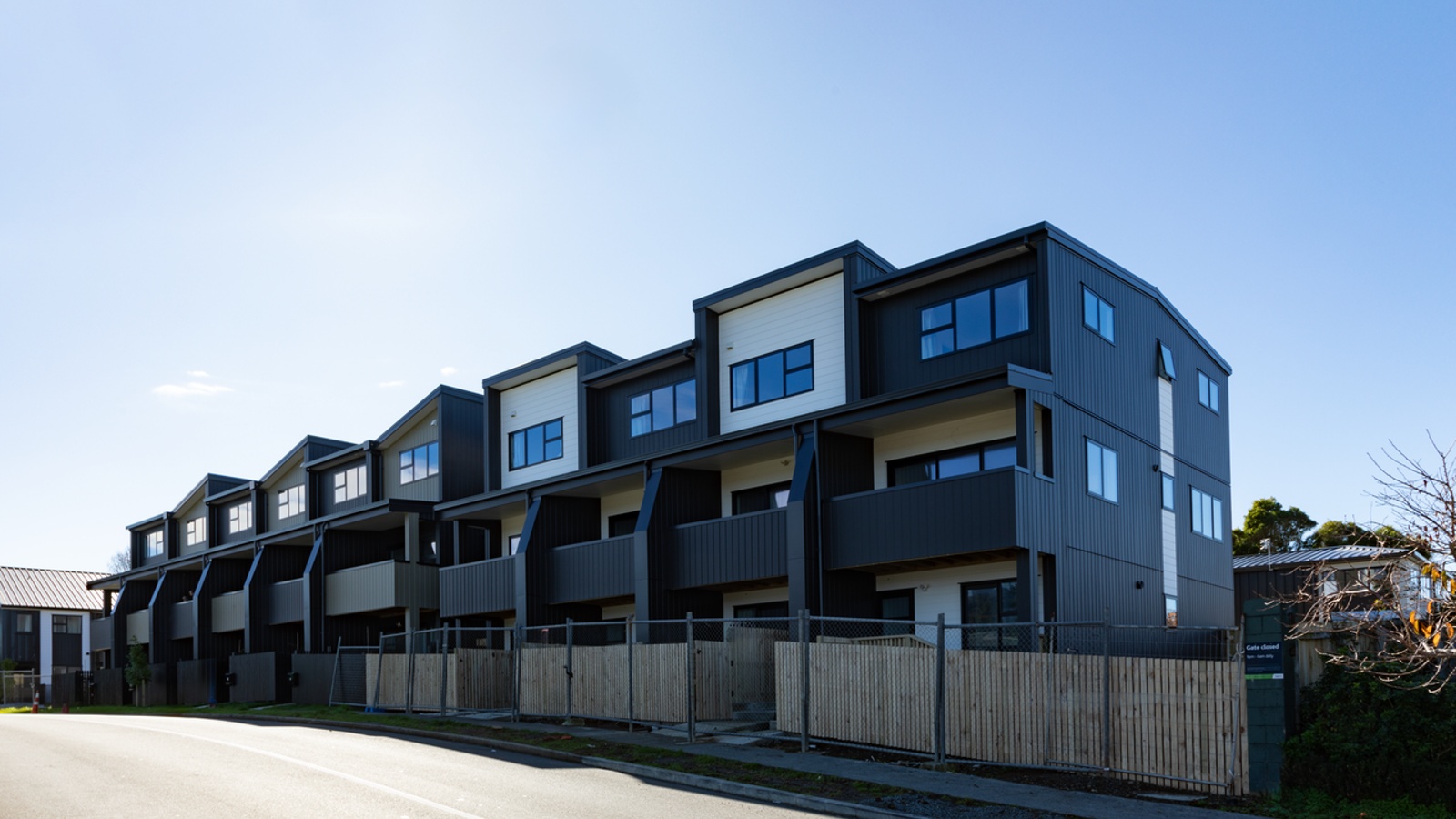
We looked at rooftop solar power within the Passive House framework – an international standard for building ultra-low-energy homes and offices. Because these buildings already use so little energy, they help us clearly see what encourages or gets in the way of adding solar panels.
During our interviews, one message came through clearly: there’s now no doubt rooftop solar has a place in New Zealand’s energy future.
New Zealand’s installed rooftop solar capacity reached 573 megawatts by the end of 2024. Passive House Plus and Premium homes – which generate some or all of the energy they use through on-site renewable energy, such as solar – are also gradually becoming more common around the country.
We heard strong agreement among professionals that rooftop solar can lower household electricity costs, improve energy independence and ultimately support the country’s low-carbon transition.
So why aren’t these recognised benefits translating into widespread adoption?
Much of the discussion is focused on making solar panels more affordable. This is certainly important. Falling costs have brought rooftop solar within reach of more households.
But our research suggests affordability is only part of the equation. The professionals we surveyed saw households as making investment decisions rather than technology decisions.
They weigh upfront costs against expected long-term returns, electricity savings, export payments and future policy settings. That explains why budget constraints emerged as the biggest barrier in our survey.
Those we spoke with also ranked low payments for electricity exported back to the grid and limited financial incentives among the most important obstacles. As one interview participant put it, rooftop solar is often “the first thing cut” when construction budgets become tight.
Such findings help explain the growing political focus on green loans, subsidies and other financial incentives.
Solar starts with good design
Perhaps the most overlooked take-away from our research is that rooftop solar is not simply an energy decision, but a building design decision.
We heard that the best opportunity to support rooftop solar comes during the earliest stages of designing a home. Roof orientation, structural capacity, electrical infrastructure and future battery integration are all easier and less expensive to plan before construction begins than to retrofit later.
Our survey data underscored this message. Optimised solar design, battery integration and government incentives were ranked as the most effective strategies for increasing adoption.
As well, our findings suggest that improving finance alone will not unlock widespread uptake.
Households also need homes designed for solar from the outset, supportive electricity market settings that reward renewable generation and policy certainty that gives them confidence to invest.
Current government initiatives and policy proposals suggest New Zealand is moving in the right direction. They recognise that affordability and access are vital.
But our findings suggest the next challenge is building confidence rather than simply reducing costs.
People need confidence that rooftop solar will deliver long-term value, that they will be fairly rewarded for the electricity they generate and that their homes are designed to make the most of the investment.
New Zealand already has the technology – and abundant sunshine. Public support is growing and policymakers increasingly recognise the role rooftop solar can play in a cleaner and more resilient energy system.
The next step is ensuring finance, electricity market settings, building design and policy work together.
Only then is rooftop solar likely to become the obvious choice for more New Zealand households, rather than one of the first features to disappear when budgets become tight.
(This was first published in The Conversation. The writers – Dat Tien Doan, Ali Ghaffarian Hoseini, Esther Aigwi and Franklin Nkado – teach at Auckland University of Technology.)