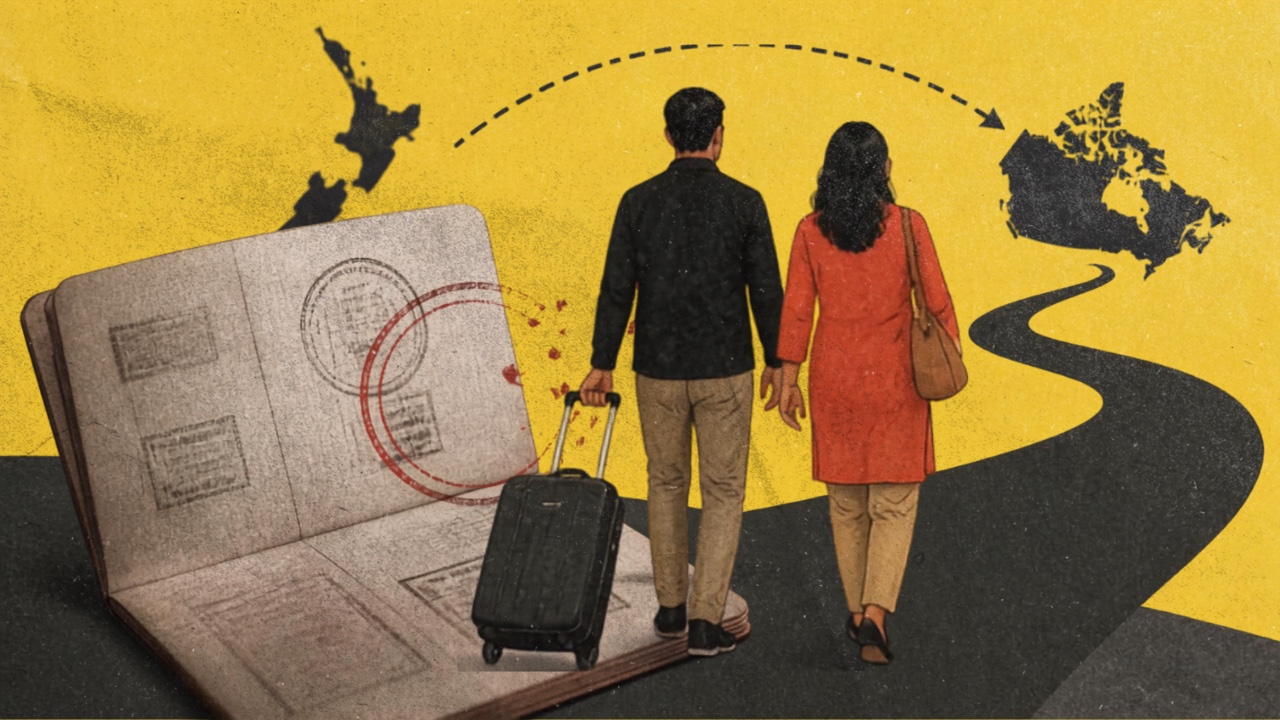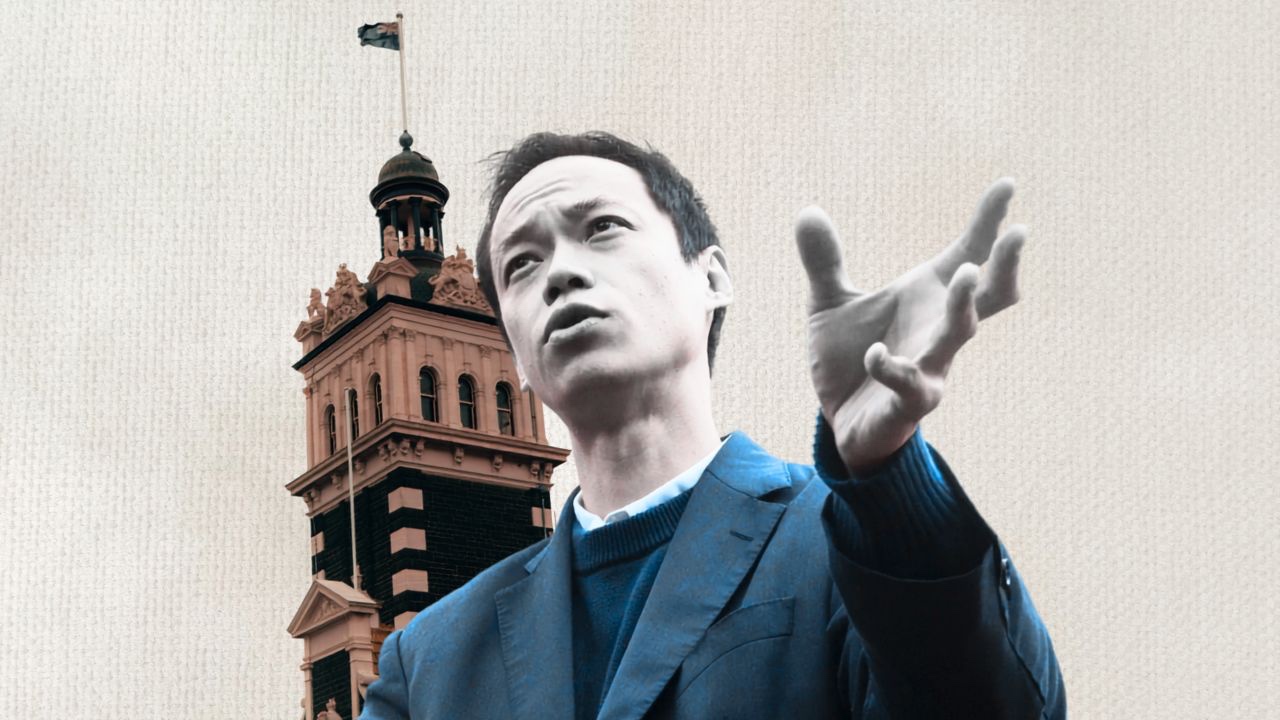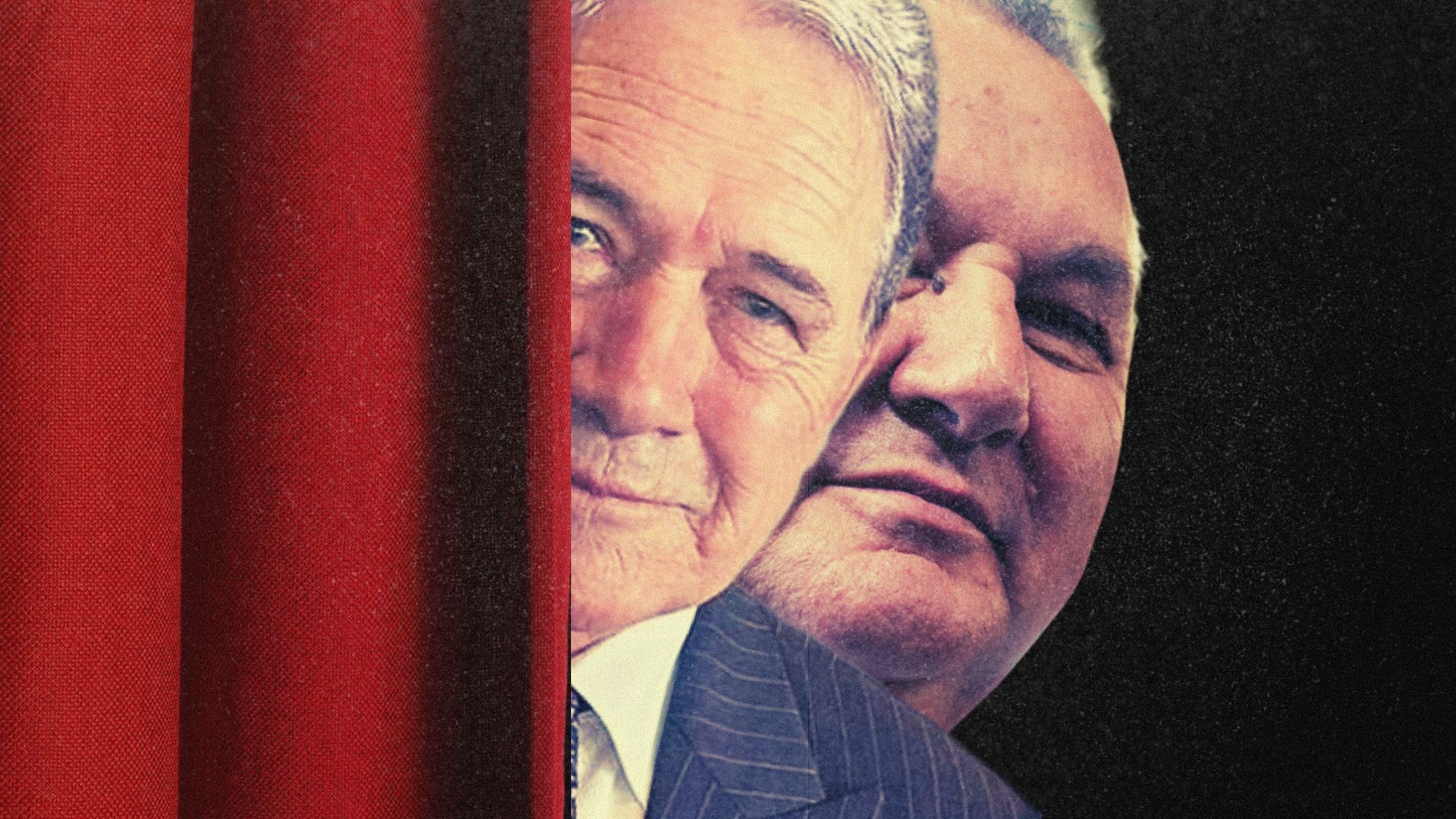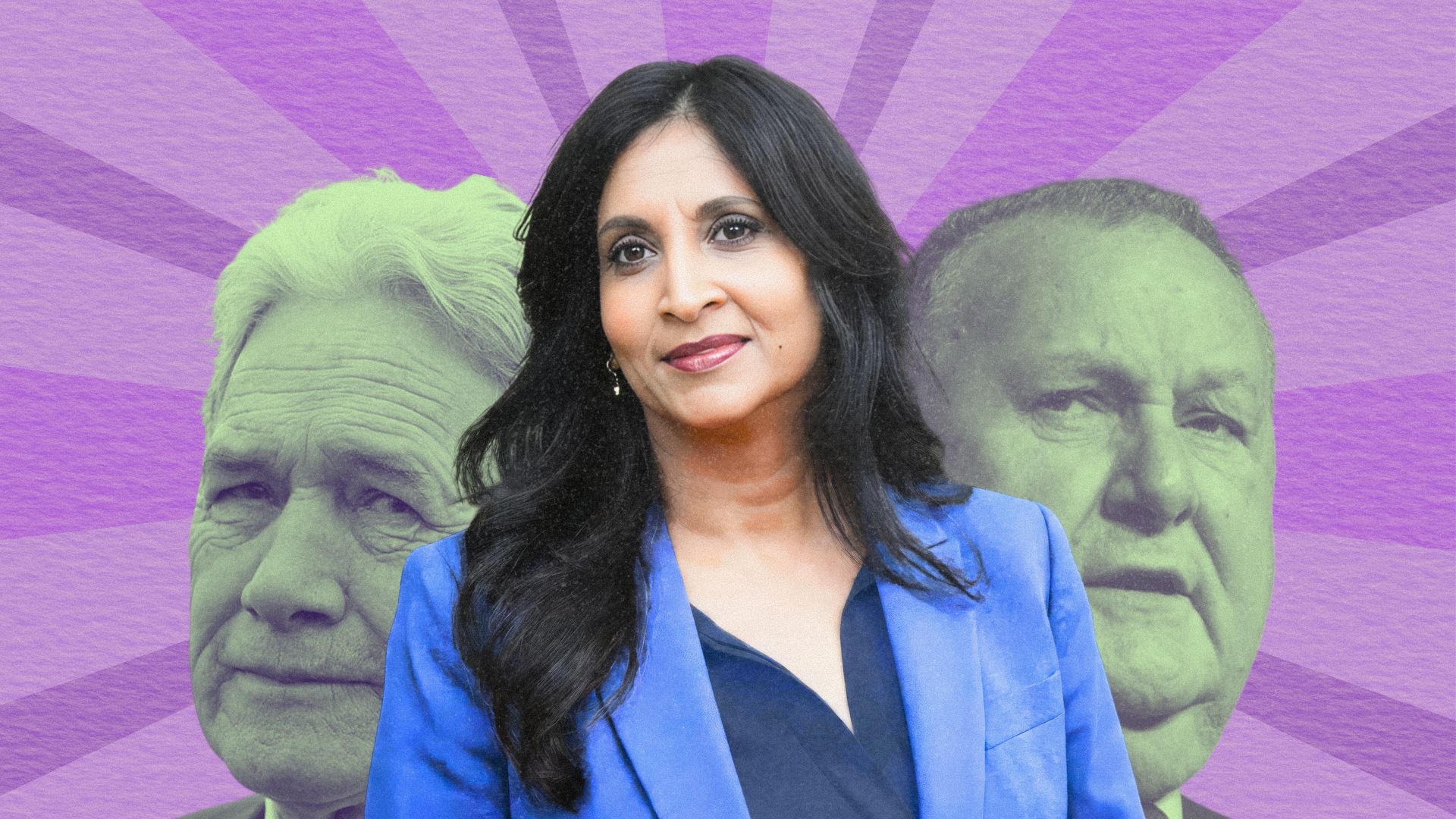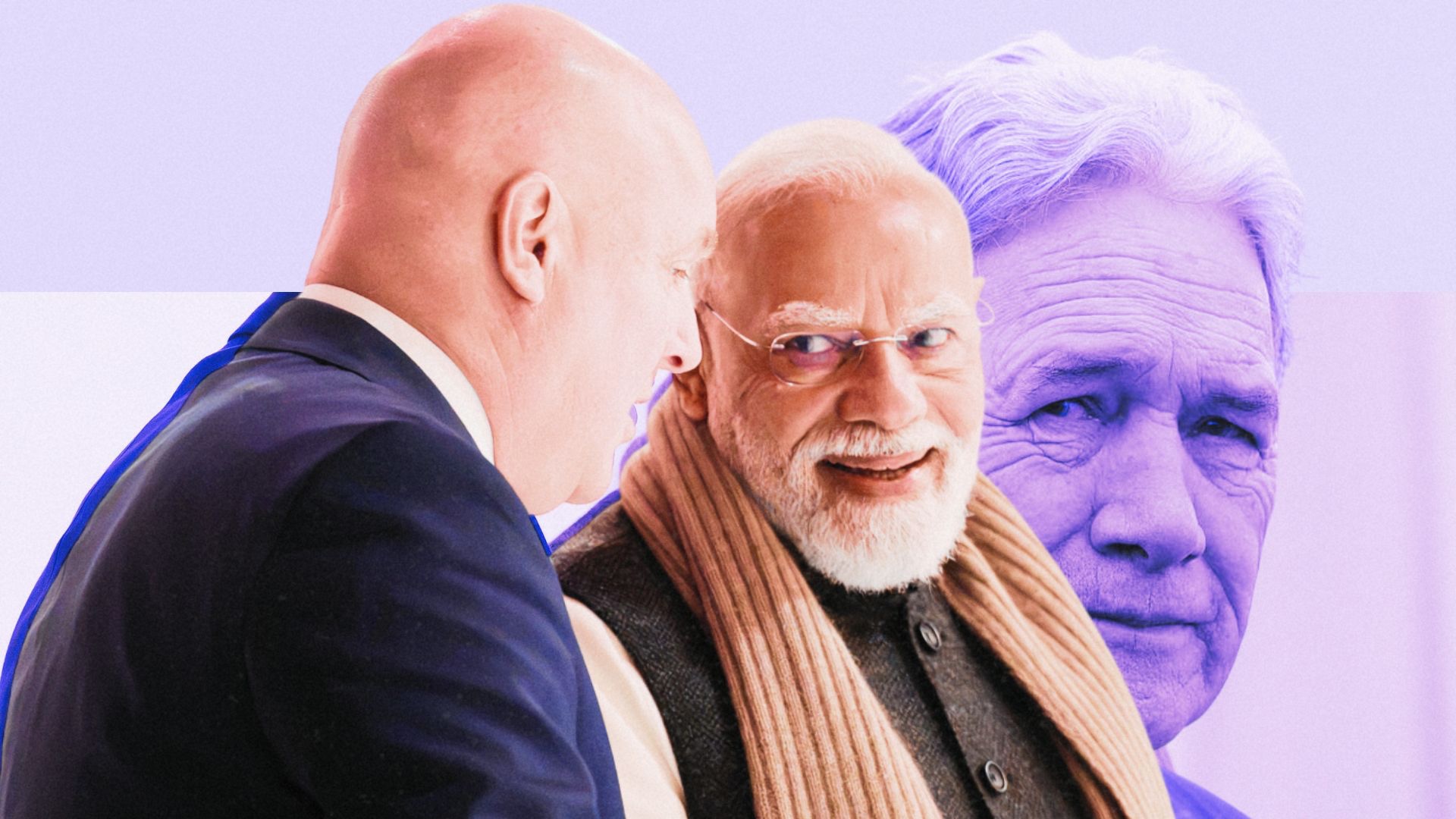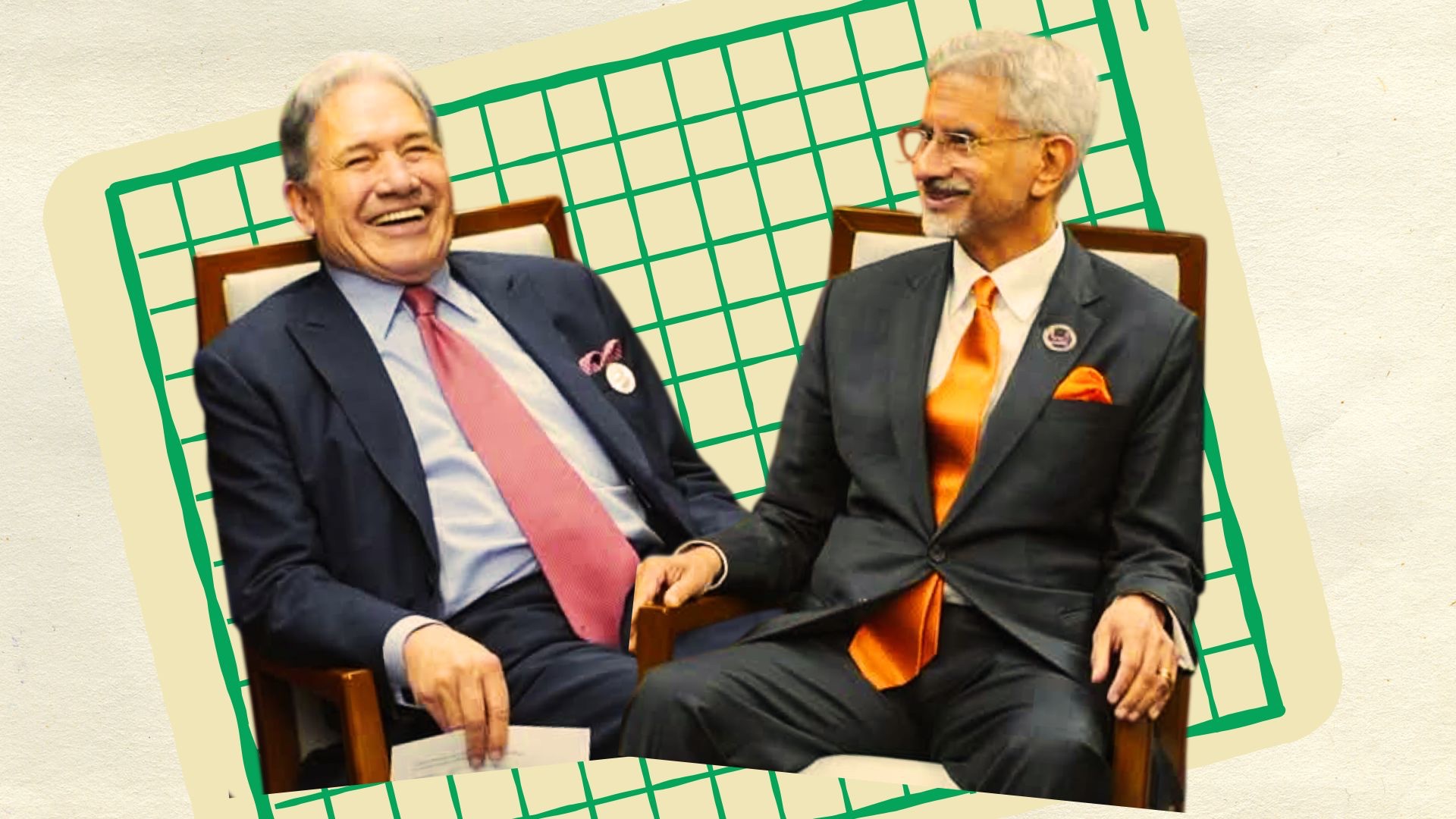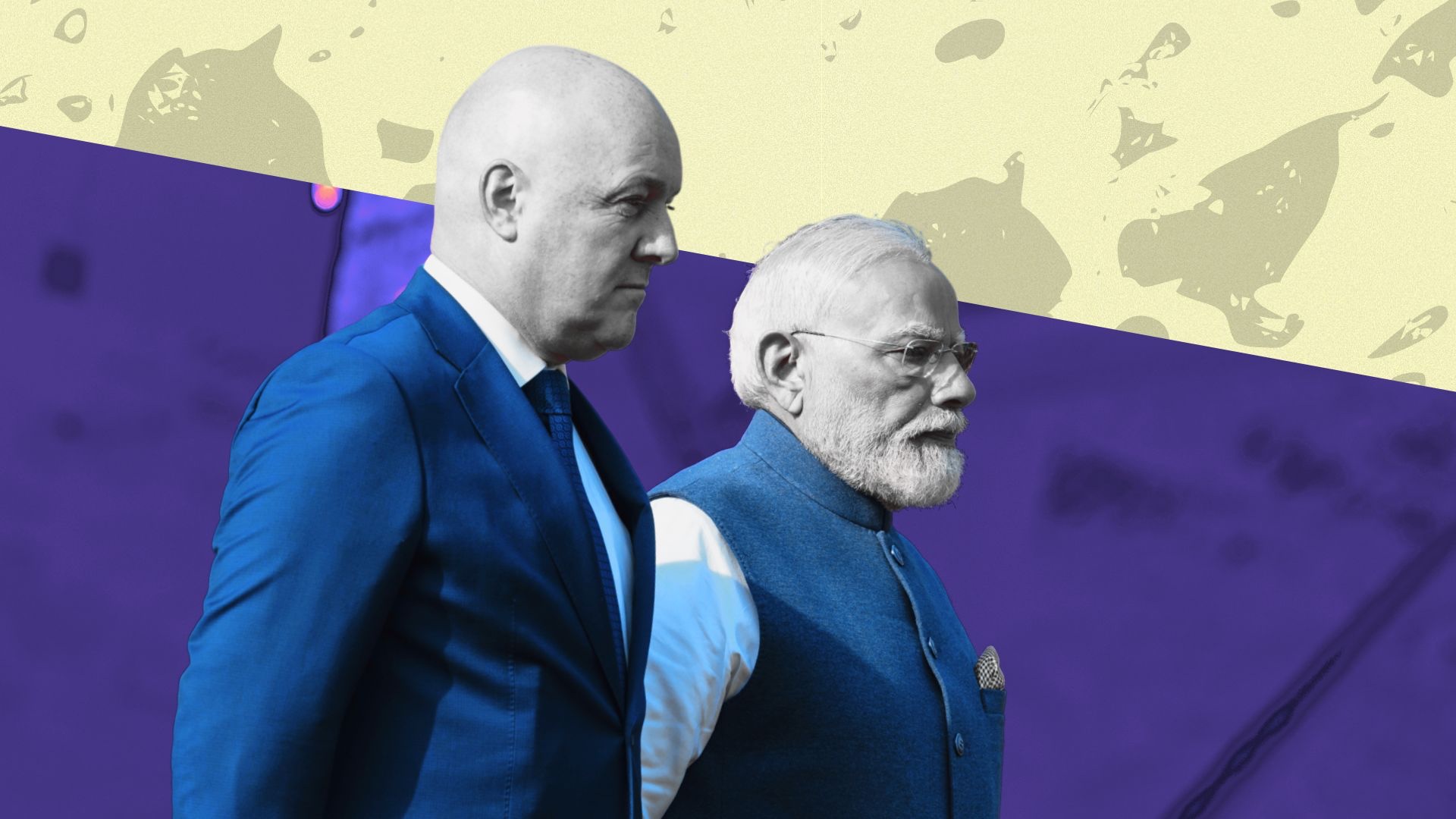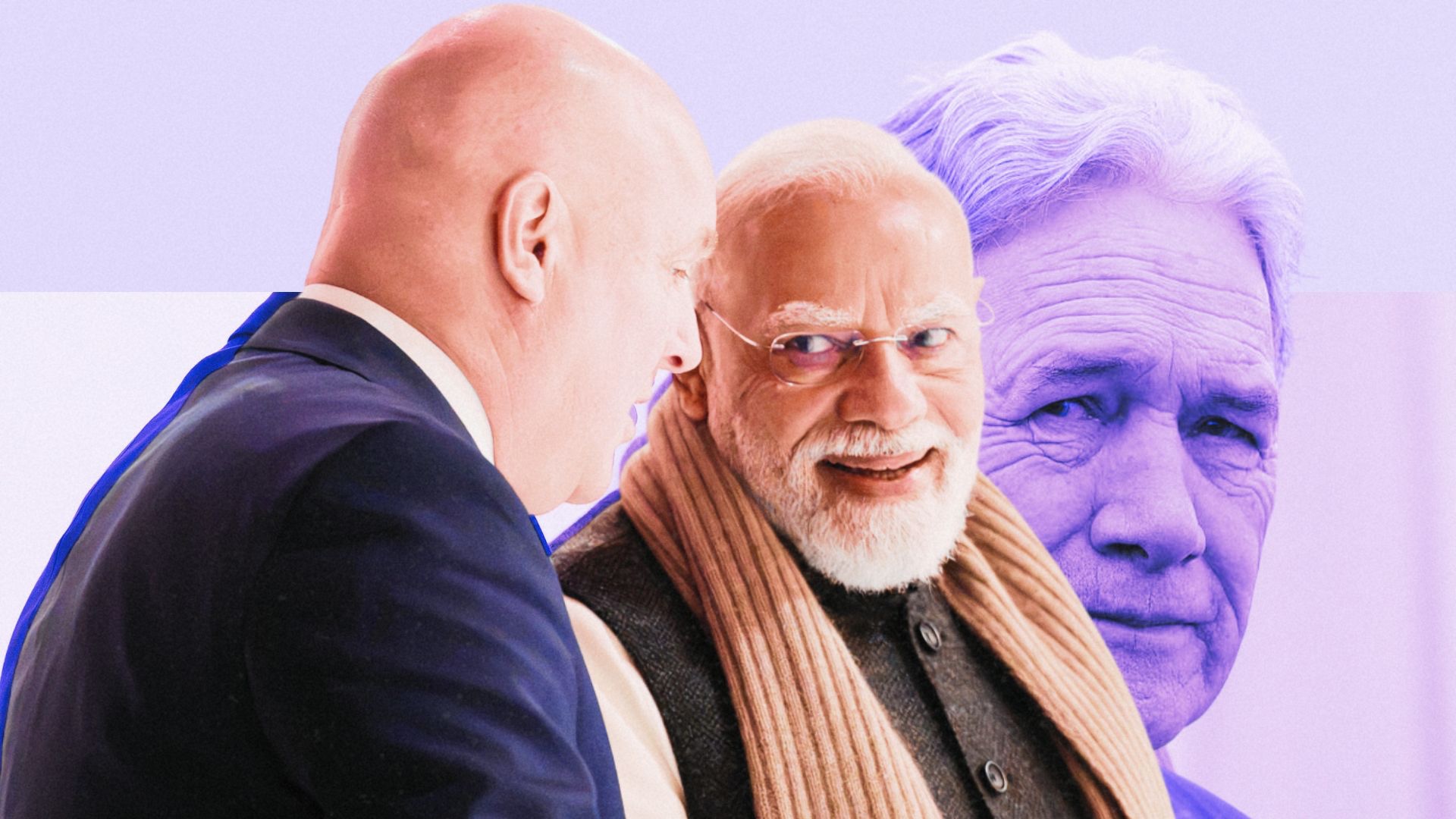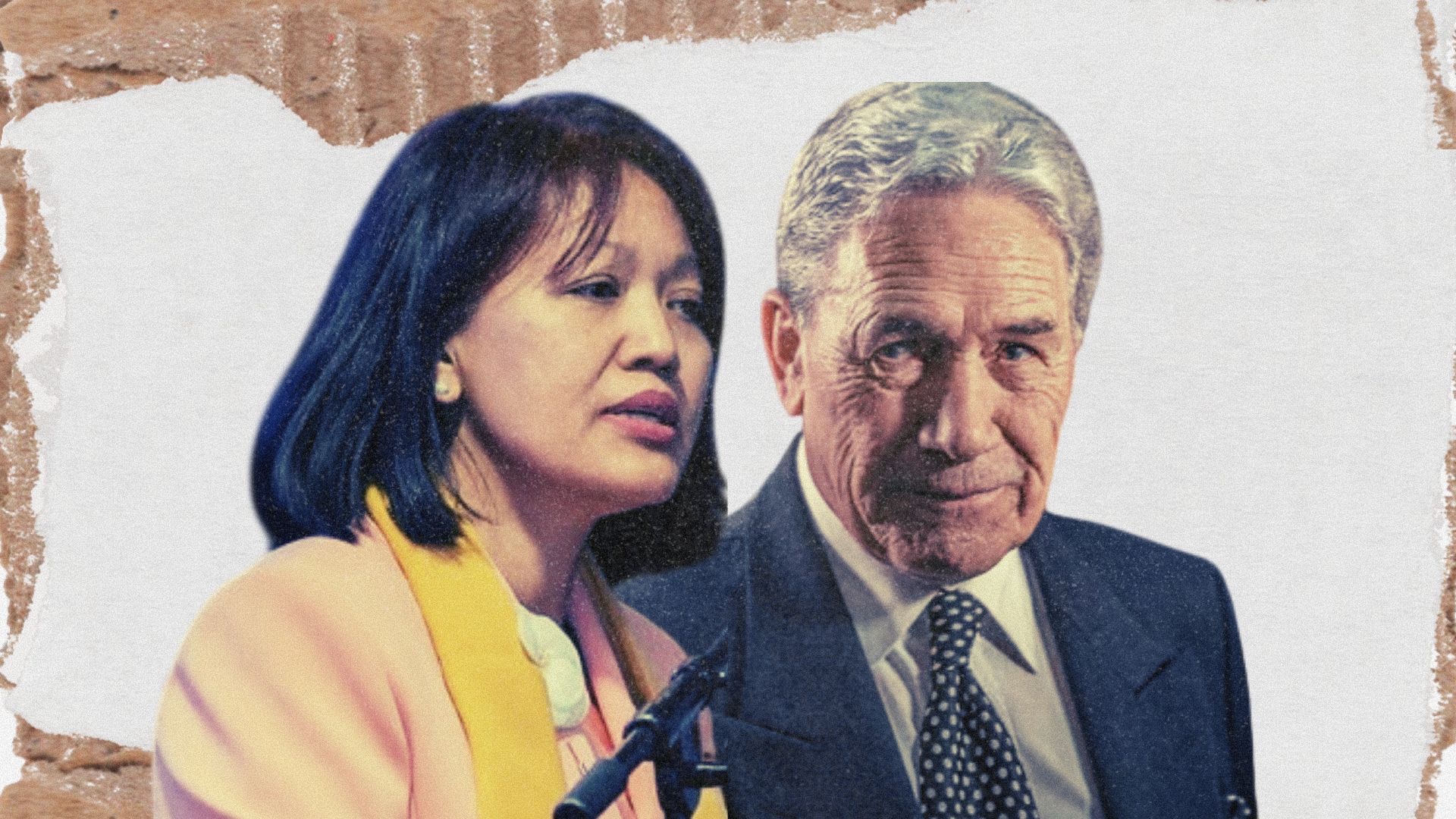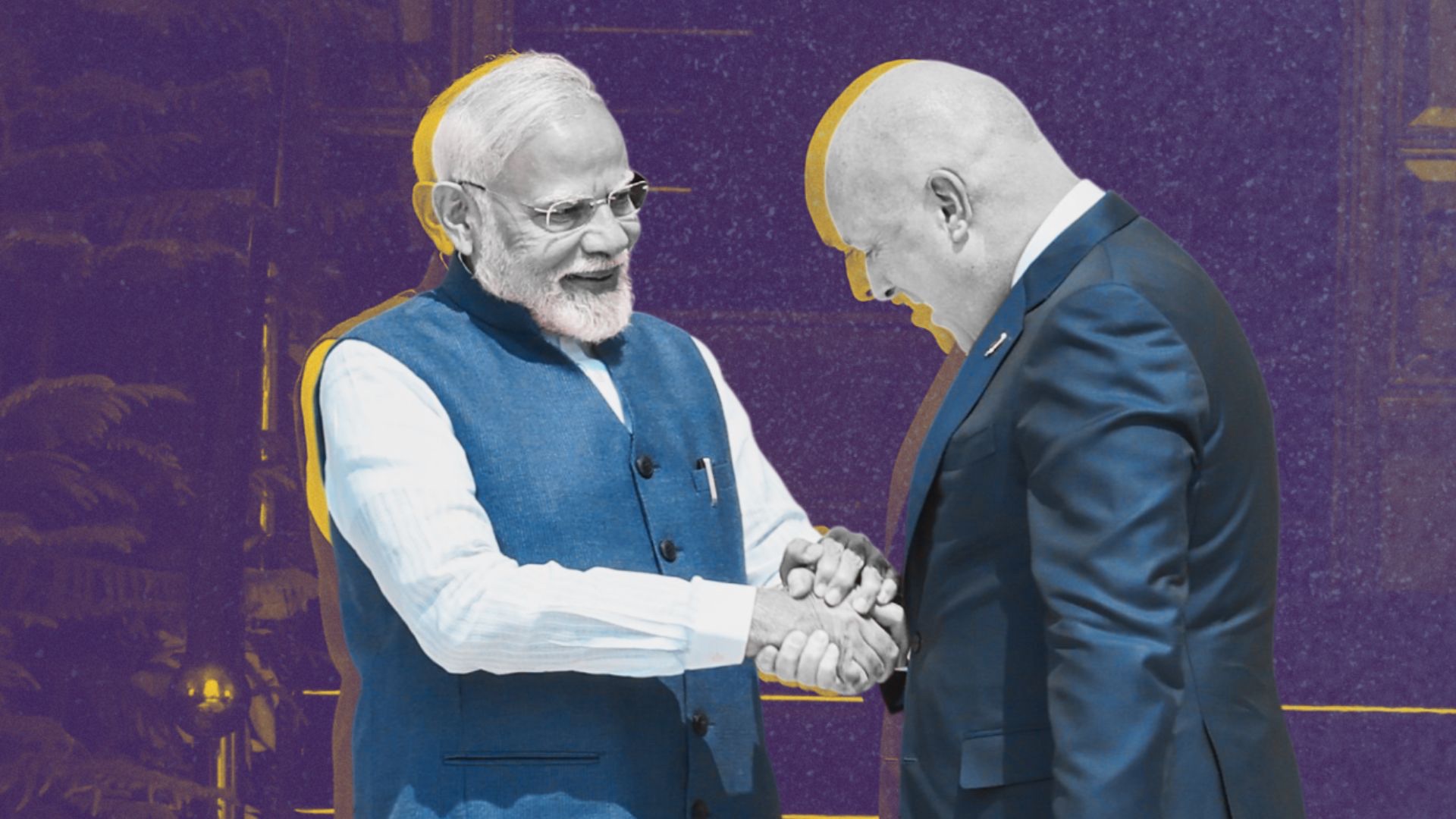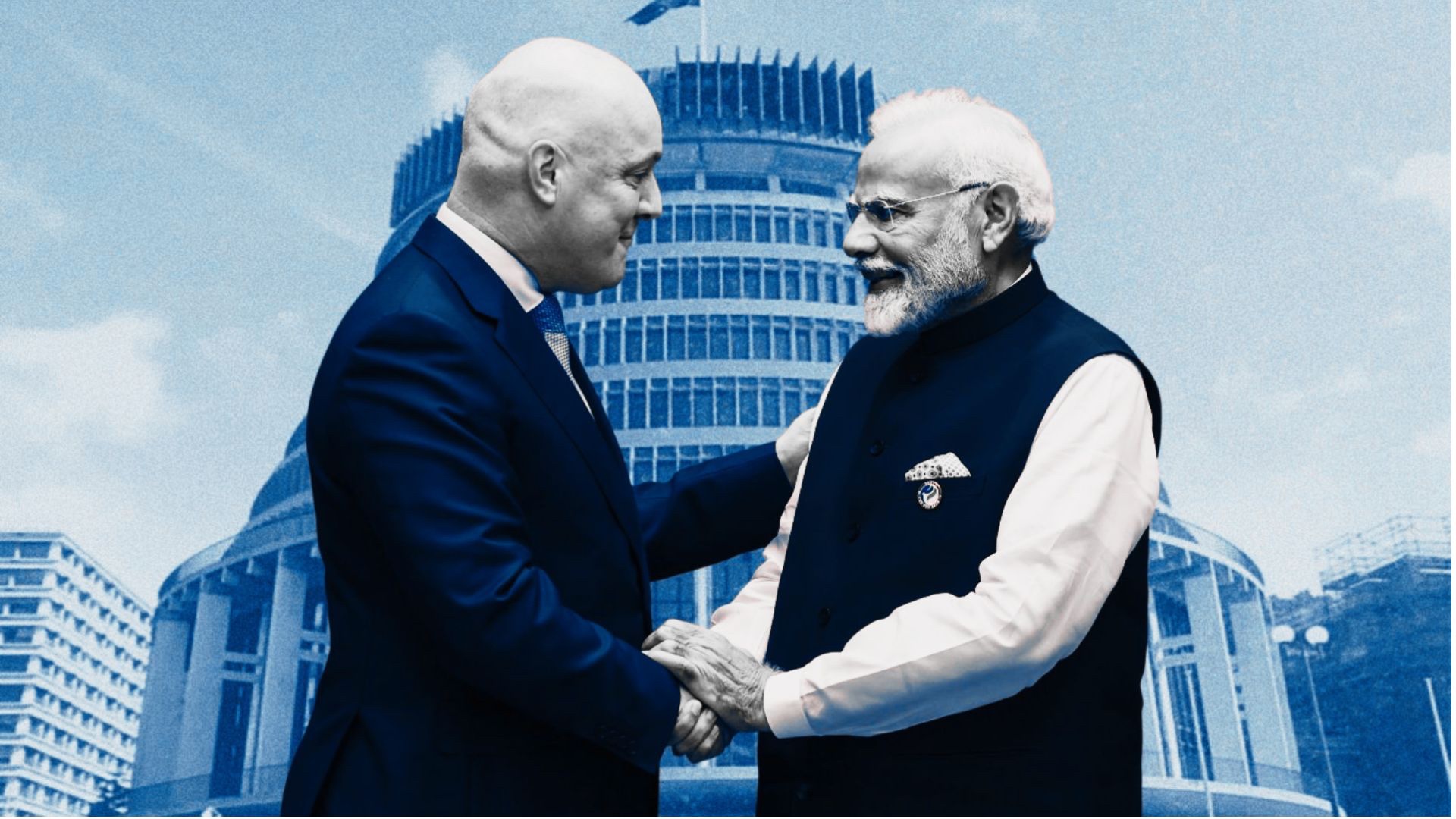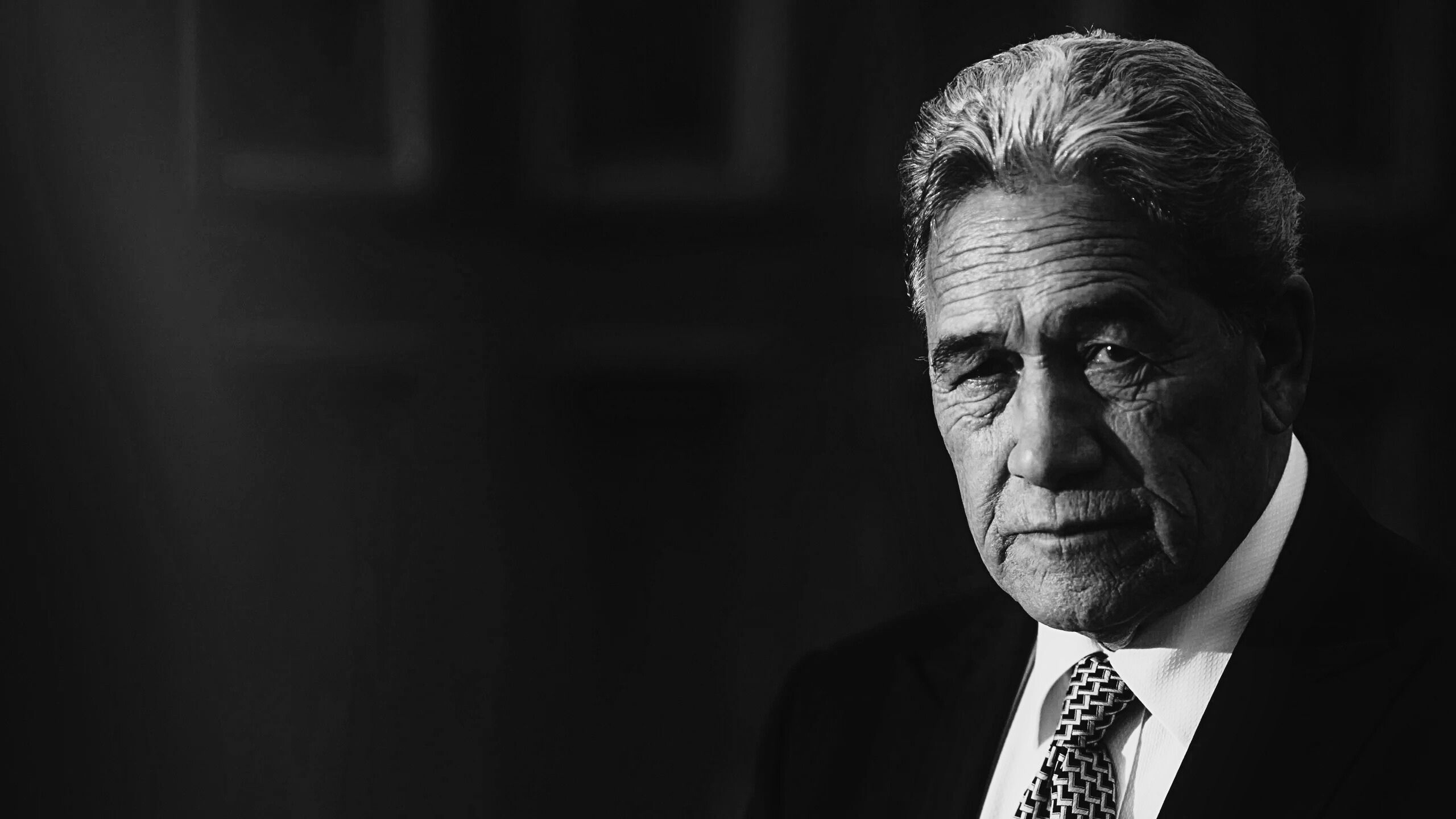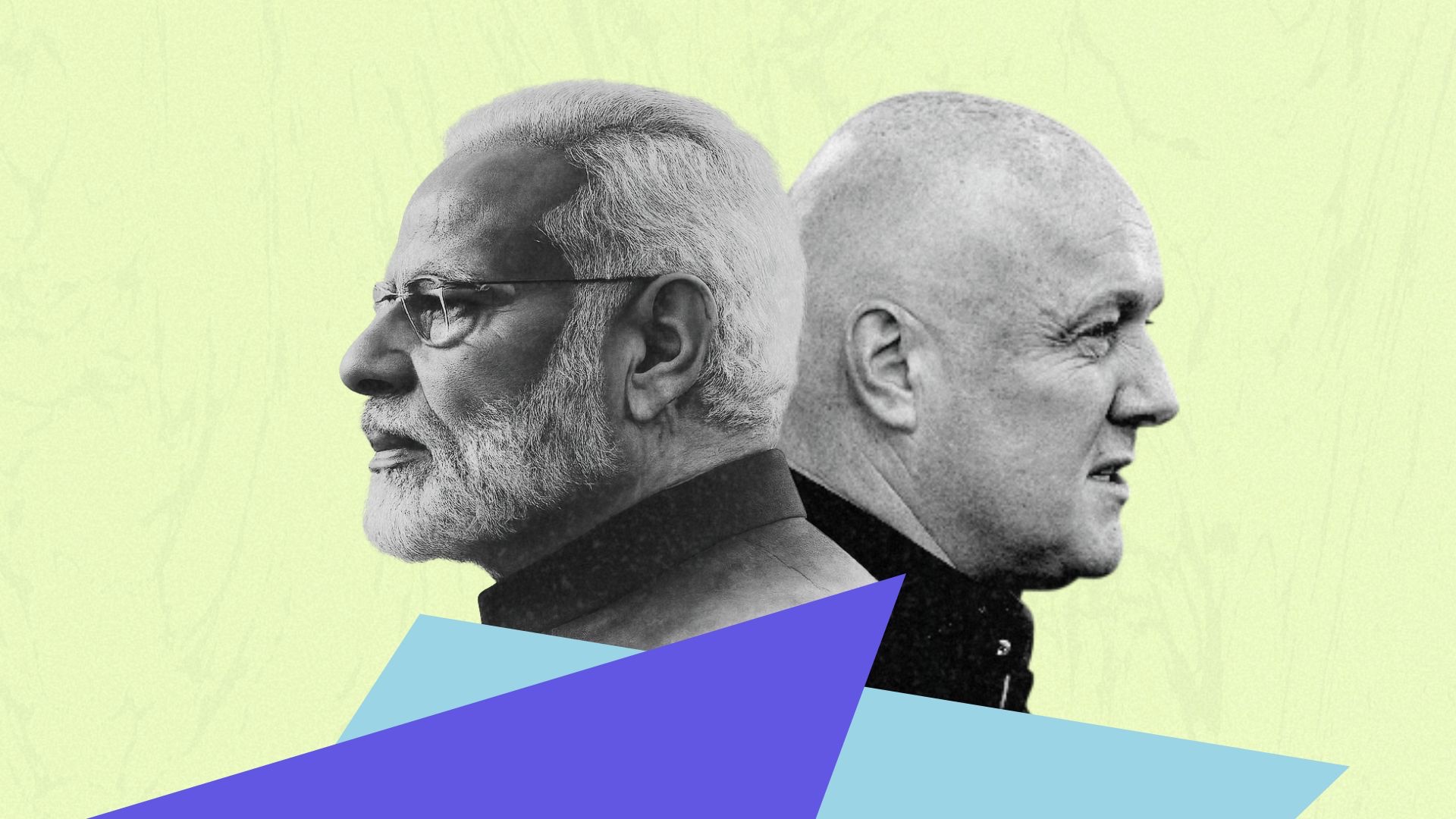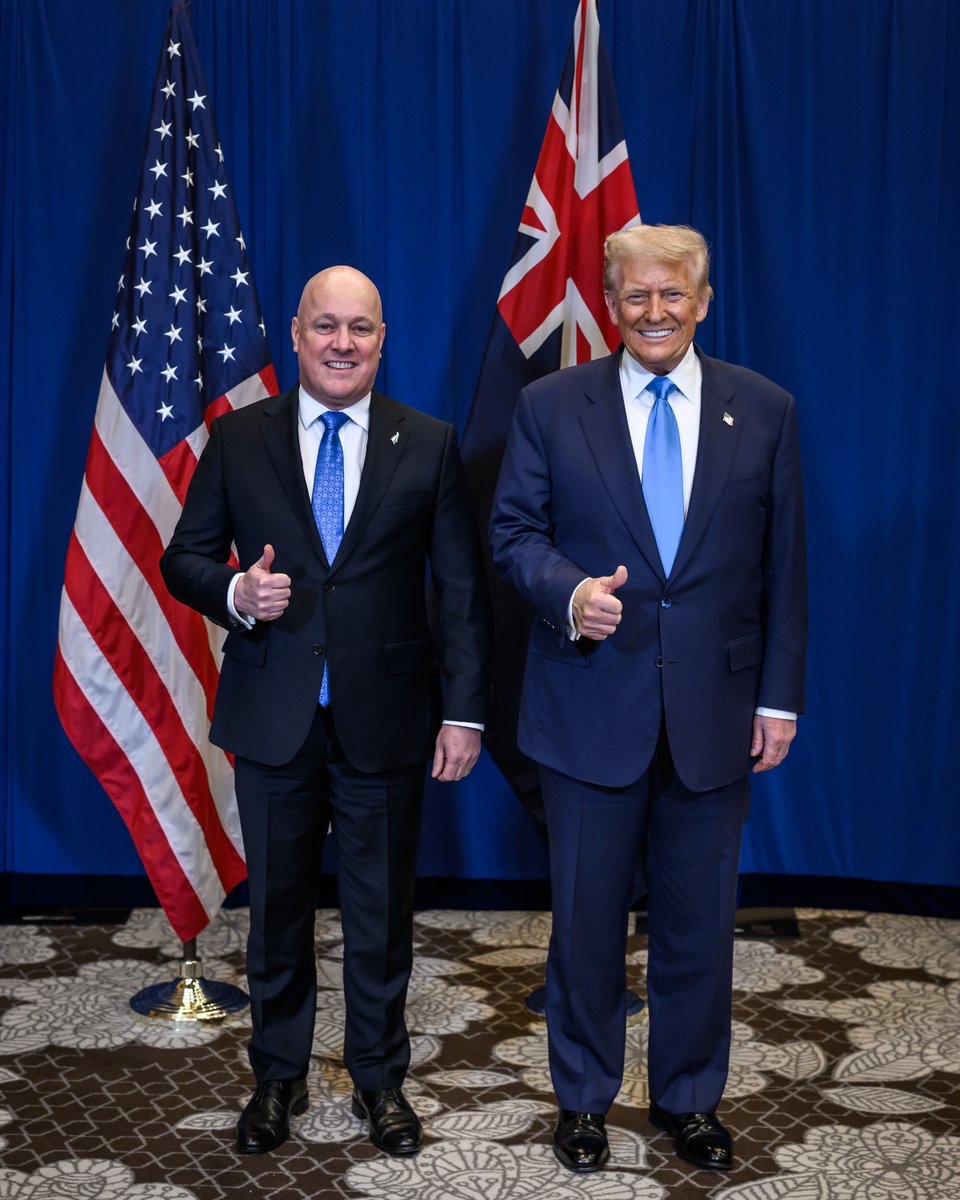

After months attacking the India FTA, Peters has suddenly stopped talking about it
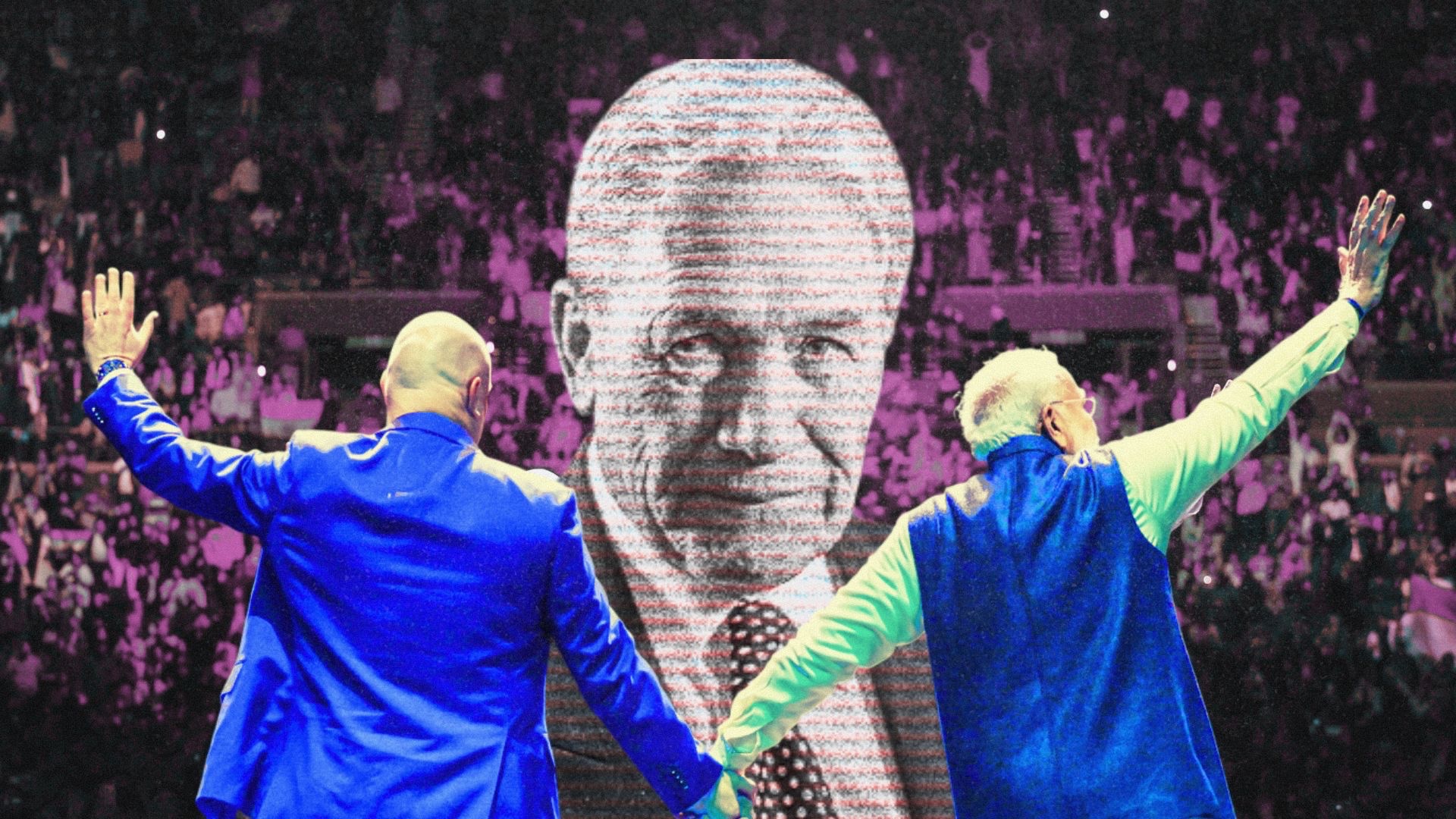
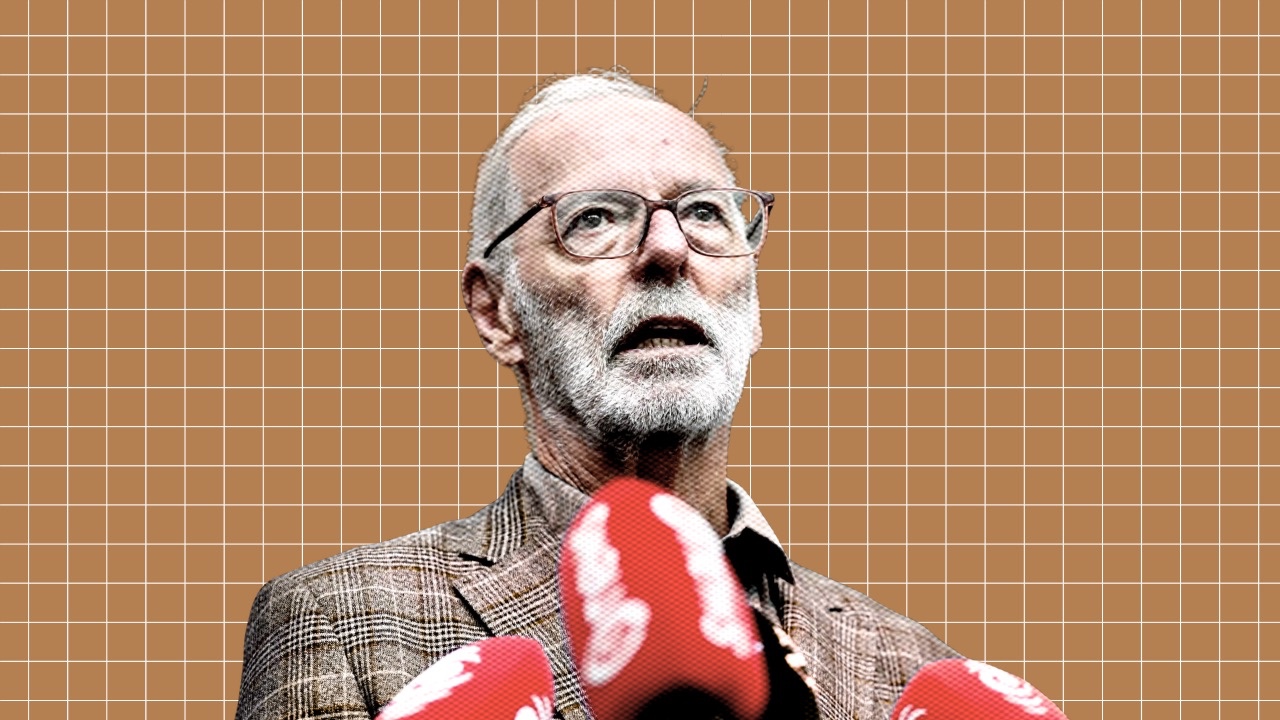
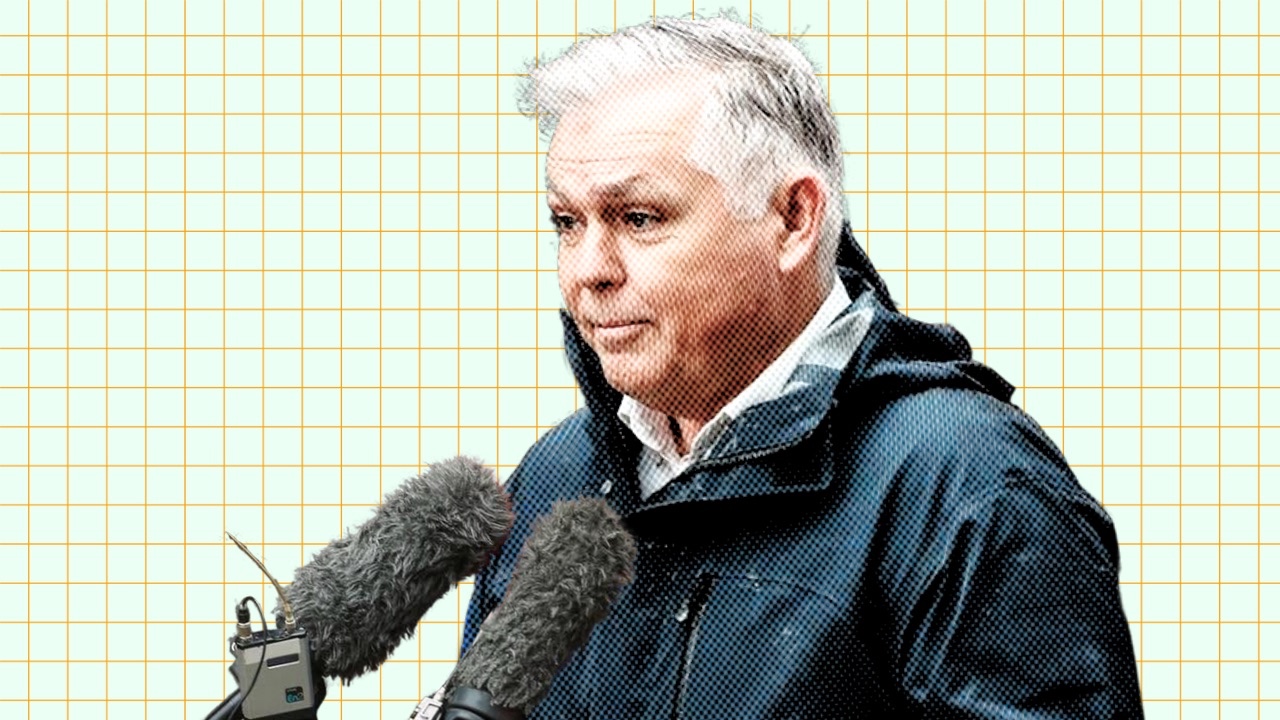
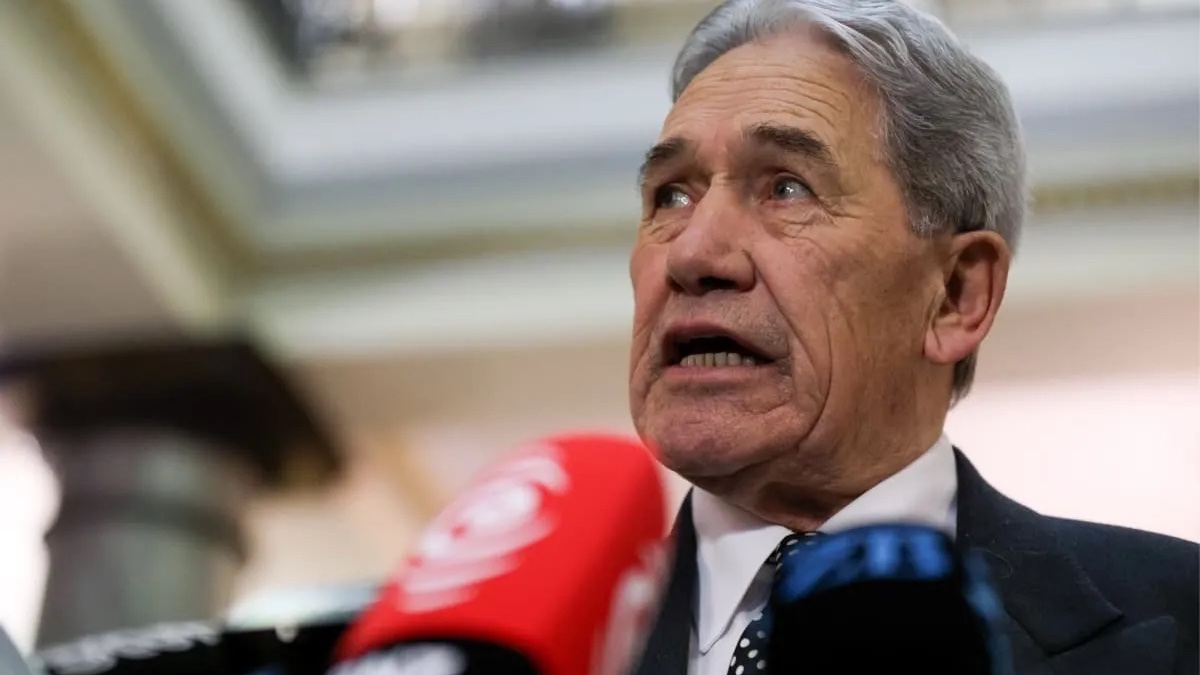
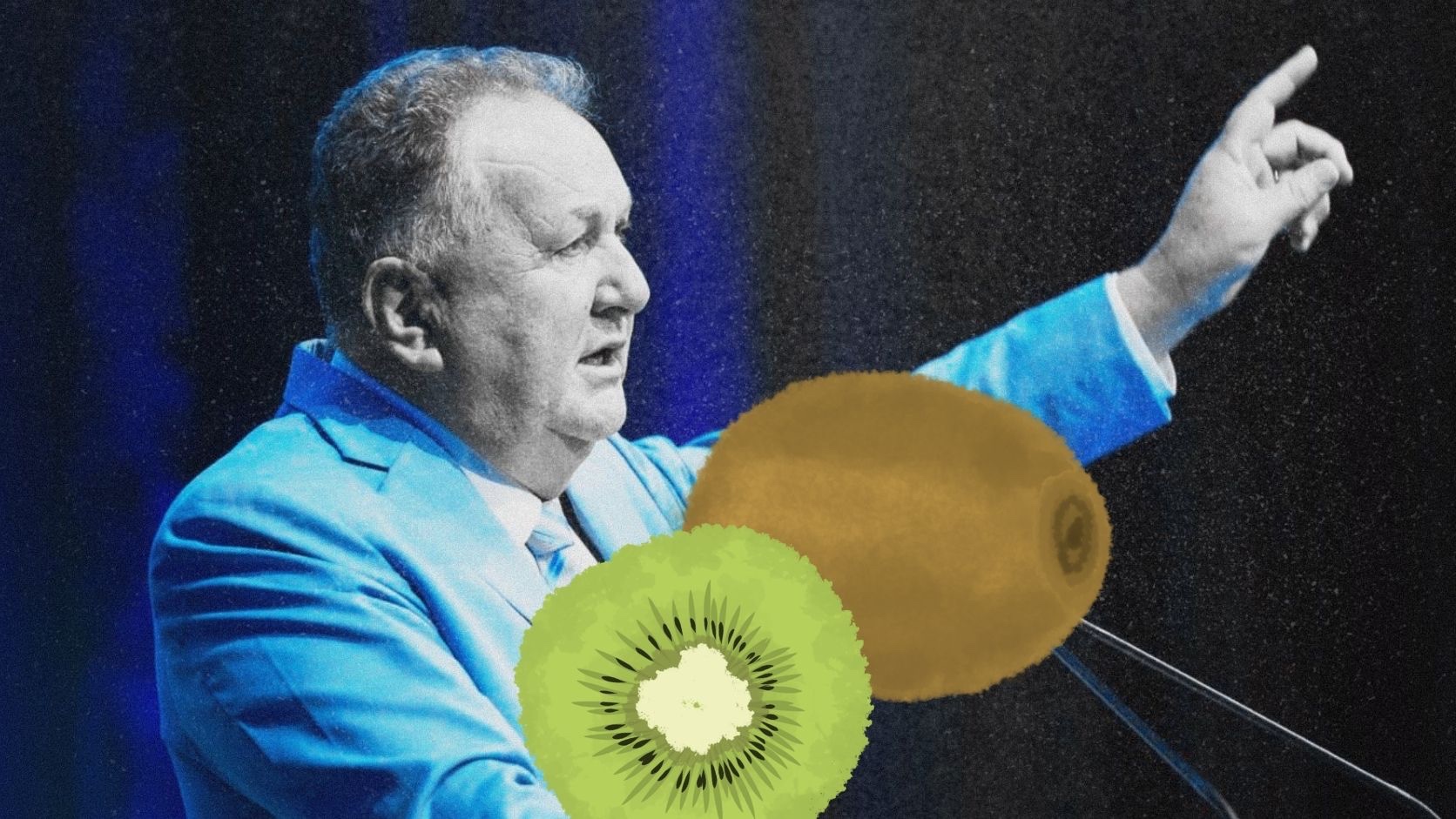
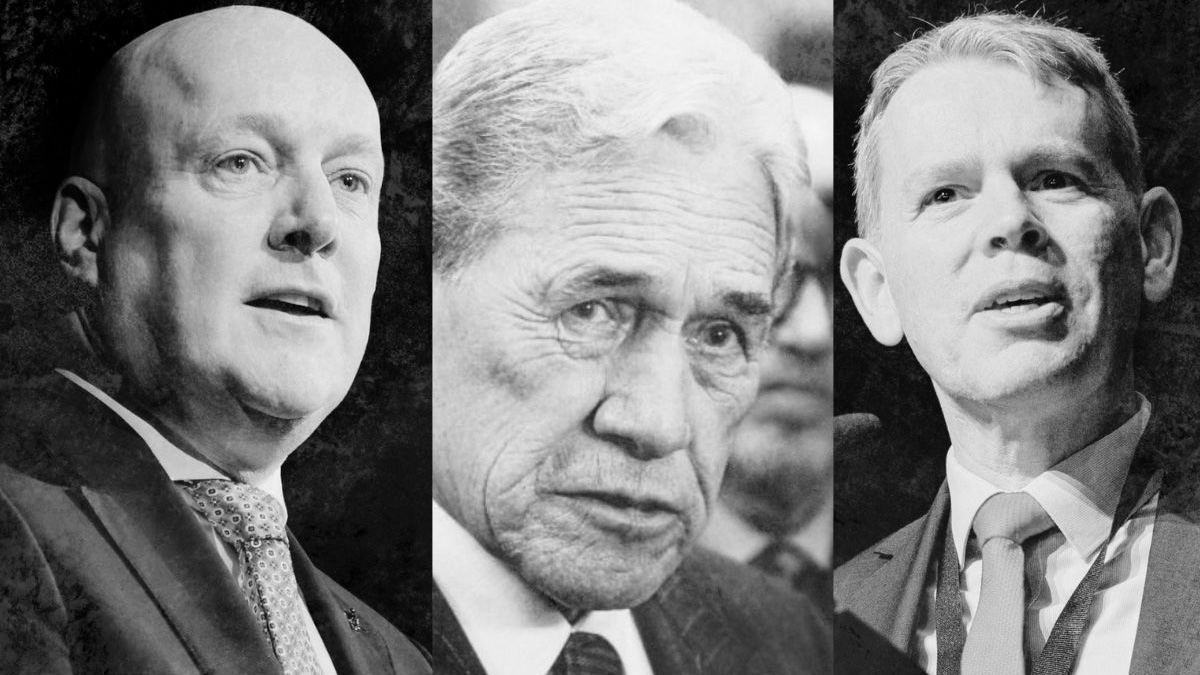
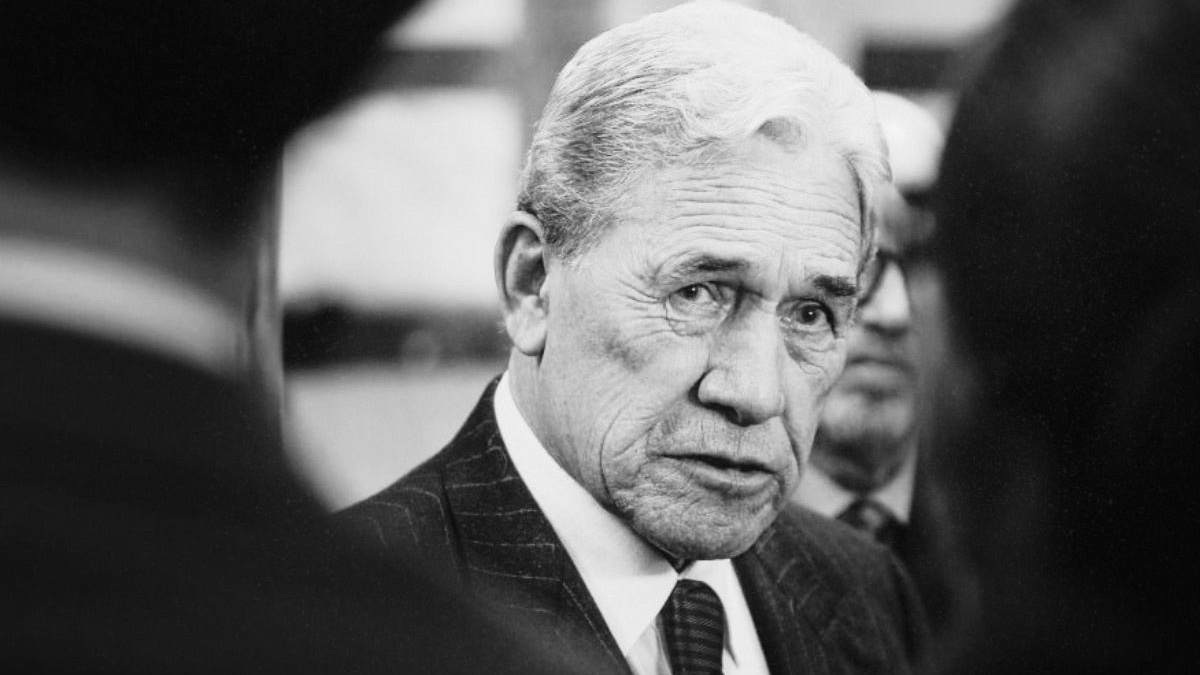
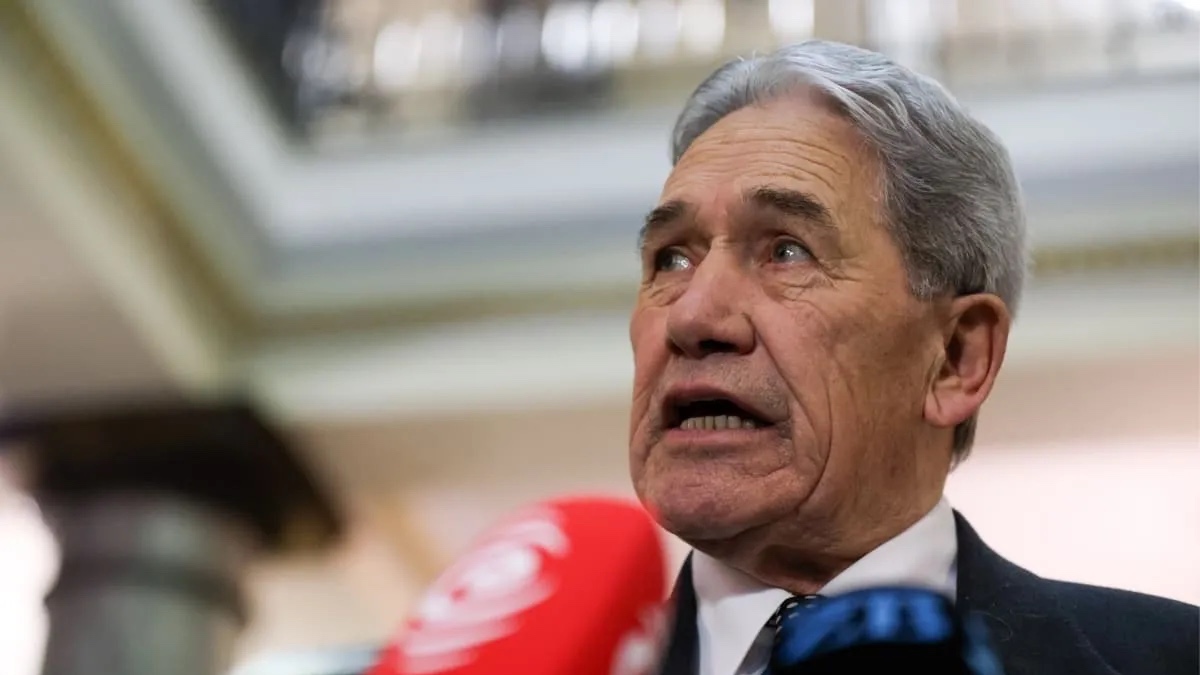
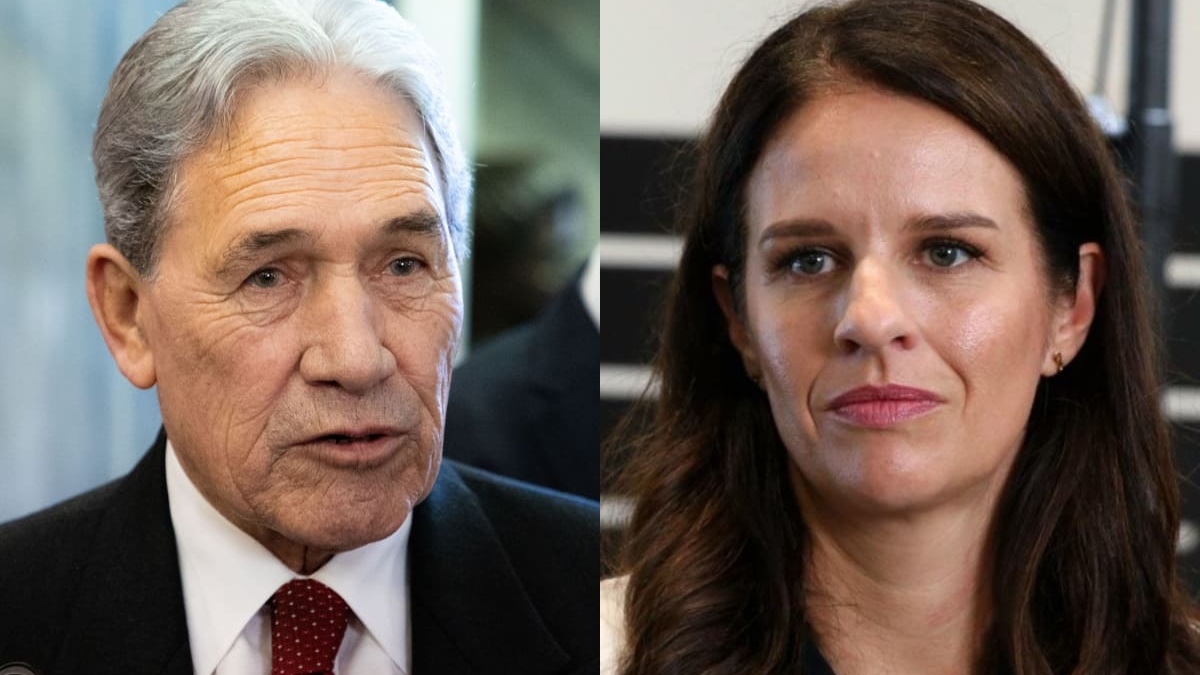
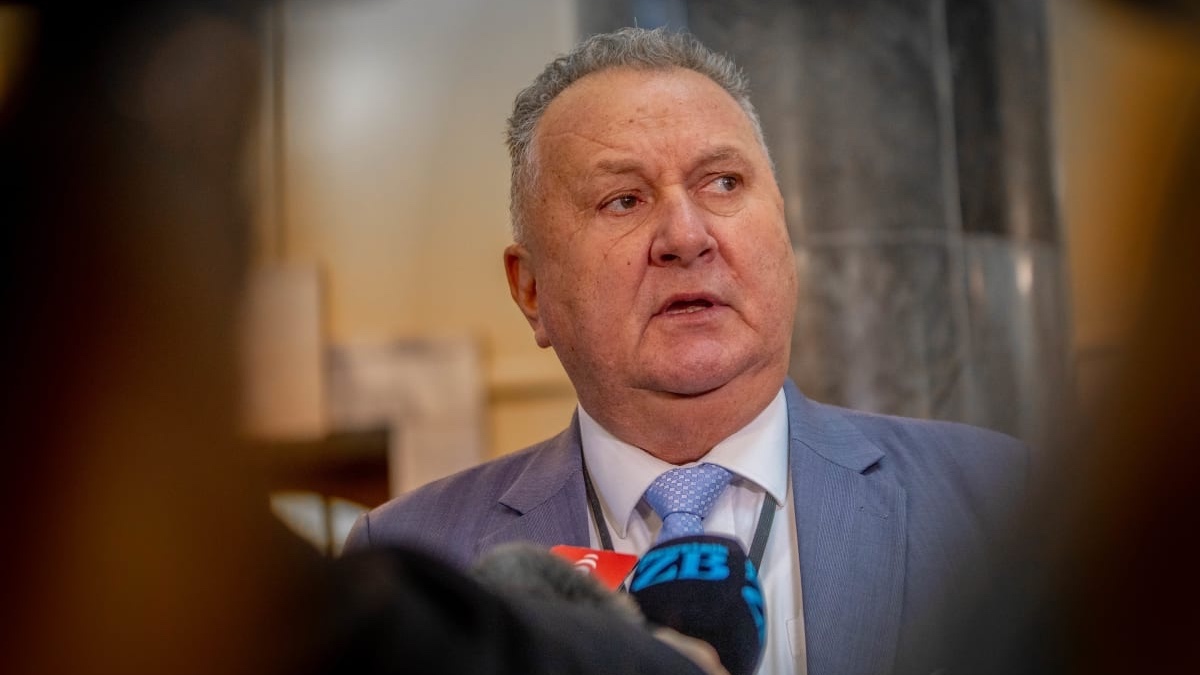
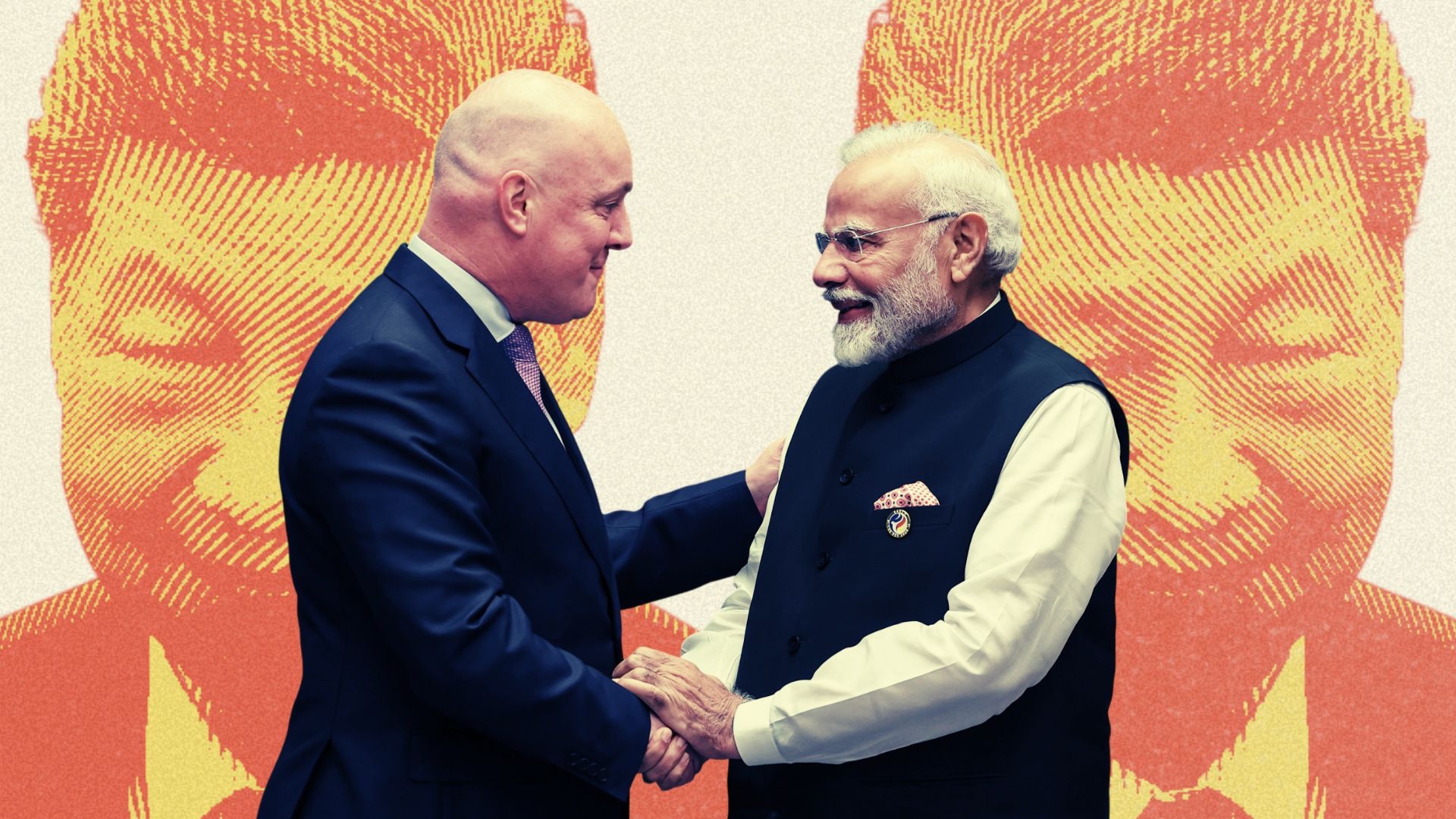
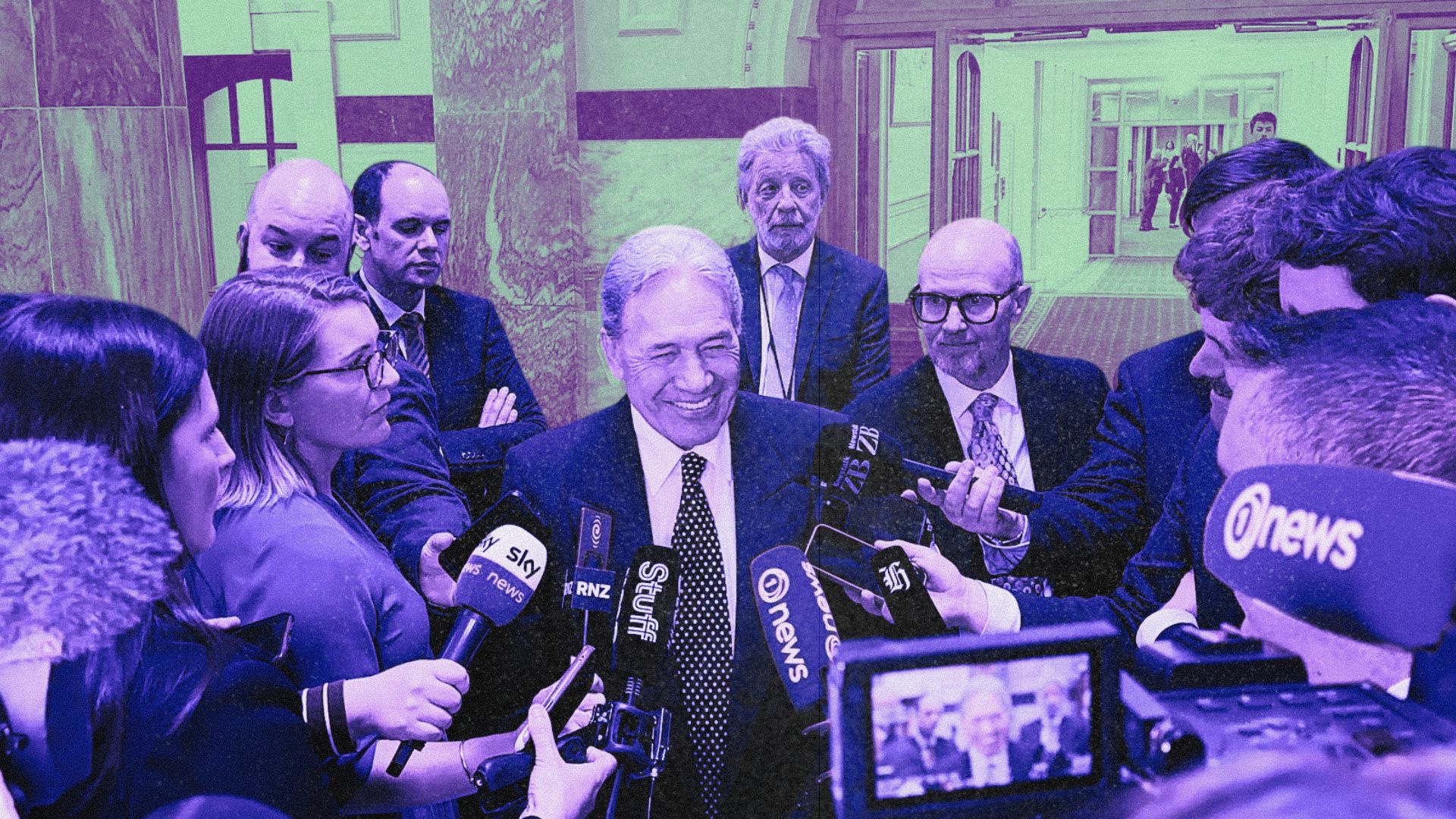
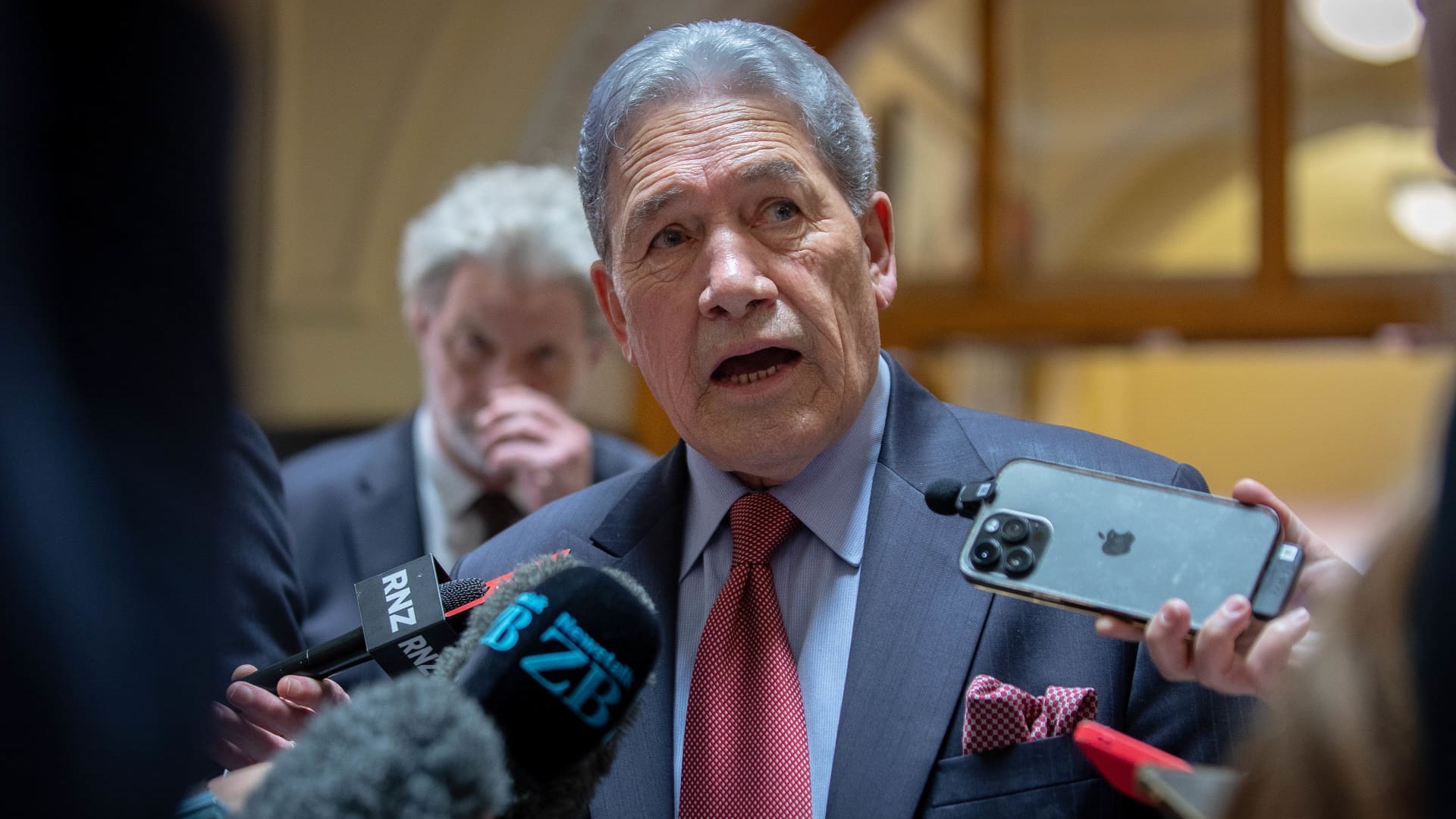
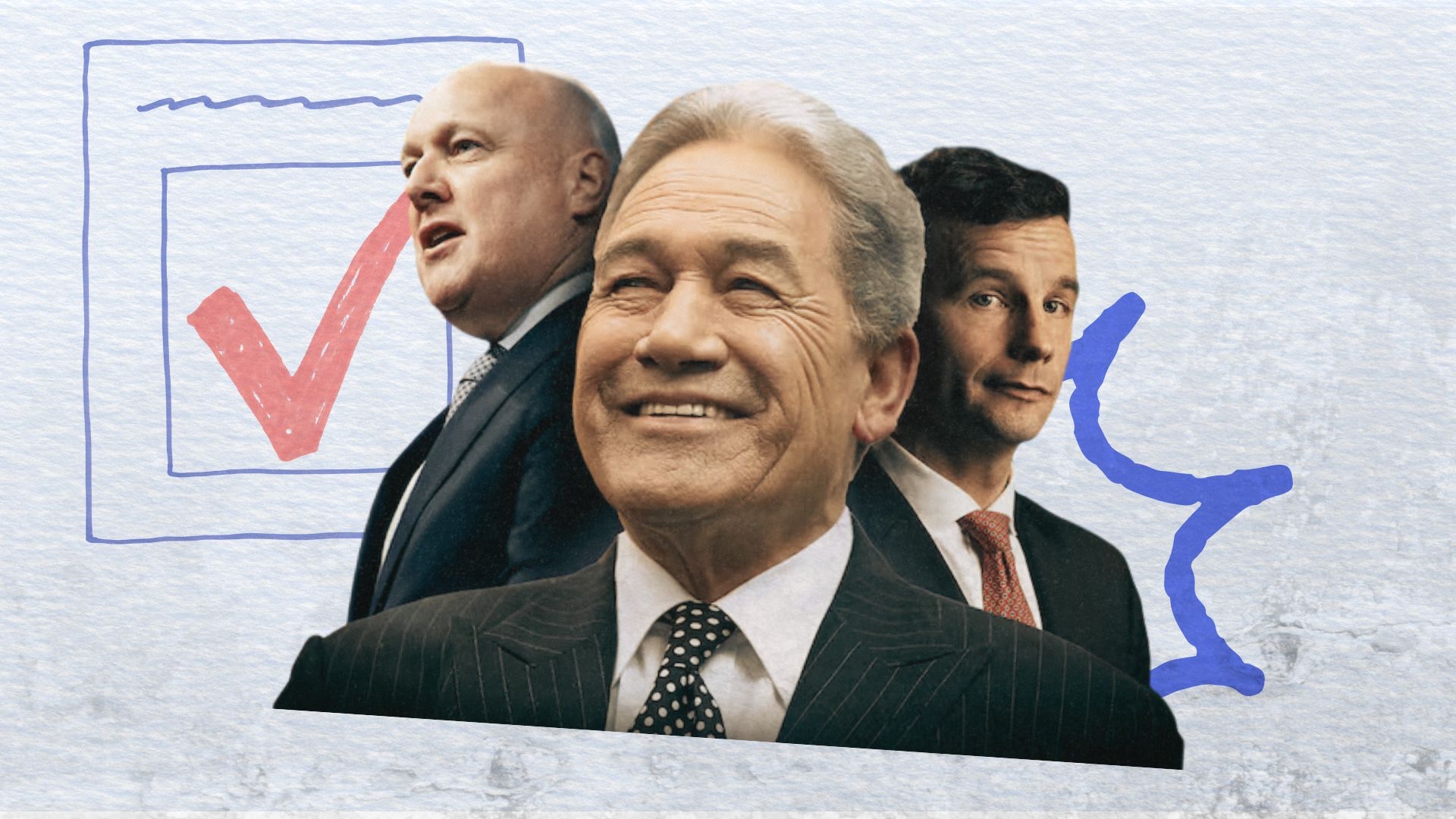
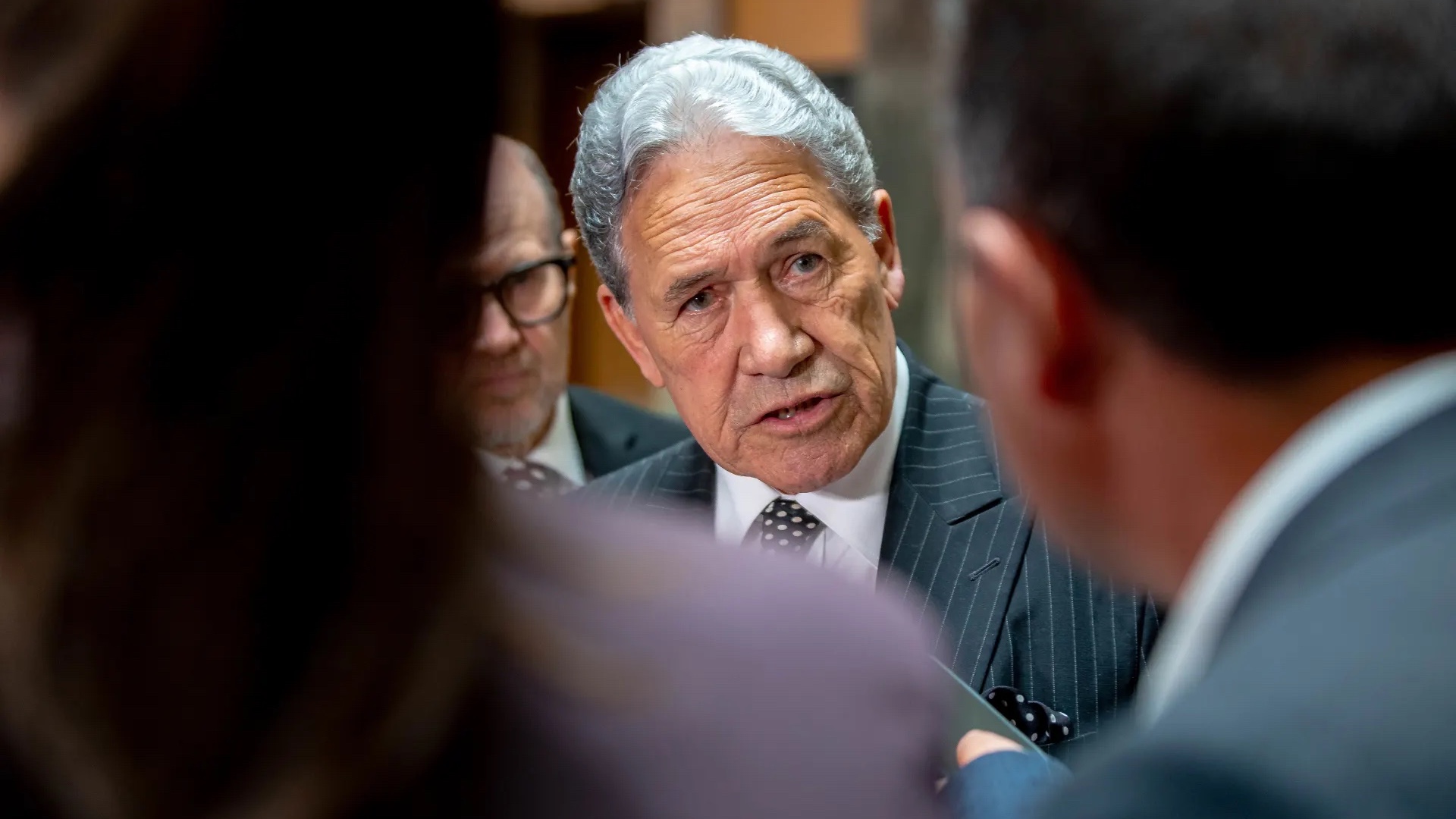
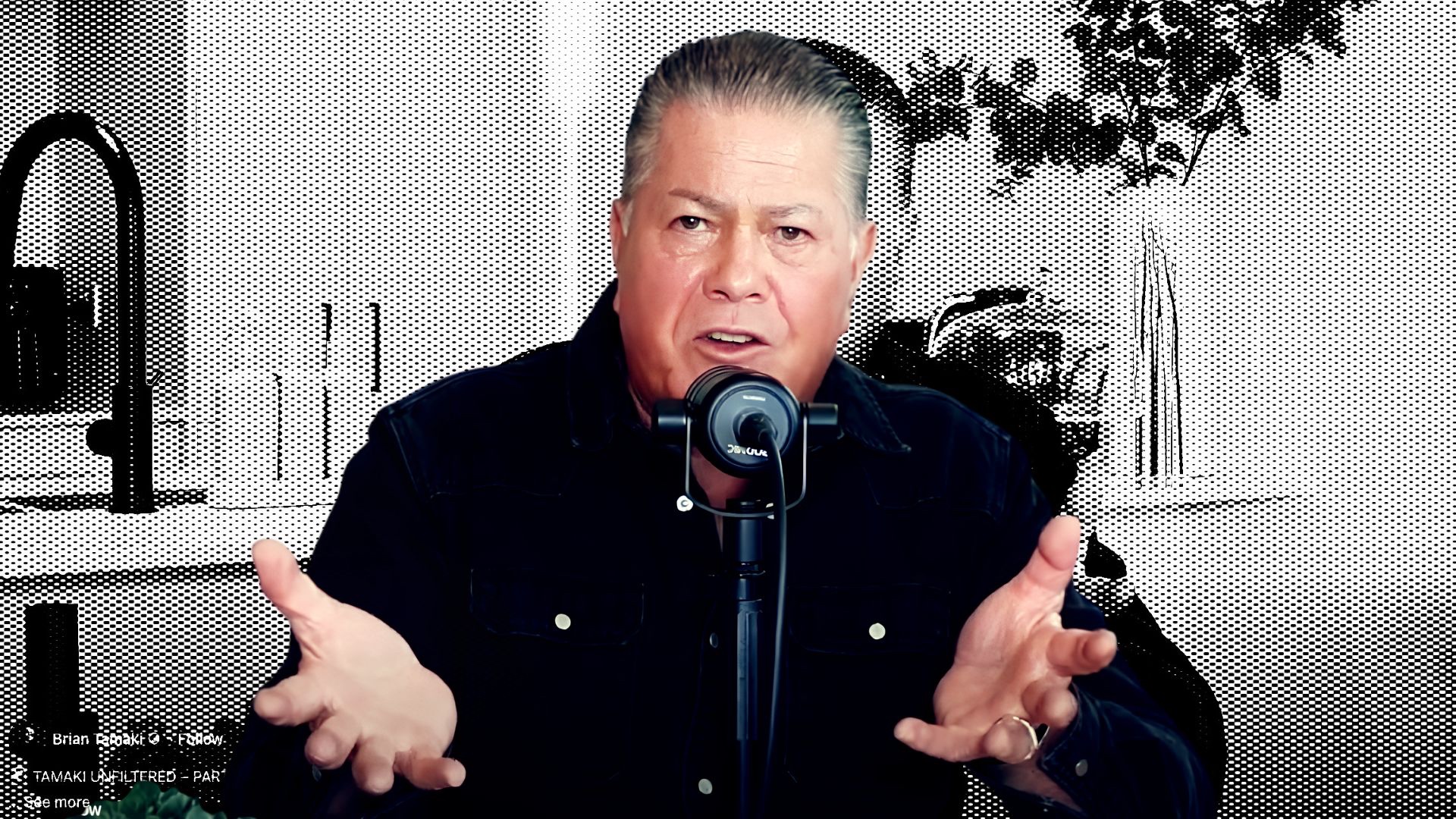
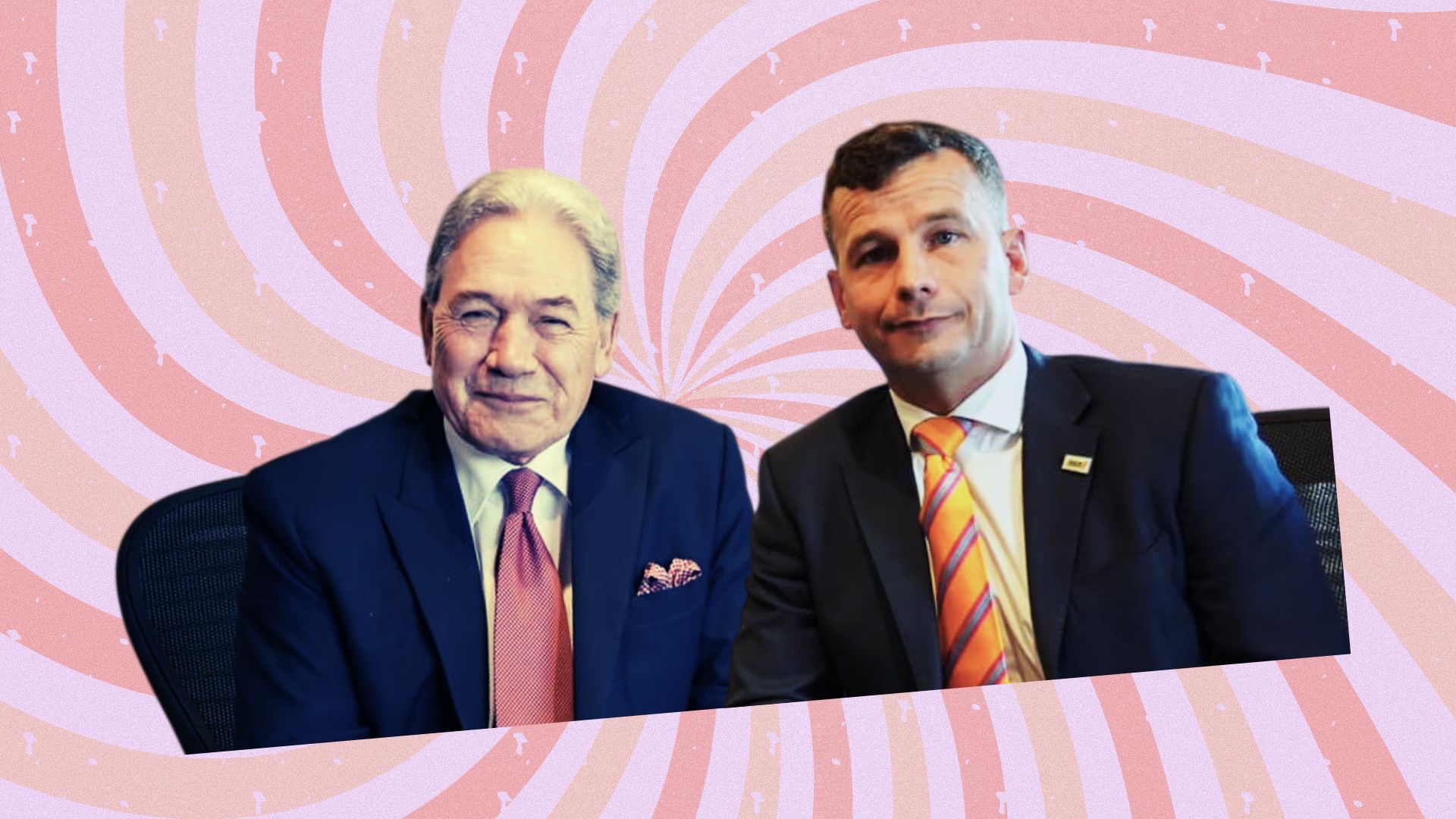
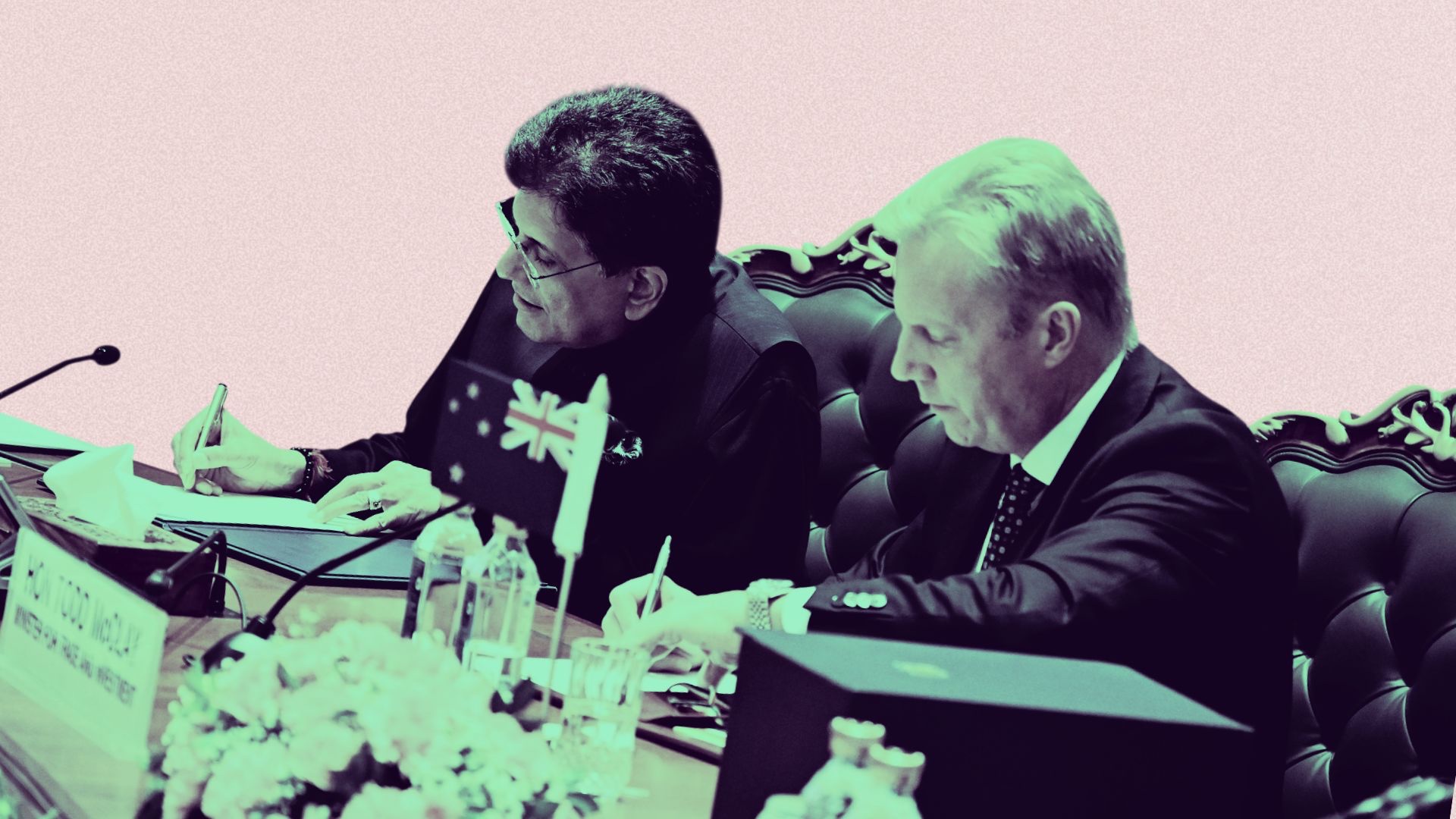
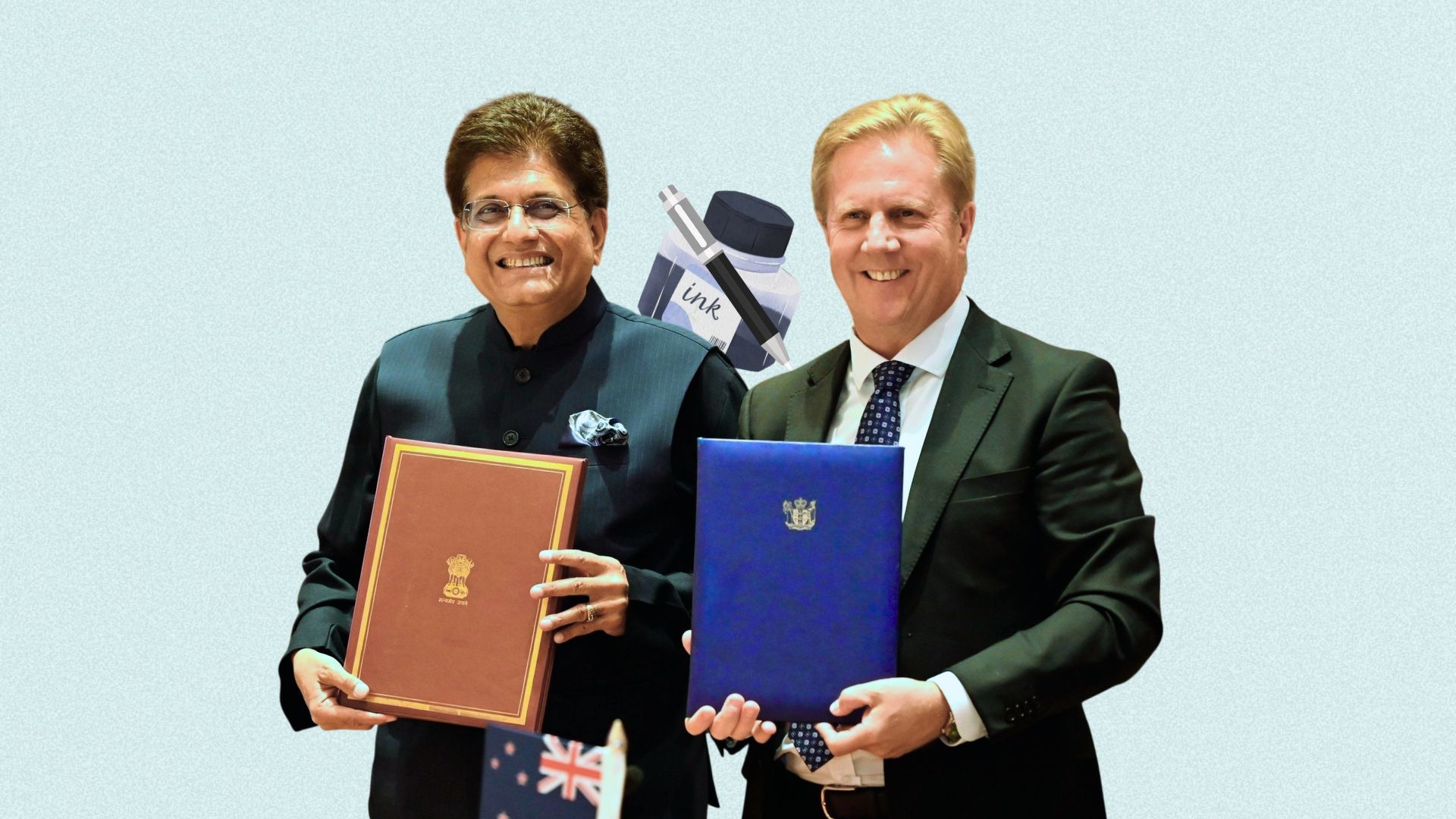
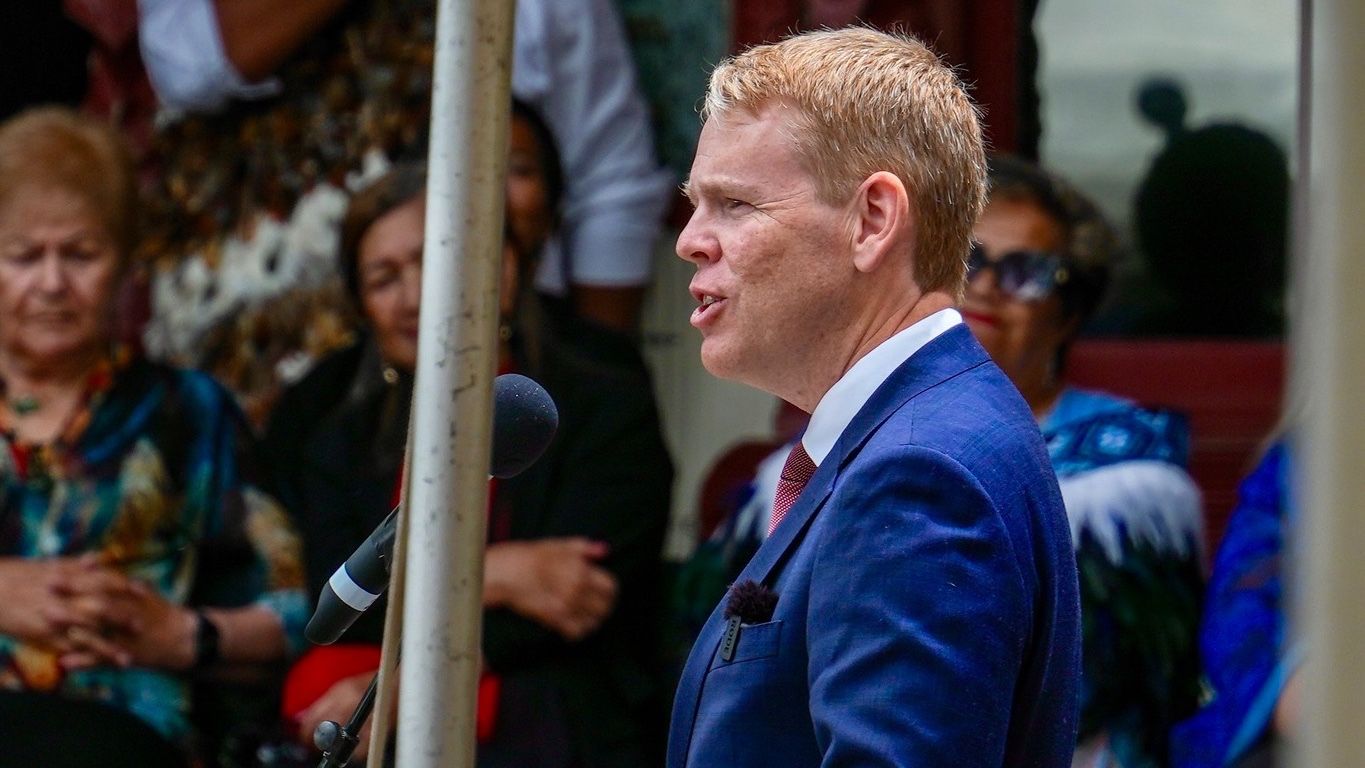
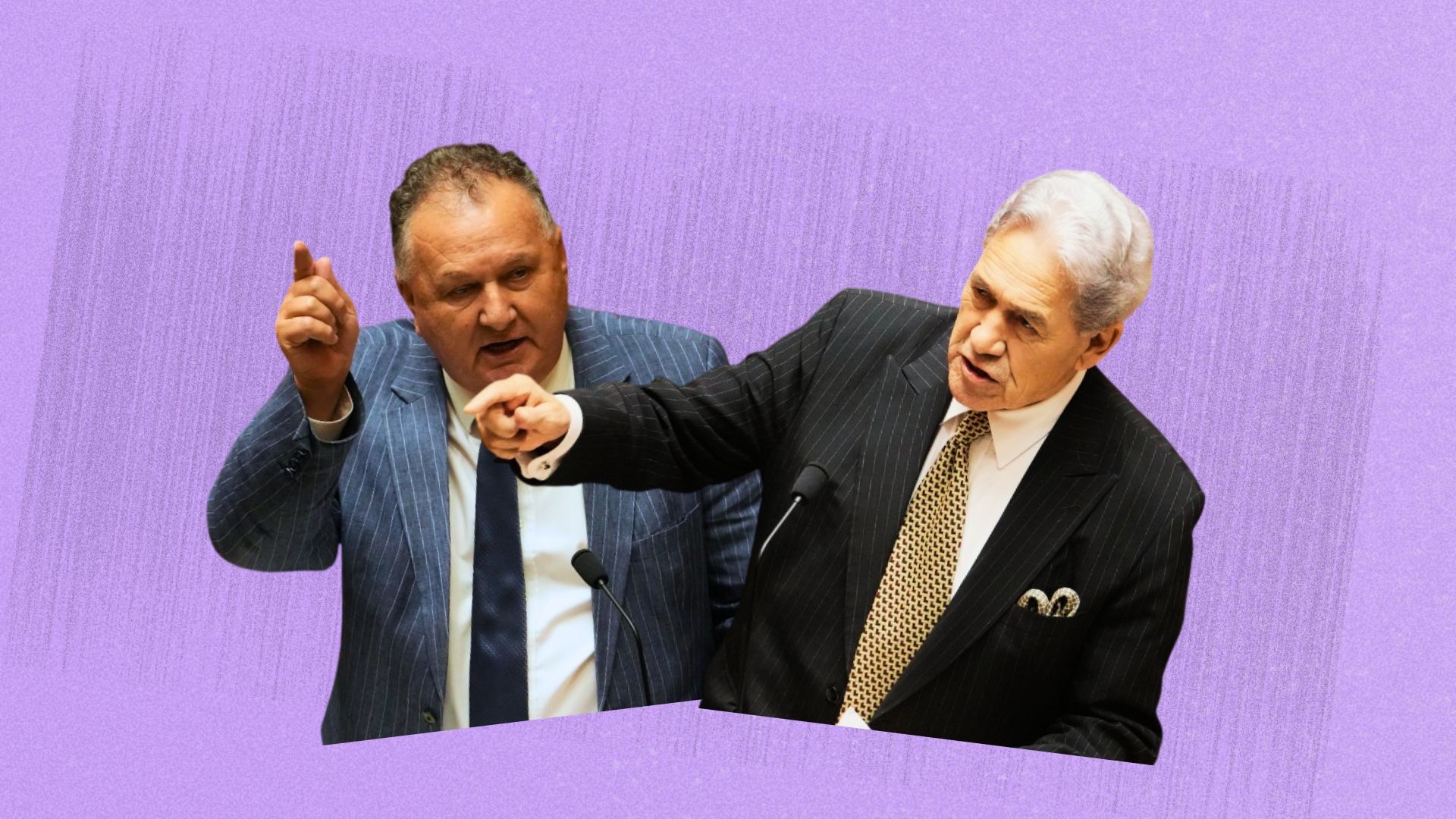
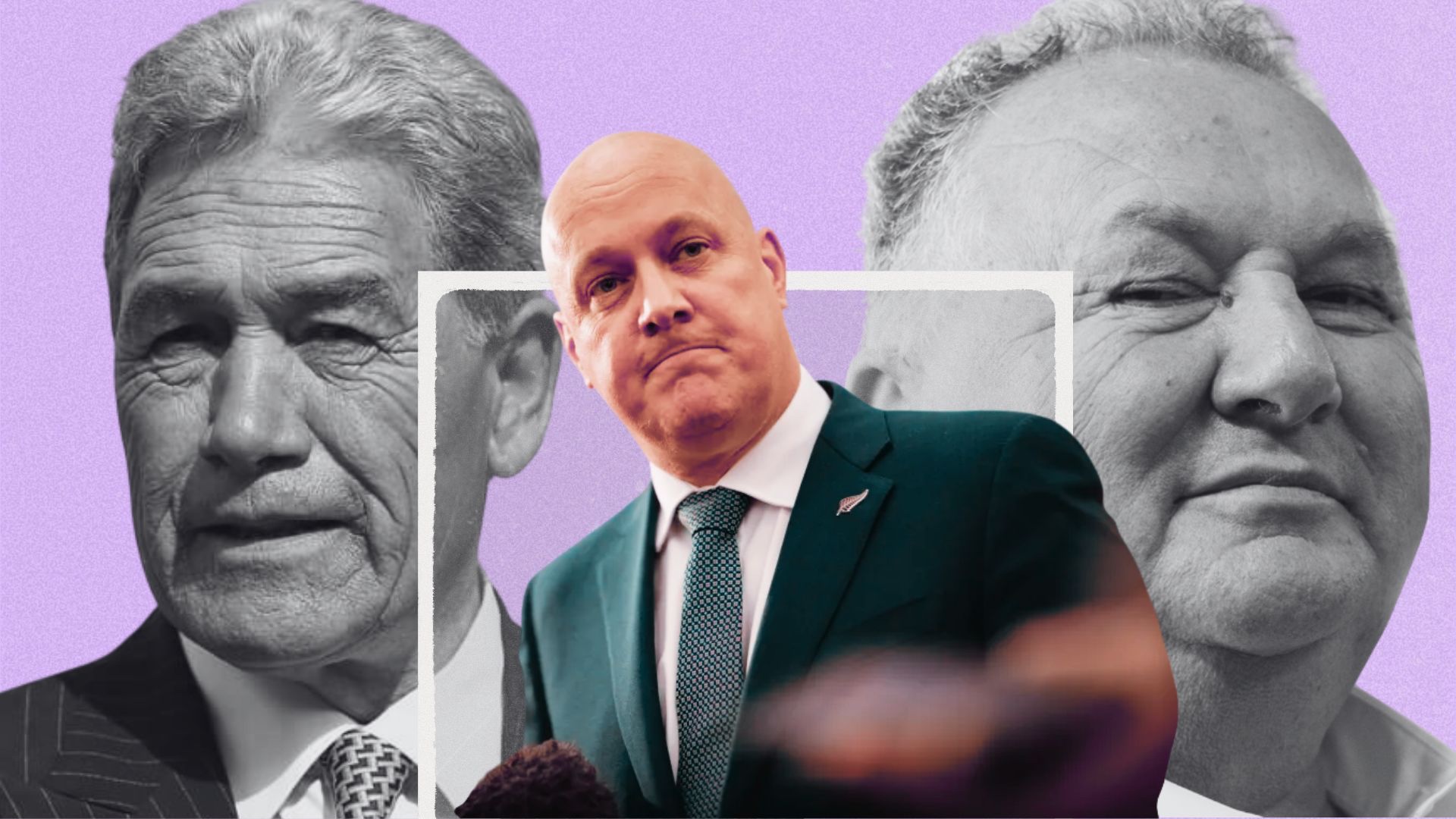
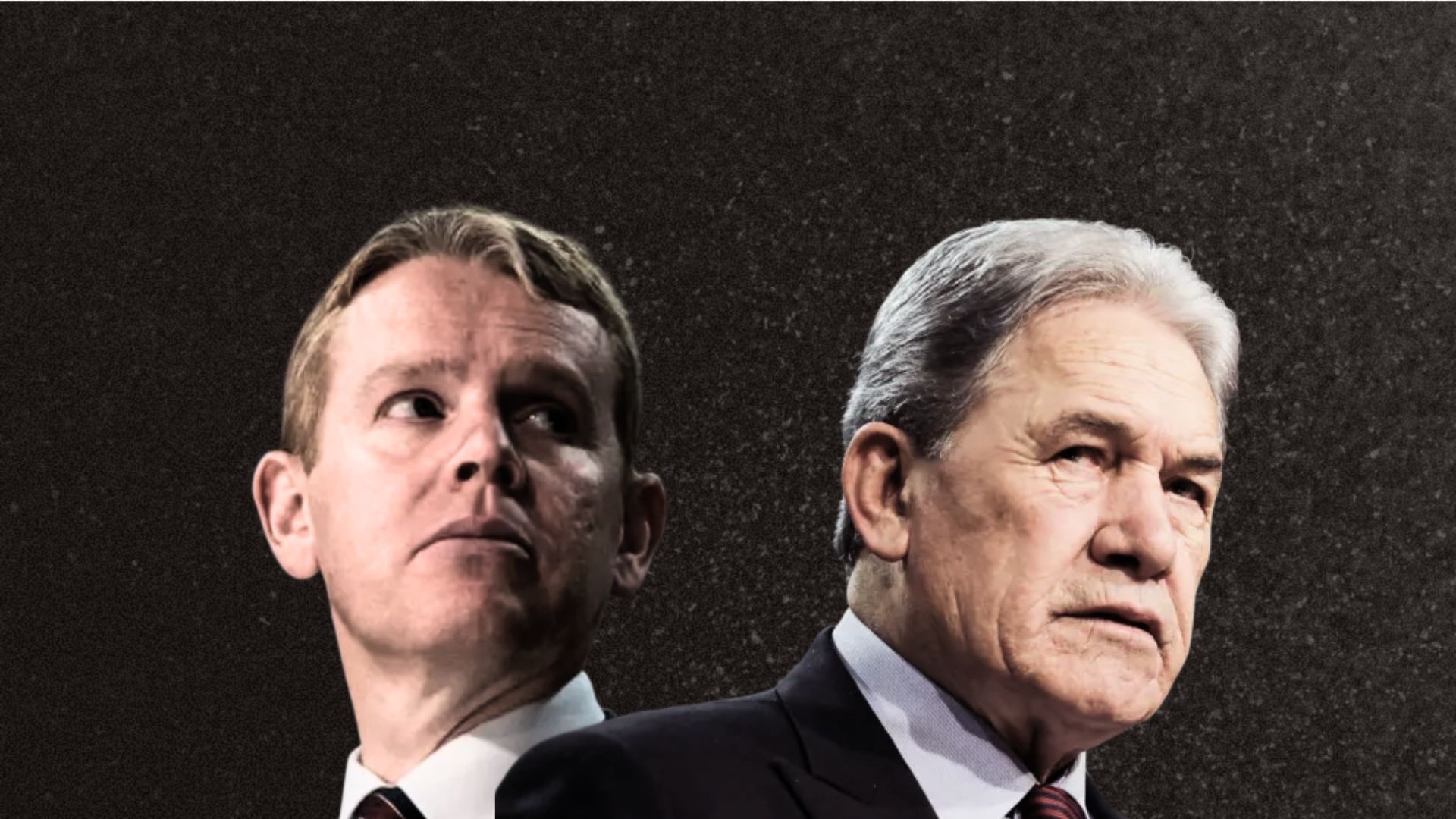
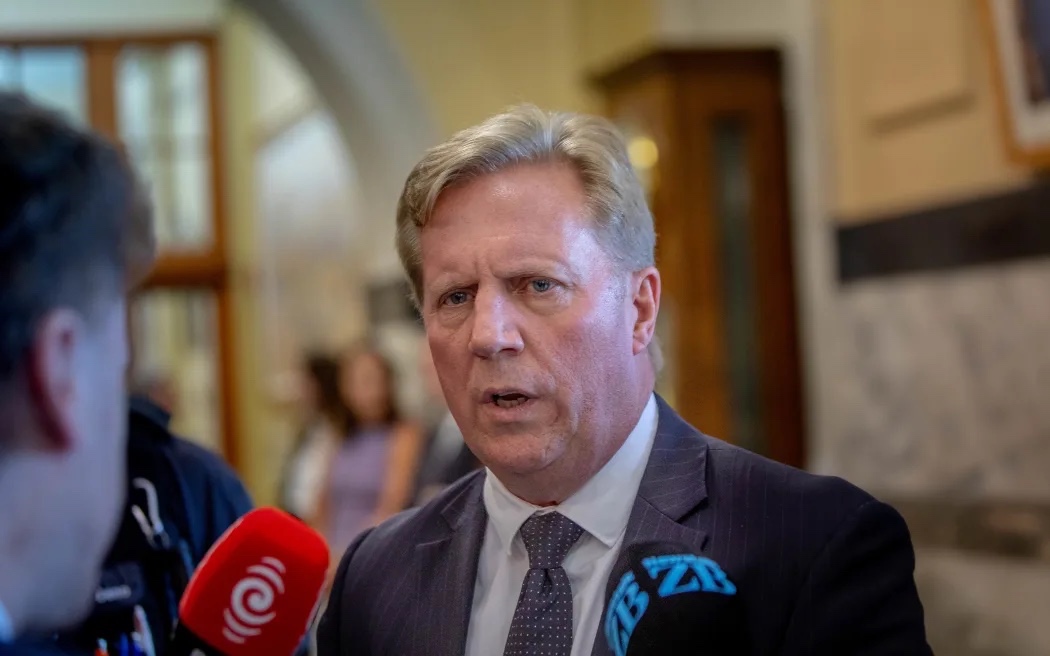
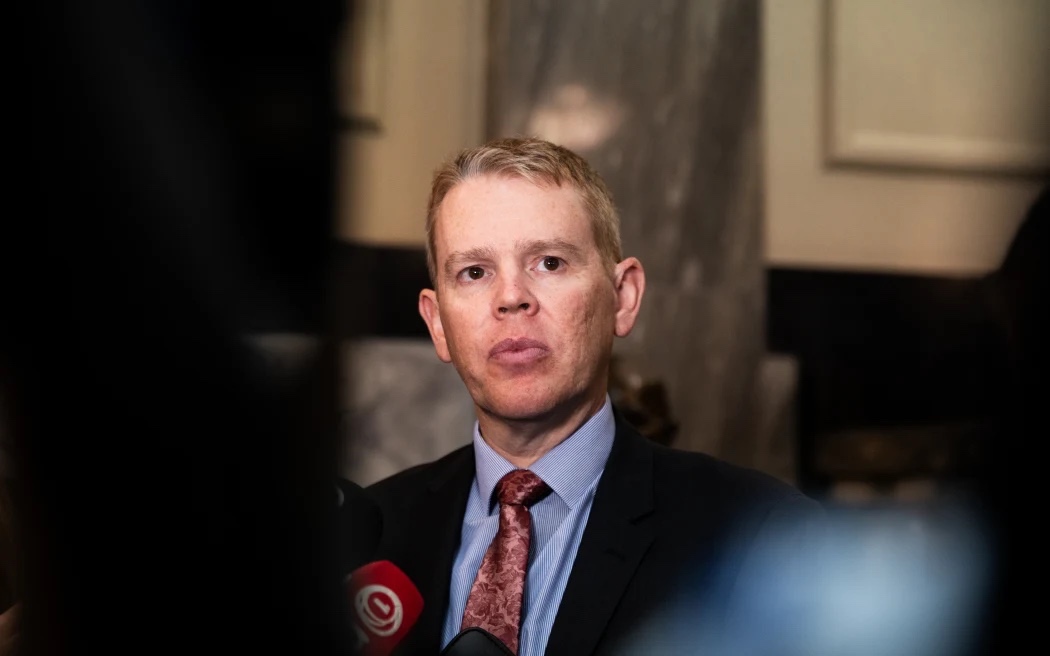
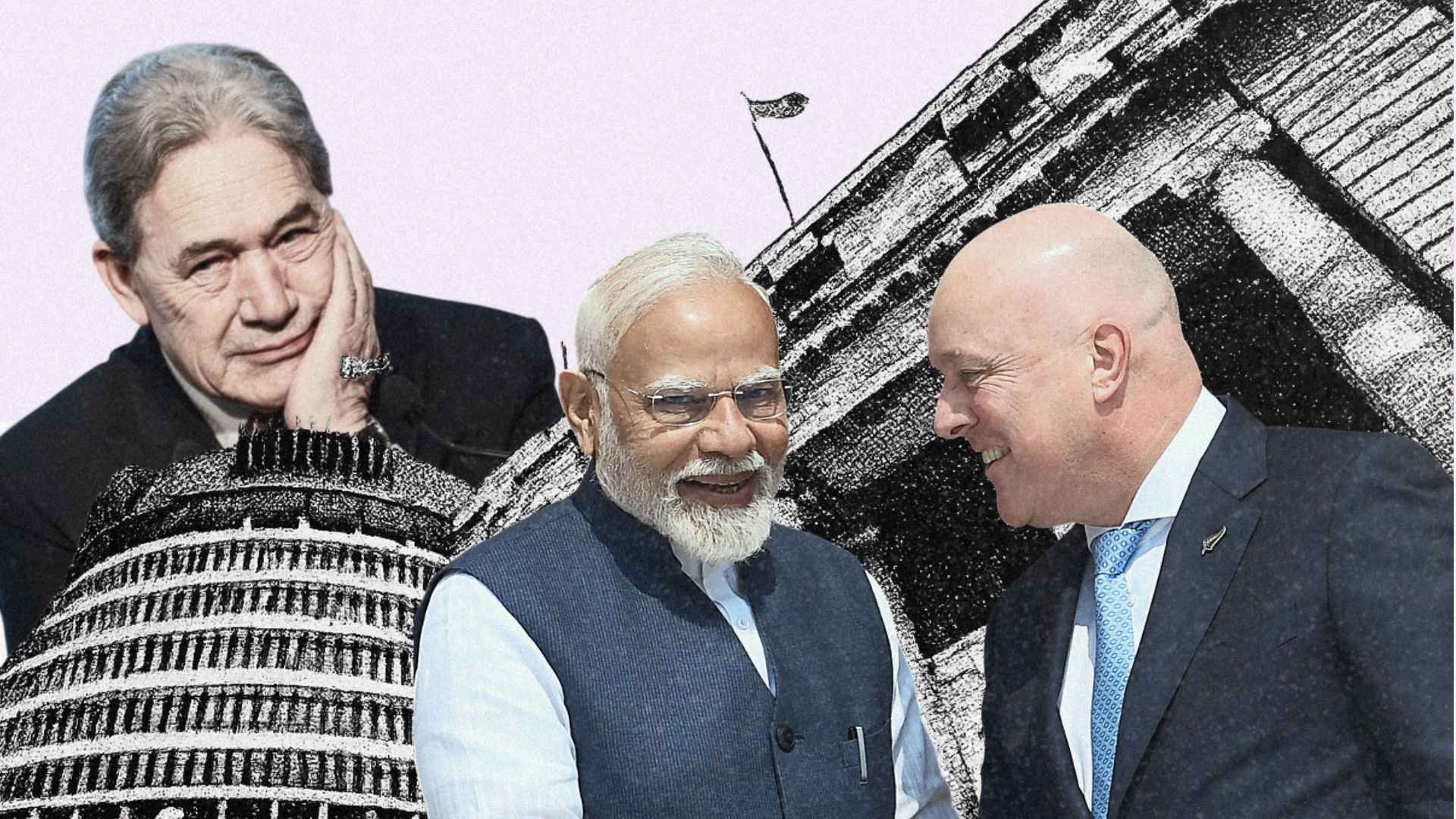
NZ First leader Winston Peters has opposed the India trade deal.
The trade deal has disappeared almost completely from the NZ First leader's election speeches lately.
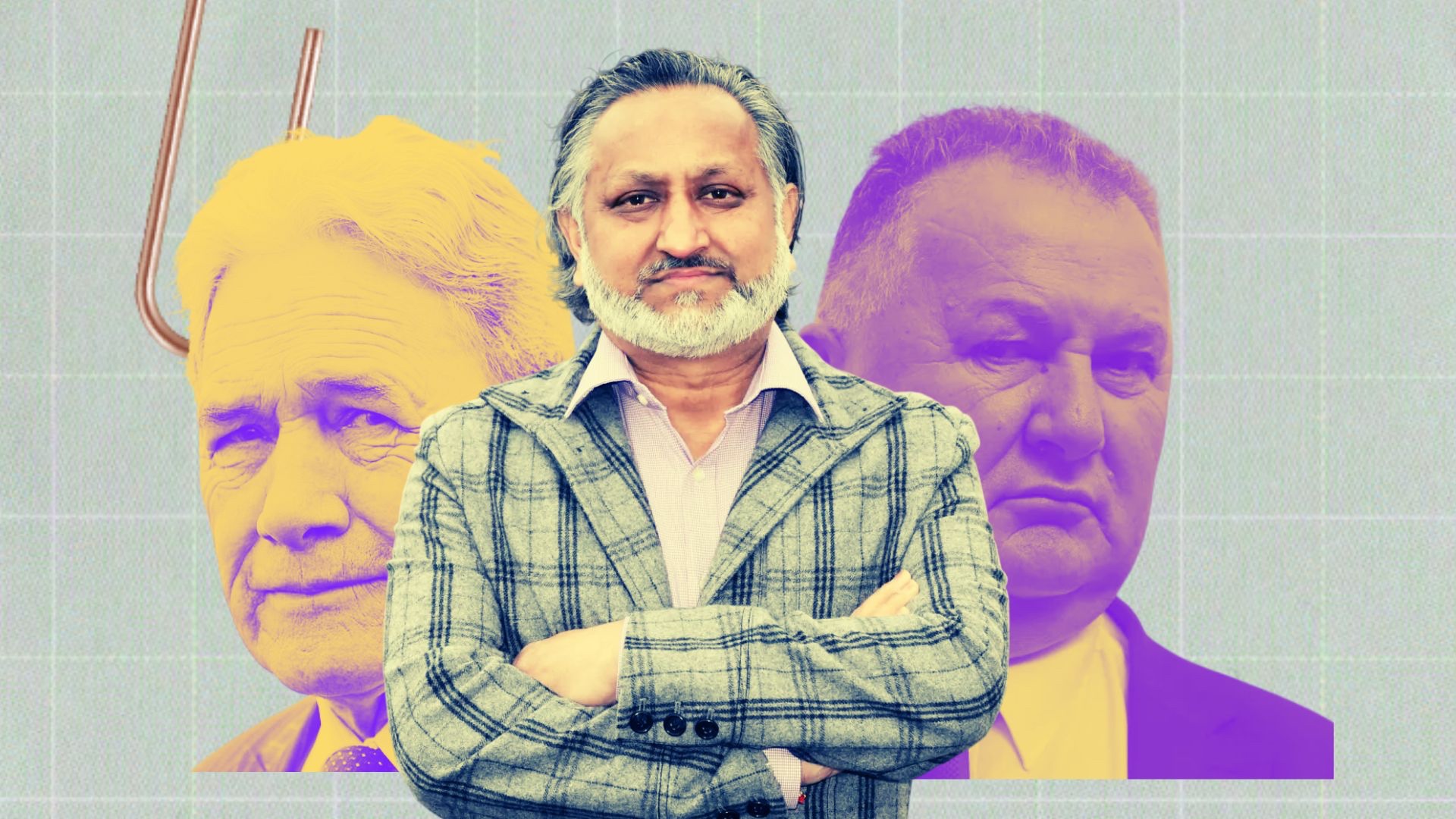
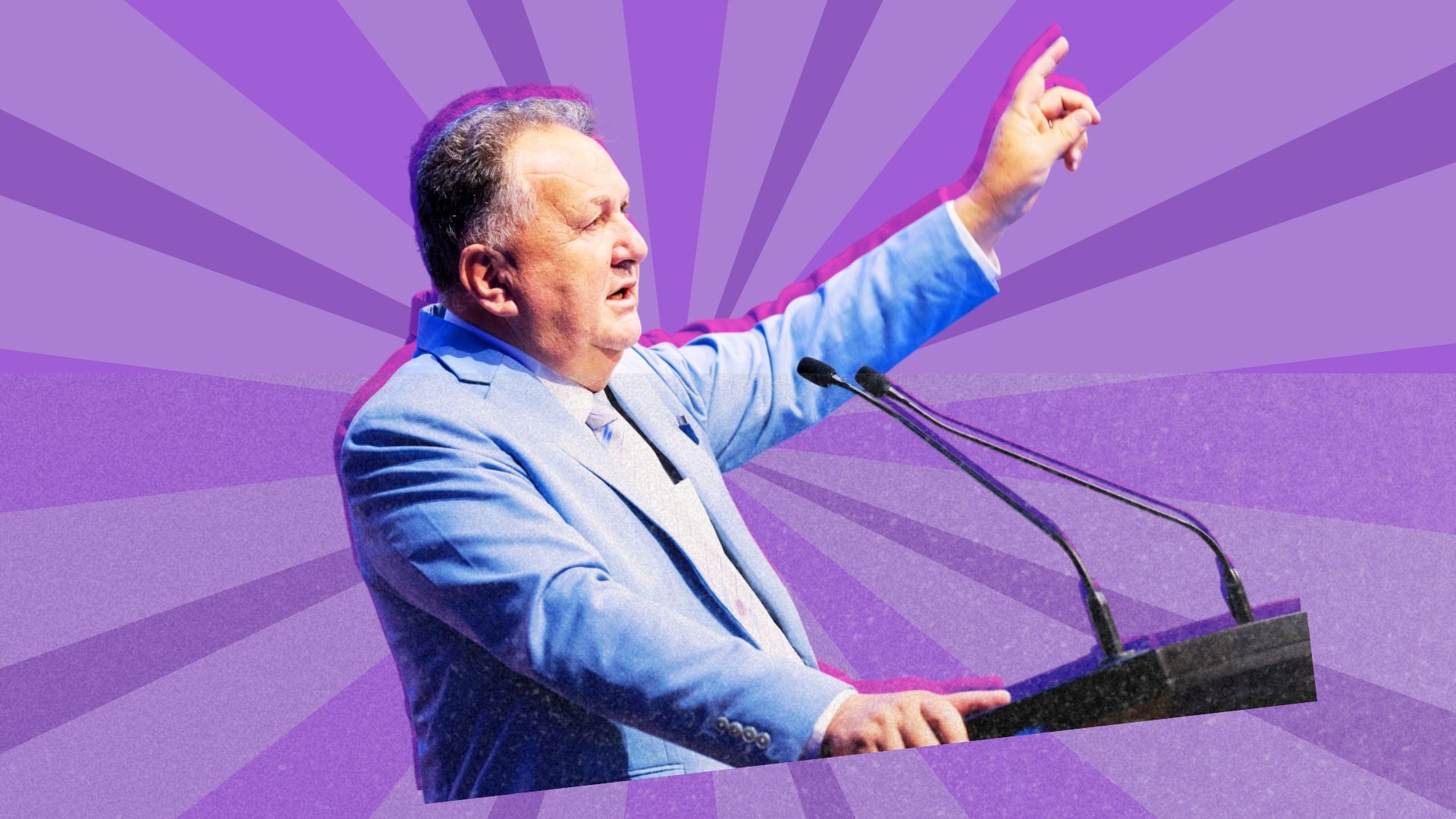
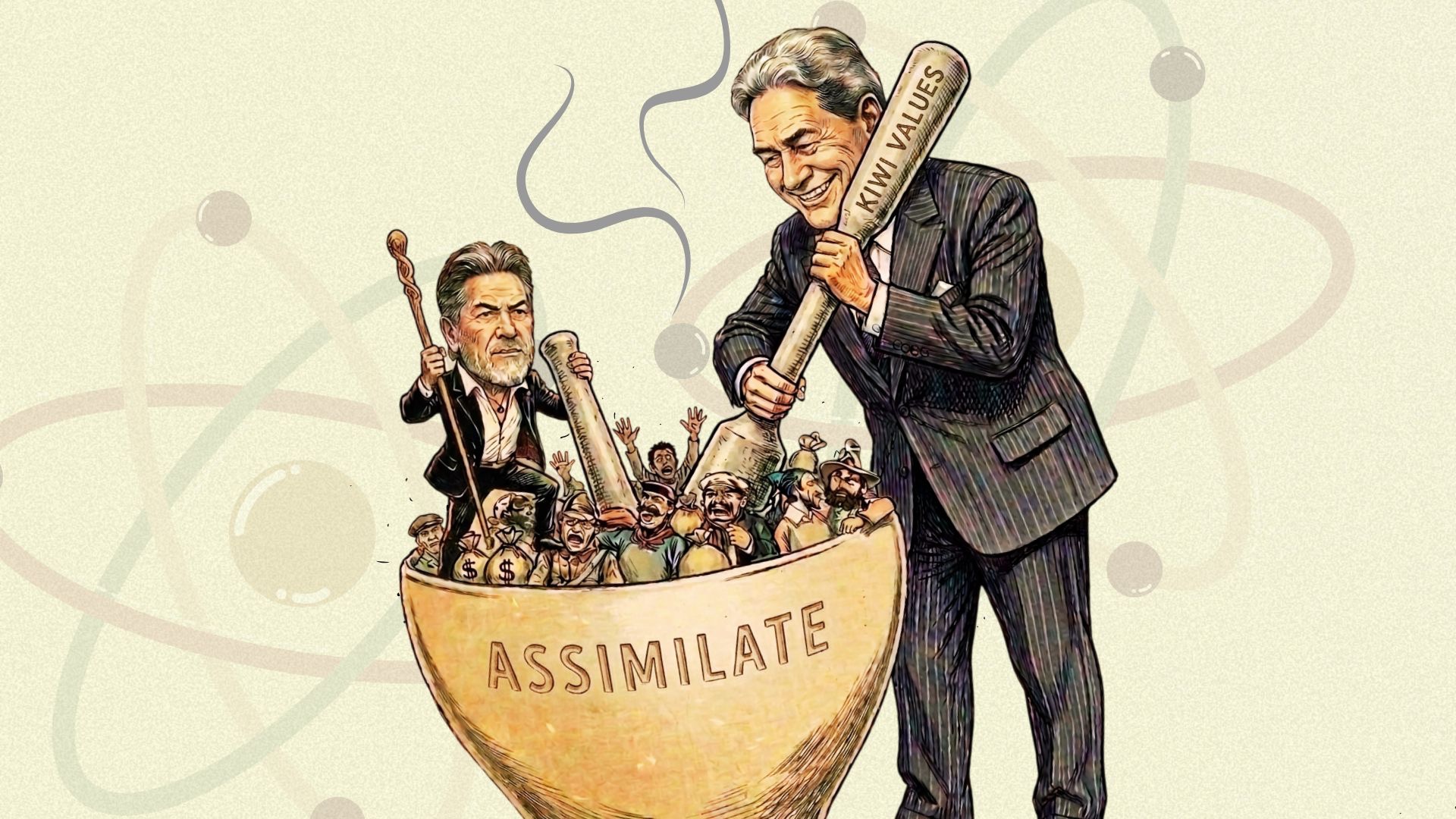
Winston Peters spent much of the winter turning opposition to New Zealand’s free trade agreement (FTA) with India into a recurring feature of his election campaign.
At public meetings through June and July, the New Zealand First leader devoted entire sections of speeches to the deal, attacking its immigration provisions, trade concessions, references to the Paris Agreement and UNDRIP, and a commitment to promote New Zealand investment into India.
At one point he branded it a “Free Migration Deal, not a Free Trade Deal”. At another, he told voters, “Only New Zealand First is fighting against this FTA.” But with less than three months until the election, the India FTA has disappeared from Peters’ campaign speeches.
In the three August election speeches reviewed by Awaaz, Peters did not mention the India FTA once. India itself appeared only once. That too an unrelated reference to global carbon emissions.
That does not mean Peters has changed his position on the agreement. He hasn't publicly said anything of the sorts. What has clearly changed is the prominence he is giving the issue on the campaign trail.
Truant student may have to curb Khalistan speech in India but will be deported, NZ tribunal rules The 21-year-old's education provider terminated his enrollment within a year because of poor attendance.
New Zealand-trained Indian pilot hailed for saving 174 people in Flydubai suspected crash bid Smit Machchhar trained with Mainland Air in Dunedin for about 18 months between 2008 and 2009.
54 hours worked, 26 hours paid: Indian migrant wins $60,000 from Auckland employer The man's additional claim that he paid unlawful premiums to procure the visa didn't hold up in the employment tribunal.
From centrestage to silence
On June 14, Peters gave the India agreement its own section in a campaign speech titled 'Keep Hope Alive'.
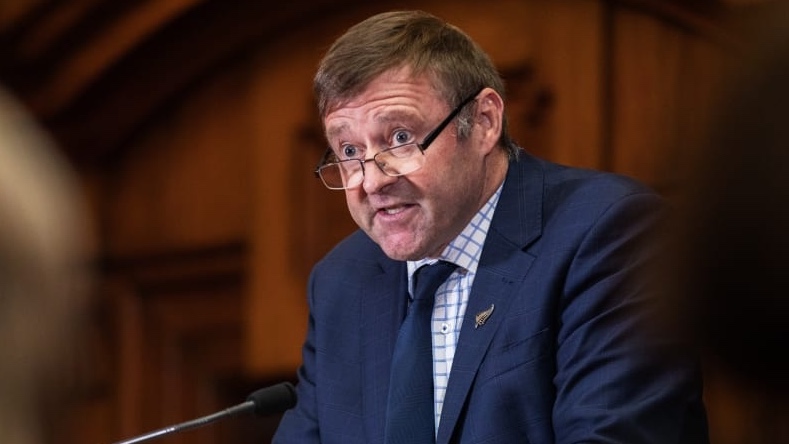
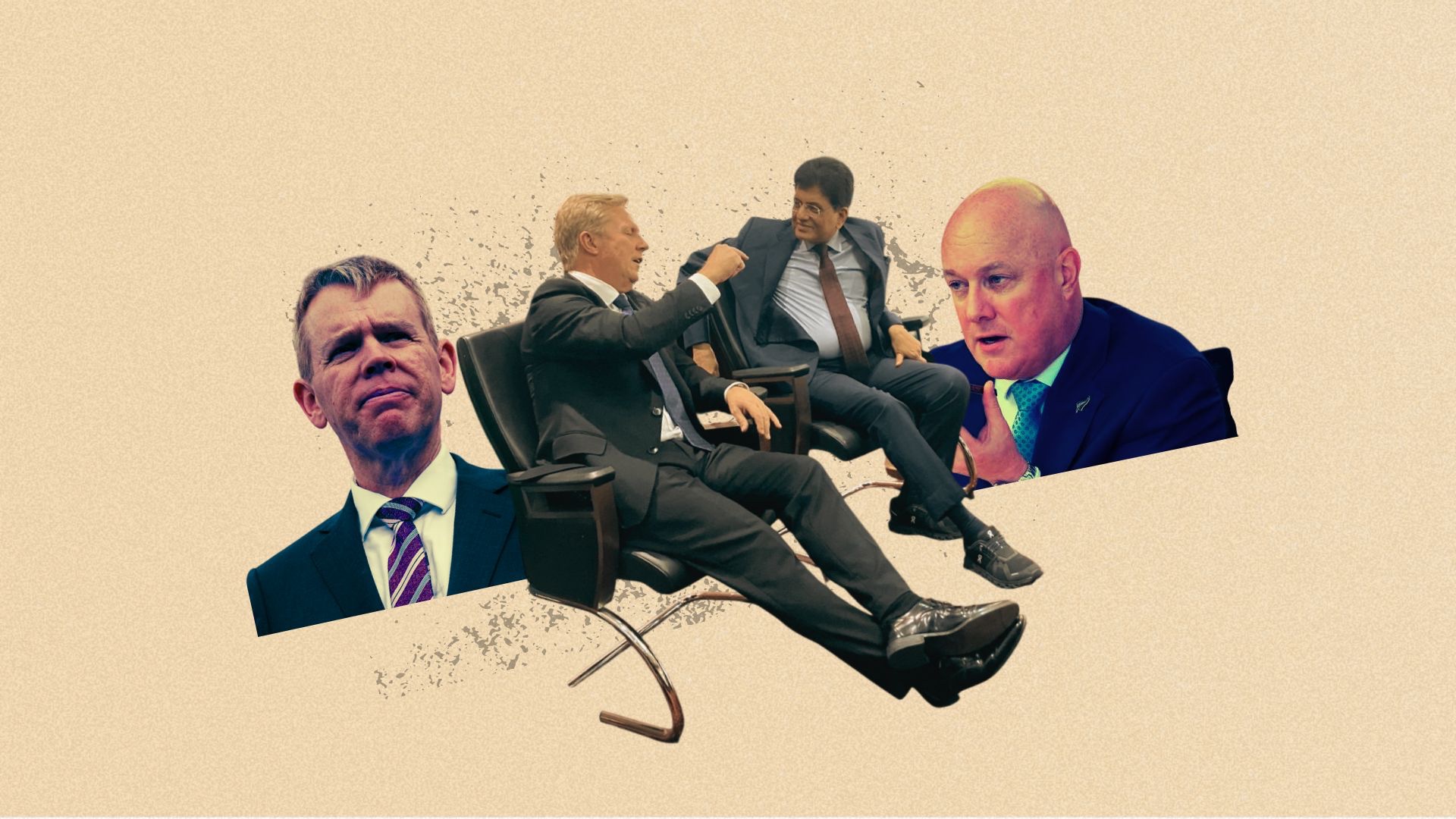
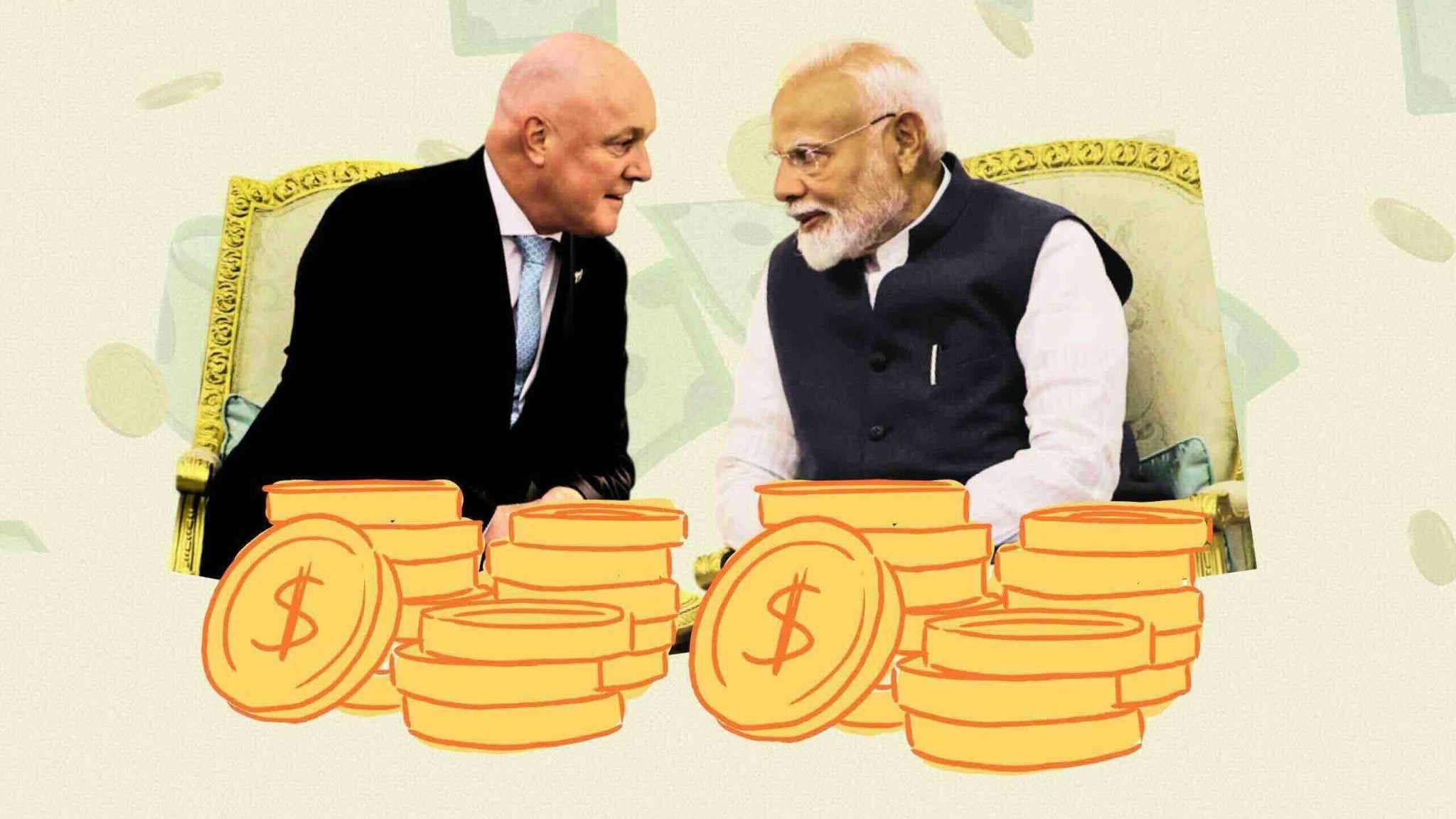
He attacked prime minister Christopher Luxon for promising in 2023 to secure an India FTA within three years and argued the commitment had weakened New Zealand’s negotiating position.
From there, he moved through the agreement’s trade provisions, immigration settings, UNDRIP and the Paris Agreement. His language became increasingly confrontational.
Peters described the deal as “flimflam”, accused its supporters of “outright misinformation”, and argued foreign students entering under the agreement could take jobs from young New Zealanders.
“The National, Act, and Labour Parties have signed up to this deal knowing this is more a Free Migration Deal, not a Free Trade Deal,” he said.
Two weeks later, on June 28, the FTA was again a substantial part of his campaign pitch. Peters listed four reasons for NZ First’s opposition – immigration provisions, UNDRIP, the Paris Agreement and the requirement for New Zealand to promote investment into India.
“Only New Zealand First is fighting against this FTA,” he told the audience.
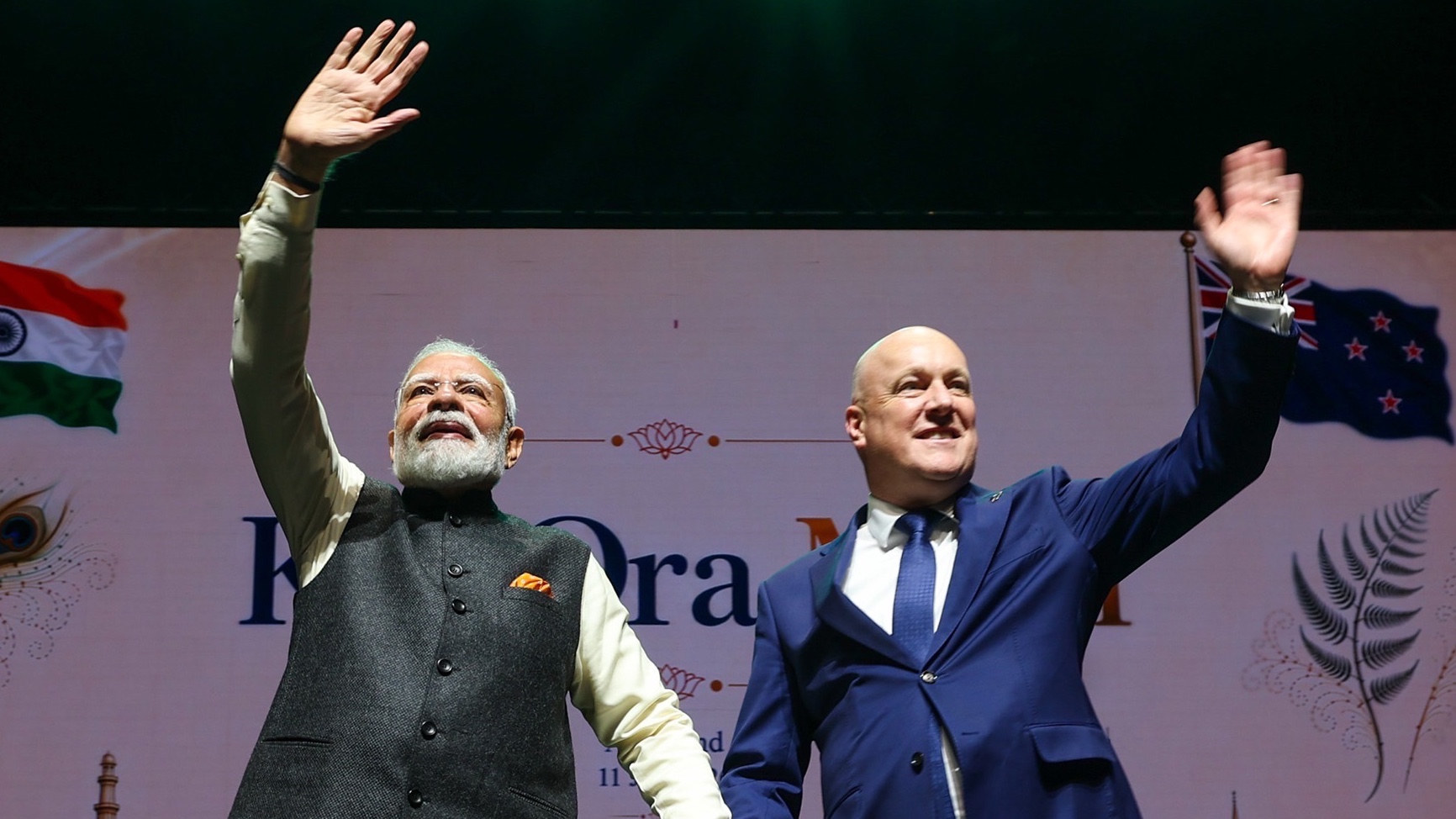
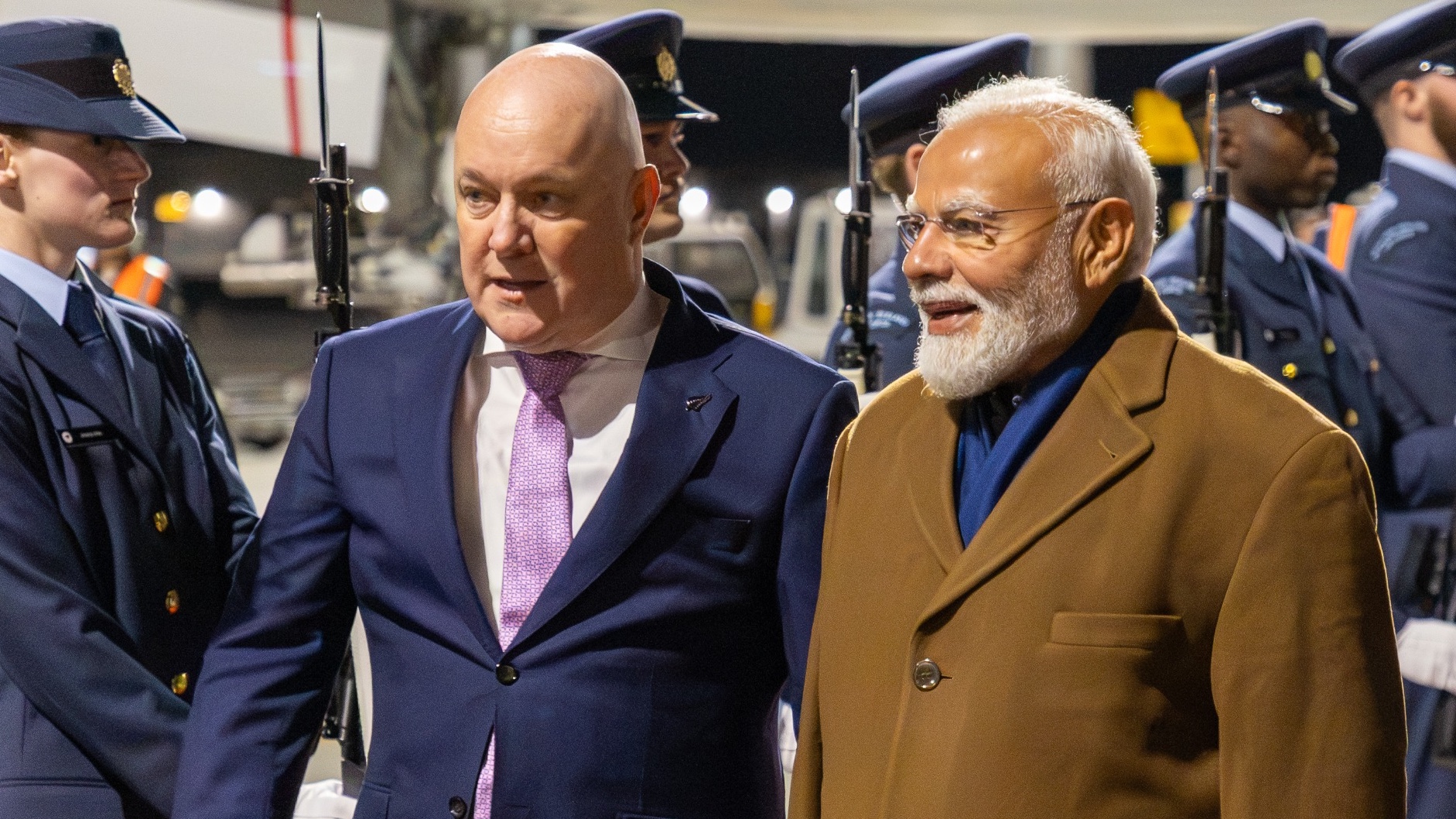
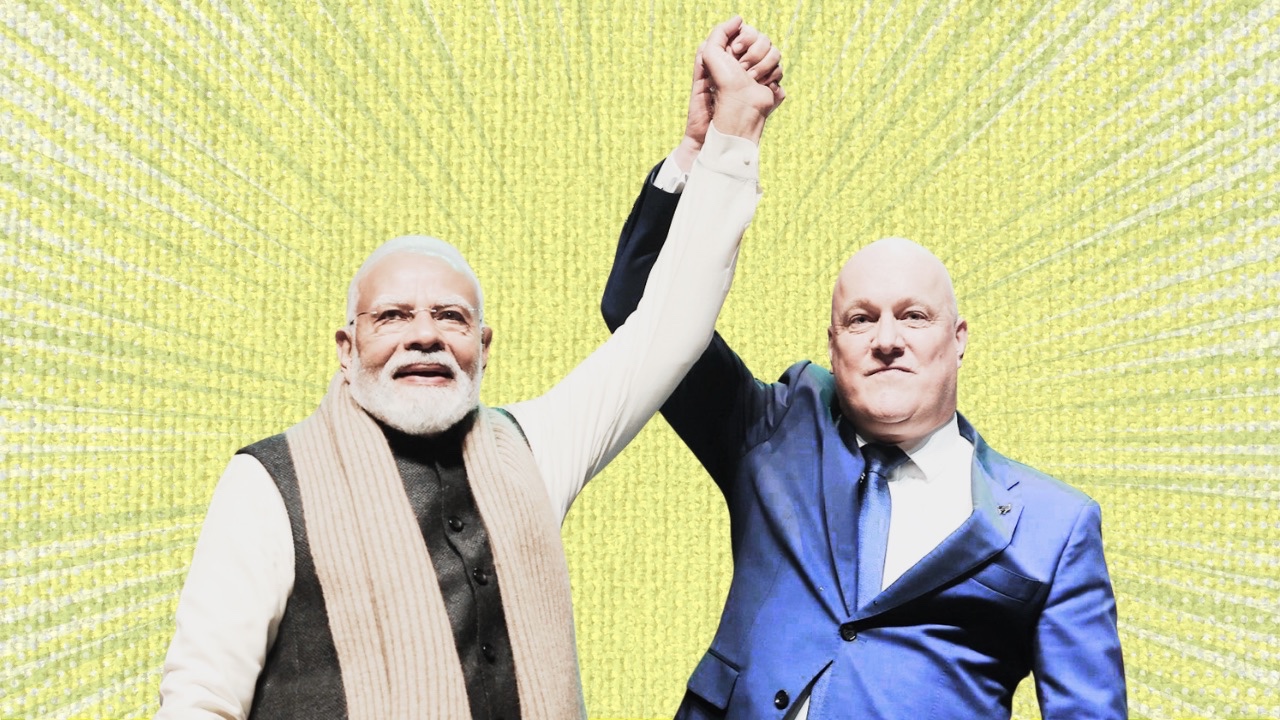
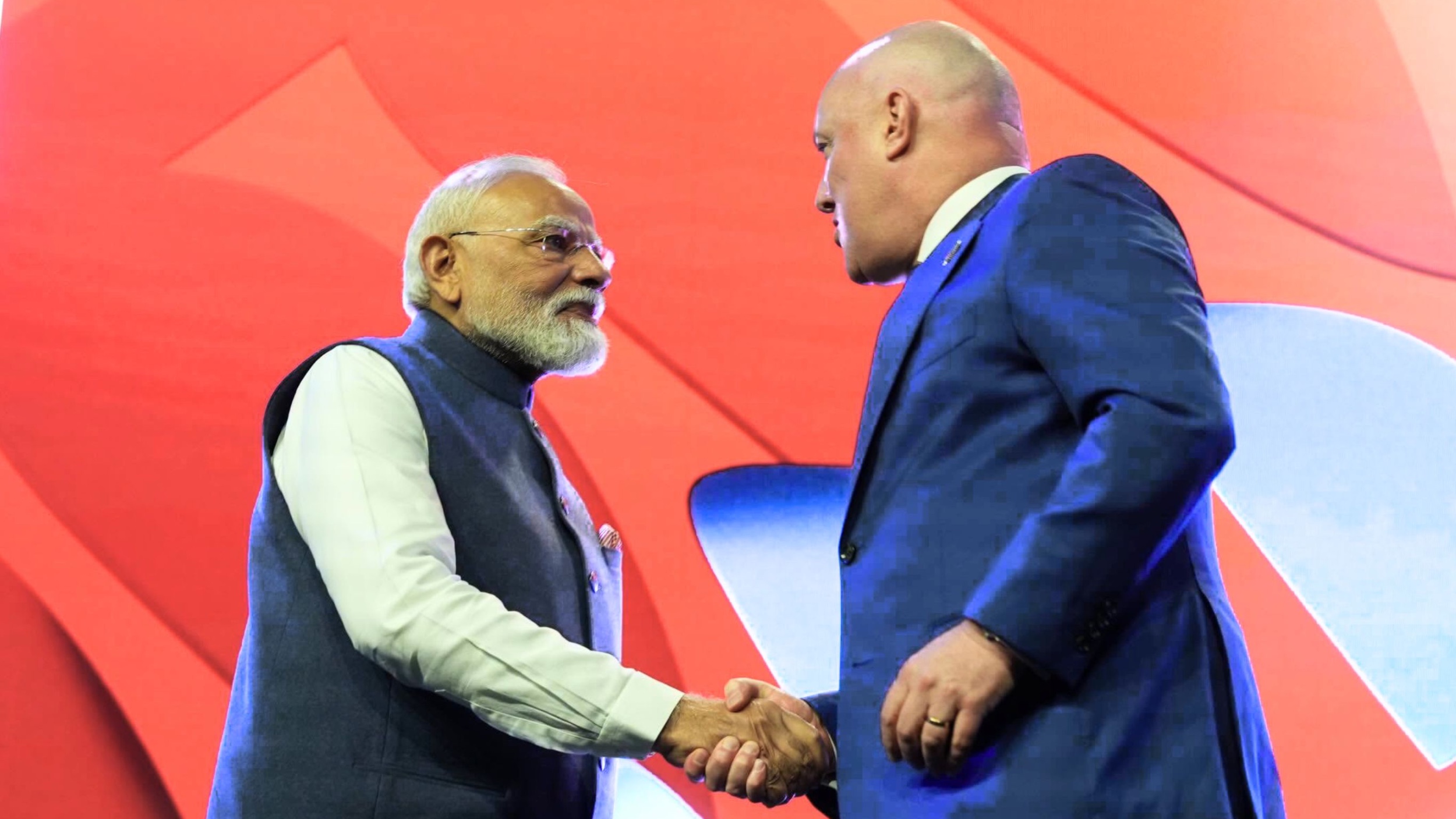
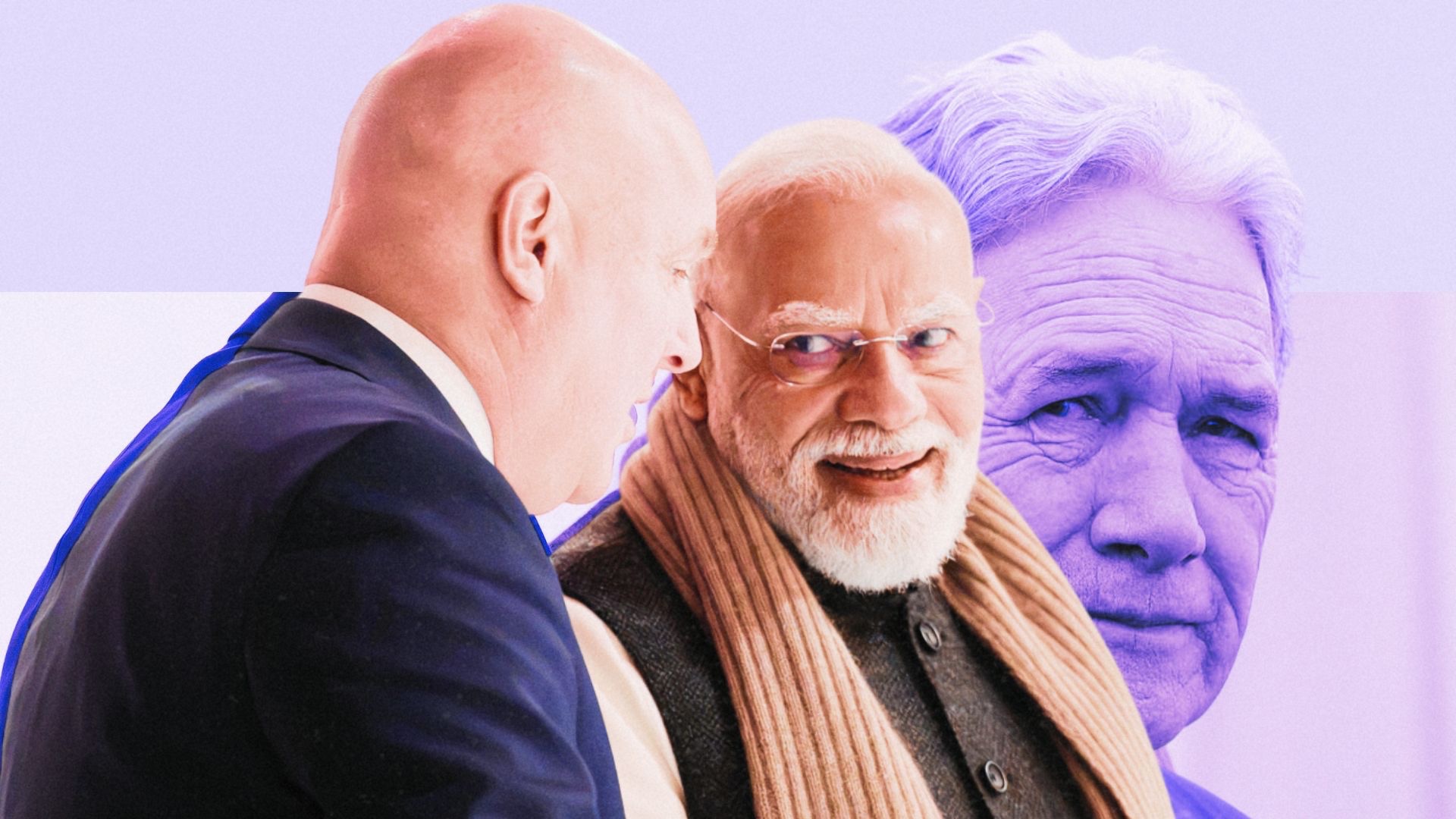
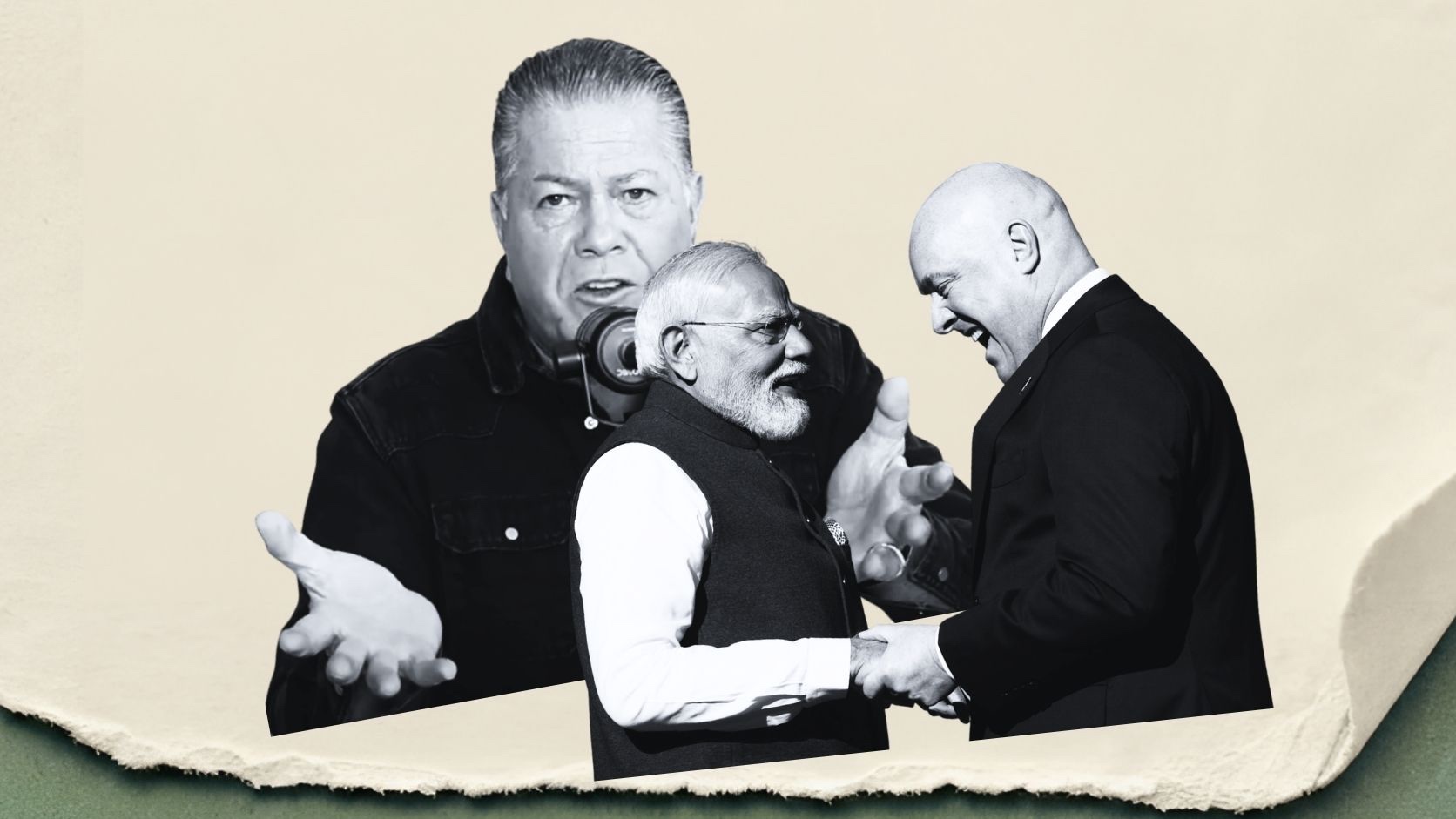
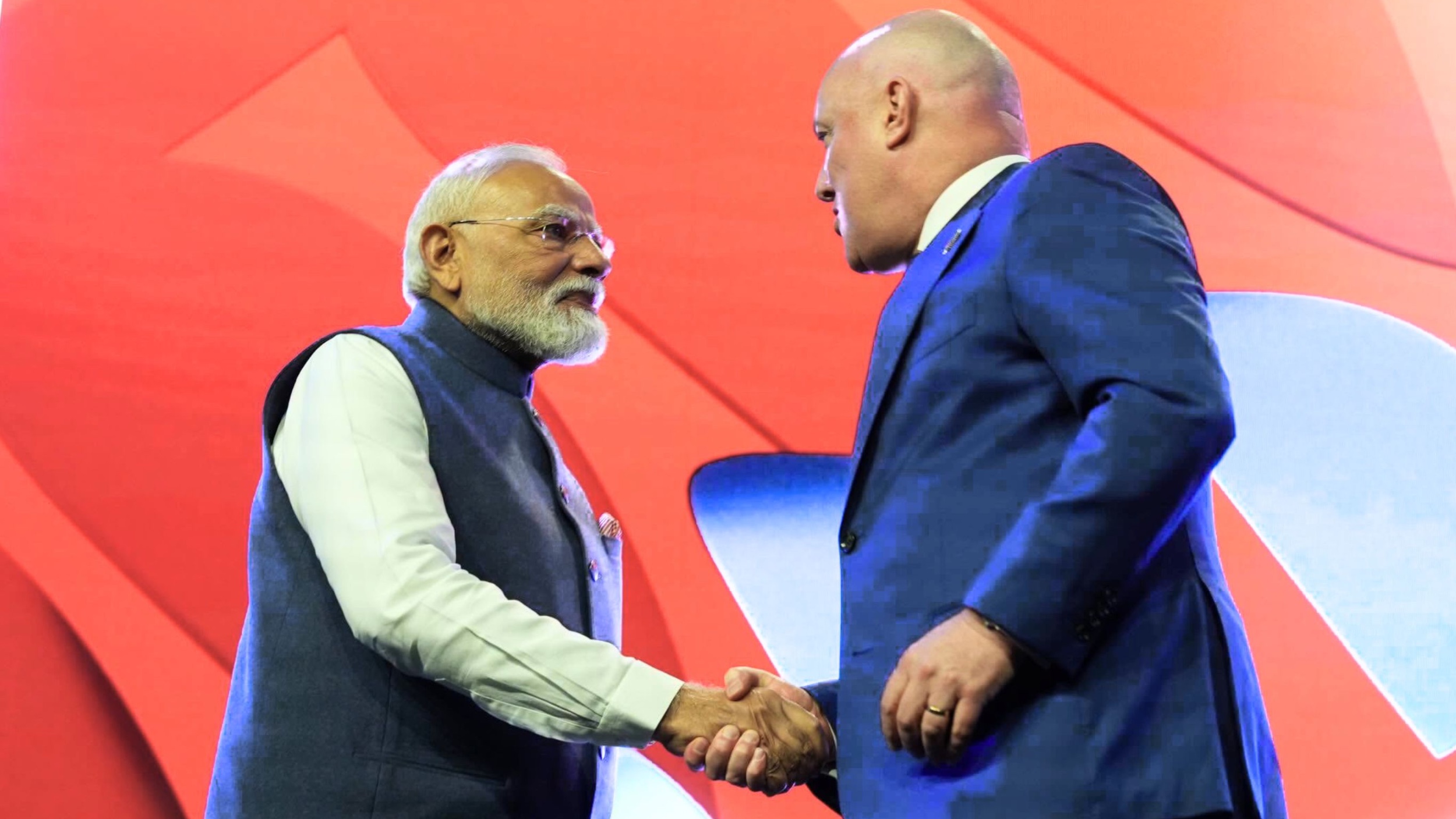
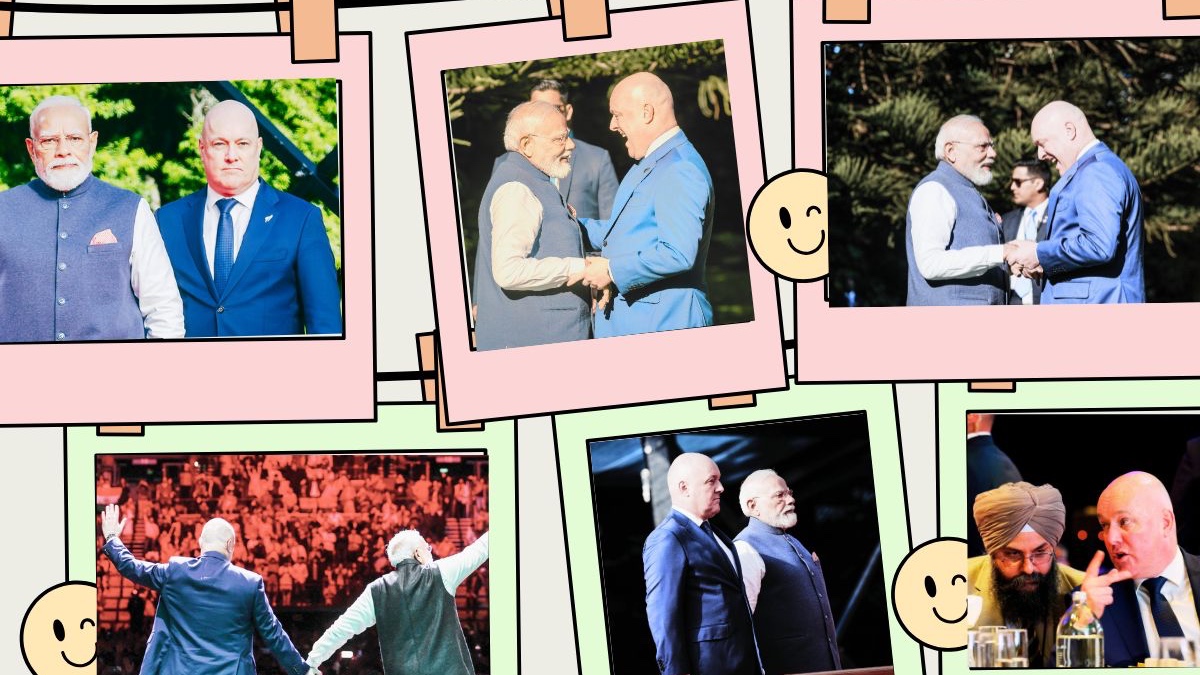
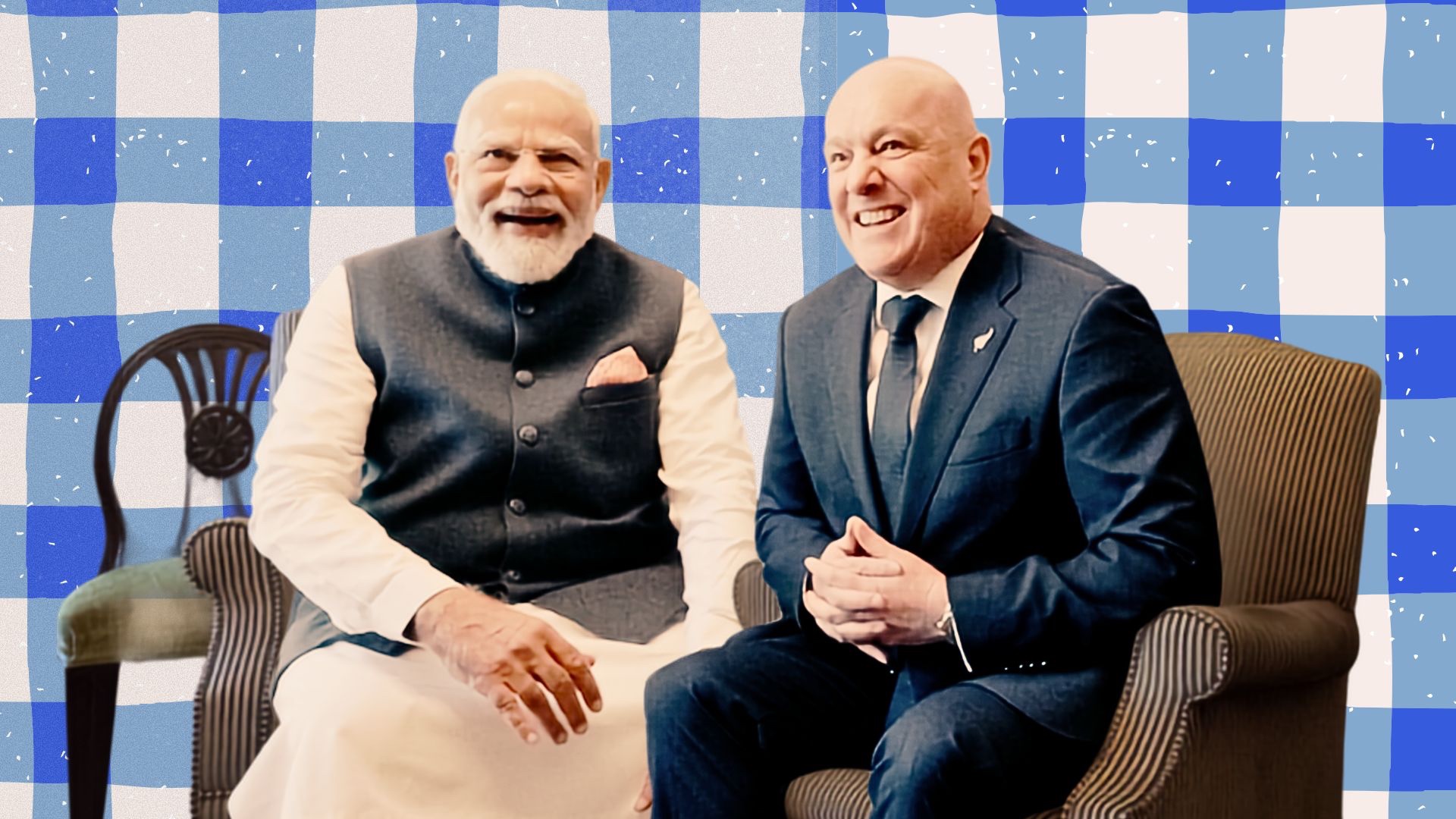
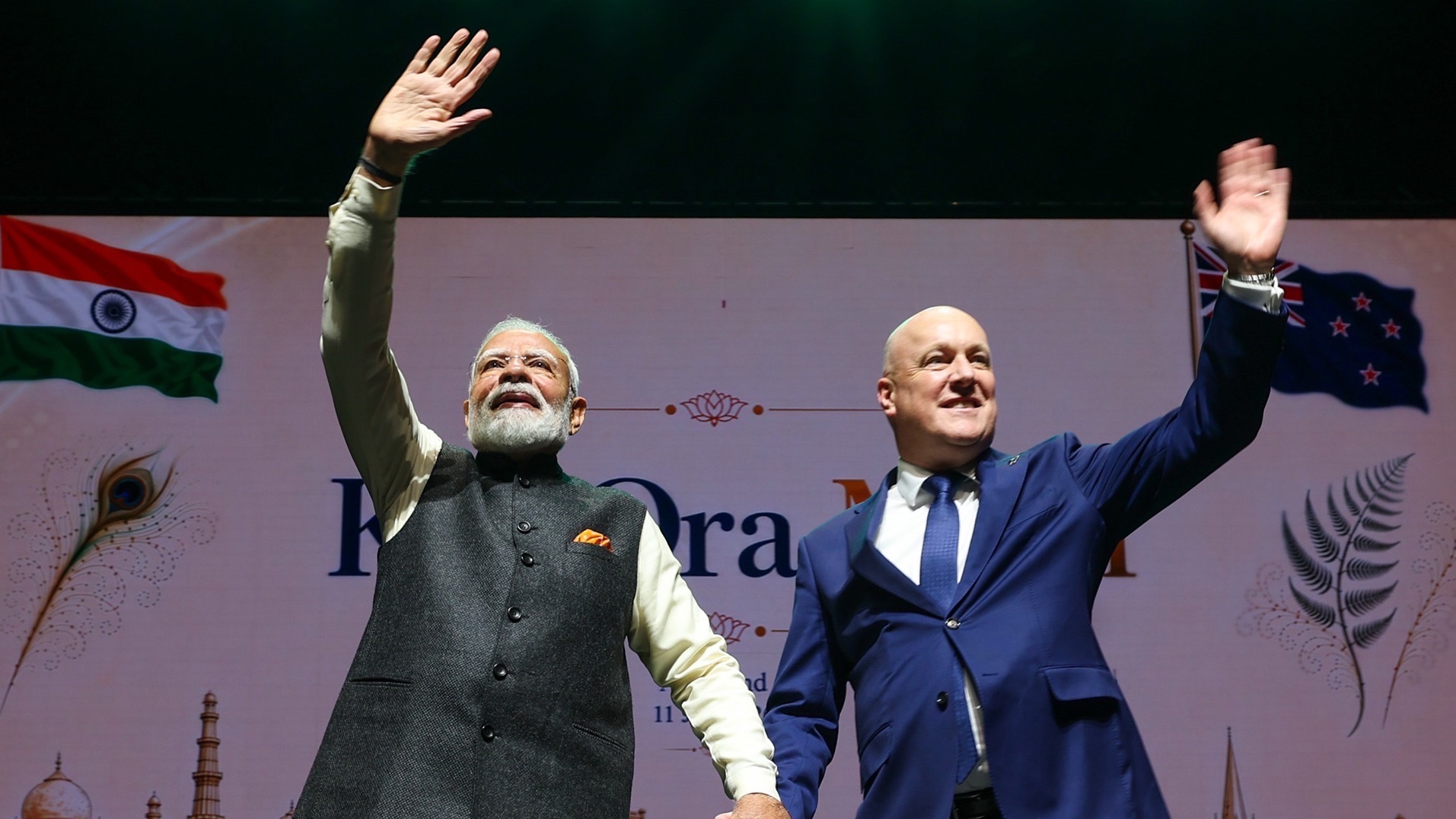
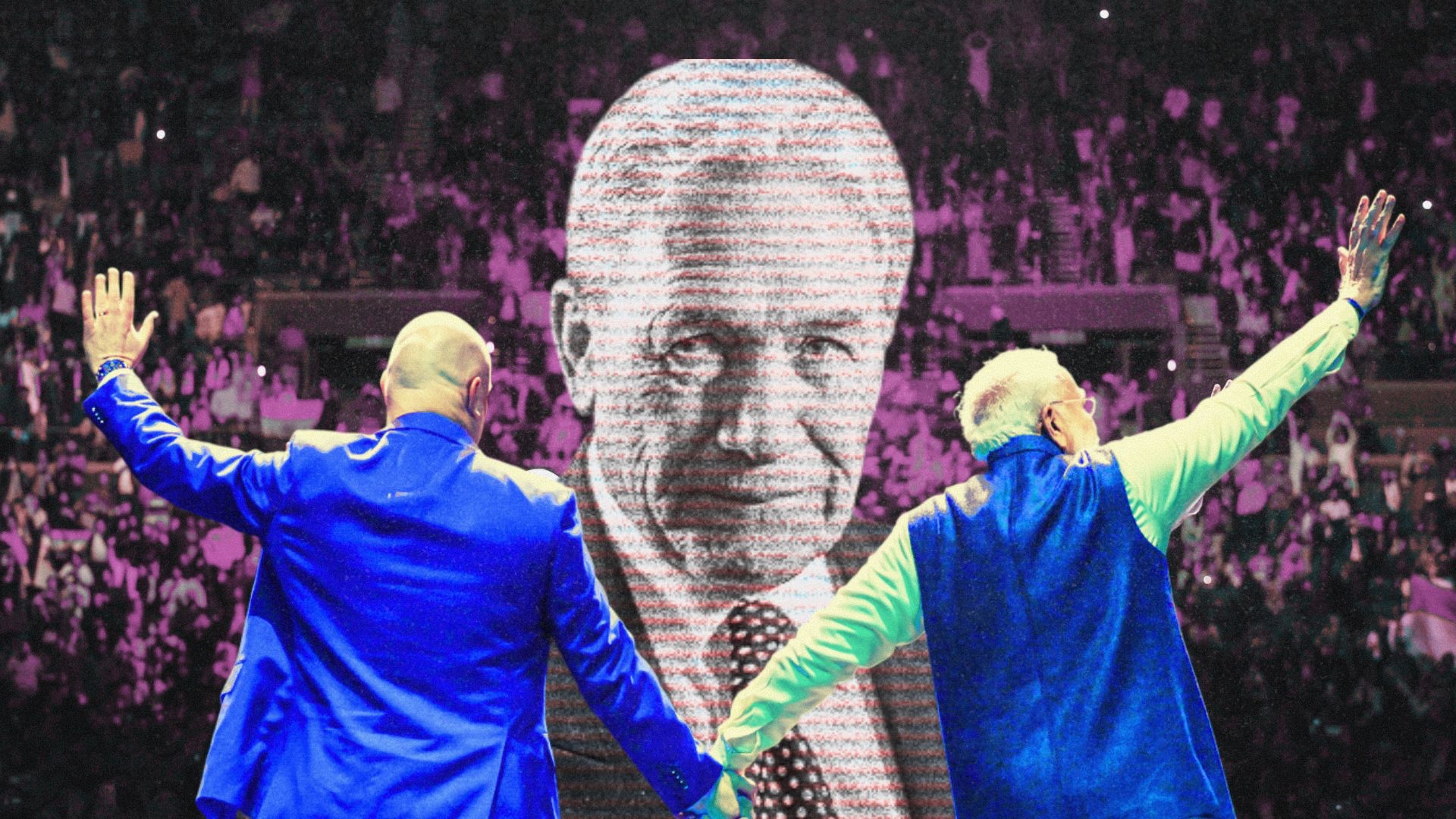
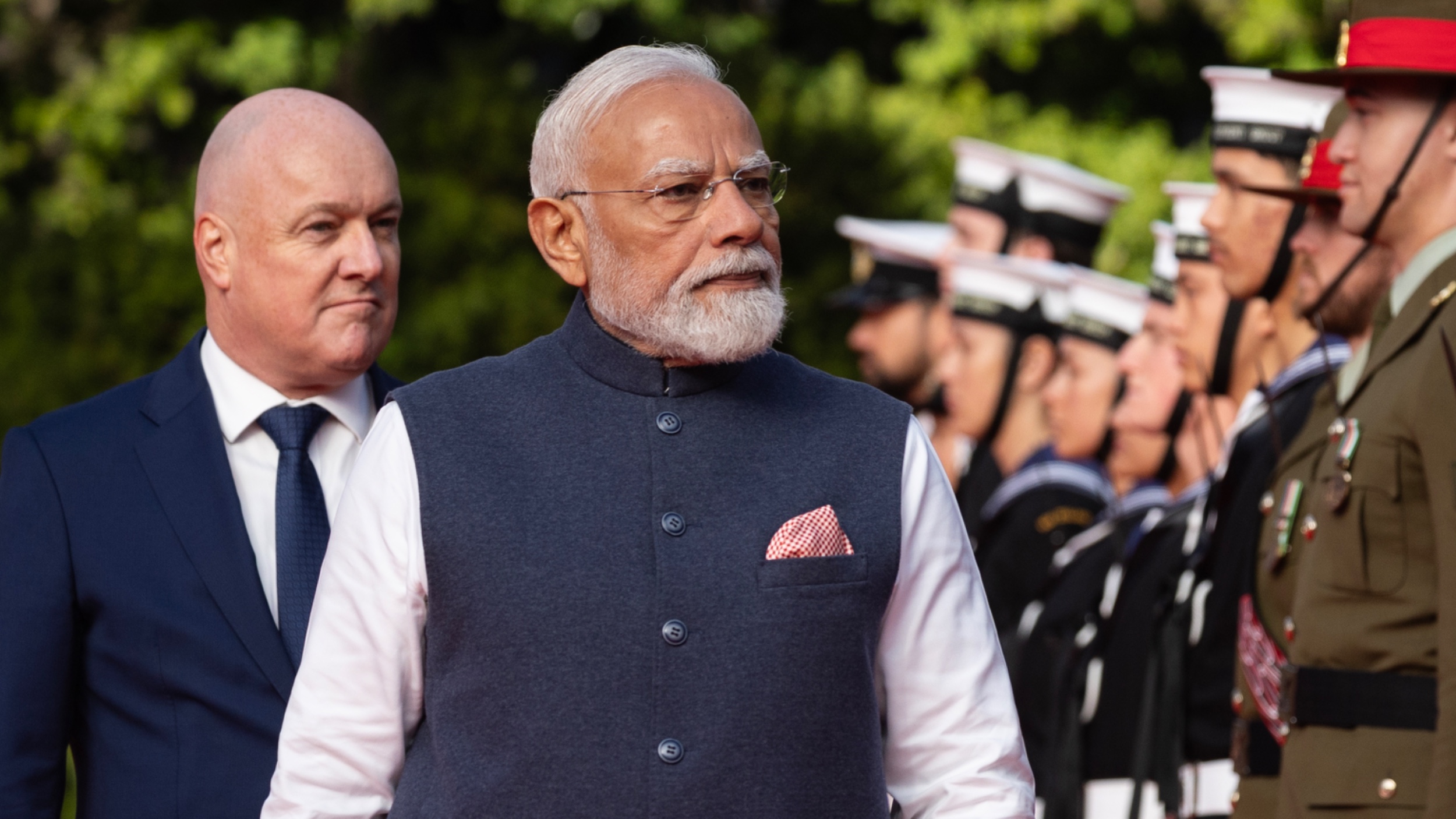
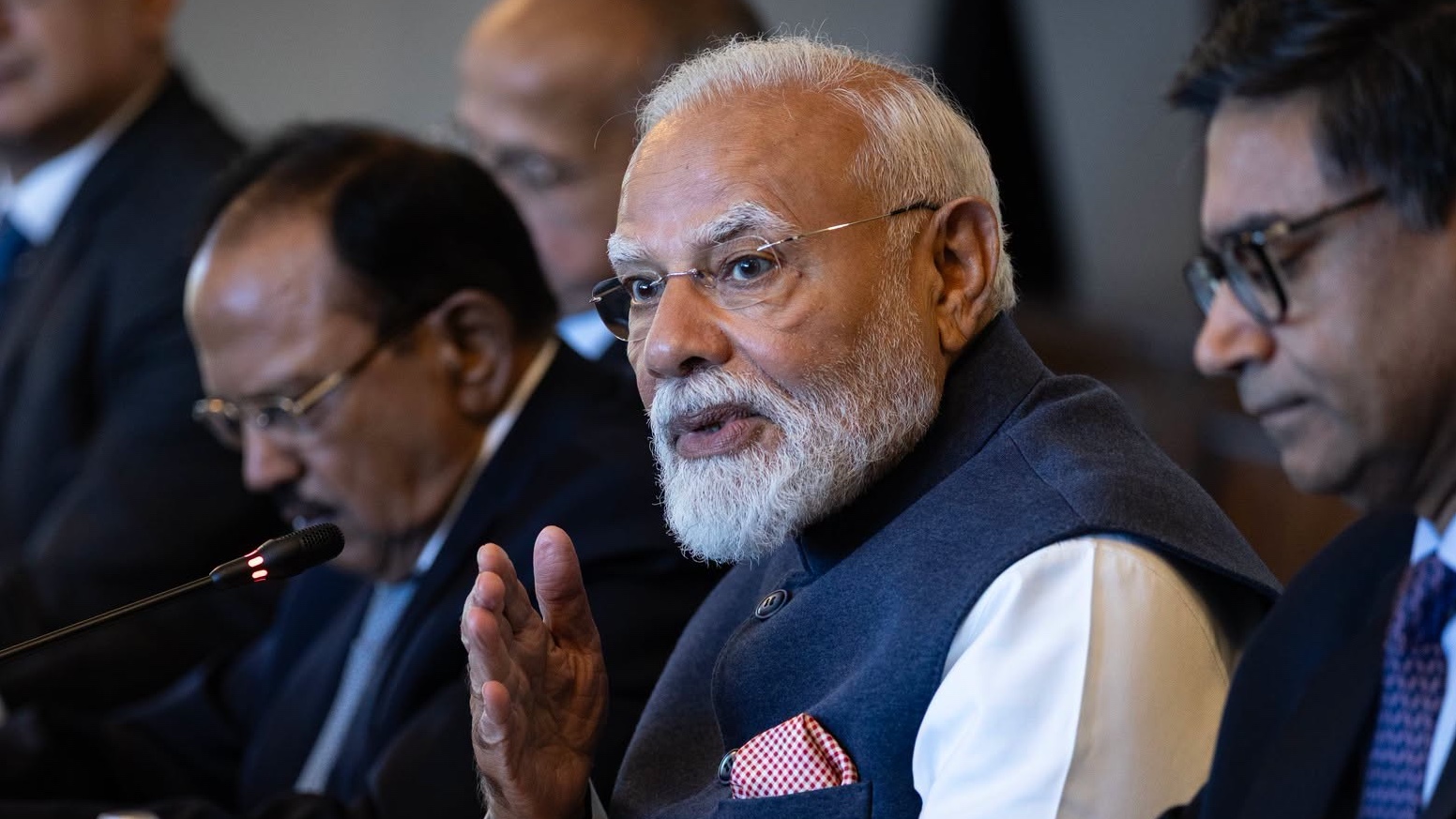
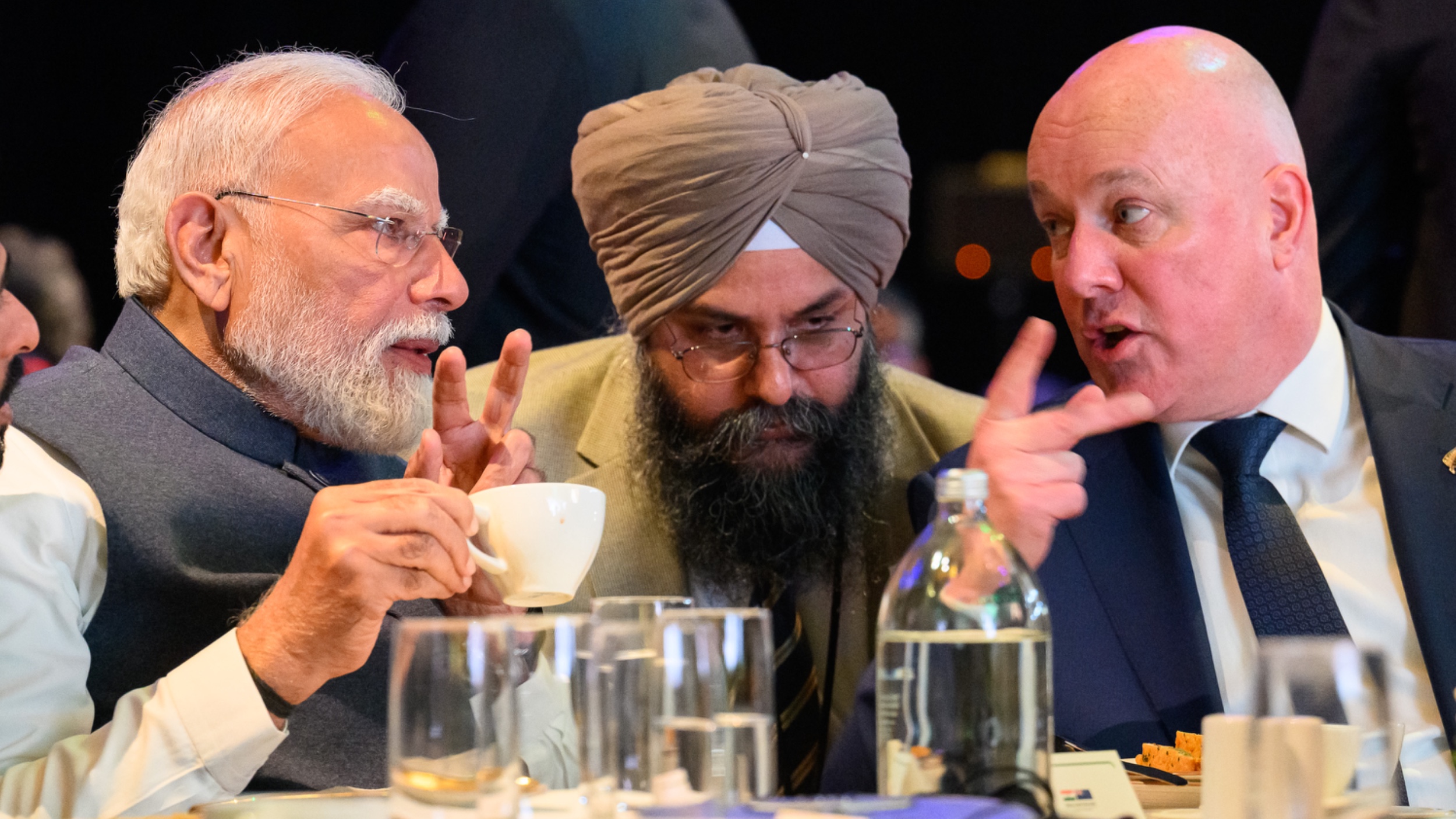
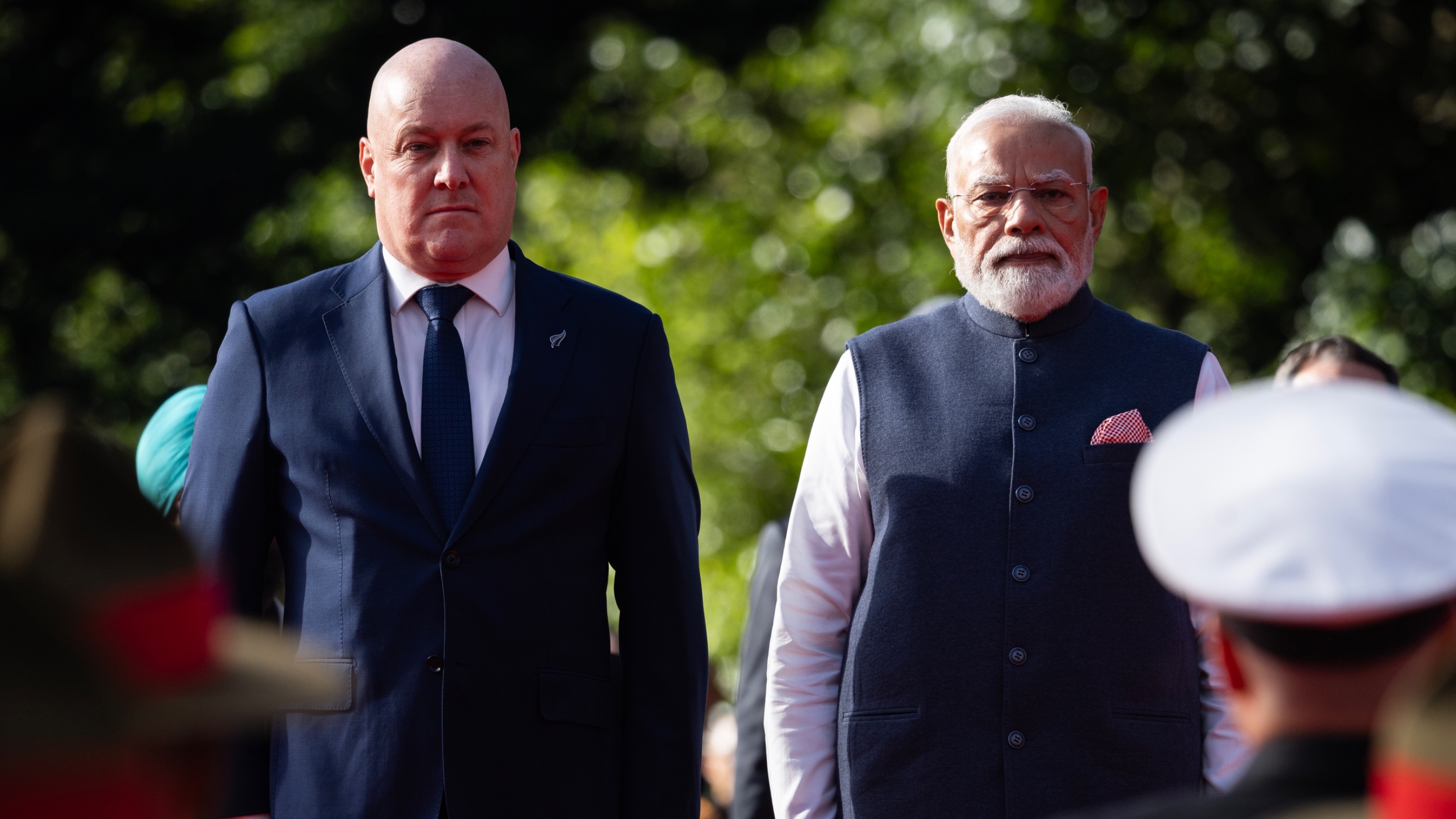
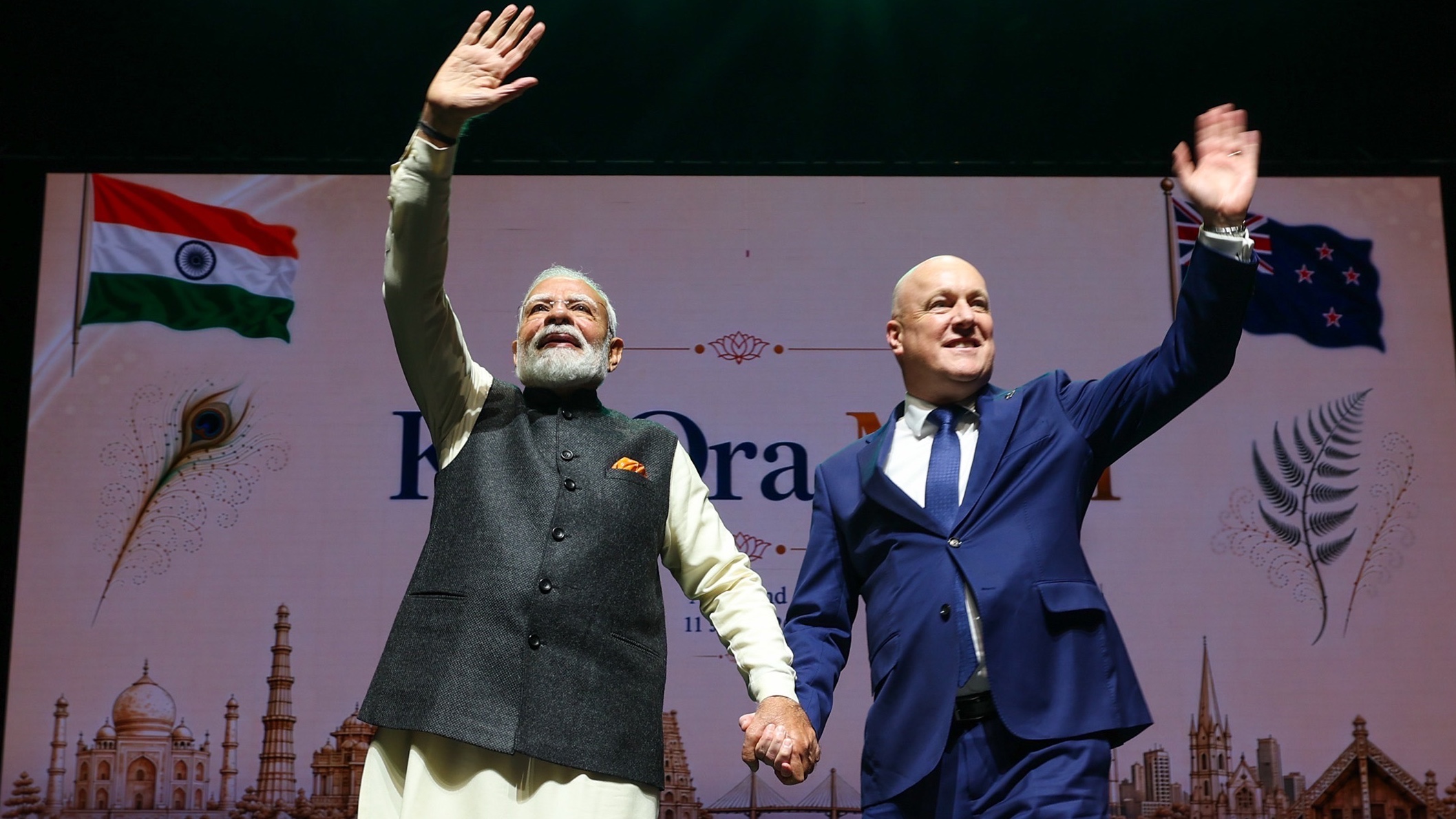
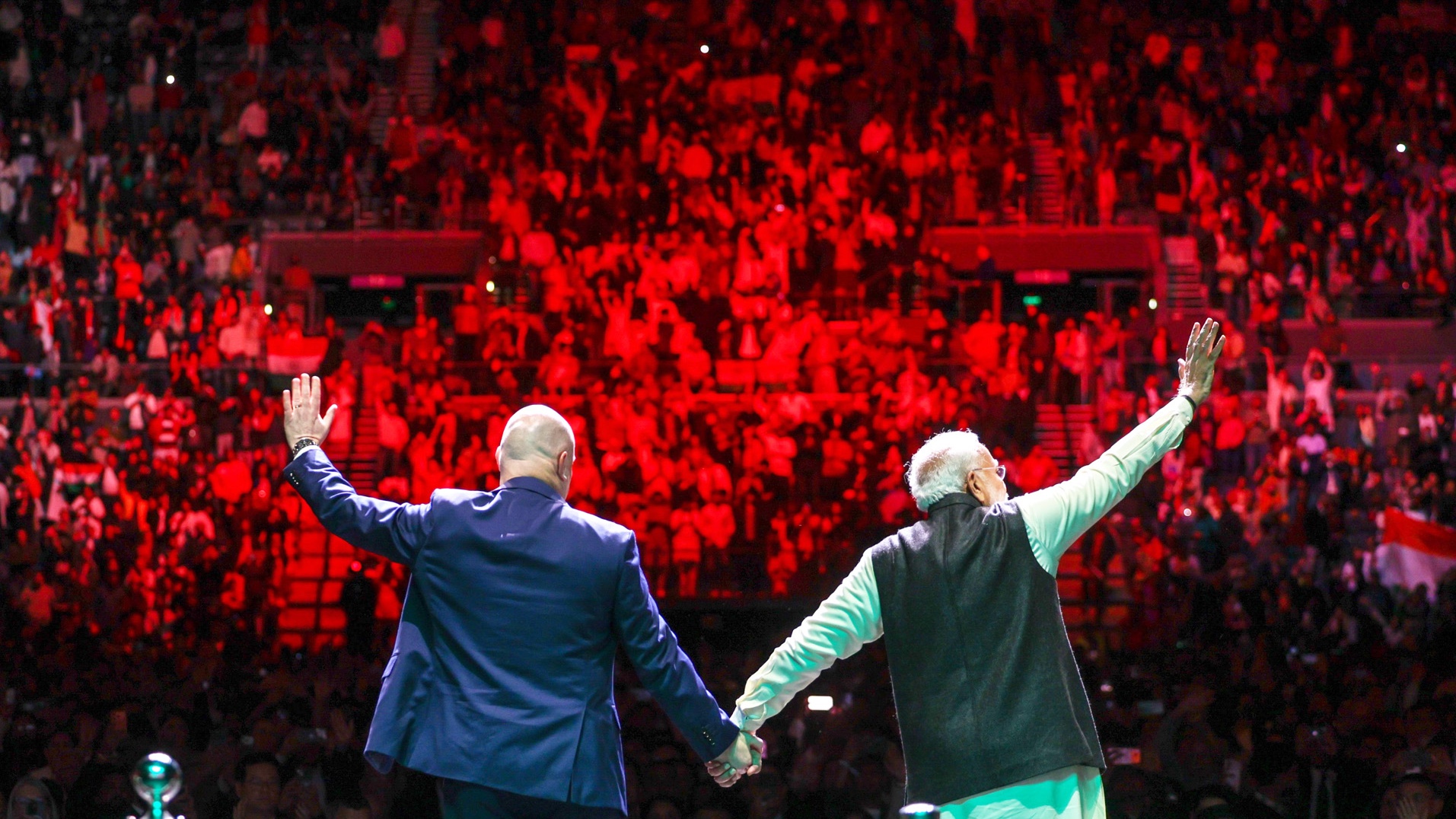
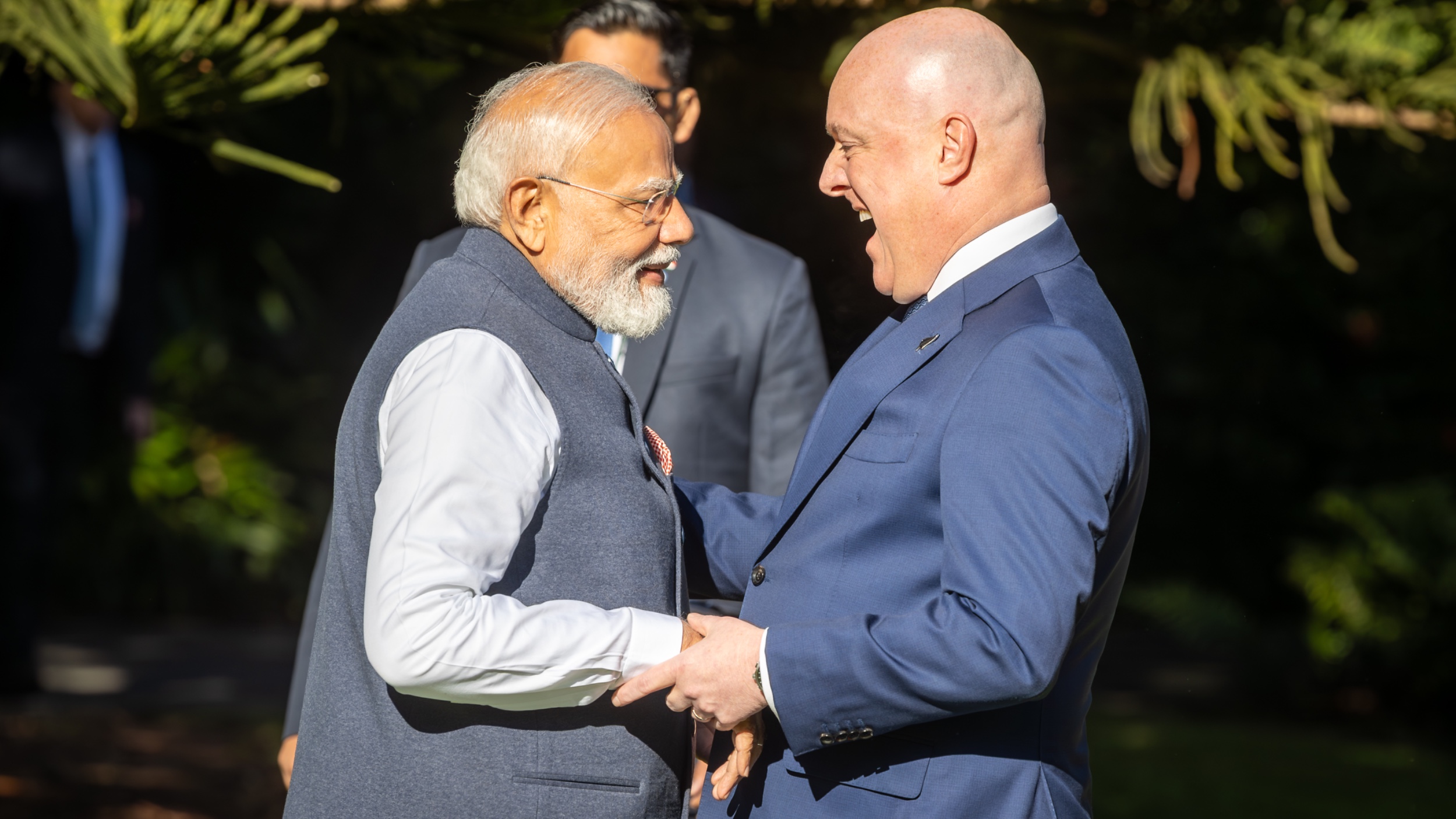
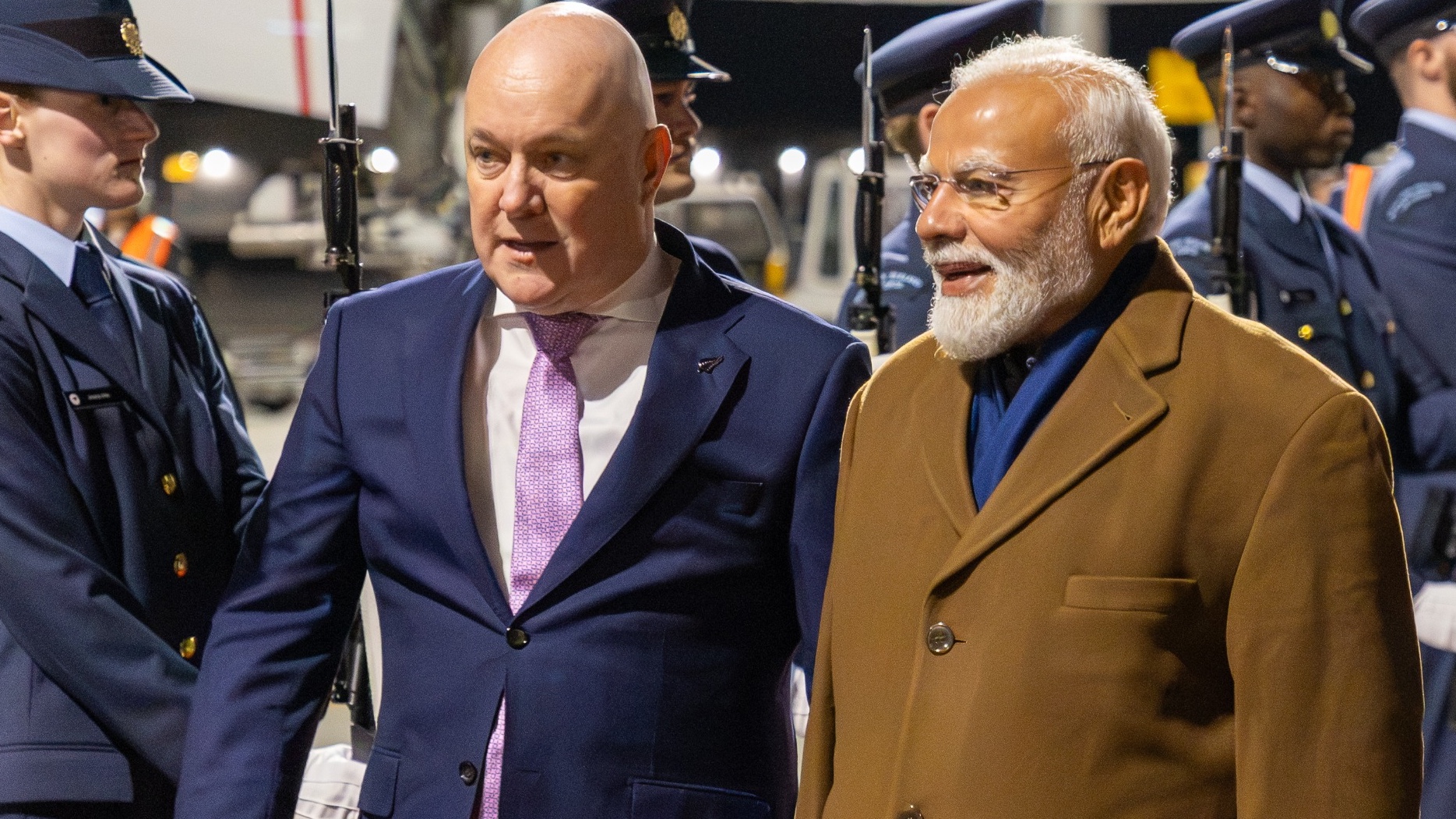
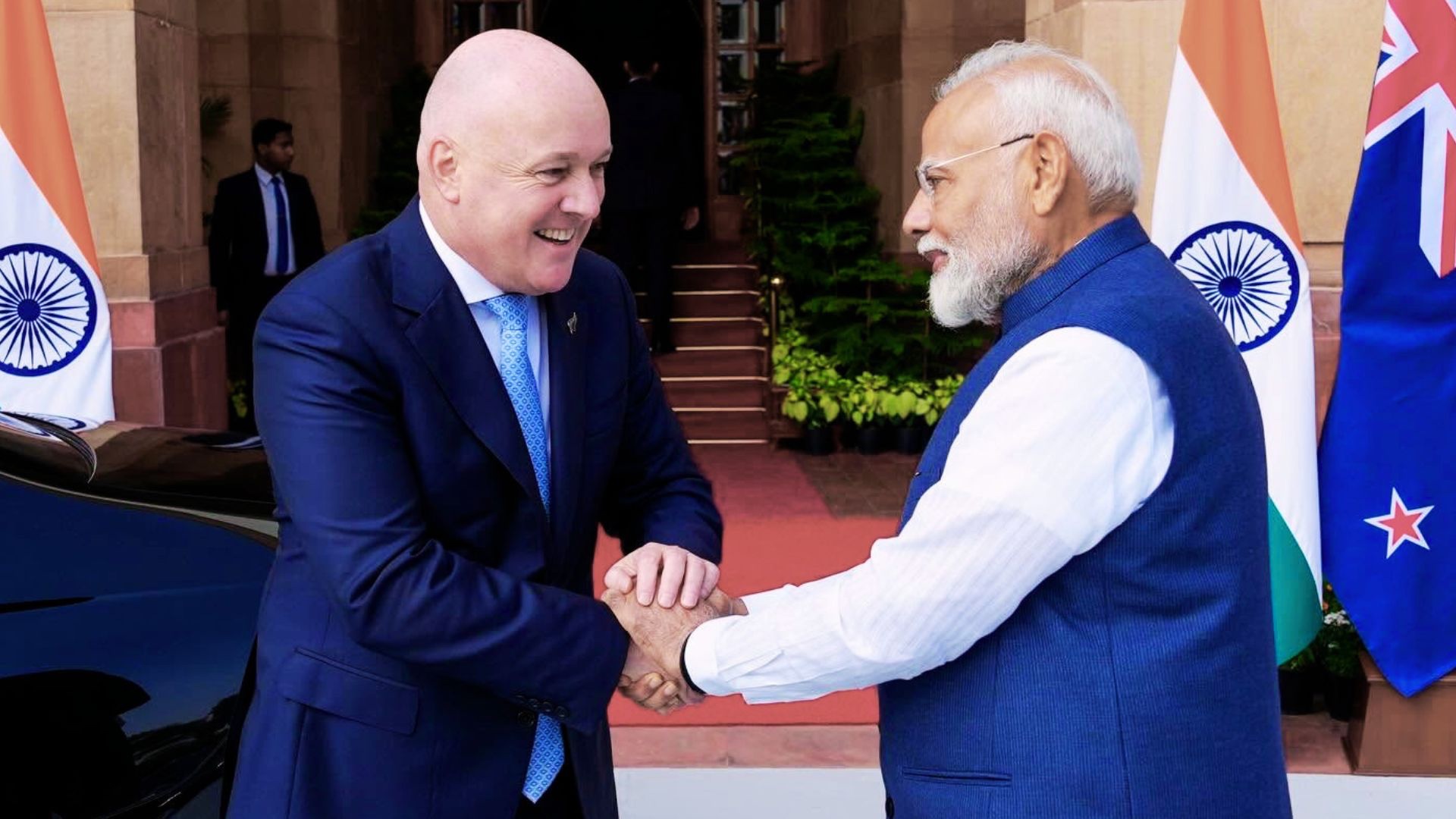
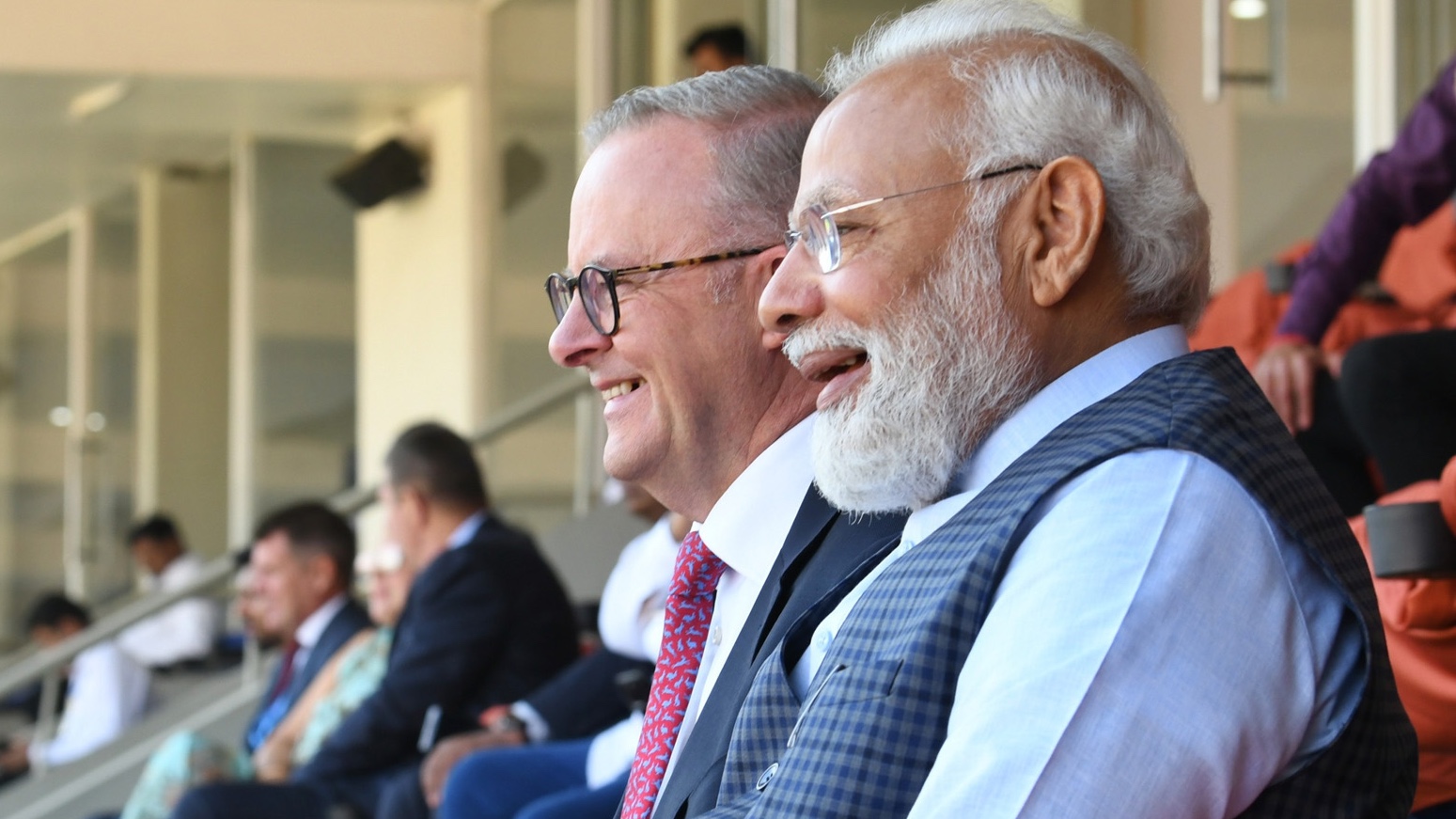
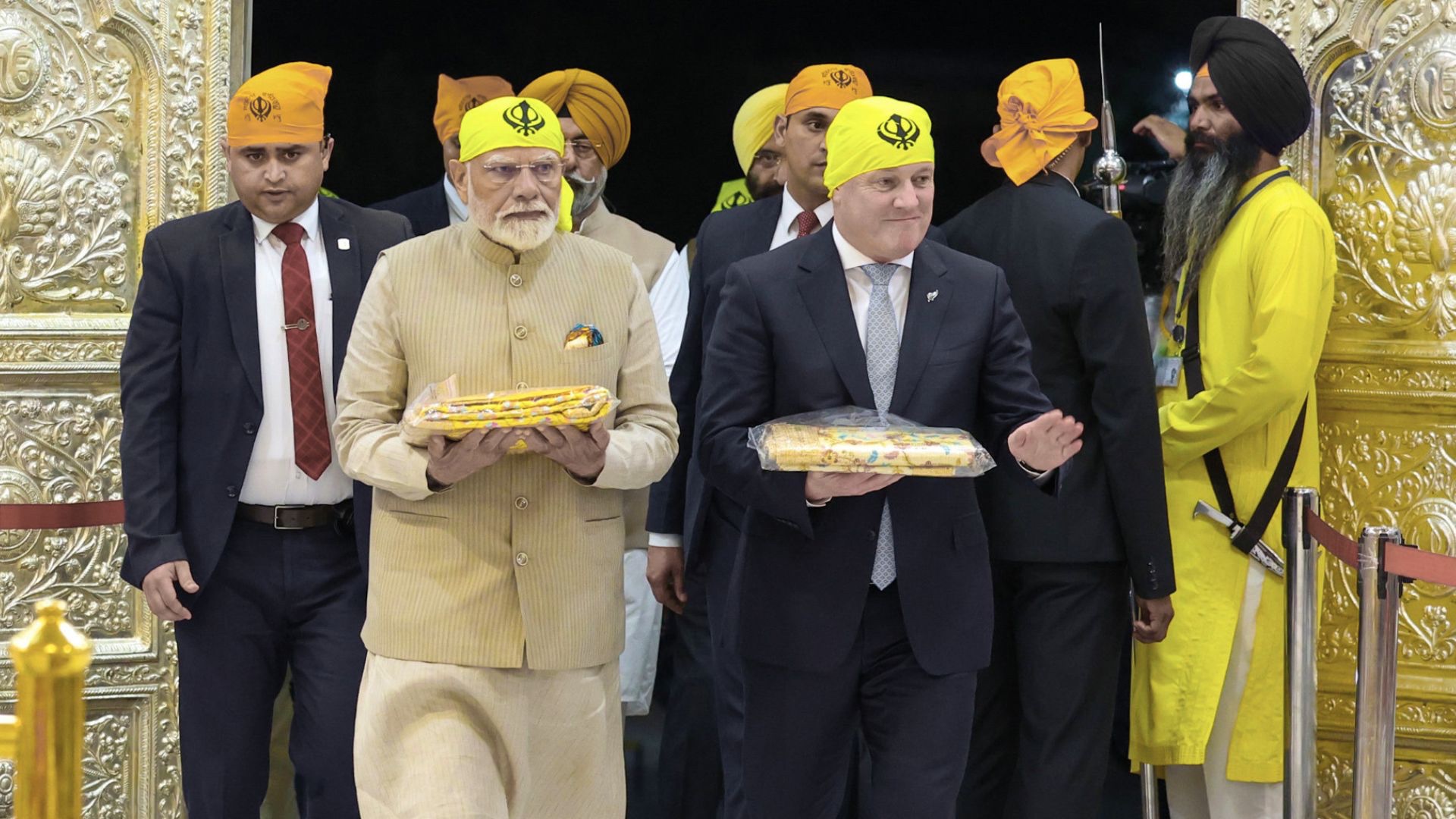
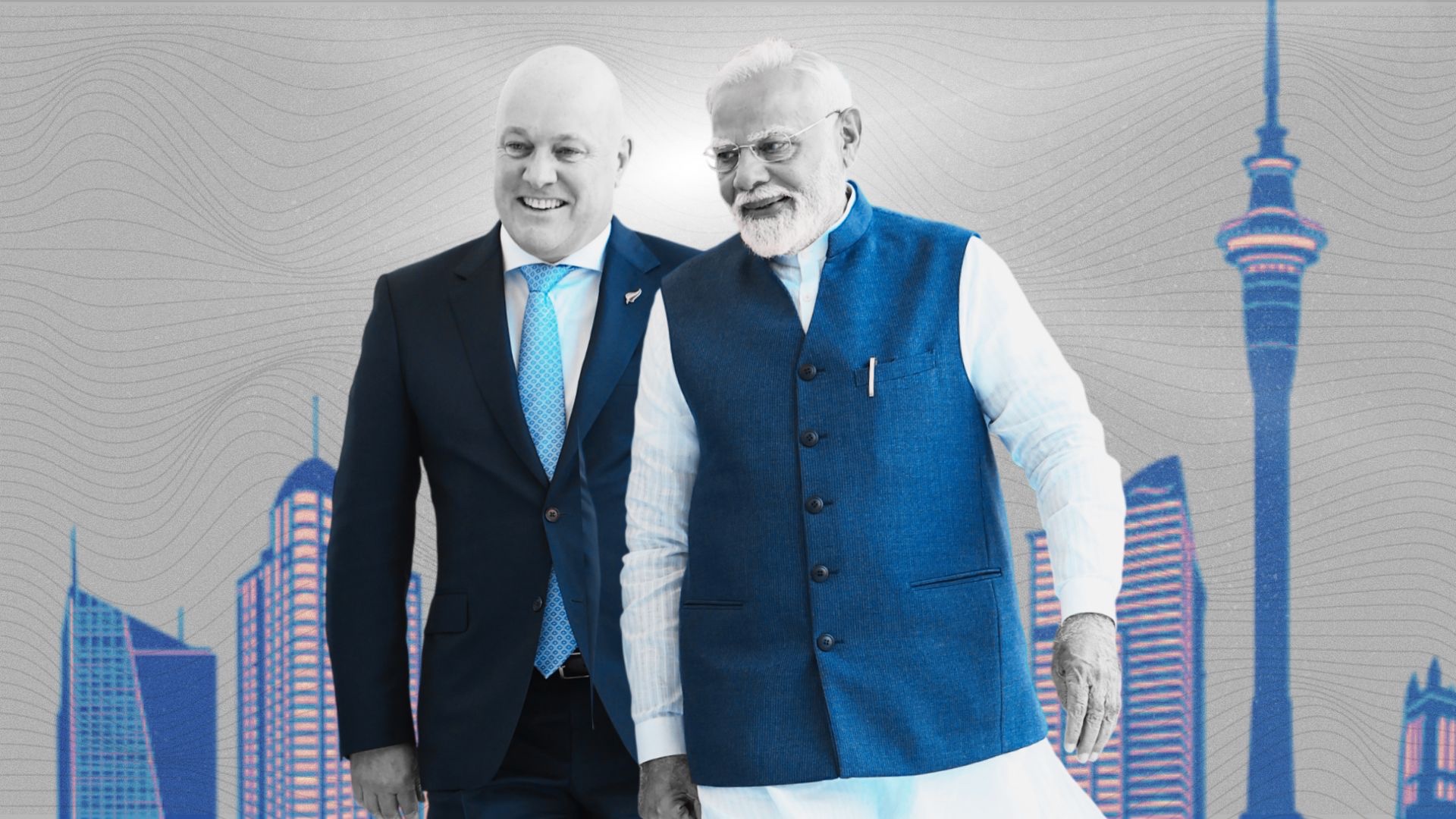
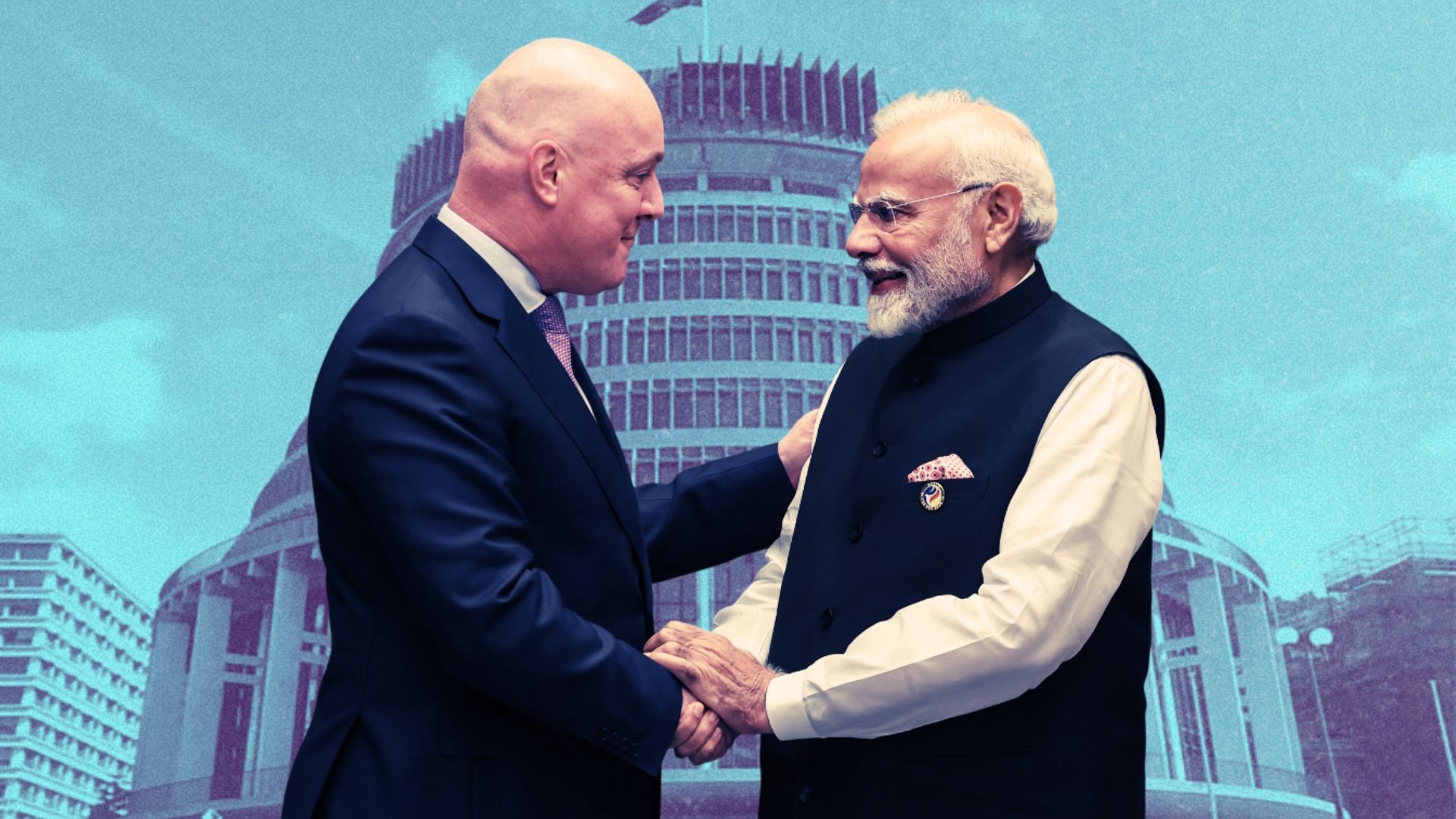
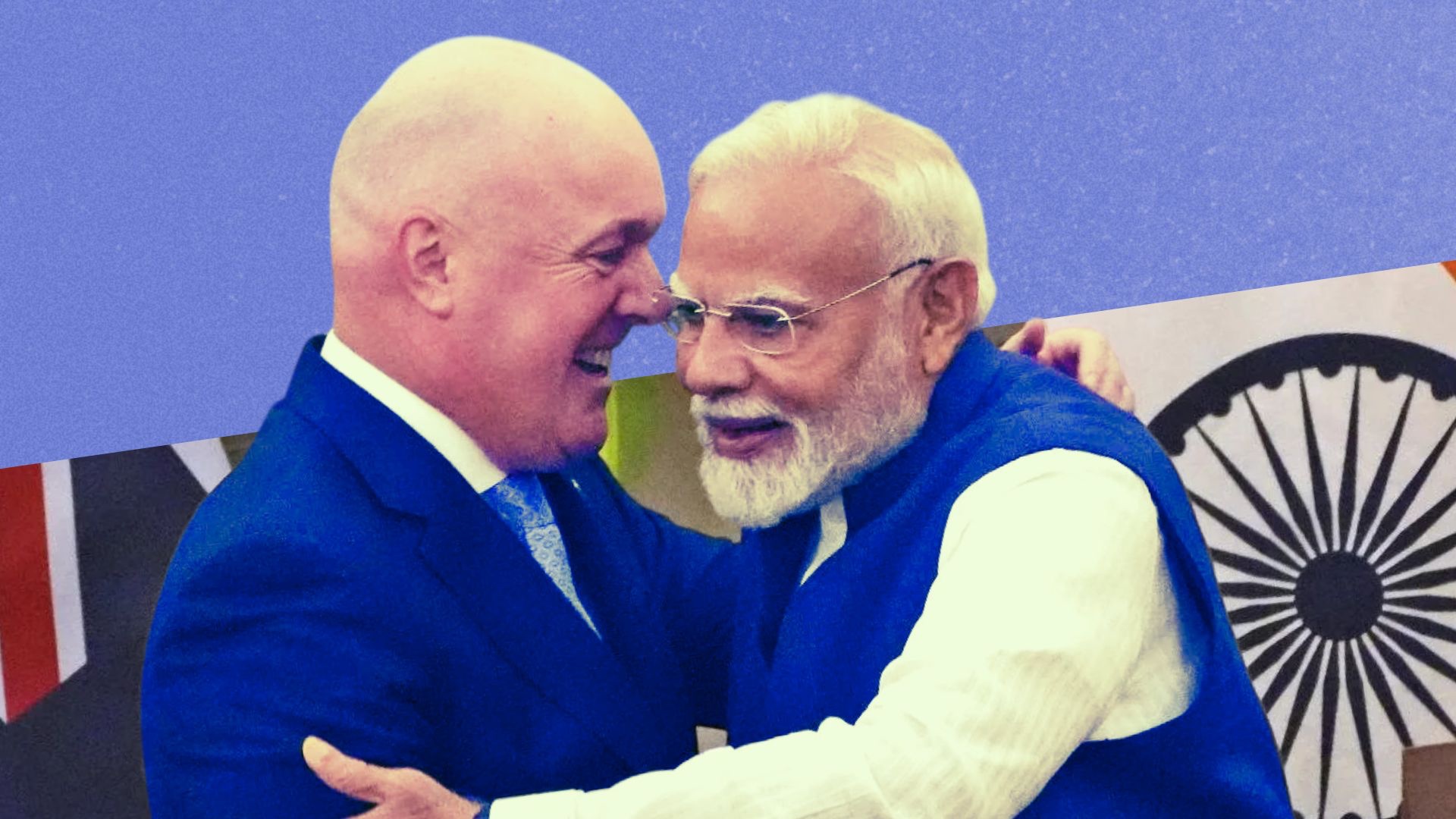
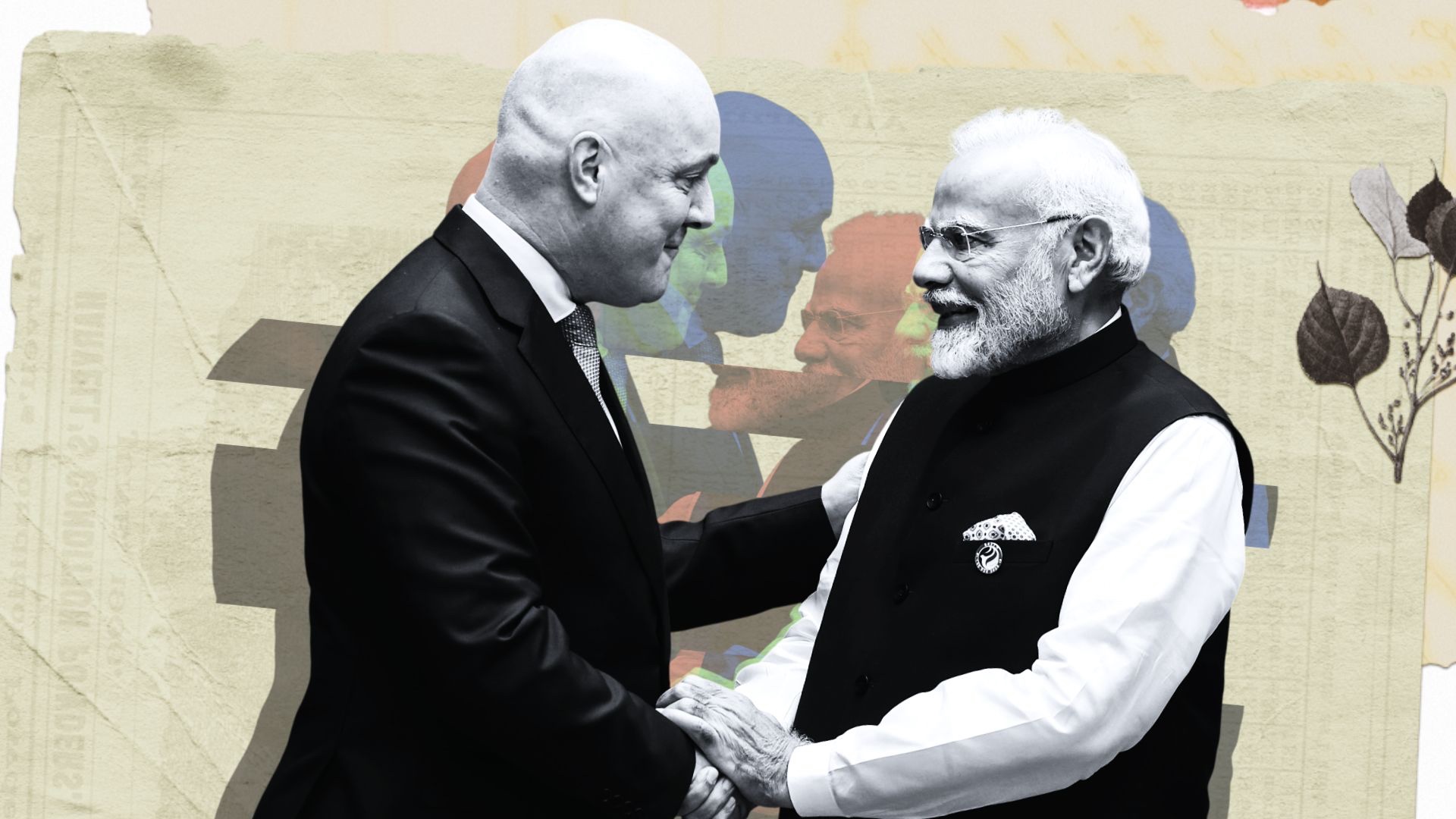
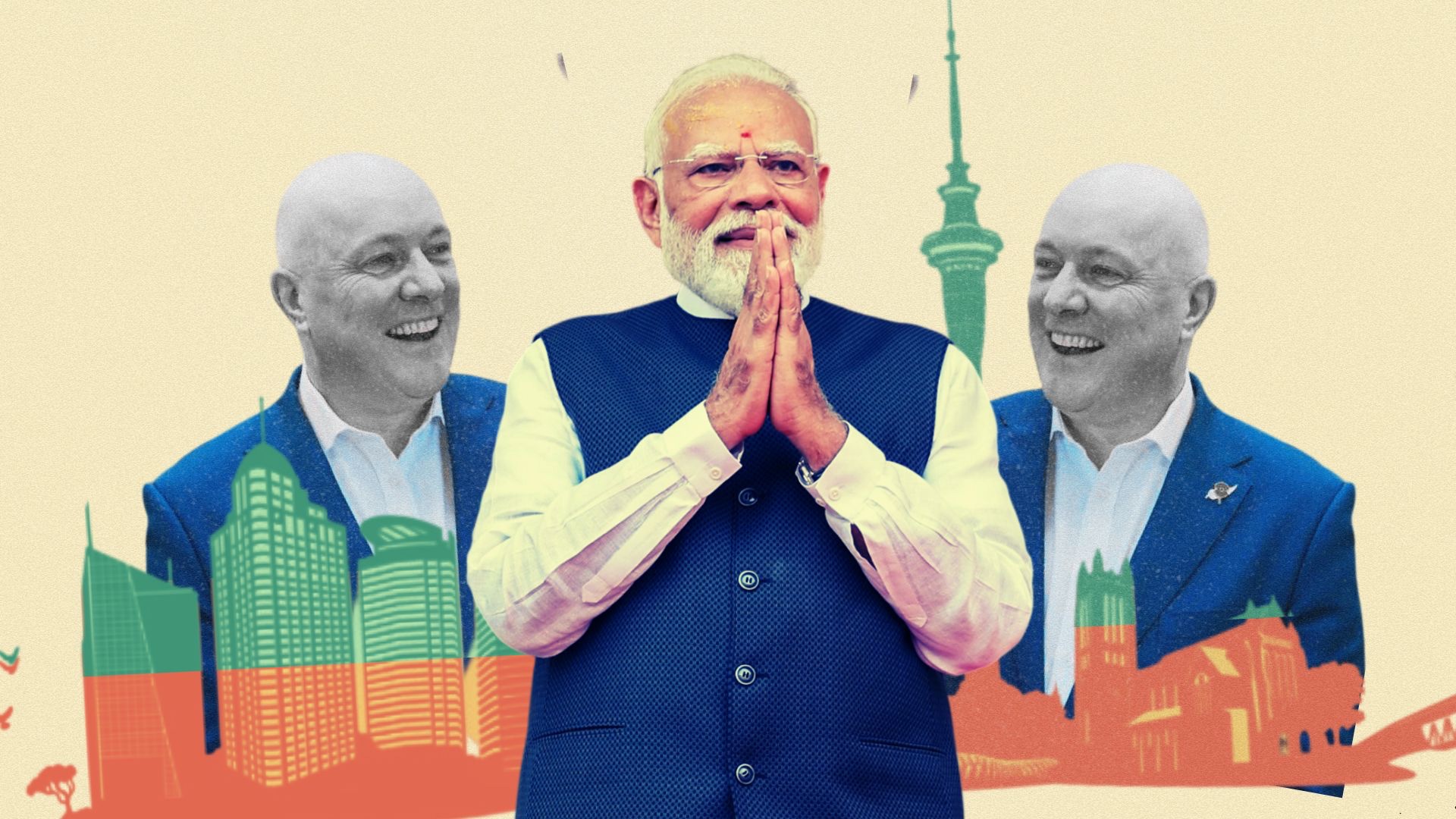
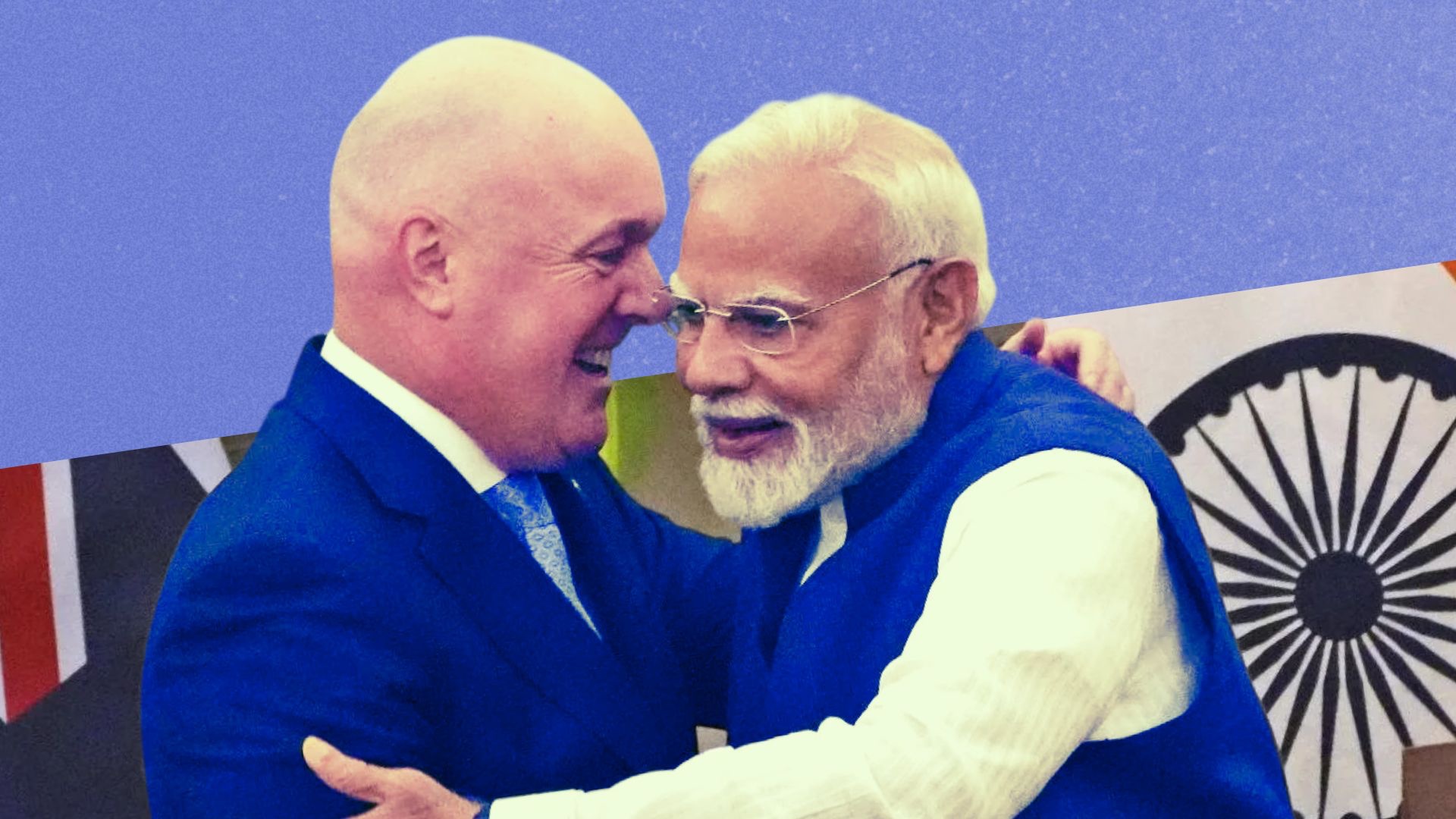
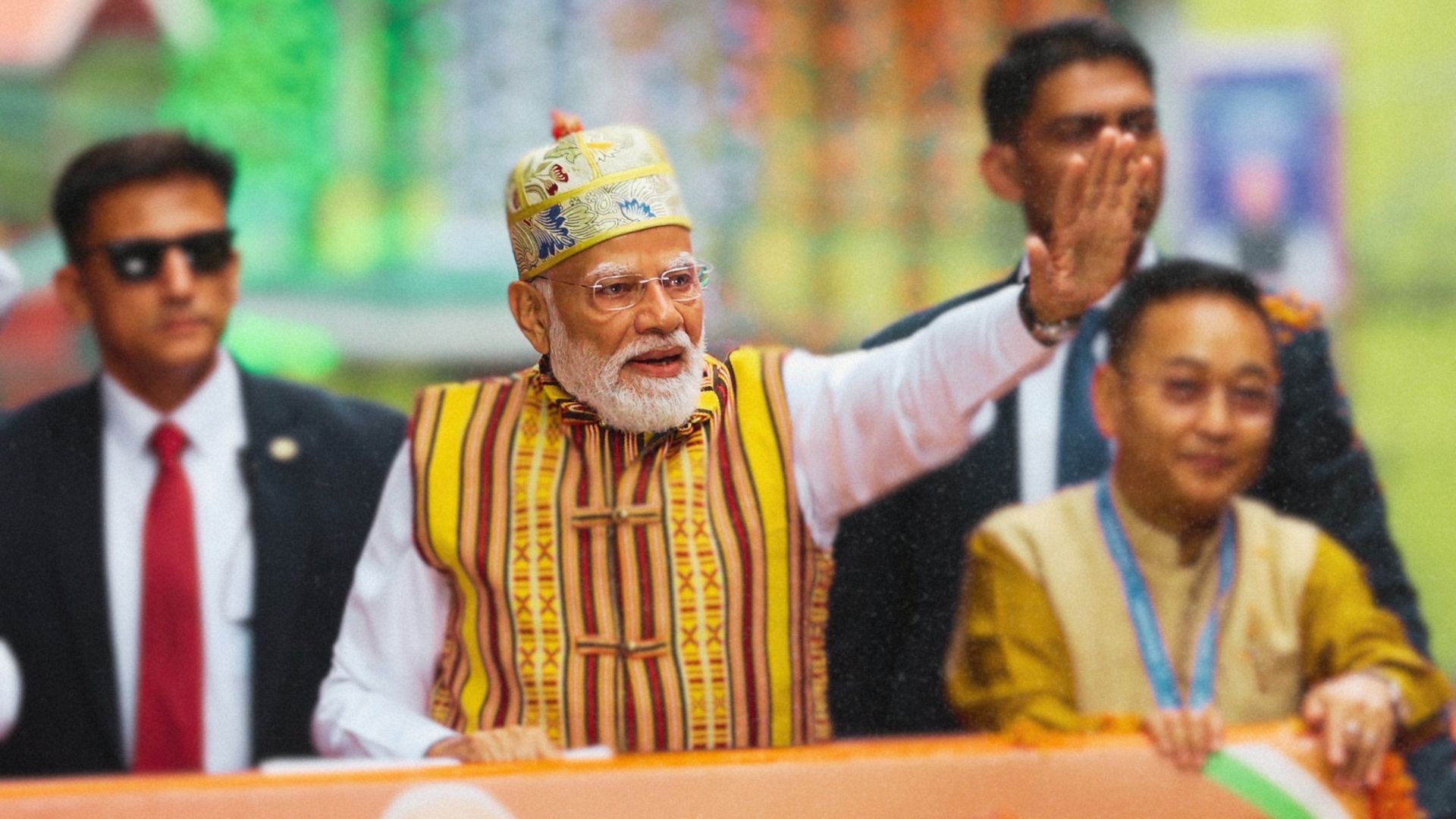
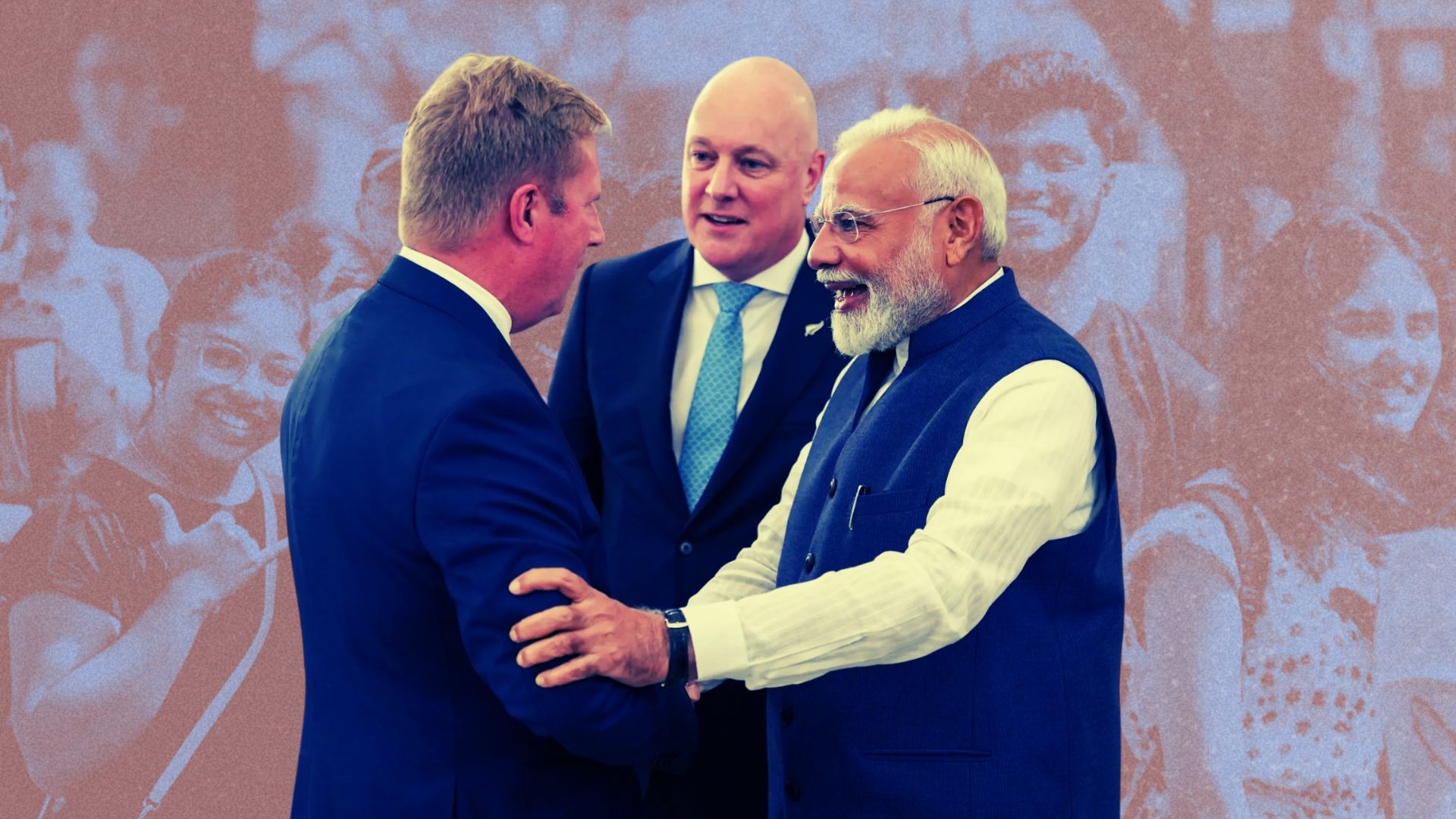
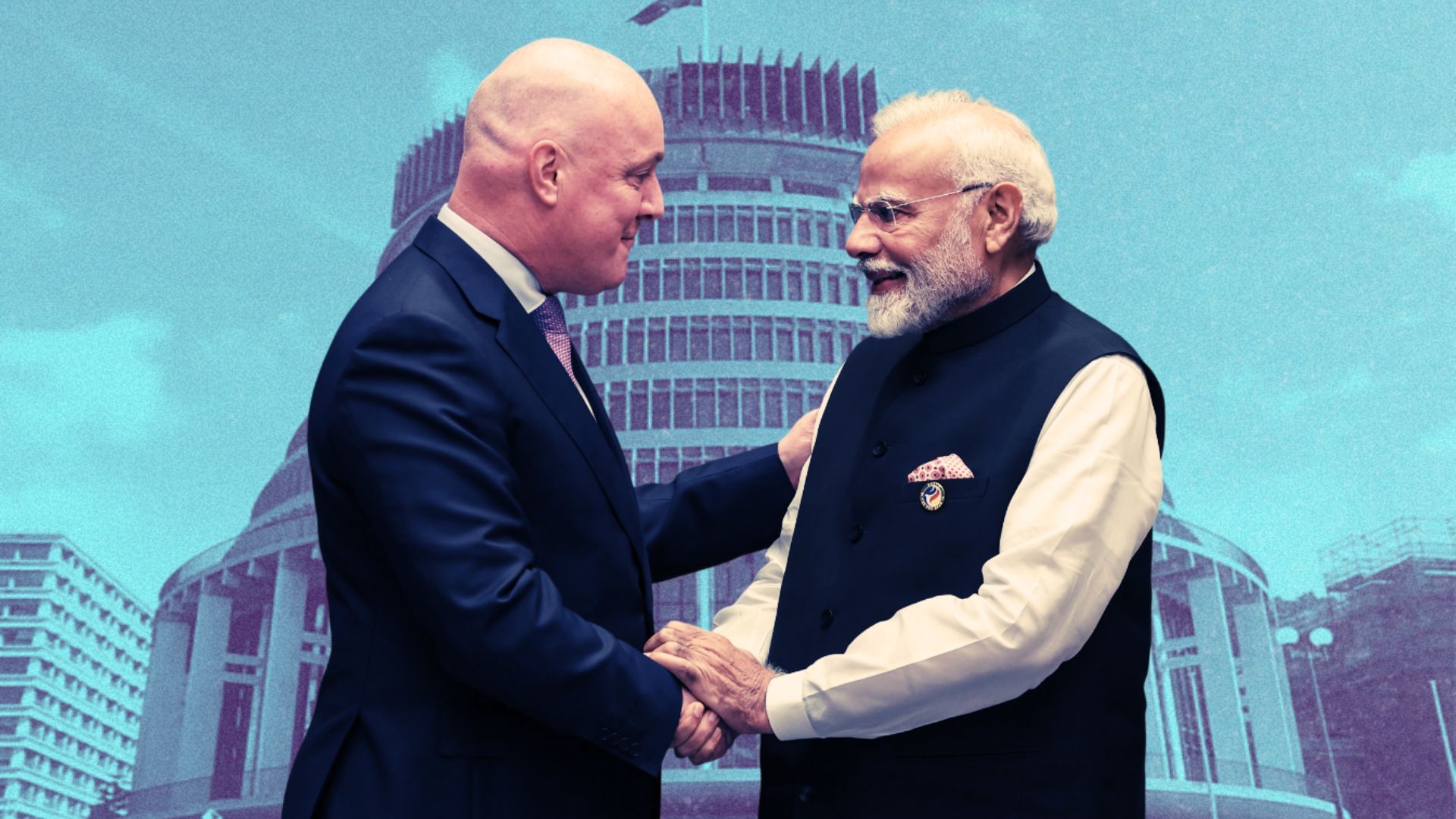
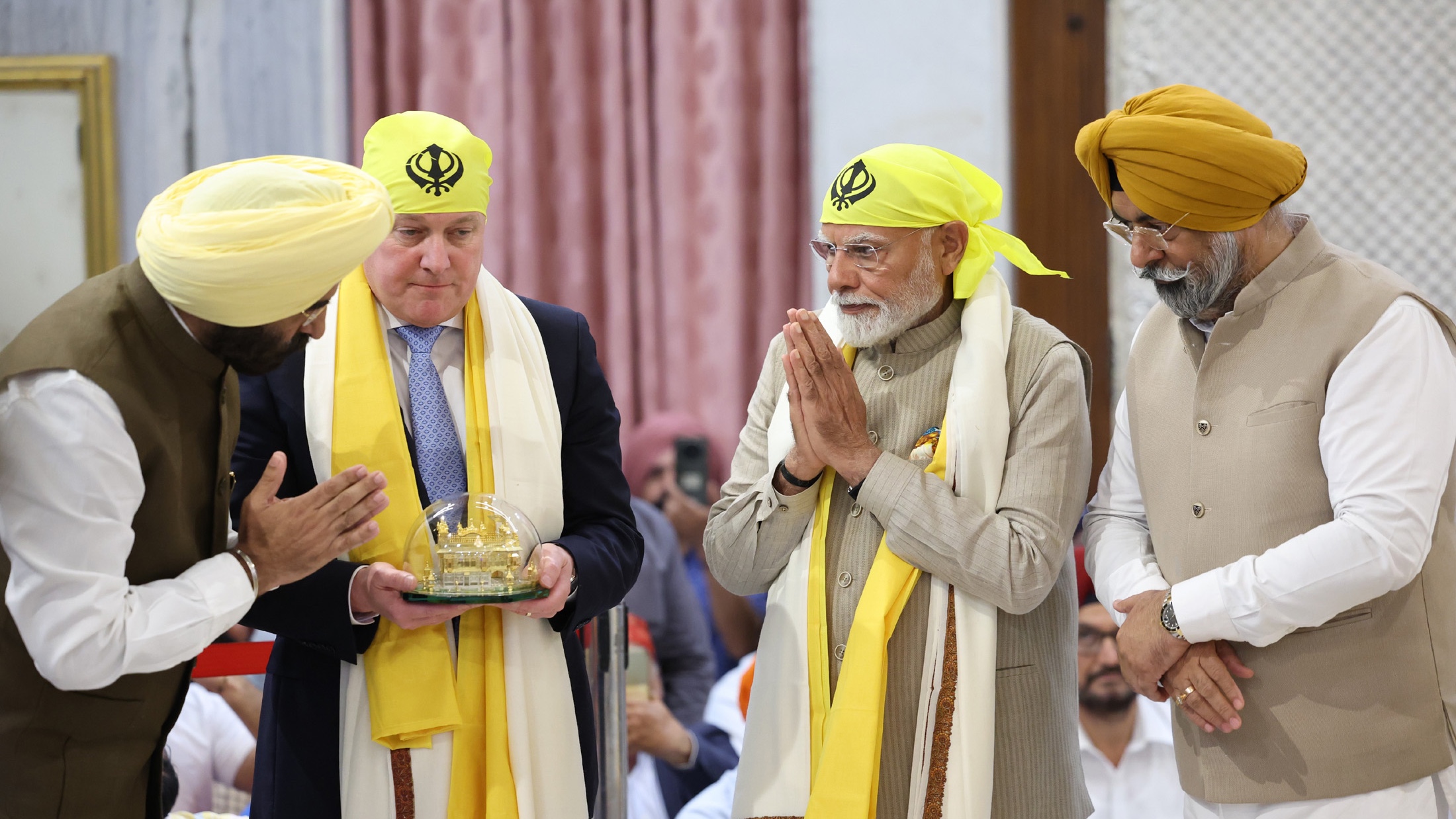
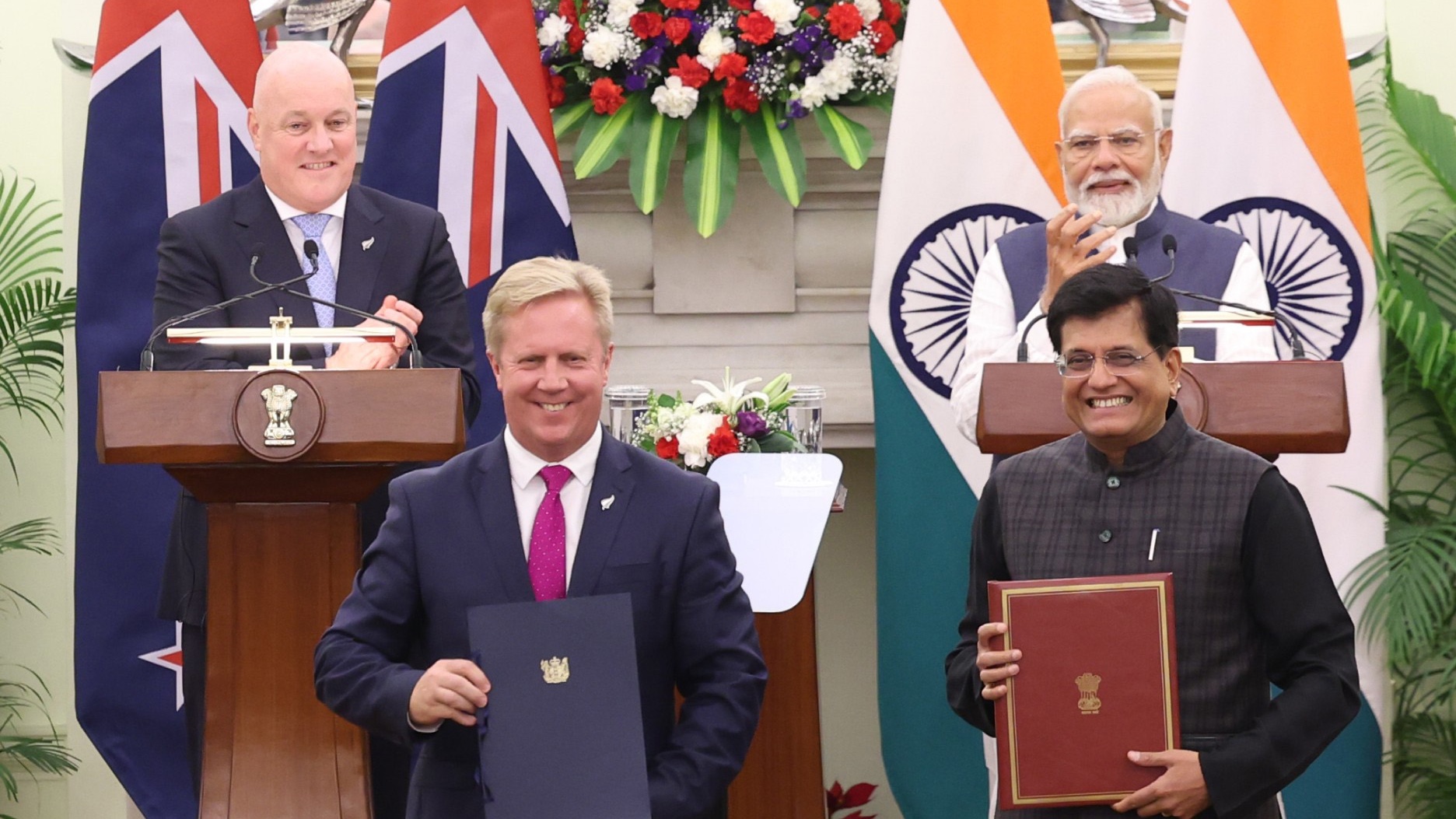
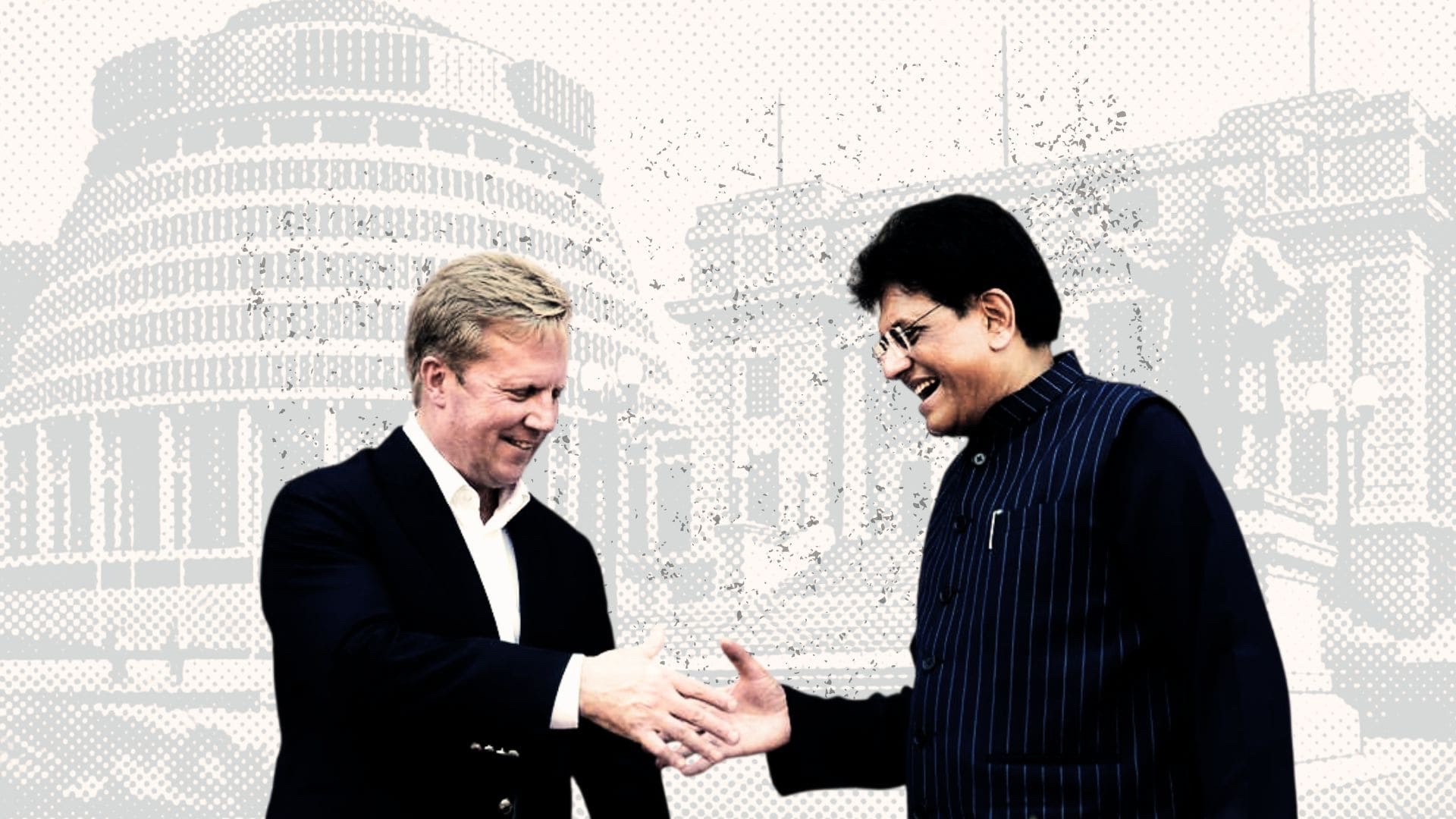
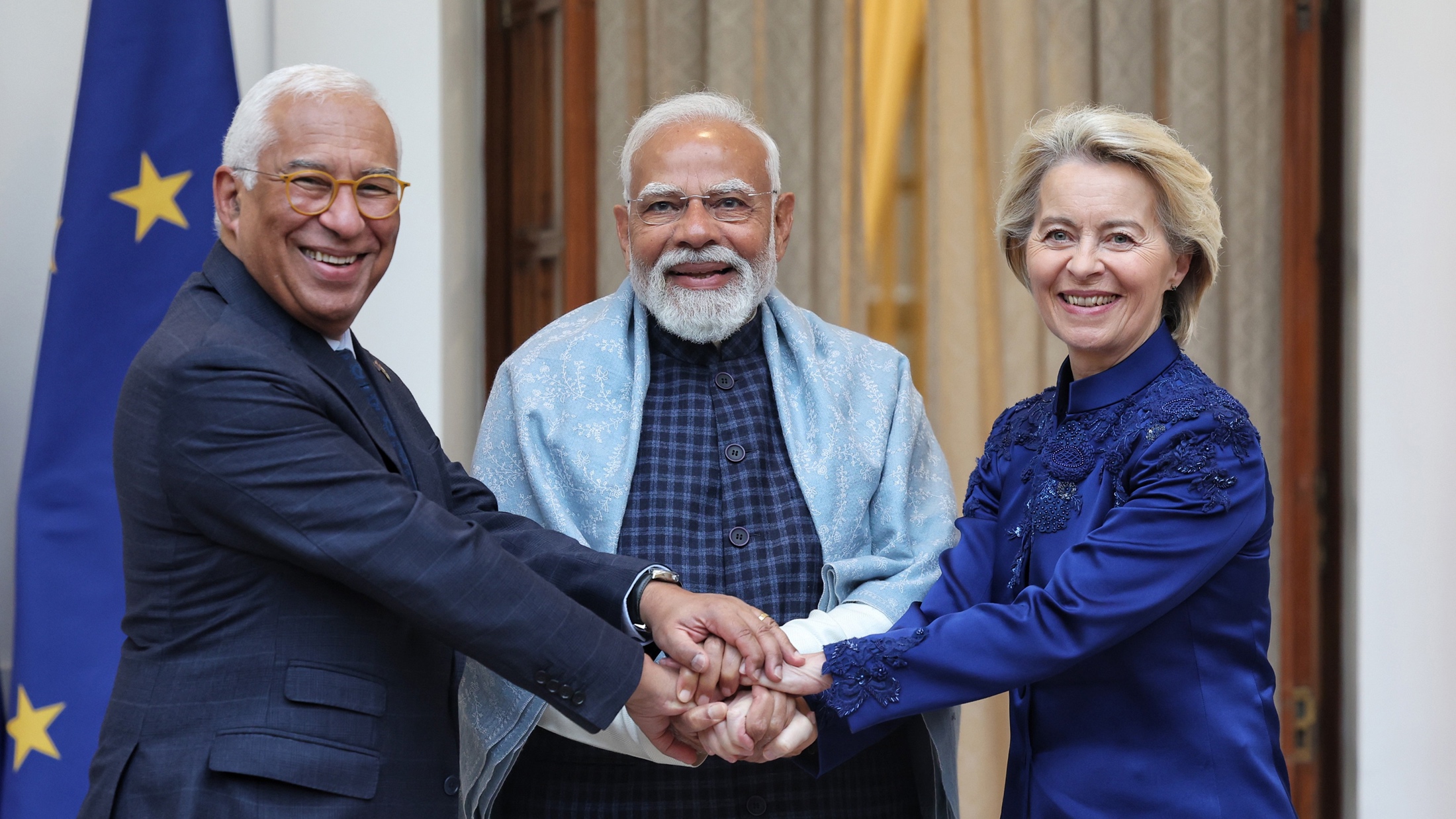
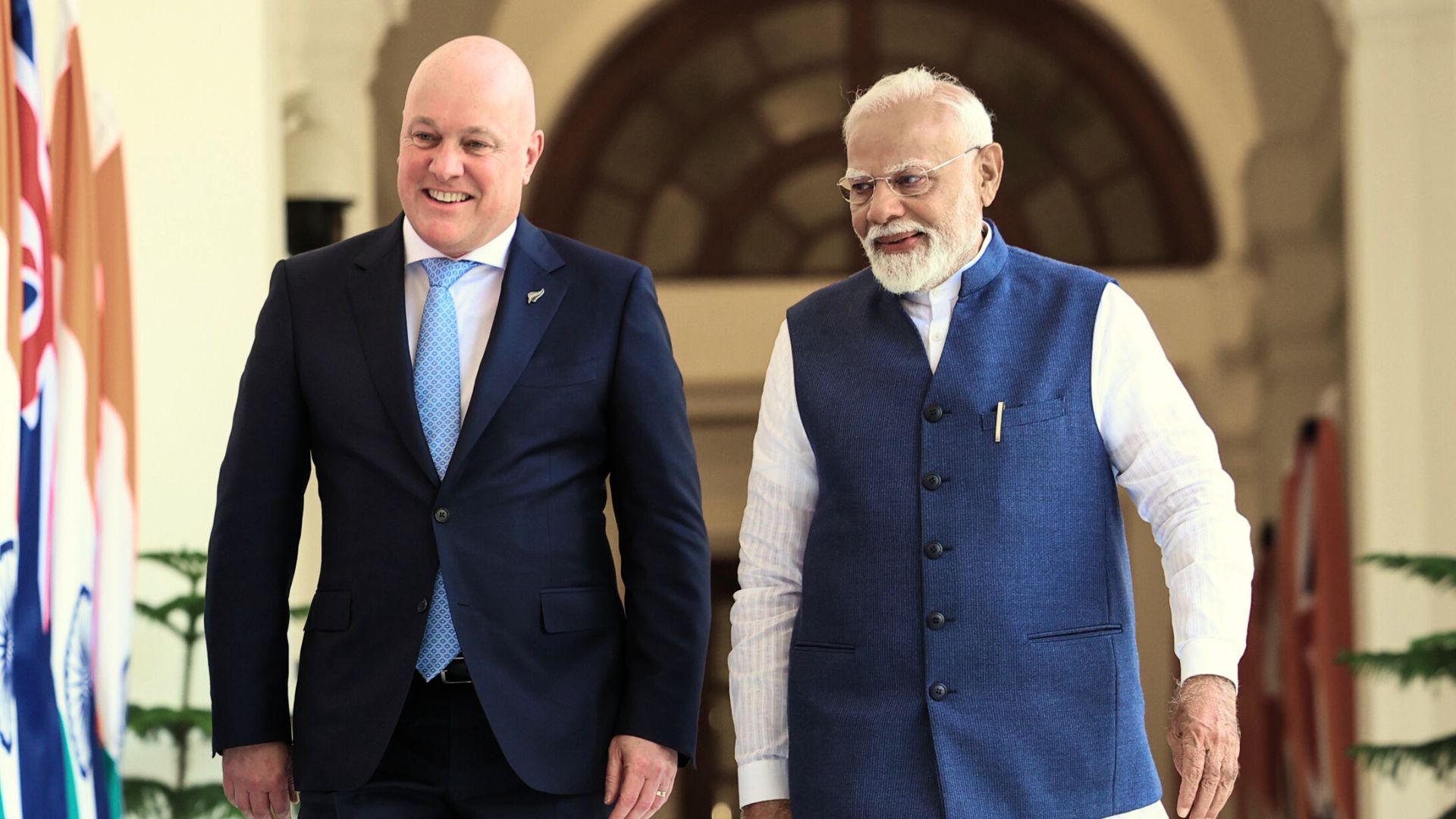
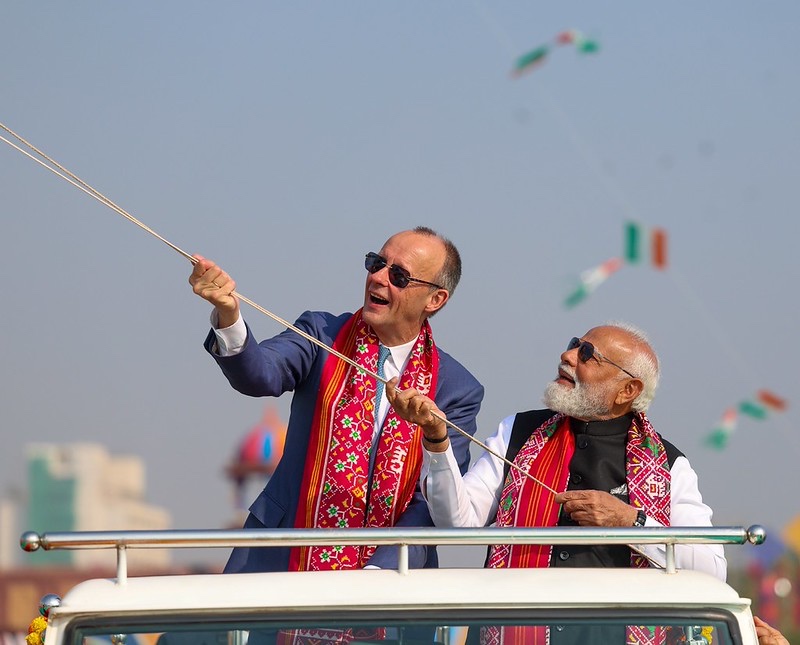
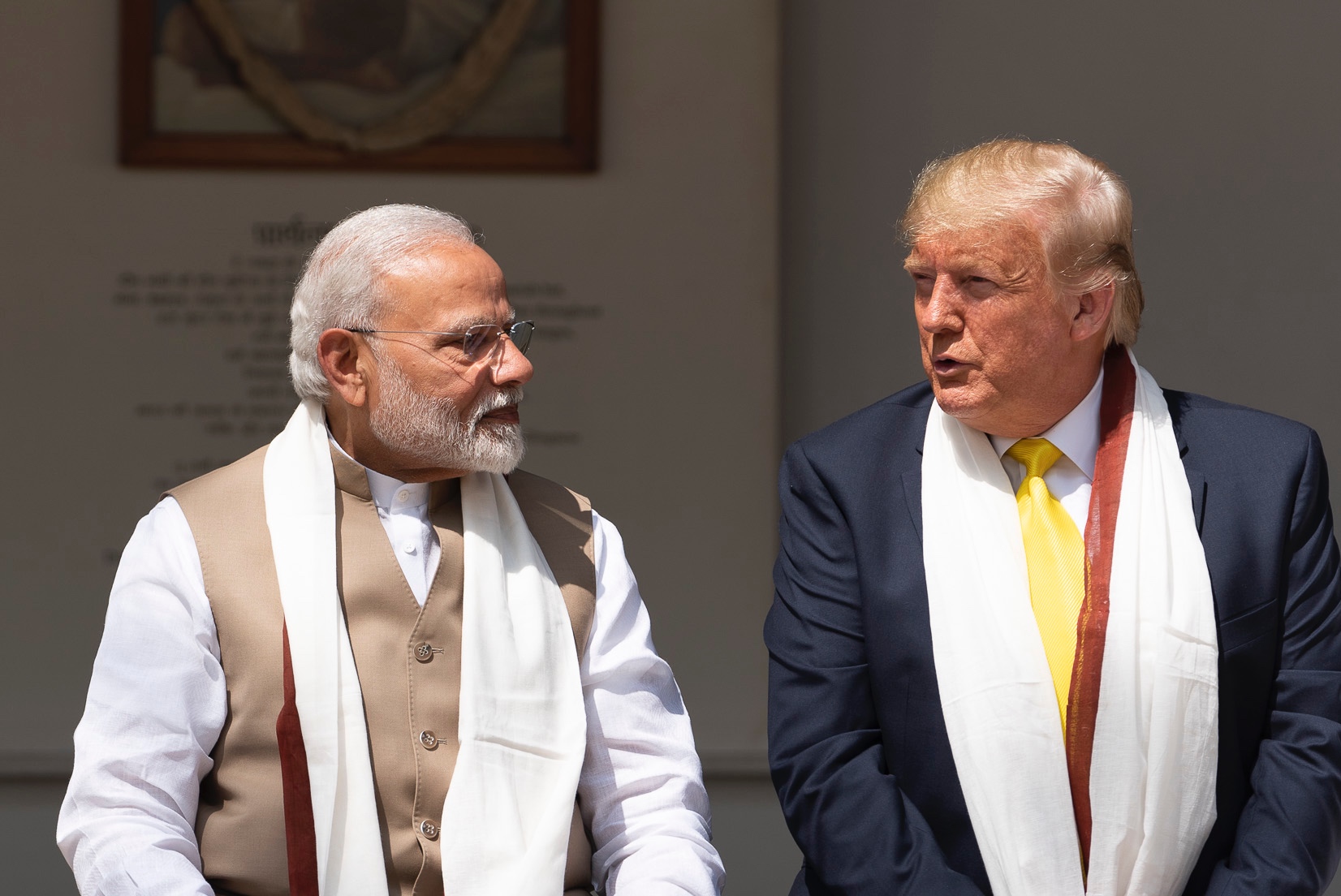
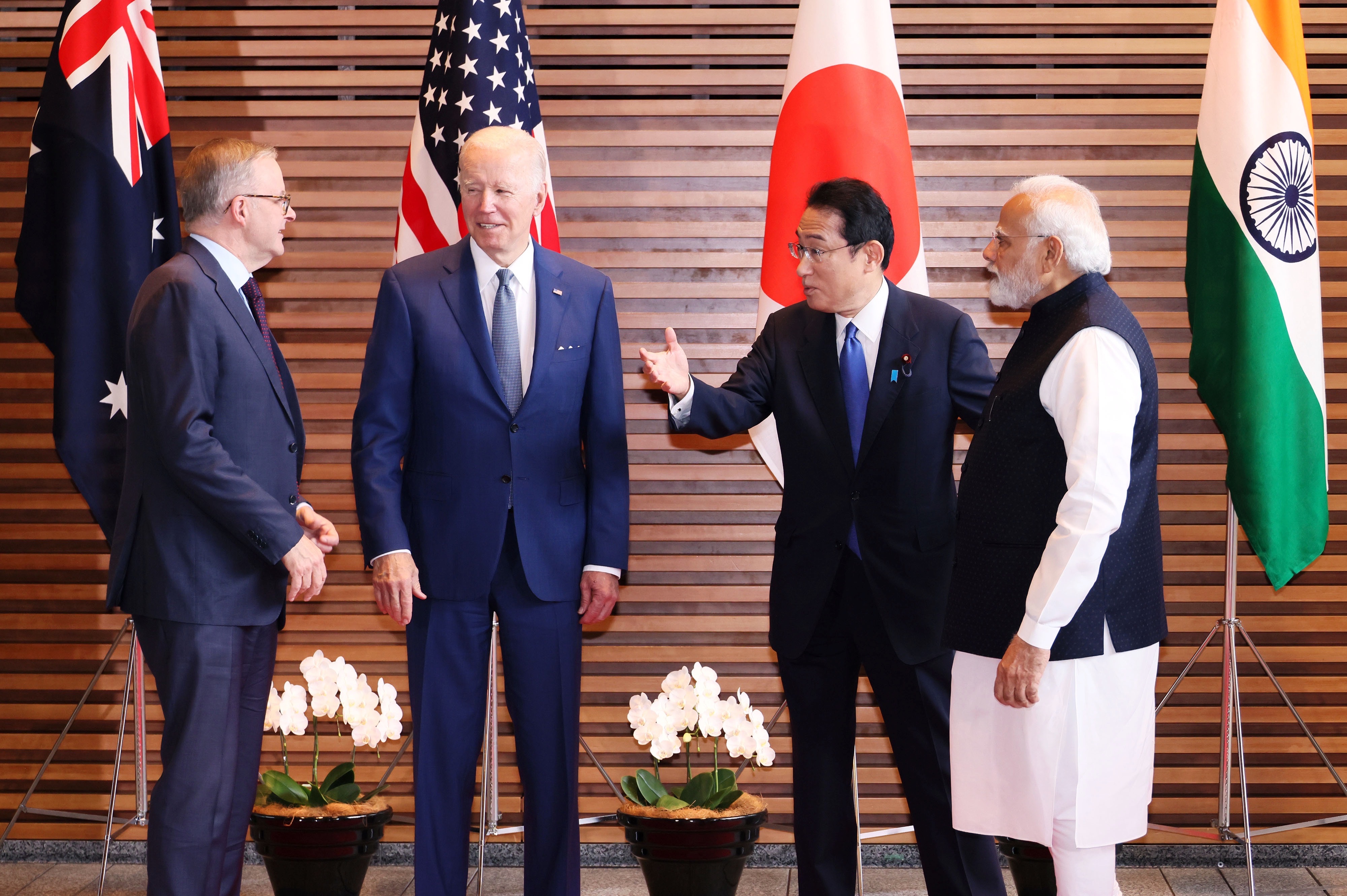
Then came Narendra Modi’s visit. The Indian prime minister was in Auckland on July 10 and 11, the first visit by an Indian prime minister to New Zealand in about 40 years.
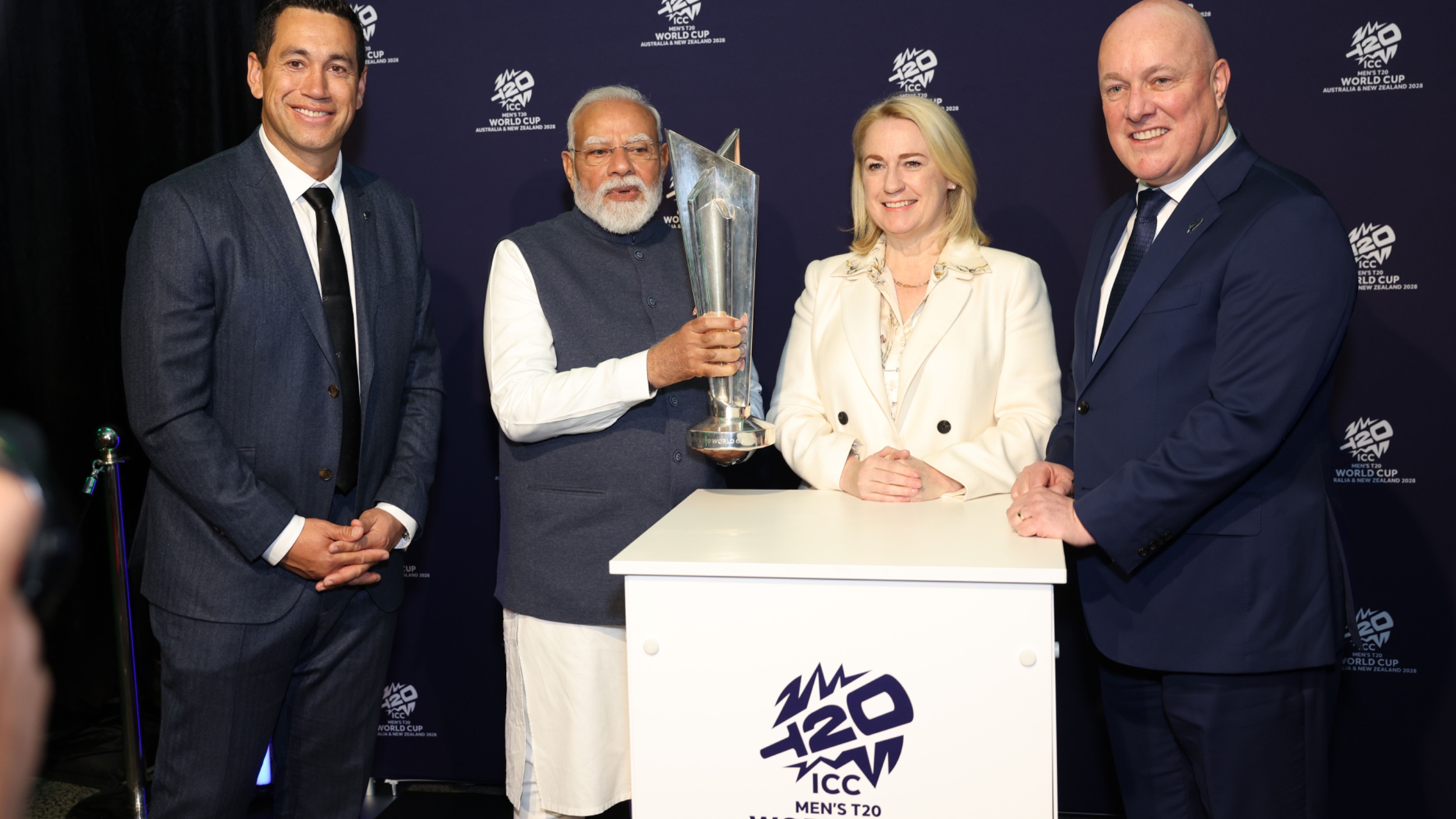
The visit put the FTA at the centre of a much broader reset in the relationship, with New Zealand and India announcing a strategic partnership and expanding the conversation beyond trade into defence, security, sport and wider people-to-people ties.
And even after Modi left, Peters did not immediately back away. In a July 20 speech, he again gave the agreement its own section, titled “The Problems with the FTA”.
“We aren’t against free trade agreements,” he said. “But, what we are against are bad Free Trade Agreements that are not in New Zealand’s best interests.”
He again returned to migration, UNDRIP, Paris and the investment commitment, and questioned why National and ACT supported provisions NZ First opposed.
That July 20 speech is the last substantial attack on the India agreement in the speeches reviewed by Awaaz.
Then August arrived
On August 2, Peters delivered a lengthy election speech in Wairarapa titled 'New Zealand In Its Eleventh Hour'.
It was hardly a retreat from NZ First’s nationalist politics. Peters talked about sovereignty, the national interest and the need for politicians willing to take strong positions on unpopular issues.
But there was no mention of the India FTA. The word India appeared only once, when Peters grouped China, India, Russia and the United States together while discussing global carbon emissions.
The absence became more striking two weeks later. On August 15 in the Kaikōura electorate, Peters explicitly ran through the issues and policies NZ First wanted to take to the election.
He talked about breaking up electricity companies and the supermarket duopoly, establishing a state-owned bank, returning mining royalties to the regions, KiwiSaver, a $100 billion Future Fund, pulling New Zealand out of the Paris Agreement and restricting voting to citizens.
There was no reference to India, the FTA or free trade at all. The following day in Nelson, the pattern continued. Peters again talked extensively about economic growth, infrastructure, electricity costs, exporters and businesses producing the country’s wealth.
Again, the speech contained no reference to India, the India FTA or free trade. Peters has not stopped talking about economic nationalism. He has not stopped railing against international agreements. He has not abandoned concerns about immigration or foreign interests.
He has stopped using the India FTA as one of his principal examples.
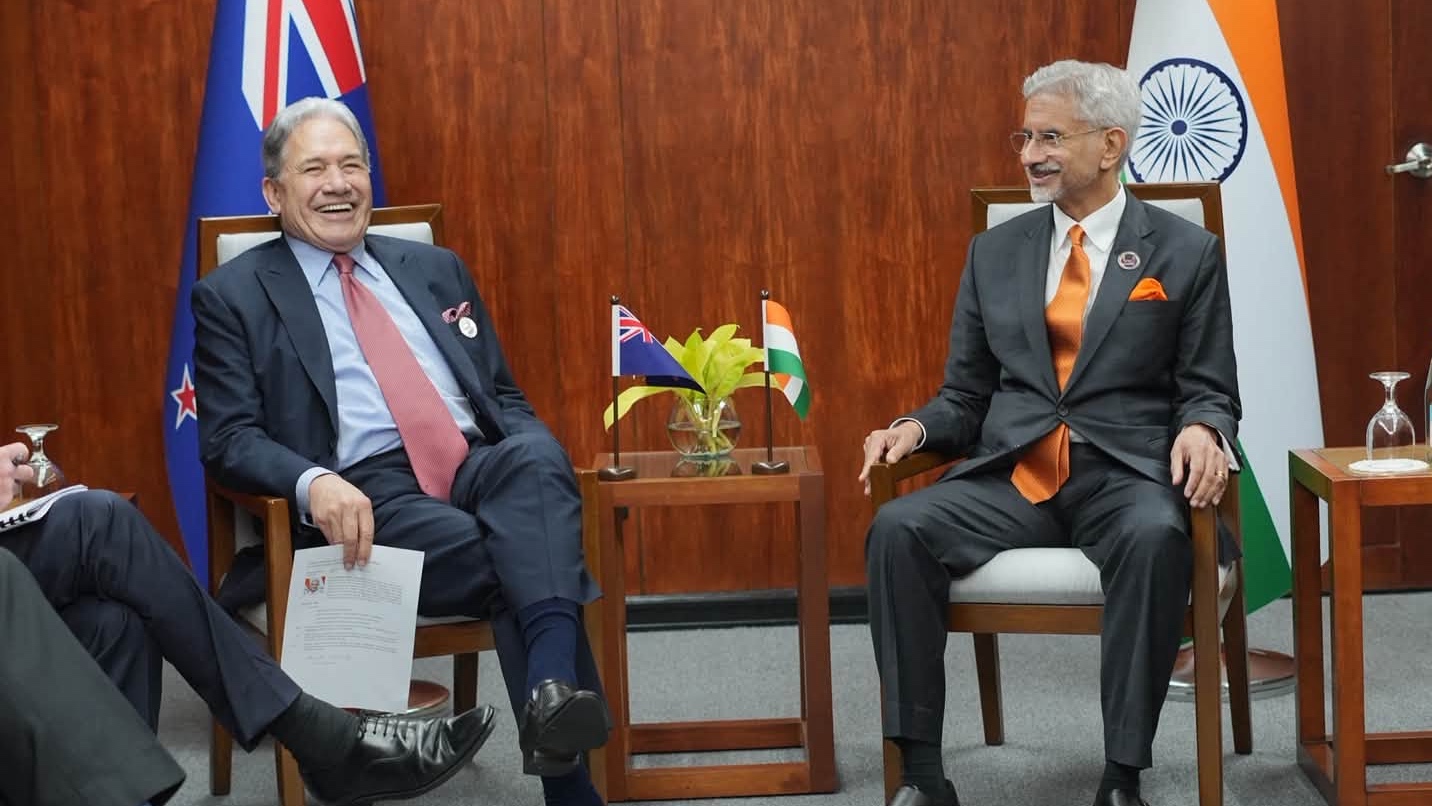
A wider change in the campaign?
The disappearance comes at an interesting moment for New Zealand First.
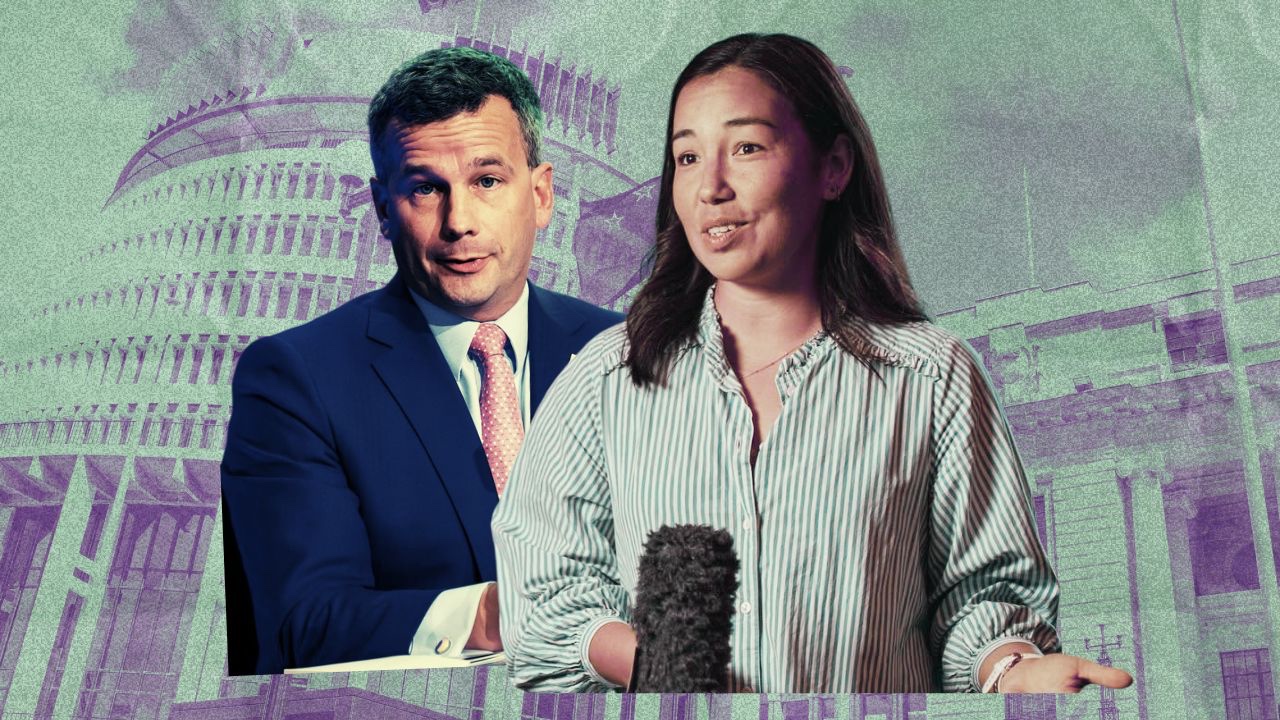
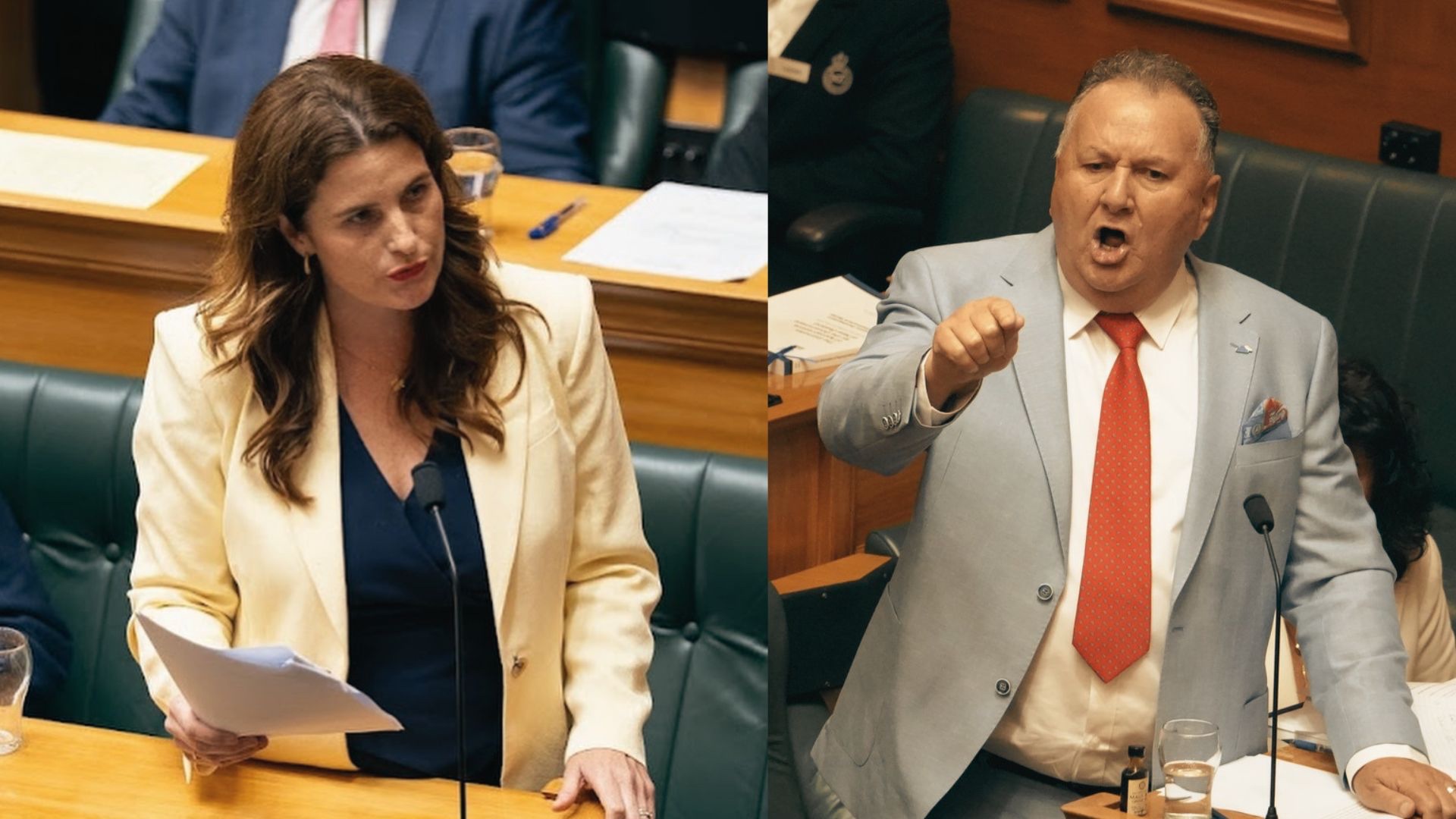
In an analysis last week, RNZ's political editor Jo Moir argued Peters was approaching a political fork in the road after NZ First dropped three points to eight per cent in a 1News-Verian poll.
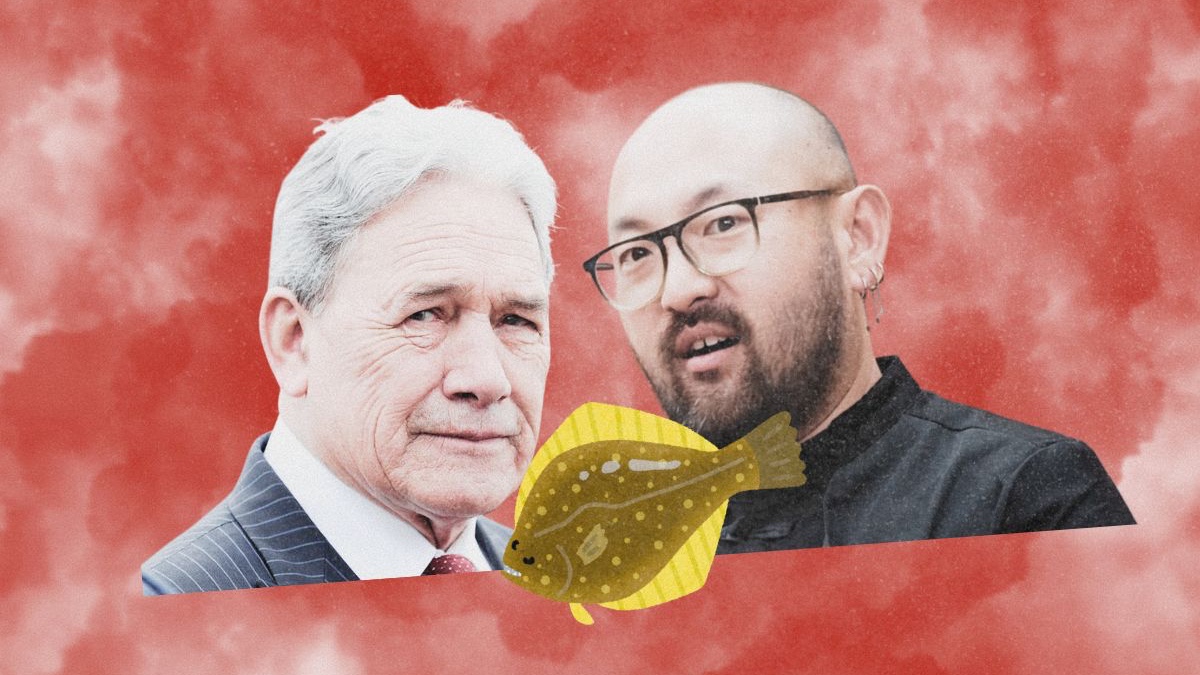
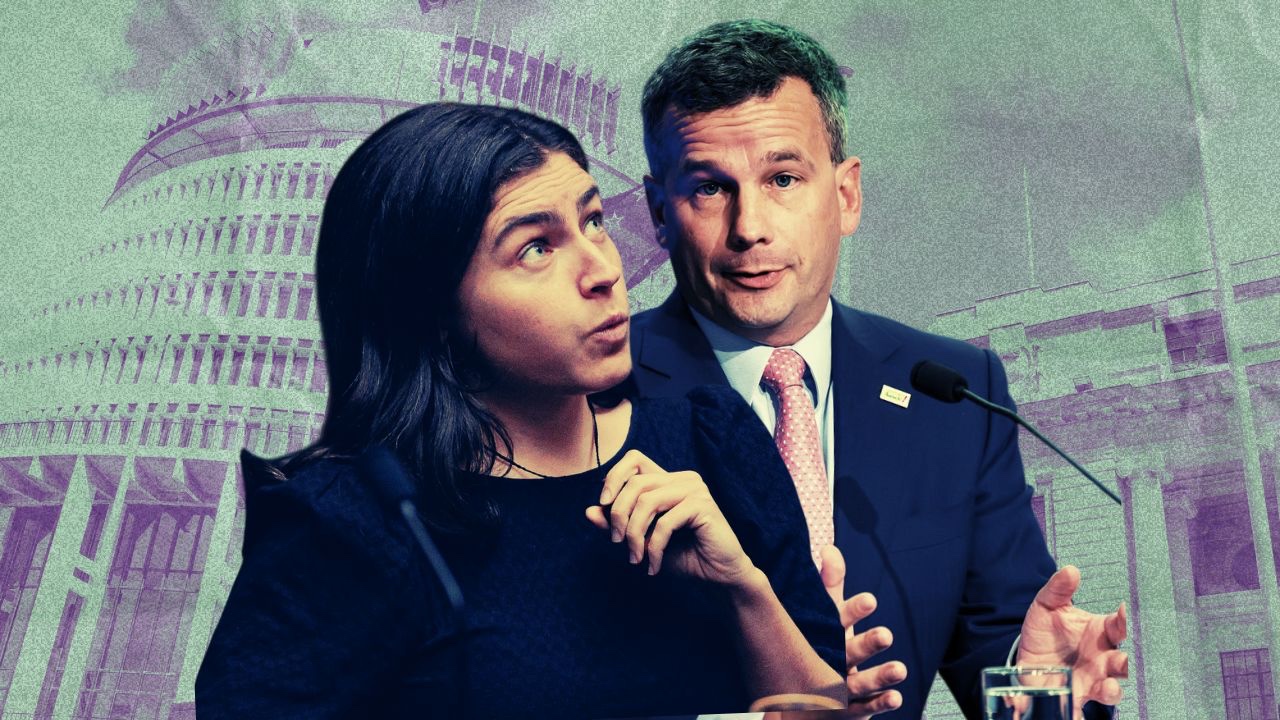
The party had reached 11.5 per cent in RNZ’s mid-July Reid Research poll, its strongest result in that series for nine years, before Peters became embroiled in controversy after telling Chinese-born Green MP Lawrence Xu-Nan to “go back to your own country”.
Moir argued the modern NZ First constituency increasingly contains two groups: traditional supporters attracted to mining, industry, exports and economic growth, and newer voters drawn to culture-war politics.
She reported that some NZ First stalwarts were tiring of the party’s messaging being concentrated on the latter, while National’s weakness potentially left more mainstream centre-right voters available to NZ First.
Peters' August rhetoric does show a greater emphasis on bread-and-butter economic themes. Power prices, supermarket competition, infrastructure, regional investment, mining, exports and the cost of living.
That makes the disappearance of the India agreement notable. Only weeks ago, Peters was presenting opposition to it as evidence of what distinguished New Zealand First from National, ACT and Labour.
Now, while still telling voters what distinguishes New Zealand First from those parties, he is not mentioning the deal at all.