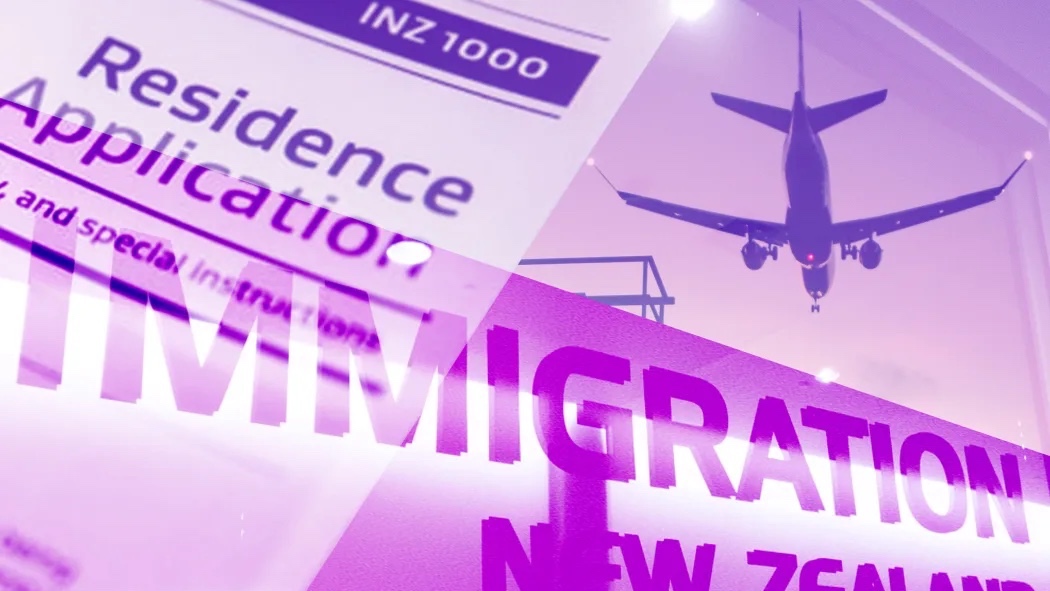

Too dangerous to deport young overstayer mother to Afghanistan, tribunal grants residence
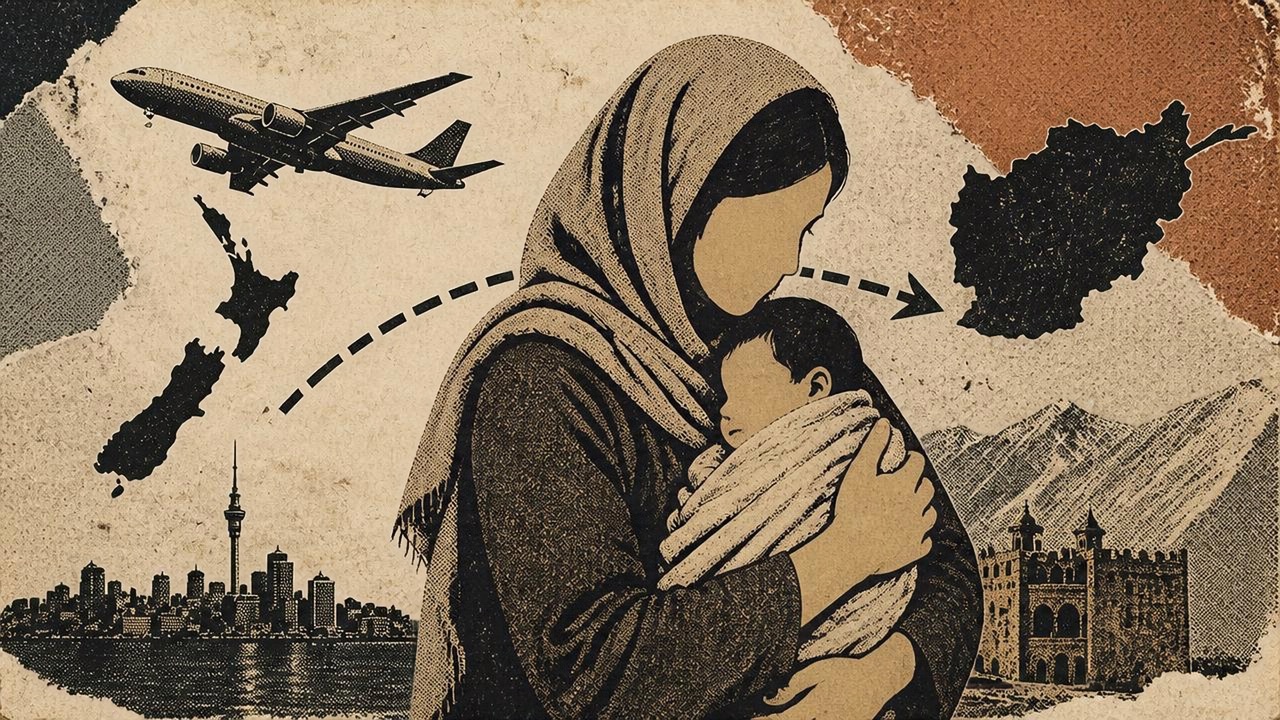
The woman said she would face shame and rejection if she were to return home.
The woman's husband is a New Zealand citizen and she was eligible for residence. But there was a catch.
A 22-year-old Afghan woman who became an overstayer in New Zealand has been granted residence after the country’s appellate immigration body found the dangers and deprivations she would face in Afghanistan made deportation unduly harsh.
The woman, who recently gave birth to a New Zealand-citizen daughter, told the Immigration and Protection Tribunal (IPT) that being sent back after building a life with her husband would be regarded in her culture as “a deep dishonour”.
She said she would face shame, ridicule and rejection and be seen as “someone who was discarded”.


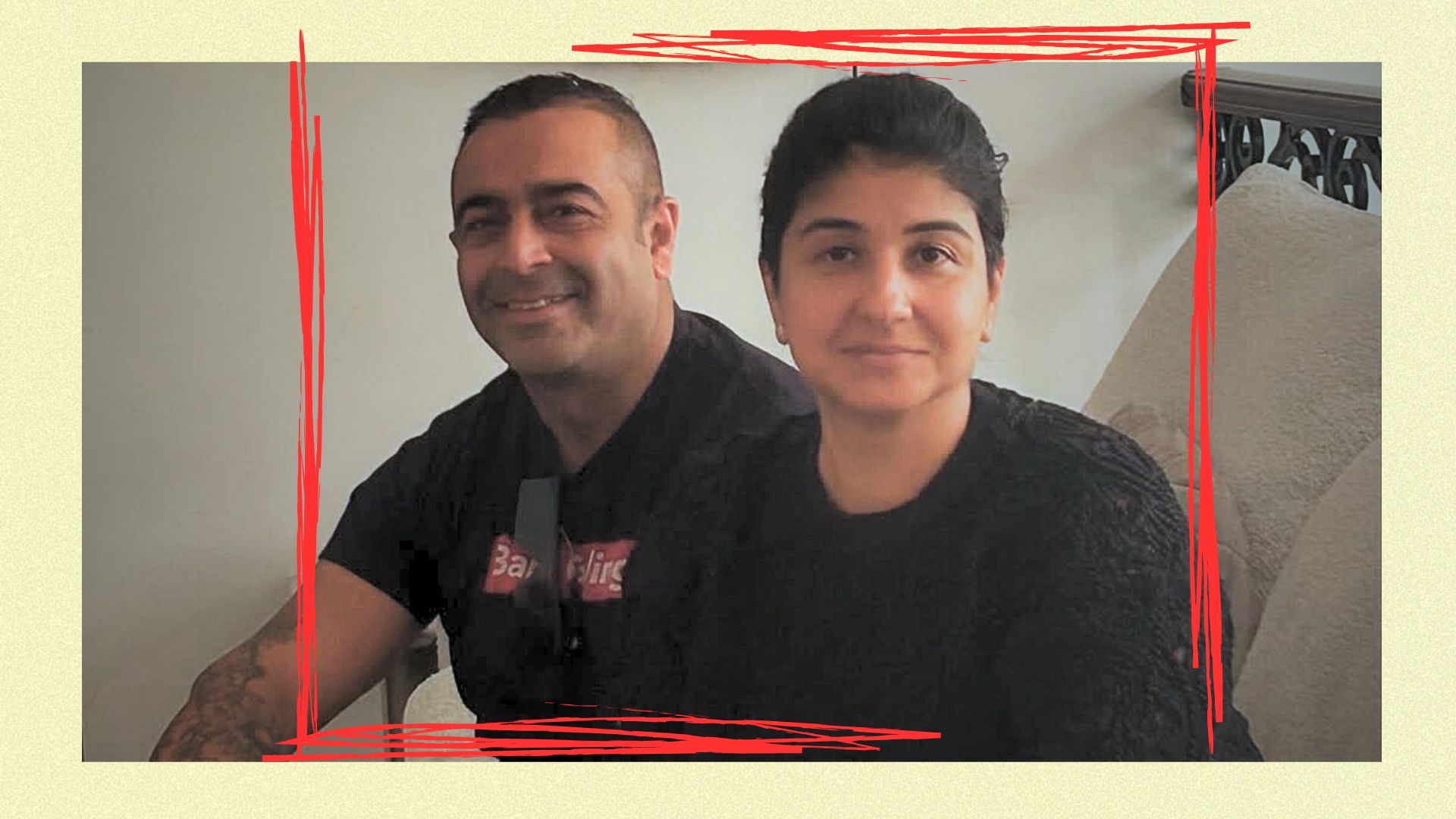
The woman was born in Kabul and married her Afghan-born New Zealand citizen husband there in April 2023.
Her husband had travelled to Afghanistan with his mother in late 2022 intending to find a wife. At the time, he was on bail for criminal offending in New Zealand.
South Asian diaspora raises over $200,000 for New Zealanders missing in Nepal flood "I'm so proud of the Indian community here who...supported us, saying it is not a Nepal problem but our problem."
Tamakis launch Indian-origin candidate for Epsom who surrendered passport and has ‘assimilated’ “I know a whole lot of people are going to be like shocked,” says Hannah Tamaki.
Priyanca Radhakrishnan tries to puncture Luxon’s FTA victory, says India was already sold “Things have changed quite dramatically on the Indian government side,” says the Indian-origin Labour MP.
He returned to New Zealand in August 2023 and was later sentenced to prison for a number of serious offences, details of which were withheld from the published decision.
The woman arrived in New Zealand in September 2024 and moved in with her husband’s family. Her immigration problems began after Immigration New Zealand (INZ) discovered her husband’s imprisonment had not been disclosed in earlier visa applications.
A partnership-based work visa was later declined after INZ found she had intentionally withheld material information. It was also not satisfied the couple had met partnership requirements while living apart during her husband’s imprisonment.
After her interim visa expired, she became unlawfully in New Zealand and liable for deportation. But the tribunal found relatively little personal blame could be placed on her for the non-disclosure.
It said her actions needed to be seen in the context of her young age, lack of English, cultural background and unfamiliarity with New Zealand’s immigration system.
The tribunal also accepted that the marriage was genuine and stable.
A newborn daughter changed the stakes
The woman suffered a miscarriage in 2025 before giving birth to a daughter on July 10 this year.
The tribunal said that if she returned to Afghanistan with her husband and baby, the family would lose the support and protection they had in New Zealand and face serious difficulties, including what it described as a “dangerous lack of medical care”.
If her husband did not accompany her, the woman would face the stigma attached to being a separated woman and practical difficulties accessing everyday goods and services without a male chaperone.
The tribunal also considered the wider restrictions imposed on women and girls under Taliban rule, including severe limits on education, employment, freedom of movement and access to healthcare.
Her newborn daughter became an important part of the decision. The tribunal found the child’s best interests clearly lay in her mother remaining in New Zealand, where the girl could remain in her care and enjoy the rights and entitlements that came with being a New Zealand citizen.
If the baby accompanied her mother to Afghanistan, the tribunal said she would also be exposed to the restrictions faced by women and girls there.
“Given the situation in Afghanistan, the deportation of a woman back to that country is out of the normal run of things,” the tribunal said.
It found the “deprivations and dangers” the woman would face amounted to exceptional humanitarian circumstances and that deporting her would be “unduly harsh”.
The tribunal acknowledged the public interest in maintaining the integrity of New Zealand’s immigration system, particularly given her husband’s imprisonment had not been disclosed.
But it said that was the only negative public-interest factor and found there was also a strong public interest in the humane treatment of the woman and her newborn daughter.
“To deport this young woman who is a new mother, to Afghanistan, in light of the conditions that exist there, particularly for women, would be contrary to the public interest,” it said.
Rather than give her another temporary visa and leave her facing further uncertainty, the tribunal decided she should have a more permanent solution.
It said conditions for women and girls in Afghanistan were unlikely to change in the foreseeable future and ordered that she be granted a resident visa.