
Indian father, son made to clean Hamilton employer’s home, bathrooms and work up to 14 hours

The two came from India between 2023 and 2024.
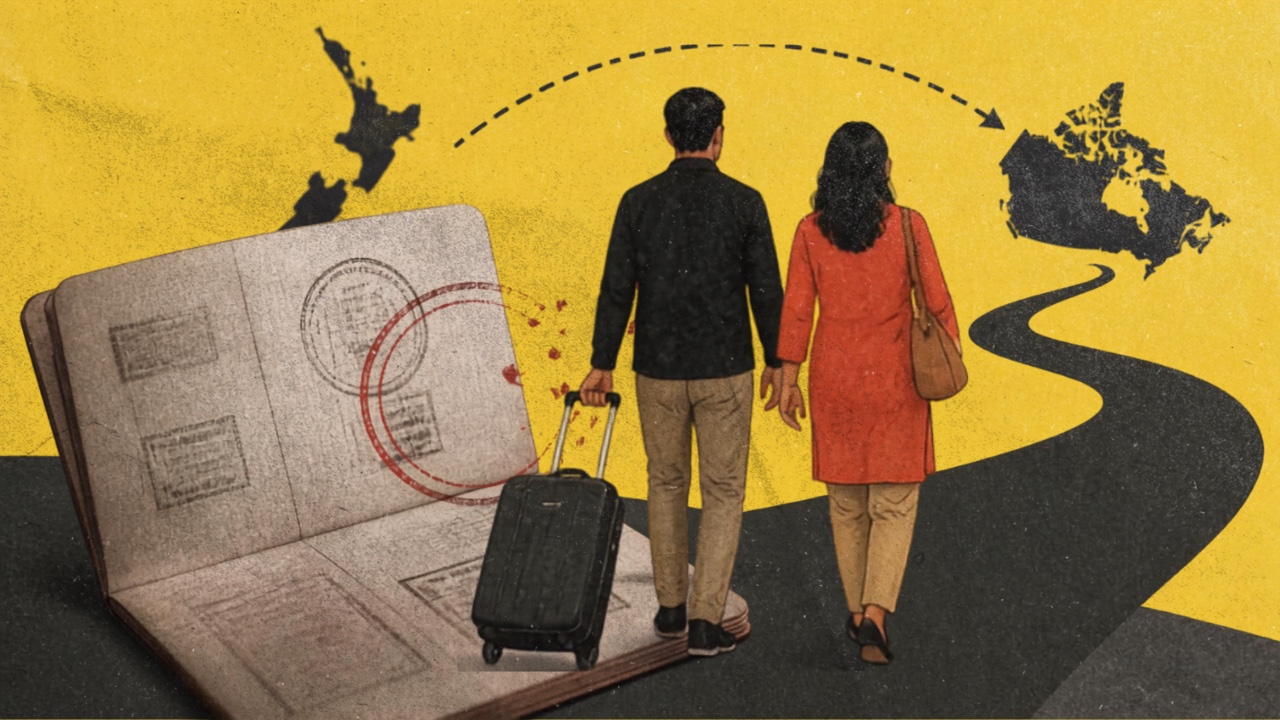
The workers arrived on an Accredited Employer Work Visa as cleaners for a popular childcare centre in Waikato.
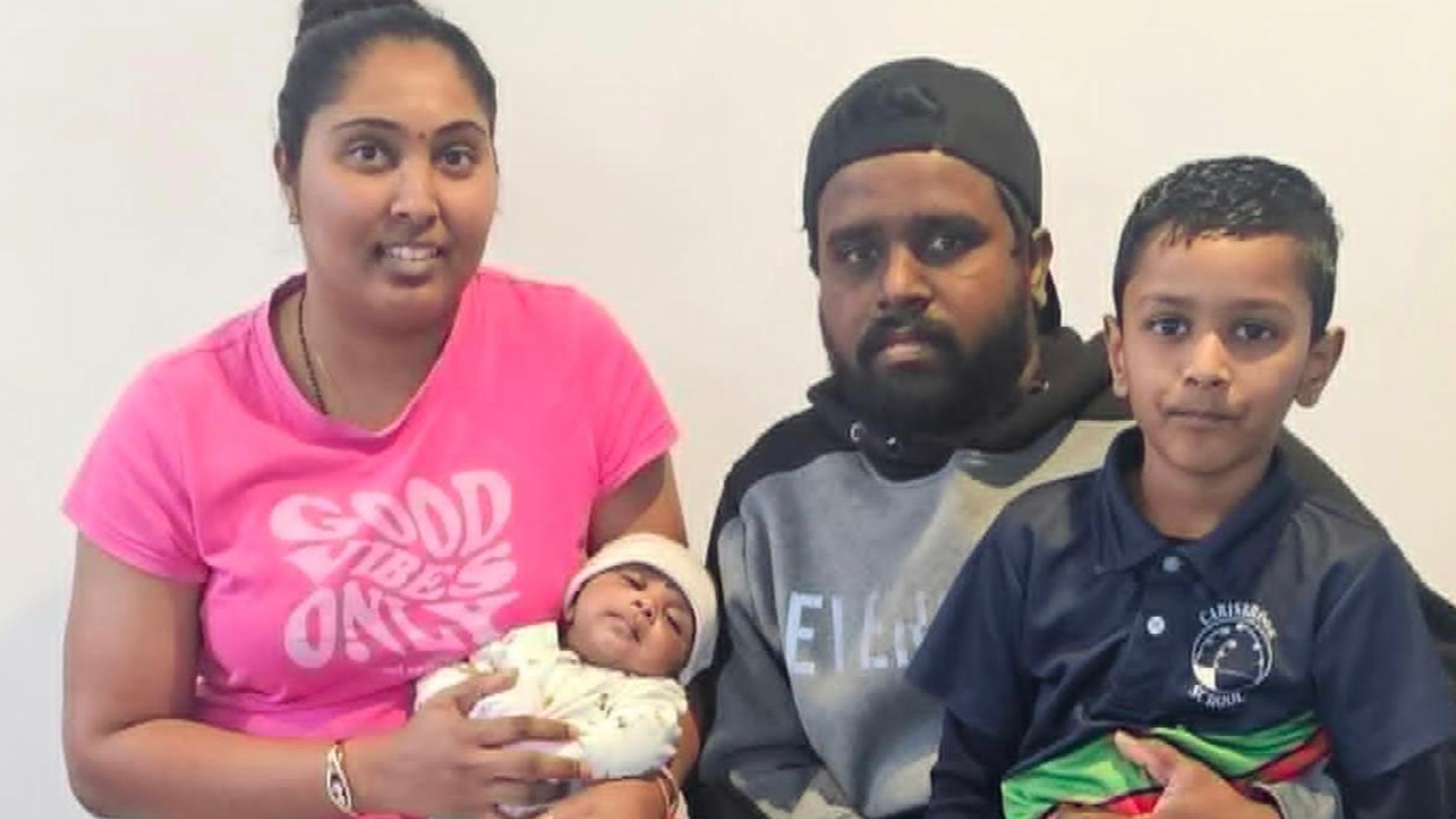
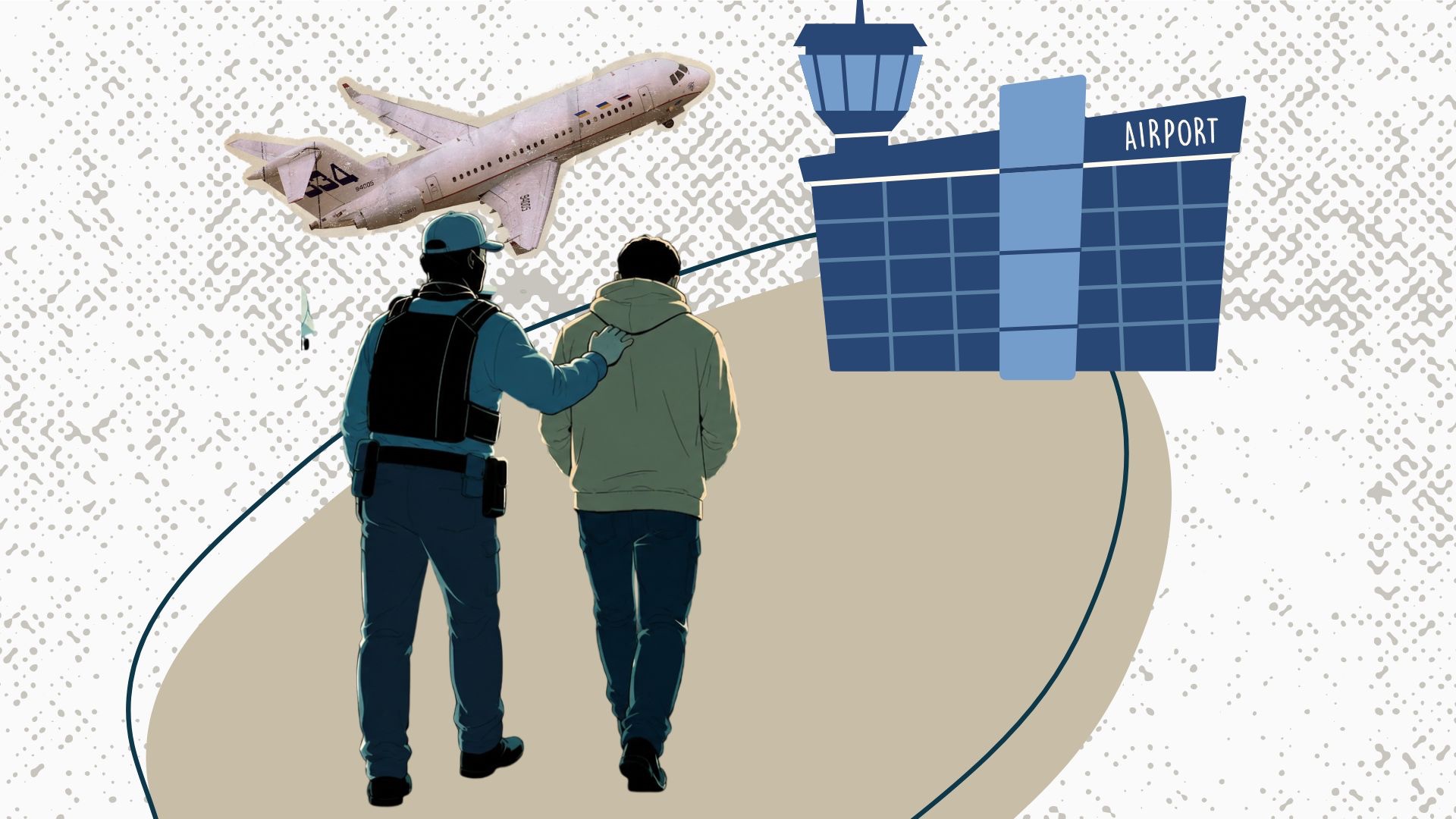
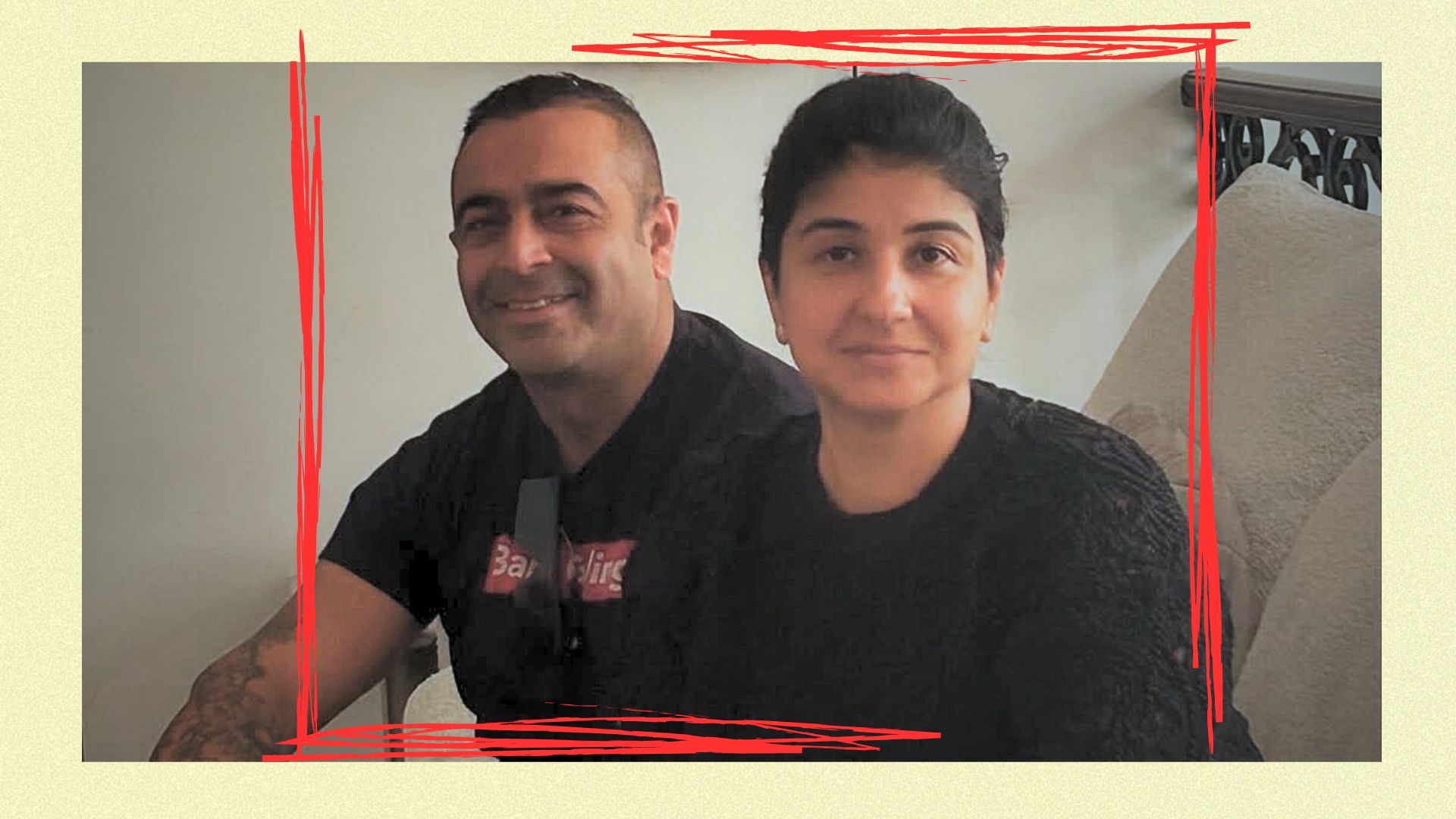
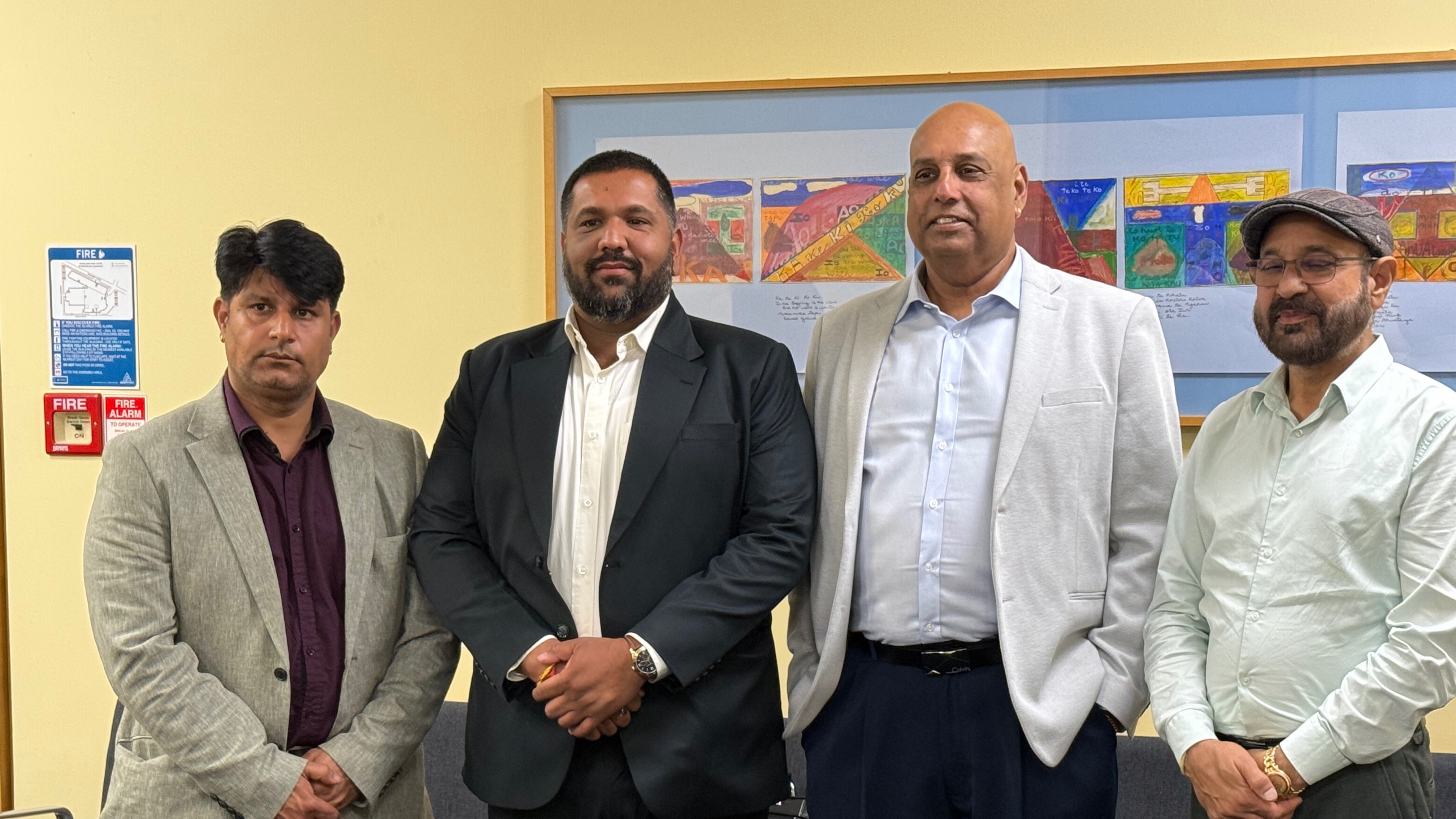
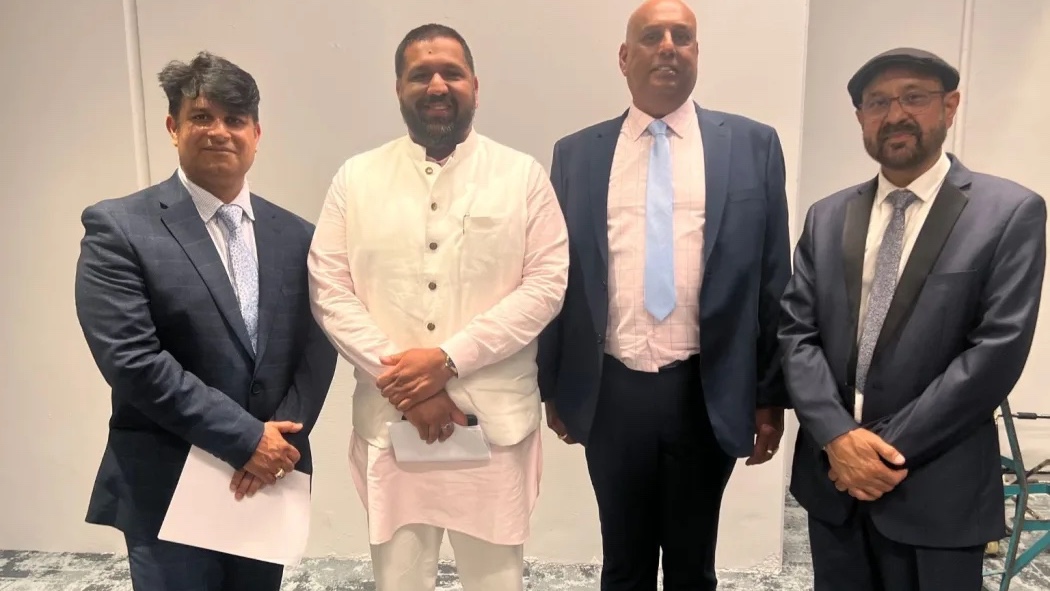
An Indian father and son who came to New Zealand to work as commercial cleaners were also made to clean bathrooms at their employer’s home, change his family members’ bed sheets and carry out gardening and other jobs while sometimes working days of up to 14 hours.
The Employment Relations Authority (ERA) has ordered the Waikato employer to pay Deven Saini and his father Sanjeev Kumar nearly $120,000 in unpaid wages, holiday and leave entitlements and compensation.
Authority member Nicola Craig found there was “considerable” WhatsApp evidence showing the pair worked substantially more than the 30 hours a week they were paid for.


“I am unable to accept that only 30 hours a week was worked by Mr Saini and also by Mr Kumar,” Craig noted in the order on September 14.
Saini and Kumar worked for Impressions Waikato Ltd, which operates early childhood centres in Waikato and is owned by Steven Dogra.
South Asian diaspora raises over $200,000 for New Zealanders missing in Nepal flood "I'm so proud of the Indian community here who...supported us, saying it is not a Nepal problem but our problem."
Tamakis launch Indian-origin candidate for Epsom who surrendered passport and has ‘assimilated’ “I know a whole lot of people are going to be like shocked,” says Hannah Tamaki.
Priyanca Radhakrishnan tries to puncture Luxon’s FTA victory, says India was already sold “Things have changed quite dramatically on the Indian government side,” says the Indian-origin Labour MP.
Companies Office records show Dogra has wider interests across the childcare sector and is listed as a director or shareholder in several early childhood education businesses, including Go Bananas Childcare.
Kumar had previously worked for Dogra in India. After Dogra moved to New Zealand, the two remained in contact and arrangements were eventually made for Kumar and his family to come here.
Saini, then about 18, arrived first in October 2023. Kumar followed later and began working in early 2024. Both men were employed as cleaners through the accredited employer pathway and paid for 30 hours a week.
But in April 2024, Kumar complained that he and his son had been working 14 hours a day, seven days a week, and asked for one or two days off.
The men later produced handwritten records they said they had kept at the time showing their actual hours. Saini kept his own records before his father arrived, including some notes on his phone, while Kumar later kept records for both of them.
The ERA found there was substantial contemporaneous evidence of work being carried out well outside the six-hours-a-day, Monday-to-Friday pattern contained in their employment agreements.
It also found reasons to doubt the accuracy of the employer’s timesheets. Auckland Anniversary Day, Waitangi Day, Good Friday and Easter Monday appeared on timesheets as days the men had worked, while their payslips recorded them as having taken statutory holidays.
Craig said the company’s case was also undermined by extensive WhatsApp exchanges showing the men being directed to carry out work at childcare centres and other properties.
Their duties included cleaning, gardening, window cleaning, hedge trimming, lawn mowing, water-blasting, administrative computer work and delivering advertising flyers.
They were also required to carry out domestic work. Craig rejected the suggestion that cleaning at Dogra family homes was simply voluntary assistance.
“The concept that Mr Kumar and Mr Saini were voluntarily cleaning the bathroom of others living in their house, which were bathrooms they did not use themselves and that they were changing the sheets on Dogra family members’ beds seems to go beyond what could be seen as doing a little bit to assist,” she said.
On March 28, 2024, Dogra’s son sent a message in a work group chat saying: “2 bathrooms not done at home and dusting on the edges of the house not not done.”
Months later, on August 7, he messaged Kumar asking, “what was done today?” Kumar replied: “home clean, clothes, Horotiu grass”.
The company also argued some of the additional work was voluntary because the men wanted to learn new skills, including lawn mowing and water-blasting.
Craig accepted they may initially have wanted to learn how to use equipment unfamiliar to them.
“What I do not accept was the suggestion that it took them long periods of time to learn these skills and they remained volunteers in these tasks for months,” she said.
She reached a similar conclusion about administrative computer work Saini undertook for the company, including work on its Infocare system.
The company also argued delivering advertising flyers was voluntary “There seems little skill enhancement from this project,” Craig said.
Although Kumar had a longstanding connection with Dogra, Craig said this was “hardly a family business” from the perspective of Kumar and his son, who had no shares in it.
“Hours of time spent distributing flyers to streets identified by Mr D Dogra and Mr Sandhu were not done voluntarily,” she said.
The authority ultimately accepted the hours claimed by Saini and Kumar when calculating what they were owed. Craig said the employer had failed to maintain proper records of all hours worked and had not provided an alternative calculation.
“In circumstances where IWL did not provide for any proper recording of all hours of work and the company has not proposed any alternative calculations for amounts owing, there is little choice other than to accept the hours which Mr Saini and Mr Kumar claim to have worked,” she said.
Saini was awarded $54,034.58 in wage arrears and Kumar $33,972.60, taking their combined unpaid wages to $88,007.18.
They were awarded a further $16,327.32 in sick pay, public holiday, alternative-day, annual leave and holiday-pay entitlements.
Saini was also awarded $5,000 compensation and Kumar $4,000 for unjustified disadvantage grievances.
The total payable to the pair is $120,335.50, before interest and reimbursement of half of Kumar’s fuel costs for the company van.
Impressions Waikato was separately ordered to pay an $8,000 penalty to the Crown.
The determination also describes the personal toll the arrangement had on the men. Saini had spent several months in New Zealand as a young man with little family support before his father arrived.
Although accommodation was provided by Dogra at a cost, the authority found Saini was required to work considerably more hours than he was being paid for.
He described suffering mental and physical fatigue from working long hours and said he did not have enough time to prepare meals, or at least healthy meals.
Craig also pointed to their status as recent migrants when considering how the situation had arisen.
“Without having details of what arrangements were made for the teaching staff at the early childhood centres, there is a sense that it was the recent immigrant status of Mr Saini and Mr Kumar, with the informal nature of aspects of their work, which left them open to improper actions,” she said.
The authority also noted their ability to work and remain in New Zealand at the time was tied to their employment.
No personal penalty was imposed on Dogra, but Saini and Kumar have been given permission to pursue him personally for outstanding employment entitlements if Impressions Waikato is unable to pay.