
Christianity in India: A crash course for the uninitiated, but (hopefully) still curious
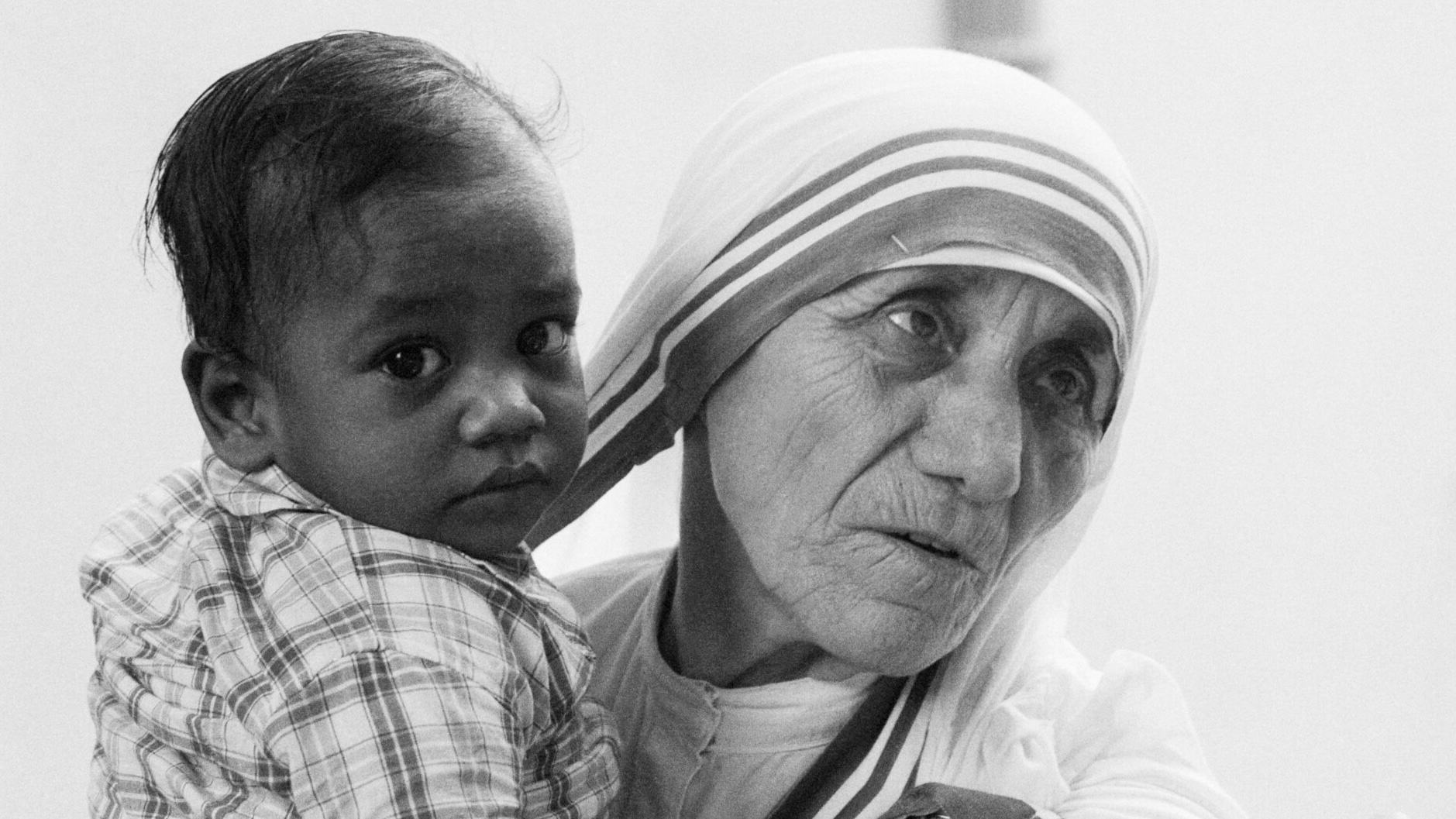
Nobel Peace Prize winner Mother Teresa holds a young boy from an orphanage in the eastern Indian city of Kolkata. (Tullio Saba Sabatu/Archival photo)
Over the centuries, India has welcomed a wide range of Christian traditions, including Pentecostal and many others.
(This fantastic piece was first published by our friends at Indian Newslink on June 22, 2026. The writer is the editor of the platform, New Zealand's oldest English language news company for our South Asian communities.)
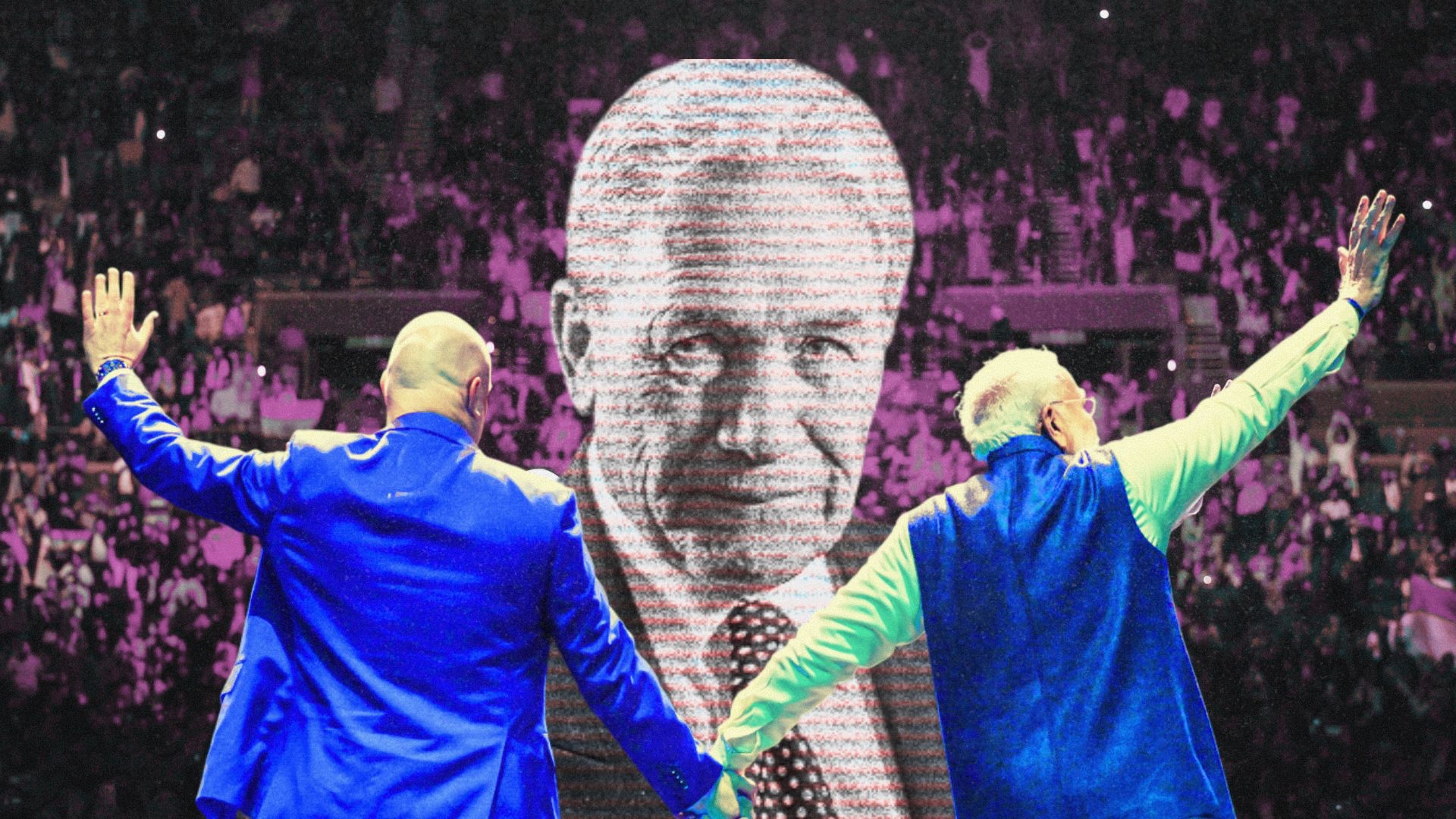
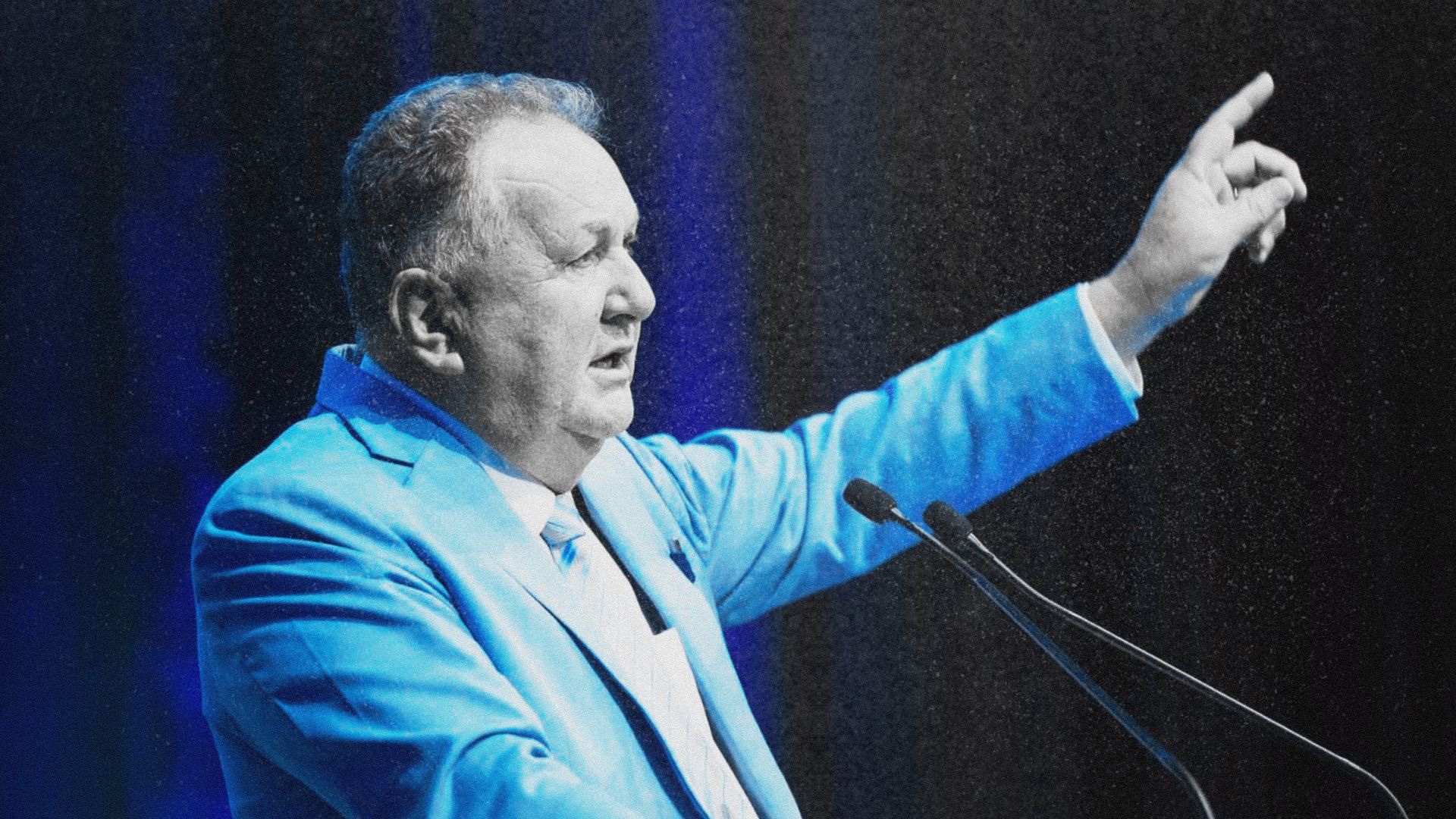
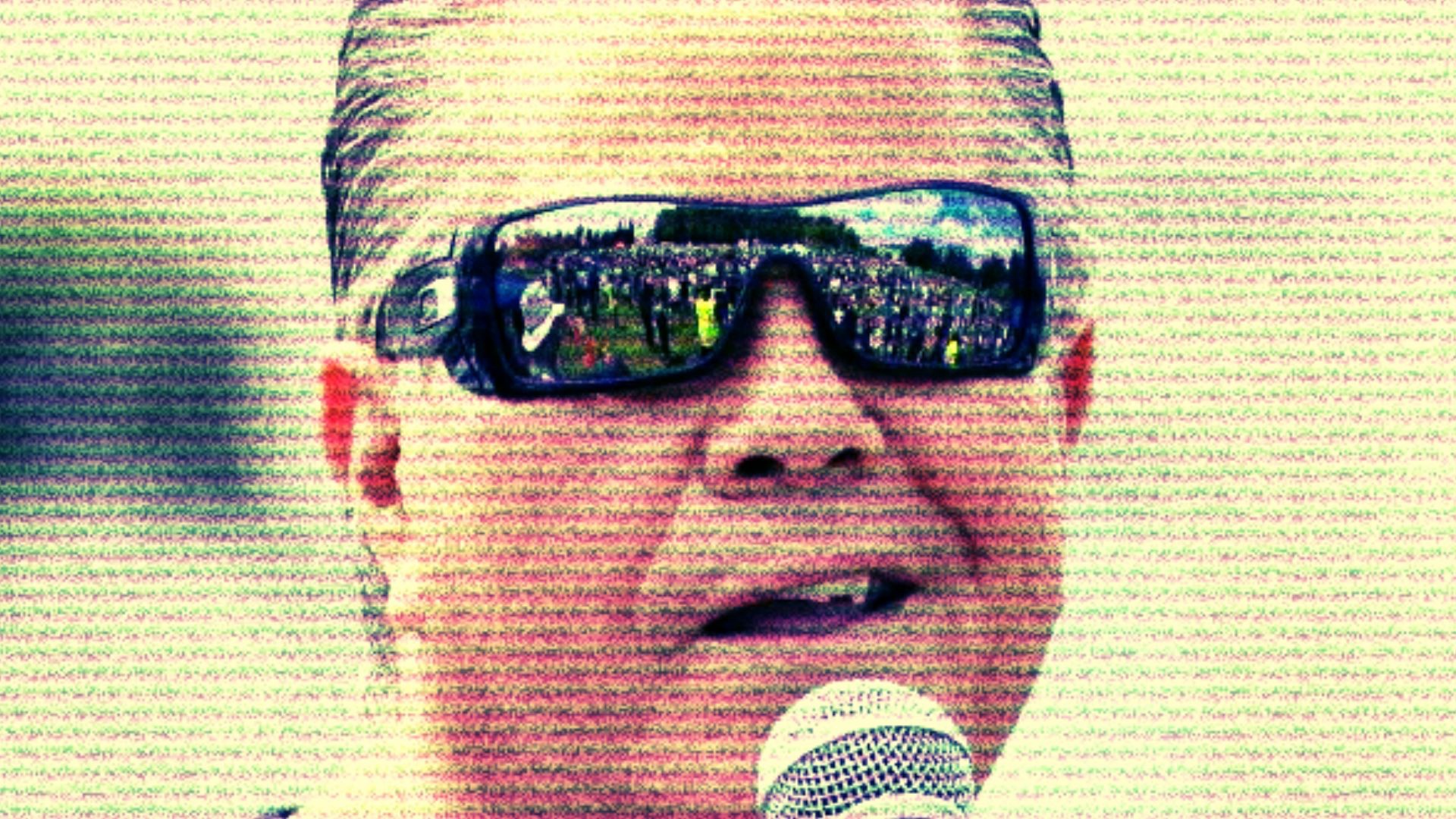
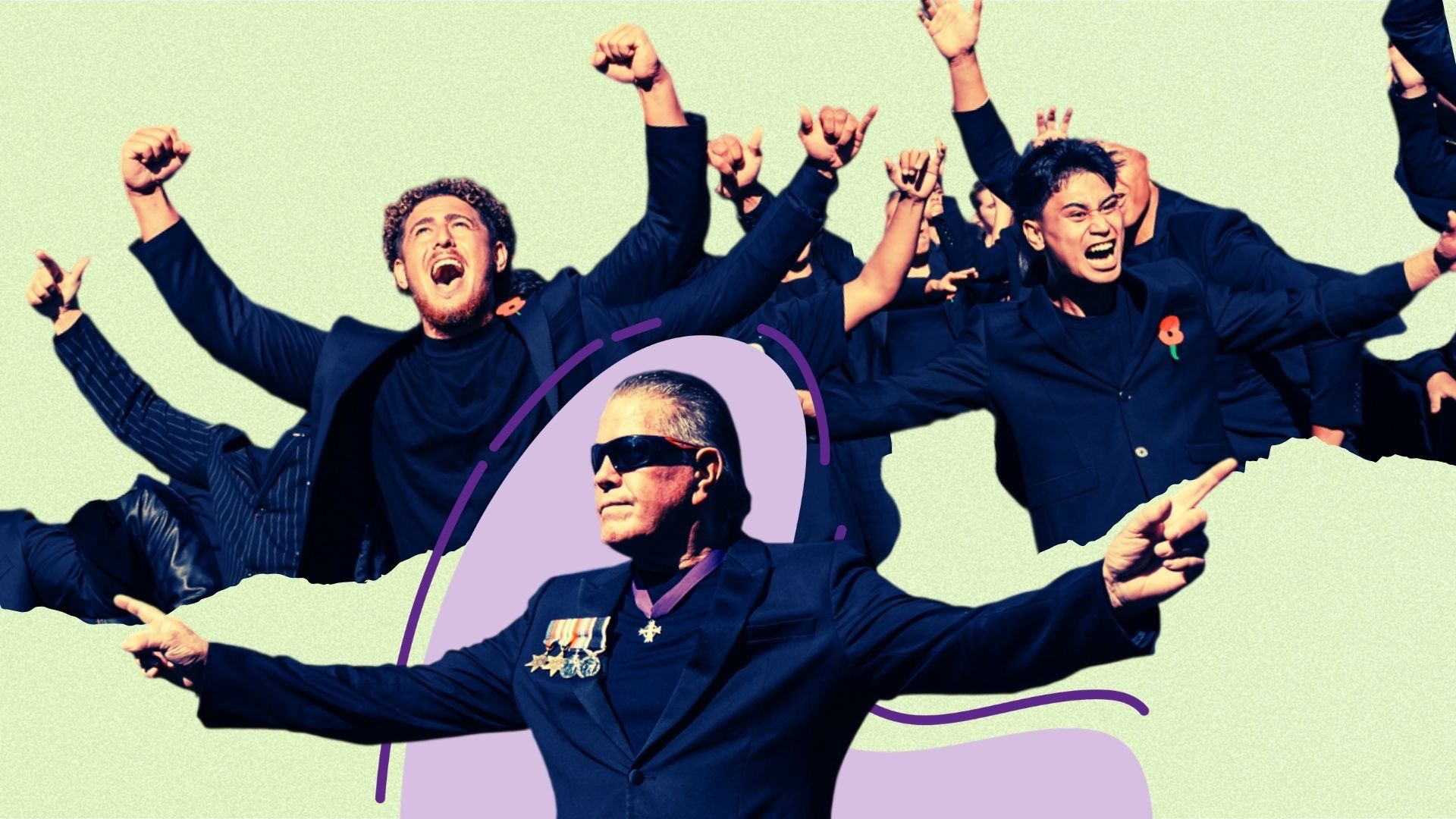
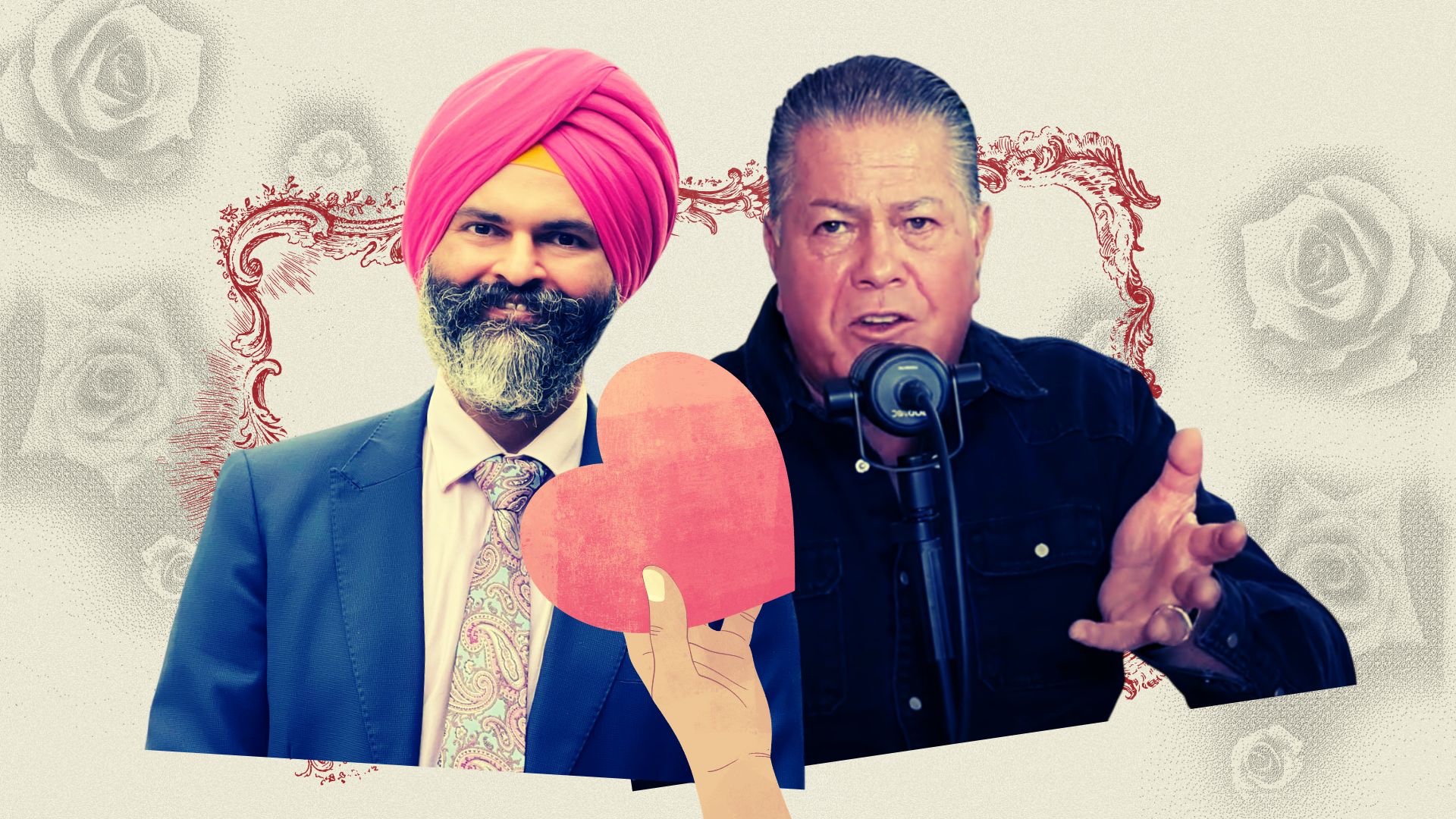
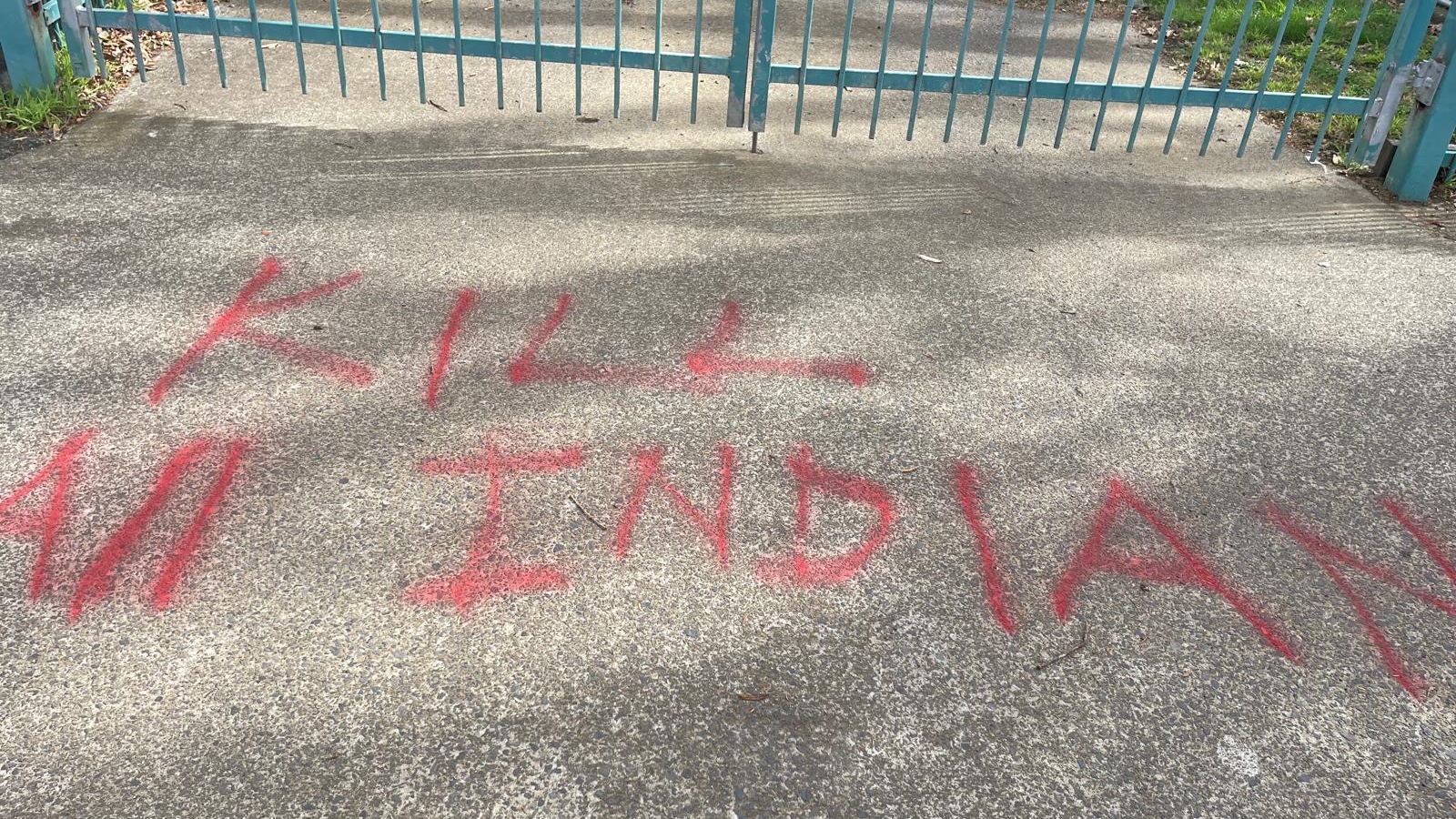
Opinion: The recent video released by Destiny Church Founder-Leader Brian Tamaki, in which he levels a series of incendiary accusations against Hindus, Sikhs, Muslims and Indians at large, has caused widespread concern across New Zealand’s multicultural communities.
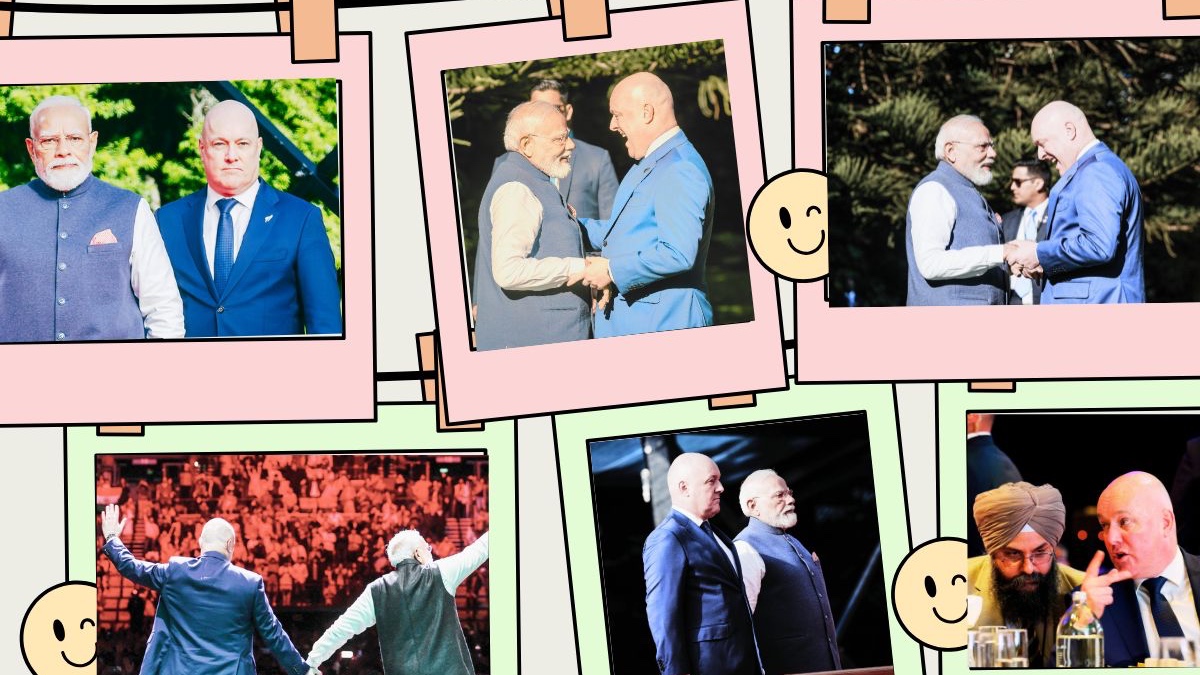
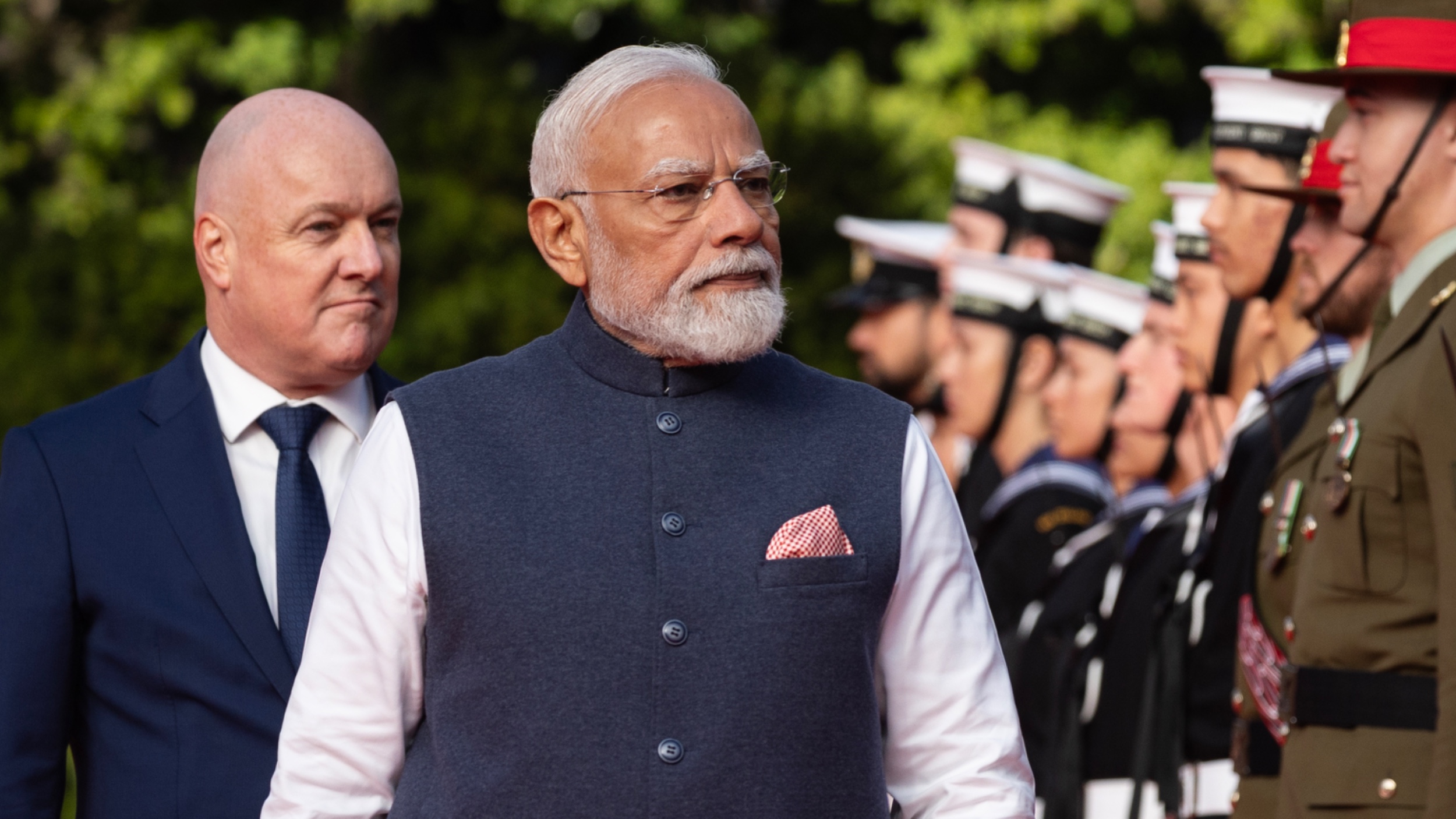
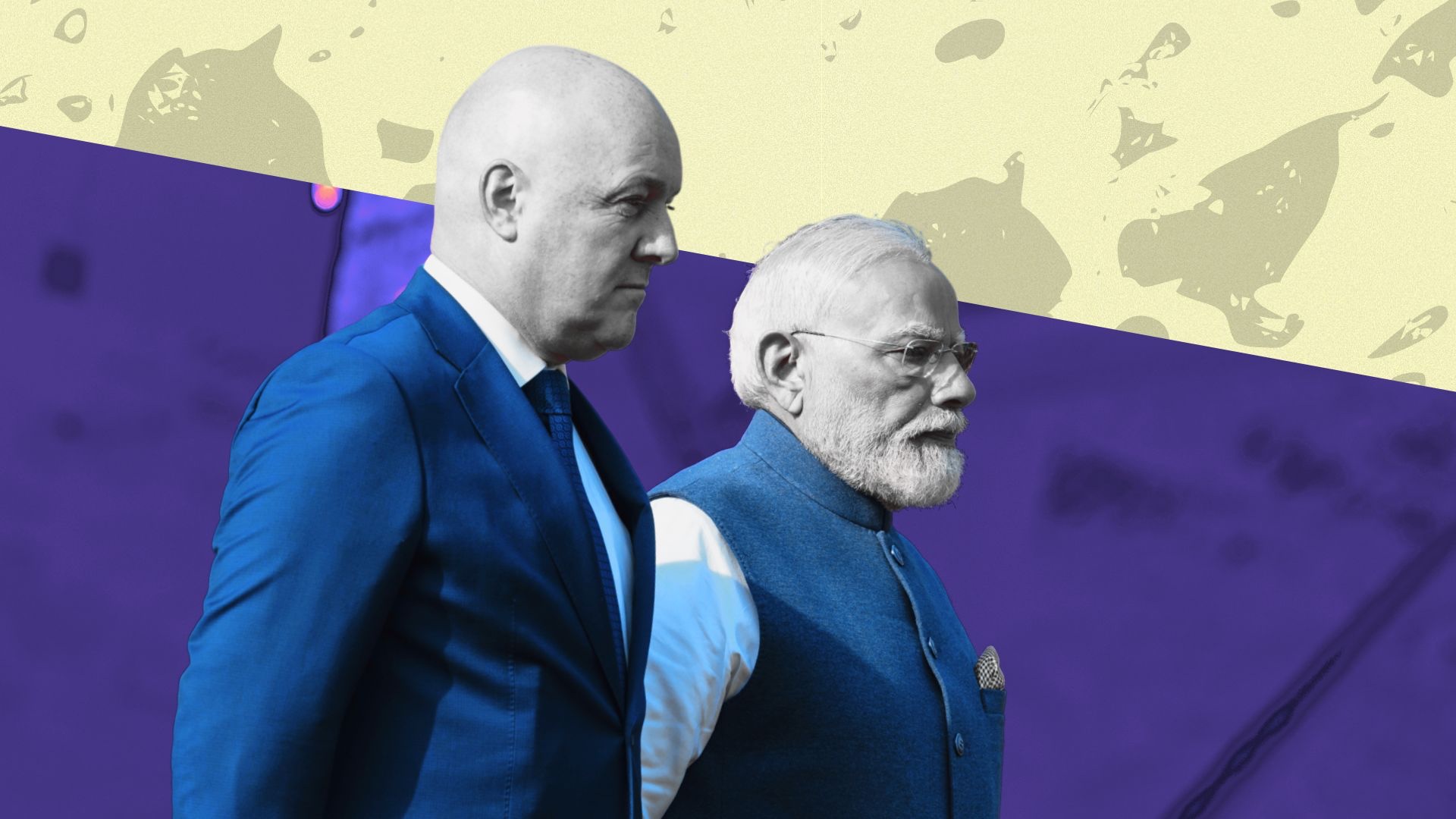
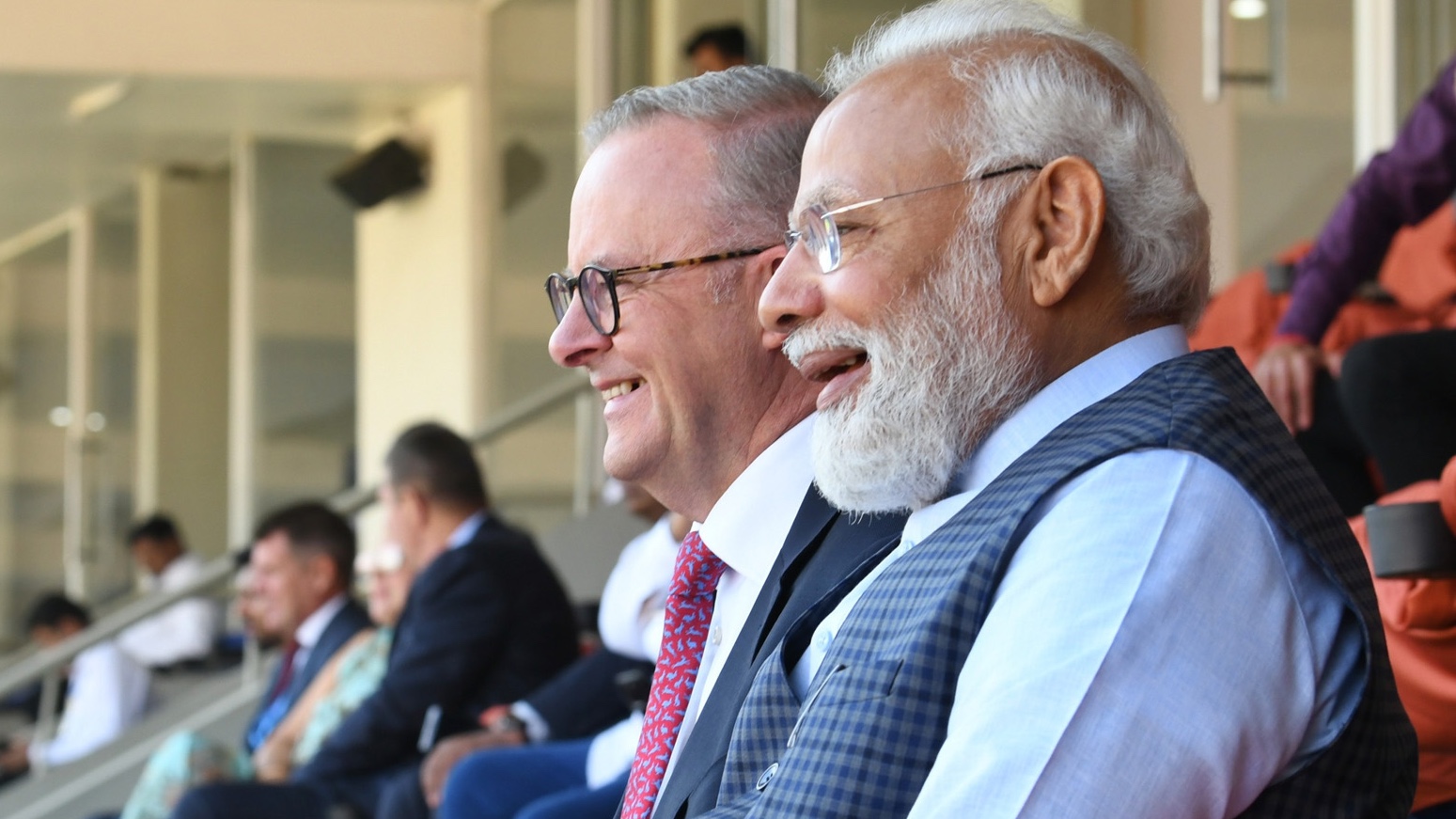
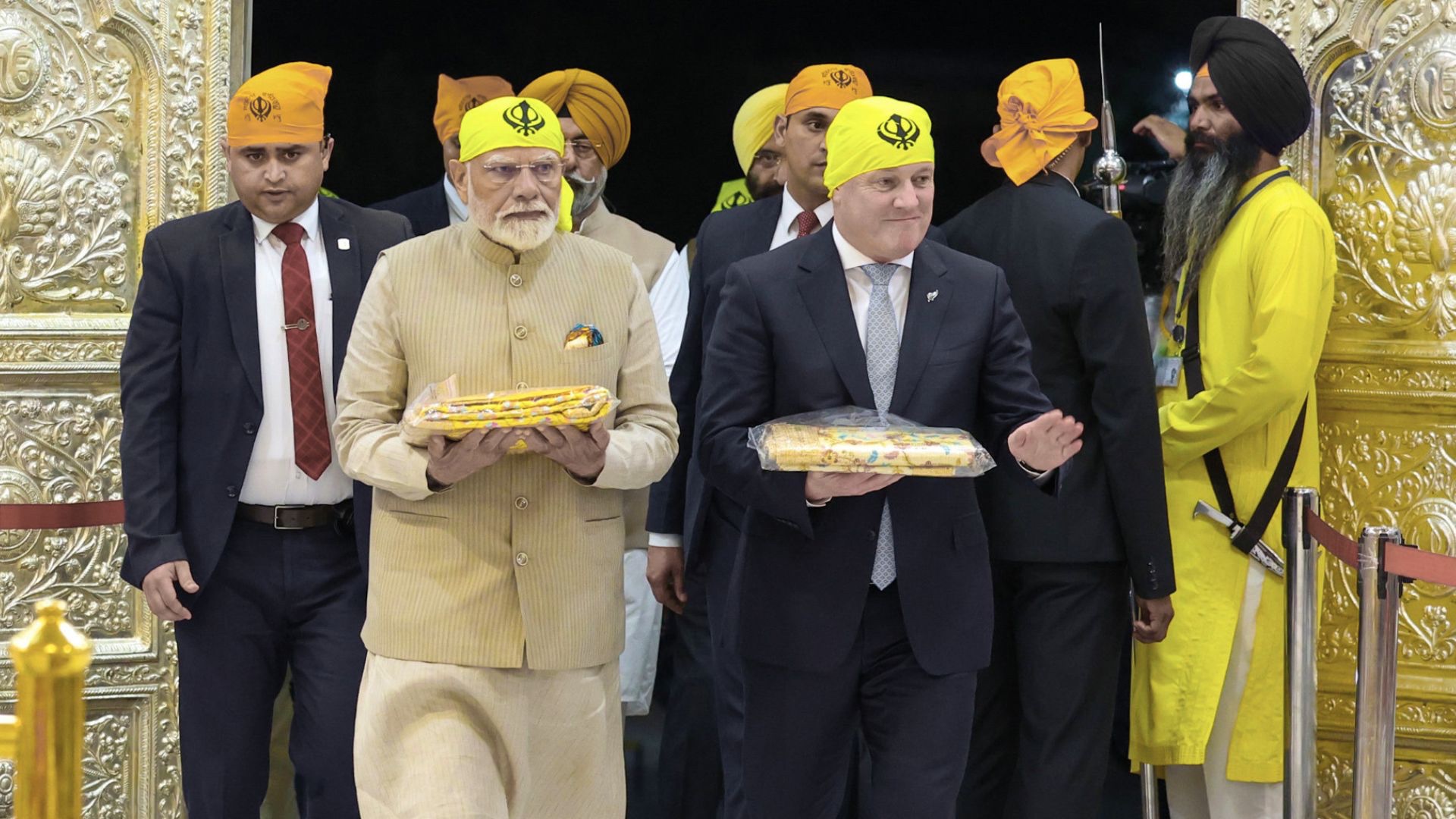
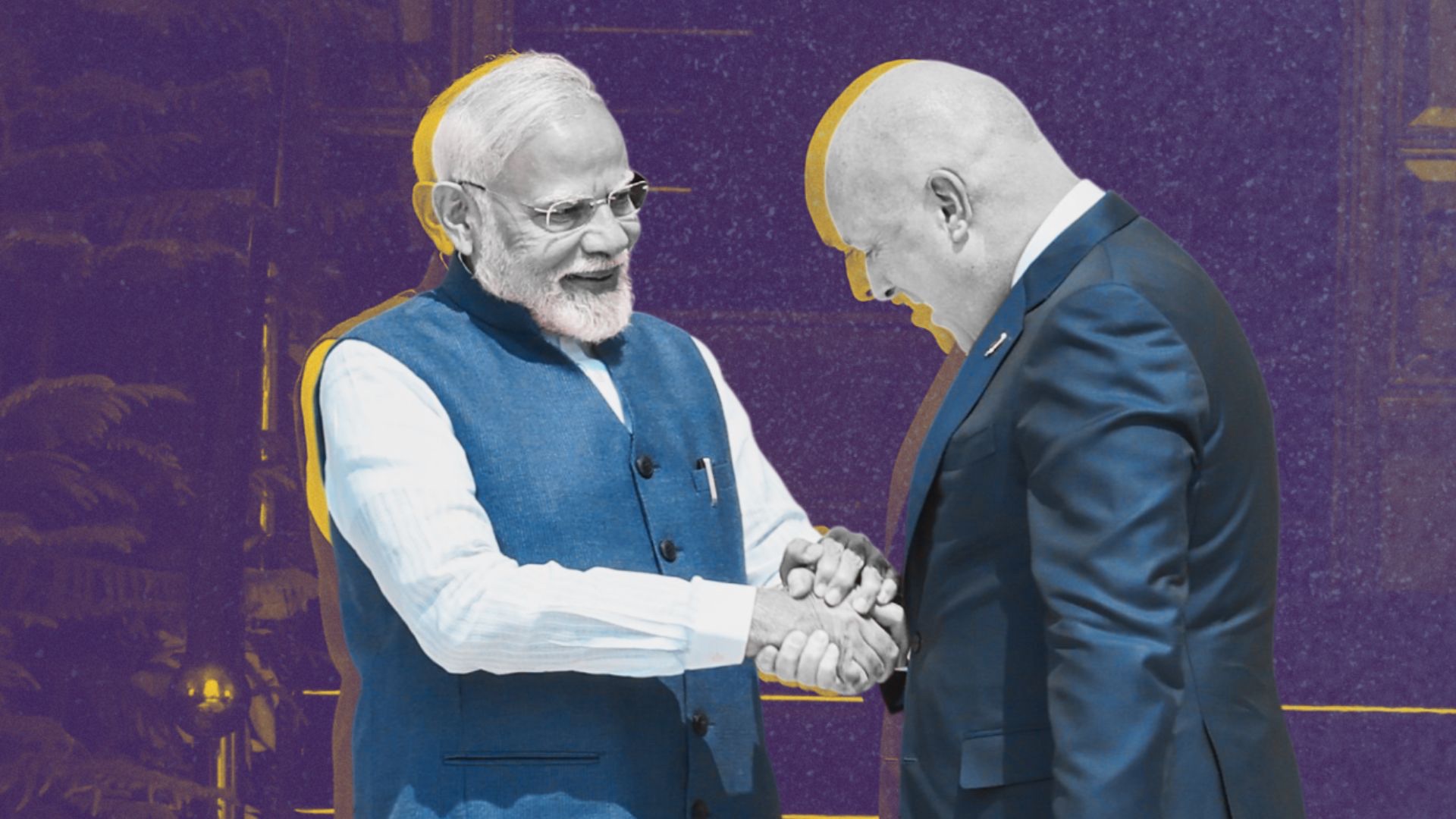
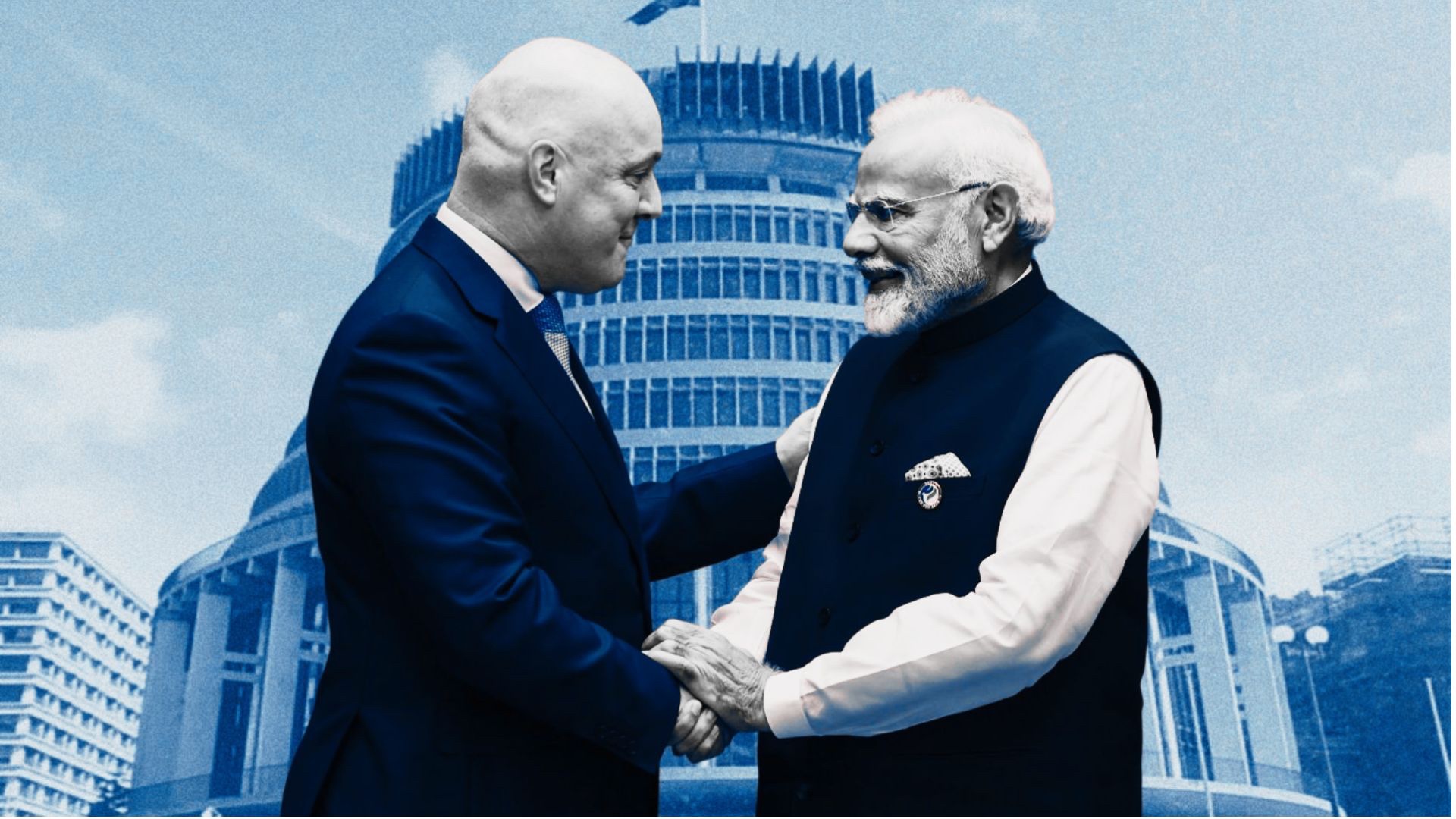
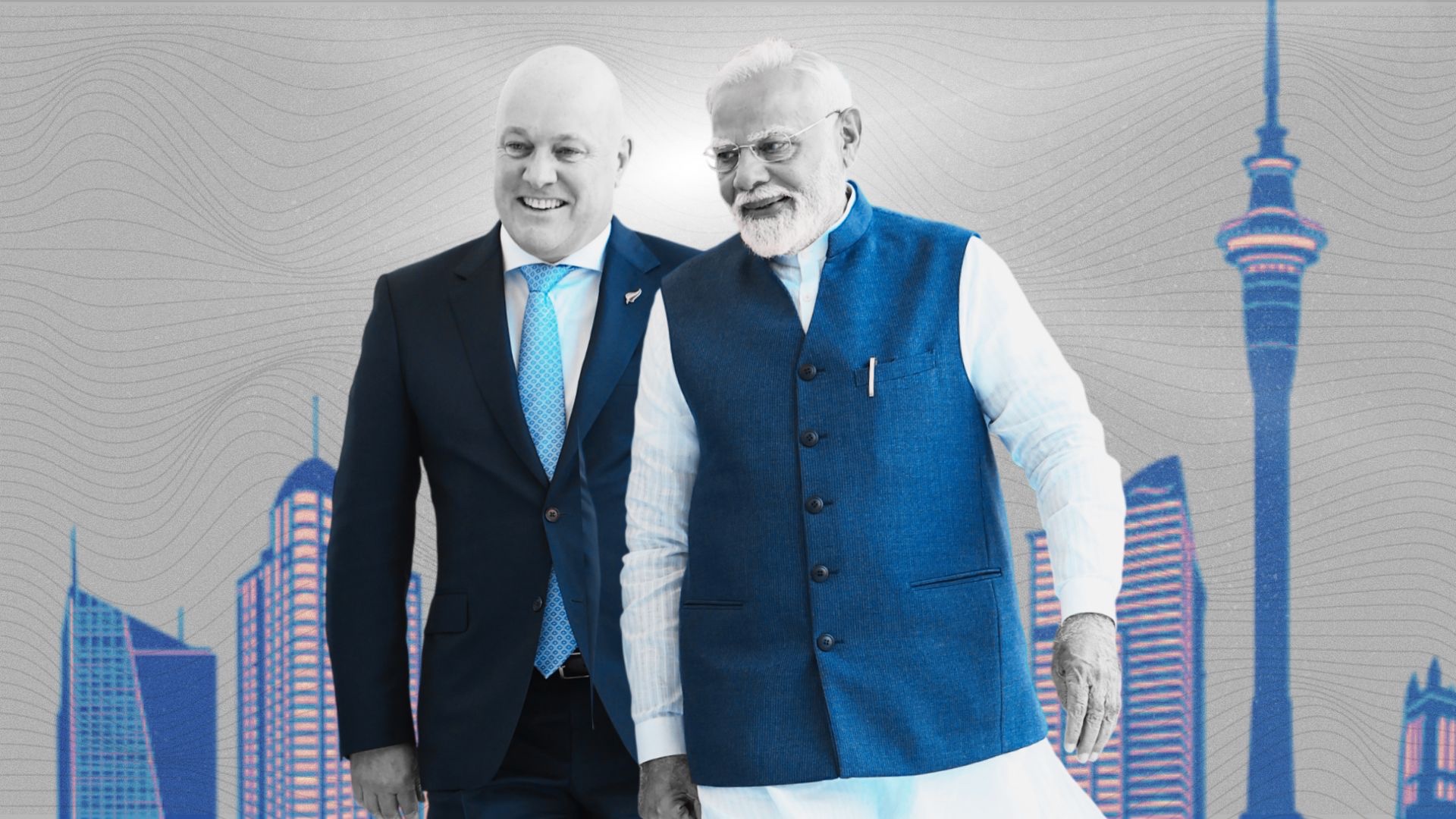
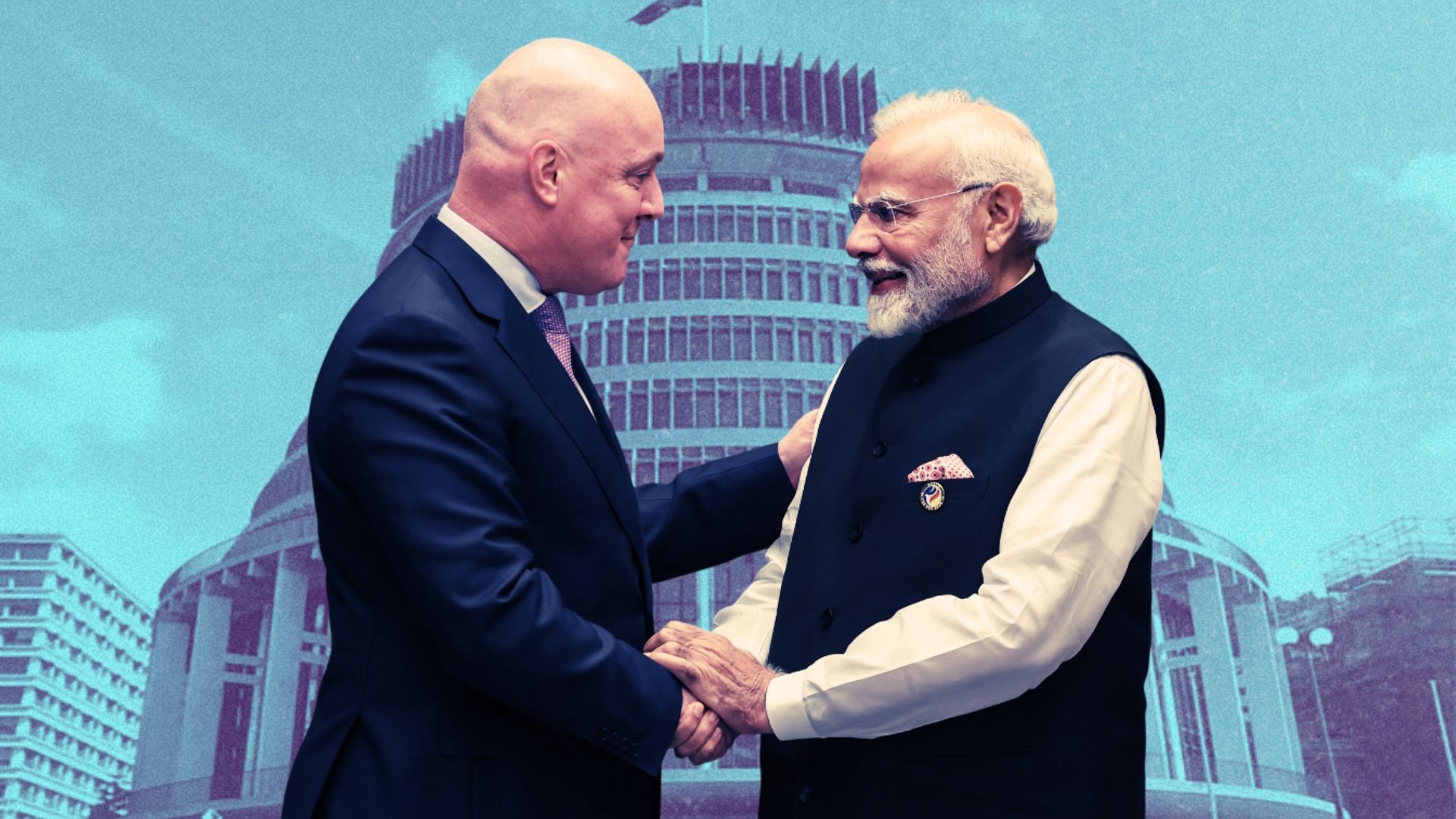
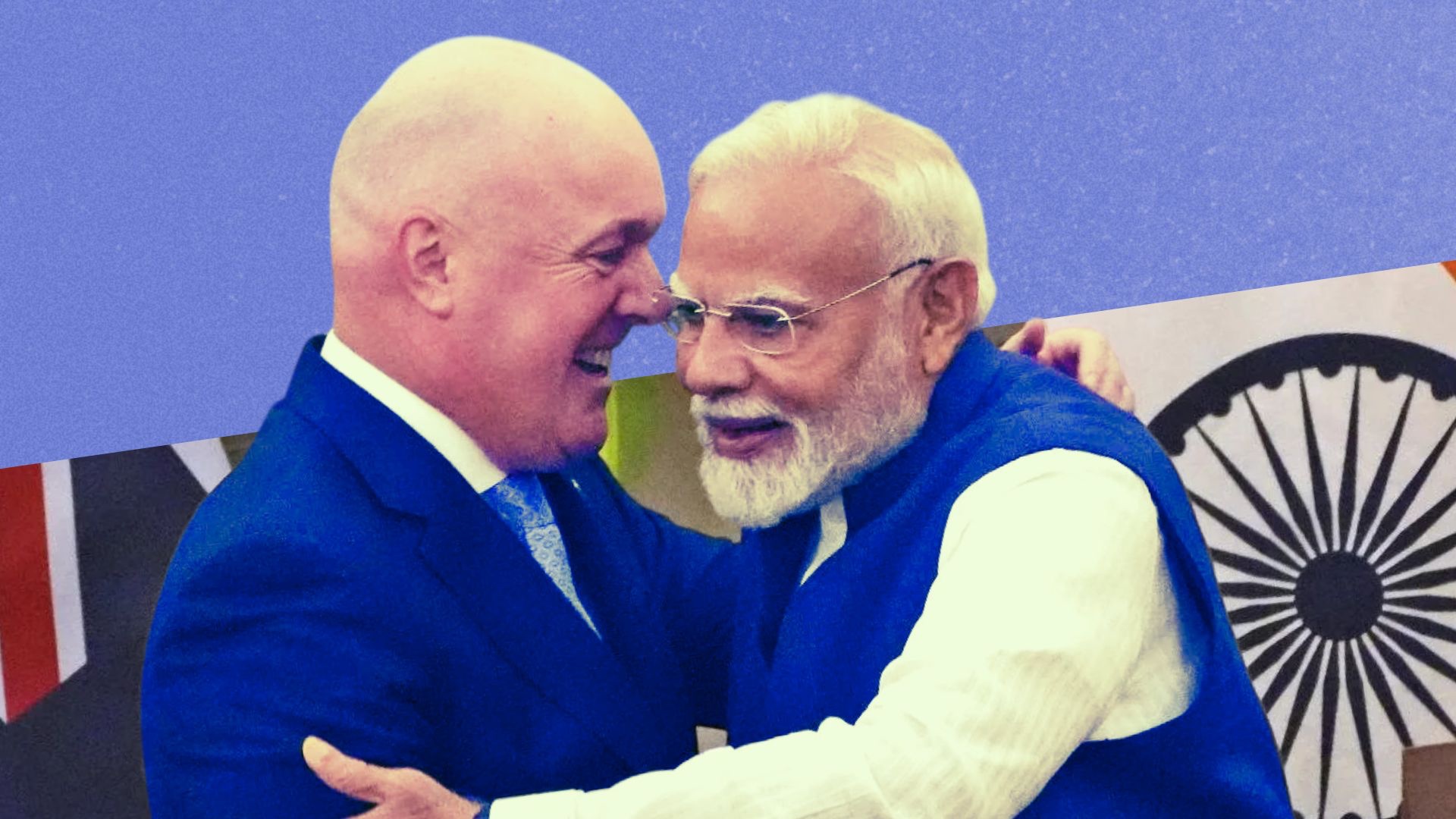
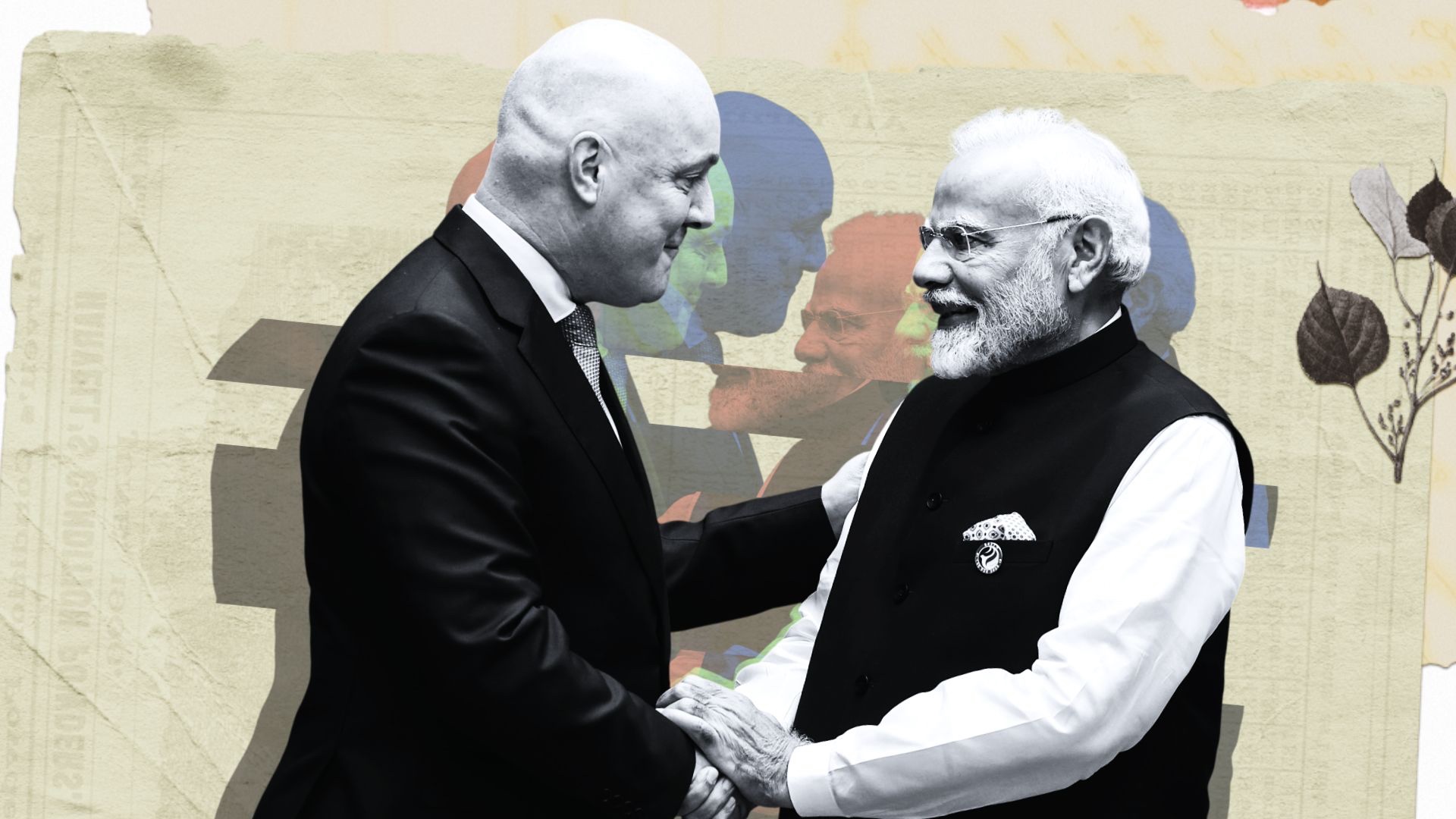
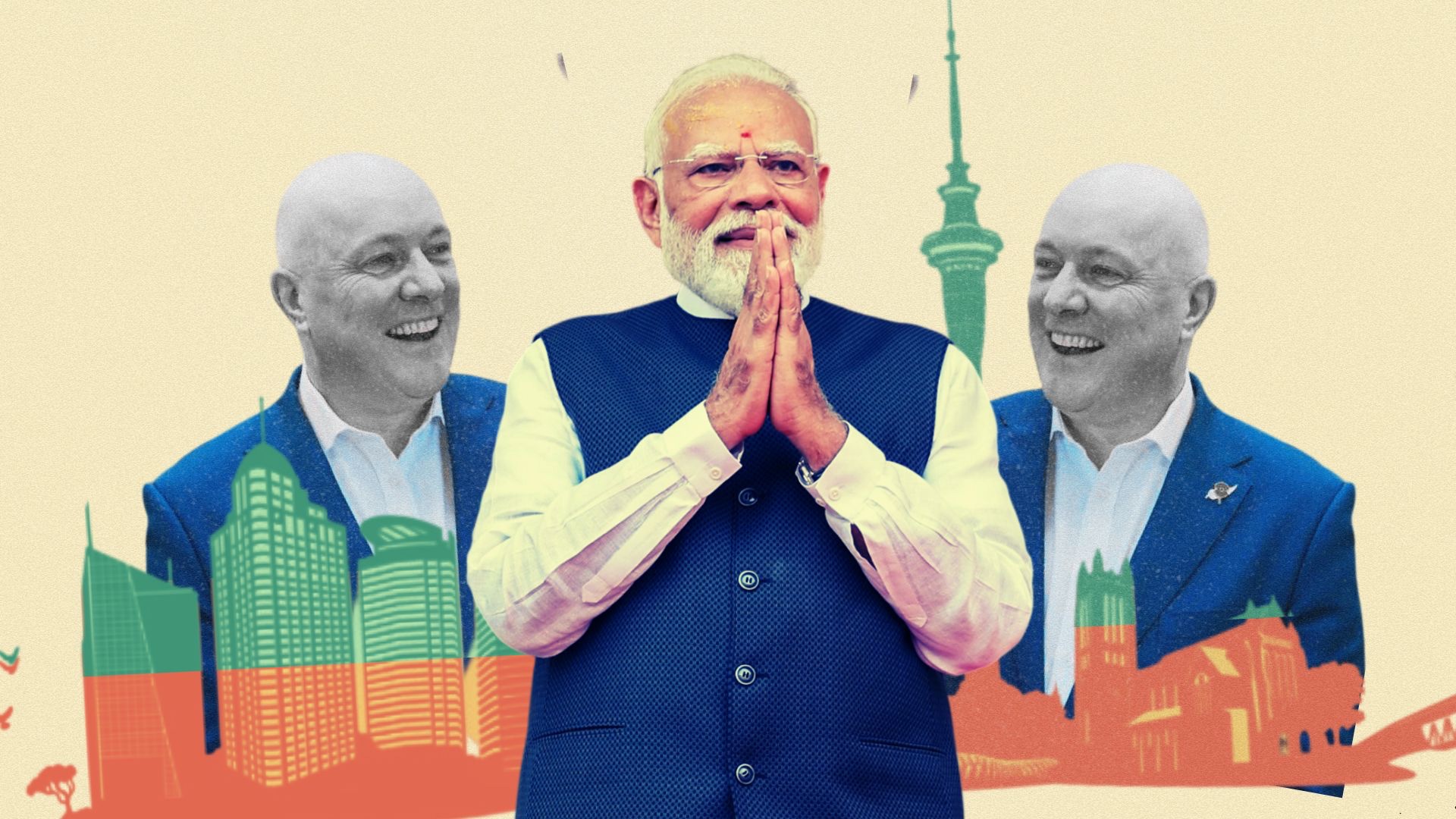
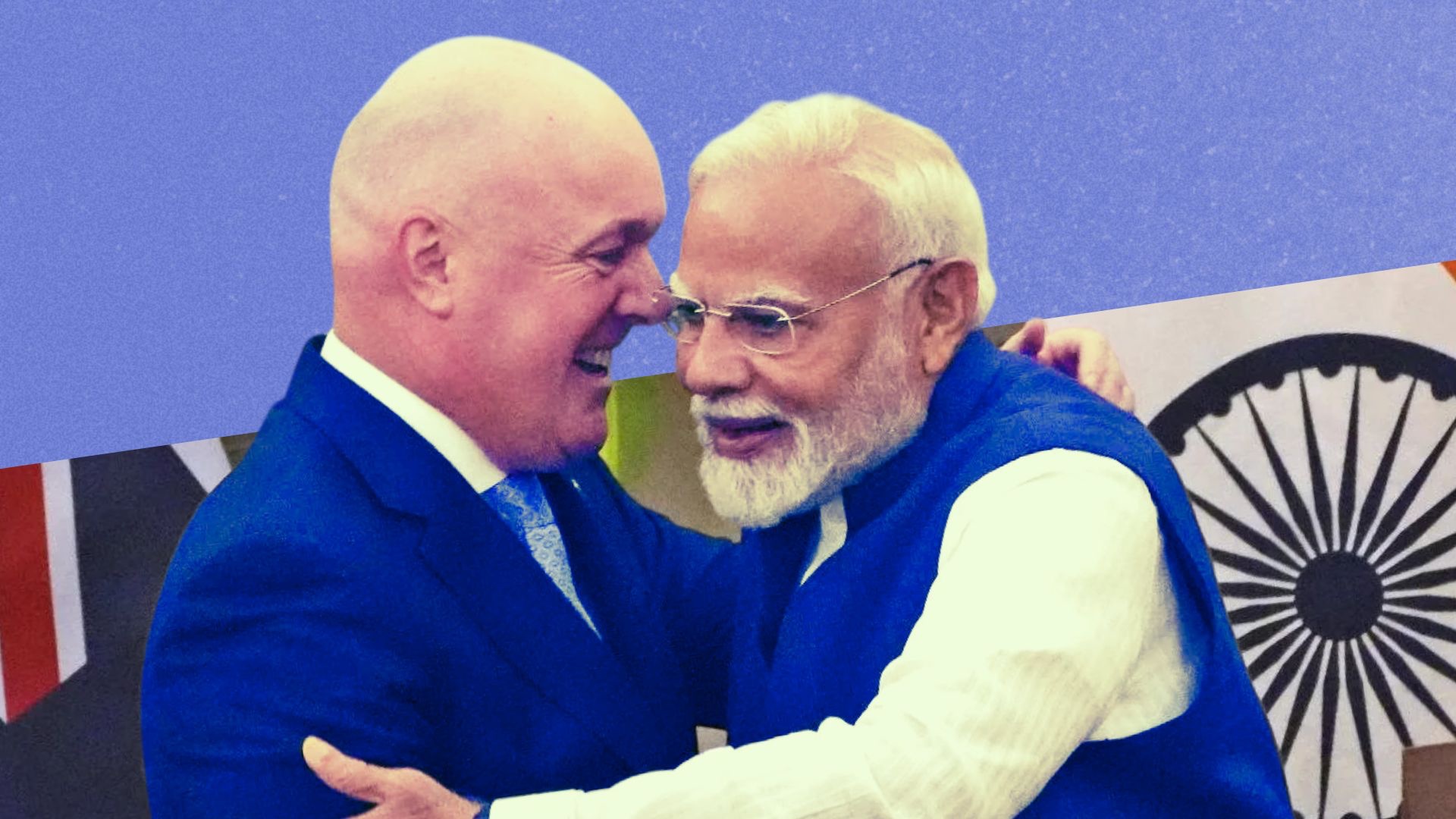
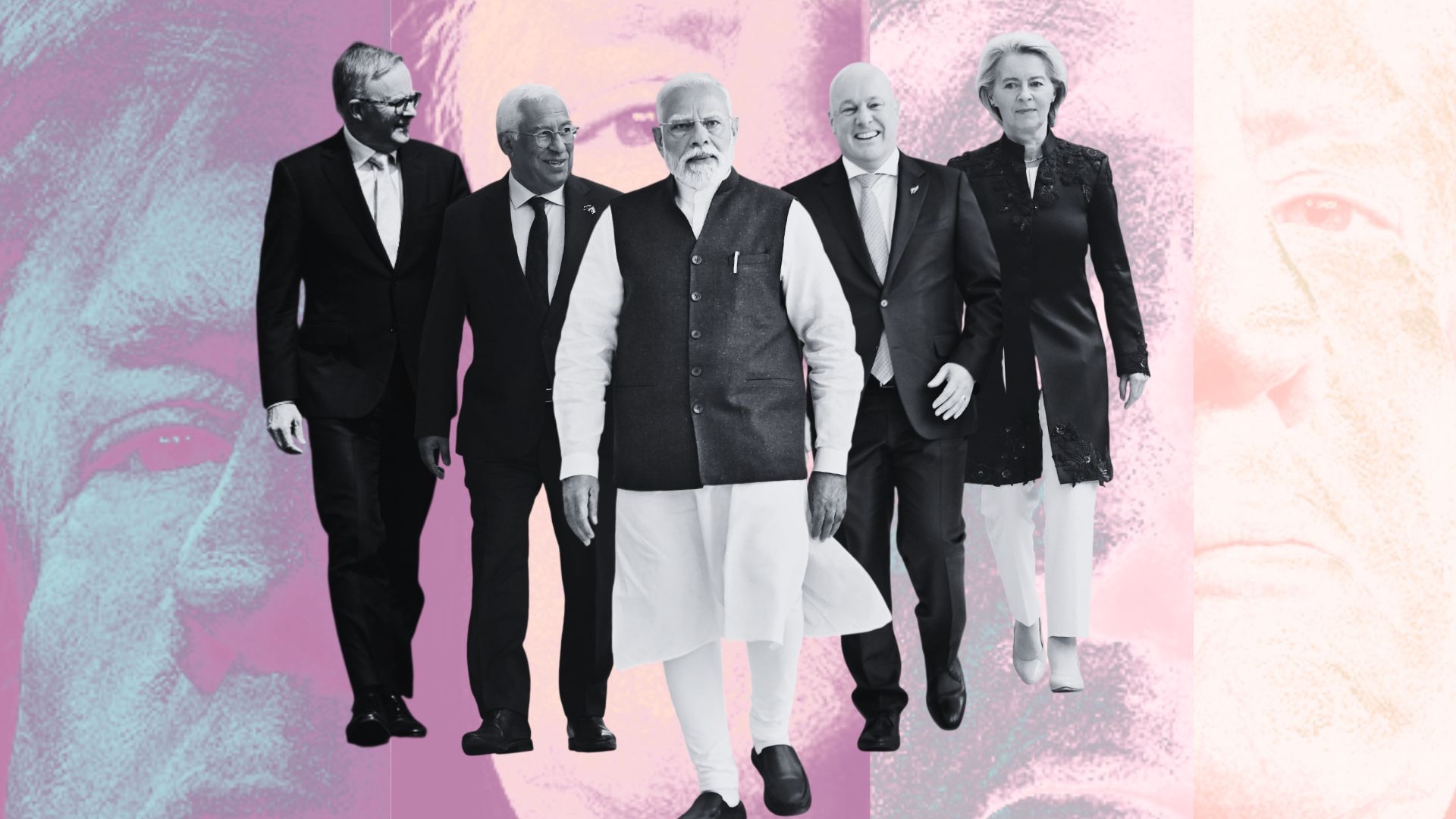
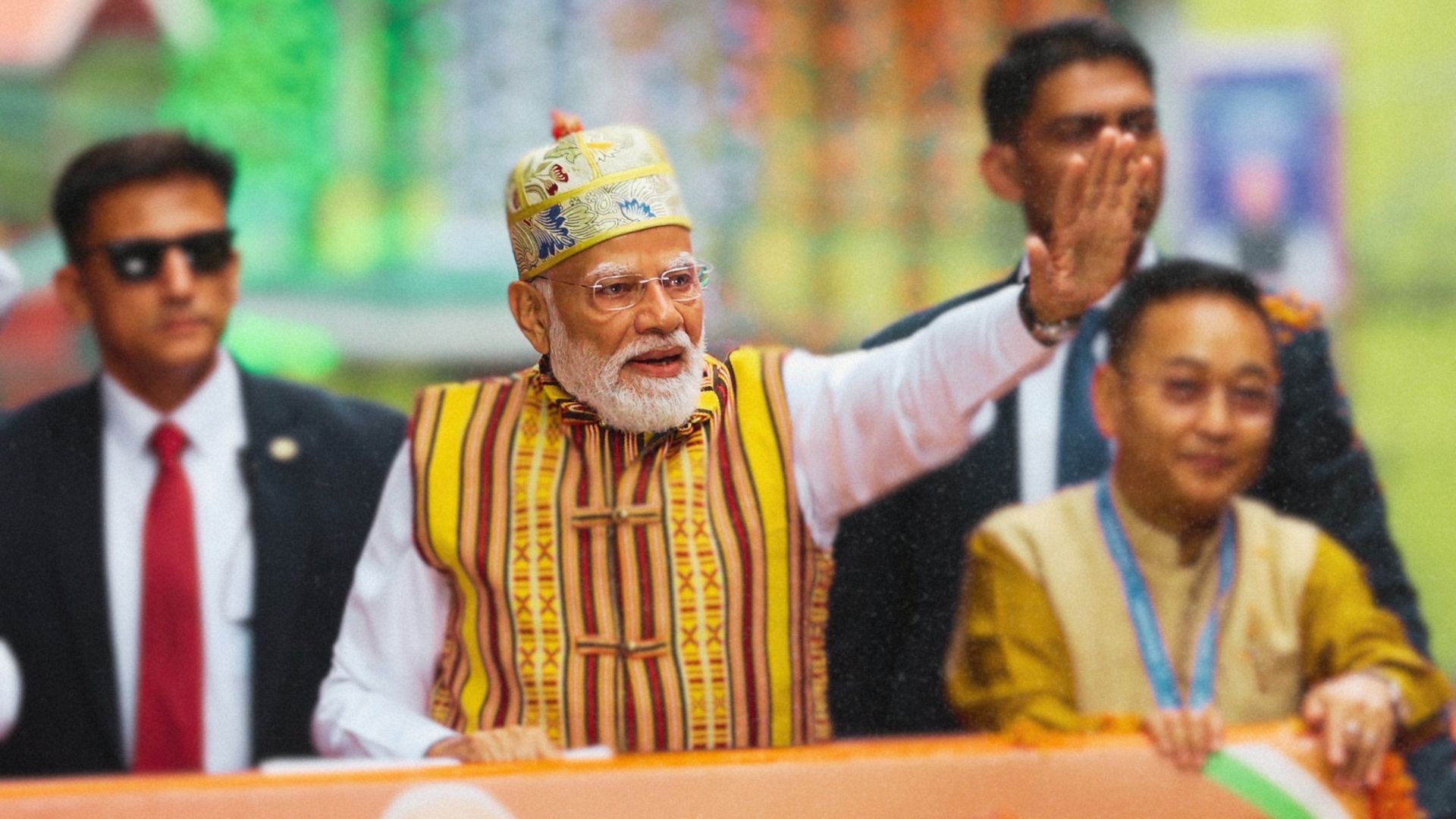
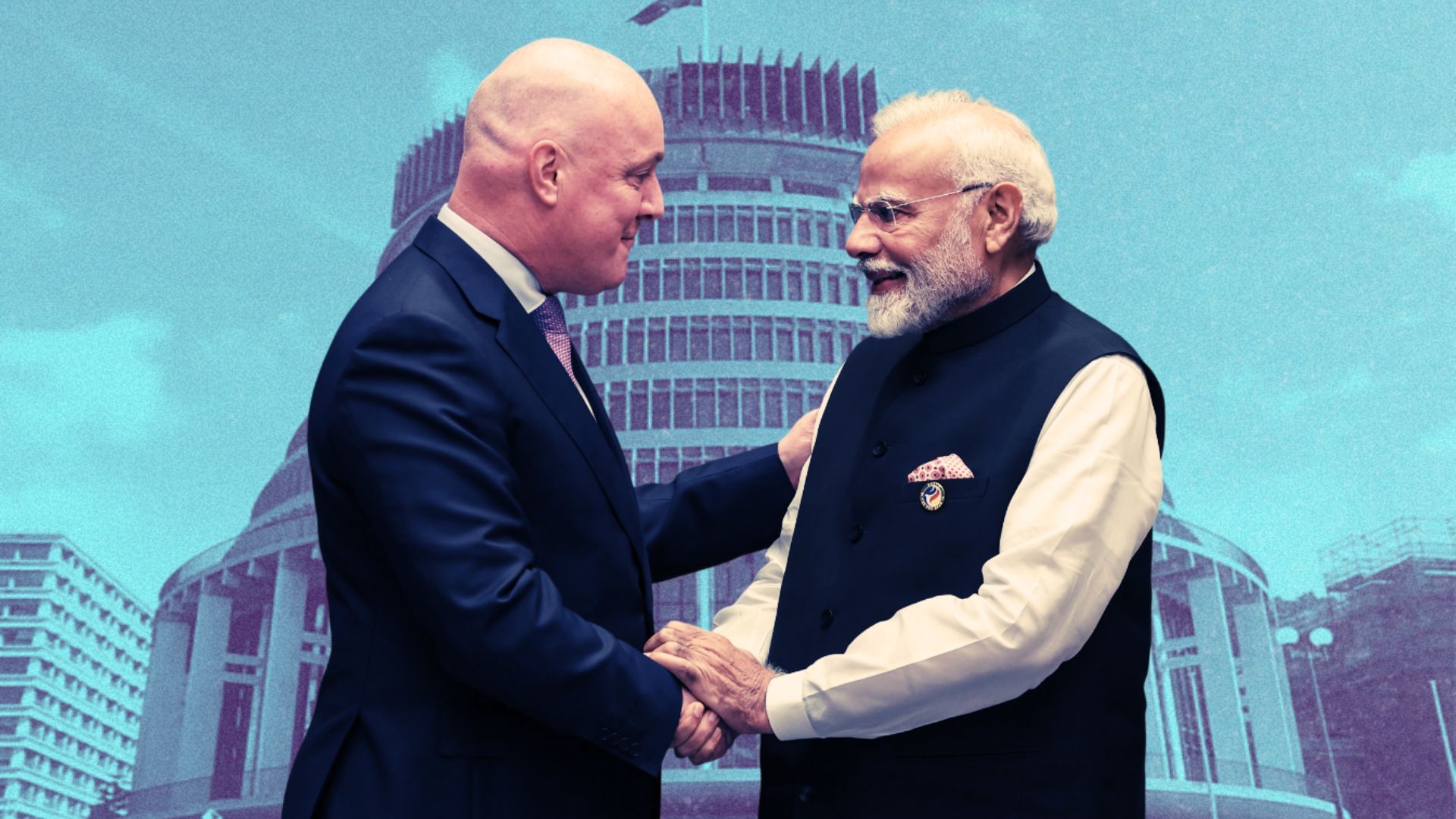
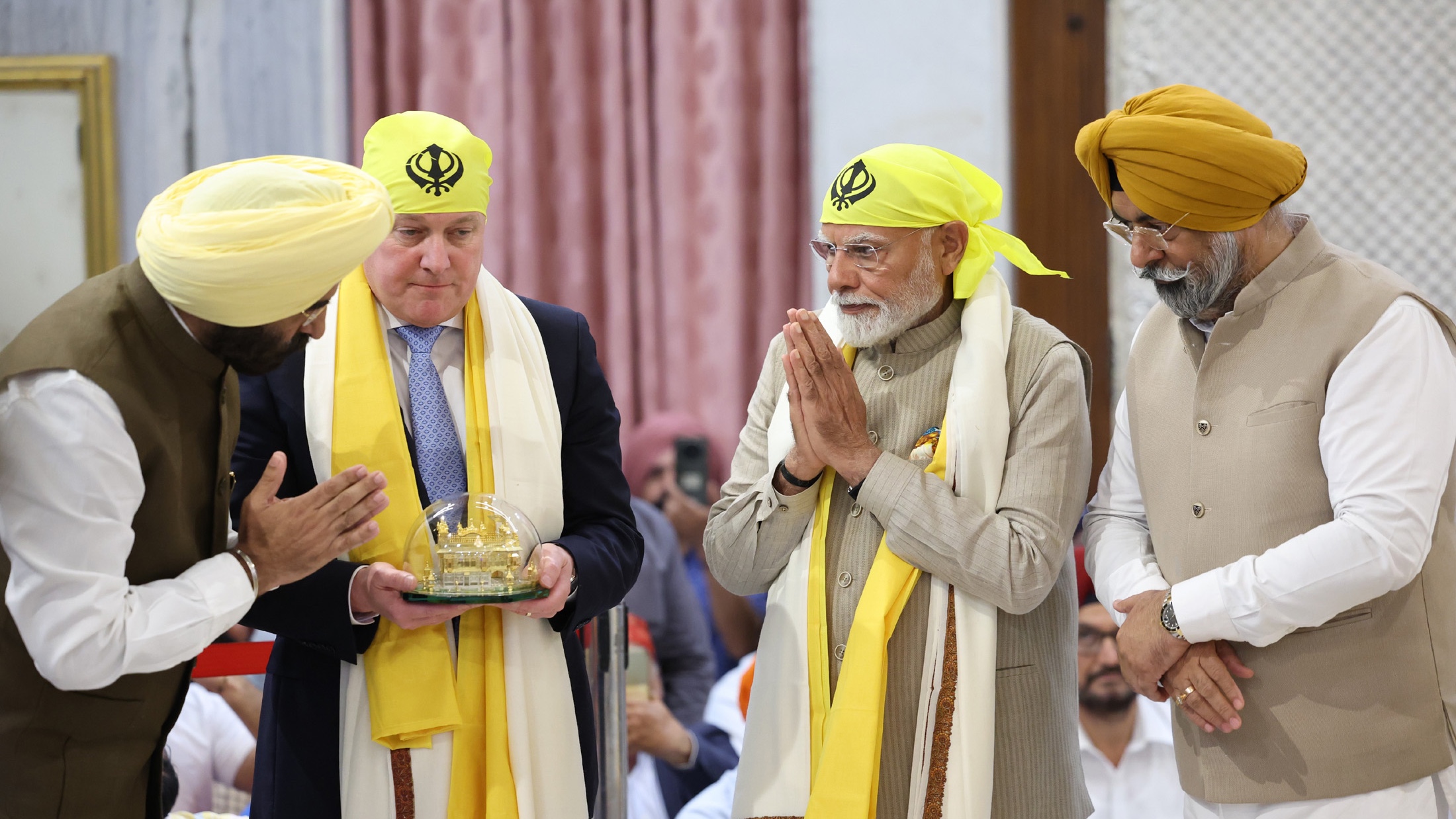
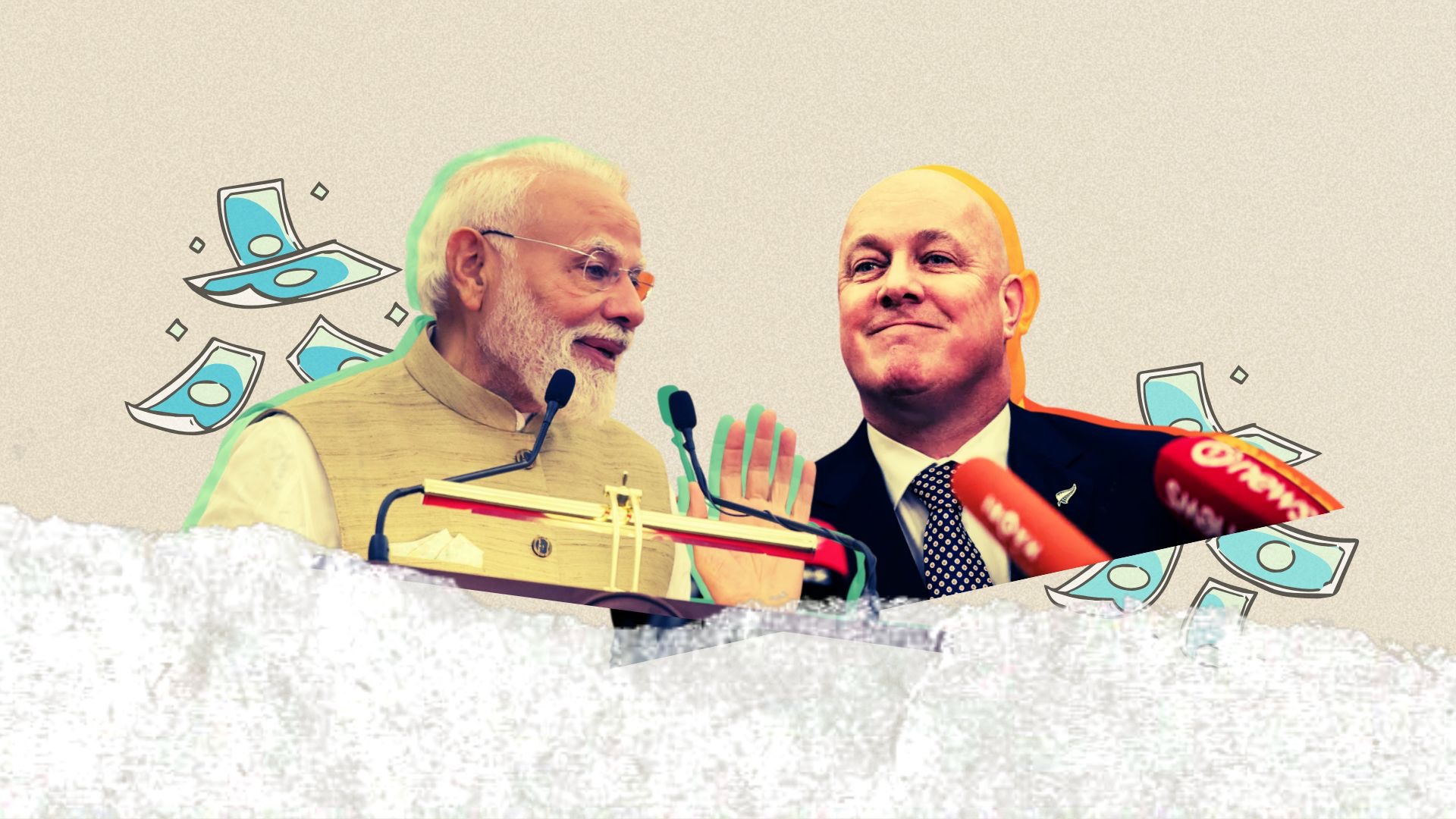
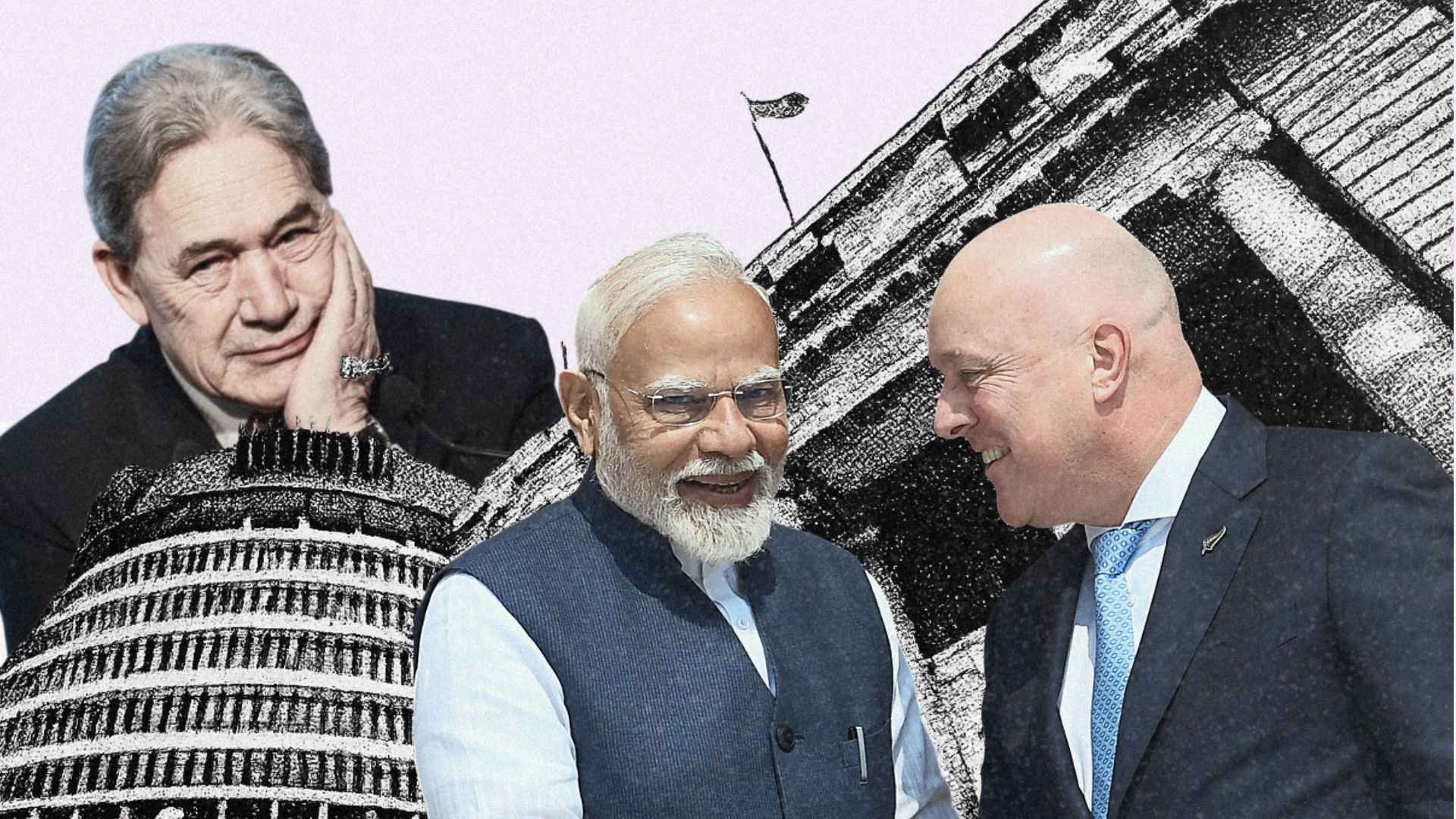
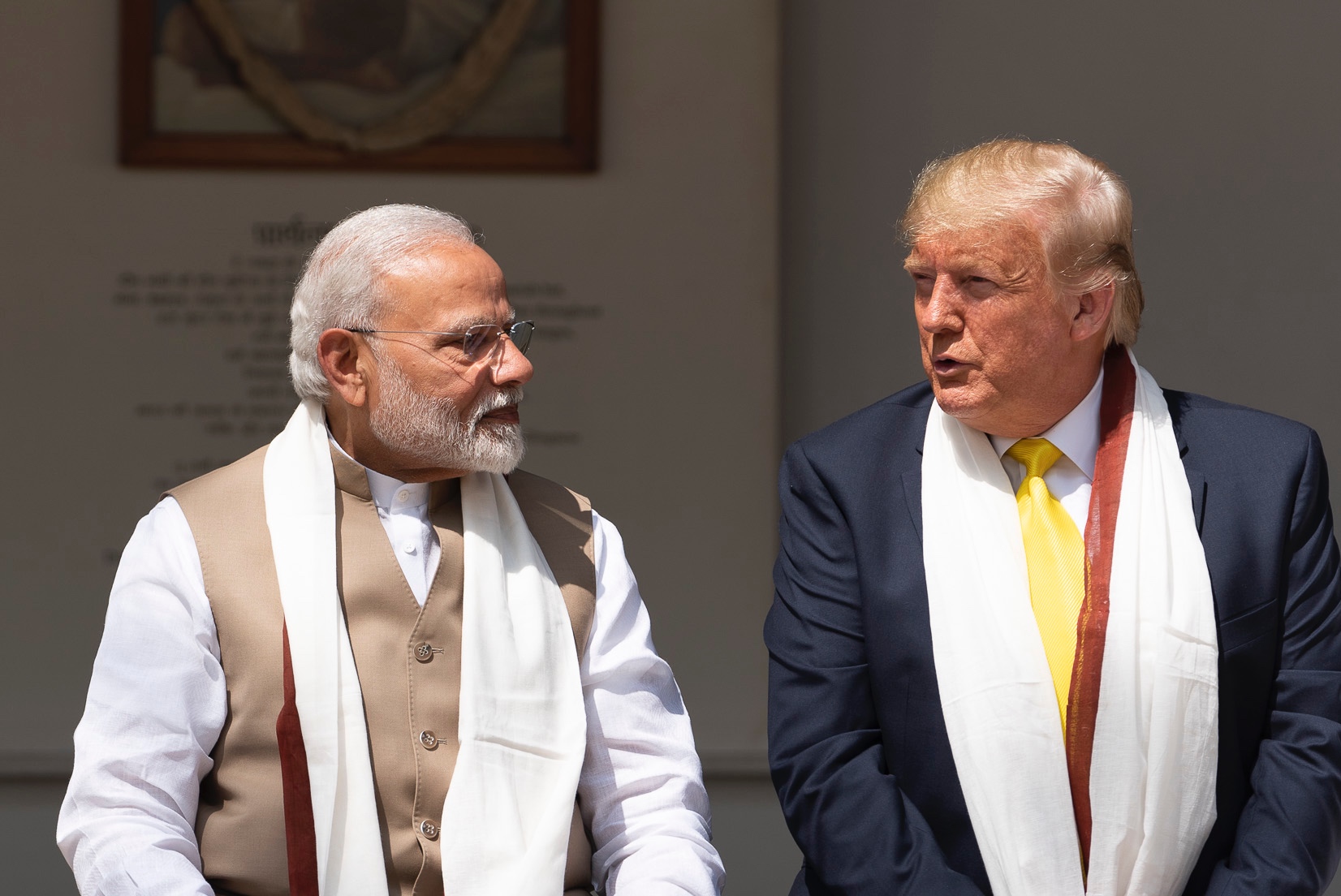
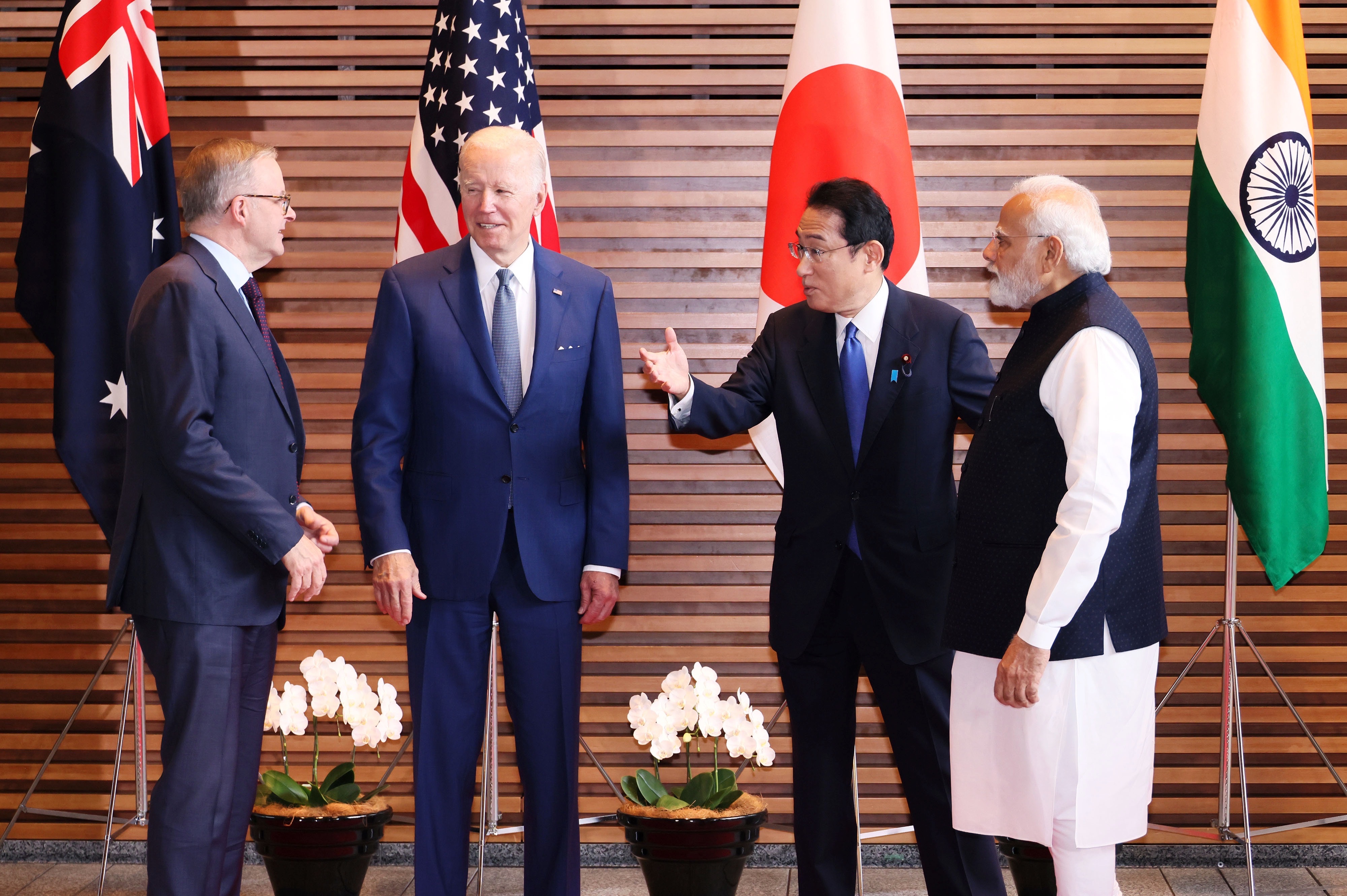
His statements, delivered with theatrical aggression, seek to inflame passions at a time when the world is in dire need of sobriety and understanding, and at a time when the New Zealand government and various communities are preparing to welcome India’s Prime Minister Narendra Modi, indubitably one of the most respected leaders of the world.

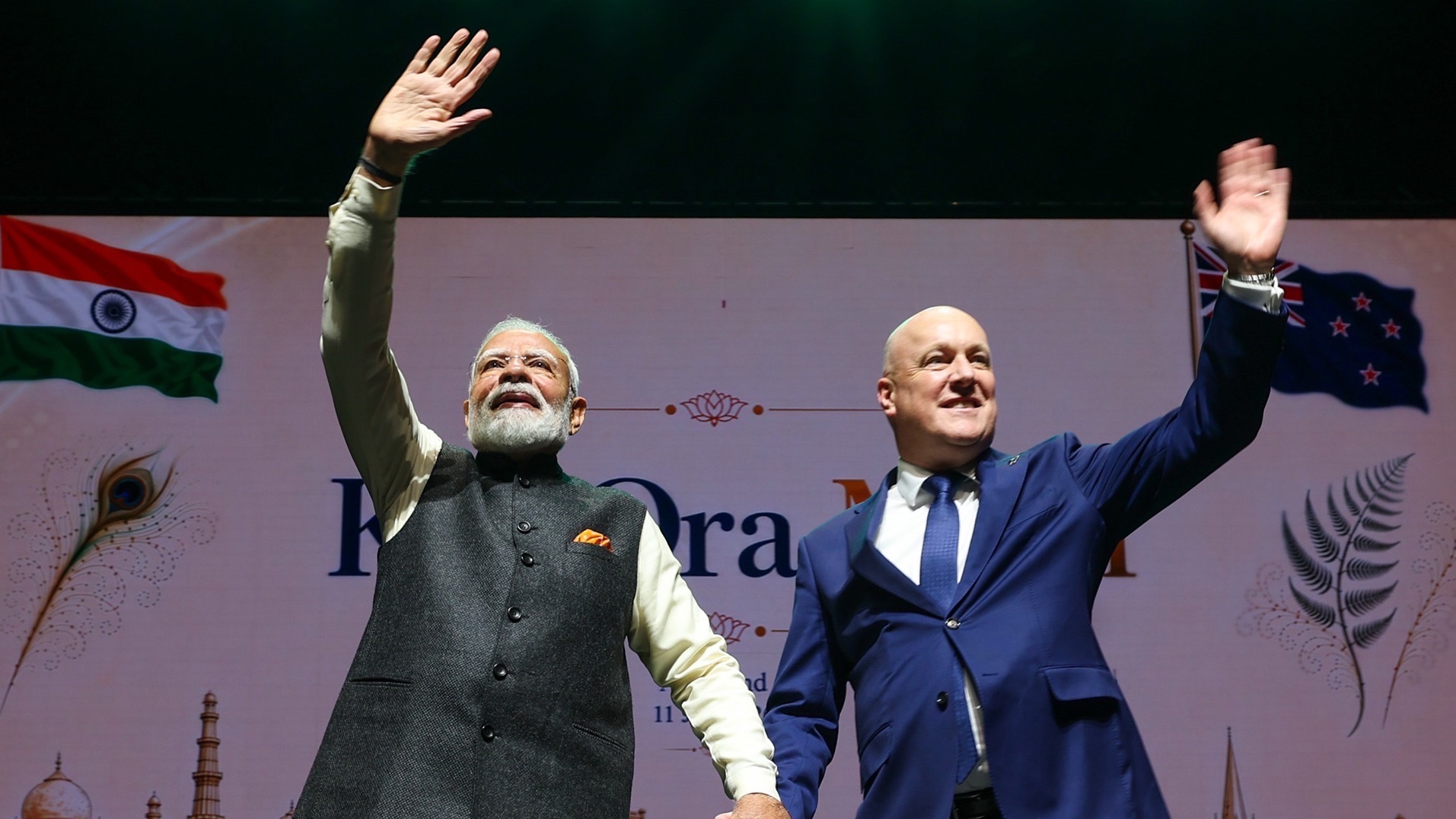
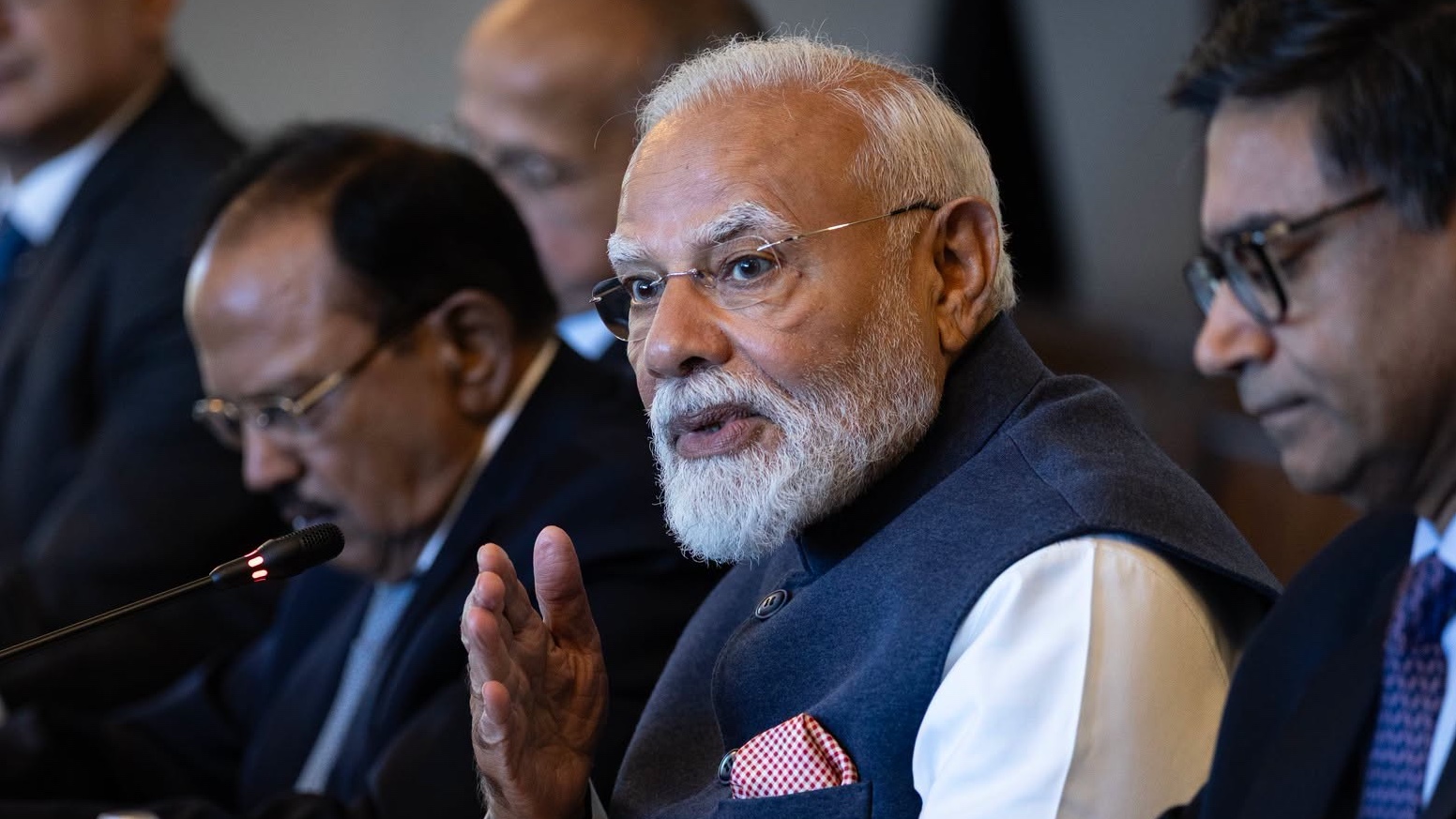
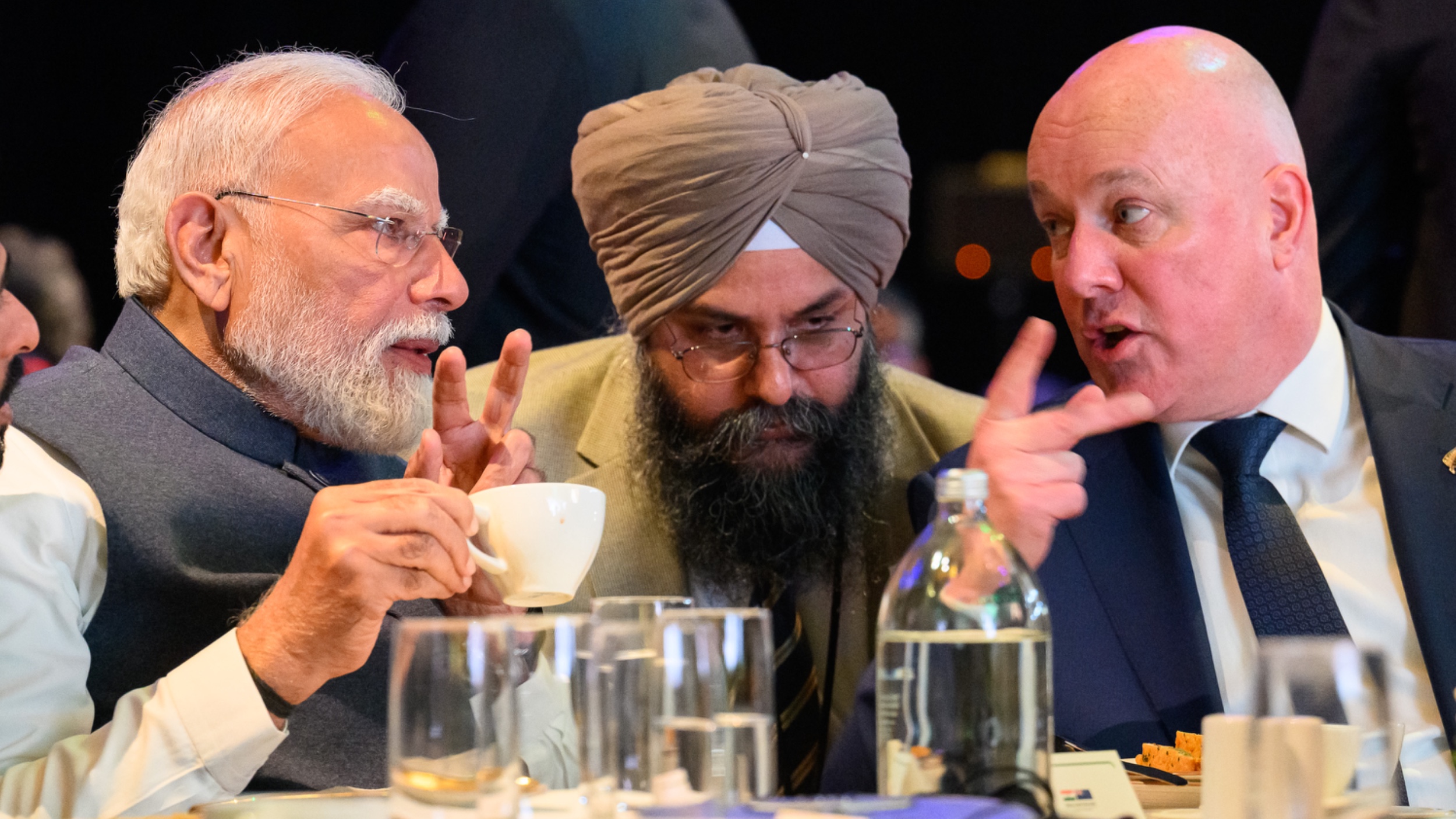
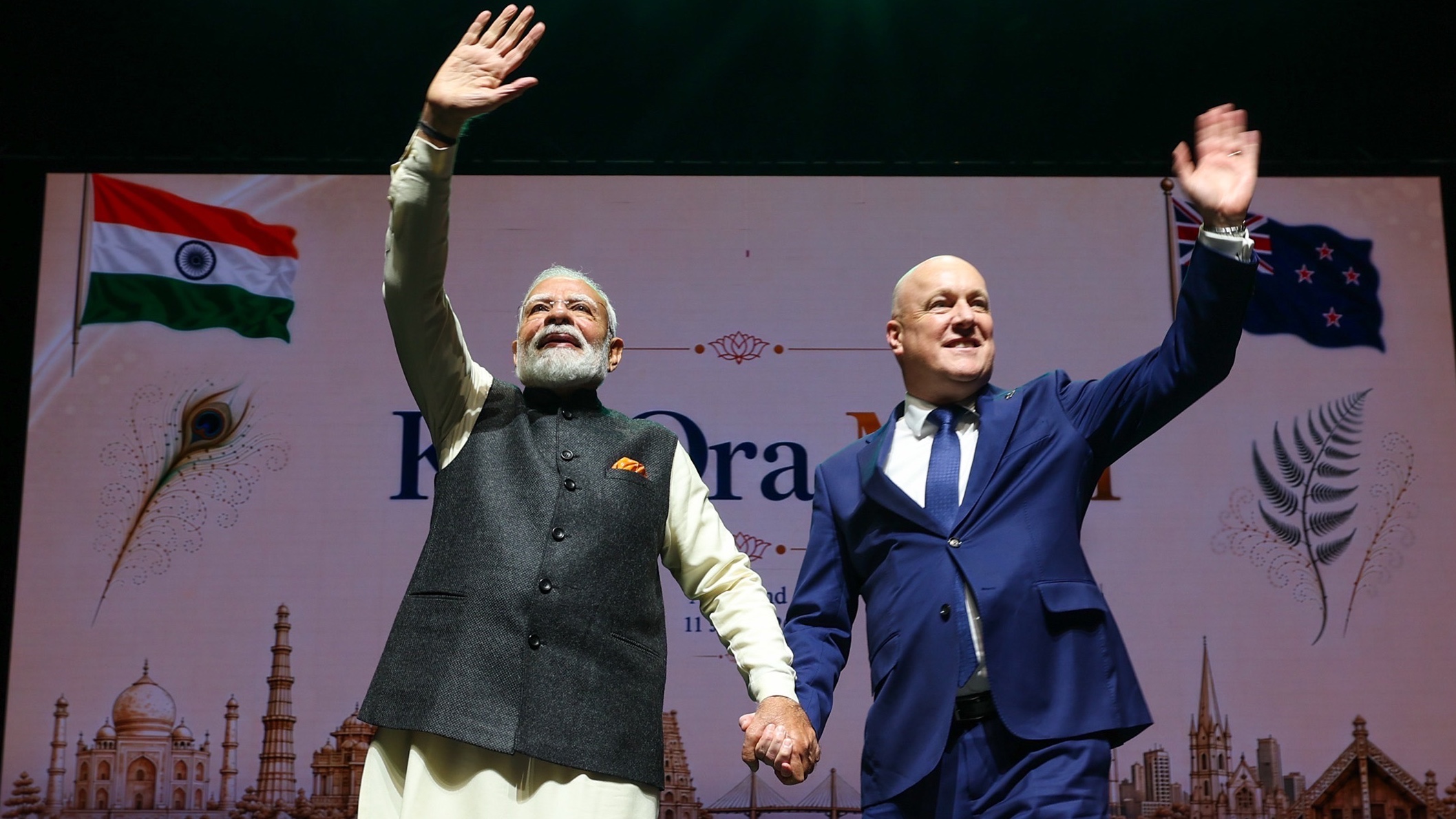
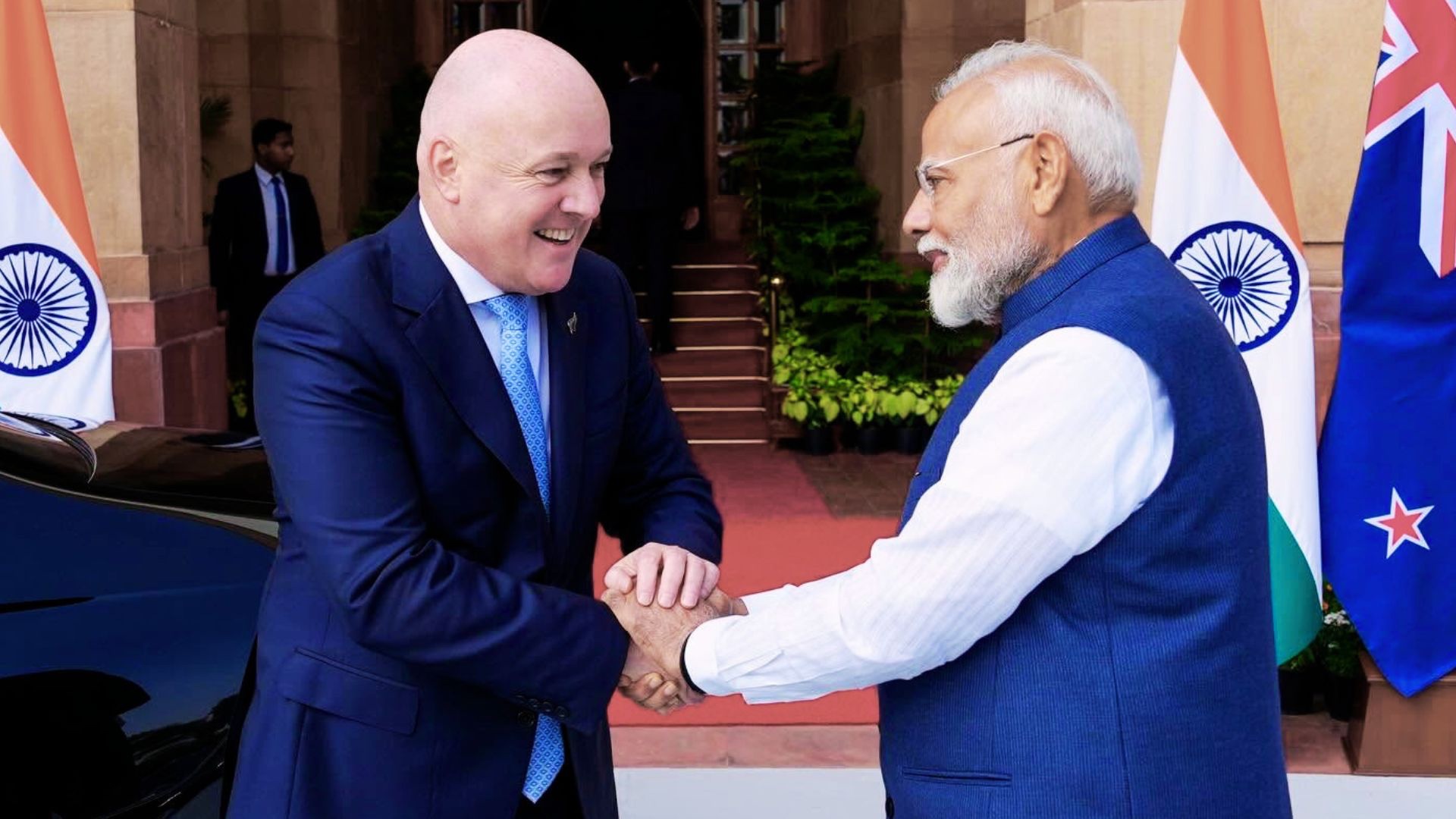
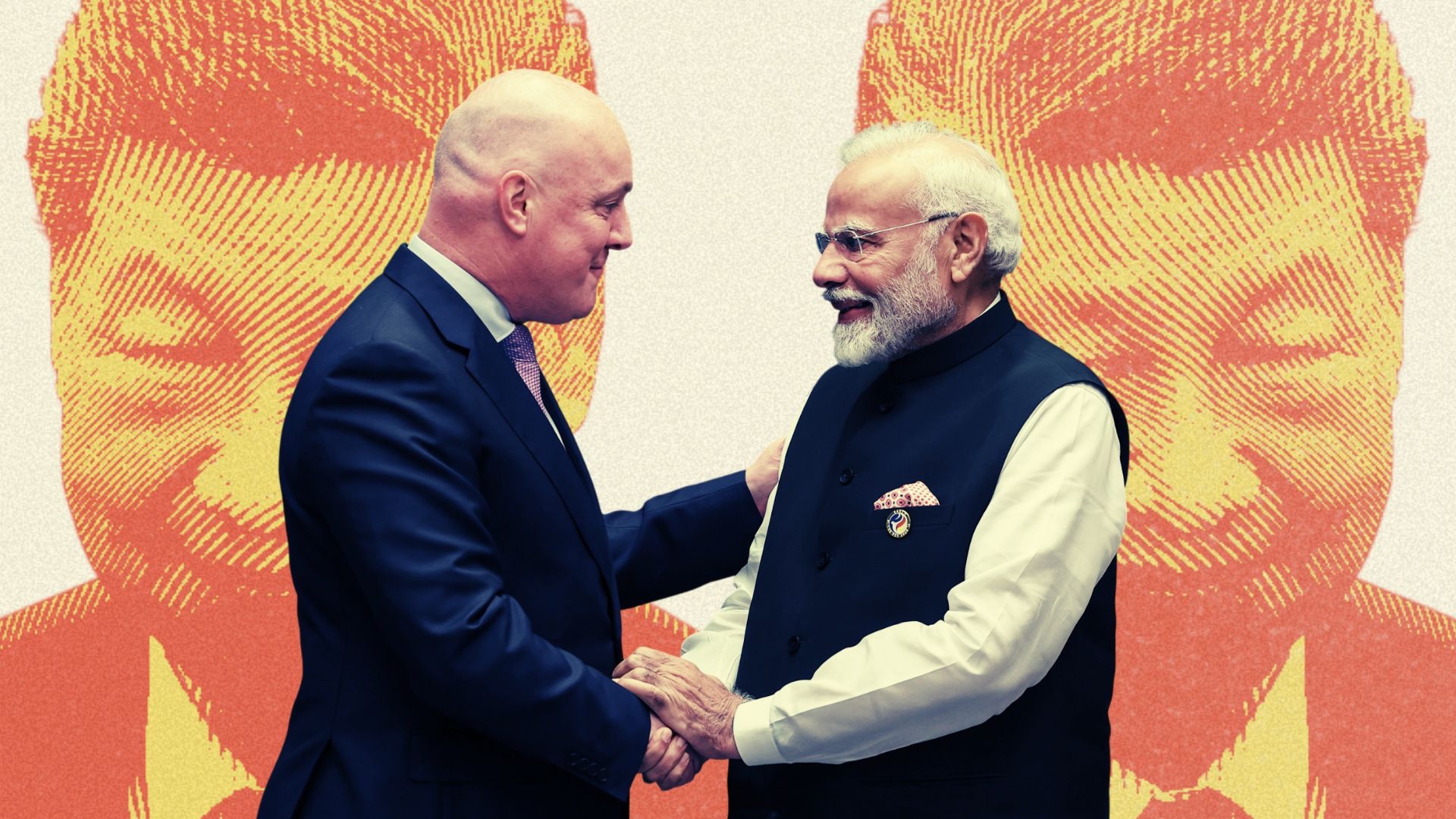
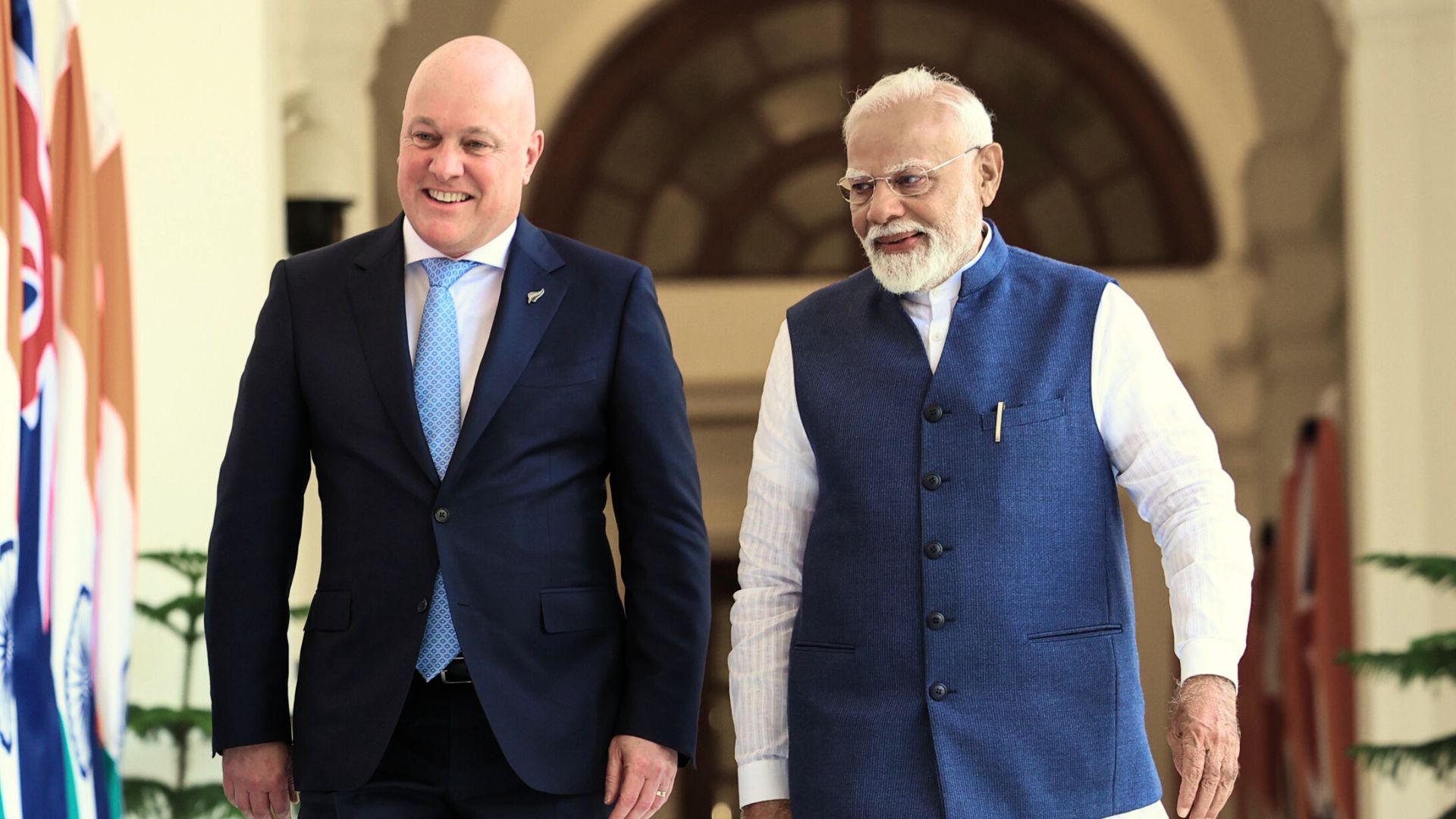
Mr Modi is due in Auckland for a day over the next three weeks at the invitation of Prime Minister Christopher Luxon and will engage in bilateral talks and meet the country’s leaders.
Christianity in India since 52 AD
South Asian diaspora raises over $200,000 for New Zealanders missing in Nepal flood "I'm so proud of the Indian community here who...supported us, saying it is not a Nepal problem but our problem."
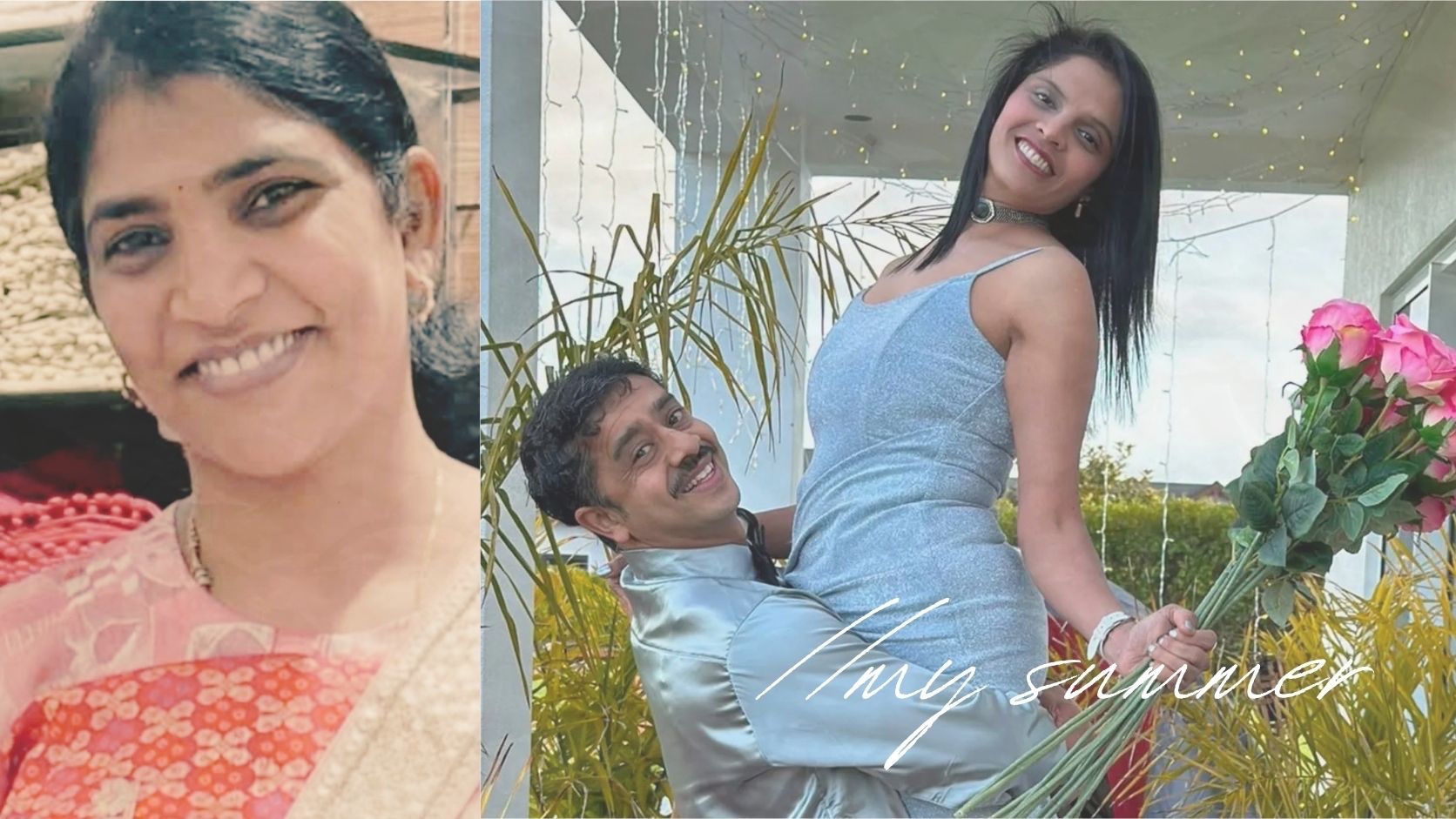
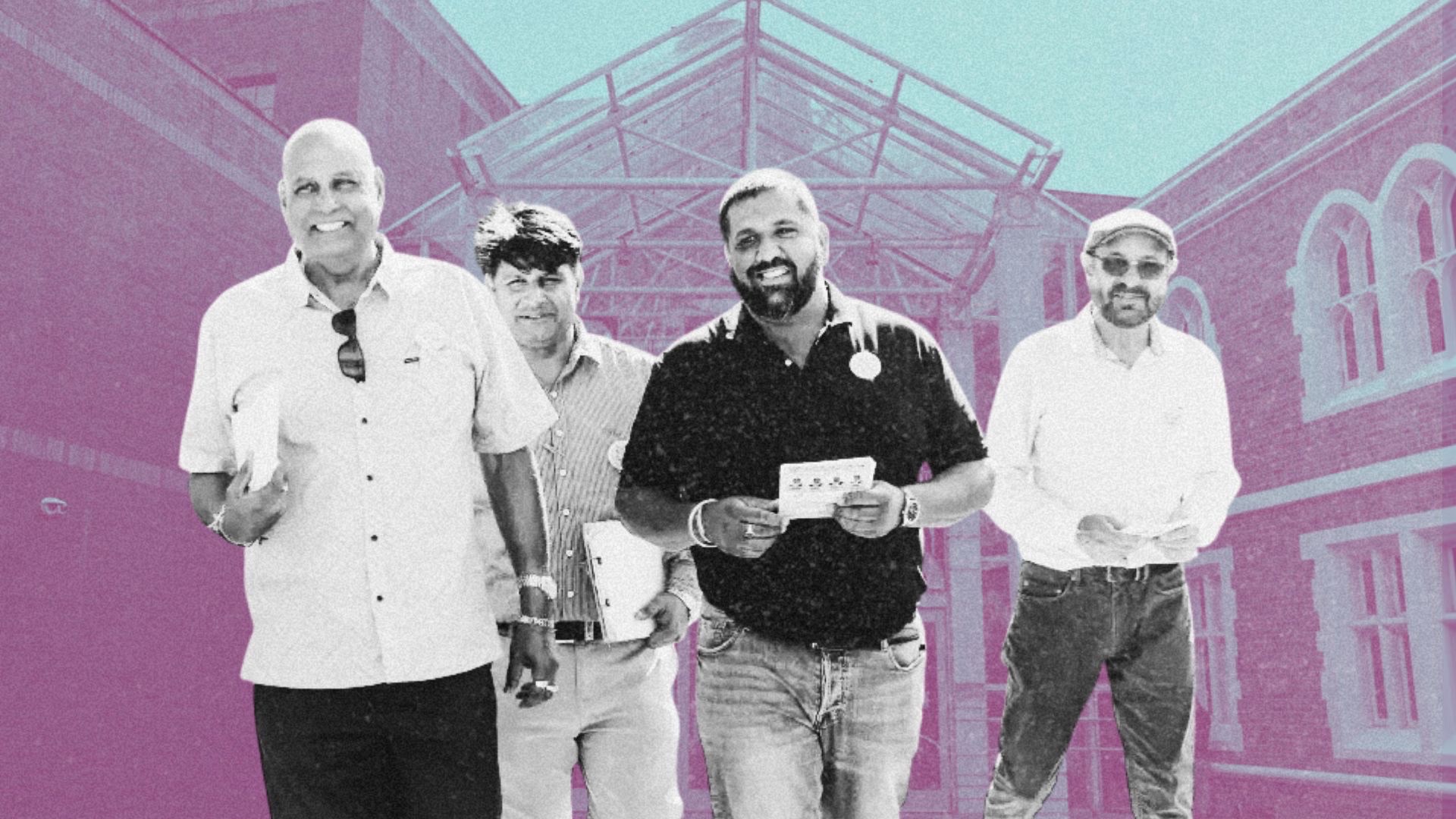
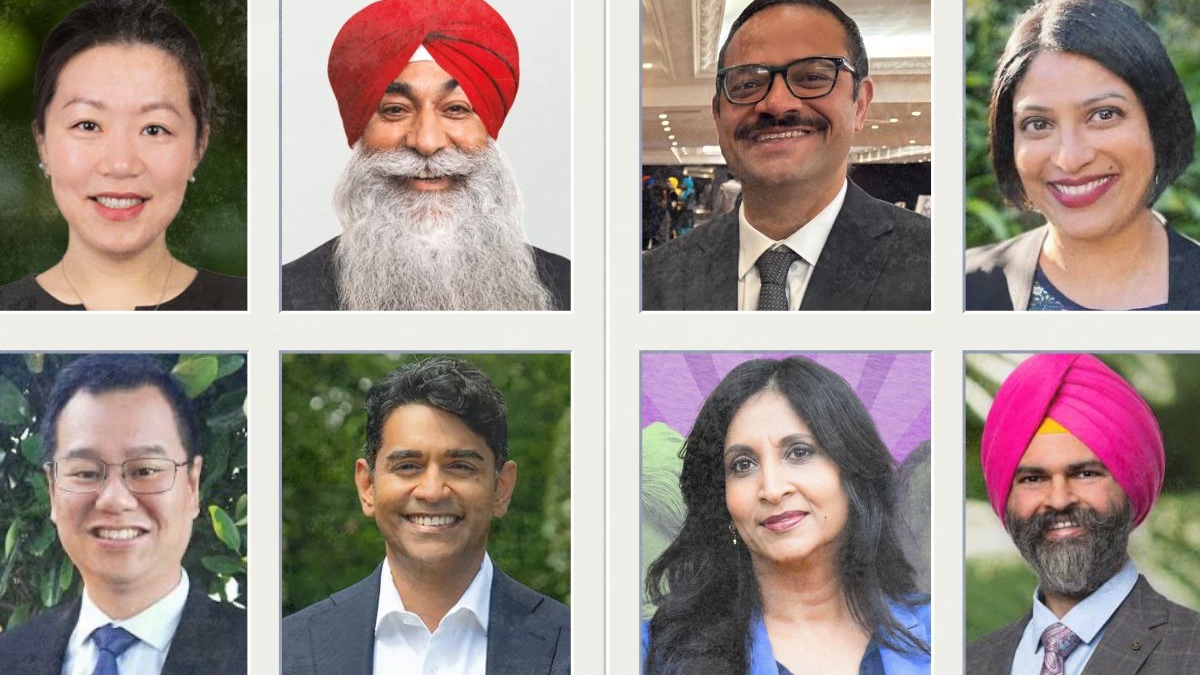
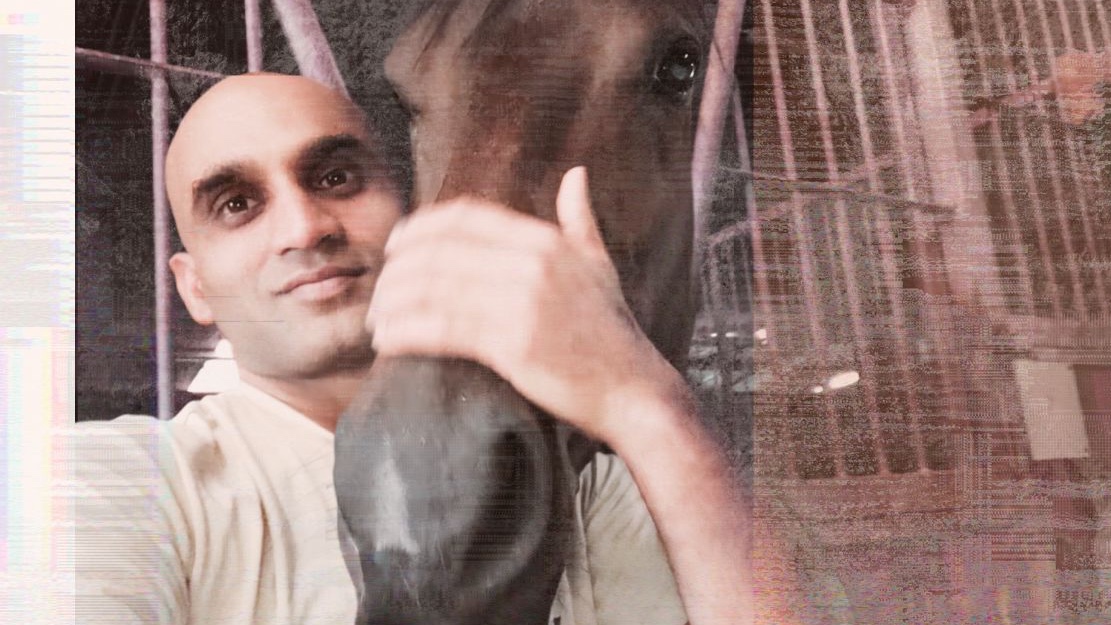
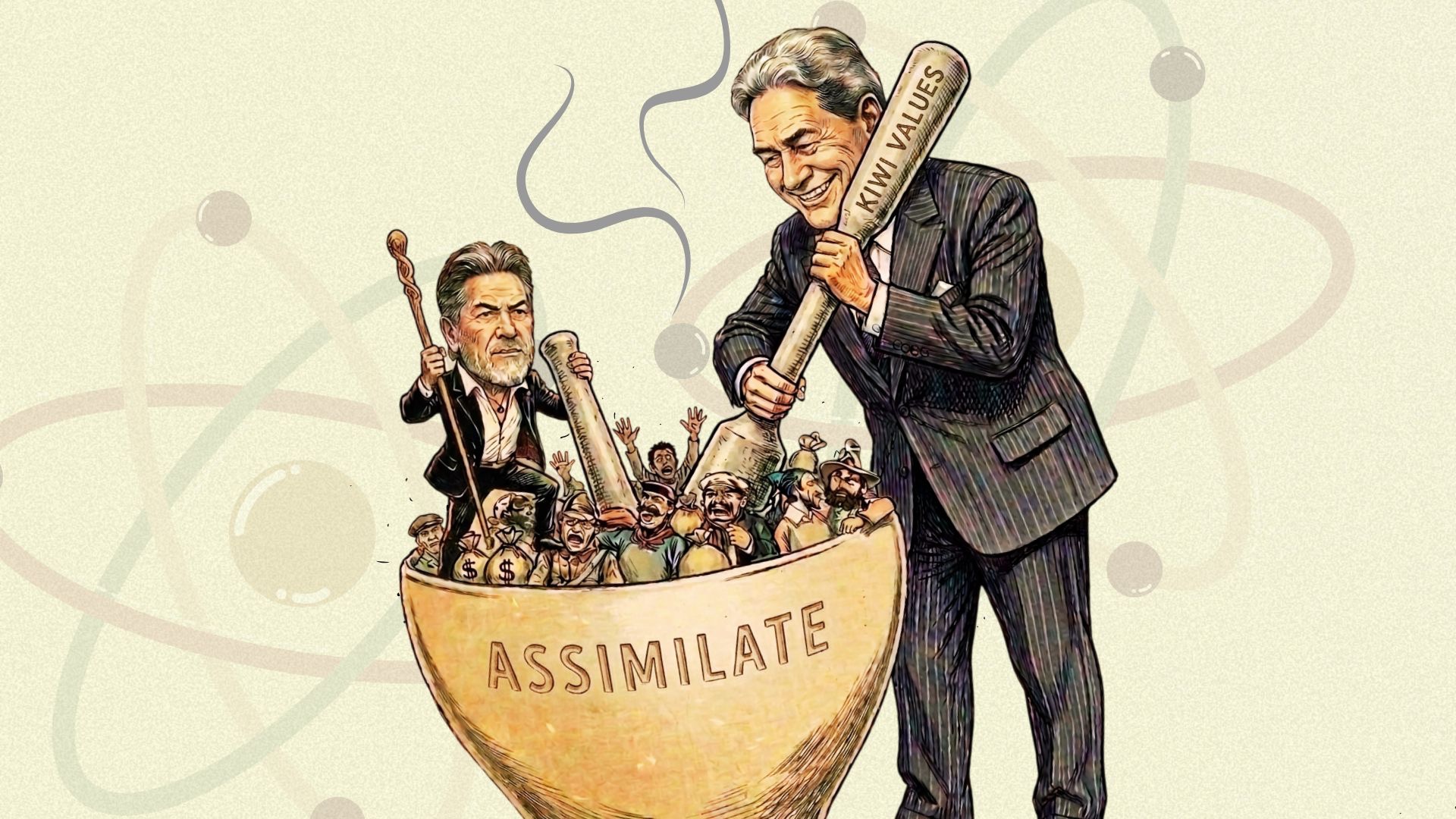
Tamakis launch Indian-origin candidate for Epsom who surrendered passport and has ‘assimilated’ “I know a whole lot of people are going to be like shocked,” says Hannah Tamaki.
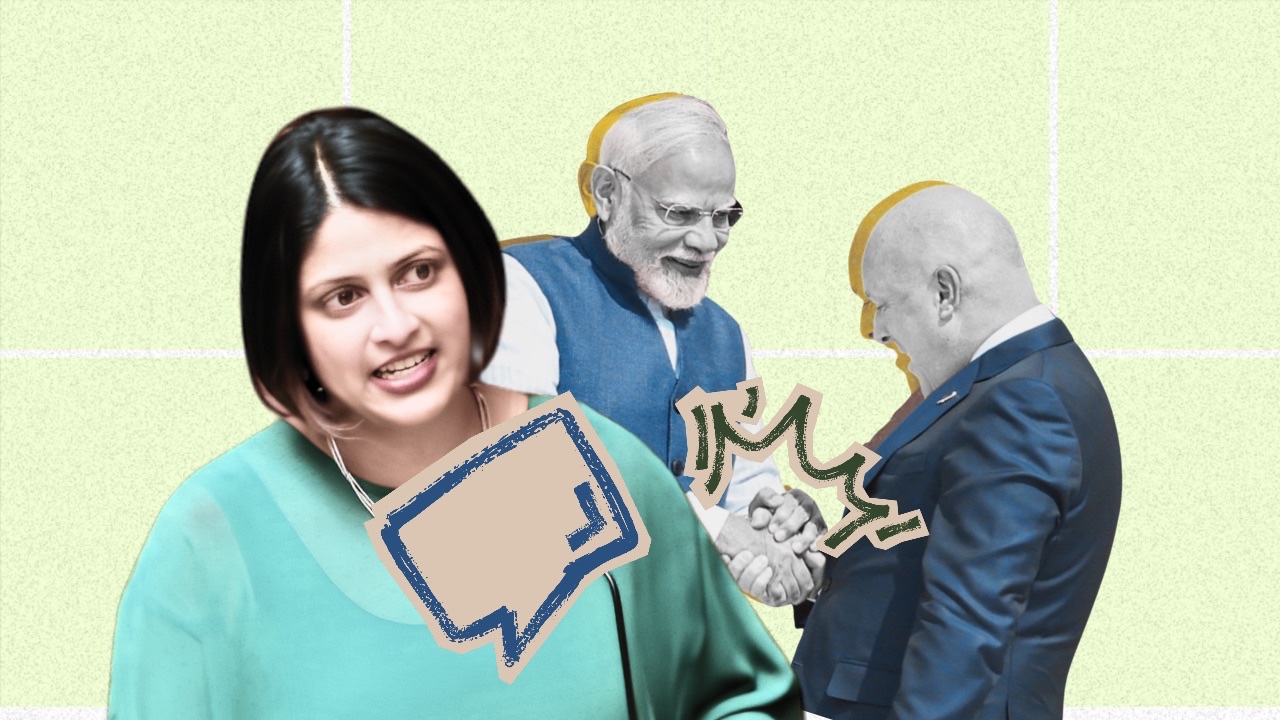
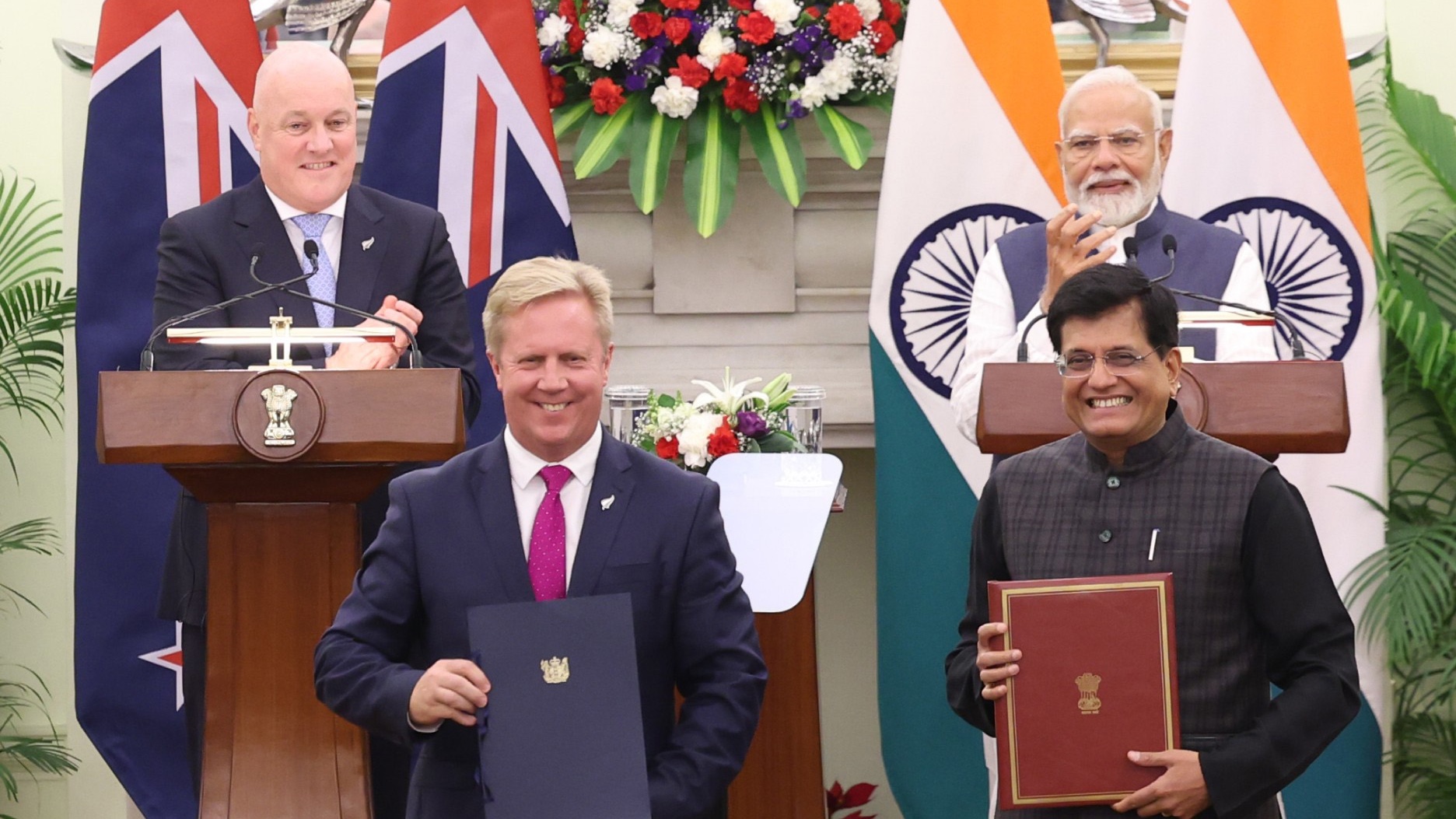
Priyanca Radhakrishnan tries to puncture Luxon’s FTA victory, says India was already sold “Things have changed quite dramatically on the Indian government side,” says the Indian-origin Labour MP.
Mr Tamaki alleges that Christians in India are persecuted and that their Churches are burnt. This claim is not supported by facts, demographic reality or the lived experience of millions.
As the old proverb warns, “Hatred is a fire that burns the hand before it burns the house.”
This is a moral compass that cautions against the deliberate spread of discord.
India is home to more than 28 million Christians of all denominations. Christianity in India is not a recent arrival but a 2000-year-old tradition. According to longstanding ecclesiastical history, Saint Thomas the Apostle is believed to have arrived on the Malabar Coast in 52 CE. The second Catholic Church in the world, the ancient St Thomas Syro-Malabar Church in Palayur, Kerala, stands as a testament to this antiquity.
Over the centuries, India has welcomed and nurtured a wide range of Christian traditions: Roman Catholic, Syrian Christian, Protestant, Anglican, Baptist, Pentecostal and many others.
Missionaries such as the Jesuits, the Franciscans, the Salesians, the Carmelites and the Missionaries of Charity have established schools, hospitals, orphanages and social service institutions across the country. Their work continues unhindered, respected and valued by millions of Indians of all faiths.
India’s Christian clergy includes thousands of Priests, Fathers, Bishops and Archbishops. The country has produced several Cardinals who have served with distinction in the Vatican, including Cardinal George Jacob Koovakad, Cardinal Anthony Poola, Cardinal Filipe Neri Ferrao and and Cardinal Baselios Cleemis Thottunkal.
These are not the hallmarks of a nation that persecutes Christians. They are the hallmarks of a civilisation that embraces plurality.
Partners of progress
Mr Tamaki asserts that Christians are unsafe in India. This claim is contradicted by the daily reality of Christian life in the country.
Christians in India participate fully in national life. They celebrate their festivals openly and joyfully. Christmas is a national celebration, marked by public events, decorations, concerts and community gatherings. Good Friday is a national public holiday. Many States also observe Easter and other Christian feast days as public holidays.
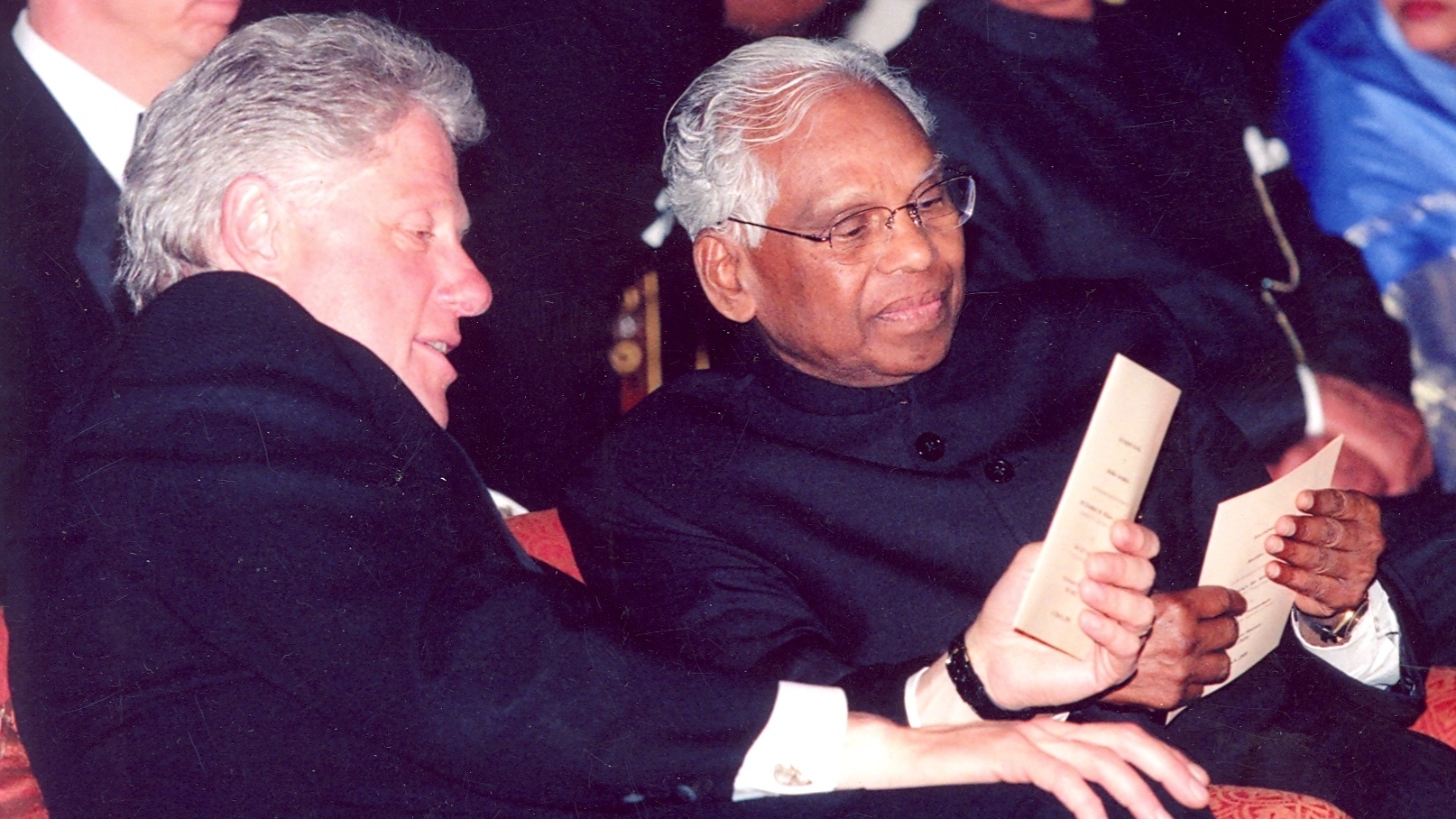
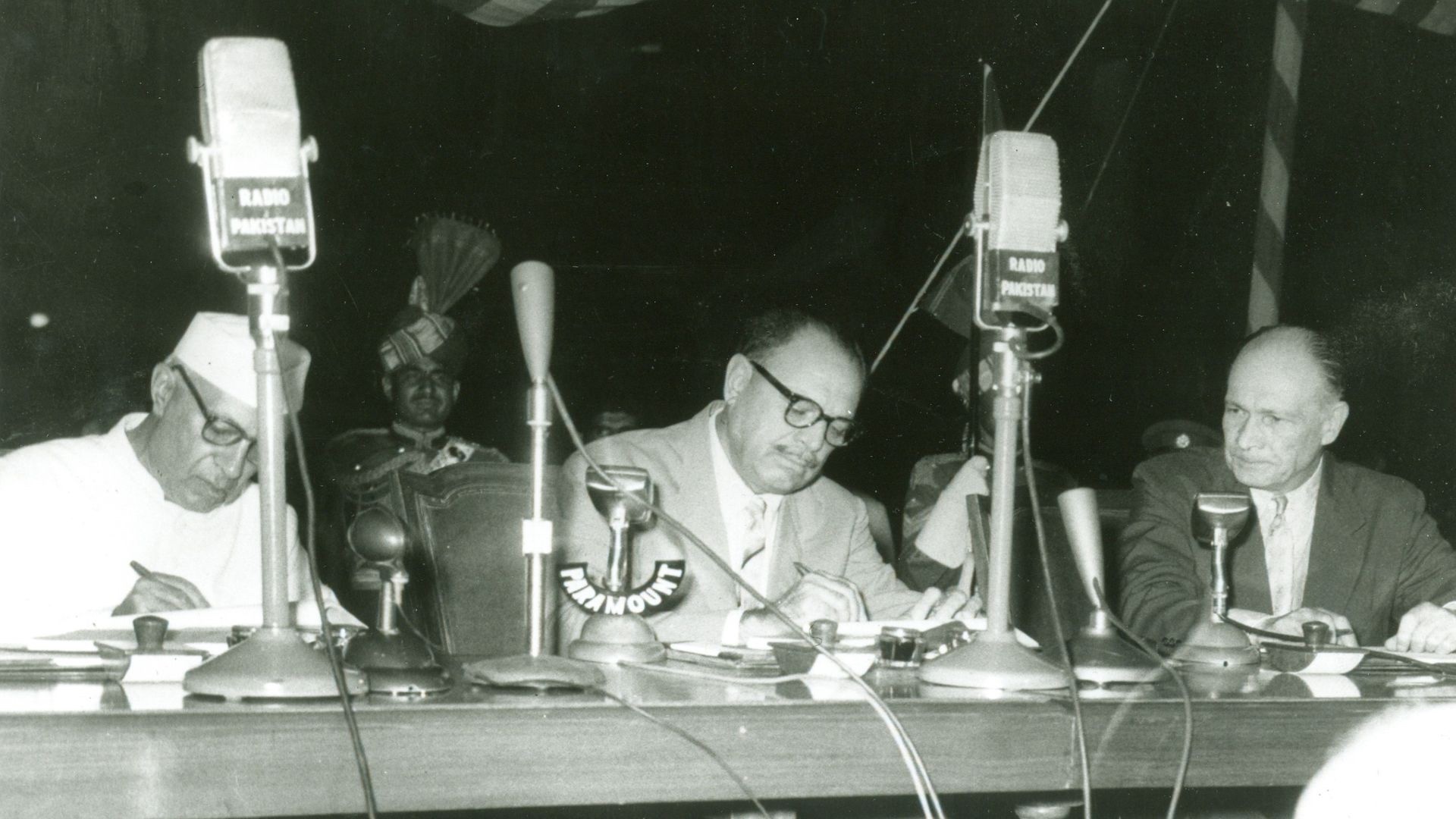
Then Indian president KR Narayanan with Bill Clinton during the US president's visit to India in March 2000. (Supplied photo)
K R Narayanan, who was the President of India from 1997 to 2002, was a Christian by birth (although he declared himself a Secularist). For over a hundred years, Christians have served the country as judges, diplomats, soldiers, scientists, artists, and parliamentarians.
Migration is not invasion
Mr Tamaki’s assertion that Indians are ‘invading’ New Zealand is inflammatory and factually baseless. Indian New Zealanders are one of the most peaceful, industrious and law-abiding communities in the country. They contribute significantly to business, healthcare, education, technology, hospitality, arts and public service.
Migration is not an invasion.
It is a lawful, regulated process overseen by the New Zealand government. To characterise an entire community as invaders is to abandon reason in favour of rhetoric.
Indians have enriched New Zealand’s cultural landscape. They have built businesses, served in hospitals, taught in schools, contributed to scientific research and participated in civic life. They have done so with dignity, humility and respect for the laws of the land.
Burning hatred consumes the self
The most disturbing element of Mr Tamaki’s video is his call to ‘purge’ Hindus, Sikhs and Muslims from New Zealand and to burn Temples, Mosques and Gurdwaras, which he described as ‘tit for tat.’ Such language has no place in a civilised society. It echoes the darkest chapters of human history, where dehumanisation preceded violence.
New Zealand is a nation built on the principles of fairness, inclusion and mutual respect. Its multicultural fabric is its strength. To call for the removal of entire communities is to undermine the very foundations of the nation.
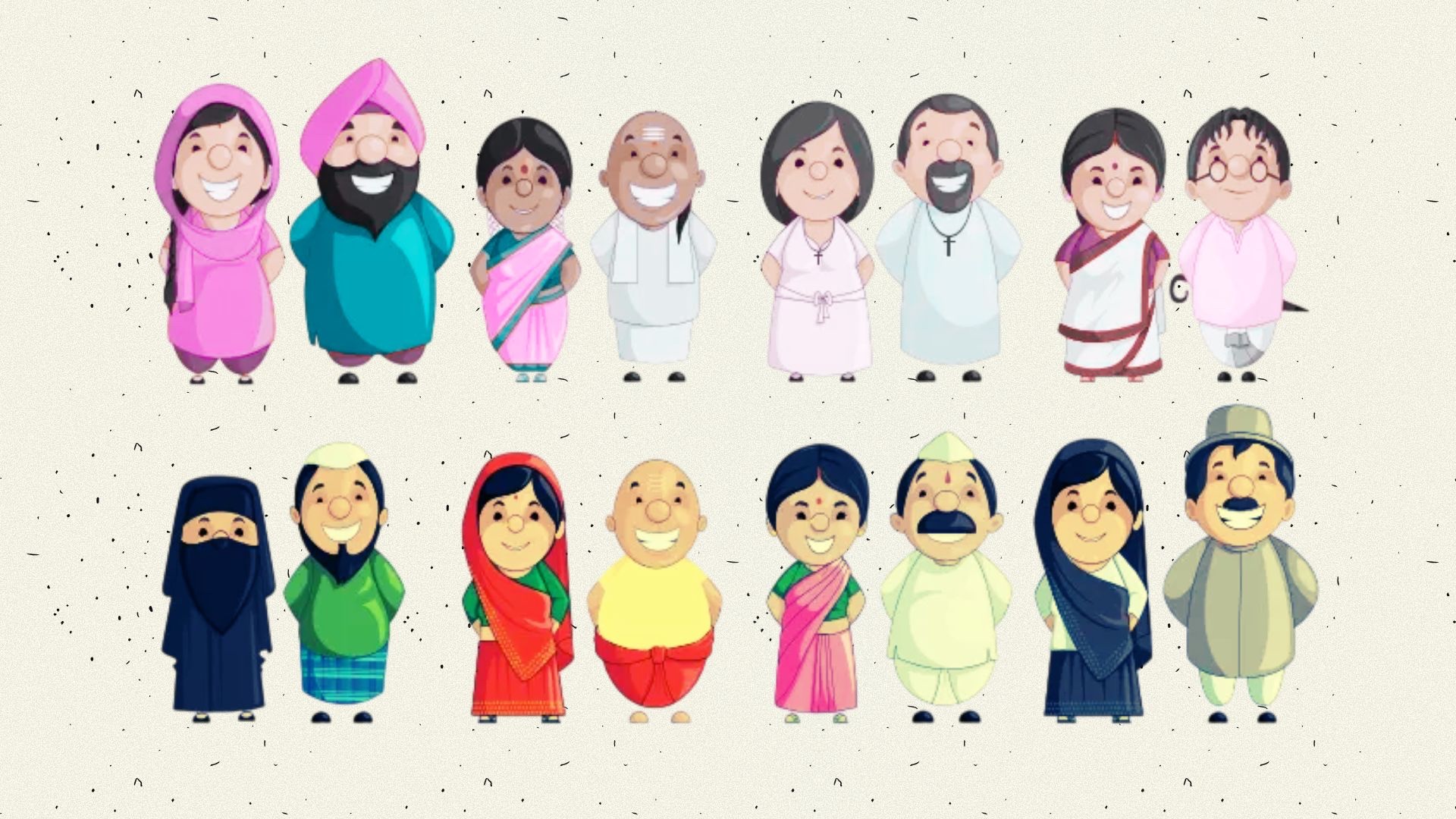
India, by contrast, is a land where every faith finds a home. Hindus participate in Christmas and Easter. Muslims join their neighbours in Diwali celebrations. Sikhs welcome all to their Gurudwaras. Parsis celebrate Jamshedi Navroz and Khordad Sal with their communities. Christians join their Hindu and Muslim fraternity in marking all festivals. Keralites observe Vishu and Onam. Tamilians celebrate Pongal and Thai Poosam. Telugu-speaking communities mark Bathukamma and Bhogi. The list is long.
India’s festivals are not merely religious observances. They are expressions of shared joy, shared heritage and shared humanity.

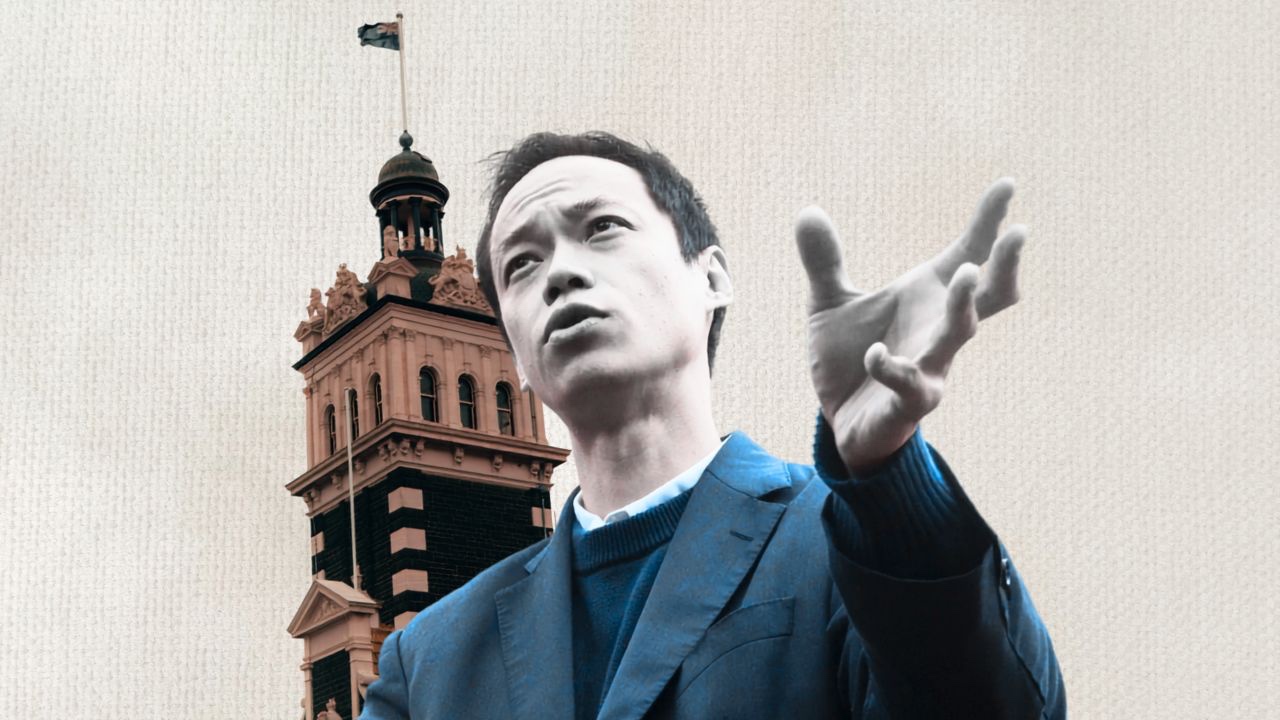
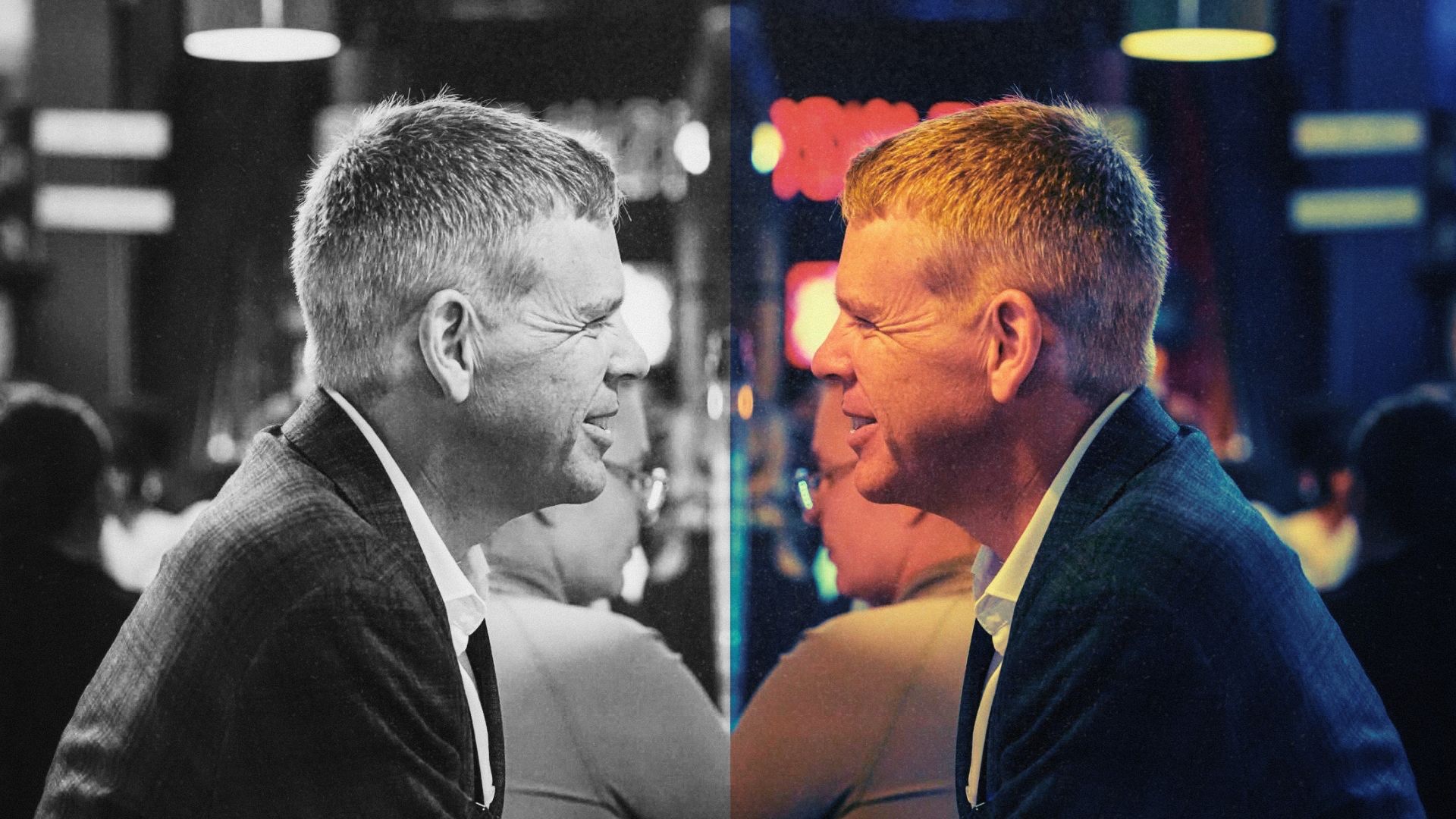
Destiny Church leader Brian Tamaki.
Mr Tamaki alleges that child marriage is a Hindu cultural practice. This is historically inaccurate and culturally irresponsible.
Child marriage has existed in many ancient societies, including the Roman Empire, medieval Europe and parts of Latin America. It was neither unique to India nor to Hinduism.
In India, the practice has been condemned for more than a century. The Prohibition of Child Marriage Act, enacted in 2006, criminalises the practice nationwide. Hindu leaders, reformers and civil society organisations have been at the forefront of campaigns to eradicate it.
To attribute a universal historical phenomenon to a single religion is to distort history.
Christian missionaries and institutions
Mother Teresa, one of the most revered figures of the 20th Century, made India her home. In 1980, she was awarded the Bharat Ratna, India’s highest civilian honour, one of the few foreigners to receive it. Her Missionaries of Charity continue to serve the poorest of the poor across India.
Countless other missionaries have dedicated their lives to education, healthcare and social upliftment. Their work is celebrated, not suppressed.
At least three Basilicas and seven Churches that date back centuries are carefully preserved and are visited by millions of people from all over the world.
They include Basilica of Bom Jesus, Goa Se Cathedral, Goa St Francis Church, Kochi Santa Cruz Basilica, Kochi Basilica of Our Lady of Good Health, Velankanni St Thomas Syro-Malabar Church, Palayur San Thome Basilica, Chennai Medak Cathedral, Telangana Church of Saint Cajetan, Goa and St Philomena Church, Mysore.
India’s Christian educational institutions, such as St Xavier’s Colleges, Loyola Colleges, St Joseph’s Colleges, Christ University, Stella Maris College and hundreds more, continue to flourish. Christian hospitals, including those run by the Catholic Health Association of India, serve millions irrespective of religion.
There are scores of Christian Hospitals and Medical Centres serving millions of Indian and foreign patients located all over the country. Some of them are Christian Medical College (Vellore), Christian Medical College (Ludhiana), St John’s Medical College Hospital (Bangalore), Bangalore Baptist Hospital (Bangalore), St Stephen’s Hospital (Delhi), Believers Church Medical College Hospital (Thiruvalla), Mala Institute of Medical Sciences (Thrissur), Jubilee Mission Medical College and Research Institute, (Thrissur), Pushpagiri Medical College Hospital (Thiruvalla), Madras Medical Mission (Chennai).
India is a Nation that builds Churches, restores them, funds them, and sends its children to study in them.
Moving away from the Bible
It is deeply regrettable that a person who proclaims himself a Christian leader should employ language so contrary to the teachings of Jesus Christ. The Bible enjoins believers to love their neighbours, to show compassion, to seek peace and to walk humbly. Christ did not preach exclusion. He preached embrace.
Ethnic Communities Minister Mark Mitchell has condemned Mr Tamaki’s statements, describing them as divisive and unacceptable. He has affirmed that New Zealand’s ethnic and faith communities are valued, protected and respected. Police have confirmed that the video is under assessment.
In times such as these, it is essential to remember that words can heal or harm. They can build bridges or erect walls. The responsibility lies with each of us to choose wisely.
As the proverb says, “Where love grows, life thrives; where hatred dwells, all withers.”
India, with its ancient civilisation and its mosaic of faiths, stands as a testament to the possibility of unity in diversity. New Zealand, with its proud tradition of fairness and inclusion, must continue to uphold these values.
The truth is clear. The accusations are unfounded. The harmony between communities is strong. And the commitment to peace is unwavering.
Indian Newslink will be happy to discuss with Brian Tamaki the truths, the commitment of people of Indian origin (be they Hindus, Muslims, Sikhs, Christians or non-believers) to building New Zealand as a progressive and prosperous country and their belief in peaceful coexistence, nurturing love and respect for all, especially the ancestors of this land.
The Biblical truths
Mr Tamaki would have certainly read the Book of Micah in the Old Testament, which (Micah 6:8) says, “He has shown you, O mortal, what is good. And what does the Lord require of you? To act justly and to love mercy and to walk humbly with your God.”
And of course, Zechariah 7:10: “Do not oppress the widow of the fatherless, the foreigner or the poor. Do not plot evil against each other.”
Mr Tamaki would know that true Biblica Leadership uses its platform to build social cohesion and extend mercy, rather than inciting fear and sowing division.
As Jesus Christ, our Saviour, said, “Thou shalt love thy neighbour as thyself.”