
Indian-origin councillor rejects NZ First overtures, says party has weaponised immigration

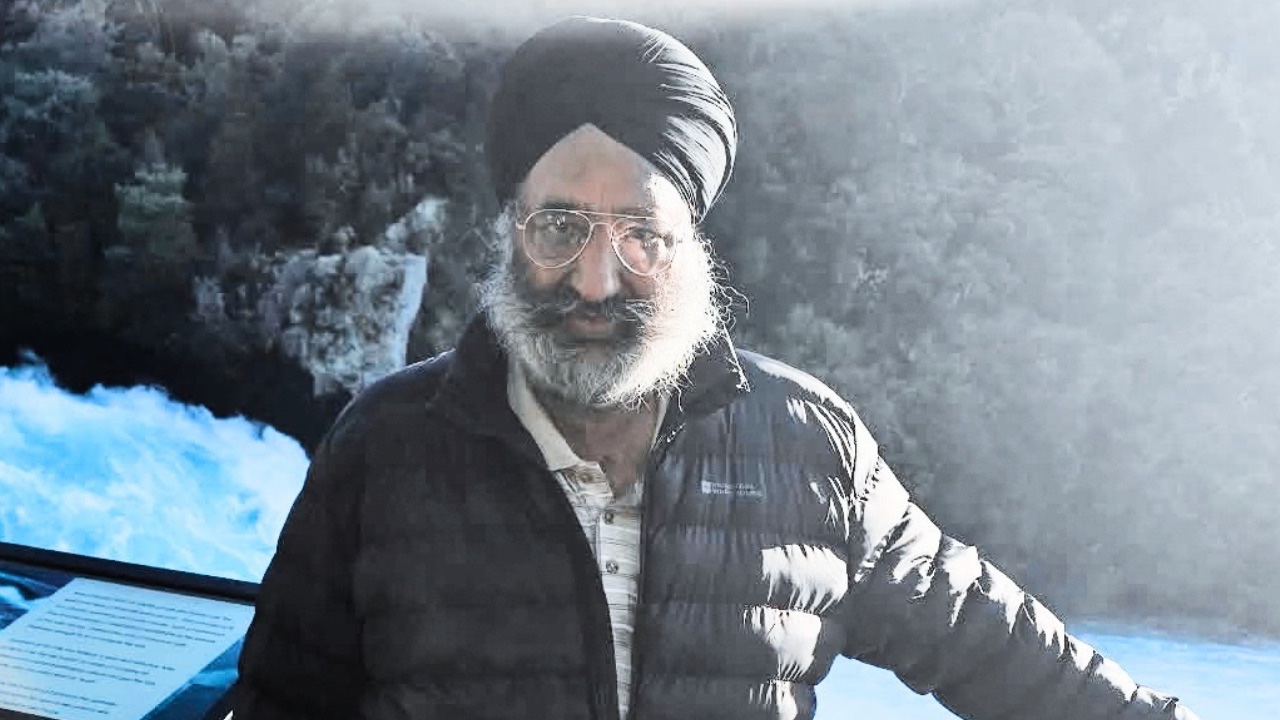
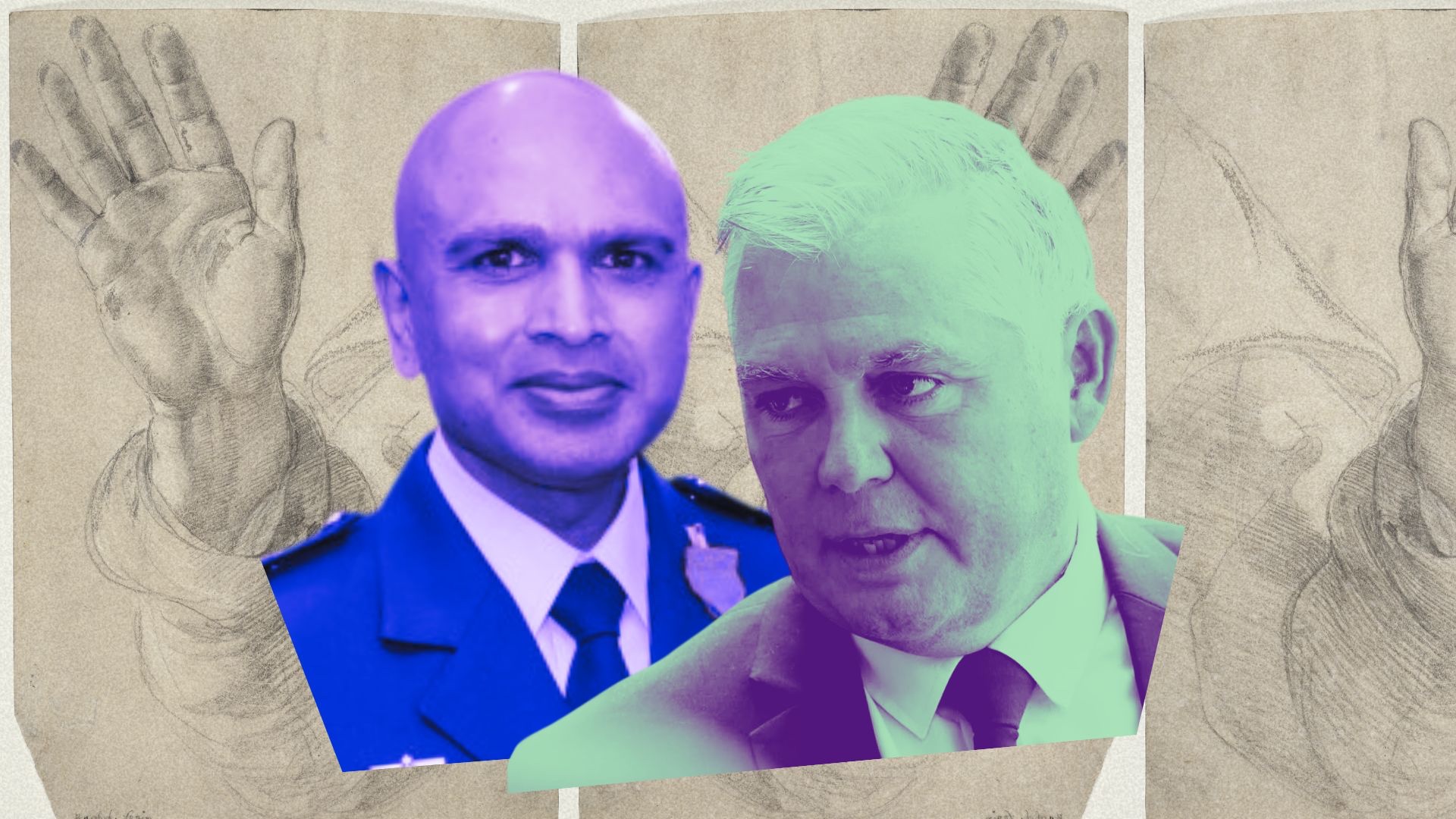
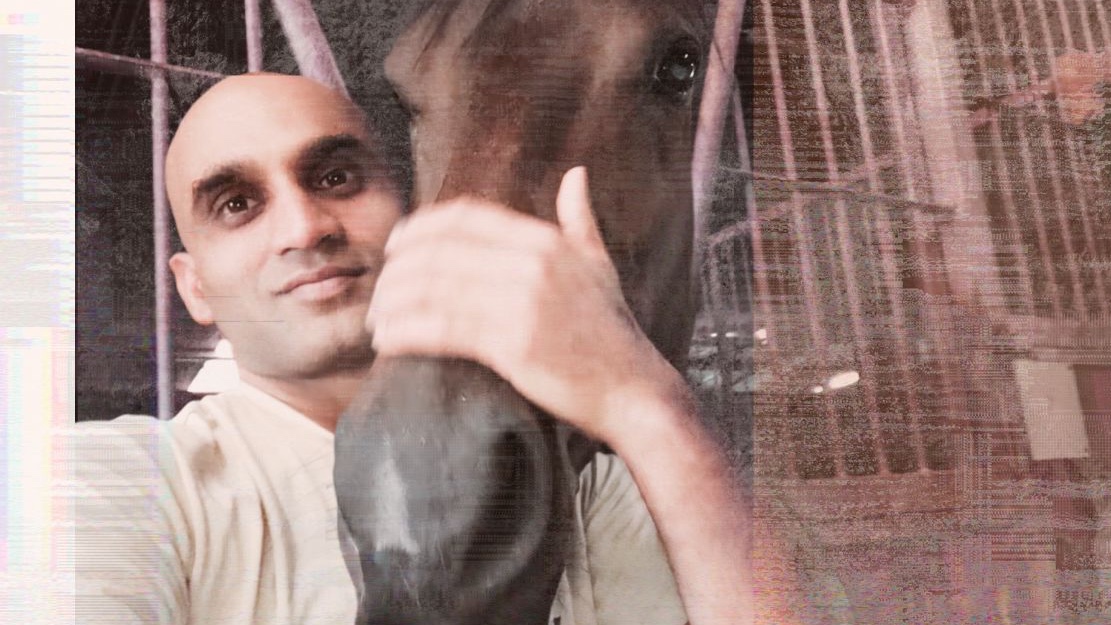
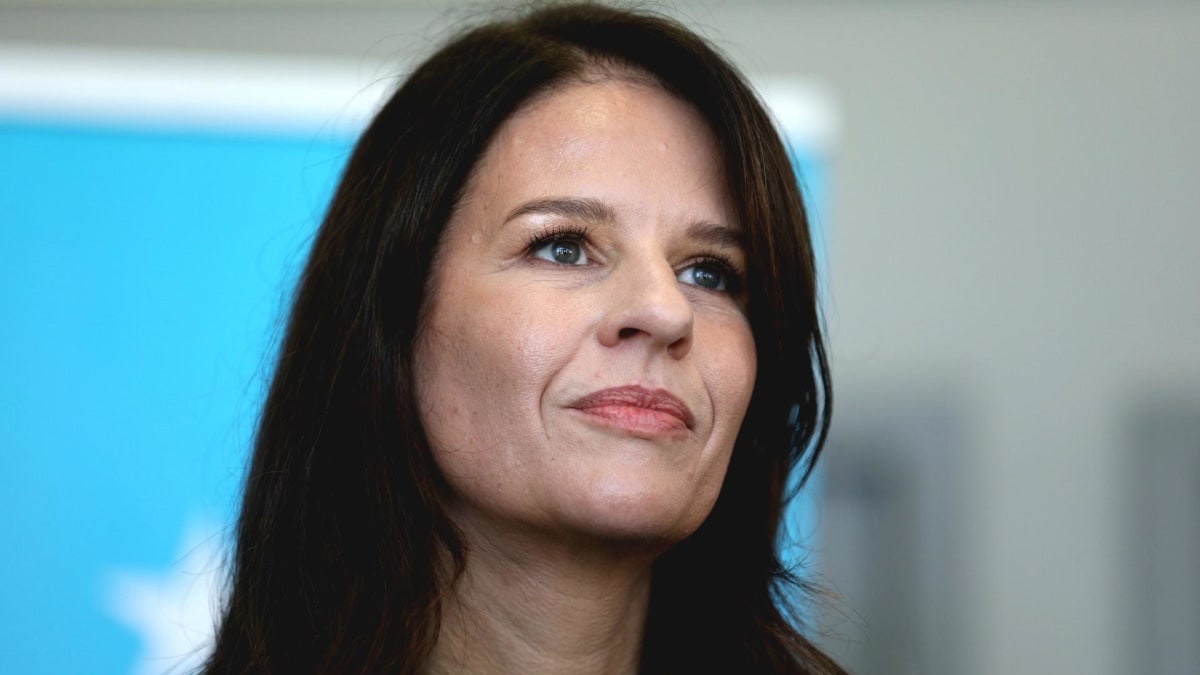
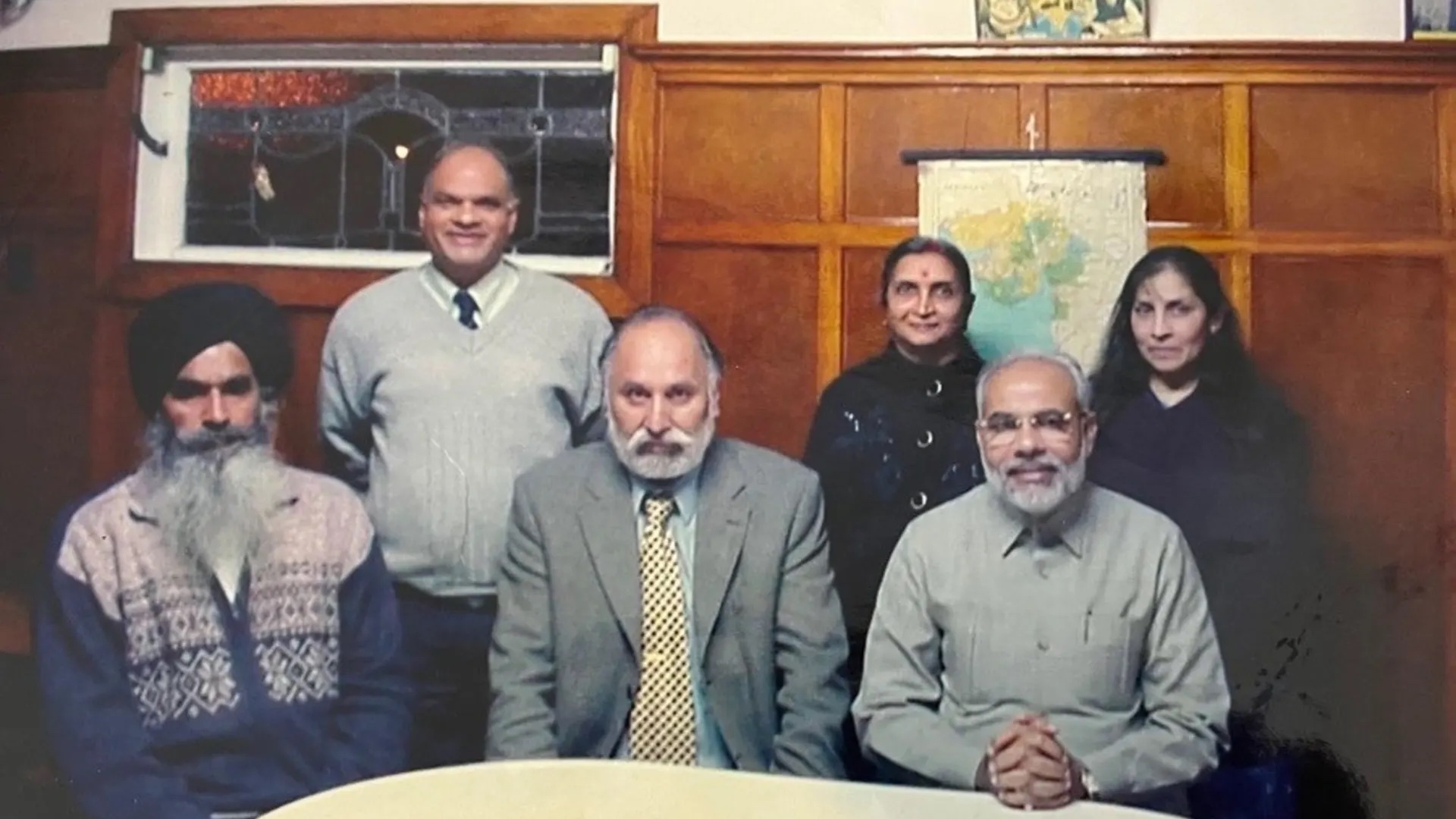
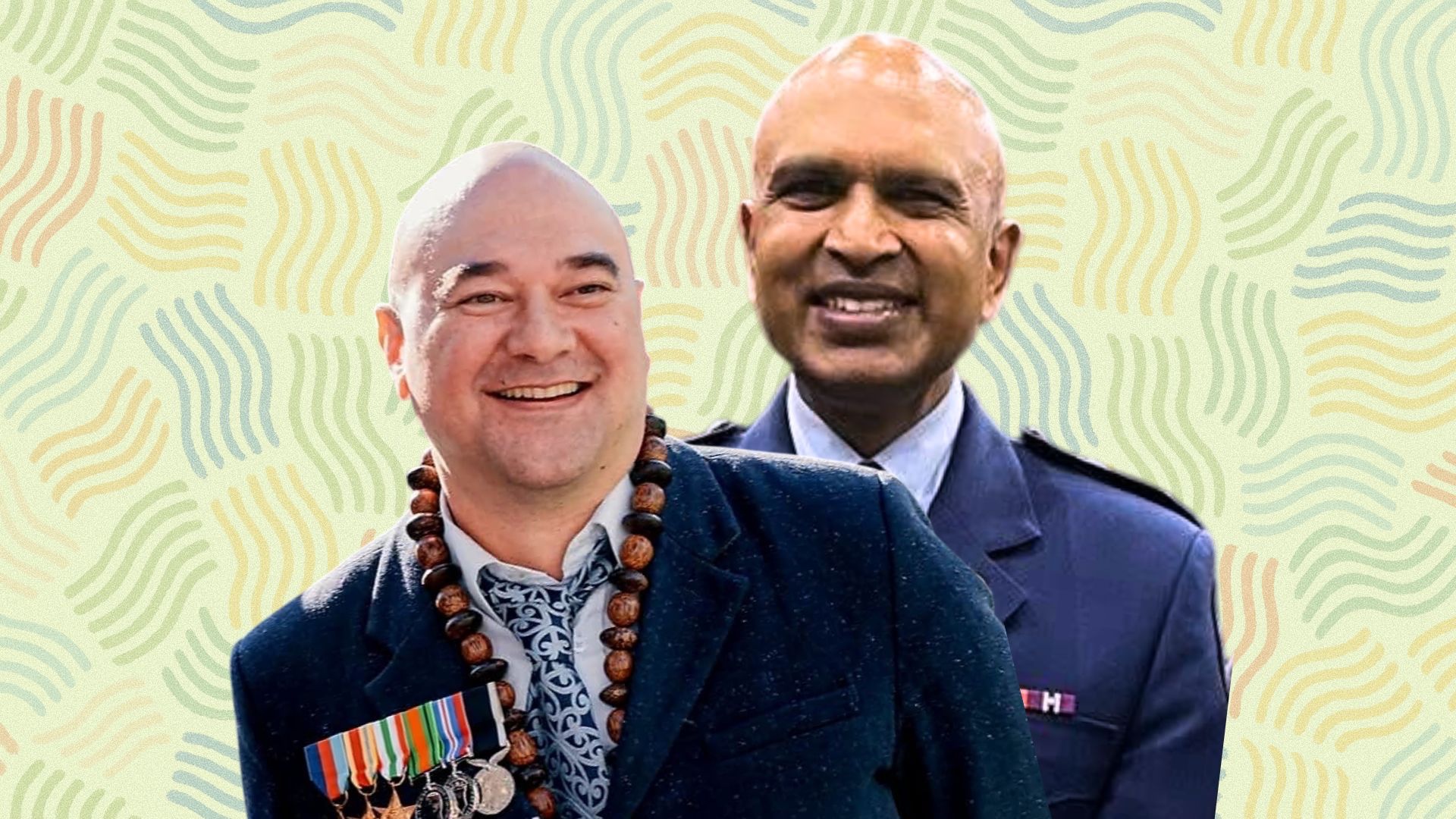
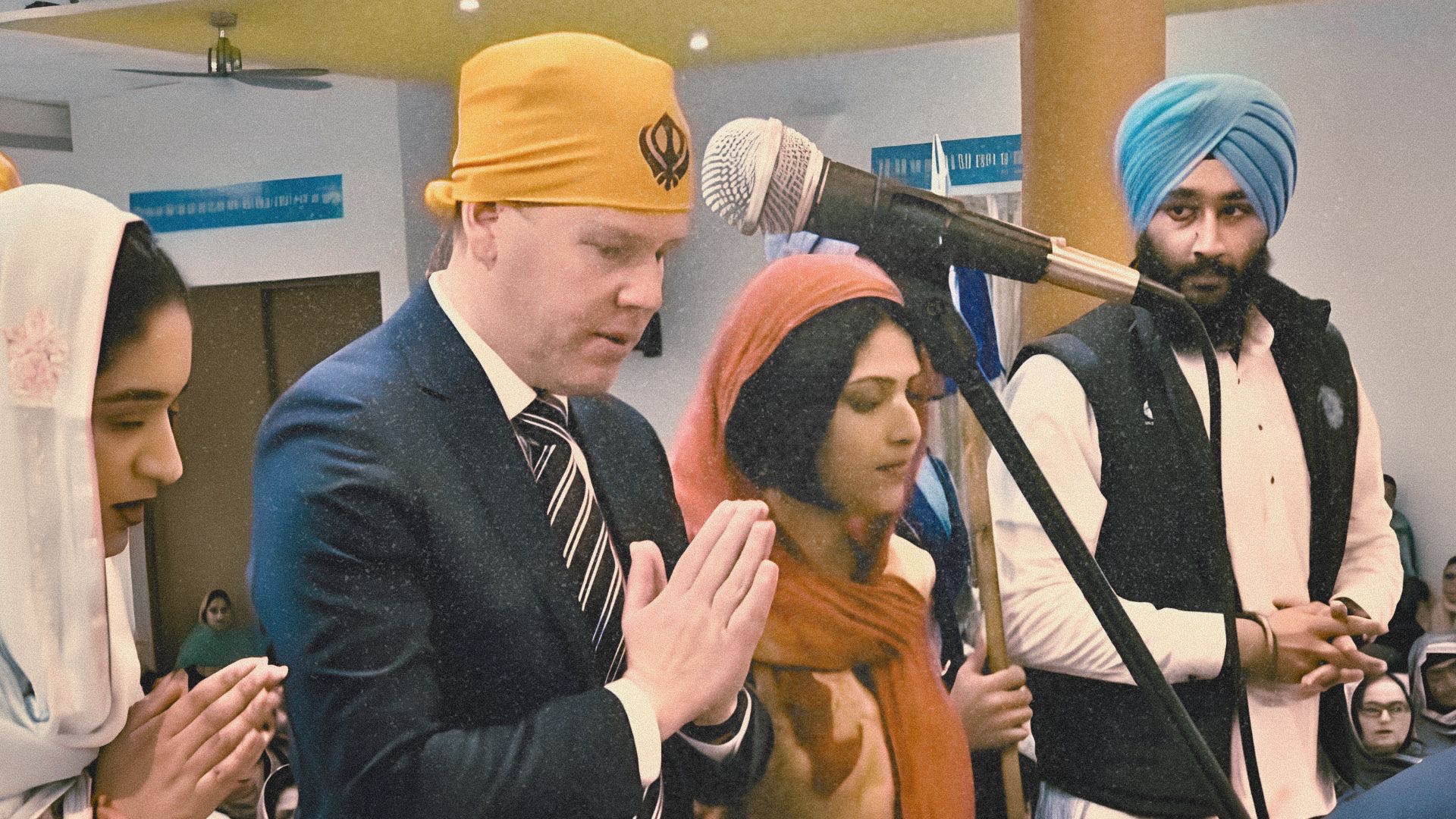
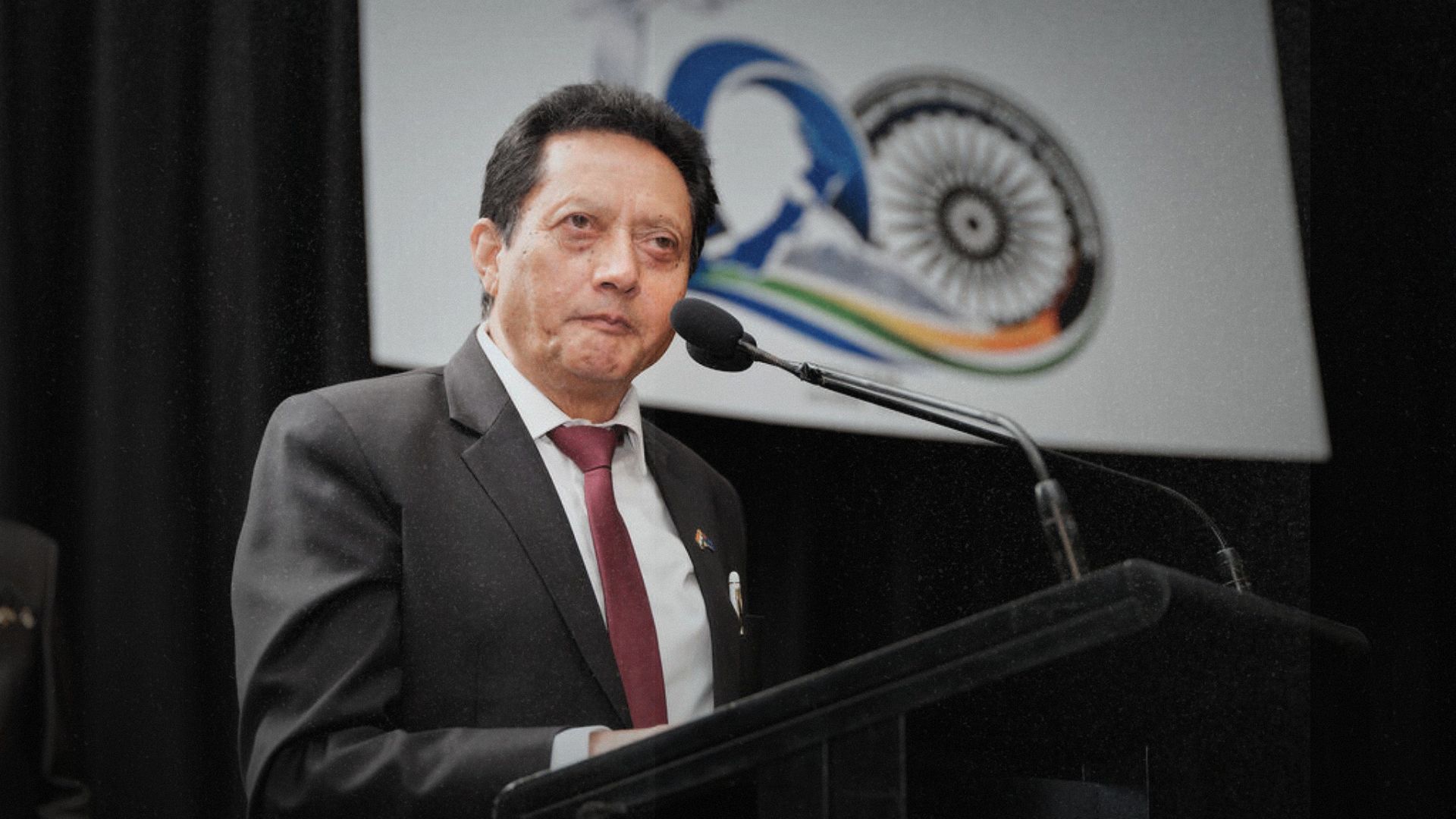
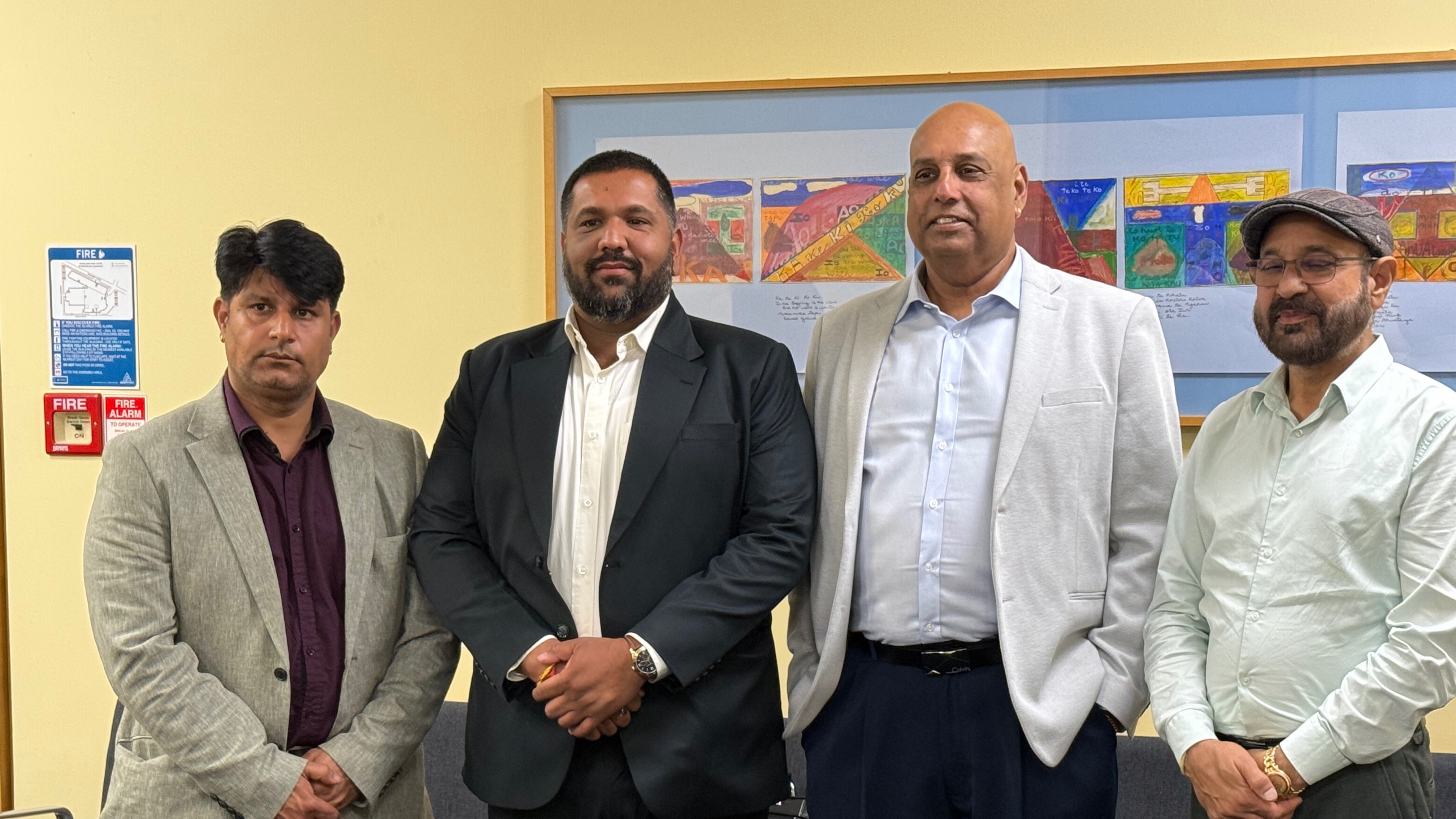
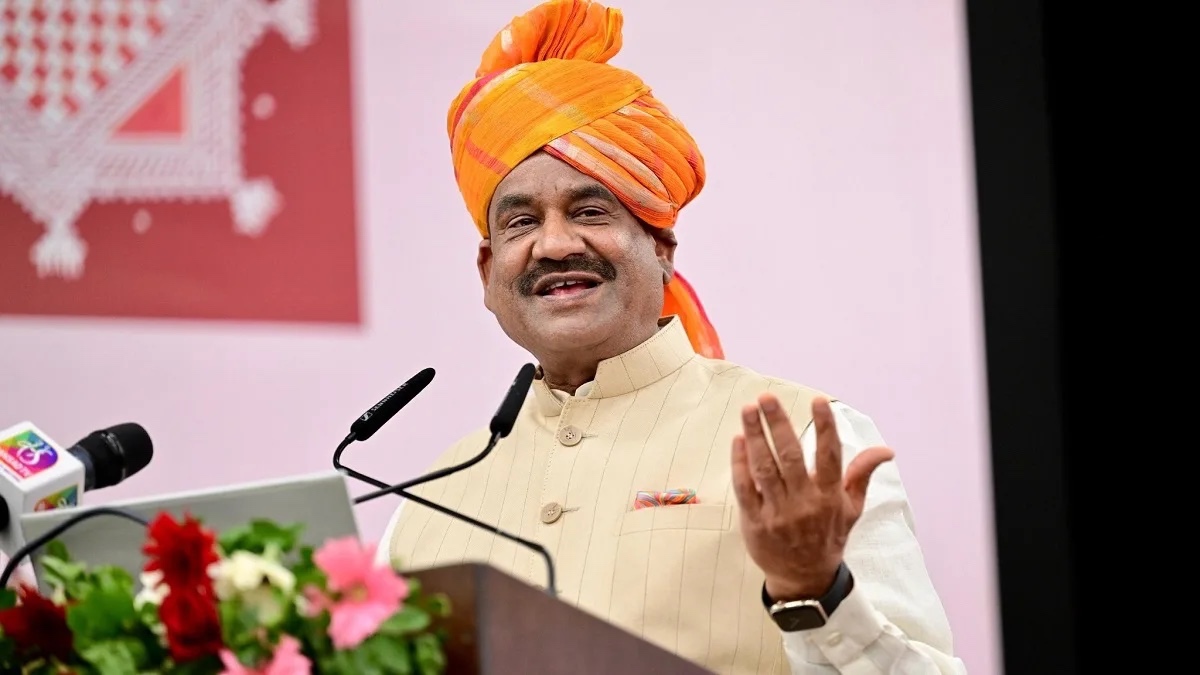
Rotorua politician and businessman Raj Kumar.
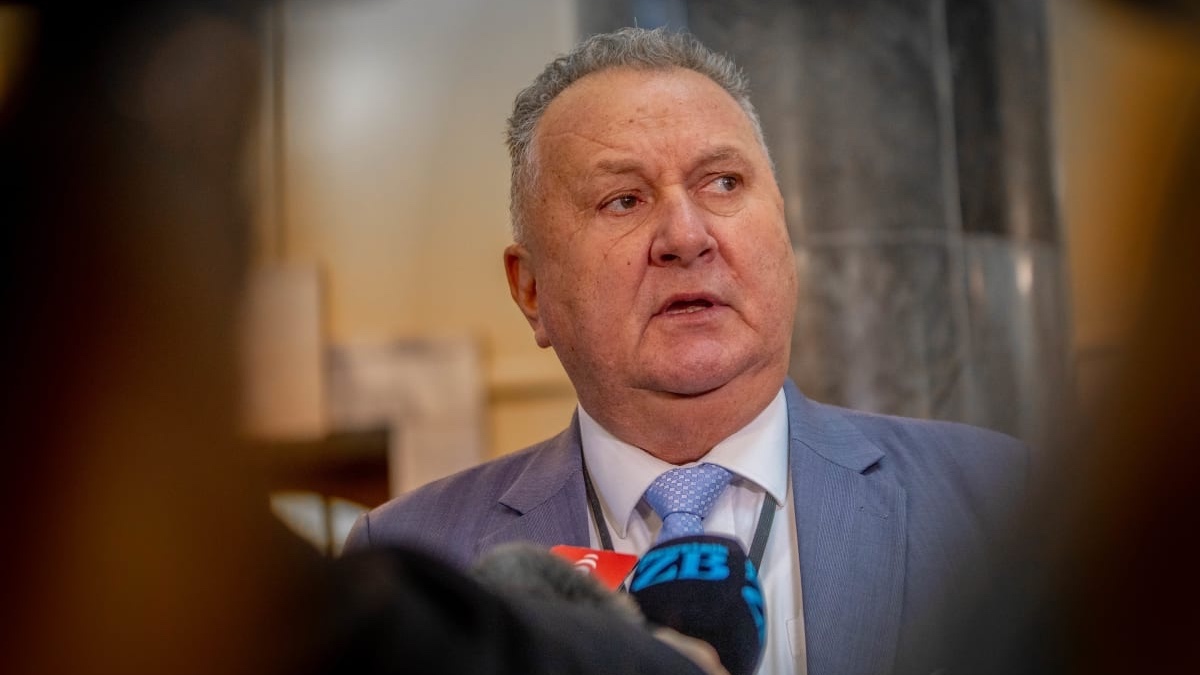
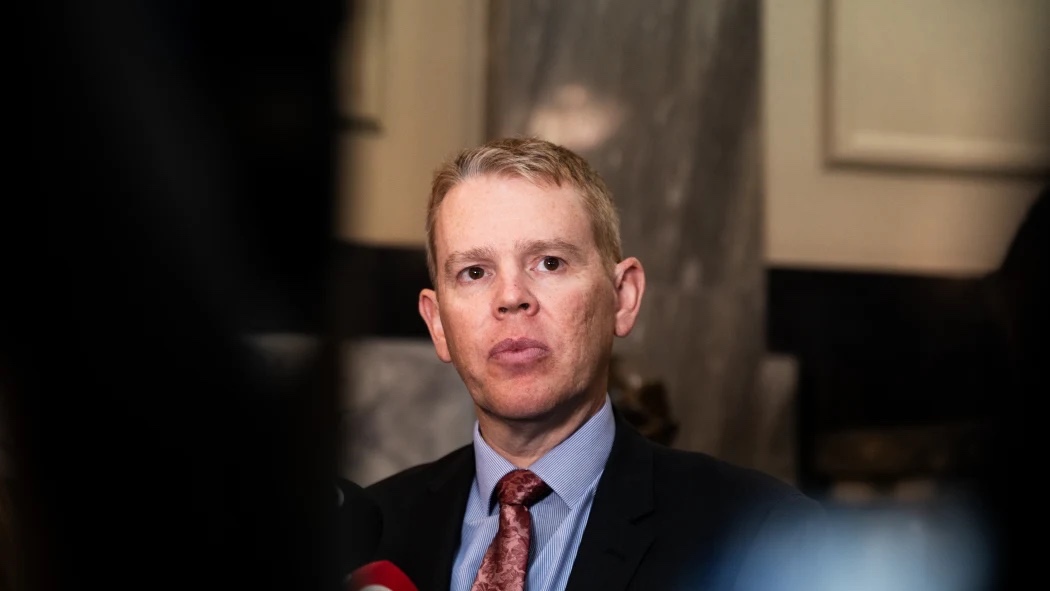
Raj Kumar says Shane Jones’ “butter chicken tsunami” remark reinforced his concerns.
A prominent Rotorua politician says he walked away from a possible New Zealand First candidacy after concluding the party had turned immigration into a “weapon of mass destruction” and was spreading misinformation about the New Zealand–India free trade agreement.
Raj Kumar, a first-term Bay of Plenty regional councillor, told Awaaz that New Zealand First approached him around July last year and that he spent several months considering whether its policies aligned with his own.
Kumar may be unfamiliar to many Indian readers outside Rotorua, but he has built one of the strongest local political profiles in the city.
He served two terms on the Rotorua Lakes Council, stood unsuccessfully for mayor in 2022 and returned to elected office last year by winning a seat on the Bay of Plenty Regional Council.
He was also elected to the Rotorua Trust, polling second out of 22 candidates.
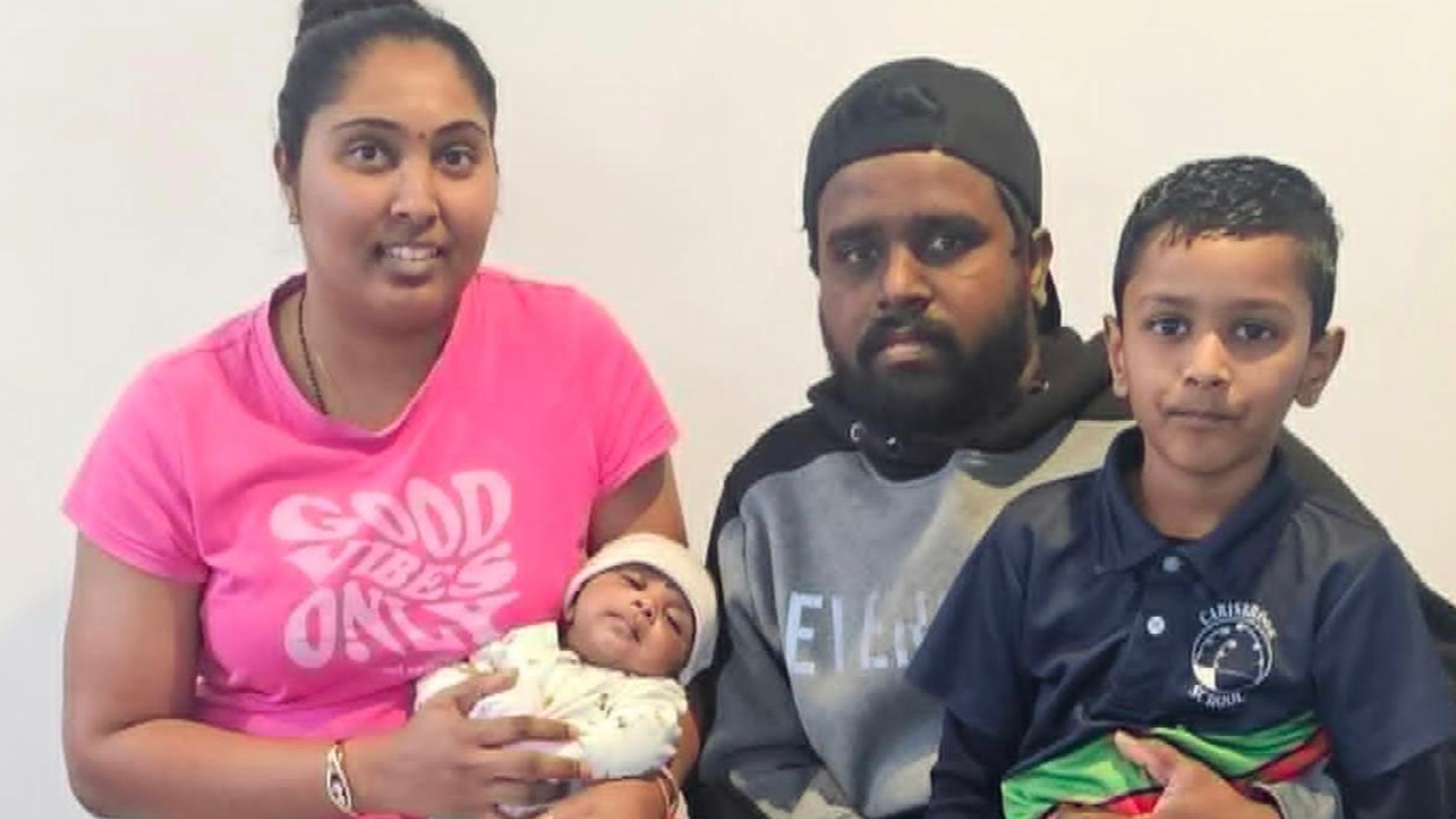
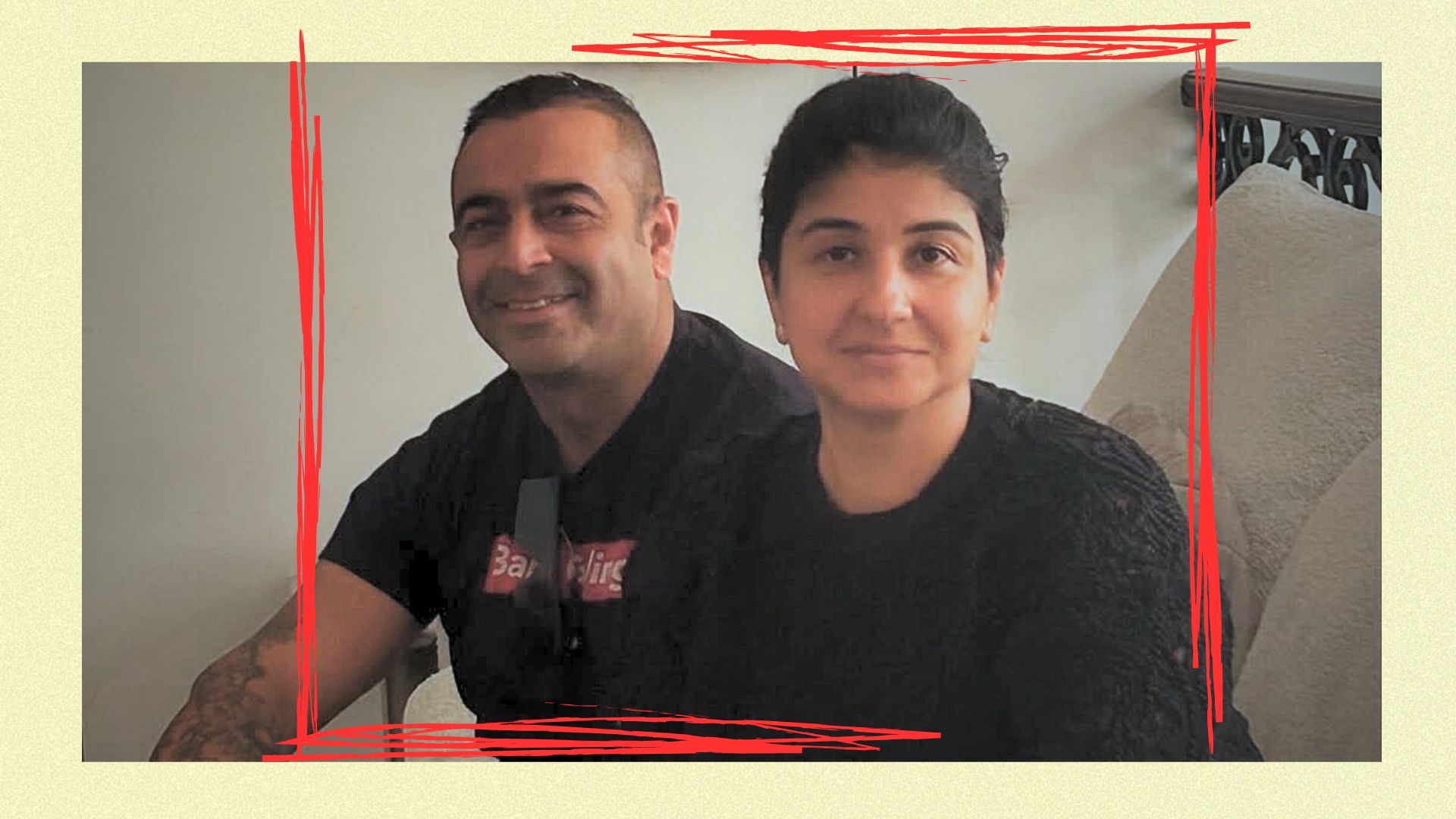
Migrant couple hit by visa setback after 8-year-old daughter qualifies for disability support Her parents can stay in New Zealand until 2028, but the girl must return.
NZ First’s employer work visa reset sounds dramatic. The detail is less revolutionary NZ First says it will scrap the Accredited Employer Work Visa. But many of its proposed fixes already exist.
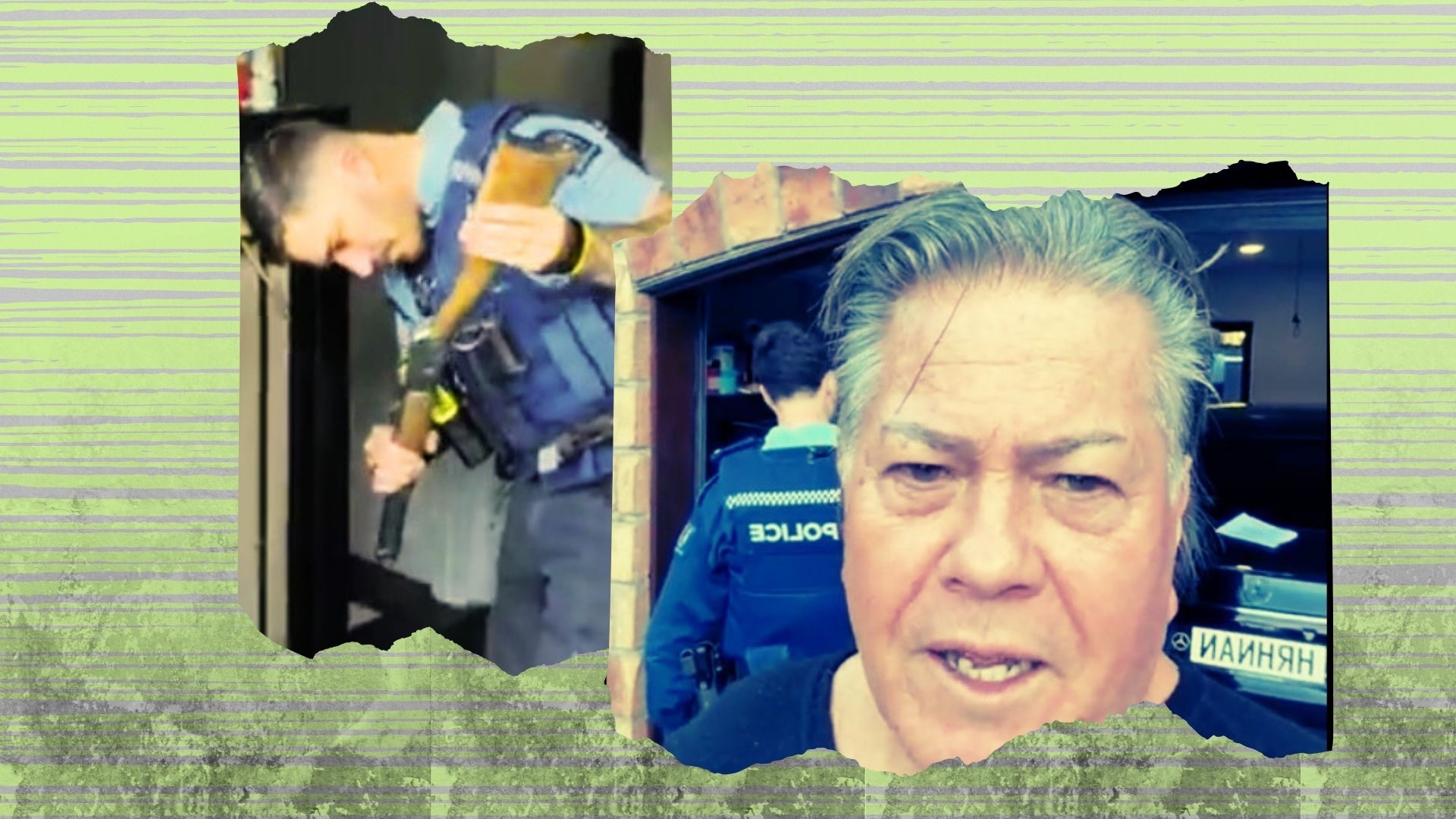
Migrant who shouted down Peters over racism 24 years ago now vying for Parliament From arriving with $500 in his pocket to confronting NZ First's leader, National Party's Karuna Muthu reflects on his unlikely journey into politics.
Kumar, who owns Springfield Superette and Lotto, said he believed his local profile and community connections made him an attractive prospective candidate for New Zealand First.
The party’s local chair first approached him for a meeting, he said. Kumar later travelled to Tauranga to attend deputy leader Shane Jones’ State of the Nation speech as he considered whether to take the relationship further.
“I didn’t approach them. They came and approached me,” Kumar said.
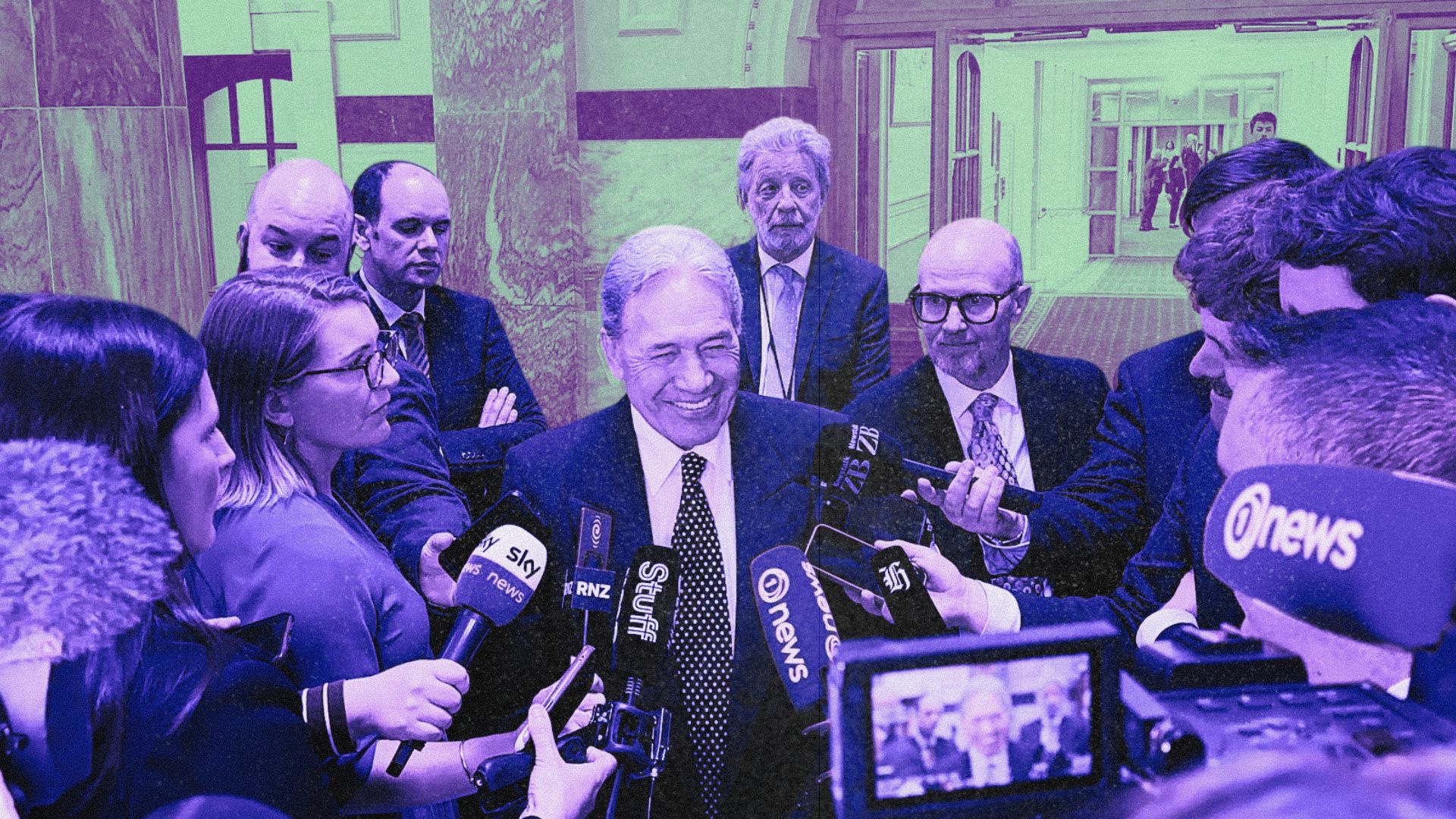
On Tuesday, Rotorua Daily Post asked New Zealand First and Shane Jones if the party had approached Kumar. They declined to comment.
Kumar told Awaaz nothing had been promised and he understood the party was also considering other possible candidates.
But Kumar said his interest began to fade as New Zealand First stepped up its opposition to the India FTA and framed the agreement as a potential pathway to increased migration.
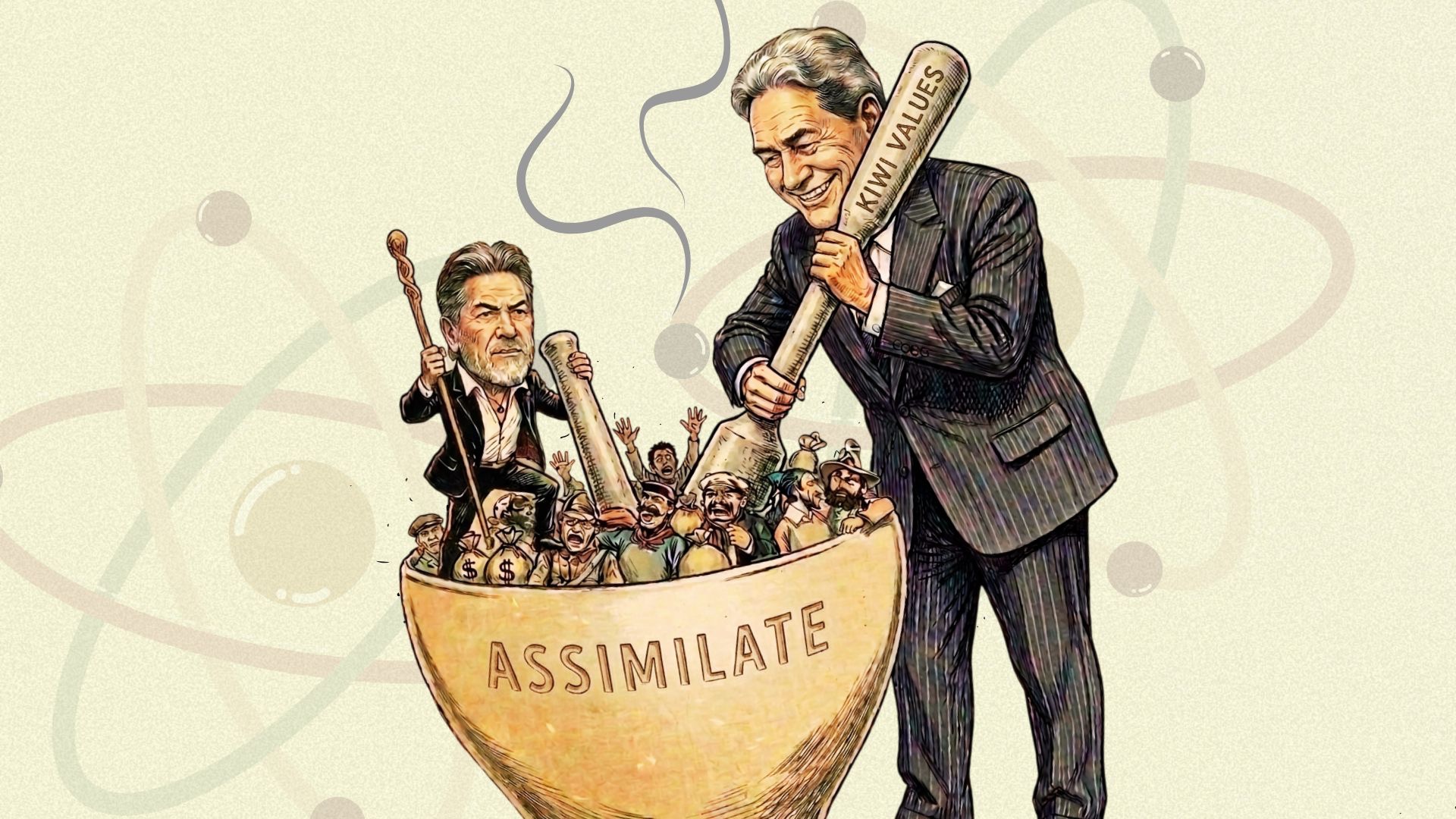
“In every election, New Zealand First has used immigration as a weapon of mass destruction,” Kumar said.
He accused the party of failing to explain the advantages of the trade agreement and said its leaders had instead fuelled public misconceptions about Indian migration.
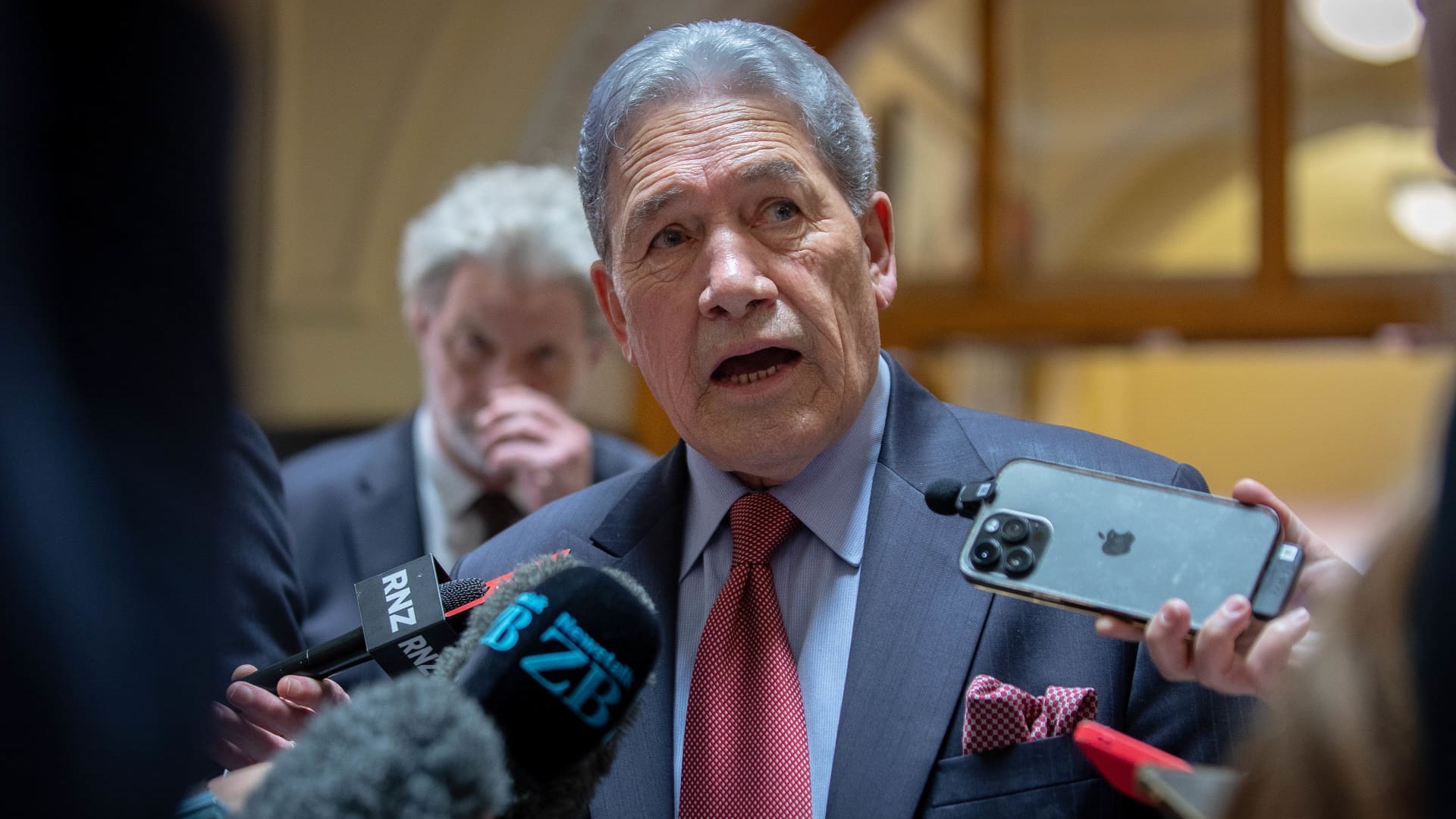
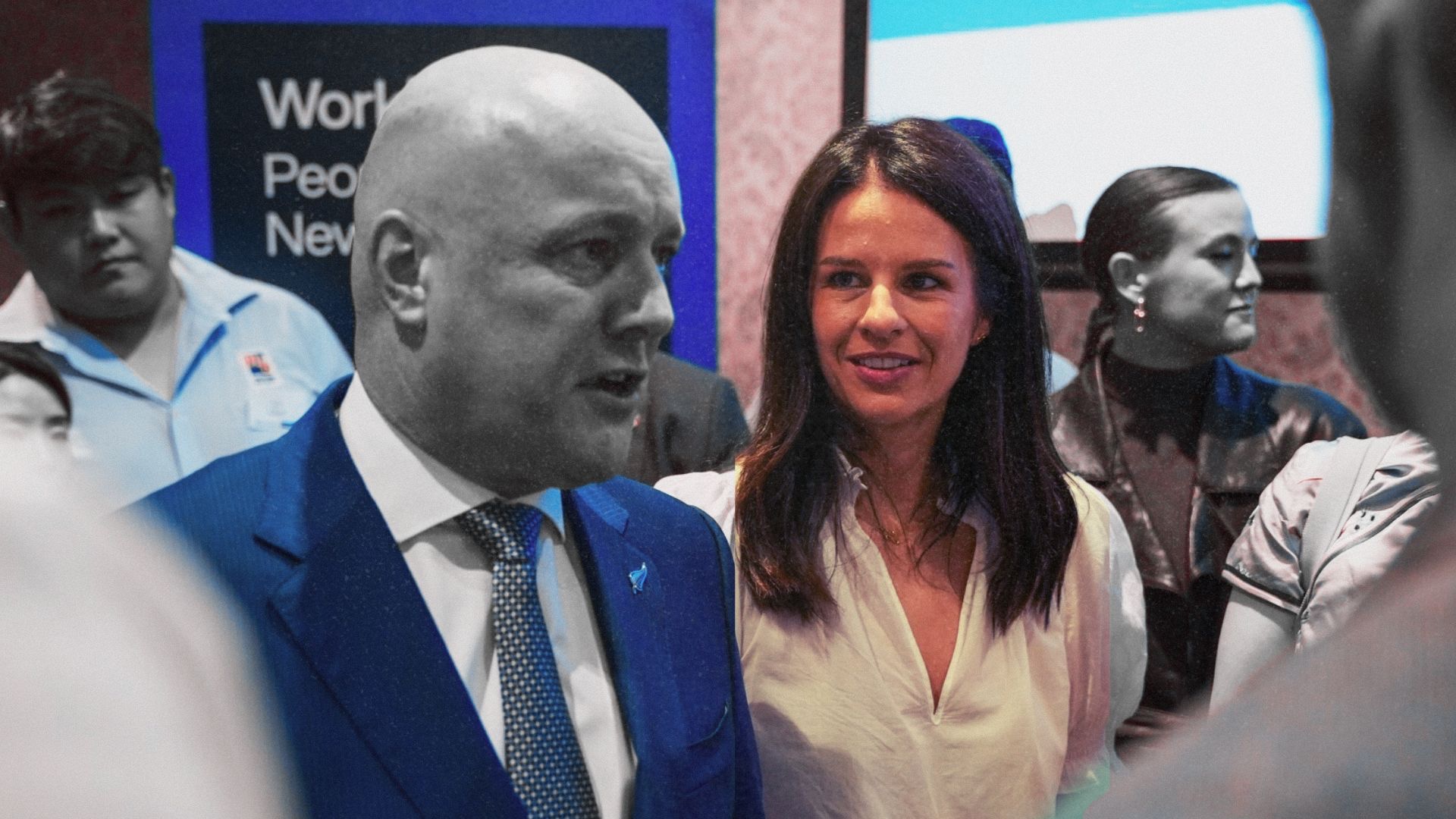
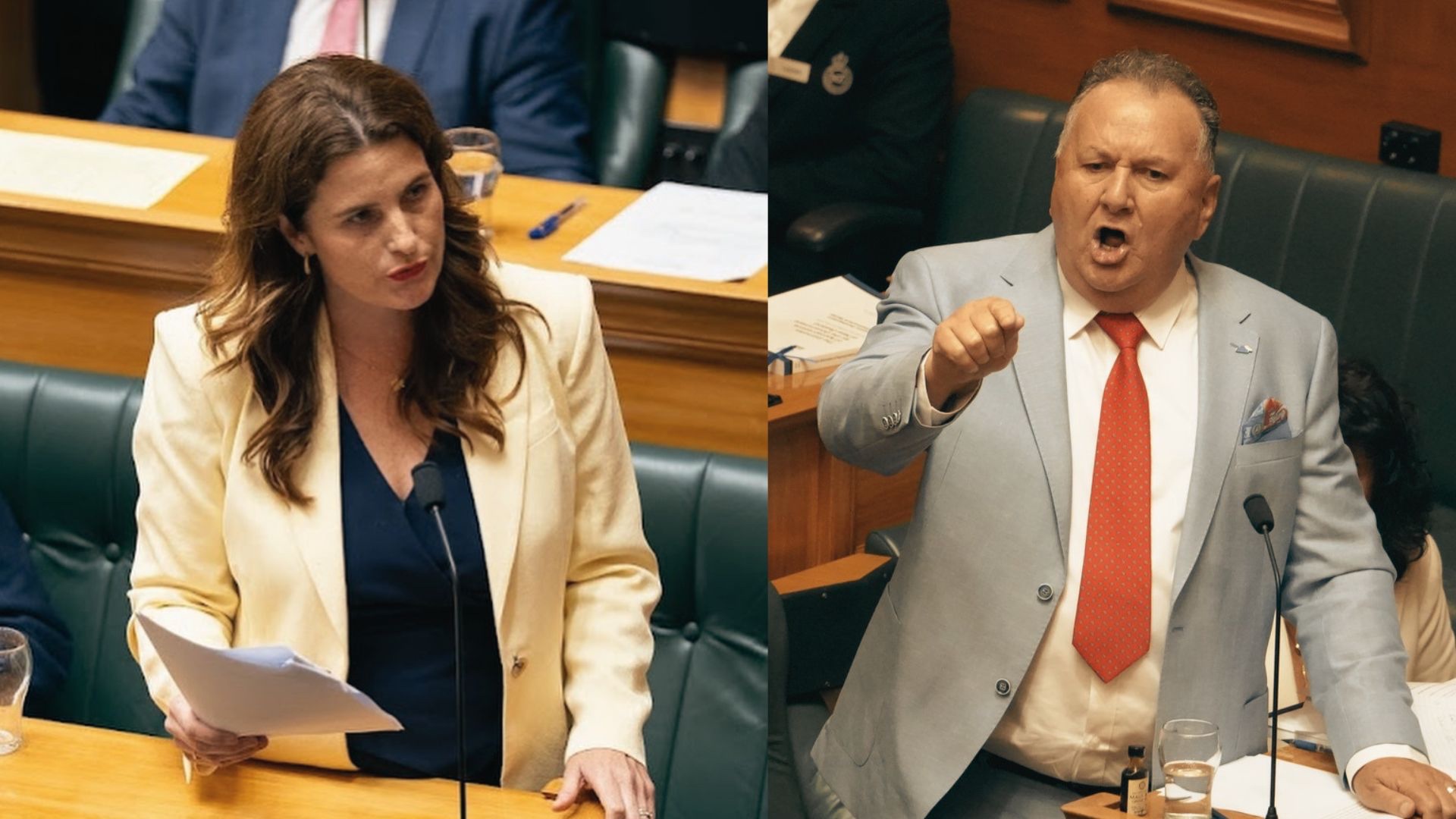
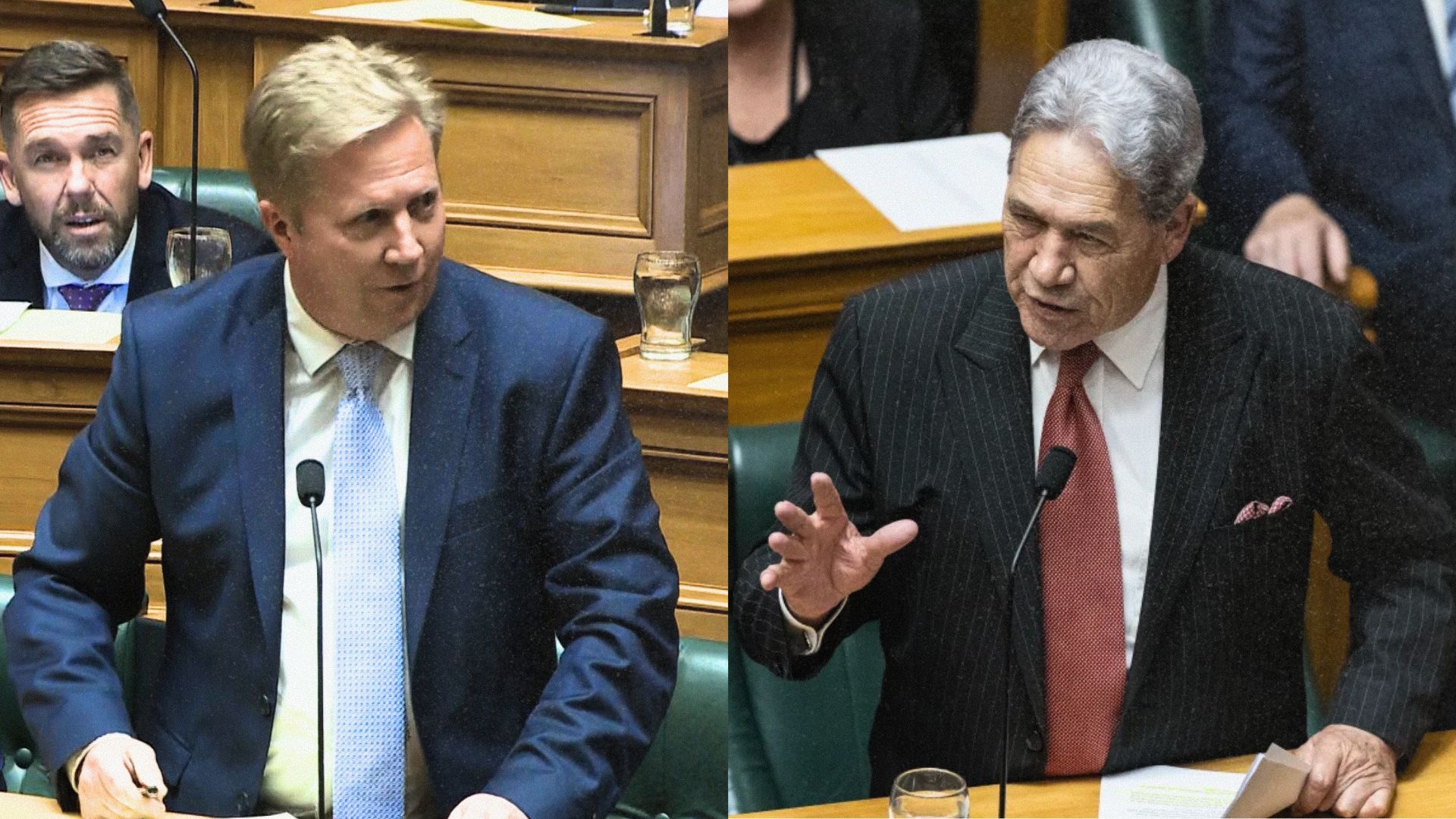
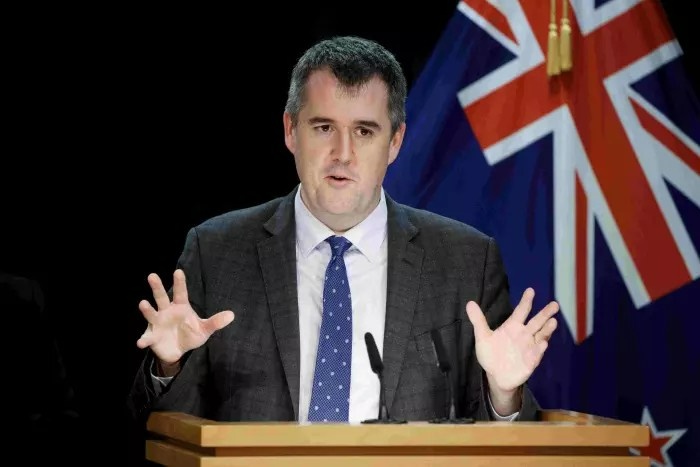
Kumar said Shane Jones’ “butter chicken tsunami” remark reinforced his concerns.
Jones used the phrase while warning that the trade agreement could lead to what he described as unfettered immigration, lower wages and increased pressure on roads and health services.
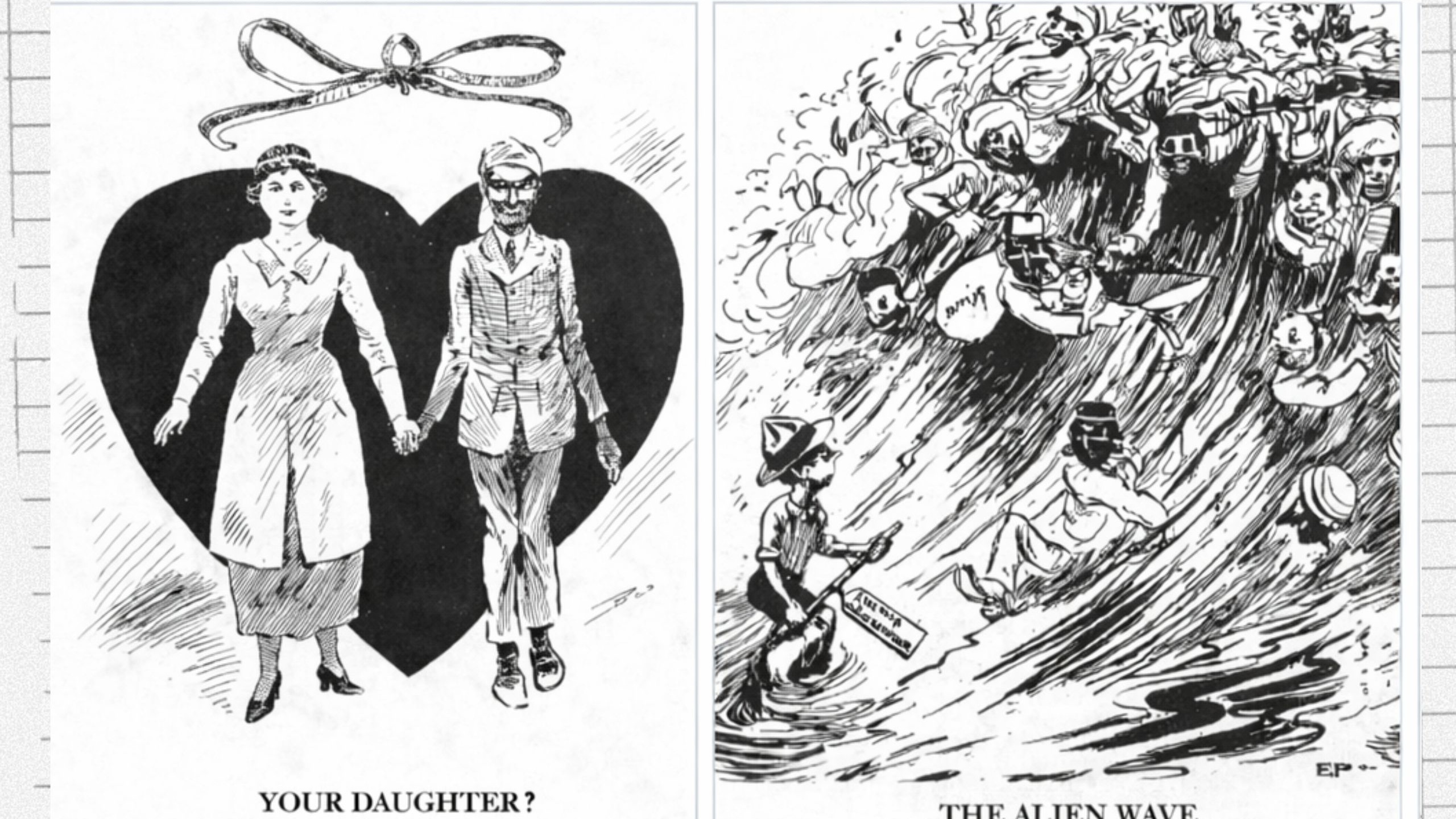
Kumar said comments of that kind reduced Indian migrants to stereotypes.
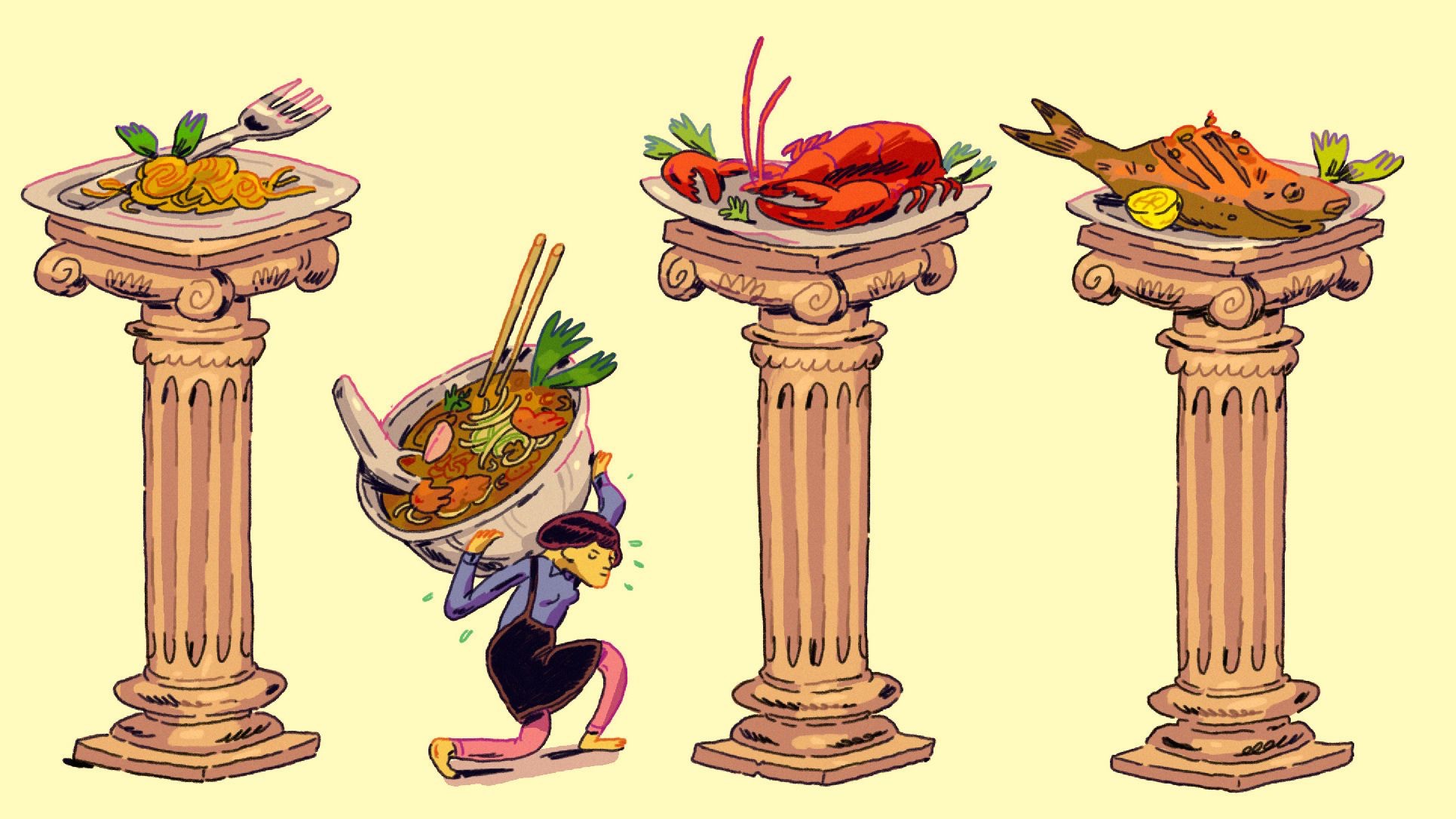
He described them as “cheap and low-level propaganda” that created the impression migrants from India were little more than butter chicken cooks or chefs.
For Kumar, the problem went beyond one phrase.
He said New Zealand First had not clearly explained the substance of the FTA or its potential benefits, instead allowing migration to dominate the debate.
“The public sometimes doesn’t understand exactly what is in an agreement until it is explained. The devil is always in the detail,” he said.
Kumar said he had initially seen value in several New Zealand First policies and believed the party could play a useful role in maintaining political balance under MMP.
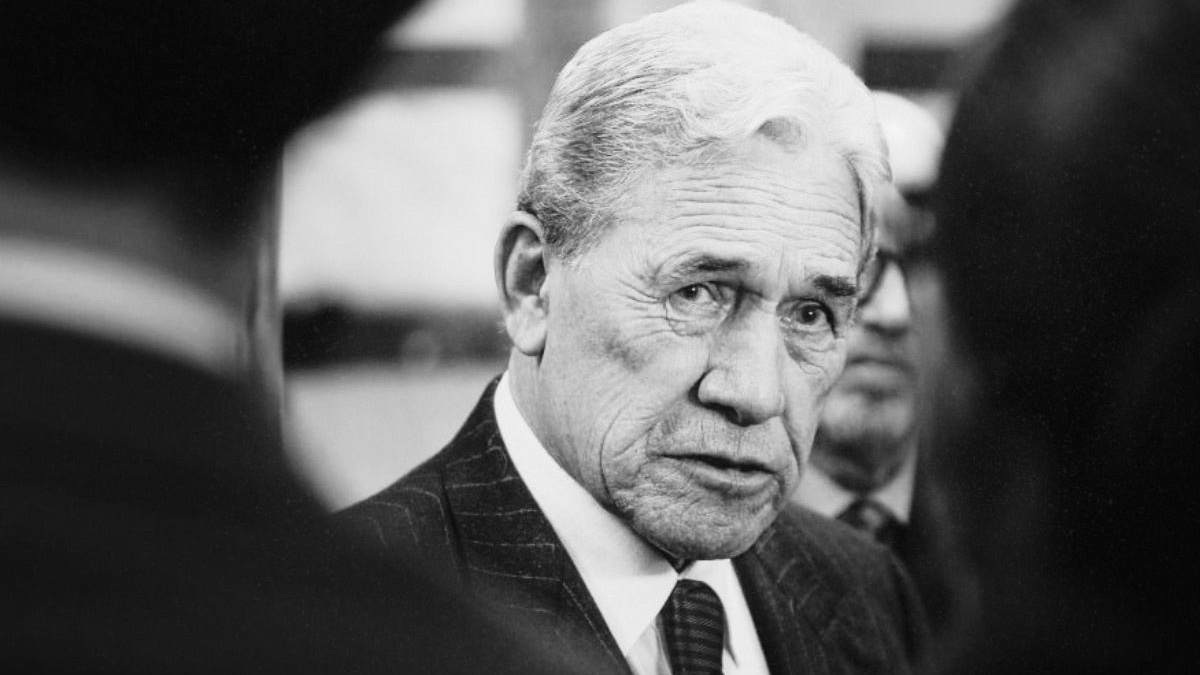
He cited its support for small dairy owners and said Winston Peters remained one of New Zealand’s most experienced political operators.
But he said the party’s handling of the FTA dispute convinced him its rhetoric did not match the kind of politics he wanted to be associated with.
His concerns deepened after controversy over Jones’ spending on a ministerial trip to Canada.
Details released last month showed the trip cost about $65,000, nearly double its Cabinet-approved budget.
Kumar said he was troubled not only by the spending but by Peters’ defence of Jones.
“You have a responsibility,” he said.
“You can accuse other people of misleading and misappropriating funds, but you set the benchmark. You can’t do that.”
Kumar said he had once briefly joined ACT after being encouraged to do so by leader David Seymour, but did not renew his membership after deciding not to pursue a candidacy.
He has now joined the National Party and is involved with Rotorua MP Todd McClay’s local organisation.
Kumar said he still believed Rotorua would benefit from having more than one local MP and did not rule out seeking parliamentary office in the future.
But he said New Zealand First was no longer a vehicle he could see himself using to get there.
The party has since selected infrastructure executive Billy Brown as its Rotorua candidate for the 2026 election.
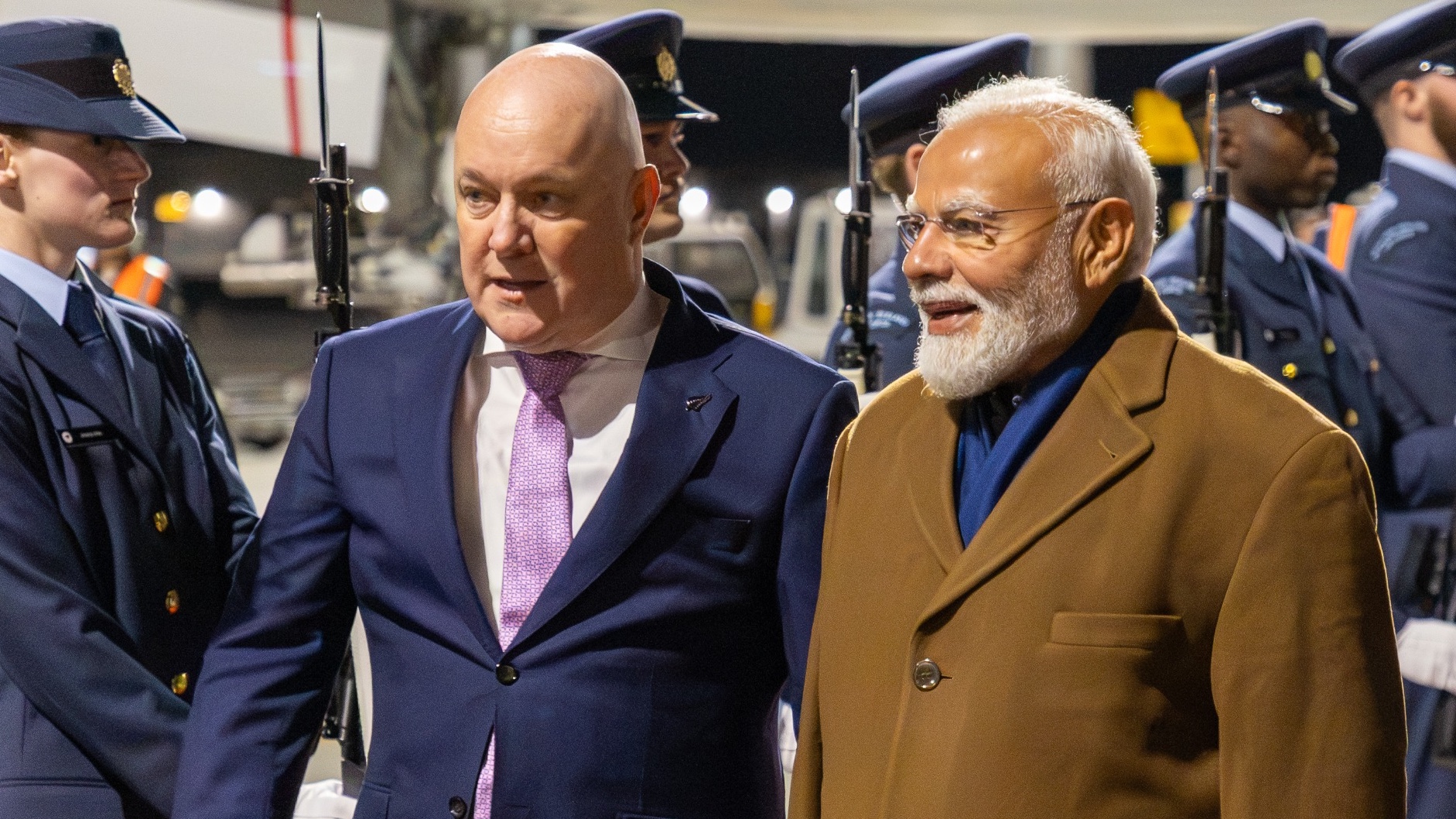
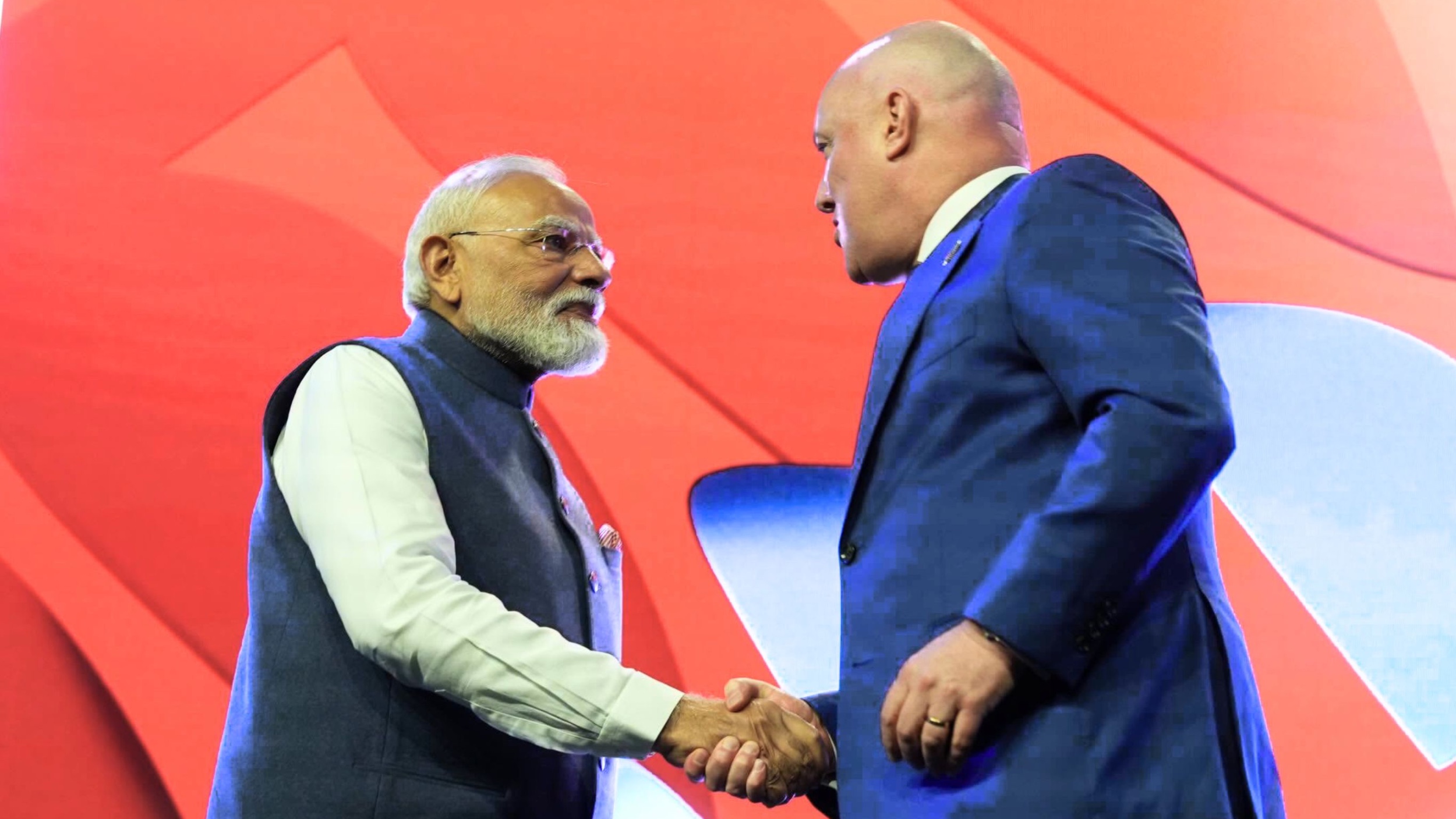
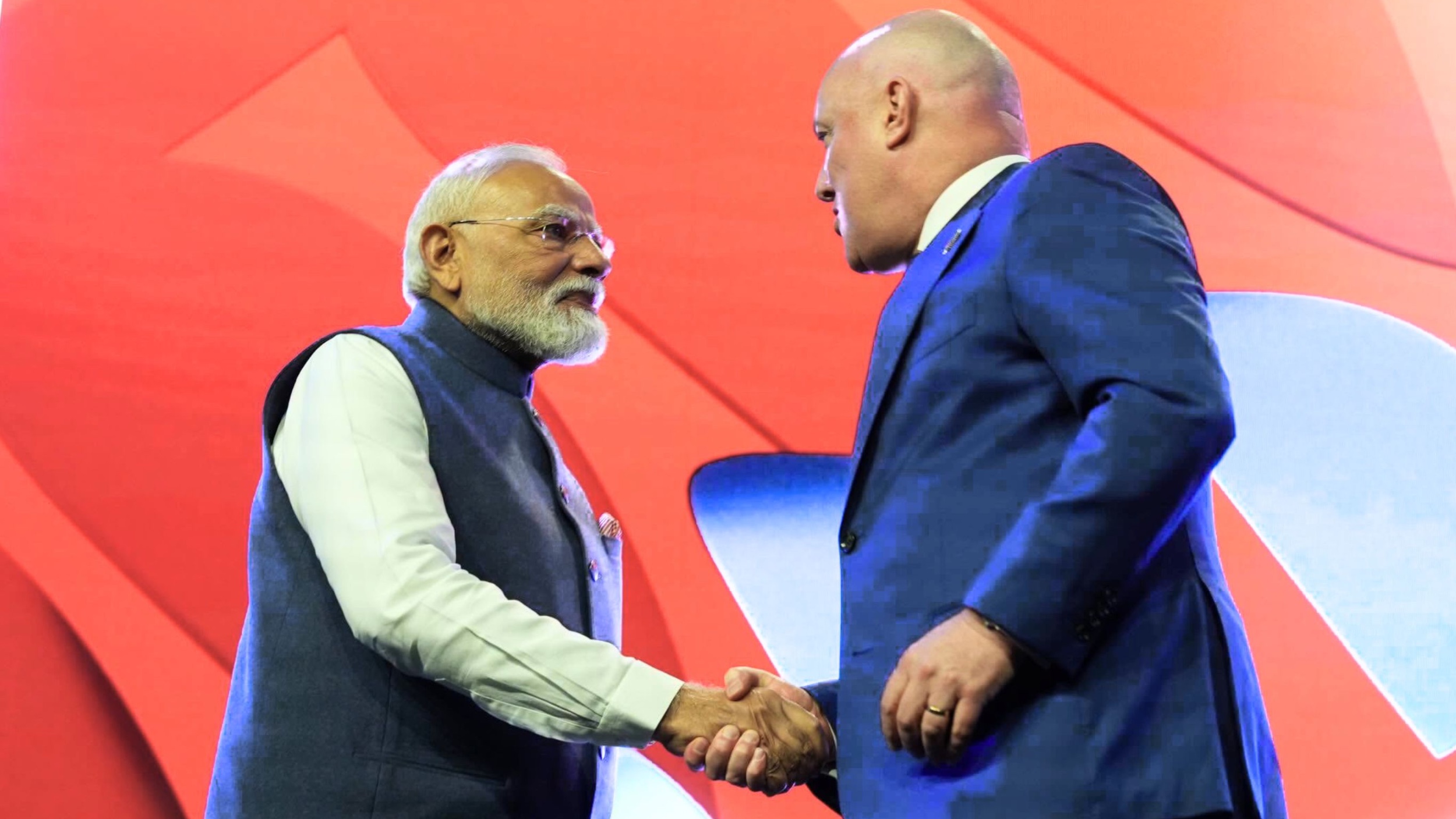
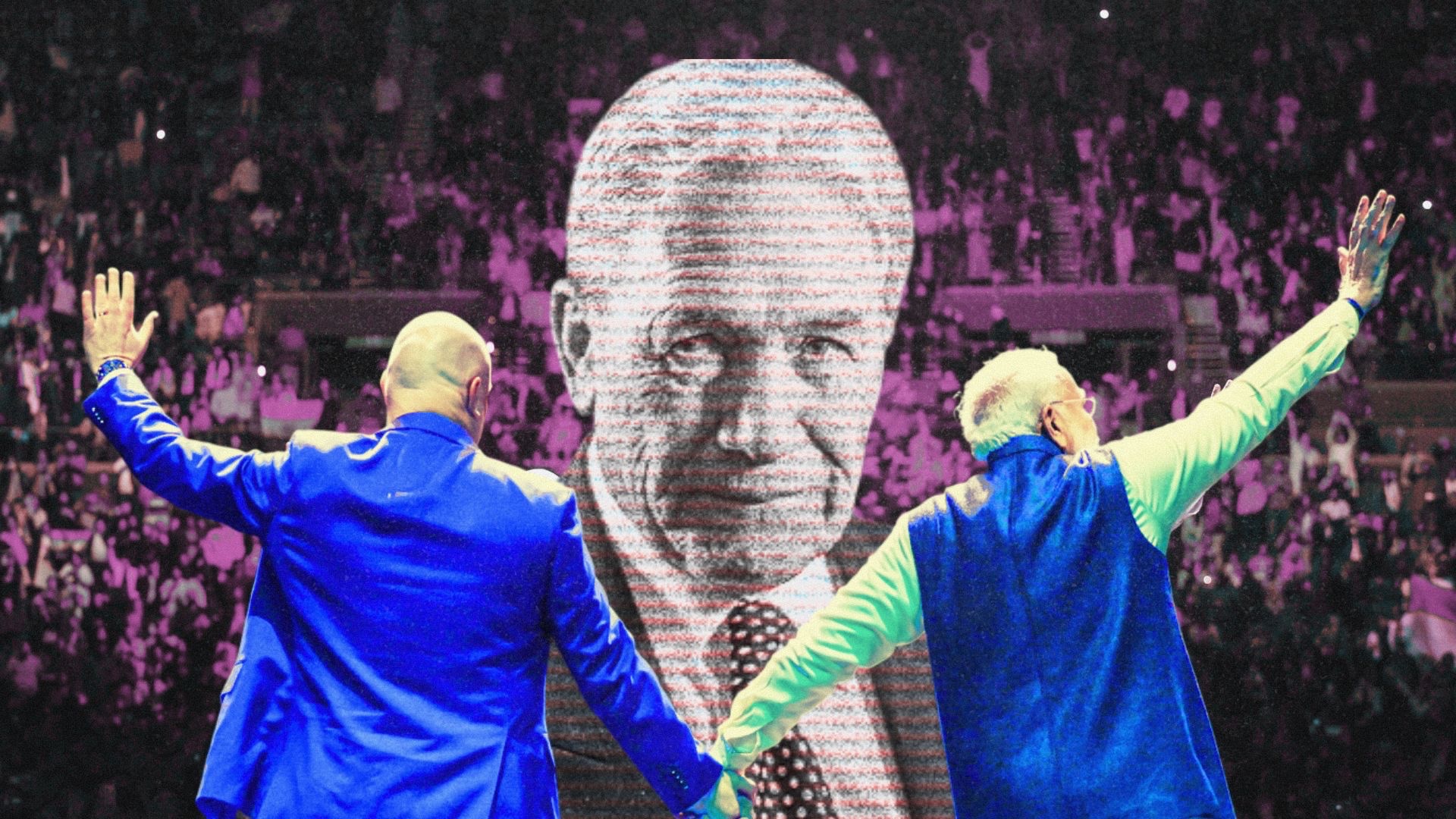
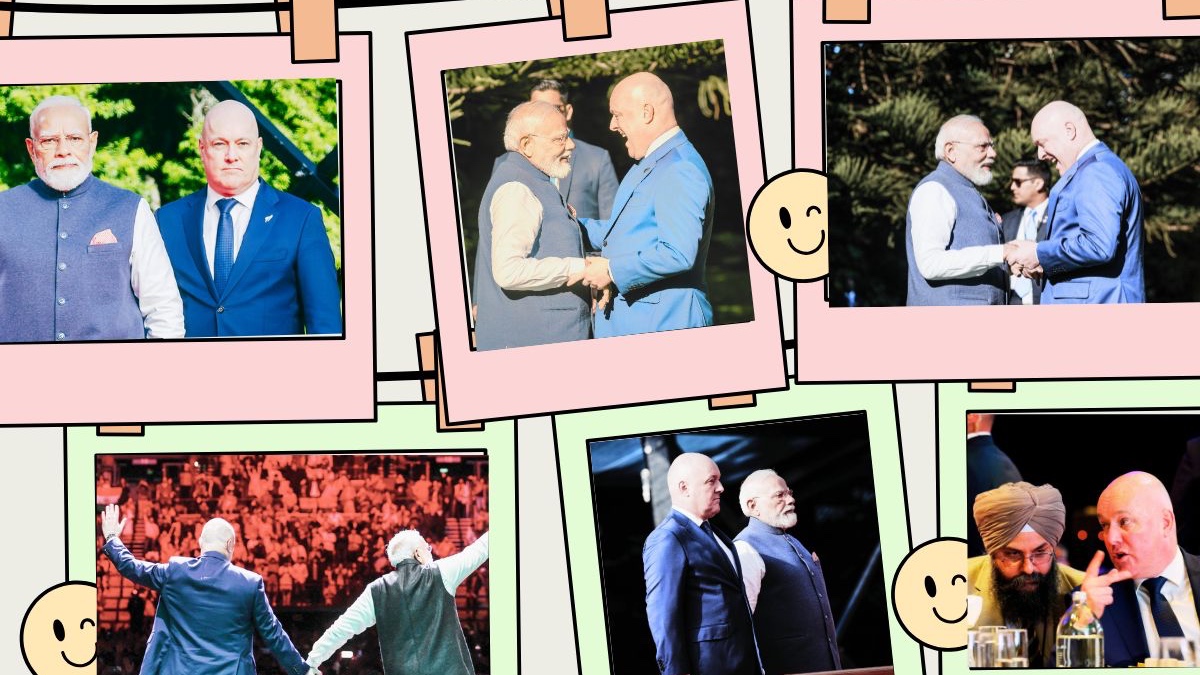
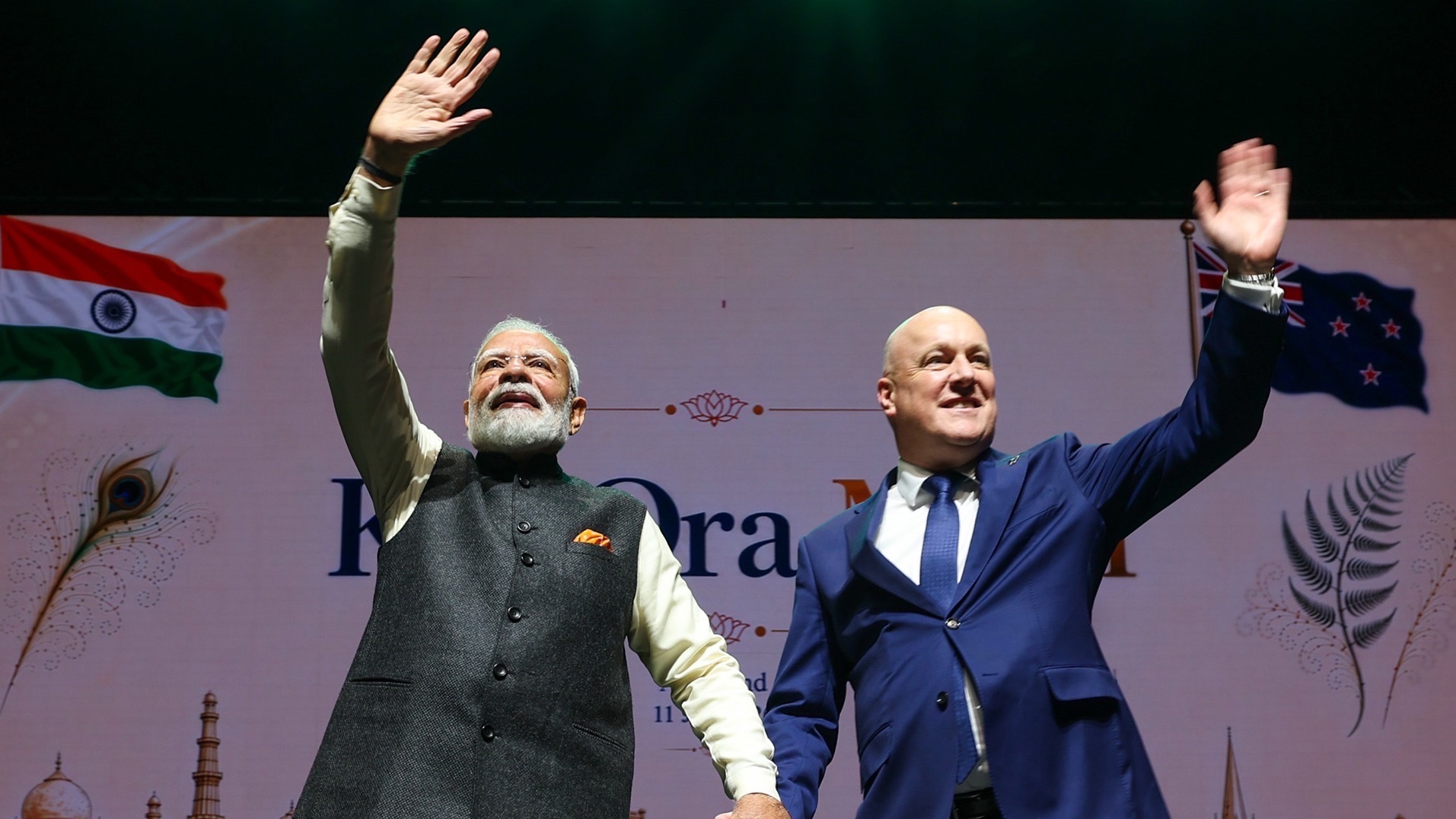
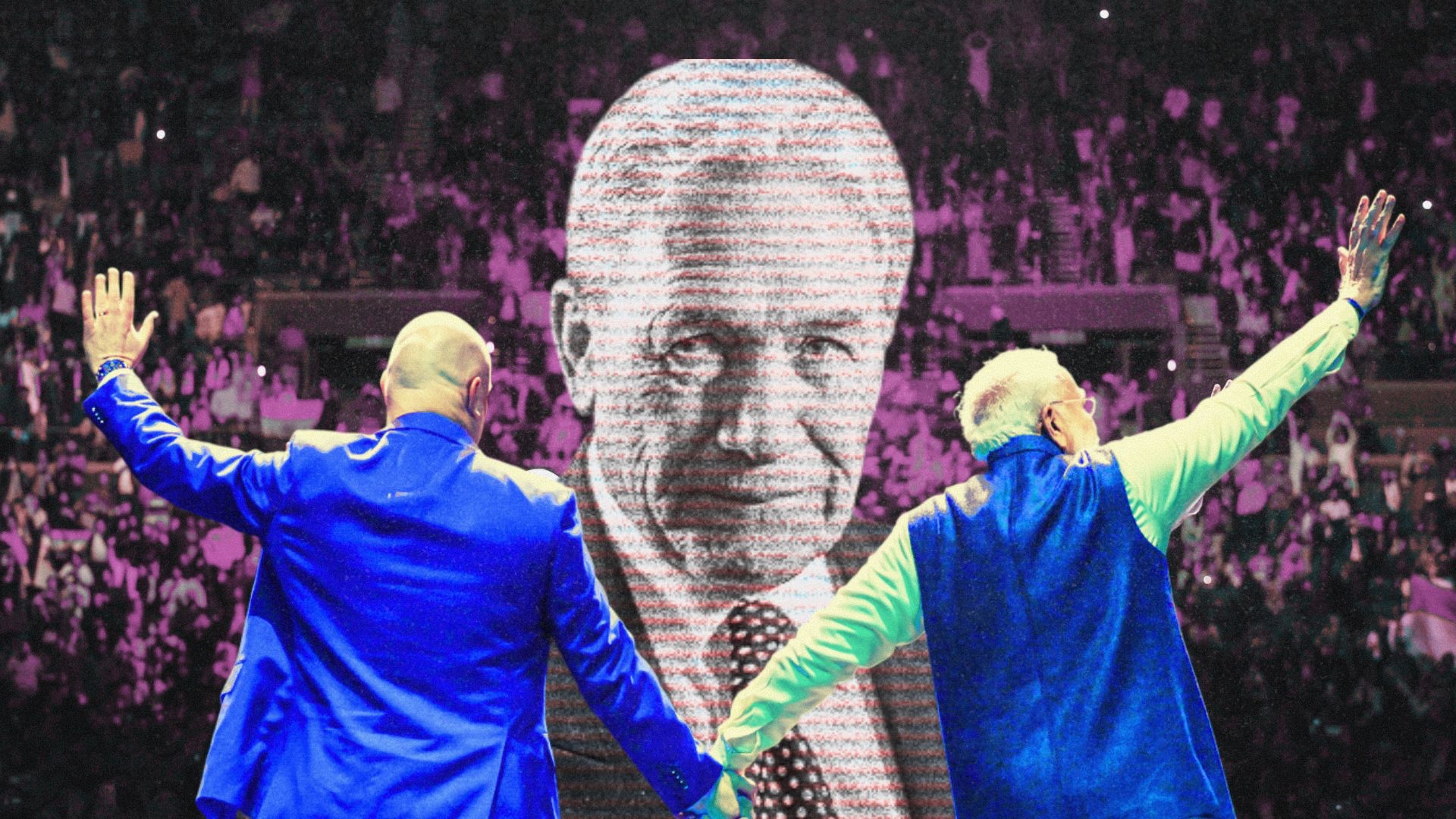
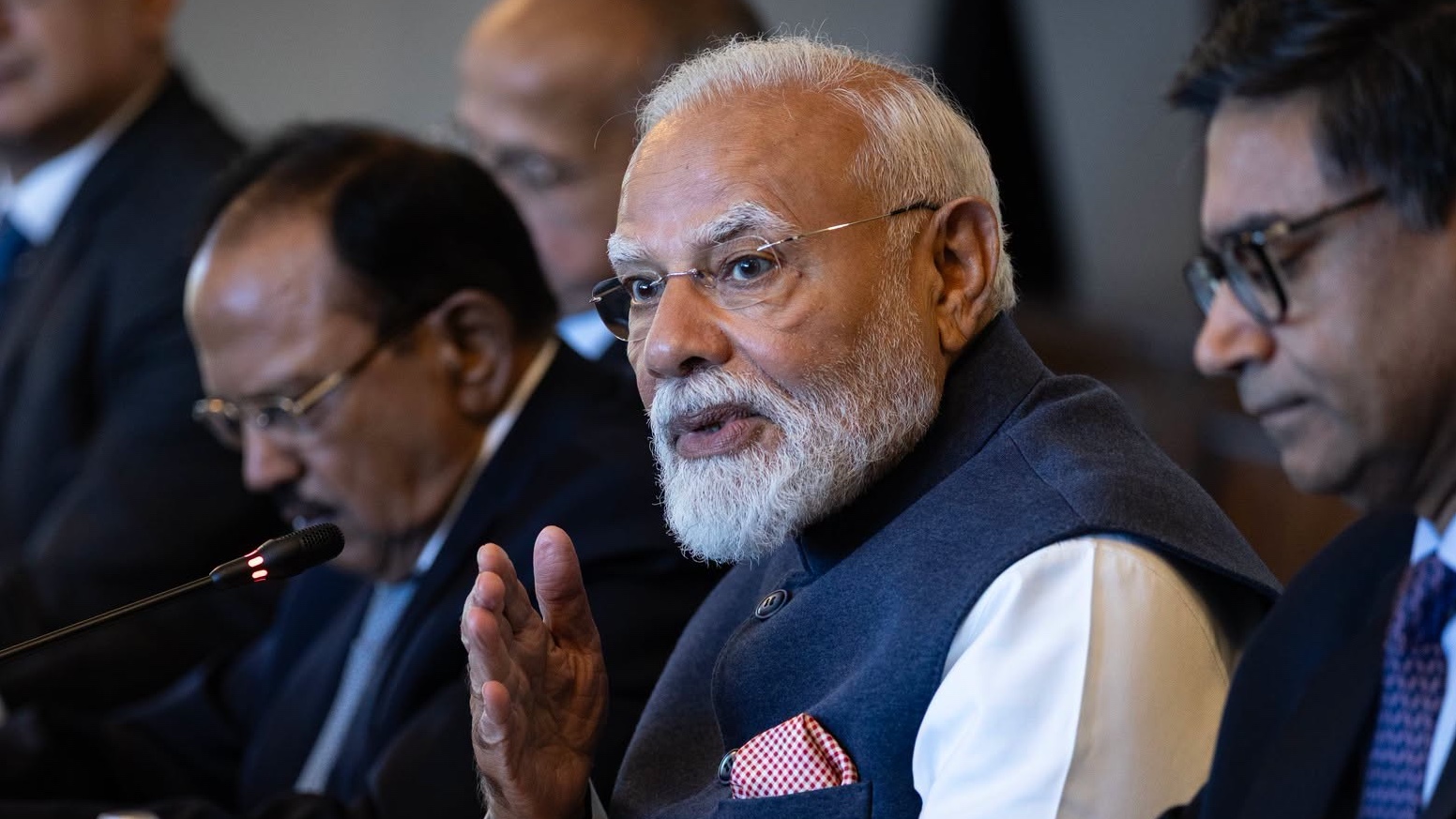
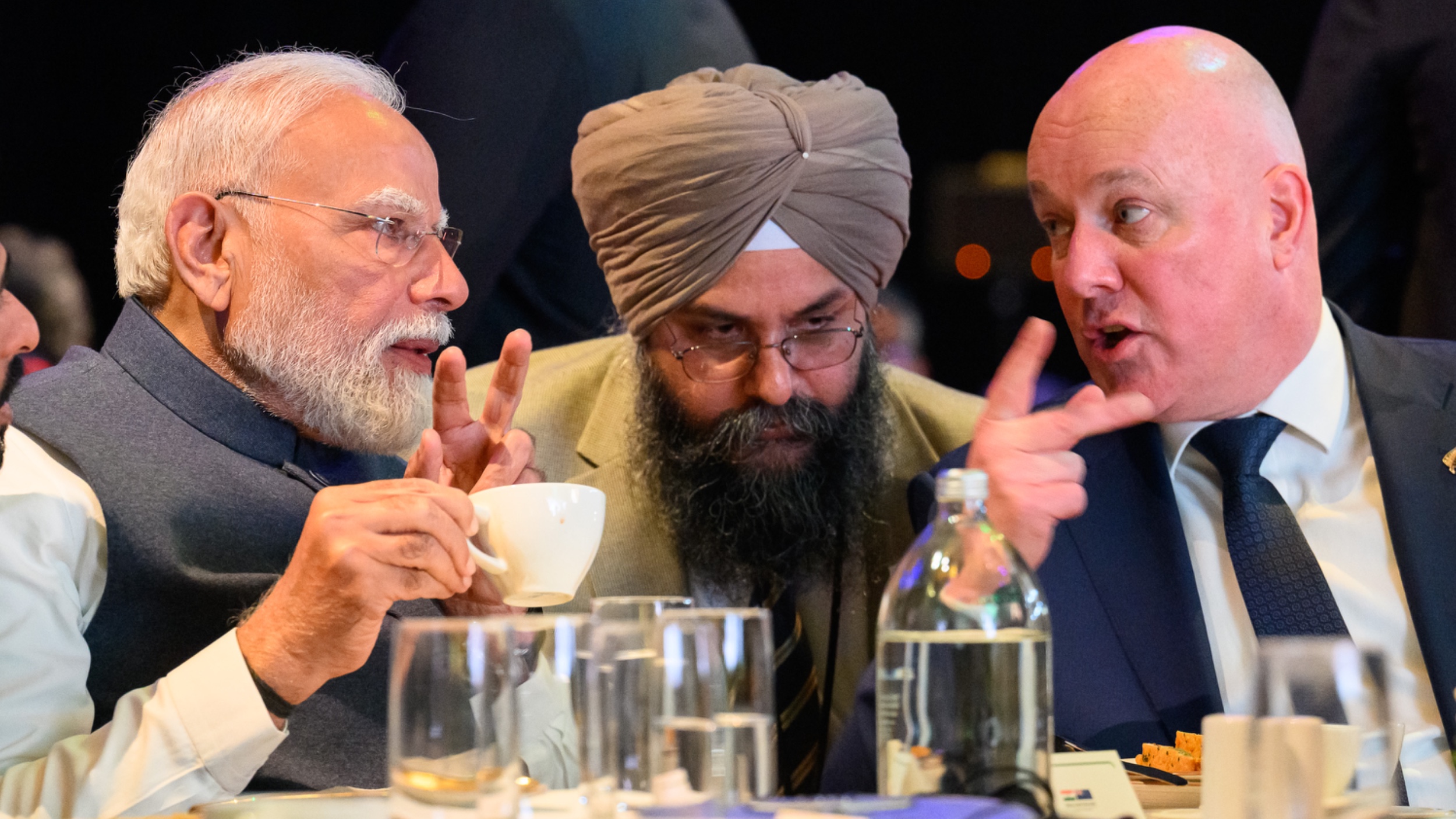
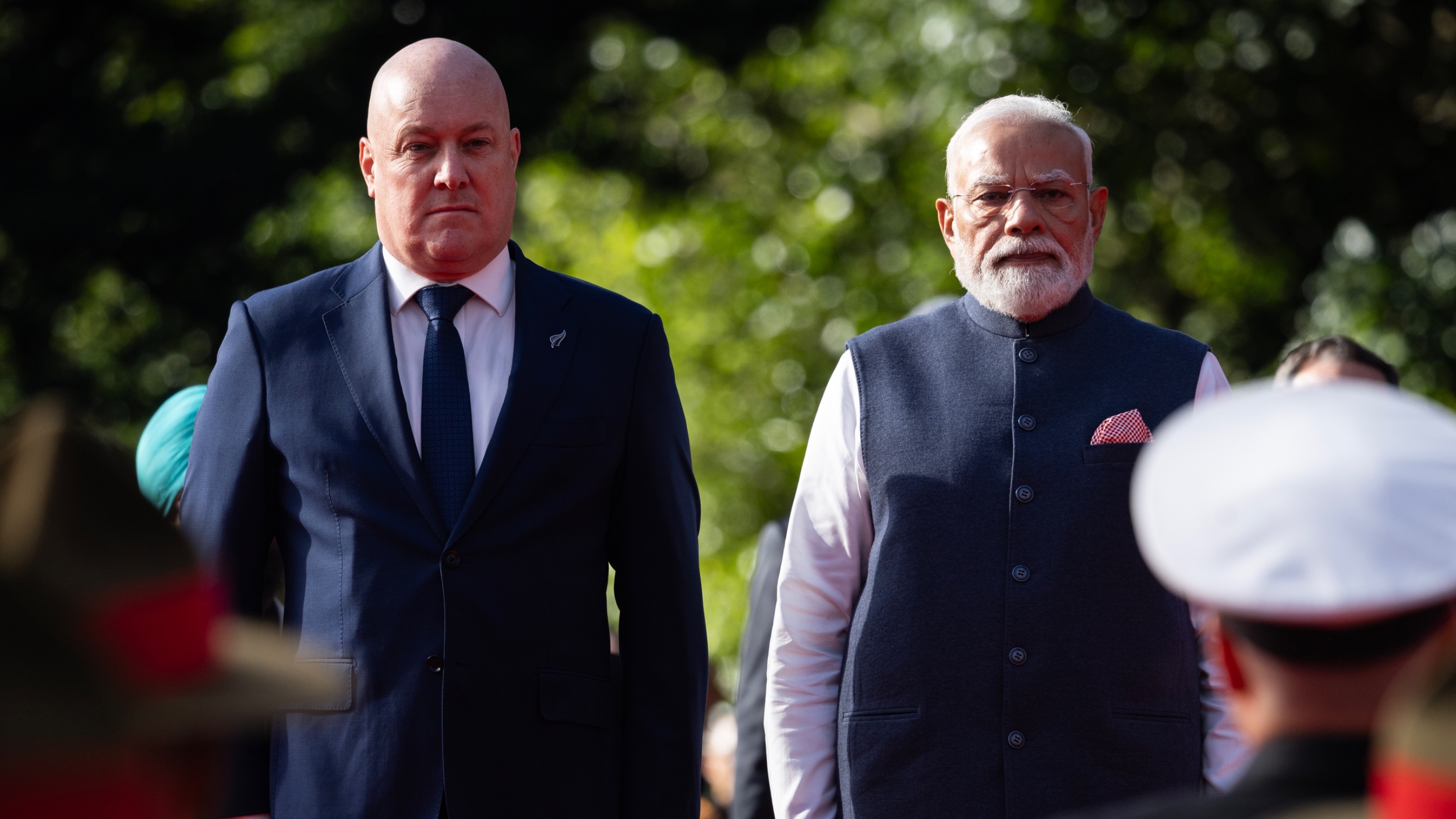
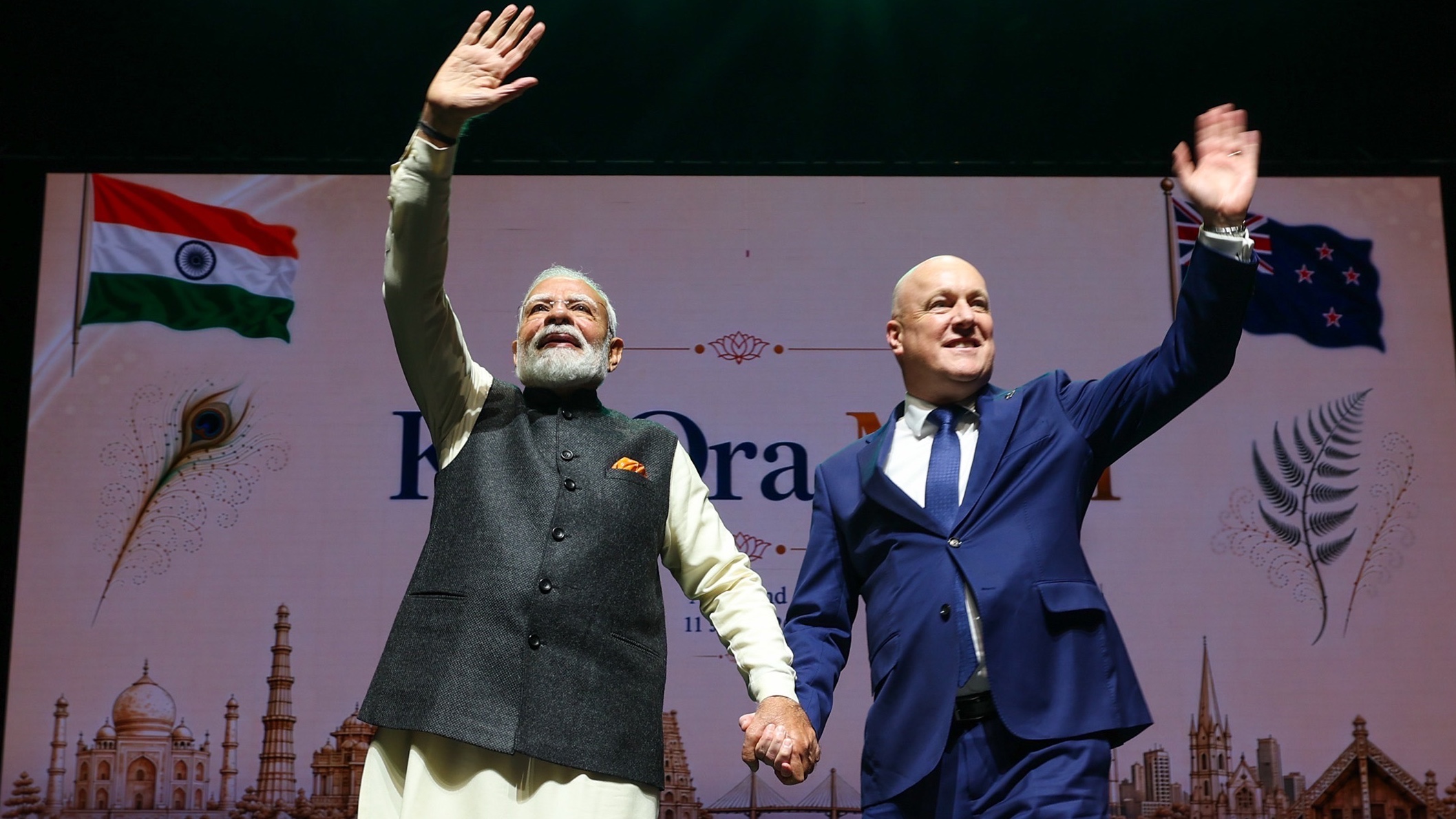
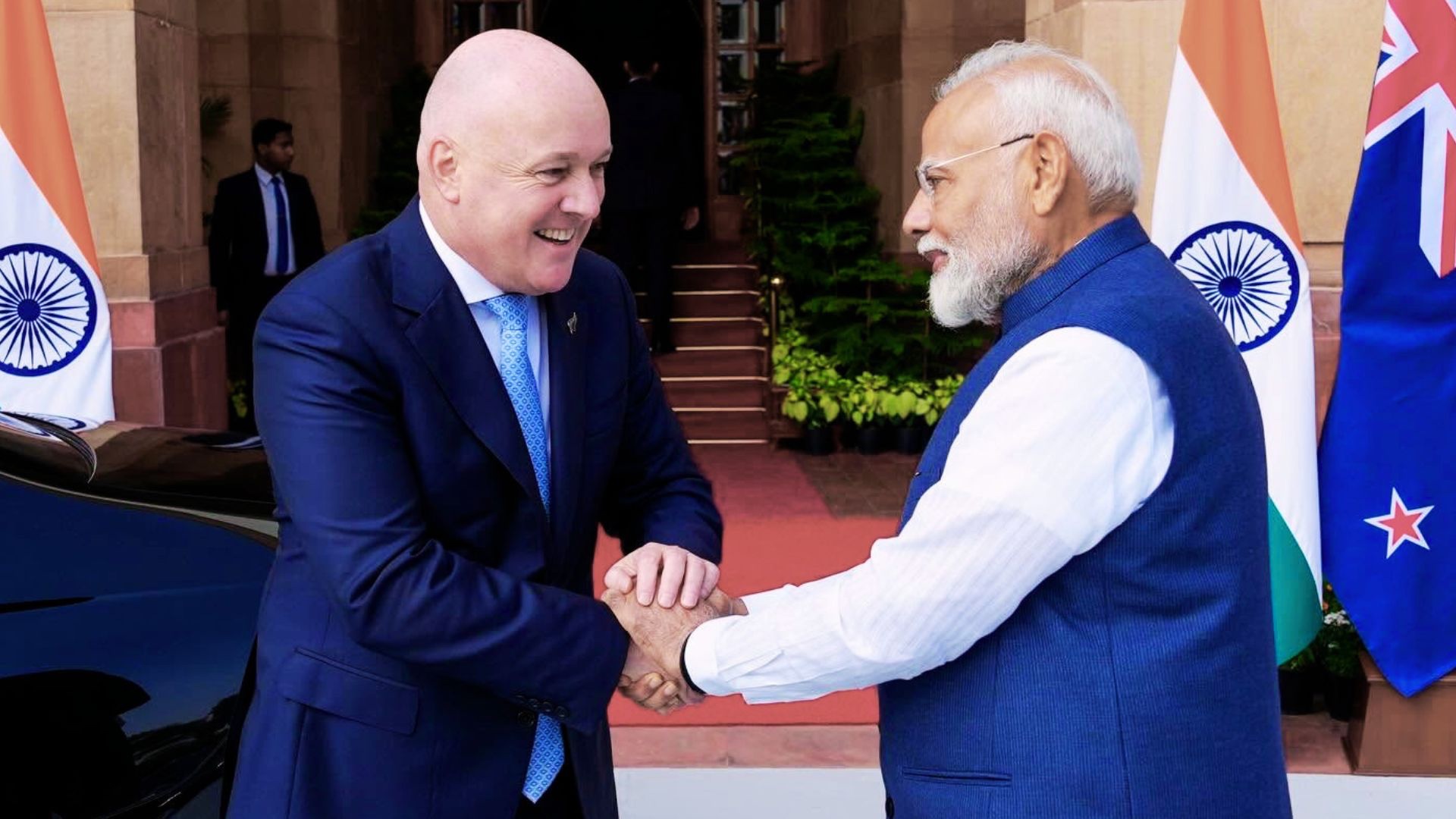
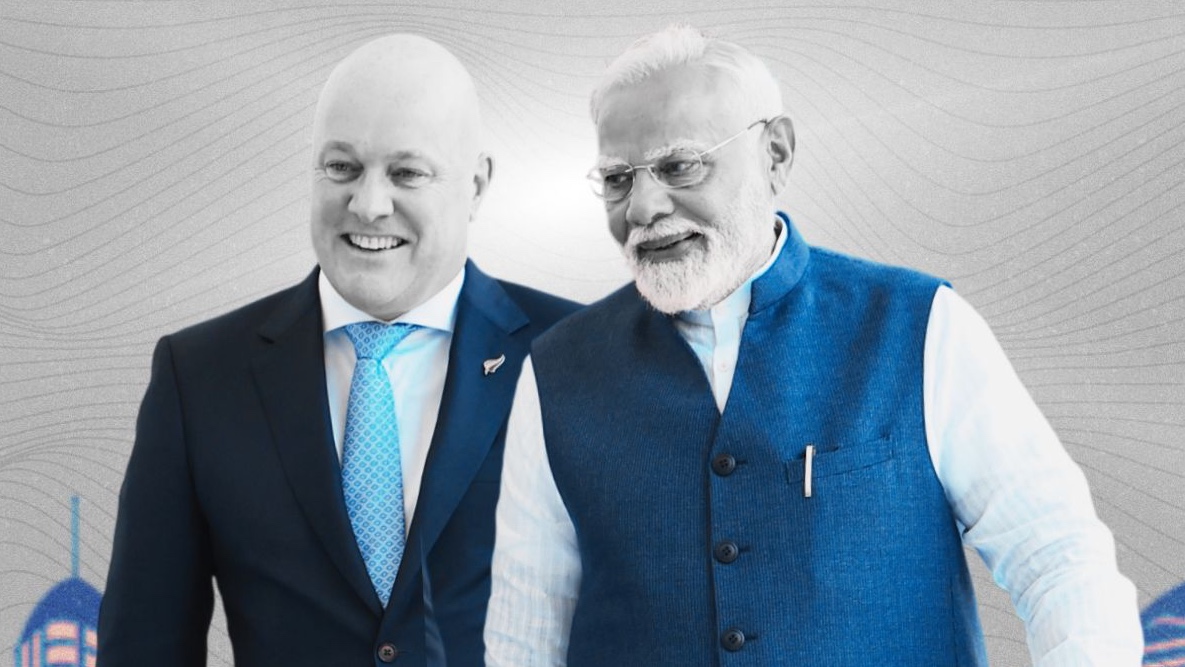
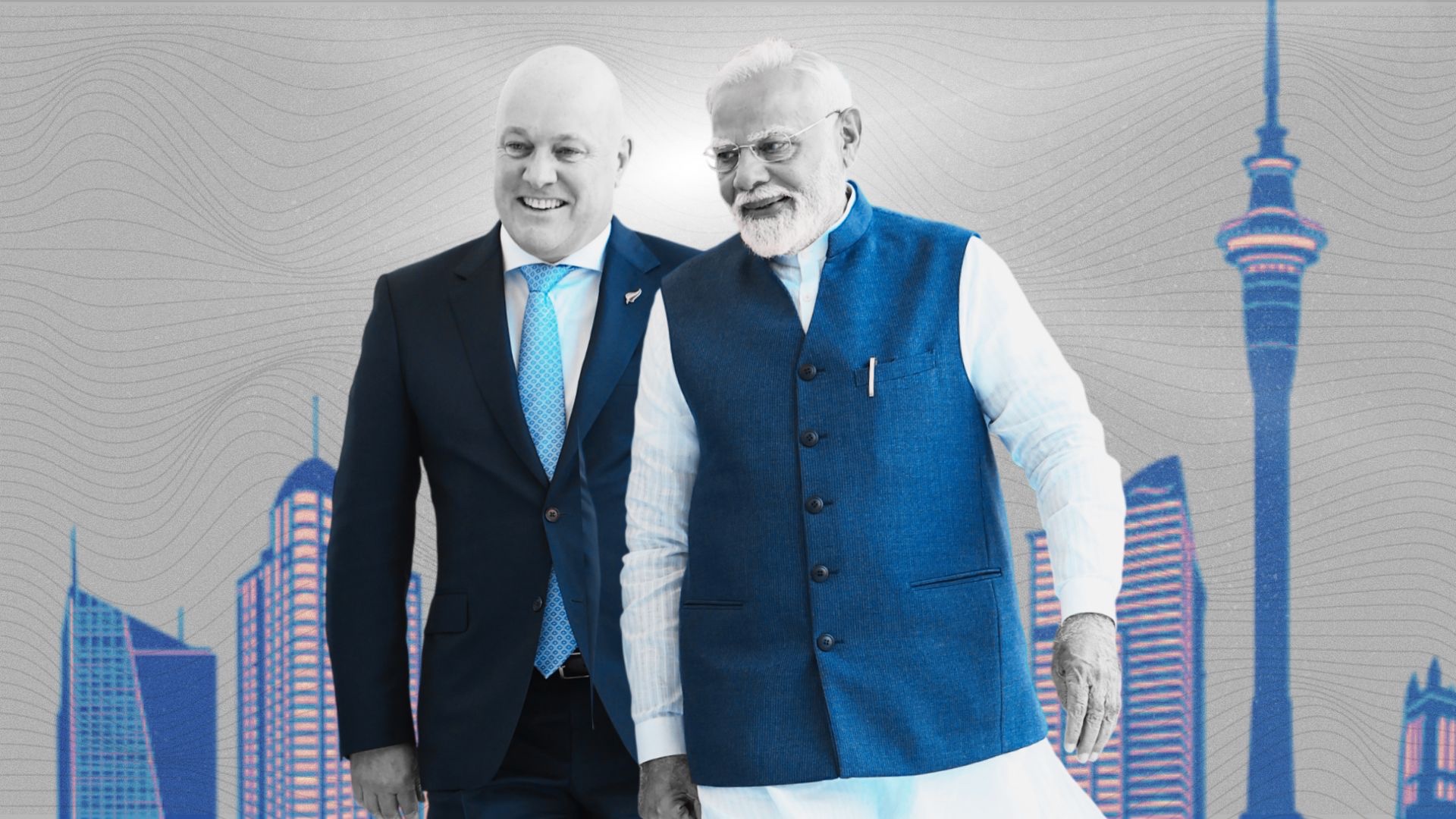
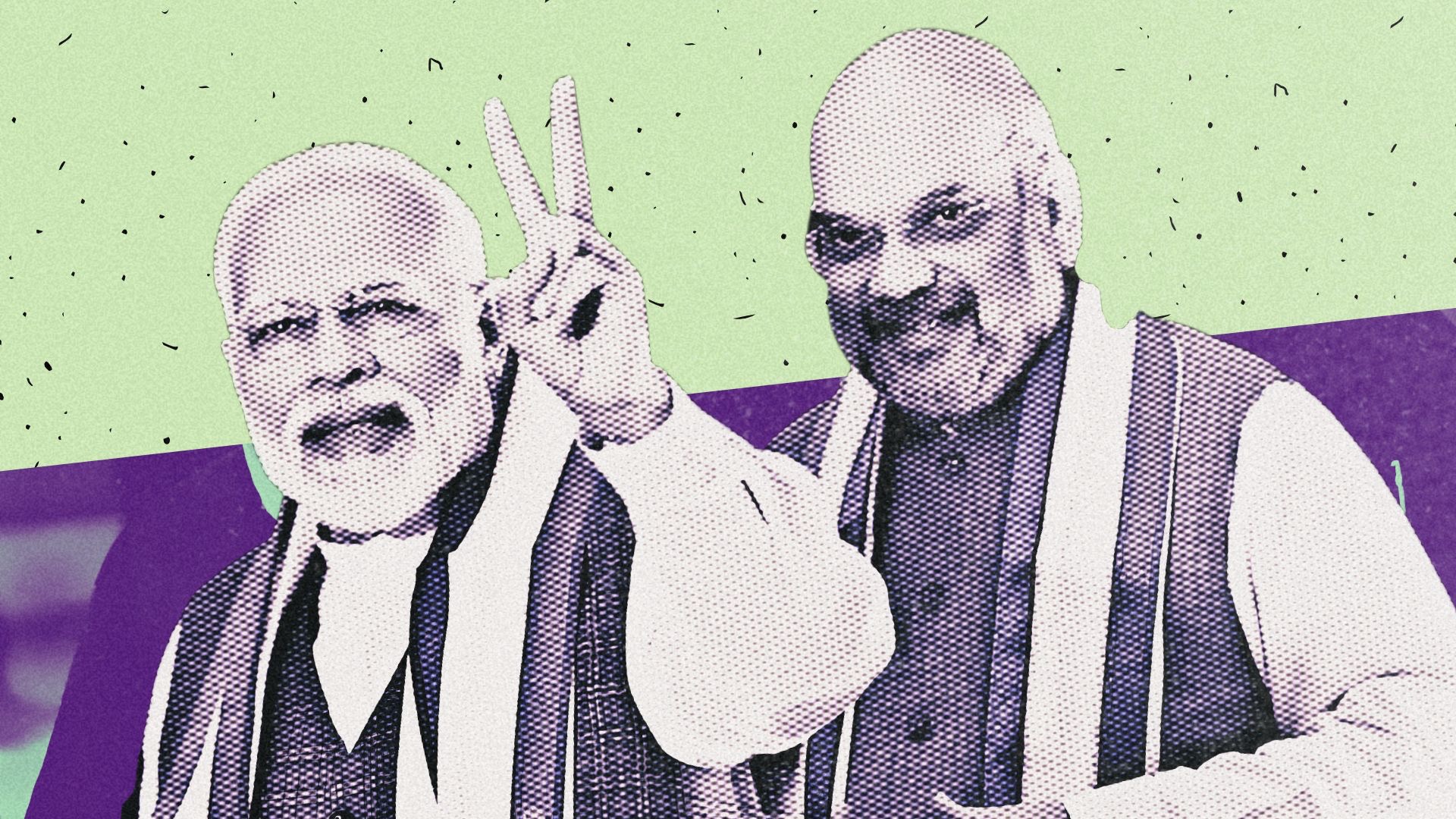
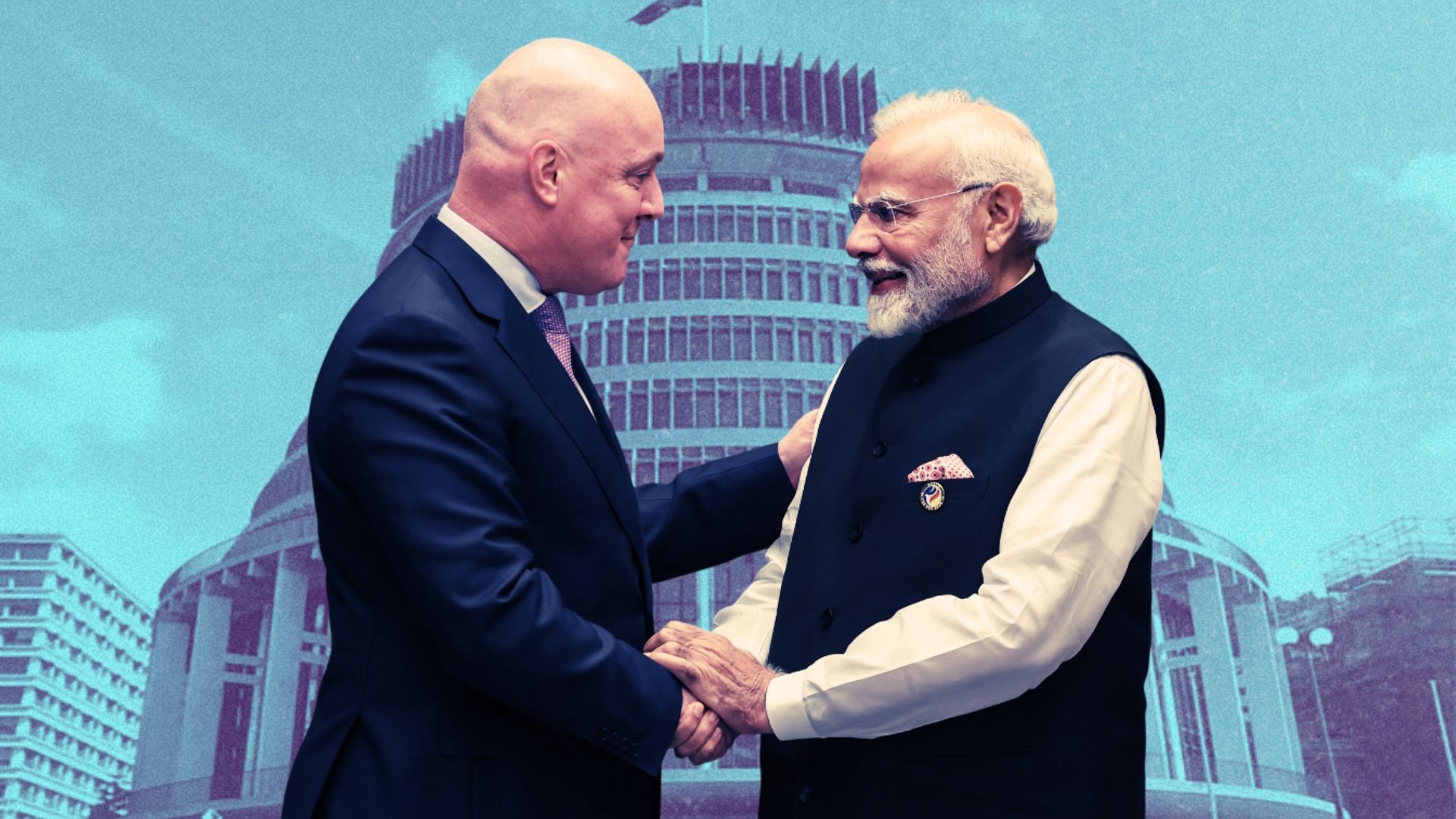
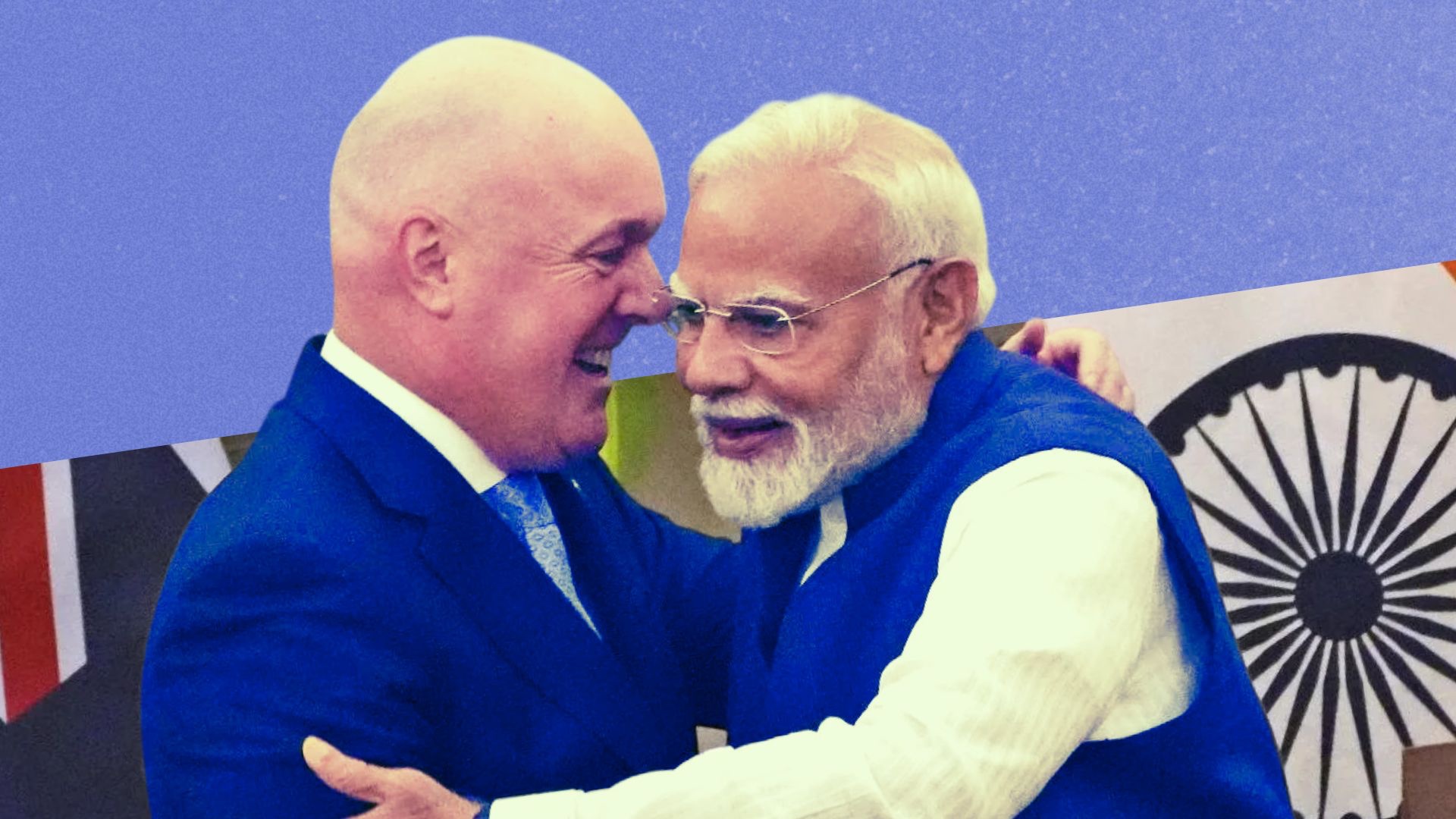
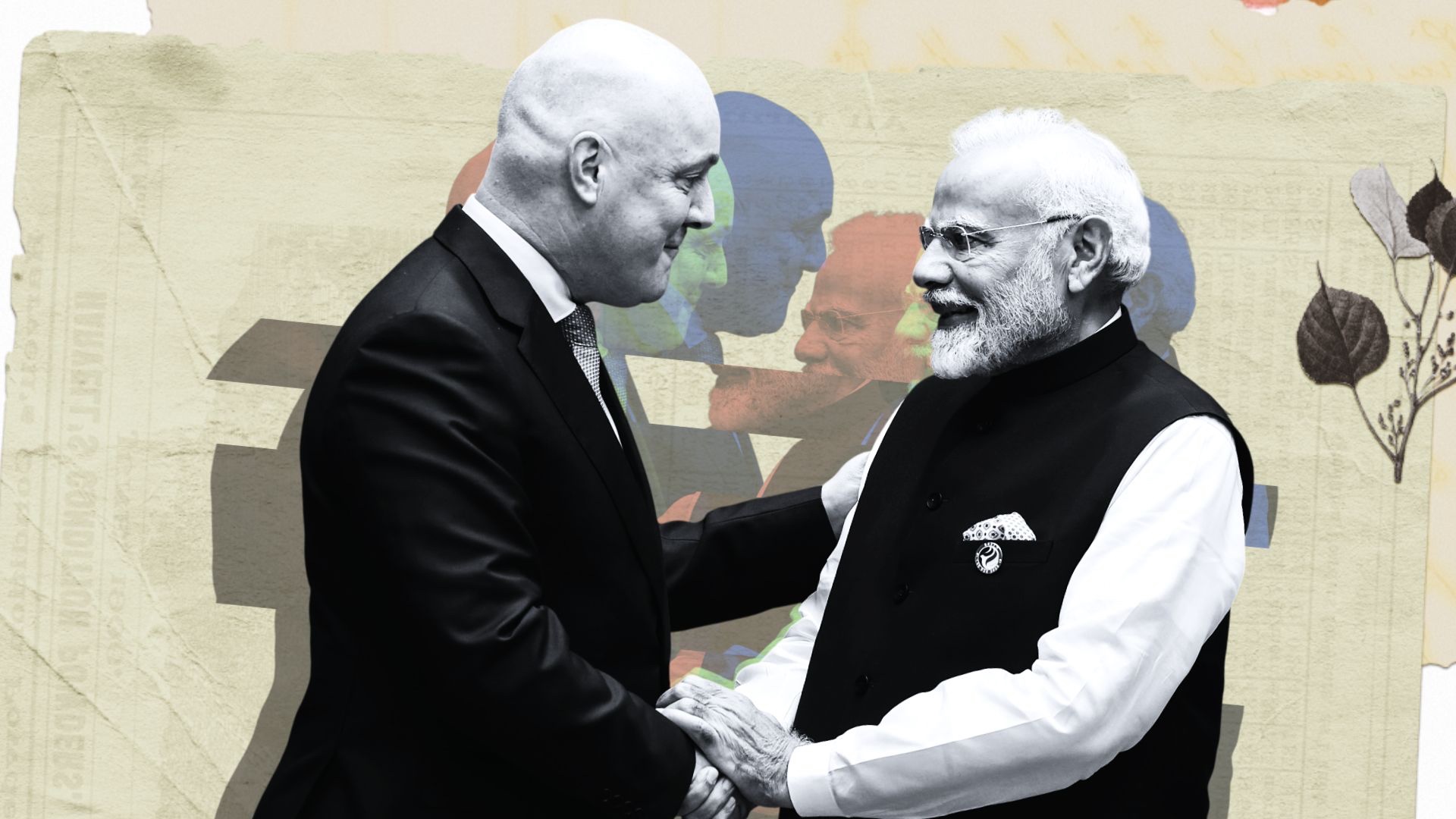
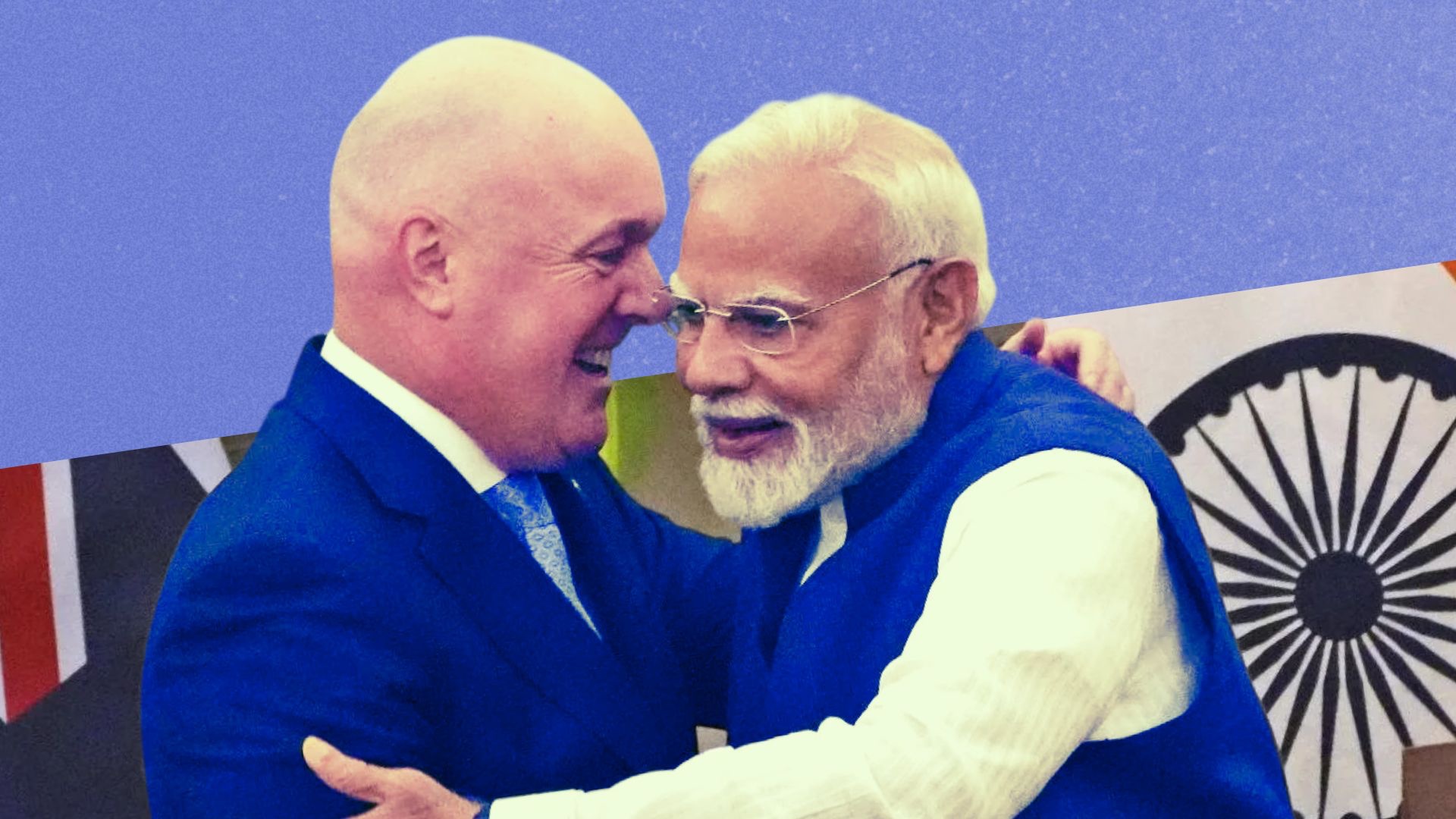
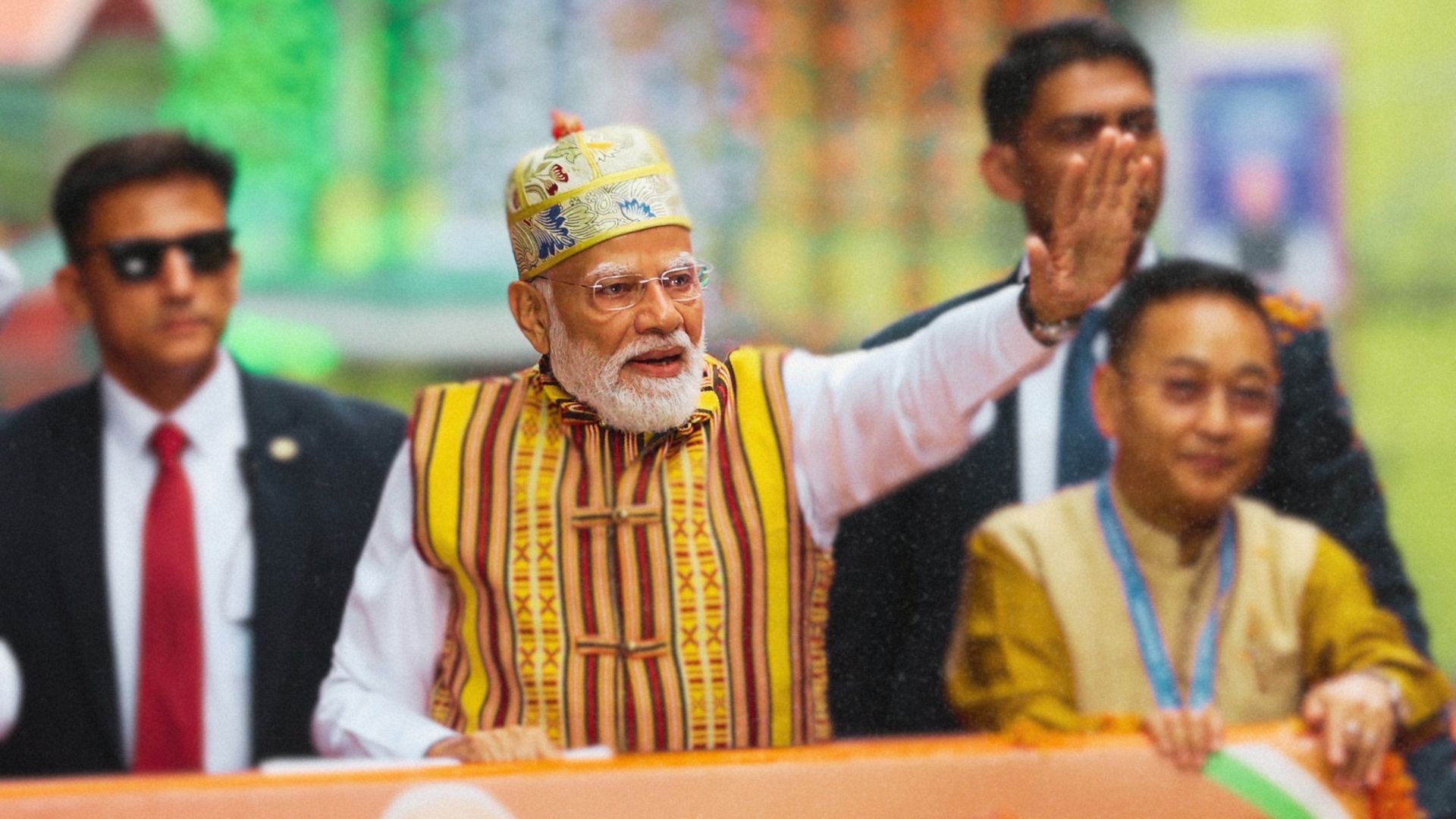
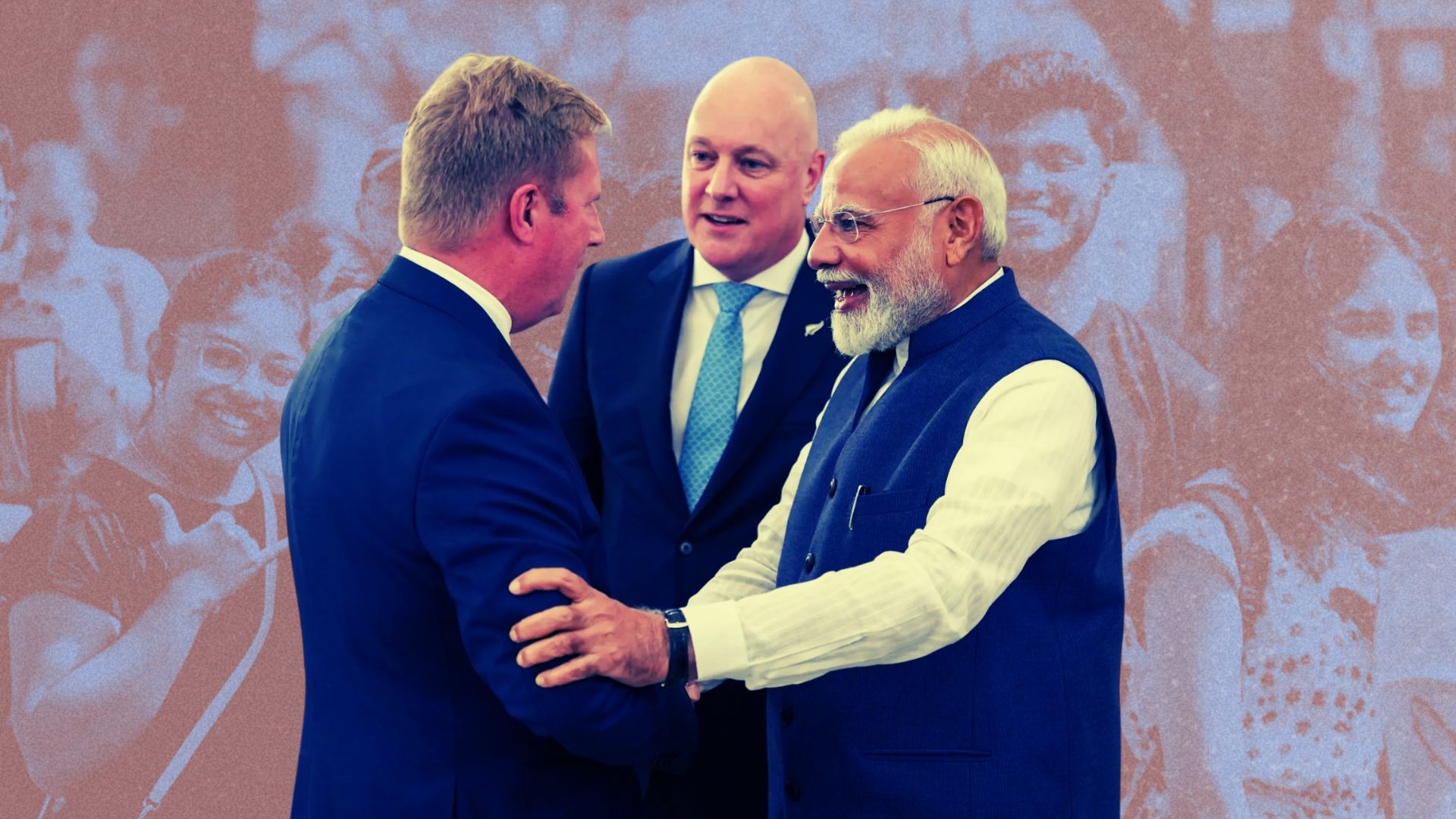
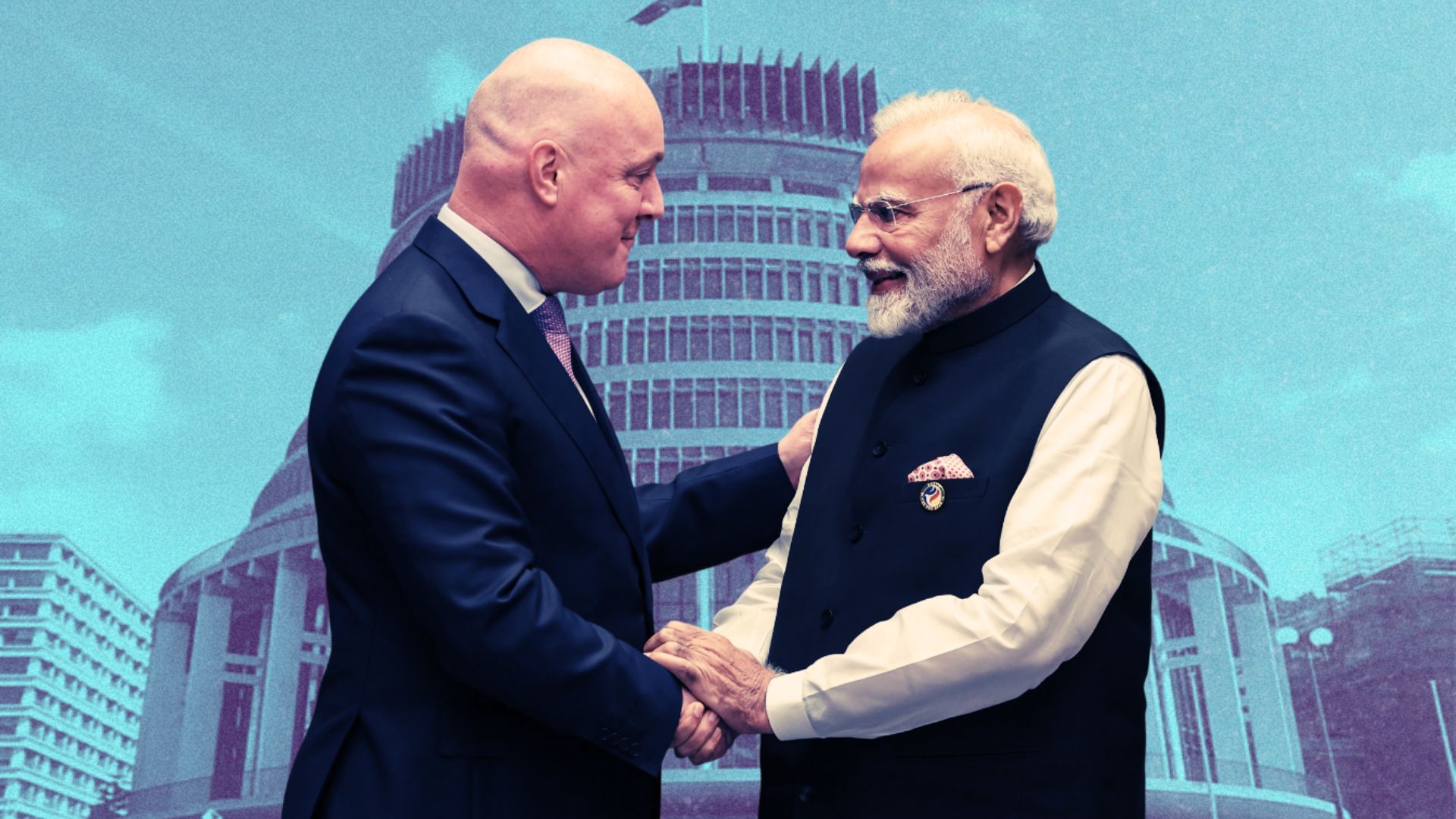
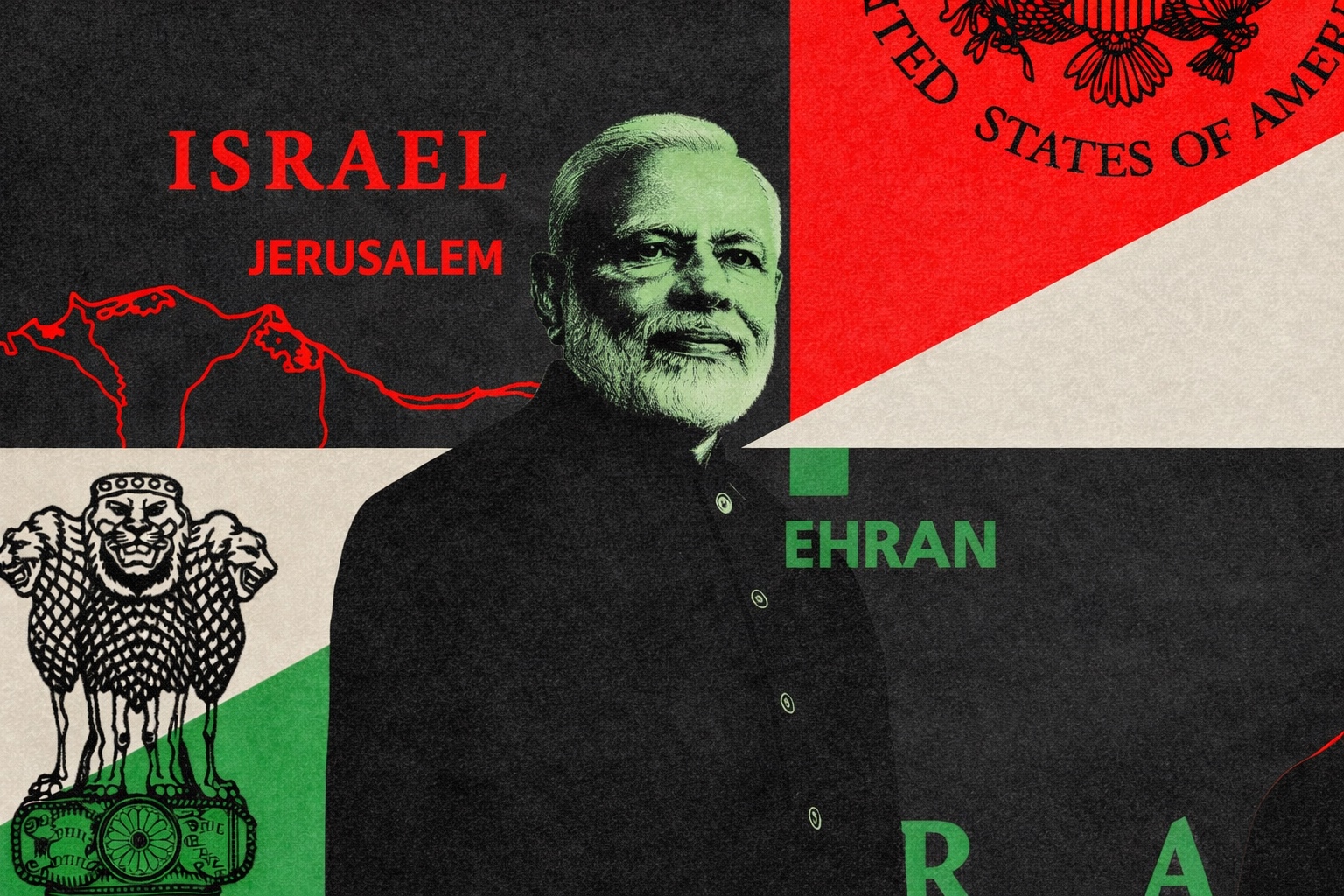
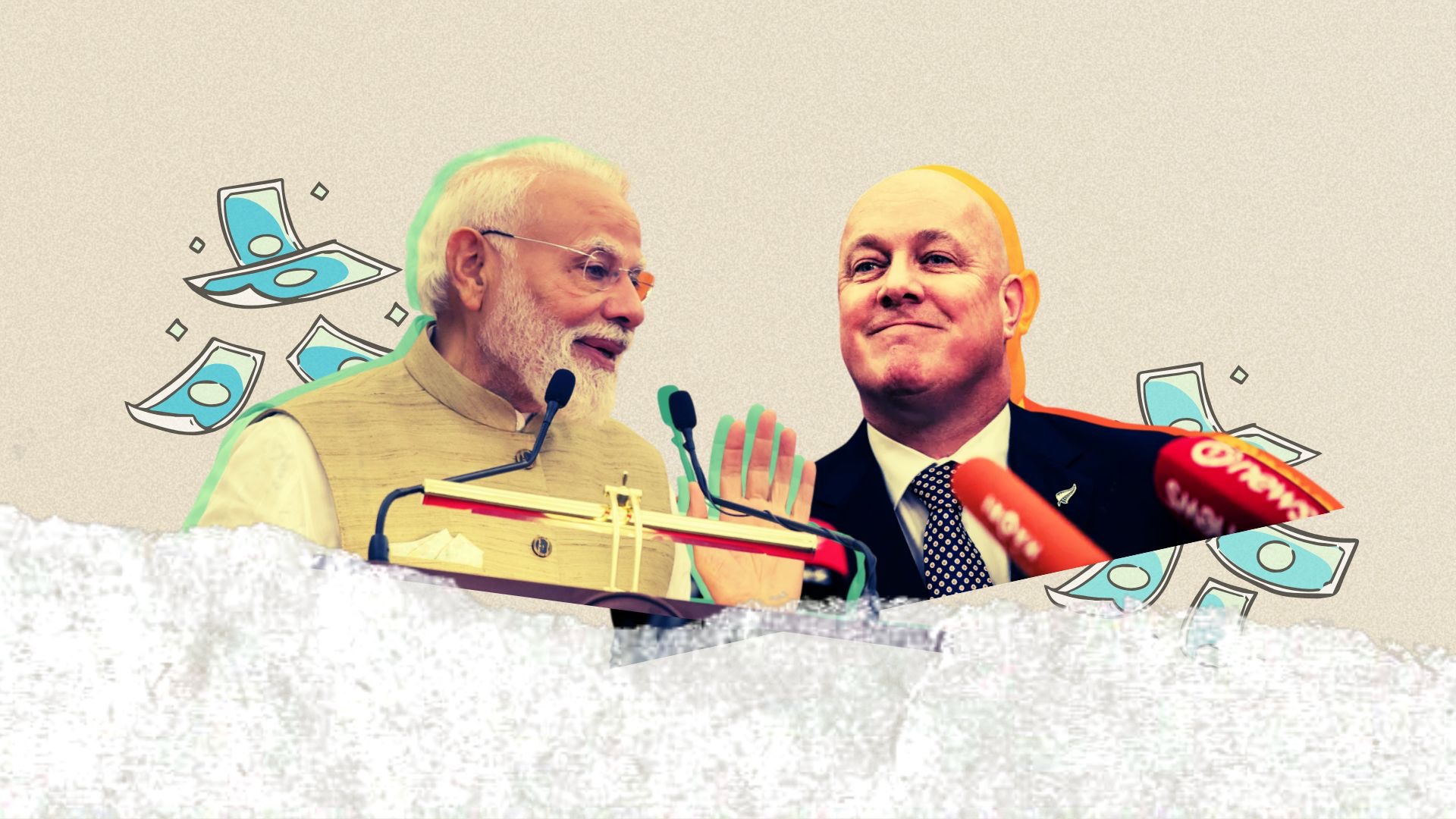
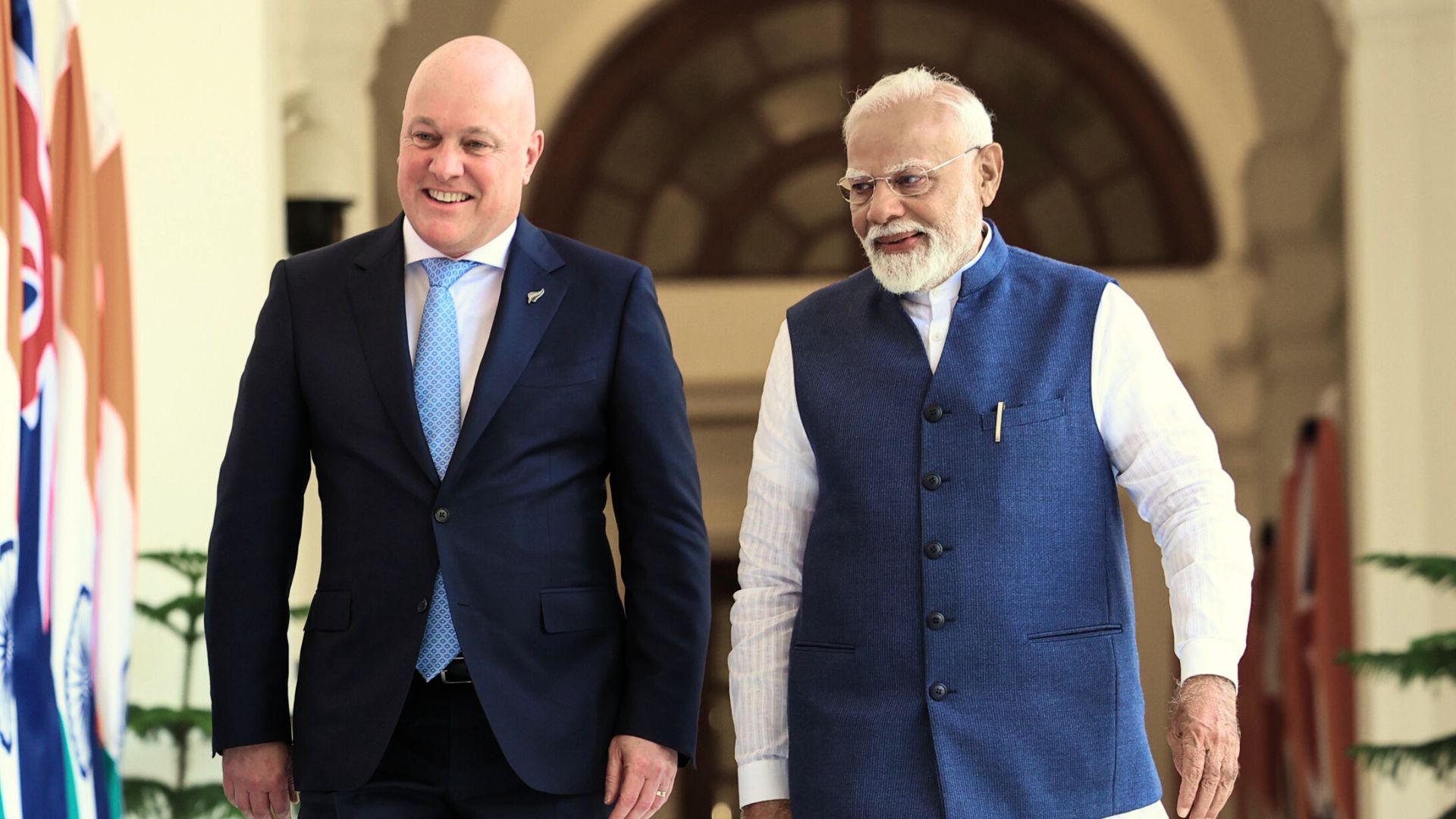
Kumar wished Brown well but said attending Indian prime minister Narendra Modi’s Auckland community event on July 11, 2026, had reinforced his decision to step away from New Zealand First.
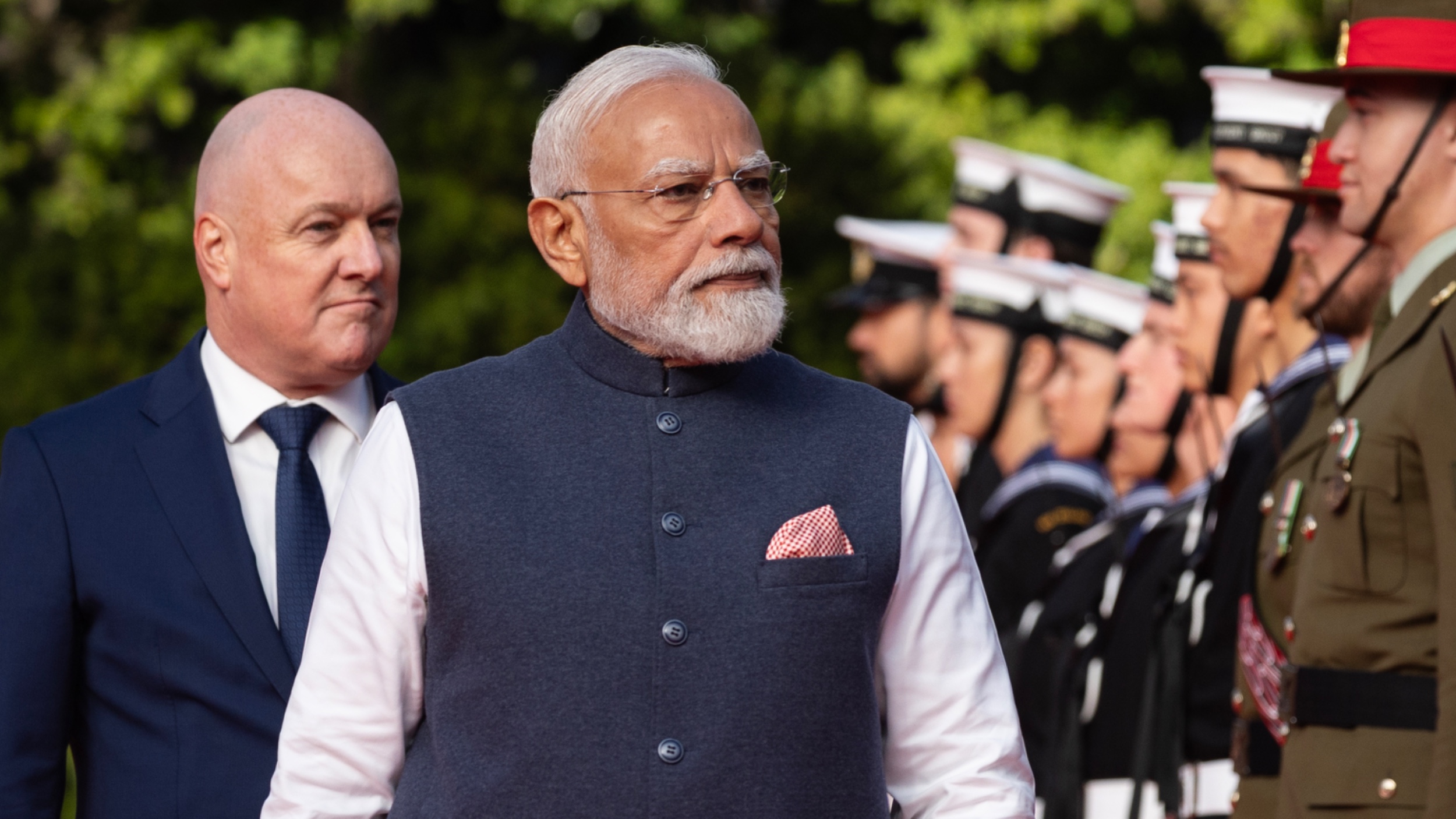
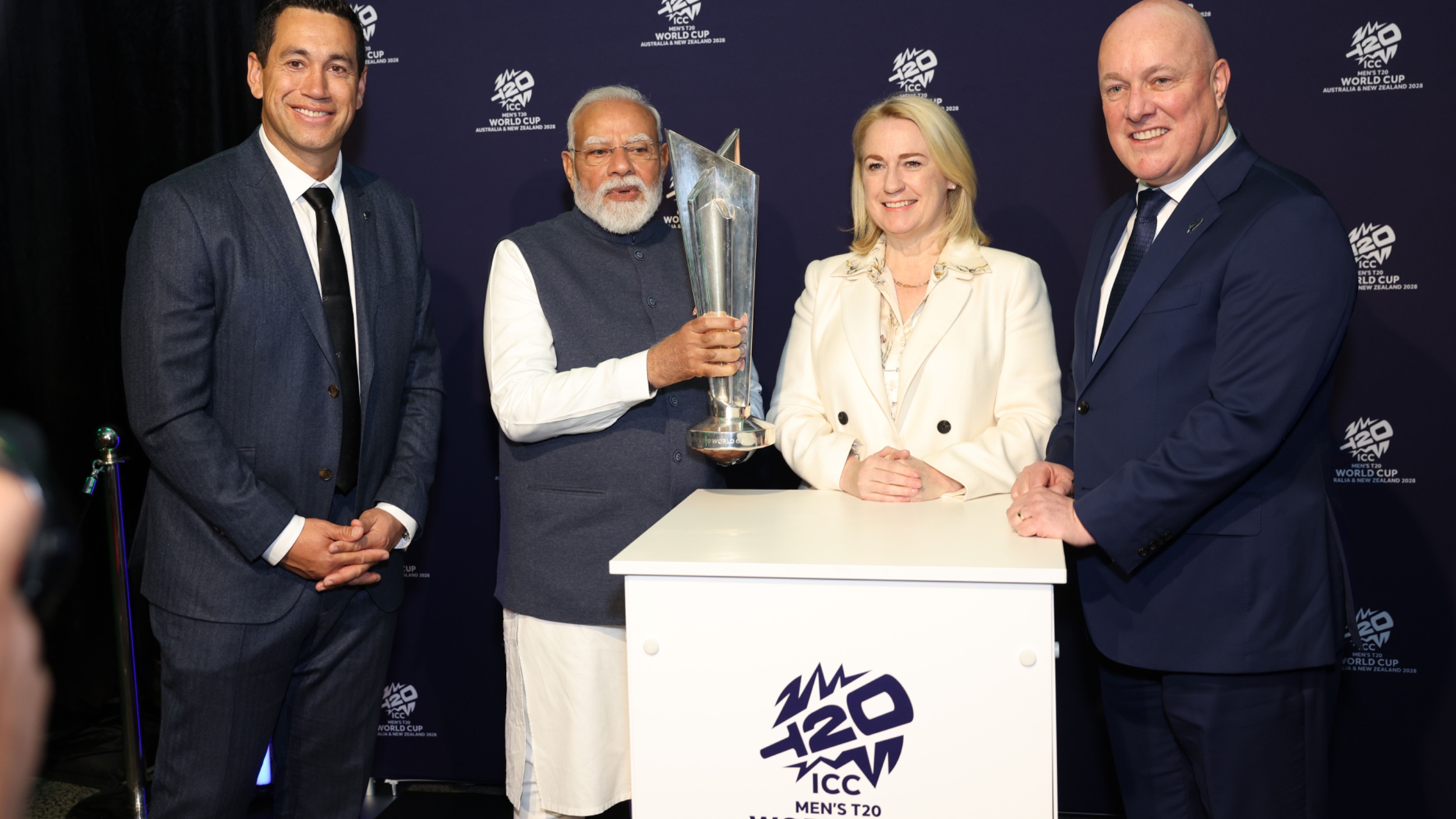
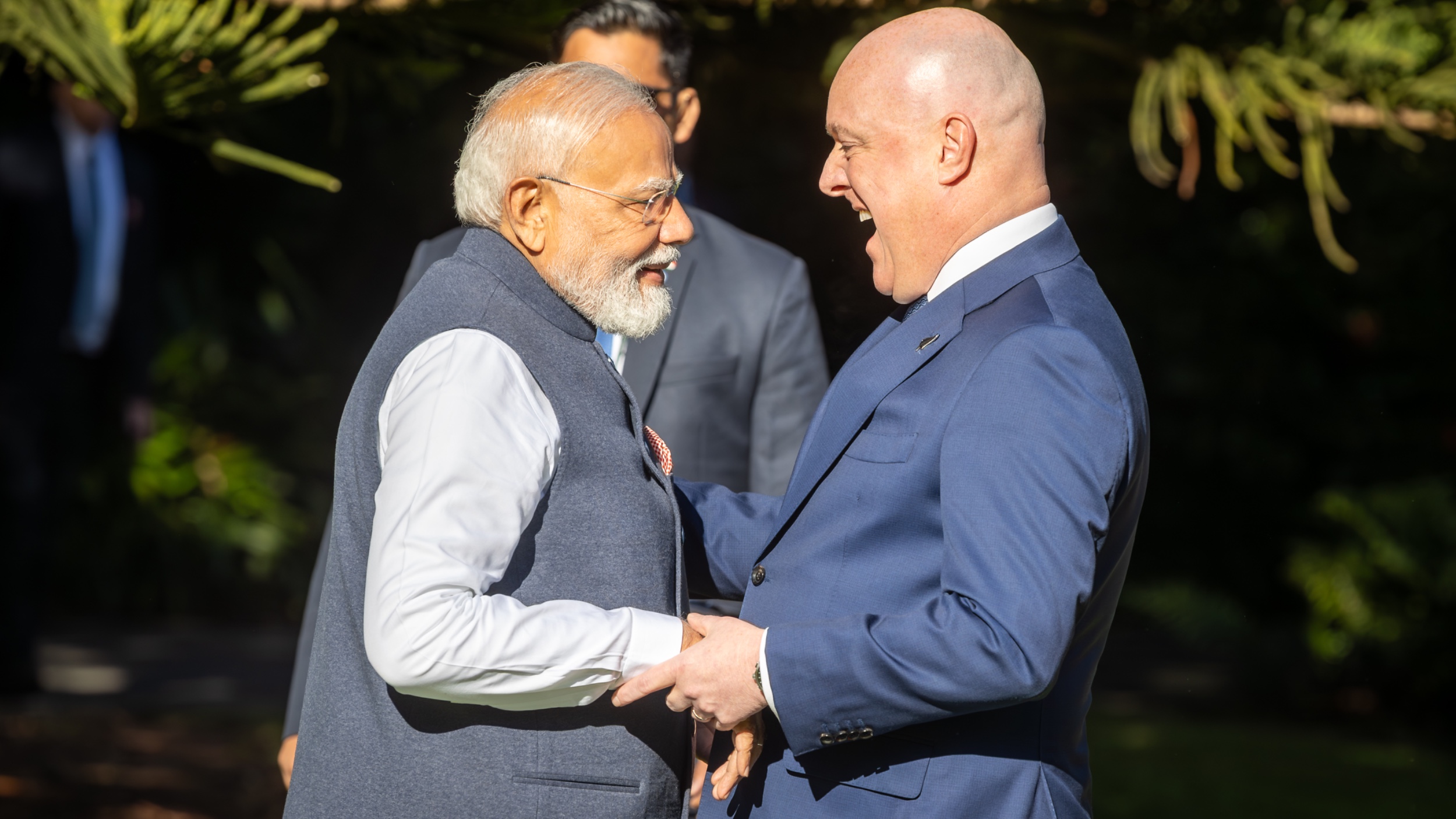
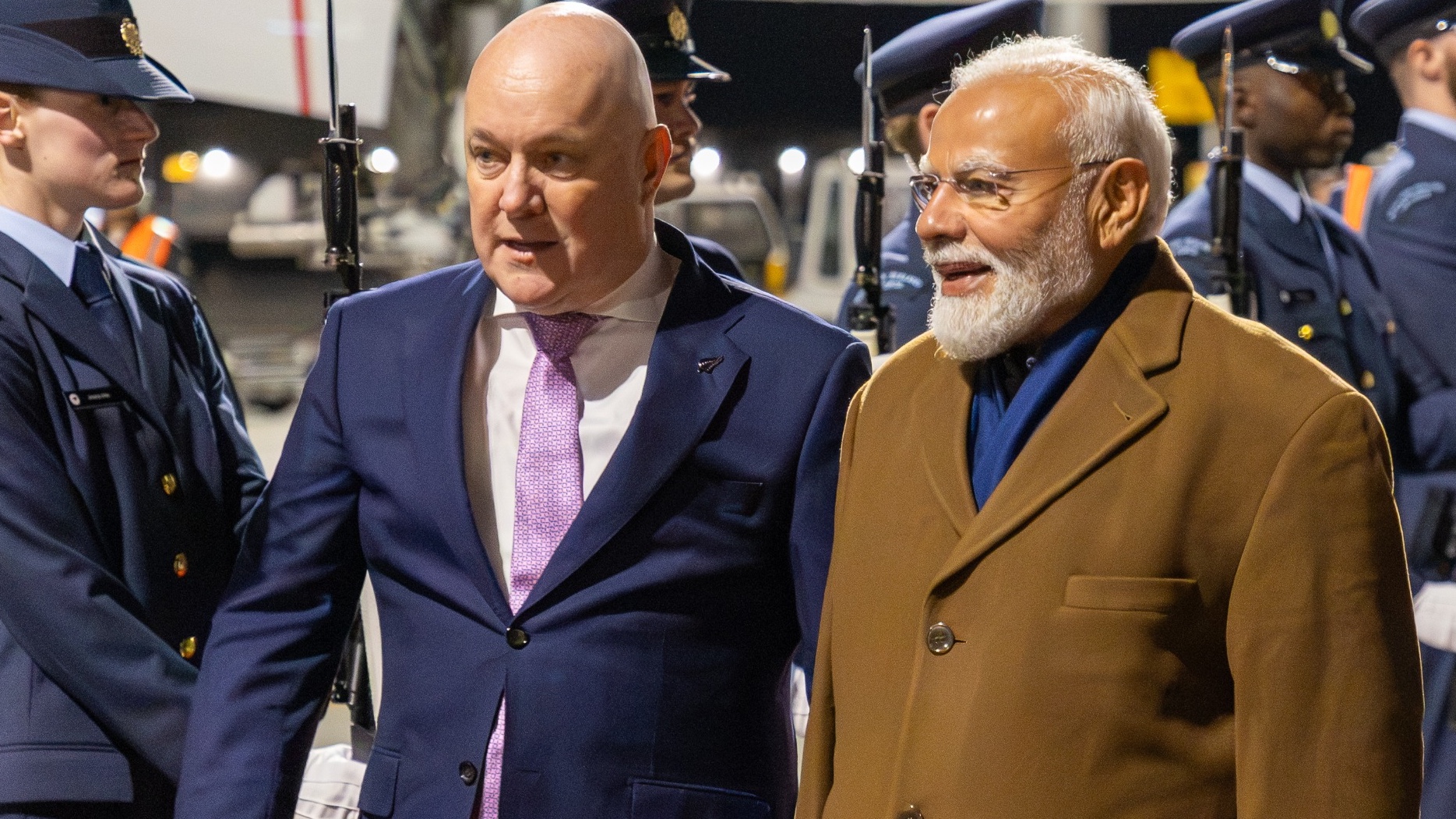
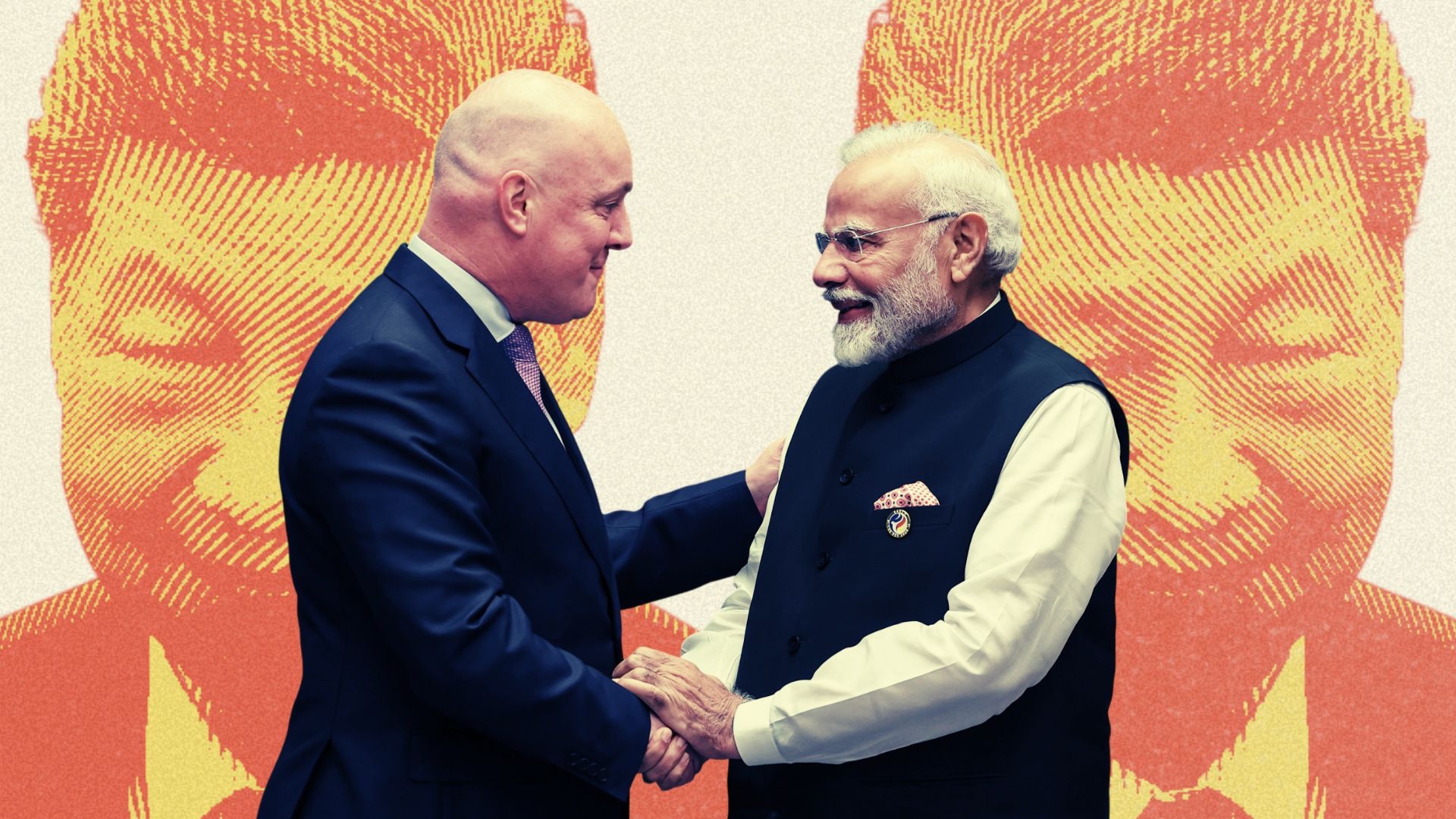
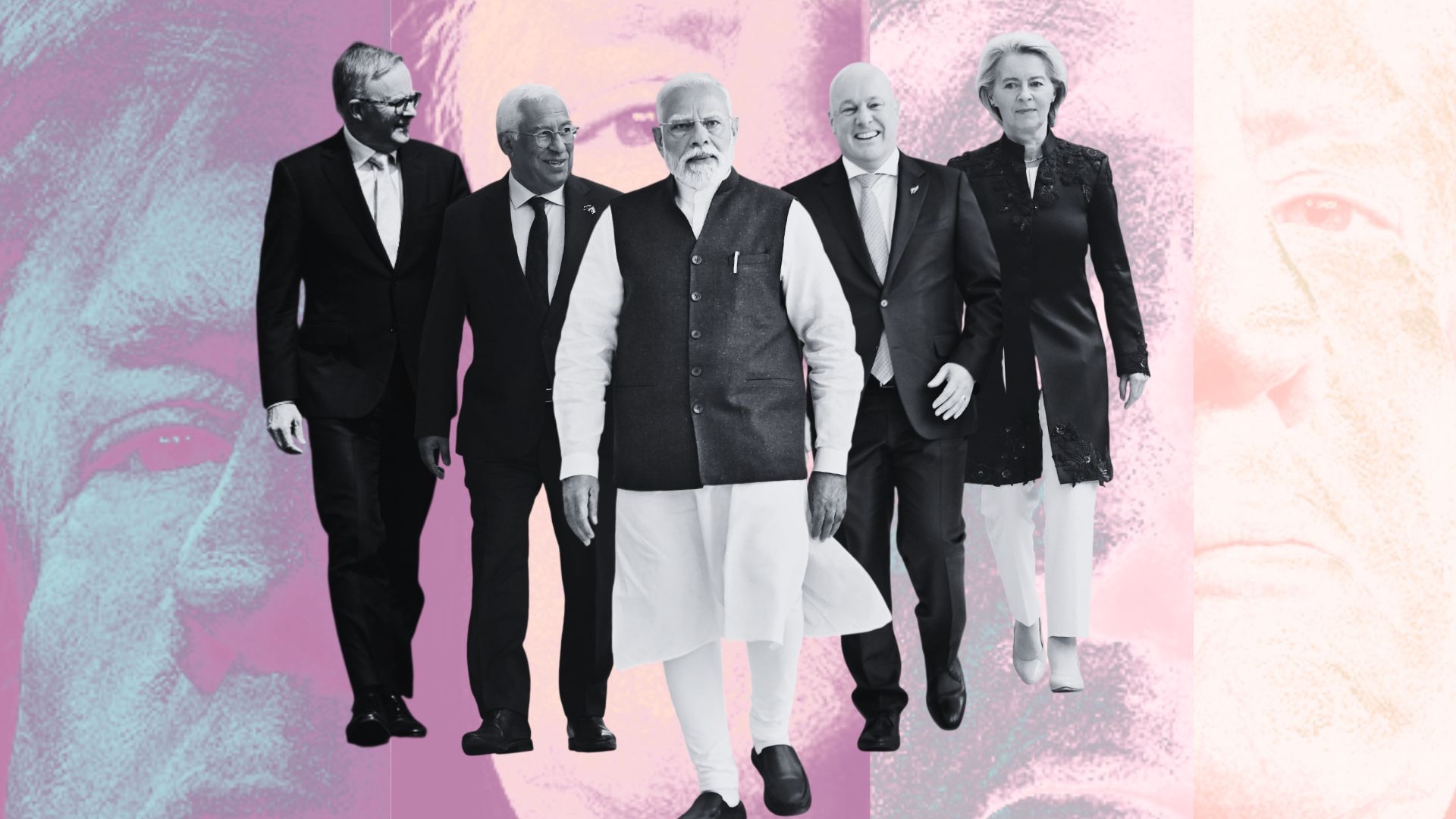
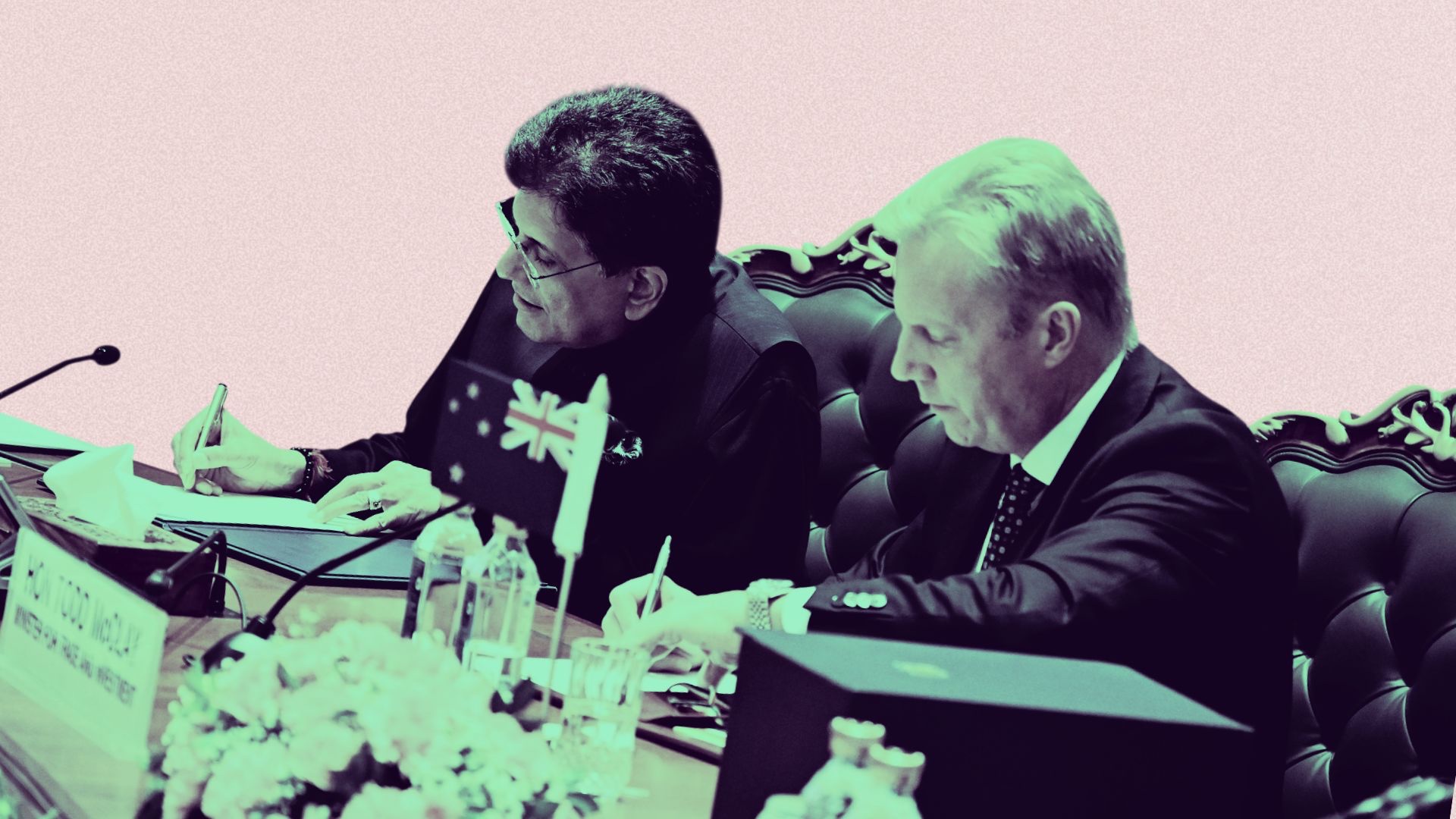
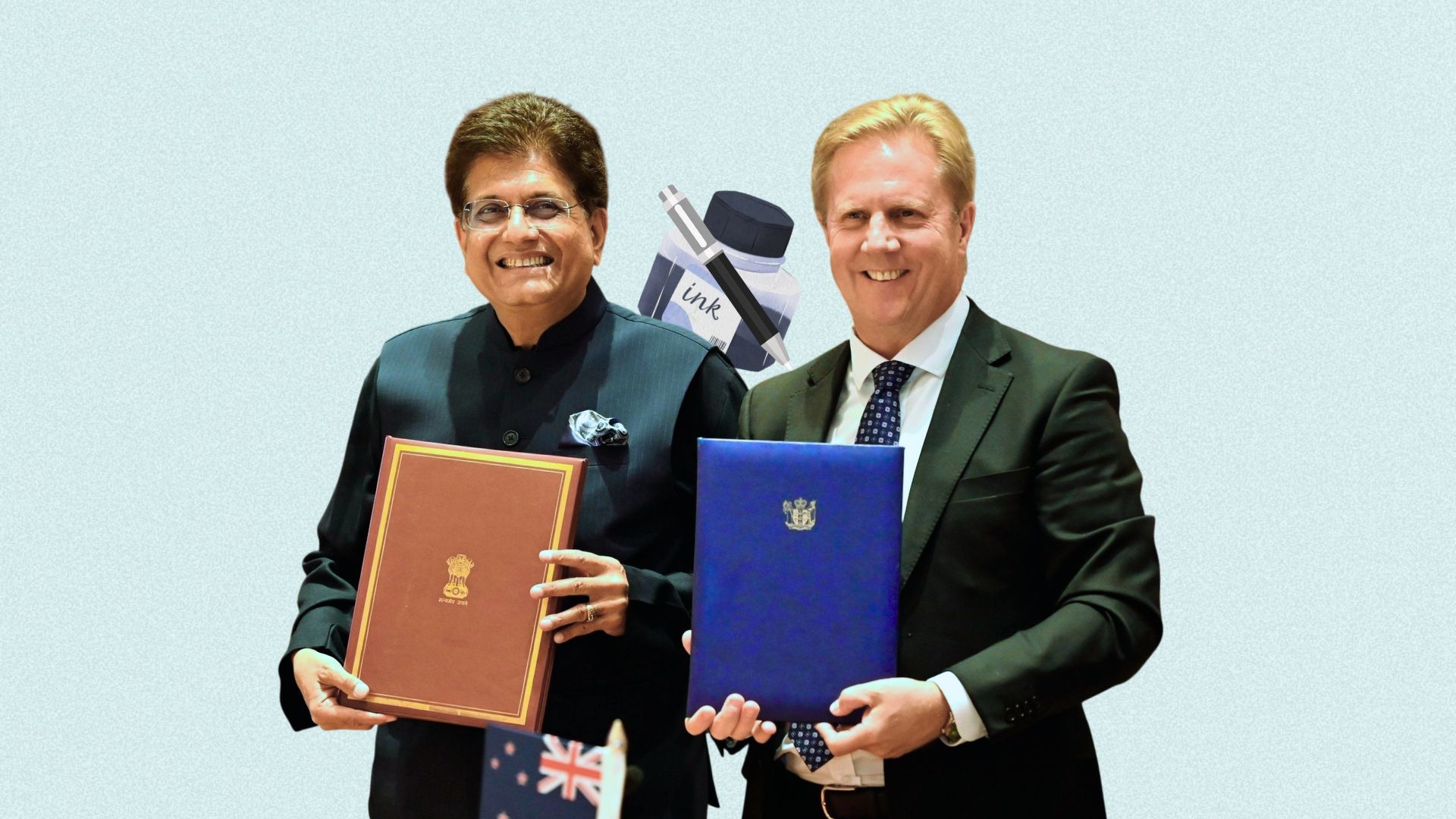
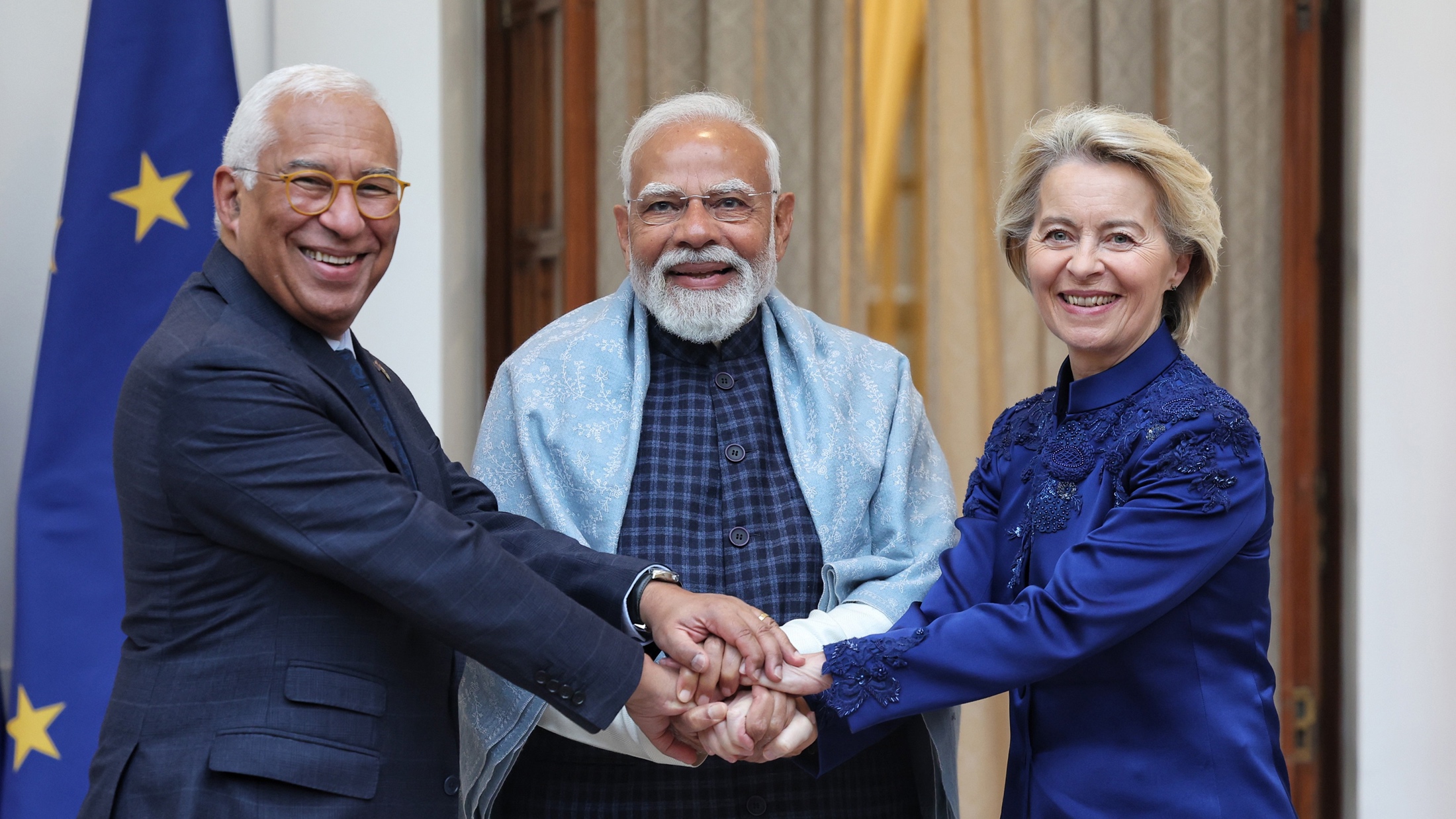
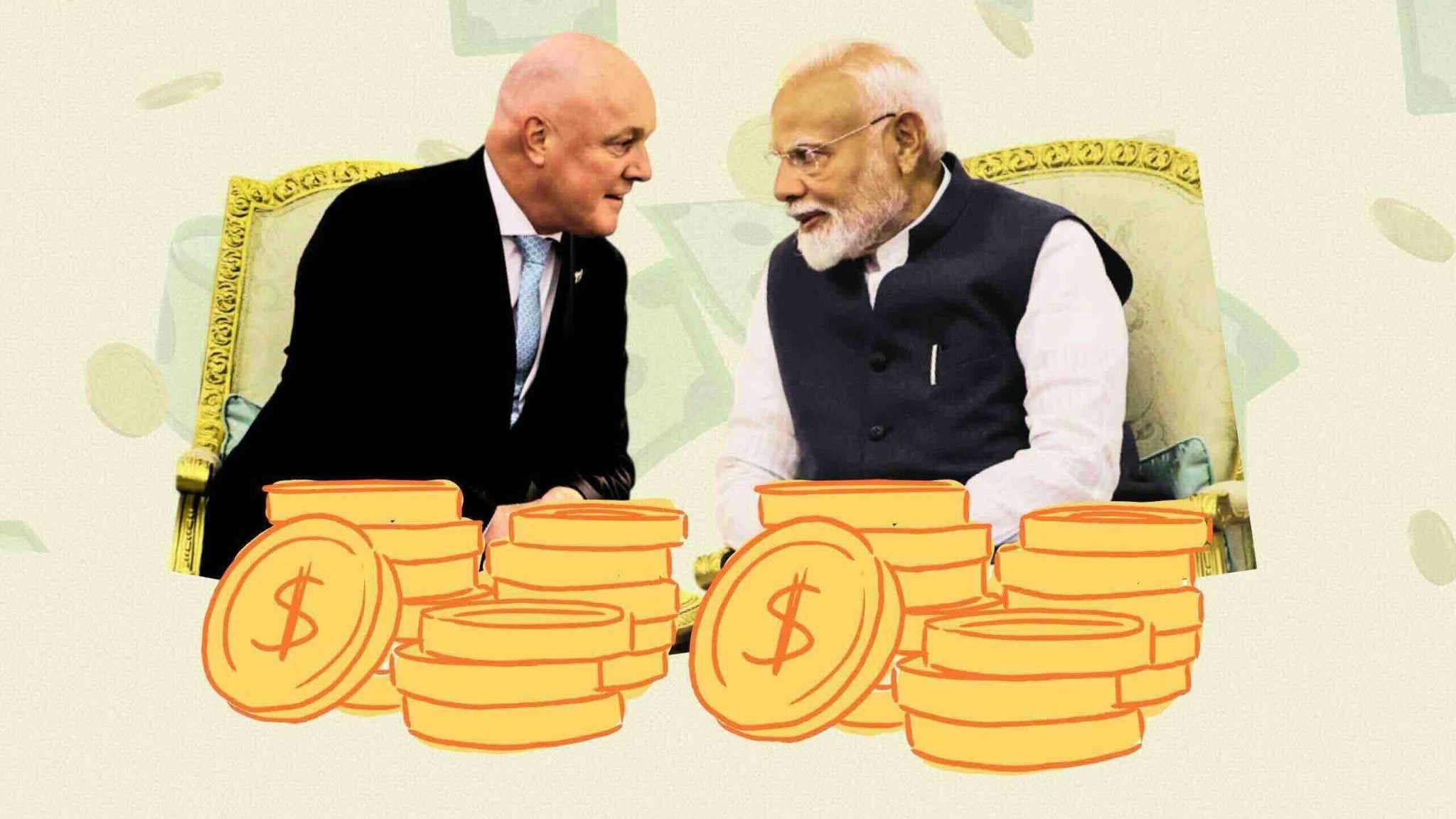
The visit saw India and New Zealand elevate their relationship to a strategic partnership, with both governments backing the FTA and setting a target of doubling bilateral trade by 2030.
Kumar said the support shown for the relationship and the trade agreement confirmed to him that New Zealand First’s framing did not reflect the aspirations of many Indian New Zealanders.
“The party has many good policies,” Kumar said, “just very poor delivery from those who represent the ideology.”