
Kiwi or not? What happens when countries start to lose their sense of identity

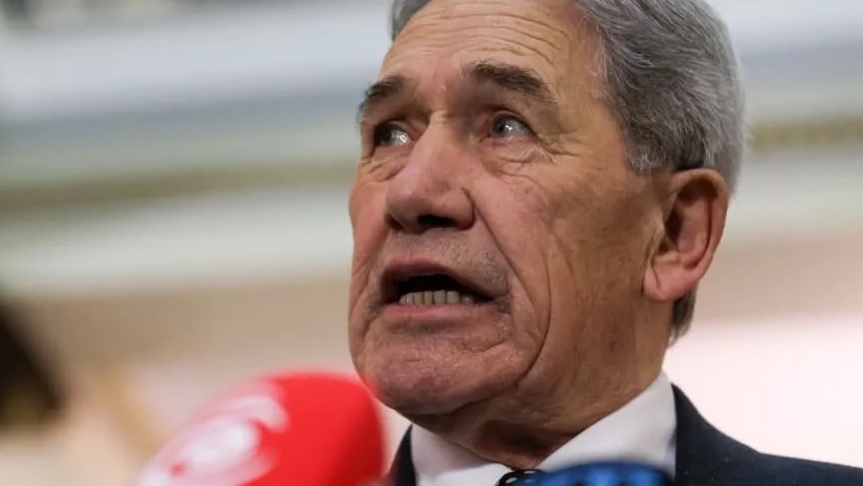
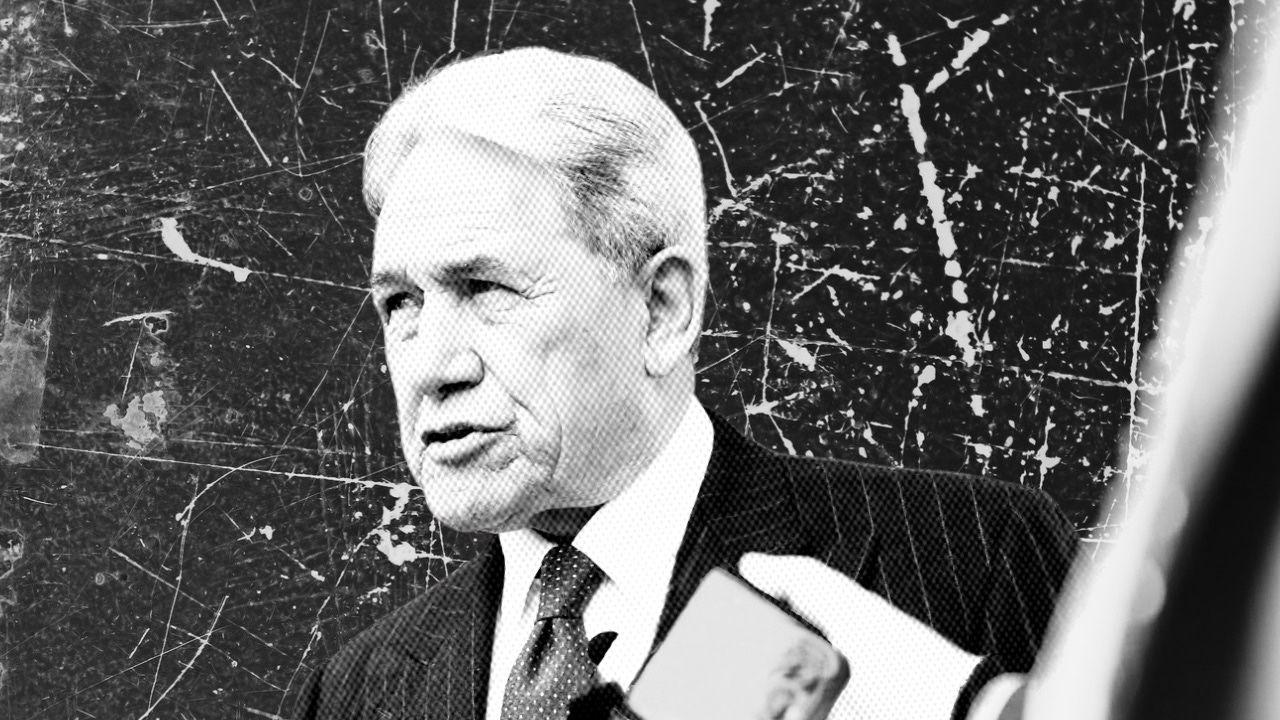
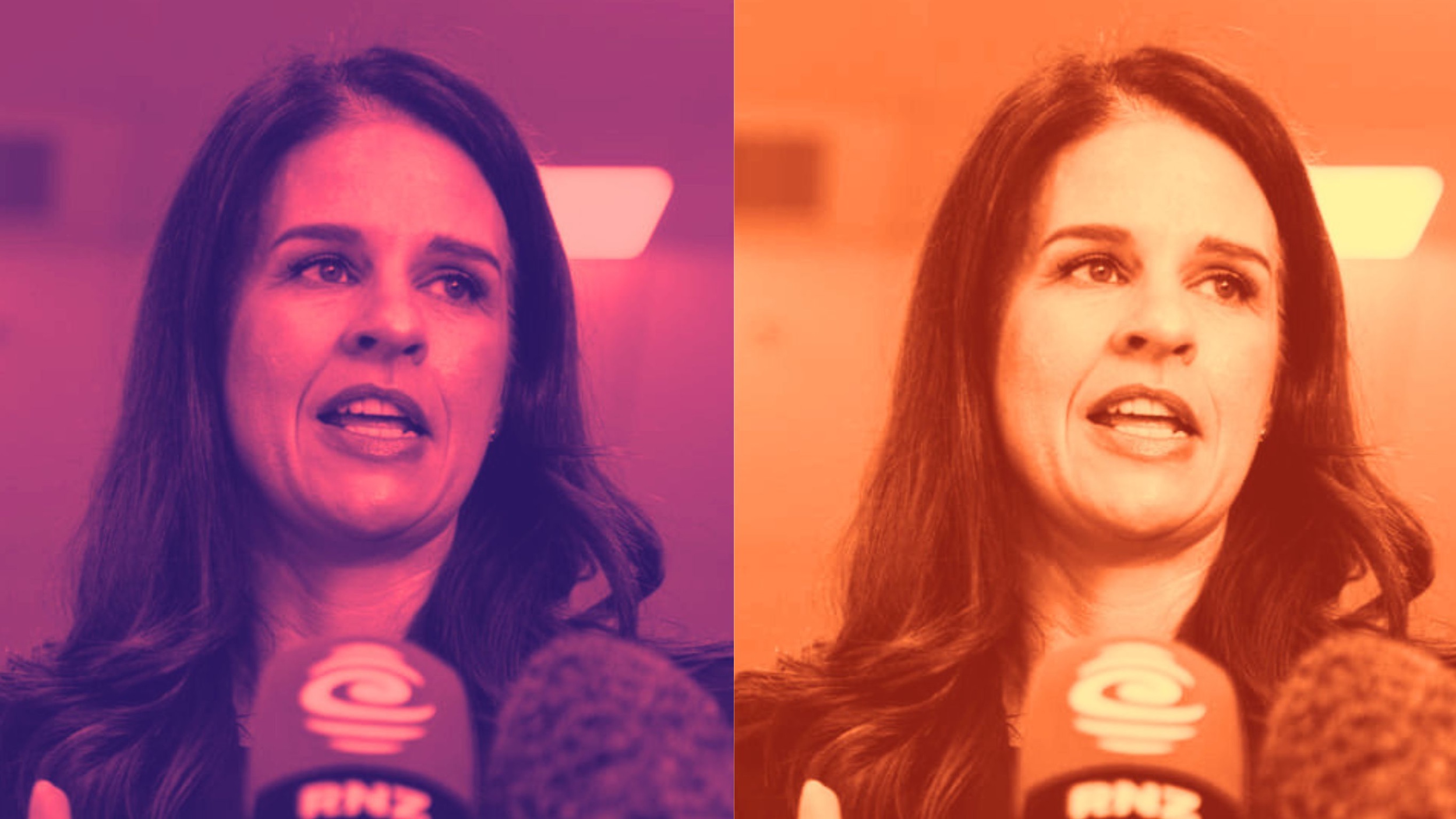
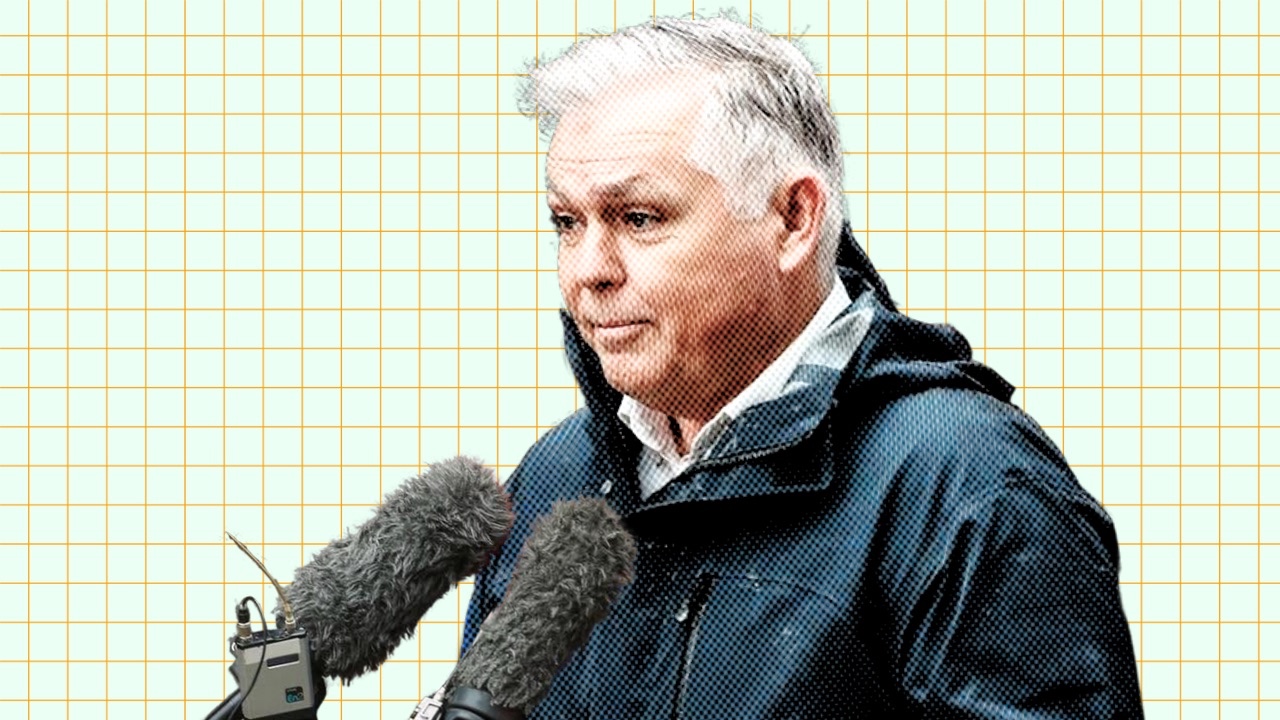
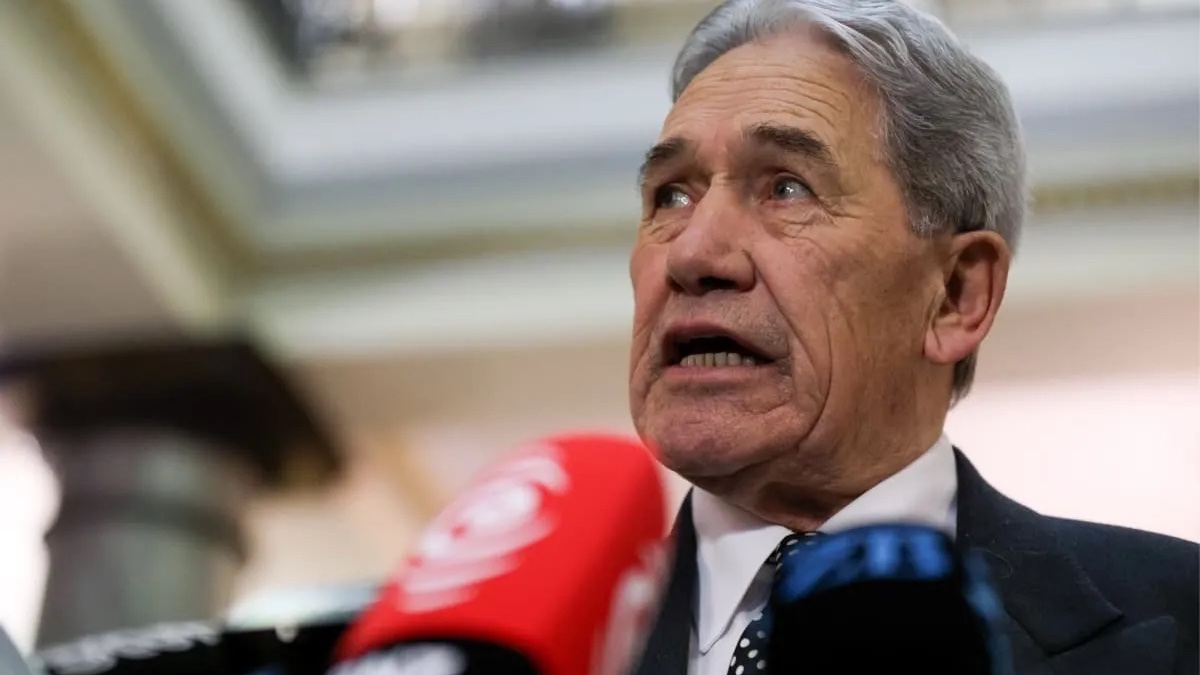
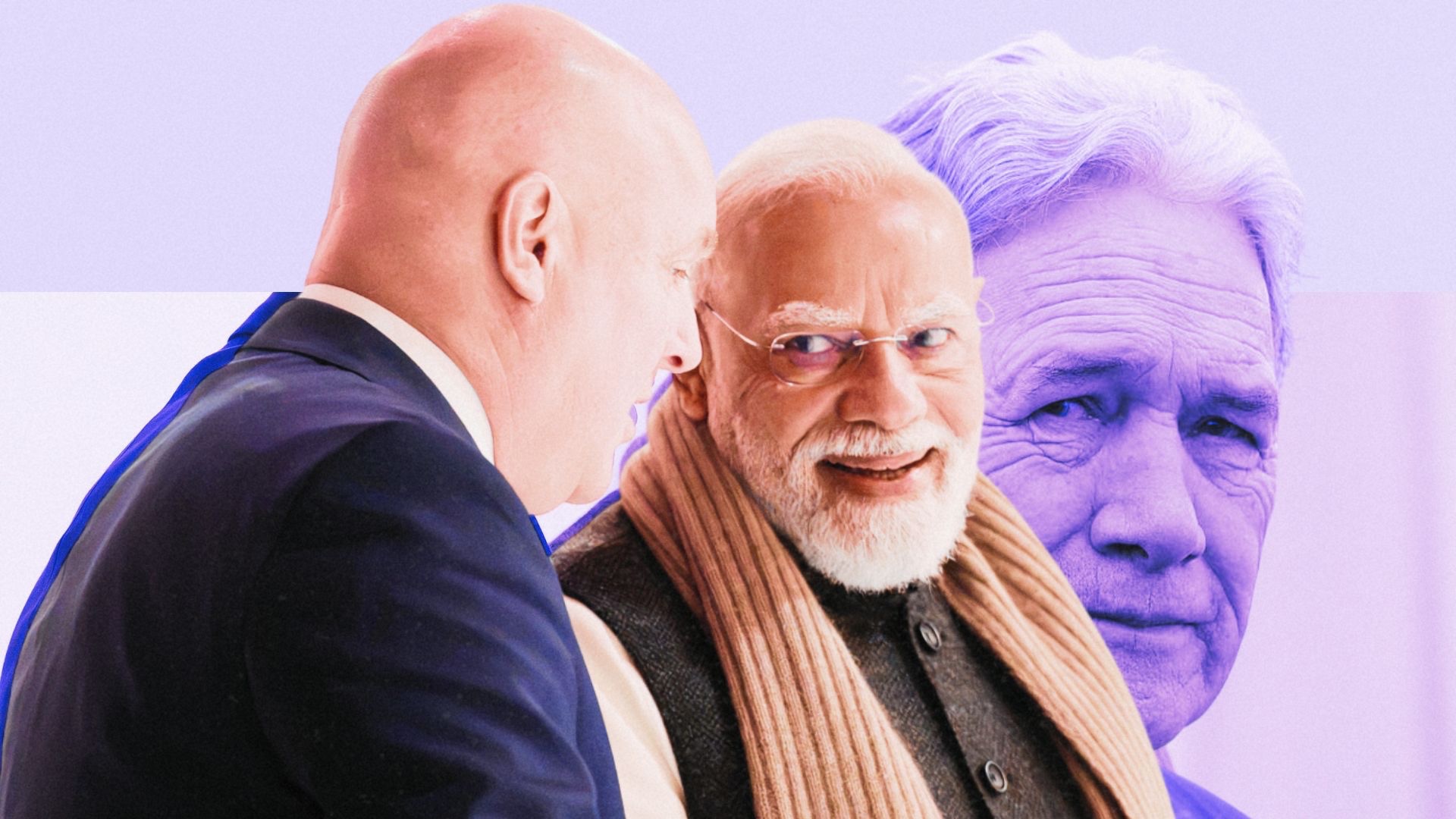
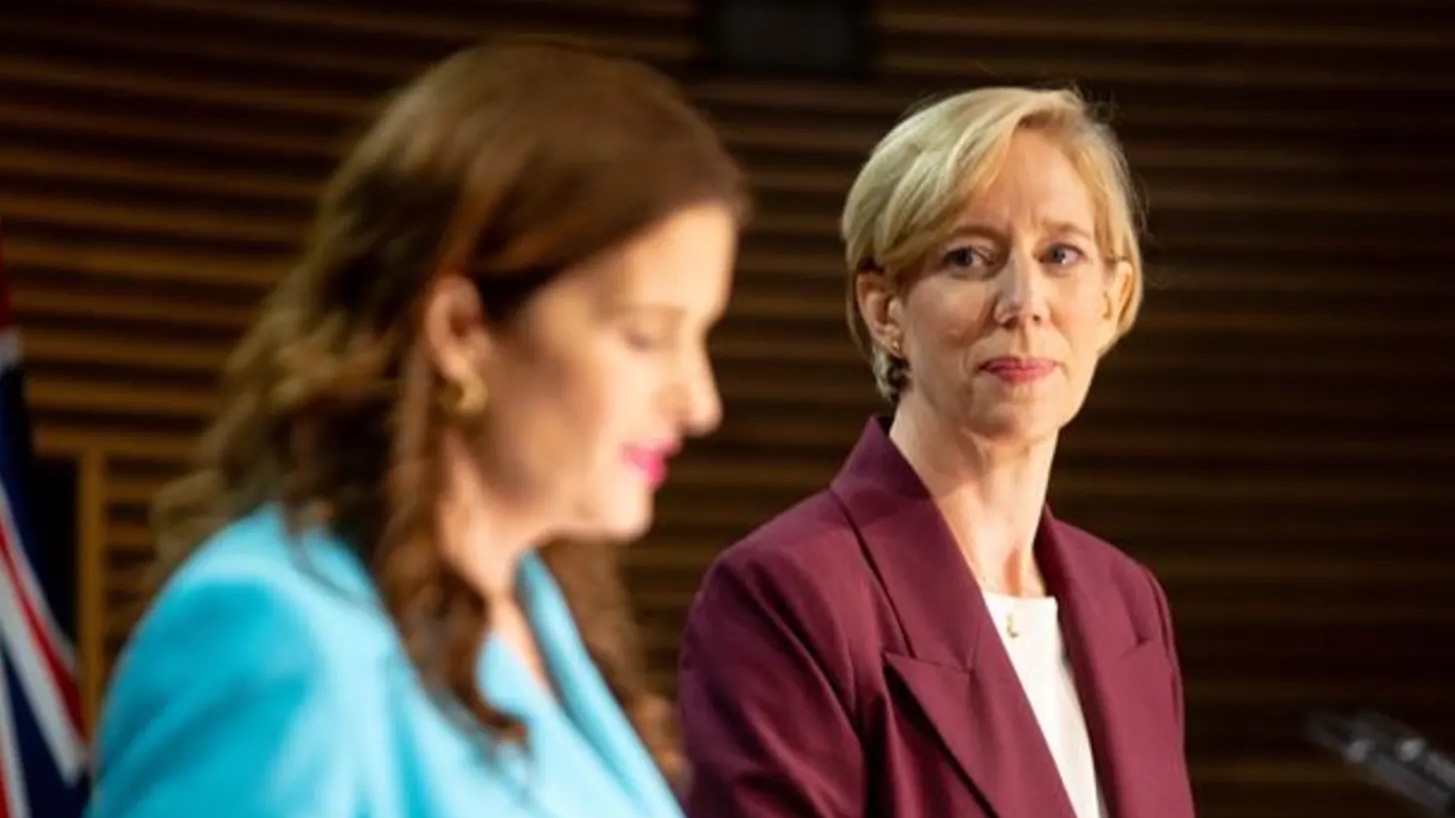
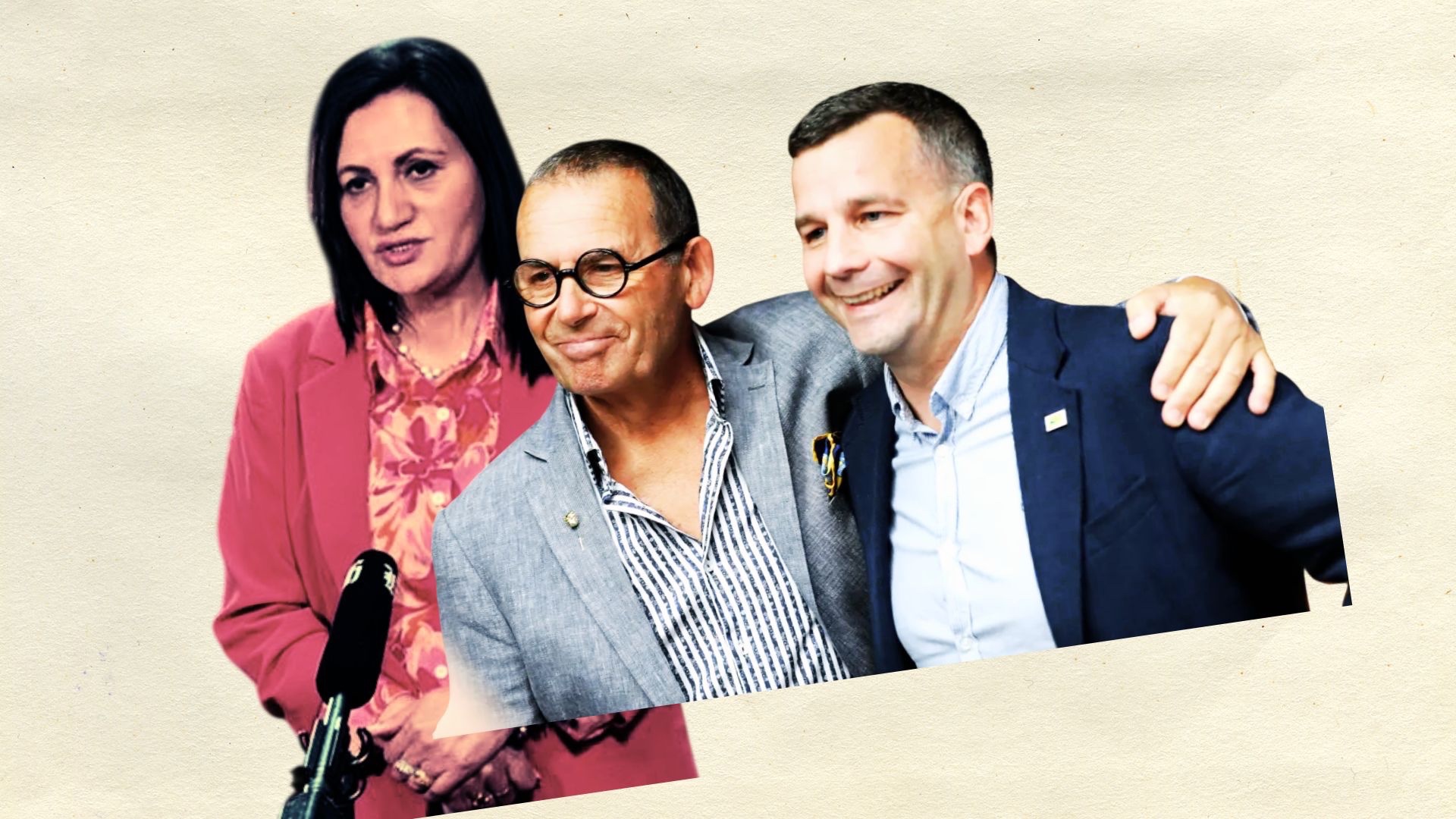
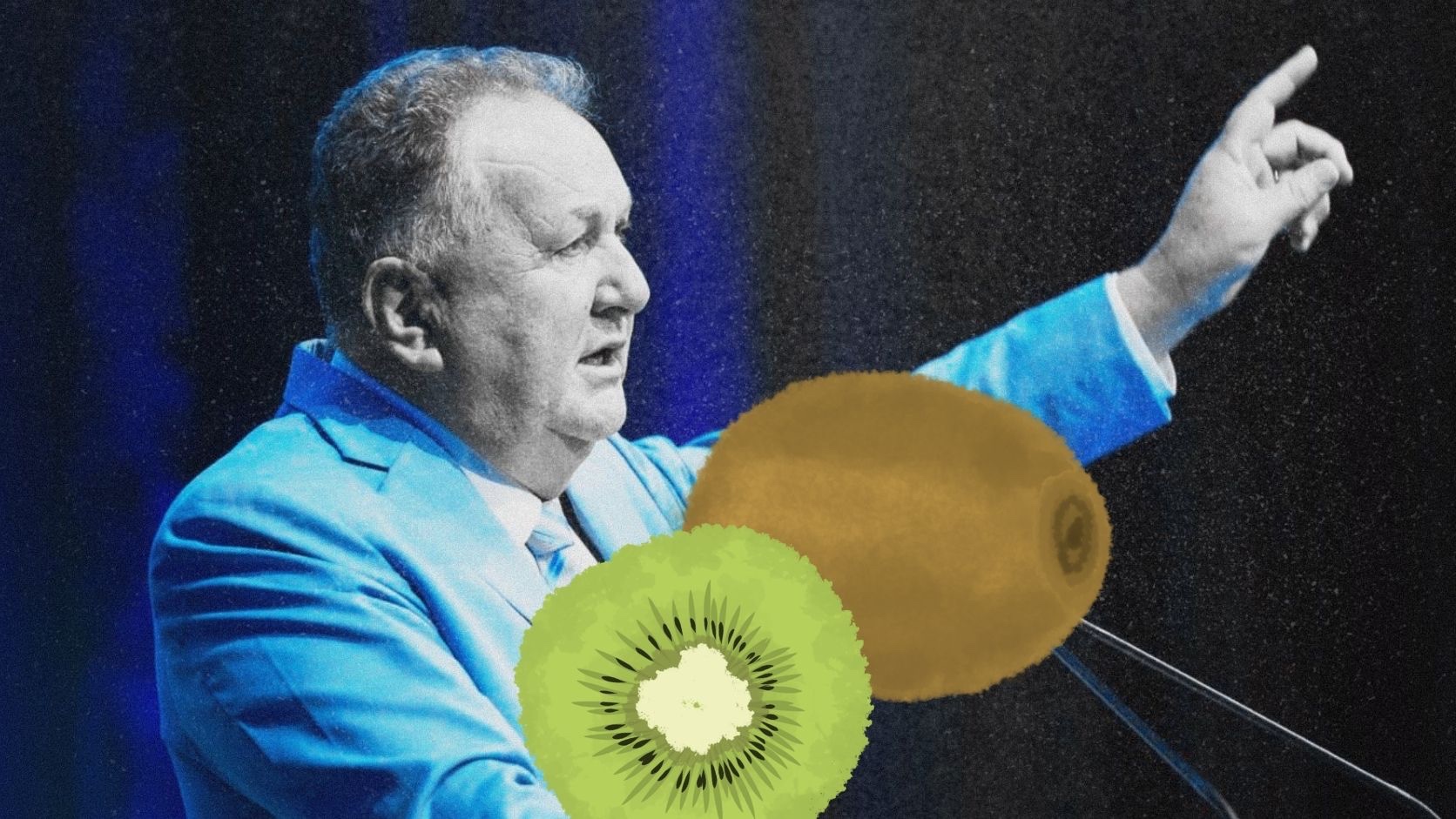
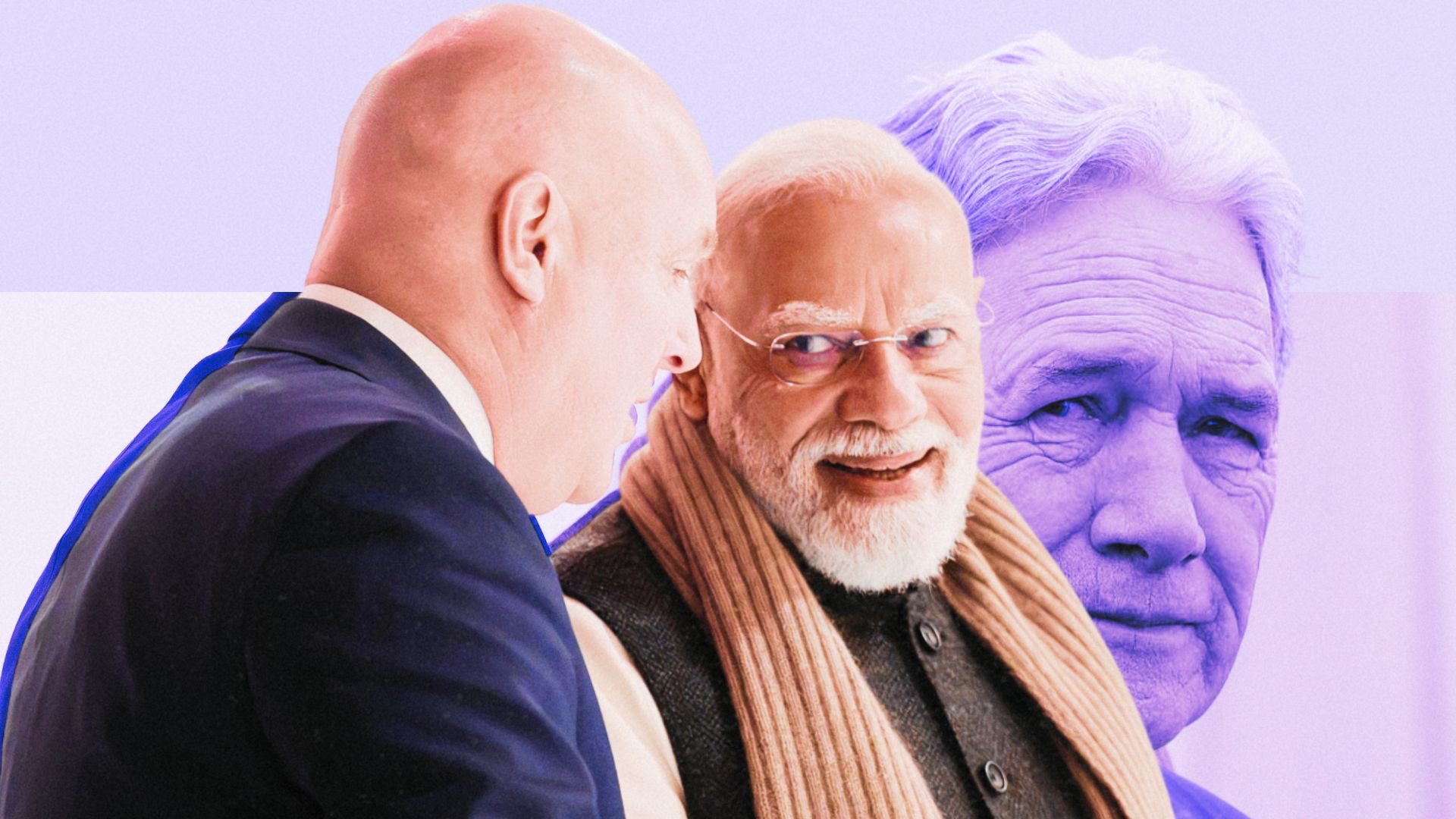
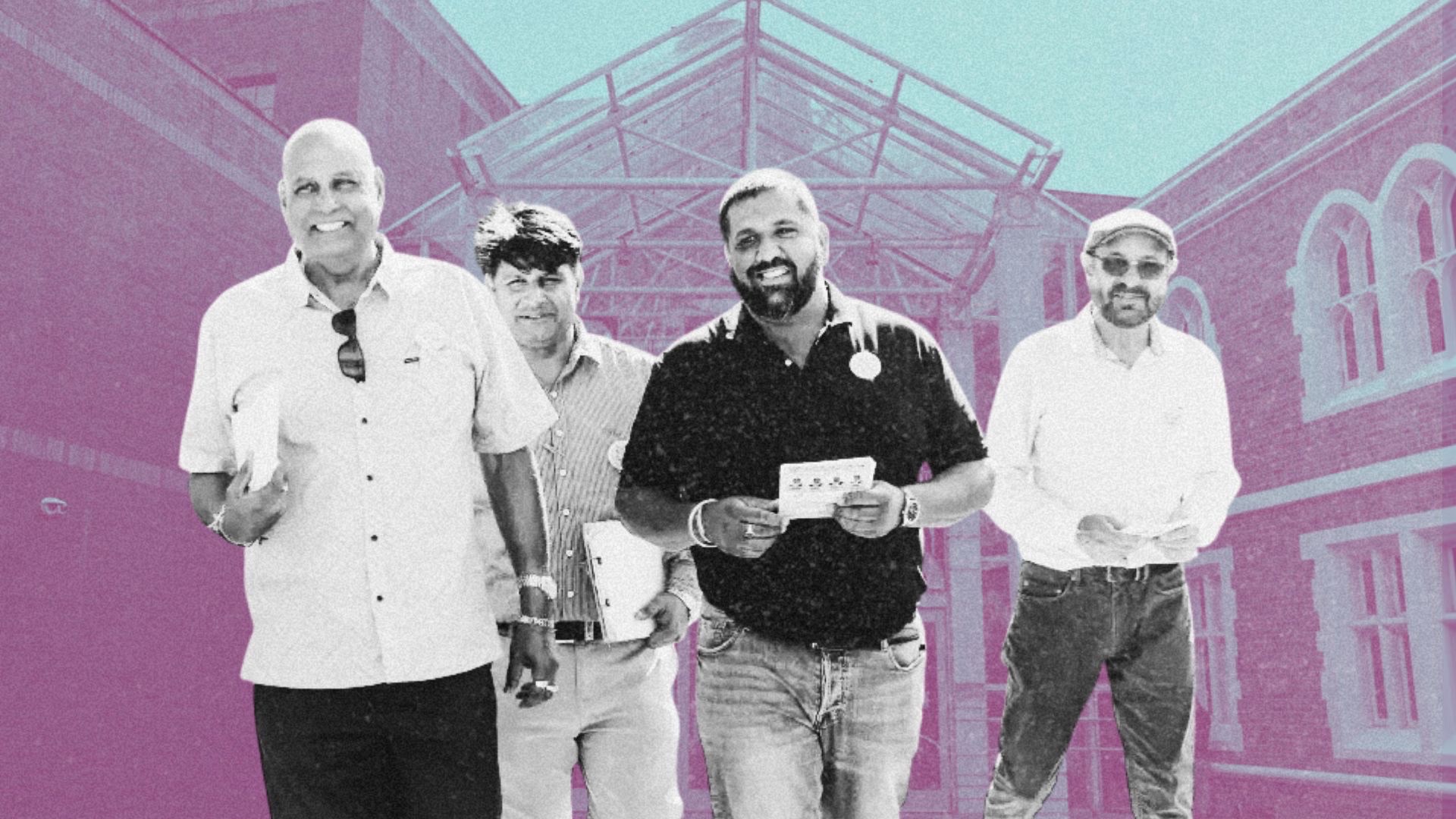
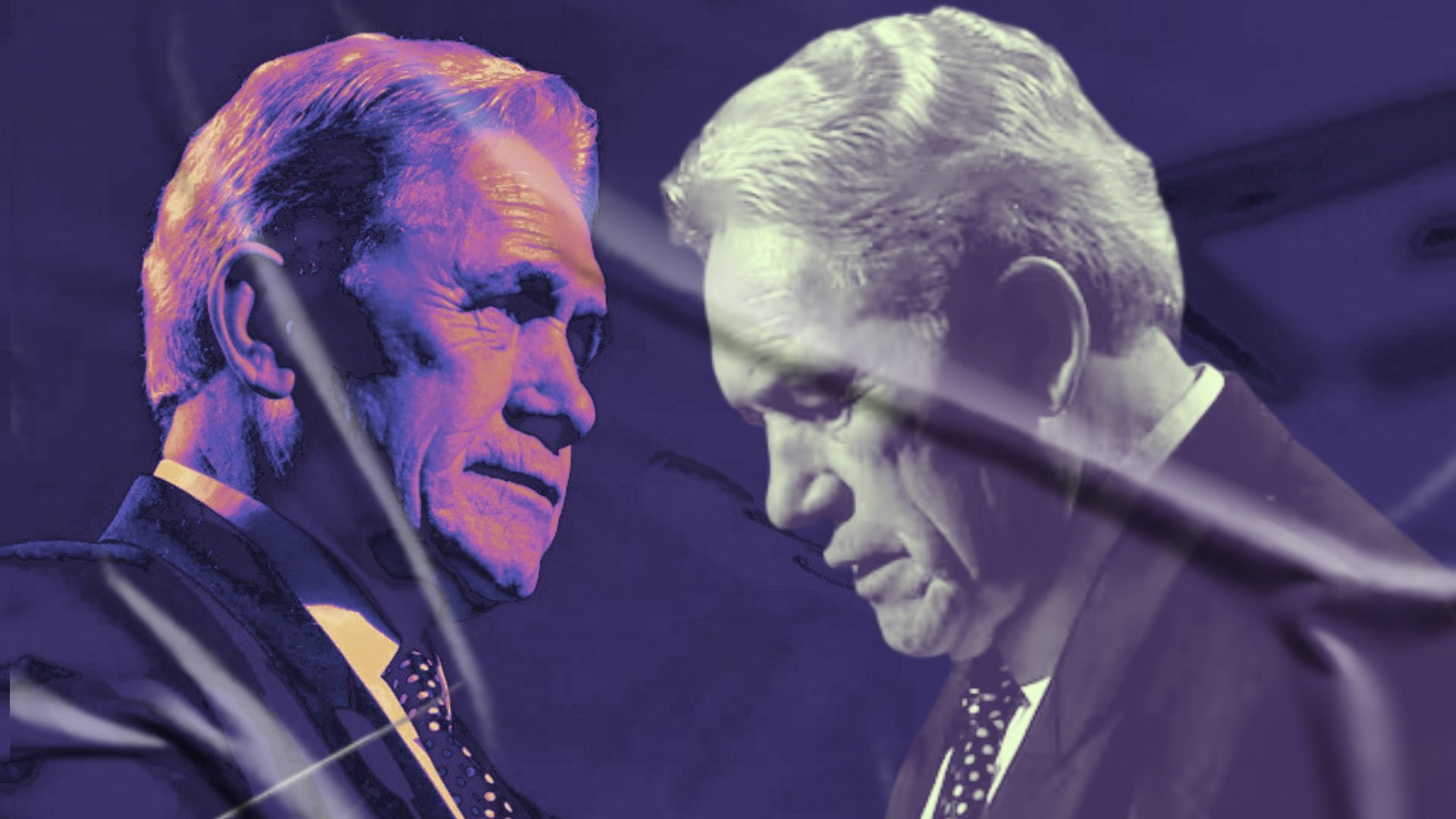
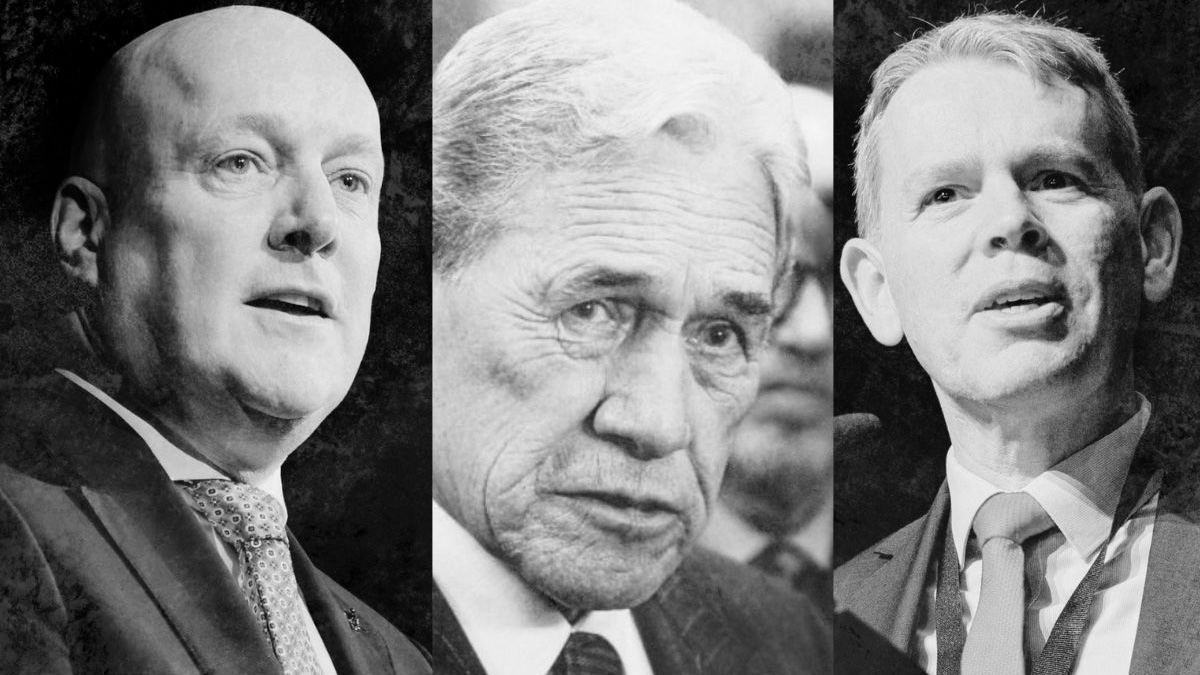
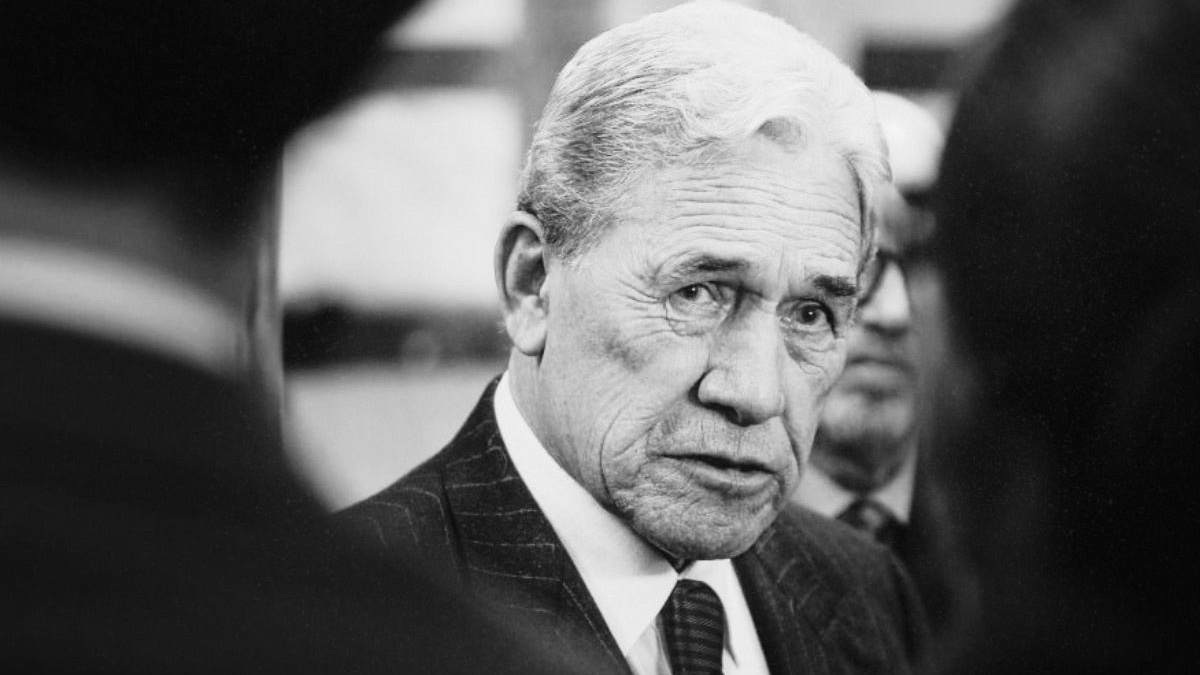
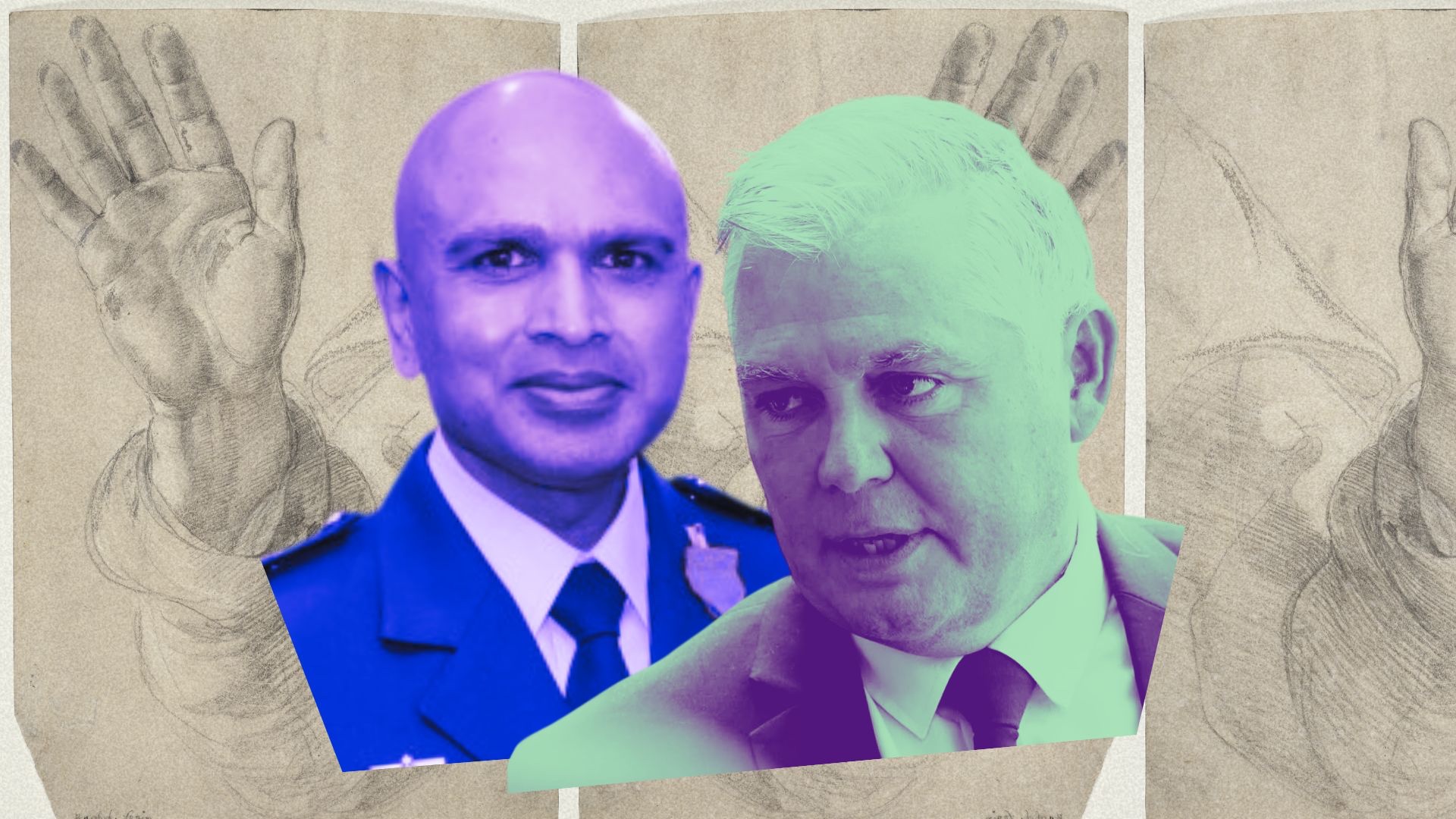
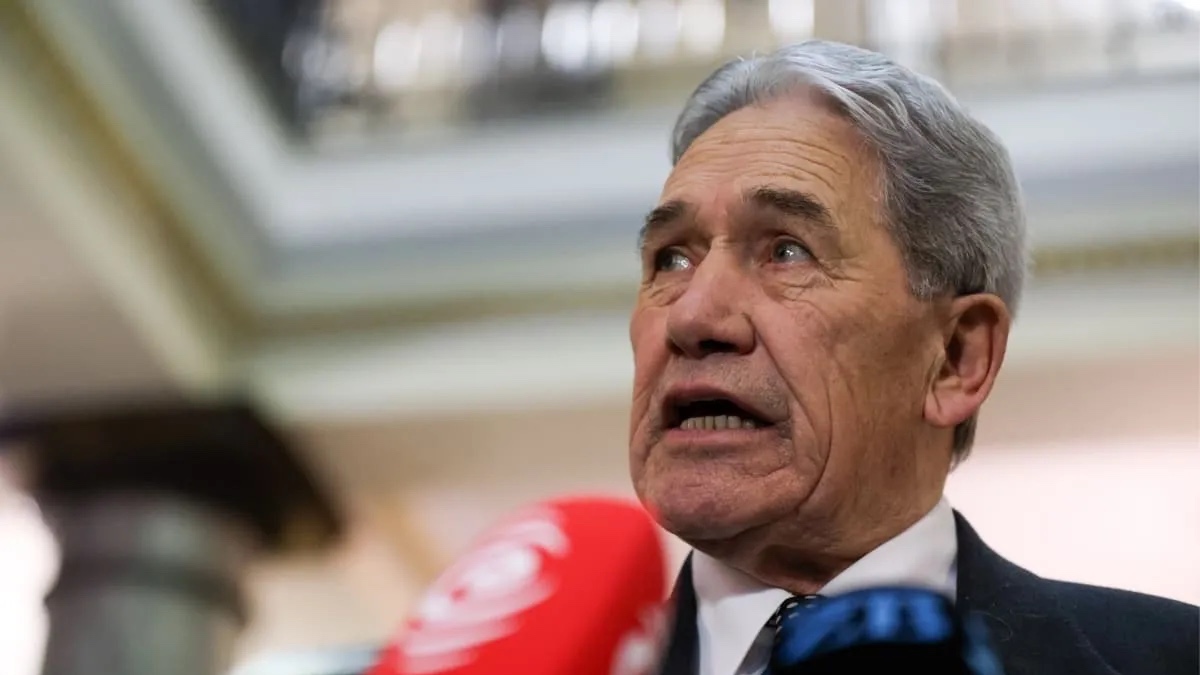
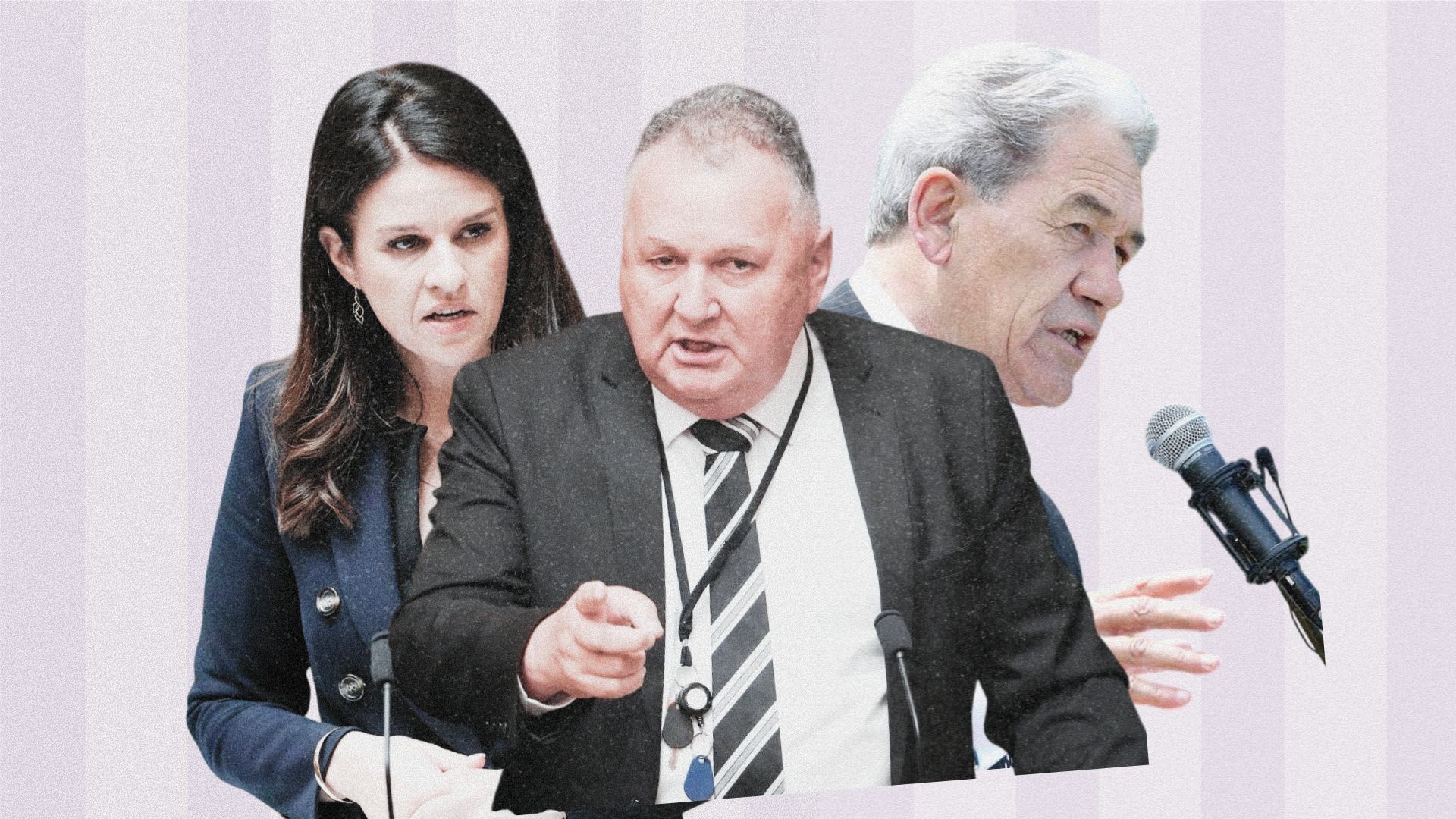
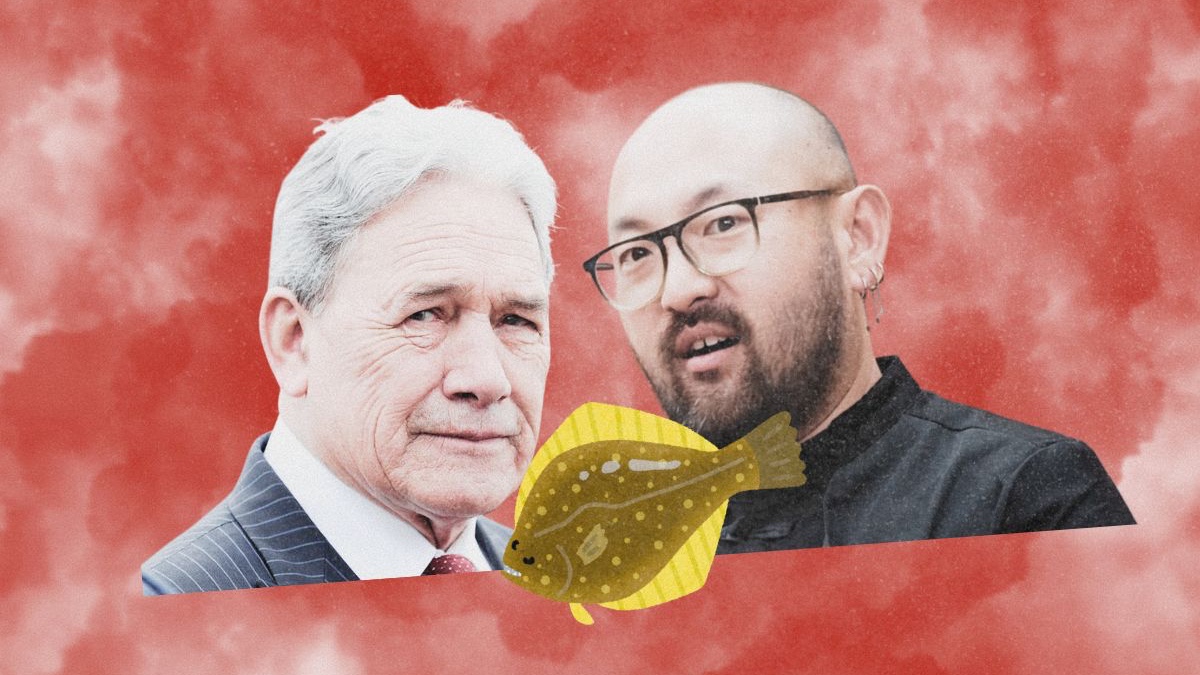
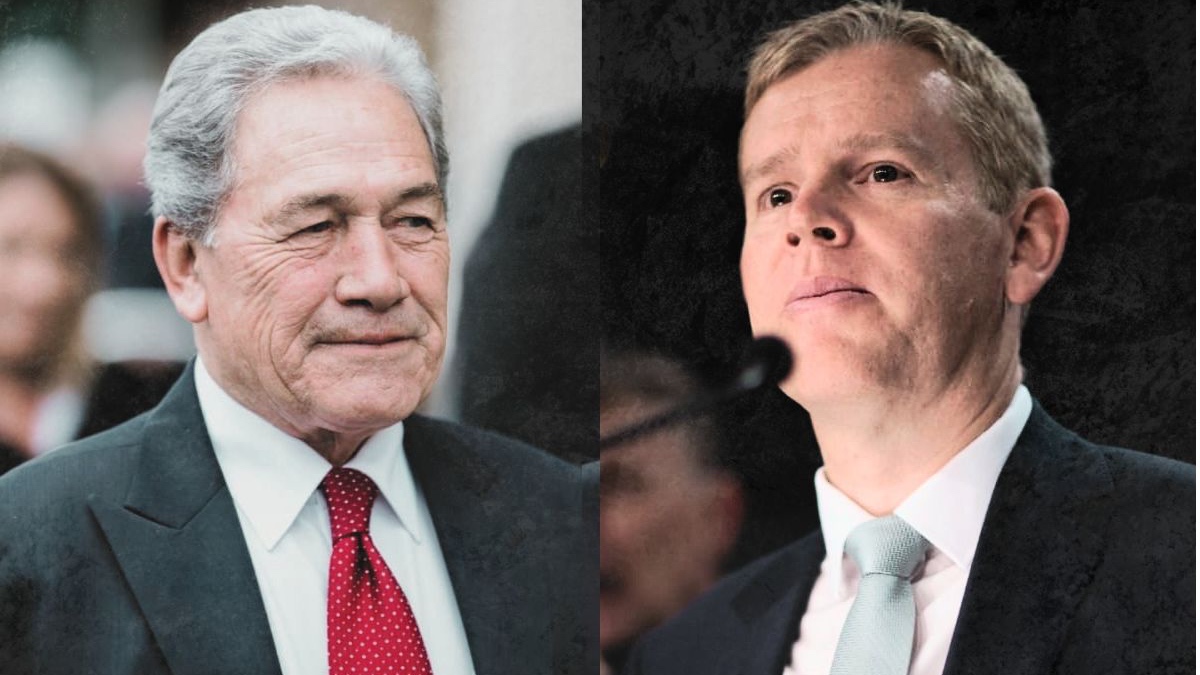
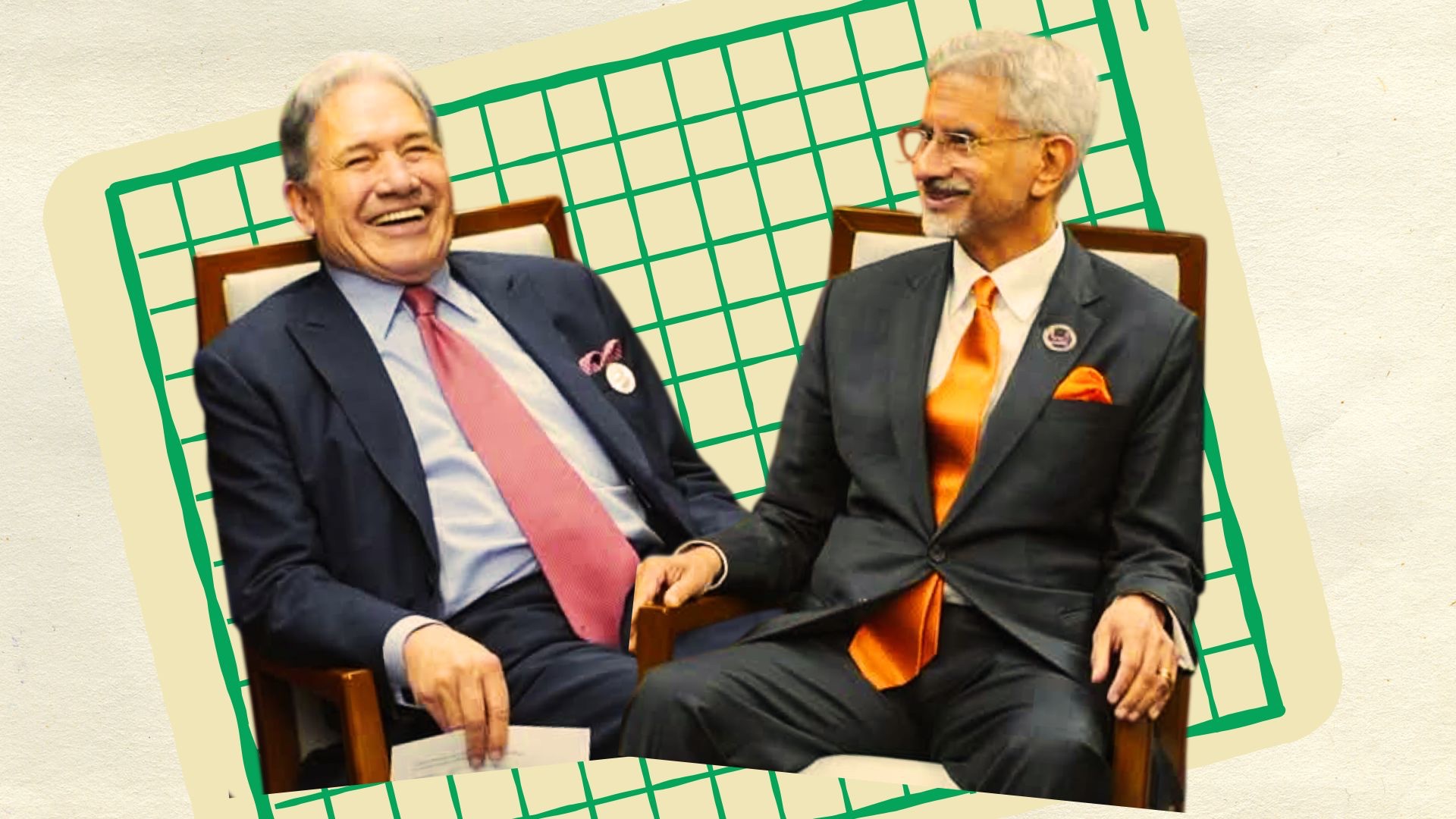
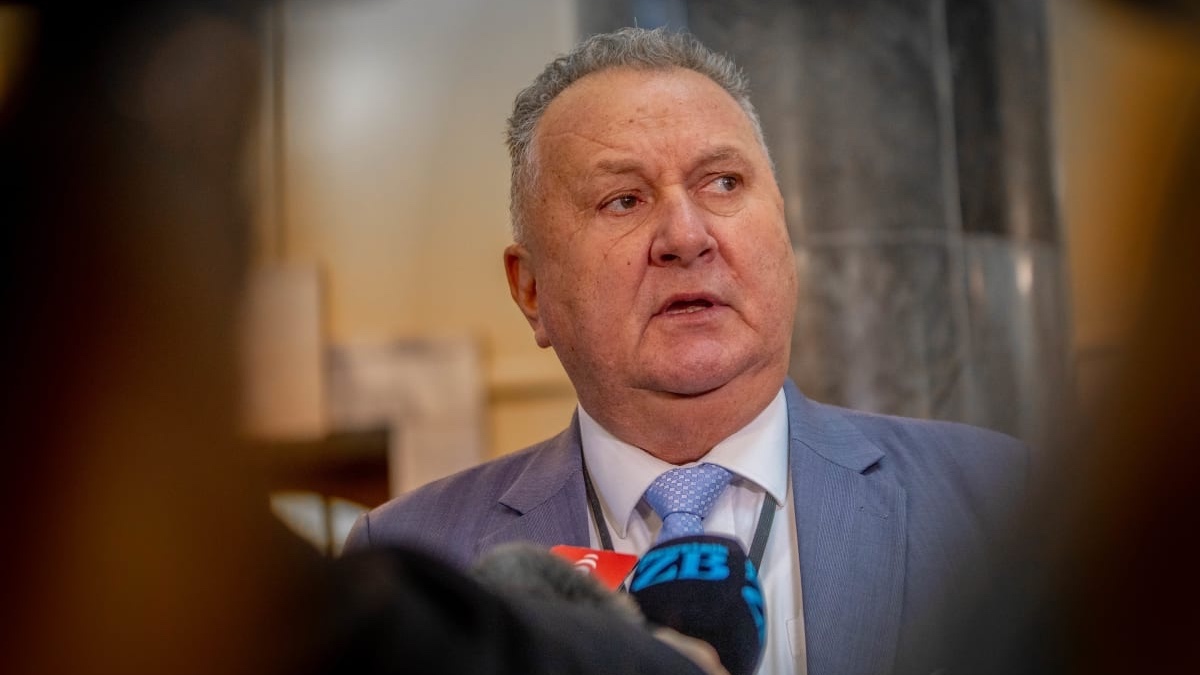
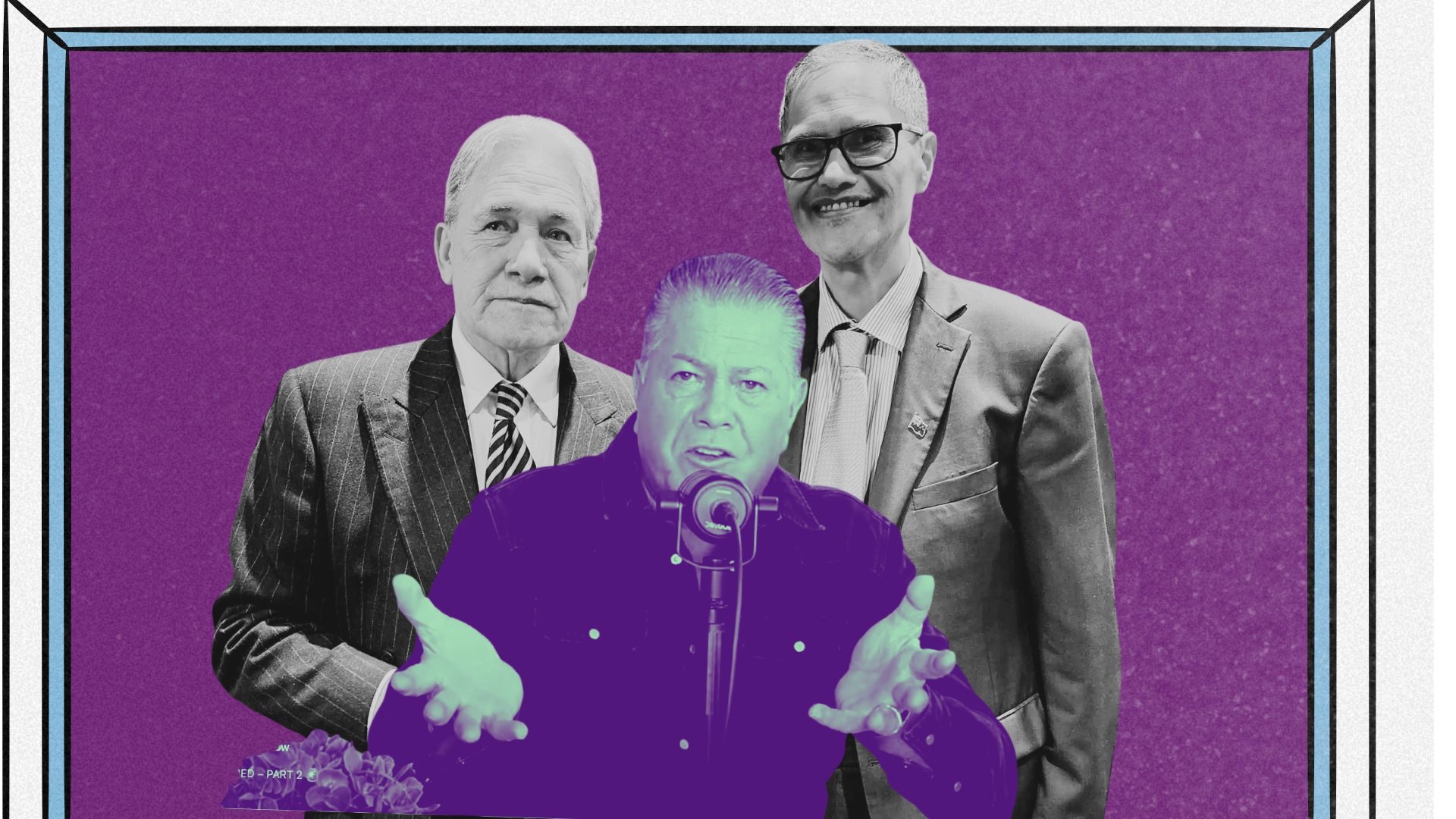
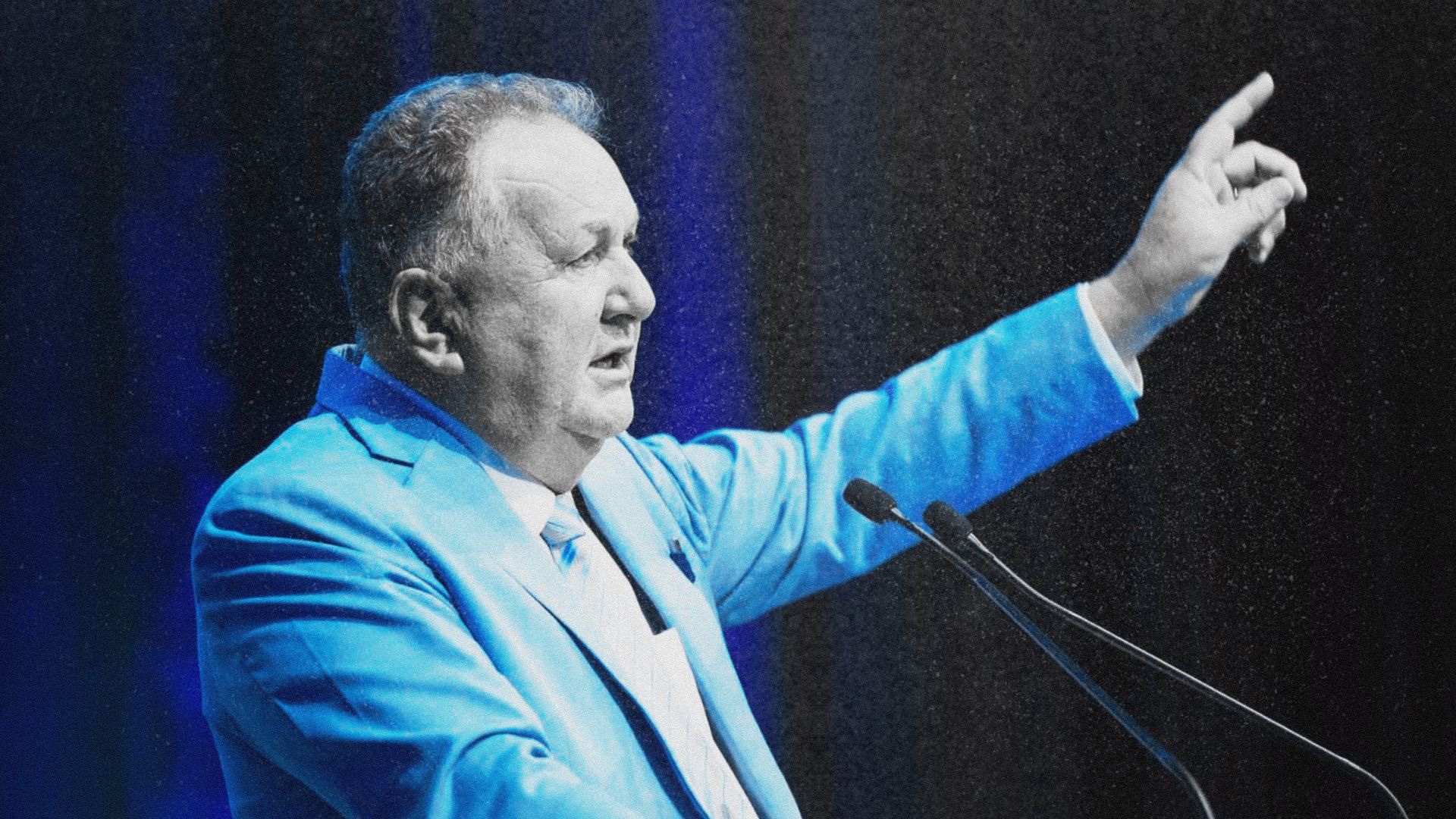
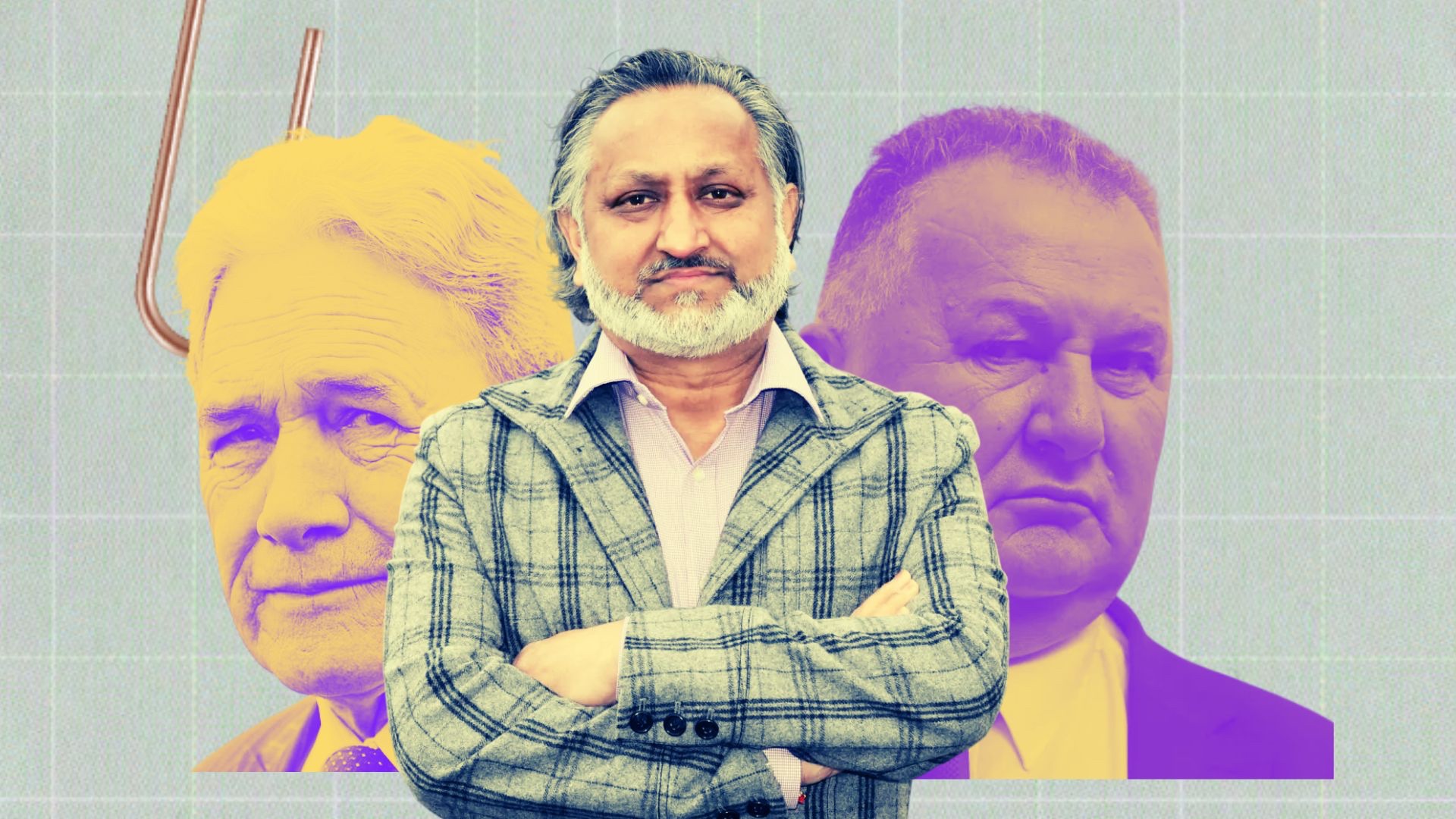
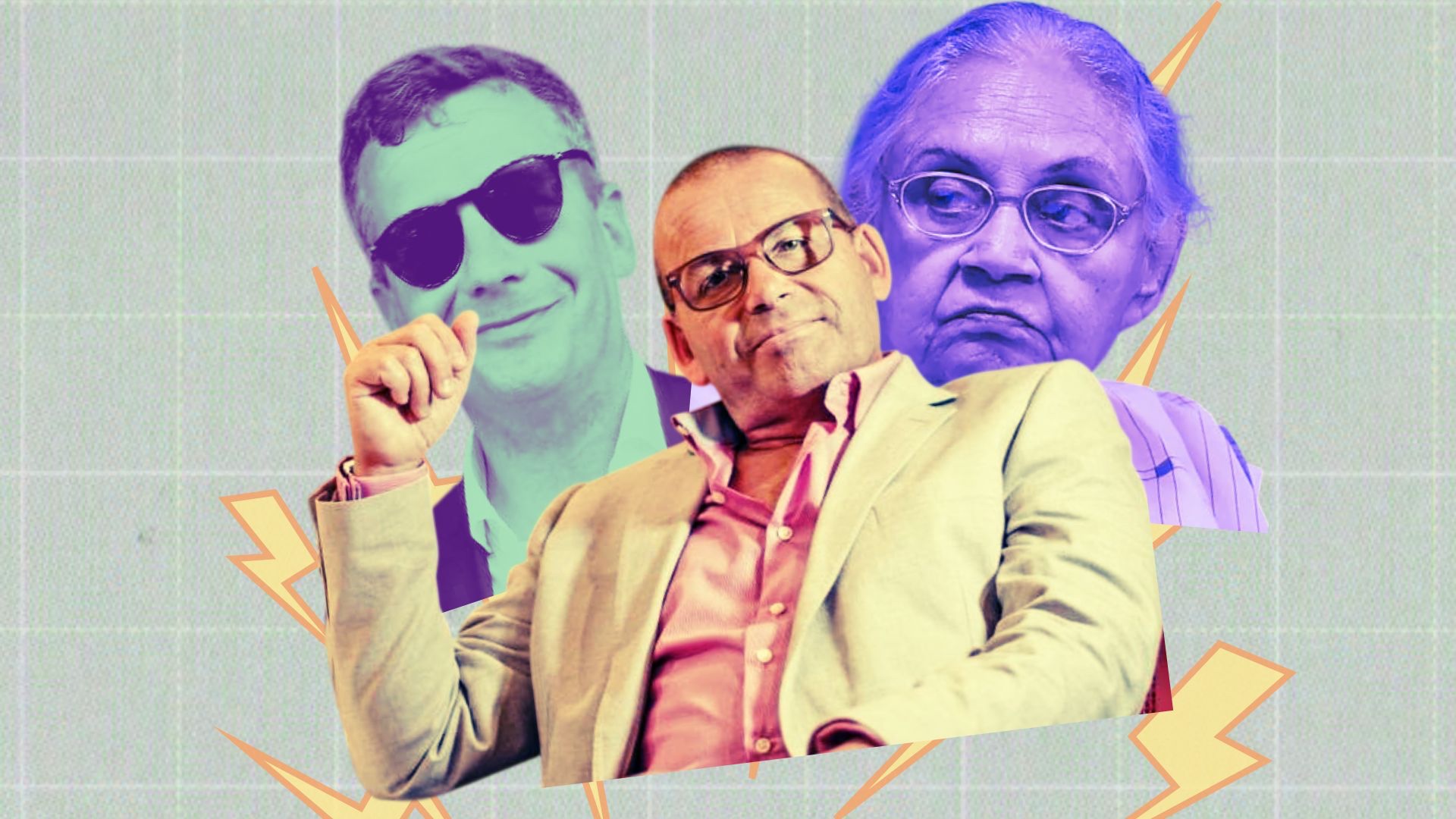
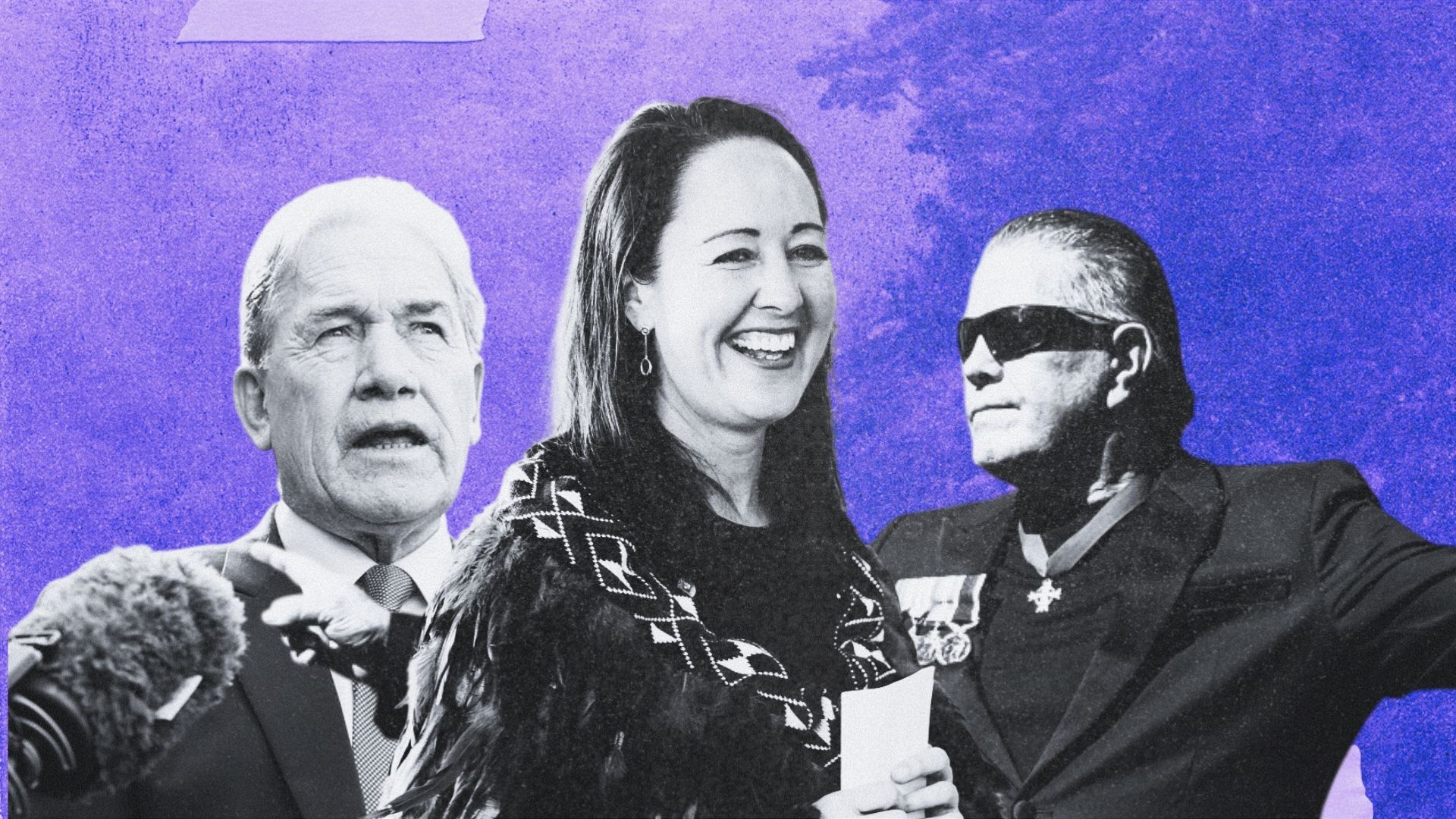
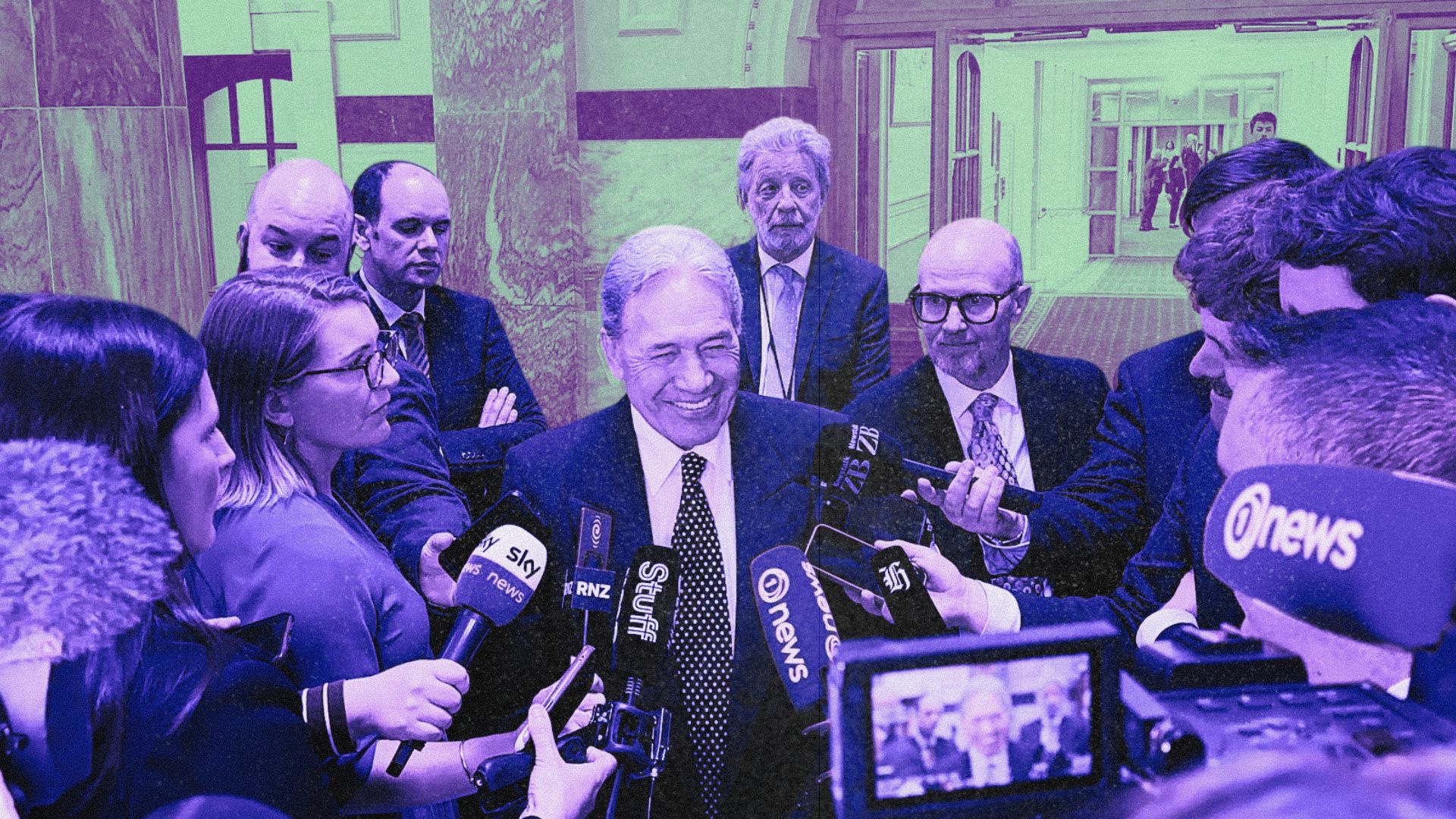
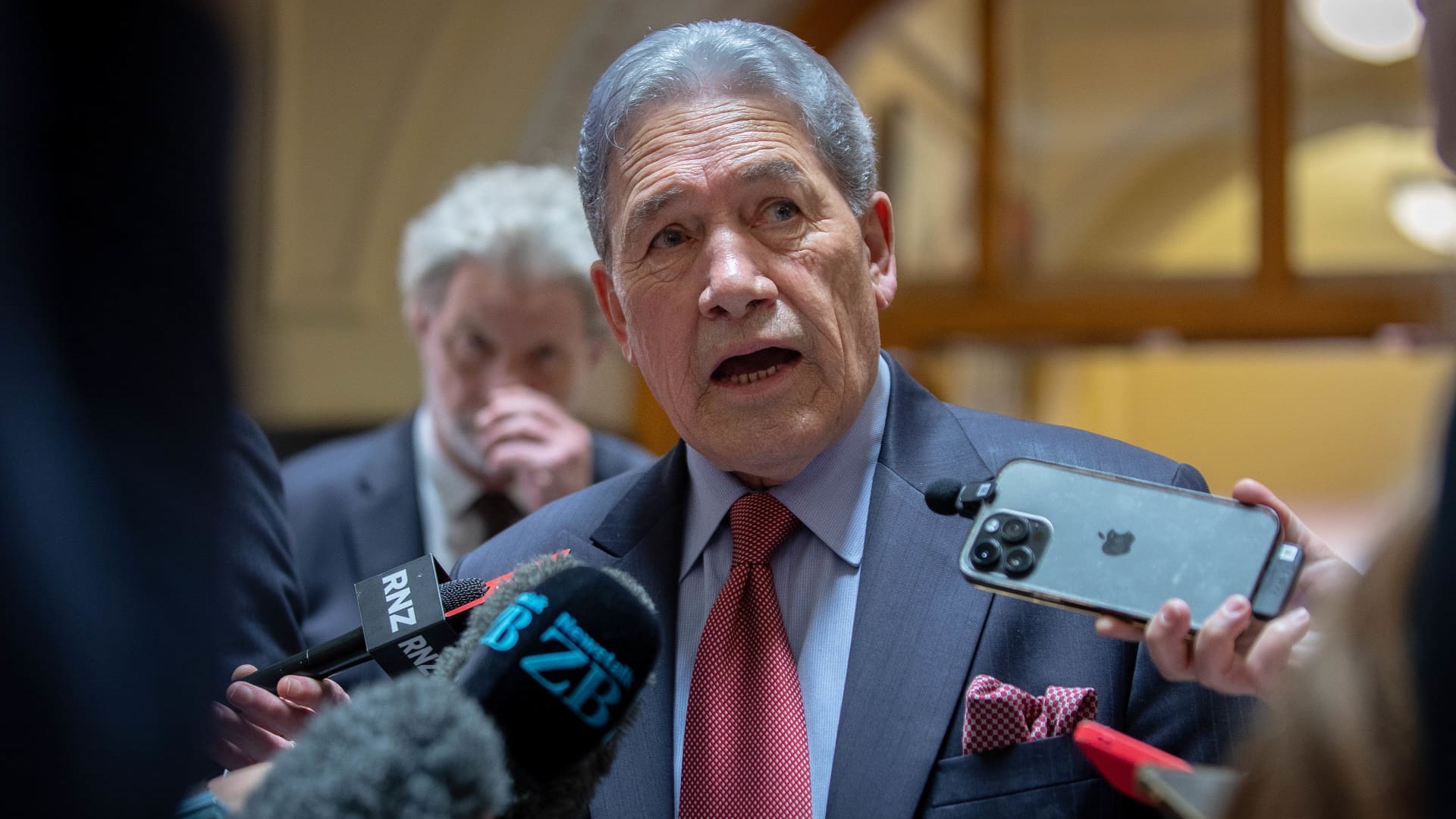
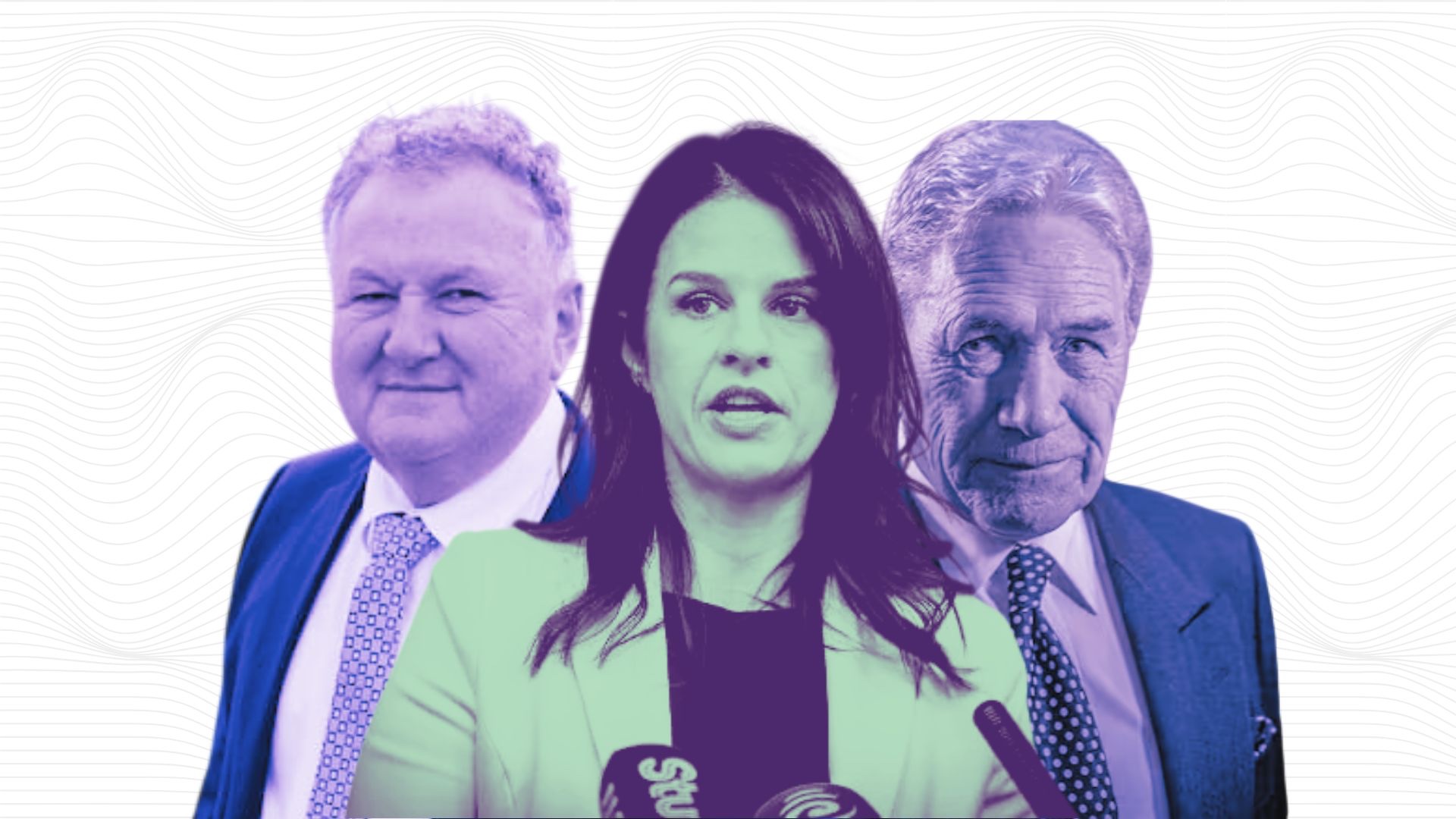
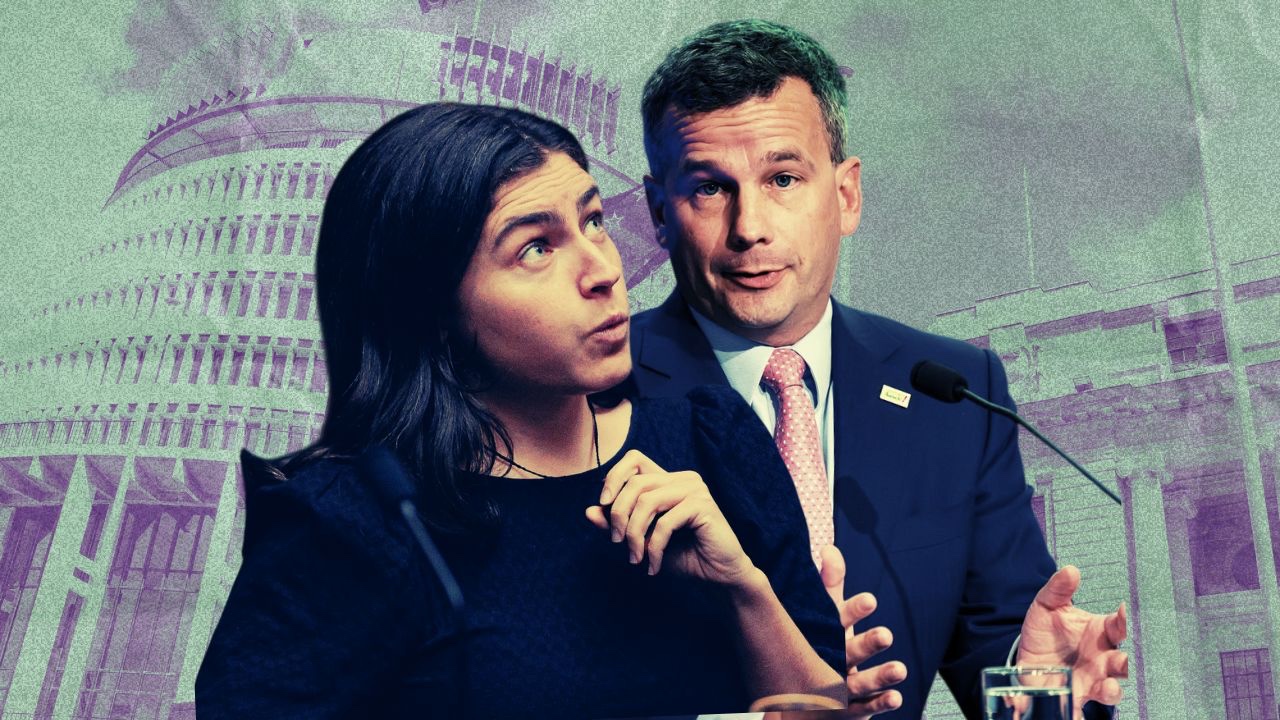
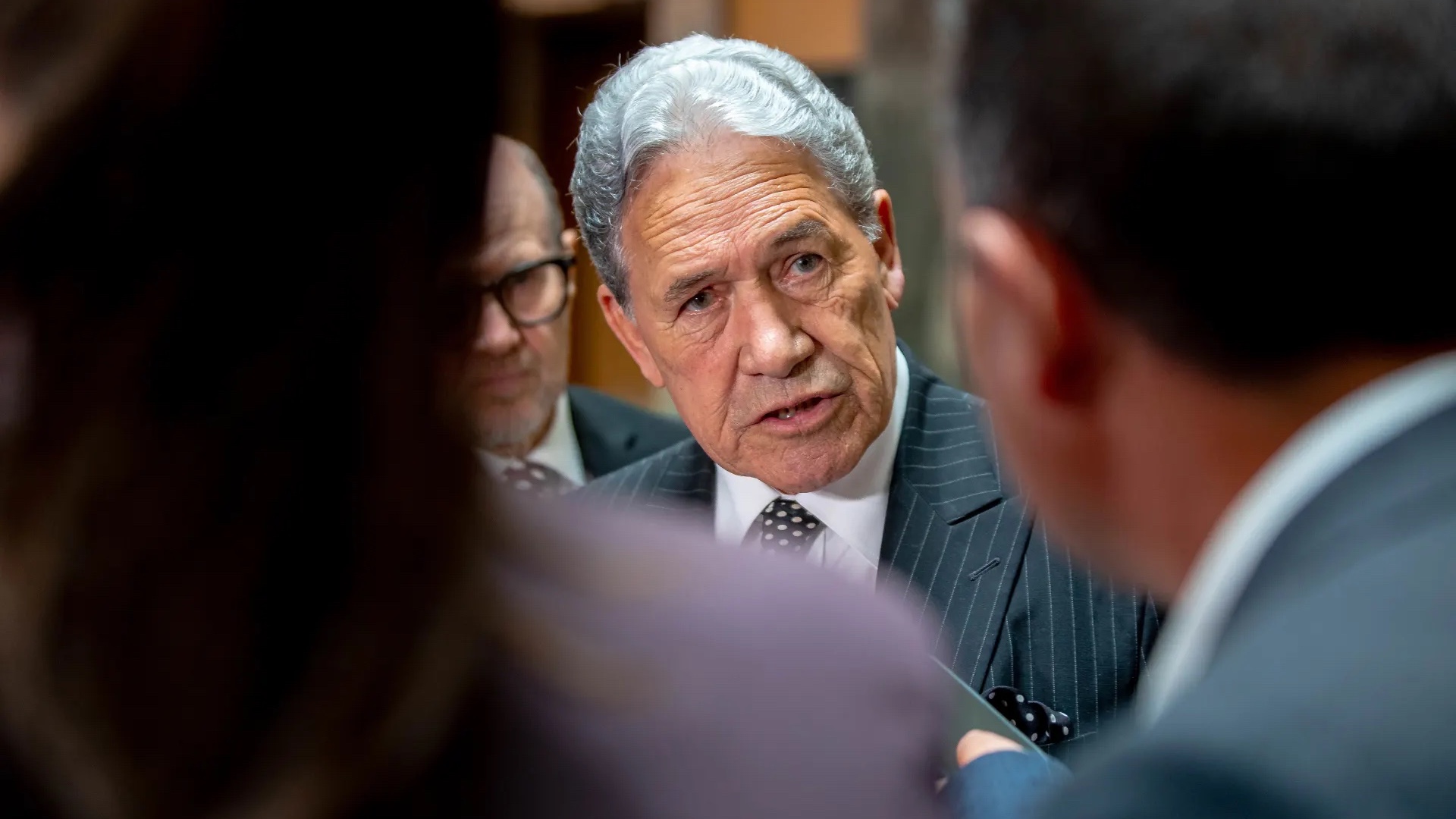
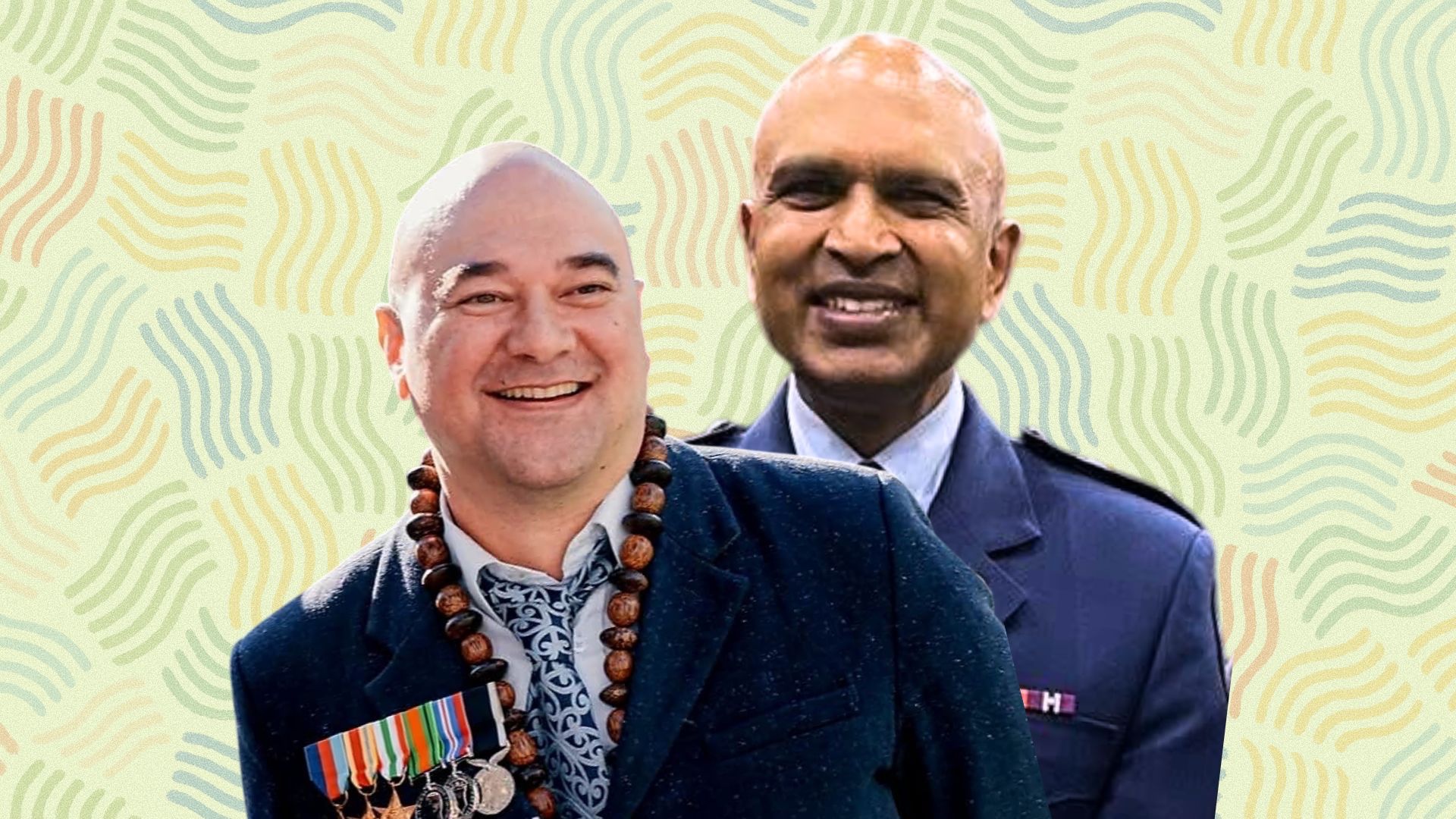
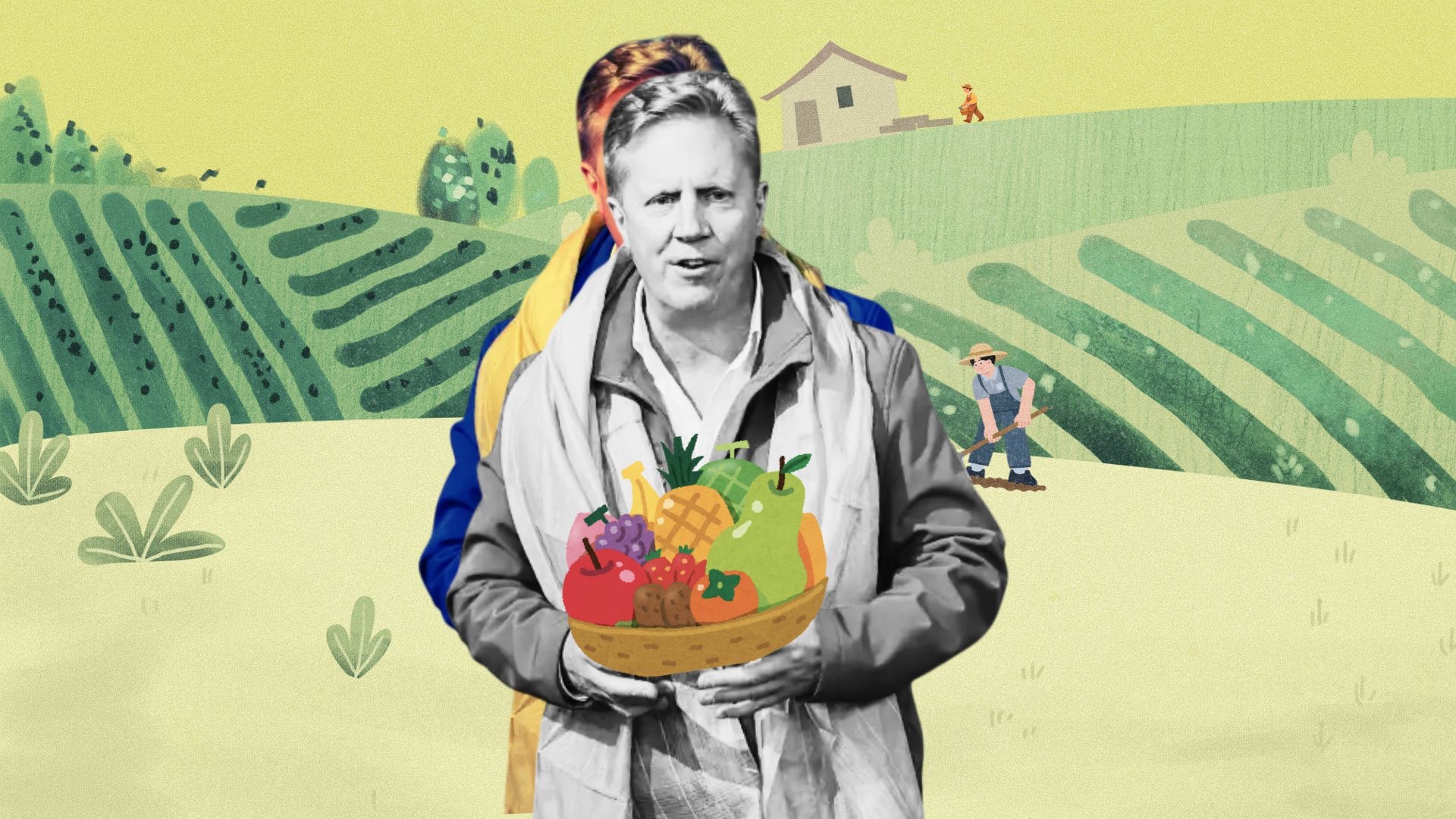
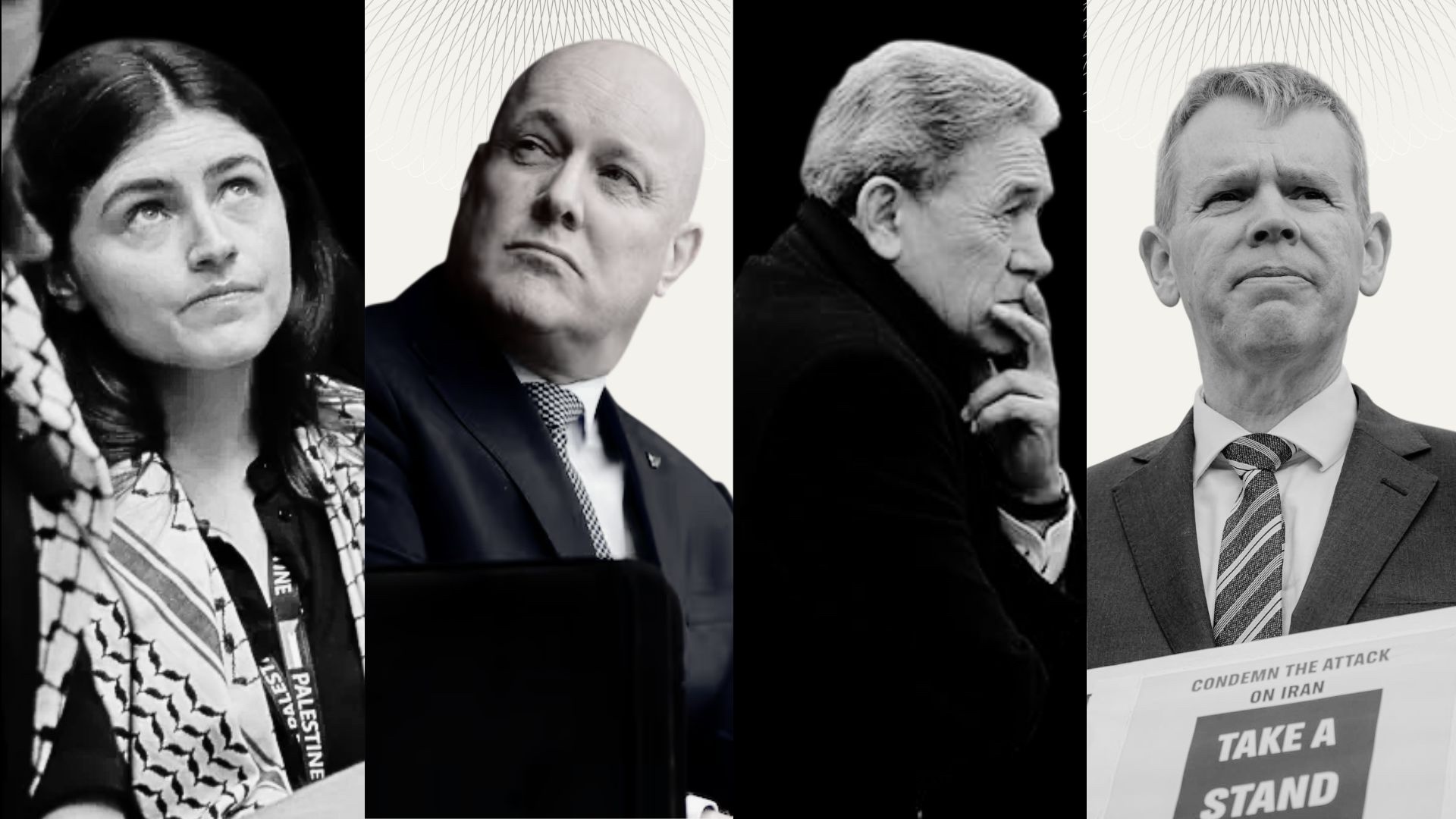
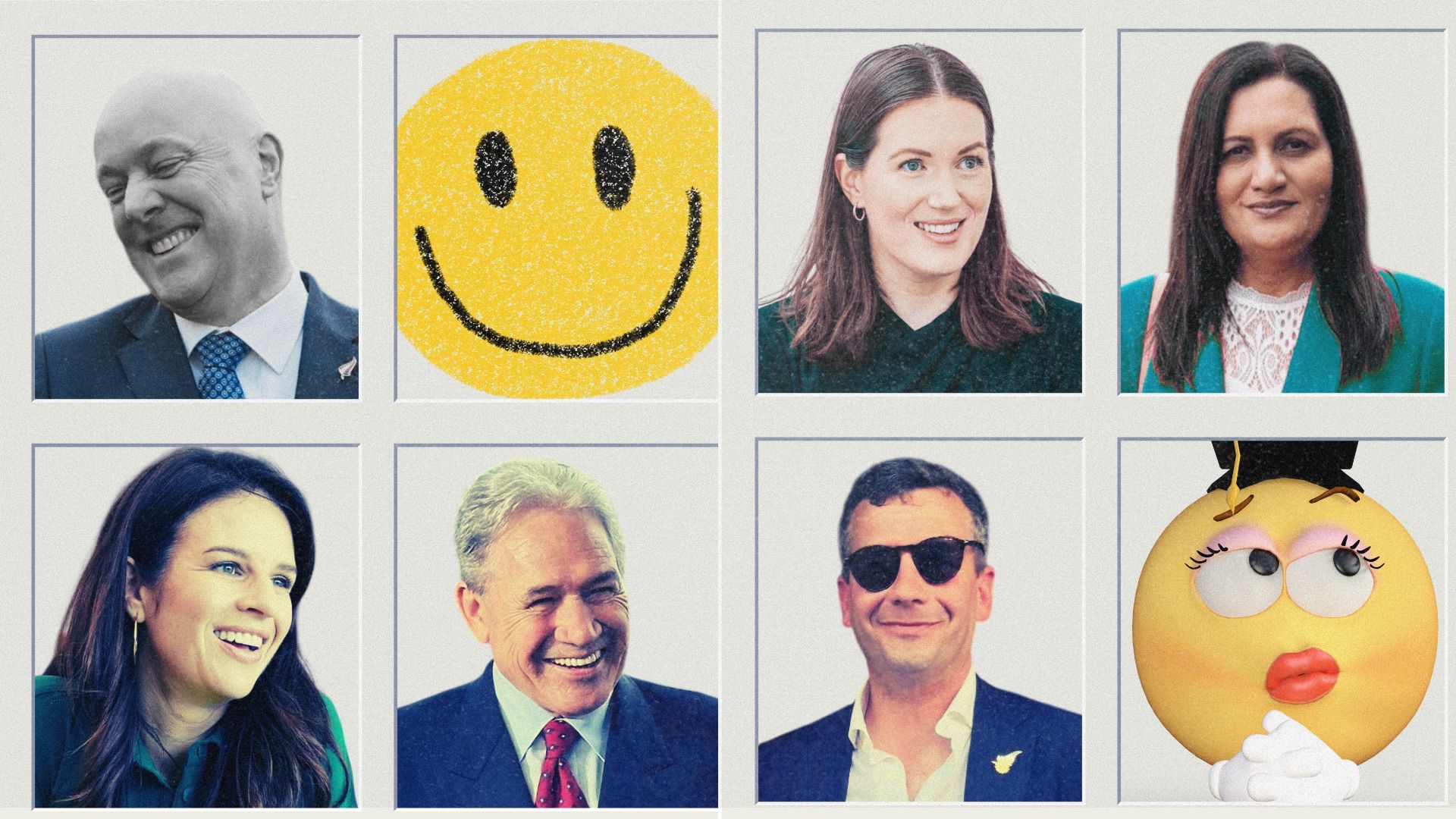
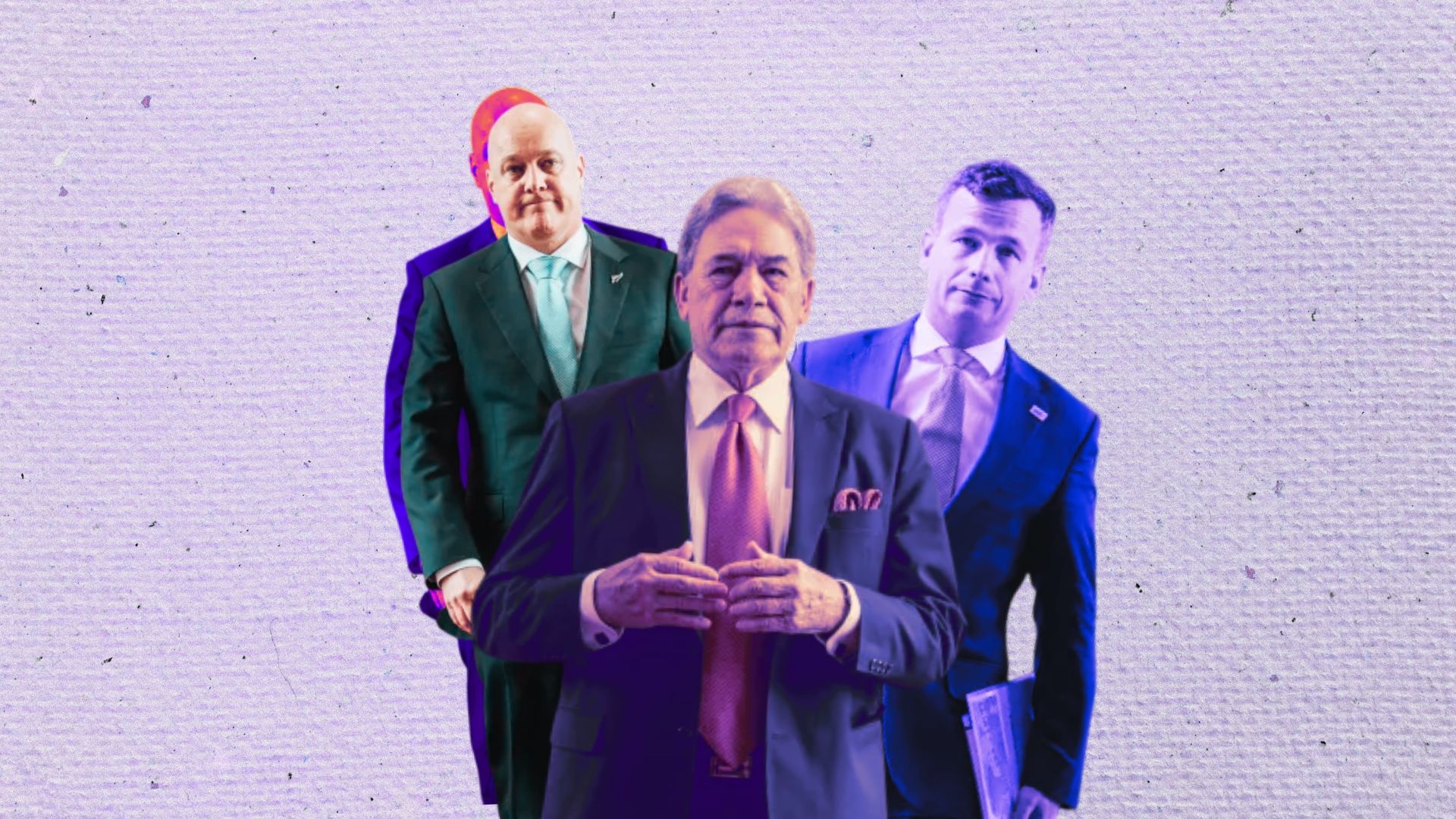
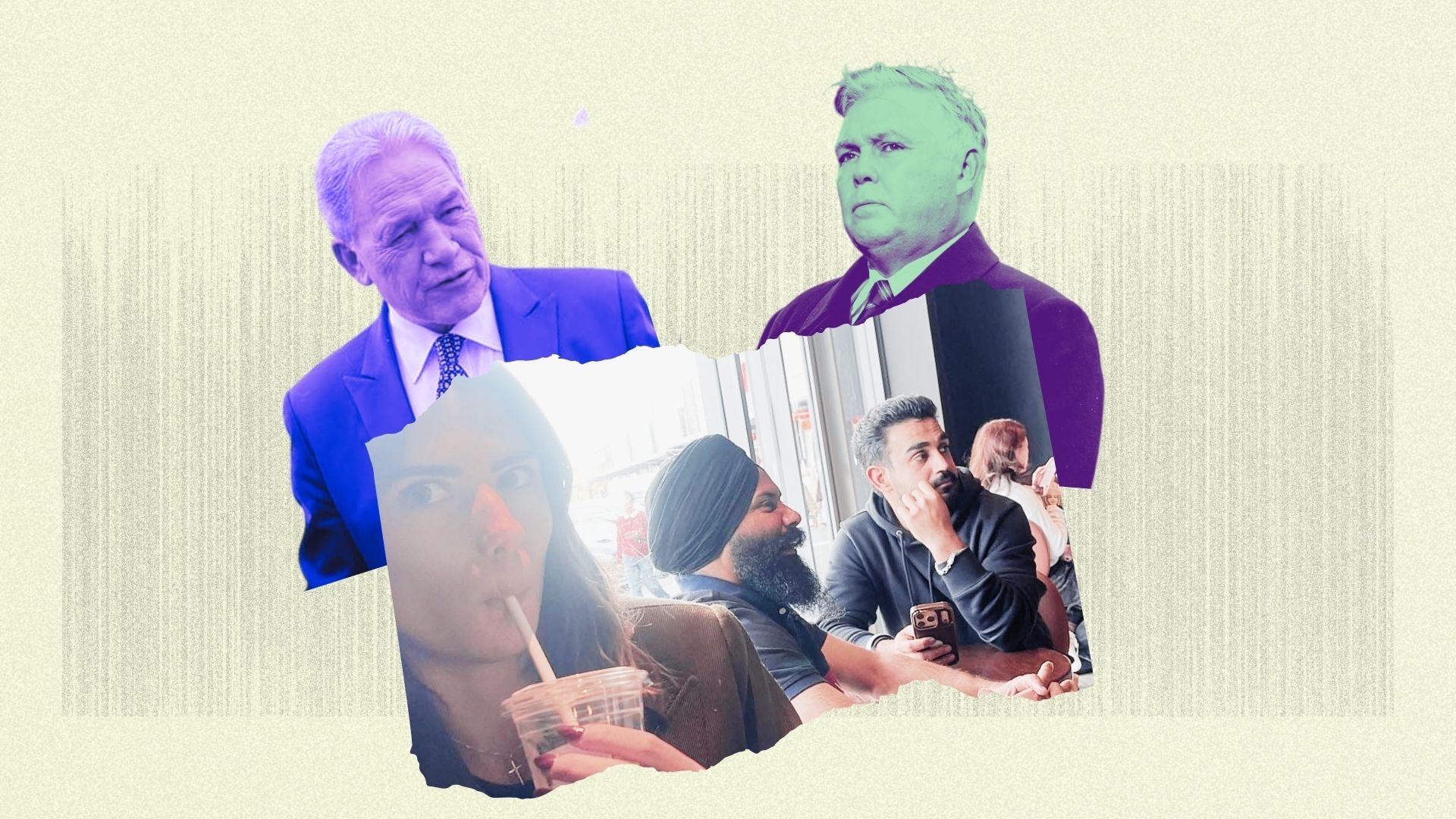
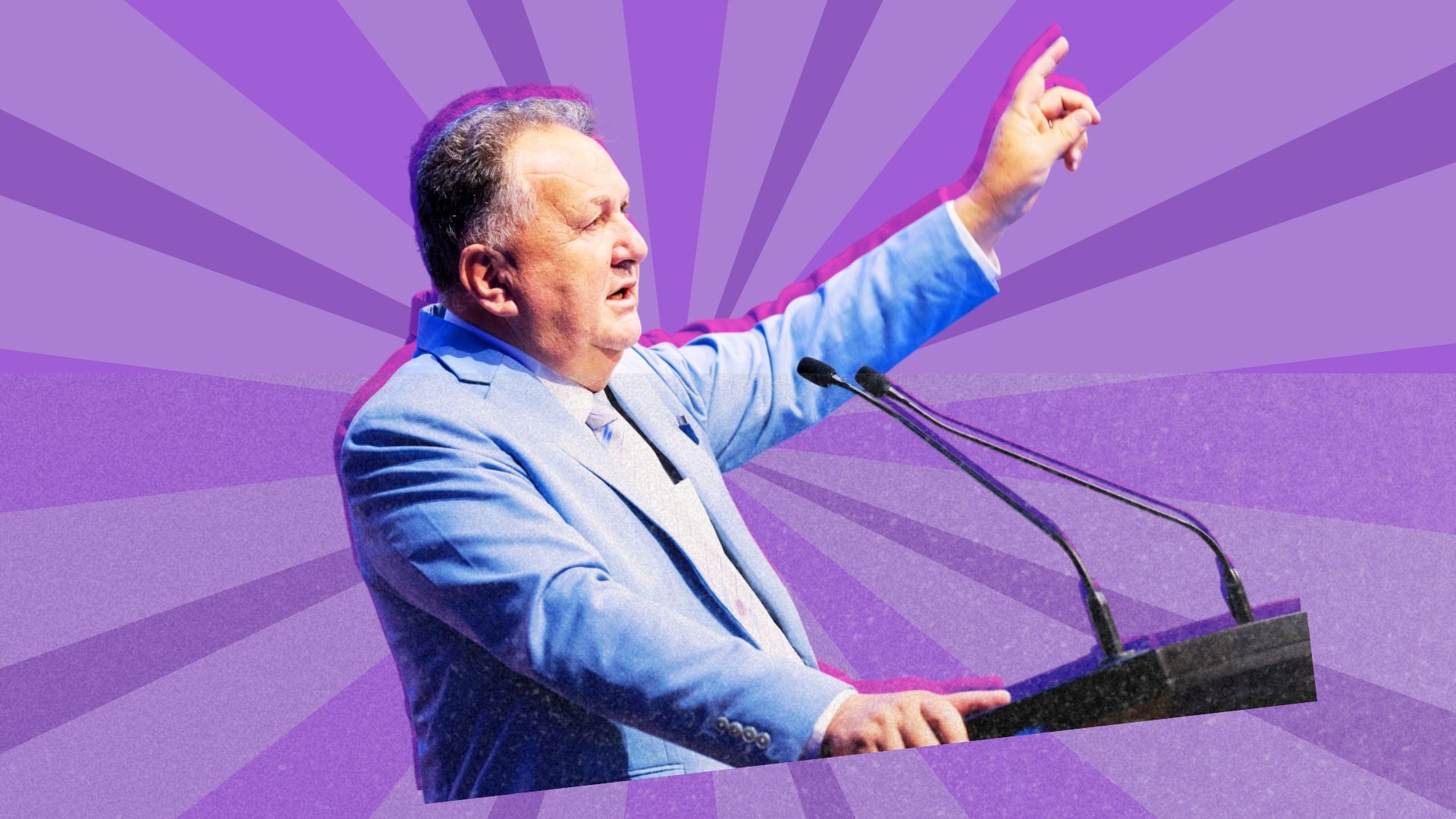
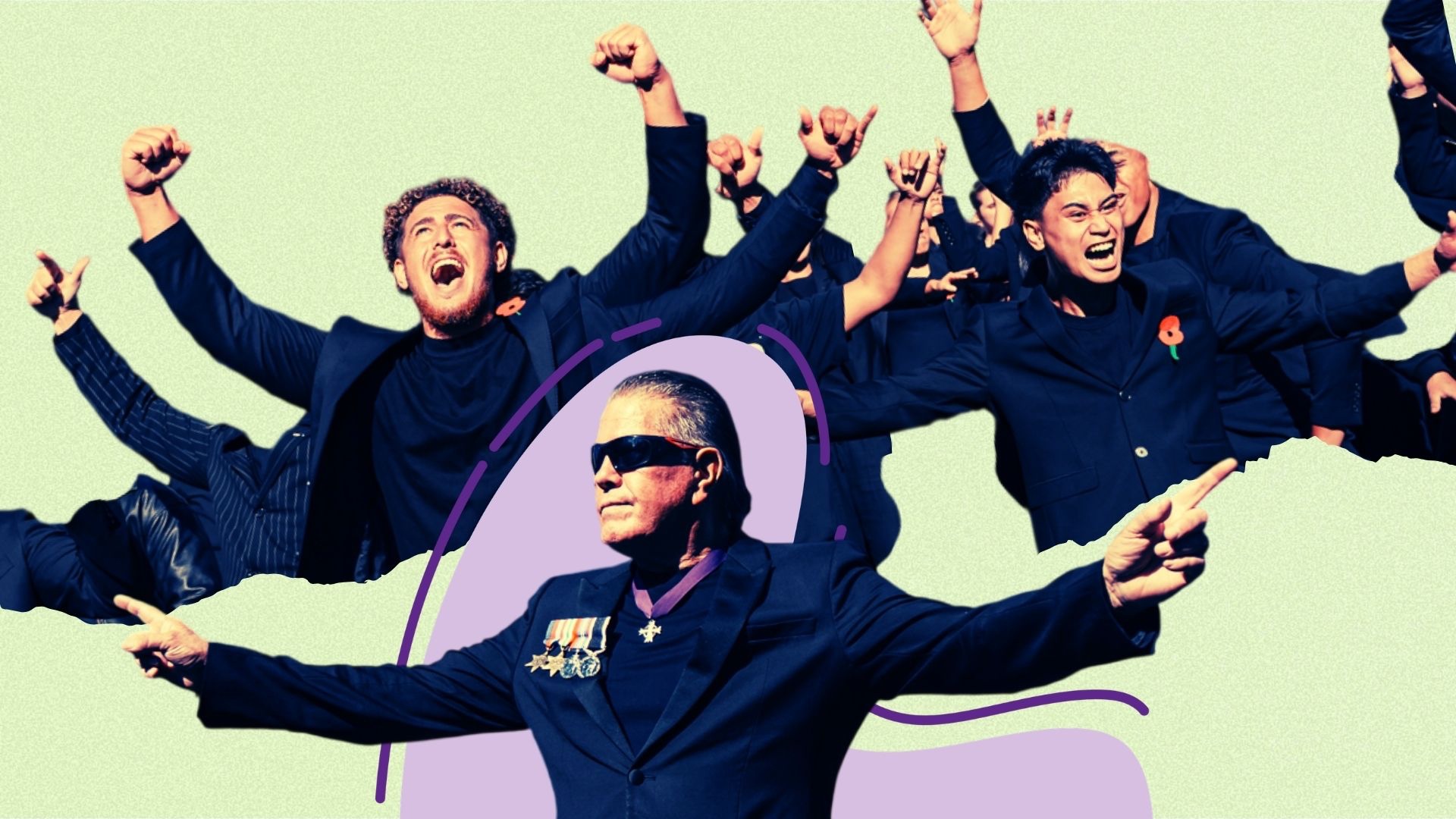
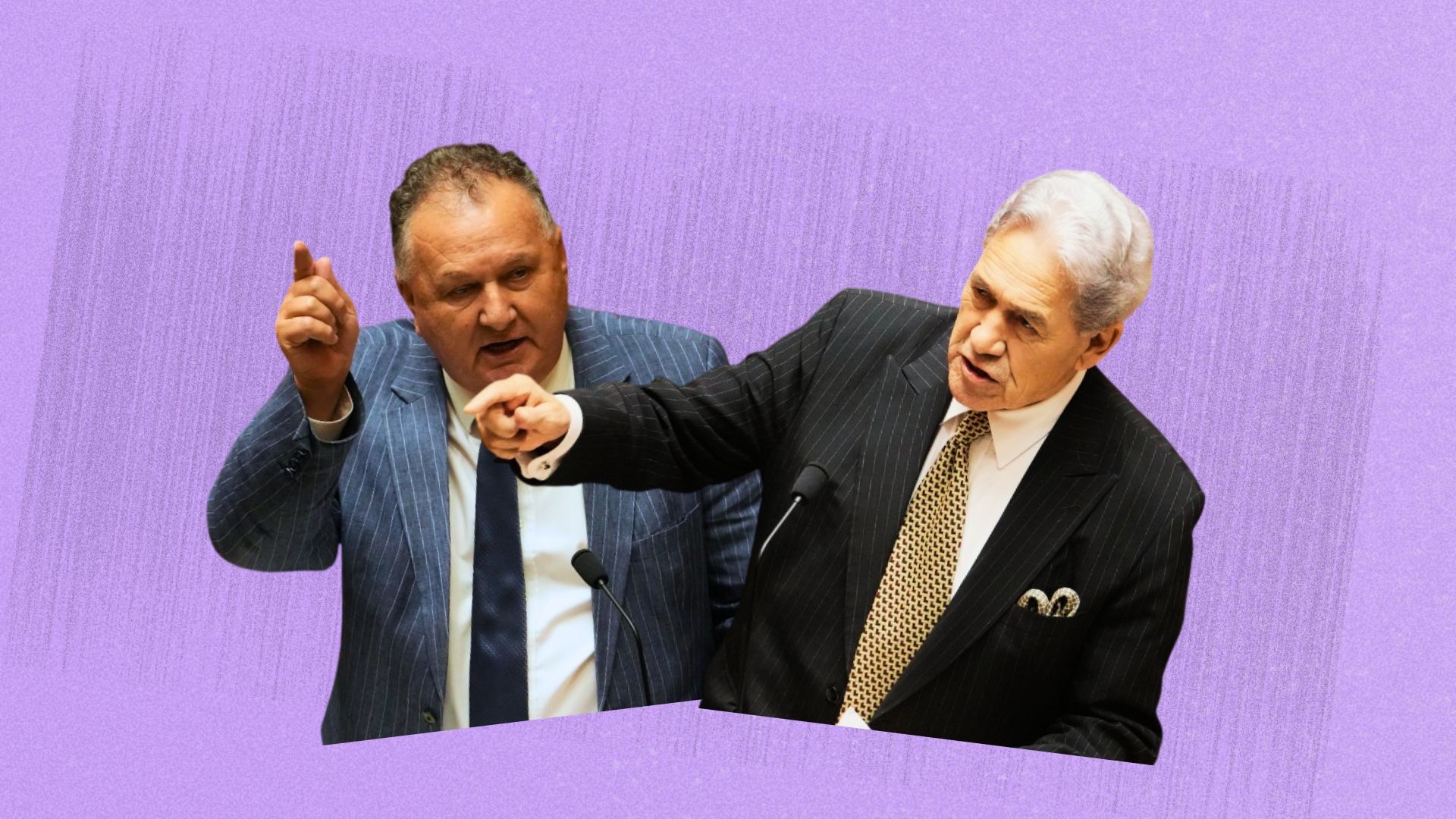
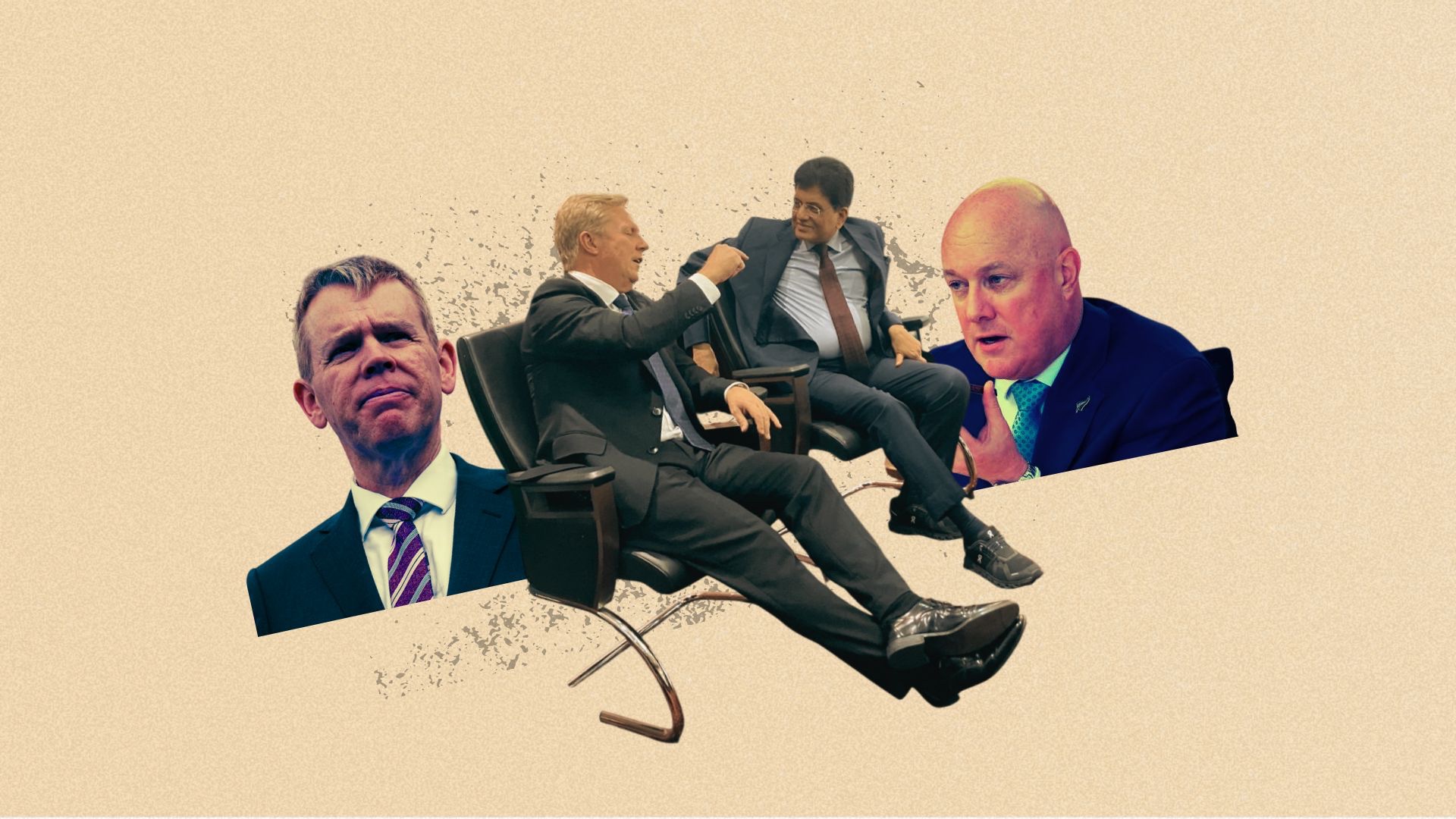
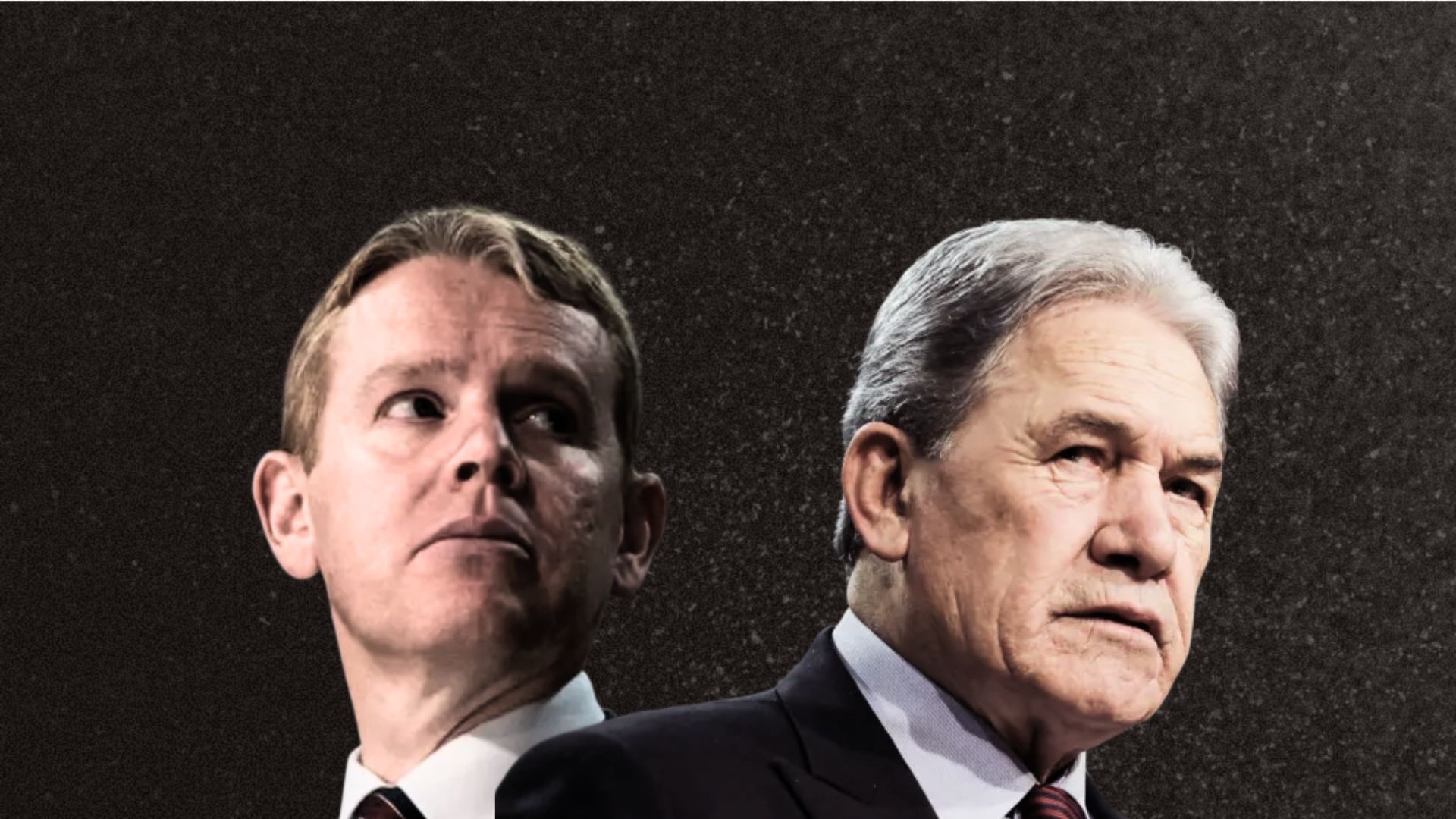
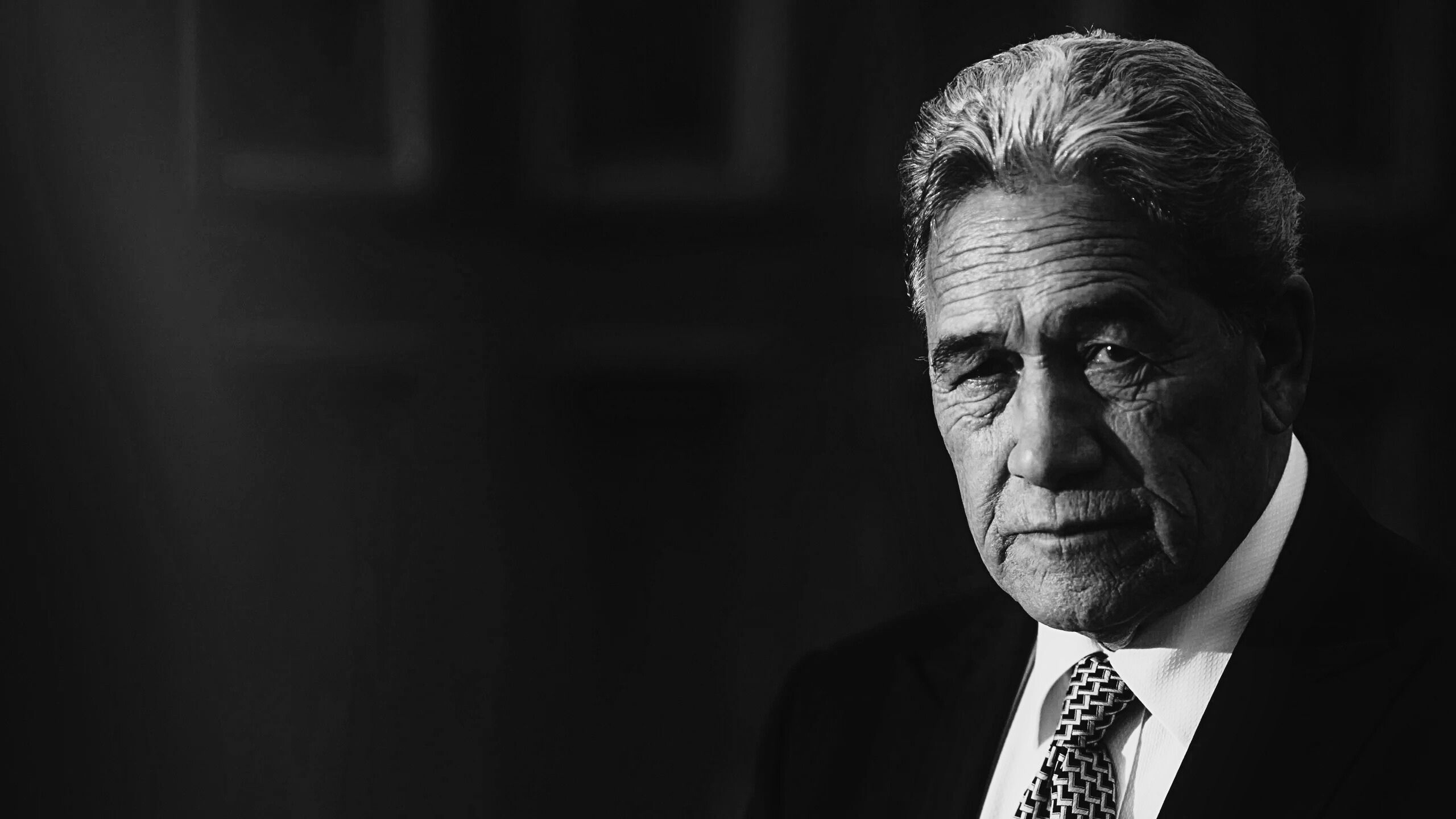
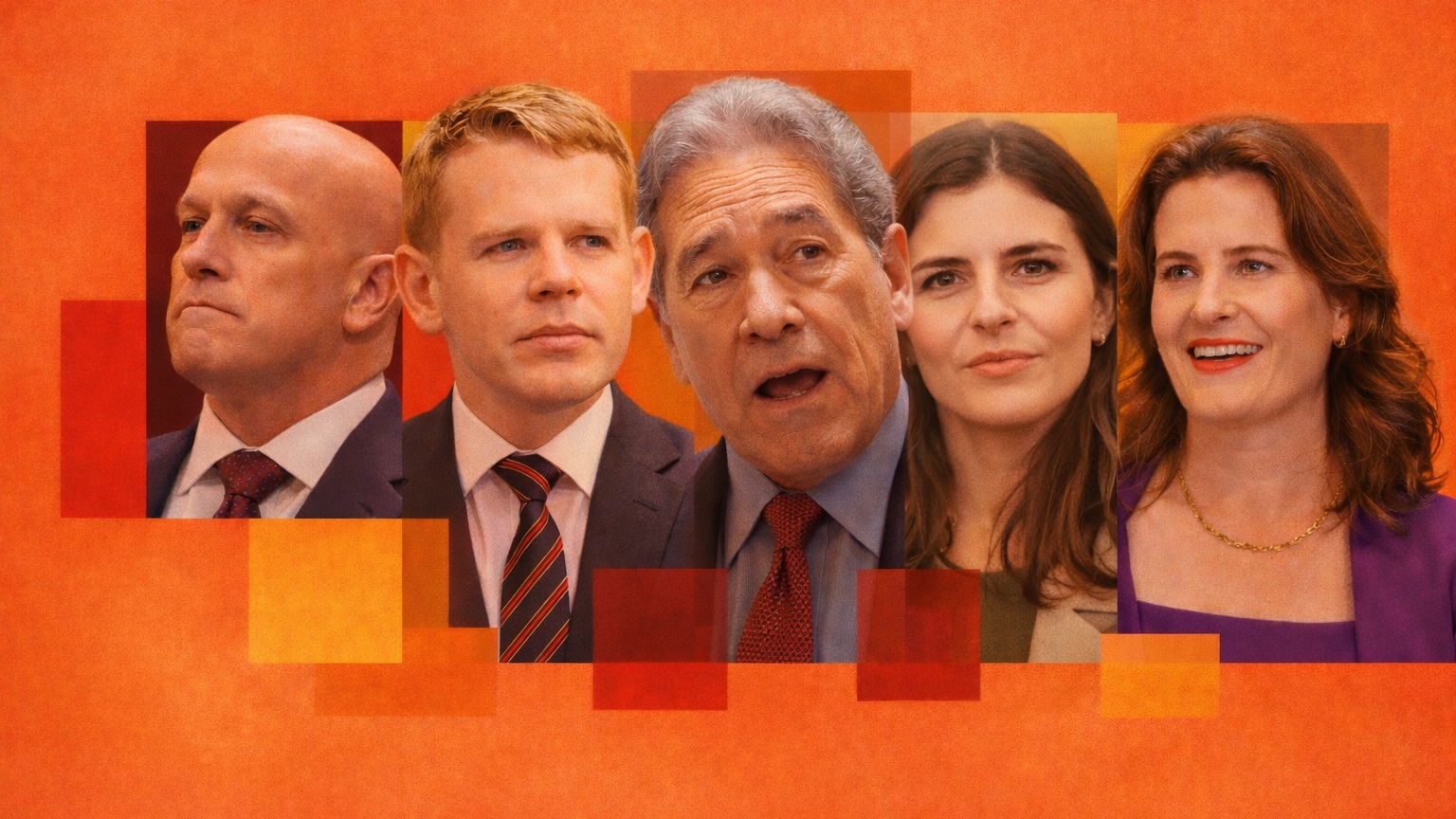
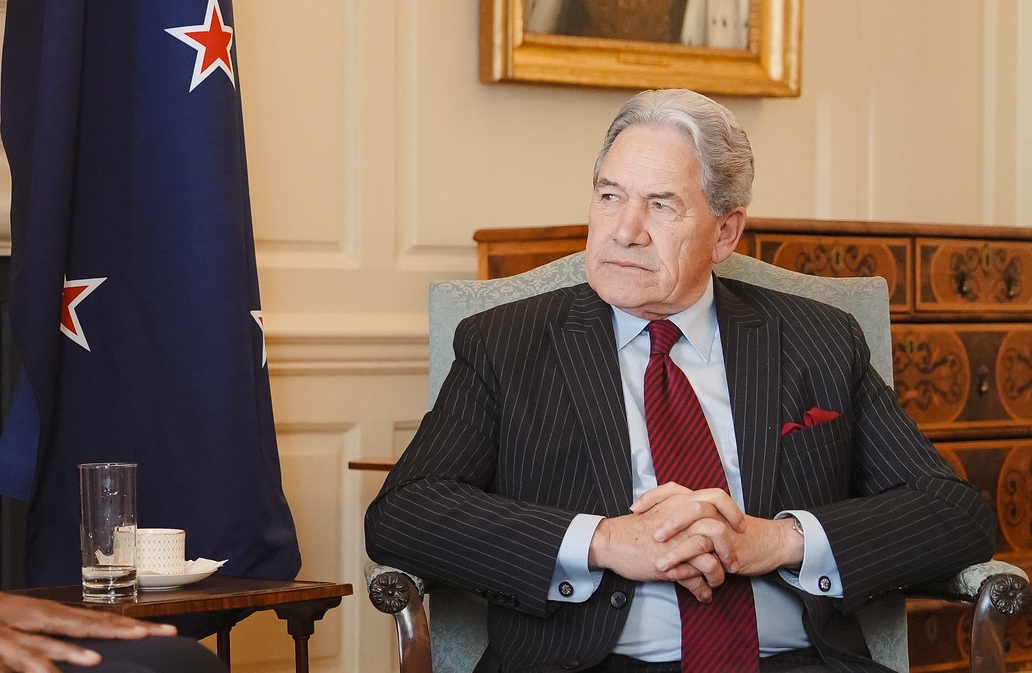
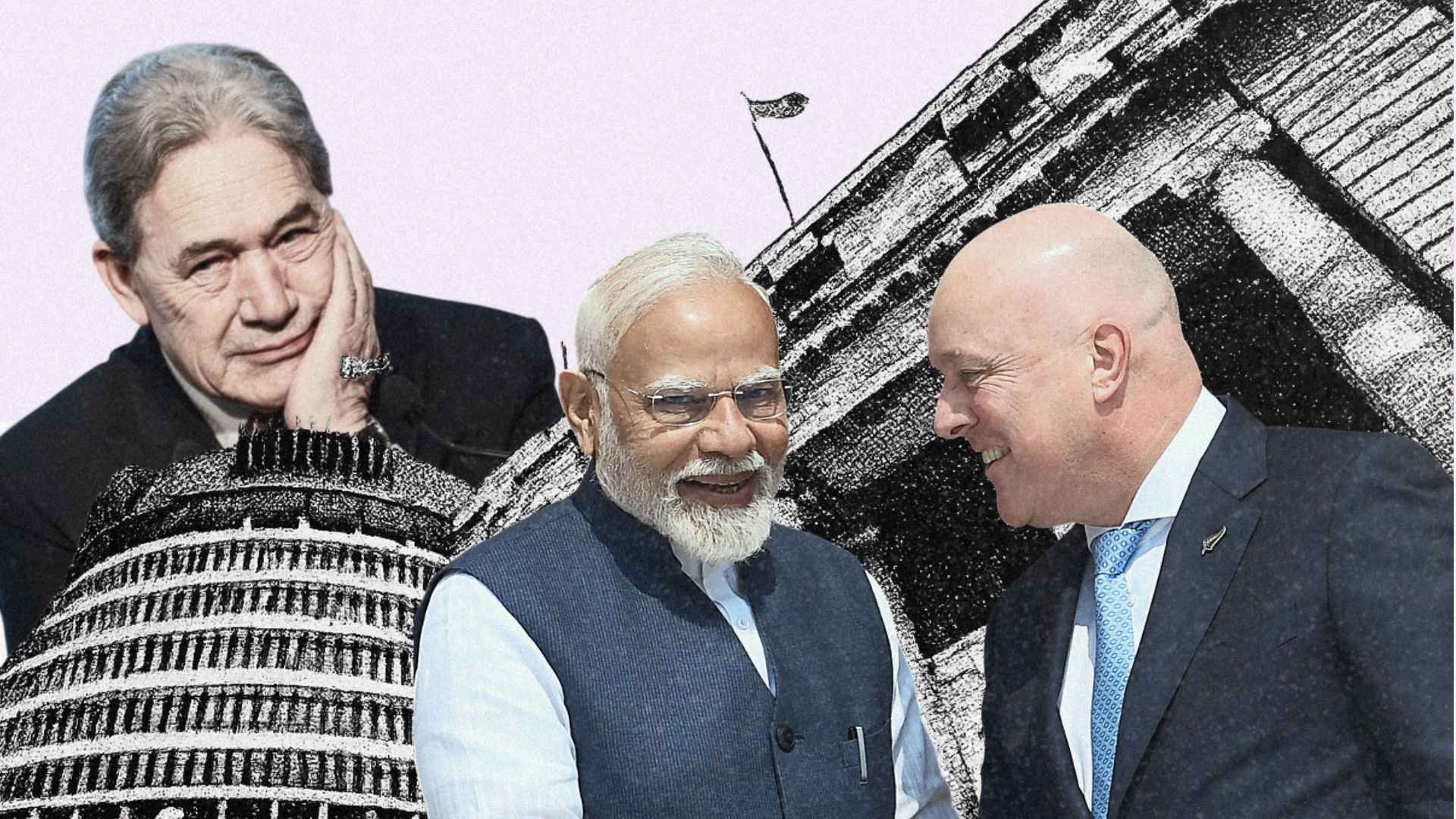
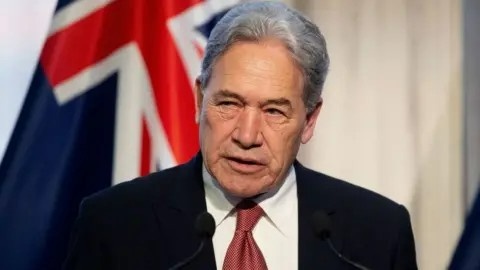
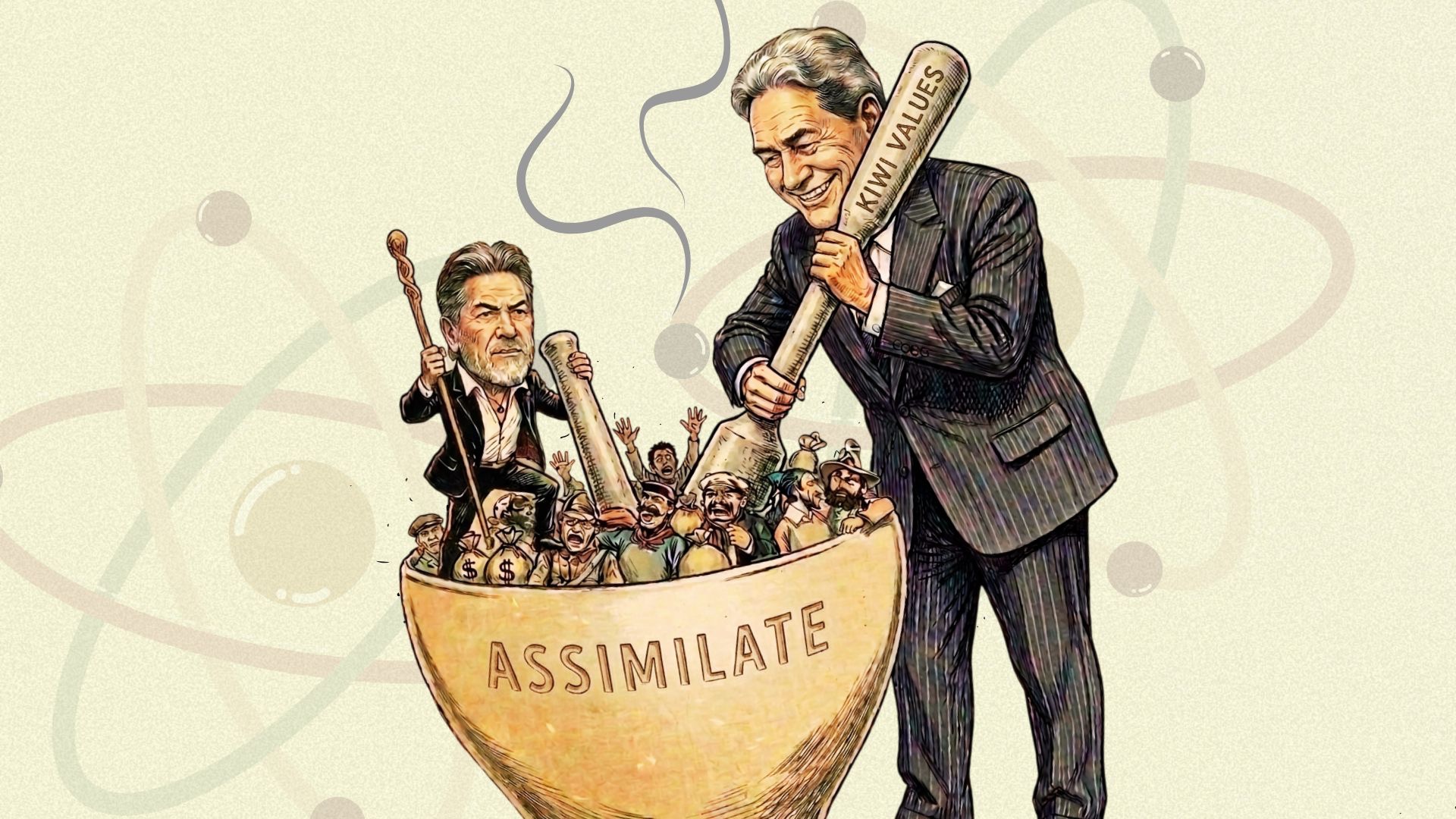
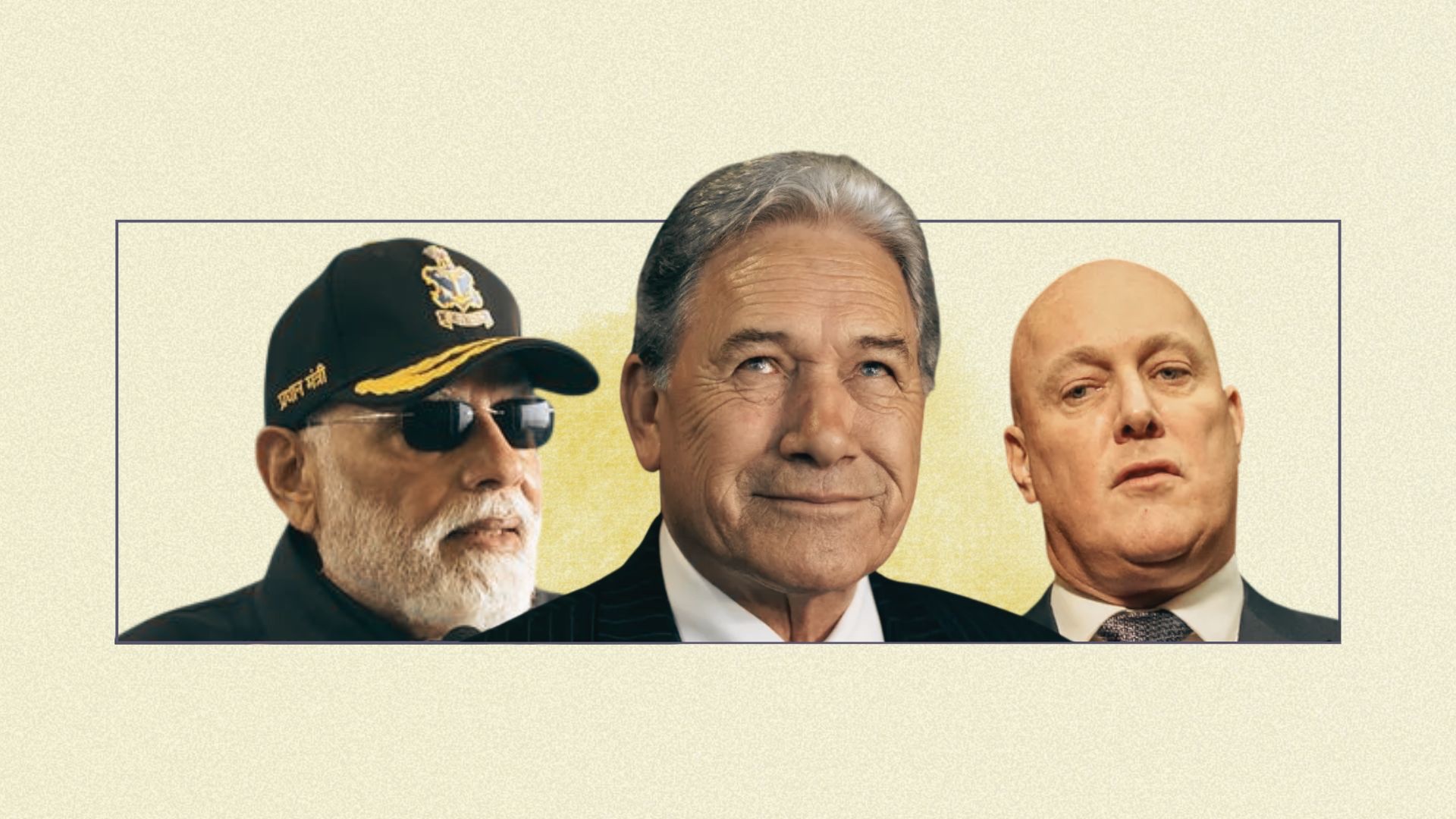
NZ First leader Winston Peters and deputy Shane Jones.
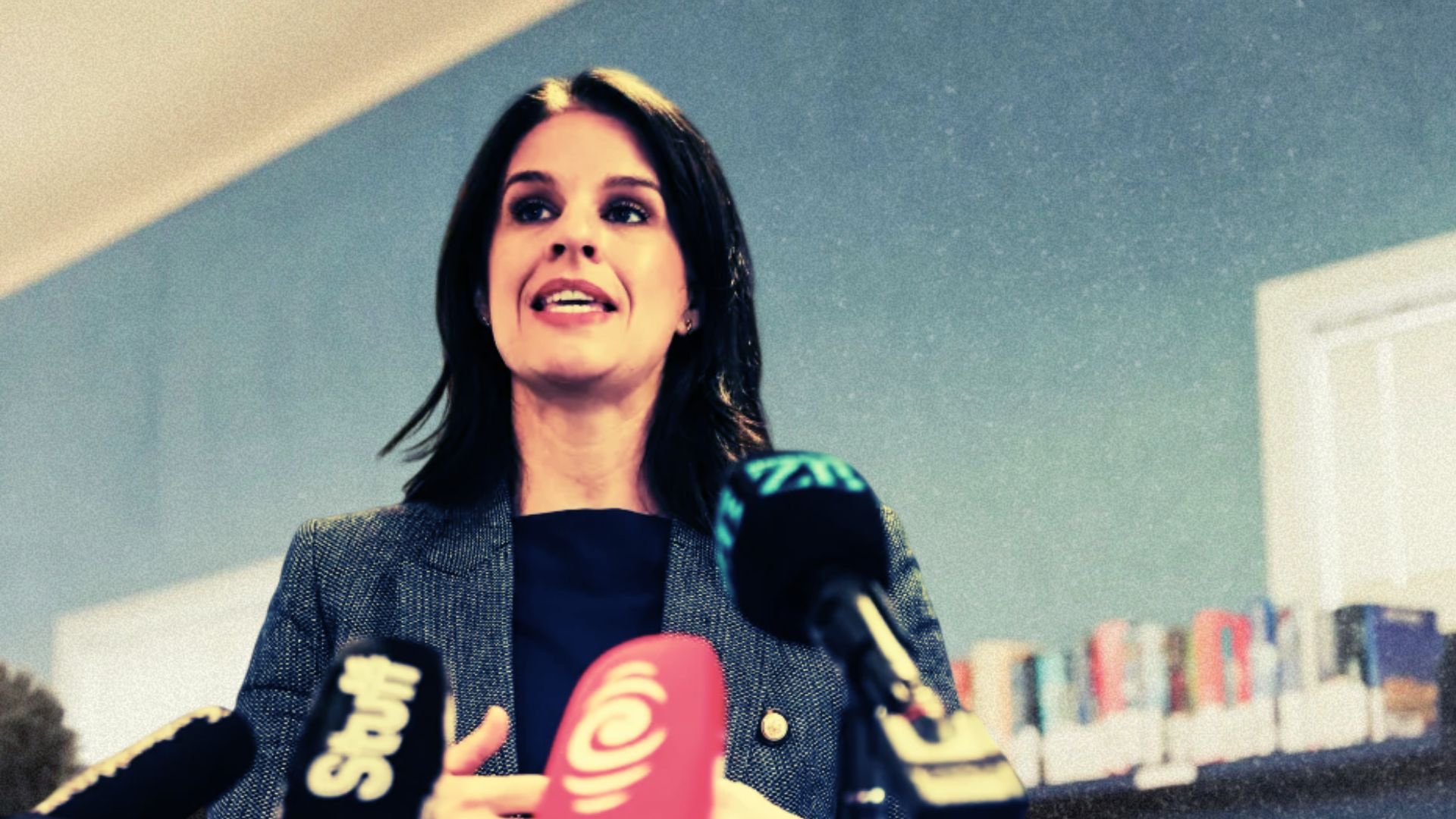
Declining trust in government and growing societal unrest about high immigration are testing New Zealand.
You need only glance at the headlines these days to know that the current state of international relations is dangerous.
From Washington’s retreat from multilateral commitments to Moscow’s aggressive ethno-nationalism, the defining feature of world affairs is not simply cold strategic calculation but something closer to anxiety.
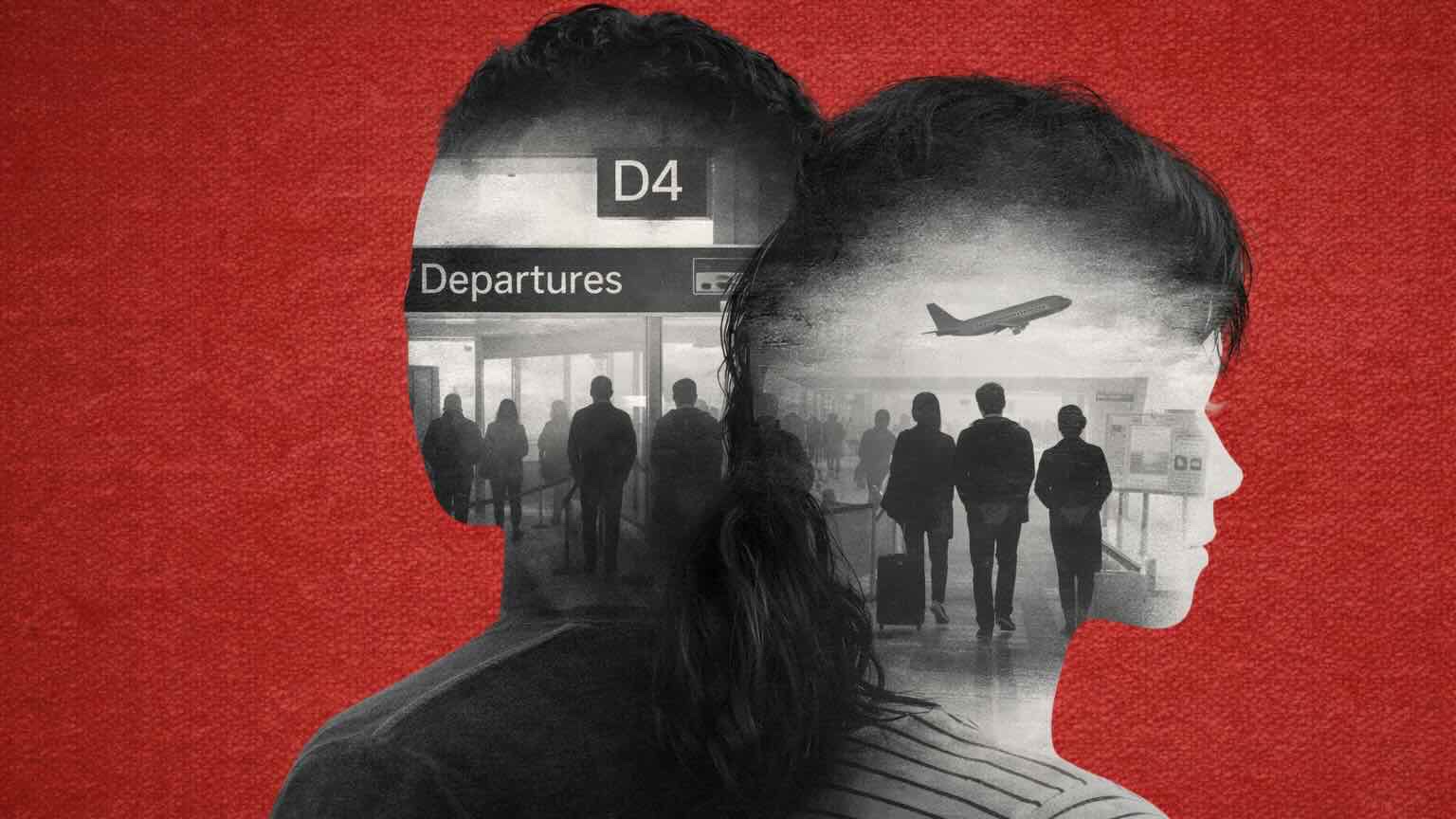
To explain this search for certainty in a world that no longer reflects the stories states have long told about themselves, political theorists have turned to the field of psychiatry. Specifically, to ideas of “self” and “being” that explain the idea of “ontological security”.
Ontology is a branch of philosophy that ponders the basic question of what it means to exist. In psychiatry, the term ontological security was coined by Scottish psychiatrist R.D. Laing, who characterised mentally stable people as having an identity and sense of autonomy that is never in question.
Those suffering from schizophrenia, however, typically felt:
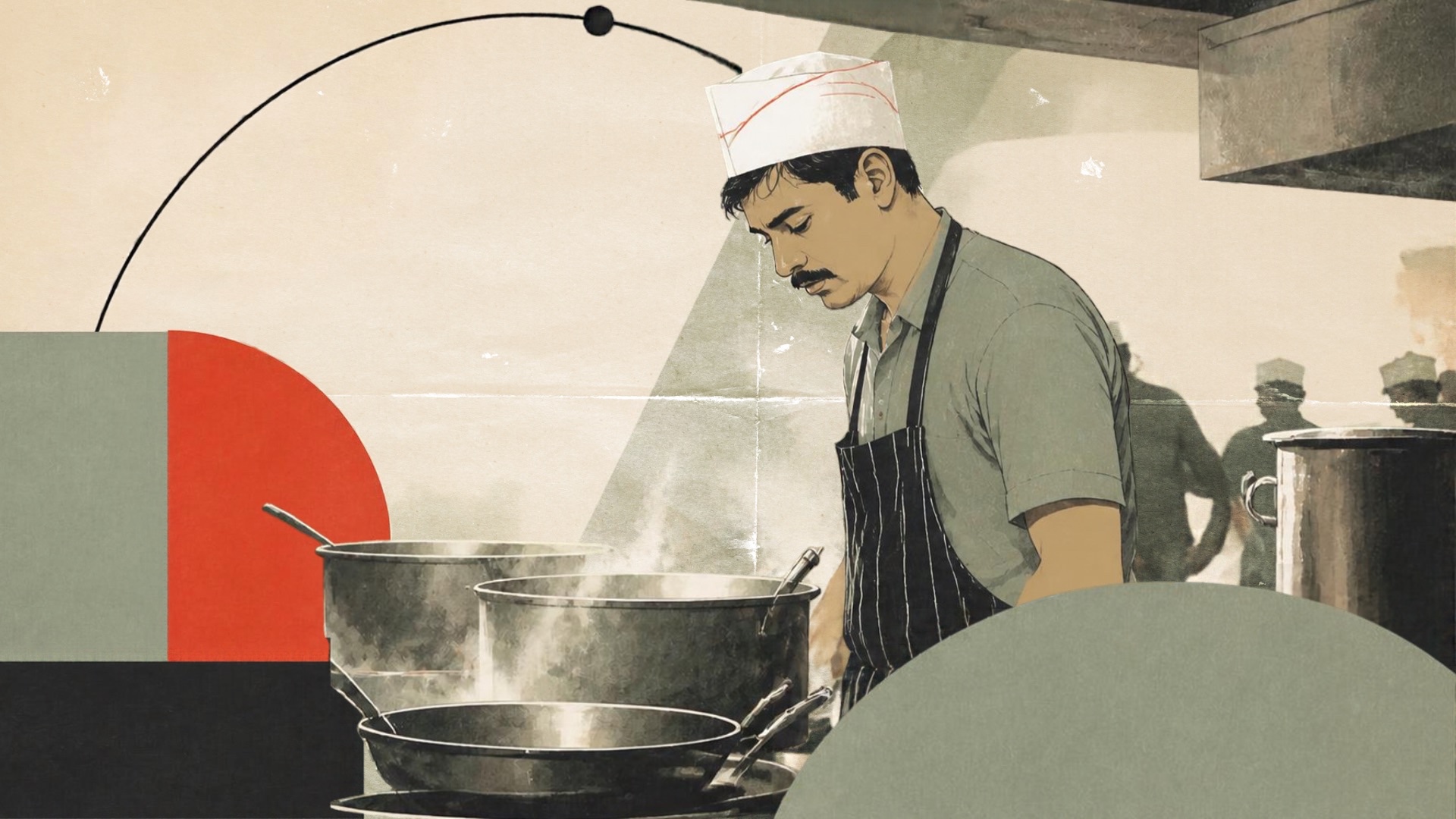
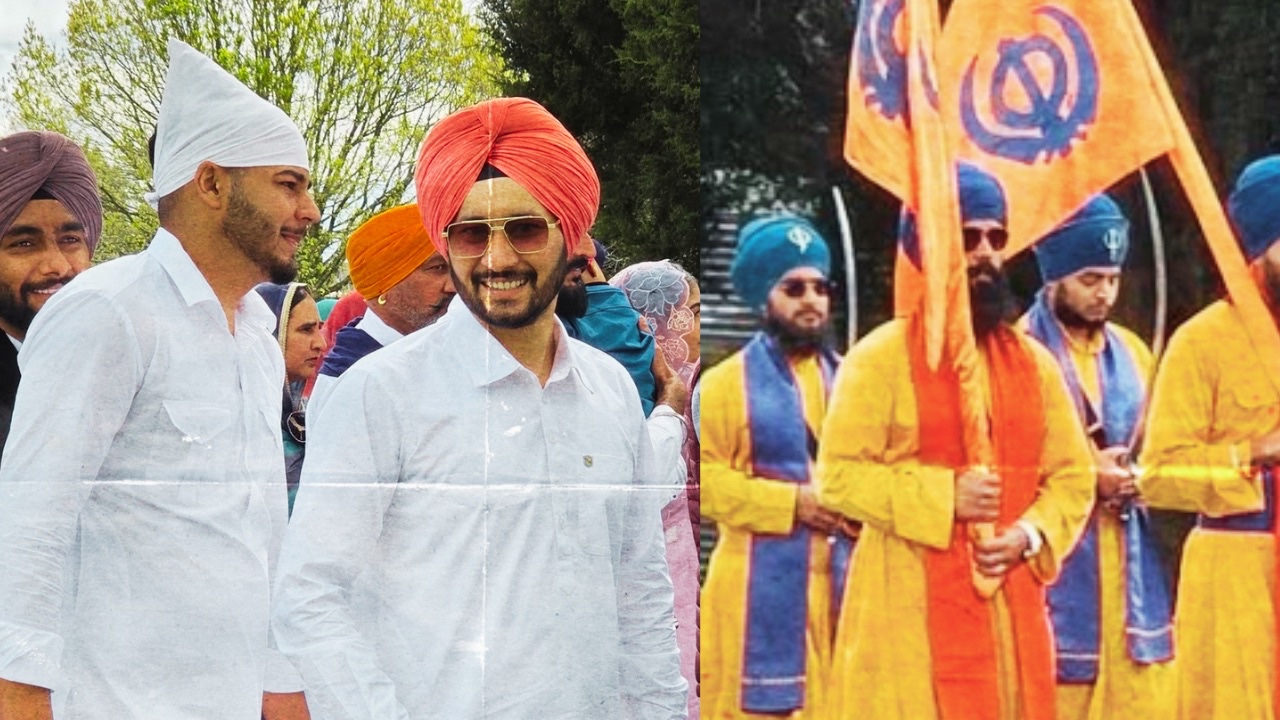
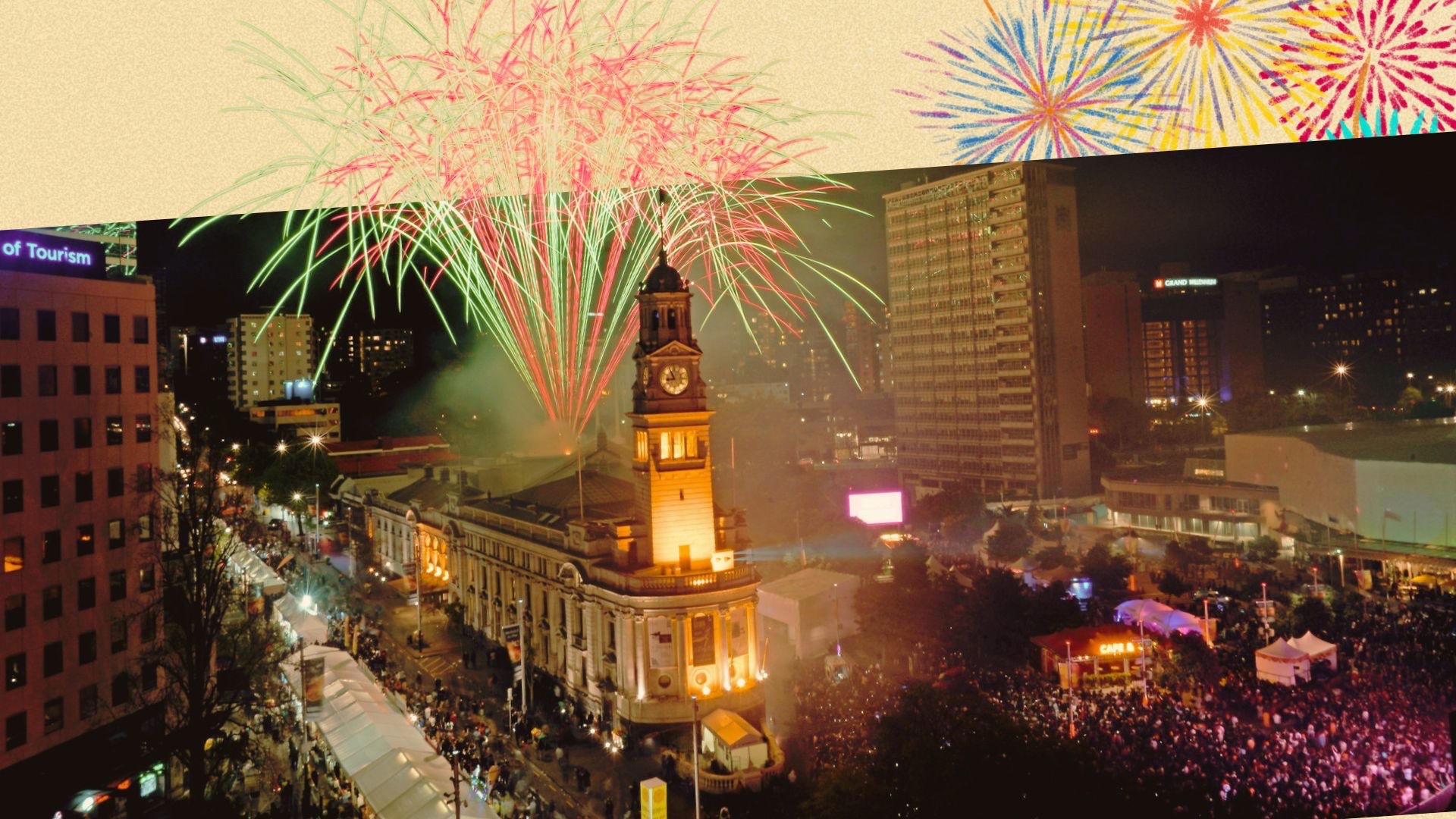
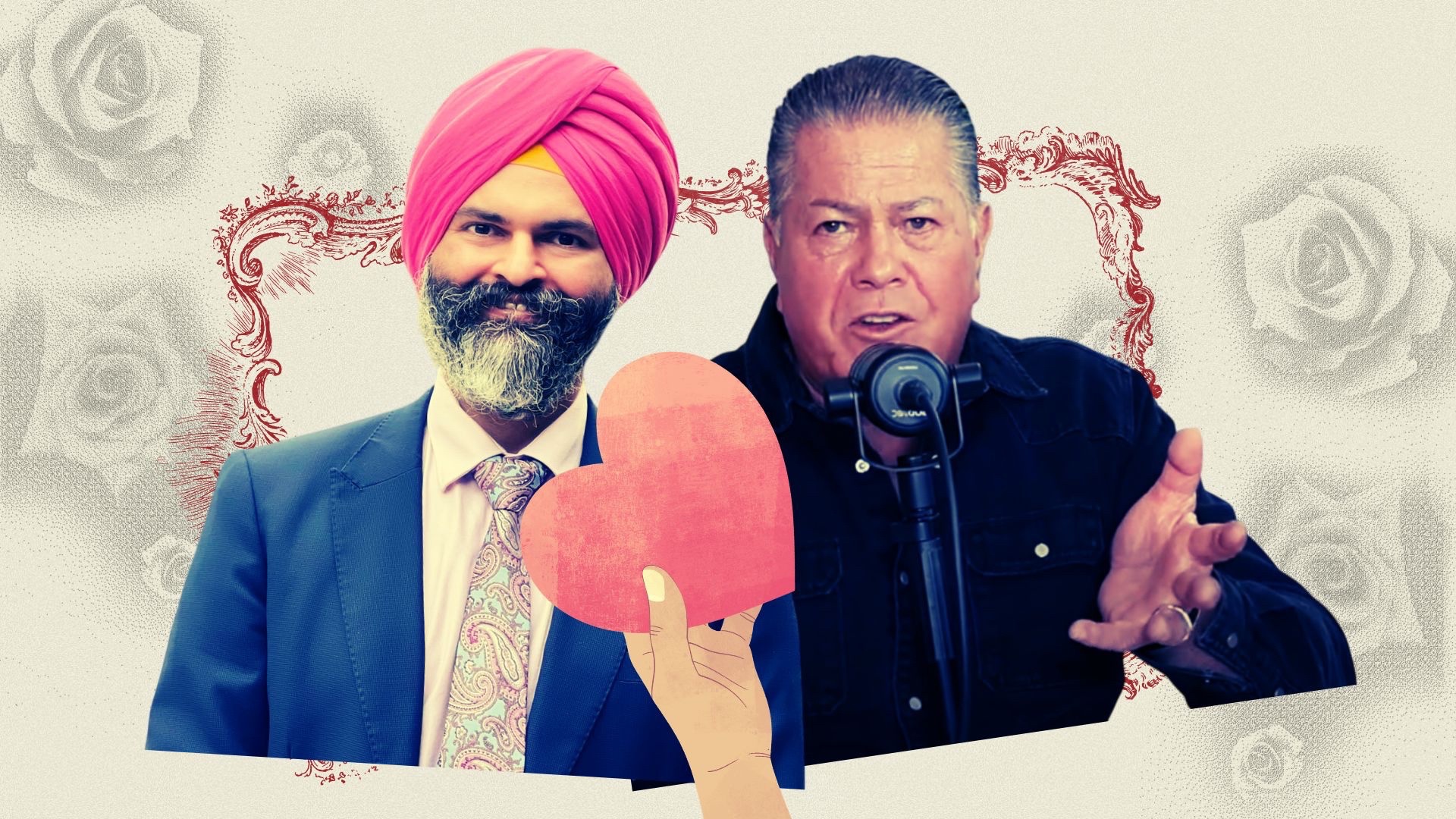
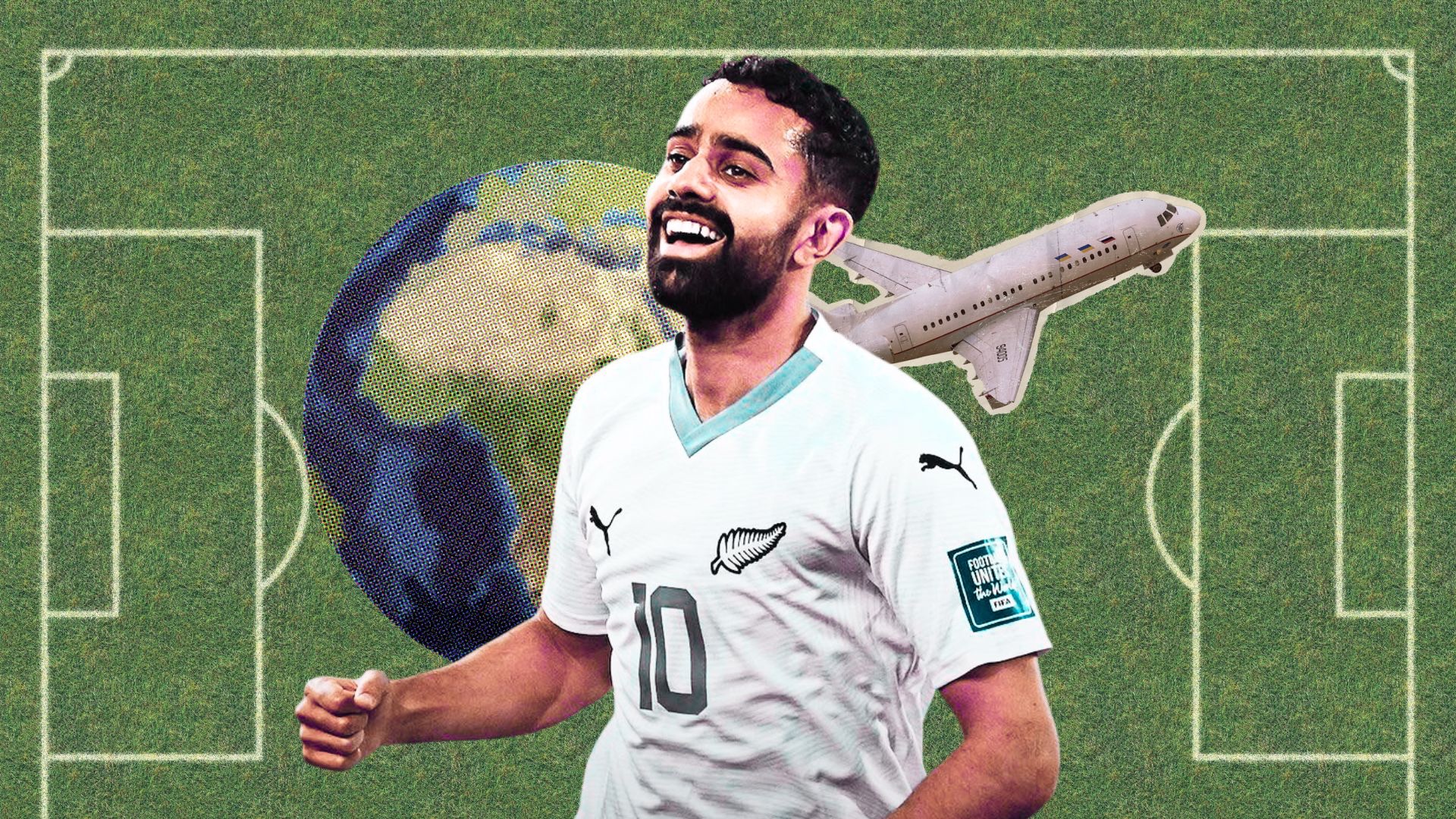
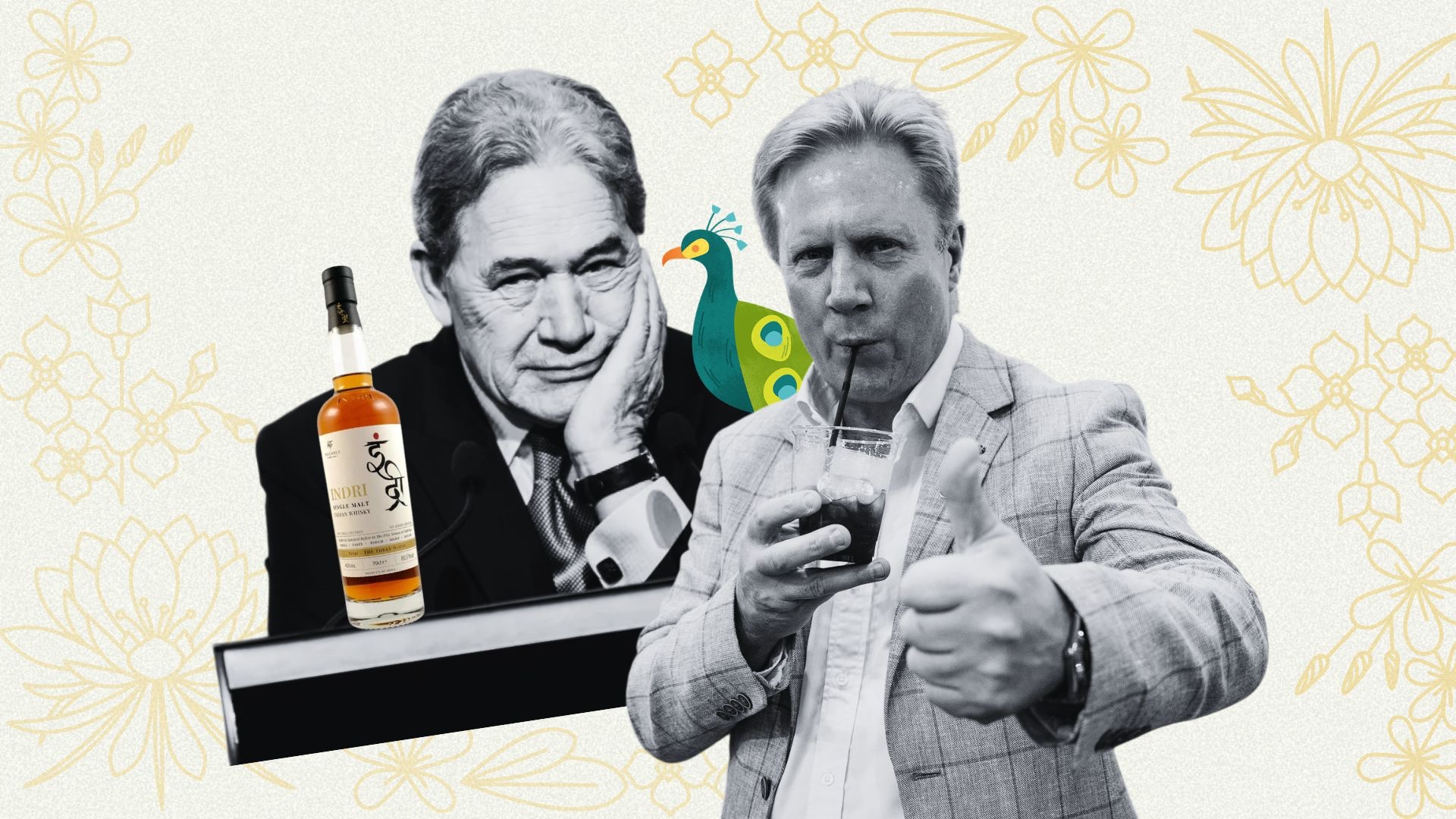
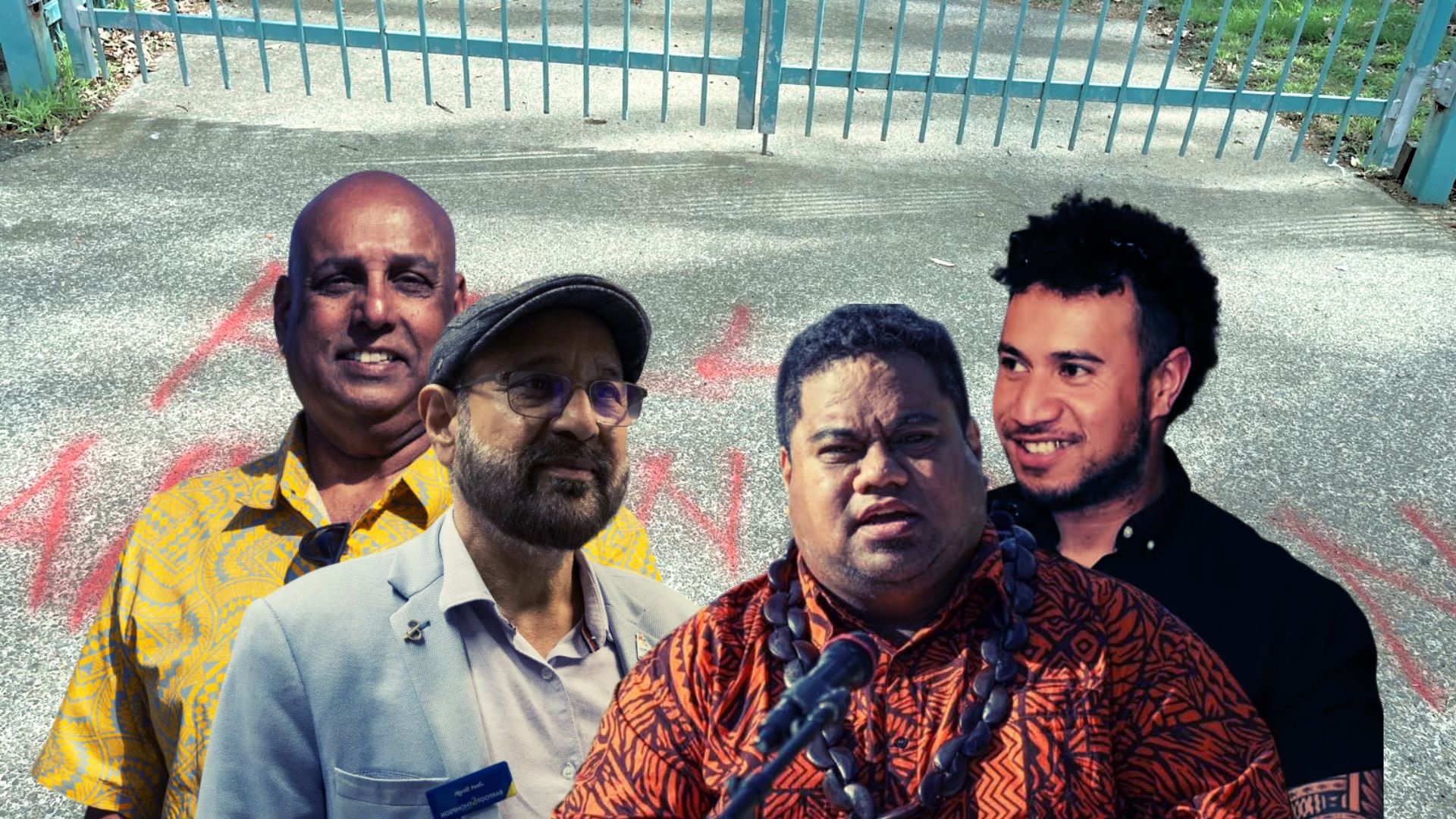
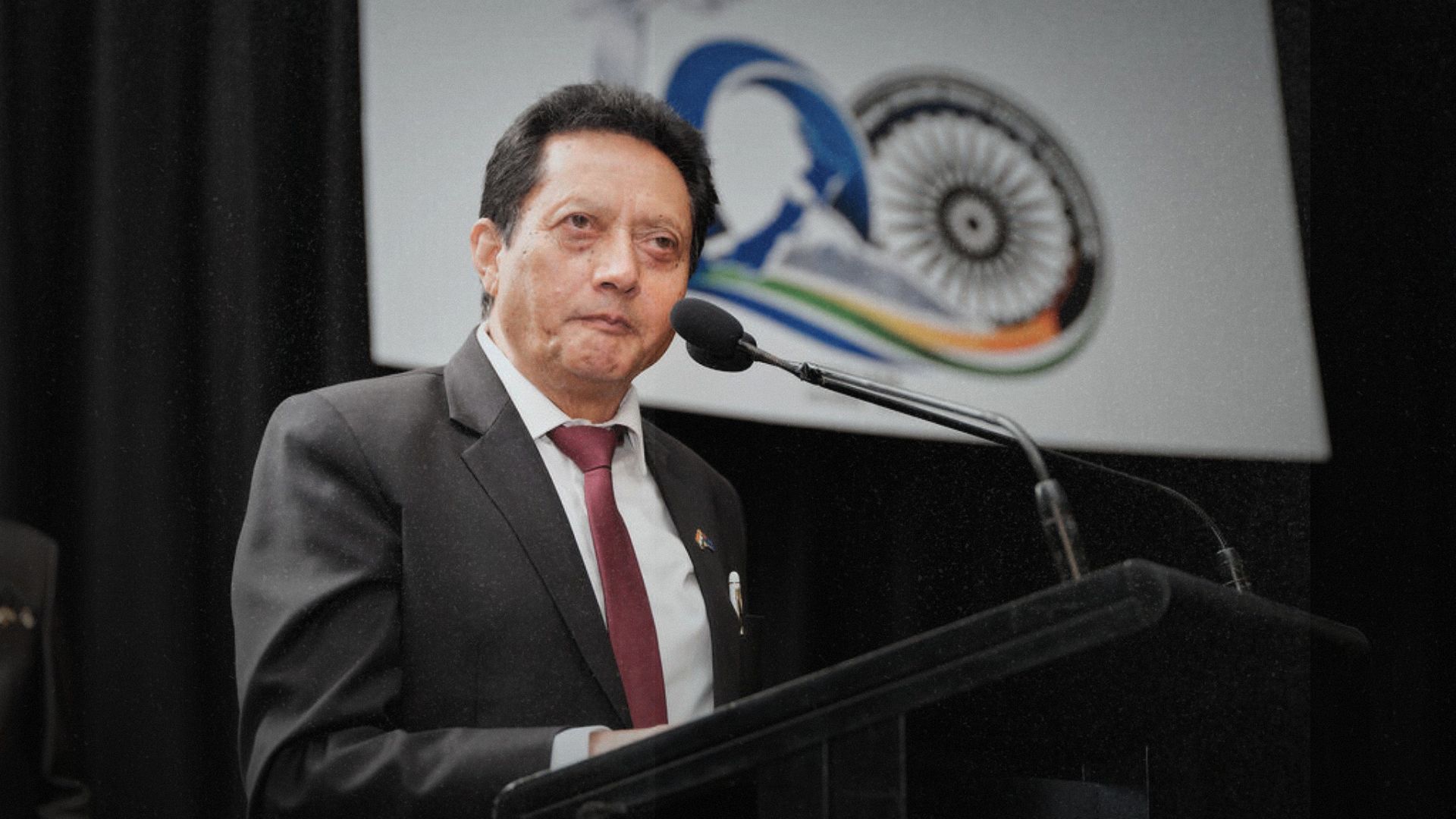
From designing restaurants to running Auckland Diwali: The many lives of Arnav Taode Taode brings his passion for Indian arts and culture to his first year managing BNZ Auckland Diwali 2026.
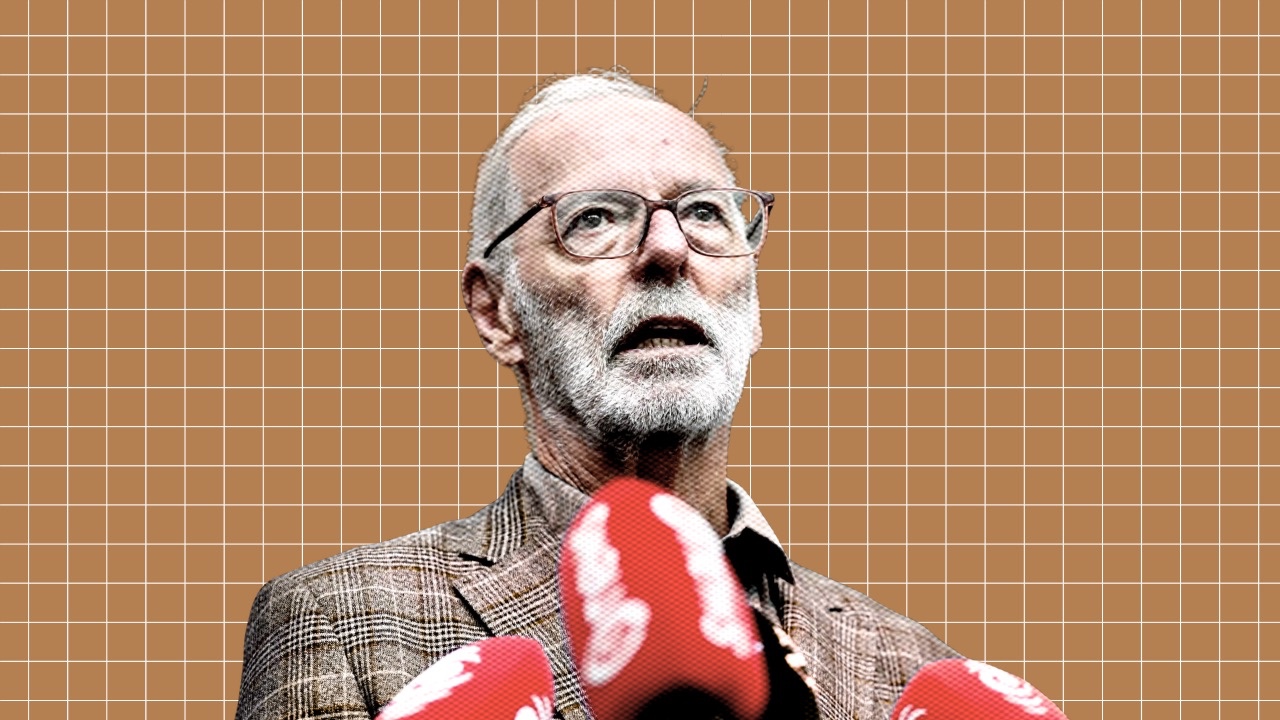
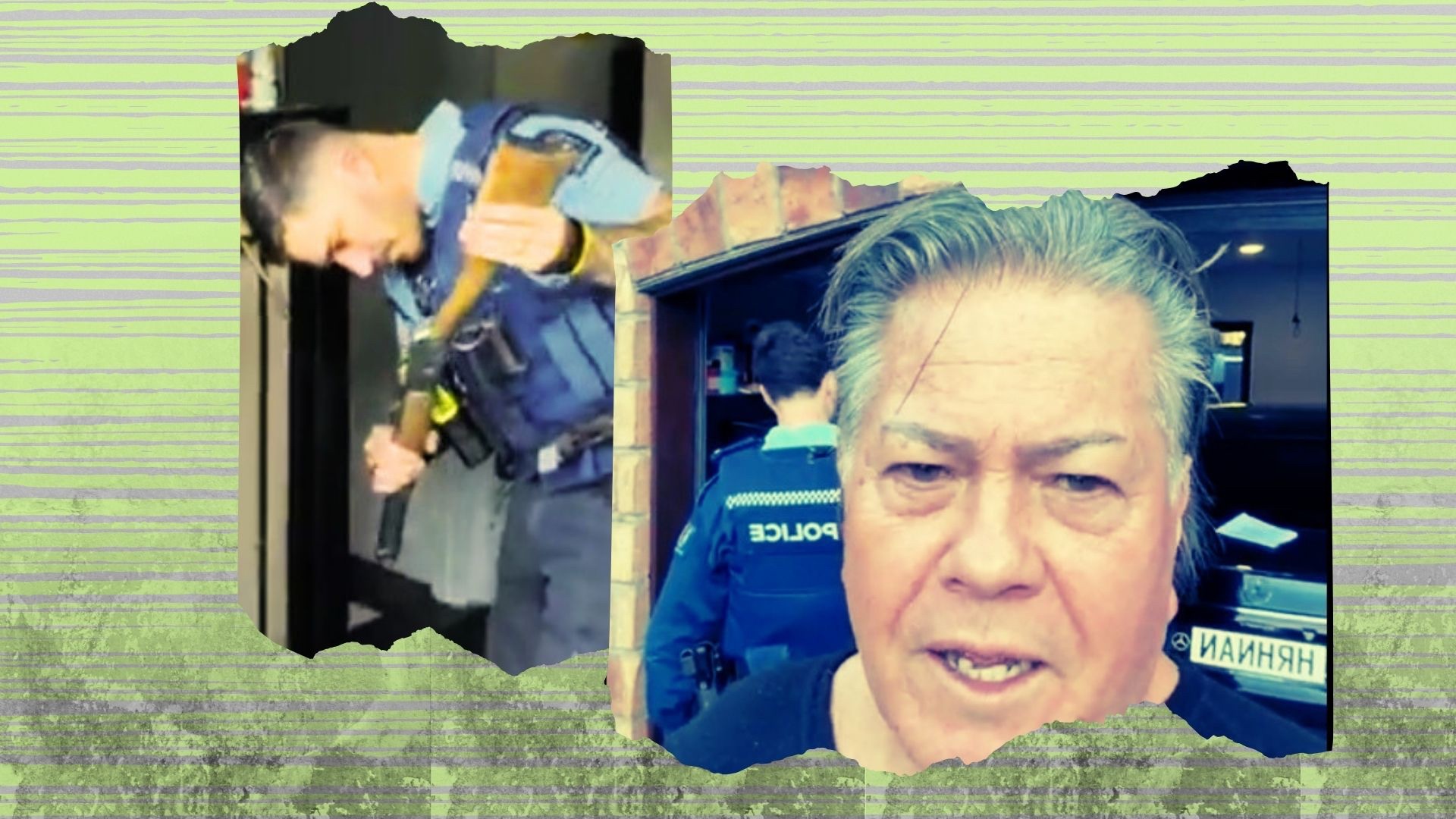
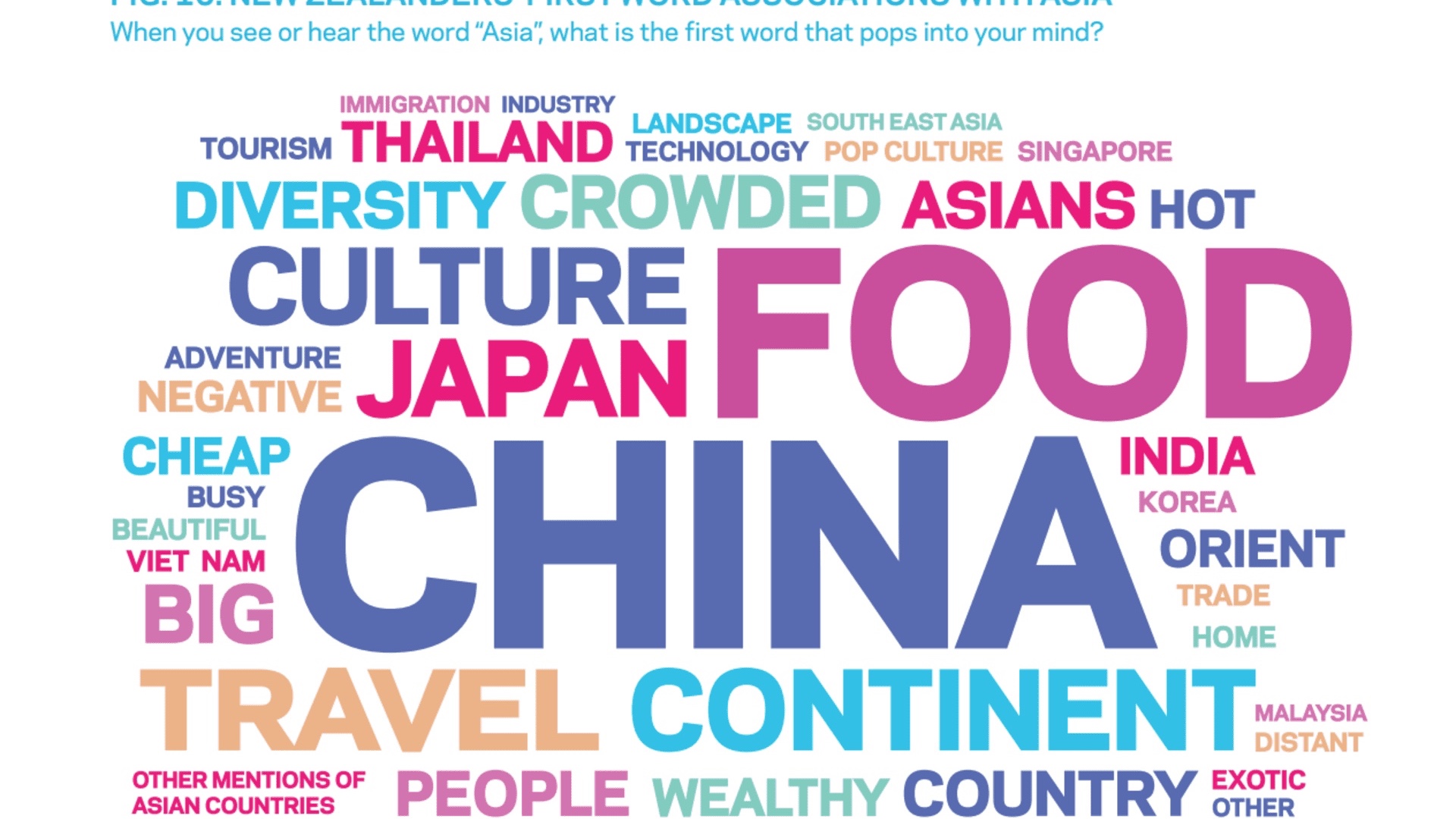
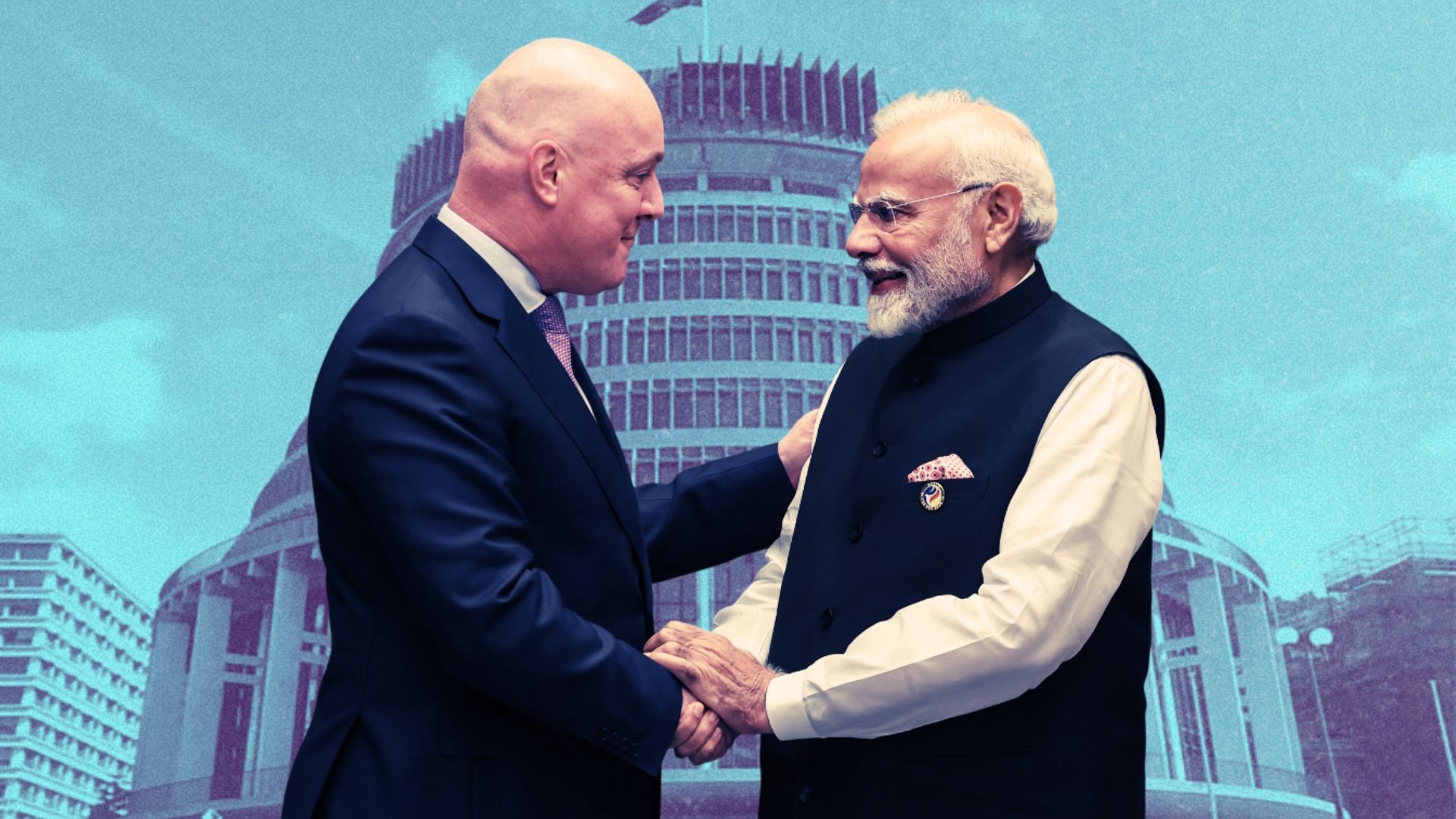
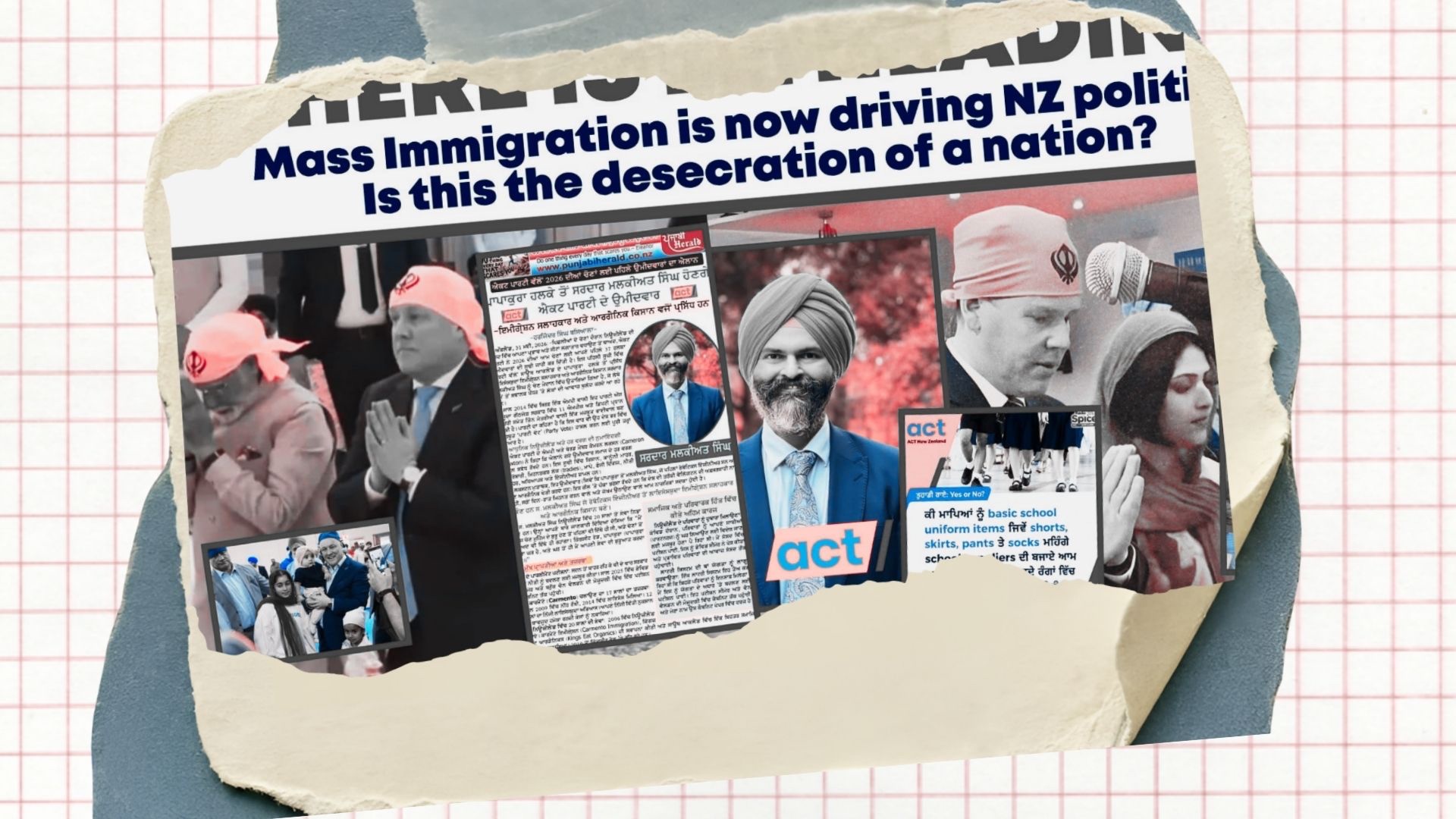
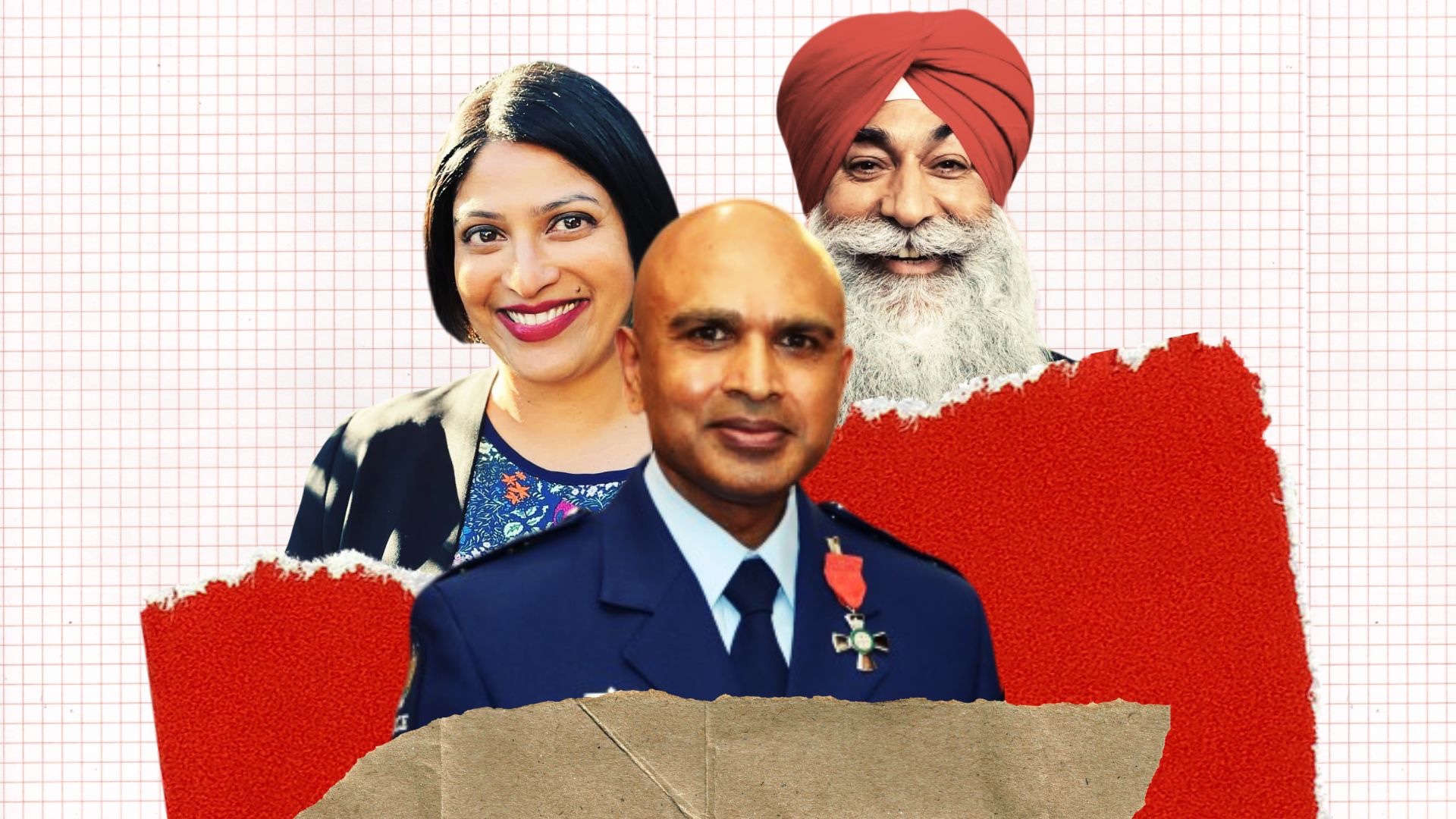
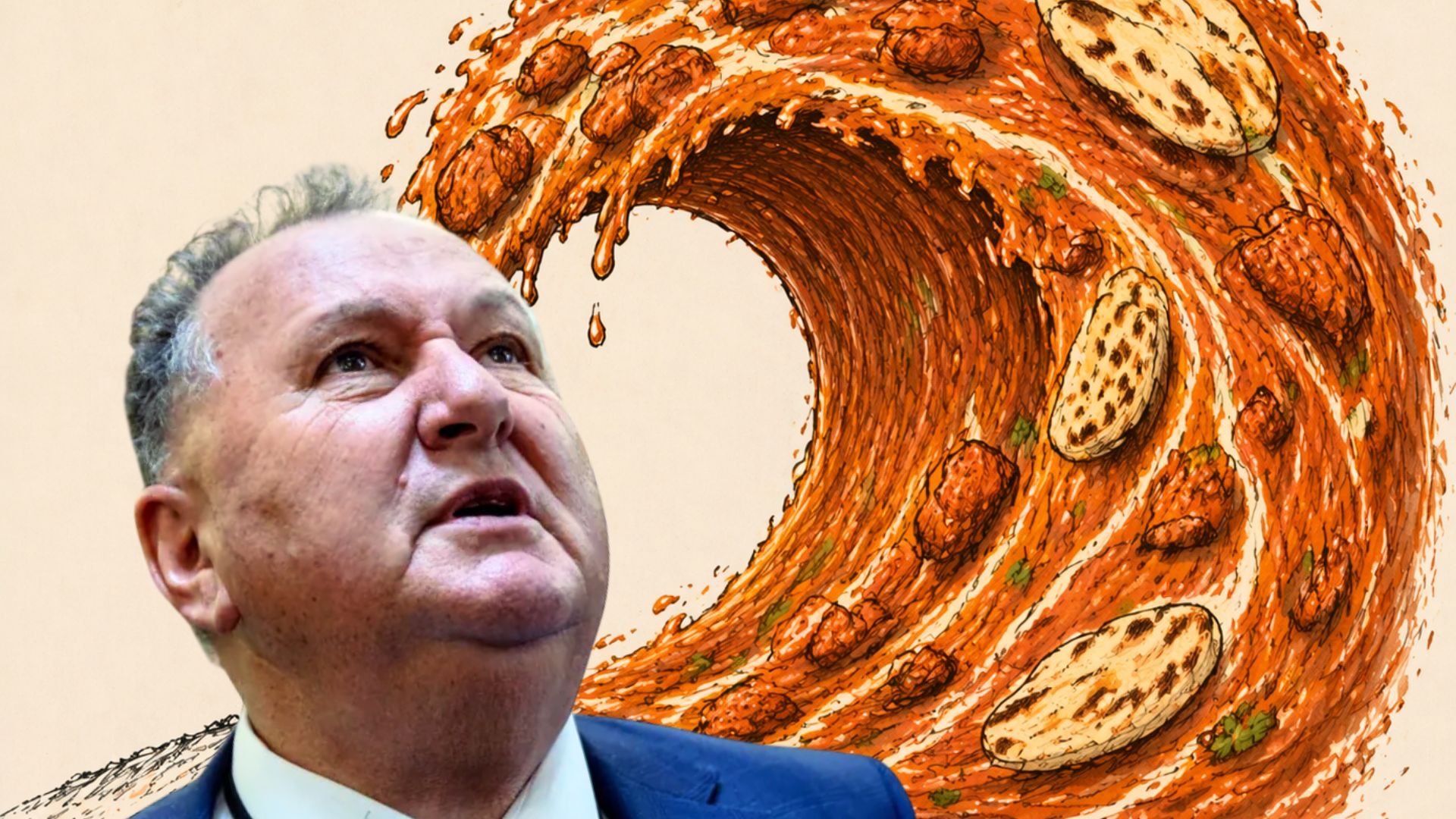
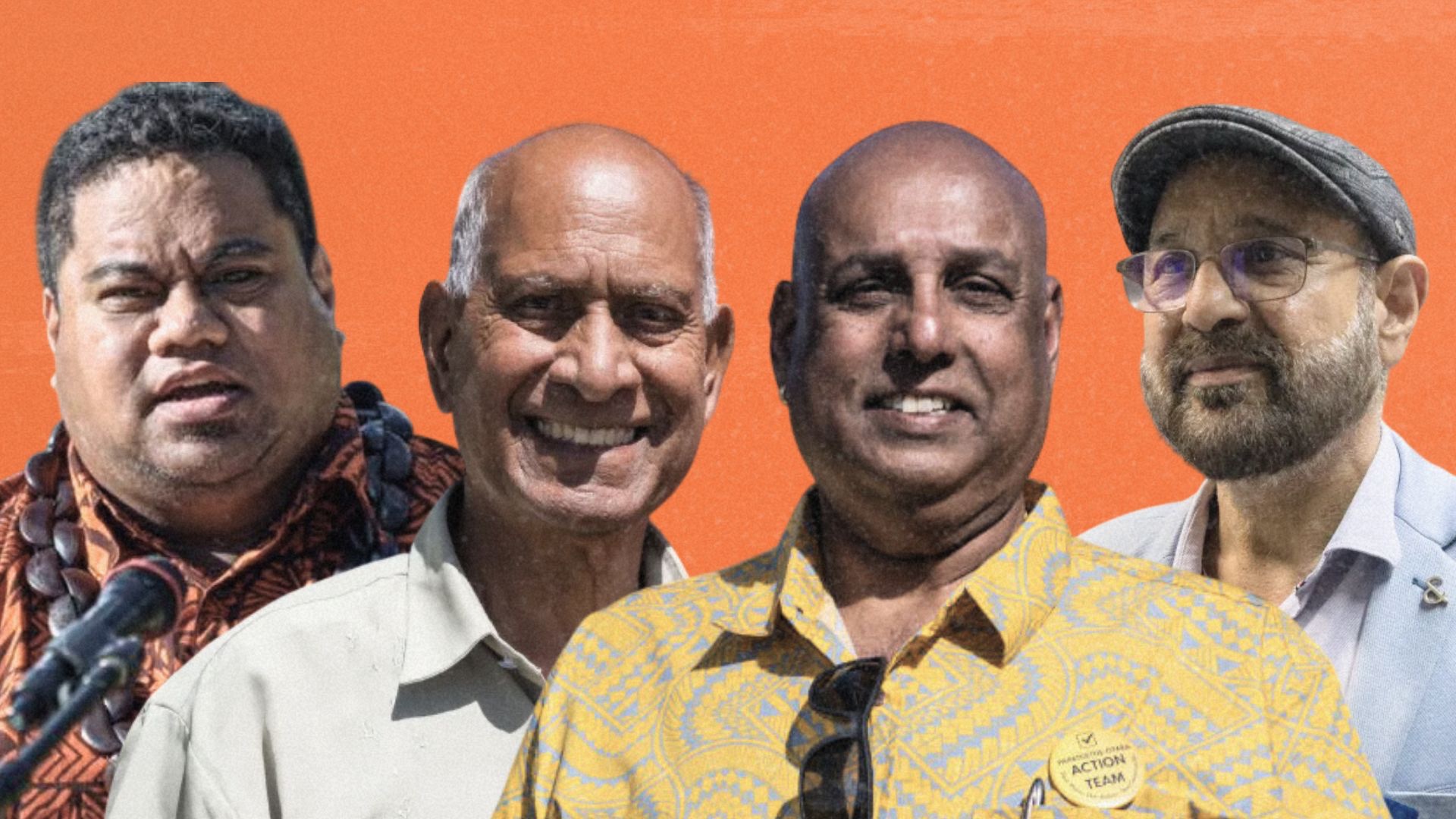
Winston Peters says ‘diversity is disunity’. What does the evidence tell us? Evidence from business, sport and social policy suggests diversity can strengthen economies and cohesion but on one condition.
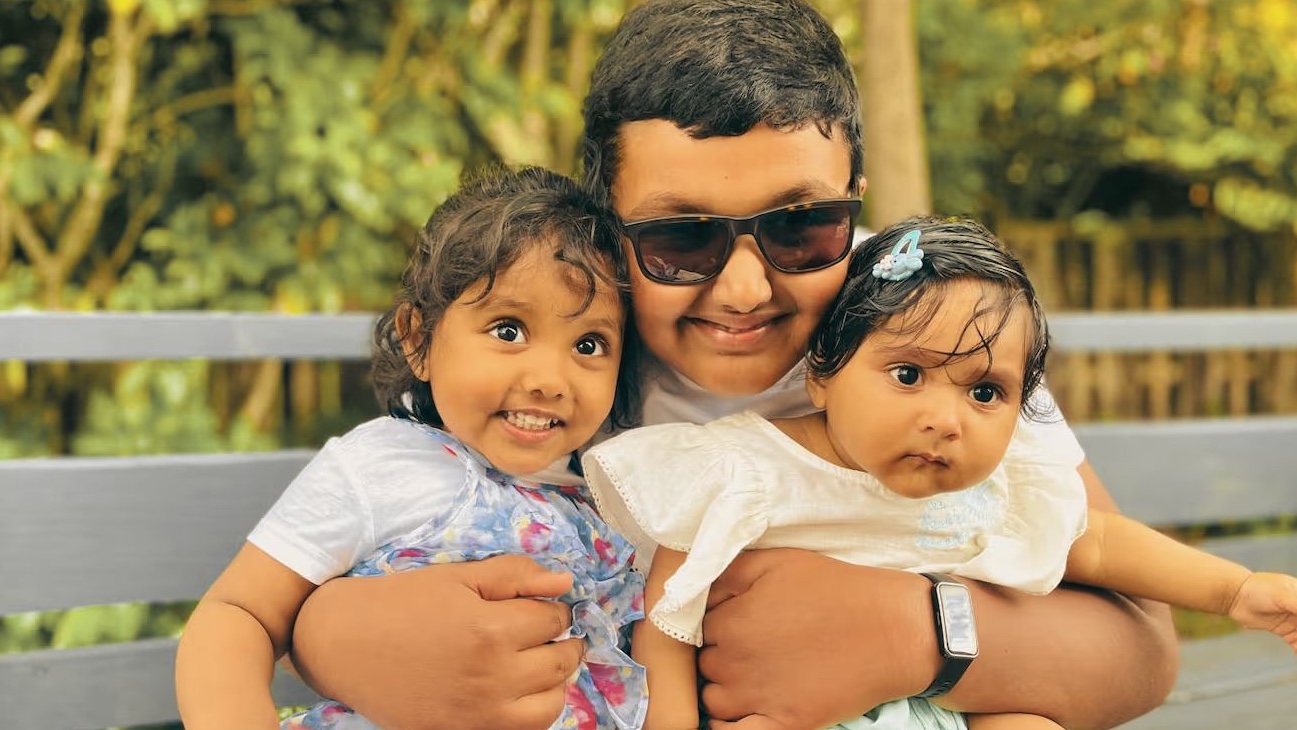
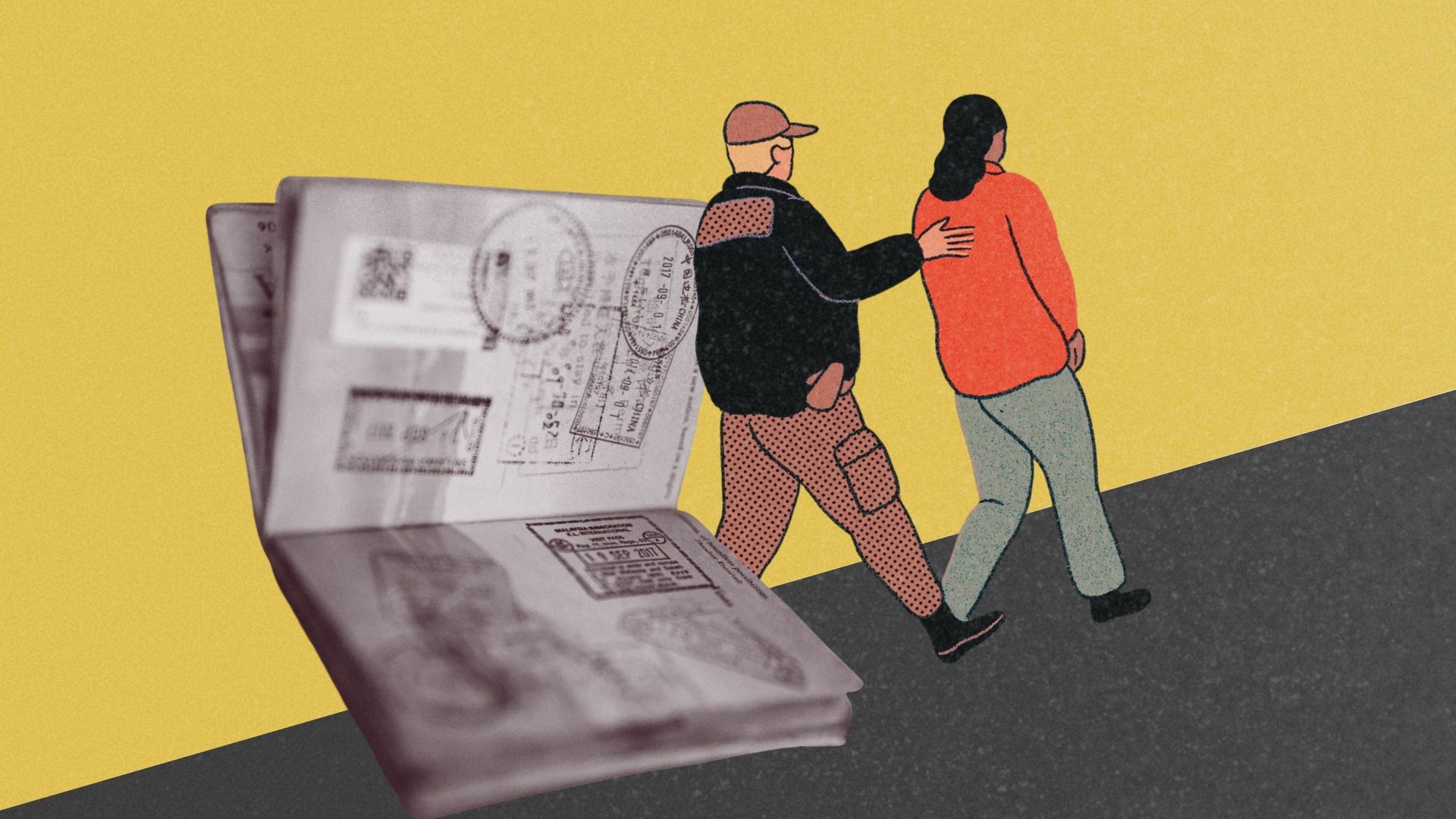
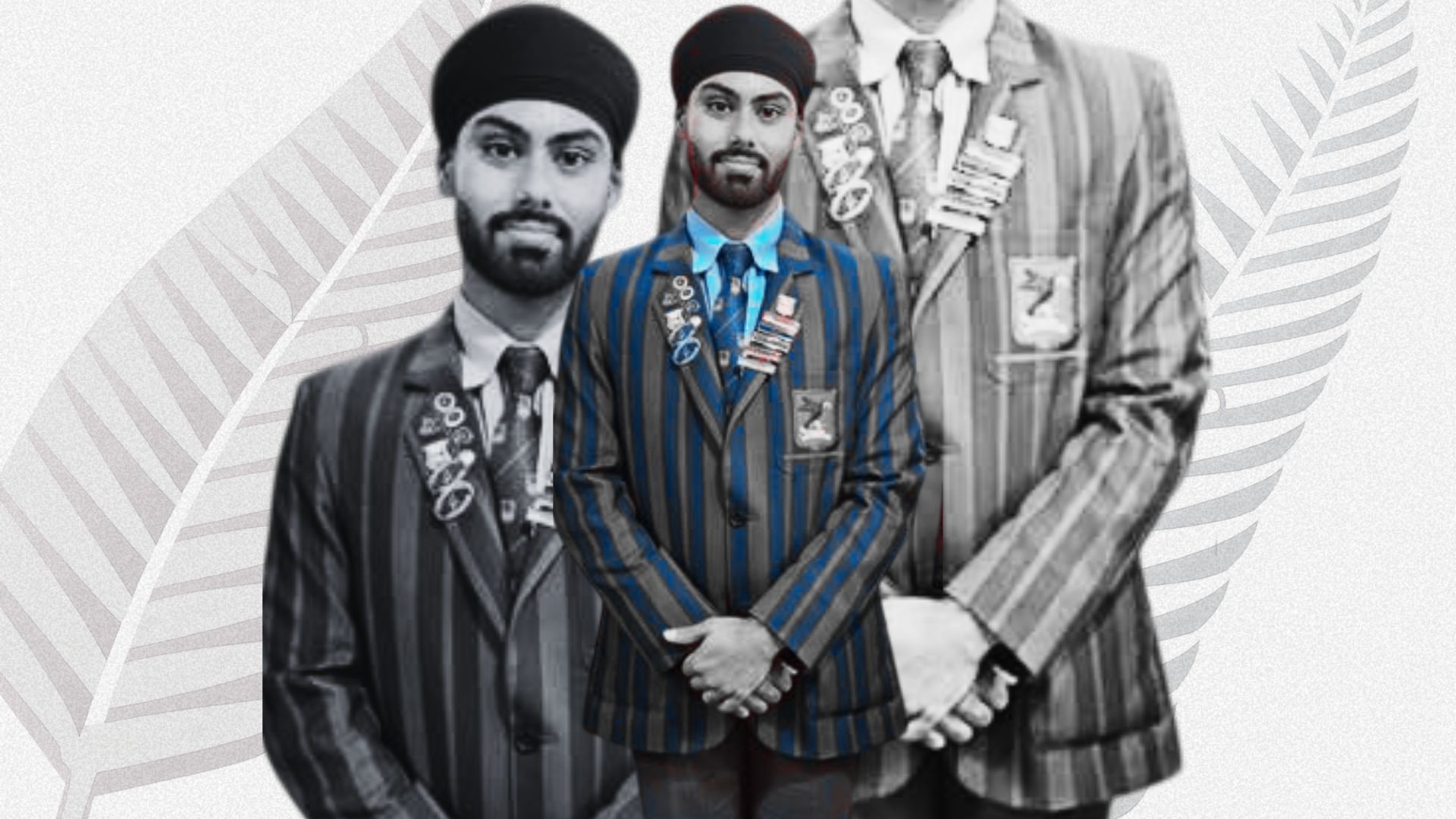
Baby born in Sri Lanka to New Zealand residents caught in limbo after Down syndrome diagnosis Immigration tribunal orders fresh residence assessment after finding a “serious mistake” by immigration officials.
"More unreal than real; in a literal sense, more dead than alive; precariously differentiated from the rest of the world so that his identity and autonomy are always in question."
States, too, can suffer from this form of insecurity – not as a clinical condition but a structural one, emerging from the uncertainties of a fracturing international system.
As political scientist Jennifer Mitzen argues, states have similar needs to people: “to experience oneself as a whole, continuous person in time” to maintain a stable identity.
In his book Modernity and Self-Identity, sociologist Anthony Giddens argues that ontological security for states involves a “sense of continuity and order in events” – “security as being” rather than “security as survival”.
When stories don’t come true
The danger is that when a state’s sense of self collapses, identity stops being a background condition of foreign policy and becomes its driving purpose, with potentially catastrophic results.
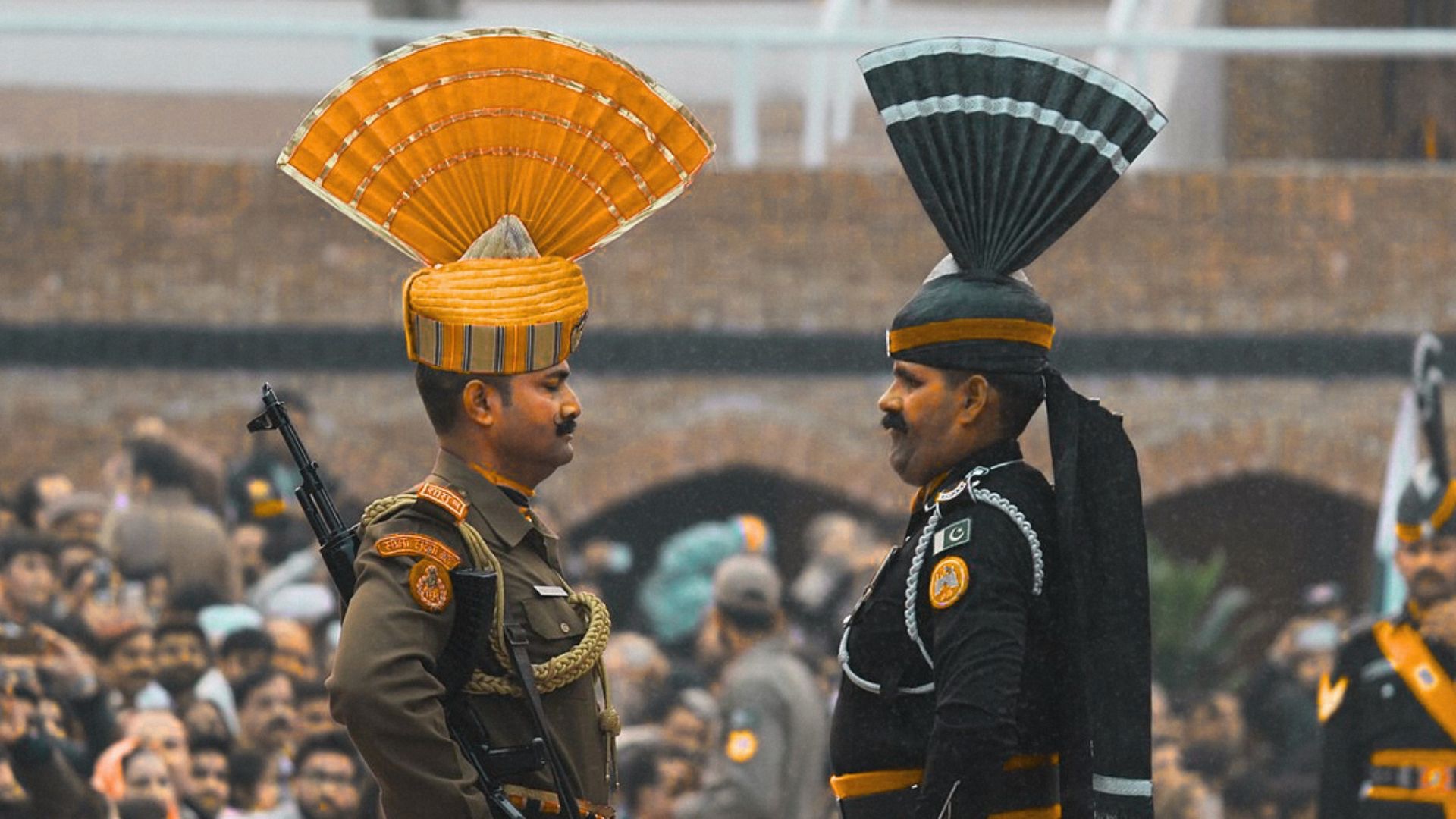
Russia is perhaps the best example. The collapse of the Soviet Union in the 1990s shattered Russia’s sense of self – its role, purpose and place in the world.
What followed was a decades-long search for ontological security that hardened under President Vladimir Putin into the assertion of a distinct Russian identity fundamentally incompatible with – and threatened by – the West.
But this didn’t provide the ontological security it promised. Rather, it sowed the seeds for the invasion of Ukraine. For Putin, Ukraine’s embrace of Western identity was not merely a geopolitical inconvenience; it was a rebuke to that assertion of Russian identity.
In this sense, the invasion was an attempt to resolve by force what could not be resolved by narrative, namely the claim Ukraine is not a real nation.
The United States is a different but equally instructive case. The post-Cold War moment of supreme ideological confidence – the sense that liberal democracy had triumphed and American power could remake the world in its image – was gradually hollowed out.
The disastrous interventions in Afghanistan and Iraq shattered not just US prestige, but America’s story about being the “shining city on a hill”.
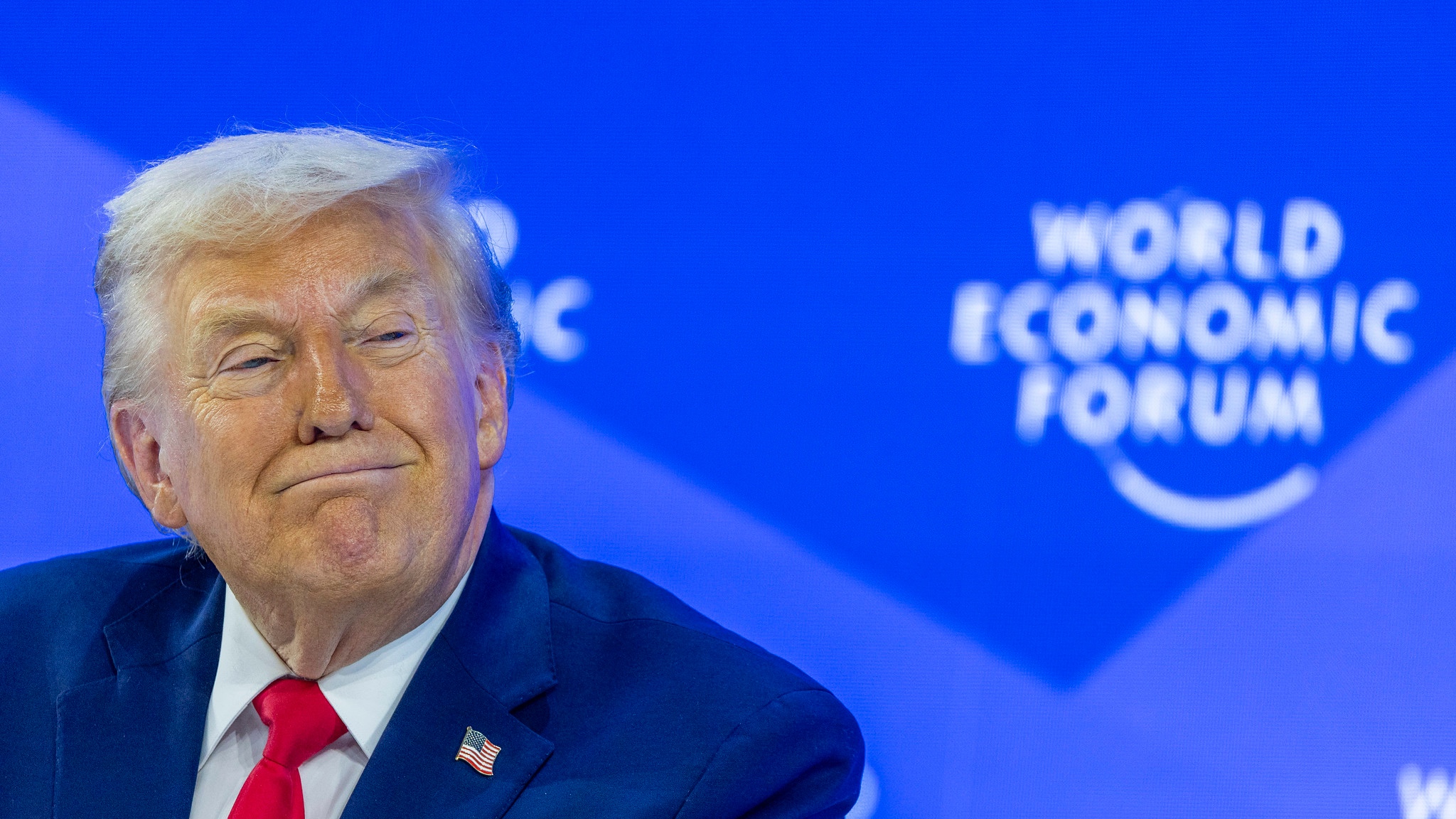
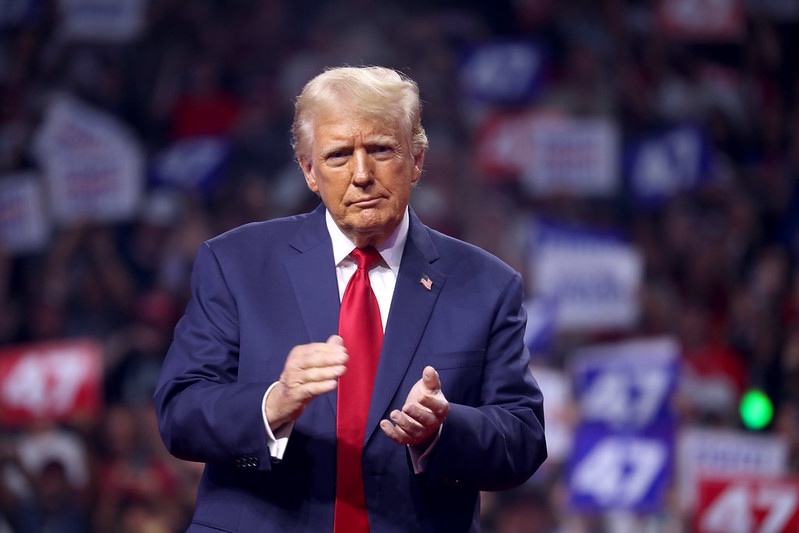
President Donald Trump’s “America First” focus – a notion that the US should recover a simpler, more certain sense of itself by retreating from the commitments of the liberal international order – is a textbook case of a nation seeking ontological security.
But it also has significant ramifications for those countries that have wedded themselves to the US for their own security.
Recovering a shared sense of self
Australia and New Zealand are such countries. Given their relatively small sizes (albeit to different degrees), they have always outsourced their survival to a security guarantor – that being the US for the past 75 years.
The arrangement worked well enough because there was sufficient alignment between them based on their mutual attachment to the world order underwritten by US liberal hegemony.
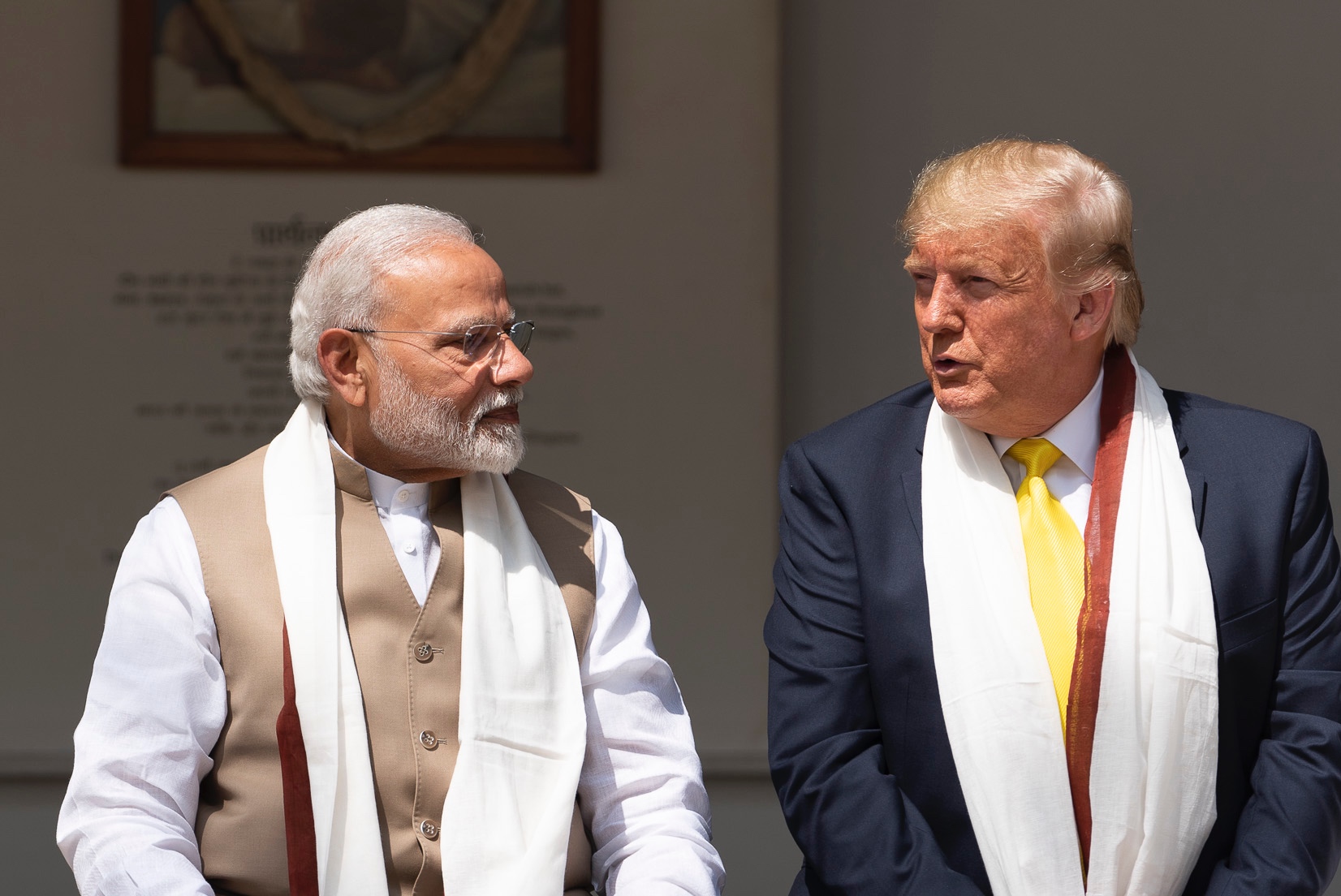
Yet this is crumbling before our eyes. Under Trump, the US has opted for naked power over liberal persuasion. Both Australia and New Zealand have felt the ire of Washington in recent months.
Add to this domestic pressures such as declining trust in government, cost-of-living crises and growing societal unrest about high immigration.
Beneath this lies the deeper disruption wrought by social media and artificial intelligence, technologies that erode the shared narratives on which collective identity depends.
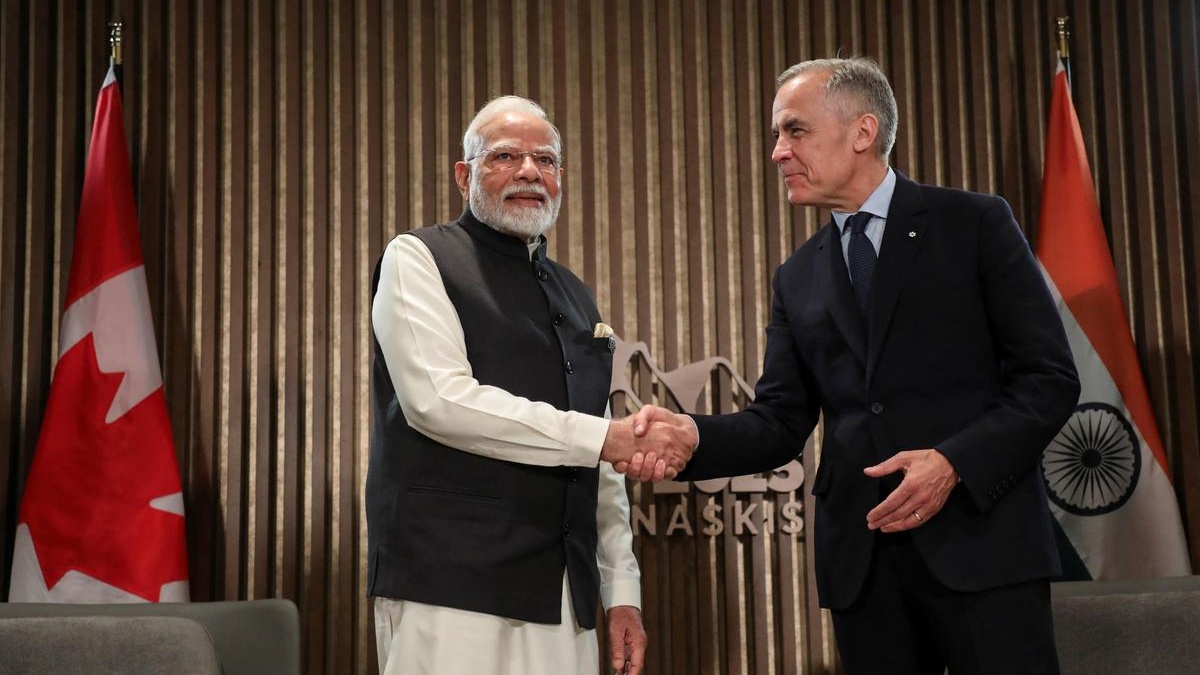
There is no easy fix. But the antidote may lie in what Canadian Prime Minister Mark Carney has proposed: an alliance of “middle powers”.
If the ontological insecurity of great powers such as the US and Russia is driving the world toward paranoia and conflict, middle powers – unencumbered by imperial pretensions or hegemonic nostalgia – may be better placed to anchor the international order.
Together, New Zealand and Australia have the traditions, relationships and geographic position to play a meaningful role in anchoring a fraying international order.
But doing so requires something harder than diplomacy: recovering a shared sense of what they actually stand for – their own ontological security – at precisely the moment when it is most in doubt.
(This was first published in The Conversation. Nicholas Ross Smith is Senior Lecturer in International Relations, University of Waikato.)