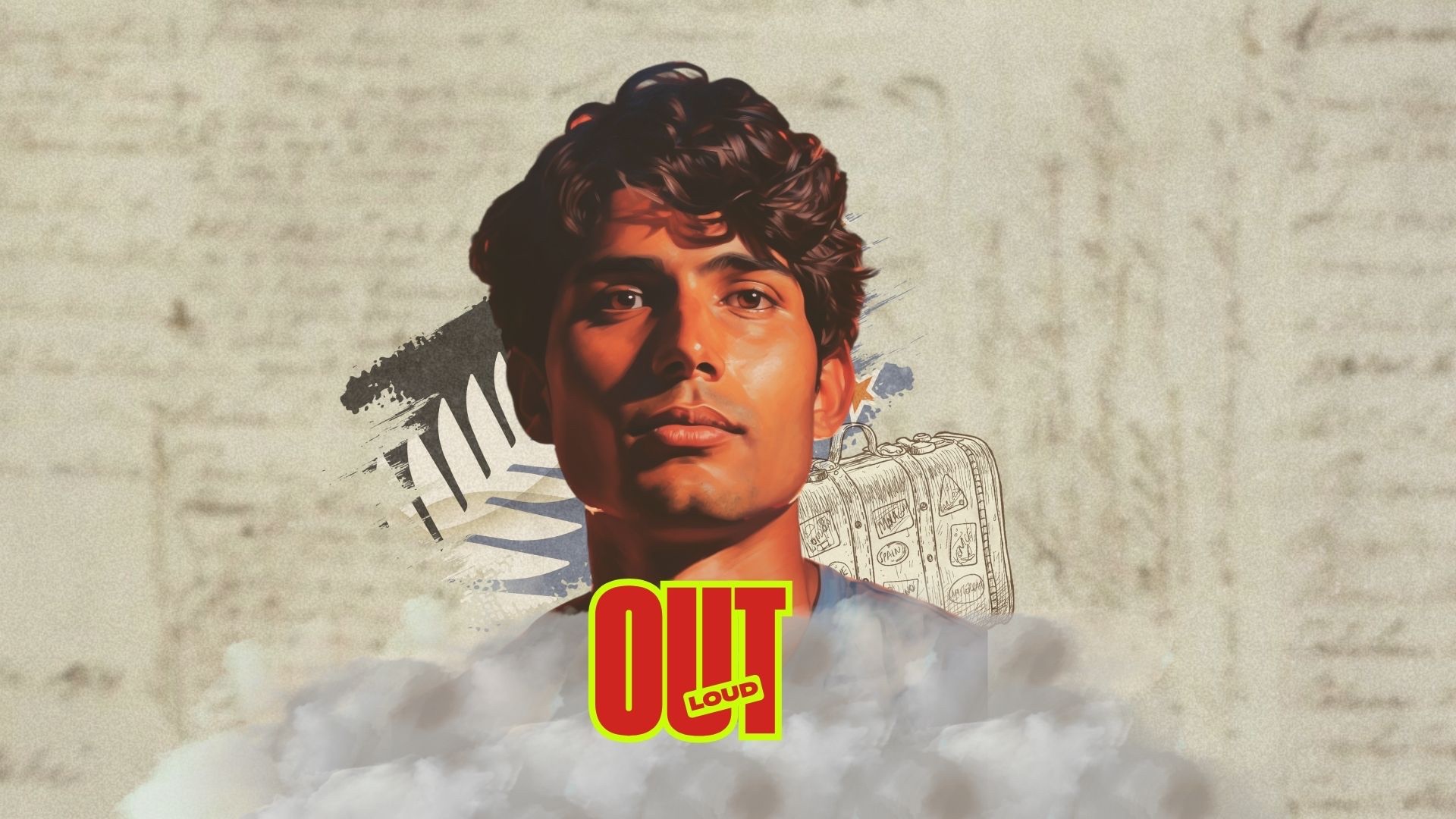

Selfie: ‘Daddy, please don’t take me to an India-NZ cricket match’. A migrant's dilemma
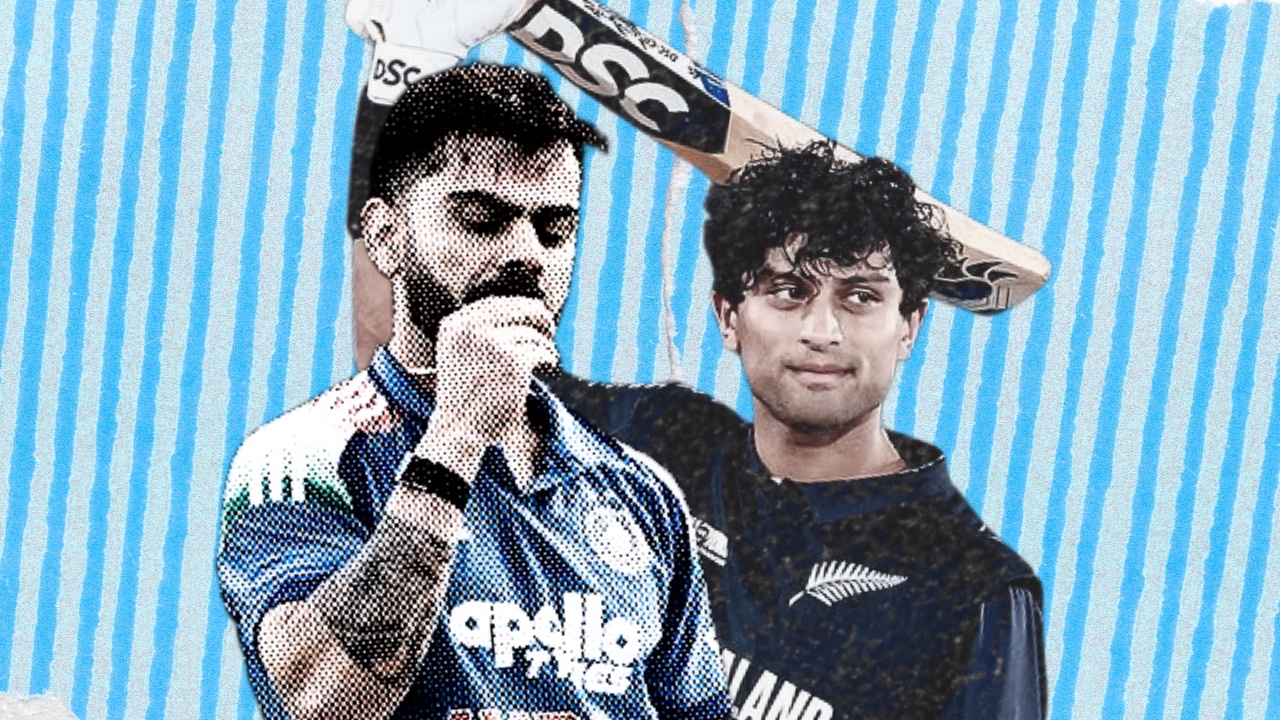
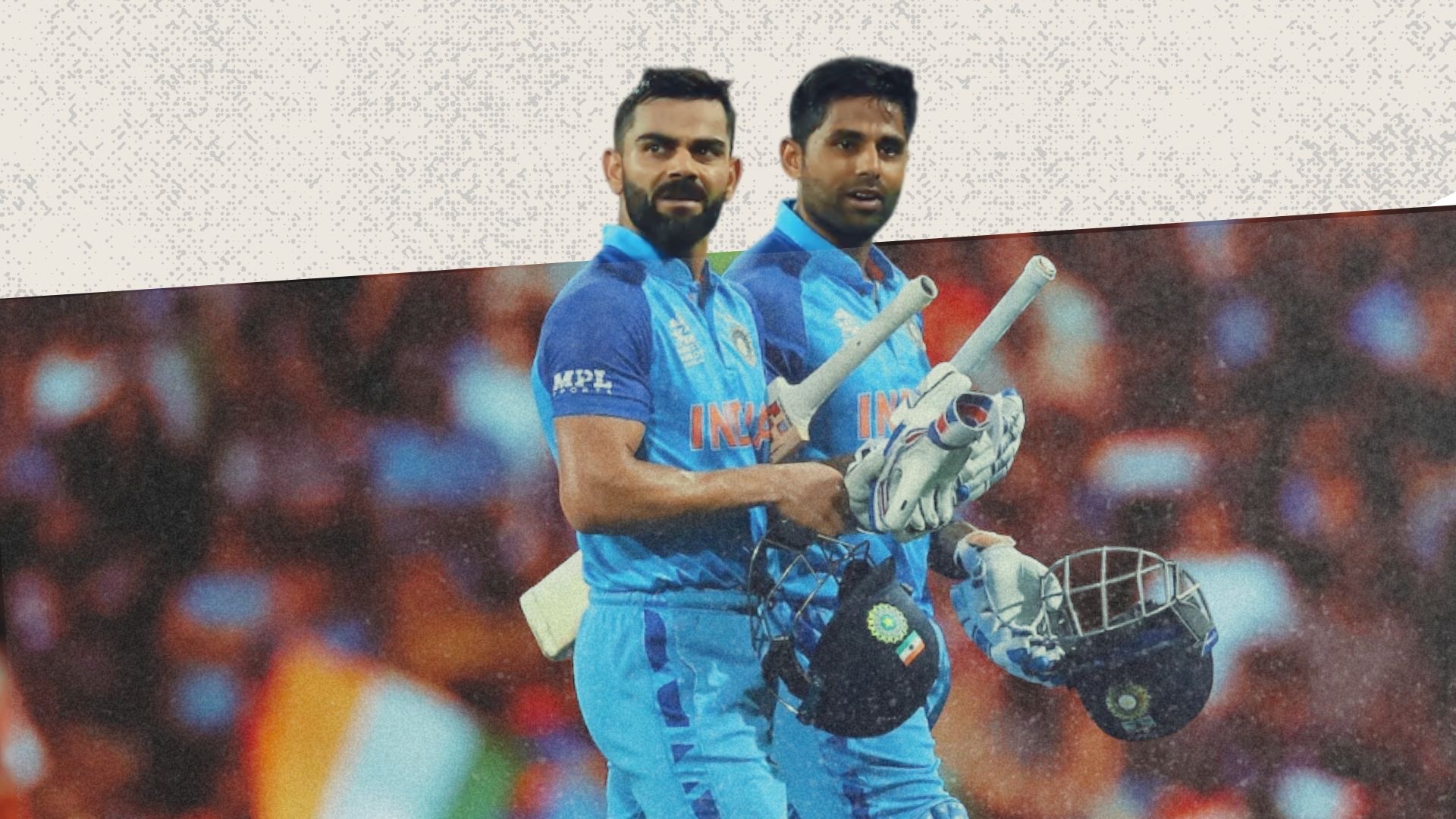
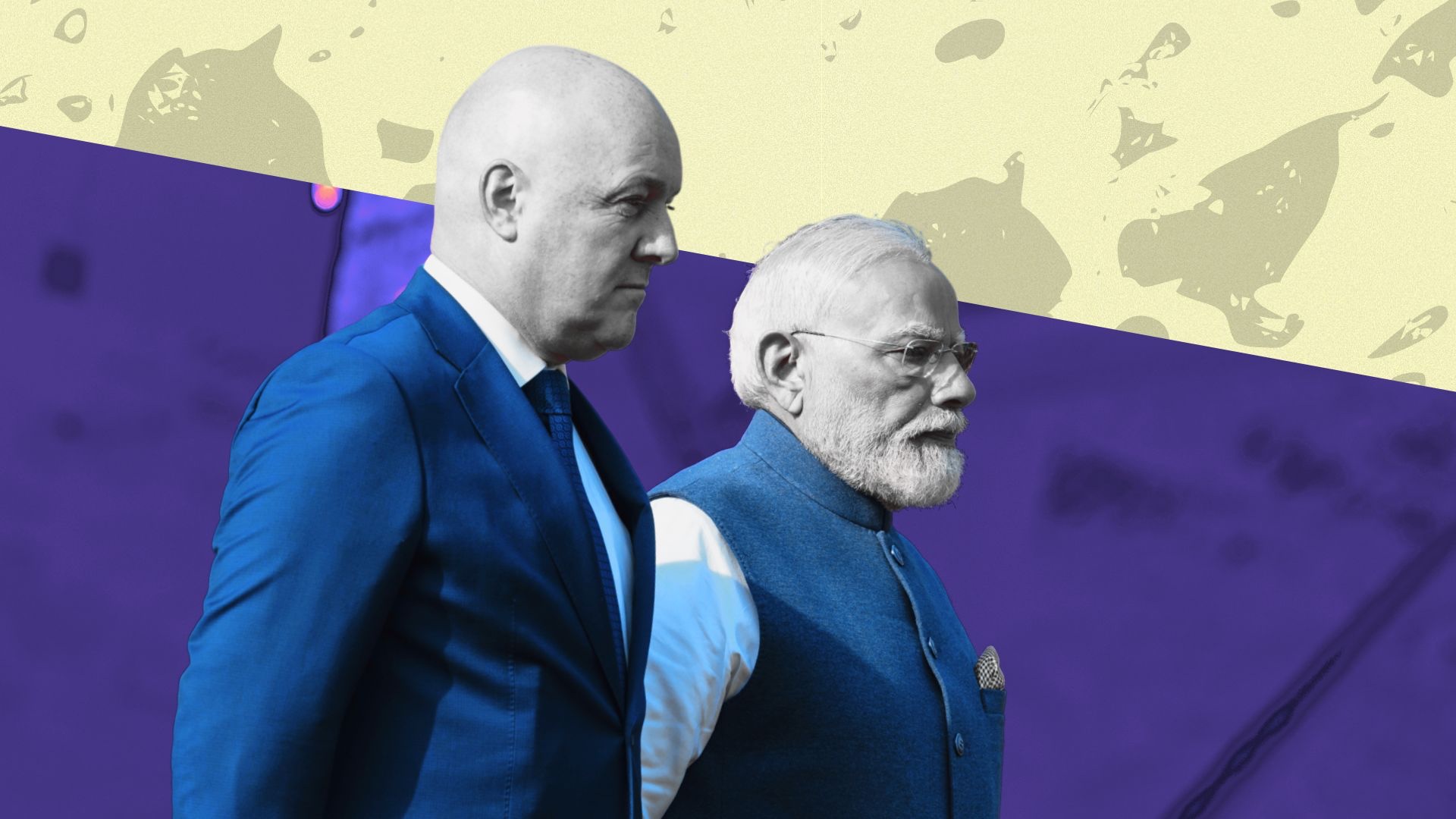
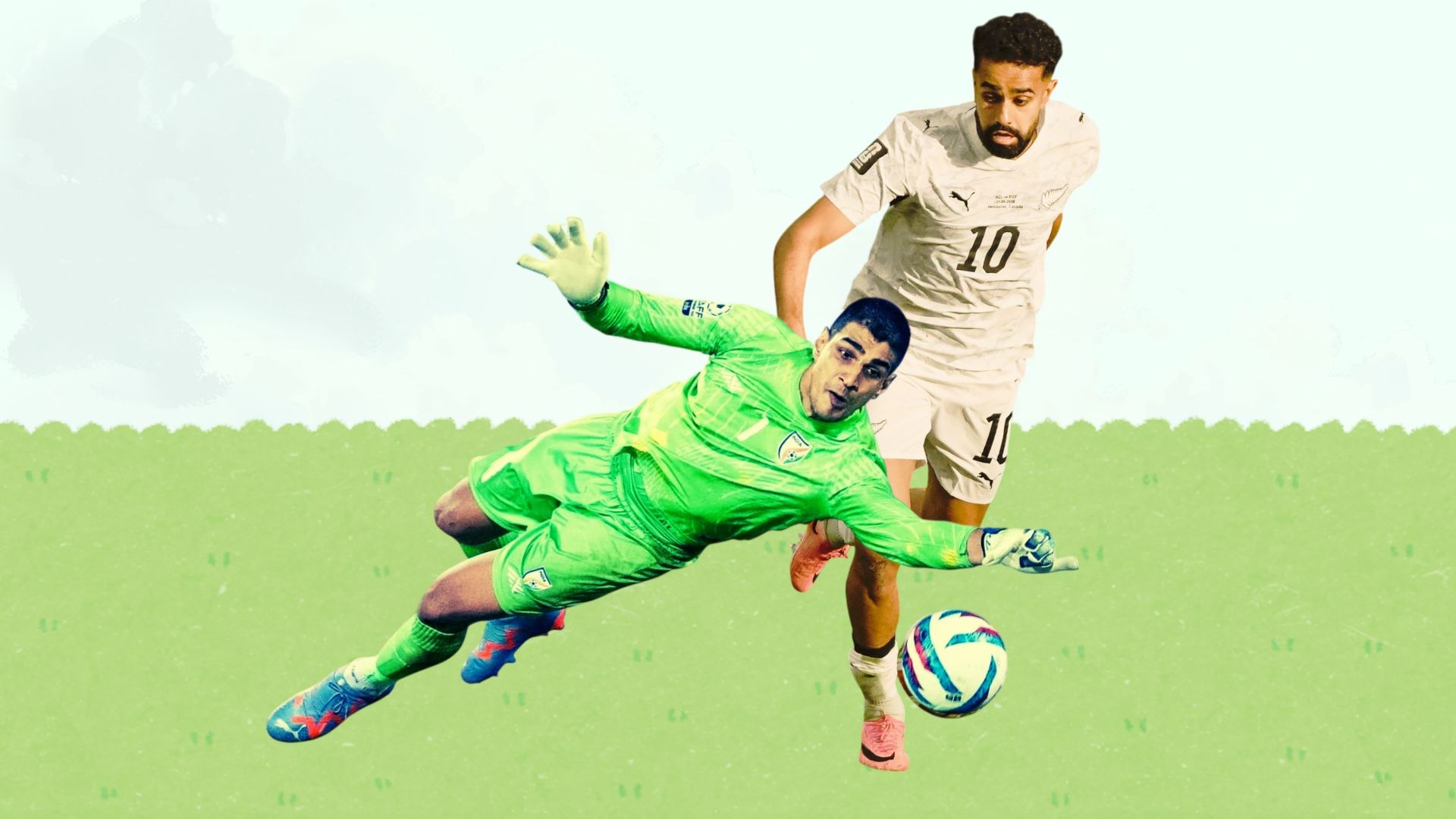
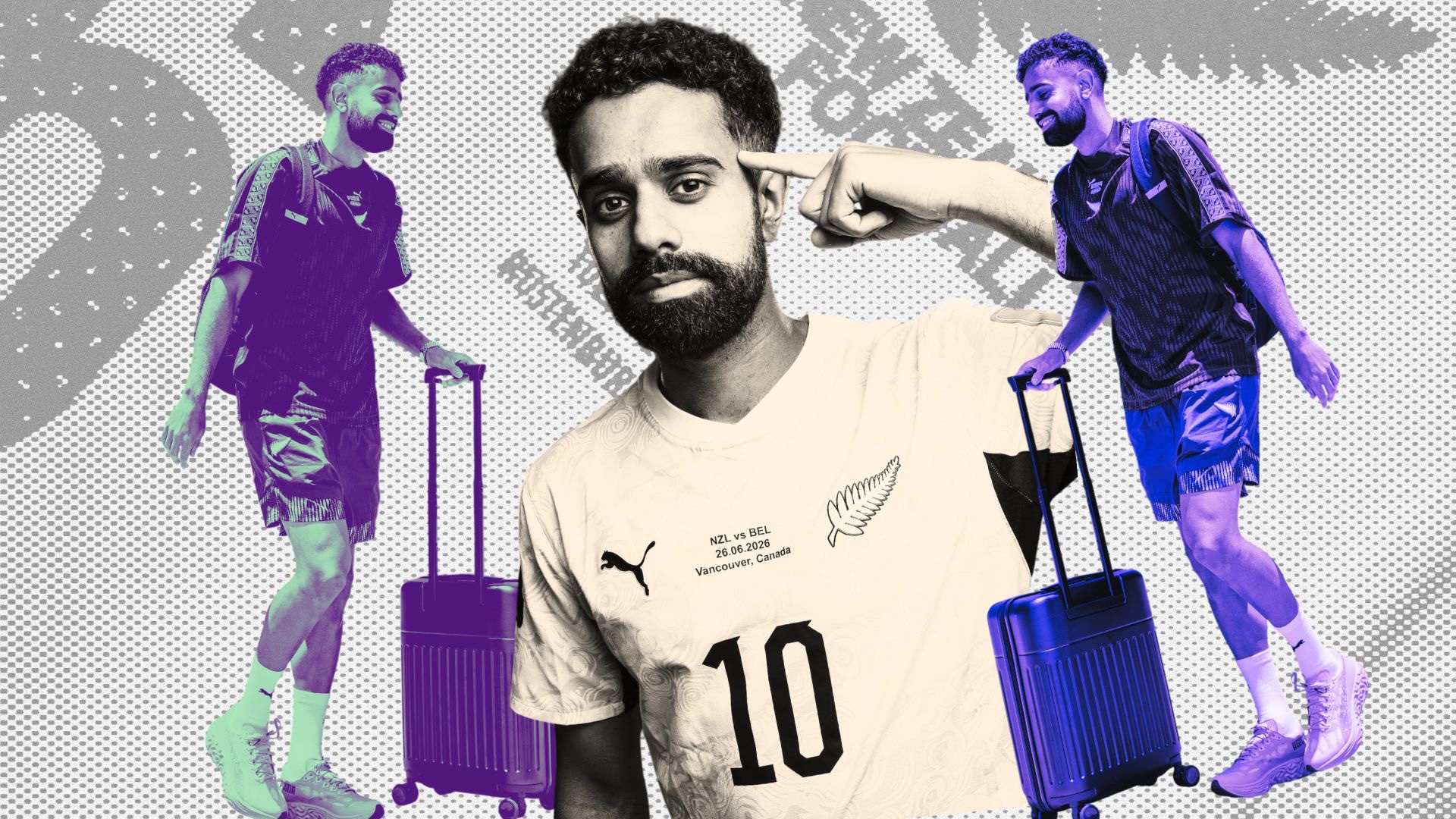
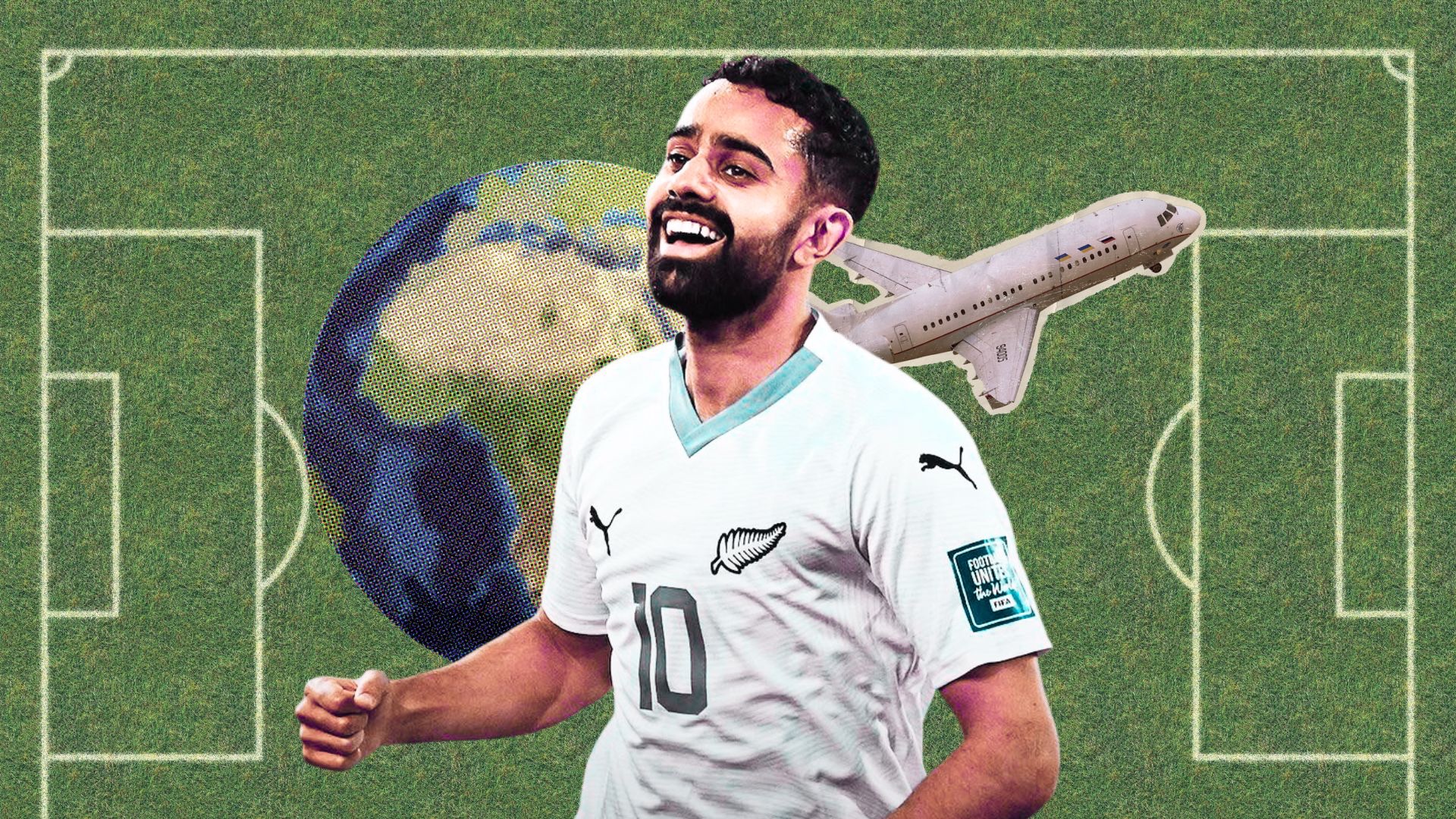
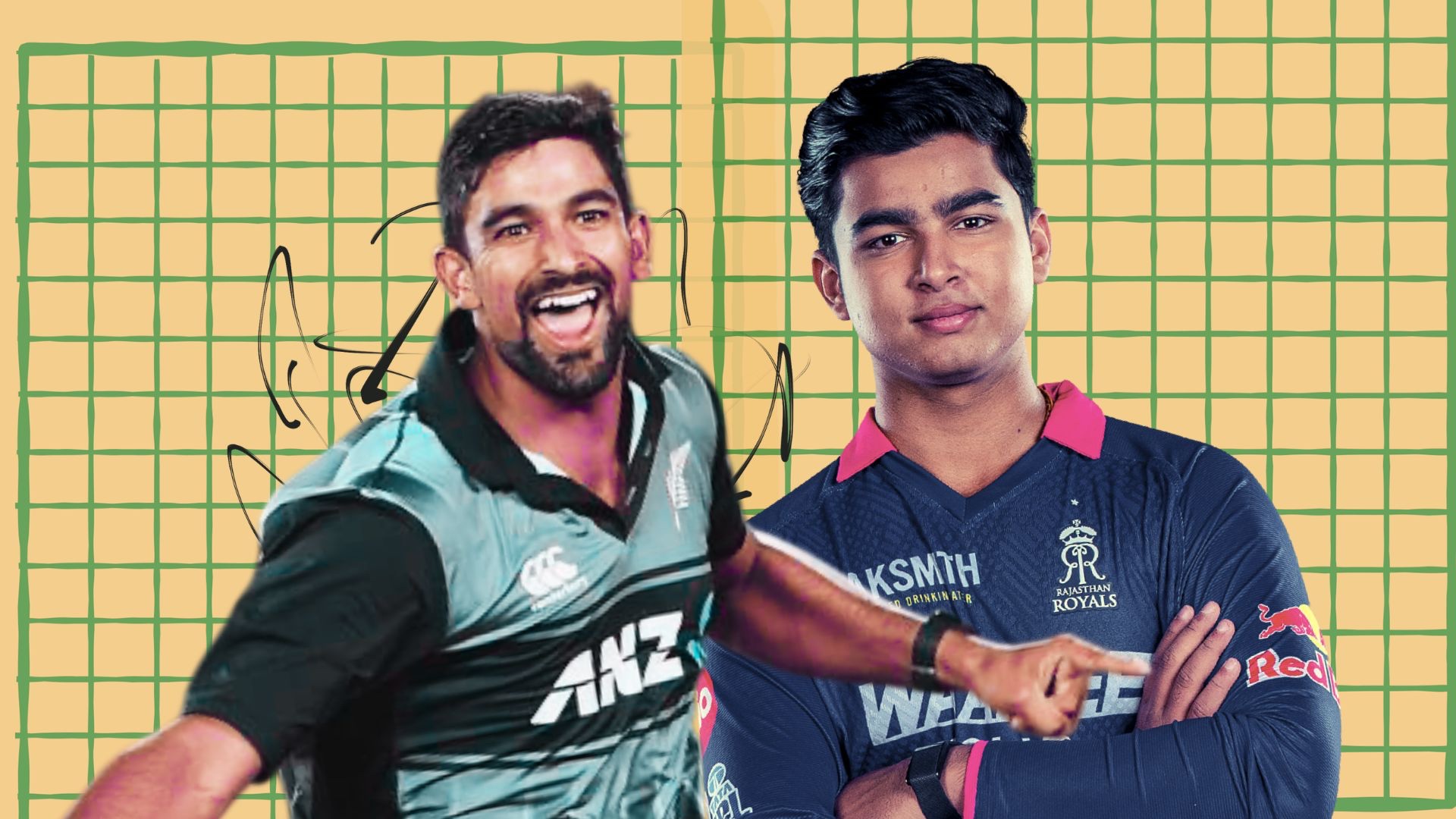
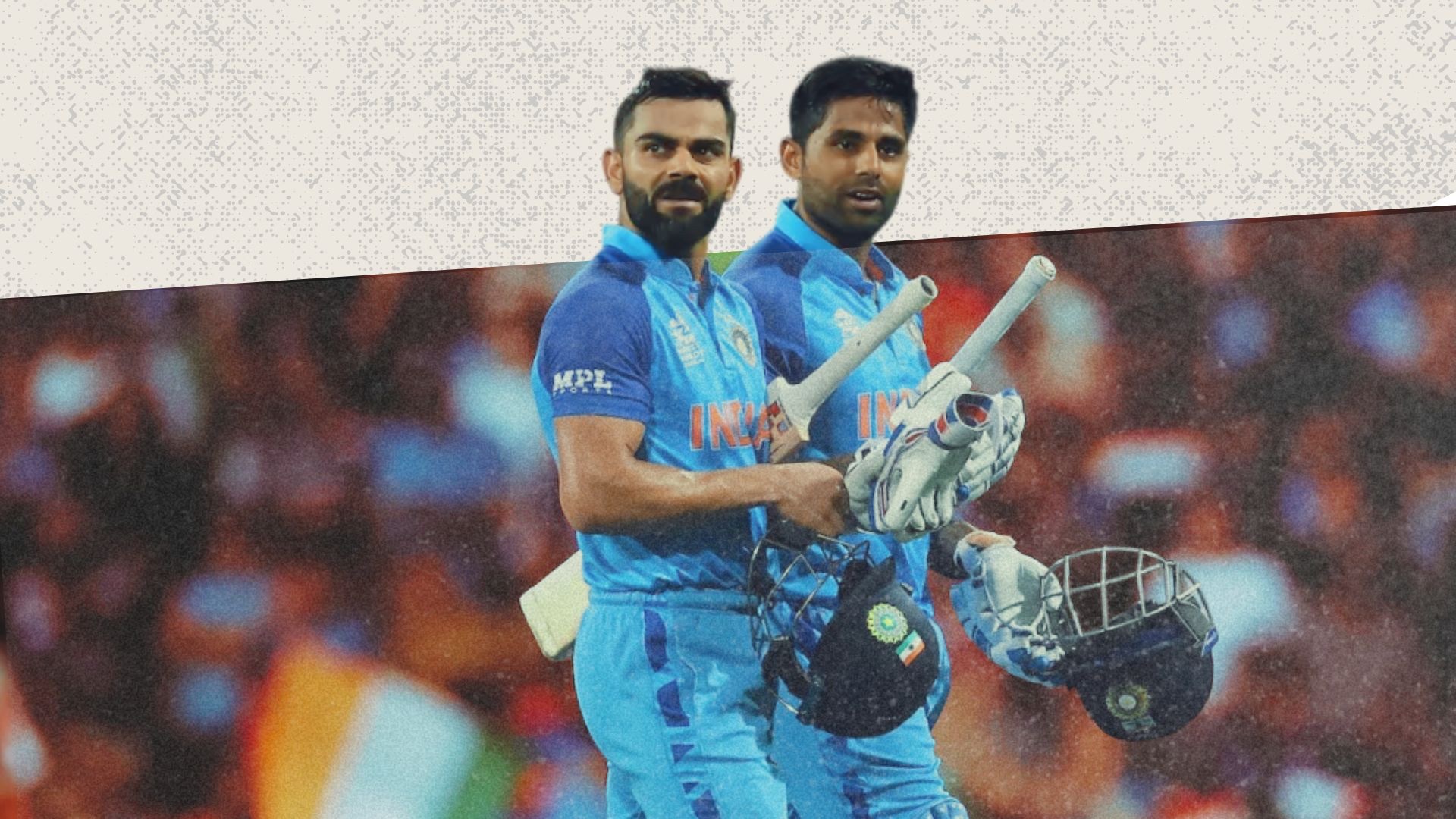
Cricketing stars Virat Kohli and Rachin Ravindra.
Can a migrant embrace a new home without abandoning old loyalties? Sports often offers a reckoning for migrants.
('Selfie' is an inward-looking column on the everyday anxieties, ambitions, and contradictions of Kiwi-Indian migrant life. No hard feelings please.)
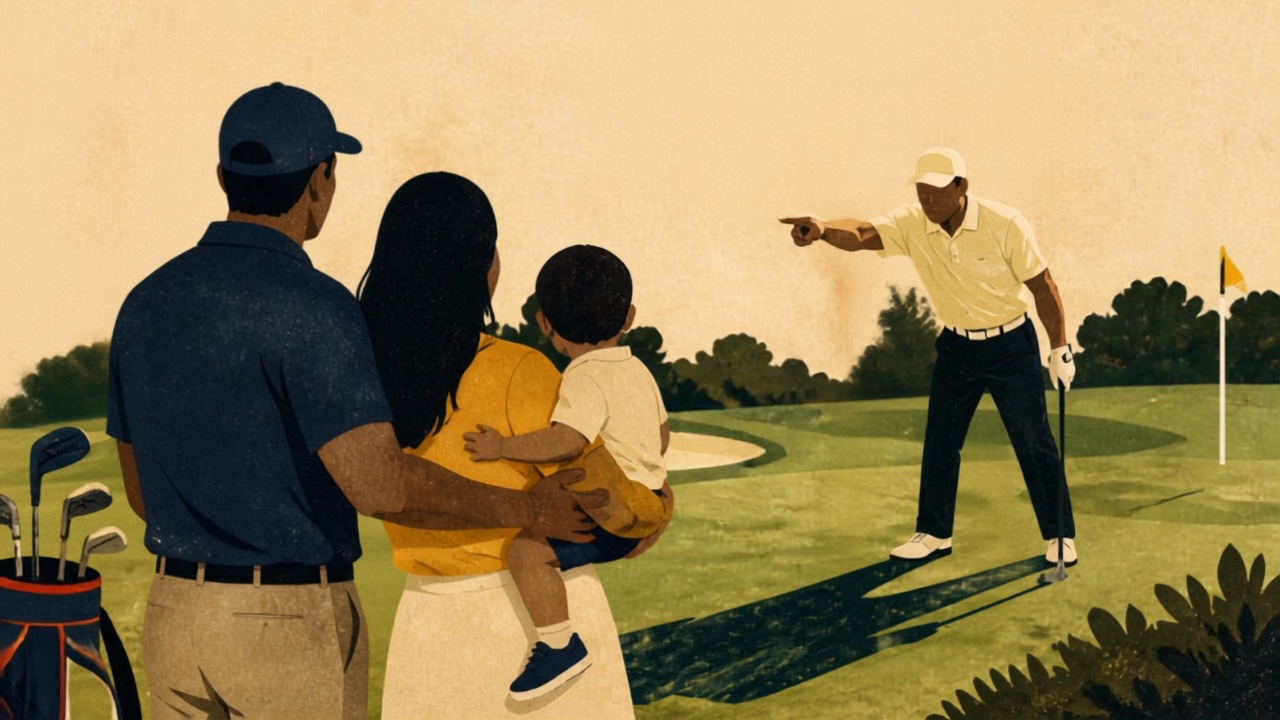
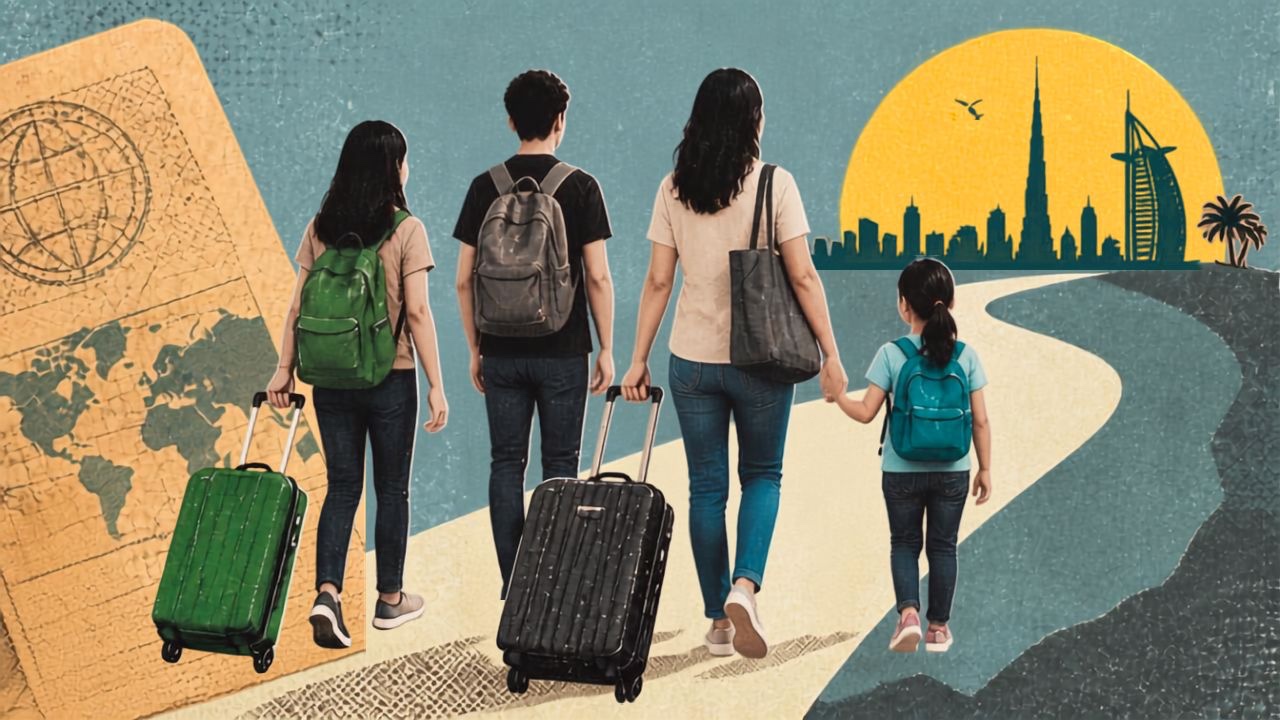
My eight-year-old son didn't want to go to an India–New Zealand cricket match. It wasn't that he didn't like cricket. He simply couldn't decide which team to support.
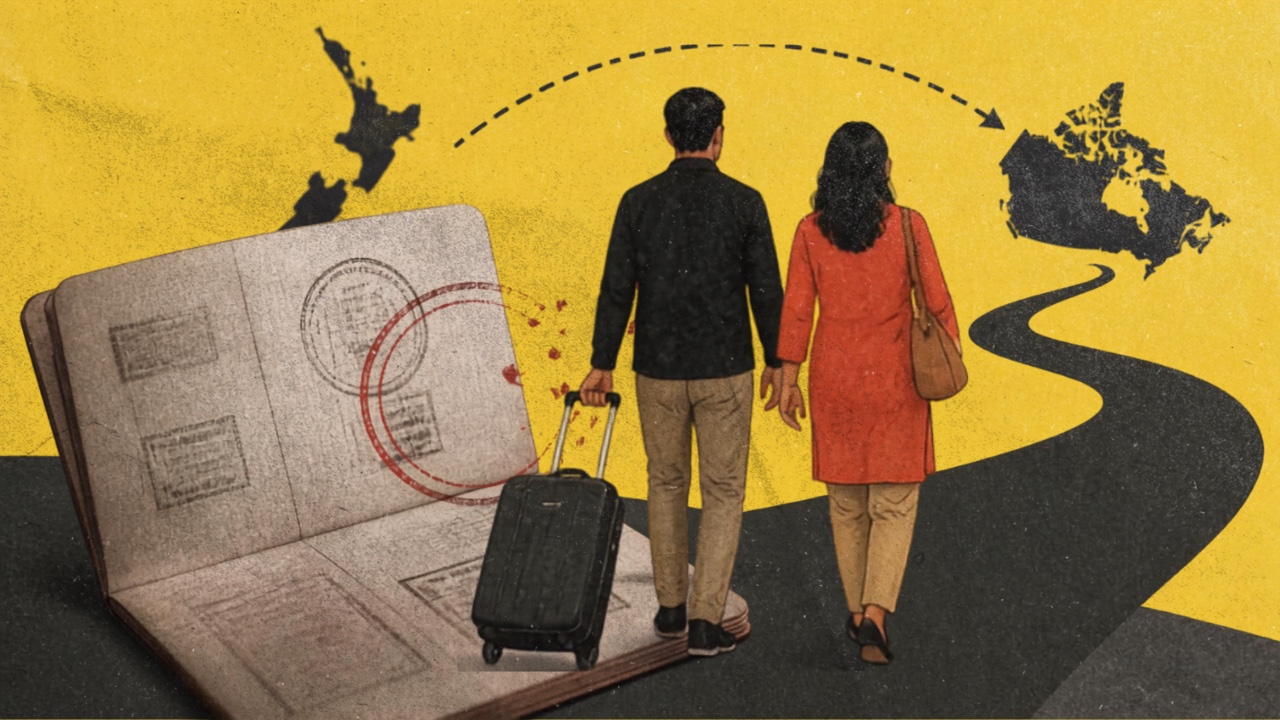
I have been thinking about that question, in one form or another, for years. Long before I moved to New Zealand, in fact.
When does a migrant change allegiance? Does it happen when you get your citizenship, buy your first house or begin referring to New Zealand as home without consciously thinking about it? Or is there some deeper emotional transformation that no immigration officer can certify?
And, more importantly, is any such transformation necessary?
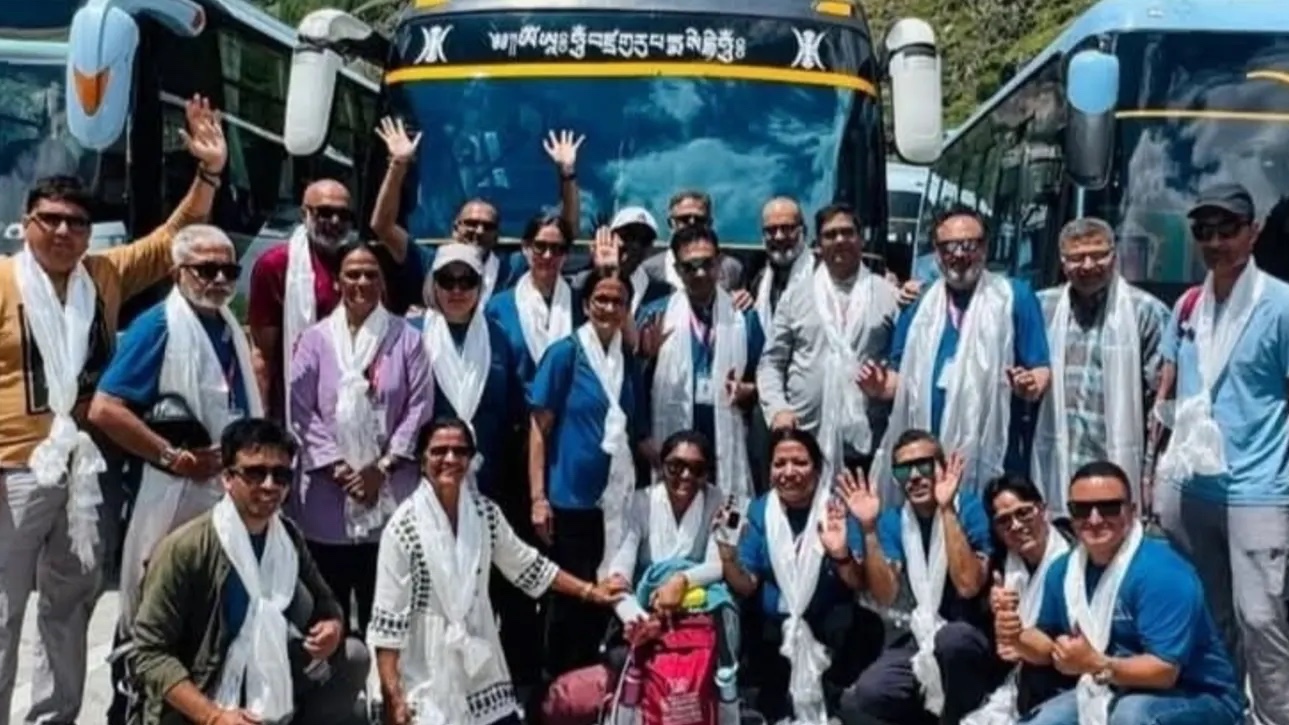
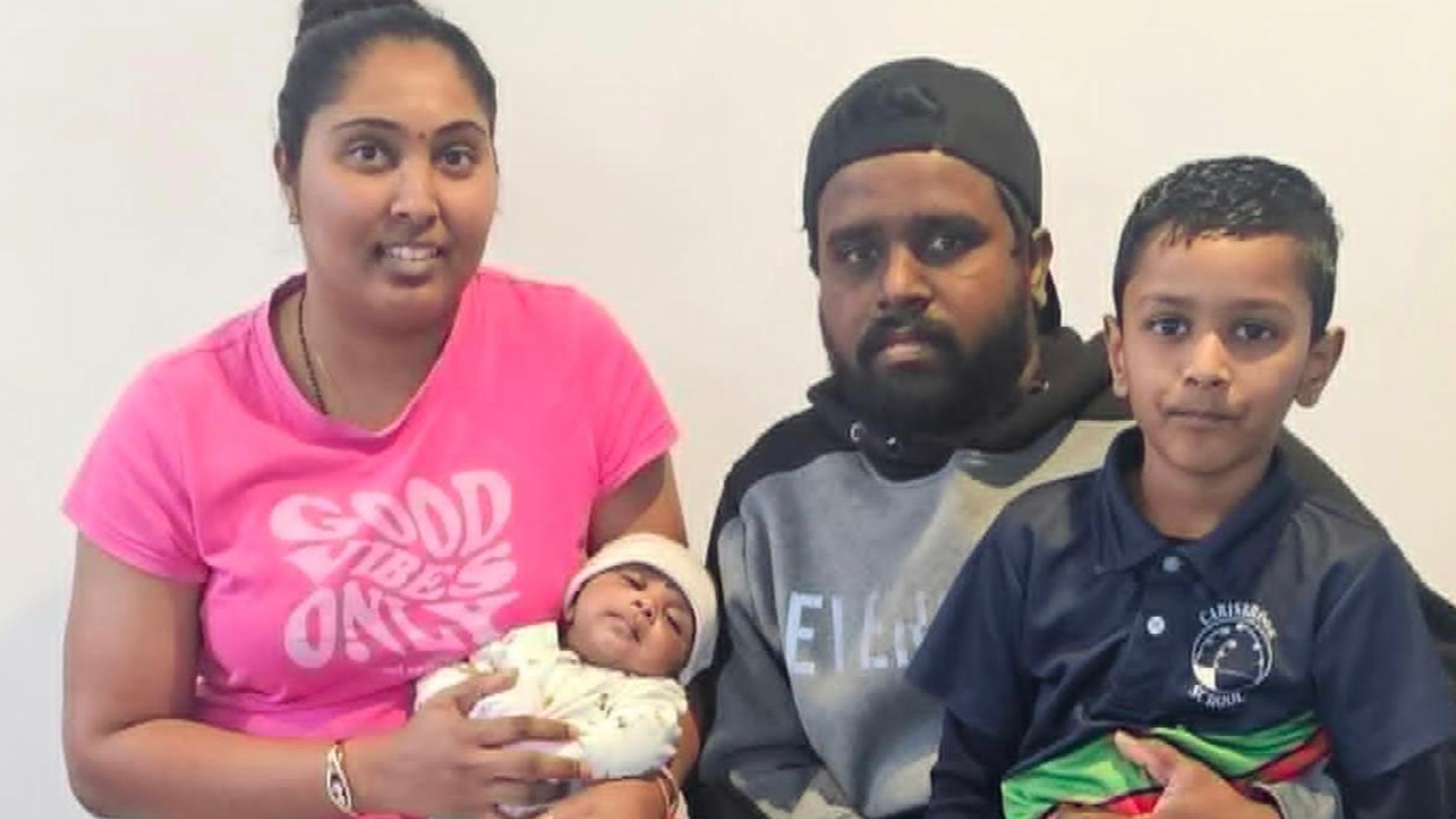
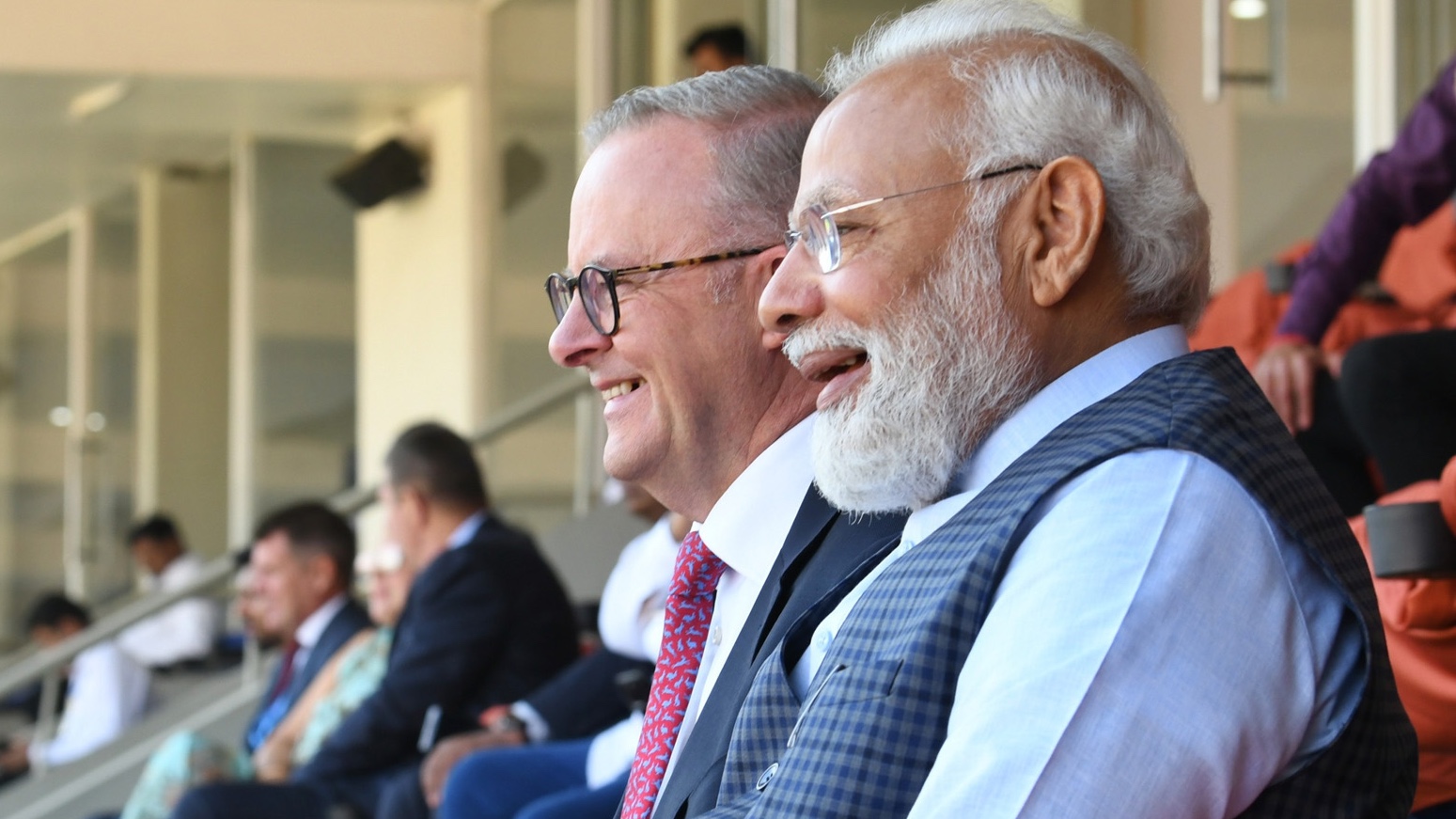
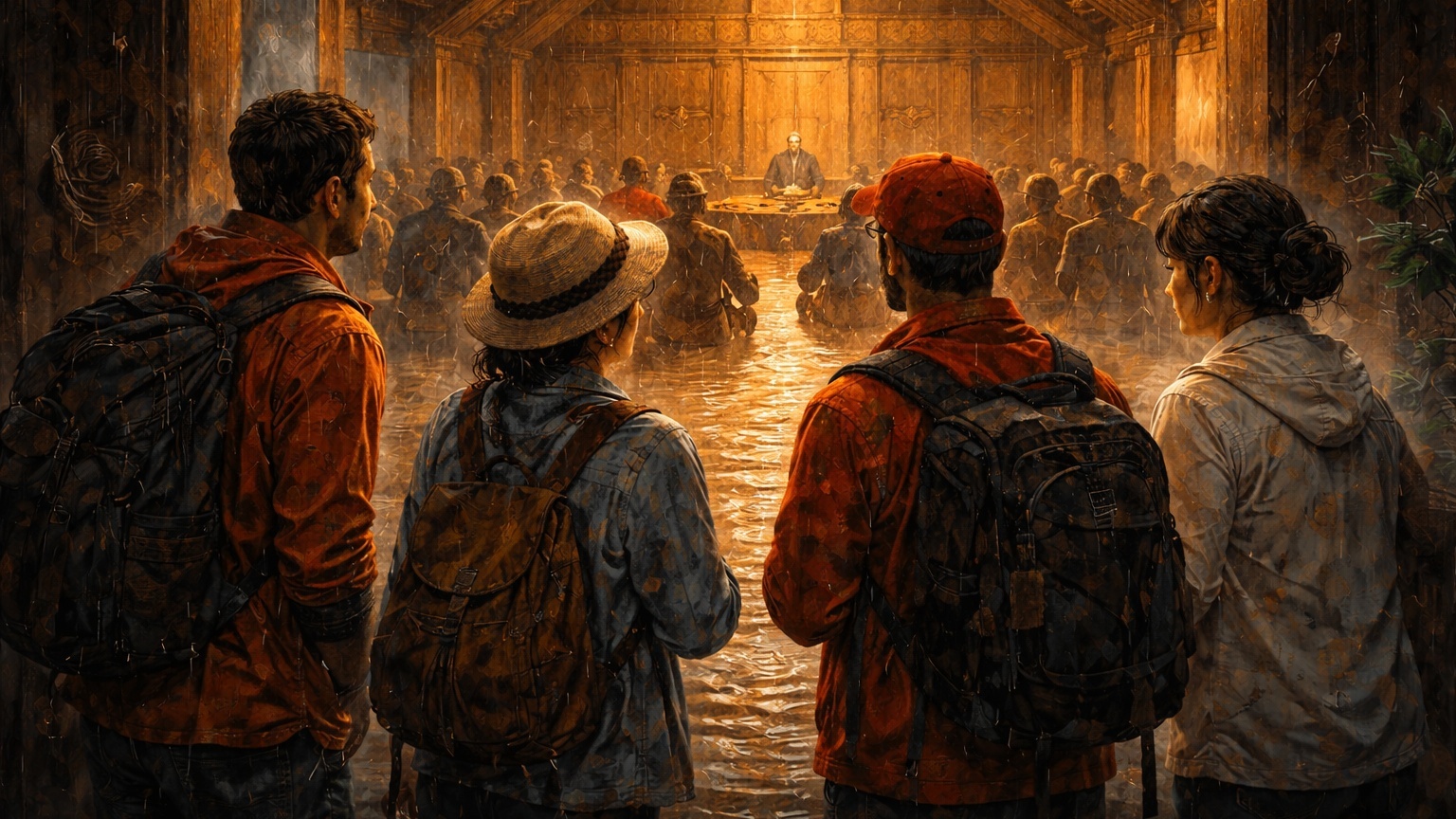
South Asian diaspora raises over $200,000 for New Zealanders missing in Nepal flood "I'm so proud of the Indian community here who...supported us, saying it is not a Nepal problem but our problem."
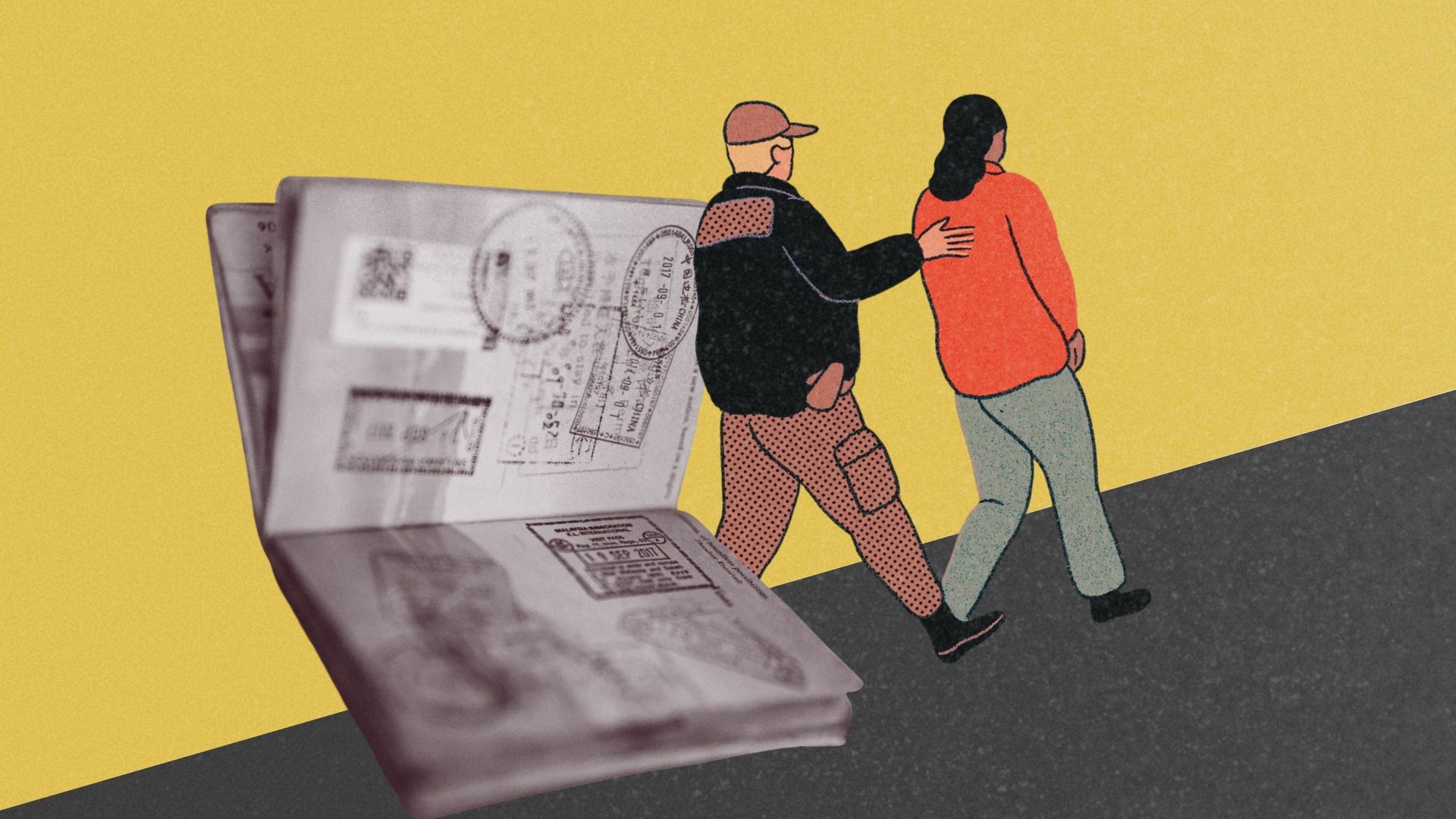
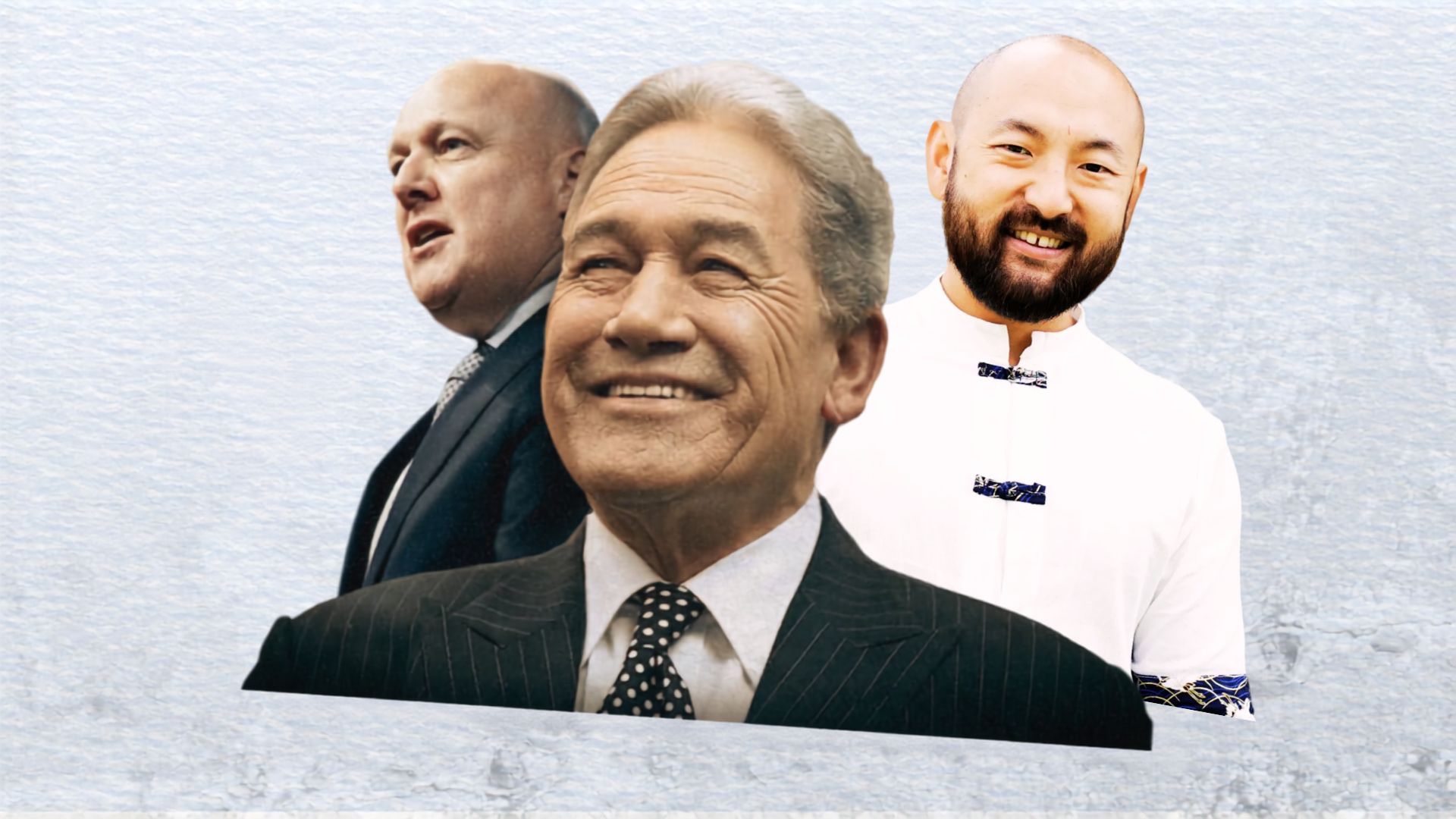
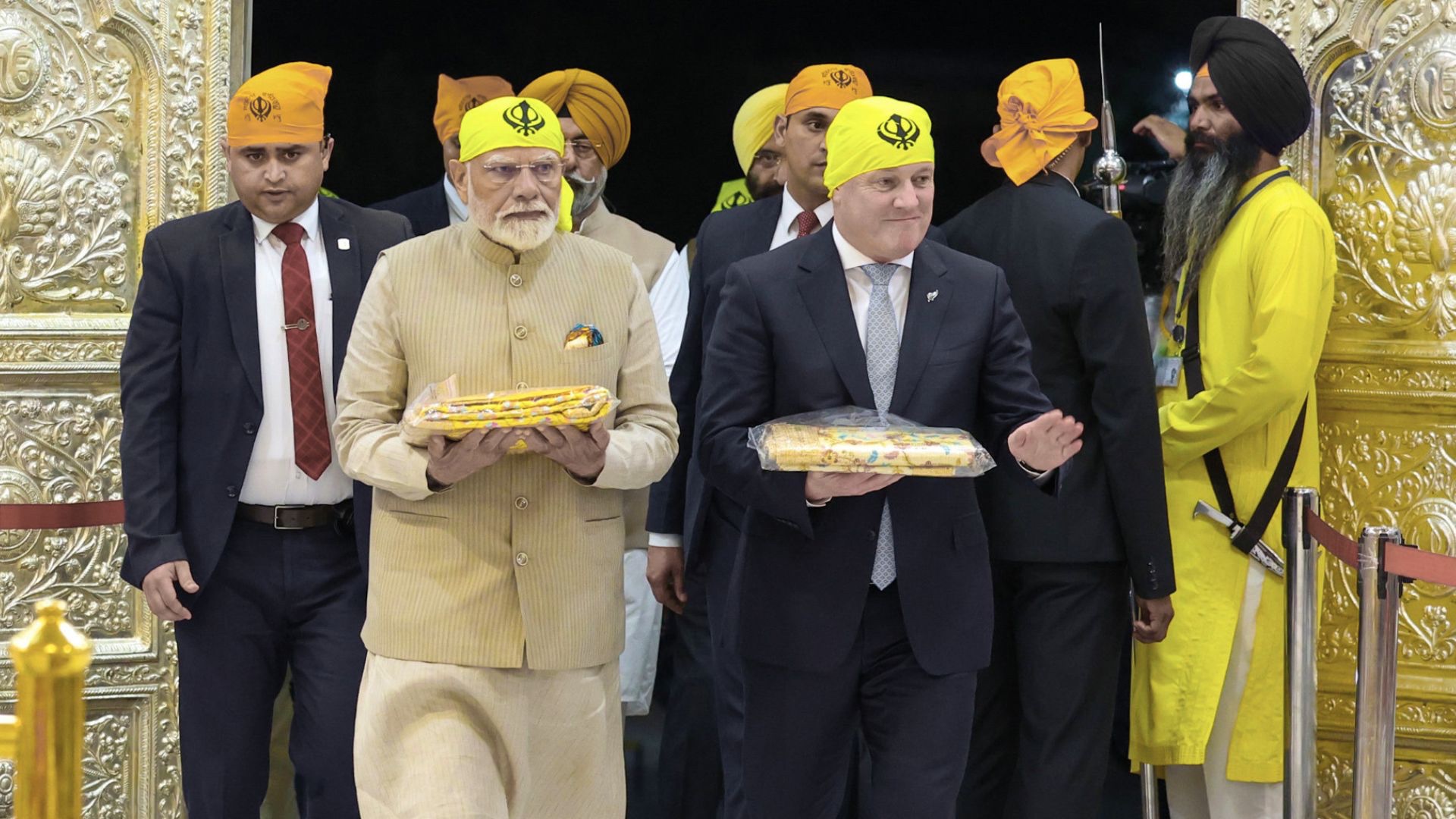
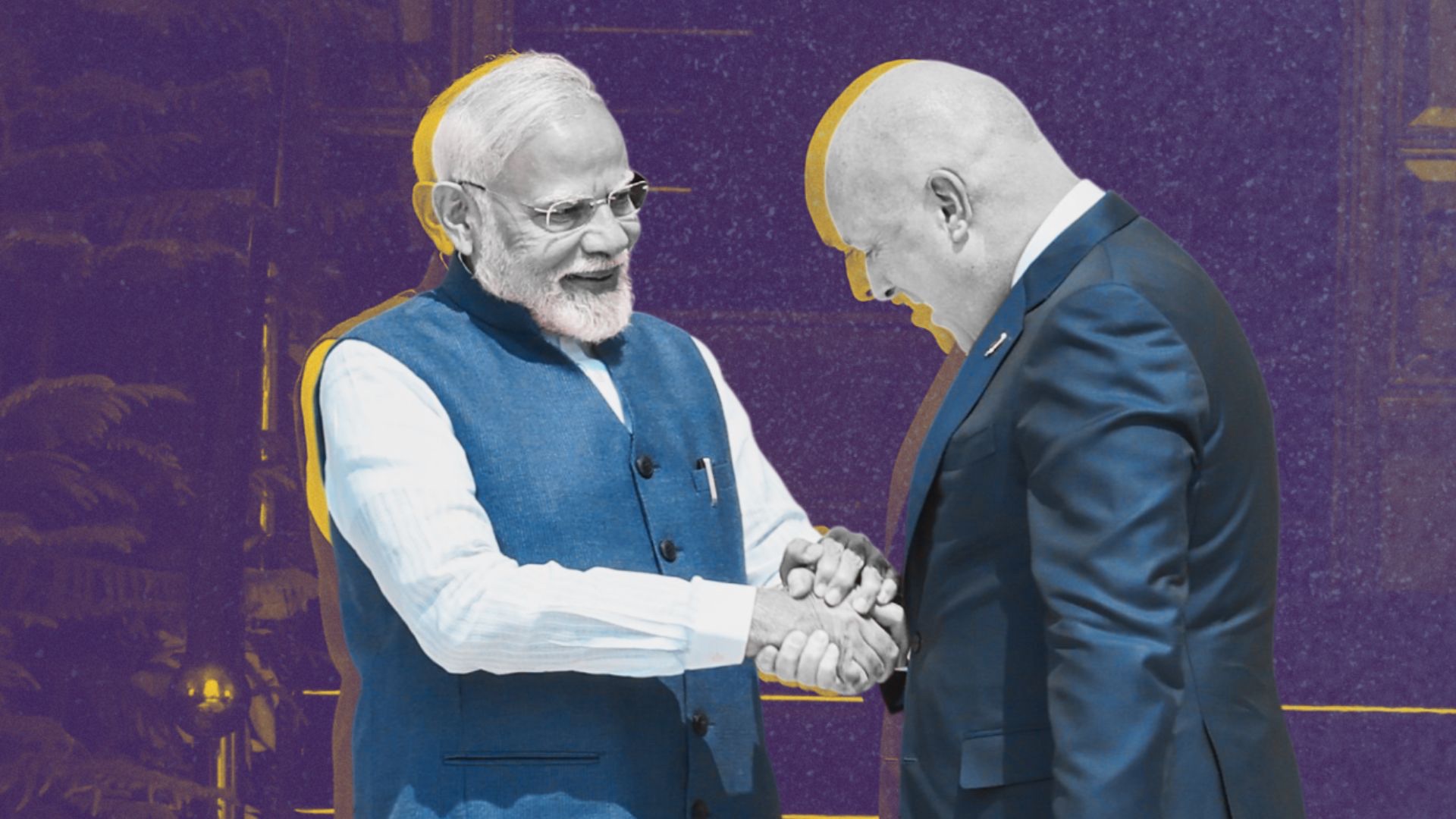
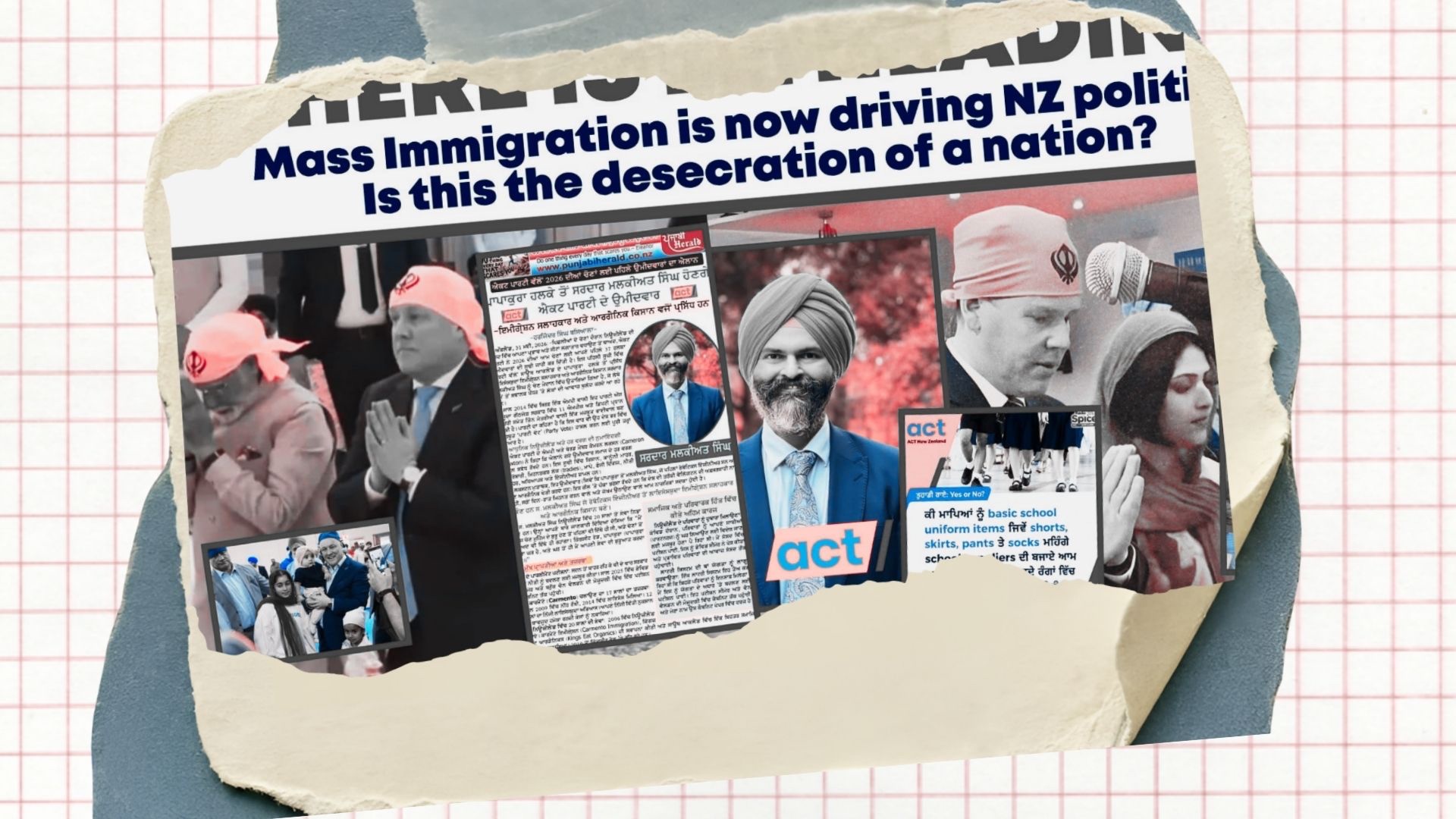
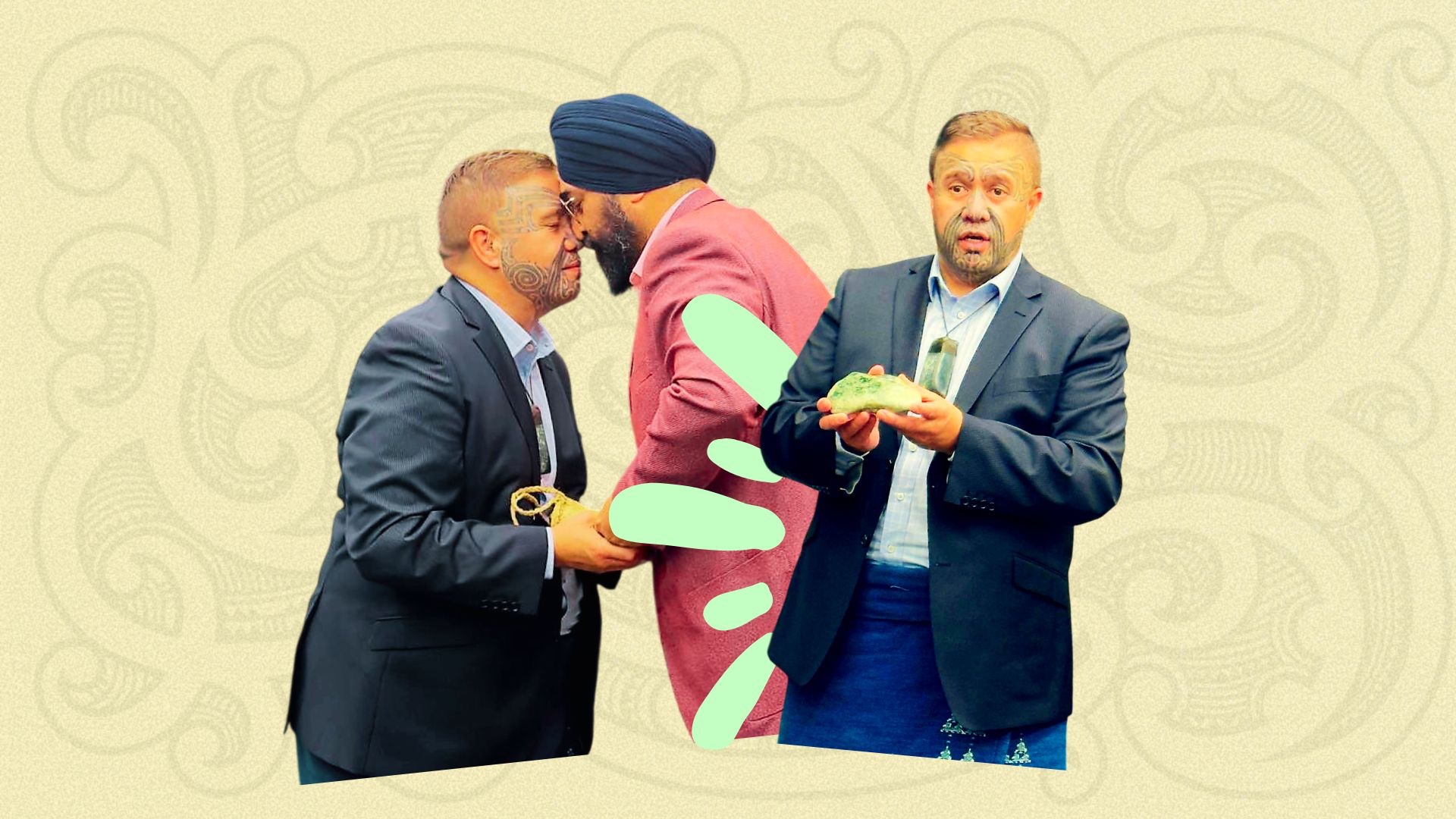
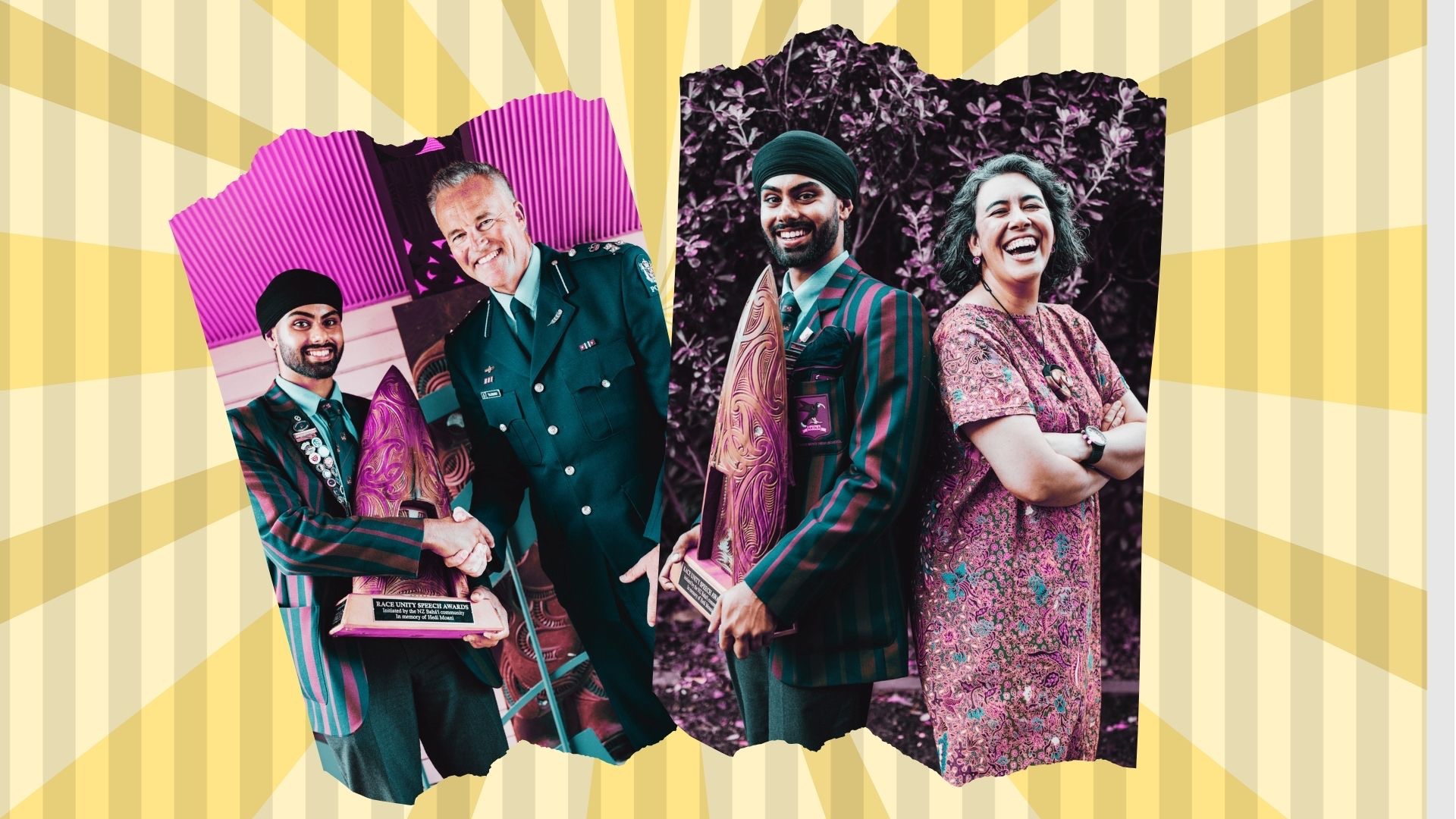
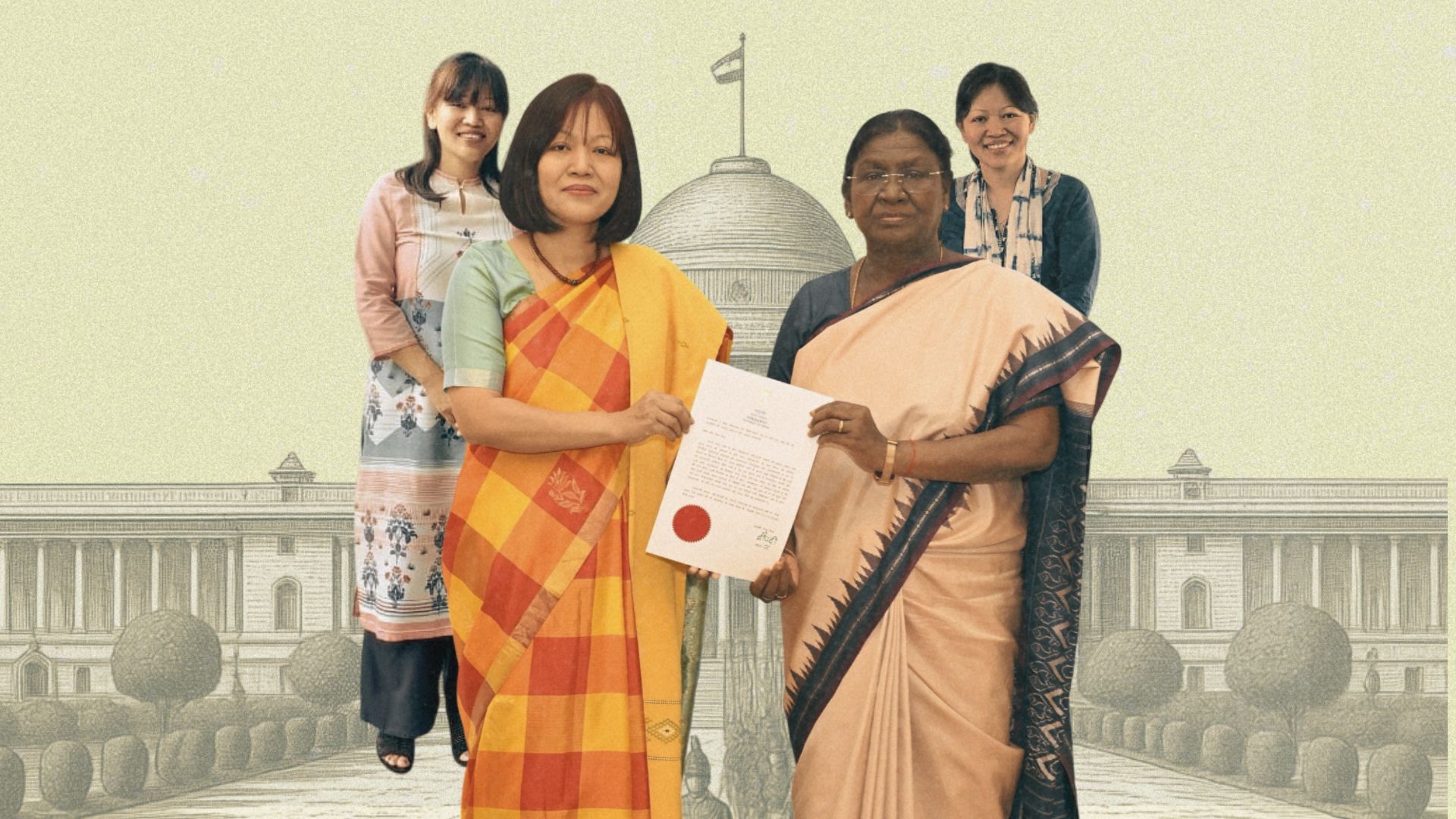
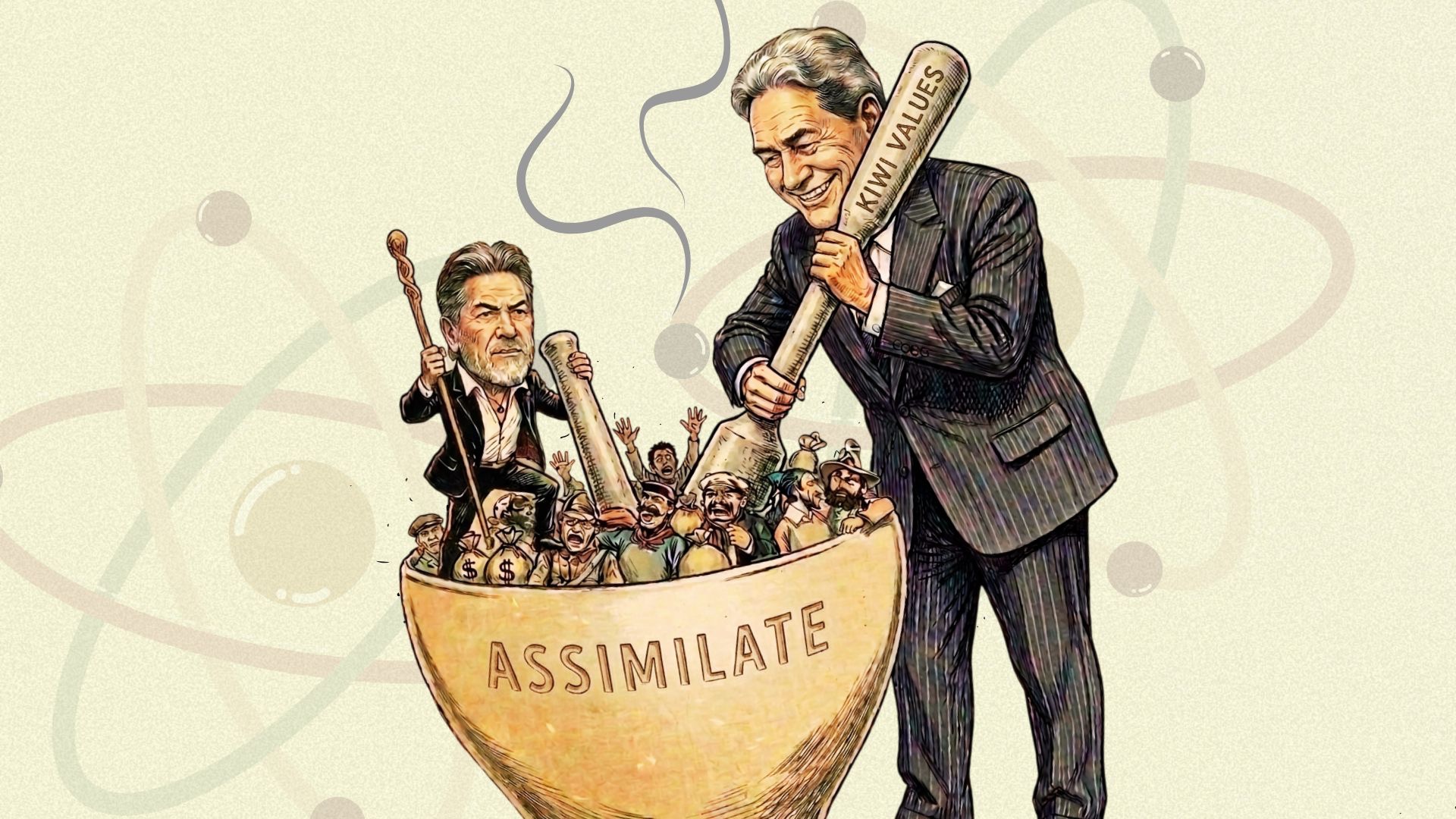
Tamakis launch Indian-origin candidate for Epsom who surrendered passport and has ‘assimilated’ “I know a whole lot of people are going to be like shocked,” says Hannah Tamaki.
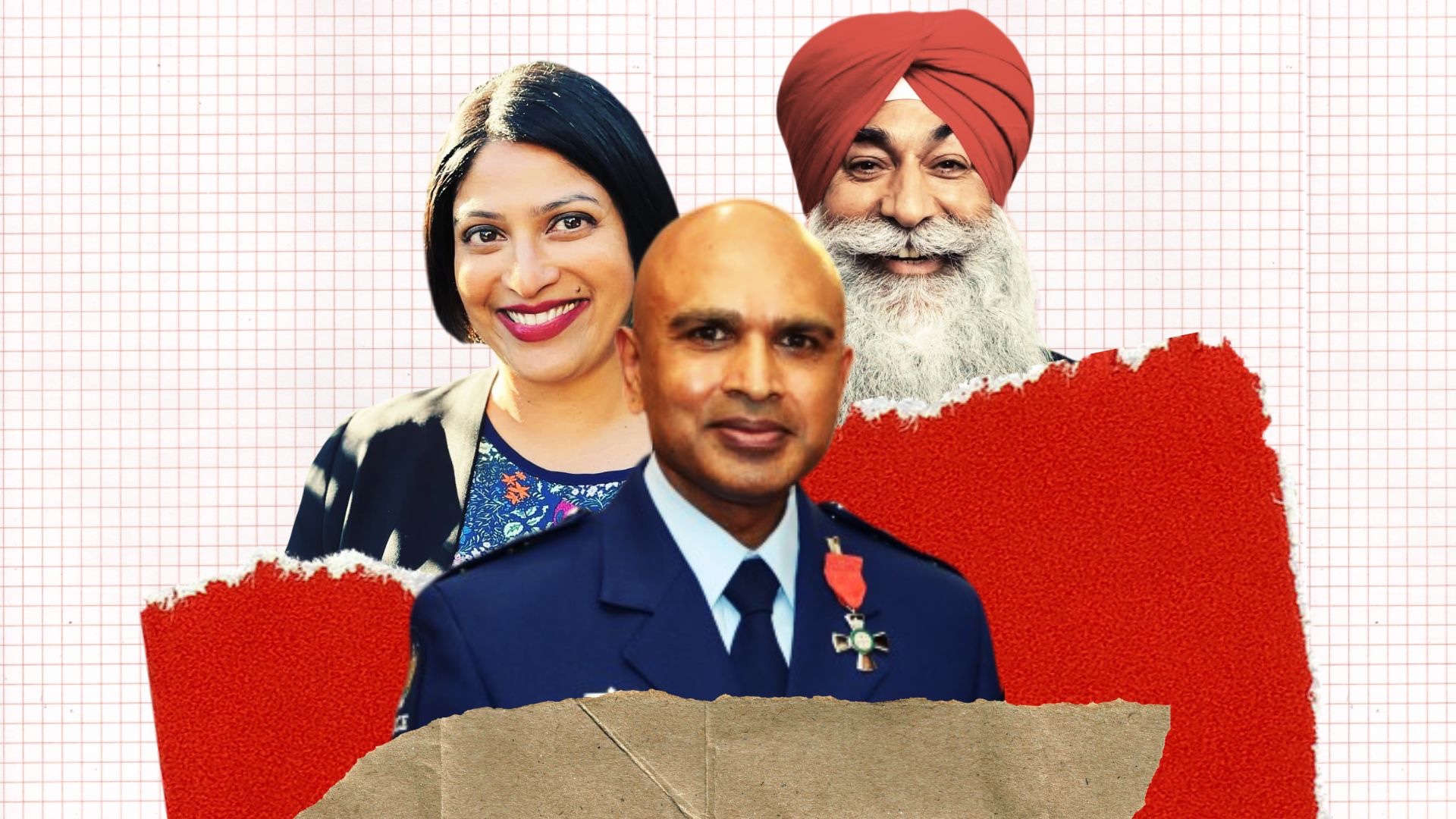
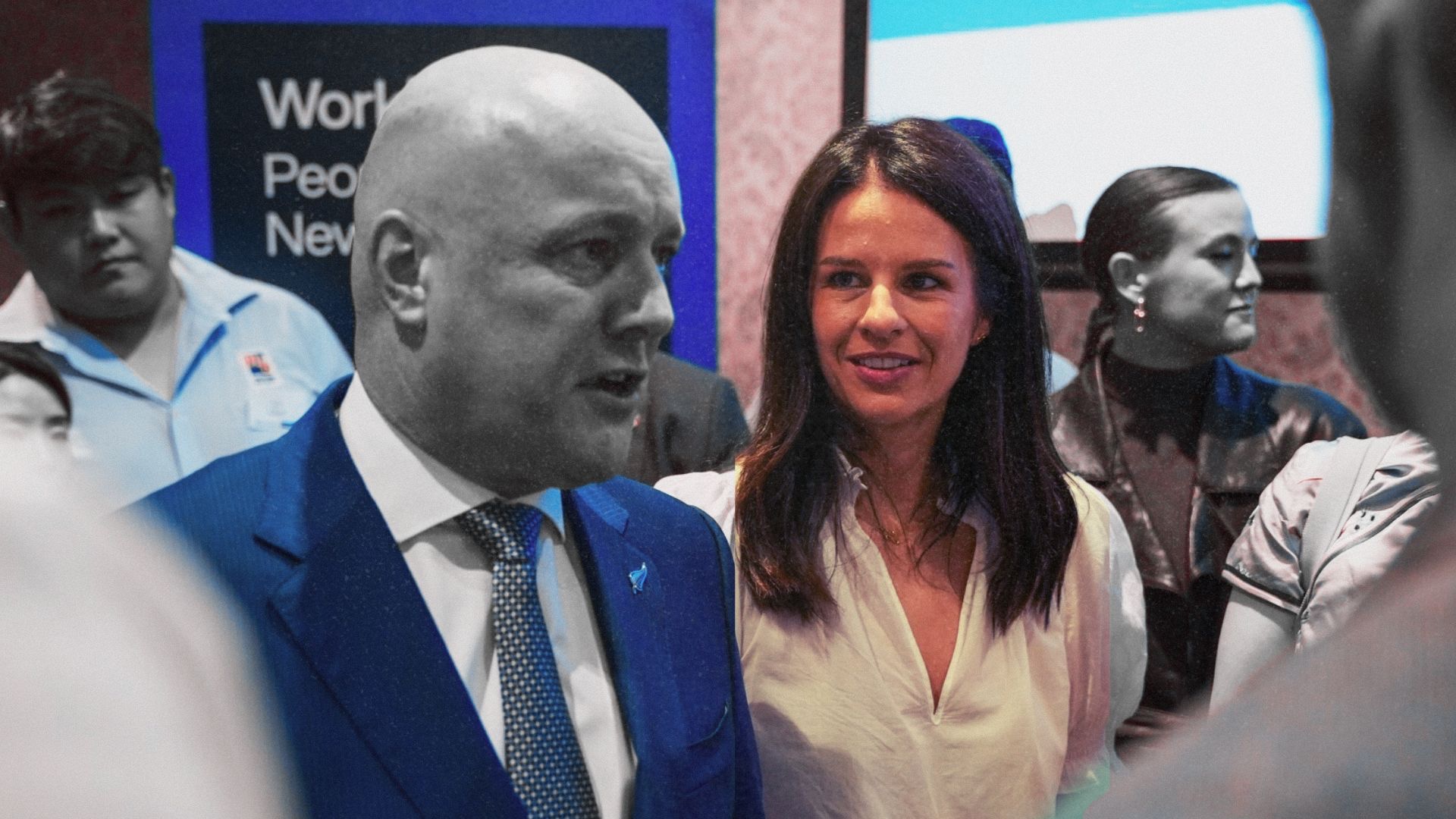
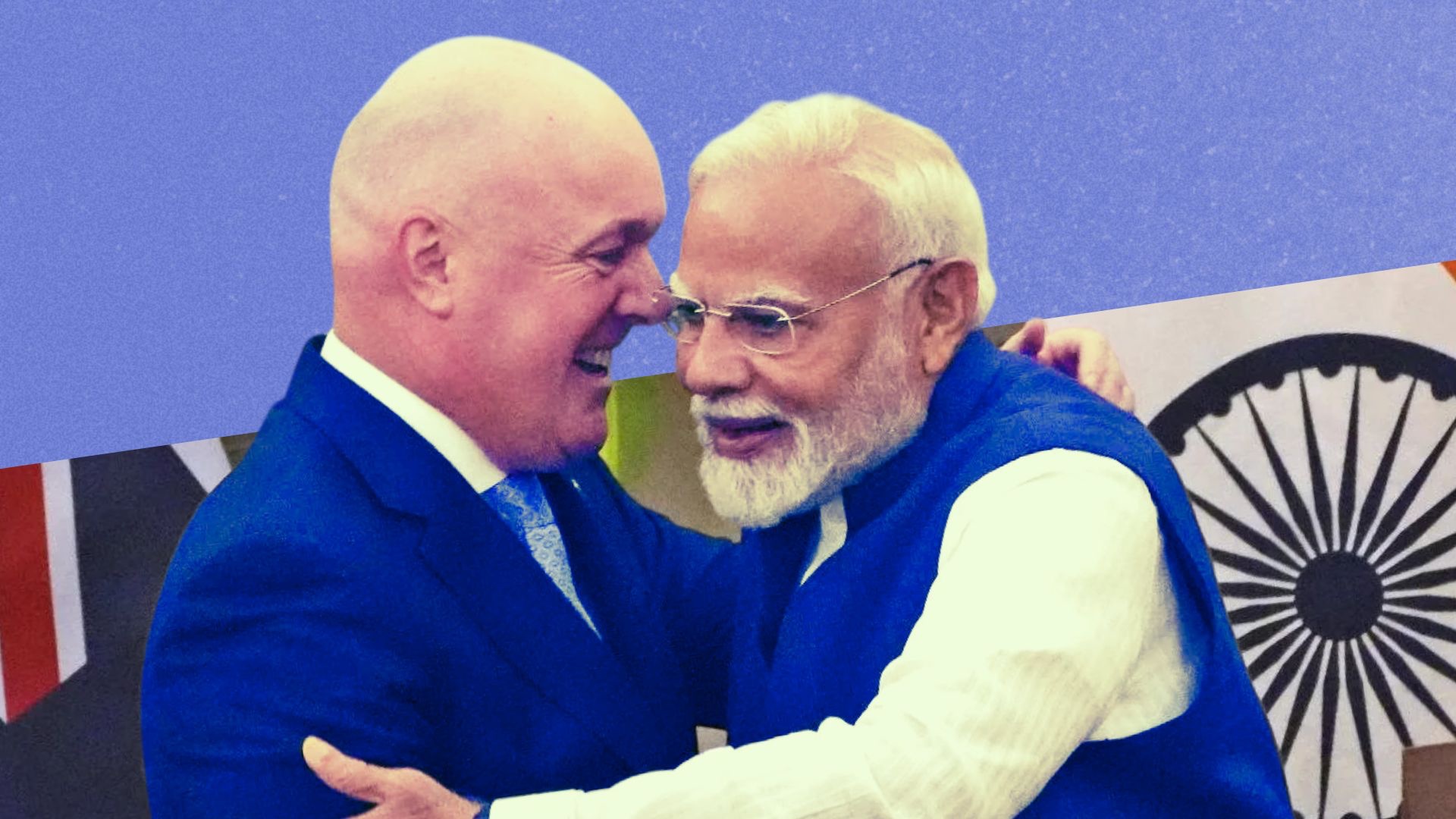
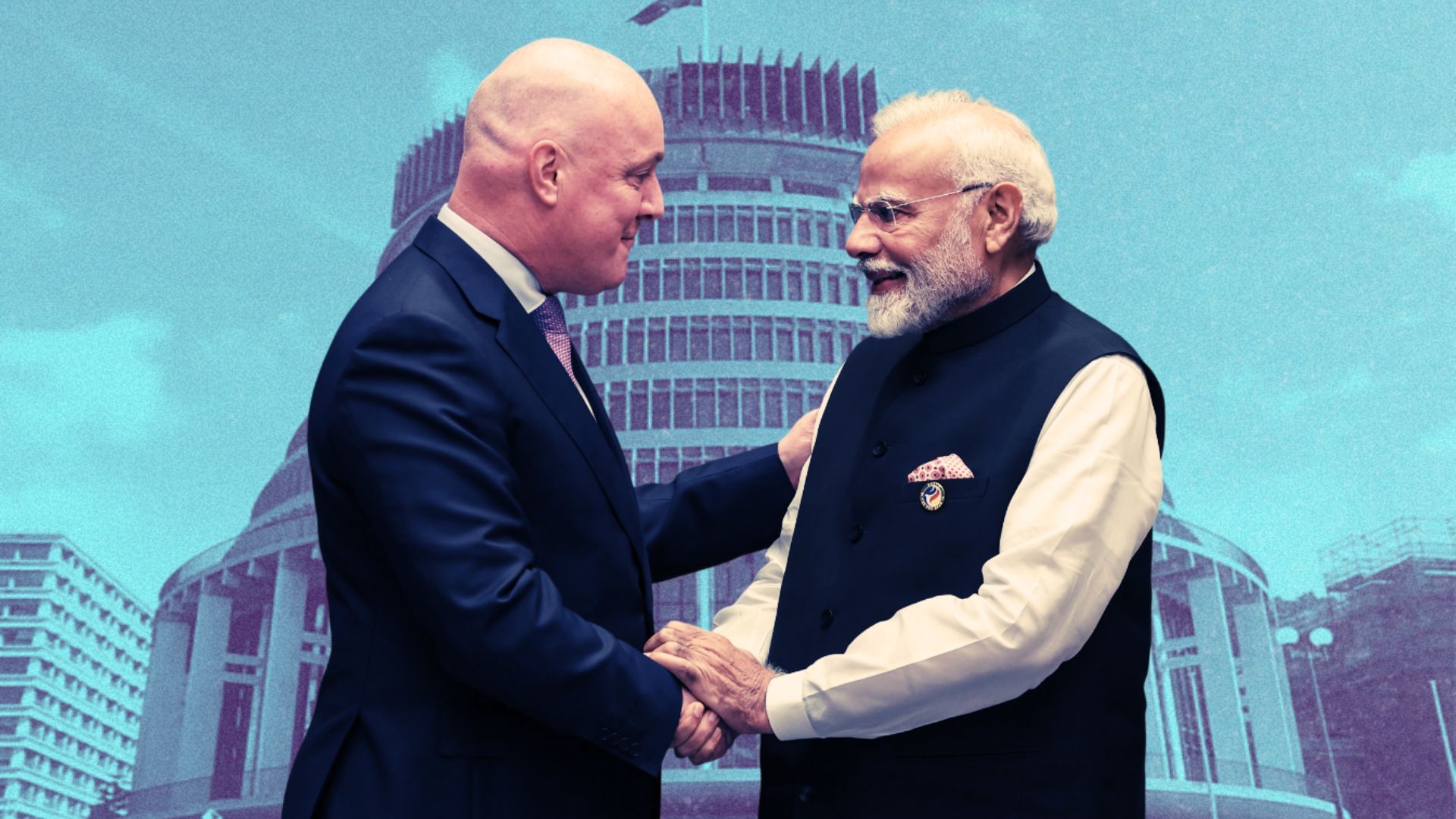
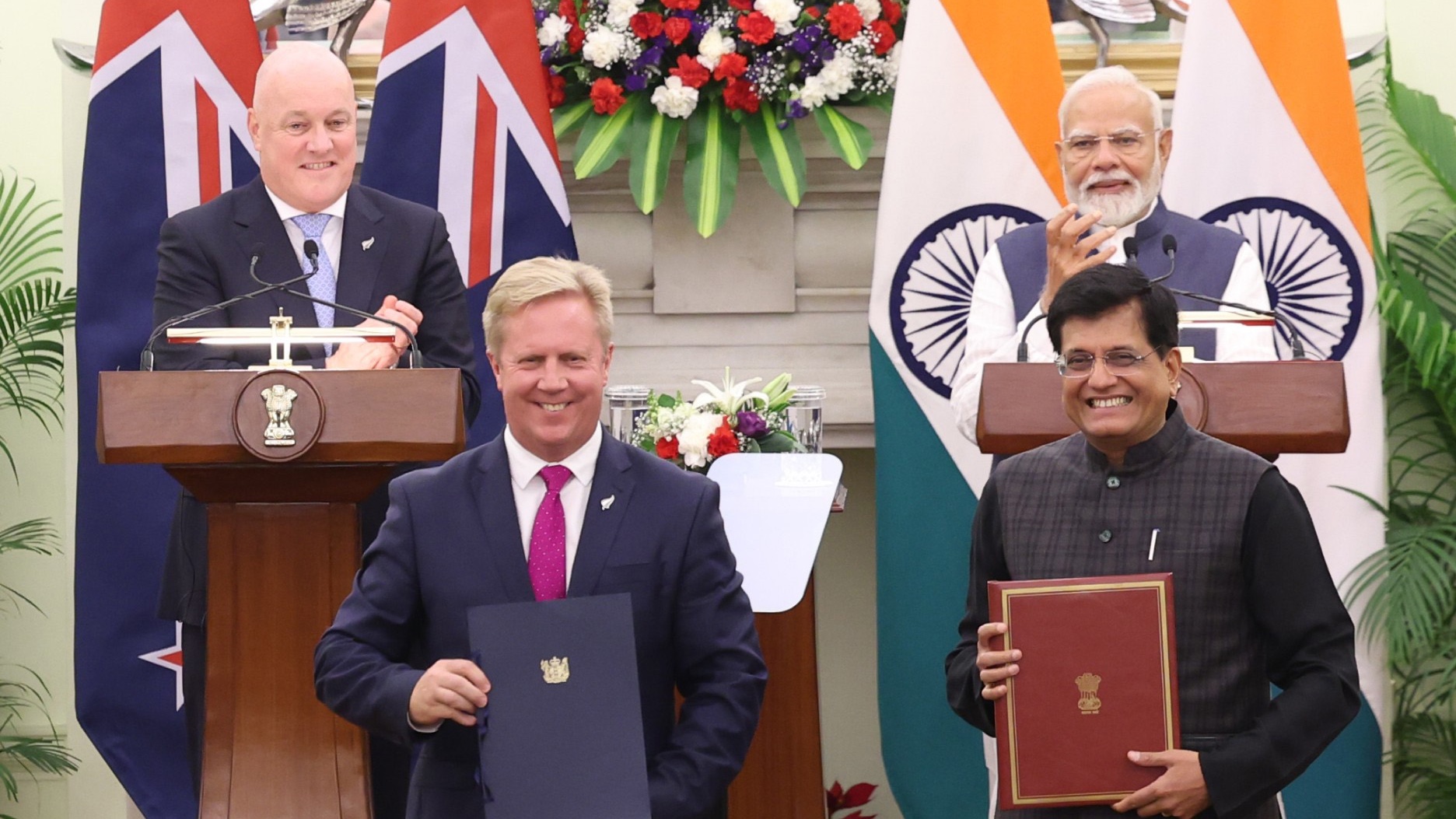
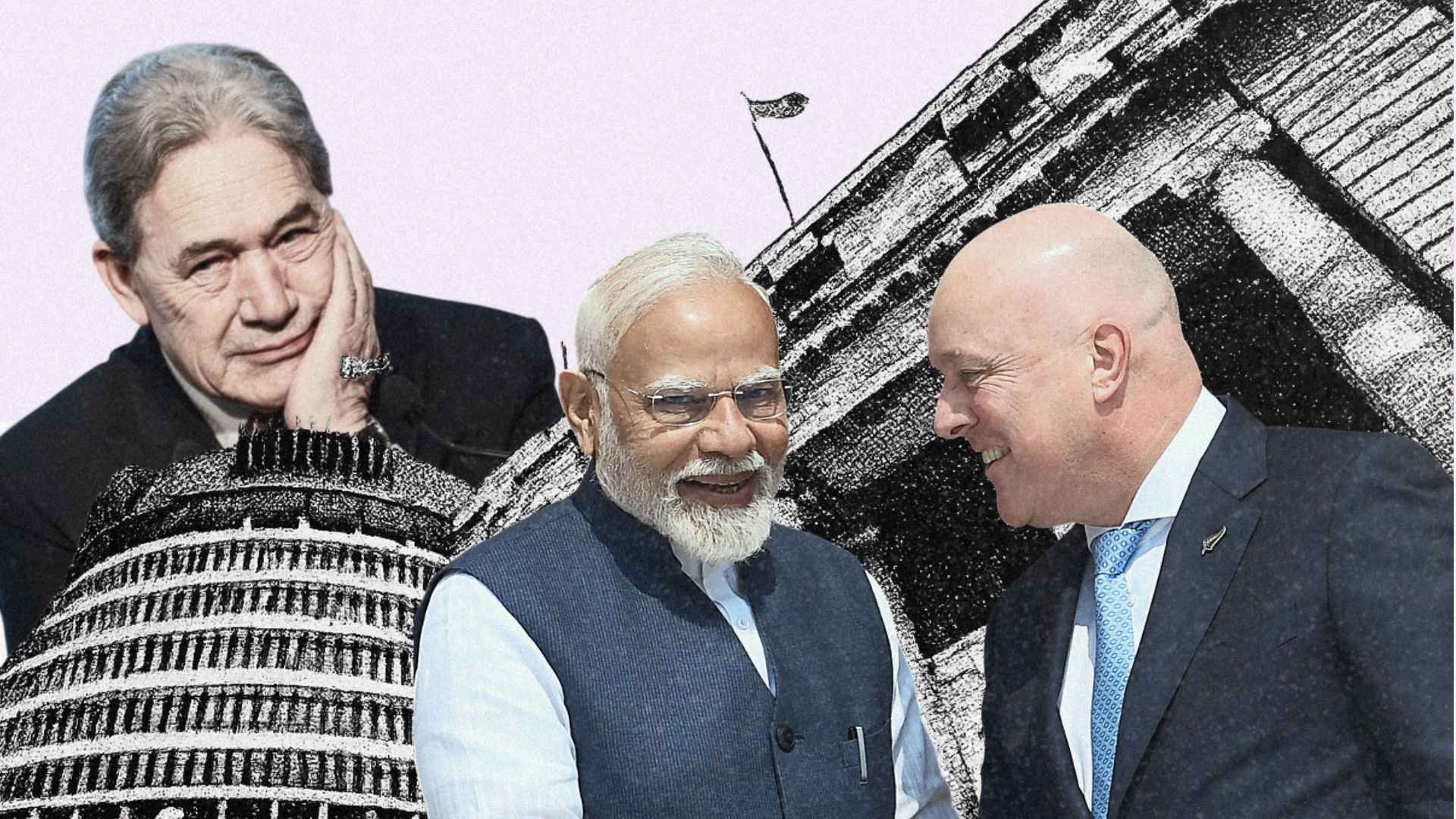
Priyanca Radhakrishnan tries to puncture Luxon’s FTA victory, says India was already sold “Things have changed quite dramatically on the Indian government side,” says the Indian-origin Labour MP.
Sport is a rather convenient place to examine these questions. It has a way of exposing loyalties that otherwise remain politely concealed.
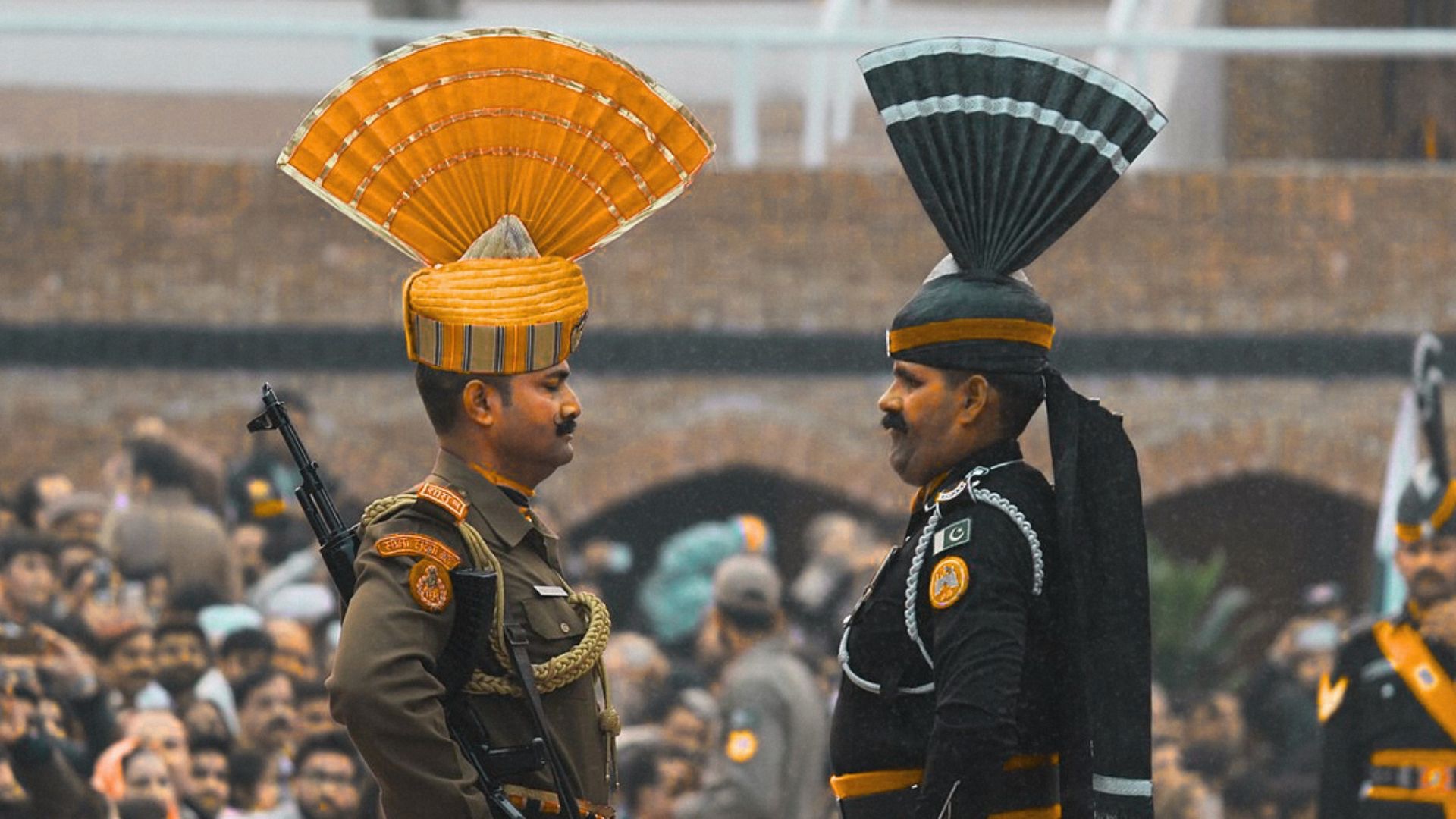
I know Indians who have lived here for decades. But put India and New Zealand on a cricket field and there is absolutely no confusion about which team they support.
I don't find that particularly strange. What interests me is how differently I have experienced the same question.
My sibling settled in New Zealand years before I did. My nephews were born here. Long before I had any plans to move, New Zealand had begun acquiring an emotional significance for me simply because people I loved called it home.
When India lost to New Zealand in the 2019 Cricket World Cup semifinal, I was disappointed. Of course I was. But the defeat hurt a little less because it was New Zealand that had made it to the final.
I had acquired a second team without applying for membership. And this was before I had packed my bags, navigated immigration or begun building a life here. Somehow, New Zealand had already found its way into my emotional geography.
Years later, having made this country my home, I find myself examining that attachment more consciously. I want India to do well. But I also want New Zealand to do well. The complication arises when their interests collide.
And I sometimes wonder whether I have been trying to resolve a contradiction that doesn't actually need resolving.
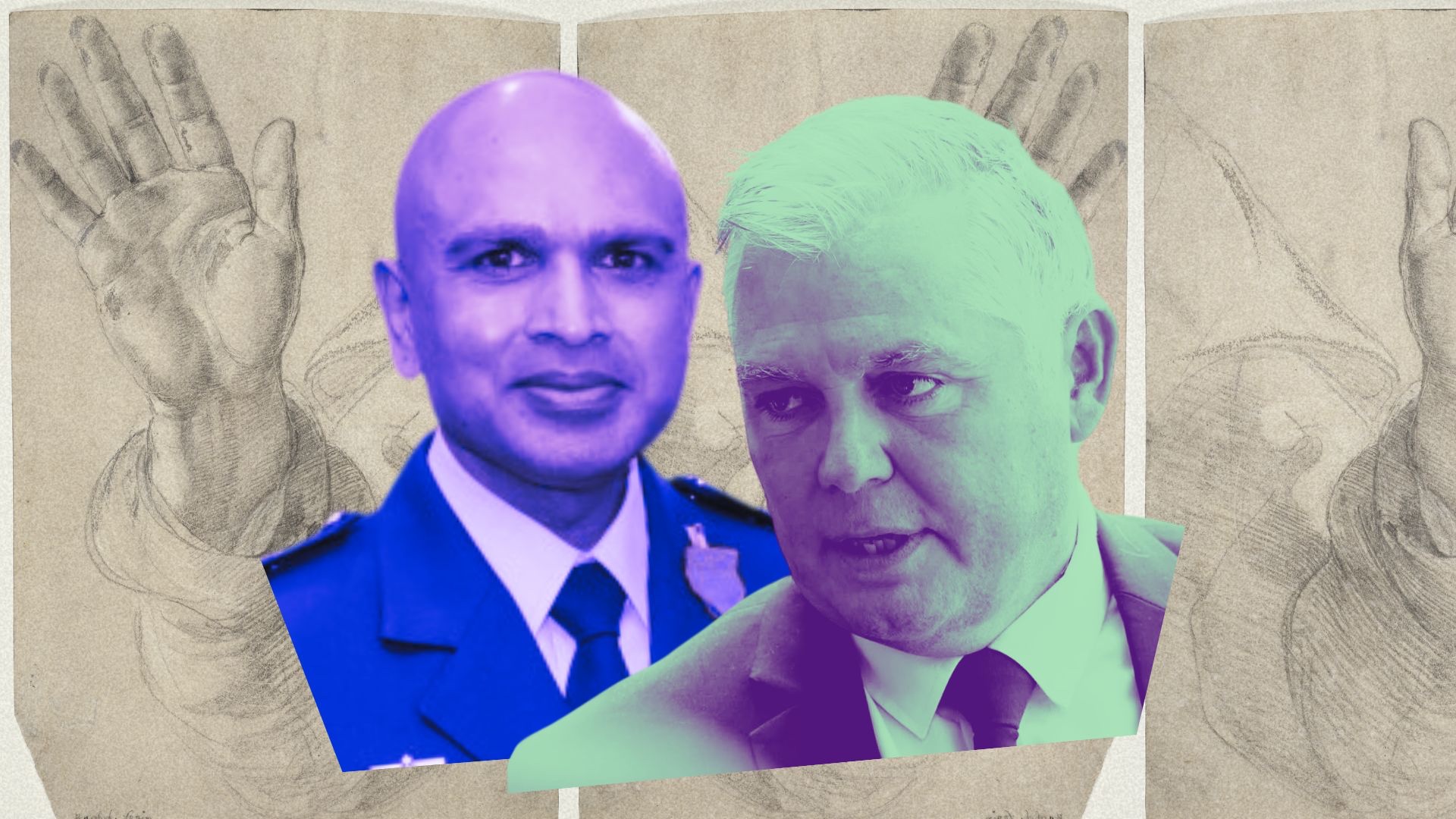
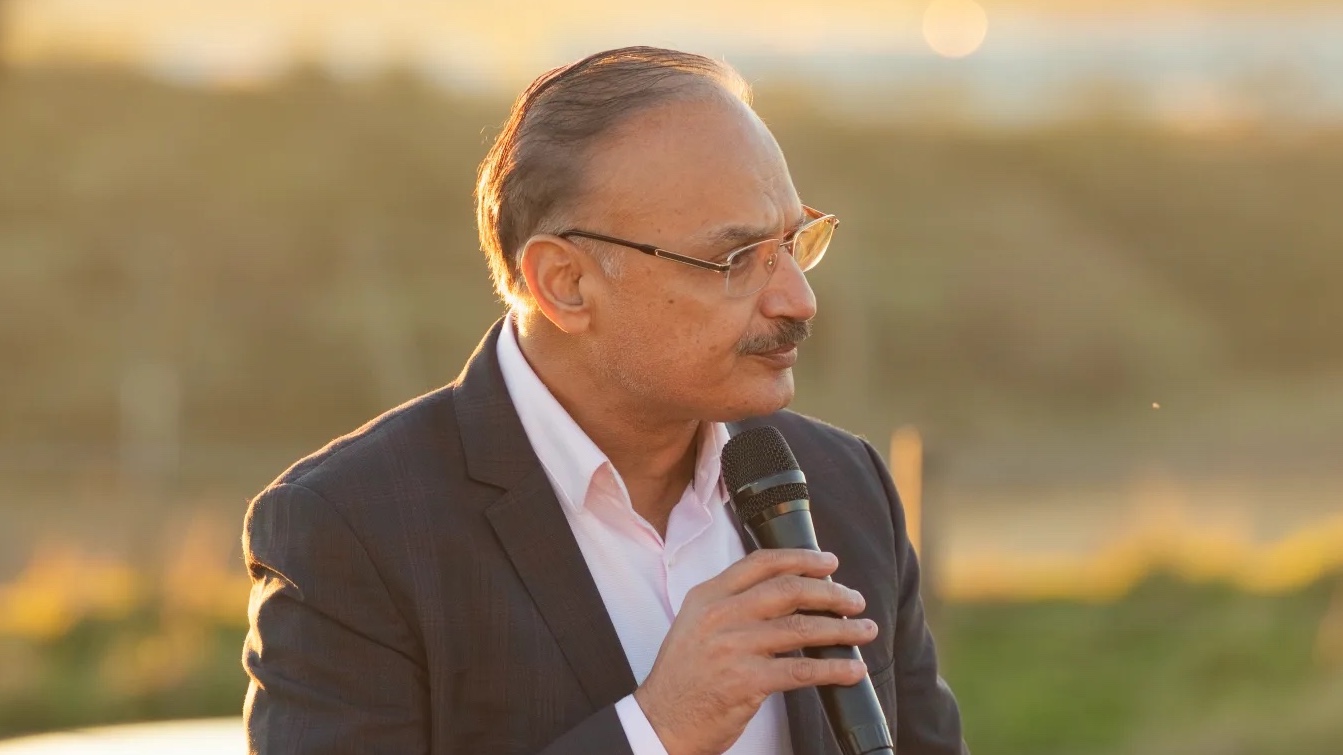
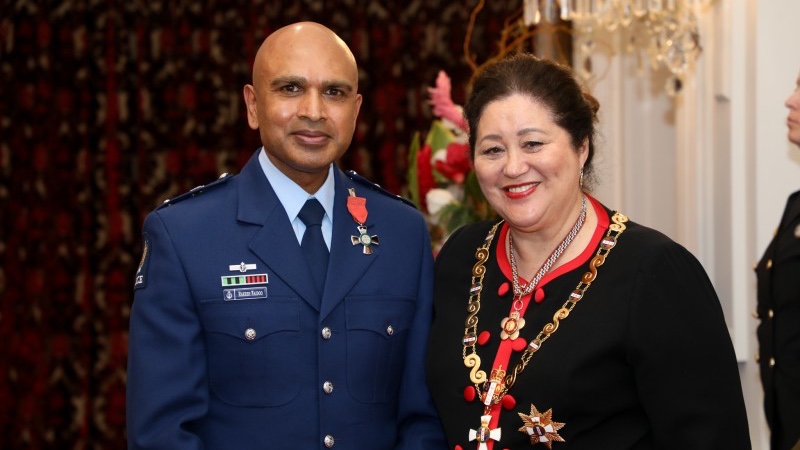
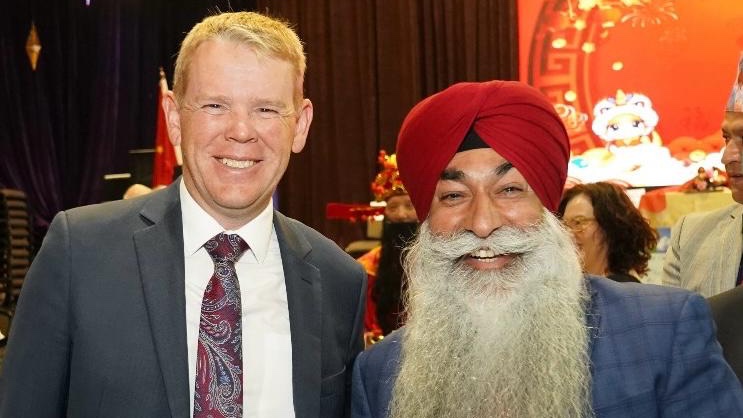
Last week, this interview of National's Mahesh Muralidhar kept returning to a deceptively simple question. Can you be both Indian and Kiwi?
For my son, that question presented a problem. He is eight. He shouldn't need an elaborate theory of national identity to enjoy an afternoon of cricket. Yet the prospect of India playing New Zealand had somehow turned a family outing into an exercise in divided loyalties.
For me, his question raised an entirely different one. Why had I come to regard choosing between the two countries as necessary in the first place?
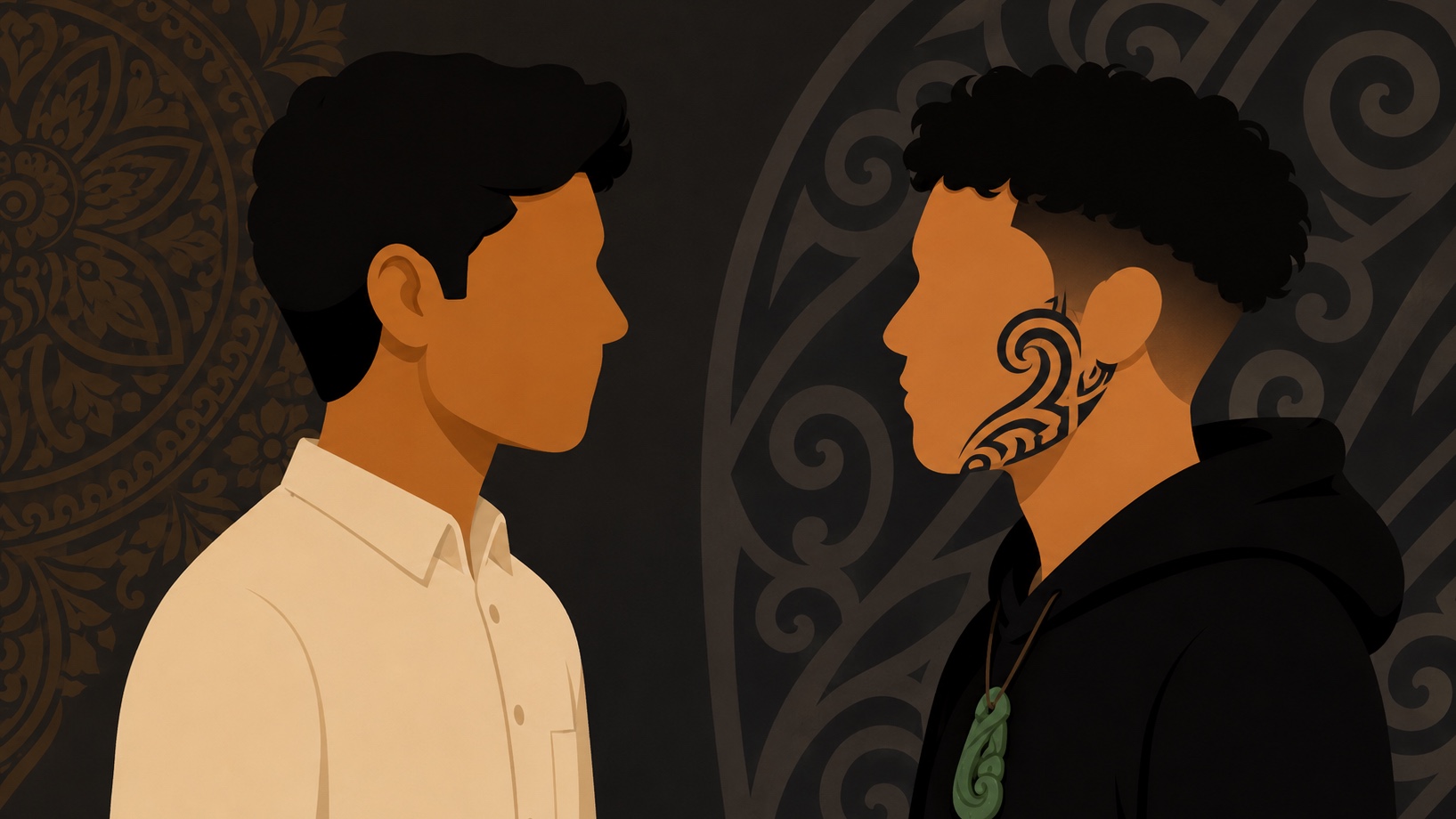
Perhaps migration doesn't require a transfer of allegiance at all. Perhaps it creates an additional one.
We tend to think about patriotism as an exclusive relationship. You belong to one country, support one flag and sing one national anthem. But migrants inhabit a world in which these loyalties frequently overlap.
And supporting a cricket team is hardly a citizenship test. Someone who has lived here for 20 years and still cheers for India might feel every bit as invested in New Zealand's future as someone who has supported the Black Caps since childhood.
I can understand that. India is the country that made me. New Zealand is the country in which I am making a life. There is no obvious reason why affection for one should diminish affection for the other.
But what happens when your children begin making their own choices?
I suspect I would be rather pleased if my son supported New Zealand. After all, isn't that part of what I wanted when I chose to raise him here? For him to feel at home without the perpetual negotiation of identity that seems to accompany the migrant experience?
For him, New Zealand isn't necessarily an adopted country. It is simply the country in which he is growing up.
Perhaps this is where first-generation migrants have it particularly difficult. We arrive with a lifetime of loyalties already in place. Our children don't necessarily carry the same emotional baggage. They can grow into a sense of belonging that we have to consciously negotiate, sometimes for the rest of our lives.
I have spent years wondering whether I can ever feel entirely at home in two countries. My son, meanwhile, seems perfectly capable of feeling at home in both. Until, of course, they meet on a cricket field.
And yet I can imagine sitting beside him at Eden Park, watching him celebrate an Indian wicket falling, and discovering that my commitment to his Kiwi identity is being subjected to a rather uncomfortable practical examination.
Would I cheer with him? Would I secretly hope that India recovered? Would I feel a small, entirely unreasonable disappointment that he hadn't inherited my cricketing loyalties?
I suspect all three.
Perhaps this is one of the stranger things about migration. We spend years trying to make another country our home, then discover that our children might succeed at it in ways we hadn't quite anticipated.
My son was worried about choosing which team to support. I'm beginning to suspect that when he finally makes up his mind, the person who will have the harder time with his decision might be me.